Top-rated campgrounds in Florida
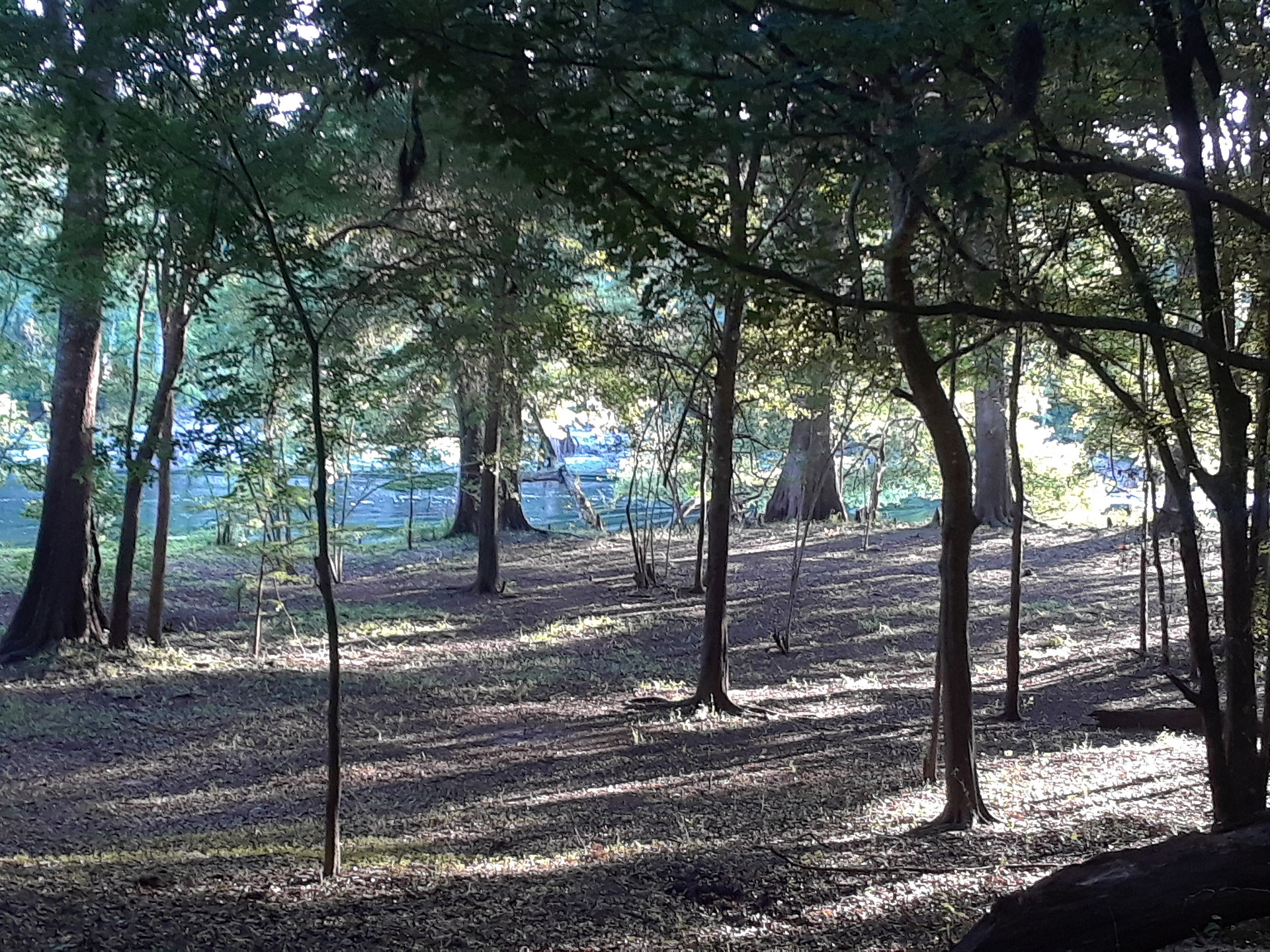
1. Bowman's Landing
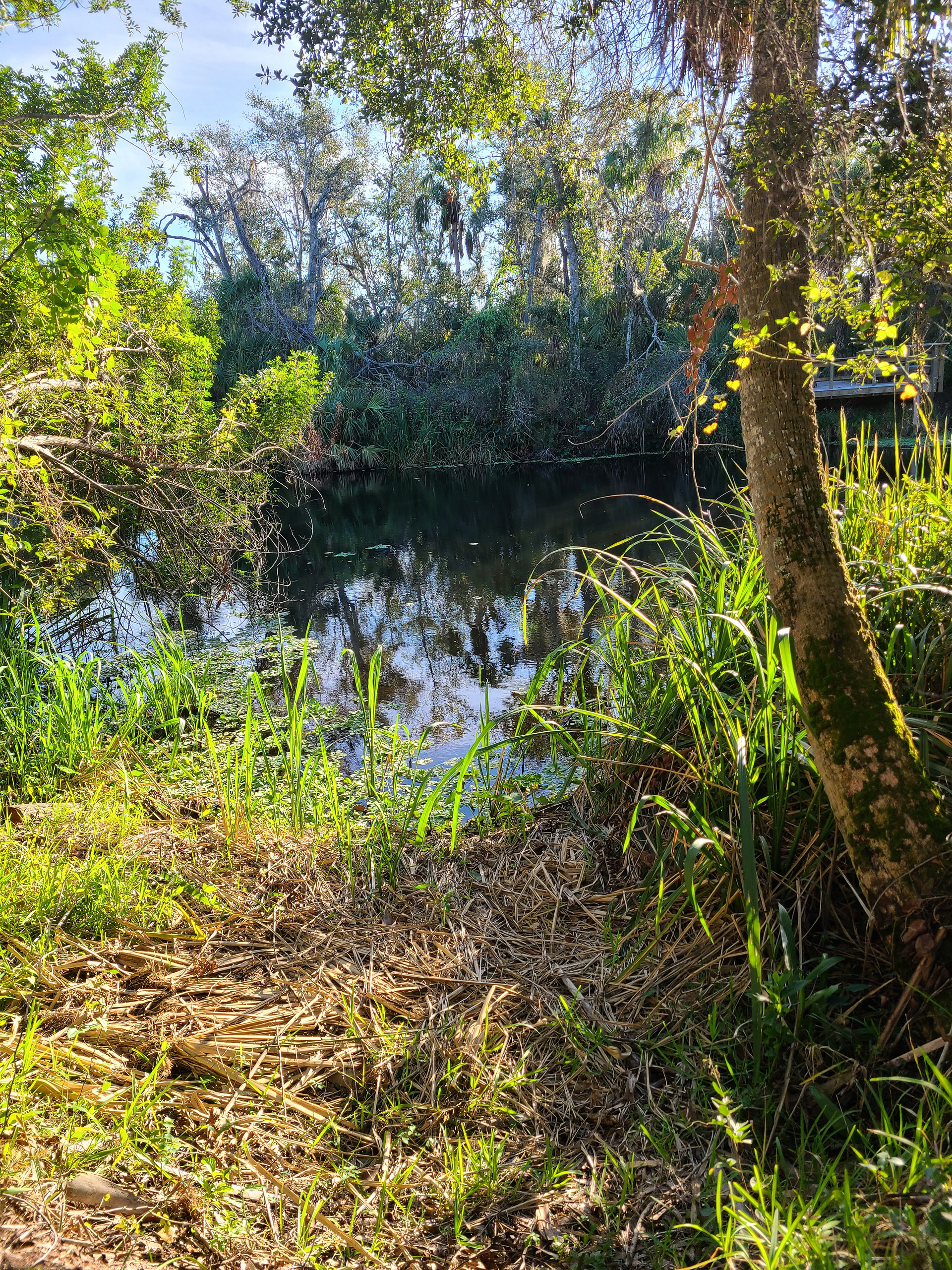
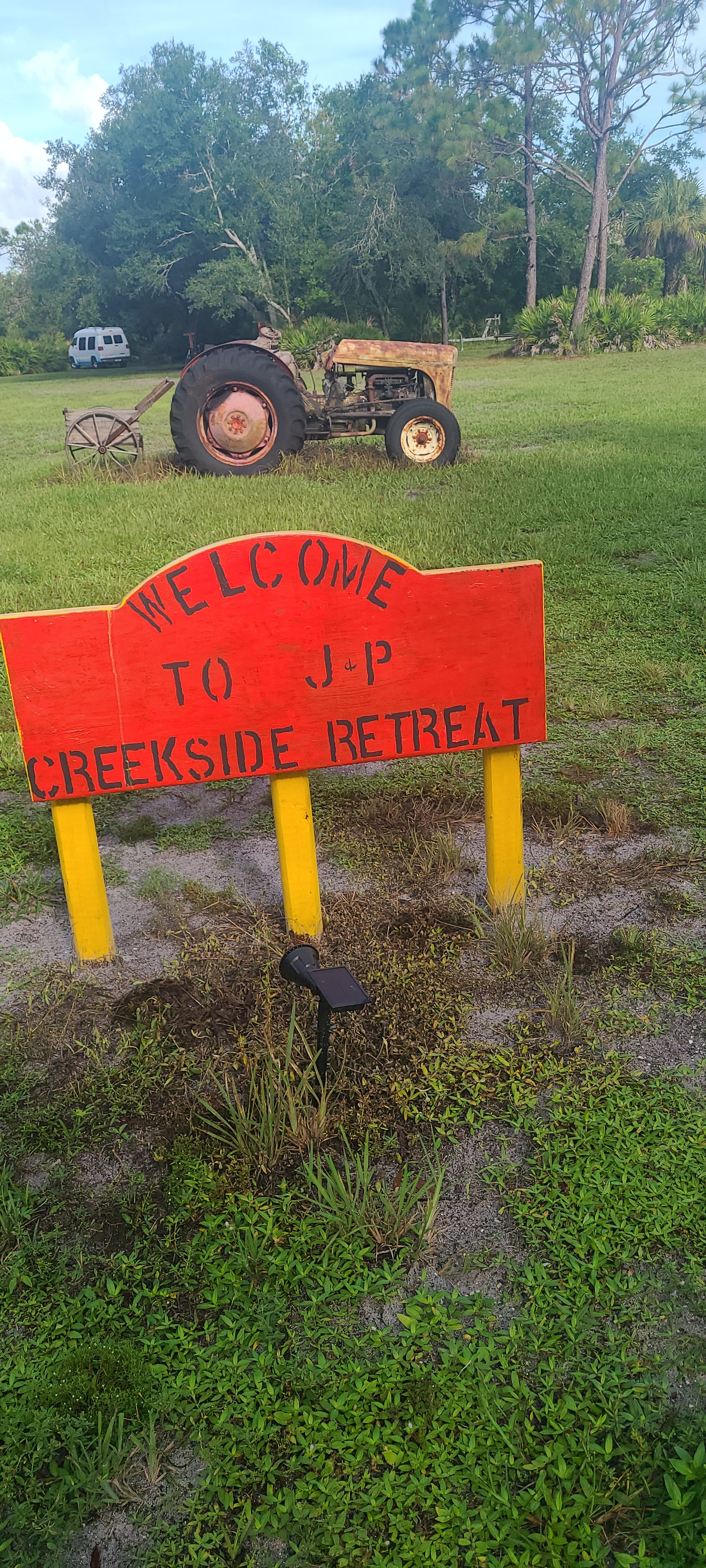
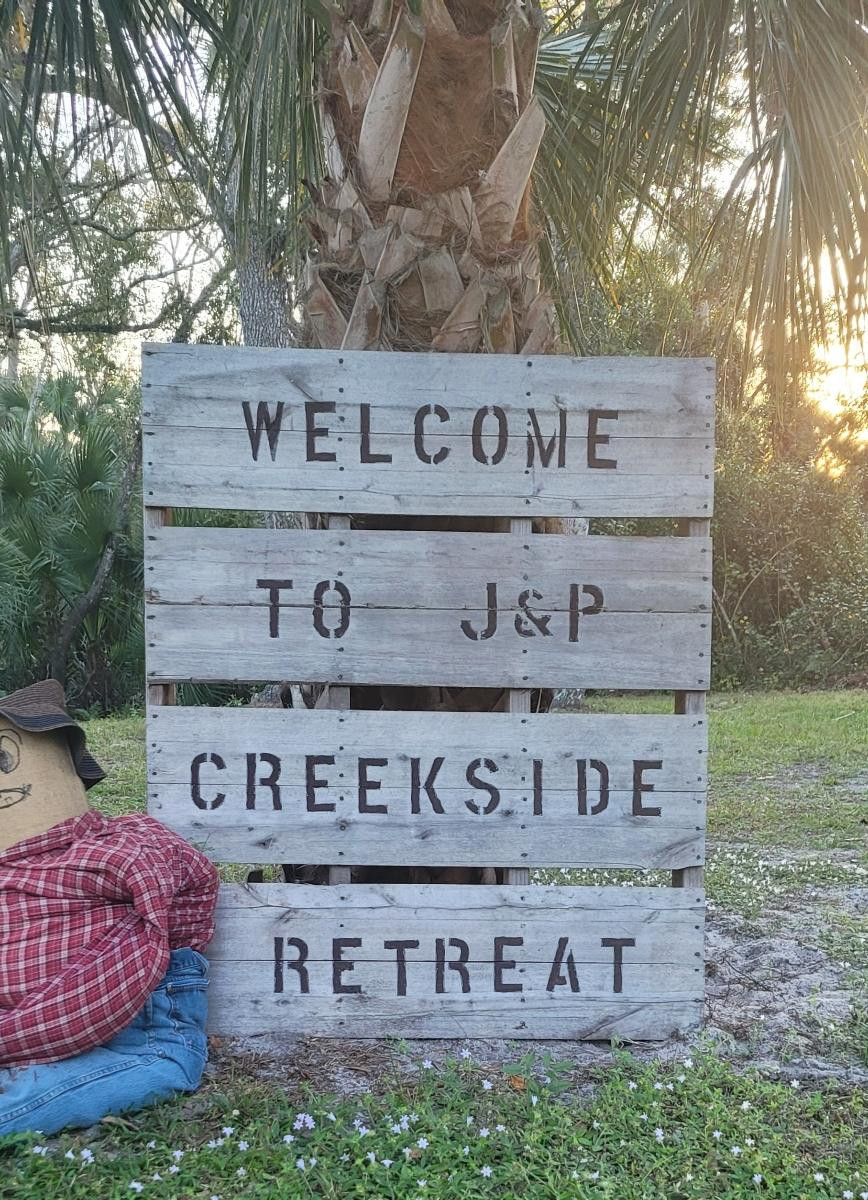
2. J and P Creekside Retreat
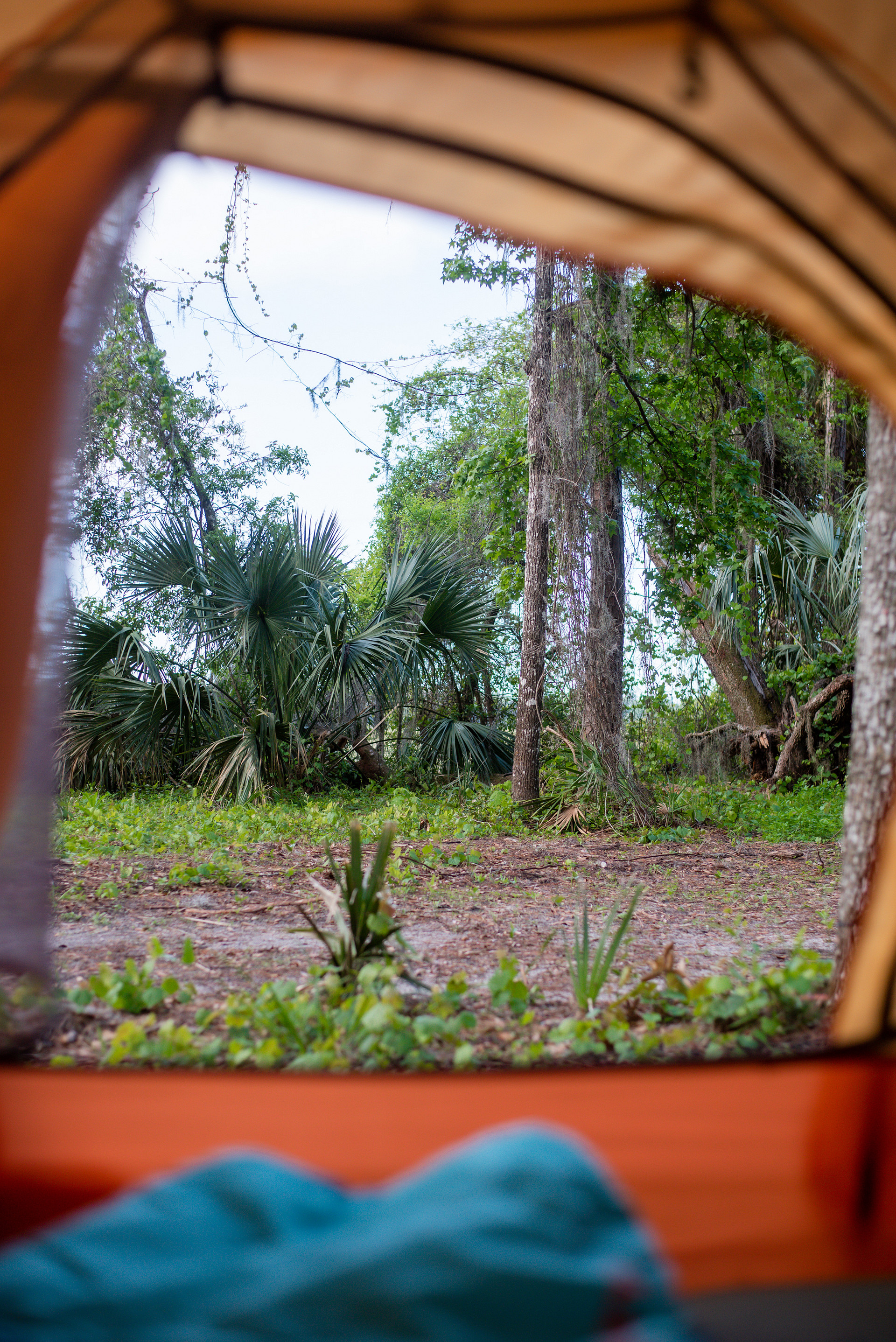
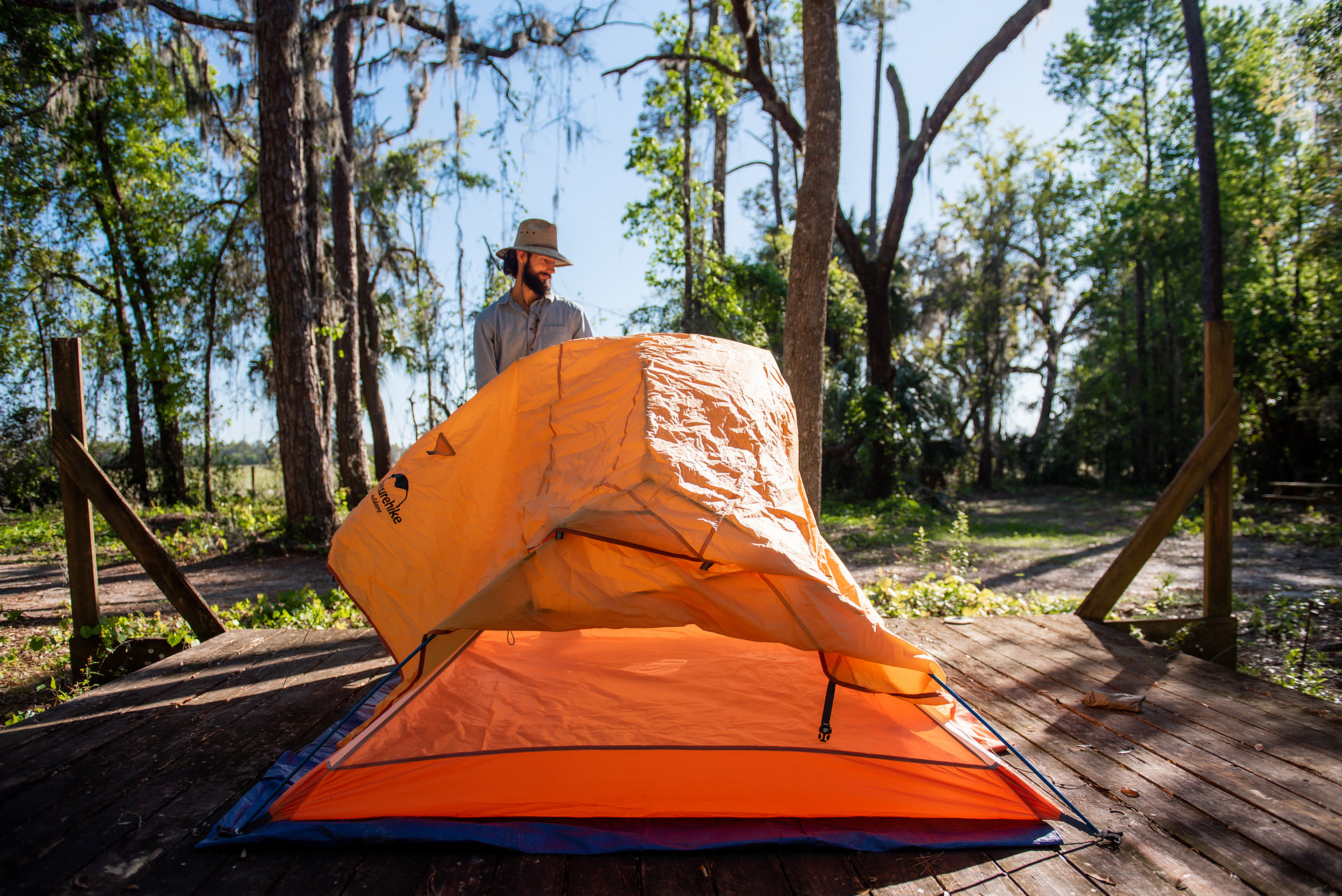
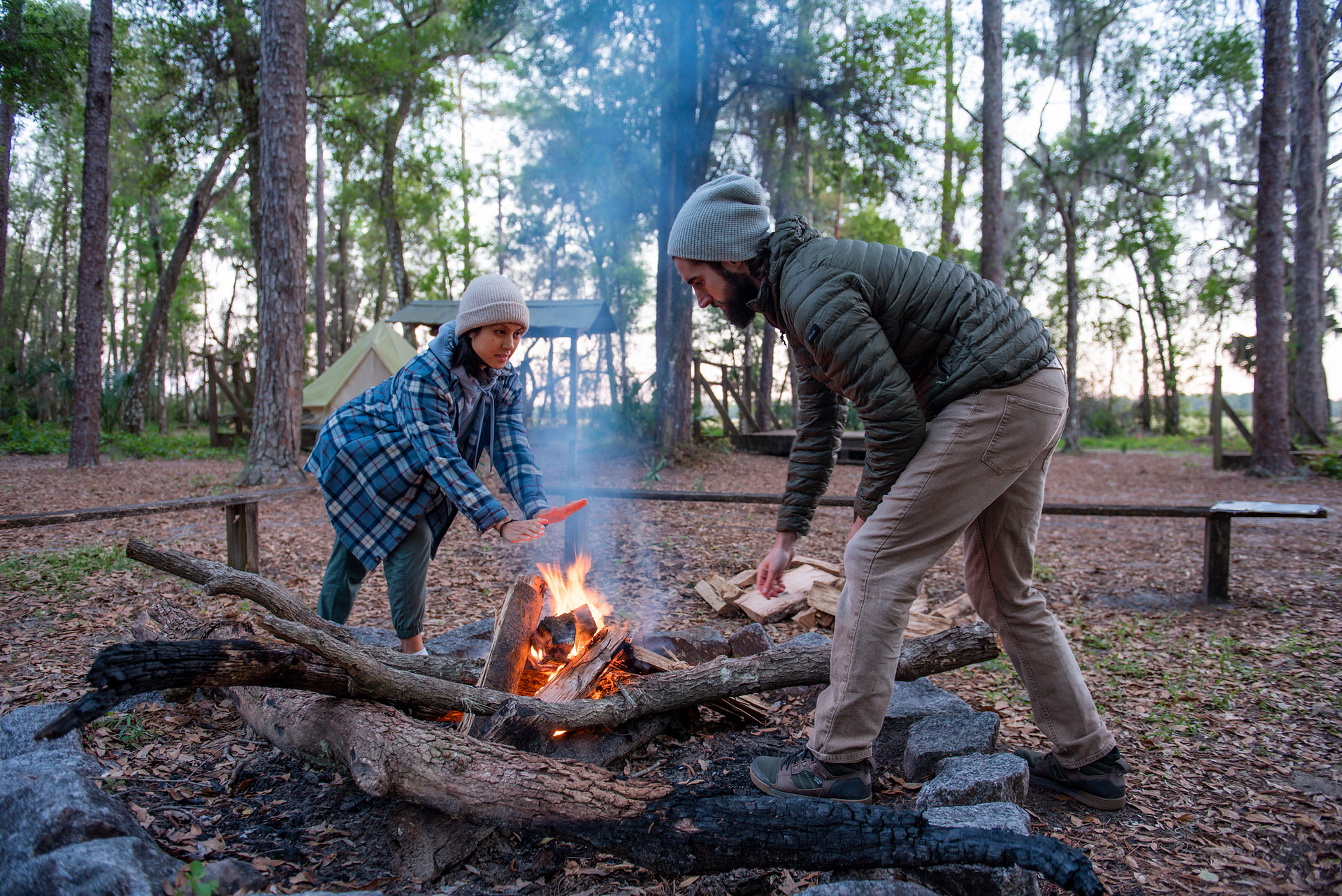
3. Camp Seminole Springs
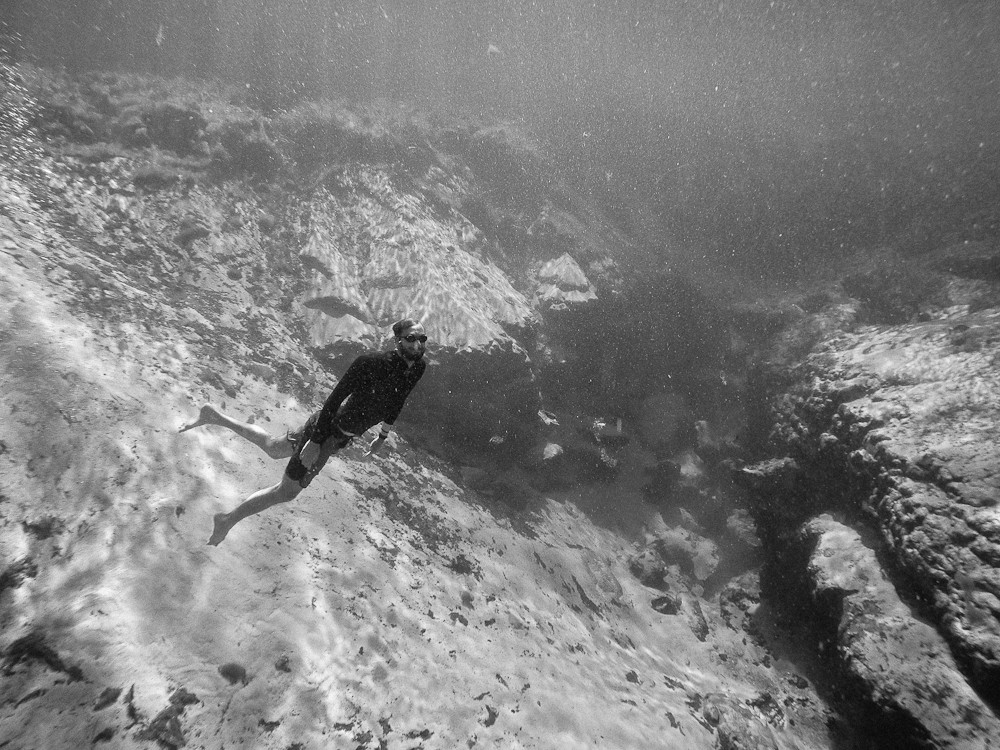
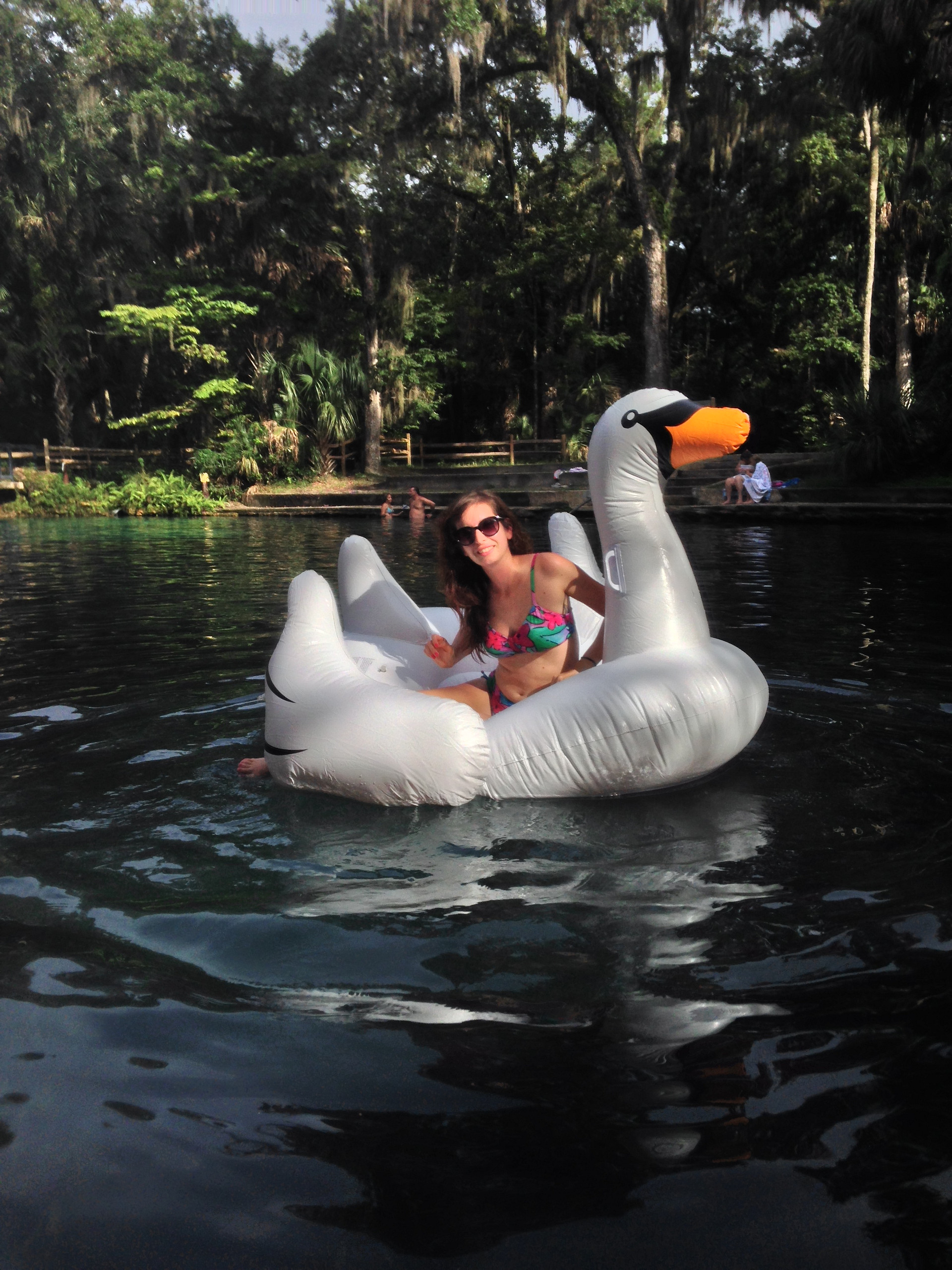
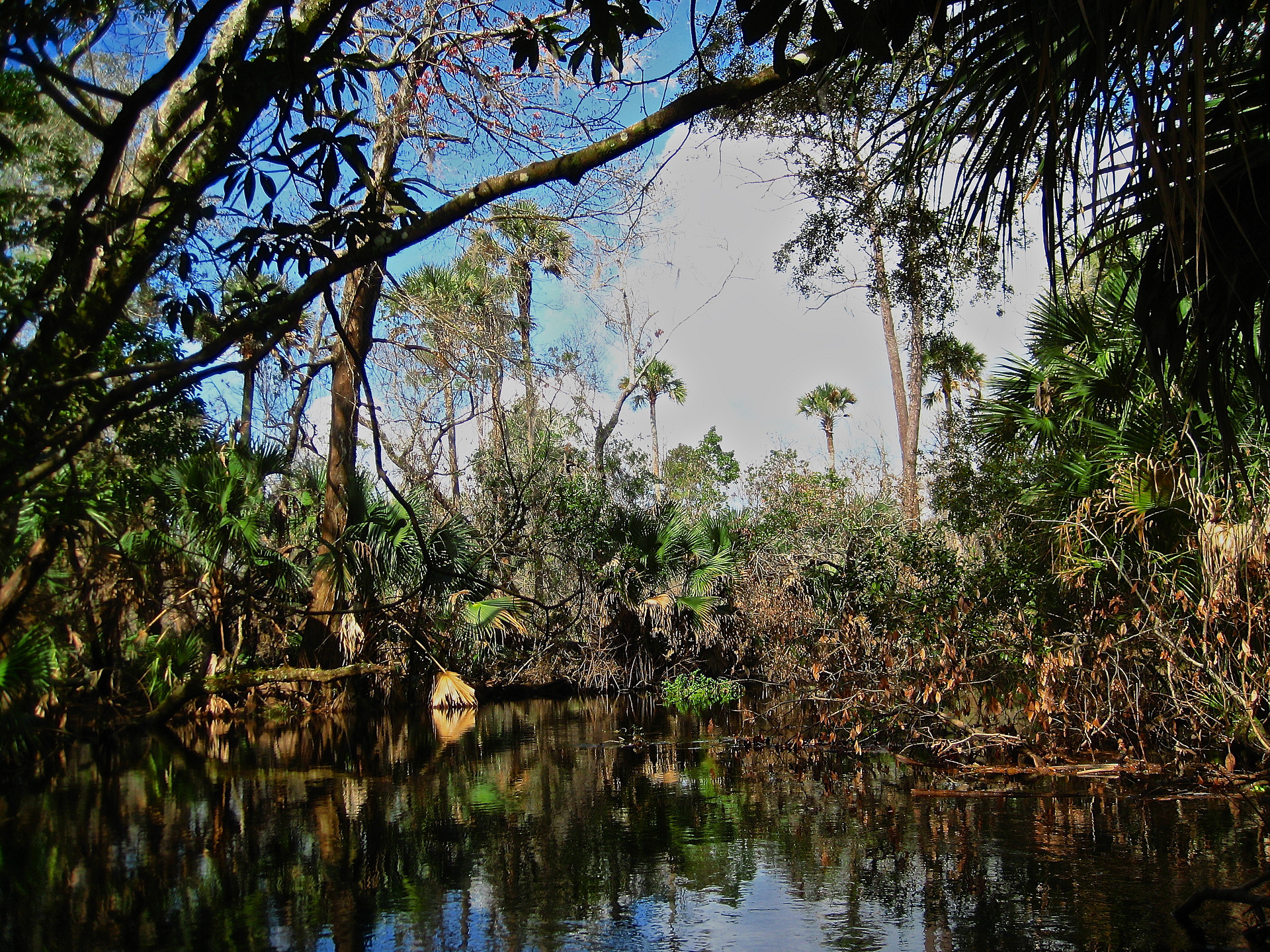
4. Ocala National Forest
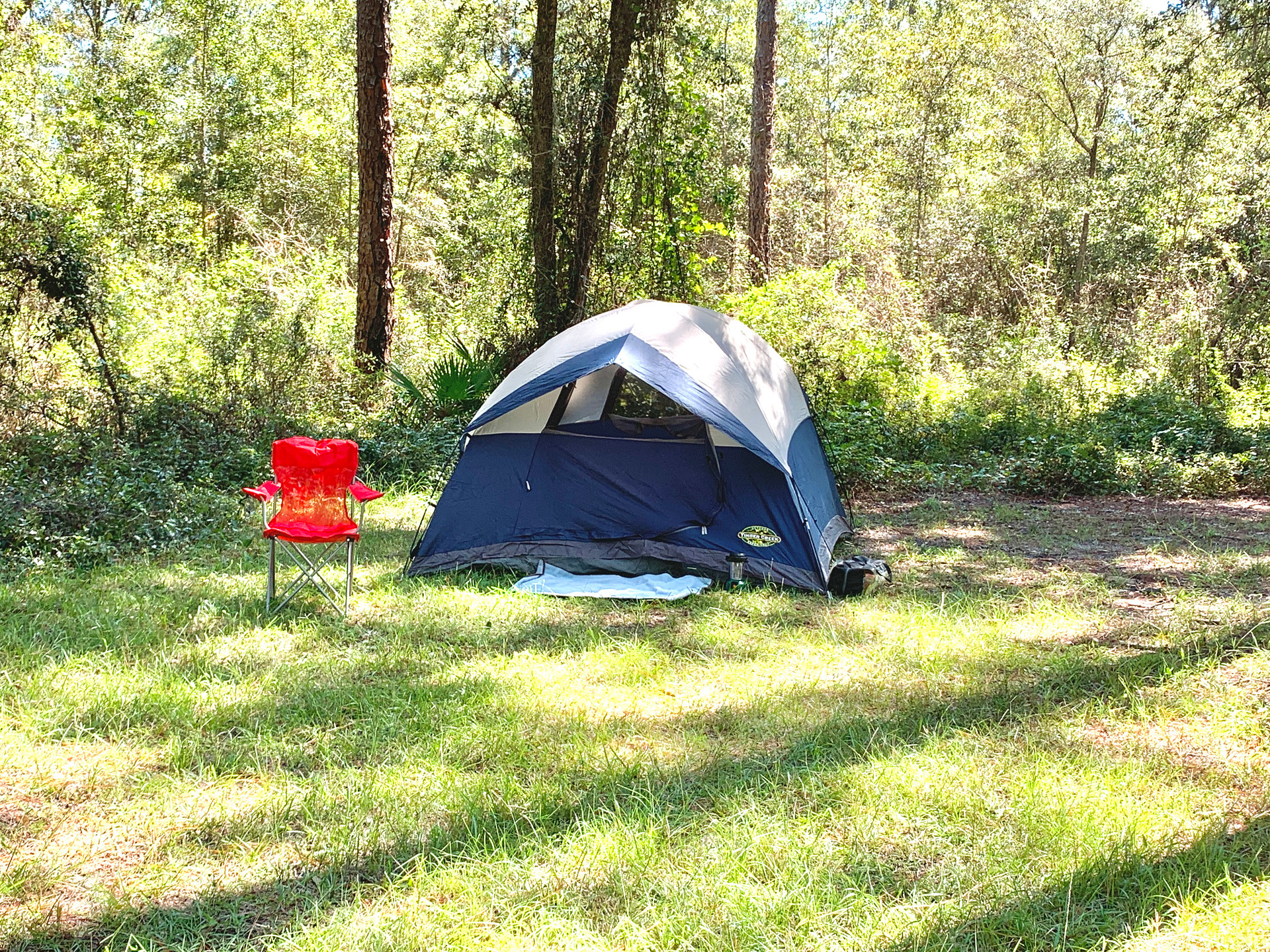
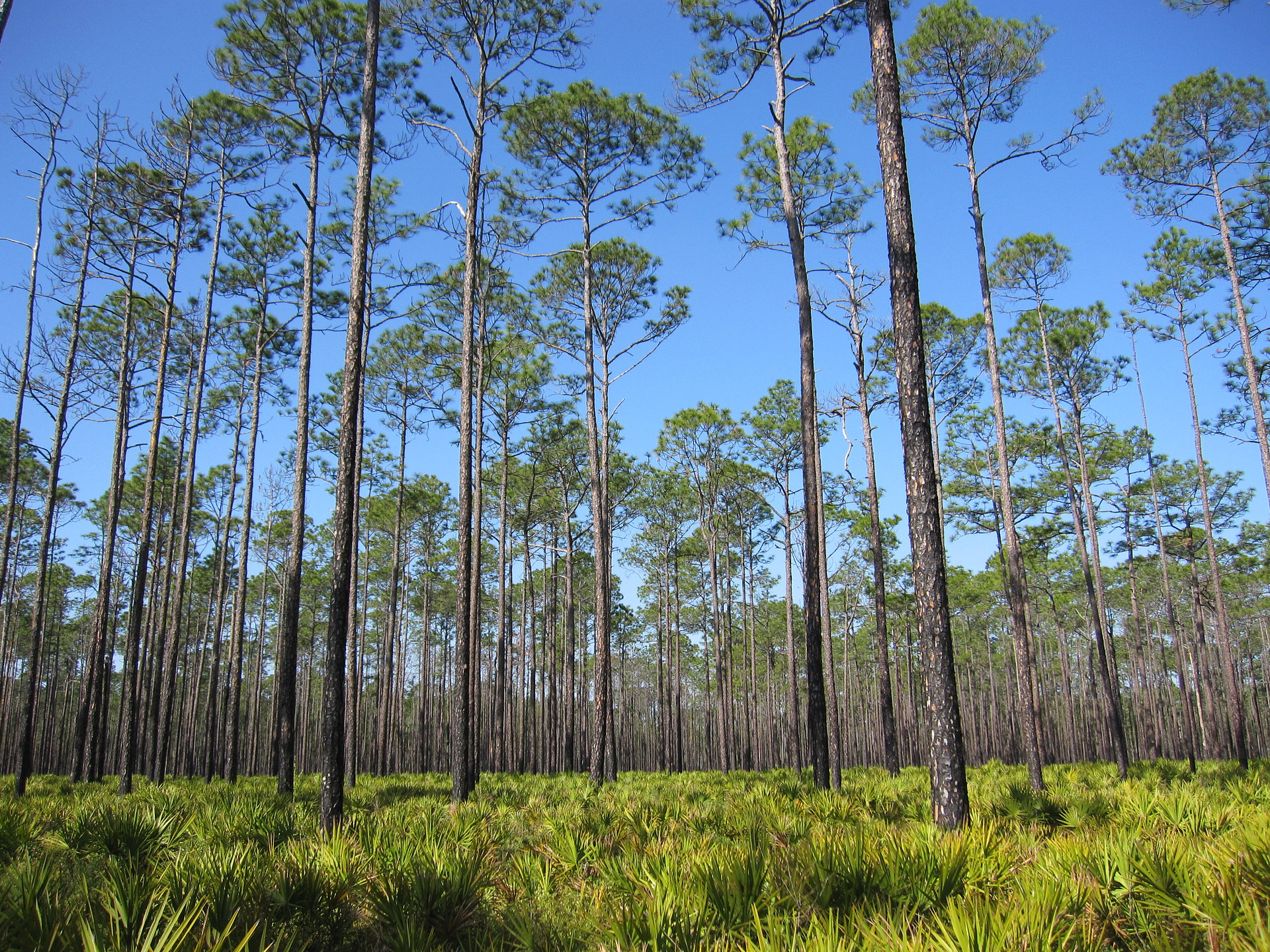
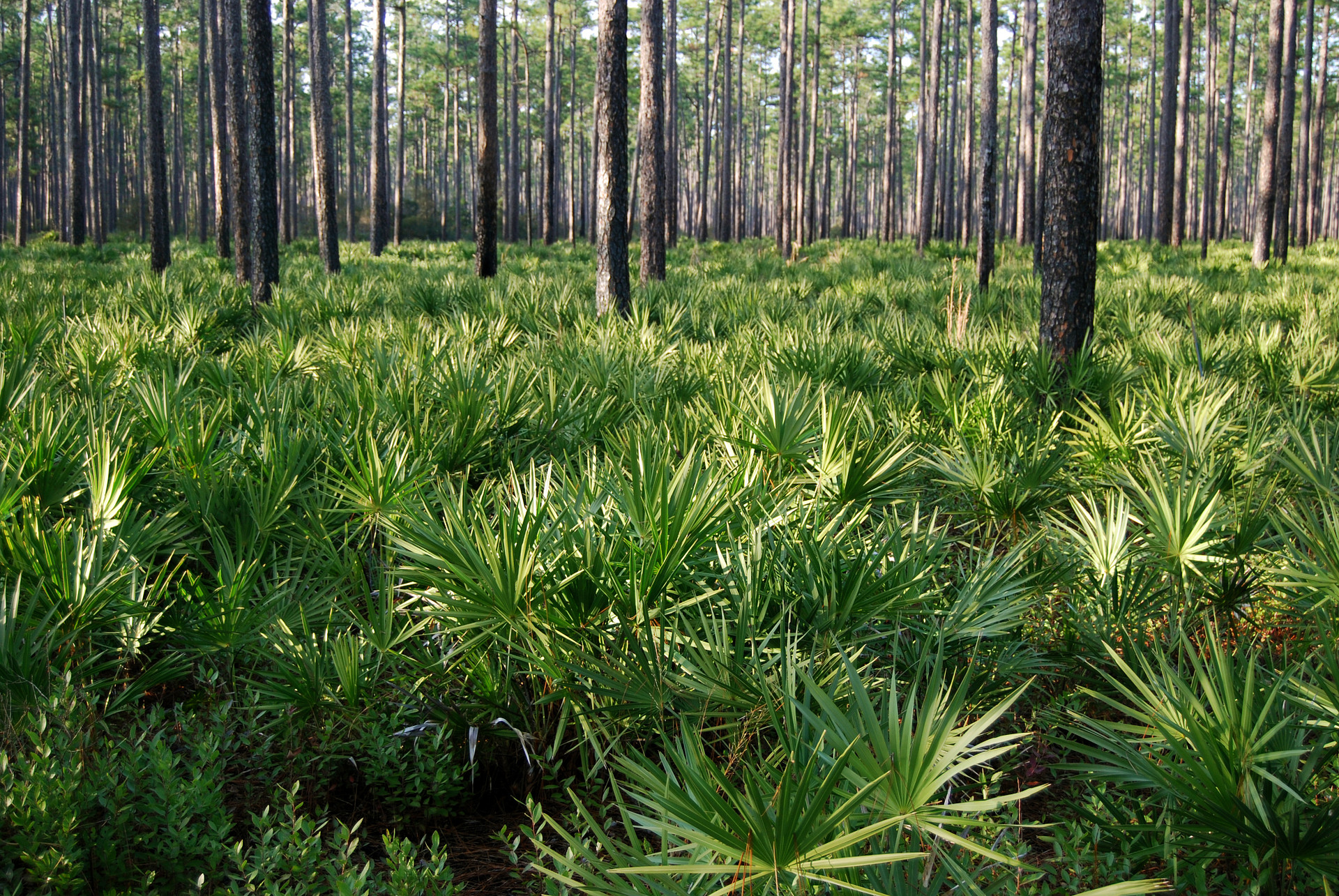
5. Osceola National Forest
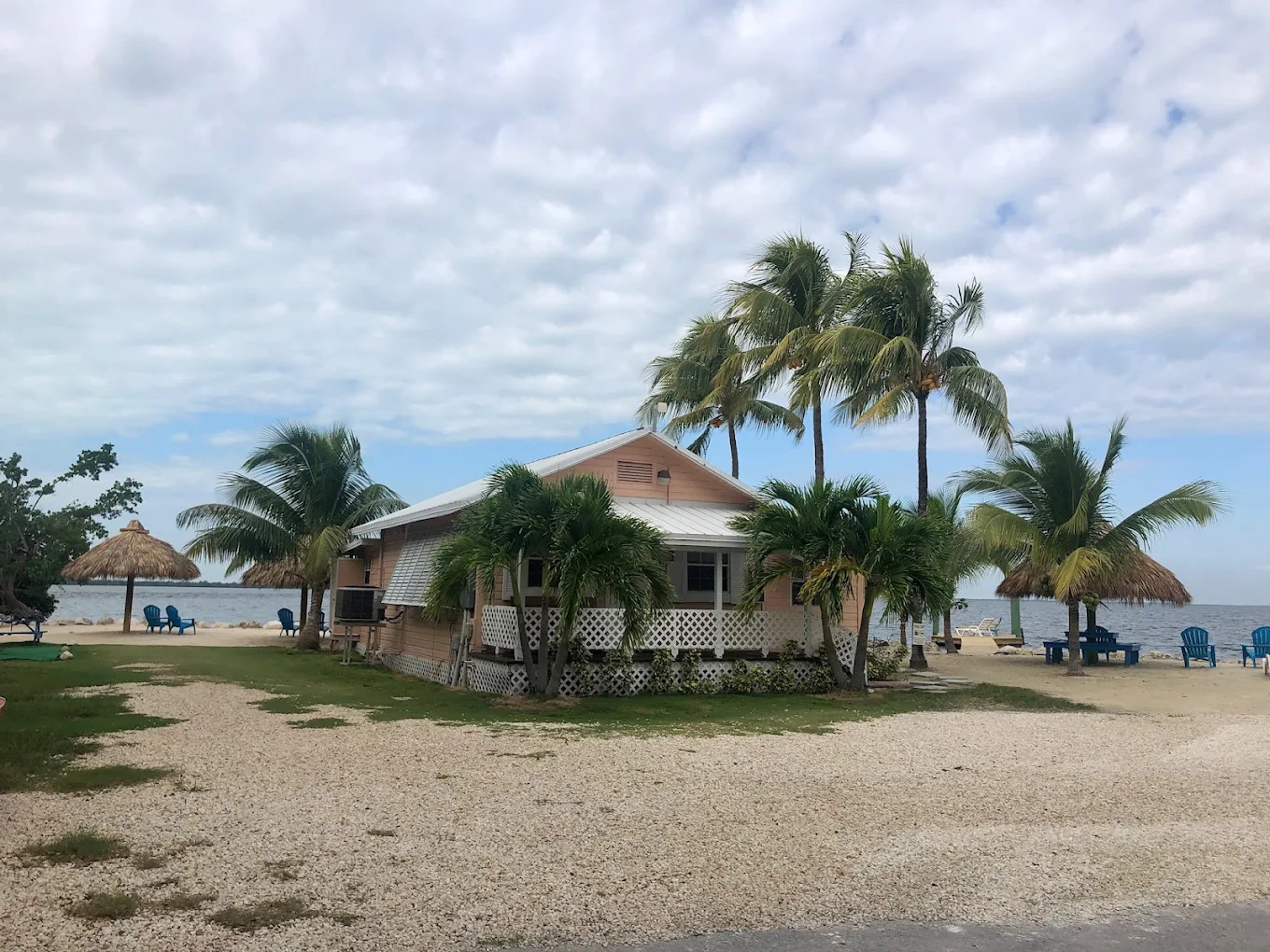
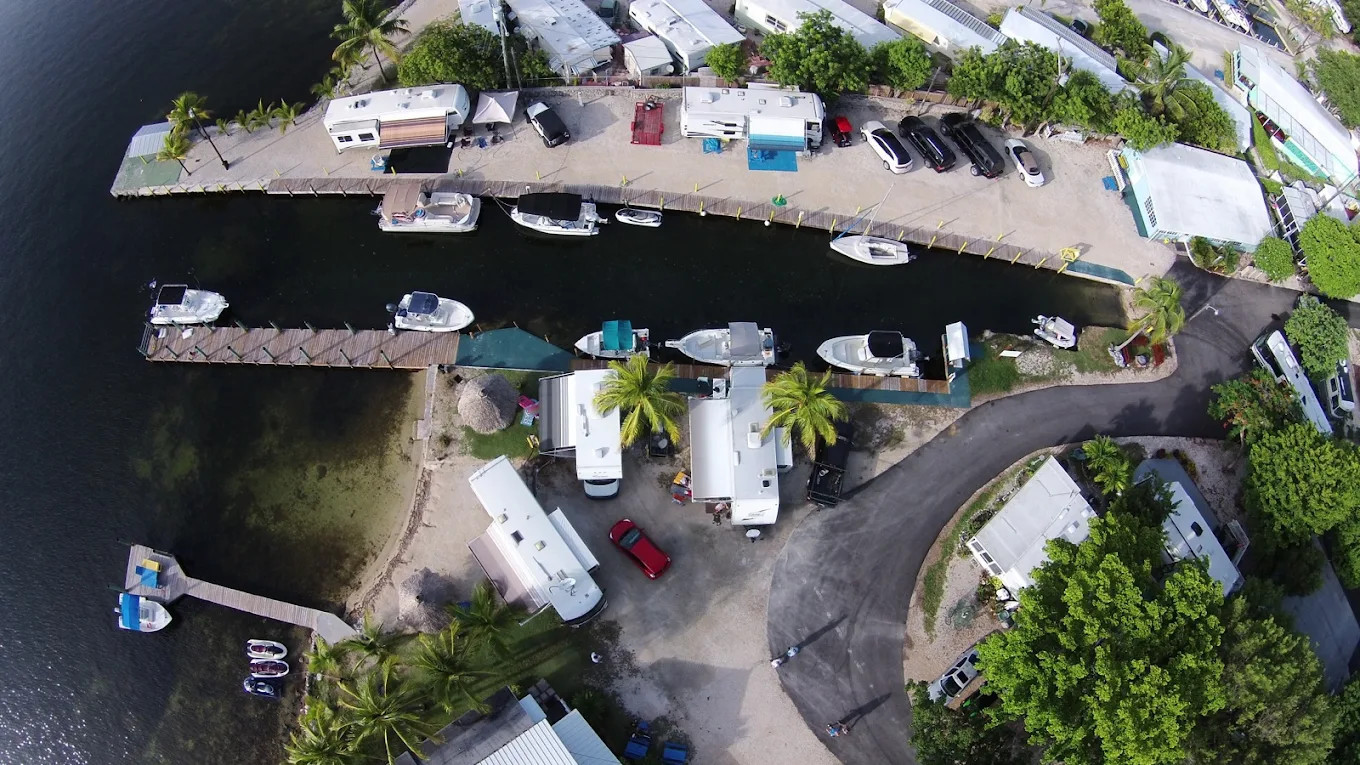
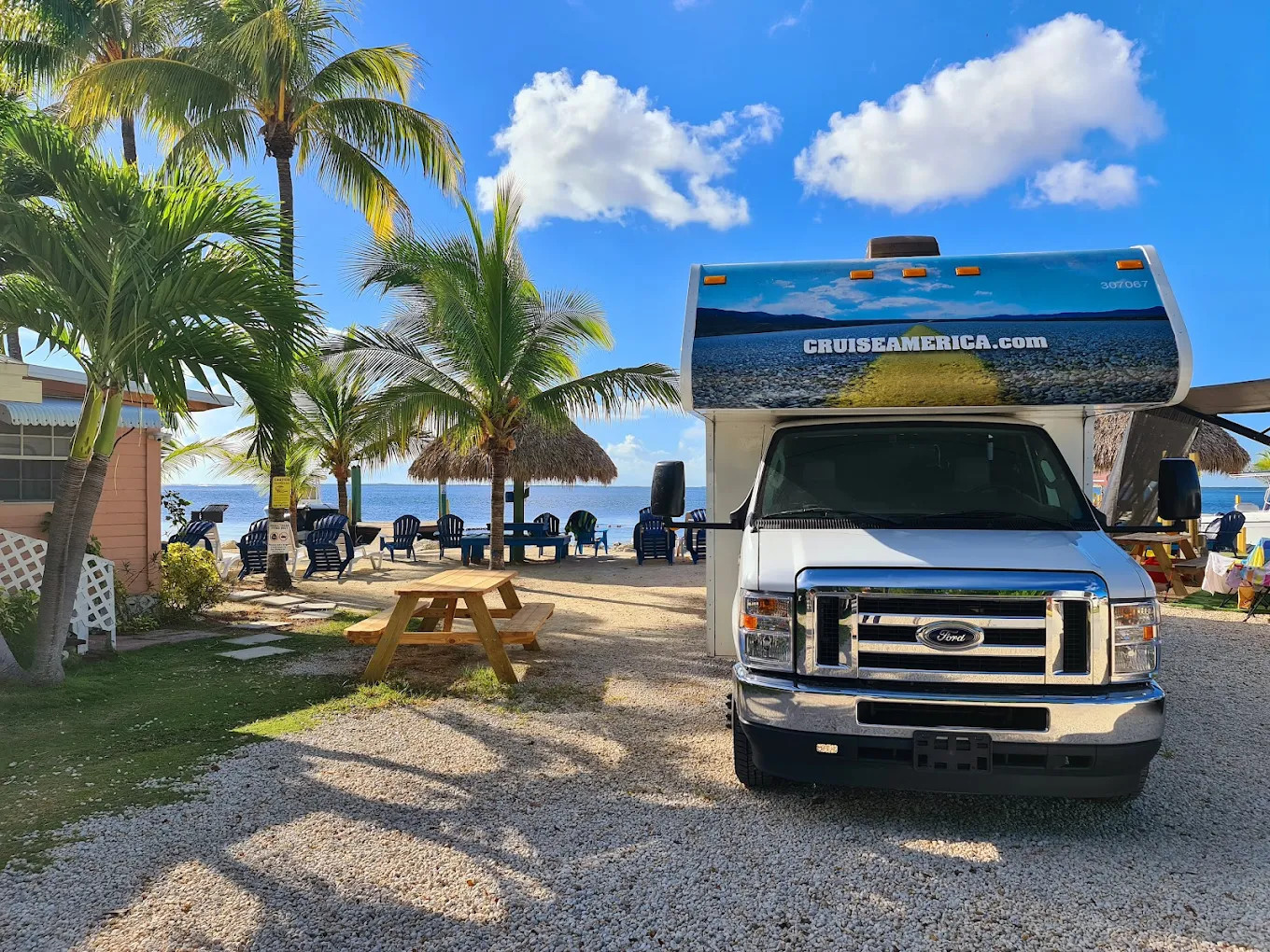
6. Kings Kamp RV Park and Marina


7. Harmony Farm
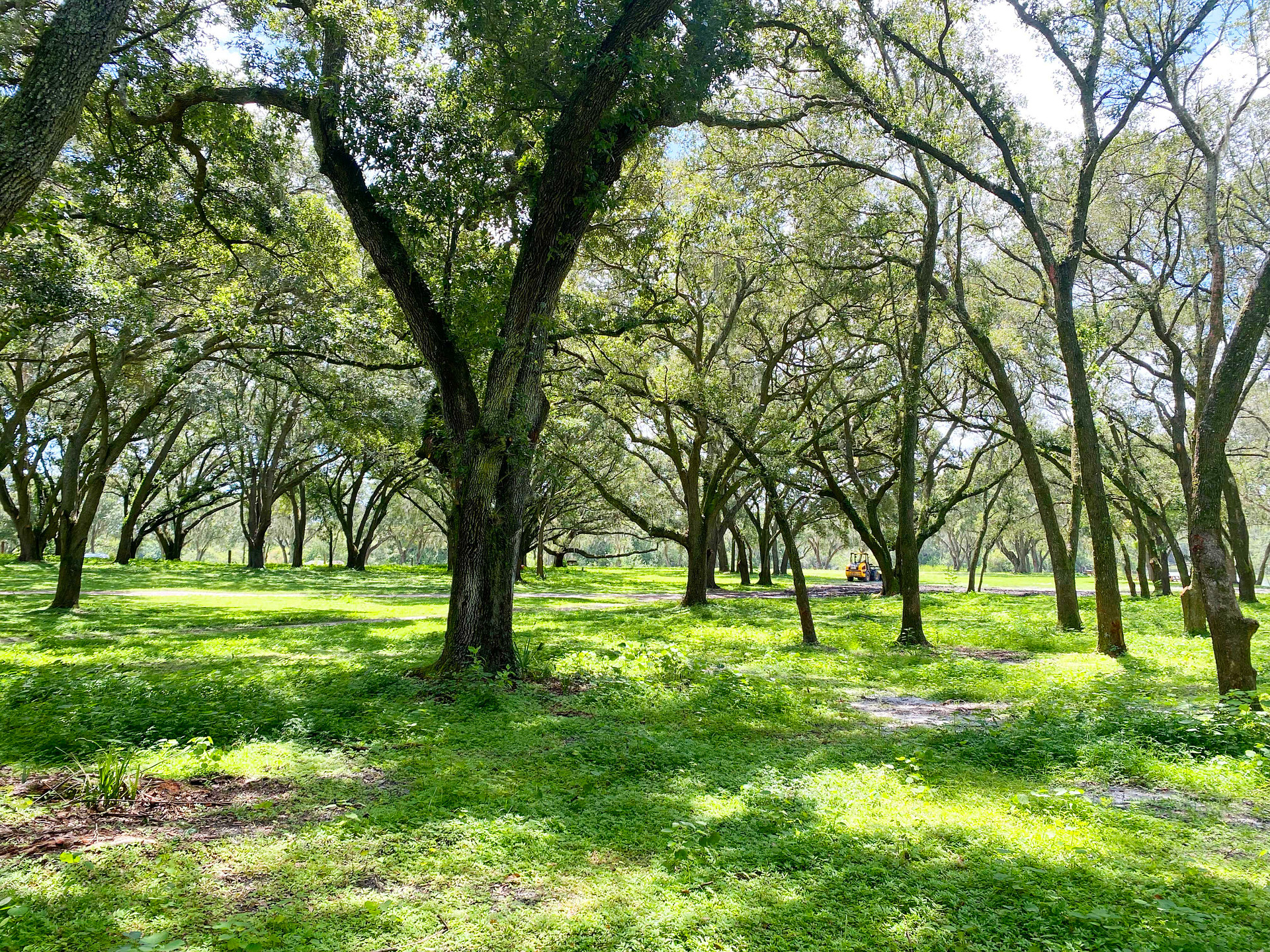
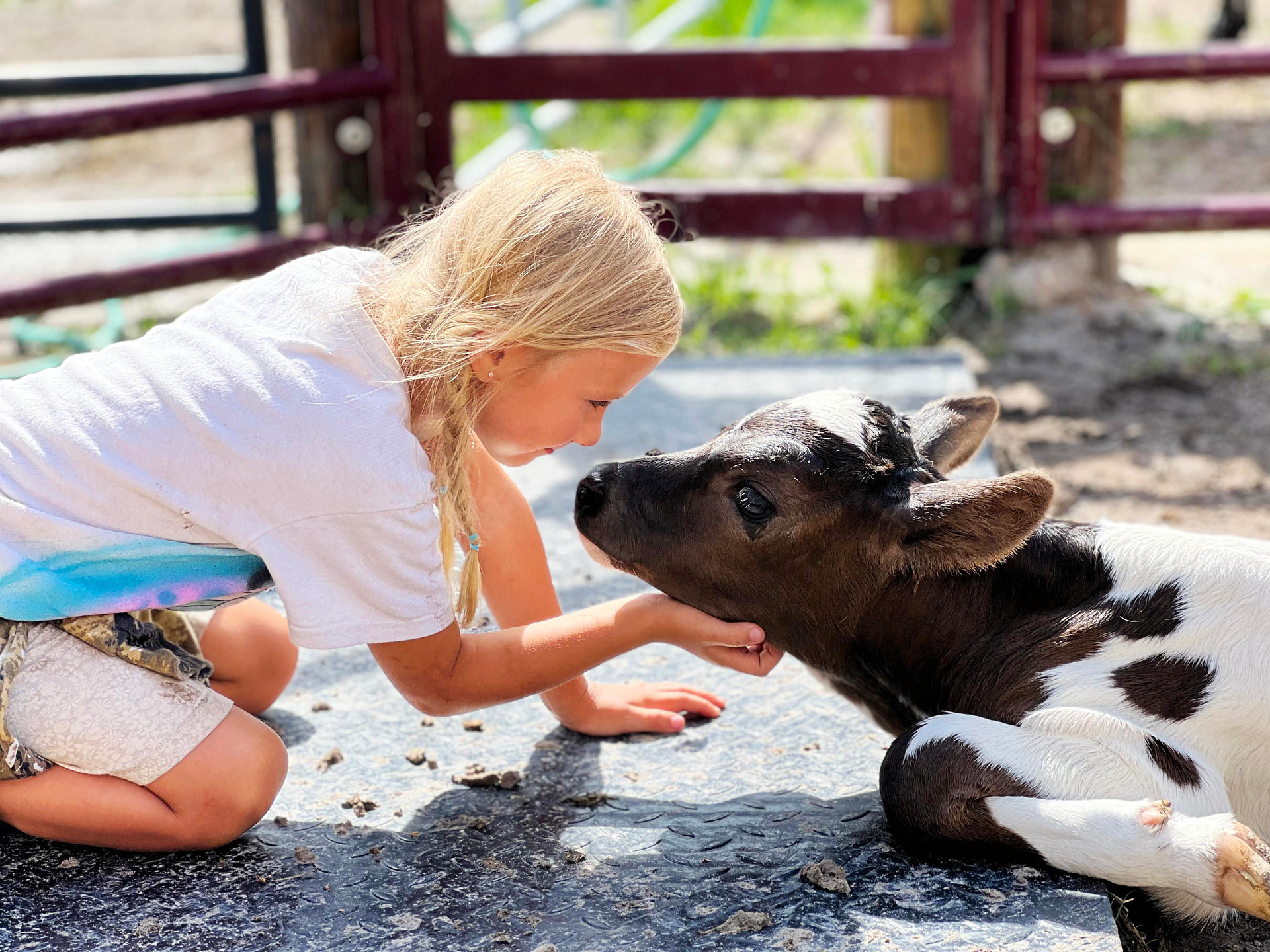
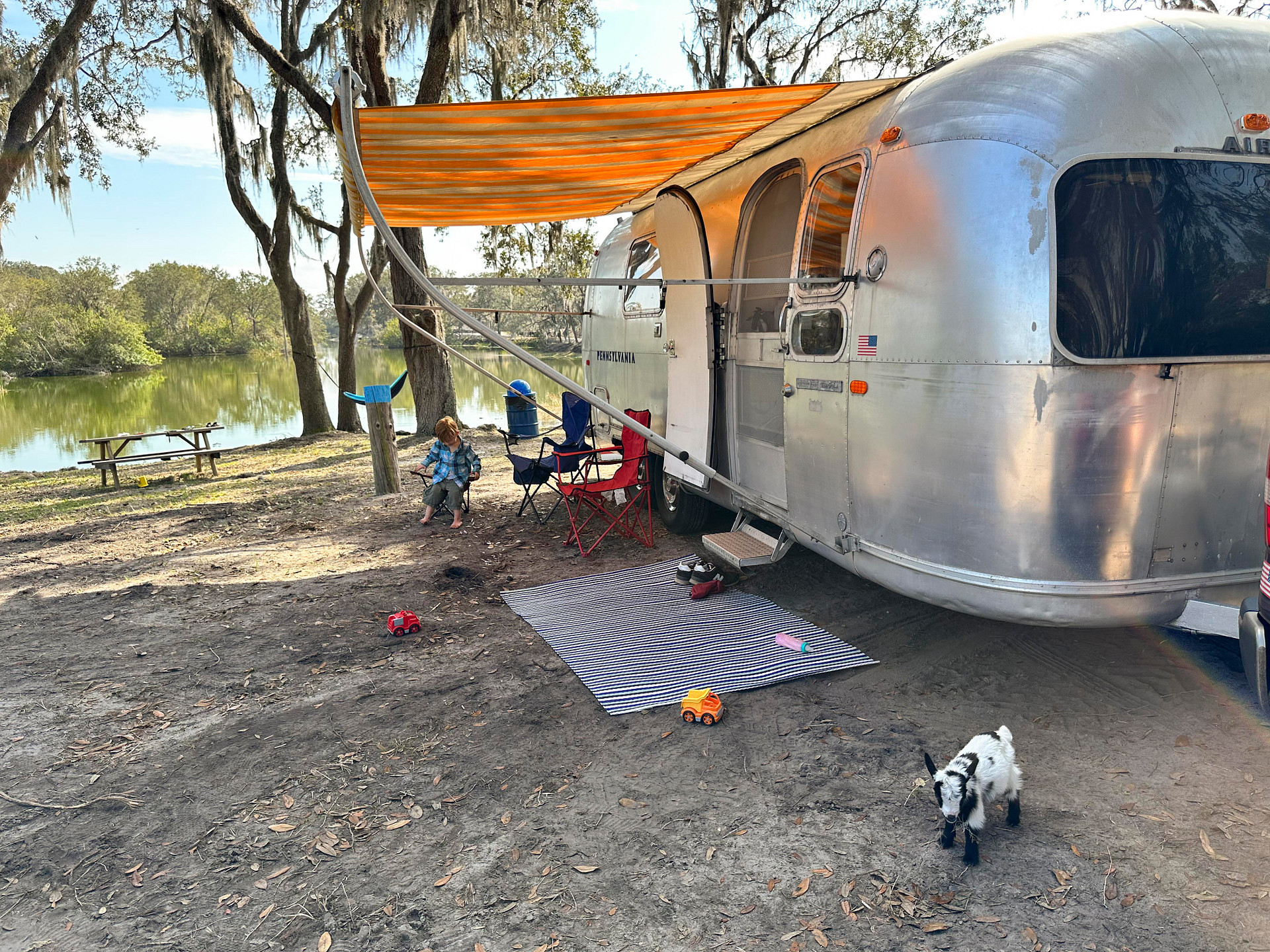
8. Wilderness Shores Ranch Campground!
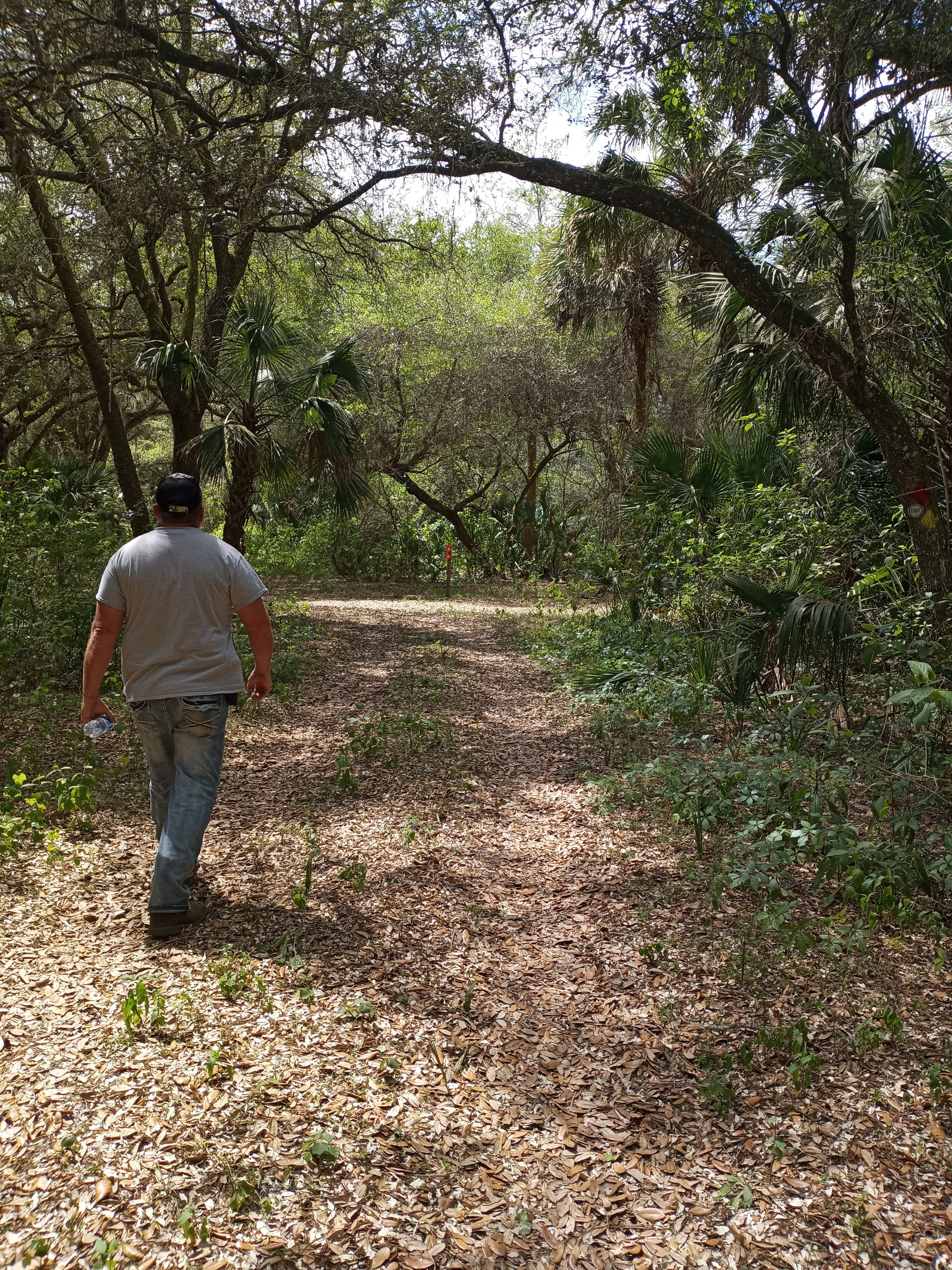
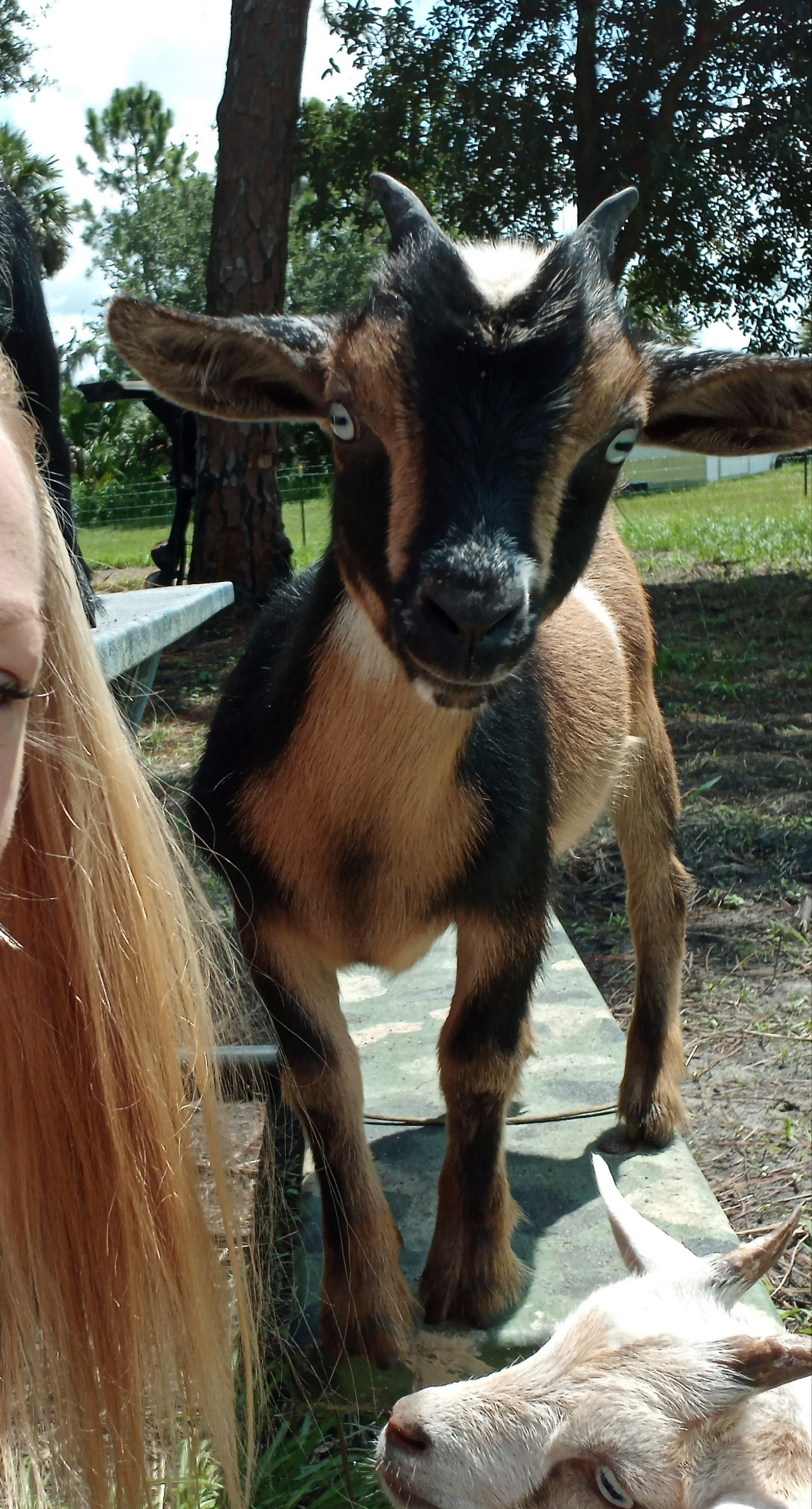
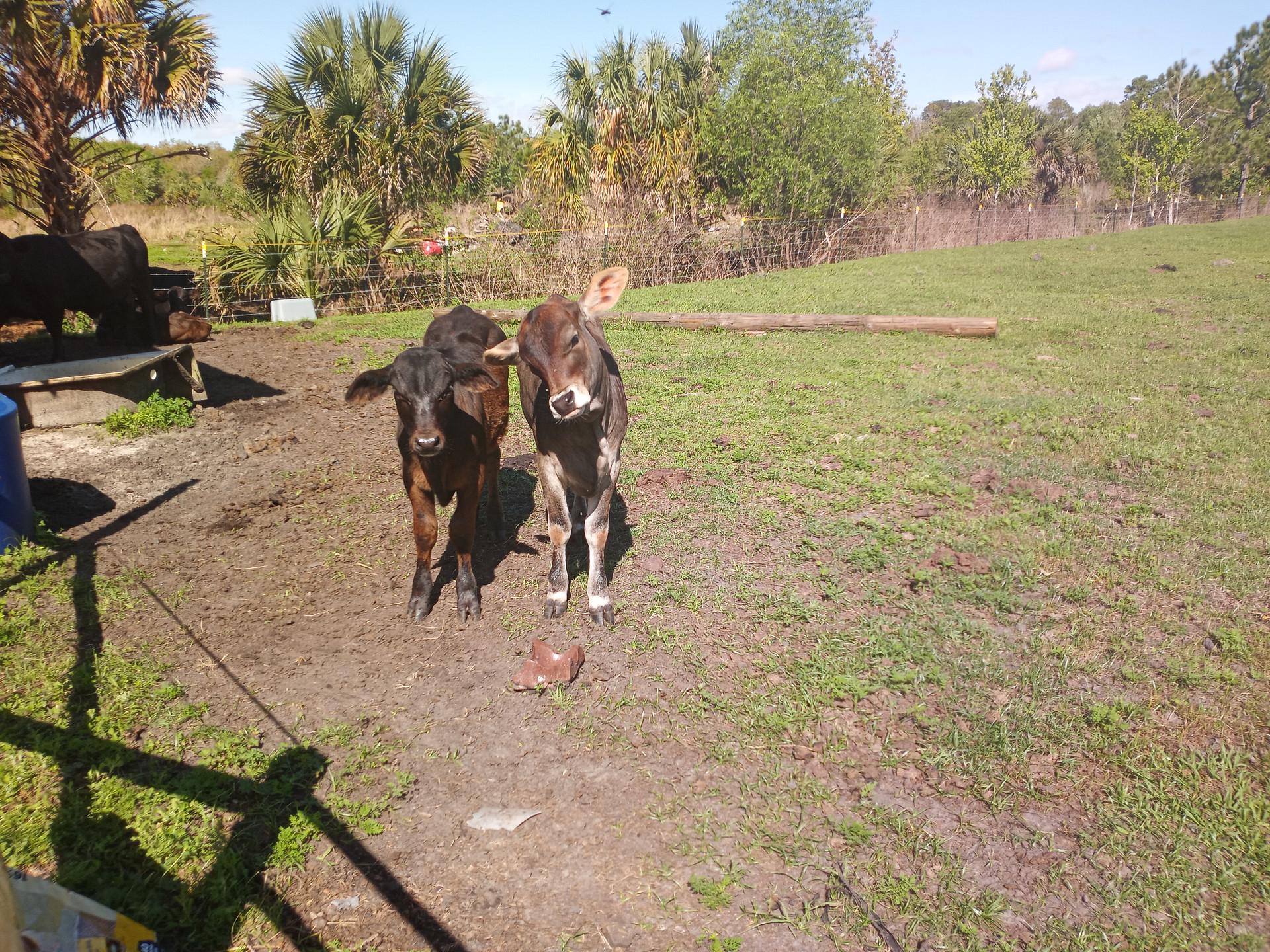
9. North Shore Relic Ranch
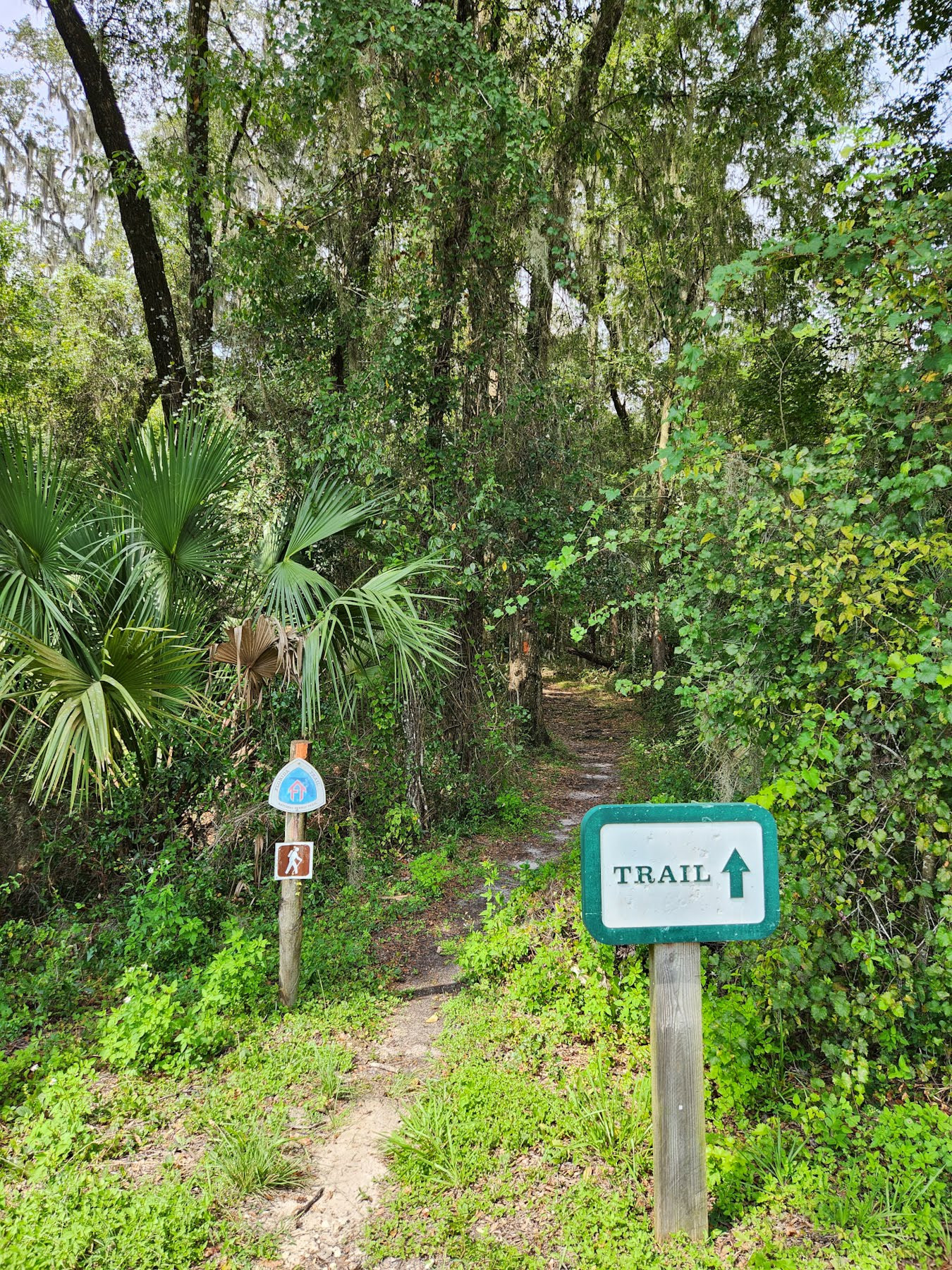
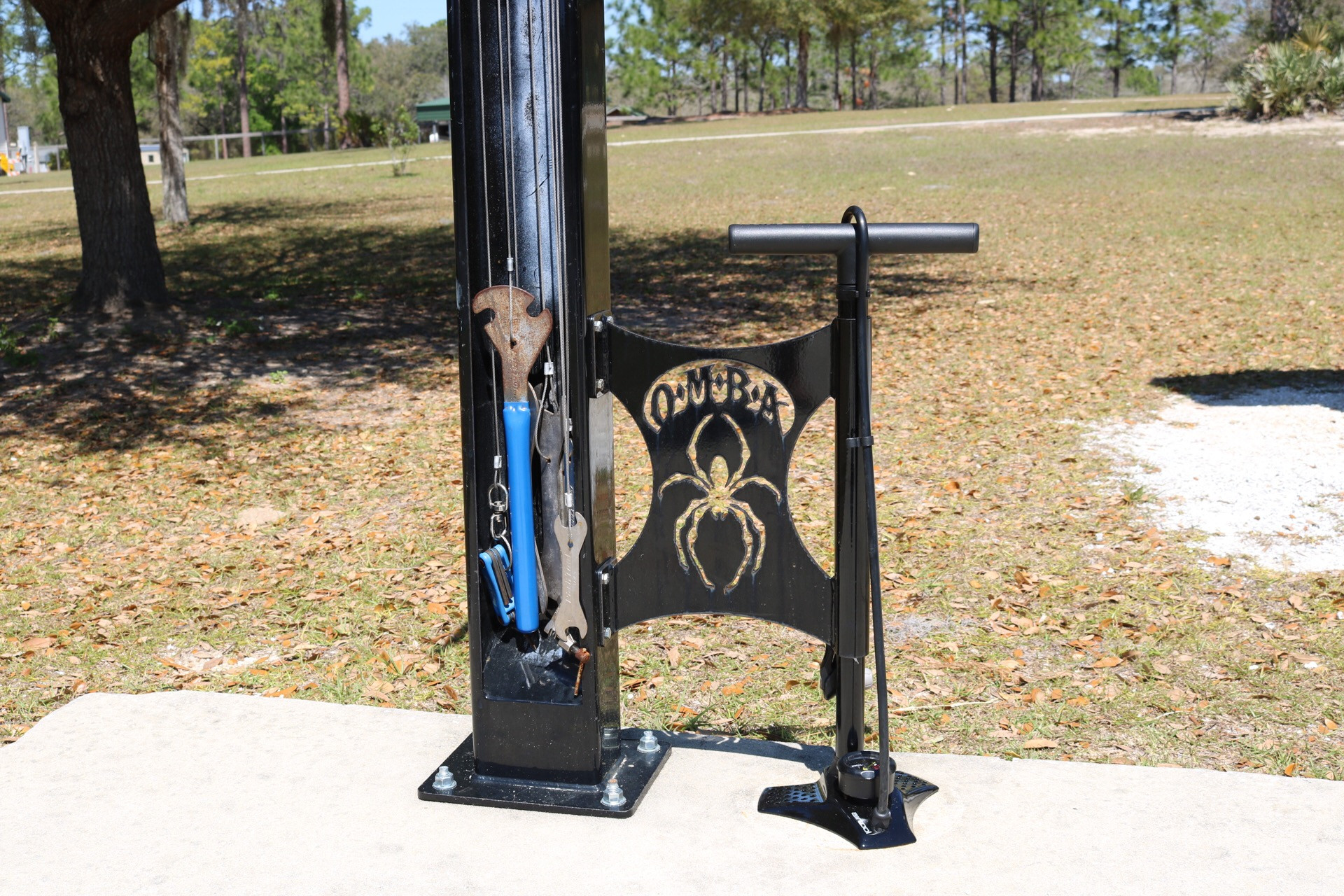
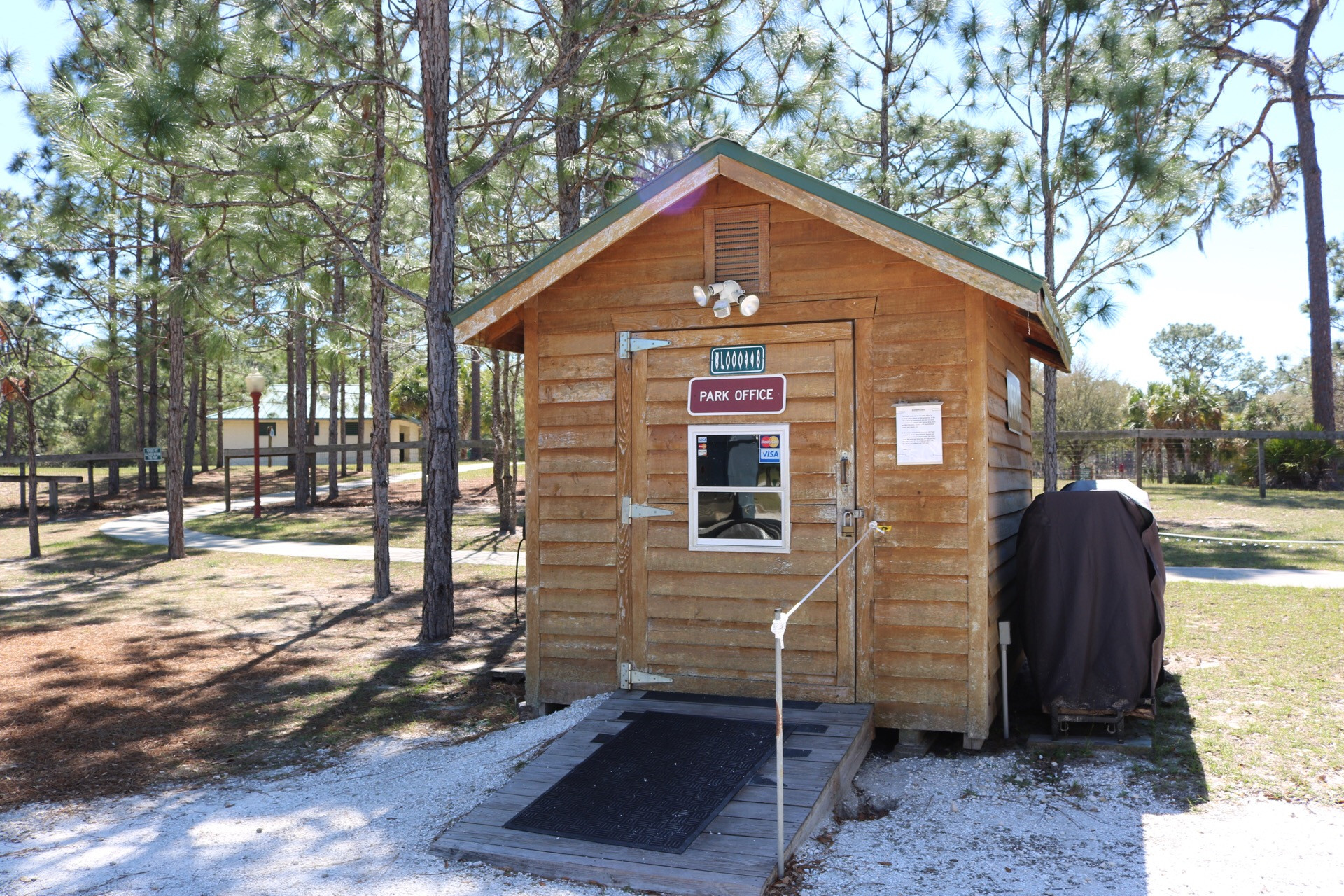
10. Cross Florida Greenway
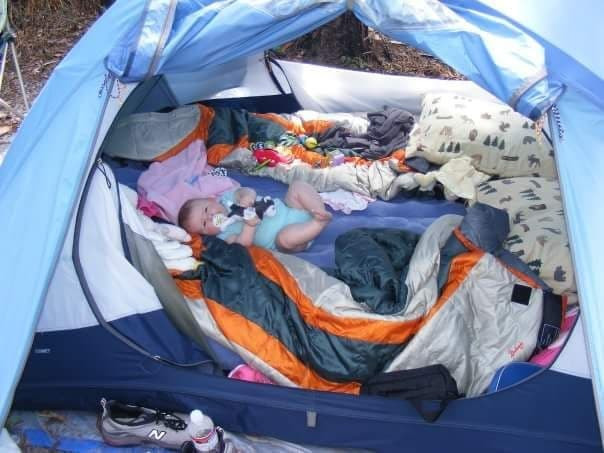
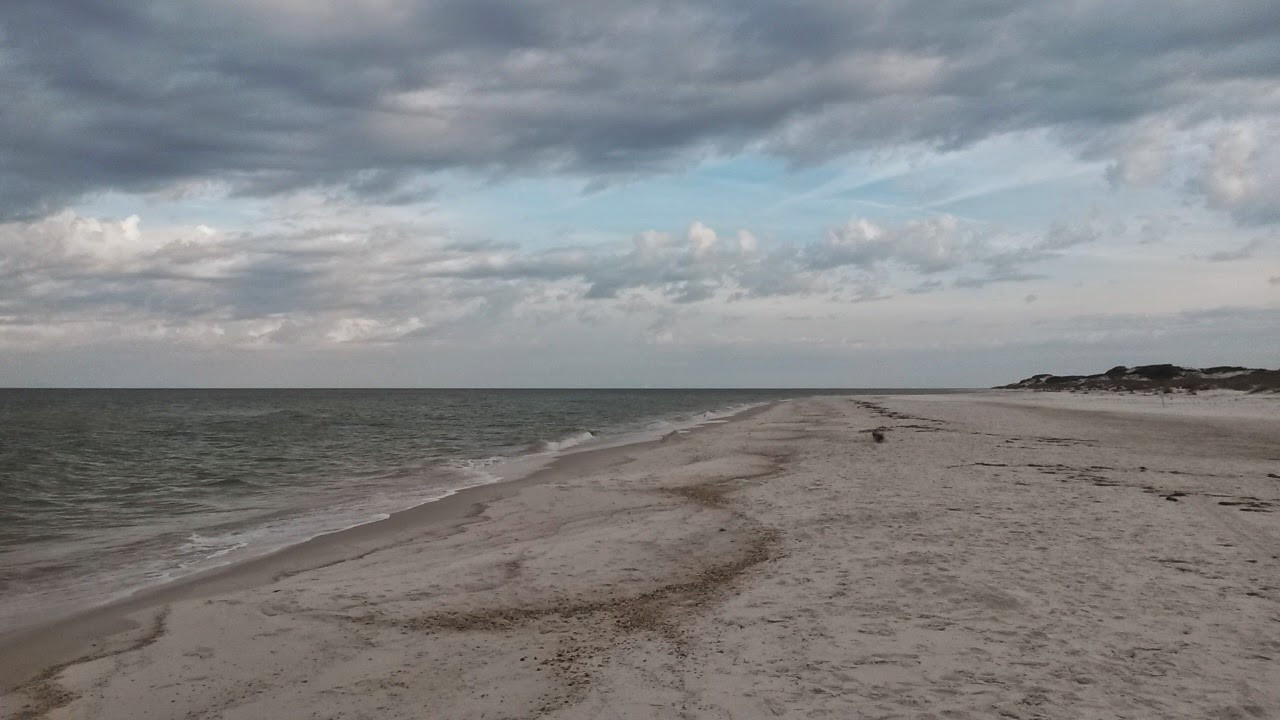
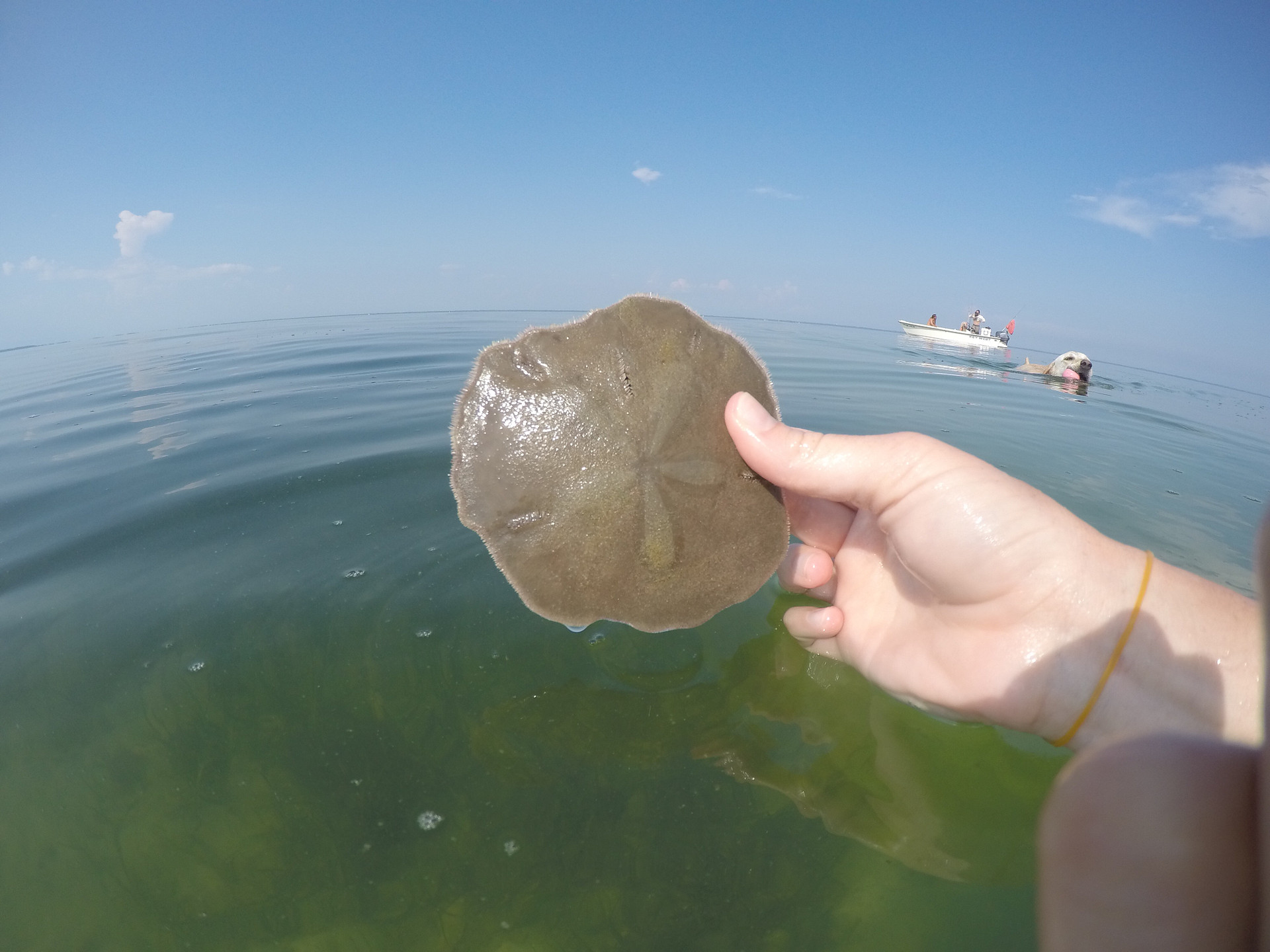
11. T.H. Stone Memorial St. Joseph Peninsula State Park
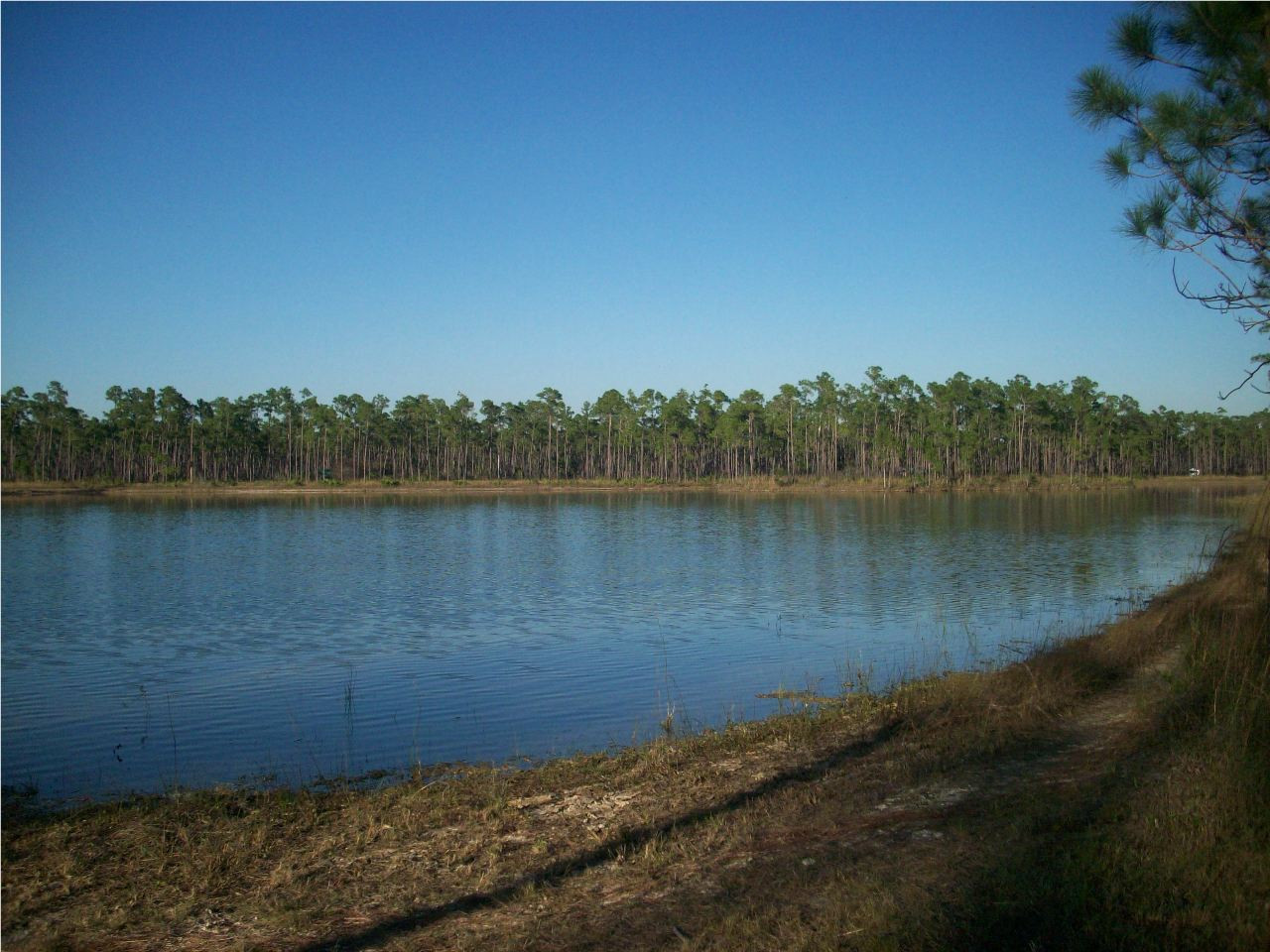
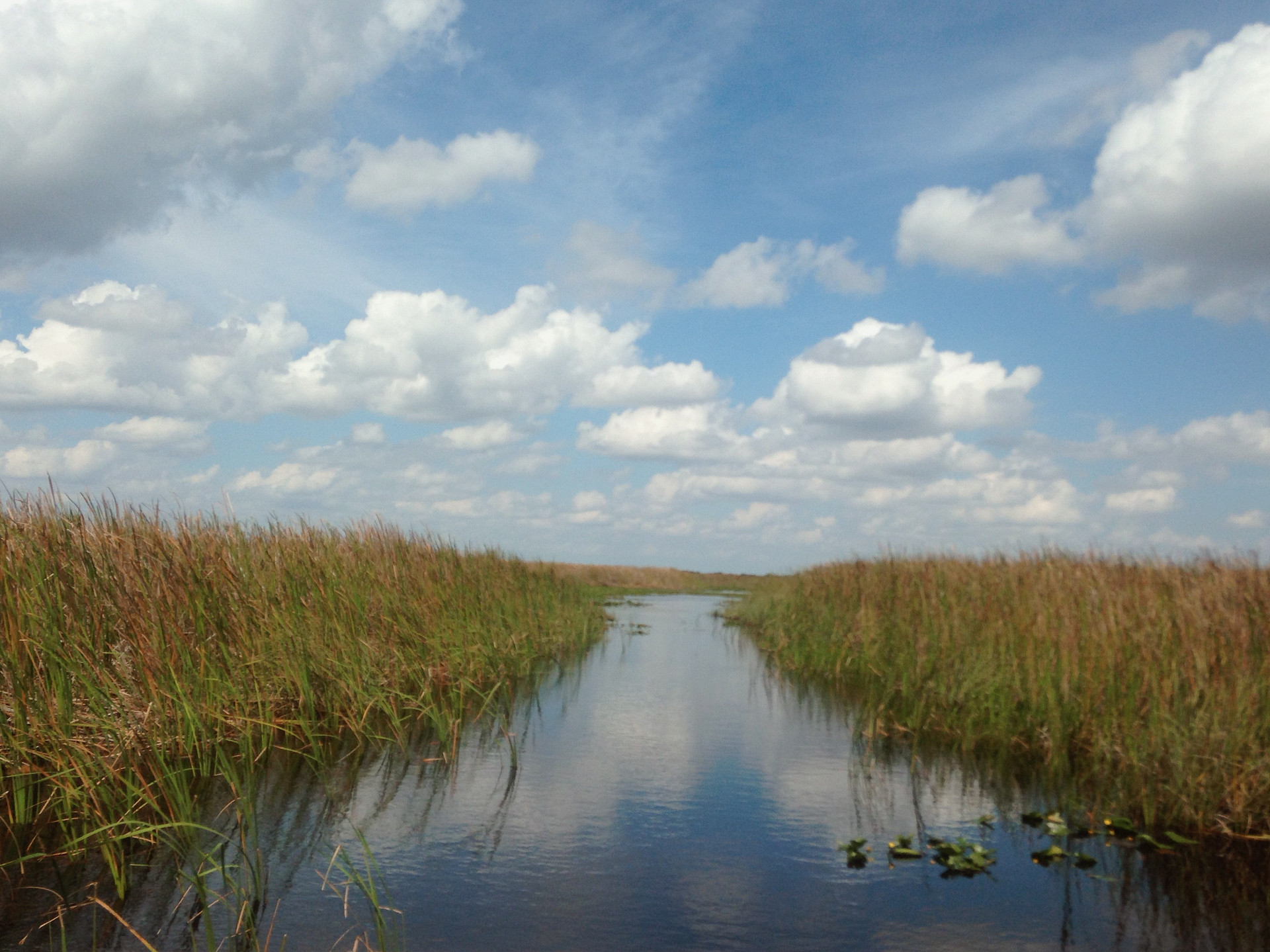
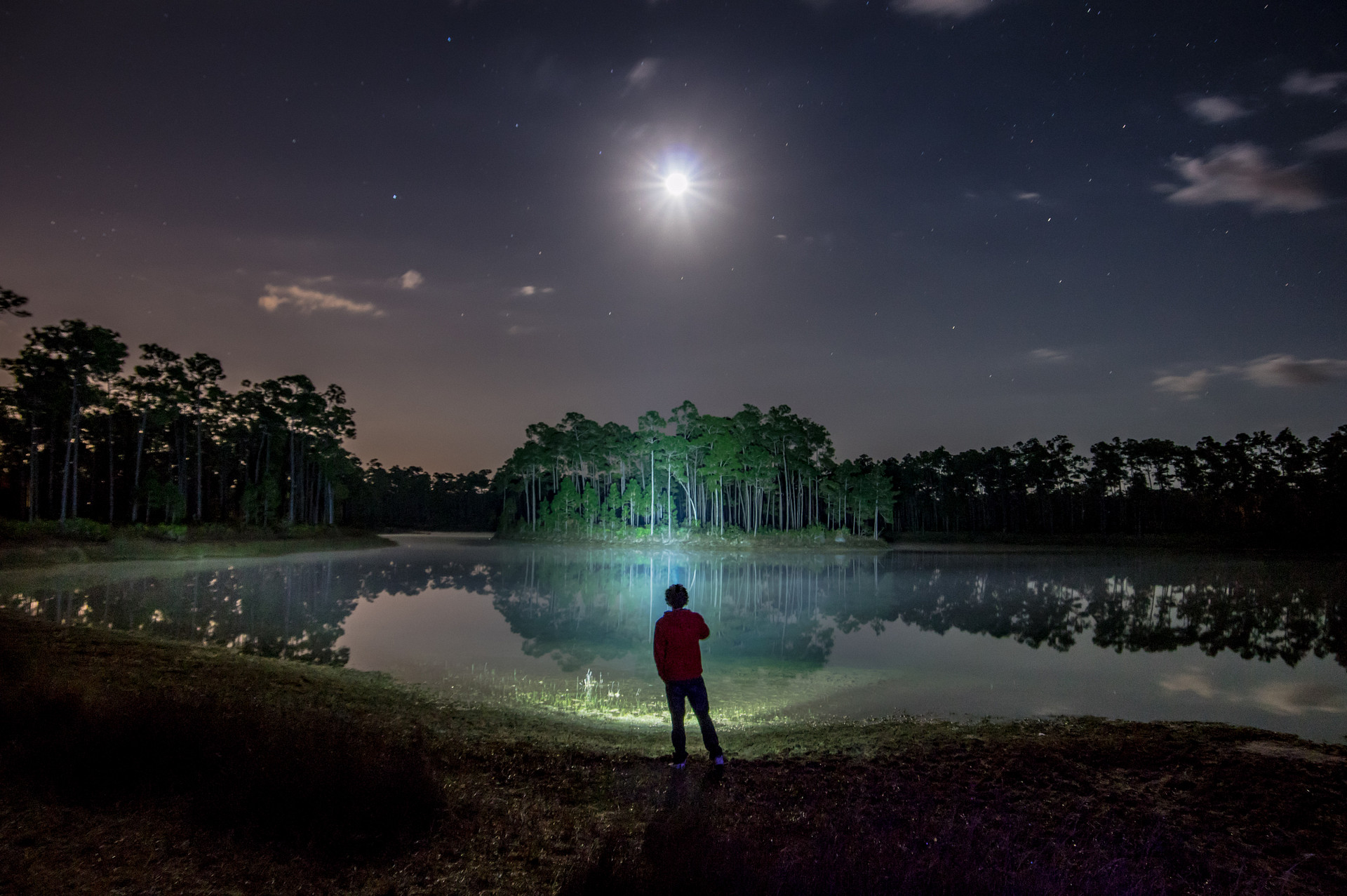
12. Everglades National Park
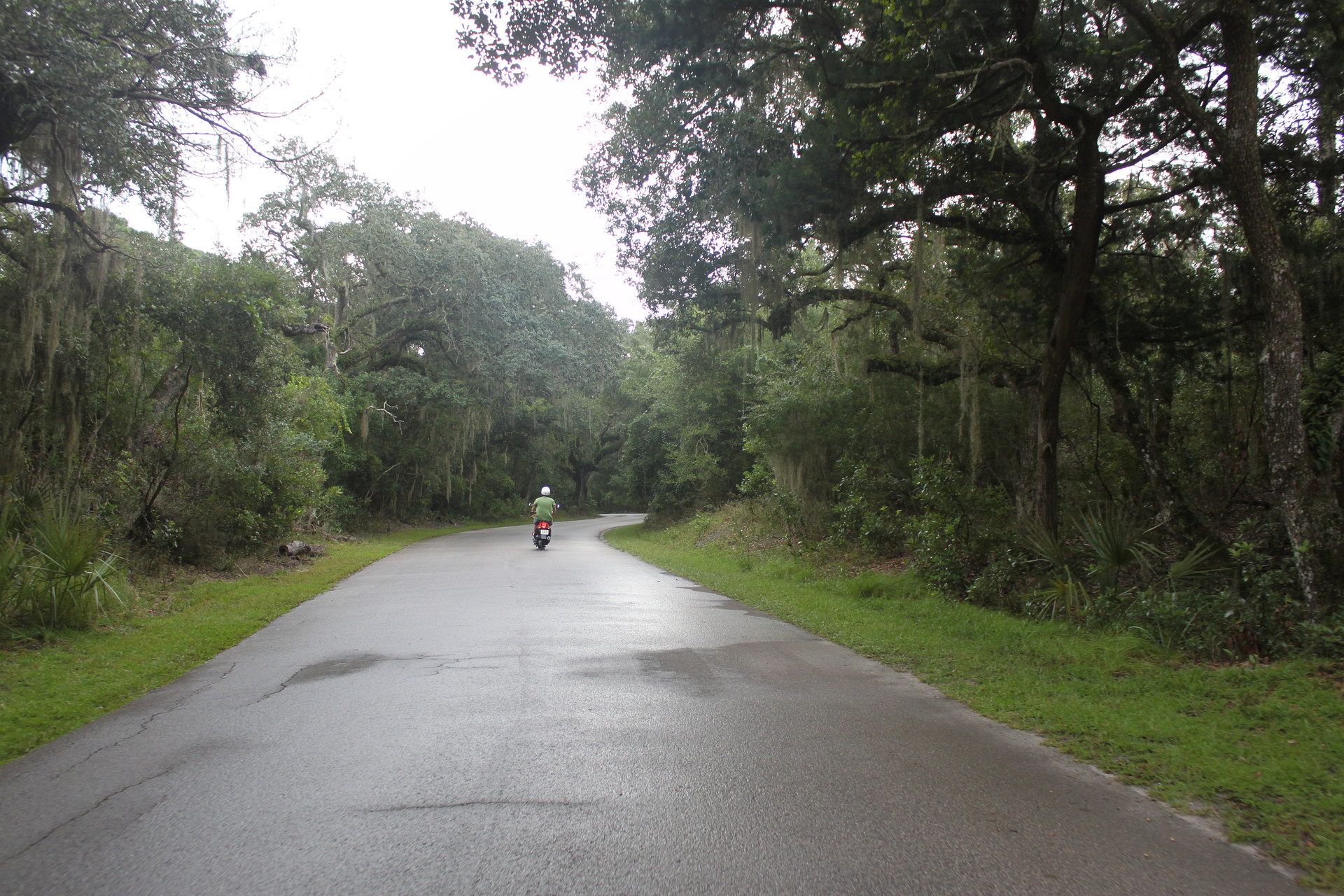
13. Fort Clinch State Park
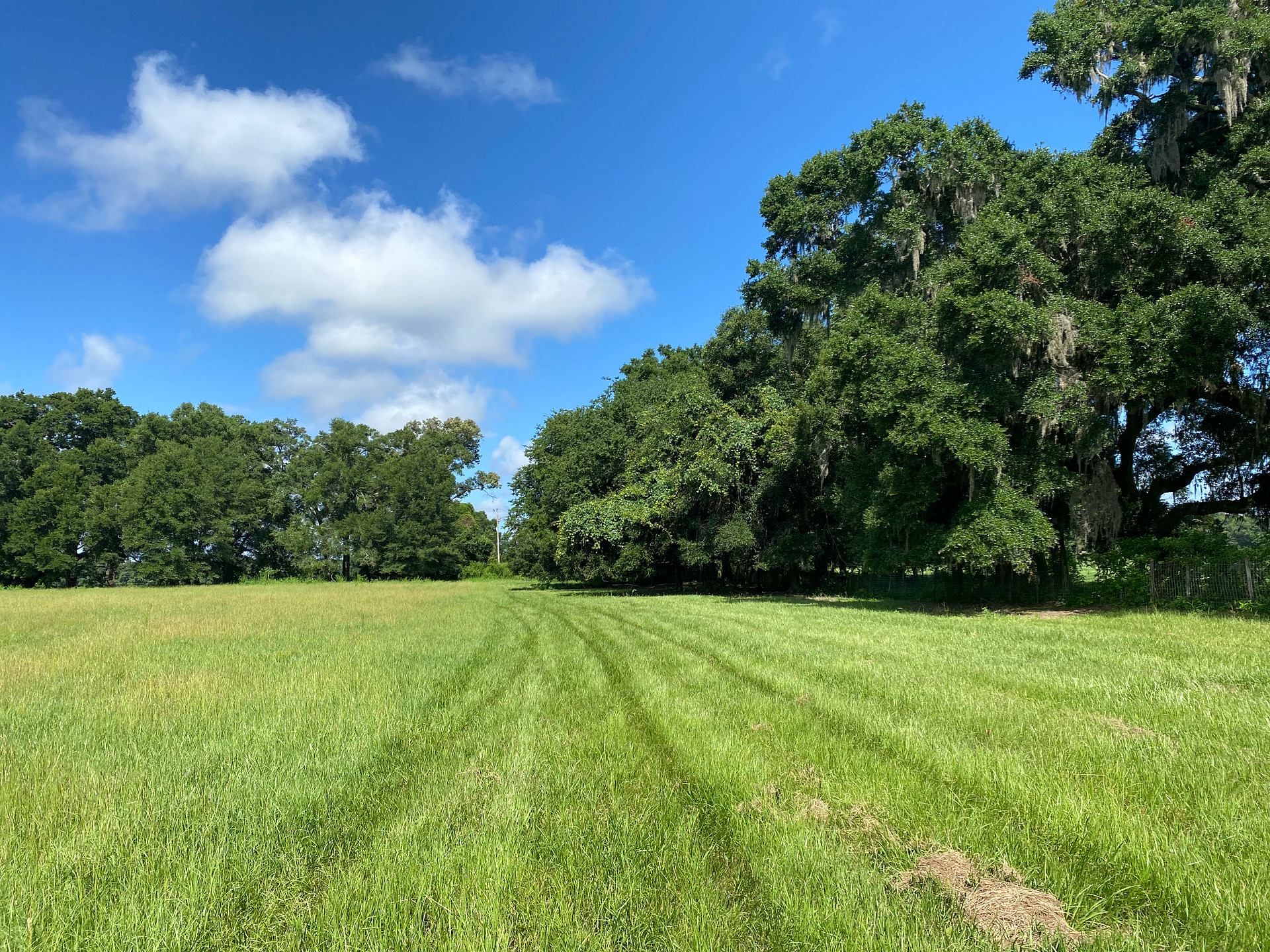
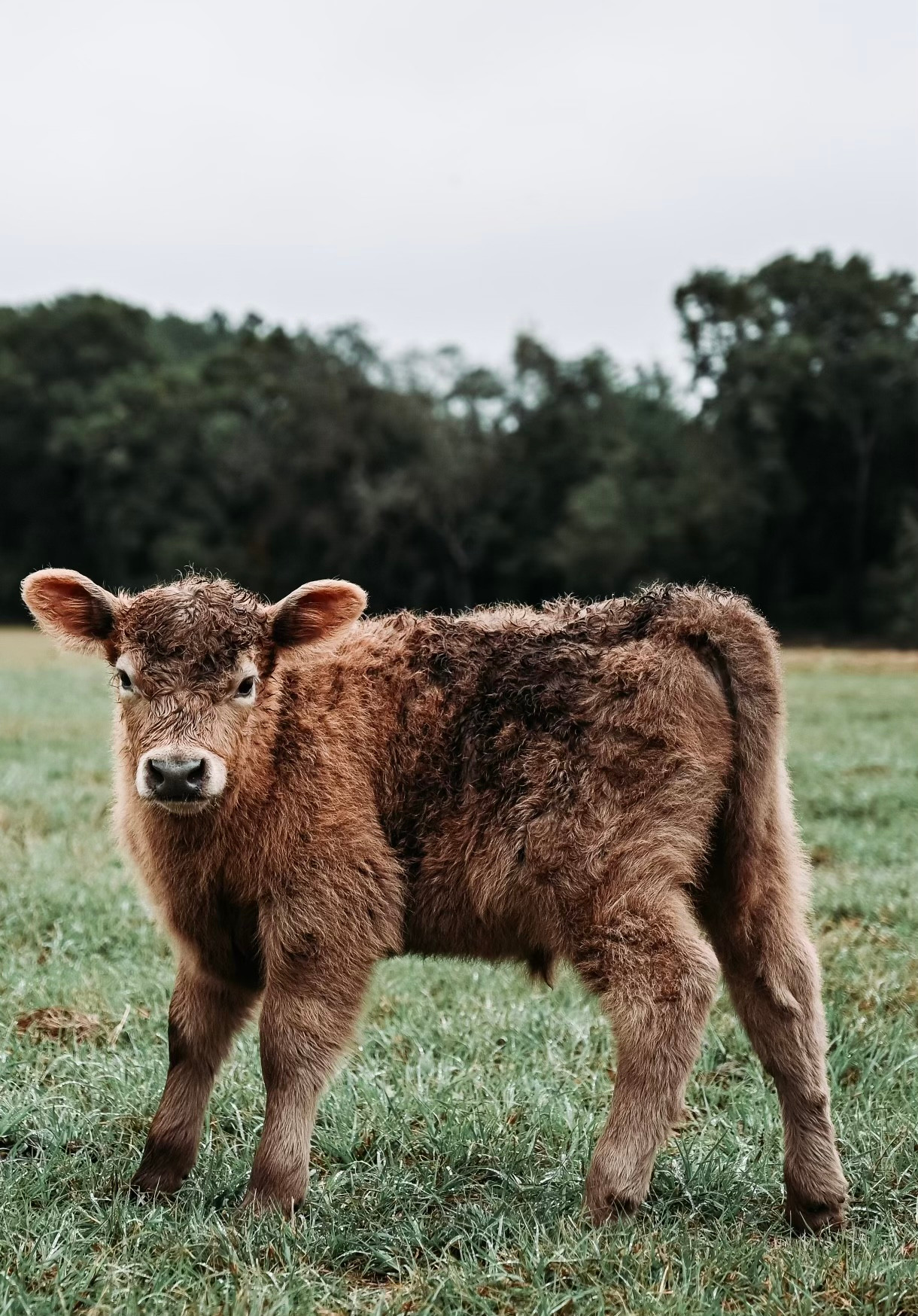
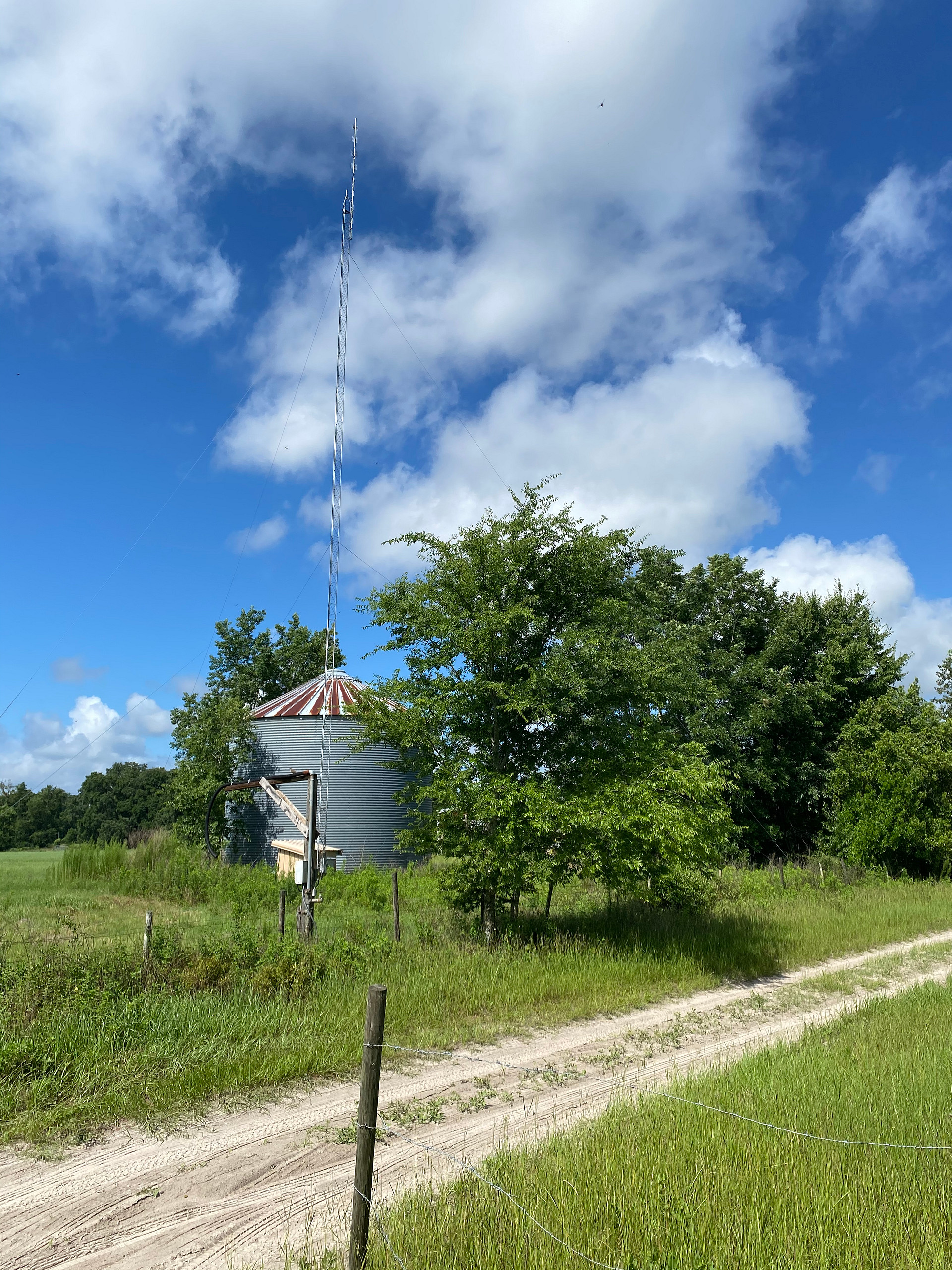
14. Glenn Farm
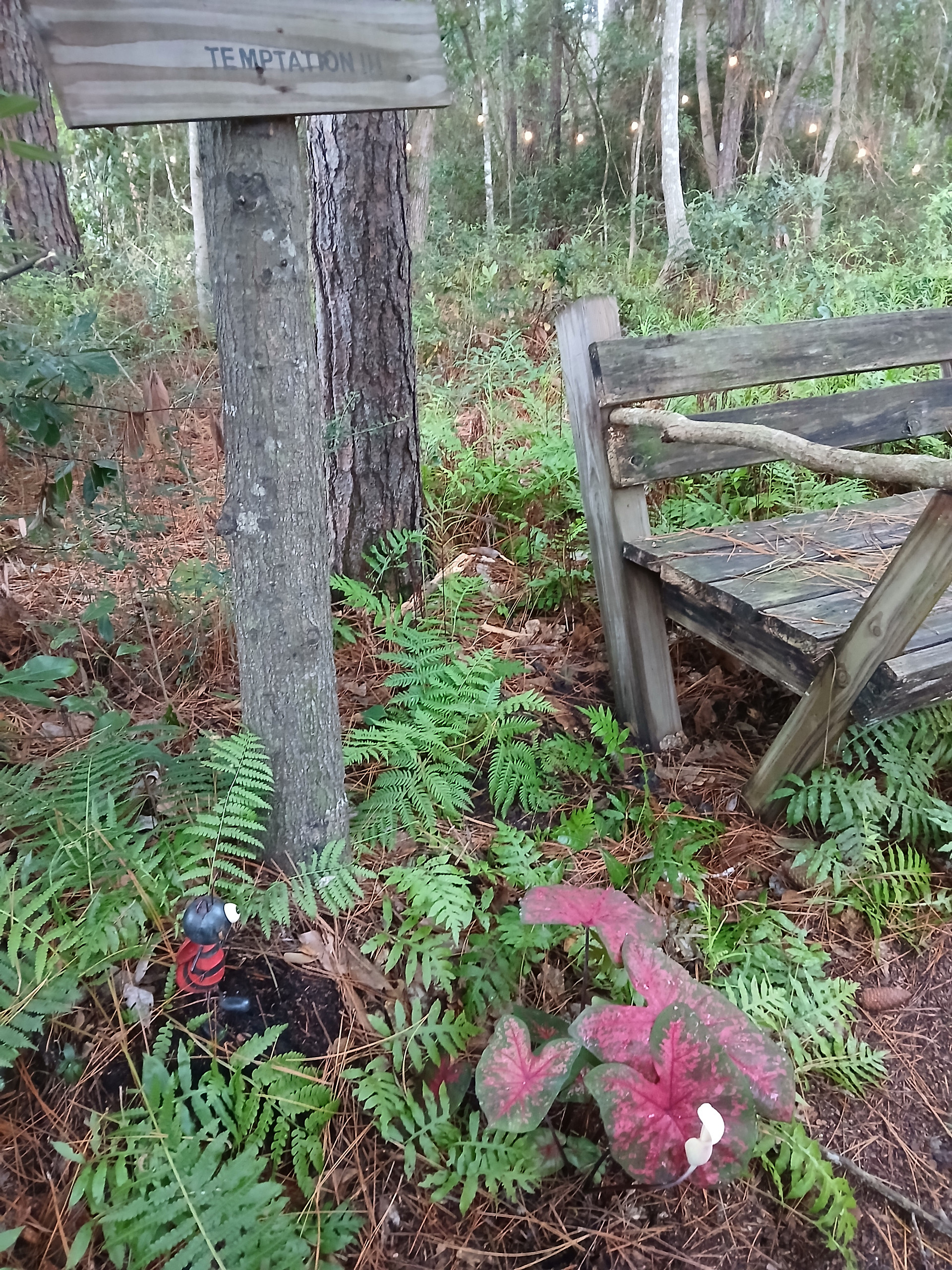
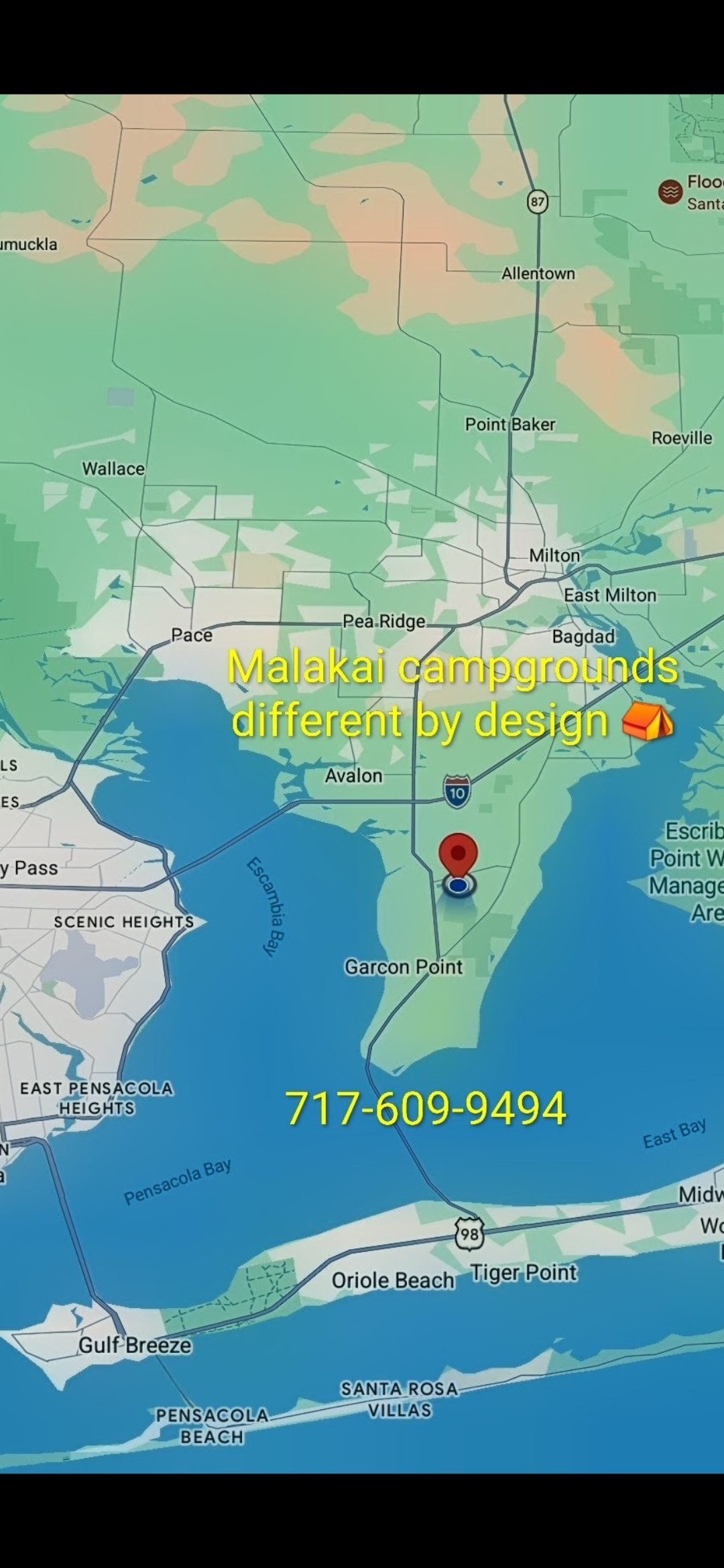
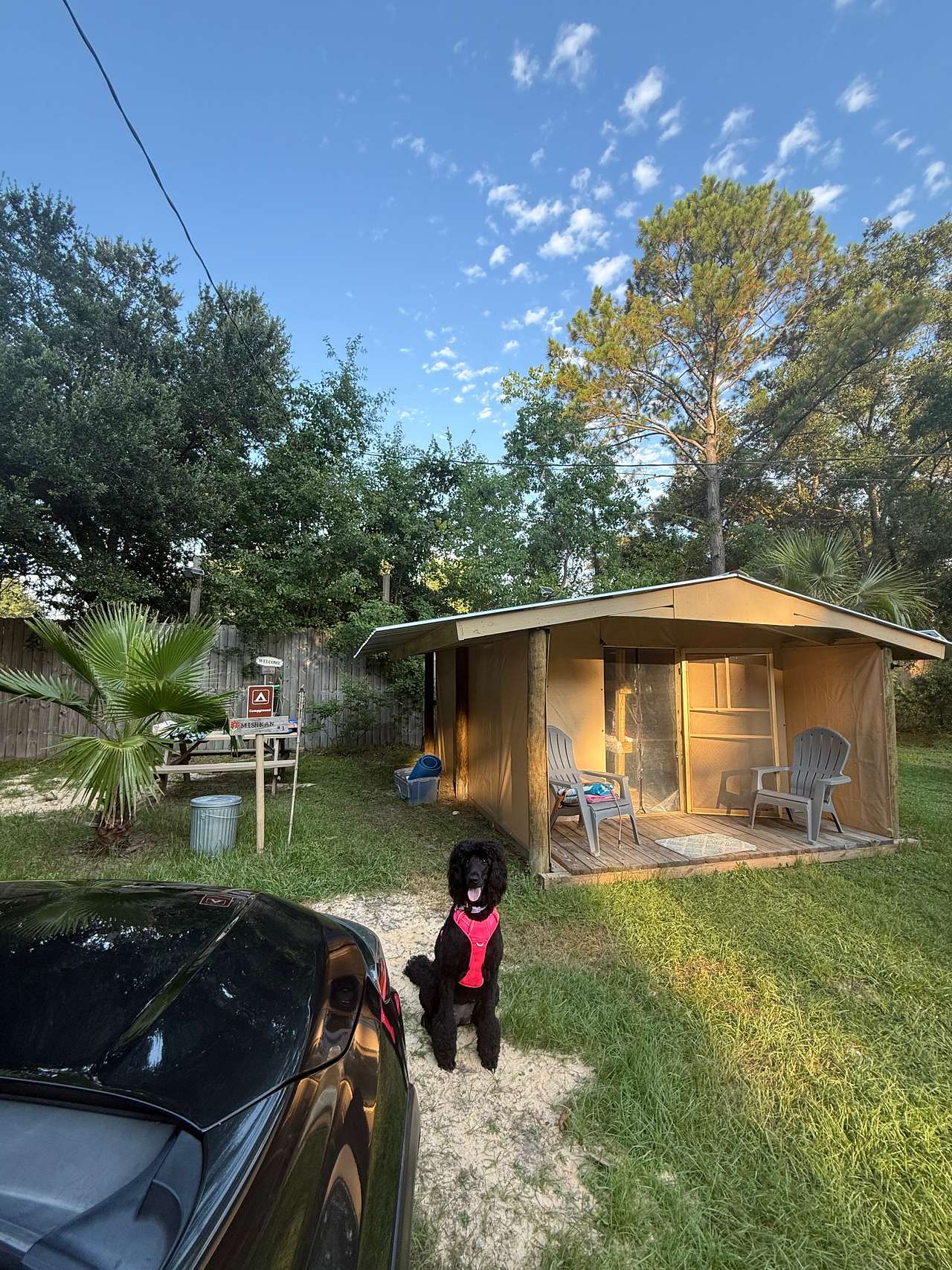
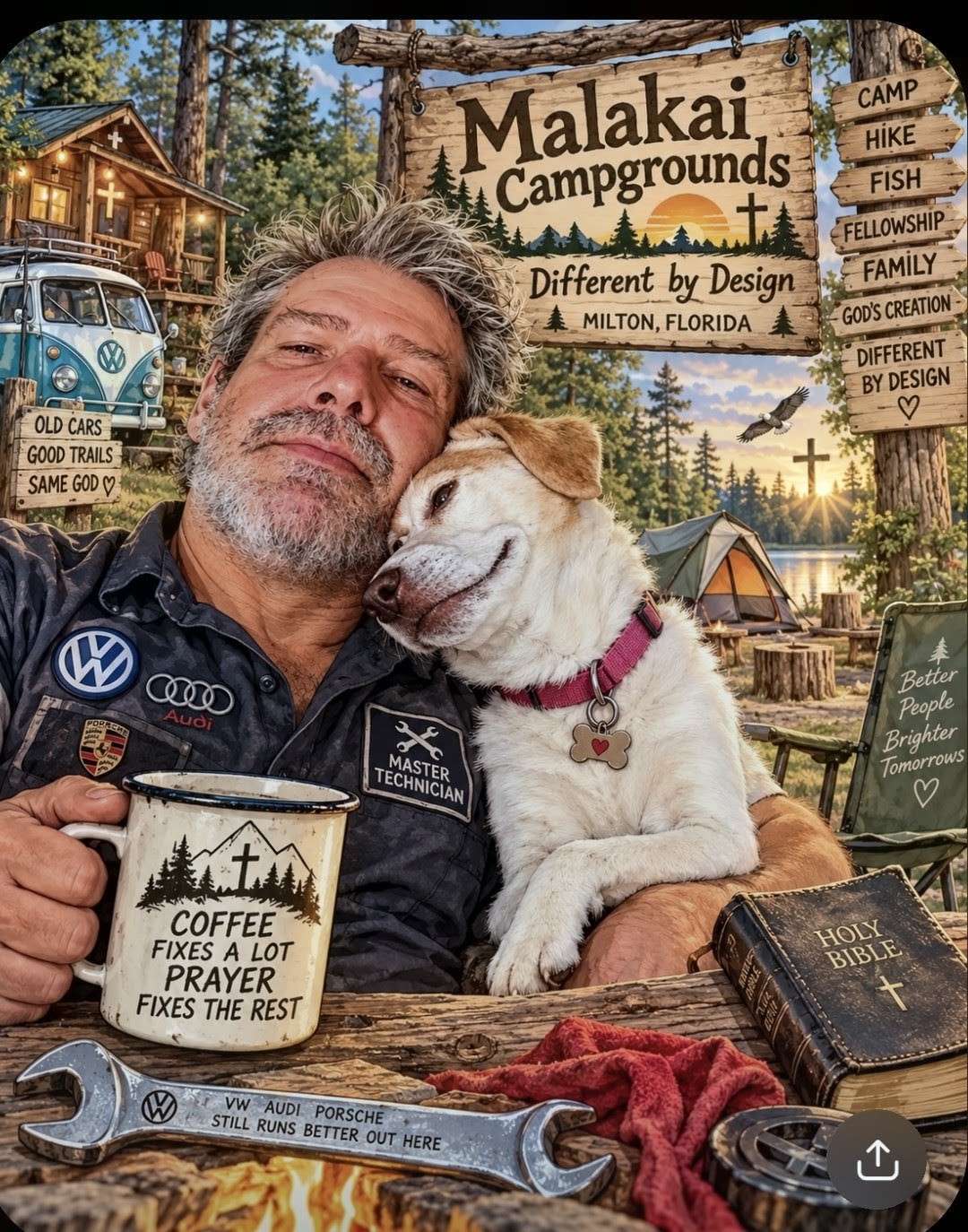
15. Malakai 🏕 different by design
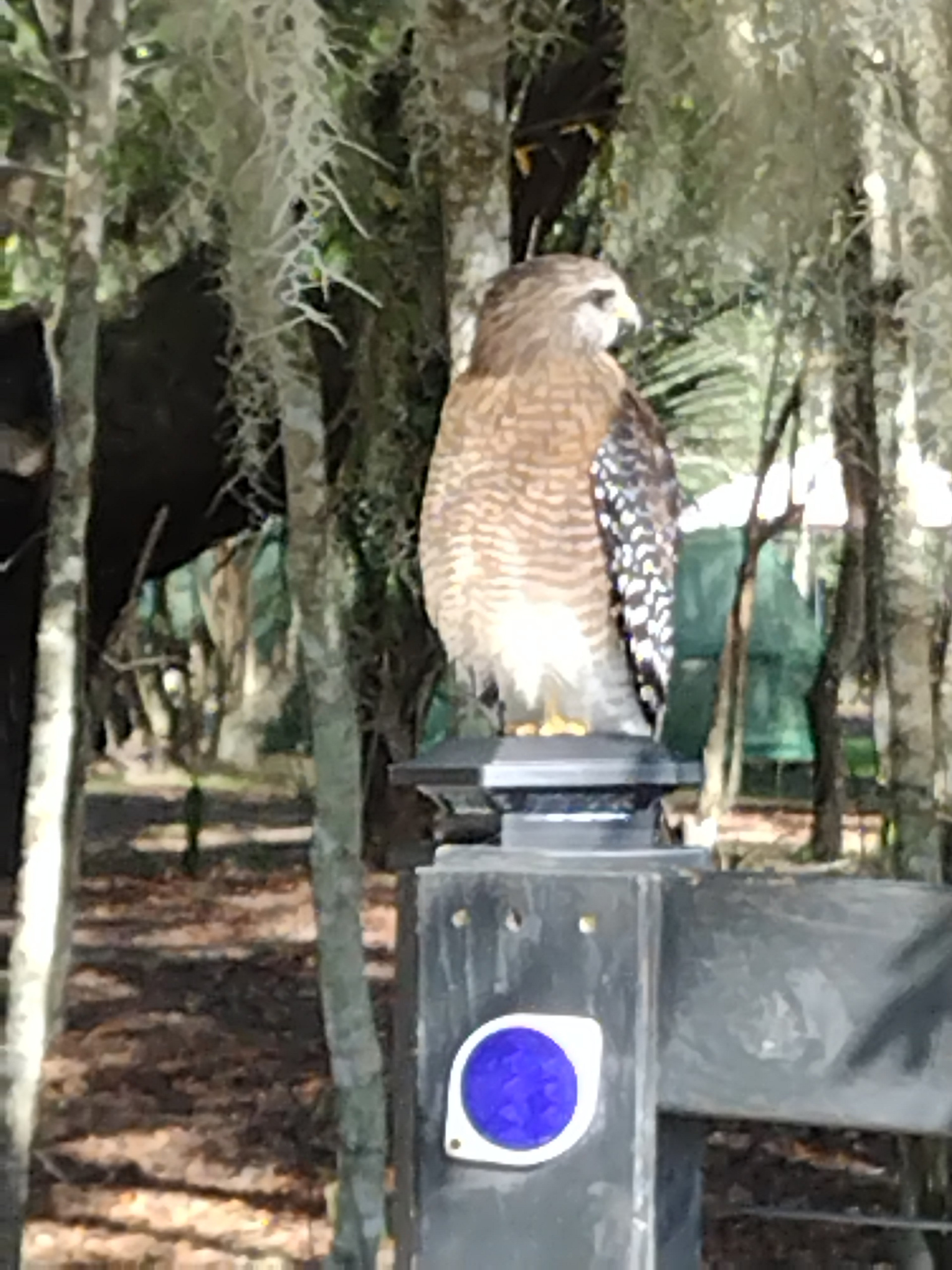
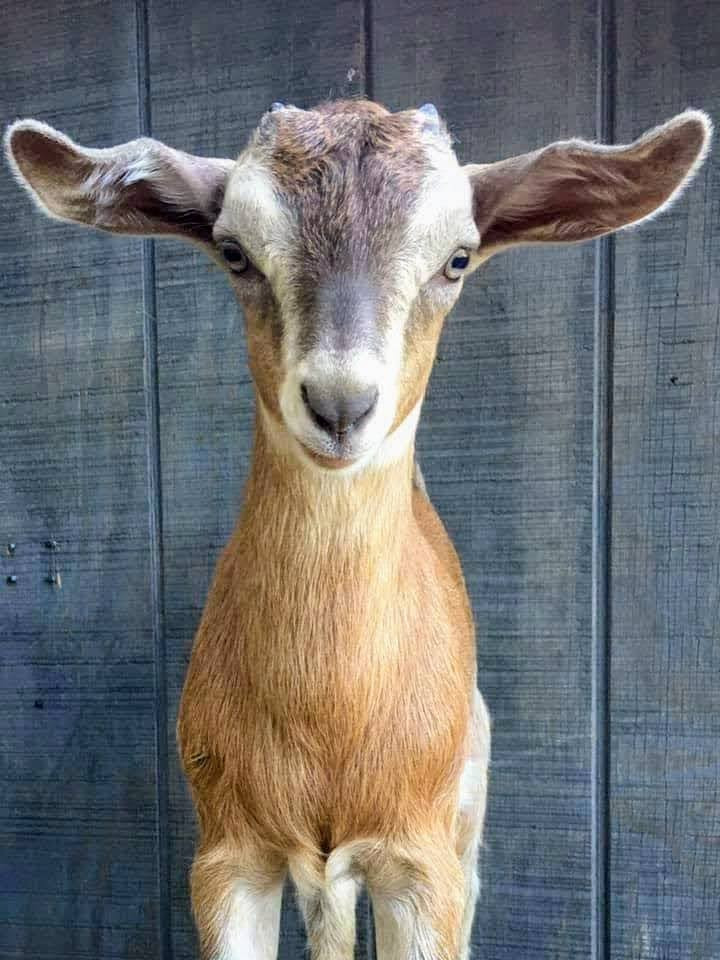
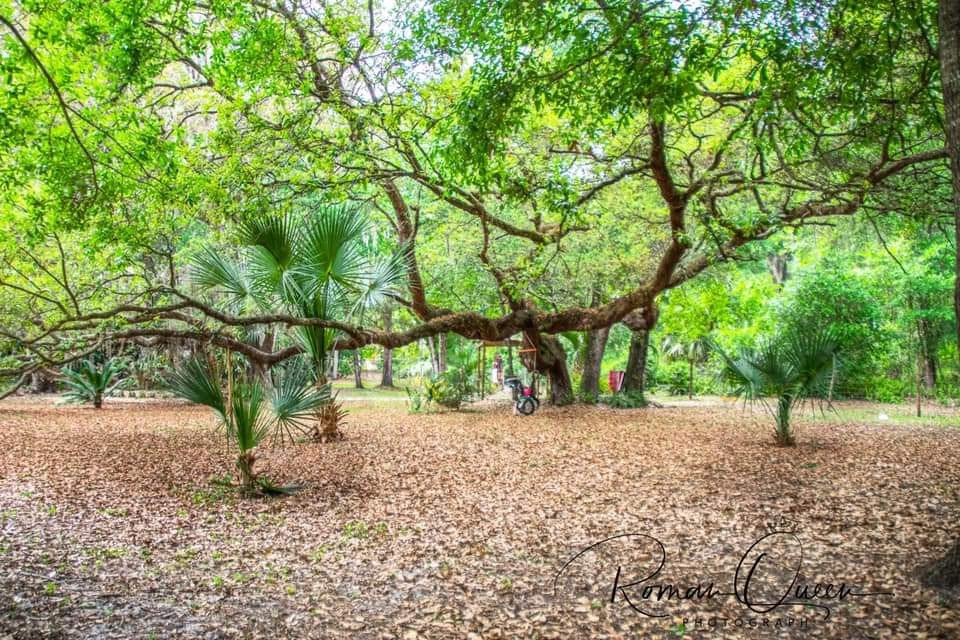
16. True Trail Farm
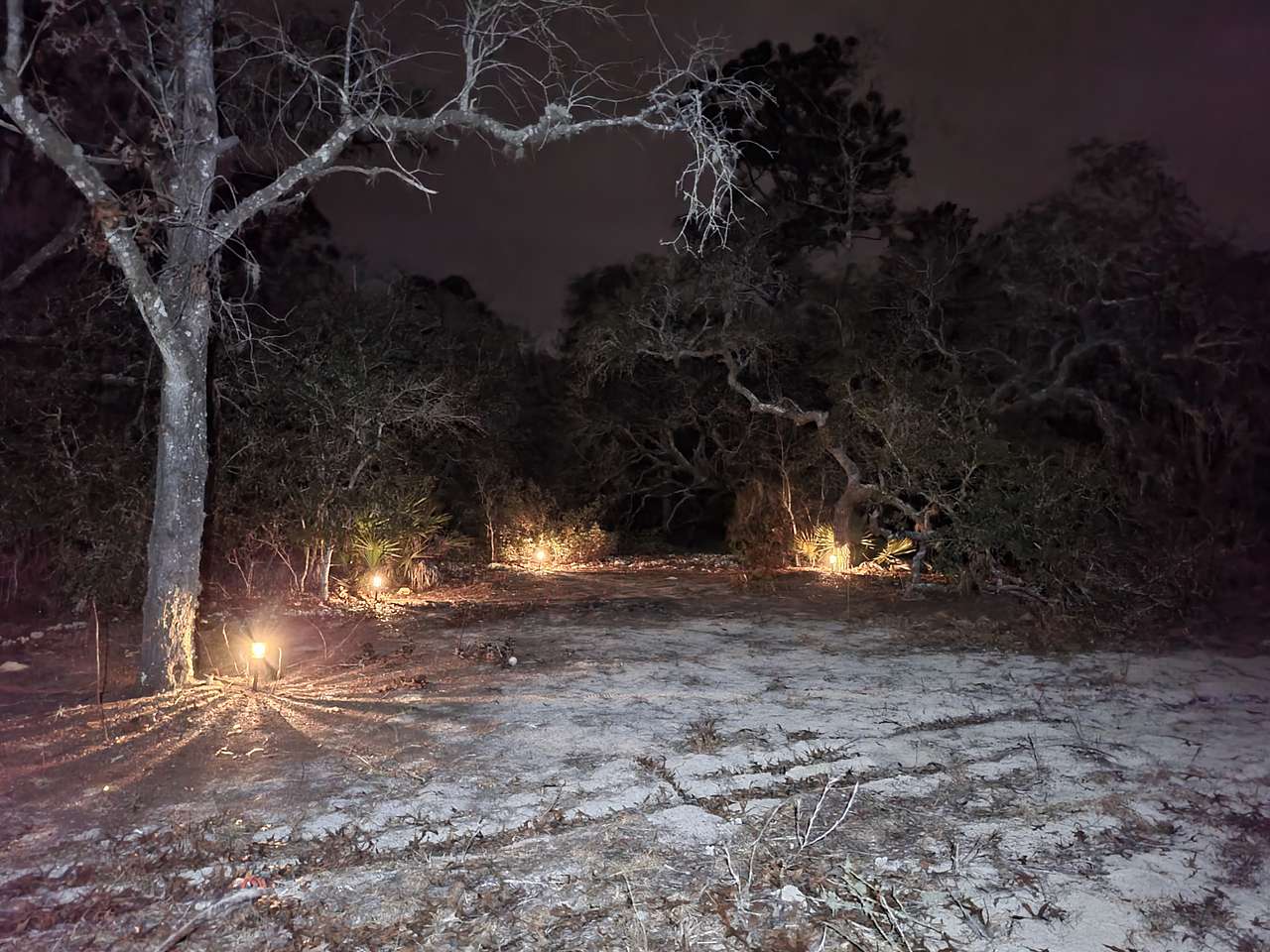
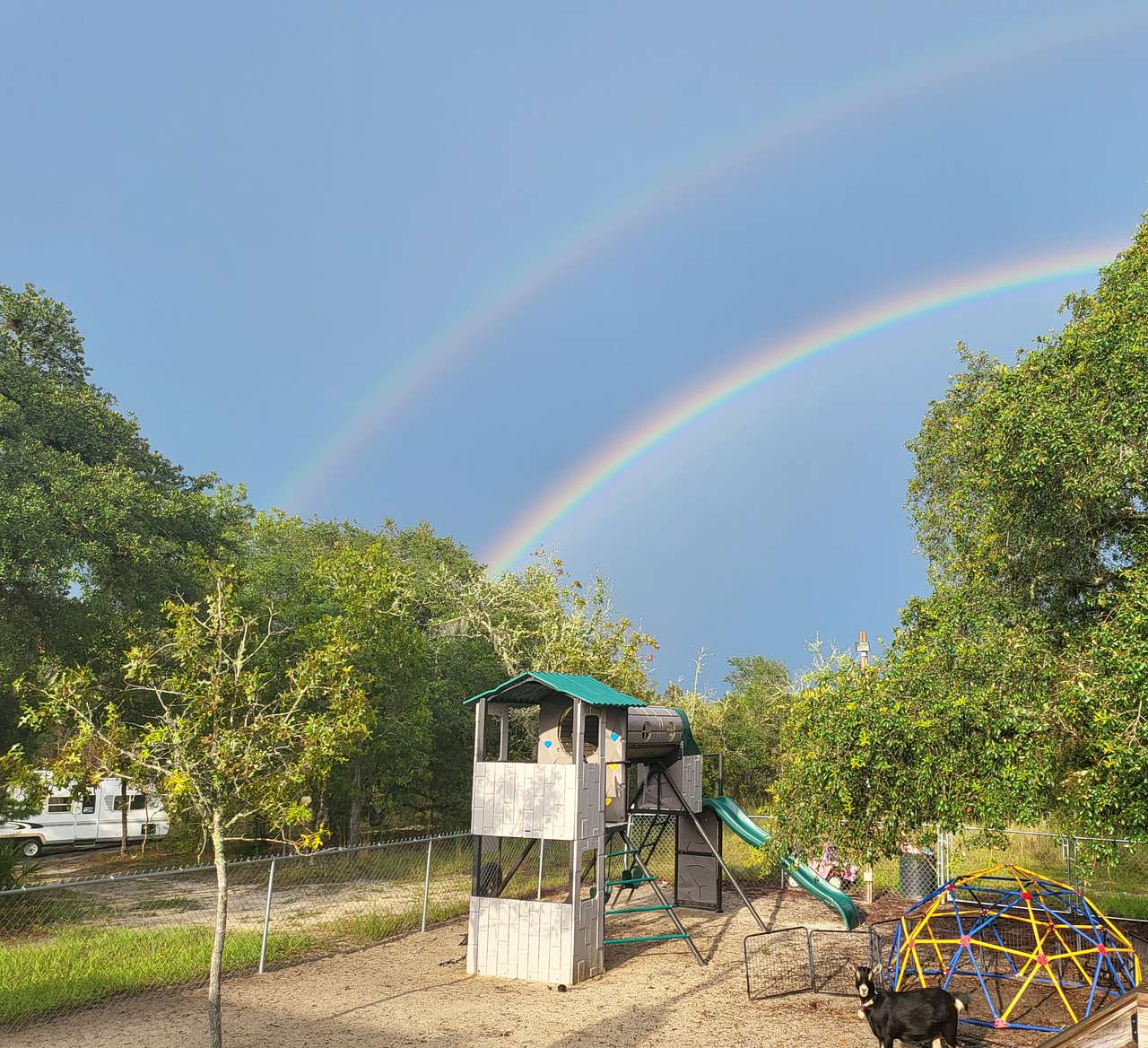
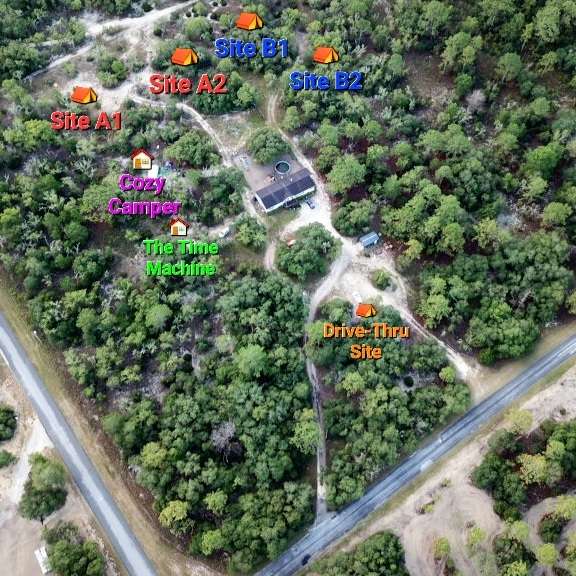
17. Happy Campers Rescue Ranch


18. Bell Oaks Ranch 5 min from Beach


19. Tangerine Hideaway


20. Goat House Farm
Bowman's Landing
J and P Creekside Retreat
Camp Seminole Springs
Wilderness Shores Ranch Campground!
North Shore Relic Ranch
Glenn Farm
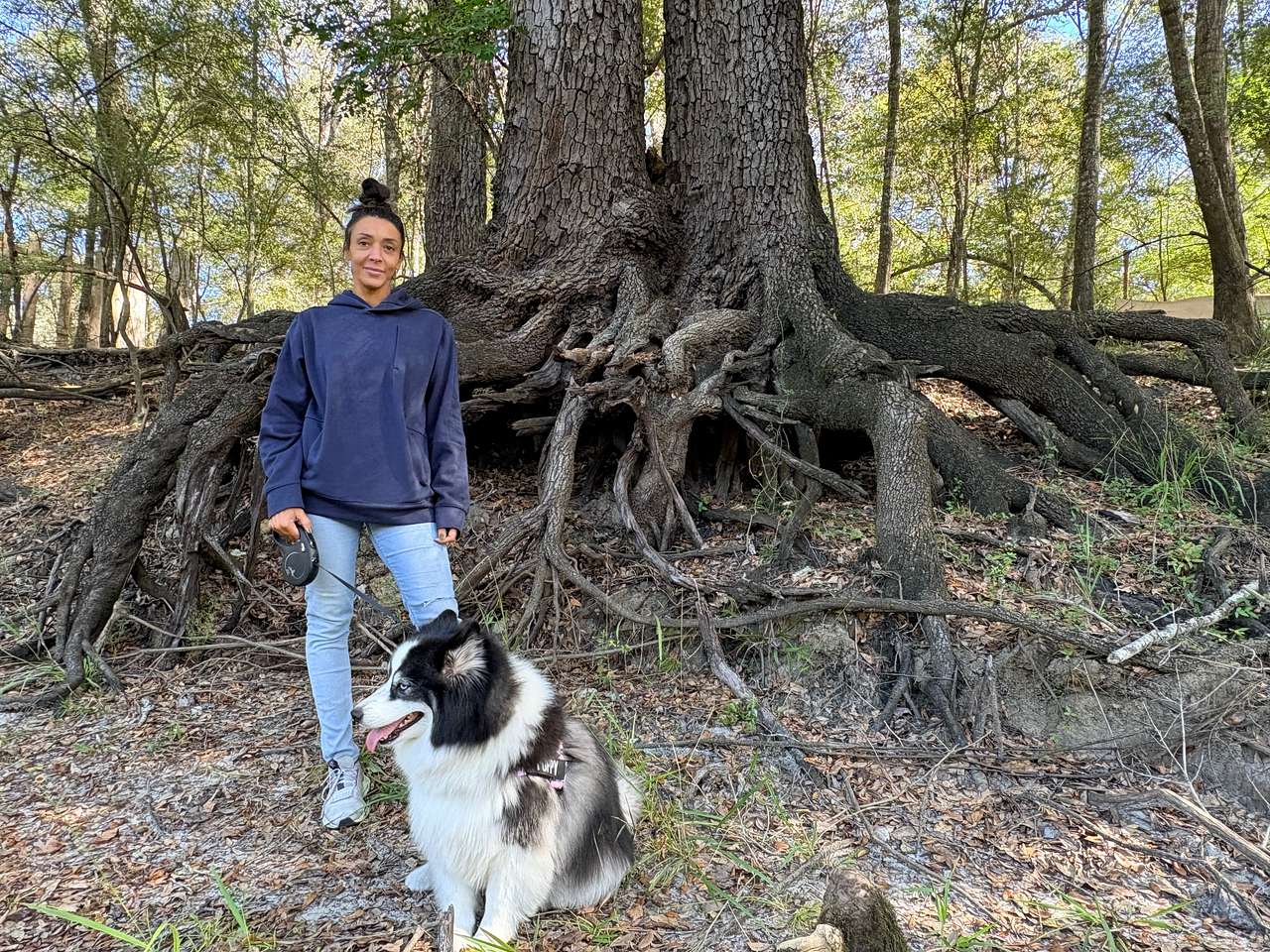
Bowman's Landing
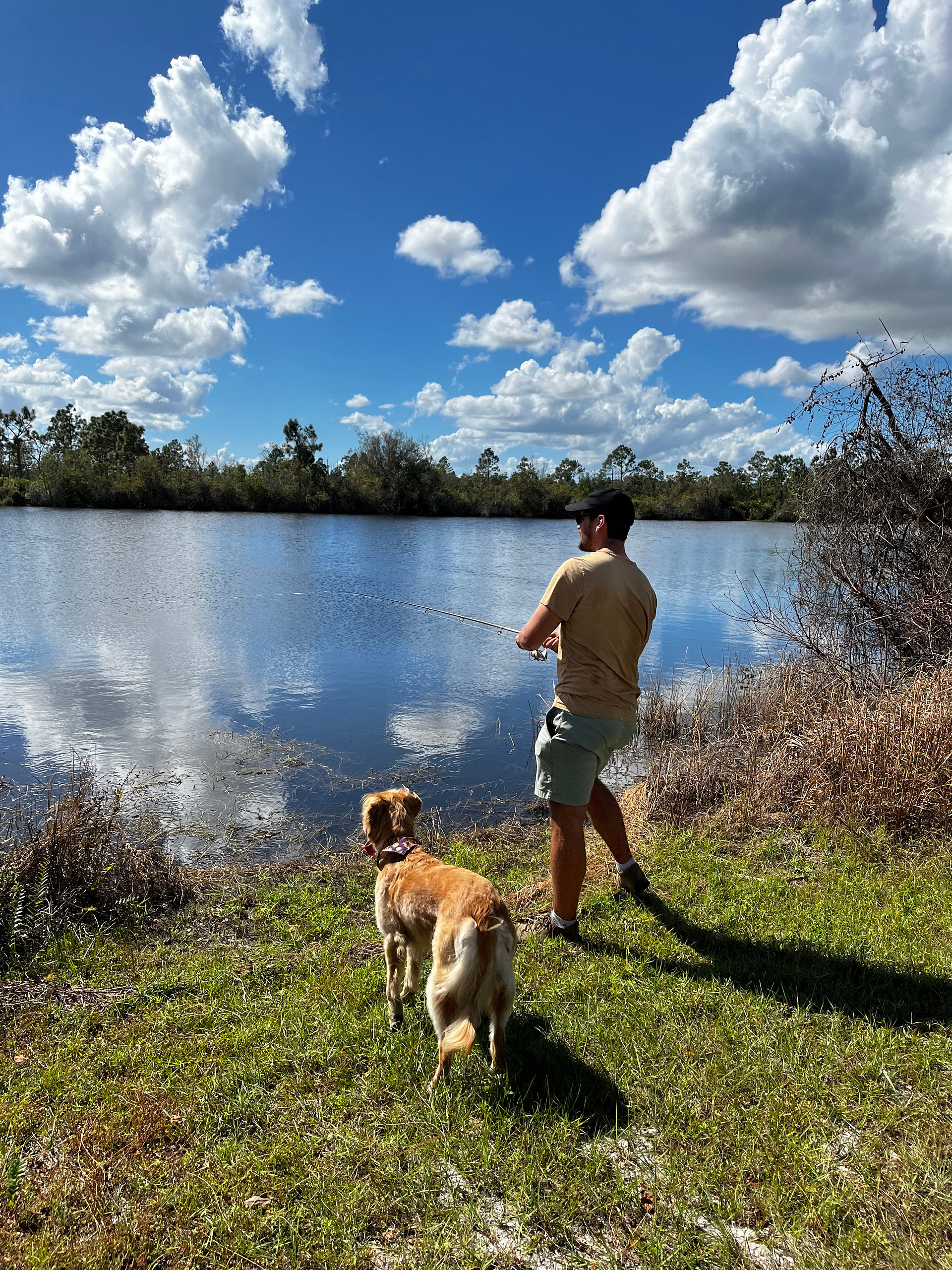
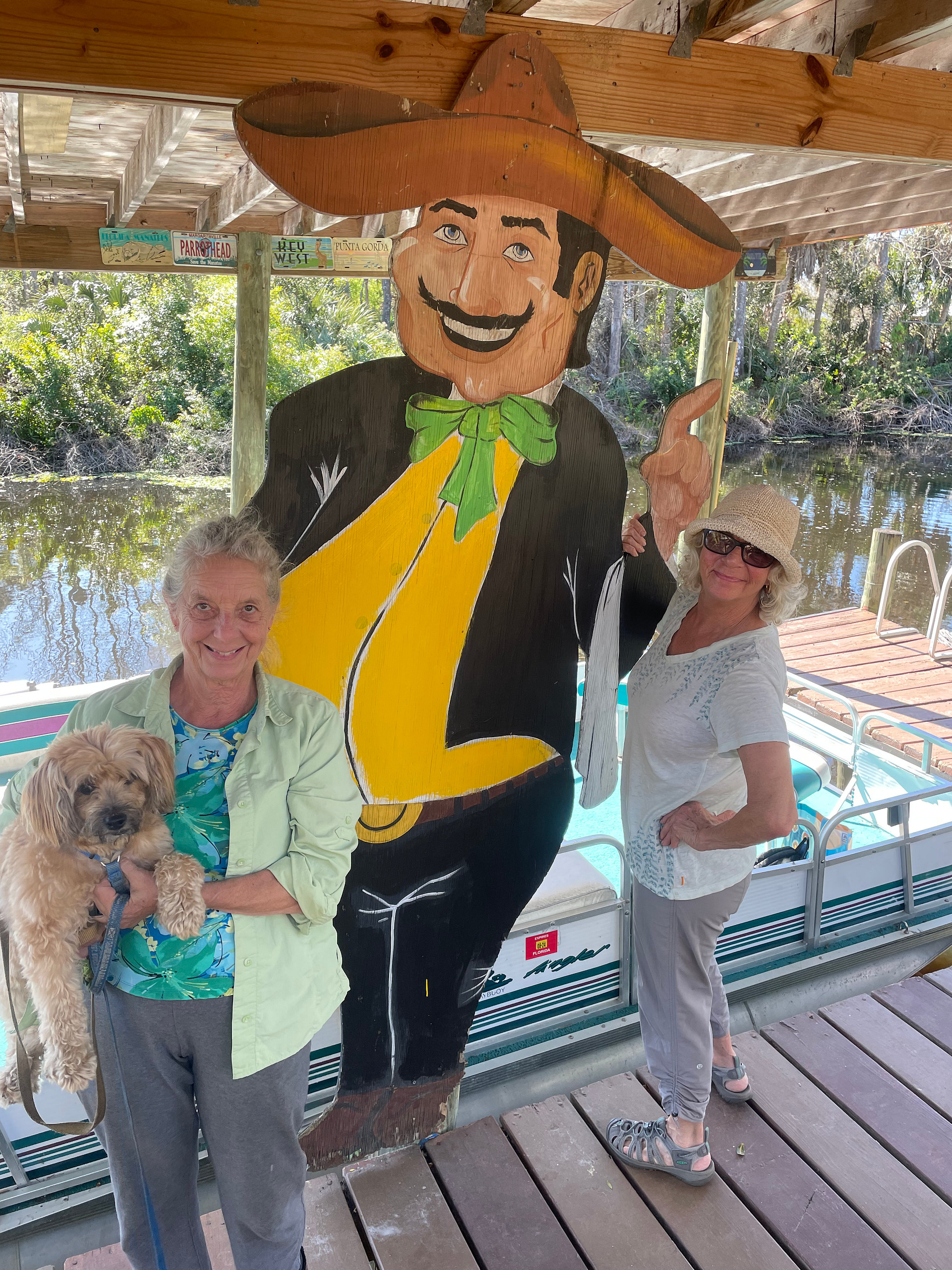
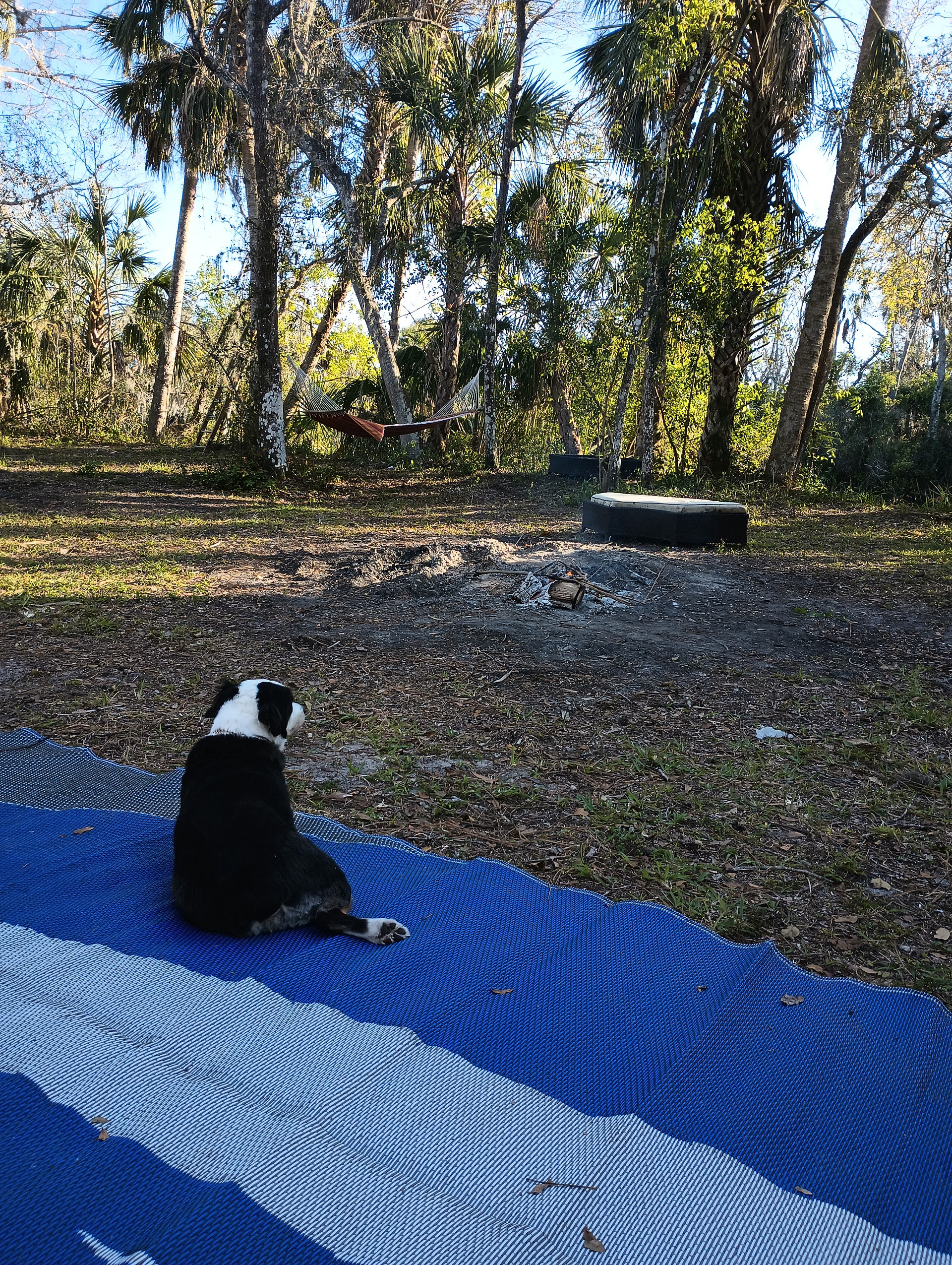
J and P Creekside Retreat
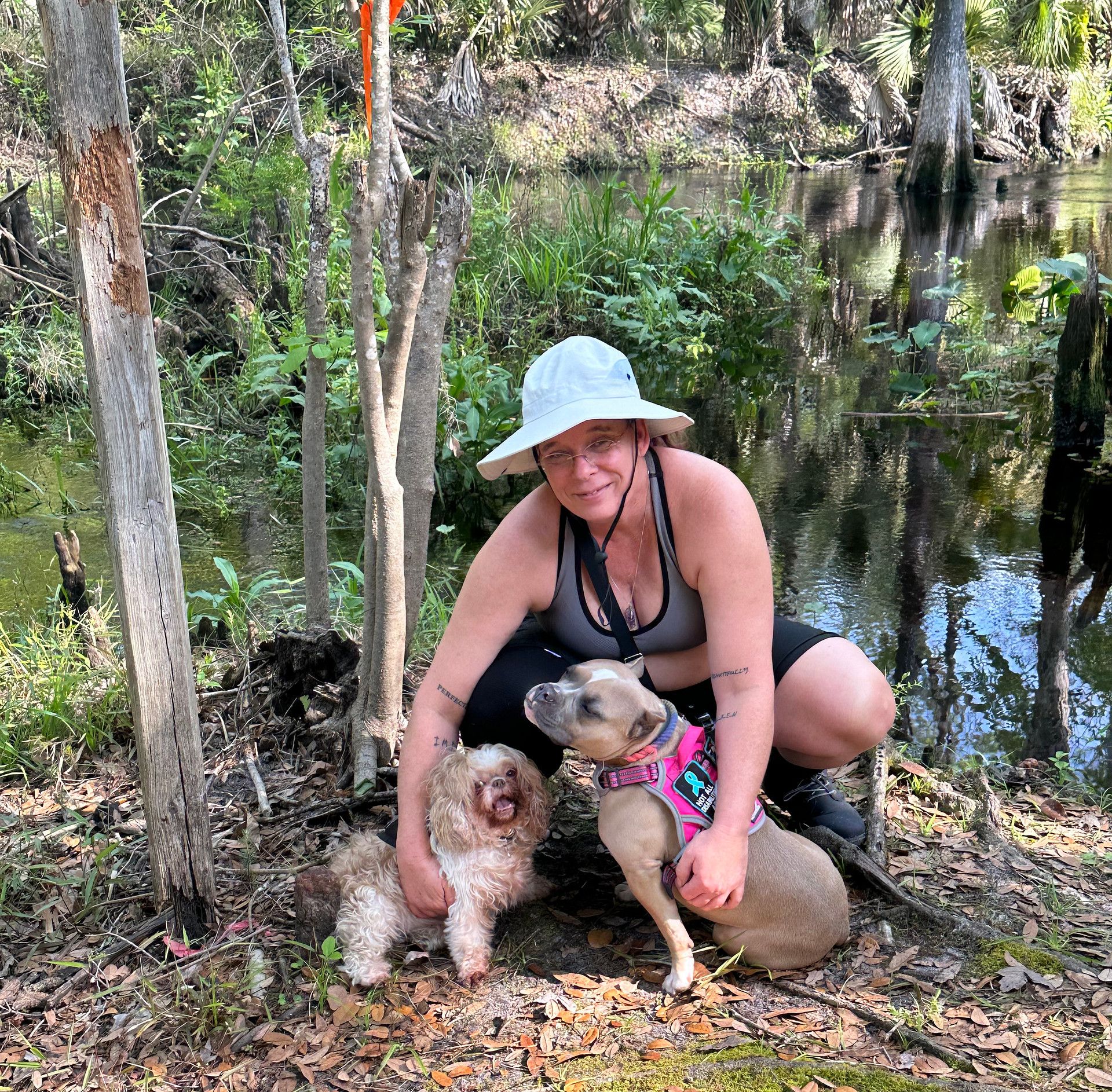
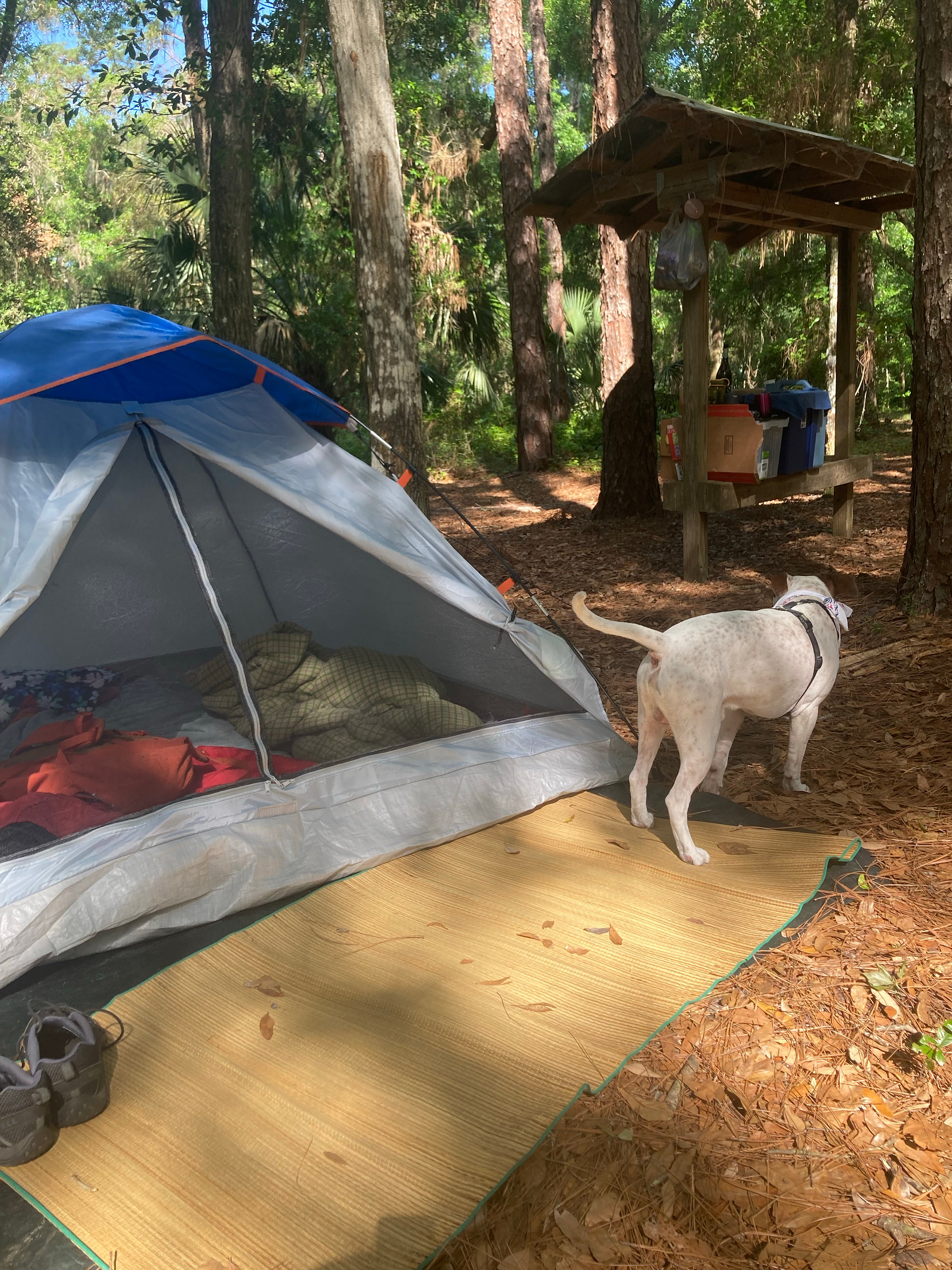
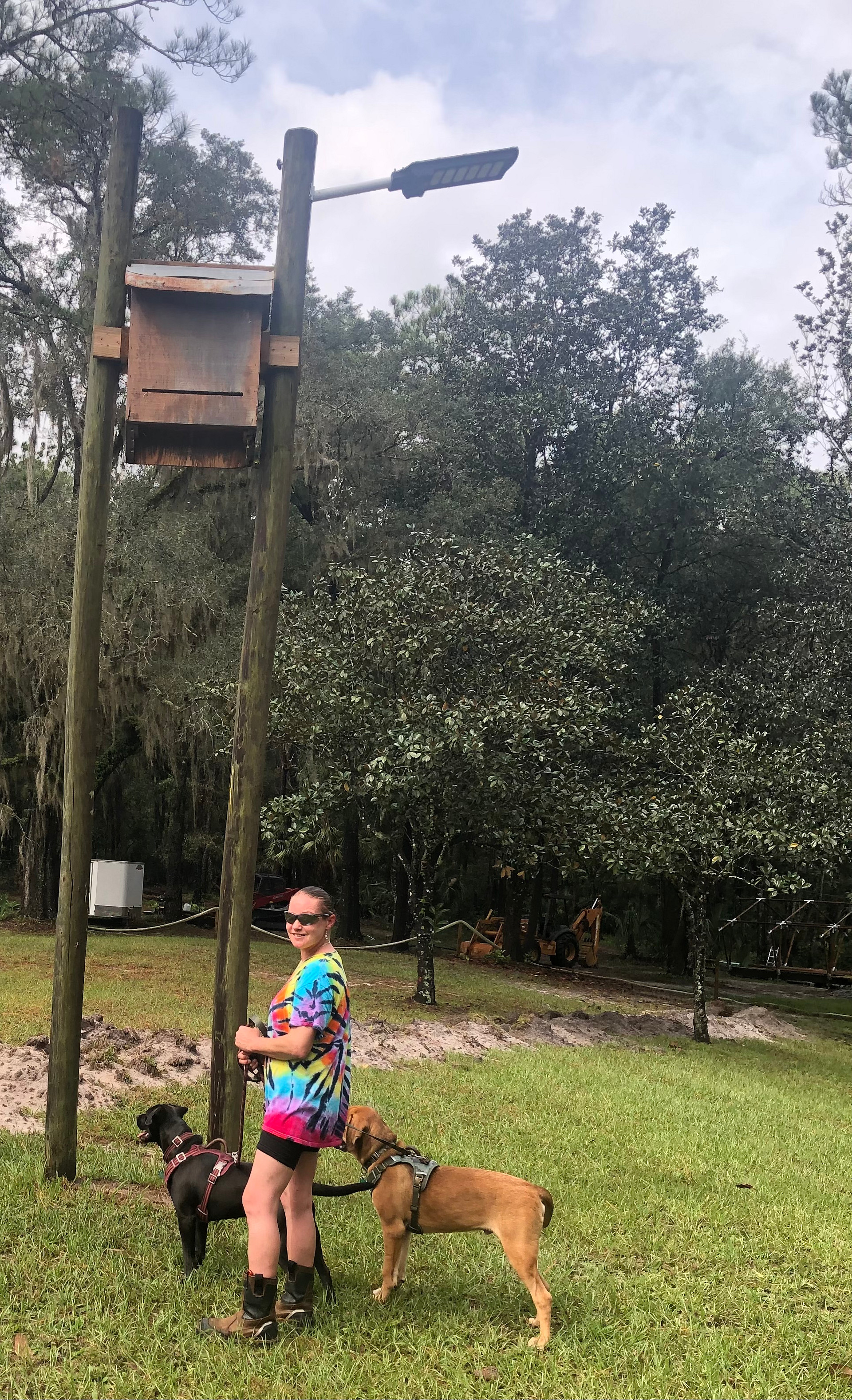
Camp Seminole Springs
Kings Kamp RV Park and Marina
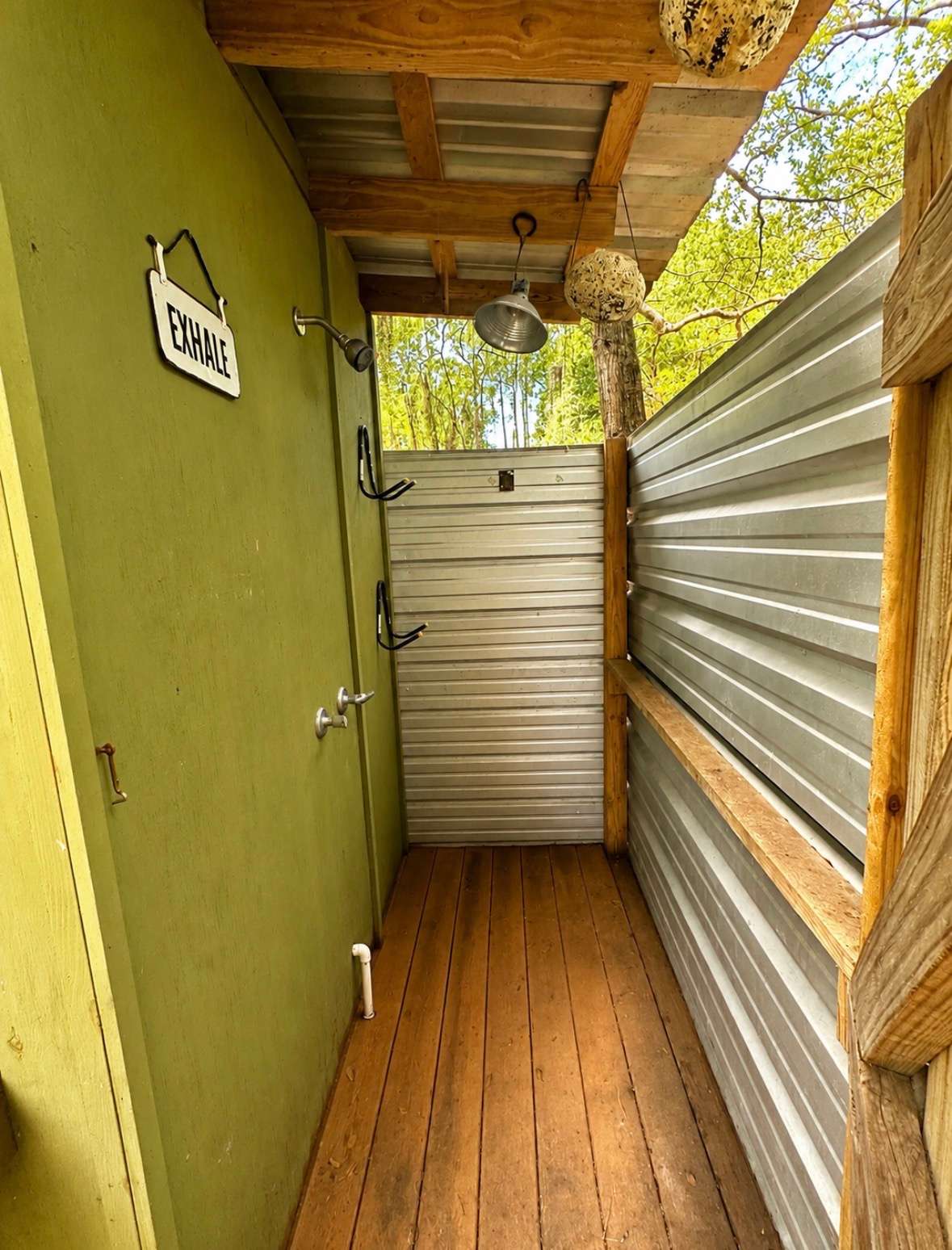
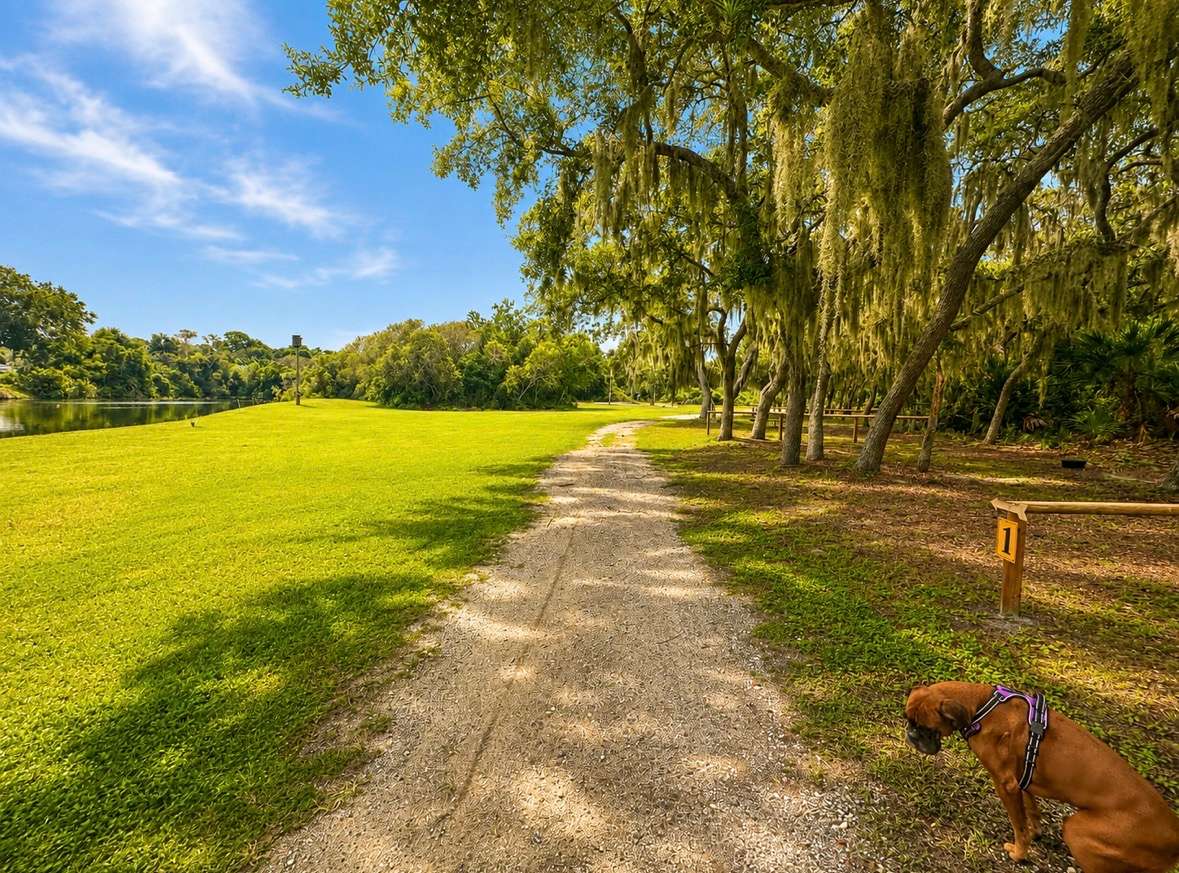

Harmony Farm


Wilderness Shores Ranch Campground!
Recent reviews from the Hipcamp community





Florida camping guide
Where to go
Panhandle and Big Bend
White-sand beaches and laid-back beach towns fringe the Gulf of Mexico in Florida’s north-western county. Panama City, Destin, and Pensacola are gateways to the Panhandle, where you can pitch your tent right on the beach along the Gulf Islands National Seashore or check into an RV resort at one of the seaside state parks. The Apalachicola National Forest, just outside Tallahassee, is another favorite for campers, with everything from primitive tent sites to RV sites with electric hookups.
North Florida
Most visitors to North Florida make a beeline for the Atlantic Ocean, where the hubs of Jacksonville, St Augustine, and Daytona Beach are dotted with sandy beaches and historic monuments. Campers looking to escape the beaten track can enjoy backcountry camping along the Canaveral National Seashore or park up by the beach in Anastasia State Park. Inland, the sprawling Lakelands of the Ocala National Forest are camping nirvana, surrounded by state parks and natural springs.
Central Florida
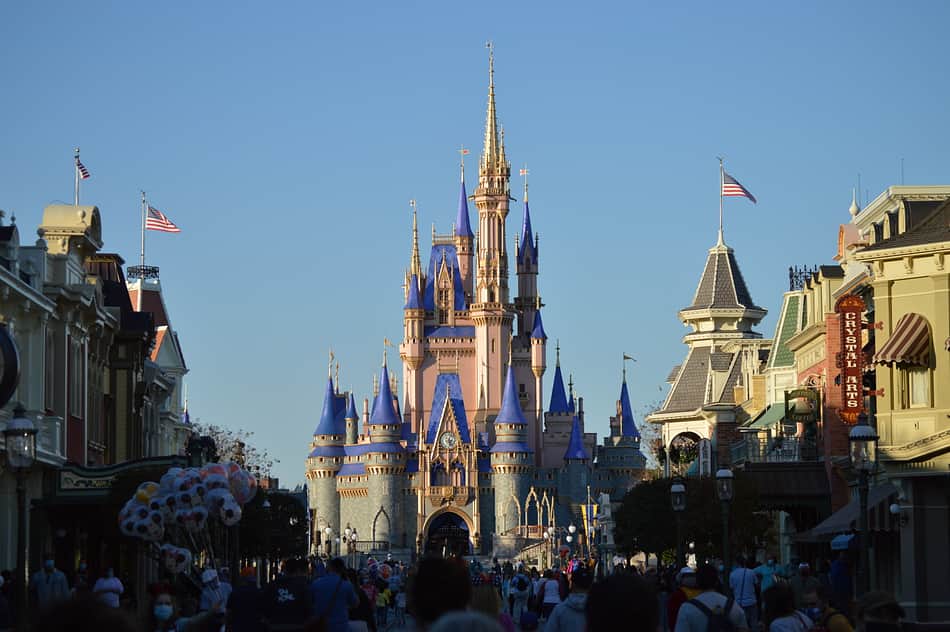
Fun-seeking families probably have Orlando’s theme parks at the top of their Central Florida to-do list, but there are plenty of ways to get back to nature too. There’s great hiking and primitive camping in Seminole State Forest and Kissimmee State Park, both just outside the city. Other popular camping spots include the Jonathan Dickinson State Park in West Palm Beach, Lake Okeechobee, and Cayo Costa State Park, just off the coast of Fort Myers.
South Florida
The vast Everglades National Park is the star attraction of the Gulf Coast, where boating, biking, and canoeing tours will take you through the UNESCO-listed wetlands. Look out for manatees and American alligators along the way. Over on the Atlantic Coast, the buzzing beach resorts of Miami and Fort Lauderdale draw sun-seekers year-round. Intrepid campers can escape the masses in the Biscayne National Park, where the tent camping sites are reachable only by boat or kayak.
Florida Keys
If kayaking around tropical islands, and snorkeling and scuba diving along remote coral cays sounds like your idea of fun, look no further than the Florida Keys. The Overseas Highway runs all the way to Key West, and campers will find RV sites and tent camping grounds peppered around the many islands. Campgrounds in Bahia Honda State Park have boat launches and hammock camping, while the remote Dry Tortugas National Park has backcountry camping far from the crowds.
Frequently Asked Questions About Camping in Florida
Can you camp on the beach in Florida?
Yes, you can go beach camping in Florida in certain areas, typically on some BLM land and in dozens of state parks including Bahia Honda State Park in the Florida Keys, Grayton Beach State Park outside Destin, and eastern Florida’s Sebastian Inlet State Park. Campers in Florida are generally not allowed to camp in the sand unless expressly stated otherwise in the areas above. Most Florida beach campgrounds are set behind sand dunes with picnic tables, electric hookups, and toilet access. Remote, primitive, boat-in beach campsites can also be found on Elliott Key and Boca Chita Key in Biscayne National Park. Find more beach camping in Florida.
Is primitive camping allowed in Florida?
Yes, primitive camping is allowed in Florida in some state parks, national forests, state forests, and on the US Forest Service’s Florida Trail, usually for a small fee. Primitive camping, typically described as dispersed camping away from designated campgrounds without facilities, is available for backpackers and campers at more than 25 Florida state parks, including Cayo Costa State Park near Fort Myers, Wekiwa Springs State Park outside Orlando, and Jonathan Dickinson State Park near West Palm Beach. BLM land does not exist in Florida, though you can find more private, secluded camping in Florida with Hipcamp.
Where can you camp for free in Florida?
You can find free camping in Florida in its national forests: Apalachicola National Forest, Osceola National Forest, and Ocala National Forest, each of which spans thousands of acres and is made up of diverse landscapes. These campsites are generally primitive and dispersed with no facilities, so you’ll need to come prepared.
How many state parks in Florida have RV camping?
Florida has an incredible number of state parks (190 and counting!) and about 52 state parks offering RV campgrounds and campervan campsites. Myakka River State Park, Rainbow Springs State Park, Blue Springs State Park, and Silver Springs State Park are among Florida’s most popular state parks with RV camping. Find more Florida RV camping.
What is the best month to go camping in Florida?
The very best months to go camping in Florida are March and April, when the weather is best for tent camping and RV road trips with temperatures hovering between a low of 65°F and a high of 85°F. During these months, humidity is at its lowest, rain is unlikely, and ocean waters are warmest in south Florida’s Miami Beach and Key West. Hiking and backpacking are best suited for the cooler months of January and February. August, September, and October are the worst months to go camping in Florida thanks to wet weather, high humidity, and potential thunderstorms or hurricanes.

Frequently Asked Questions
Florida has an incredible number of state parks (190 and counting!) and about 52 state parks offering RV campgrounds and campervan campsites. Myakka River State Park, Rainbow Springs State Park, Blue Springs State Park, and Silver Springs State Park are among Florida's most popular state parks with RV camping. Find more Florida RV camping.
The very best months to go camping in Florida are March and April, when the weather is best for tent camping and RV road trips with temperatures hovering between a low of 65°F and a high of 85°F. During these months, humidity is at its lowest, rain is unlikely, and ocean waters are warmest in south Florida's Miami Beach and Key West. Hiking and backpacking are best suited for the cooler months of January and February. August, September, and October are the worst months to go camping in Florida thanks to wet weather, high humidity, and potential thunderstorms or hurricanes.
Yes, primitive camping is allowed in Florida in some state parks, national forests, state forests, and on the US Forest Service's Florida Trail, usually for a small fee. Primitive camping, typically described as dispersed camping away from designated campgrounds without facilities, is available for backpackers and campers at more than 25 Florida state parks, including Cayo Costa State Park near Fort Myers, Wekiwa Springs State Park outside Orlando, and Jonathan Dickinson State Park near West Palm Beach. BLM land does not exist in Florida, though you can find more private, secluded camping in Florida with Hipcamp.
You can find free camping in Florida in its national forests: Apalachicola National Forest, Osceola National Forest, and Ocala National Forest, each of which spans thousands of acres and is made up of diverse landscapes. These campsites are generally primitive and dispersed with no facilities, so you'll need to come prepared.
Boondocking, or camping on public lands without amenities, is legal in Florida in certain areas. While Florida does not have any BLM (Bureau of Land Management) lands, there are other options for boondocking, such as national forests, wildlife management areas, and water management districts. These areas typically allow dispersed camping, but you should always check the specific rules and regulations for the location you are interested in. Additionally, you can find private landowners who offer boondocking sites through platforms like Hipcamp. Just always practice Leave No Trace principles and respect the land and property owners when boondocking.
Yes, Florida has a wide variety of excellent camping options, thanks to its diverse landscapes, beautiful beaches, and unique ecosystems. From beach camping to forest camping, there's something for everyone. Some popular camping destinations include Everglades National Park, Bahia Honda State Park, and Grayton Beach State Park. You can also find glamping options, fishing spots, and RV parks throughout the state. Explore more Florida camping options.
There are numerous state parks in Florida where you can camp. Some popular options include:
- Jonathan Dickinson State Park
- Fort Clinch State Park
- Tomoka State Park
- Bahia Honda State Park
- Grayton Beach State Park
- Fort De Soto Park
- Collier-Seminole State Park
- Henderson Beach State Park
- San Felasco Hammock Preserve State Park
- Lake Kissimmee State Park
These are just a few examples of the many state parks in Florida that offer camping. You can explore more options by visiting the Florida State Parks page on Hipcamp.
Free camping in Florida can be found in its national forests, such as Apalachicola National Forest, Osceola National Forest, and Ocala National Forest. These campsites are usually primitive and dispersed, with no facilities or amenities, so you'll need to come prepared. Keep in mind that free camping sites may have restrictions on the length of stay and may require a permit. Always check with the managing agency for the latest information on regulations and availability.
The cost of staying in an RV park in Florida for a month can vary significantly depending on factors like location, amenities, and time of year. On average, monthly rates can range from $500 to $1,500 or more. Some RV parks may offer discounts for longer stays or during off-peak seasons. It's essential to research and contact individual RV parks to get accurate pricing information for your specific needs. You can find a variety of RV parks in Florida on Hipcamp to get started.
Free RV camping in Florida can be found at dispersed campsites in national forests and some public lands, in addition to Walmart parking lots, Cracker Barrel parking lots, and some rest areas along highways. Here are a few options for free RV camping in Florida:
Keep in mind that these free campsites are typically primitive and dispersed, with no facilities or amenities. It's essential to practice Leave No Trace principles and come prepared with your own water, food, and waste disposal systems, and you'll also need to check with any specific location's management before parking overnight, as rules and regulations may vary. For a more comfortable and secure stay, consider staying at one of Florida's RV campgrounds or state parks that offer affordable RV camping options.
In Florida state parks, the maximum length of stay in an RV campsite is typically 14 consecutive days within a 30-day period. However, some parks may allow longer stays during the off-peak season. It's essential to check the specific park's rules and regulations for any variations in their stay limits. You can find more information on Florida state parks and their RV camping policies on their individual websites.
Free beach camping in Florida is limited and rare due to the popularity of the state's beaches. However, there are a few places where you might be able to camp for free, though they may be more primitive and require some research to ensure legality and availability:
- Shell Island (near Panama City) - Accessible by boat only, and camping is allowed on the west end of the island. Be sure to check local regulations before camping.
- St. George Island State Park (Apalachicola) - While camping at the state park itself is not free, you may find free primitive camping options on the nearby Apalachicola National Forest land. However, these sites may not be directly on the beach.
Please note that free beach camping is not guaranteed, and it is essential to verify the legality and rules of each location before setting up camp. Additionally, always practice Leave No Trace principles to preserve the environment and respect the local wildlife.
In Florida, you can sleep in a tent on the beach in certain designated areas, typically within state parks and campgrounds. It is essential to follow specific rules and regulations, as camping directly on the beach is often prohibited in most locations to protect the environment and wildlife. Some popular beach camping destinations in Florida where you can sleep in a tent include Bahia Honda State Park, Grayton Beach State Park, and Sebastian Inlet State Park. These campgrounds typically offer designated tent sites behind sand dunes, providing amenities such as picnic tables, electric hookups, and restroom facilities. It is always best to check the specific regulations of the beach or park you plan to visit before setting up your tent. Browse more beach camping options in Florida.
The cost to camp at a Florida state park varies depending on the type of campsite and park you choose. In general, camping fees range from approximately $16 to $42 per night for tent and RV campsites. Some parks may also charge an additional utility fee for electric and water hookups. Keep in mind that these prices are subject to change, and it's a good idea to check the specific state park website or contact them directly for the most accurate and up-to-date information on camping fees. Florida residents can make campsite reservations 11 months in advance, while non-residents can make reservations 10 months in advance.