Top-rated campgrounds in Wisconsin
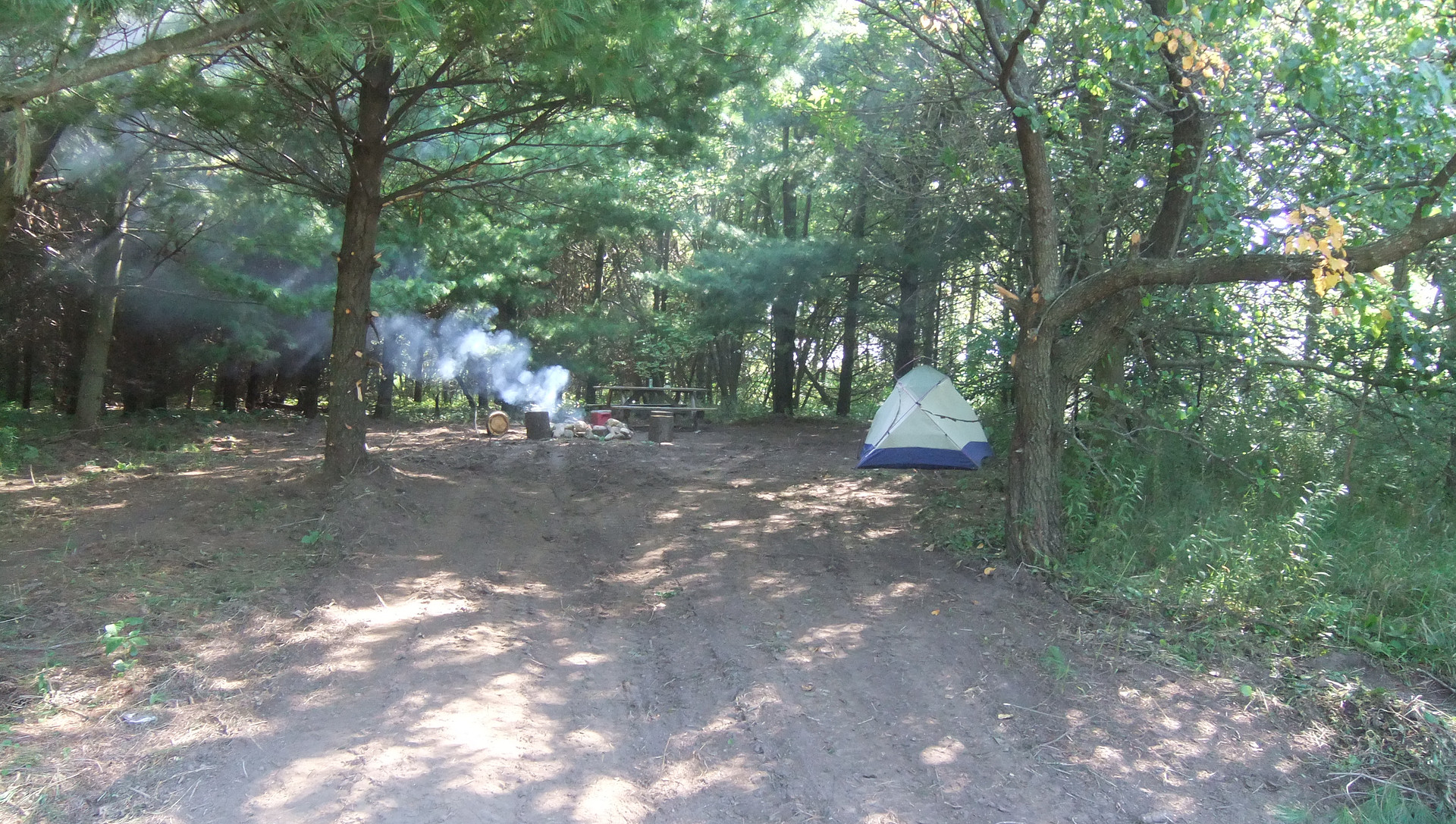
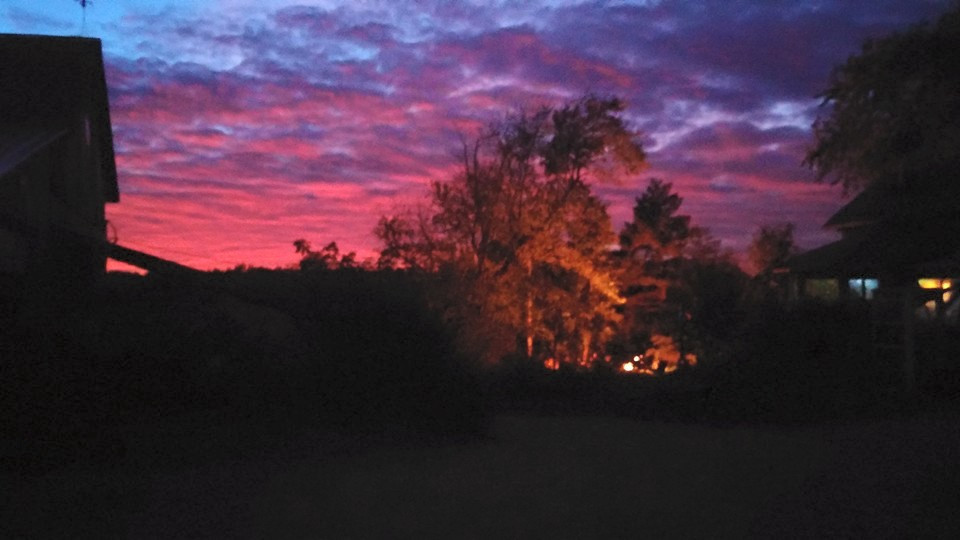
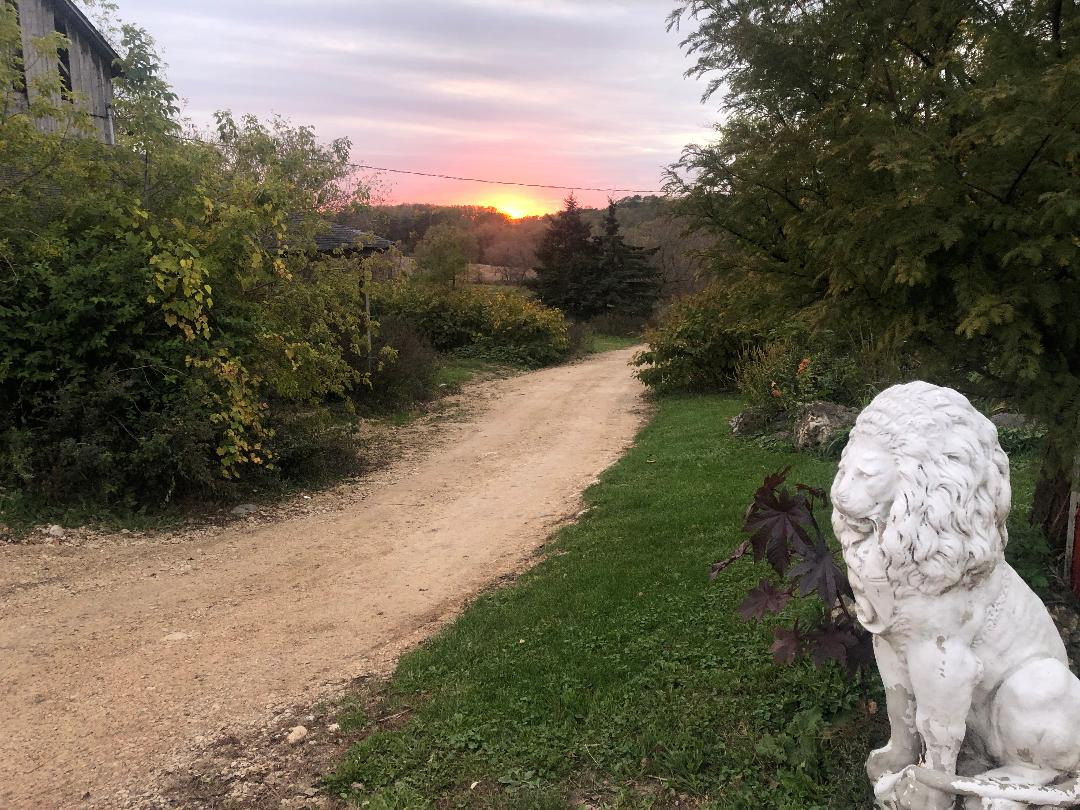
1. Purplehaze Acres


2. Beaver Point Cabin
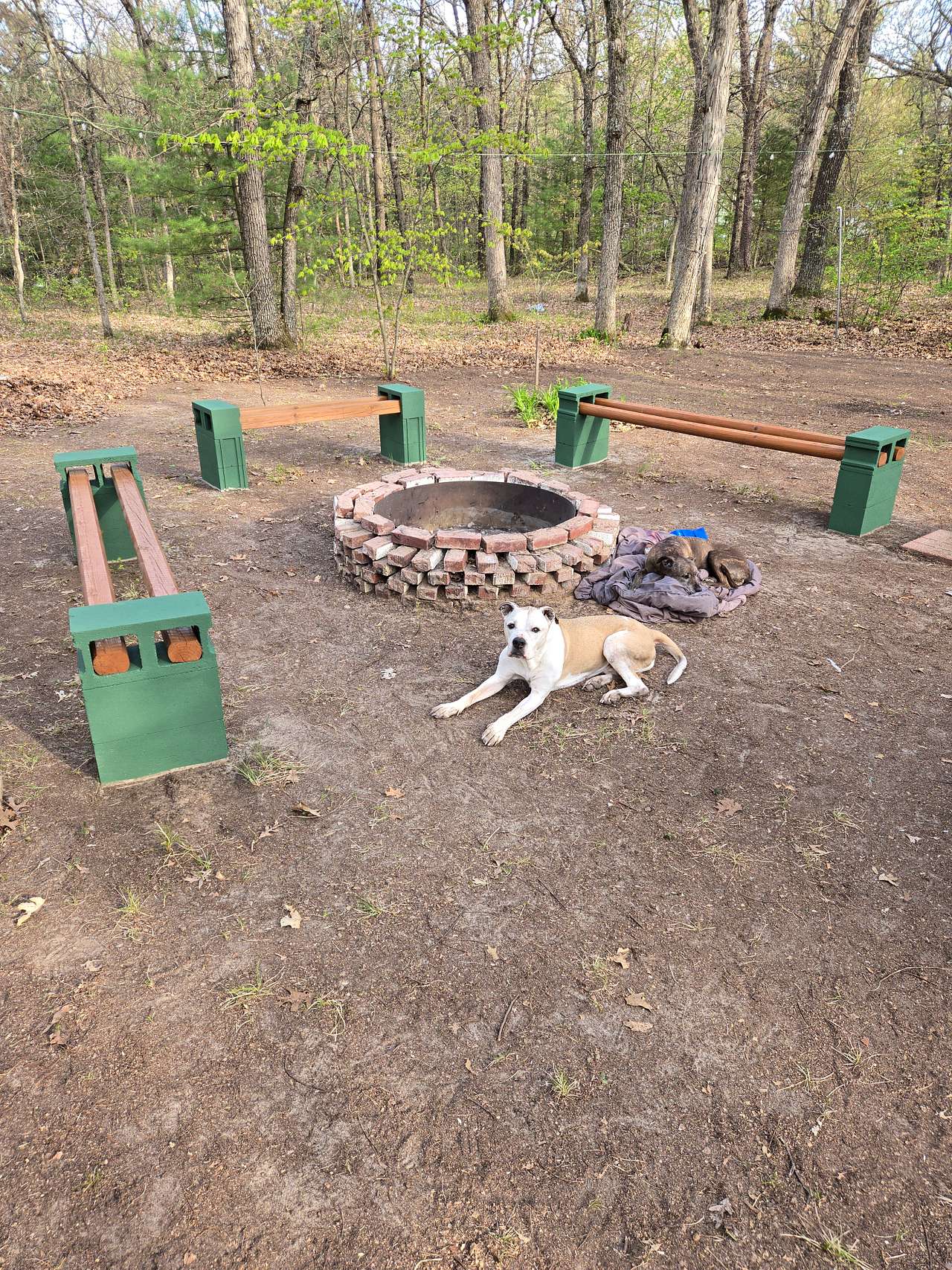
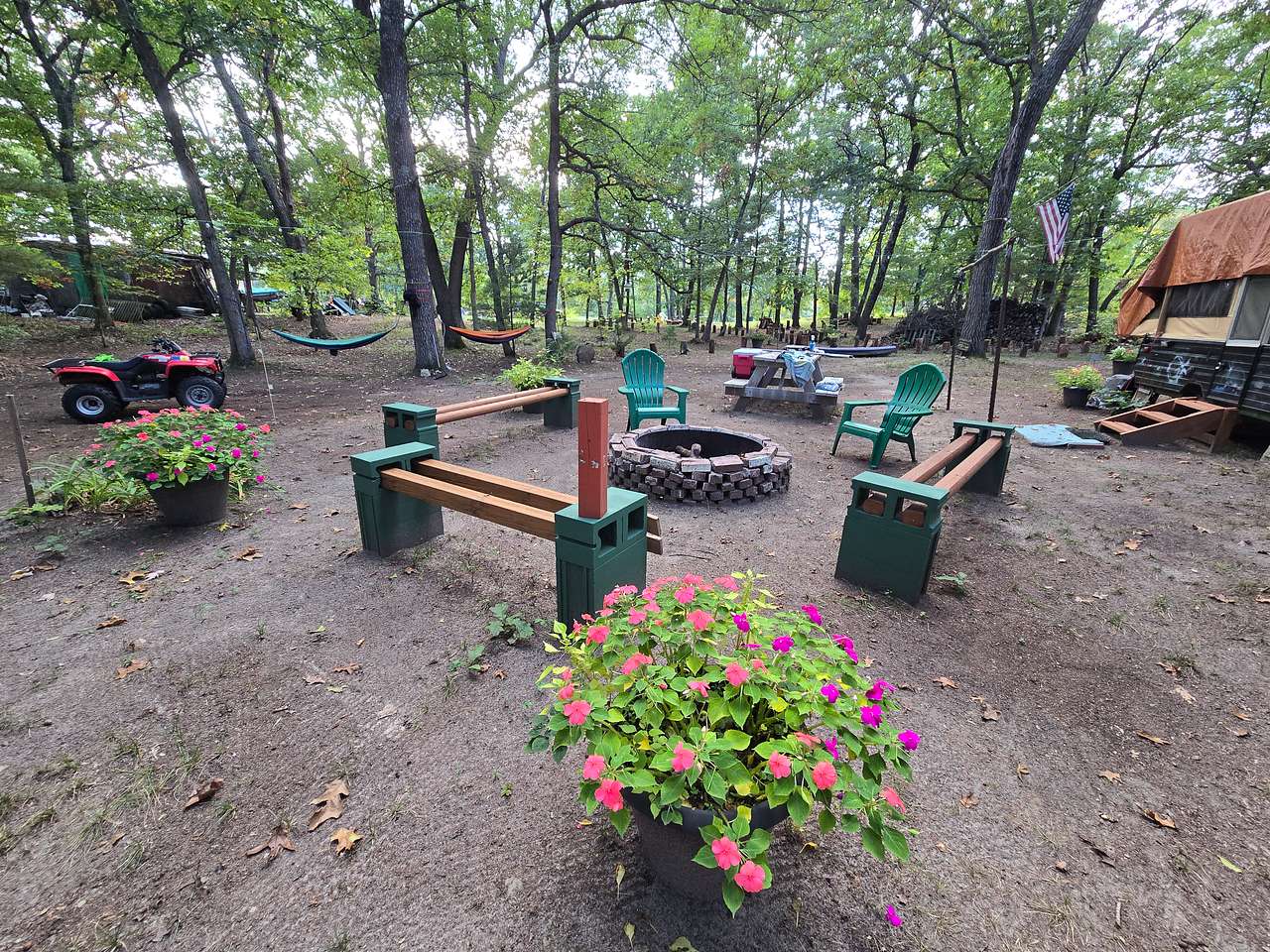
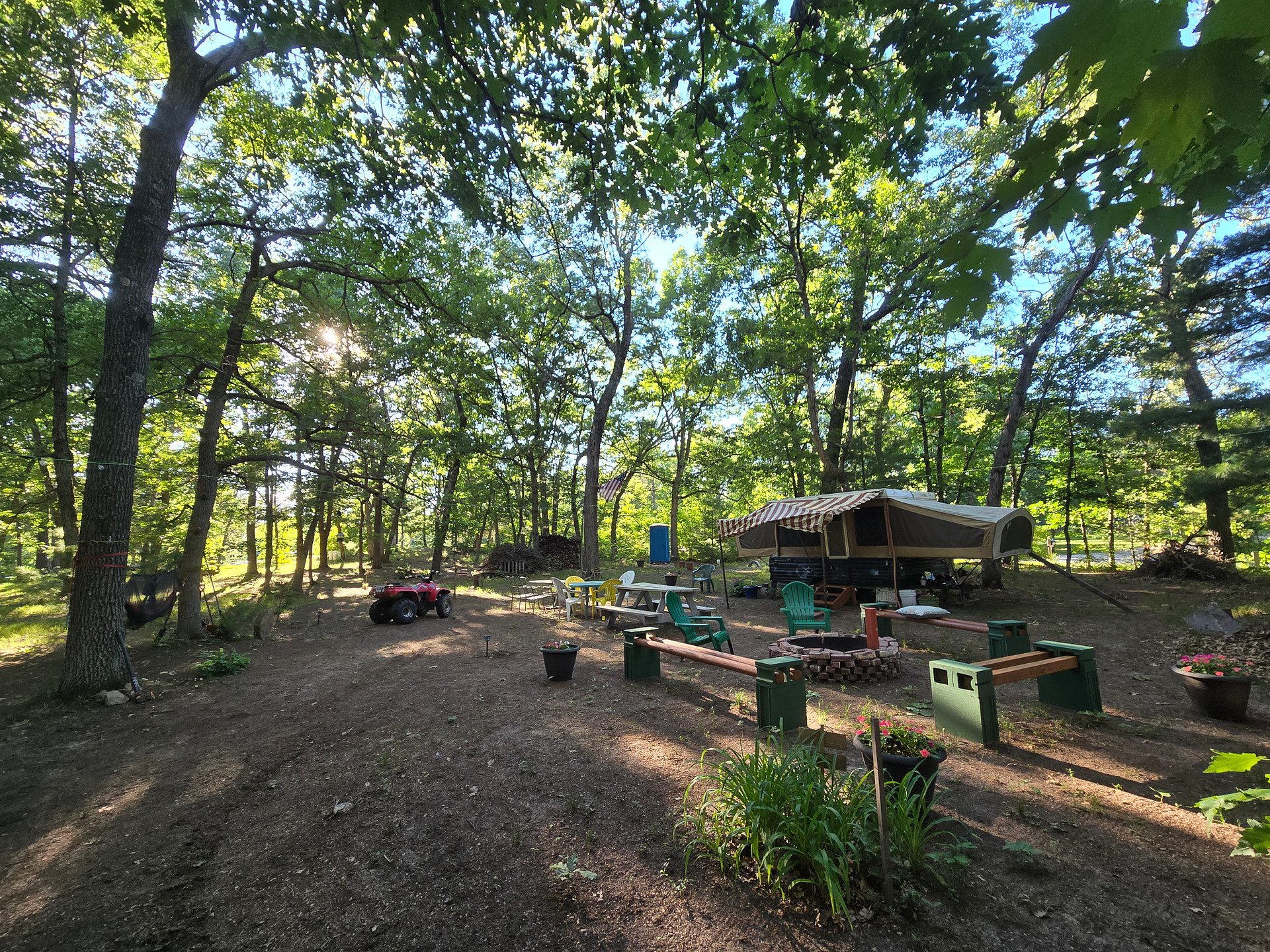
3. Oak Glen Hollow
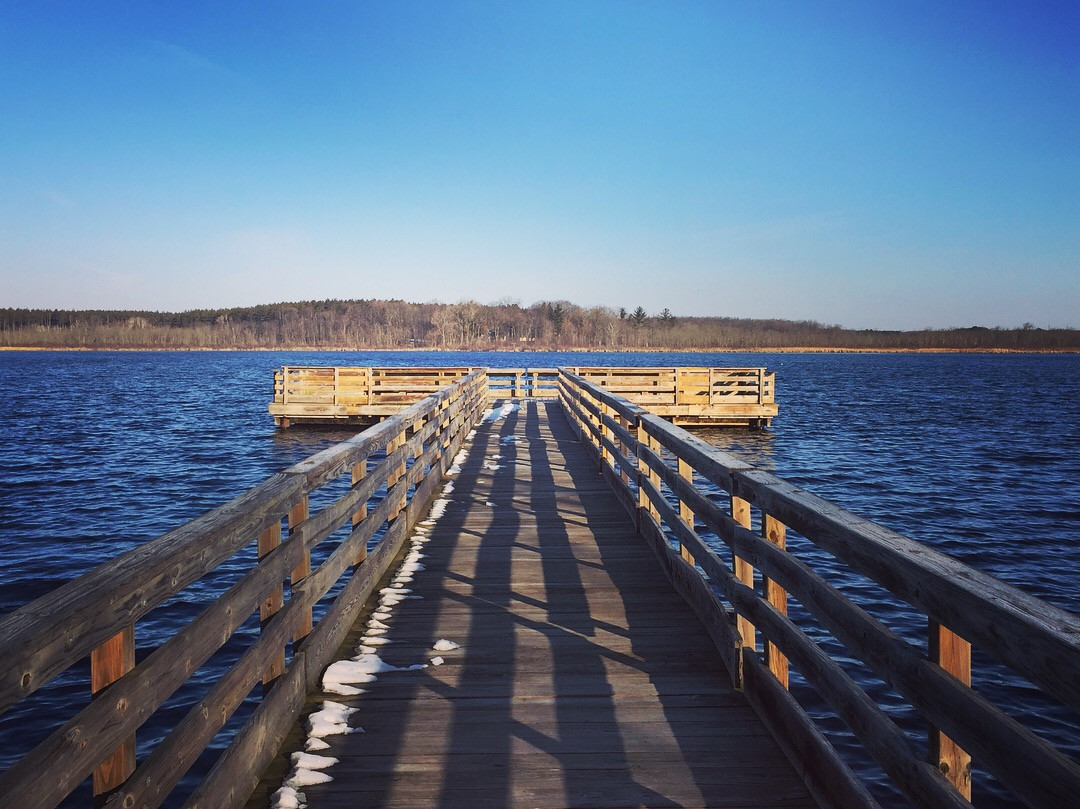
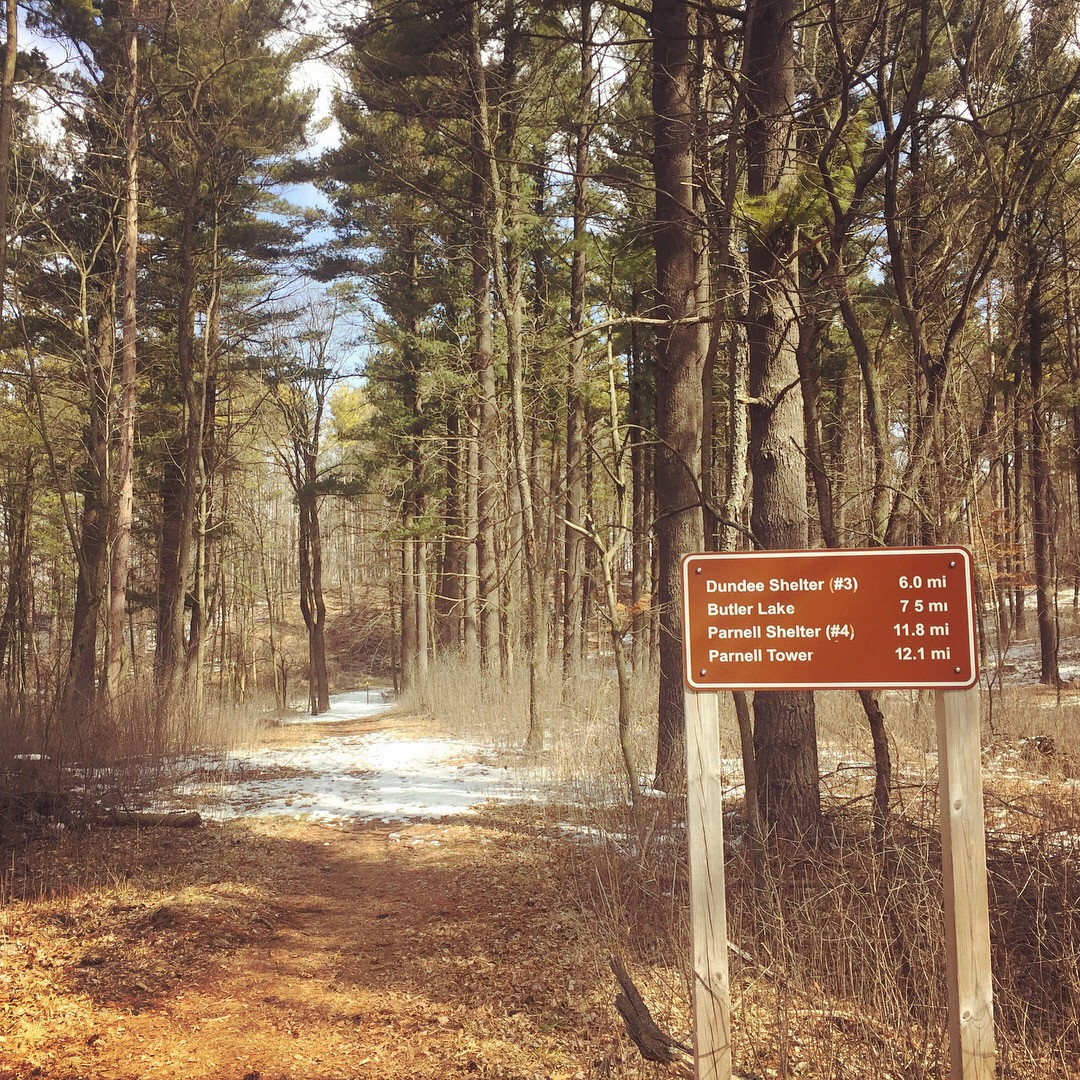
4. Kettle Moraine State Forest (Northern Unit)
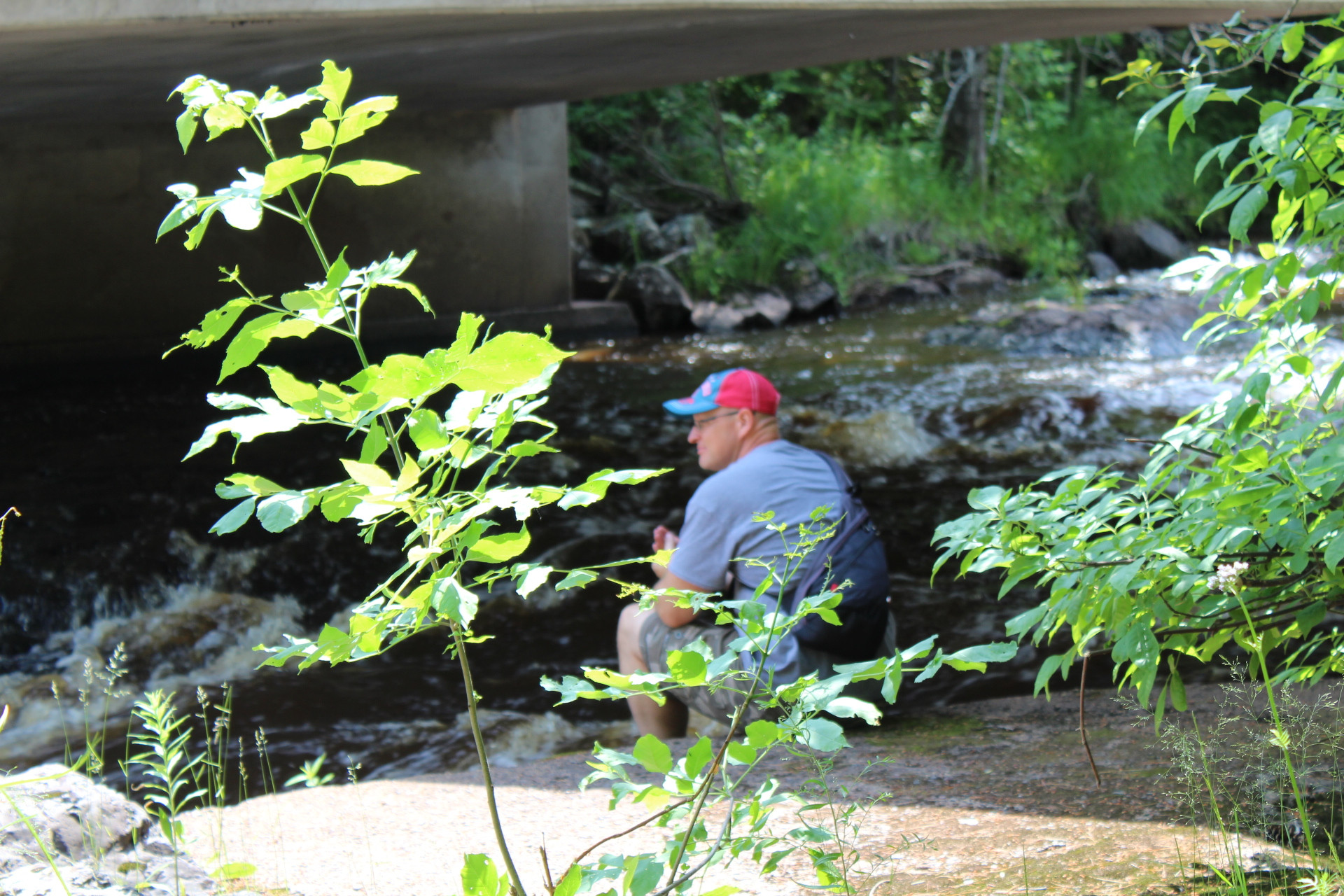
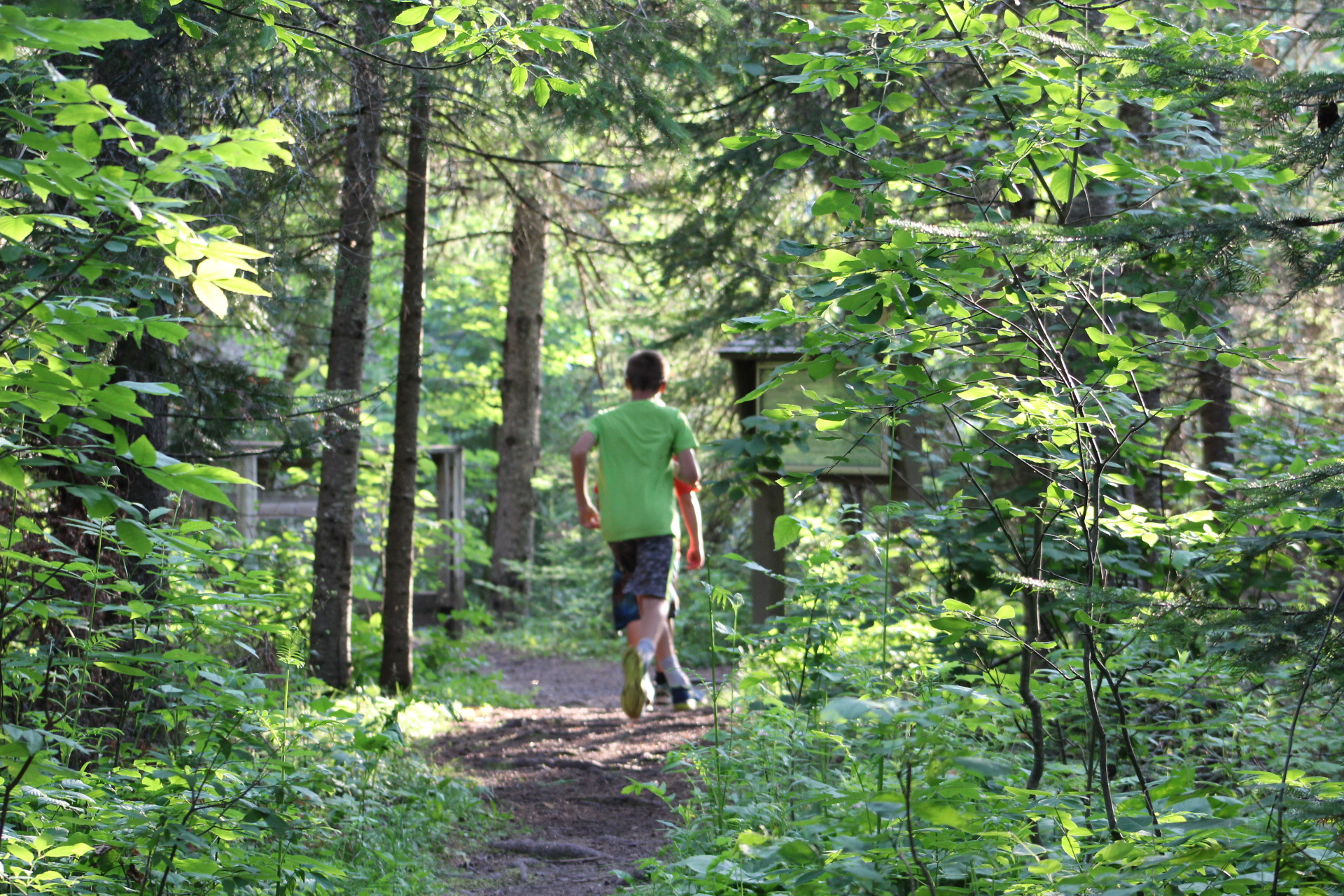
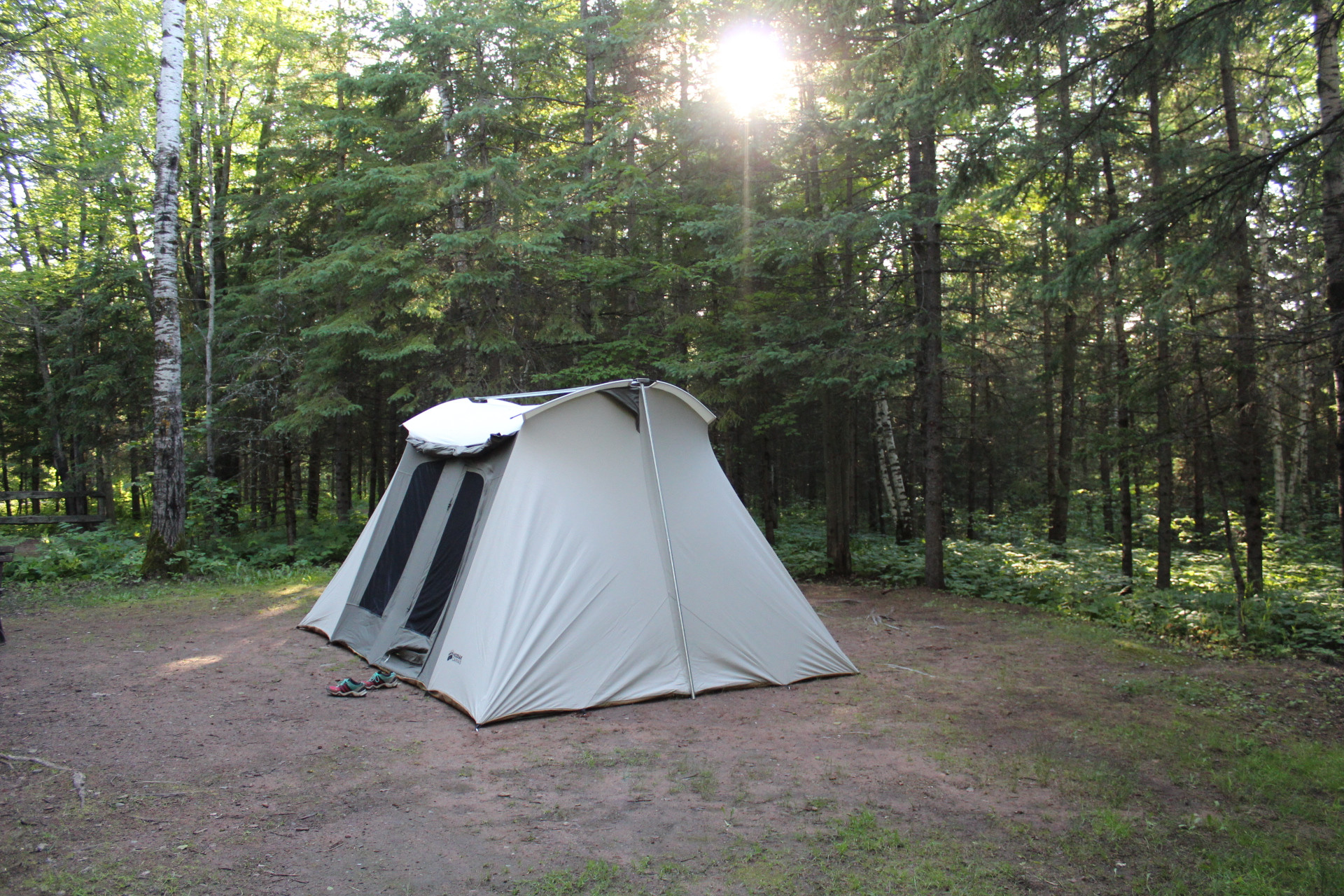
5. Amnicon Falls State Park
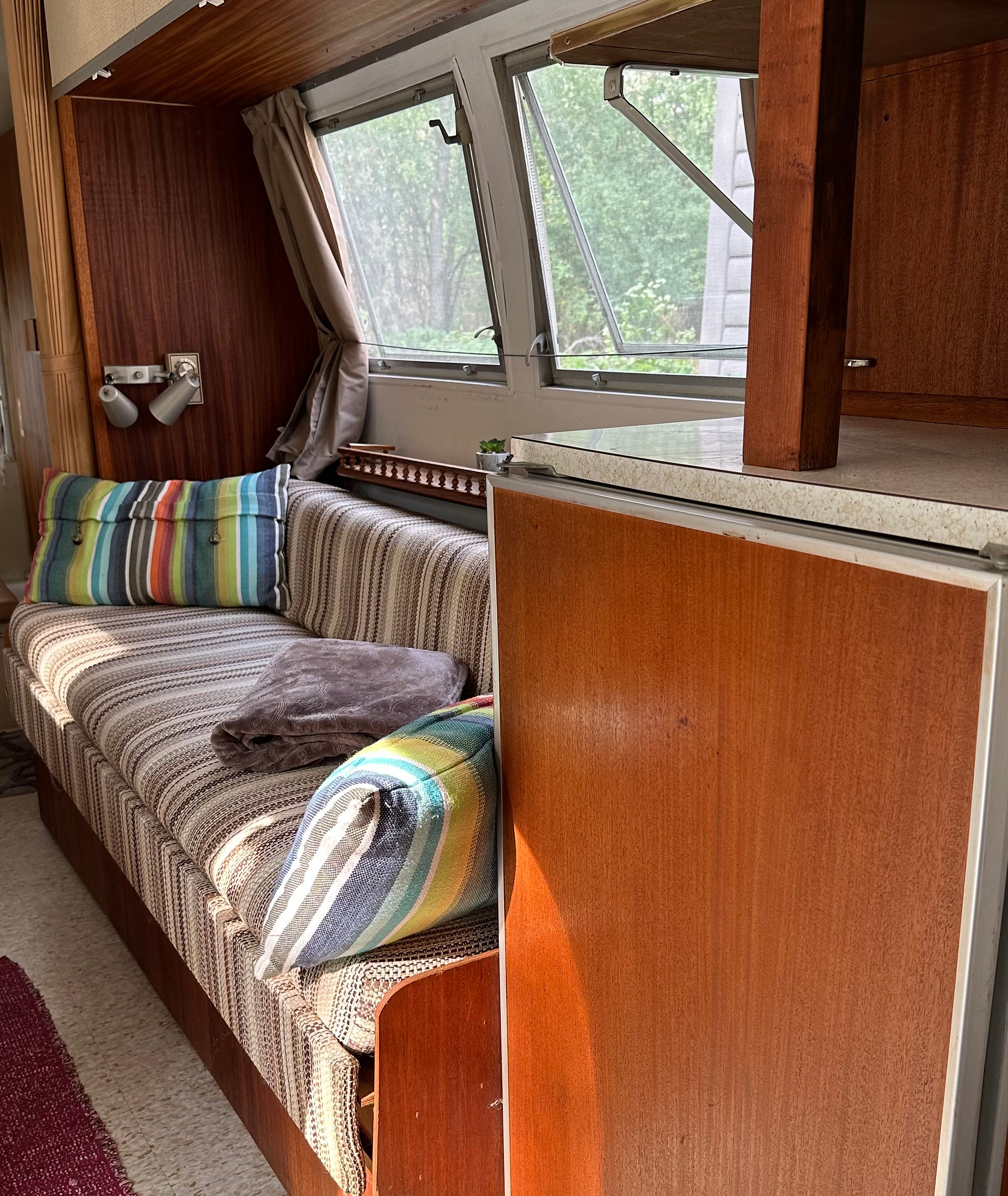
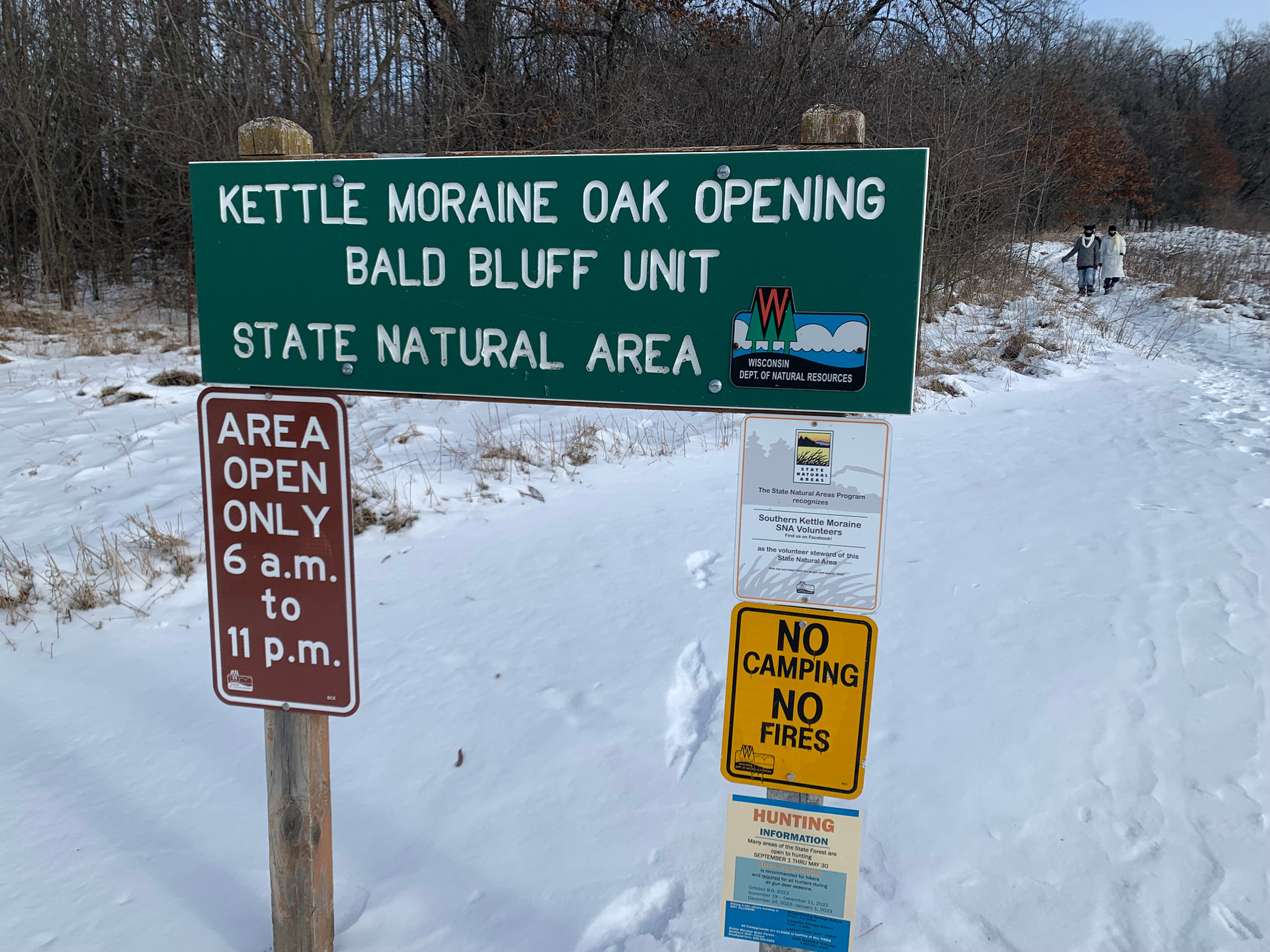
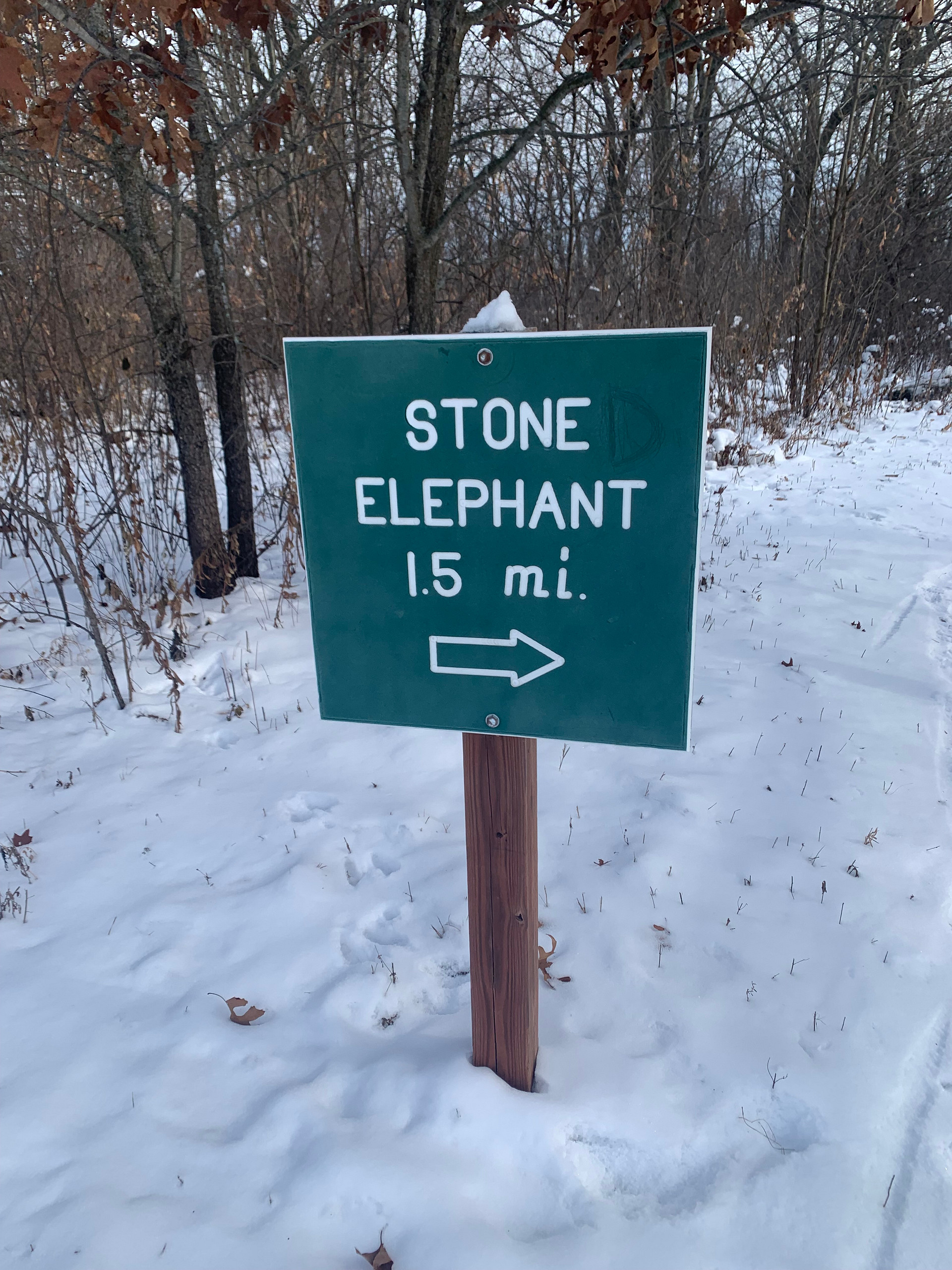
6. Ice Age Retreat
7. Cricket Ranch


8. Terra Growers Organic Farm

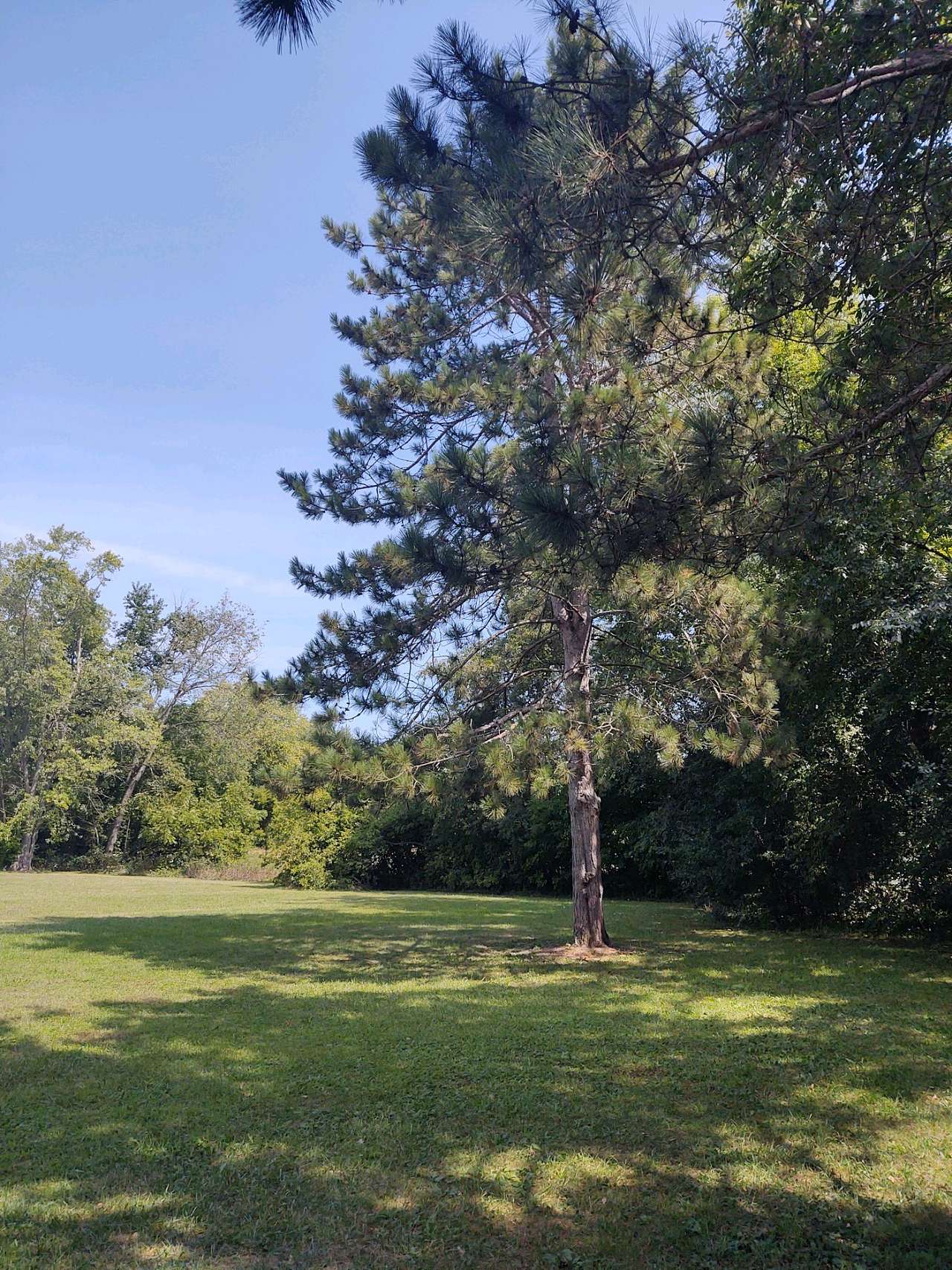
9. Auch Farm.
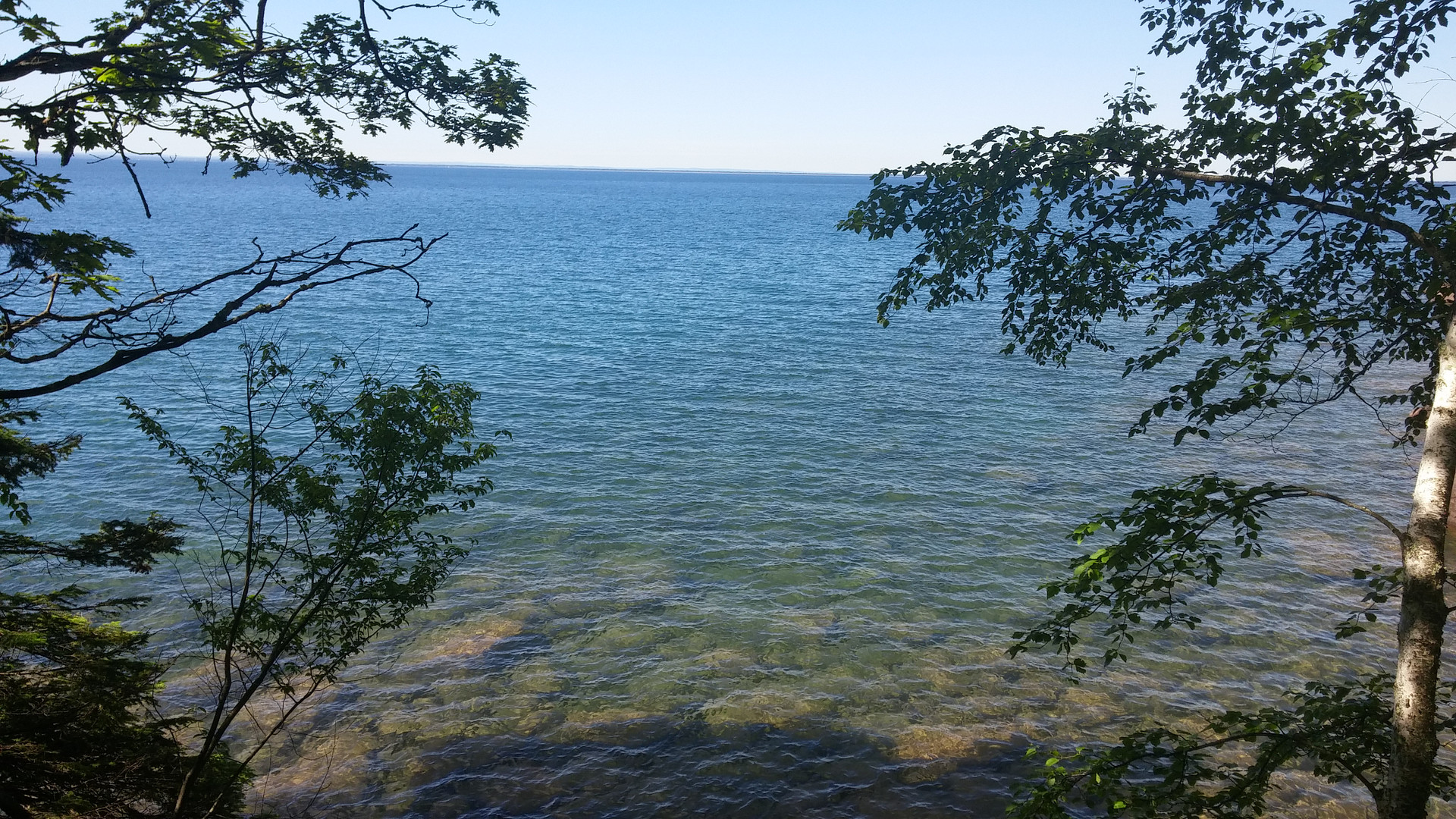
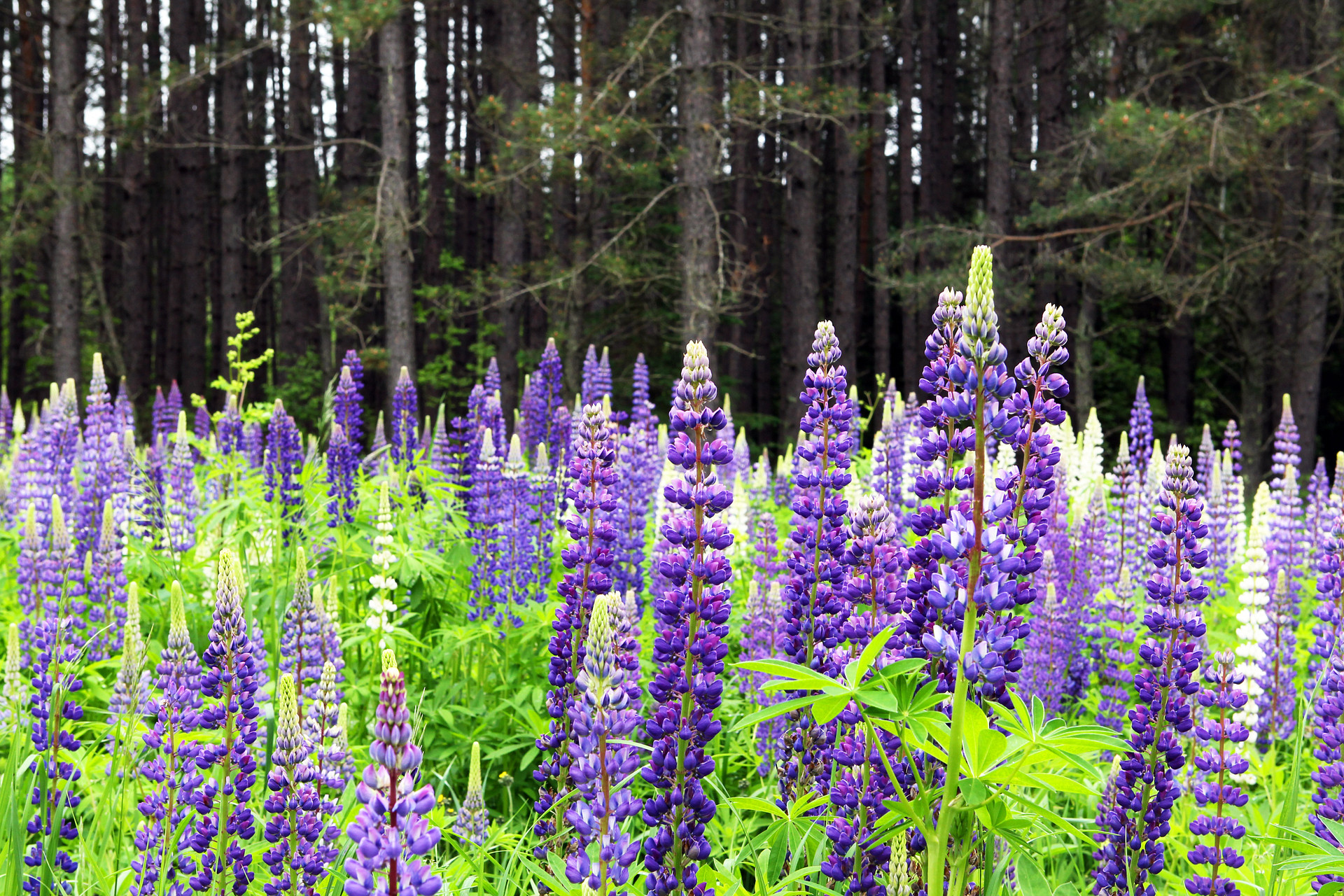
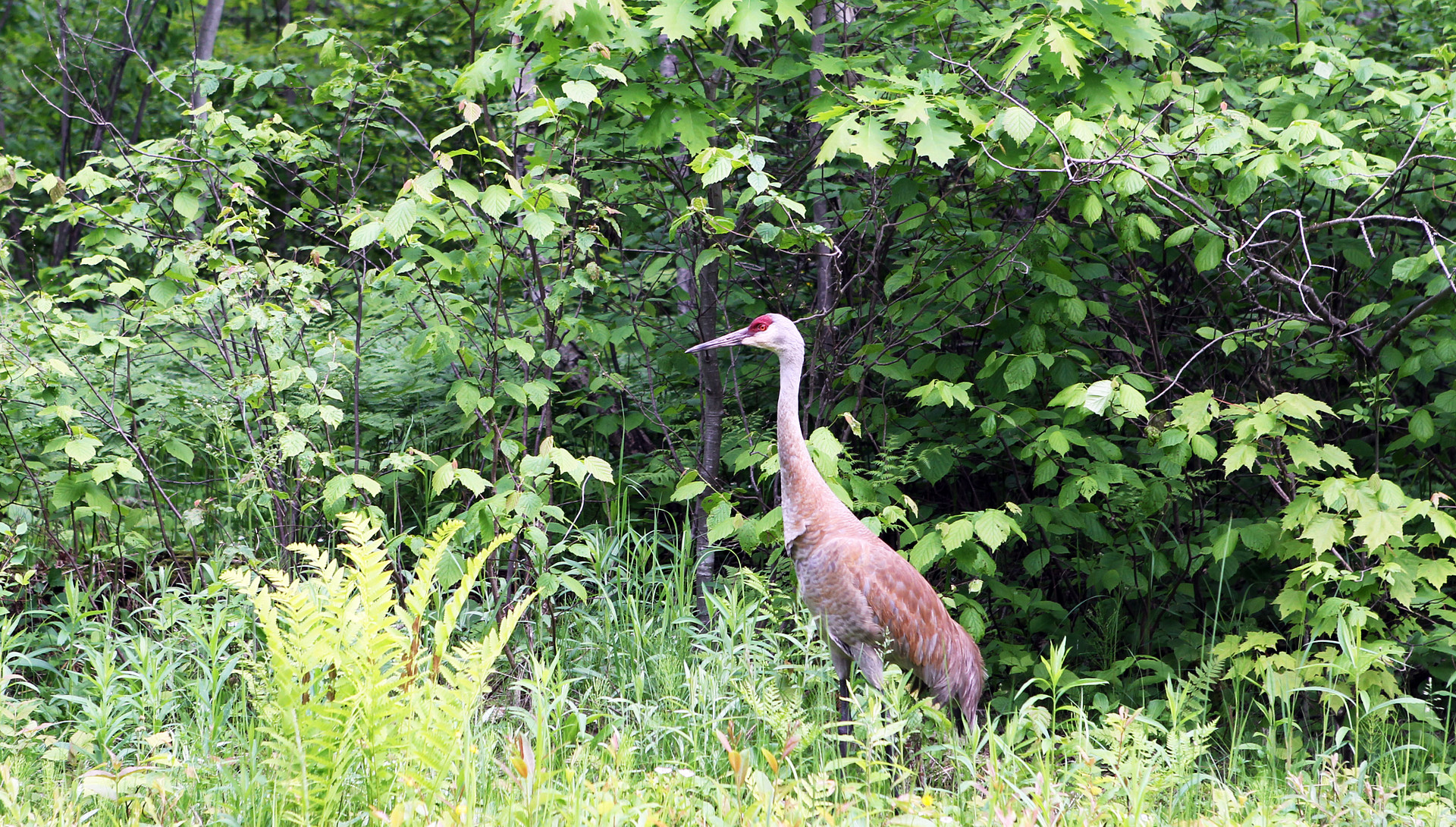
10. Big Bay State Park
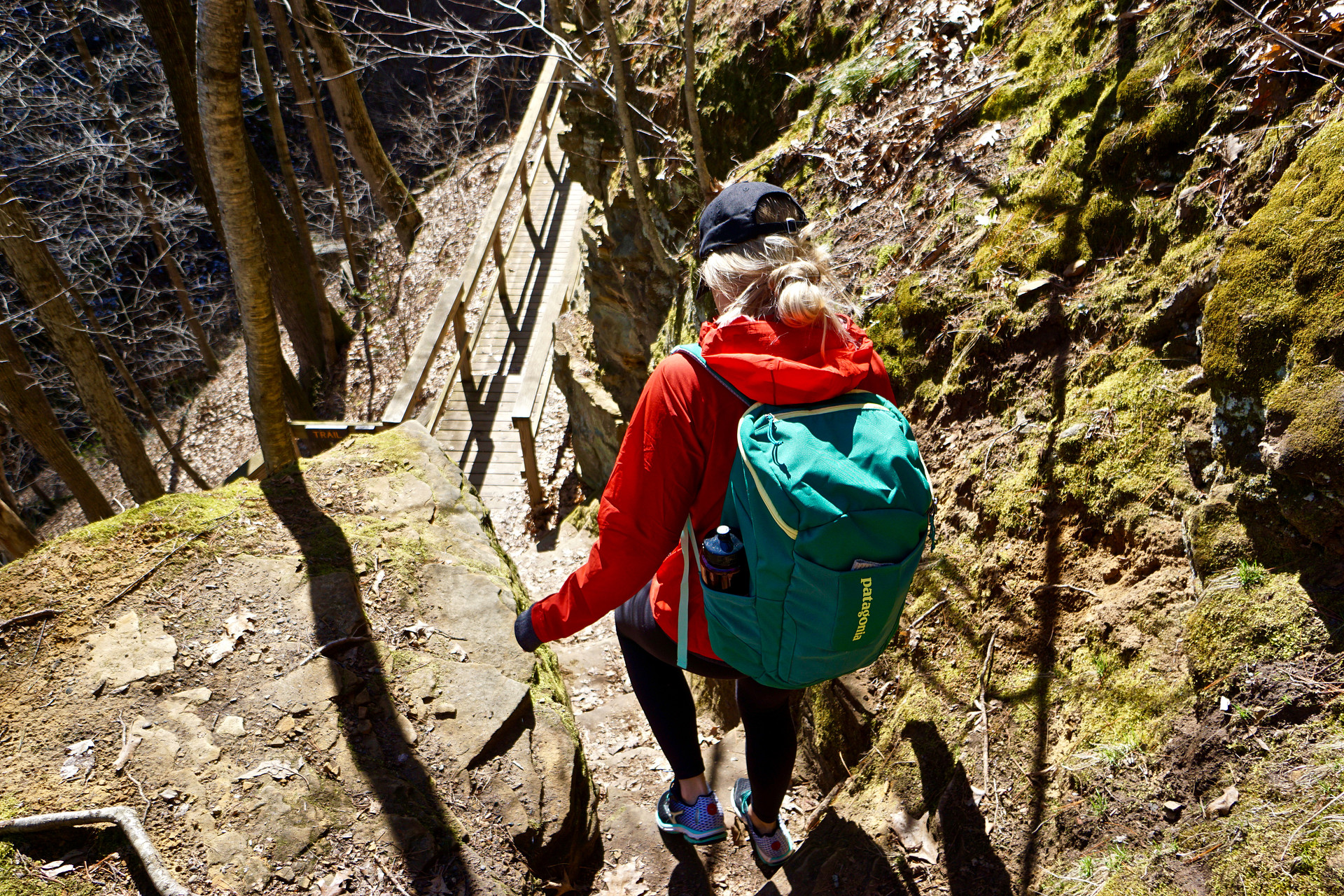
11. Interstate State Park
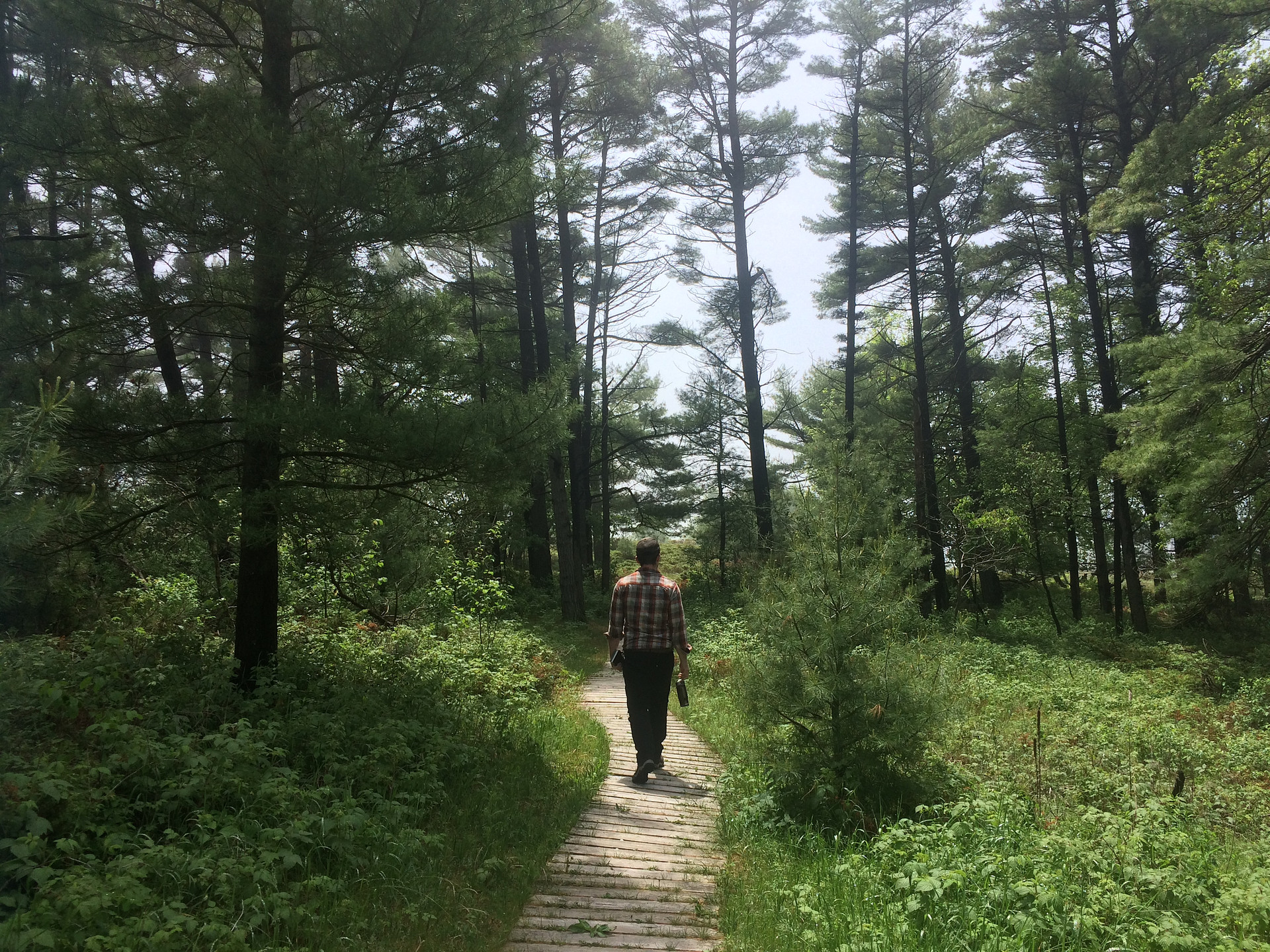
12. Kohler-Andrae State Park
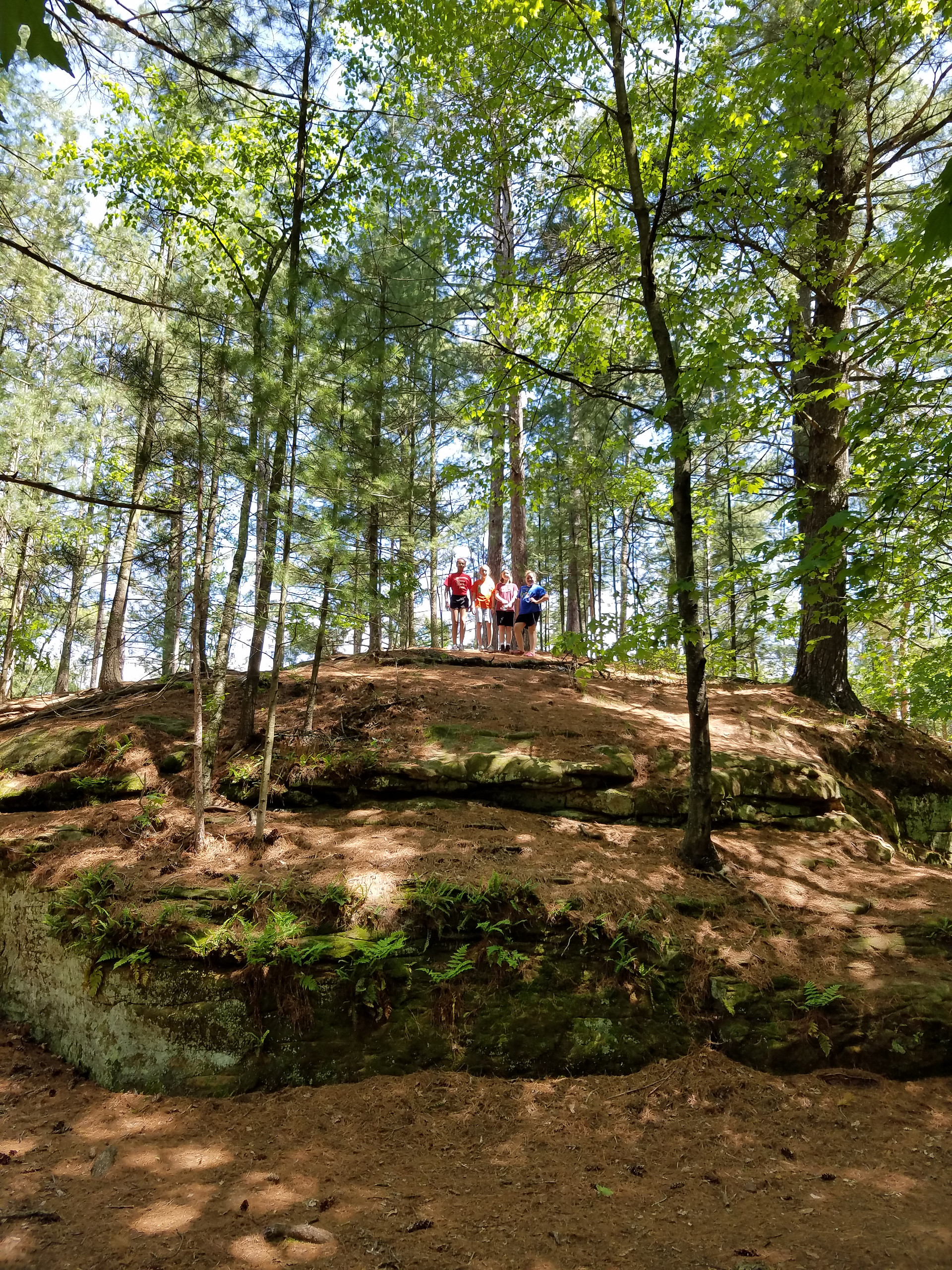
13. Mirror Lake State Park
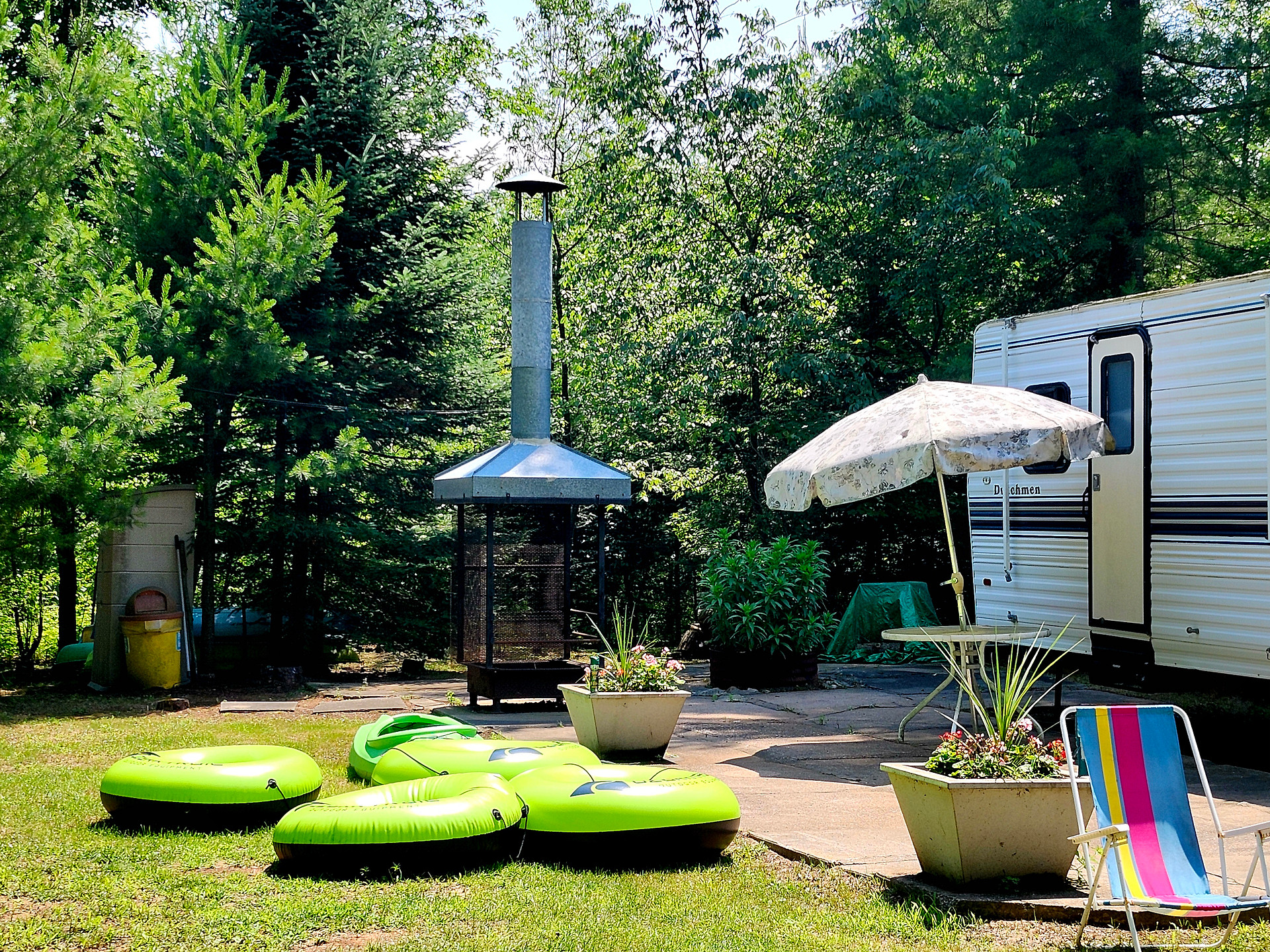
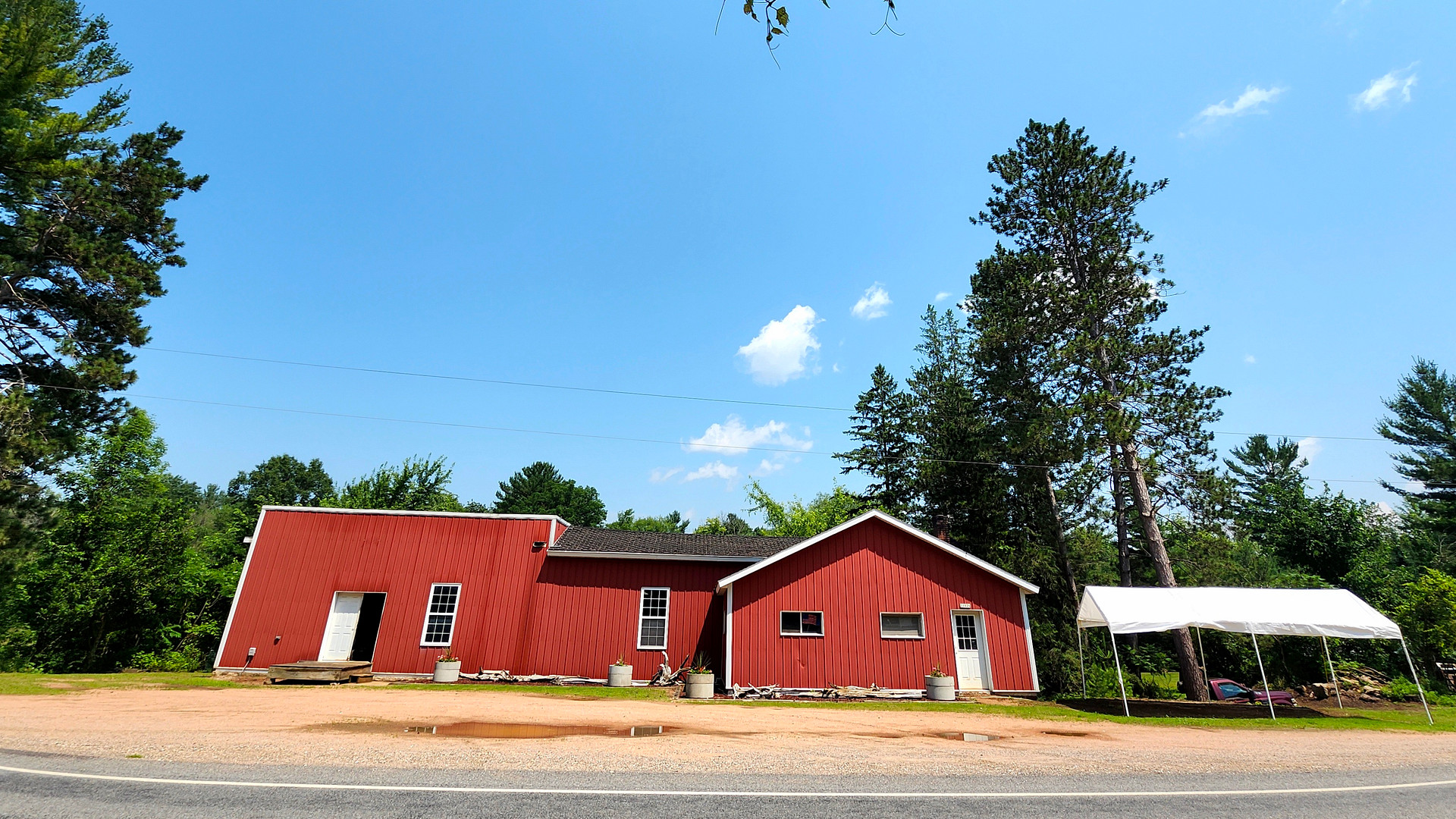
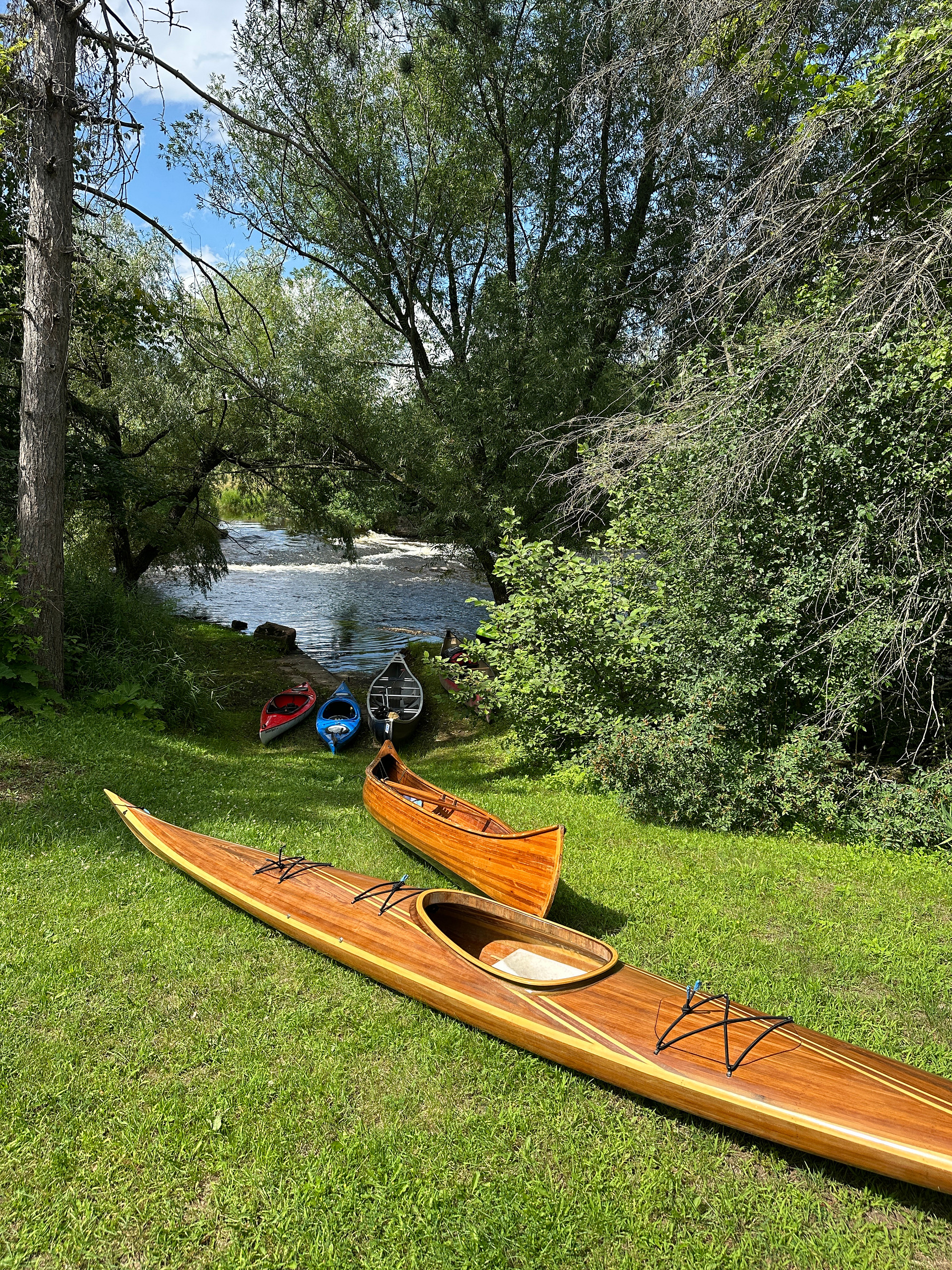
14. Old Red Mill Oasis
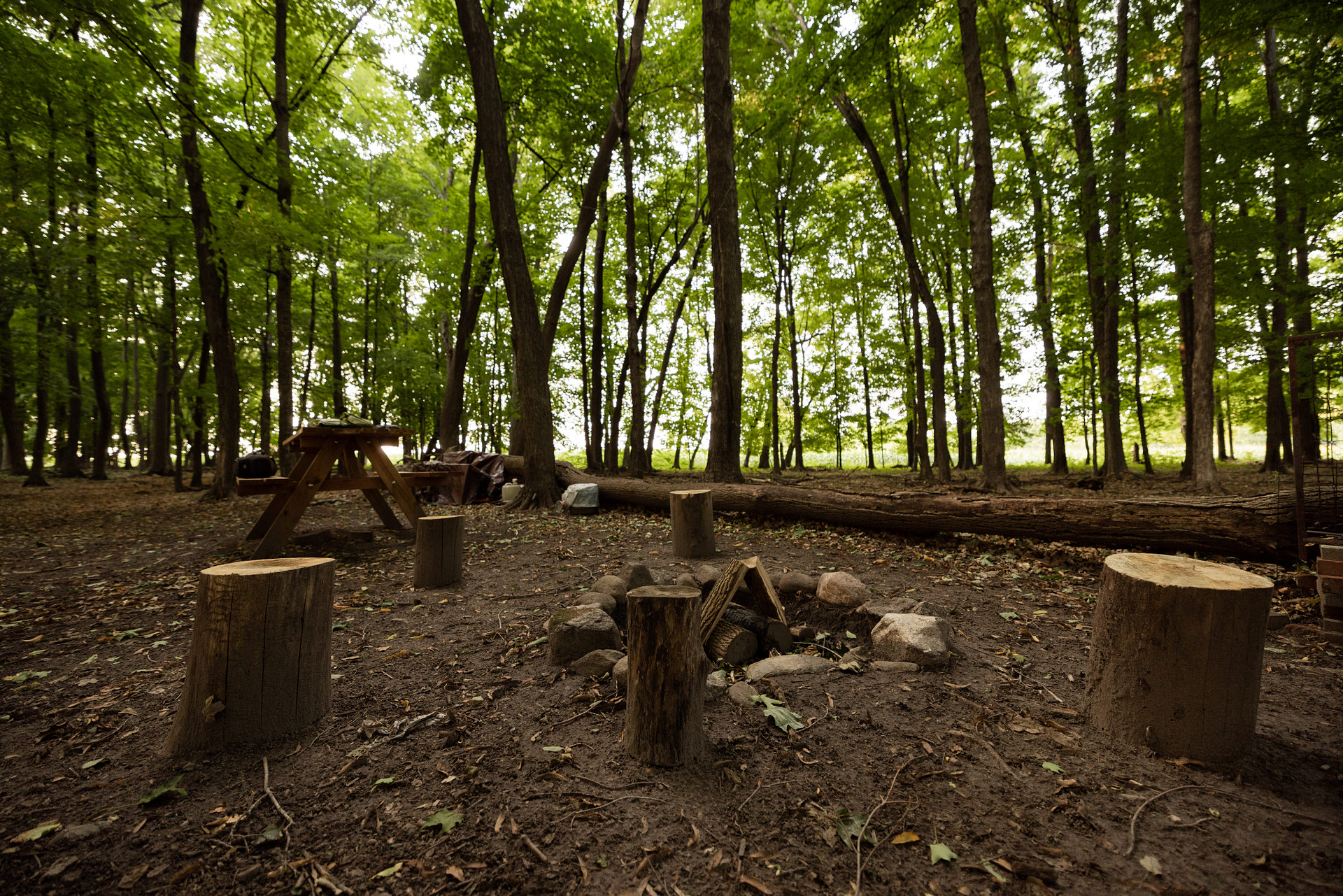
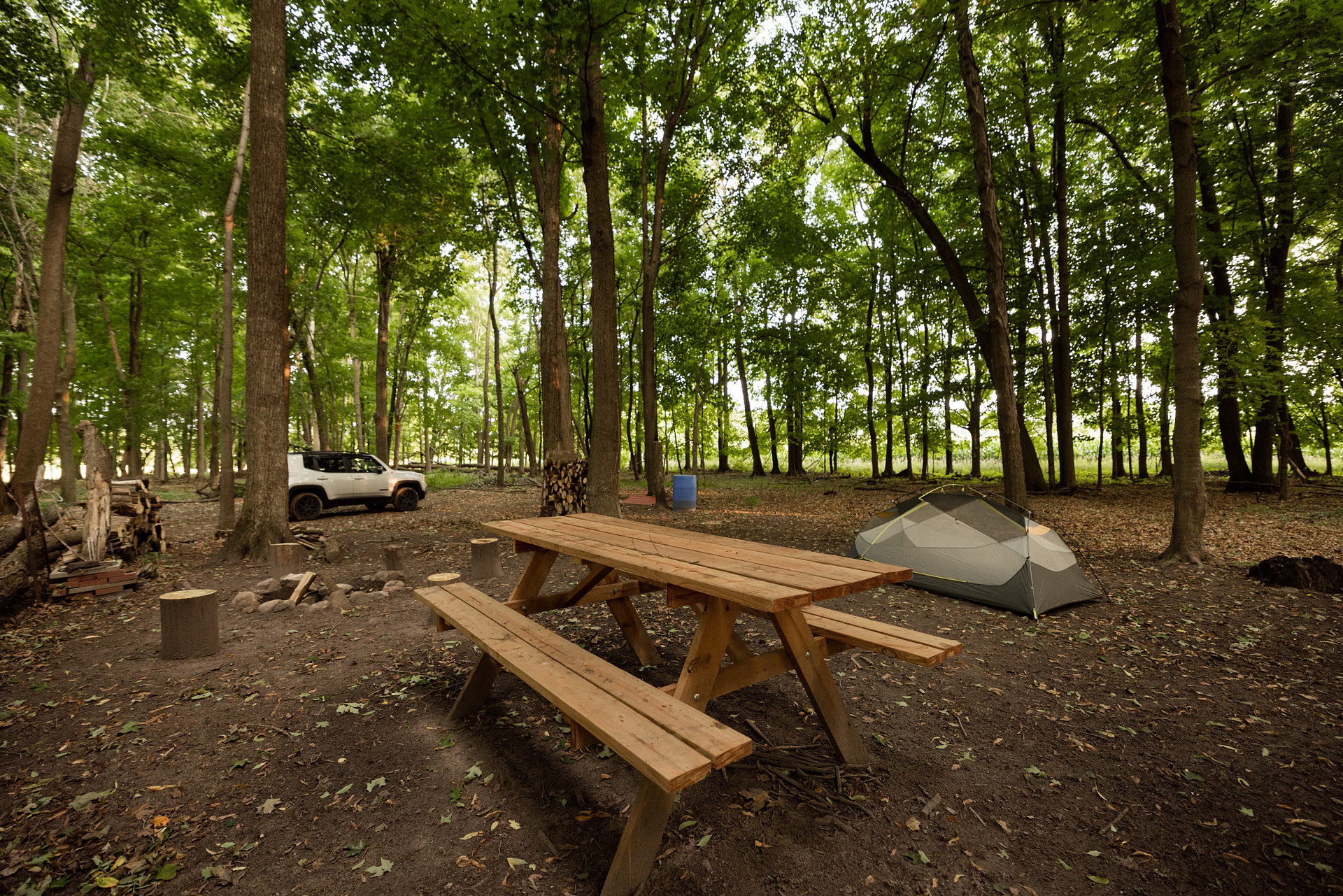
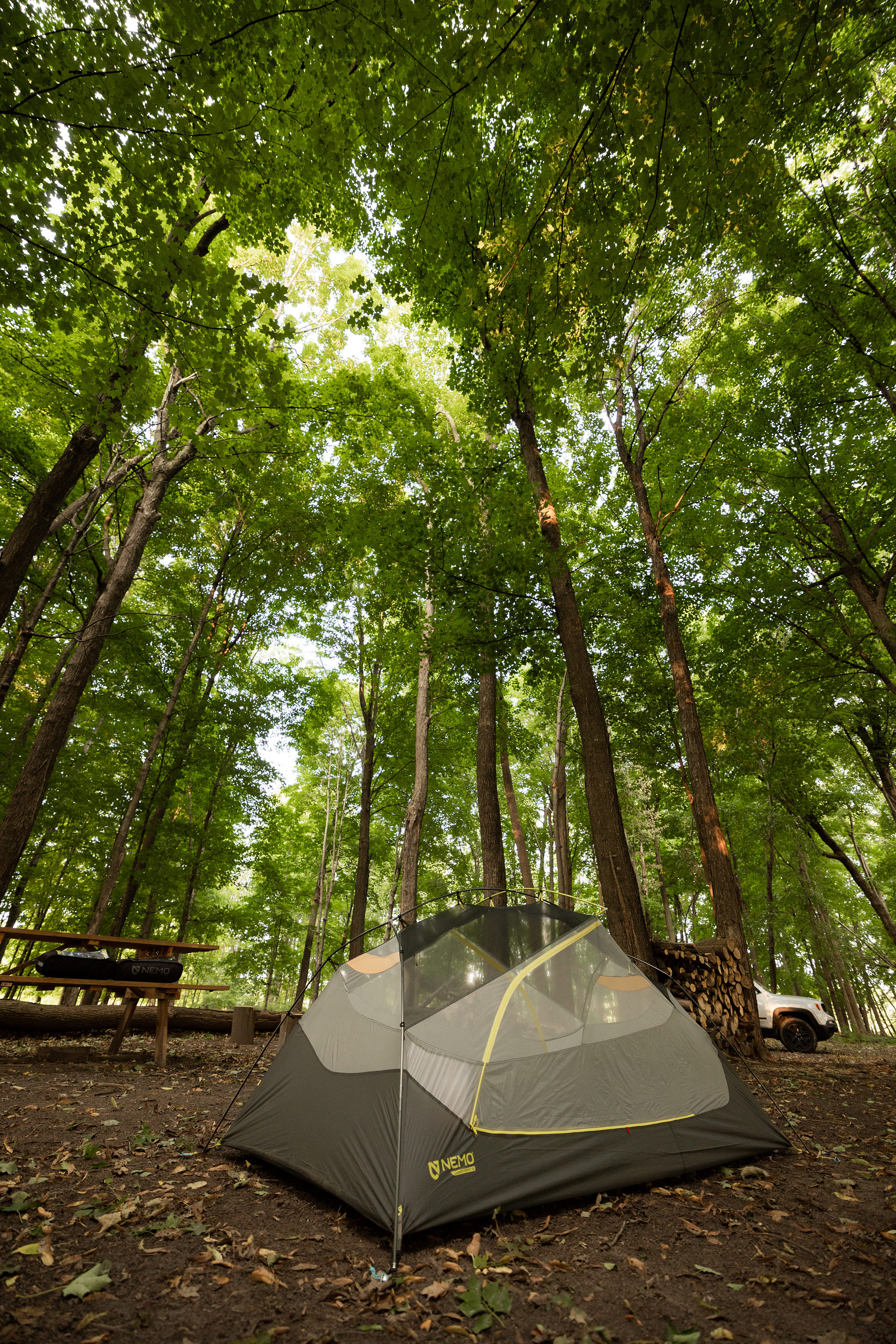
15. Bouressa Family Farm
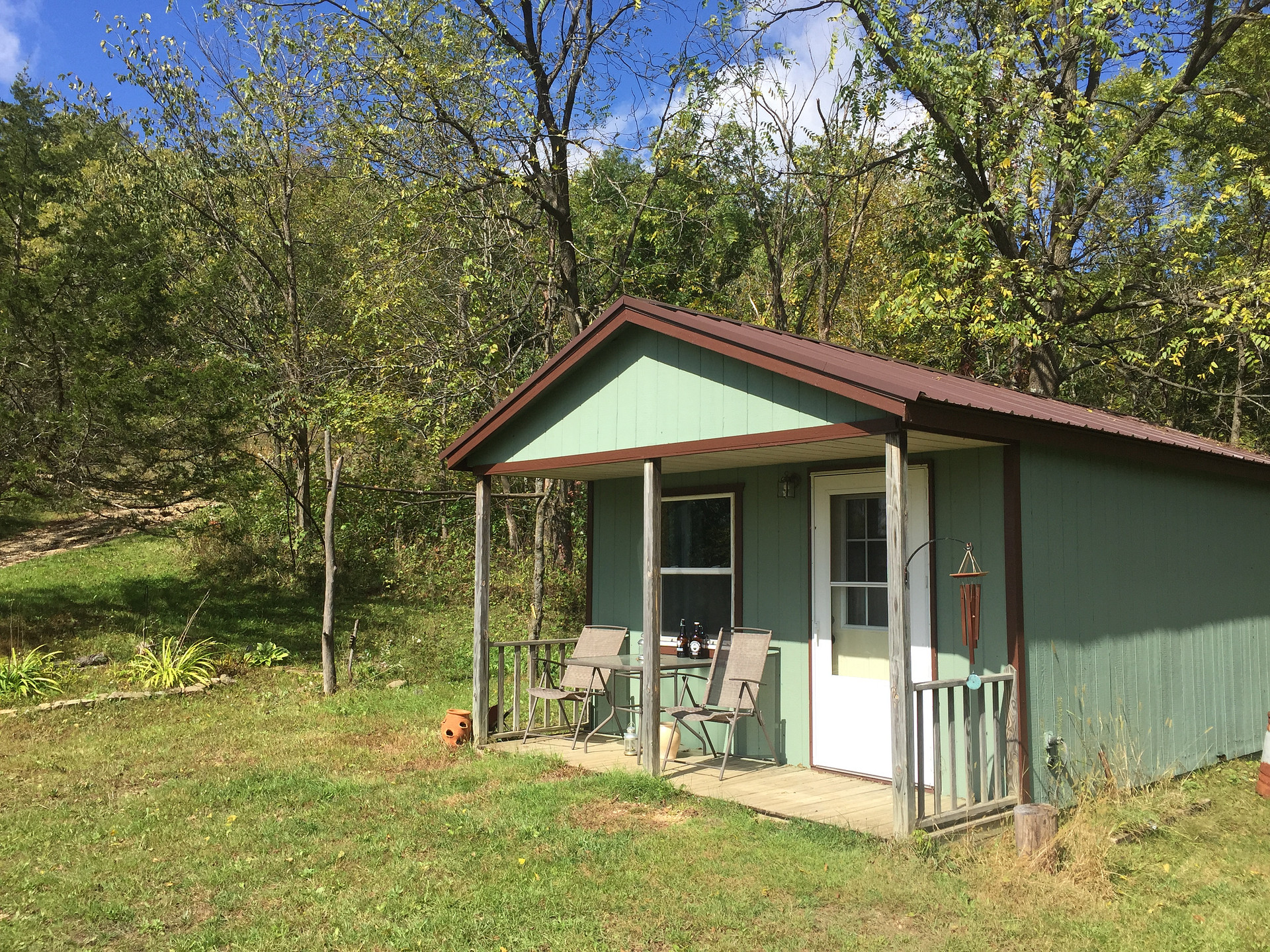
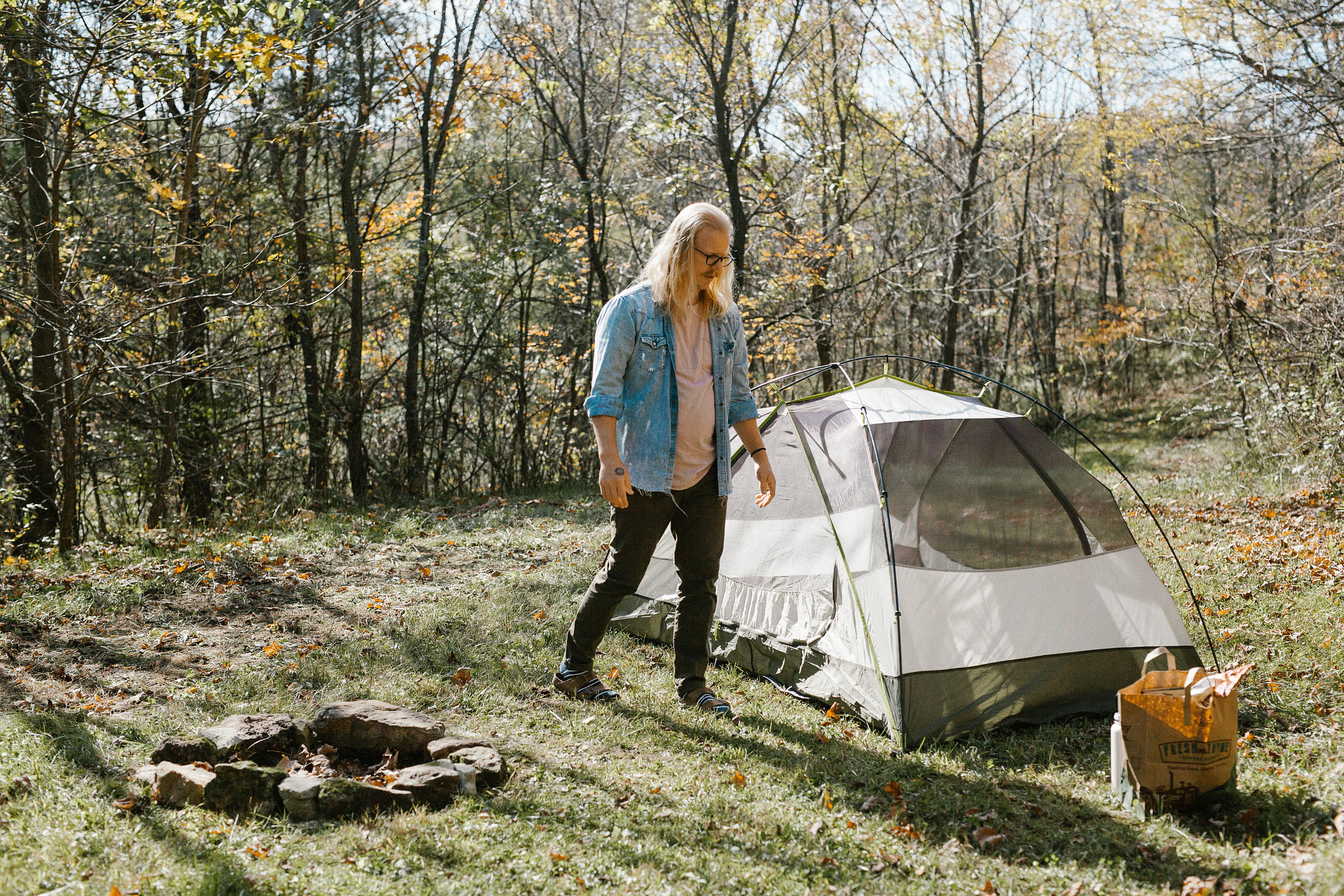
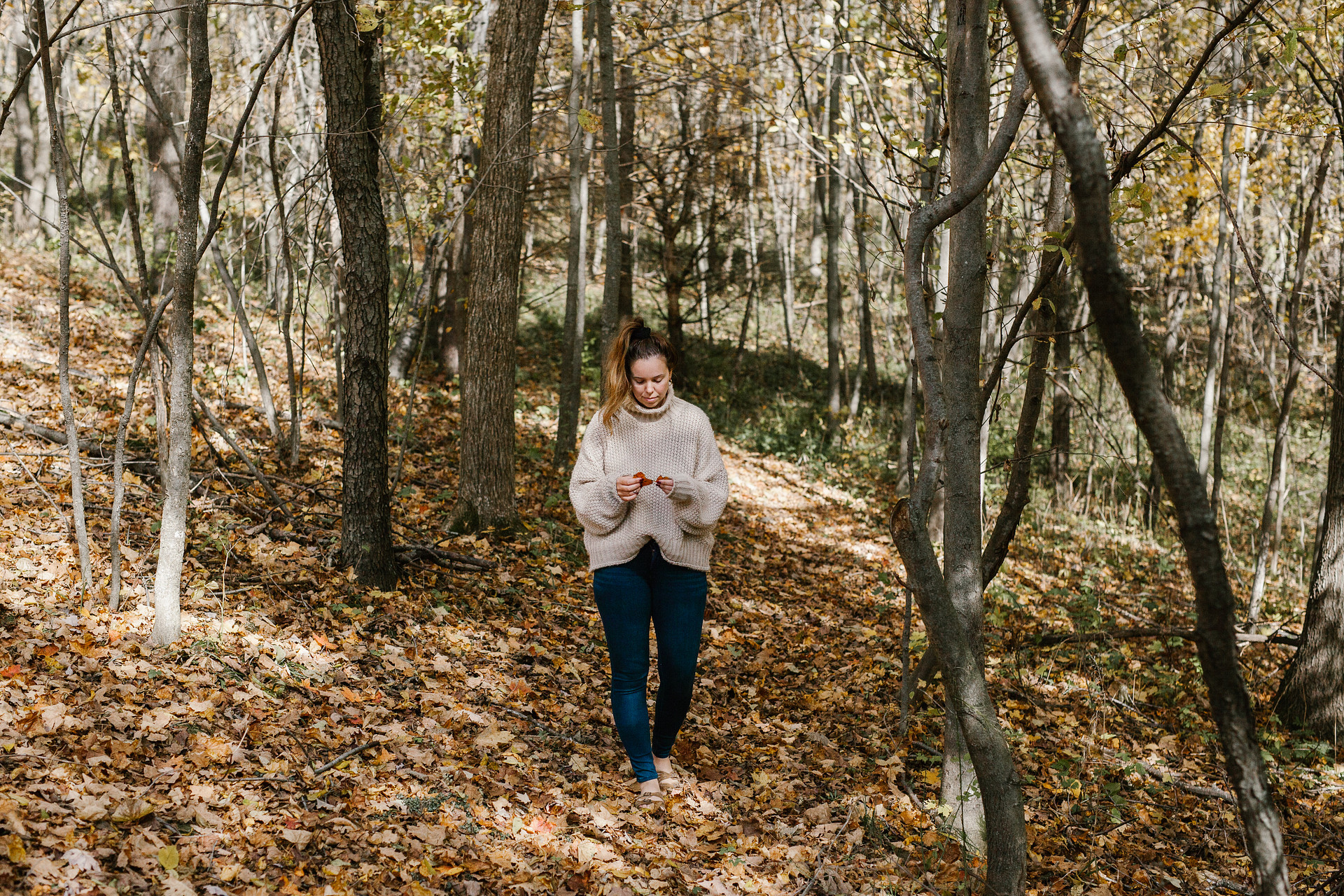
16. Healing Hills


17. Bad River Wilderness
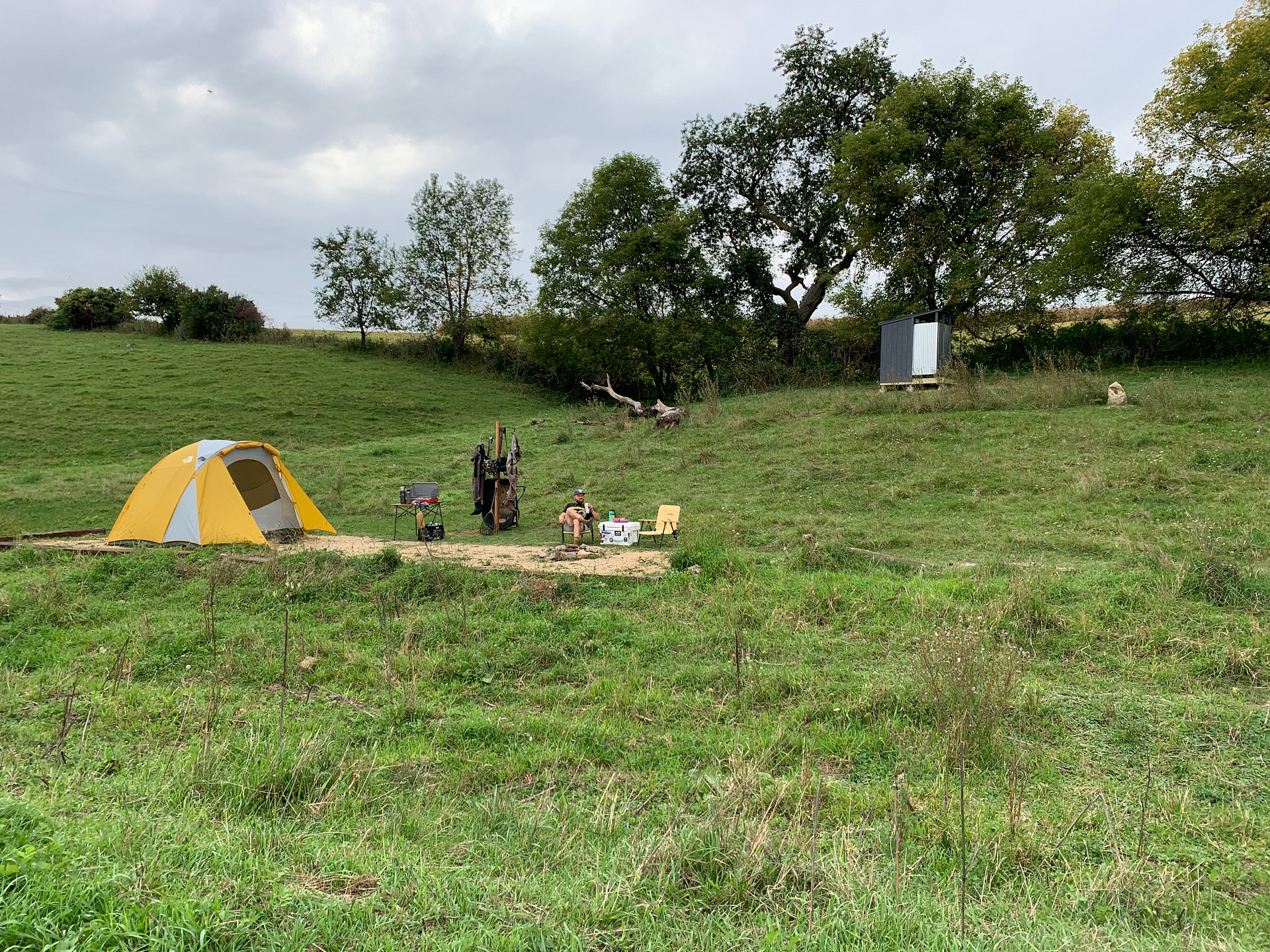
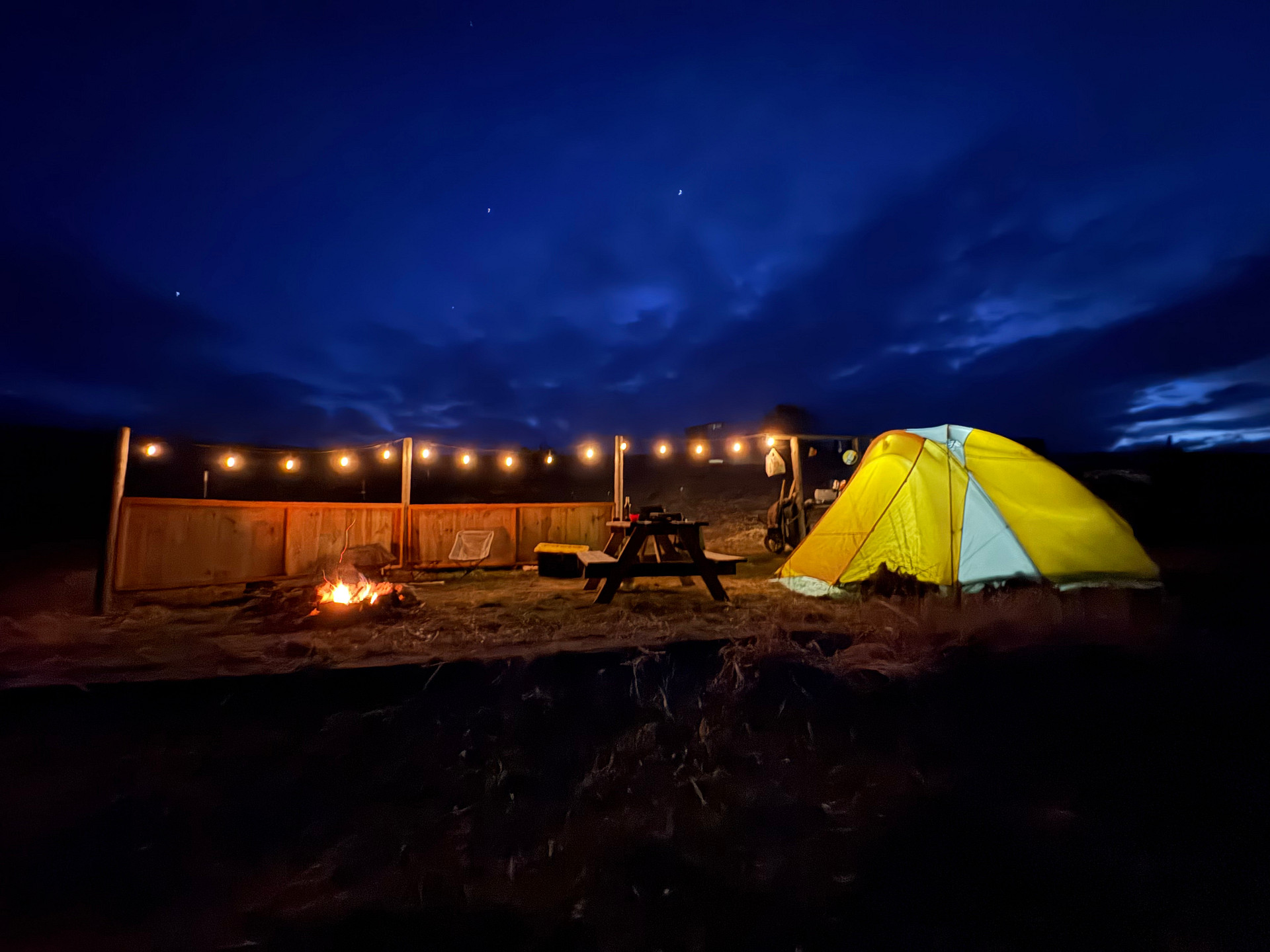
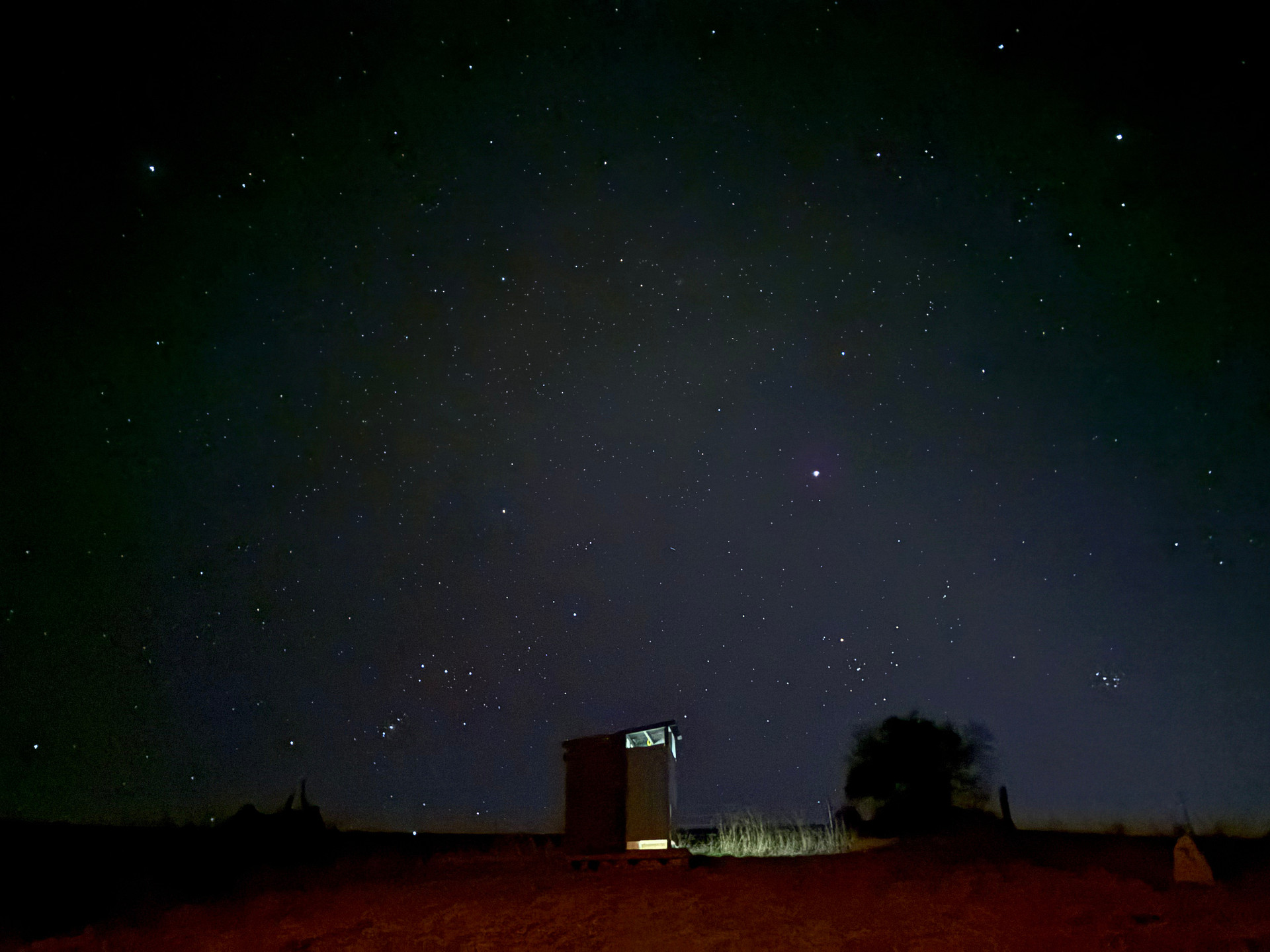
18. S-Camp at Turtle Head Rock
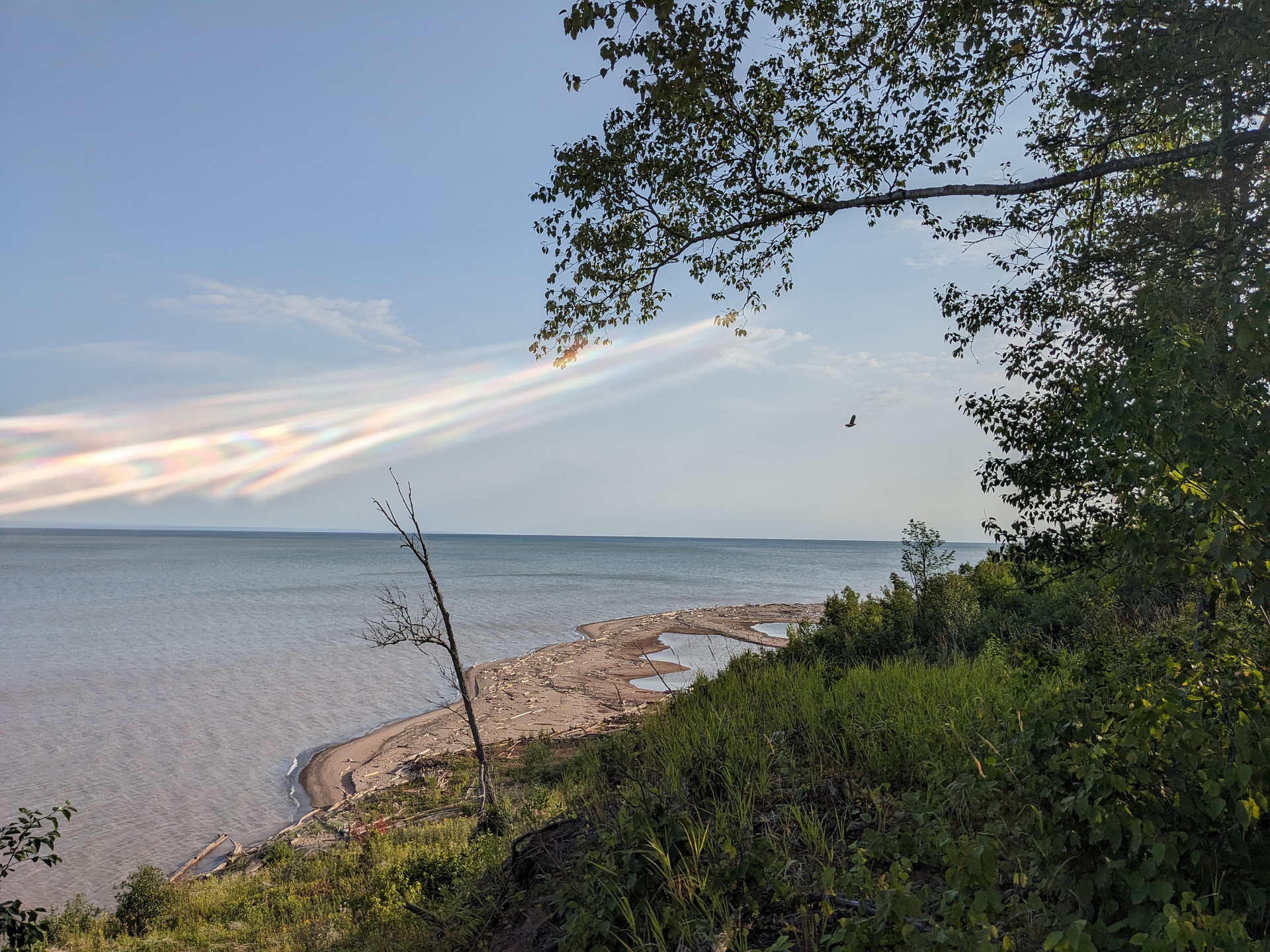
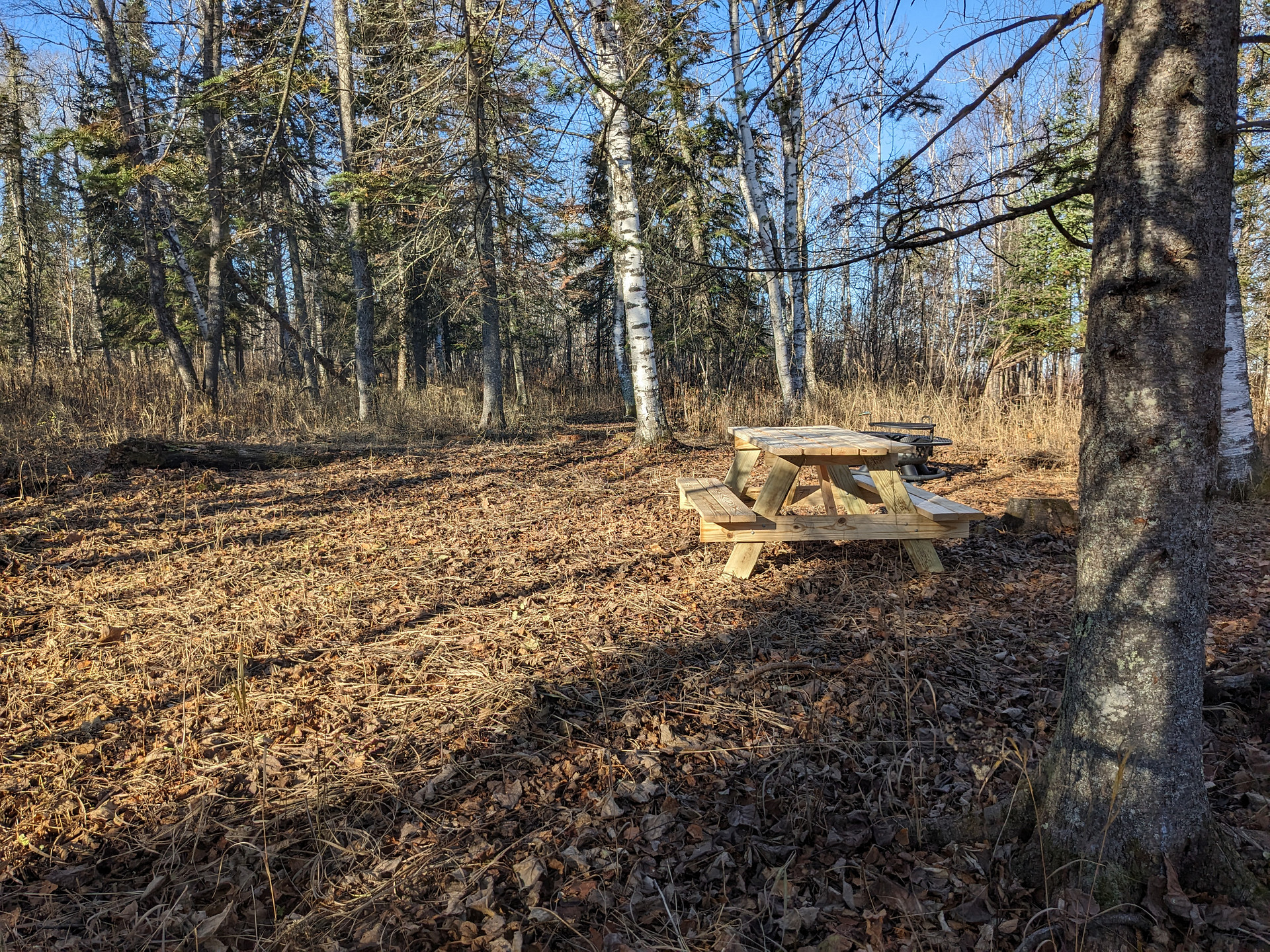
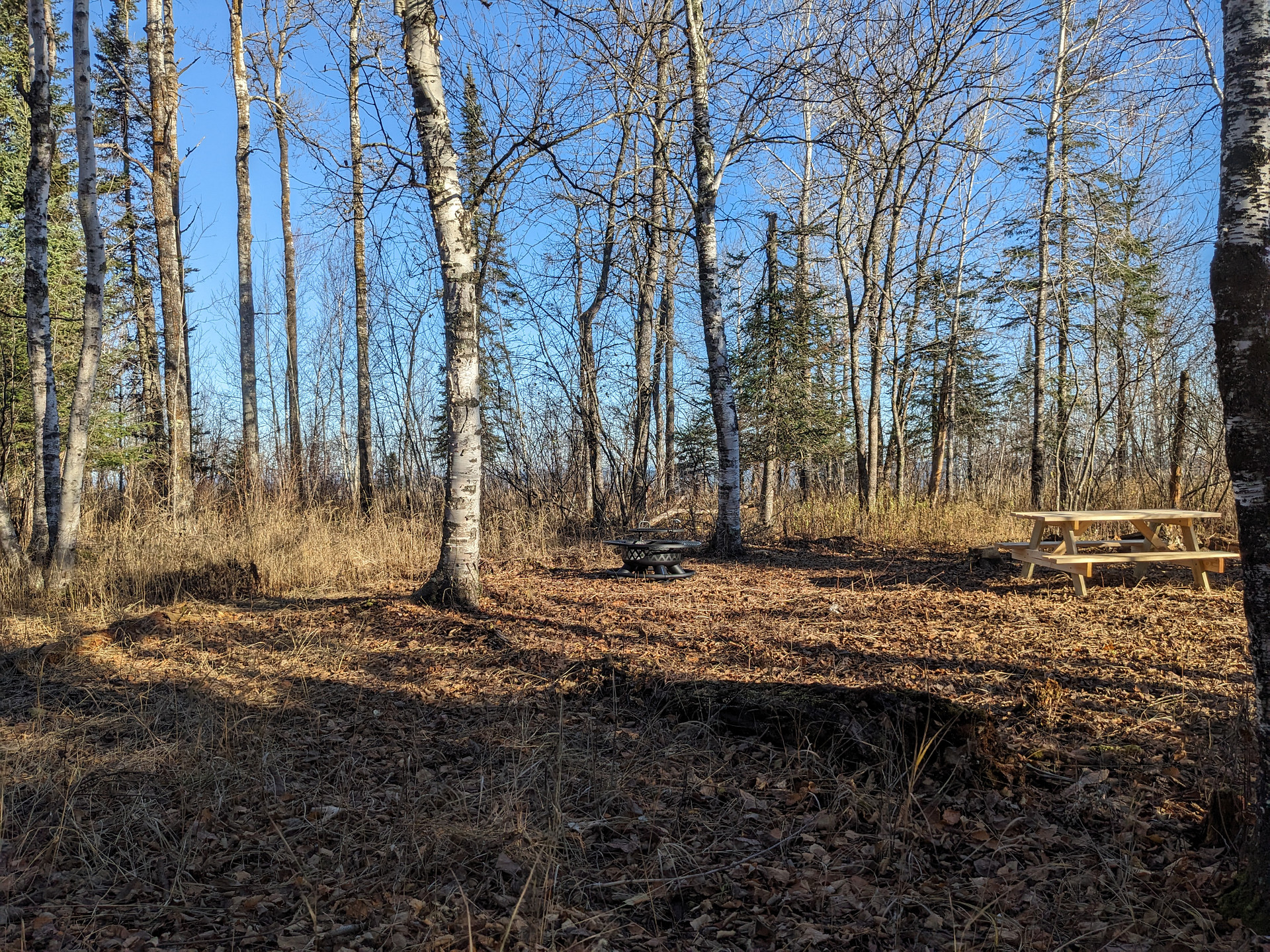
19. Amnicon Adventures & Retreats
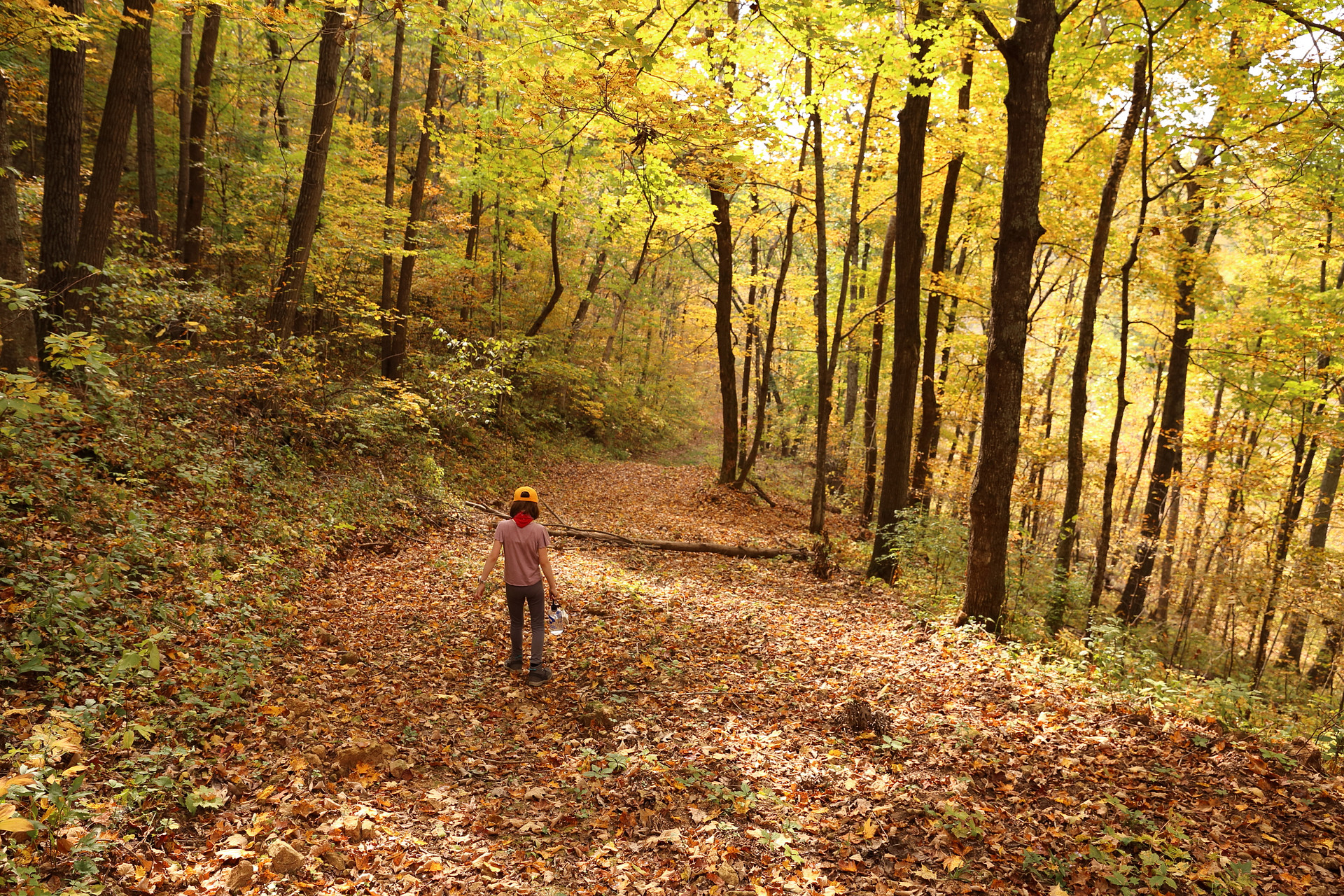
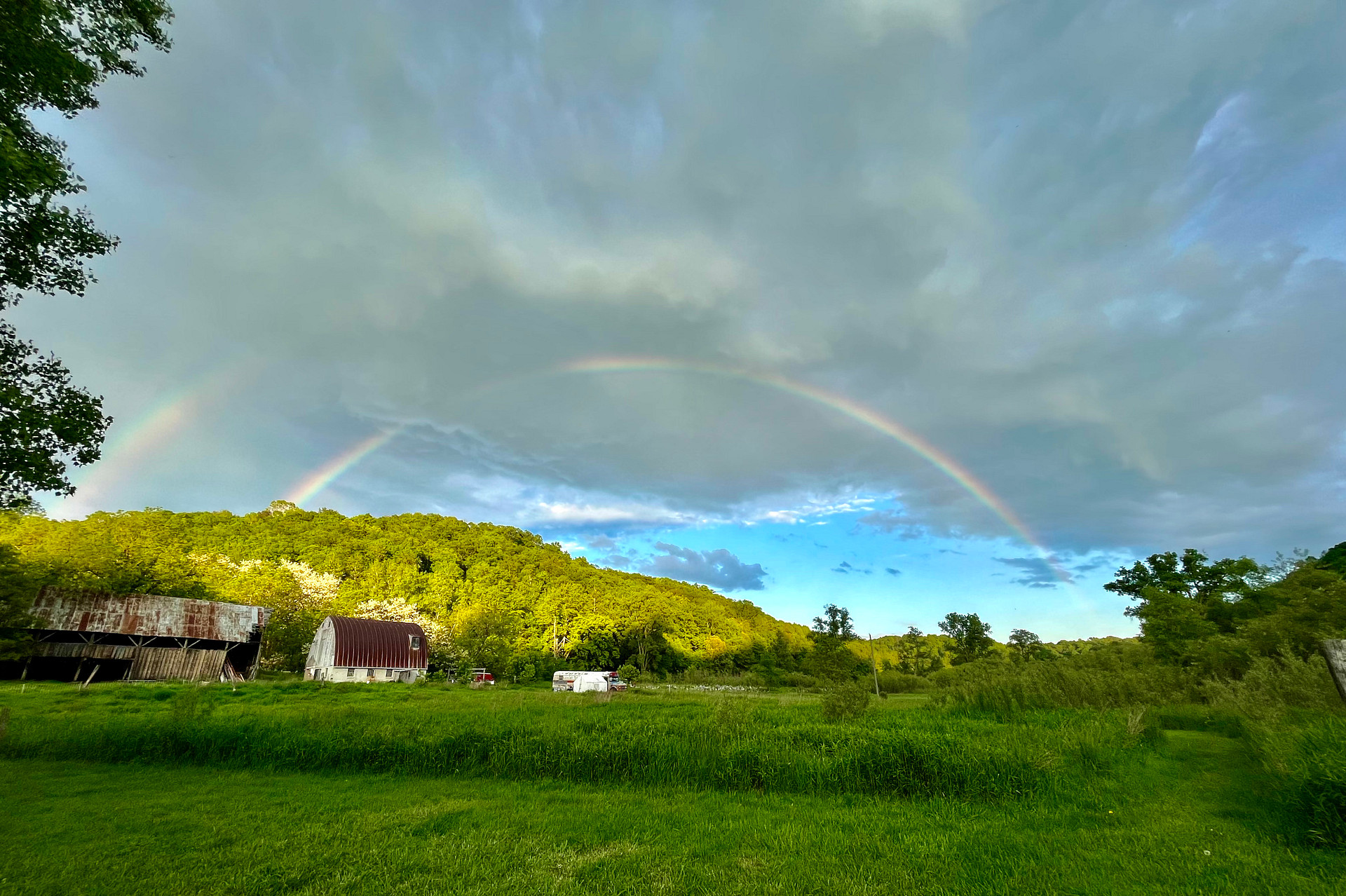
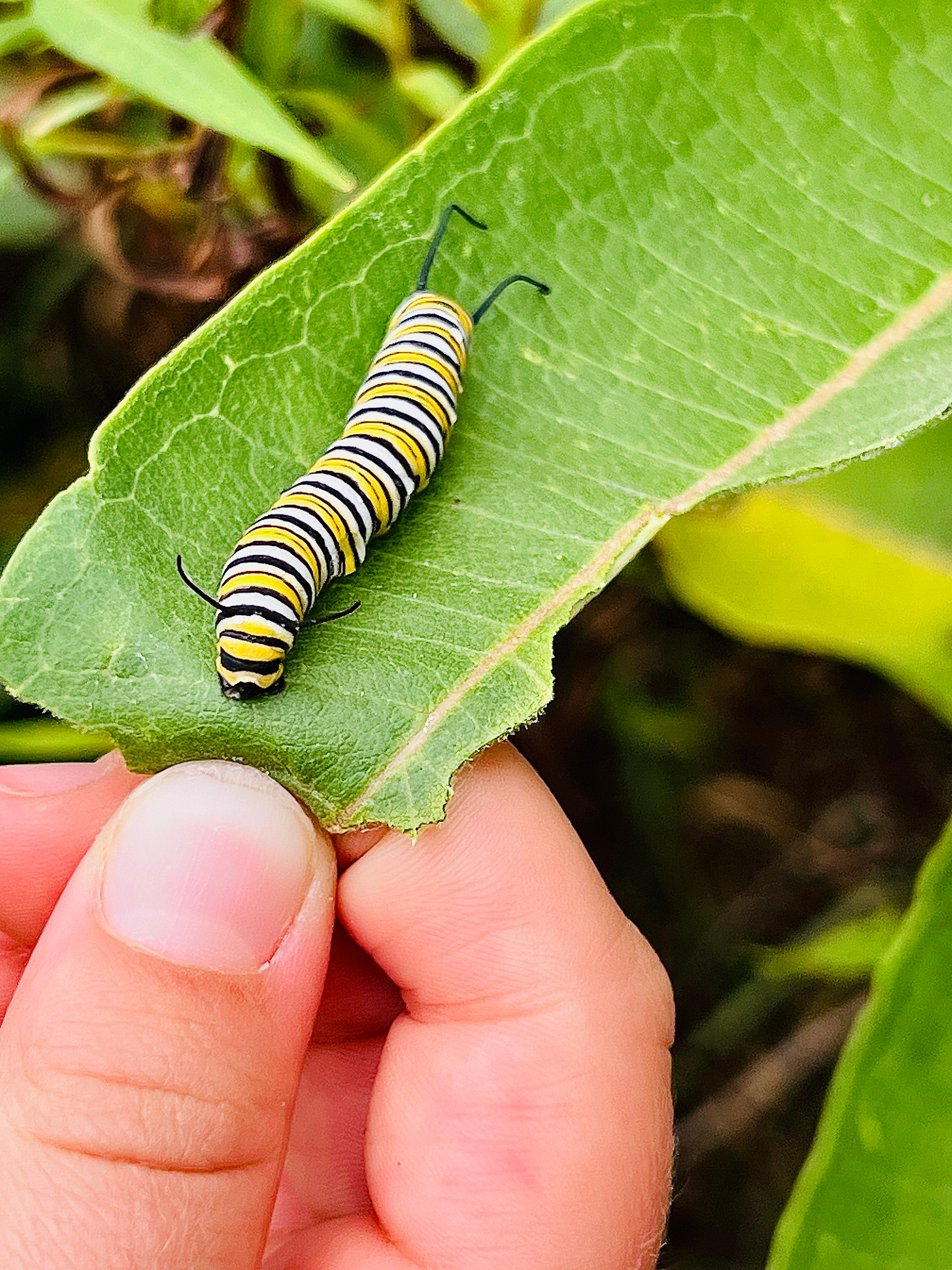
20. 🦫 Flutterby 🦋 Farm 👩🏽🌾
Purplehaze Acres
Cricket Ranch
Bouressa Family Farm
Healing Hills
Bad River Wilderness
Amnicon Adventures & Retreats
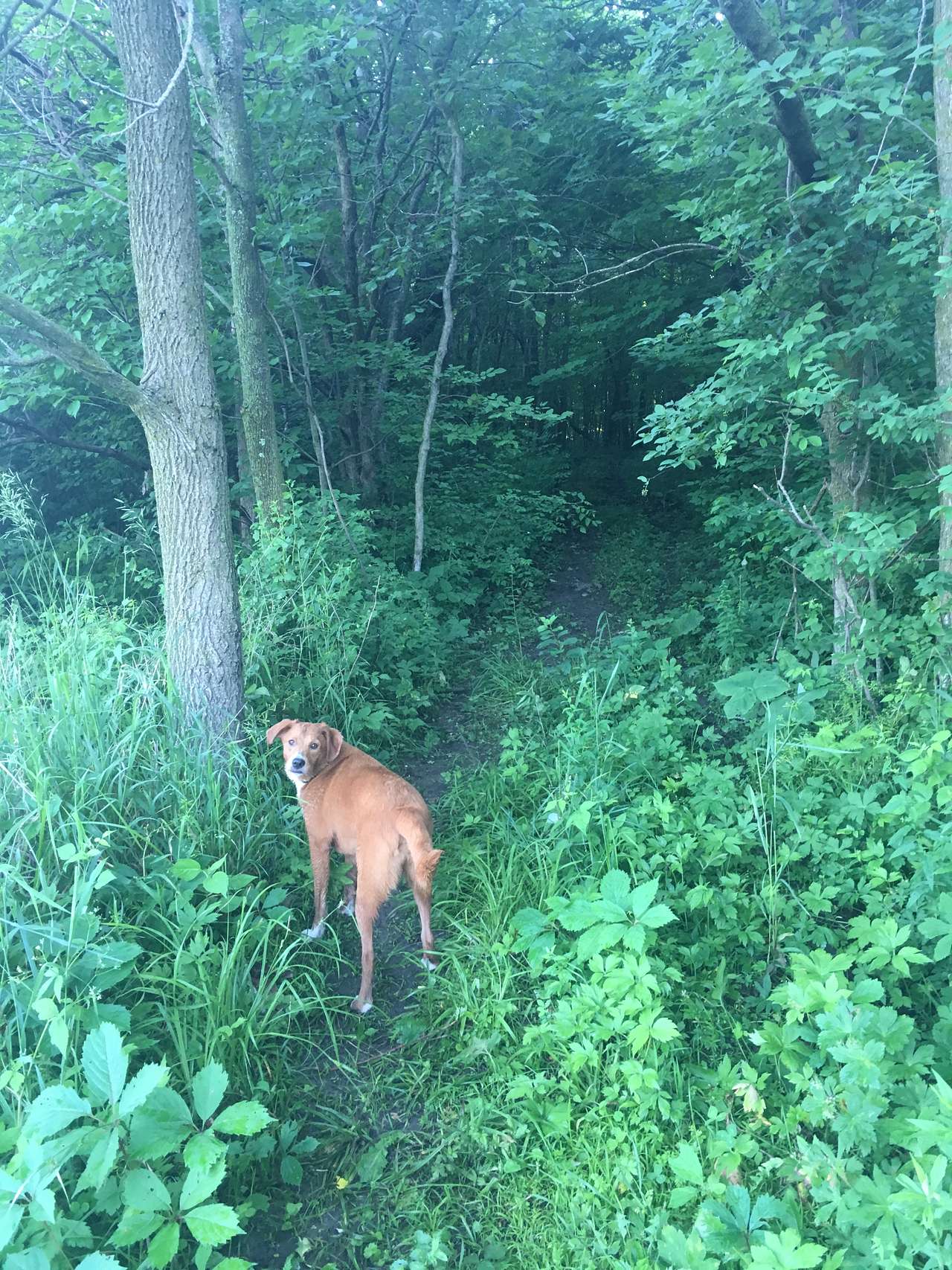
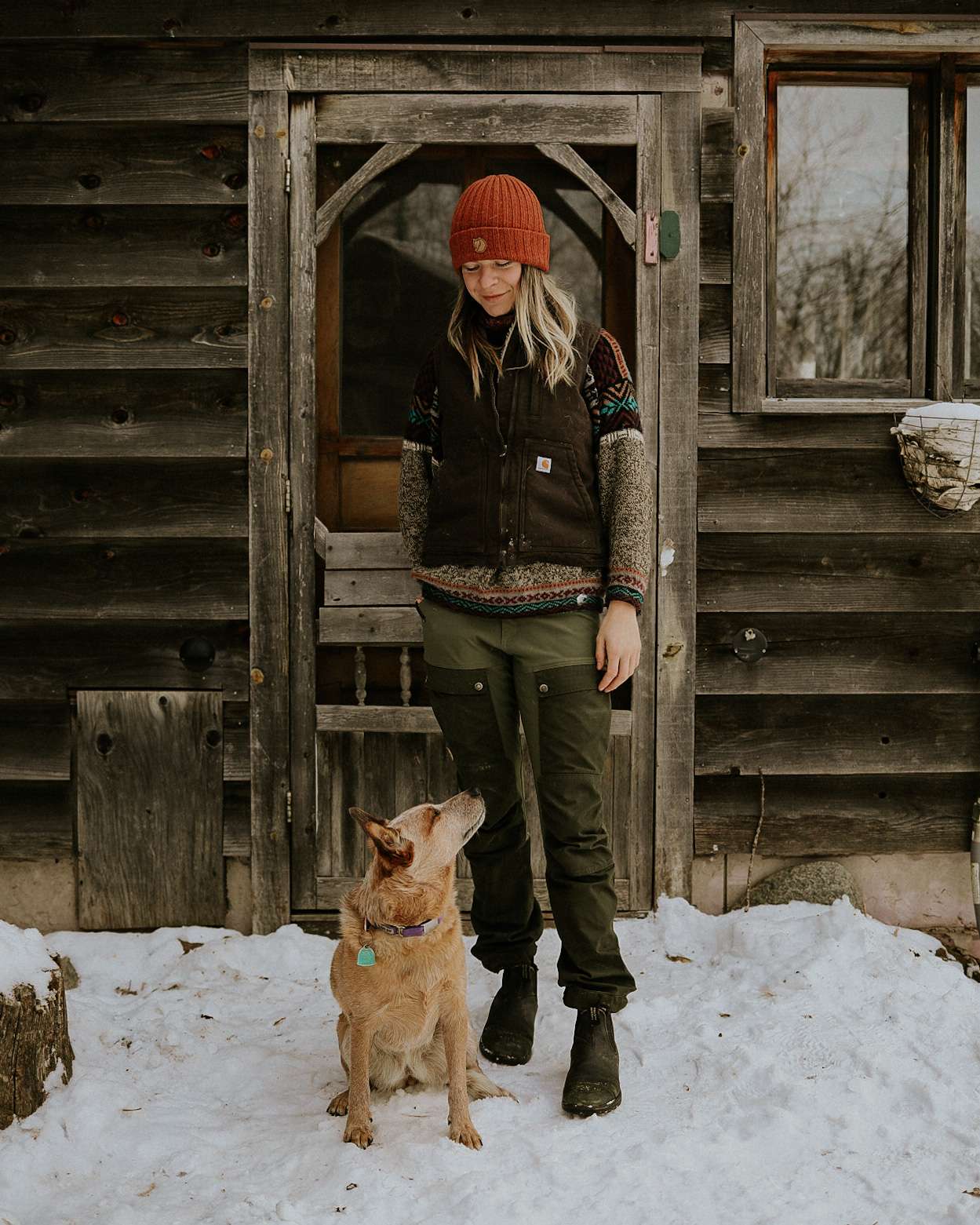
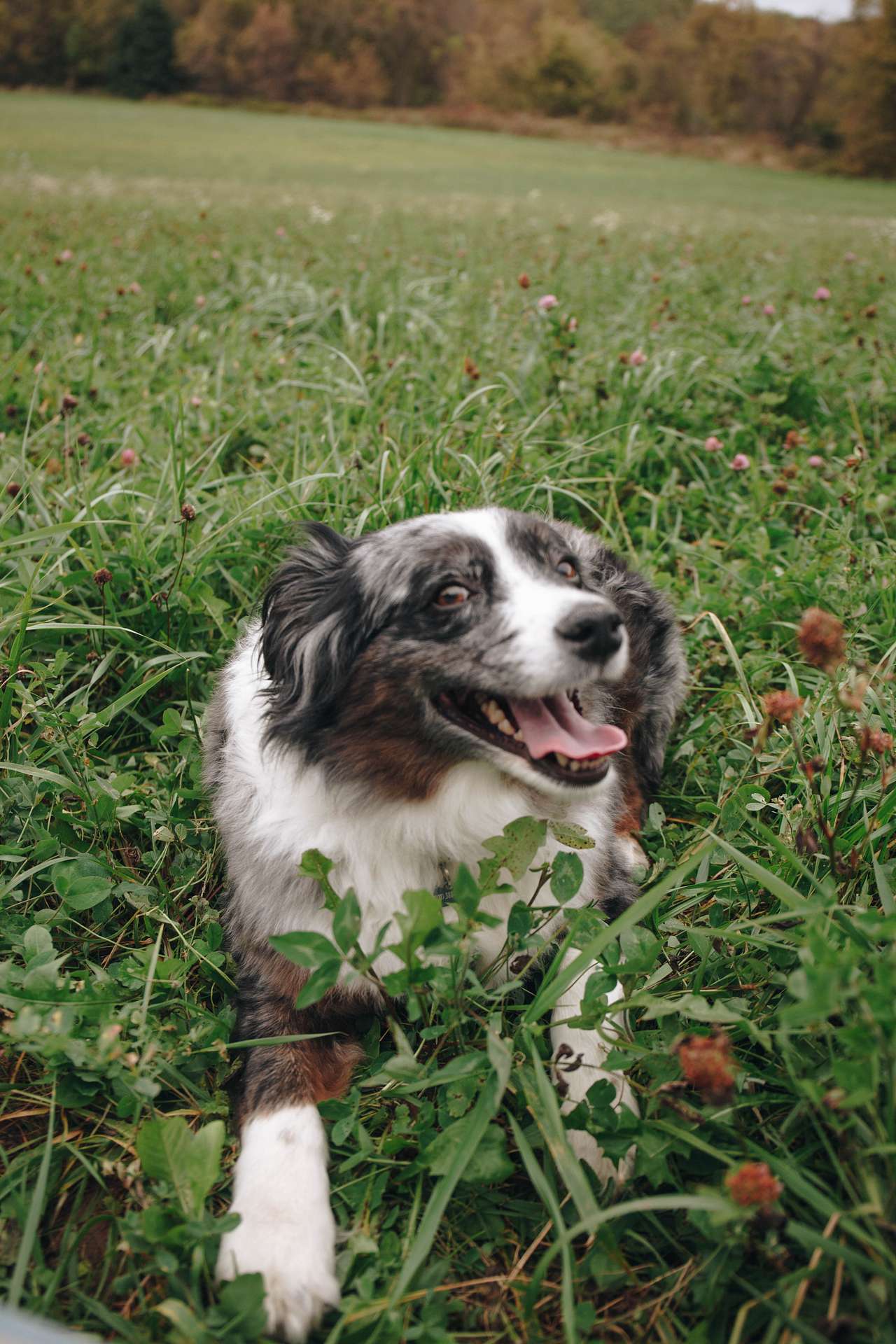
Purplehaze Acres


Beaver Point Cabin
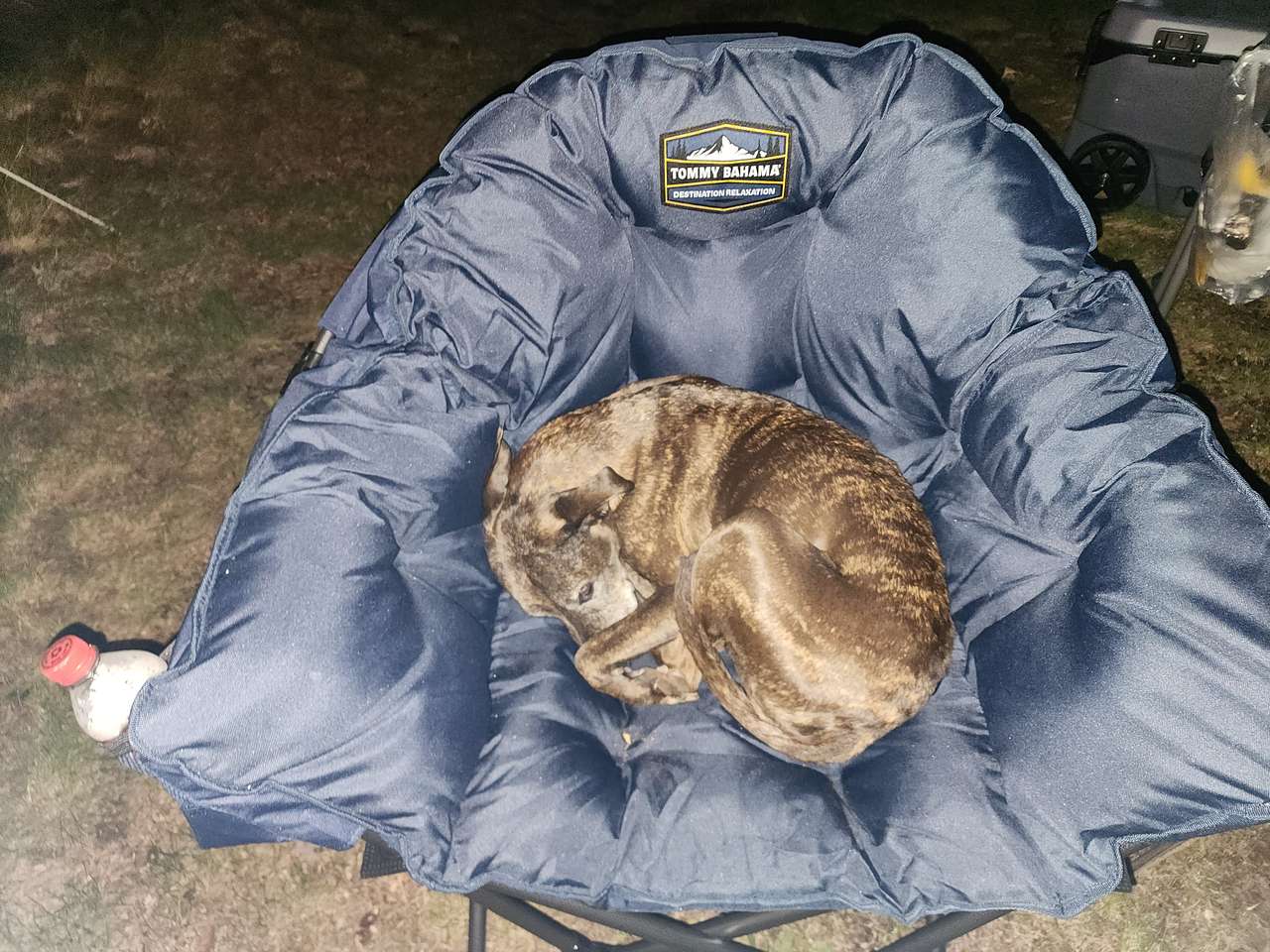
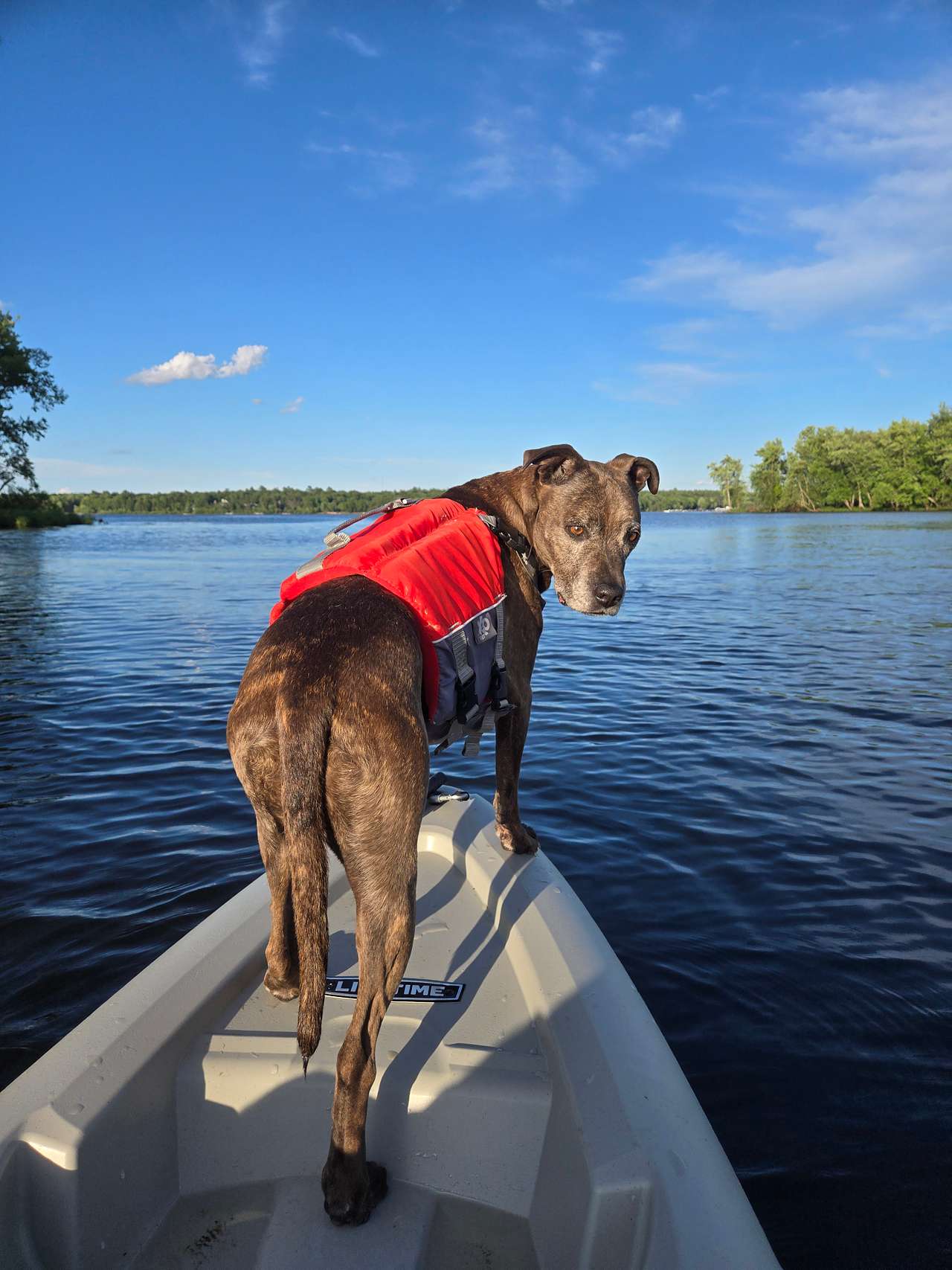
Oak Glen Hollow


Ice Age Retreat
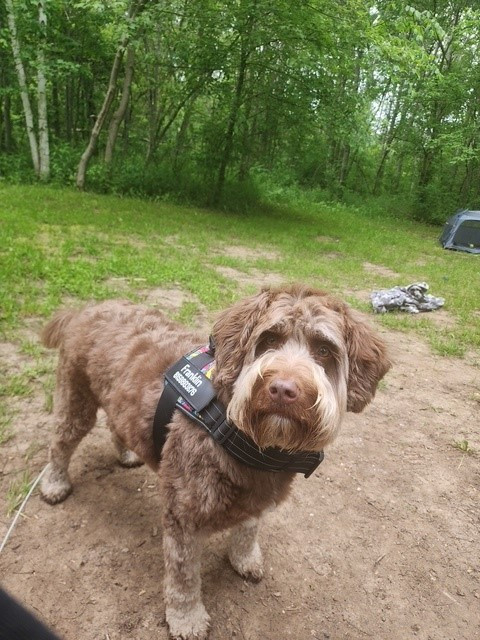
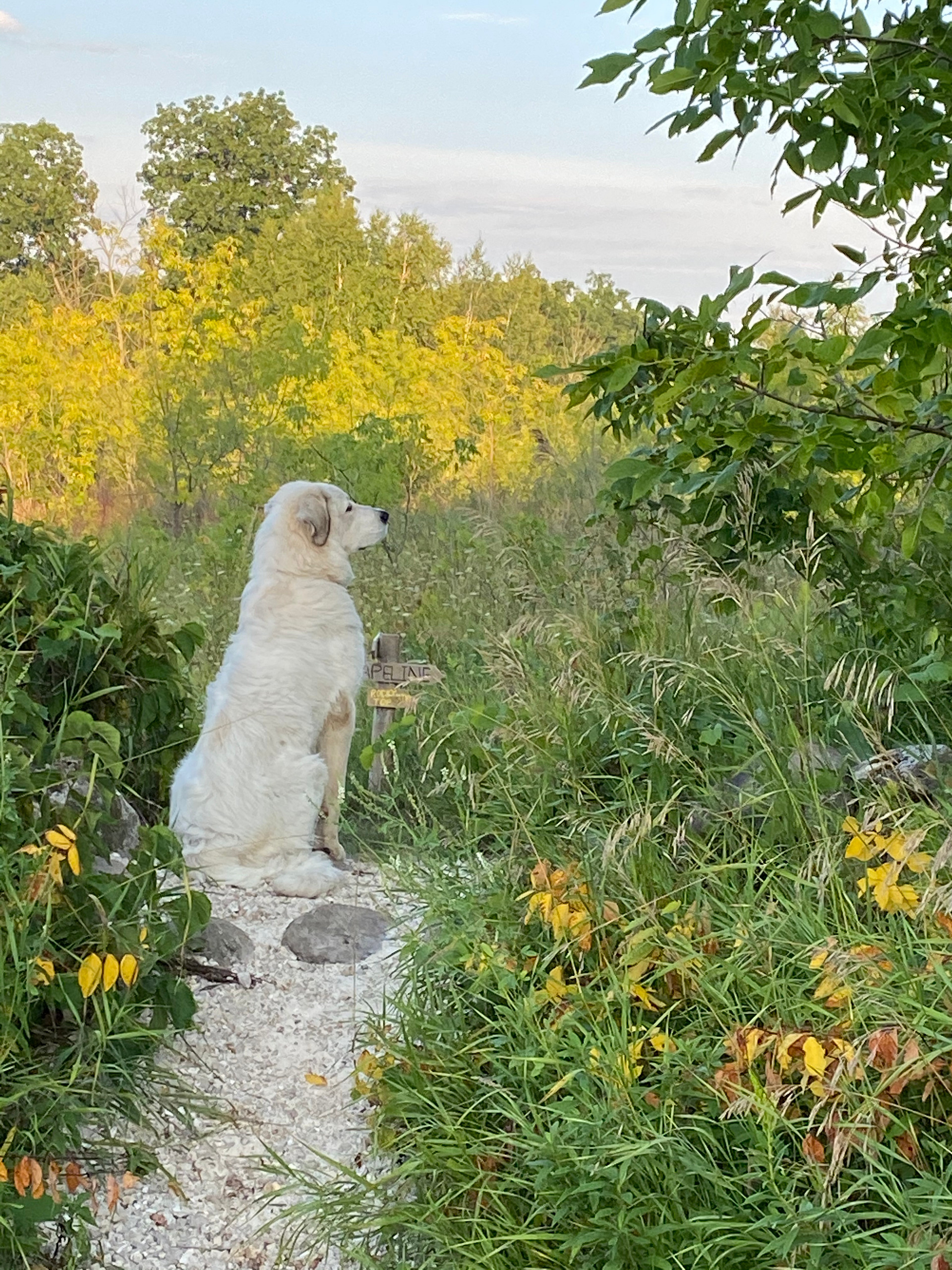
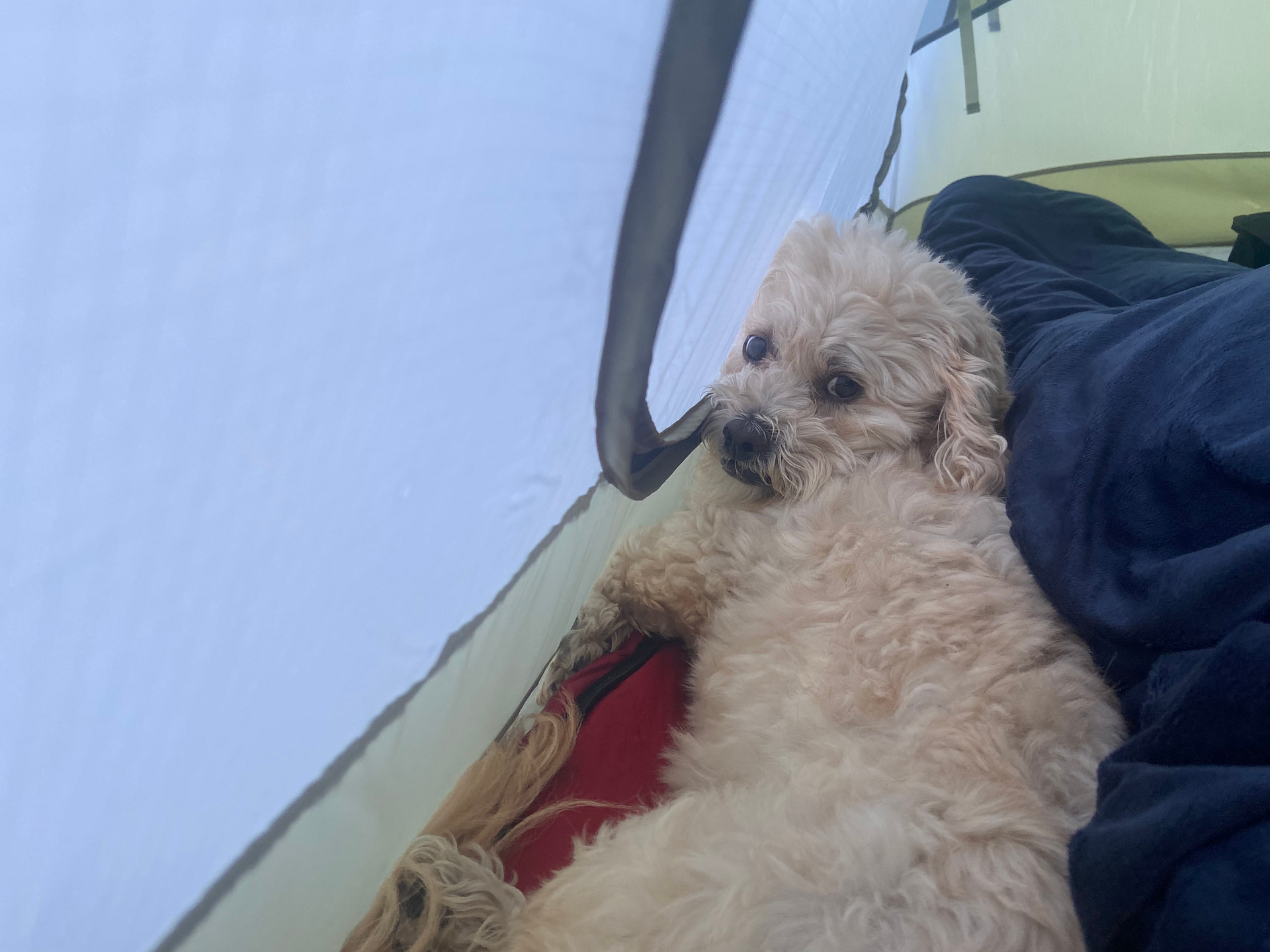
Cricket Ranch


Terra Growers Organic Farm
Recent reviews from the Hipcamp community
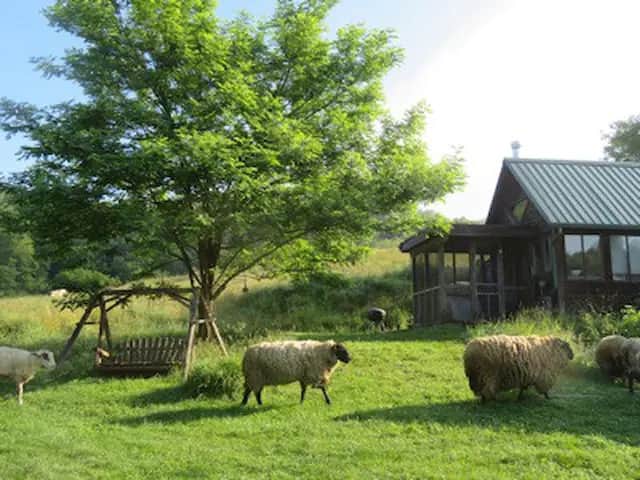





Wisconsin camping guide
Where to go
Northwest Wisconsin
If you're searching for the most remote Wisconsin campgrounds, the Northern Highlands are a good place to start with hills stretching up to the shore of Lake Superior. Paddle around the islands, sea caves, and lighthouses of the Apostle Islands National Lakeshore in a kayak, then pitch your tent at a lake campground, or seek out secluded backcountry tent sites in Chequamegon-Nicolet National Forest. To the west, the St. Croix National Scenic Riverway hugs the coast of the Mississippi River and the Minnesota border, running through Governor Knowles State Forest and Interstate State Park.
Northeast Wisconsin
The forested lakes of the Northwoods blanket northern Wisconsin, stretching down to the shores of Lake Michigan, where the Door County Peninsula curls out around Green Bay. The scenic area is dotted with freshwater beaches, cherry orchards, and hiking trails, making it the perfect spot for a camping getaway. At the northeastern tip, Rock Island State Park is a favorite among campers, with RV sites open year-round.
Southwest Wisconsin
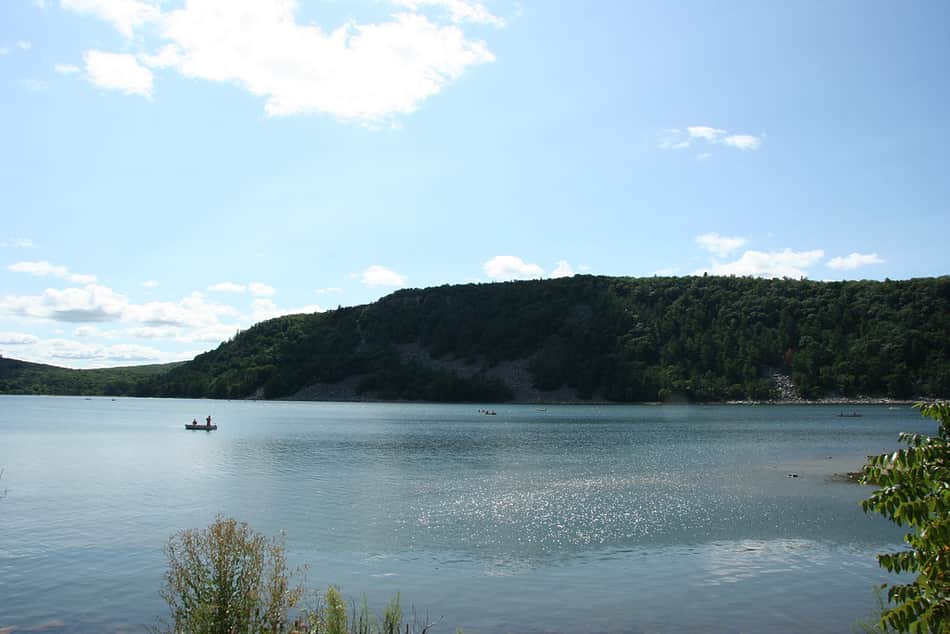
Family campers make a beeline for Wisconsin Dells, the Waterpark Capital of the World, where plenty of full-amenity camping resorts dot the area and nearby Mirror Lake State Park. Just to the south, Baraboo is the gateway to Wisconsin’s most popular park, Devil’s Lake State Park, which boasts beaches, cliff-top walks, and three campgrounds. Further west, the rolling hills and river valleys along the Wisconsin River are ideal for fishing, paddling, and tranquil summer camping.
Southeast Wisconsin
Wisconsin's largest city, Milwaukee, stands proud on the southwestern shore of Lake Michigan, where urban campers can sample Wisconsin’s craft beer scene and visit the Harley-Davidson Museum. North of Milwaukee, Lake Winnebago is a popular choice for lakeside camping, while backpackers hiking the 1,000-mile Ice Age National Scenic Trail will find some of the best camping within Kettle Moraine State Forest.
Frequently Asked Questions About Camping in Wisconsin
Is Wisconsin good for camping?
Wisconsin is a great camping destination with dozens of state parks, national forests, and plenty of private camping options and RV parks—not to mention a ton of lake campgrounds with access to both Lake Michigan and Lake Superior, plus a border with sandy beaches on the Mississippi River. Whether heading out on hidden gem waterfall hikes, kayaking around caves, exploring the many bike trails, or hitting the top city hubs of Milwaukee, Door County’s Green Bay, and Wisconsin Dells (known for its waterparks and mini golf for family fun), a Wisconsin campground or Wisconsin state park Devil’s Lake State Park) awaits with tent camping or RV sites. Summertime is for lake visits, and late spring and early fall are still mild enough for tent camping. It's snowy from November through February, when you’ll want to opt for a rustic cabin or a vacation rental getaway.
Is camping allowed in Wisconsin state parks?
Yes, Wisconsin state parks are open for camping. Of the state’s 50+ state parks, nearly all of them allow camping of some kind, whether tent camping, RV camping, or cabin camping. Wisconsin’s most popular parks with camping include Devil’s Lake State Park south of Baraboo, Peninsula State Park (set on the shores of Lake Michigan in Door County), the year-round Rock Island State Park, Willow River State Park, and Copper Falls State Park.
Is wild camping legal in Wisconsin?
Yes, wild camping is allowed in Wisconsin in county forests, state forests, and national forests. Wild camping, typically described as primitive or dispersed camping away from designated campgrounds without facilities, is available within Nicolet National Forest and Chequamegon National Forest, including at Porcupine Lake Wilderness, Rainbow Lake Wilderness, and Blackjack Springs Wilderness. Some Wisconsin River islands are managed by the Bureau of Land Management (BLM), meaning that the ones that are public land are open to camping. Some state parks feature a small number of backpacking campsites, and you can find more private, secluded camping in Wisconsin with Hipcamp.
Is there free camping in Wisconsin?
You can find free camping in Wisconsin in its national forests: Nicolet and Chequamegon, each of which span thousands of acres and house various national wilderness areas. The free campsites in these forests are primitive and dispersed with no facilities, so you’ll need to come prepared. Most of this land is open and free of charge to use, but some beaches, boat launches, and trailheads require small day-use fees or permits.
Can you camp anywhere in a Wisconsin national forest?
No, you cannot camp anywhere in Wisconsin national forests, but they do have plenty of free areas available for dispersed camping. Wisconsin is home to two national forests: Nicolet National Forest and Chequamegon National Forest, both managed together as the 1.5-million acre Chequamegon-Nicolet National Forest. Throughout are dozens of designated campgrounds with tent sites, including at Twin Lakes Recreation Area and Bear Lake Recreation Area. In addition, the forest offers cabins at Lost Lake, some large group campsites, many RV campsites (most with hookups), and a lot of dispersed camping options. Just be sure to park up to 30 feet from the edge of any road, and pitch your tent at least 150 feet away from any trail or road (and at least 200 feet away from any water). Dispersed camping in Wisconsin national forests is limited to 21 days at the same site within a 30-day period.
Frequently Asked Questions
You can find free camping in Wisconsin in its national forests: Nicolet and Chequamegon, each of which span thousands of acres and house various national wilderness areas. The free campsites in these forests are primitive and dispersed with no facilities, so you'll need to come prepared. Most of this land is open and free of charge to use, but some beaches, boat launches, and trailheads require small day-use fees or permits.
Yes, Wisconsin state parks are open for camping. Of the state's 50+ state parks, nearly all of them allow camping of some kind, whether tent camping, RV camping, or cabin camping. Wisconsin's most popular parks with camping include Devil's Lake State Park south of Baraboo, Peninsula State Park (set on the shores of Lake Michigan in Door County), the year-round Rock Island State Park, Willow River State Park, and Copper Falls State Park.
Yes, wild camping is allowed in Wisconsin in county forests, state forests, and national forests. Wild camping, typically described as primitive or dispersed camping away from designated campgrounds without facilities, is available within Nicolet National Forest and Chequamegon National Forest, including at Porcupine Lake Wilderness, Rainbow Lake Wilderness, and Blackjack Springs Wilderness. Some Wisconsin River islands are managed by the Bureau of Land Management (BLM), meaning that the ones that are public land are open to camping. Some state parks feature a small number of backpacking campsites, and you can find more private, secluded camping in Wisconsin with Hipcamp.
No, you cannot camp anywhere in Wisconsin national forests, but they do have free areas for dispersed camping. Wisconsin is home to two national forests: Nicolet National Forest and Chequamegon National Forest, both managed together as the 1.5-million acre Chequamegon-Nicolet National Forest. Throughout are dozens of designated campgrounds with tent sites, including at Twin Lakes Recreation Area and Bear Lake Recreation Area. In addition, the forest offers cabins at Lost Lake, some large group campsites, many RV campsites (most with hookups), and a lot of dispersed camping options. Just be sure to park up to 30 feet from the edge of any road, and pitch your tent at least 150 feet away from any trail or road (and at least 200 feet away from any water).
Camping fees at Wisconsin state parks vary depending on the type of campsite, the park, and the season. Here's a general breakdown of the fees:
- Non-electric tent and RV sites: $15 to $22 per night for Wisconsin residents, $20 to $27 per night for non-residents.
- Electric tent and RV sites: $20 to $30 per night for Wisconsin residents, $25 to $35 per night for non-residents.
- Group campsites: $30 to $60 per night for Wisconsin residents, $35 to $65 per night for non-residents, depending on the size of the group.
- Cabin rentals: Prices vary depending on the park and the type of cabin, but expect to pay anywhere from $50 to $200 per night.
Additionally, you'll need a Wisconsin State Park vehicle admission sticker for your vehicle when camping at a state park. The daily fees for this are $8 for residents and $11 for non-residents. Annual stickers are also available for $28 for residents and $38 for non-residents.
Keep in mind that these are general estimates and fees may vary slightly depending on the specific park and time of year. It's always a good idea to check the park's website or contact them directly for the most accurate and up-to-date information about camping fees.
Yes, there is free camping in Wisconsin, primarily in the form of dispersed camping in national forests. The two main national forests in Wisconsin are Nicolet and Chequamegon. These forests offer primitive and dispersed campsites with no facilities, so campers need to be prepared for a more rugged experience. While most of the land in these forests is open and free of charge for camping, some areas may require small day-use fees or permits for activities like beach access, boat launches, and trailheads.
The cost of camping at Wisconsin state parks varies depending on the type of campsite, the park, and the time of year. On average, the nightly fees for campsites range from $15 to $35 for Wisconsin residents and $20 to $40 for non-residents. Here's a general breakdown of camping fees:
- Tent, trailer, and RV sites: $15 to $35 for residents, $20 to $40 for non-residents
- Electric hookups: Additional $5 to $10 per night
- Group sites: $30 to $60 for residents, $35 to $65 for non-residents
- Family cabins: $50 to $100 per night
- Shelters: $30 to $60 per night
It's important to note that these fees are for camping only, and a vehicle admission sticker is required for all motor vehicles entering state parks, forests, and recreation areas. Annual stickers are $28 for residents and $38 for non-residents, while daily stickers are $8 for residents and $11 for non-residents.
For more information on specific parks and their fees, visit the Hipcamp Wisconsin State Parks page or the Wisconsin Department of Natural Resources website.
No, you cannot camp anywhere in Wisconsin. Camping is allowed in designated areas such as state parks, national forests, and private campgrounds. It is important to camp only in authorized locations to protect the environment and respect private property. Dispersed camping is allowed in some areas of the national forests, but you must follow specific rules and guidelines. In addition, there are many private campgrounds and state parks throughout Wisconsin that offer a variety of camping options, including tent sites, RV sites, and cabins. Always make sure to check the regulations and guidelines of the area you plan to camp in, and obtain any necessary permits or reservations before setting up camp.