Top-rated campgrounds in Minnesota


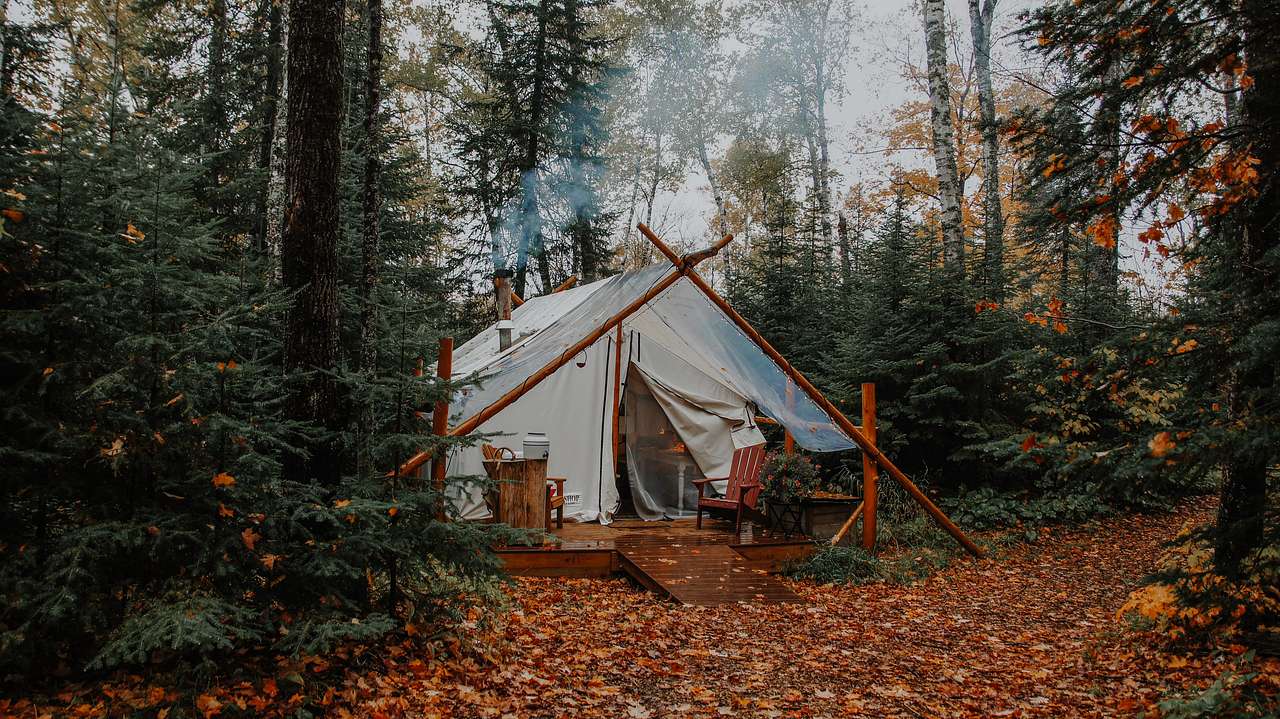
1. Balsam Ridge Retreat
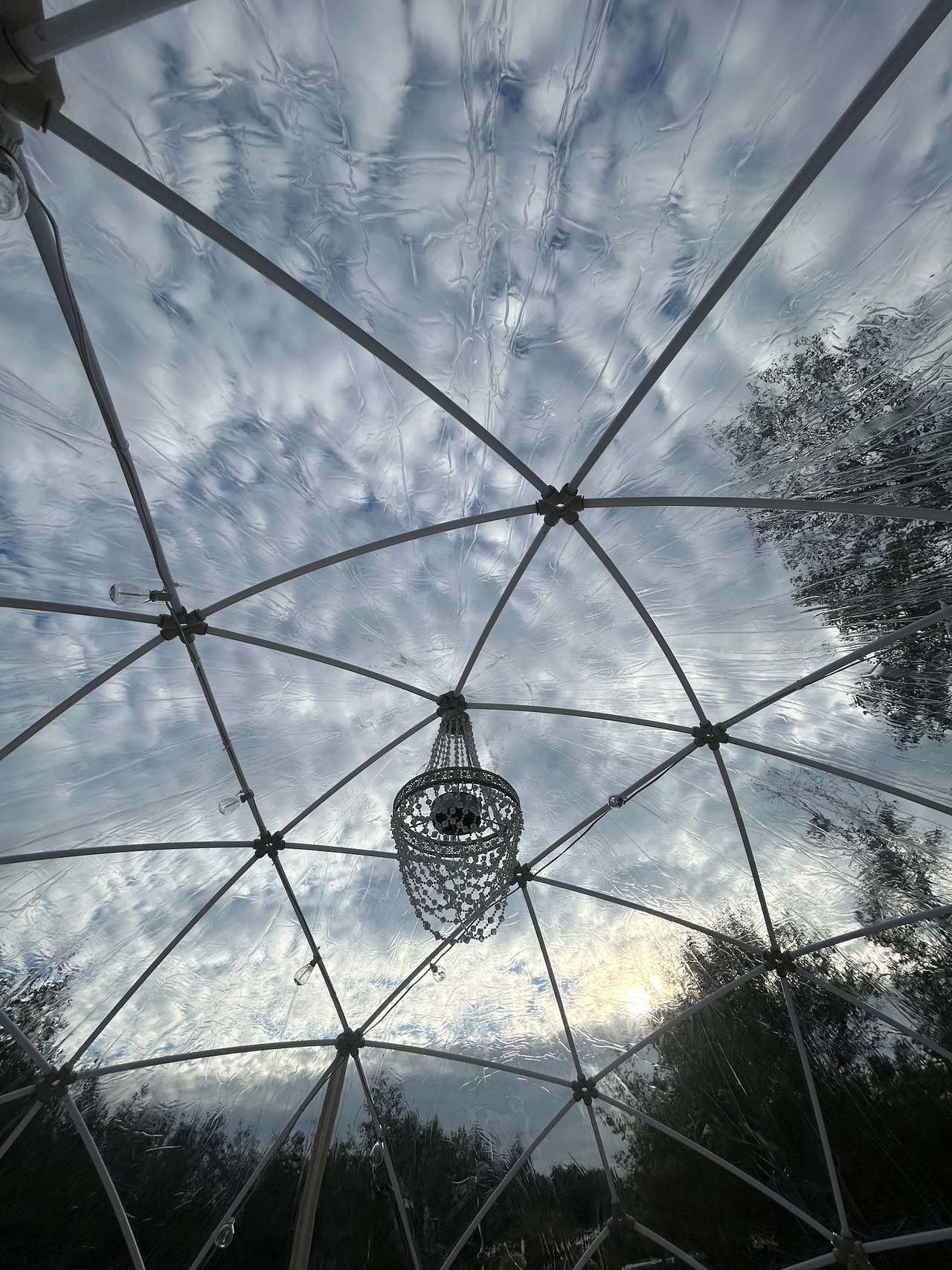
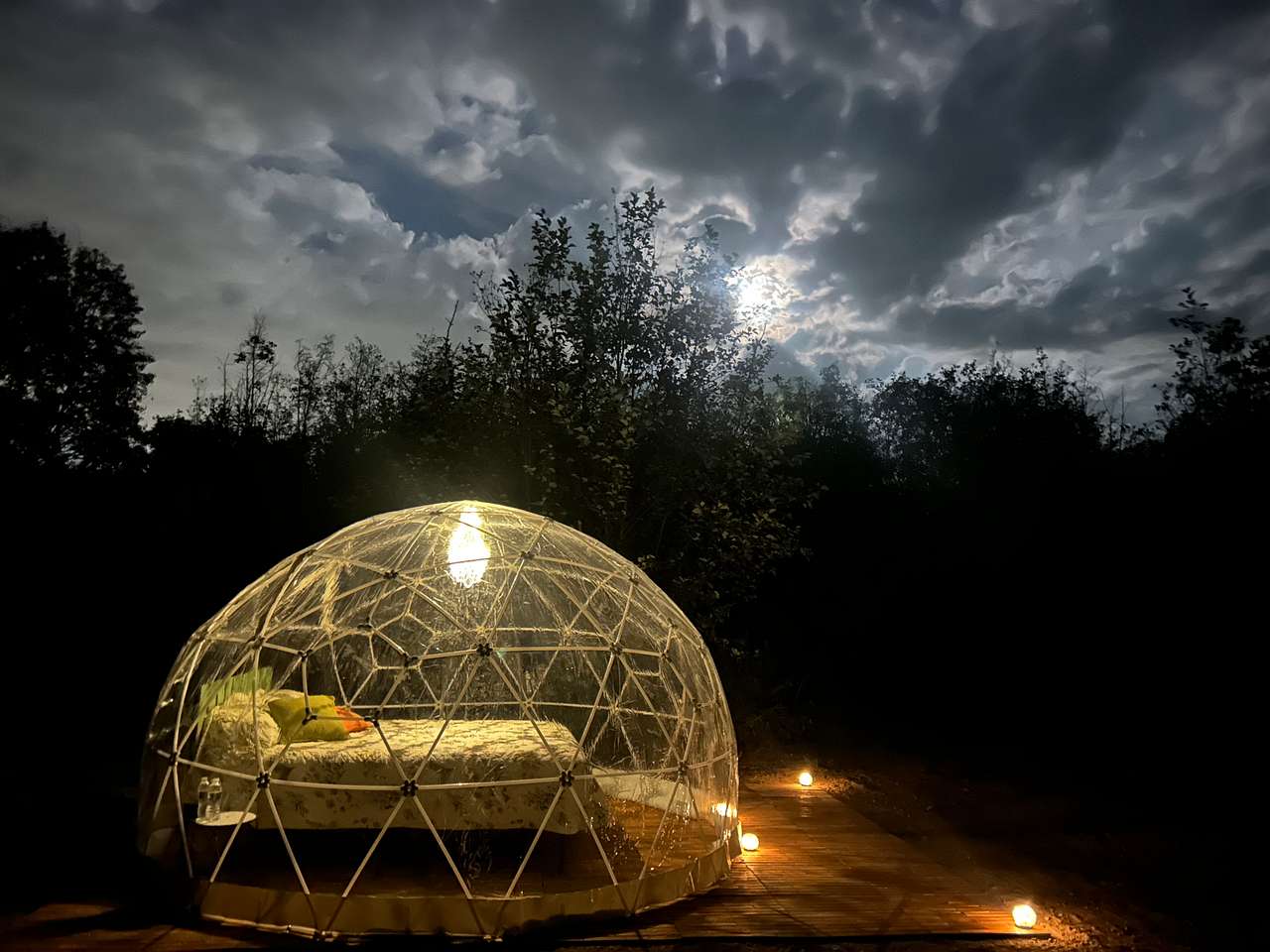
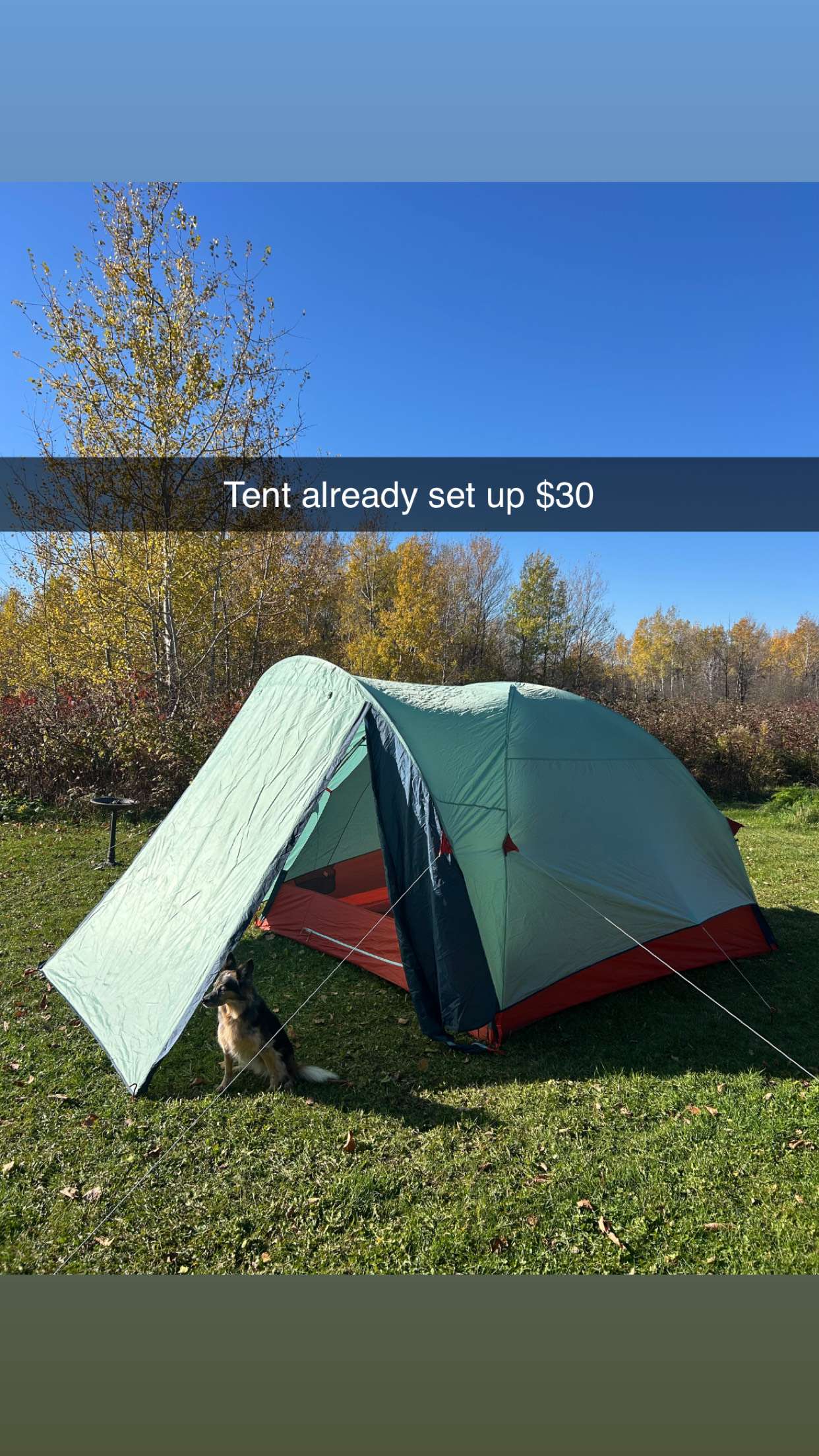
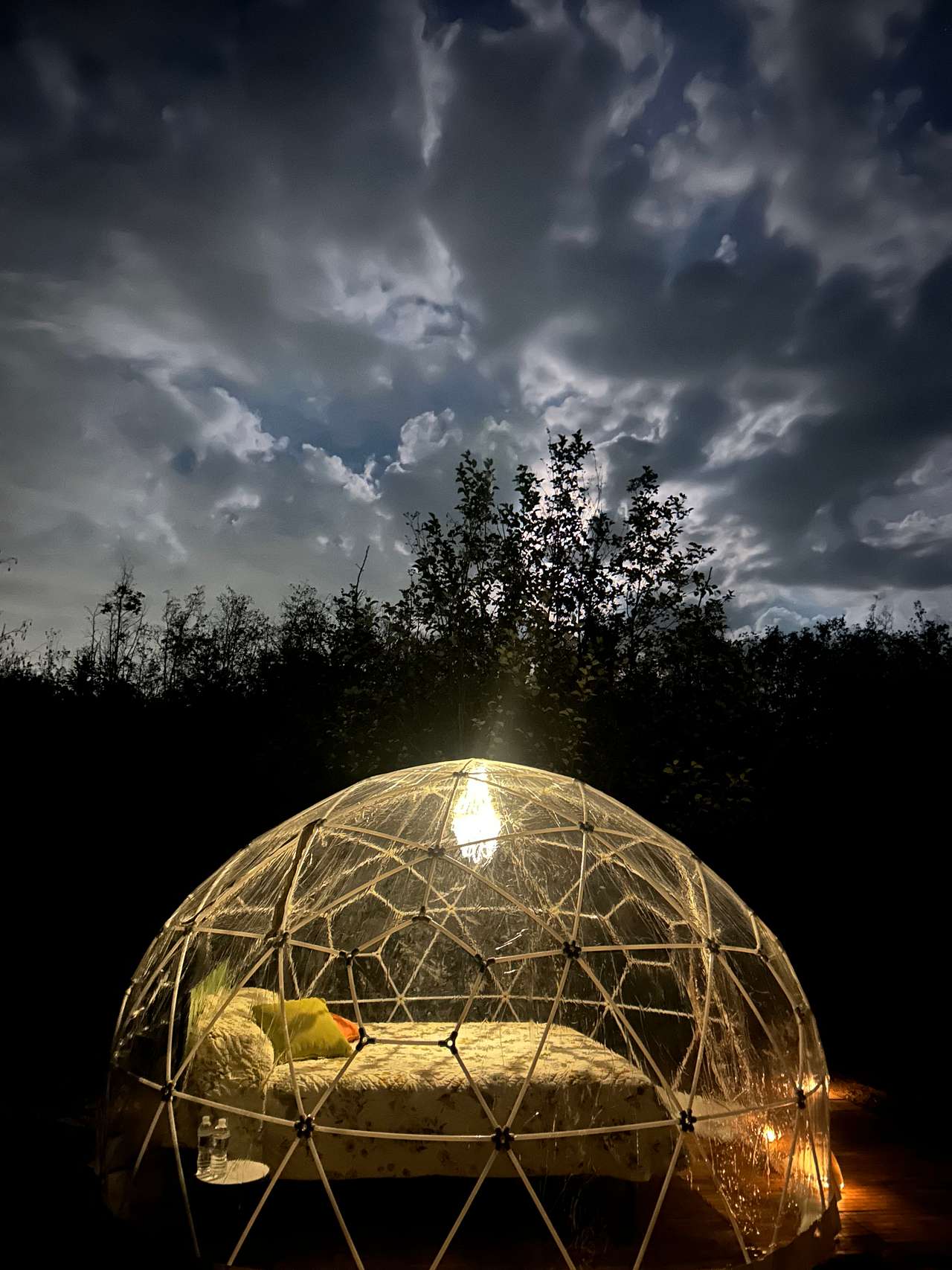
2. Off Grid Stargazing

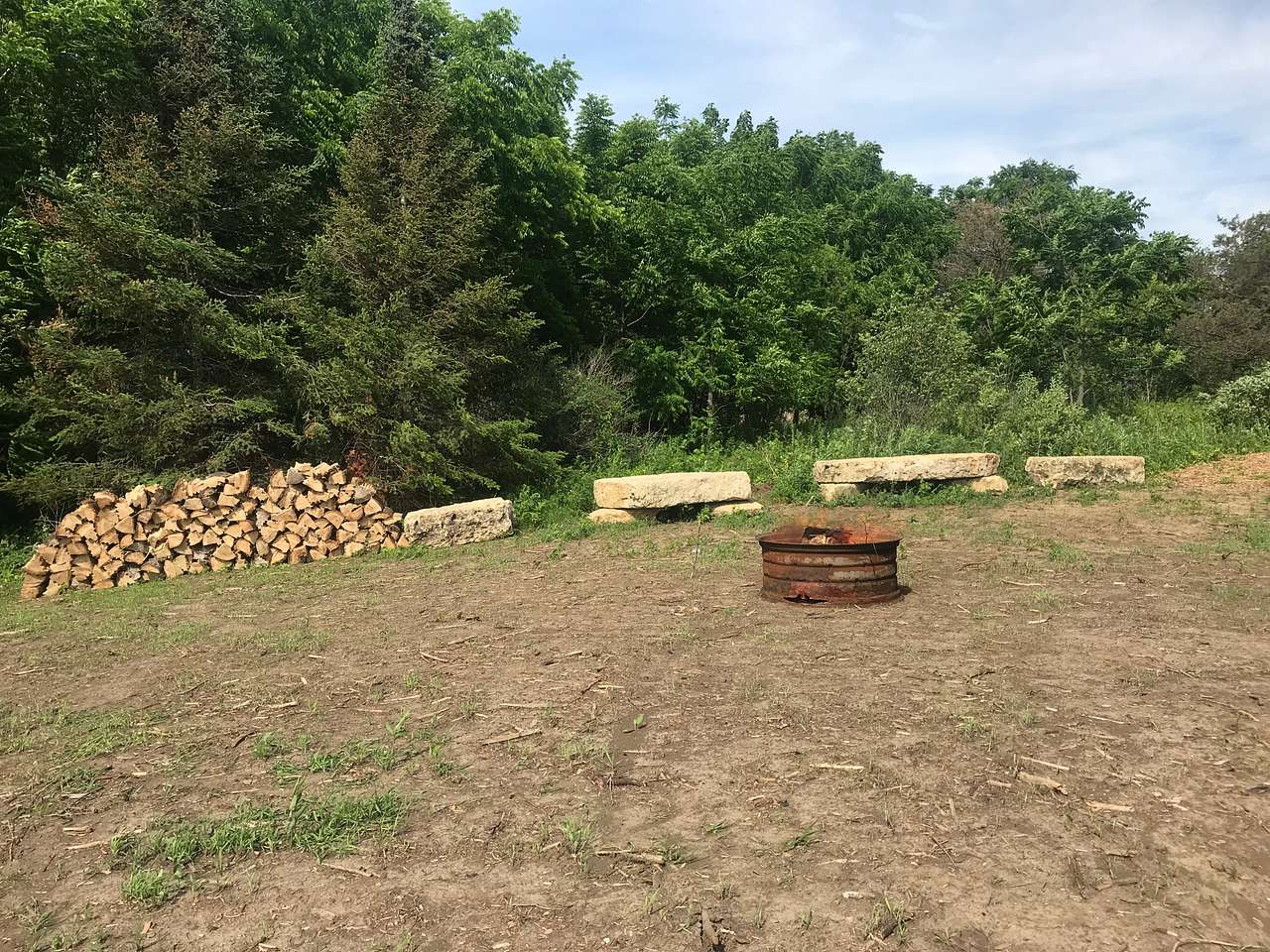
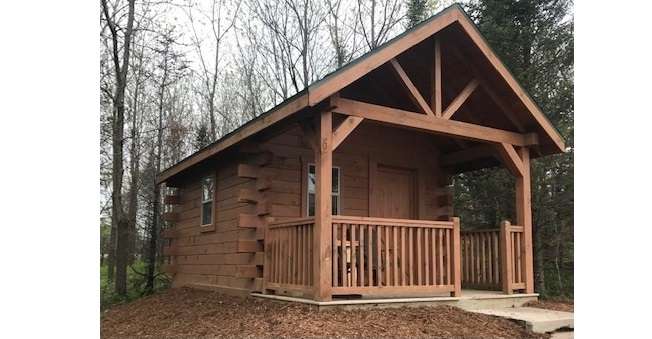
3. The Edge


4. Camden State Park


5. Finland State Forest
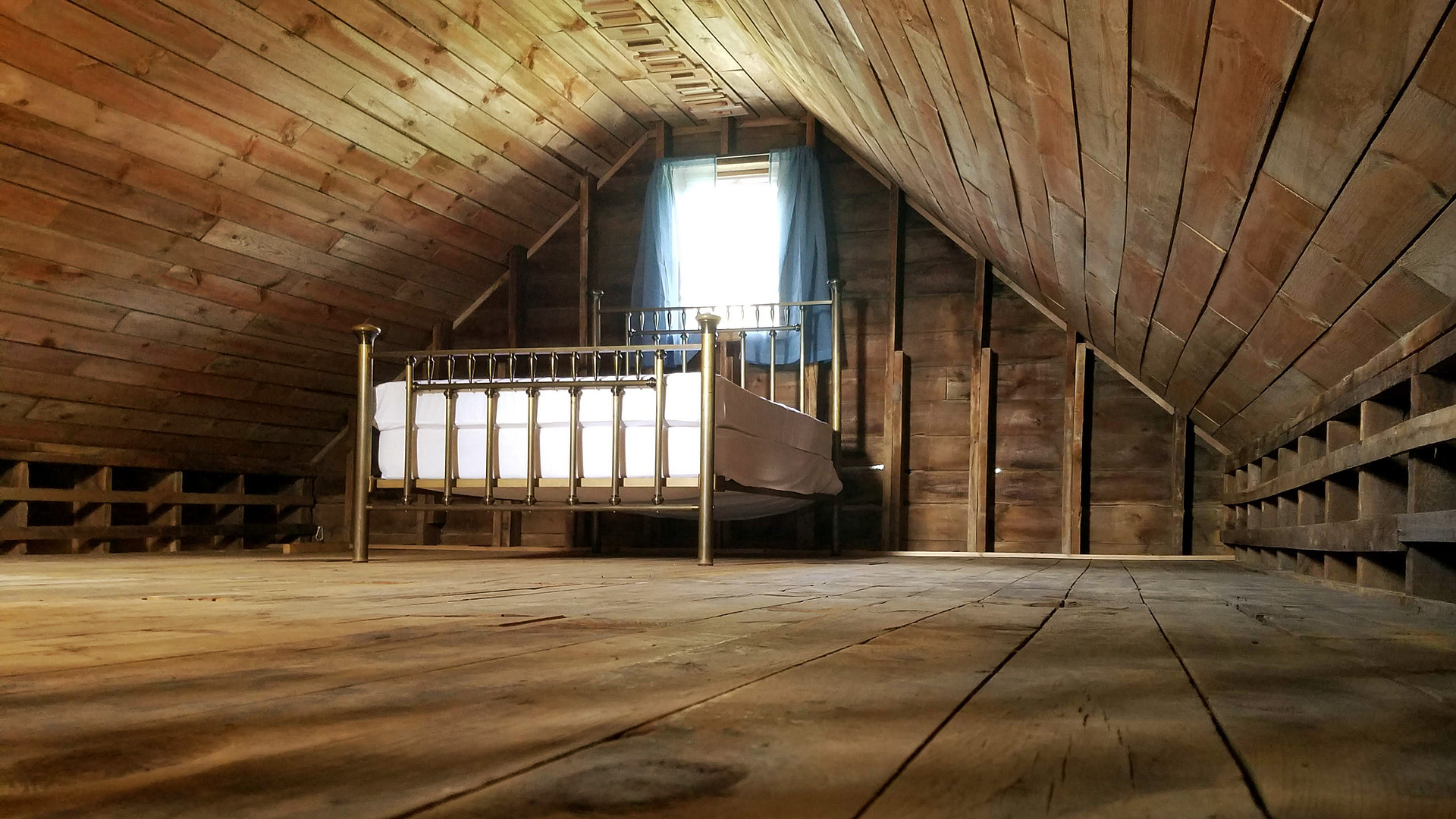
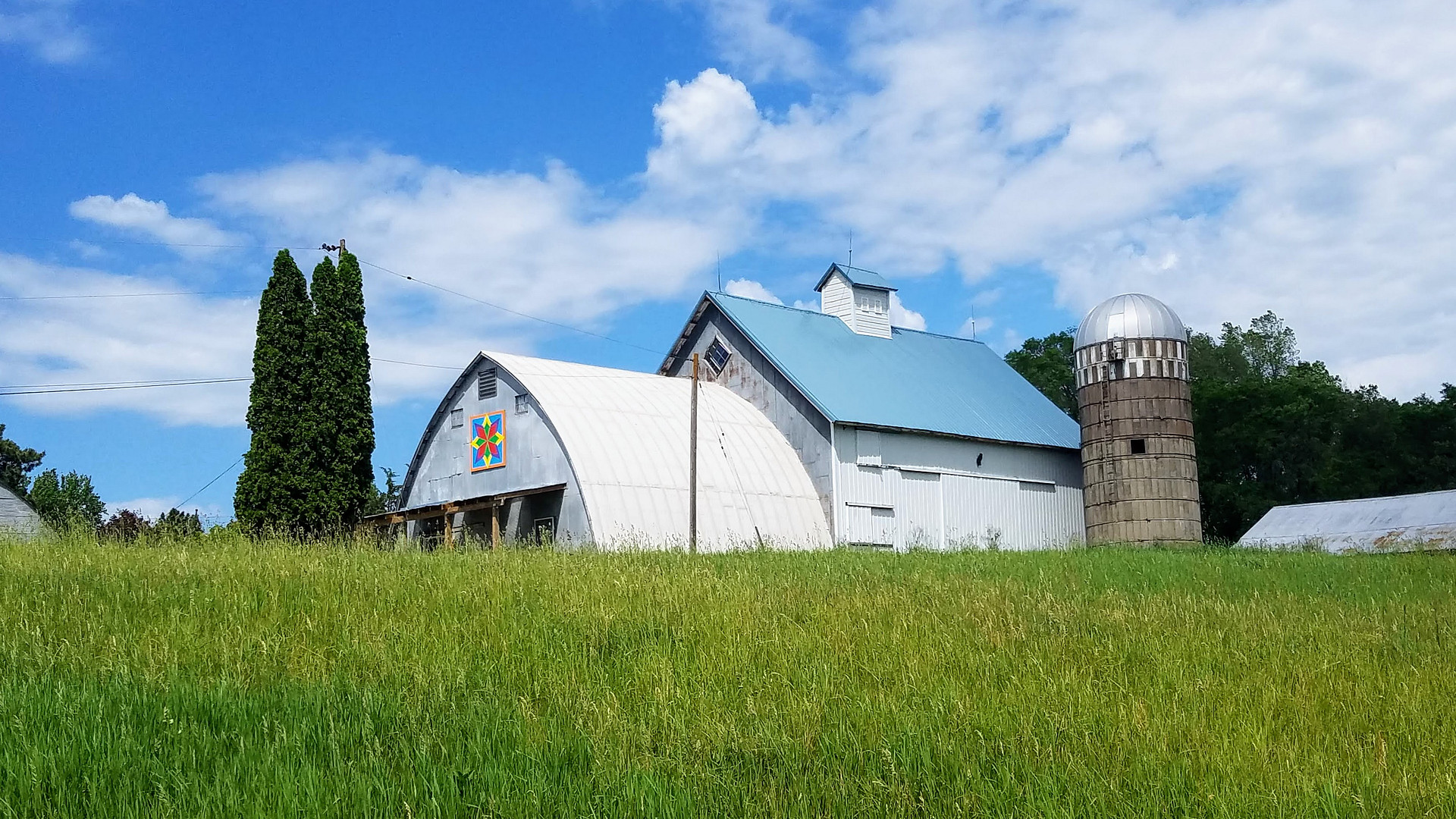
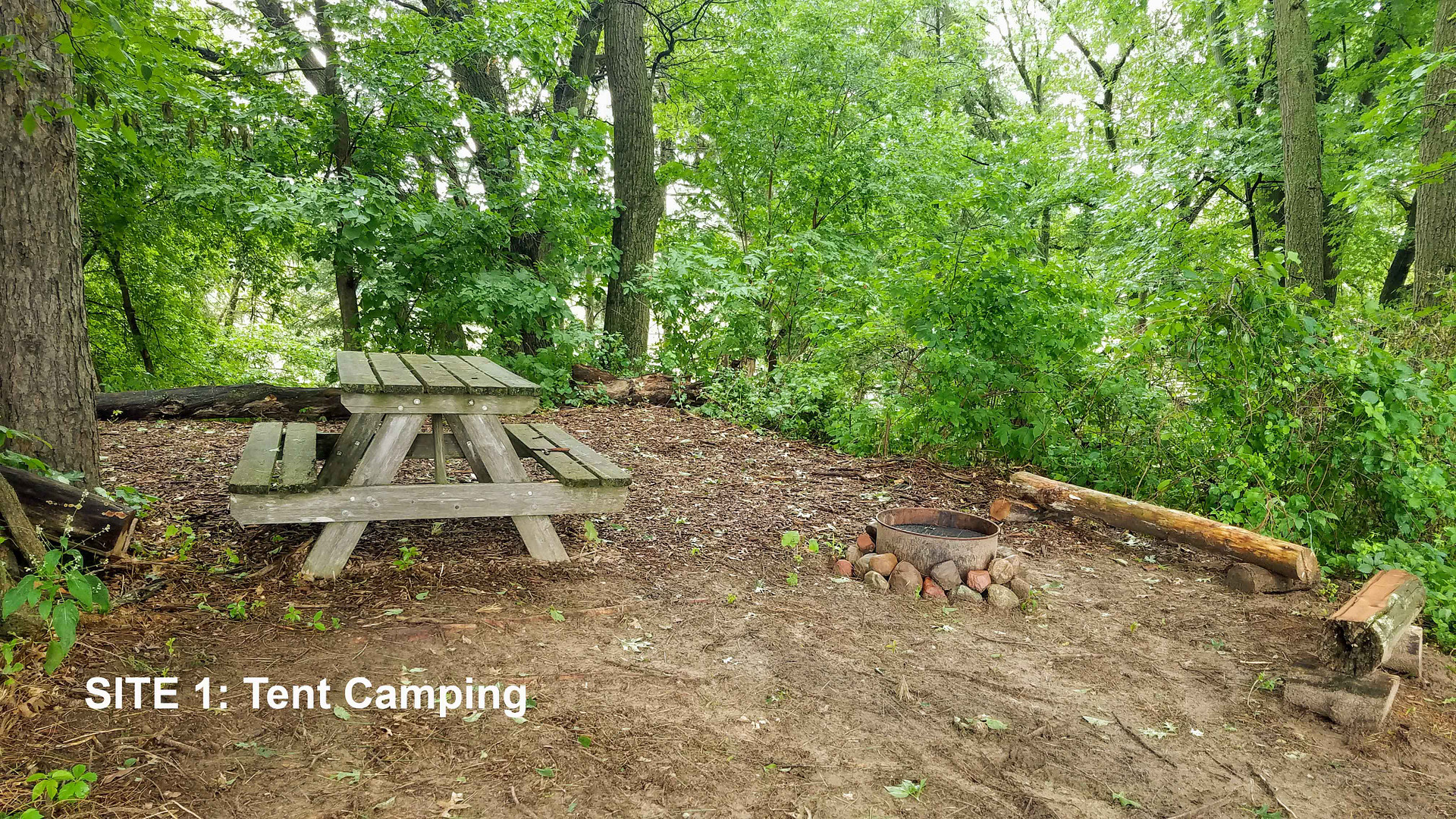
6. Whippletree Farm & Nature Trail
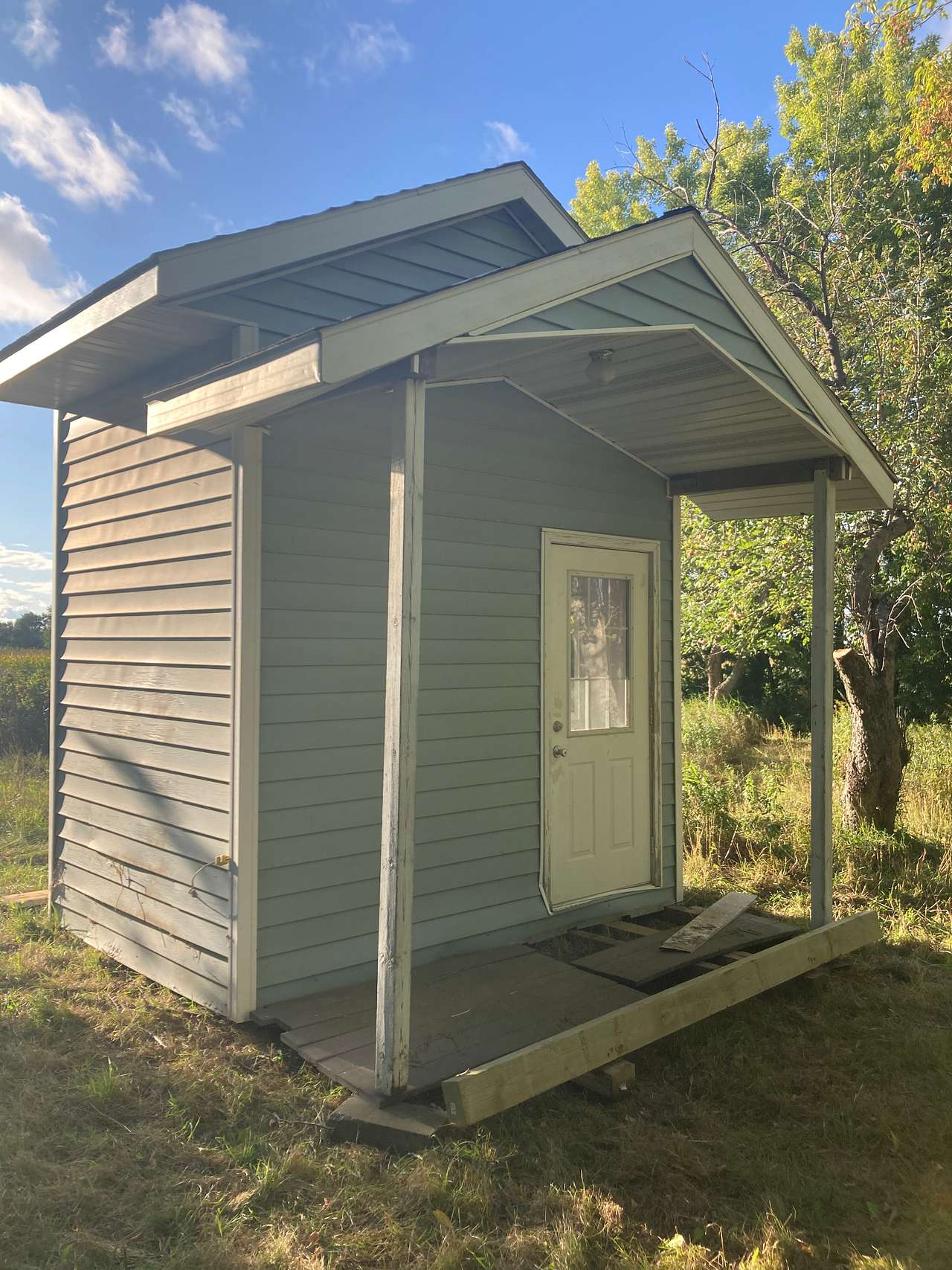


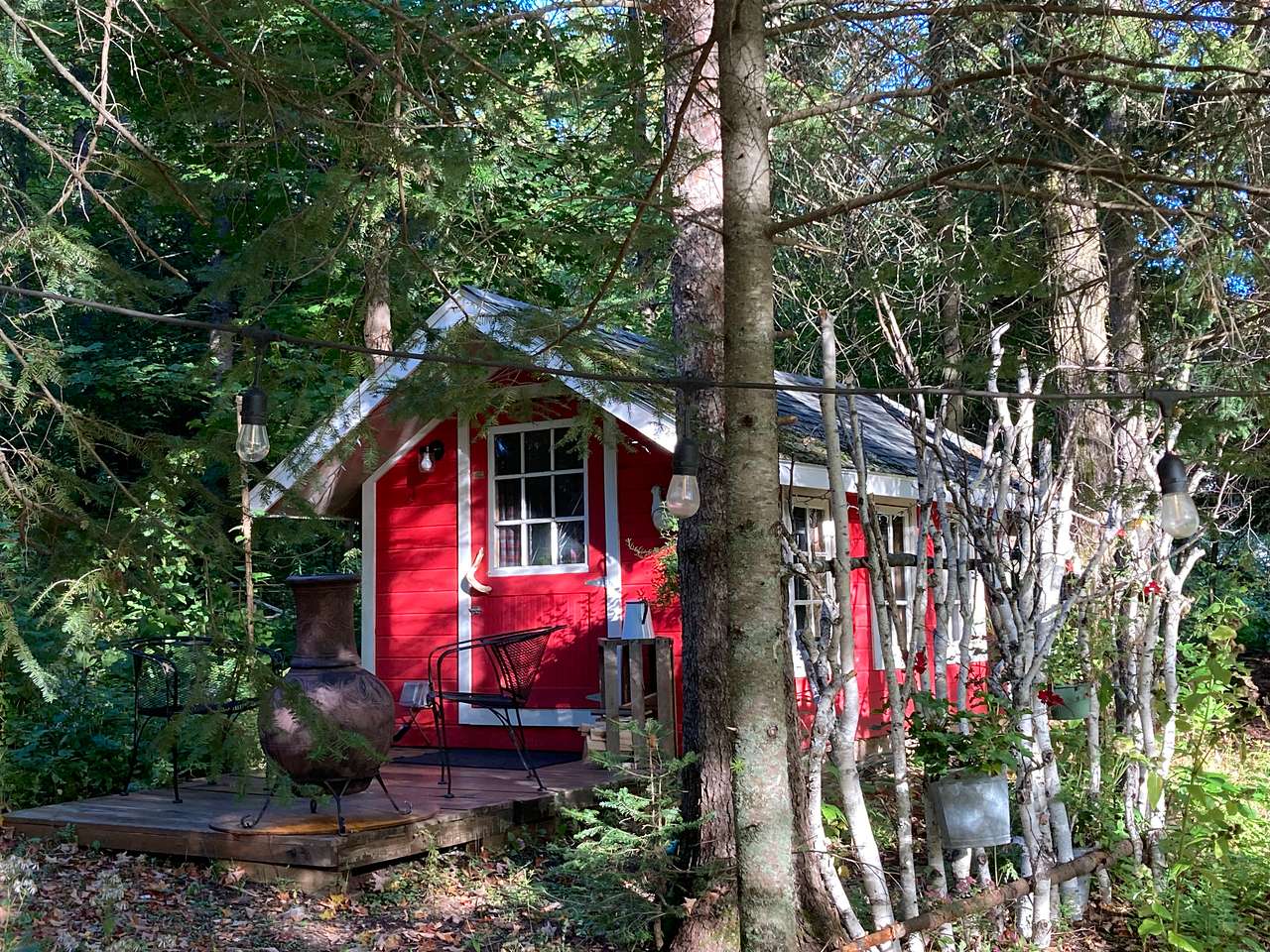
7. The little cabin


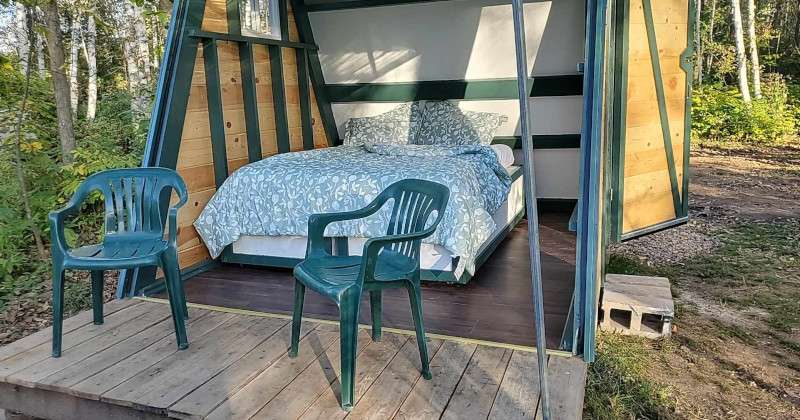
8. Reflections- Unique Modern A Frame


9. The Wooded Retreat/breakfast/spa
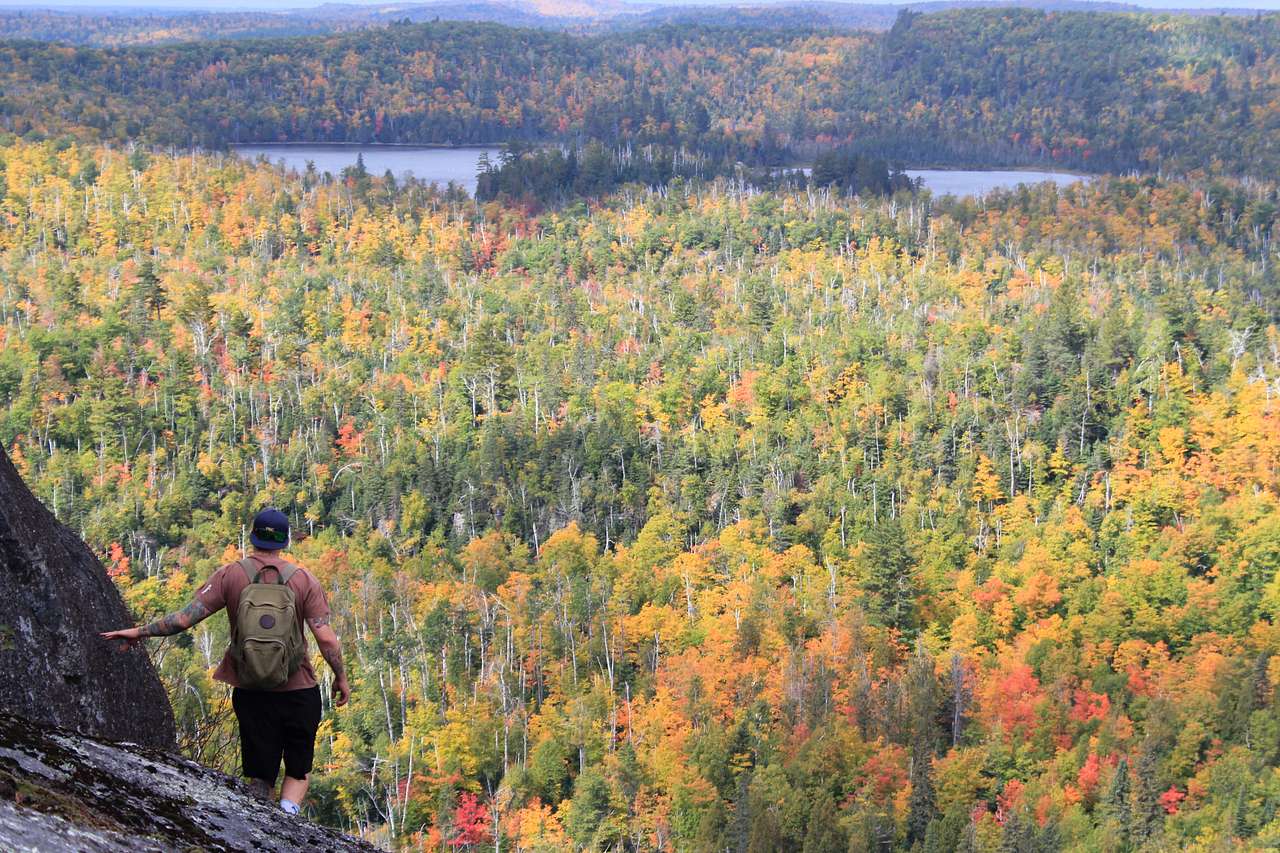
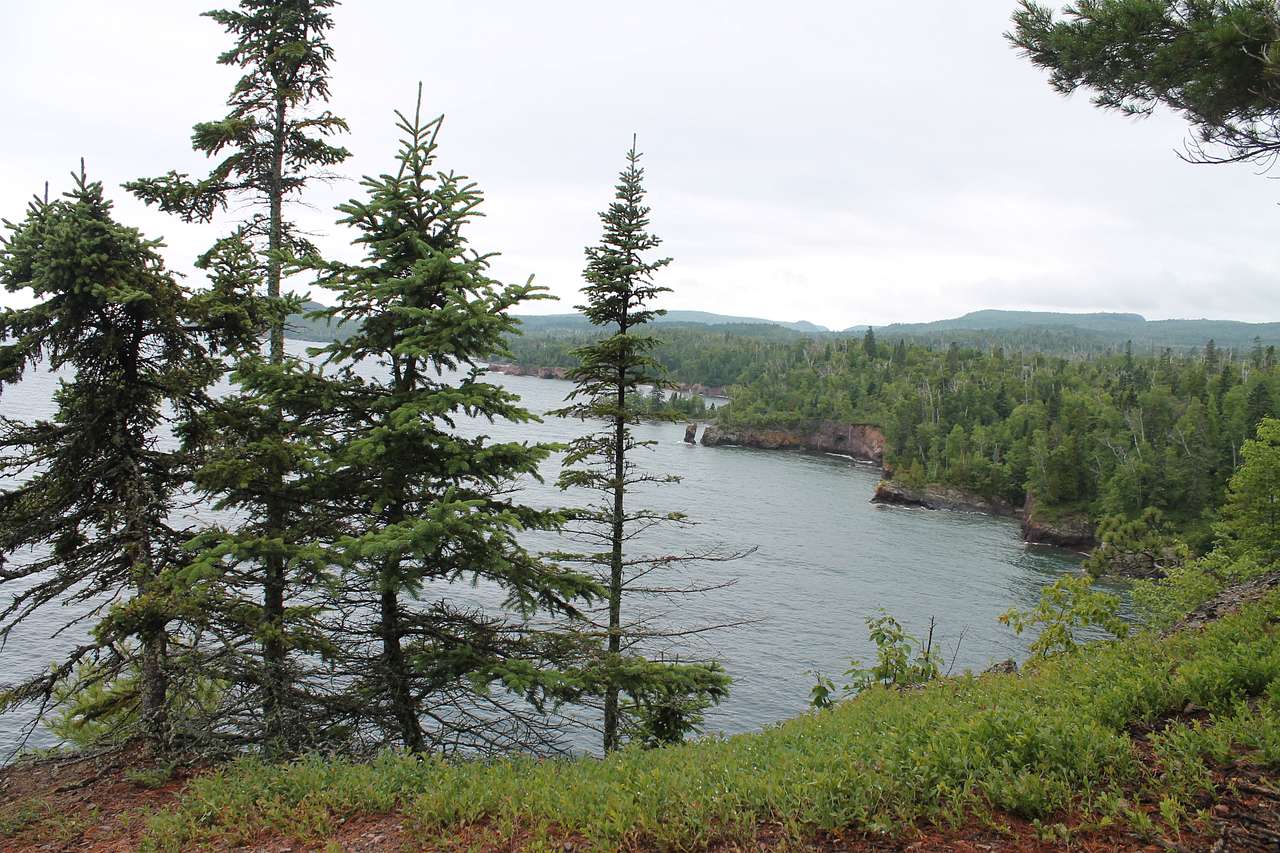
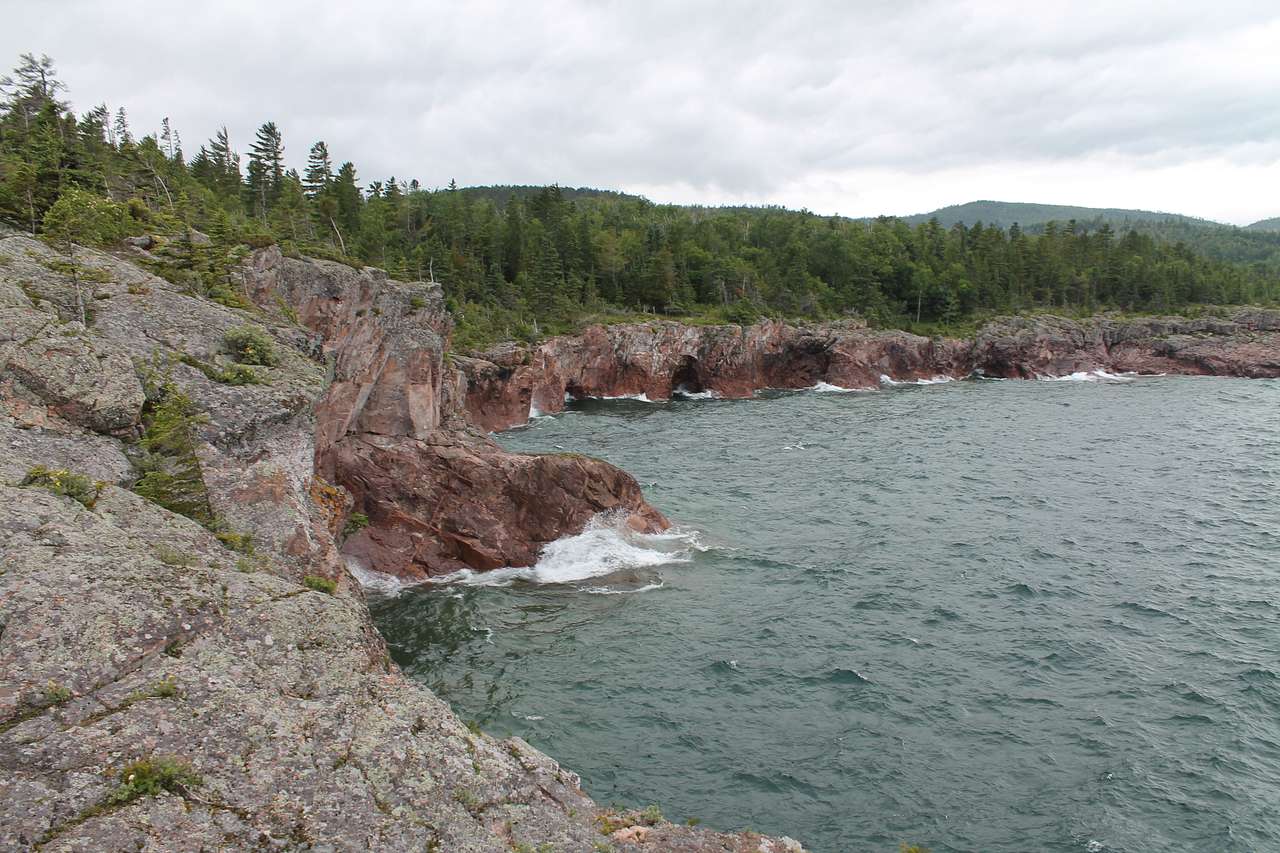
10. Tettegouche State Park
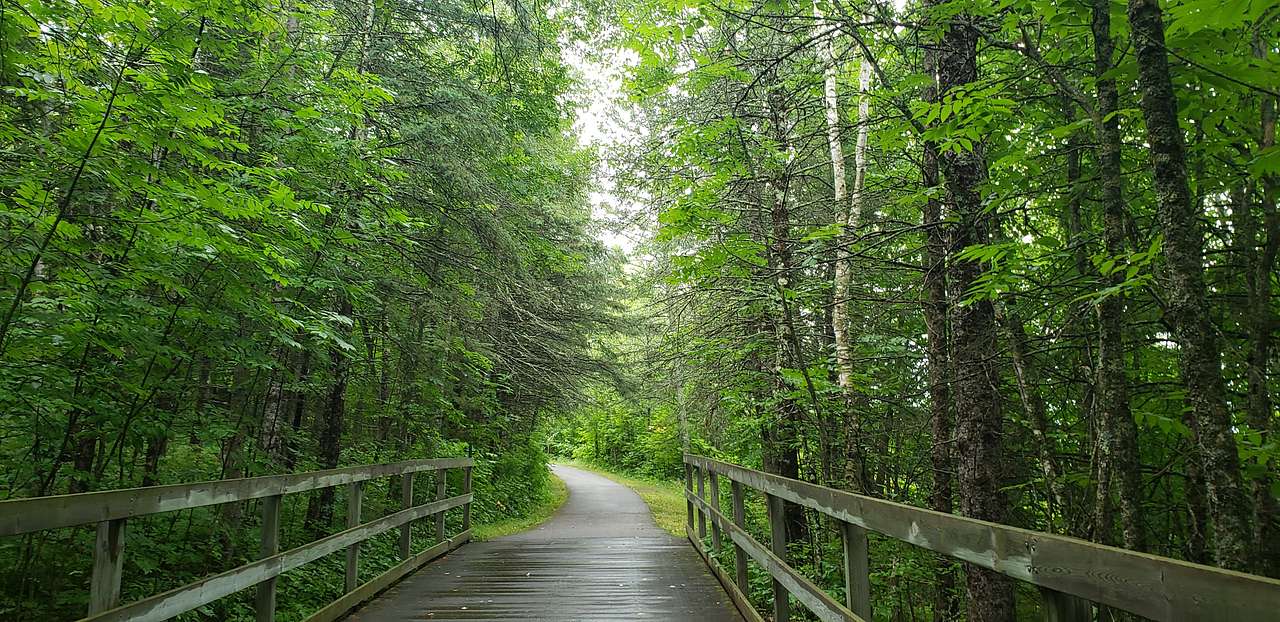
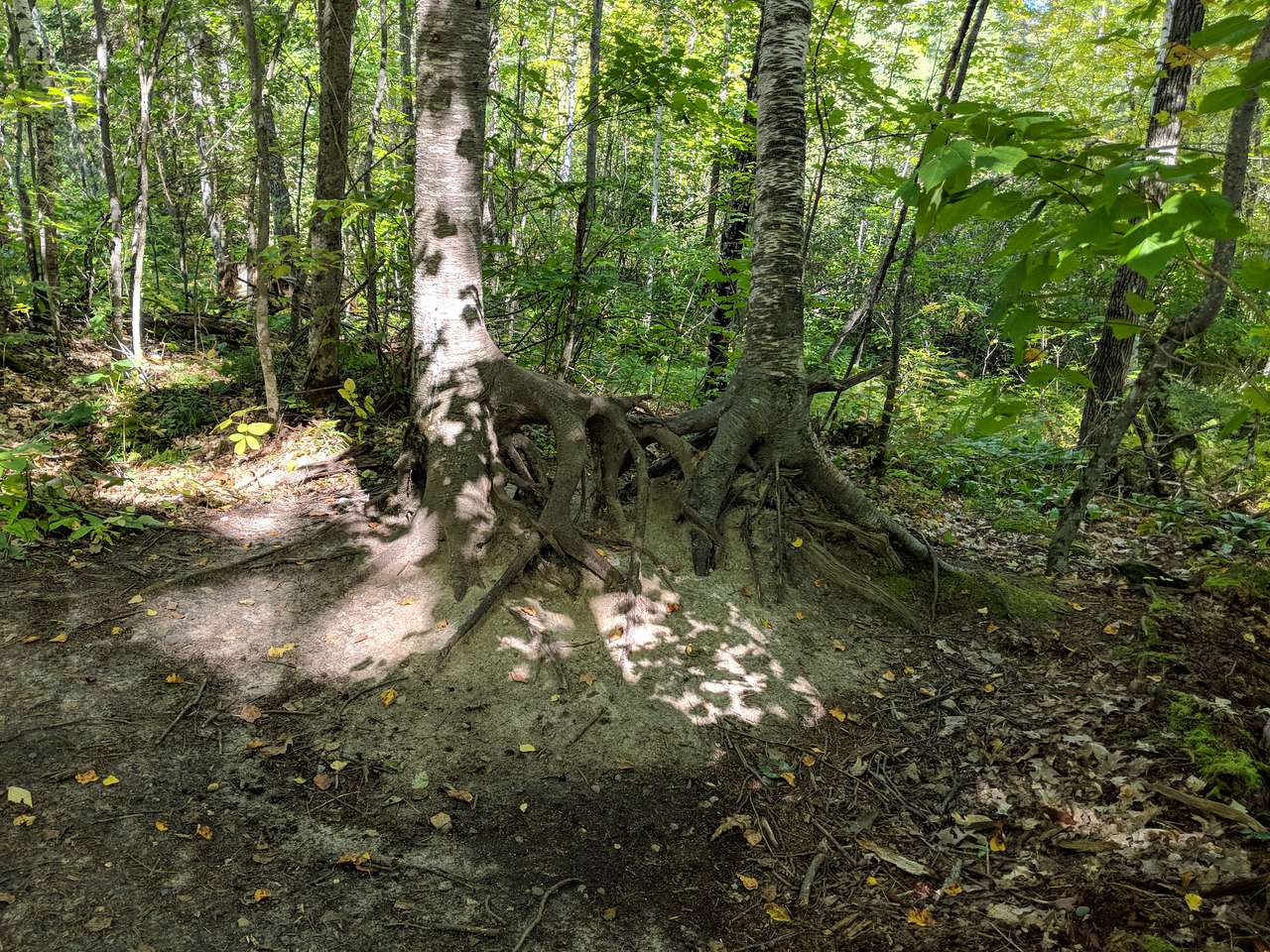

11. Itasca State Park
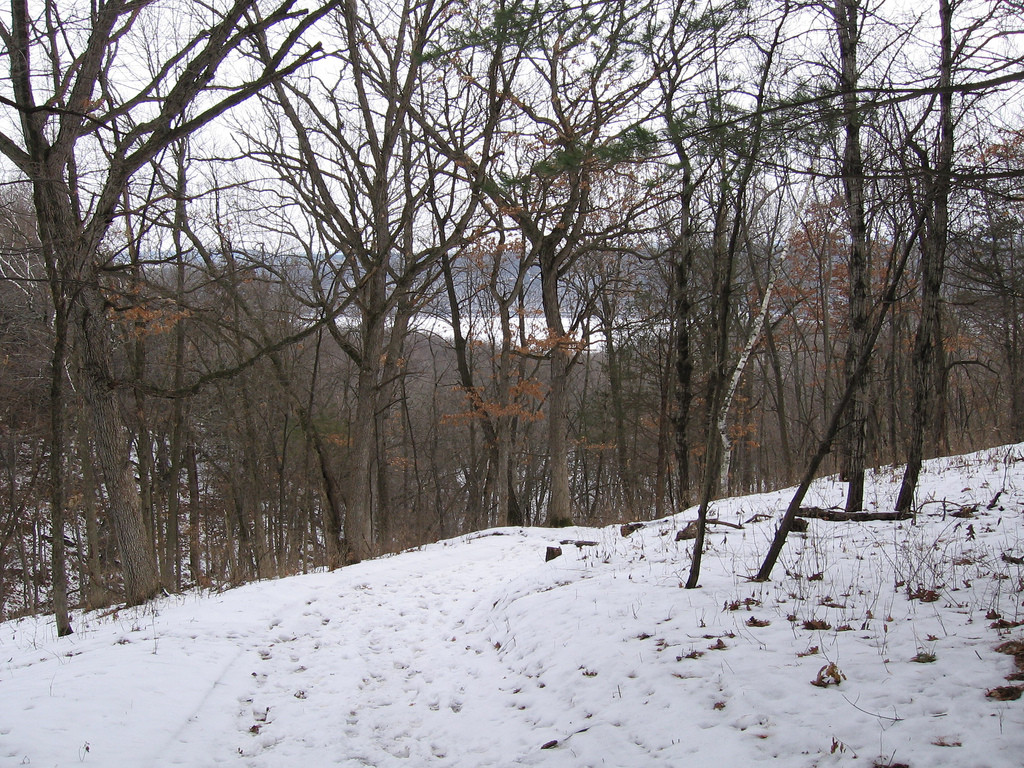
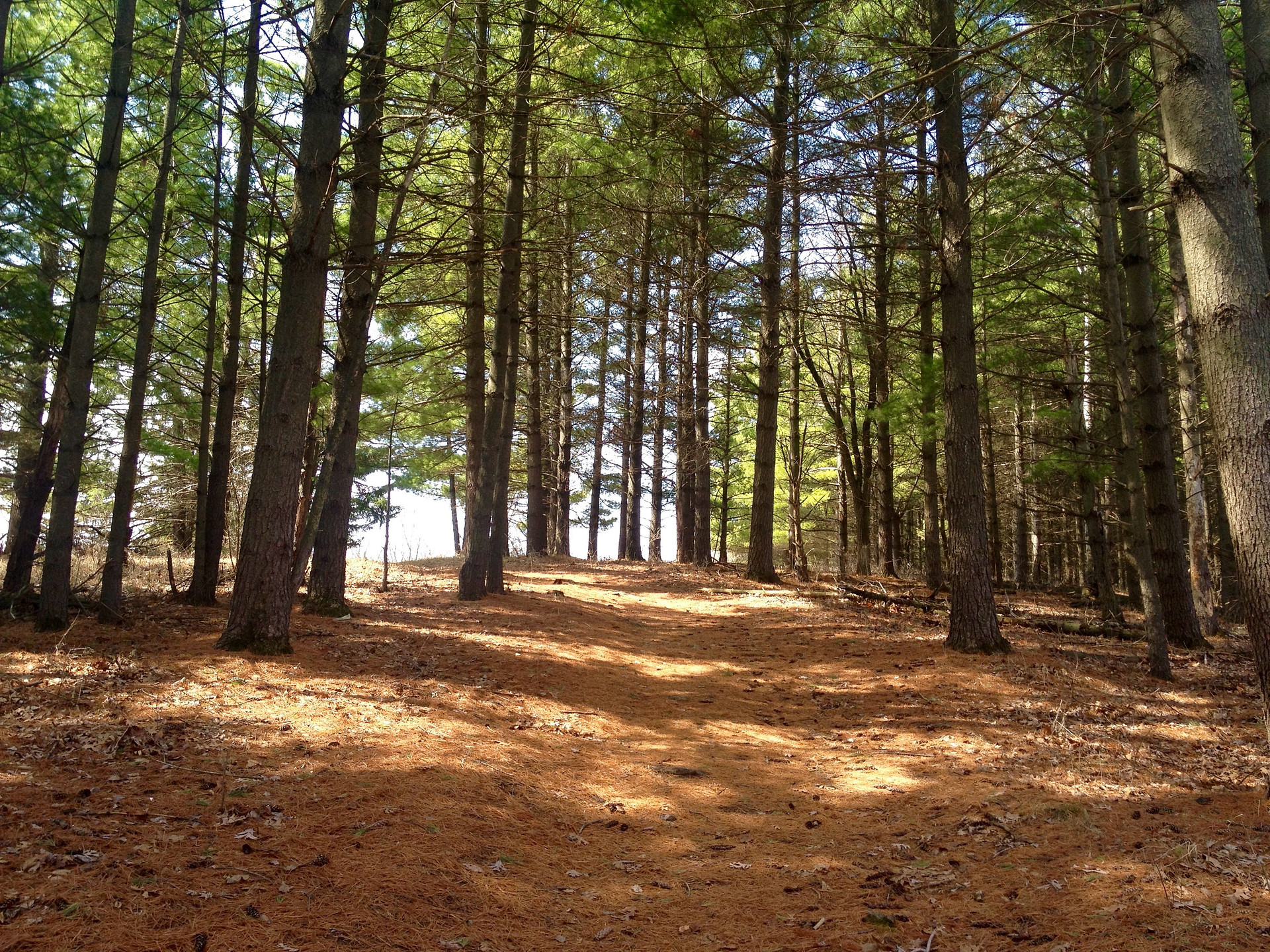
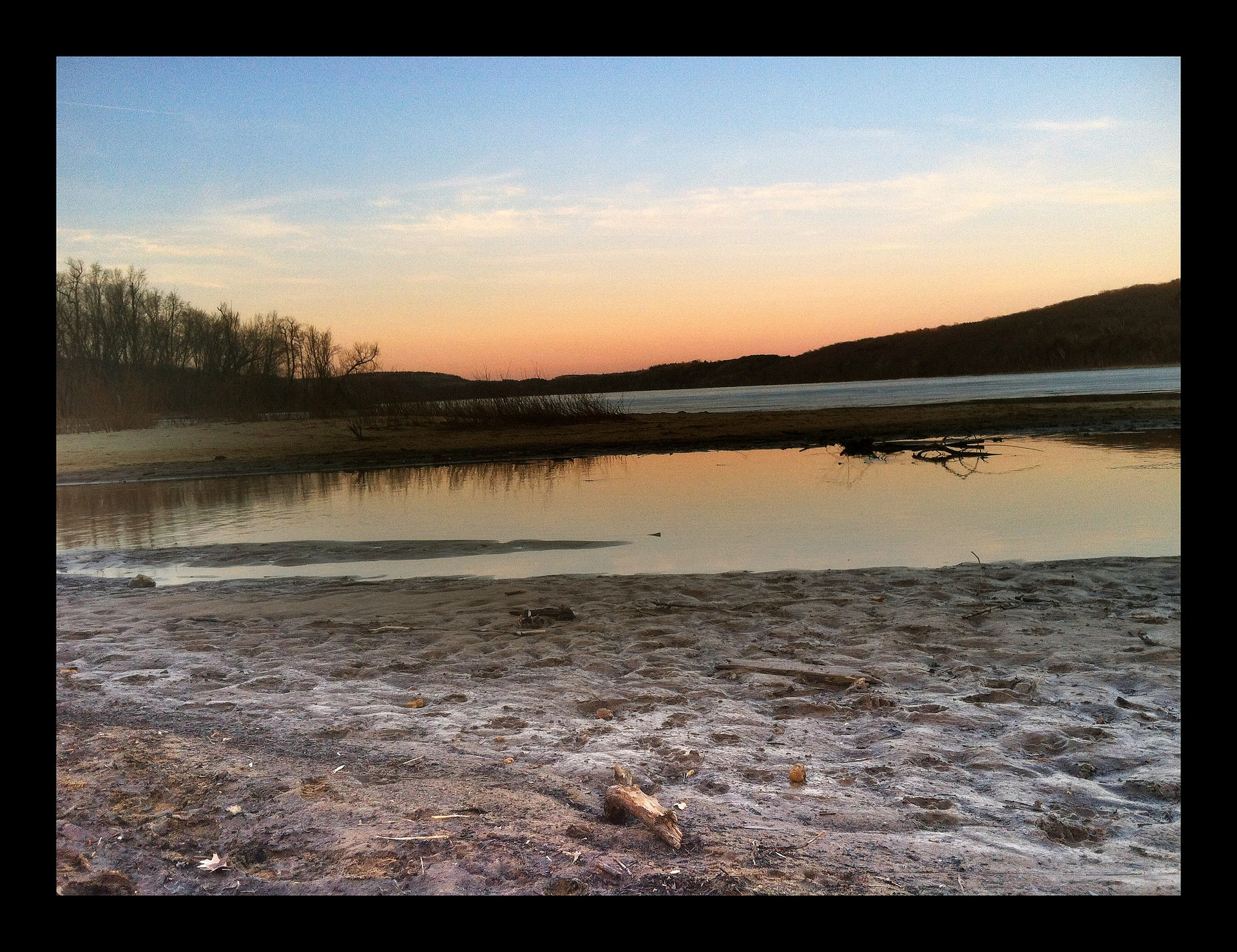
12. Afton State Park


13. Blue Mounds State Park
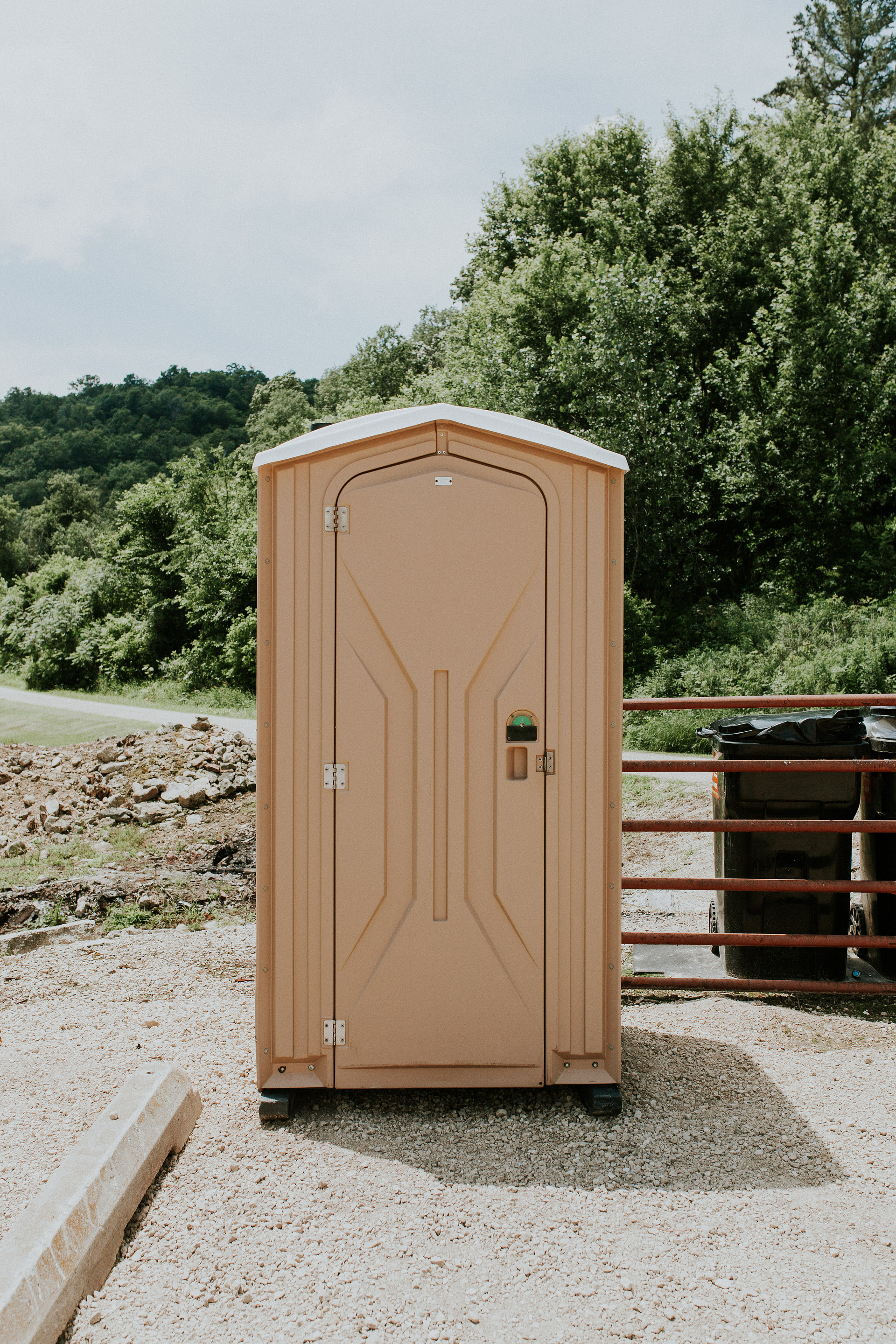
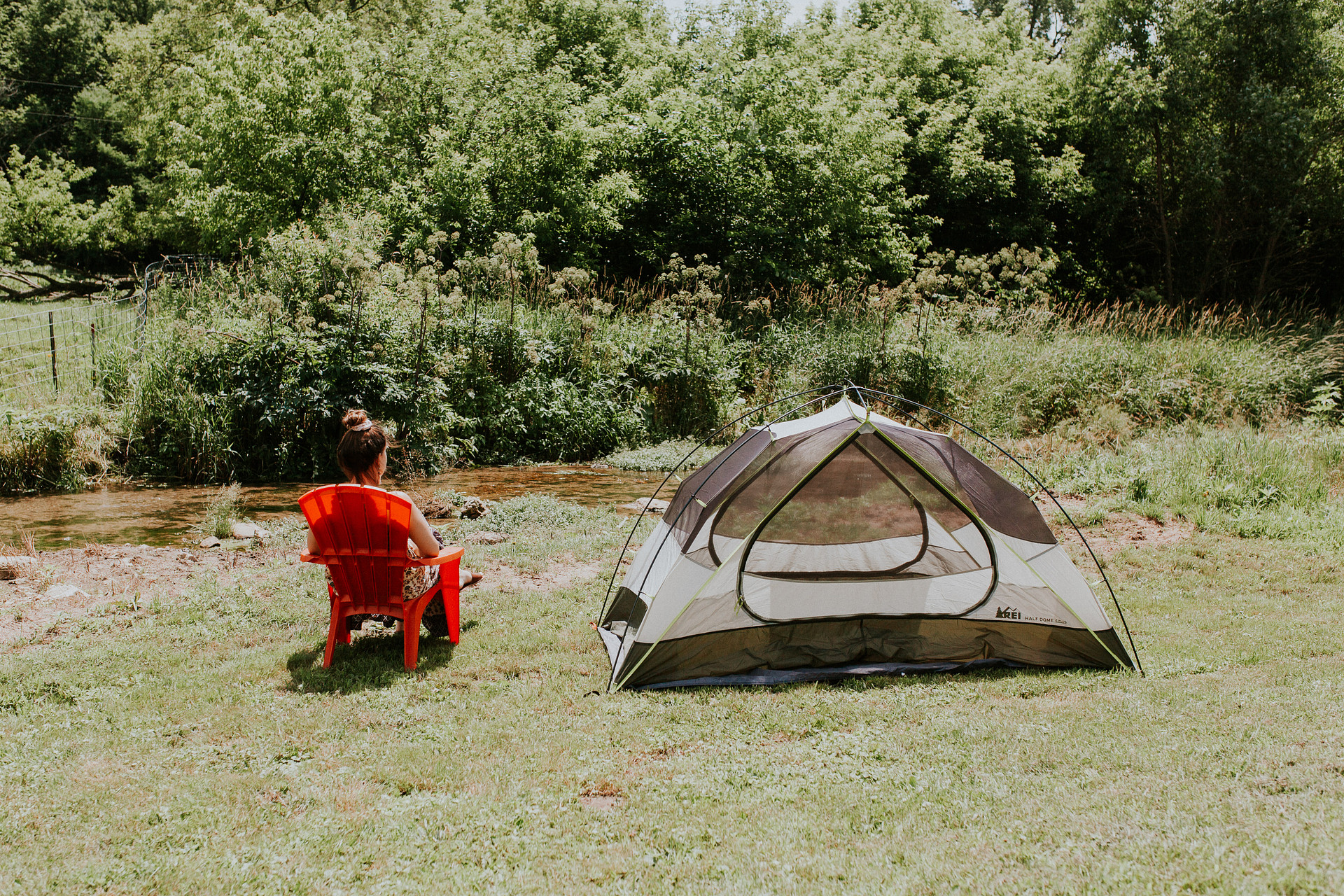
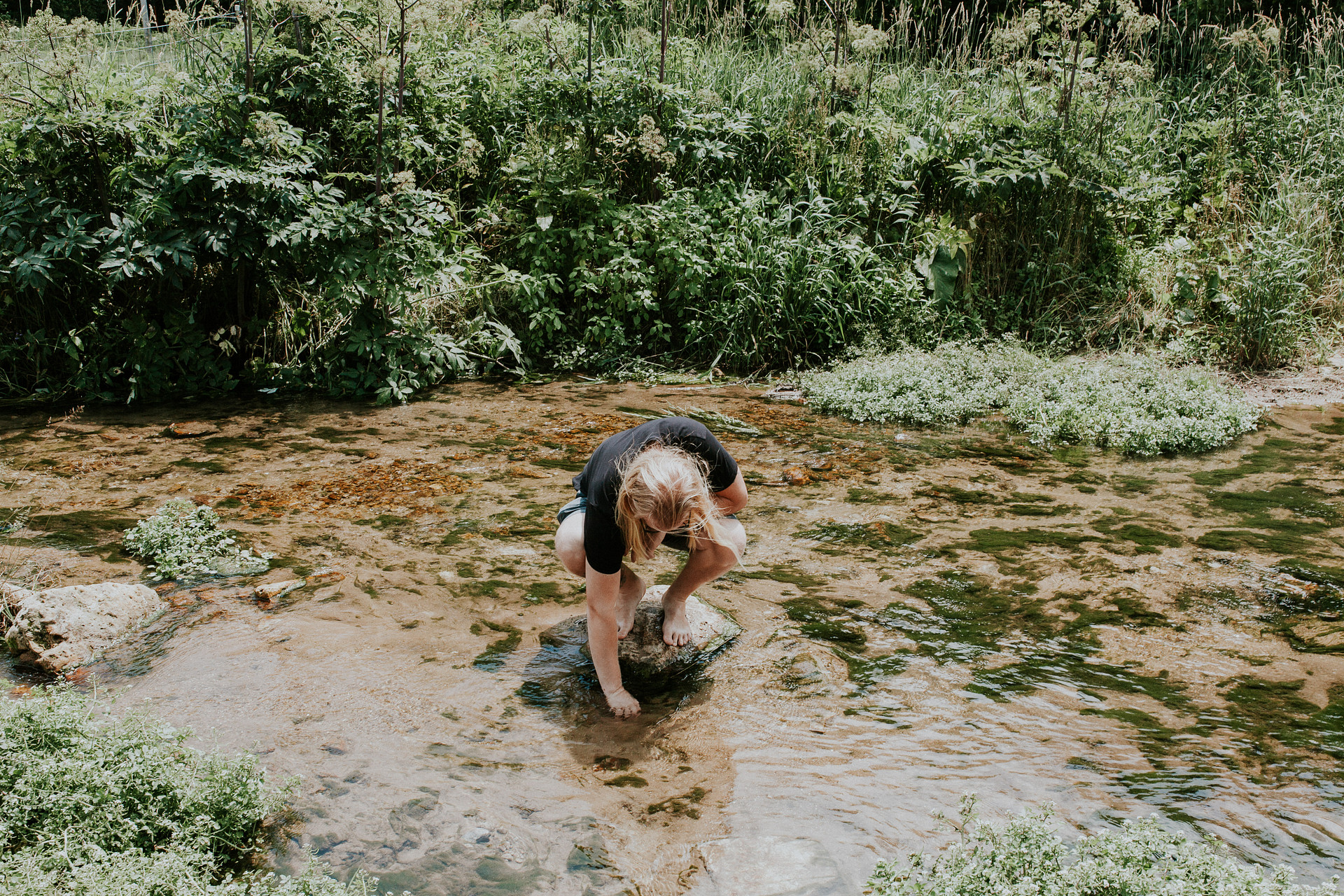
14. Ranch Retreat Camping
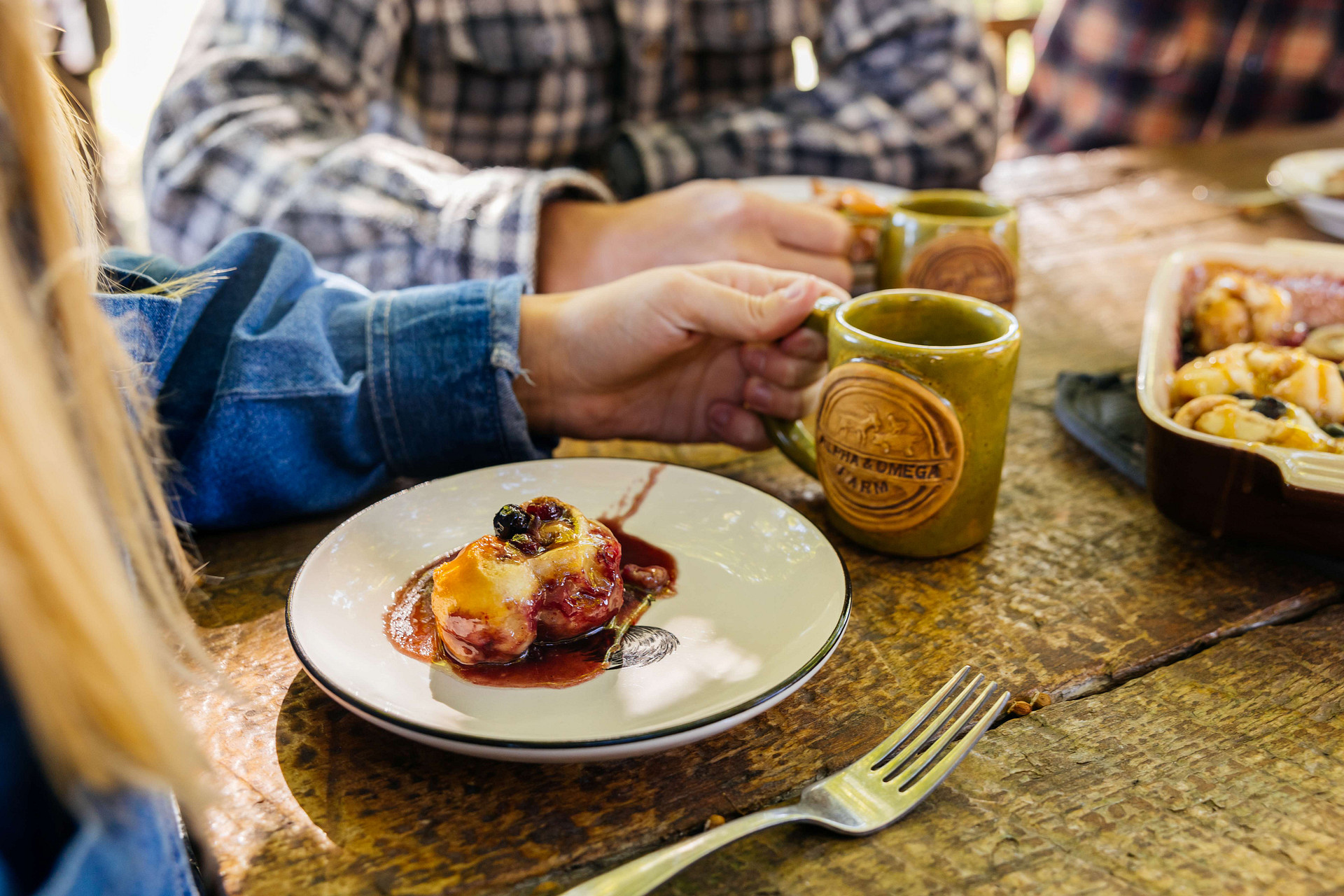
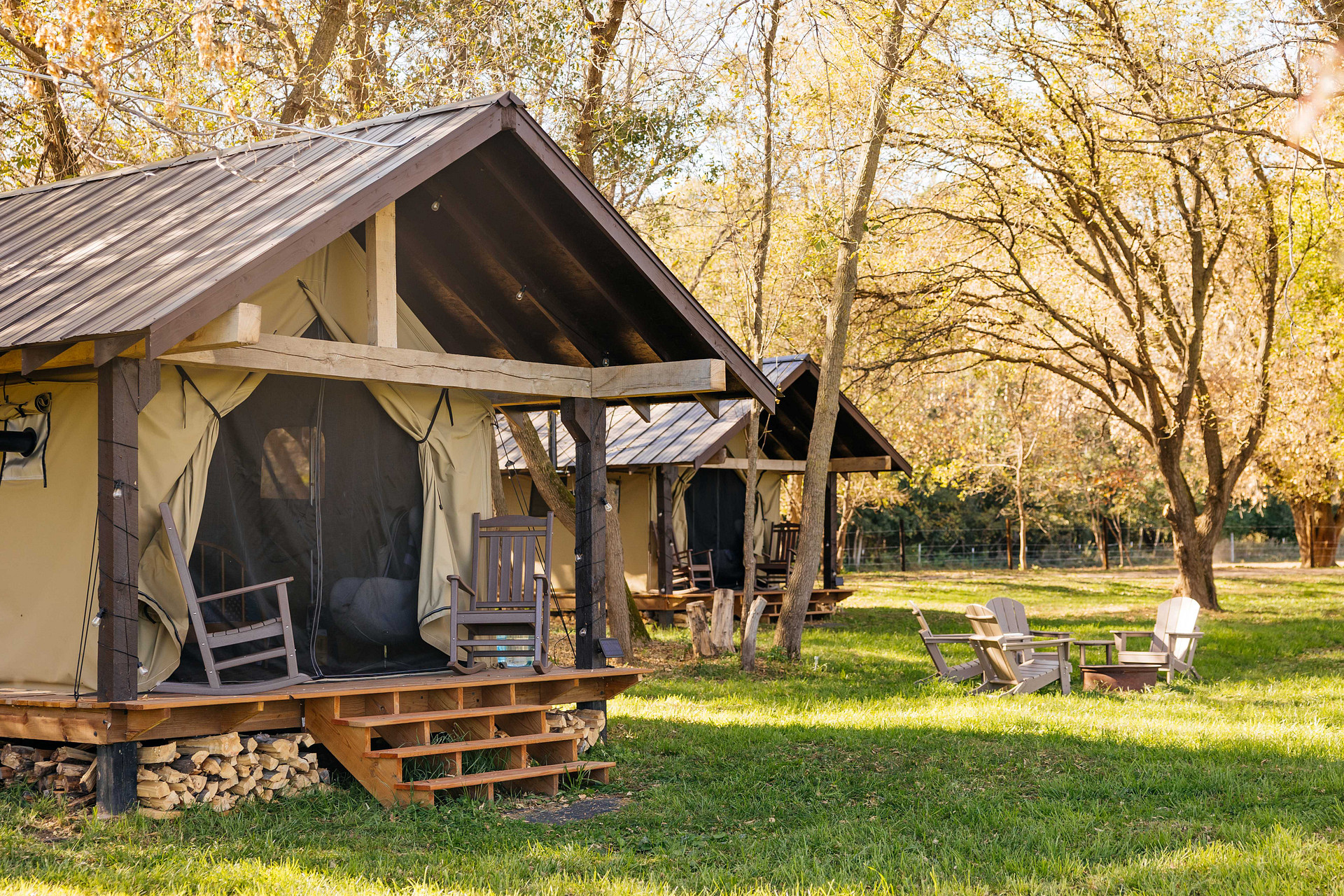
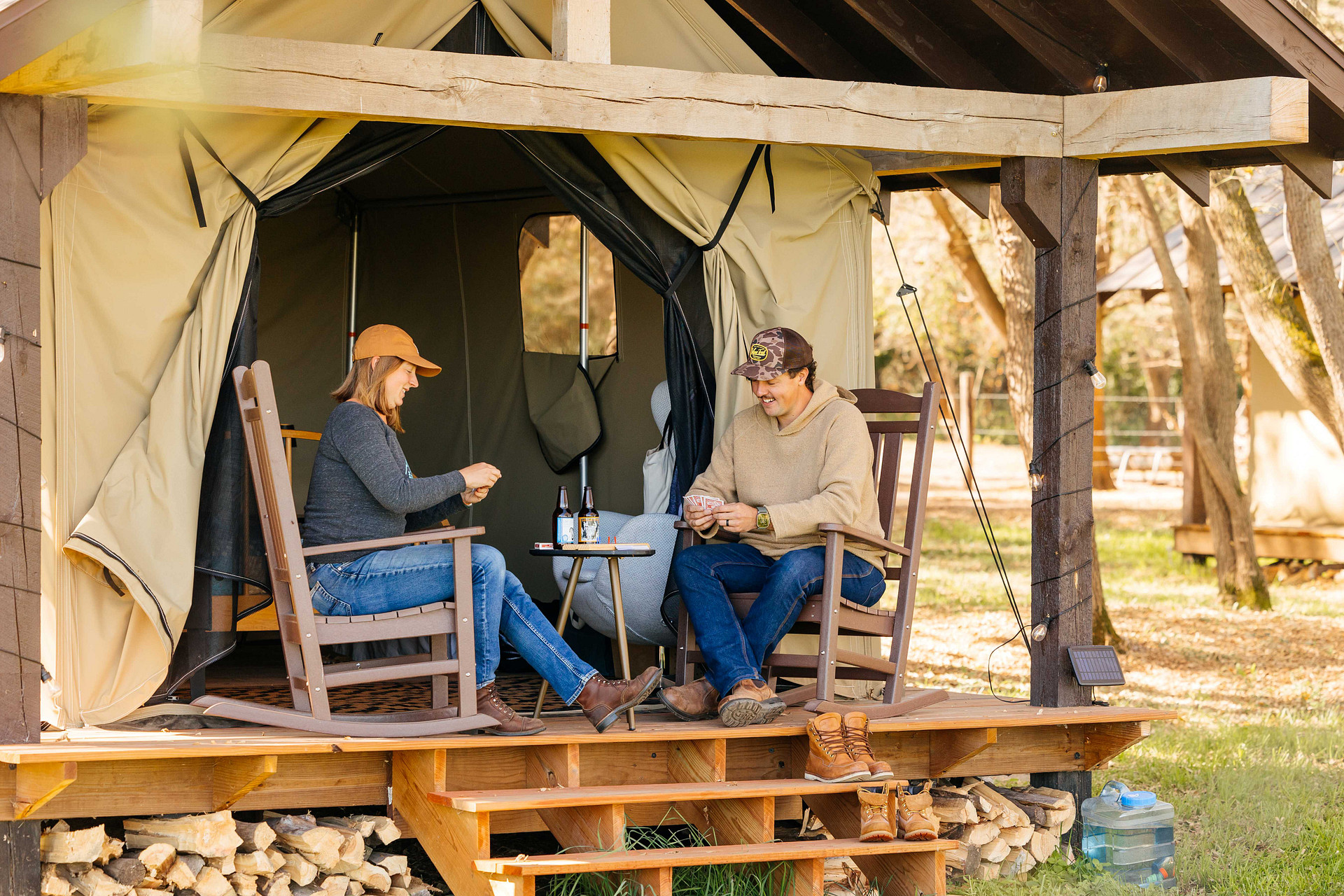
15. Alpha and Omega Pizza Farm
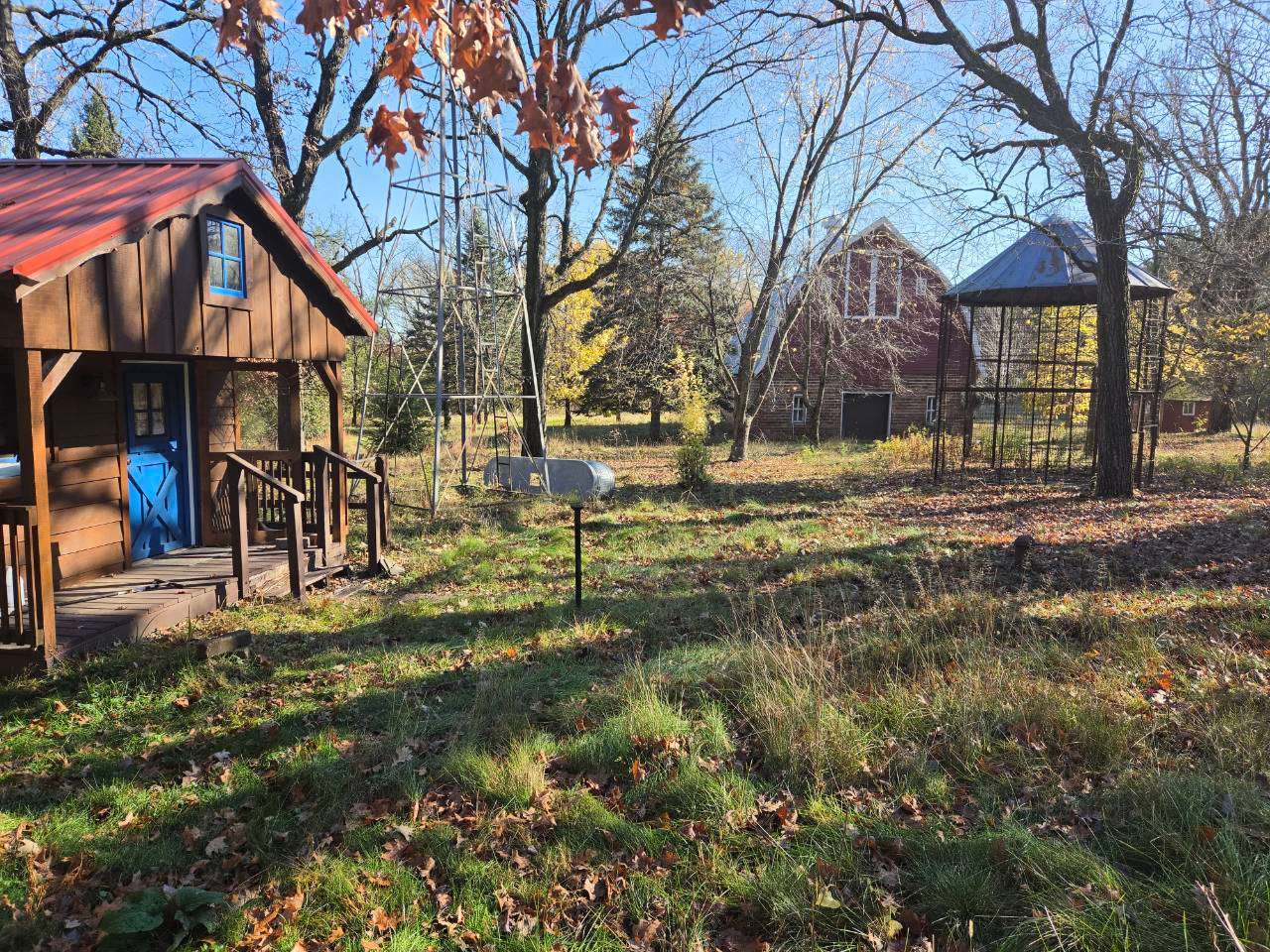


16. The Overgrown Oasis


17. Aefintyr
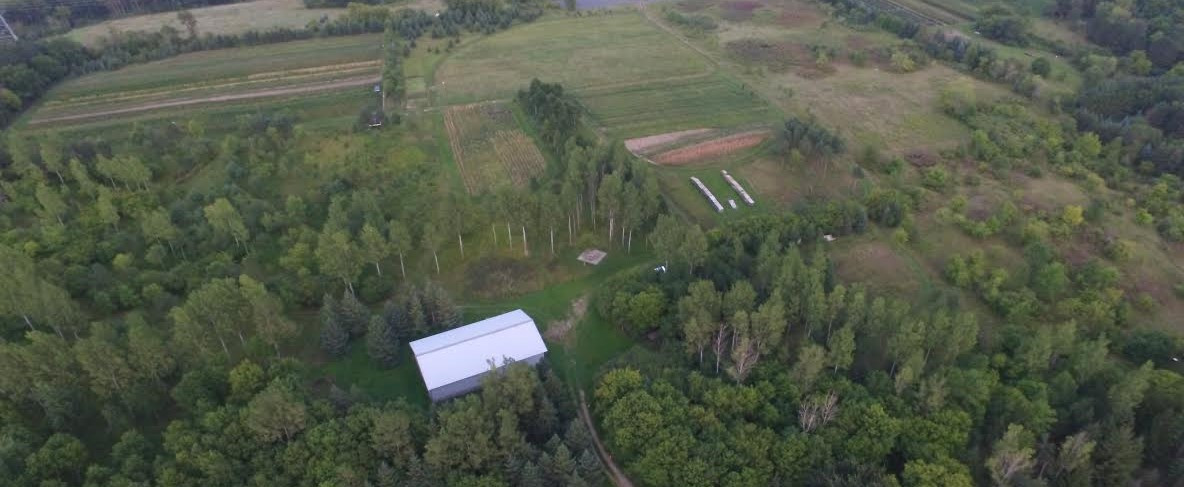
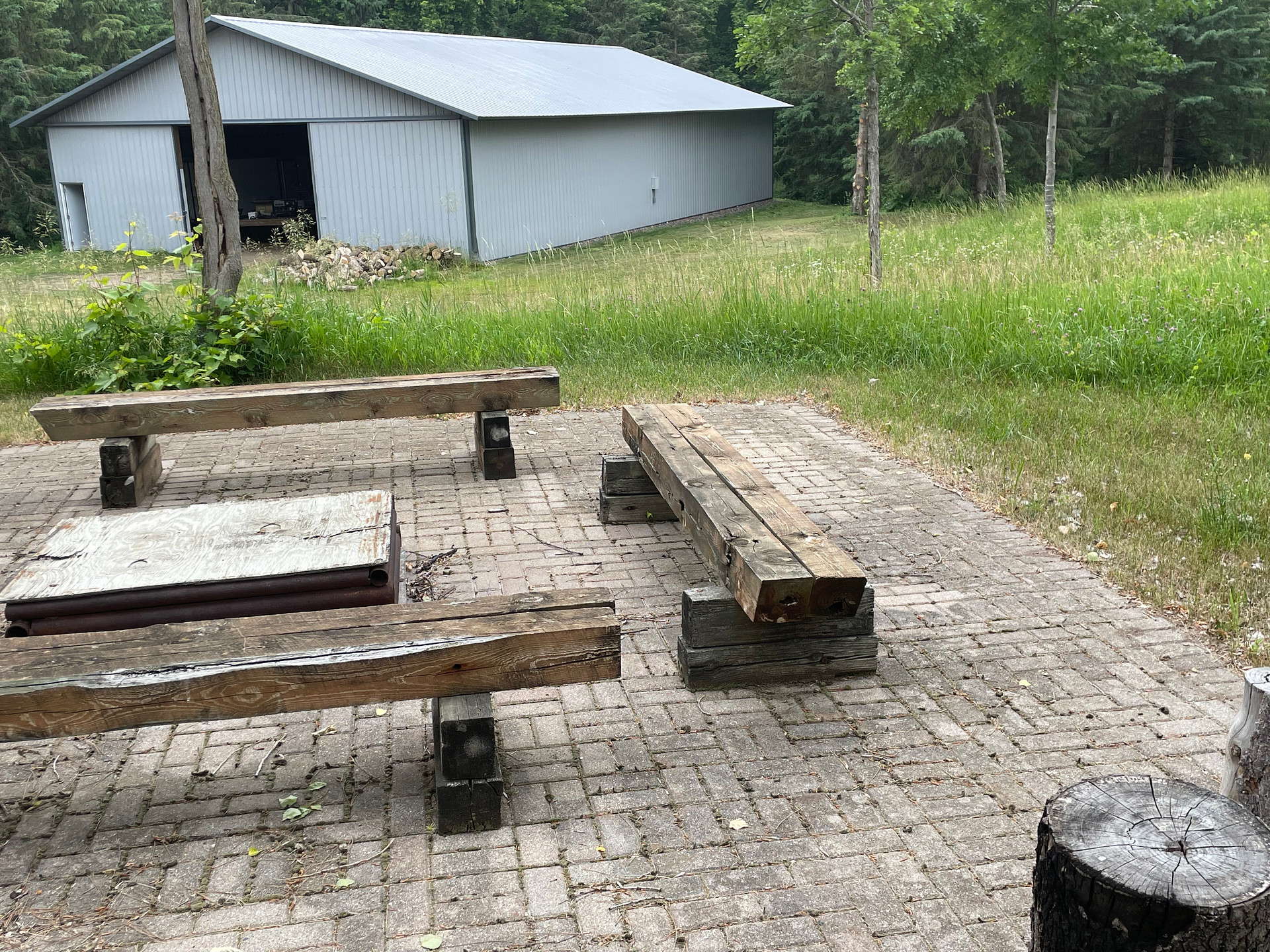
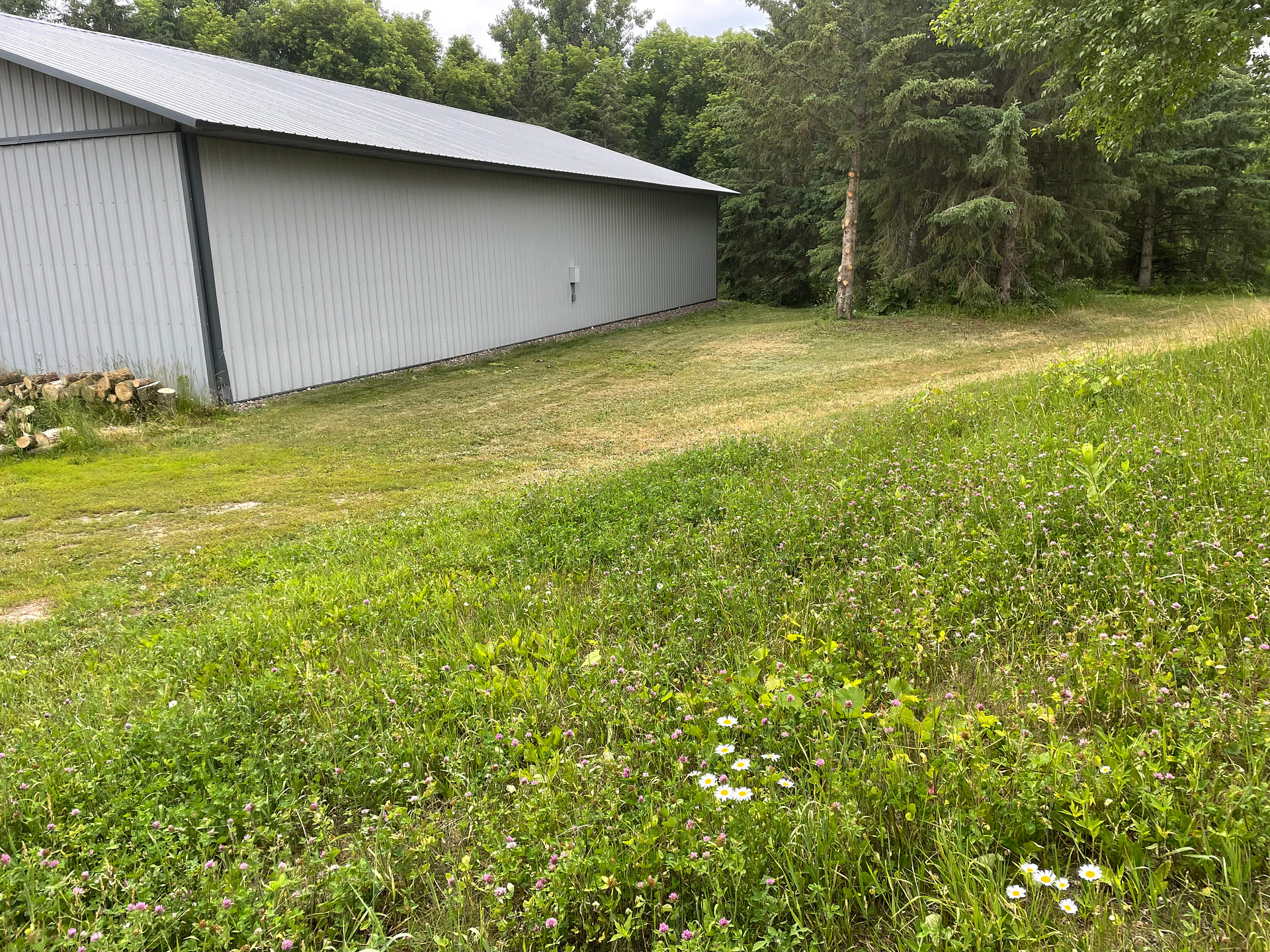
18. Honeyberry Minnesota working farm
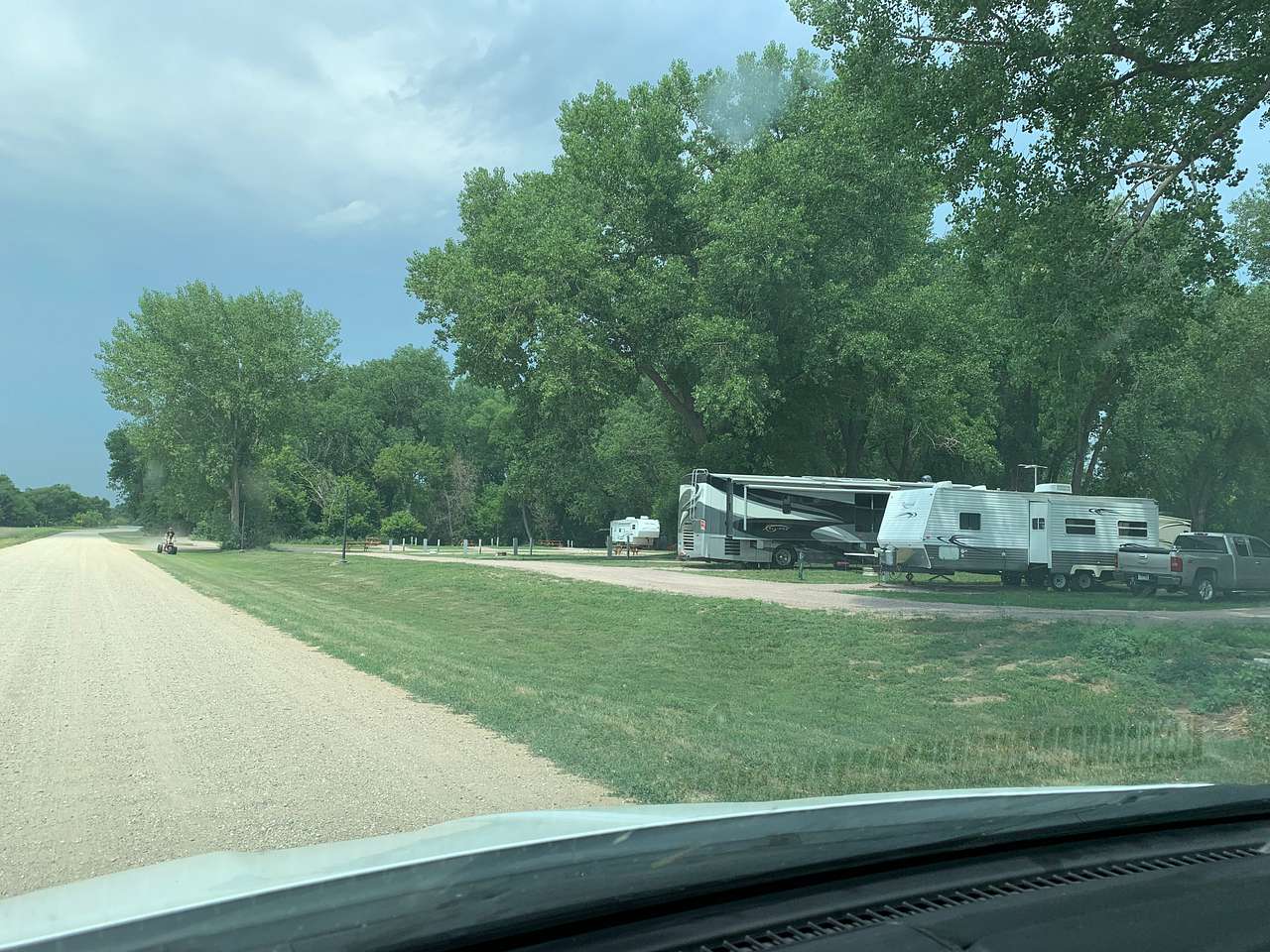
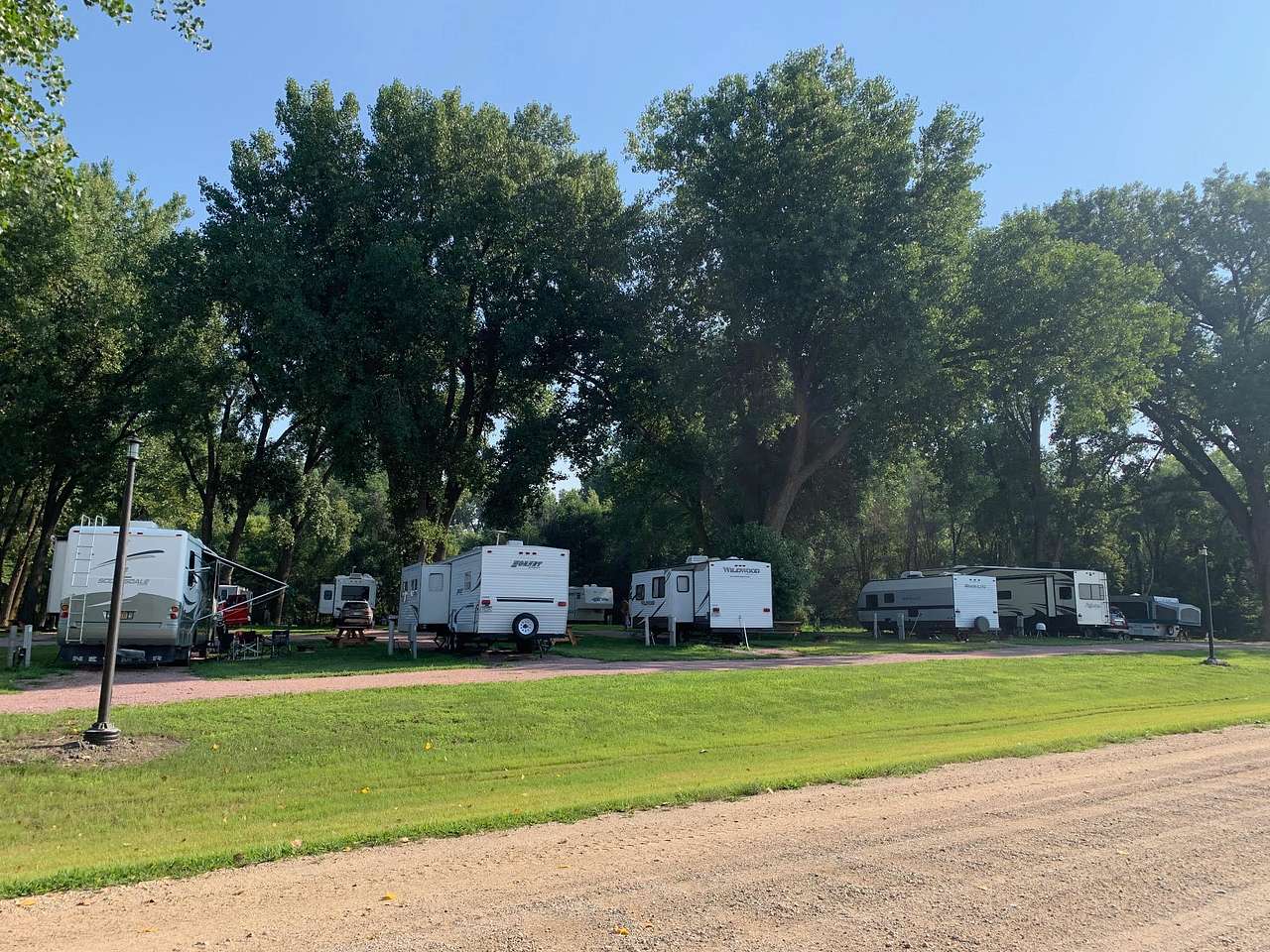
19. River Road Campground Luverne

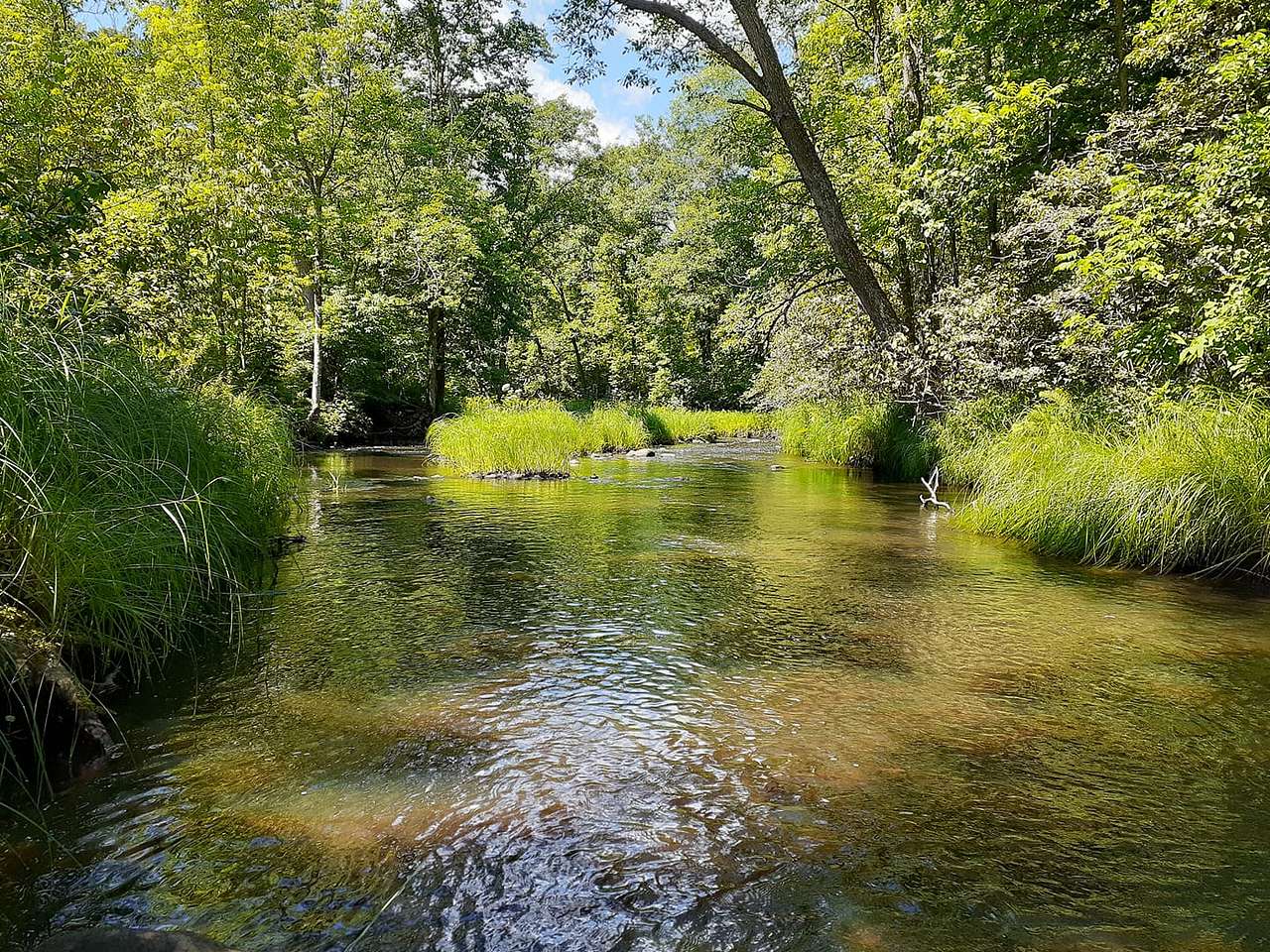
20. The Camps at the Vineyards
Balsam Ridge Retreat
The Edge
Ranch Retreat Camping
Alpha and Omega Pizza Farm
Aefintyr
River Road Campground Luverne
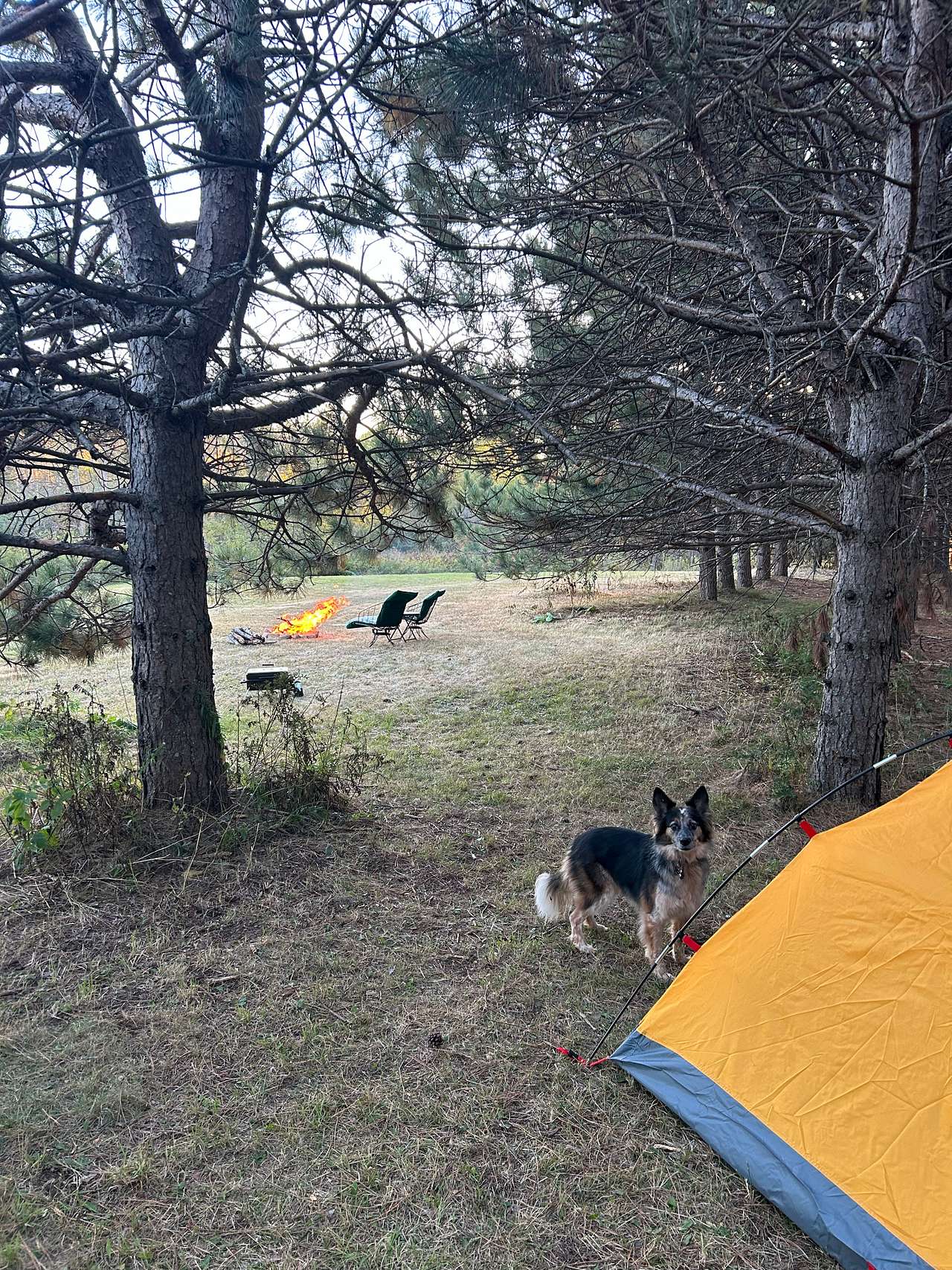
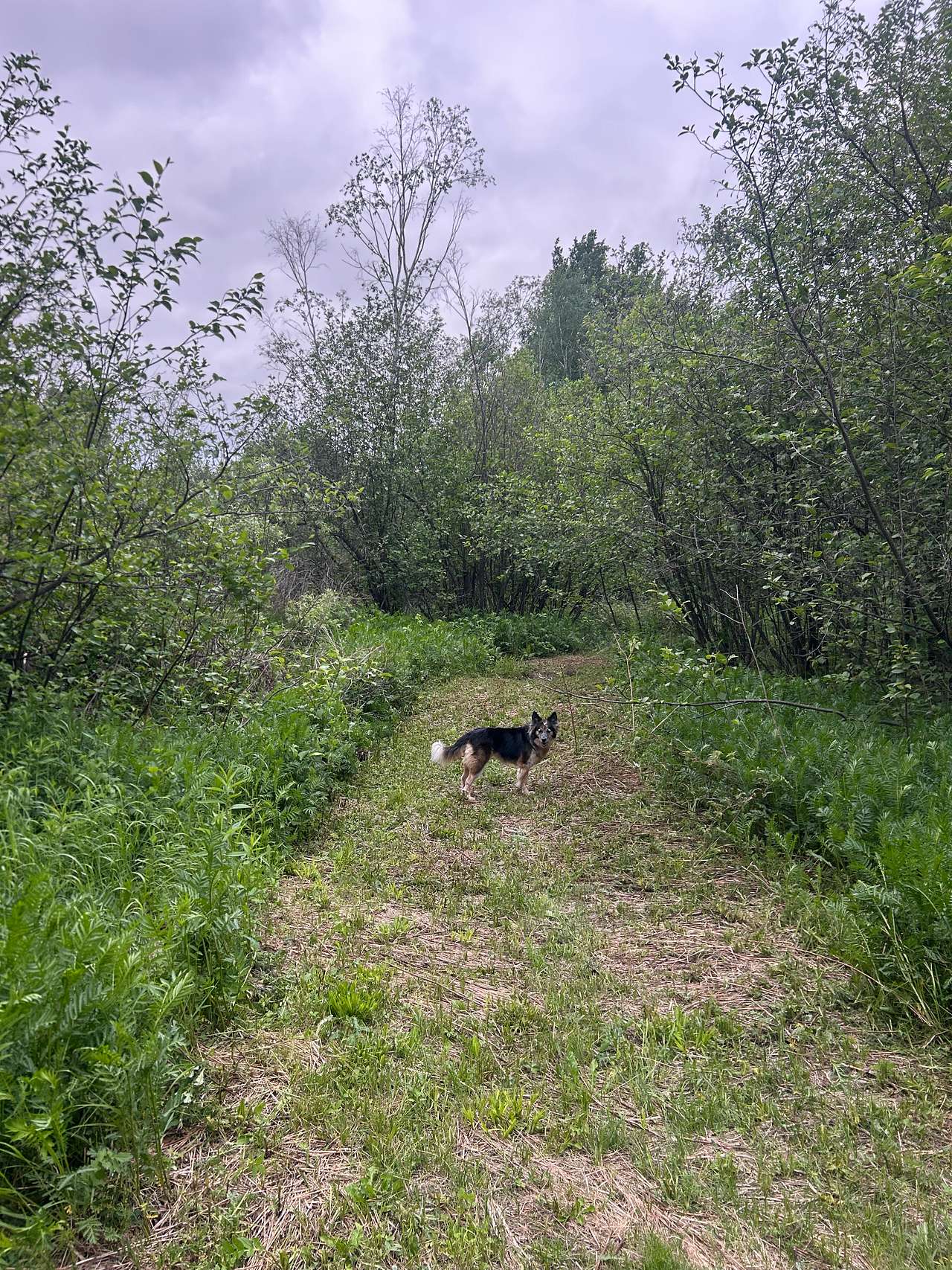
Off Grid Stargazing
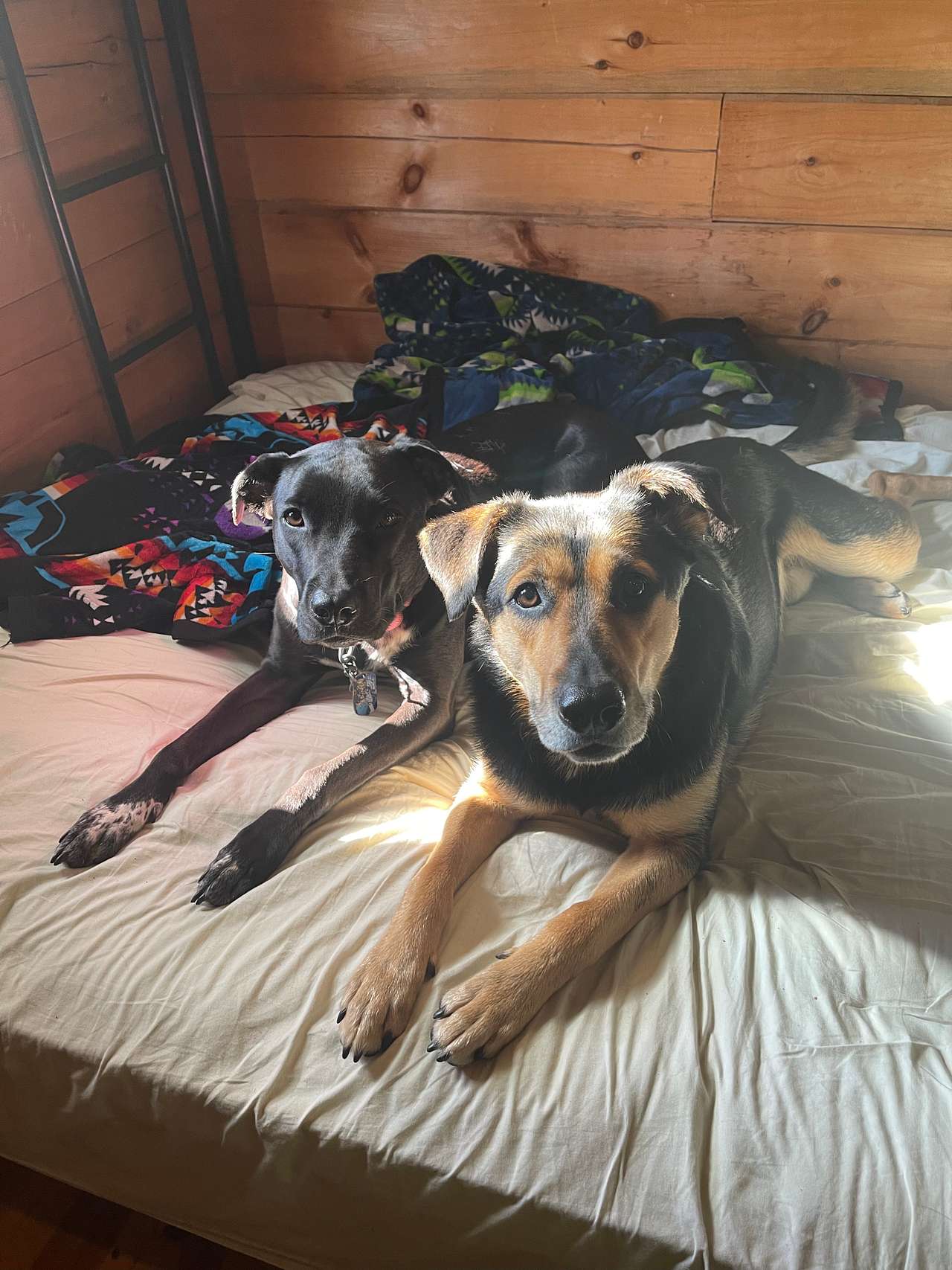


The Edge
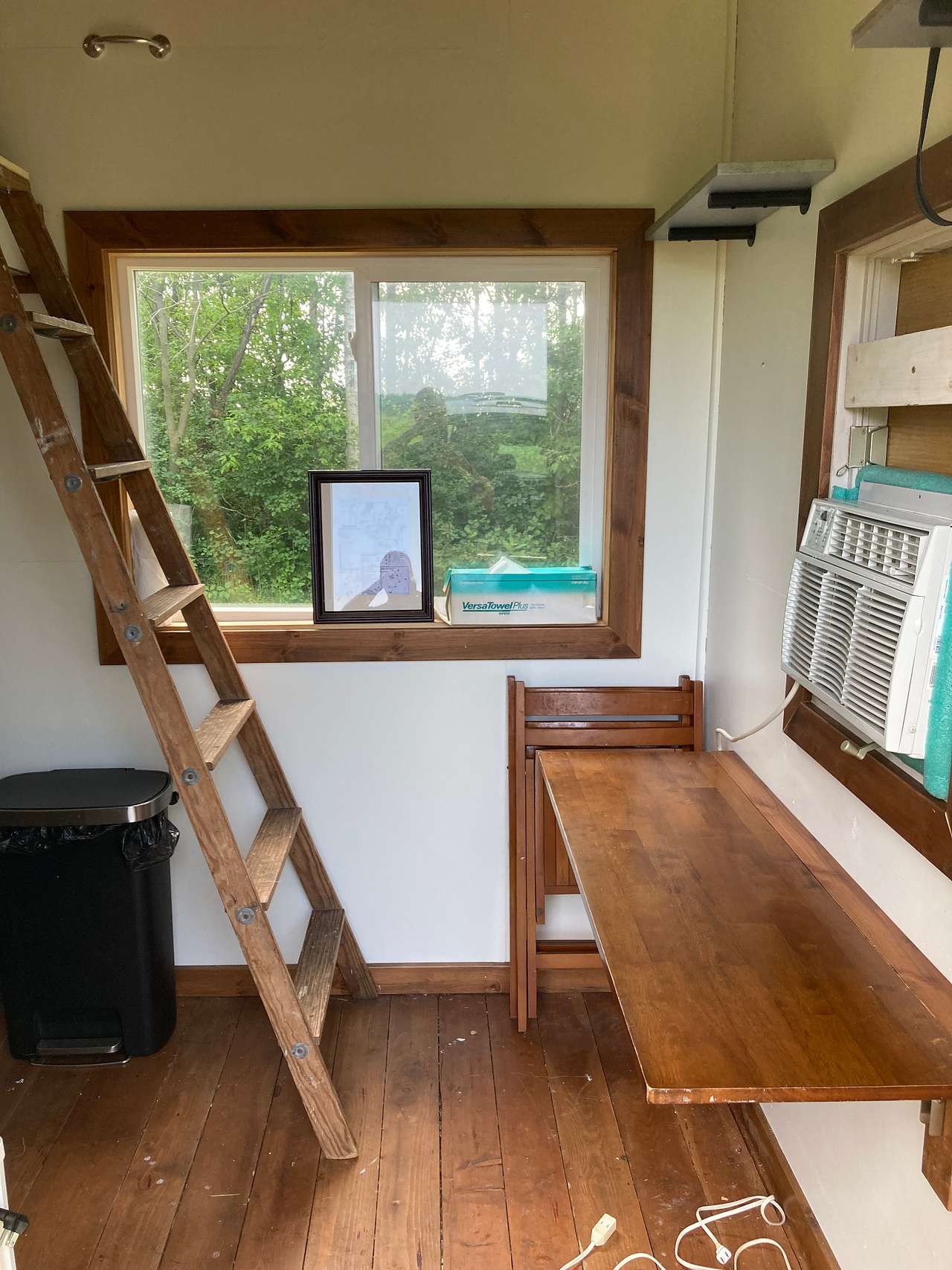
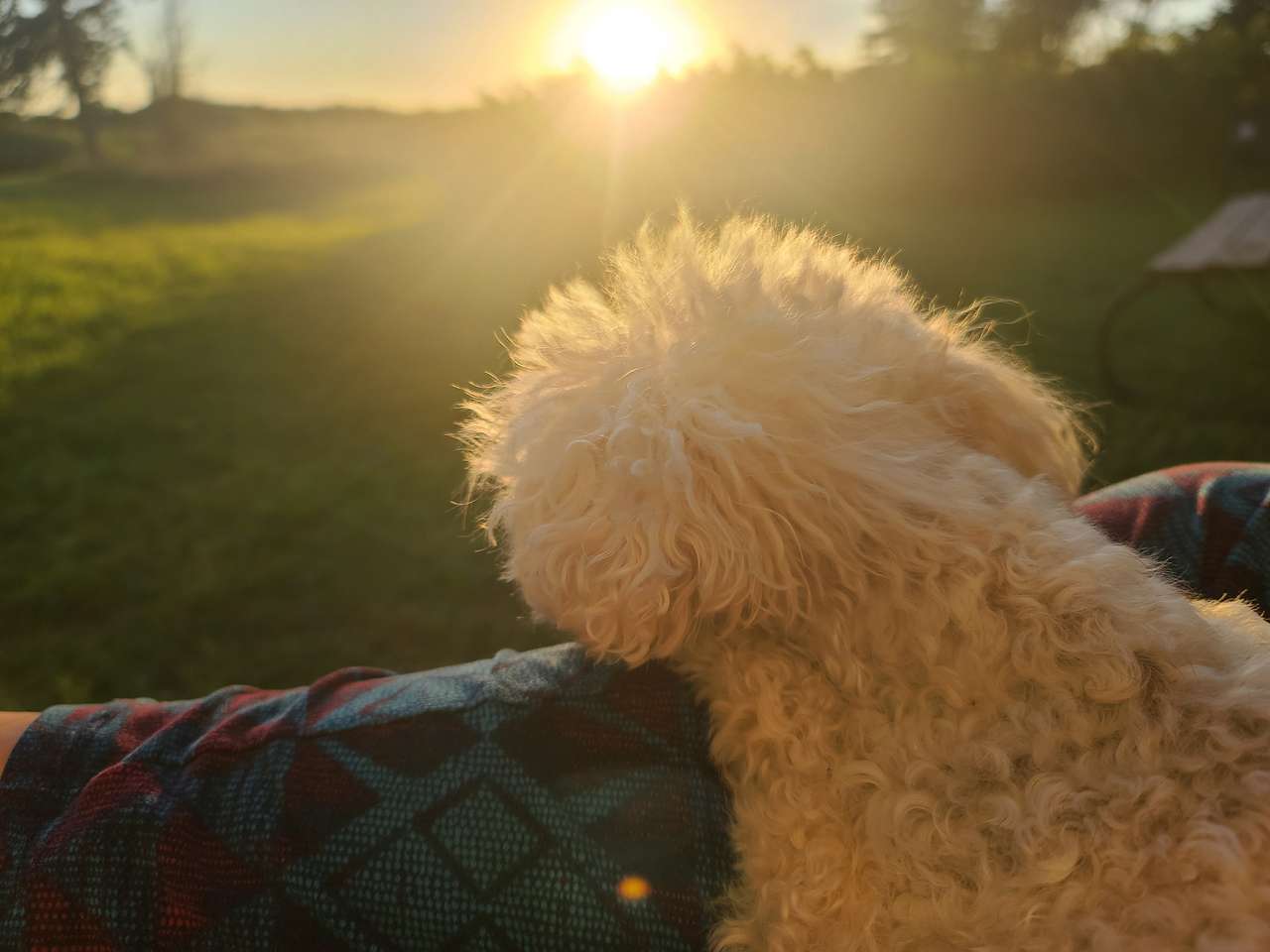
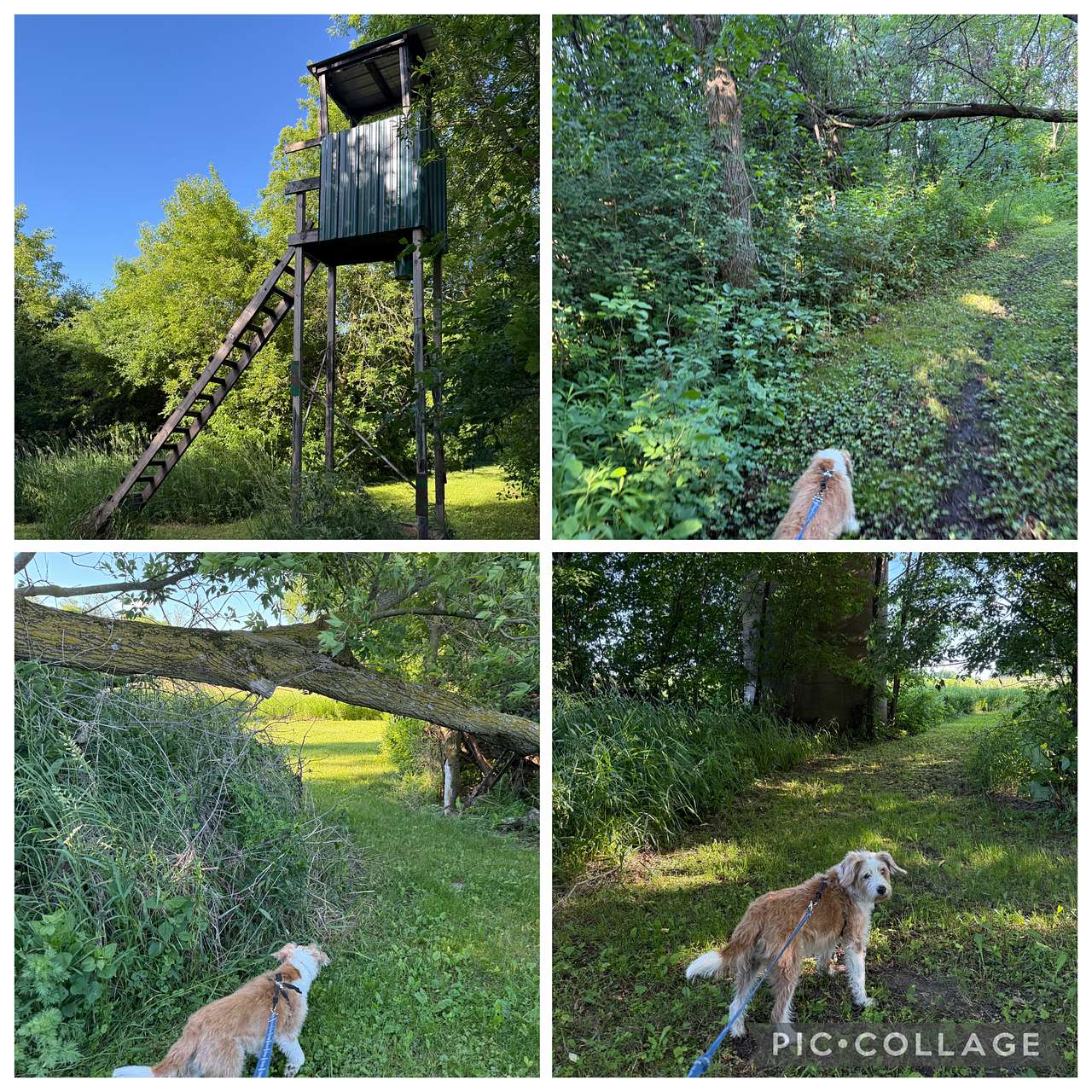
The little cabin


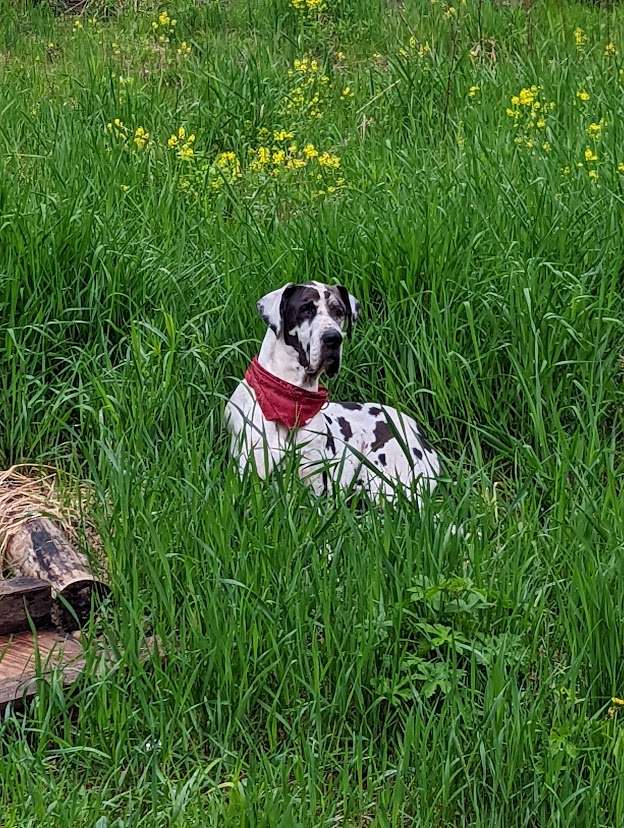
Reflections- Unique Modern A Frame
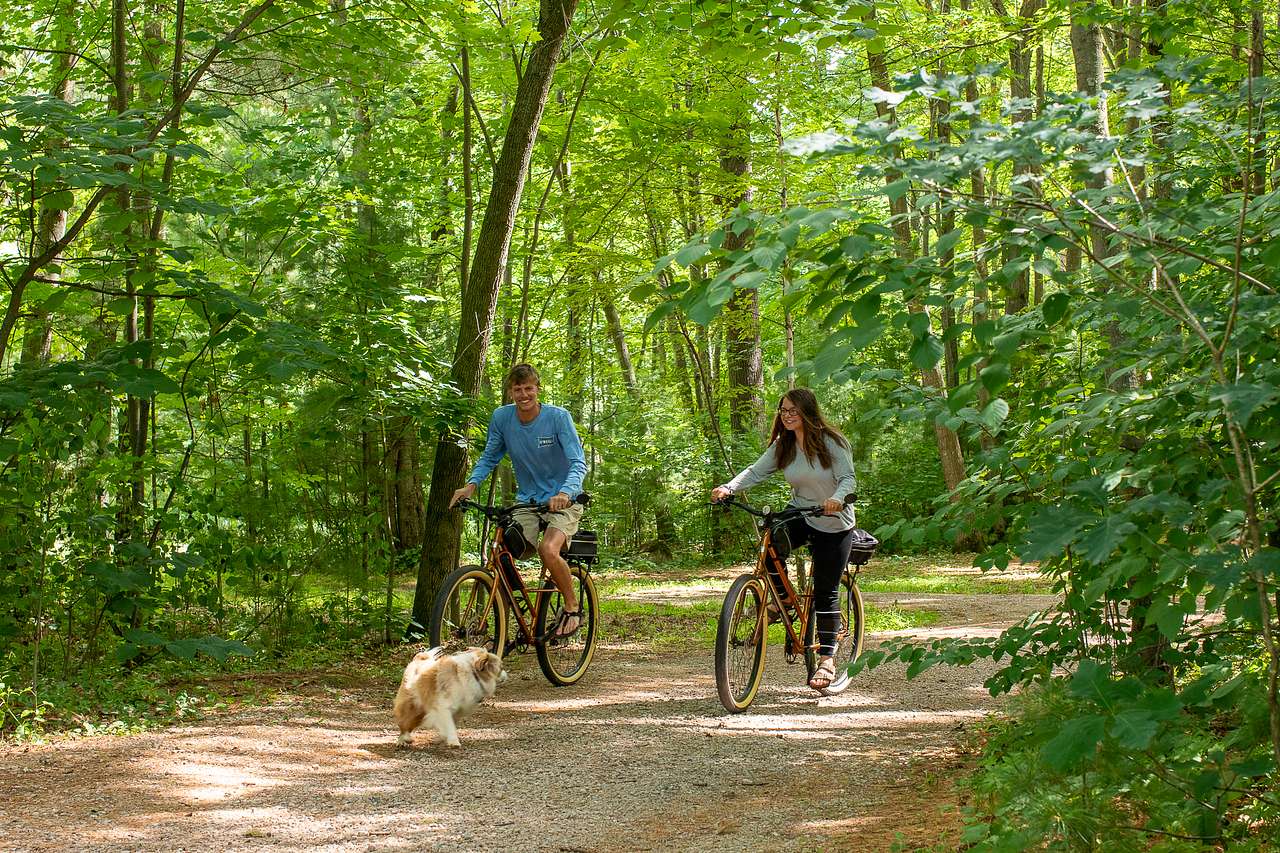
The Wooded Retreat/breakfast/spa


Ranch Retreat Camping
Recent reviews from the Hipcamp community

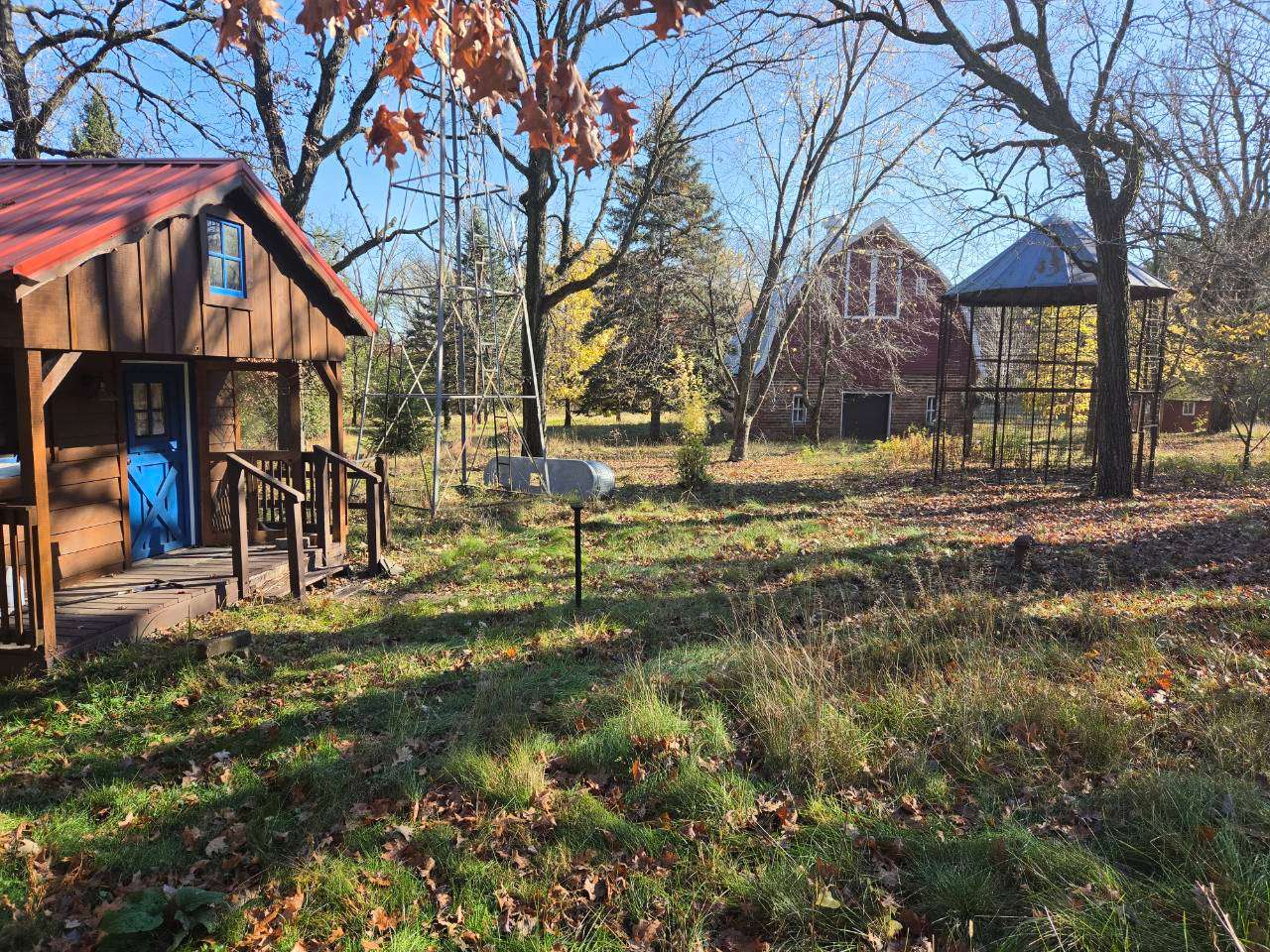
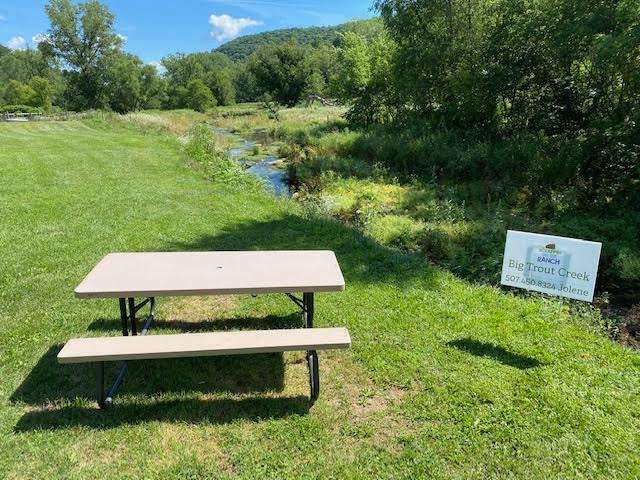
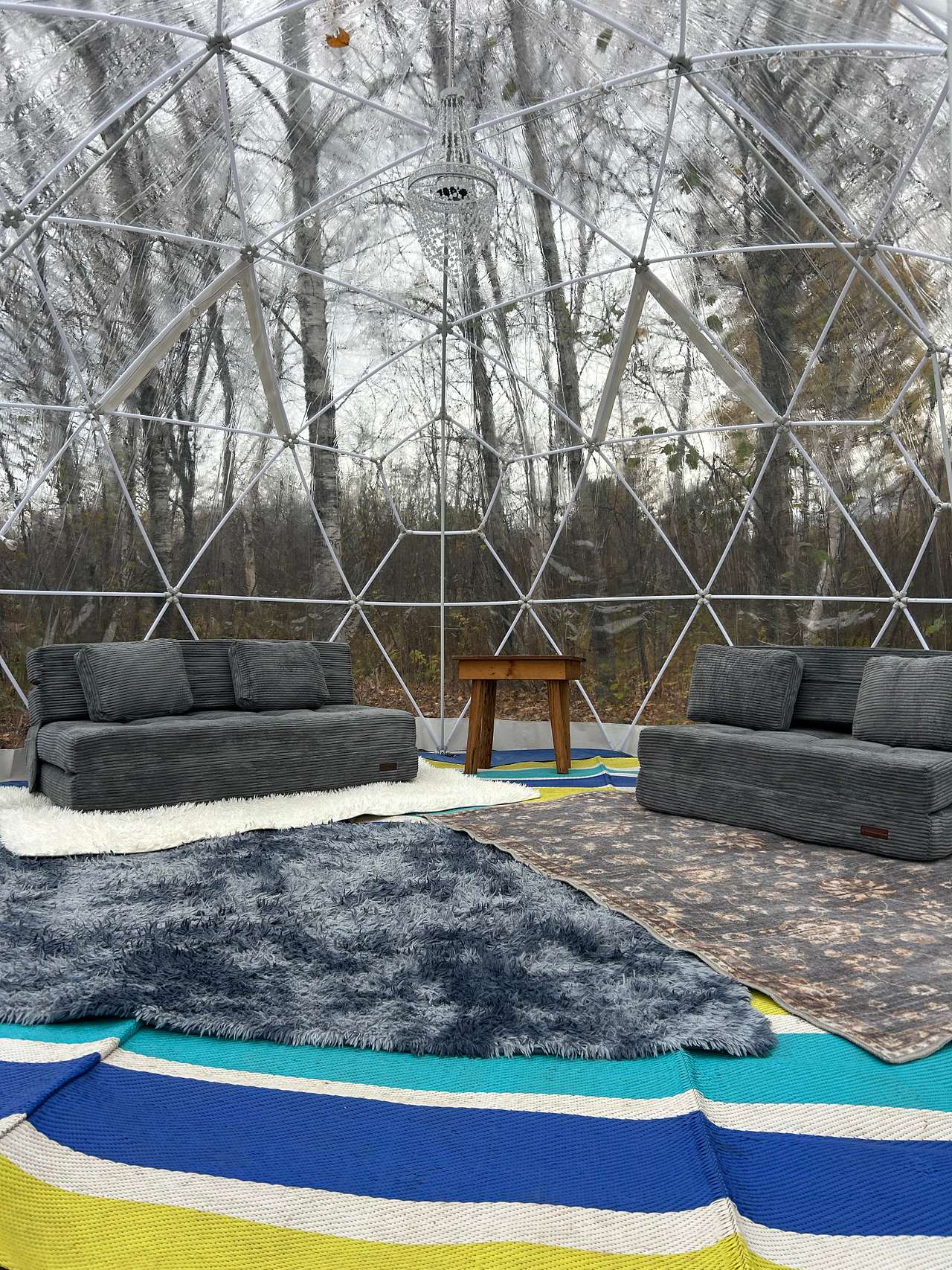
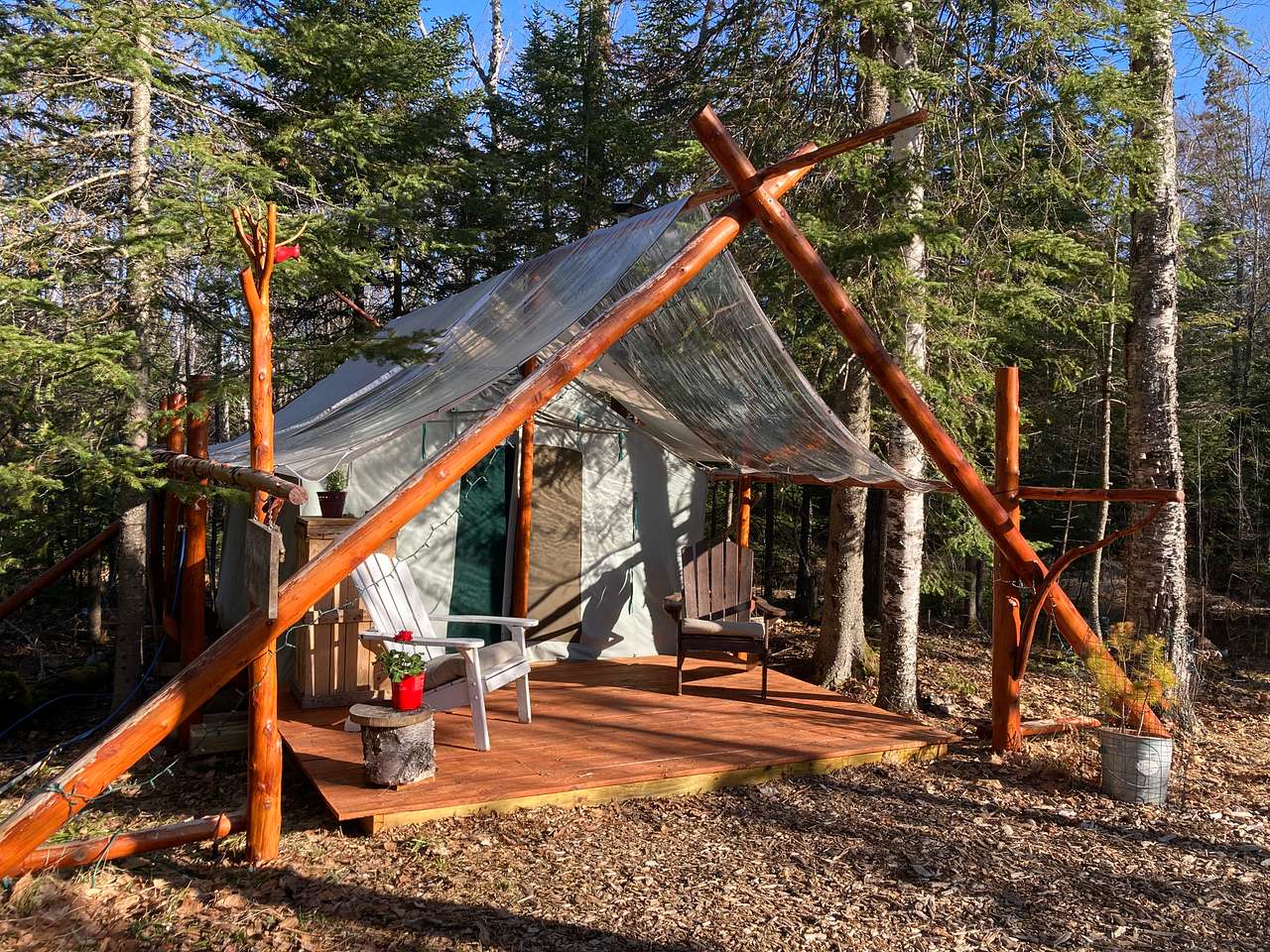






Minnesota camping guide
Where to go
Northwest Minnesota
Bordered by Canada to the north, and South Dakota and the Red River Valley to the west, northwest Minnesota is home to some of the state's biggest lakes. Grand Rapids and Bemidji are the gateways to the Leech Lake Recreation Area and the Chippewa National Forest, while nearby Itasca State Park lies at the headwaters of the Mississippi River. To the north, two Minnesota state parks border the Lake of the Woods, known for its walleye fishing and winter snowmobiling.
Northeast Minnesota
Lush state forests, wetlands, and island-studded lakes blanket the northeastern tip of Minnesota, stretching down from the Canadian border to the north shore of Lake Superior. Minnesota camping is at its wildest out here, whether paddling out to island campsites in Voyageurs National Park, RV camping with full hookups in Superior National Forest, or seeking out a tranquil lake campground in the Boundary Waters Canoe Area Wilderness.
Central Minnesota
On the banks of the mighty Mississippi River, the Twin Cities of Minneapolis and St. Paul are launchpads for outdoor adventures in central Minnesota. Some of the region's best campgrounds are just a short drive from the city at Mille Lacs Lake, while Frontenac State Park has a mix of drive-in RV sites and cart-in tent sites along the Mississippi. Further north, there's kayak and canoe camping along the St. Croix River at Wild River State Park, or yurt and camper cabin rentals at Afton State Park.
Southern Minnesota
Glacial plains and scenic river valleys give way to the wooded bluffs of the Mississippi River in southern Minnesota. Rochester, Mankato, and Winona provide easy access to the south, where highlights include aptly named Great River Bluffs State Park, Whitewater State Park, and Minneopa State Park, home of Minnesota's tallest waterfall. In the far southwestern corner, Blue Mounds State Park is known for its soaring cliffs—a hotspot for rock climbing—and free-roaming bison.
Top camping destinations around Minnesota


Frequently Asked Questions
Yes, there are several places to camp for free in Minnesota. You can find free camping in its national forests: Superior National Forest and Chippewa National Forest. These forests offer dispersed camping, which is primitive and has no facilities, so you'll need to come prepared. Additionally, some state forests and wildlife management areas in Minnesota also allow free camping. Please be aware of local rules and regulations when camping in these areas.
Camping fees at Minnesota state parks vary depending on the type of campsite and amenities provided. On average, you can expect to pay the following rates for camping:
- Tent sites: $15 to $23 per night
- RV sites with electric hookups: $25 to $35 per night
- Group campsites: $50 to $300 per night, depending on the size of the group
- Cabins: $55 to $200 per night, depending on the size and amenities
These rates are subject to change, and additional fees may apply for vehicle permits, reservation fees, or other services. To learn more about camping options and fees in Minnesota state parks, visit the Hipcamp Minnesota State Parks page.
In Minnesota, whether you need a permit to camp depends on the location and type of camping. For state parks, you will need to make a reservation and pay the appropriate fees. Reservations can be made through the Minnesota Department of Natural Resources reservation system. For camping in national forests, such as the Superior National Forest or the Chippewa National Forest, you may need a permit for certain areas, especially if you plan to camp in the Boundary Waters Canoe Area Wilderness (BWCAW). Information on permits and reservations for the BWCAW can be found on the Recreation.gov website. For dispersed camping in national forests, you generally do not need a permit. However, it's essential to follow the guidelines and regulations for each specific forest. Always check with the local ranger district office for the area you plan to camp in for any specific rules or restrictions.