Top-rated campgrounds in California
1. Splitrock Farm and Retreat
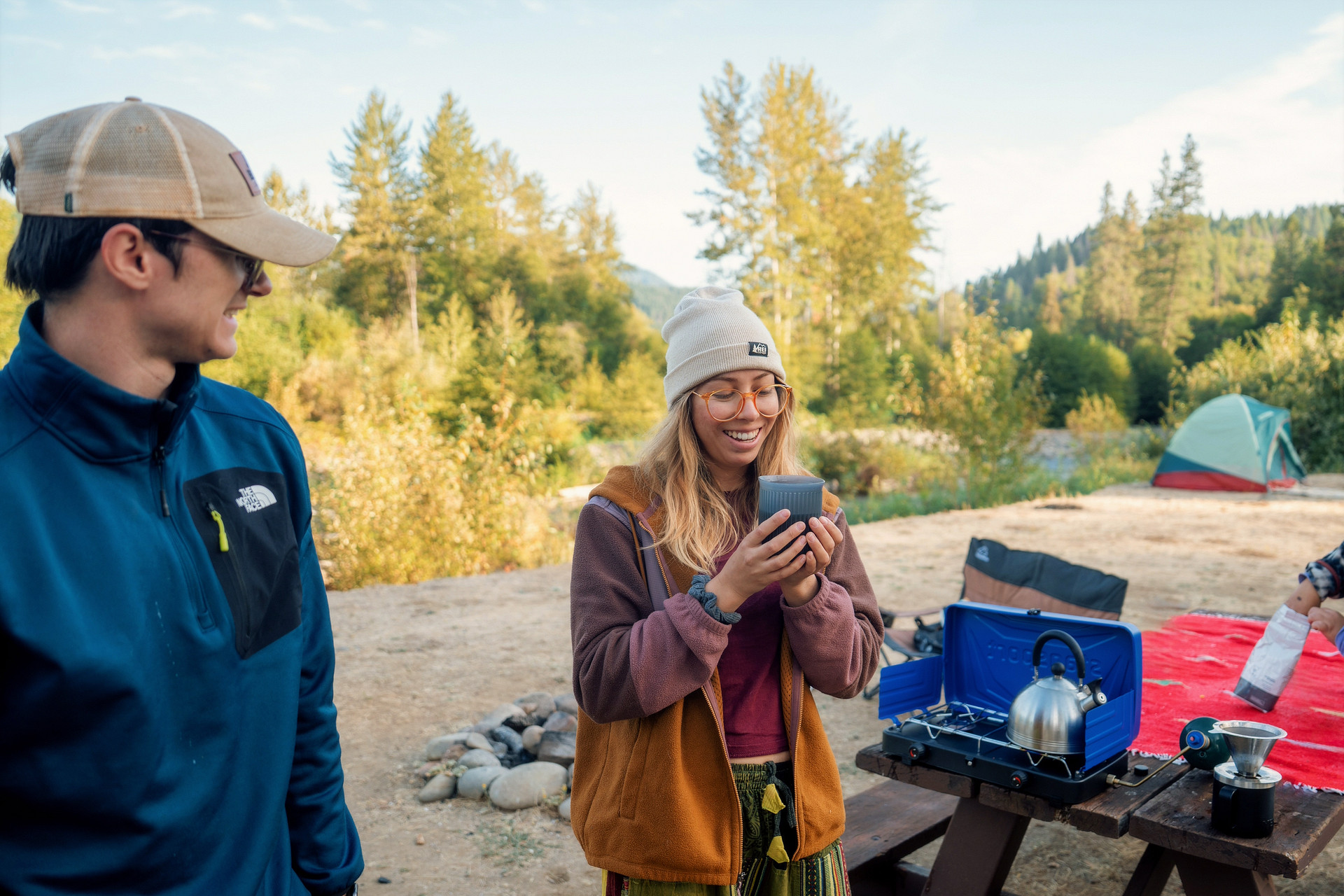
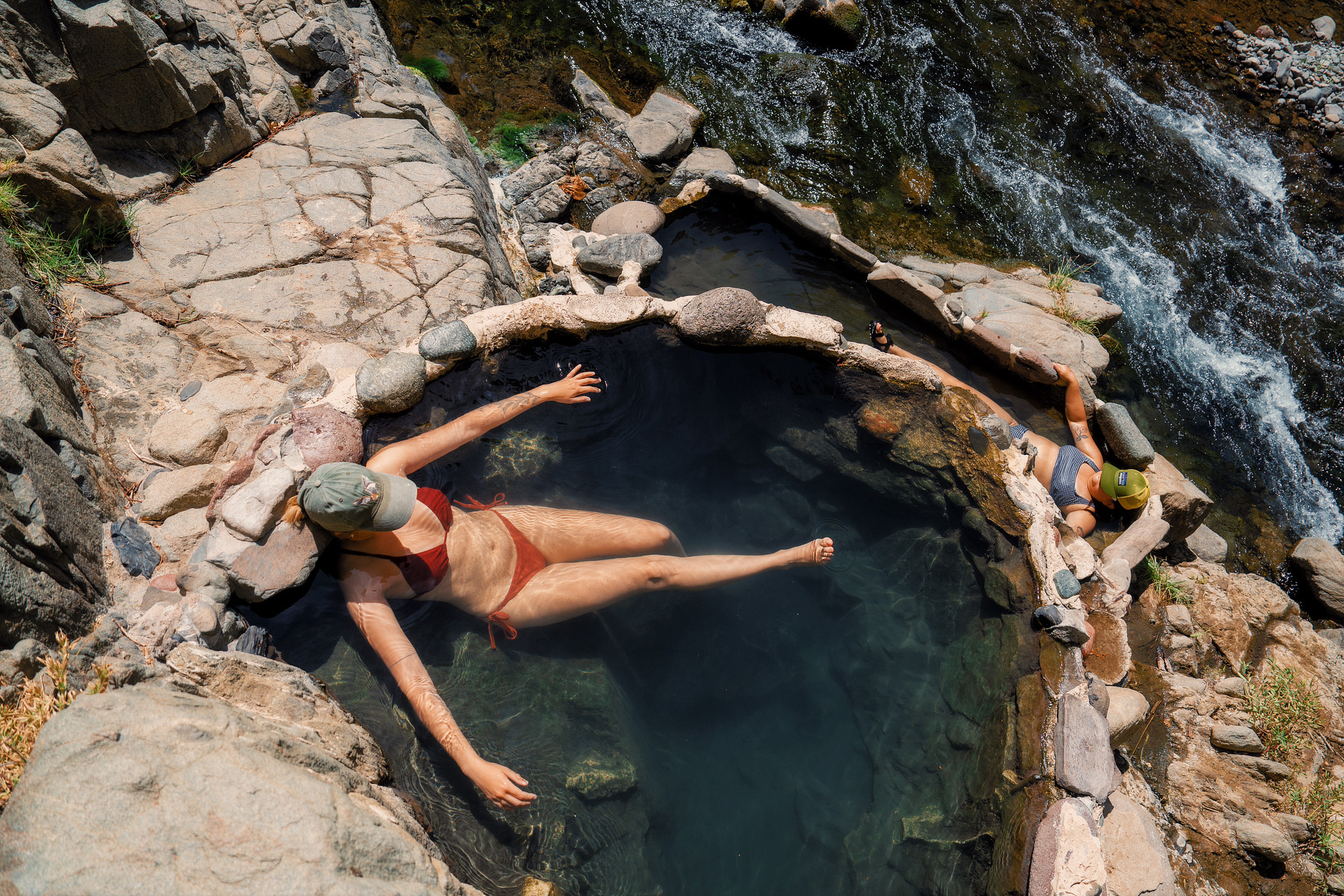
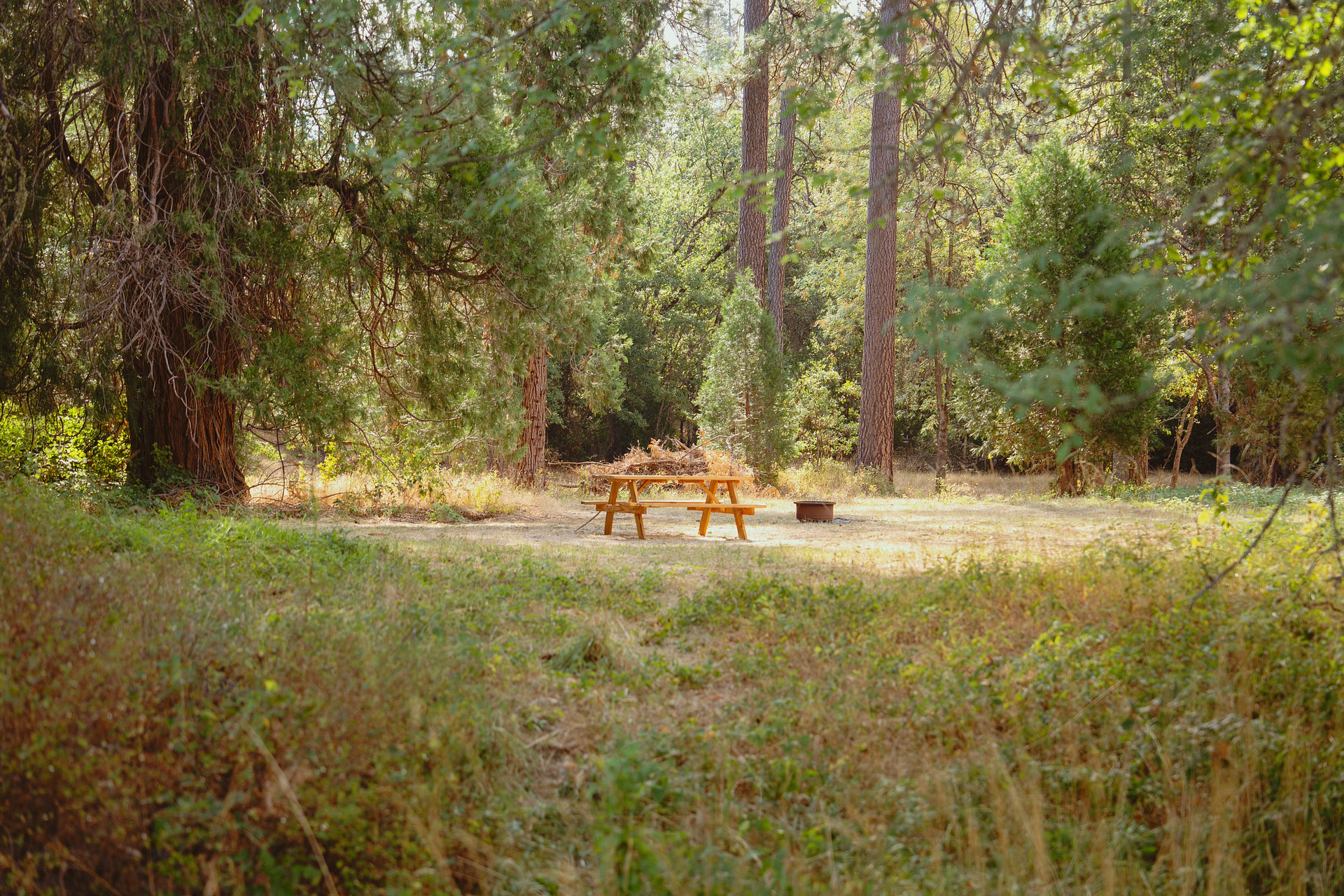
2. Kosk Creek Campgrounds


3. Pioneertown Corrals Camping
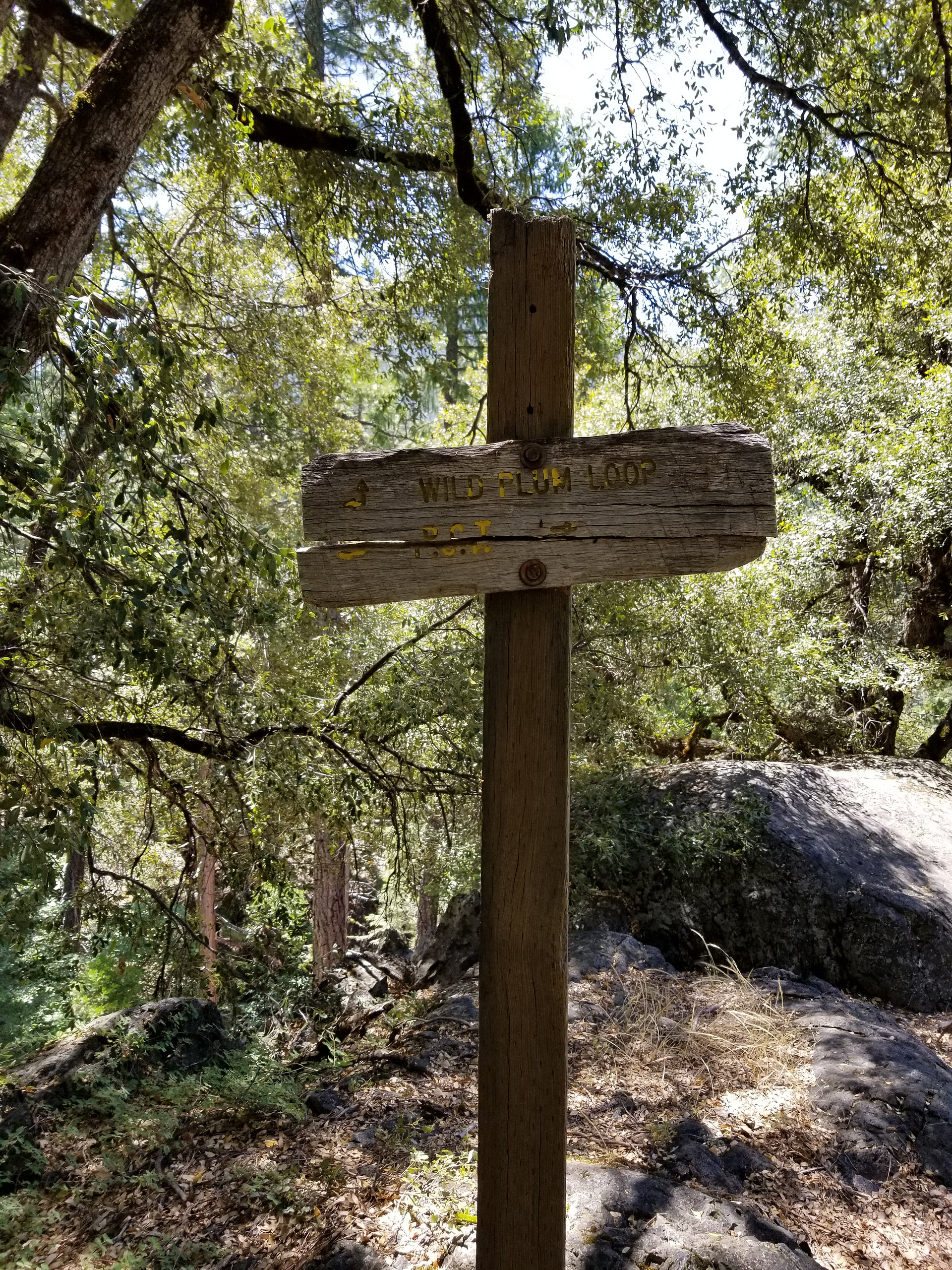
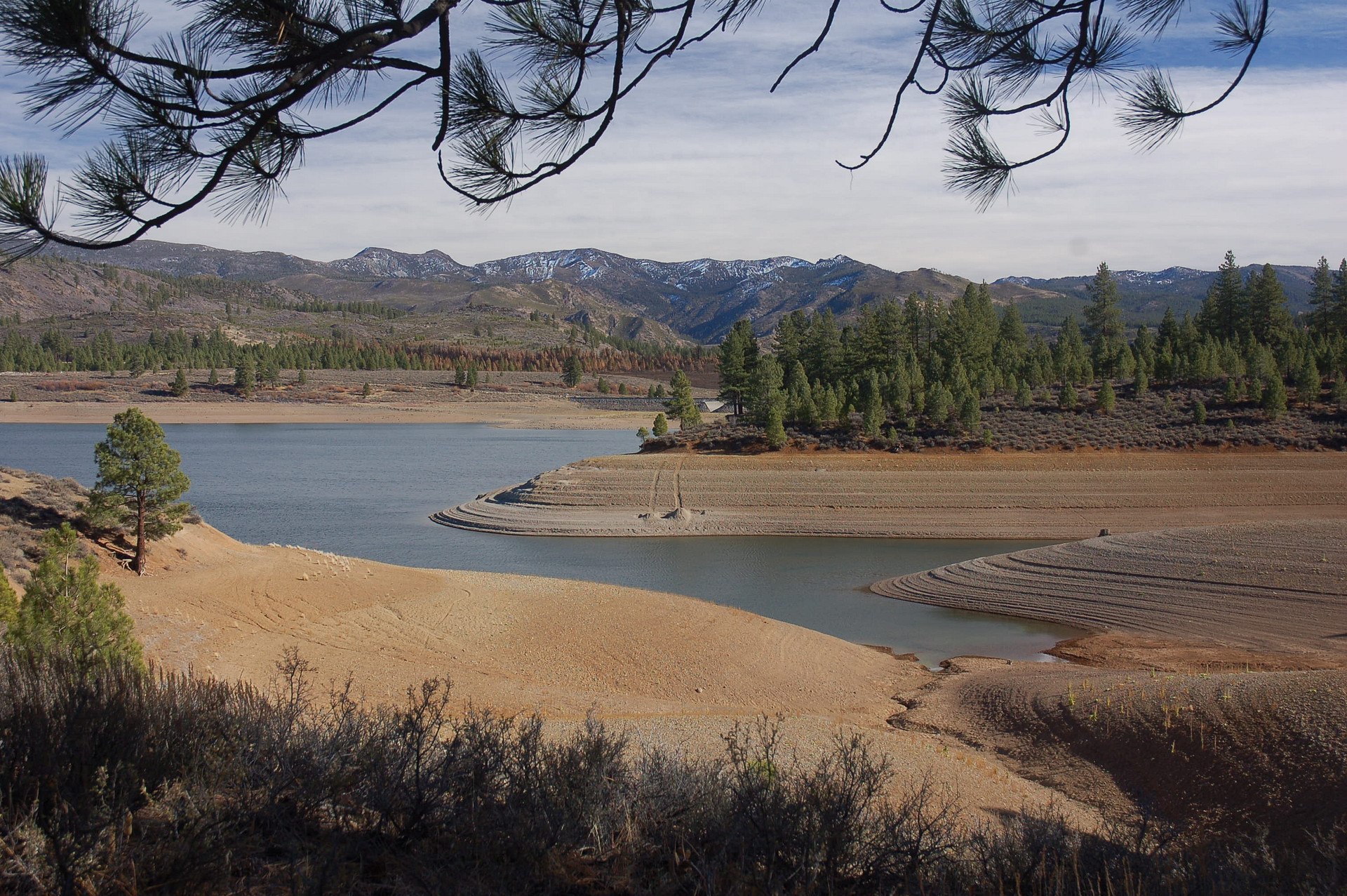
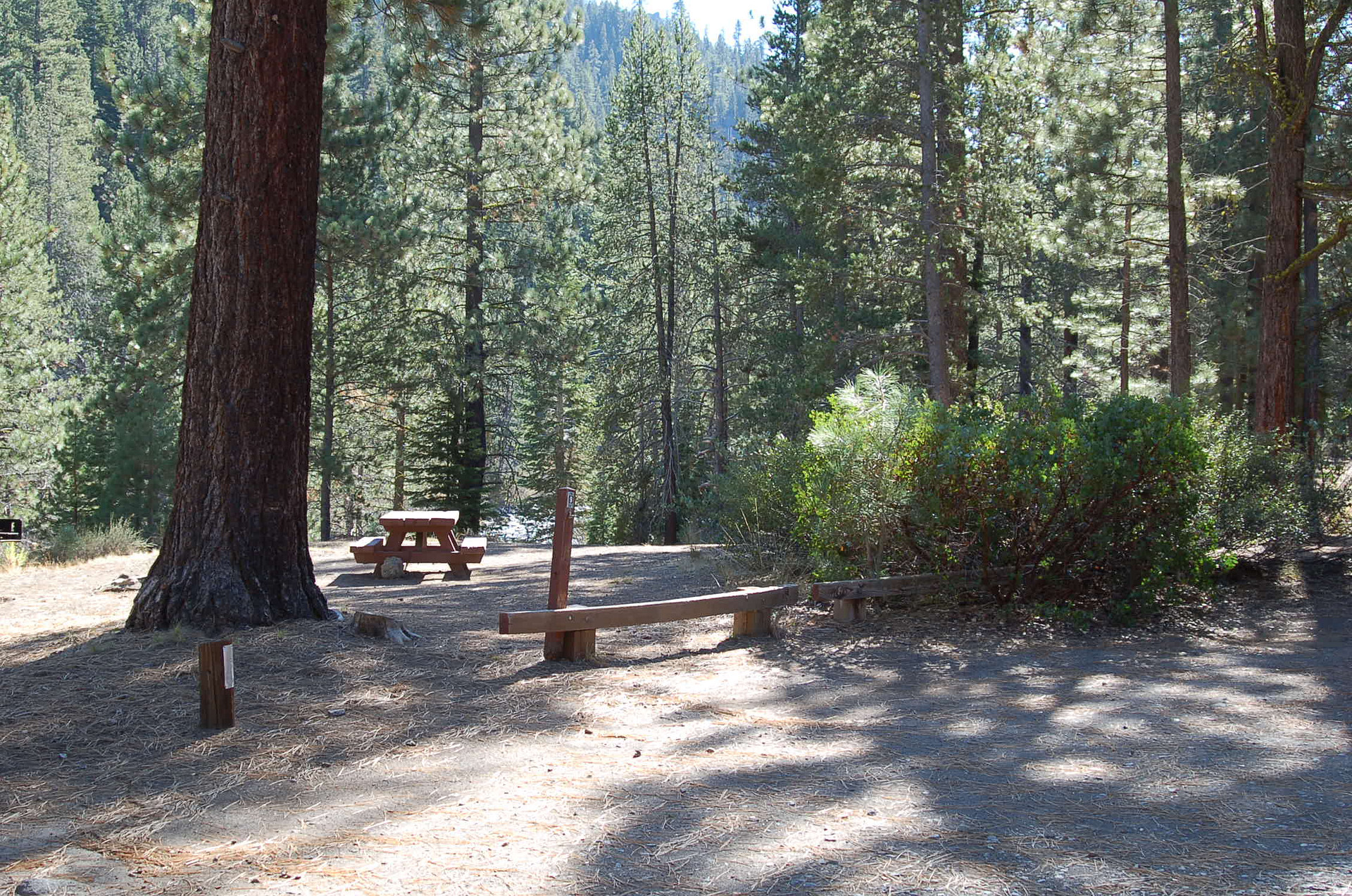
4. Tahoe National Forest
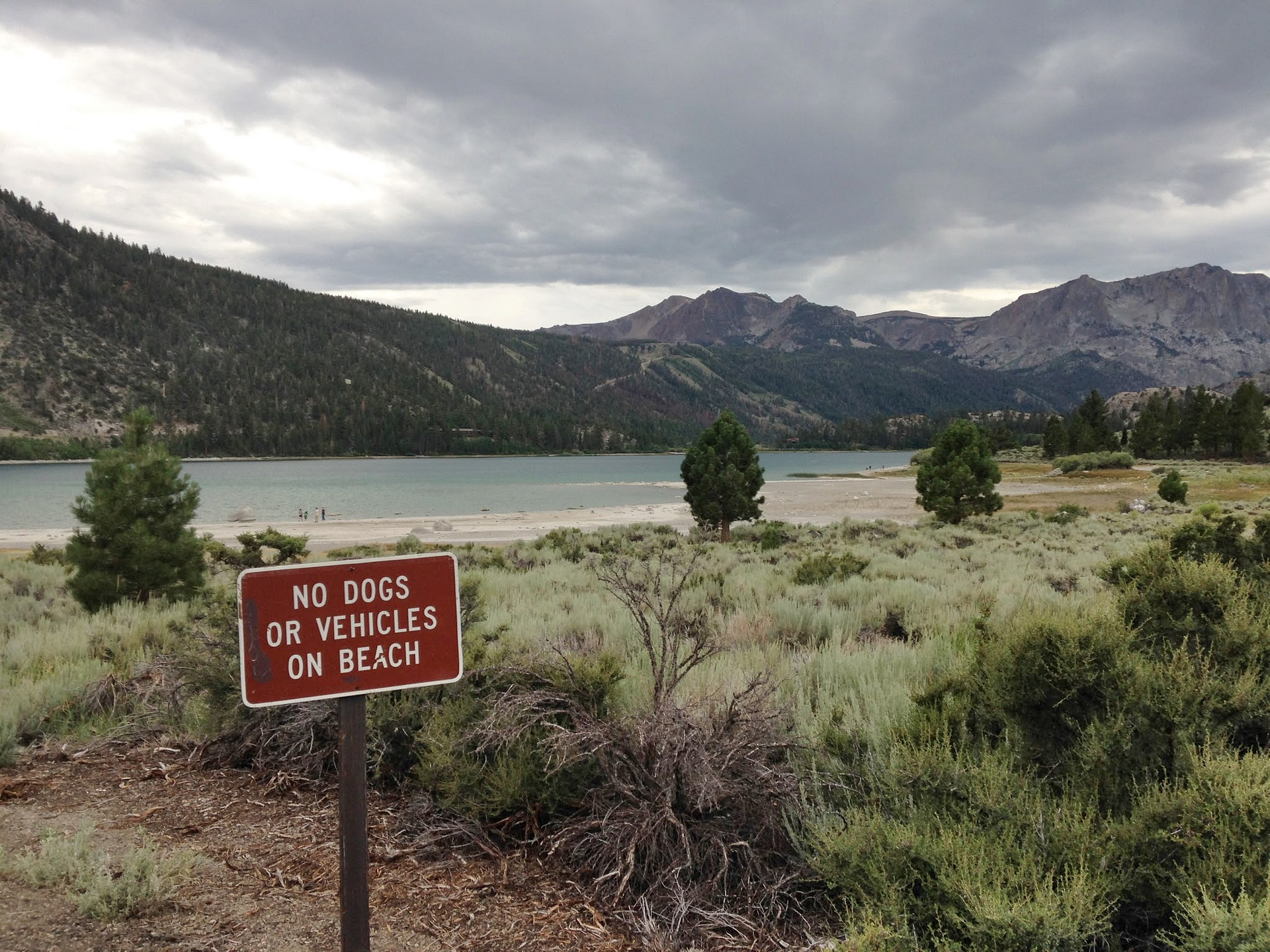
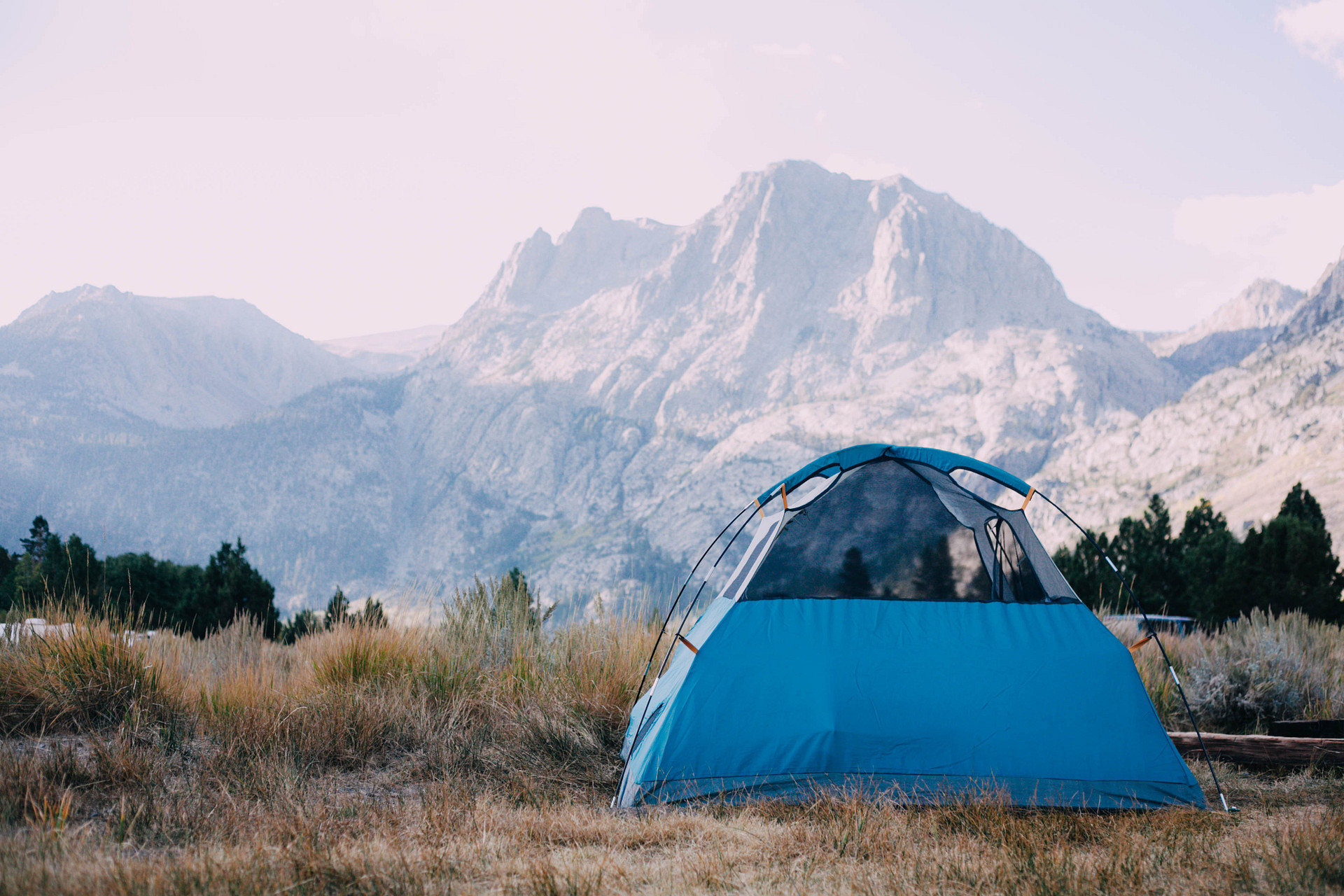
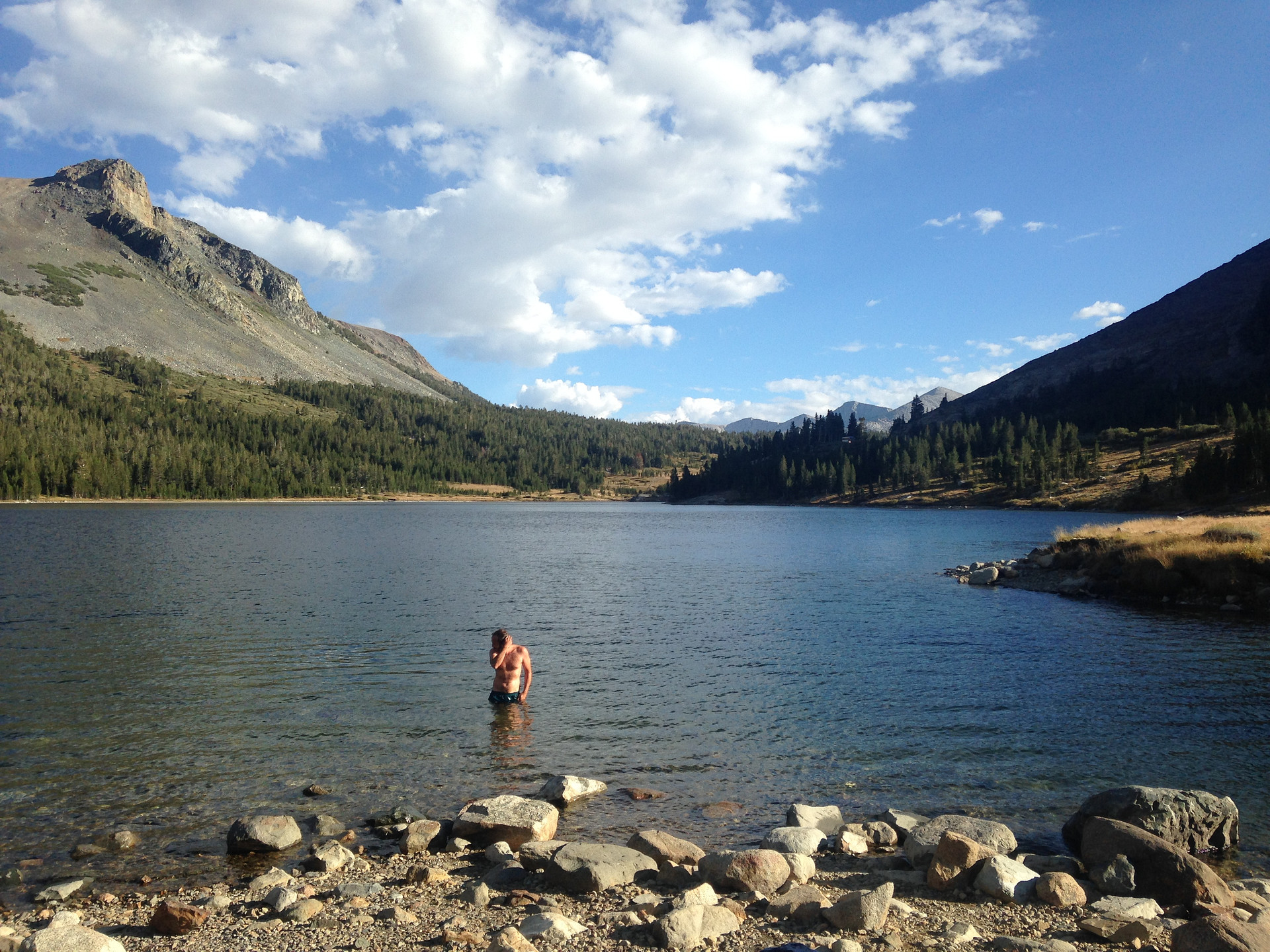
5. Inyo National Forest
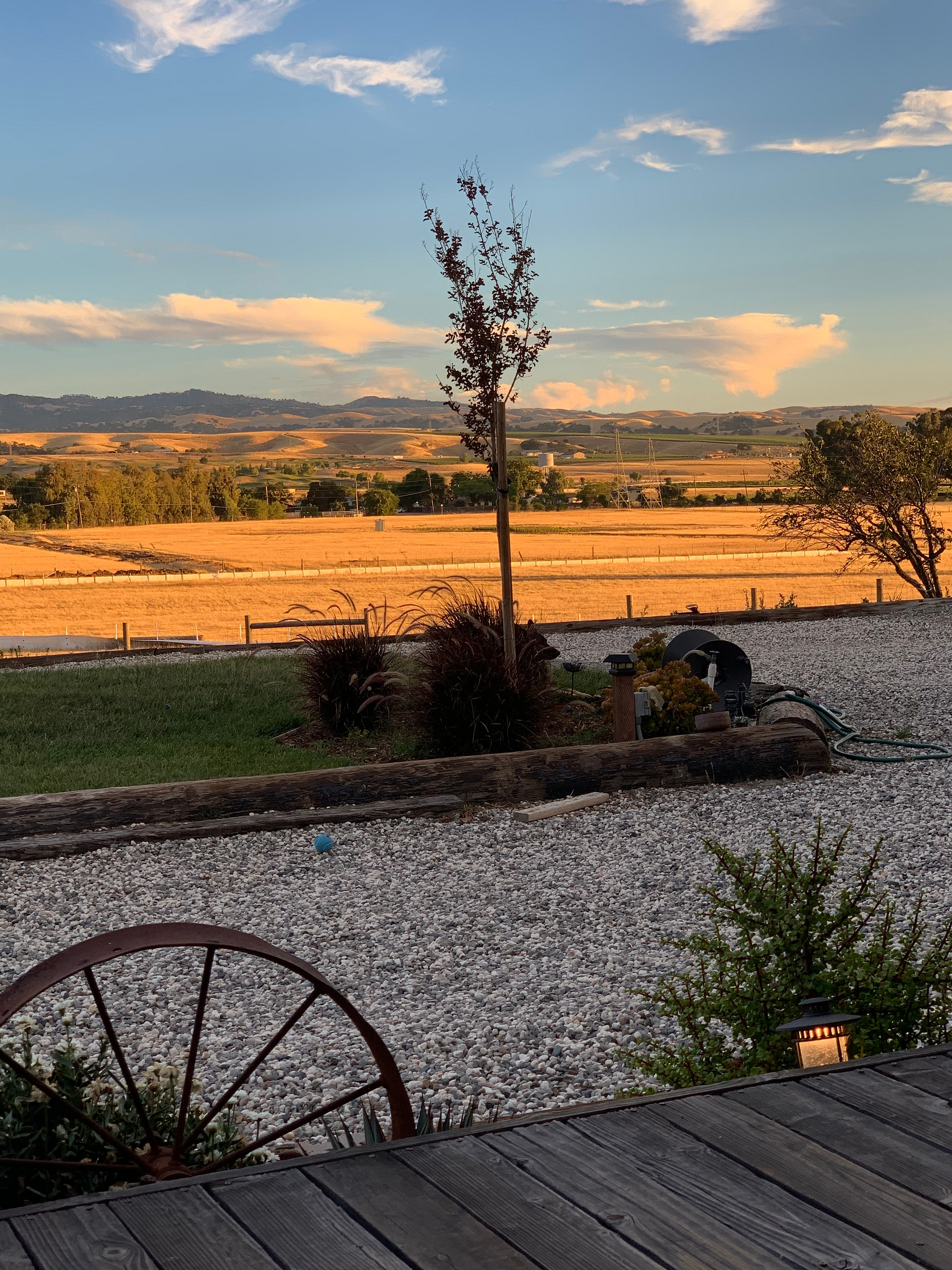
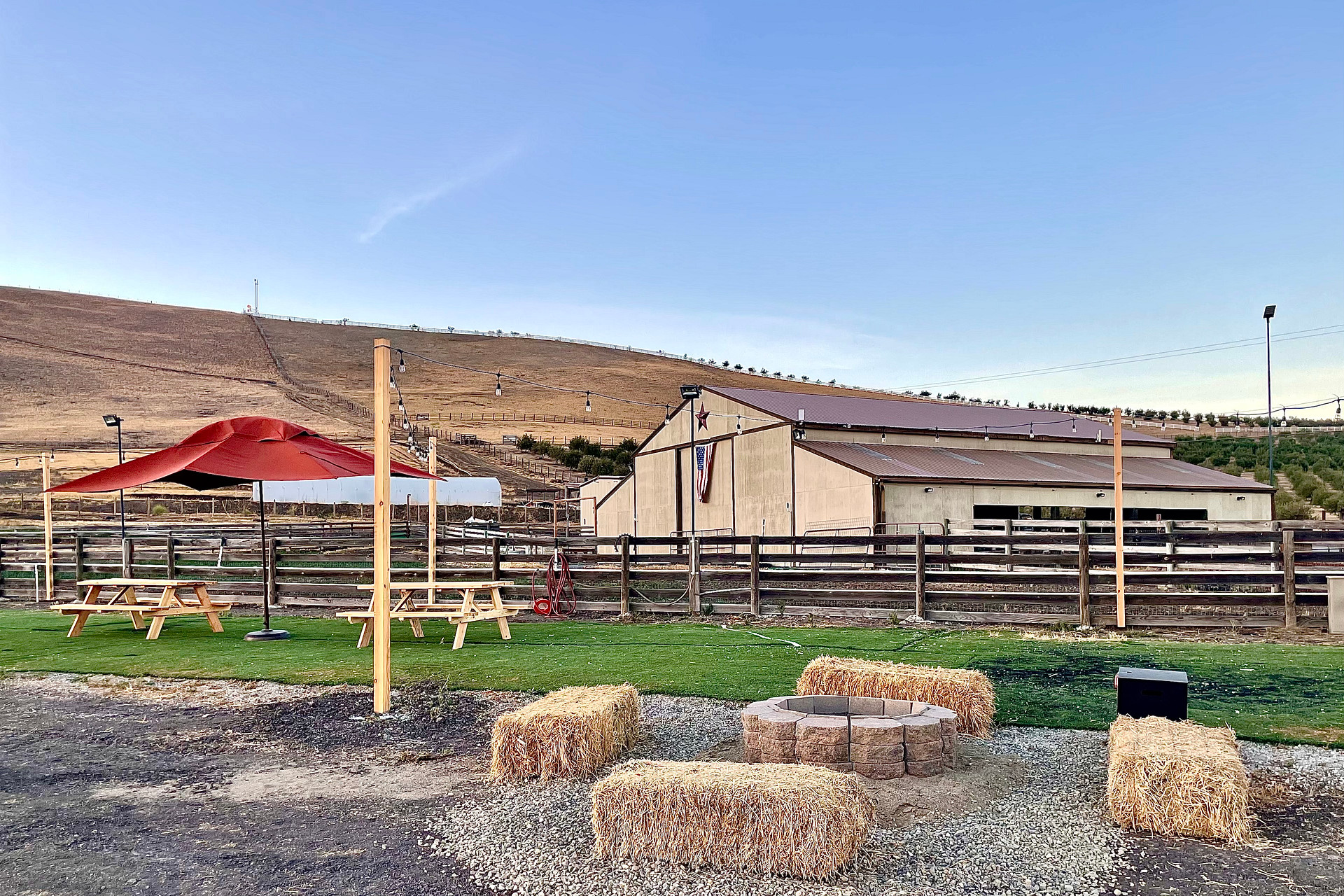
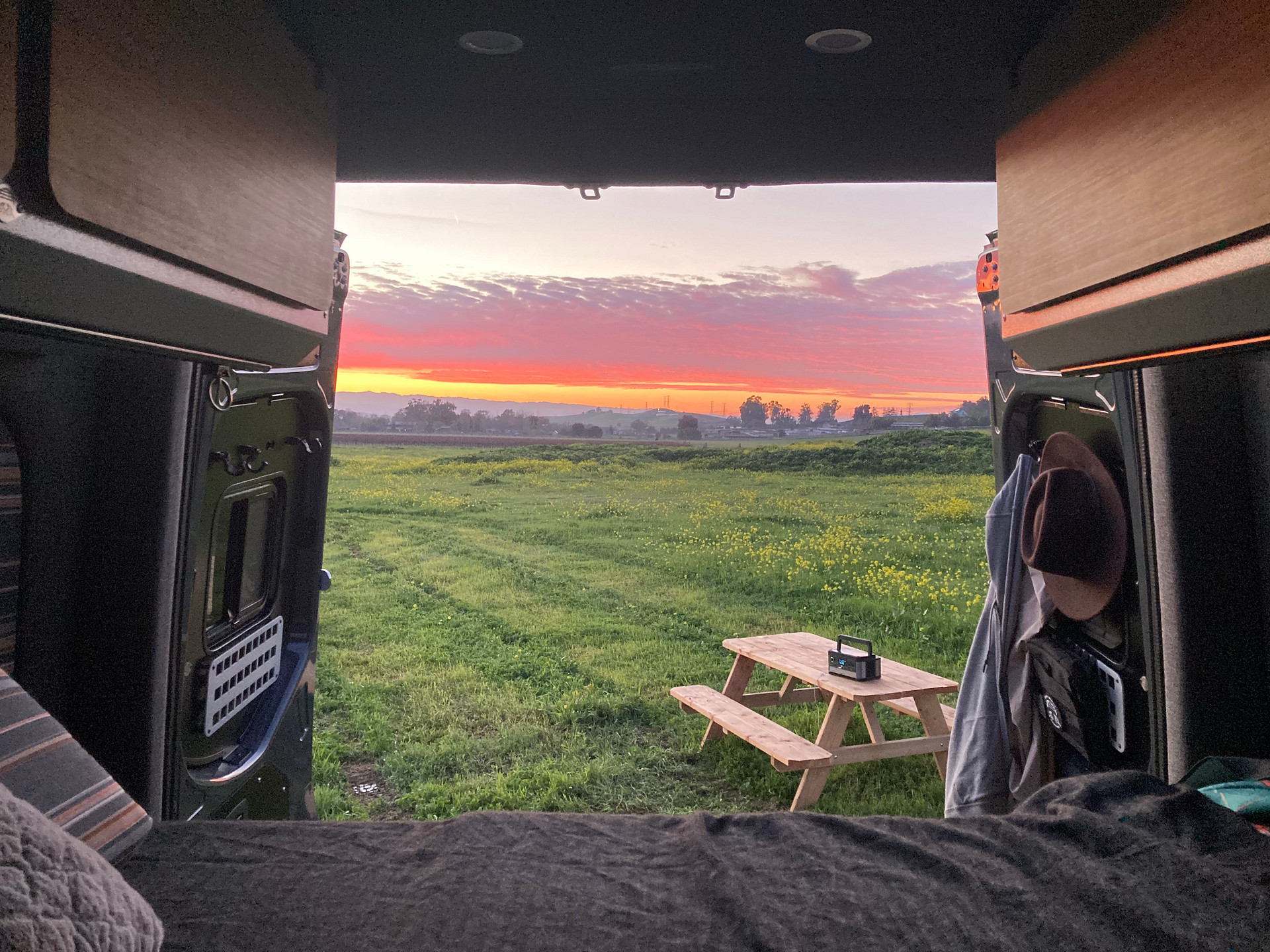
6. The Ranch at Cross Road
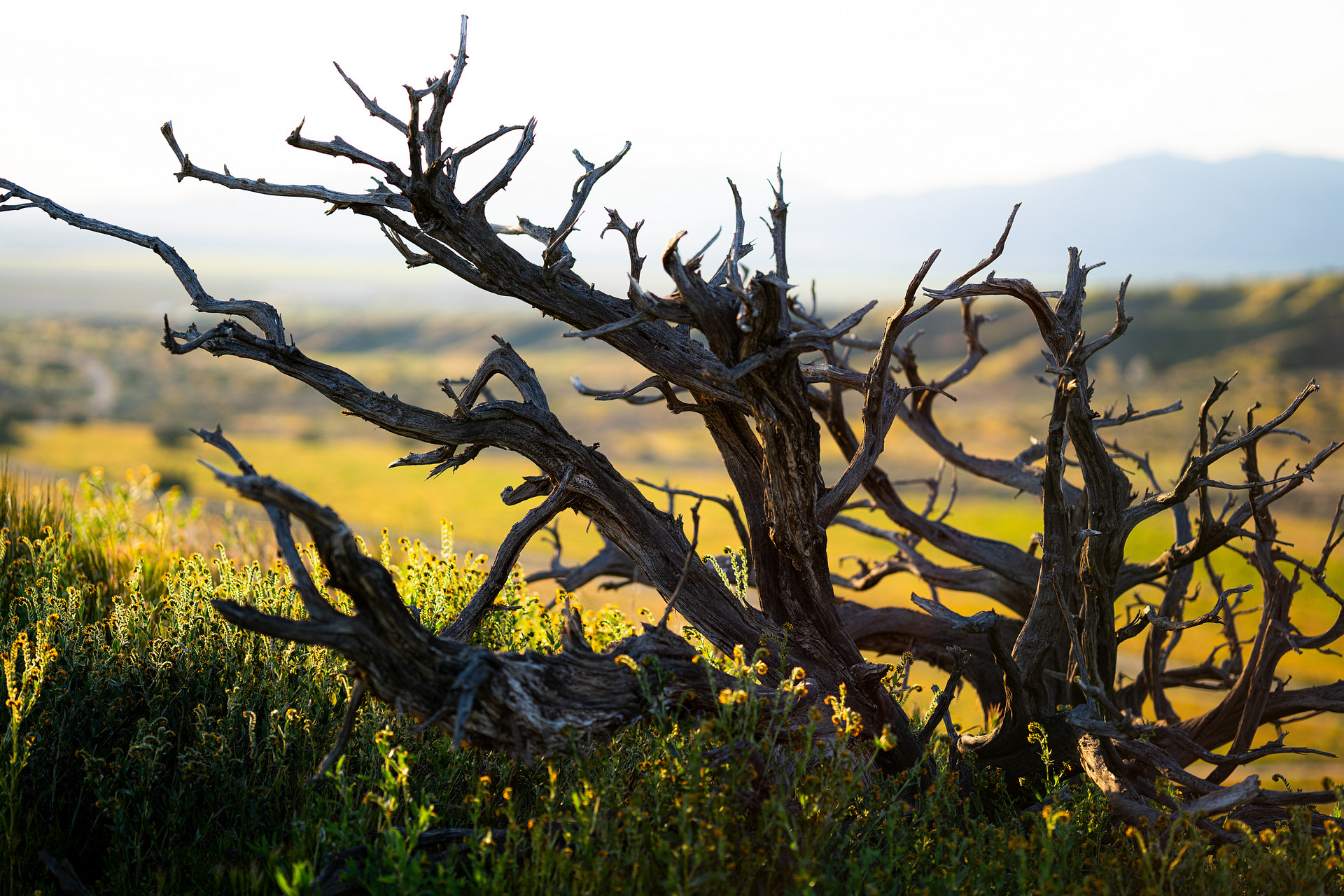
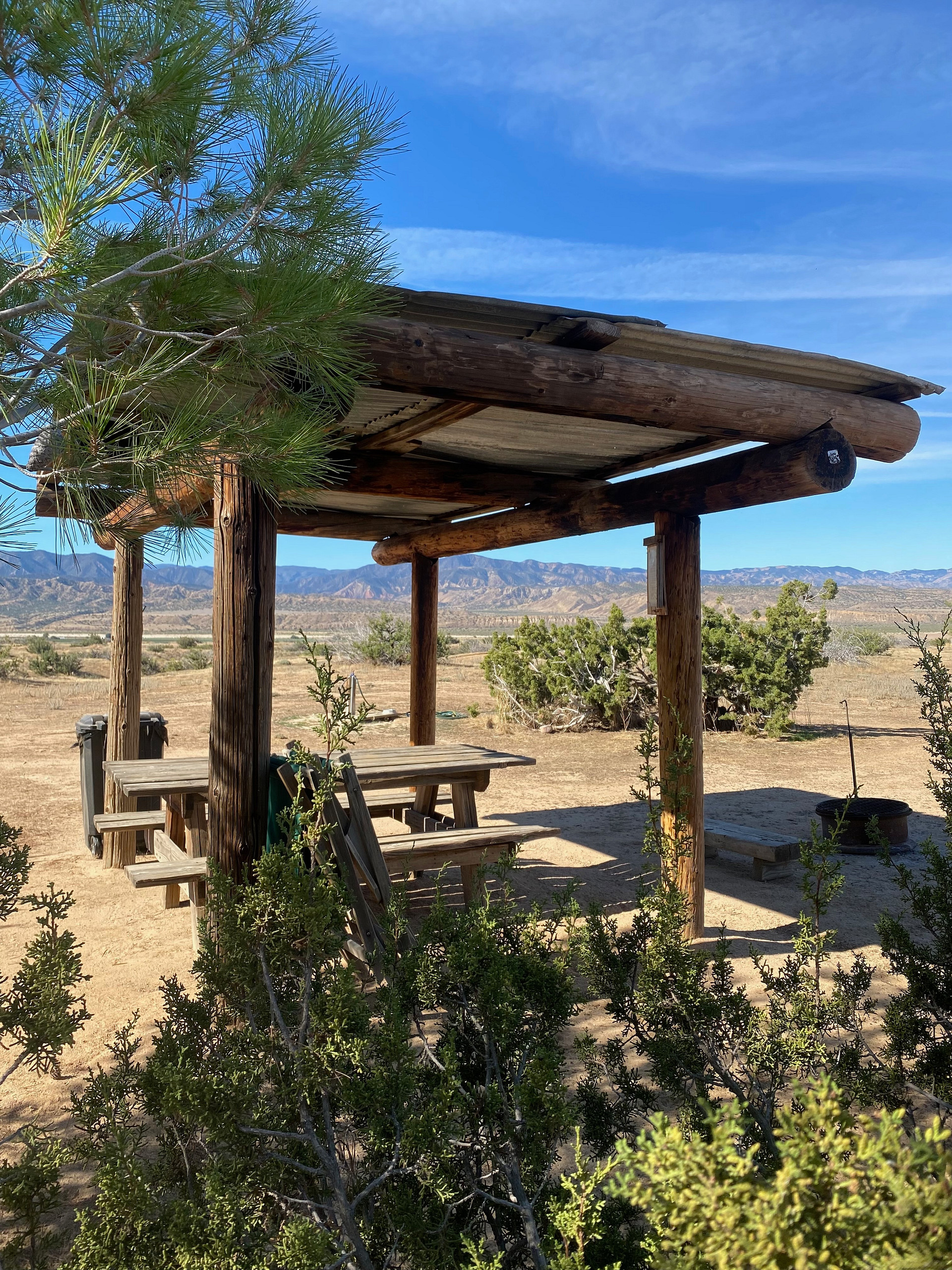
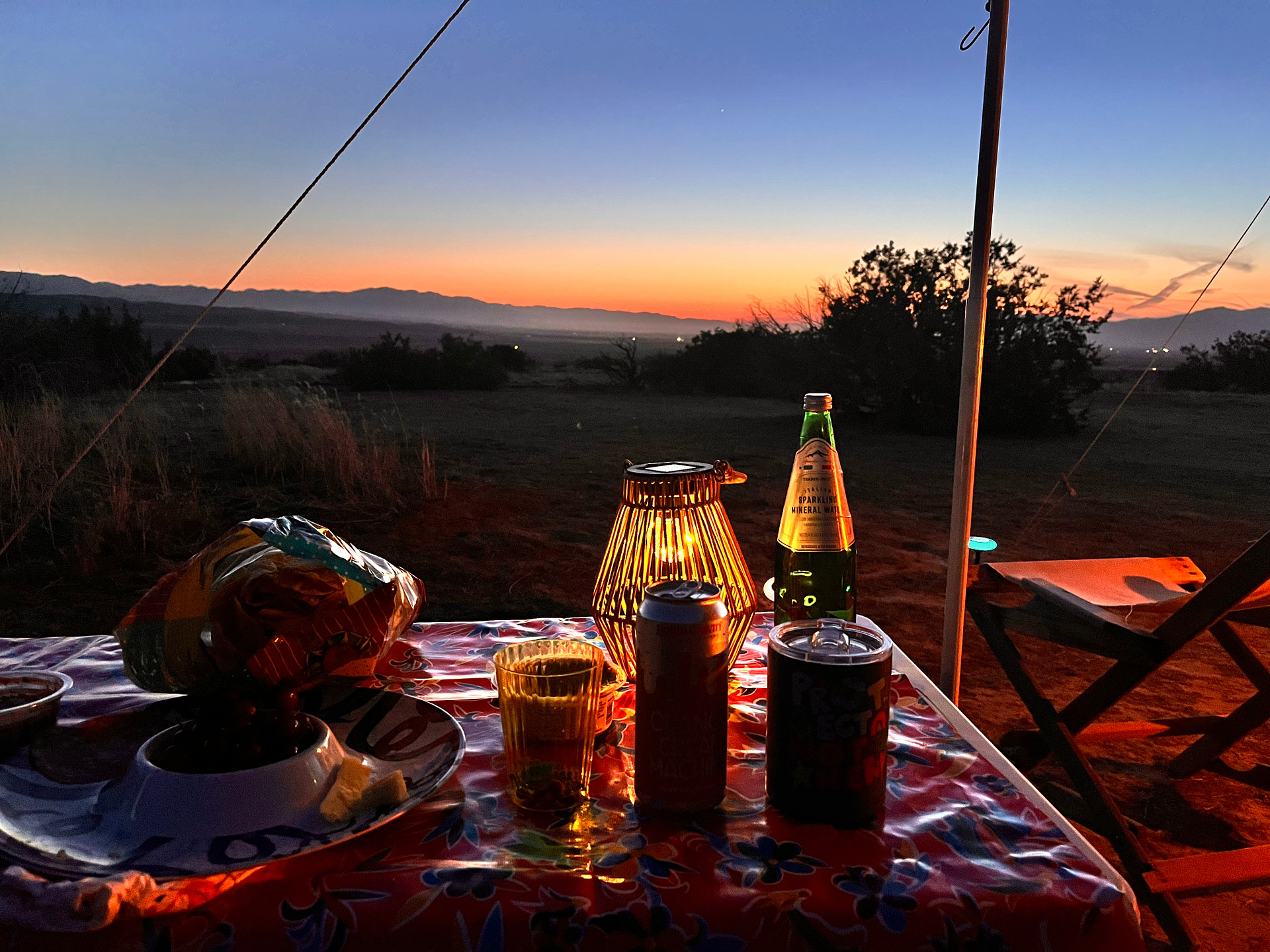
7. Cuyama Badlands
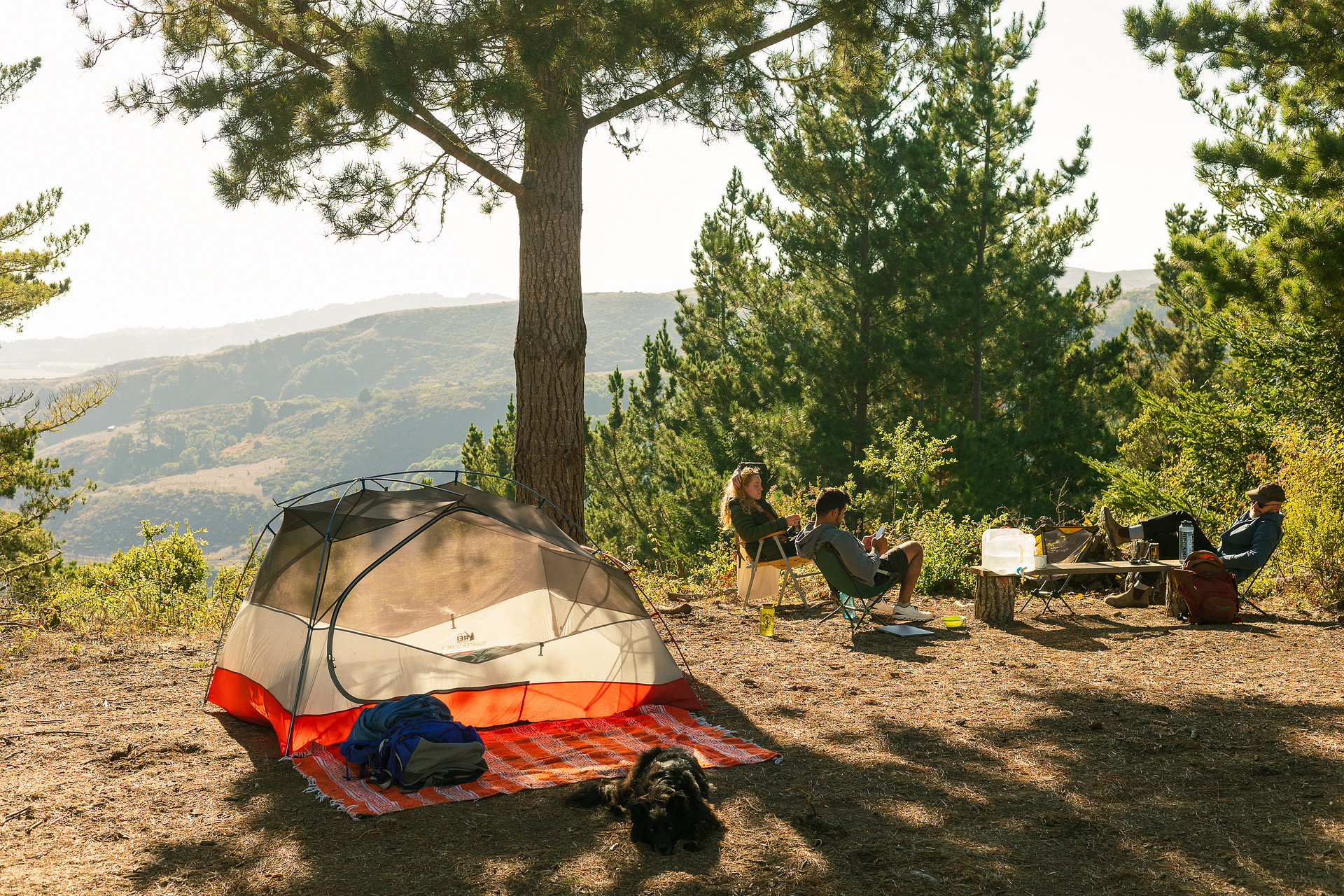
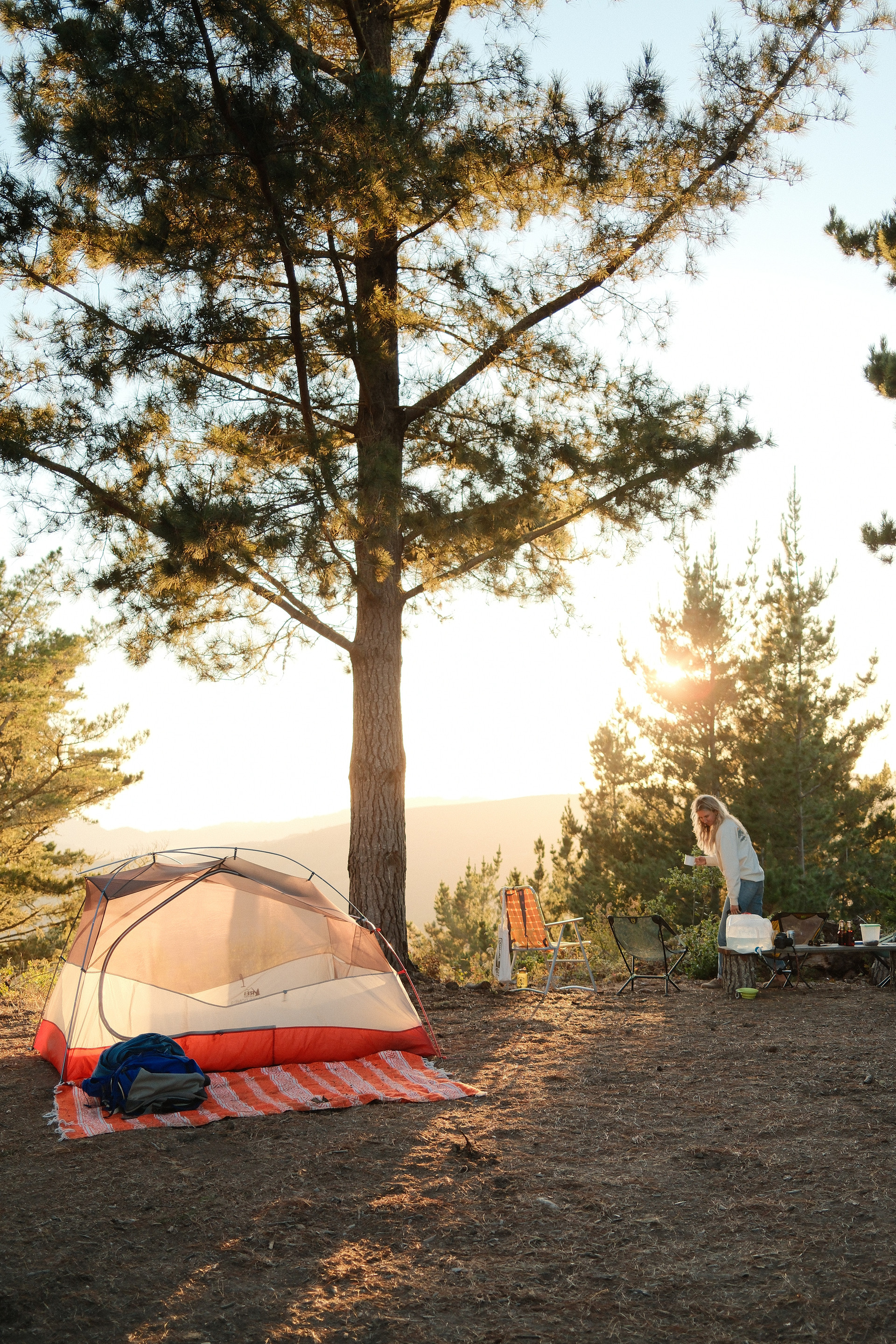
8. Bear Gulch Hide Out


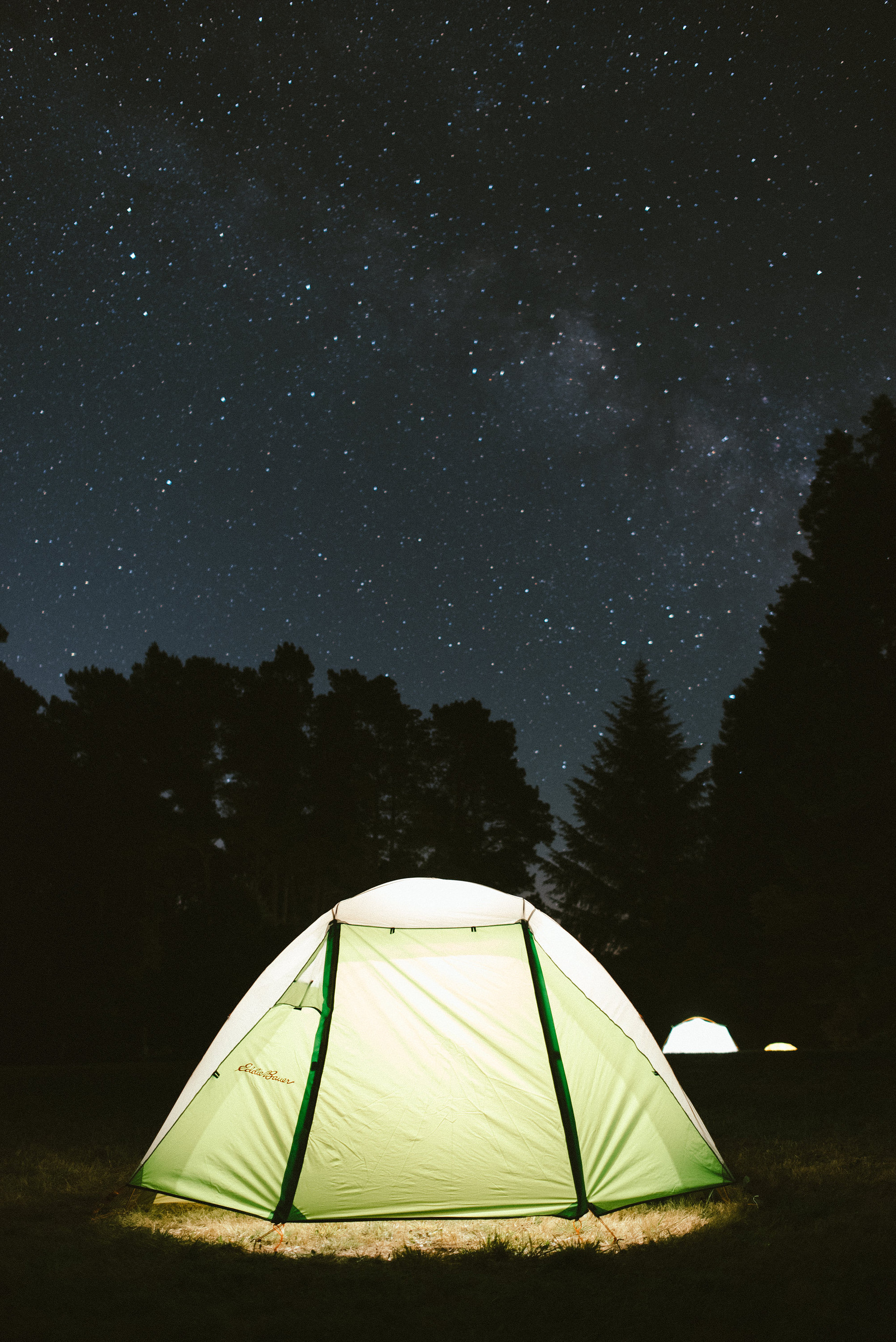
9. Jug Handle Creek Nature Center
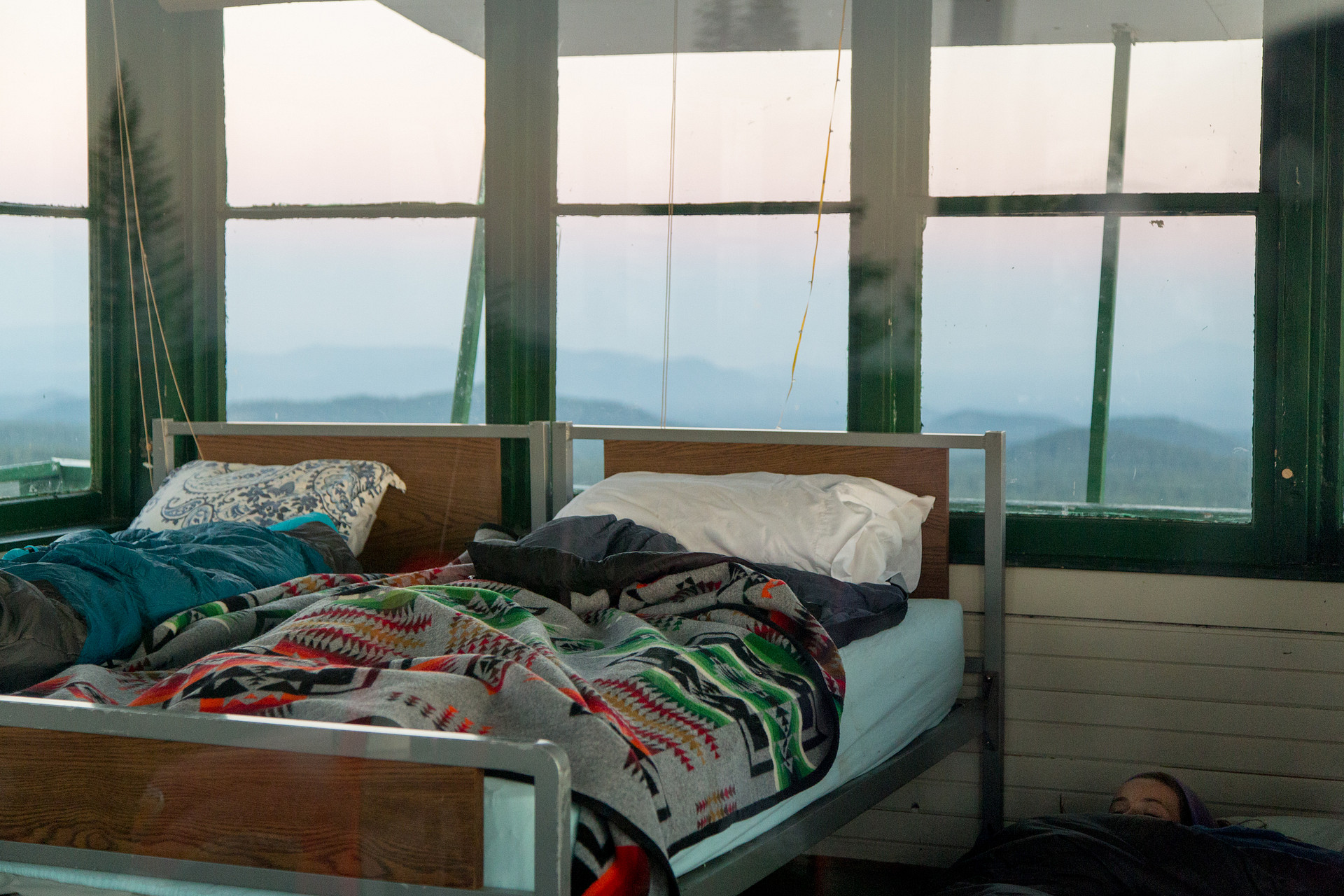

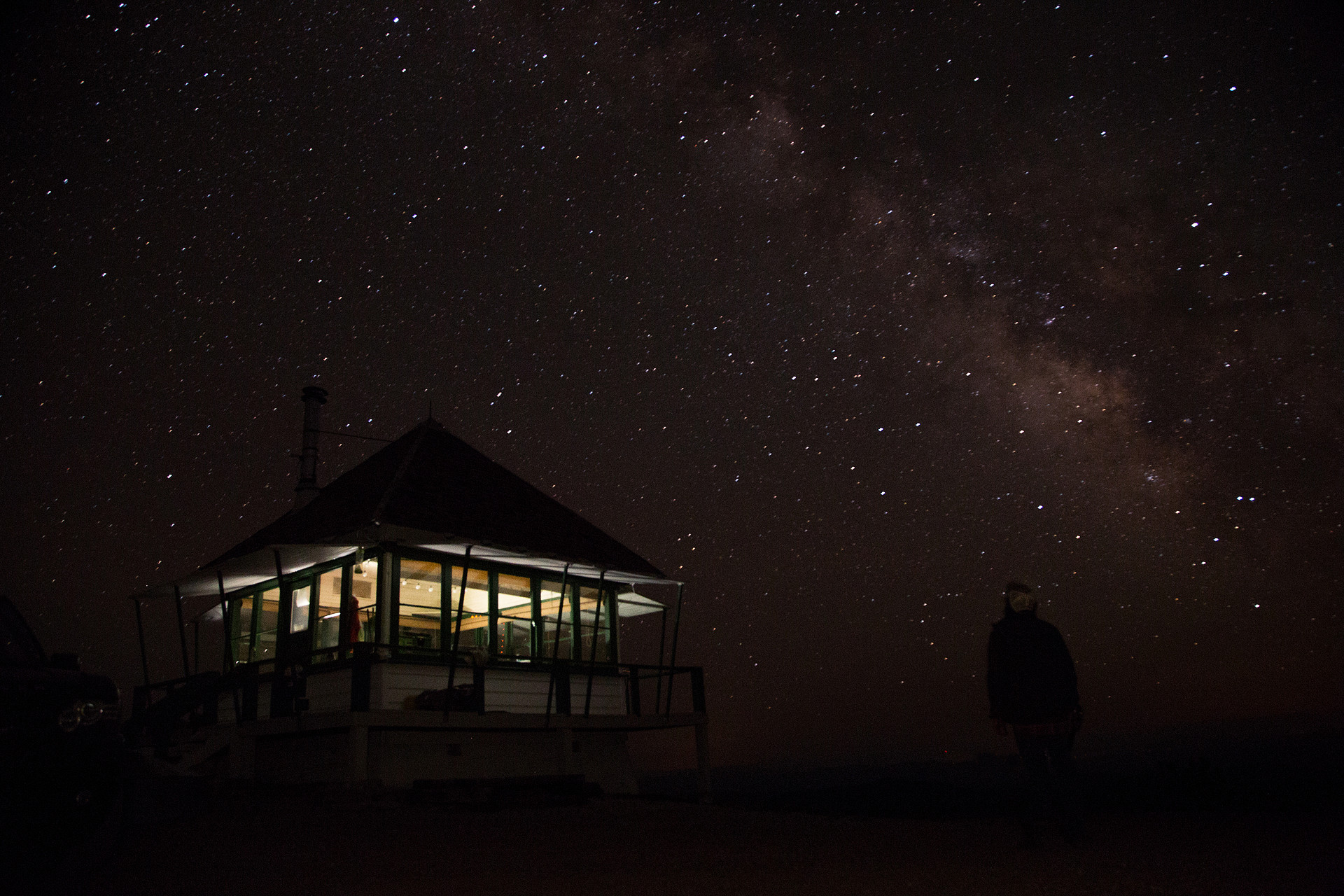
10. Shasta-Trinity National Forest
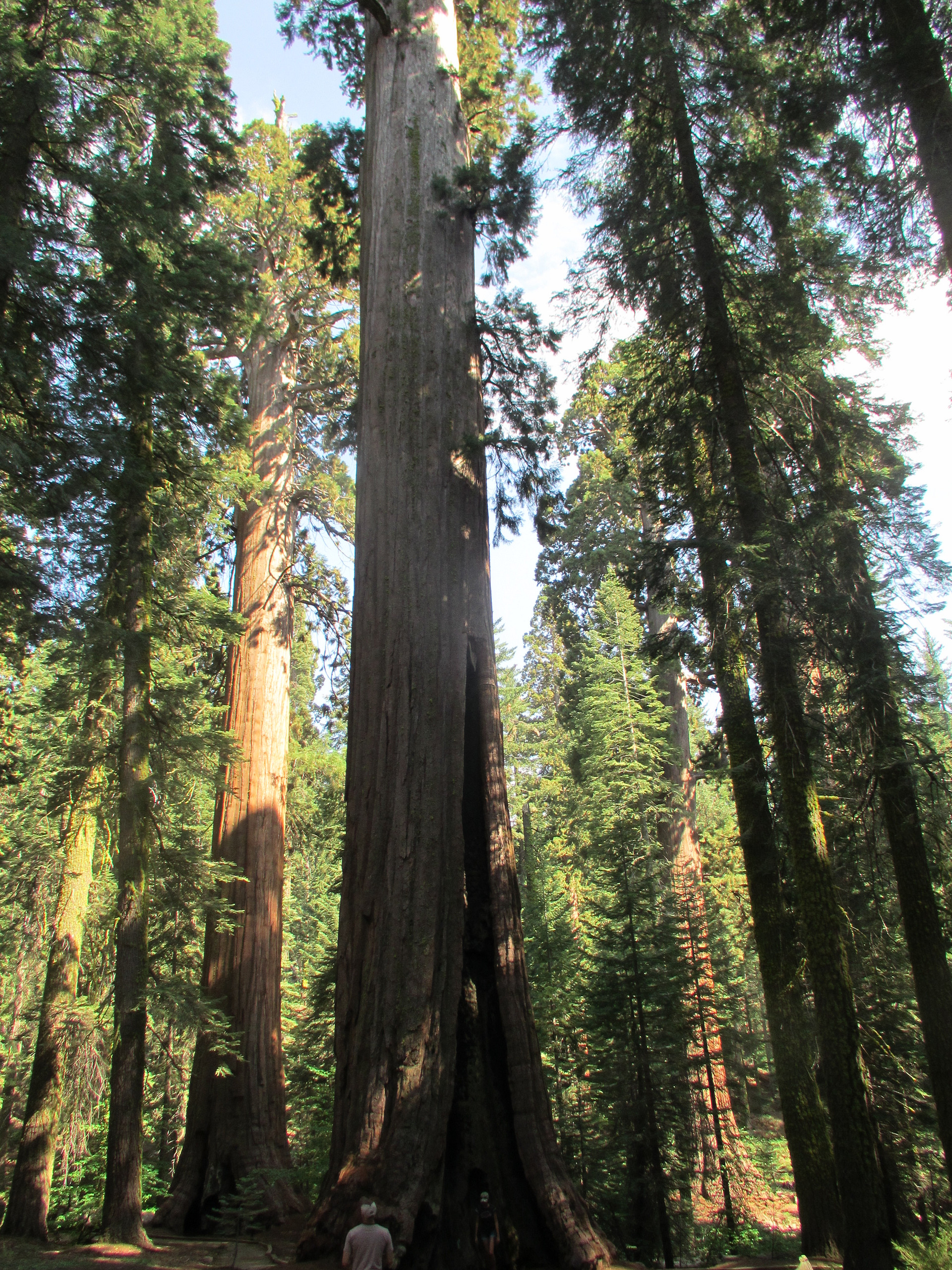
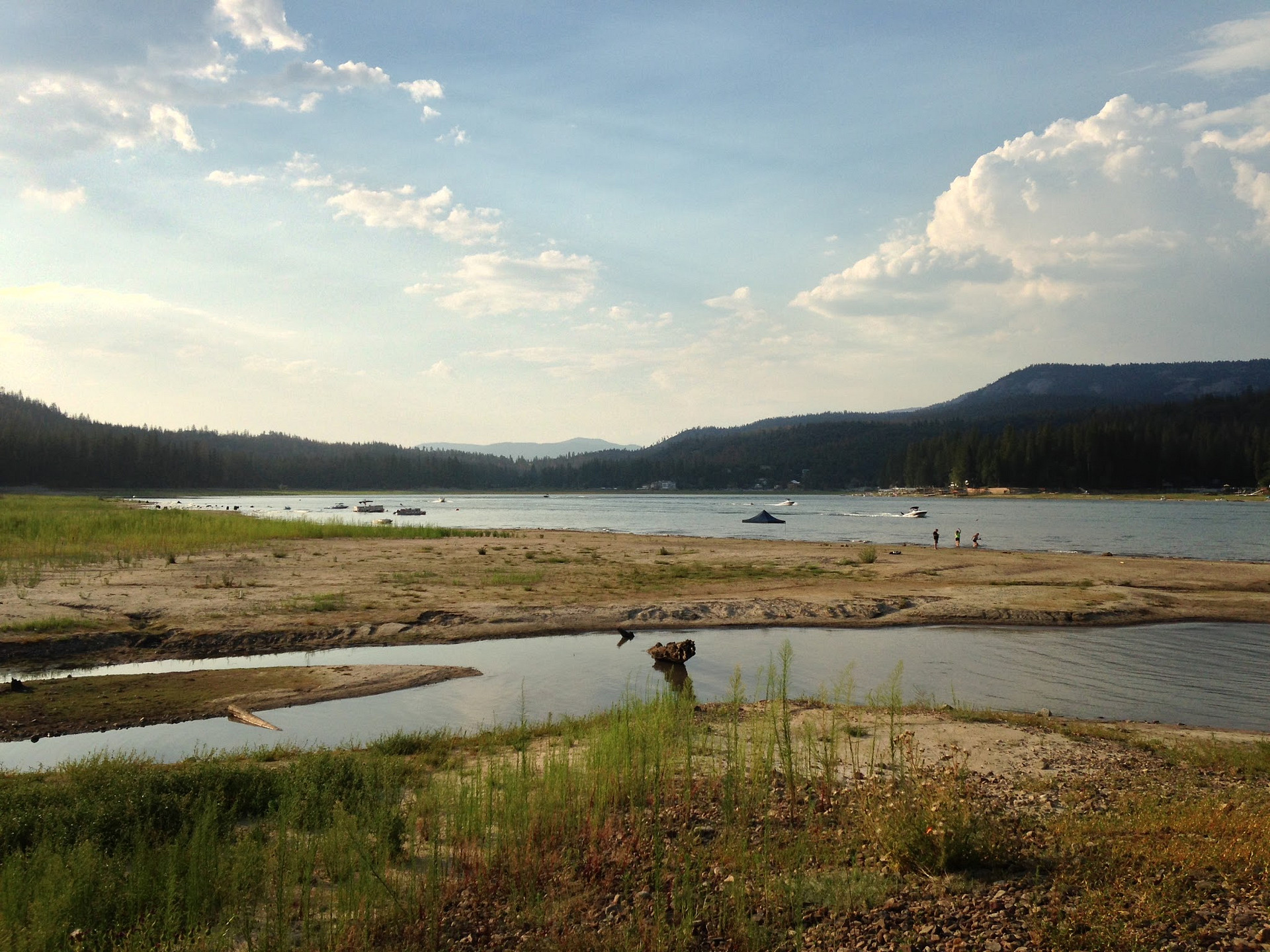
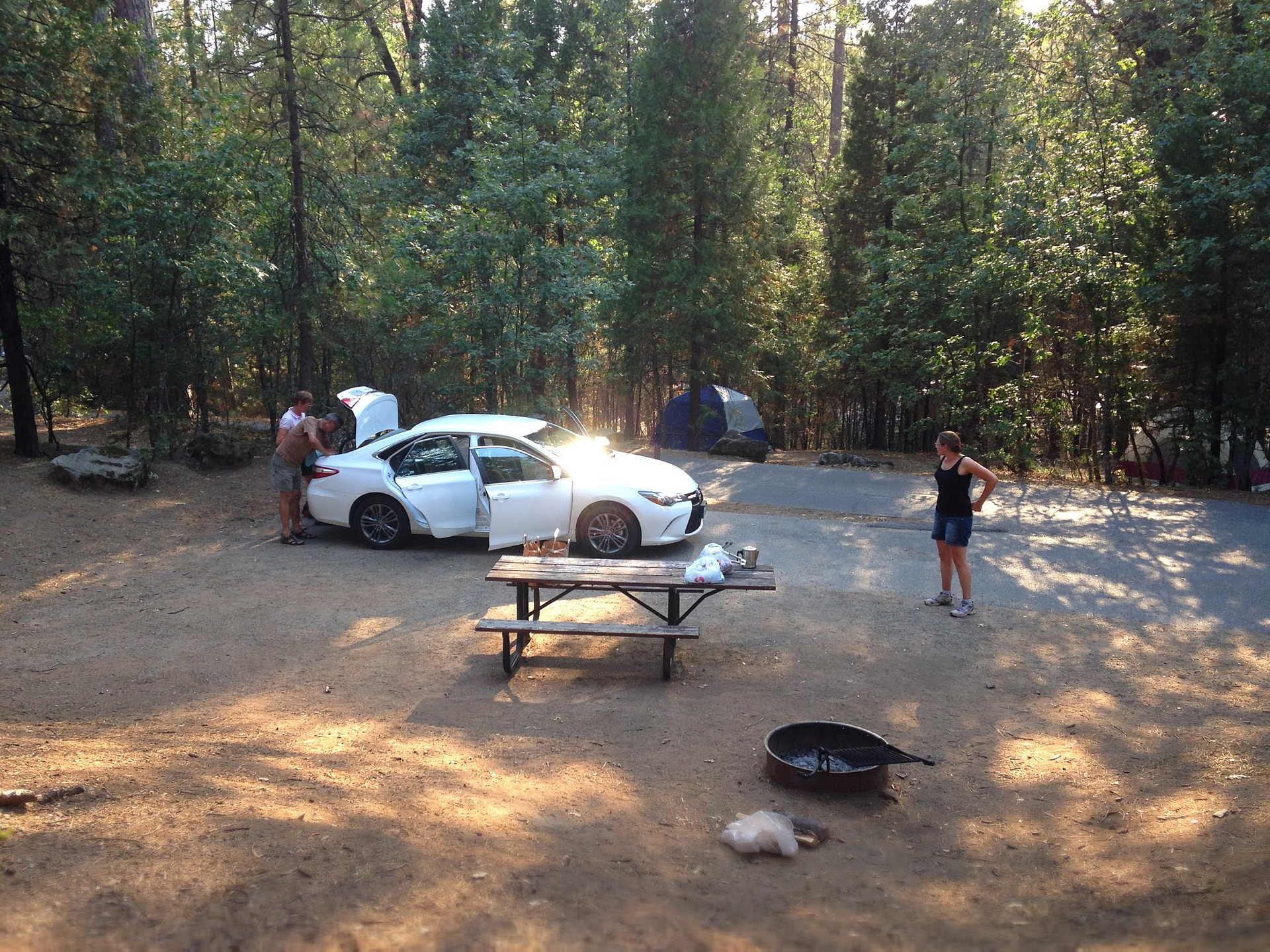
11. Sierra National Forest
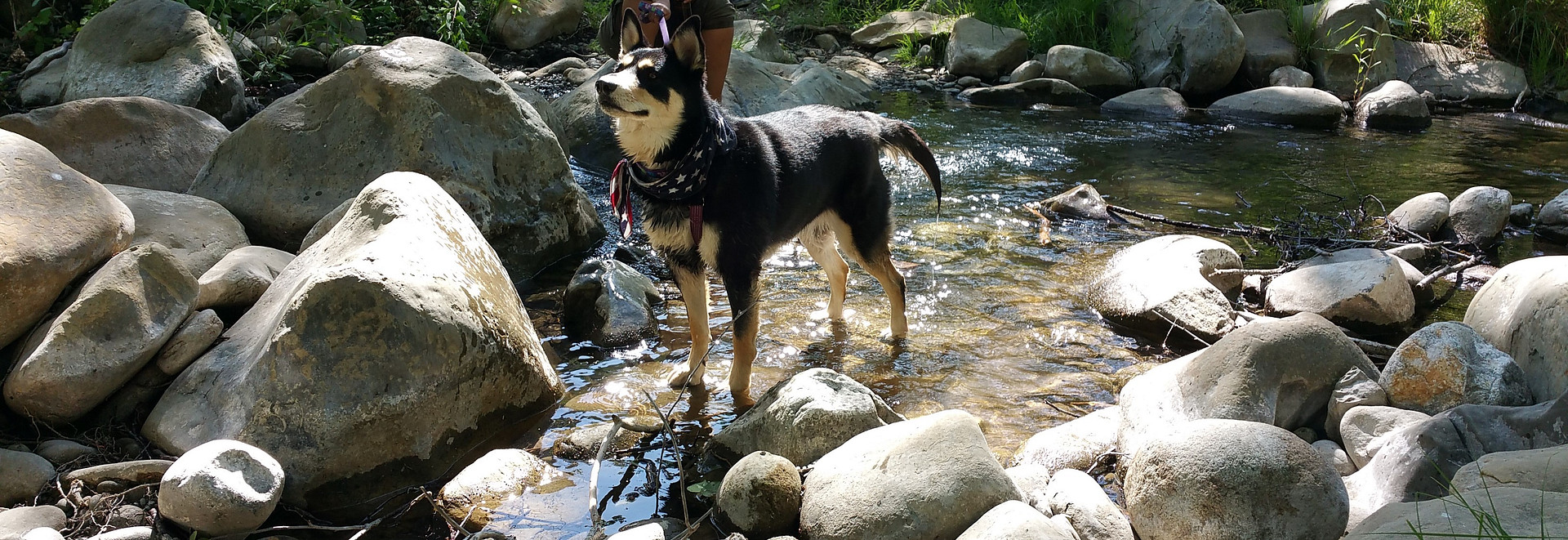
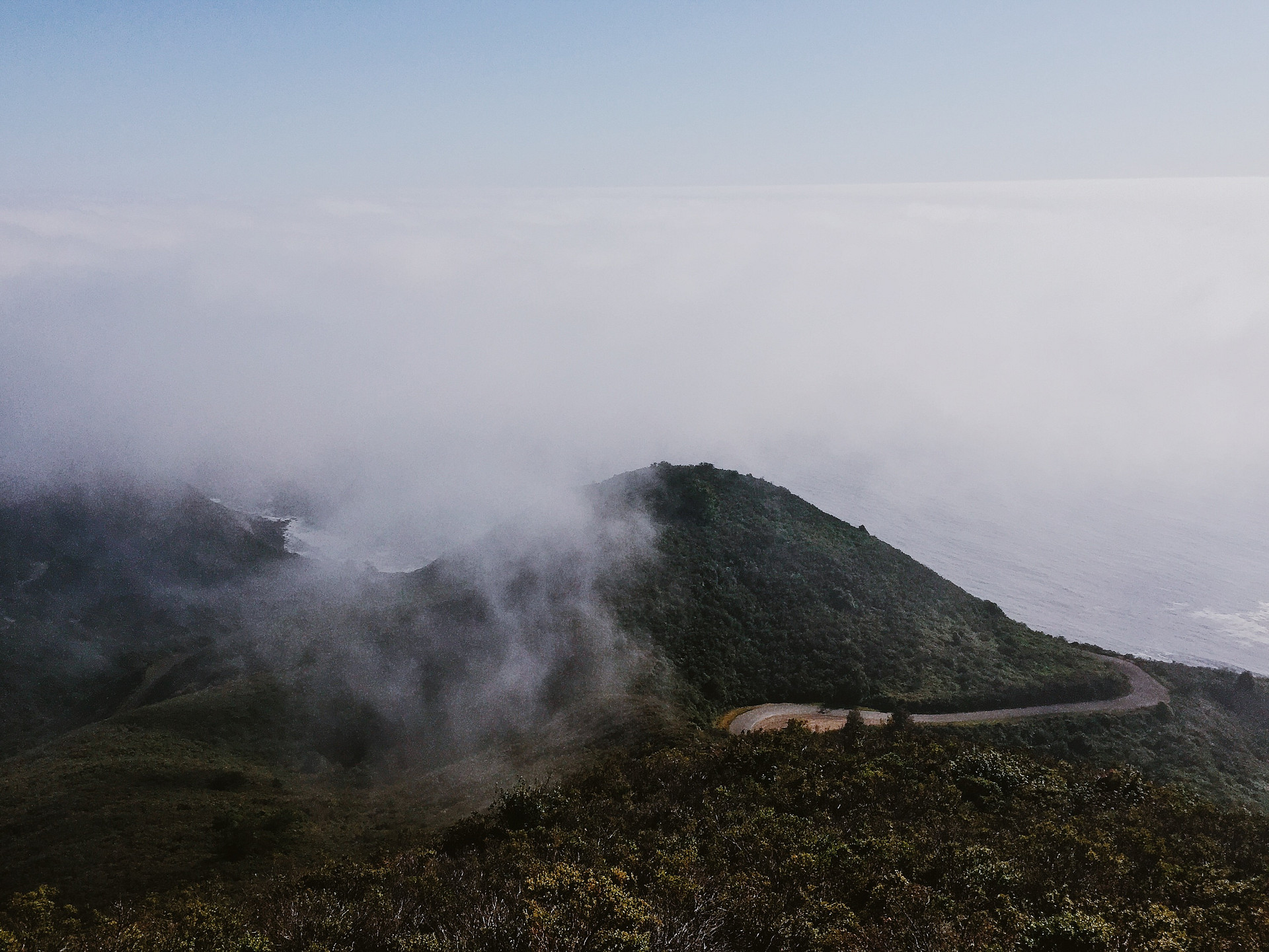
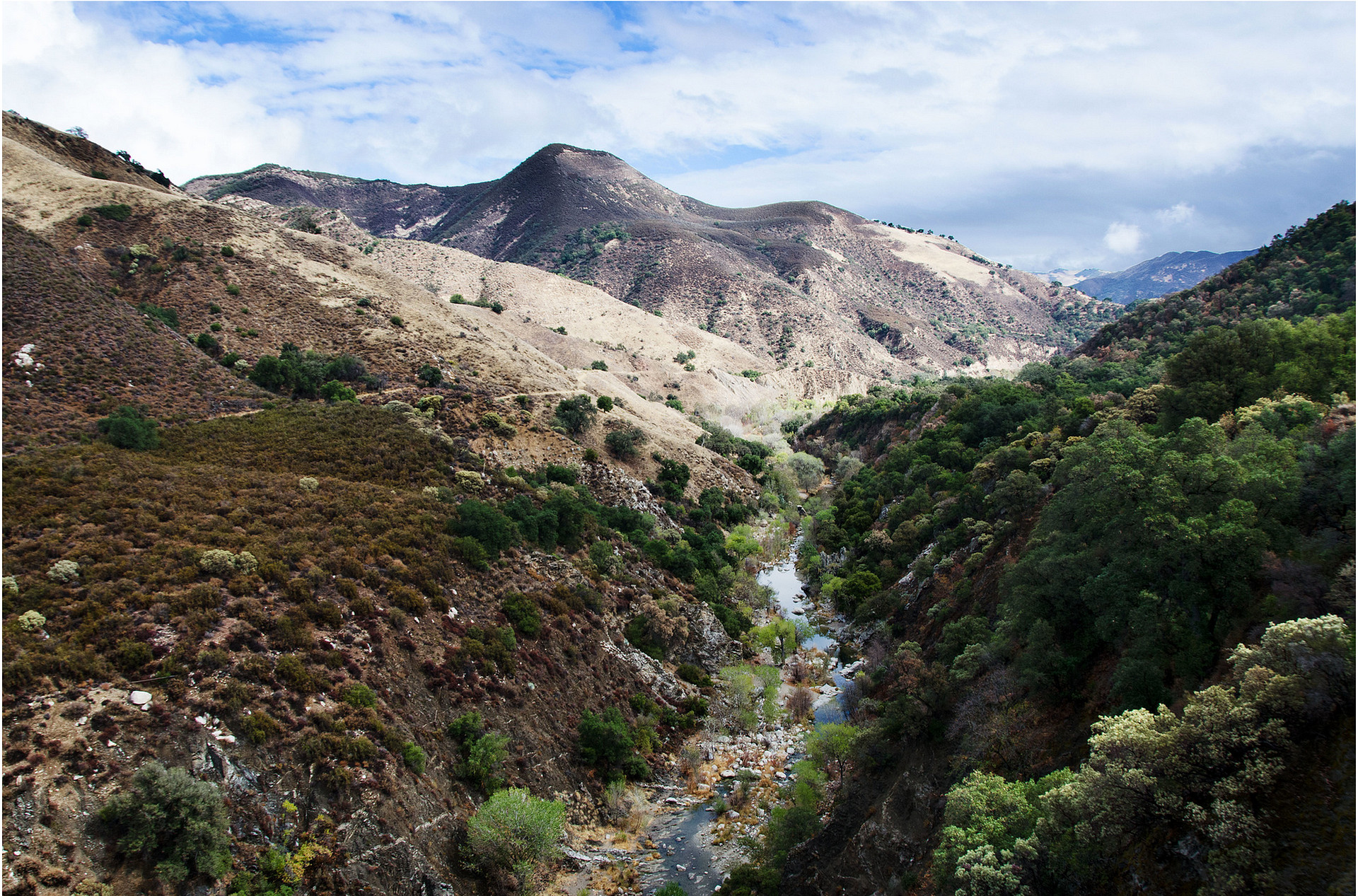
12. Los Padres National Forest
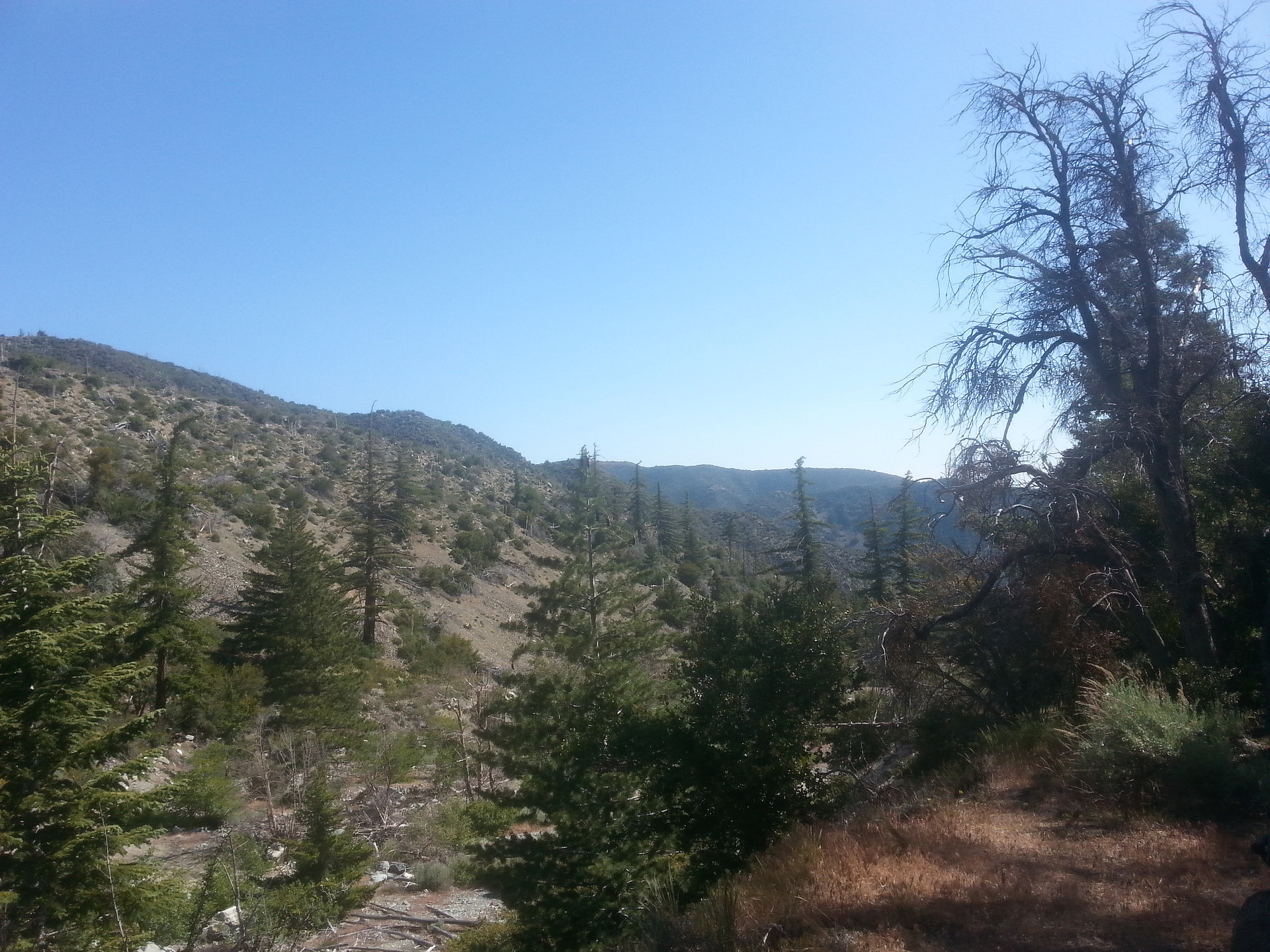
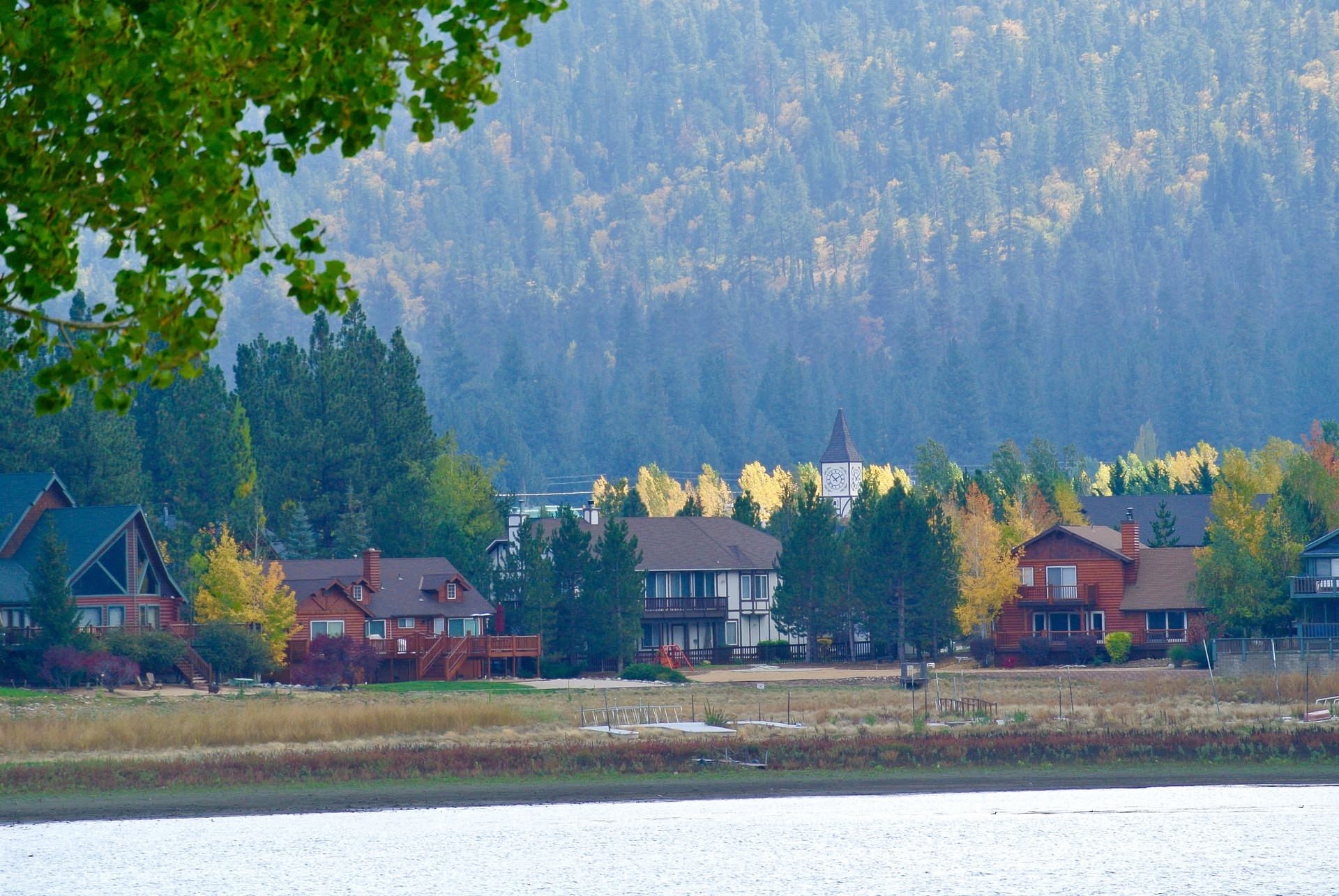
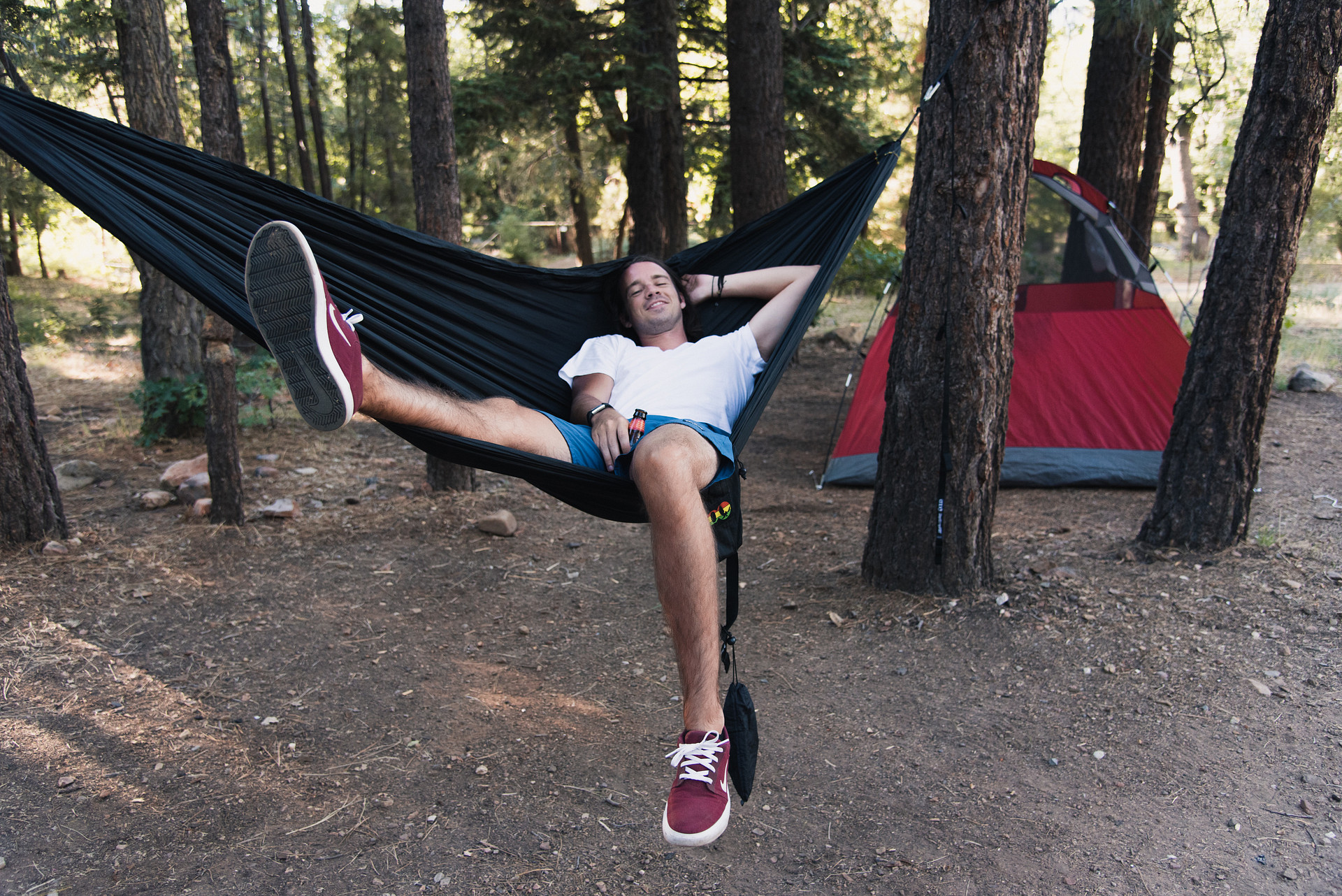
13. San Bernardino National Forest
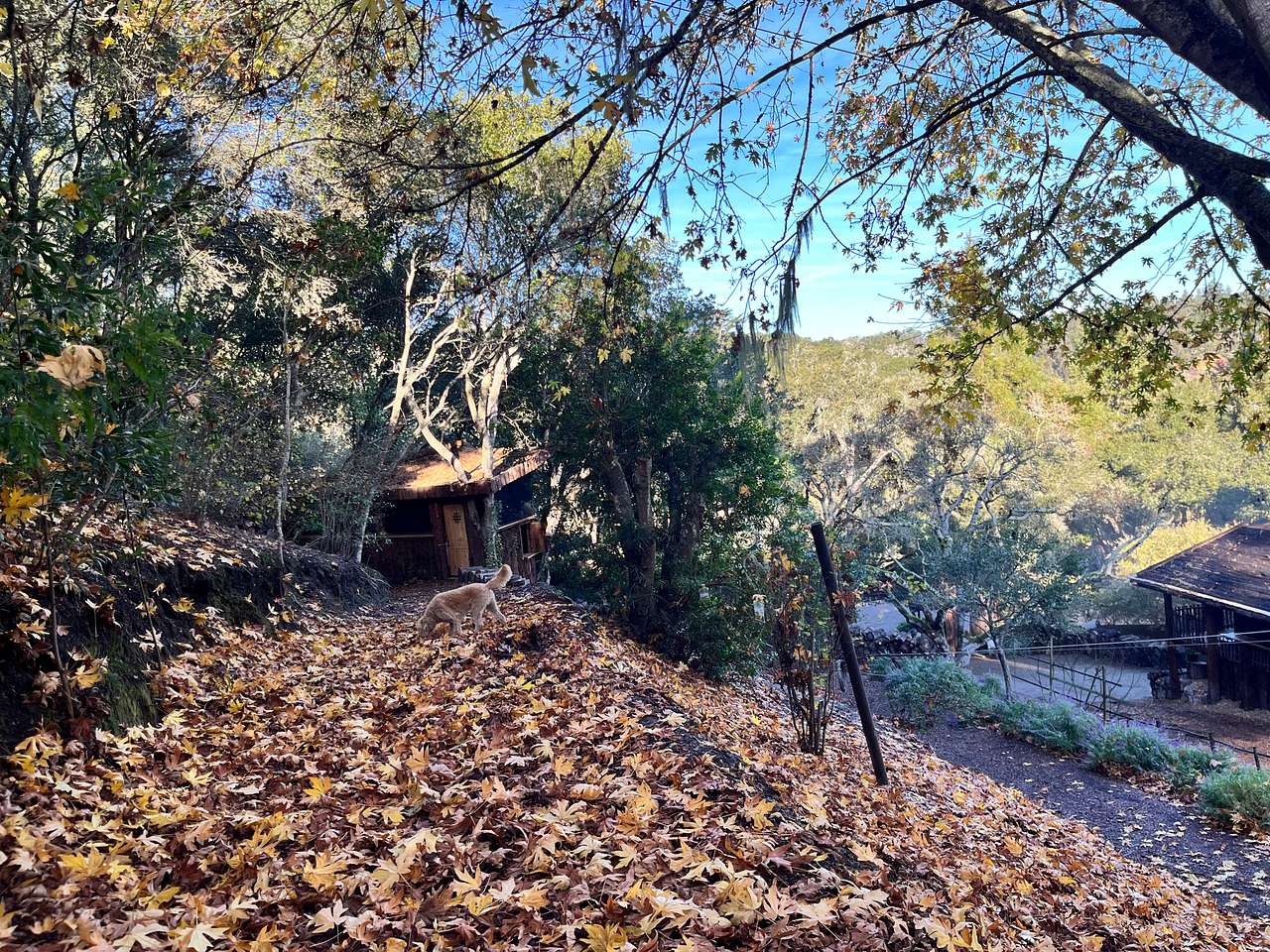
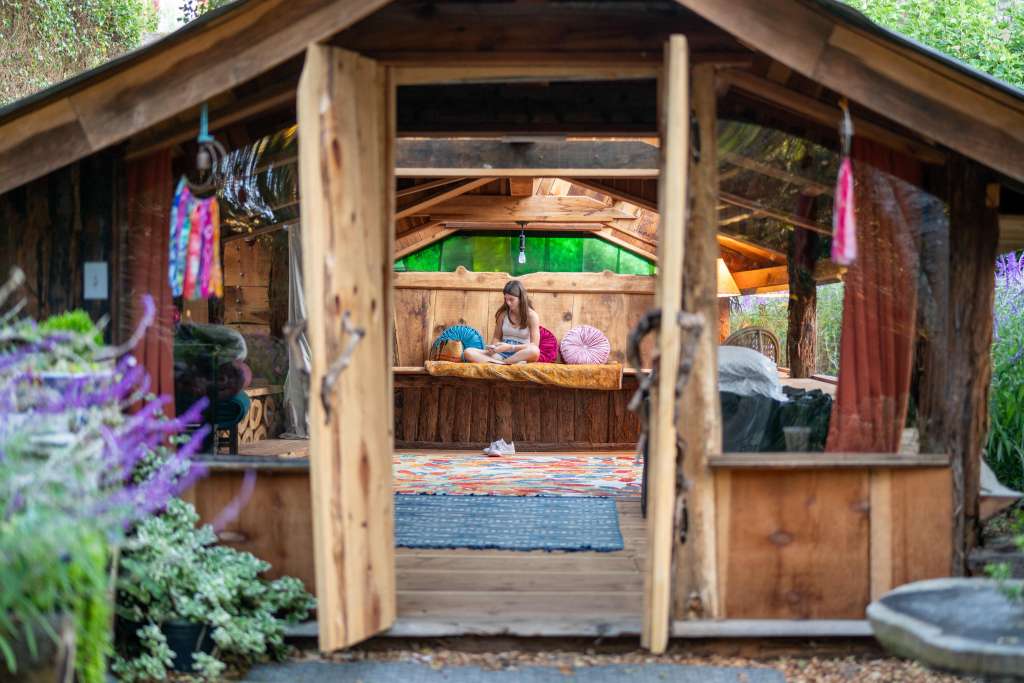
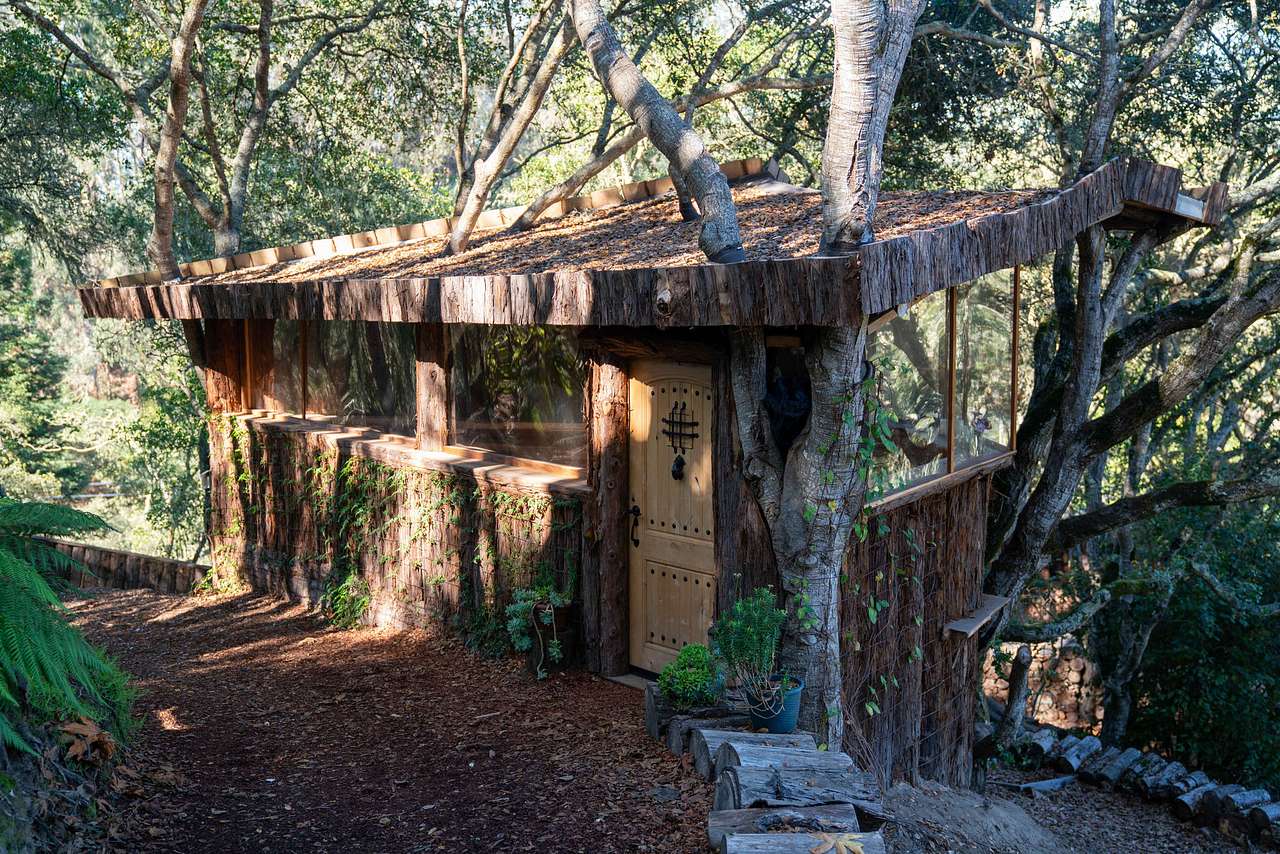
14. The Secret Gardens by the Bay
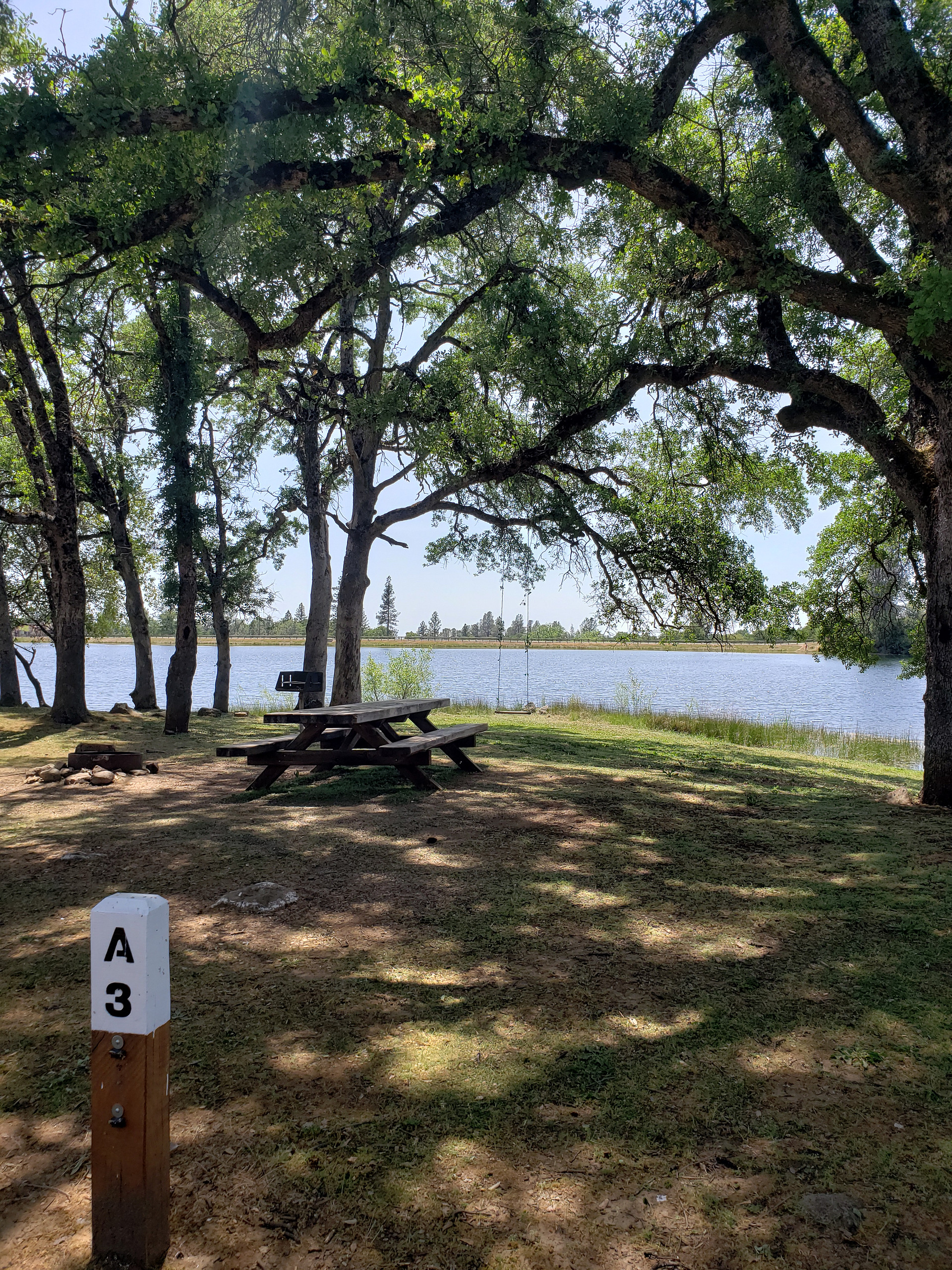
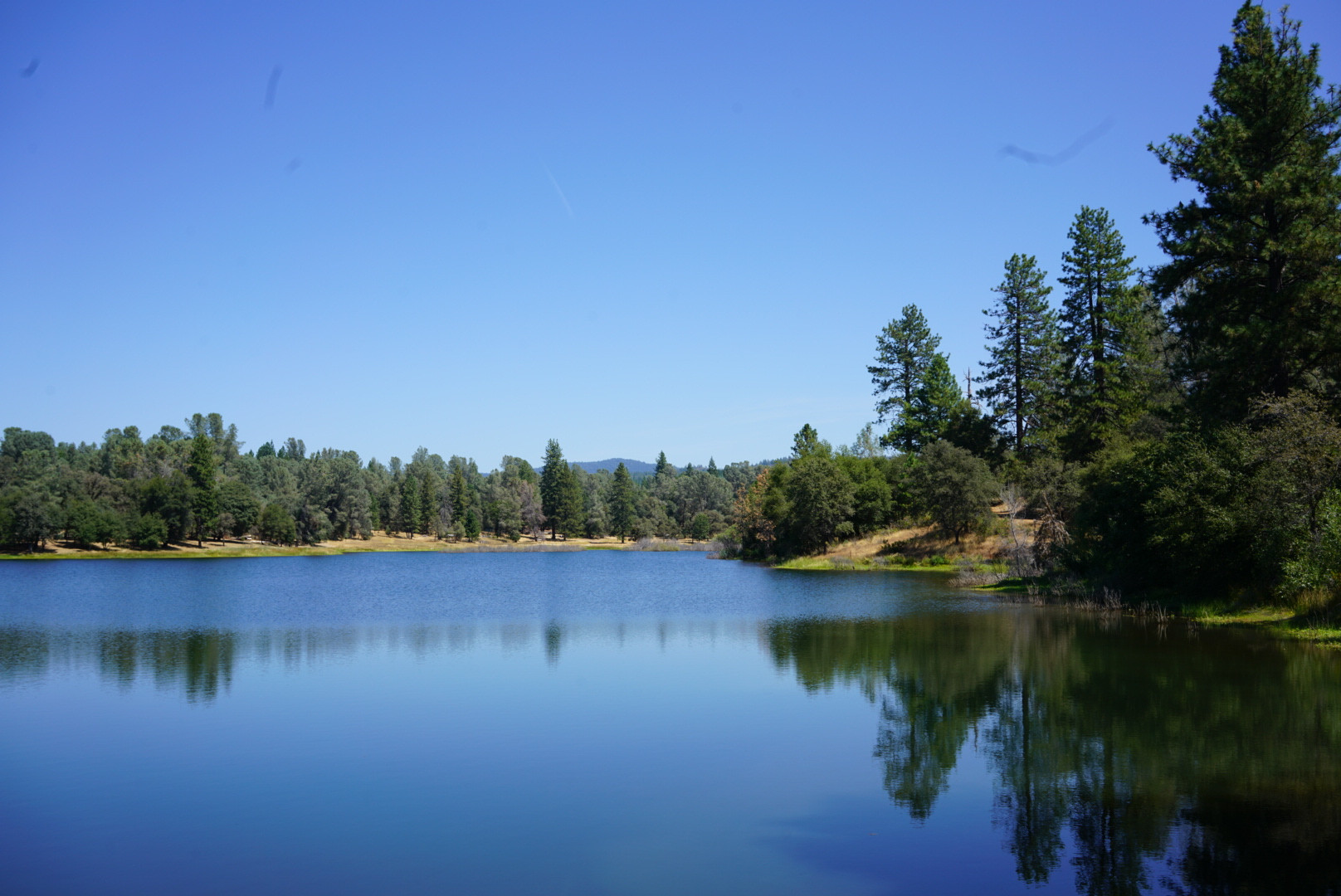
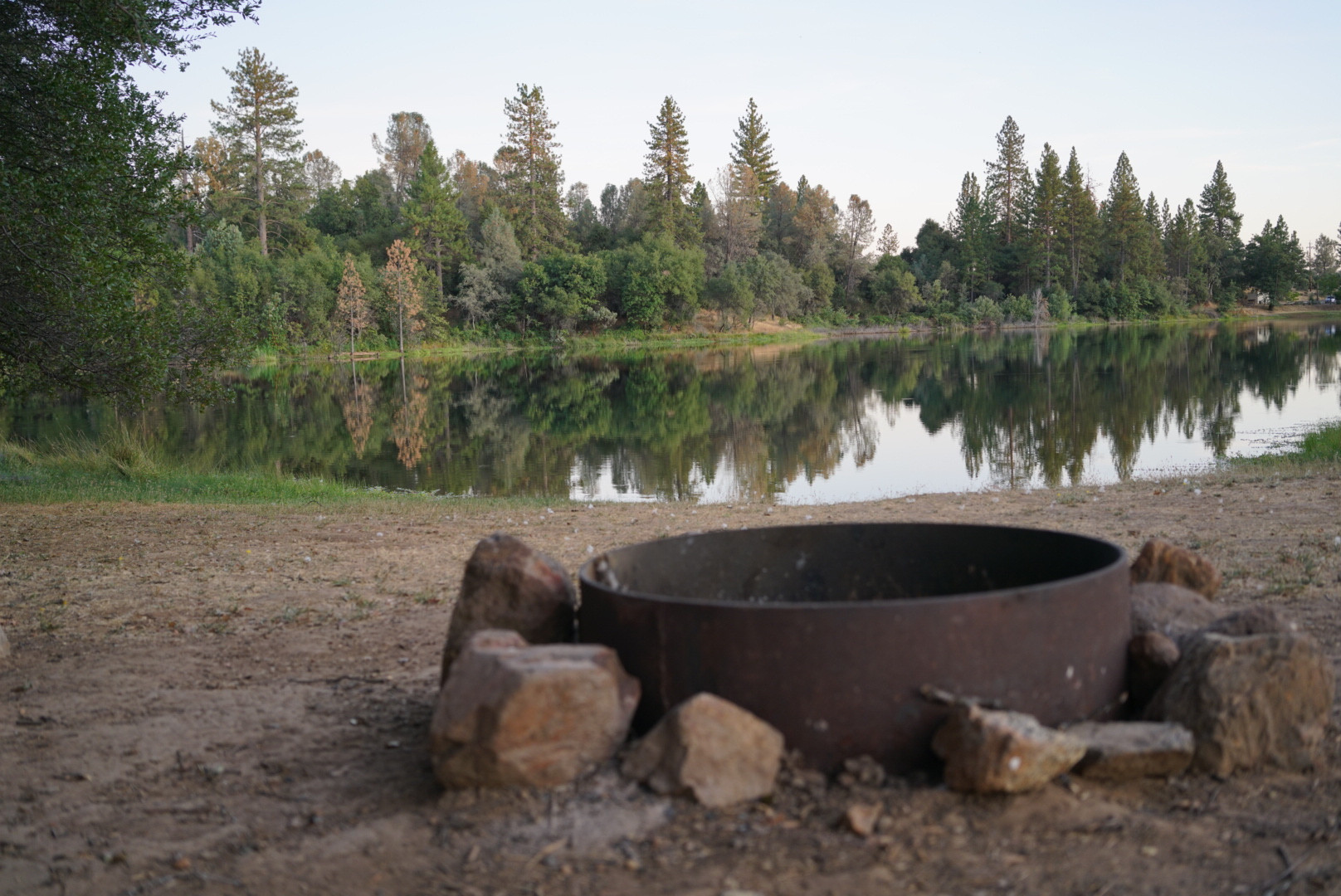
15. Finnon Lake Recreation Area
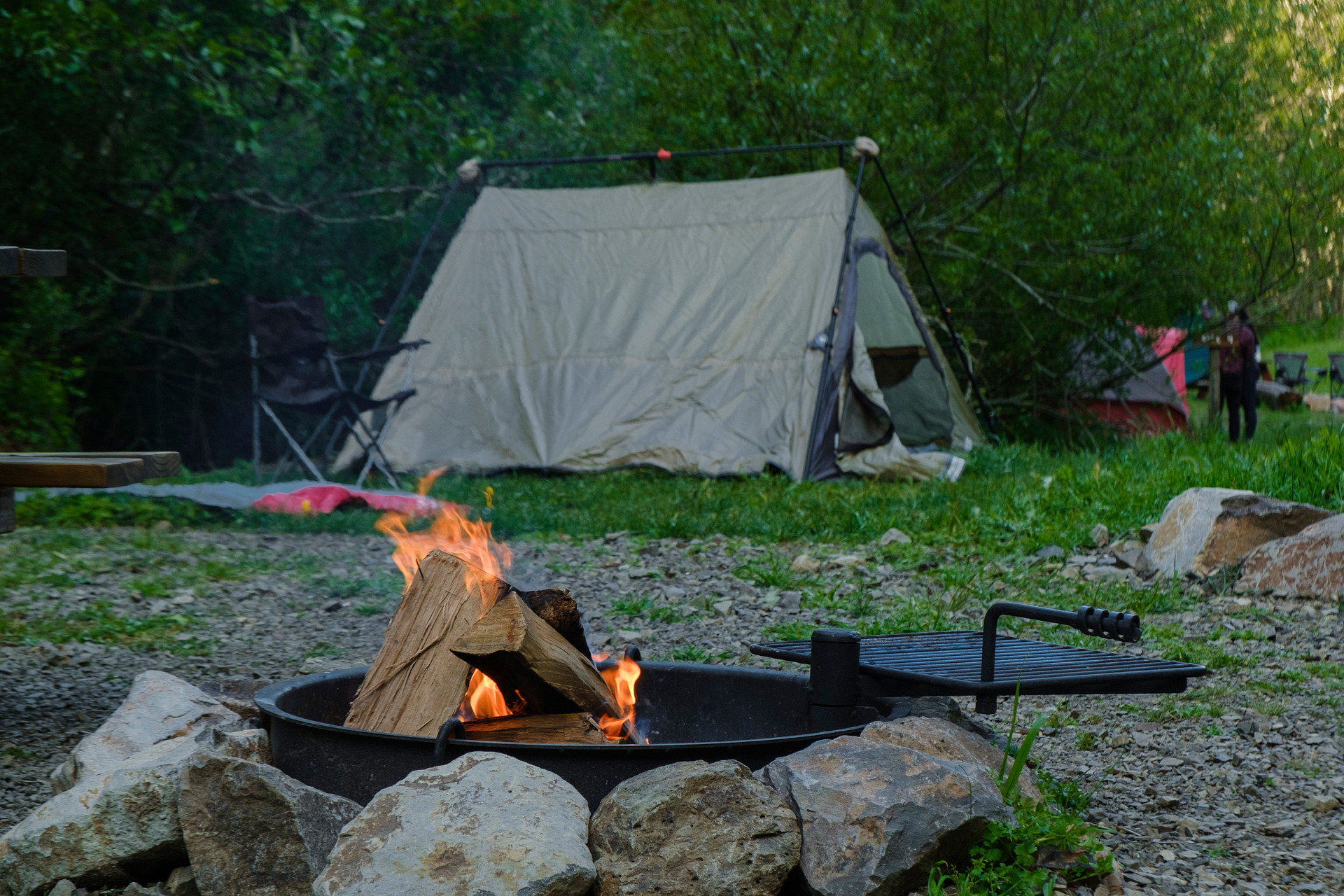
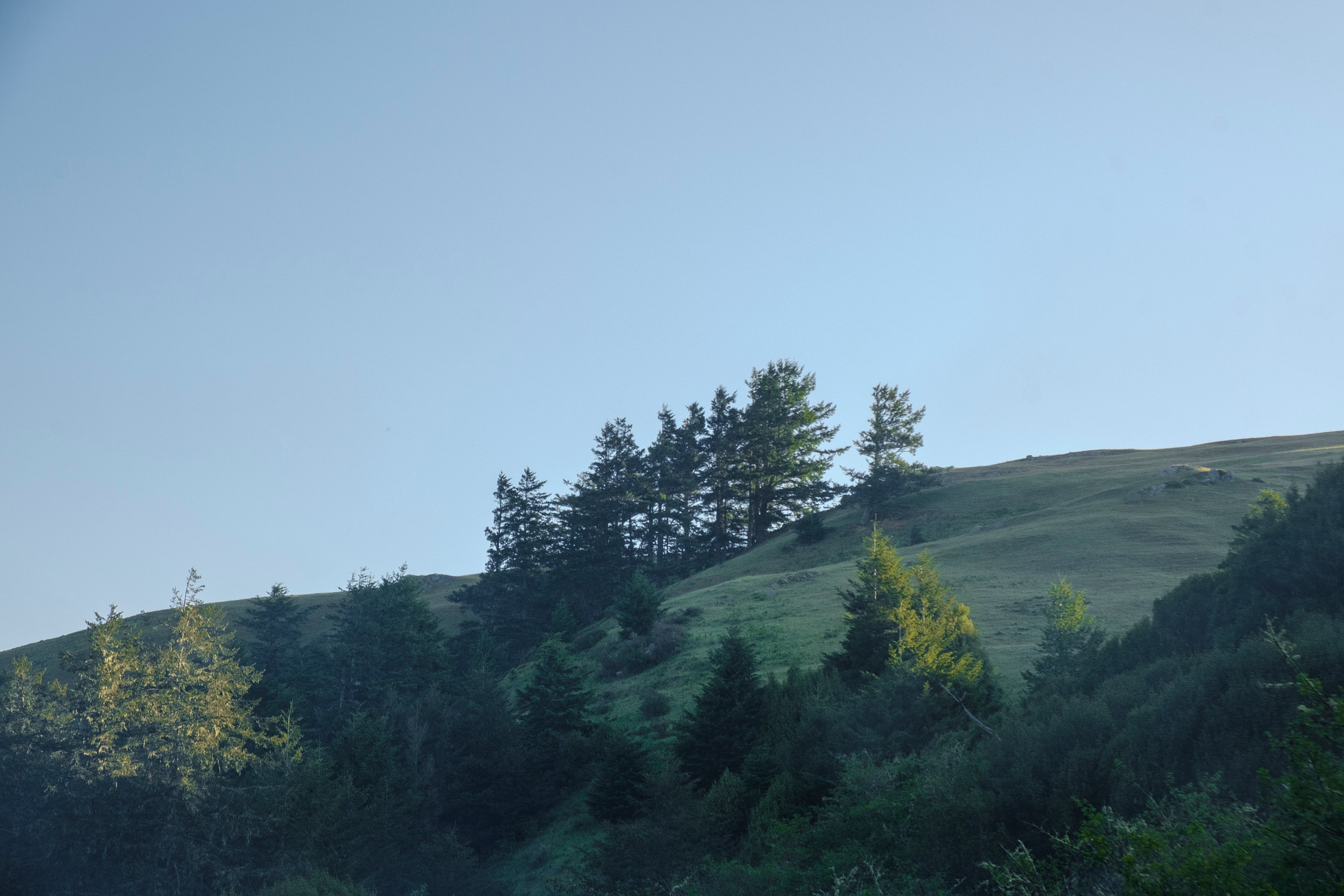
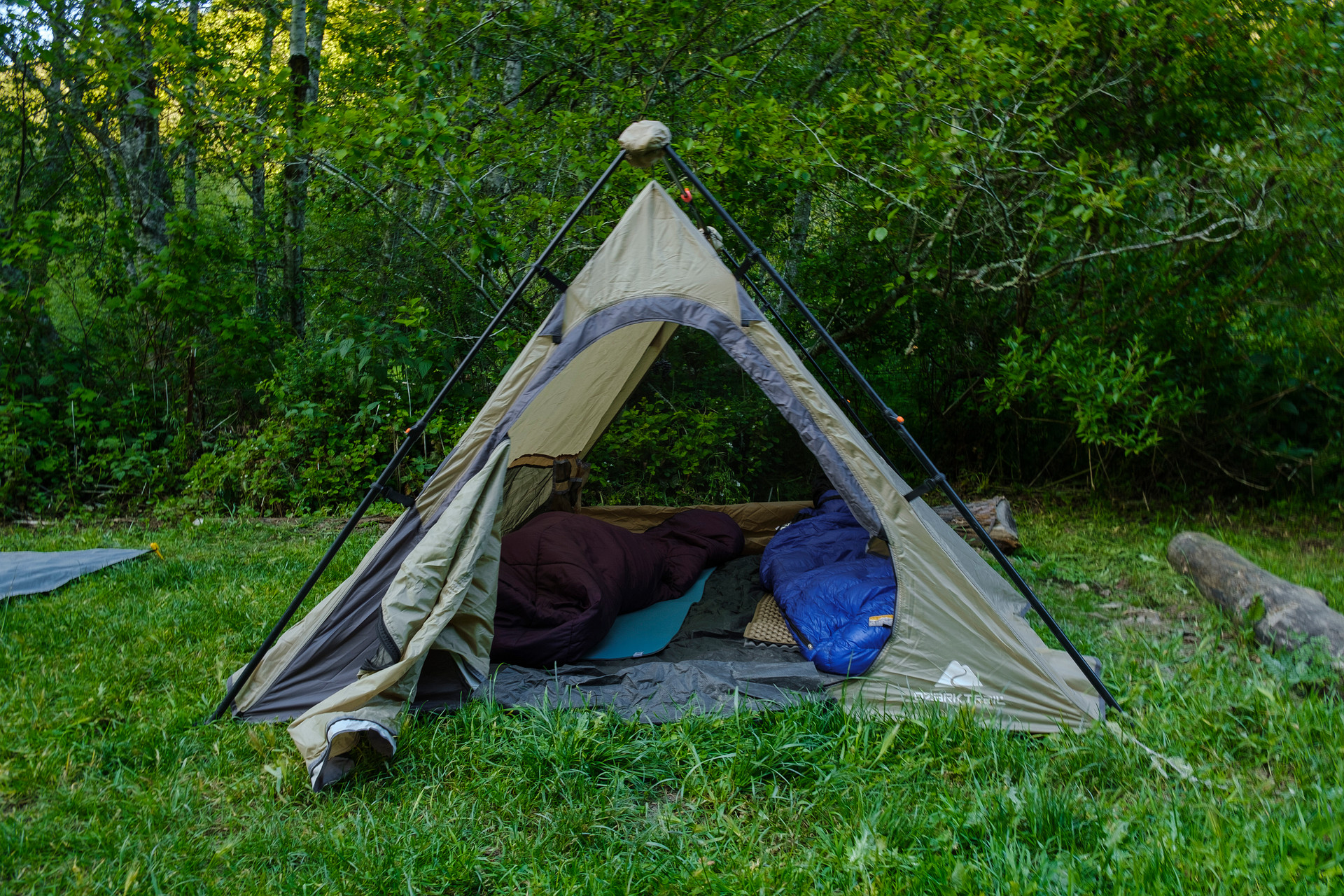
16. Finley Camp
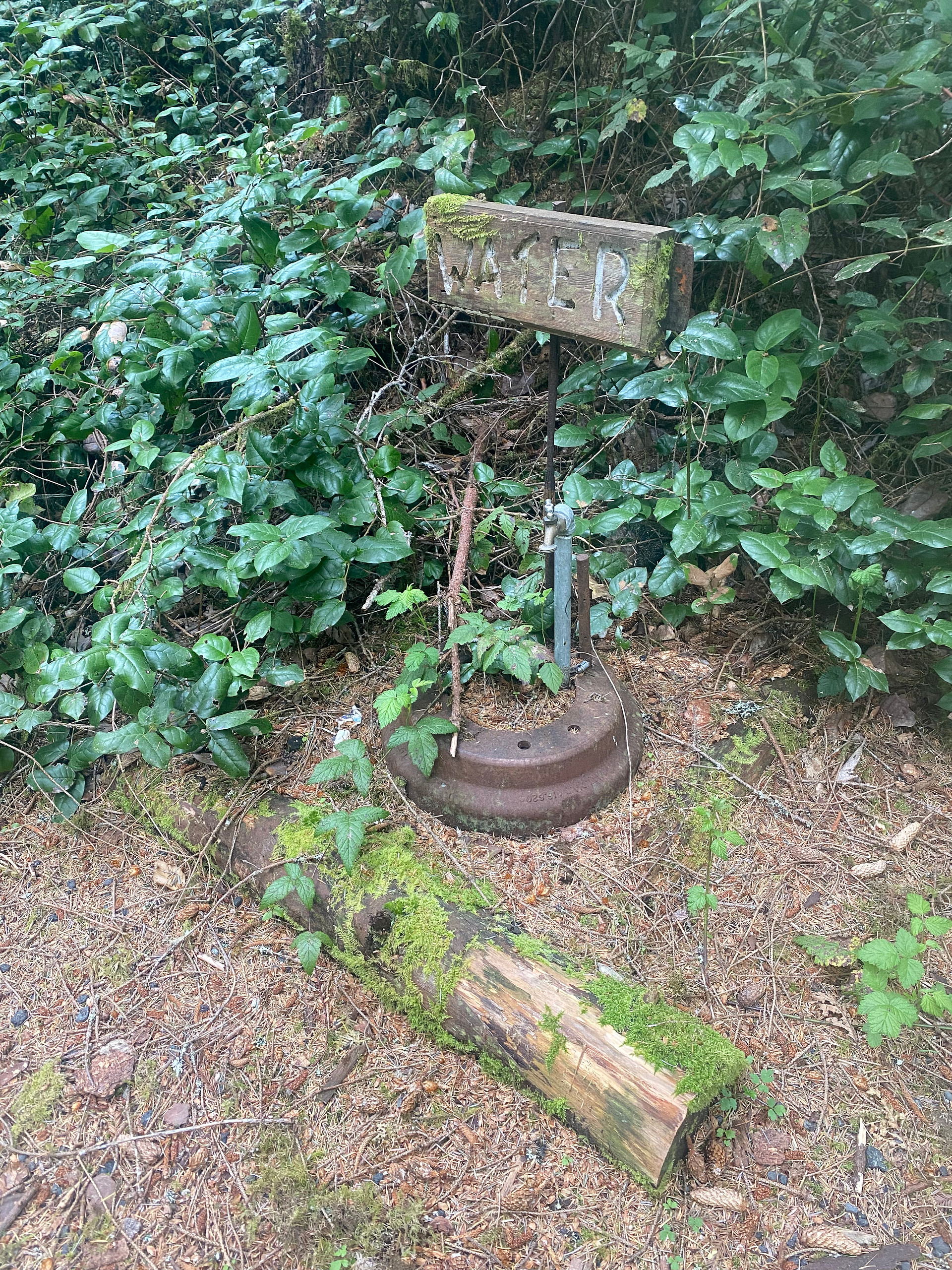
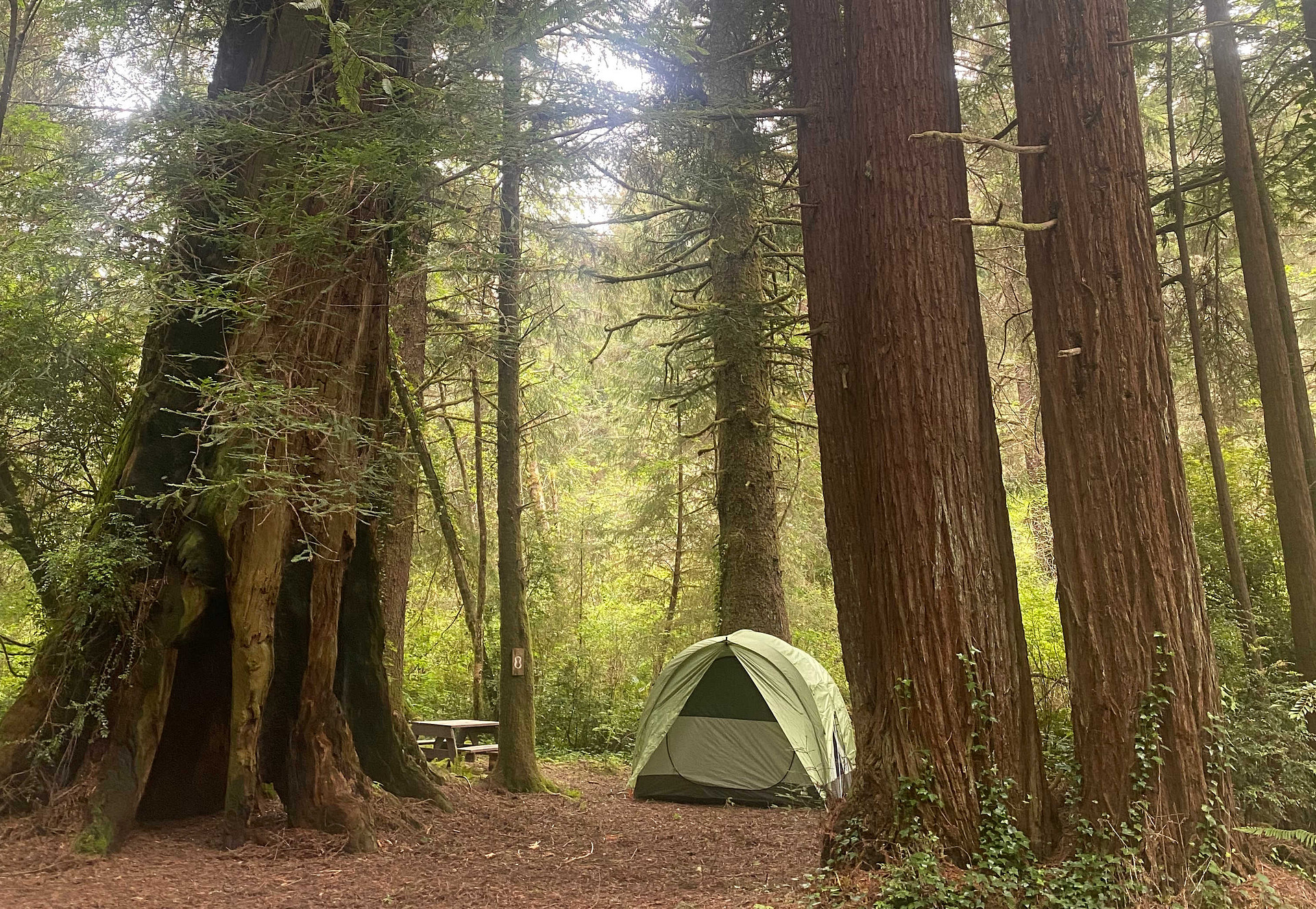

17. Mystic Forest Campground
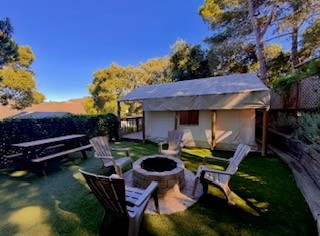
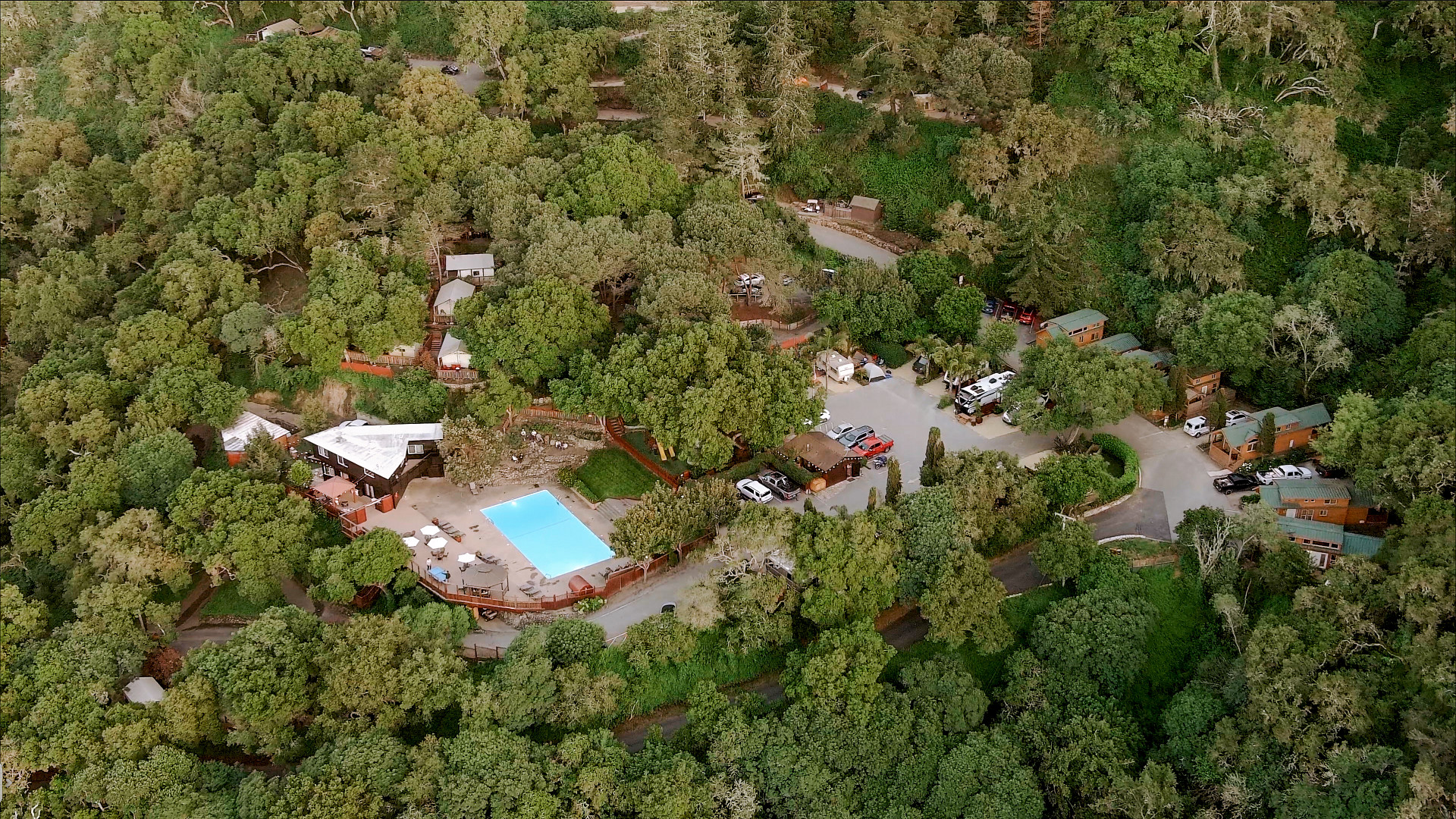
18. Saddle Mountain Carmel
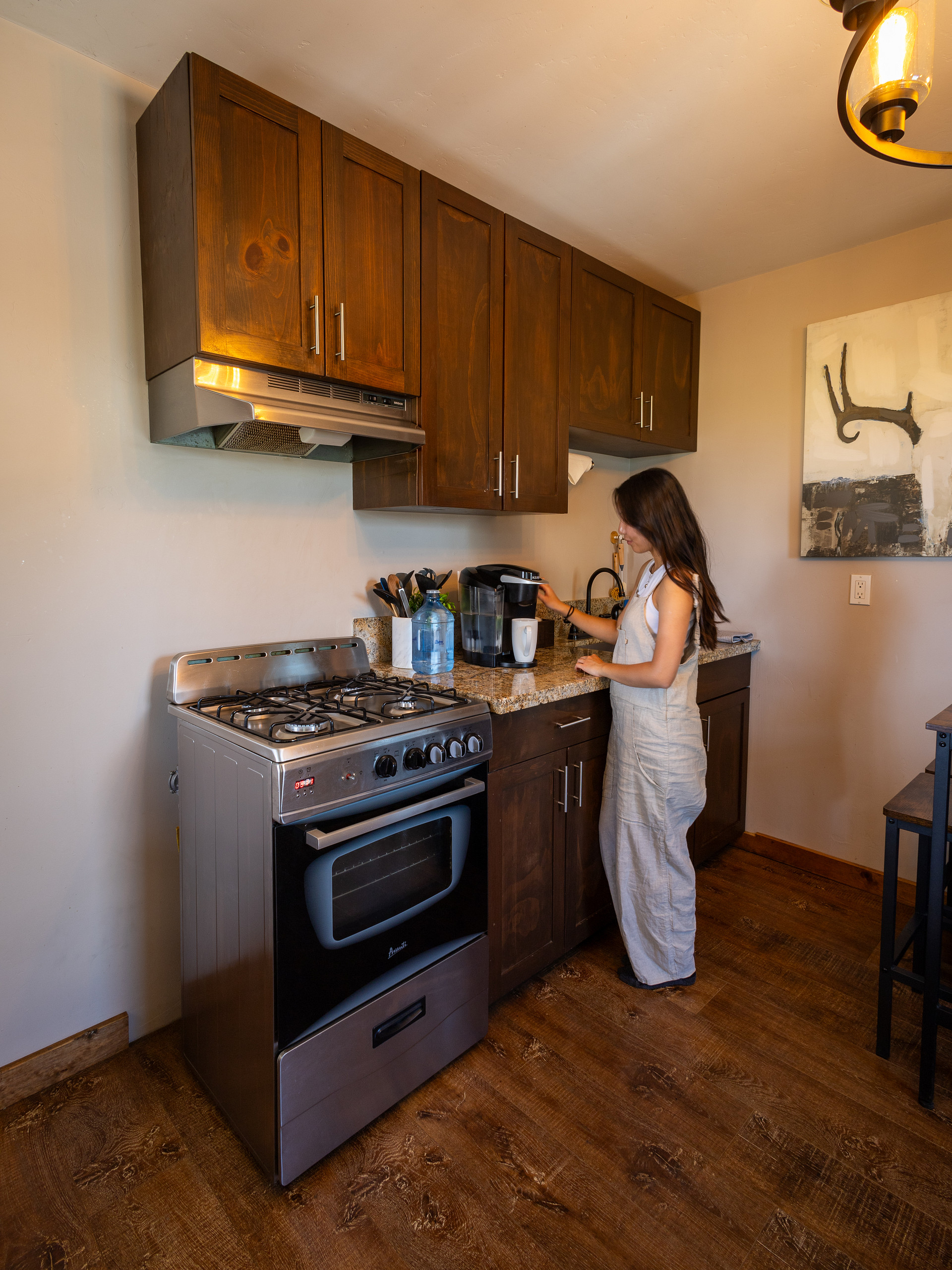
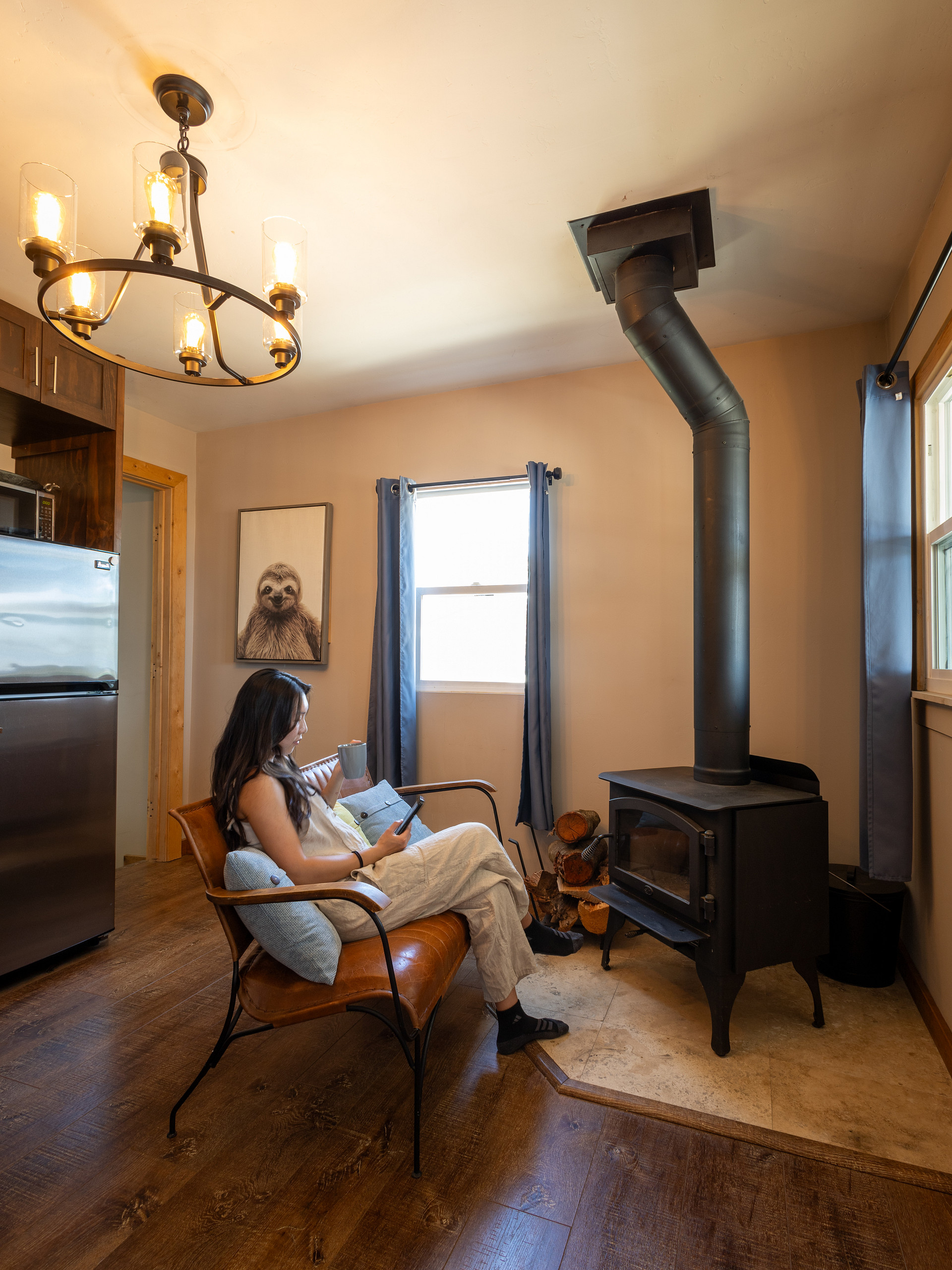
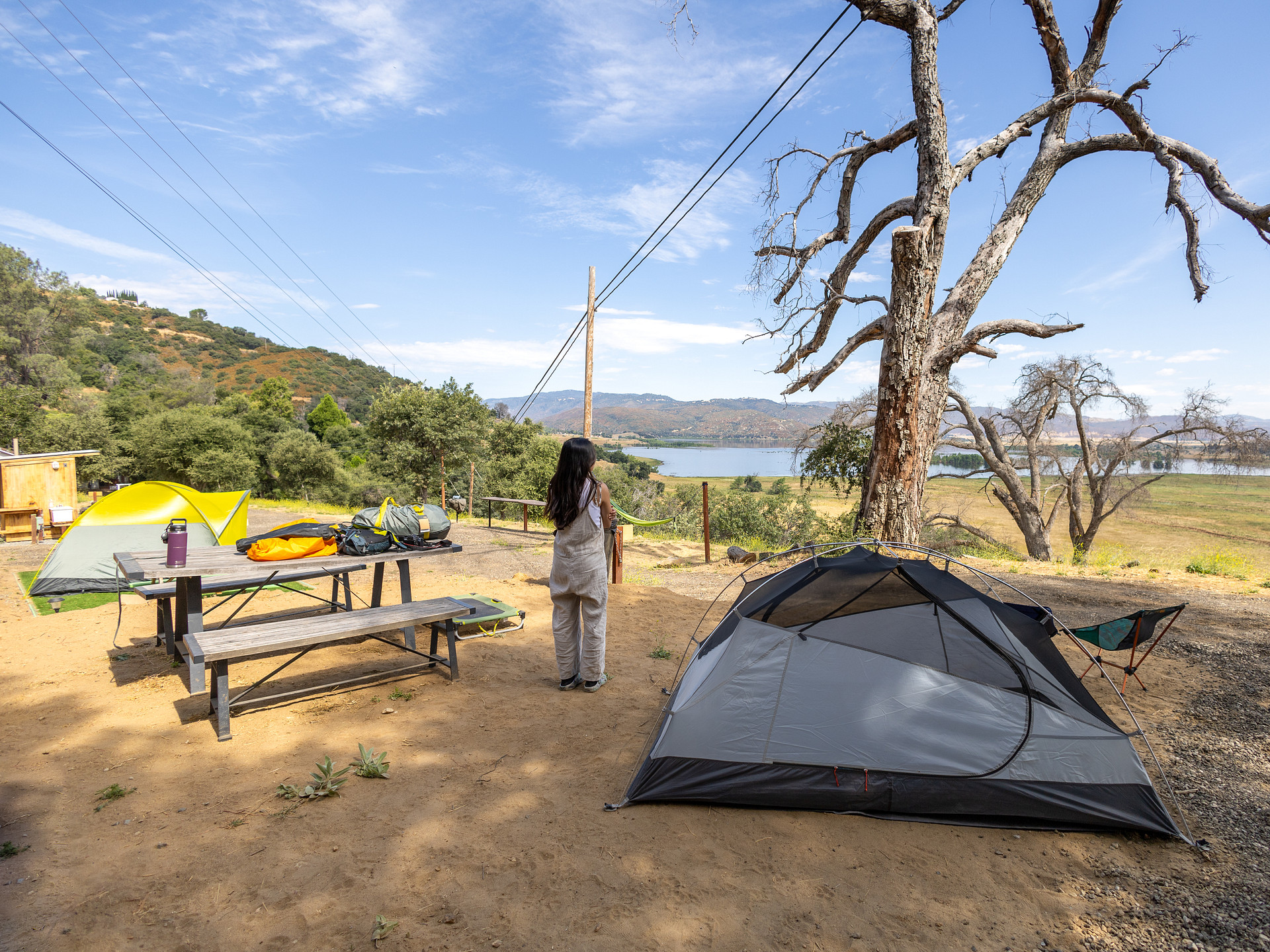
19. Hideout Mountain Lodge
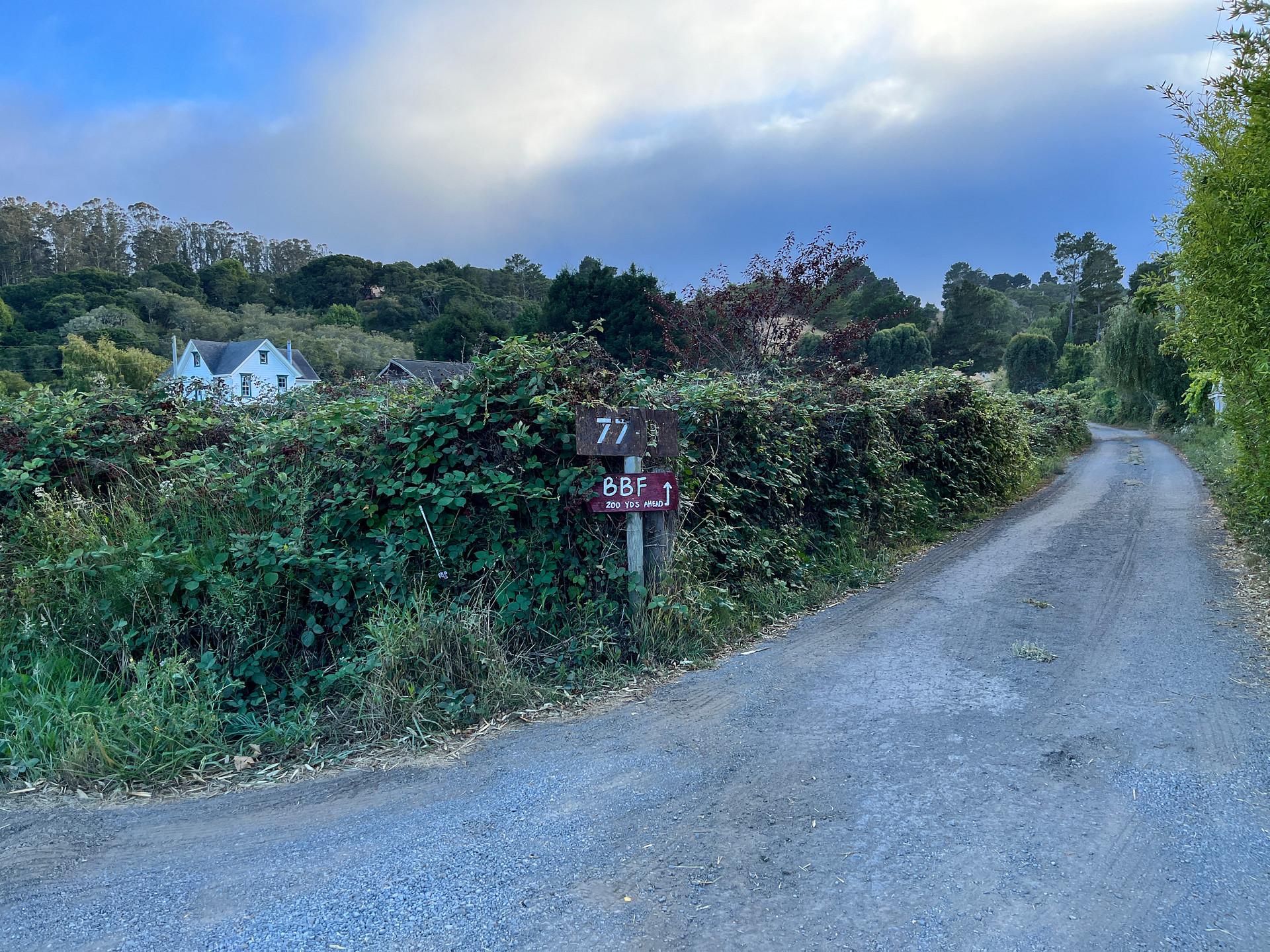
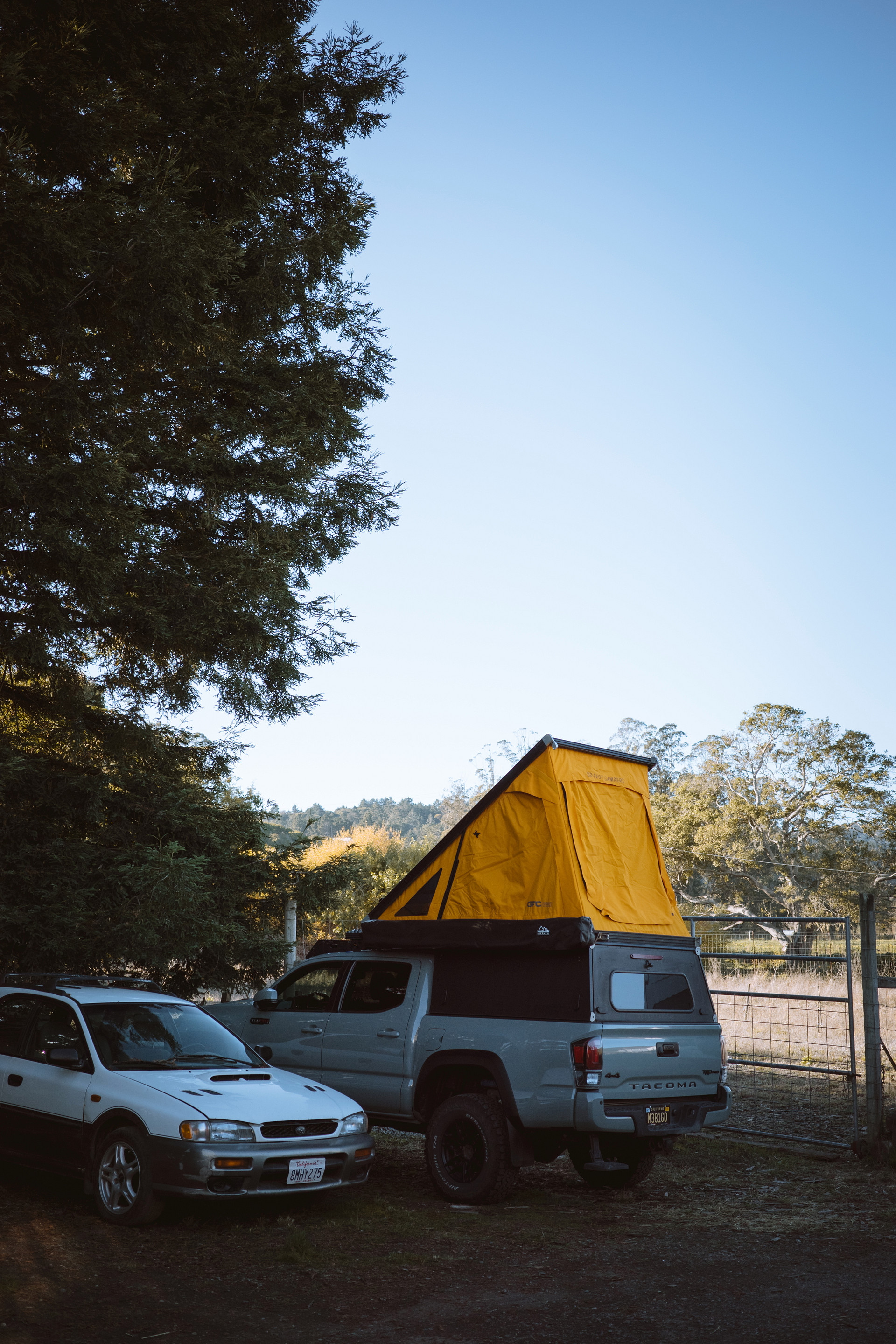
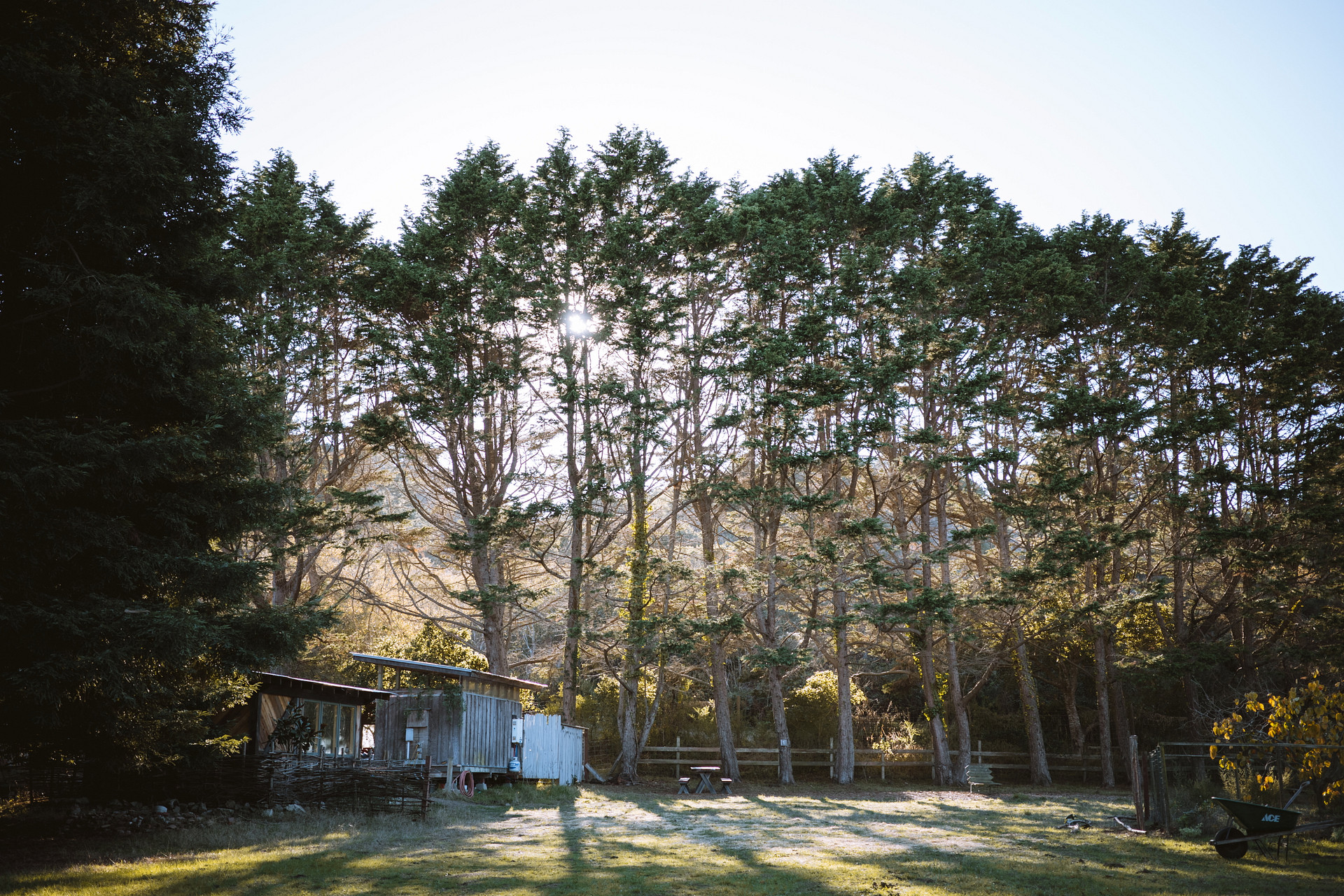
20. Meadow camping in Bolinas
Splitrock Farm and Retreat
Kosk Creek Campgrounds
The Ranch at Cross Road
Cuyama Badlands
Jug Handle Creek Nature Center
The Secret Gardens by the Bay
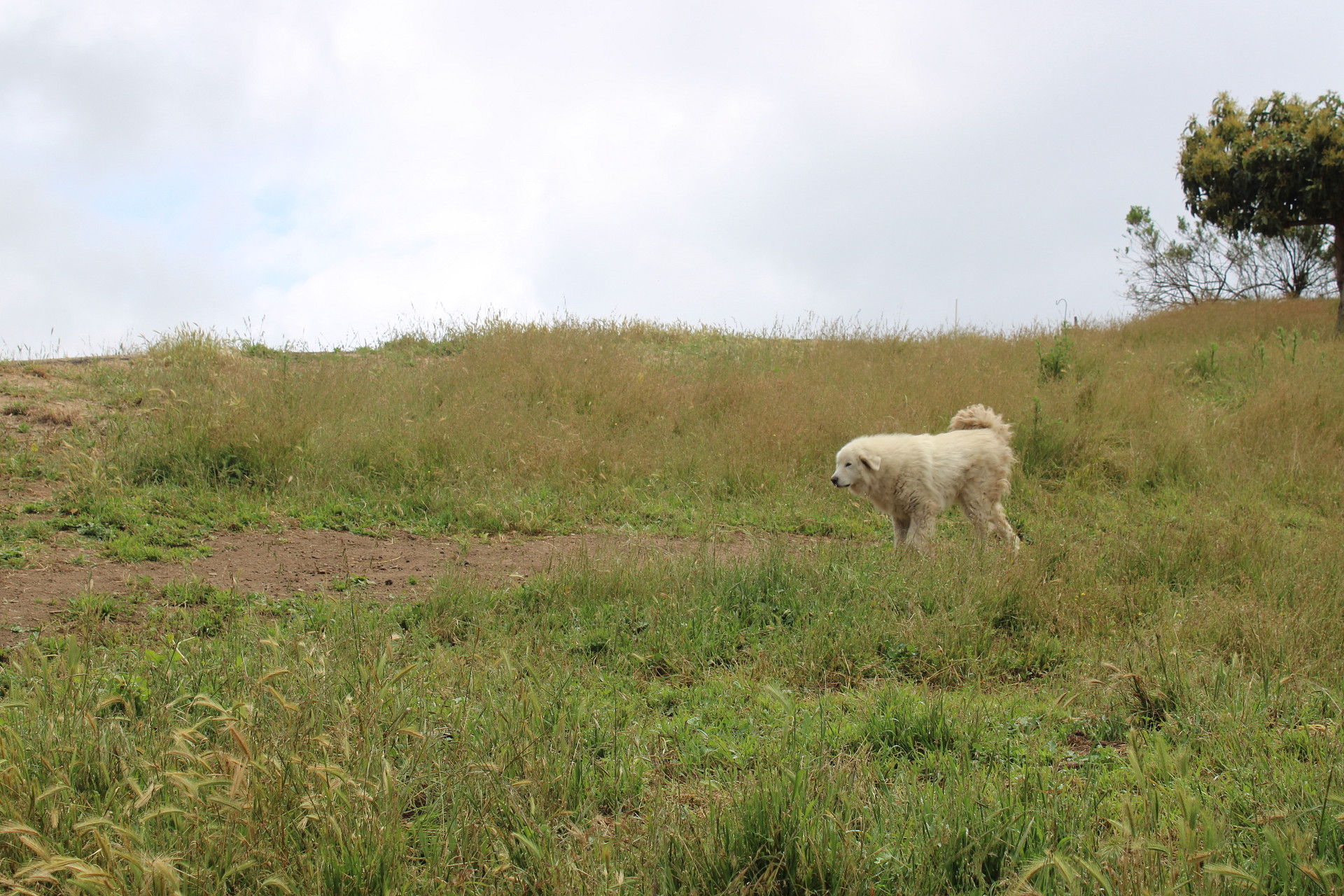
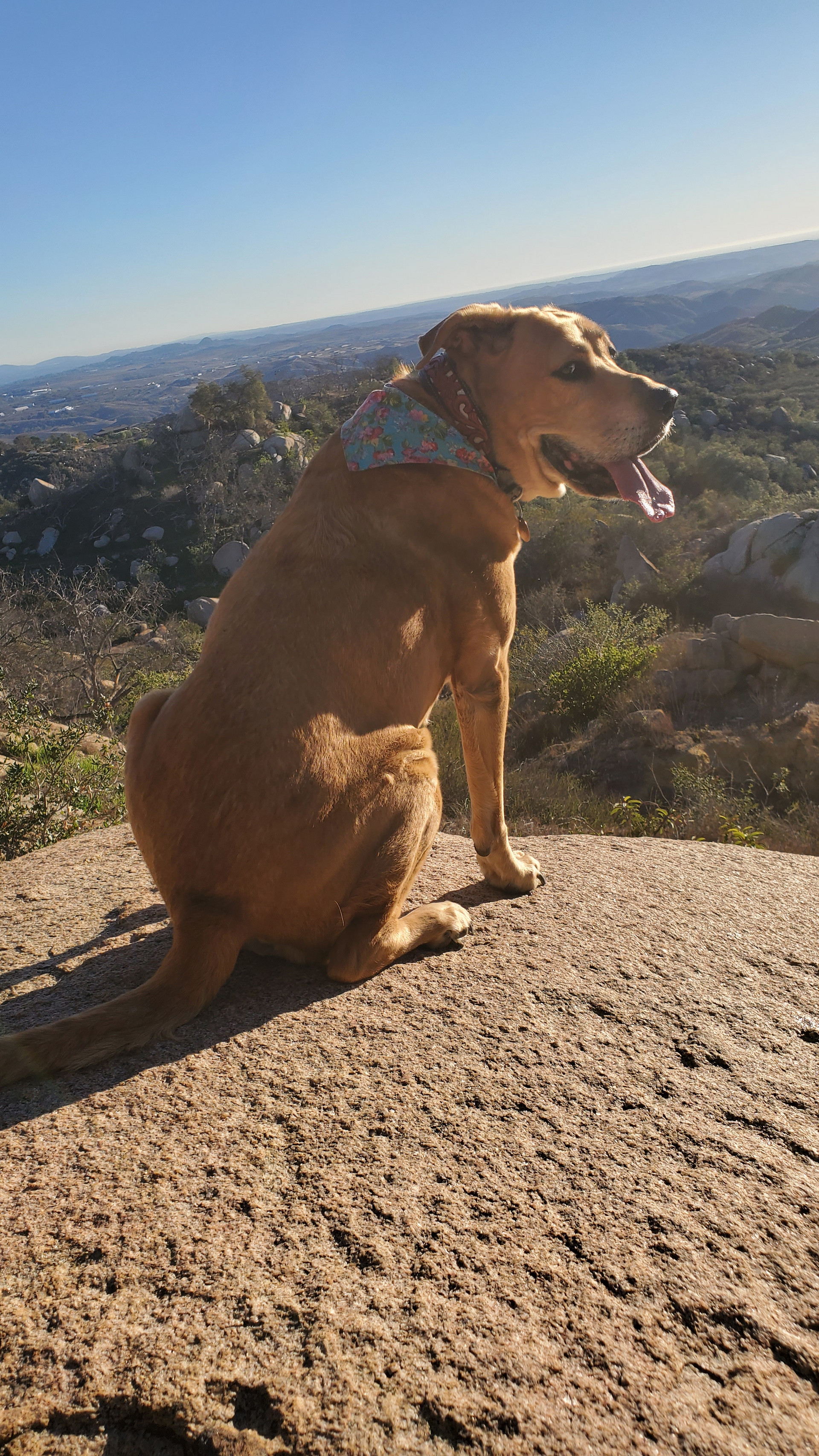
Splitrock Farm and Retreat
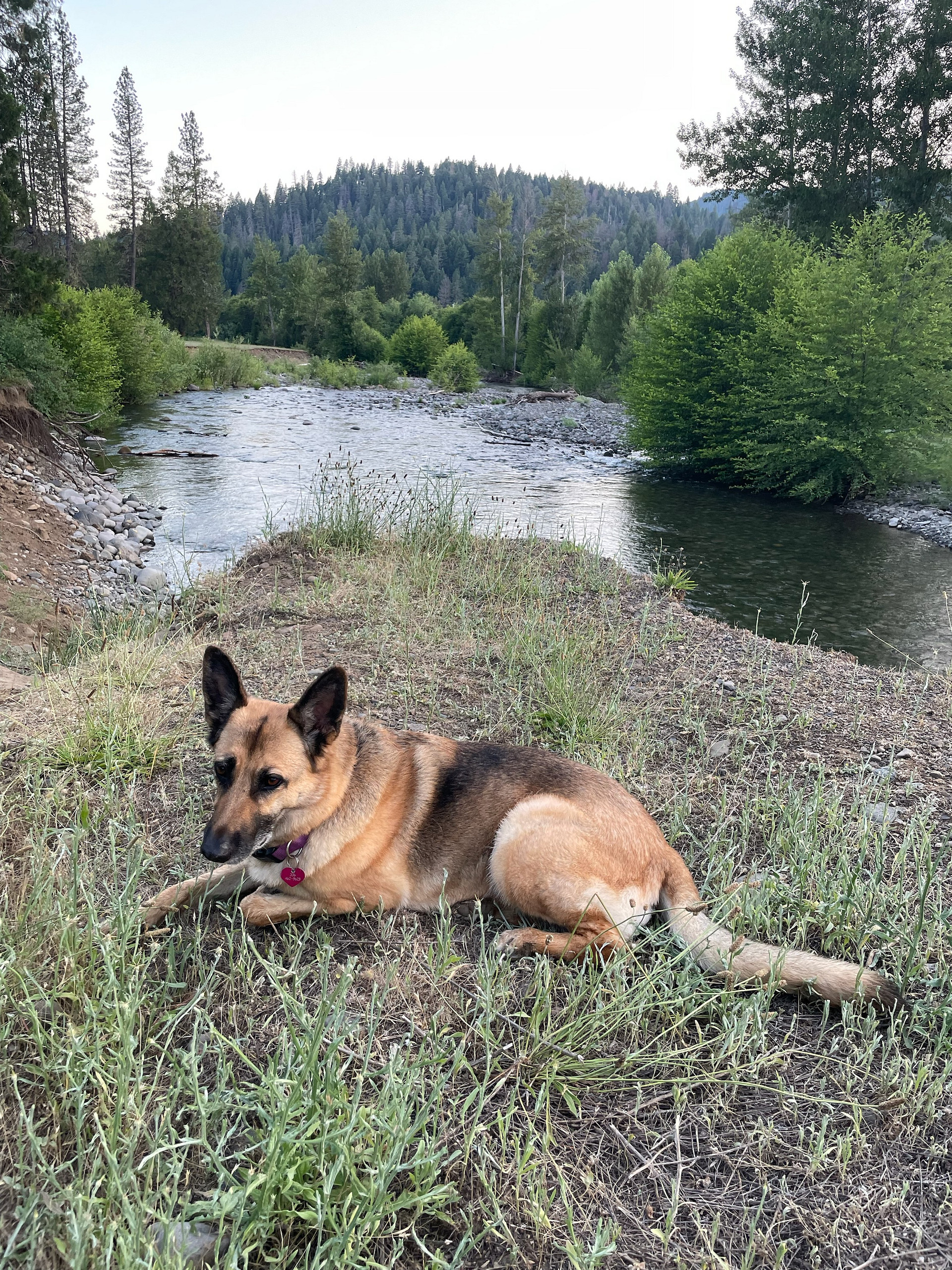
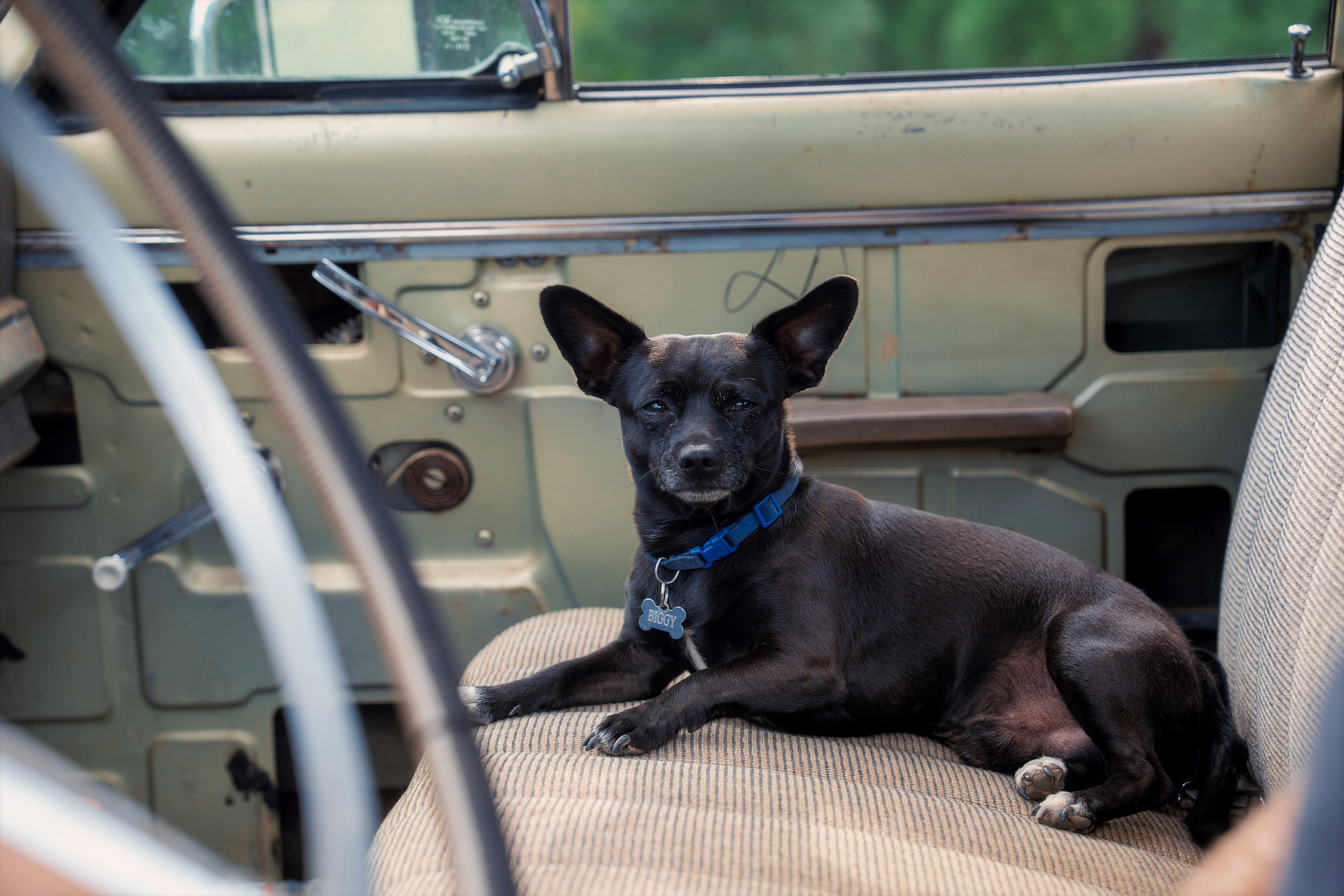
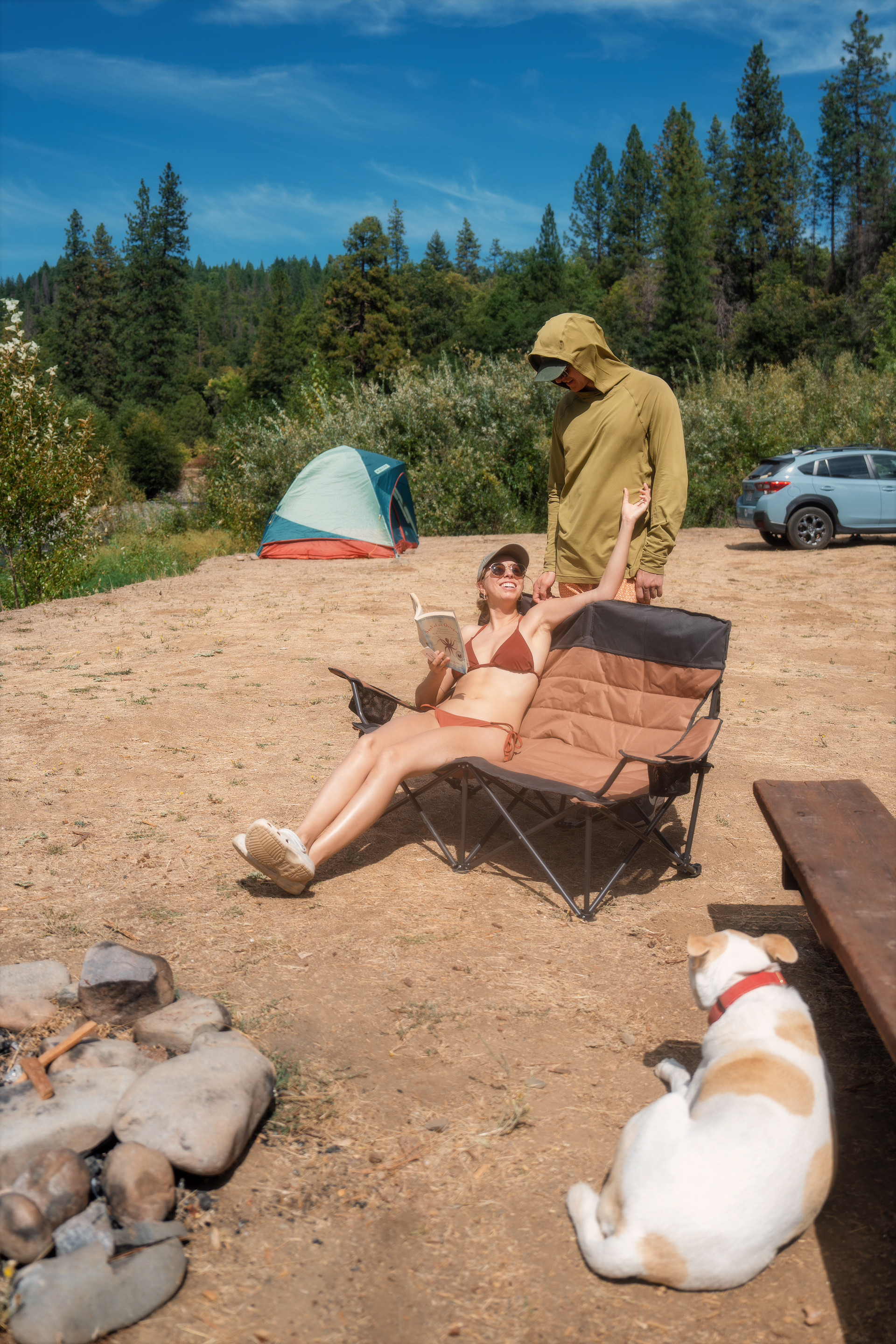
Kosk Creek Campgrounds
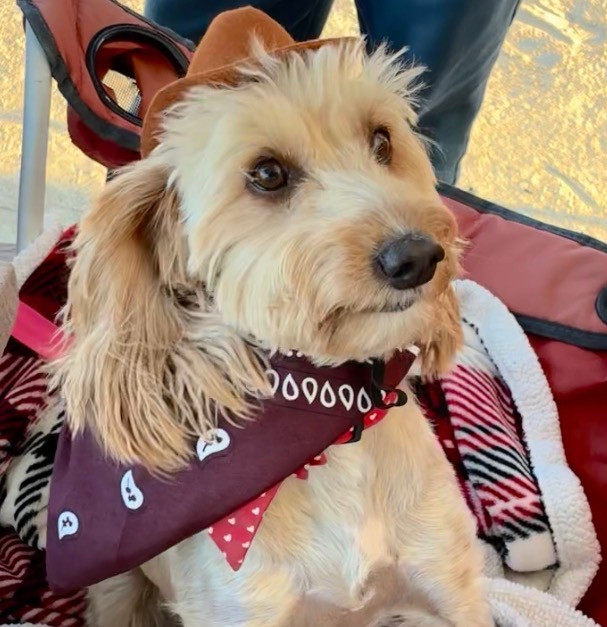


Pioneertown Corrals Camping
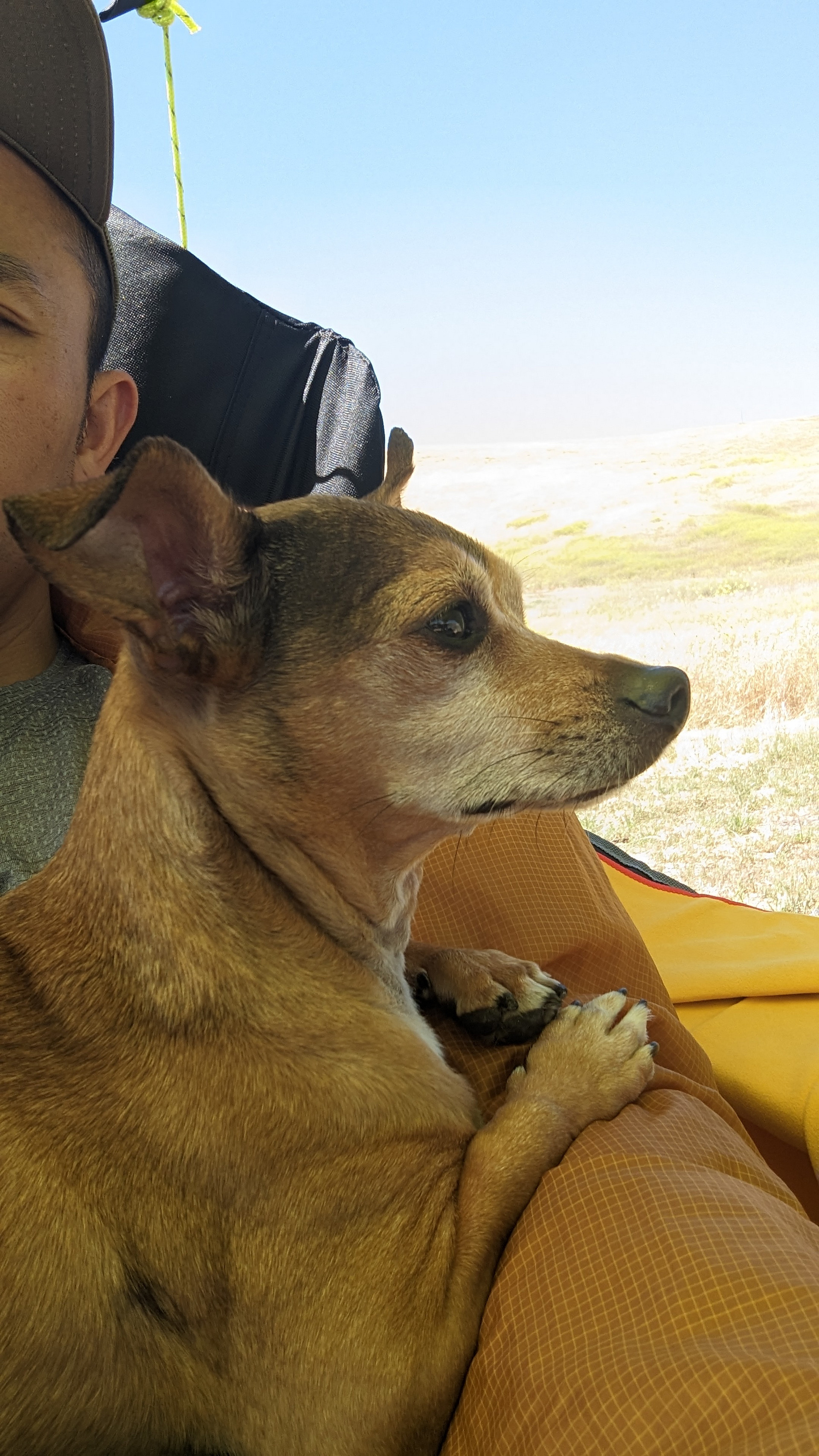
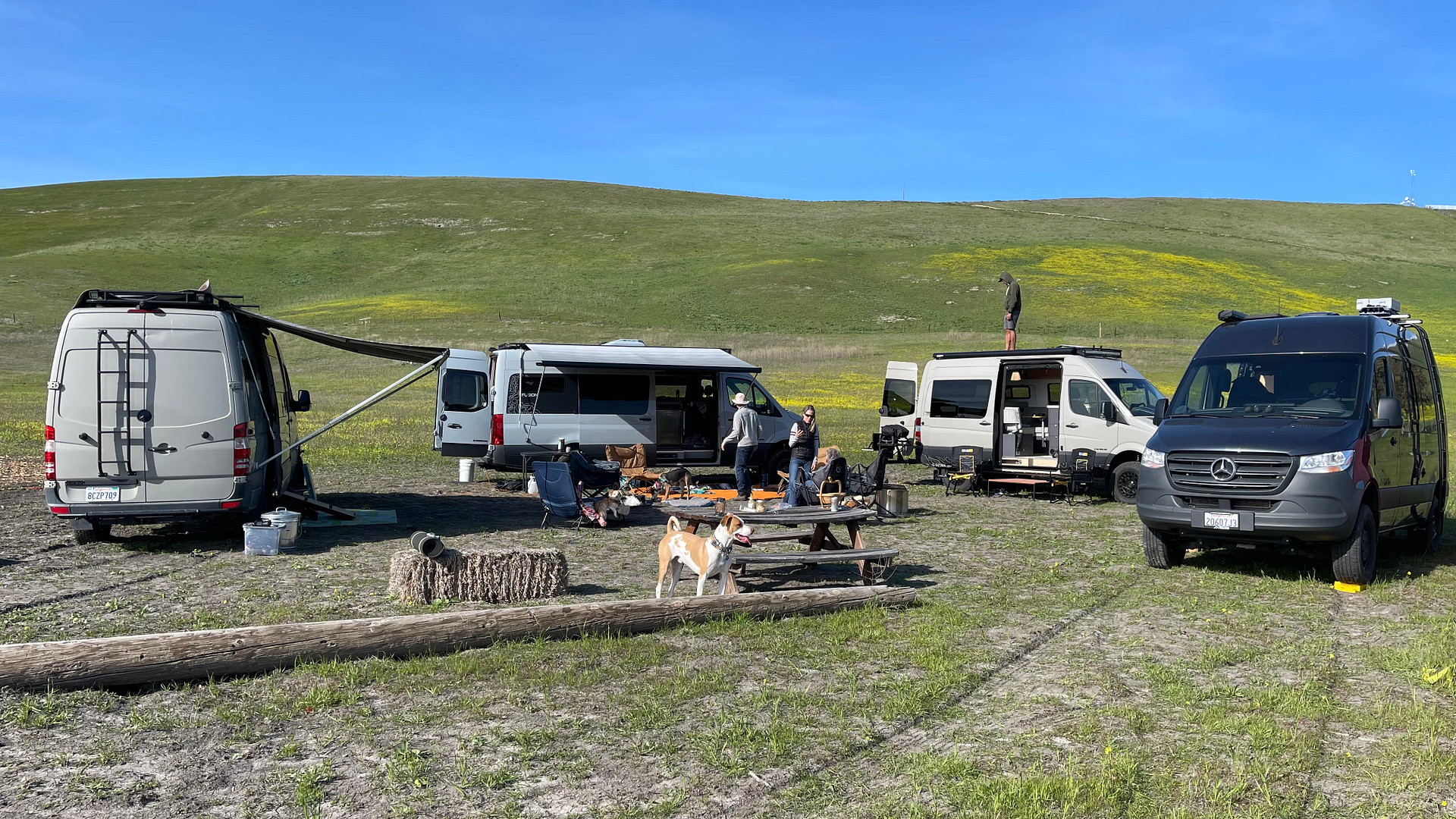
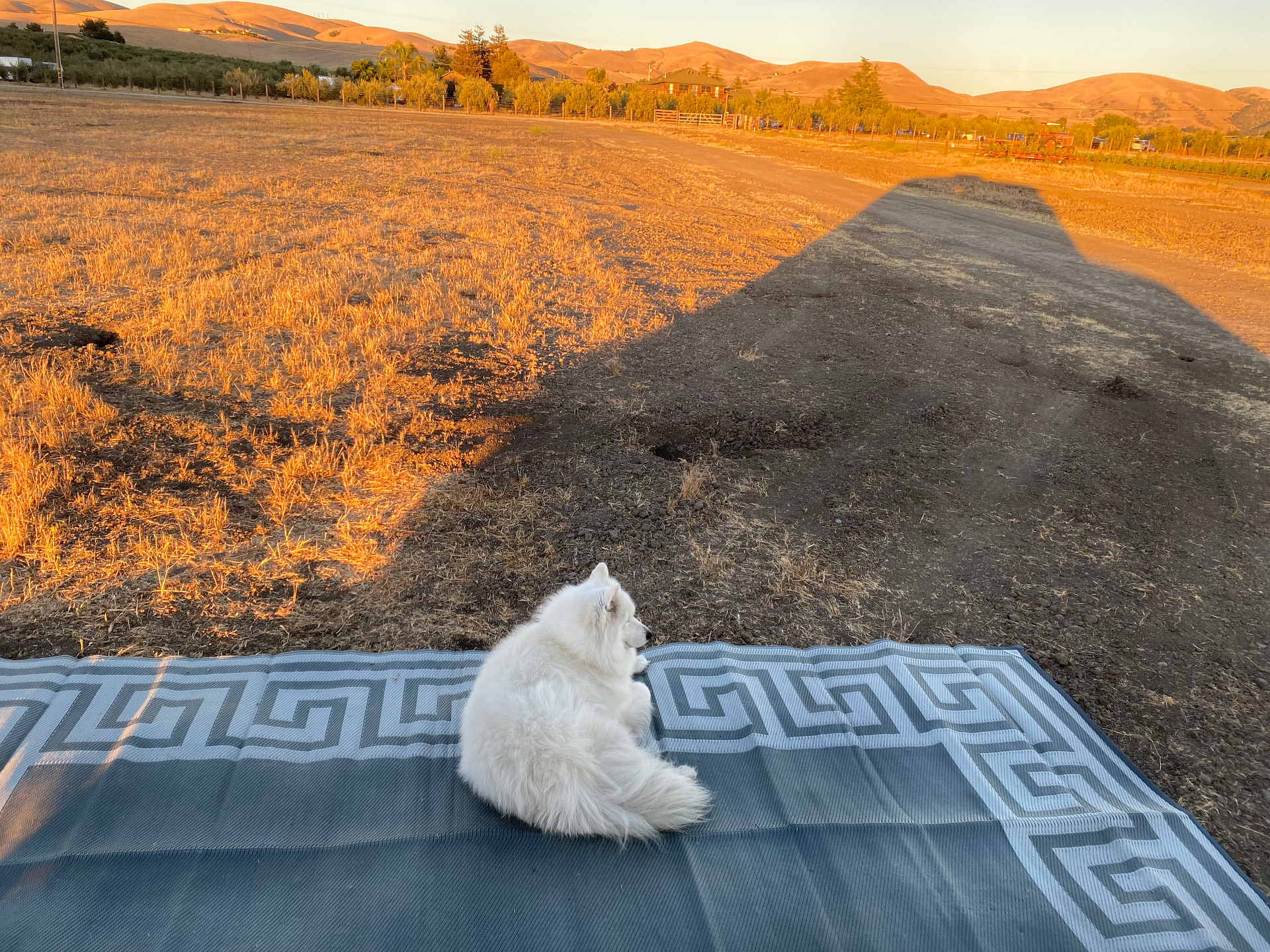
The Ranch at Cross Road


Cuyama Badlands

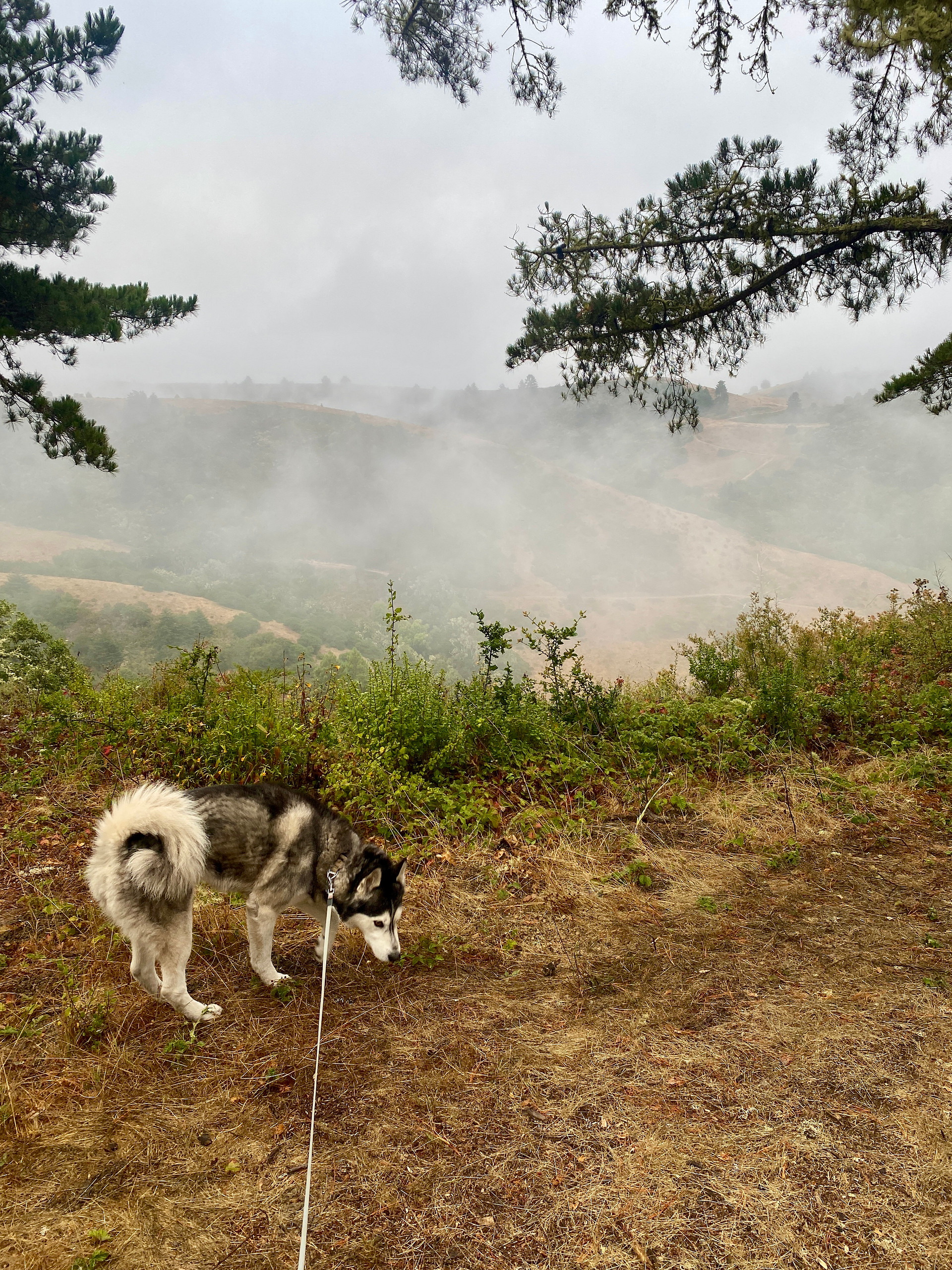

Bear Gulch Hide Out
Recent reviews from the Hipcamp community
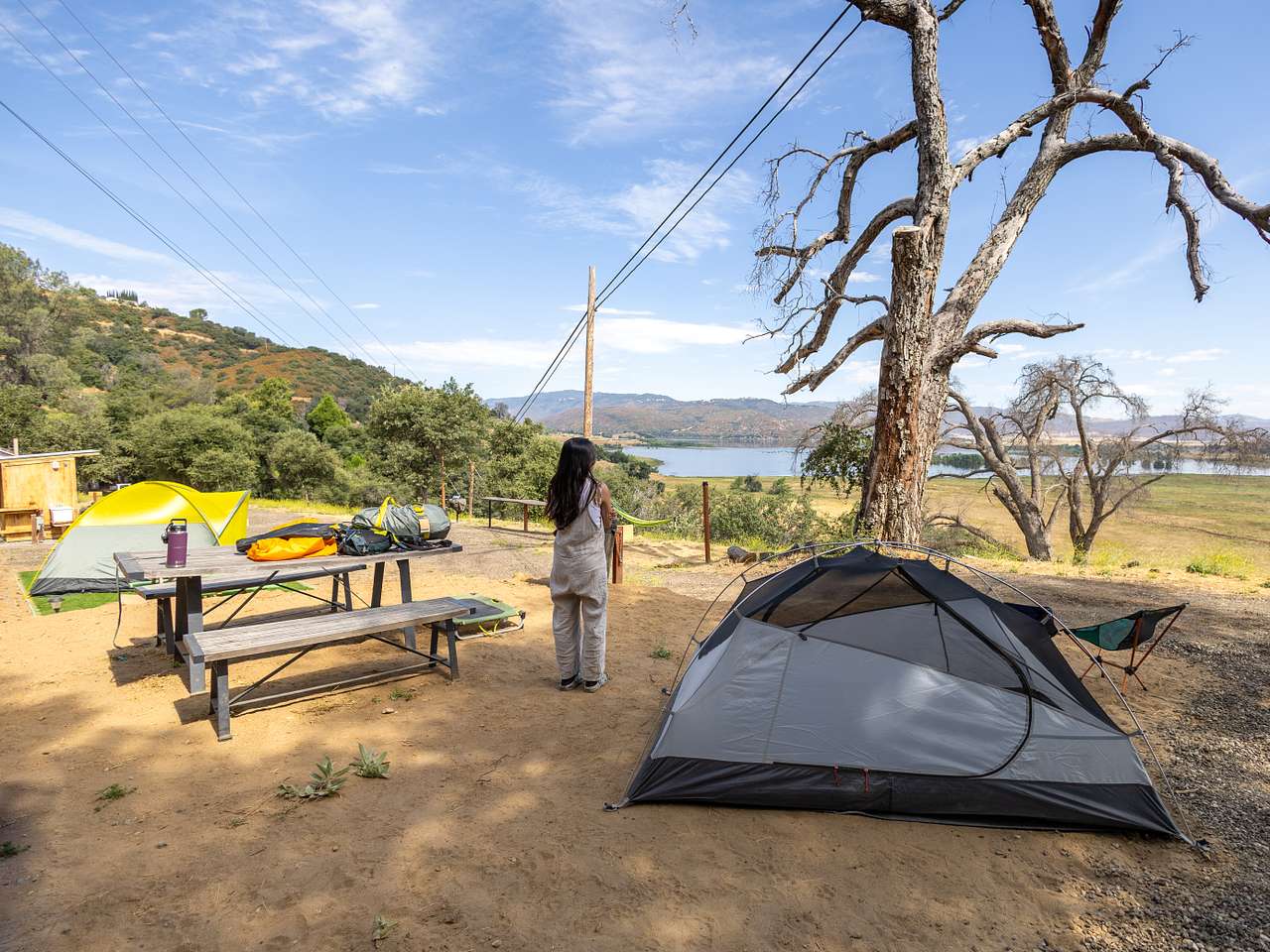

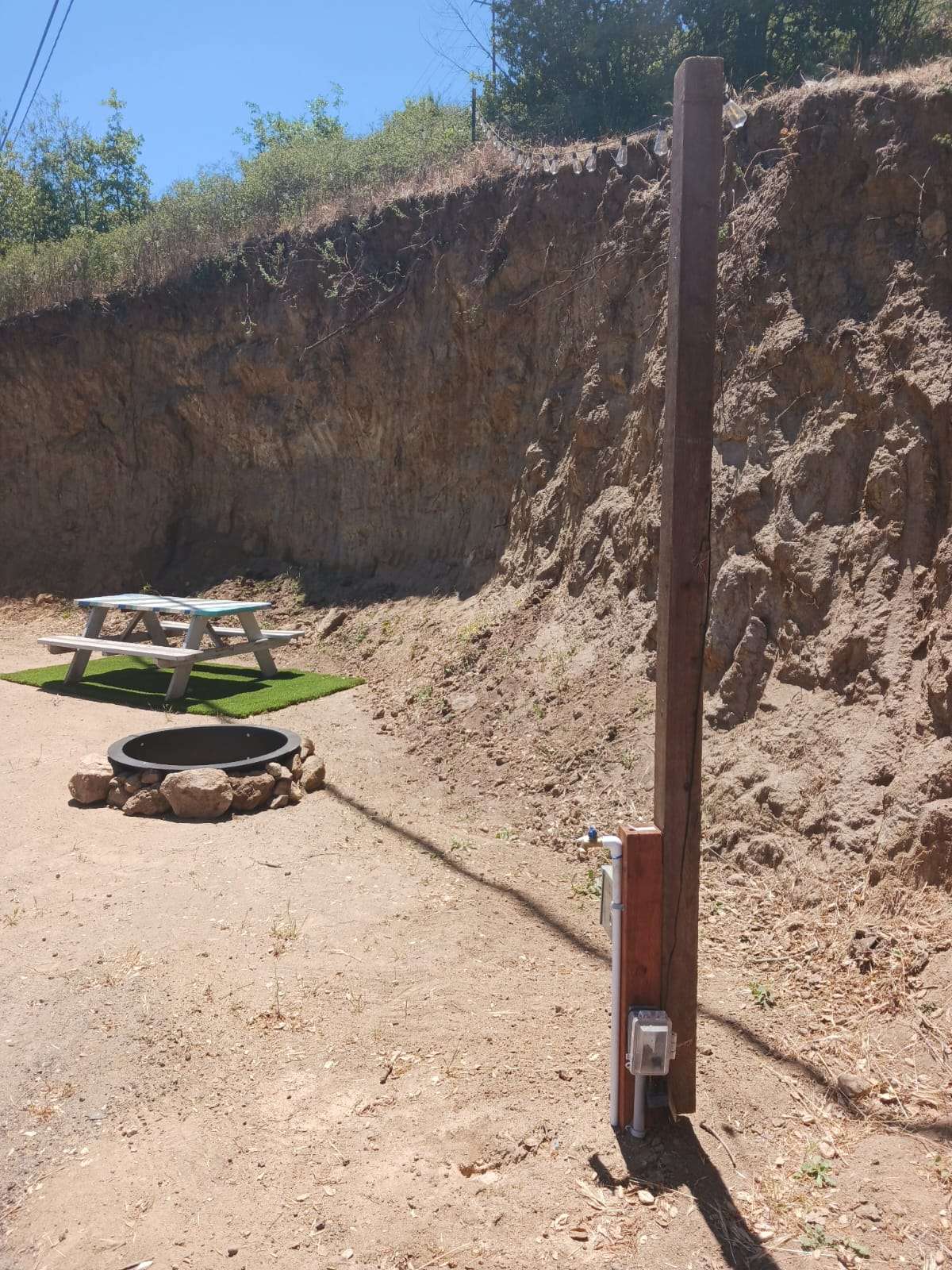



California camping guide
Where to go
North Coast
Camping beneath redwoods—the tallest trees in the world—is a hard-to-beat highlight of the north coast. The majestic groves scattered across Redwood National & State Parks are an excellent choice for first-timers. Further south, from Eureka to Mendocino and eventually San Francisco, you’ll find a string of private and state park campgrounds tucked along rugged coastlines marked by bluffs, coves, dunes, and tidepools.
Central Coast
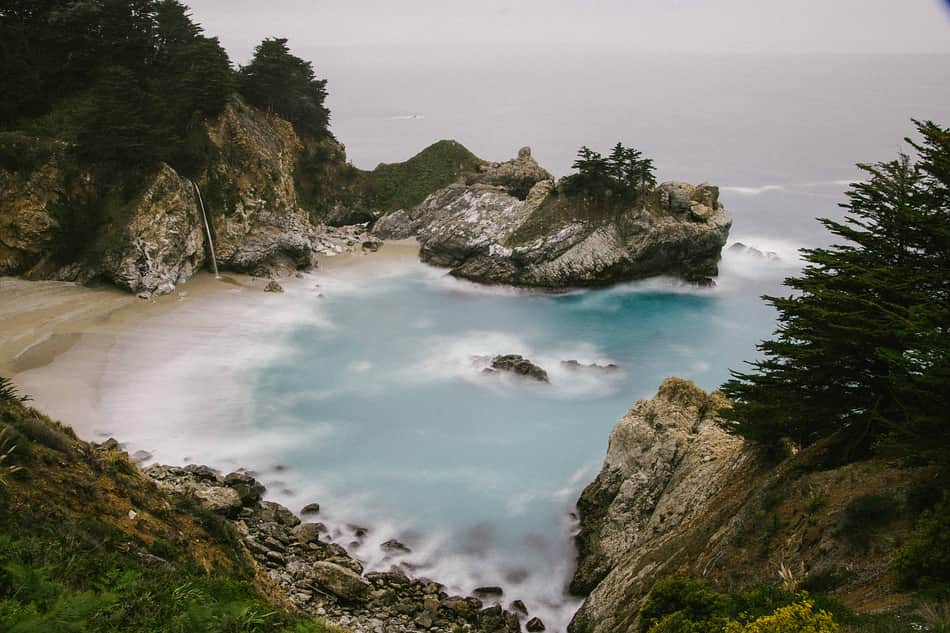
Stretching from Monterey south to Santa Barbara, the Central Coast scores points for scenery and variety. Plus, it’s a convenient escape from the urban hassles of San Francisco and Los Angeles. Redwoods, waterfalls, and windswept bluffs border Highway 1 in Big Sur, while waves crash beside state parks north of Santa Barbara. For a remote camping experience, campsites at Channel Islands National Park off the coast of Santa Barbara can oblige.
SoCal Beaches: Los Angeles to San Diego
The golden beaches of Southern California are the stuff of lazy days and pop songs. And fantastic camping for those inclined. The best campsites line-up beside the coast between Newport Beach and Dana Point in Orange County, with a few more perched on coastal bluffs north of San Diego. Not surprisingly, these oceanfront sites fill fast, so book early.
Sierra Nevada Mountains
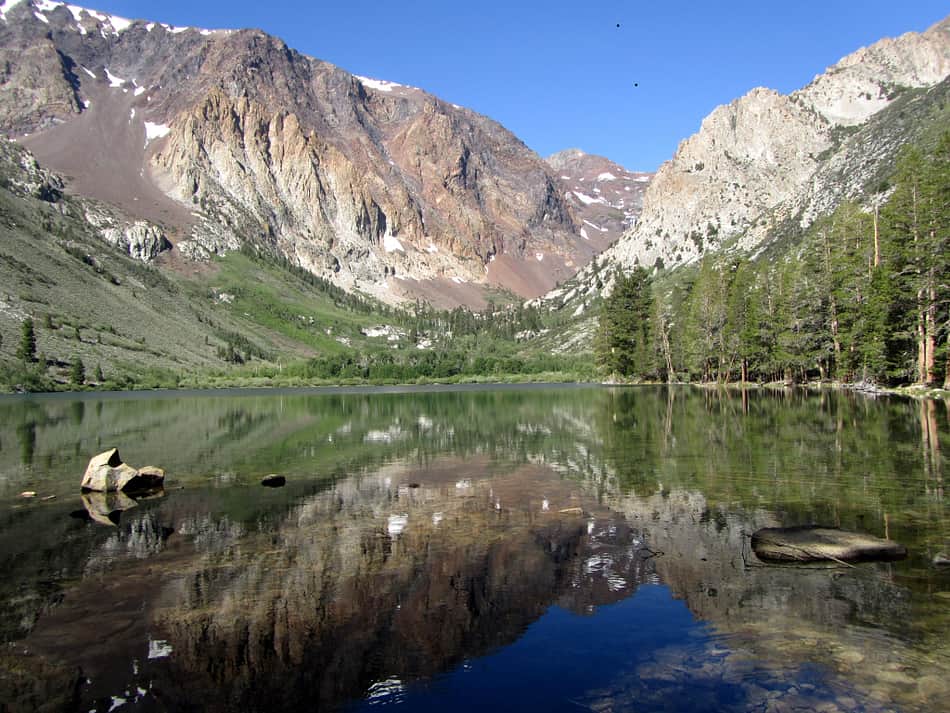
Granite domes and lush Alpine meadows border campgrounds in Yosemite National Park, while enormous sequoias are the draw in Kings Canyon and Sequoia national parks. Campgrounds beside alpine lakes and the sparkling blue waters of Lake Tahoe are always postcard-pretty.
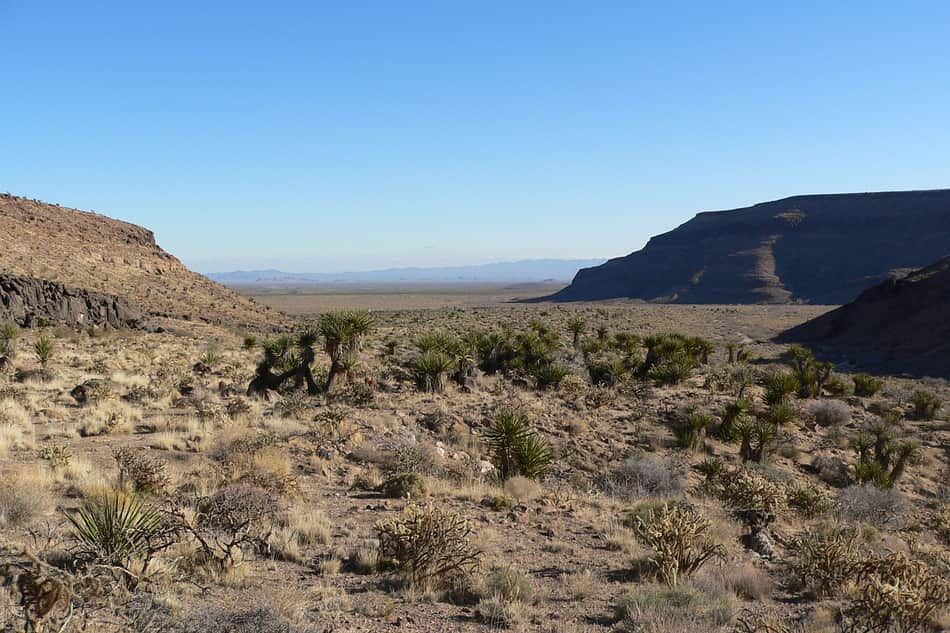
Southern Deserts
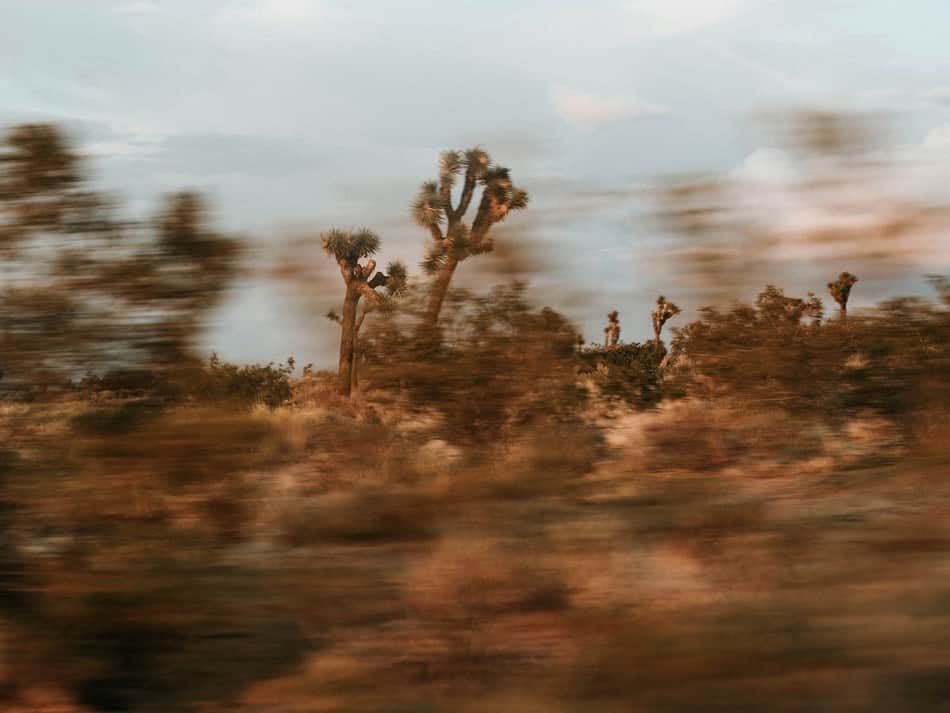
For surreal sunsets, striking rock formations, restless sand dunes, and spring wildflowers, head east. Nine campgrounds and plenty more right outside await at Death Valley National Park, home to the lowest spot in the U.S. Joshua trees and picturesque boulders keep Hipcampers happy at Joshua Tree National Park while Anza-Borrego Desert State Park serves up fantastic desert hiking outside San Diego. High season is late fall through spring, when temperatures are pleasant.
Top camping destinations around California
Frequently Asked Questions
Boondocking, also known as dispersed camping, is legal in many areas of California, particularly on public lands managed by the Bureau of Land Management (BLM) and in National Forests. Here are some popular areas for boondocking in California:
1. Anza-Borrego Desert State Park: This park allows dispersed camping in designated areas.
2. Alabama Hills: Managed by the BLM, this area offers boondocking with stunning views of the Sierra Nevada Mountains.
3. Joshua Tree National Park: Outside the park boundaries, you can find BLM land where boondocking is allowed.
4. Inyo National Forest: Dispersed camping is permitted in most areas, but be sure to check with the local ranger station for any restrictions.
When boondocking, always practice Leave No Trace principles, and make sure to follow any posted rules and regulations. Additionally, consider checking out Hipcamp for unique boondocking and camping locations in California.
Yes, camping at Trona Pinnacles is generally safe, but campers should be prepared for the remote and rugged conditions. The area is known for its unique geological formations and offers dispersed camping with no established campgrounds or facilities. Be sure to bring plenty of water, food, and supplies, as the nearest services are located in the town of Trona, 20 miles away. Keep an eye on the weather, as temperatures can be extreme, and flash floods can occur during heavy rains. As always, practice Leave No Trace principles and respect the fragile desert environment.
Free beach camping in California is quite rare, as most beach campgrounds are managed by state parks or other organizations that charge fees. However, you can find some dispersed camping areas along the coast in certain parts of the state, such as on Bureau of Land Management (BLM) land or in National Forests. Keep in mind that these free camping spots usually have limited facilities and are often located in more remote areas. It's essential to follow the Leave No Trace principles and respect the environment when camping in these locations. Always check the specific regulations and restrictions for the area you plan to visit.
Several beaches in California allow camping. Some popular options include:
- San Elijo State Beach: In Encinitas, this beach offers camping sites for tents and RVs.
- Carpinteria State Beach: Situated in Carpinteria, this beach offers camping for tents, RVs, and trailers.
- Point Mugu State Park: Set in Malibu, Thornhill Broome Beach Campground offers beach camping for tents and RVs.
- Crystal Cove State Park: Located in Laguna Beach, this park offers camping at Moro Campground, which is a short walk from the beach.
- Doheny State Beach: In Dana Point, this beach offers camping for tents and RVs.
For more options, check out Hipcamp's beach campgrounds.
There are several reasons why it can be difficult to find campsites in California:
- High demand: California is a popular tourist destination with its diverse landscapes, beaches, national parks, and mild climate. This high demand for camping spots makes it challenging to find available campsites, especially during peak season.
- Population: California has the largest population of any state in the U.S., and many residents enjoy camping as a recreational activity. This means increased competition for campsites among both residents and visitors.
- Limited supply: Although California has a vast number of campgrounds, the supply of campsites may not be sufficient to meet the high demand. Some campgrounds also have a limited number of sites, making it harder to find a spot.
- Reservation system: Many popular campgrounds in California require reservations, which can fill up months in advance. This can make it difficult for last-minute campers to find a site.
- Seasonal closures: Some campgrounds in California are closed during certain seasons, such as winter, due to weather conditions or maintenance. This further limits the availability of campsites during those times.
To increase your chances of finding a campsite in California, consider camping during the off-peak season, making reservations well in advance, or exploring lesser-known campgrounds. Websites like Hipcamp can help you discover alternative camping options, including private land and unique accommodations.
Boondocking, or dispersed camping, is not illegal in California as long as it is done on public lands managed by the Bureau of Land Management (BLM) or the United States Forest Service (USFS). However, it is essential to follow specific rules and regulations, including staying within designated areas, adhering to stay limits (usually 14 days), and practicing Leave No Trace principles. Keep in mind that boondocking is not allowed in all areas, and it's crucial to research the specific location before setting up camp.
In California, you can camp without a permit in areas designated for dispersed camping, usually found on Bureau of Land Management (BLM) and National Forest lands. Here are some popular locations for dispersed camping without a permit:
- Inyo National Forest
- Sequoia National Forest
- Angeles National Forest
- Stanislaus National Forest
- Mendocino National Forest
Remember to practice Leave No Trace principles, respect the environment, and follow any posted rules or regulations. Also, be aware that some areas may have fire restrictions or seasonal closures. It's always a good idea to check with the local ranger station for current conditions and regulations before heading out.
Camping rules in California vary depending on the location and type of campground (national park, state park, national forest, private campgrounds, etc.). However, there are some general rules that apply to most camping situations in California:
- Choose designated campgrounds or campsites for overnight stays.
- Observe quiet hours, typically between 10 pm and 6 am.
- Keep campfires contained in designated fire rings or stoves, and never leave them unattended. Obtain a campfire permit if required.
- Follow fire restrictions, especially during high fire danger periods.
- Store food and scented items in bear-resistant containers or use proper food storage techniques in bear country.
- Practice Leave No Trace principles, including packing out all trash and minimizing your impact on the environment.
- Respect wildlife and maintain a safe distance from animals.
- Keep pets on a leash and under control at all times.
- Observe posted speed limits and other traffic regulations in campgrounds.
- Adhere to any specific rules posted at the campground, such as maximum stay limits, check-in/check-out times, and group size restrictions.
It's crucial to research the specific rules and regulations of the area where you plan to camp, as they may differ depending on the land management agency or private property rules. Check the website or contact the managing agency for the most up-to-date information.
Camping costs in California can vary greatly depending on the location, amenities, and type of campsite. Prices can range from free for dispersed camping in some national forests or BLM land to over $100 per night for a glamping experience or a cabin rental. On average, you can expect to pay around $20 to $50 per night for a basic tent or RV camping site in a state park or campground. Keep in mind that prices may vary depending on the season, availability, and any additional fees such as reservation or vehicle entry fees.