Top-rated campgrounds in Vermont
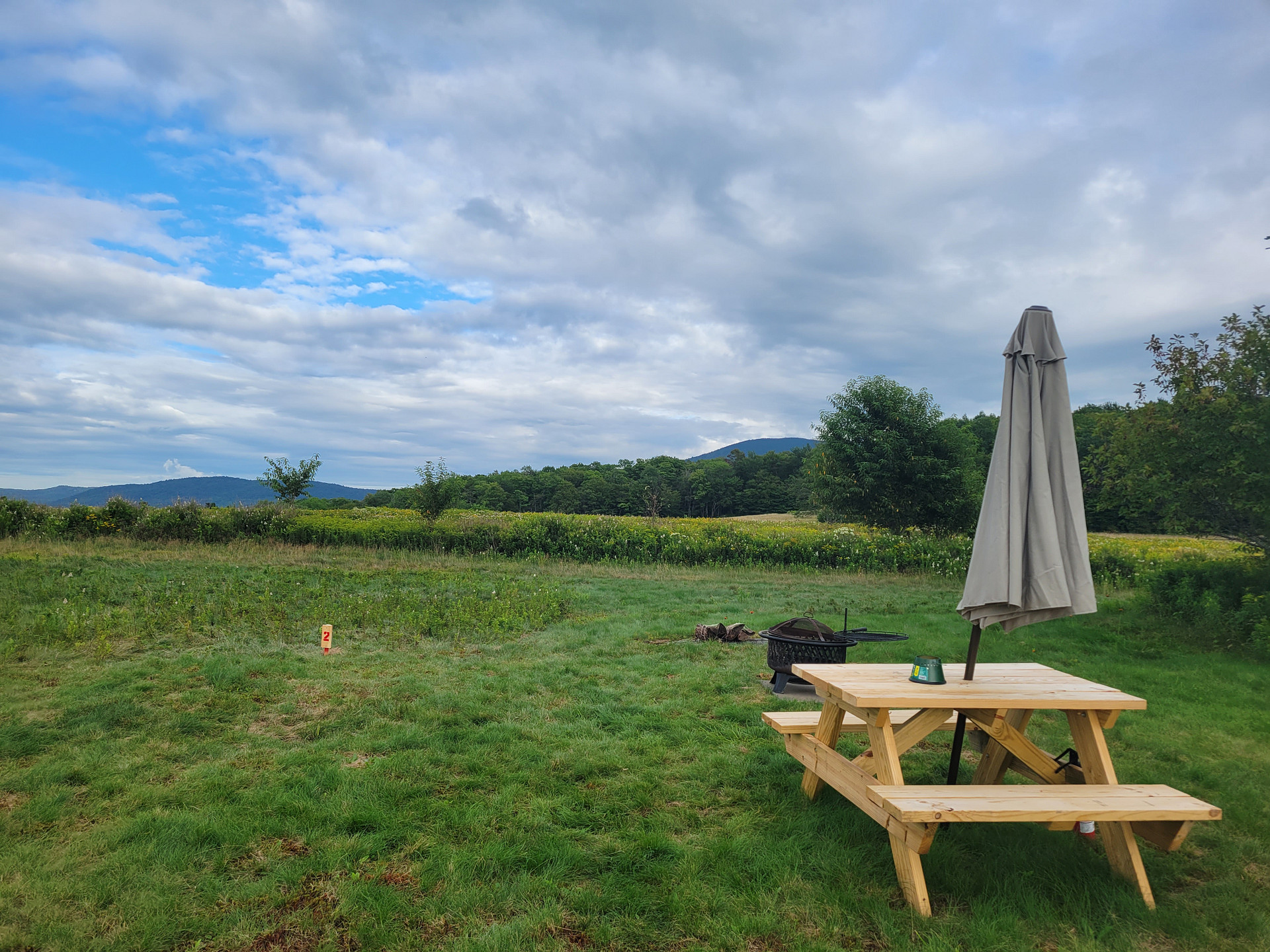
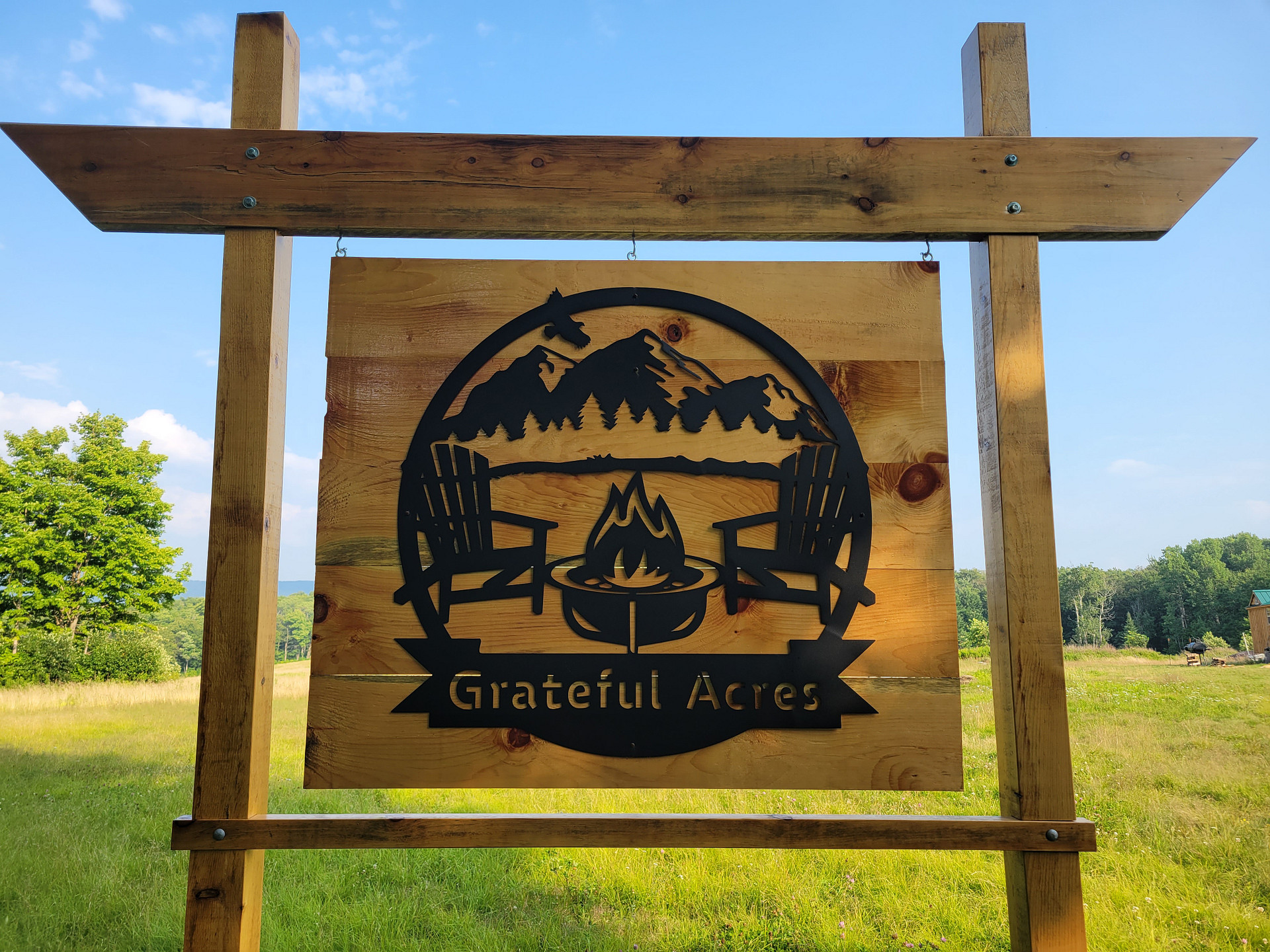
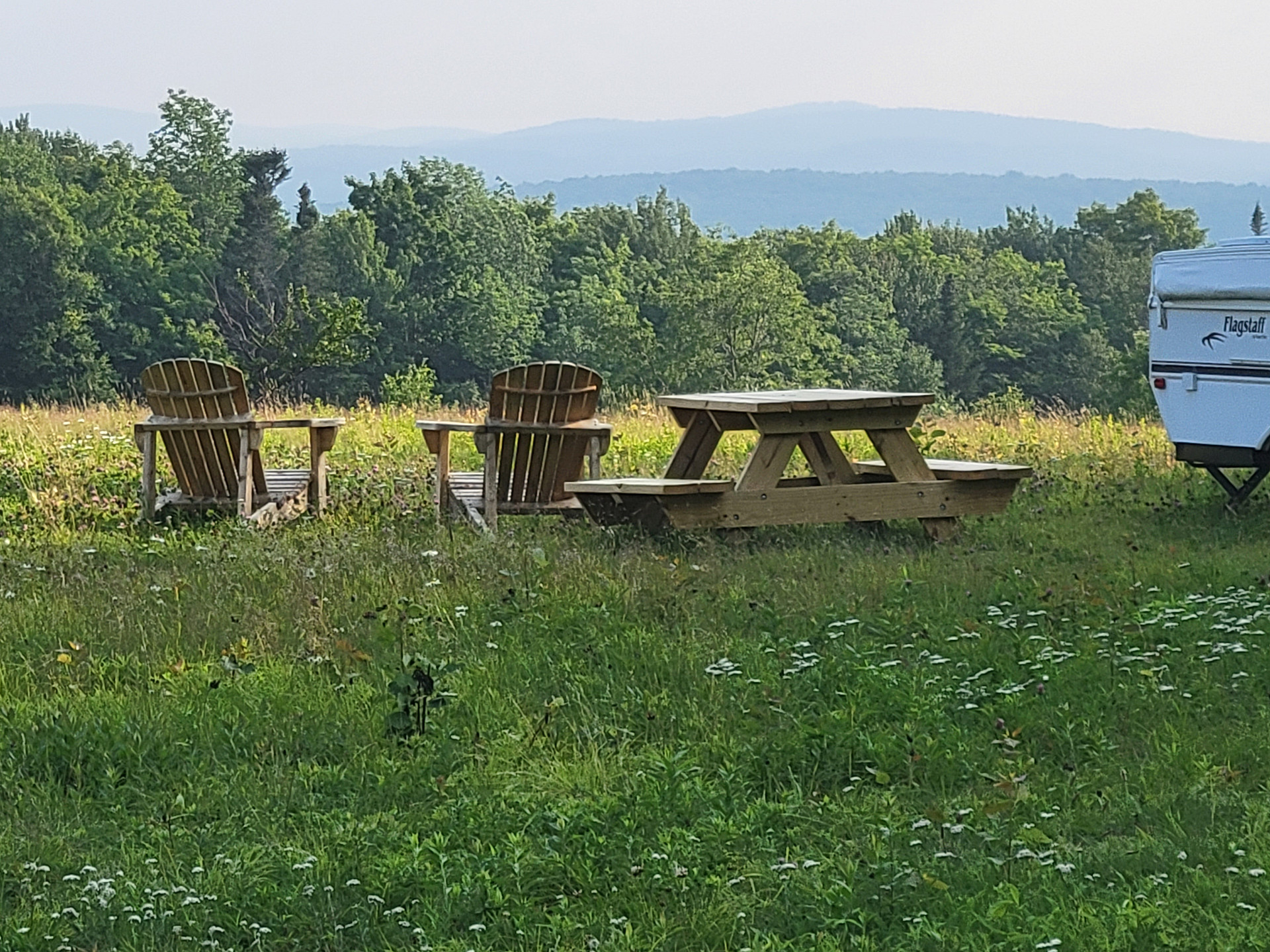
1. Grateful Acres Vermont
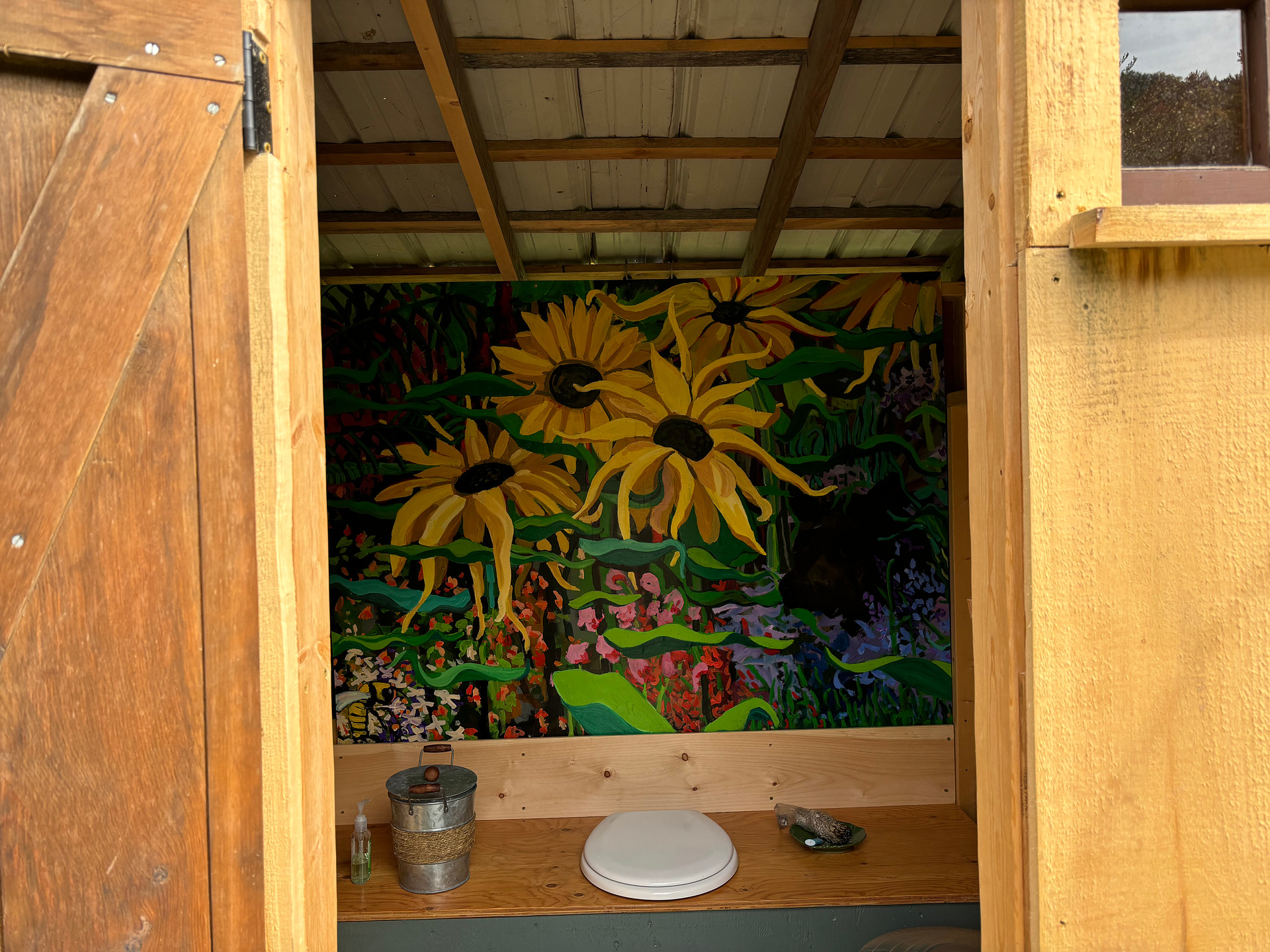
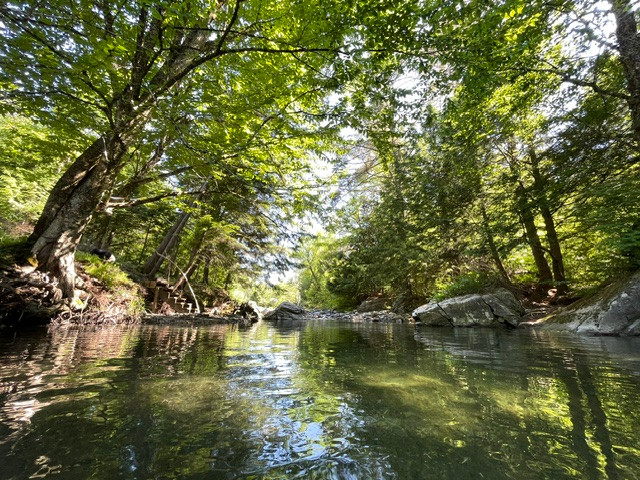
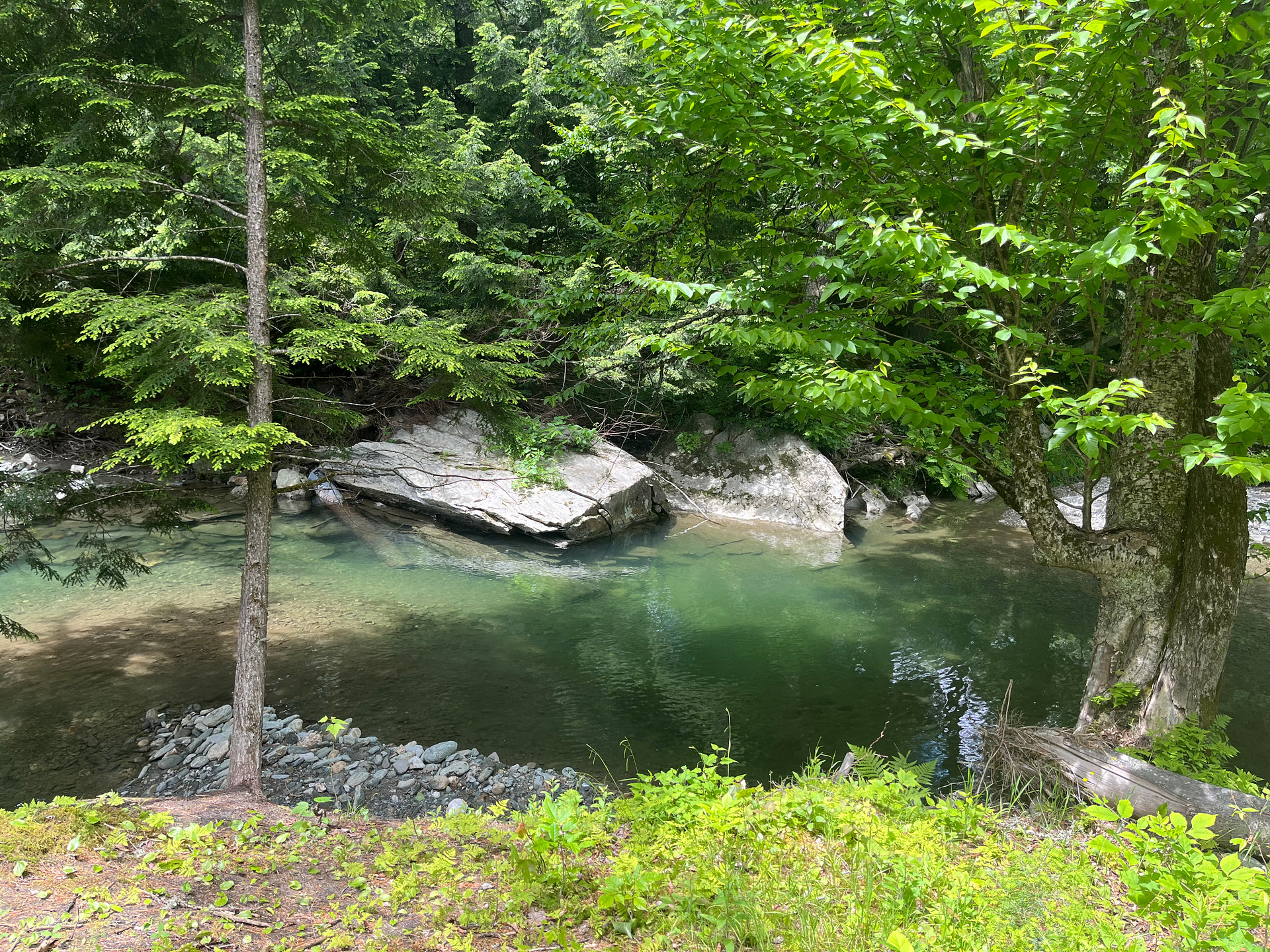
2. Know Town
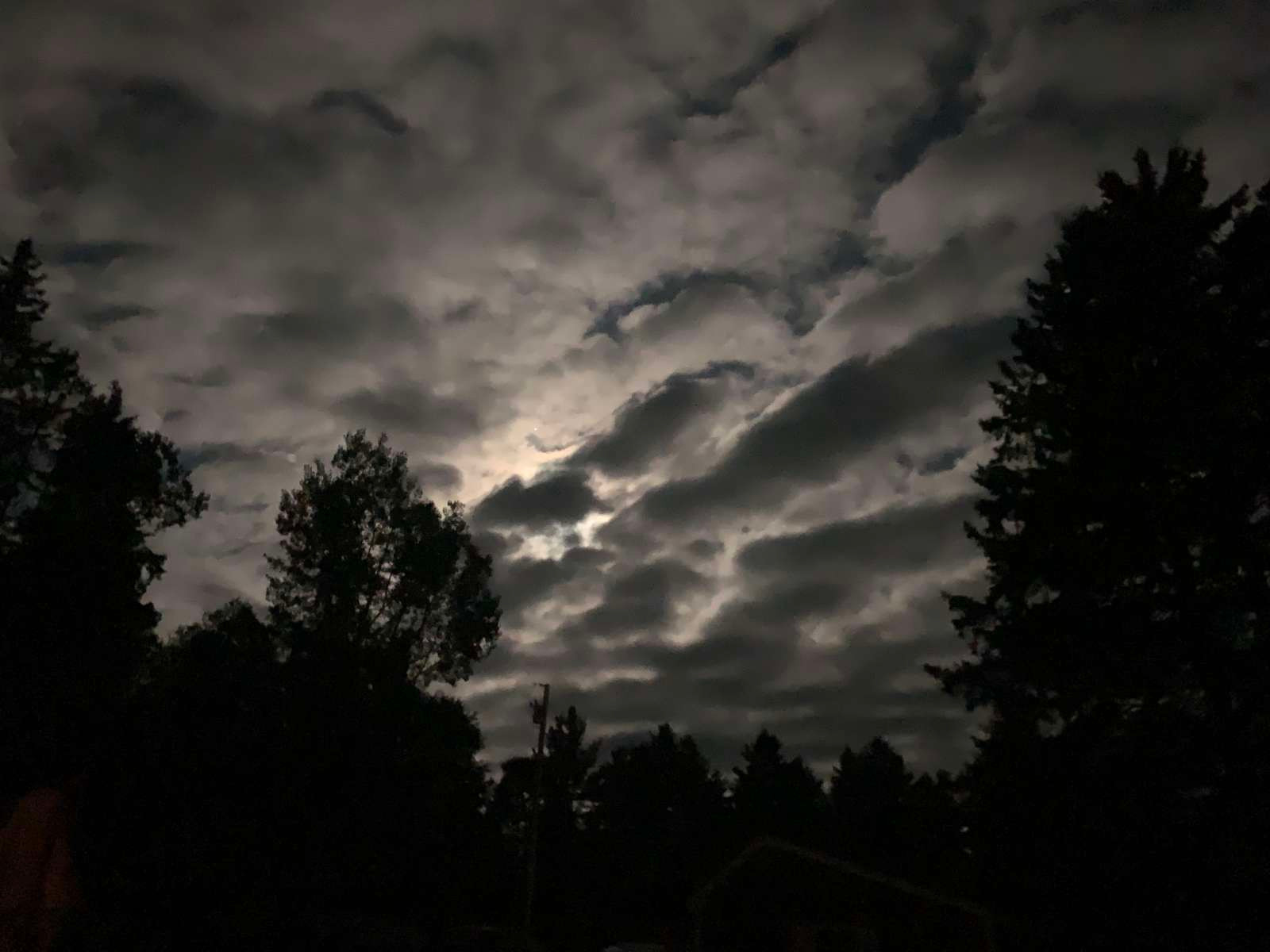
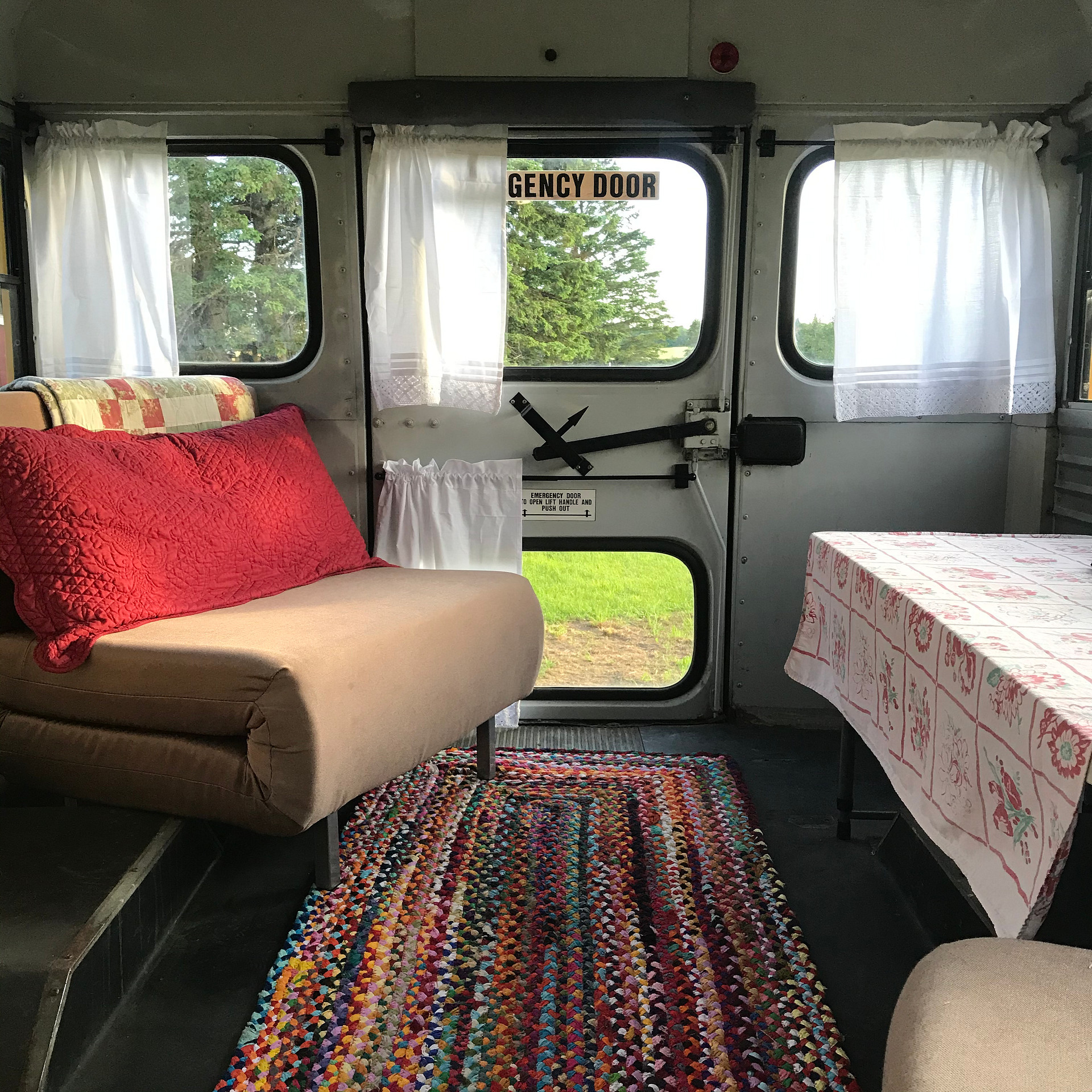
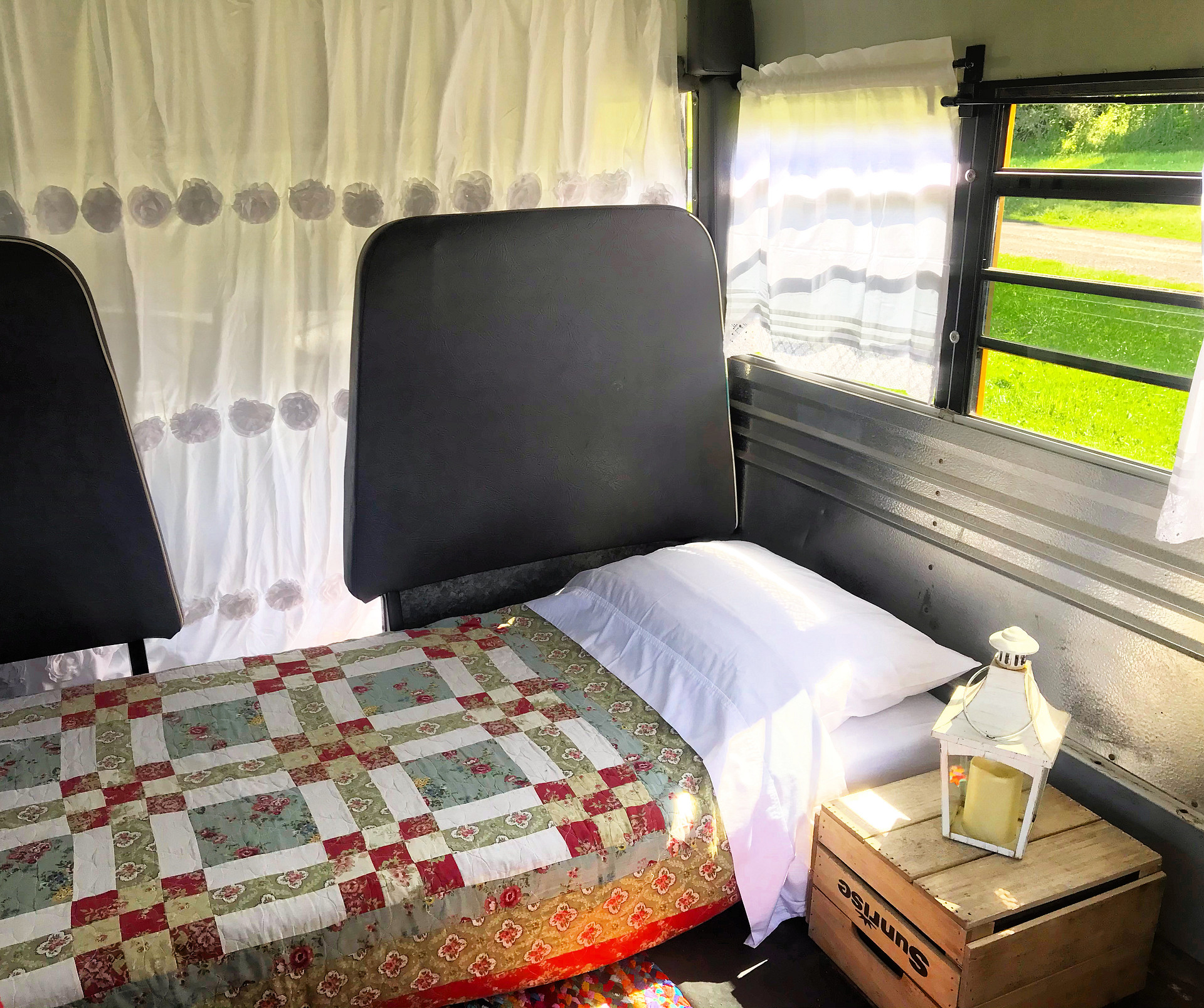
3. Broadfork Farmstead
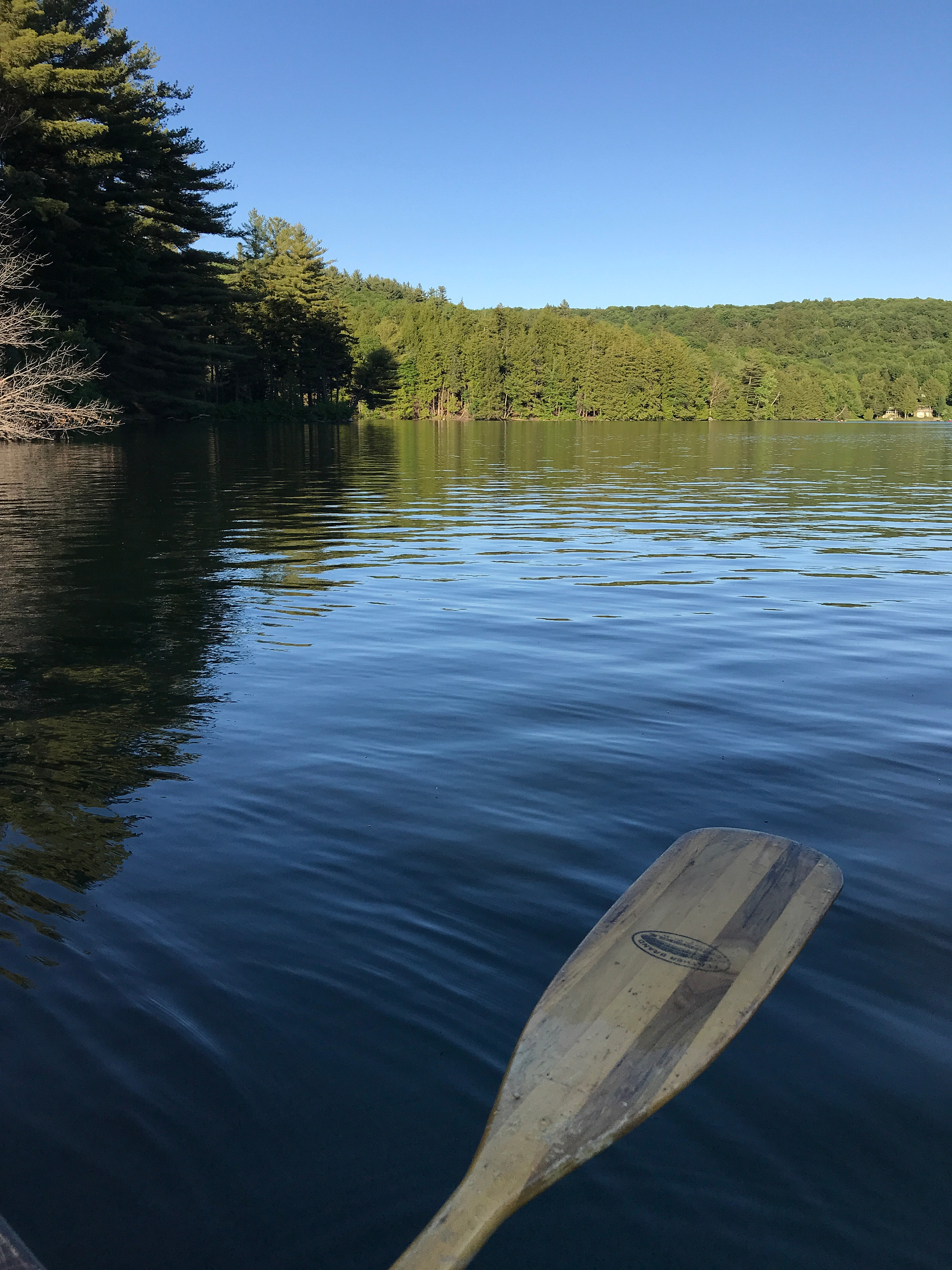
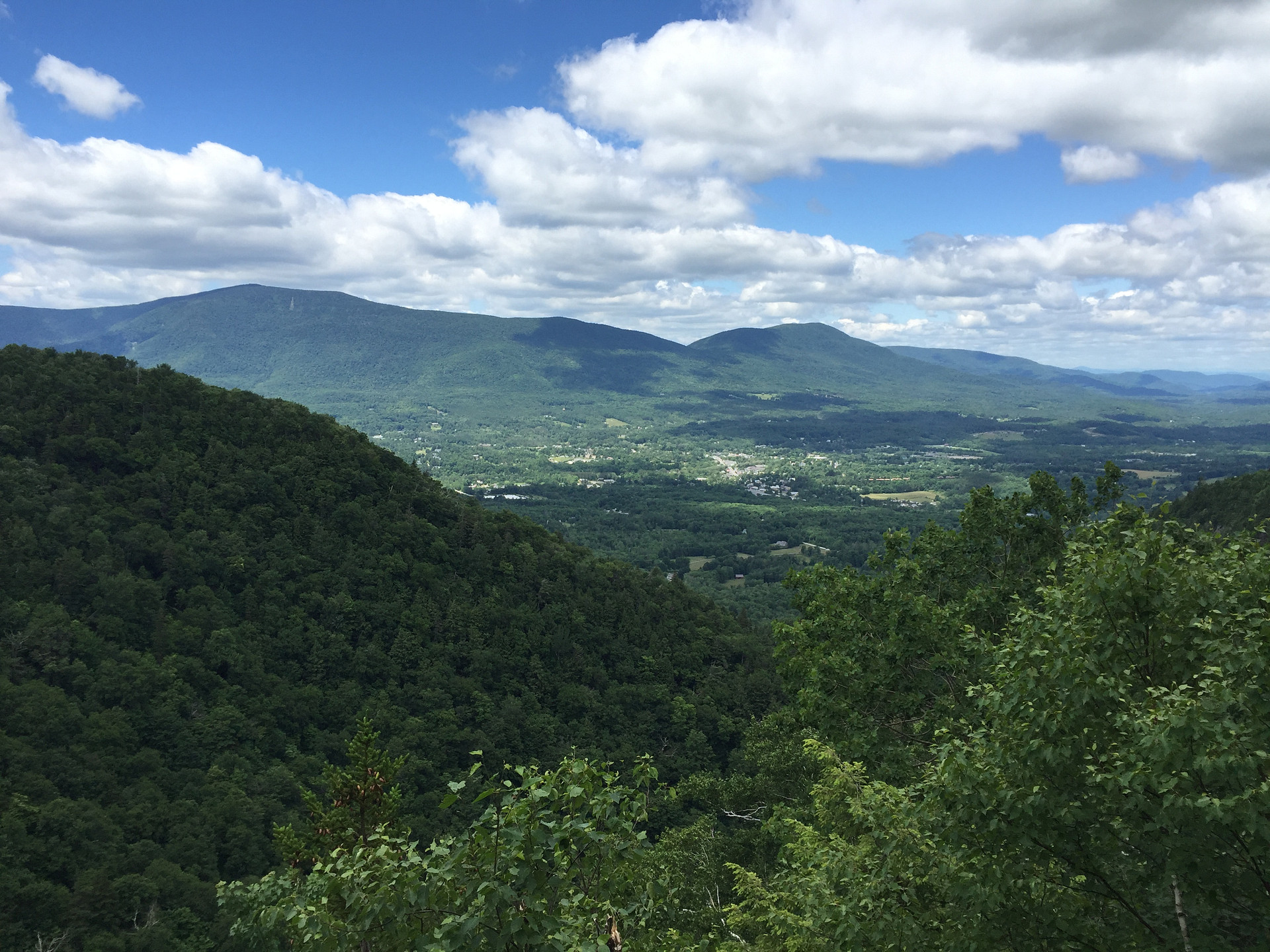
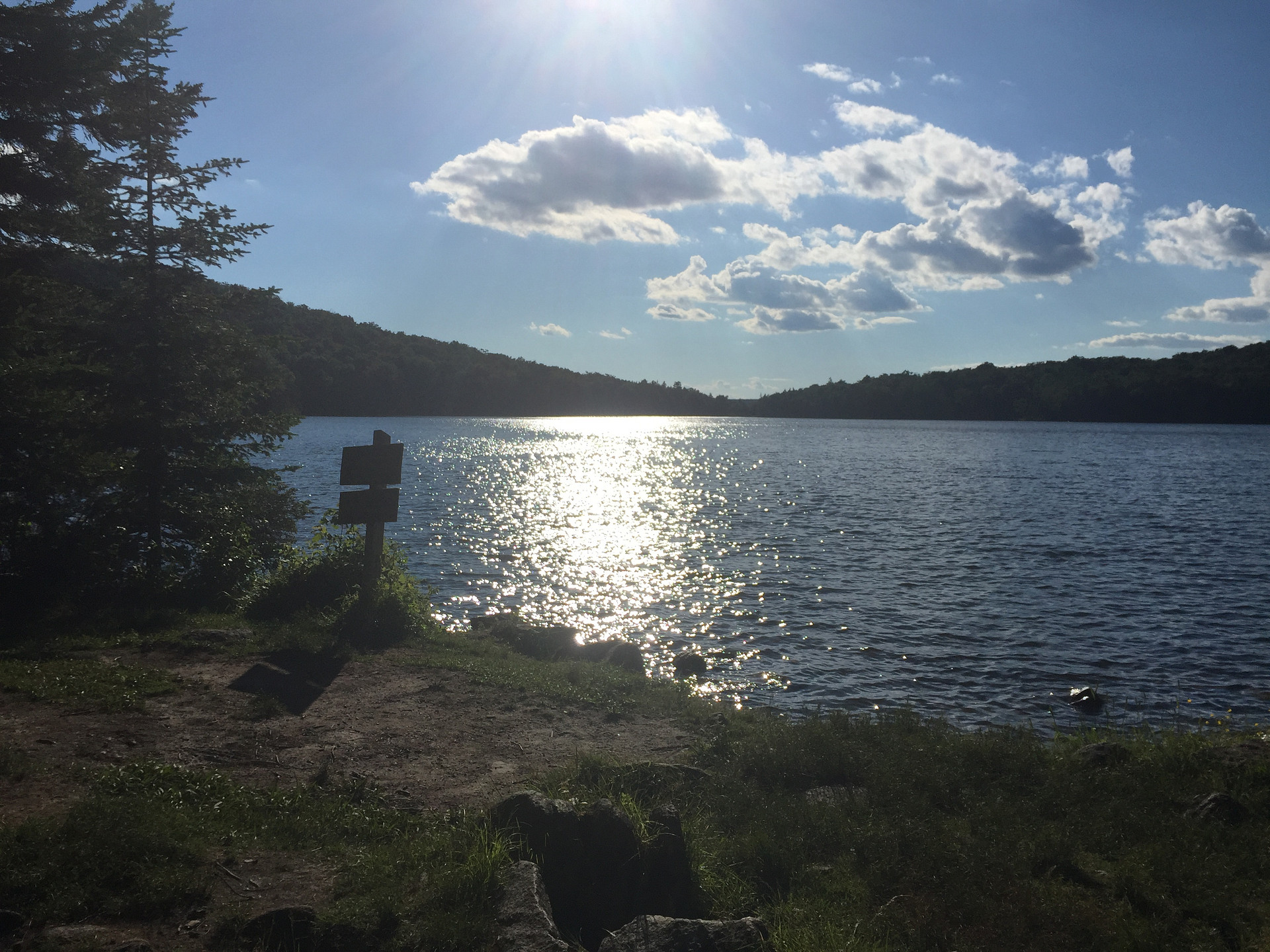
4. Green Mountain National Forest
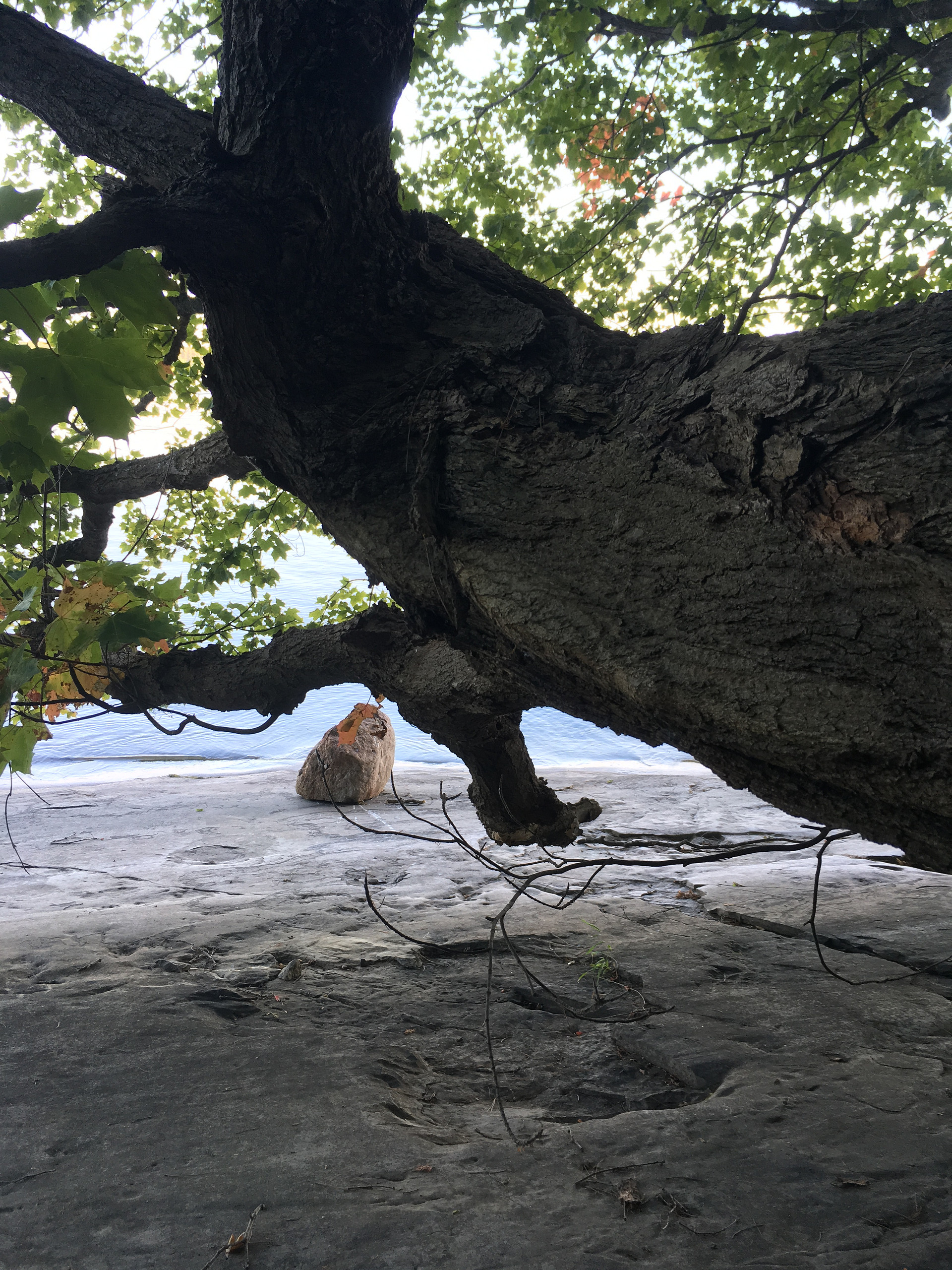
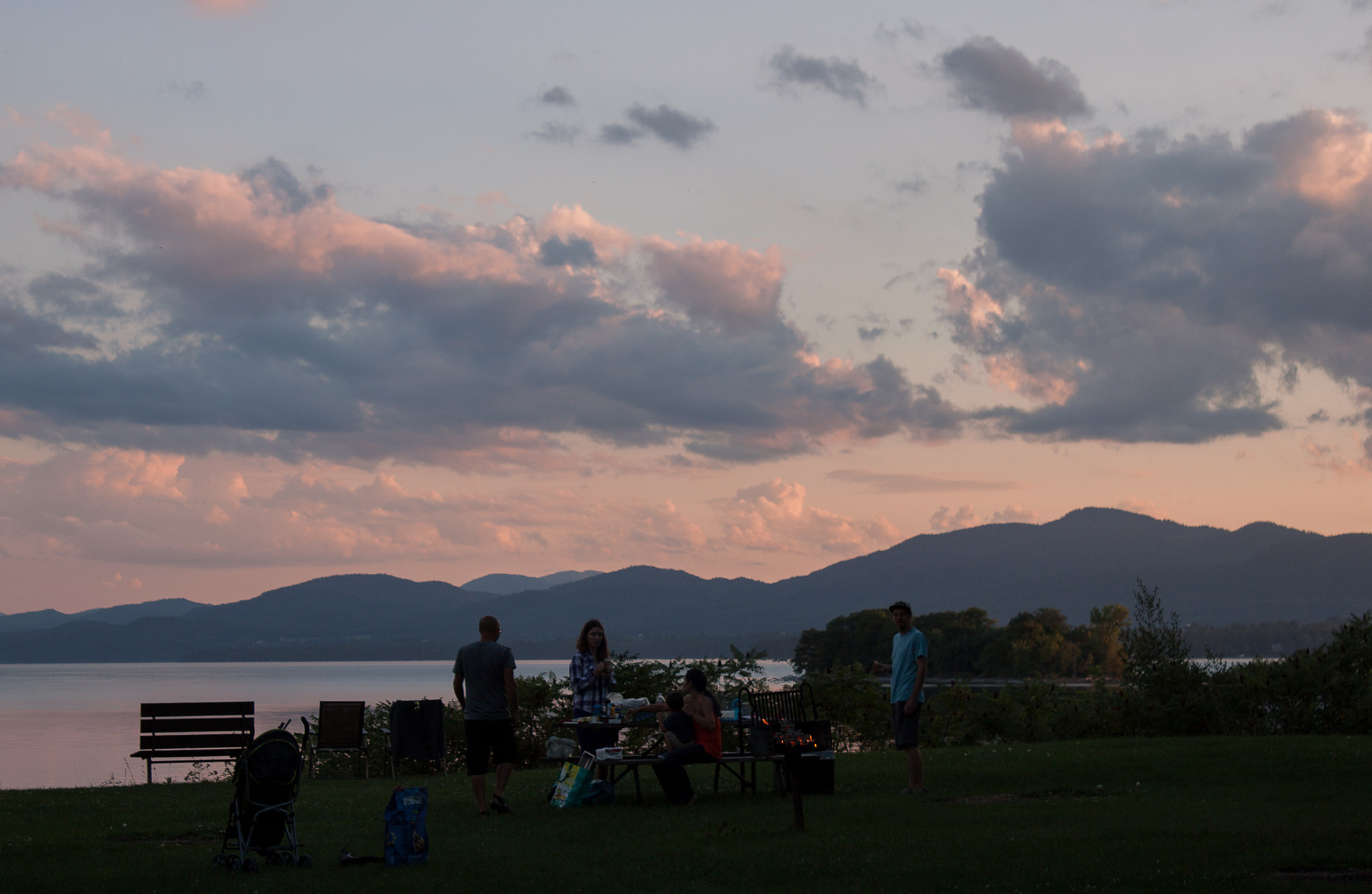
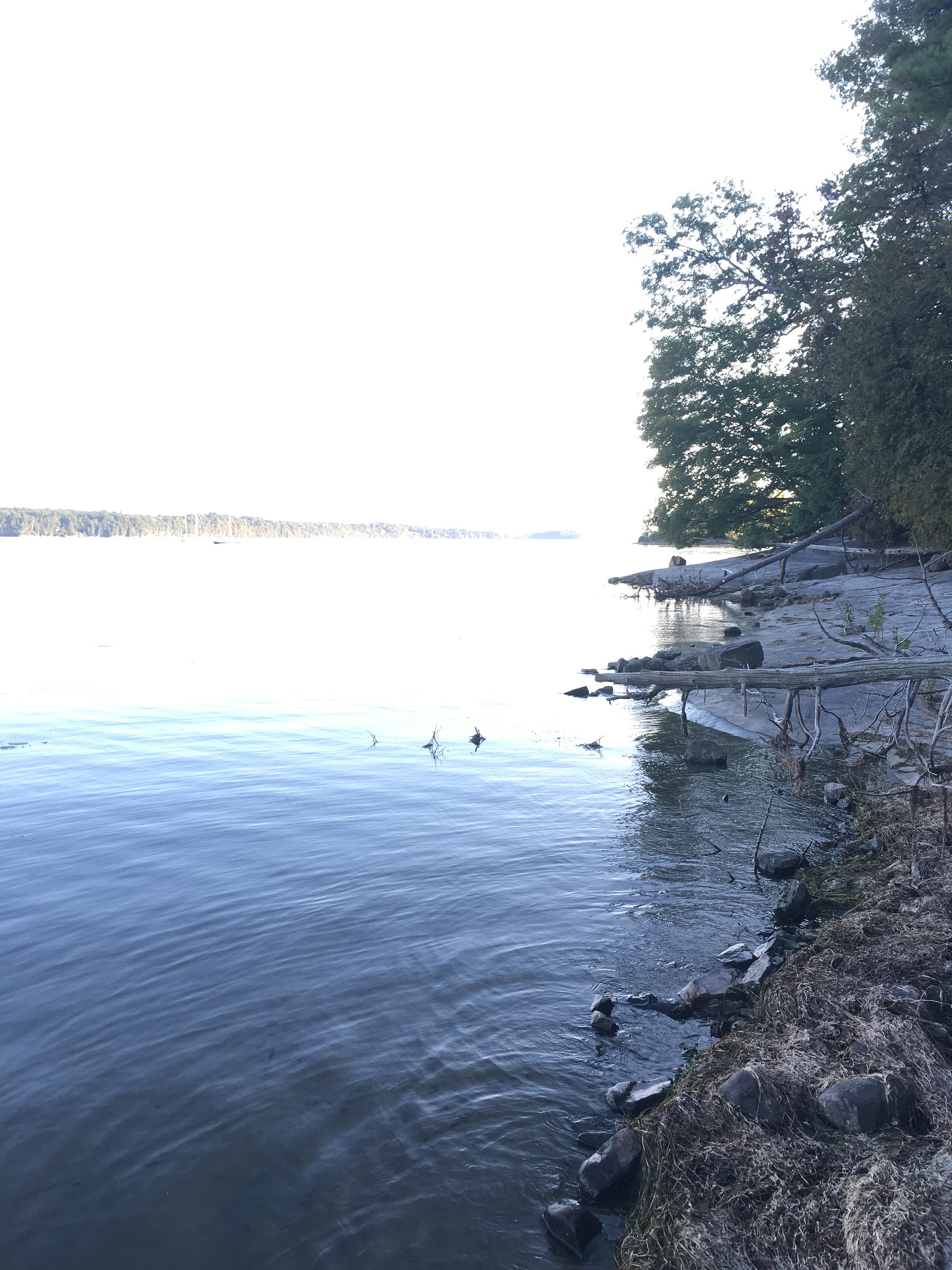
5. Button Bay State Park
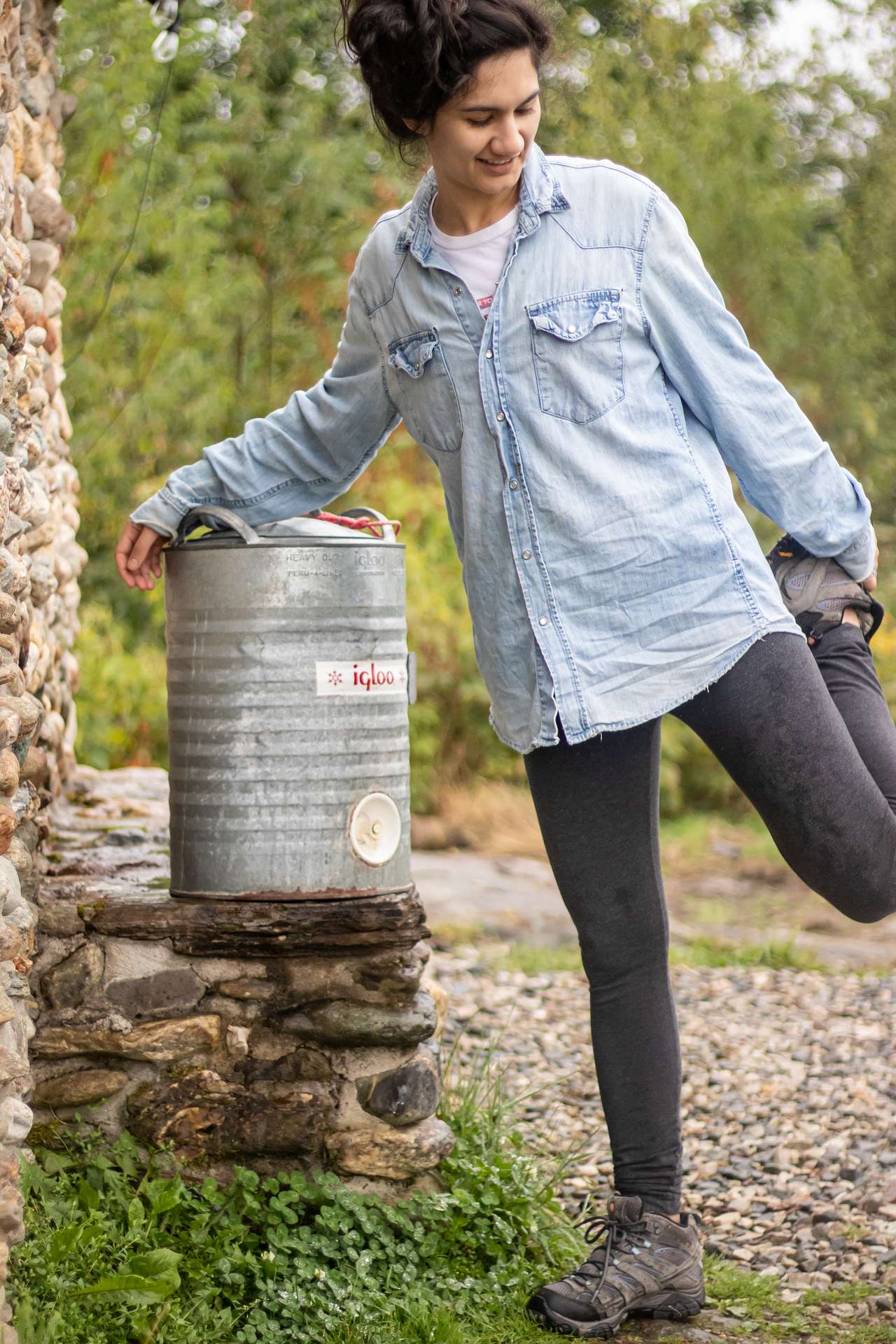
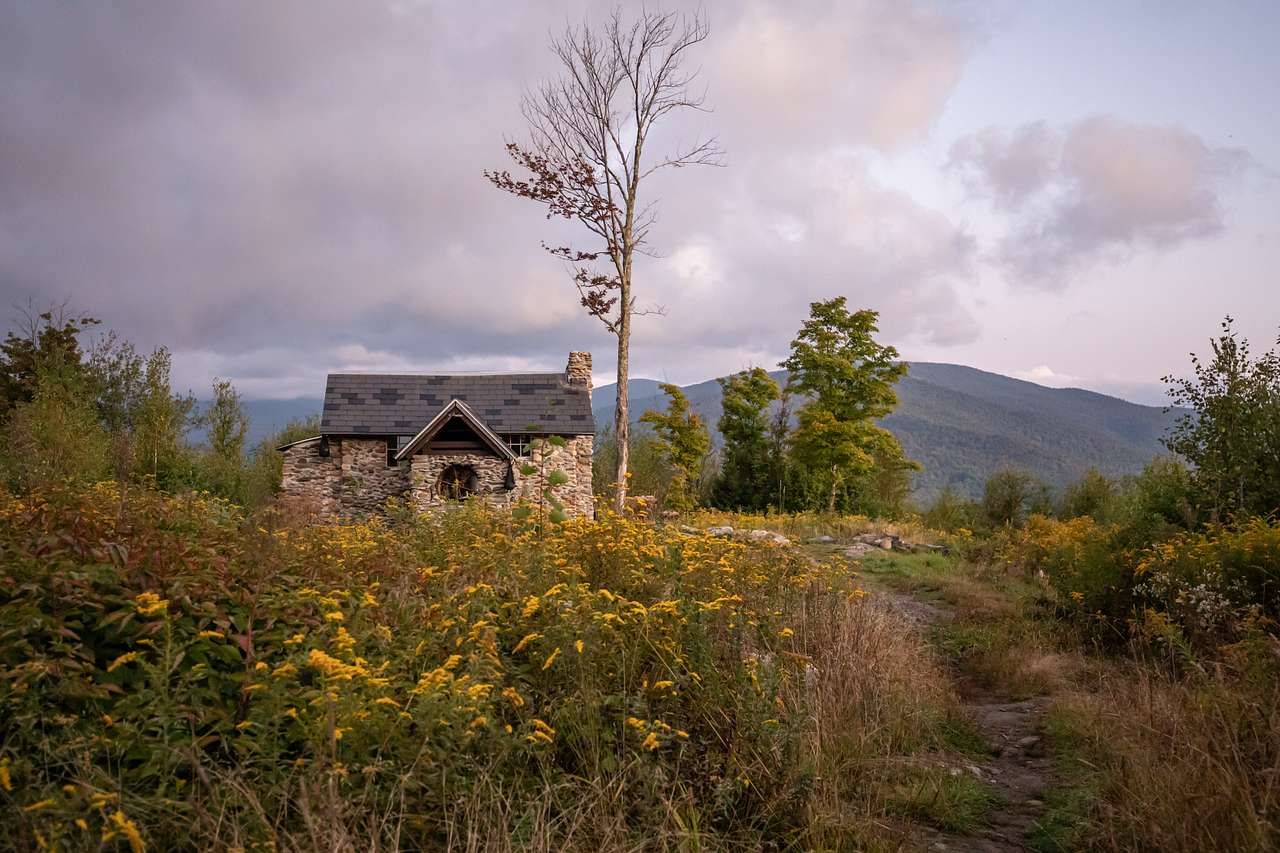
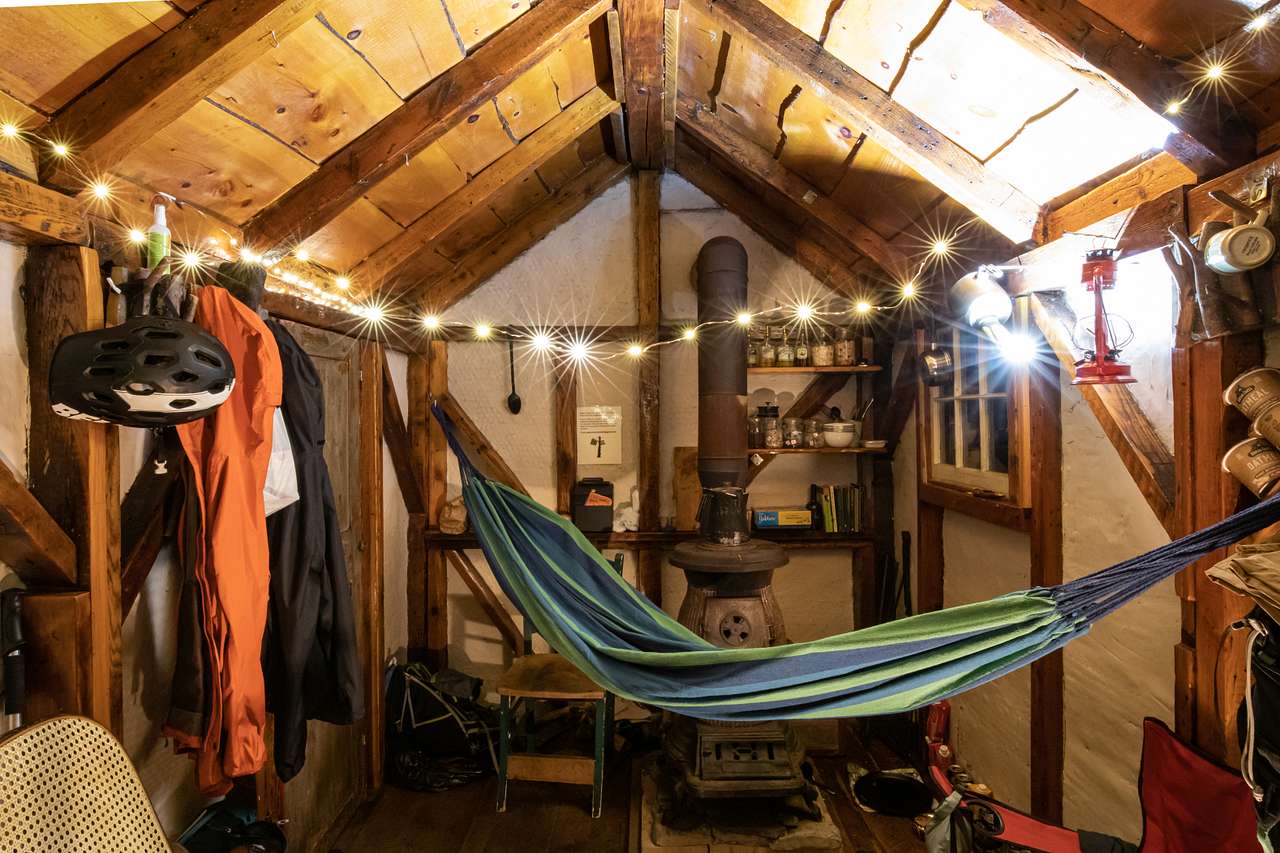
6. Green Mountain Trails
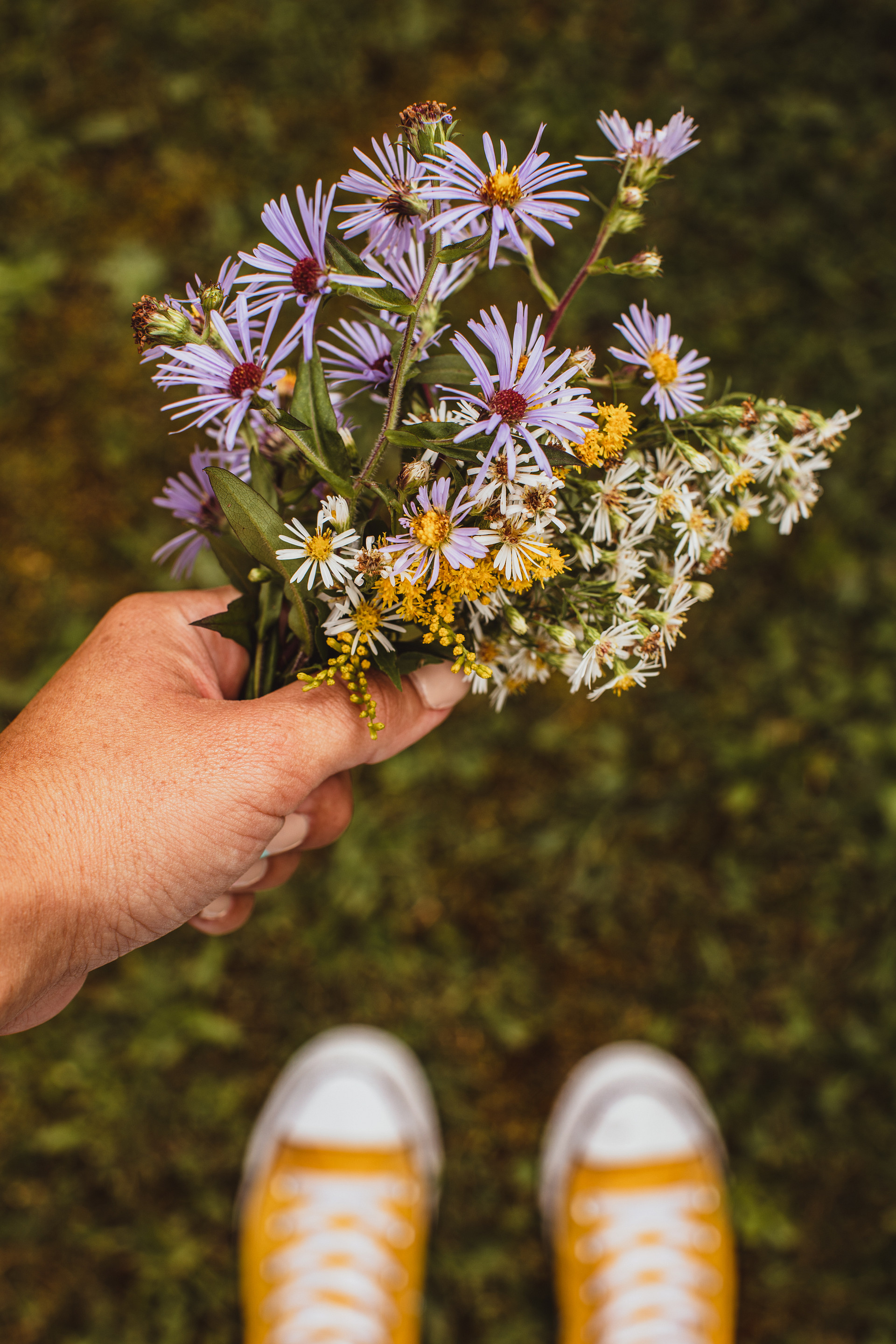
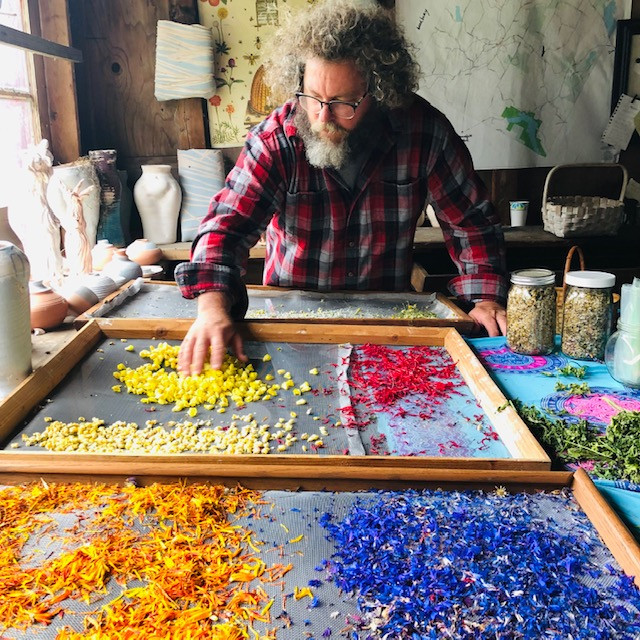

7. Art and Health Chill Camping


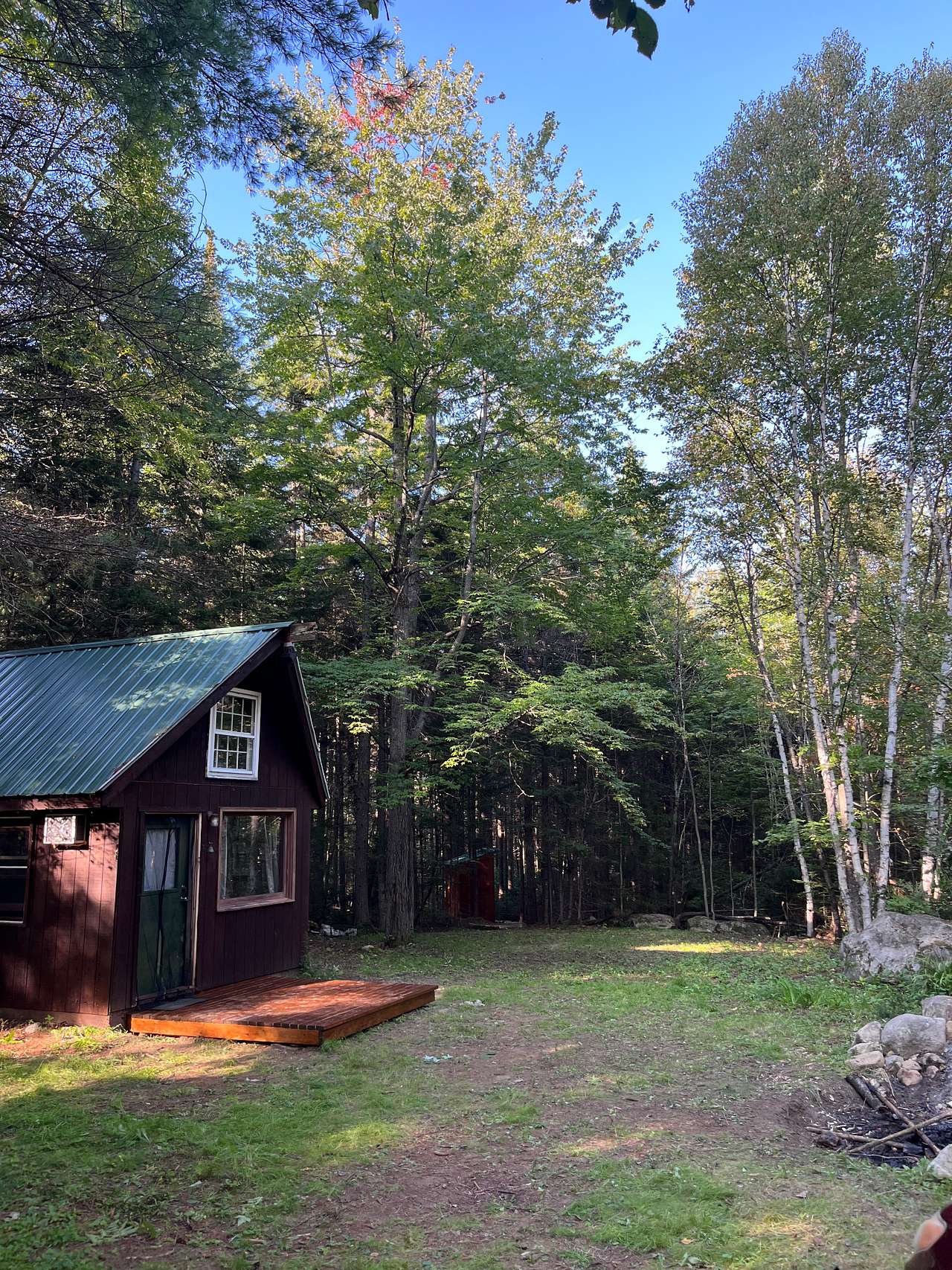
8. Pine Cone Cabin
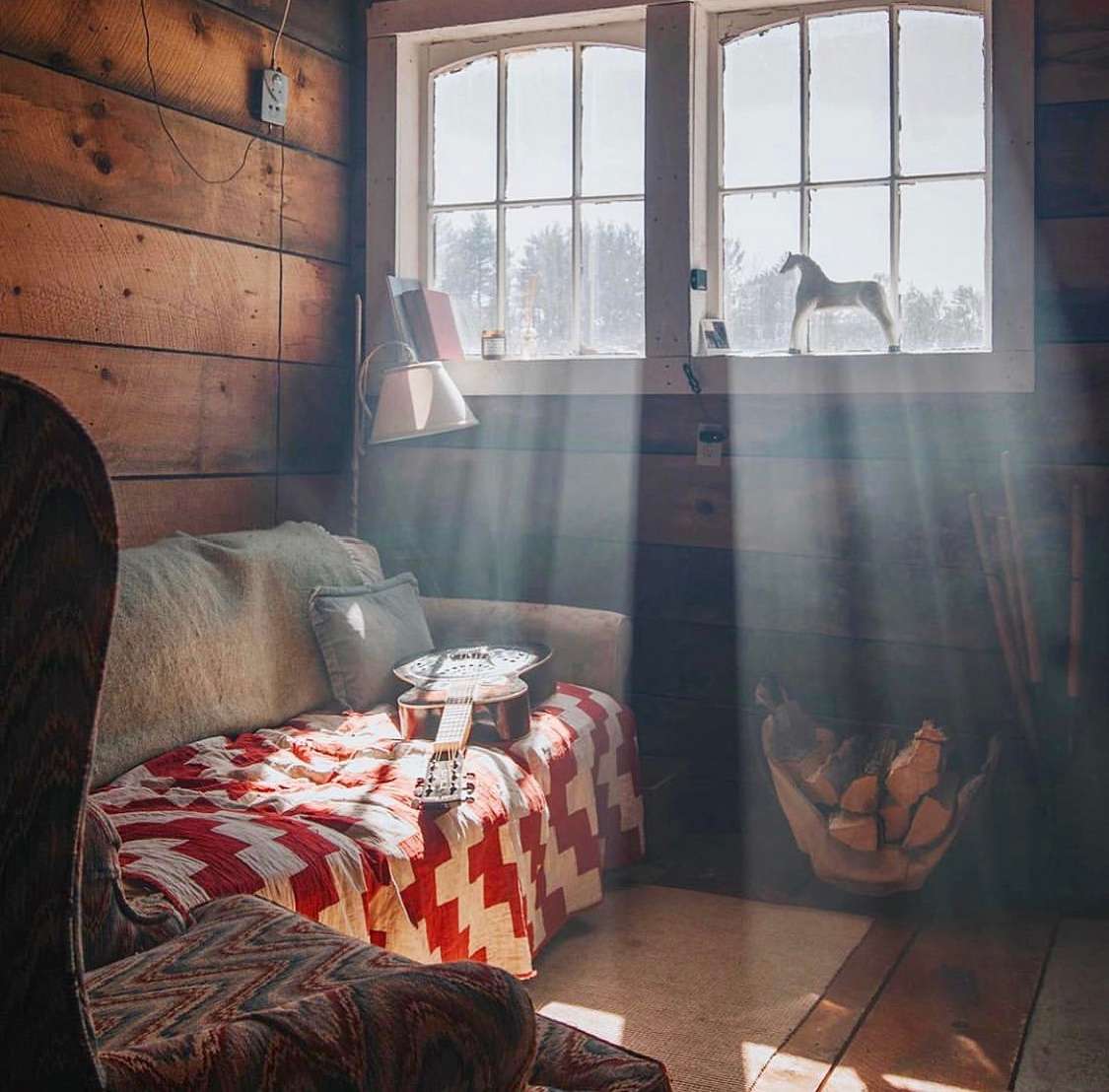
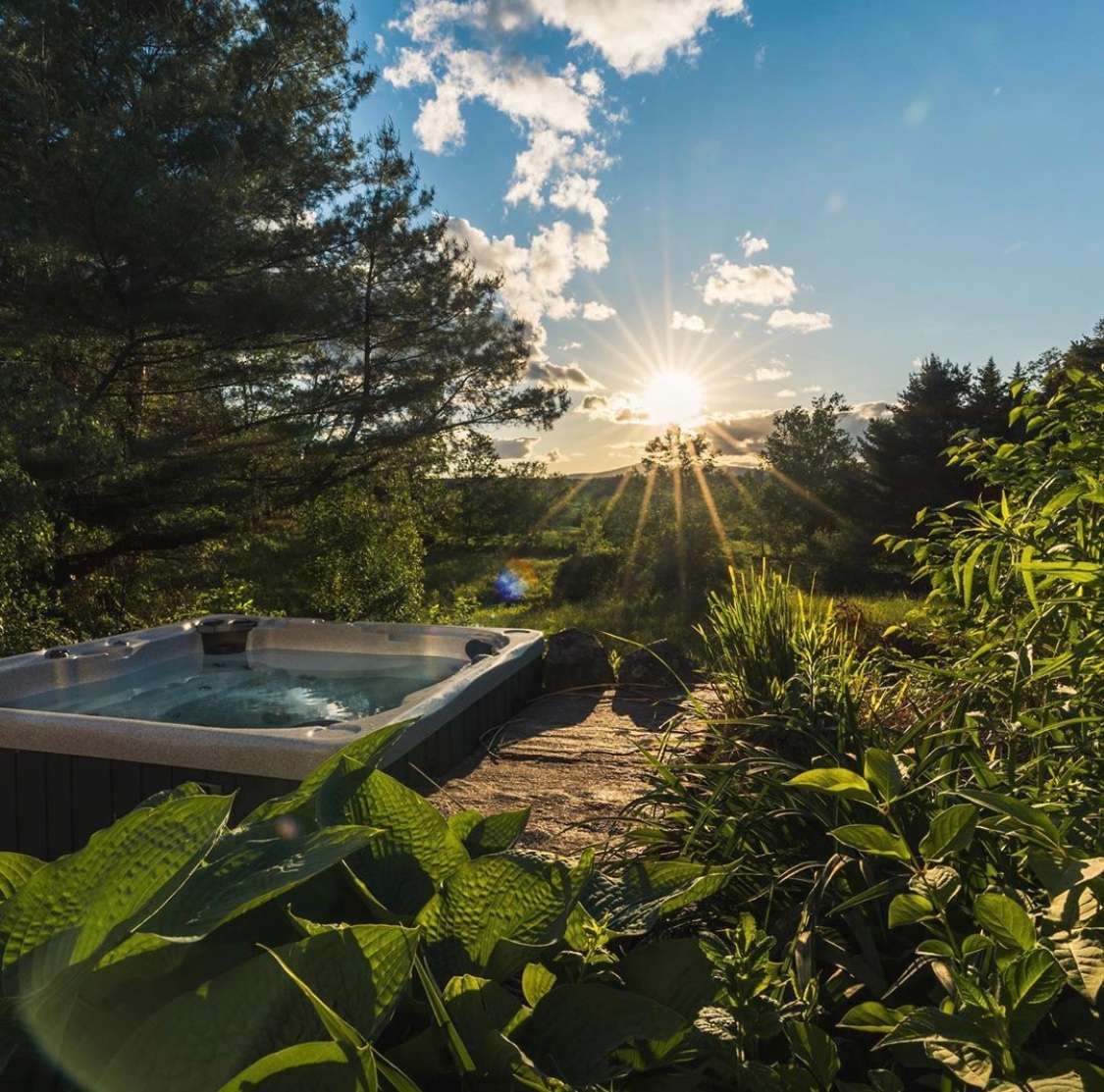
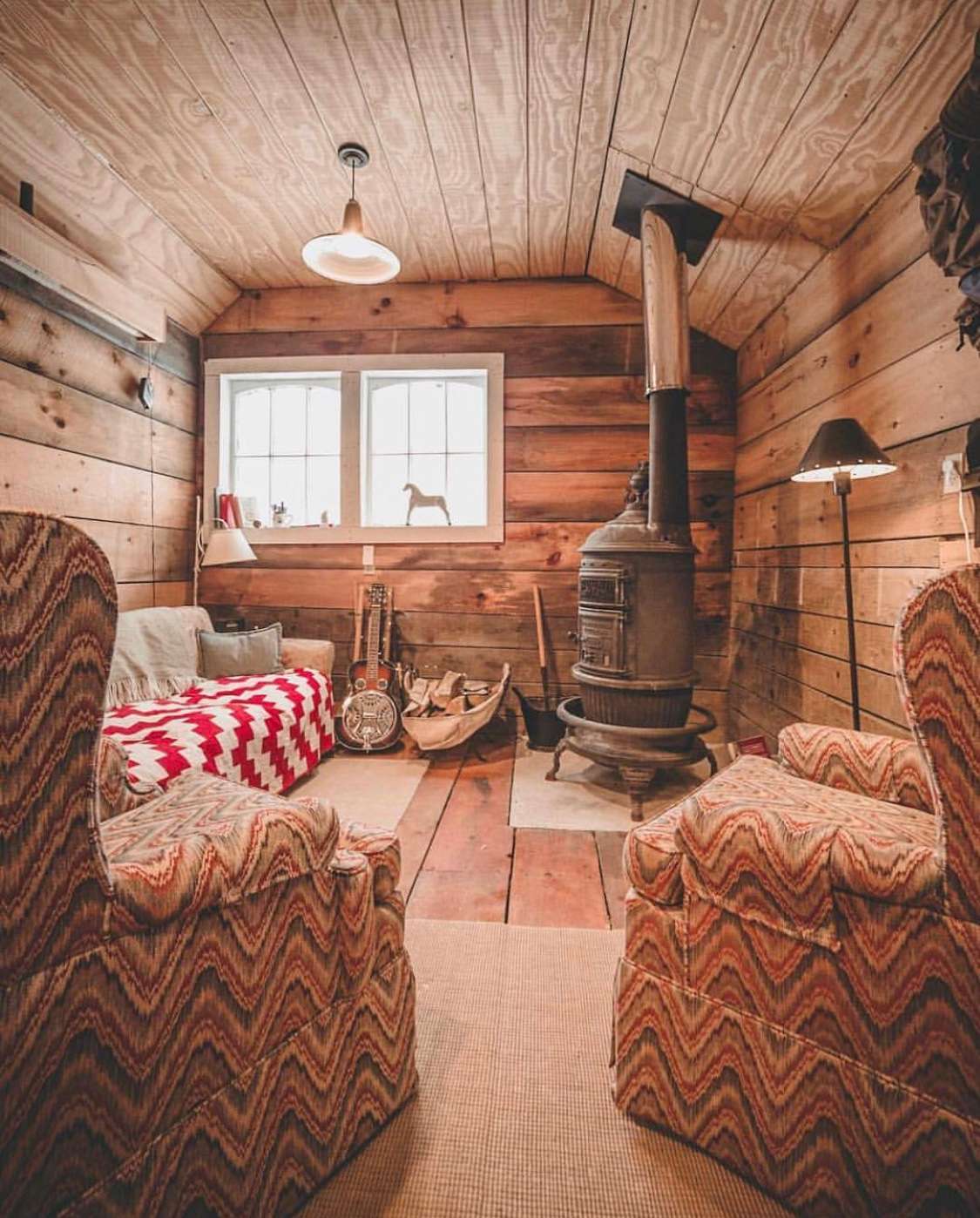
9. Bent Apple Farm
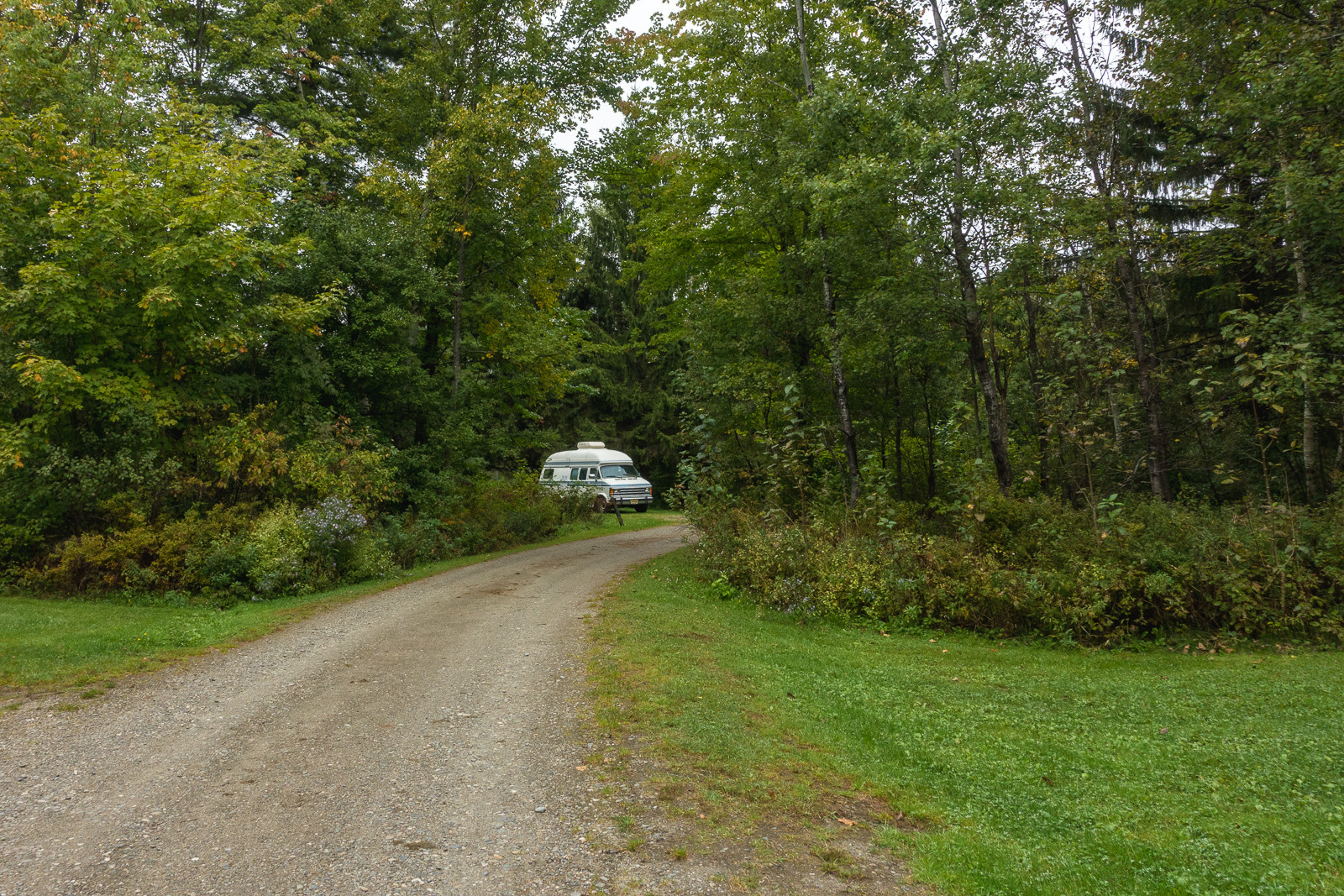
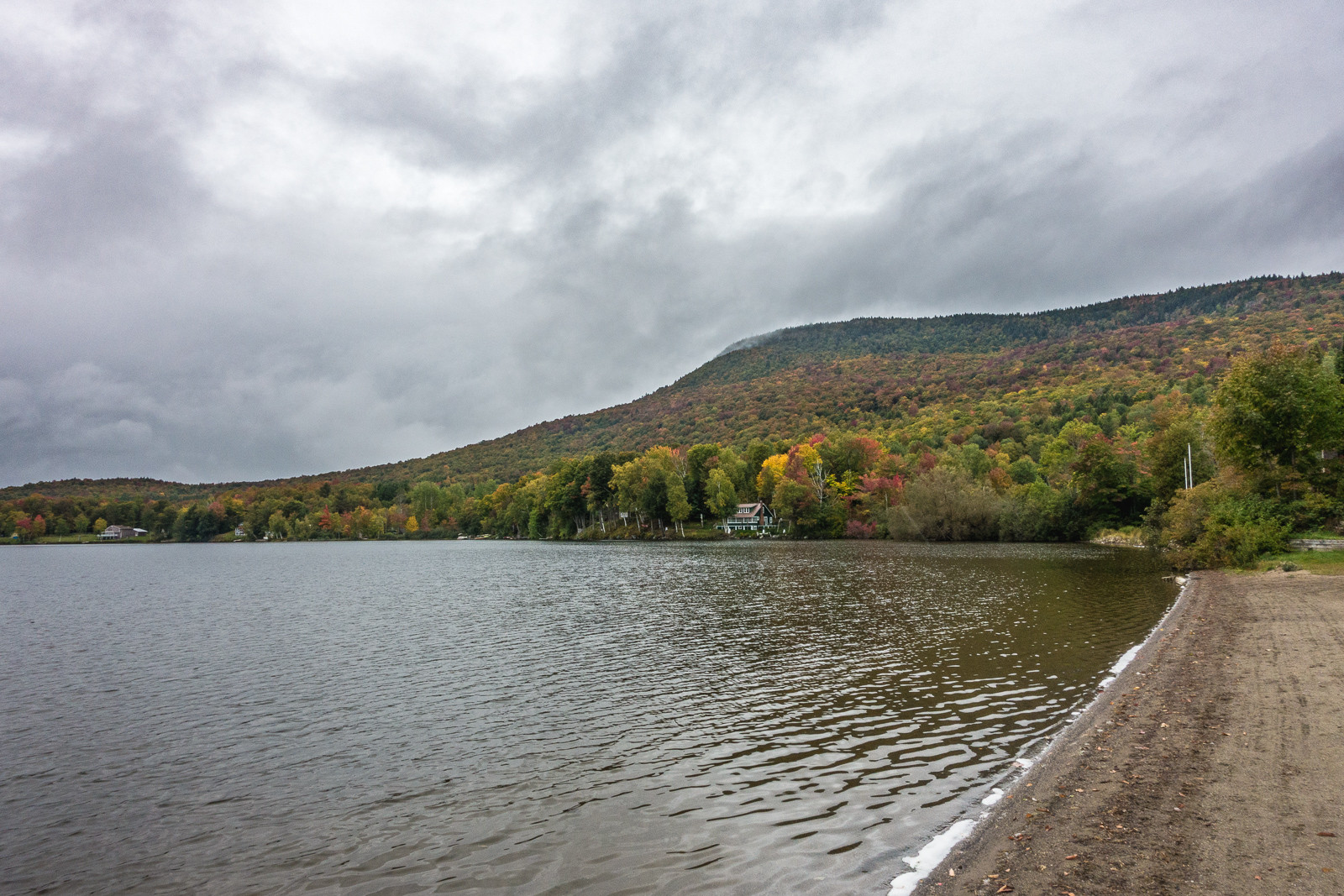
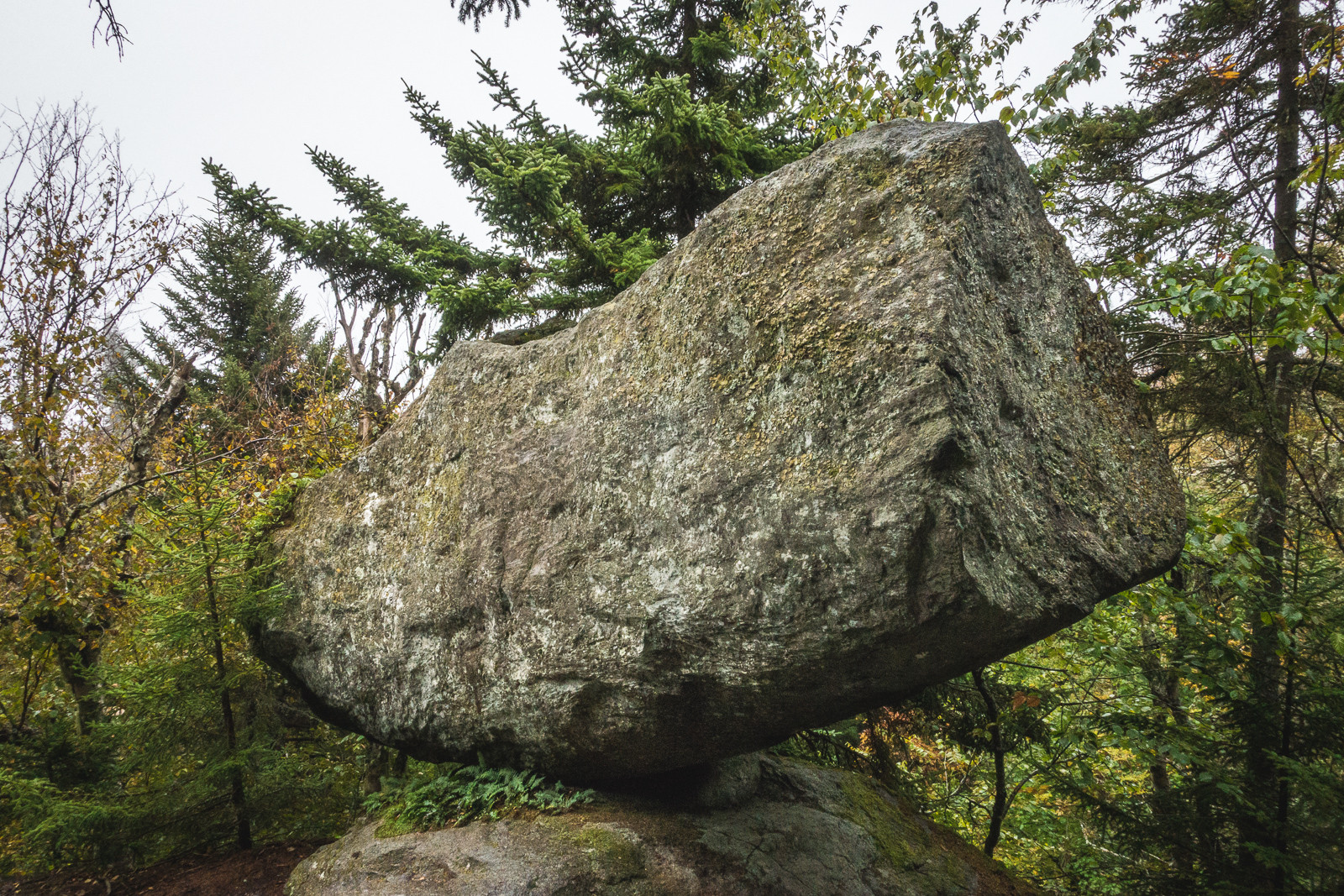
10. Elmore State Park
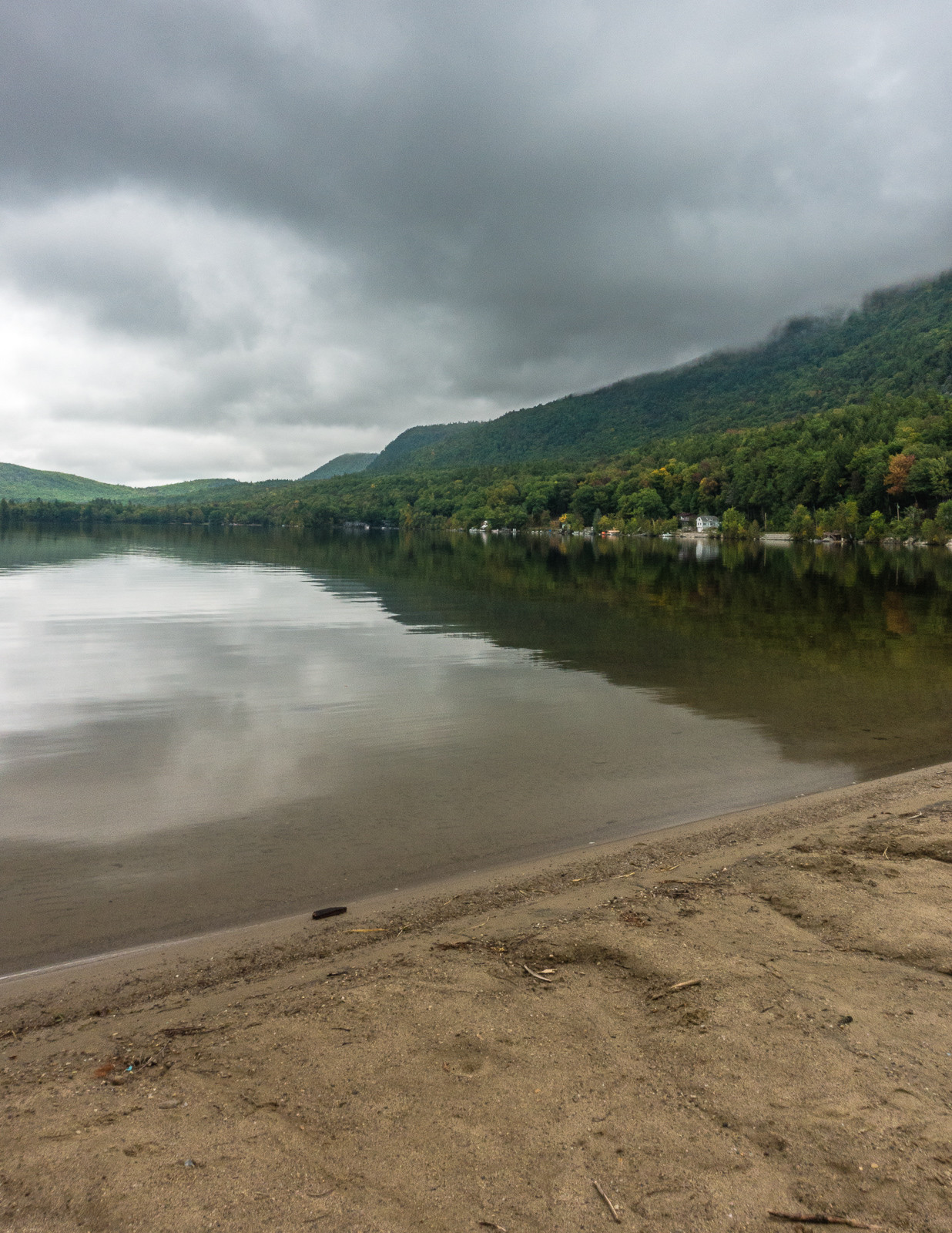
11. Branbury State Park
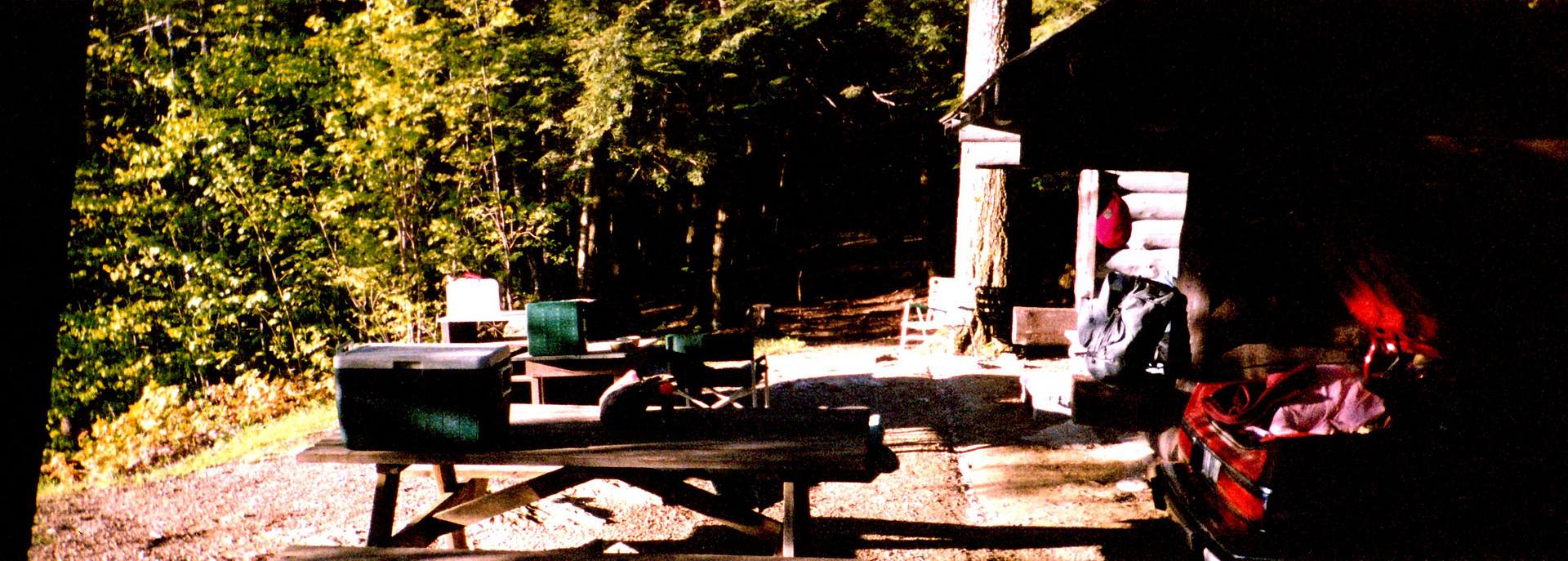
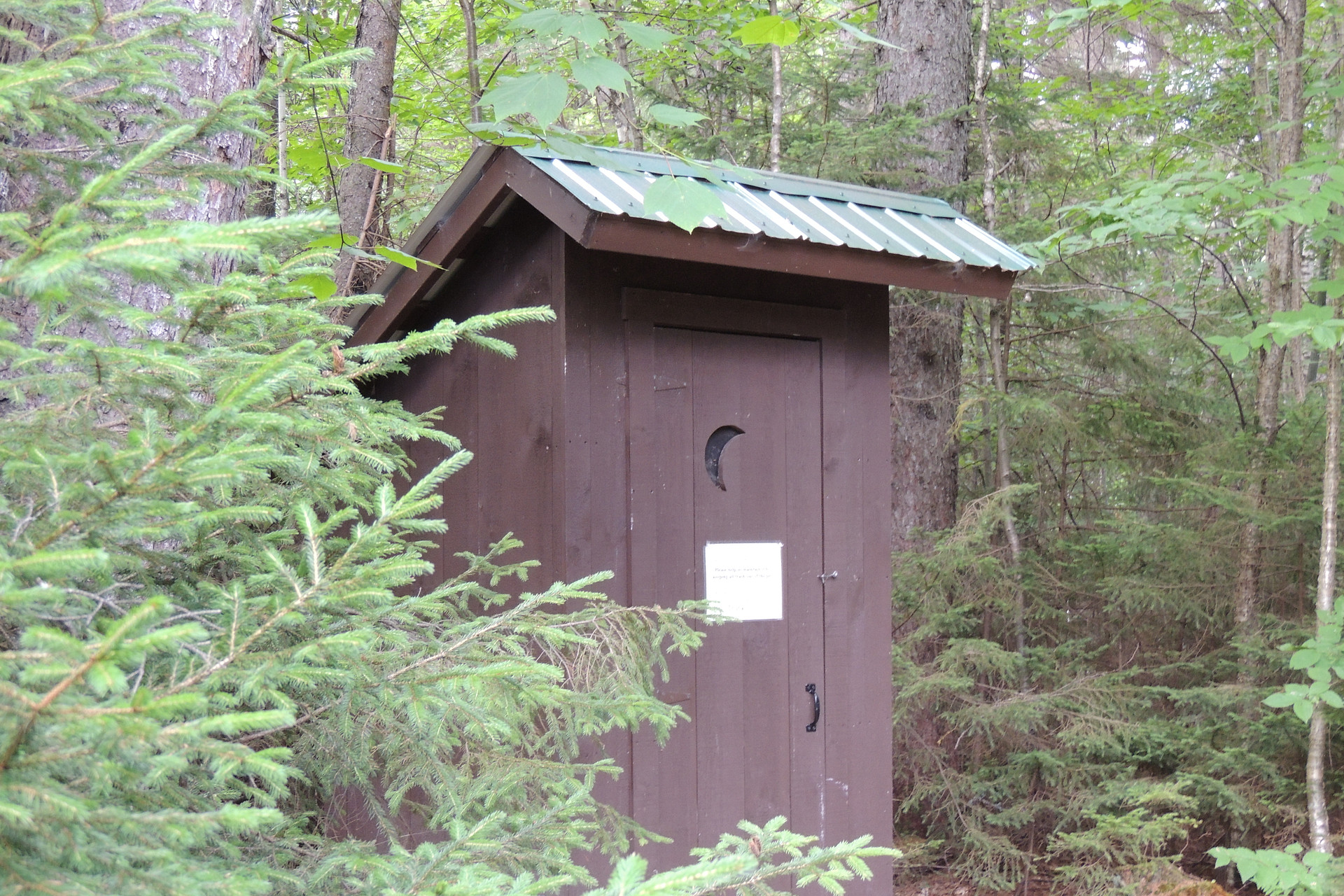
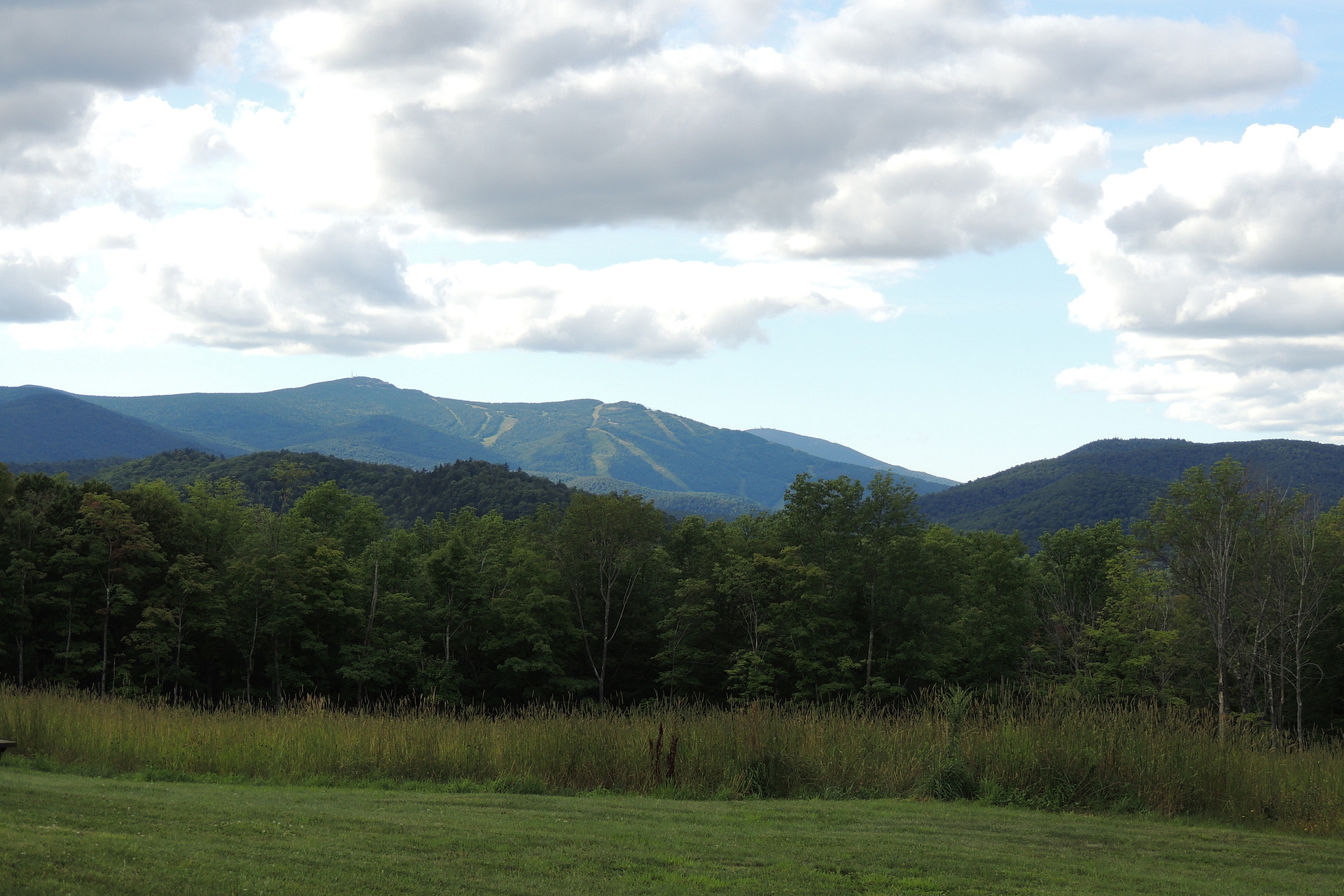
12. Coolidge State Park
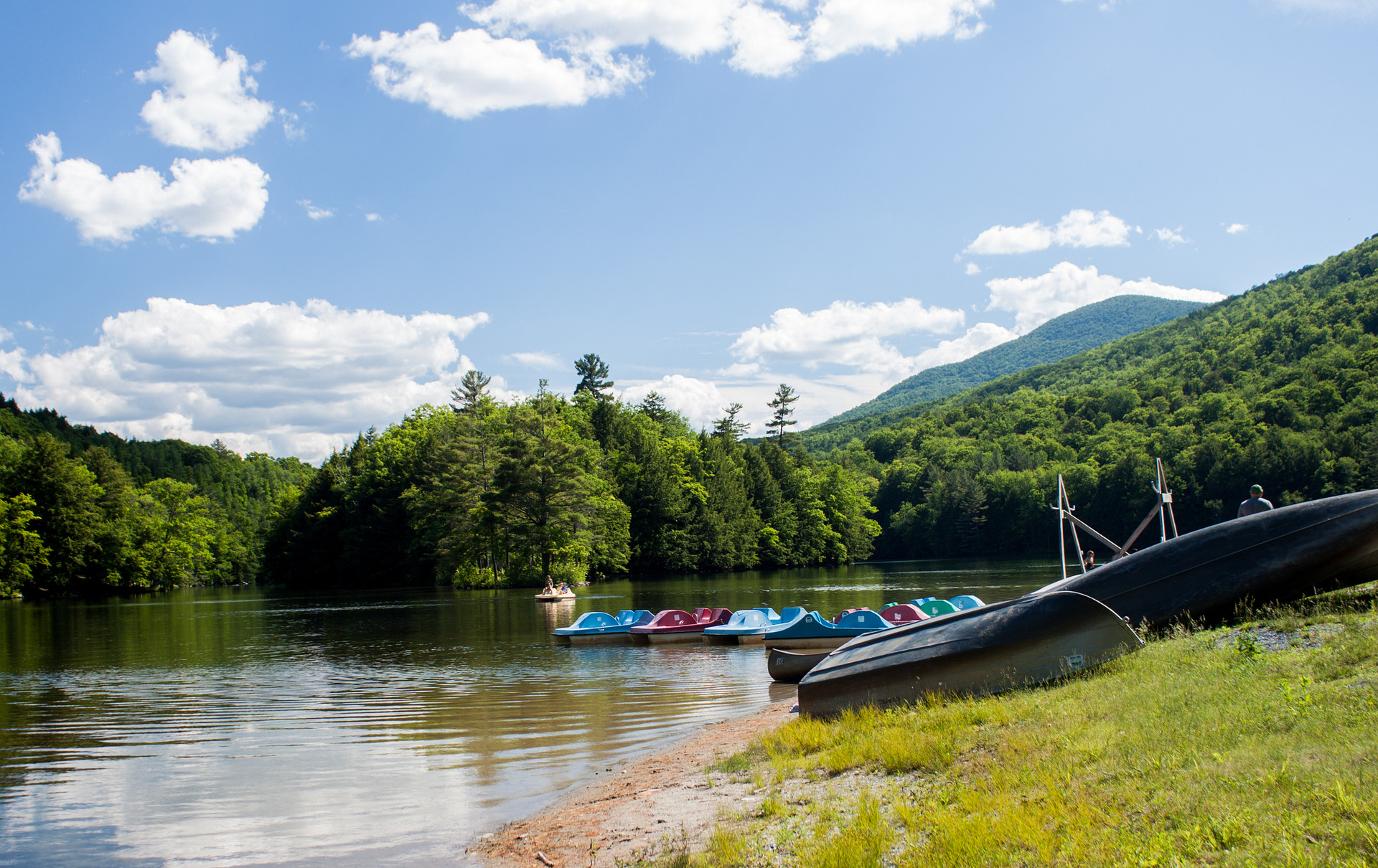
13. Emerald Lake State Park
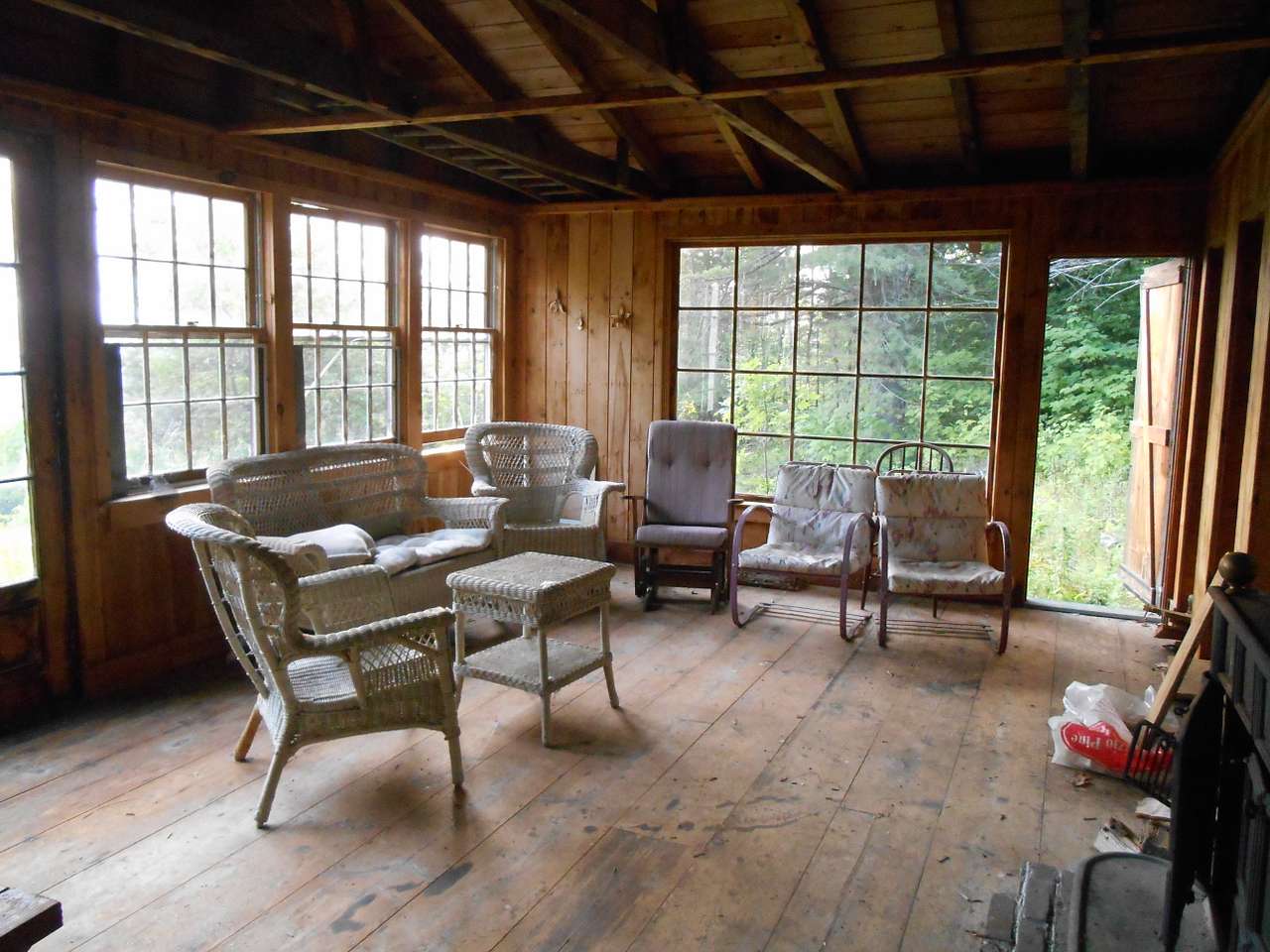
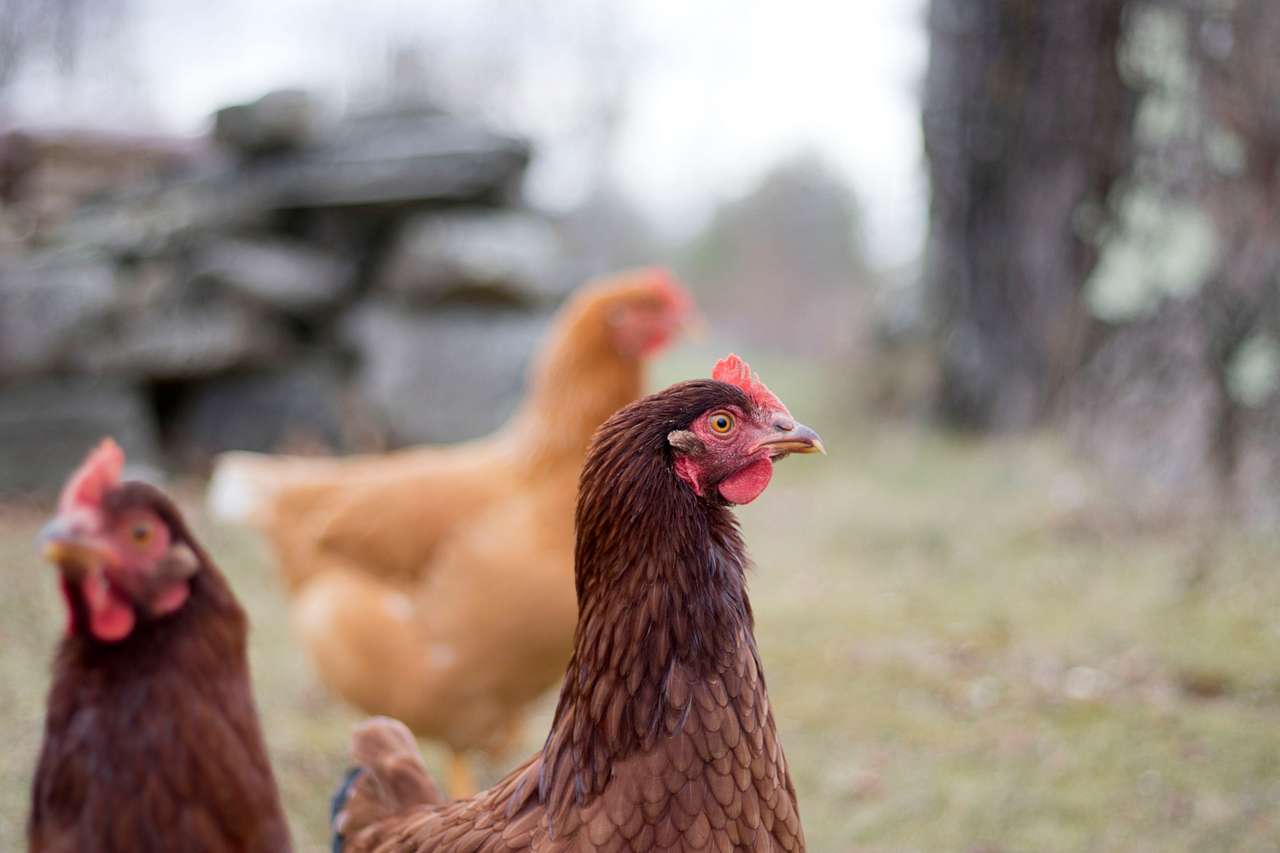
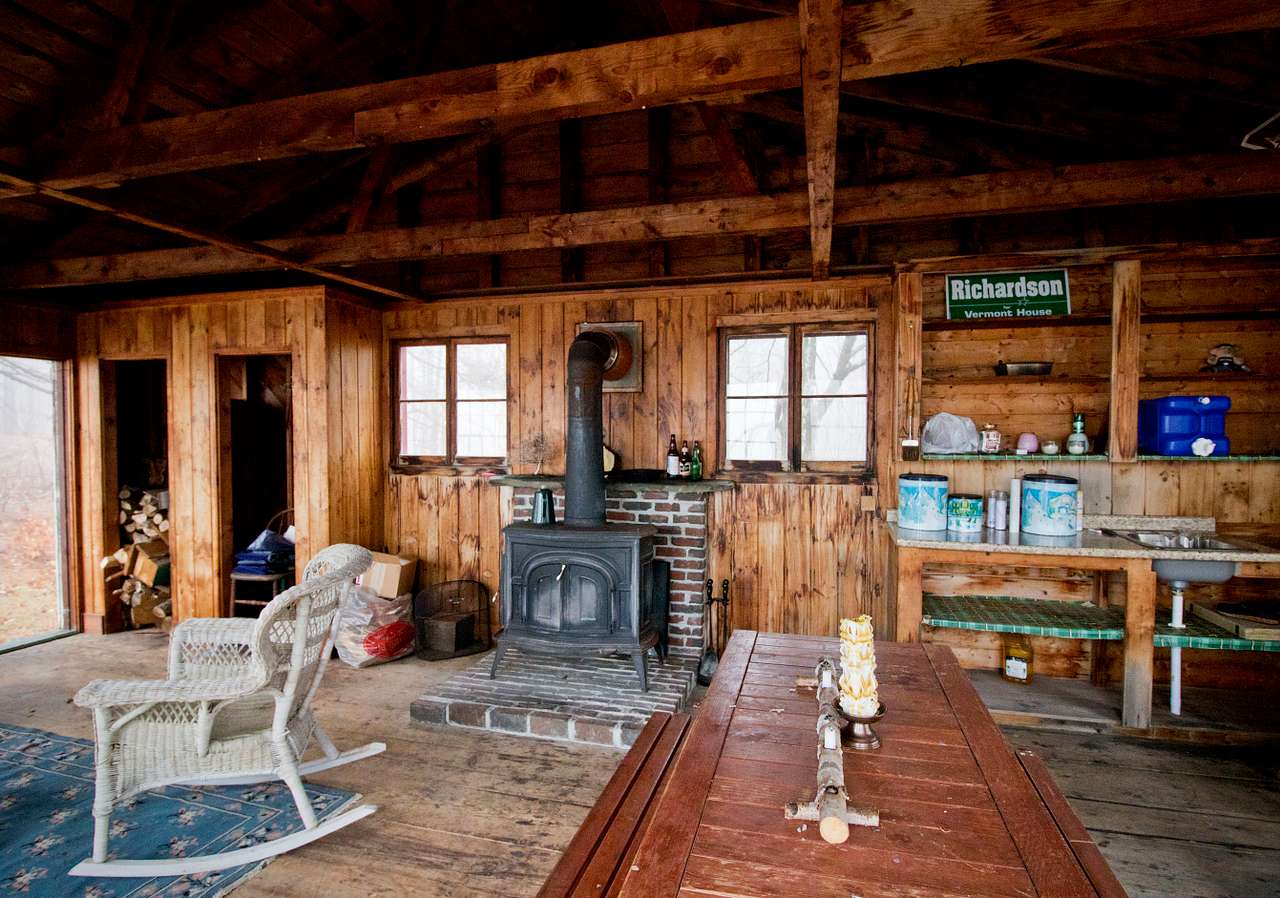
14. Green Mountain Getaway


15. Greenbush Farm
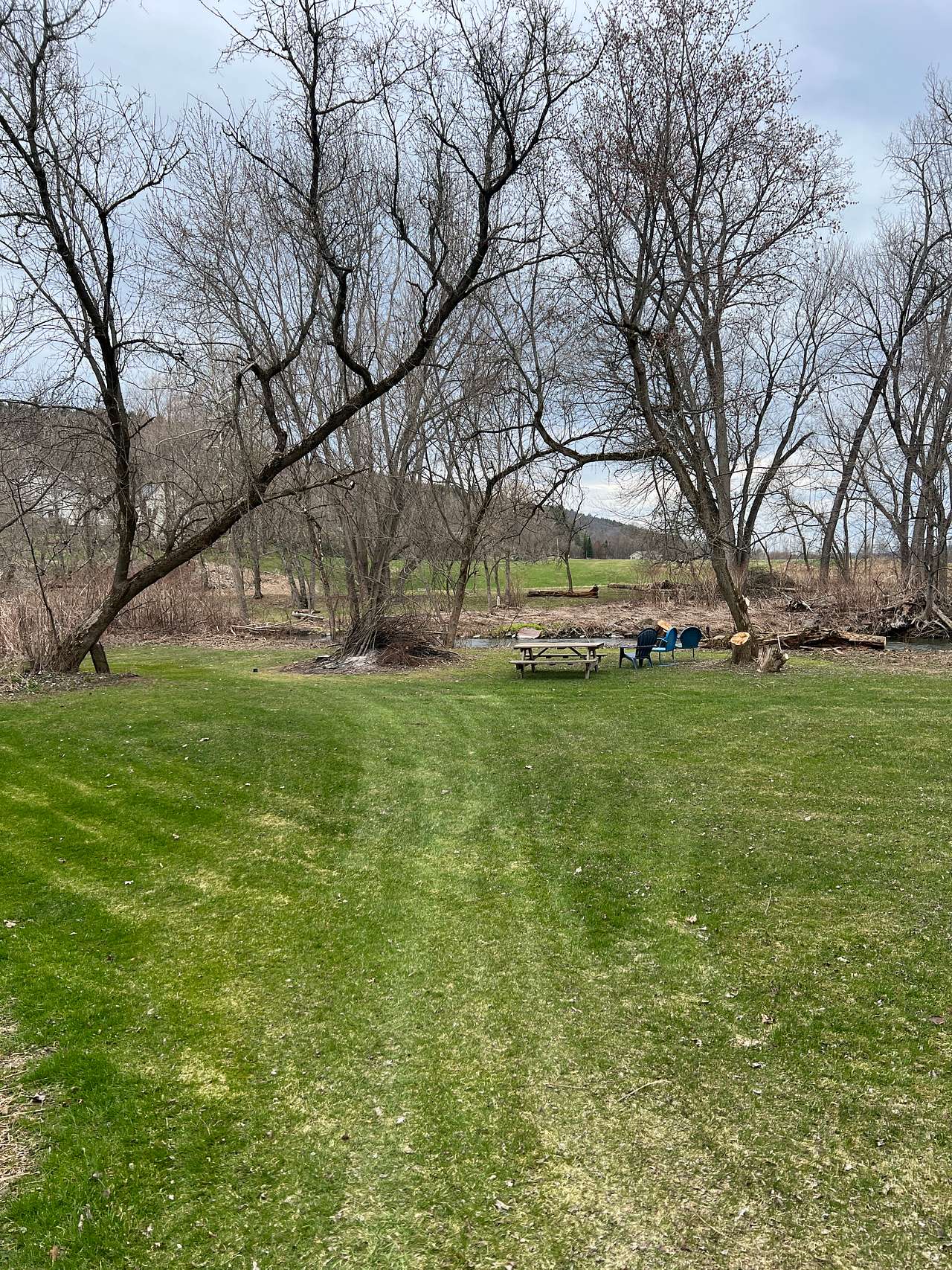
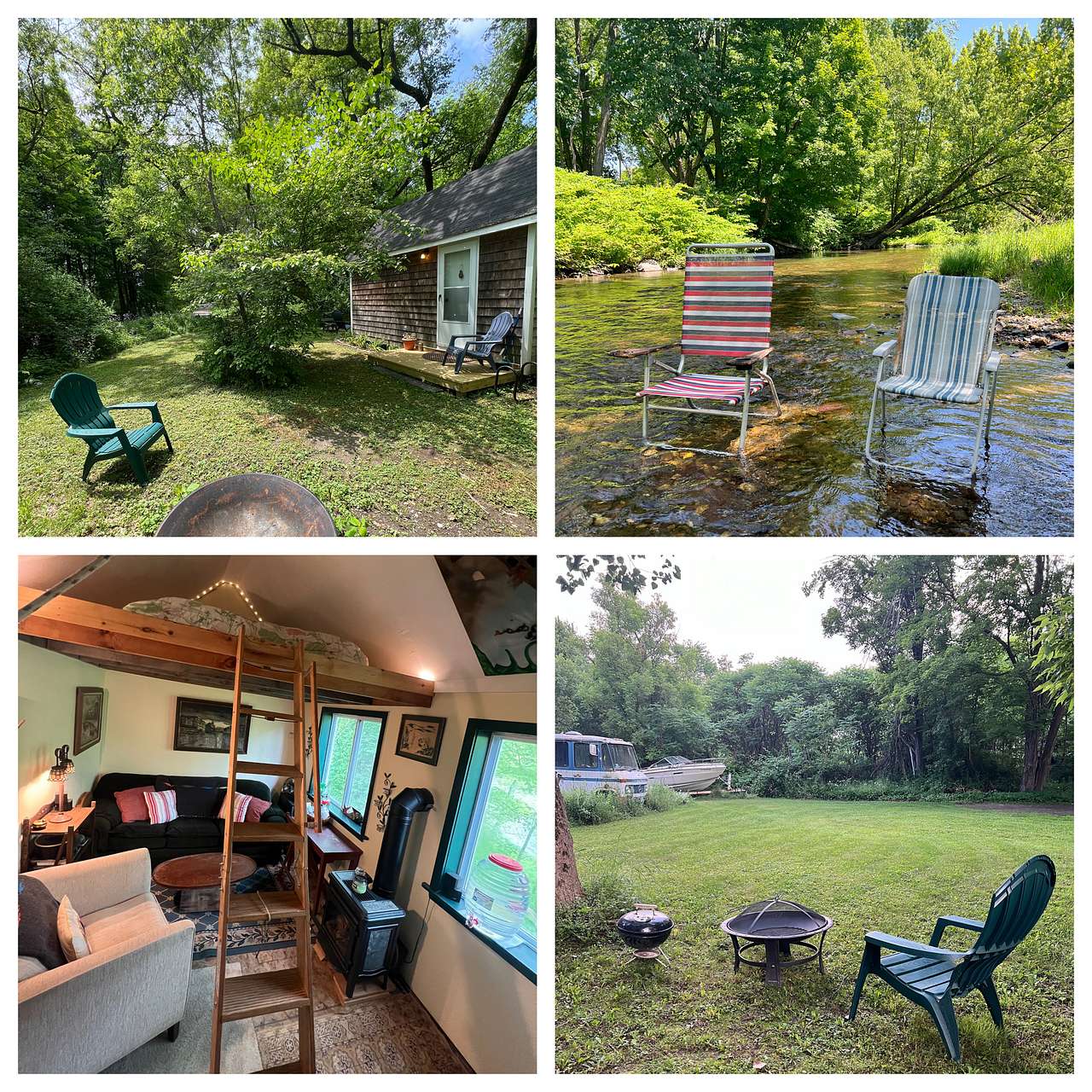
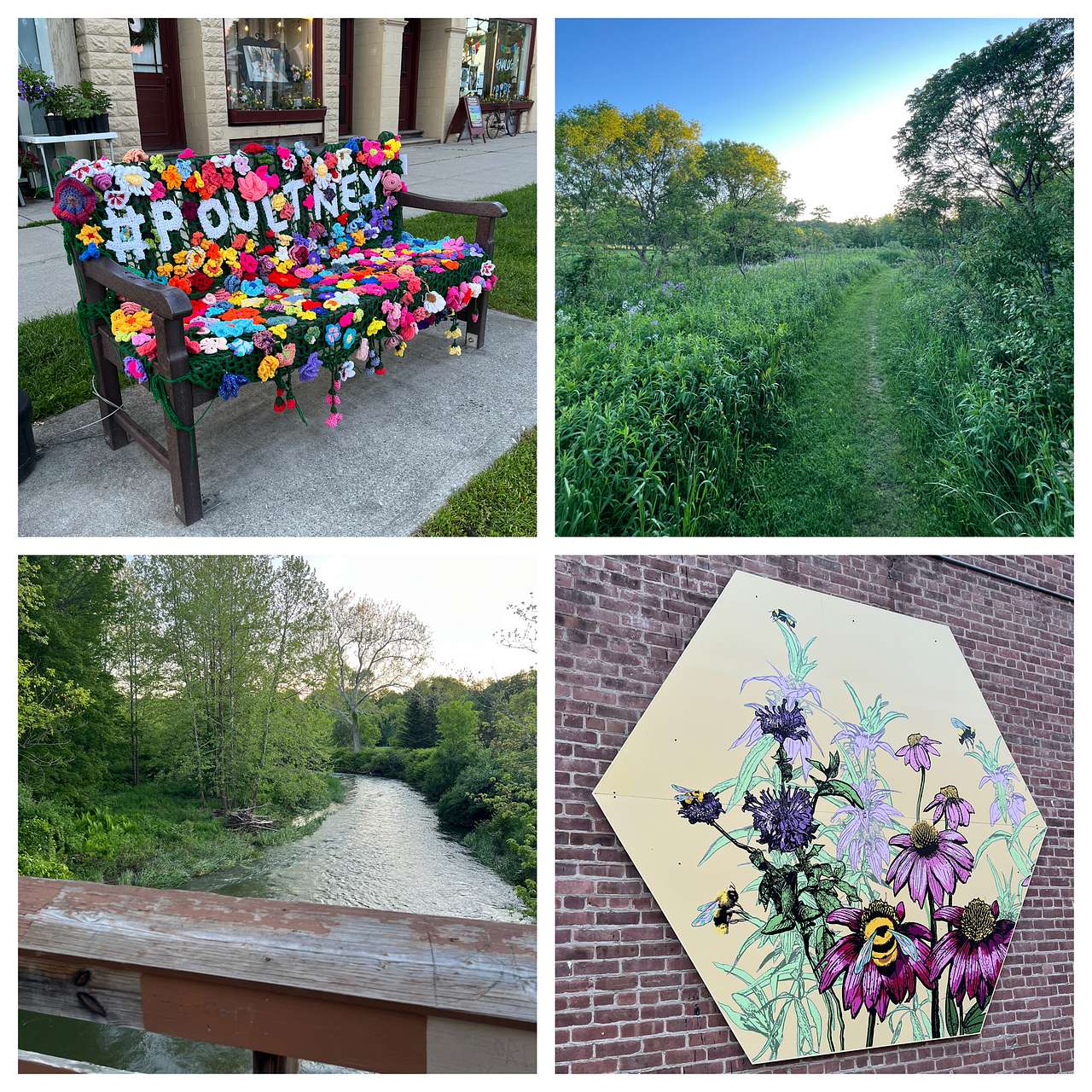
16. Riverside Retreat and Tiny Cabin


17. Fortification Vista


18. Willoughby Farm Animal Rescue
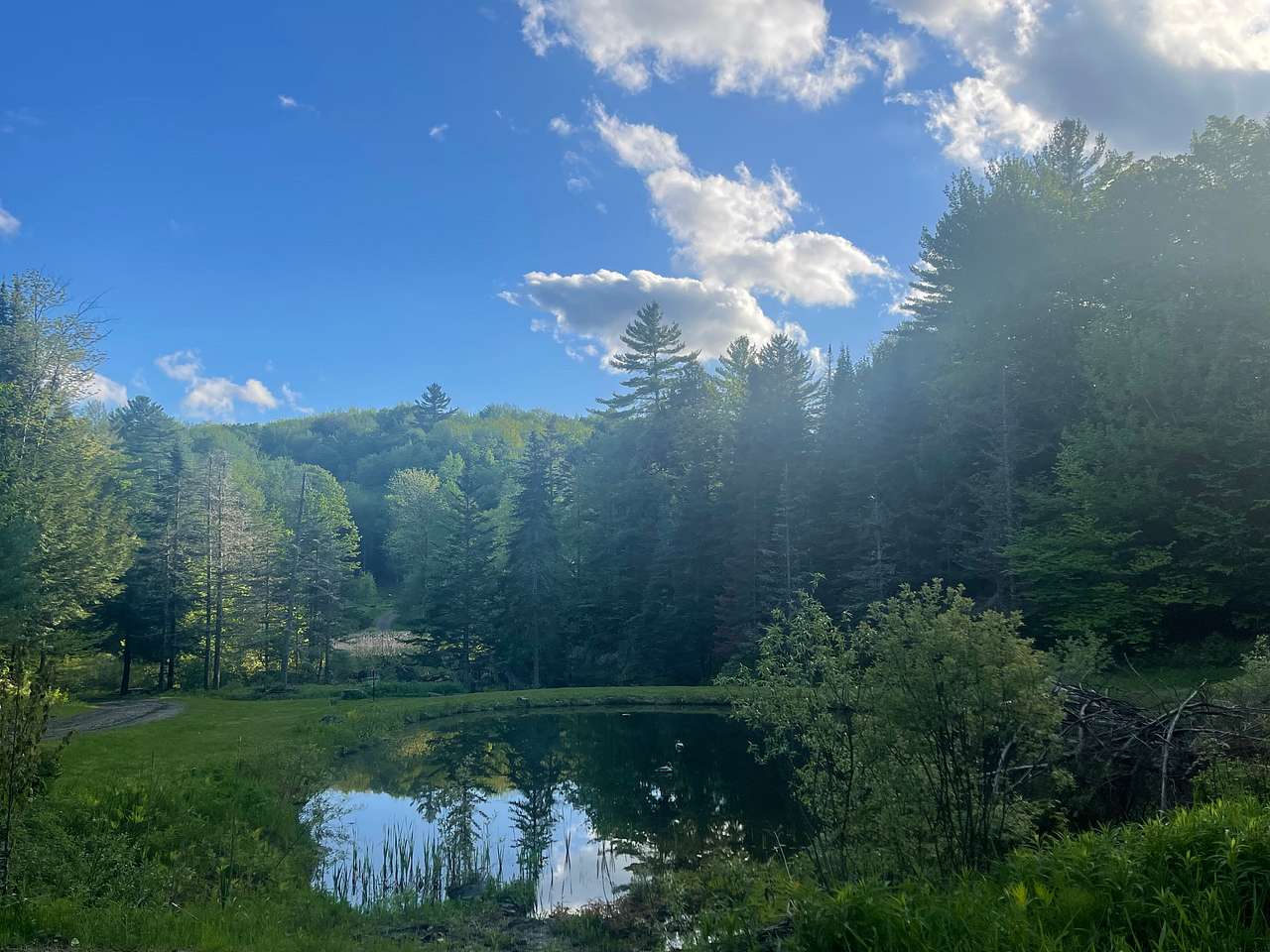
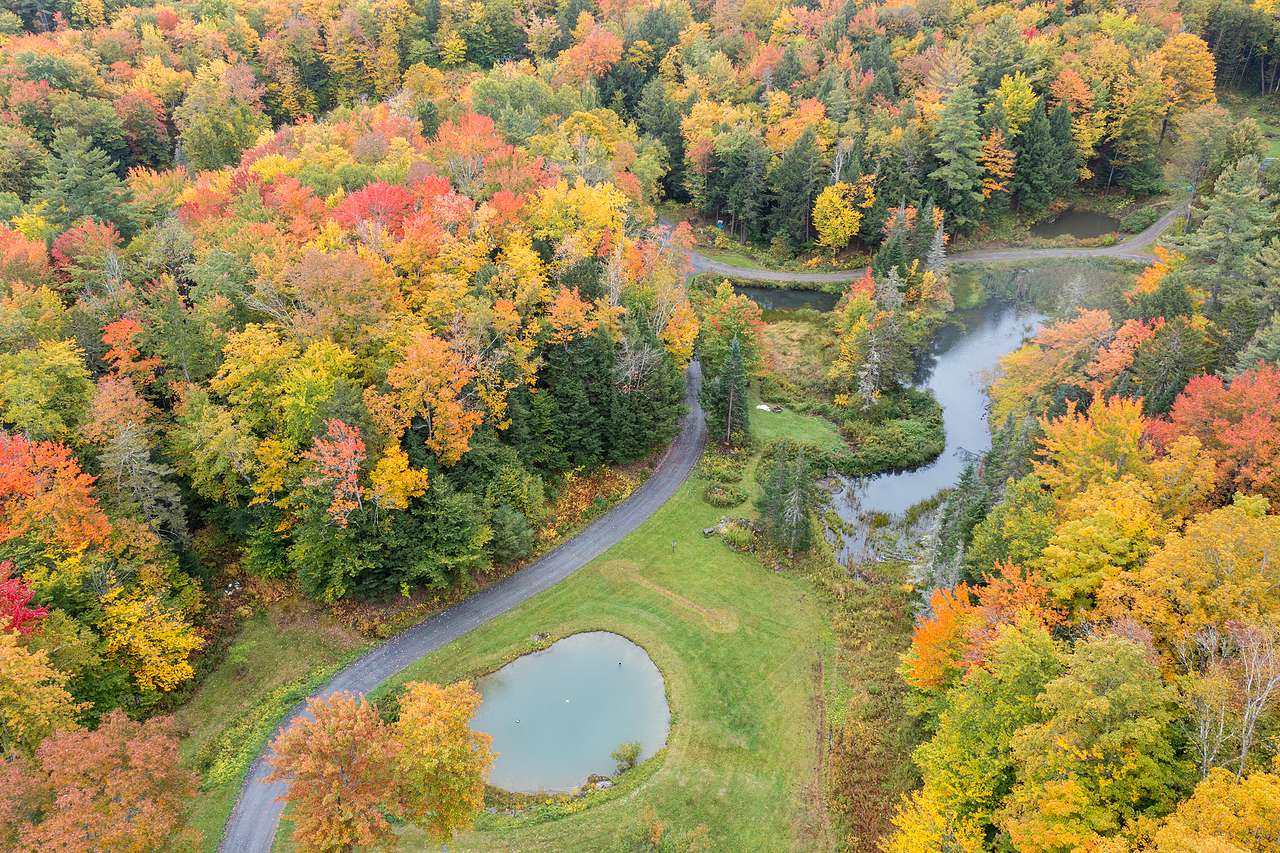
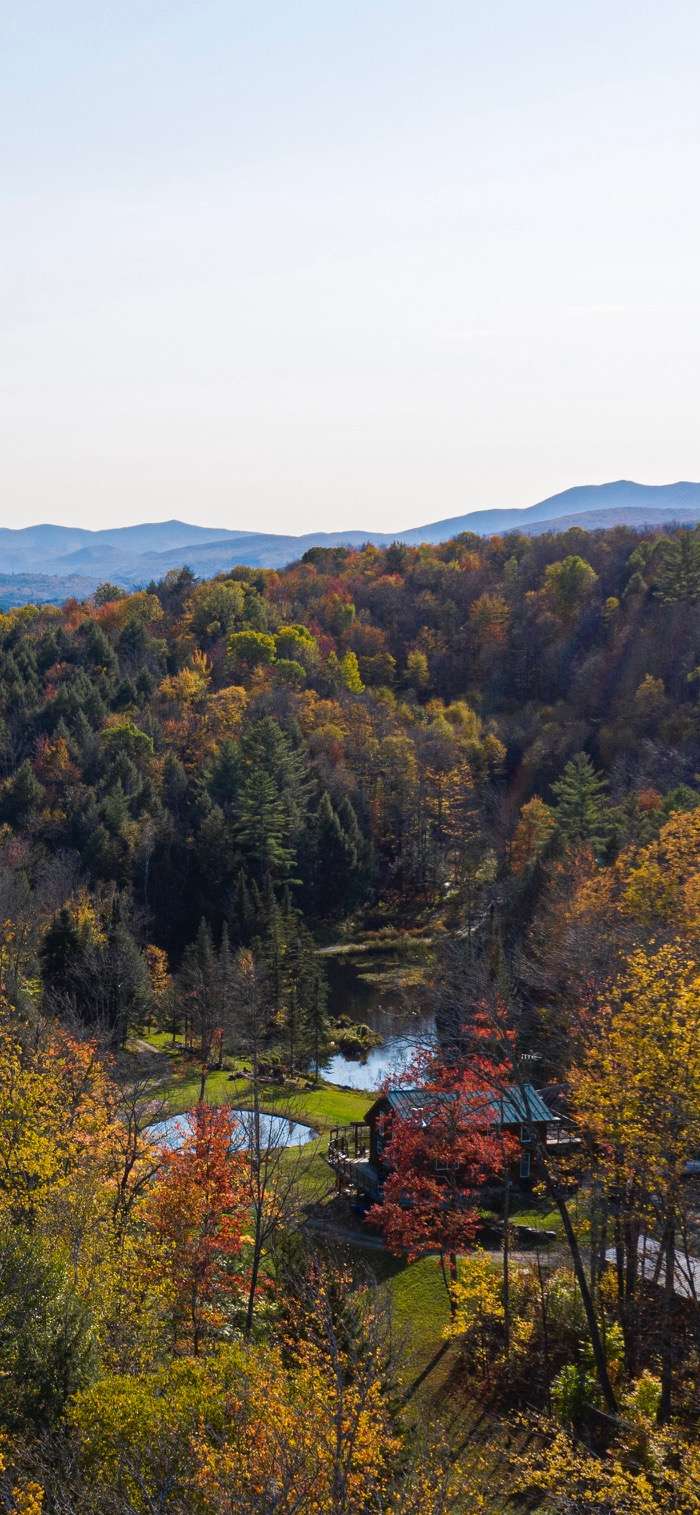
19. Shadow Pond on 28 Peaceful Acres


20. Quarry Brook
Grateful Acres Vermont
Know Town
Greenbush Farm
Maple Ridge Farm
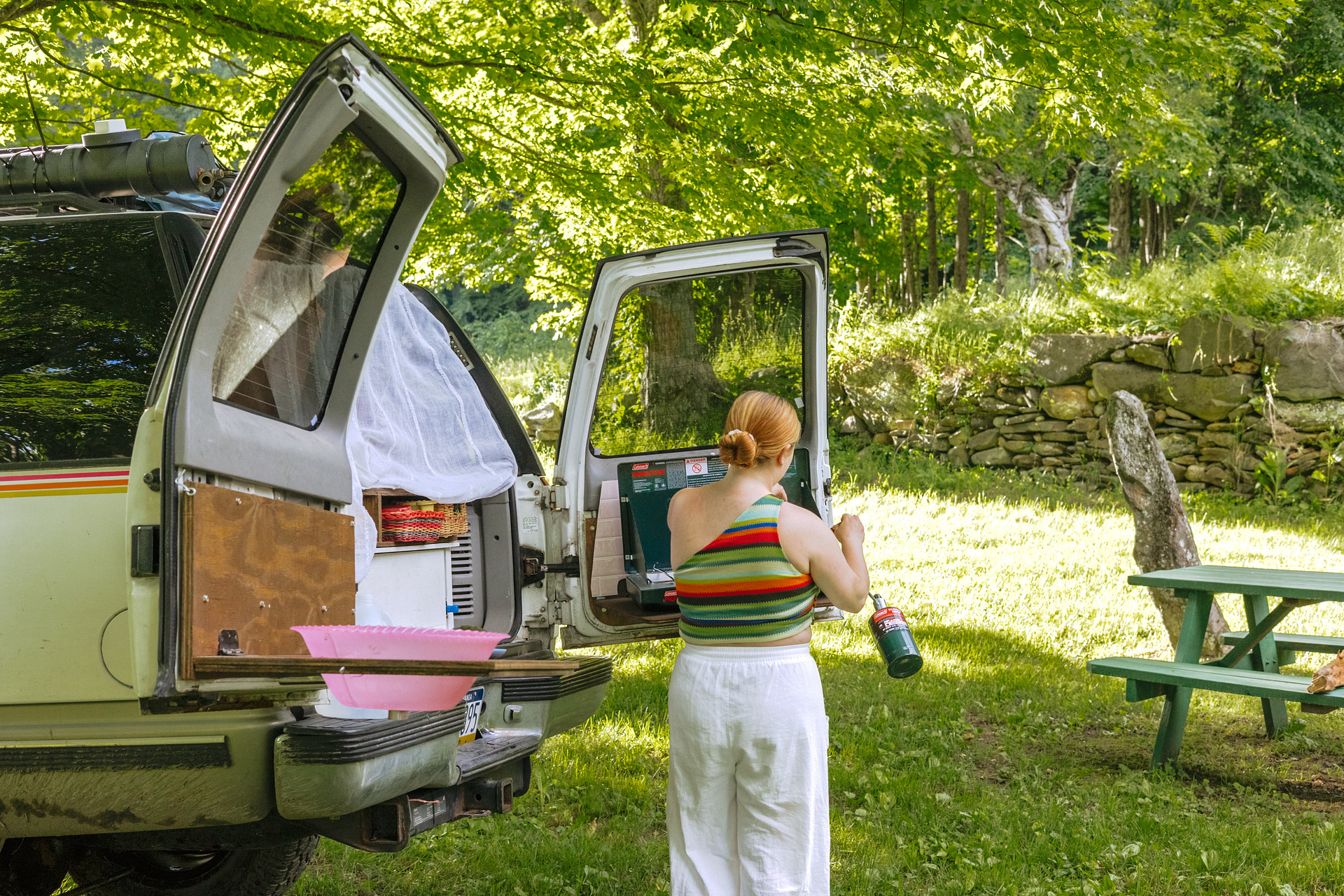
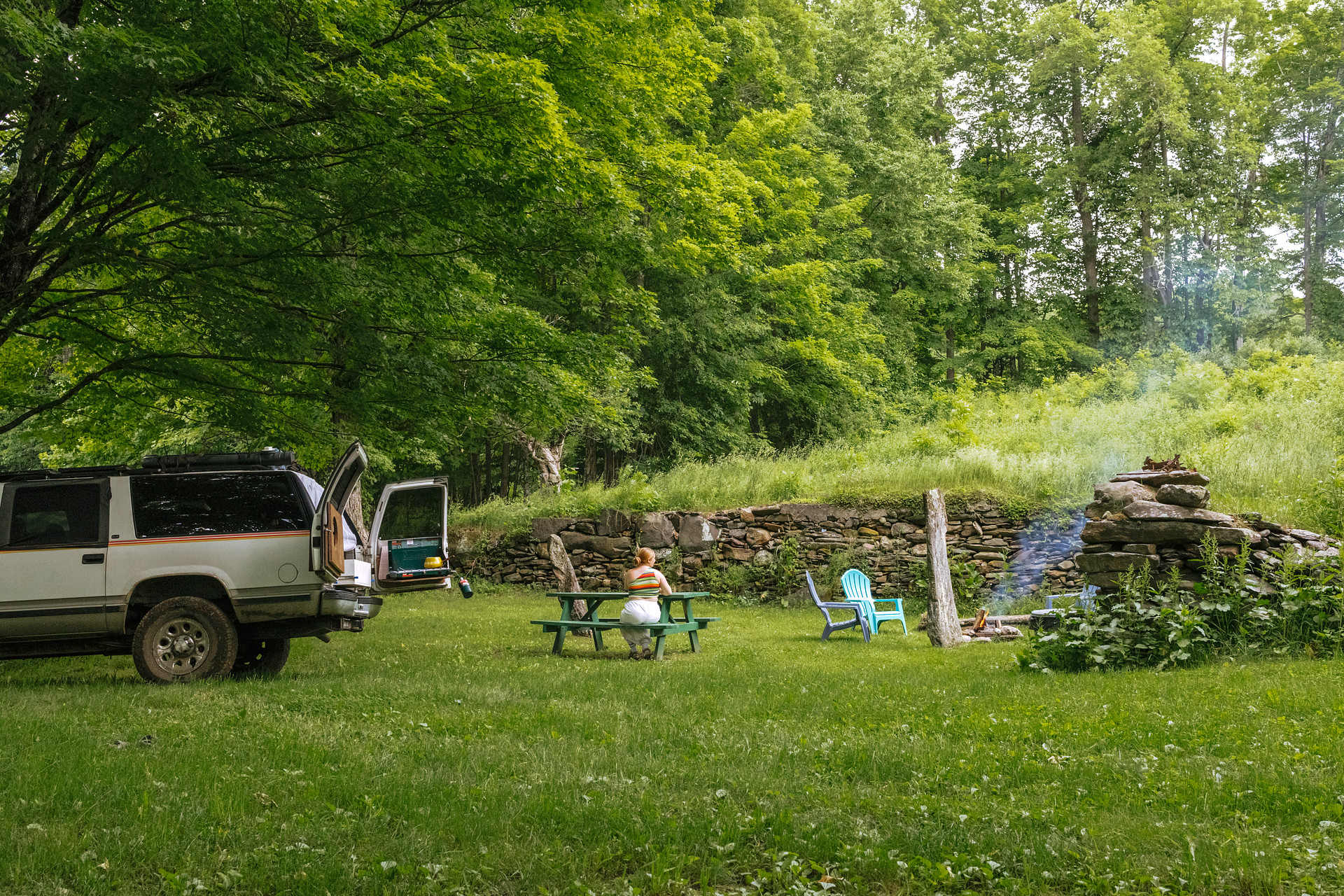
Kindness!
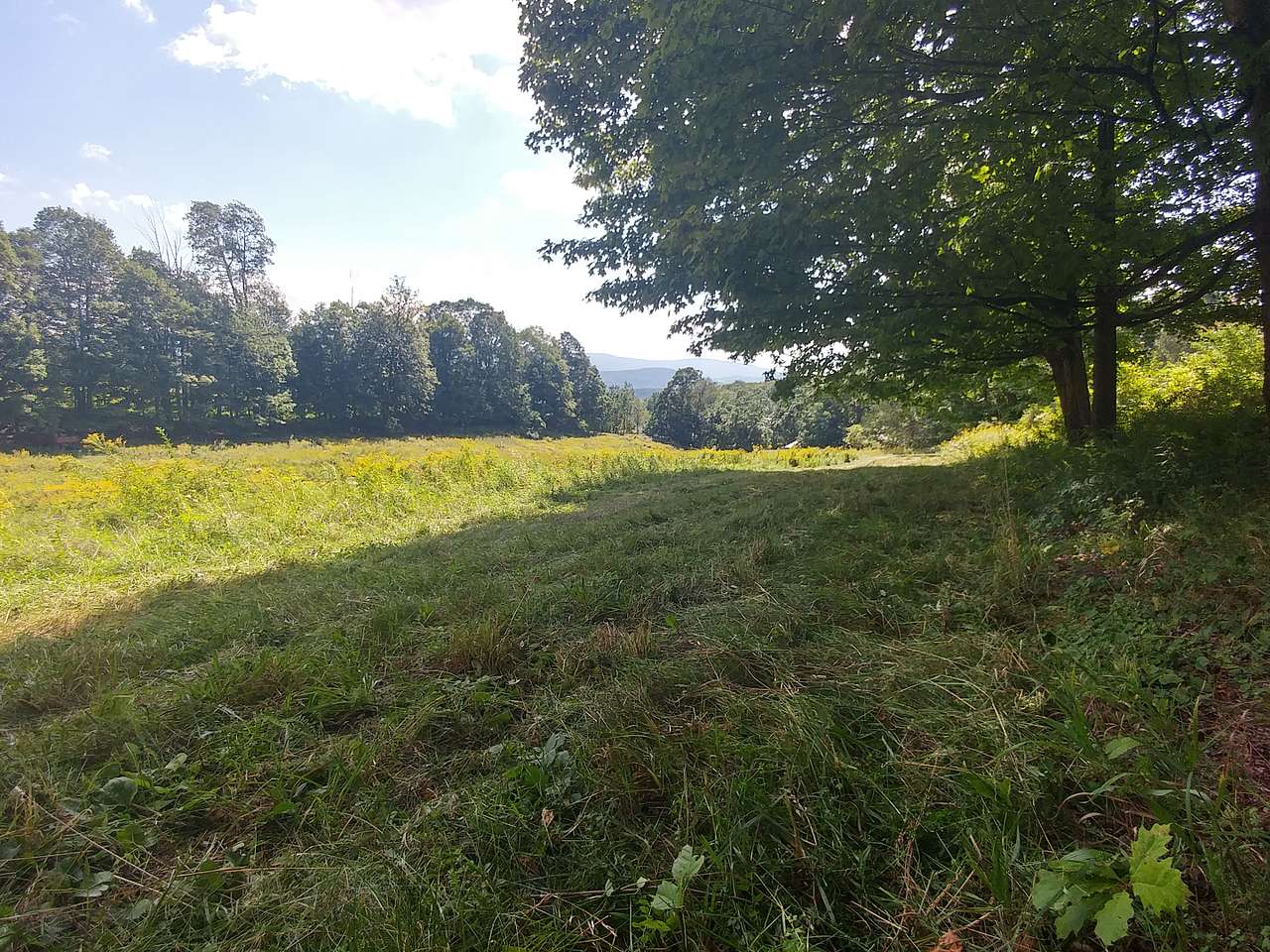
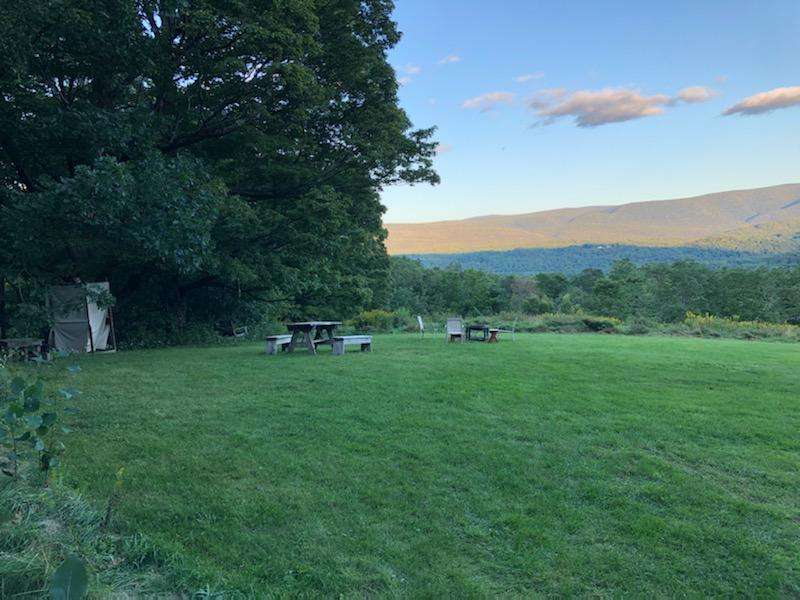
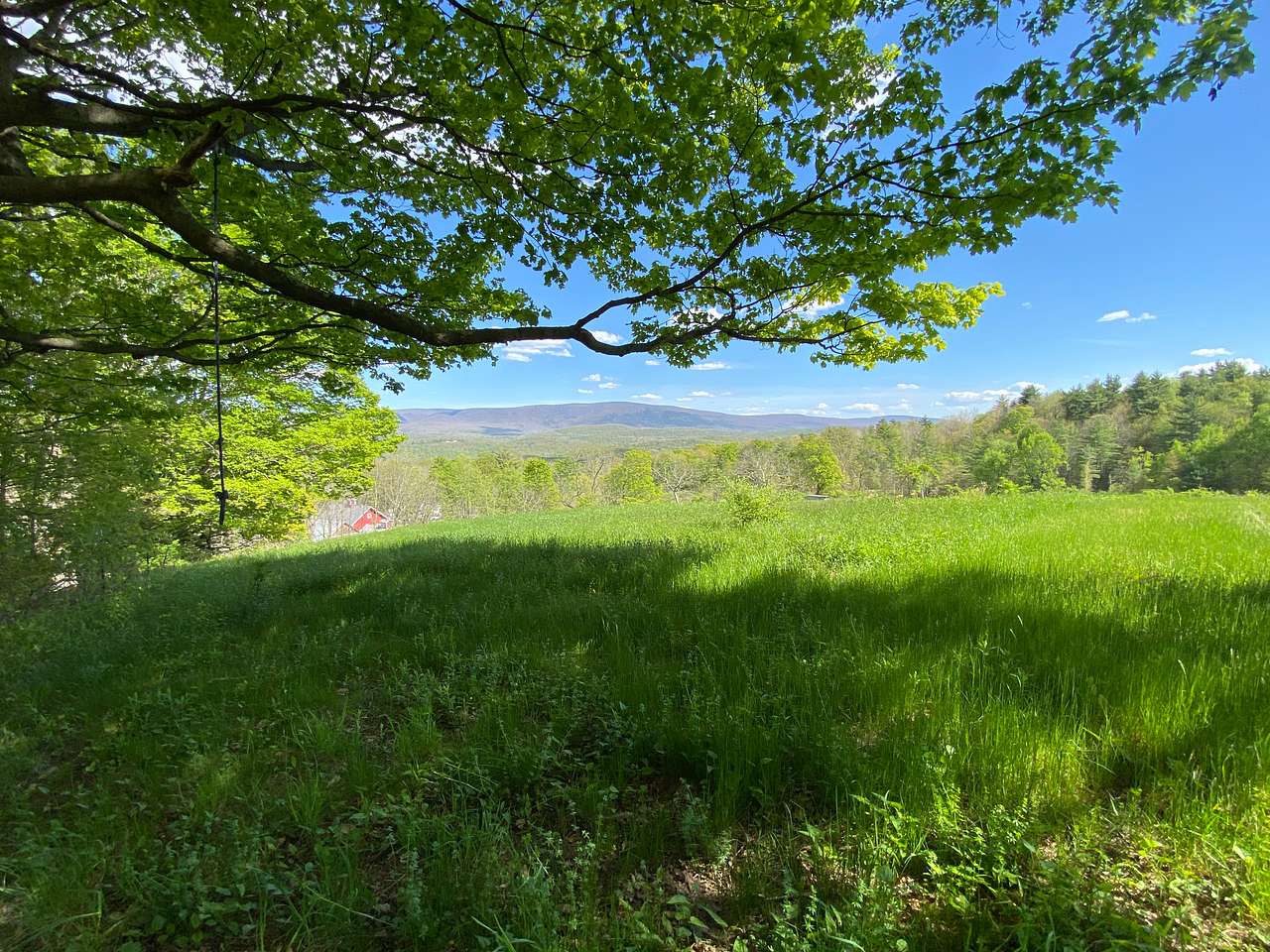
Timbertrail Farm
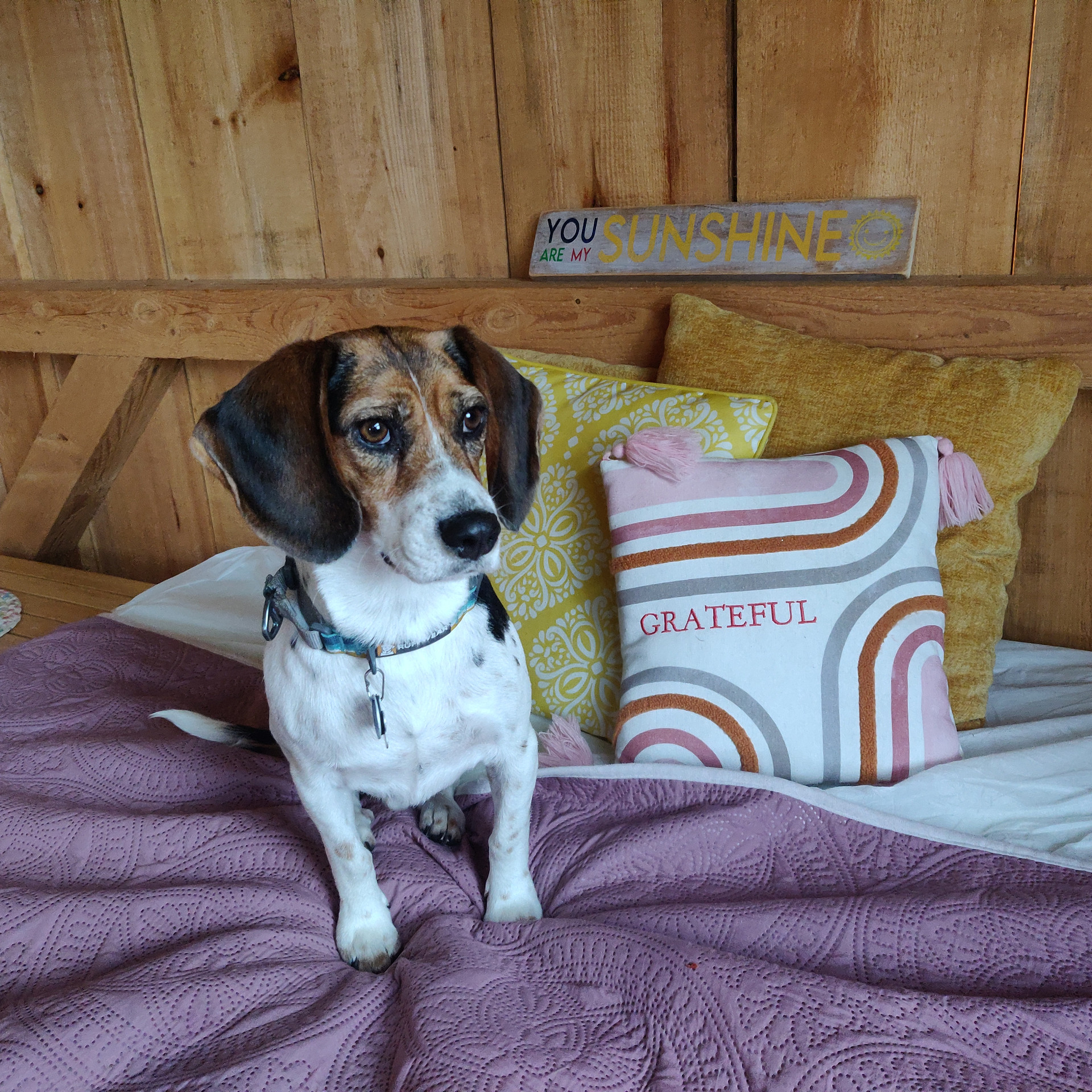
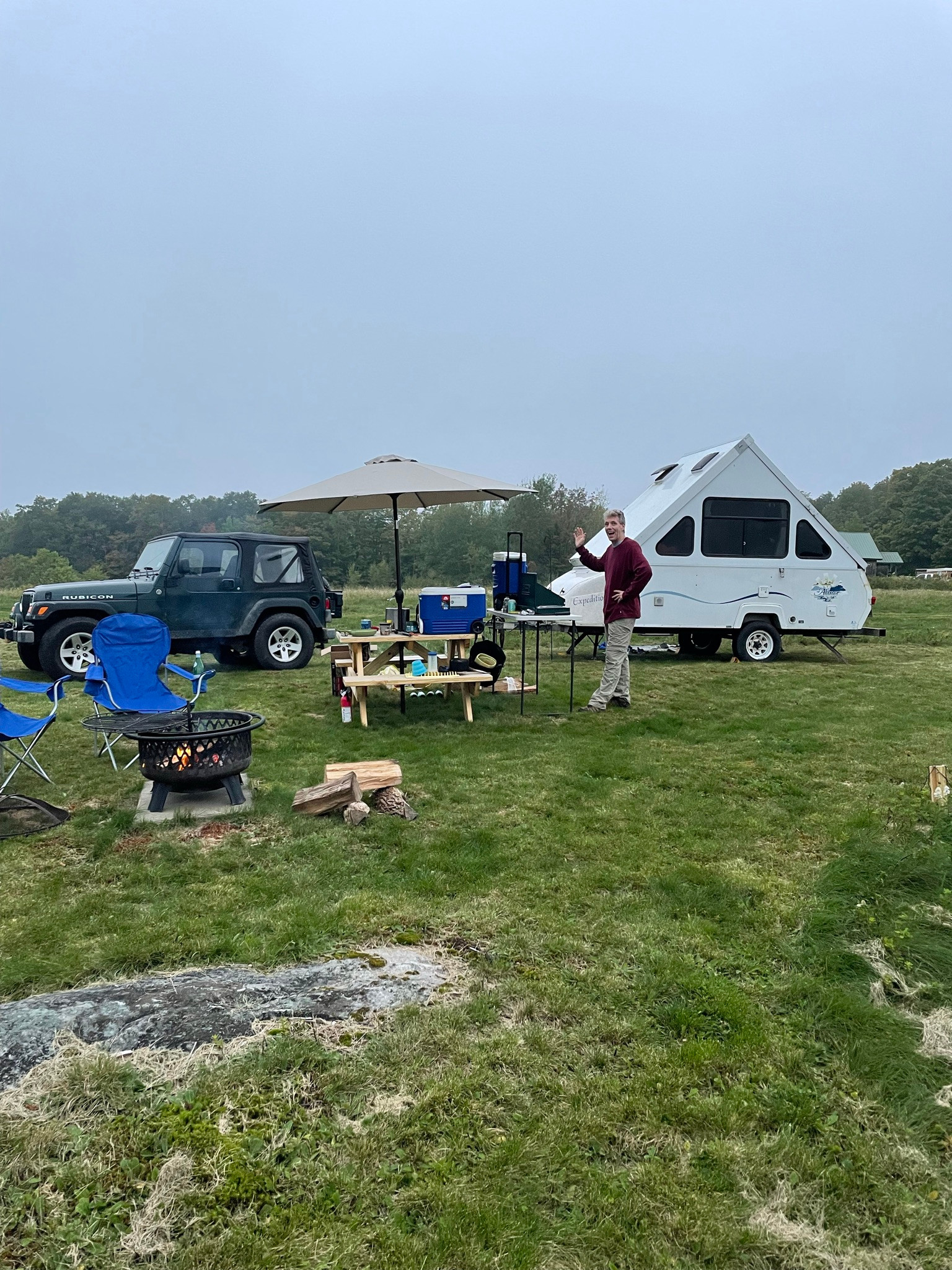
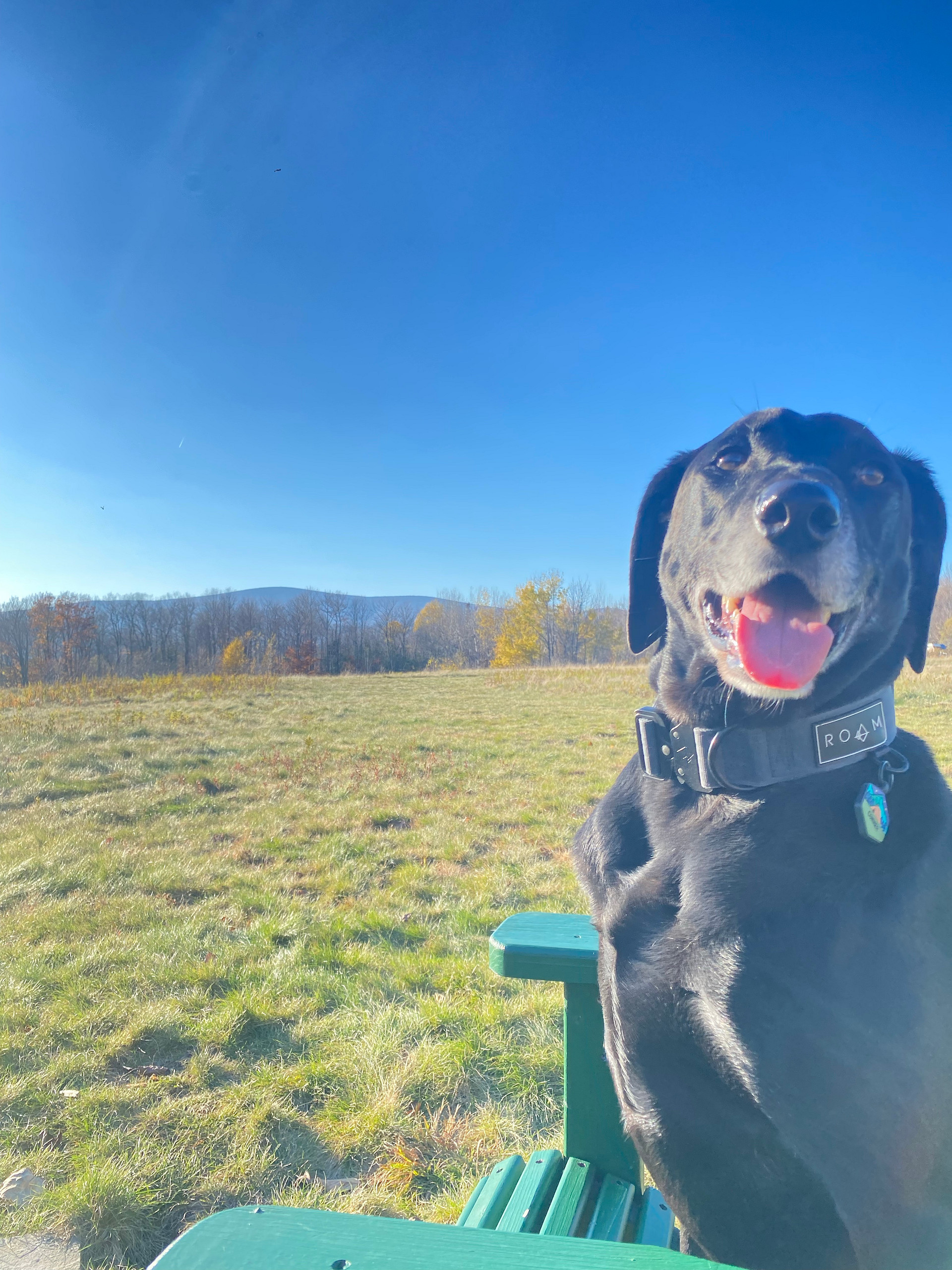
Grateful Acres Vermont
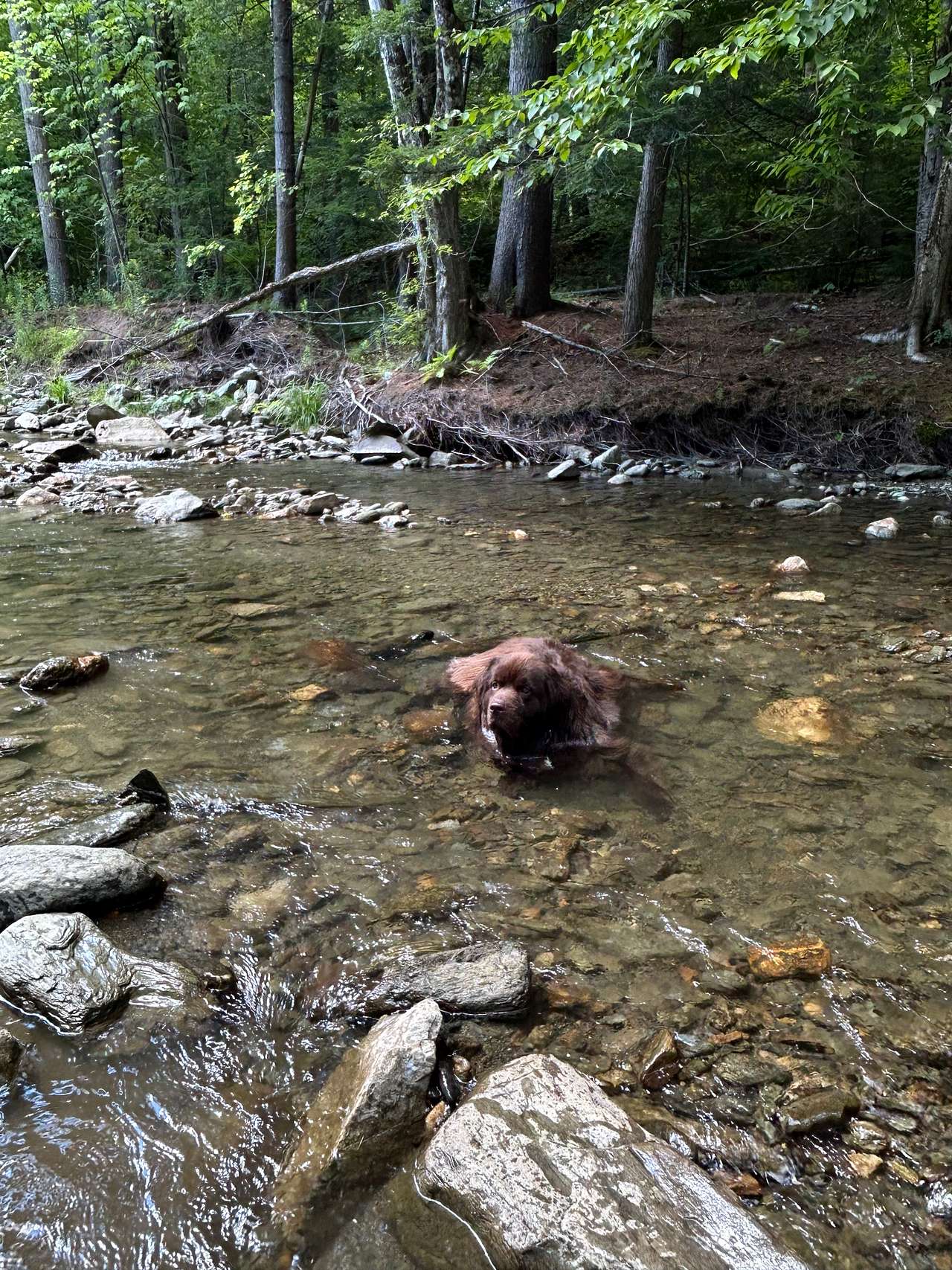
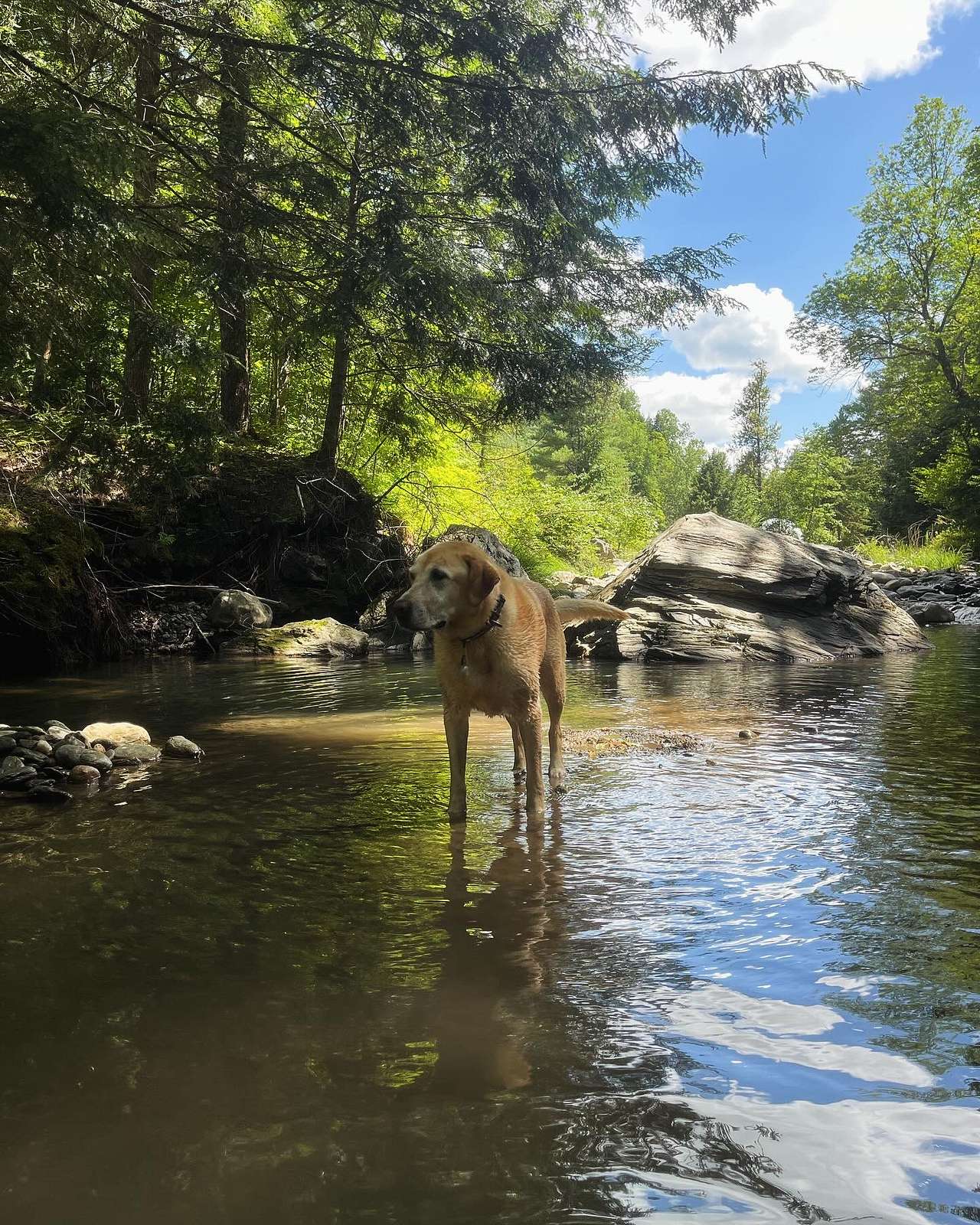
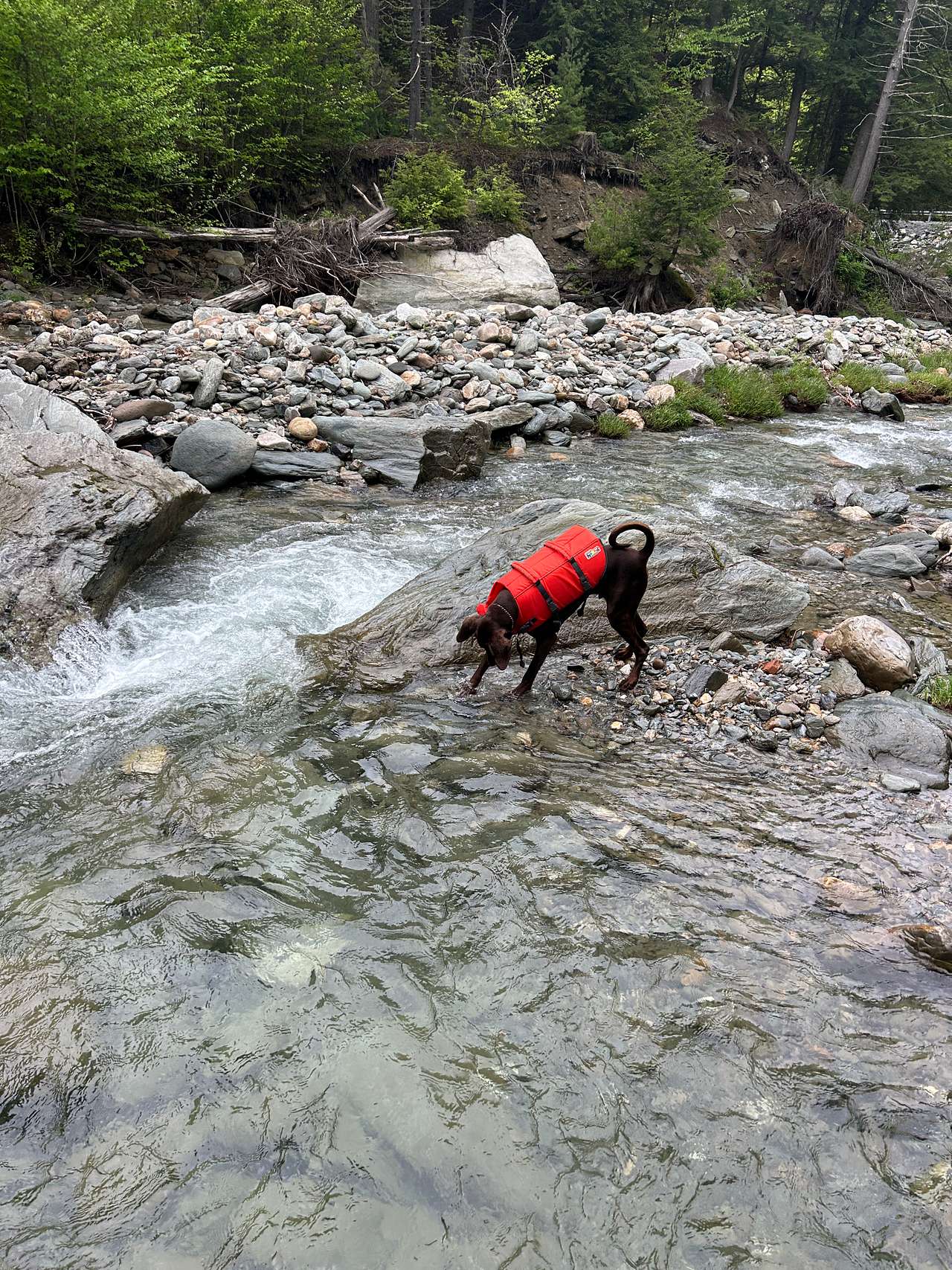
Know Town
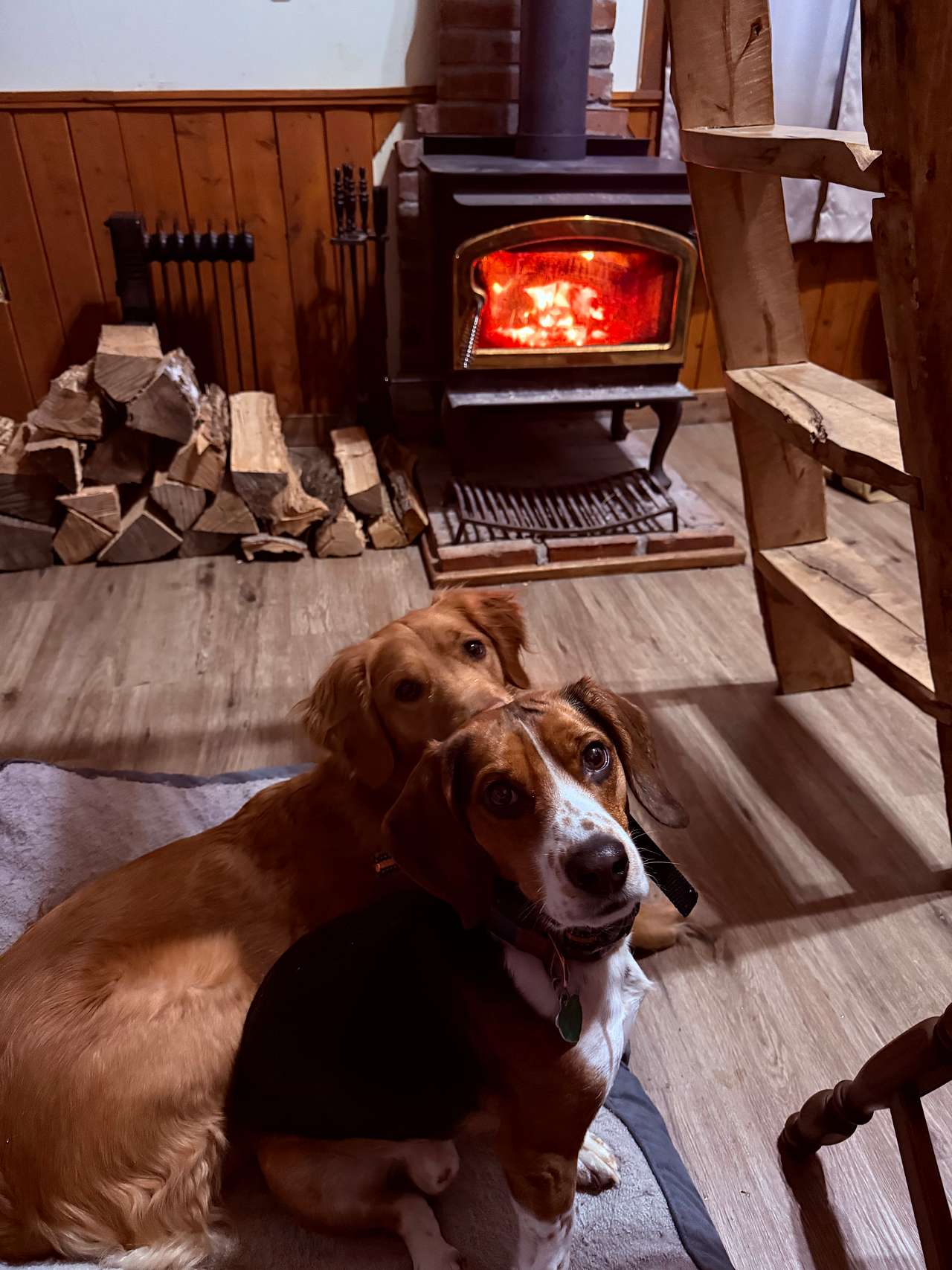
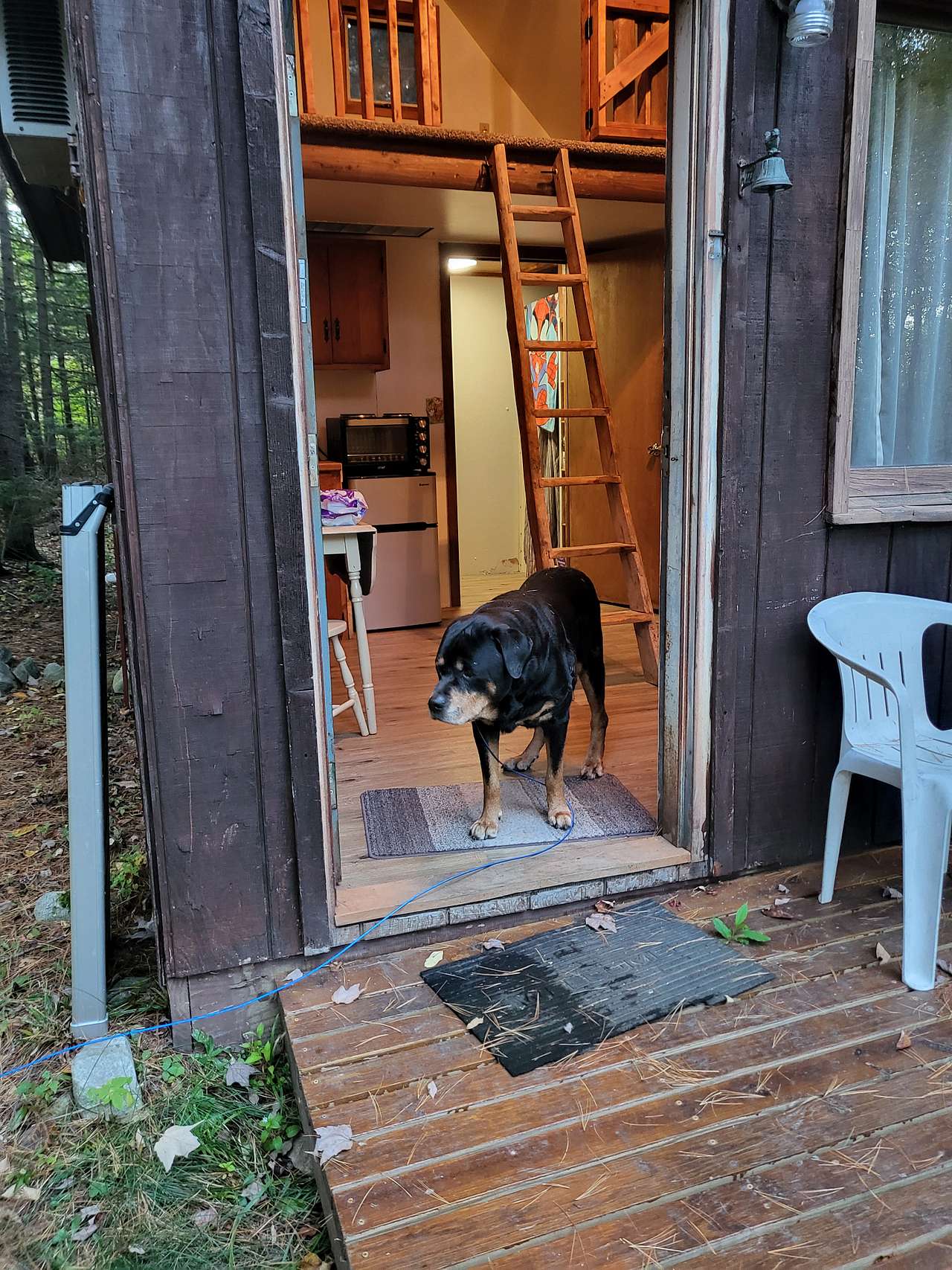
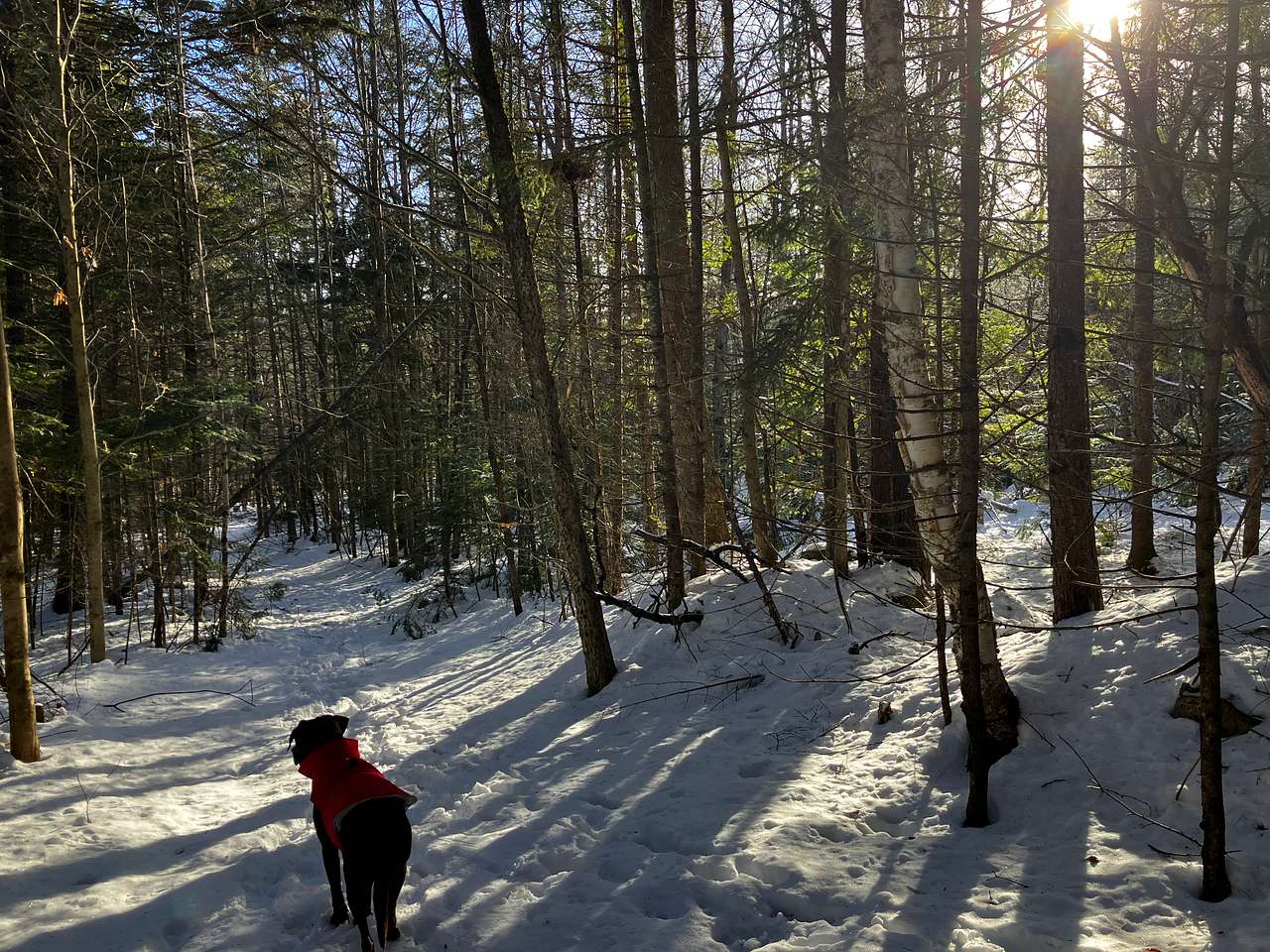
Pine Cone Cabin
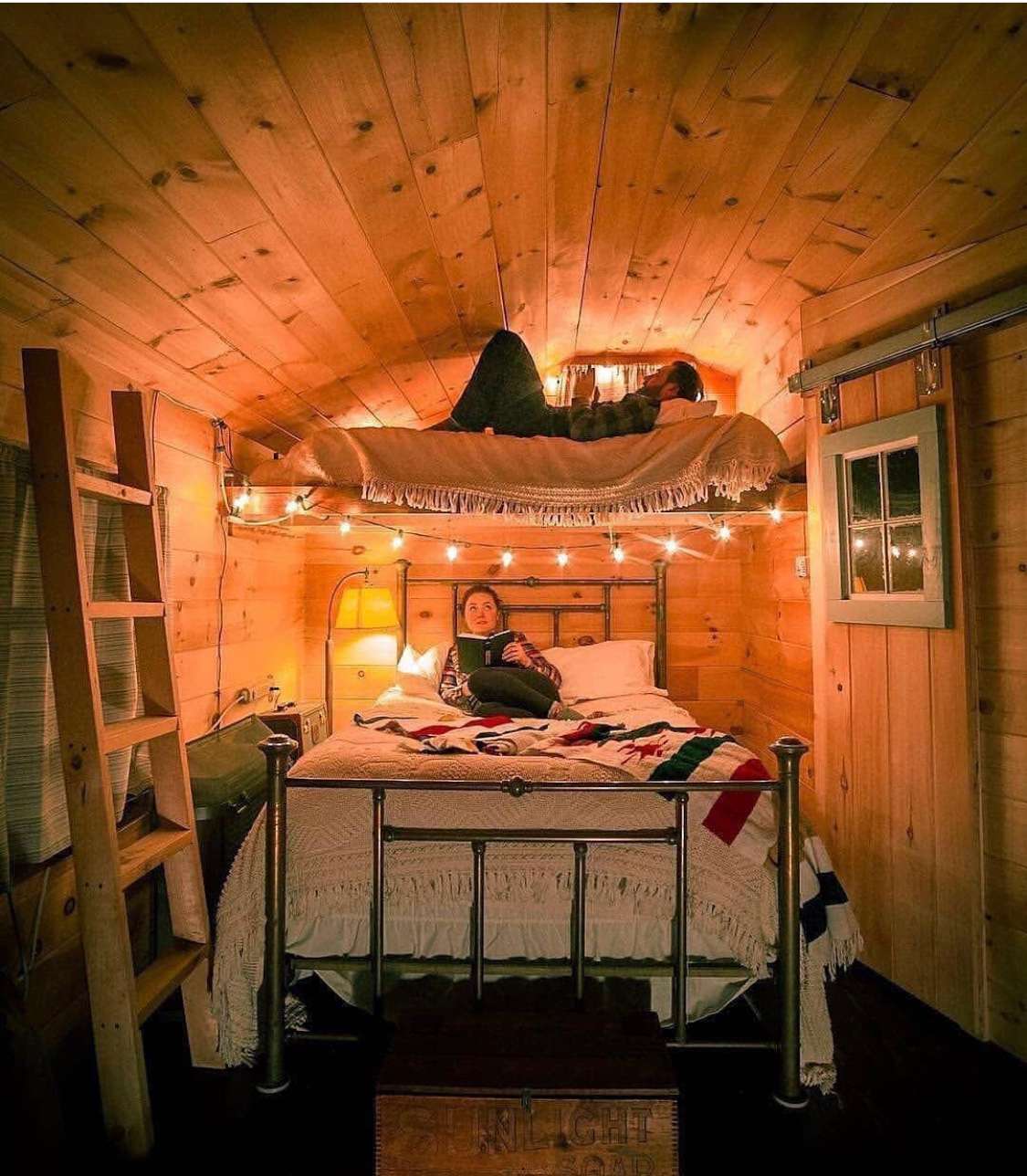
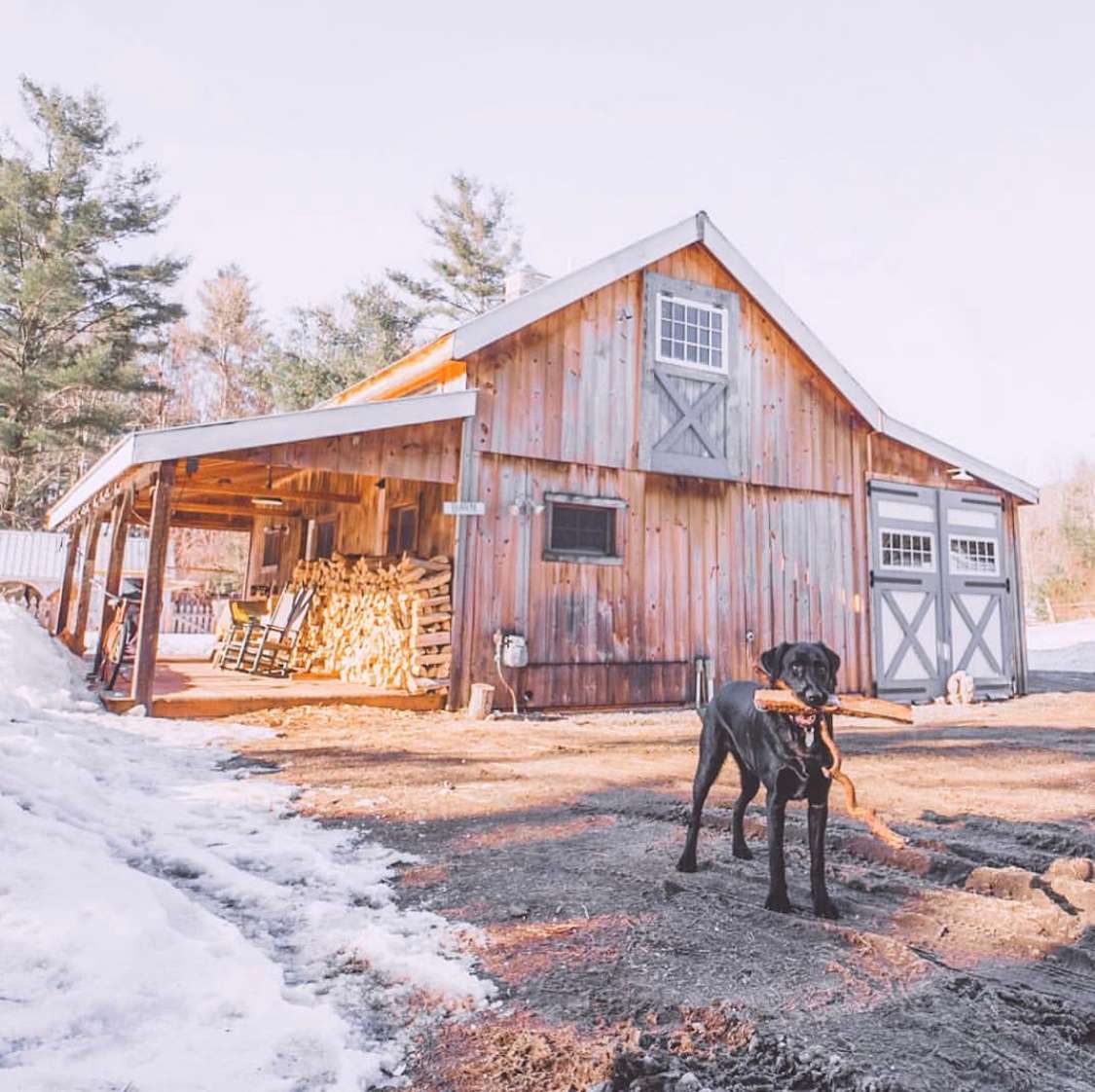
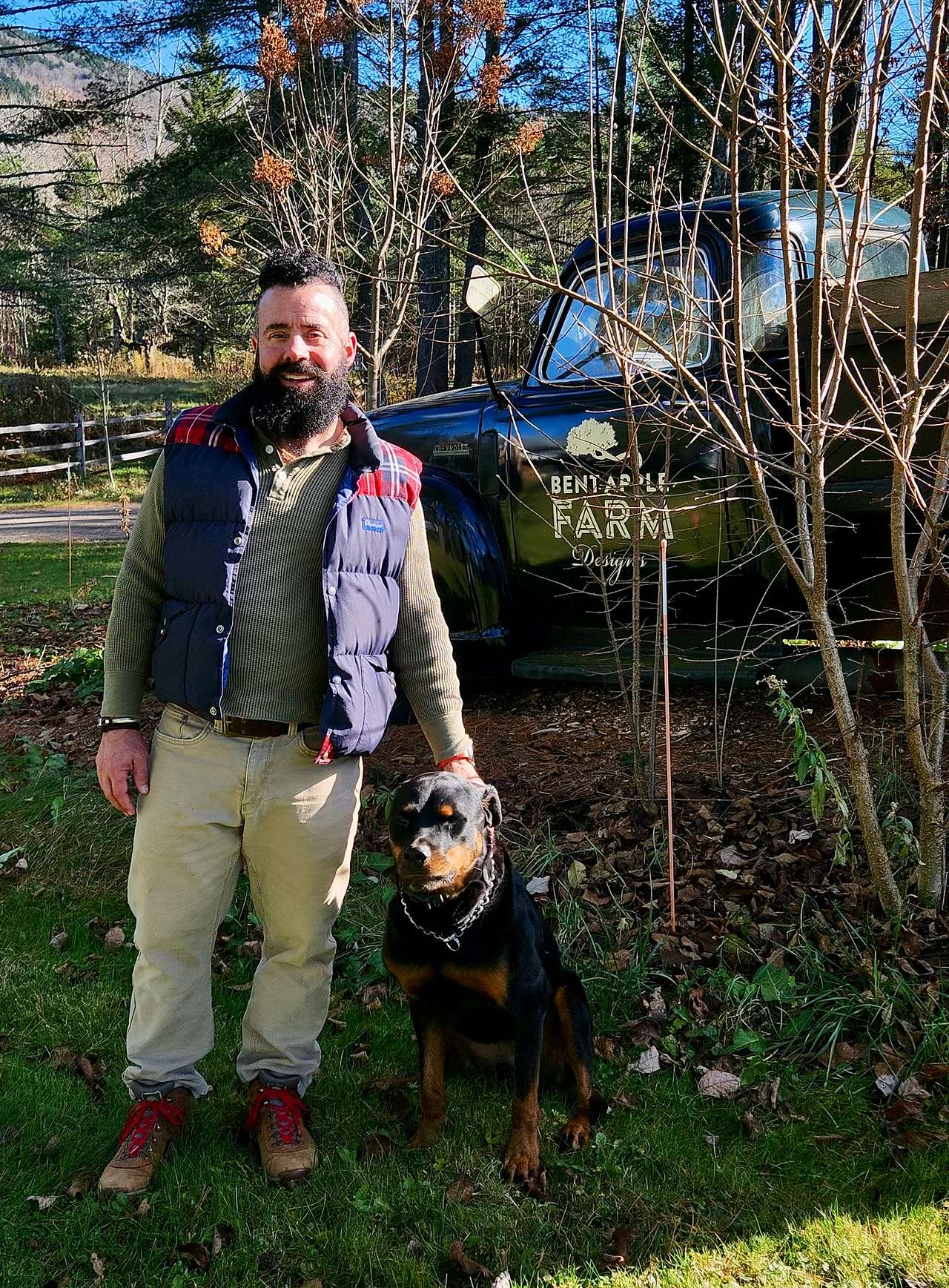
Bent Apple Farm


Green Mountain Getaway


Greenbush Farm
Recent reviews from the Hipcamp community

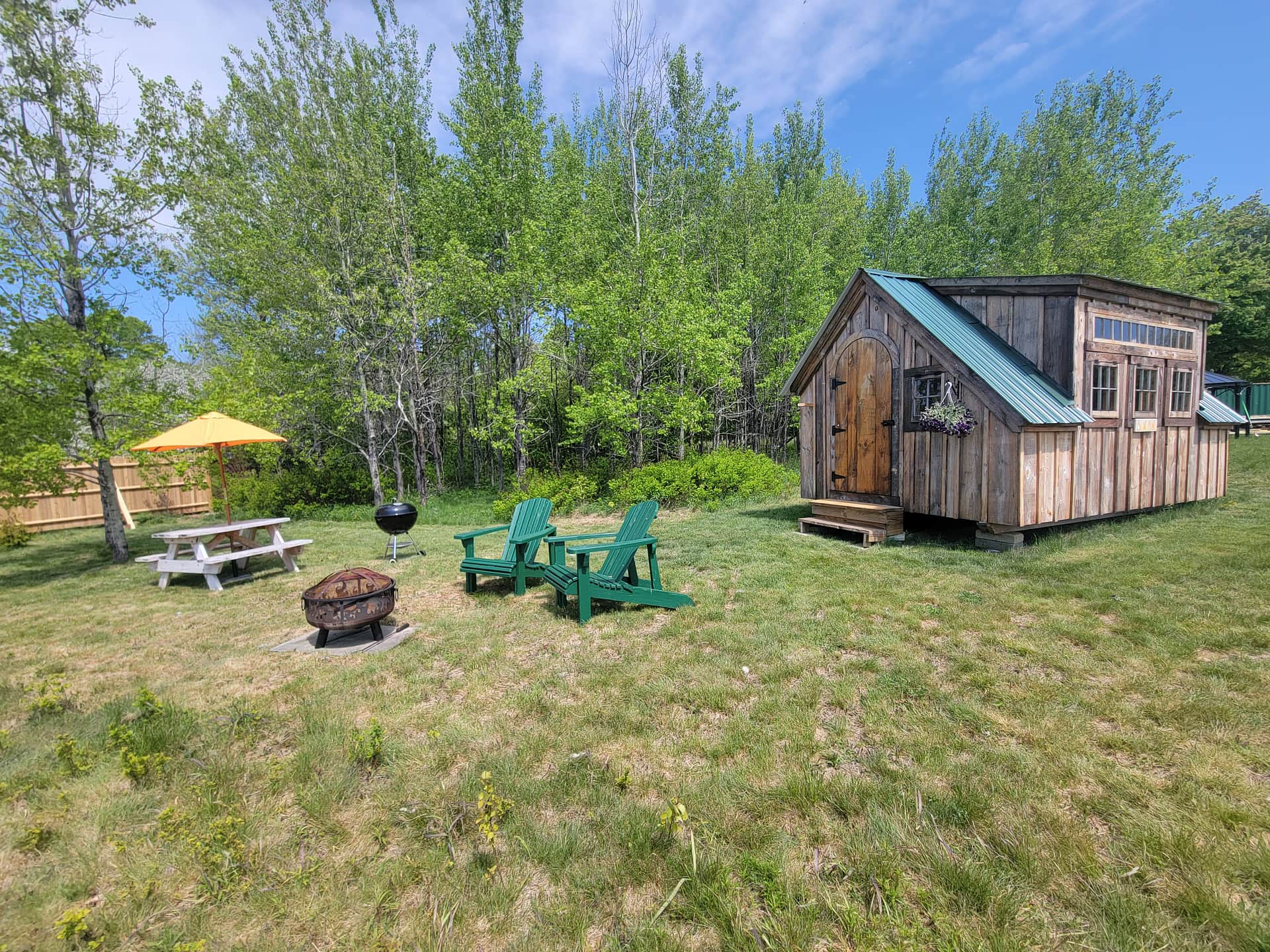

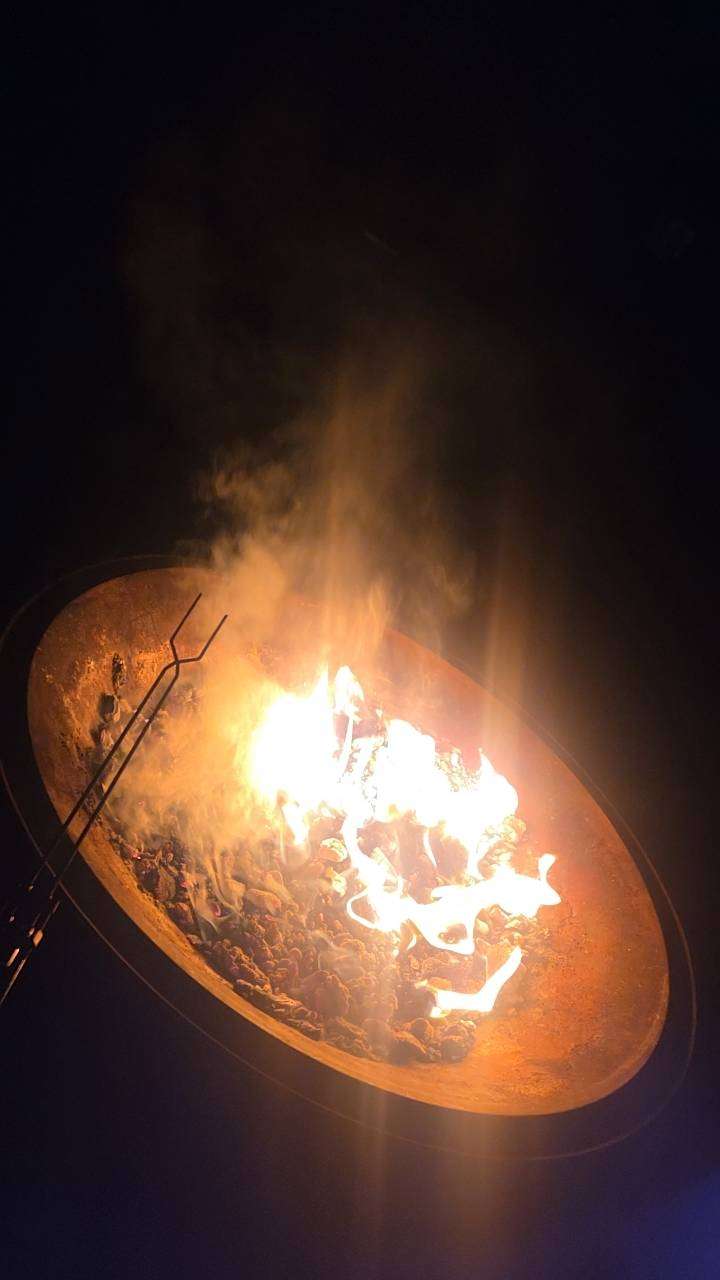
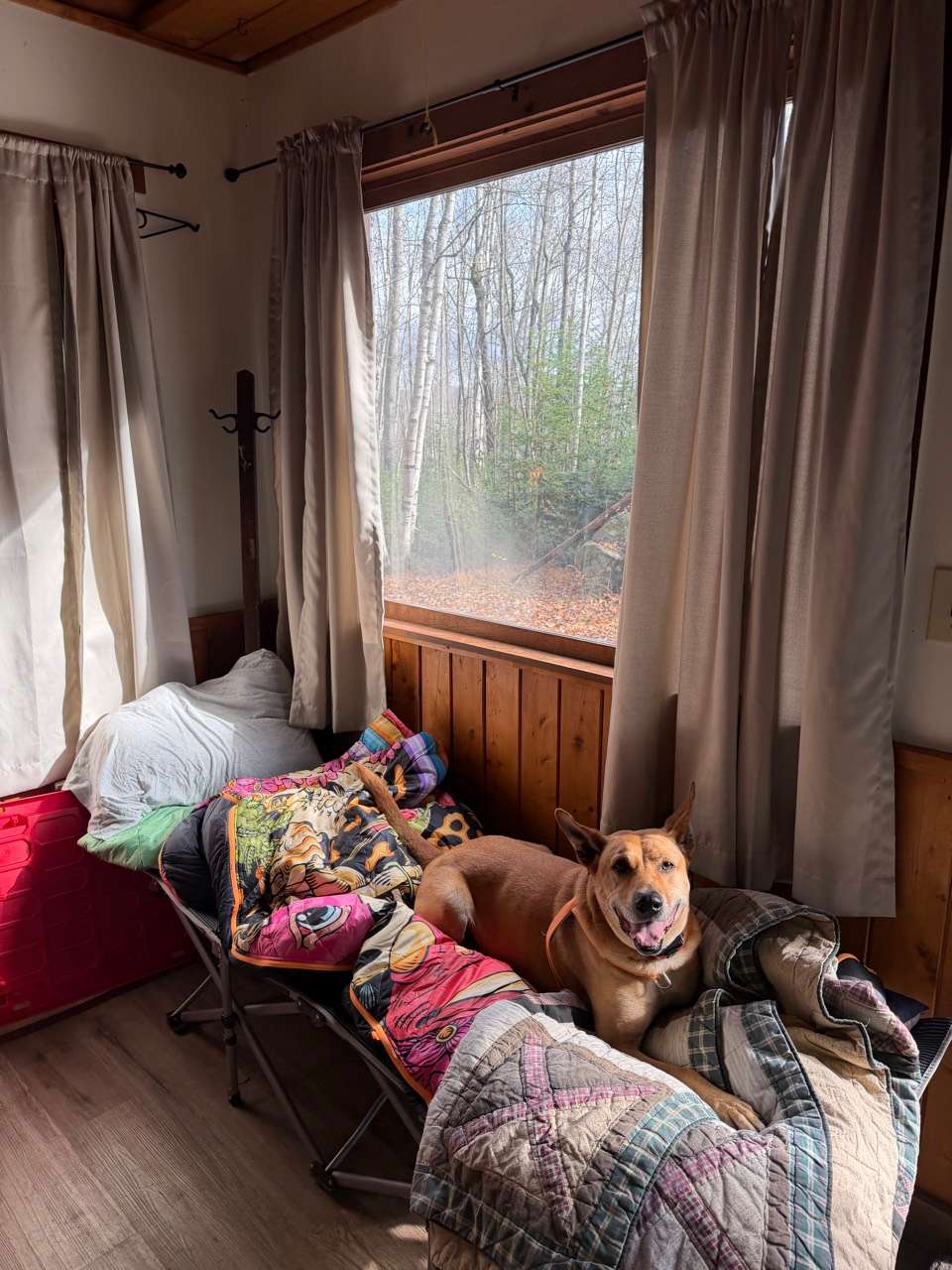

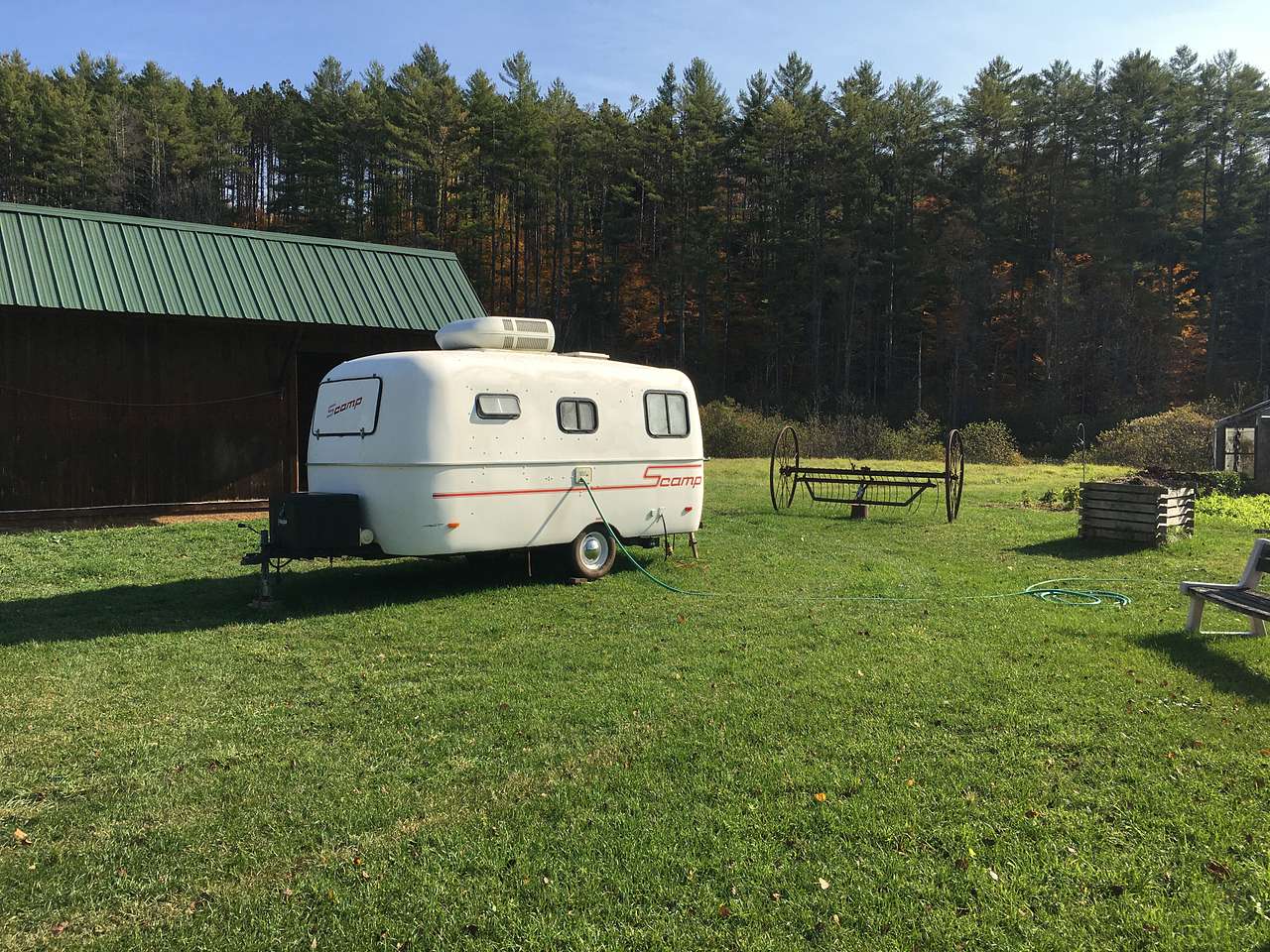
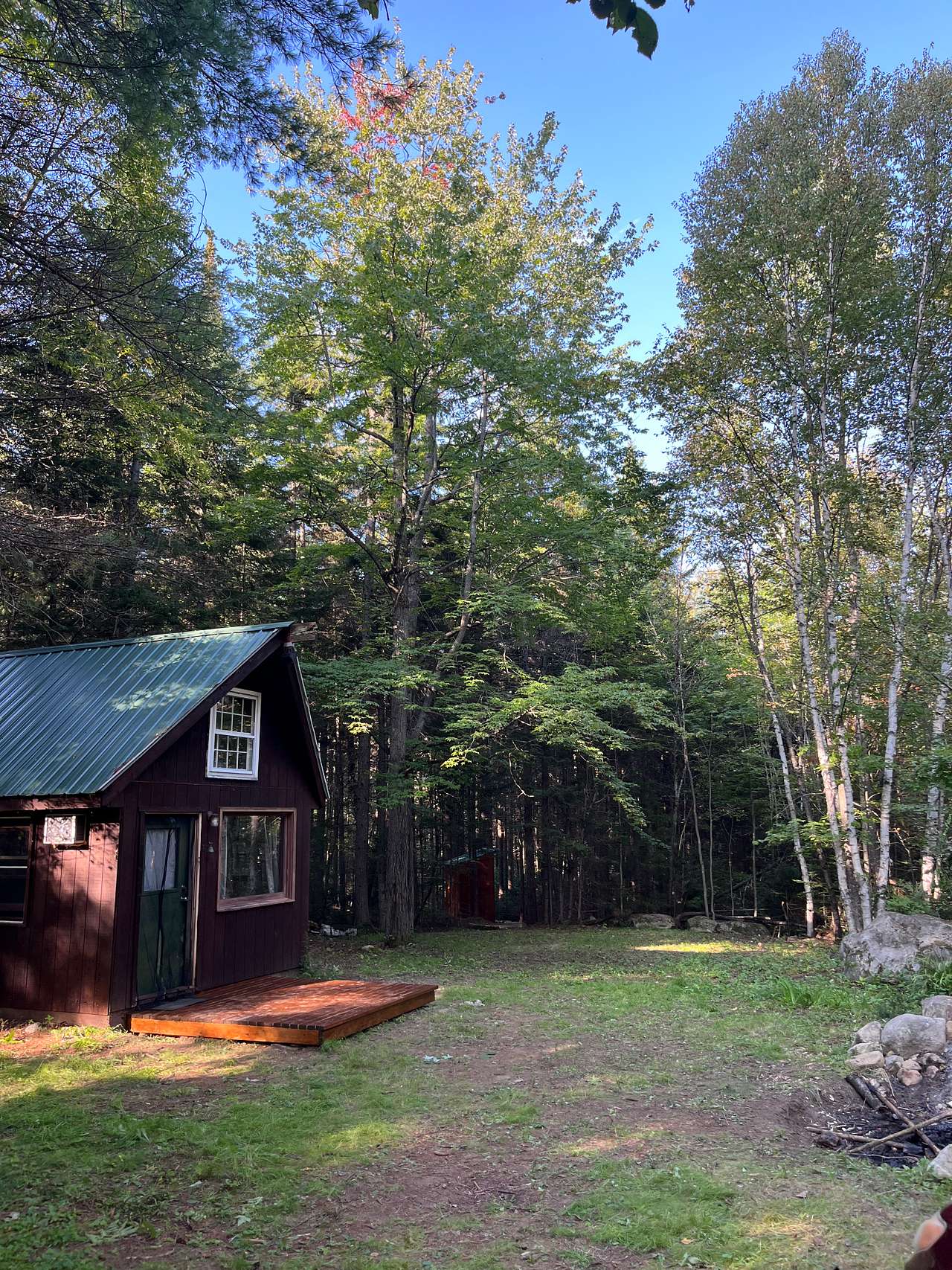
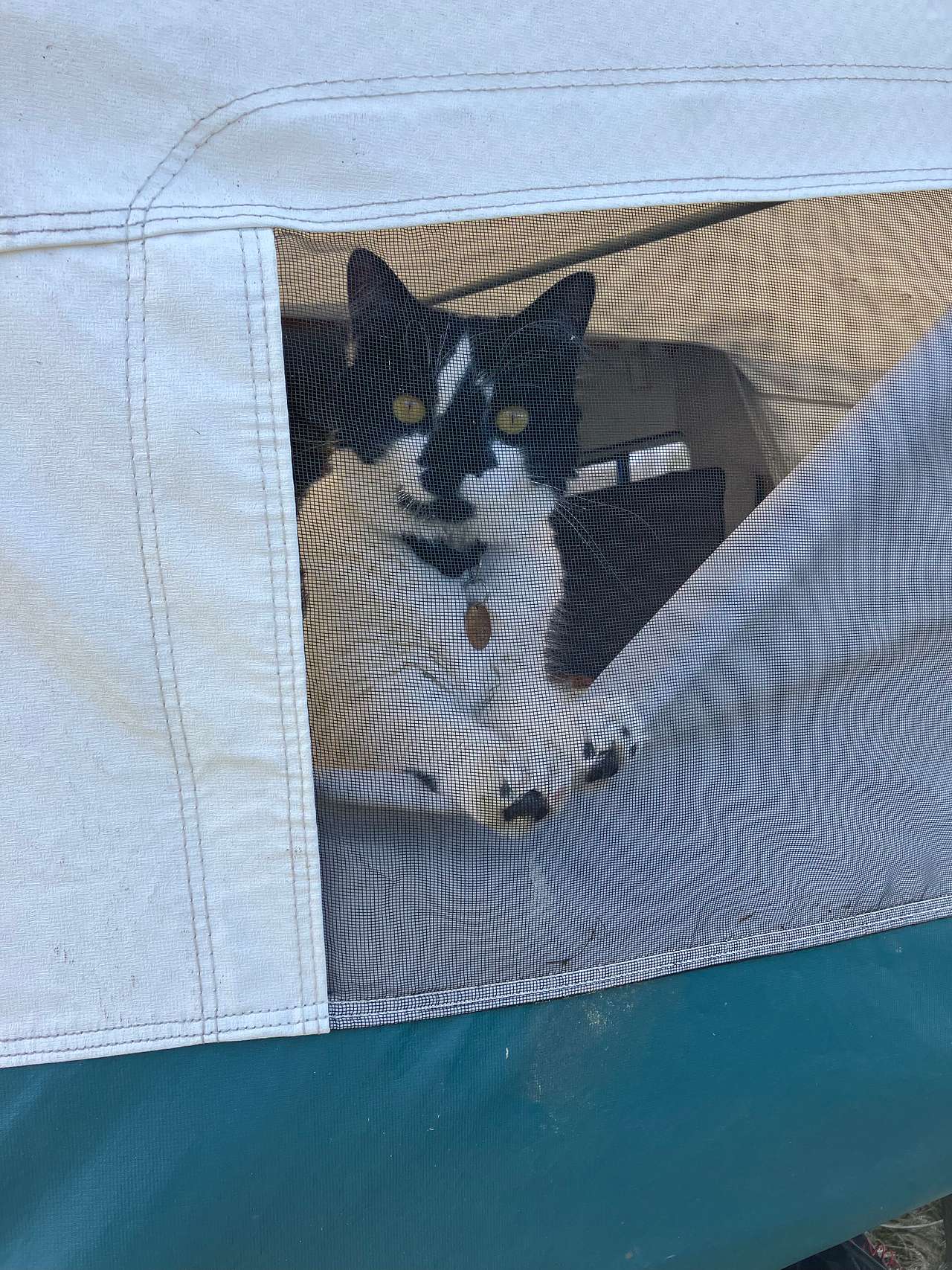
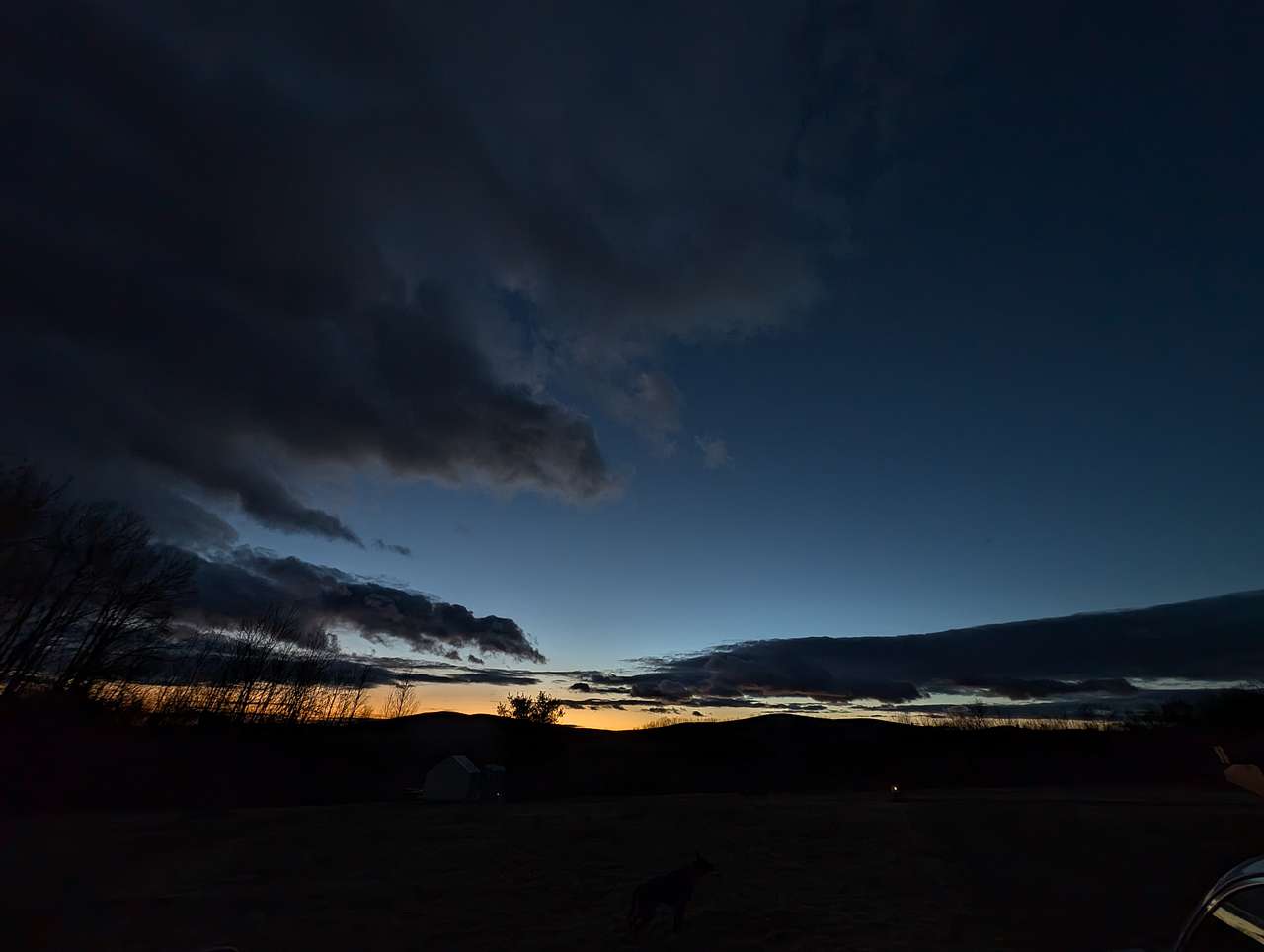





Vermont camping guide
Where to go
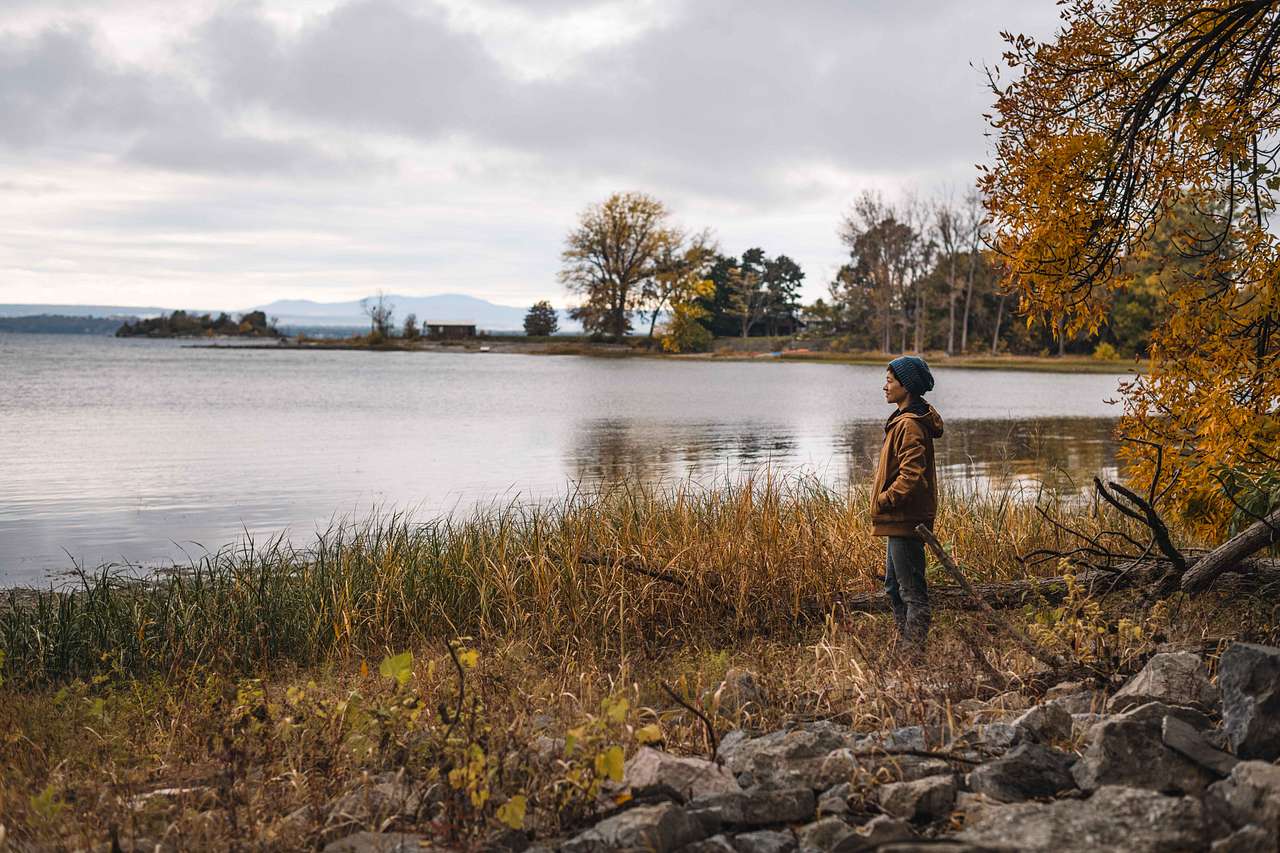
Lake Champlain
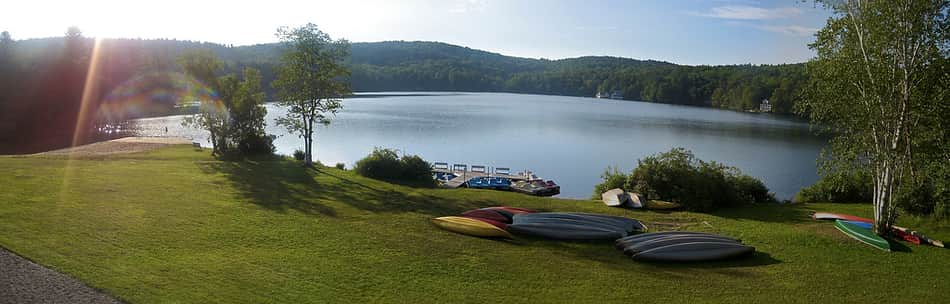
Often referred to as the sixth Great Lake, Lake Champlain is a huge freshwater lake flanked by the Green Mountains and the Adriondacks. Nearly half of the lake is in Vermont, parts of it are also in New York and Quebec, and it's known for boating, sea kayaking, swimming, and an array of camping experiences. Campers will find a variety of options near Lake Champlain from RV sites with full hookups and dump stations, and glamping sites near Burlington and St. Alban, to state parks with tent sites right on the lakeshore of Grand Isle and Burton Island.
The Northeast Kingdom
The northeast corner of Vermont is the state's wildest and most remote region, filled with world-class mountain biking trails and challenging hiking trails. Several state parks dot the area, including some with the northeast's most charming campgrounds: Brighton State Park, where you'll find lakeside camping and waterfront cabins, and Maidstone State Park, a favorite among fishermen.
Green Mountain National Forest
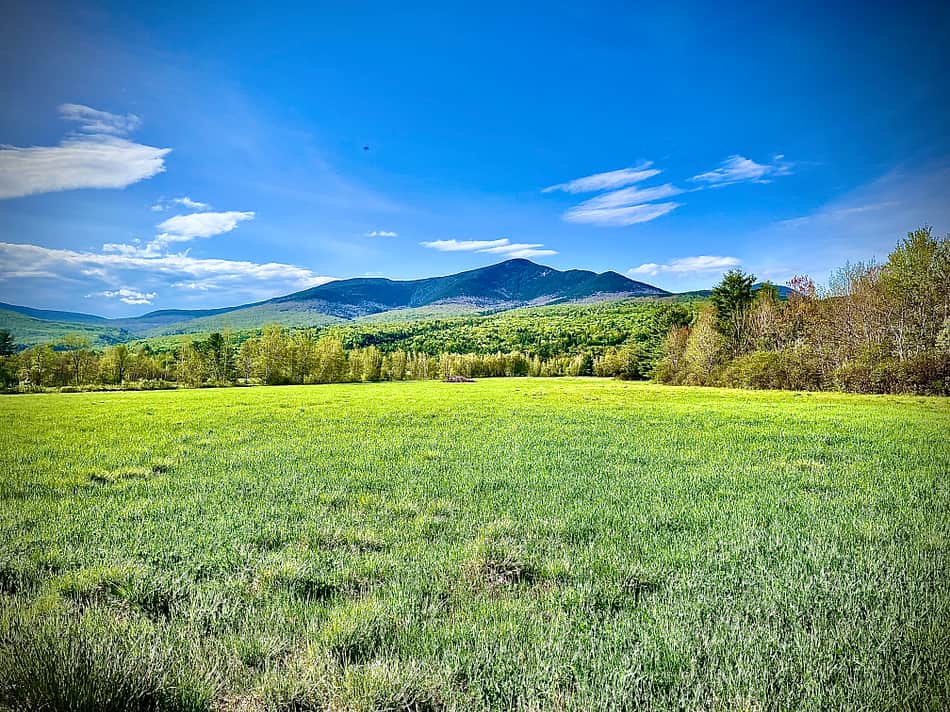
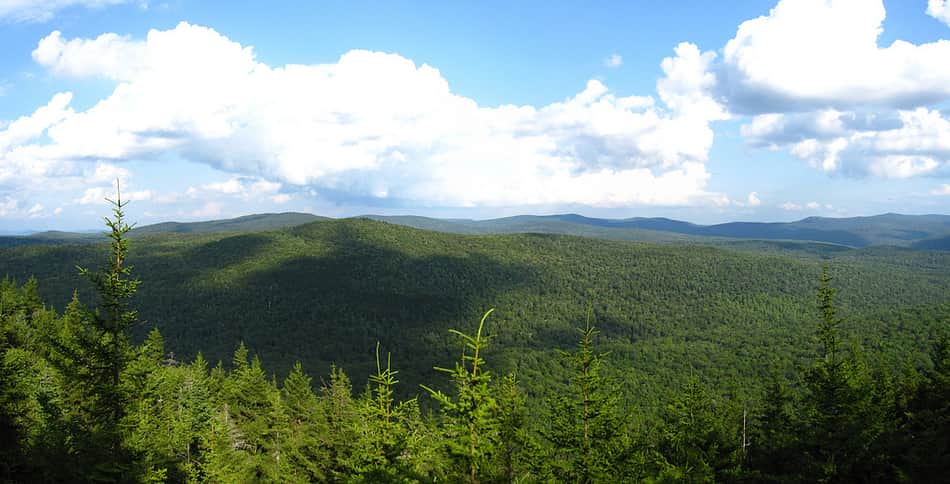
Featuring rolling hills of dense forest and some of the best fall foliage shows in the northeast, Green Mountain National Forest is one of Vermont's top outdoor destinations. Hundreds of miles of trails for hiking, biking, horseback riding, and cross-country skiing weave through the Green Mountains along with nearly a dozen national forest campgrounds and day-use areas.
When to go
Summer is the best time for camping, hiking, kayaking, and paddling in Vermont. Most Vermont state parks are open from Memorial Day weekend through Labor Day weekend, although some parks are open through the second Monday in October and others open earlier and stay open later. Fall is especially lovely, when the leaves turn vibrant shades of red, orange, and yellow—catch the show in late September in the northern part of the state or mid-October in the south. Ski season typically runs from December through March.
Know before you go
- Vermont State Park reservations can be made up to 11 months in advance. Reservations can be made online, by calling the state park's reservations center, or by calling the park directly (during open season).
- Many Vermont State Parks have "lean-to" campsites featuring a 3-sided structure that can shelter campers from wind and help keep gear dry. Some campers set up tents inside the lean-to, and others just use it for cooking and staying dry.
- Some Green Mountain National Forest and Groton State Forest campgrounds can be reserved ahead of time online. Plenty of first-come, first-served campsites are also available.
Frequently Asked Questions
In Vermont, you can find free camping in the Green Mountain National Forest. Dispersed camping is allowed in most areas of the forest, but it's important to follow Leave No Trace principles and be aware of any specific regulations. For more information about camping in Vermont, you can explore Hipcamp.
In Vermont, you cannot camp anywhere, but there are designated areas where you can camp legally. Dispersed or wild camping is allowed in Vermont's Green Mountain National Forest, as long as you follow the rules and regulations. You must camp at least 200 feet away from trails, roads, and water sources. Additionally, there are numerous designated campgrounds, both public and private, throughout Vermont. You can find a variety of camping options on Hipcamp, including tent camping, RV parks, and unique accommodations like cabins and yurts.
Boondocking, also known as dispersed camping or dry camping, is legal in Vermont on public lands like national forests and some state forests, where you can camp for free without amenities. In the Green Mountain National Forest, there are designated areas for dispersed camping, and you can find more information about these locations on the Green Mountain National Forest website. Make sure to follow Leave No Trace principles and any posted regulations when boondocking in Vermont. Additionally, you can find private land options for boondocking on Hipcamp.
Pennsylvania, Vermont, and Maine are known for having the longest fall foliage seasons in the United States, typically from mid-September through October. This is due to their diverse ranges of tree species and northern latitude. Check out the Hipcamp fall foliage prediction map to know exactly when to plan your fall foliage getaway to these northeastern states.