Top-rated campgrounds in Ohio
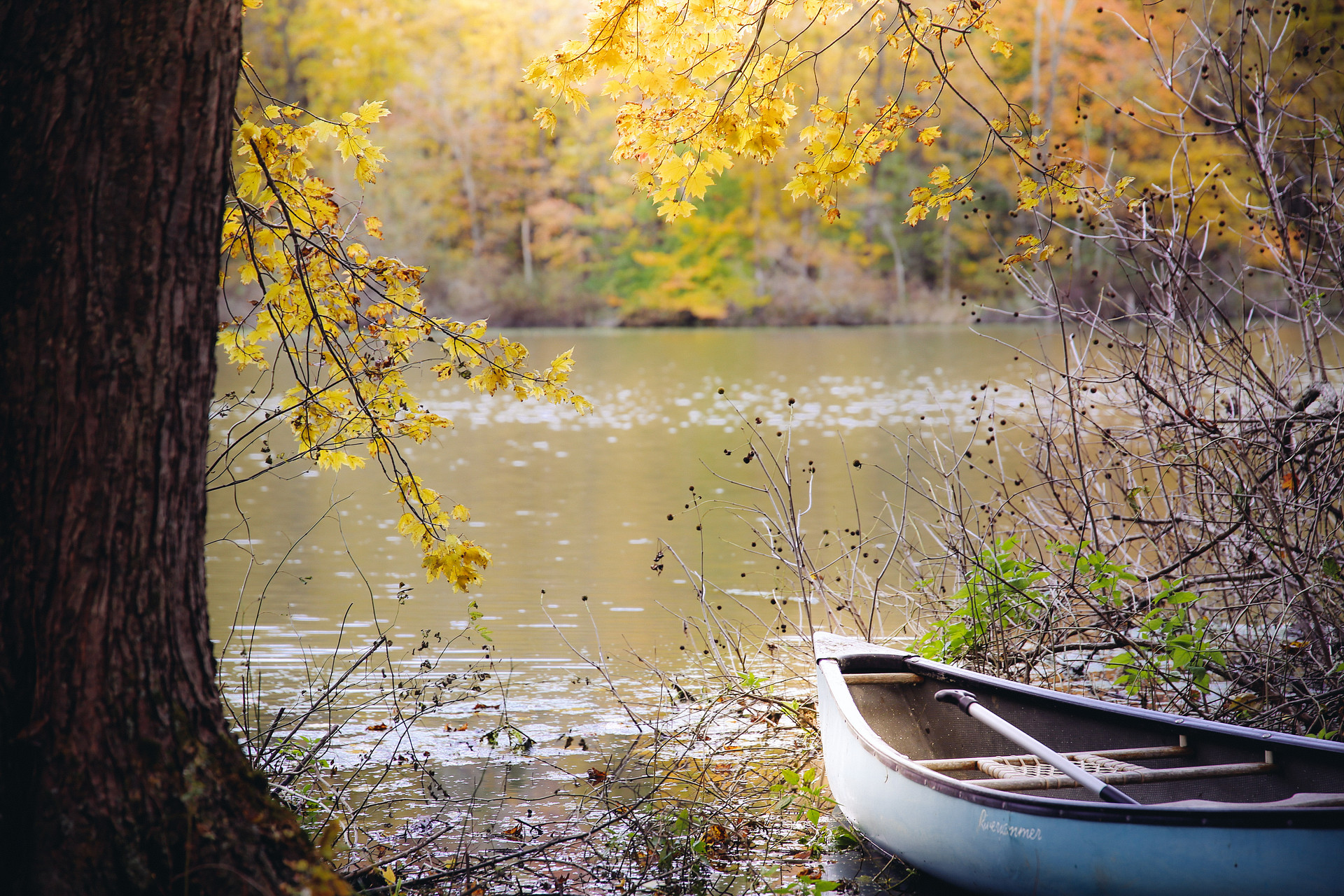
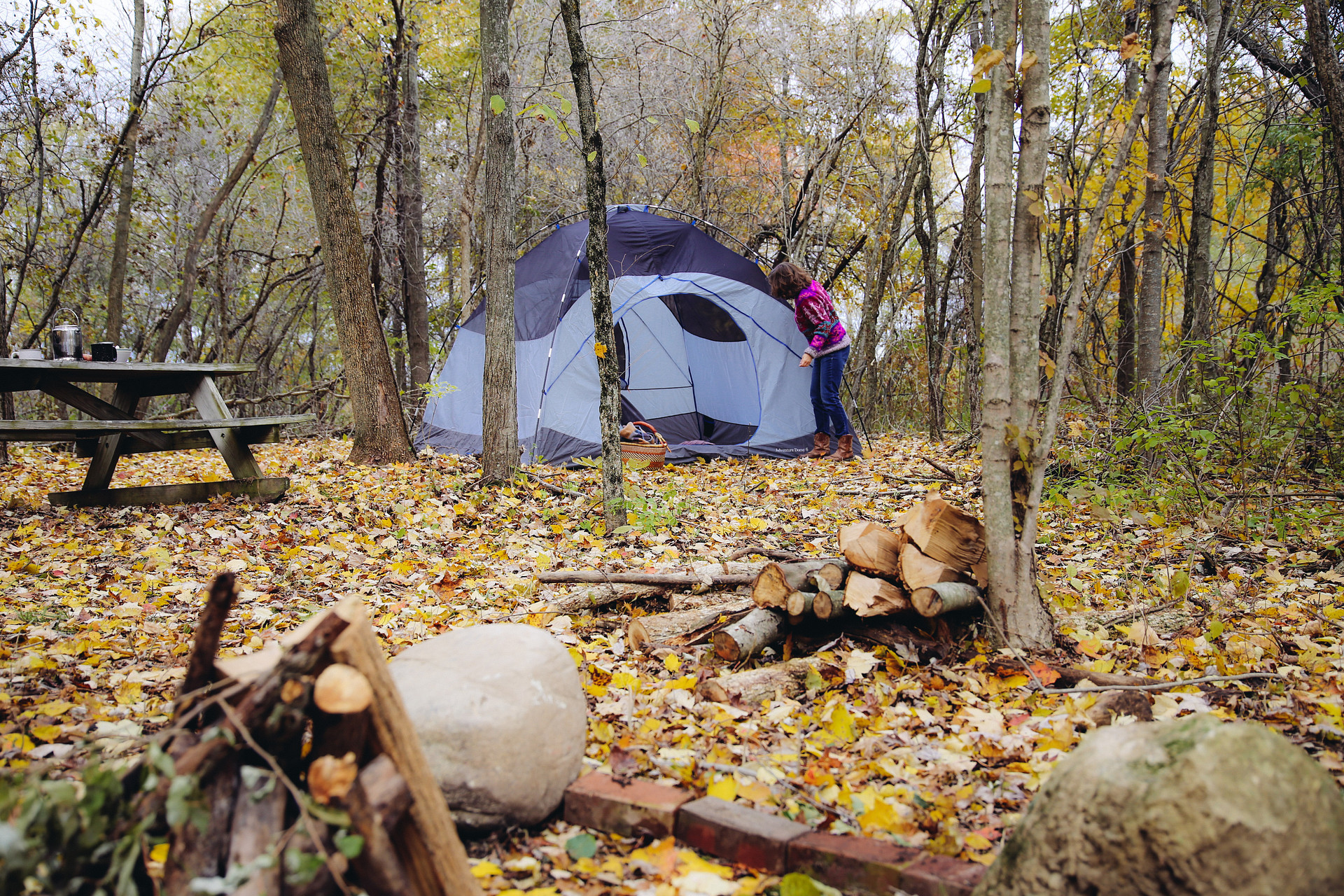
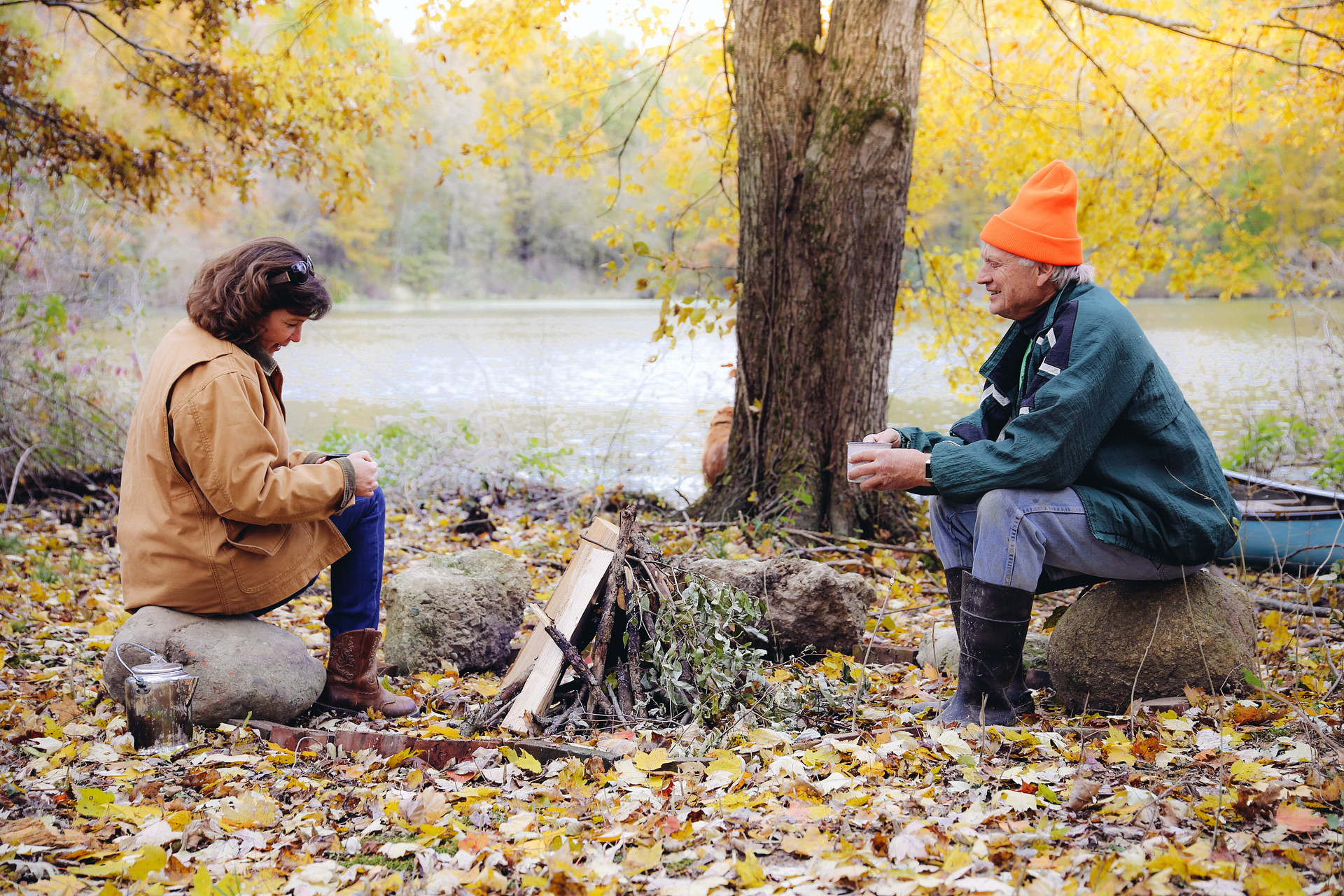
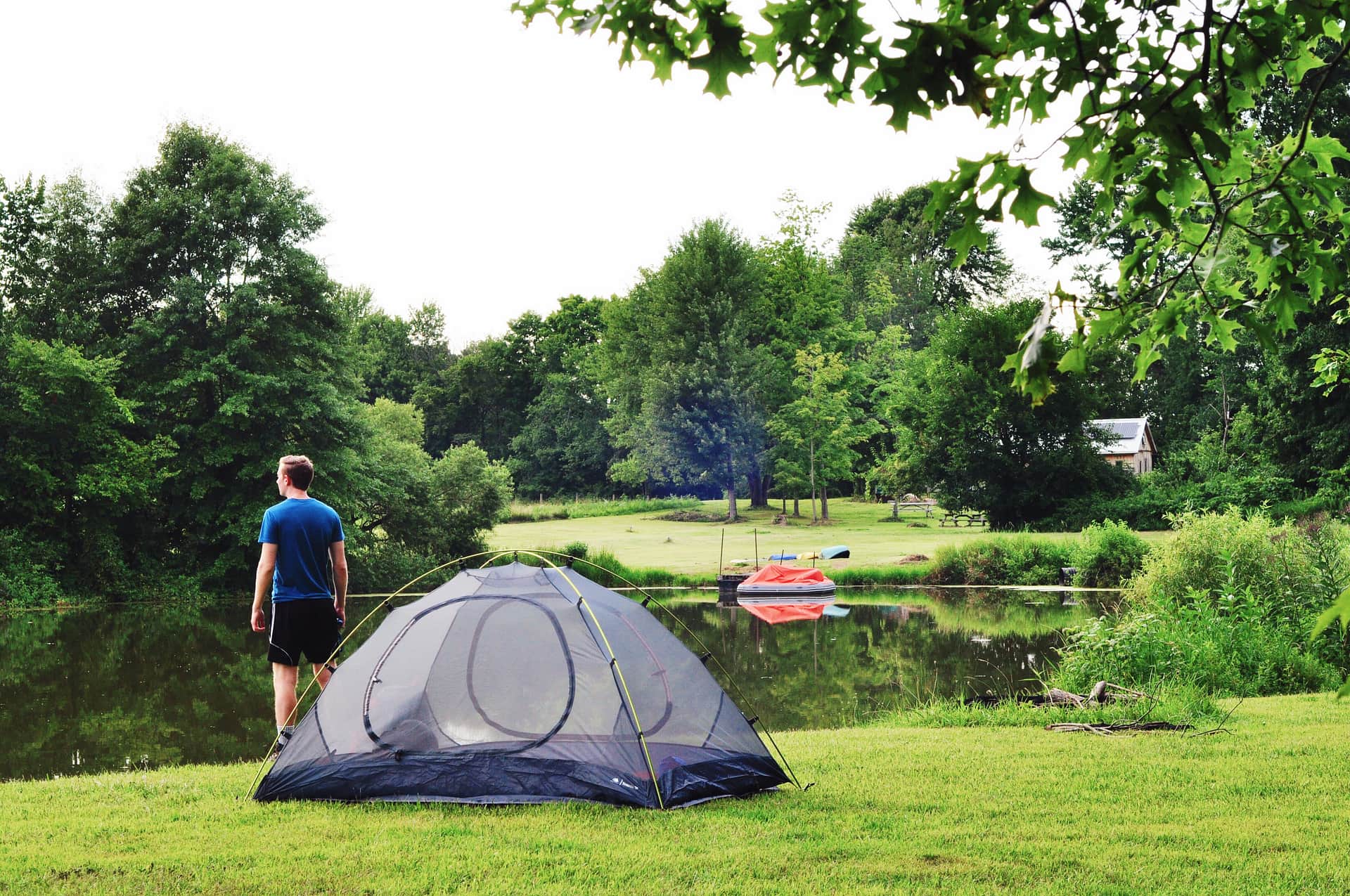
1. The Lake at the Flying J Farm
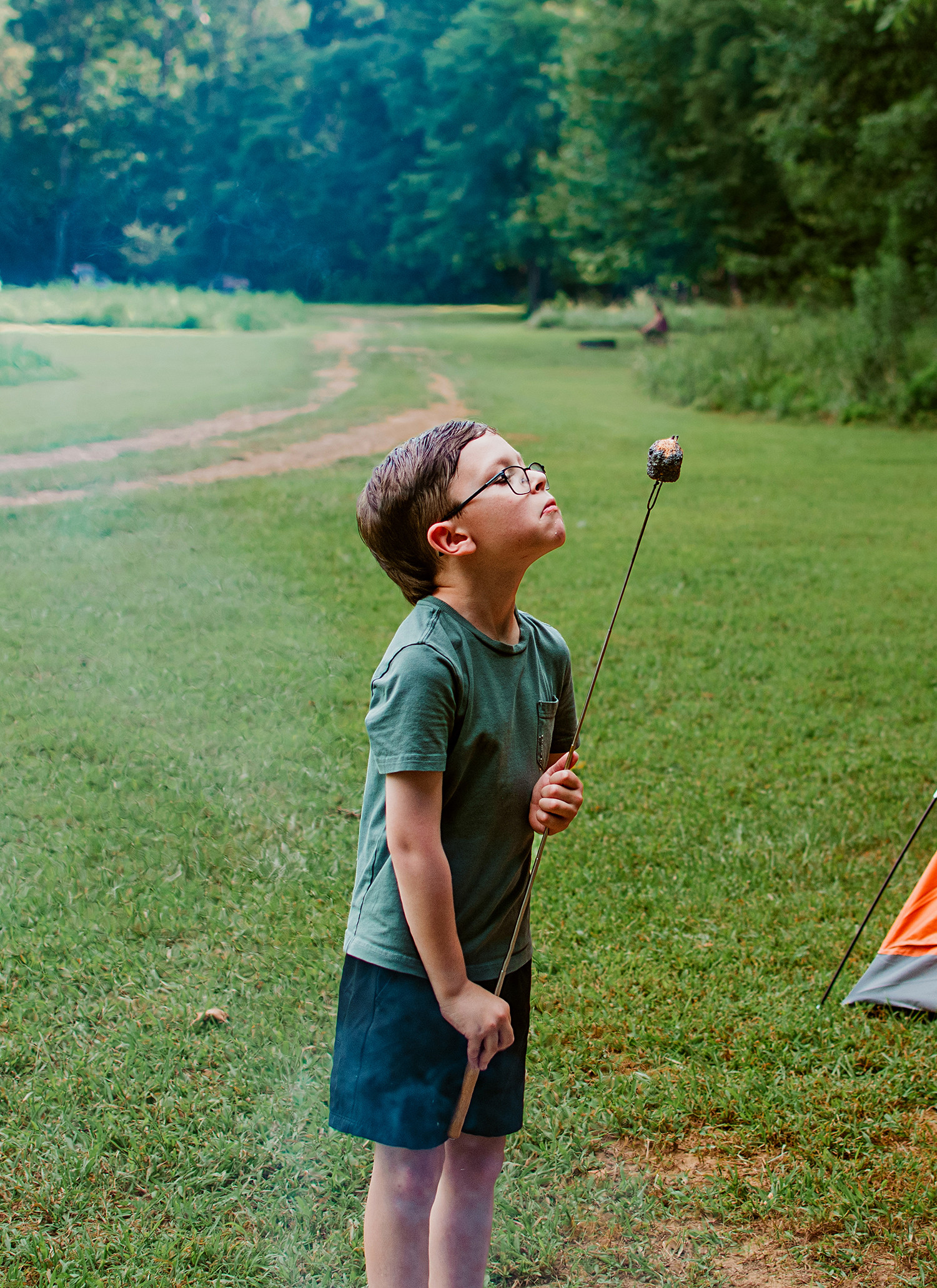
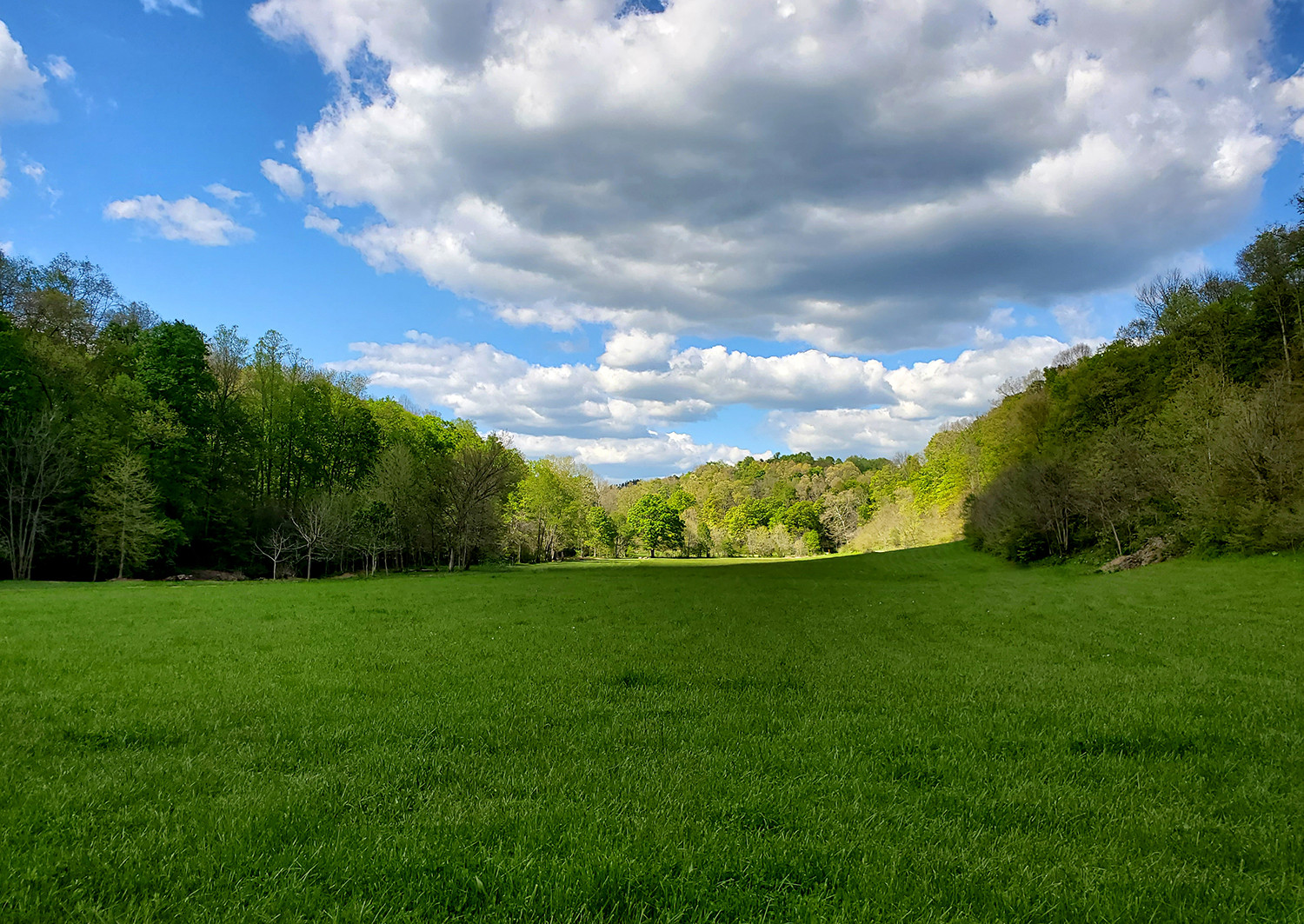
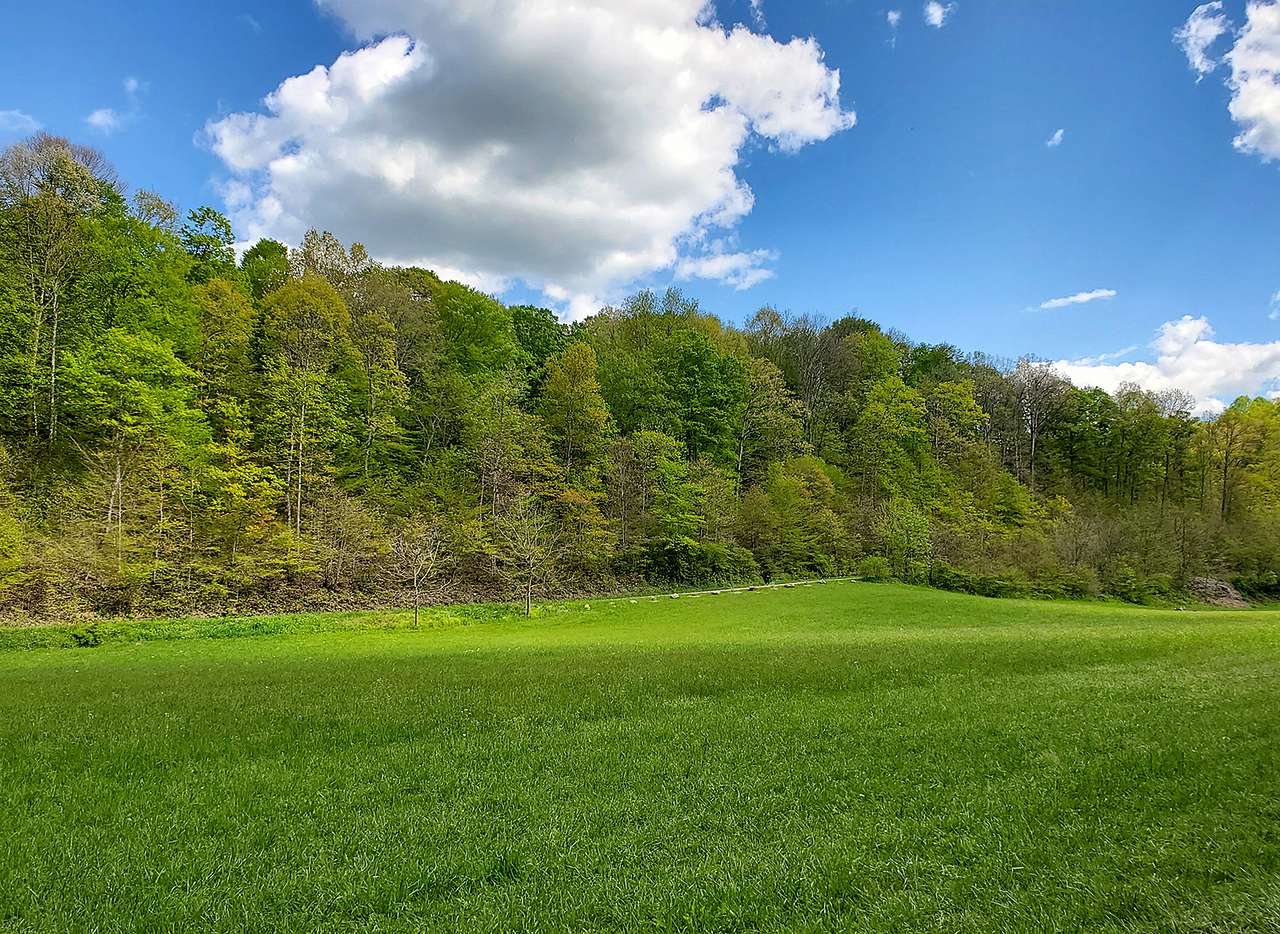
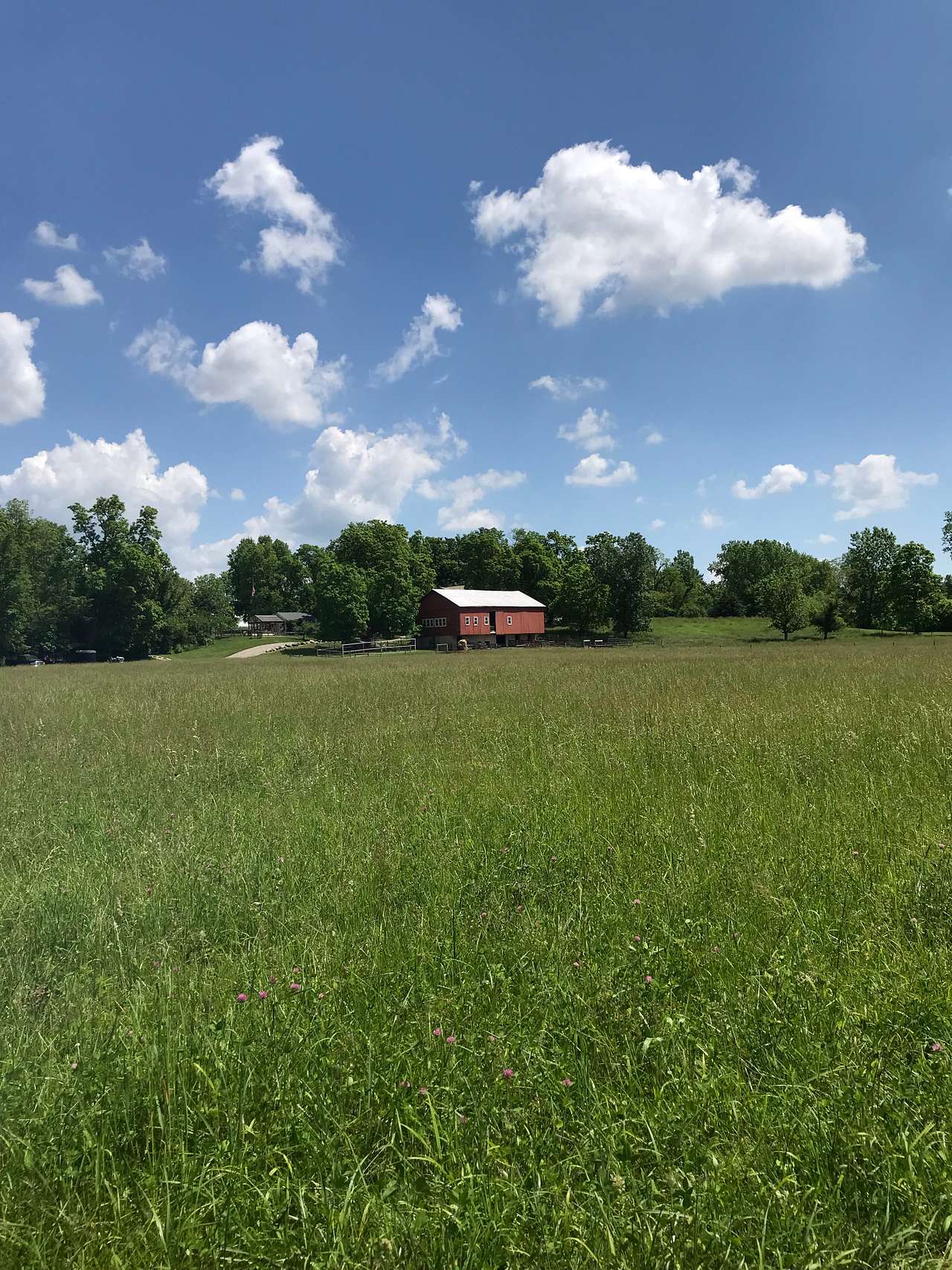
2. Altenbrauch Farm
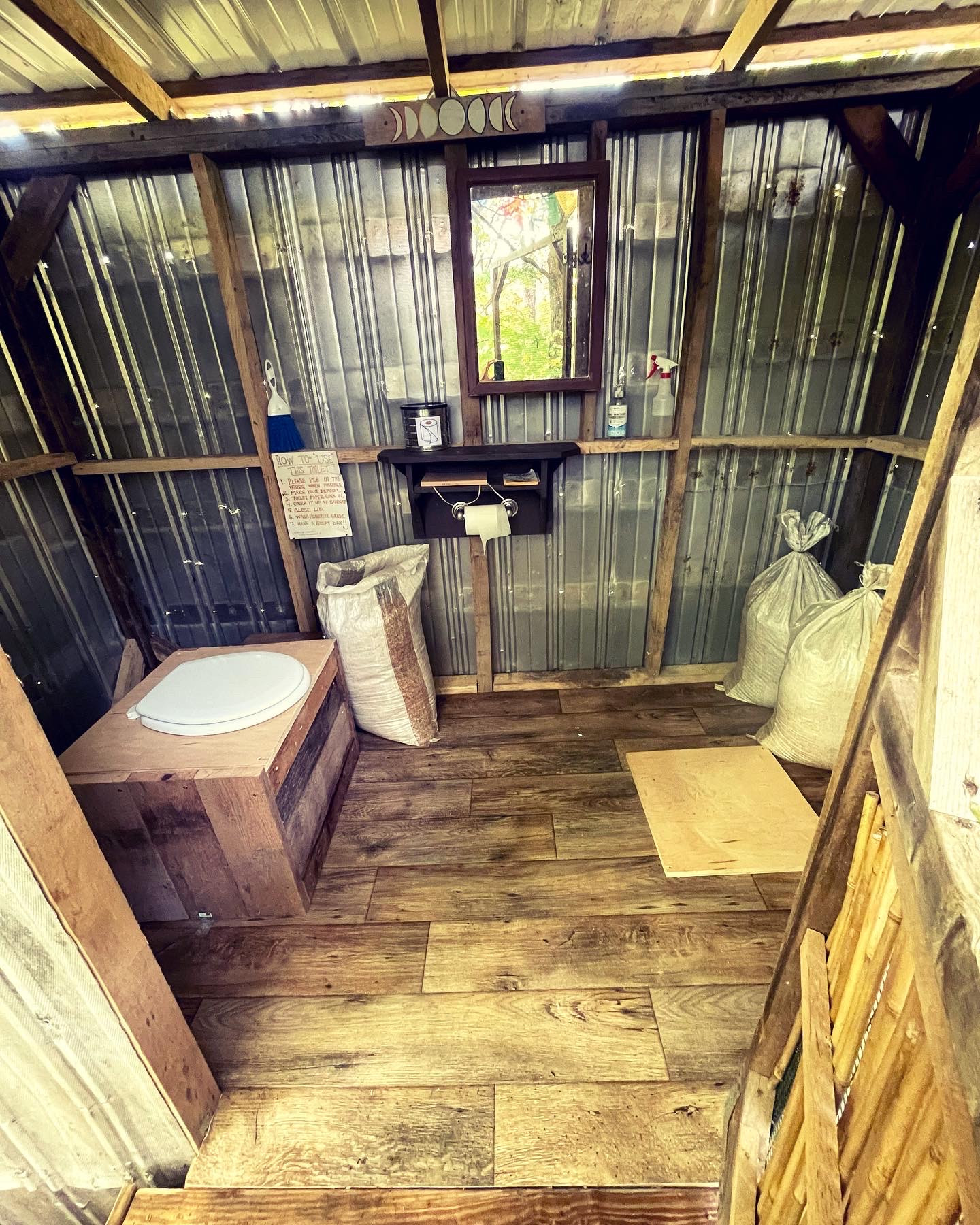
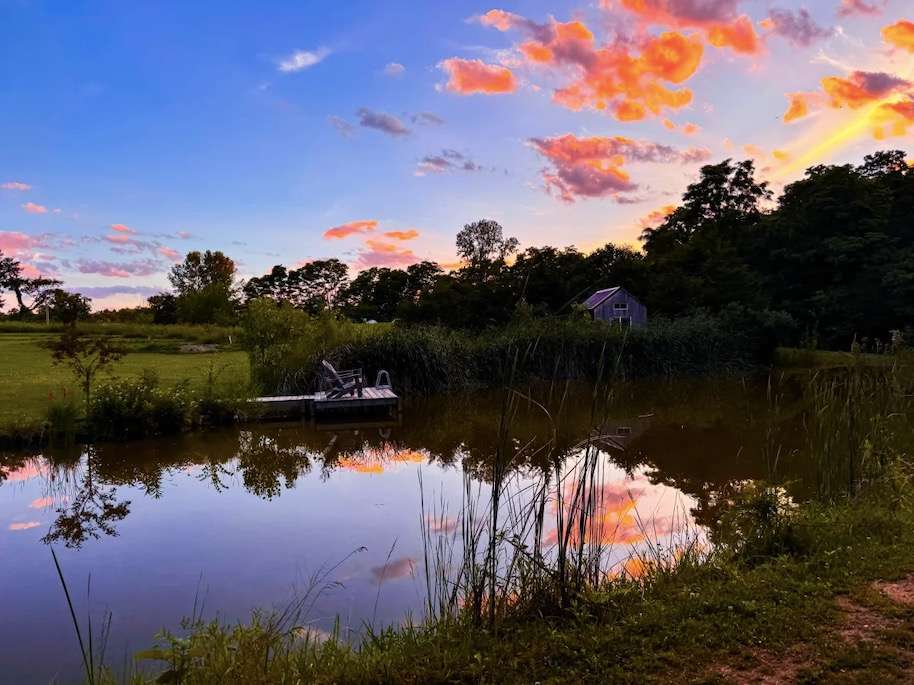
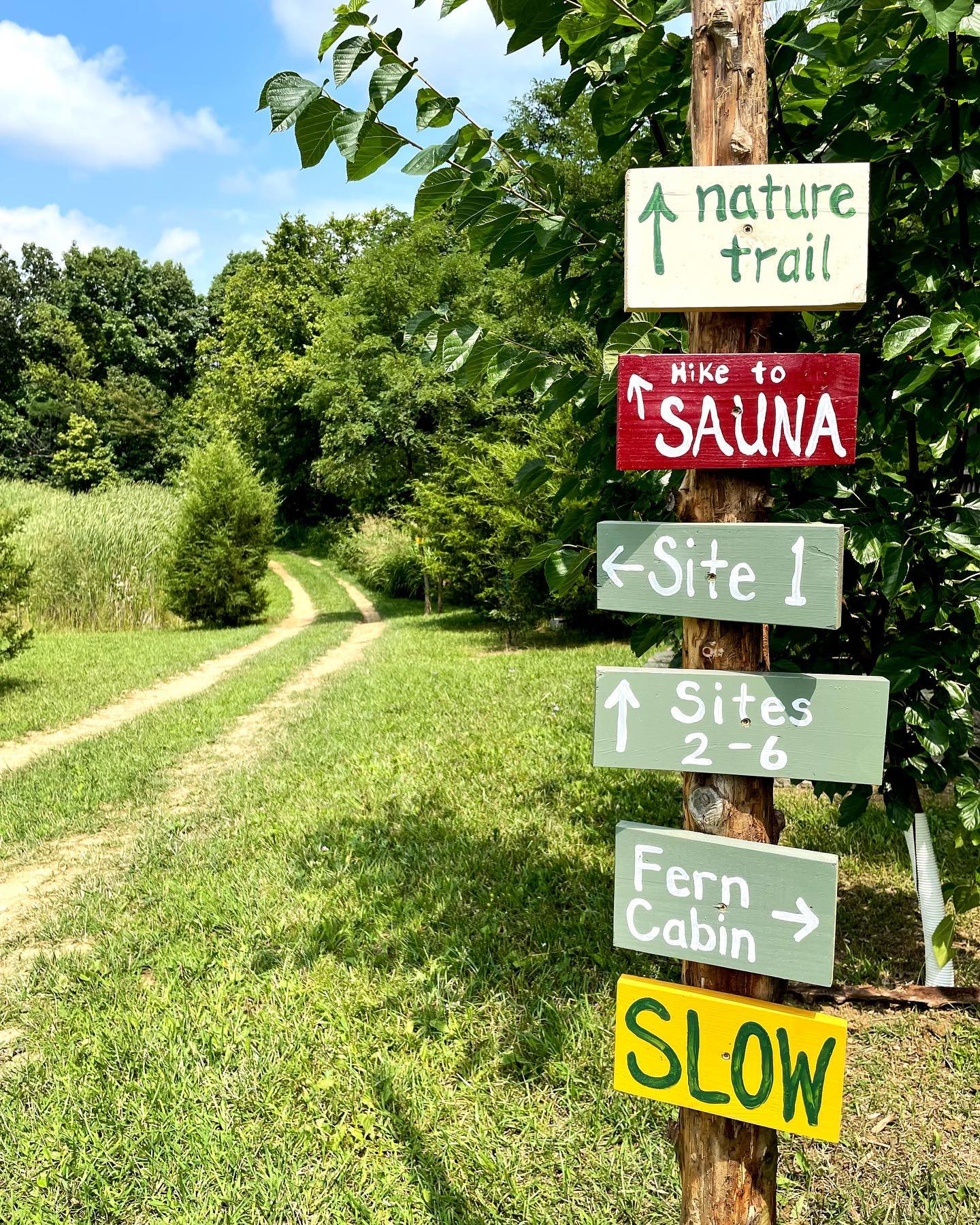
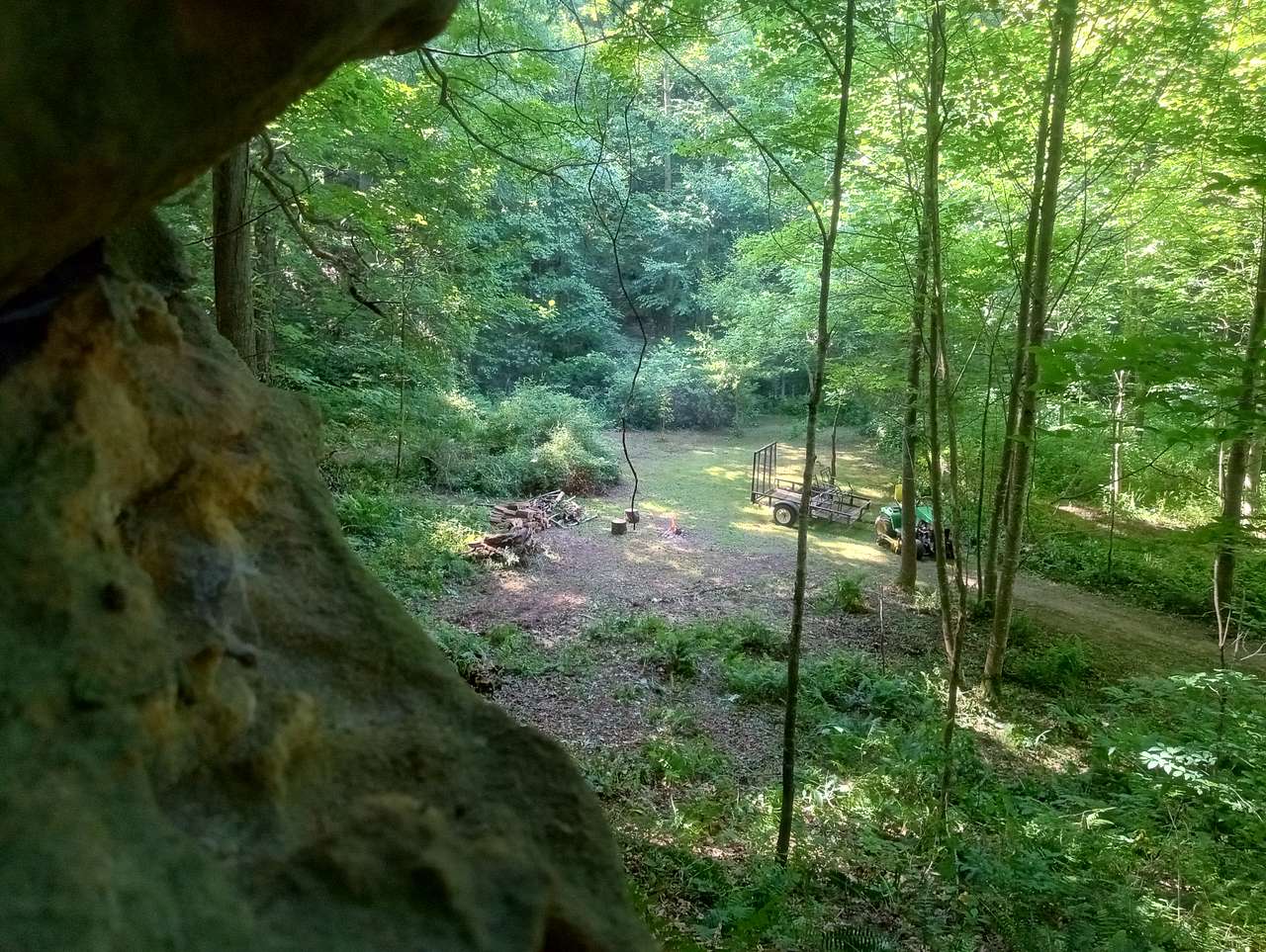
3. Fruitdale Farm


4. Maumee Bay State Park
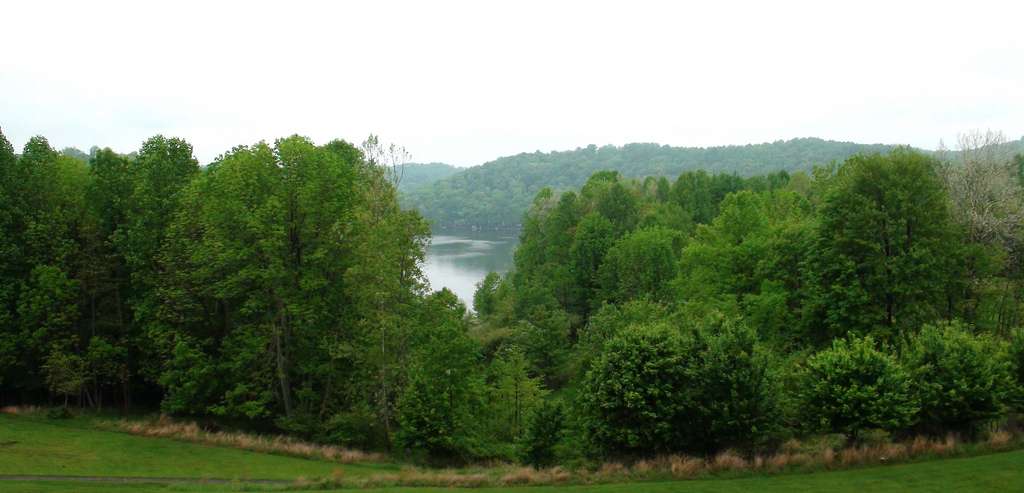

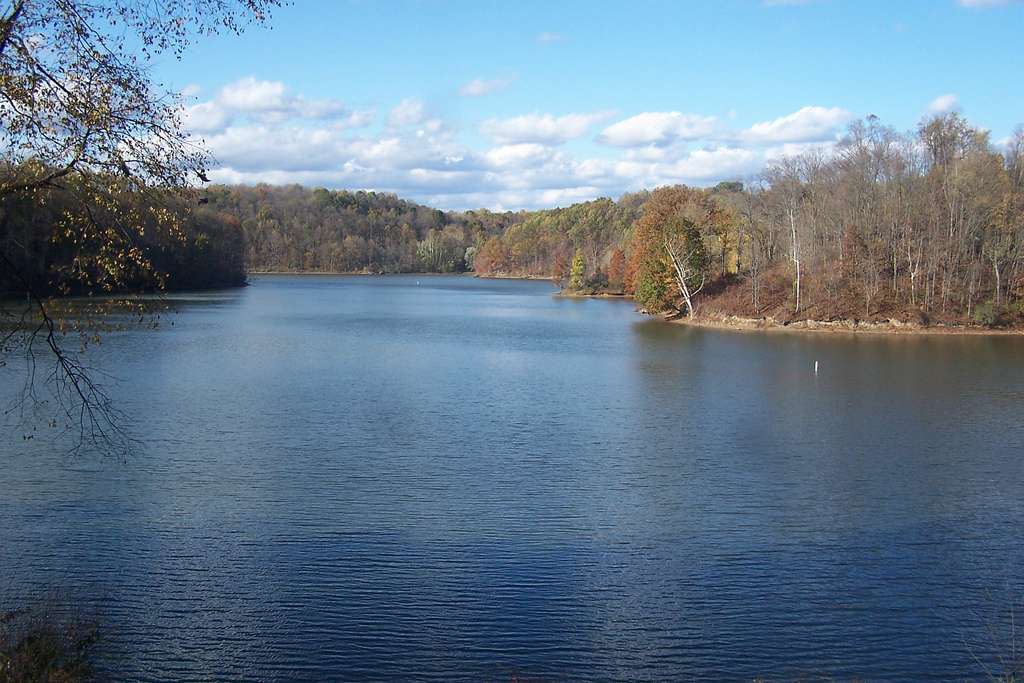
5. Salt Fork State Park


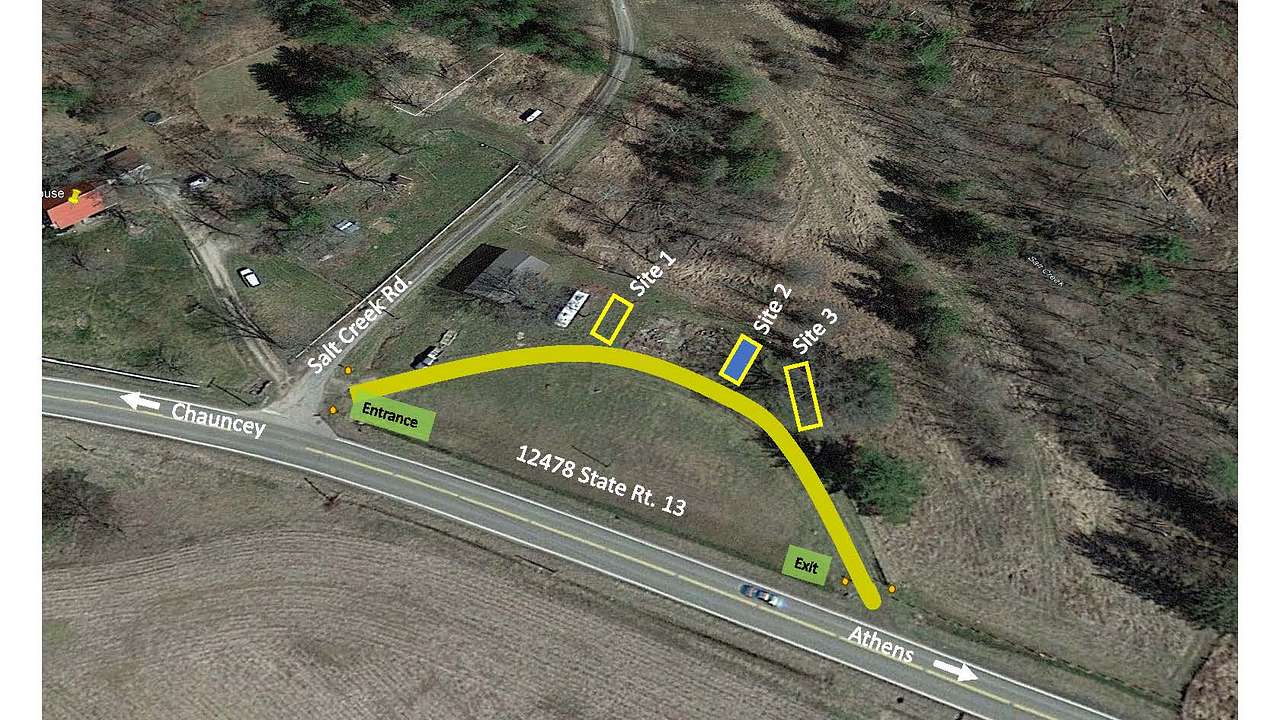
6. Salt Creek Camp at Sunnyvale Farm
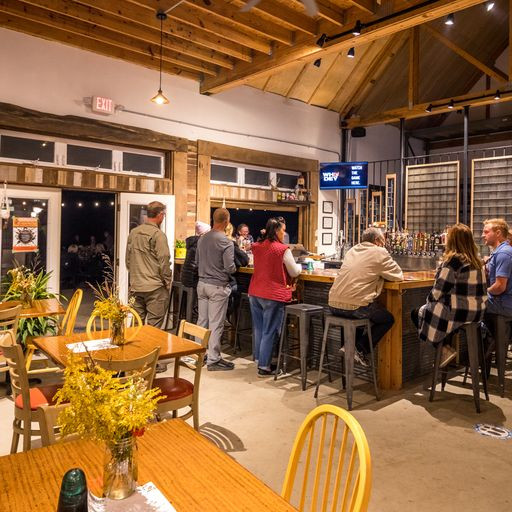
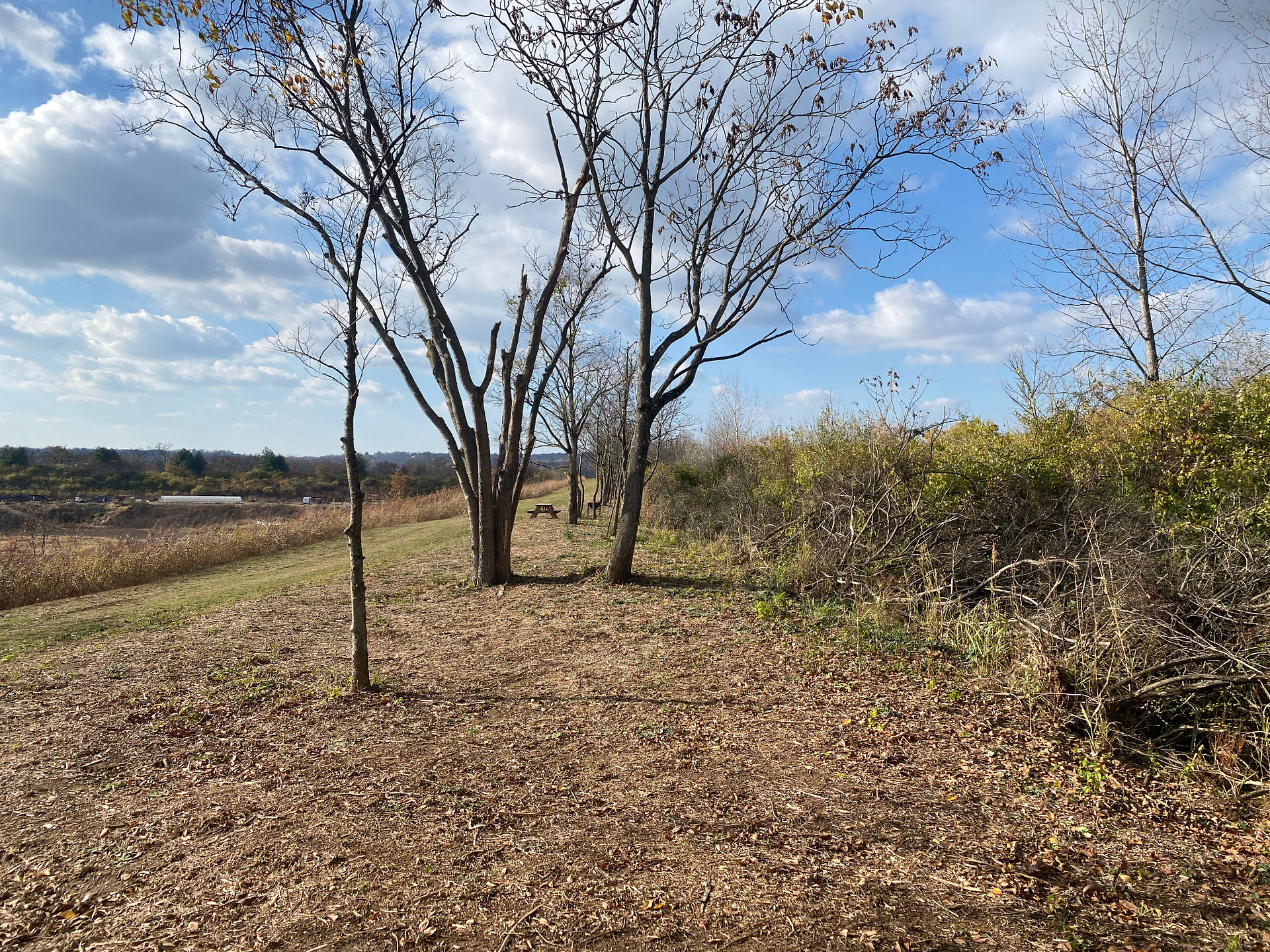
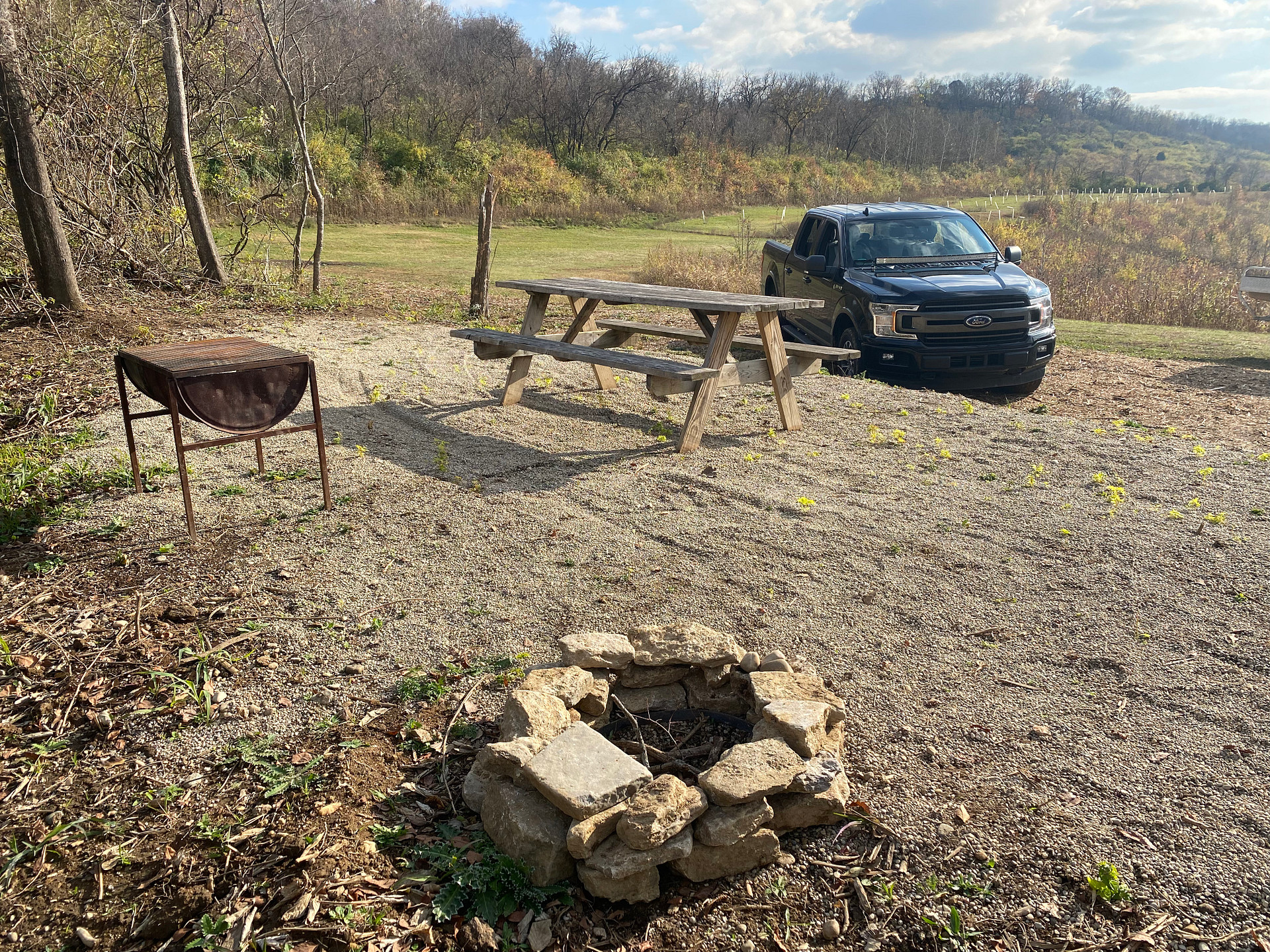
7. Carriage House Farm
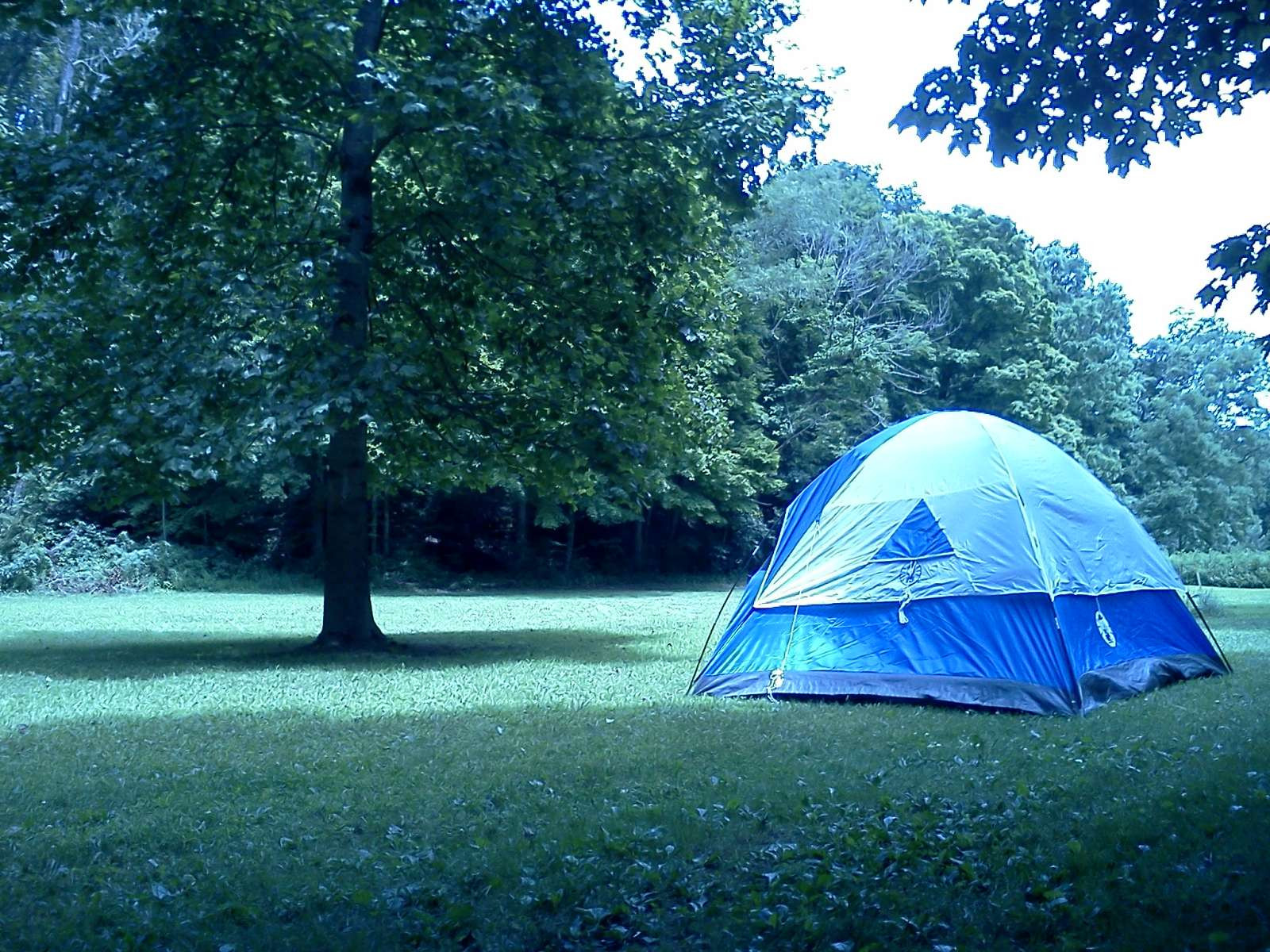
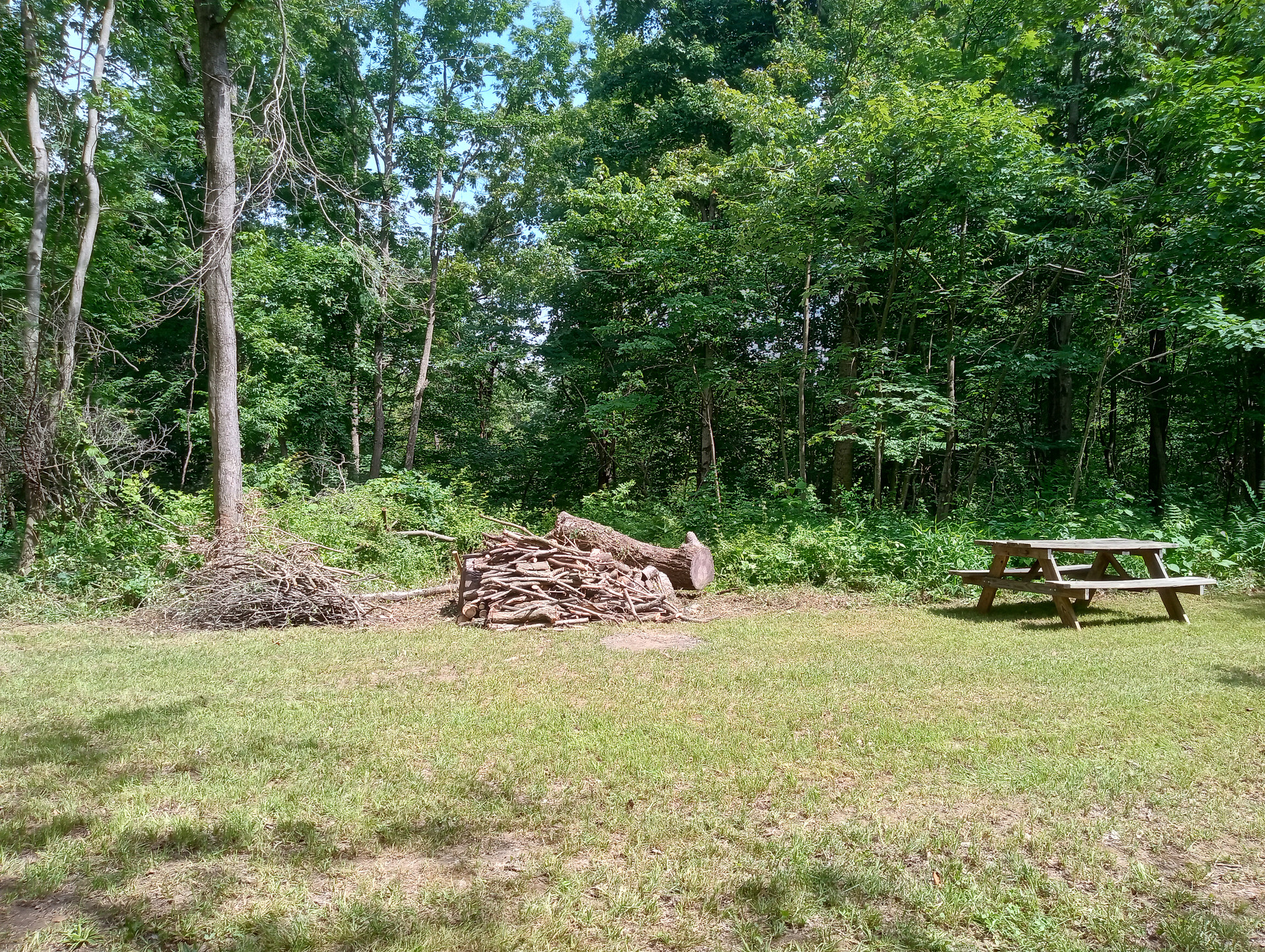
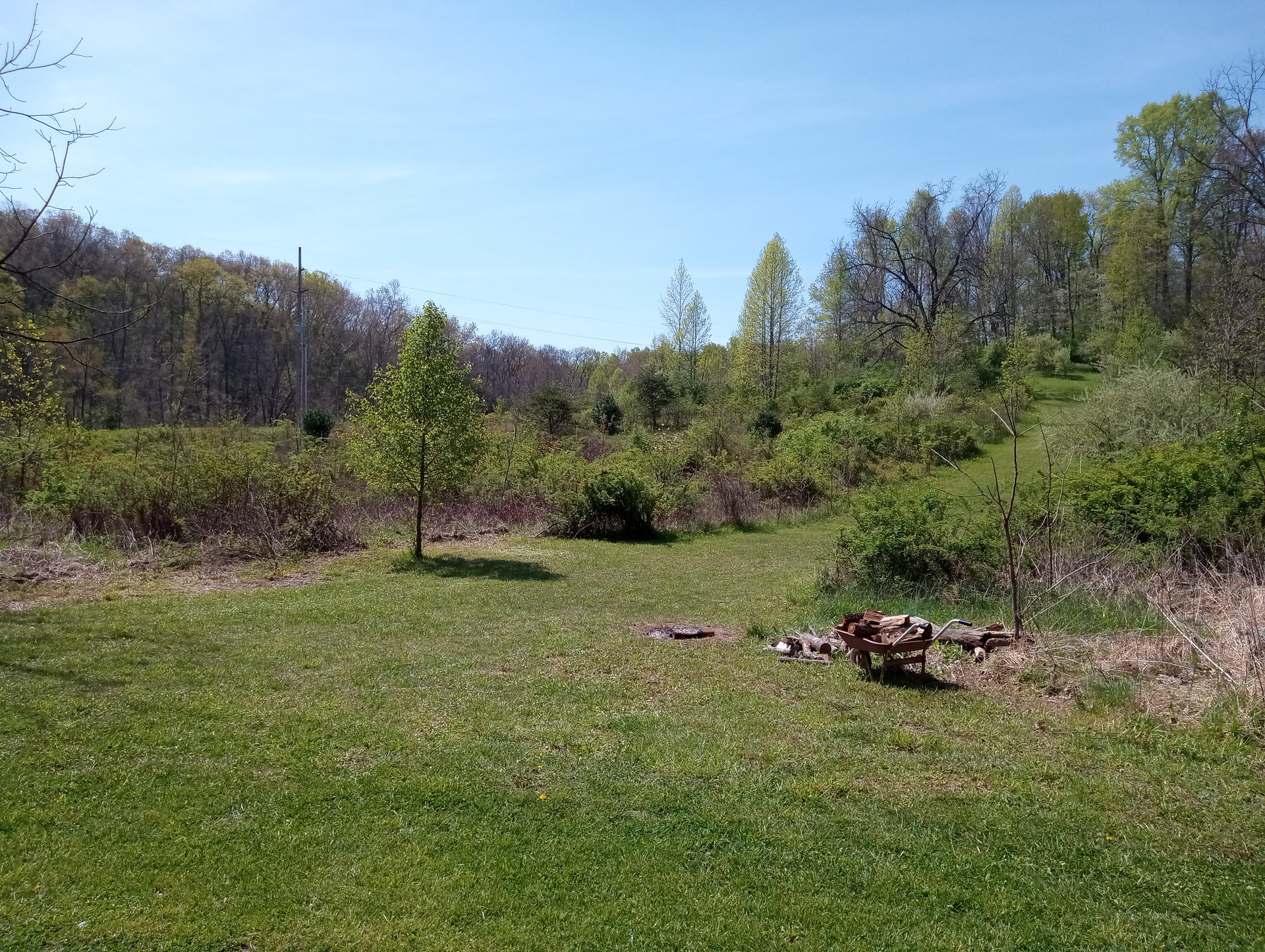
8. Nature's Way


9. Bracy Gold Bison Ranch
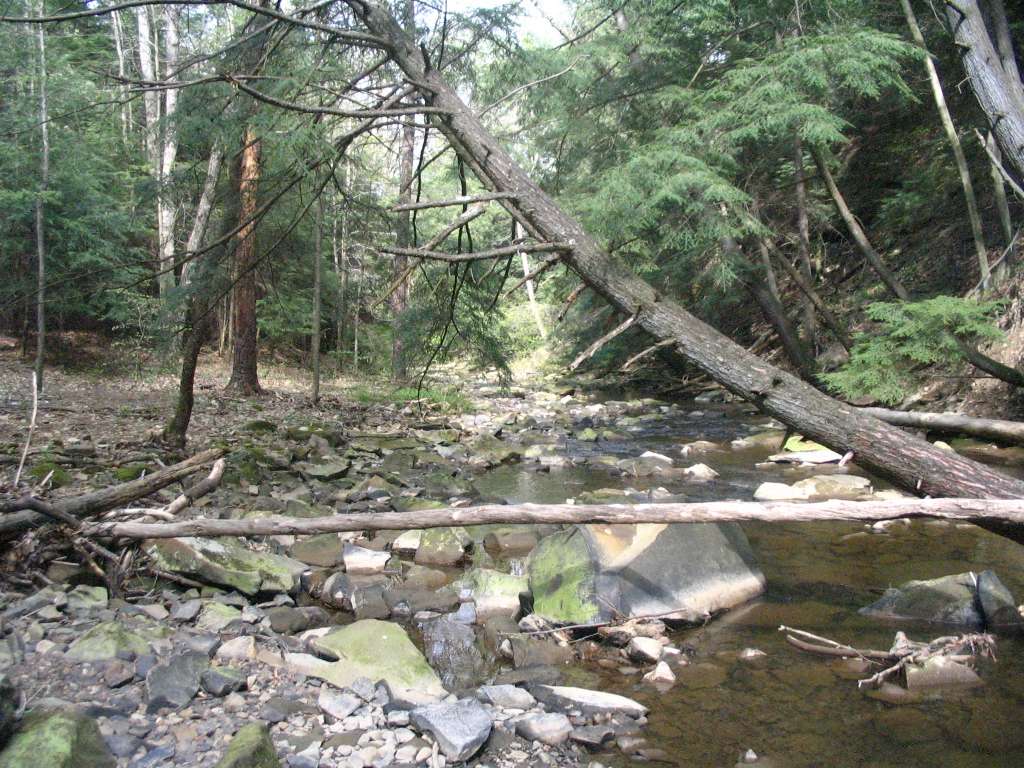
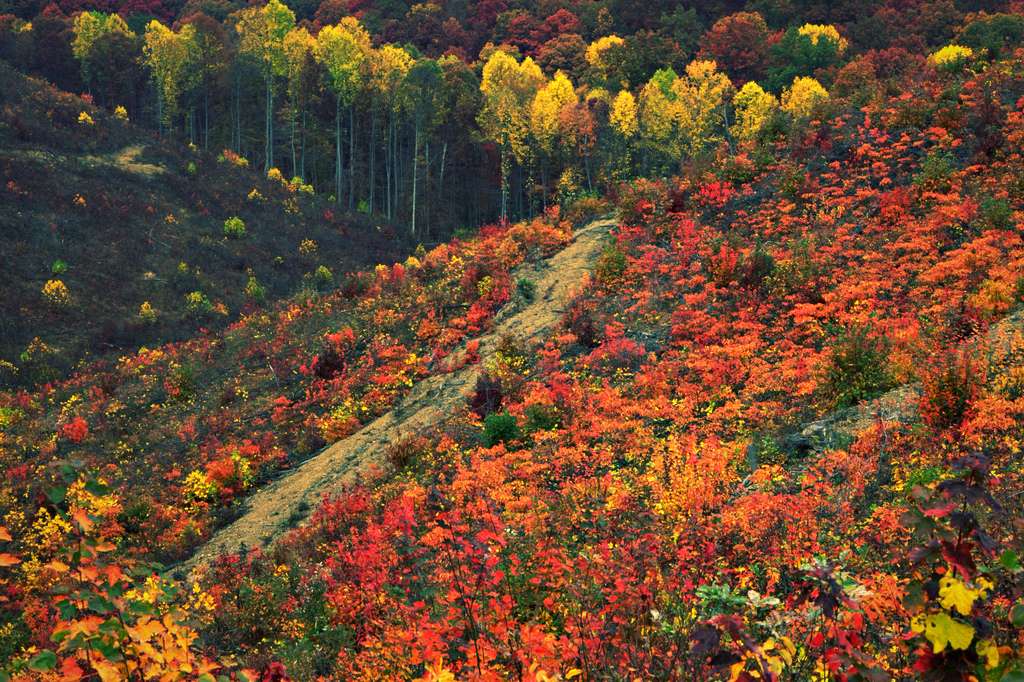
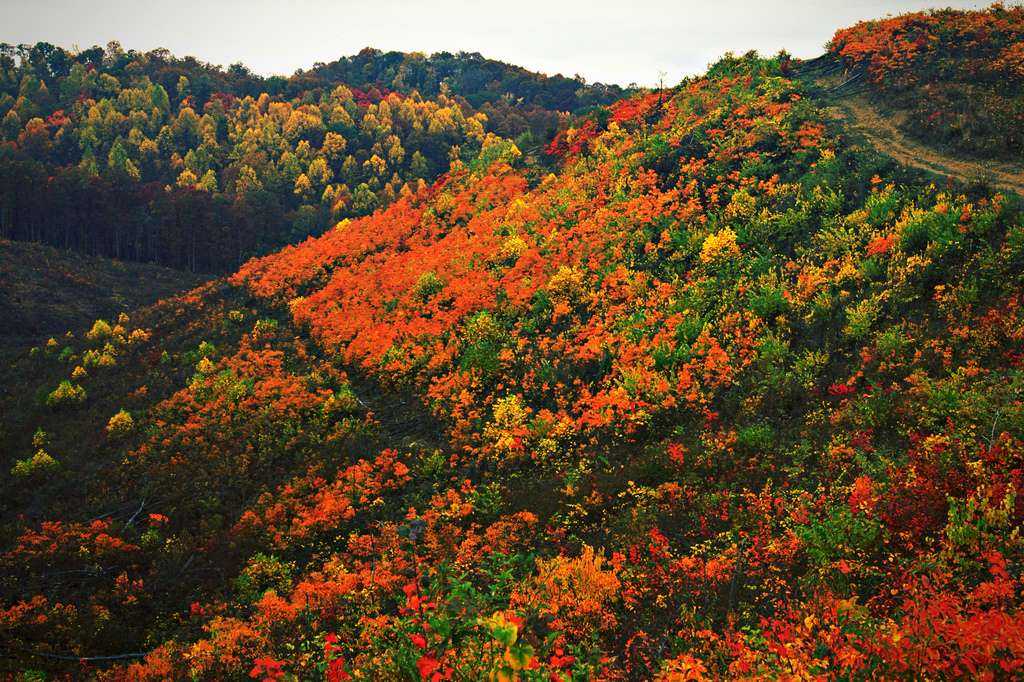
10. Shawnee State Park OH


11. South Bass Island State Park

12. Van Buren State Park
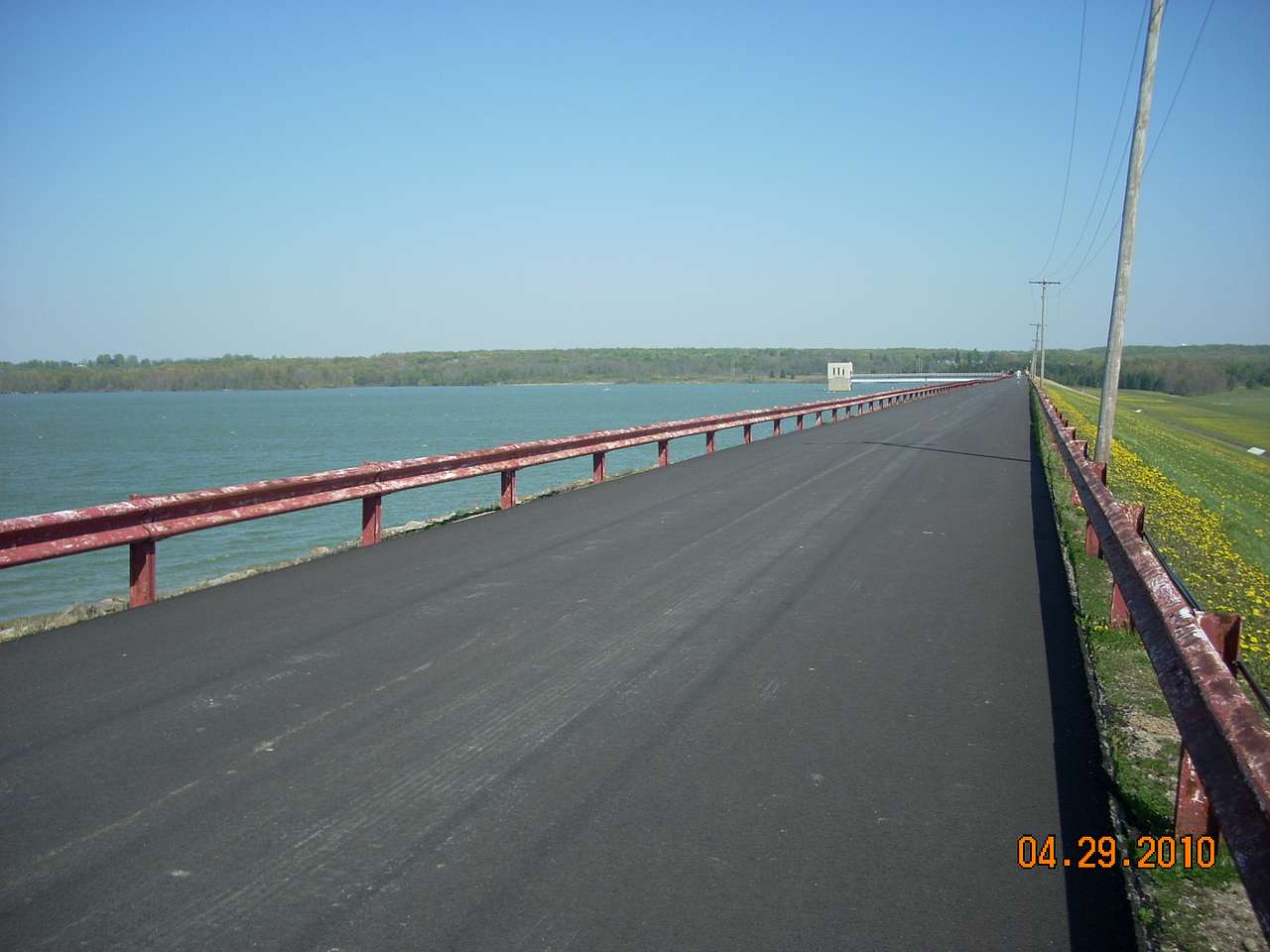
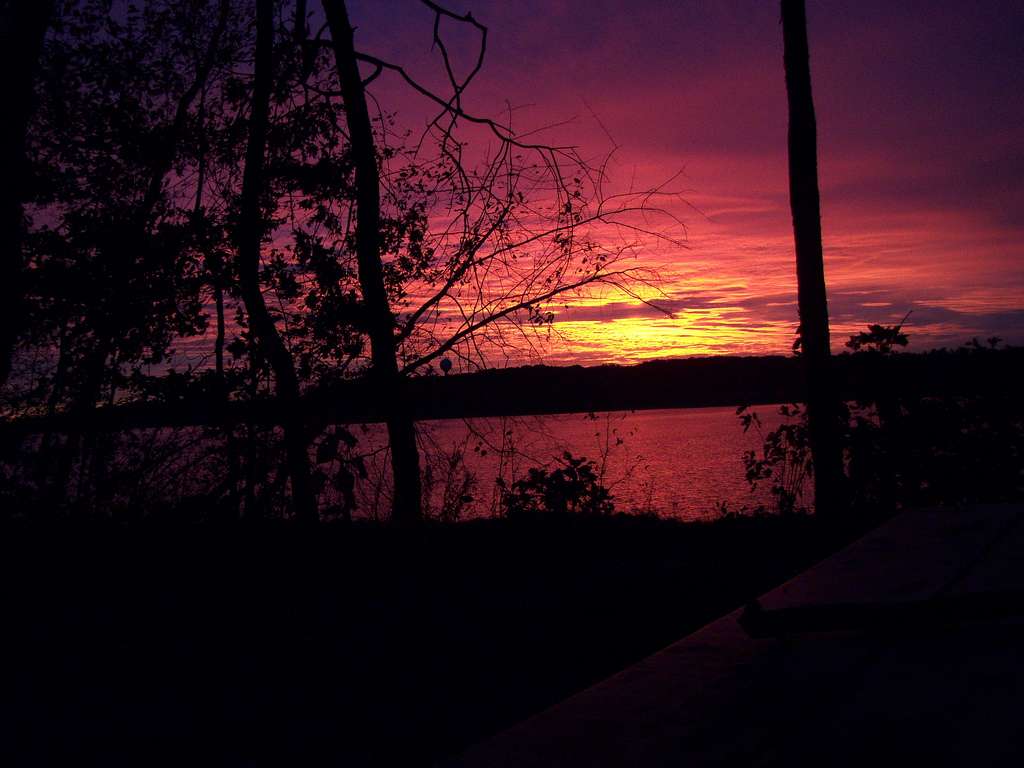
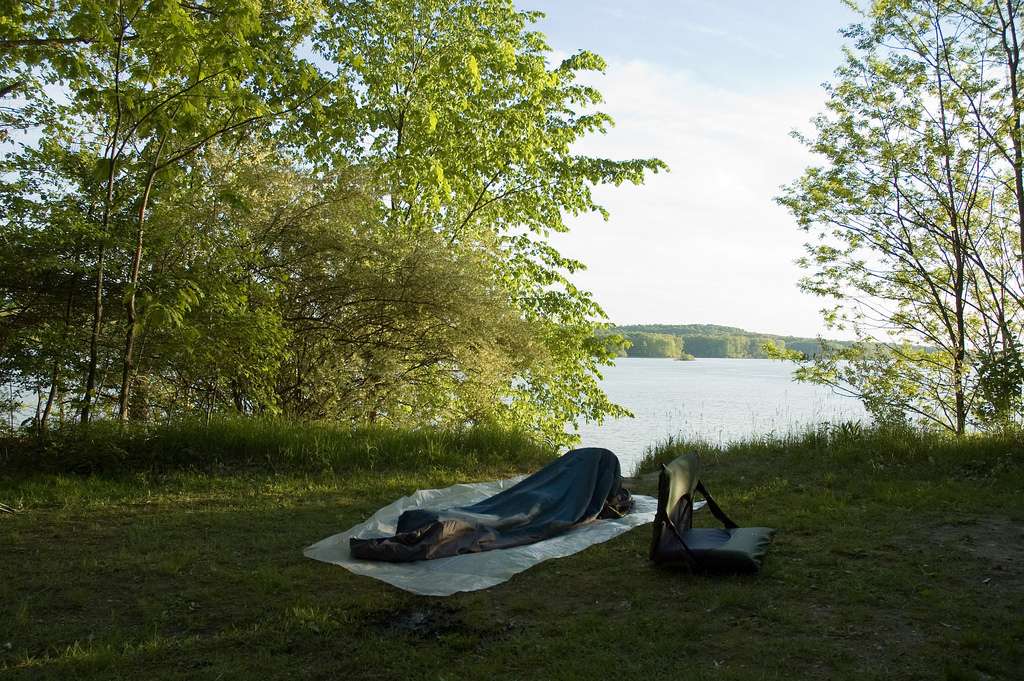
13. West Branch State Park
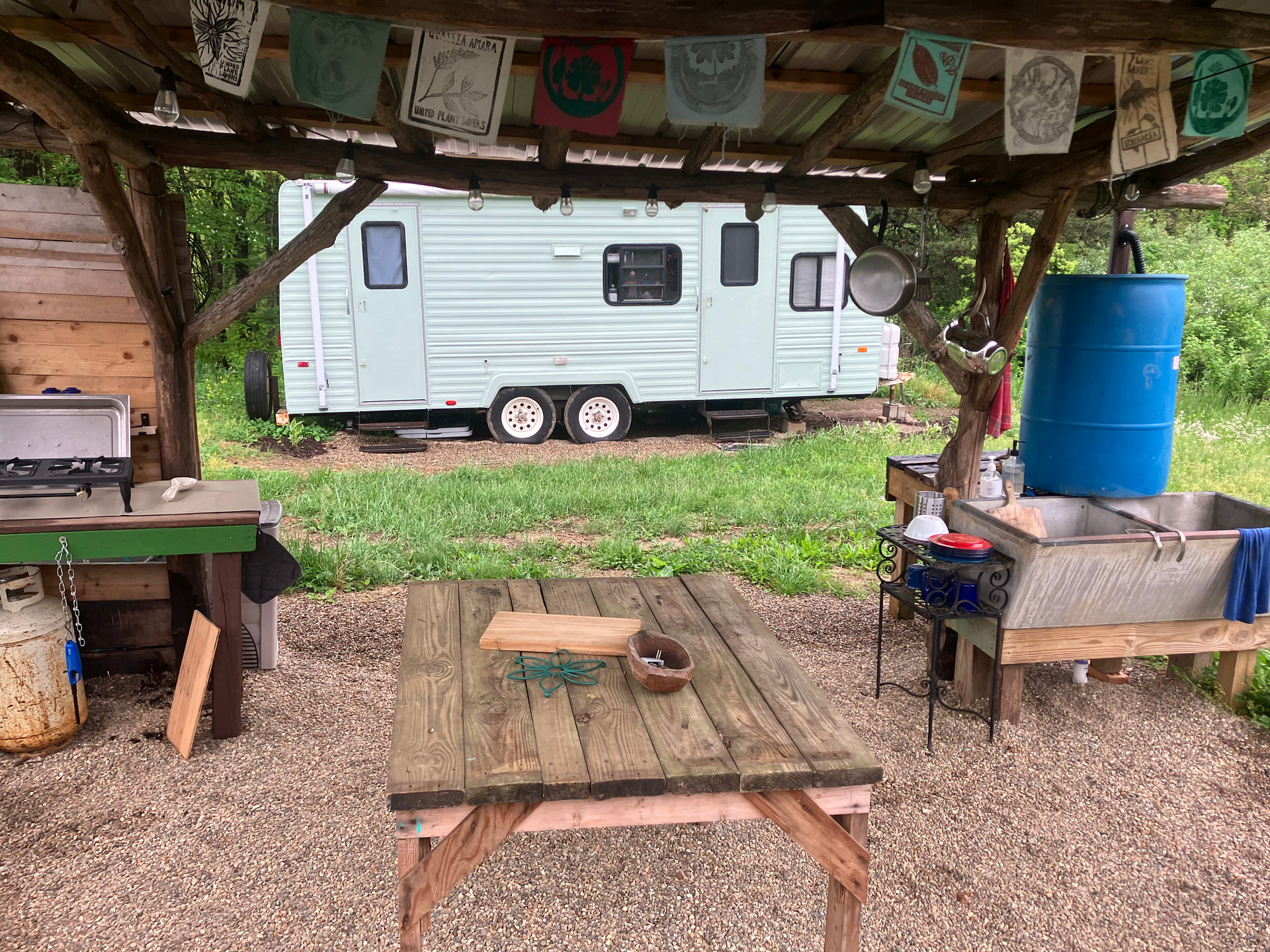
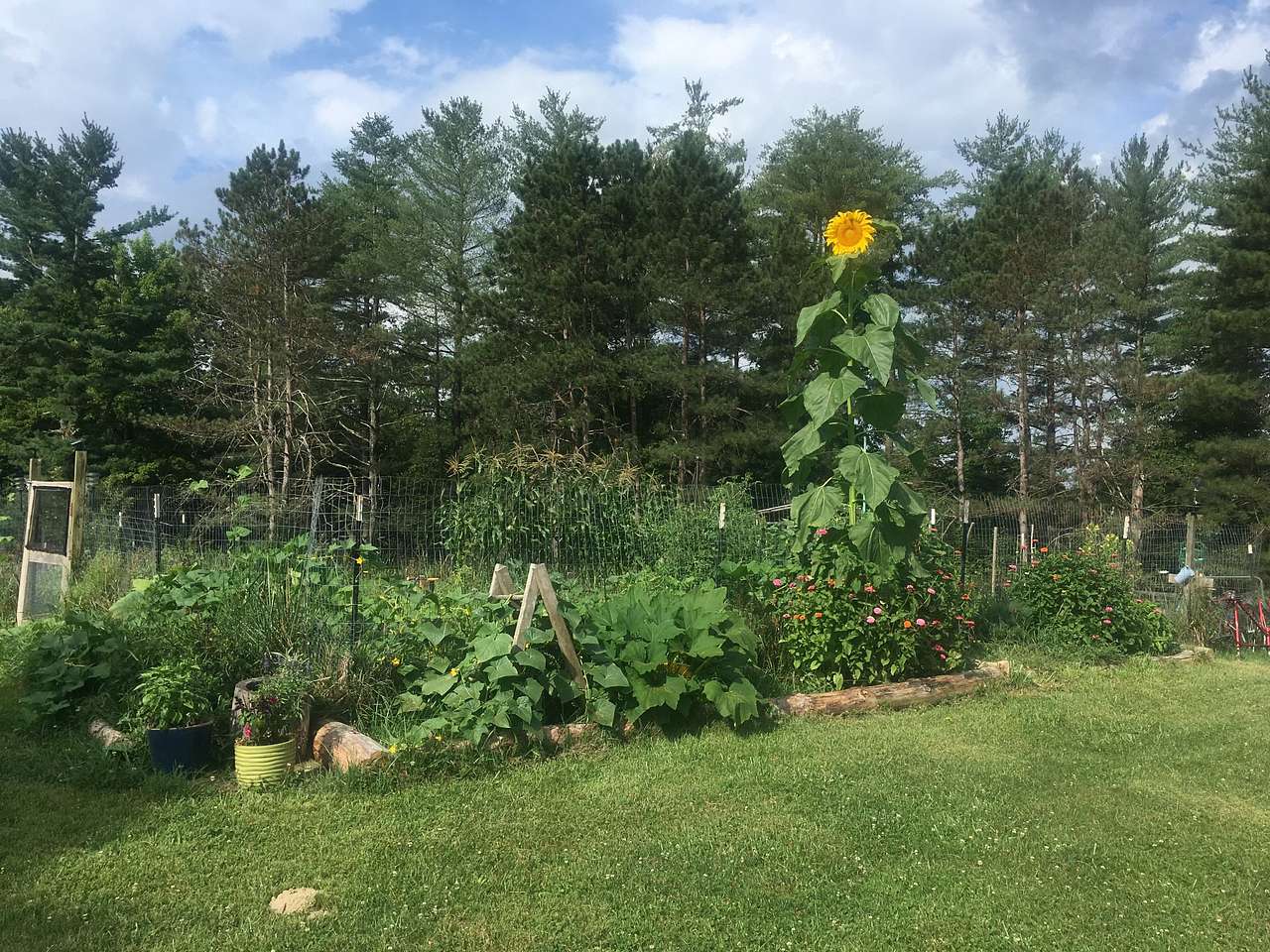
14. Woody Acres
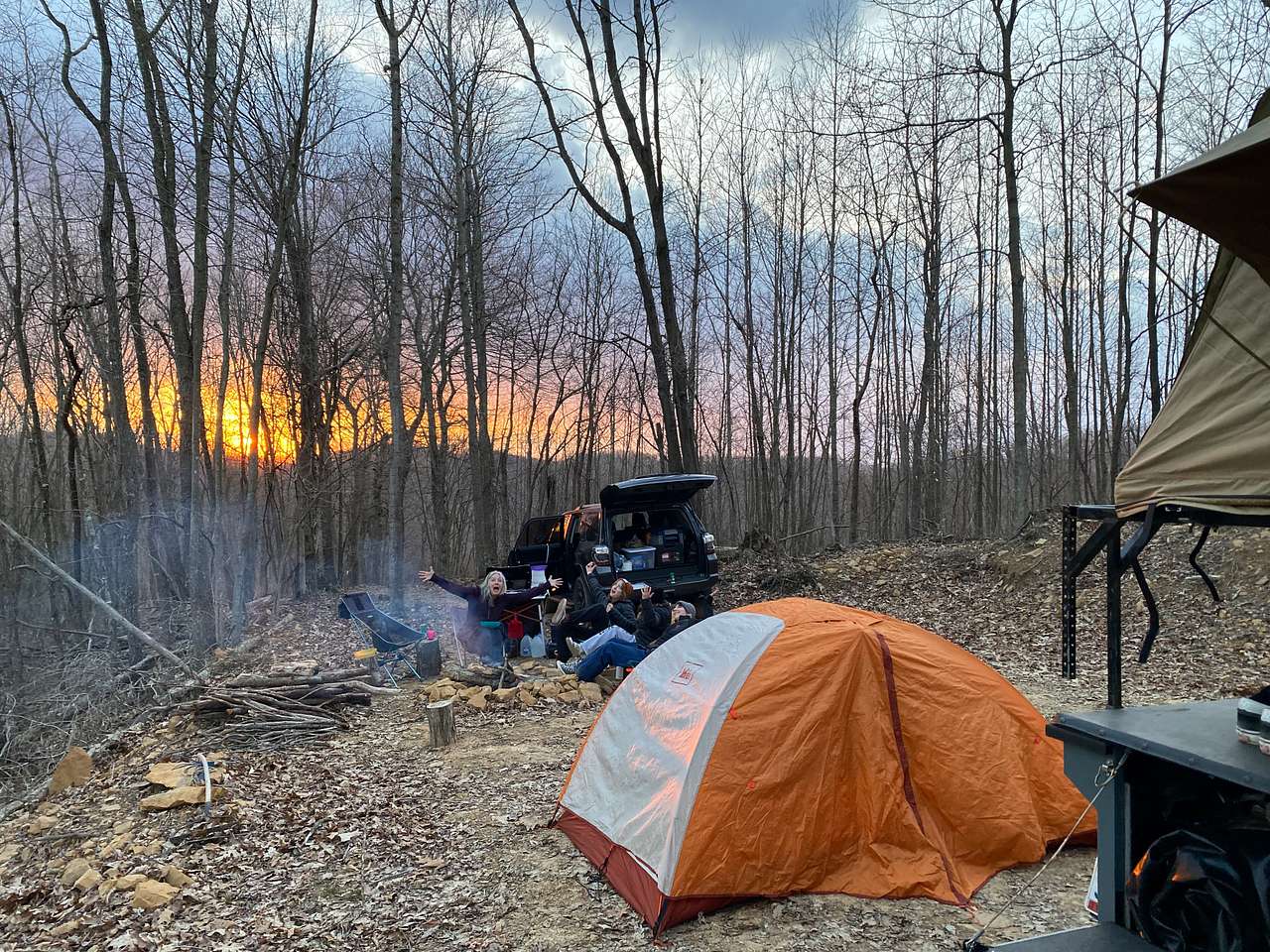
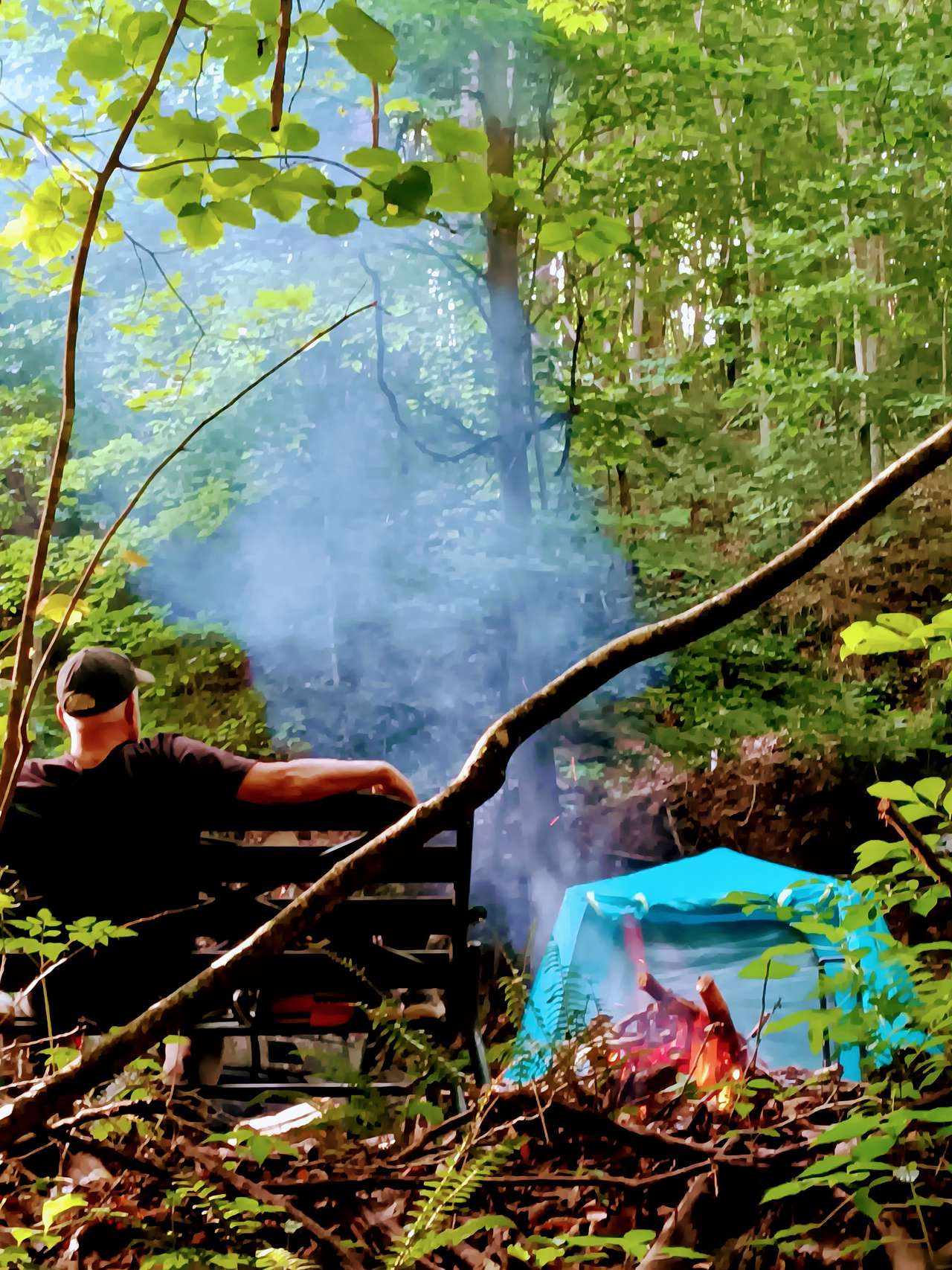
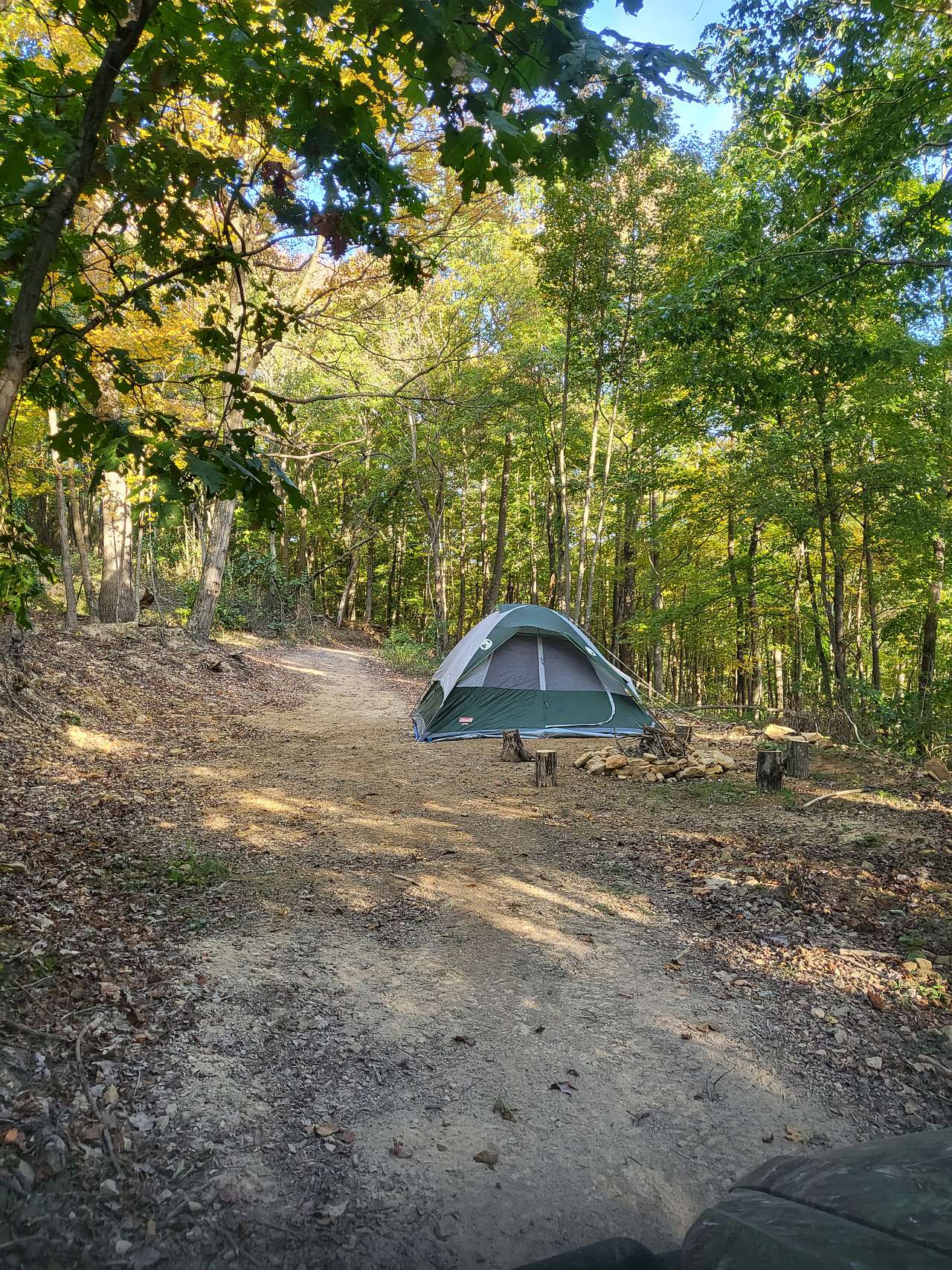
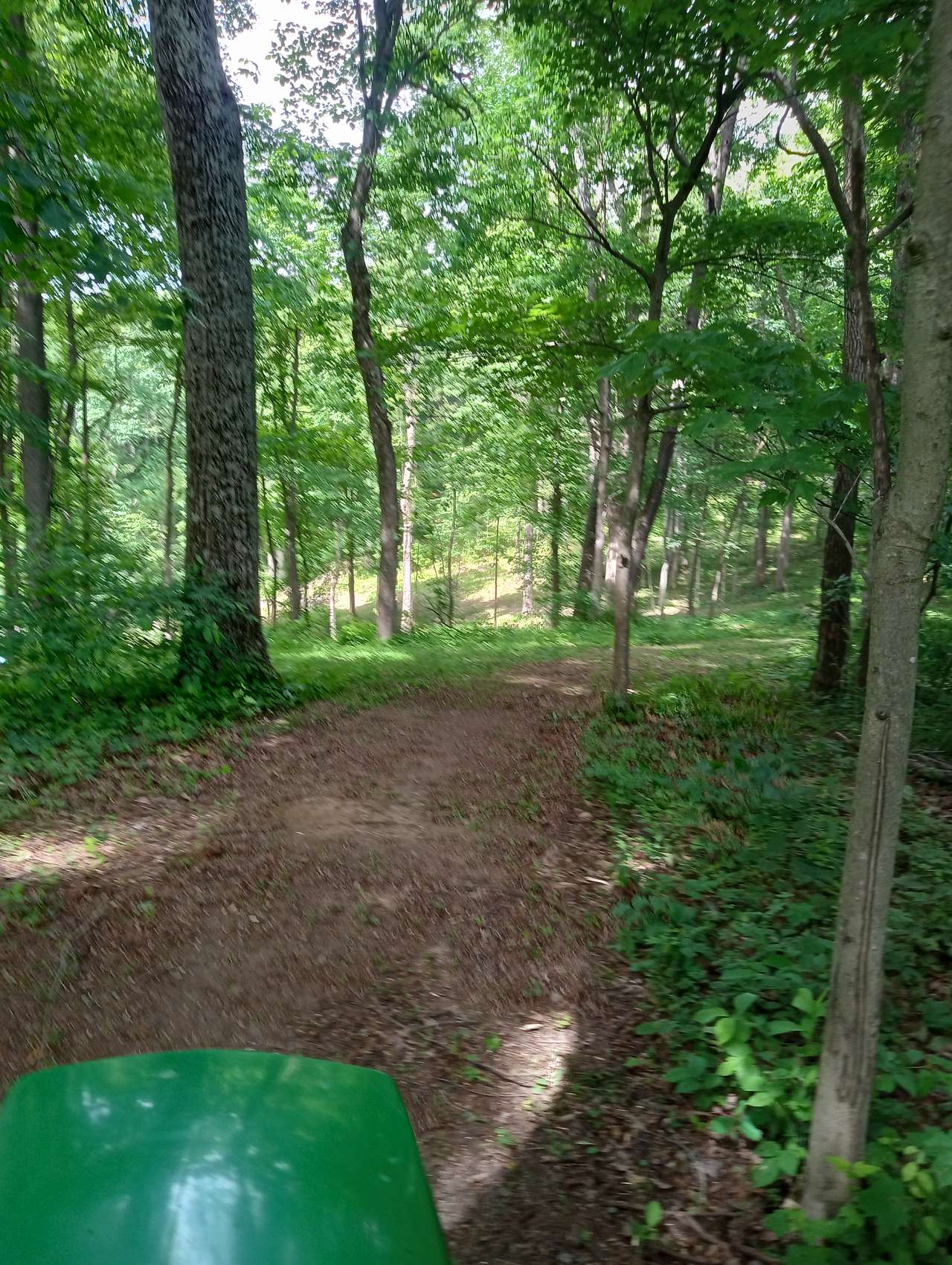
15. Yourway Camp


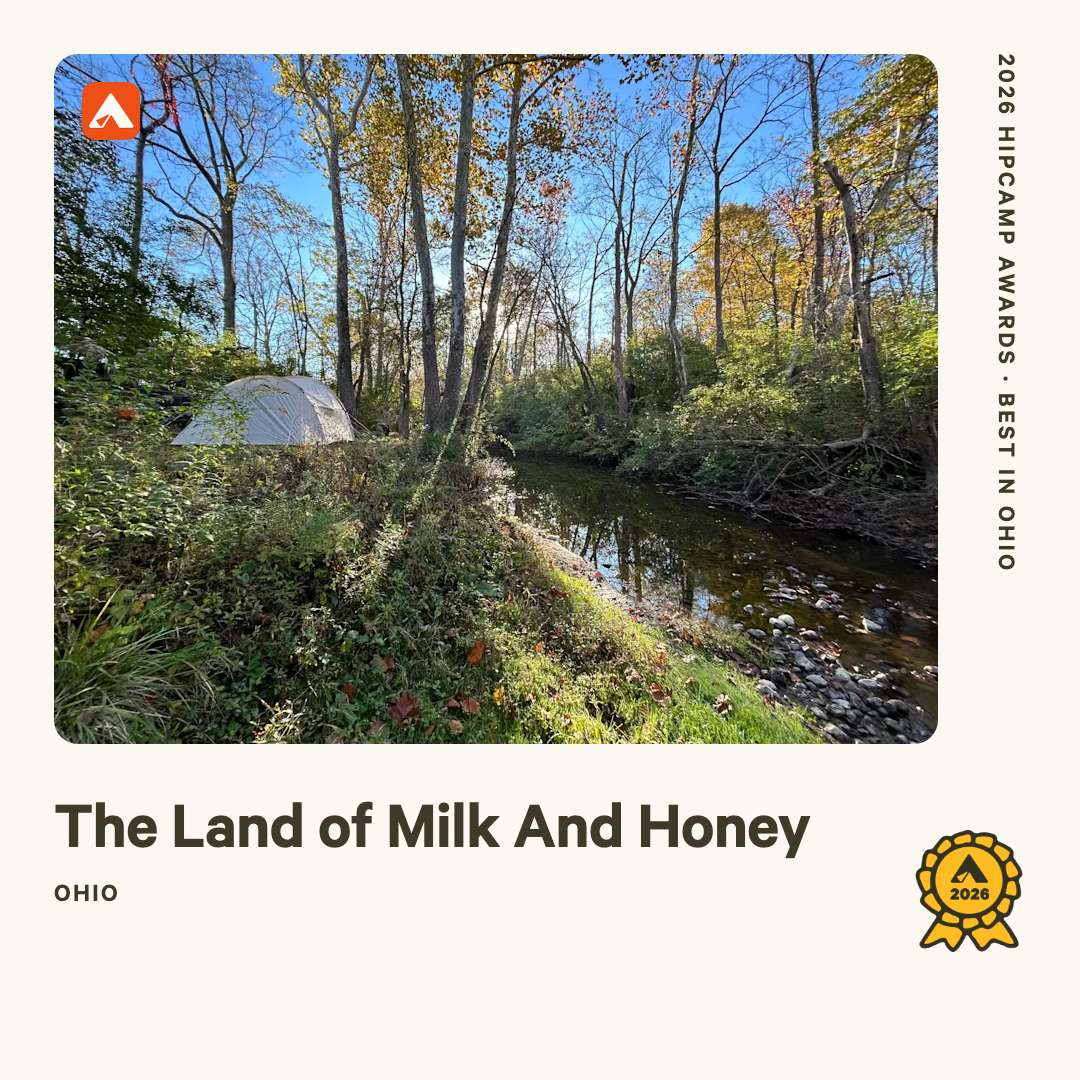
16. The Land of Milk And Honey
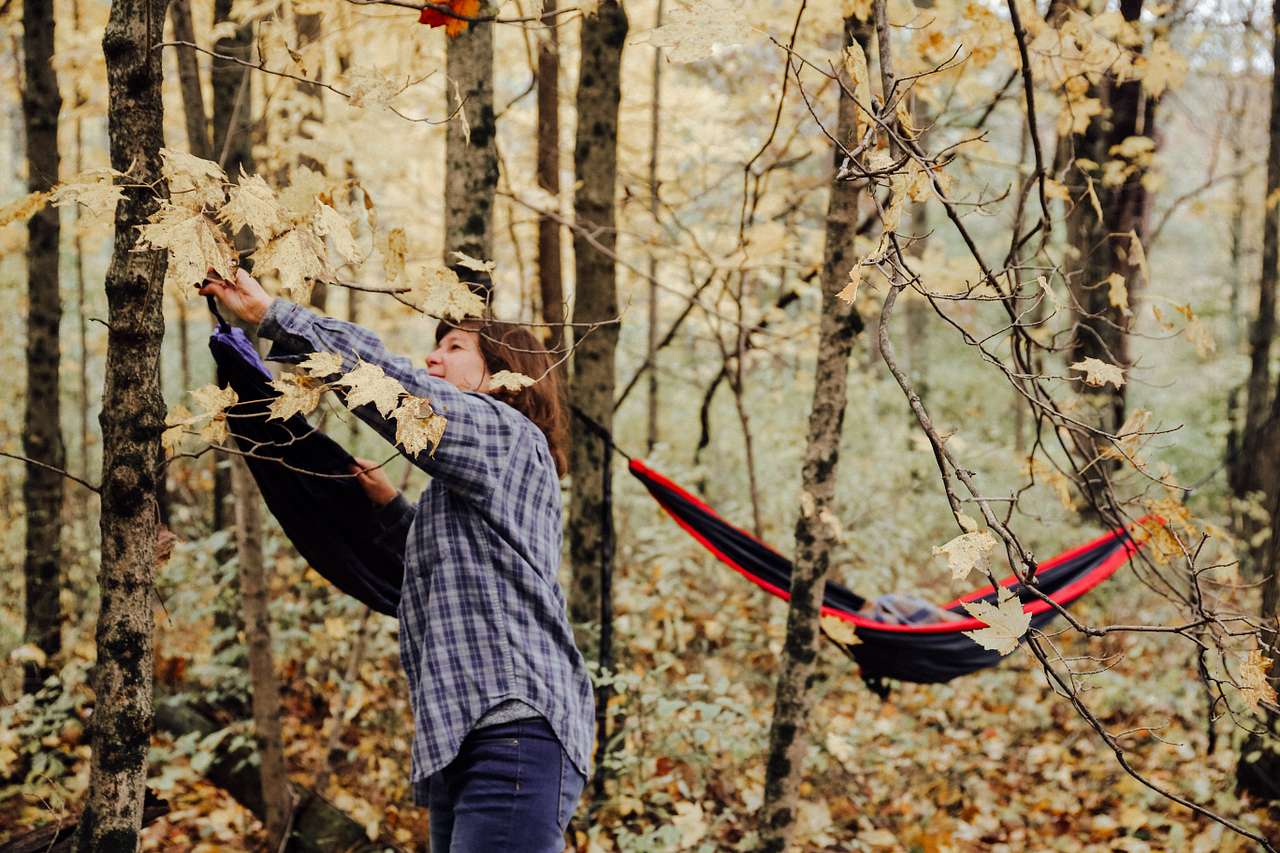
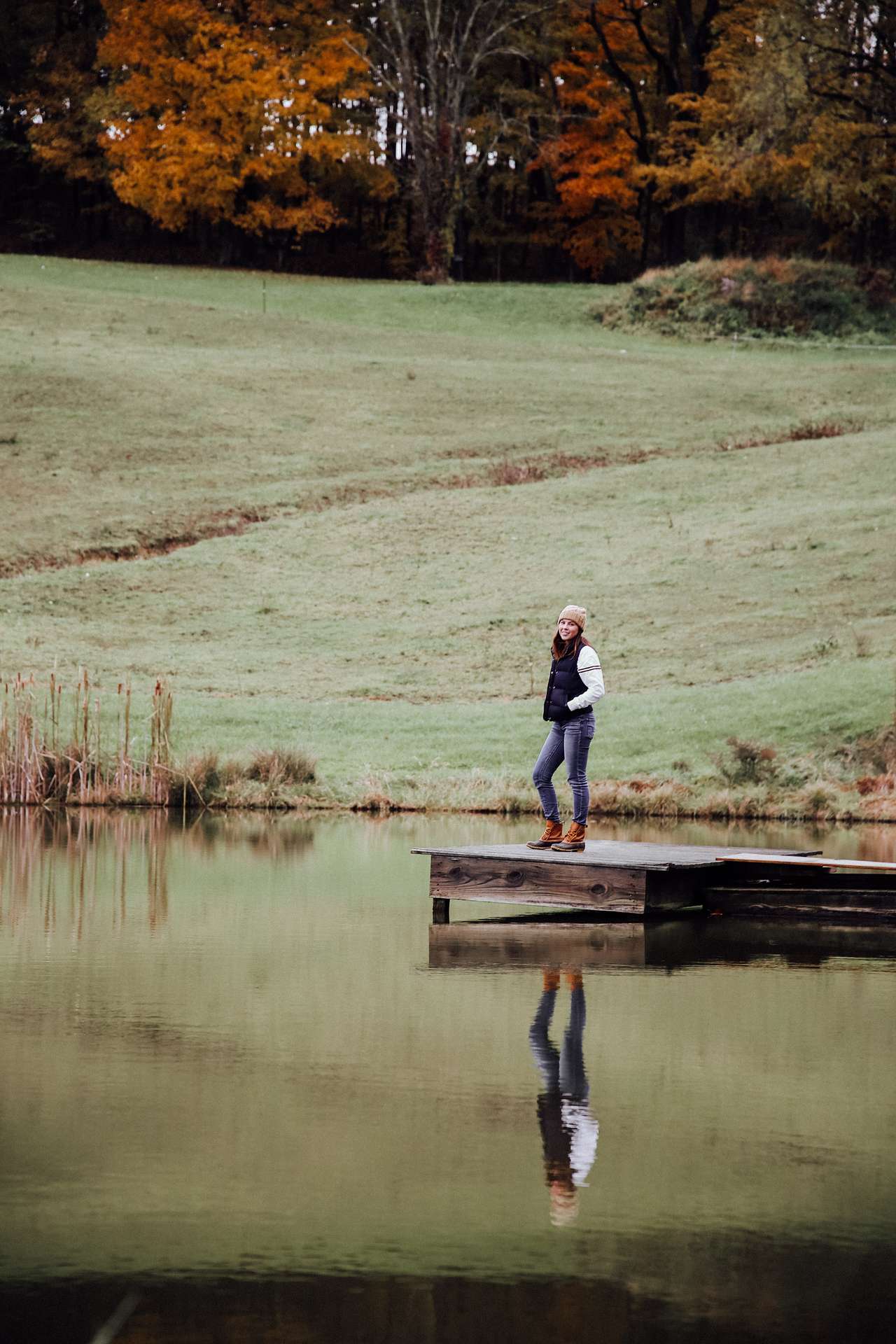
17. The Turkey Hollow Campground
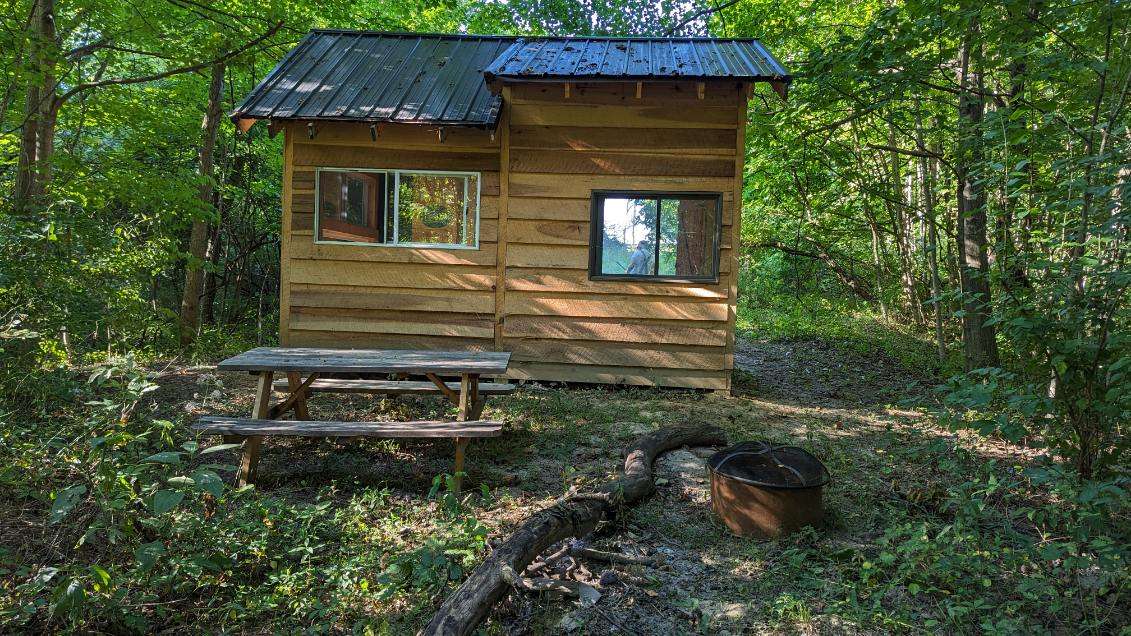
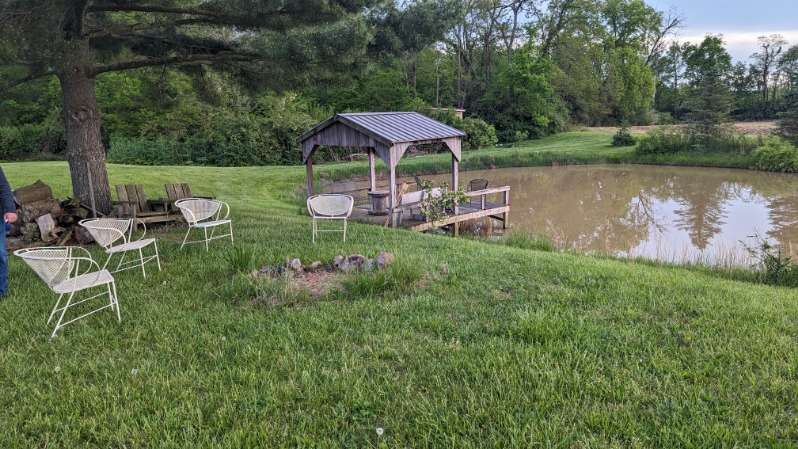
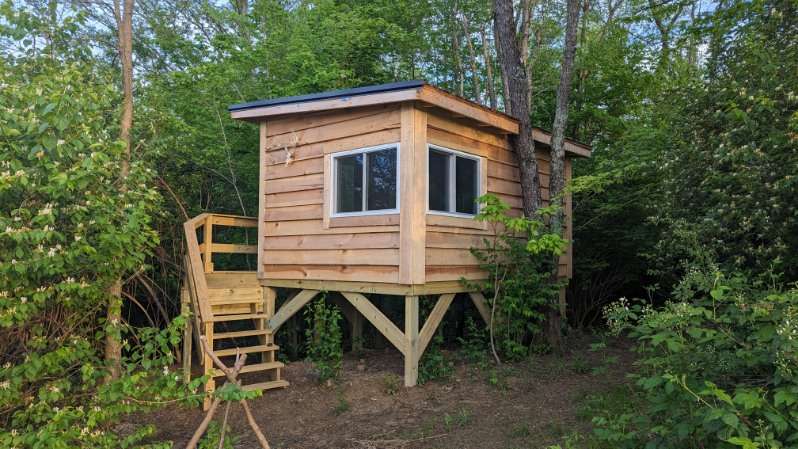
18. The Shack
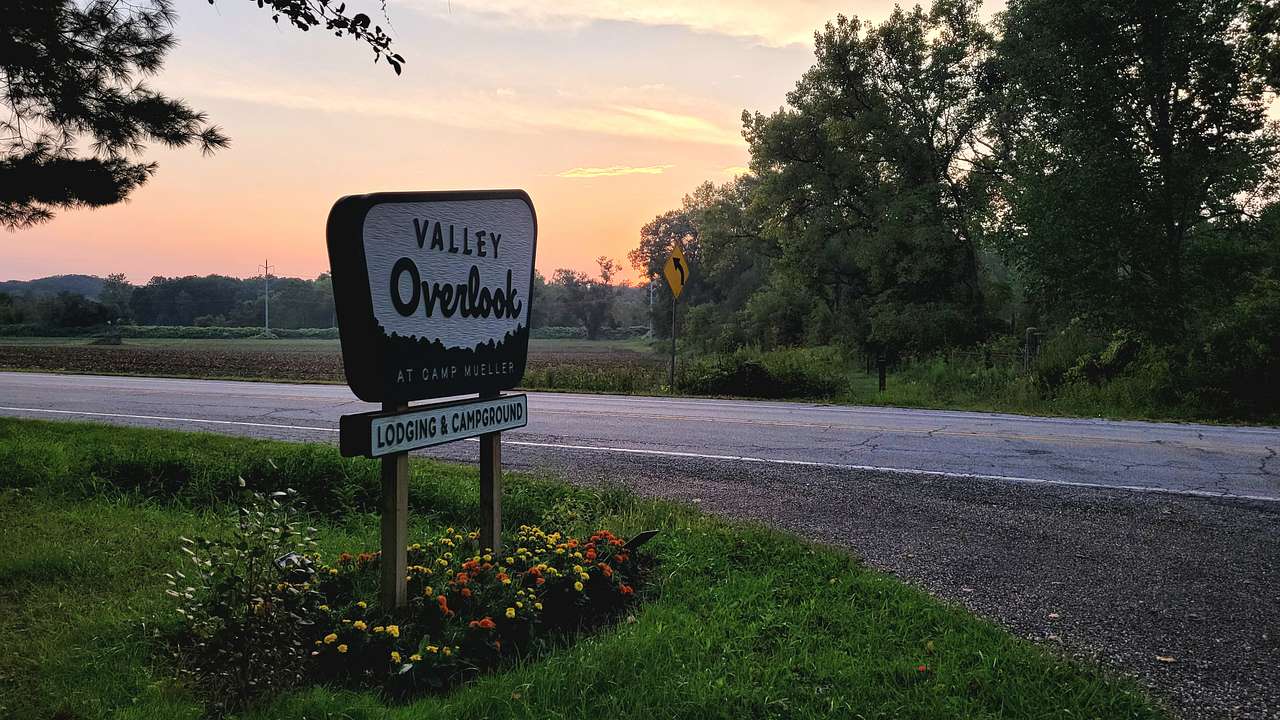


19. Valley Overlook
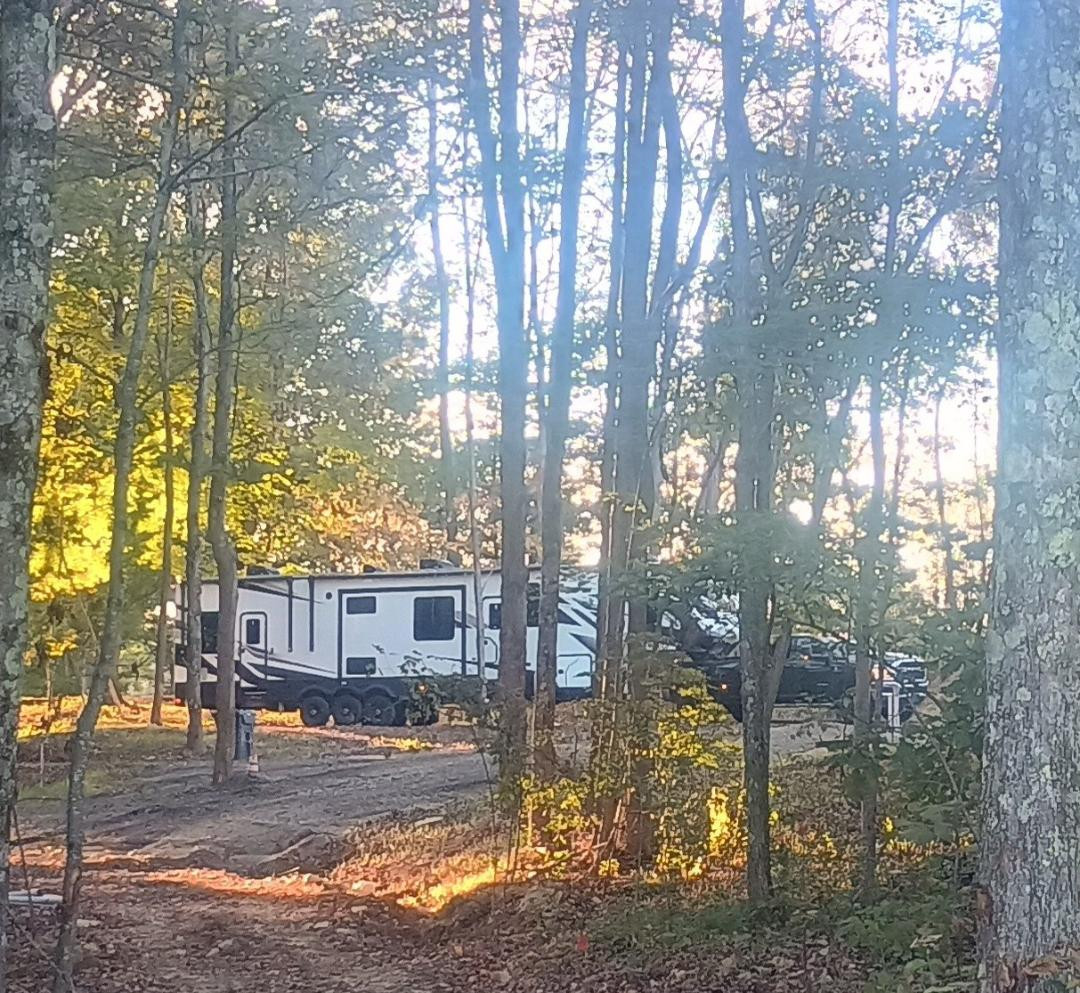
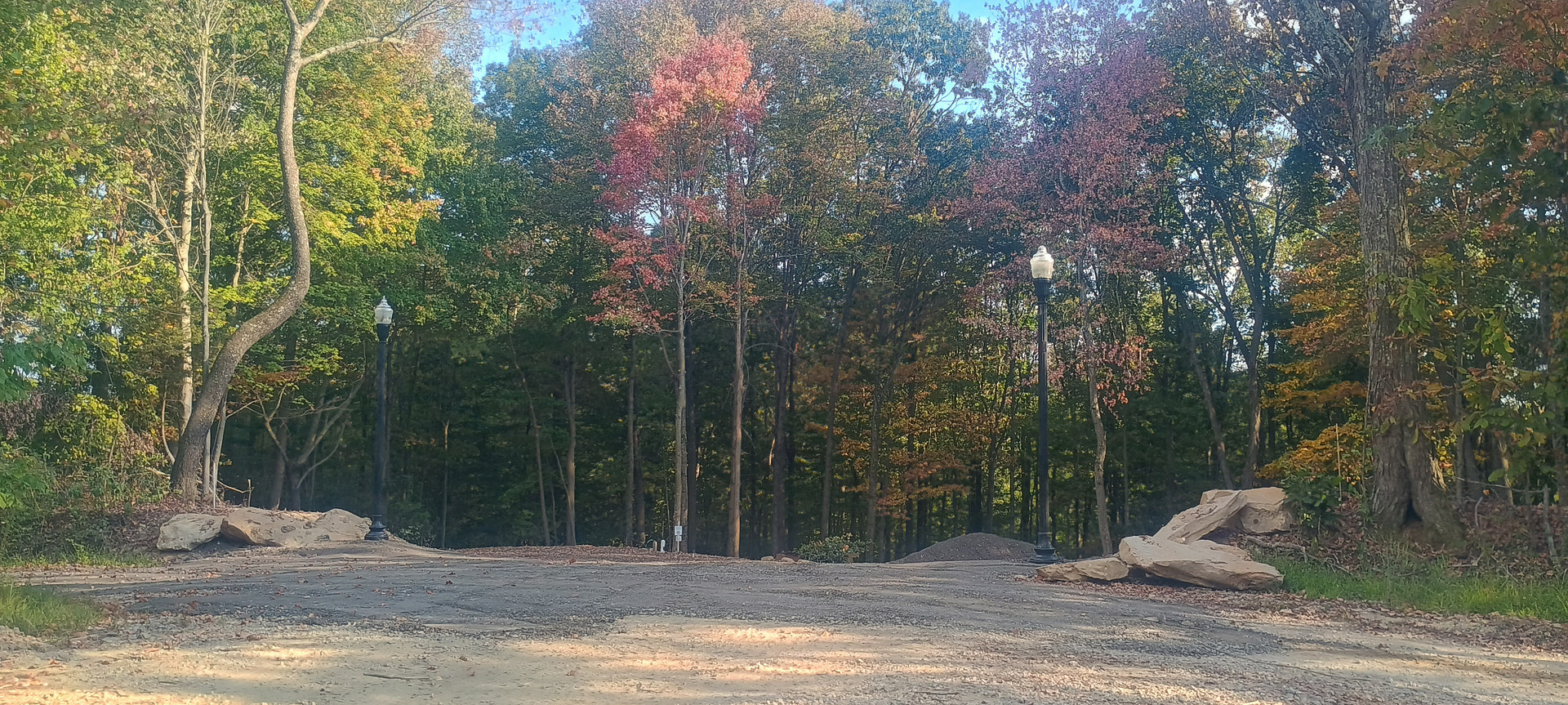
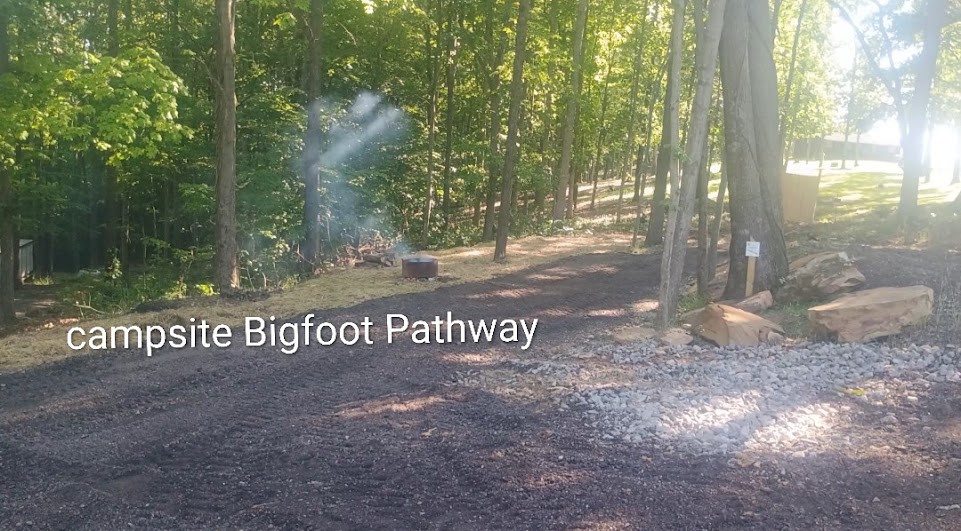
20. Wild Ridge Campsites and LodgingLLC
The Lake at the Flying J Farm
Altenbrauch Farm
Fruitdale Farm
Yourway Camp
The Turkey Hollow Campground
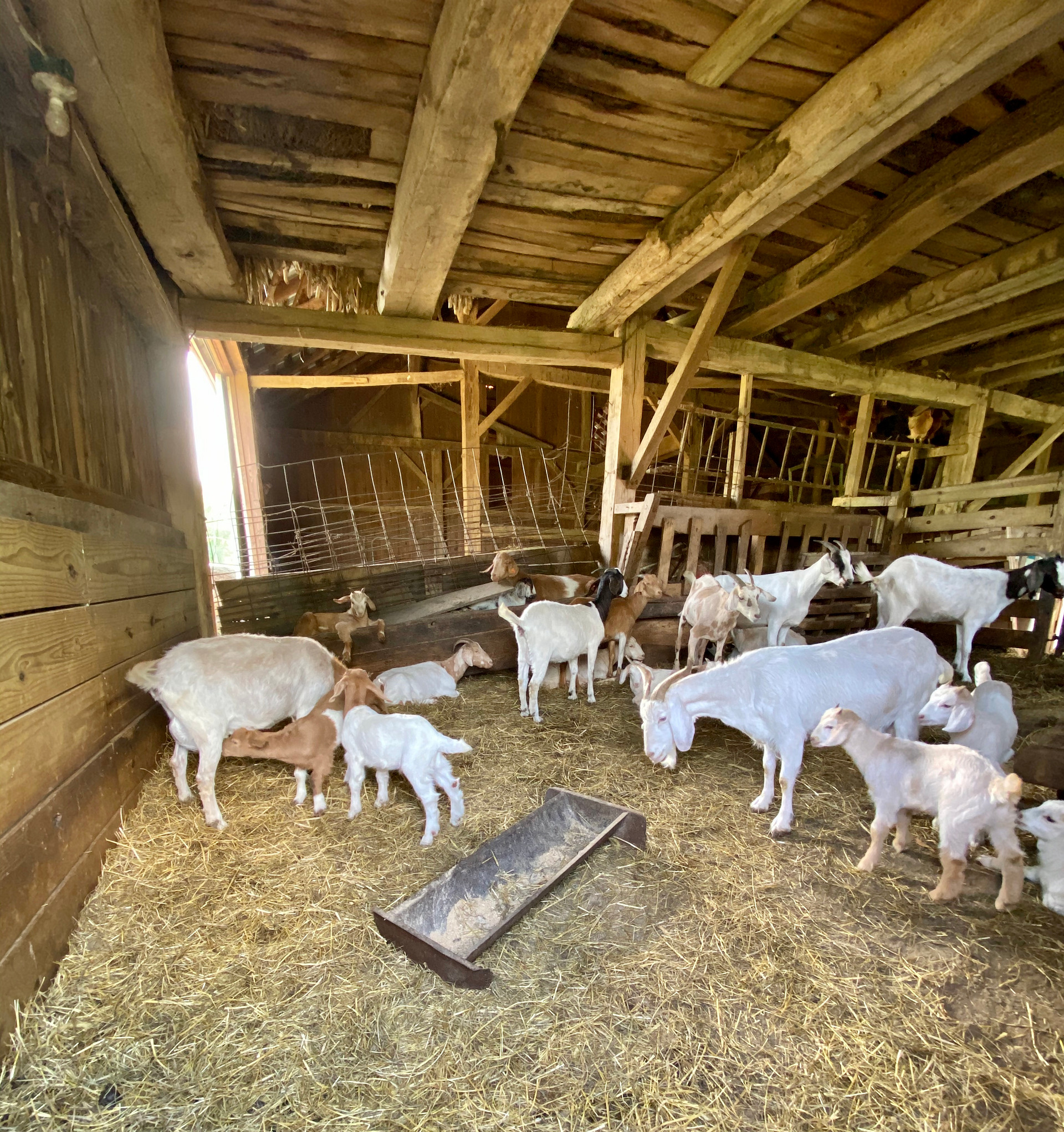
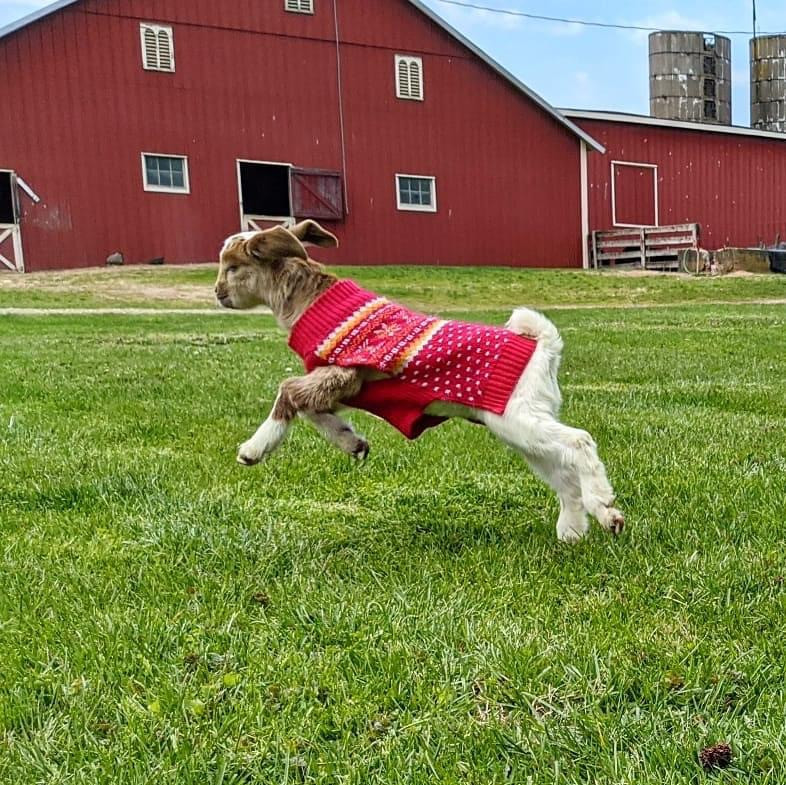
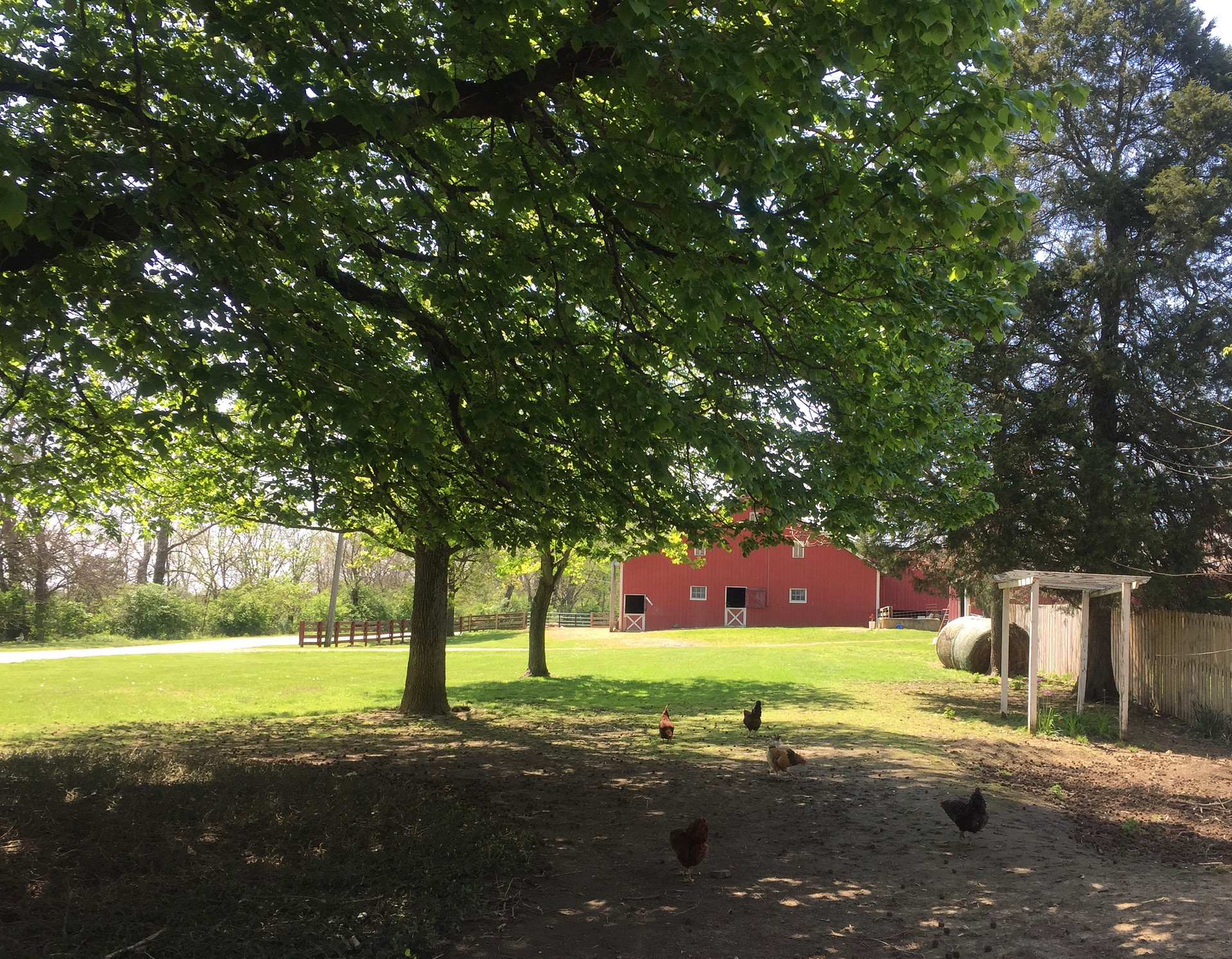
Camping with Unruly Goats
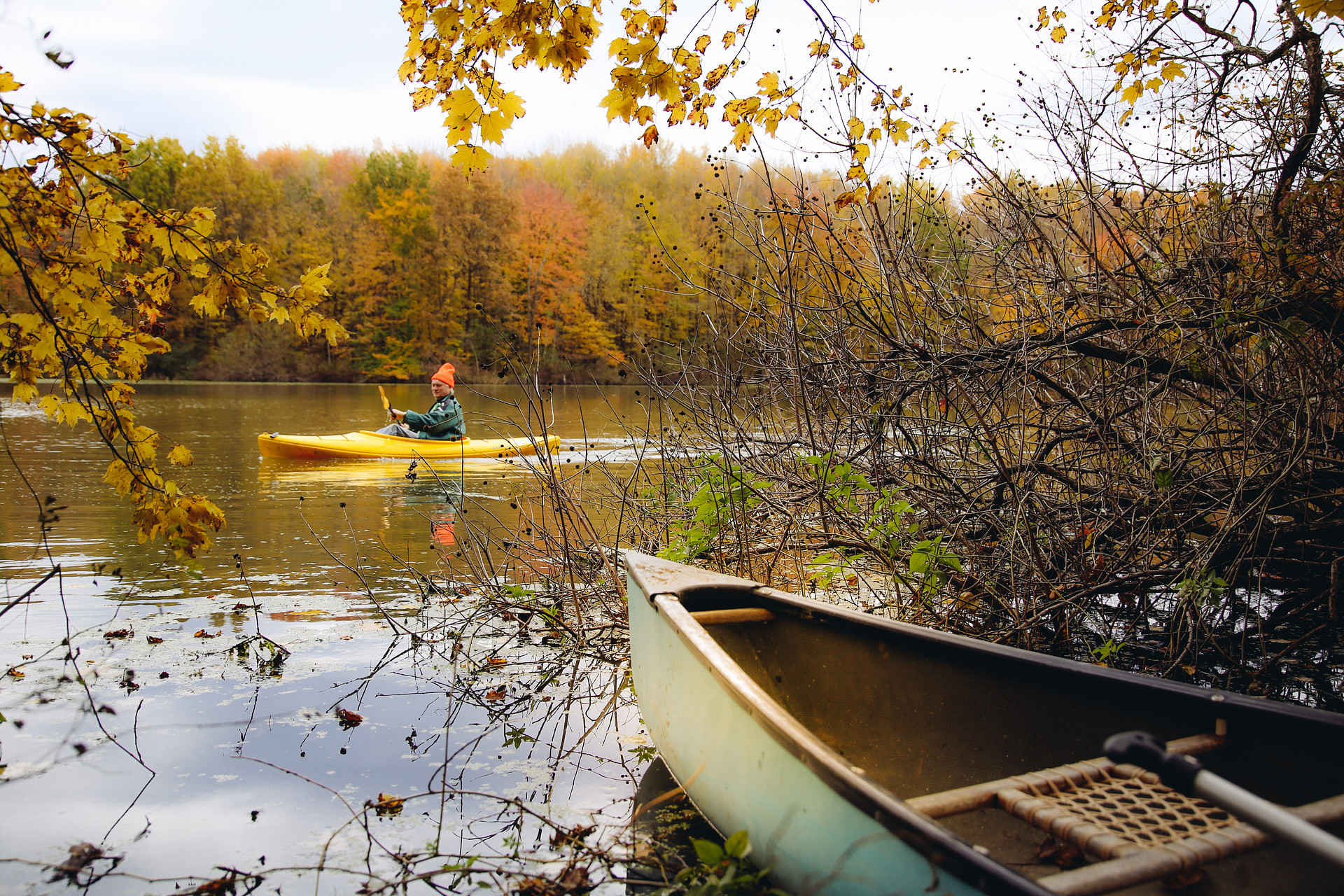
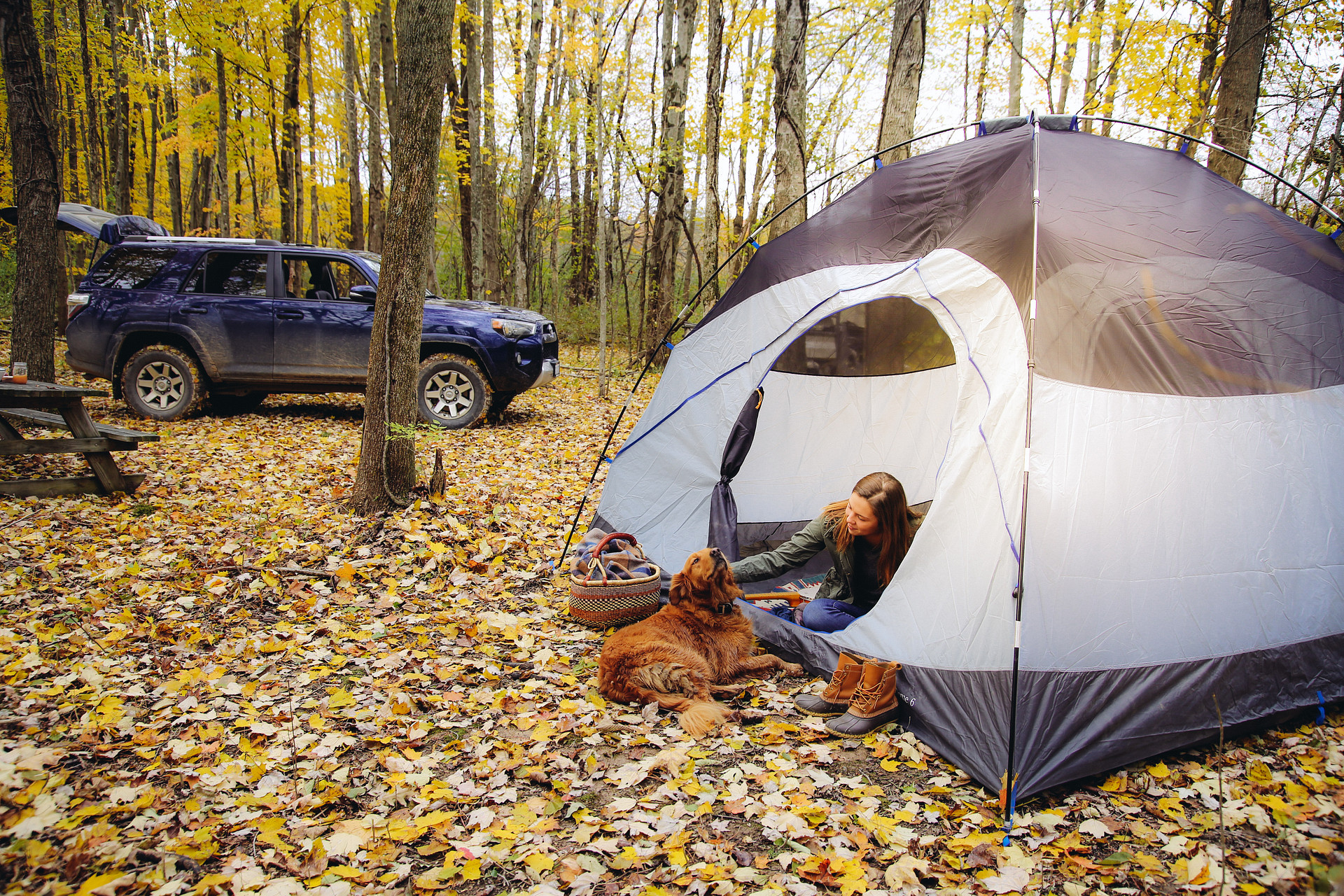
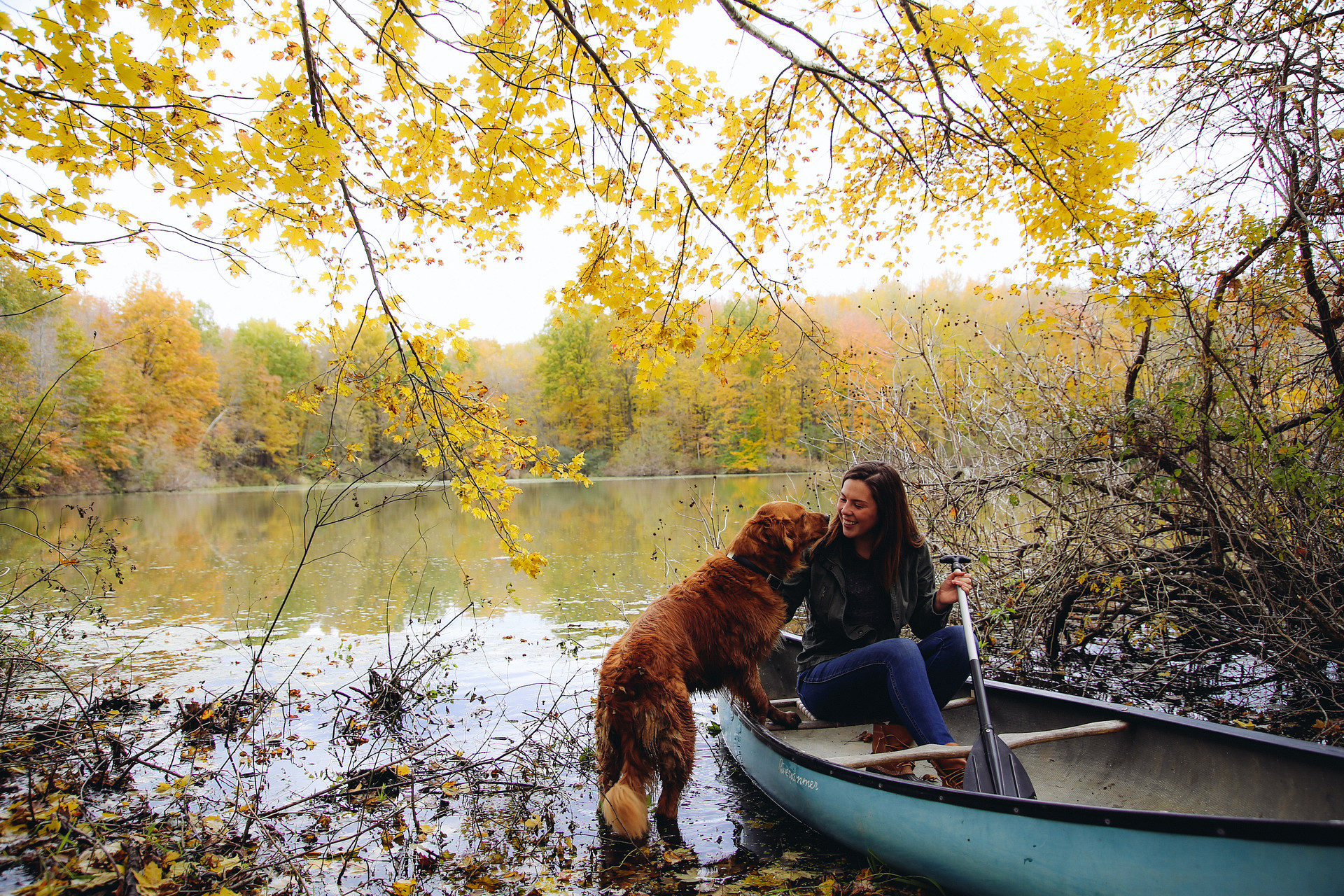
The Lake at the Flying J Farm
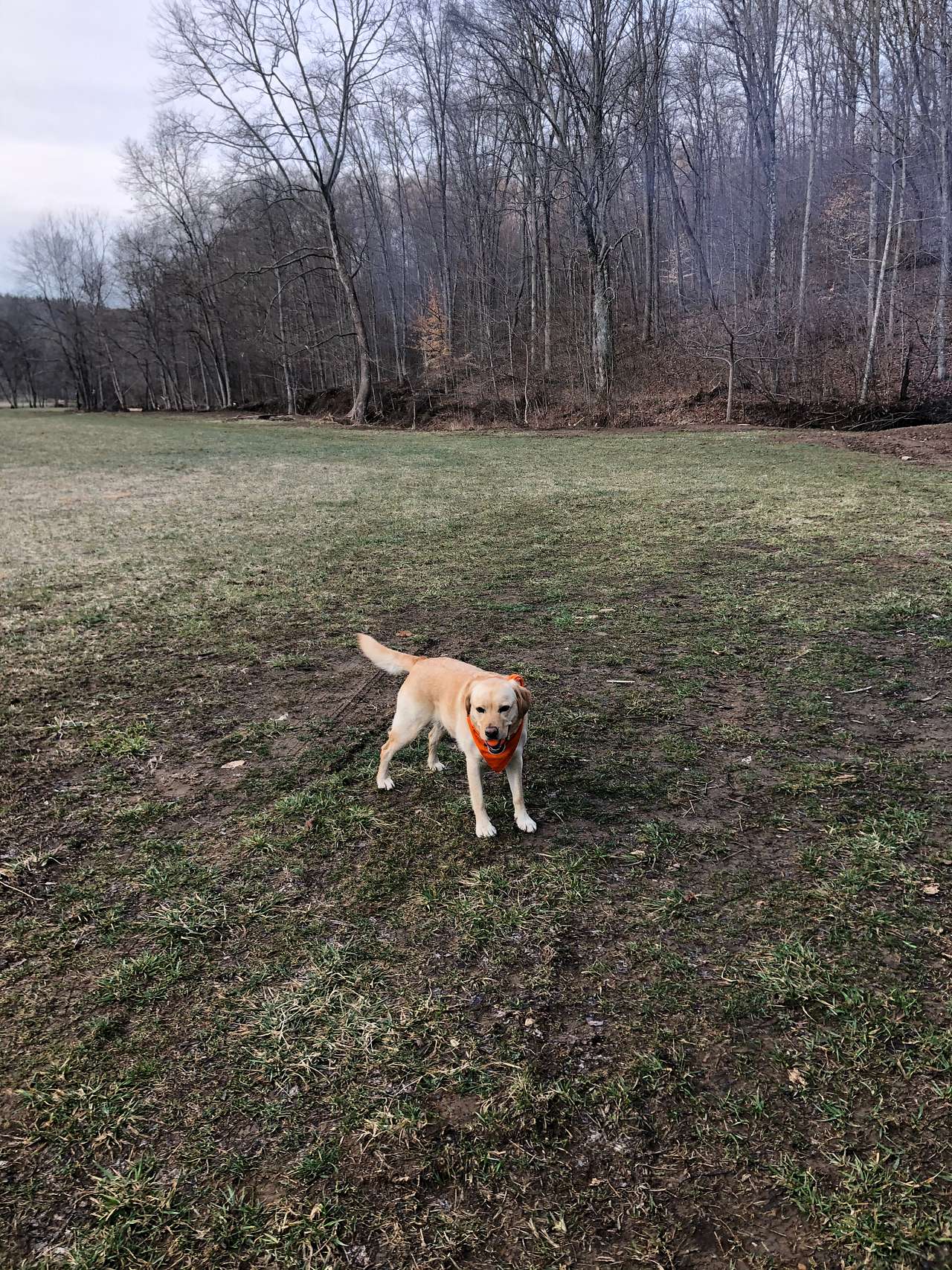
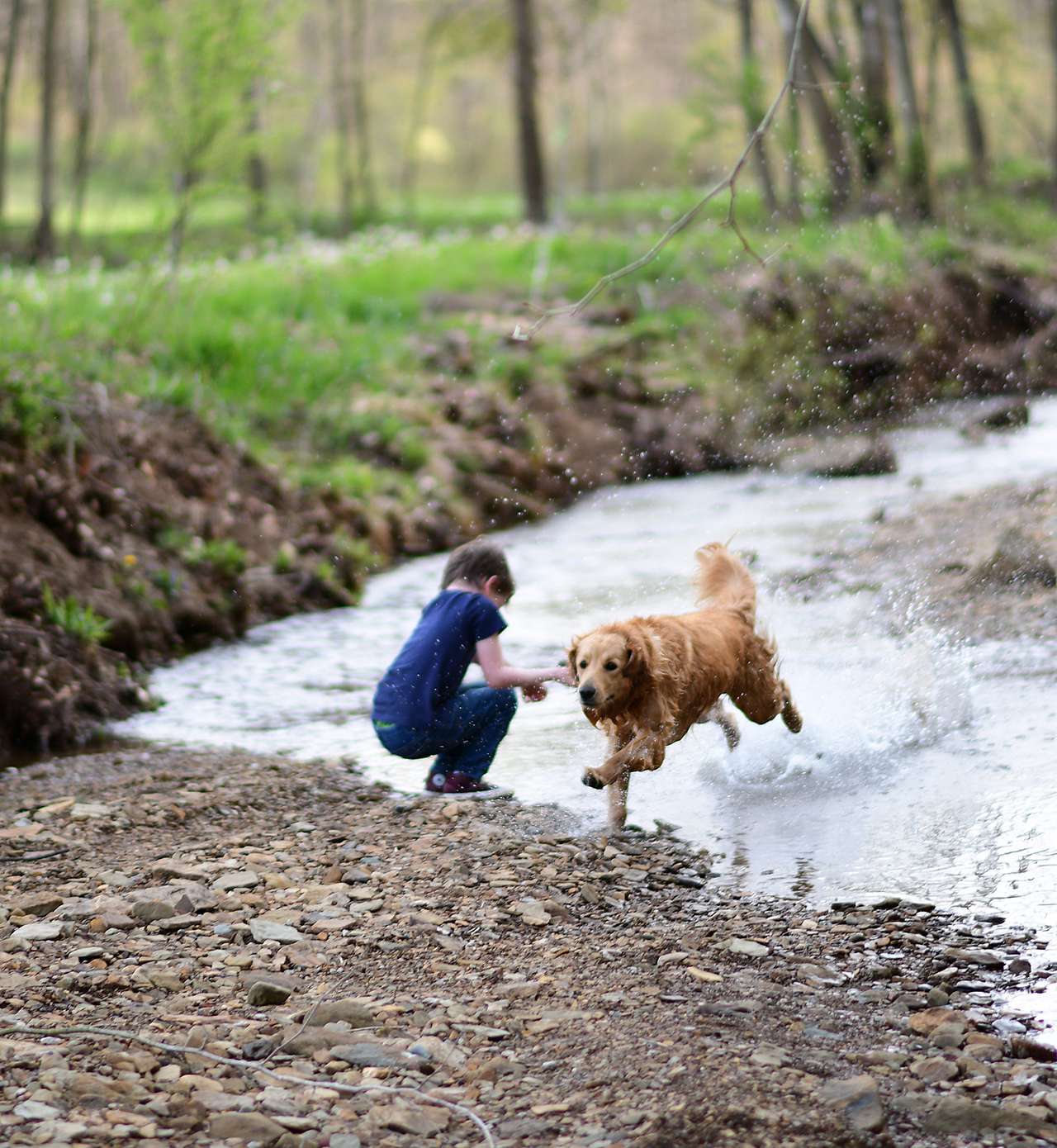
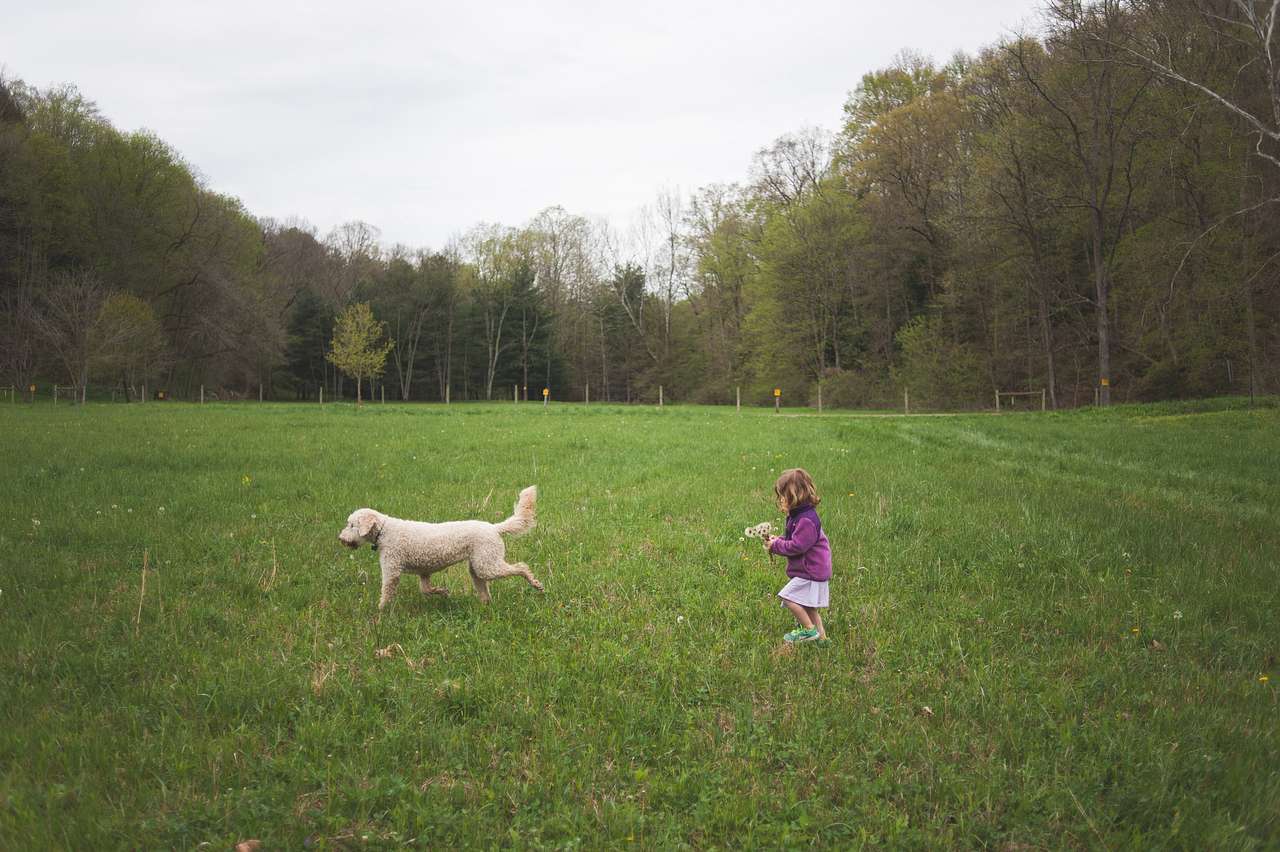
Altenbrauch Farm


Fruitdale Farm

Salt Creek Camp at Sunnyvale Farm
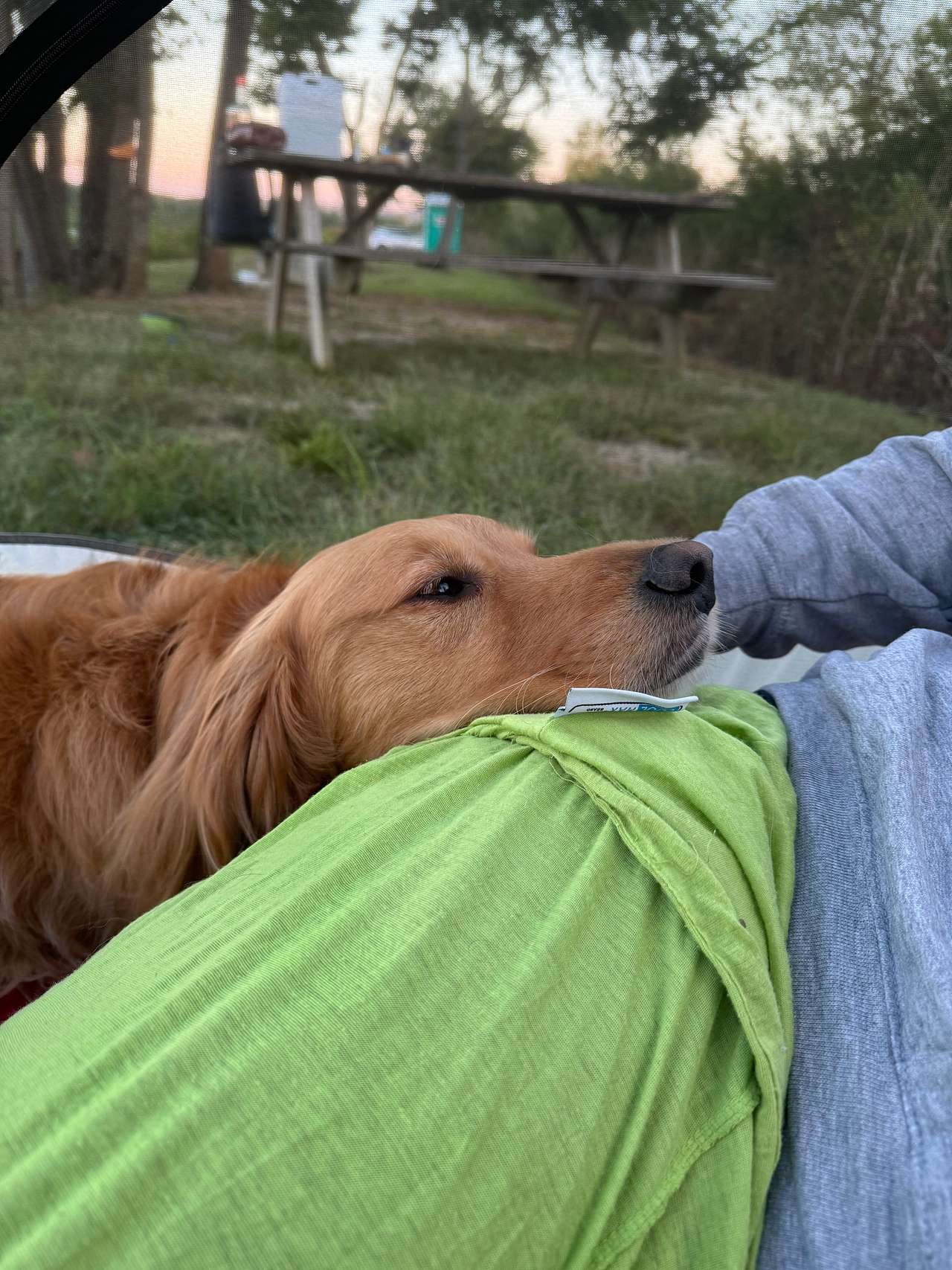
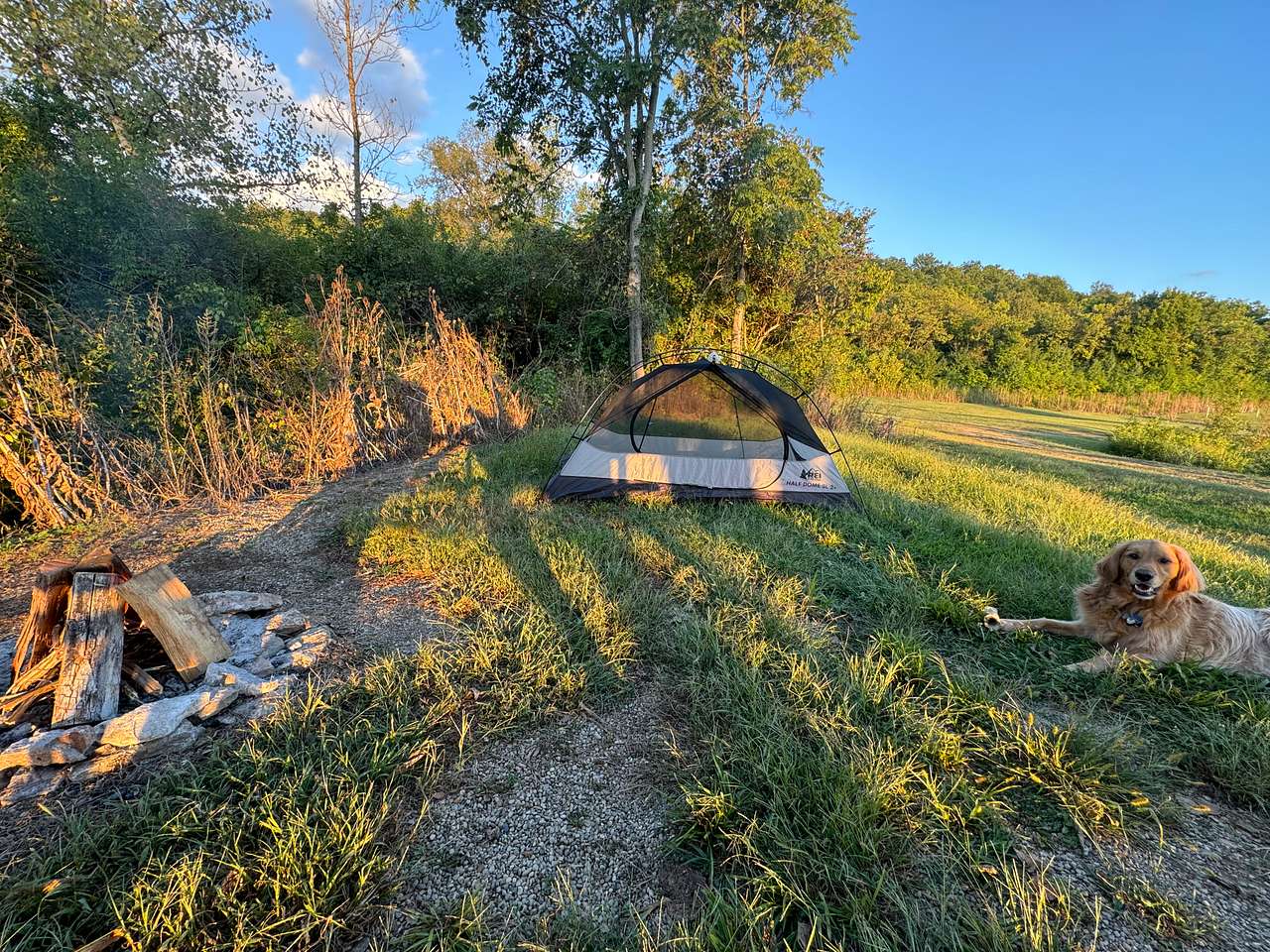
Carriage House Farm
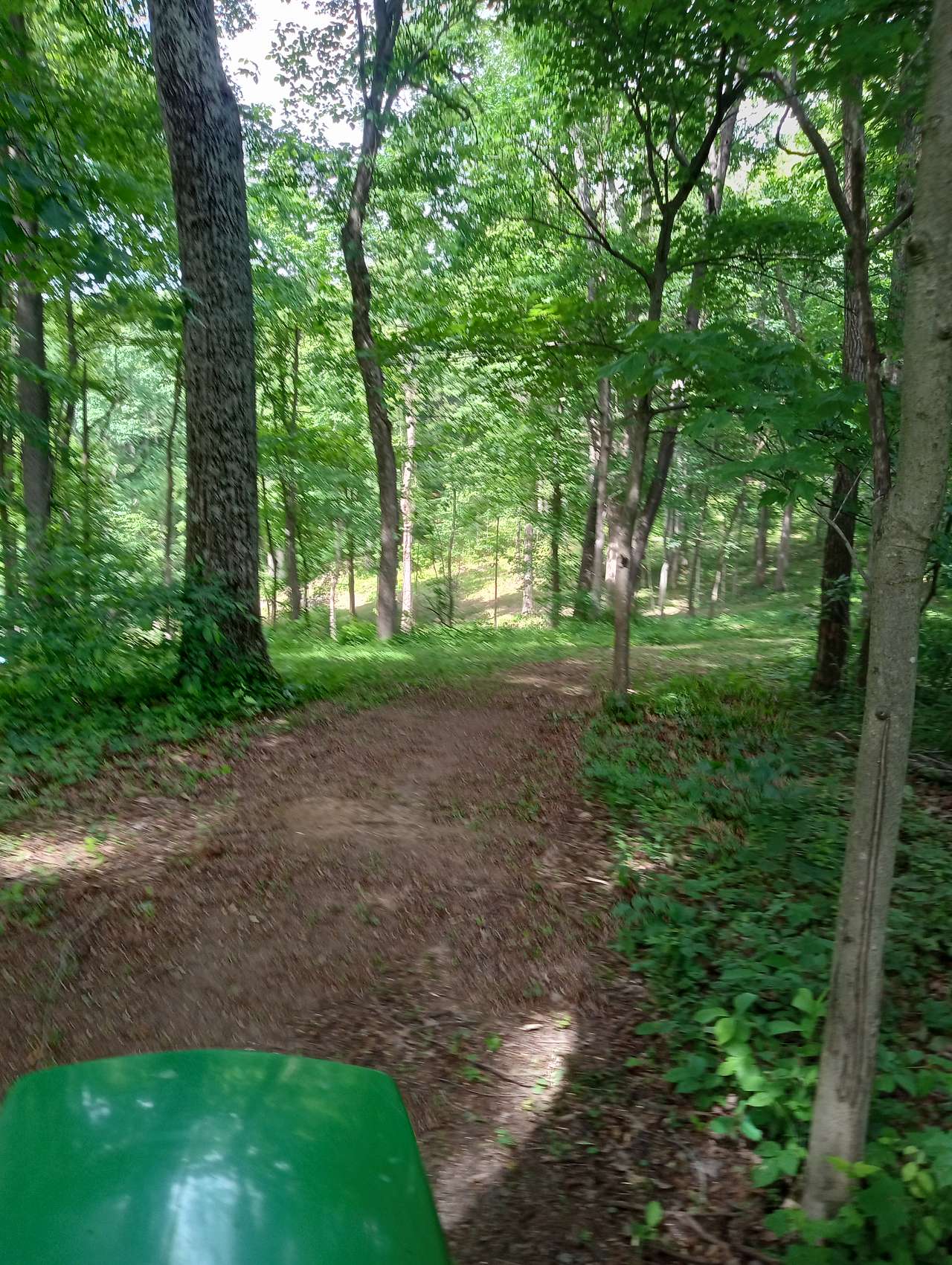
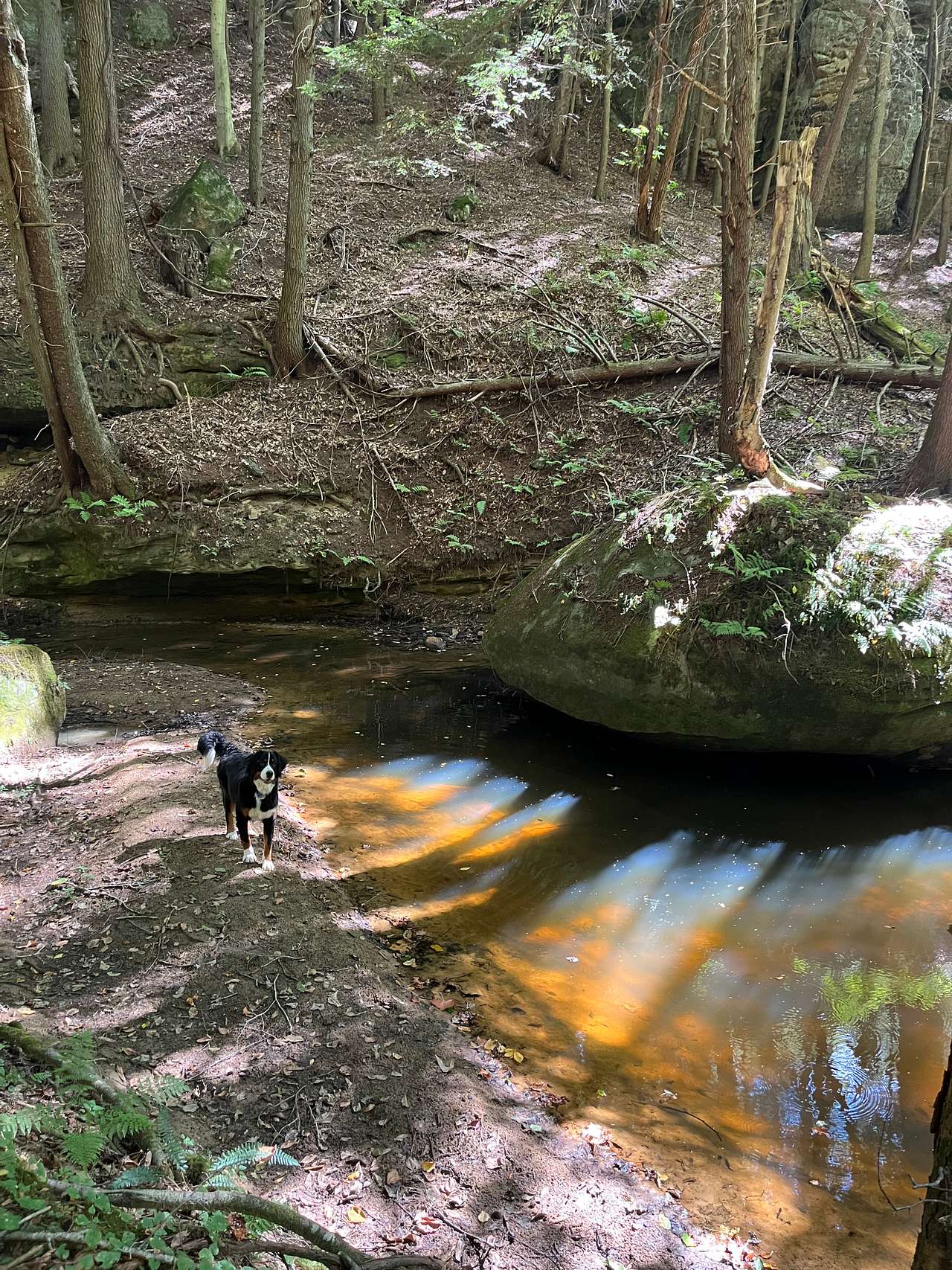
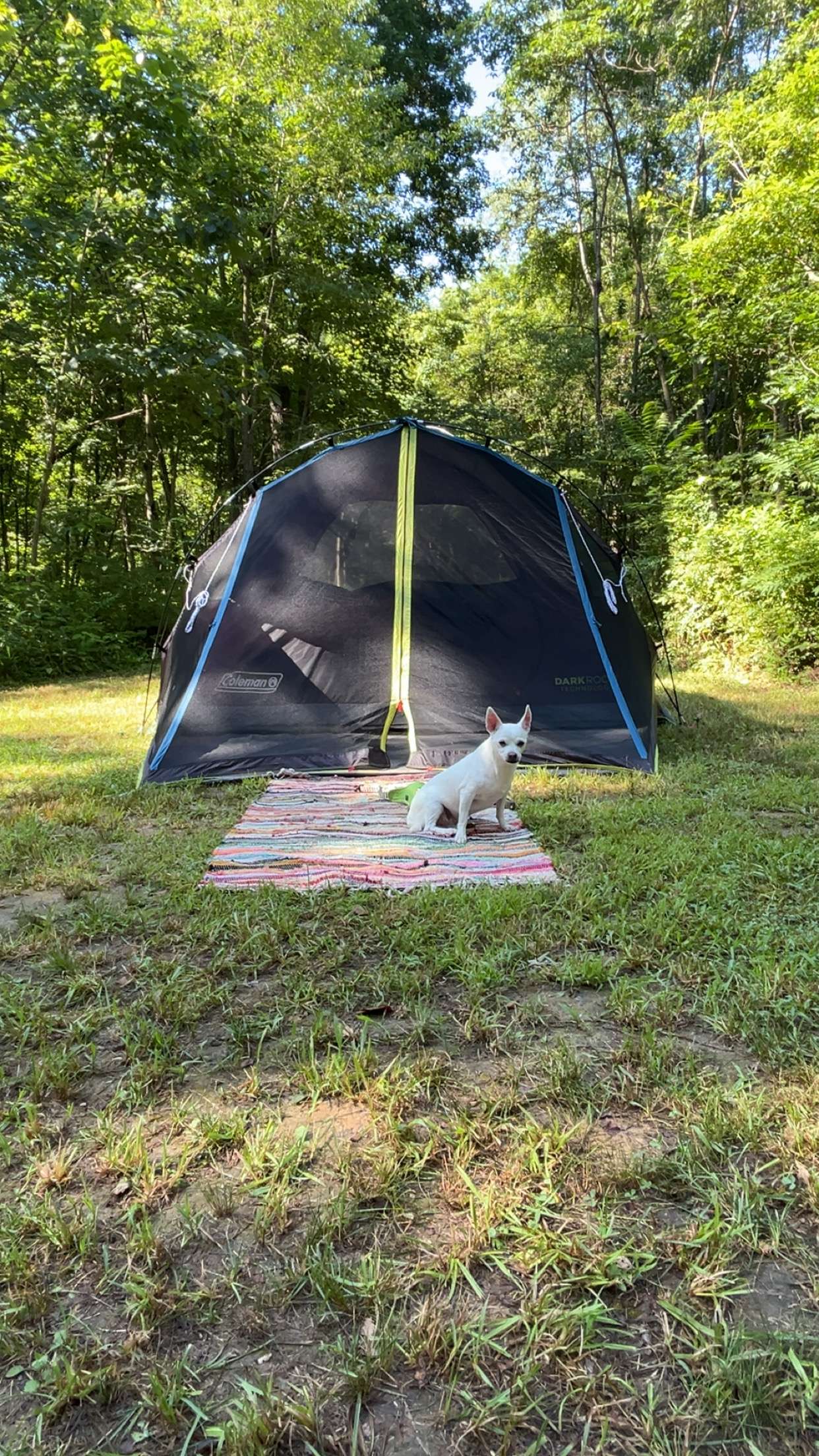
Nature's Way
Recent reviews from the Hipcamp community

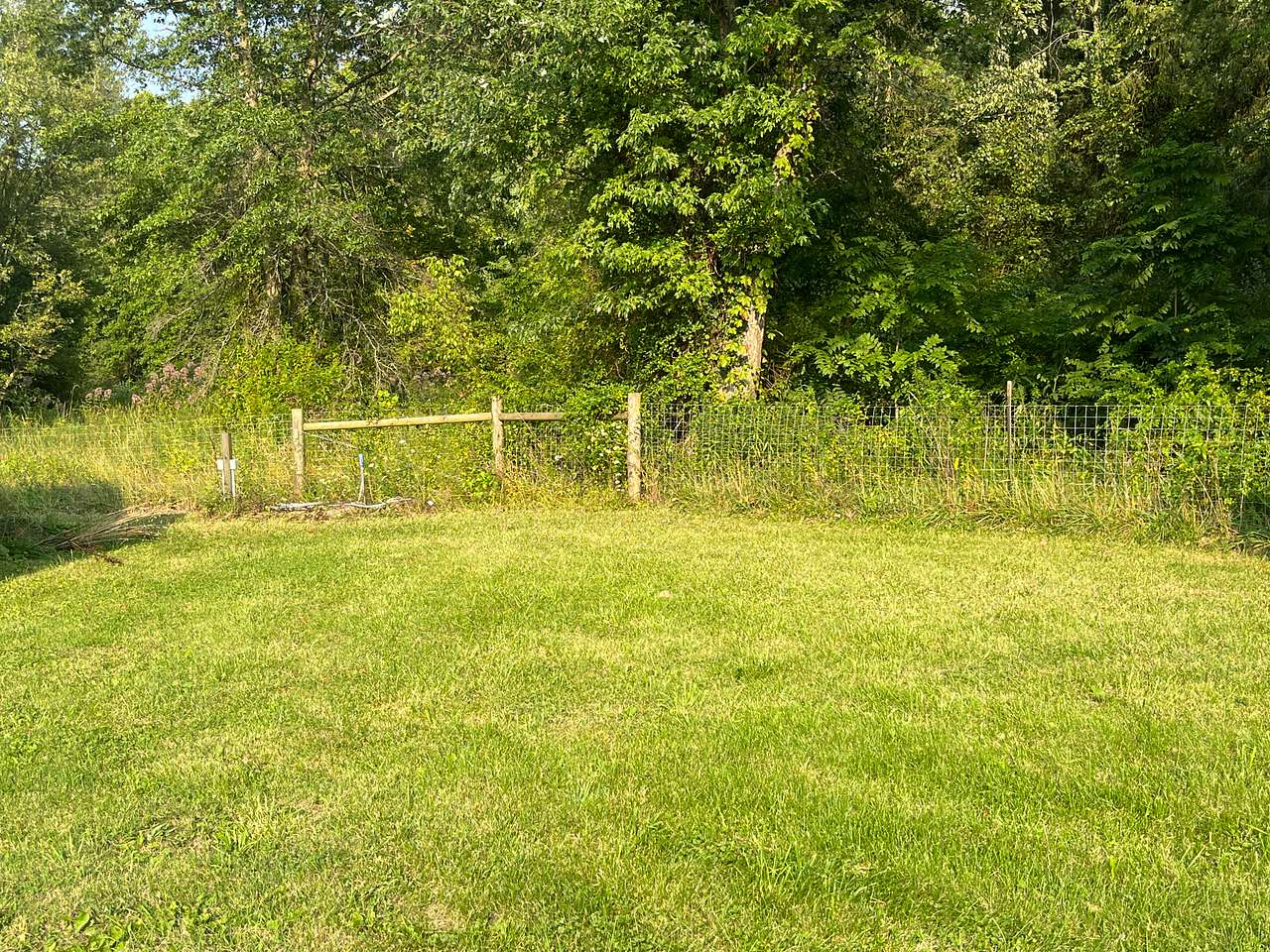

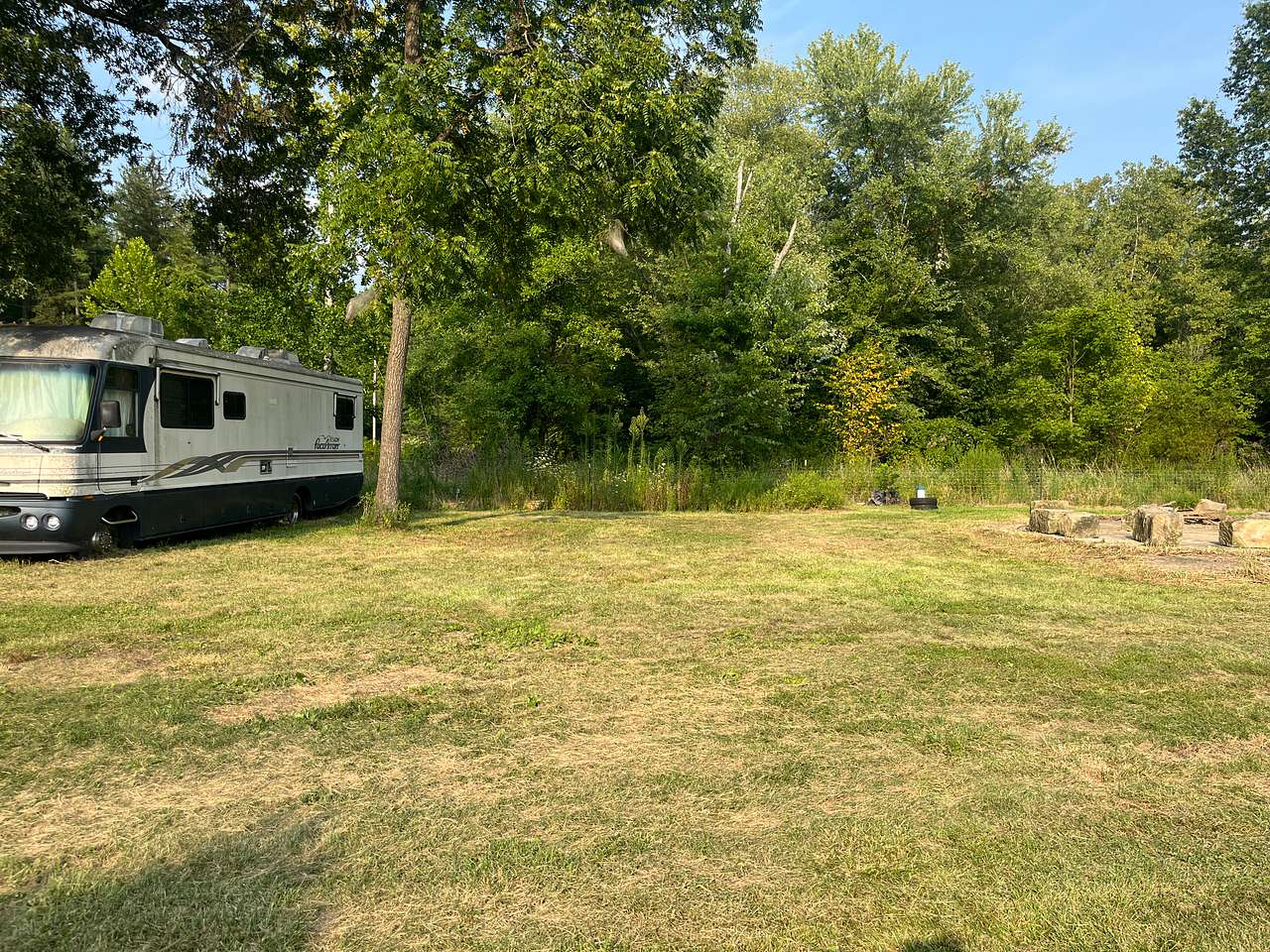
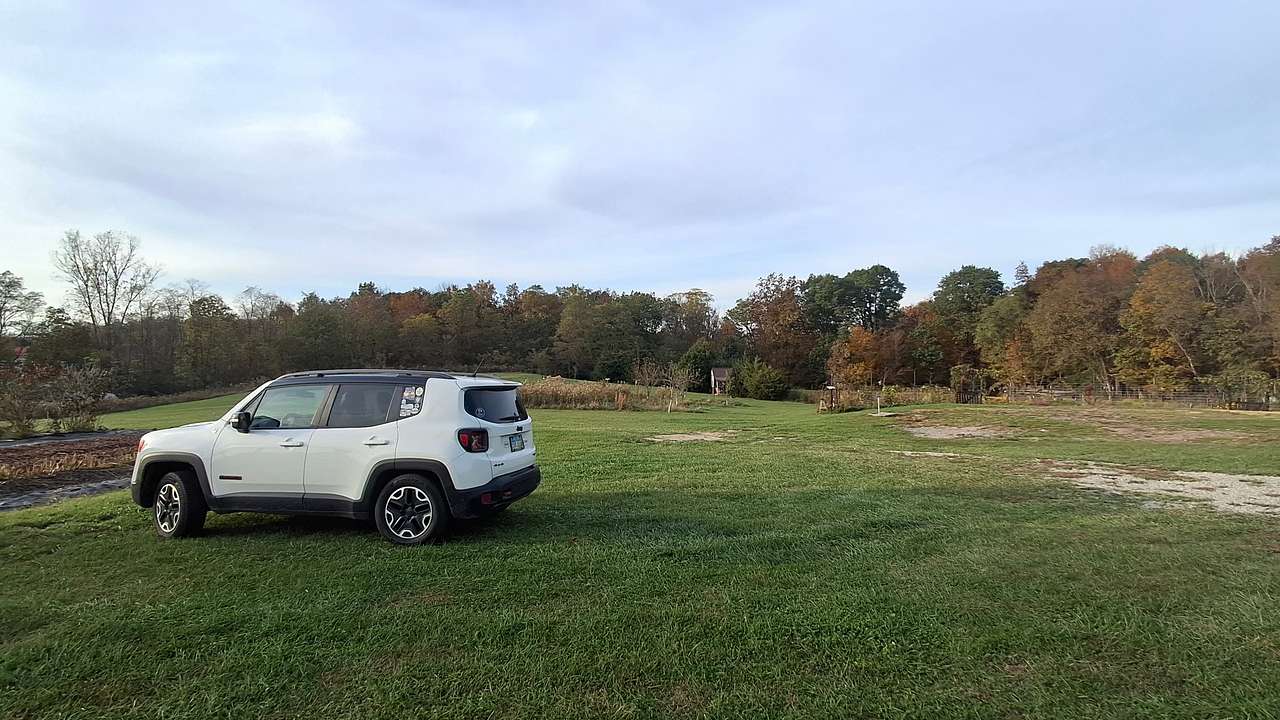

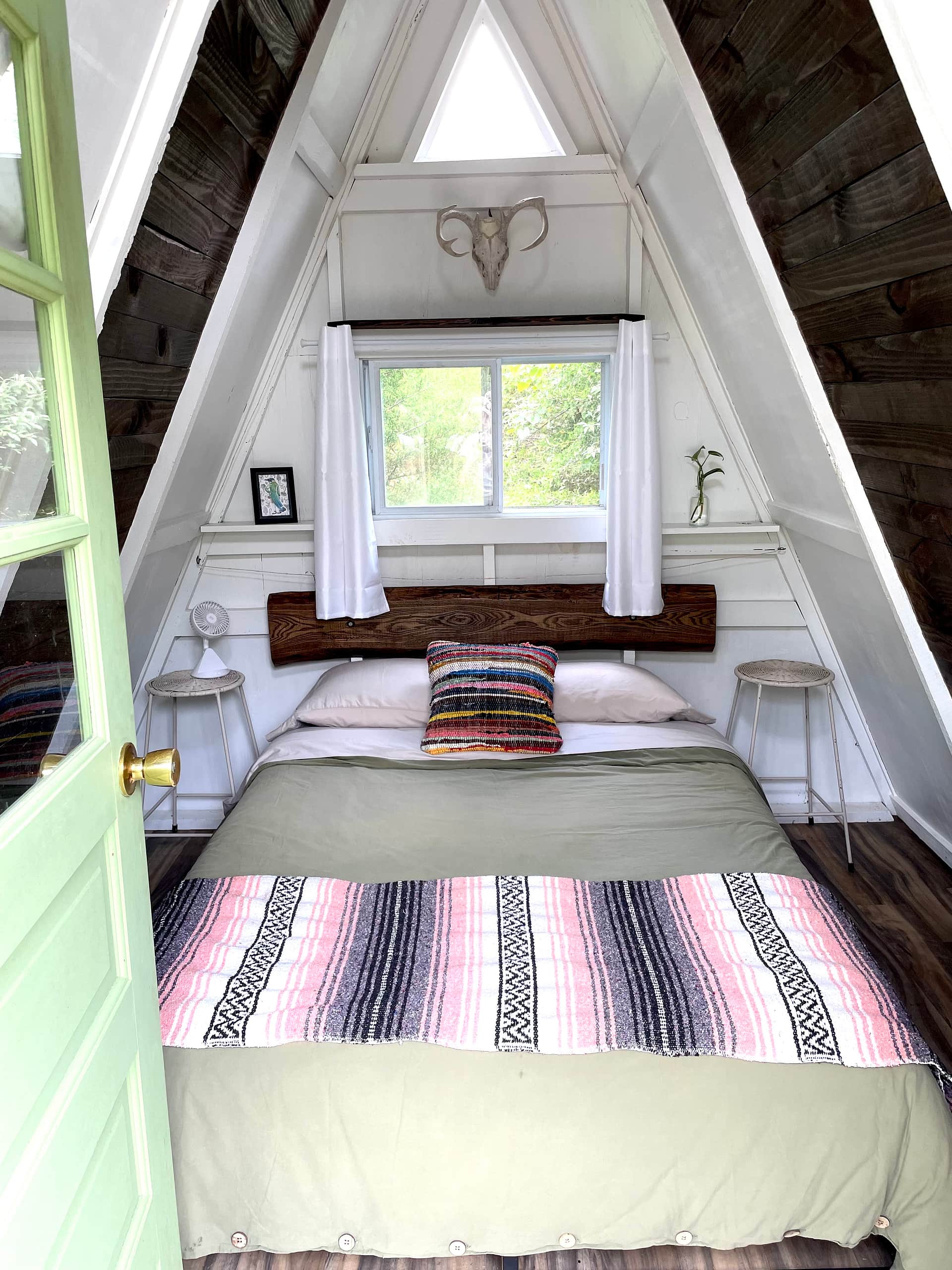

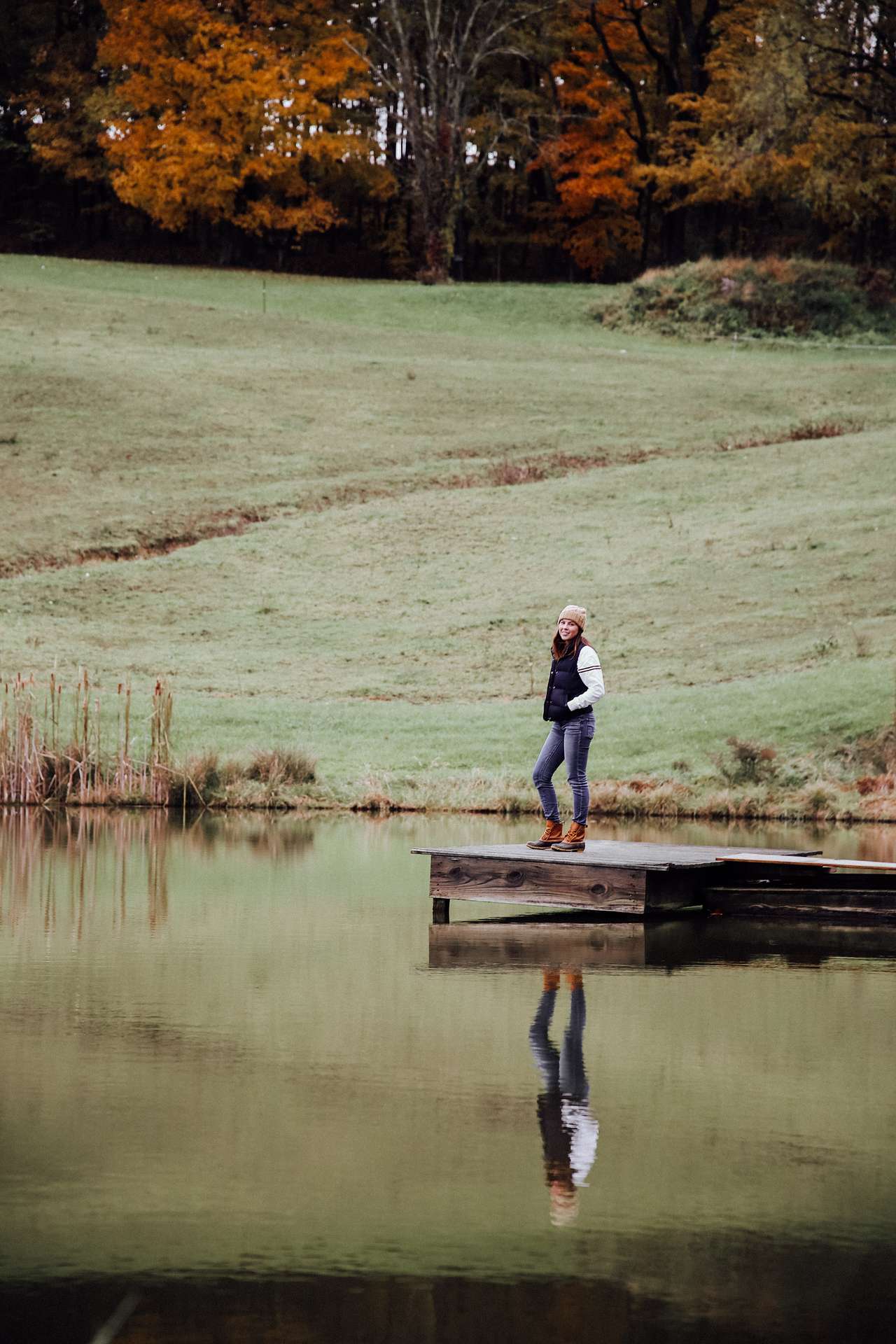
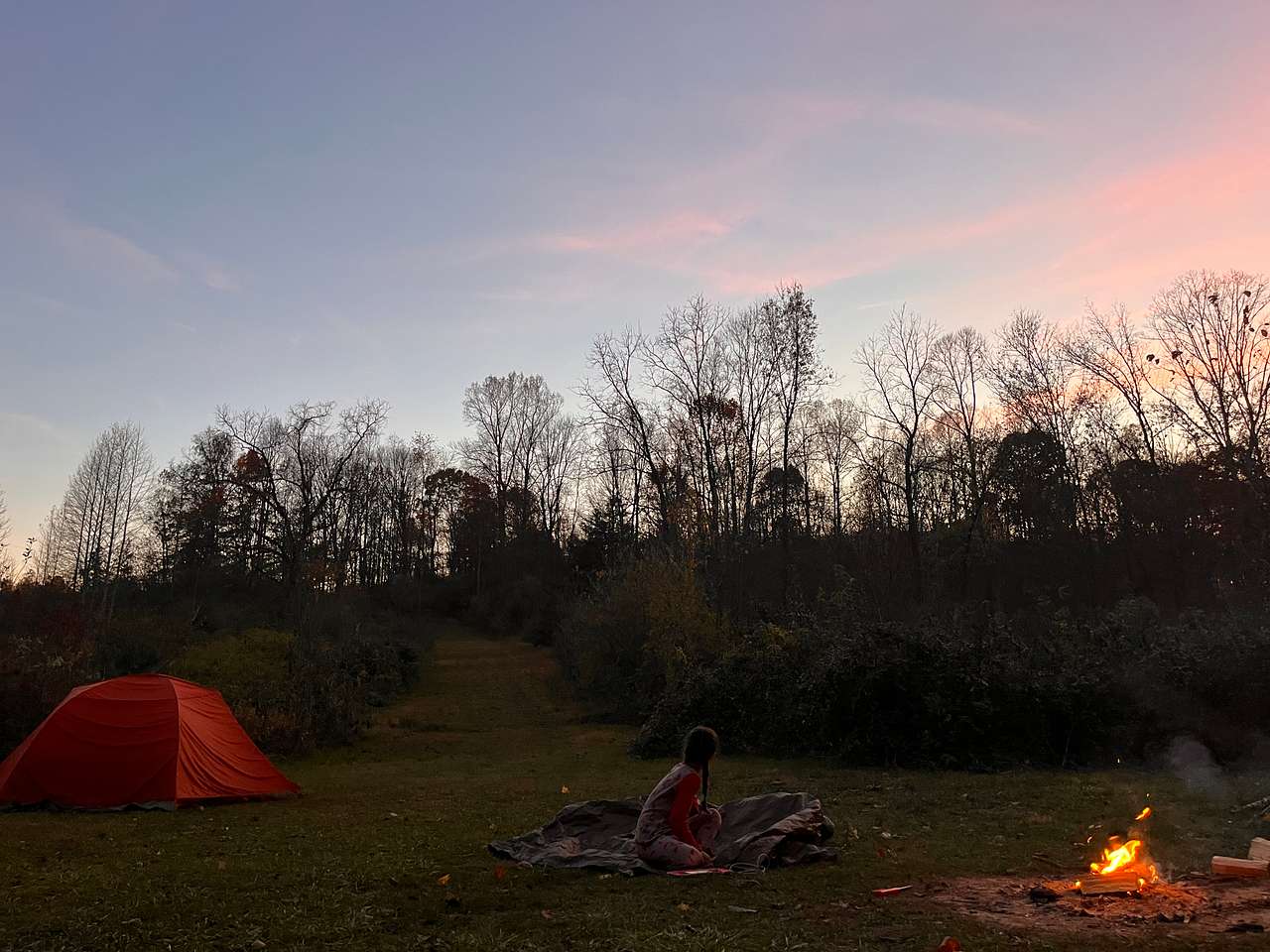
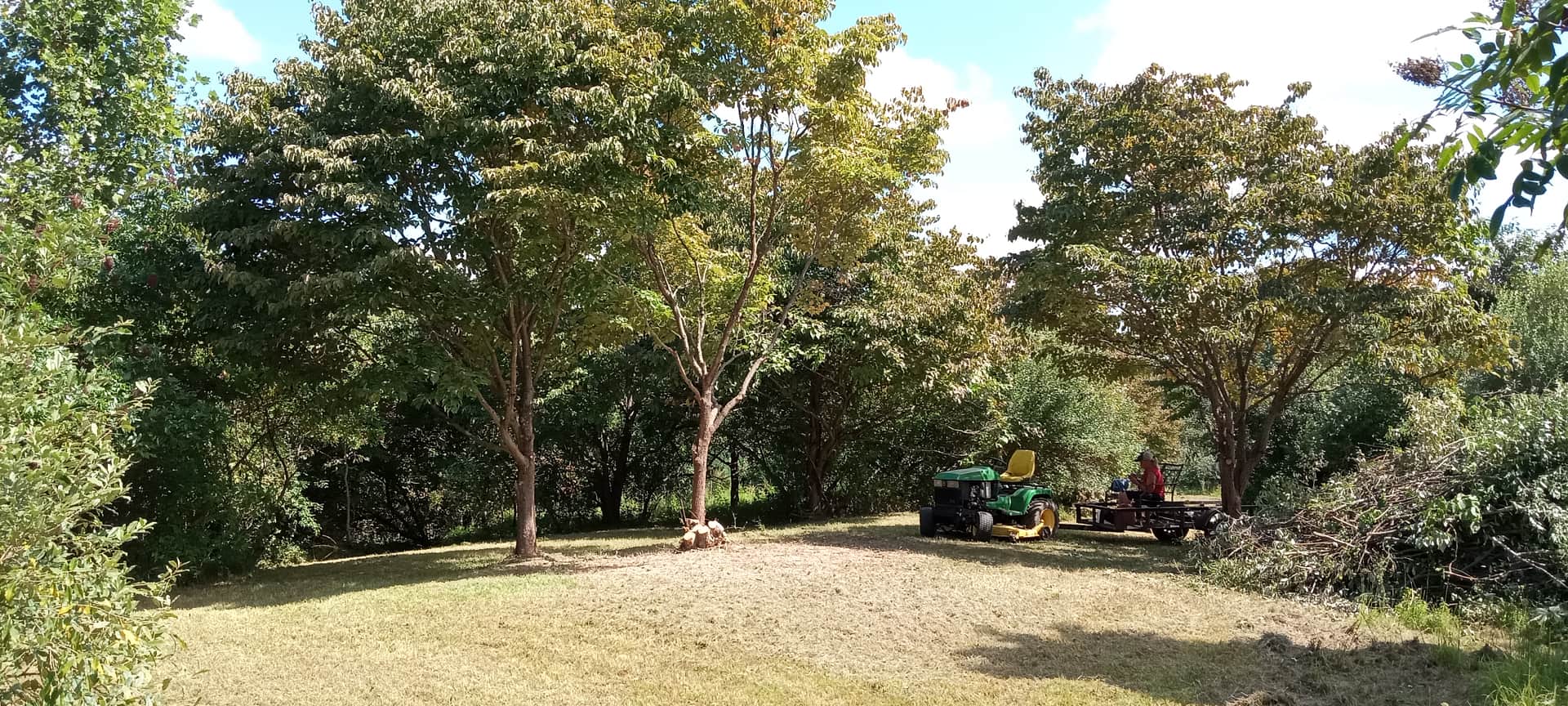


Ohio camping guide
Where to go
Great Lakes Plains
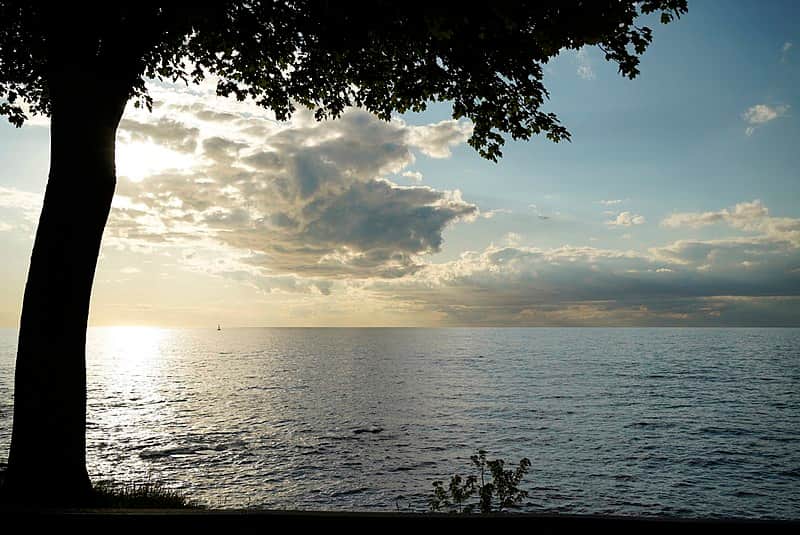
Sandy beaches and island getaways dot the 312-mile shore of Lake Erie, stretching from Toledo through Cleveland to Conneaut. East Harbor State Park is a highlight of the Lake Erie Birding Trail, and birders flock to nearby Maumee Bay State Park during the spring warbler migration. The most scenic spots for summer camping are on the islands, and regular ferries set out for the Bass Islands and Kelleys Island state parks.
Till Plains
Cornfields and farmlands blanket Ohio’s central region, but there are also more than a dozen state parks within a short drive of Columbus. The limestone gorges of John Bryan State Park harbor some of the region’s best hiking trails, while to the north, the Mohican River is one of Ohio’s top spots for canoeing. For beaches, boating, and lakeside campgrounds, Indian Lake State Park and Alum Creek State Park are both popular choices.
Appalachian Plateau
East of the Till Plains, the patchwork farmlands of Amish Country lead the way to the state’s only national park, Cuyahoga Valley. This is where Ohio’s adventurous spirit comes into its own—take a ride on the Cuyahoga Valley Railroad, go ziplining or caving in the Hocking Hills State Park, or enjoy backcountry camping in the heart of the Wayne National Forest.
Bluegrass Region
Rambling woodlands and steep cliffs line the banks of the Ohio River in the state’s southernmost region. Just outside Cincinnati, East Fork State Park has one of the largest state campgrounds in Ohio, while the rugged landscapes of the Shawnee State Park are just a 2-hour drive from the city. For hikers, the ultimate challenge is the North Country National Scenic Trail, which cuts through southern Ohio.
Frequently Asked Questions
No, it is not legal to camp anywhere in Ohio. Camping is only allowed in designated campgrounds and camping areas on public lands such as state parks, state forests, and wildlife areas. Additionally, private campgrounds and Hipcamp properties are available for camping. It is important to follow the rules and regulations of the area where you plan to camp and to obtain any necessary permits or permissions.
For a list of camping options in Ohio, you can visit Hipcamp or explore specific areas like Cleveland and Dayton.
While East Harbor State Park campground is a large campground in Ohio, the largest campground in the state is actually Indian Lake State Park Campground, which has over 800 sites. East Harbor State Park campground is located on the shores of Lake Erie and offers more than 500 campsites, including electric and non-electric sites for tents and RVs. The park provides various amenities, such as restrooms, showers, a camp store, a beach, picnic areas, and hiking trails.
In Ohio, whether you need a permit to camp depends on the type of camping and the location. For most state parks and campgrounds, you do not need a specific permit; however, you will need to make a reservation and pay any associated fees. Reservations can be made through the Ohio State Parks Reservation System or by contacting the park directly. For primitive or dispersed camping in Ohio's state forests, you may need a permit depending on the location and duration of your stay. It's essential to check with the specific state forest or location before embarking on your trip. For private camping options, you can explore and book camping sites through websites like Hipcamp, which provides information on various Ohio camping locations, including tent camping, tent in the woods, and primitive camping. Always check the specific rules and regulations of the location you plan to camp in to ensure you have the required permits or reservations.