Top-rated campgrounds in Maine
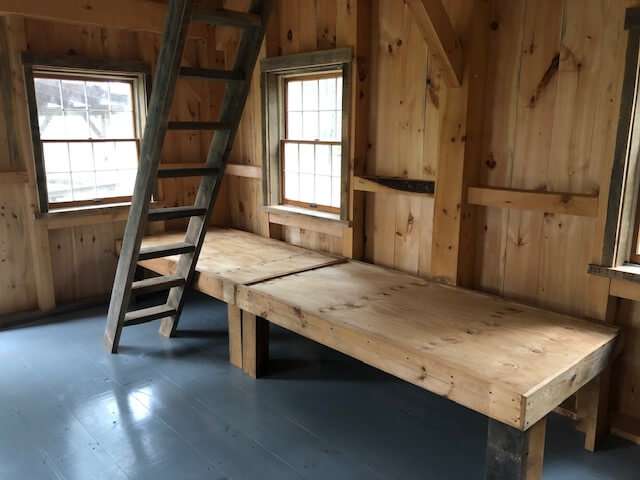
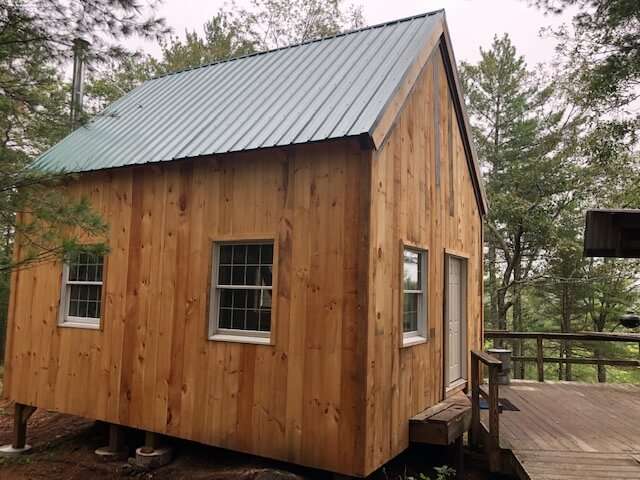
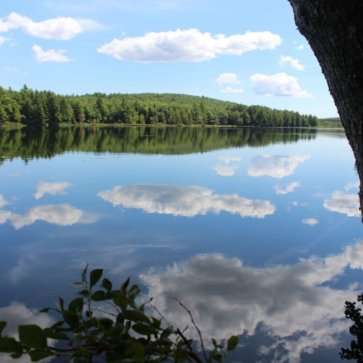
1. Hidden Valley Nature Center


2. Green Apple Grove
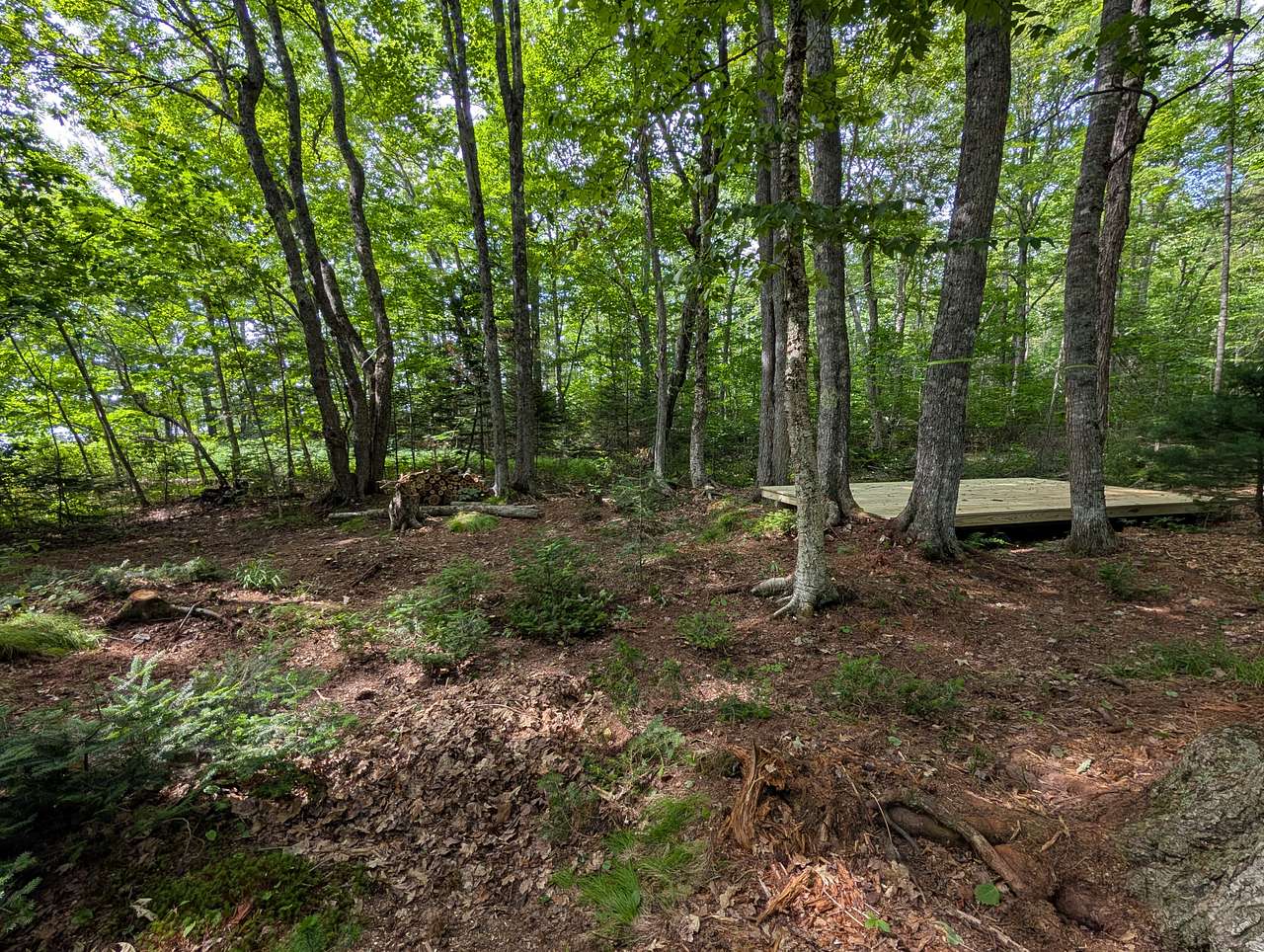
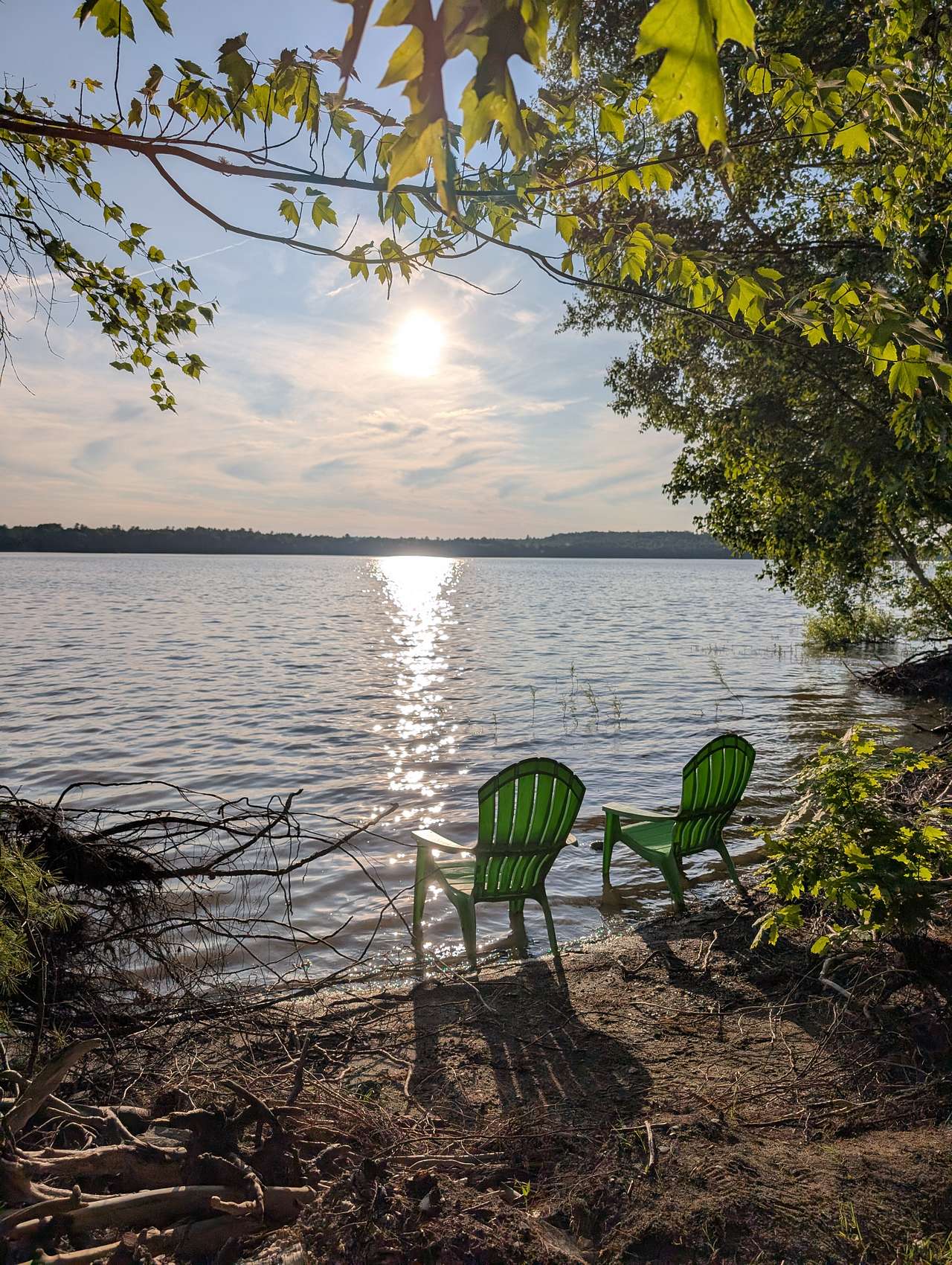
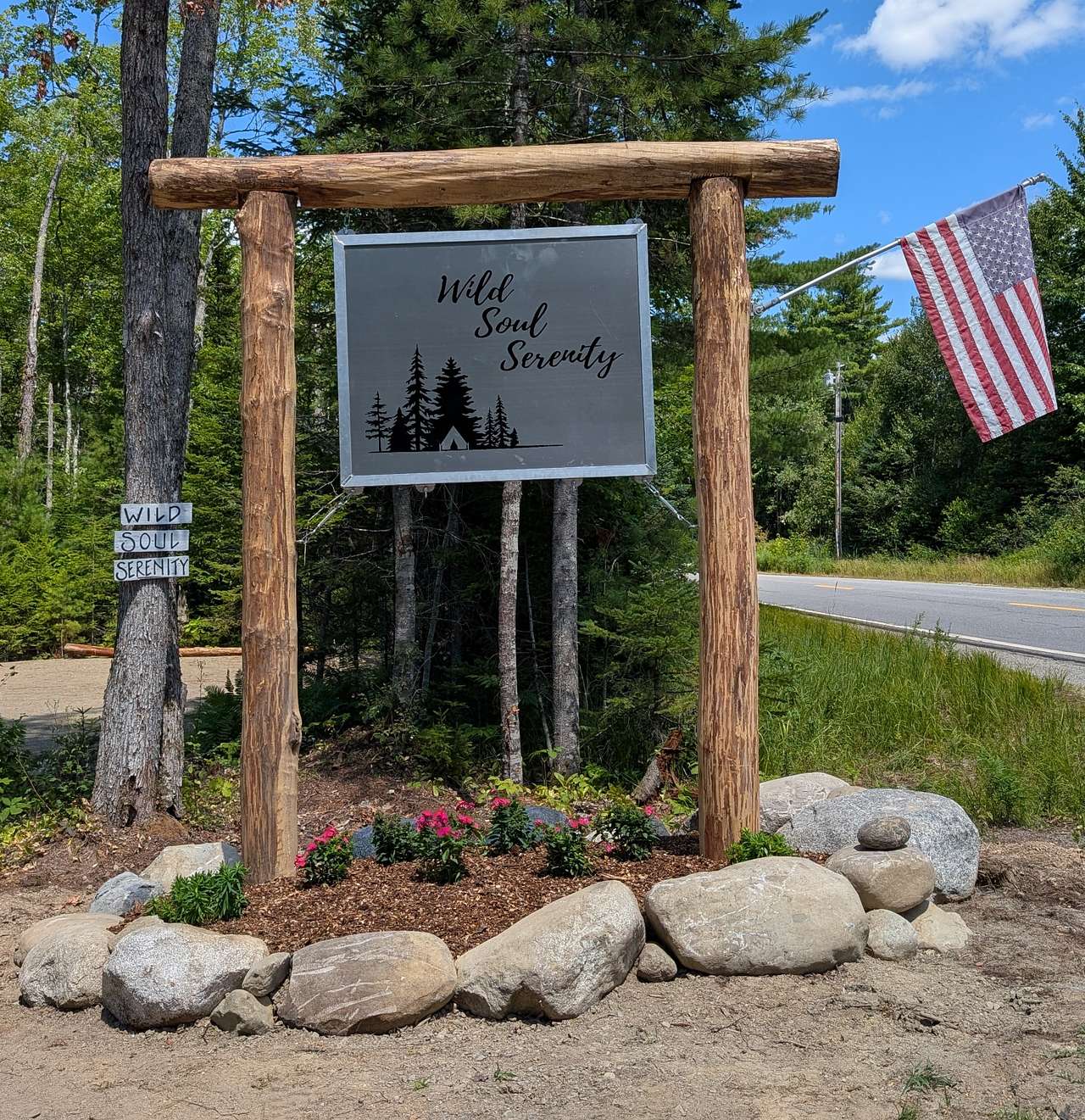
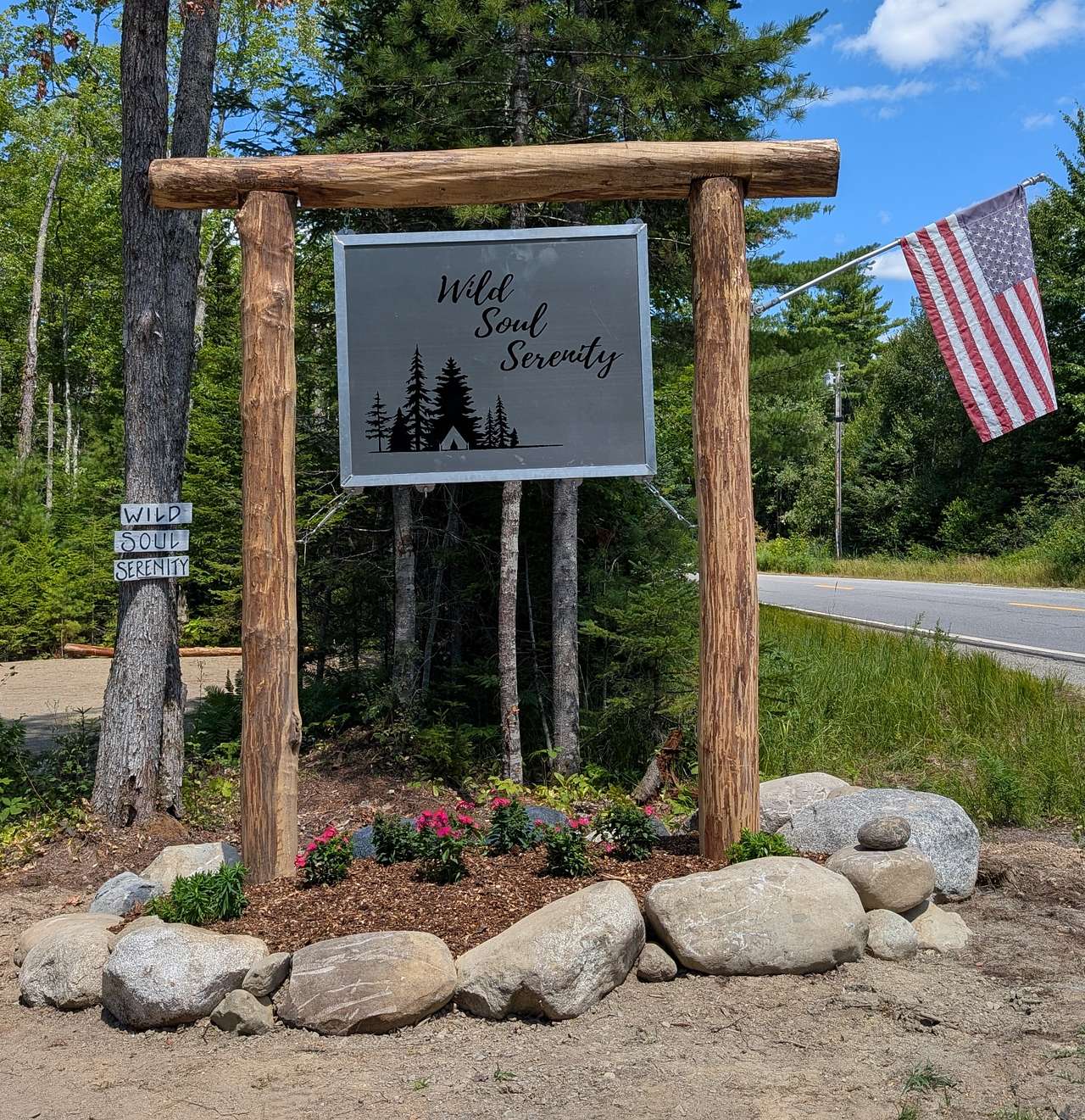
3. Wild Soul Serenity Campground
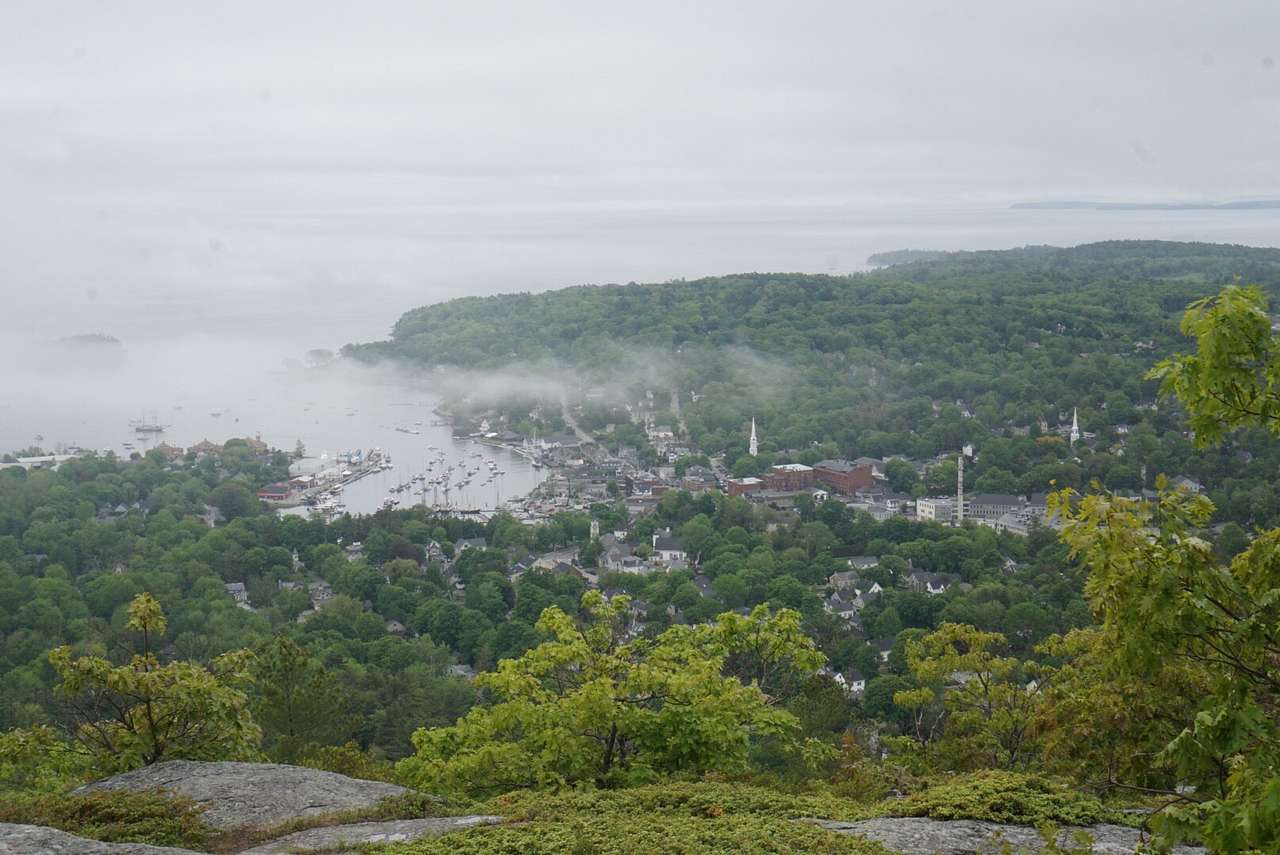
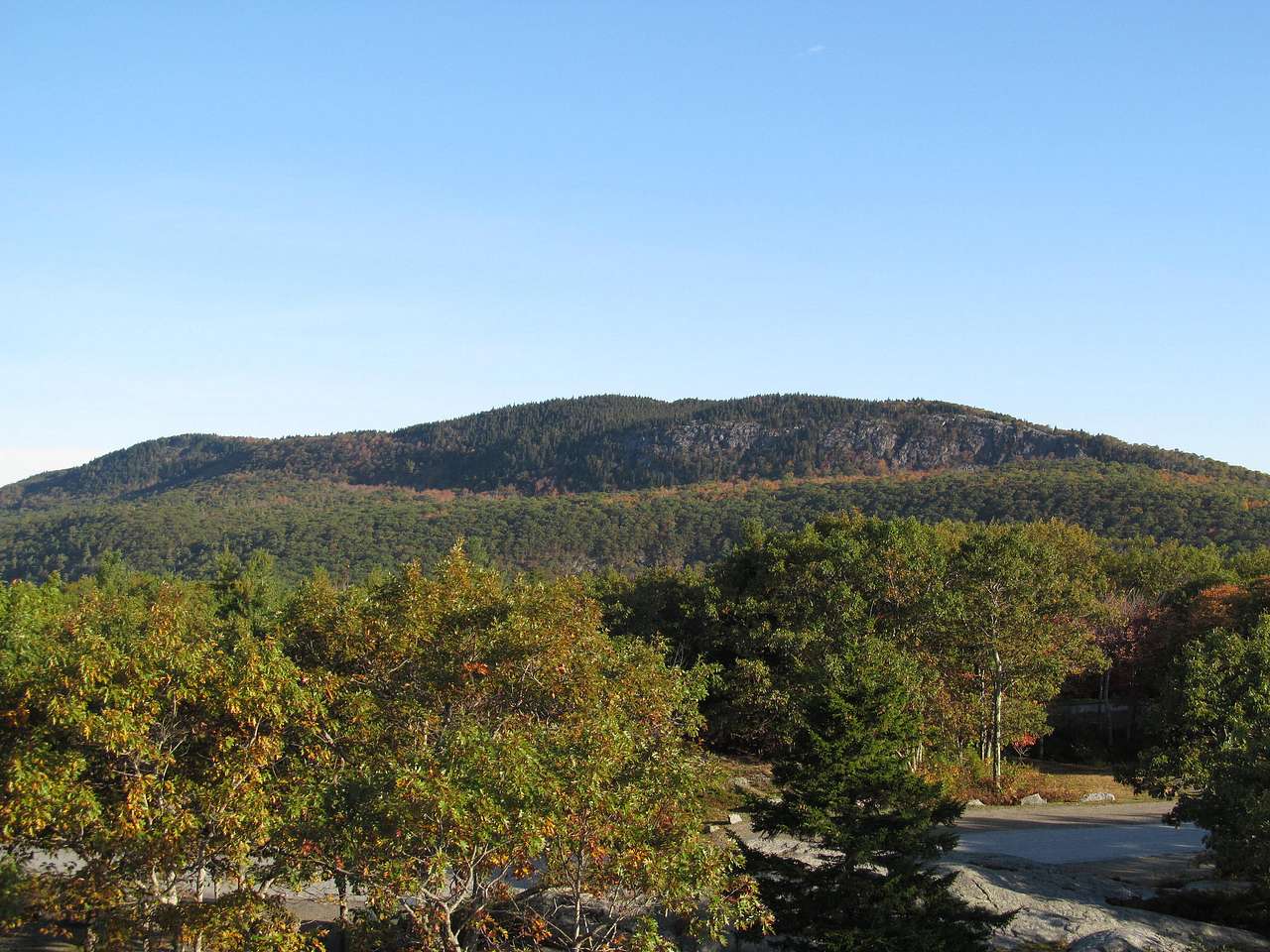
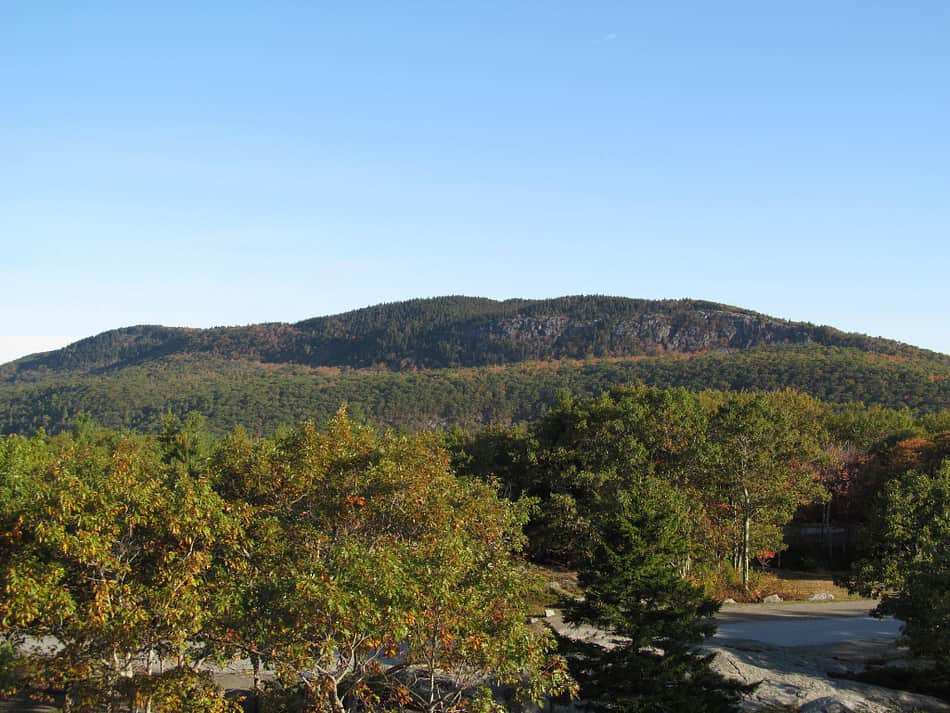
4. Camden Hills State Park
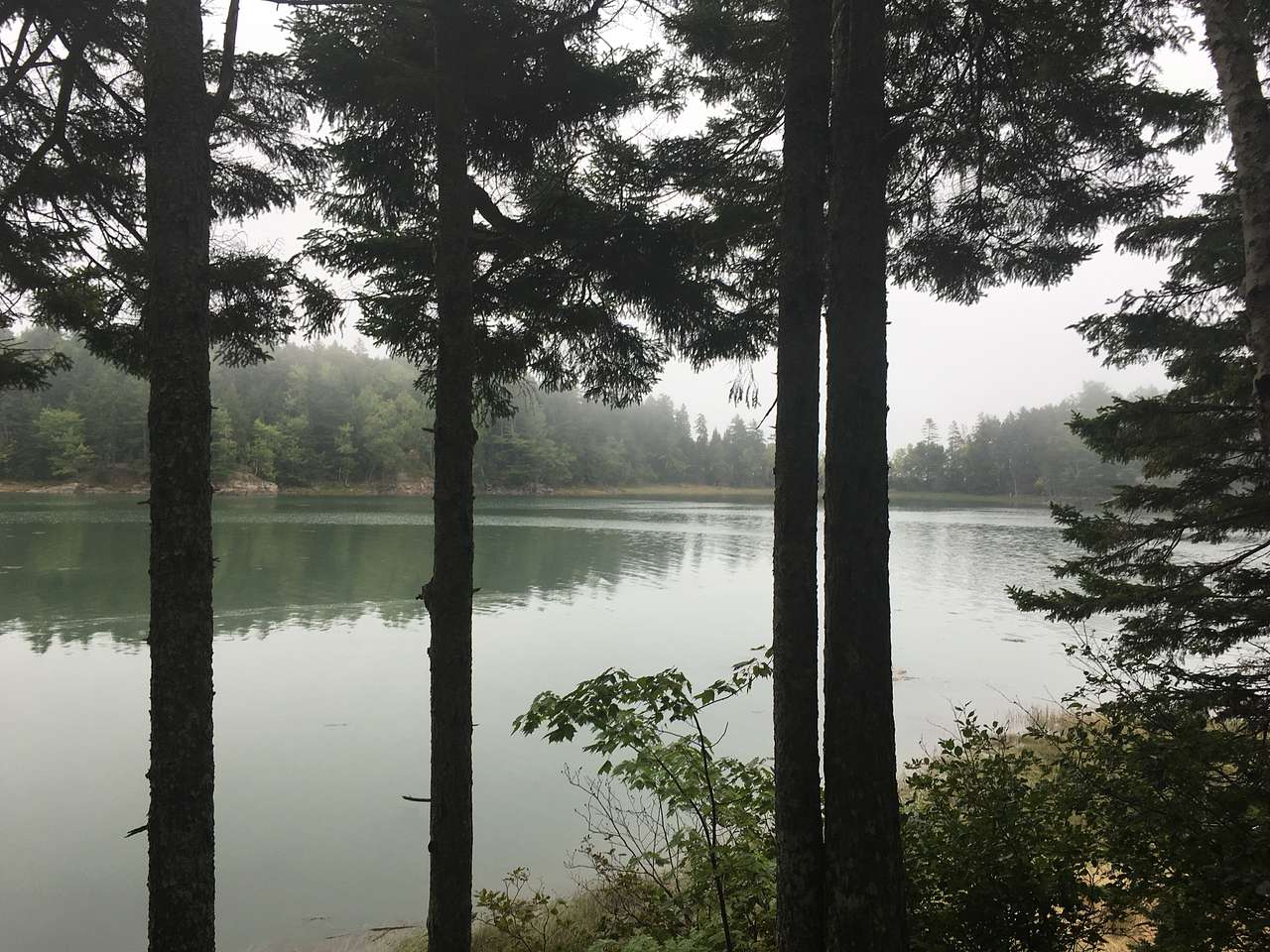
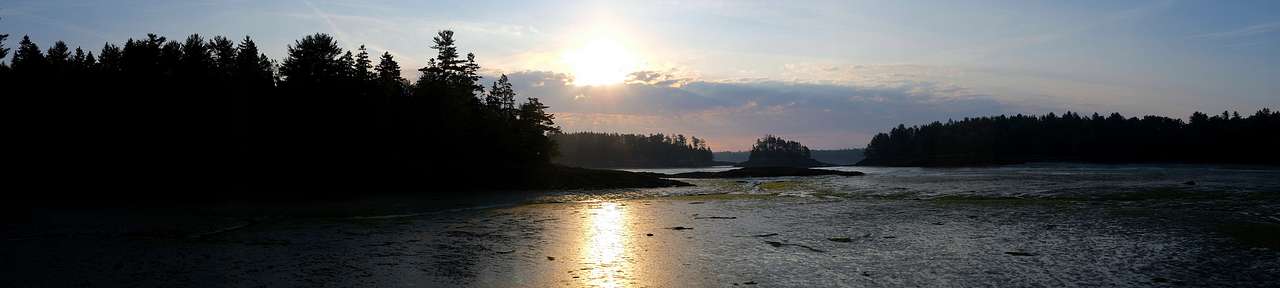
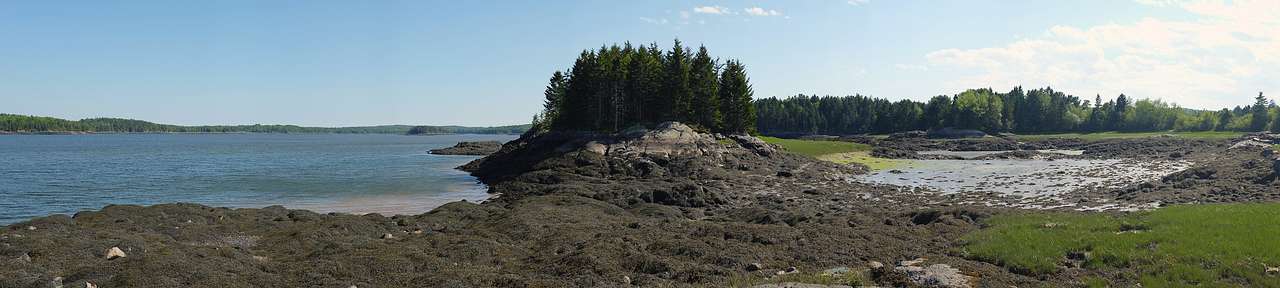
5. Cobscook Bay State Park
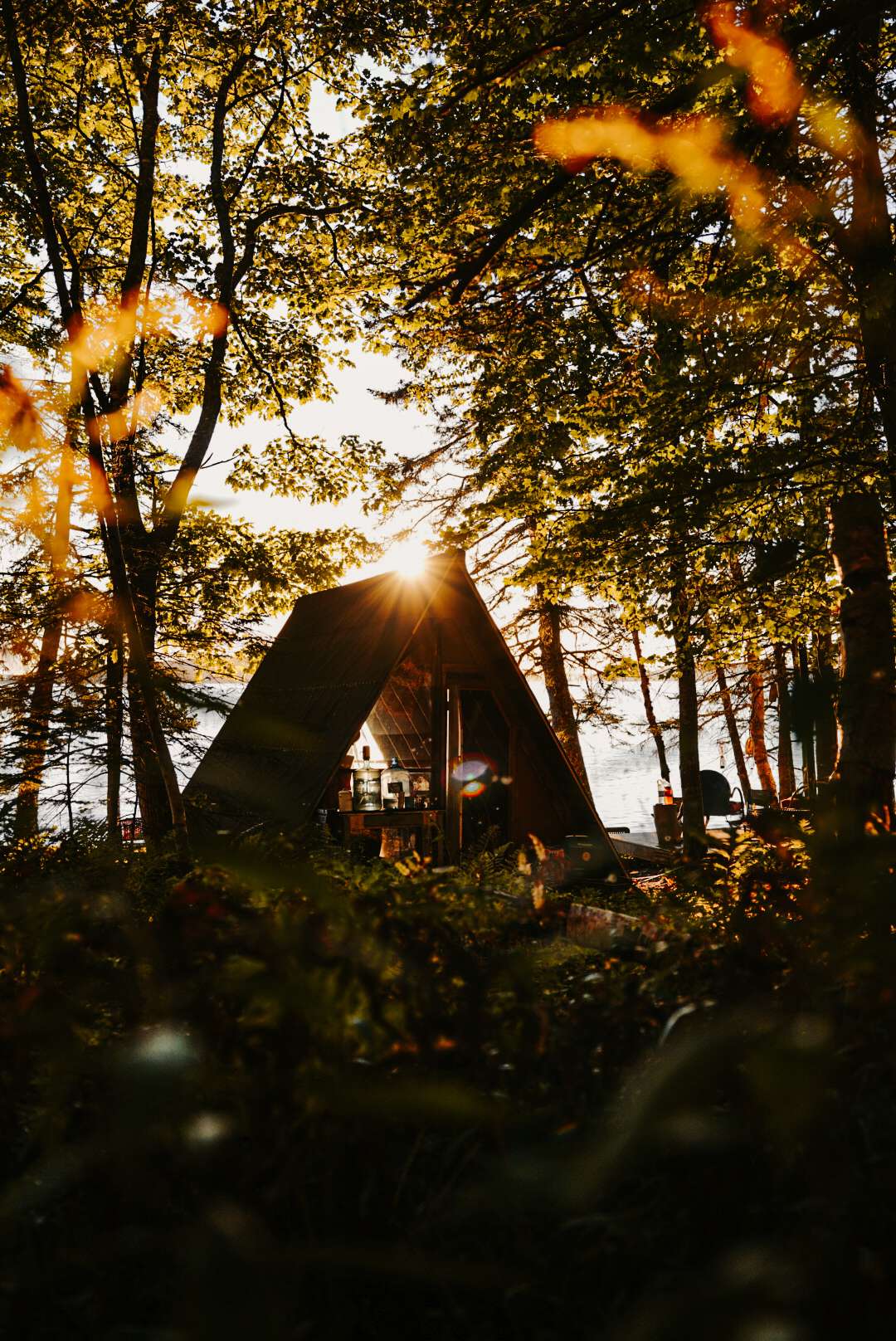
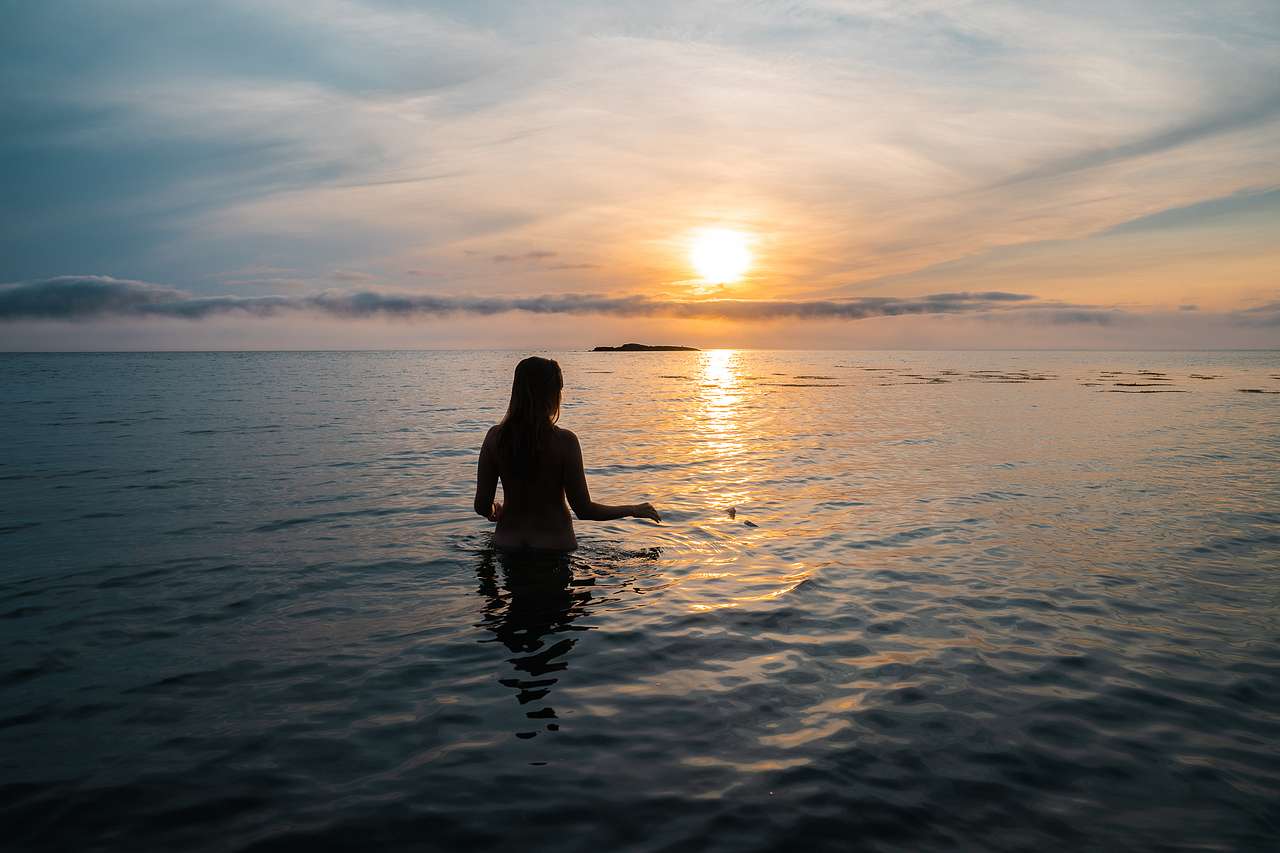
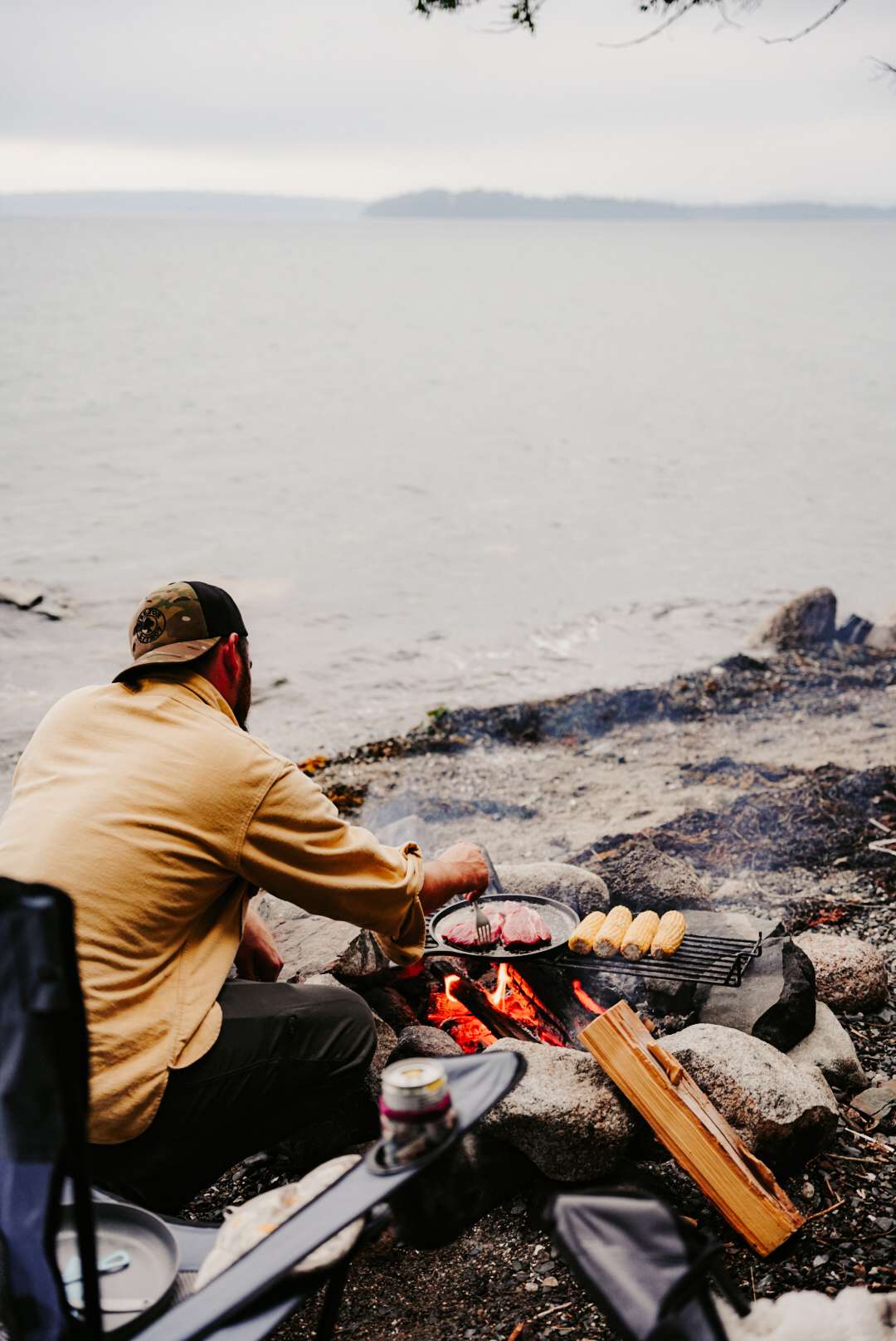
6. The Point
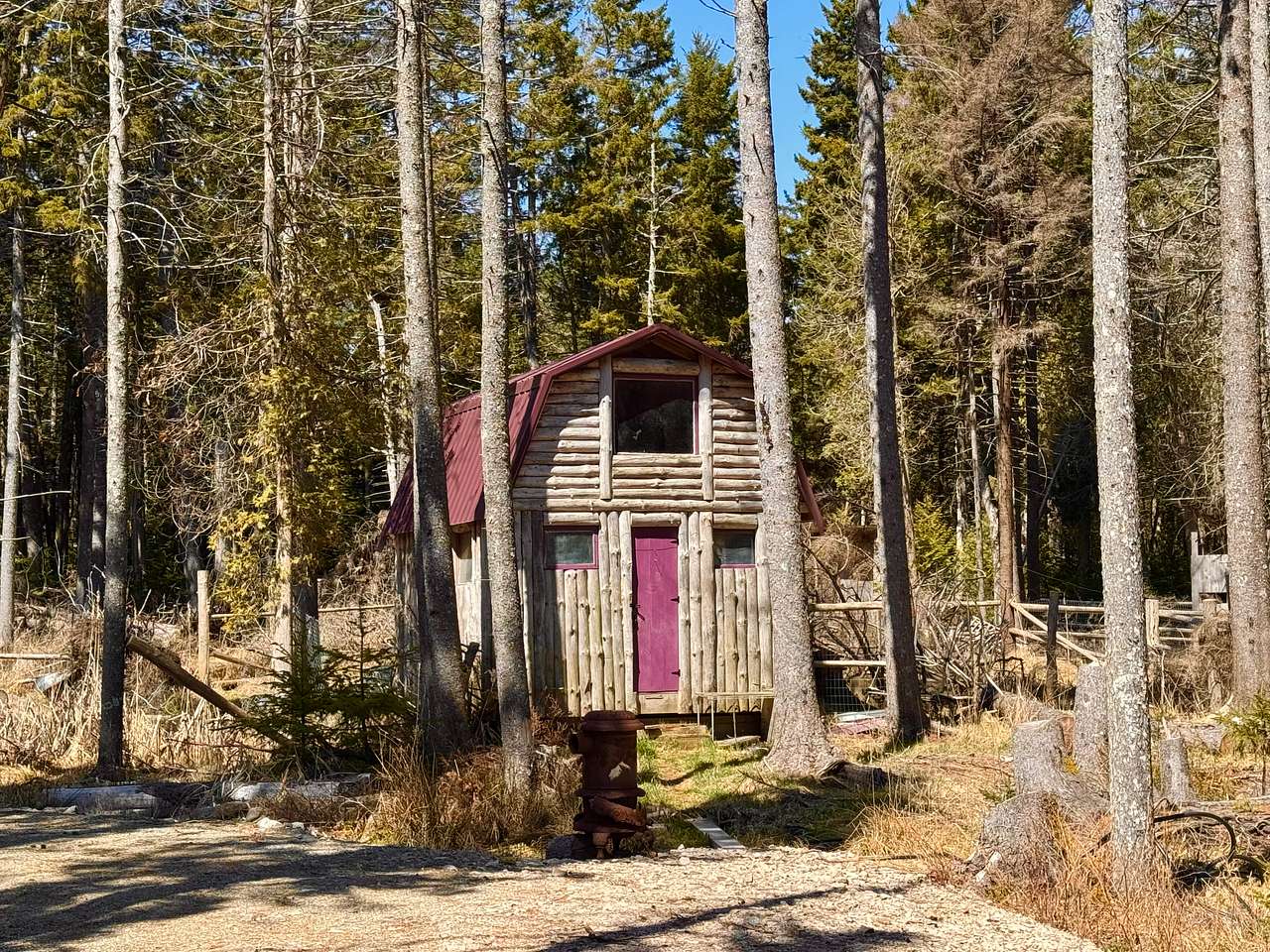
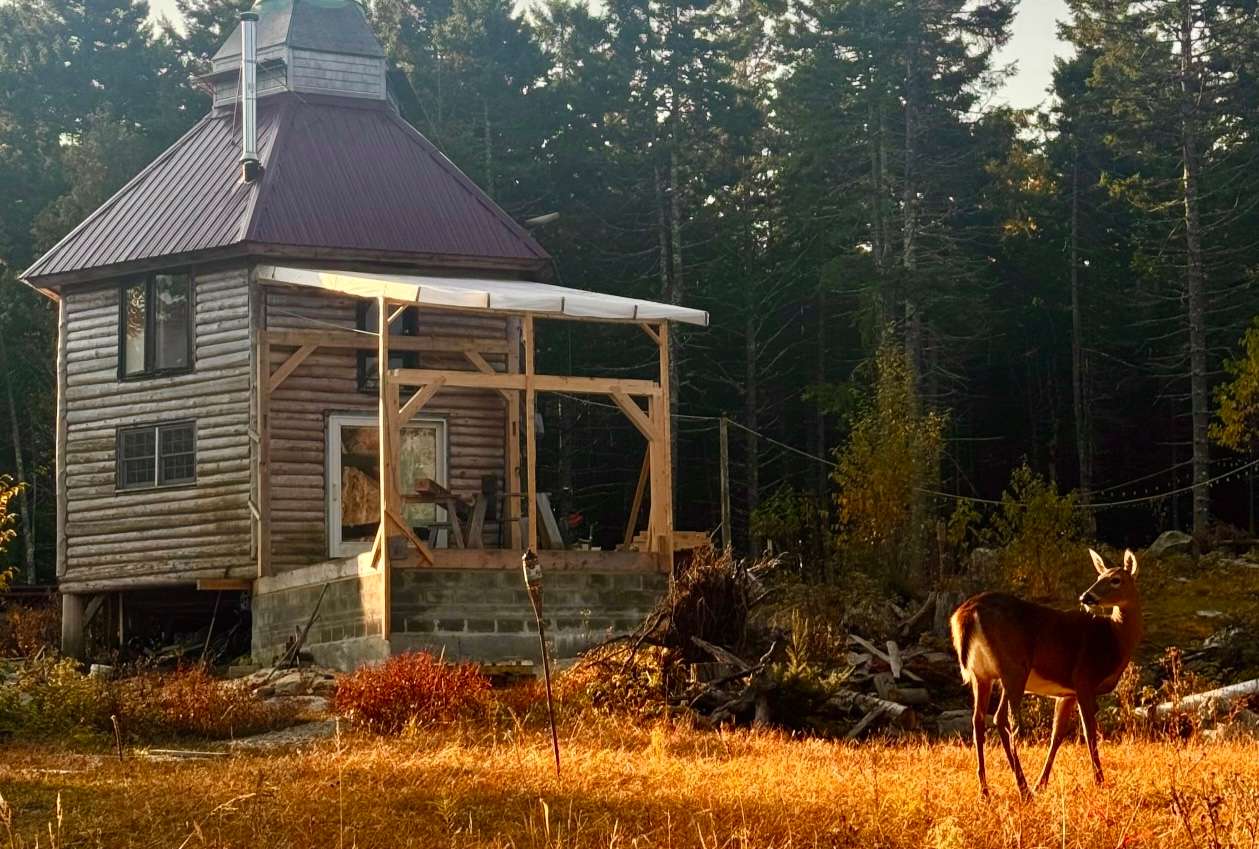
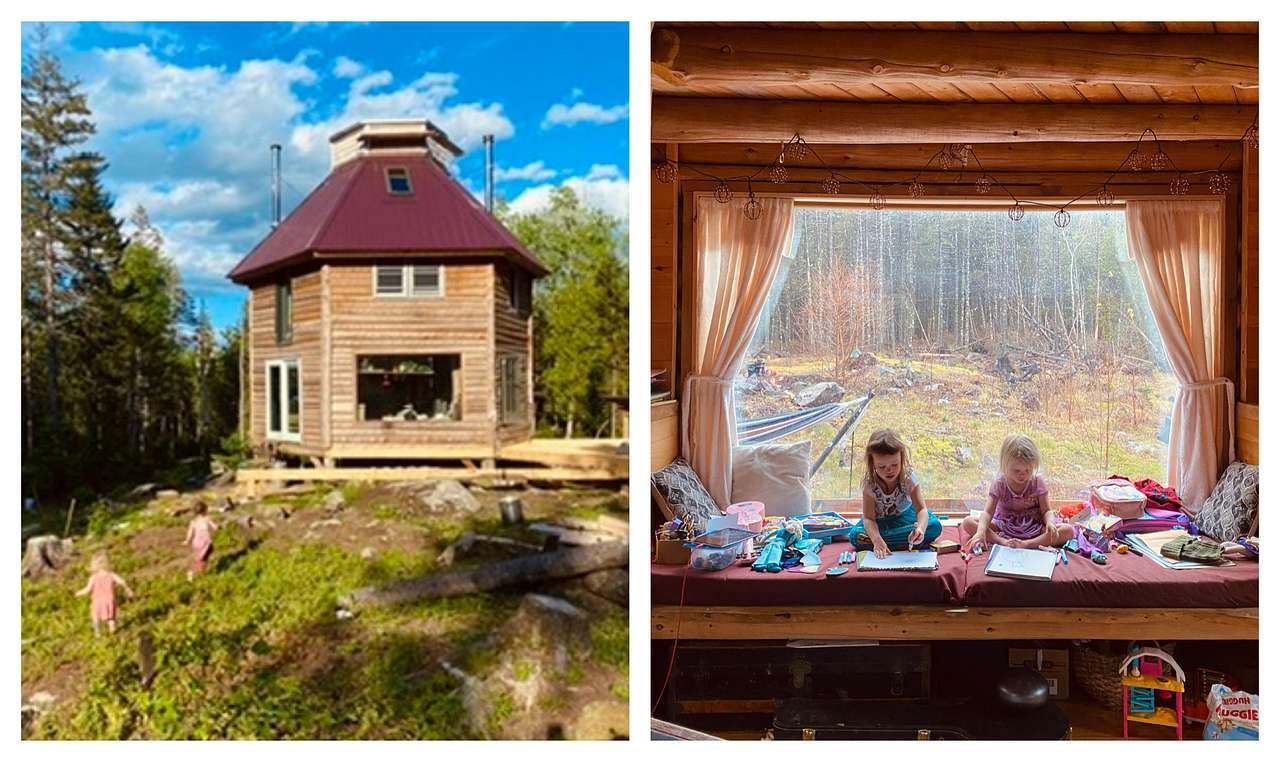
7. The Howling Woods
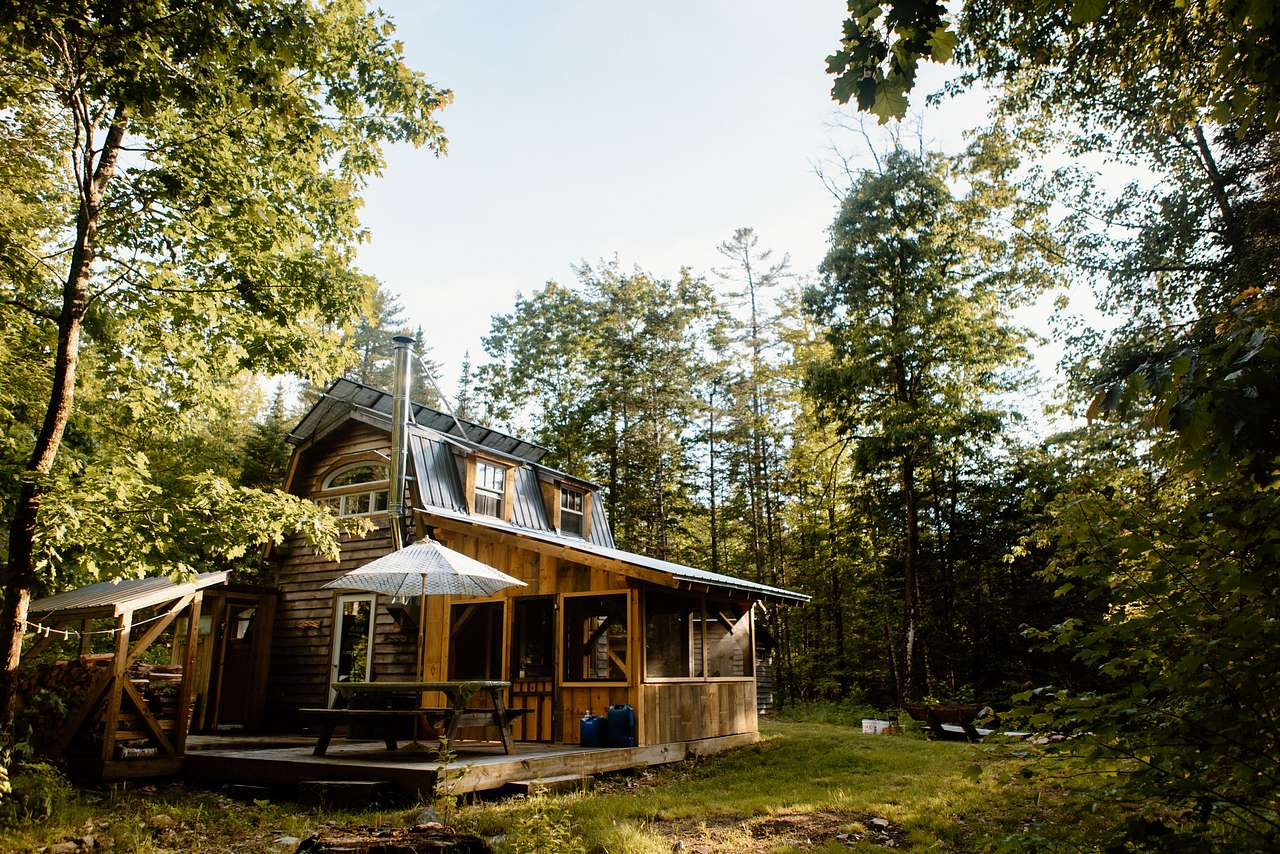
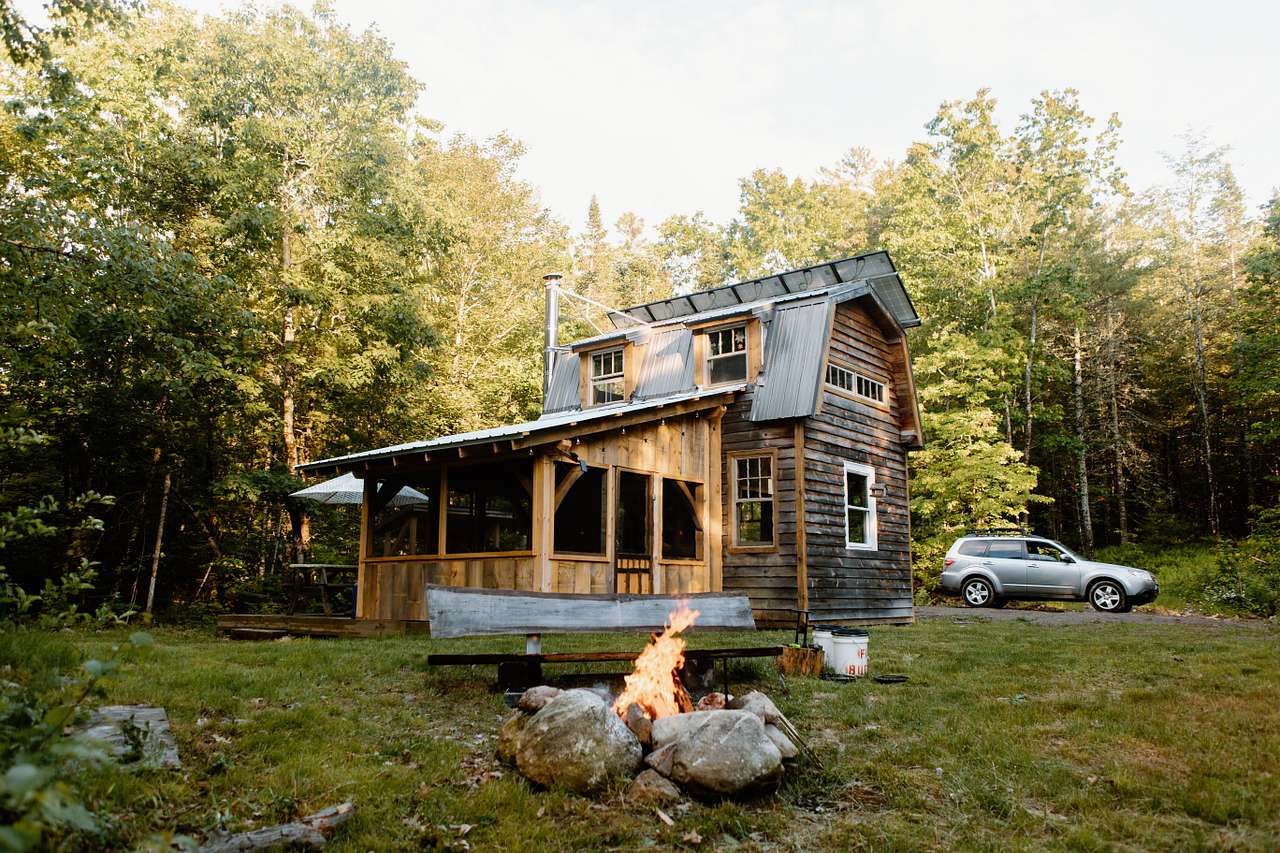
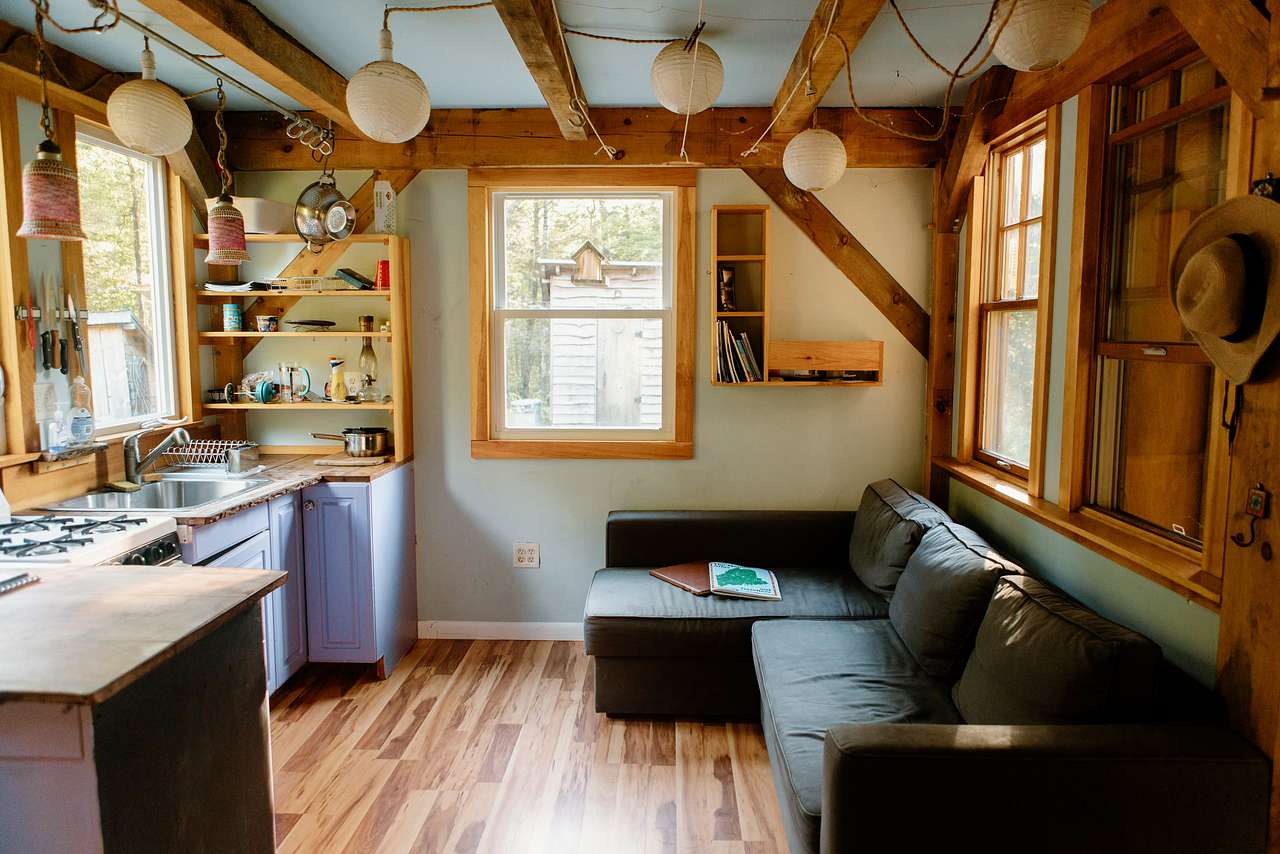
8. Raven's Rest Tiny Cabin
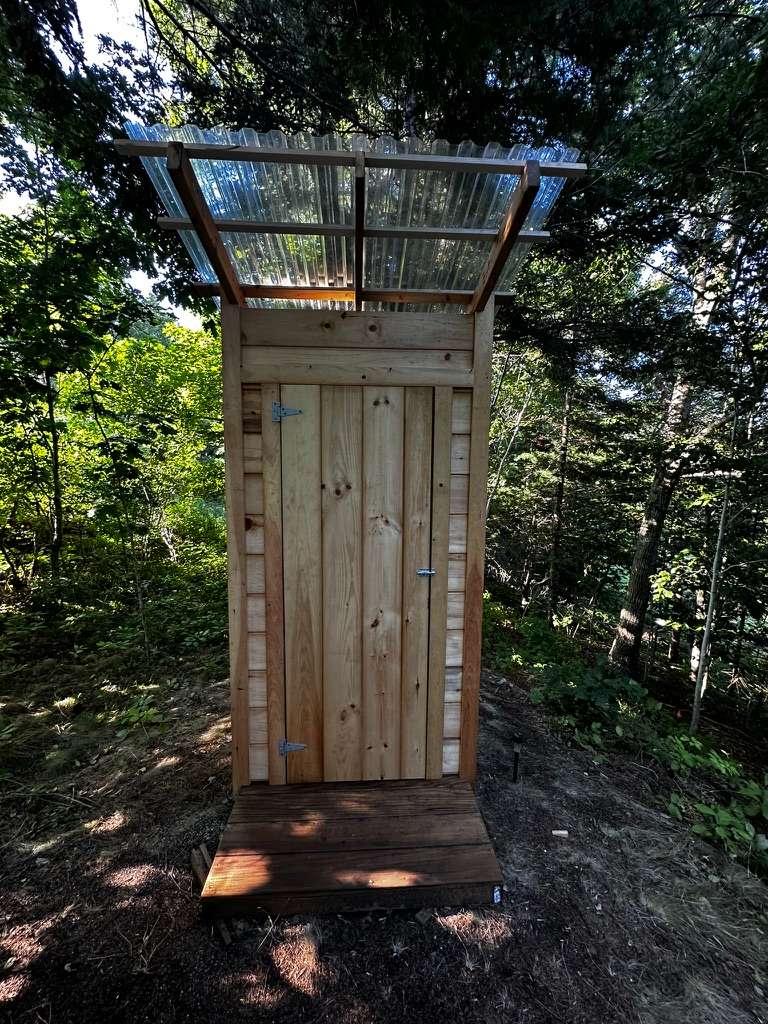
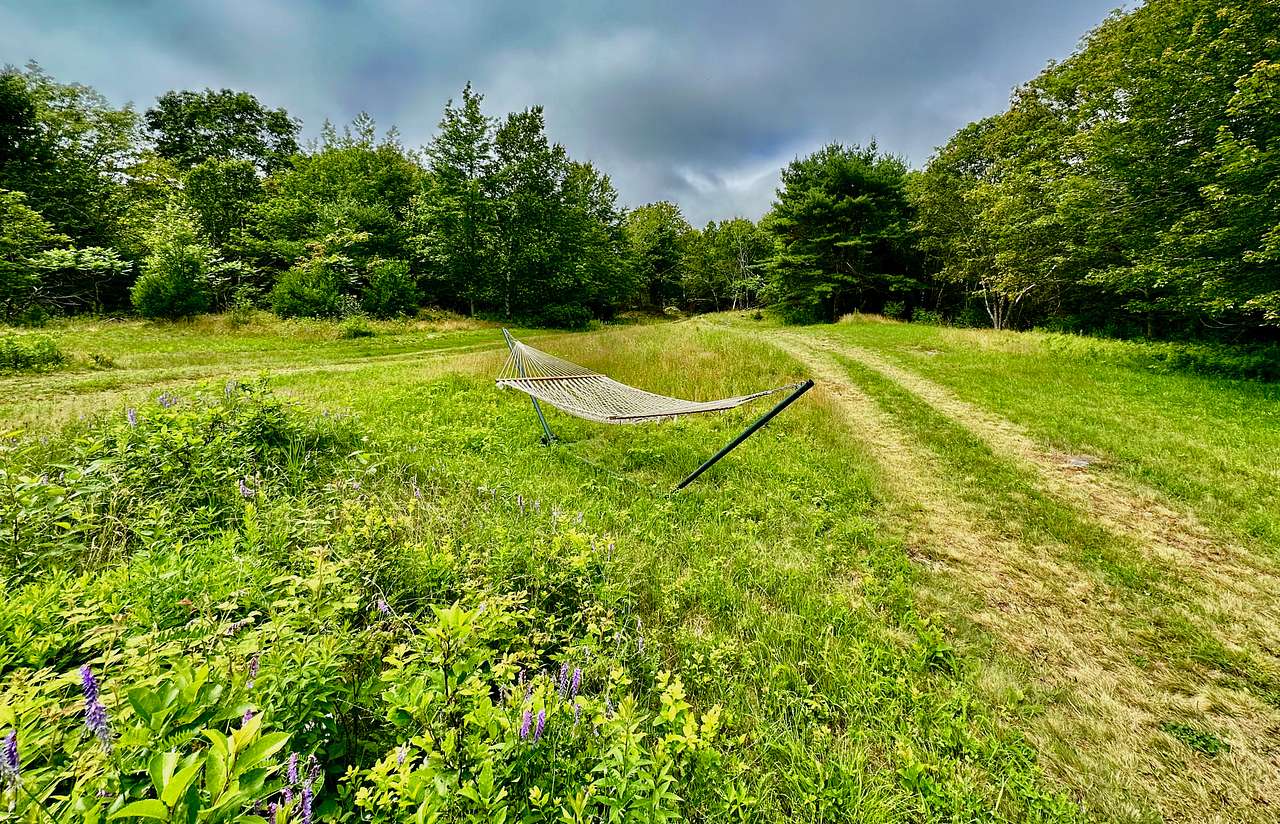
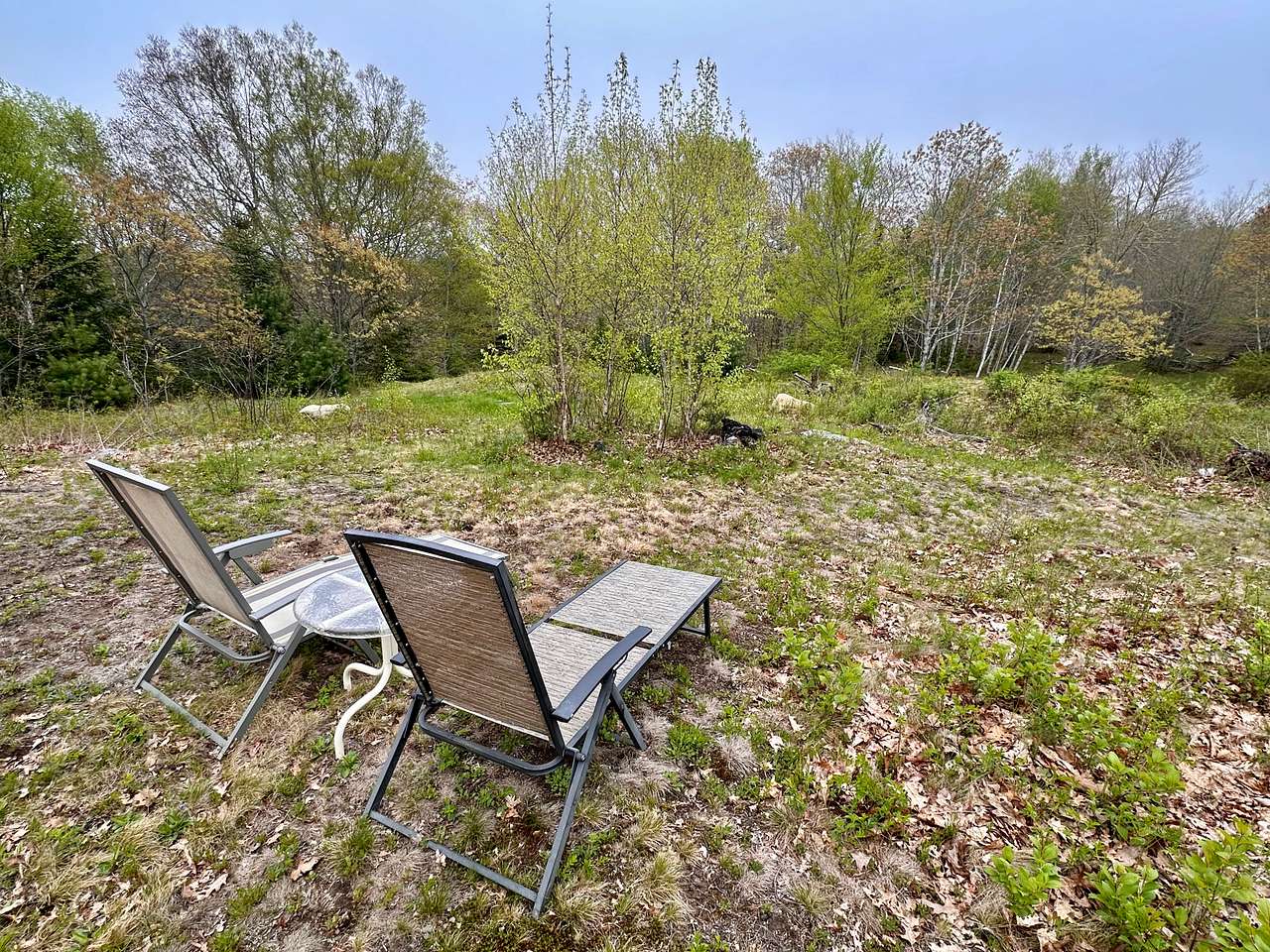
9. Rustic Retreat
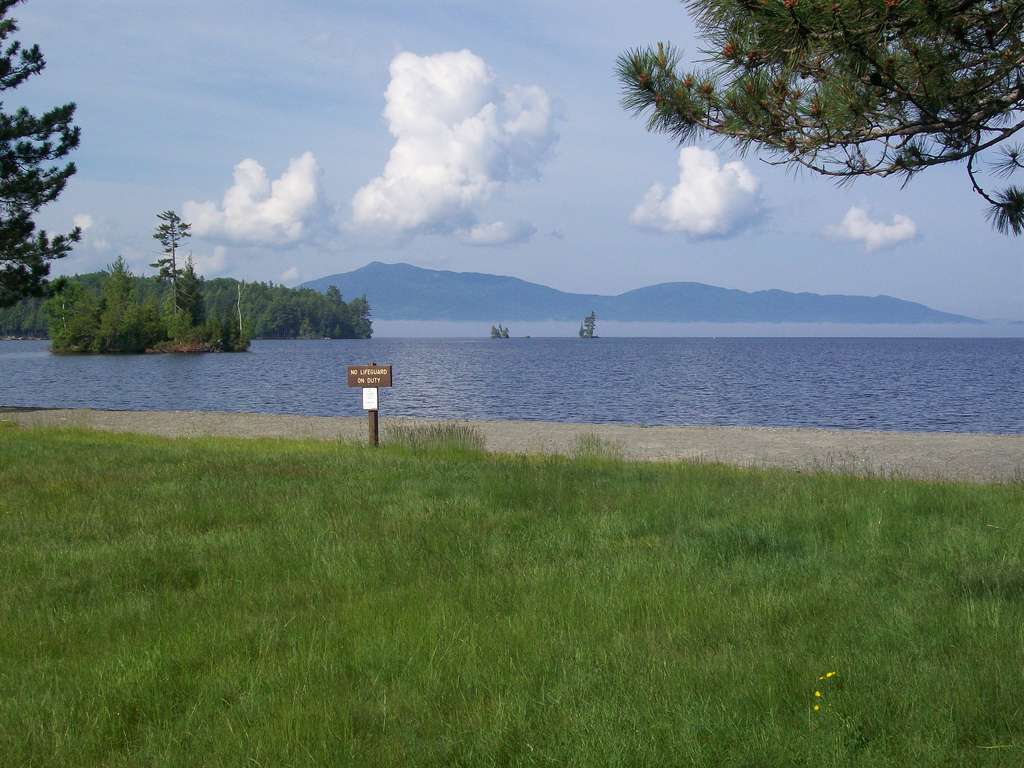
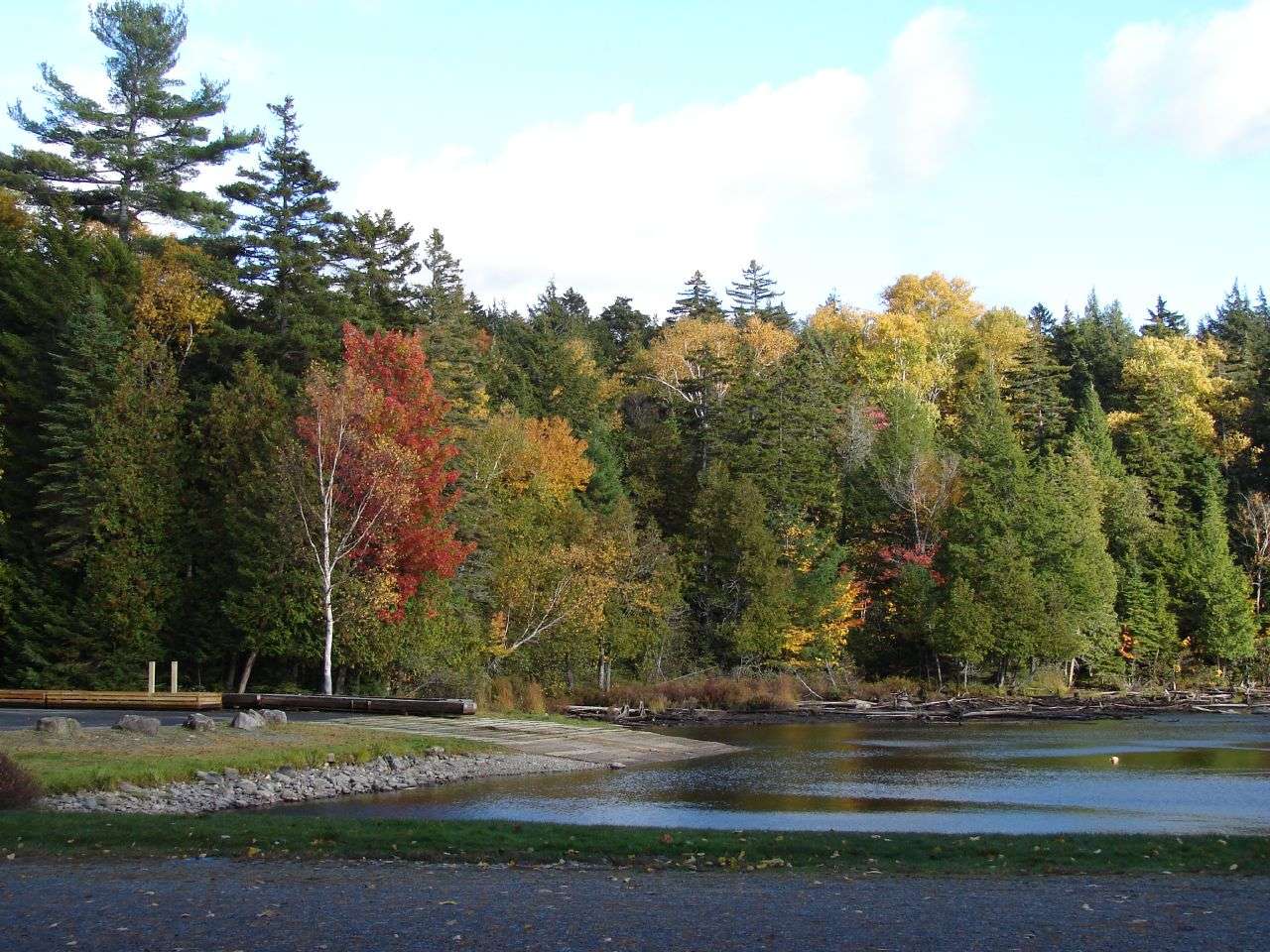
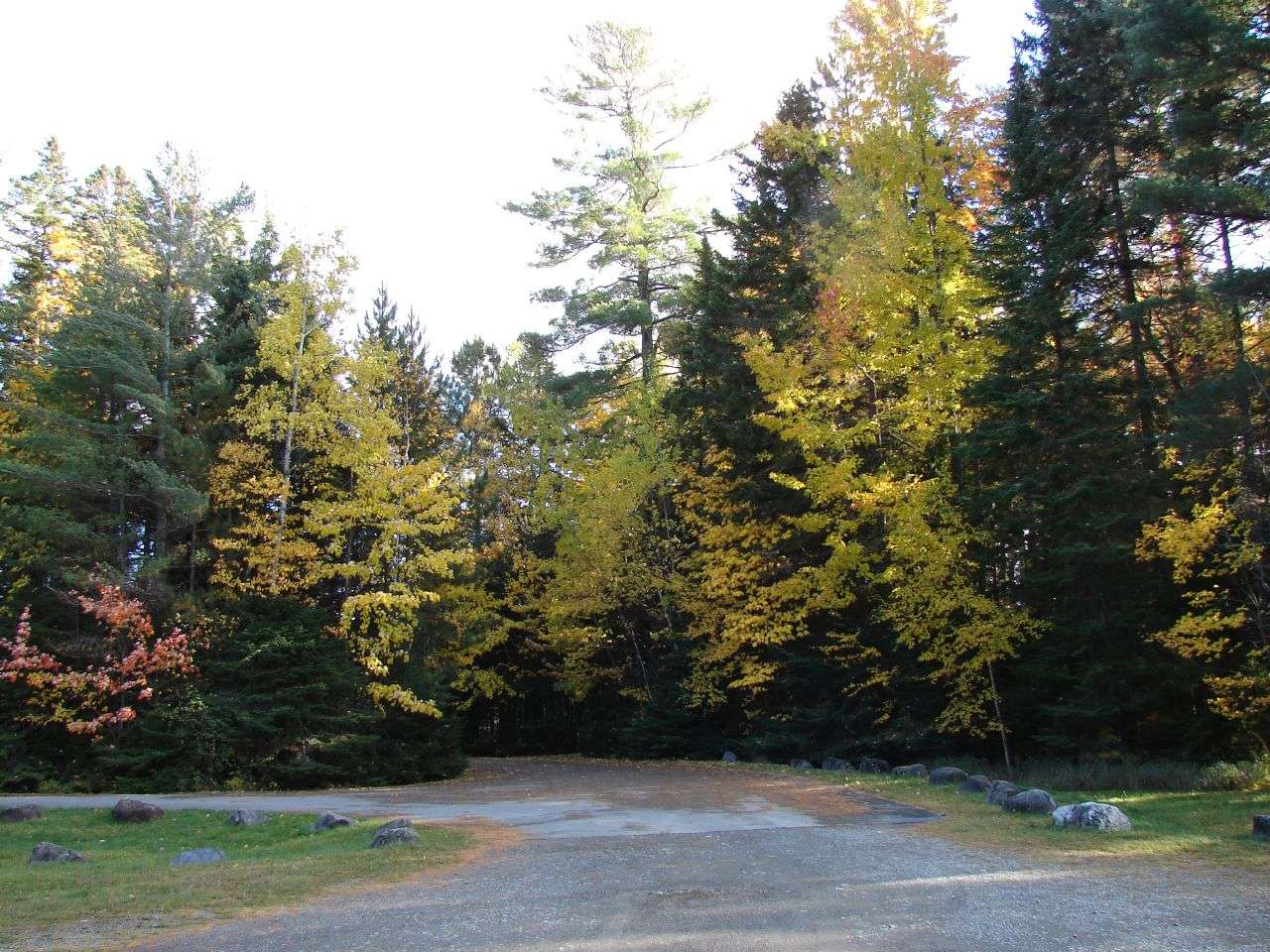
10. Lily Bay State Park


11. White Mountain National Forest
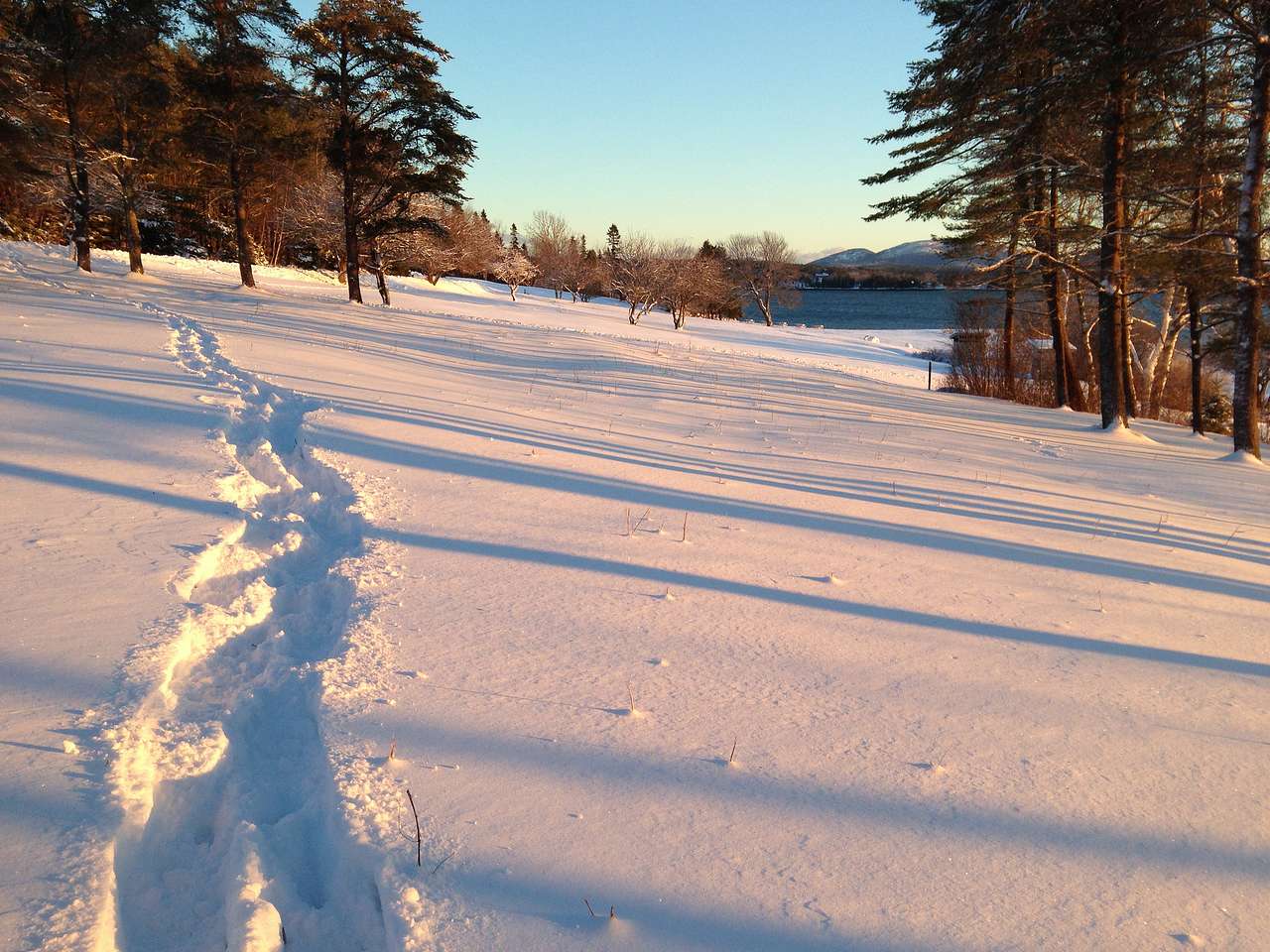
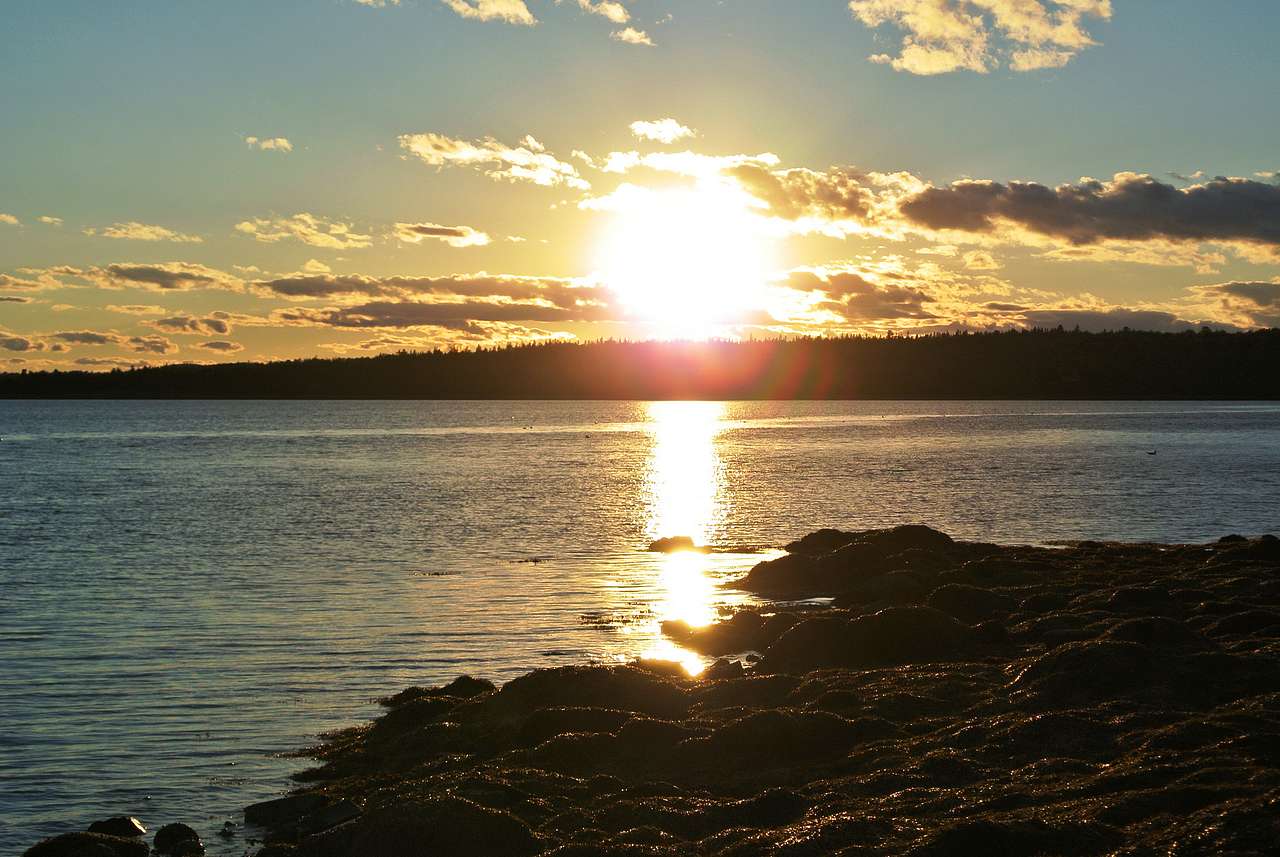
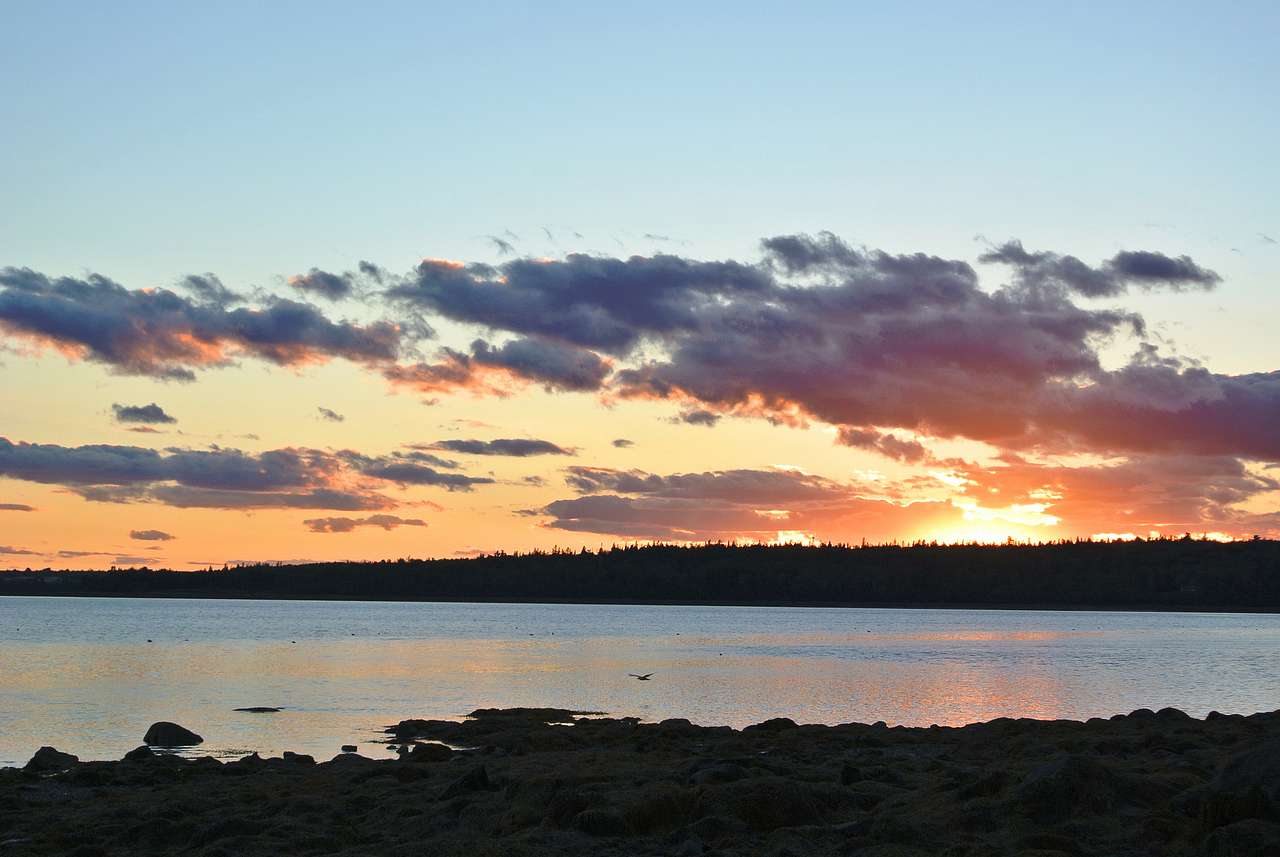
12. Lamoine State Park
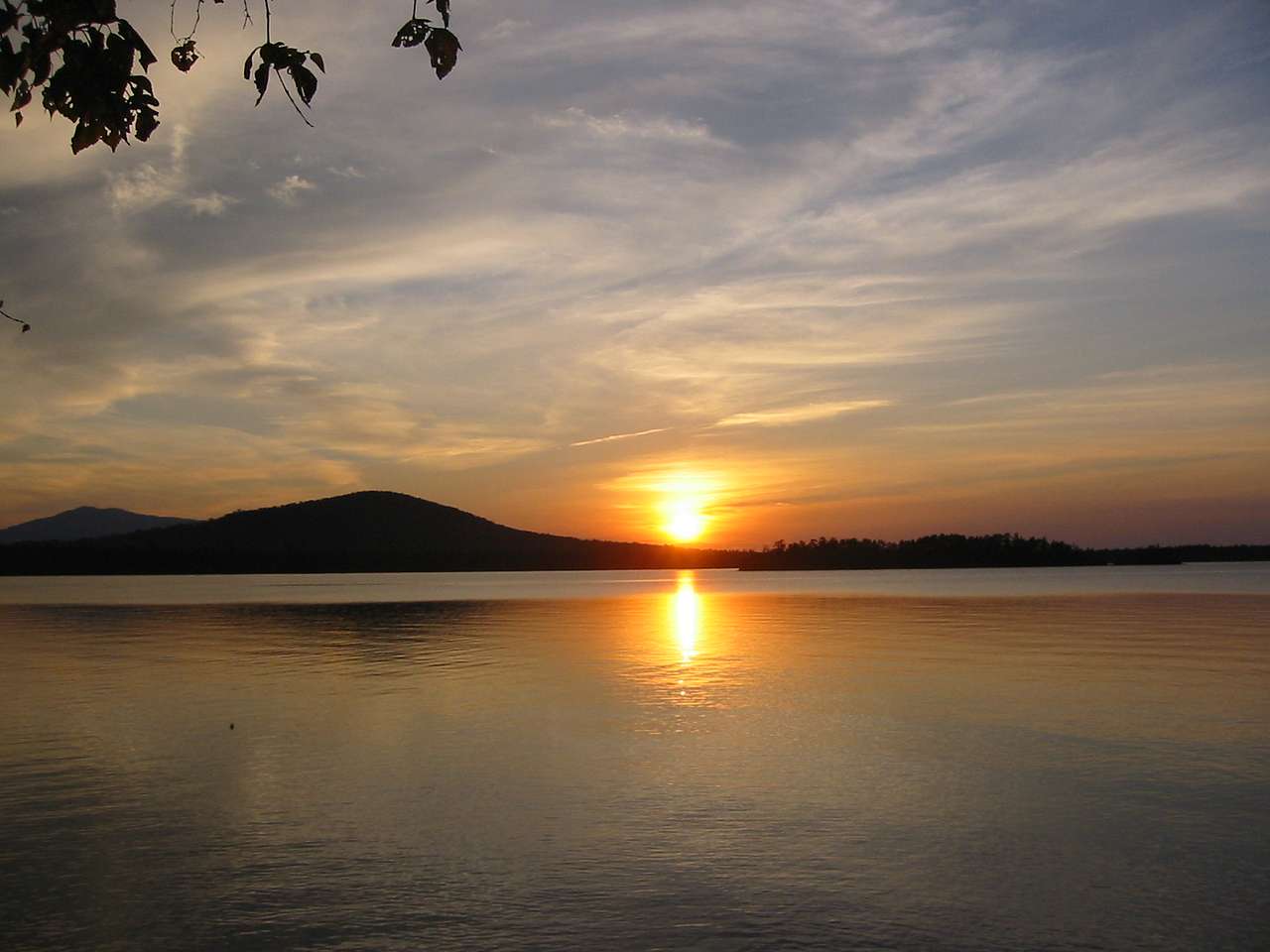
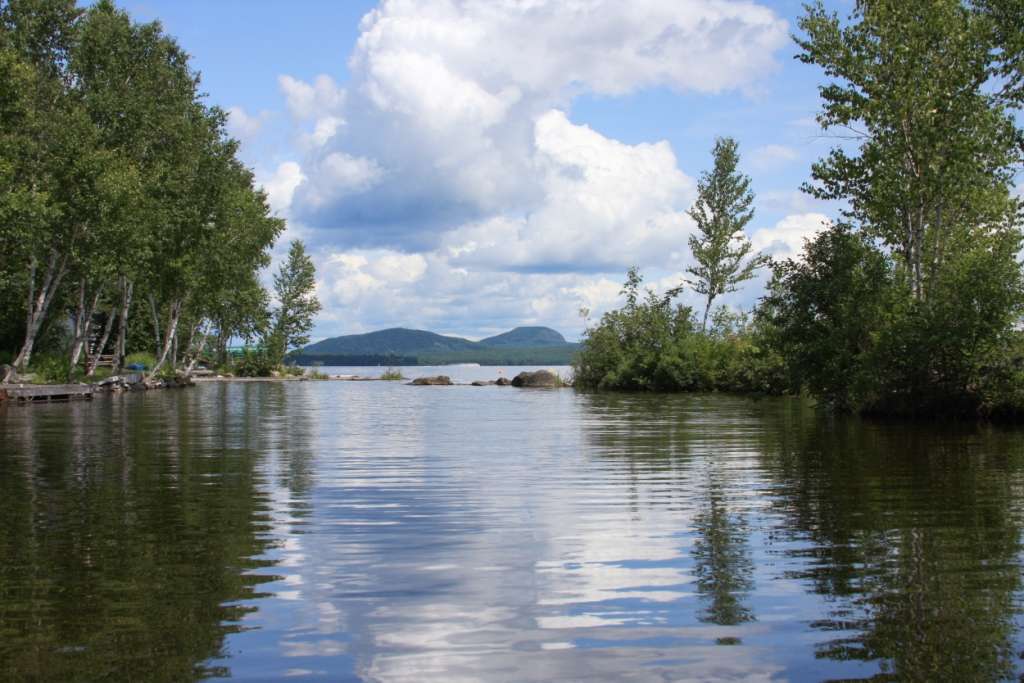
13. Moosehead Lake
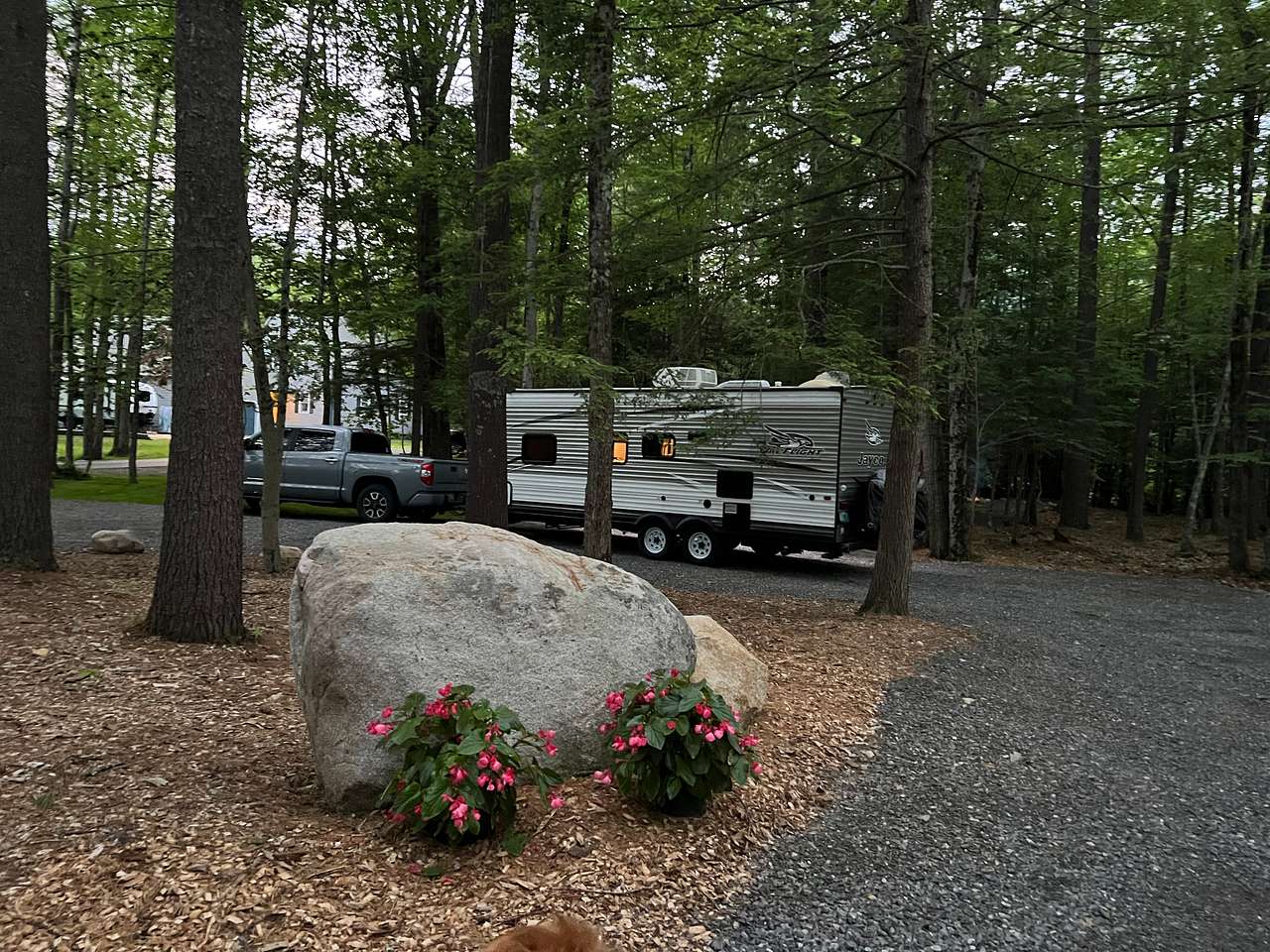
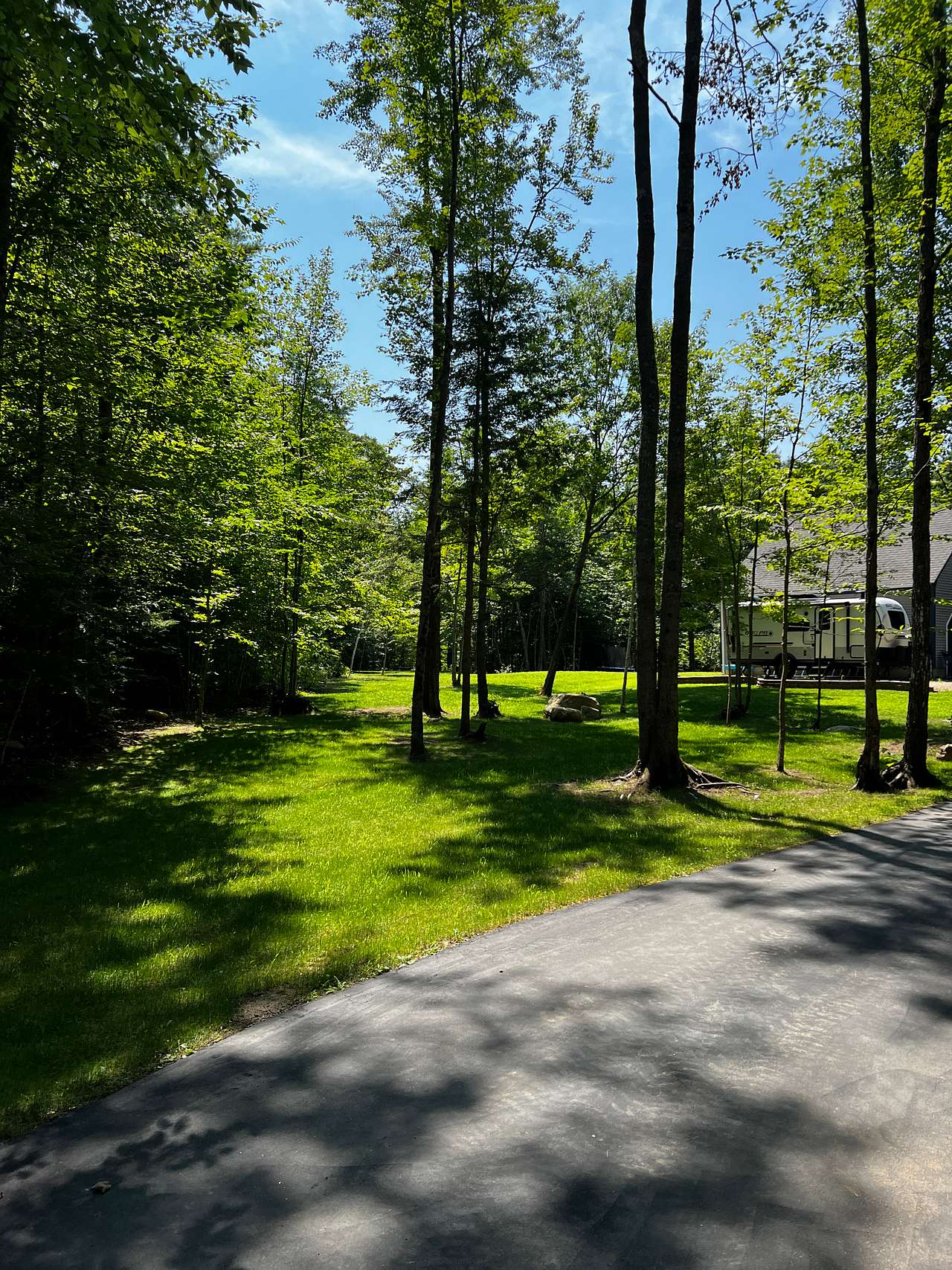
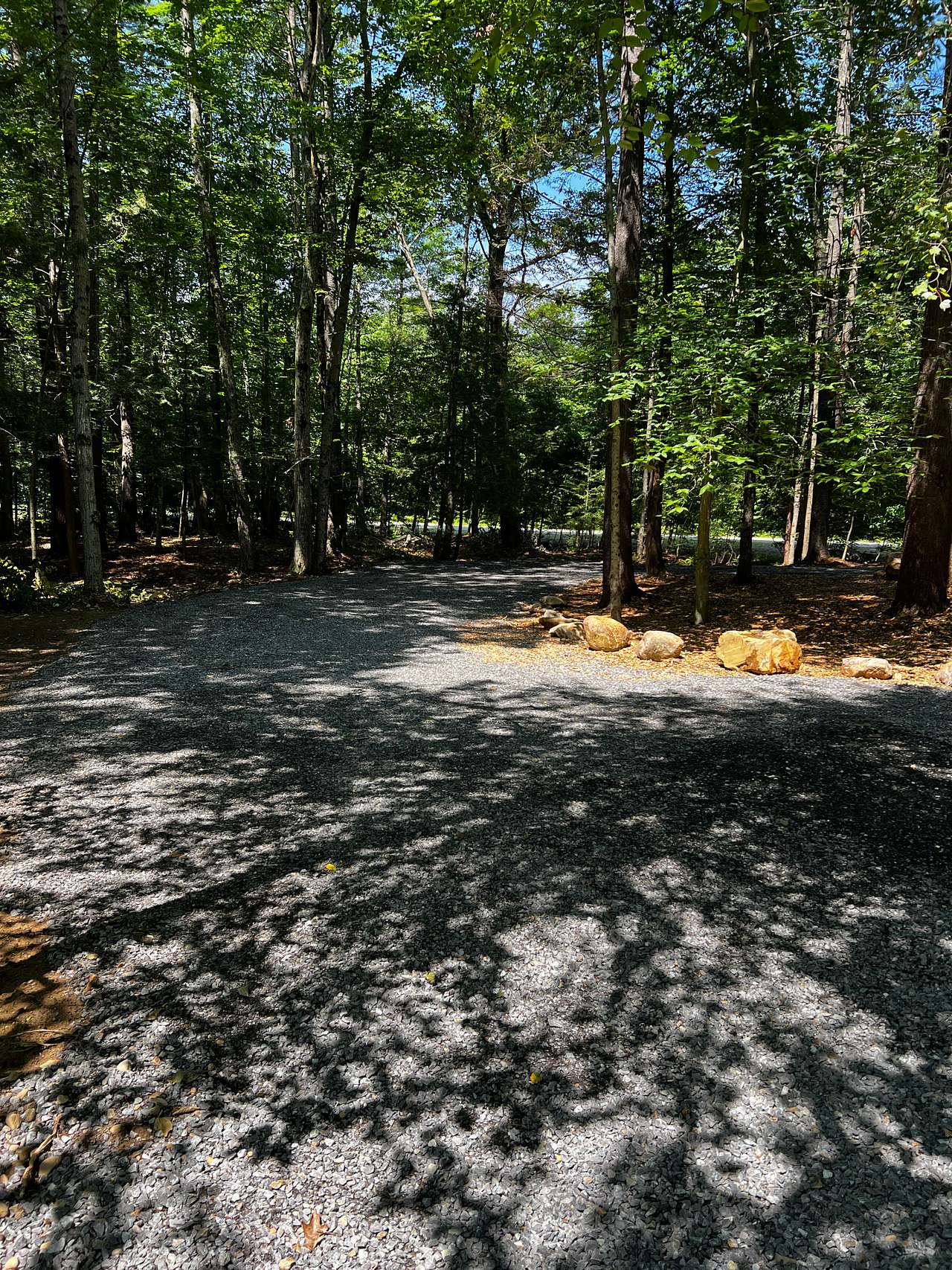
14. The pit stop
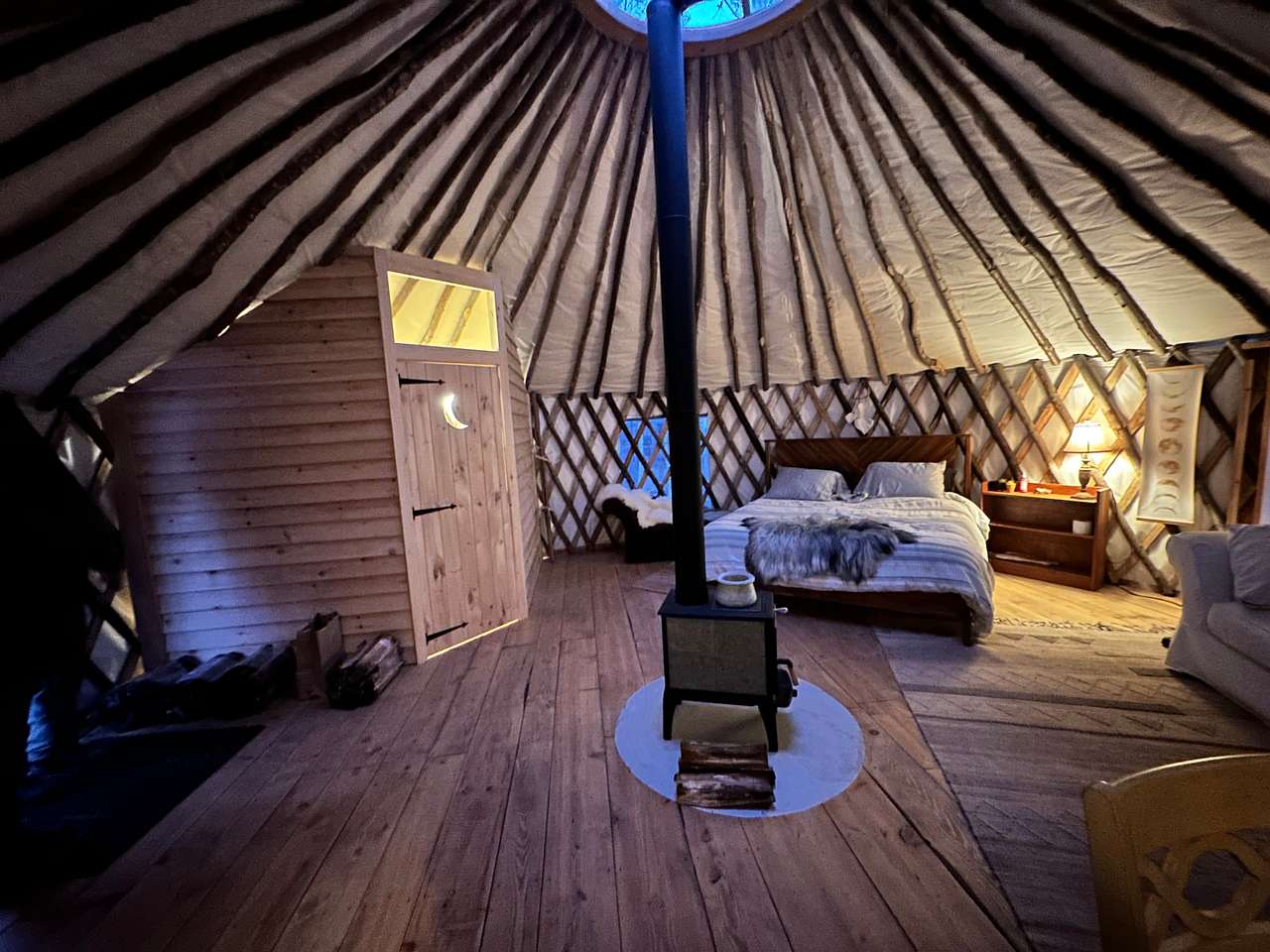
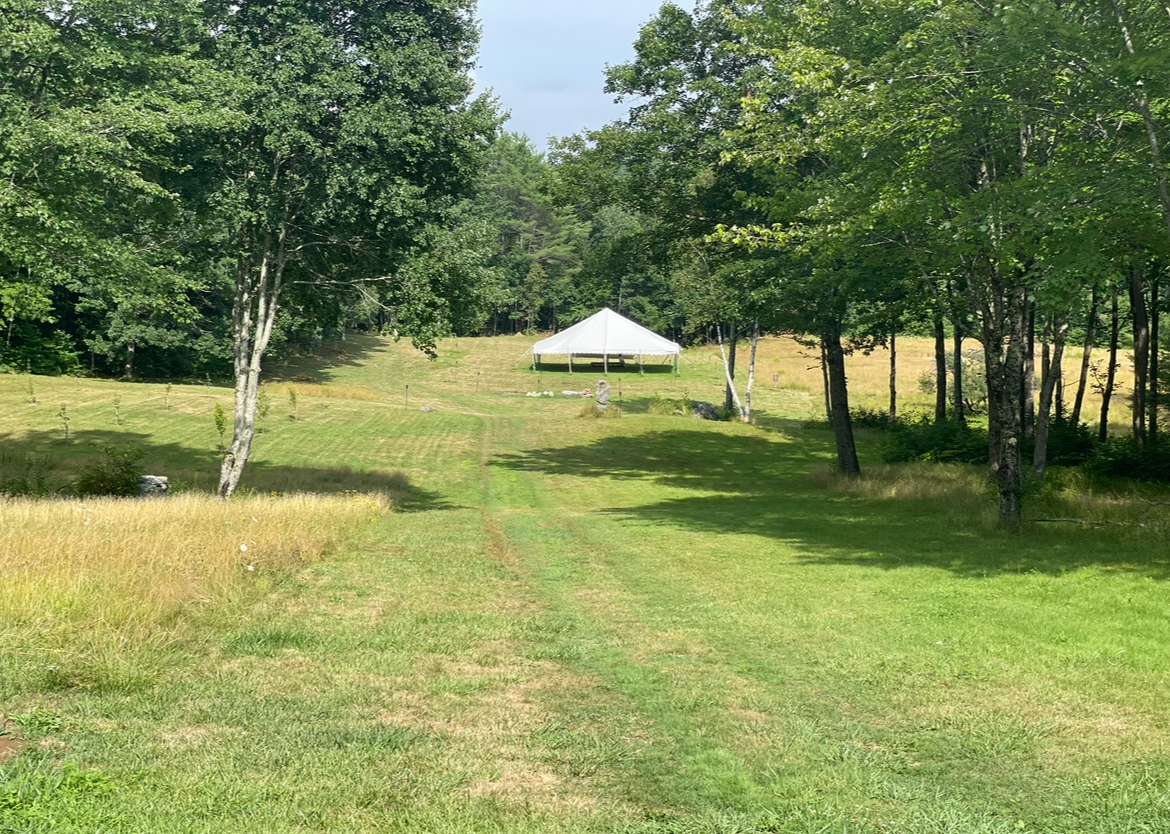
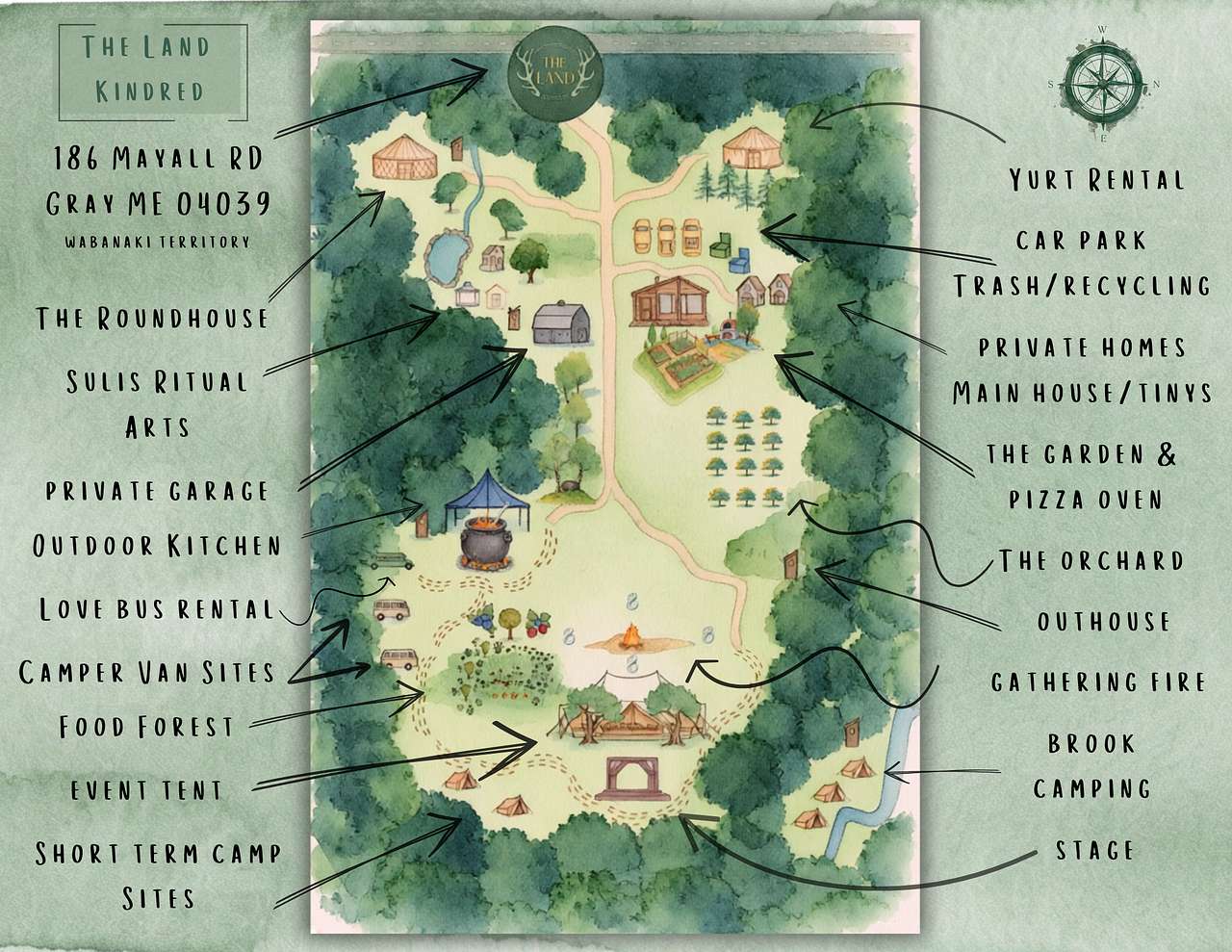
15. The Land Kindred
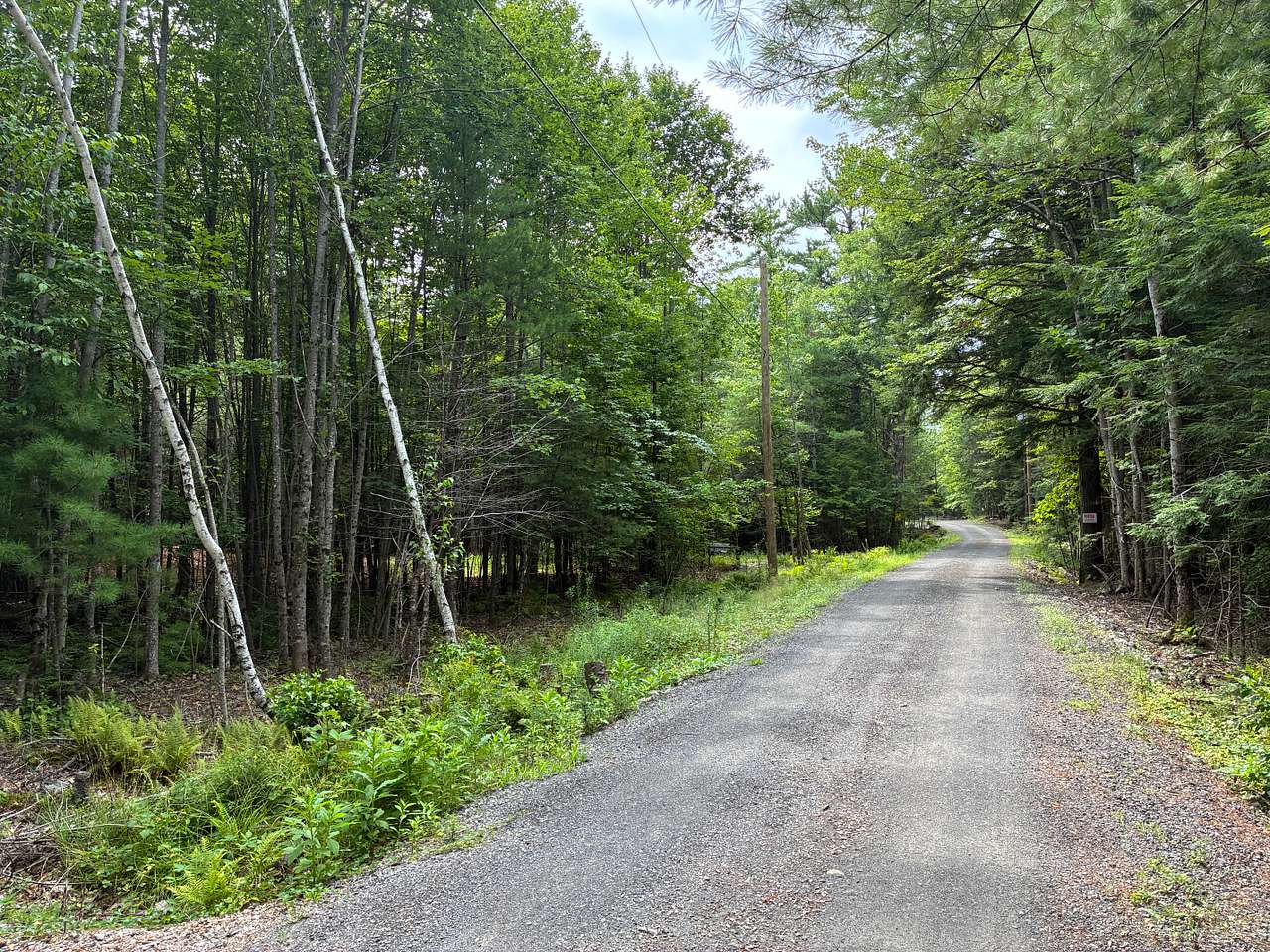
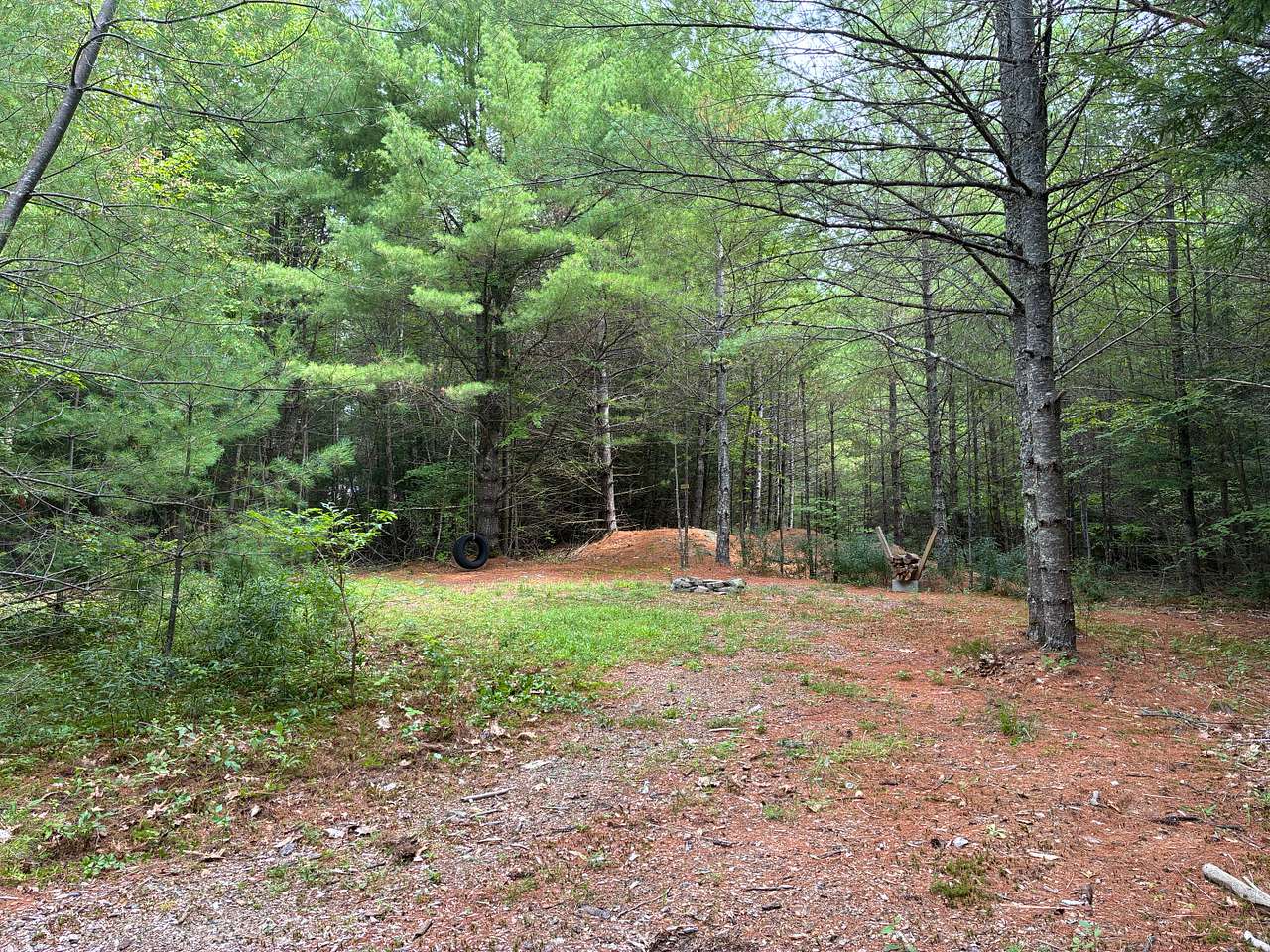
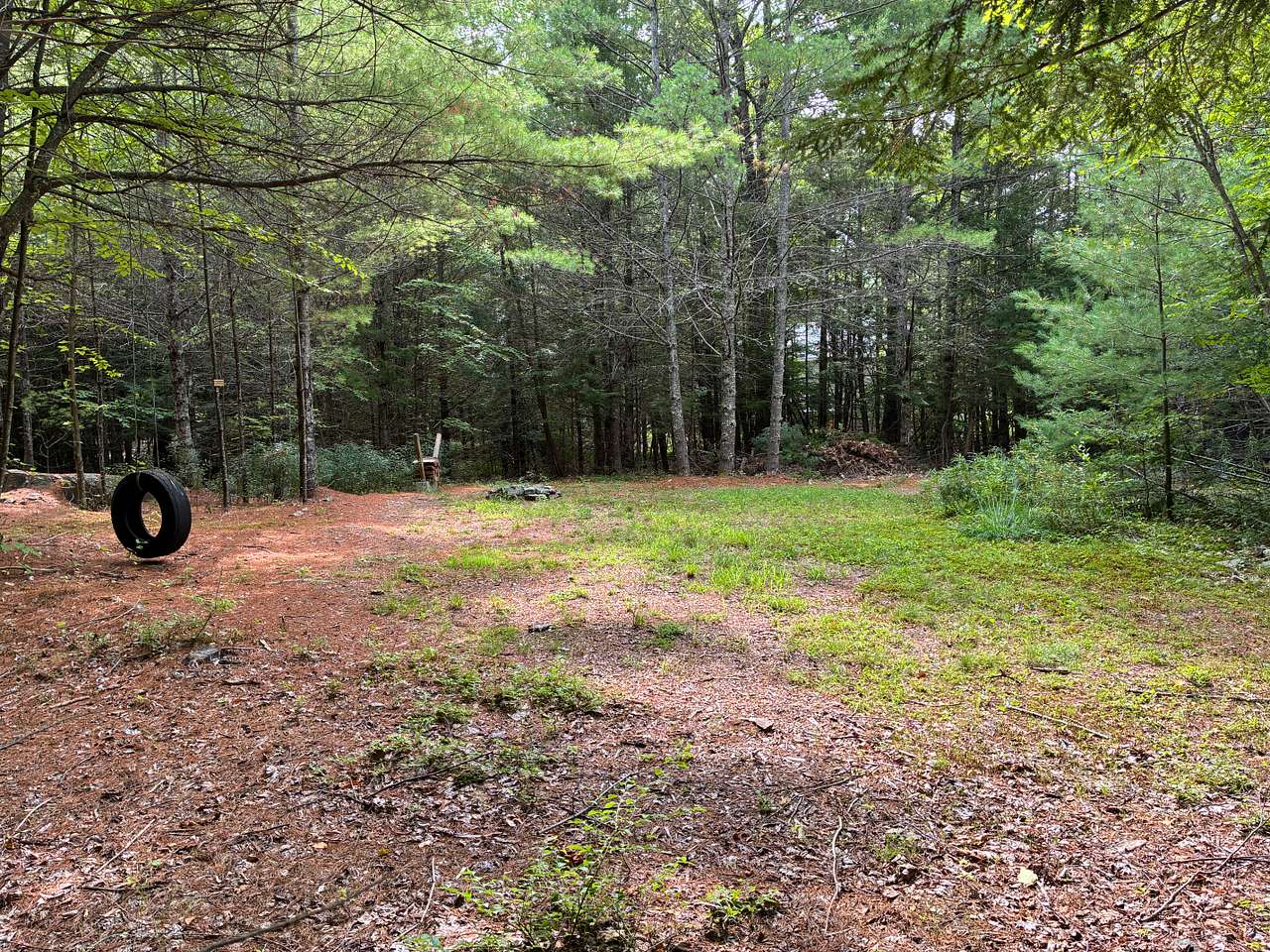
16. Hideaway Near Portland - Private Maine Woods Site
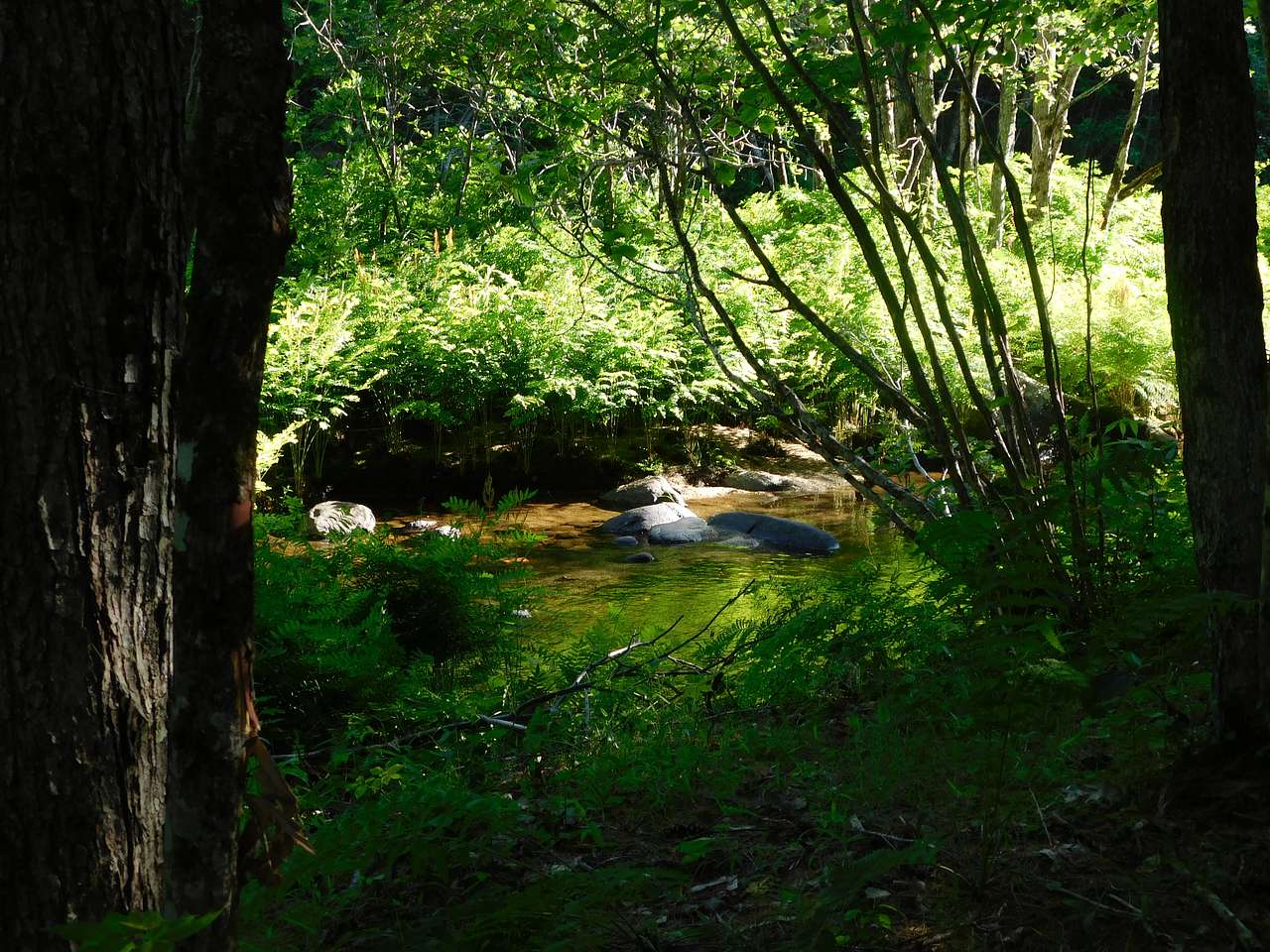
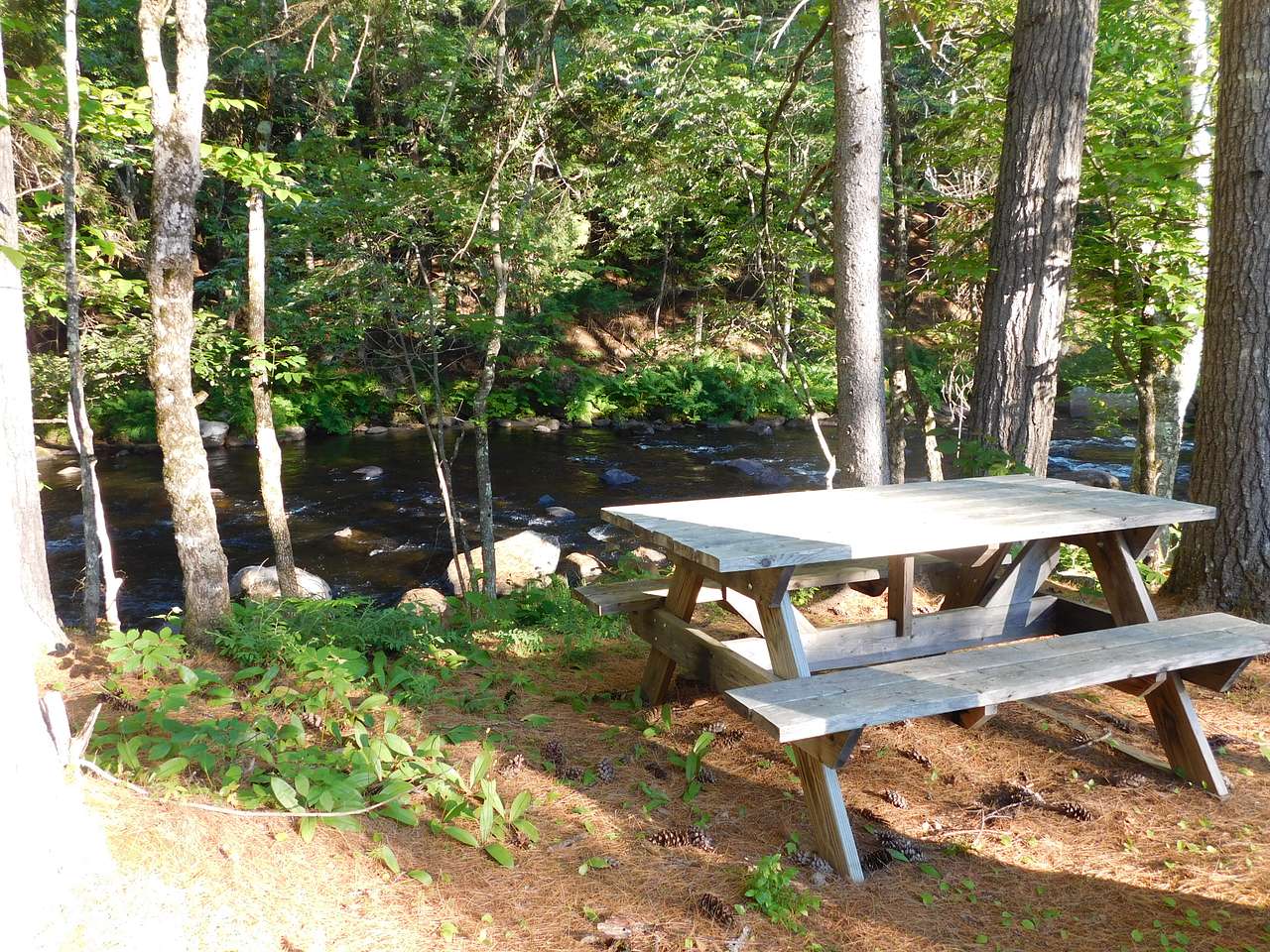
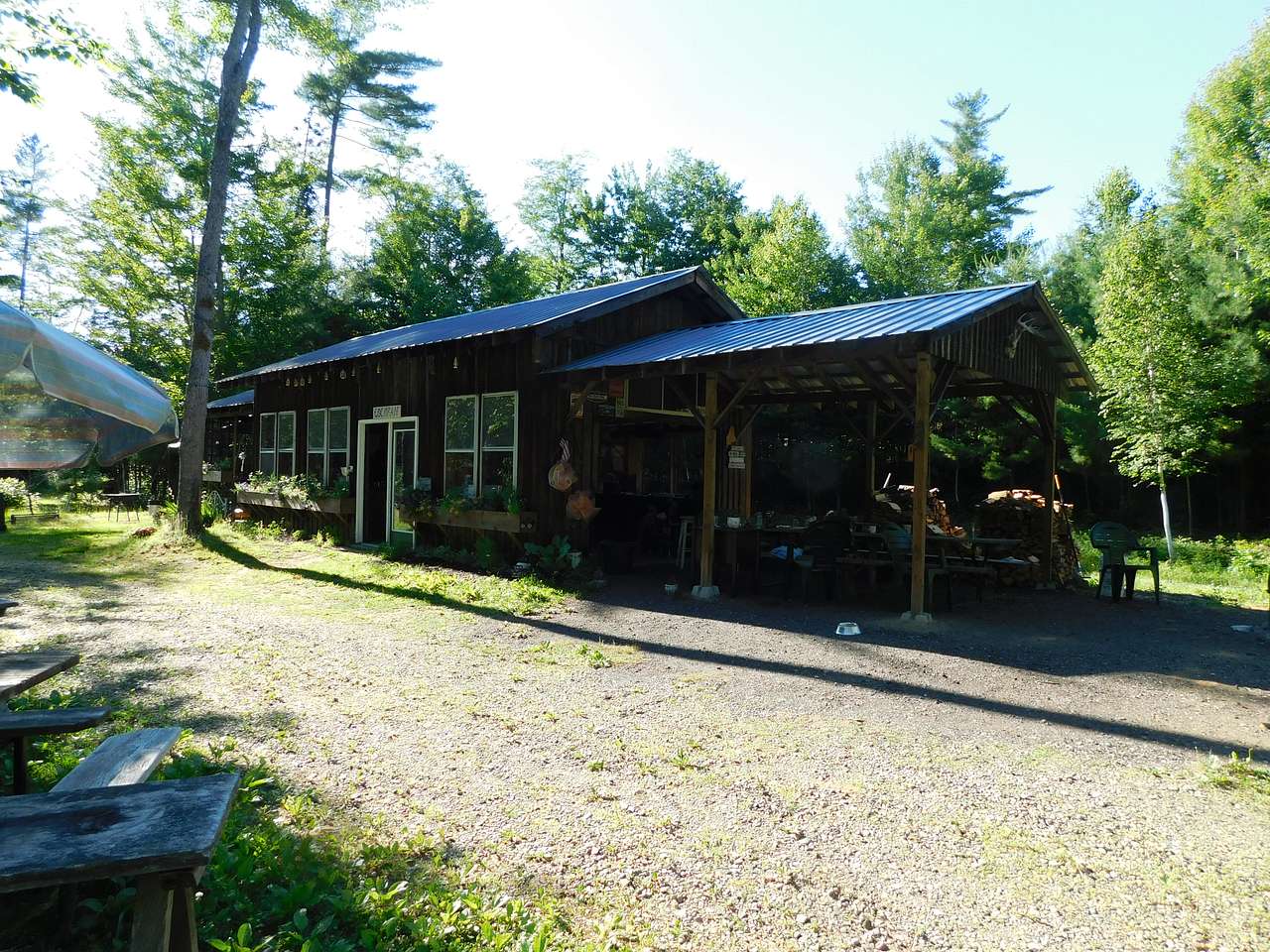
17. Camp Cochran Webb River Carthage Me
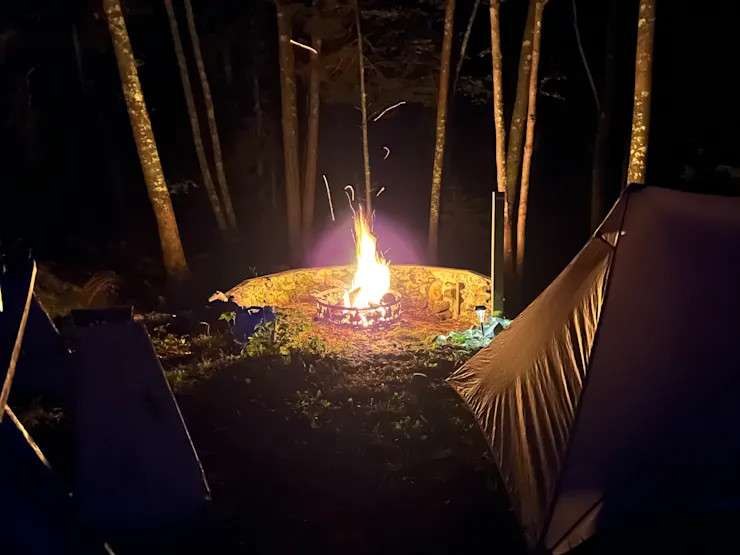
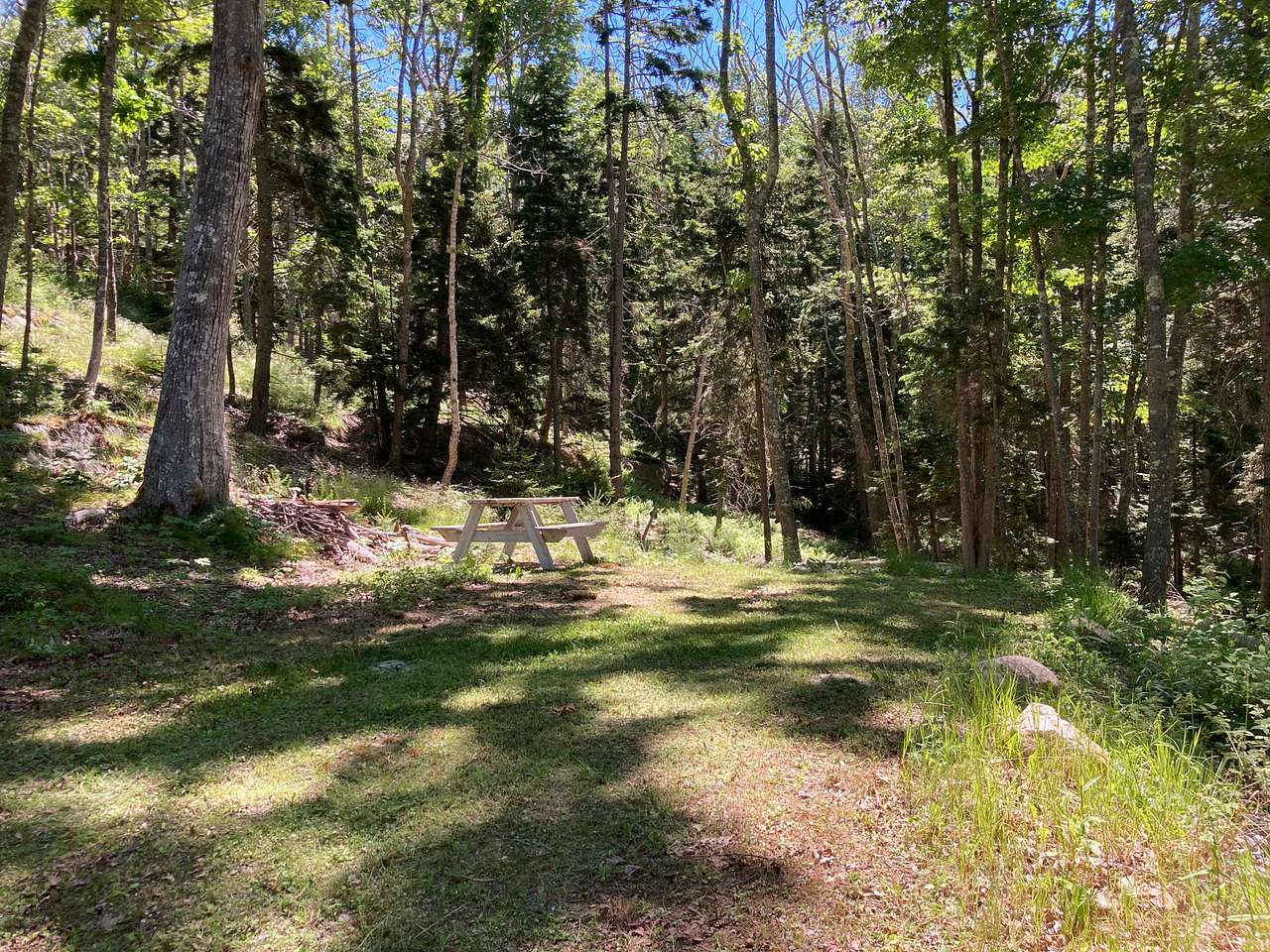
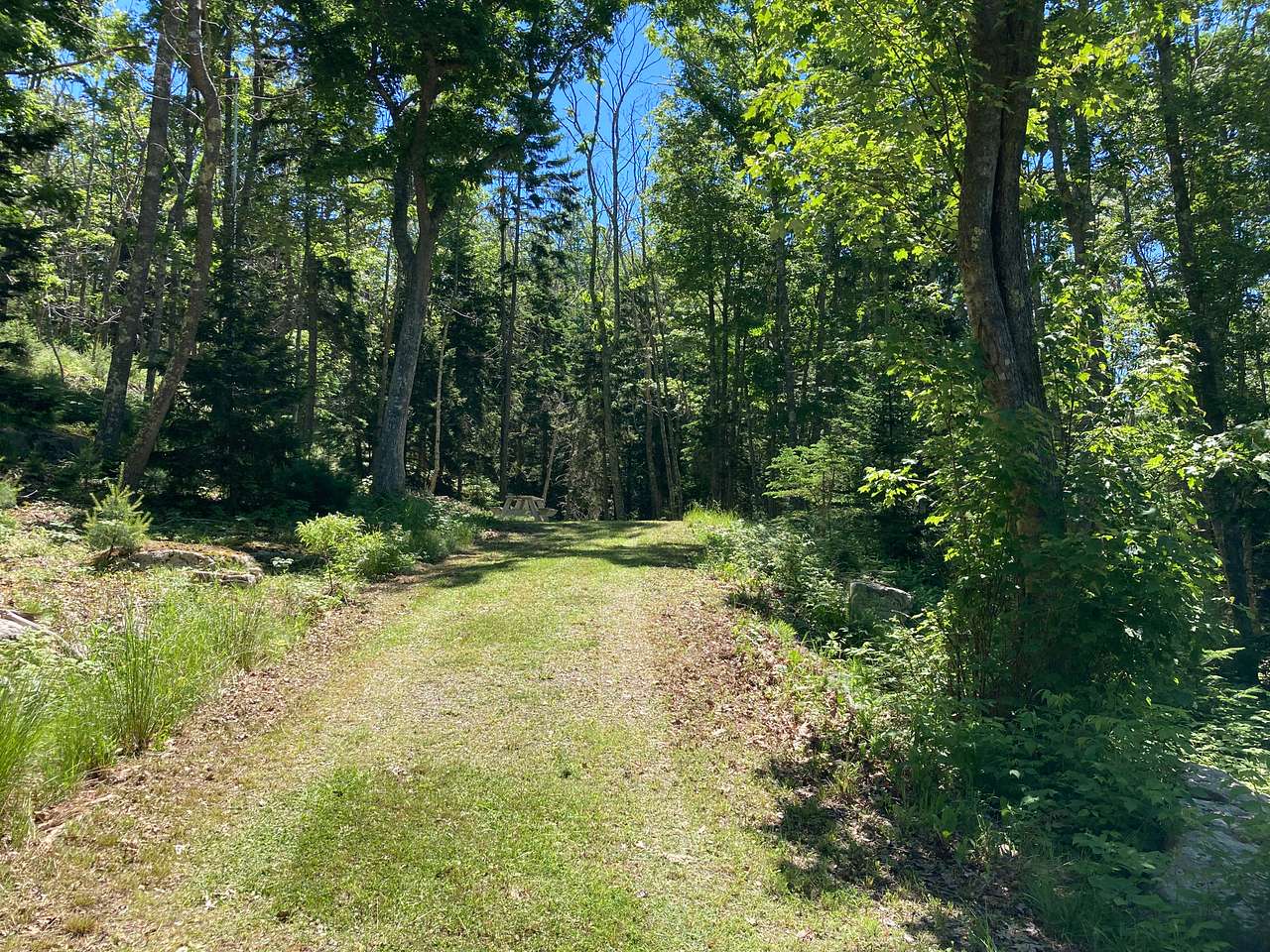
18. Camp Nepenthe
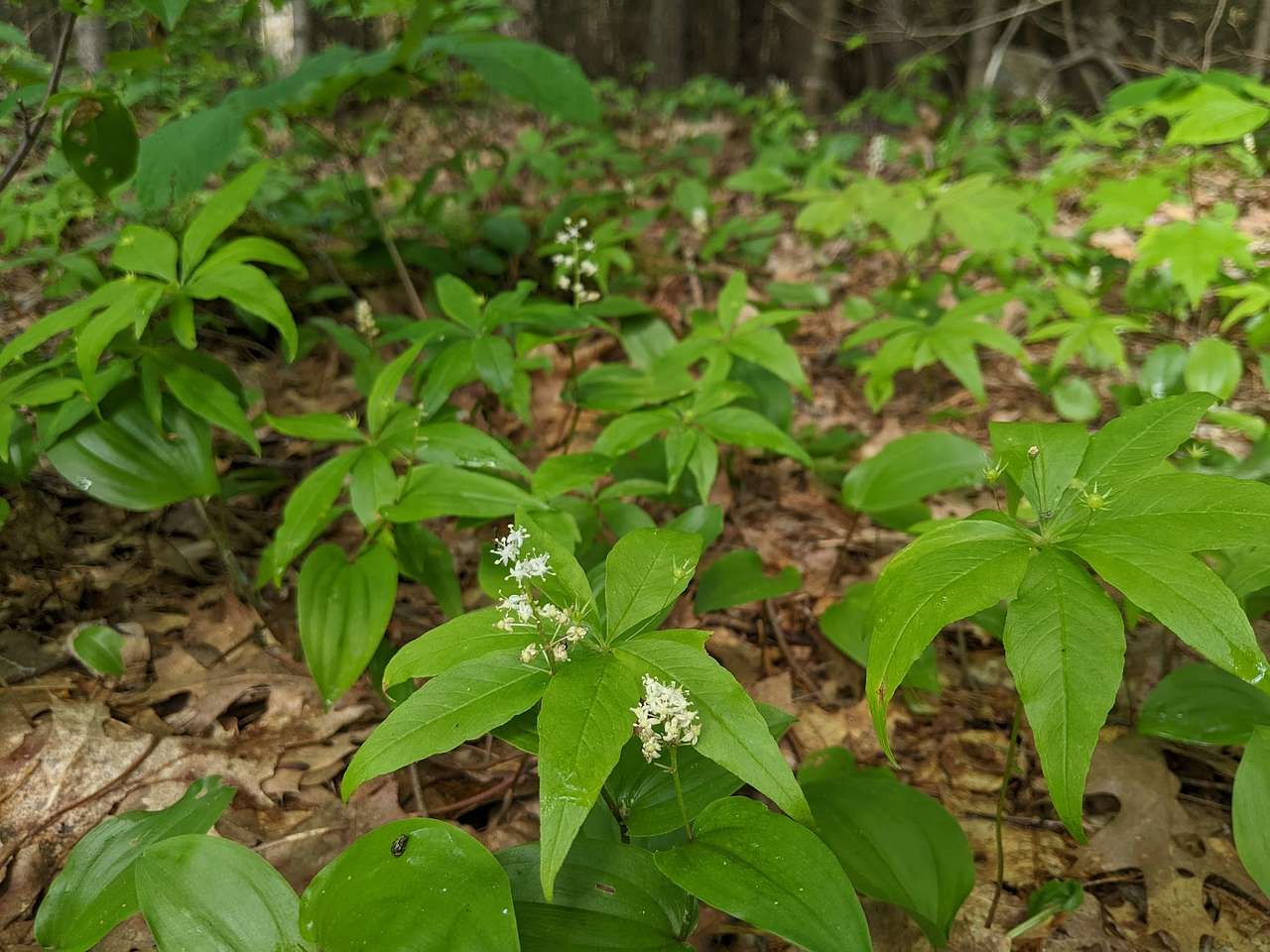
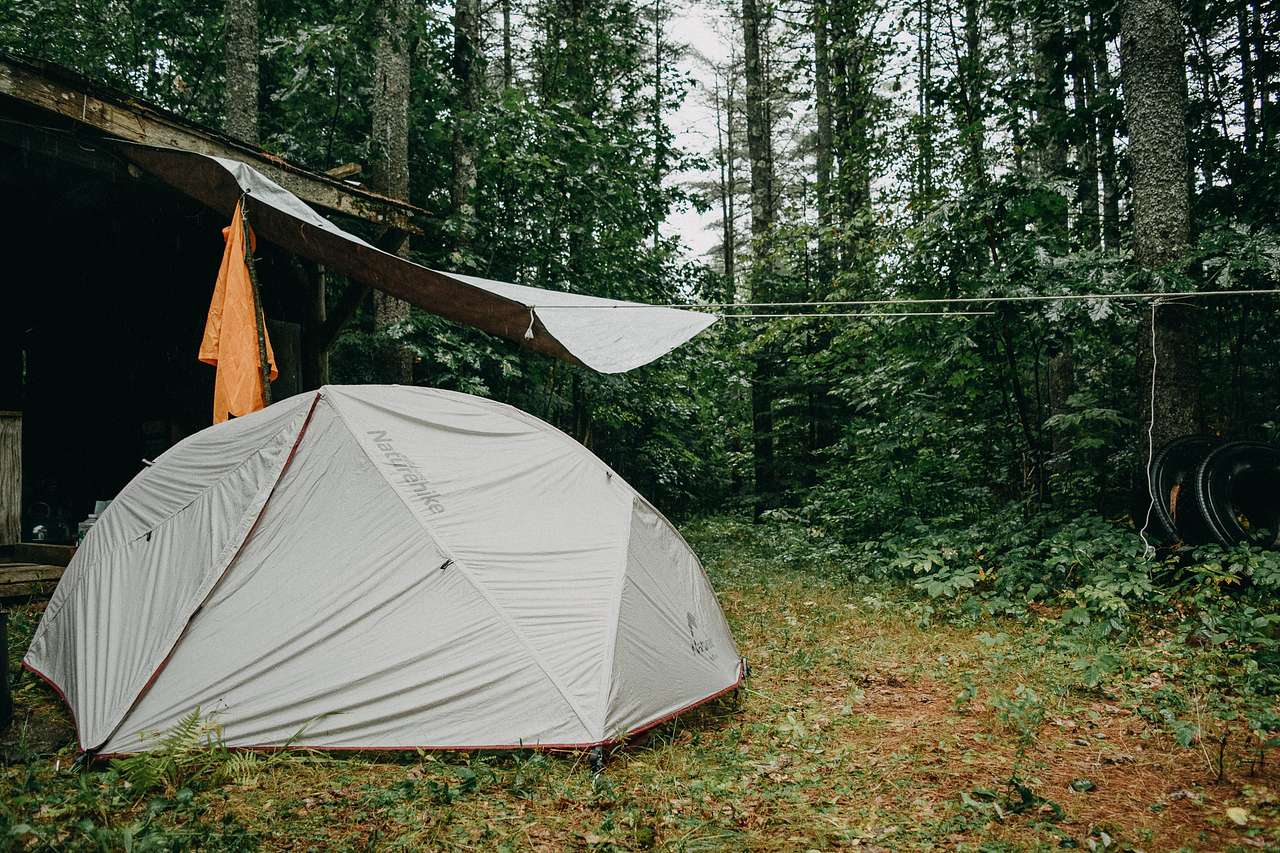
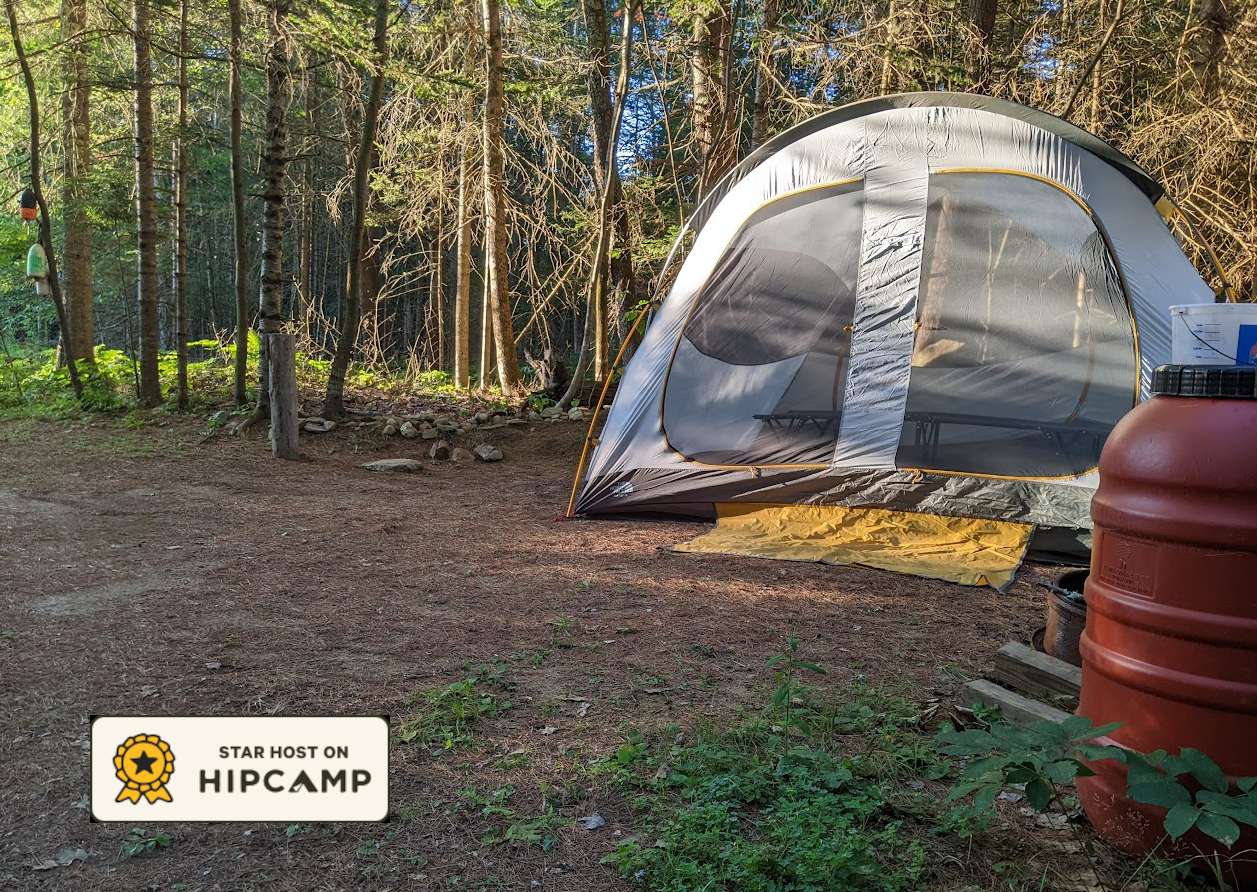
19. A safe place to stay on the way
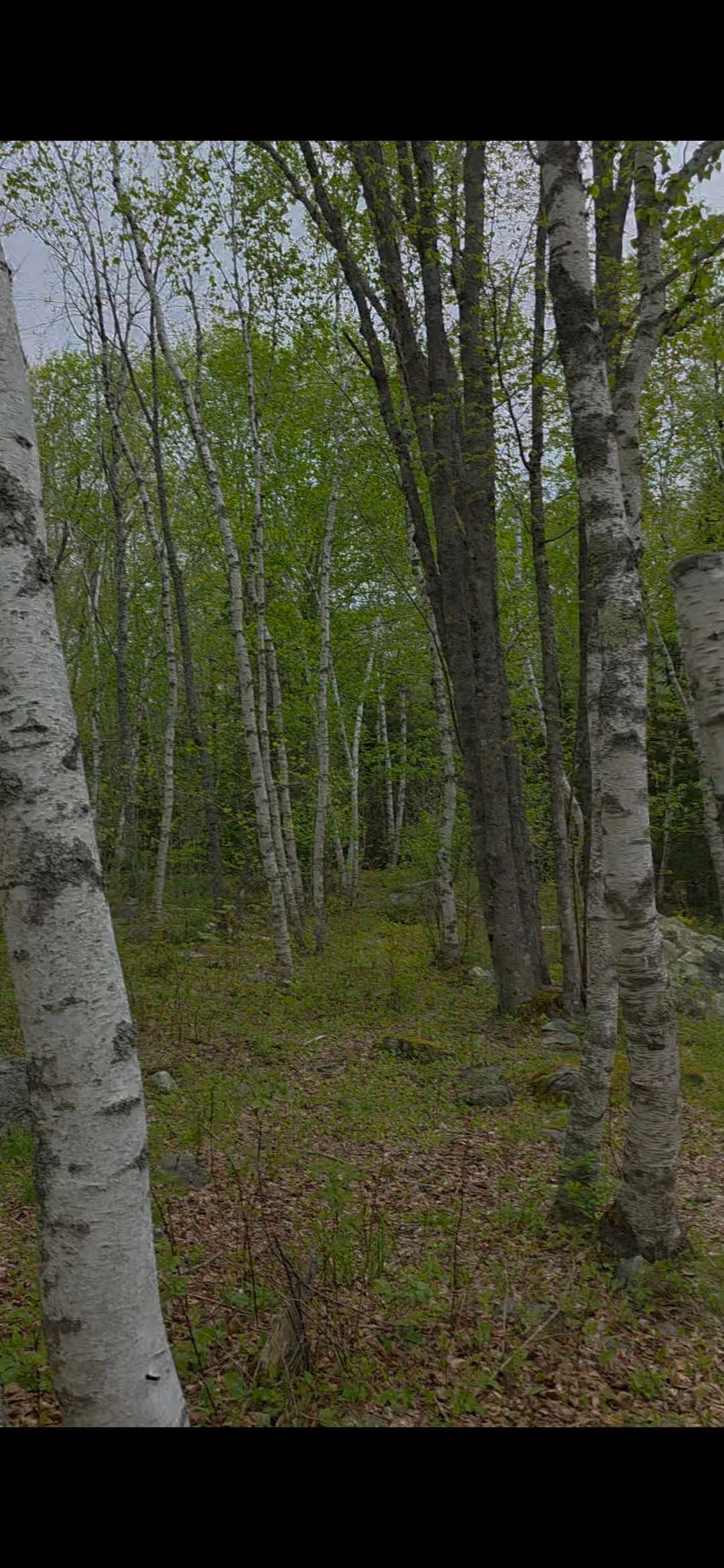
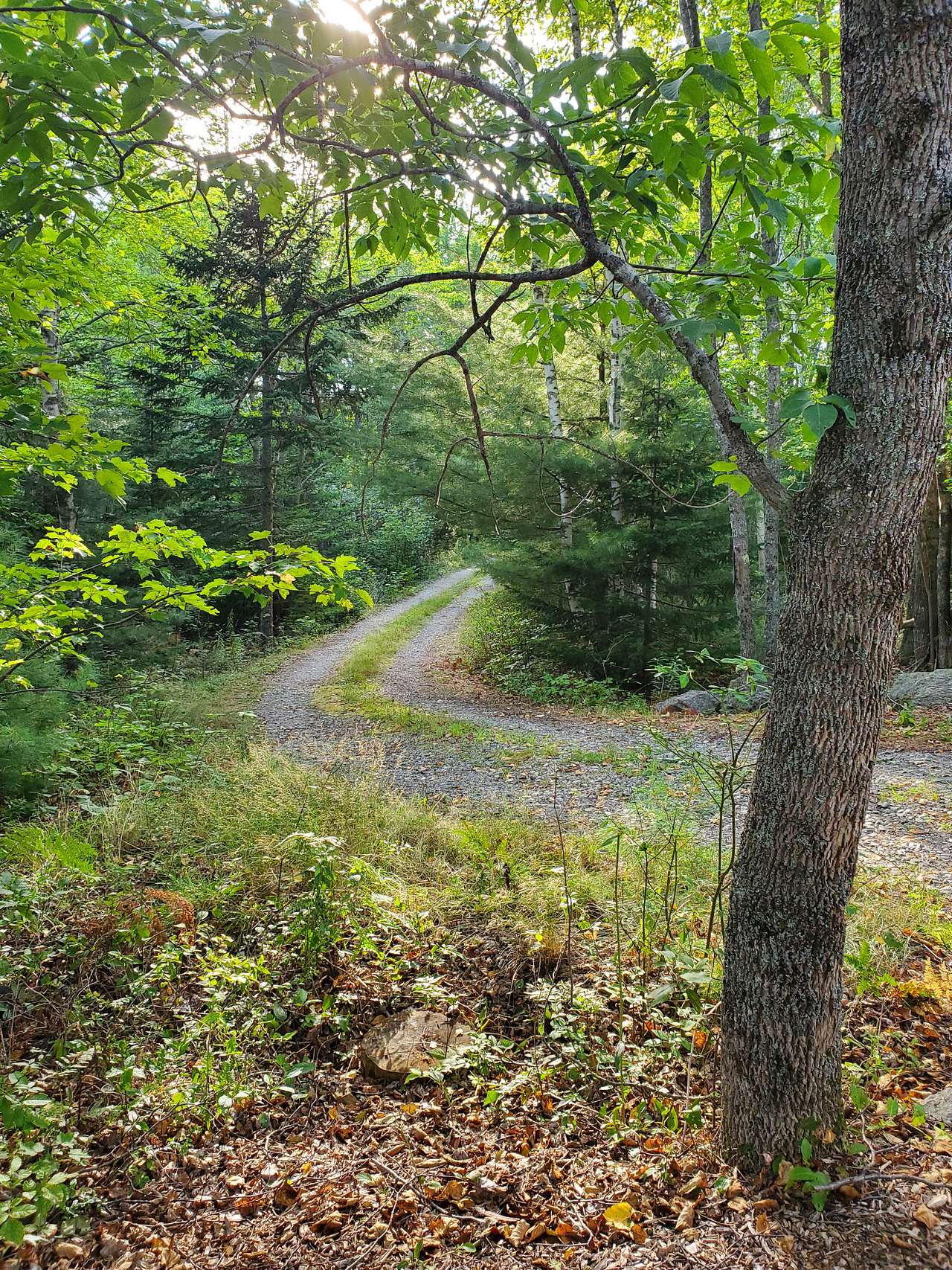
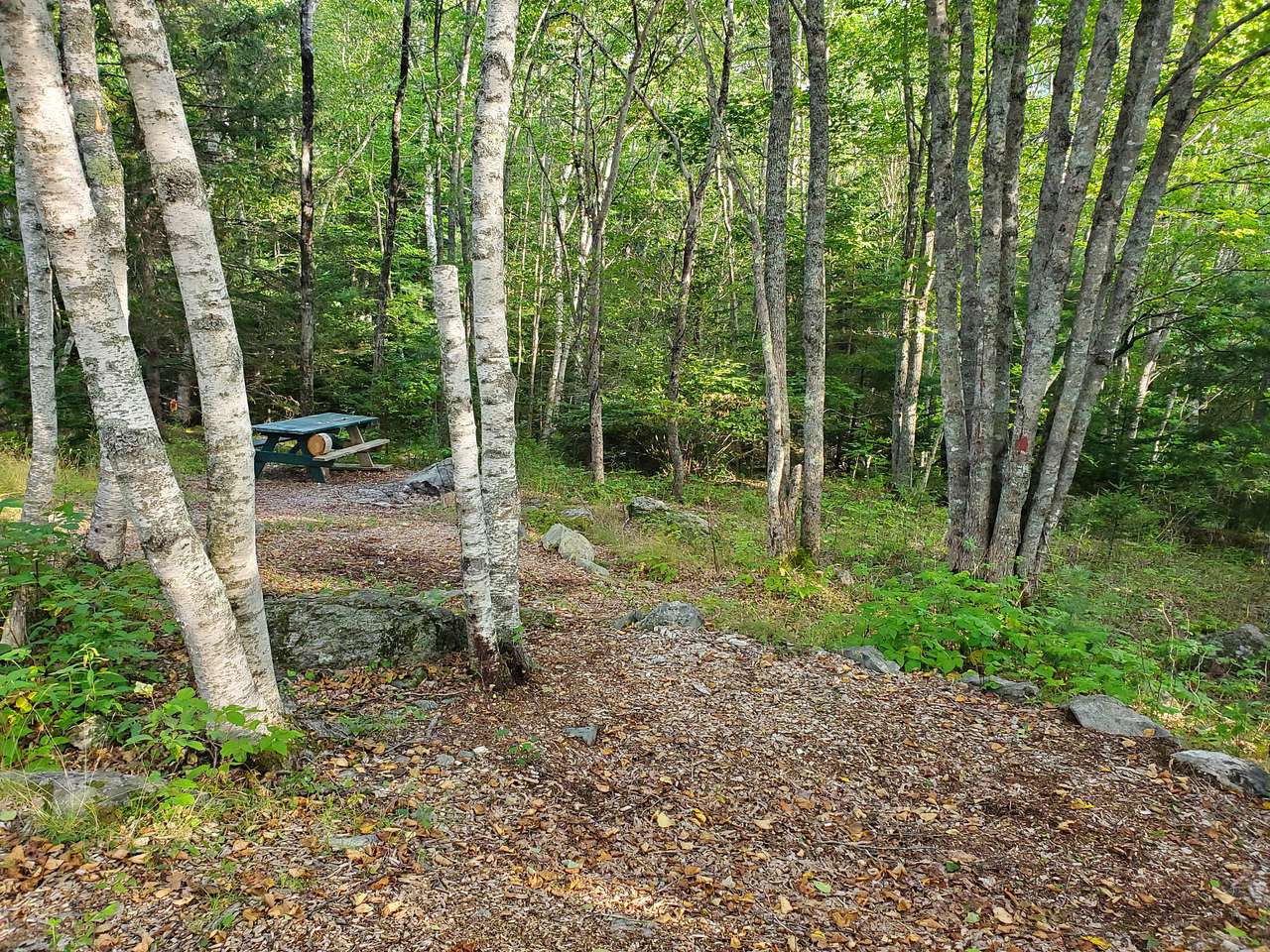
20. Backroad to Acadia
Camp Cochran Webb River Carthage Me
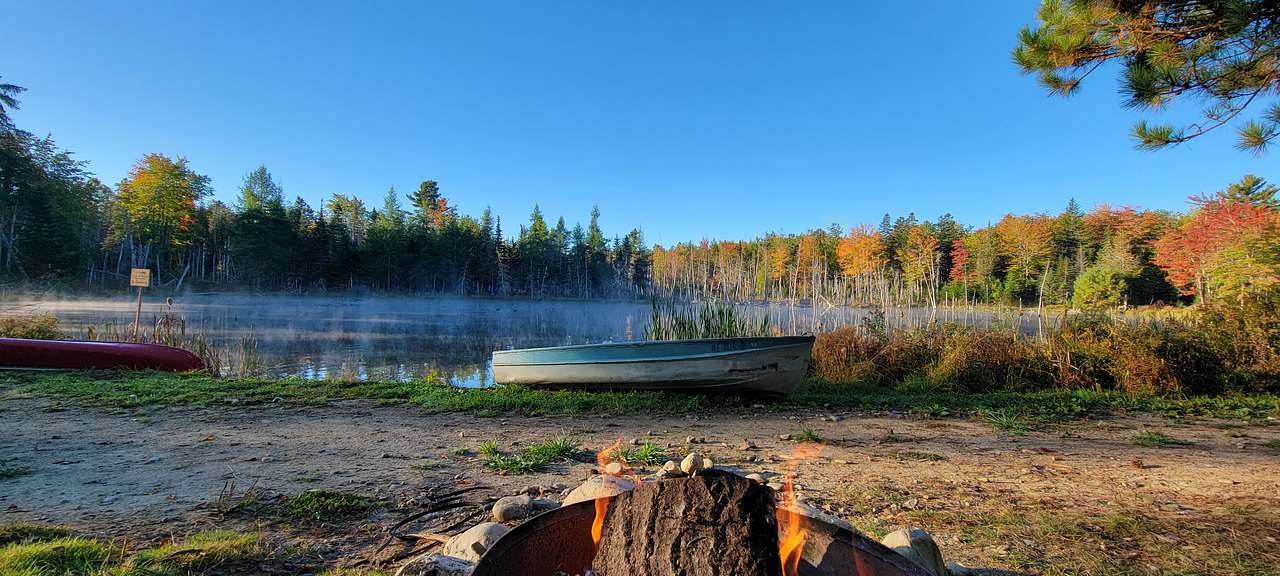
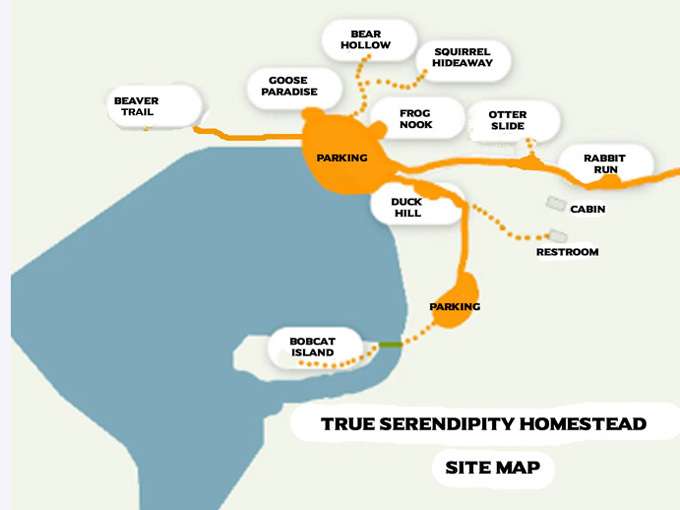
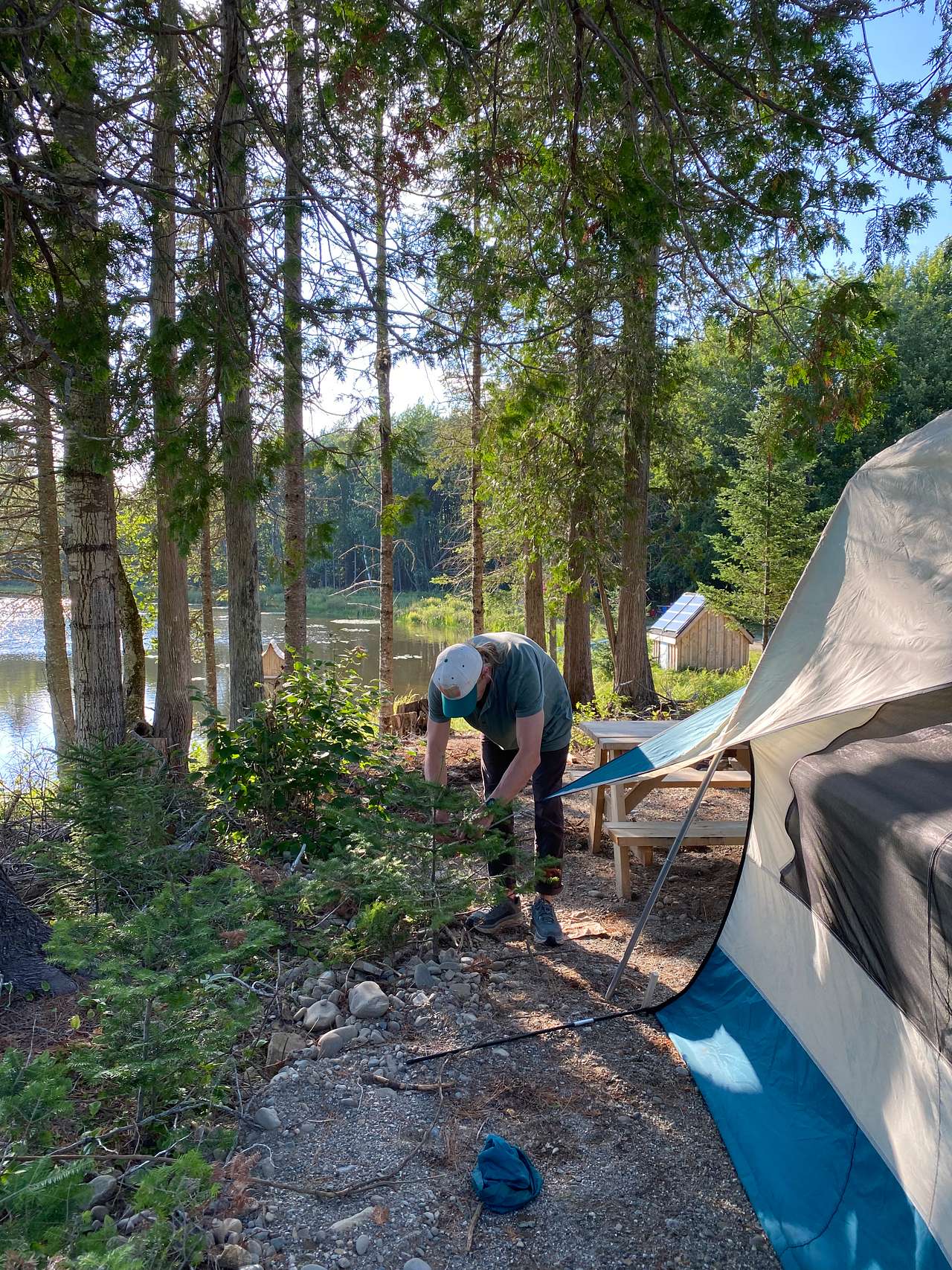
True Serendipity Homestead
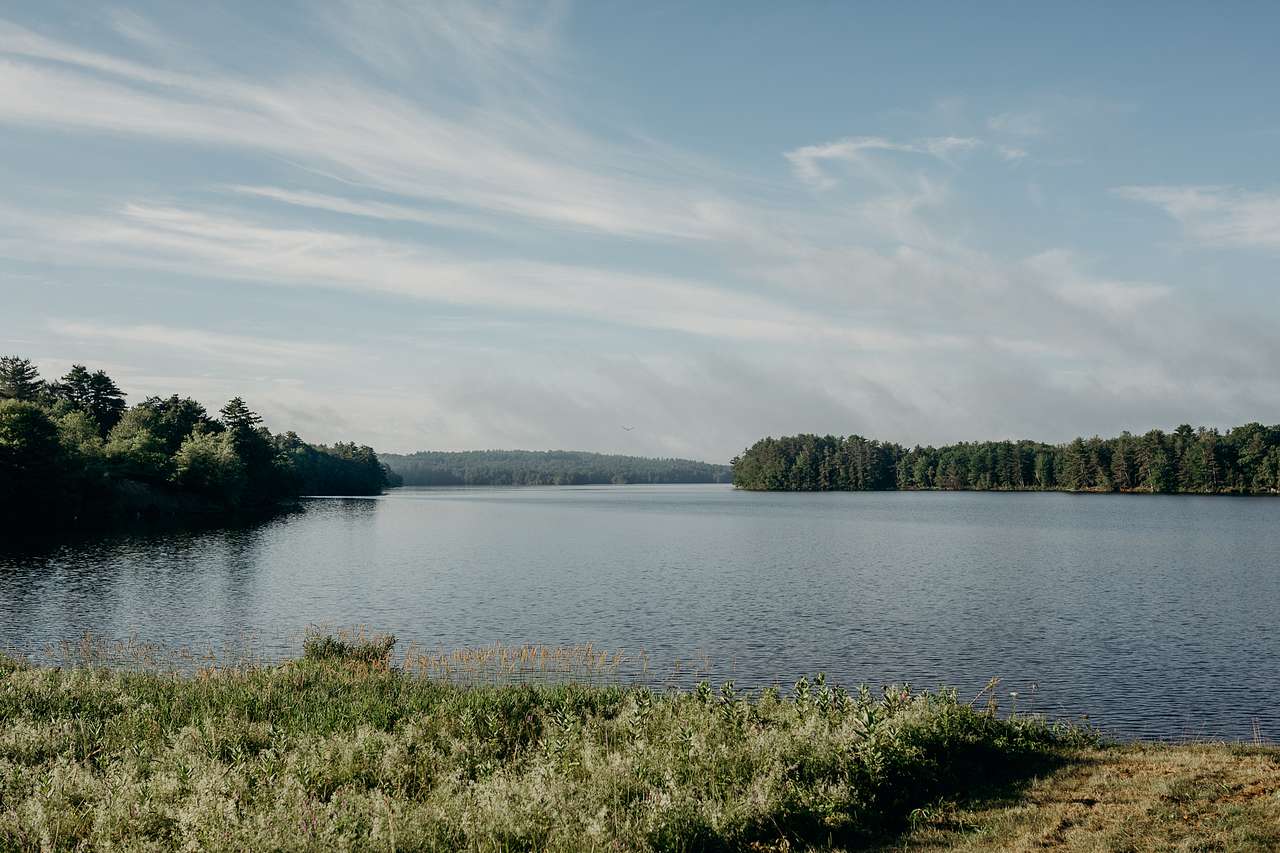
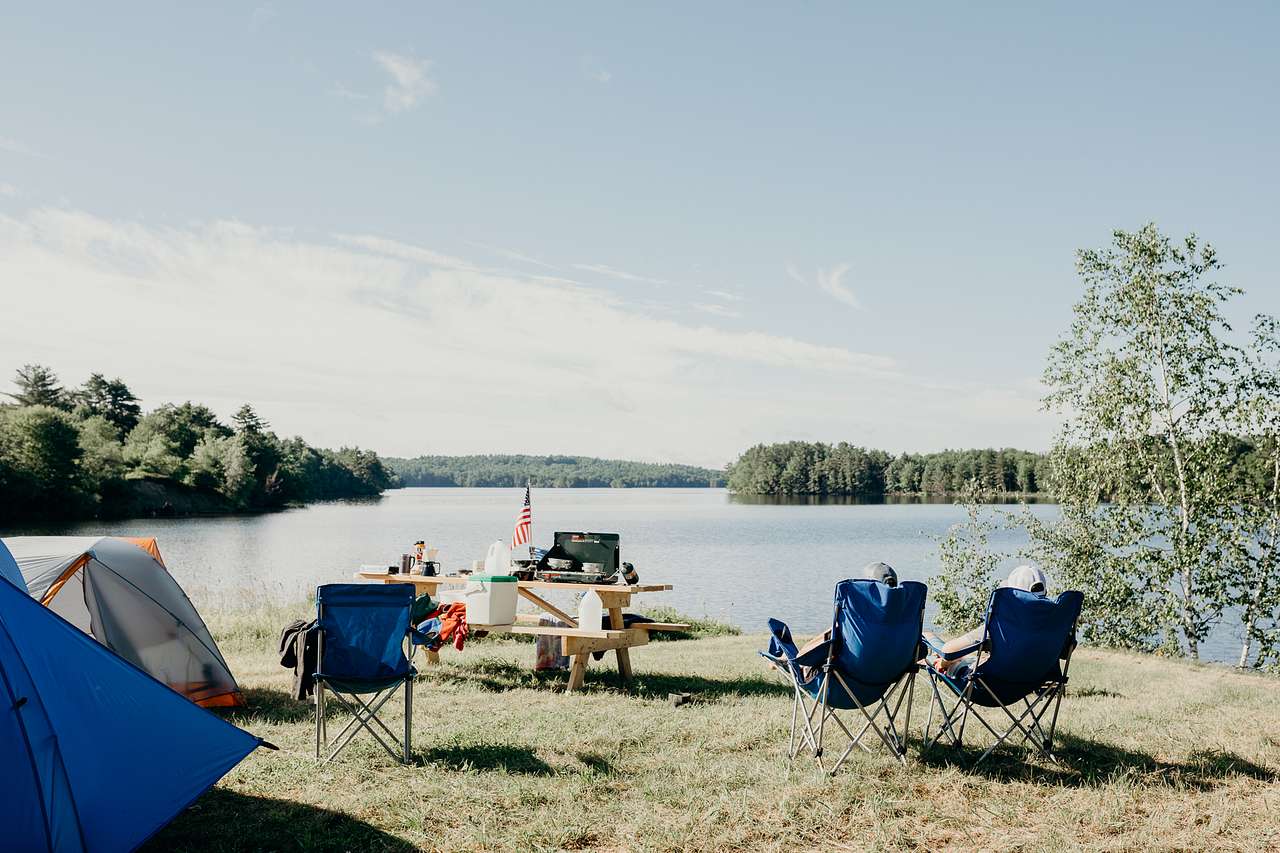
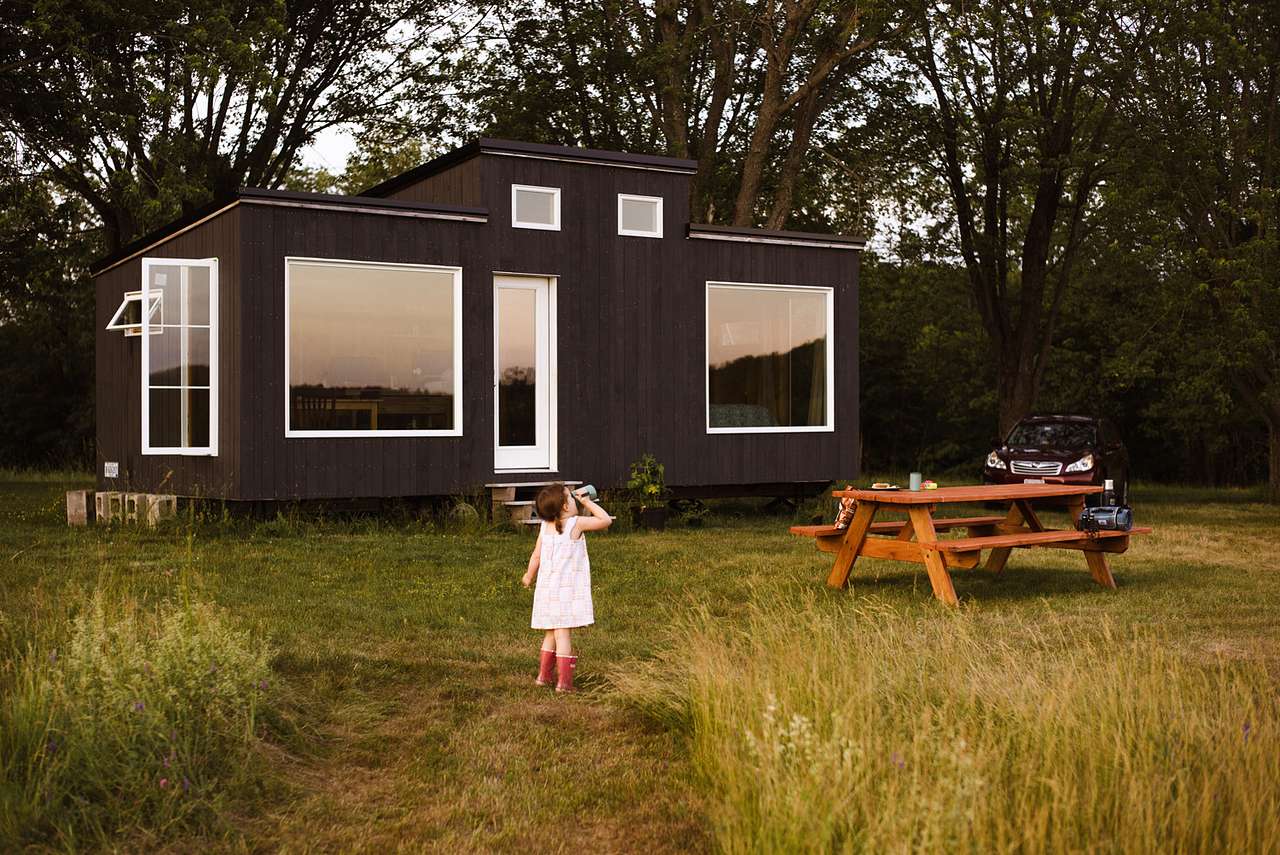
Slippery Rock Trails LLC
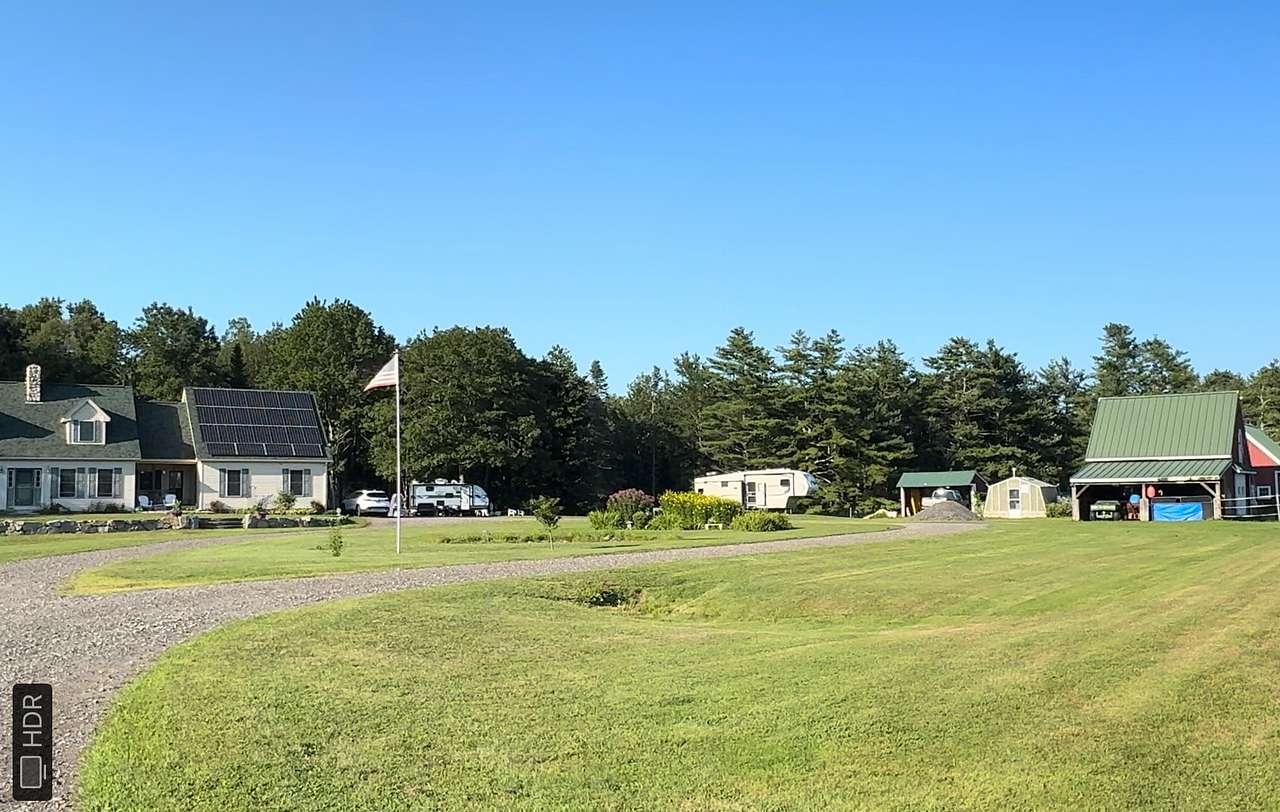
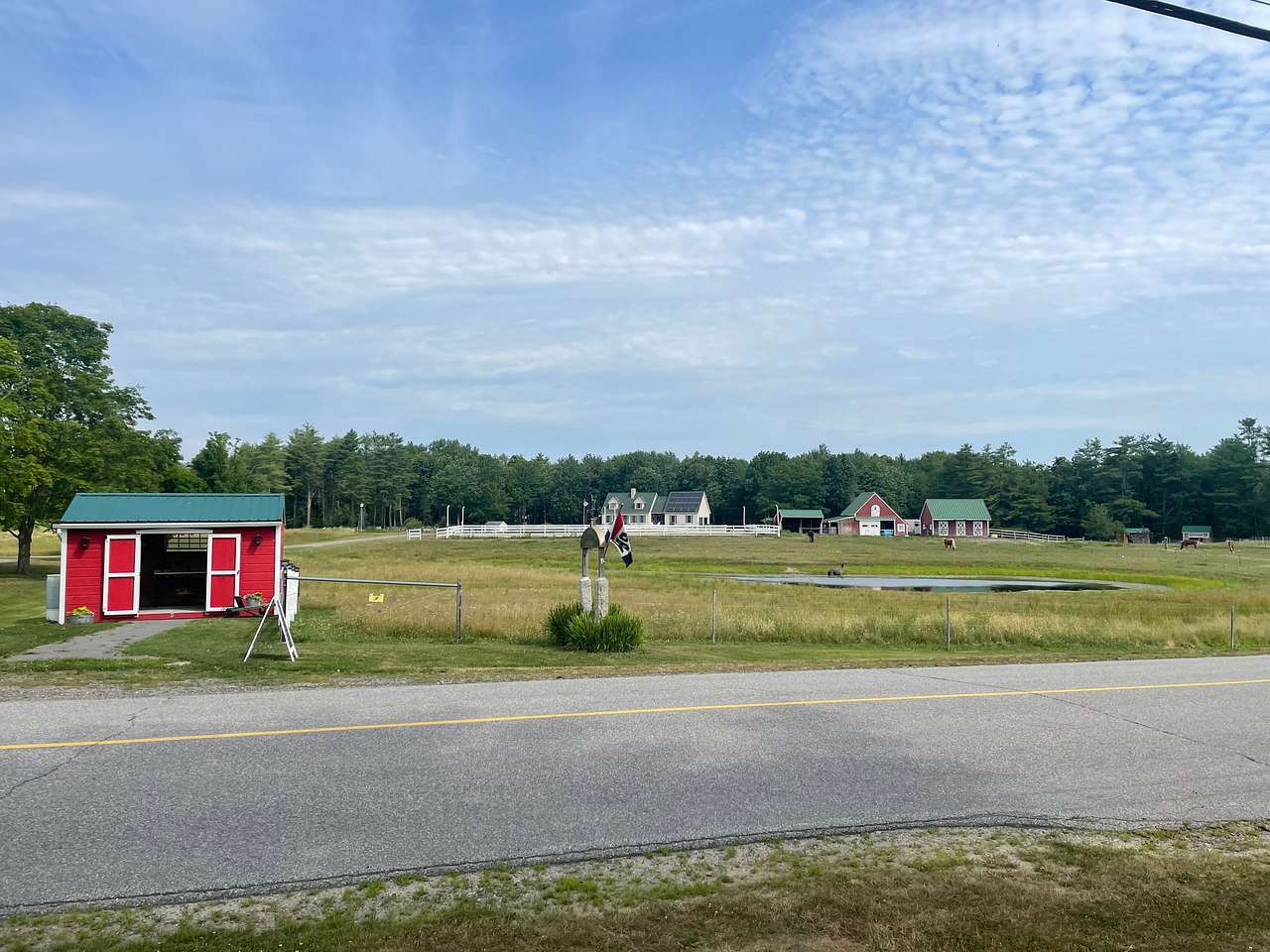
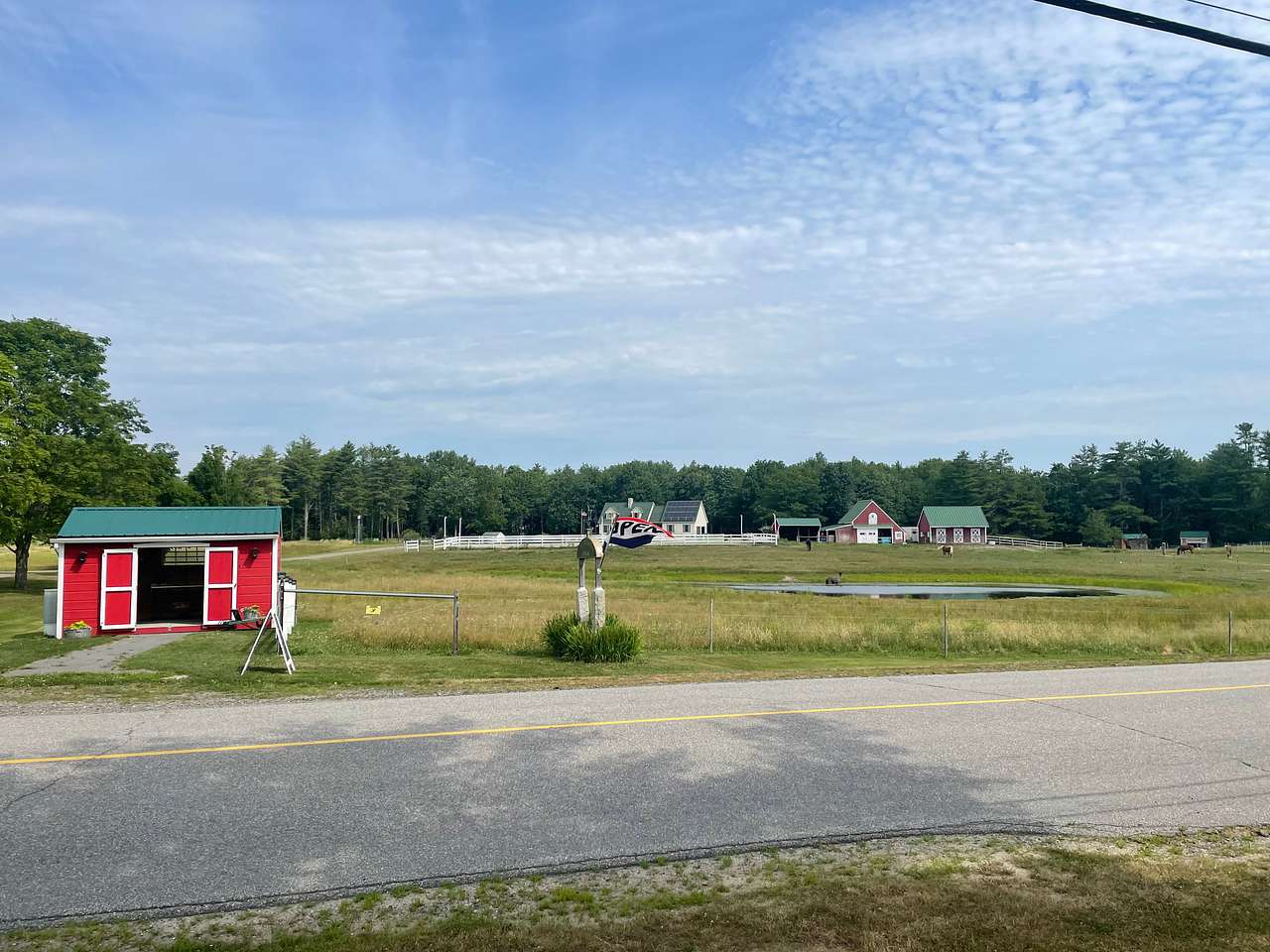
Iris Meadow Farm
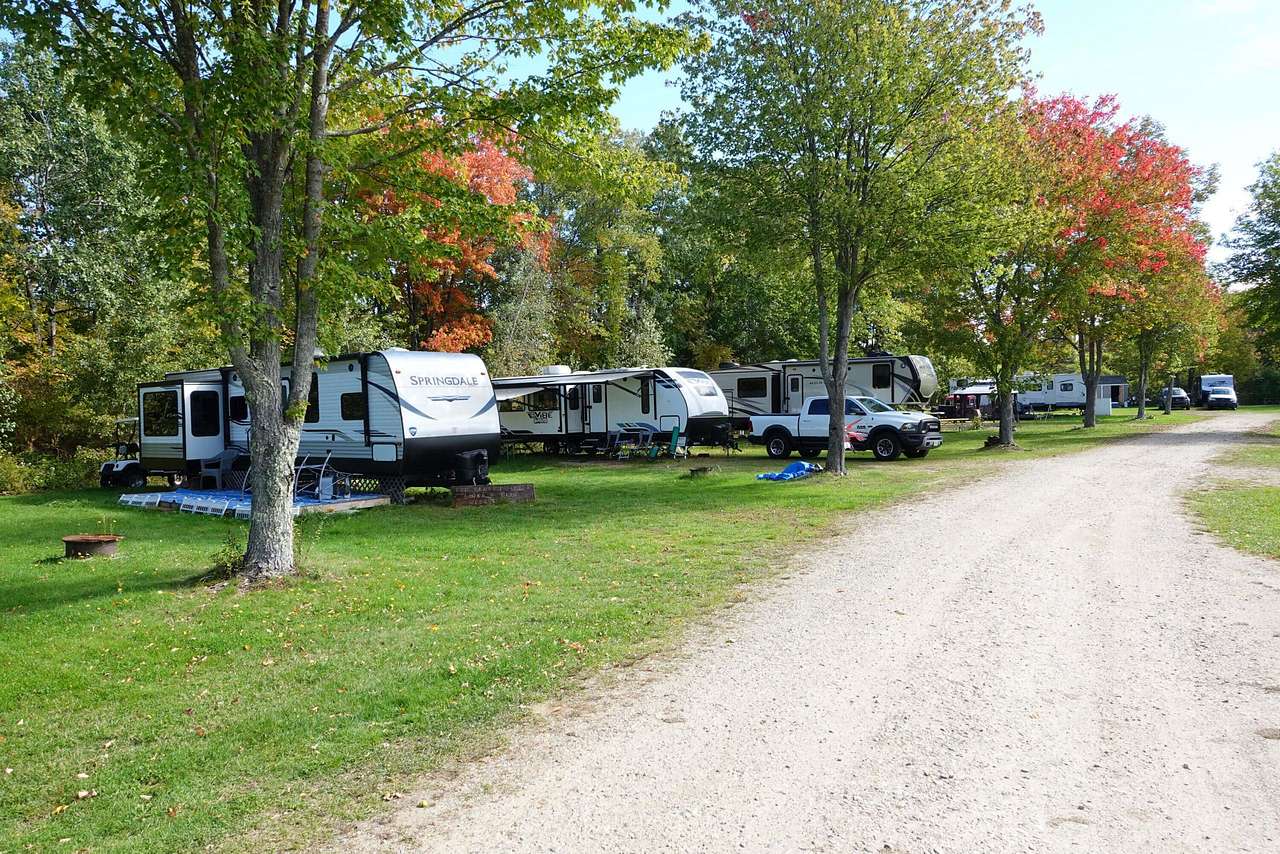
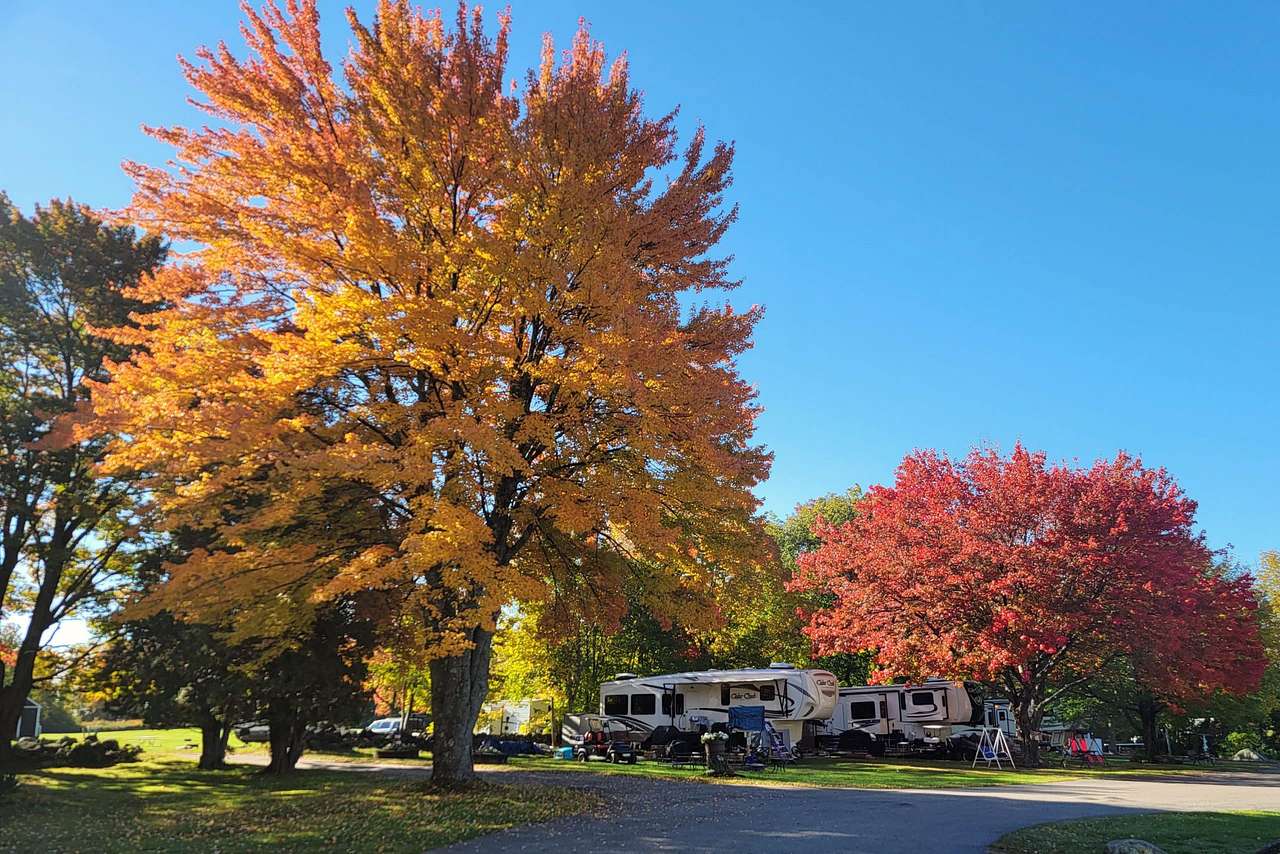
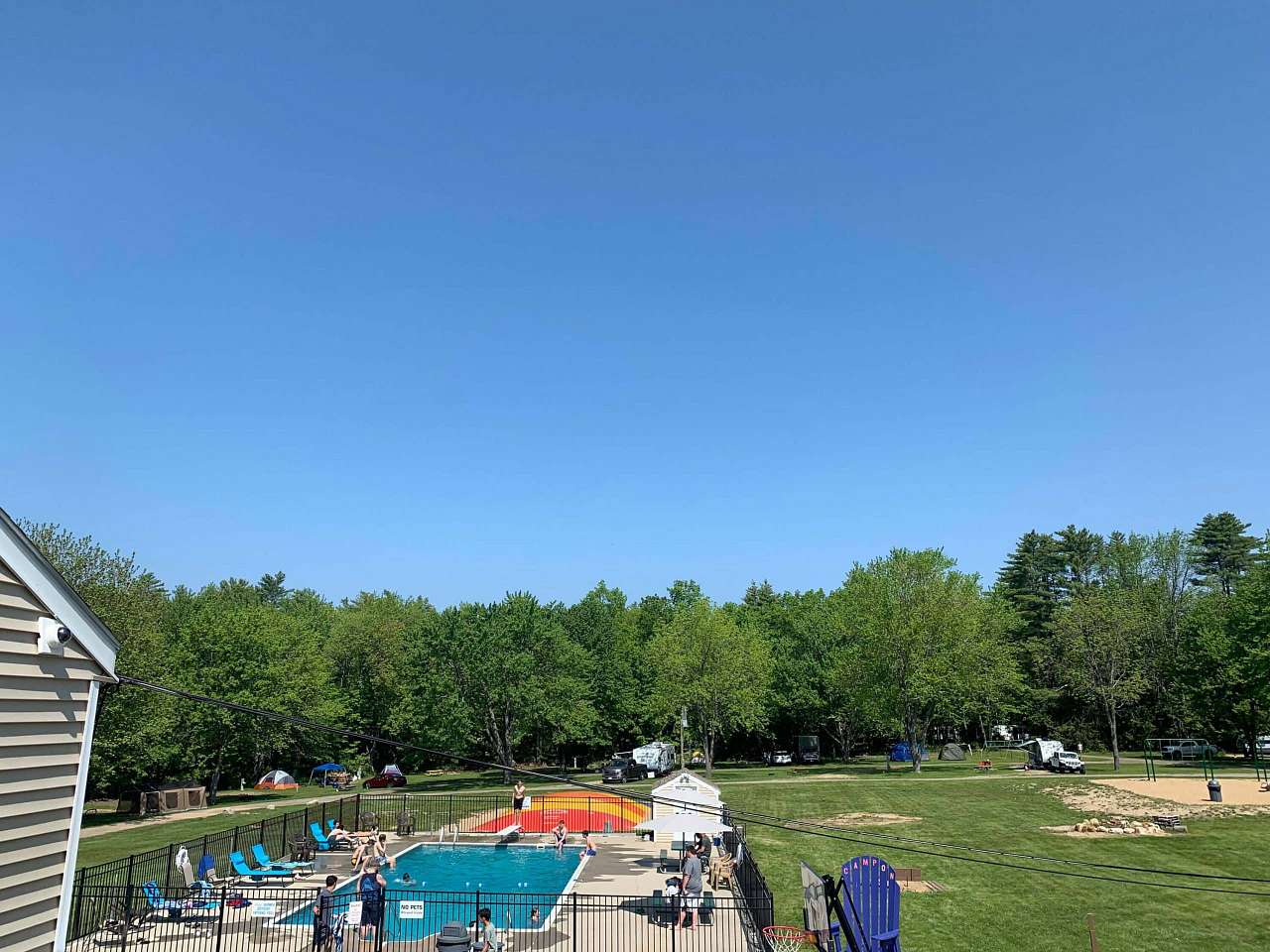
Spacious Skies Walnut Grove Campground
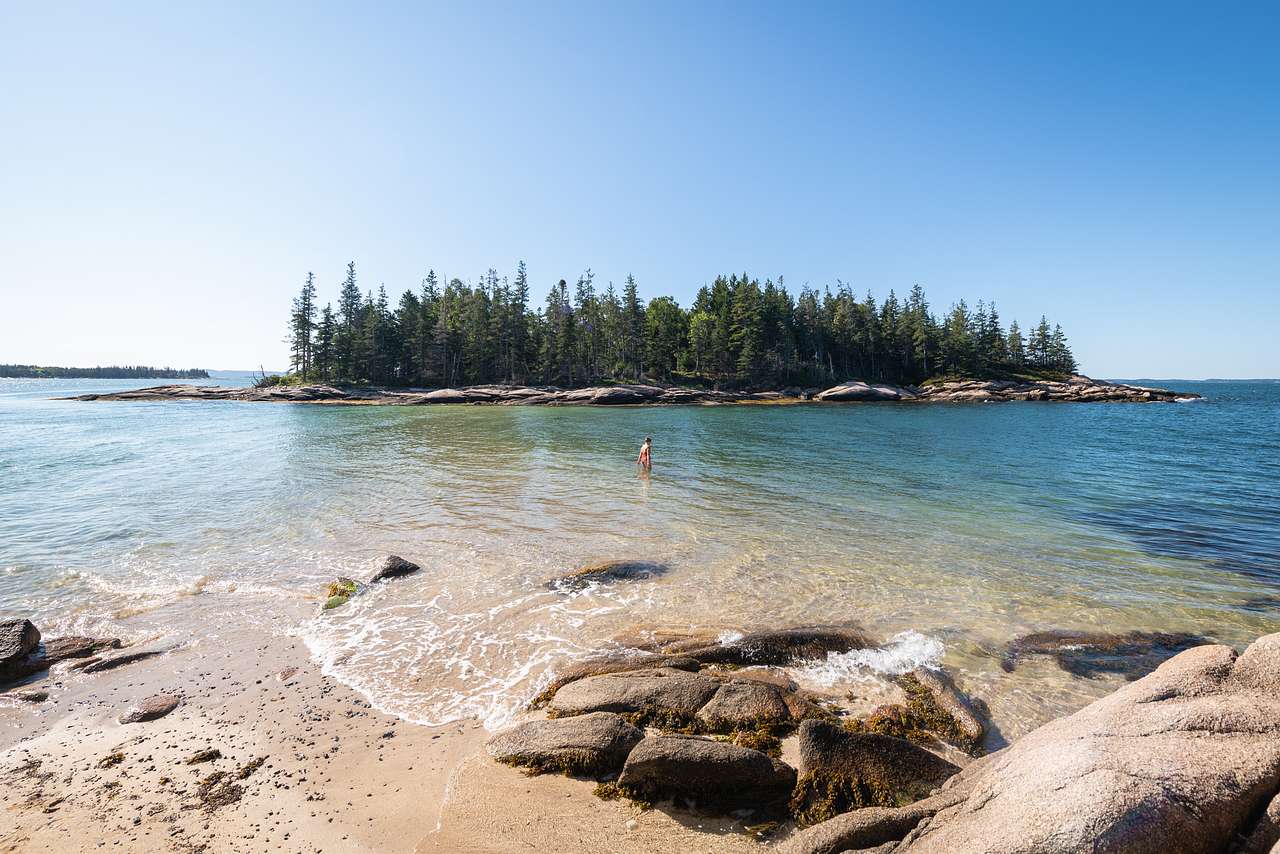
Four Acre Woods Island Campground
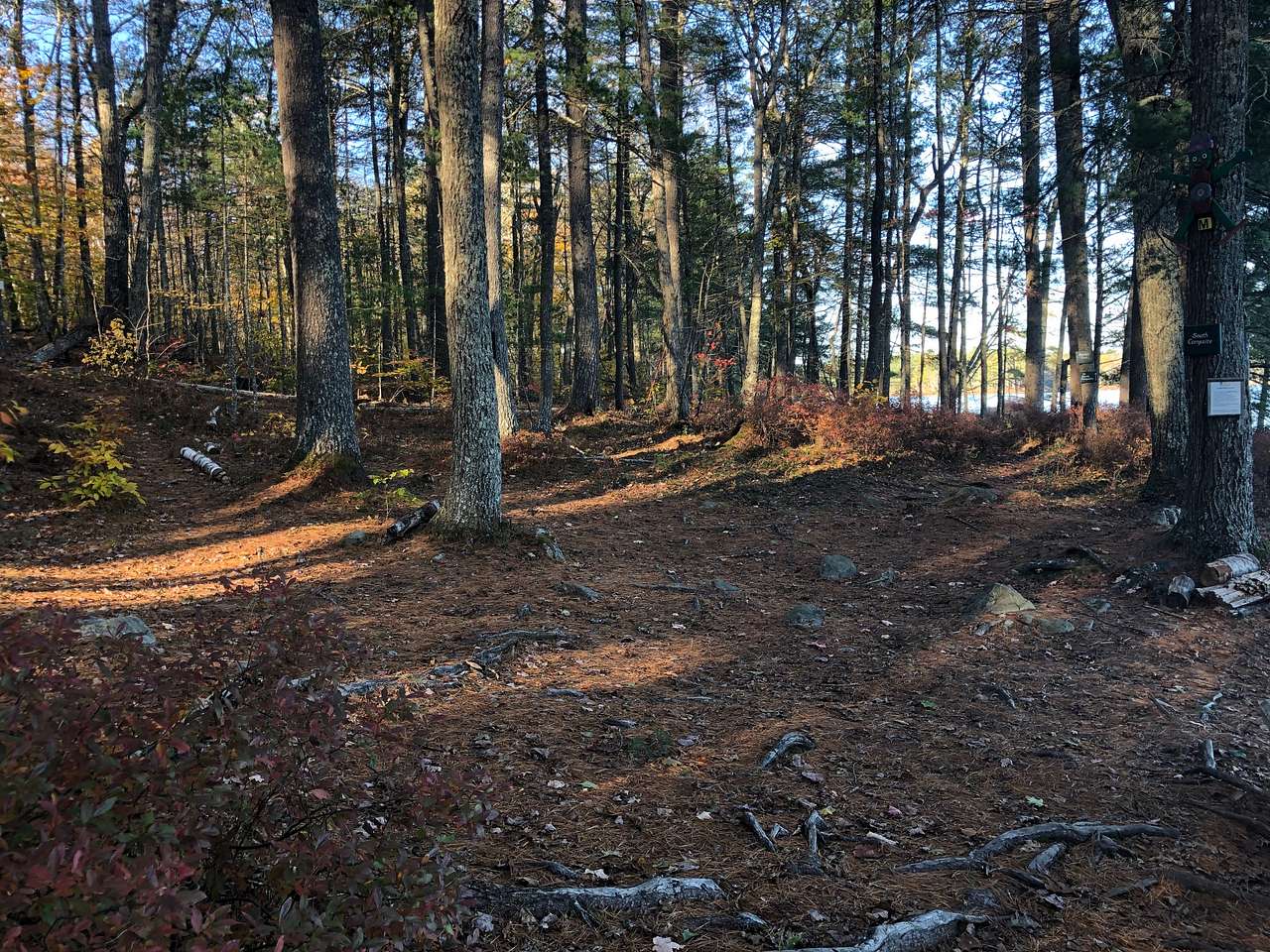
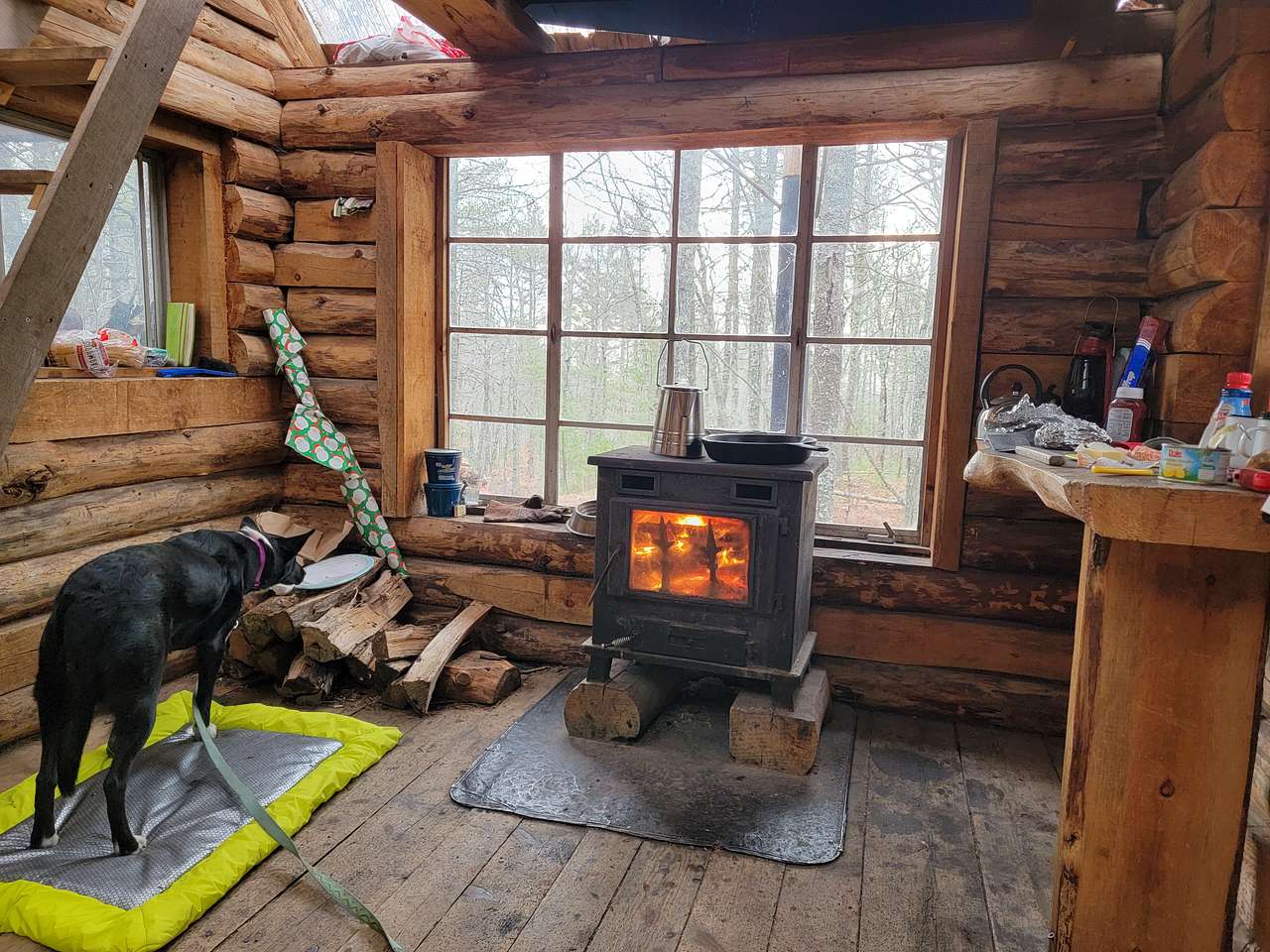
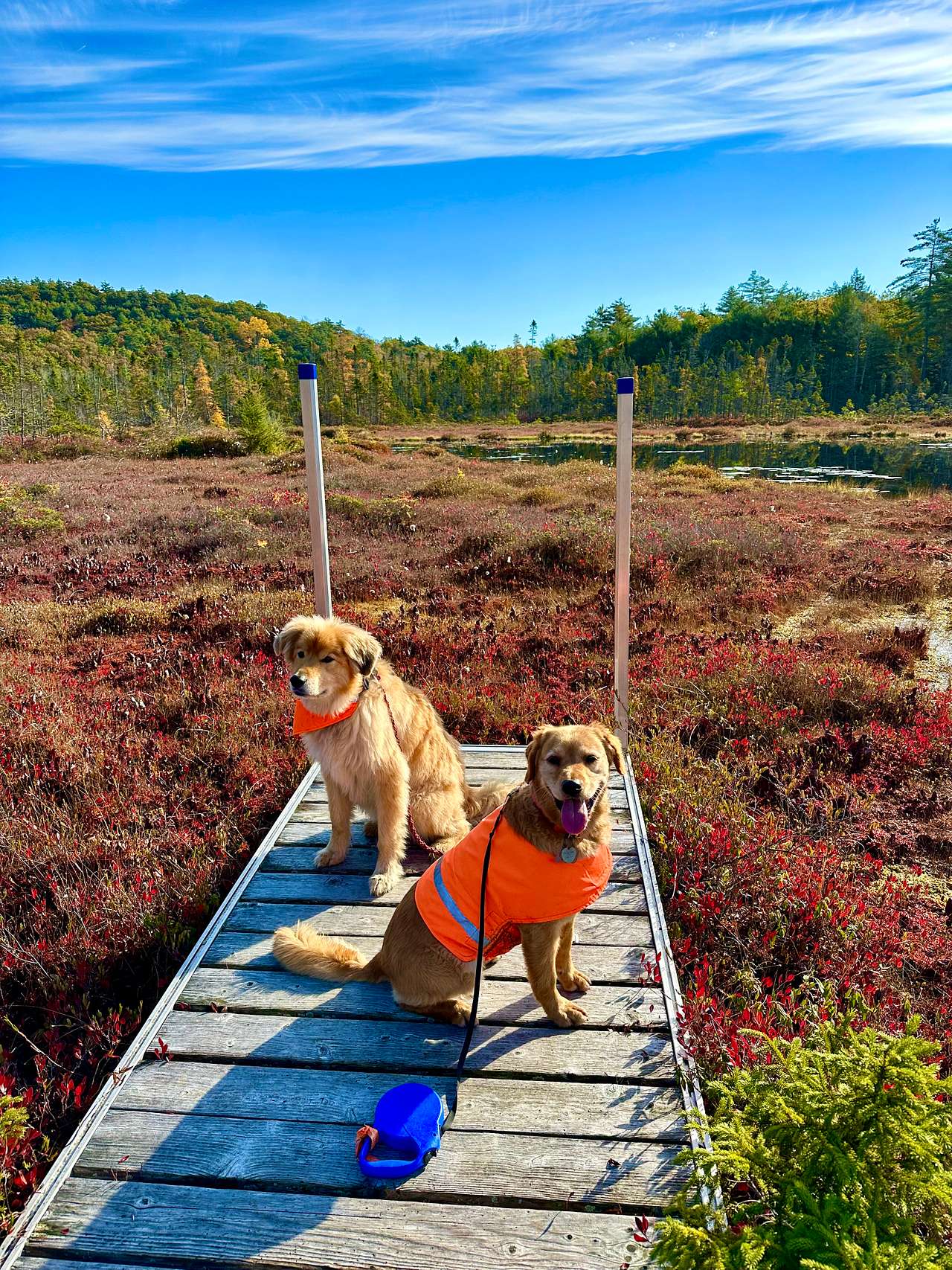
Hidden Valley Nature Center
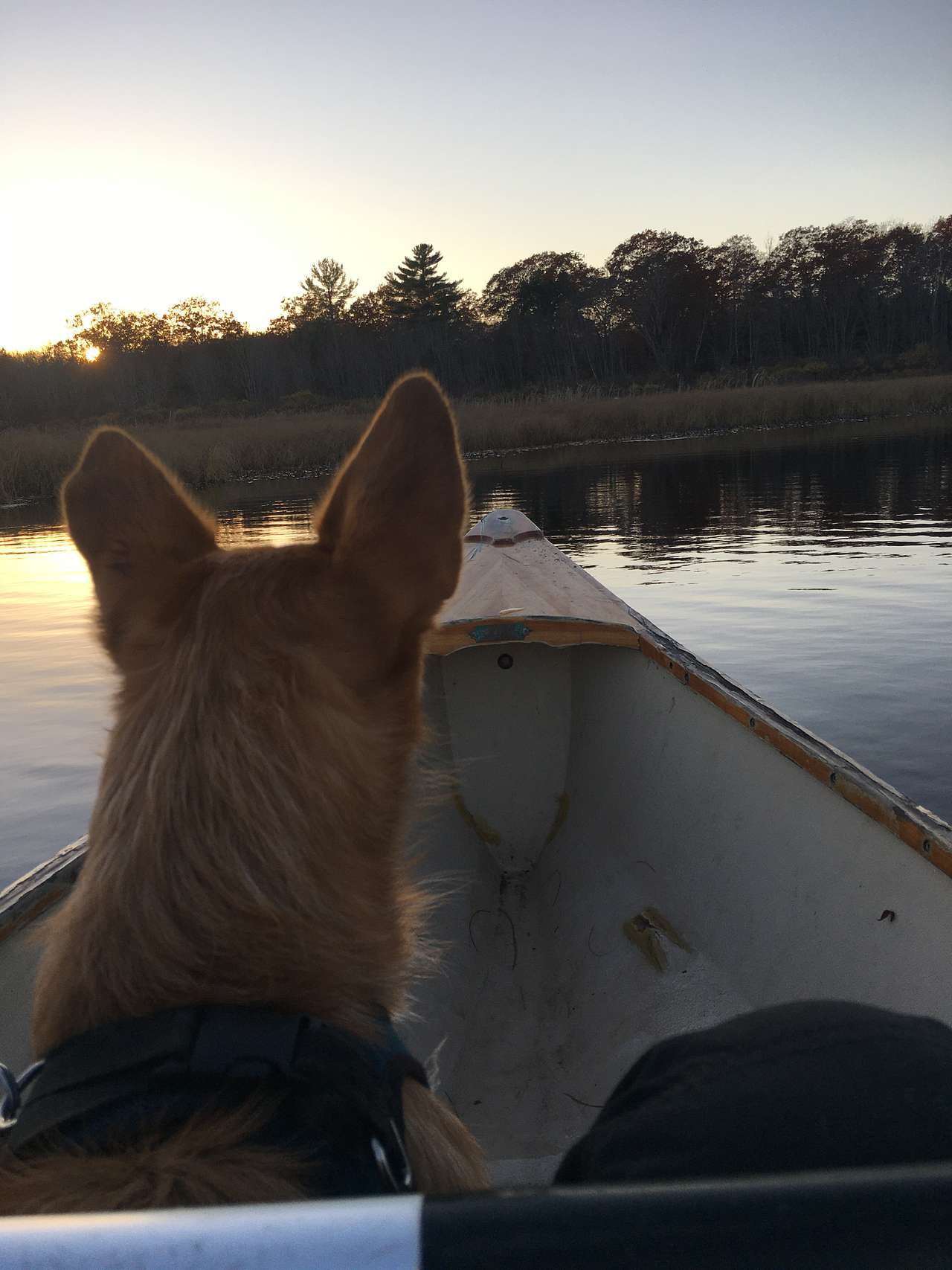
Green Apple Grove
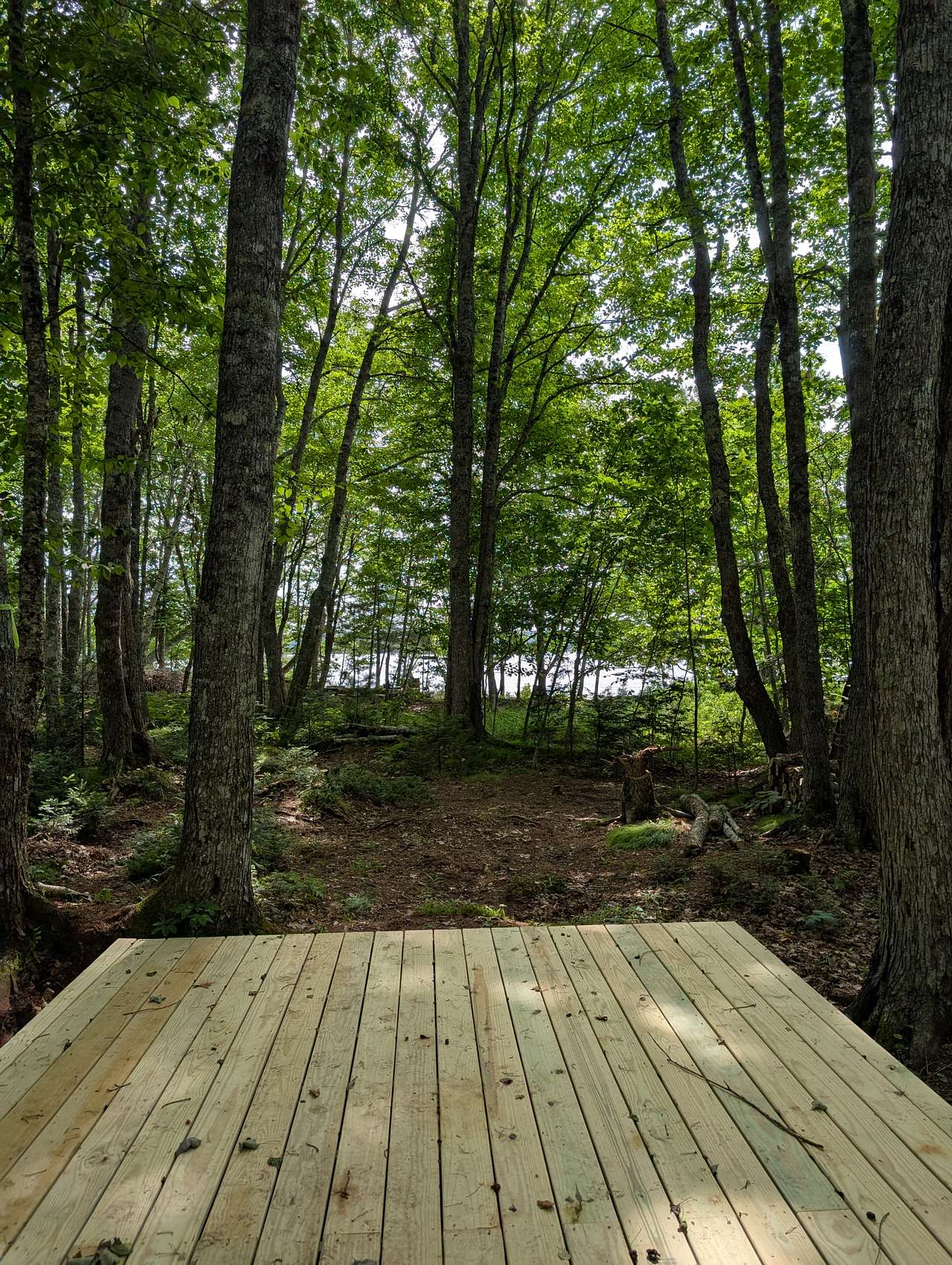
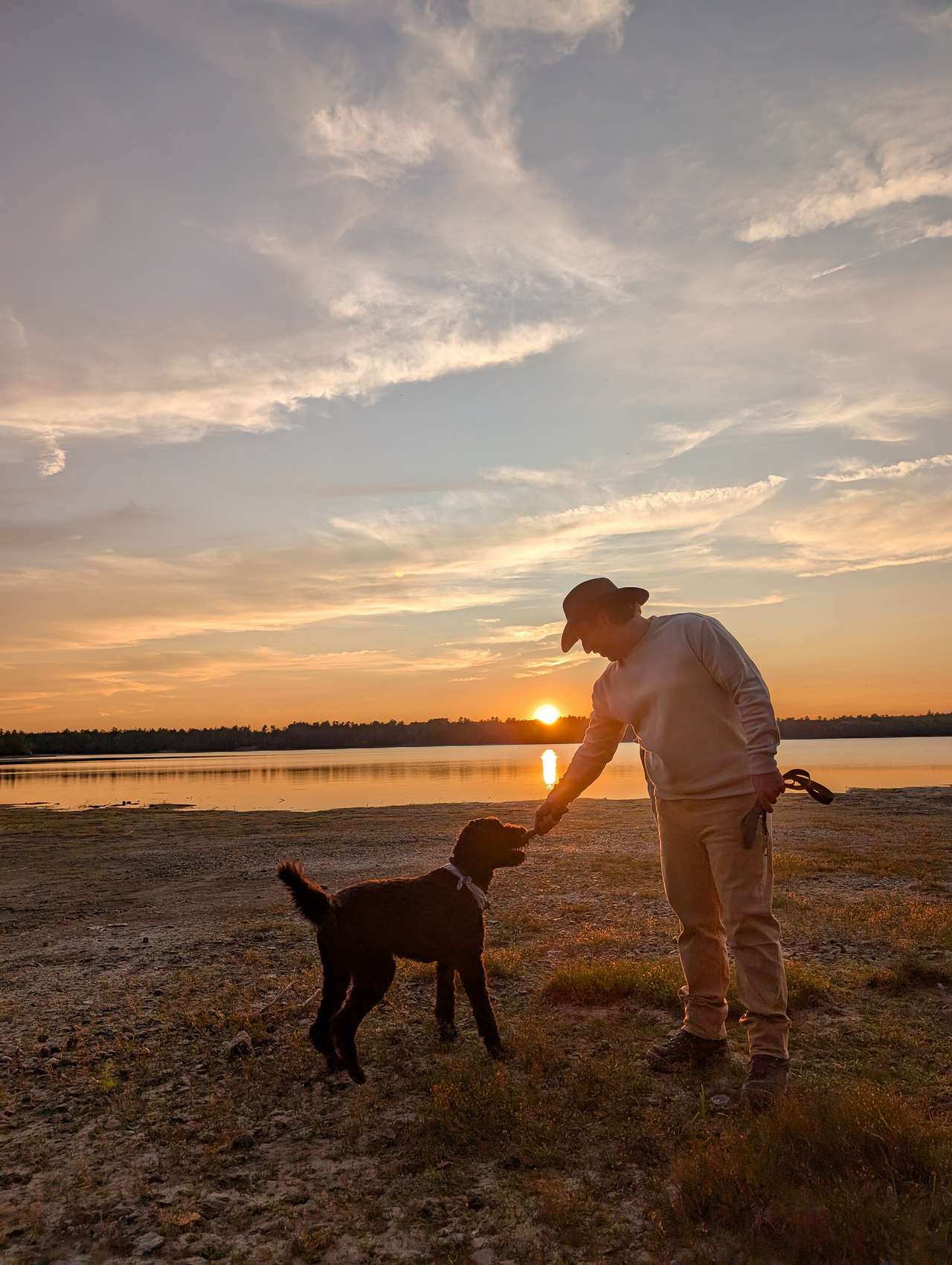
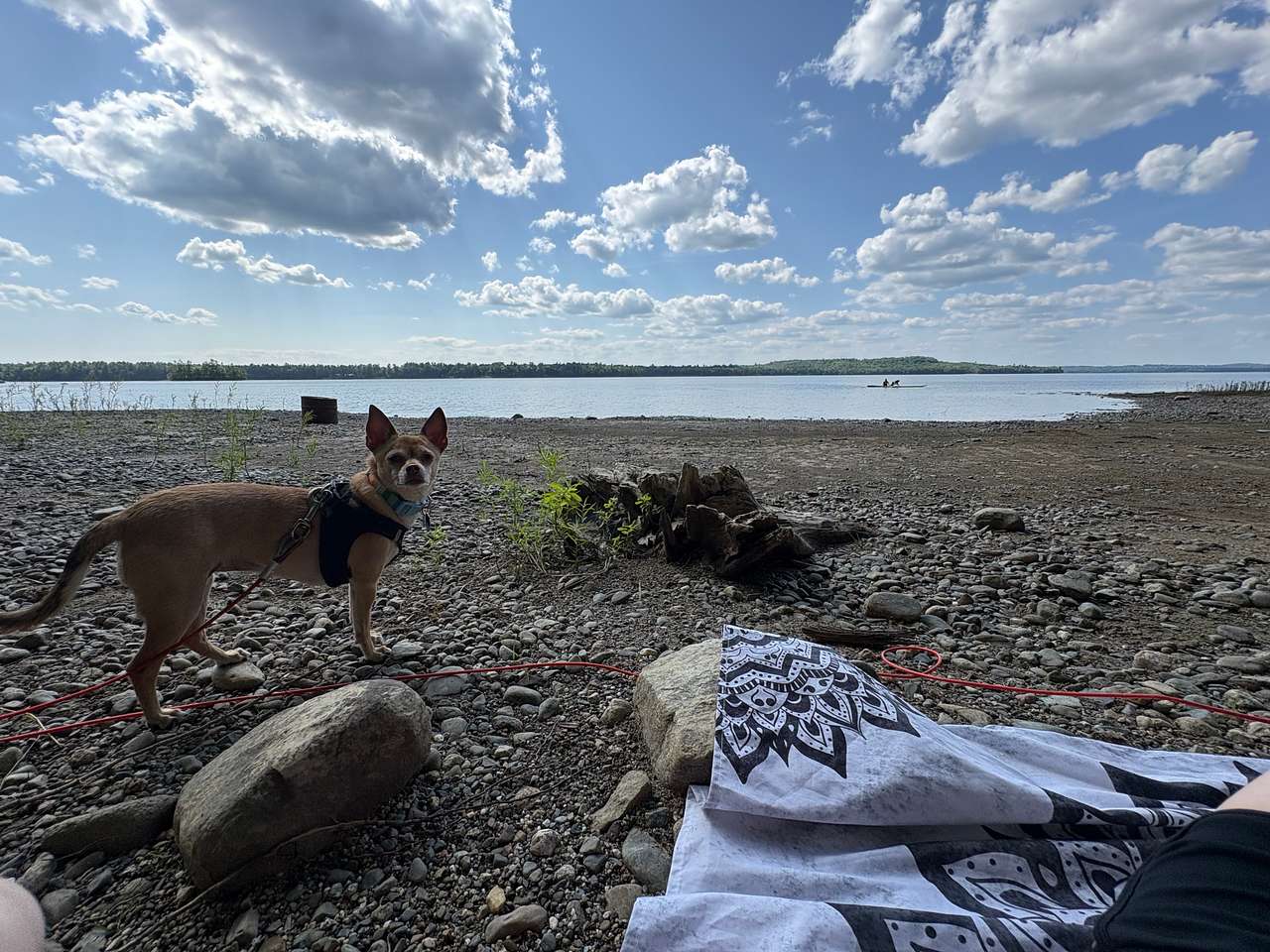
Wild Soul Serenity Campground


The Point
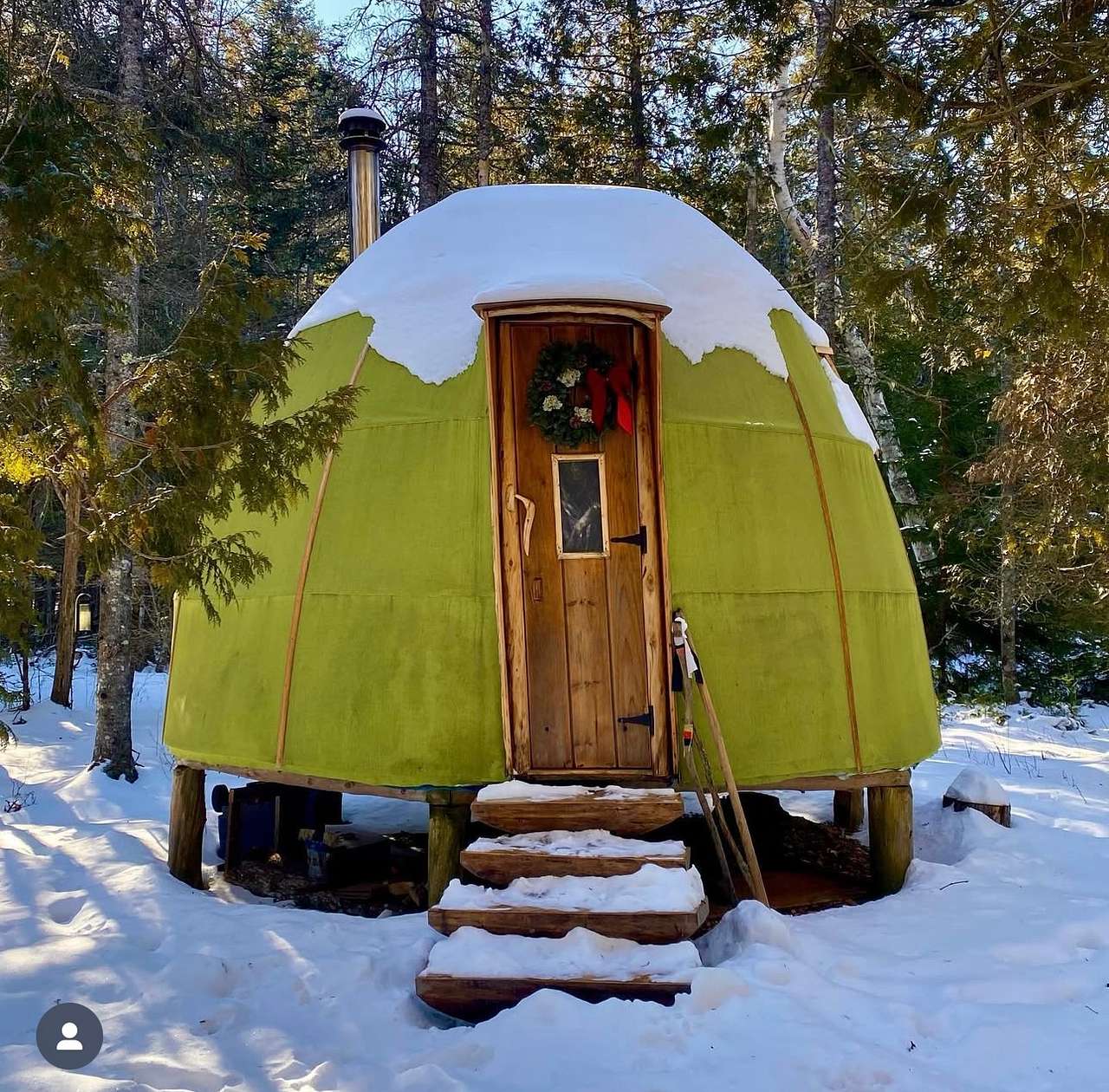
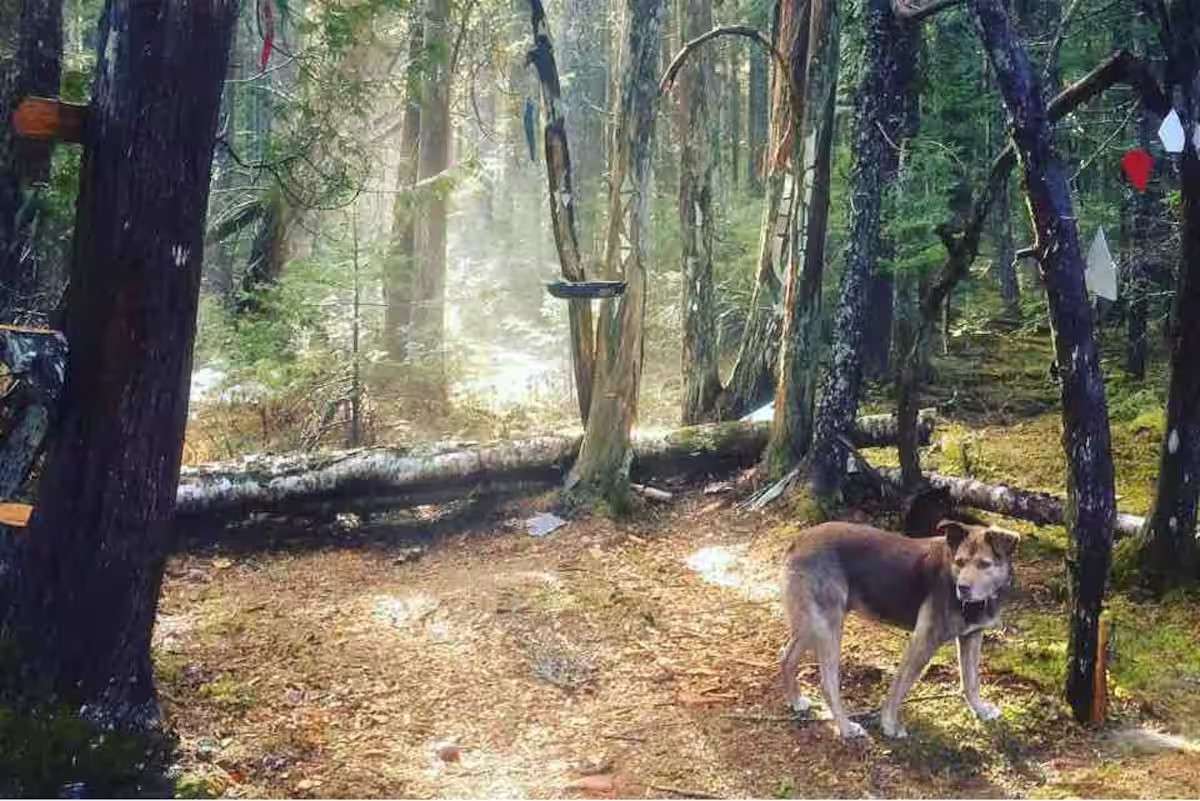
The Howling Woods
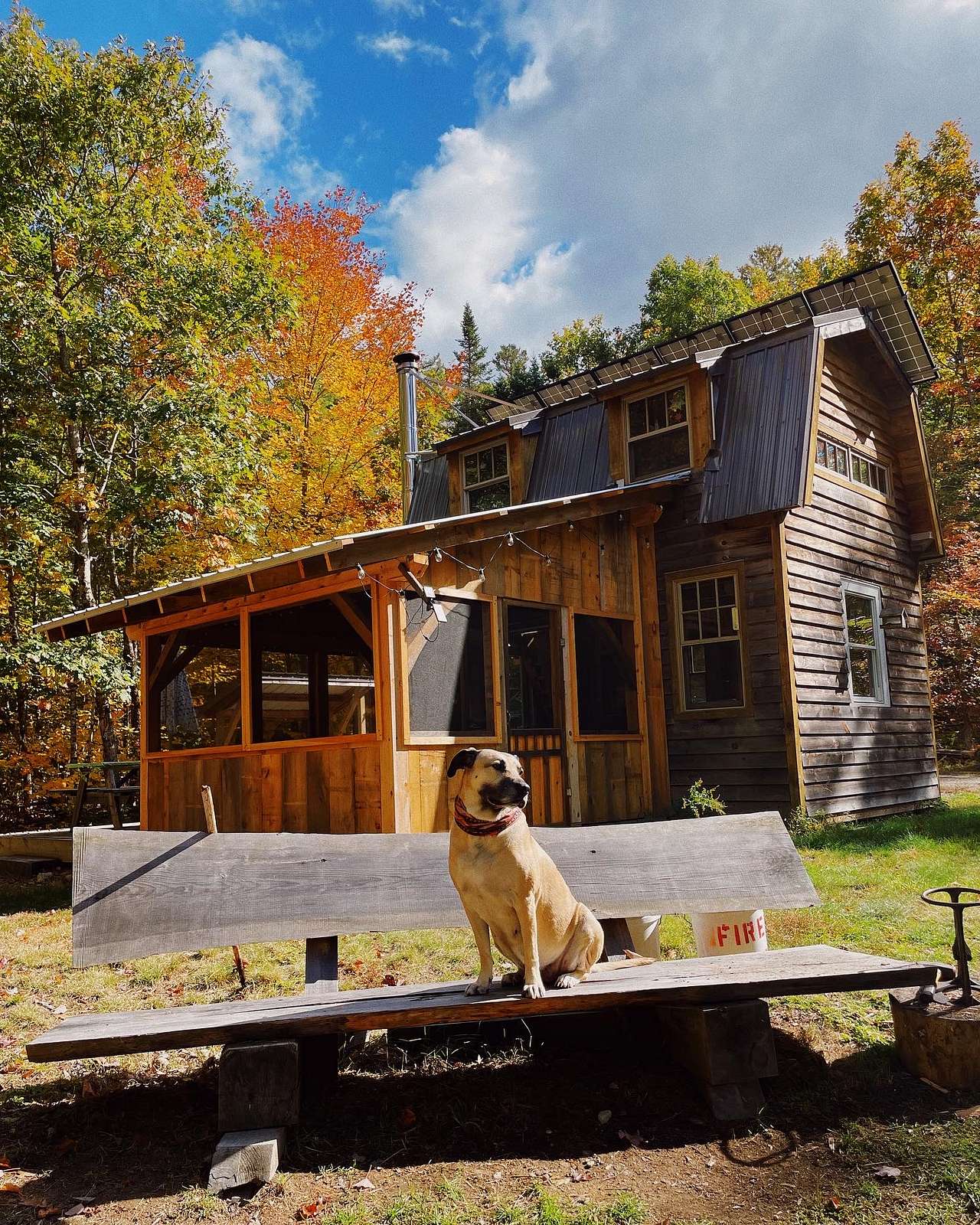
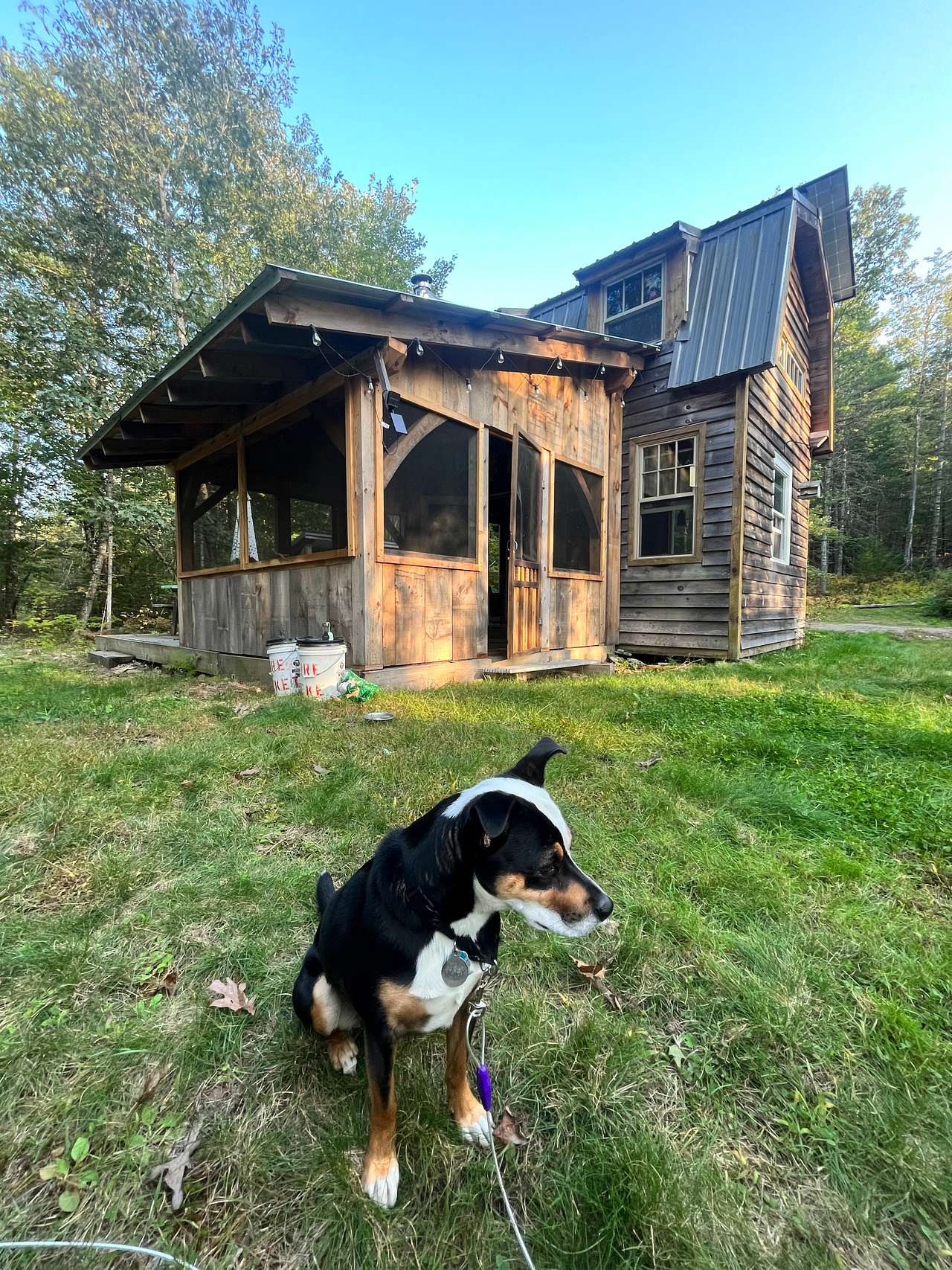
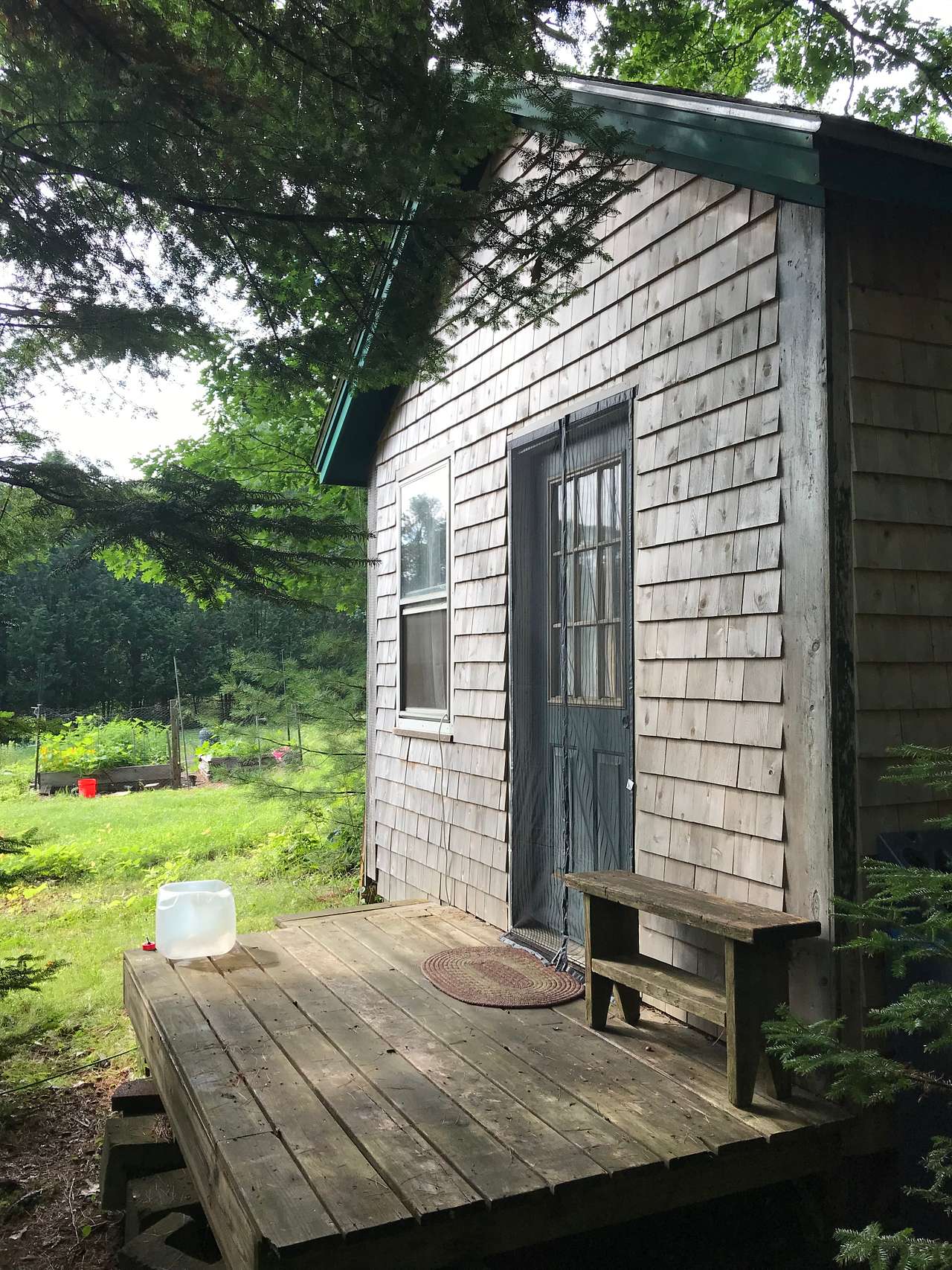
Raven's Rest Tiny Cabin
Recent reviews from the Hipcamp community






Maine camping guide
Where to go
Aroostook & the Highlands
Maine’s mountainous north is the stuff that hiker’s bucket lists are made of. The sprawling wilderness of Baxter State Park is the starting point of the epic Appalachian Trail and home to Maine’s highest peak—the 5,267-foot Mount Katahdin. Miles of hiking trails run through the highlands, along with some of the state’s best snowmobiling and cross-country skiing trails. To get on the water, head to Moosehead Lake, or try paddling and backcountry tent camping along the Allagash Wilderness Waterway.
Maine Lakes & Mountains
The hills and valleys of western Maine are peppered with high peaks and hundreds of glacial lakes, affording plenty of opportunities for a back-to-nature camping experience. Drive the High Peaks Scenic Byway for some of the most spectacular views, enjoy family camping at Sebago Lake State Park, or check into an RV park near Bethel, Naples, or Lewiston. In winter, rent a cozy ski chalet and hit the ski resorts of Sugar Loaf, Shawnee Peak, and Sunday River.
Southern Maine Coast
When summer temperatures soar, some of the most popular Maine campgrounds and beaches are found along the southwest shore. Head to the beach towns of Kennebunkport, Freeport, and Portland for old-fashioned seaside fun; go boating or kayaking around Casco Bay; then snag an RV site or cabin rental at the oceanfront campground in Wolfe’s Neck Woods State Park.
Downeast & Acadia
Maine’s only national park, Acadia National Park, is the headline act of DownEast, the state’s rugged and rocky southeastern coast. Opt to stay on the mainland at Bar Harbor and head over to admire the park’s historic lighthouses and ocean views, or choose from multiple camping areas on the islands. Further north, the 15 coastal parklands of Cobscook Shores have picnic tables, boat launches, and backcountry camping sites.

Frequently Asked Questions
Yes, there is free camping in Maine, particularly in the state's vast public lands, such as the North Maine Woods and the Downeast Lakes Land Trust. These areas offer primitive, dispersed camping opportunities with limited or no facilities. Keep in mind that you should always practice Leave No Trace principles and respect the environment when camping in these areas. Additionally, some locations may require a small fee or permit for access, so it's essential to research specific areas before your trip. For more information on camping in Maine, visit Hipcamp.
No, it is not legal to camp anywhere in Maine. Camping is allowed in designated campgrounds, state parks, and national forests. In some cases, you can camp on private land with the landowner's permission. Wild camping, also known as dispersed or primitive camping, is allowed in some areas of Maine, such as the White Mountain National Forest and the Appalachian Trail. However, it is essential to follow the specific rules and regulations for each area where you plan to camp. You can find more information about camping in Maine on Hipcamp.
Boondocking, also known as dry camping or dispersed camping, refers to camping without any hookups or amenities, typically in remote areas or on public lands. In Maine, boondocking usually means camping on public lands, such as national forests or Bureau of Land Management (BLM) areas, where you can camp for free or with minimal fees. Boondocking in Maine allows campers to enjoy the state's natural beauty, solitude, and wildlife while being self-sufficient and leaving no trace. Some popular boondocking areas in Maine include the North Maine Woods and remote parts of Downeast Maine. It's essential to follow Leave No Trace principles and local regulations when boondocking to ensure these pristine areas are preserved for future generations.
For the best fall colors in Maine, plan your visit during late September to early October. This timing typically coincides with peak foliage in various parts of the state, including Acadia National Park and the Maine Highlands. For the most accurate fall foliage predictions, check out Hipcamp's interactive foliage map.