Top-rated campgrounds in Utah
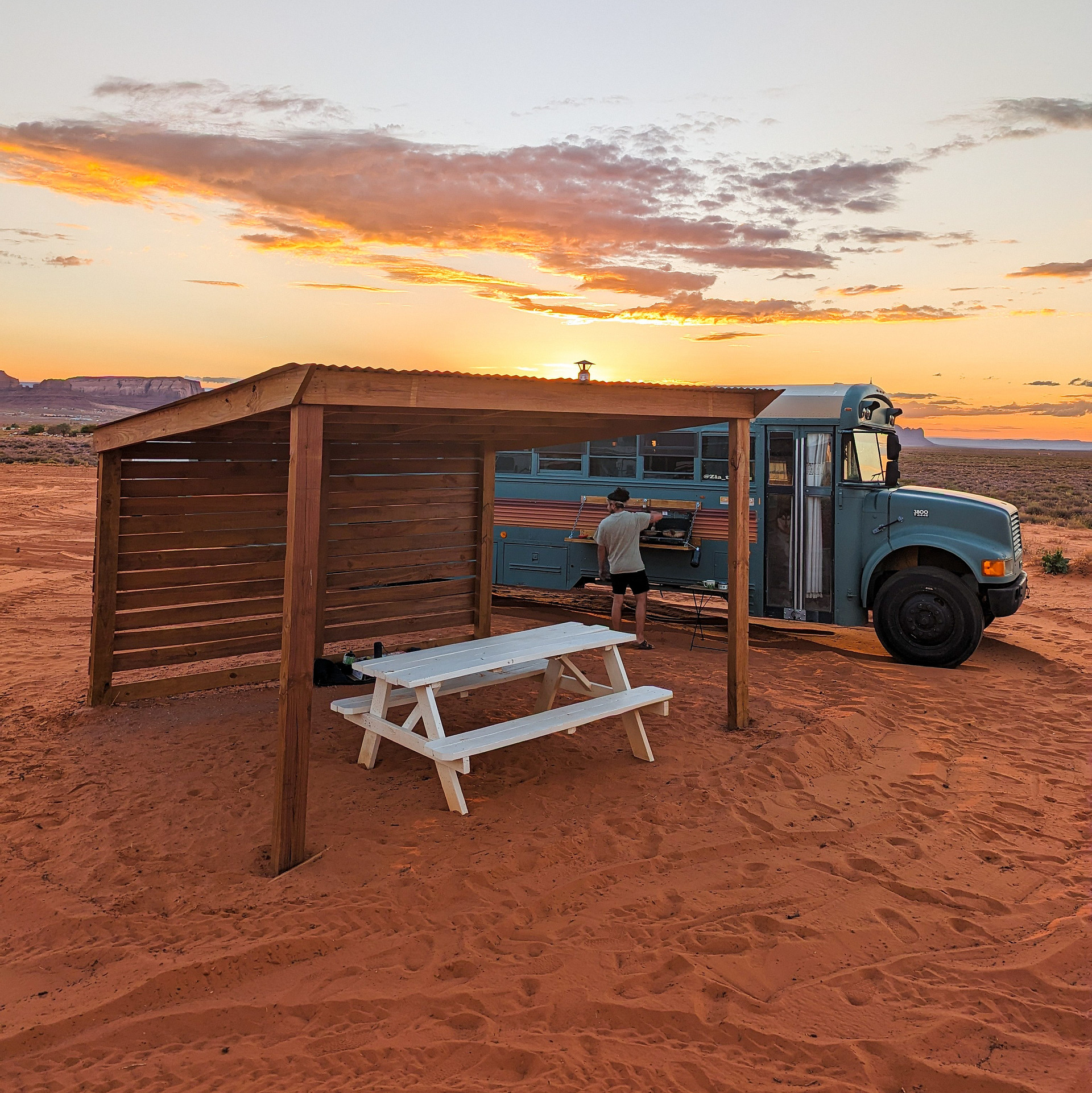
1. Arrowhead Campground
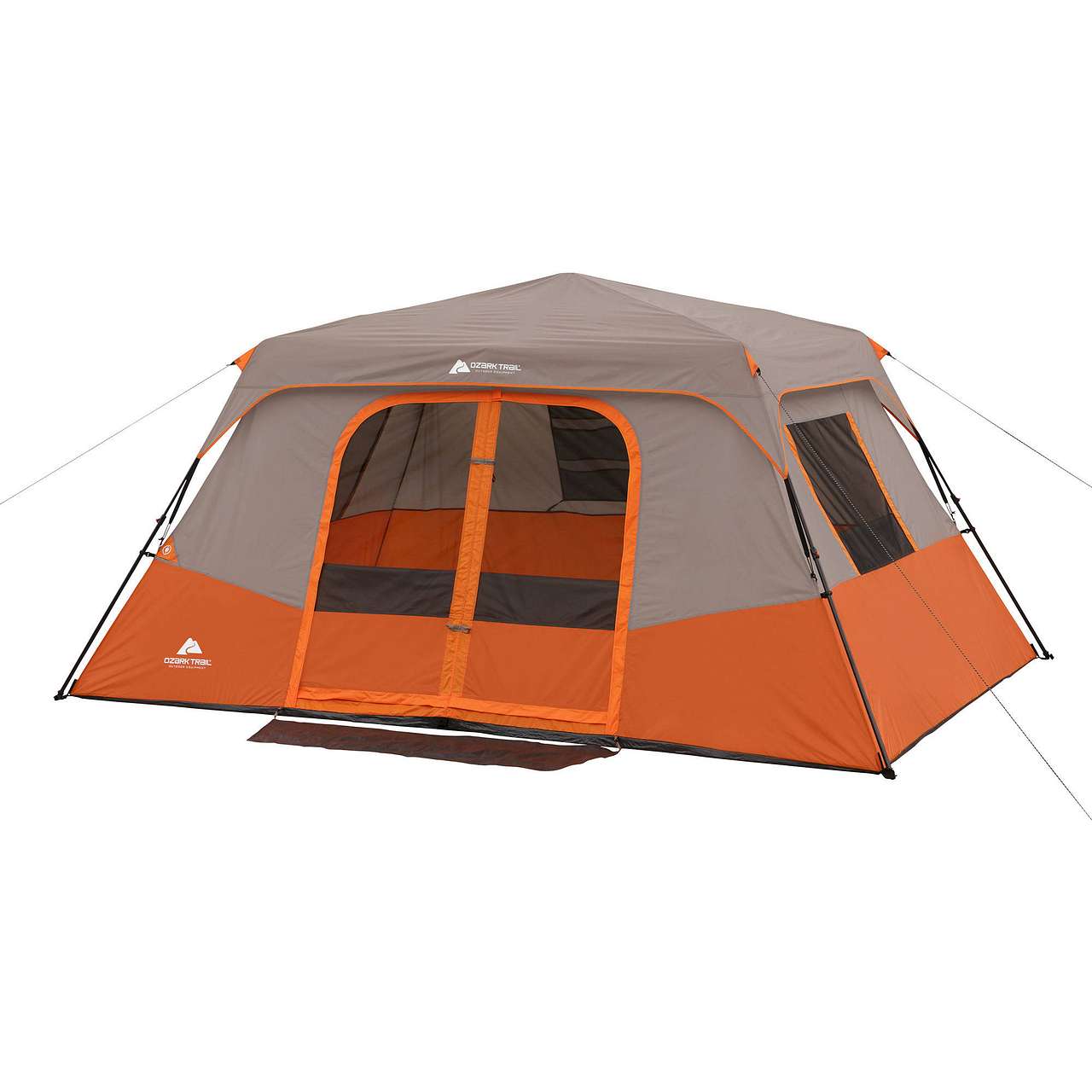
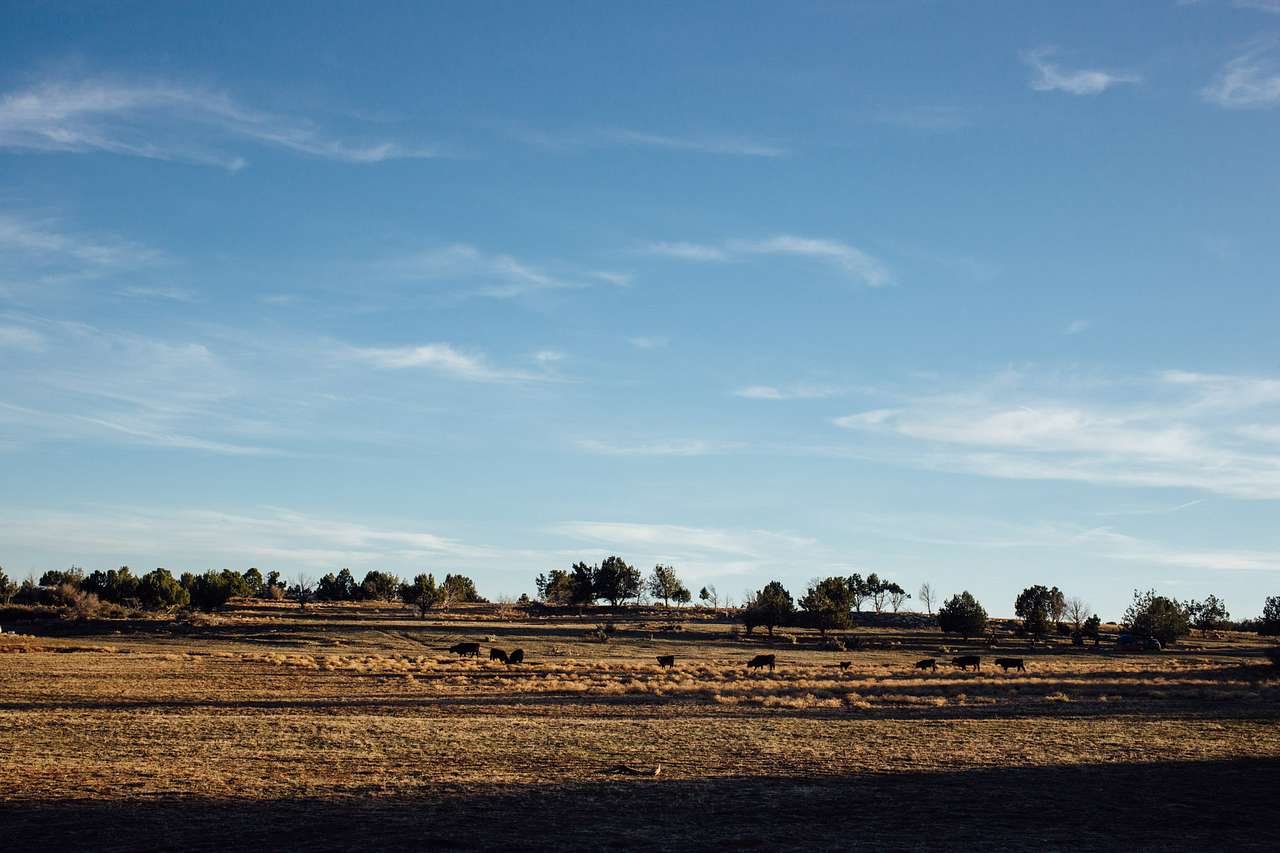
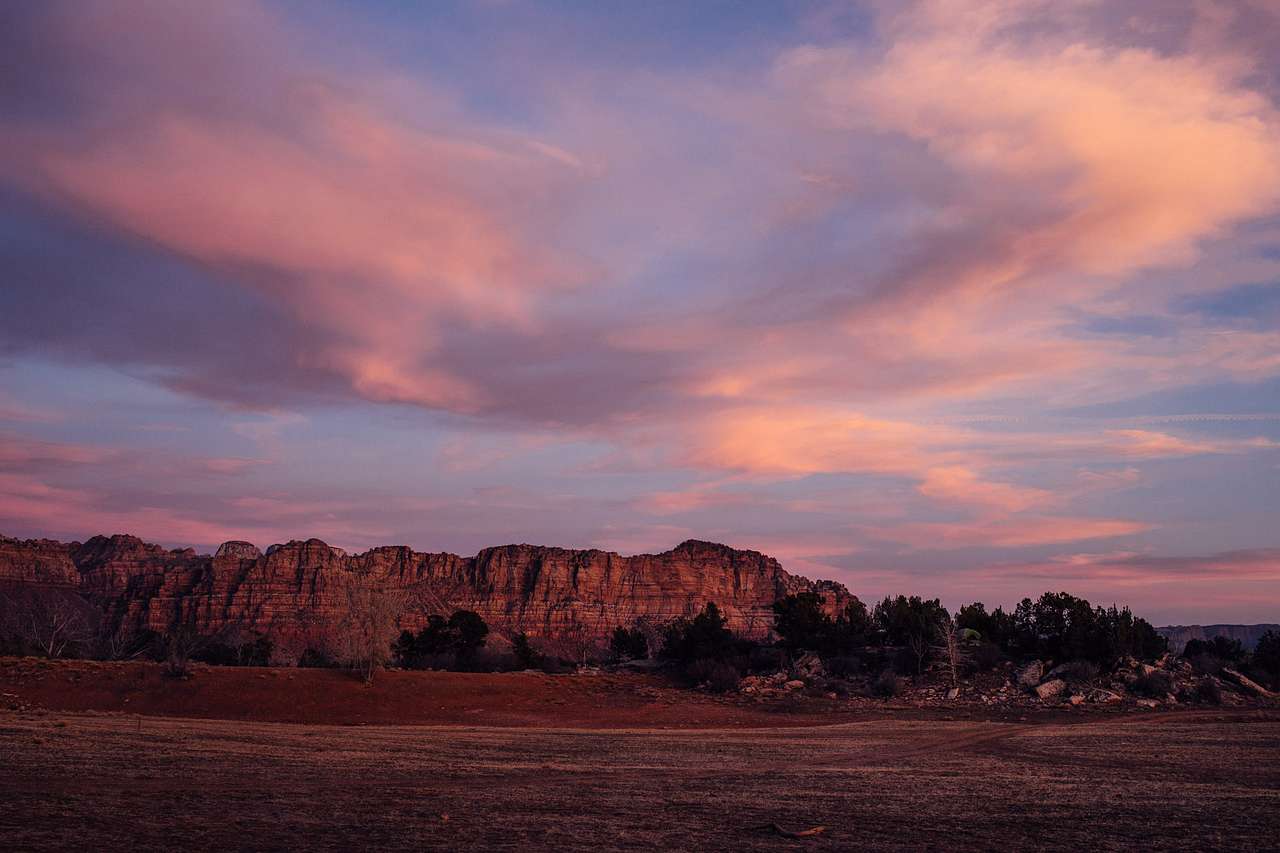
2. Zion Wright Ranch Eco-Camp
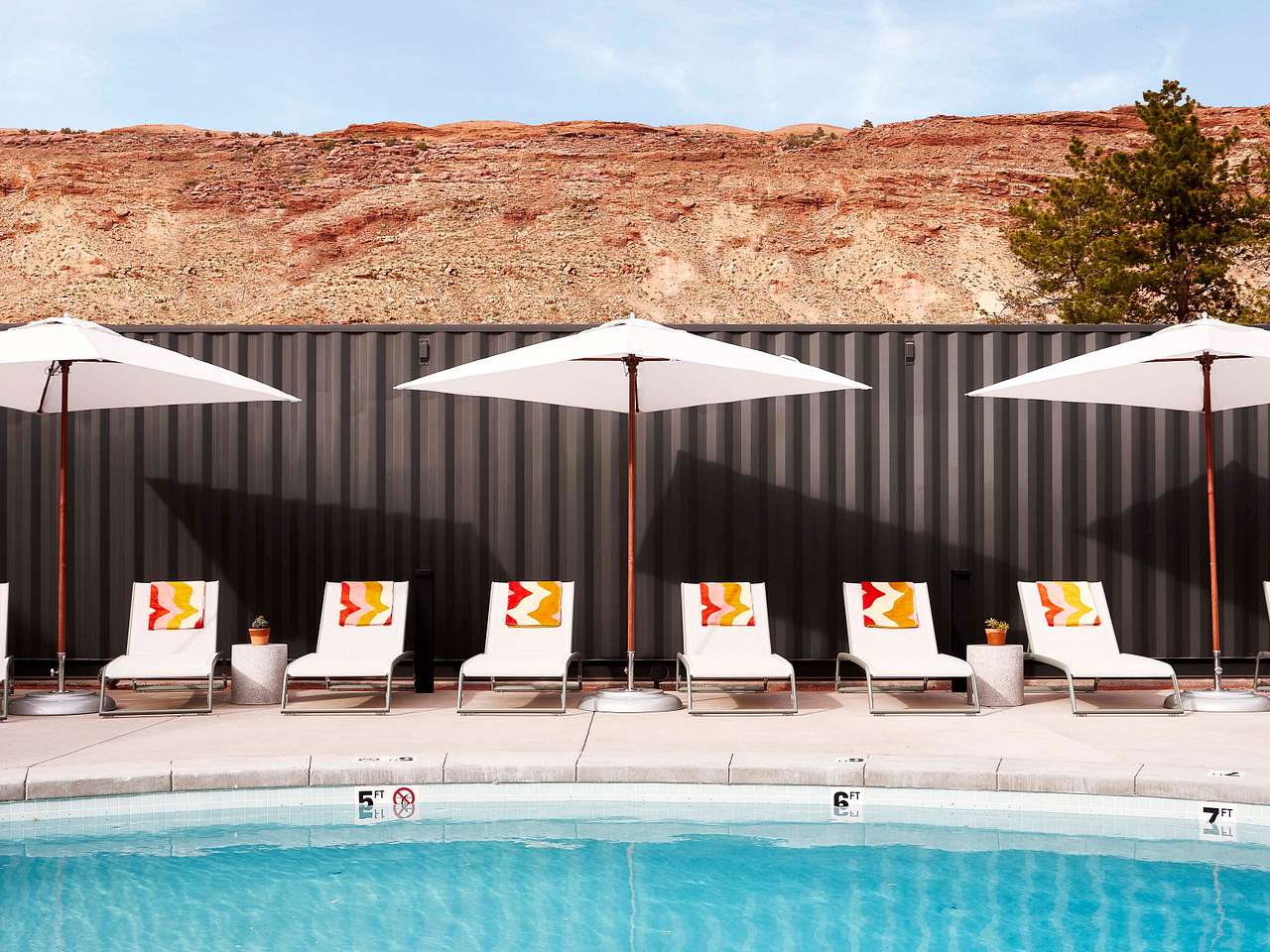
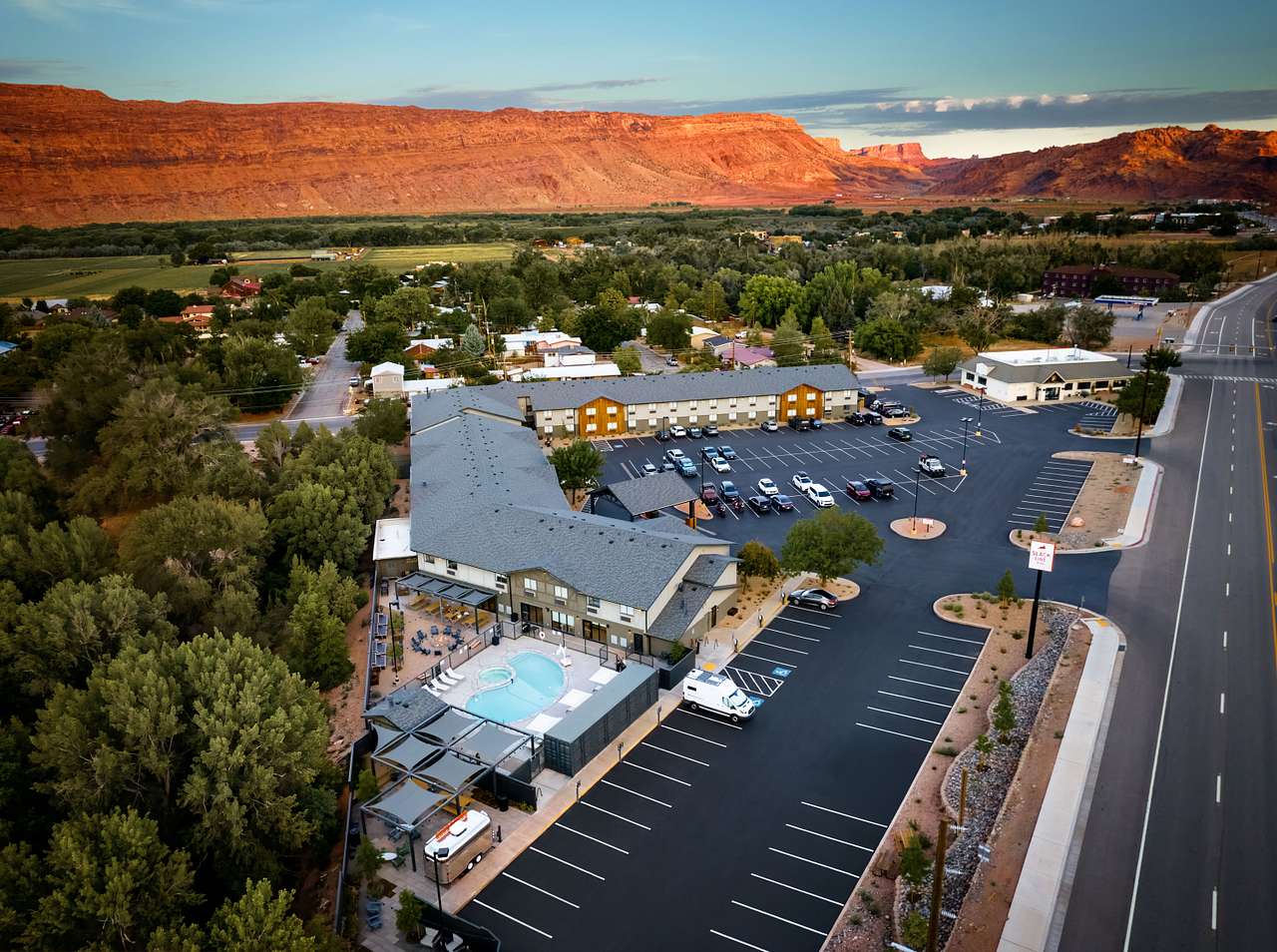
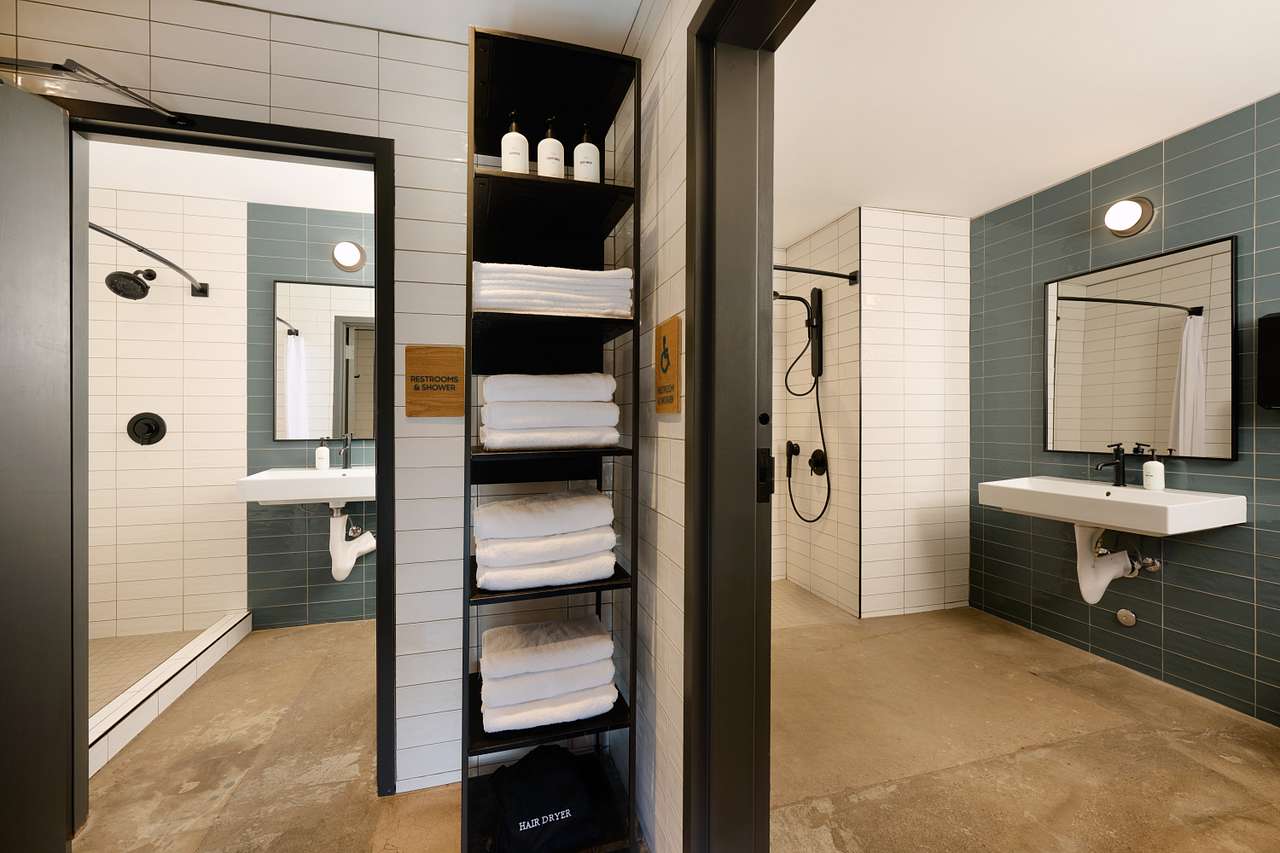
3. Slackline Moab
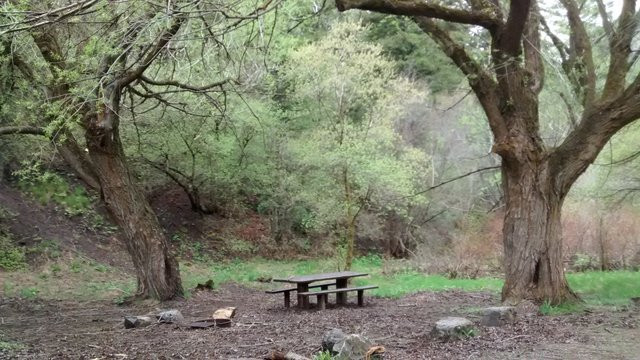
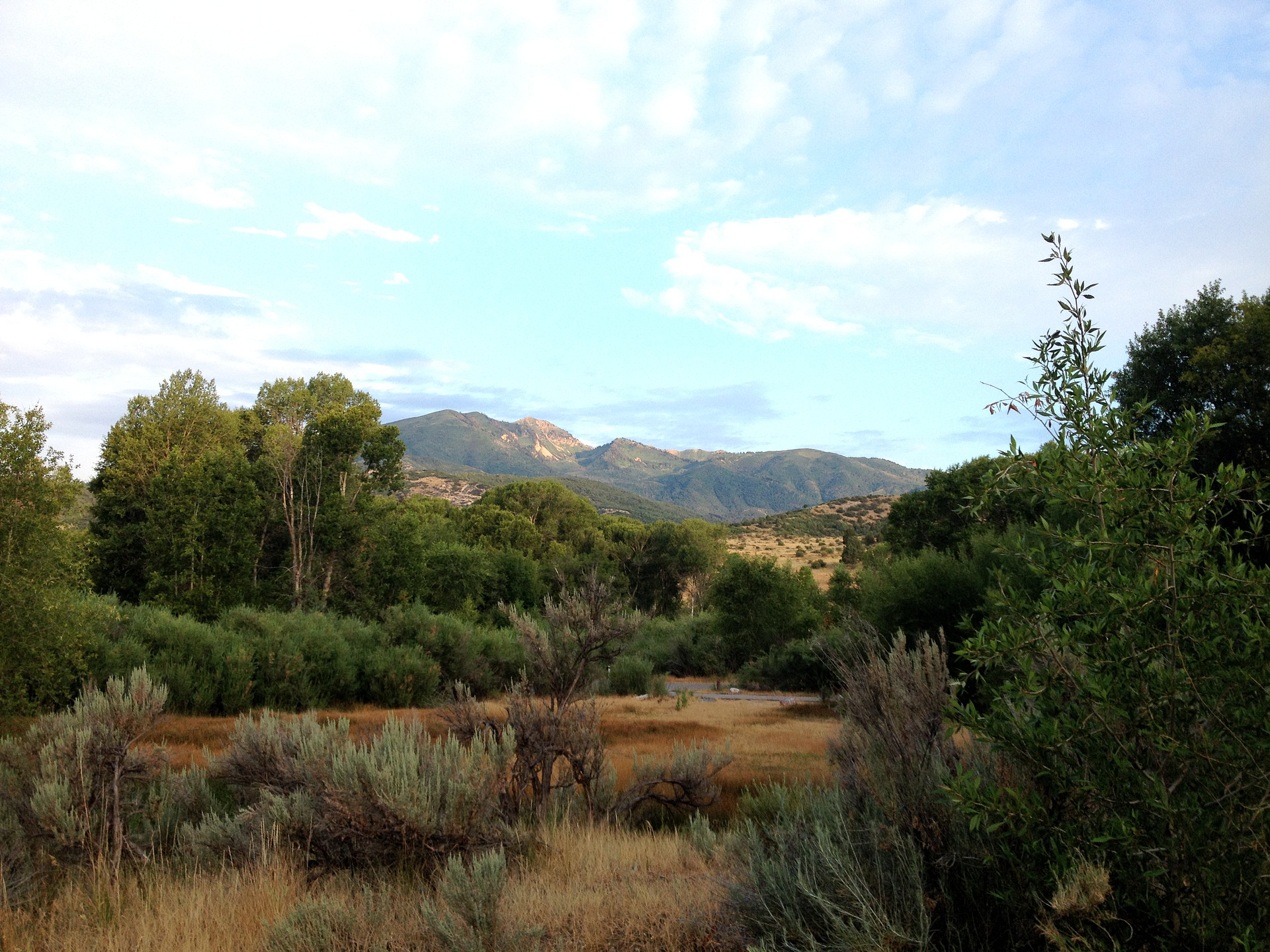
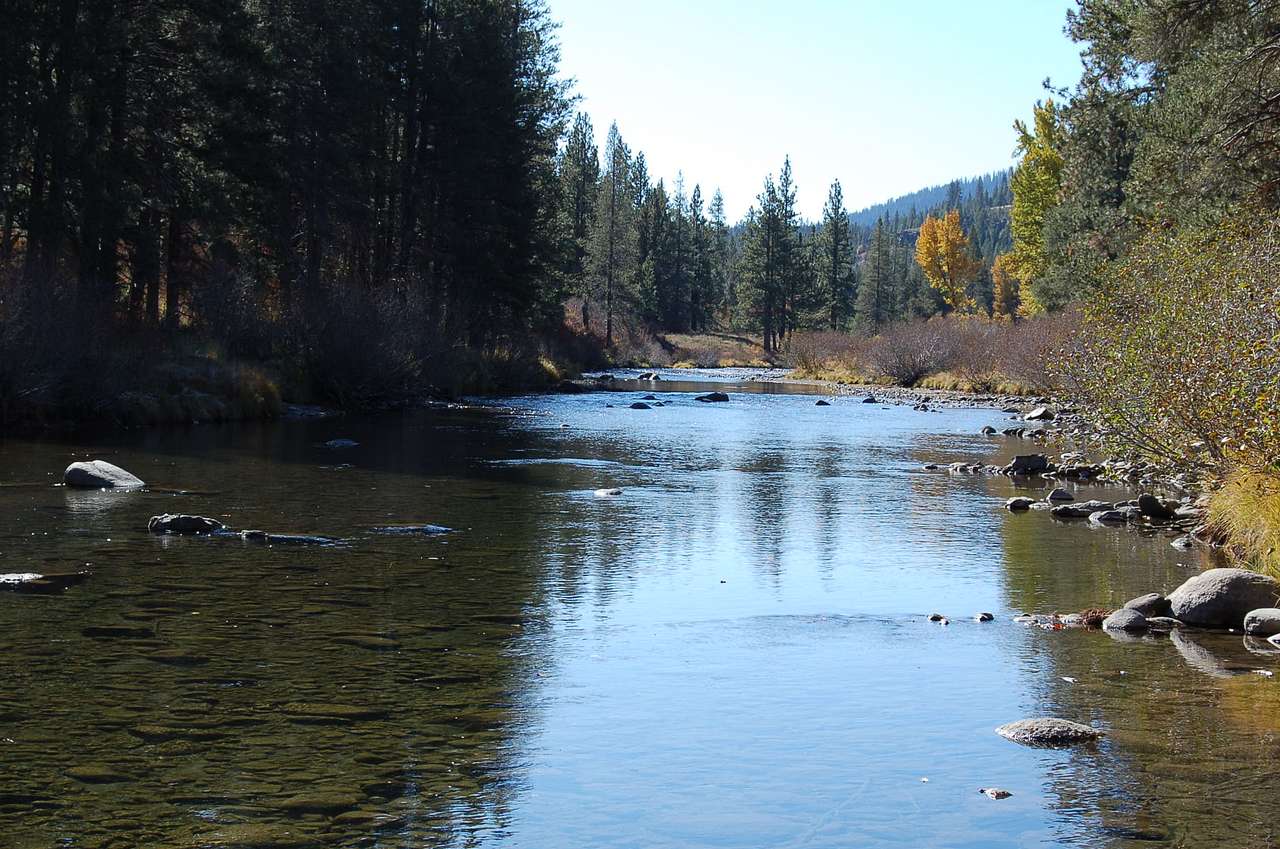
4. Uinta-Wasatch-Cache National Forest
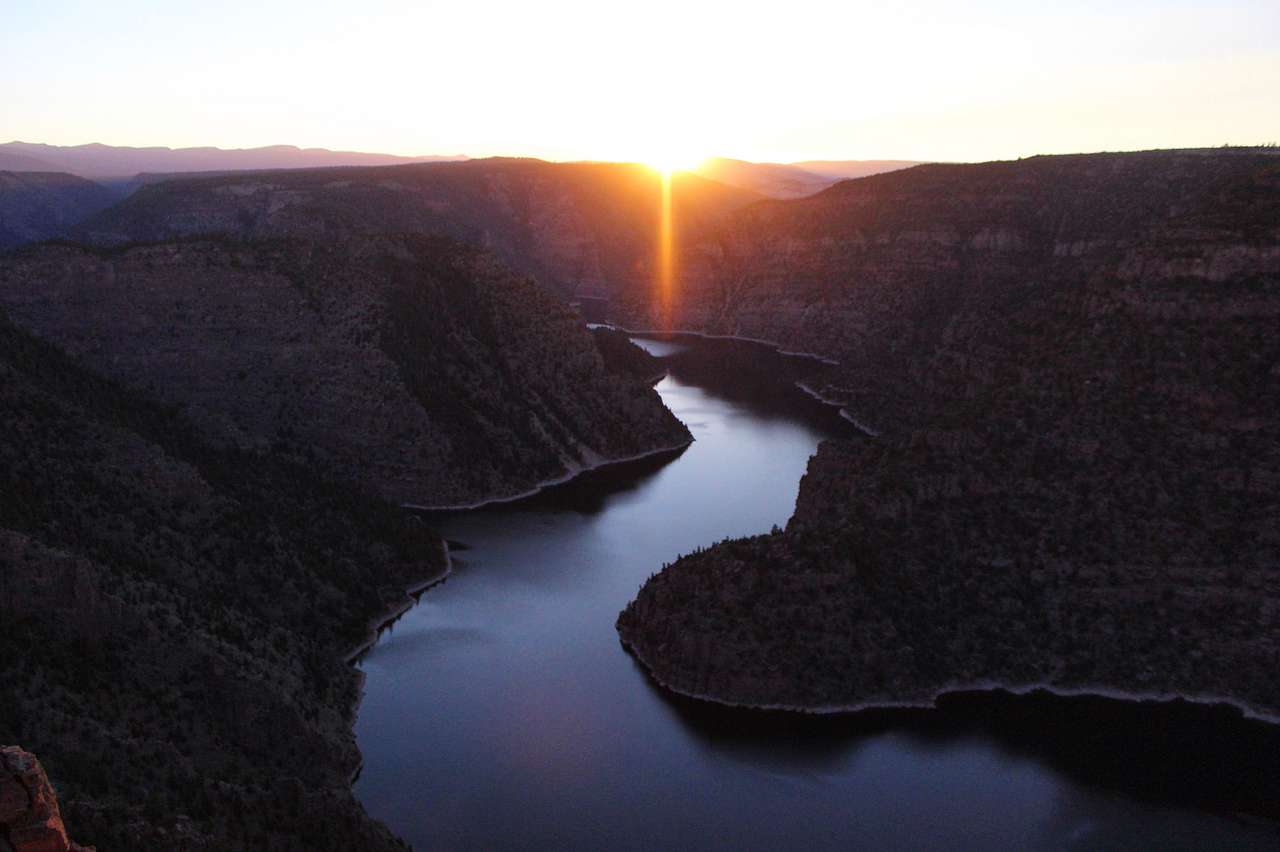
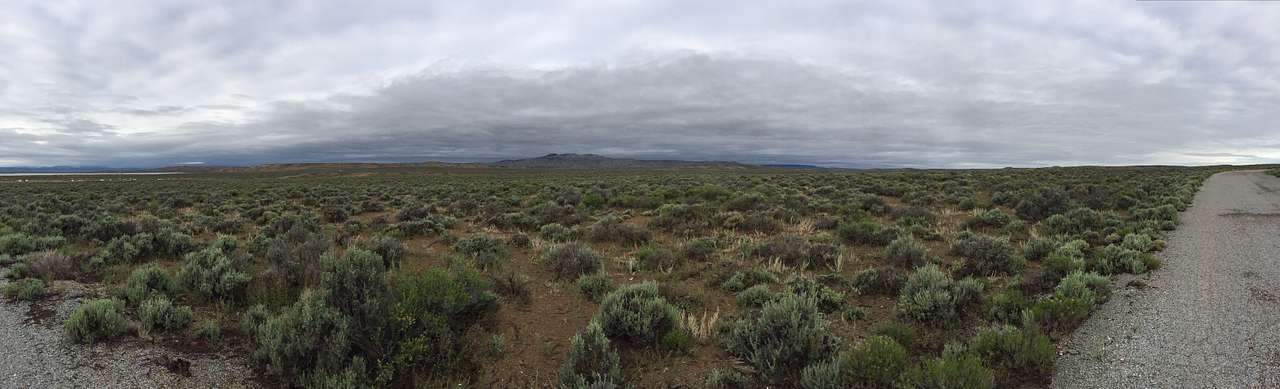
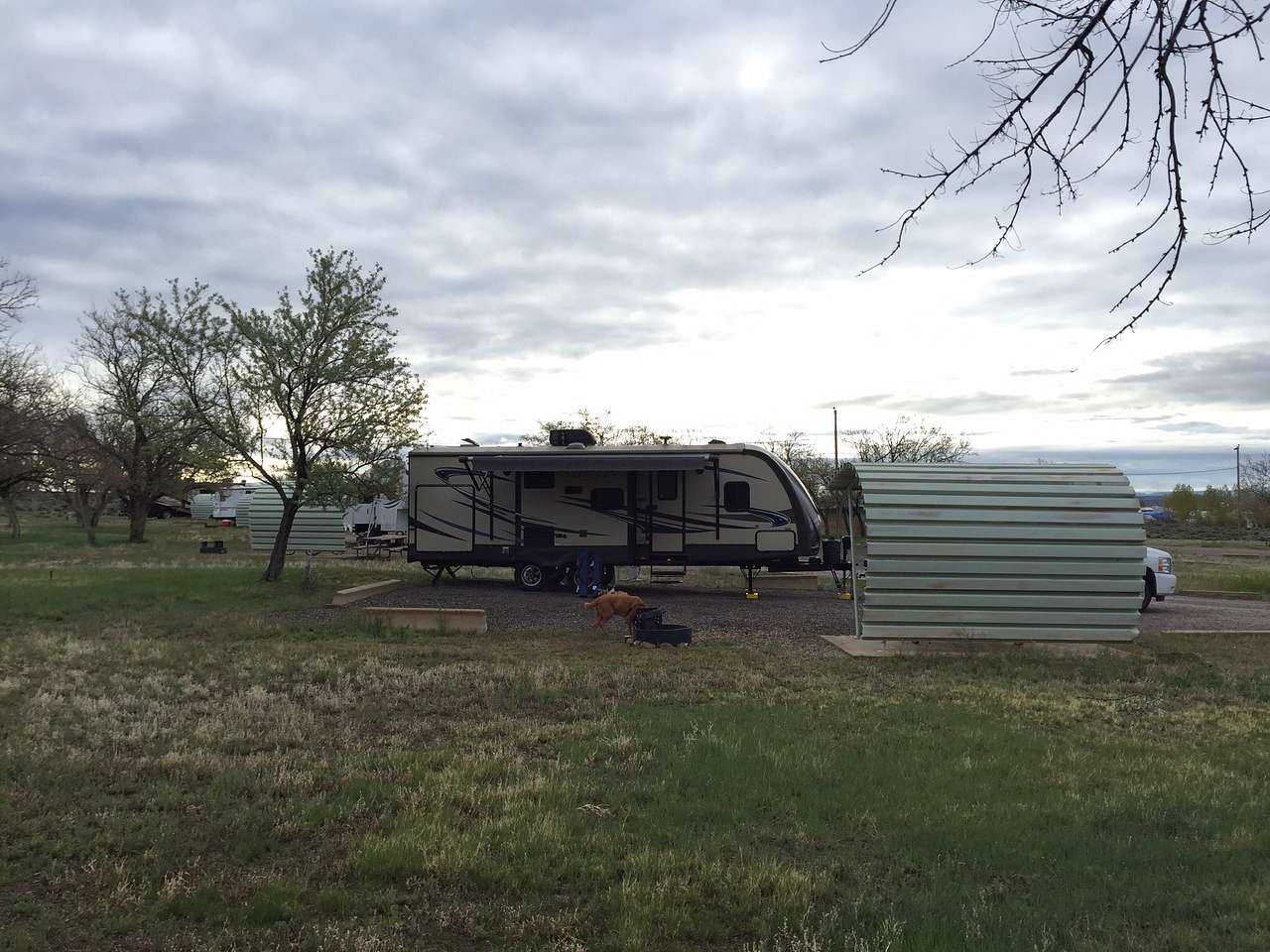
5. Ashley National Forest
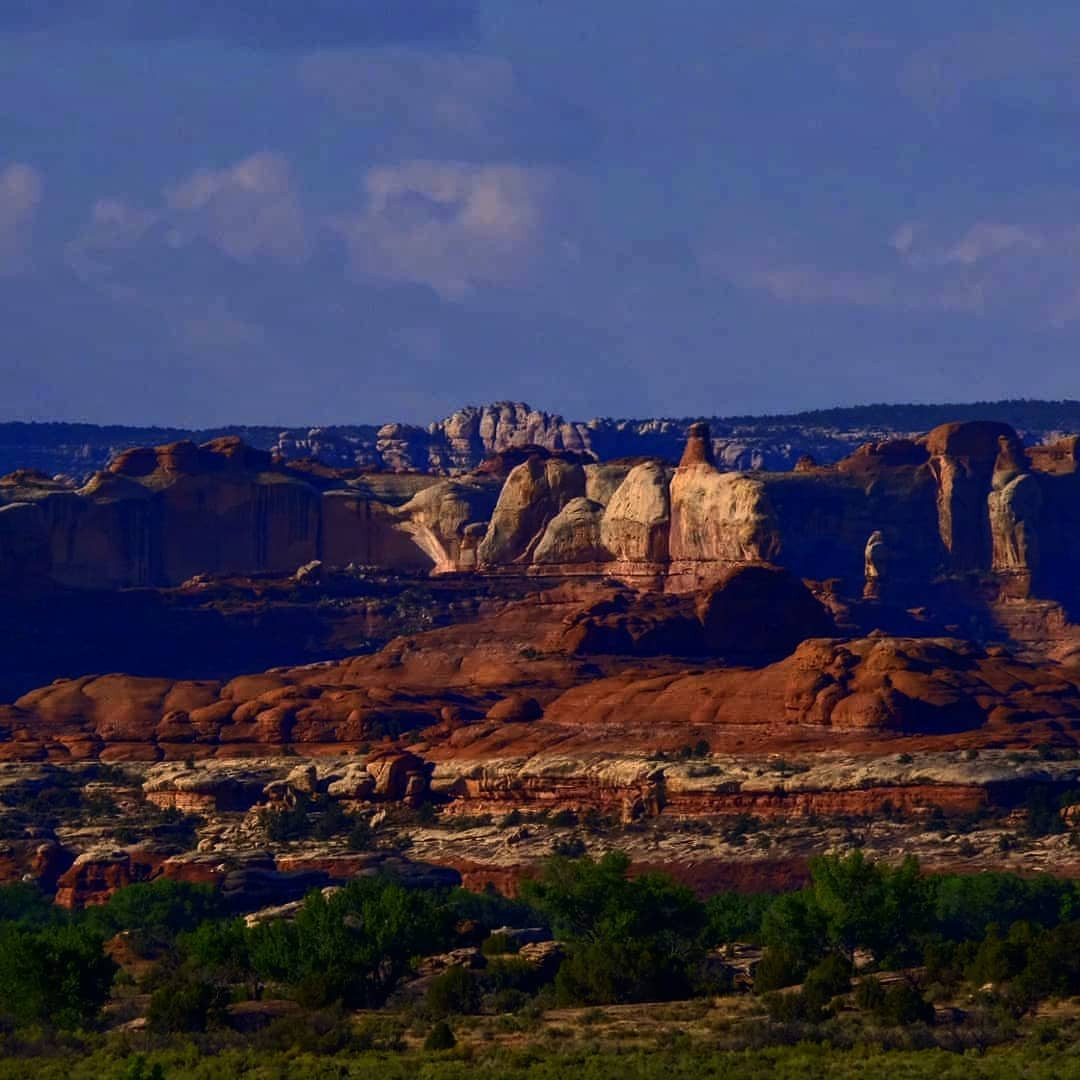
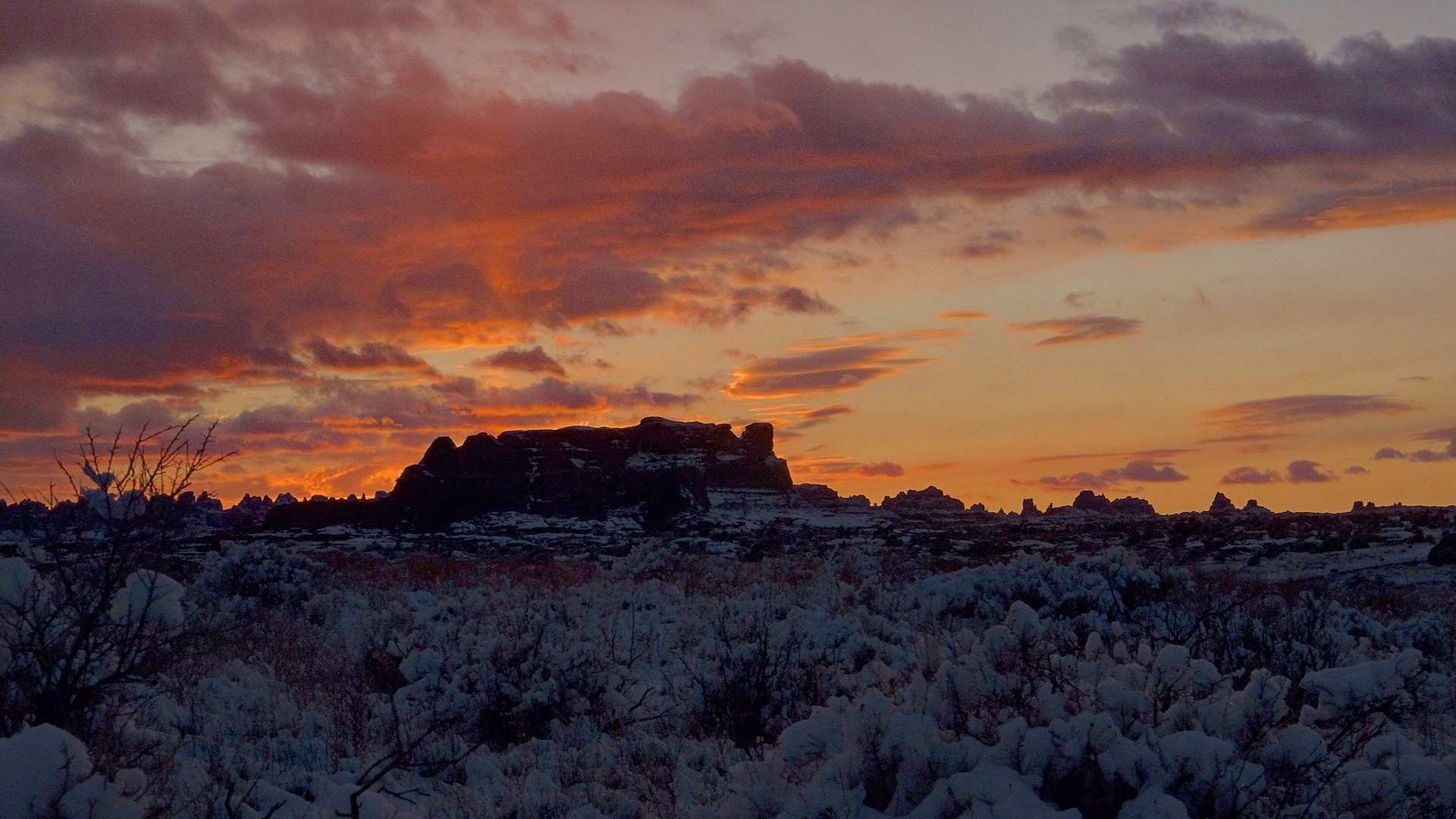
6. The Needles Outpost Campground
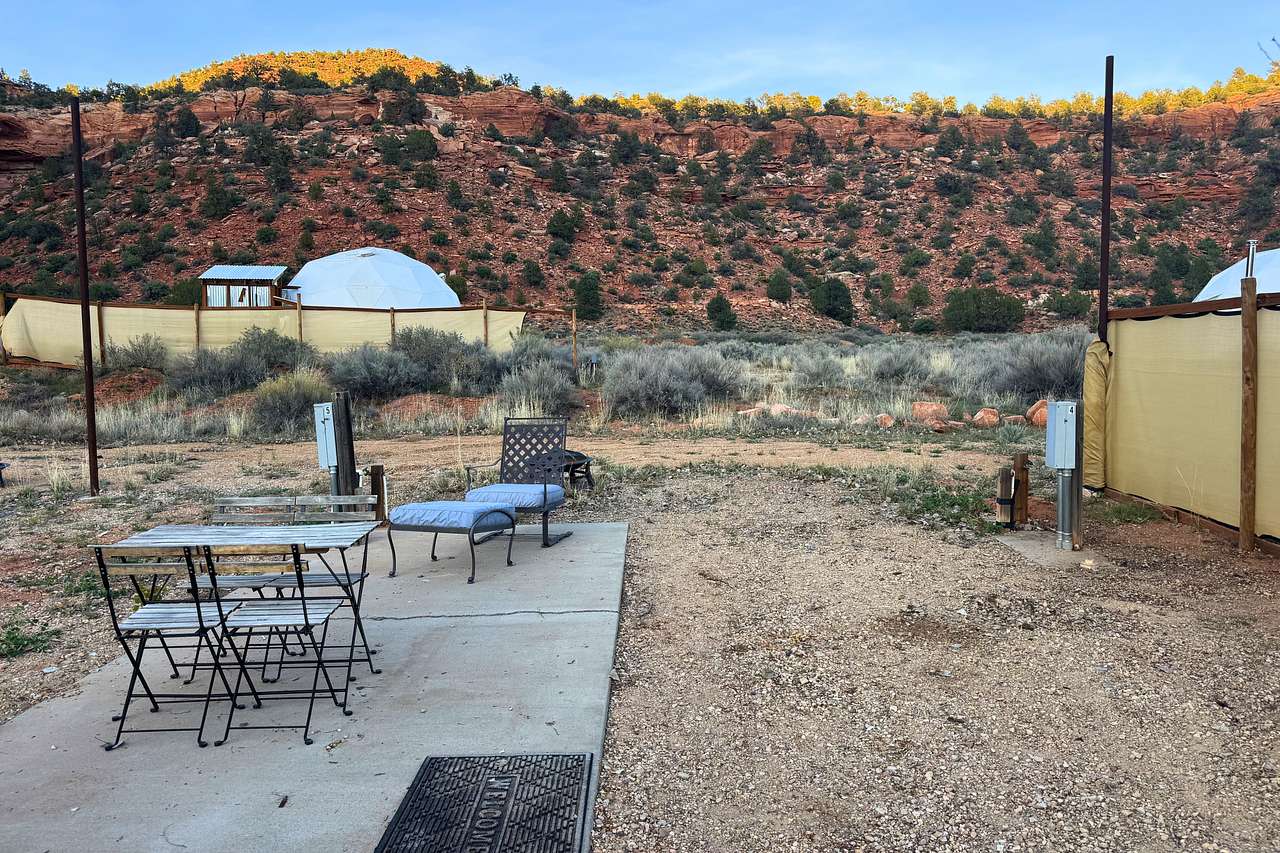
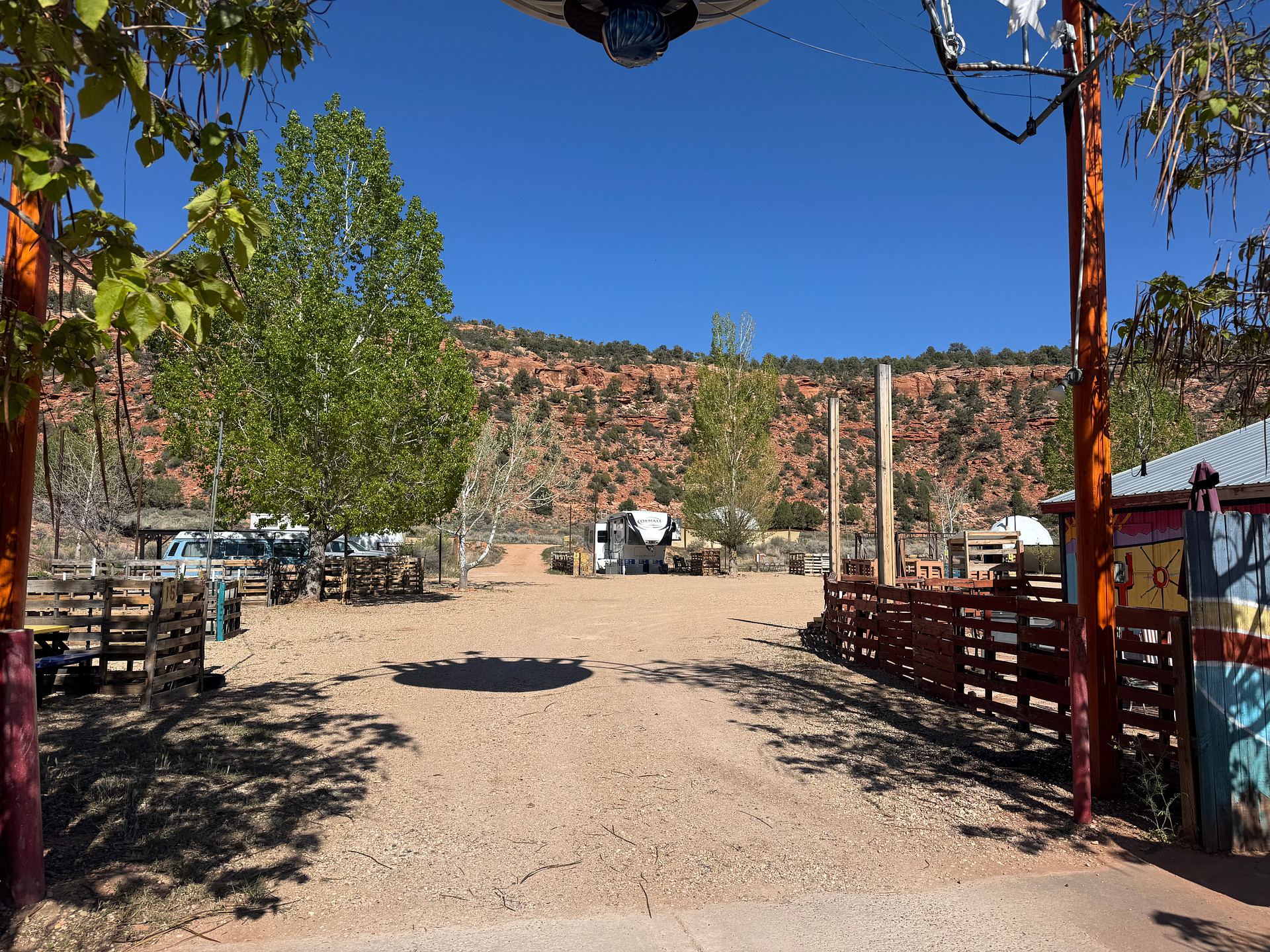
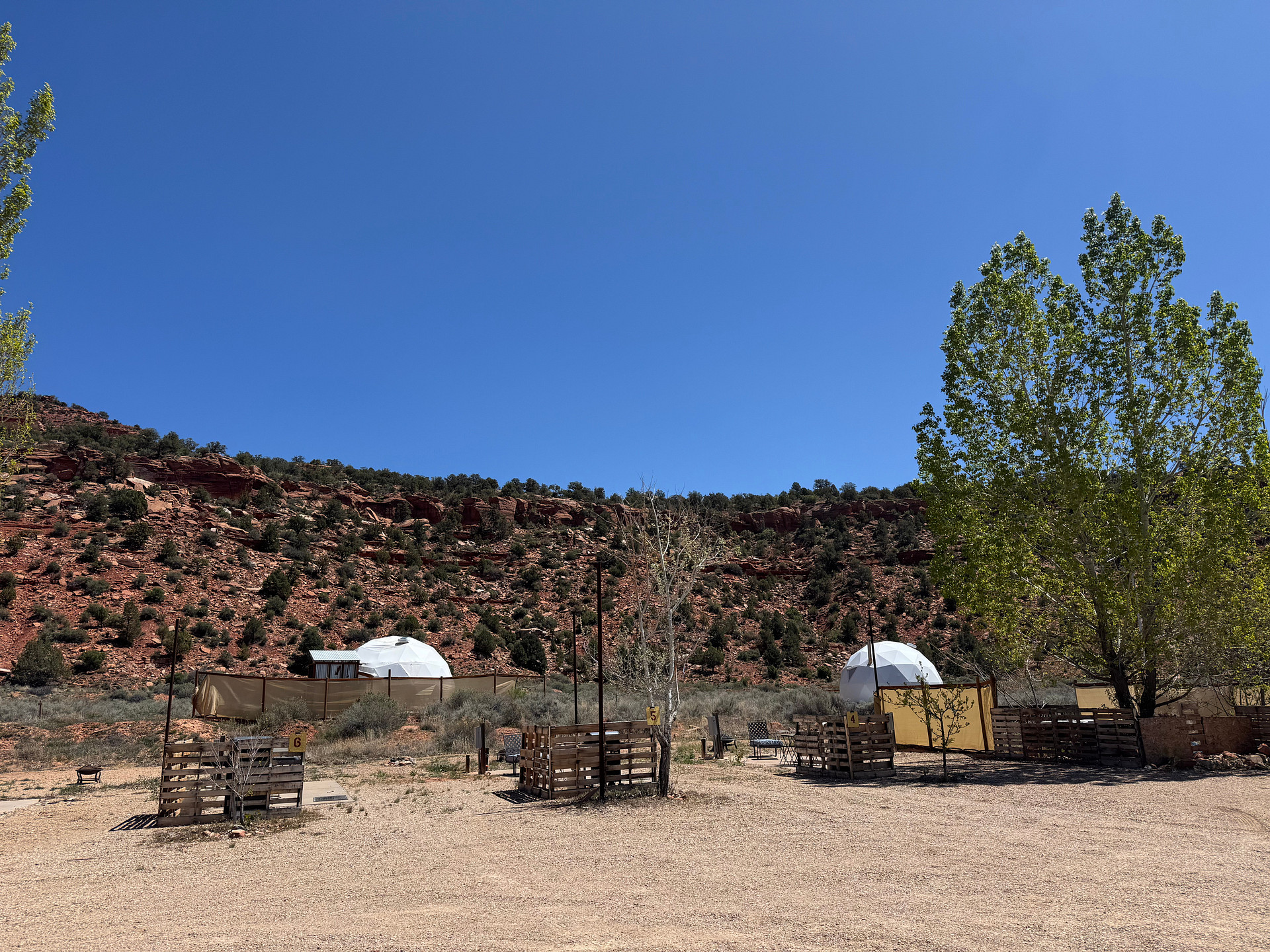
7. Desert Bloom Campground
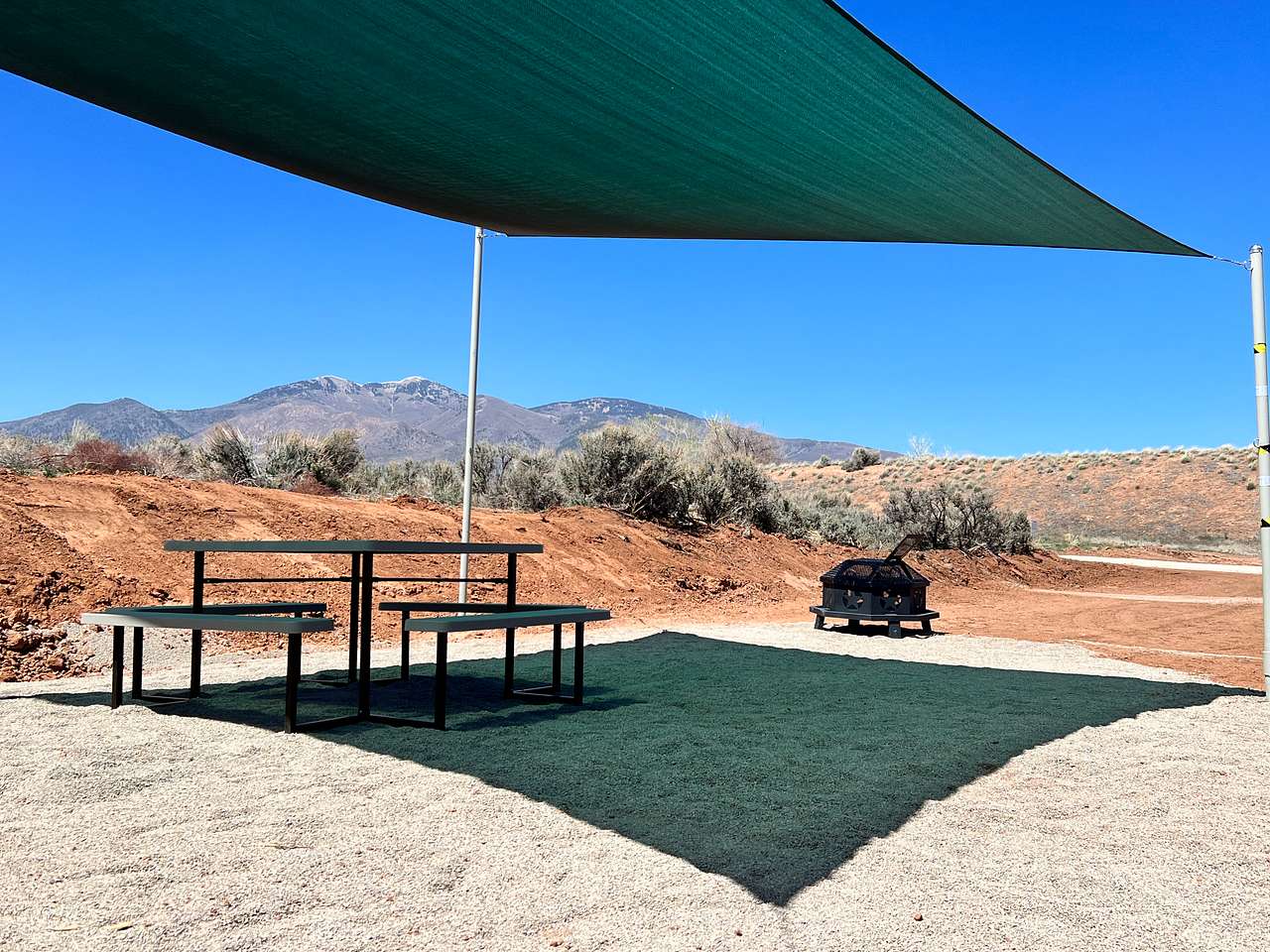
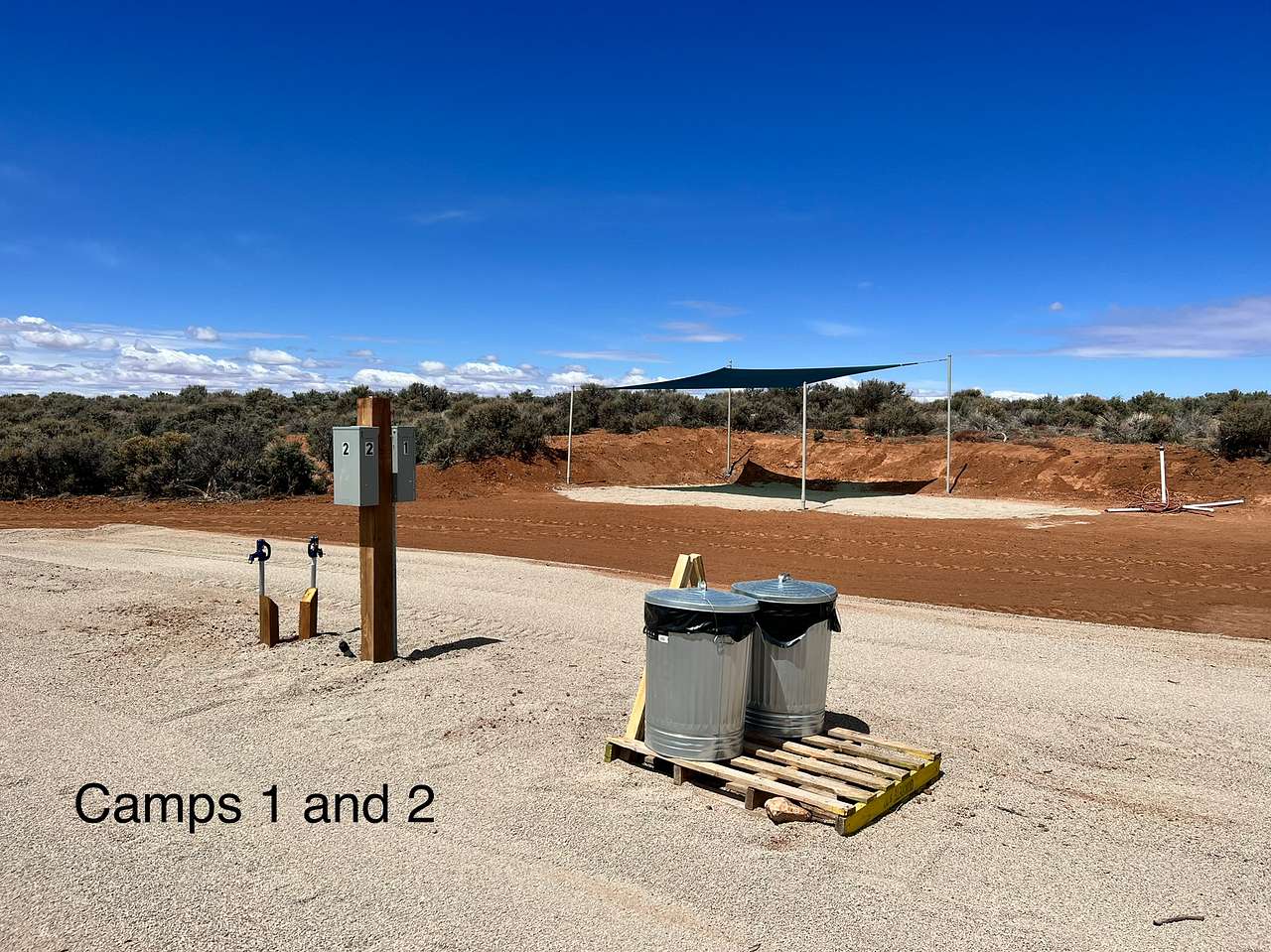
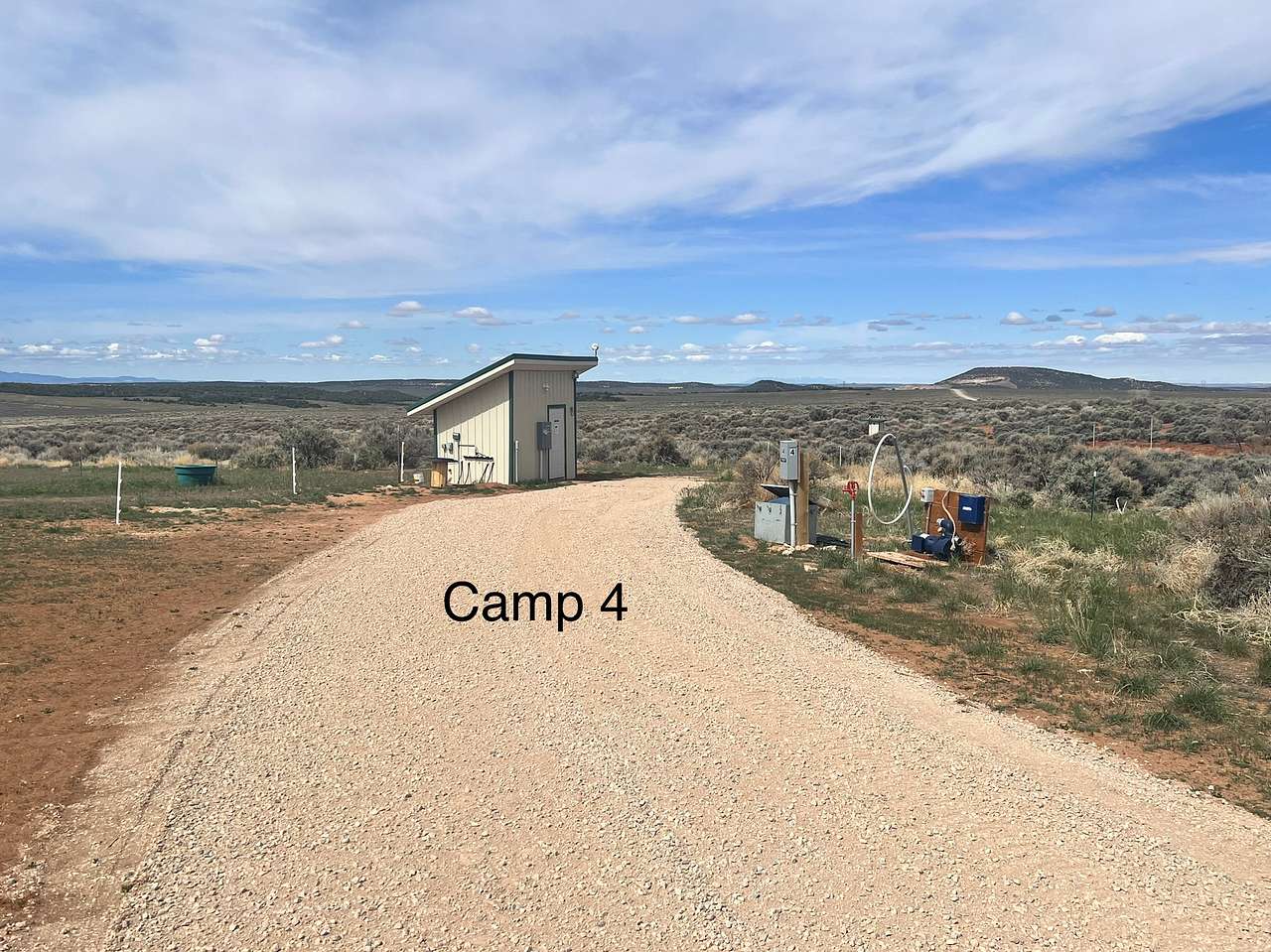
8. South-40@LaSal Tent and RV Park
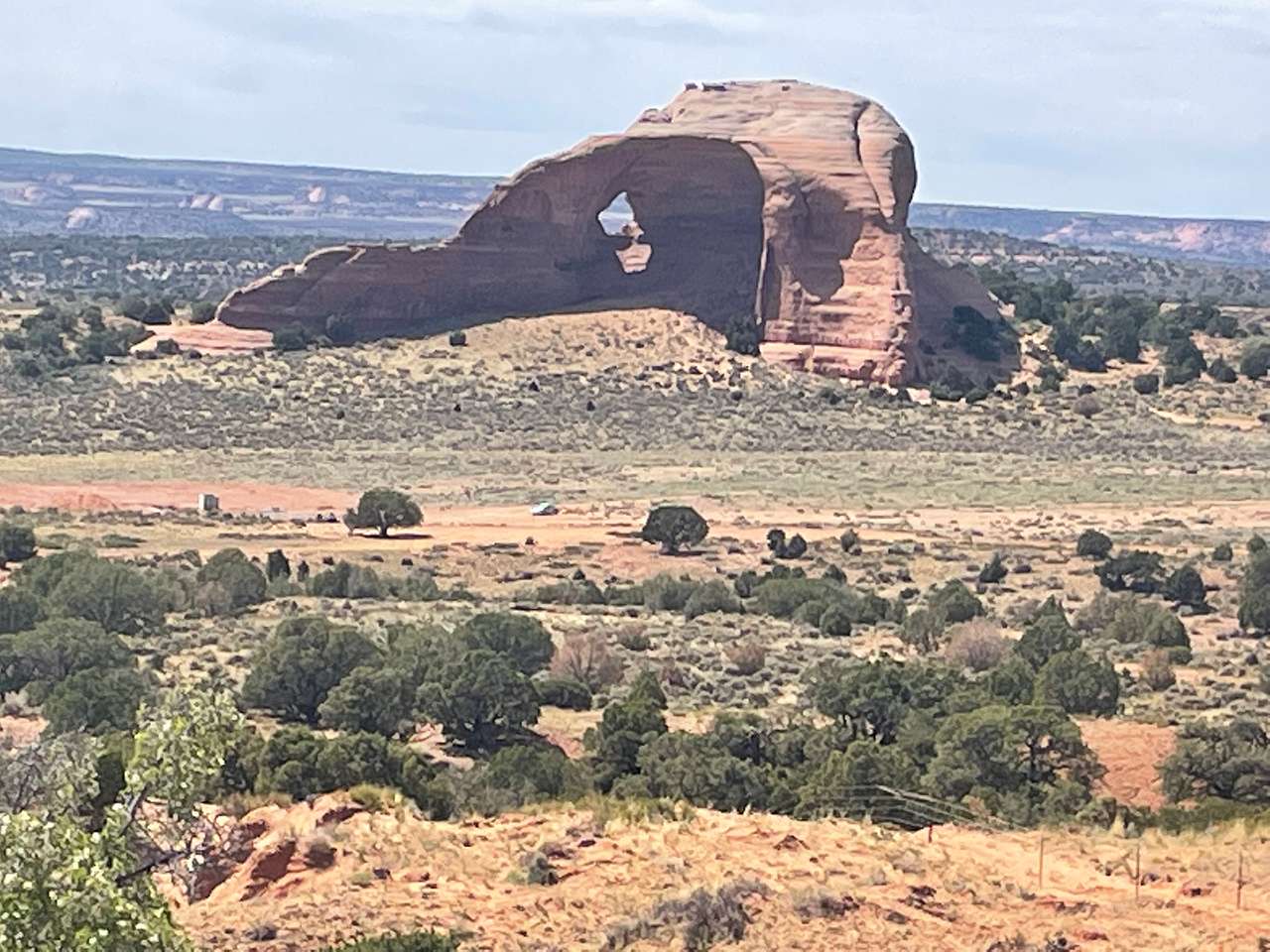
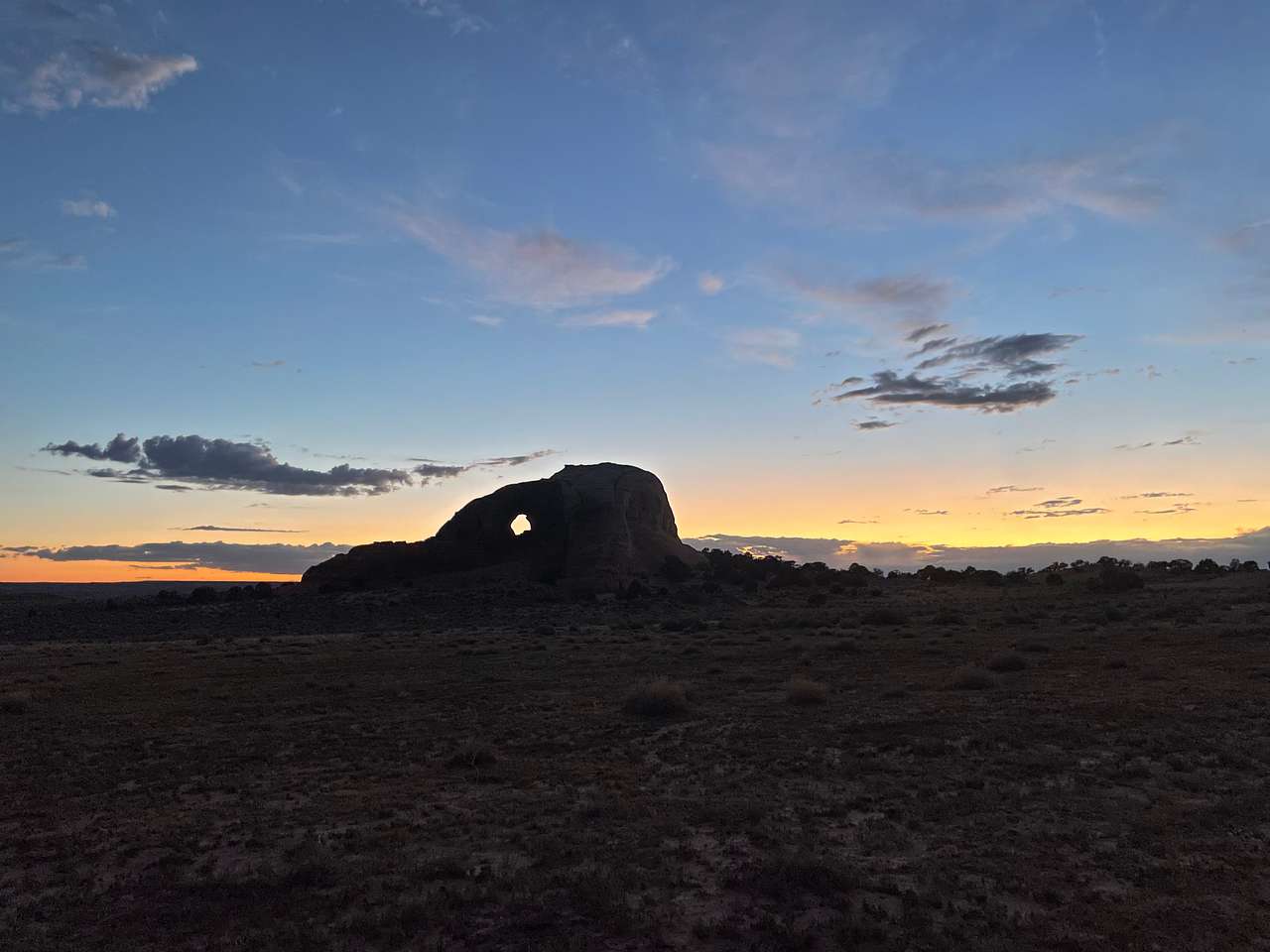
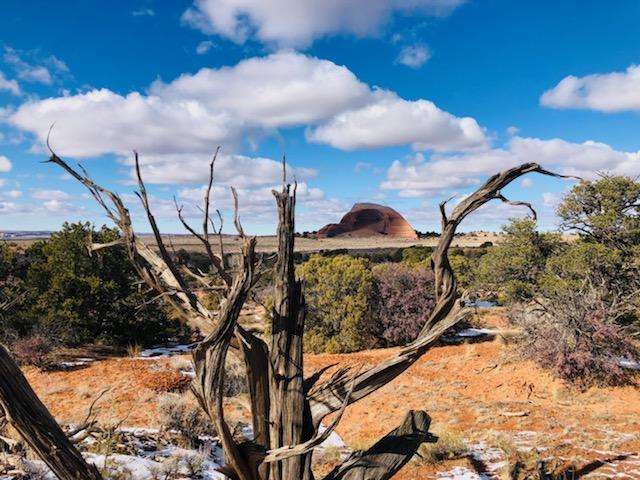
9. Where The Wild Things Camp

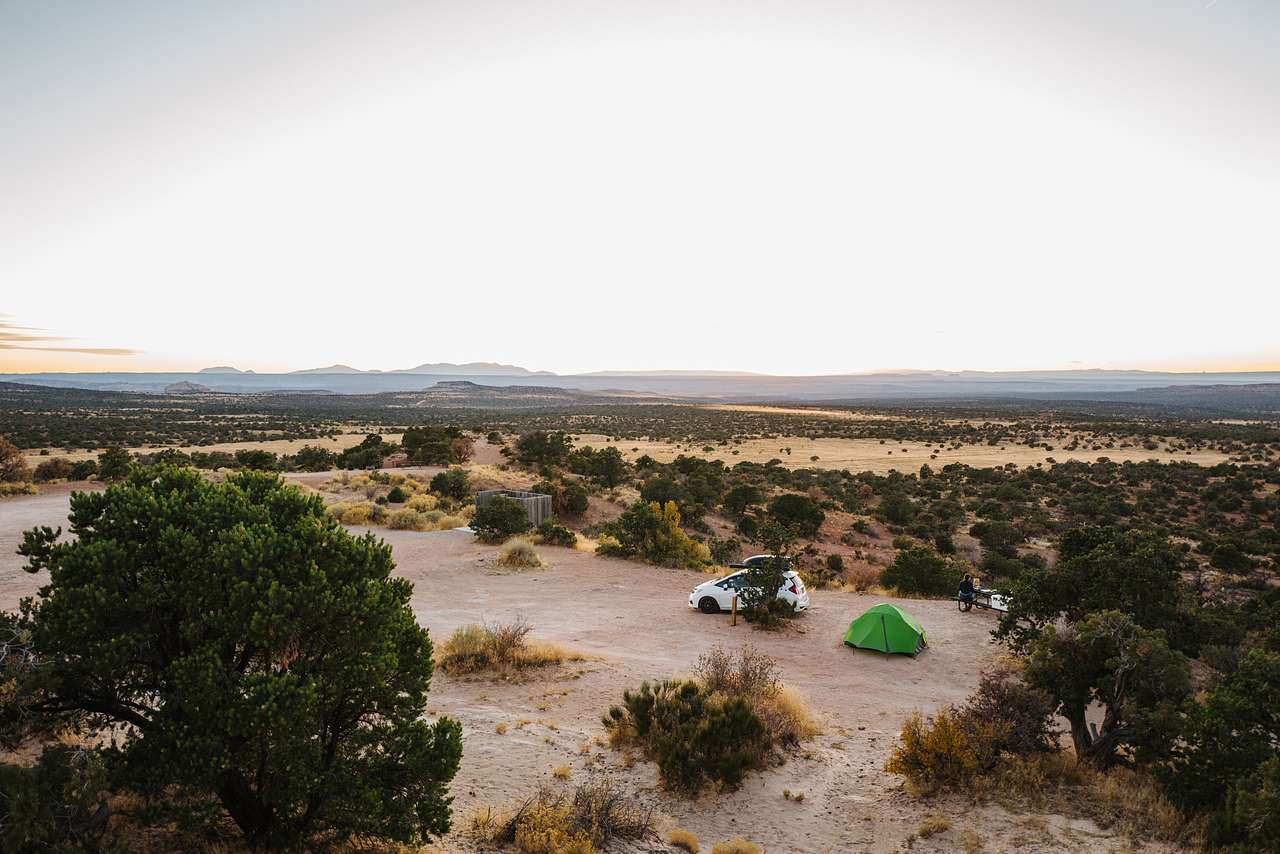

10. Moab Field Office


11. Capitol Reef National Park


12. Dinosaur National Monument

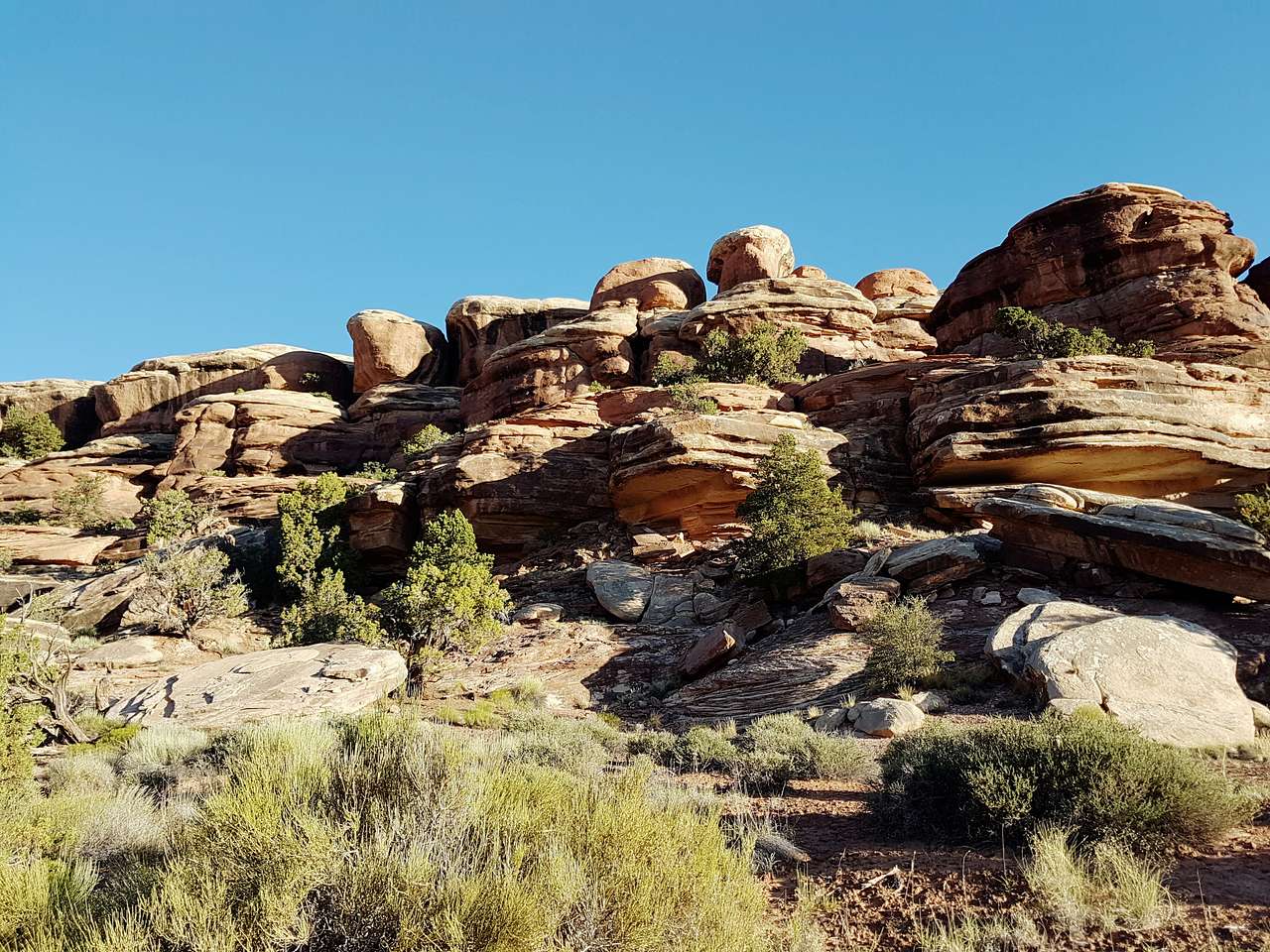
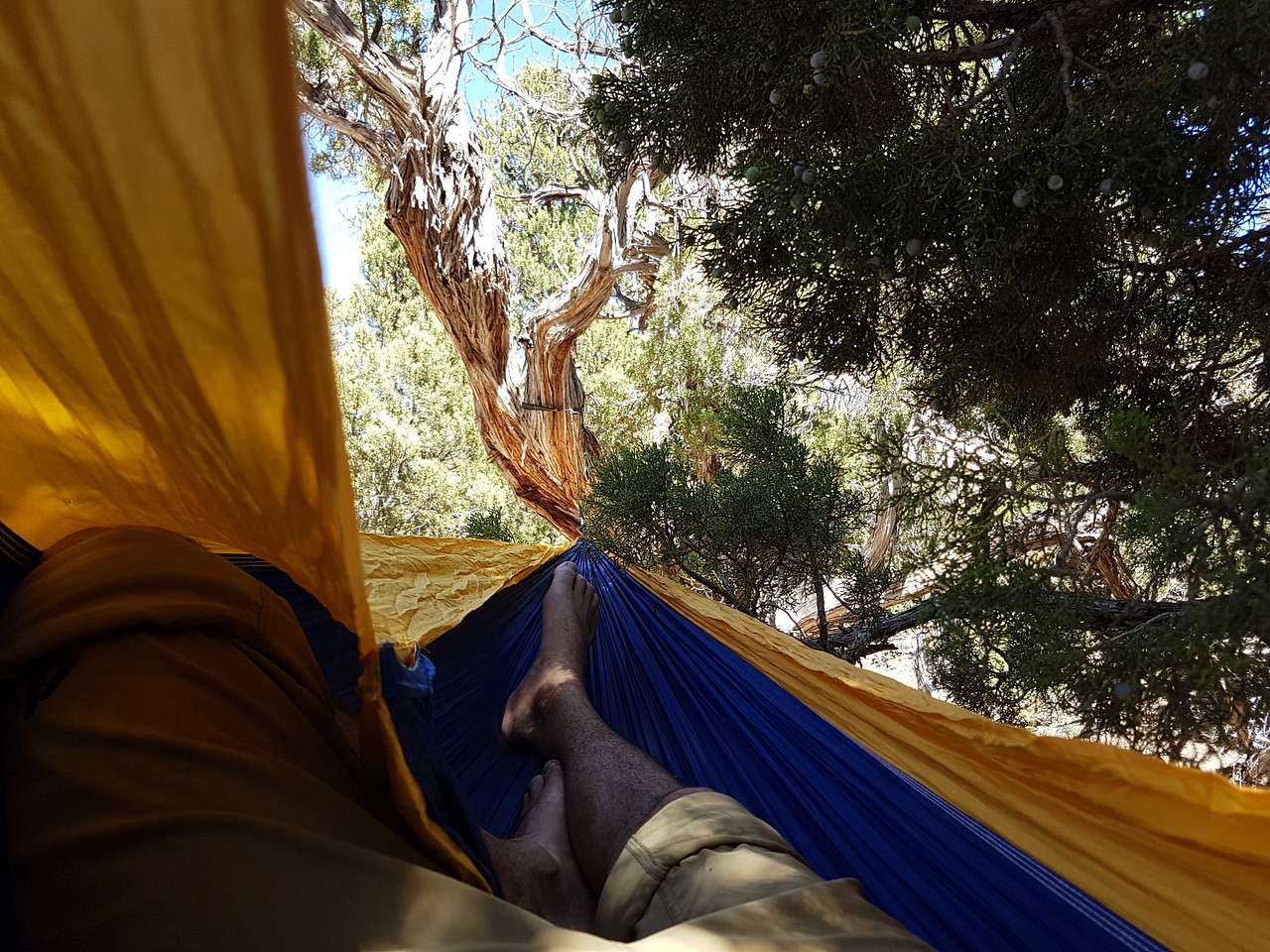
13. Canyonlands National Park


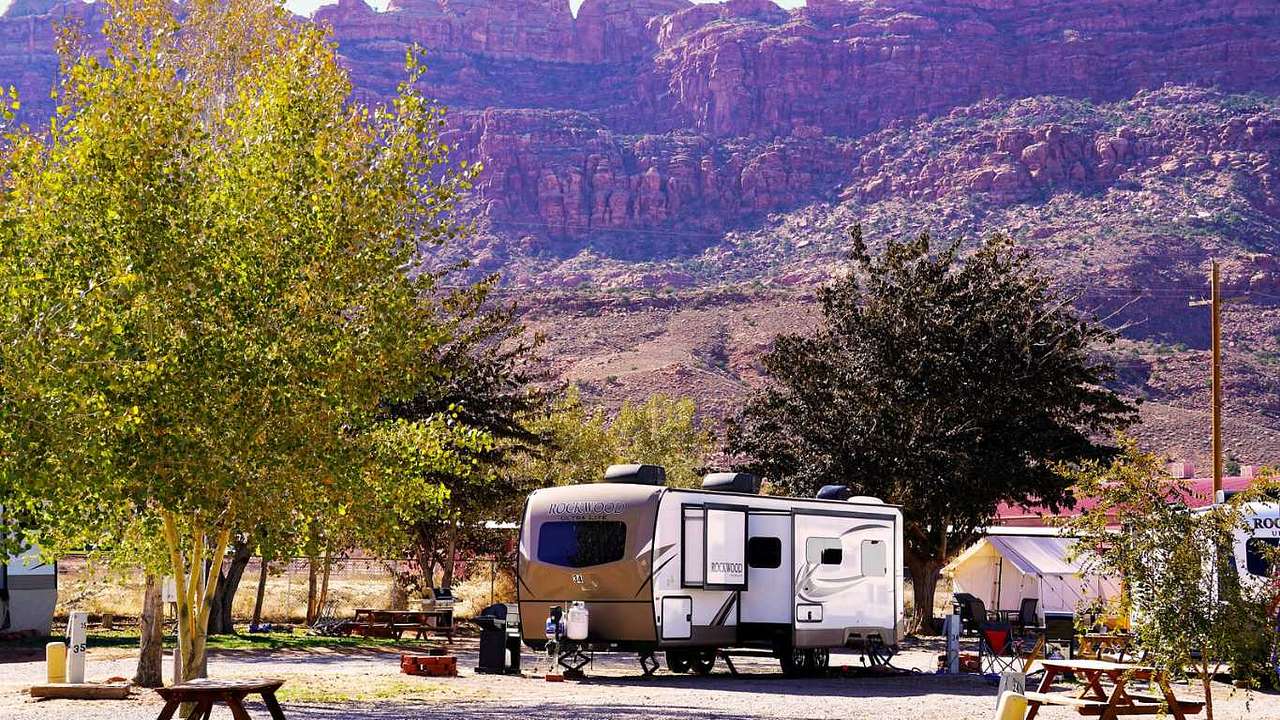
14. Moab RV and Glamping Resort
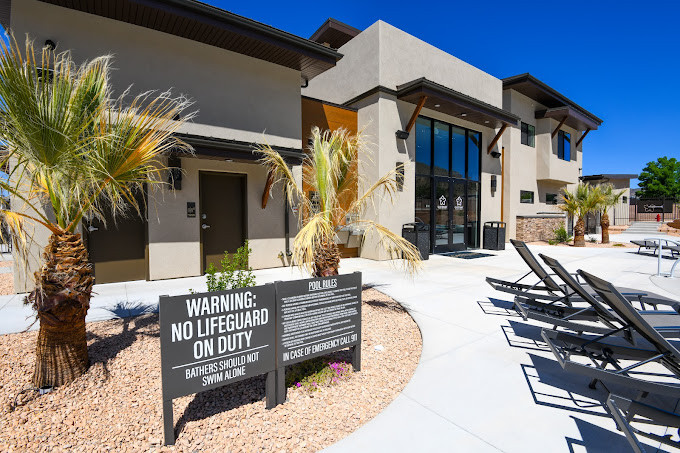
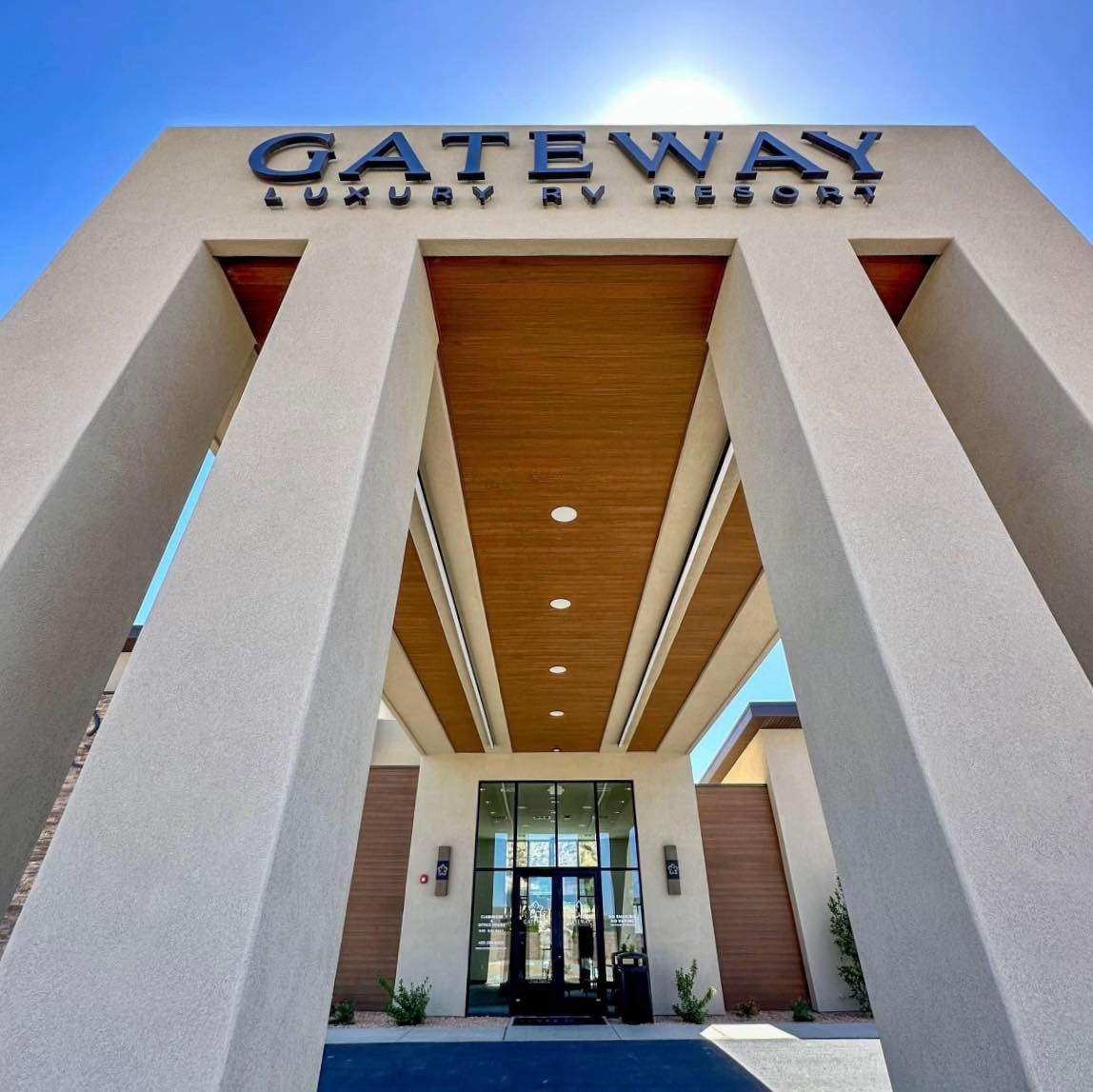
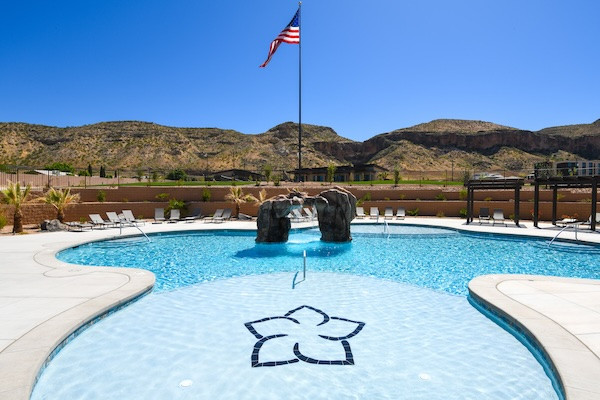
15. Gateway Luxury RV Resort
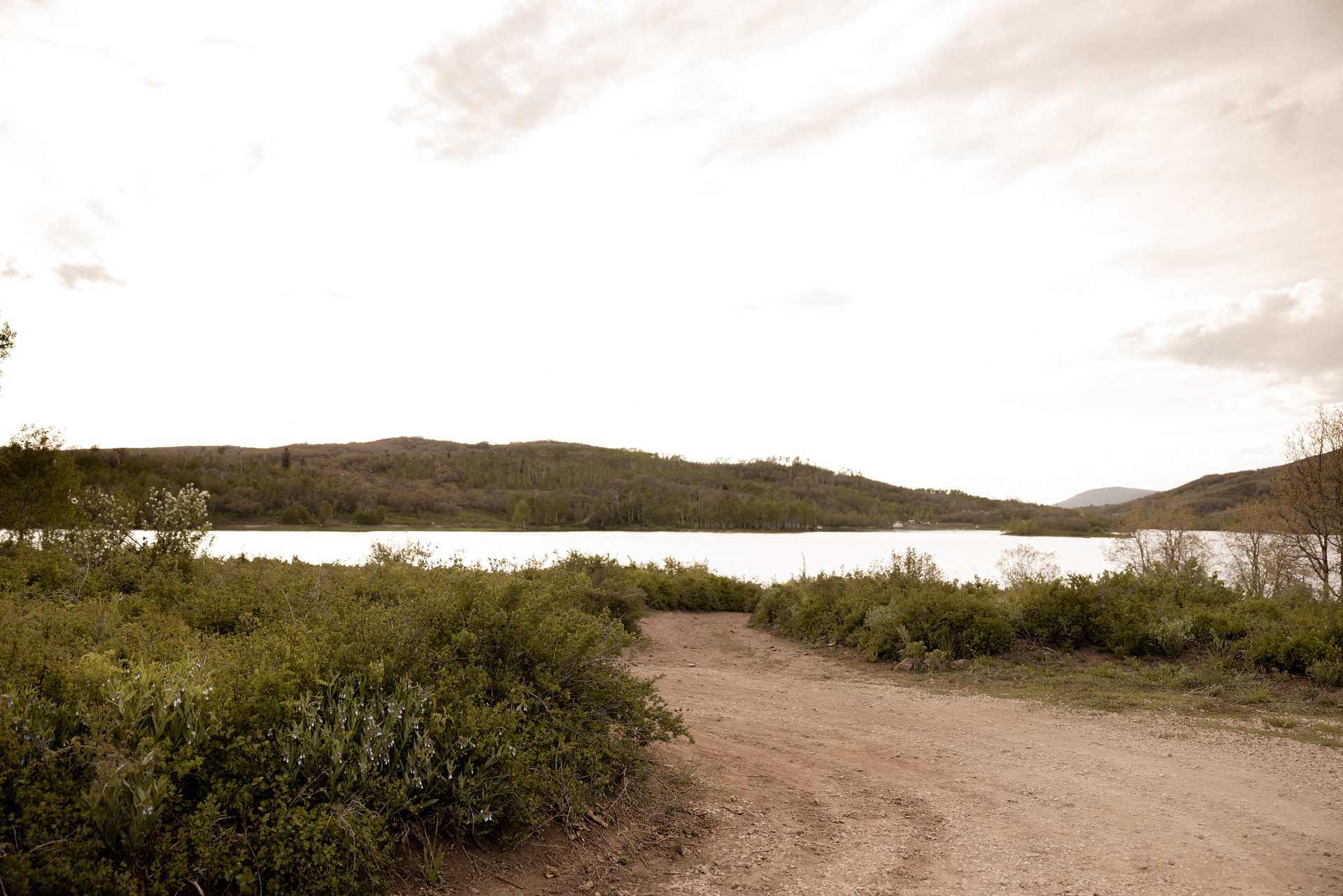
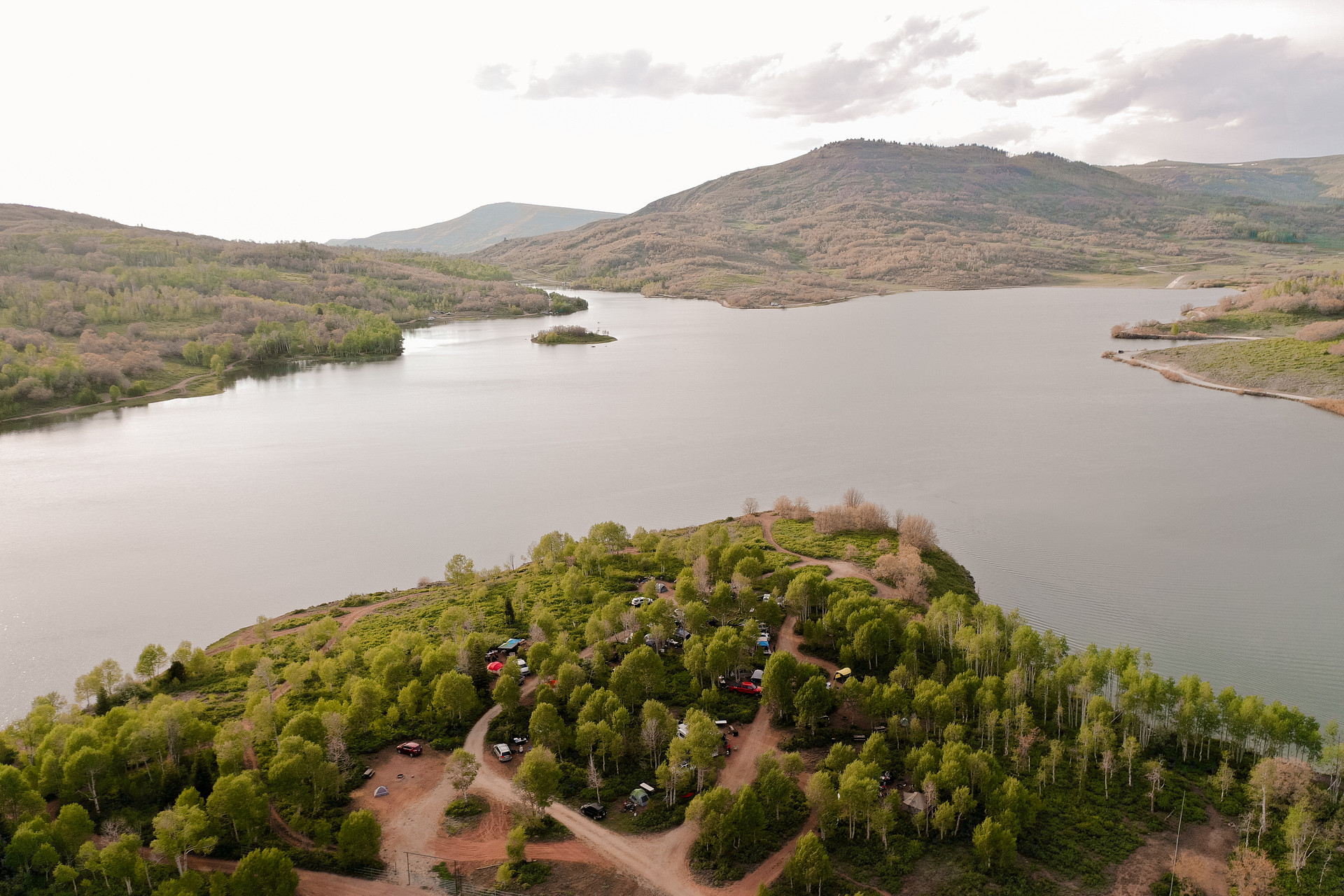
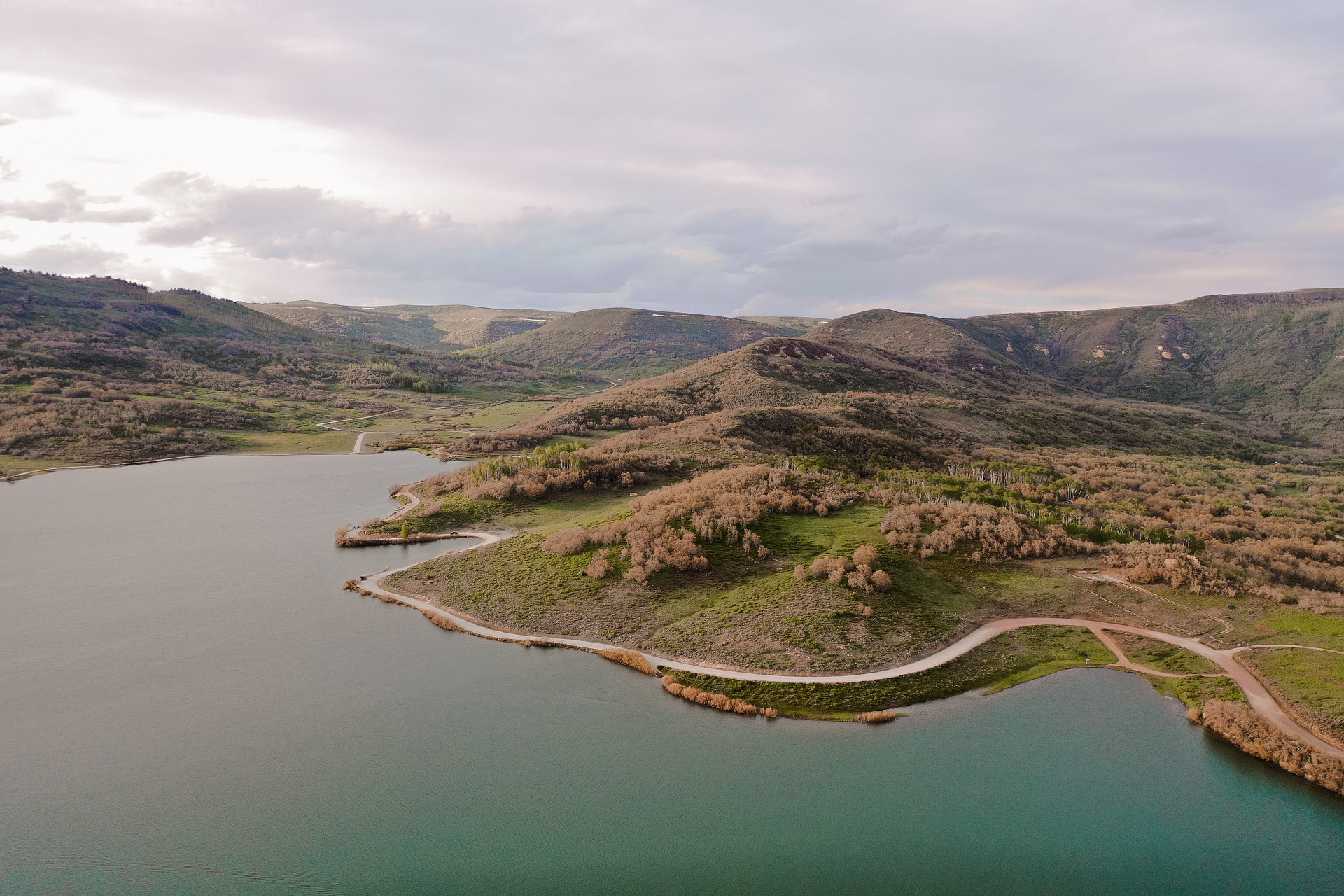
16. Kolob Campground


17. Bryce Canyon Shadows Campground
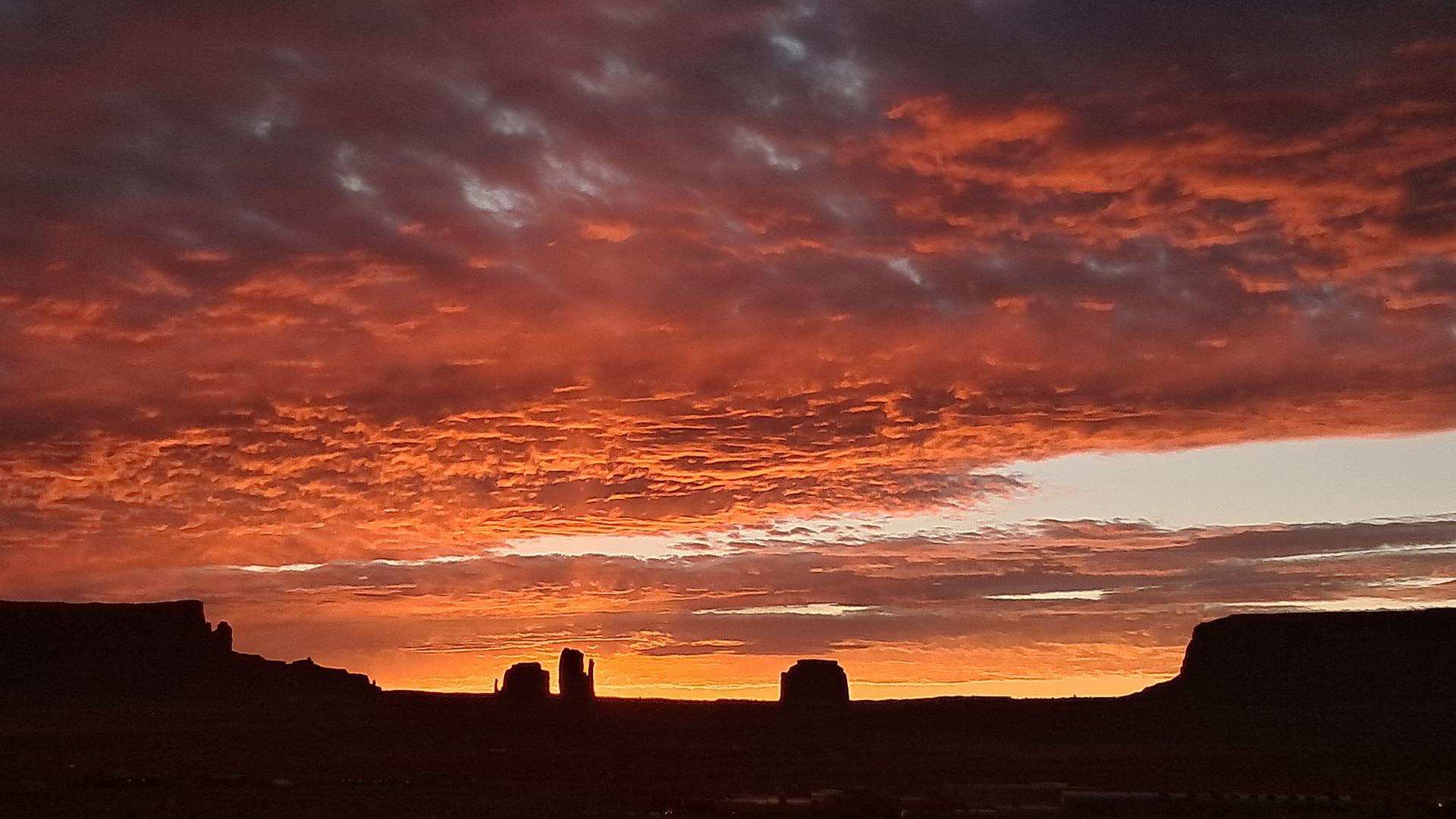
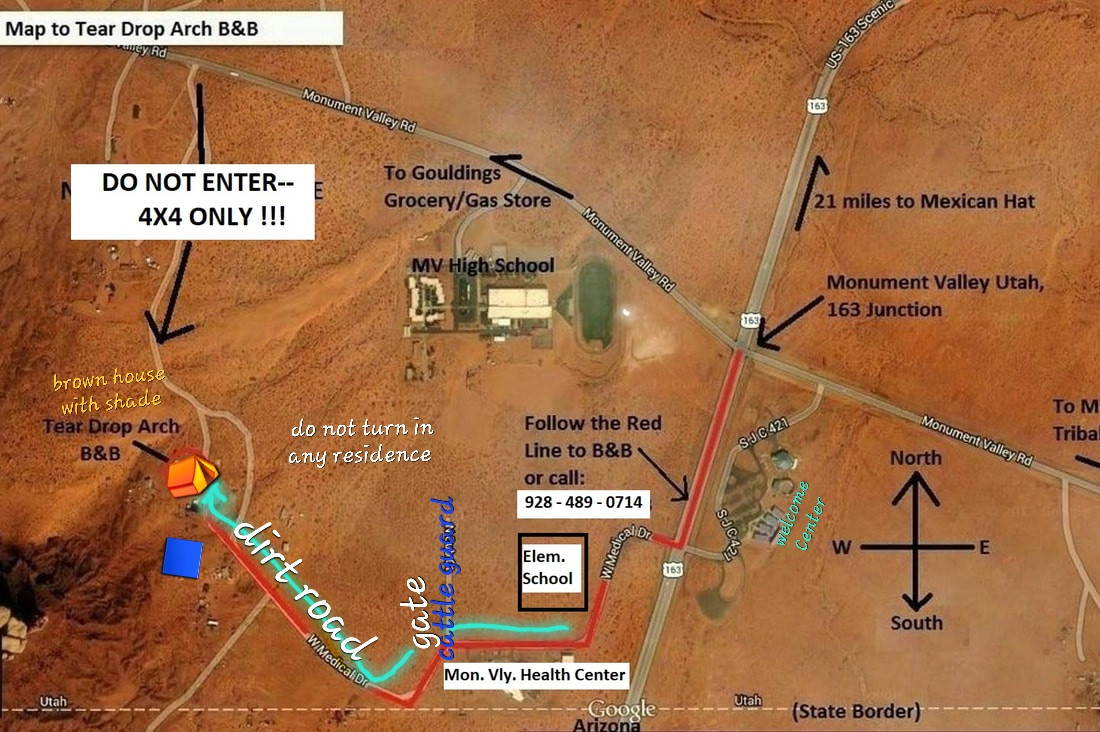
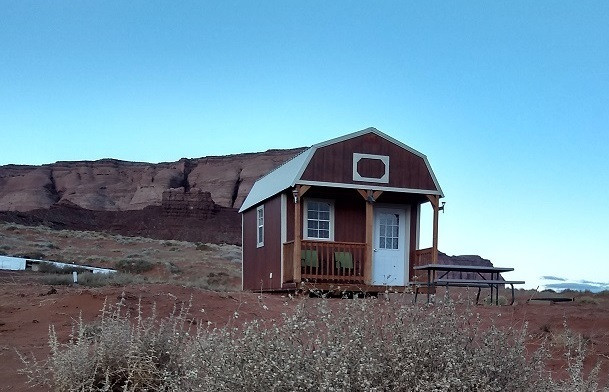
18. Teardrop Arch B&B
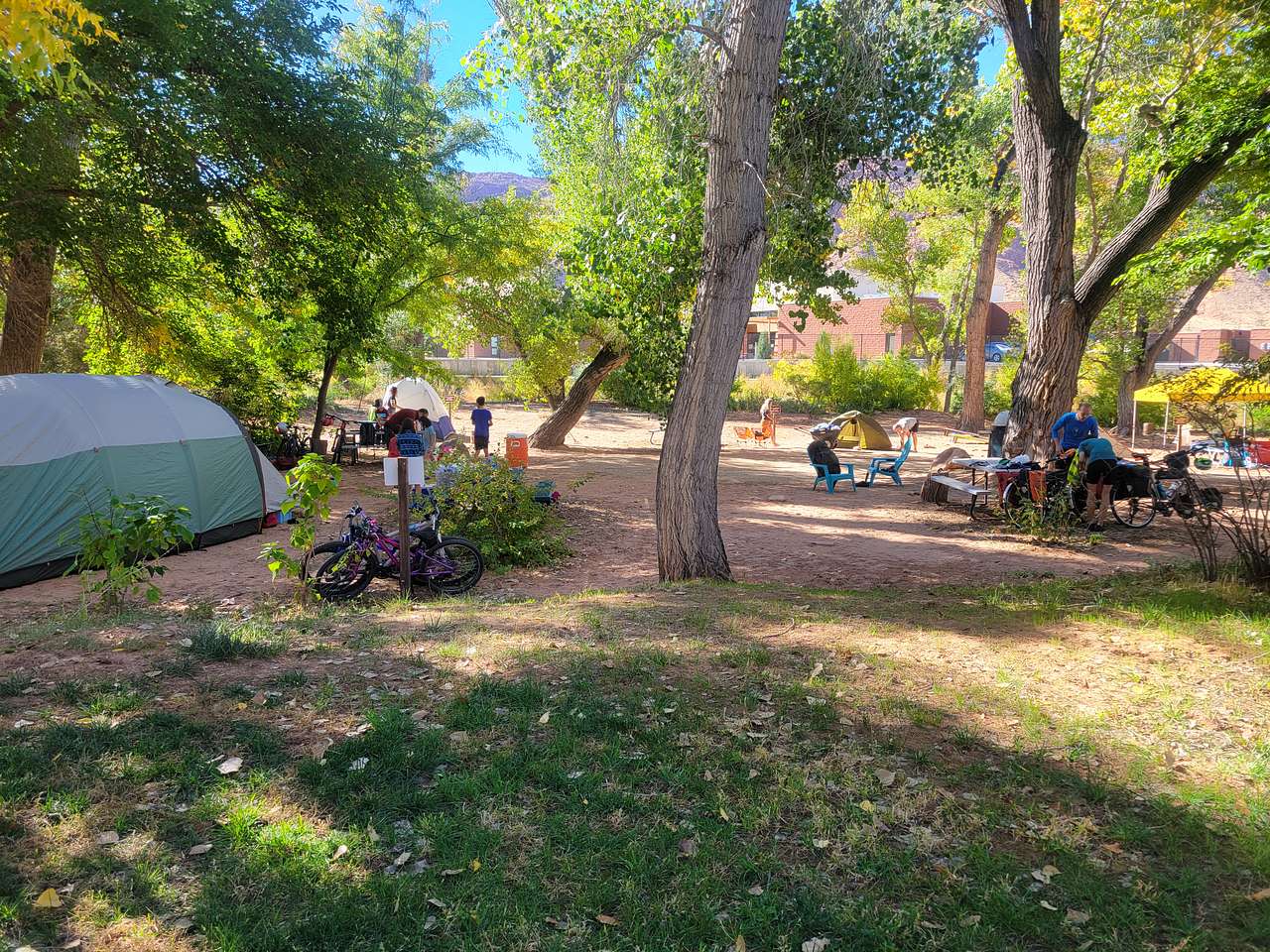
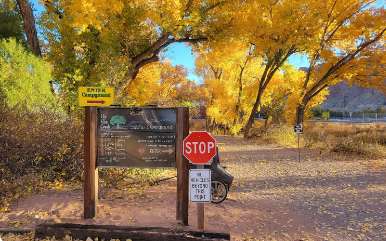
19. Up The Creek Campground


20. Wildland Gardens
Arrowhead Campground
Zion Wright Ranch Eco-Camp
The Needles Outpost Campground
Gateway Luxury RV Resort
Kolob Campground
Wildland Gardens


Arrowhead Campground


Zion Wright Ranch Eco-Camp
Slackline Moab


The Needles Outpost Campground
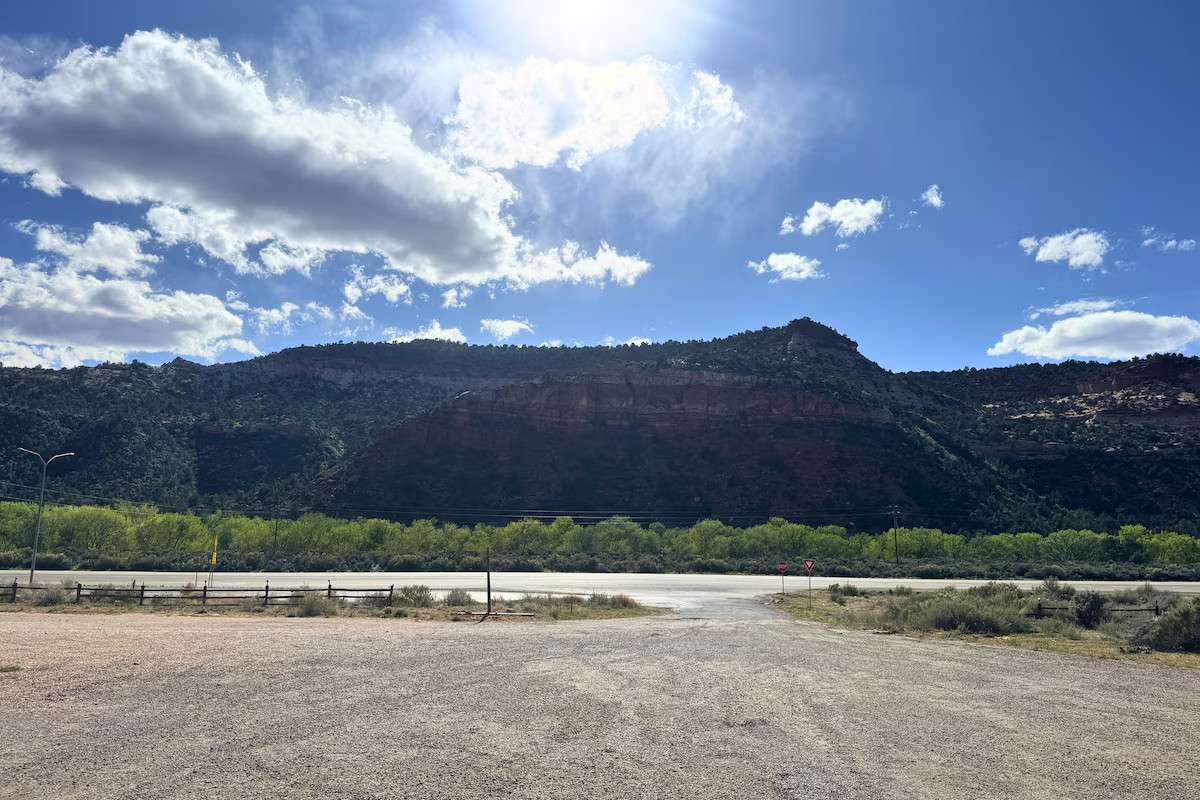


Desert Bloom Campground
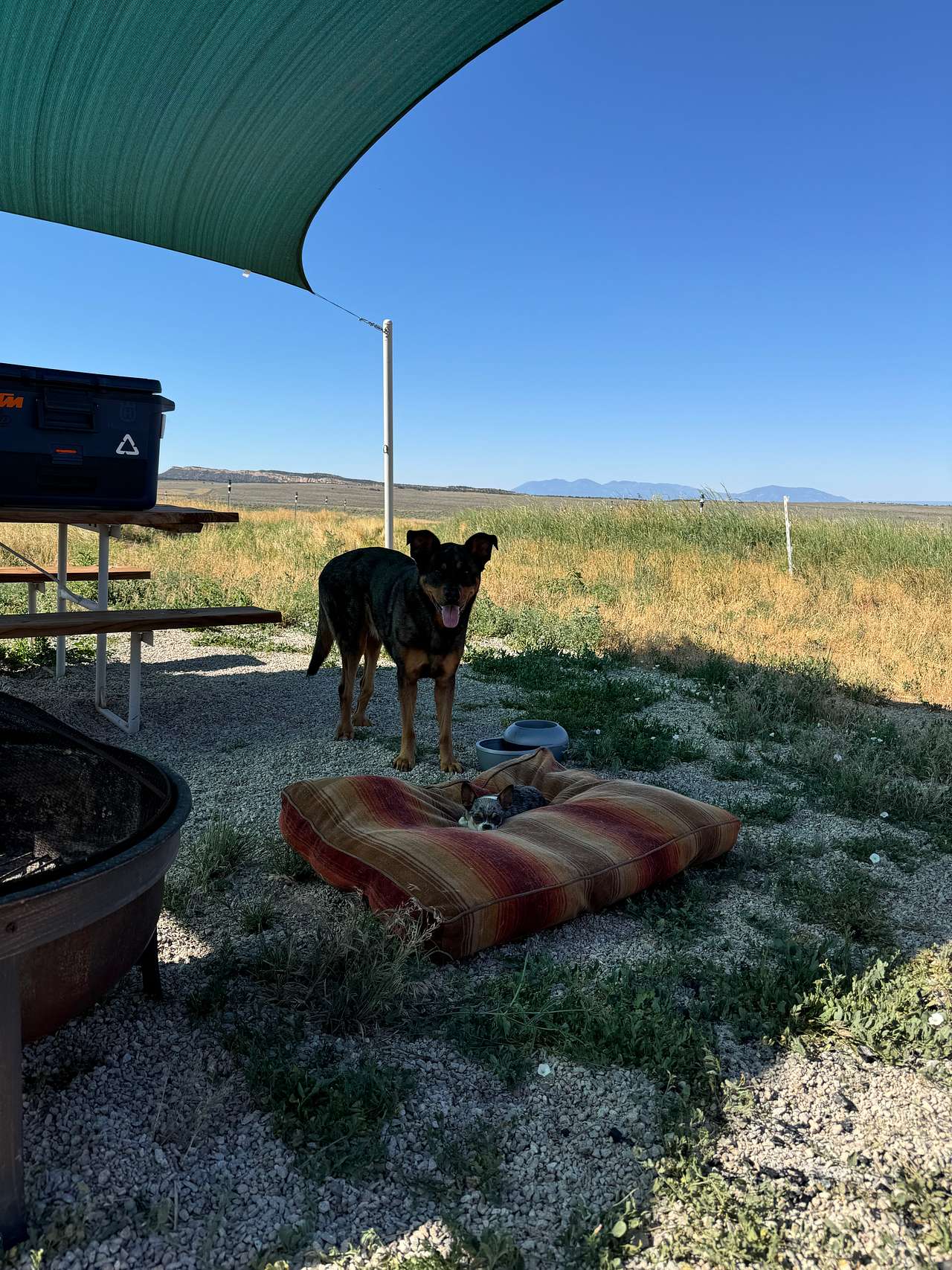
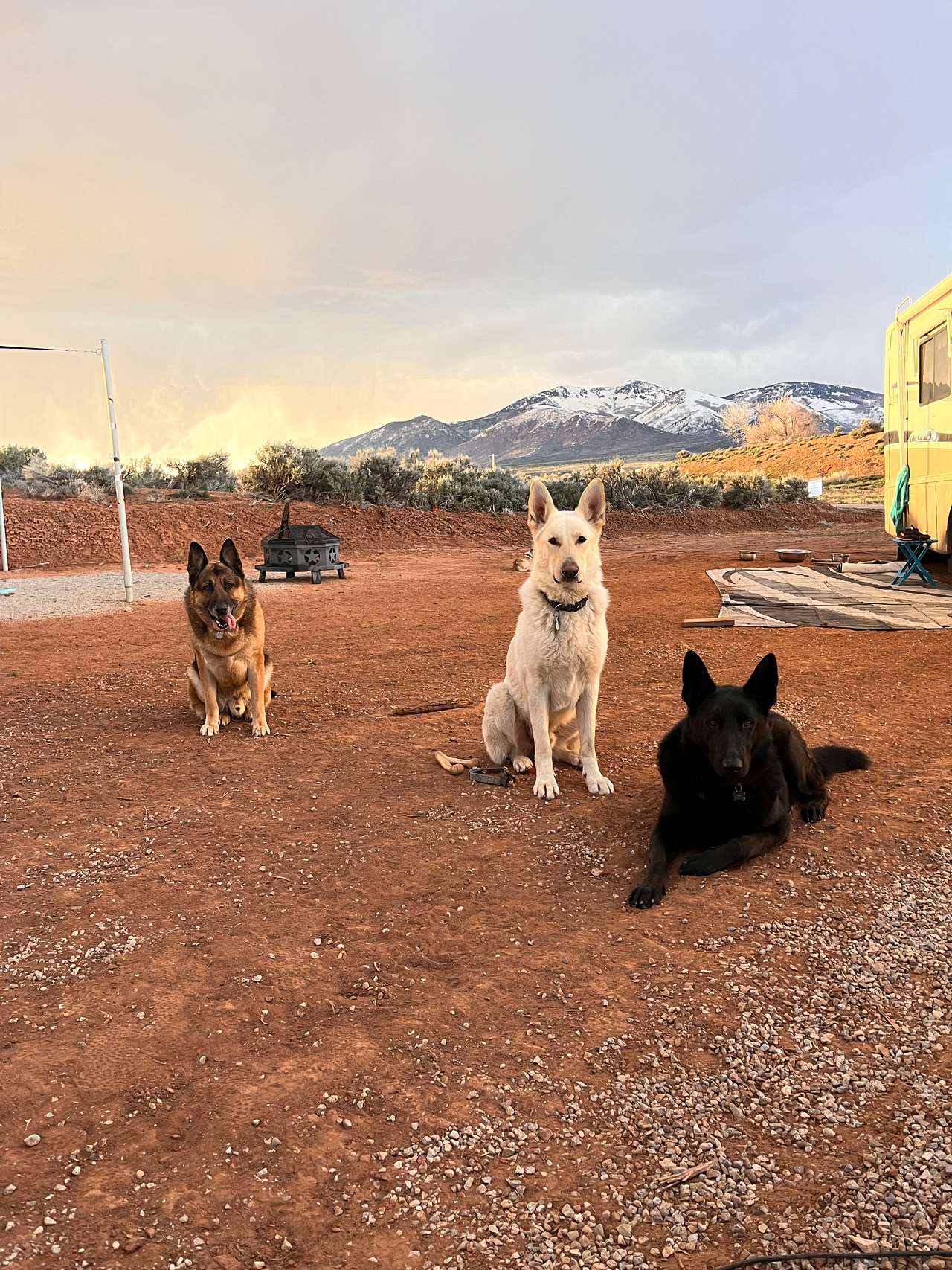
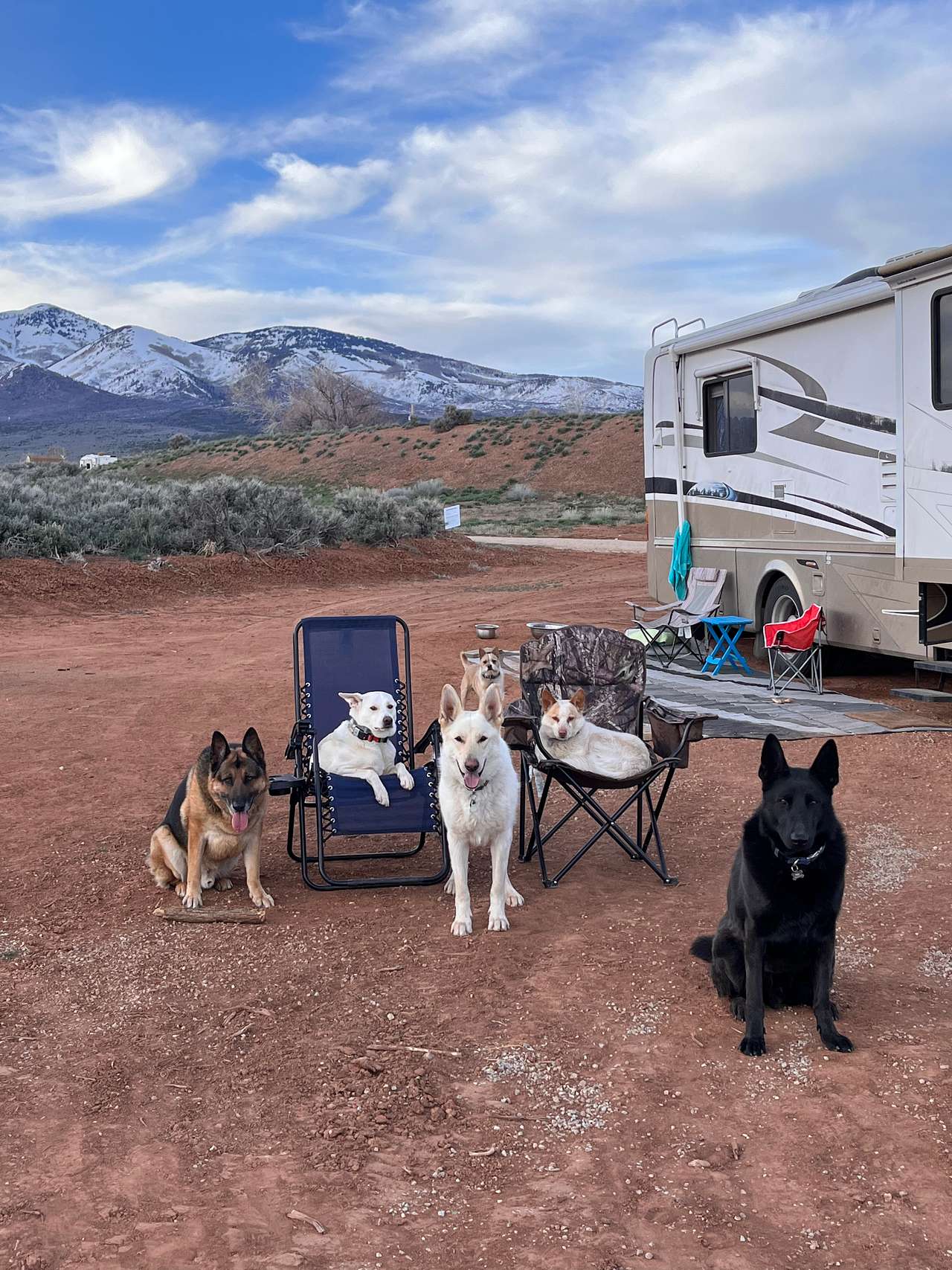
South-40@LaSal Tent and RV Park
Recent reviews from the Hipcamp community

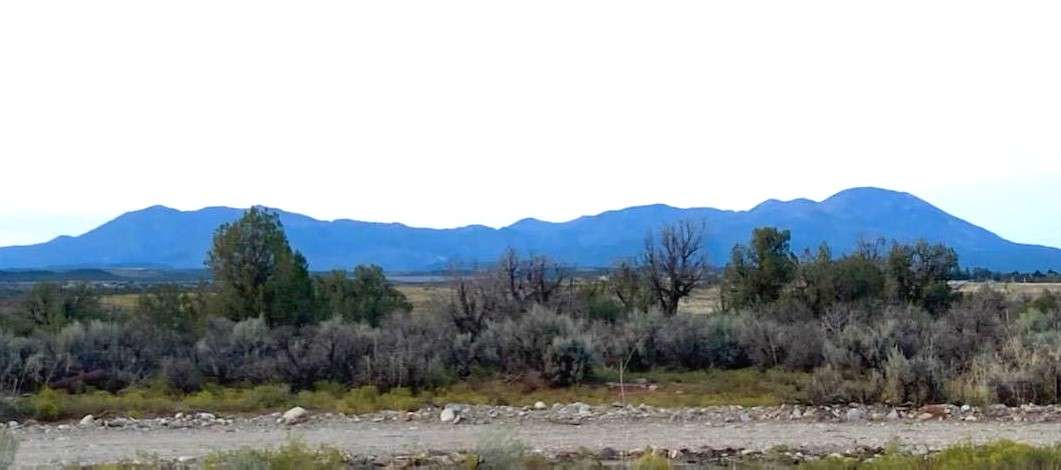
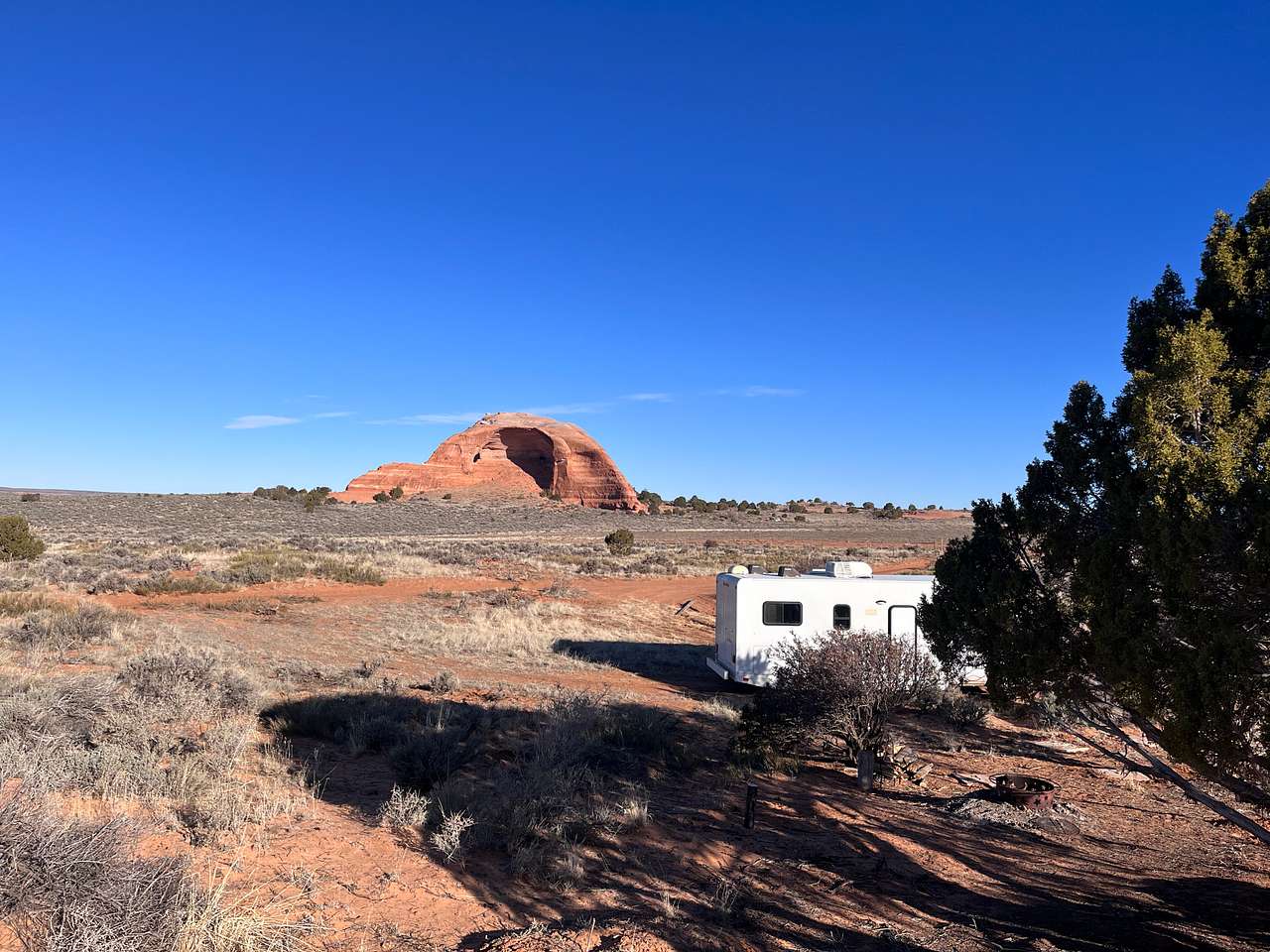

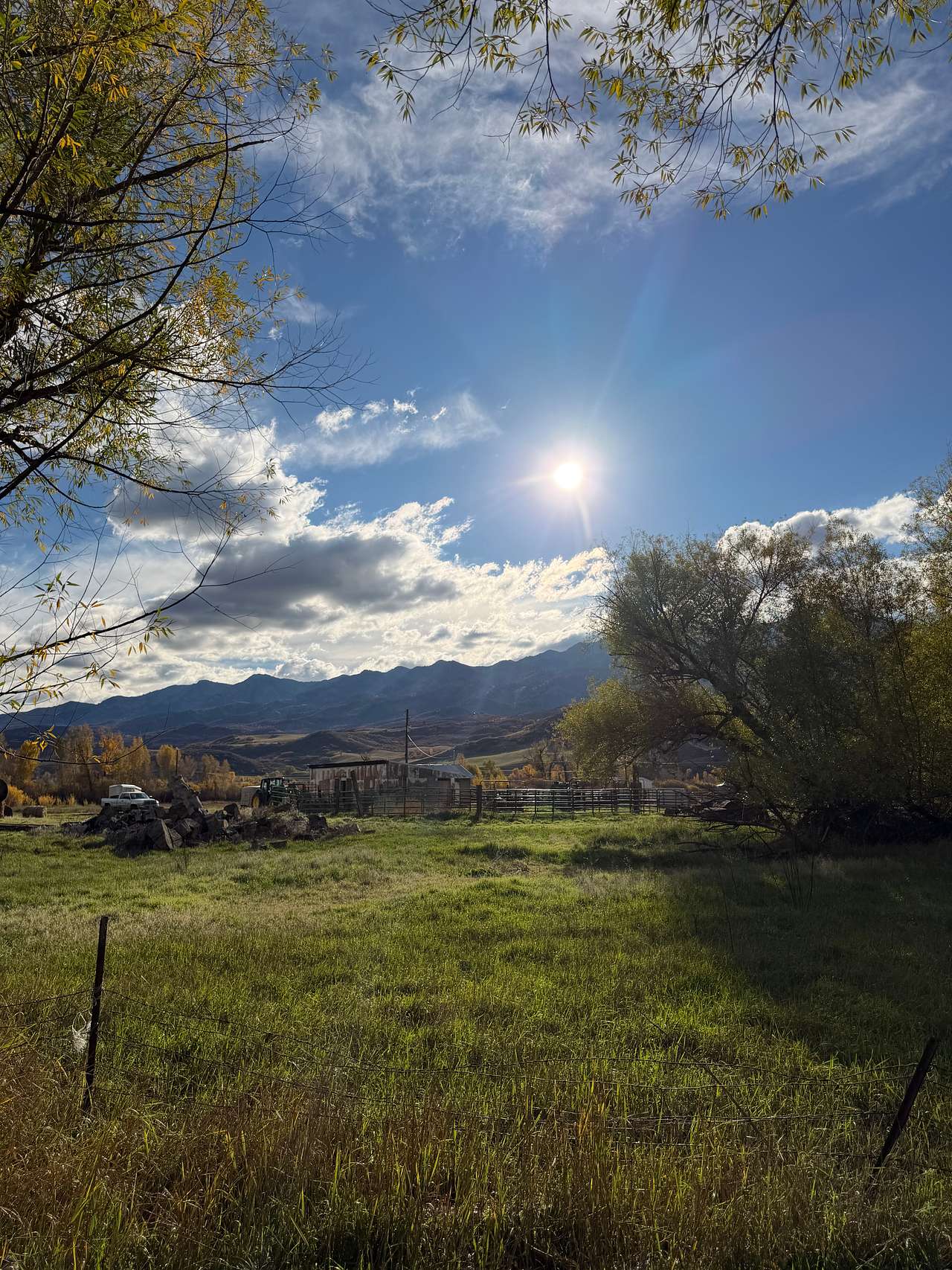

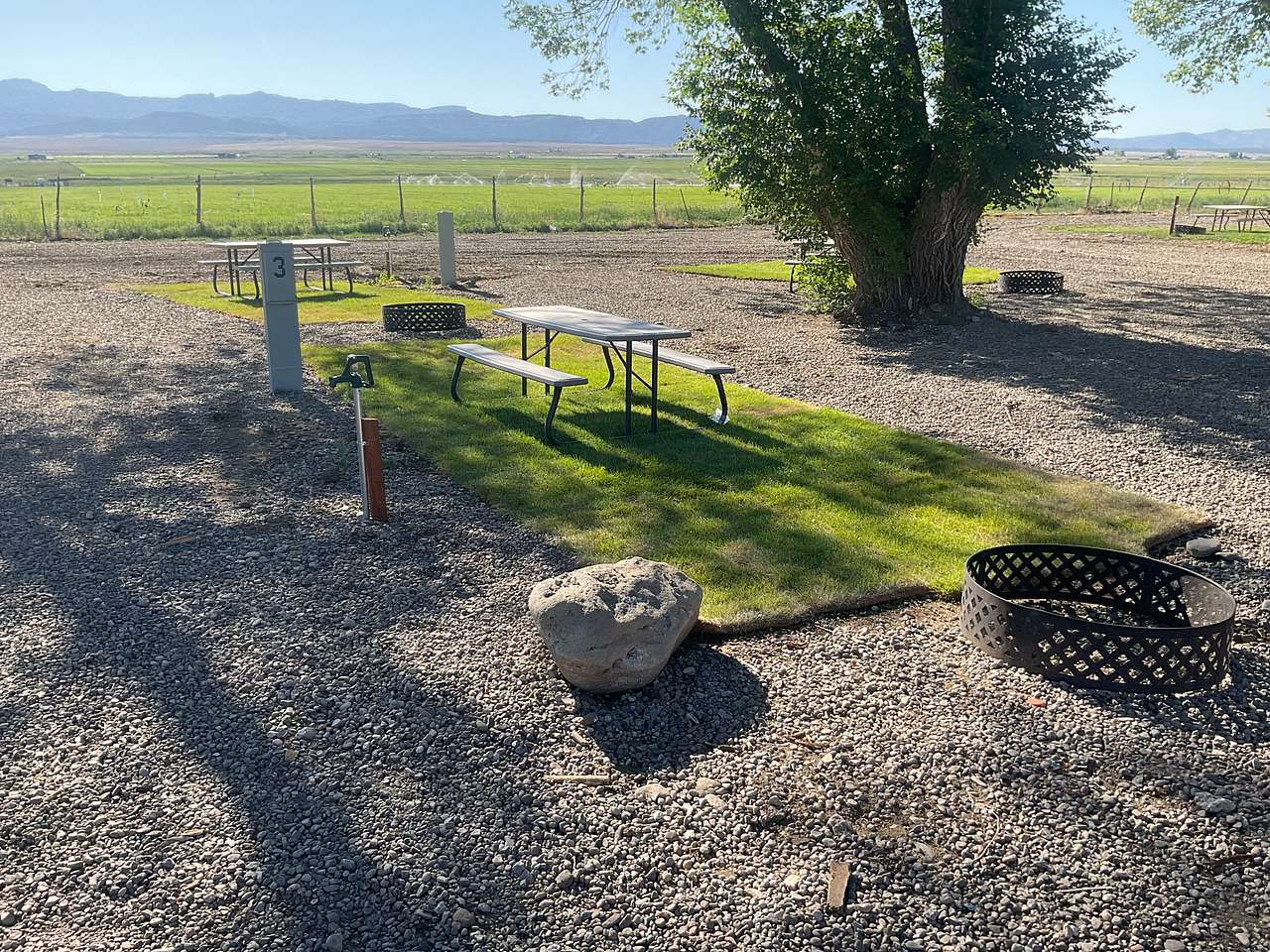
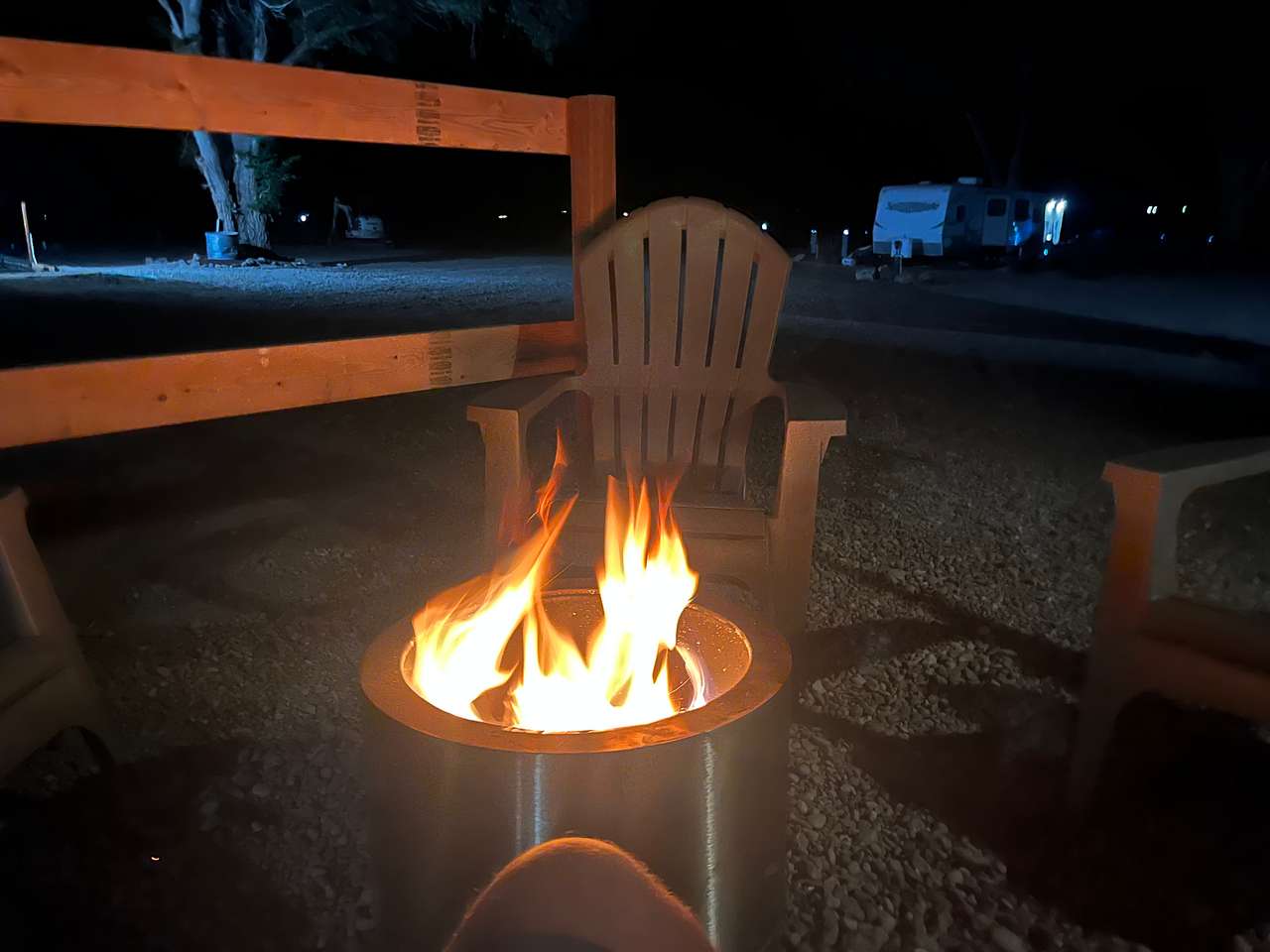
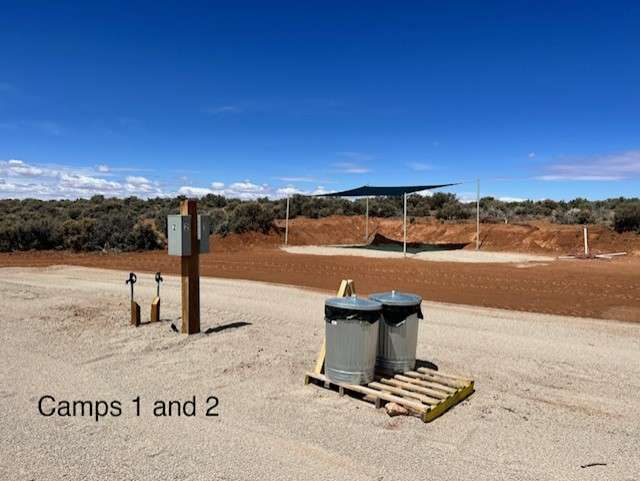

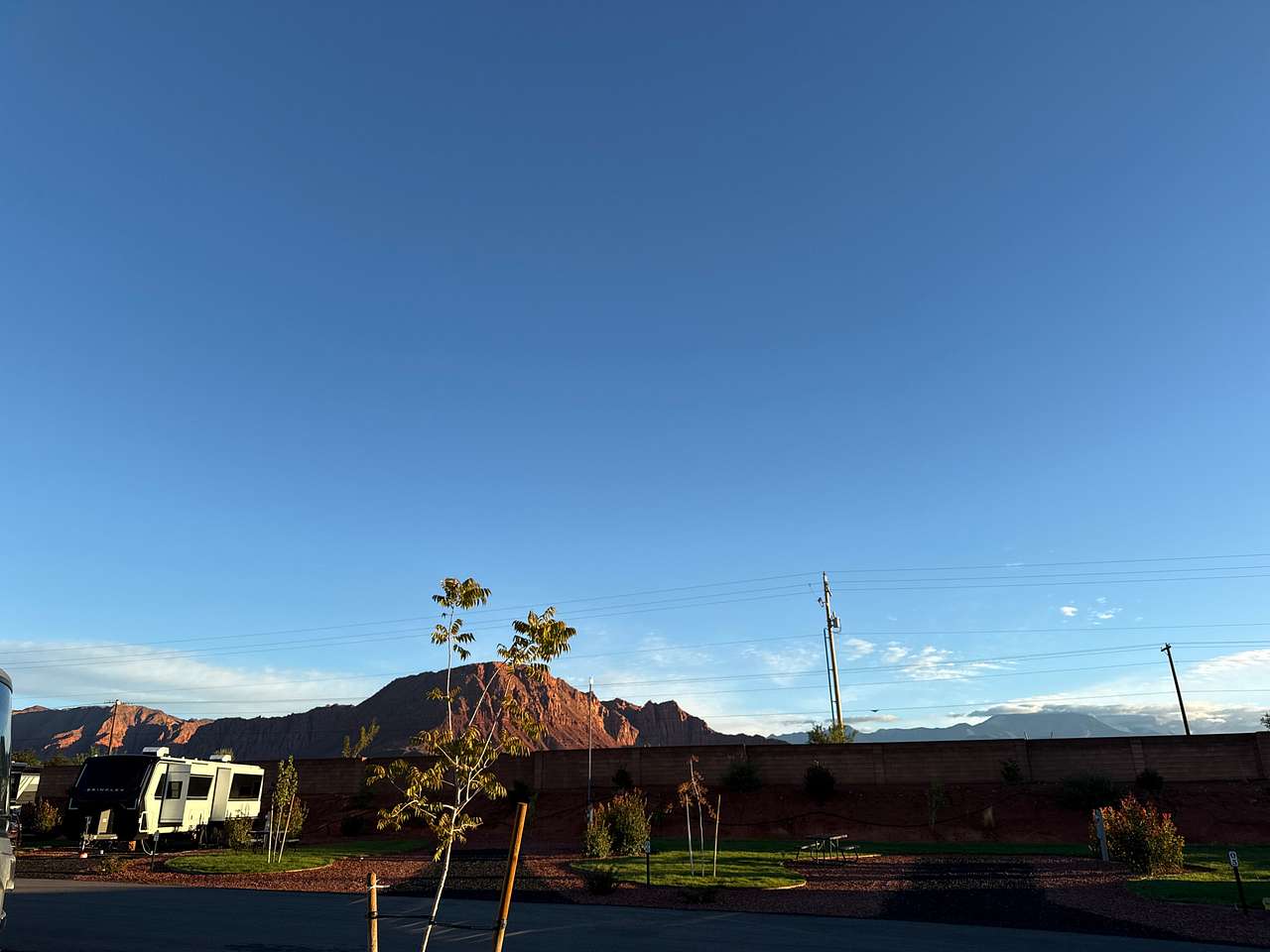

Utah camping guide
Where to go
Northwest Utah
Northern Utah is where you'll find some of the state's lushest areas, with plenty of lakes and mountains, a stark contrast to the rockier, arid regions to the south. Salt Lake City is one of the region's biggest draws, and its easy access to outdoor recreation areas, such as Antelope Island State Park on the Great Salt Lake, makes it a reasonable base for those wanting to explore the region. Camping areas abound in this region—the tent-only Cottonwood Campground at Bear Lake State Park is a particularly good choice.
Eastern Utah
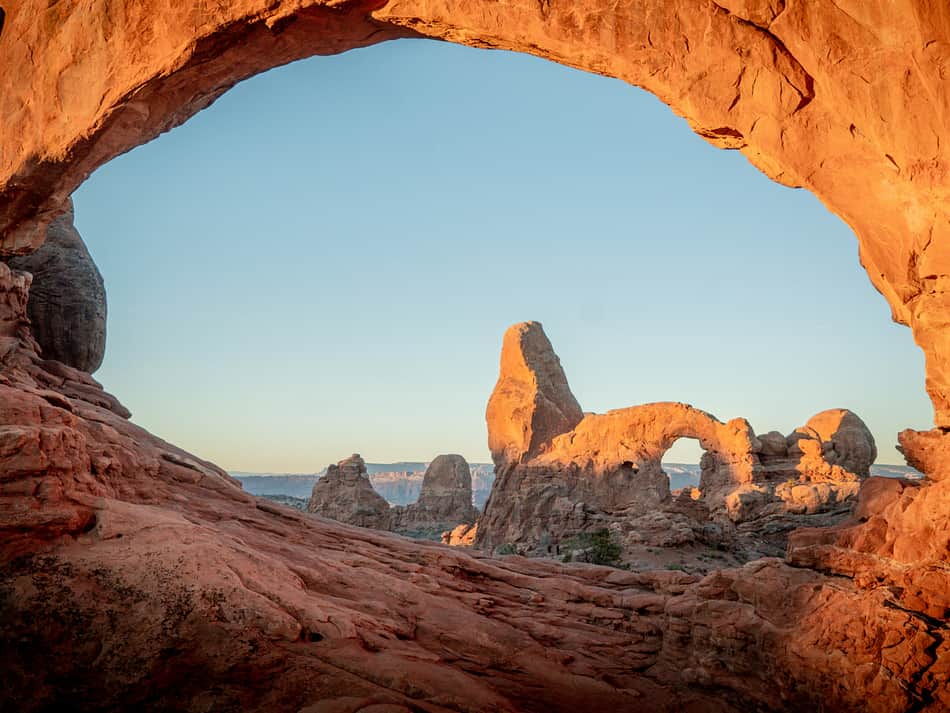
Eastern Utah offers some of the best opportunities for outdoor recreation in the state, and that's not just because two of Utah’s five national parks—Arches National Park and Canyonlands National Park—are here, a short drive from Moab. Spots worth visiting include Dead Horse Point State Park (popular for mountain biking) and Natural Bridges National Monument, where you’ll see three natural bridge formations carved from the earth millennia ago. This area is also great for archaeology fans. Hovenweep National Monument is a great place to check out the ruins of 13th-century pueblos, while Bear Ears National Monument is full of beautifully preserved ancient cave art.
South-Central and Southern Utah
South Central Utah offers a mix of high desert and dense forest, with plenty of spots to go out and play. You can hike through the slot canyons of the Grand Staircase-Escalante National Monument, explore the fairytale-like hoodoos at Goblin Valley State Park, or try your hand at canyoning at Capitol Reef National Park. This region is also home to Lake Powell, on the Colorado River, right on the border with Arizona.
Southwest Utah
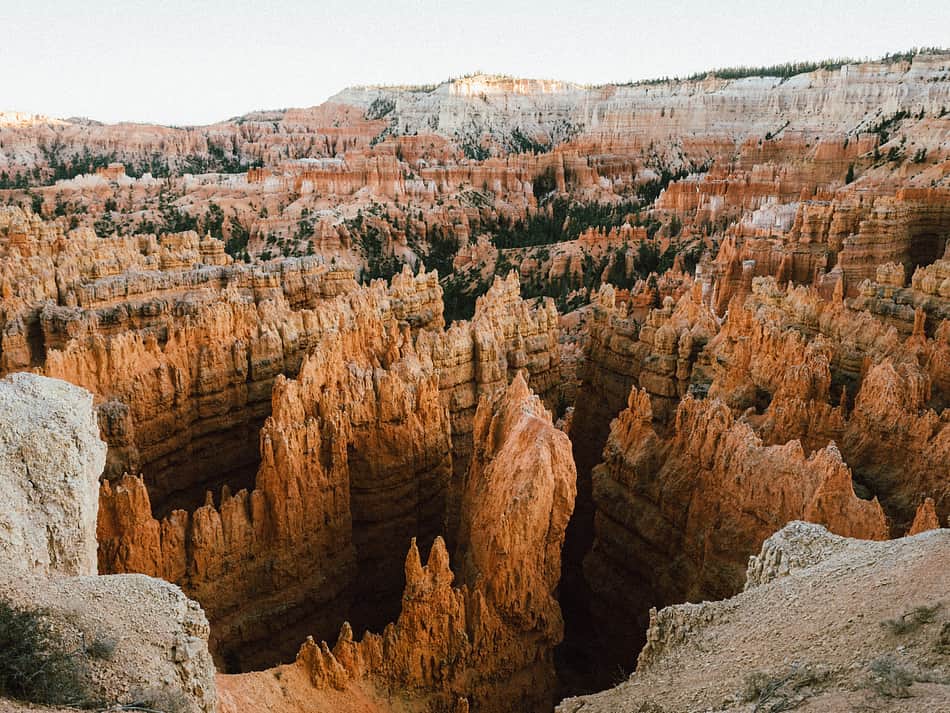
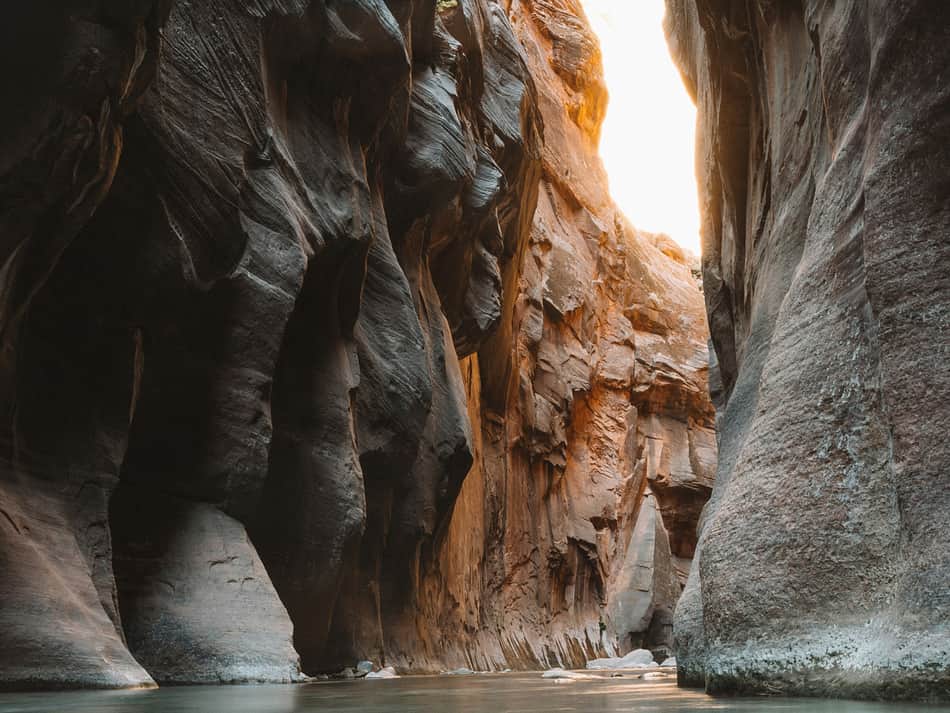
Home to both Zion National Park and Bryce Canyon National Park, southwest Utah offers fantastic hiking and camping options, with a mix of beautiful rock formations, vast forests, and desert sand dunes. While the national parks are the main draw, this region offers plenty to do, from ATV/OHV riding on the massive golden dunes at Coral Pink Sand Dunes State Park to checking out the red rock formations at Kodachrome Basin State Park. You'll find some of Utah's best camping spots and hiking trails all through the region, and the lack of light pollution makes this area ideal for stargazing under the night skies.


Frequently Asked Questions
Boondocking, or dispersed camping, can be safe in Utah as long as you follow some basic guidelines and precautions. Here are some tips to ensure a safe boondocking experience:
- Choose a well-established and legal dispersed camping area on BLM or National Forest land. Check the regulations and restrictions for the area you plan to camp in.
- Bring sufficient water, food, and supplies, as there may not be any amenities or services nearby.
- Be prepared for unpredictable weather conditions and temperature fluctuations, especially in the desert.
- Practice Leave No Trace principles to minimize your impact on the environment.
- Be aware of potential wildlife encounters and know how to respond appropriately.
- Let someone know your travel plans and expected return date.
- Ensure your vehicle is in good working condition and bring a spare tire, tools, and extra fuel if needed.
- Have a map, GPS, or navigation app to help you find your way and avoid getting lost.
By following these guidelines, you can enjoy a safe and memorable boondocking experience in Utah.
No, you cannot camp anywhere in Utah. Camping is allowed only in designated campgrounds or specific areas on public land, such as national forests, BLM land, and state parks. Dispersed camping is permitted in some areas, but it's essential to follow local regulations and guidelines, including Leave No Trace principles. Always check with the land management agency responsible for the area where you plan to camp for specific rules and restrictions. To find camping options in Utah, you can explore Hipcamp's directory of campgrounds and private land options.
The Great Salt Lake itself is not closed, as it is a large body of water in Utah. However, the facilities and recreational areas around the lake may have varying hours and accessibility depending on the season, weather, and local regulations. Antelope Island State Park, a popular destination on the Great Salt Lake, is open for day-use and camping. For more information on camping near the Great Salt Lake, you can visit Hipcamp.
Utah is an excellent destination for camping, with its diverse landscapes, national parks, state parks, and public lands offering a wide variety of camping experiences. From the red rock formations of Arches National Park and Canyonlands National Park to the lush forests of Uinta-Wasatch-Cache National Forest, Utah offers a range of scenic camping options. In addition to the popular national parks, Utah has 43 state parks, many of which offer camping facilities. Some notable state parks include Dead Horse Point State Park, which offers stunning views of the Colorado River, and Goblin Valley State Park, known for its unique sandstone formations. Utah's camping opportunities cater to a variety of preferences, from primitive campsites and dispersed camping on BLM land to developed campgrounds with amenities such as restrooms and picnic areas. Whether you're interested in tent camping, RV camping, or even staying in a yurt or cabin, Utah has something to offer every camper.
Before camping in Utah, it's essential to be prepared and aware of the following information:
- Weather: Utah's climate can be unpredictable, with temperatures ranging from very hot during the day to cold at night. Be prepared for sudden weather changes and pack appropriate clothing and gear.
- Altitude: Utah has a high average elevation, with many camping areas located above 6,000 feet. Be aware of the potential for altitude sickness and give yourself time to acclimate.
- Wildlife: Be aware of the local wildlife, including bears, snakes, and insects. Store your food and trash properly, and be cautious when exploring the wilderness.
- Leave No Trace: Practice Leave No Trace principles to minimize your impact on the environment. Pack out all trash, respect wildlife, and leave natural and cultural features undisturbed.
- Fire Restrictions: Familiarize yourself with the current fire restrictions in the area you plan to camp. Always adhere to posted regulations and never leave a fire unattended.
- Water: Carry enough water for your needs, as water sources may be scarce or unreliable in the desert. When relying on natural water sources, always treat the water before consuming it.
- Permits and Reservations: Some campgrounds and parks require permits or reservations in advance. Research the specific area you plan to visit and secure any necessary permits or reservations ahead of time.
- Dispersed Camping: If you plan to camp on BLM or National Forest land outside of developed campgrounds, be aware of the rules and regulations for dispersed camping and follow them accordingly.
- Road Conditions: Many camping areas in Utah are accessed via dirt or gravel roads, which can be rough and may require a high-clearance or 4WD vehicle. Check road conditions before heading out.
By keeping these points in mind, you'll be better prepared for a safe and enjoyable camping experience in Utah.
Whether you need a permit to camp in Utah depends on the location and type of camping. In most cases, you do not need a permit for dispersed camping on BLM lands and national forests. However, for developed campgrounds, fees and reservations may be required. In some popular and sensitive areas, such as backcountry camping in certain national parks, permits may be necessary to manage the impact on the environment and maintain visitor safety. Always check the specific regulations and requirements for the area you plan to camp in before your trip.
Yes, boondocking is allowed in Utah, particularly on BLM lands and National Forests. Boondocking, also known as dispersed camping, is popular among RVers and campers who prefer a more remote and off-the-grid experience. It's important to practice Leave No Trace principles and follow any posted regulations or restrictions when boondocking. Keep in mind that amenities like water, restrooms, and trash disposal are typically not available at these sites. You can find some boondocking spots on websites or apps such as freecampsites.net, Campendium, or iOverlander.