Most wildfires are preventable. Learn to be fire safe
85% (796) • 1,971 campsites
Top-rated campgrounds in Southern Oregon
Cedar Bloom
1. Cedar Bloom
98%
(3097)
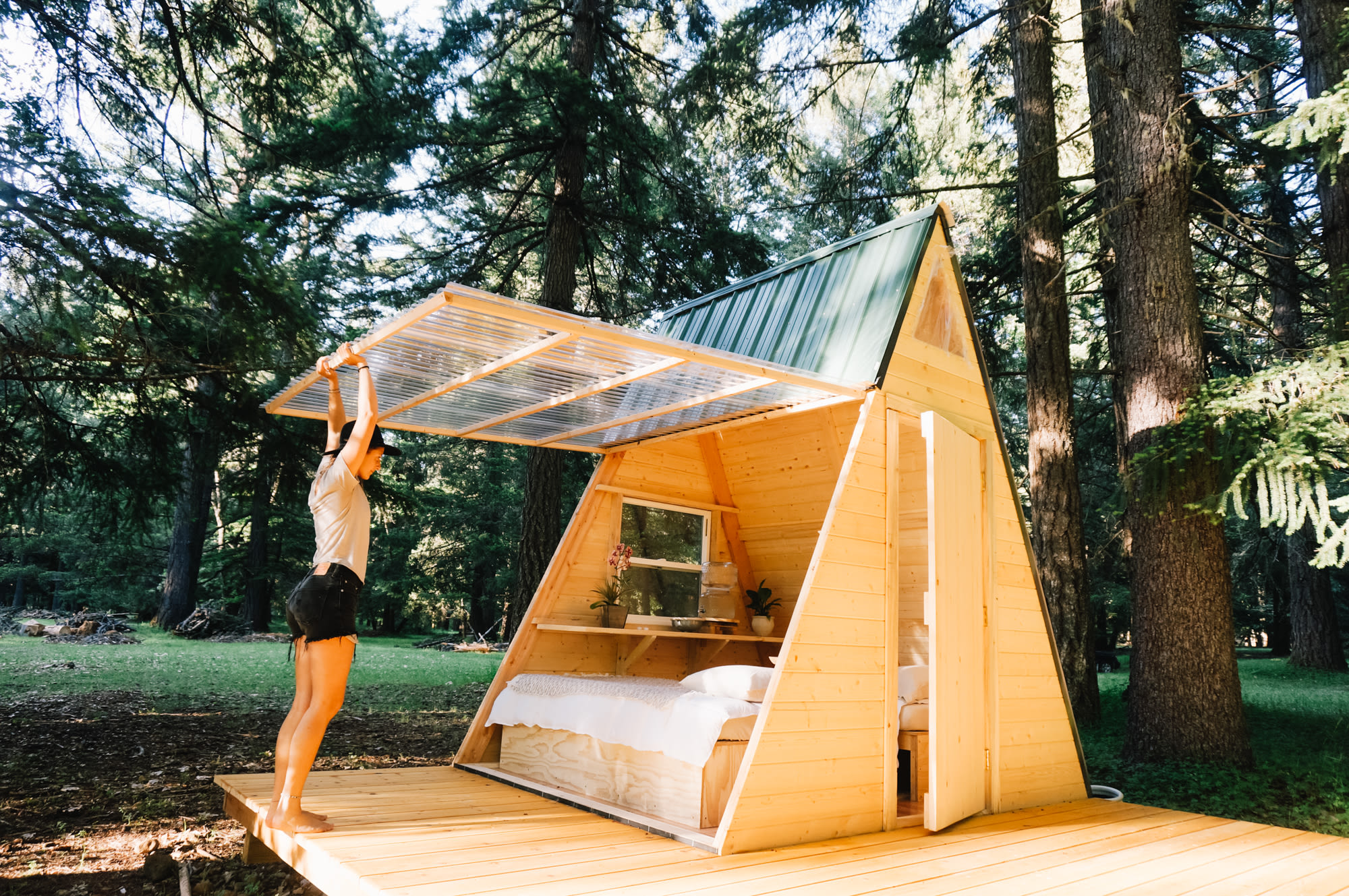
Cave Junction, OR · 46 sites · Tents, RVs, Lodging
Cedar Bloom was purchased in the spring of 2017 by Spirit Weavers Gathering as a place of peace and healing, for all walks of life. Spirit Weavers is an annual women's gathering which happens once a year each June. We host over 1,200 women in just two weeks on the land.
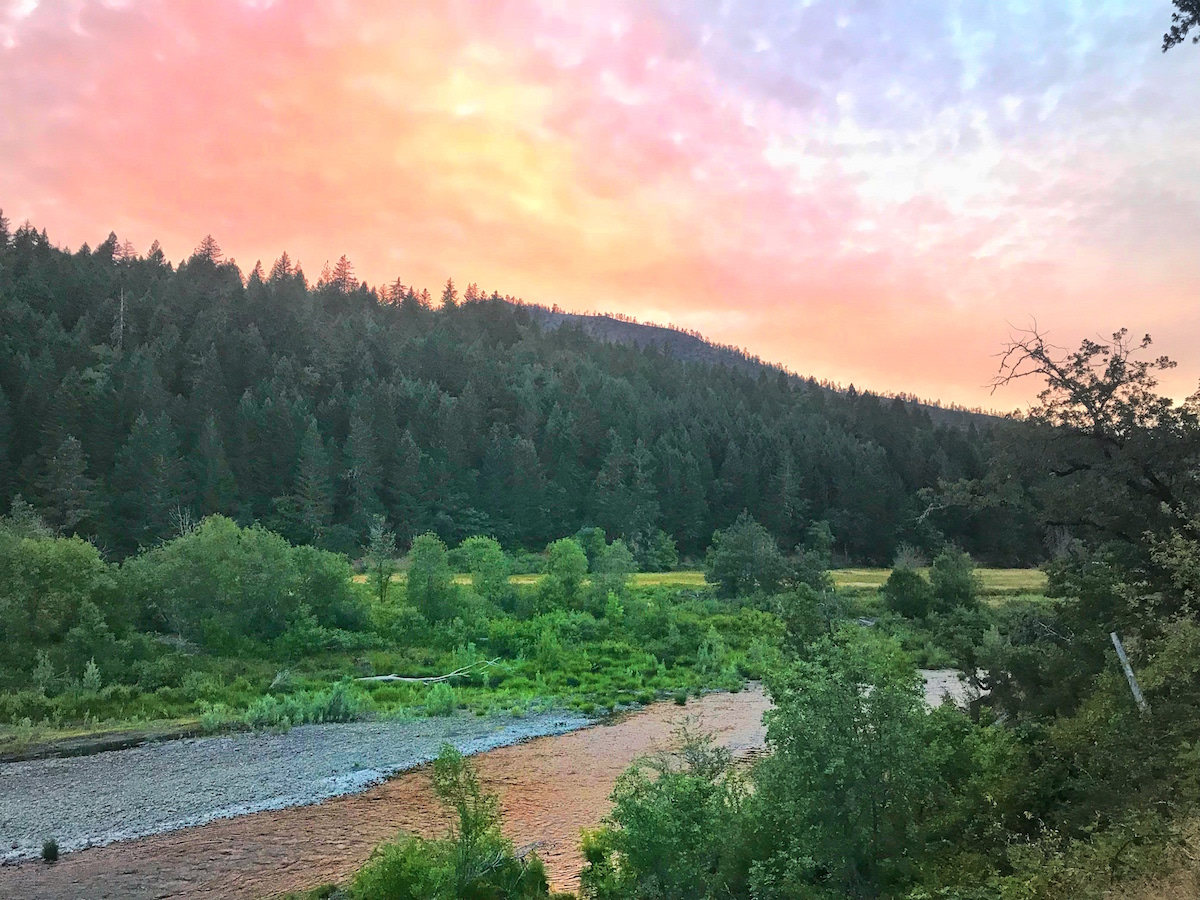
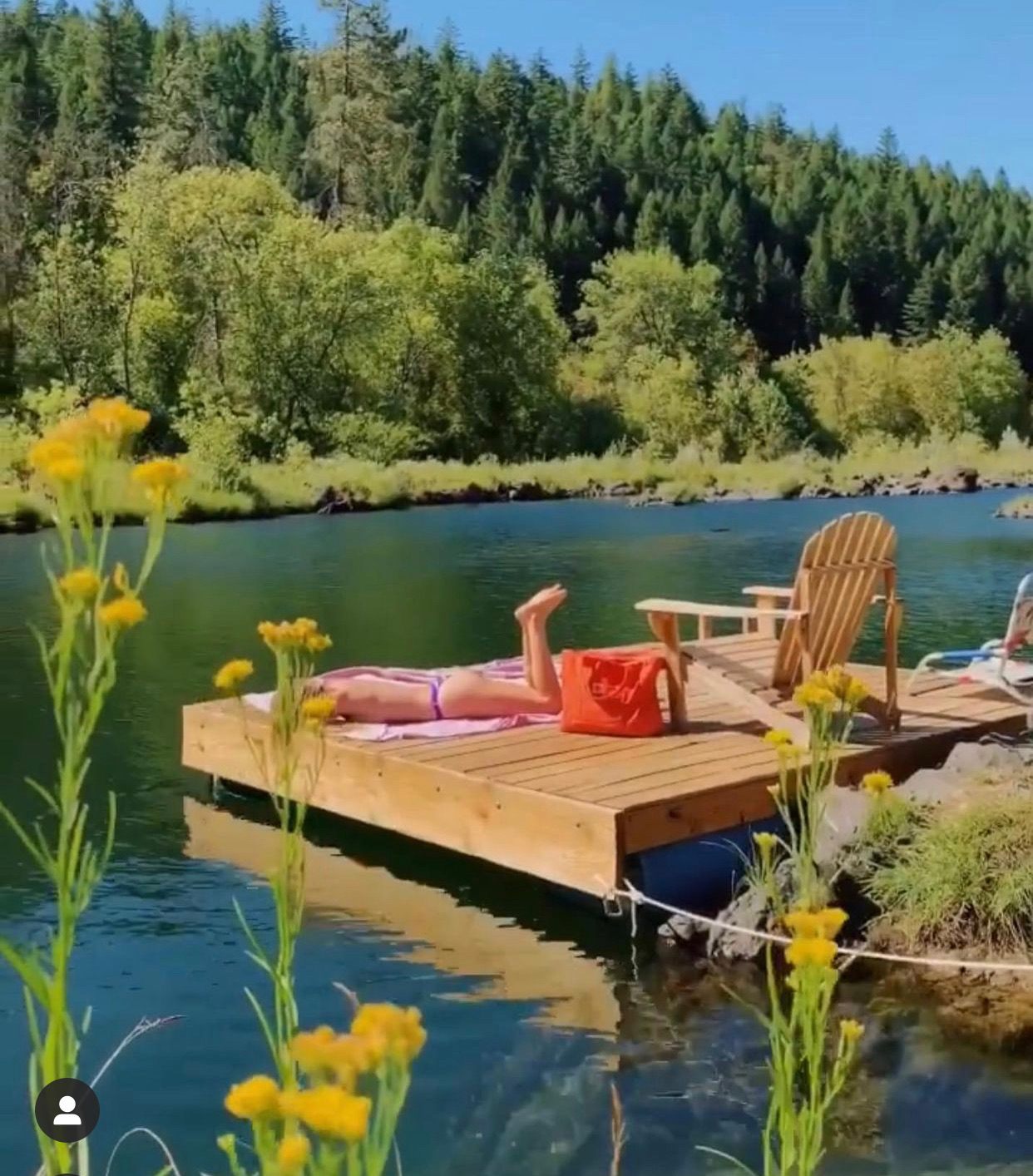
Our beautiful forested land is located in Southern Oregon, in a small town off the 199 Redwood Highway. The land which we call home is 100 acres of beautiful protected forest and sits upon a mile of the Illinois River.
We are very fortunate to be surrounded by a widely diverse population of flora and fauna. As caretakers of this sacred land, we feel a strong responsibility to honor our plant and animal allies by not only protecting them and their habitat, but also to help educate others about what lives and grows here by providing people with opportunities to experience the beauty of these plants and animals for themselves. For this reason, We are honored to host the many different groups who will gather here on this land for learning and communing with the nature that flourishes here. We feel very fortunate to be involved in this process of helping promote a sustainable and abundant future for all living things on this planet by sharing knowledge and skills from the human past that can make a sustainable lifestyle a reality for everyone everywhere.
This is our home and we are happy to share it with you!
Pets
Toilets
Campfires
Lane Creek Reserve
2. Lane Creek Reserve
99%
(477)
Central Point, OR · 9 sites · Tents, RVs, Lodging
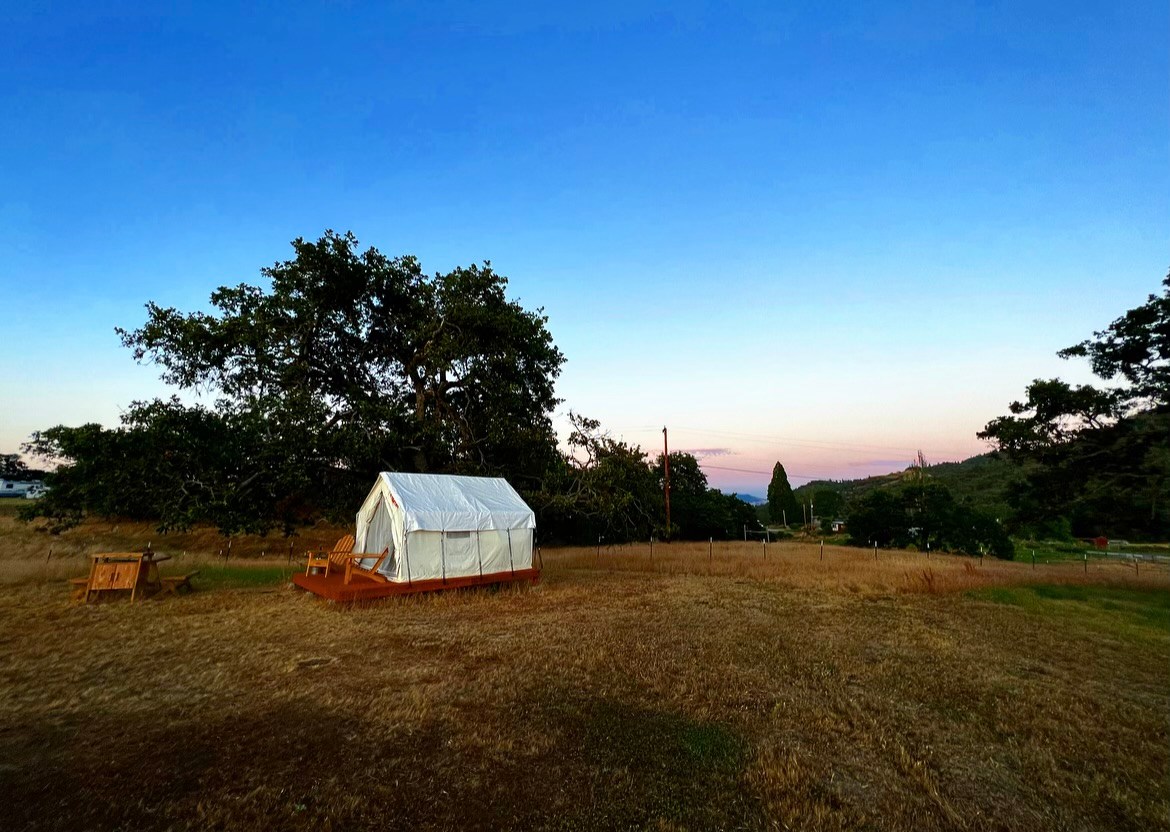
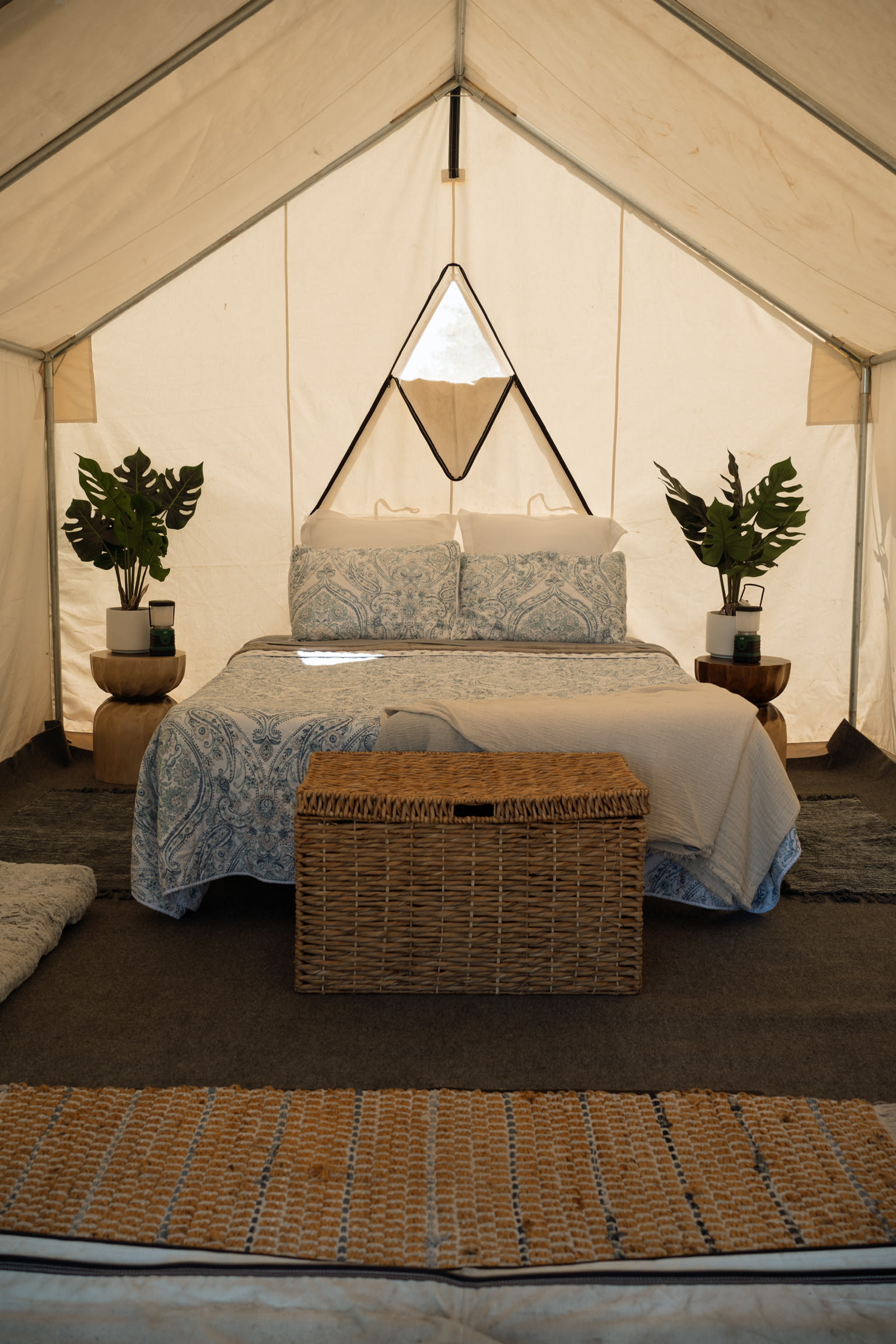
Welcome to our organic, biodiverse regenerative farm—a place where nature, wildlife, and community come together to create a truly unique experience. As night falls, you'll be serenaded by the soothing sounds of frogs, beneath a sky filled with endless stars. Our accommodations are clean and cozy, and as your host, I will welcome you on arrival to ensure you settle in properly and understand the rules of the farm. We welcome you to wake to the farm life and enjoy the morning chatter and the peaceful rhythm of nature.
** Please note, earplugs are recommended for light sleepers as the farm chatter can start earlier than some prefer (me included) **
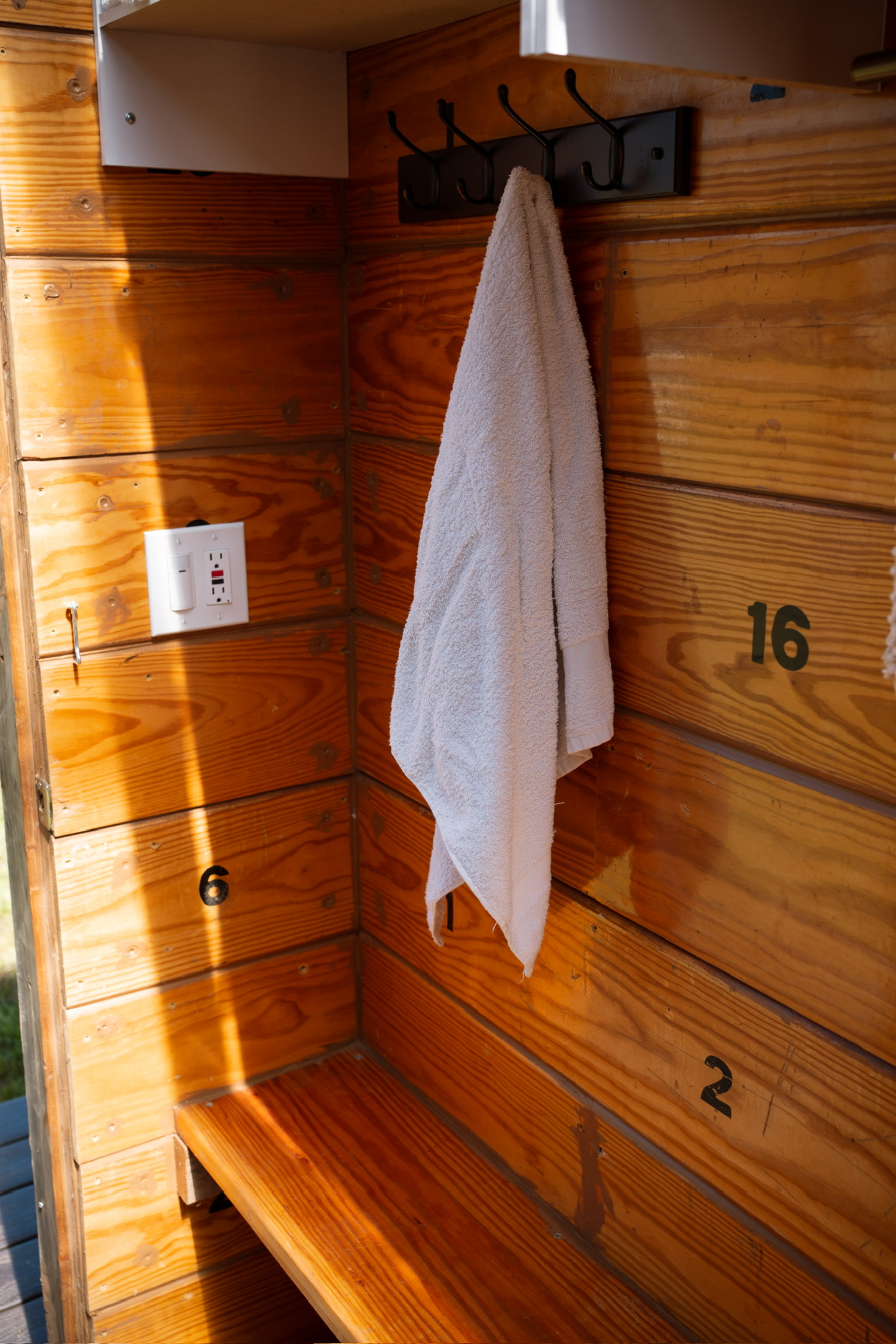
Here, we embrace the land and all its beauty, inviting you to do the same. Whether you wish to roll up your sleeves and learn about our sustainable farming methods or simply relax and soak in the scenery, the choice is yours. We are a DRY camp, which means no power hook ups, no water hook ups, and no use of generators—just the simple pleasures of life off the grid. We offer Wifi, access to hot showers and potable water, yet we ask you use our systems which are tailored to our set up.
To enhance your stay, we offer farm-to-tent breakfasts, afternoon charcuterie, fresh produce, farm-raised meats, and local vineyard recommendations. If you need help planning your day, we're happy to assist—just send us a message!
As a family-owned and operated farm, we work with the sun and sleep with the moon. To ensure the smoothest arrival, we ask that all campers check in before sunset, as navigating our farm after dark can be tricky. If you arrive after dark without prior communication, we may not be able to grant access. We appreciate your understanding and look forward to sharing our little slice of paradise with you!
Pets
Toilets
Showers
Crater Lake Resort

3. Crater Lake Resort
96%
(467)
Chiloquin, OR · 23 sites · Tents, RVs, Lodging
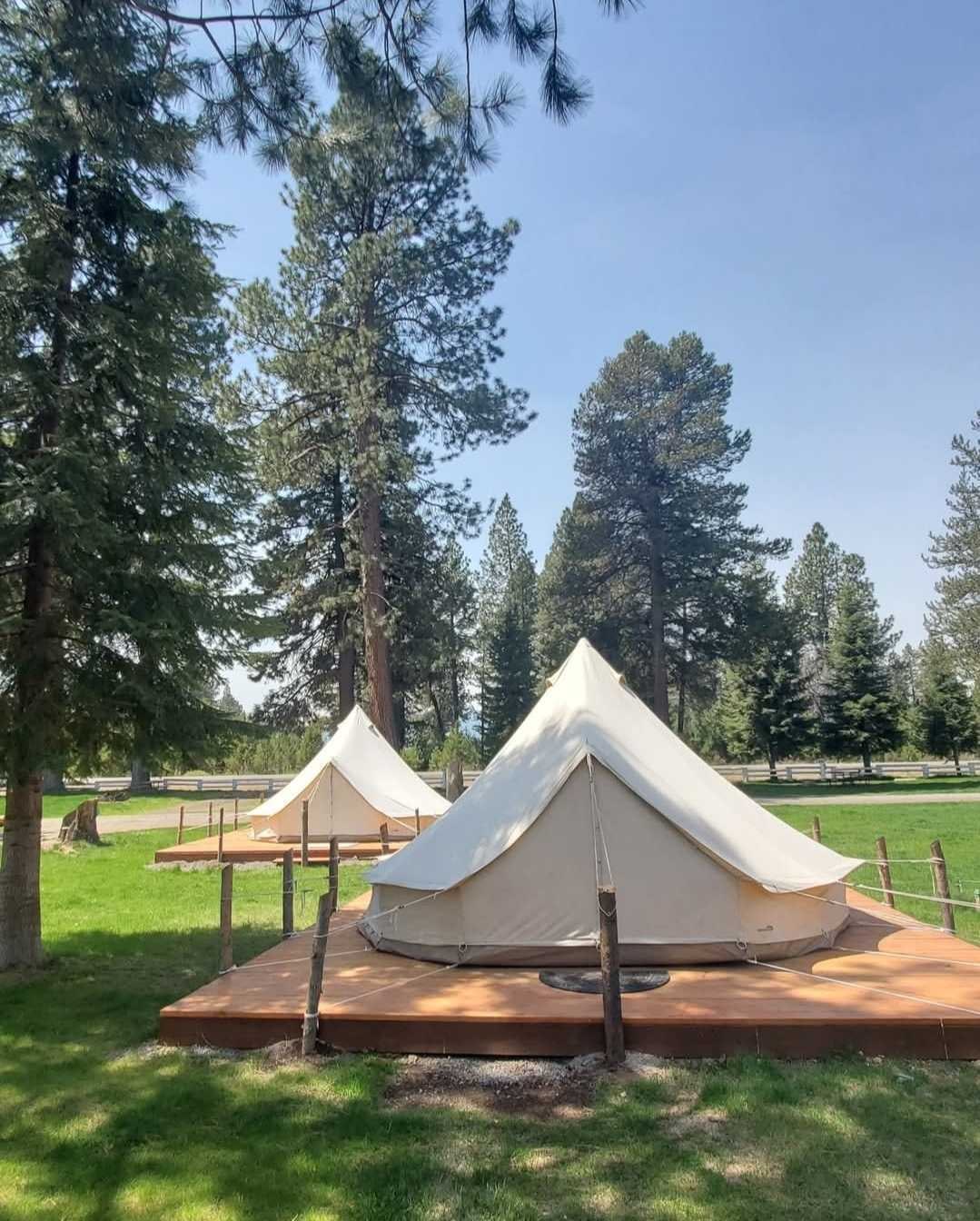
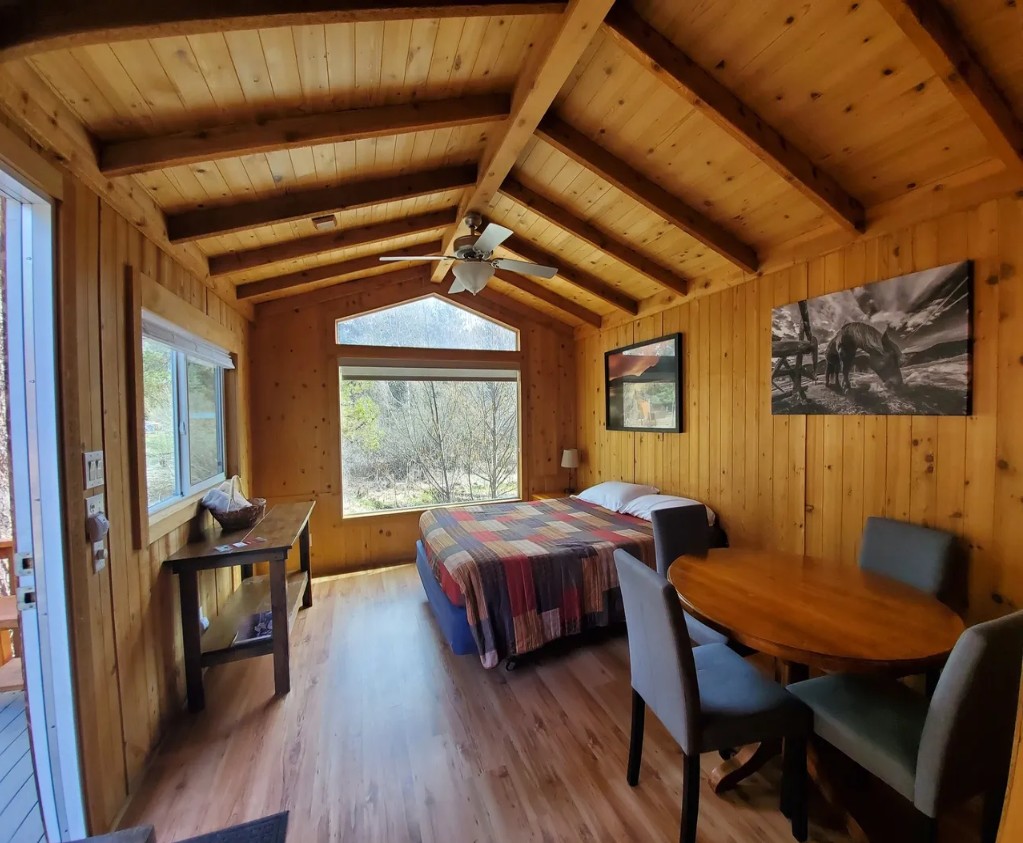
Our property has been in business in one way or another for over 70 years. The stick built cabins are pre 1950's and no one really knows for sure how old they truly are. We are located on Fort Creek named after the creek that ran through Fort Klamath. Fort Creek is a beautiful 30' wide meandering creek that runs the length of the property north to south. We offer free use of our Old Town Canoes to paddle along it's extent and on up creek to a beaver damn. There is a fun hiking trail that runs over two bridges that span the creek, one covered and one floating. We also offer free catch and release fishing, there are Rainbow and Brown Trout in our waters.
Fort Klamath is the birthplace and home of the US Army 1st Cavalry and our property is located on the the Forts Southeastern grounds. We are 9 miles from the southern border of the National Park and 23 miles from the southern Rim and Rim Village.
Please note: We do allow pets in some of our sites for $10 per night. If you plan to bring a pet, please add the pet fee which is listed under "Extras" during the booking process.
Pets
Toilets
Full hookups
Rogue-River Siskiyou National Forest
4. Rogue-River Siskiyou National Forest
92%
(31)
National forest in Oregon · 736 sites
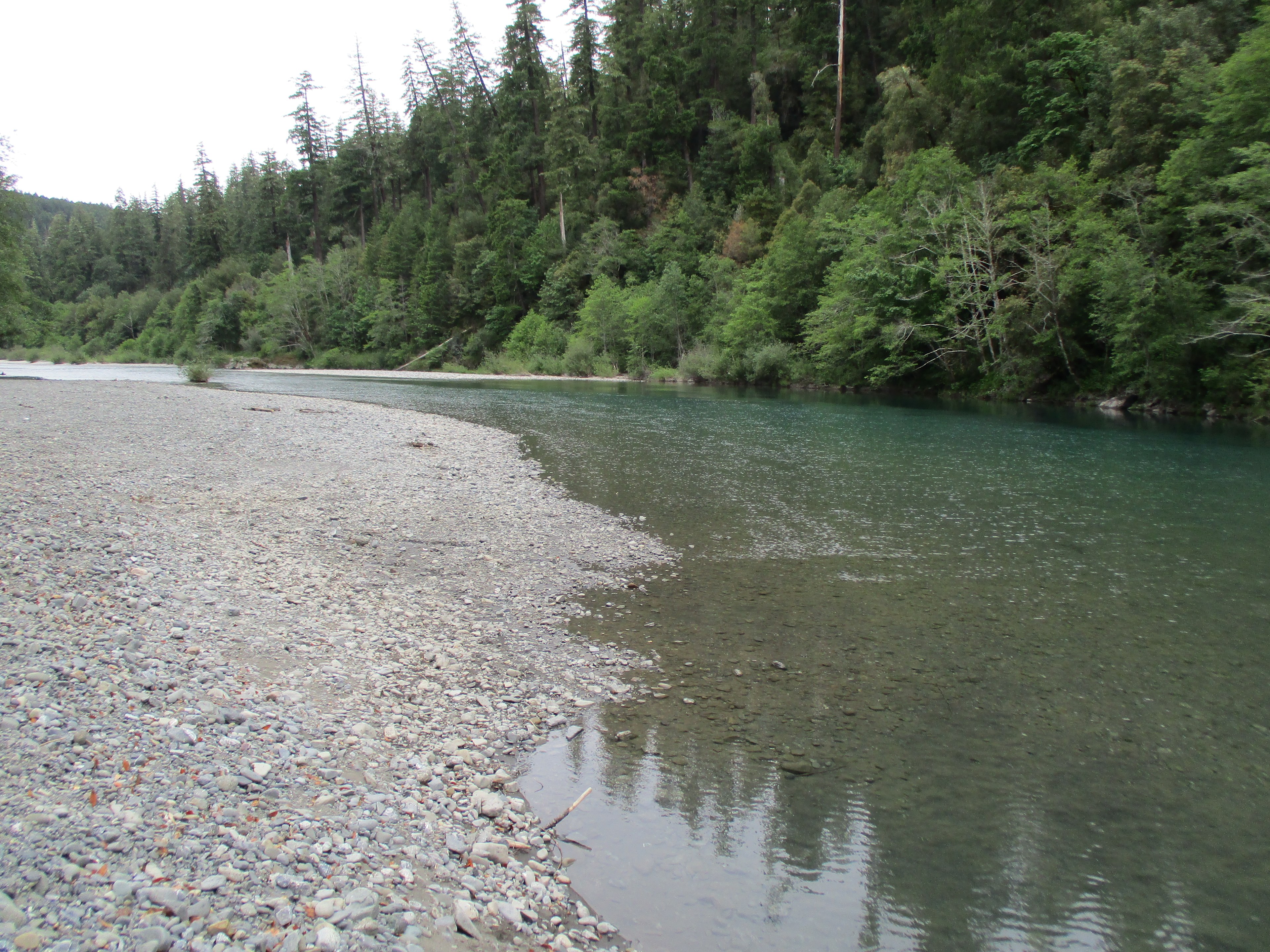
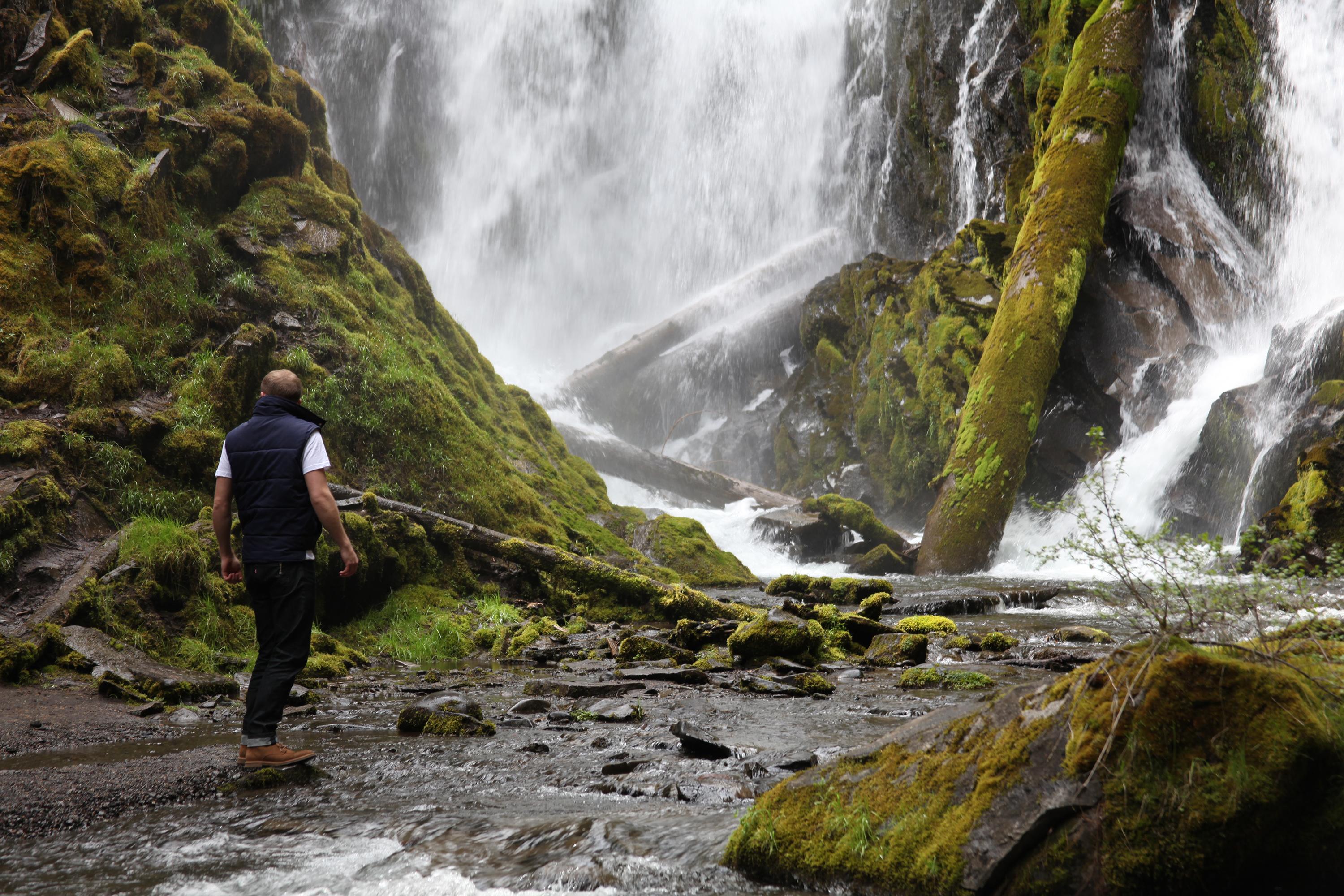
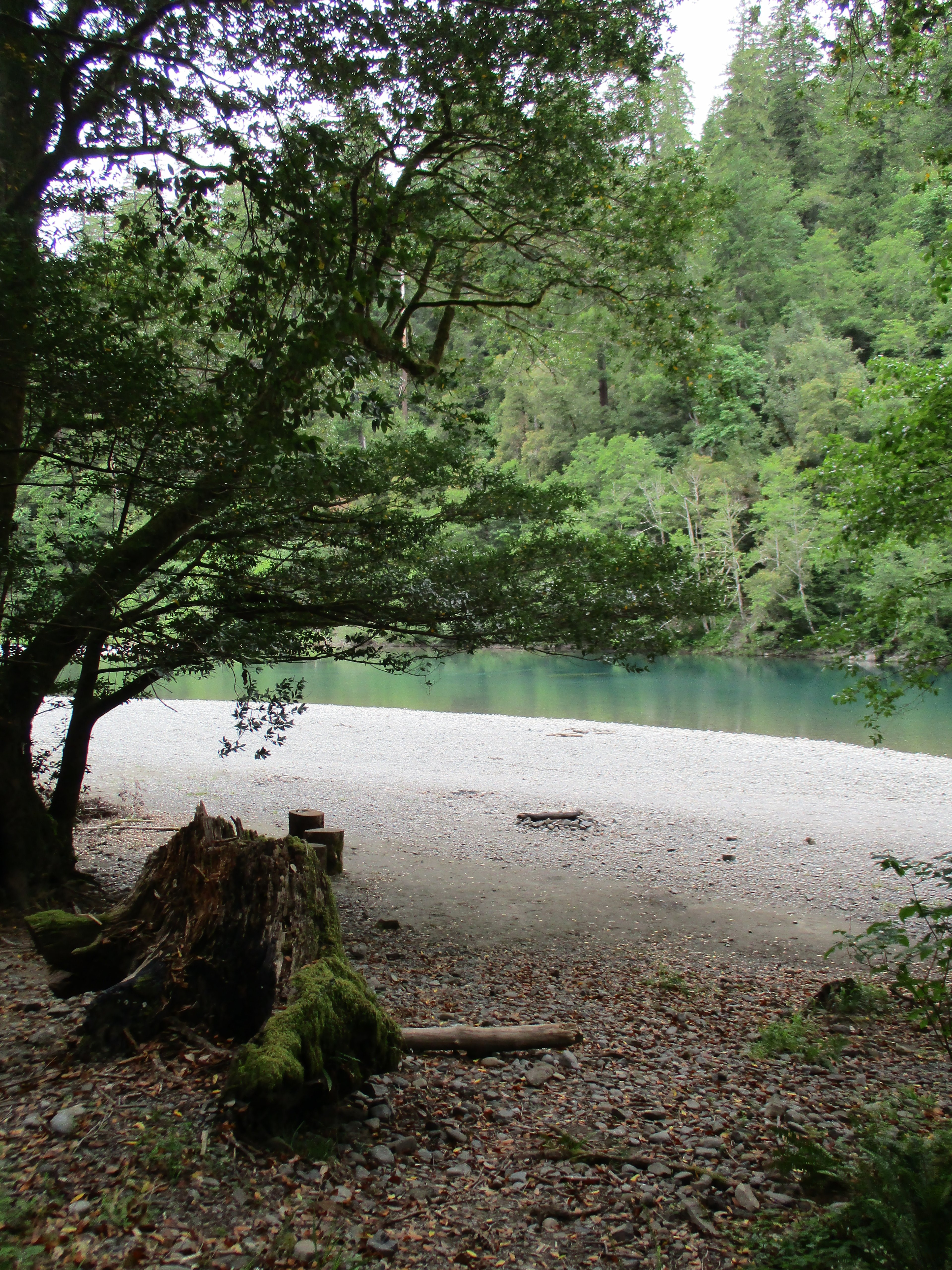
The Rogue River-Siskiyou National Forest is made up of 1.8 million acres and spans from the Western Cascades to the Siskiyou Mountains. With somewhere between 60 to 100 inches of rain per year this escape is filled with a diversity of green and a lone Rogue River. Port Orford Cedar and Douglas fir practically litter the mountainous, and meadow landscapes. Lakes and streams (200 miles of them) aren’t too uncommon, and the forest boasts the tallest Pine tree in the World (we’re not kidding folks). The Ponderosa Pine stands at 268.35ft, which is a little bit taller than your average industrial wind turbine.
Pets
Toilets
Campfires
Deschutes National Forest
5. Deschutes National Forest
95%
(74)
National forest in Oregon · 1713 sites
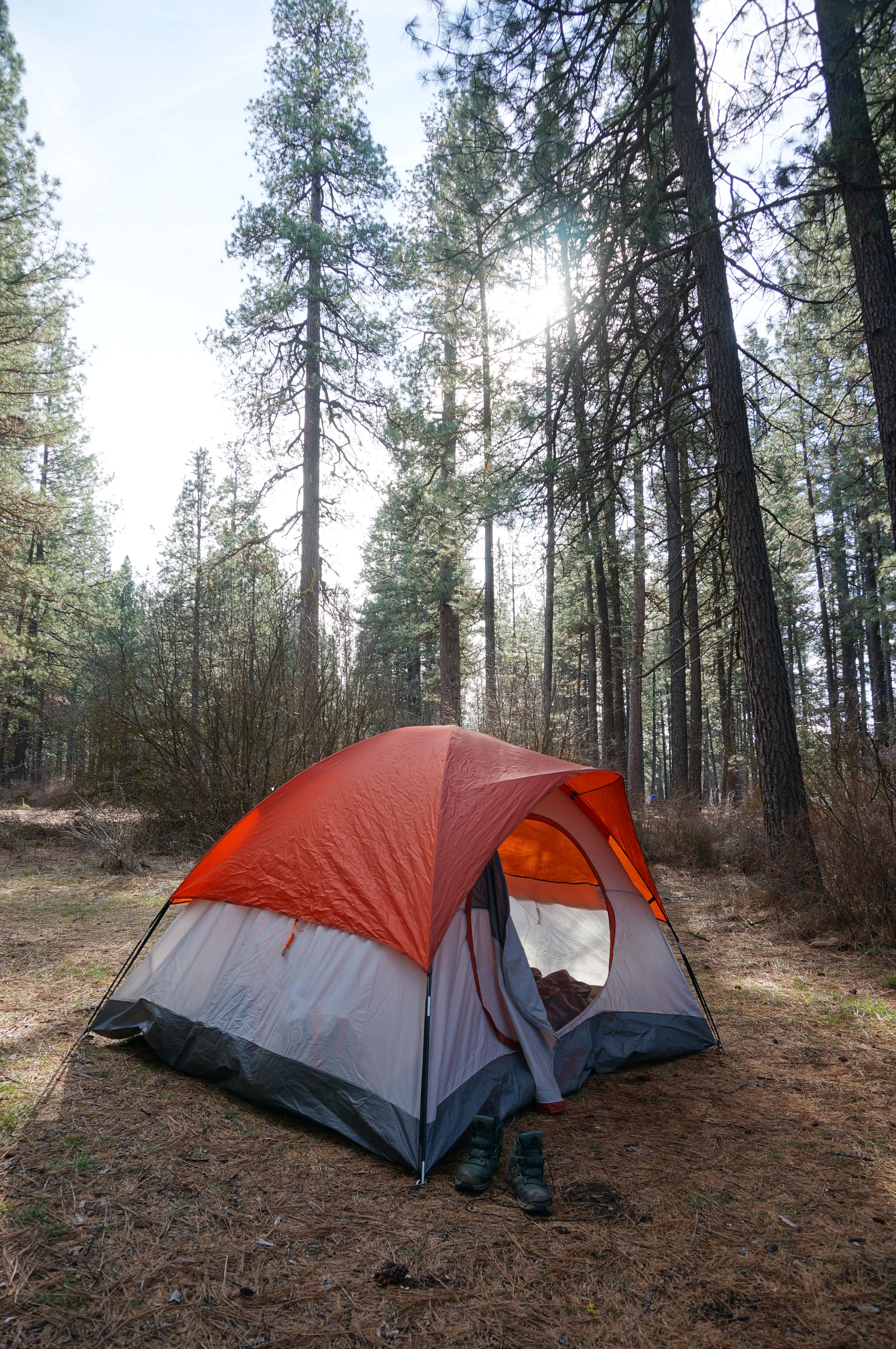
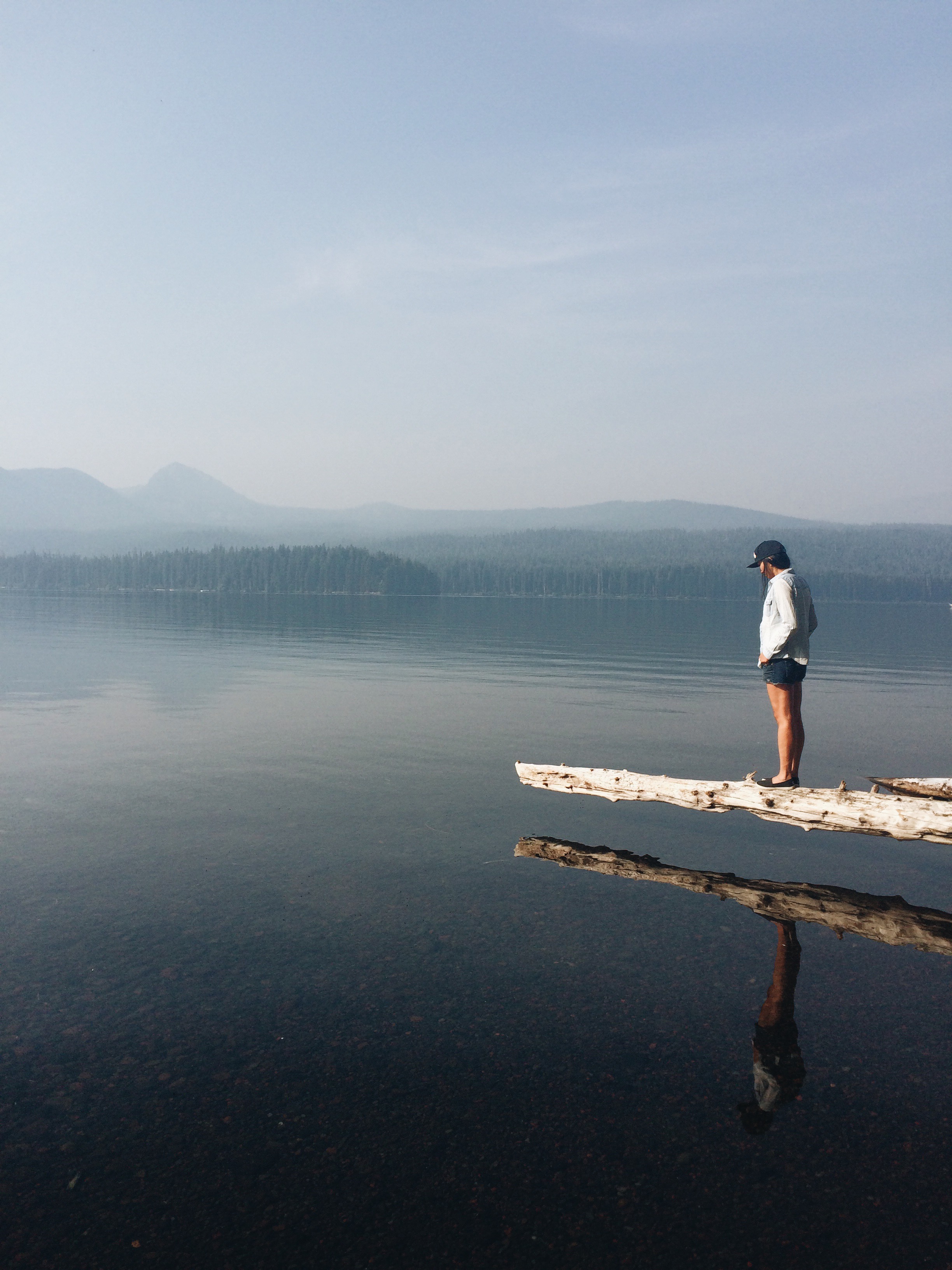
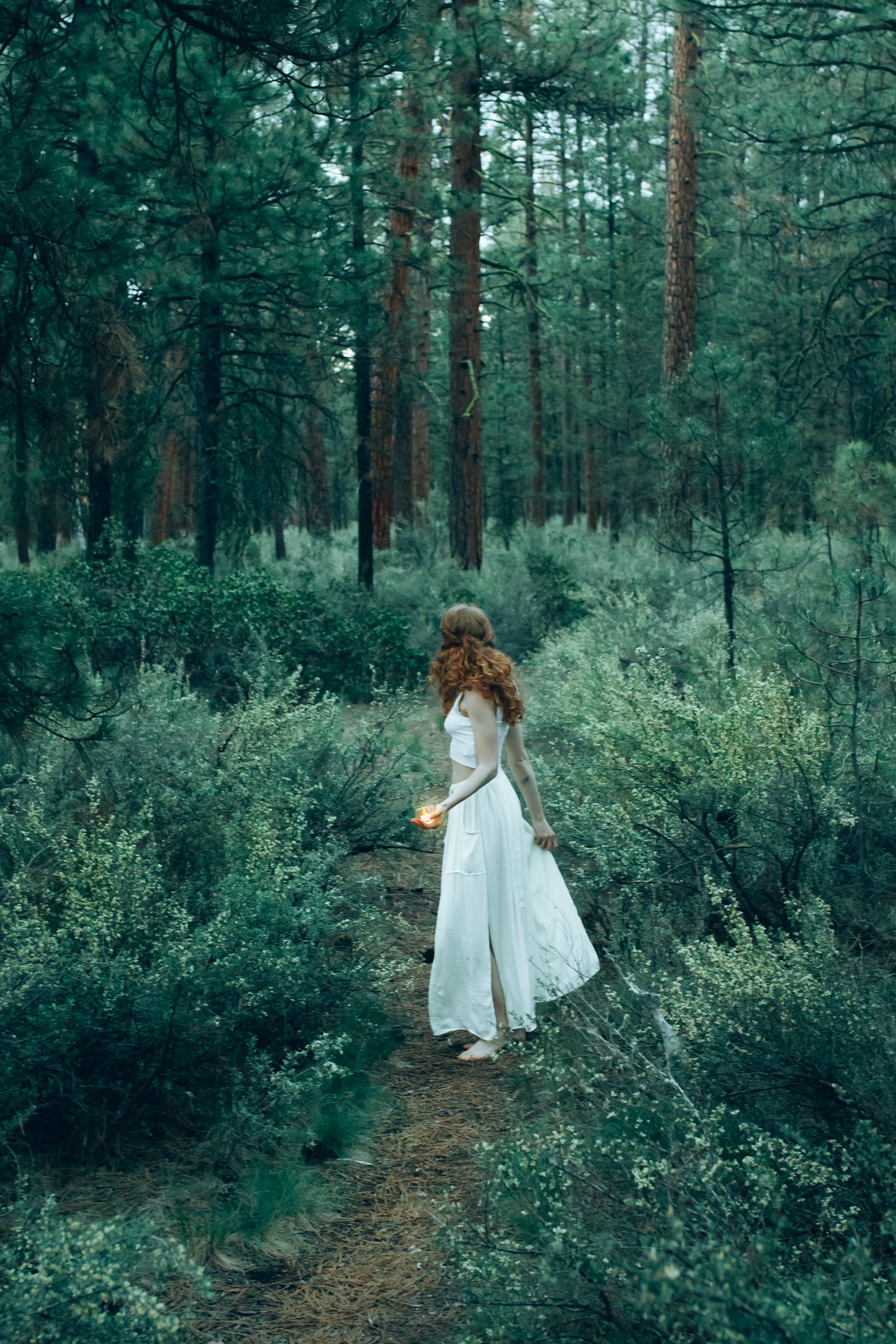
Swim, boat, ski, and hike your way through this sunny Central Oregon expanse.
Pets
Toilets
Campfires
Summer Lake Lookout Oregon Outback
6. Summer Lake Lookout Oregon Outback
100%
(1)
Summer Lake, OR · 1 site
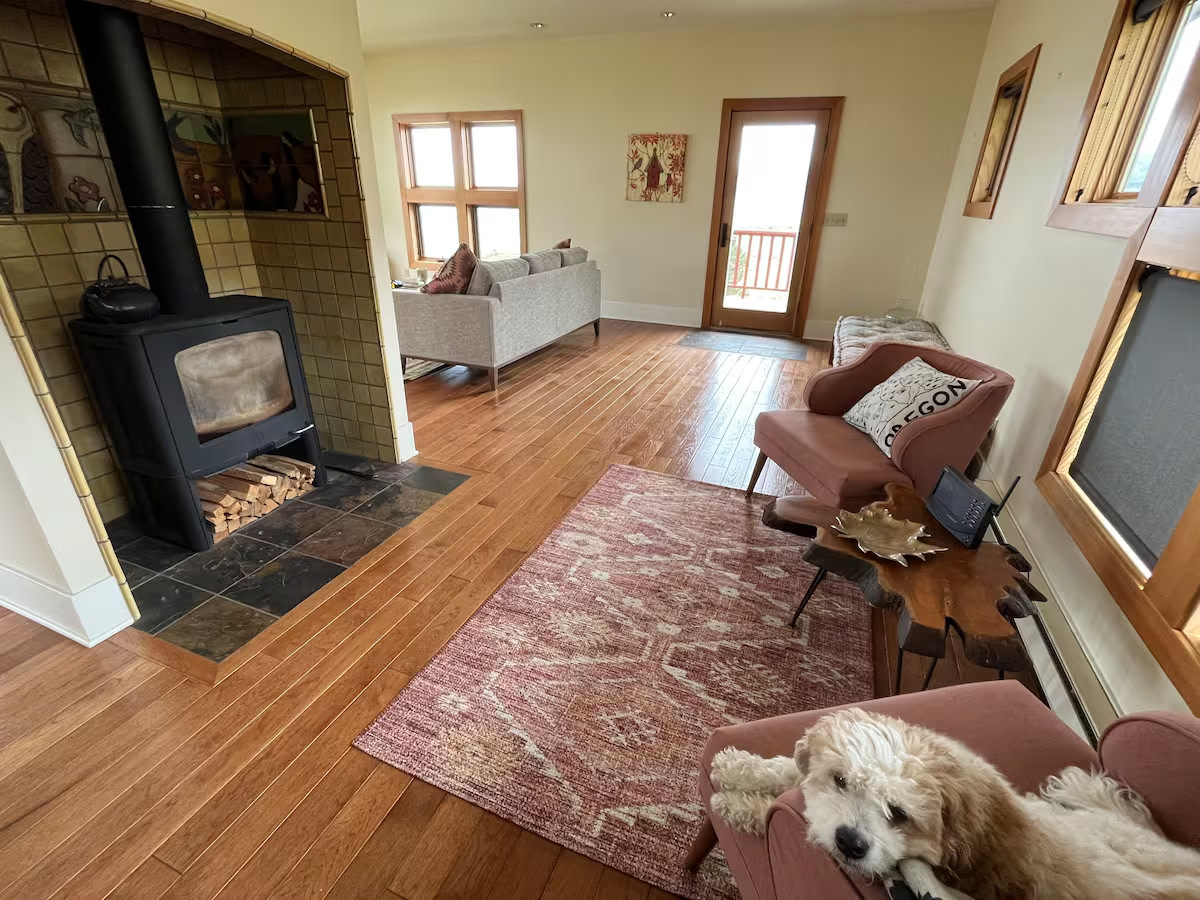
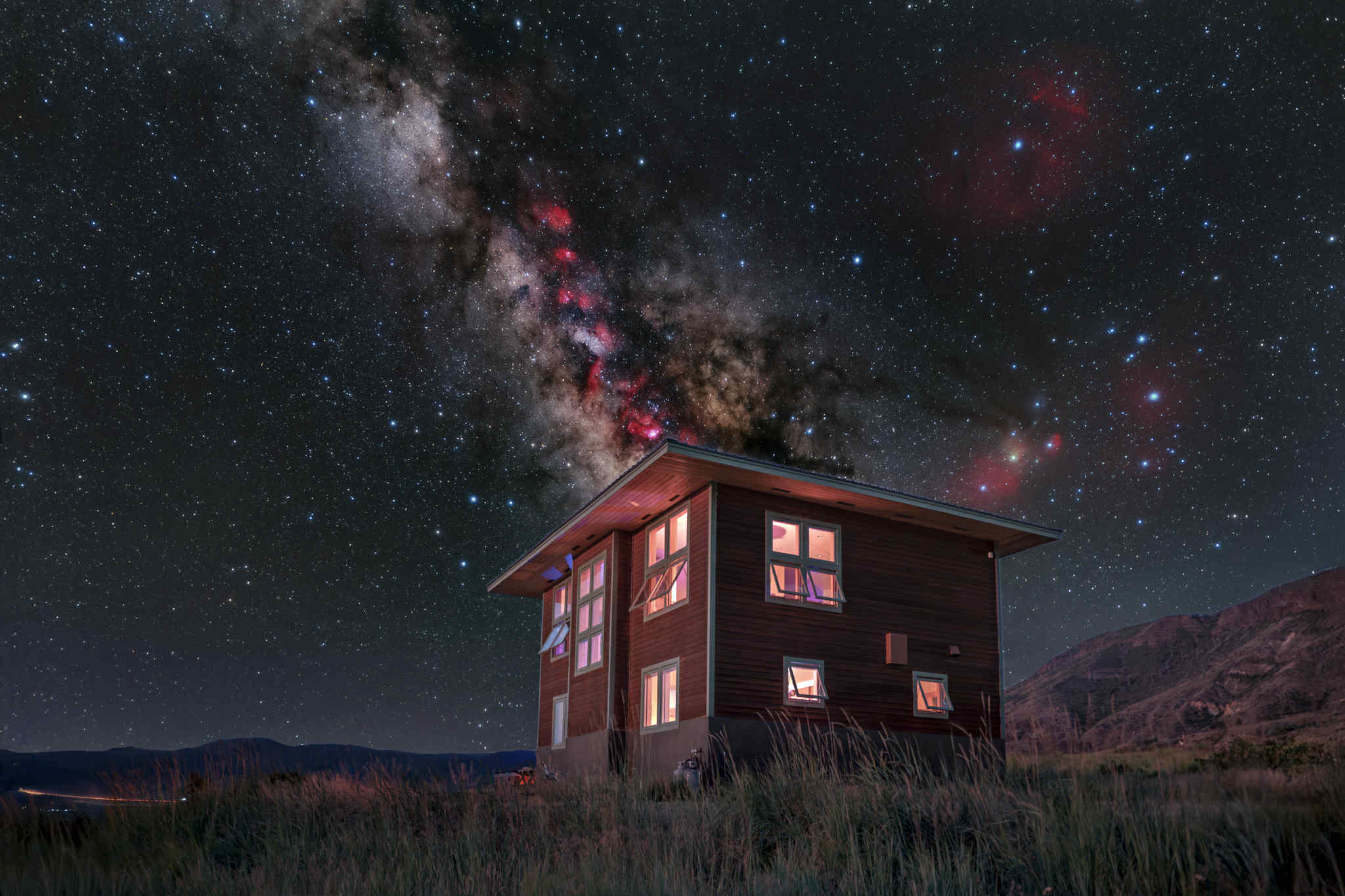
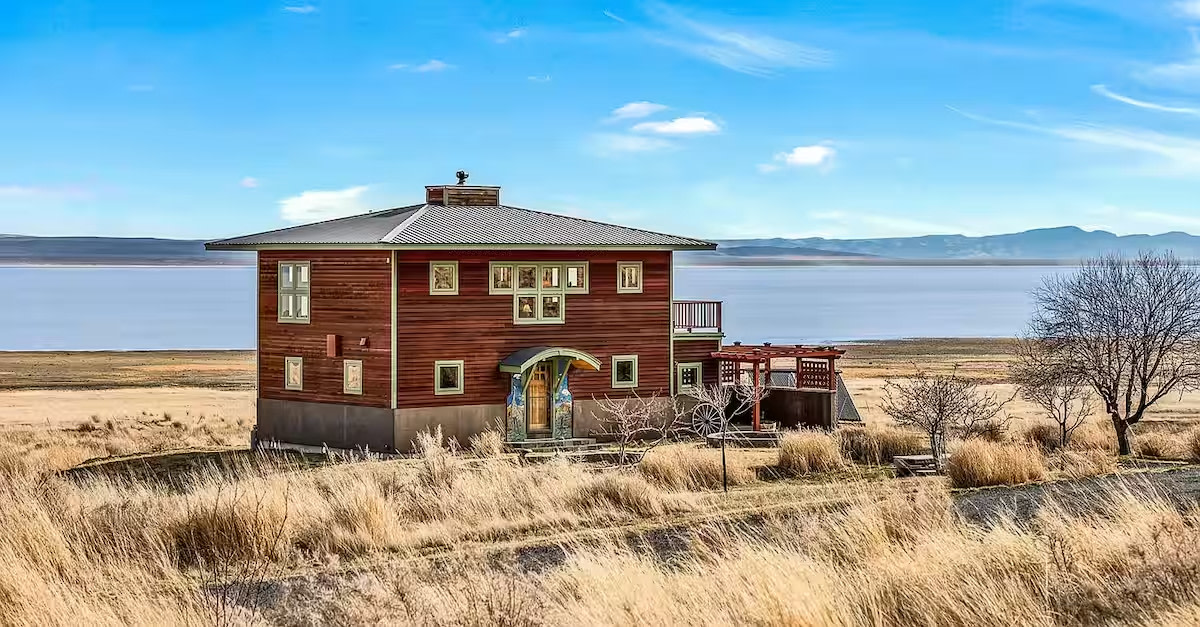
Lookout cabin on Seasonal lake/Playa Access located on 13 acres in the newly designated world’s largest International Dark Sky Sanctuary 🔭 with vast stargazing viewing area. Also home to incredible birding with over 200 different bird species! Wildlife abundance!
Pets
Toilets
Showers
Experience Heaven


7. Experience Heaven
99%
(989)
La Pine, OR · 10 sites · Tents, RVs, Lodging
I am going to be in early this year because of the lack of snow. I am going in March 22nd. I have taken the block off of the Gers and the camp sites.
8 campsites and 2 original Mongolian Gers.
The season for the camp sites is from June 1st to end of Sept and the Gers for 2025/2026 winter are blocked out from Nov 15/25 to May 15/26.
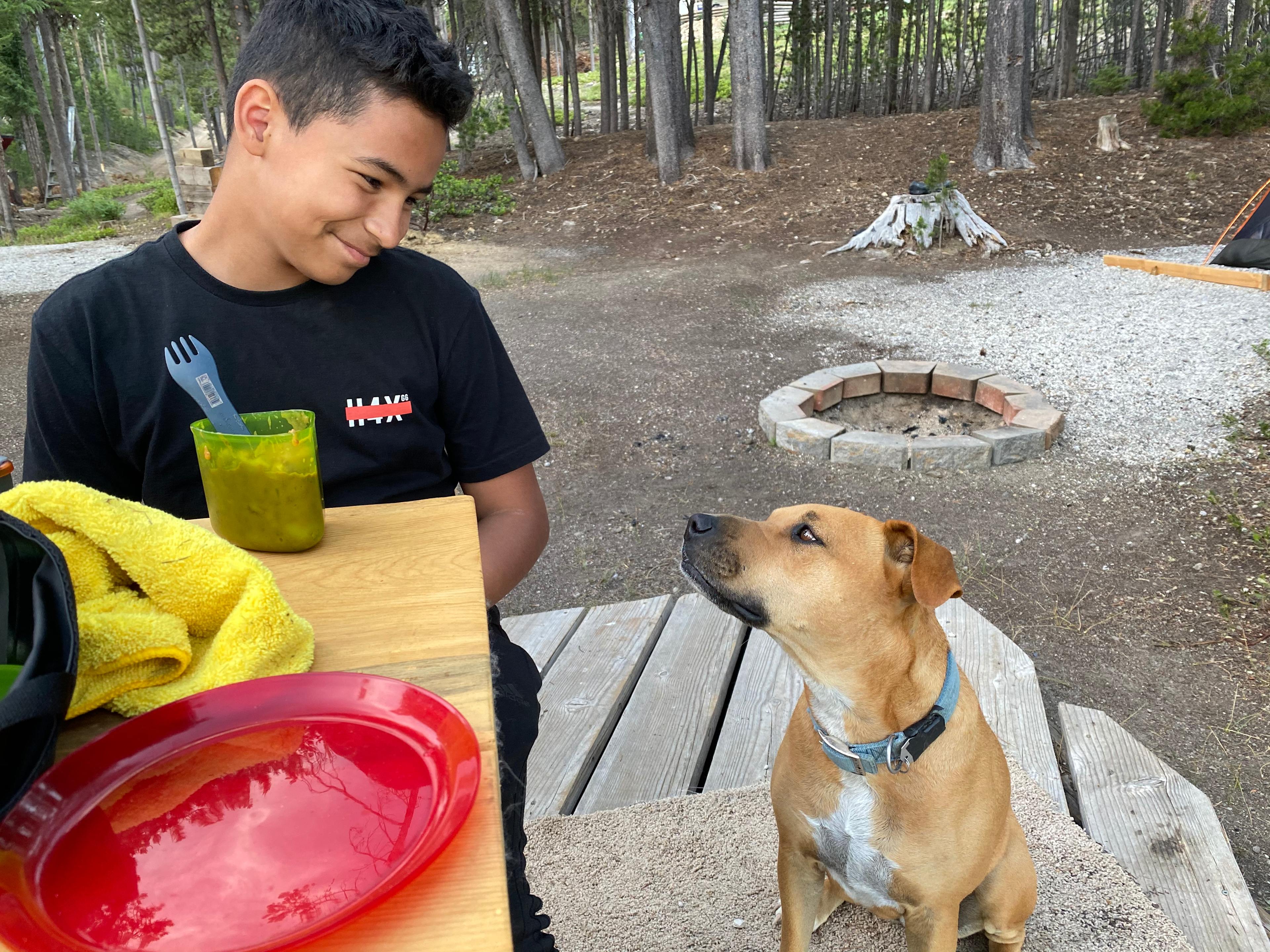
Pets allowed, toilets on site, campfires permitted when burn ban is not in place. Now up until this year I have provided Free Firewood. I have quit doing that for a variety of reasons, the least being the cost and the work for me. I am encouraging everyone to purchase a Propane Fire Pit if you don't have one by now.
I am not to the point yet of saying no big dogs. Talk to me if you think your "big dog" might not fit in. I don't like them running thru other campers sites, so just be respectful. Take them for walks along the lake.. No Yappers, no barking dogs, no pain in the butts.
Why would you drive by 46 grocery stores and forget to bring ice?
No loud music. I have changed quiet time to 9:00 PM. If you need to listen to the chaos/stressful music I suggest you start a band or become a DJ.
What I want folks to get out of being here, whether they are camping or staying in the Gers is just to “take a break”.
Relax, appreciate, assess and just listen.
I hope what you hear is the sound of life and of course all the Angels that make up this special piece of Heaven.
Then there is the silence.
The best part of “Heaven”.
Pets
Toilets
Campfires
Umpqua's Last Resort
8. Umpqua's Last Resort
96%
(969)
Idleyld Park, OR · 29 sites · Tents, RVs, Lodging
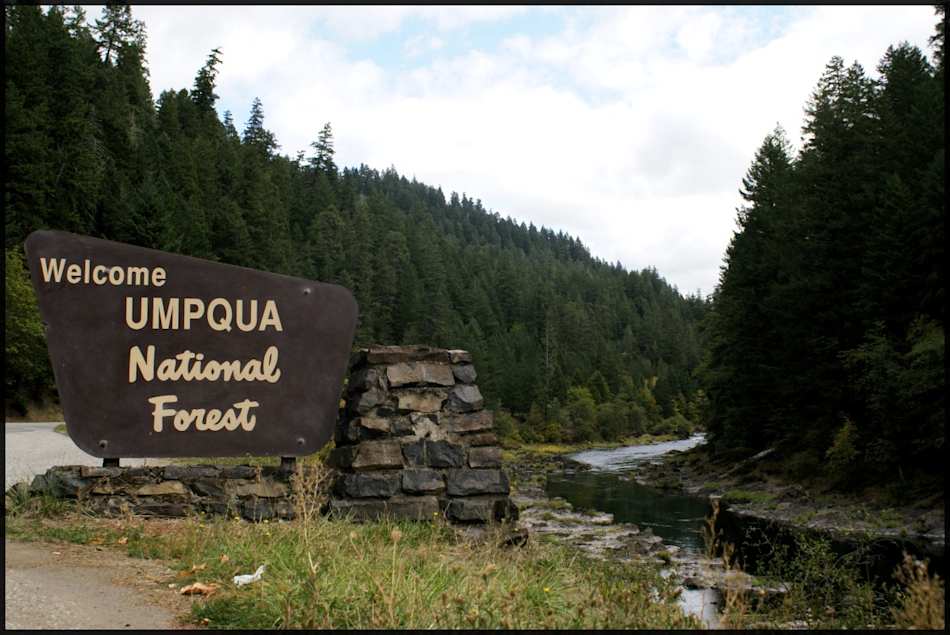
Umpqua’s Last Resort is nestled along the North Umpqua River in the Umpqua National Forest. This region of the Oregon Cascade Mountains is commonly referred to as “Oregon’s Emerald-Jewel Gateway” to Crater Lake National Park. Spectacular marble river views, volcanic formations, thundering waters, and towering firs are just the beginning… the North Umpqua River is World Class!
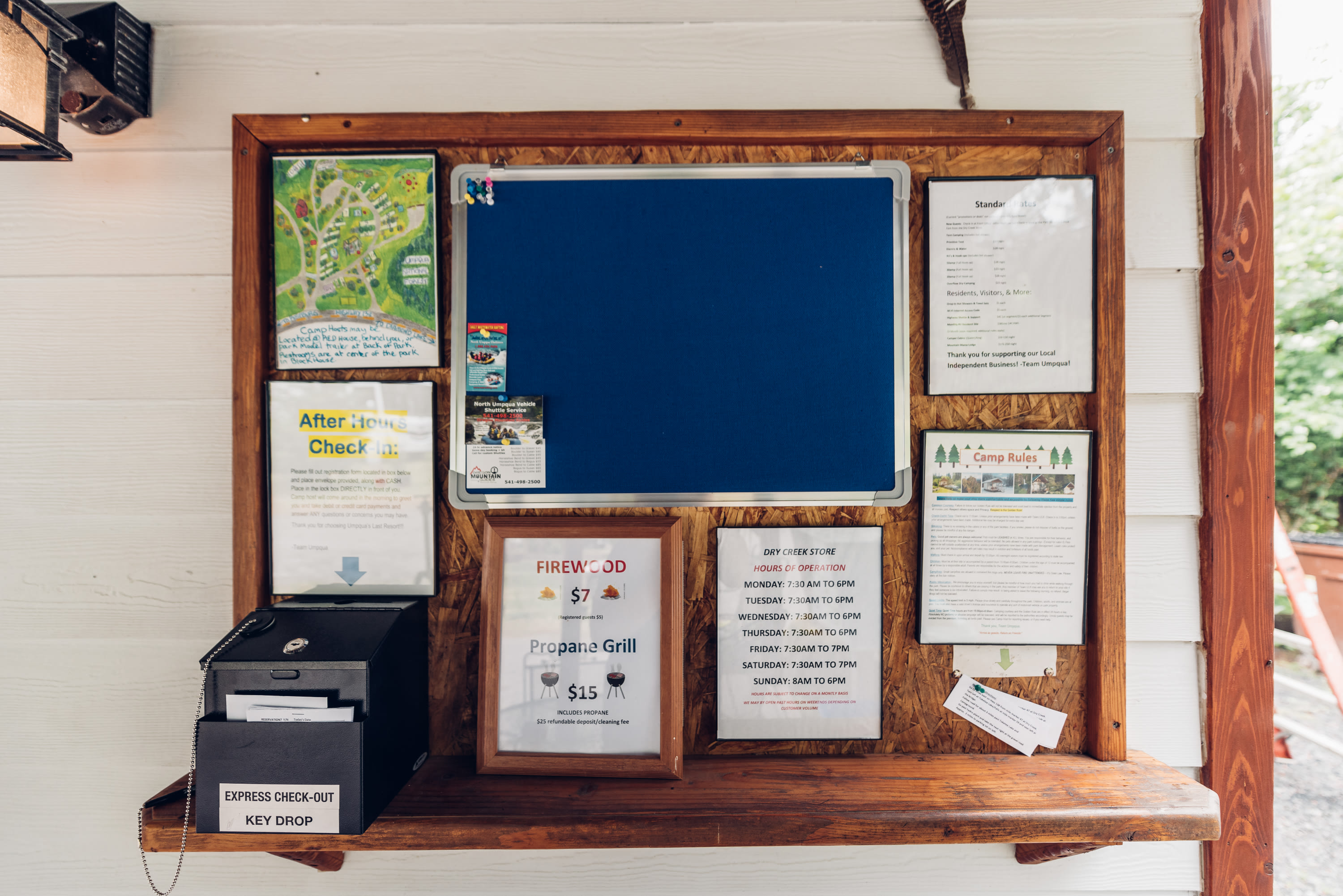
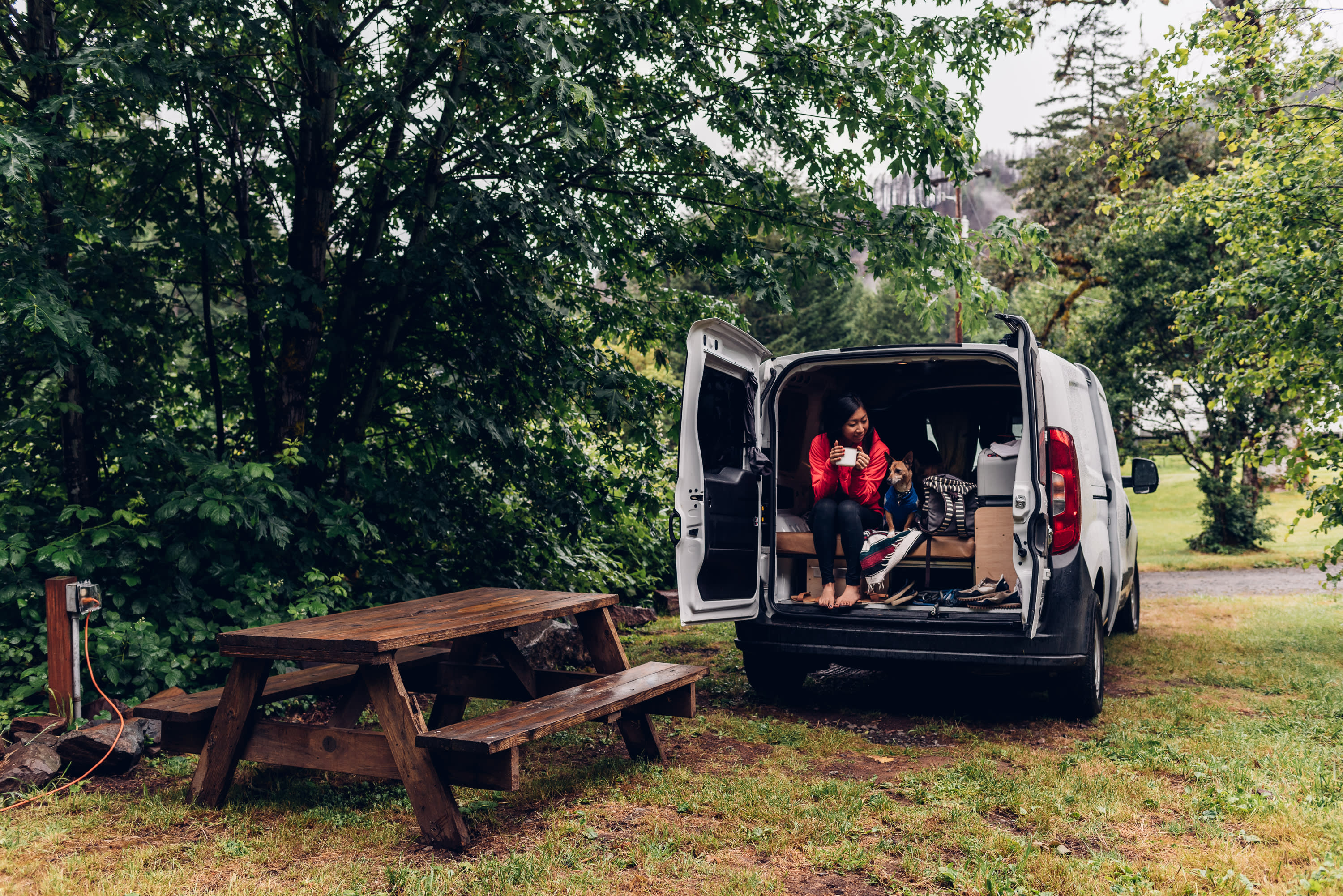
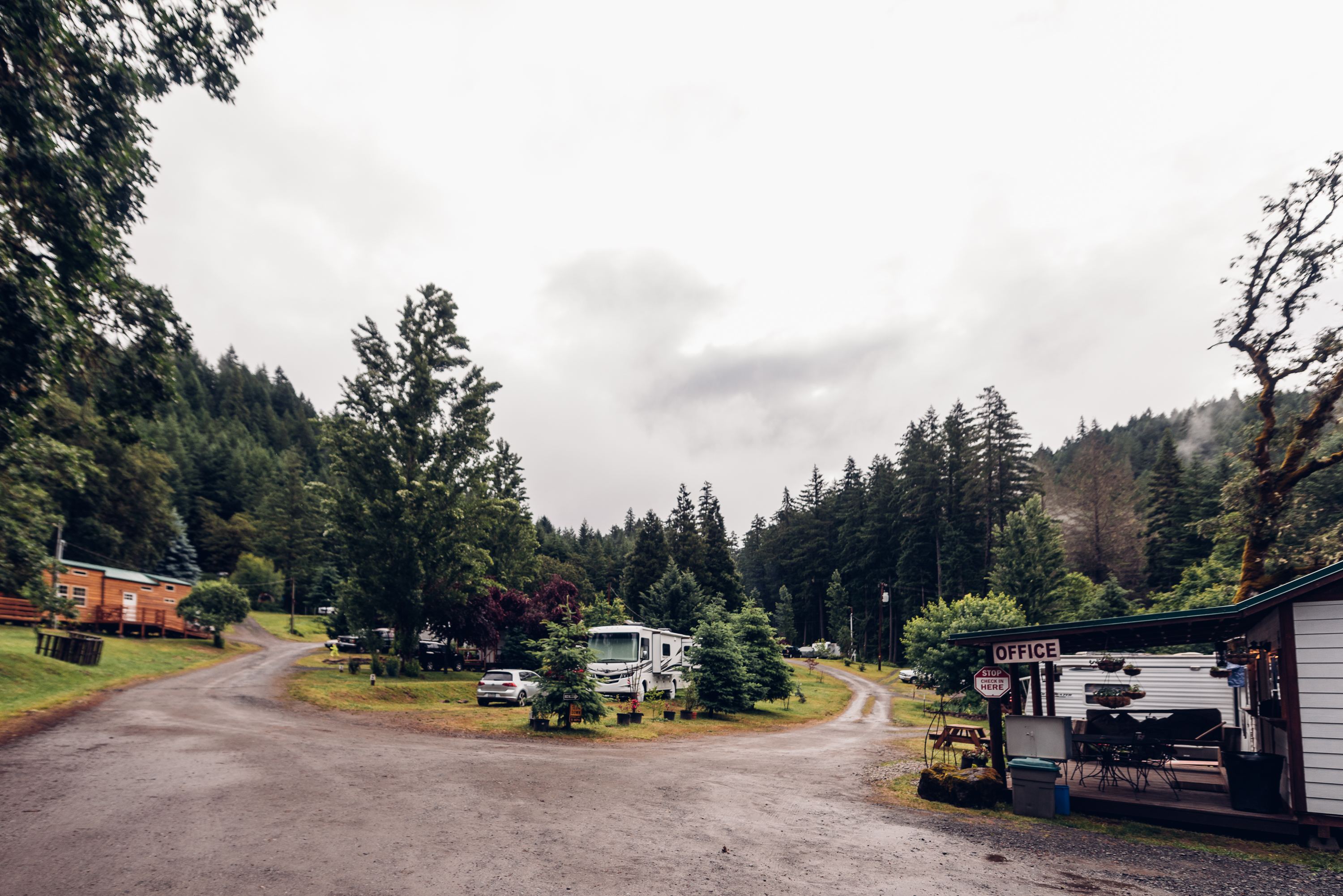
Settled in the community of Dry Creek, 27-miles east of Idleyld Park [Idle-wild Park] on the North Umpqua River, Umpqua's Last Resort hosts fifteen 50/30/20amp Full Hook-up RV Sites, Glamping Tents, Camper Cabins, a Tiny Home, RV Experiences, heated shower house & restrooms, mountain Wi-Fi, access to the North Umpqua River & Dry Creek.
Umpqua’s Last Resort is a privately owned recreational vehicle park & campground located on exclusive private-property deep in the heart of the Umpqua National Forest. As a proud equal opportunity recreation provider we thank you for your interest.
Pets
Toilets
Full hookups
Royal Heart Hill
9. Royal Heart Hill
97%
(172)
Cottage Grove, OR · 2 sites · Tents, RVs, Lodging
*Please read FULL site description and rules before booking so you know what to expect and what is expected of you!*
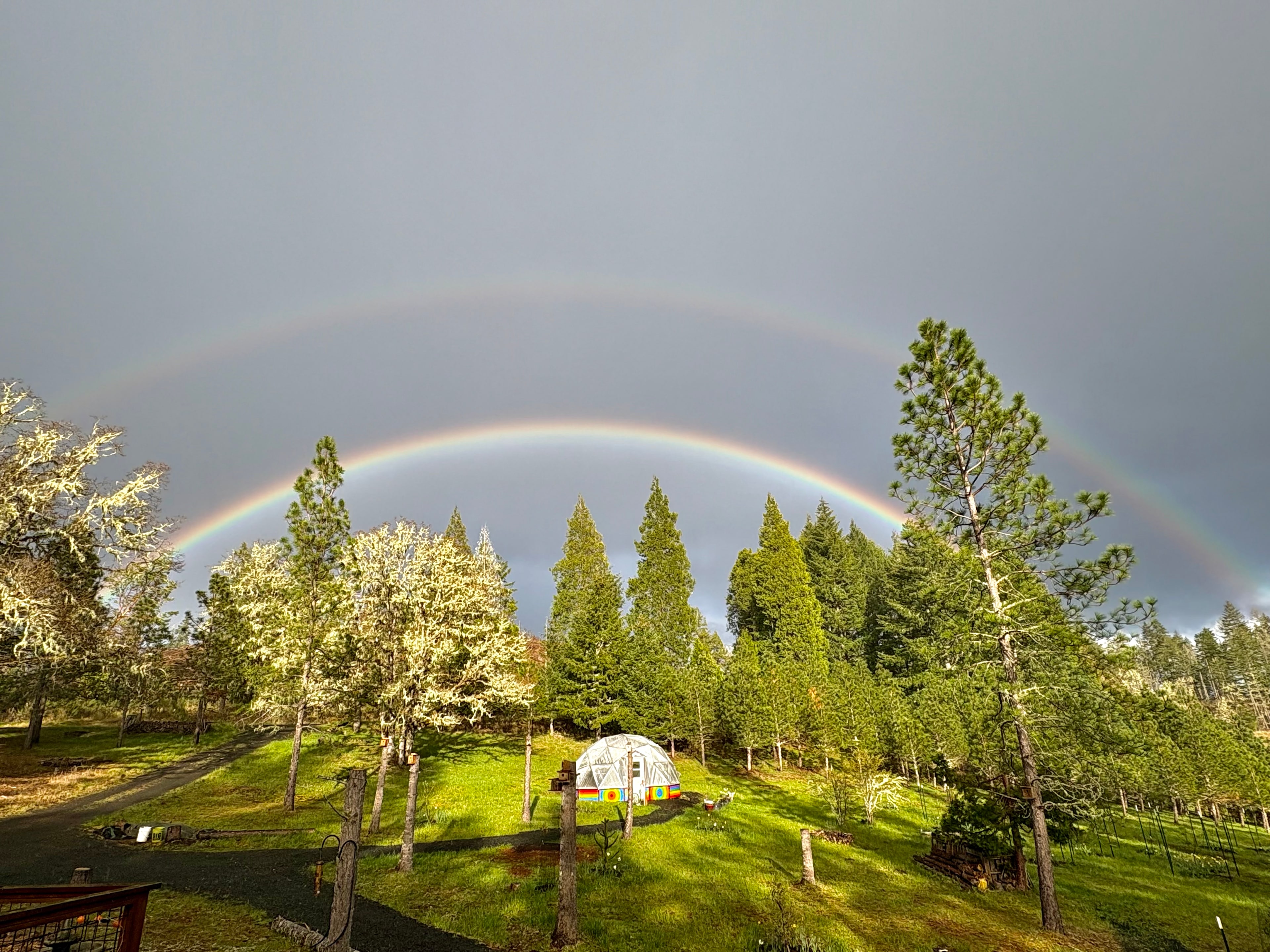
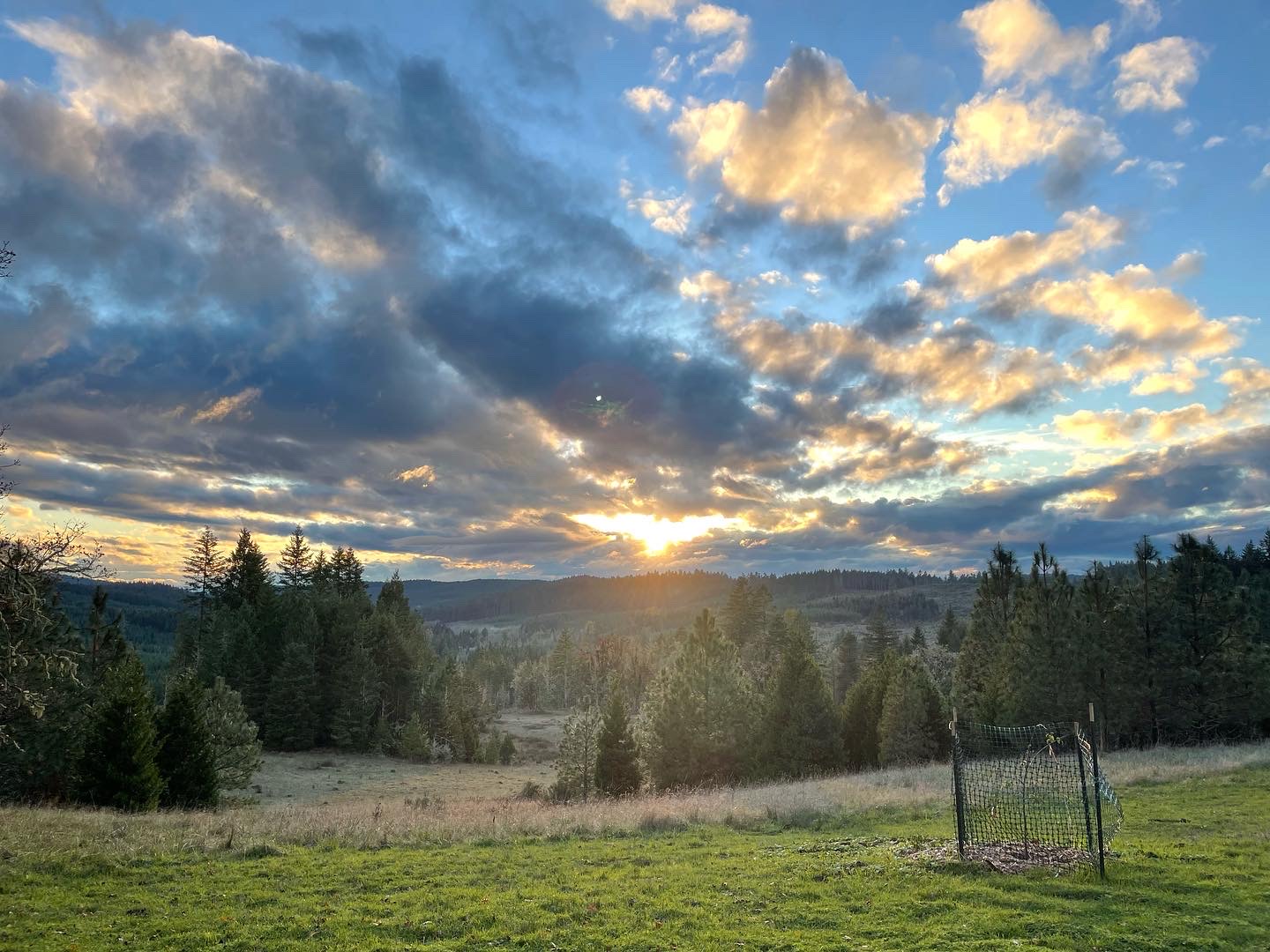
'Royal Heart Hill' is at the very end of a Dead-End road, which means no sound or light pollution from passing cars or nearby residences. Surrounded by BLM and Timber properties, while being 6 miles from downtown CG (7 miles from the I5) and 30 miles from downtown Eugene.
All guests have access to the outdoor shower, which is connected to the Dome. Please use biodegradable soap in the shower! Potable water spigots are located by the carport and at the top of the steps leading down to our platform site. Each site has its own composting toilet, fire-pit, electrical outlet and hammock.
Nearby access to: two lakes for swimming and fishing, waterfalls and cliff-jumping, hiking and biking trails, dining, wineries, breweries, shopping and more. I am happy to offer suggestions and share what I know- please ask!
UPDATE: The timber acreage that borders our property- to the west and north of Overholser Road- was harvested winter 2024.
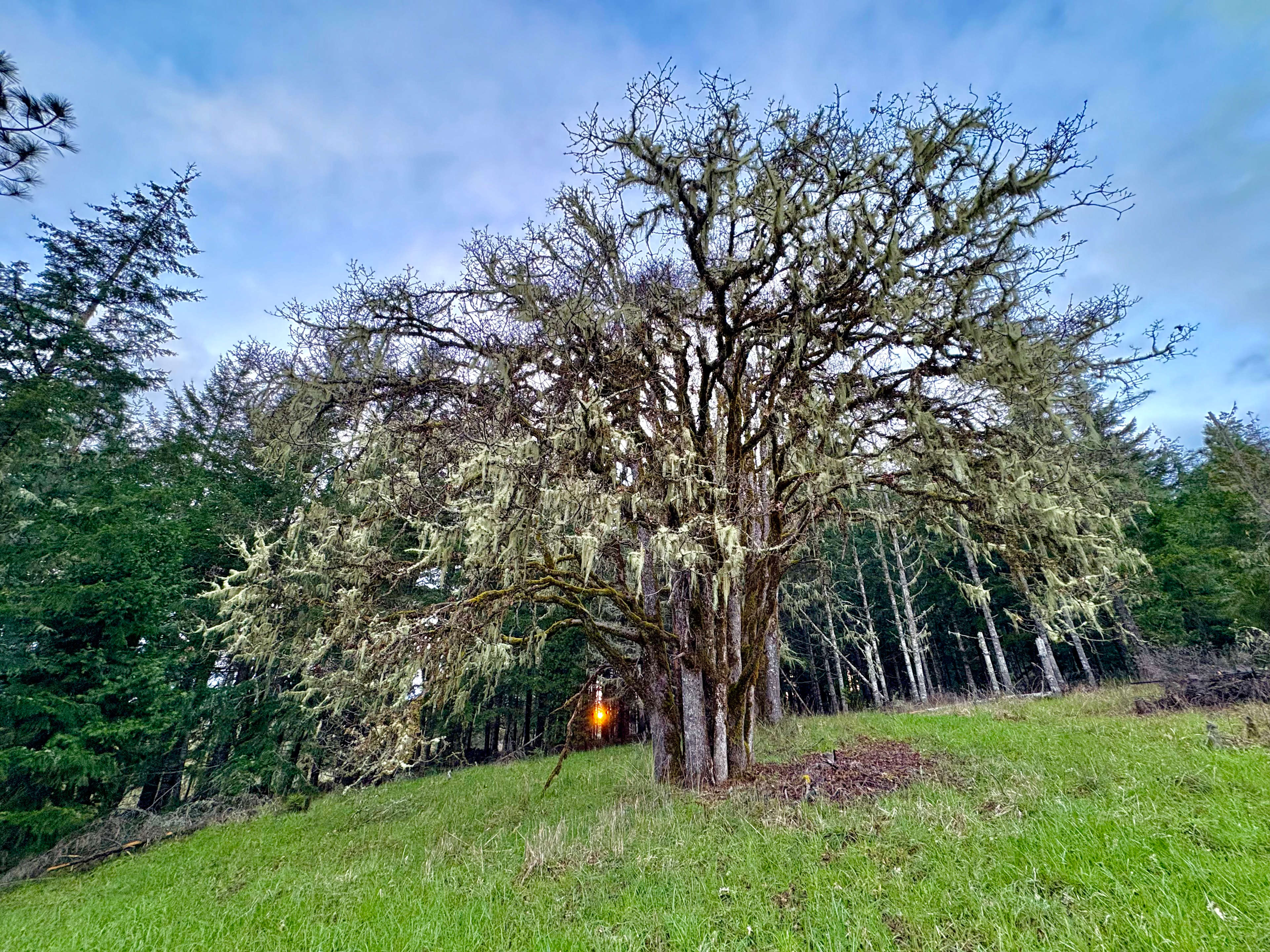
The property consists of Oak savanna, mixed conifer woodland, camas meadow, undulating hills and a SMALL pond (home to many rough-skinned newts- no swimming or fishing). At our domestead we practice permaculture, native habitat restoration and regenerative forestry.
Poison oak is present on the property! I have done my best to clear it from camping areas and trails. Tecnu is provided in the outdoor shower.
There is a mile long loop that goes around the whole property, which we keep mowed and accessible. Hipcampers are encouraged to use the loop to explore the property. To access- walk south/downhill toward the pond signs and follow the mowed path through the meadow and back up toward the road, which will take you back to your campsite. I have included a screenshot of the loop as recorded by my Strava app, which is in the property photos.
The property hosts a geodesic play-dome and slack-line (during the dry months) up by the green dome/outdoor shower. Guests may play on these at their own risk- the closest hospital is 7 miles away.
*Please note- if you do not respect our camp rules your visit will be flagged, hipcamp will be notified and you will be asked to pay 25% of your booking fee for cleanup costs.*
Electrical hookup
Toilets
Campfires
Joseph H. Stewart State Recreation Area
10. Joseph H. Stewart State Recreation Area
100%
(7)
State park in Oregon · 24 sites
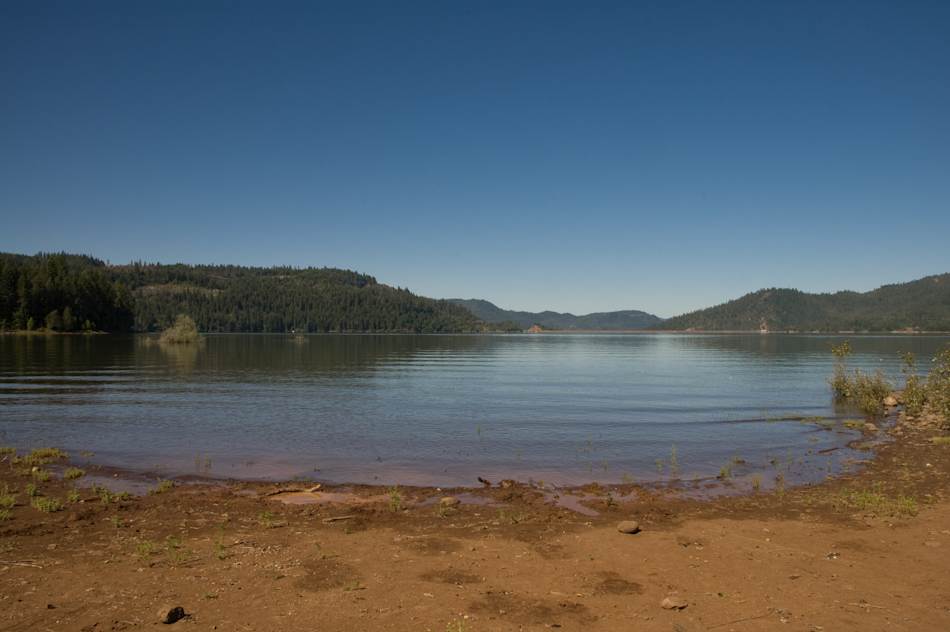
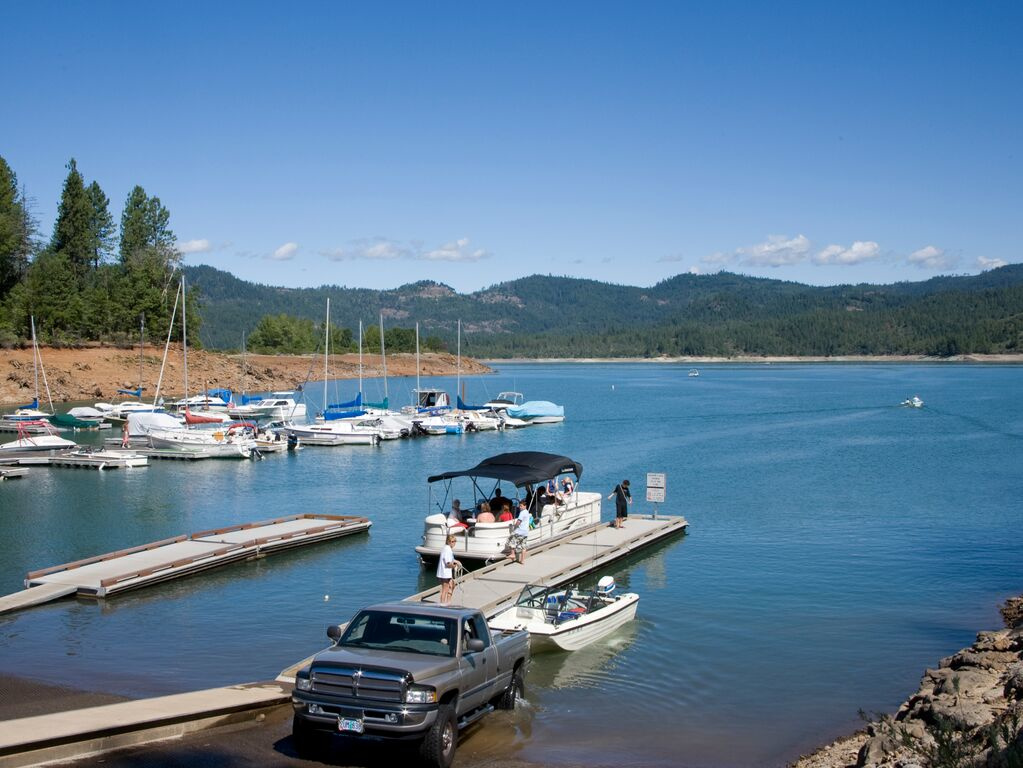
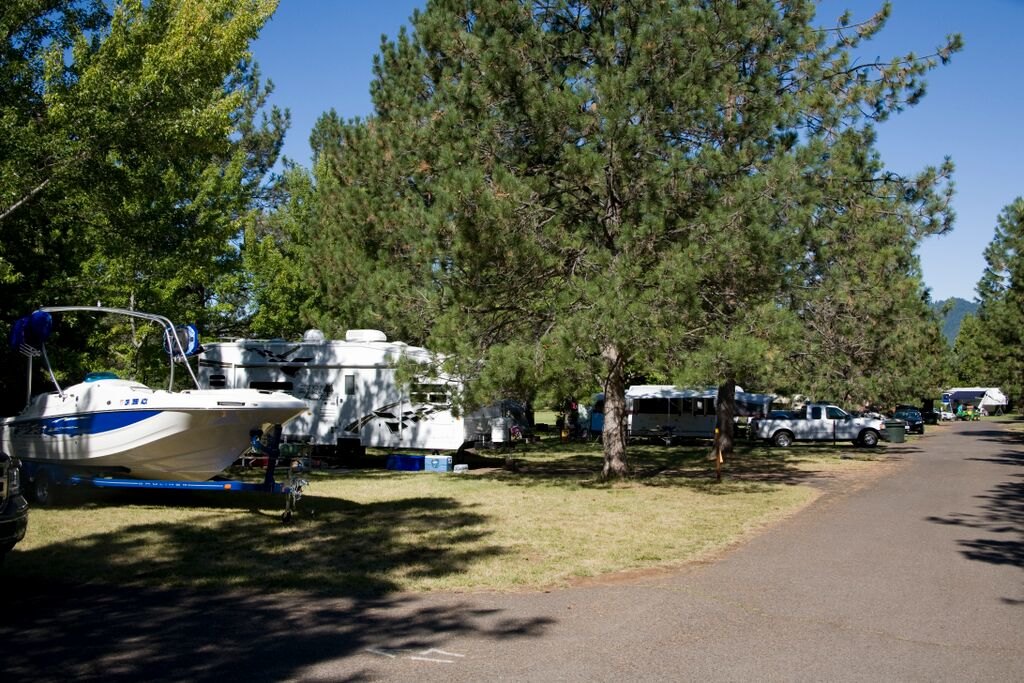
Crater Lake and the Rogue River nearby + Lost Creek Reservoir at your feet = Paradise.
Pets
Toilets
Campfires
Willamette National Forest

11. Willamette National Forest
93%
(46)
National forest in Oregon · 1153 sites
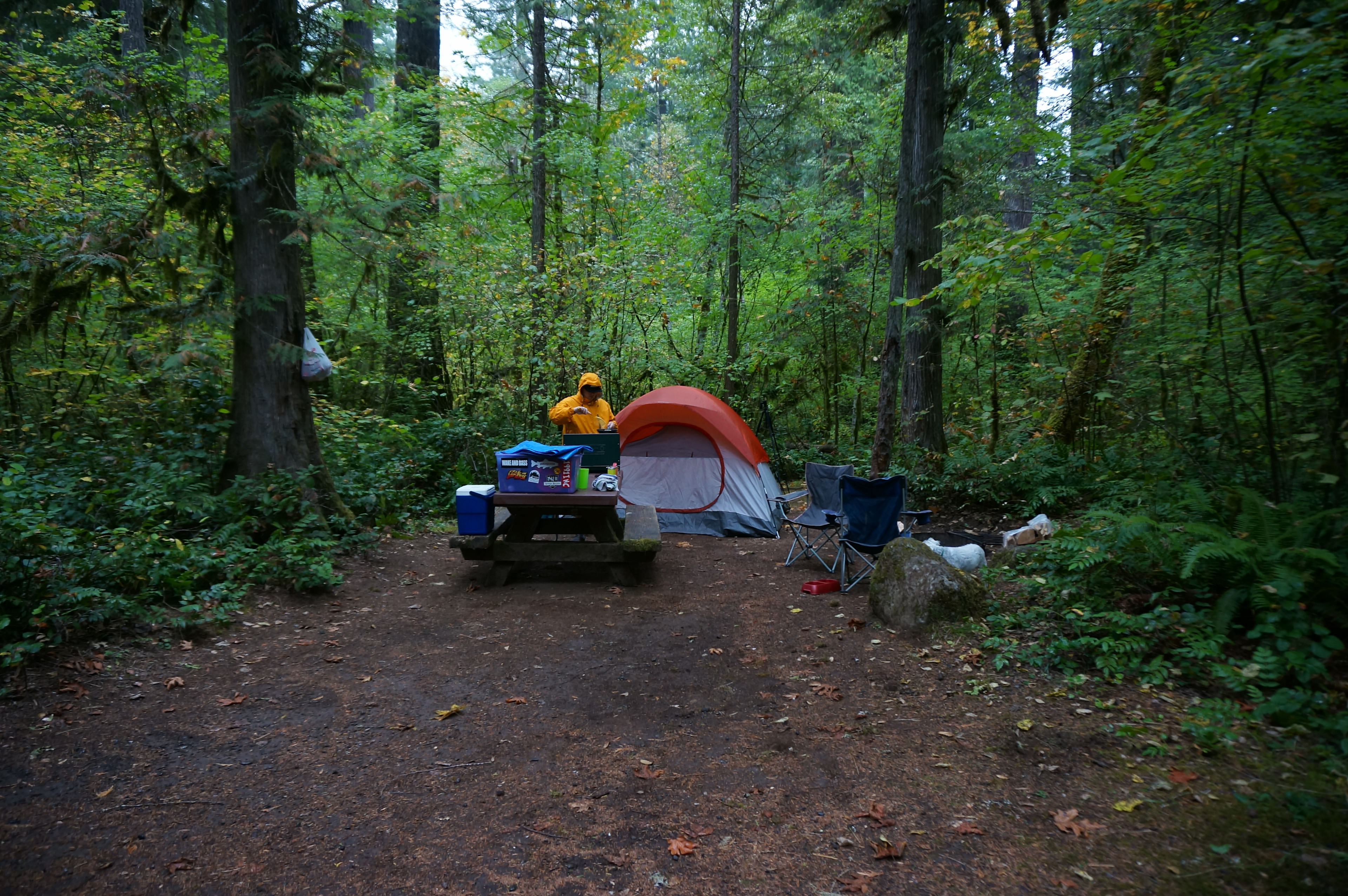
Experience the wilderness without venturing far from the city.
Pets
Toilets
Campfires
Umpqua National Forest
12. Umpqua National Forest
93%
(49)
National forest in Oregon · 836 sites
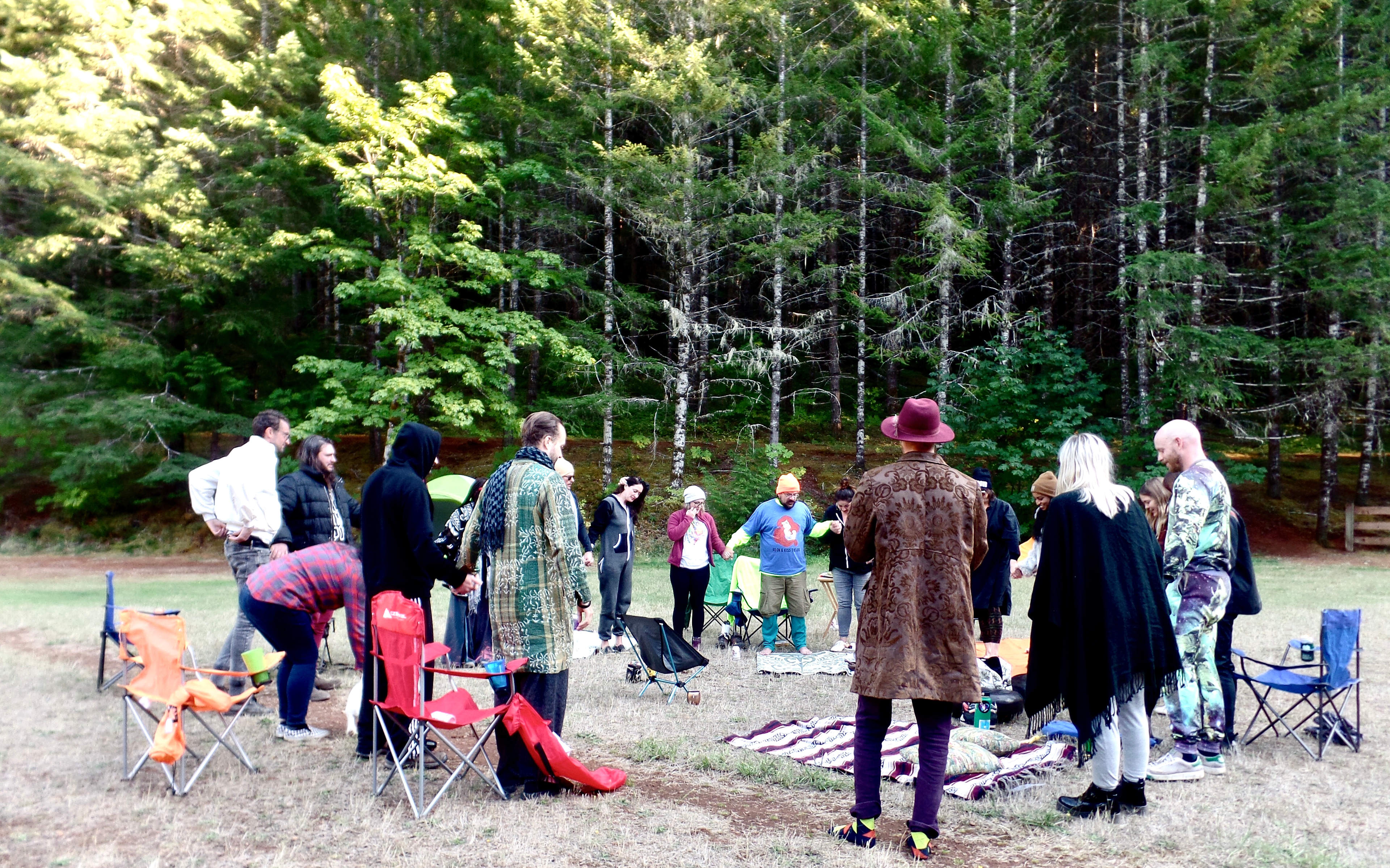
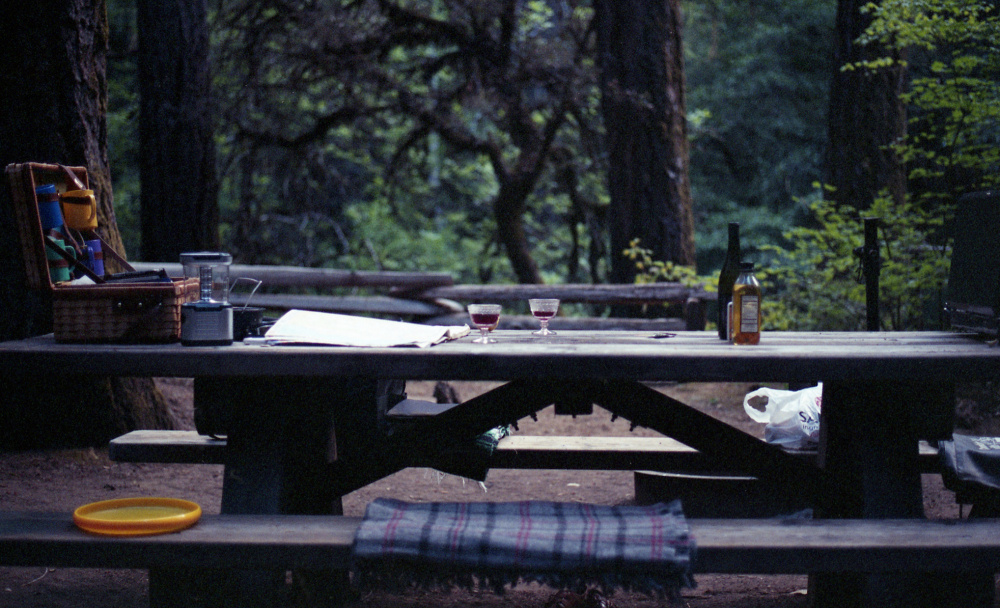
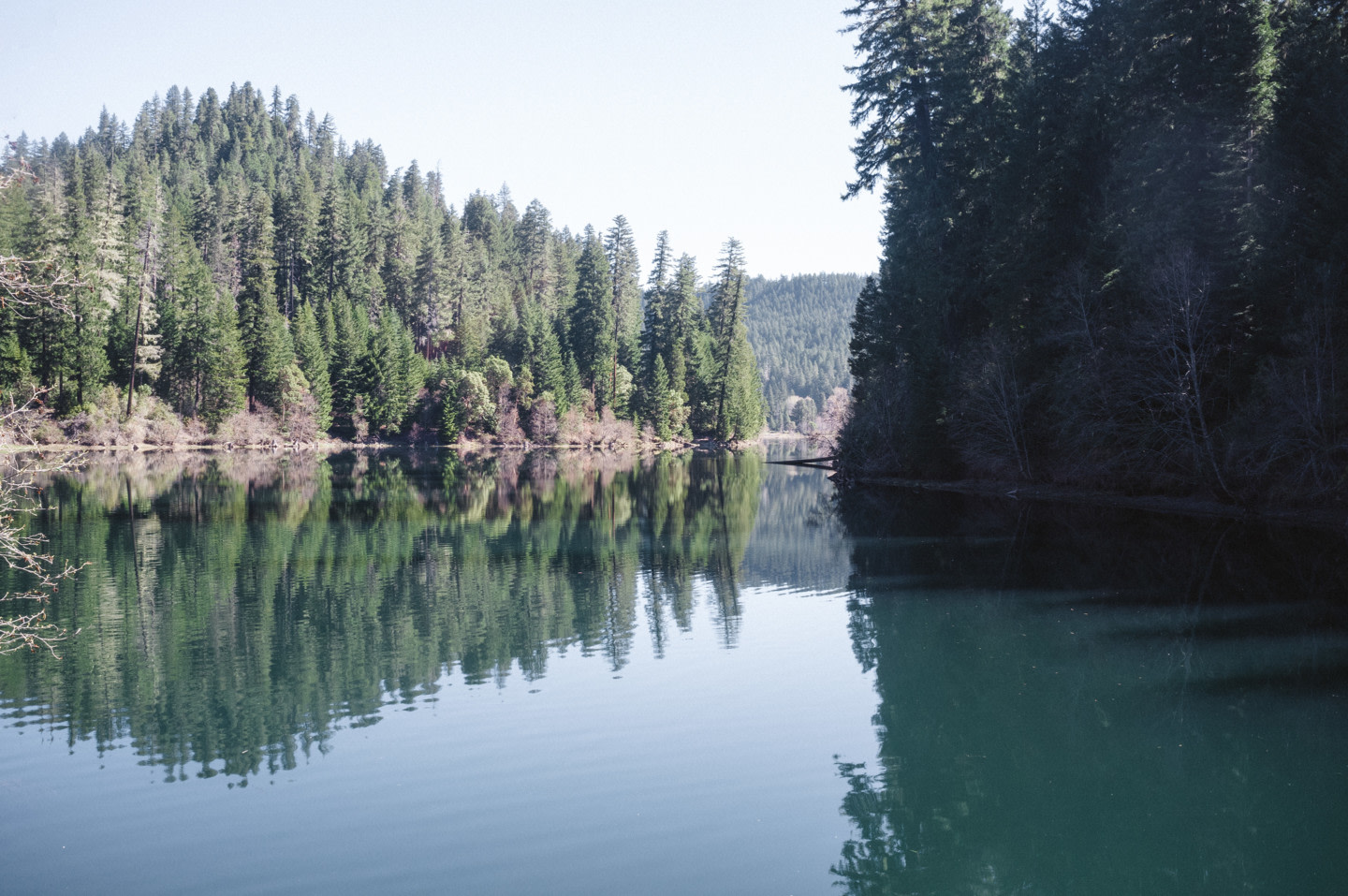
Forests, meadows, lakes, and waterfalls abound in this gorgeous neck of the woods.
Pets
Toilets
Campfires
Valley of the Rogue State Park
13. Valley of the Rogue State Park
100%
(3)
State park in Oregon · 23 sites
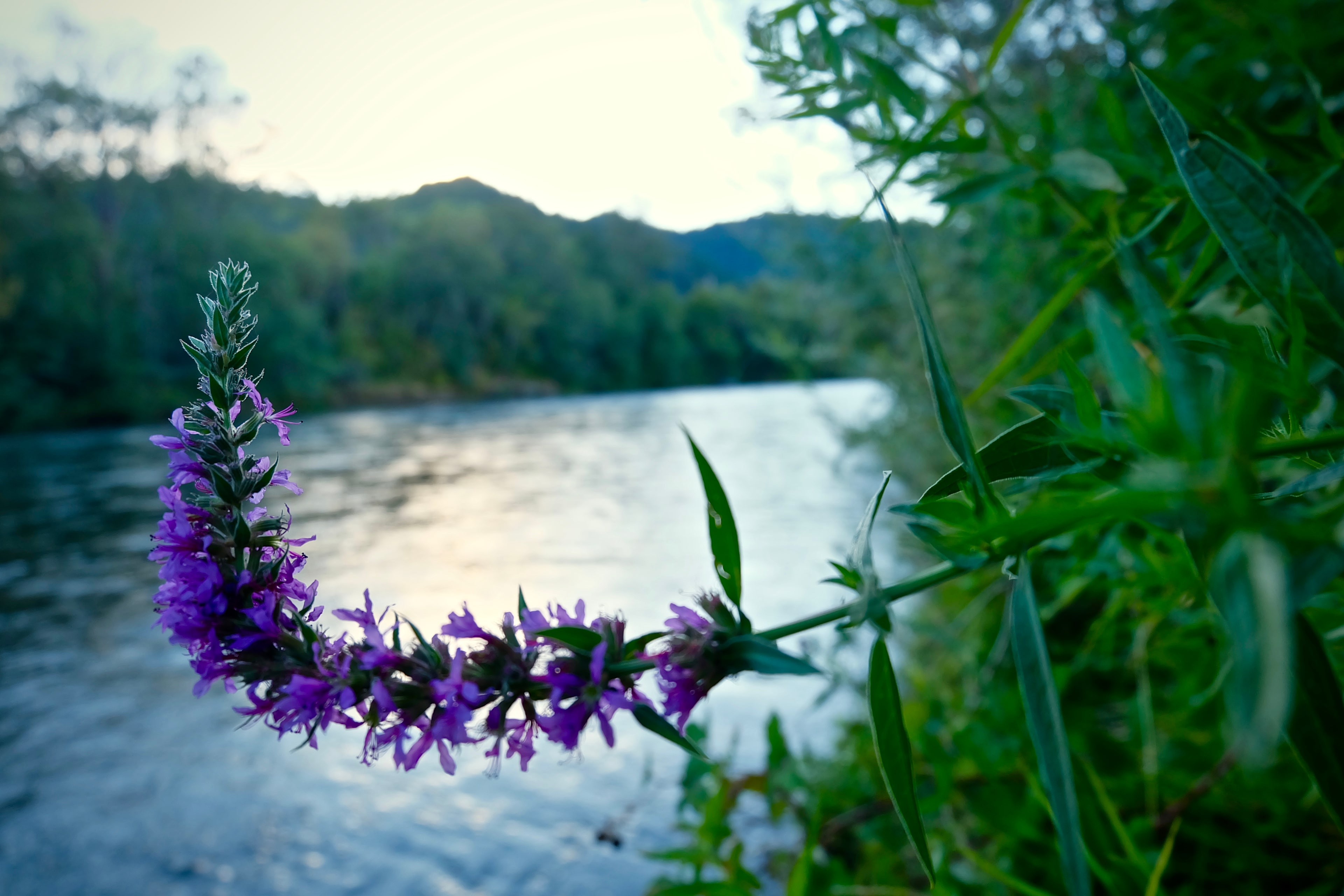
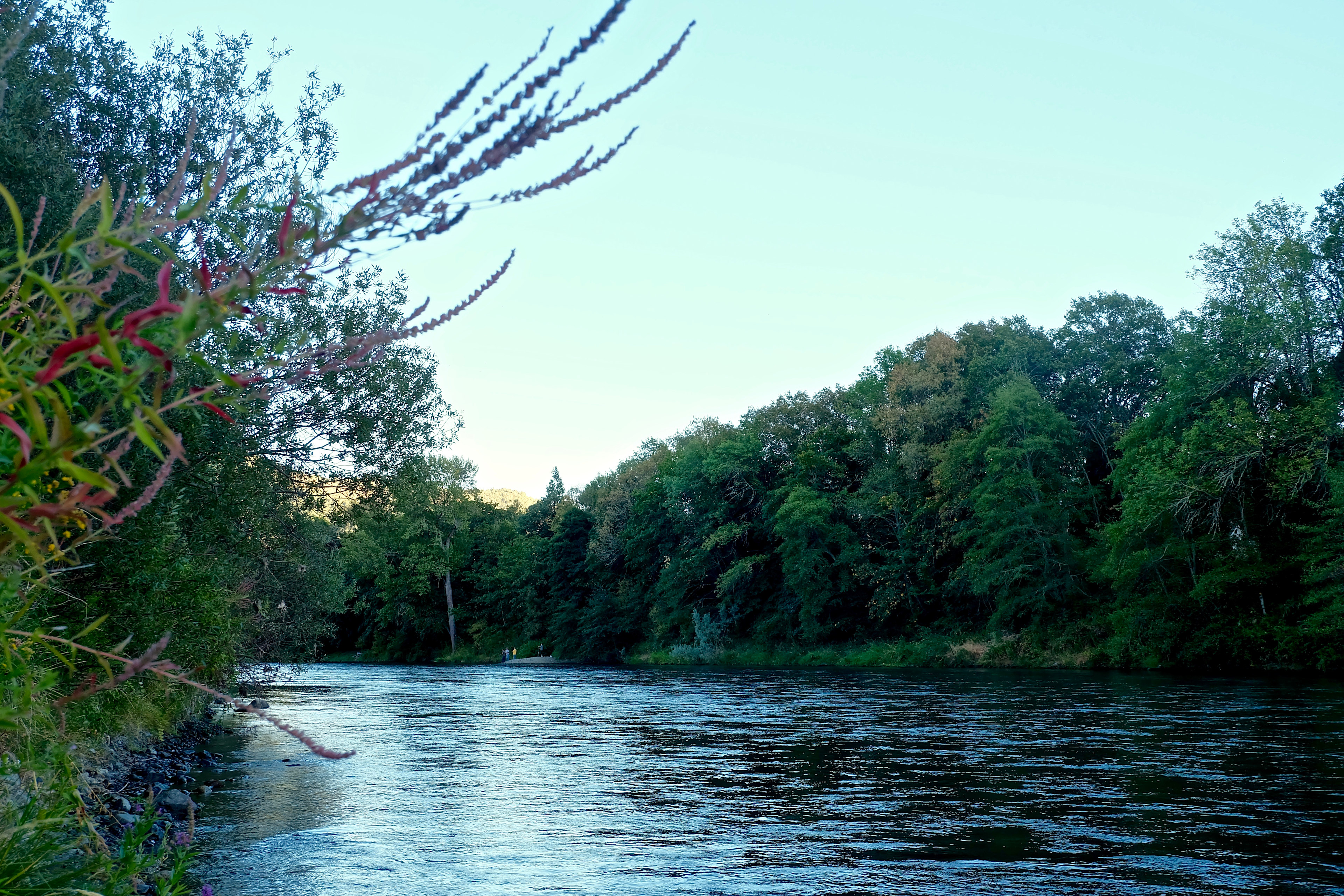
Camp on the banks of the Rogue River.
Pets
Toilets
Campfires
Sunny Valley Campground
14. Sunny Valley Campground
91%
(65)
Wolf Creek, OR · 40 sites · Tents, RVs, Lodging
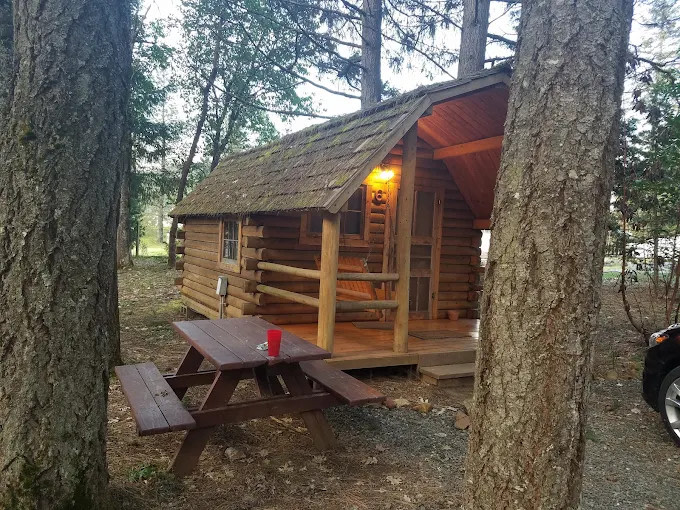
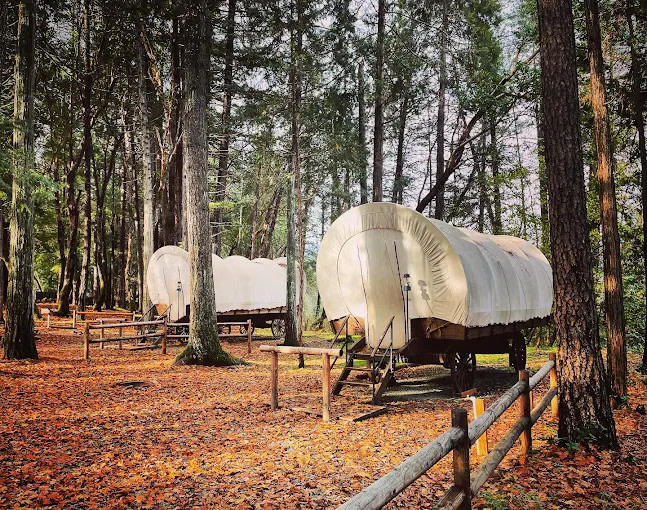
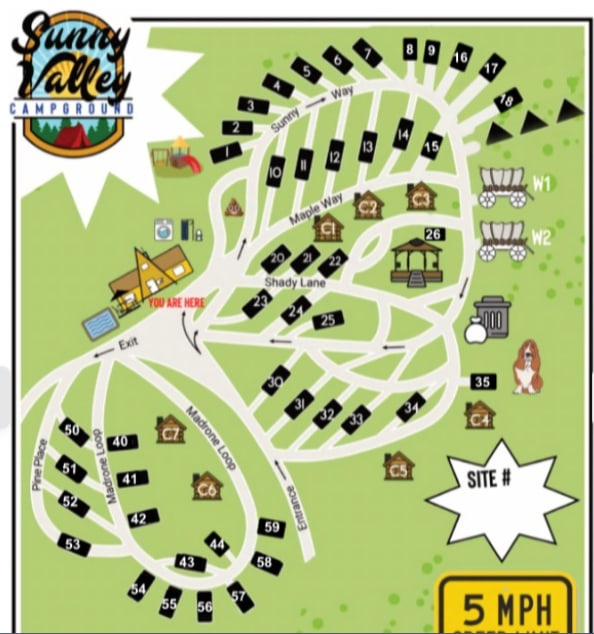
Sunny Valley RV Park and Campground is situated in a beautiful park-like setting. The park is conveniently located in Southwest Oregon at Exit 71 for vacationers traveling the I-5 corridor between California and Washington State. We are also an ideal location for family reunions, group gatherings, retreats, campers, fishermen, hunters, rafters, hikers, and equestrians wanting to explore Southwest Oregon’s diverse outdoor recreational opportunities.
Pets
Toilets
Full hookups
Good Karma Van Camp


15. Good Karma Van Camp
98%
(161)
Ashland, OR · 2 sites
Learn more about this land:
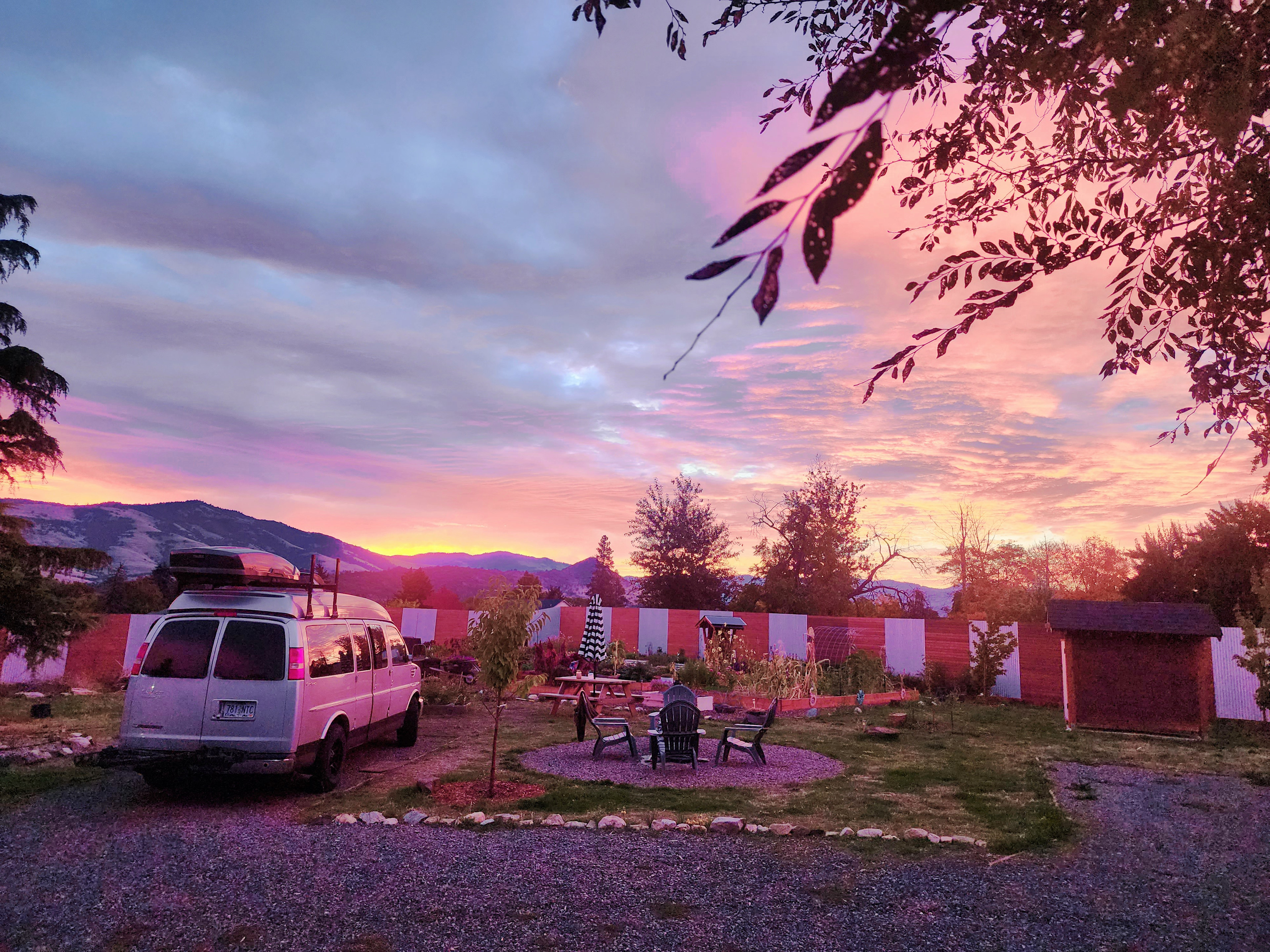
No TENT camping permitted (Roof Top tent is acceptable). Park your van/rig (maximum vehicle length 22ft) at Good Karma Van Camp. Flat, designated parking in our private garden area on our micro-farm, with amazing Southern Oregon views. Outdoor showers (2 stalls) Available April to November. Picnic area (Table with umbrella). Outdoor seating area. It's a unique, conveniently located spot right off of Exit 14. It's perfect for just passing through, mountain biking or visiting Ashland. We are 2 miles to downtown and a block from Mt. Ashland Adventures bike shuttle. PLEASE BE AWARE THAT OUR PROPERTY SITS ABOVE I-5 (8FT PROVACY FENCE). YOU WILL HERE HIGHWAY TRAFFIC, WHAT WE REFER TO AS THE ROAD OCEAN. Acceptable vehicles/rigs are as follows: Truck with camper or camper shell. Truck with roof tent. Van. Very small RV, 22ft.
Moon Shadow Meadows
16. Moon Shadow Meadows
97%
(54)
Oakridge, OR · 7 sites · Tents, RVs
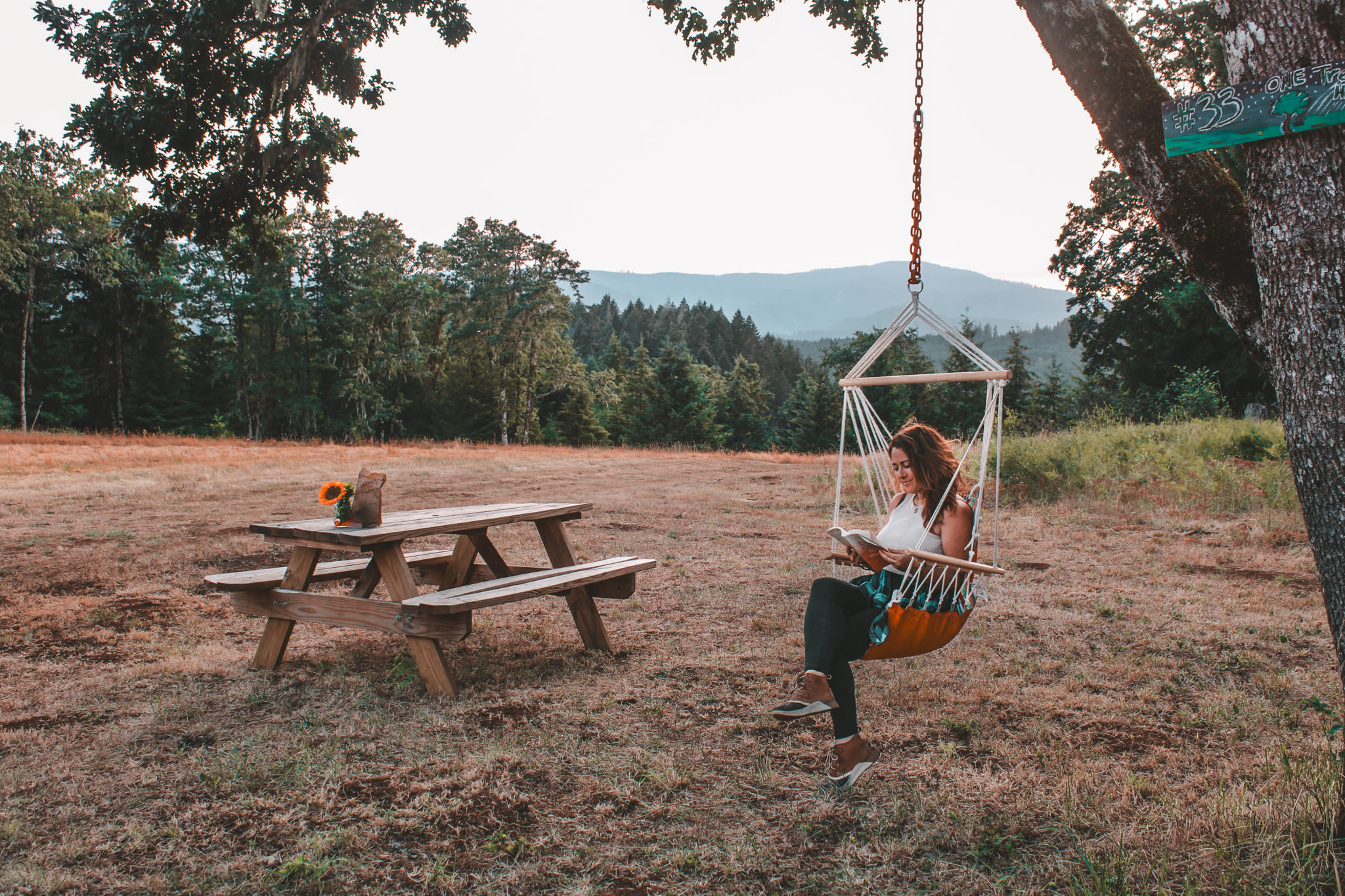
Moon Shadow Meadows is currently in the permitting process to become an official event space. As a working farm, we currently sell Eggs, Herbs, Vegetables and Flowers. We are preparing to host agritourism events, class reunions, weddings and farm to table events.
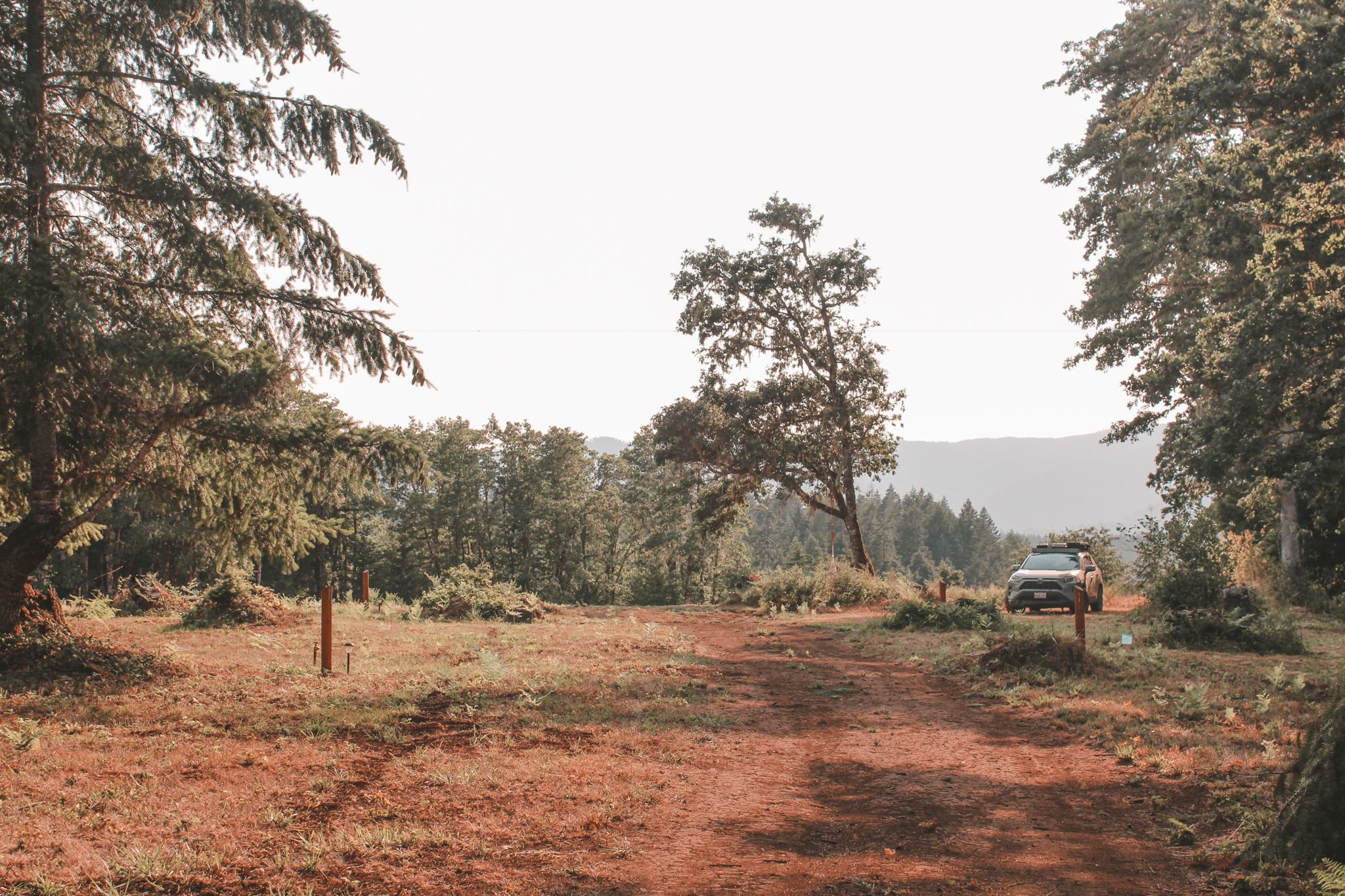
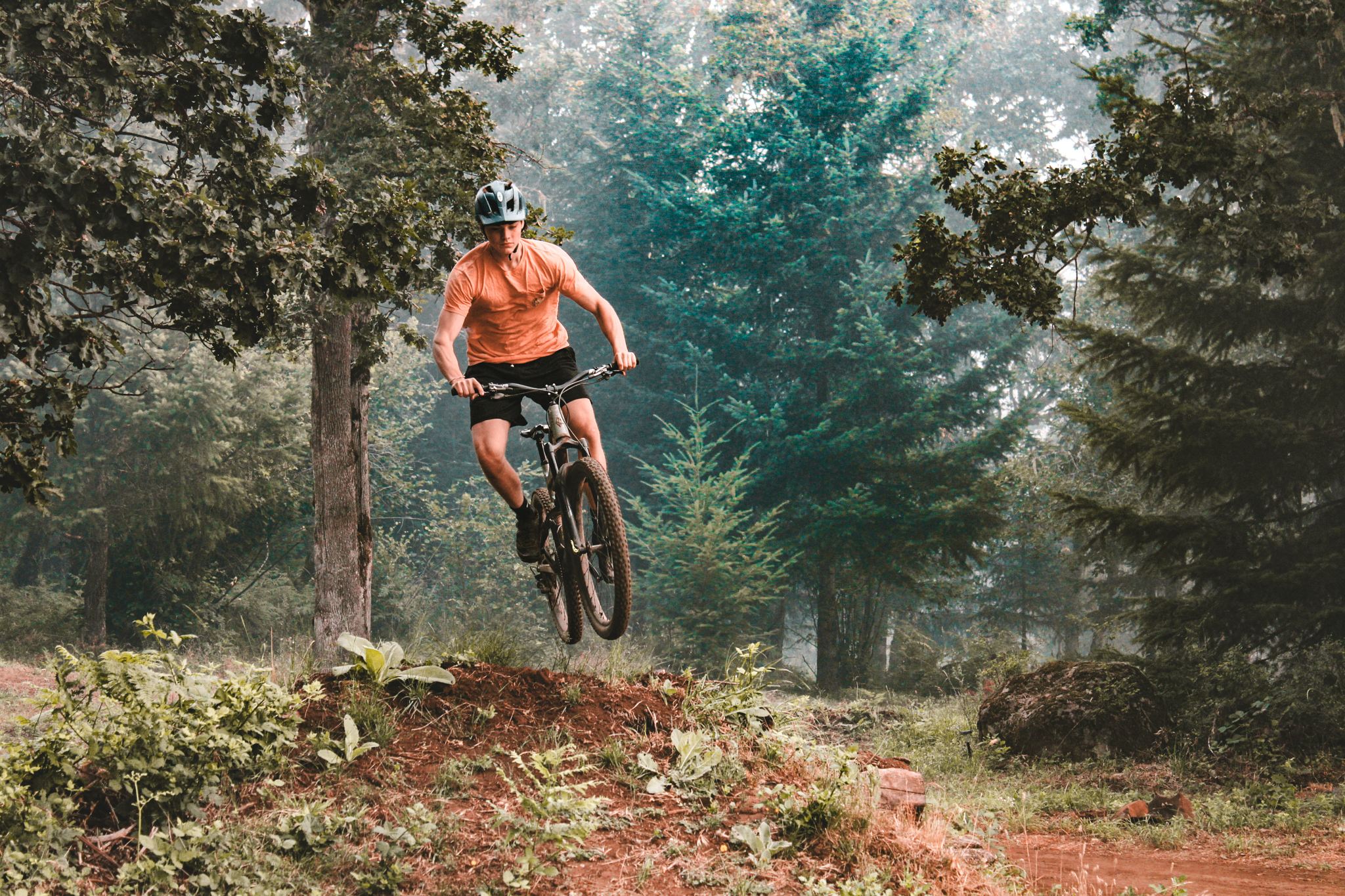
Our secluded 40-acre hilltop retreat is located at 2,200 feet in the Cascade foothills near Westfir and Oakridge, Oregon. Accessed via a scenic two-mile gravel road, the property offers panoramic views of Diamond Peak and Devil’s Backbone. On-site, guests can enjoy a one-mile trail for hiking and biking, with easy access to world-class mountain biking, the Willamette River, and local hot springs.
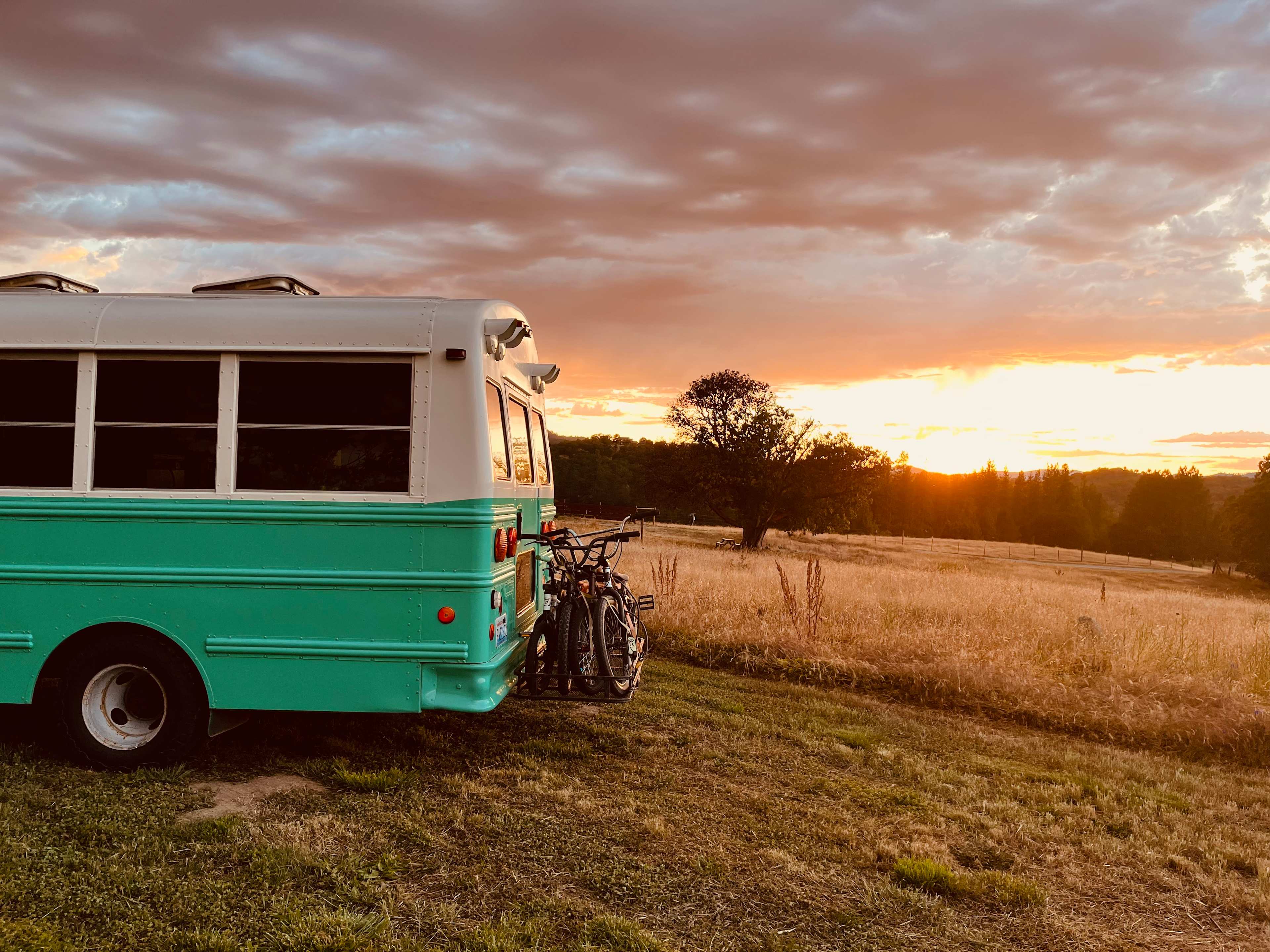
Please note that we embrace a genuine wilderness experience; we offer limited cell service and no on-site Wi-Fi to encourage guests to disconnect. Our Skoolie Bus at the entrance provides maps, a lending library, and first-aid supplies. Well-behaved pets are welcome, and we kindly remind visitors that uphill traffic has the right of way on Steep Gravel Driveway. Follow our IG at Moon_Shadow_Meadows_or
For any inquiries- Please contact jason@moonshadowmeadows.life
Pets
Toilets
Campfires
River Ranch Campground
17. River Ranch Campground
96%
(198)
Roseburg North, OR · 20 sites · Tents, RVs
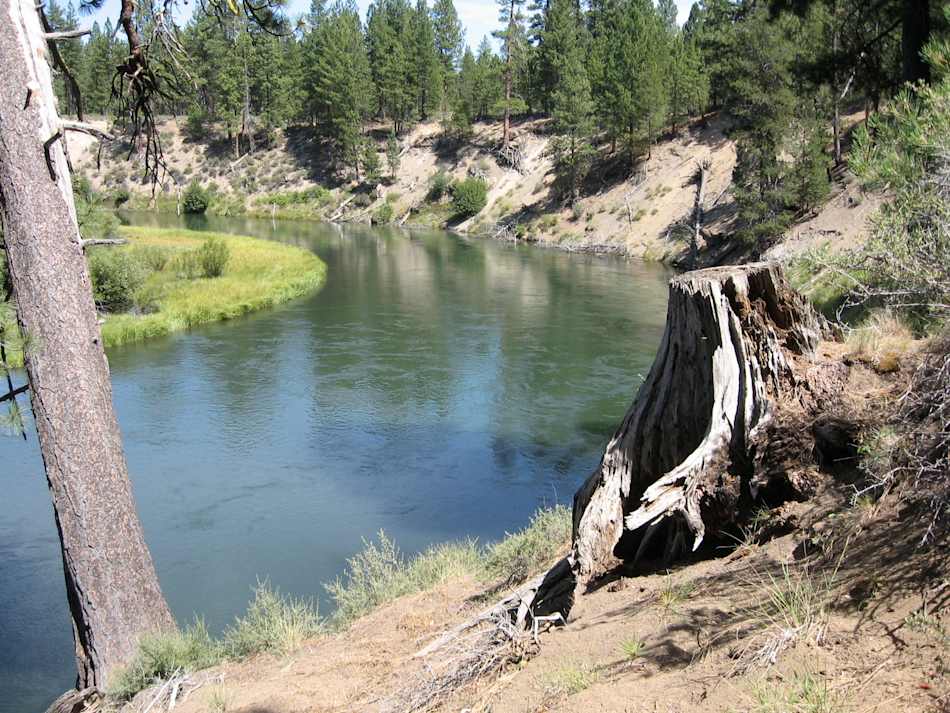
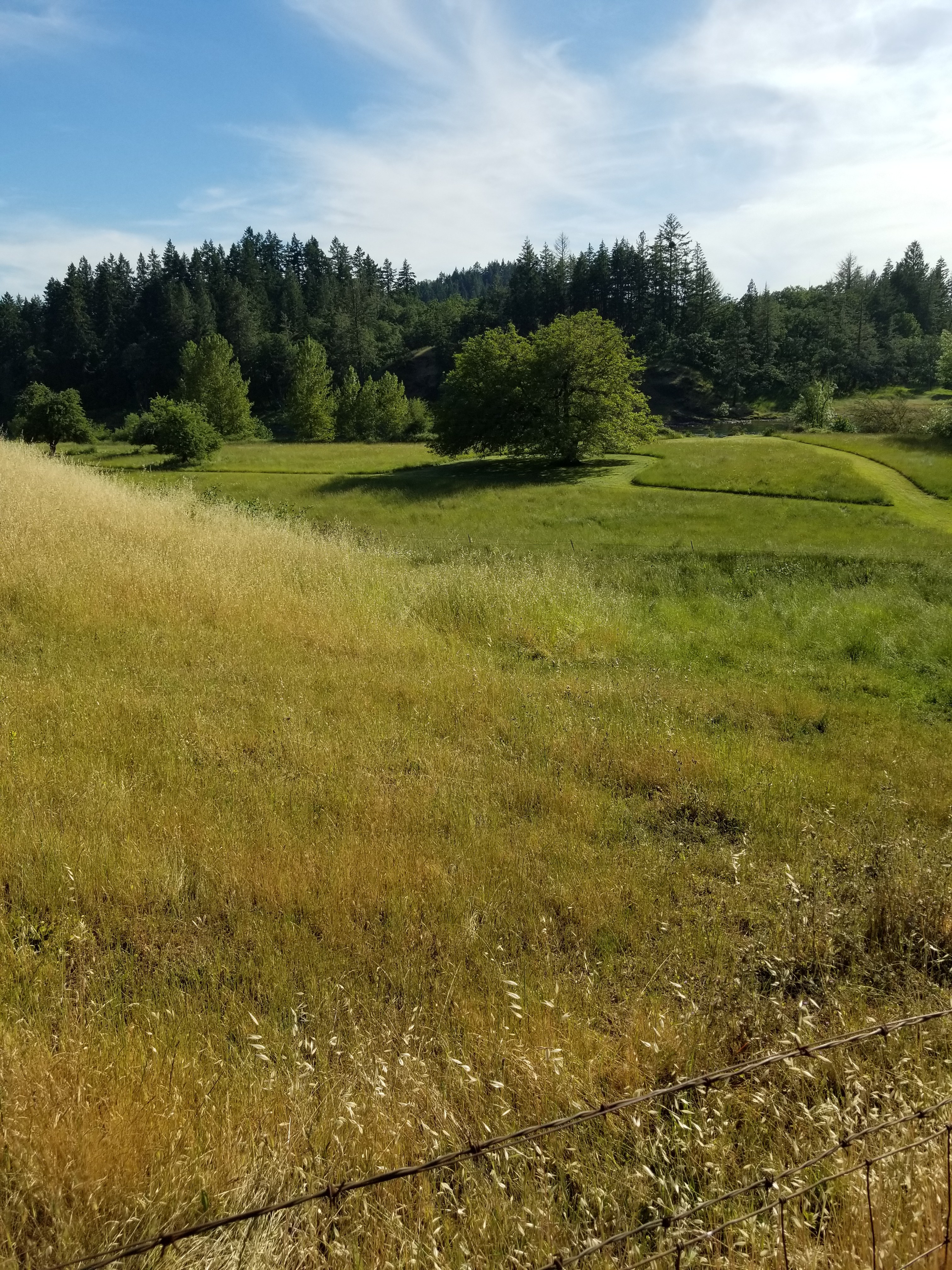
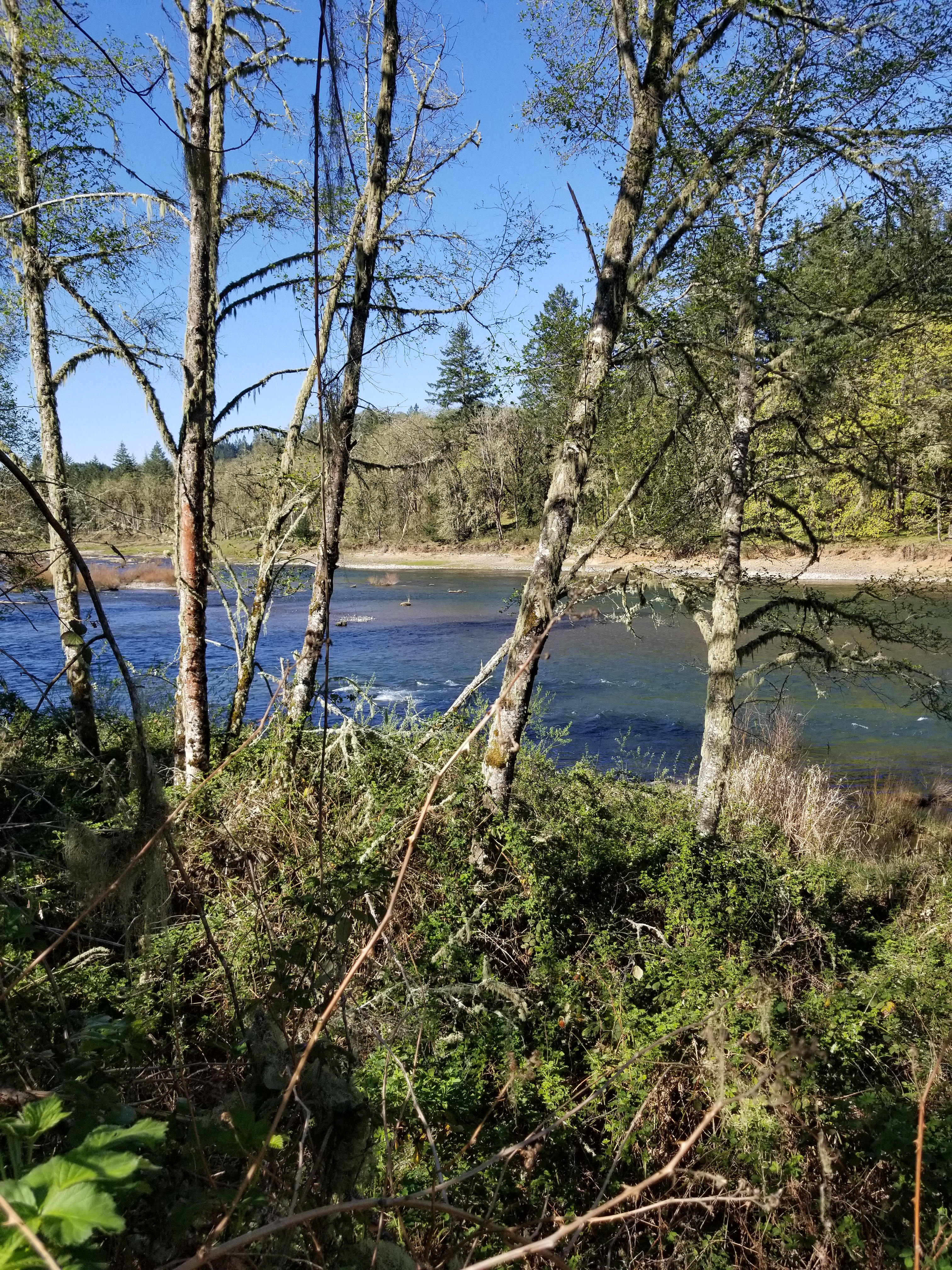
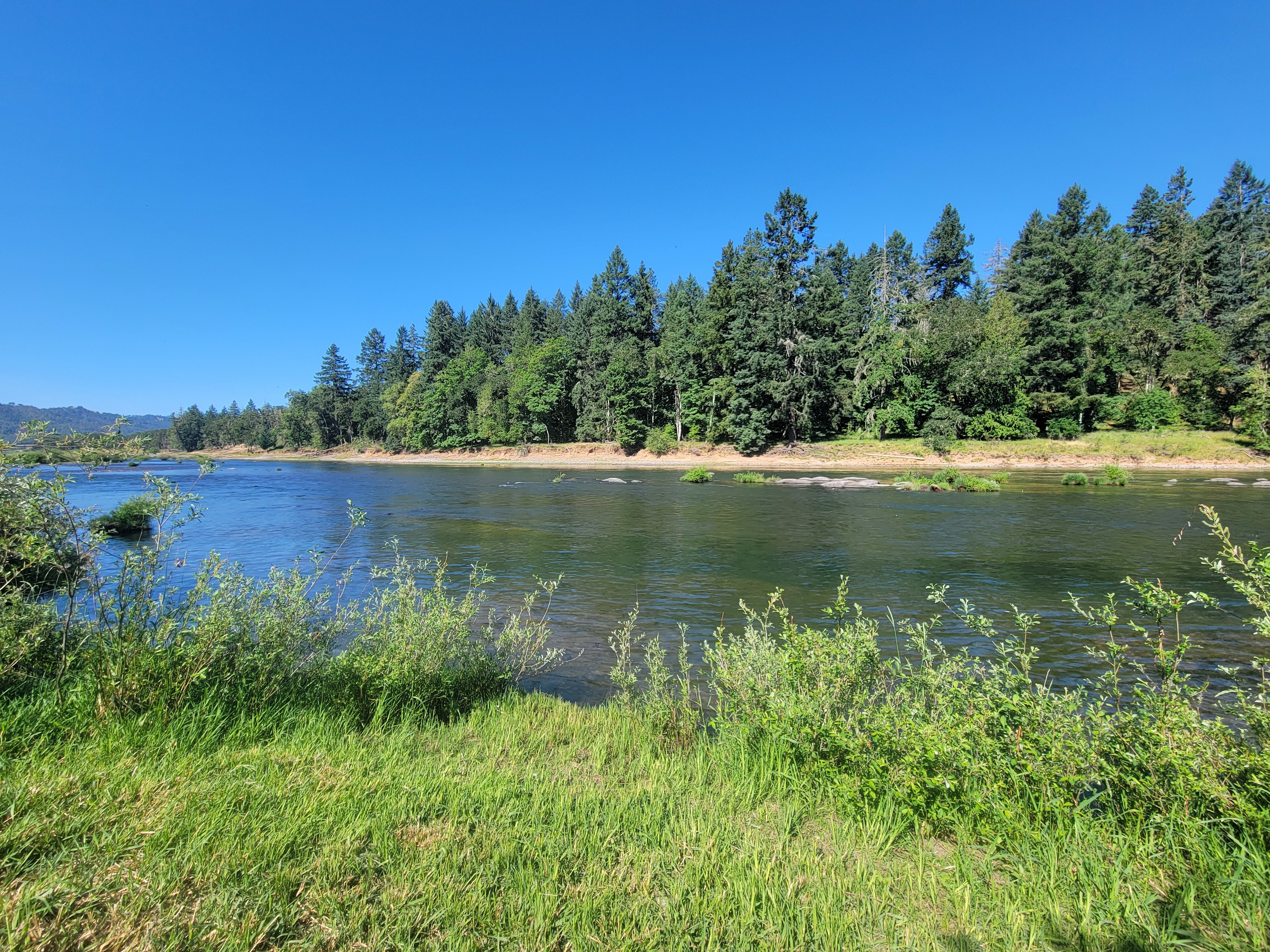
Nestled on the bank of the North Umpqua River. Surrounded by oak savannas with access to the North Umpqua Habitat (BLM). This secluded rustic/primitive dry camp will accommodate Tent and RV set ups as well as horse camping (Recently added horse corrals), fishing, swimming, kayaking, with walking access to the North Umpqua River. You can also go hiking or horseback riding on over 7000 acres of BLM land. Only 12 miles to the city of Roseburg or Sutherland. Easy access from I-5. Guest note: we rotationally graze our cattle (while the campground is open for business) in the months of February/March/April/May/and early June. Message before booking if you want to know if the cattle are on the grounds when you wish to say. They are docile yet curious but pose no threat to campers.
**If you wish to bring more than one vehicle, please go to EXTRAS to purchase additional parking.
Pets
Toilets
Applegate Century Farm
18. Applegate Century Farm
97%
(92)
Yoncalla, OR · 1 site · Tent, RV
Learn more about this land:
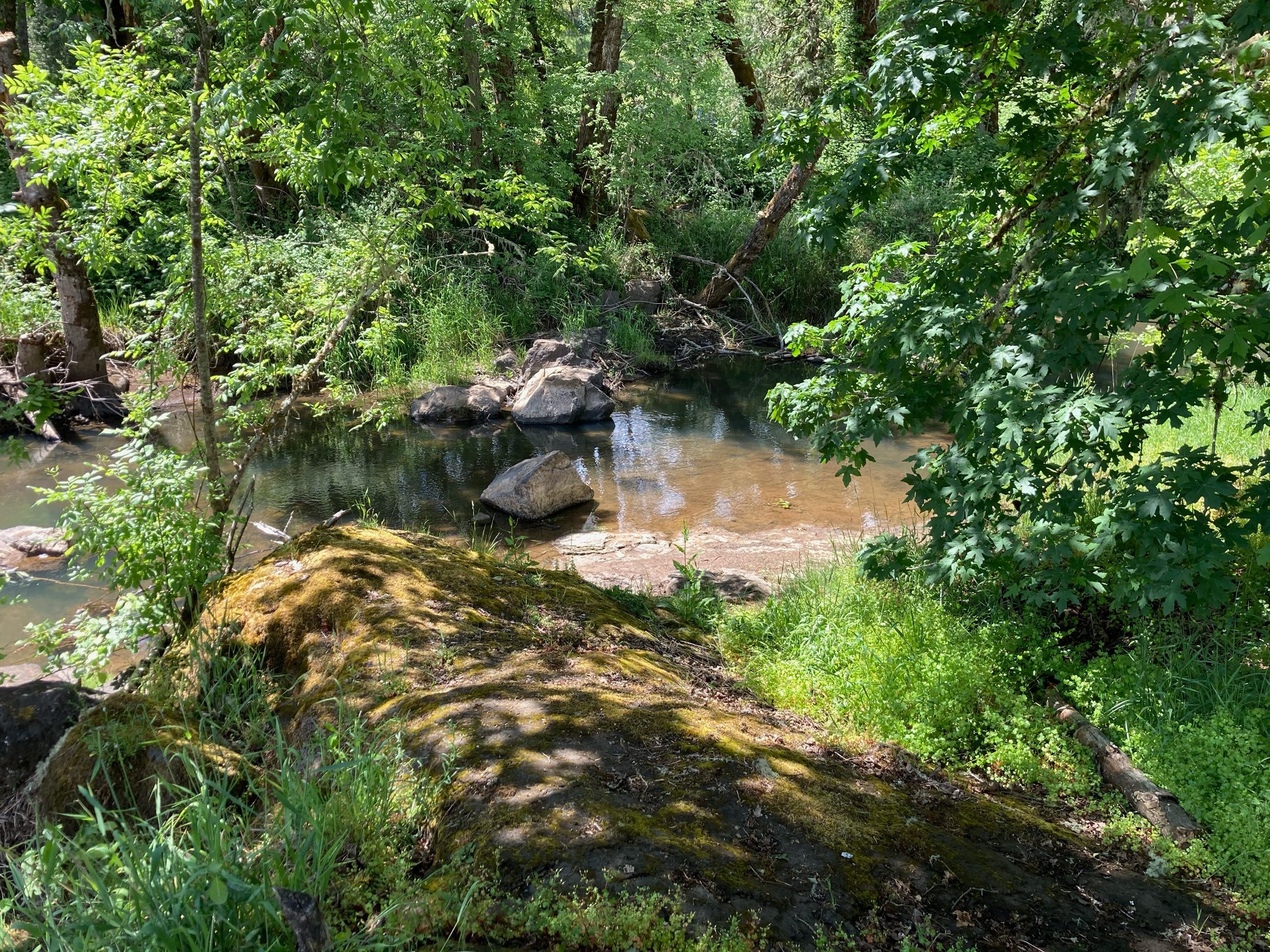
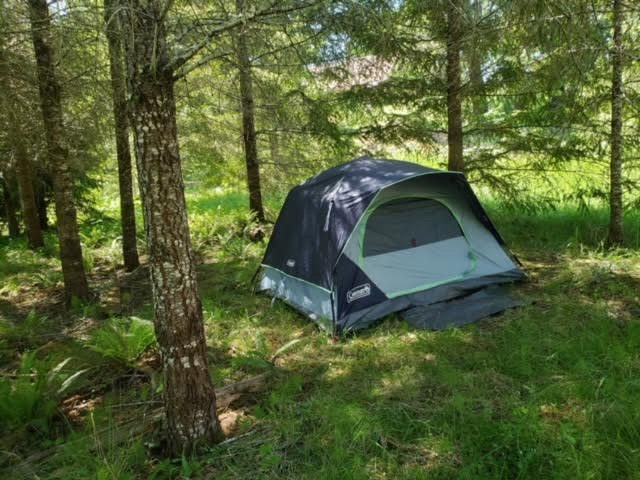
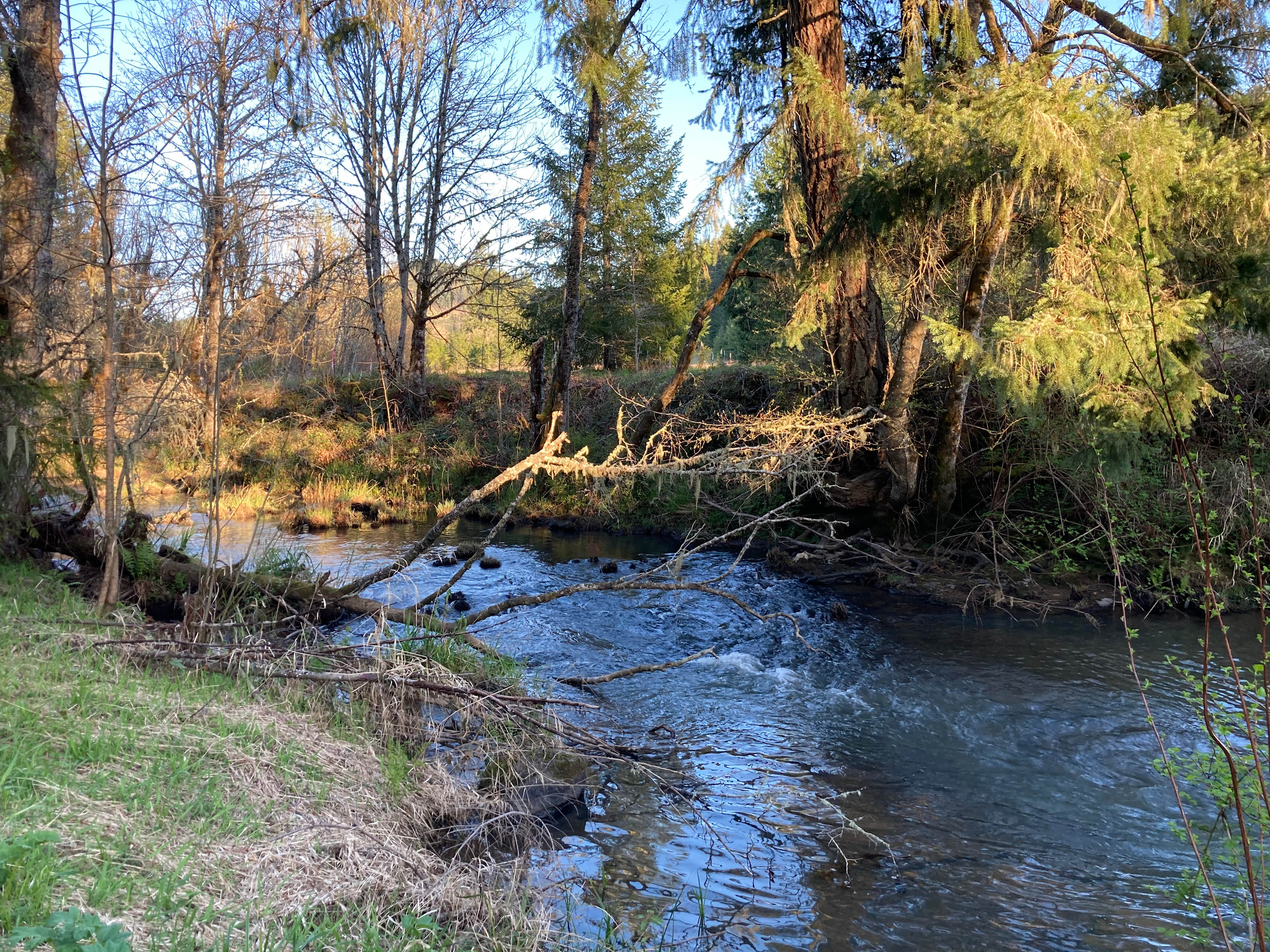
One mile from I-5, you may pitch your tent or park your van in a meadow near some fir trees bordering Elk Creek. Feel the restful flow of water bringing tranquility. Follow hiking trails along the creek, through groves of trees, or play in the singing creek. There is another hiking trail to another portion of the creek to the right of the road that passes by the barn. A sign on an oak tree indicates the edge of the large mowed meadow that will take you to another sign for the trail to the creek.
When entering the property at the county road, you’ll see a big Century Farm sign on the left at the driveway entrance.
Continue past a brown machine shed. You will see two apple trees on your left. Just beyond the apple trees is a sign, on a big fir tree. This sign points to the direction of the campsite. Shaped like an arrow it points to the mowed path down to the creek and campsite which you may drive.
Uphill from the campsite is a trail going through a small copse of trees that leads up to the red barn. On the left, at the entrance to the barn, is a bathroom complete with sink and shower. Towels are not provided.
Beneath the apple trees is a faucet with potable drink safety hose and a bucket for your use.
Pets
Toilets
Showers
Willowdale Ranch
19. Willowdale Ranch
93%
(48)
Ashland, OR · 1 site · Tent, RV
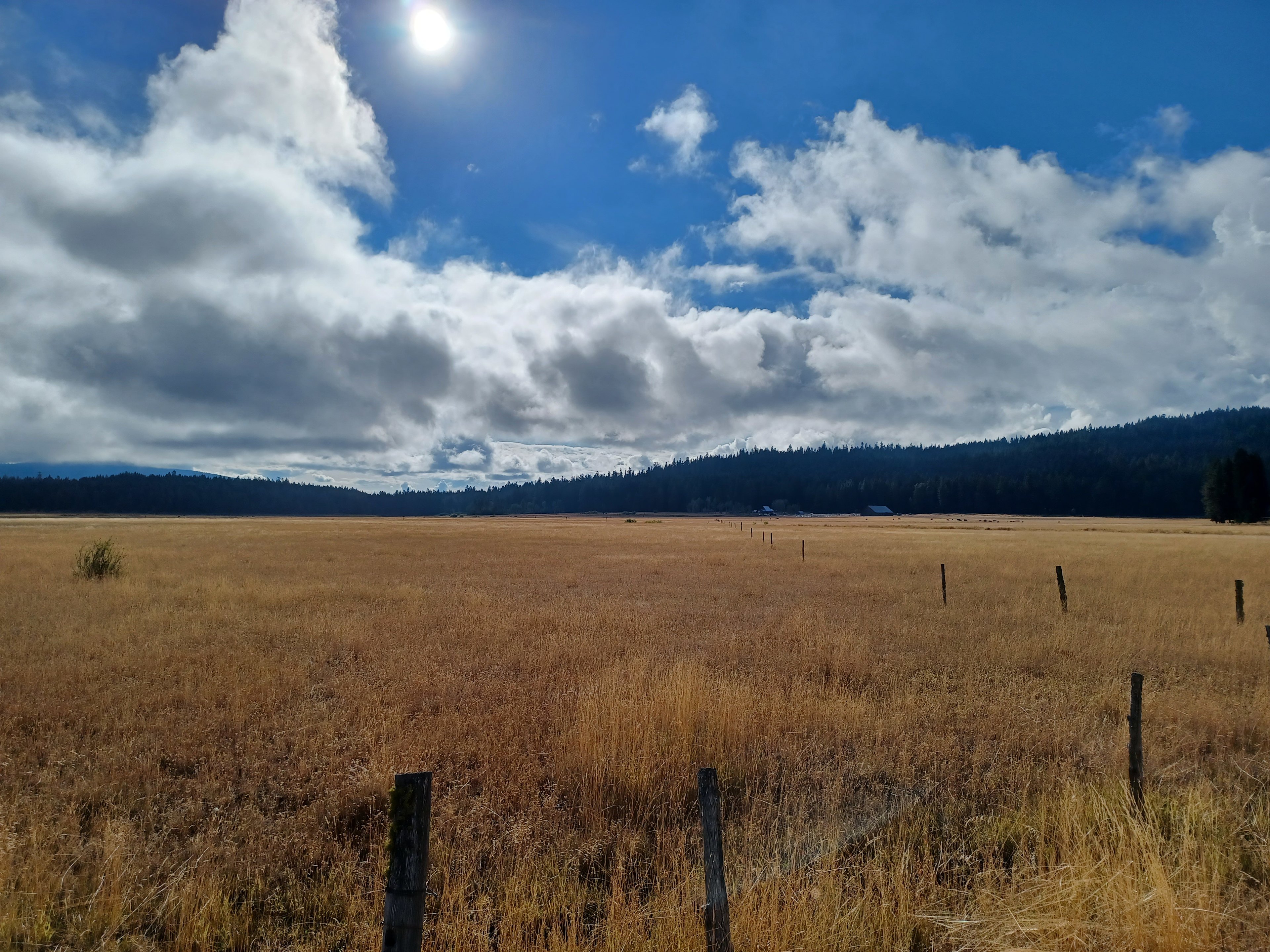
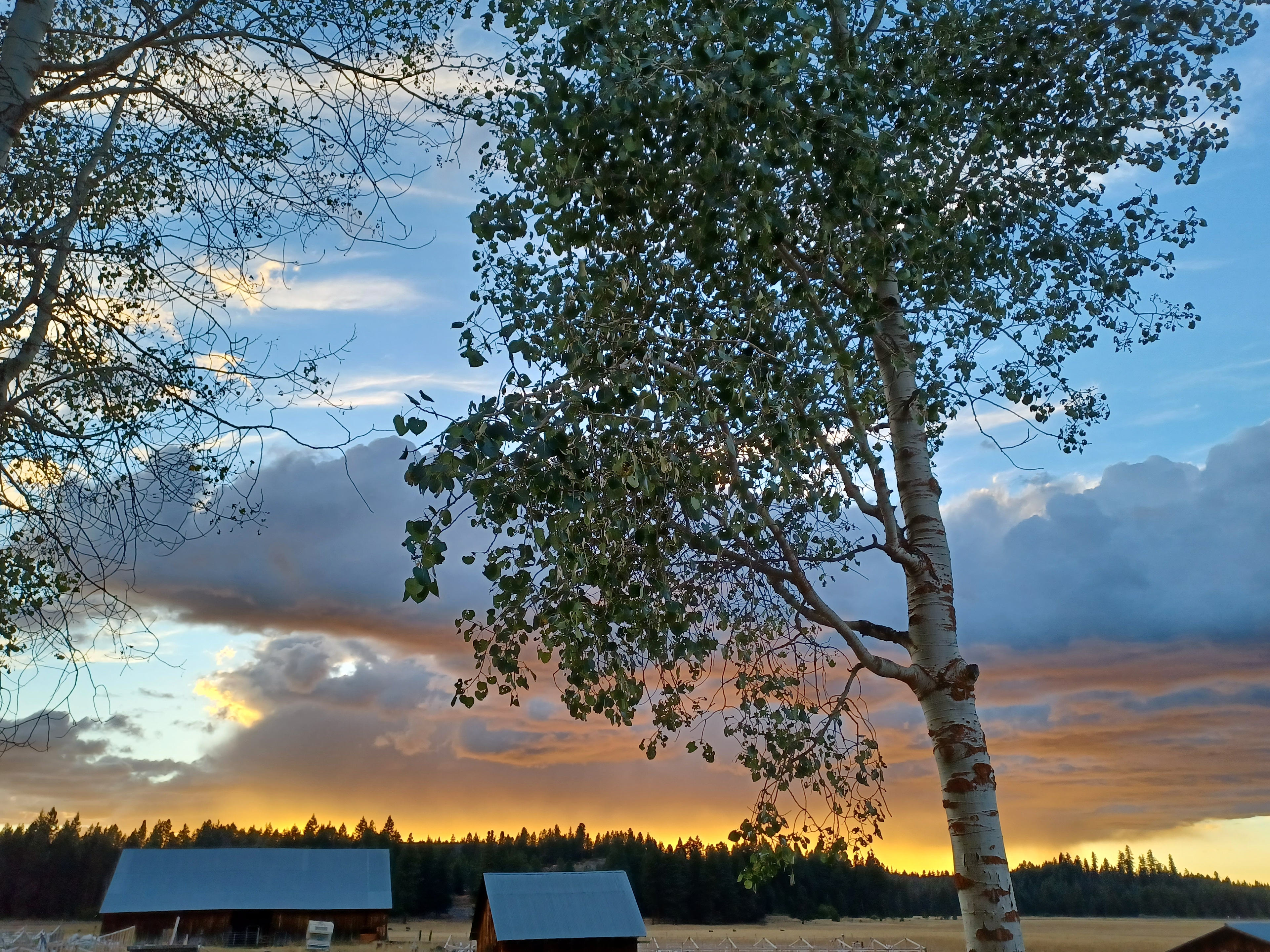
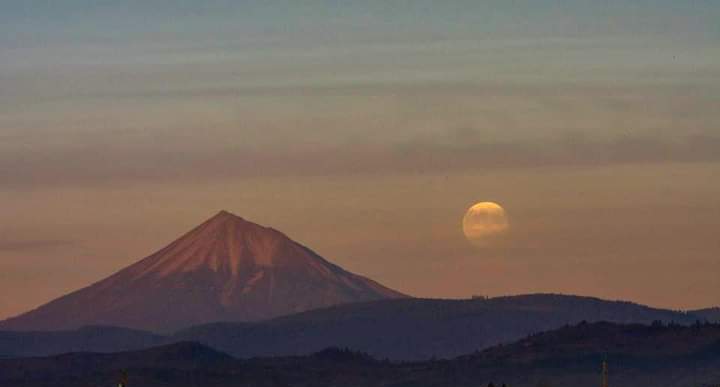
We are in the shadow of Mt. McLoughlin in the high Sierra of the Cascades. Our Ranch was part of the original 1800's Oregon land grant. We have our own fresh water springs..cool nights with 1 million stars. No lights touch our prairie. Lake of the Woods is 10 minutes away but we are on Howard lake and just down the road from Hyatt Lake and The Cove Restaurant. Best hamburgers, pizzas, Vegetarian food to be had. Our riding pastures back up to Lilly Glenn Equestrian Park. Our barn is equipped to board up to 8 horses.. We are a Ranch in rehabbing mode but are ready for campers who can come and share our vision. Hopefully start a tradition.. Our unspoiled pastures are here for arrowhead searches, mushroom hunting, wildlife viewing, horsebackriding, snowmobiling, cross country skiing and hiking.
Pets
Toilets
Potable water
Soda Spring
20. Soda Spring
100%
(42)
Ashland, OR · 3 sites · RVs, Lodging
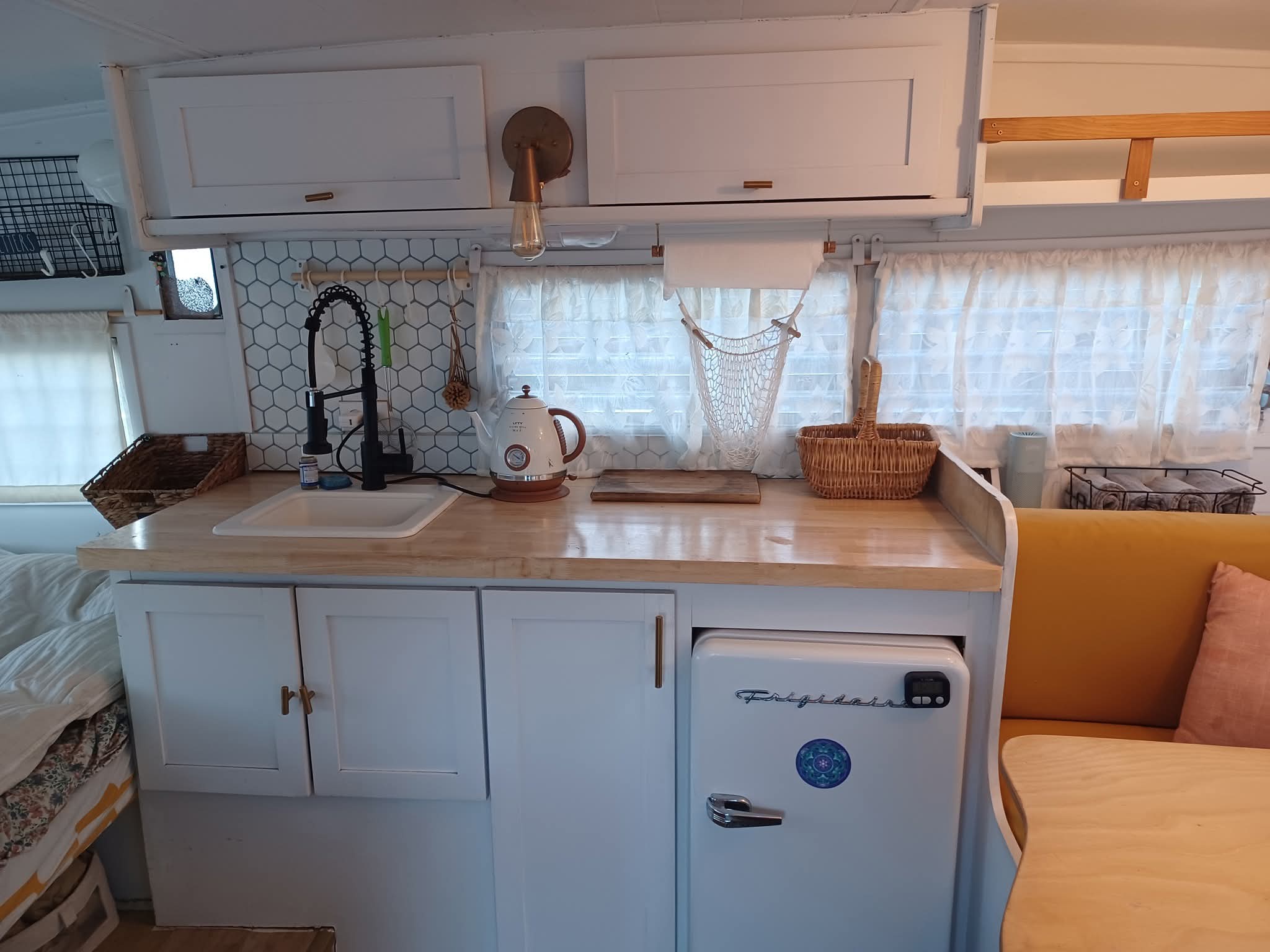
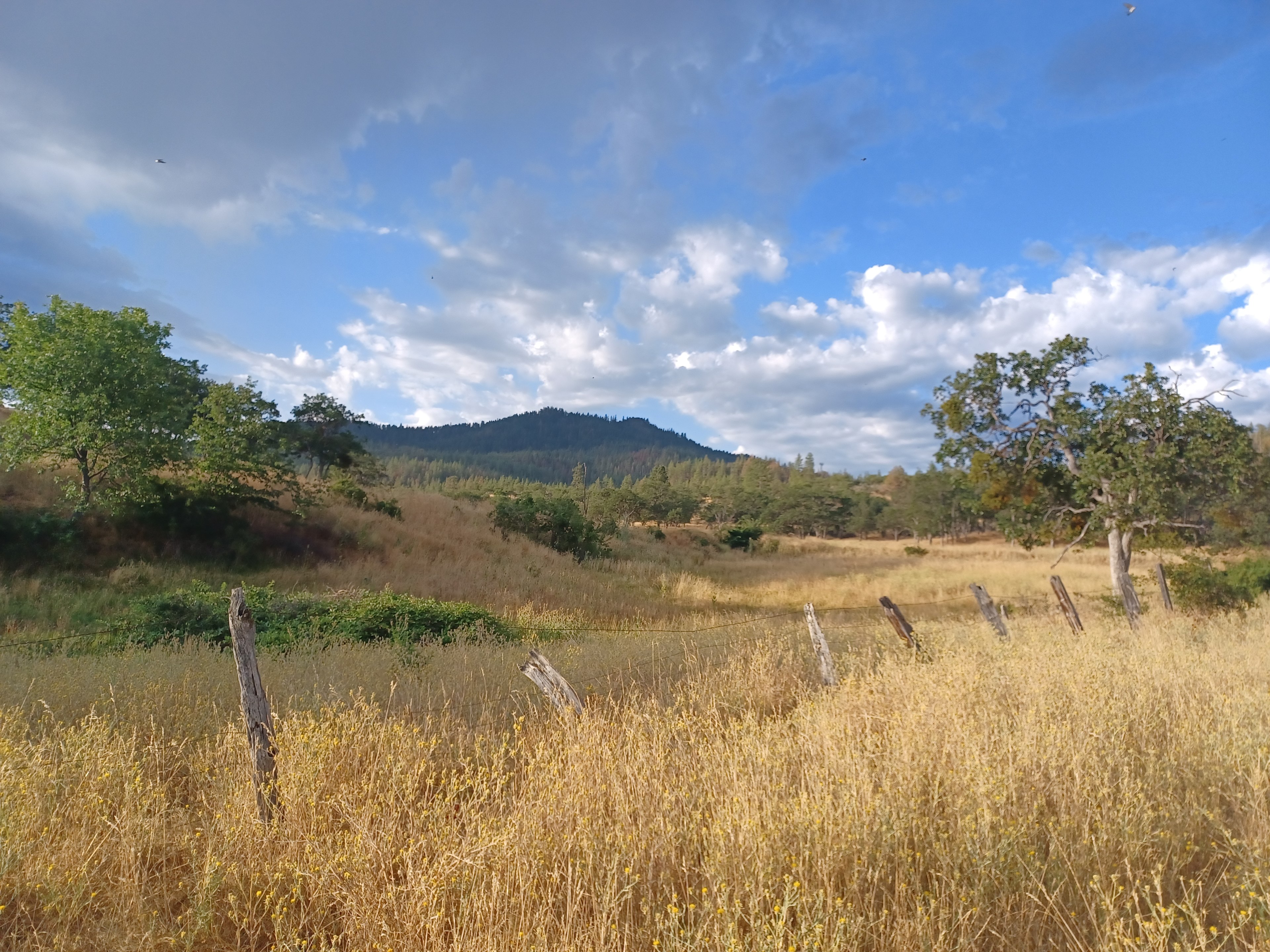
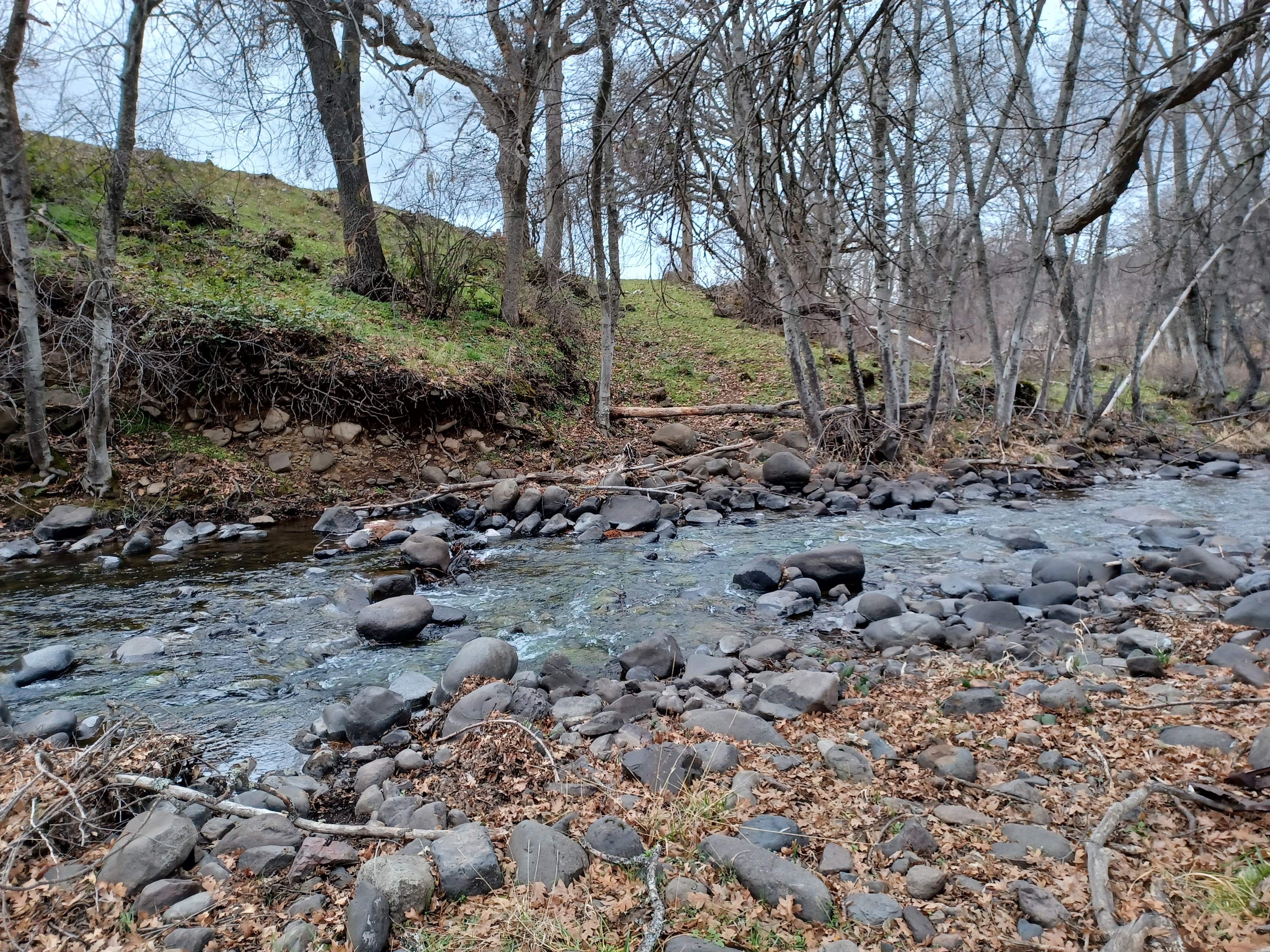
This 200 acre property is located within the Cascade Siskiyou National Monument, a land bridge where two mountain ranges meet, creating immense biodiversity and natural beauty. Soda Spring is a bourgeoning community tended land located on the unceded territories of the Shasta, Takilma, Latgawa and Klamath peoples, just 10 minutes from the south end of Ashland, Oregon. The property is primarily oak savannah and pastureland, with adjacent fir/pine and madrone/manzanita forests and hillsides. The land sits in a valley where both Soda Creek and Carter Creek enter in to Emigrant Creek as it flows onward to Emigrant Lake, just a mile away. The land is being stewarded by a small group of humans and large community of wildlife and insects. Together we are slowly creating something special... including community event and classroom spaces, gardens, orchards, holistically managed ranch lands, campgrounds and wild places.
Please note that we are a working farm with sheep, cattle, horses, chickens, turkeys, dogs, cats, pigeons and bees. We ask that you are considerate to all the life happening on the land, observing animals at a distance (except the cats, who will not allow for that) and being aware of electric fences. If you bring dogs to the land, (an option only with RV sites) do so at your own risk. Dogs will need to be leashed at all times and cleaned up after meticulously. Thank you for helping keep everyone safe and the land well cared for.
Currently there are two vintage trailers and two RV sites available. By summer of 2026 we hope to also offer walk-in campsites by the creek!
Pets
Electrical hookup
Toilets
Recent reviews from the Hipcamp community
L
Linda
4 days ago
16 ft rooftop tent
Nice place to stay on our road trip to back to Seattle from California. Host quickly responded to our request to stay there last minute and helpful finding our site. Pleasant area.. Nice compost bathroom, we stayed in our car top tent site 1 for 11 hours then back on the road.
Cost on higher side for what we needed with our late check in- early check out safe place to sleep for the night but glad to have found they could accommodate us. Would stay there again with hopefully more time to relax on the farm.
See more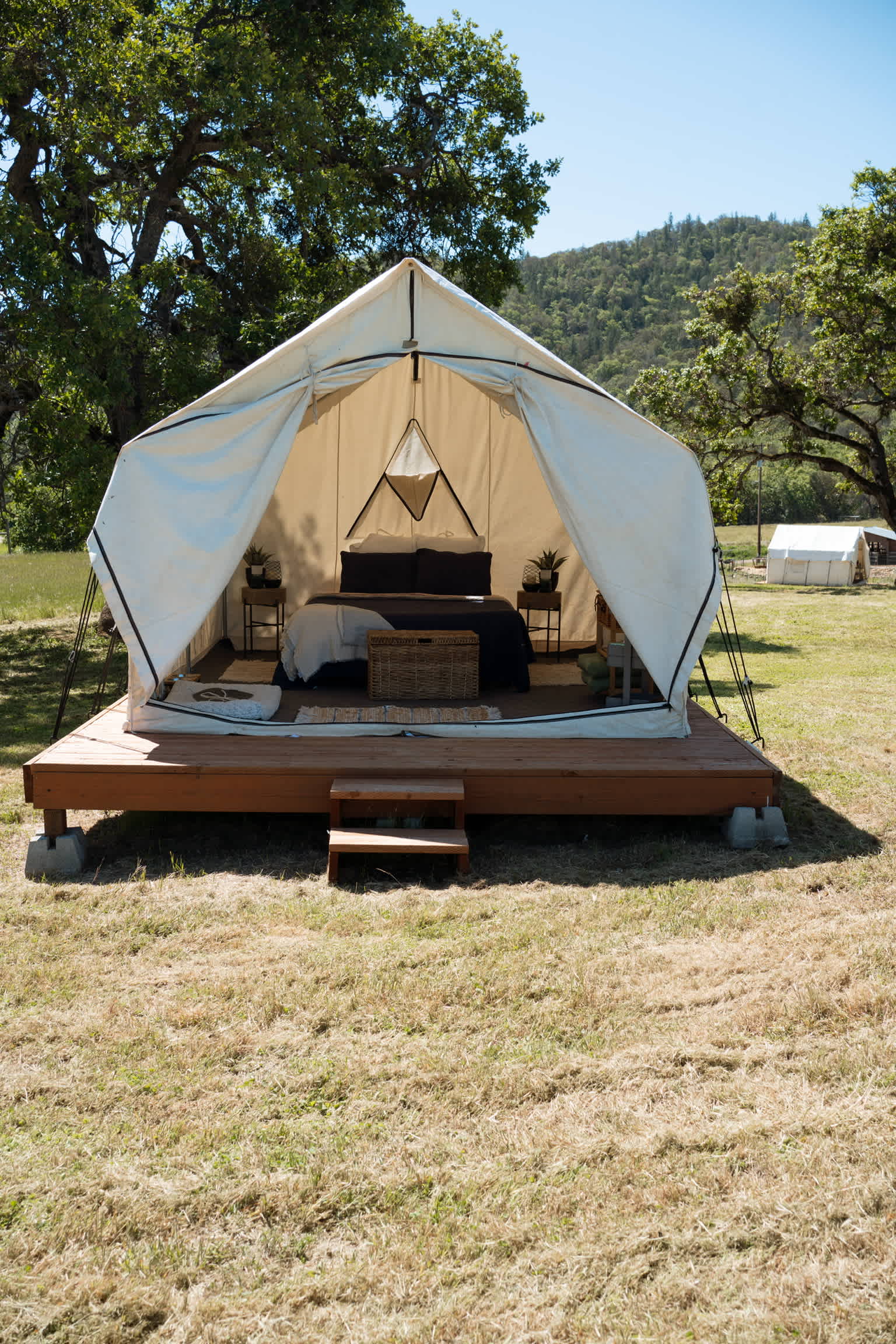
M
Meghann
4 days ago
Weekend Trip to Lane Creek Reserve
Accommodations were top notch and the farm is a beautiful place to land after a long drive. Lara was easy to get in contact with and available at a moment's notice. Looking forward to coming back and visiting this kind family and their beautiful land in the future.
See more
J
Joshua
5 days ago
S
Stephen
6 days ago
1 night at Lane Creek Reserve
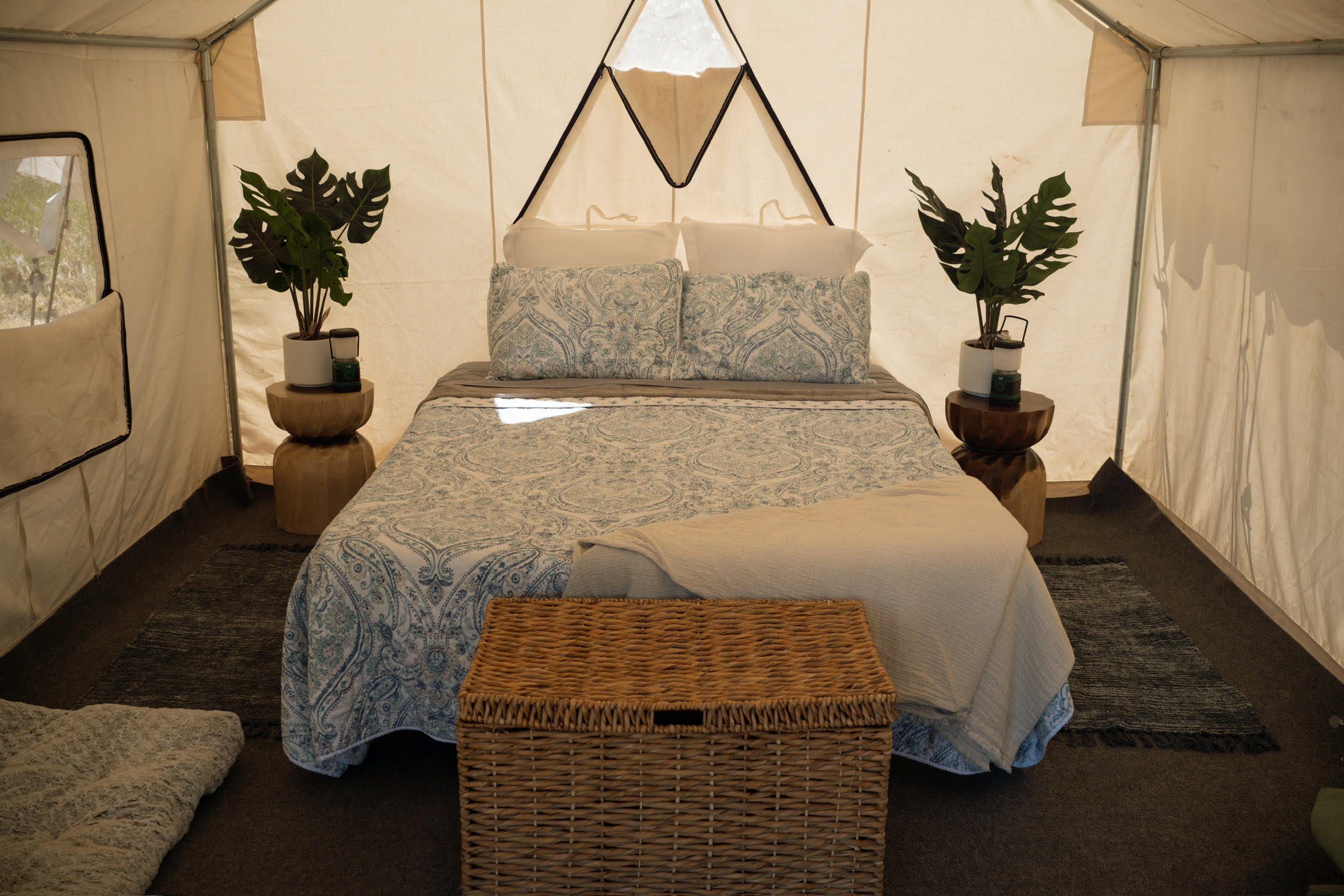
This Glamp was fantastic. Very comfortable bed, located remotely but not too far so very quiet. Heater was effective and the rain was a lovely sound to effect sleep.
Couldn't be happier or more content with the experience. Hope to stay there Again!
Steve & Cindy
See more
Aaron
6 days ago
With pets
This was my second visit at Lara's farm! It's such a lovely spot, so peaceful, comfortable bed, and the breakfast was amazing!
See more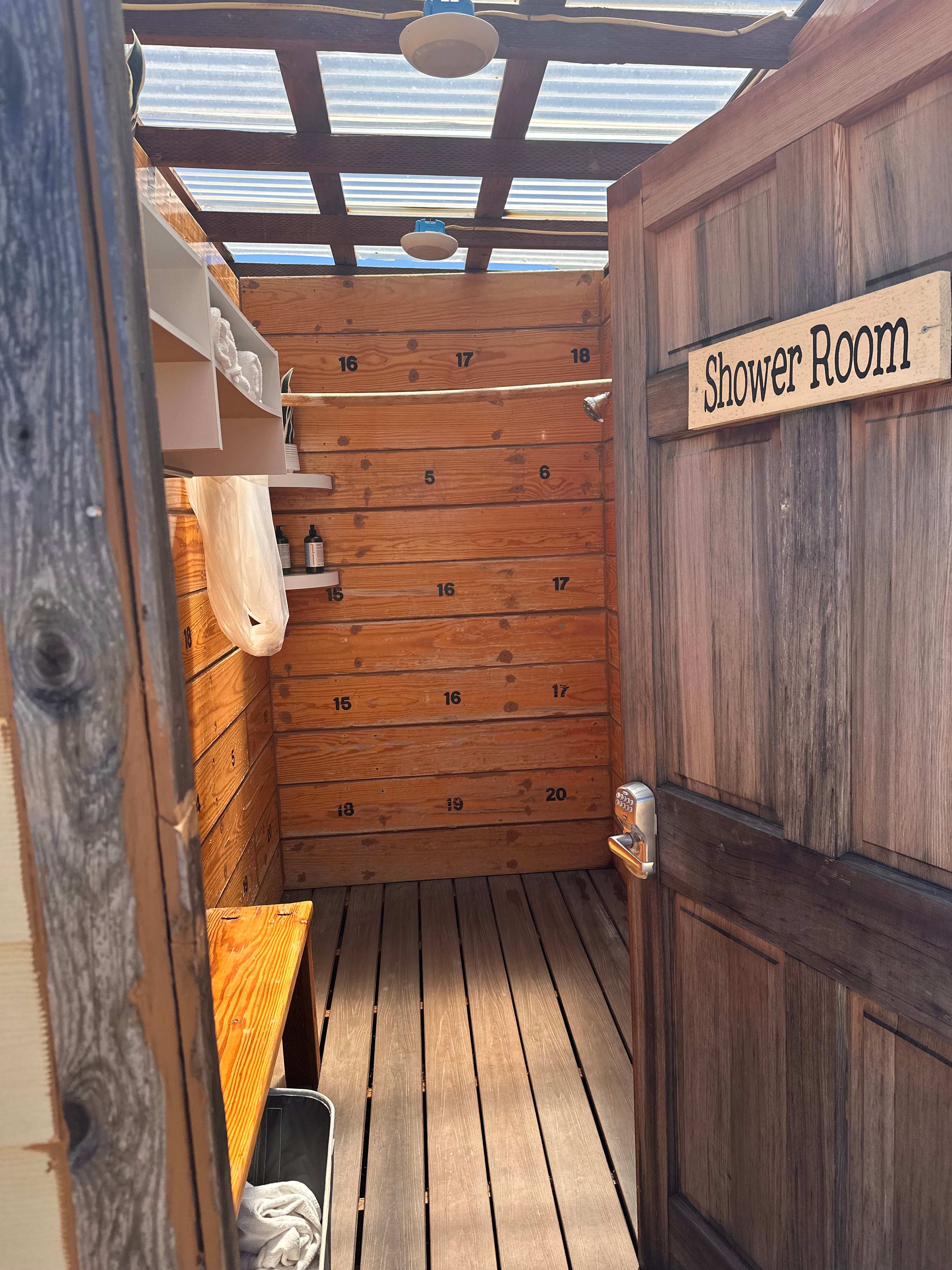
J
Jasmine
1 week ago
With pets
We loved staying here so much! It was a perfect balance of camping, but also having nearby amenities. Clean shared areas/ kitchen sink/ shower/compostable toilet/etc. Lara was such a wonderful host and really available for questions and recommendations of nearby attractions. Winery’s/swimming spots/food. Our charcuterie board was heavenly and plenty for leftovers to take home and enjoy. The farm is lively and peaceful with animals. The stars are gorgeous in the evening. We just loved it. We will absolutely be back again 🥰
See more

Naomi
1 week ago
Tent
A lovely place to break up the drive to Portland. Rebecca was very responsive and even kind enough to let me switch sites. I had originally booked site 4 but the mosquitos were pretty intense in the trees. I switched over to site 5 on the meadow which was much more manageable and sunny. I would definitely come back!
See more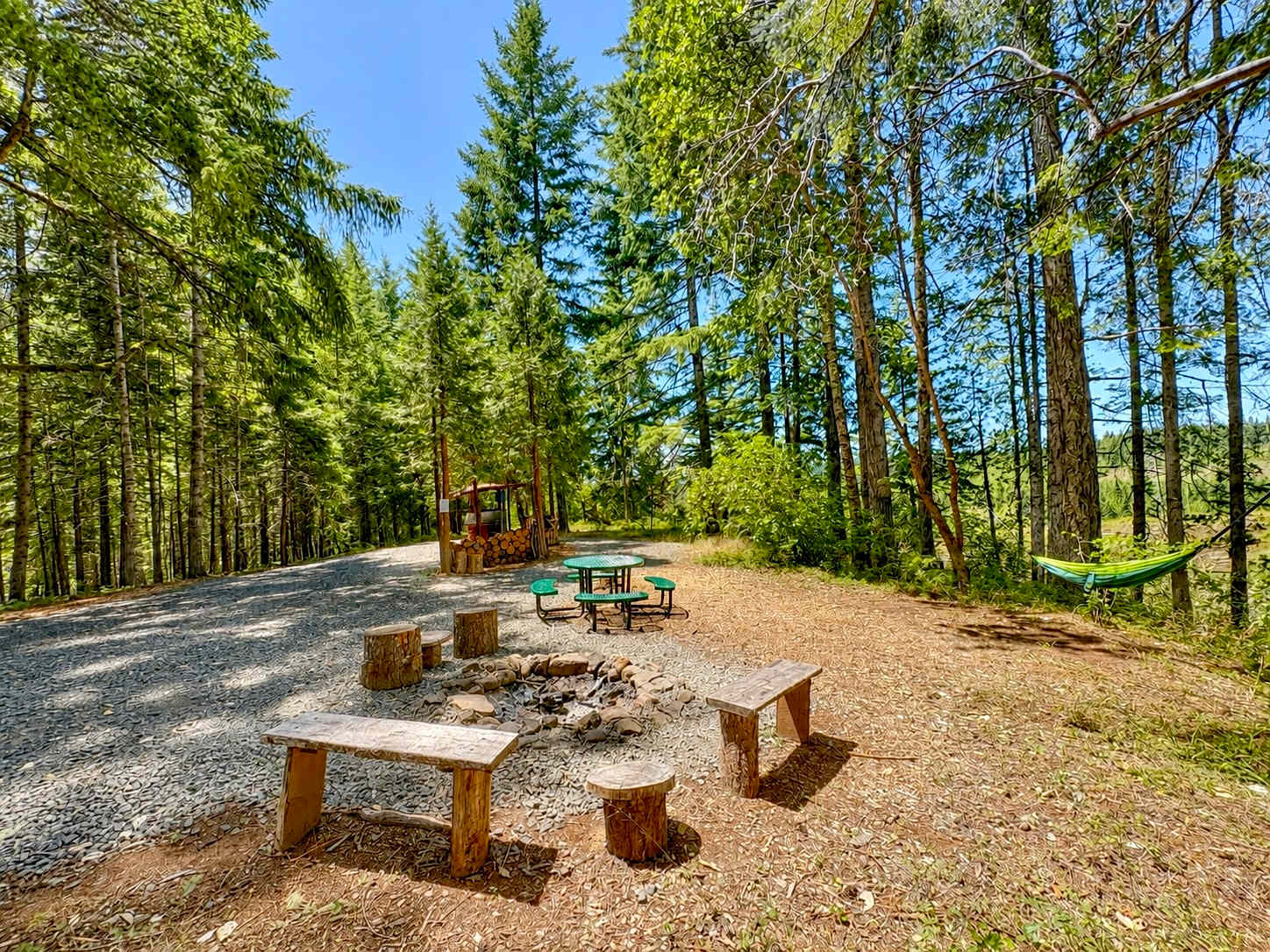
E
Elijah
1 week ago
Tent
Group trip
Fantastic stay. Absolutely beautiful property! Everything was smooth and easy
See more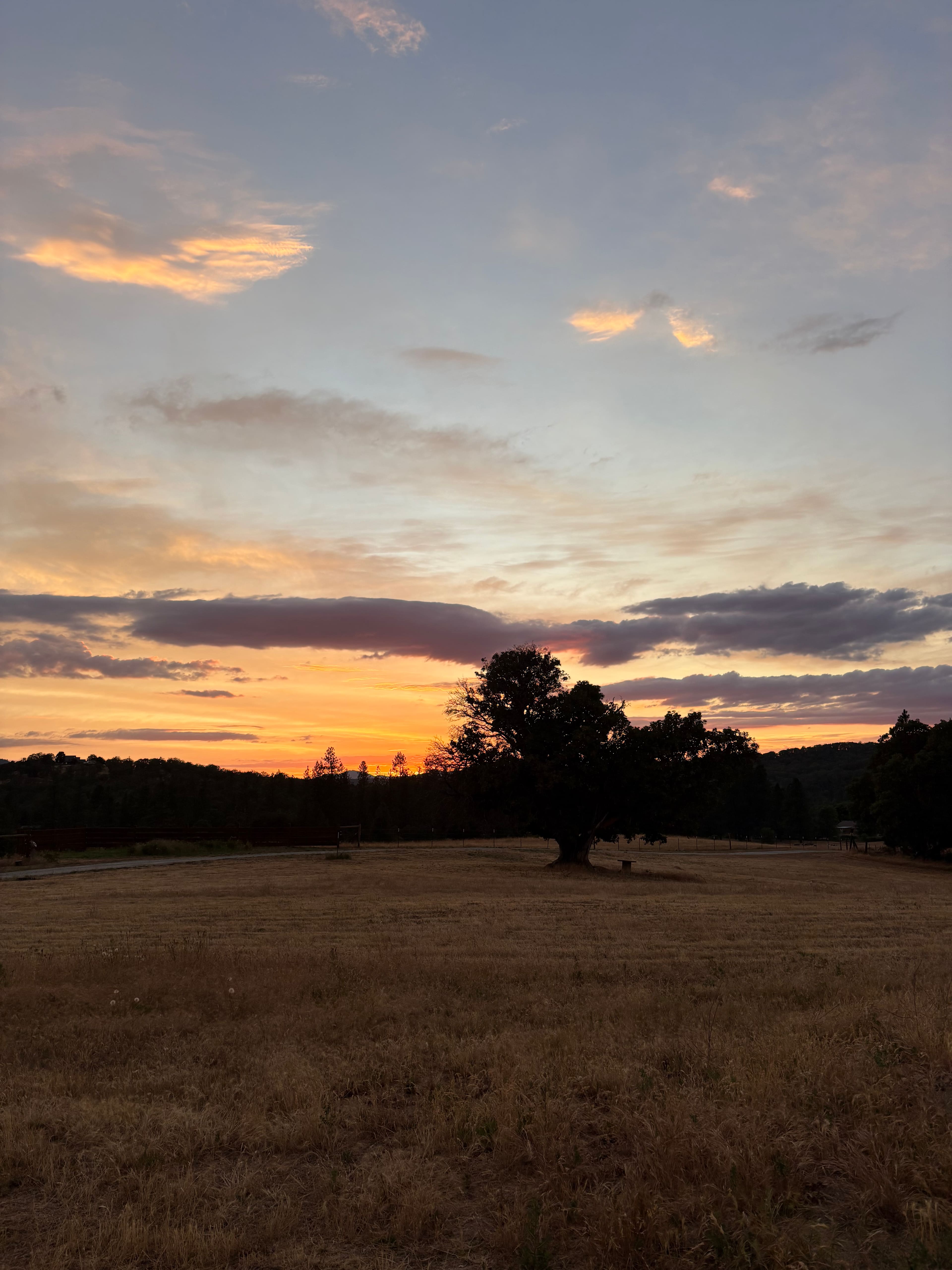
S
Sydney
1 week ago
22 ft truck camper
The host was wonderful and the property is gorgeous!
See more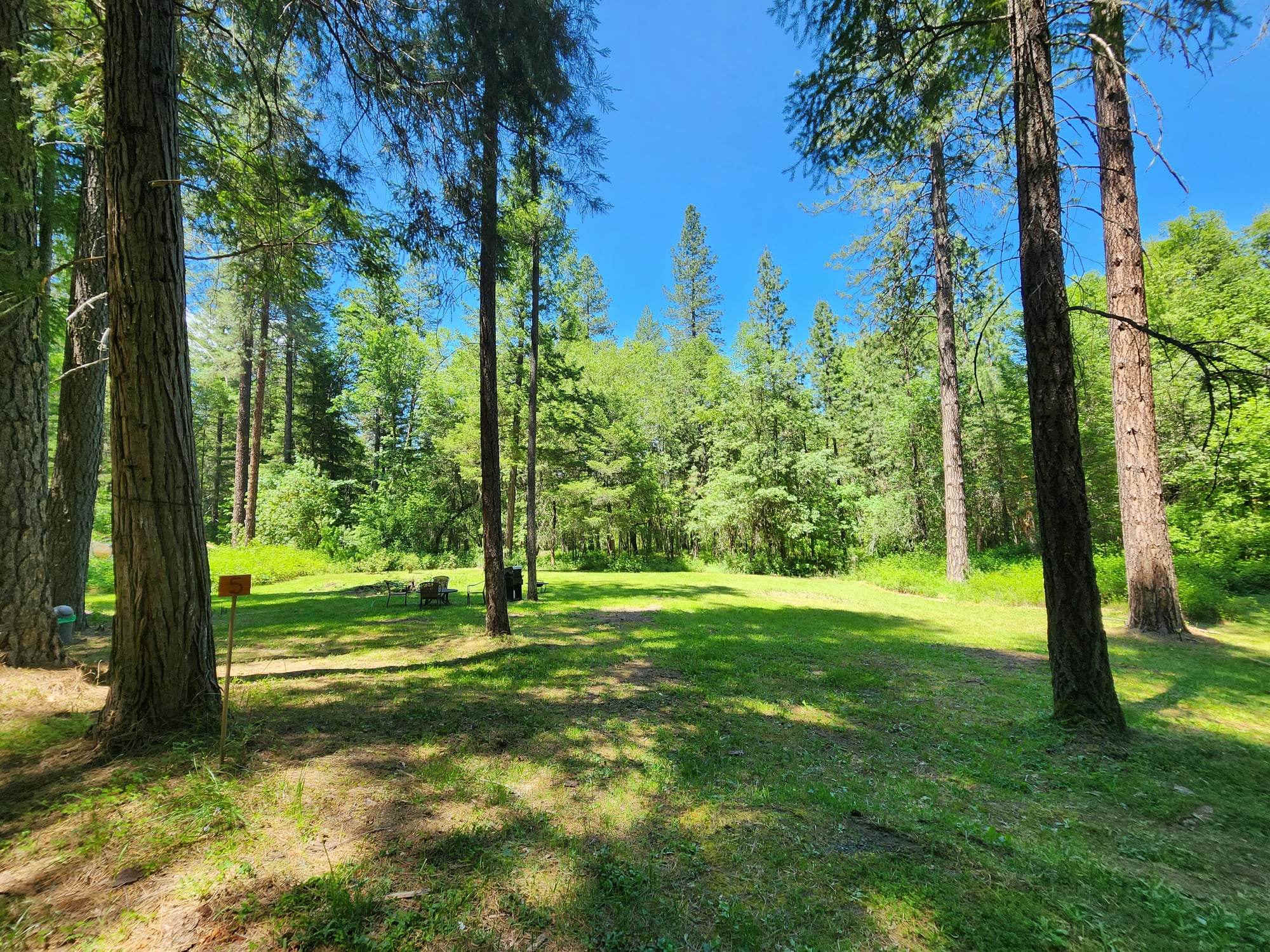
E
Eva
1 week ago
Tent
With pets
Lovely setting and hosts are extremely welcoming. My dog had room to wander.
It was easy to refill water jugs as hoses were available throughout the camp.
Depending on the time of the year, bug spray is advised.
See more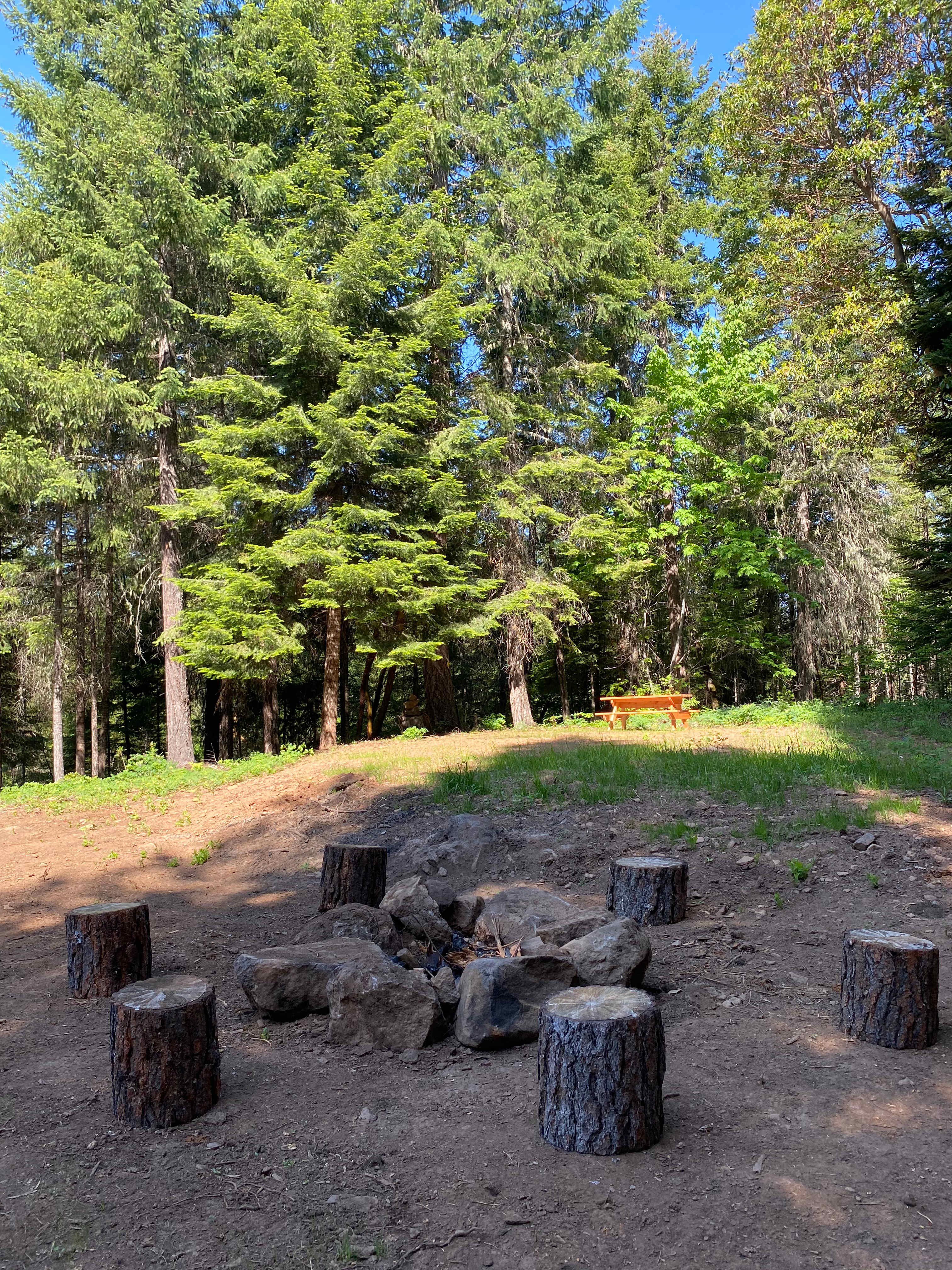
M
Mia
2 weeks ago
Tent
Really beautiful private spot! Super peaceful and exactly what I was looking for. I’d absolutely stay again!
See more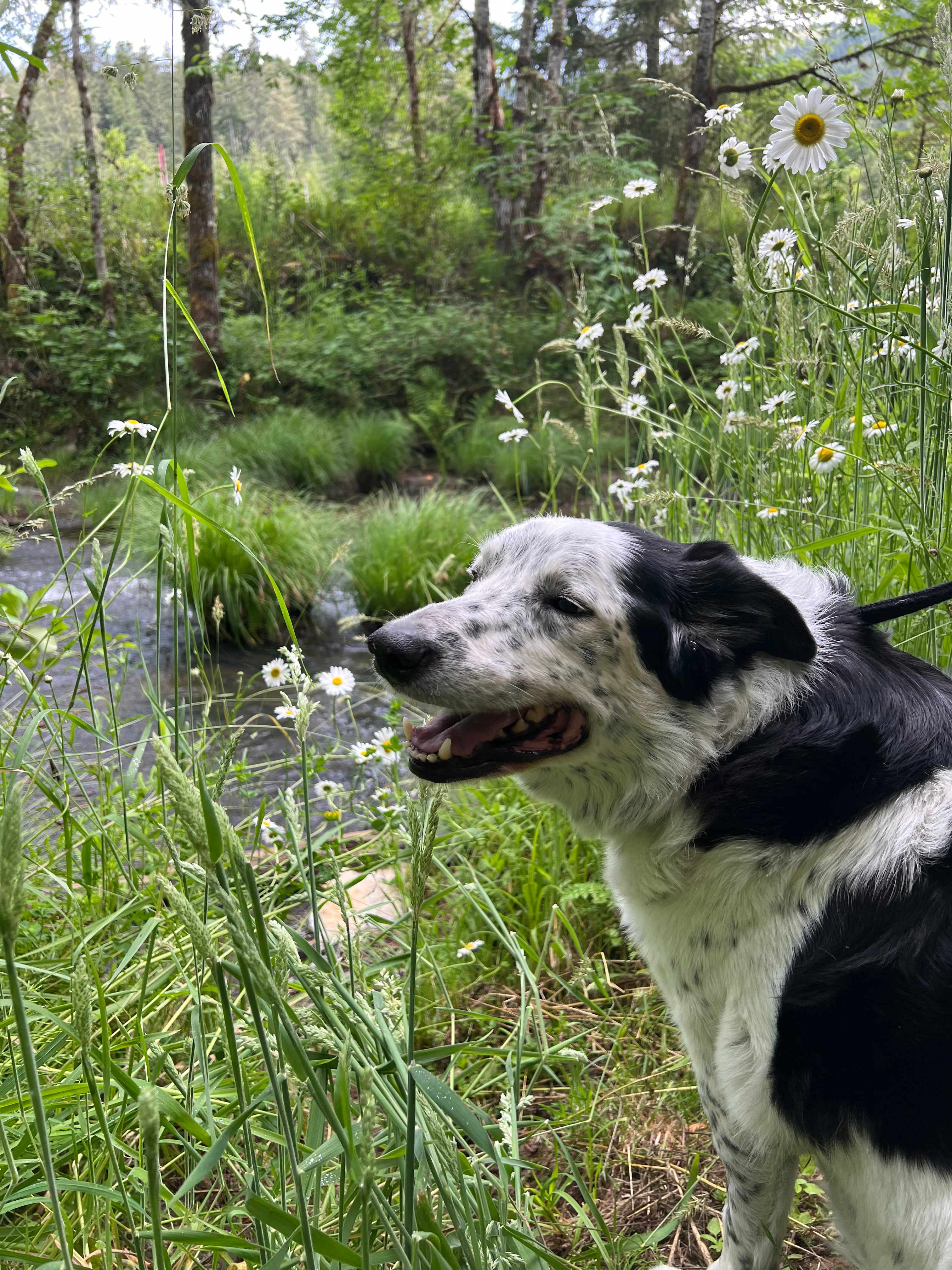

Ronald
2 weeks ago
16 ft car
The campsite by the creek was perfect. Susan and her dog were friendly.
See more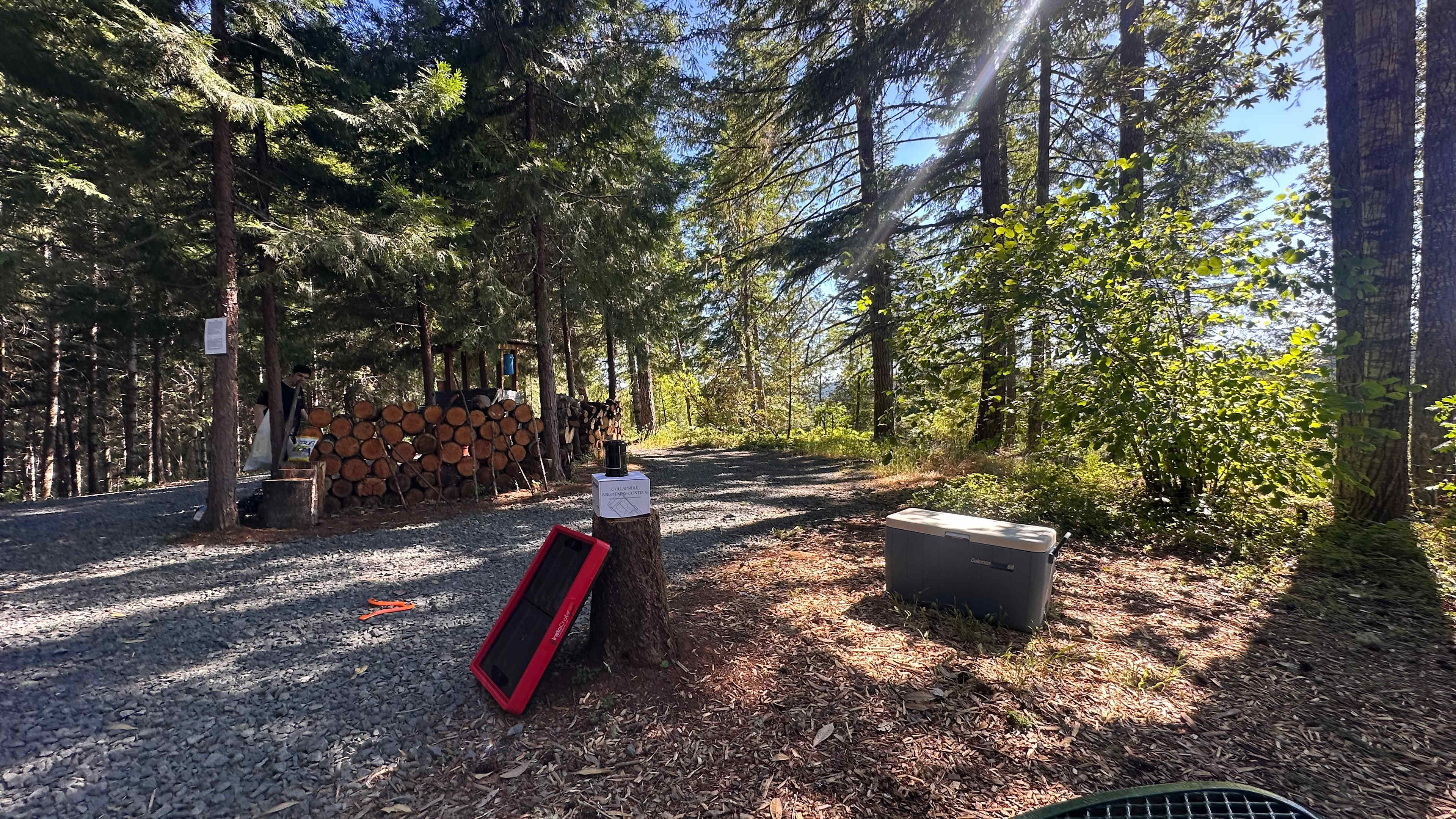
A
Angelina
2 weeks ago
22 ft pop-up camper
Group trip
The site appears bigger in photos but was still large enough for 2 tents, 2 trucks and a pop up camper. We had a great time, the electric hook up was a huge bonus. Our kids enjoyed walking to the small playground. The firewood was nice and as scary as the "bathroom" sounded, it wasn't too bad for us newer campers. Overall we had a great few nights here.
See more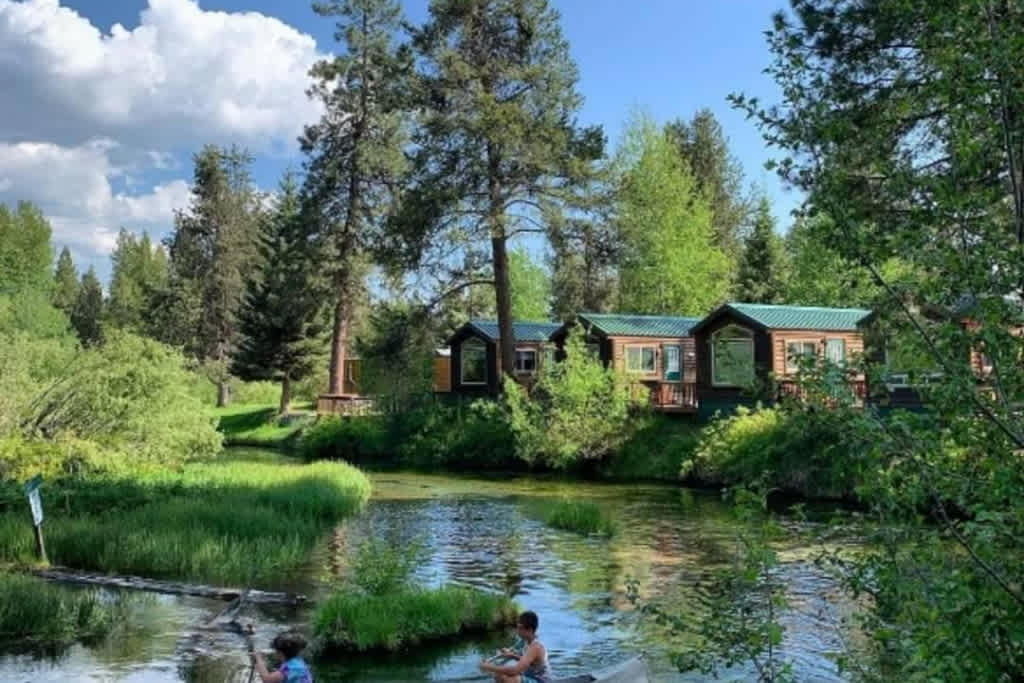
H
Haley
2 weeks ago
Tent
Was a very cute resort, had a shop on site as well as many other people but they weren’t a disturbance. A lot of stuff to do and a great place to stay if you’re looking to go to crater lake. Checking in and out was super easy would definitely recommend
See more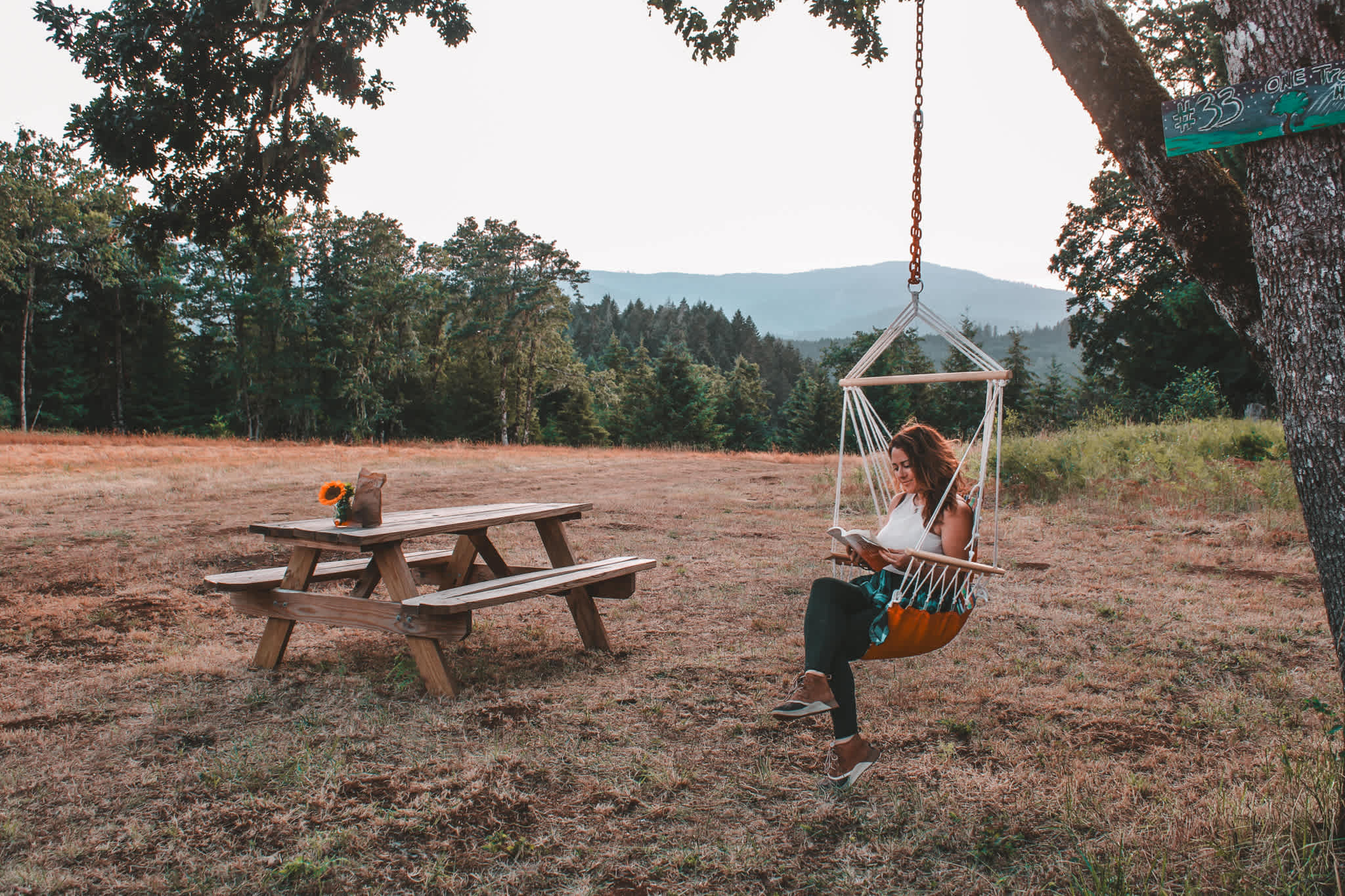
M
Michelle
2 weeks ago
Tent
Incredibly beautiful views and serene surroundings. The campsites are so peaceful and relaxing. Super nice they have running water at the sites. Would stay again! The 2 mile gravel driveway is challenging to get up in a sedan, but possible.
See more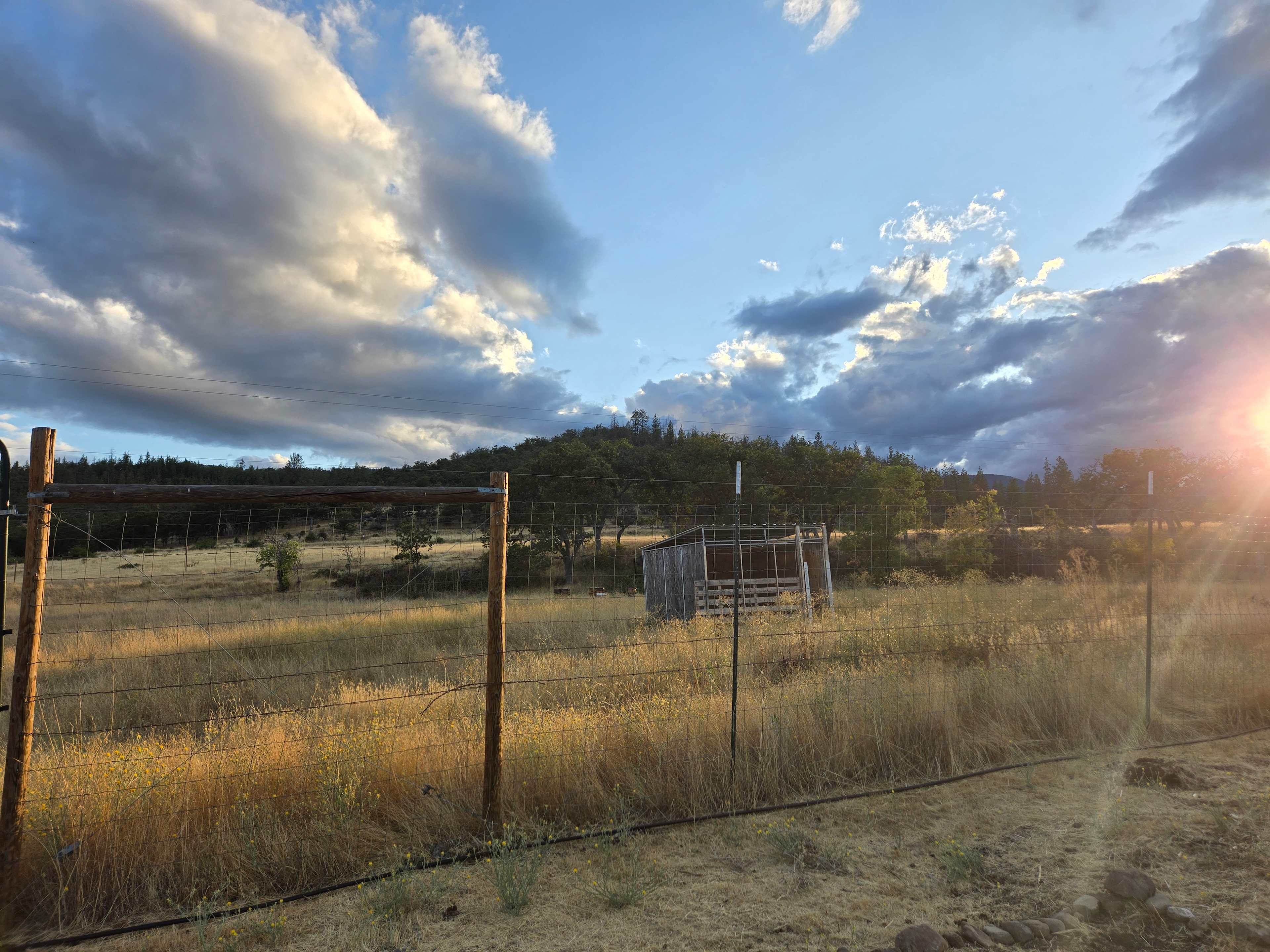
S
Sierrah
2 weeks ago
12 ft truck camper
Sarah is very sweet and easy to communicate with!
See more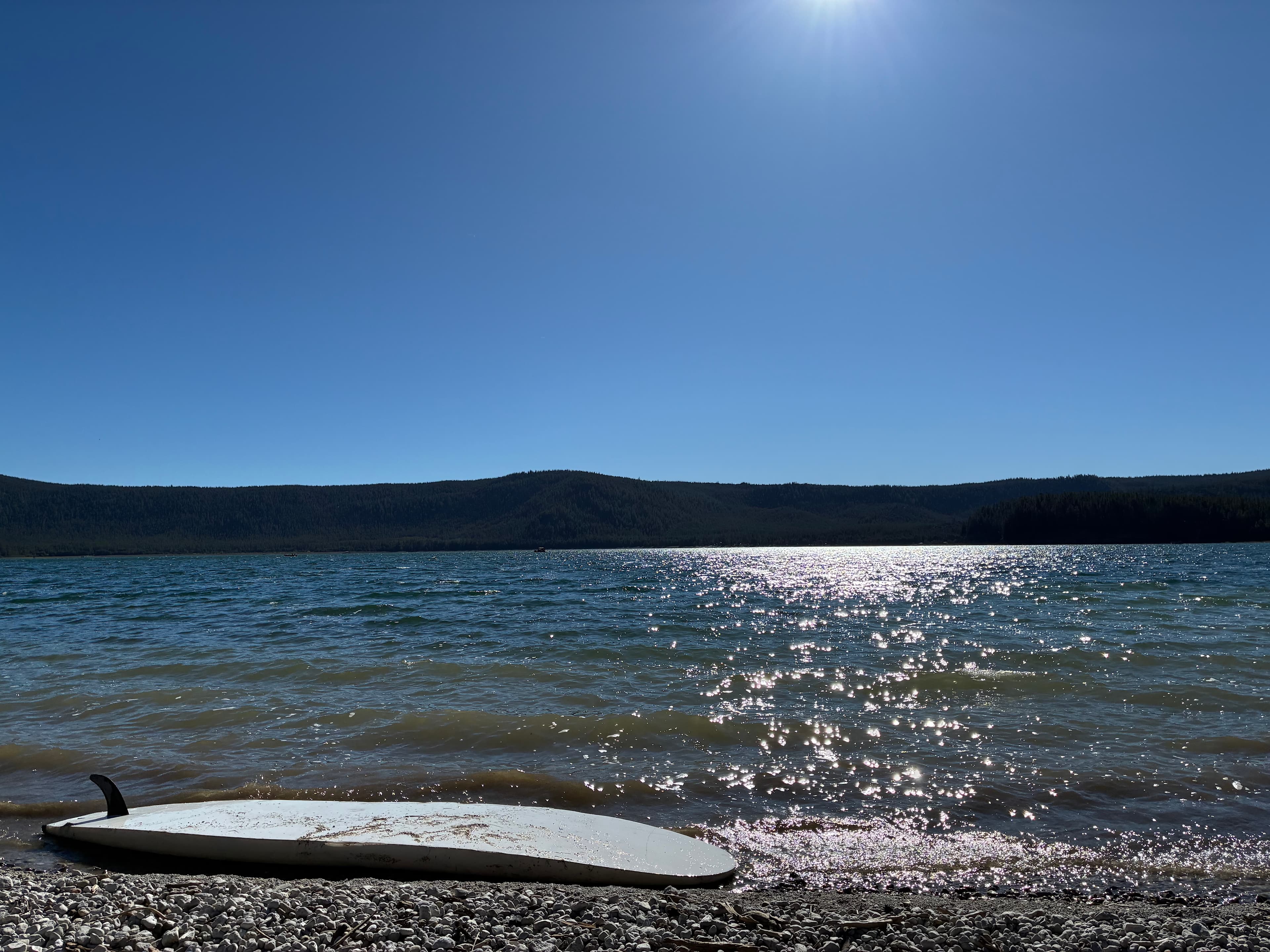
J
Jeremy
2 weeks ago
With pets
Thank you, David (host), for sharing this little slice of heaven with others to experience! David is a friendly, accommodating, and one of the most hospitable and interesting people I’ve encountered. The location is easy enough to navigate and the scenery is stunning. There are secrets around every corner. Highly recommended — you don’t want to miss this one!
See more
S
Scott
2 weeks ago
17 ft campervan
This was our second stay at Good Karma Van Camp, and it was just as great as the first. It’s a perfect stop on our annual summer road trip—easy to find, convenient, and only a short drive from downtown Ashland. The garden is beautiful, the views of the surrounding hills are fantastic, and communication with the host was excellent. We had no trouble pulling in with our van and getting set up for the night. We’ll definitely be back again.
See more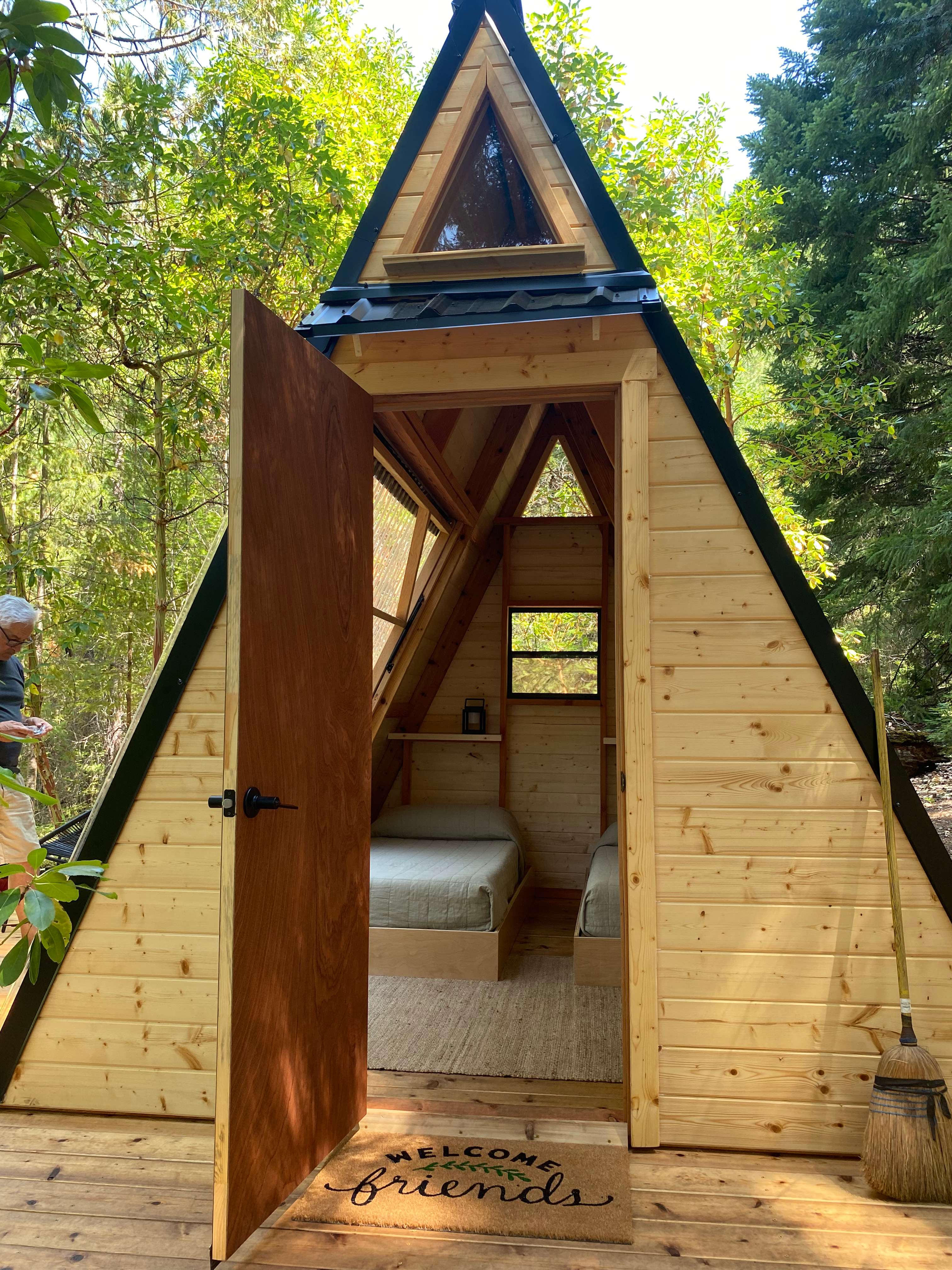
E
Ellis
2 weeks ago
Weekend Trip to Crater Lake Private Woodlands
Great space. Very private, well kept, and all-around just a great vibe. We went in early June and I will say the frogs were croaking the entire time. It didn't bother us, but if you are not a fan of repetitive noises you may consider one of the other spots they have available that is further away from the pond. But the views were absolutely gorgeous, and the on-site manager, Russell, was great. Would definitely stay again.
See more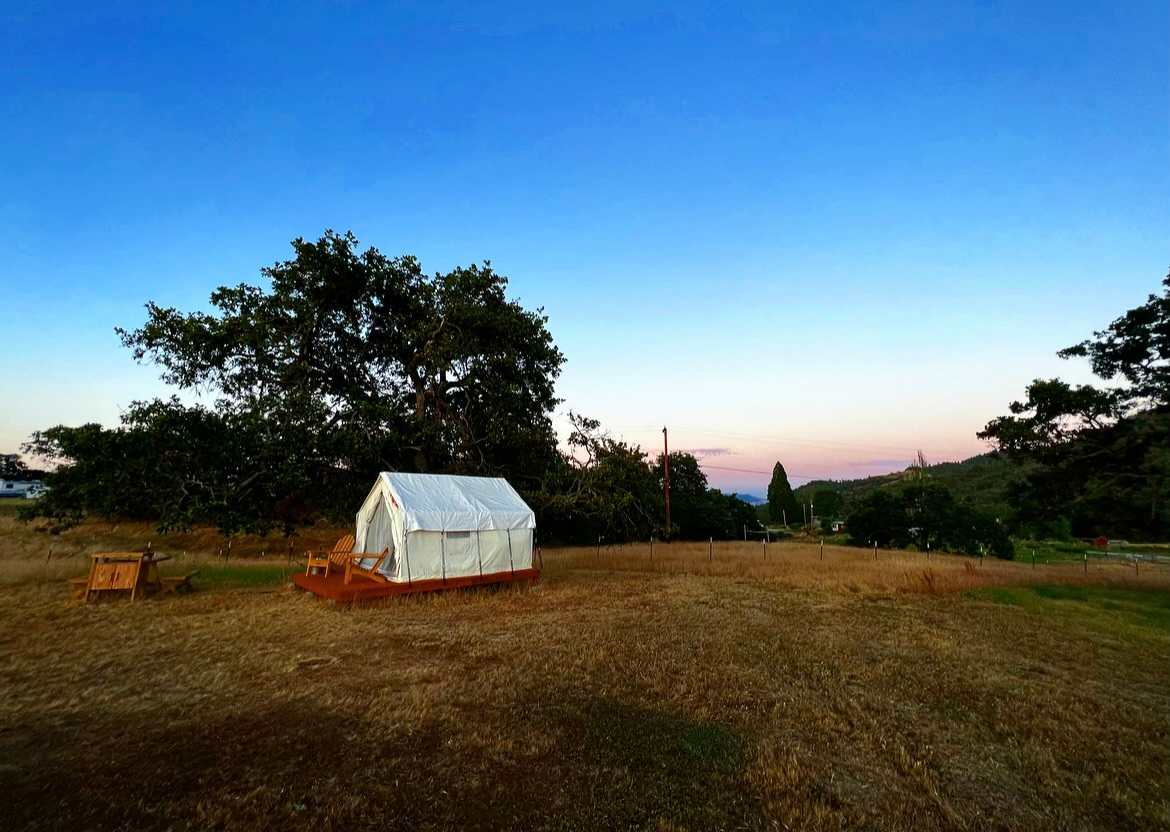
M
Michelle
2 weeks ago
Group trip
I can only in good conscience encourage everyone looking for a place relatively near Oregon Caves or along the way from/to Crater Lake to do yourself a favor and come here. Lara was responsive and easily accessible when we called before scheduling our stay and answered on first ring when we arrived. She’s personable and her kindness is easily witnessed. The stay was comfortable and soothing. Her little helpers were wonderful to meet when she came and brought our generous breakfast by. The breakfast food was a class in perfection. Homemade salsa and pillowy eggs that accommodated for soy and dairy allergies. The steak seasoned to give us a sample of her time spent in Costa Rica. Don’t misunderstand, we expected delicious when she shared her planned menu but it was beyond worth every penny. Coffee black perfectly brewed without even a hint of scorch or burn and near zero acid. We devoured every single morsel of perfectly selected fruit. We were all heart warmed to have the company of the baby sheep bleating nearby. What a true respite and paradise for our weary bodies! Lara, Your hard work in all areas of your life shows up and we hope you have the most joy and success in your lives.
See more