Top-rated campgrounds in Arizona
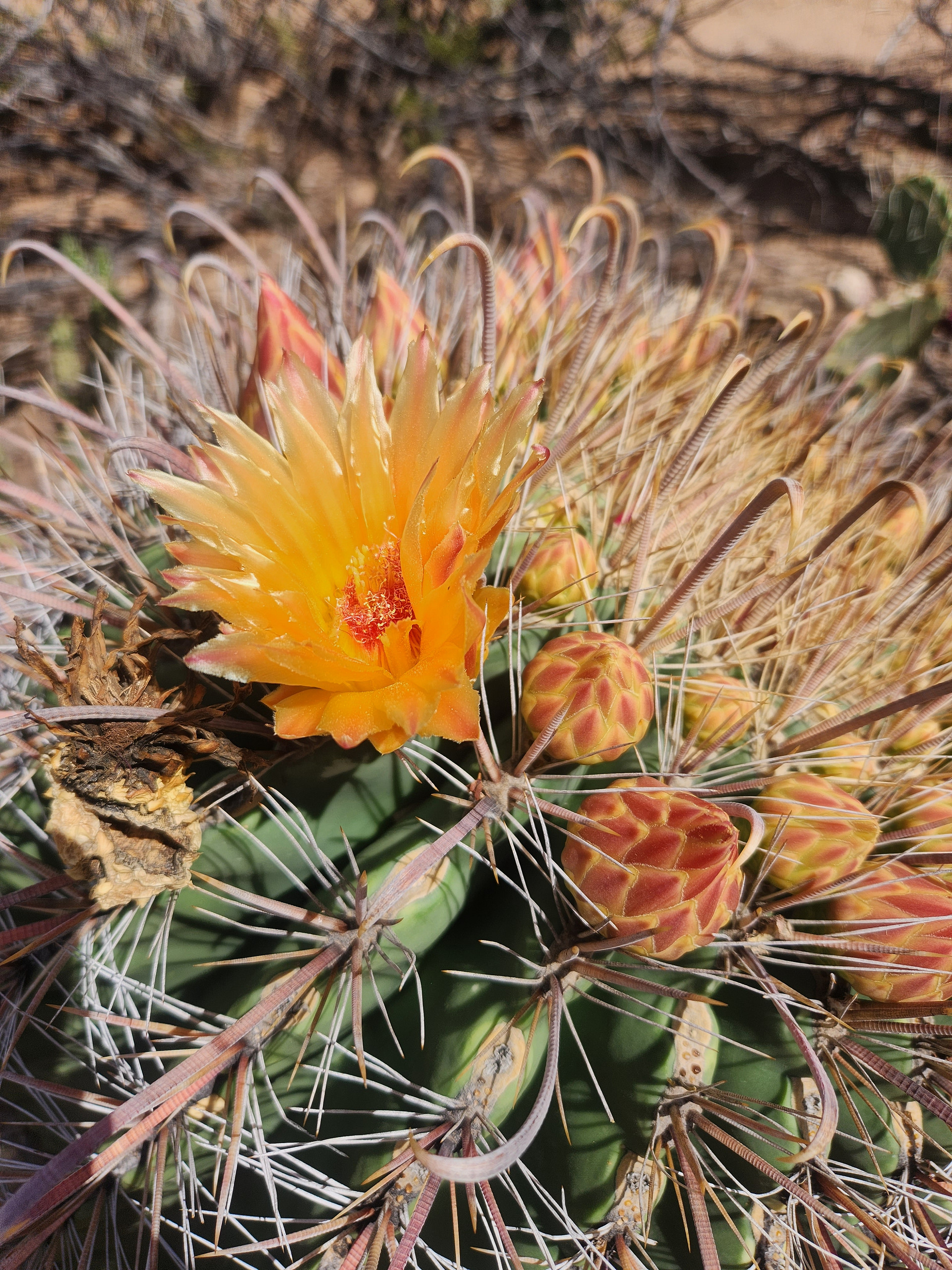
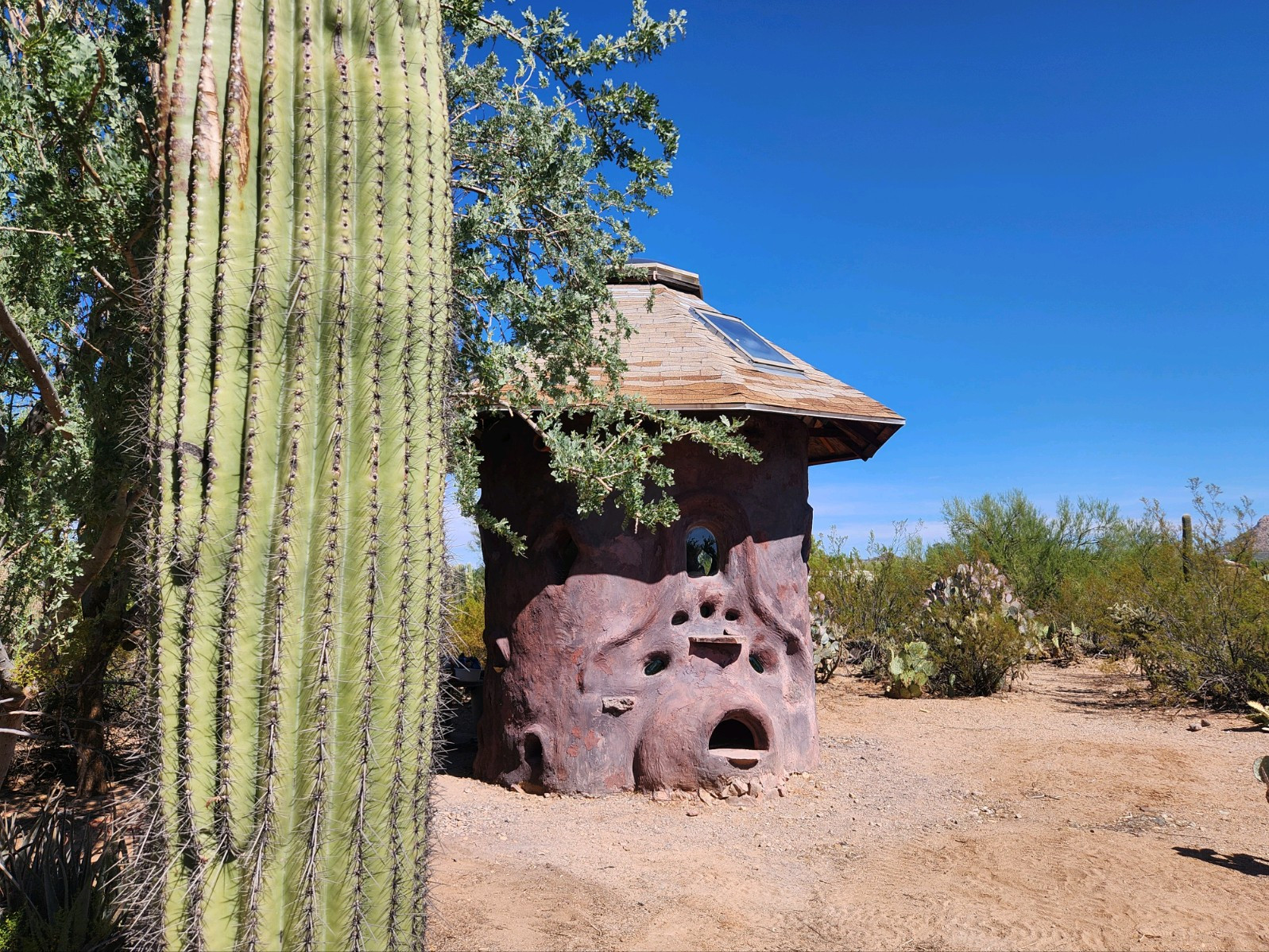
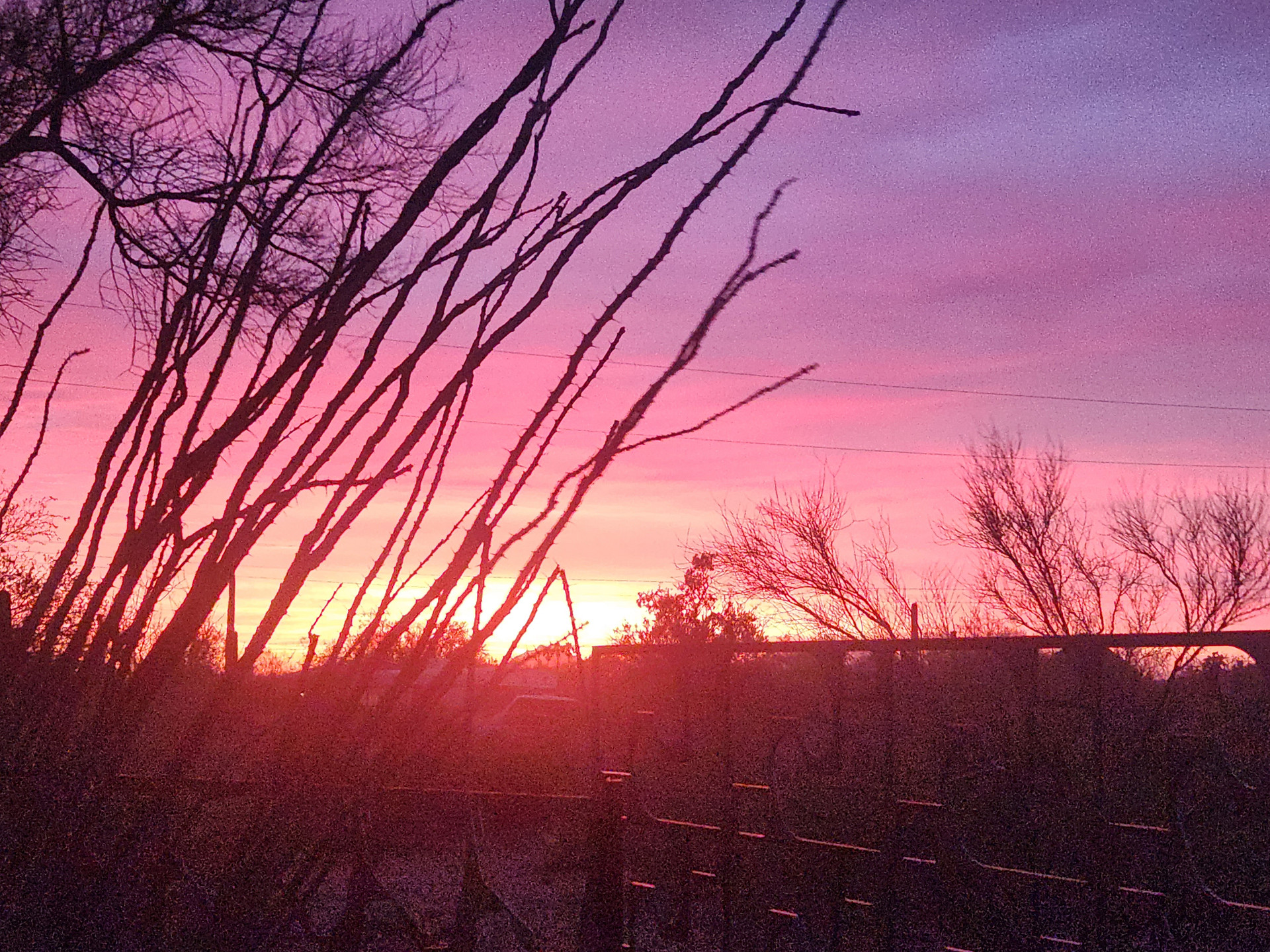
1. Camp Saguaro
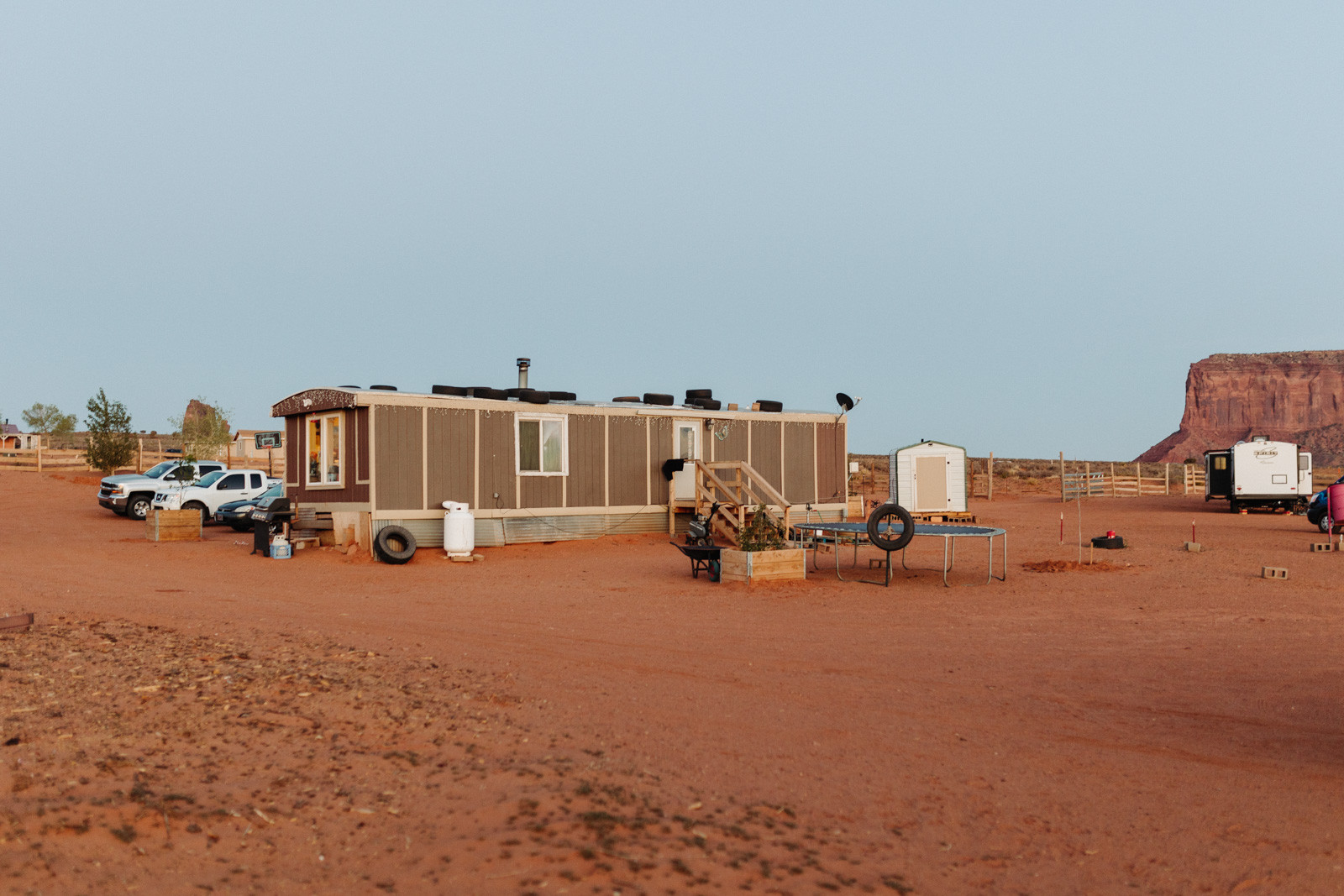
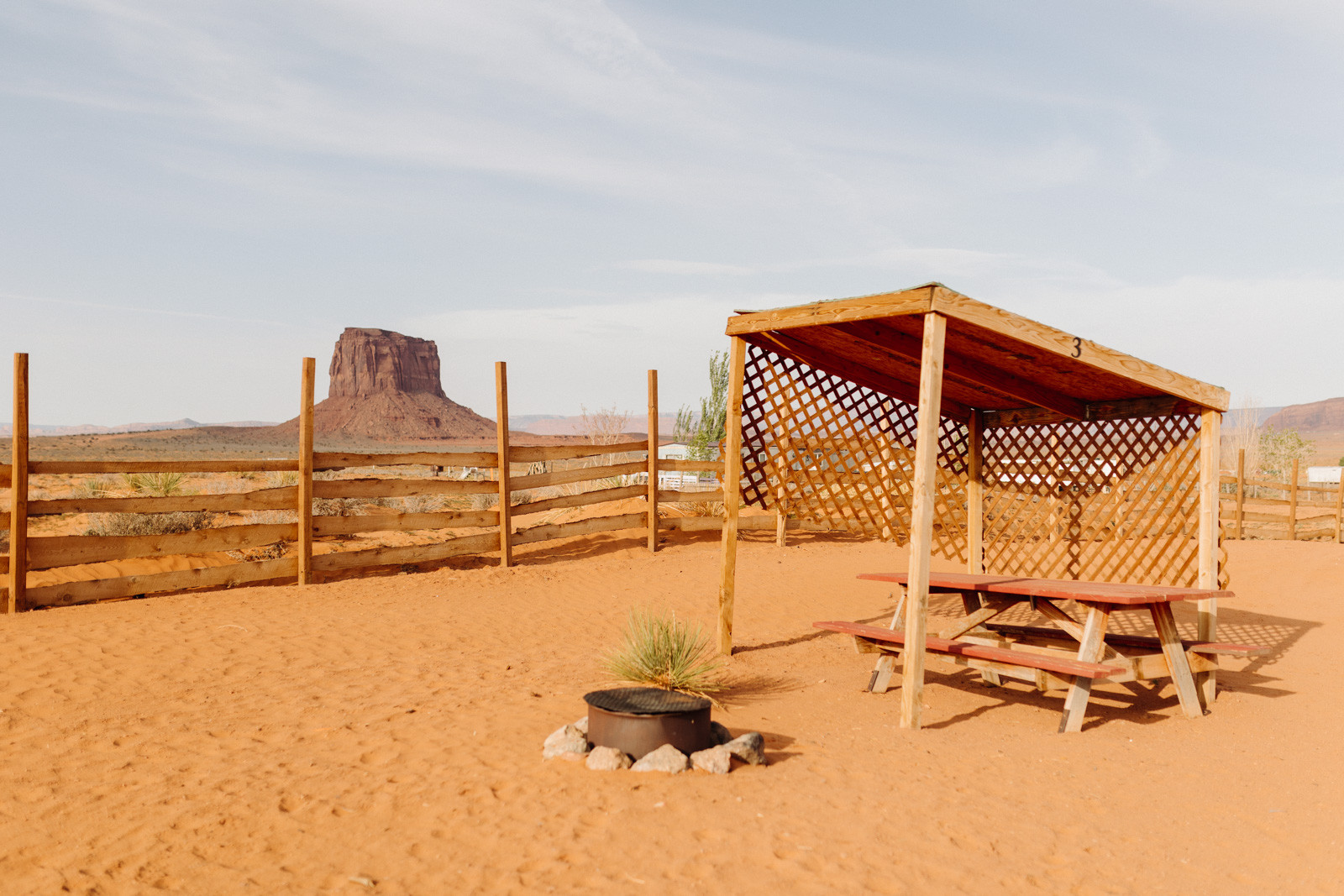
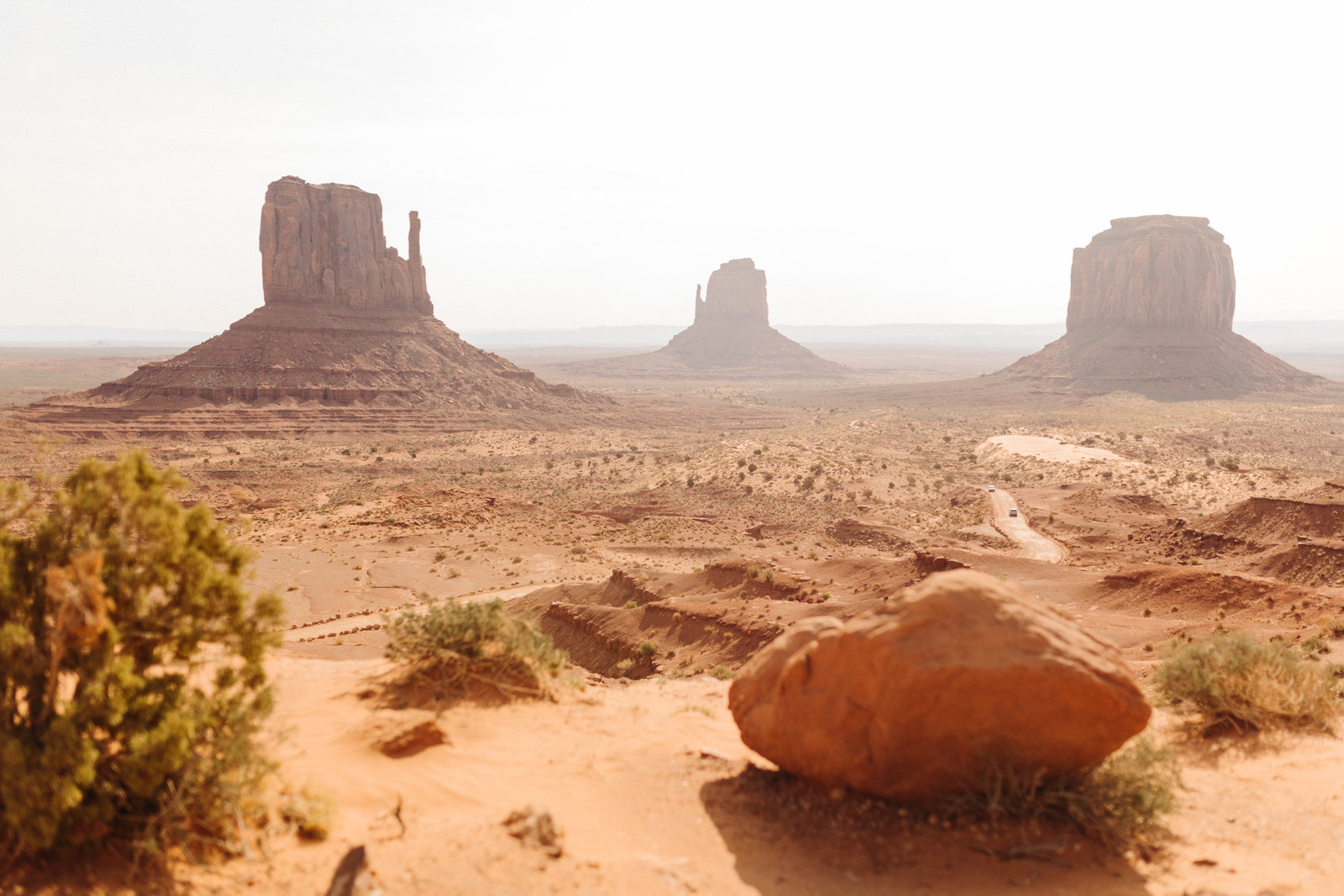
2. Humming Bird Campsite
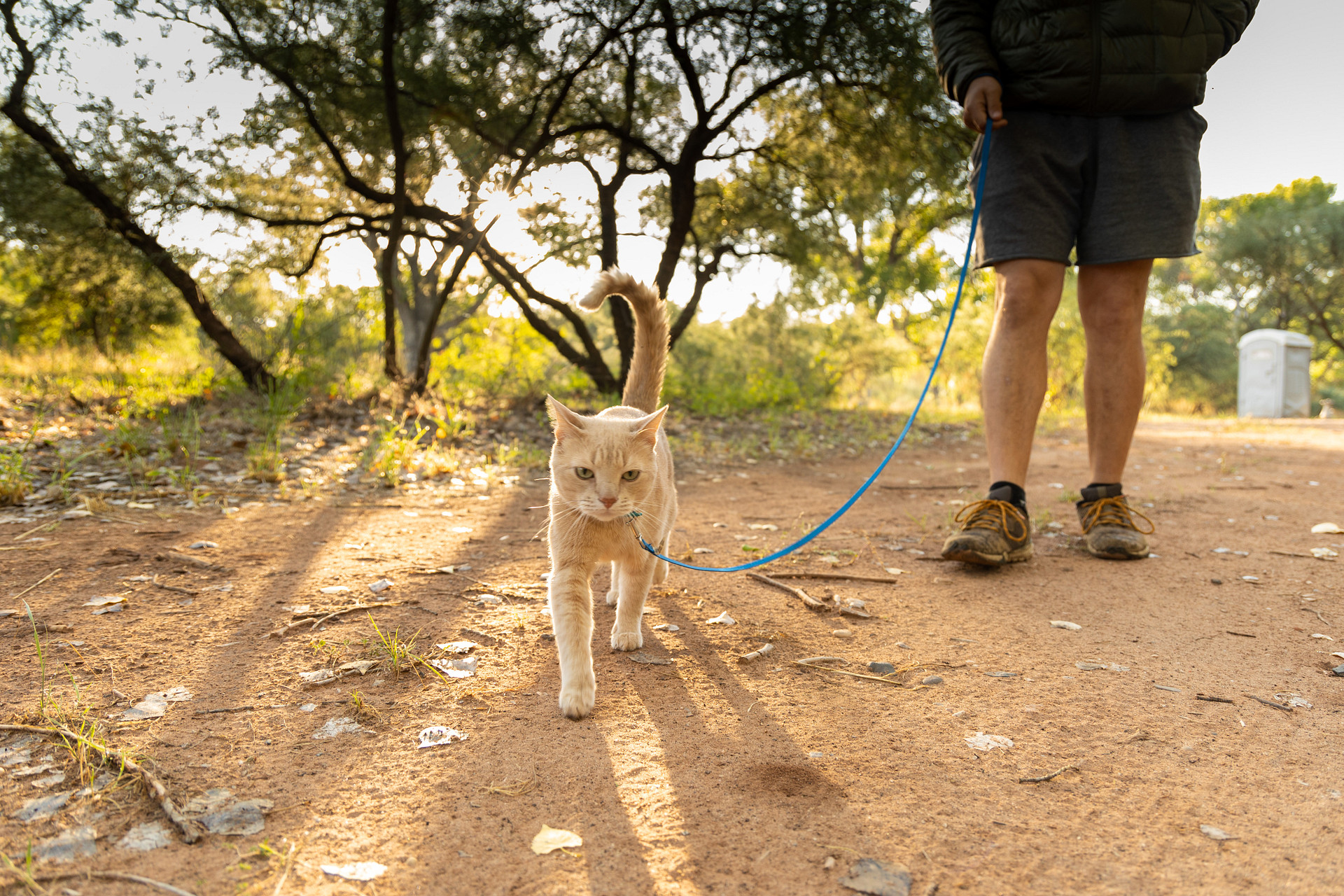
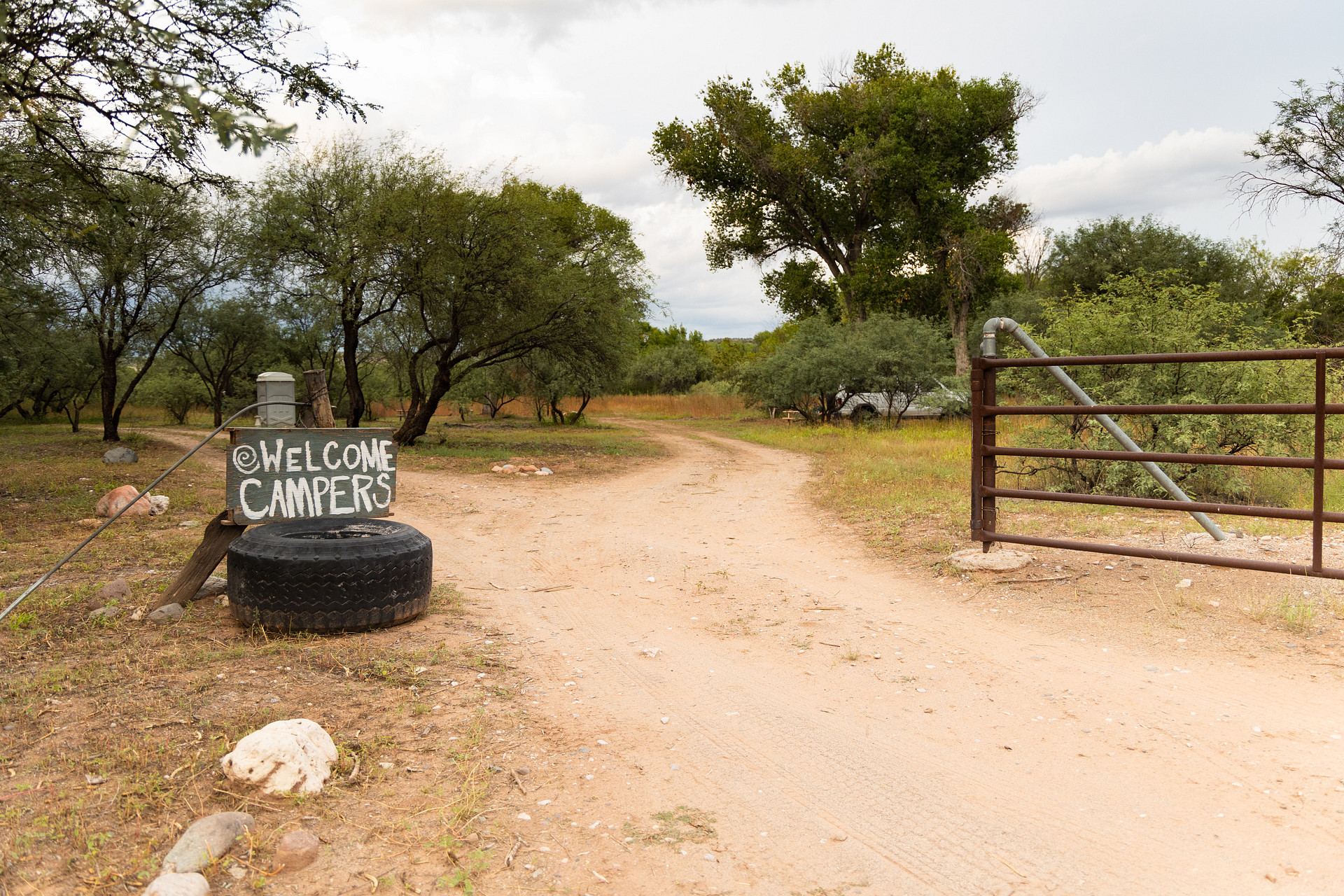
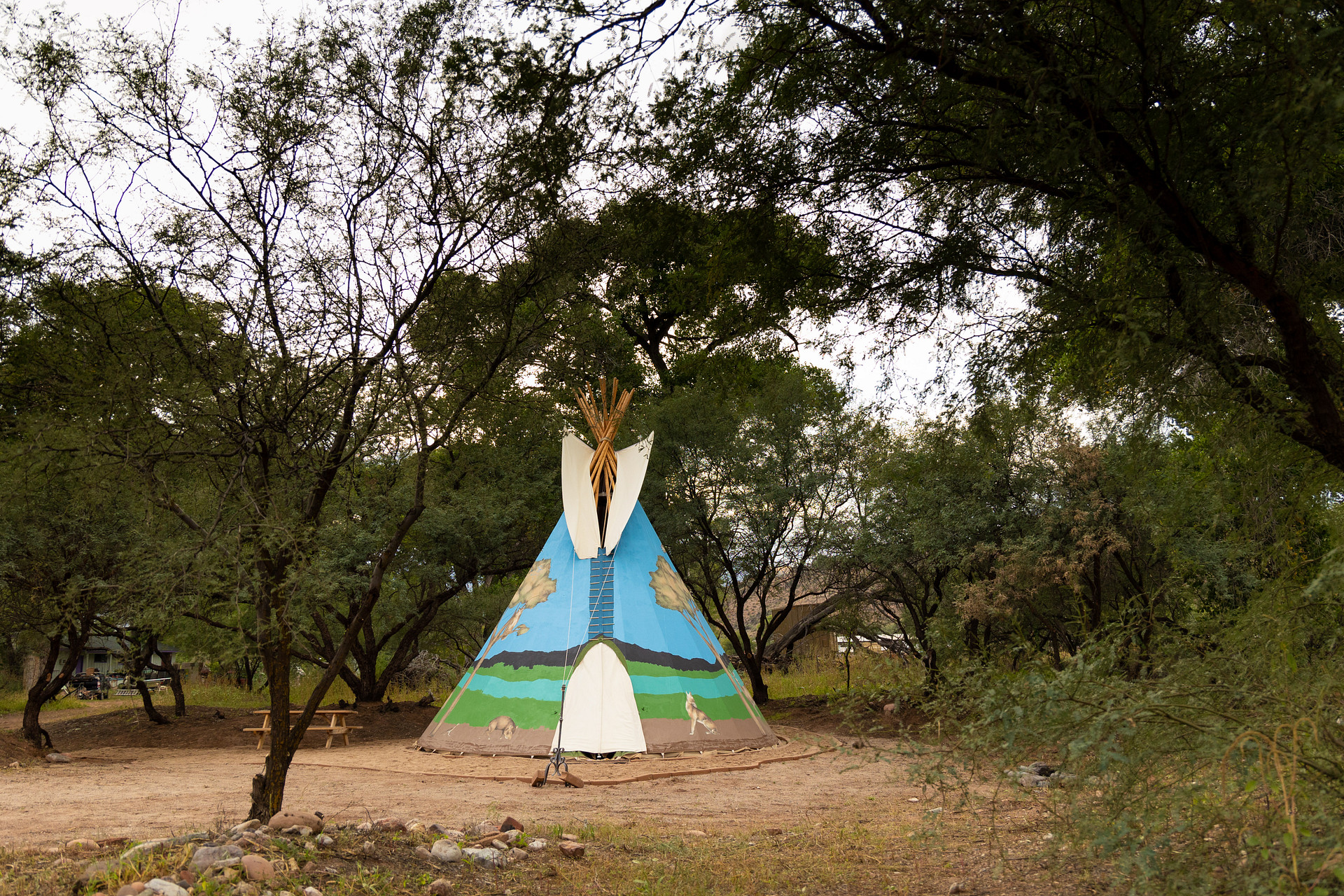
3. Hawks Hideaway Camping, LLC
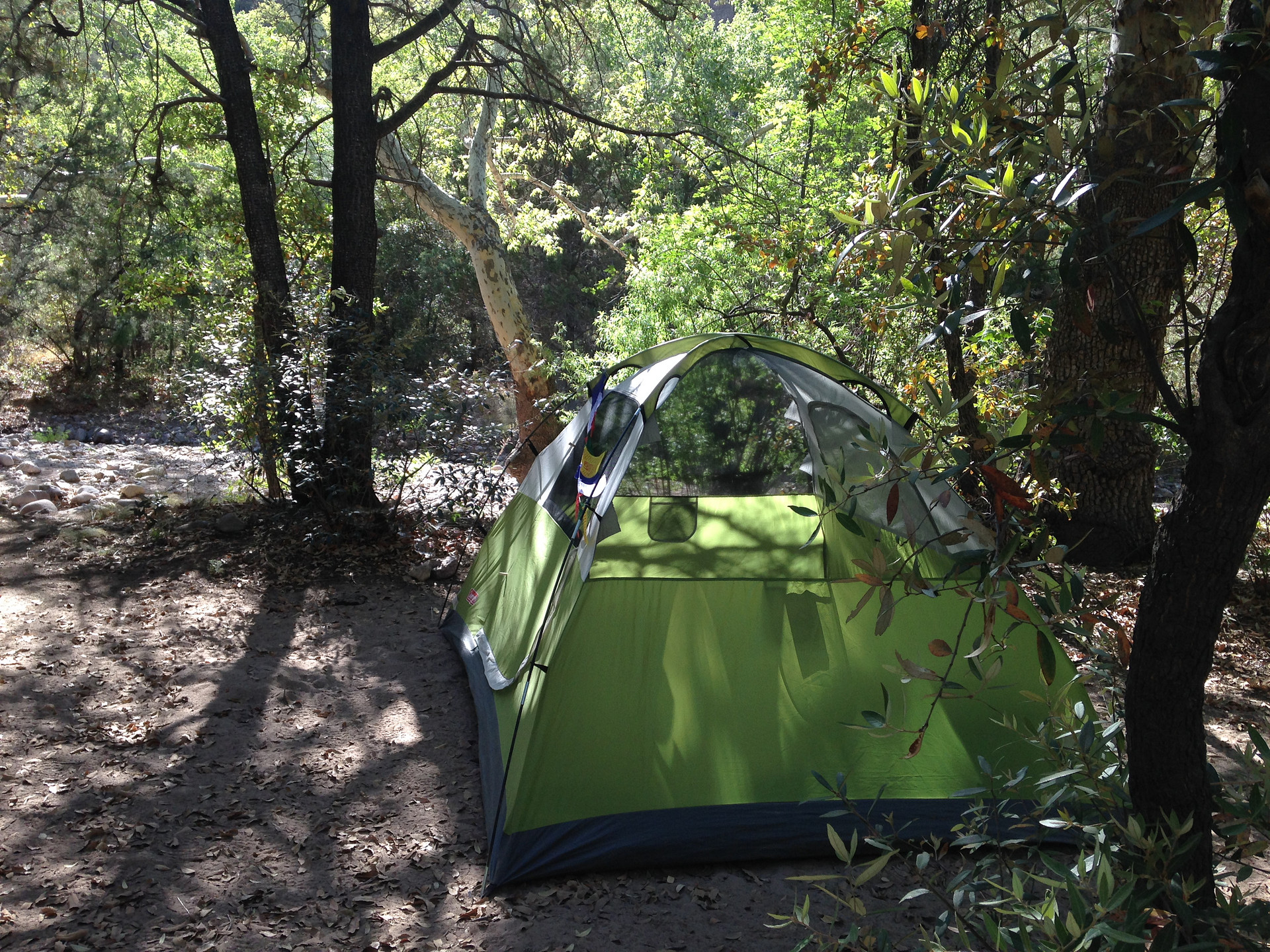
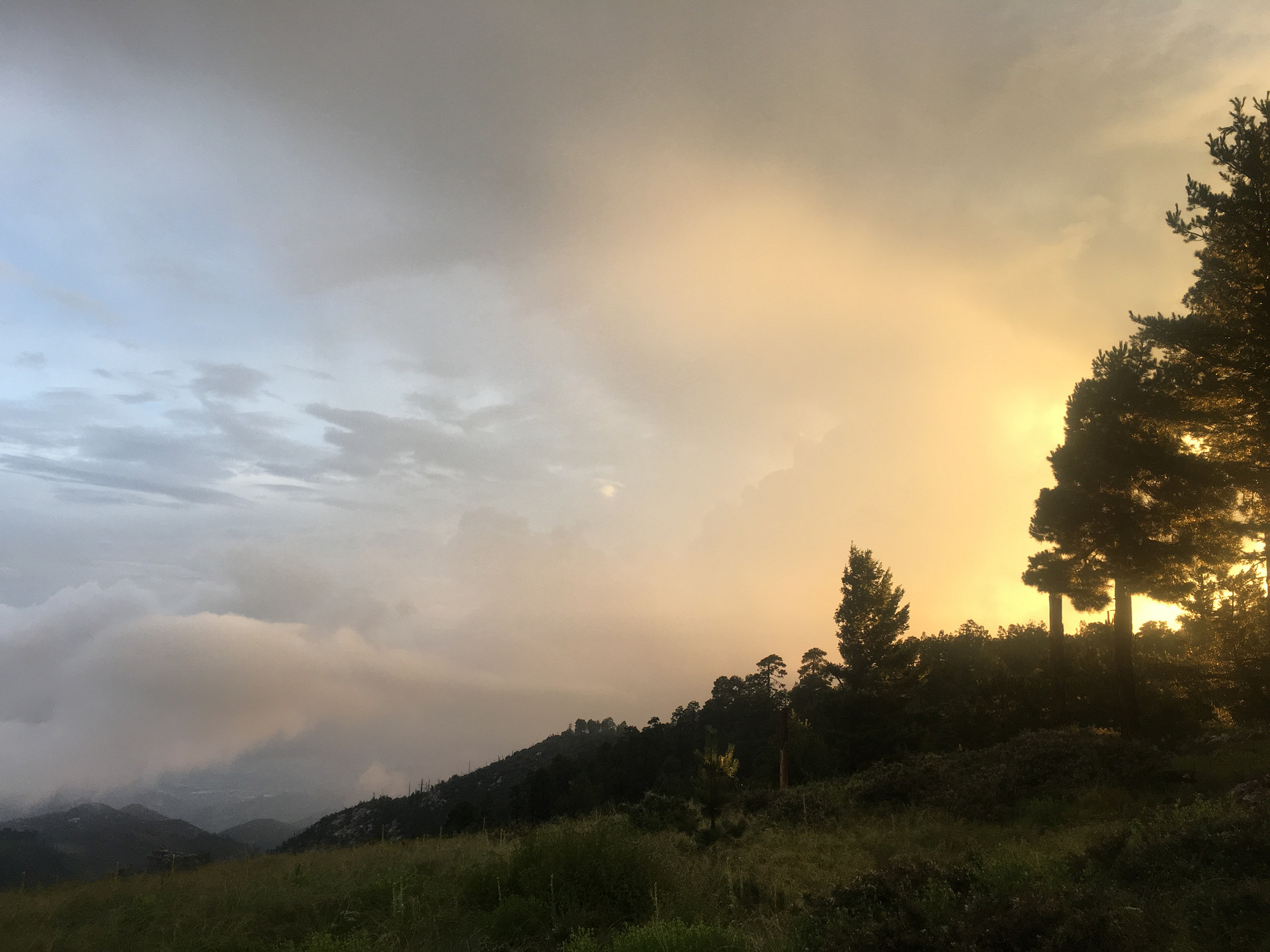
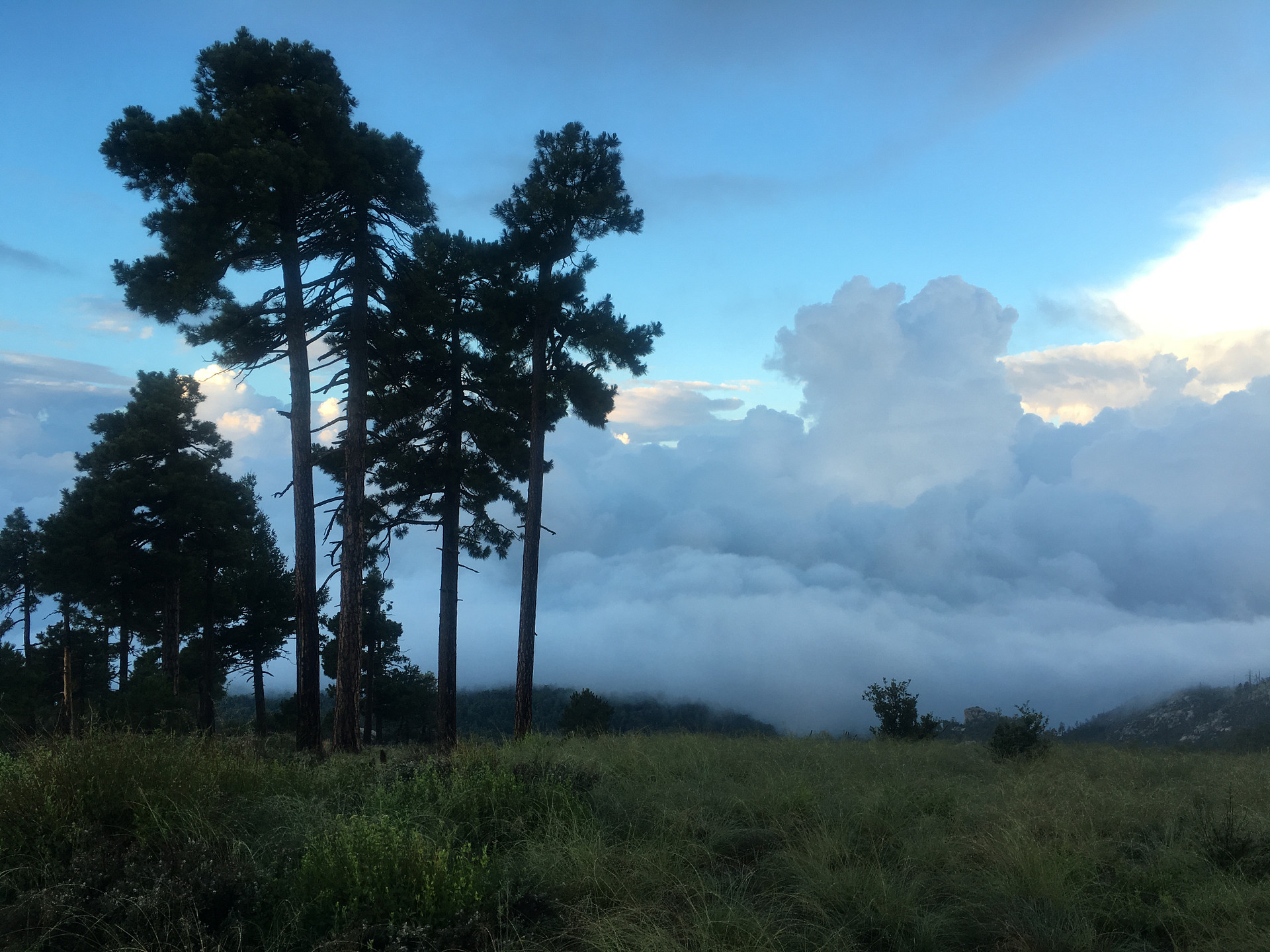
4. Coronado National Forest
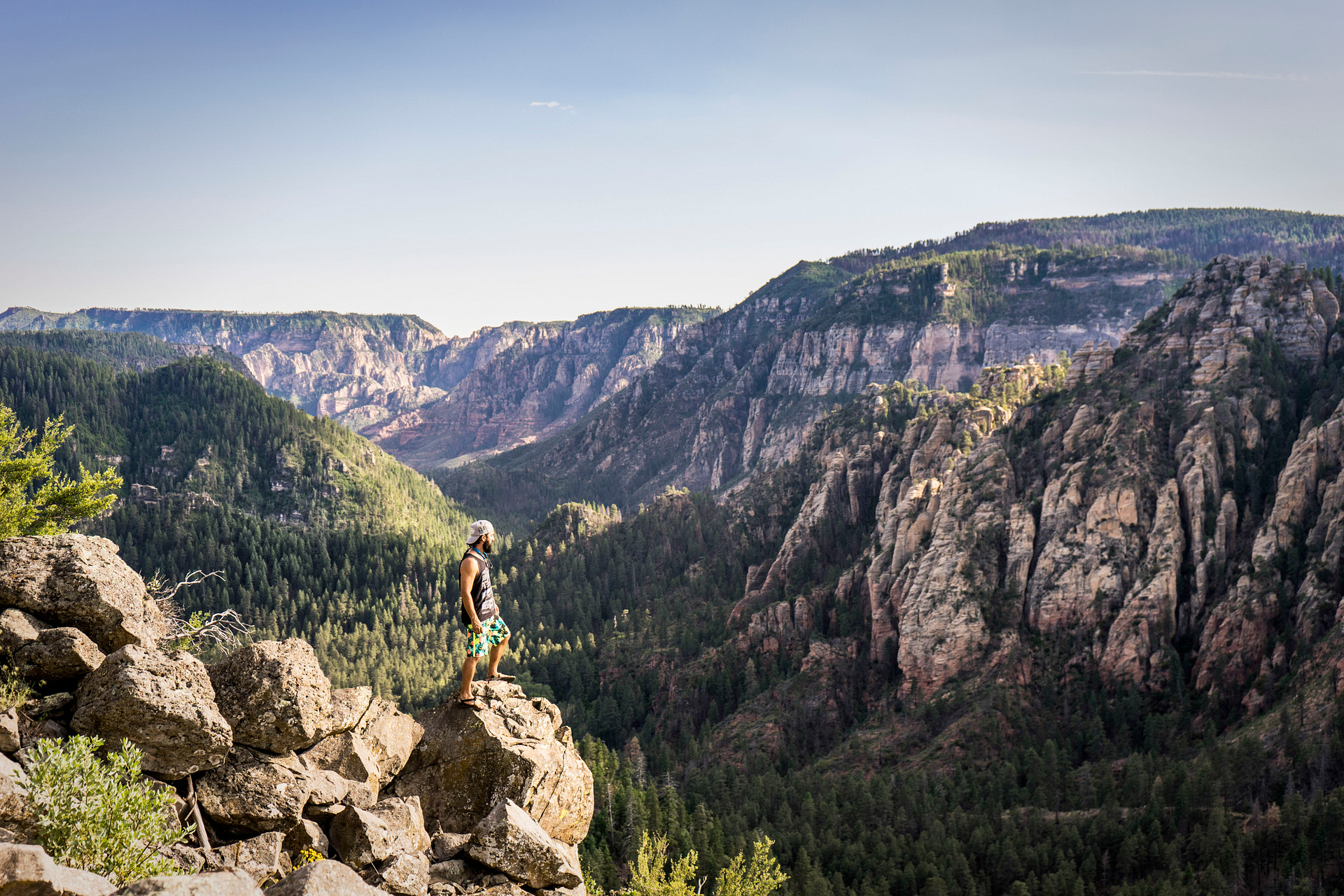
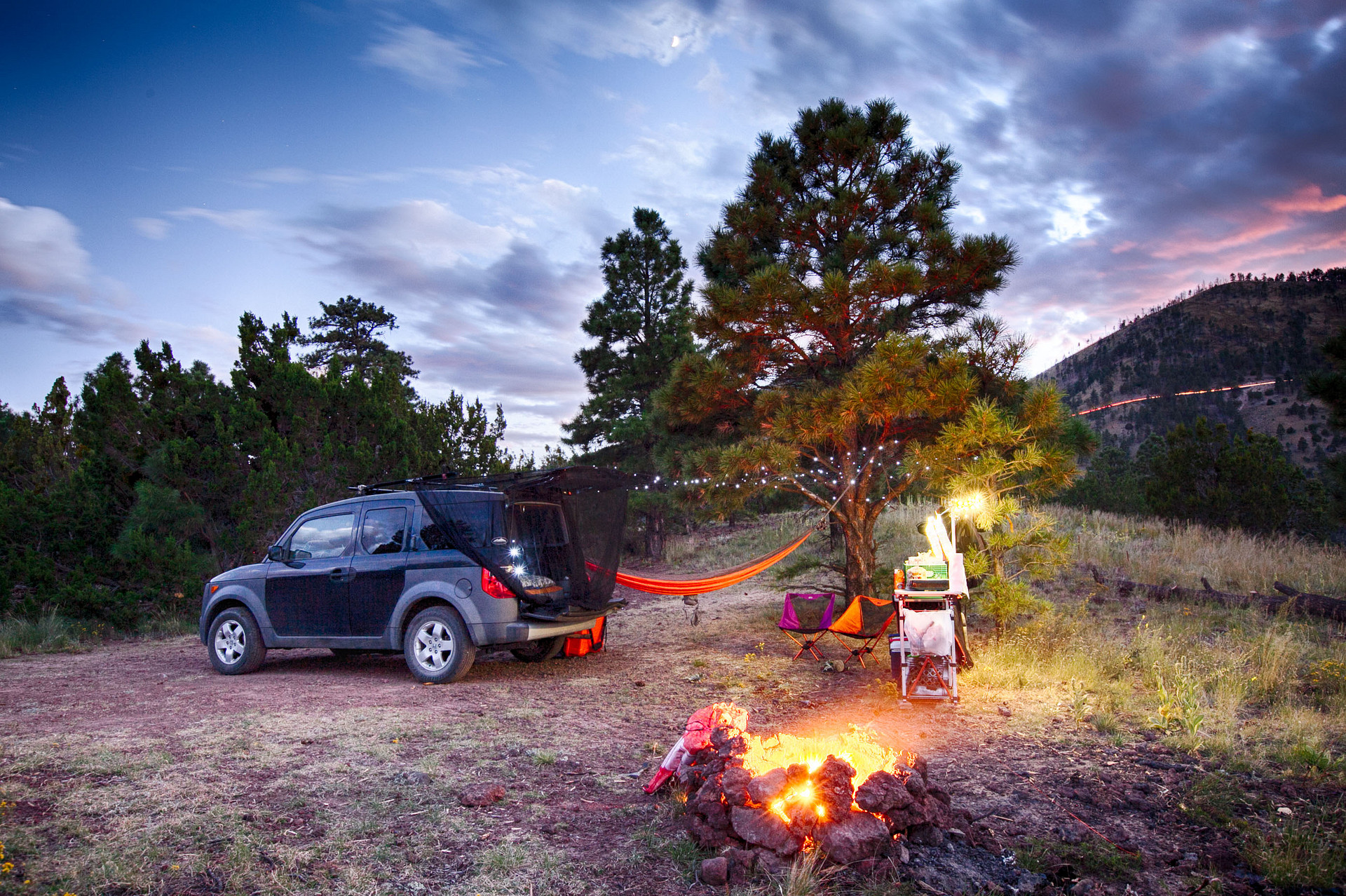
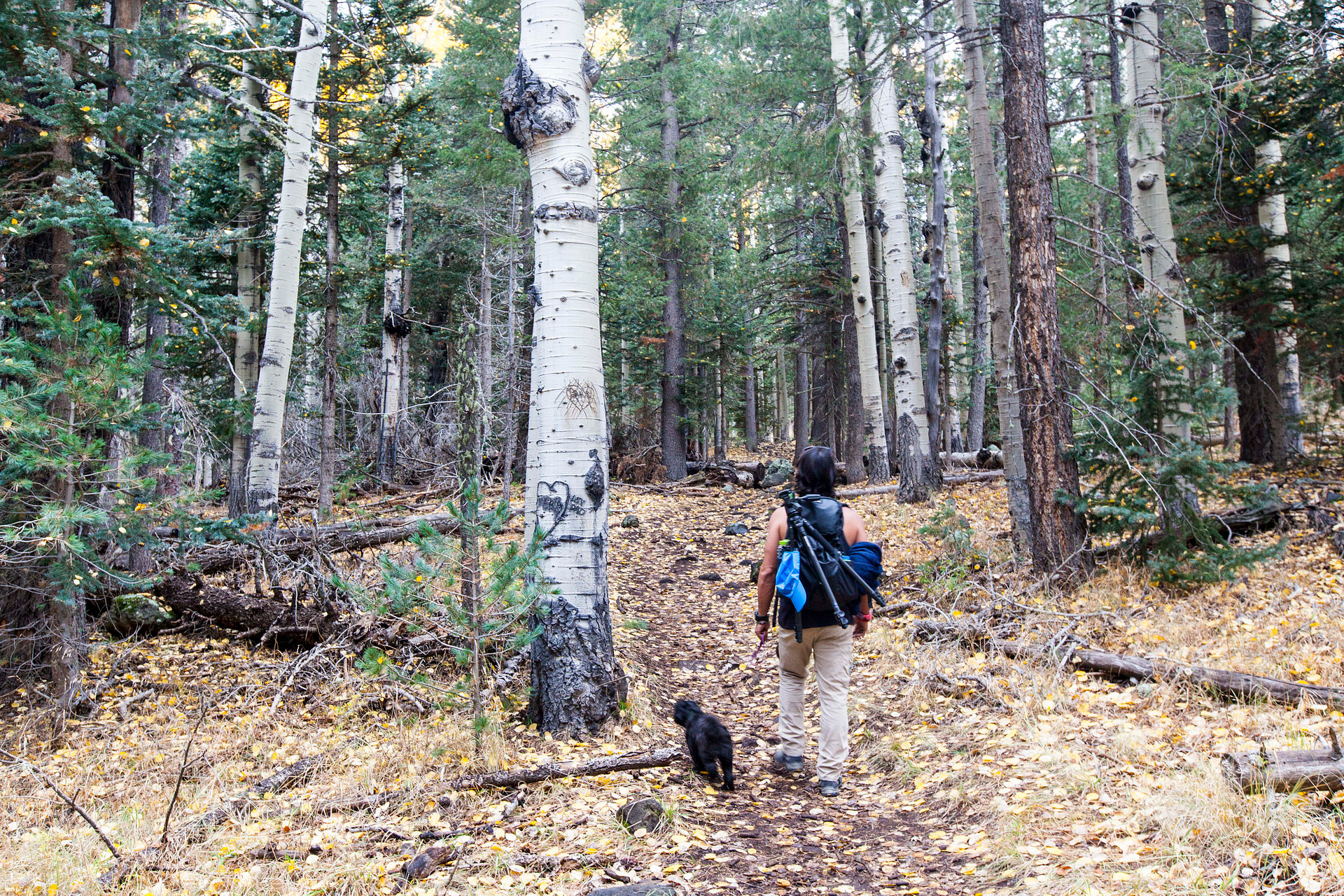
5. Coconino National Forest
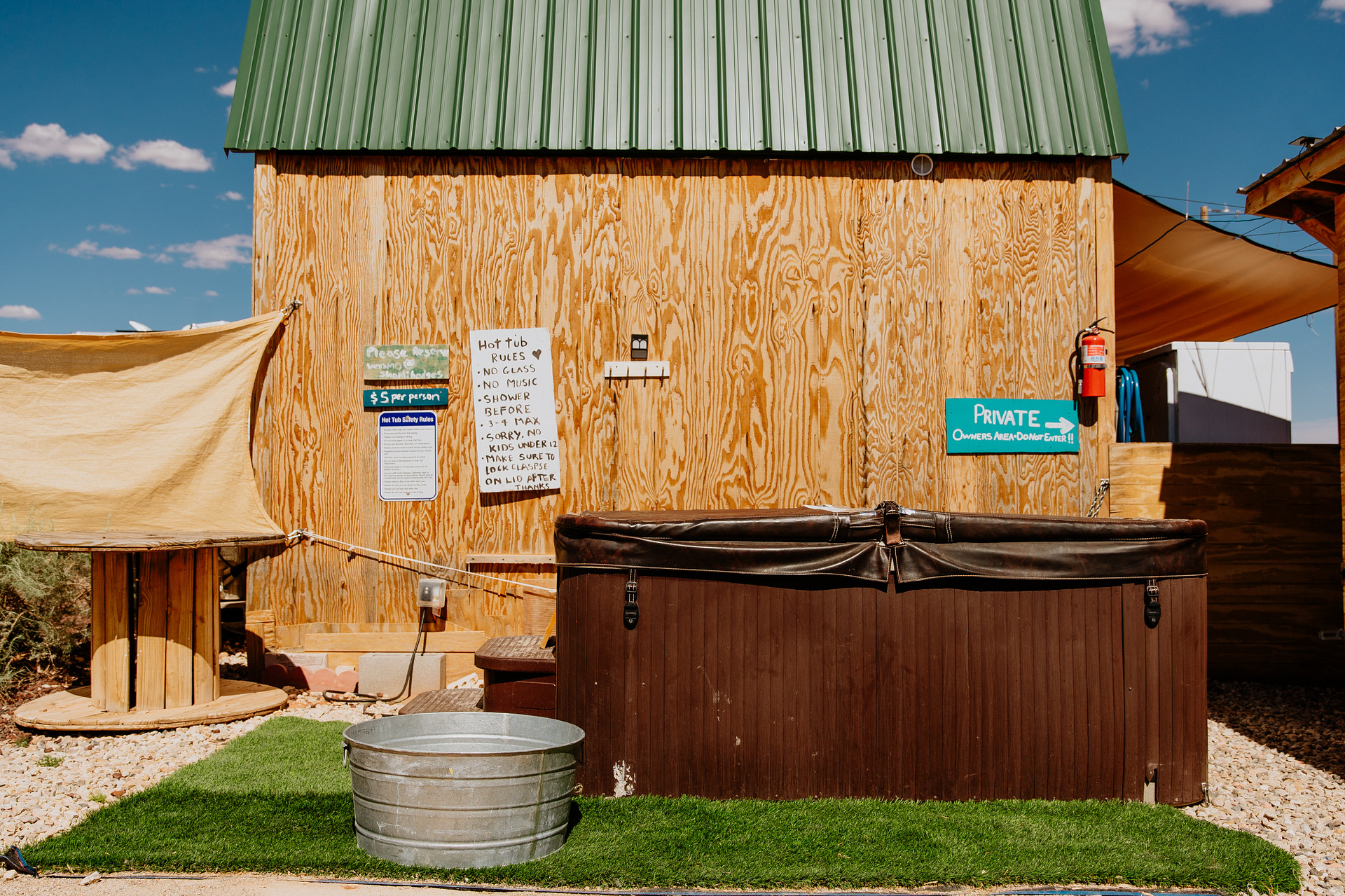
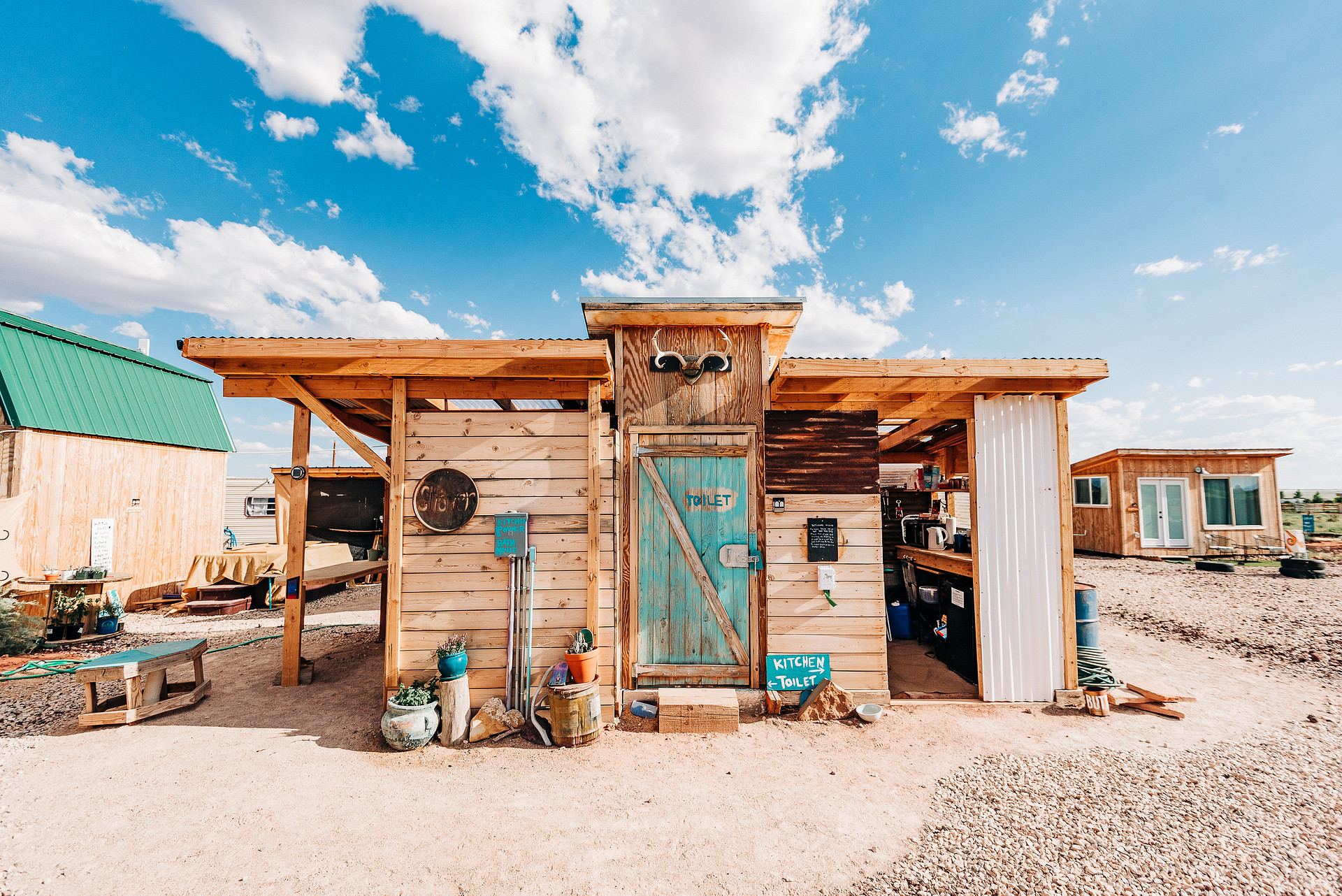
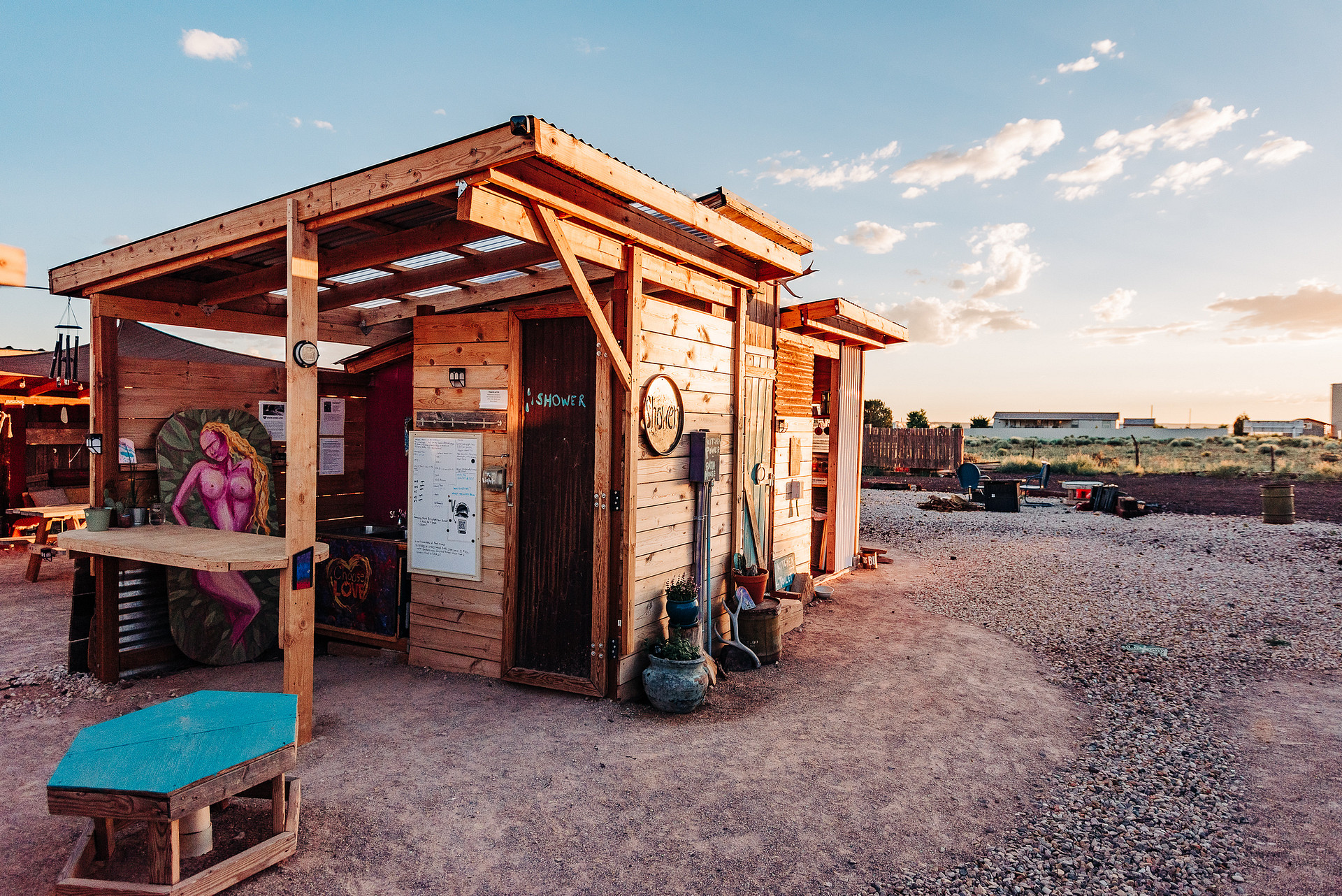
6. Camp Land Beyond Zion
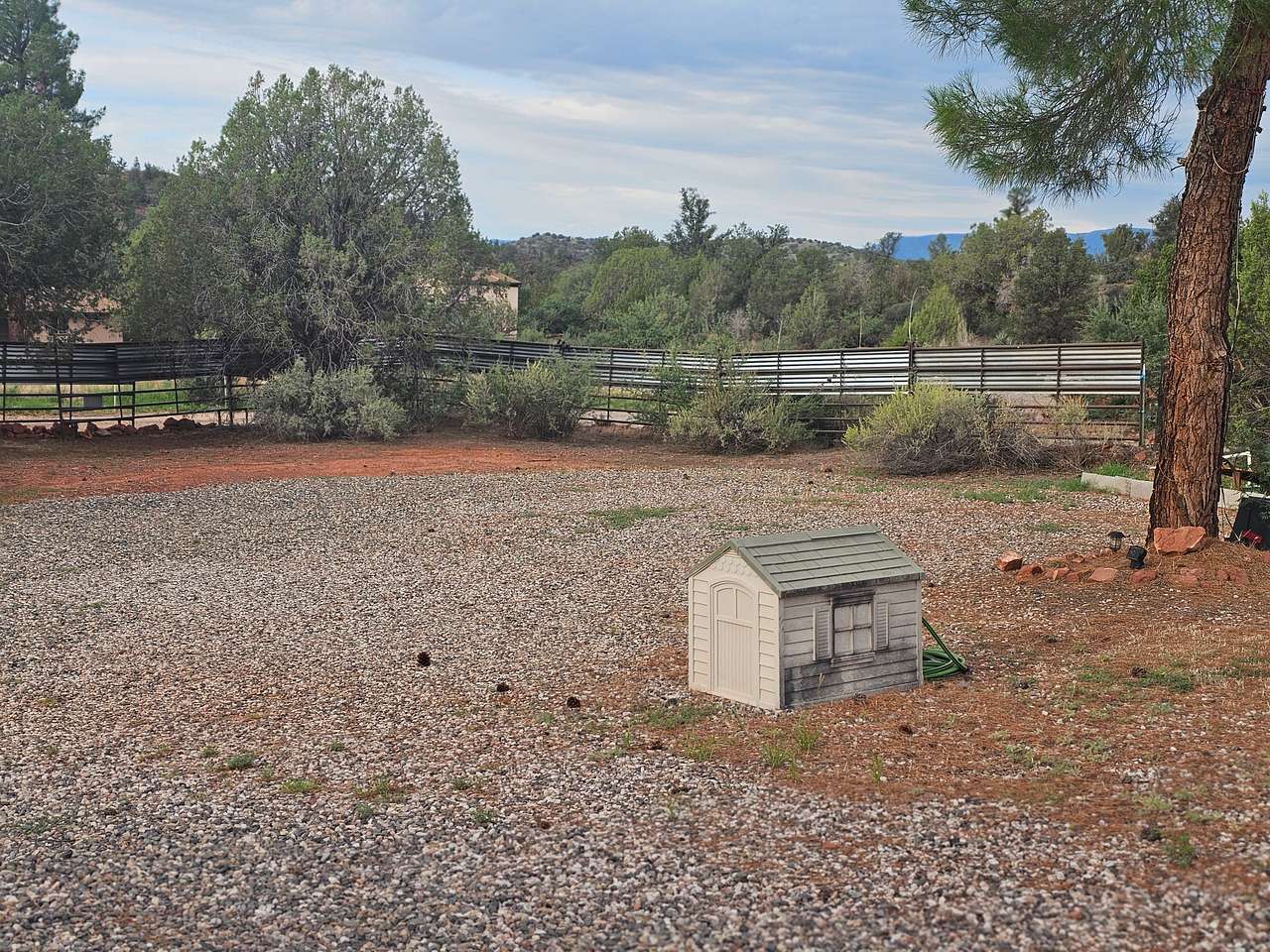
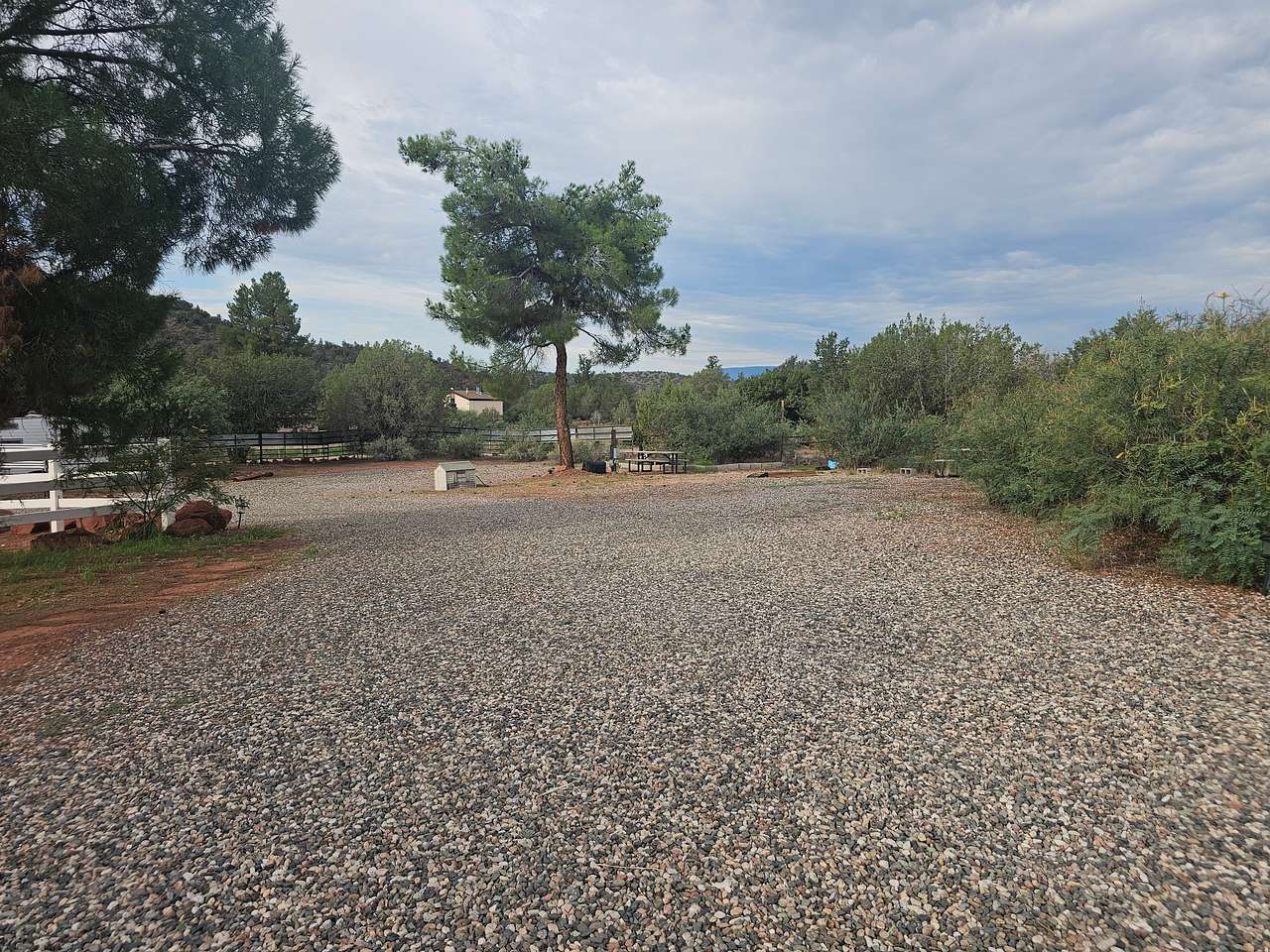
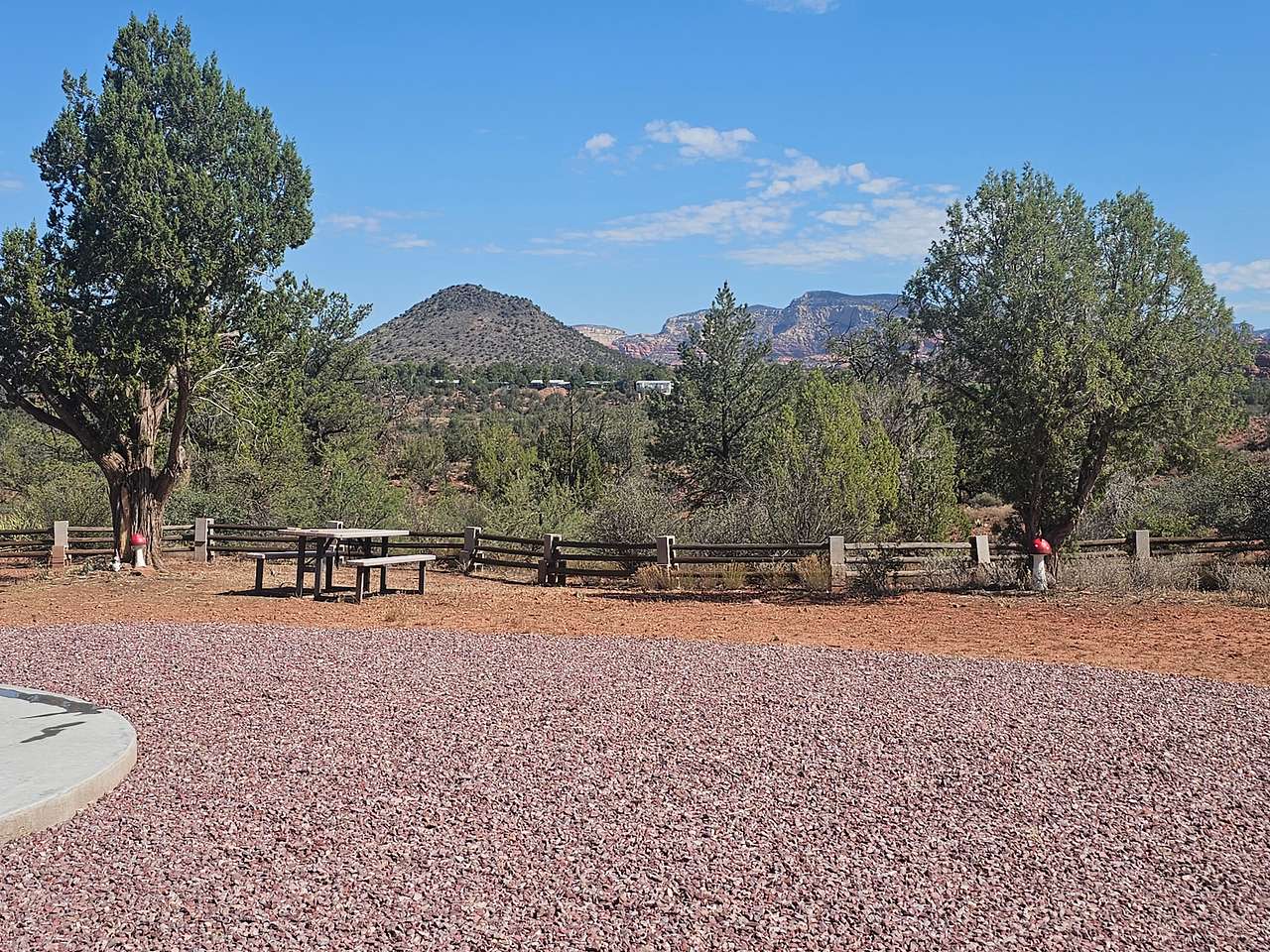
7. Red Rock Camp Horses Welcome
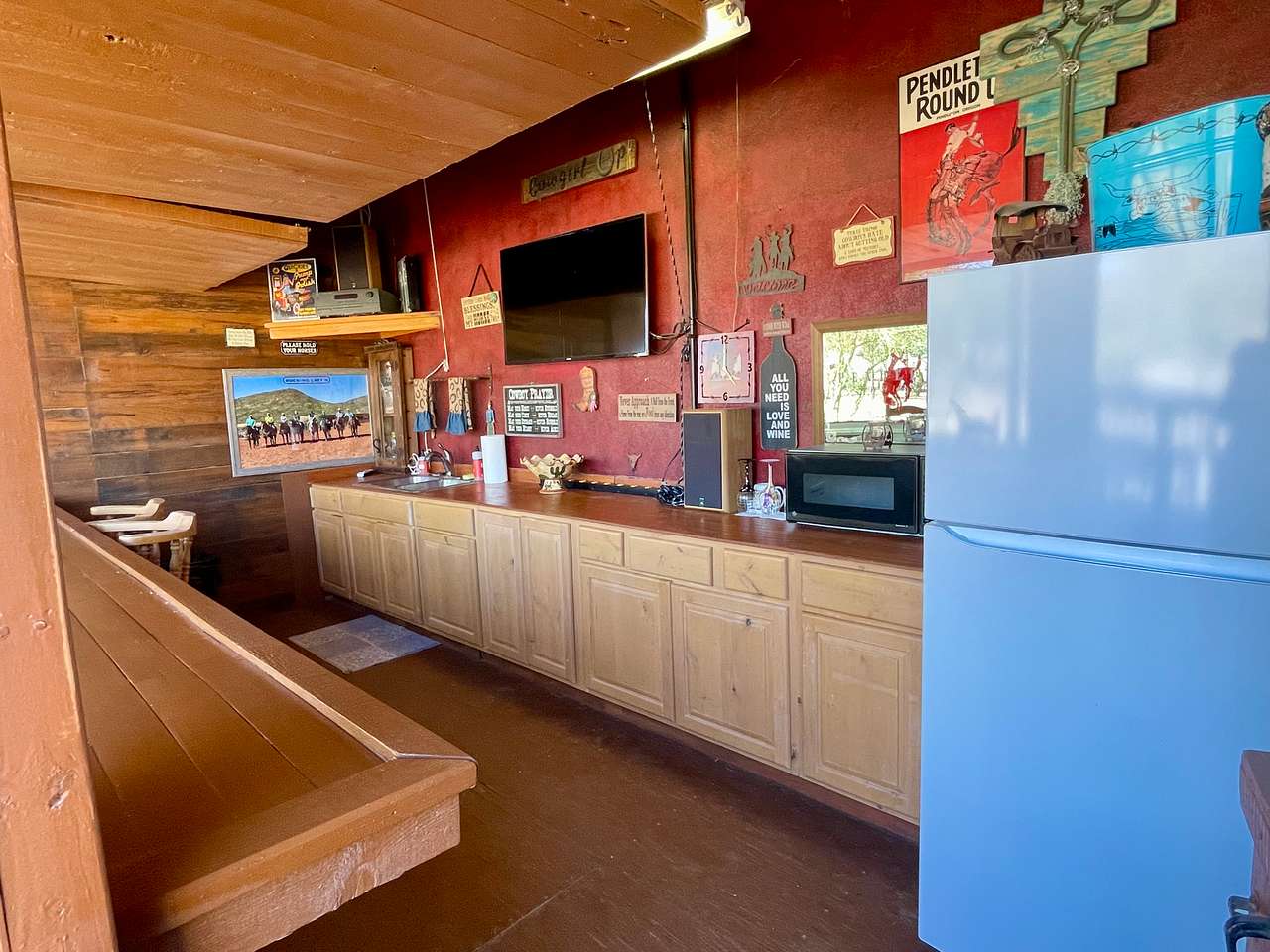
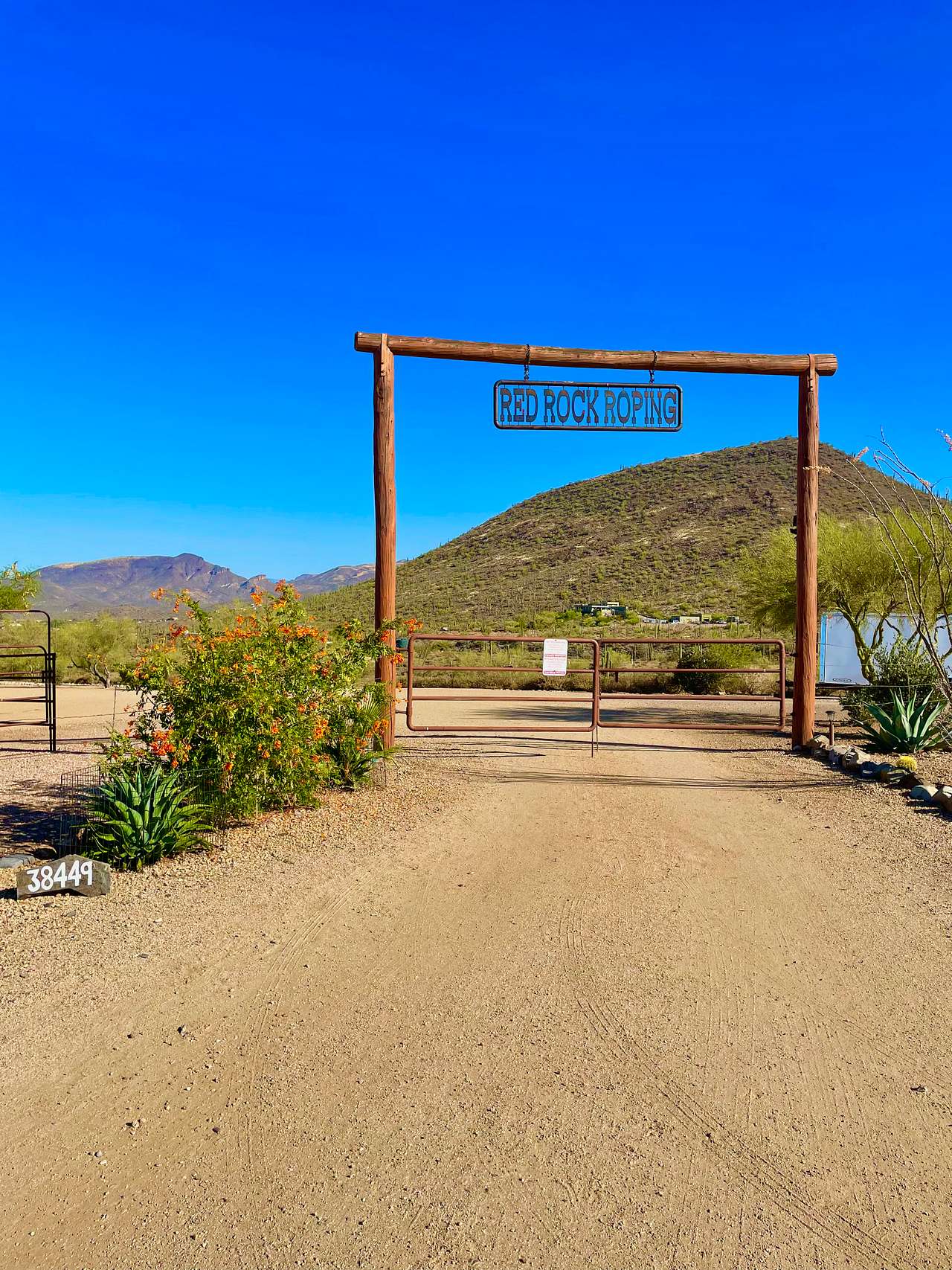
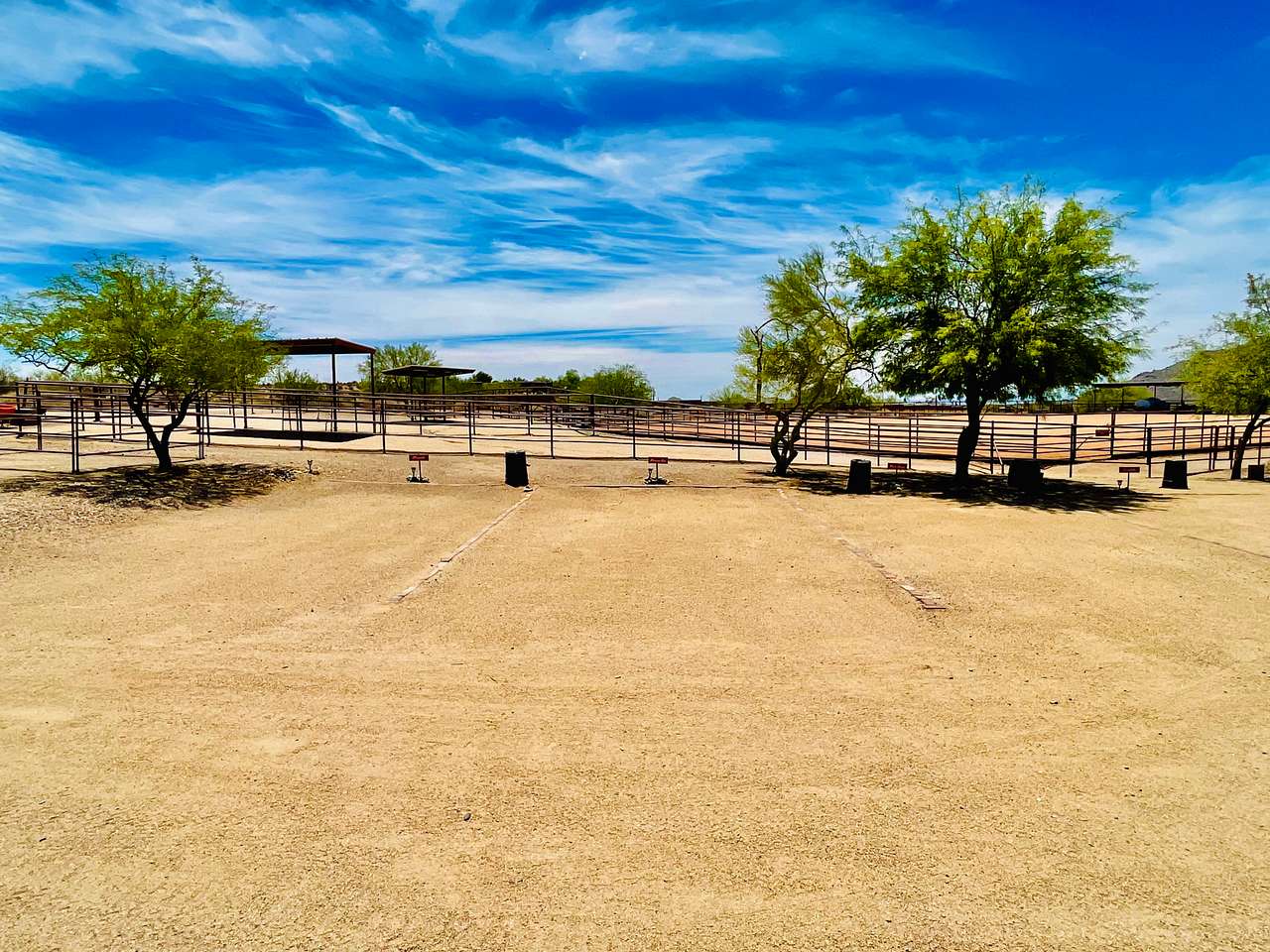
8. Red Rock Roping, LLC
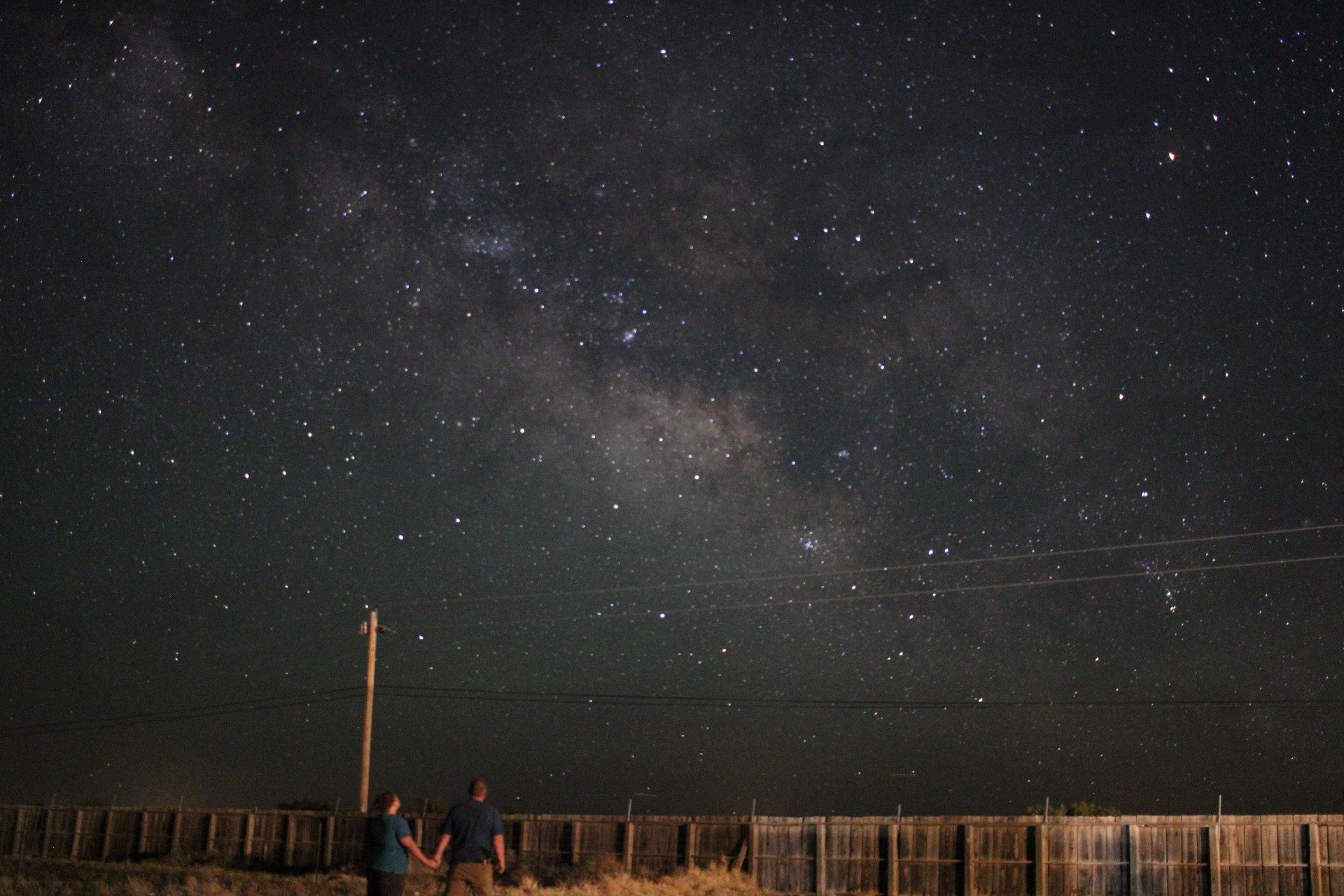
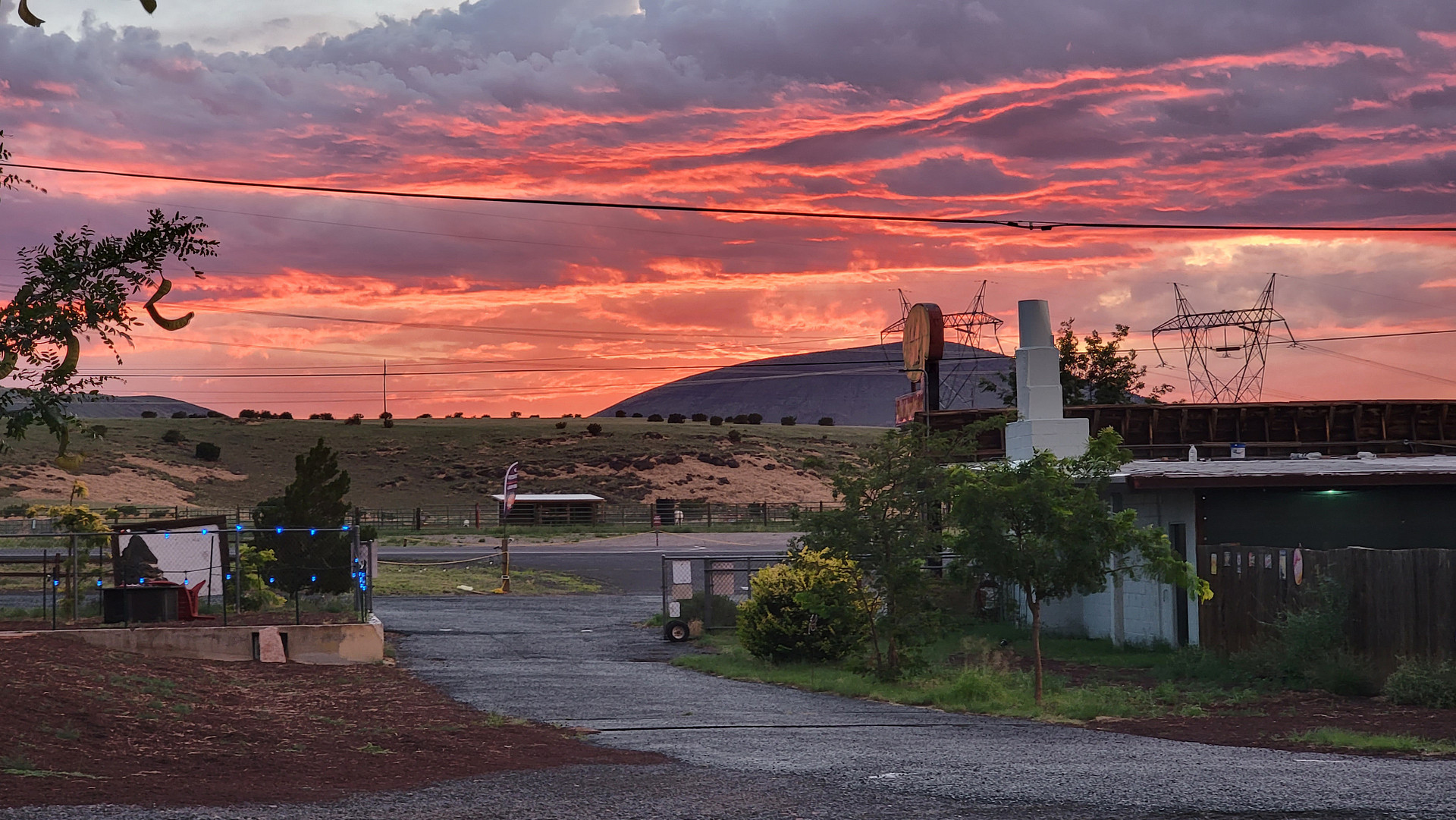
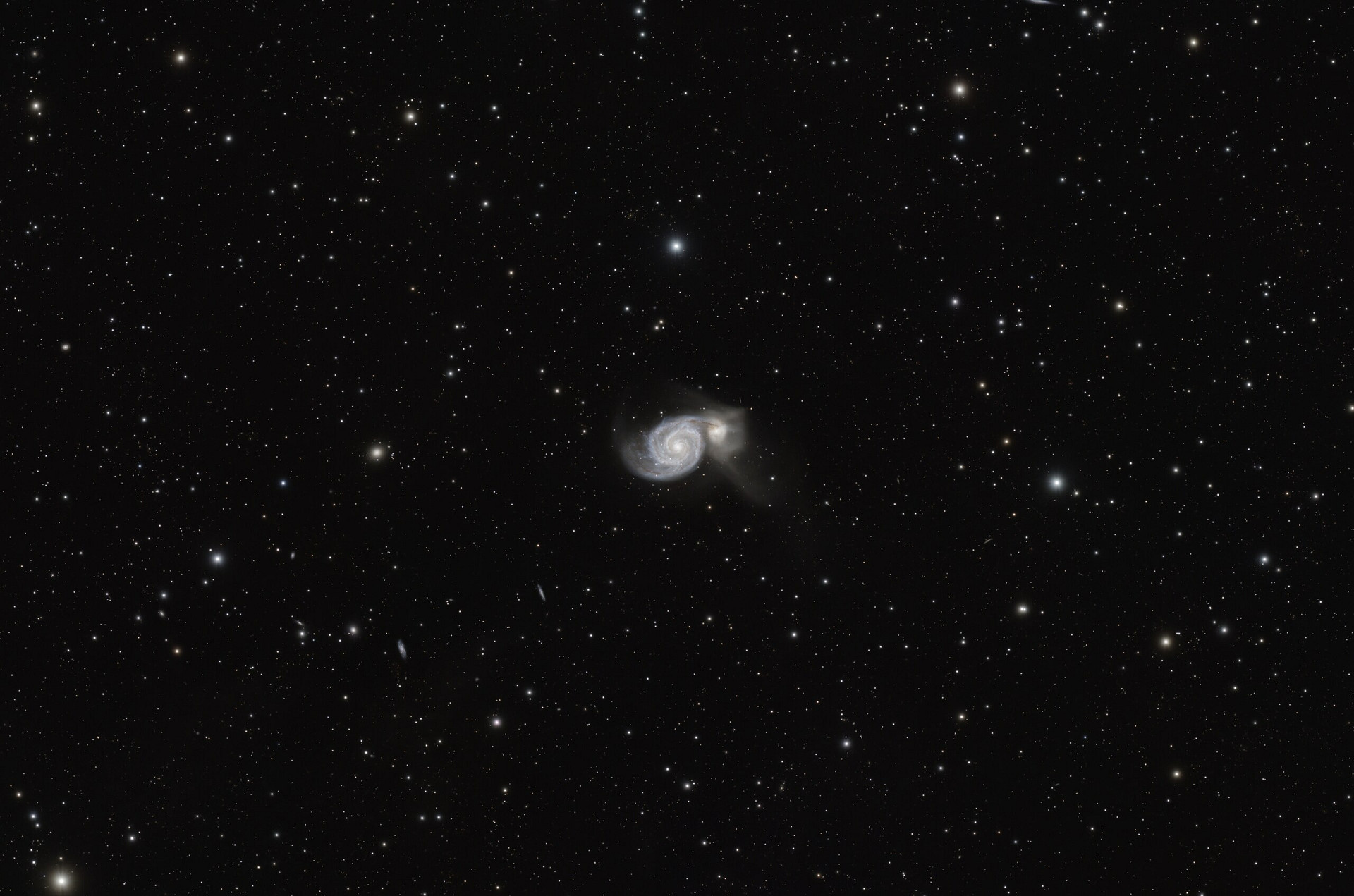
9. Grand Canyon Oasis
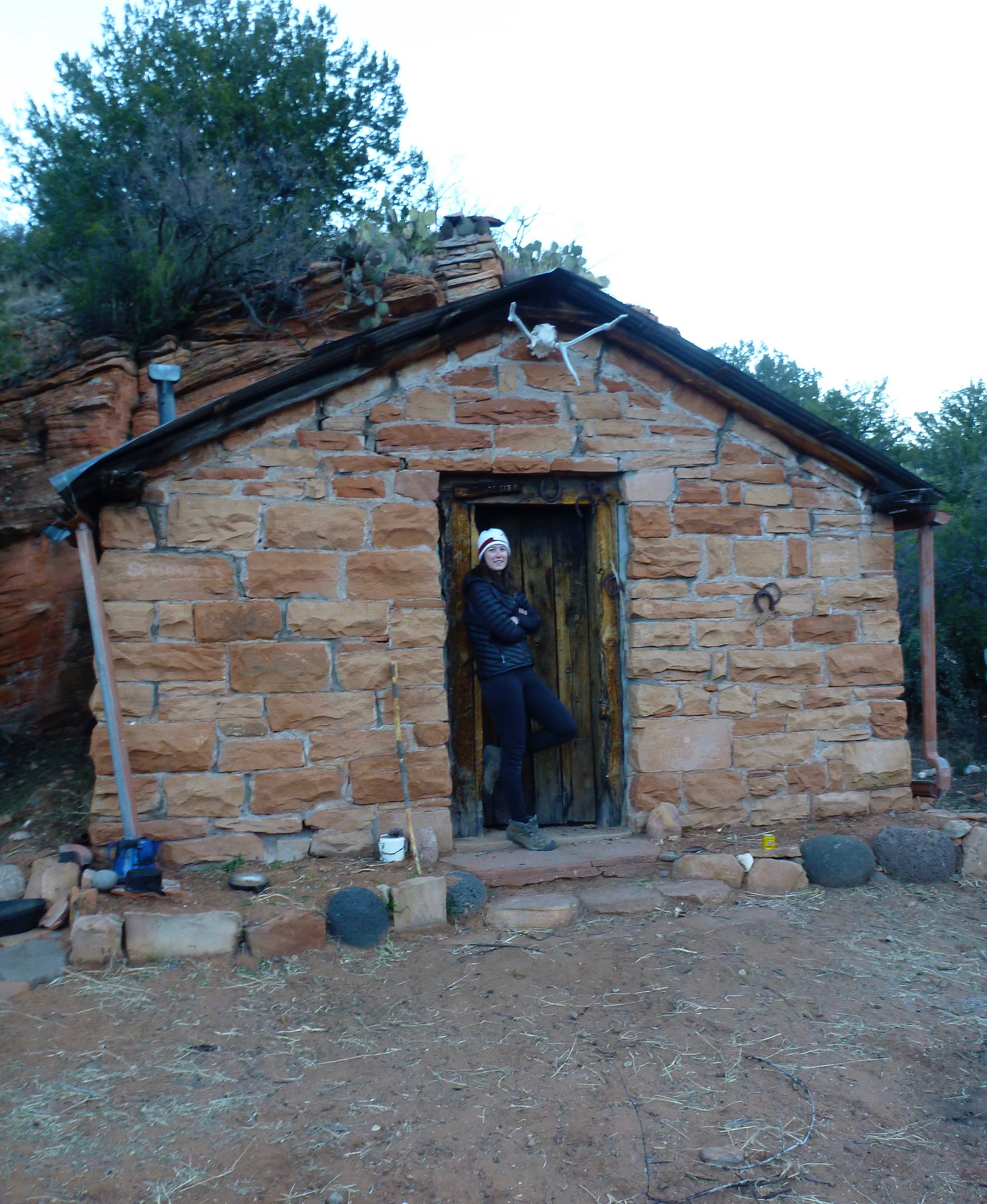
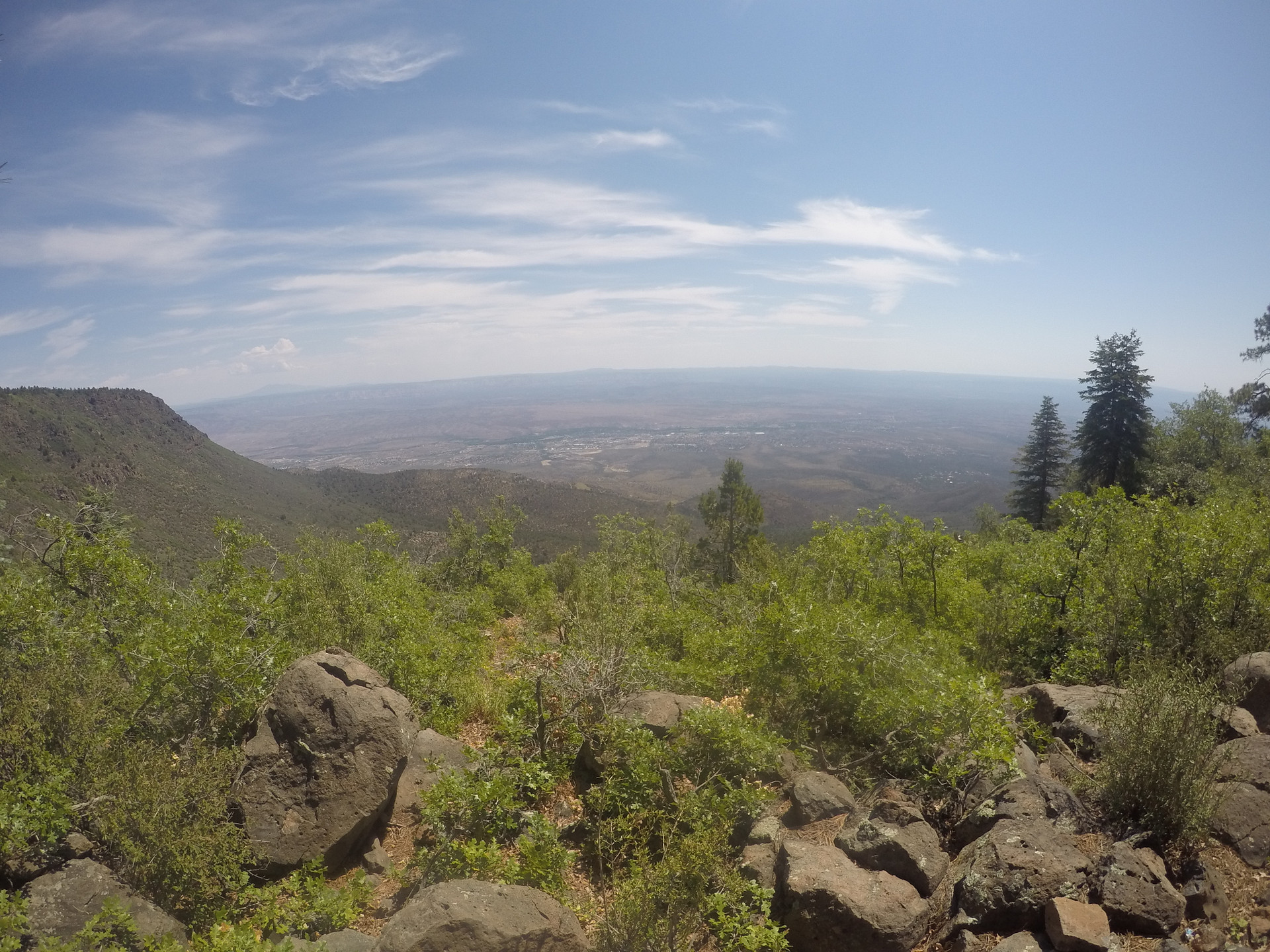
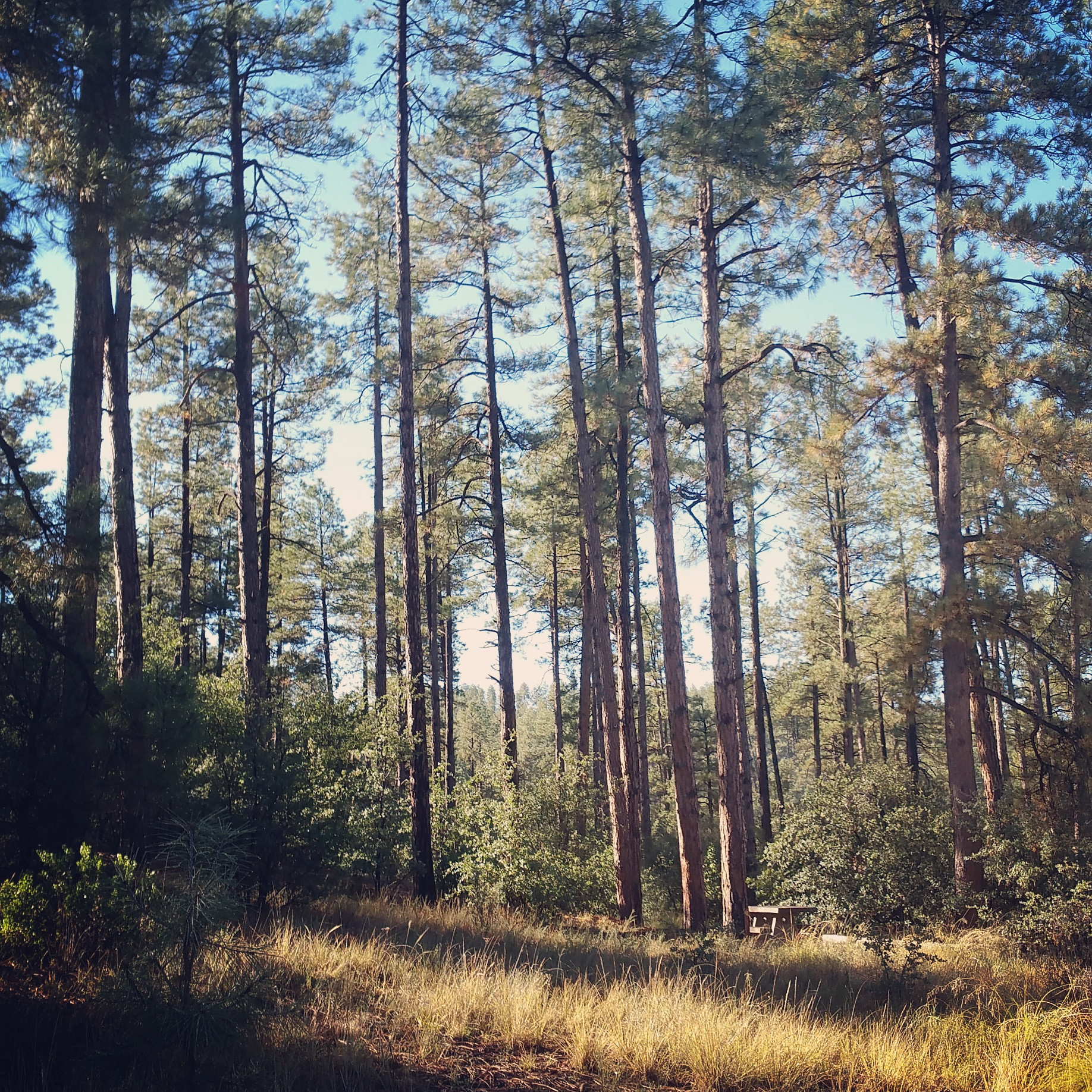
10. Prescott National Forest
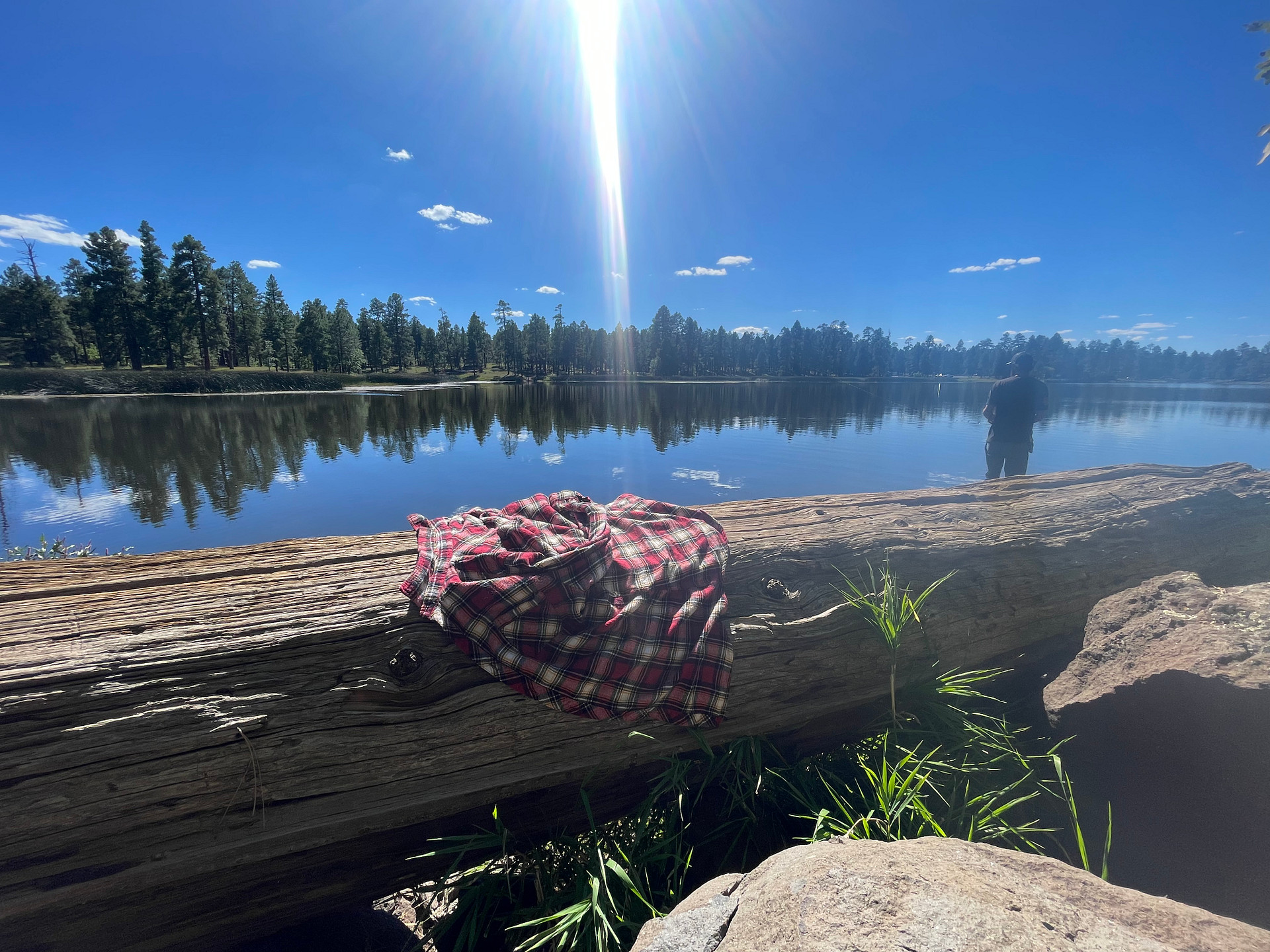
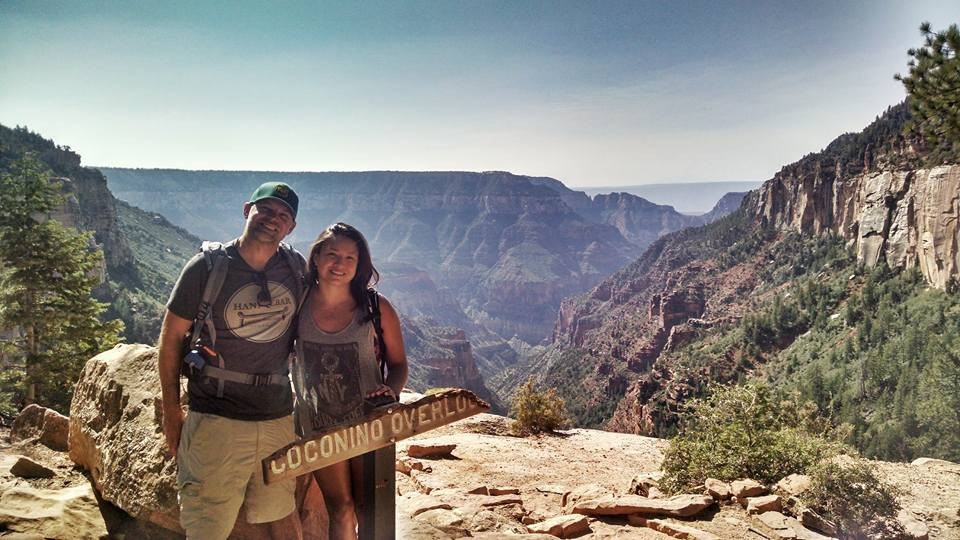
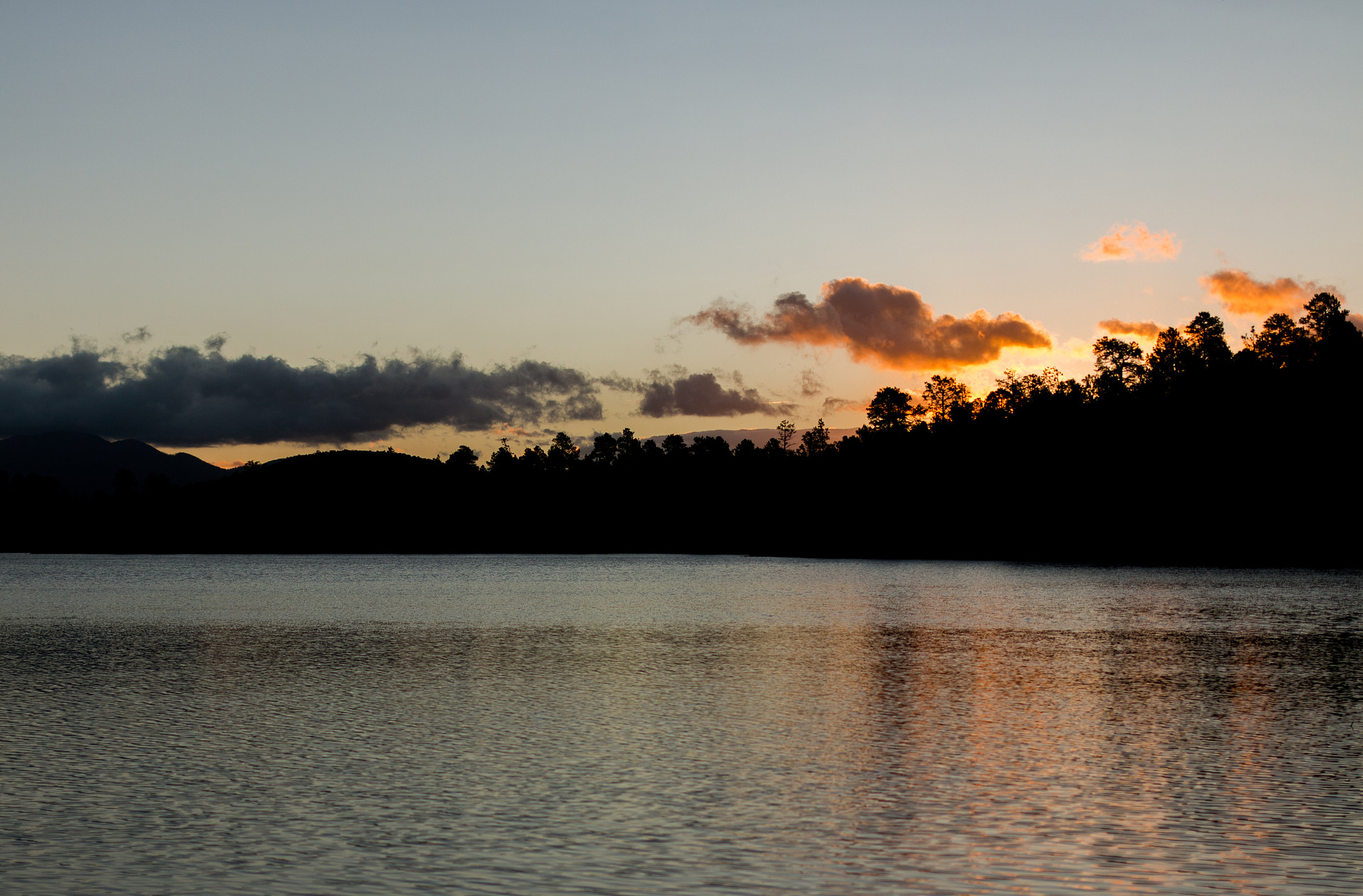
11. Kaibab National Forest
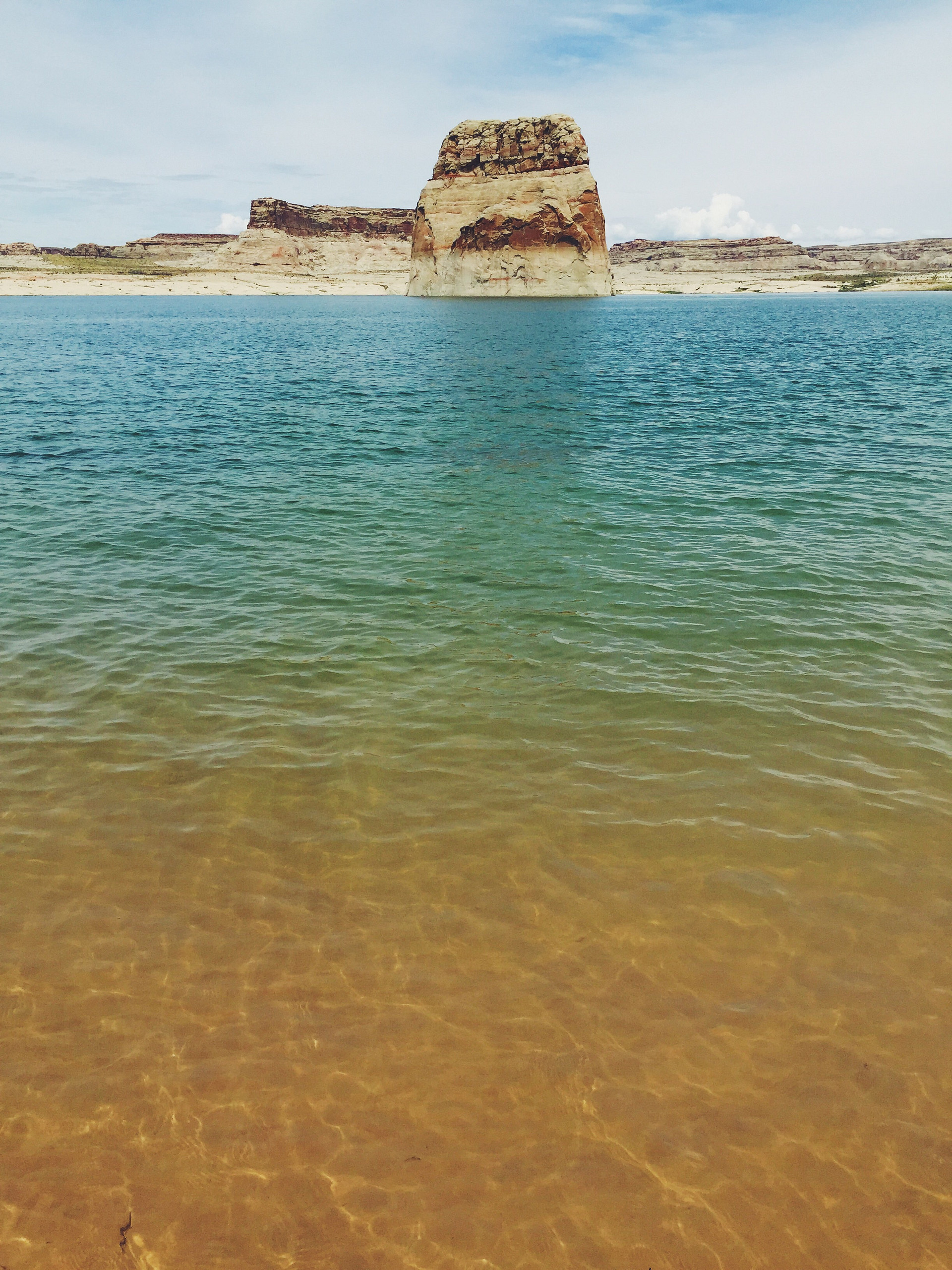
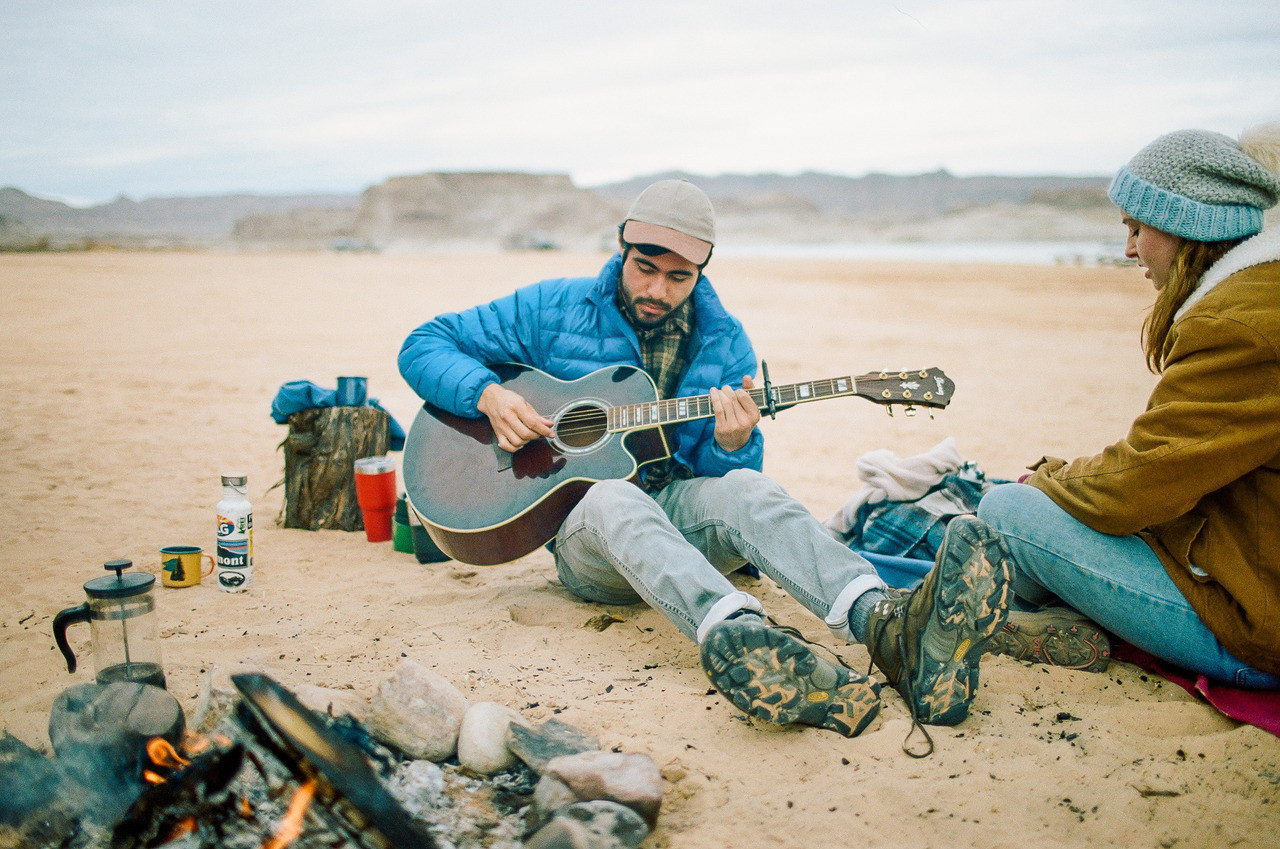
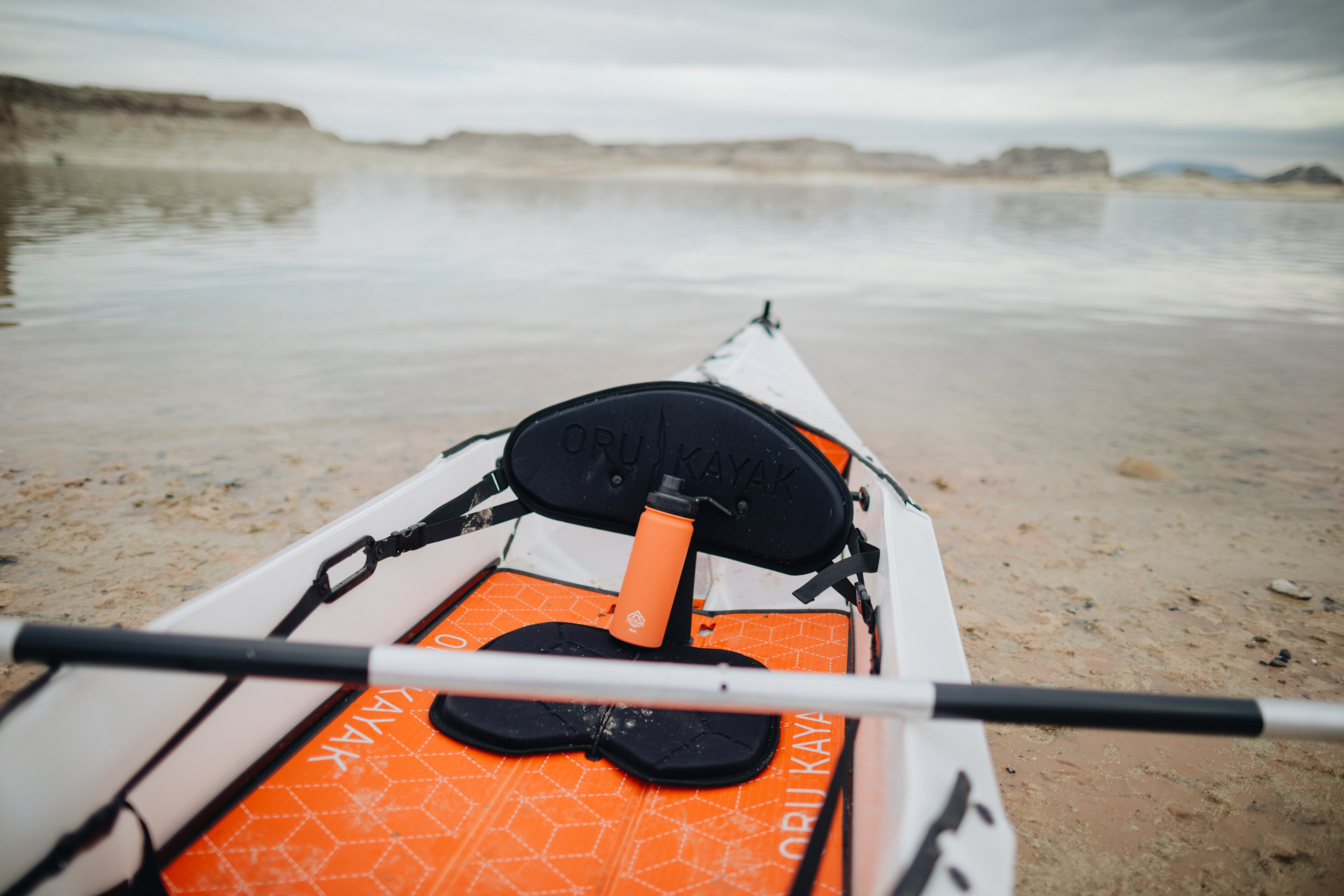
12. Glen Canyon National Recreation Area
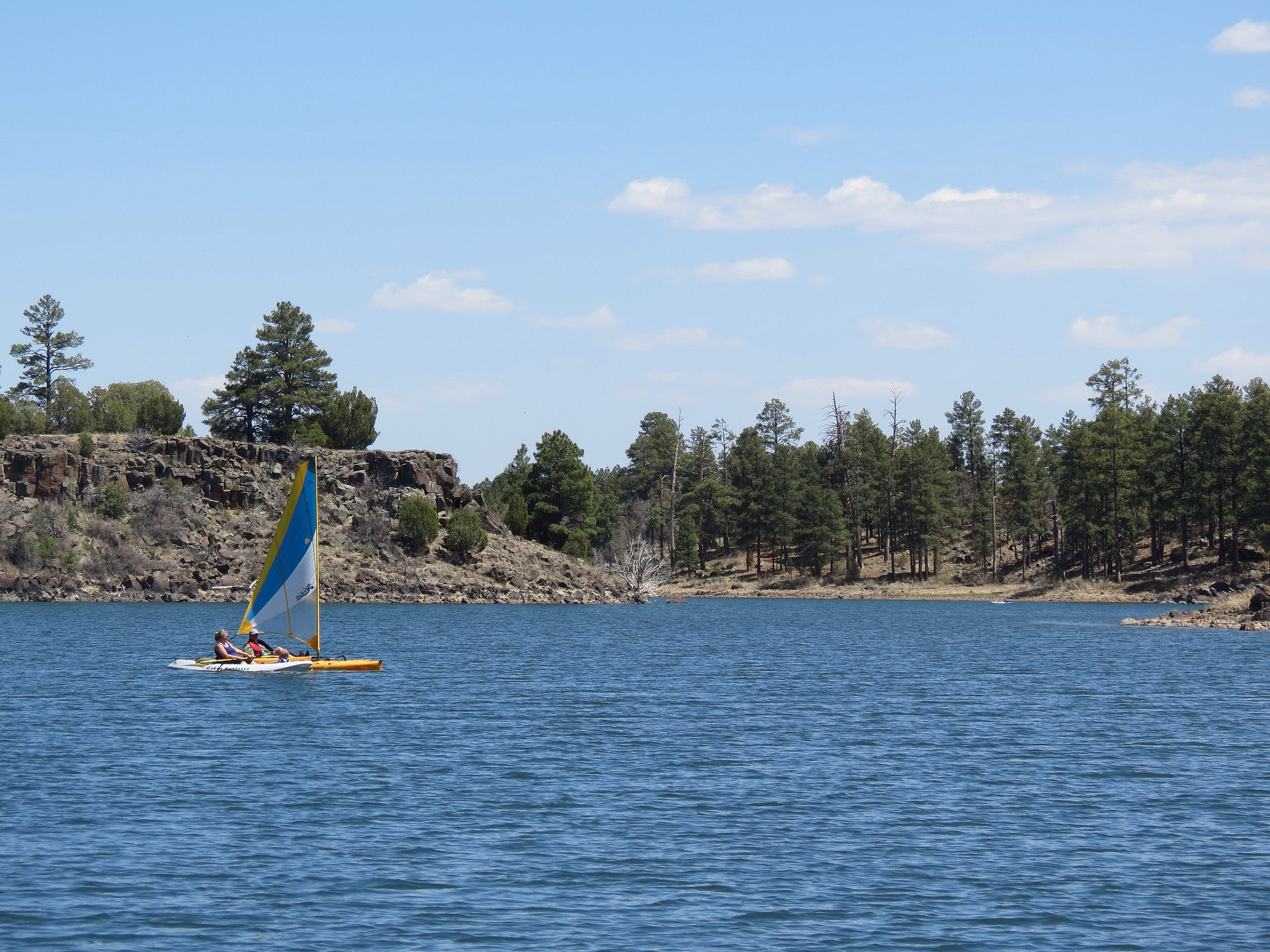
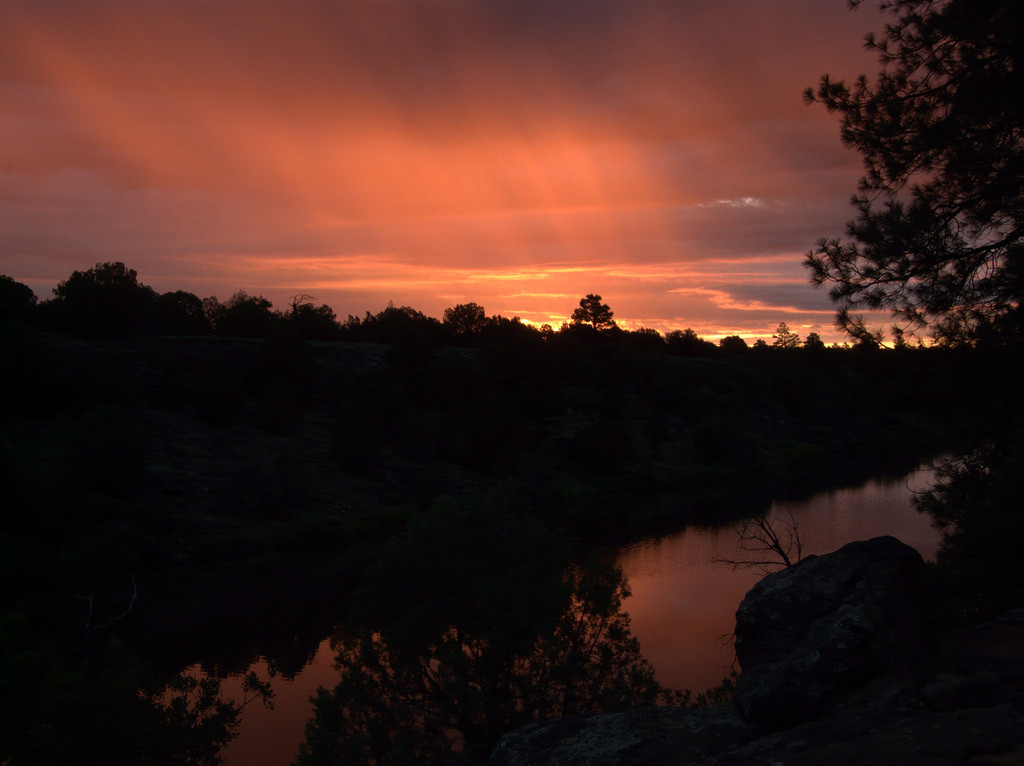
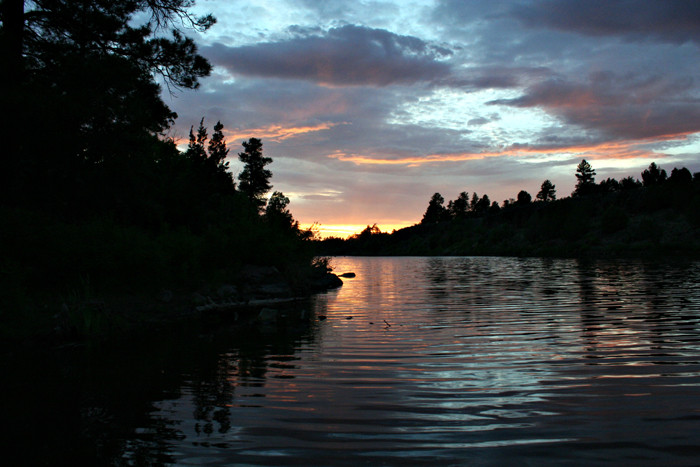
13. Fool Hollow Lake Recreation Area
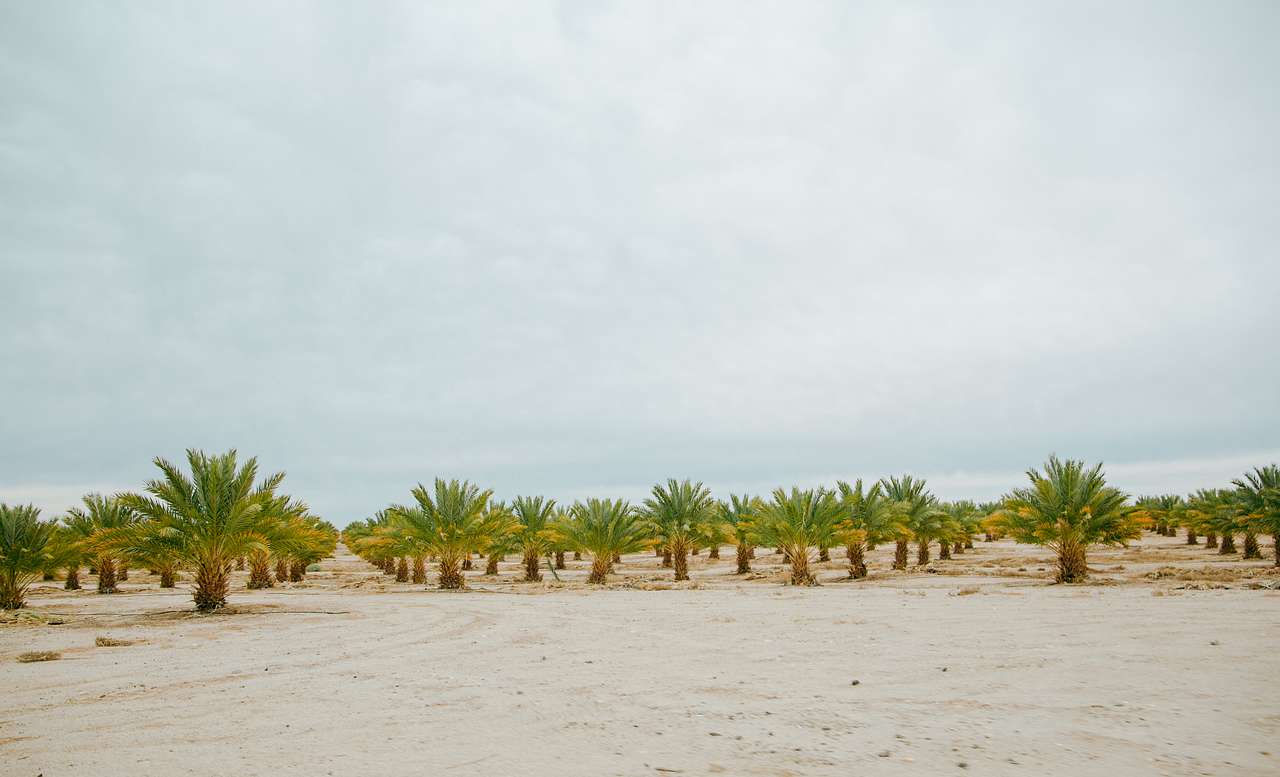
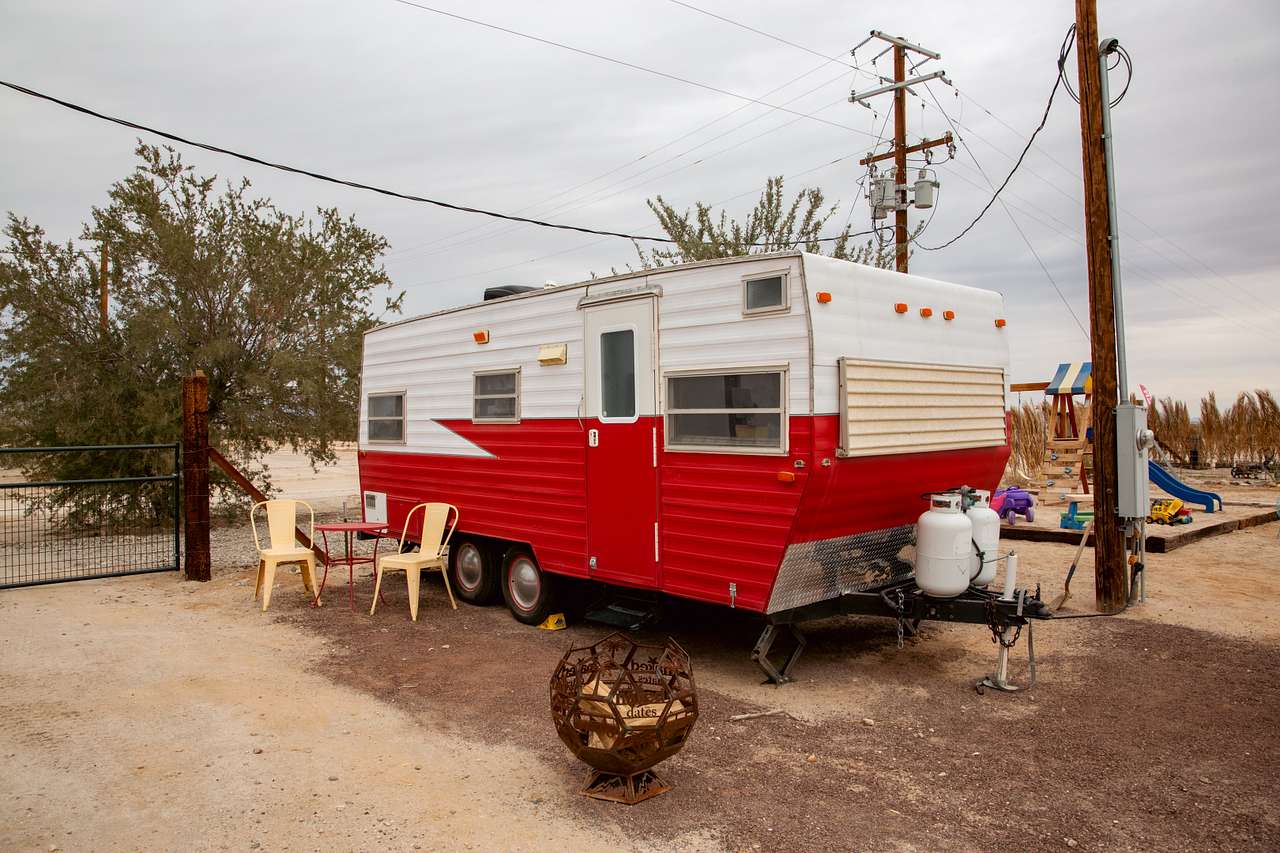
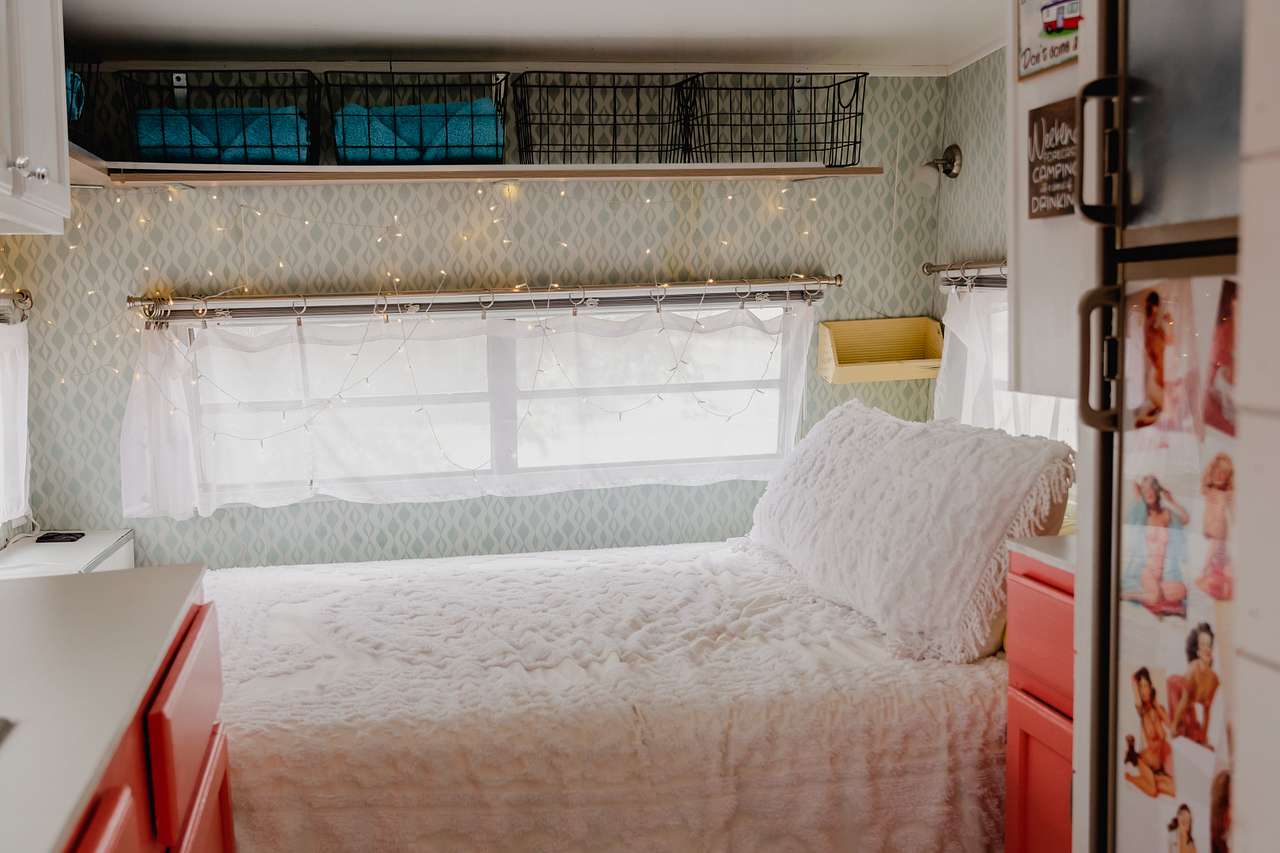
14. Brewery on an Organic Date Farm
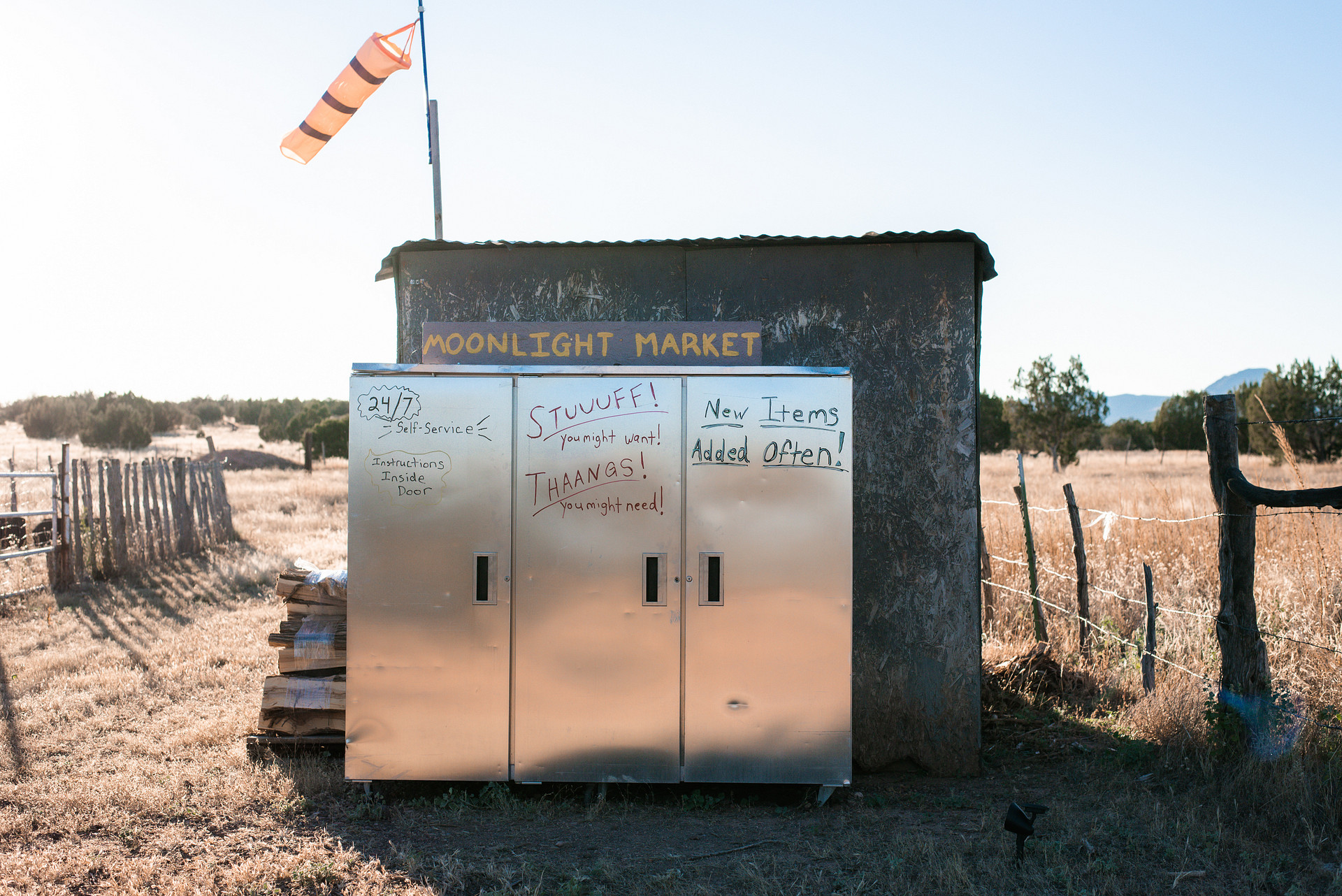
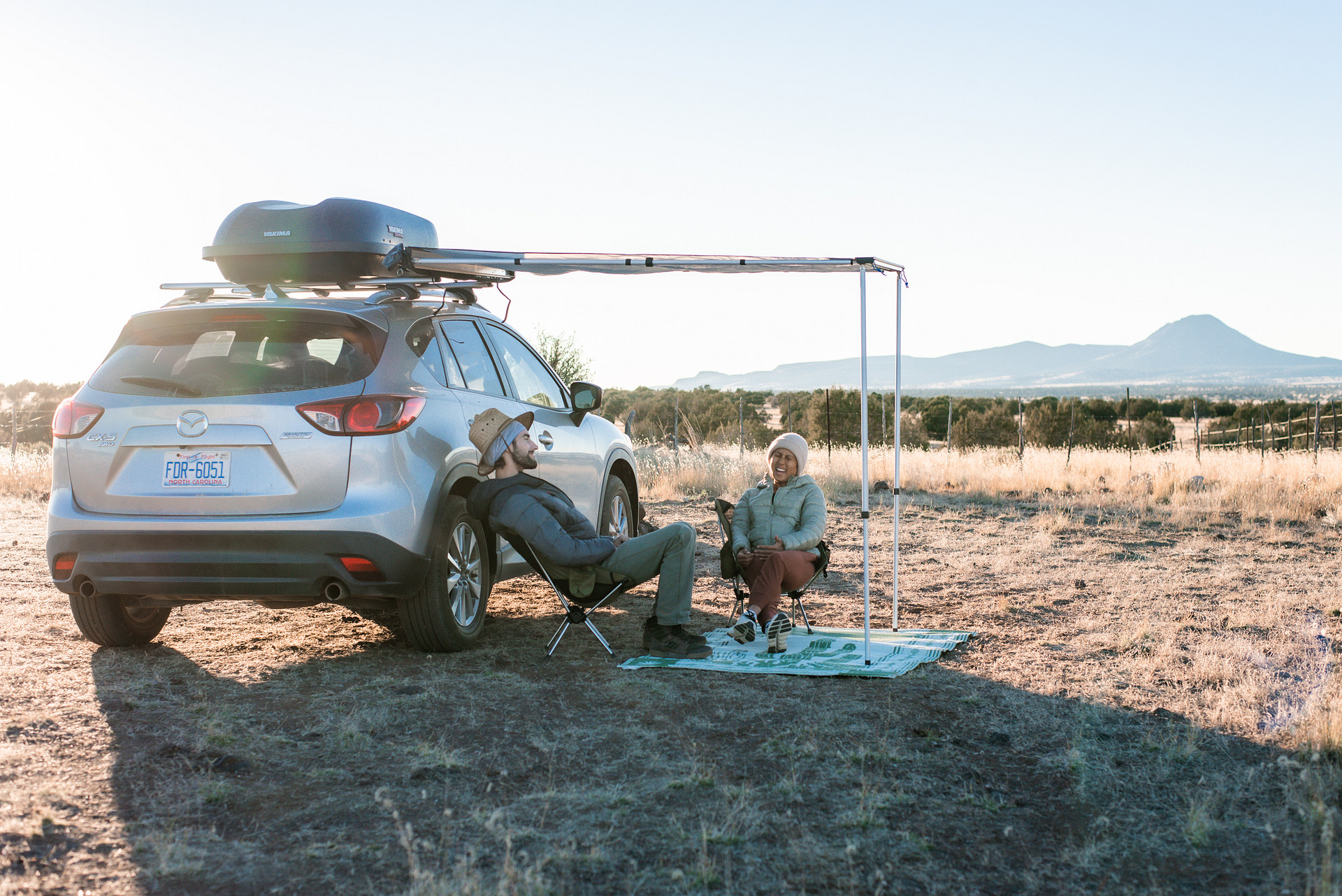
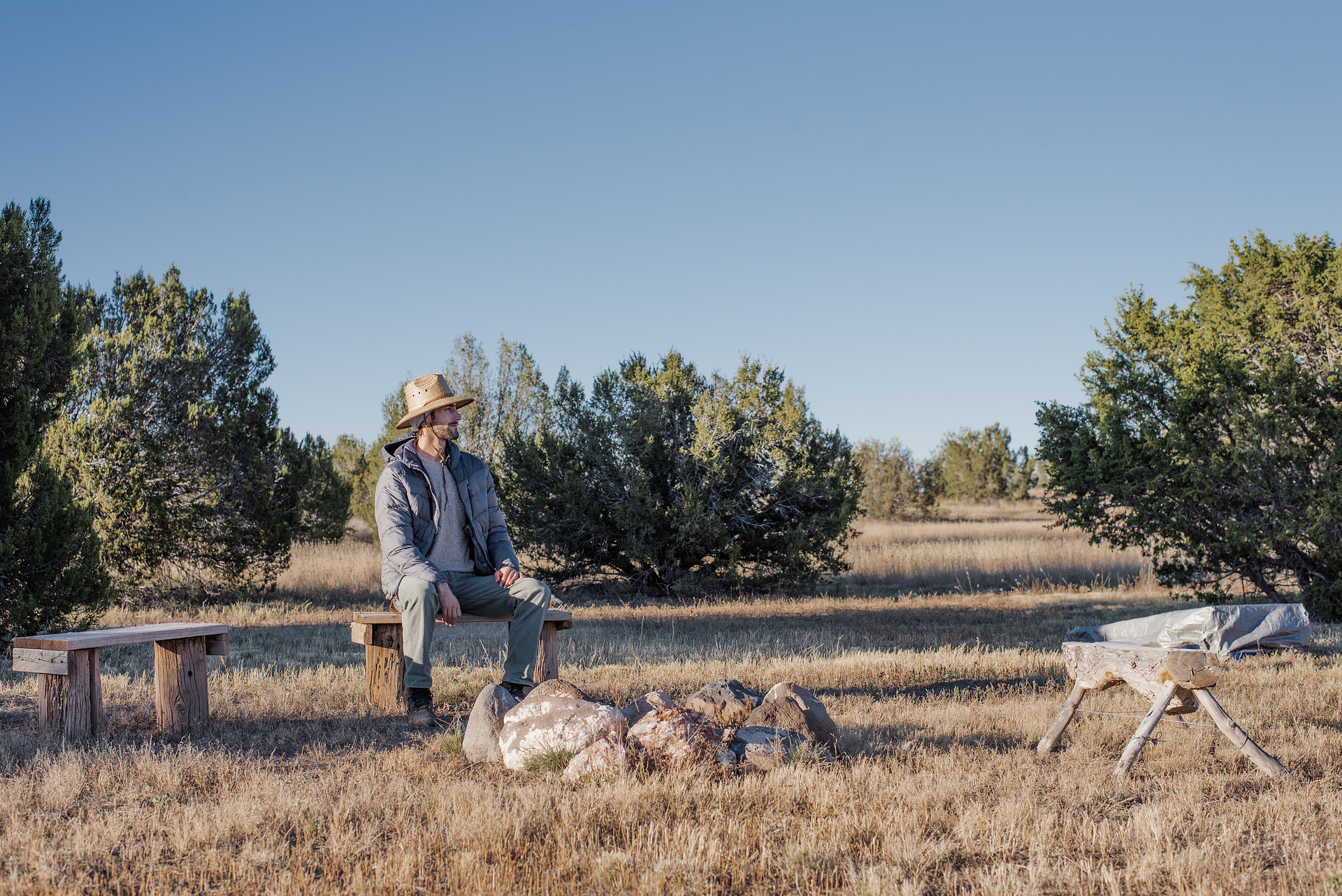
15. A Spark in the Dark Campground
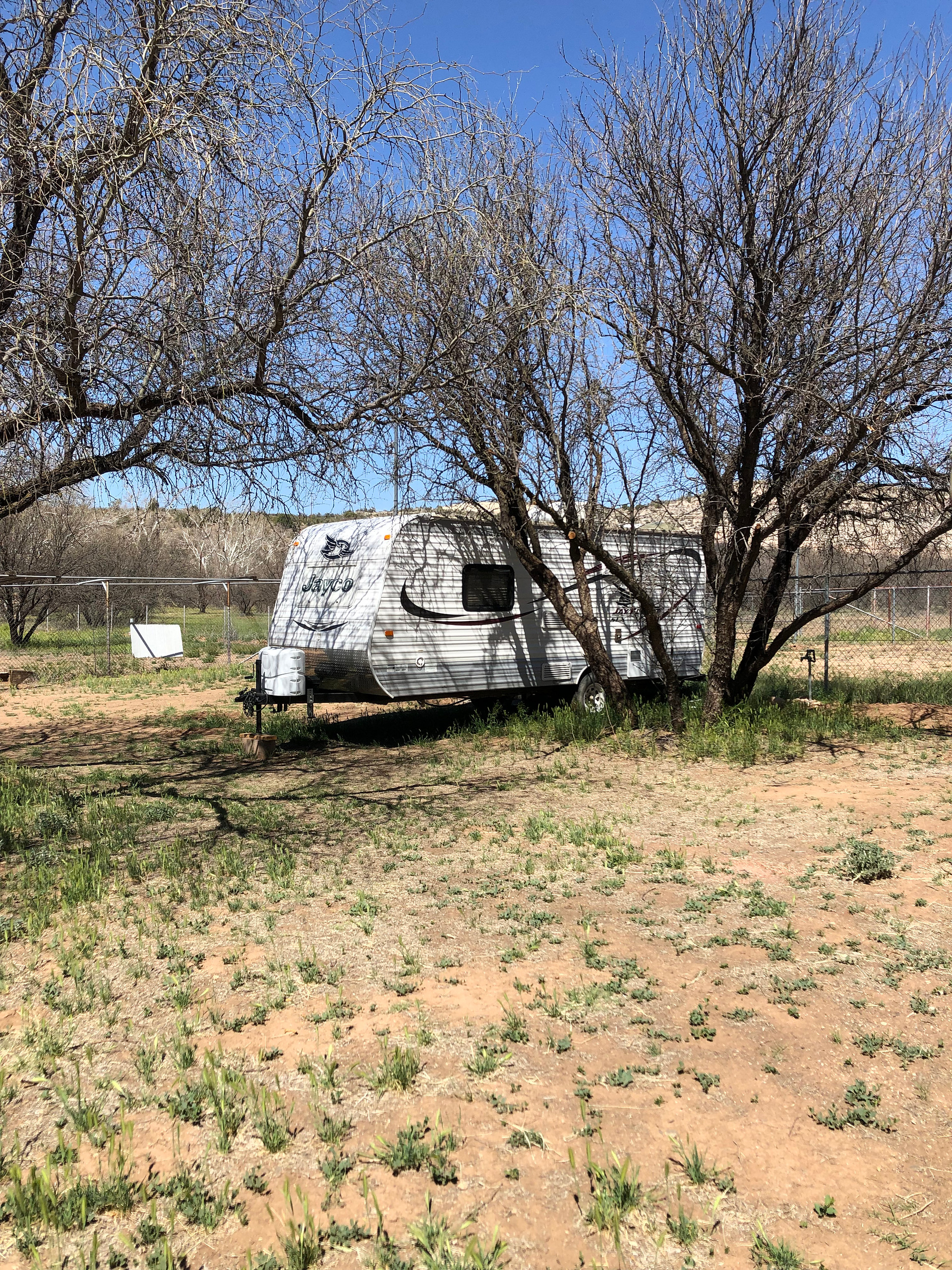
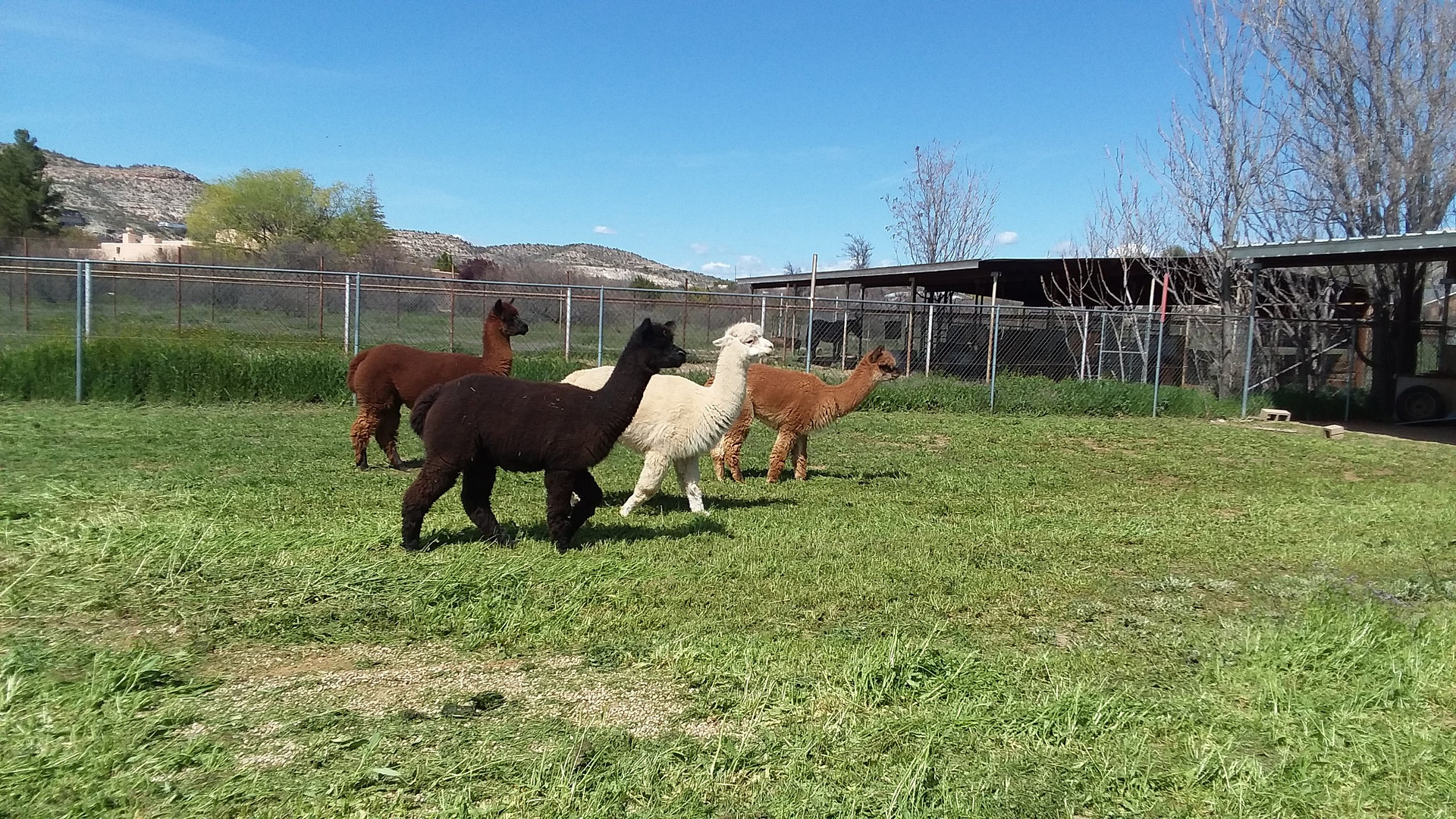
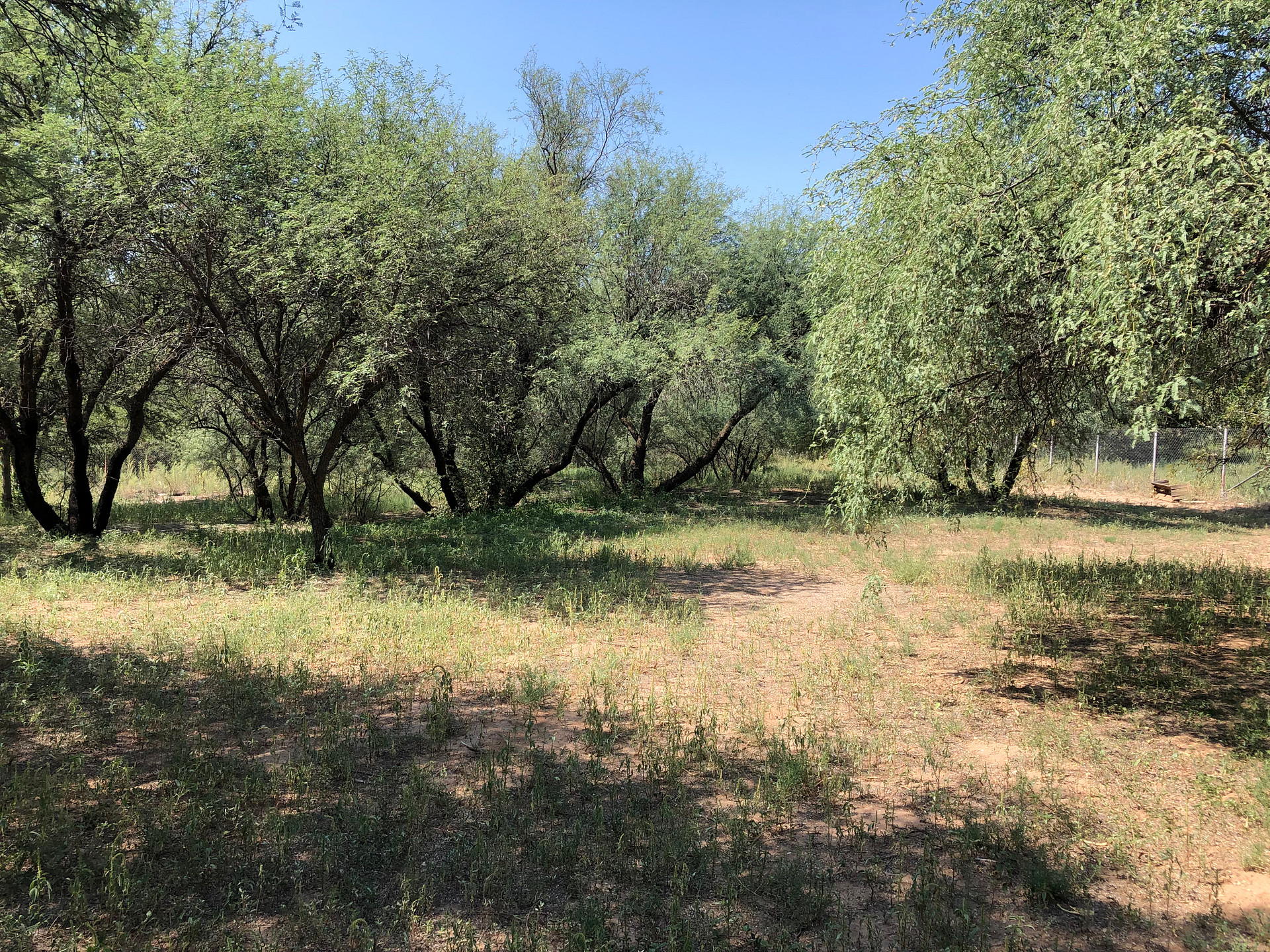
16. Beaver Creek Oasis


17. Karla's Hummingbird Guest Ranch
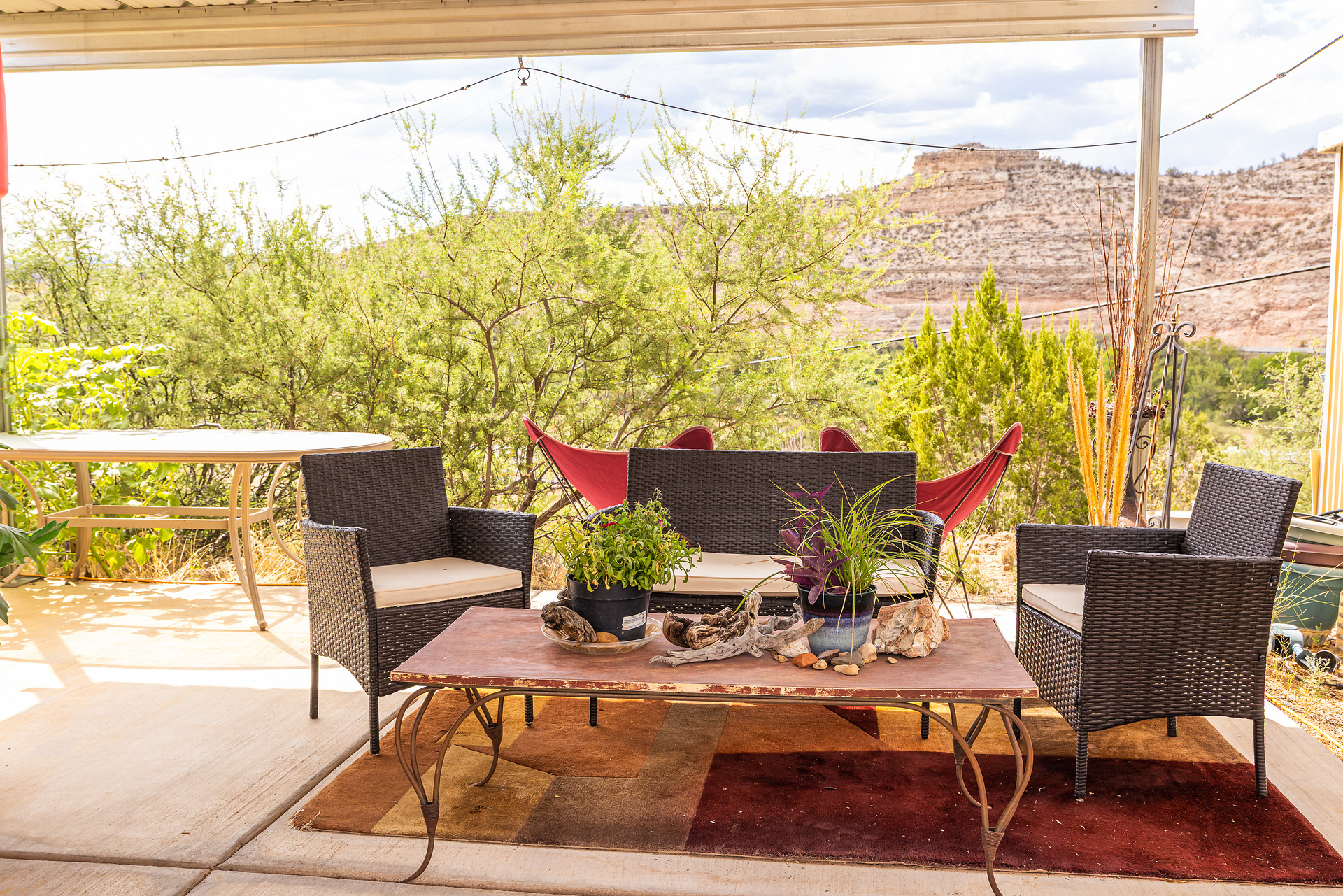
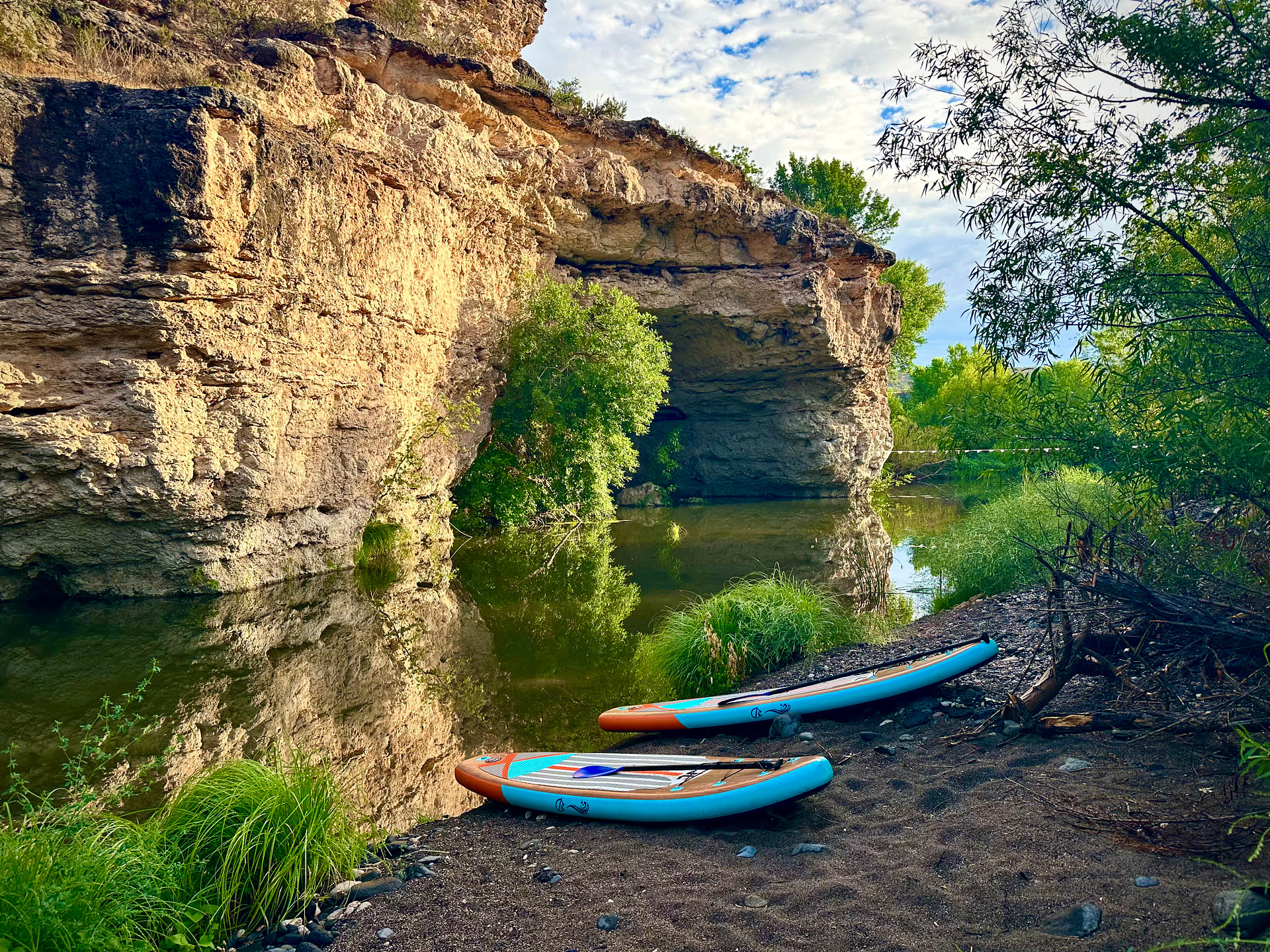
18. Sacred Springs-Private creek access


19. Mesquite Haven
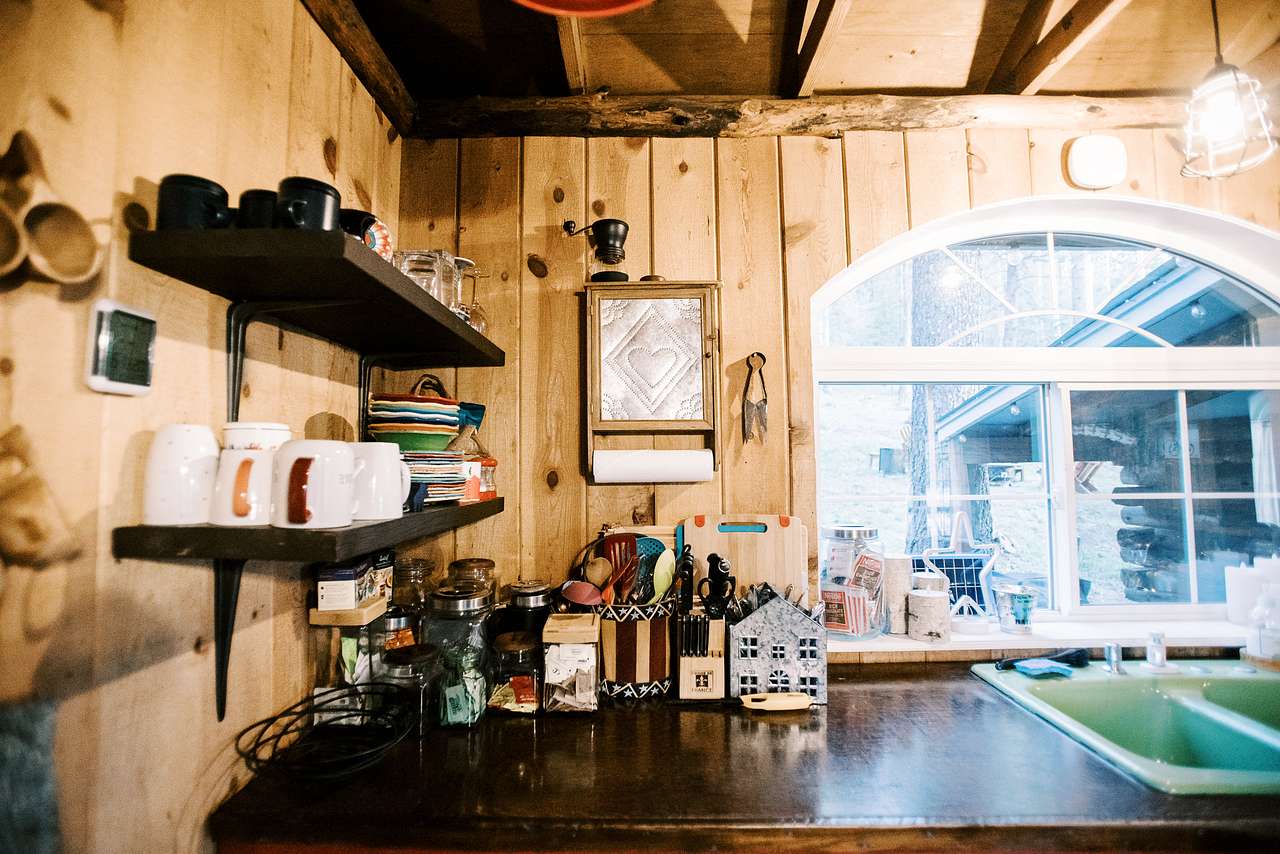
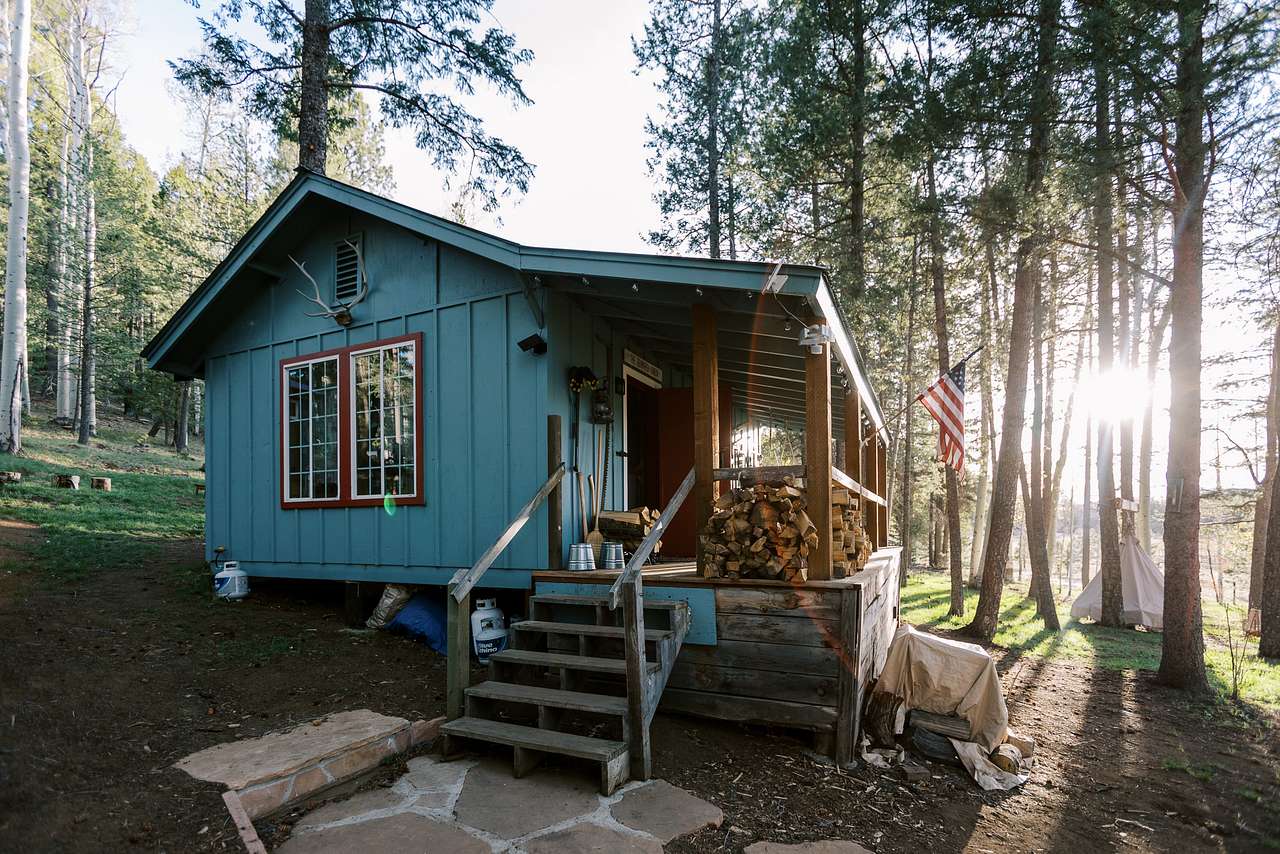
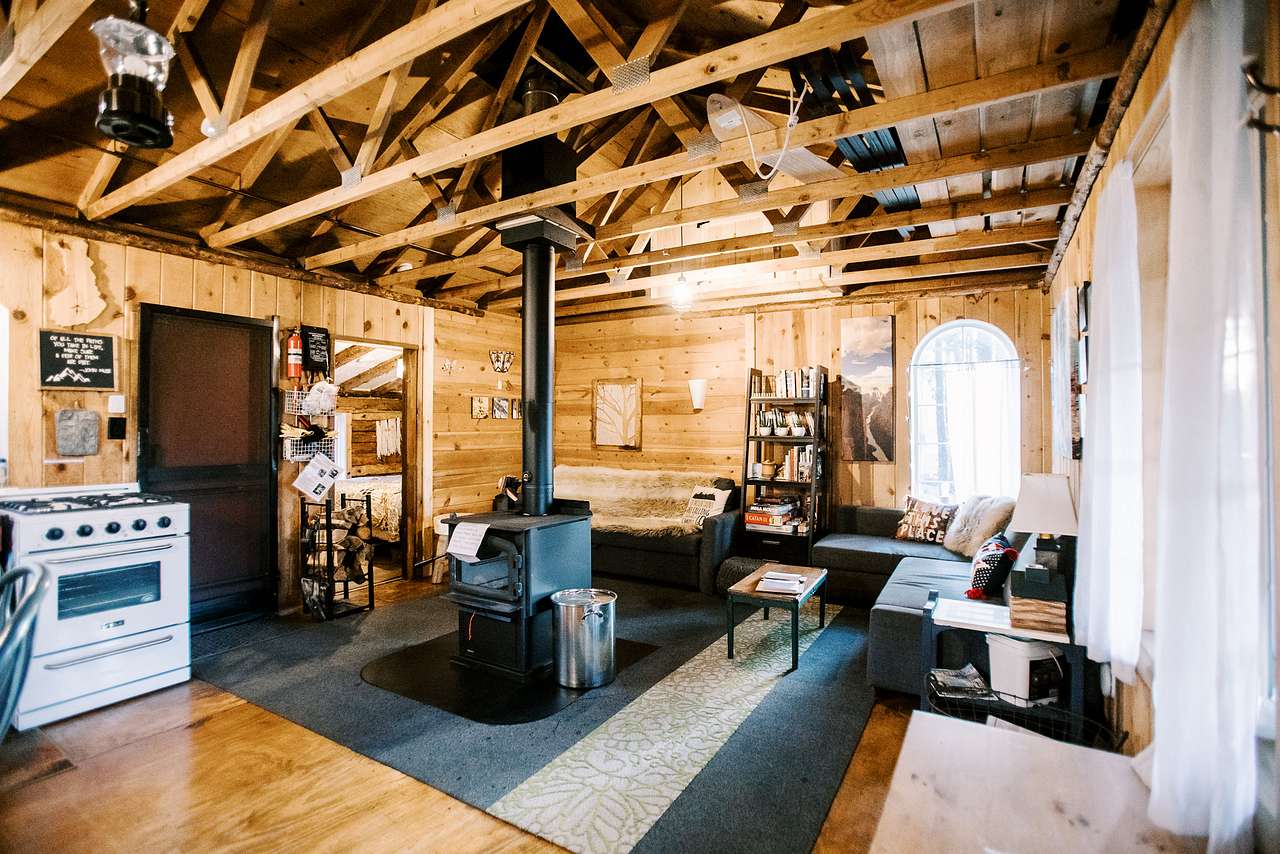
20. Glamper Cabin in the Aspens & Pines
Camp Saguaro
Hawks Hideaway Camping, LLC
Grand Canyon Oasis
Beaver Creek Oasis


El Pais Motel & Campgrounds


Double H Hacienda
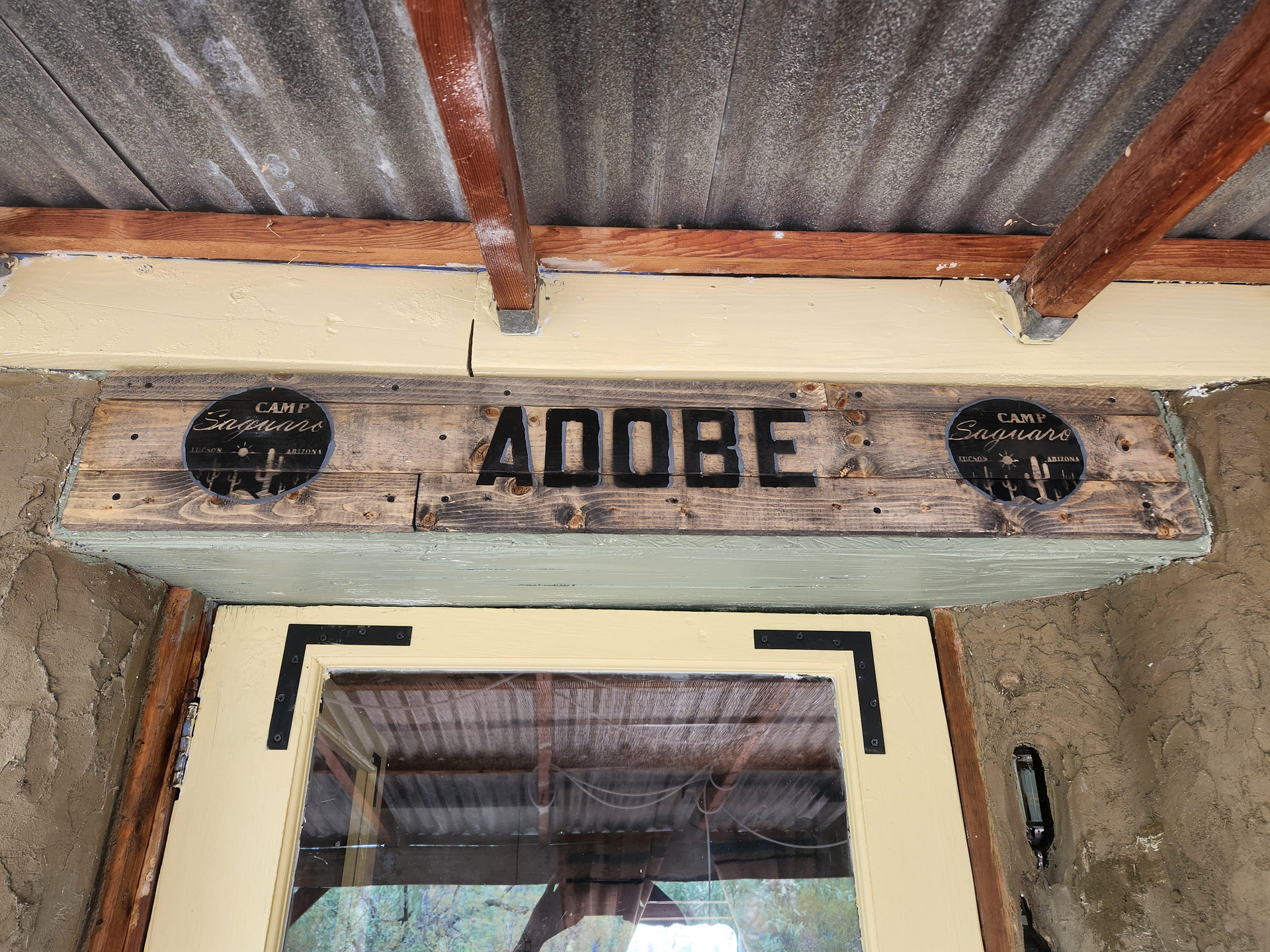
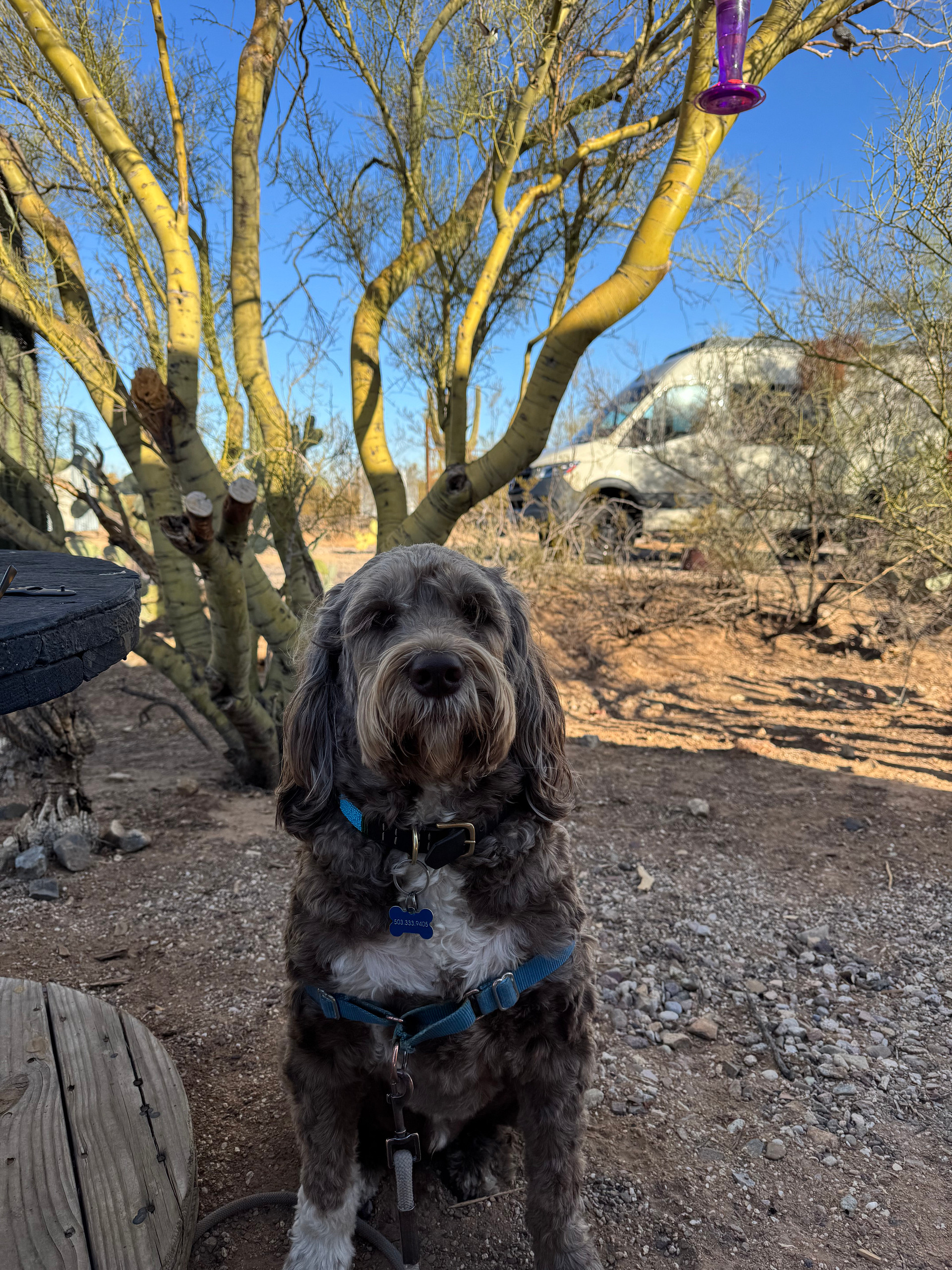
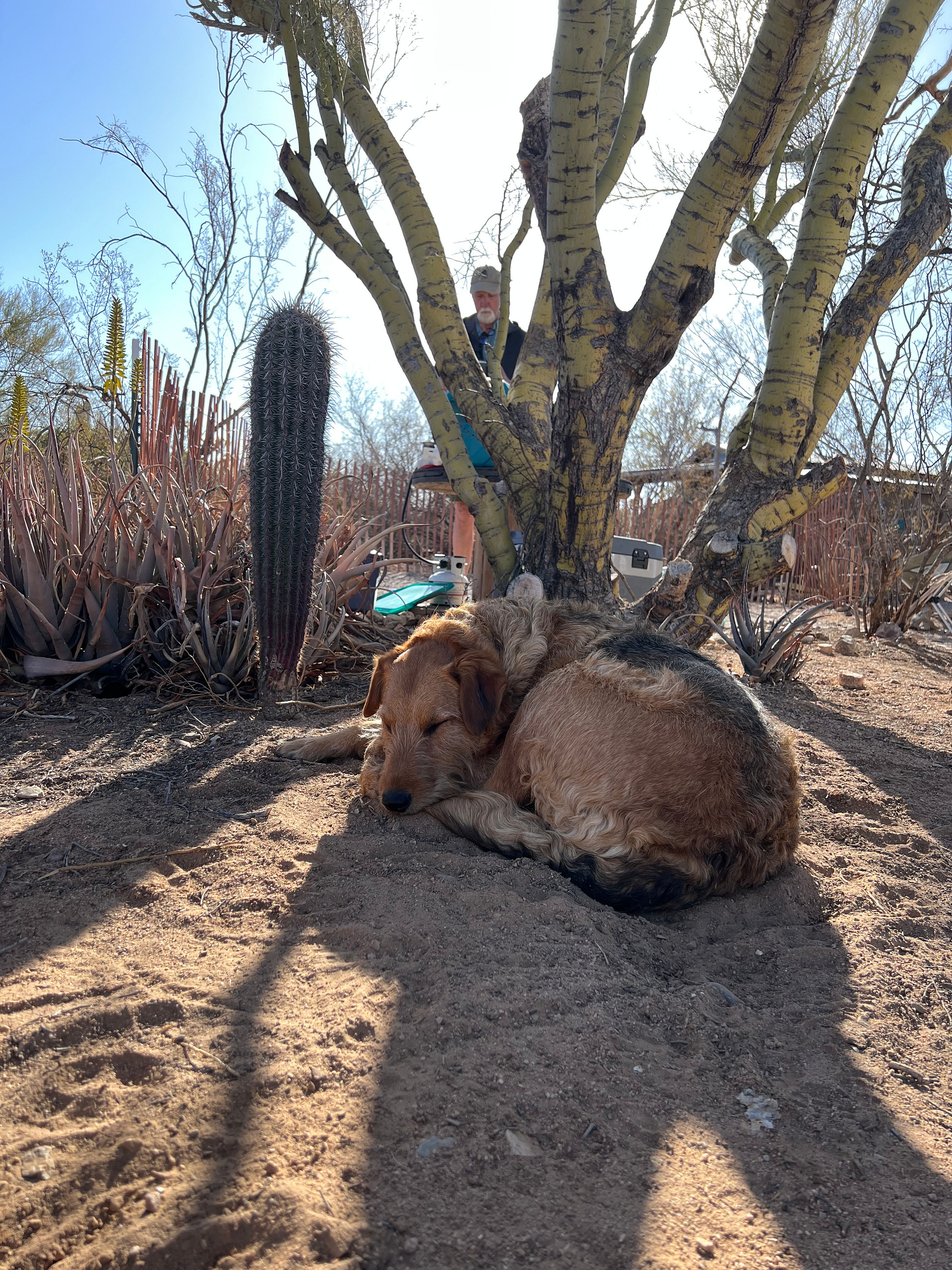
Camp Saguaro
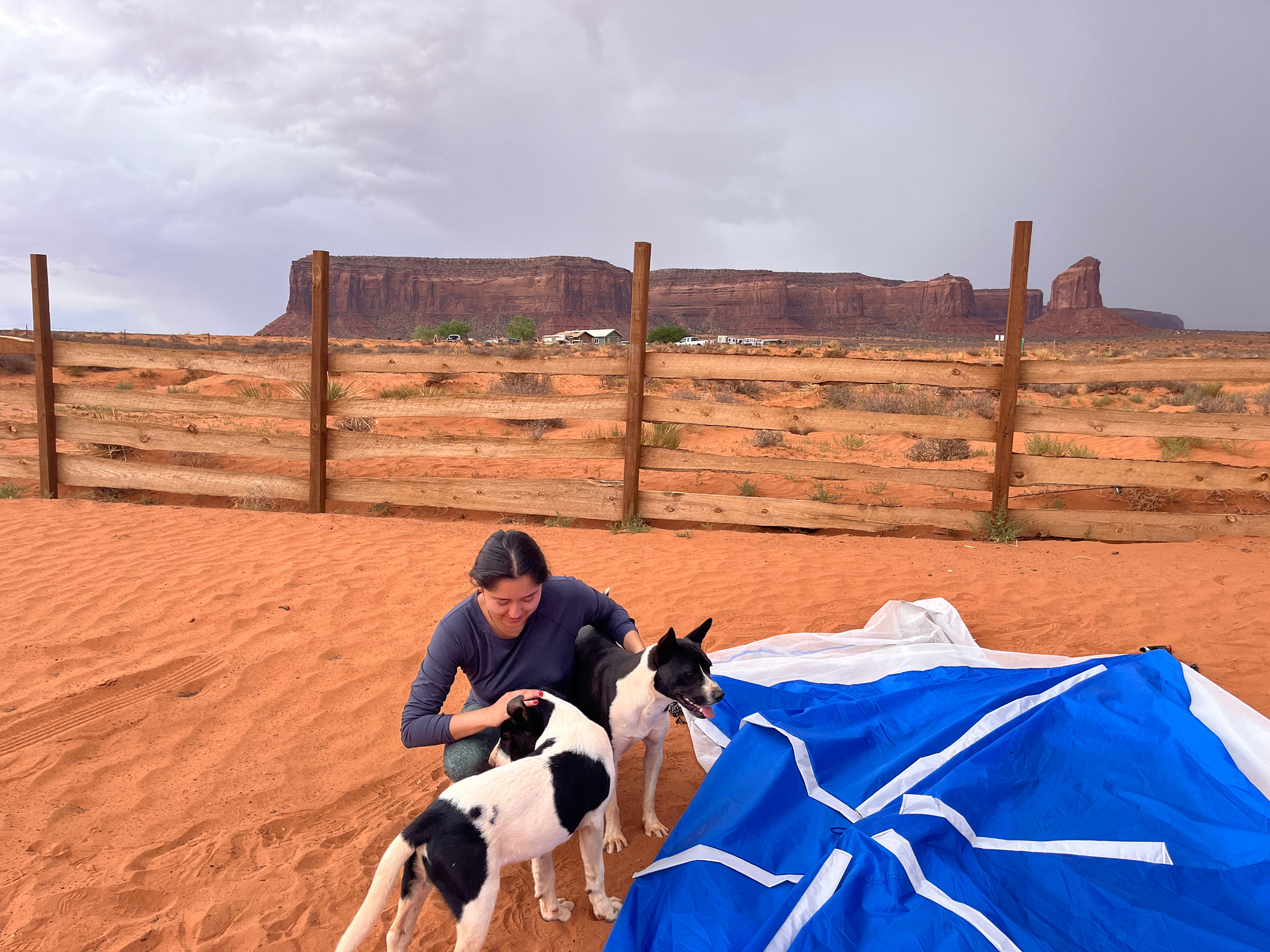
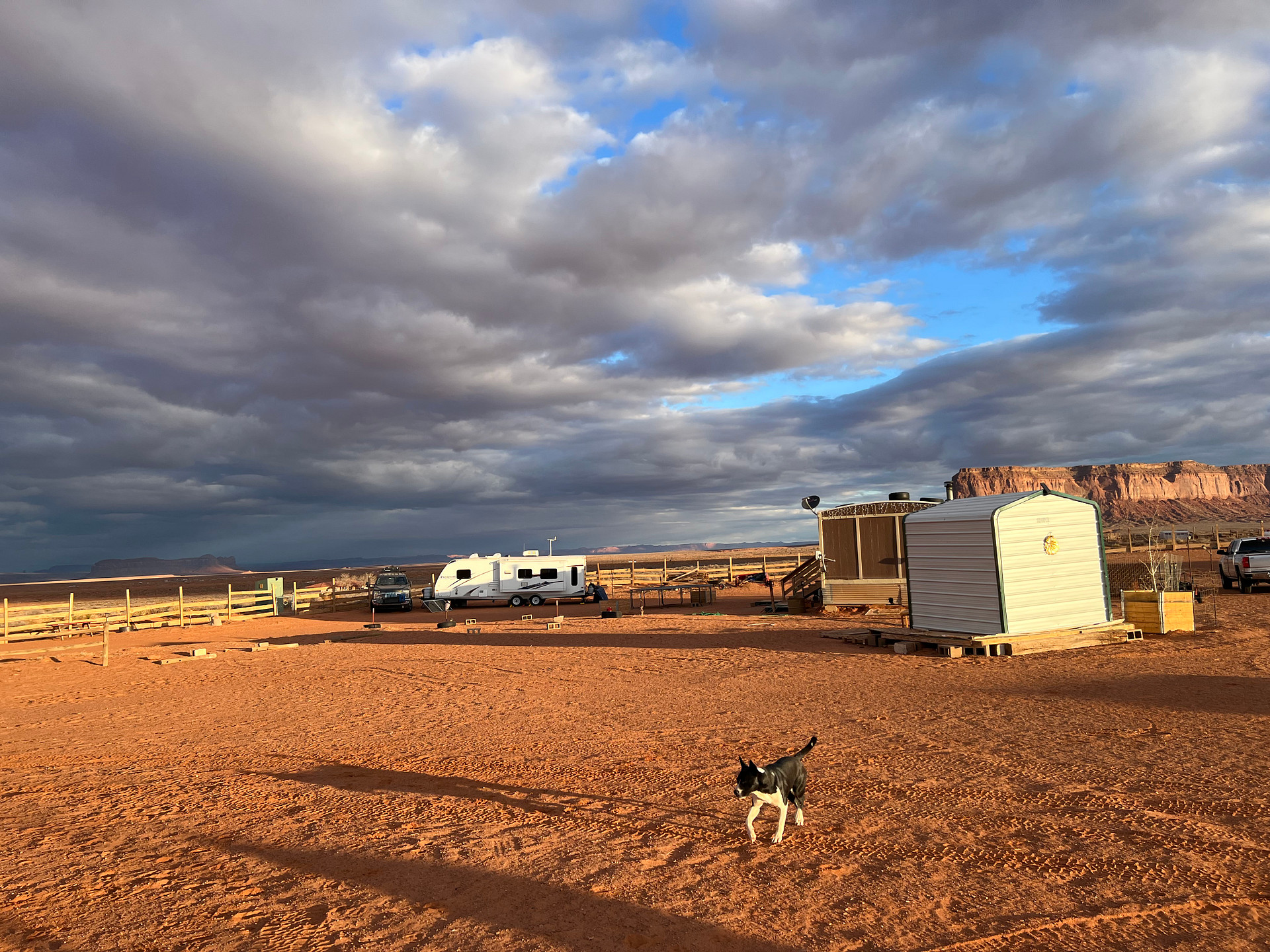
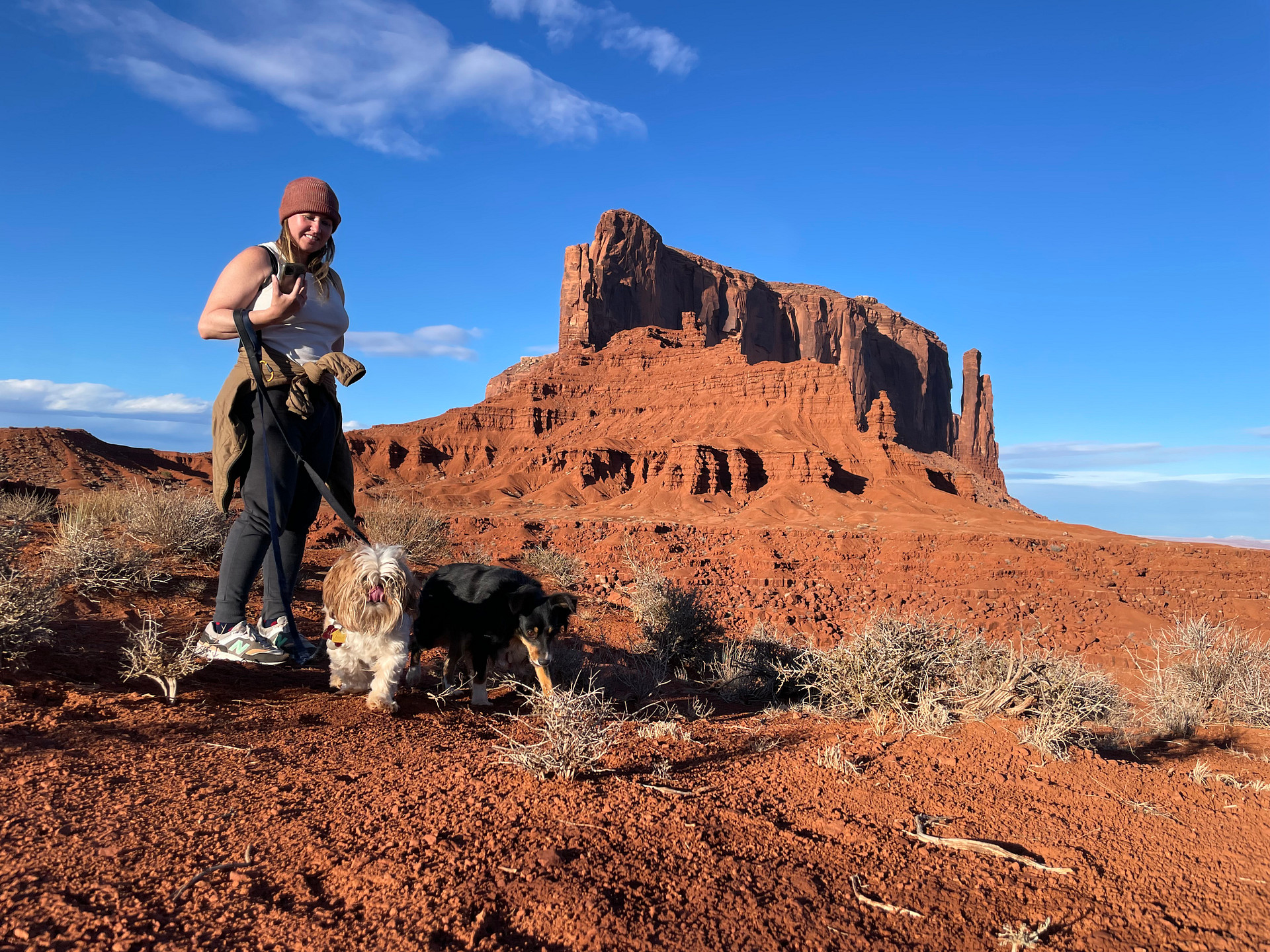
Humming Bird Campsite
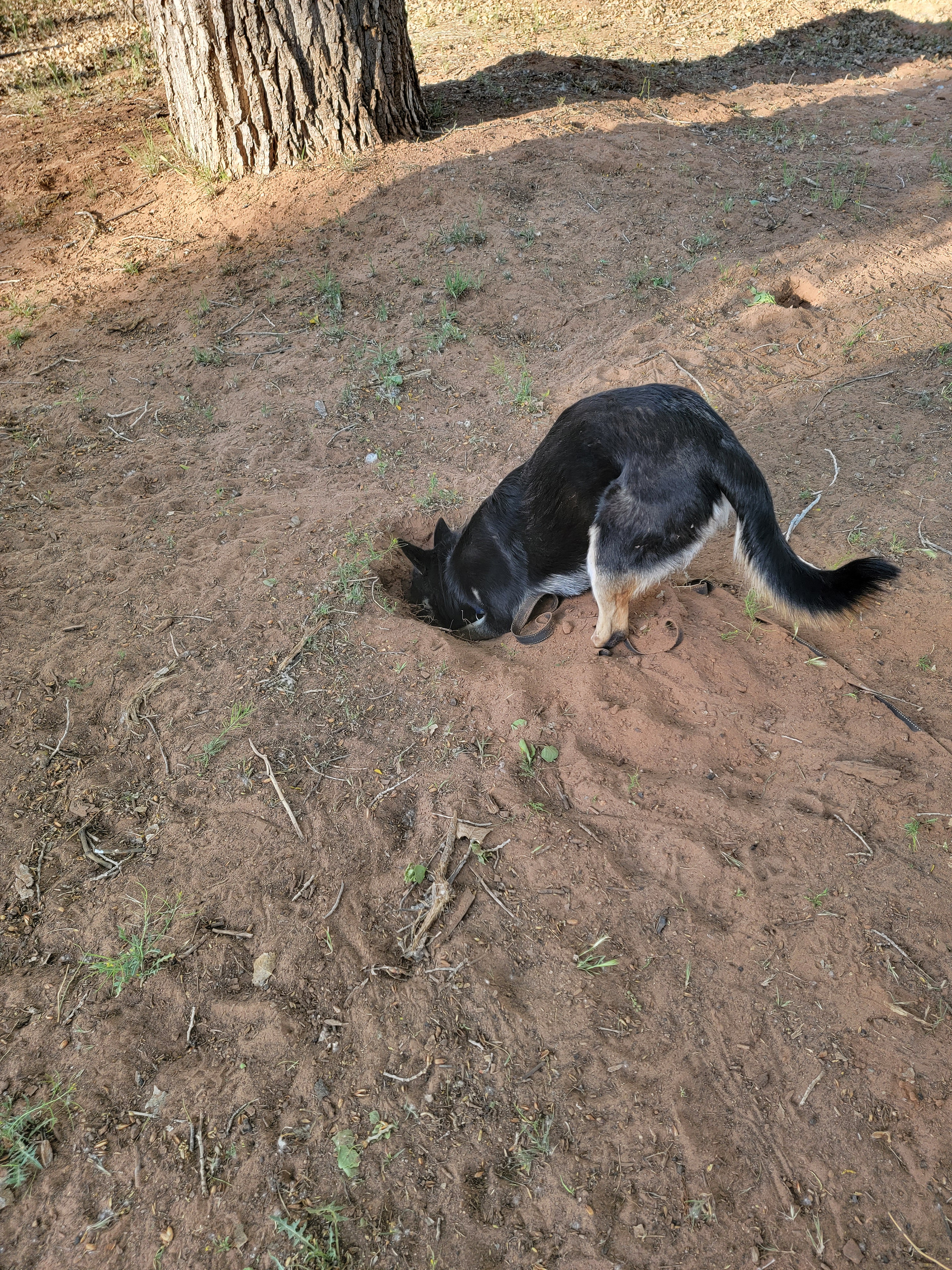
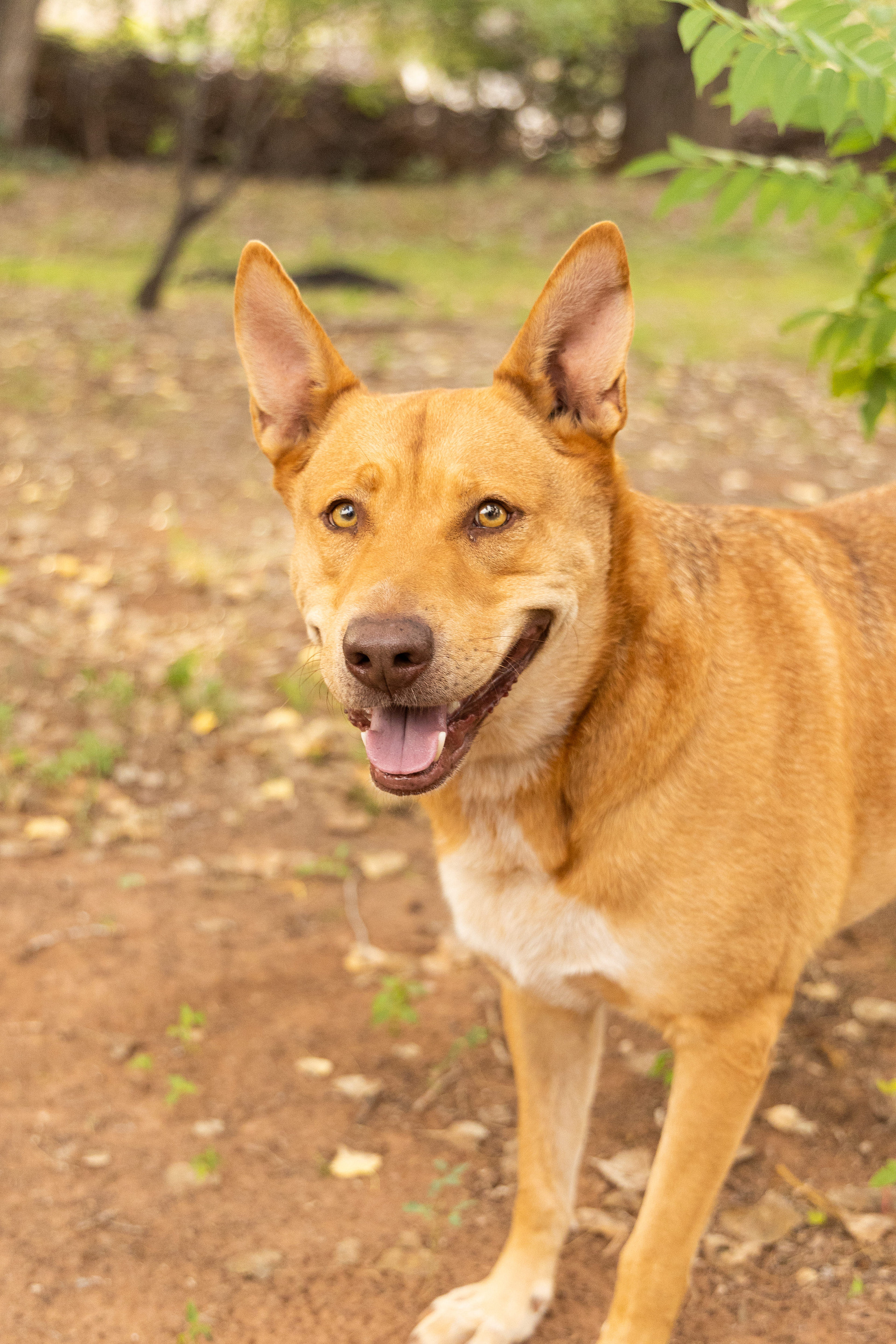
Hawks Hideaway Camping, LLC
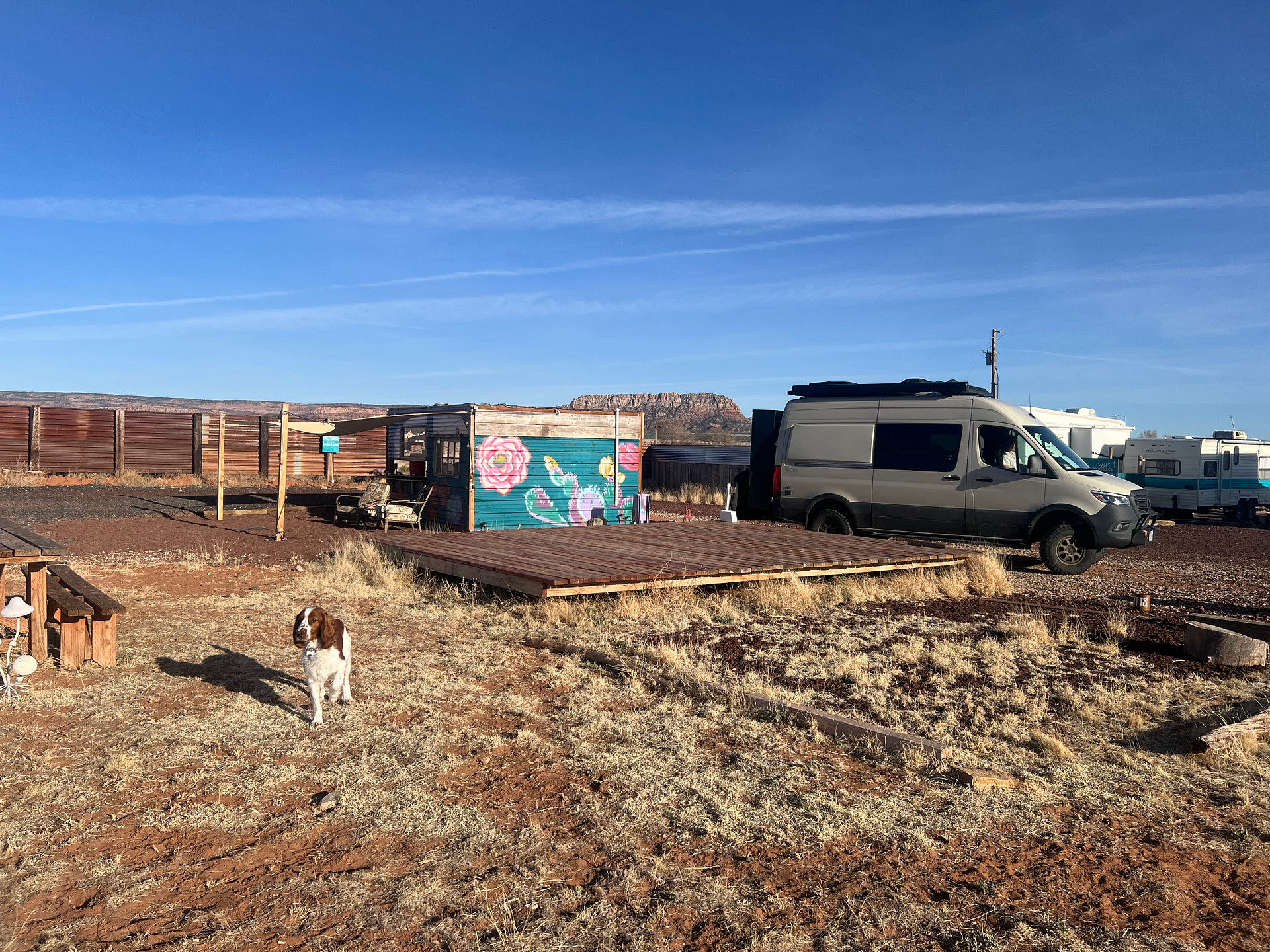
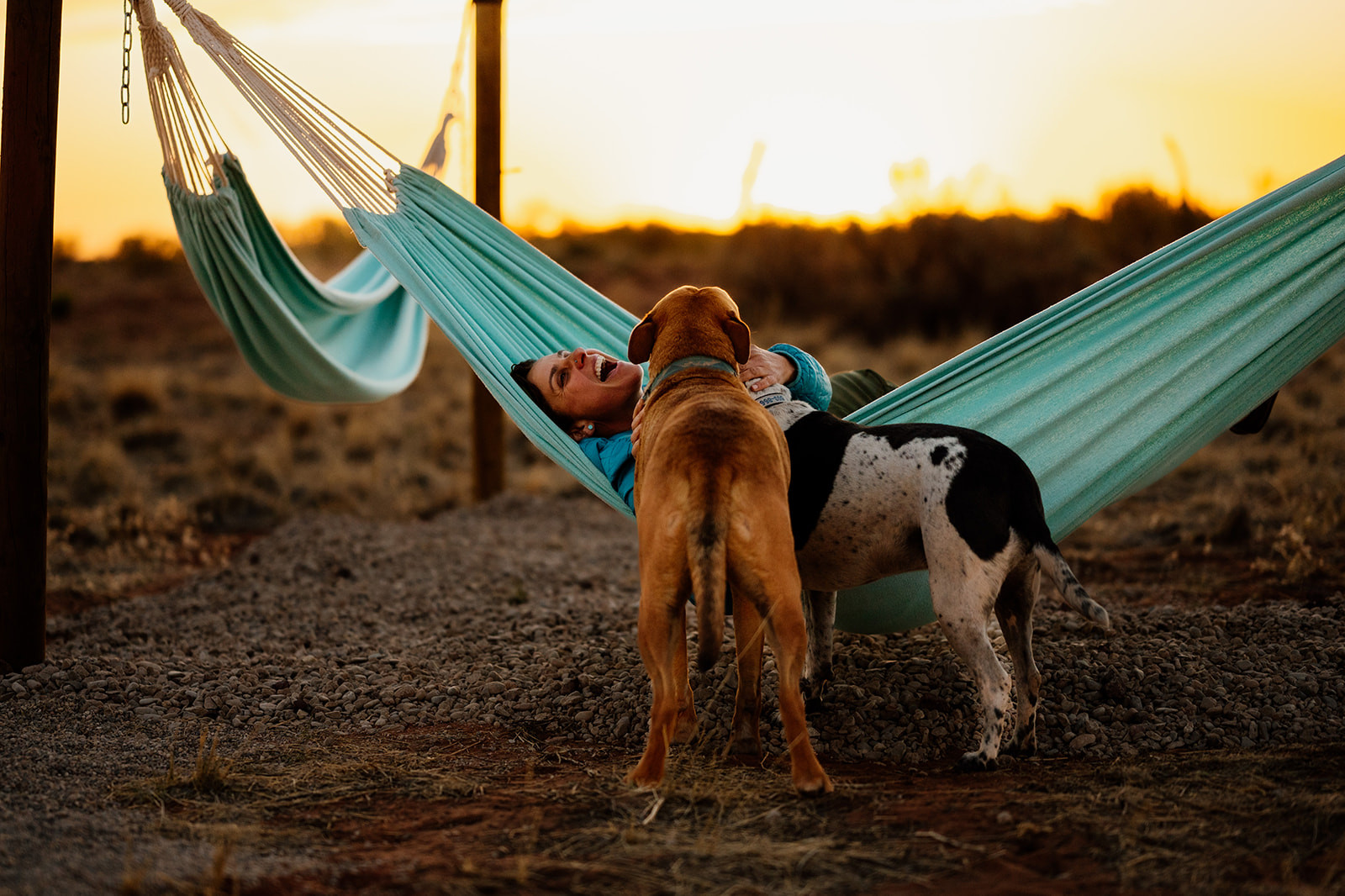
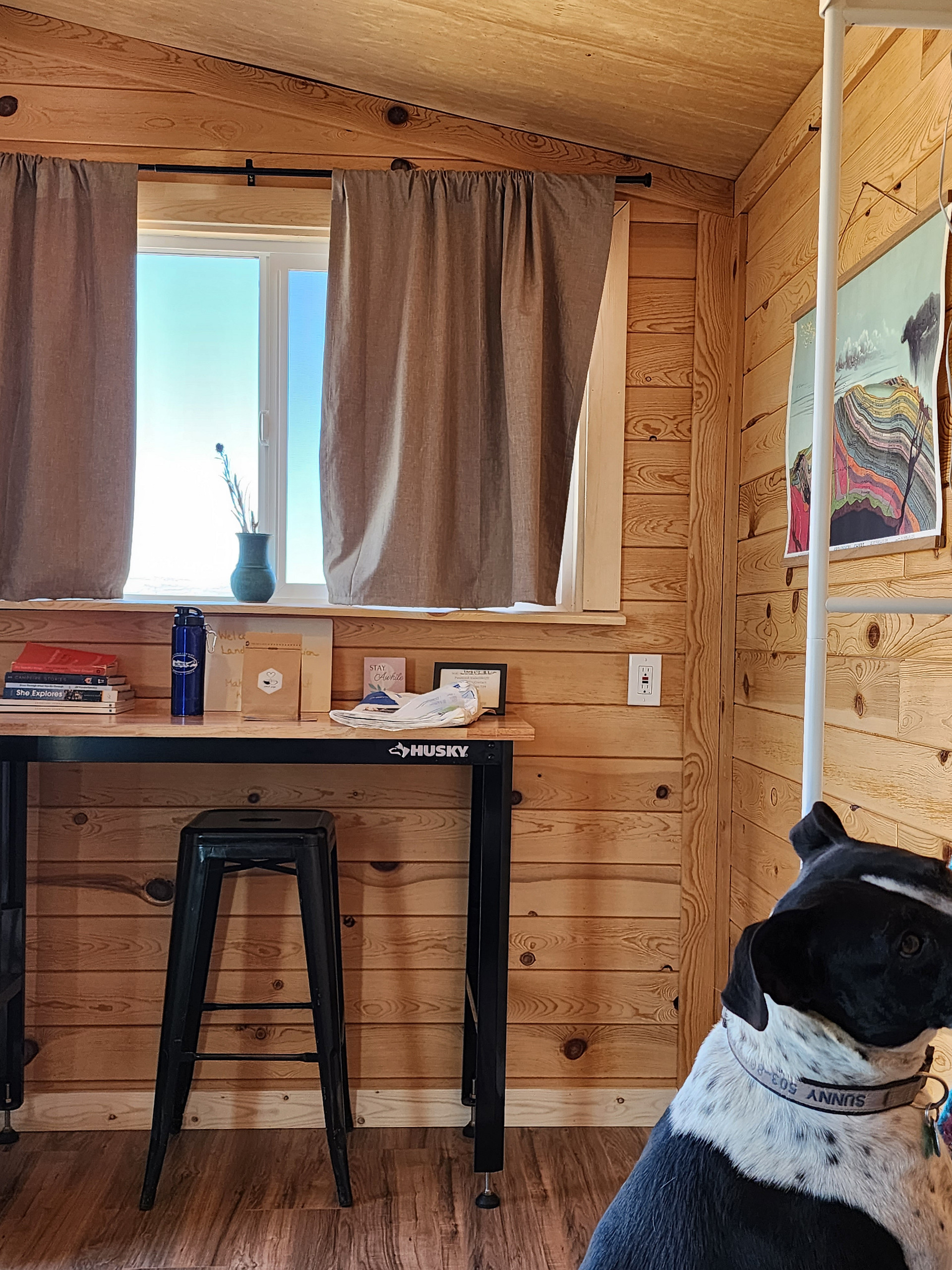
Camp Land Beyond Zion
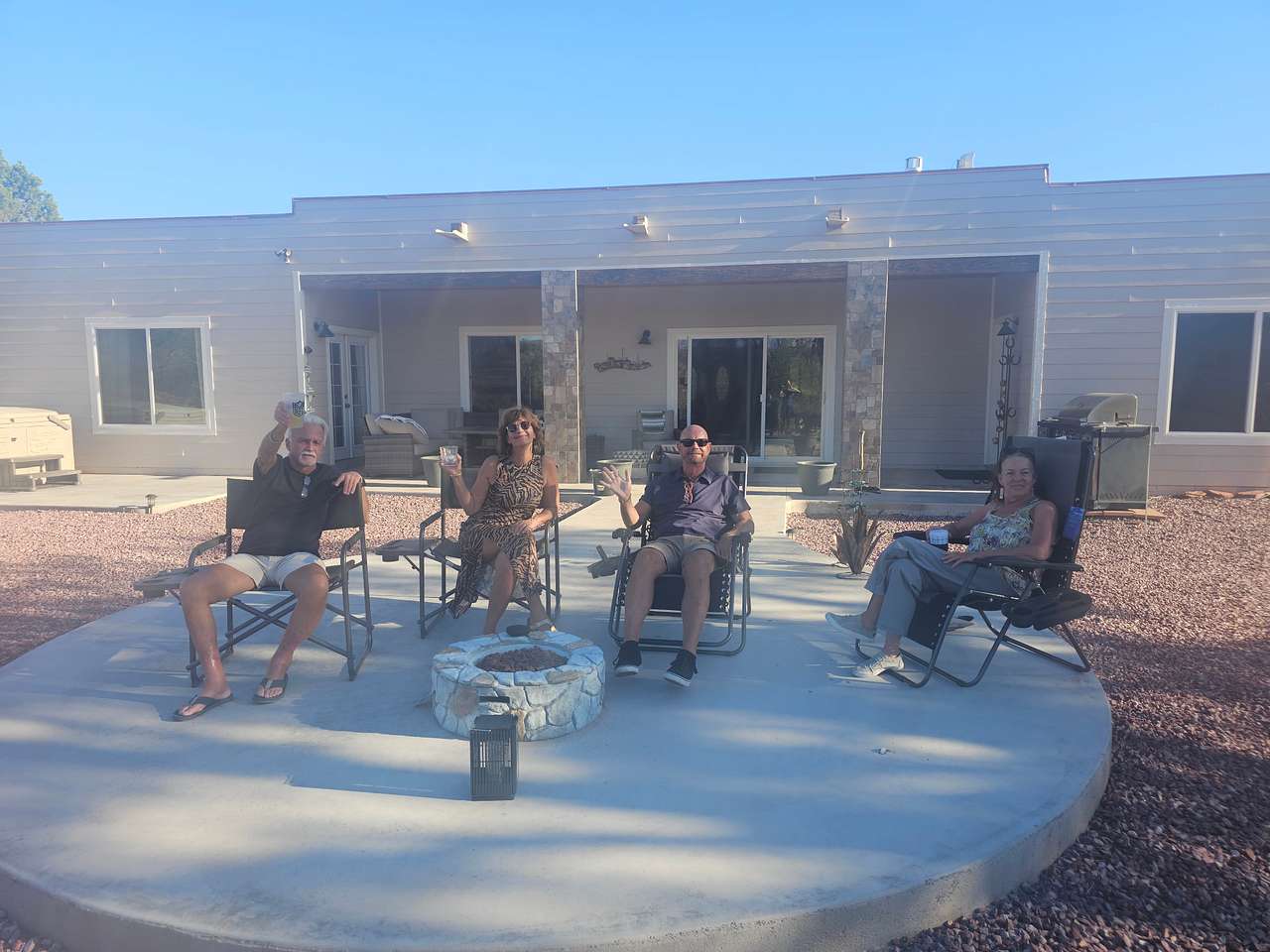
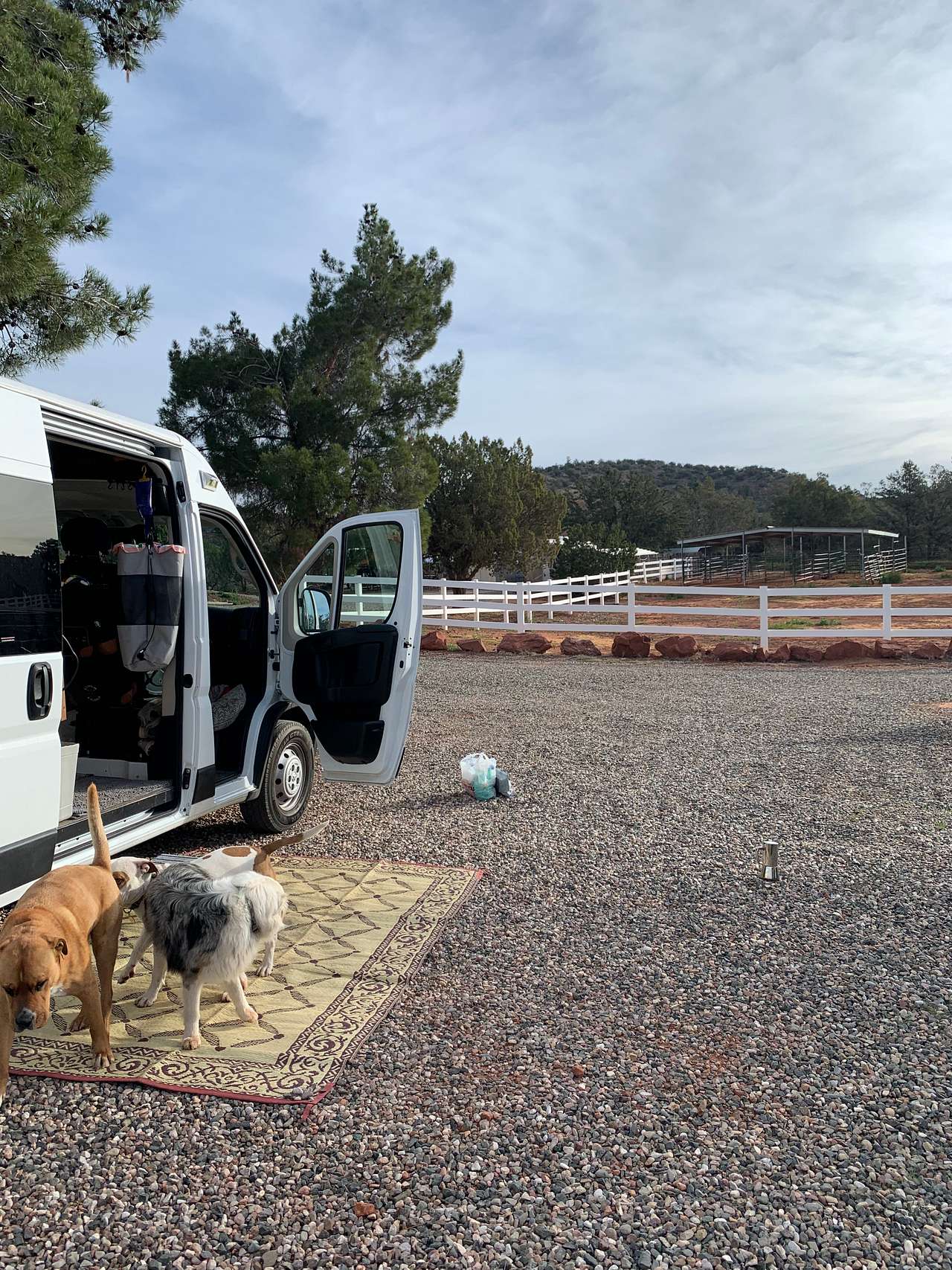
Red Rock Camp Horses Welcome
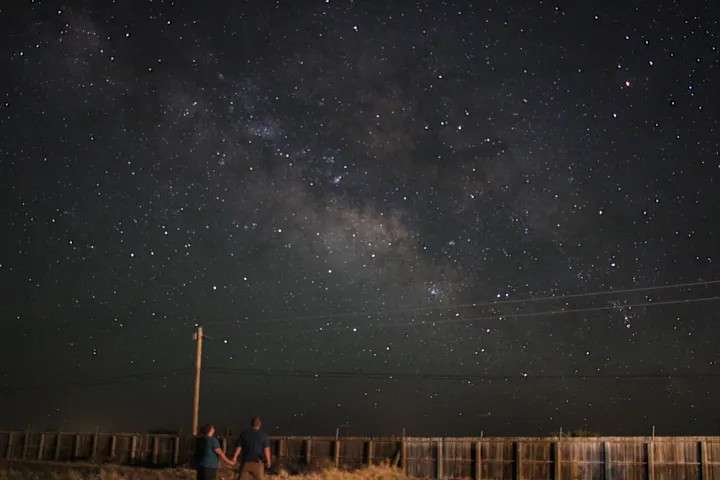
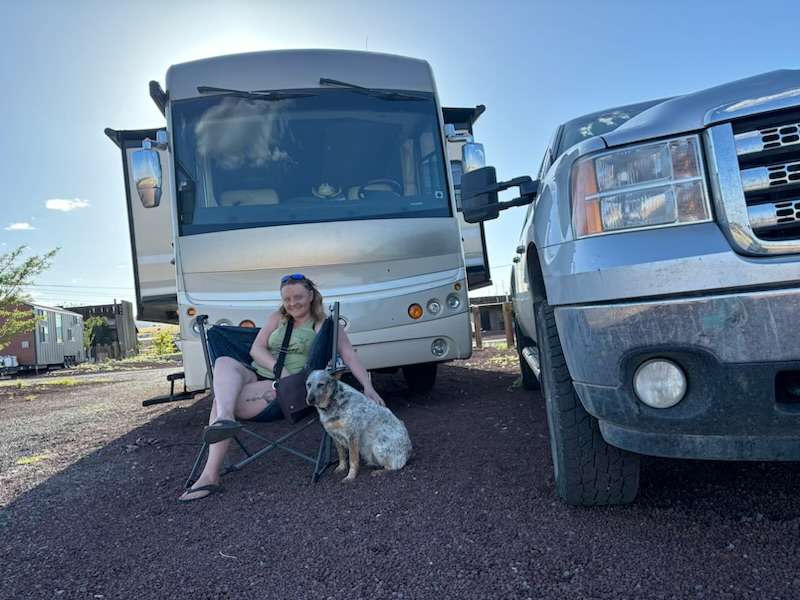
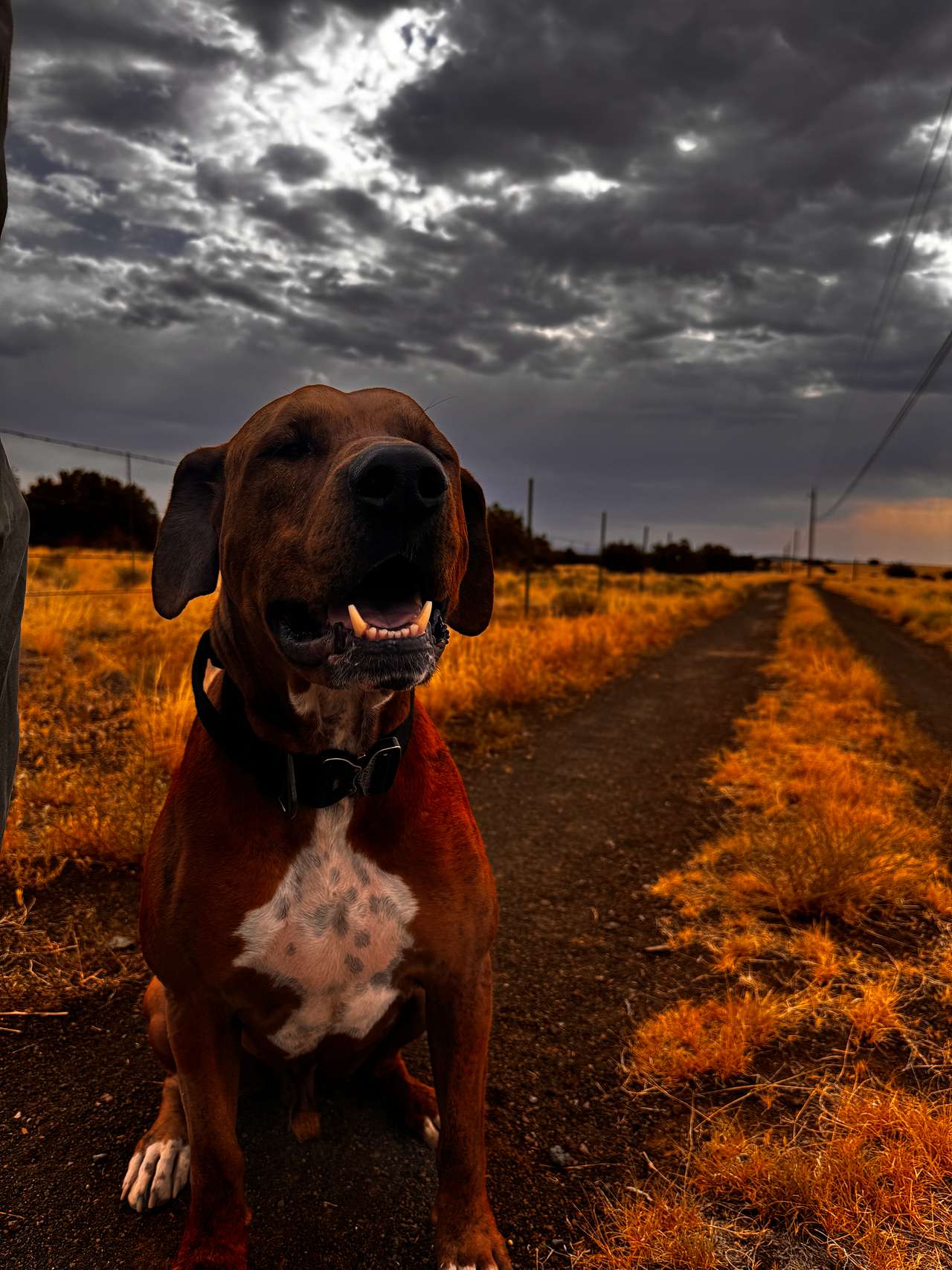
Grand Canyon Oasis
Recent reviews from the Hipcamp community


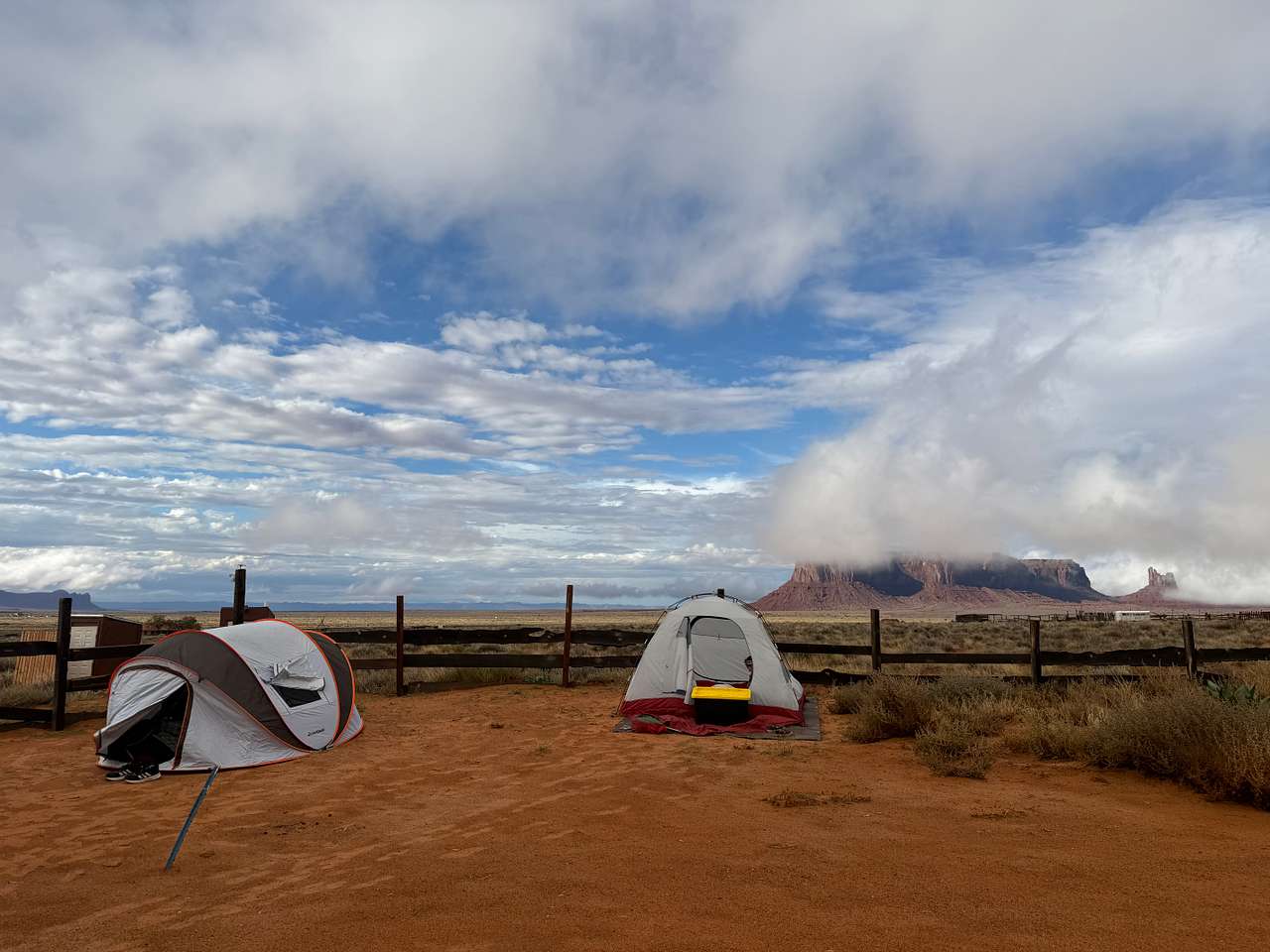
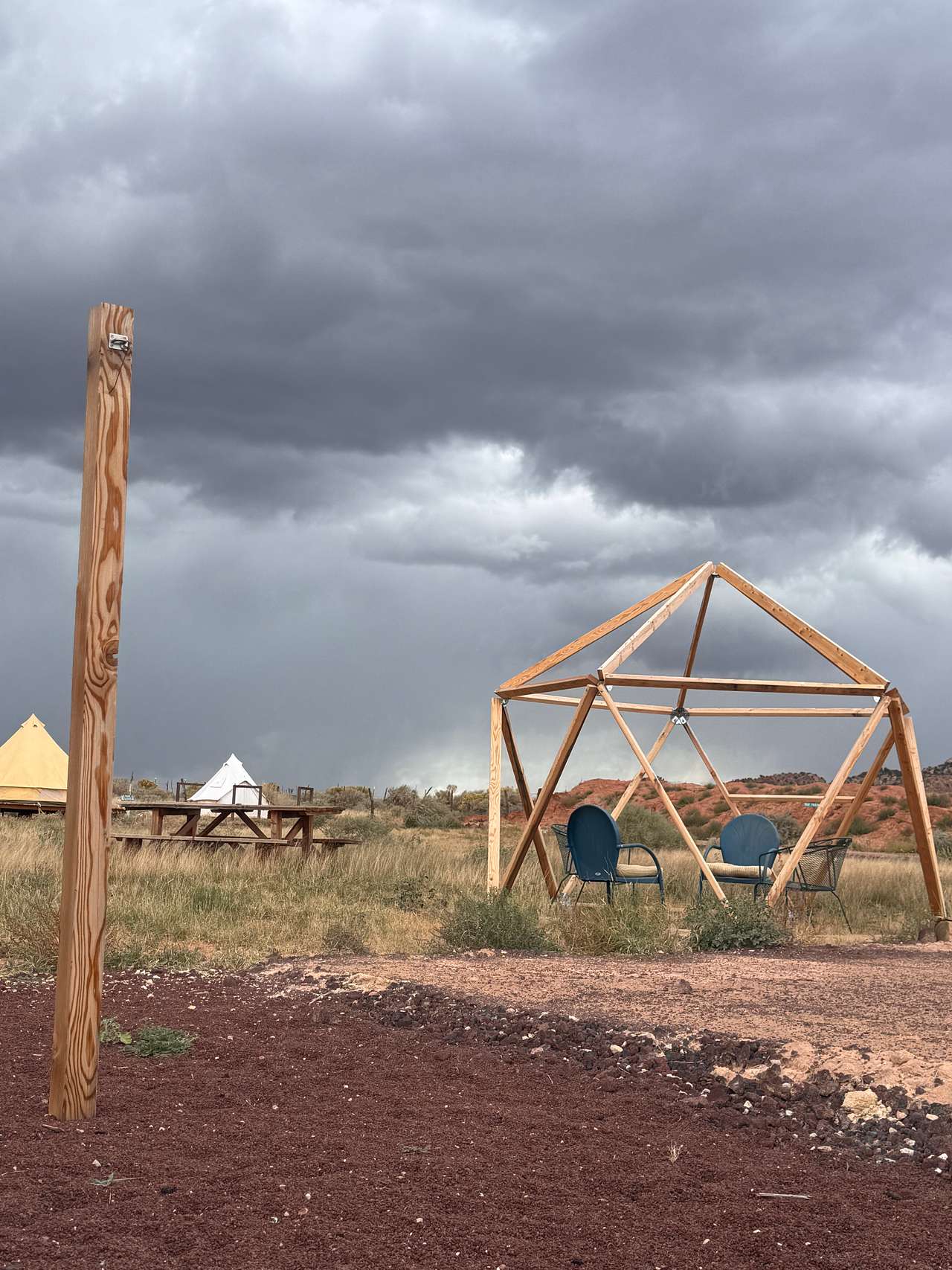
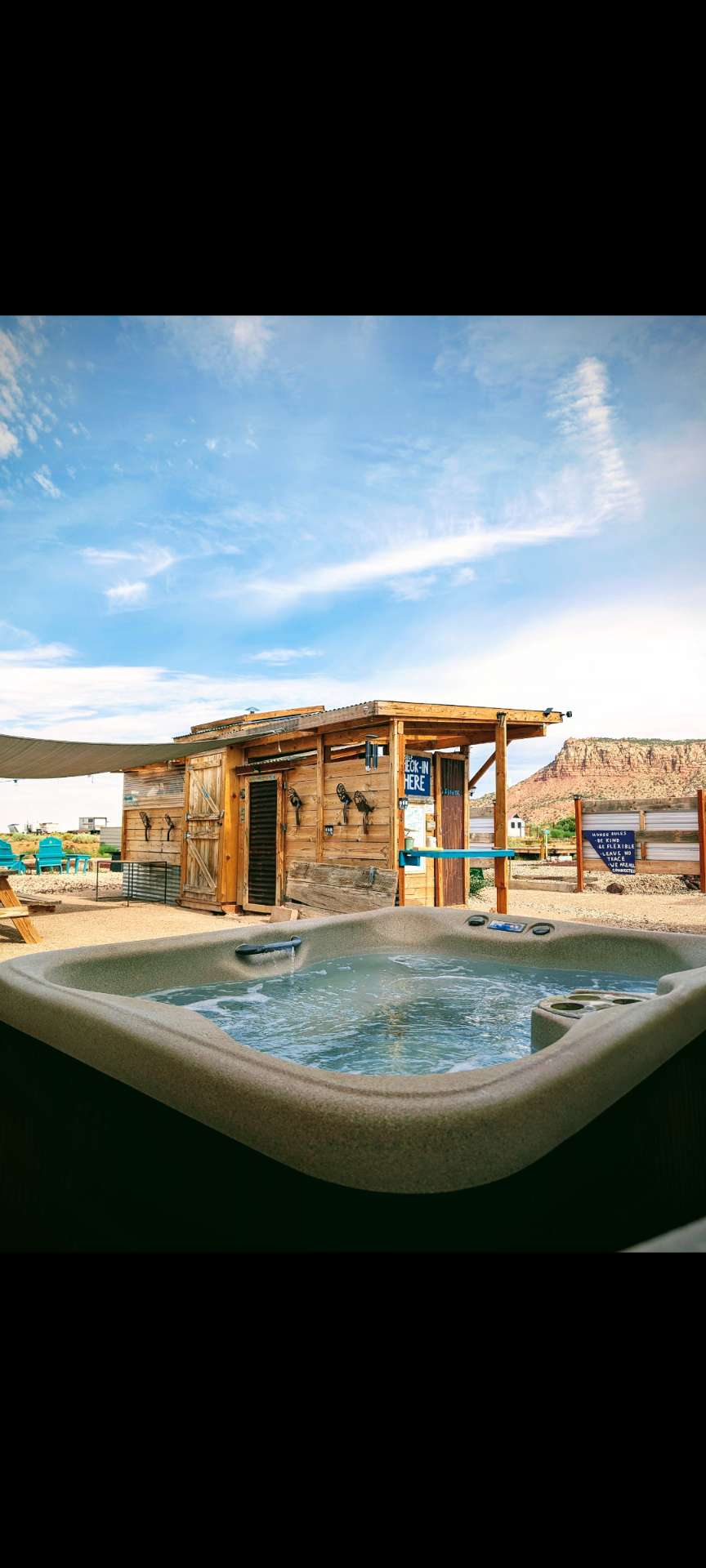

Arizona camping guide
Where to go
Northern Arizona
While northern Arizona's best-known attraction is the South Rim of Grand Canyon National Park, there’s plenty more to see and do, from visiting Lake Powell on the Colorado River to backcountry tent camping among the ponderosa pines in the Coconino National Forest, Prescott National Forest, and Kaibab National Forest. Sedona, just south of Flagstaff, also makes a great base for hiking among Arizona's Red Rocks or swimming in Oak Creek Canyon’s Slide Rock State Park.
Western Arizona
Dubbed Arizona's "West Coast," this part of the state offers all sorts of outdoor activities, much of which revolve around the Colorado River. The town of Yuma near the southern border is a popular spot, featuring an old Wild West prison and serving as a good base for visiting the Cibola National Wildlife Refuge. Attractions further north include Lake Havasu State Park, where you can swim, camp, or even check out the 19th-century London Bridge. Further north, the massive Lake Mead National Recreation Area offers year-round camping and easy access to two lakes.
Central Arizona
While it's easy to associate central Arizona with Phoenix sprawl, this region offers a lot for outdoorsy types, all within a short drive of the city. Popular spots for outdoors lovers include the Superstition Mountains in the Tonto National Forest, Lost Dutchman State Park, and the Apache-Sitgreaves National Forest. If you're interested in archaeology, the Montezuma Castle National Monument is also worth a visit.
Southern Arizona
Southern Arizona is full of Wild West spirit, with a mix of historic ghost towns and scenic desert landscapes, plus plenty of forests, particularly in the Chiricahua Mountains. Must-visit parks include Saguaro National Park and Catalina State Park—both just outside Tucson. If it gets too hot, make like a local and head to Patagonia Lake State Park, a prime spot to swim and cool off from the Arizona heat.
Frequently Asked Questions
Boondocking, or dispersed camping, is not illegal in Arizona as long as you follow the rules and regulations set by the managing agency of the land on which you're camping. Arizona has a variety of public lands, including National Forests, Bureau of Land Management (BLM) lands, and state trust lands, where boondocking is allowed. However, it's essential to check the specific rules for each area, as some locations may have restrictions or require permits. Additionally, you can find boondocking sites on Hipcamp that are privately owned and managed, ensuring a legal and enjoyable boondocking experience in Arizona.
It is not accurate to say that camping is illegal anywhere in Arizona. However, there are specific rules and regulations regarding where you can camp. Camping is generally permitted in designated campgrounds, state parks, national forests, and on Bureau of Land Management (BLM) land, as well as some private lands. Always check local regulations and obtain necessary permits before camping to ensure you are following the law and respecting the environment.
For a list of campgrounds in Arizona, you can visit Hipcamp's Arizona camping page.
Arizona offers several options for free camping, primarily on Bureau of Land Management (BLM) and National Forest lands. Some popular free camping areas in Arizona include:
- Cottonwood Canyon Road near the Vermilion Cliffs National Monument
- Saddle Mountain BLM Dispersed Camping near Tonopah
- Lone Rock Beach Primitive Camping at Lake Powell
- Forest Road 525 near Sedona in the Coconino National Forest
- Craggy Wash BLM Dispersed Camping near Lake Havasu City
Remember to follow Leave No Trace principles and check local regulations before setting up camp. Note that amenities are limited or nonexistent at these free campsites, so come prepared with your own water, waste disposal, and other necessities.
The best season to camp in Arizona is during the fall and spring months, specifically from October to April. During these months, temperatures are milder and more comfortable for outdoor activities and camping. In particular, the desert areas of Arizona, such as Phoenix and Tucson, offer pleasant daytime temperatures and cool nights. The summer months, from May to September, can be extremely hot and are not recommended for camping, especially in the desert regions.