Top-rated campgrounds in Idaho
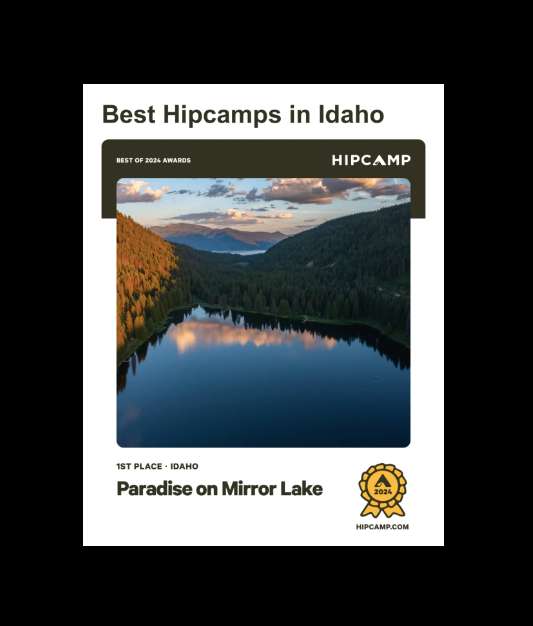

1. Paradise on Mirror Lake


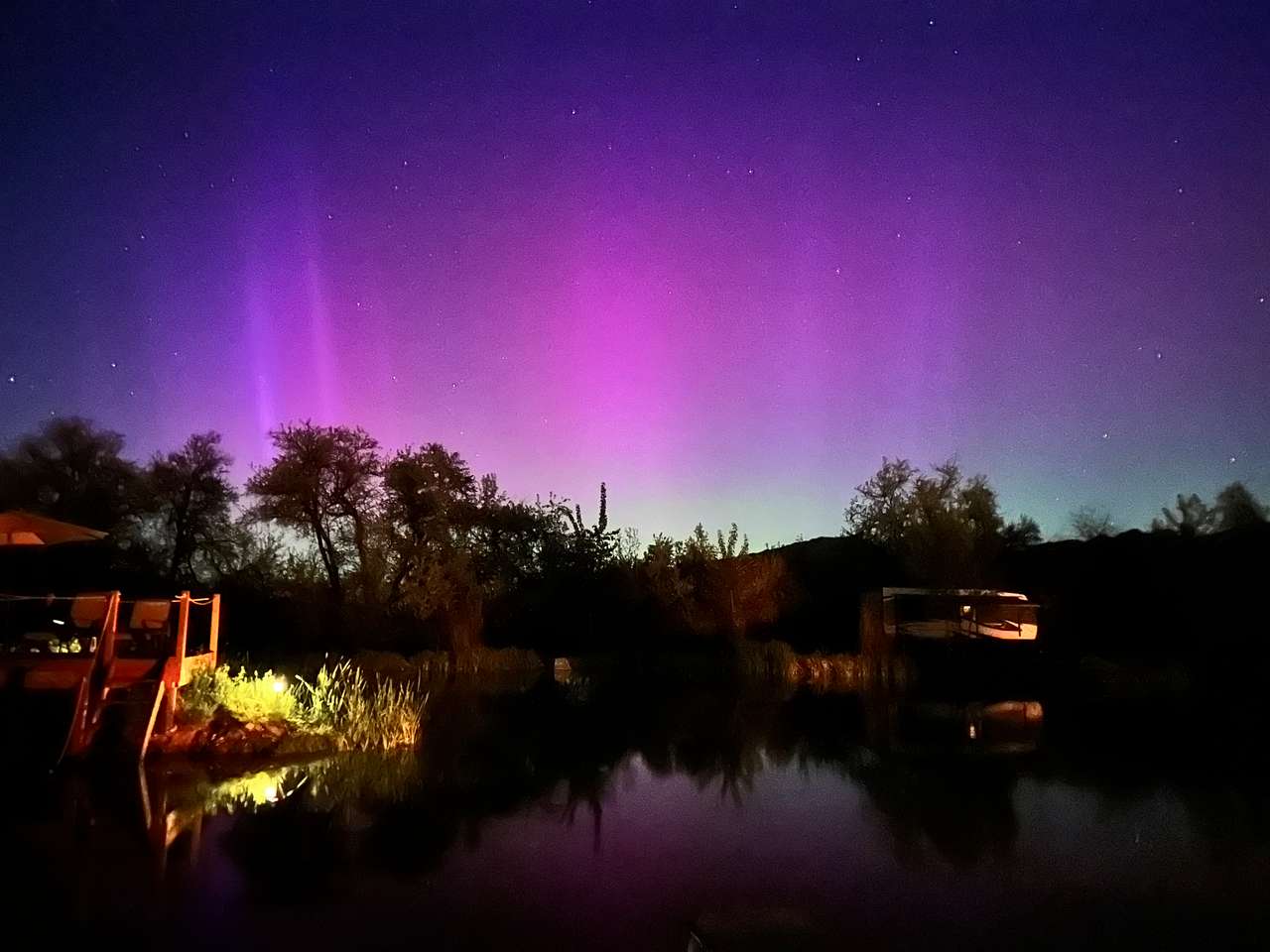
2. Cagle Cove
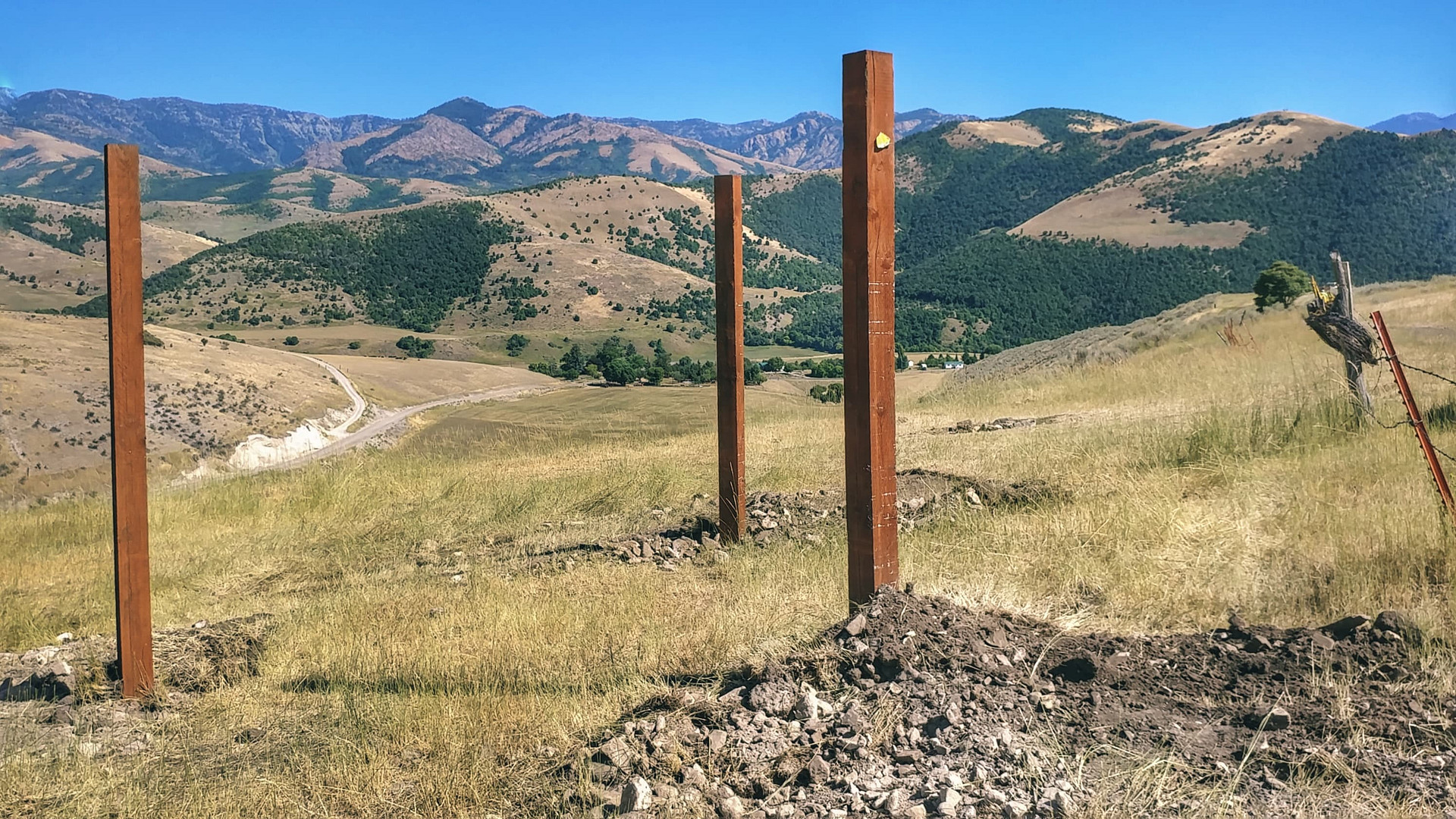
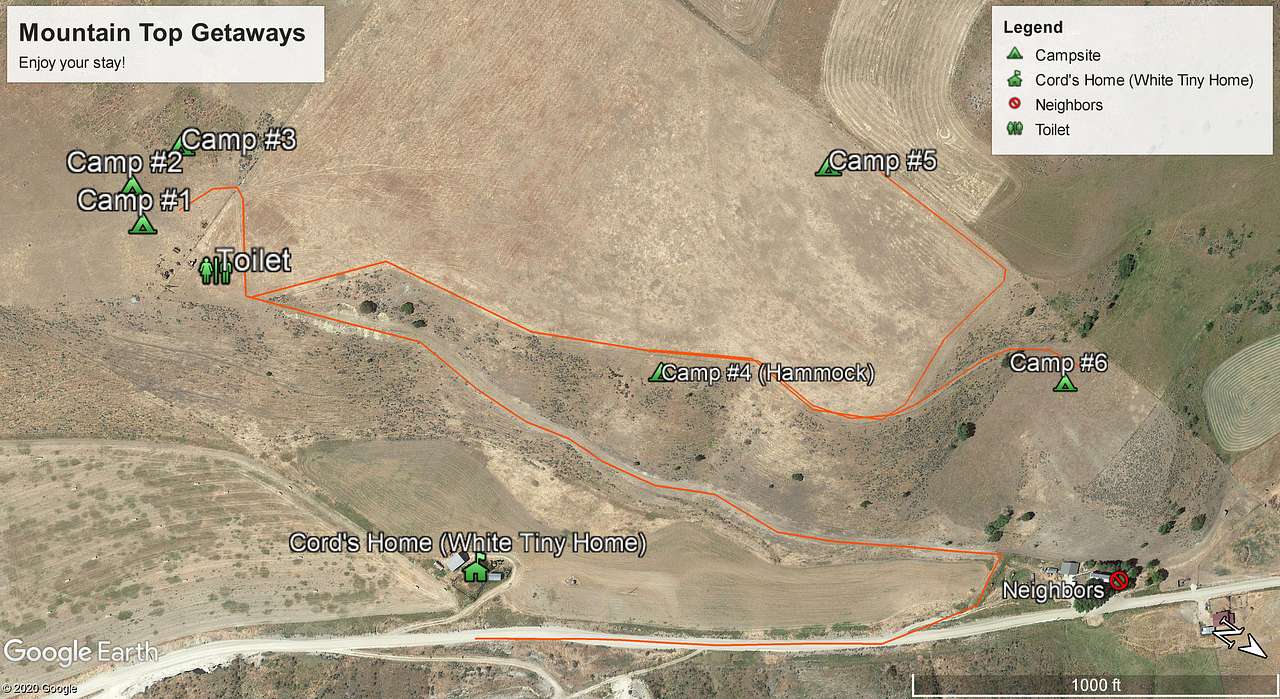
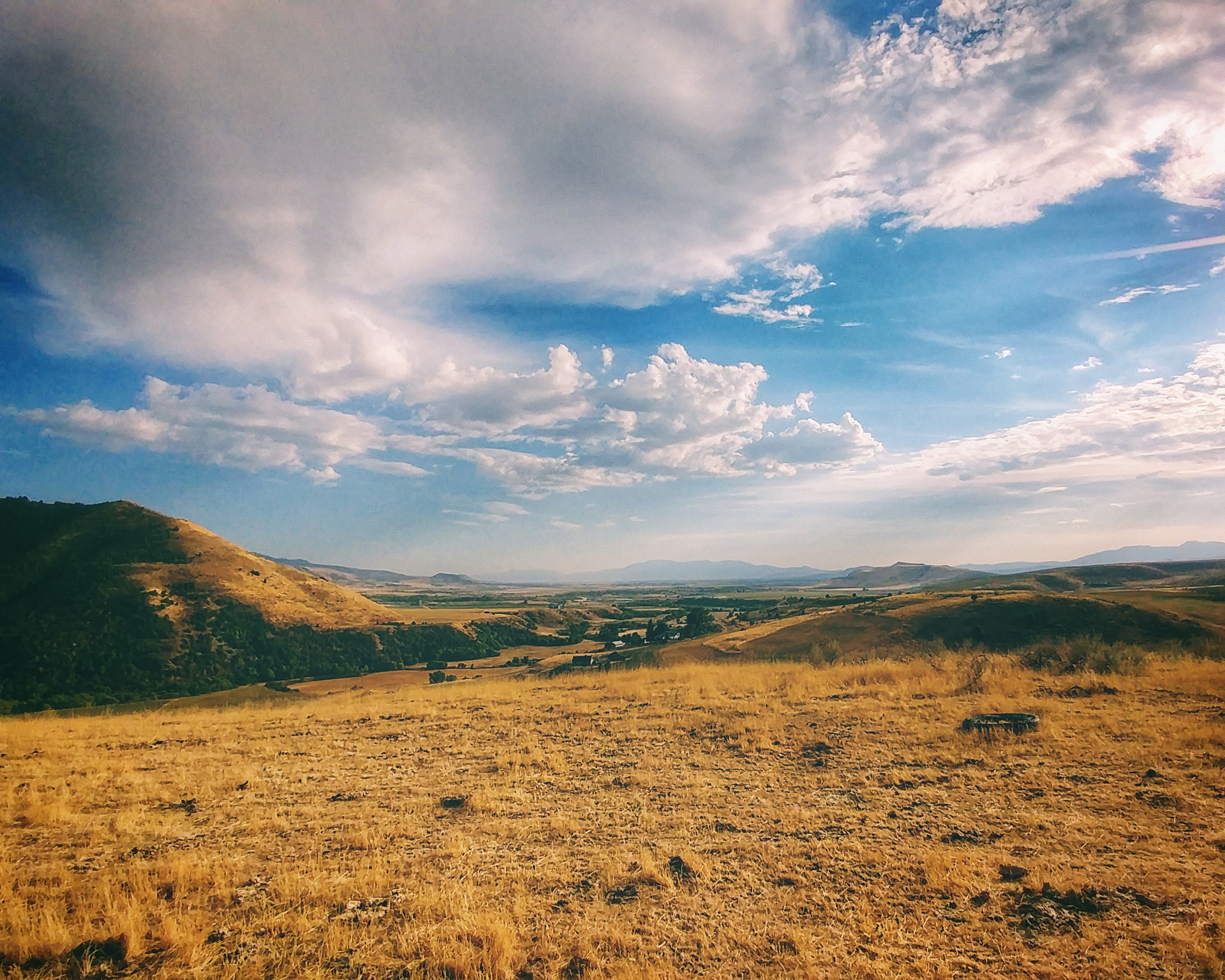
3. Mountain Top Getaways
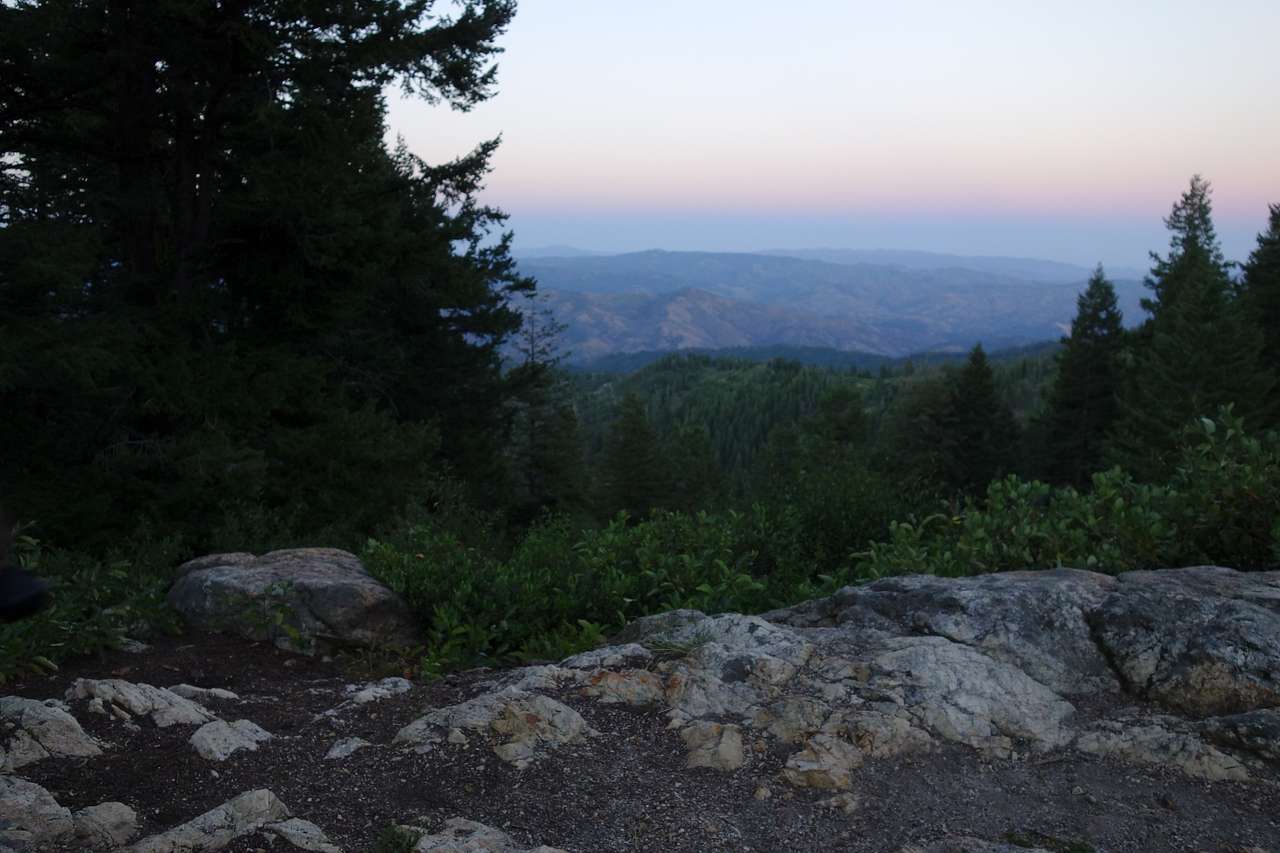
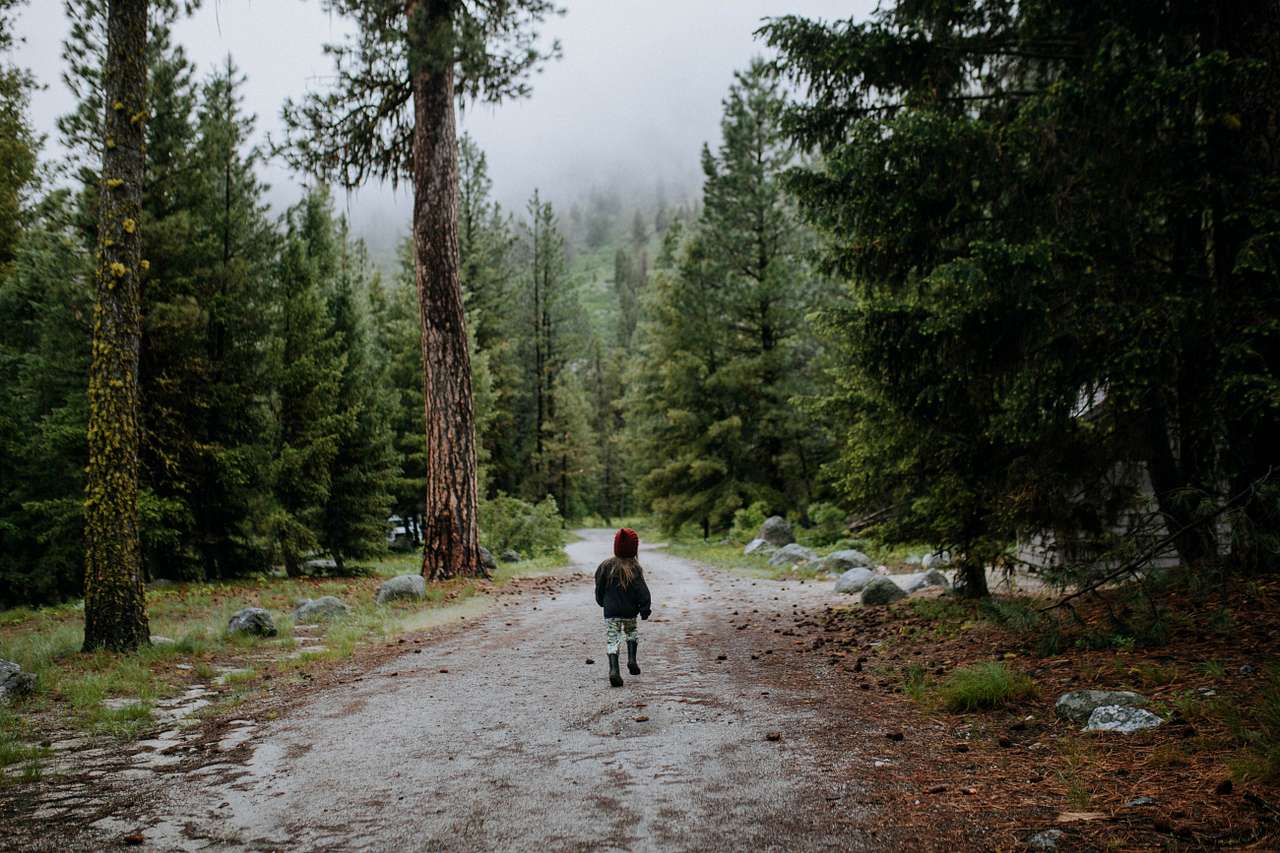
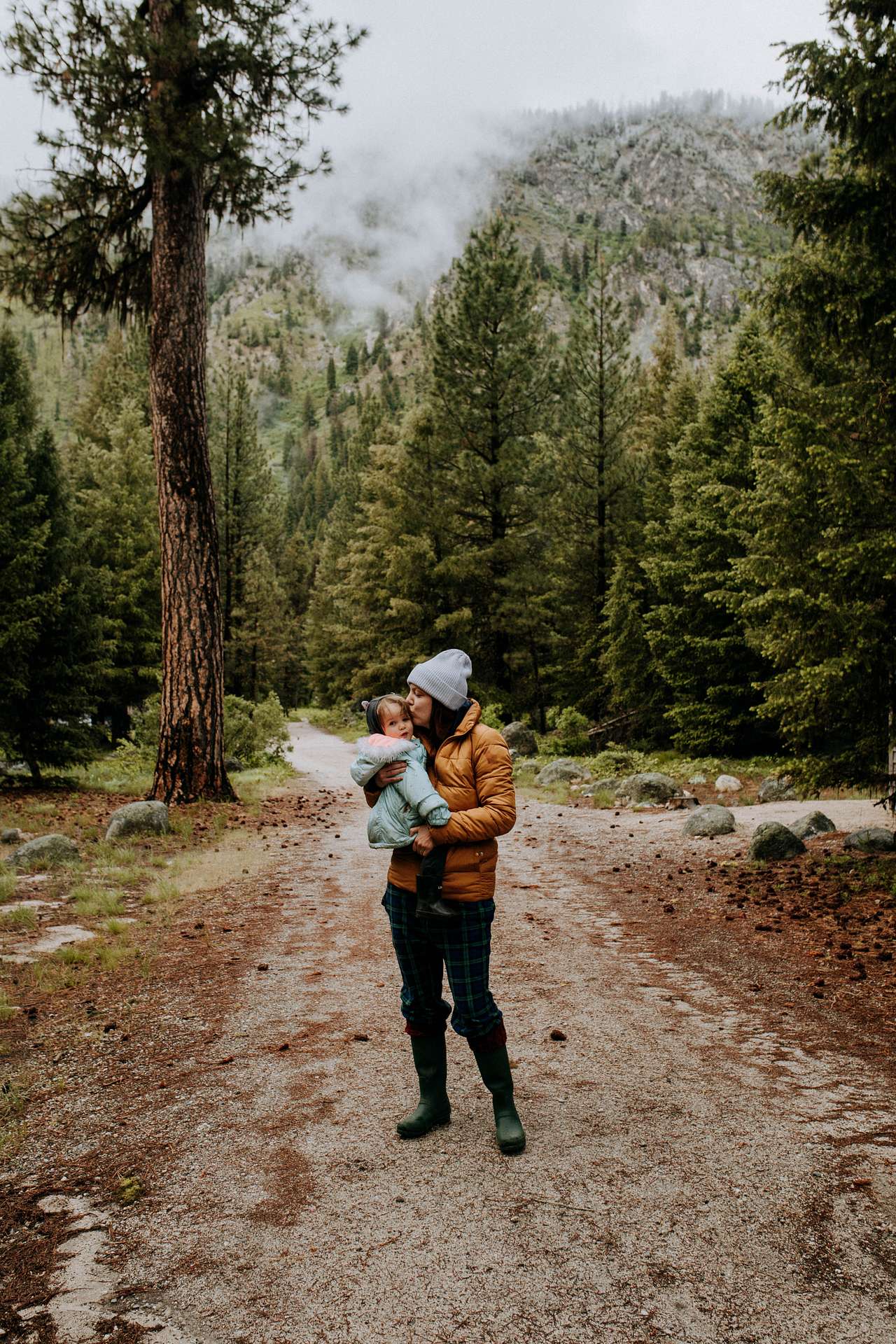
4. Boise National Forest


5. Sawtooth National Forest
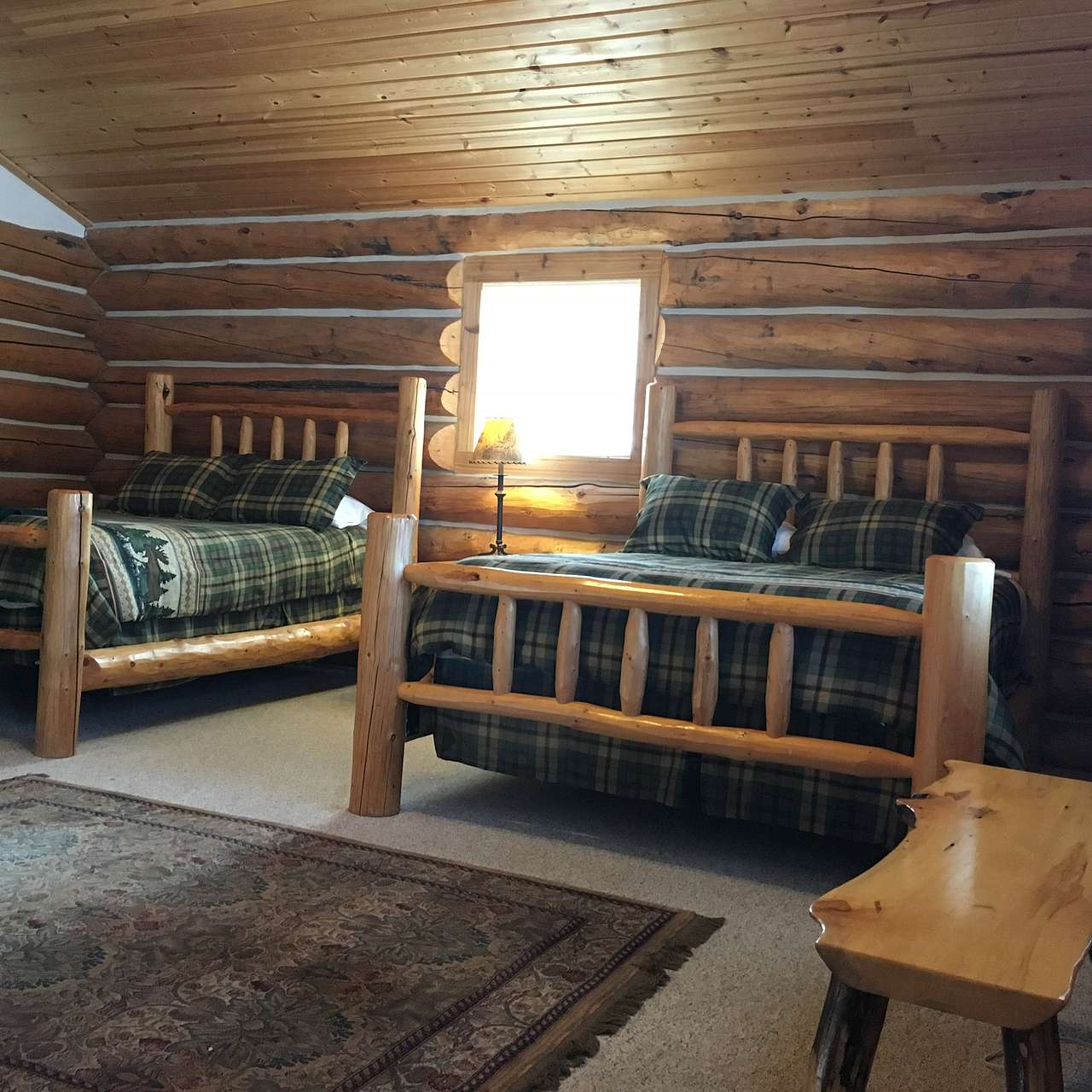
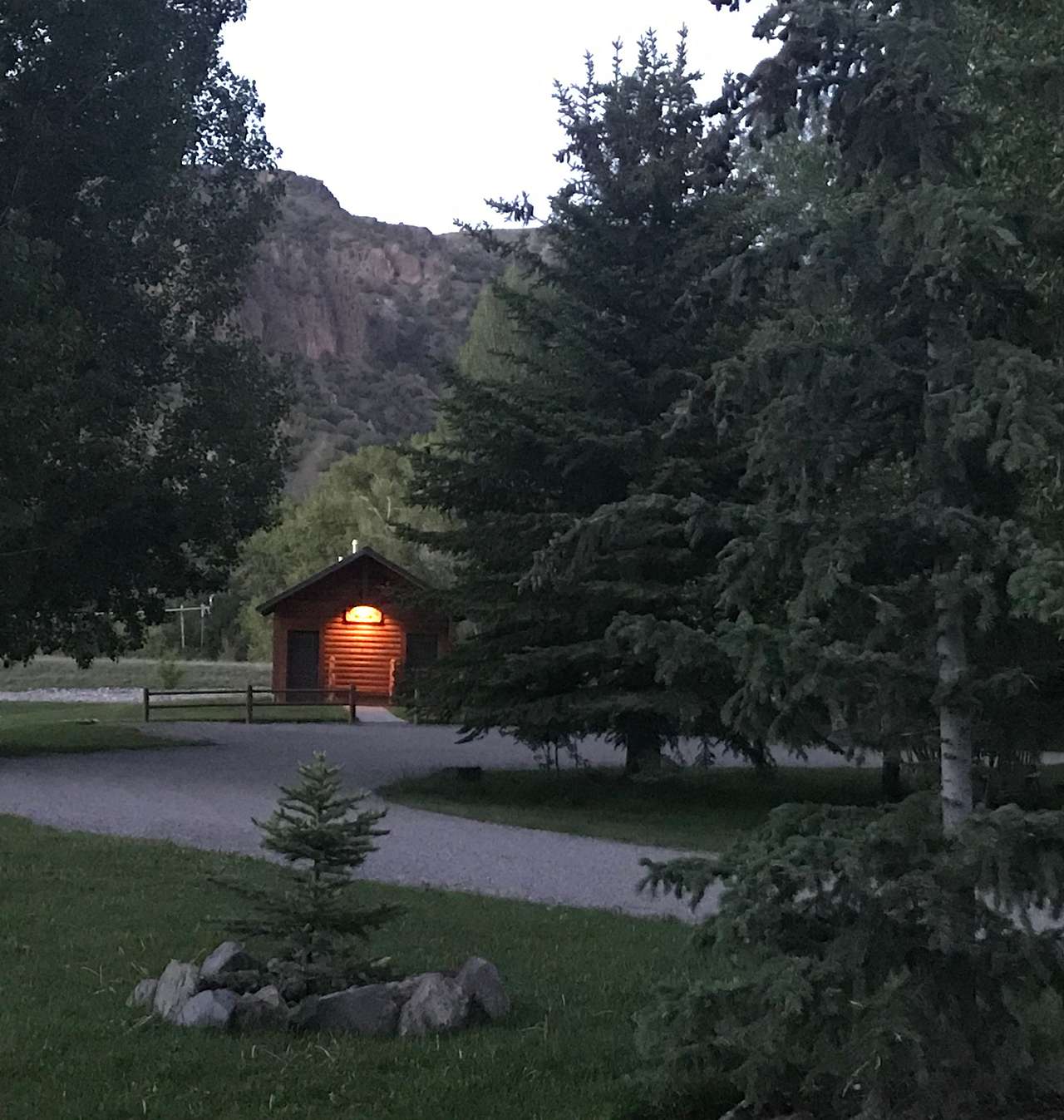
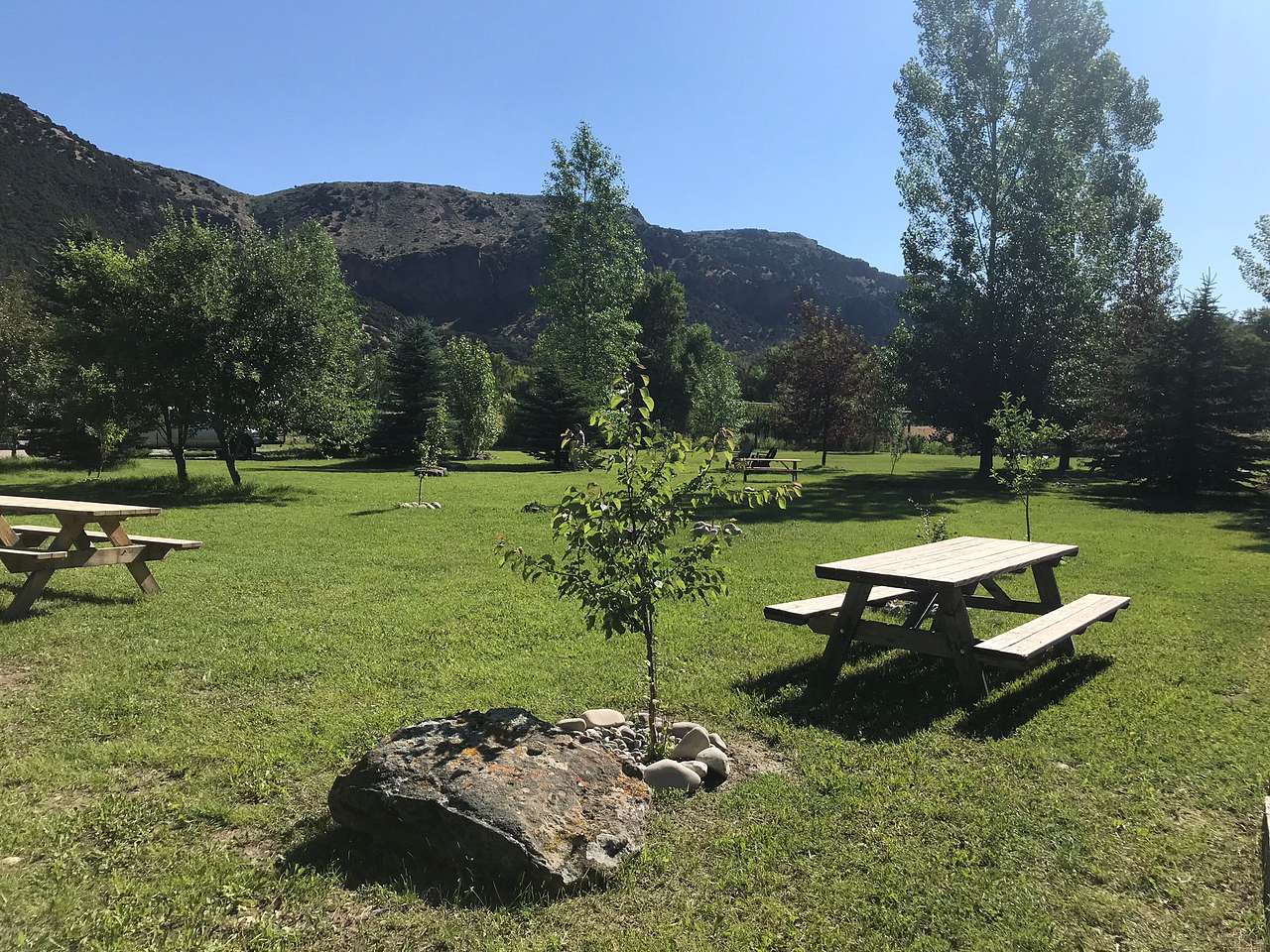
6. The Aspen Grove Inn at Heise Bridge
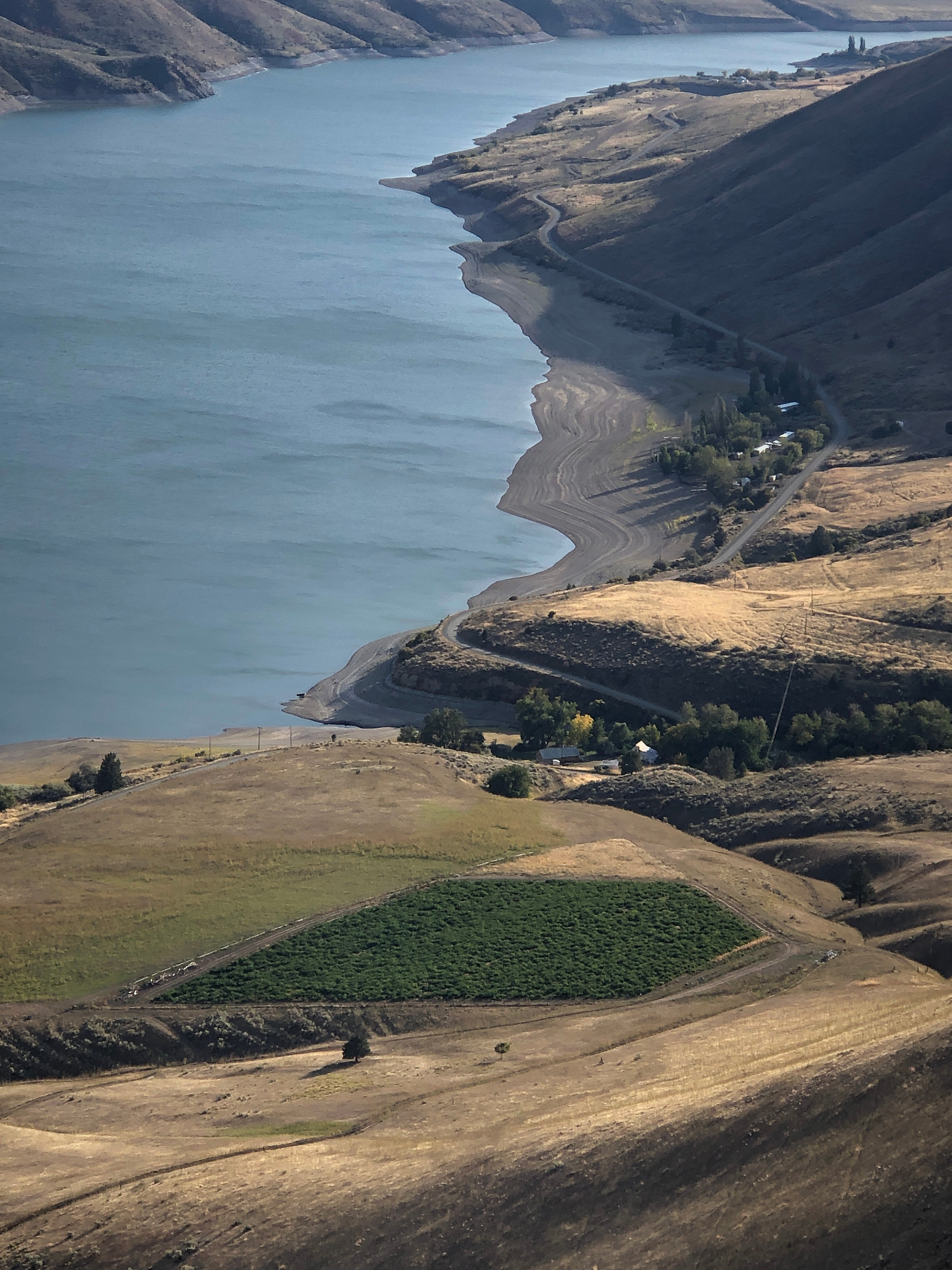
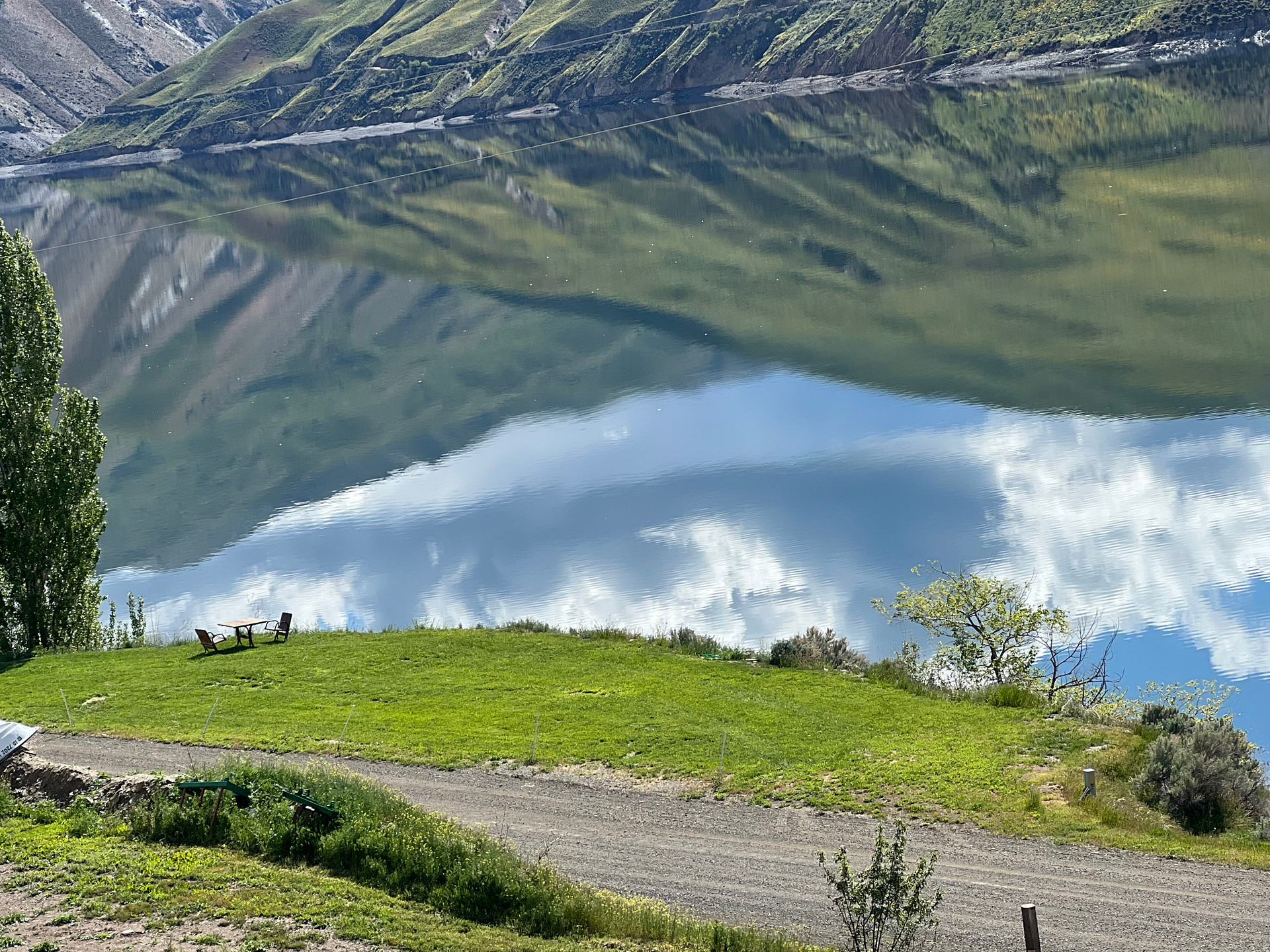
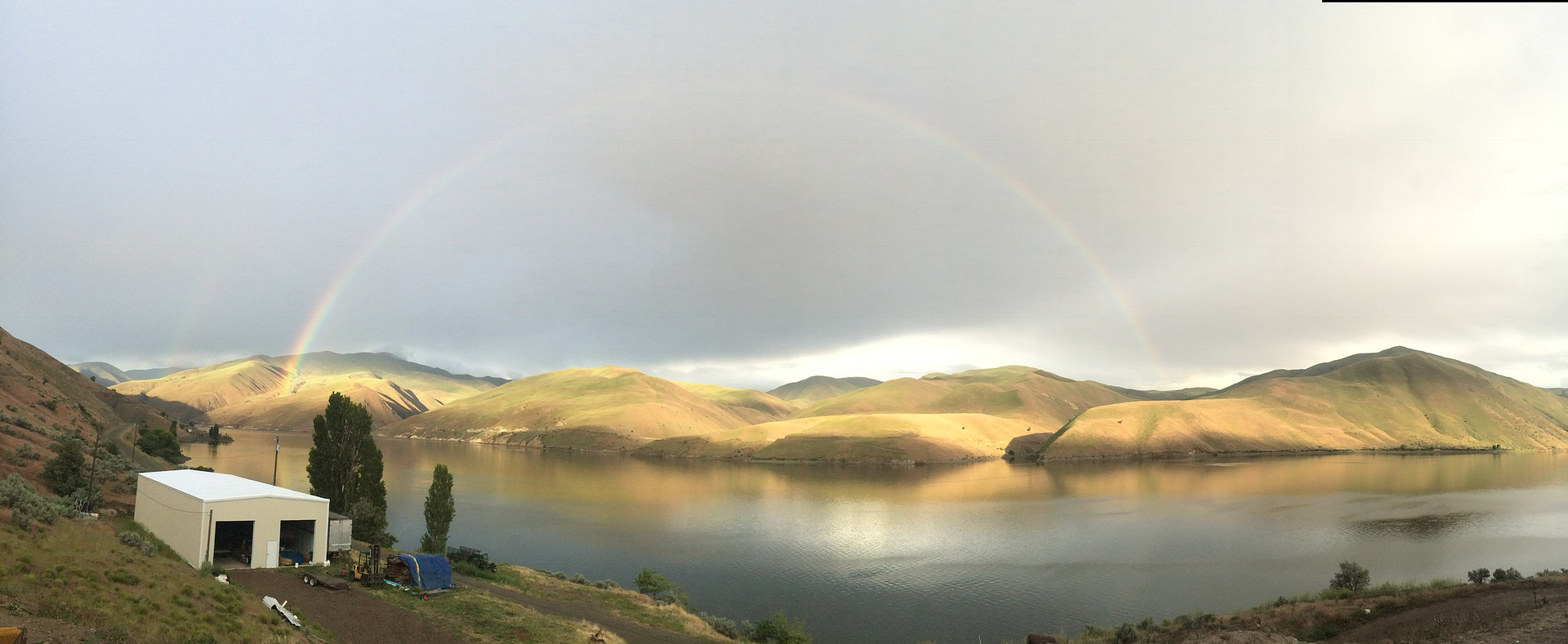
7. Waterfront cabin and camping
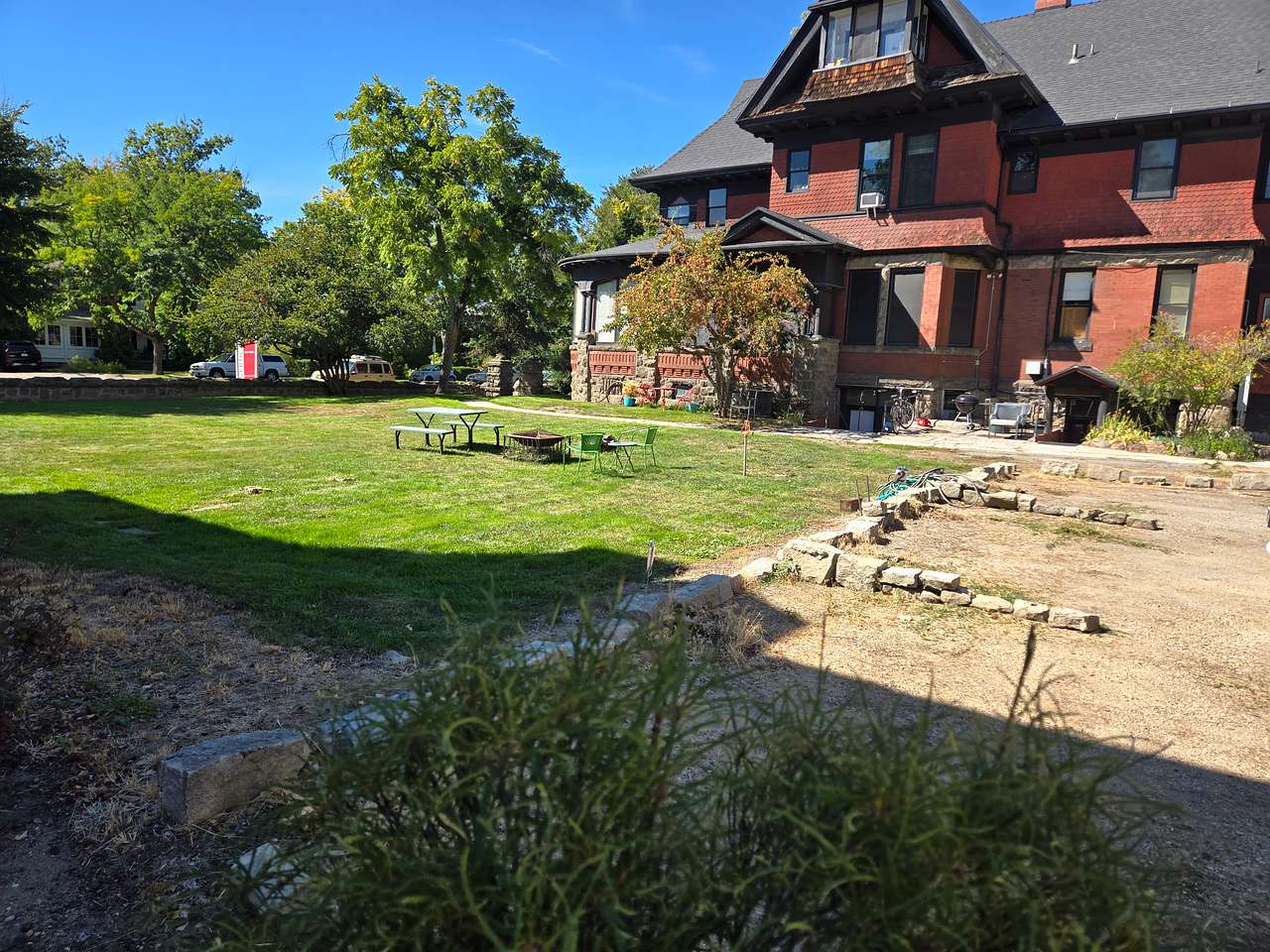
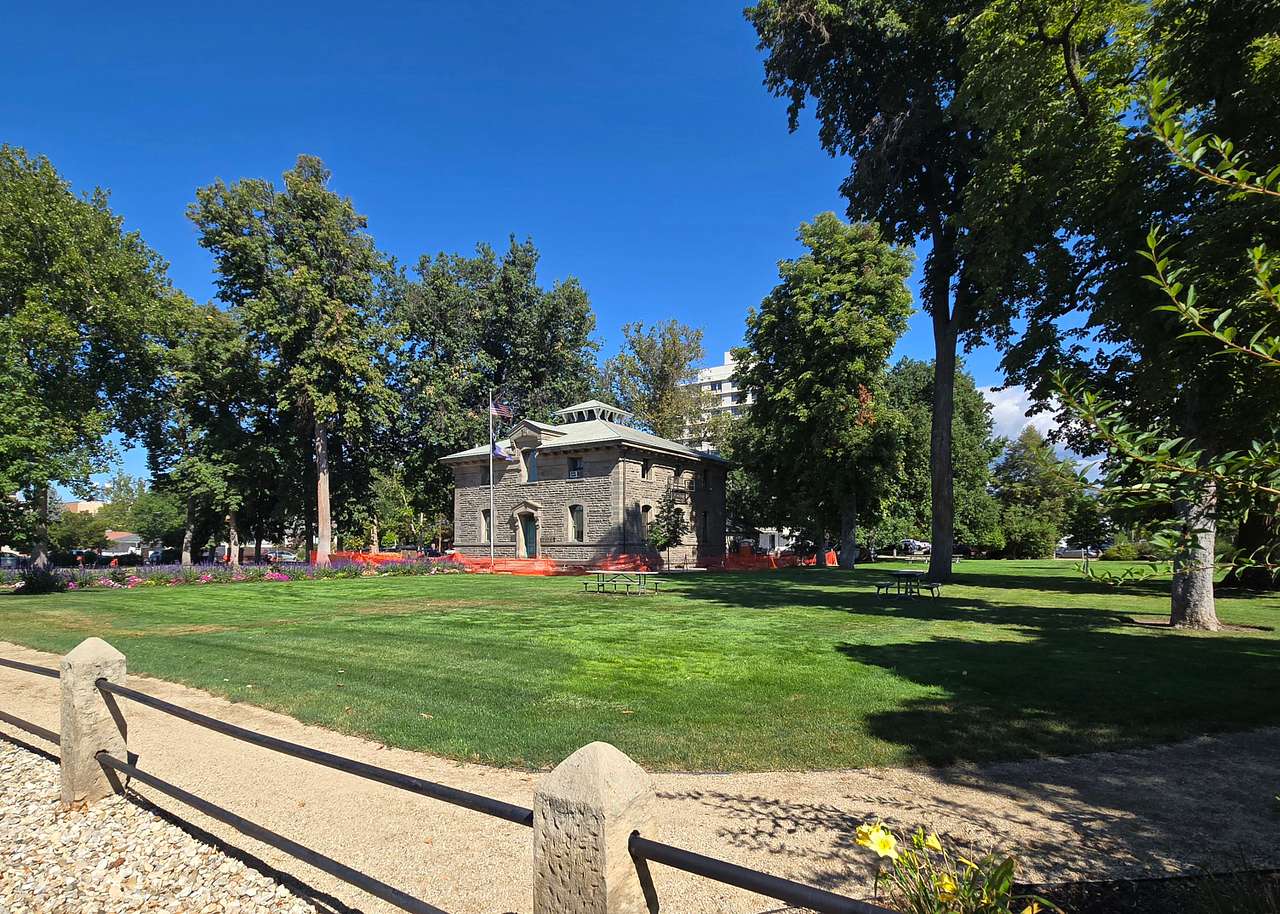
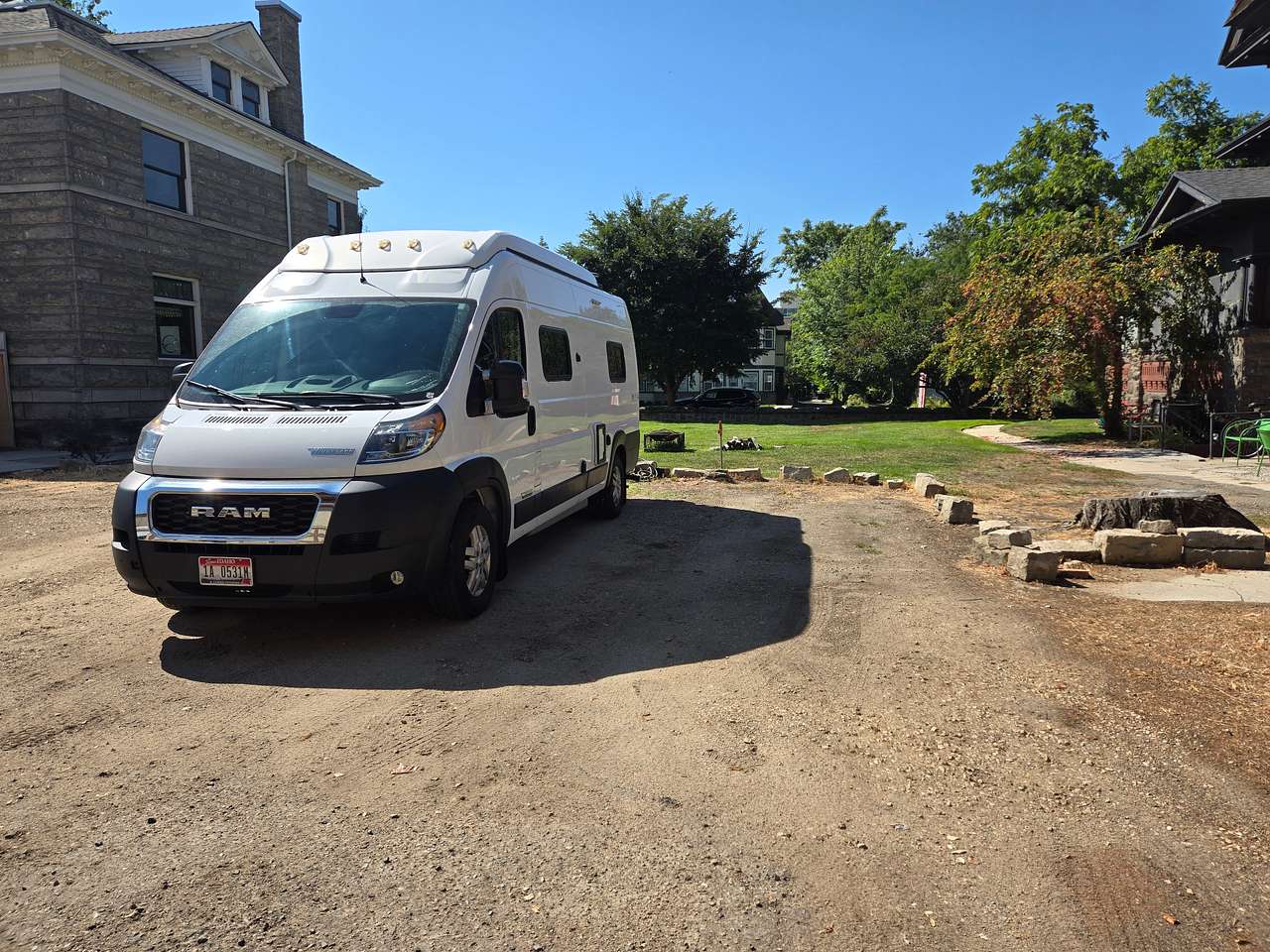
8. Downtown Boise's Best location!


9. Angell Creek Campground


10. Salmon-Challis National Forest
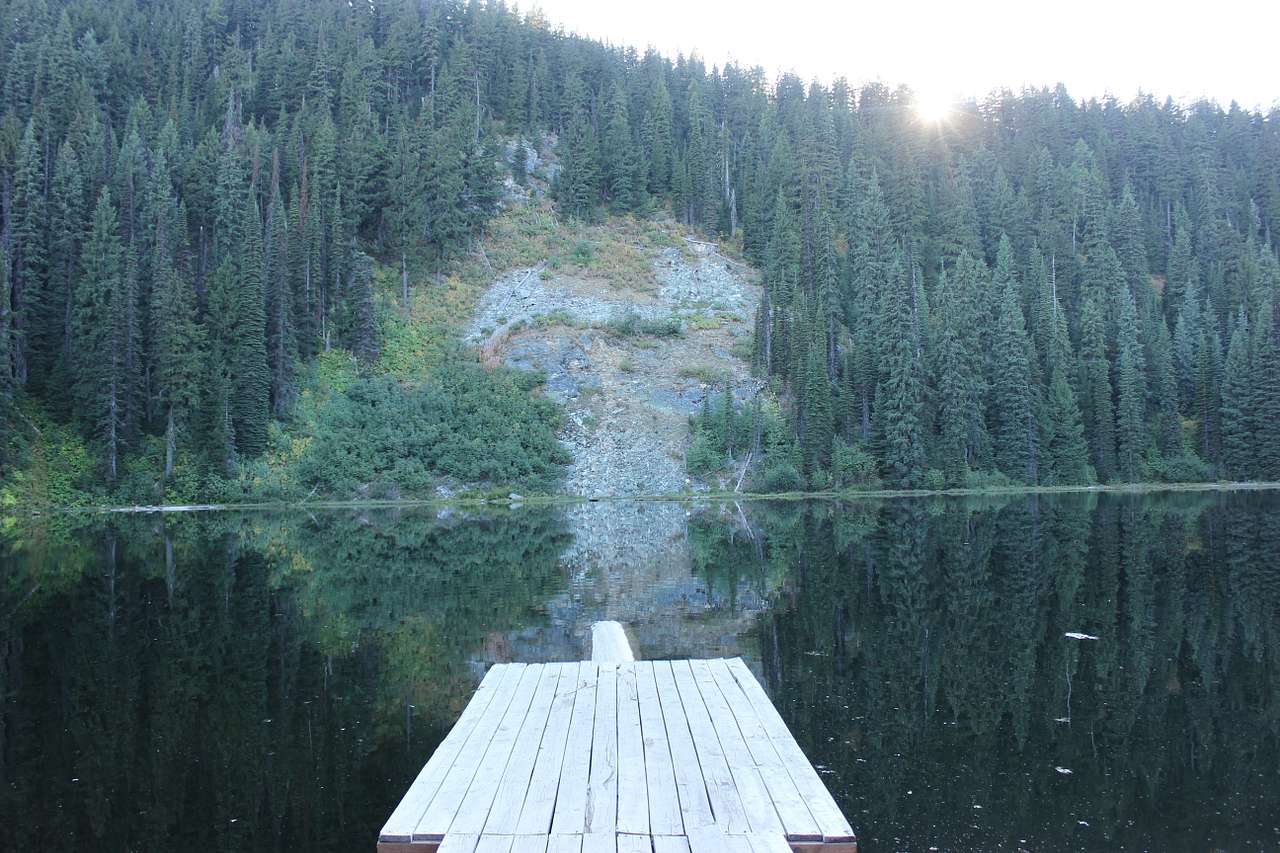
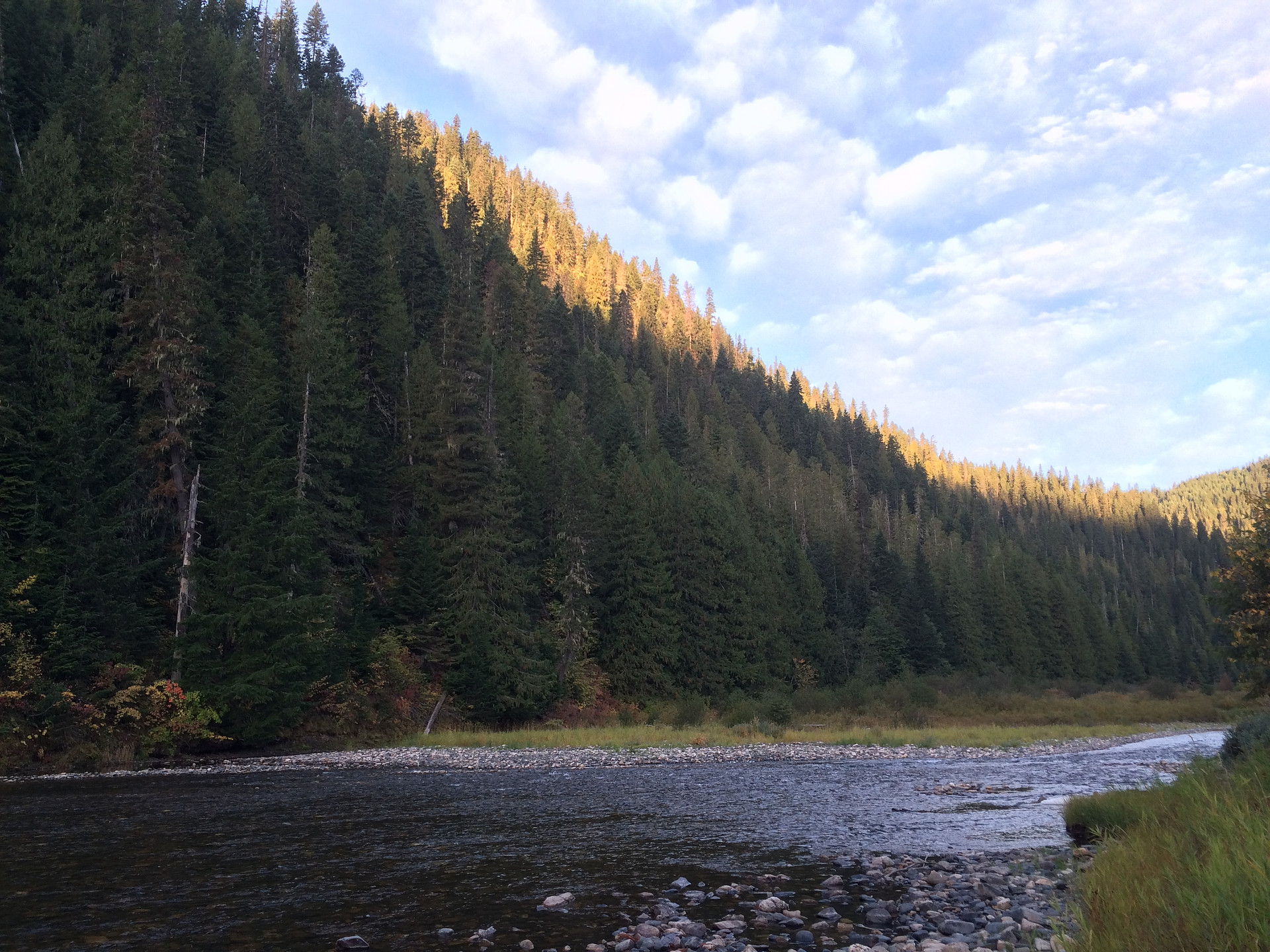
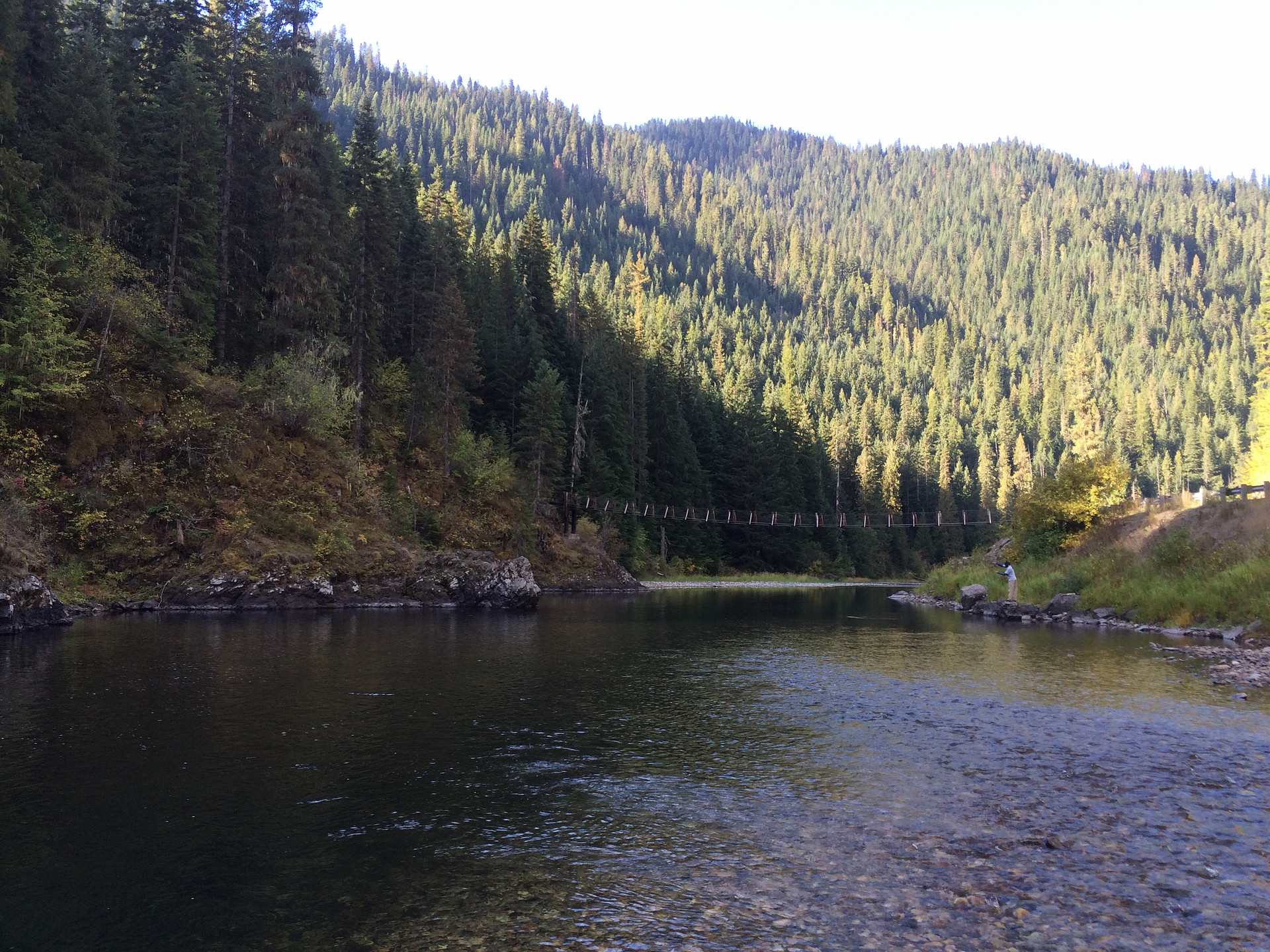
11. Idaho Panhandle National Forests


12. City Of Rocks National Reserve
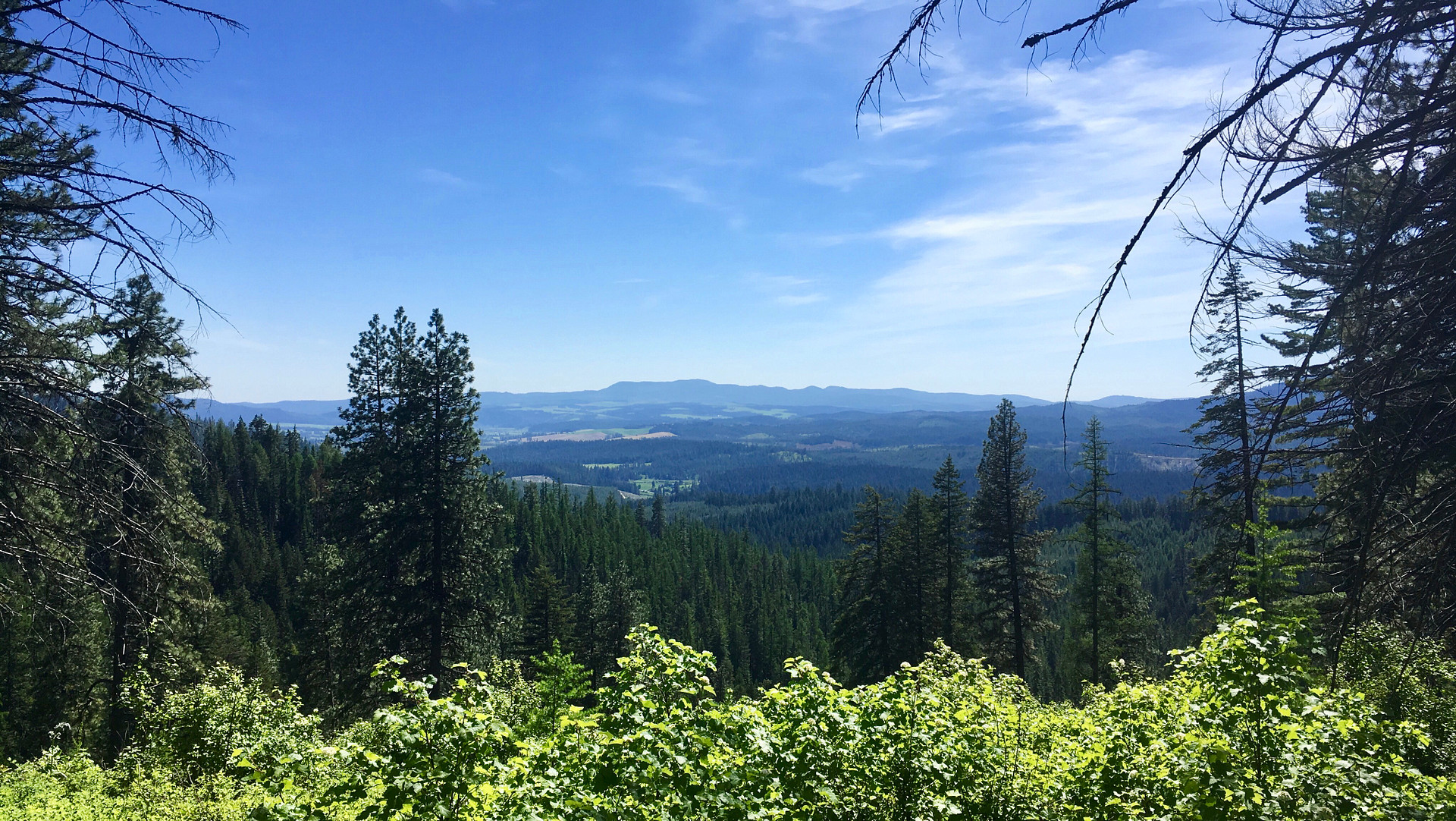
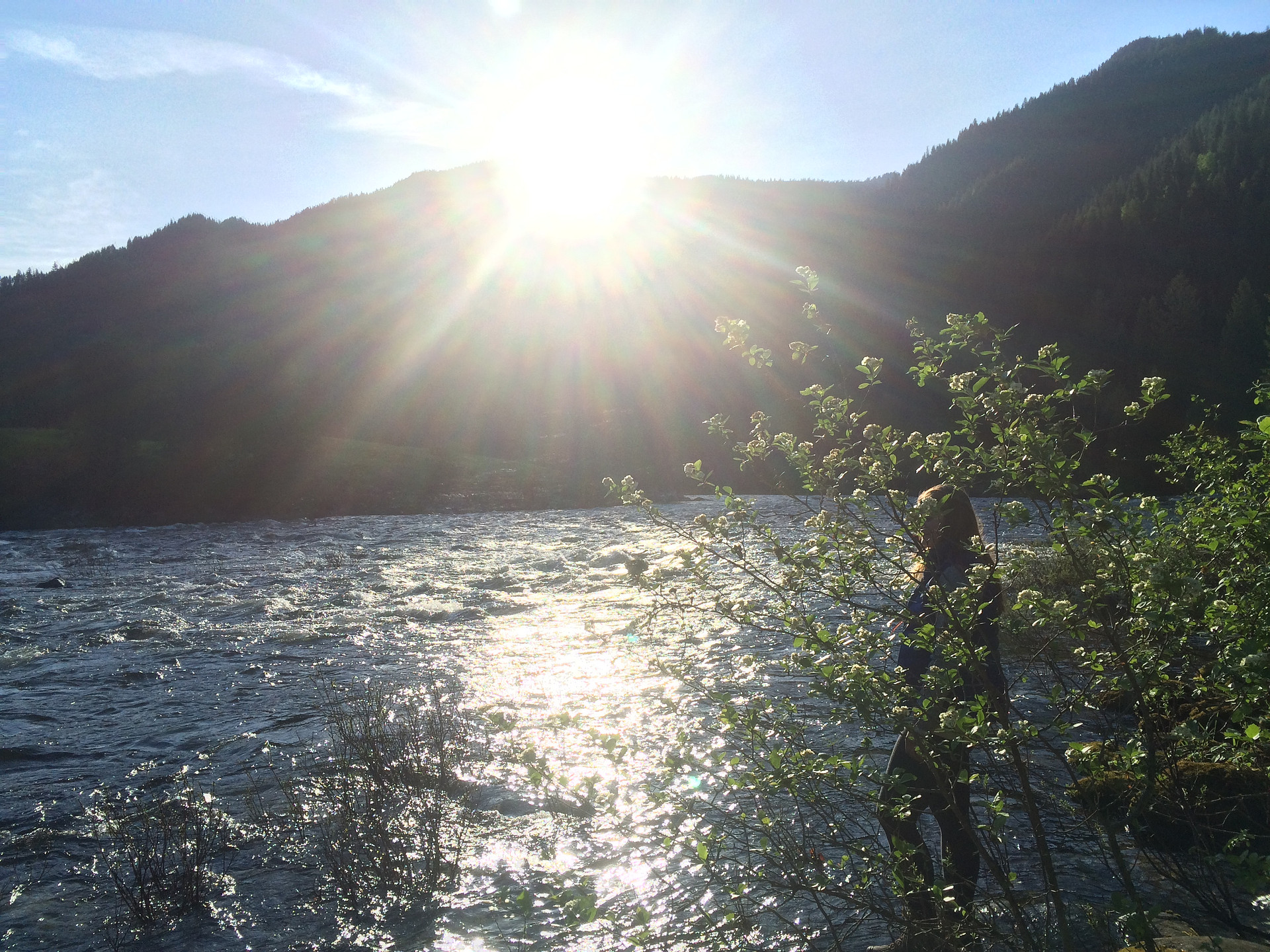
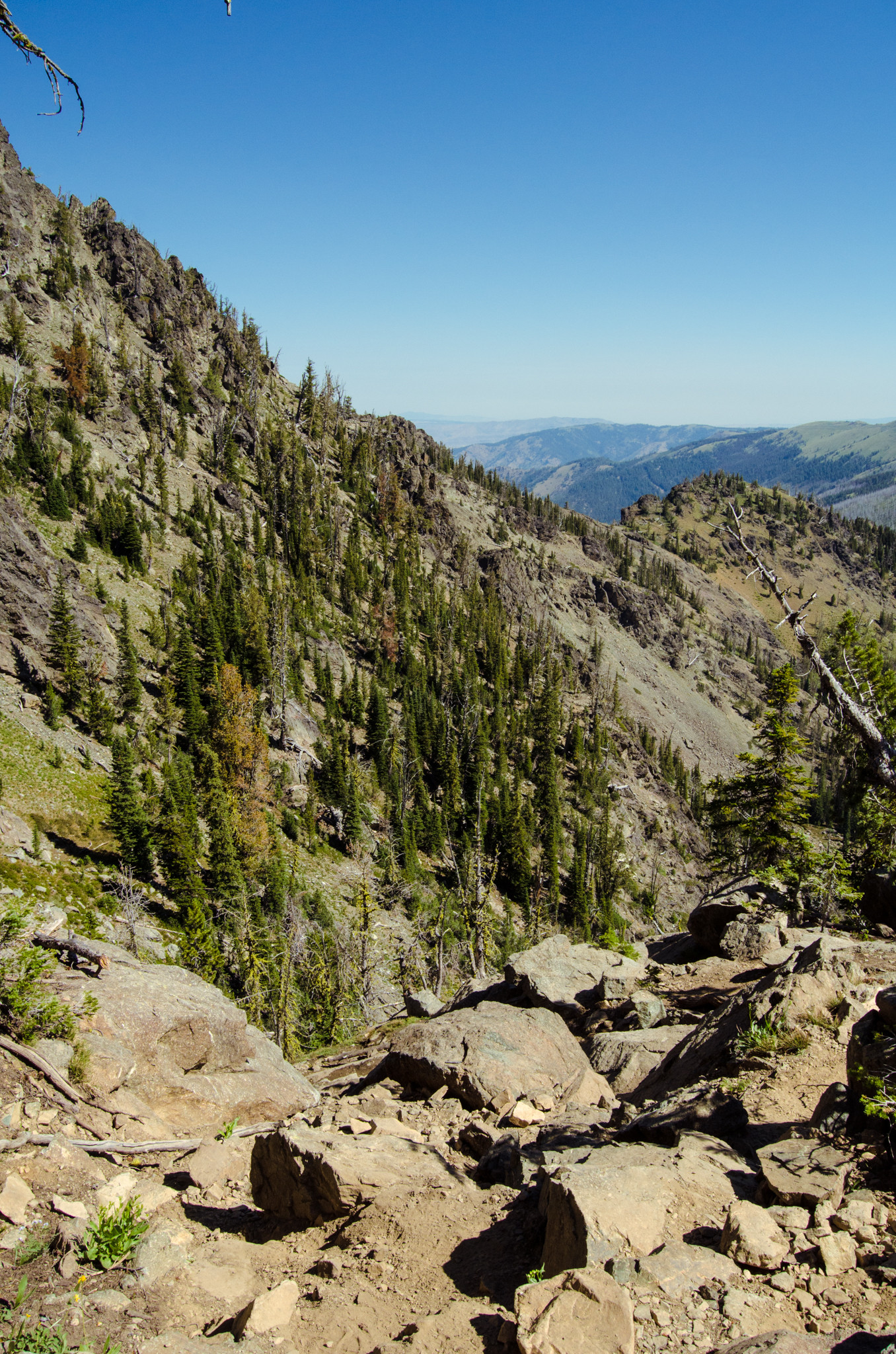
13. Nez Perce-Clearwater National Forests
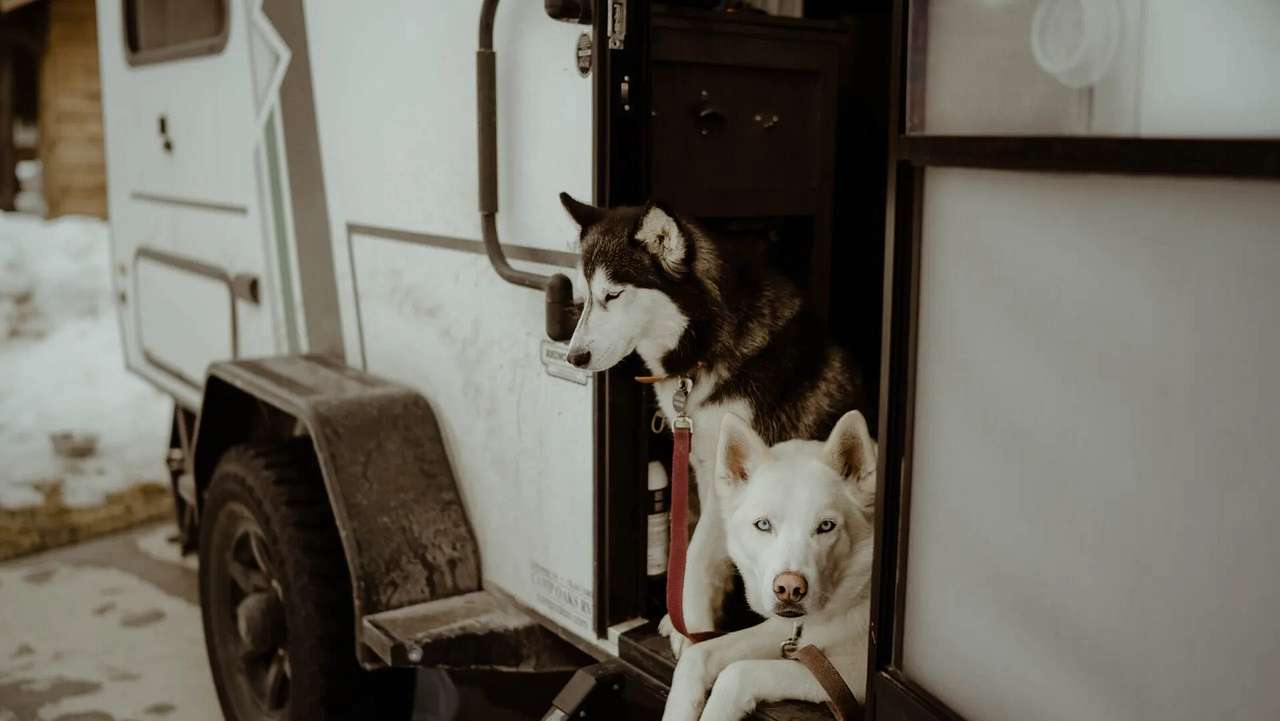
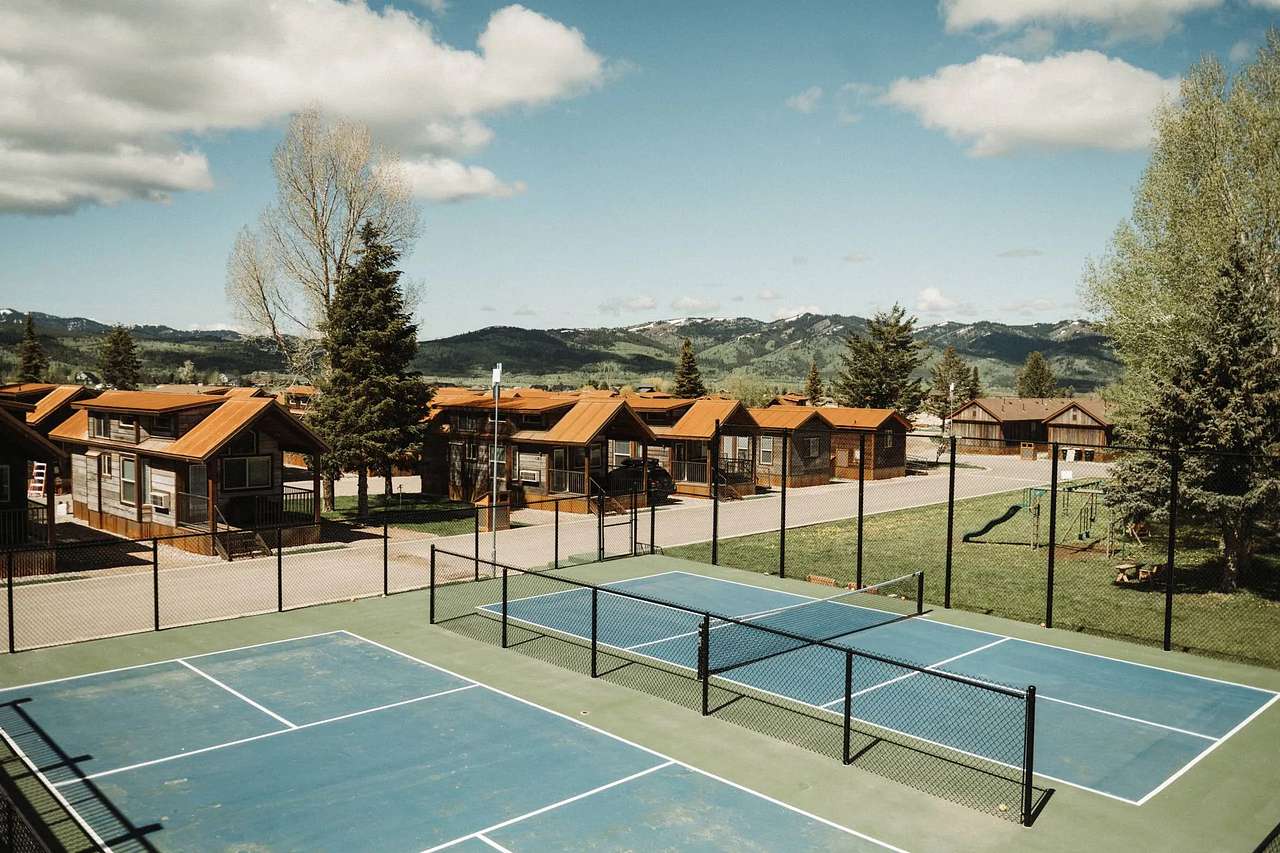
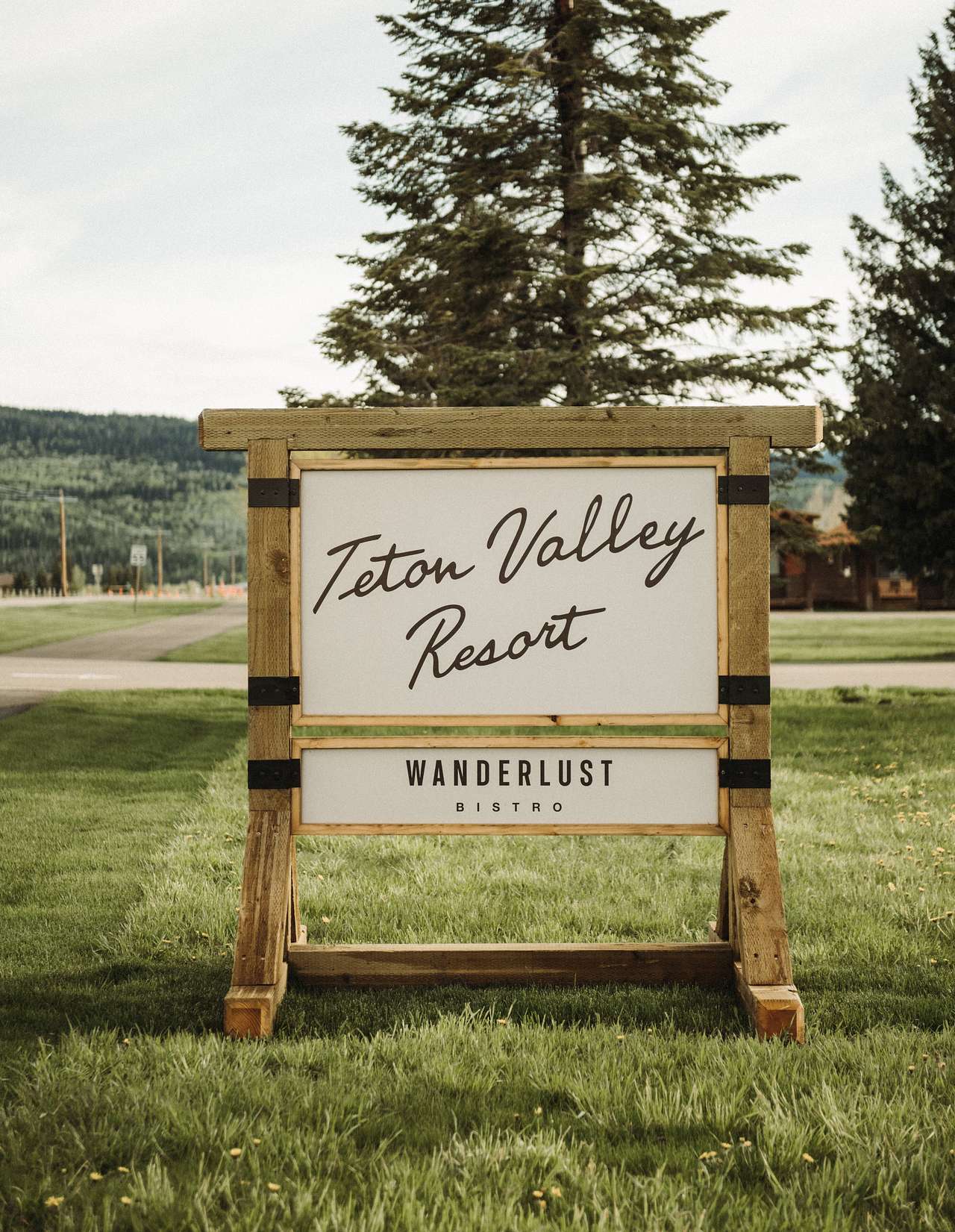
14. Teton Valley Resort
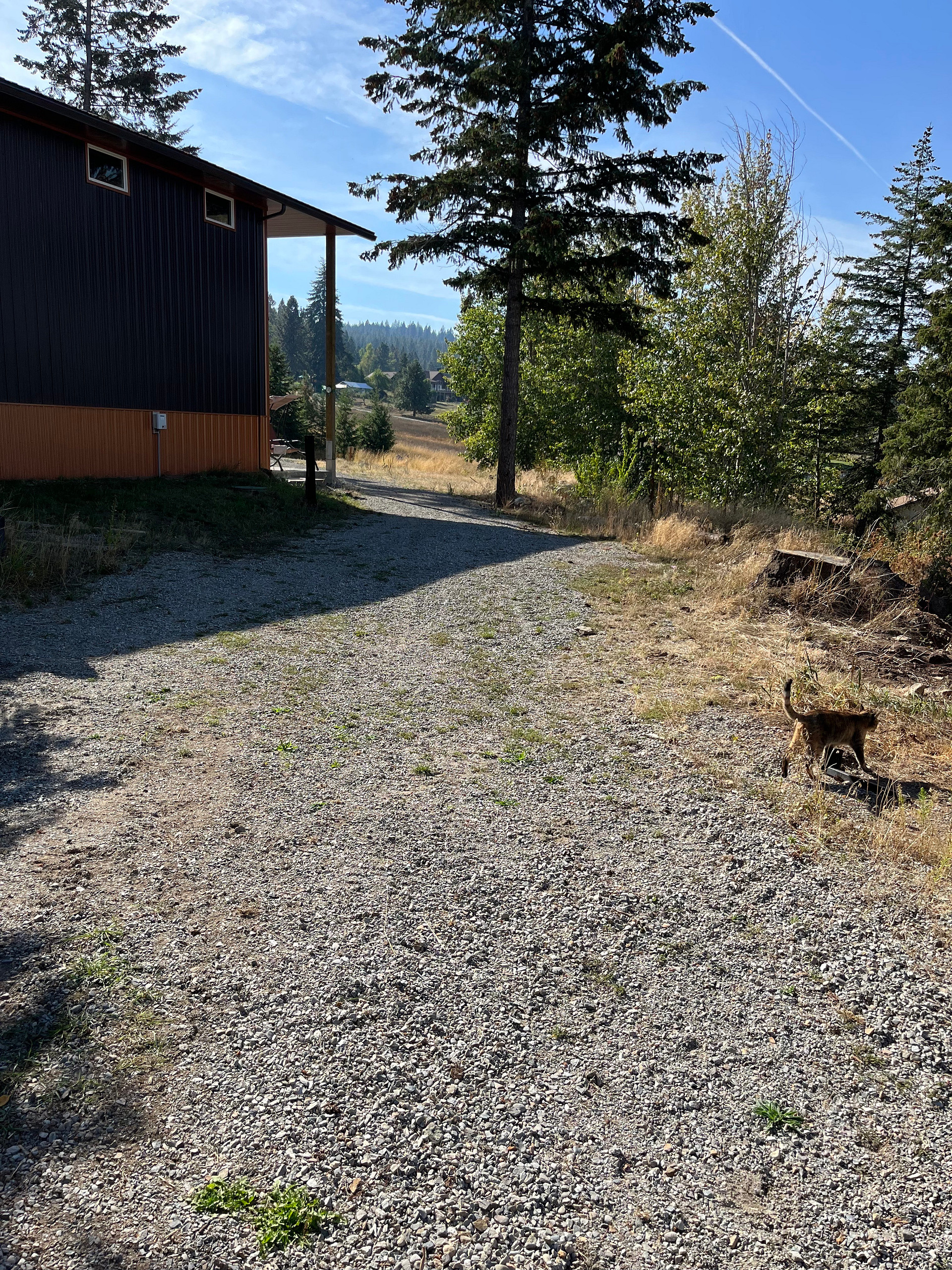
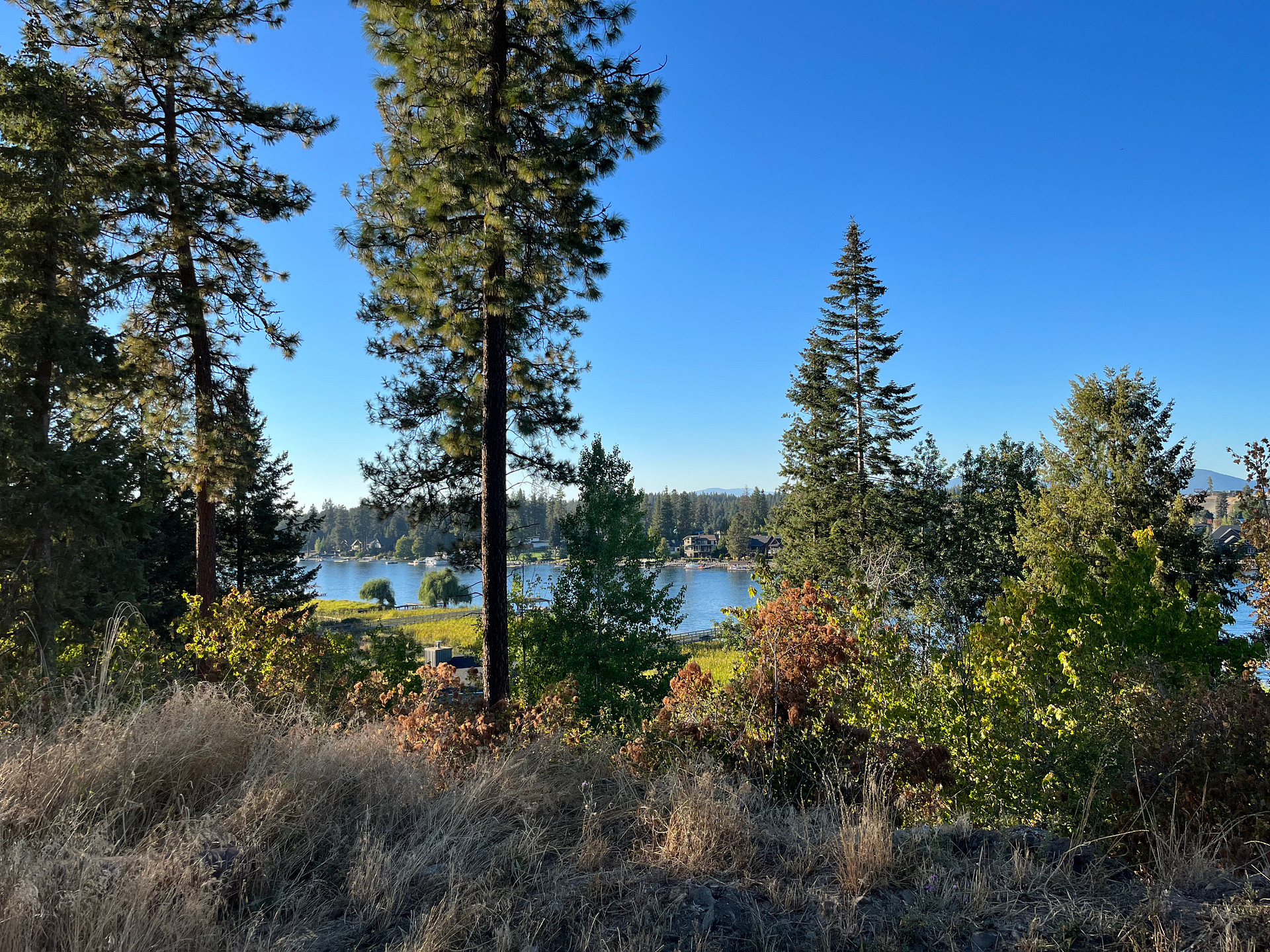
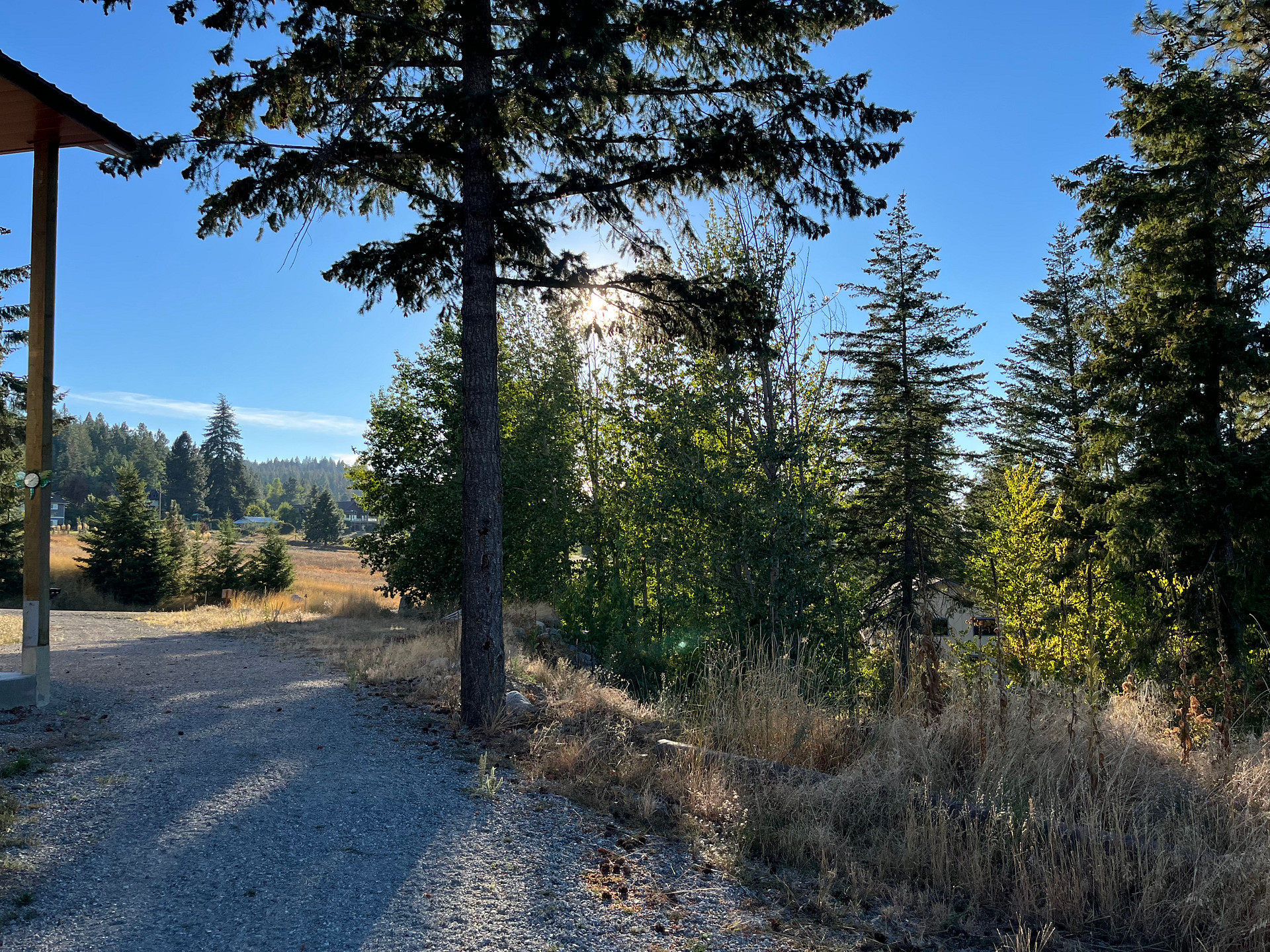
15. Riverview Woodland Retreat - CDA
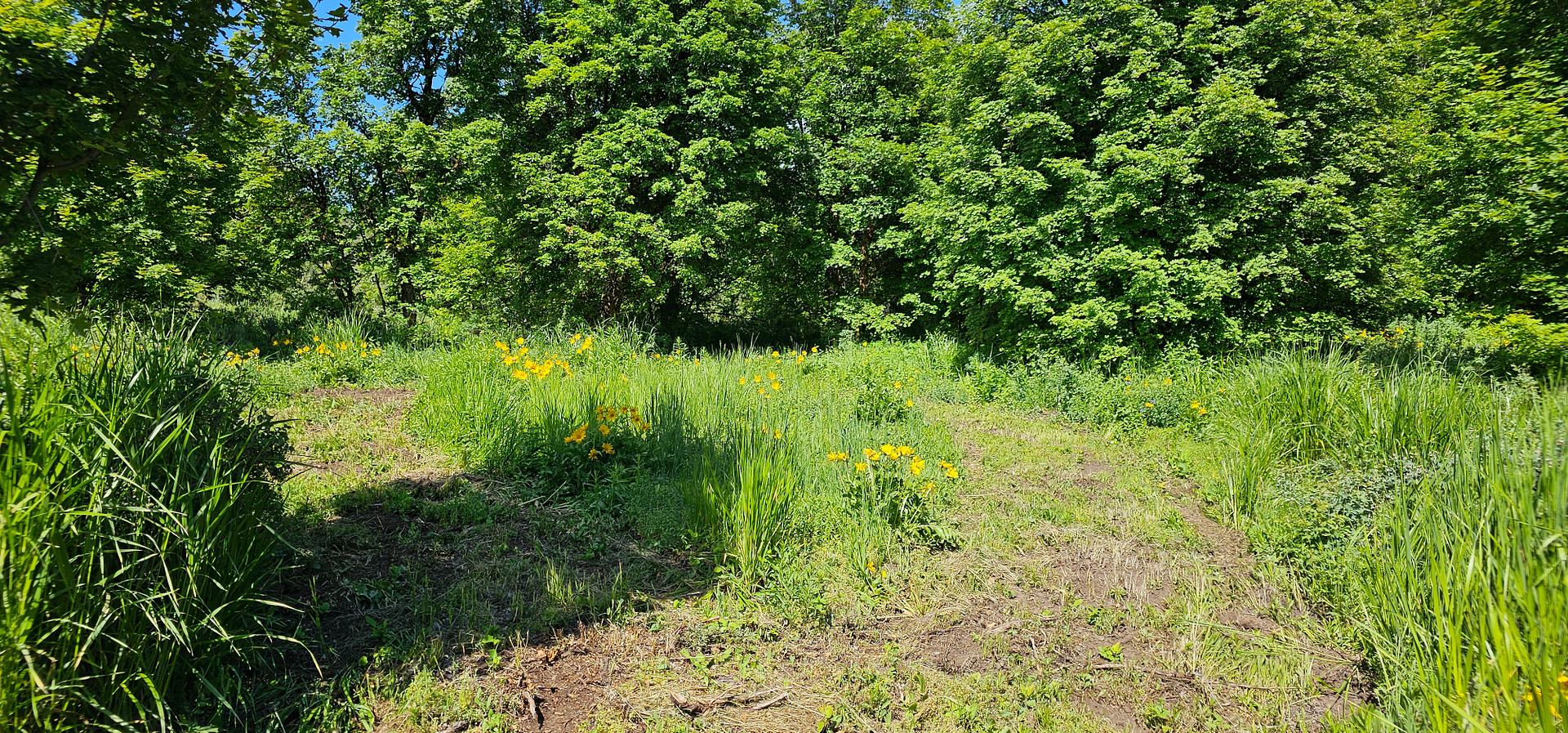
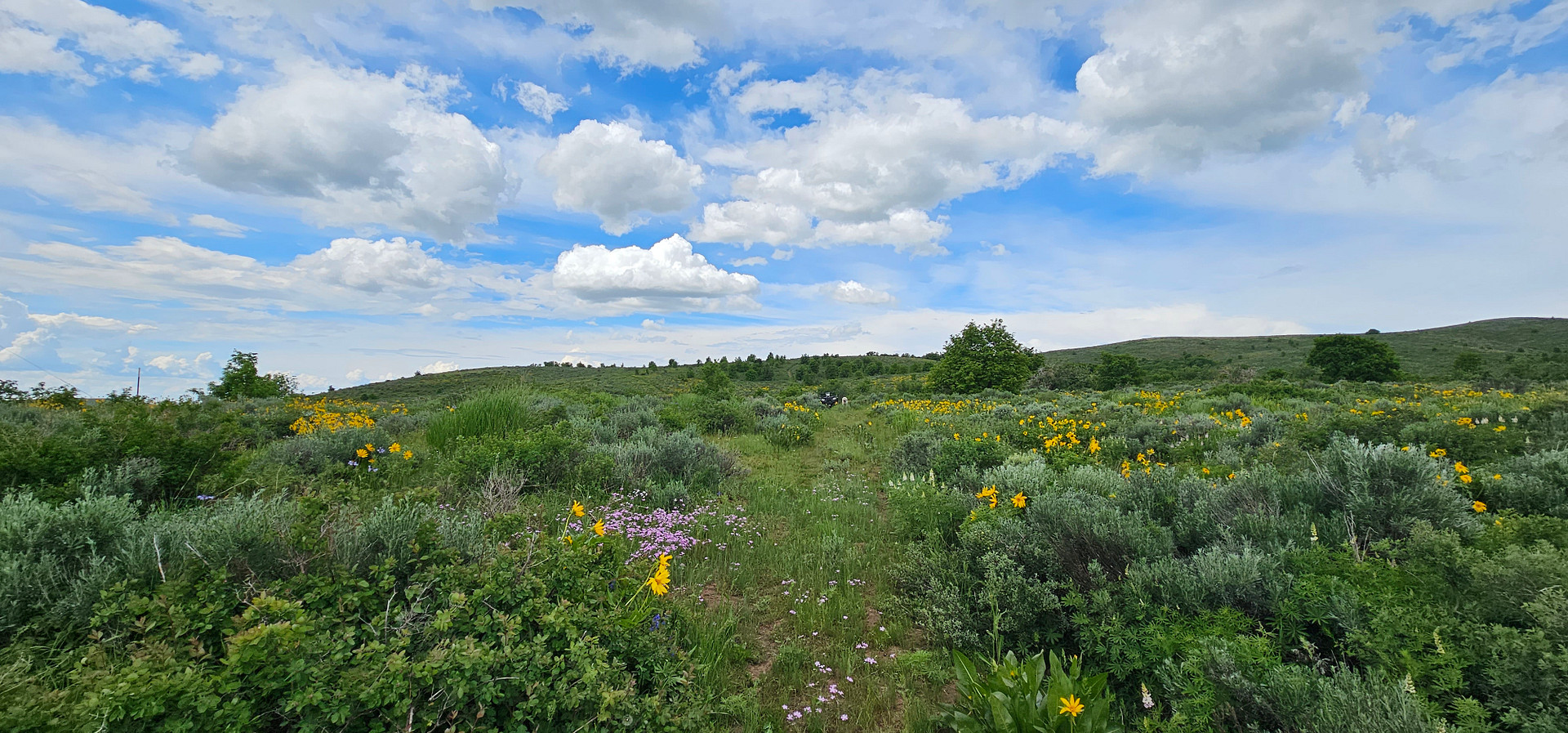
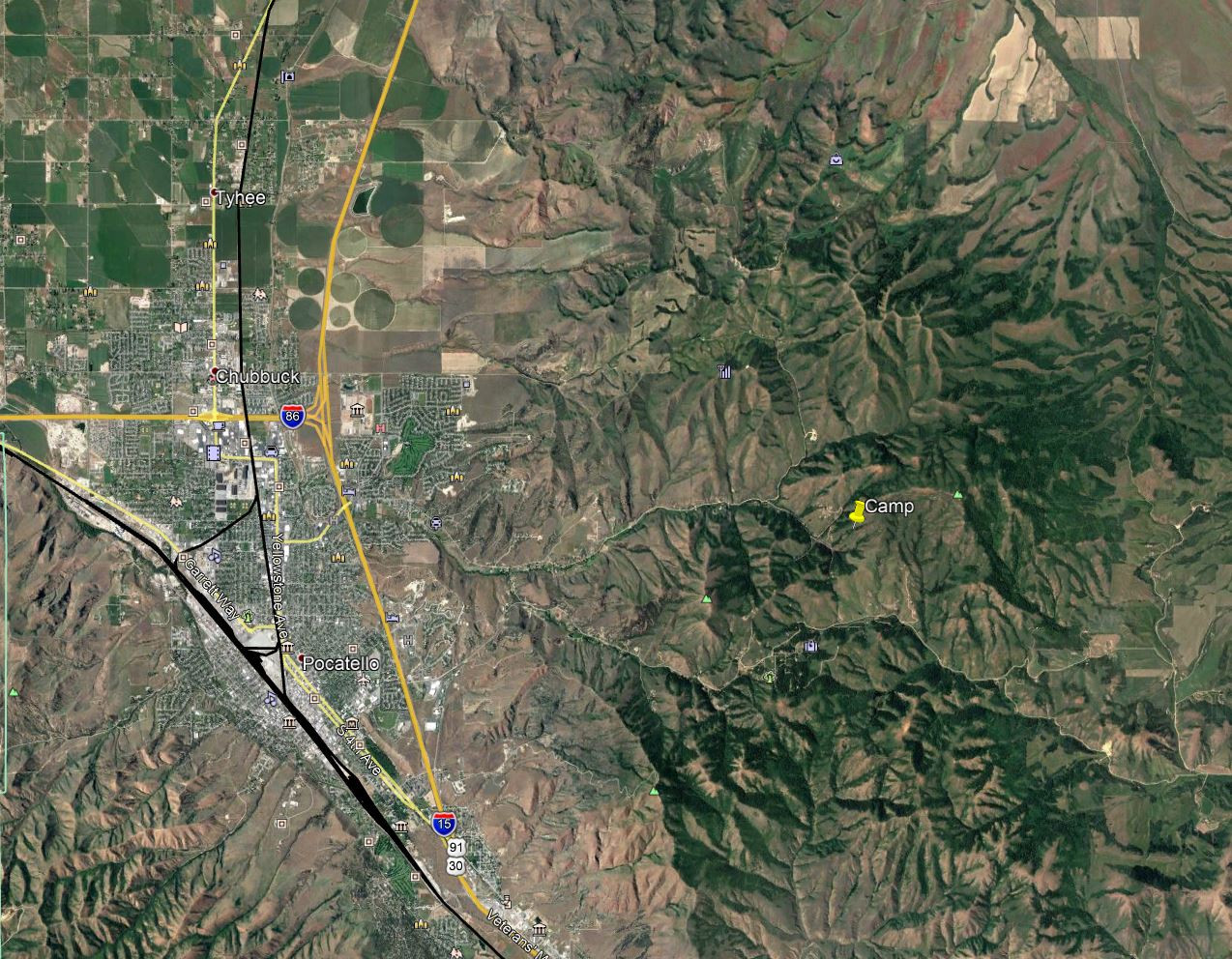
16. Moonlight Mine Acres


17. Teton Peaks Resort
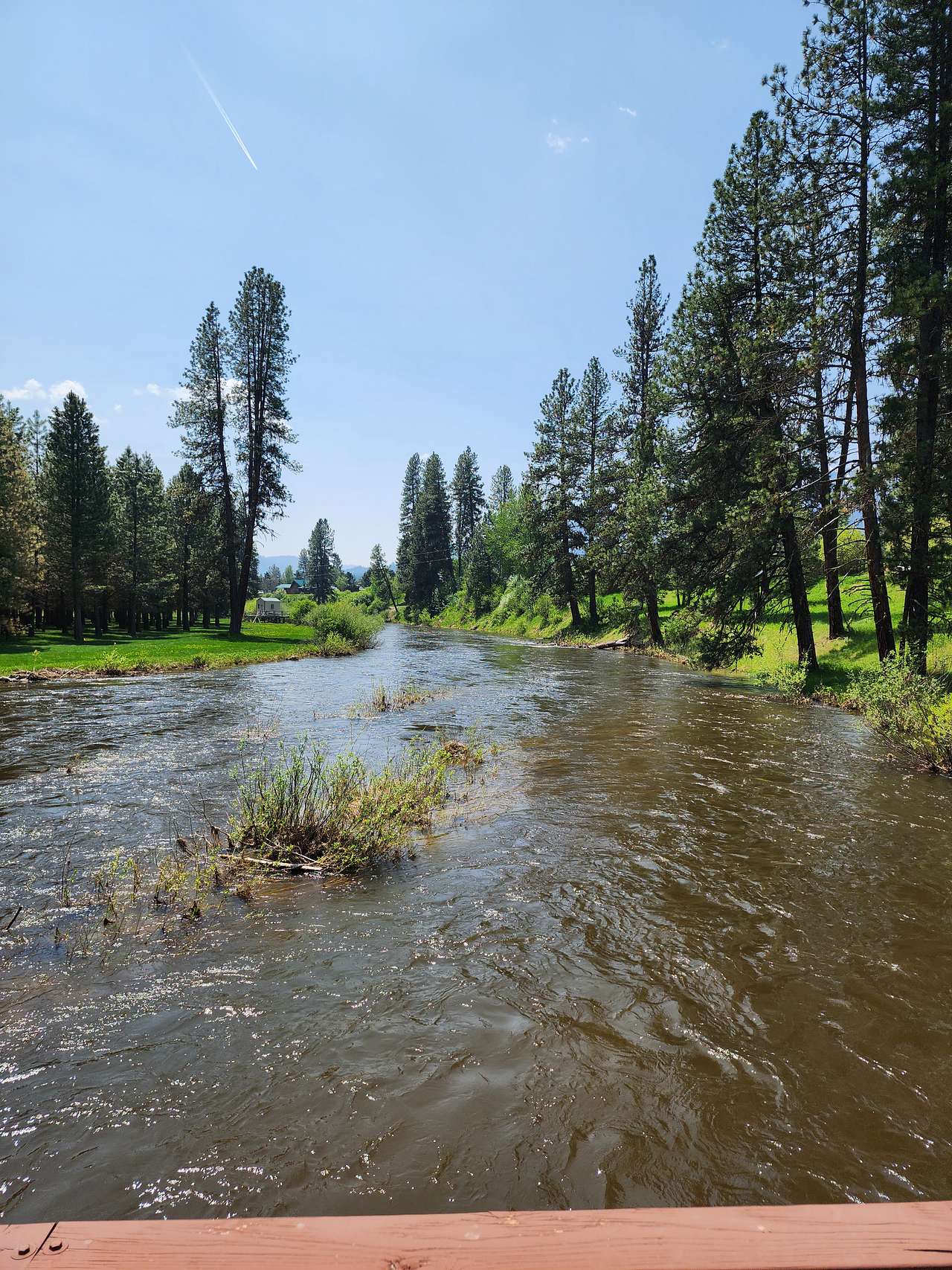
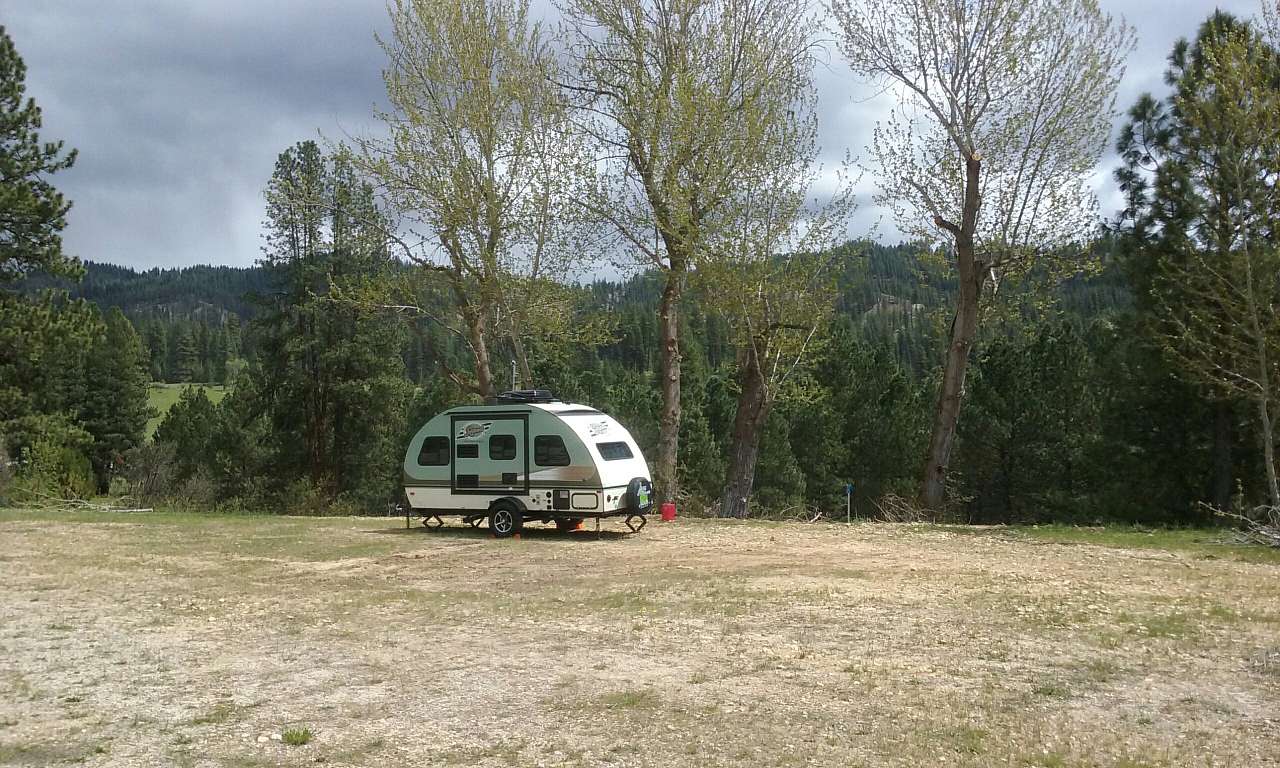
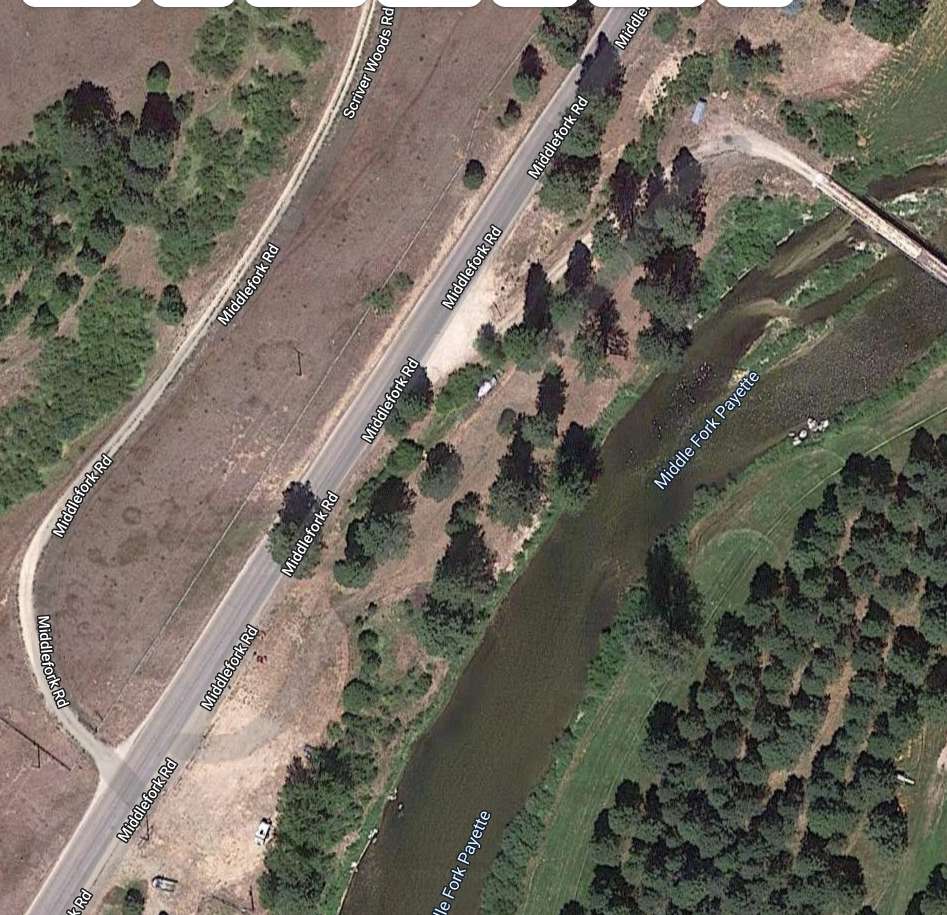
18. Garden Valley River Access Campsite
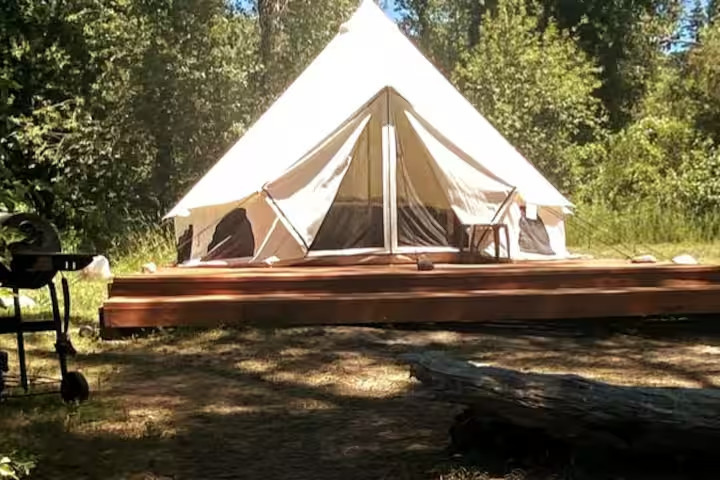
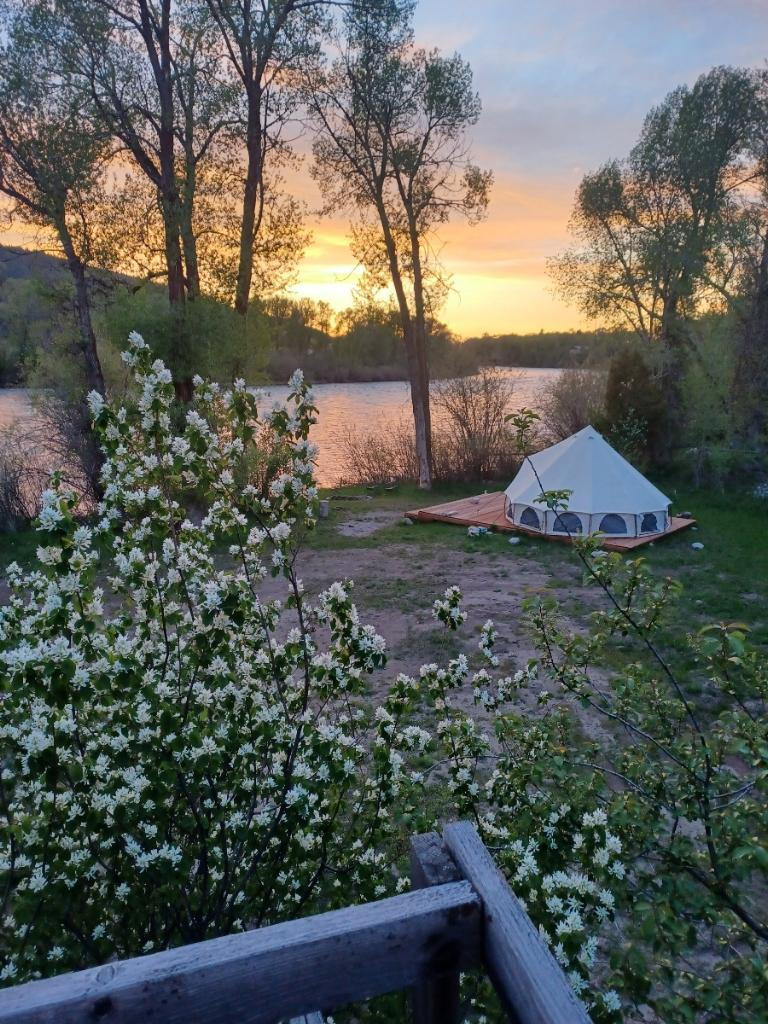
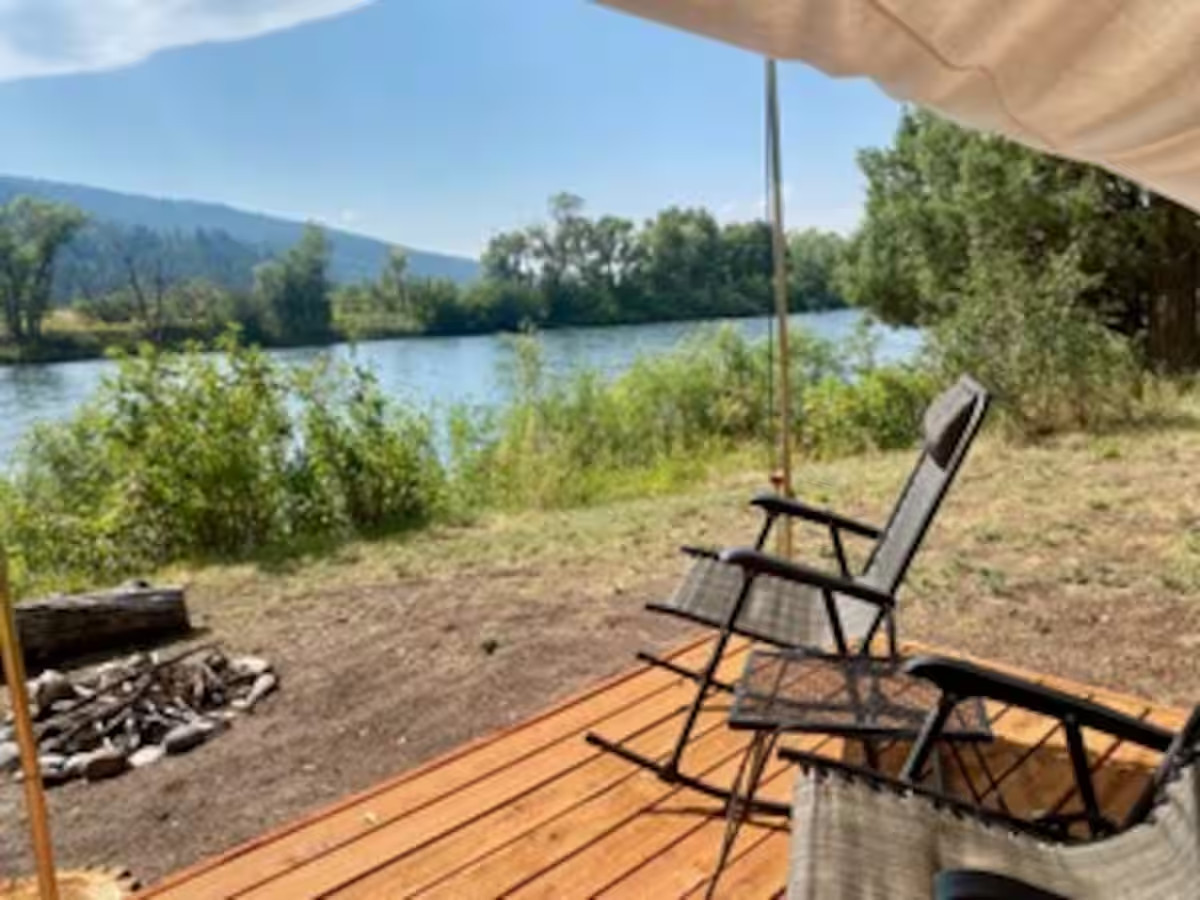
19. Snake River Glamping
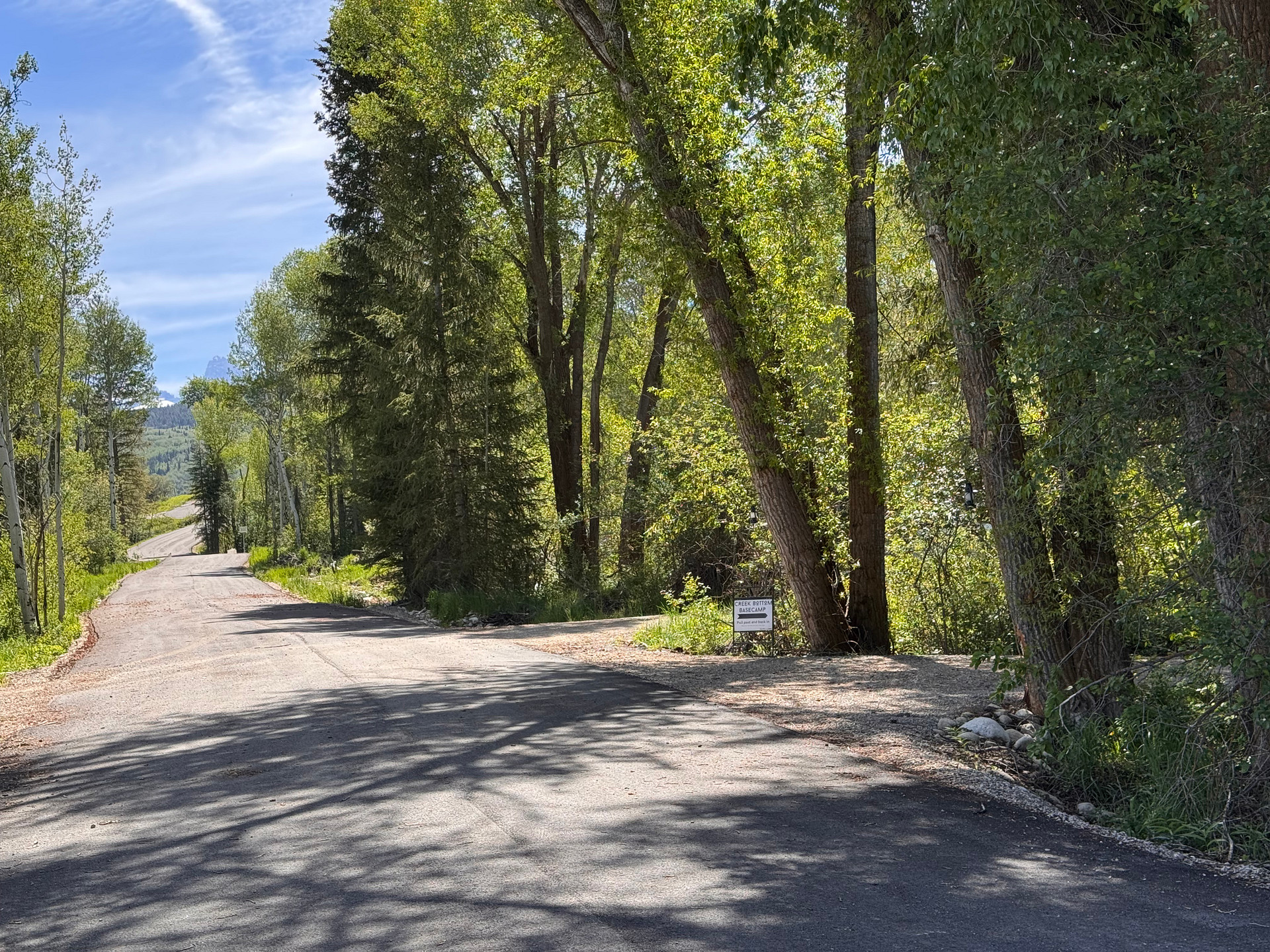
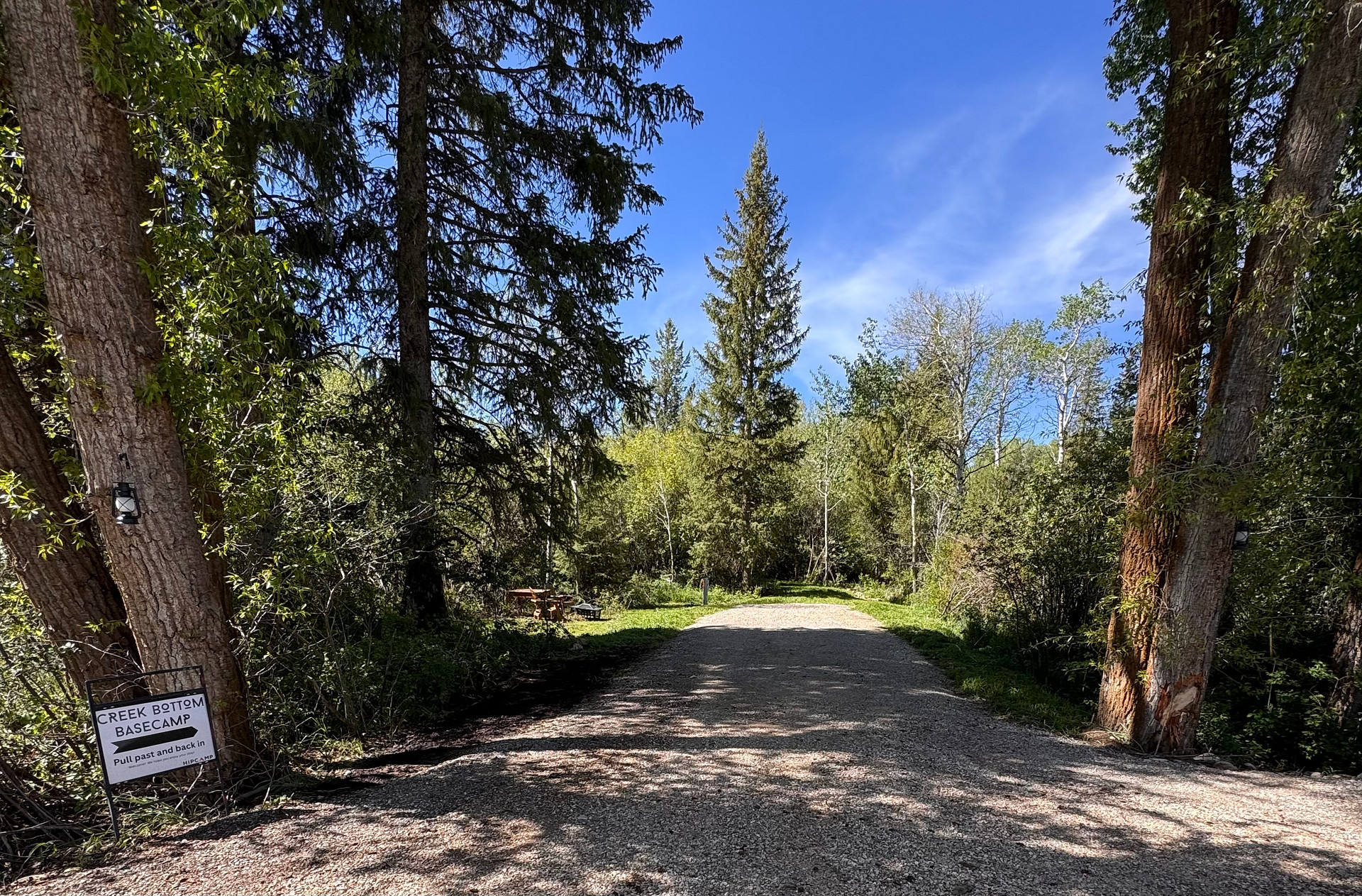
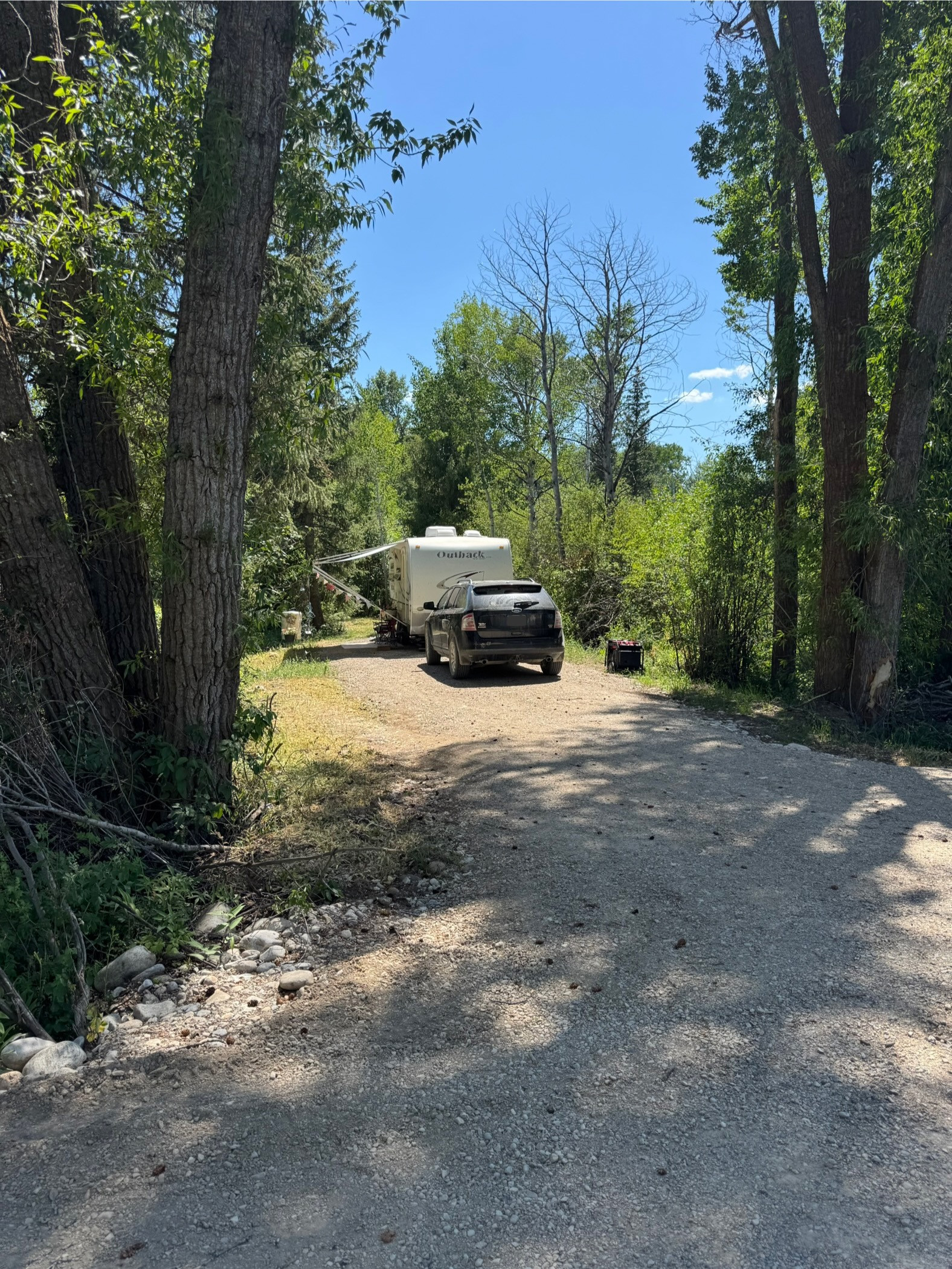
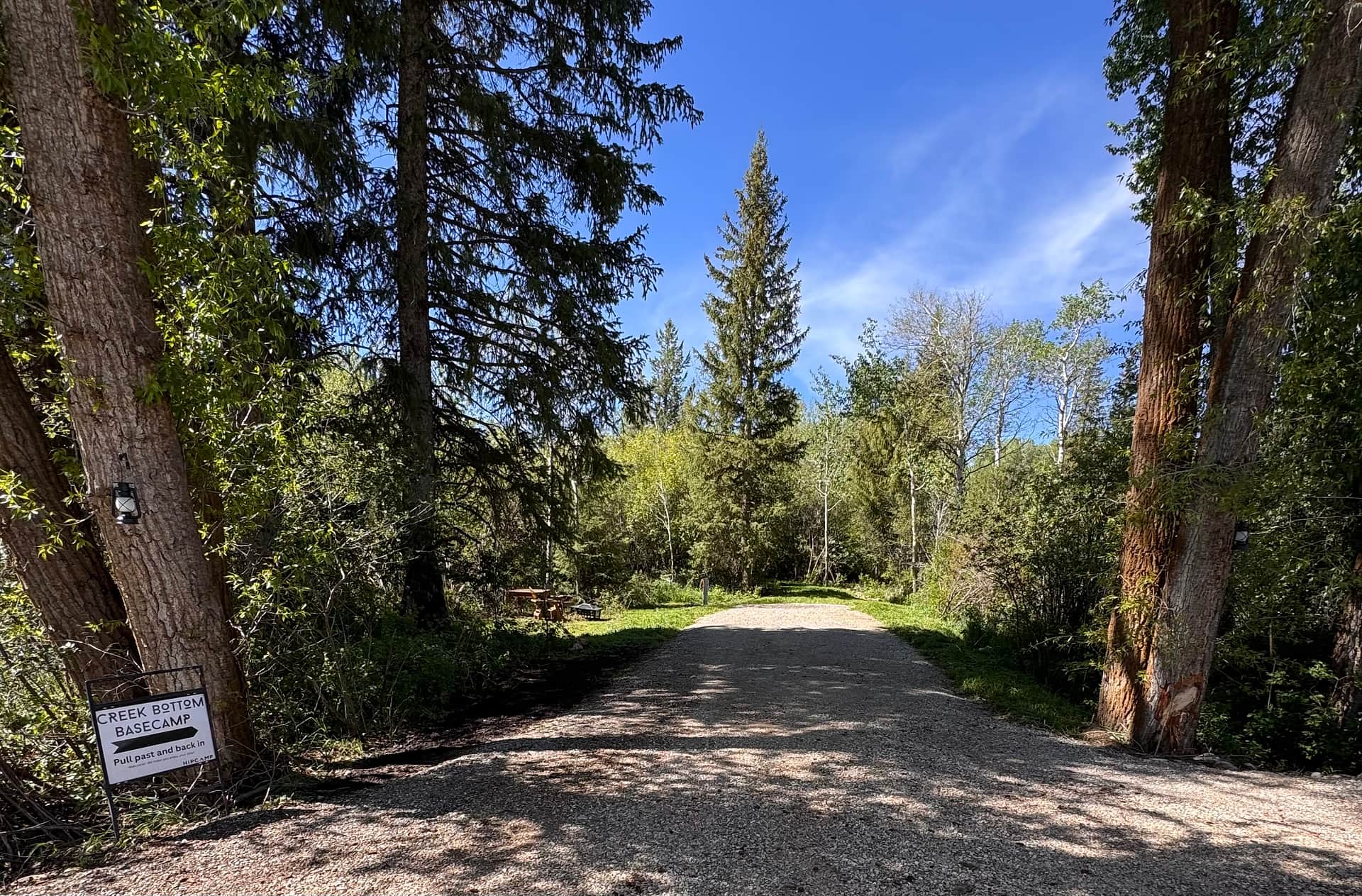
20. Creek Bottom Basecamp
Paradise on Mirror Lake
Cagle Cove
The Aspen Grove Inn at Heise Bridge
Crooks Lookout
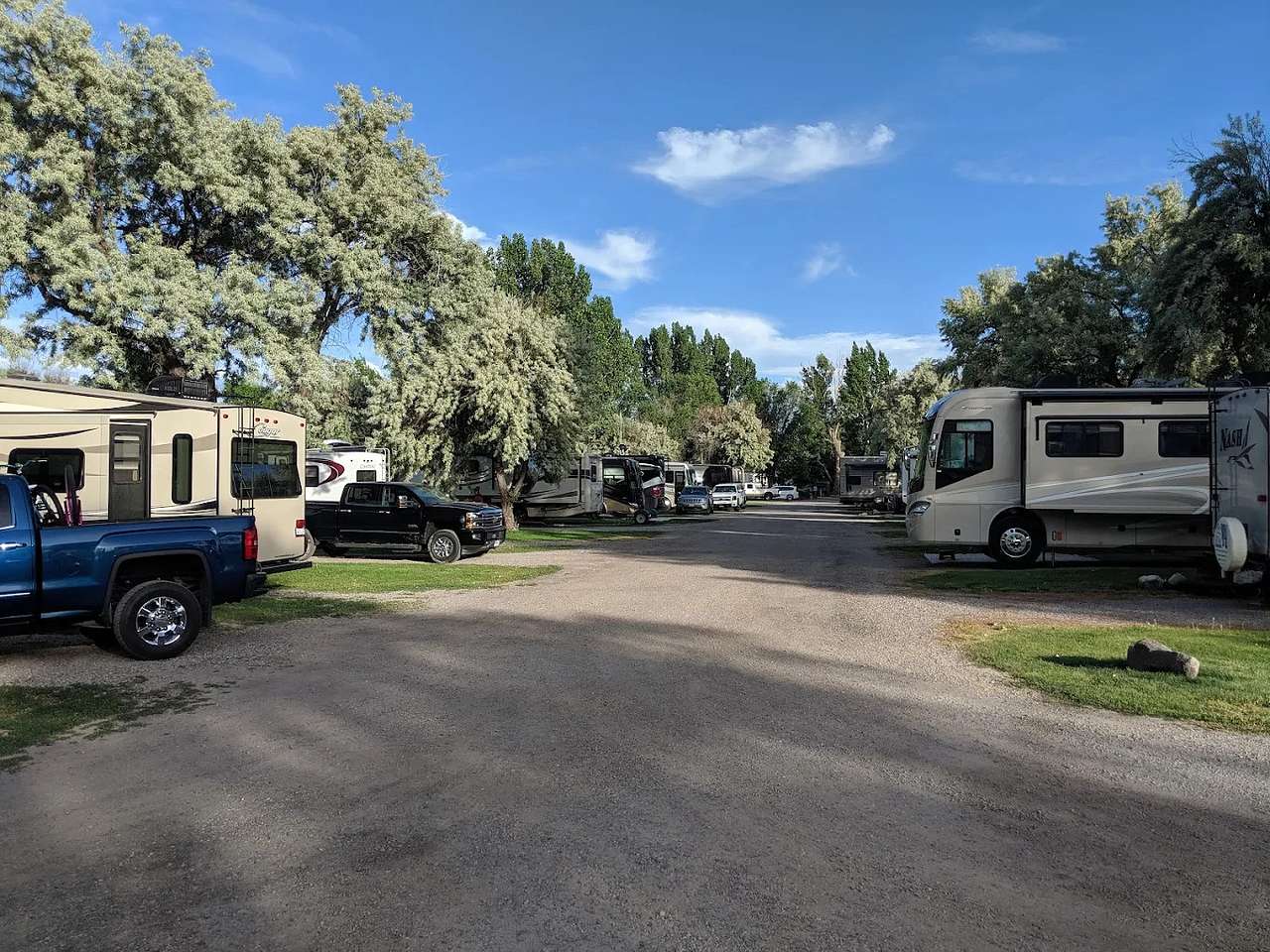
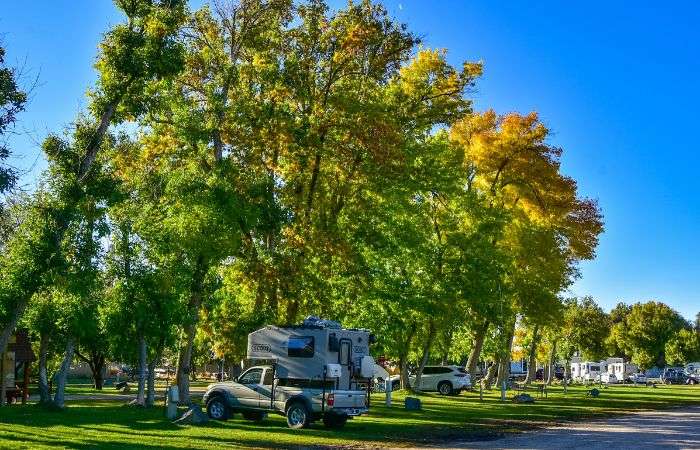
Snake River RV Park & Campground
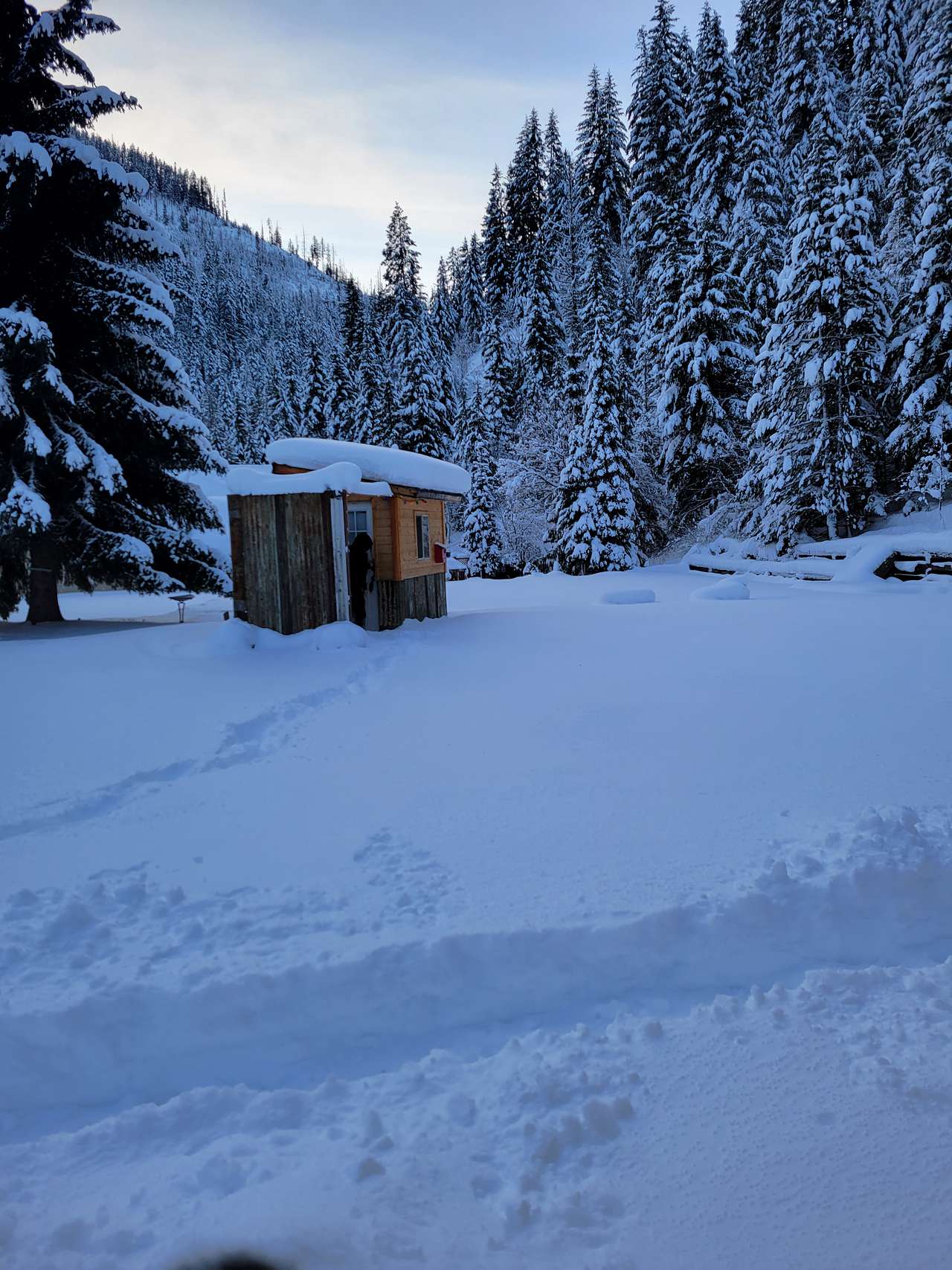


Burke Creekside lisa J's


Paradise on Mirror Lake
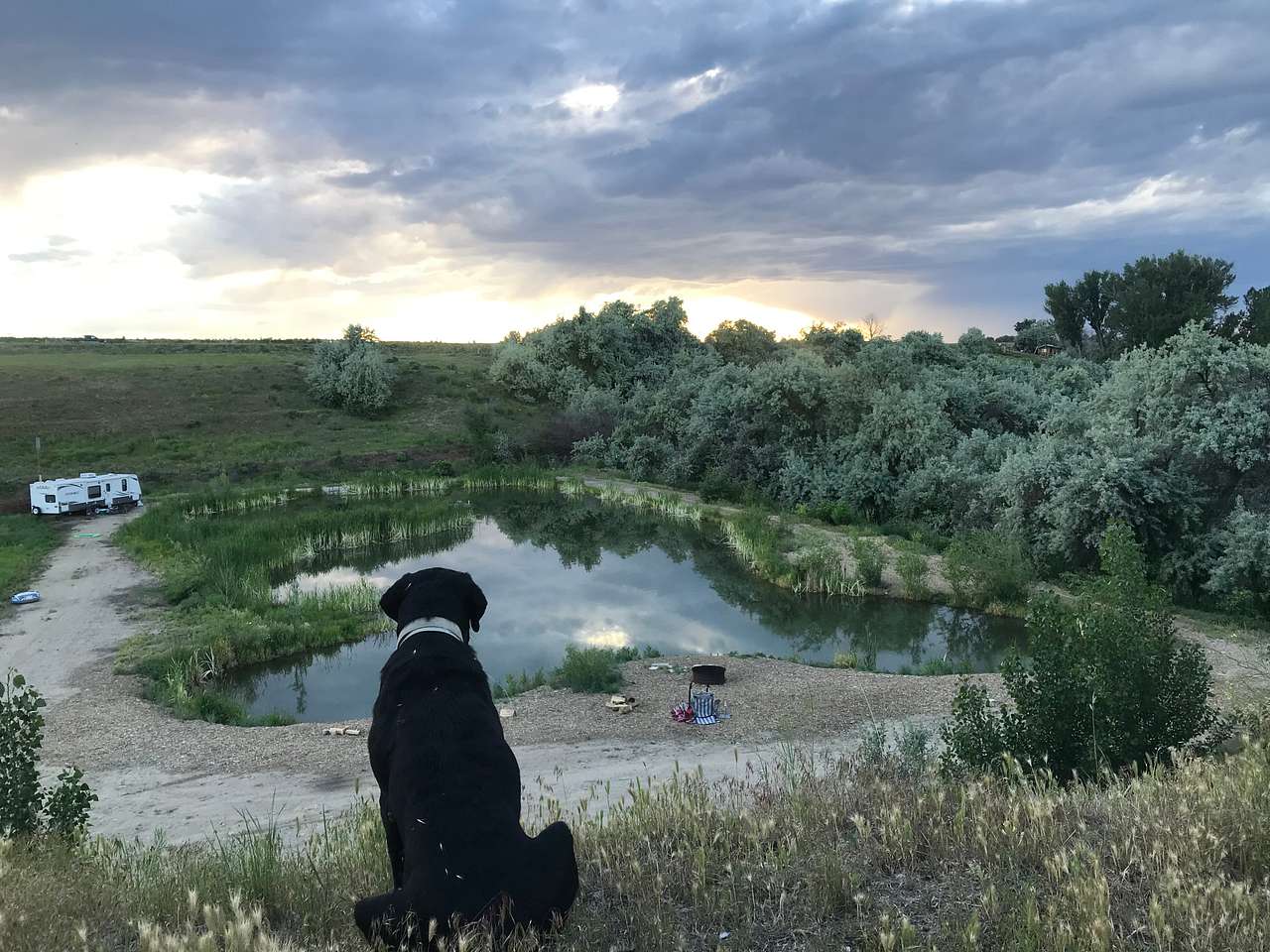
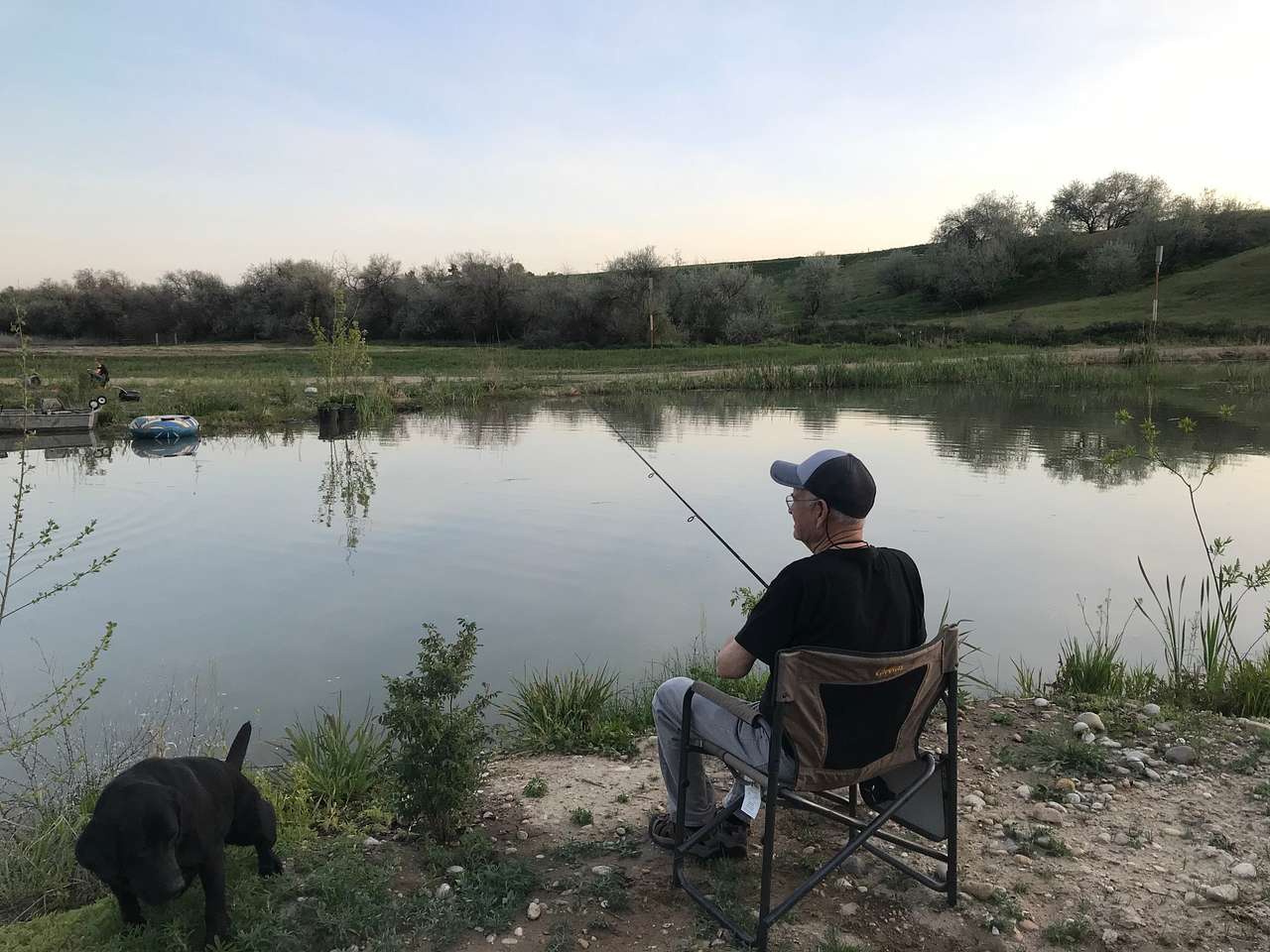
Cagle Cove
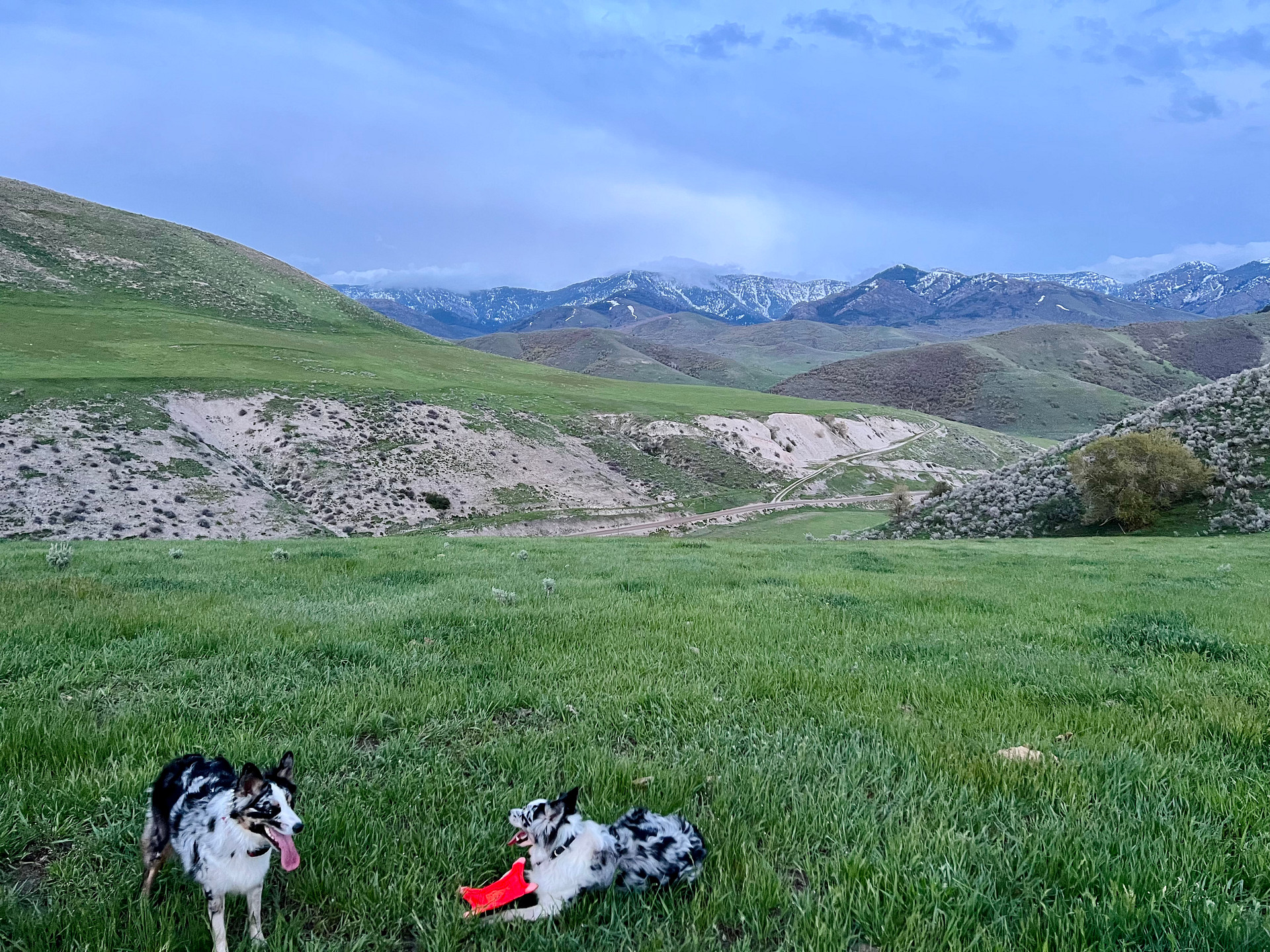
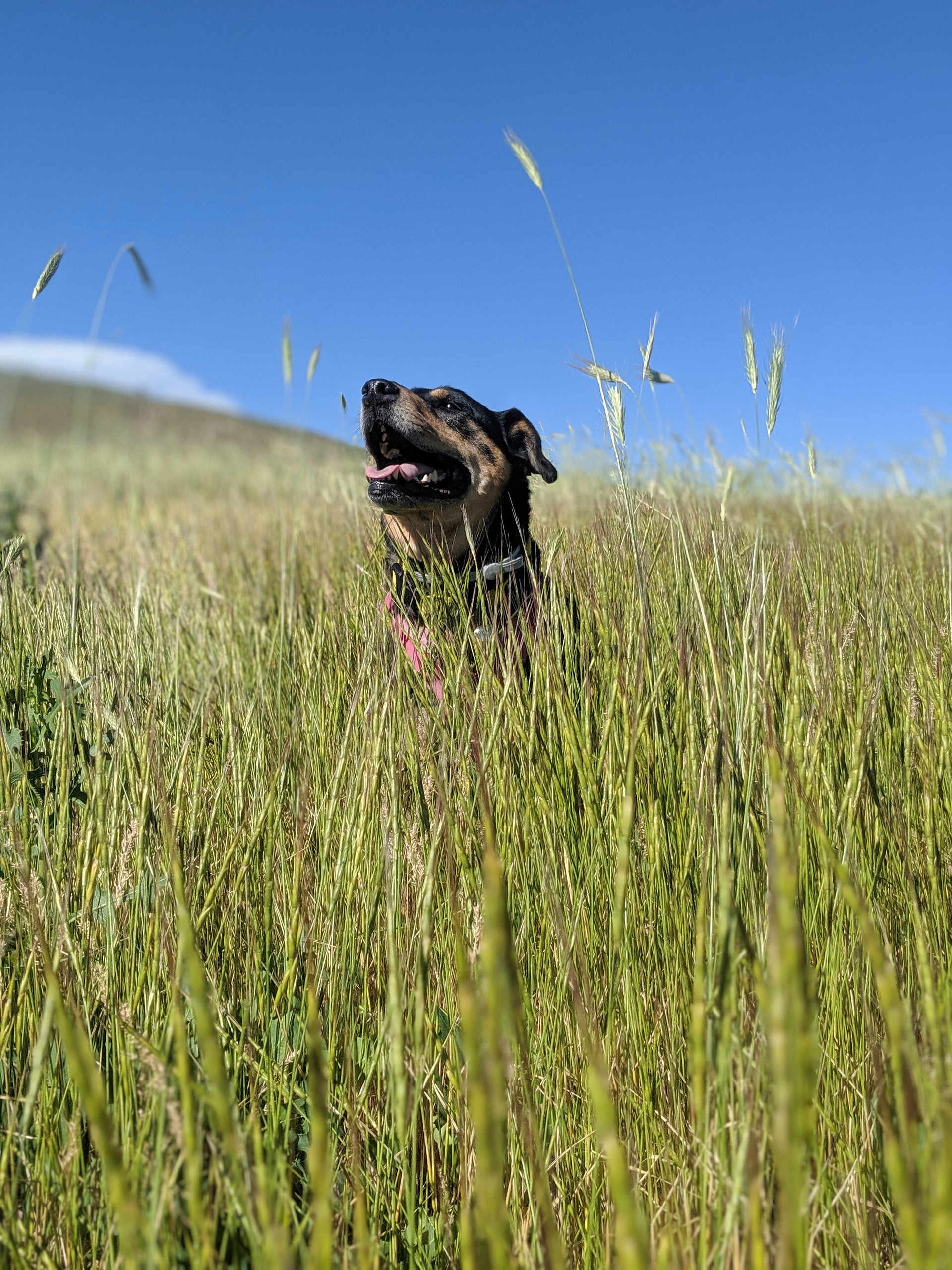
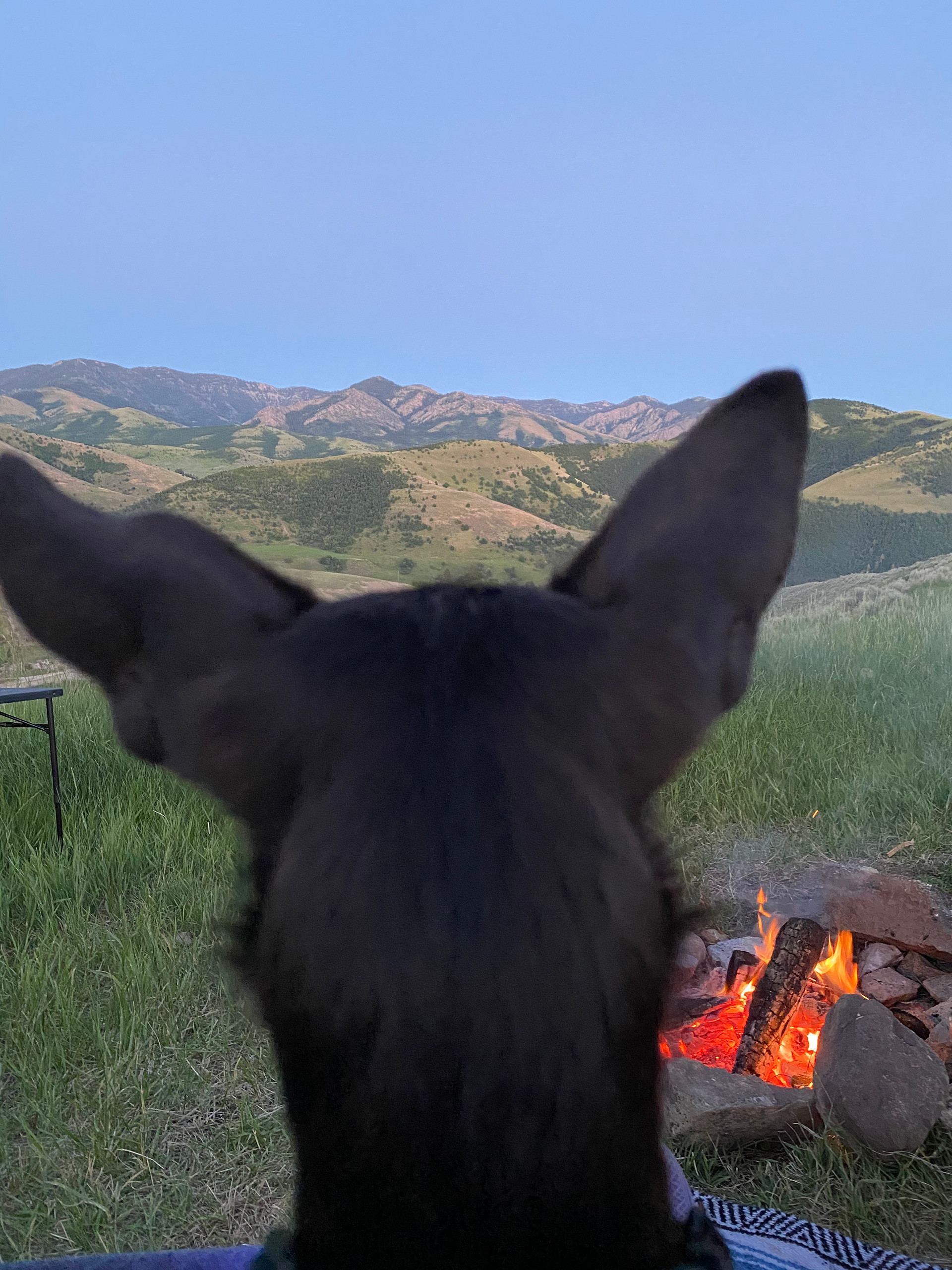
Mountain Top Getaways


The Aspen Grove Inn at Heise Bridge


Waterfront cabin and camping
Downtown Boise's Best location!
Recent reviews from the Hipcamp community
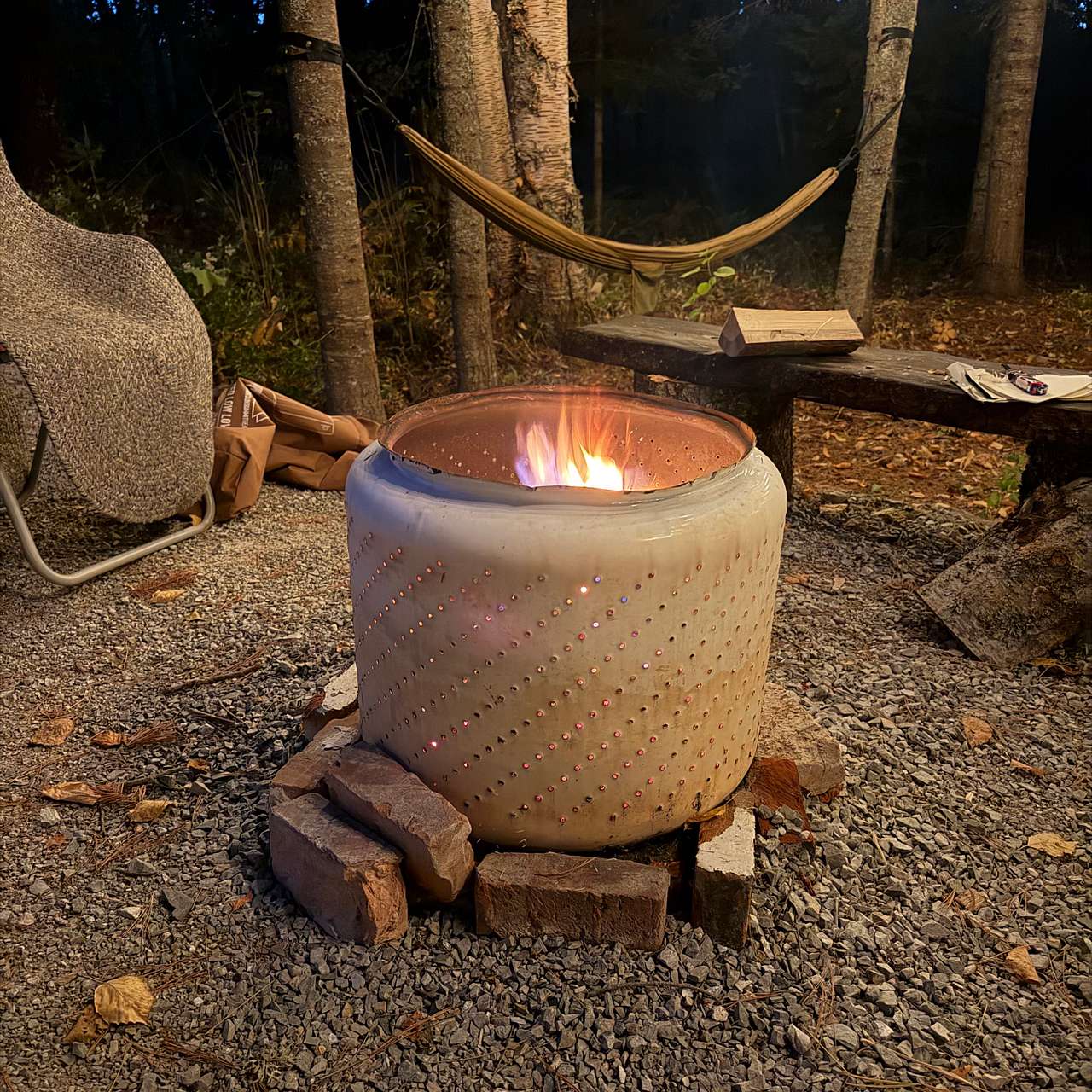


Idaho camping guide
Where to go
The Idaho Panhandle
Between Washington and Montana and stretching up to Canada’s border, this forested region is ideal for winter skiing and snowboarding, plus hiking, biking, and kayaking in warmer months. Highlights include Nez Perce National Historic Park and Hells Canyon National Recreation Area, where the Pandhandle rivers are particularly beloved by whitewater rafters. Popular camping areas include Priest Lake State Park, Heyburn State Park, and Farragut State Park, and you can also find campgrounds on the Banks of Lake Pend Oreille and Lake Coeur d'Alene.
Southwest Idaho
On the border of Oregon, southwestern Idaho features lots of outdoor and cultural attractions, plus plenty of wineries and breweries. Boise, the state’s capital, is here and despite its small size, the fast-growing city has great museums and restaurants. Popular getaways from the city include Payette National Forest, Boise National Forest, Ponderosa State Park, Lake Cascade State Park, and Bruneau Dunes State Park.
Central Idaho
Characterized by alpine landscapes and crystalline lakes, central Idaho is as known for its summertime hiking as it is for its ski resorts, including the world-famous Sun Valley. Some of the best camping spots in the region include Redfish Lake in Sawtooth National Forest, Craters of the Moon National Monument, and the City of Rocks National Reserve.
Eastern Idaho
The gateway to Yellowstone National Park, eastern Idaho is chock-full of outdoor fun, from fishing on the Snake River's South Fork to cruising down the country's longest Main Street in Island Park. Summer is great for hiking and biking, while winter brings opportunities to ski and snowmobile against the backdrop of the Tetons. The region is also home to a handful of hot springs, the most famous of which is the odorless Lava Hot Springs.
When to go
The weather is an essential factor when it comes to camping. Idaho's climate is generally semi-arid, with hot summers and cold winters. The peak season for camping in Idaho is from June to August, during which campgrounds can be crowded, and reservations may be required. If the campsite is at a high elevation, it may be more suitable to visit during the late spring or summer months when the snow has melted. The best time to go camping in Idaho is during the summer months, preferably in May or September for a more peaceful experience.
Know before you go
- Research your camping options: Idaho offers a wide range of camping options, from primitive campsites to RV parks. Research your options ahead of time to find a spot that fits your needs and preferences.
- Plan for the weather: Idaho's weather can be unpredictable, so make sure you pack accordingly. Bring warm clothing for chilly nights and rain gear in case of storms.
- Prepare for wildlife encounters: Idaho is home to a variety of wildlife, including bears and mountain lions. Make sure you know how to store your food and garbage properly to avoid attracting unwanted visitors.
- Follow Leave No Trace principles: When camping in Idaho (or anywhere else), it's important to follow the Leave No Trace principles. This means packing out all of your trash, staying on established trails, and leaving natural features undisturbed.
- Respect other campers: Finally, be respectful of other campers in the area. Keep noise levels down, and avoid wandering into other campsites uninvited.
Top camping destinations around Idaho



Frequently Asked Questions
The 14-day camping limit in Idaho refers to the maximum number of consecutive days you are allowed to camp at a specific location on public lands, such as national forests and Bureau of Land Management (BLM) areas. After 14 days, campers must move to a new location at least 5 miles away from the original site. This rule helps to protect the environment, reduce the impact on resources, and ensure that everyone has a fair opportunity to enjoy camping on public lands. Some campgrounds may have different stay limits, so it's essential to check the specific rules for the location you plan to visit.
Yes, boondocking is legal in Idaho on public lands managed by the Bureau of Land Management (BLM) and in certain areas of national forests. Boondocking, also known as dispersed camping, is a type of camping where you camp outside of designated campgrounds, often without facilities or services. Some popular boondocking locations in Idaho include the Boise National Forest, Kooskia, and Buhl areas. Always make sure to follow Leave No Trace principles, respect local regulations, and practice responsible camping when boondocking in Idaho.
To book a campsite in Idaho, you can use the following resources:
- Hipcamp: Browse and book private campsites, ranches, vineyards, and more across Idaho.
- Idaho State Parks: Find information on state park campgrounds and make reservations through Reserve America.
- Recreation.gov: Book campsites, cabins, and other facilities at federal recreation sites like national forests and BLM lands.
Make sure to research the specific campground or site you're interested in to understand the reservation process and any additional requirements, such as permits or fees.