The best camping in Yosemite National Park, CA
Discover the most magical spots to pitch your tent or park your rig on your next Yosemite National Park adventure.
Top-rated campgrounds in Yosemite National Park

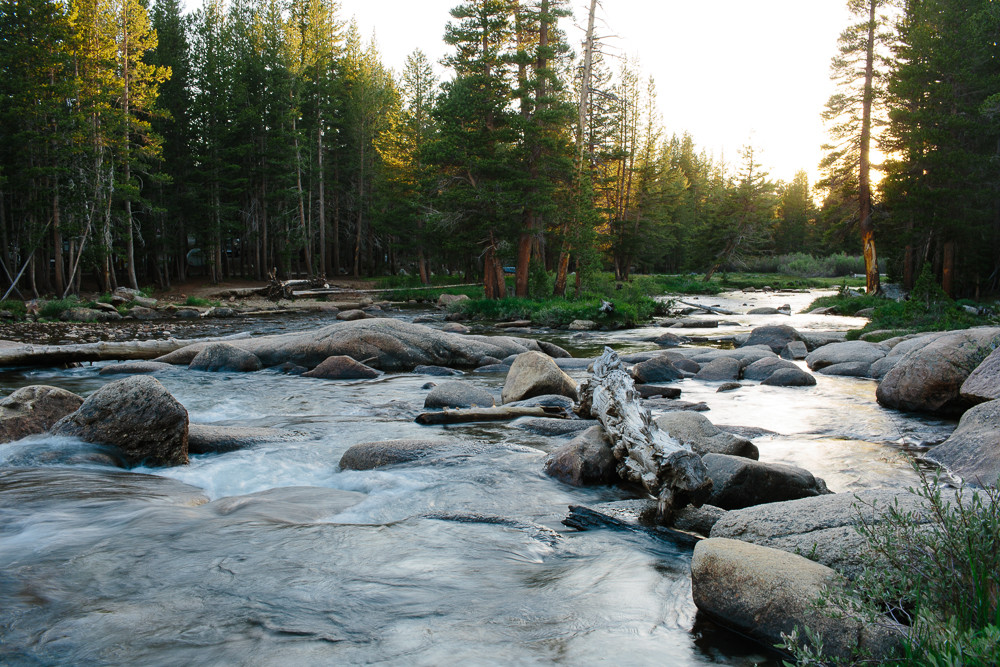

1. Tuolumne Meadows Campground

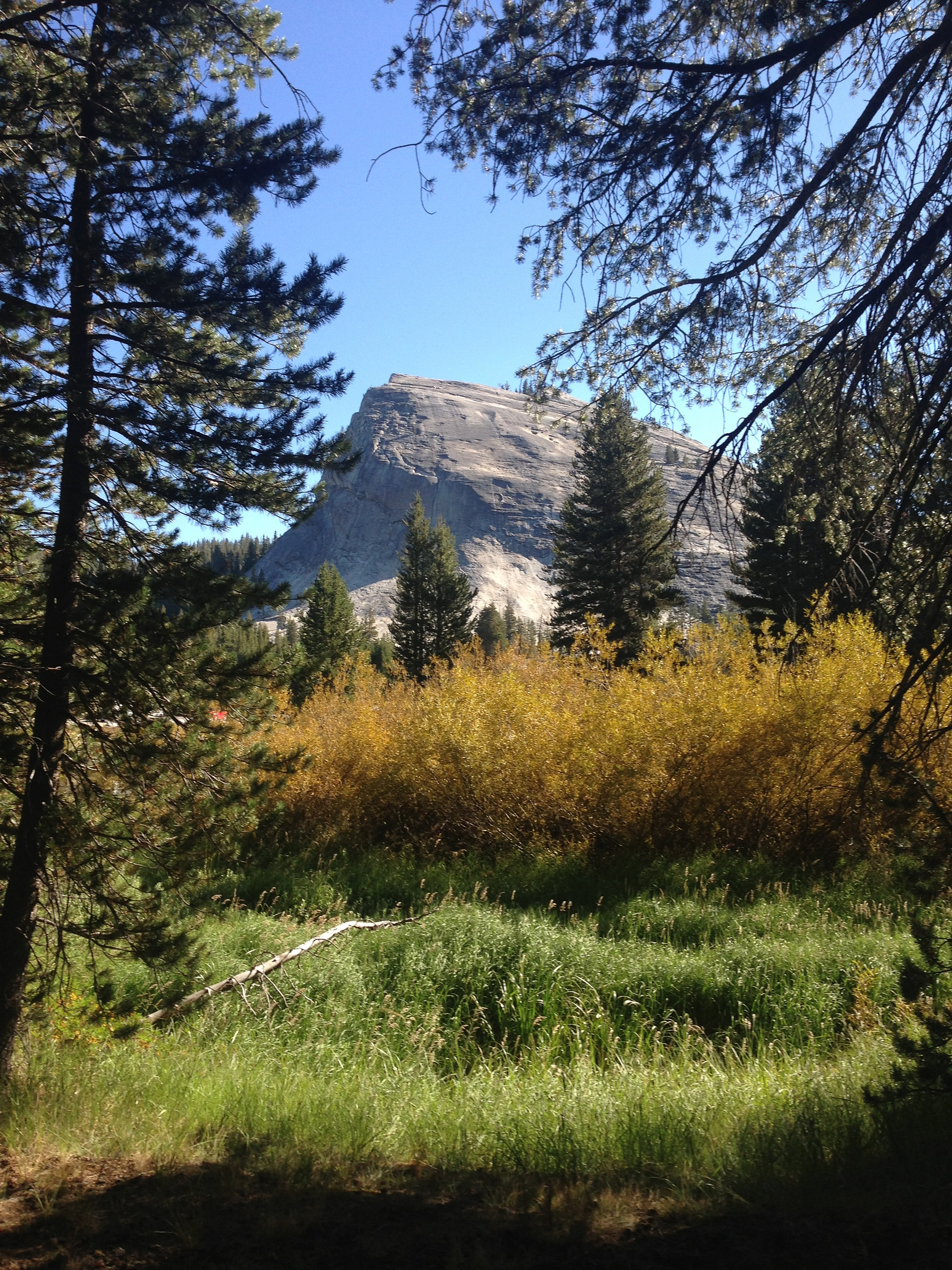

2. Tuolumne Meadows Walk-In Campground


3. Yosemite Creek Campground


4. White Wolf Campground


5. North Pines Campground


6. Wawona Campground


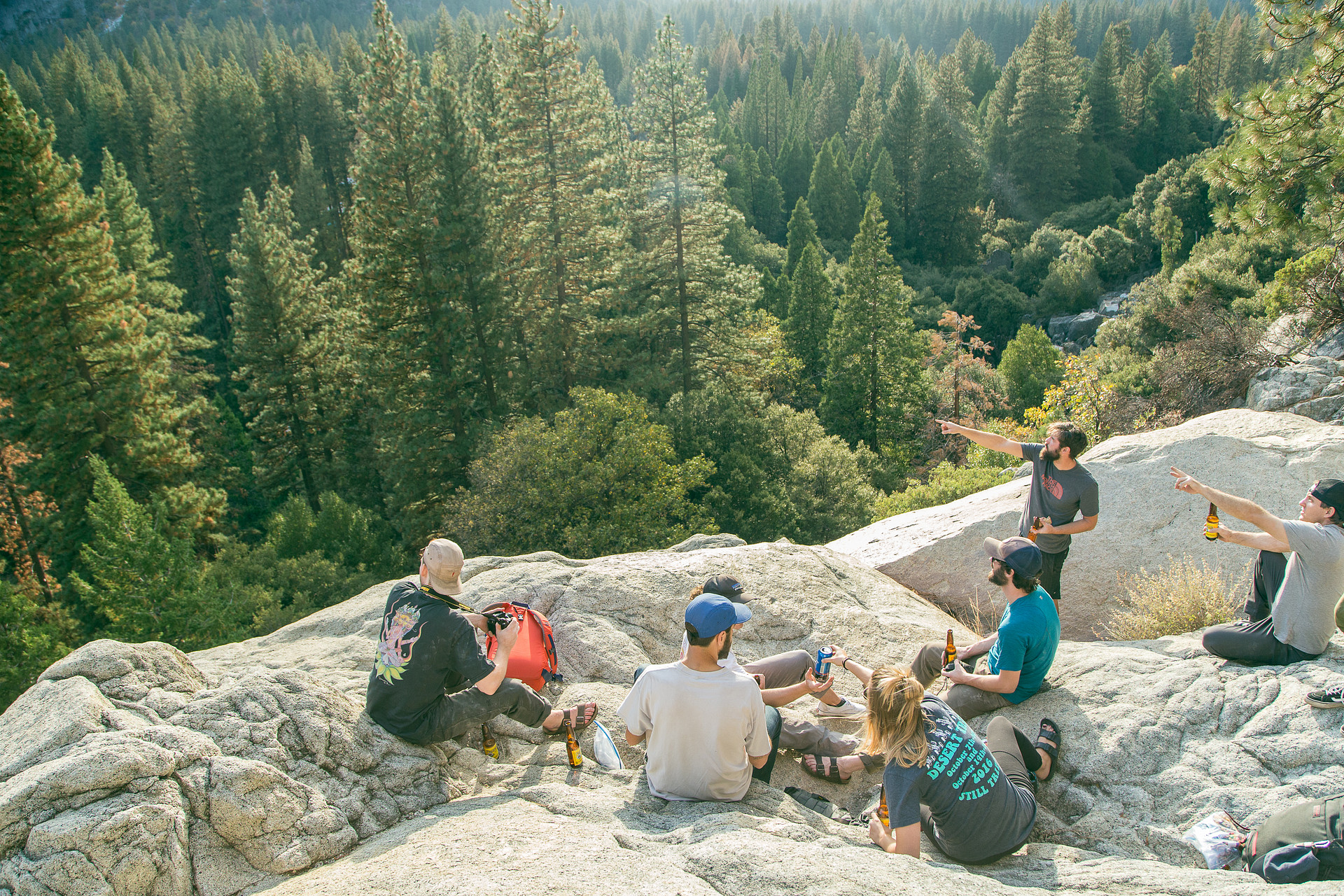
7. Upper Pines Campground


8. Tamarack Flat Campground


9. Lower Pines Campground


10. Crane Flat Campground


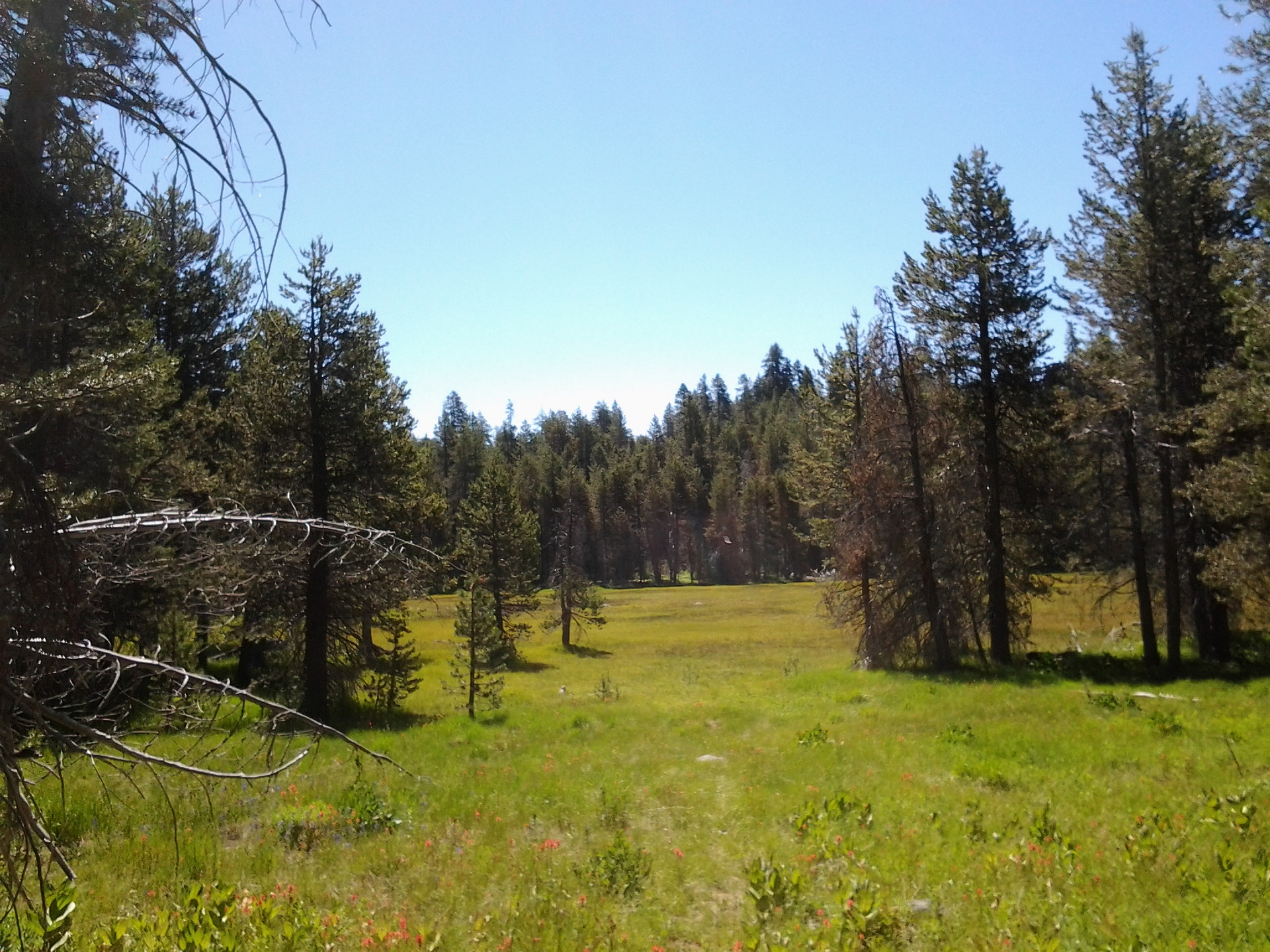
11. Bridalveil Creek Group and Horse Campground


12. Camp 4 Campground

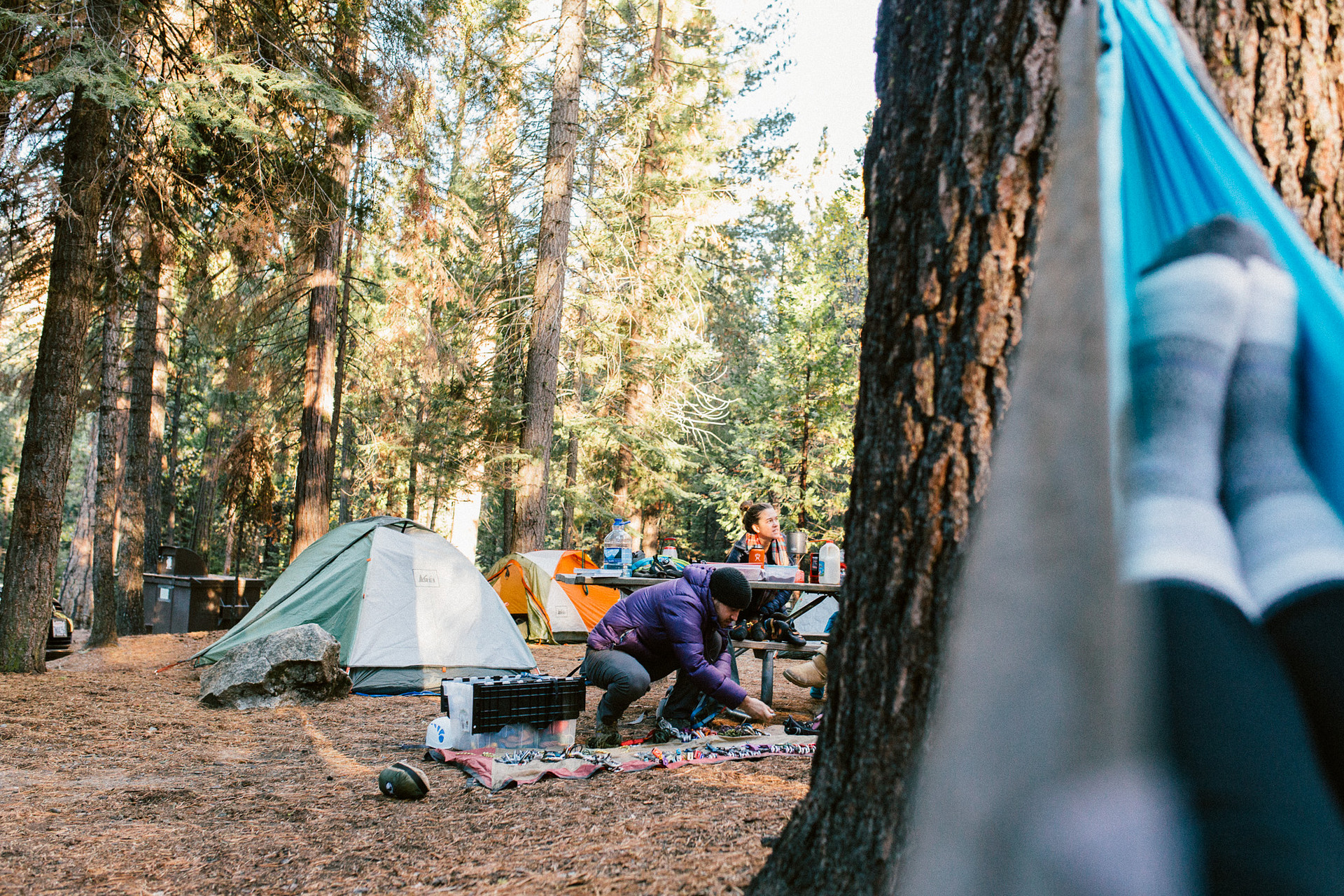

13. Hodgdon Meadow Campground


14. Porcupine Flat Campground
Top-rated campsites near Yosemite National Park


1. Camping At Yosemite's Doorstep
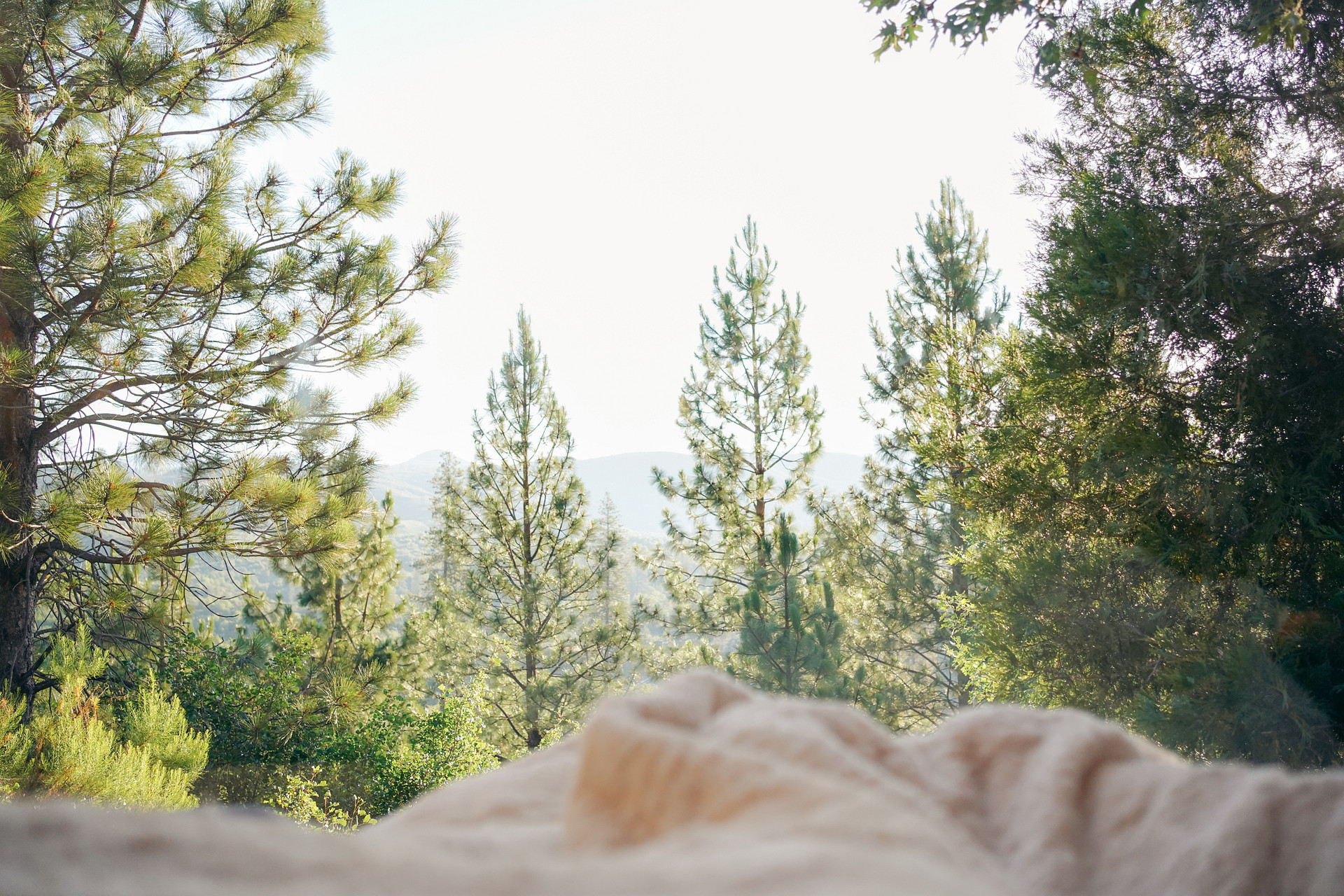
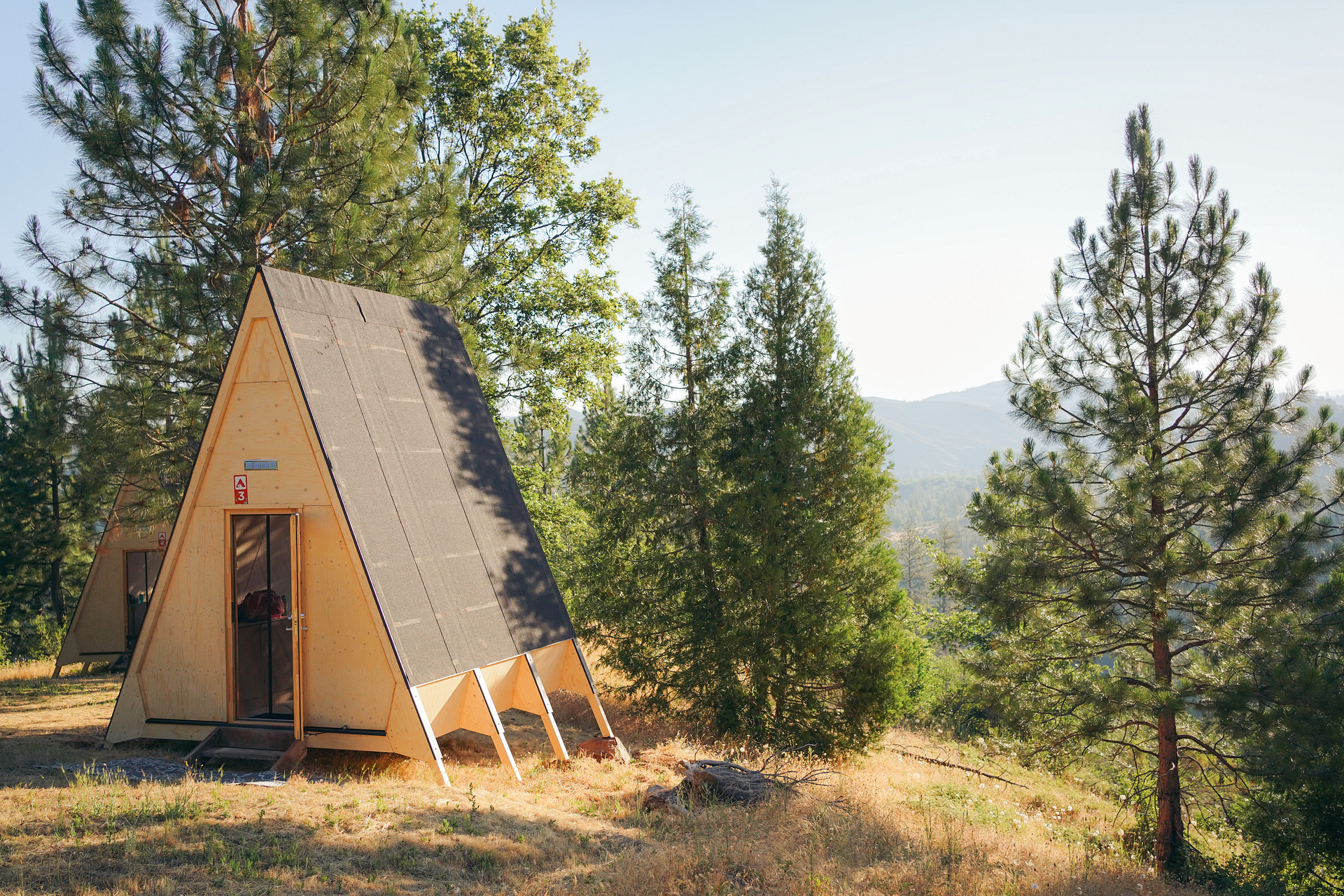
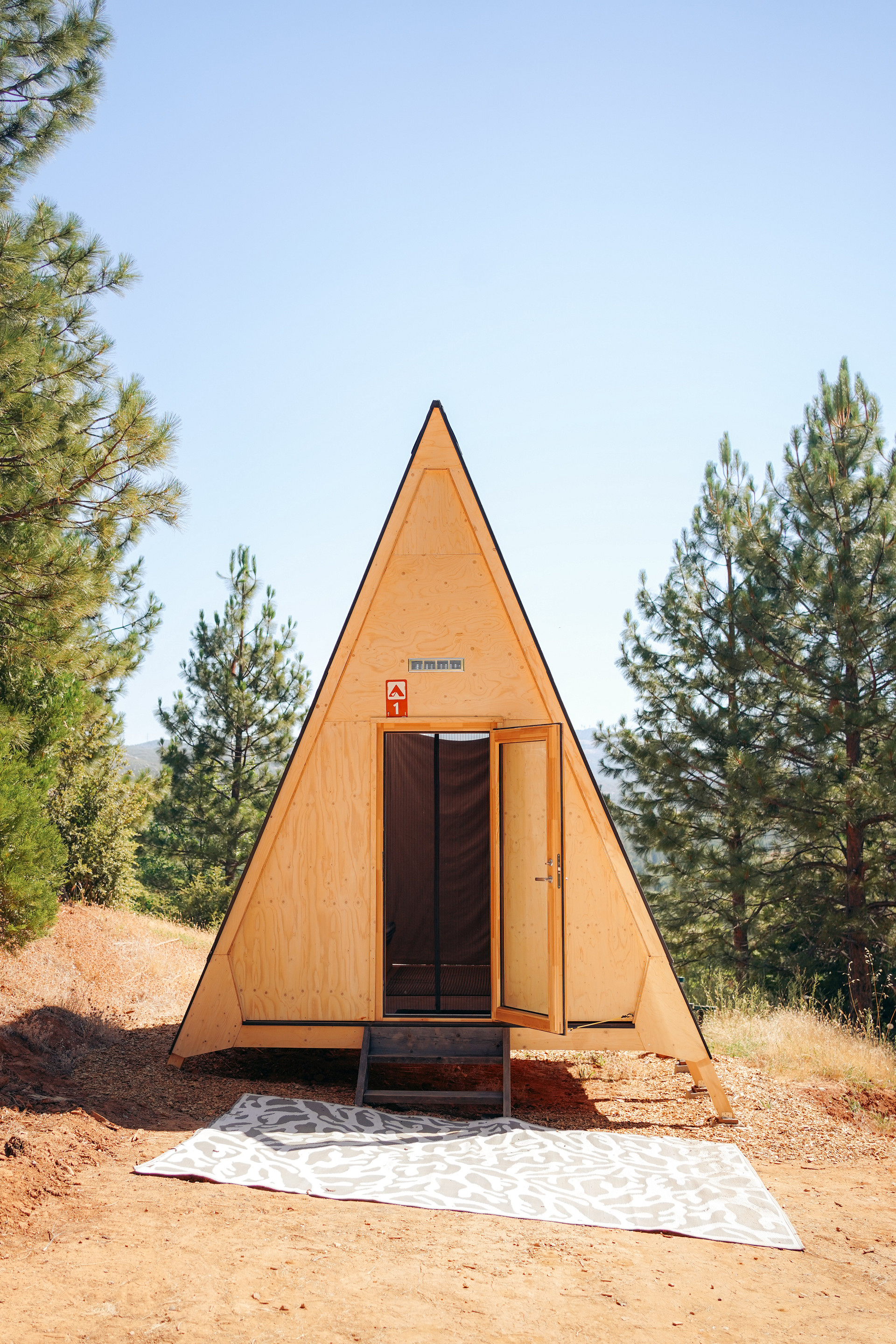
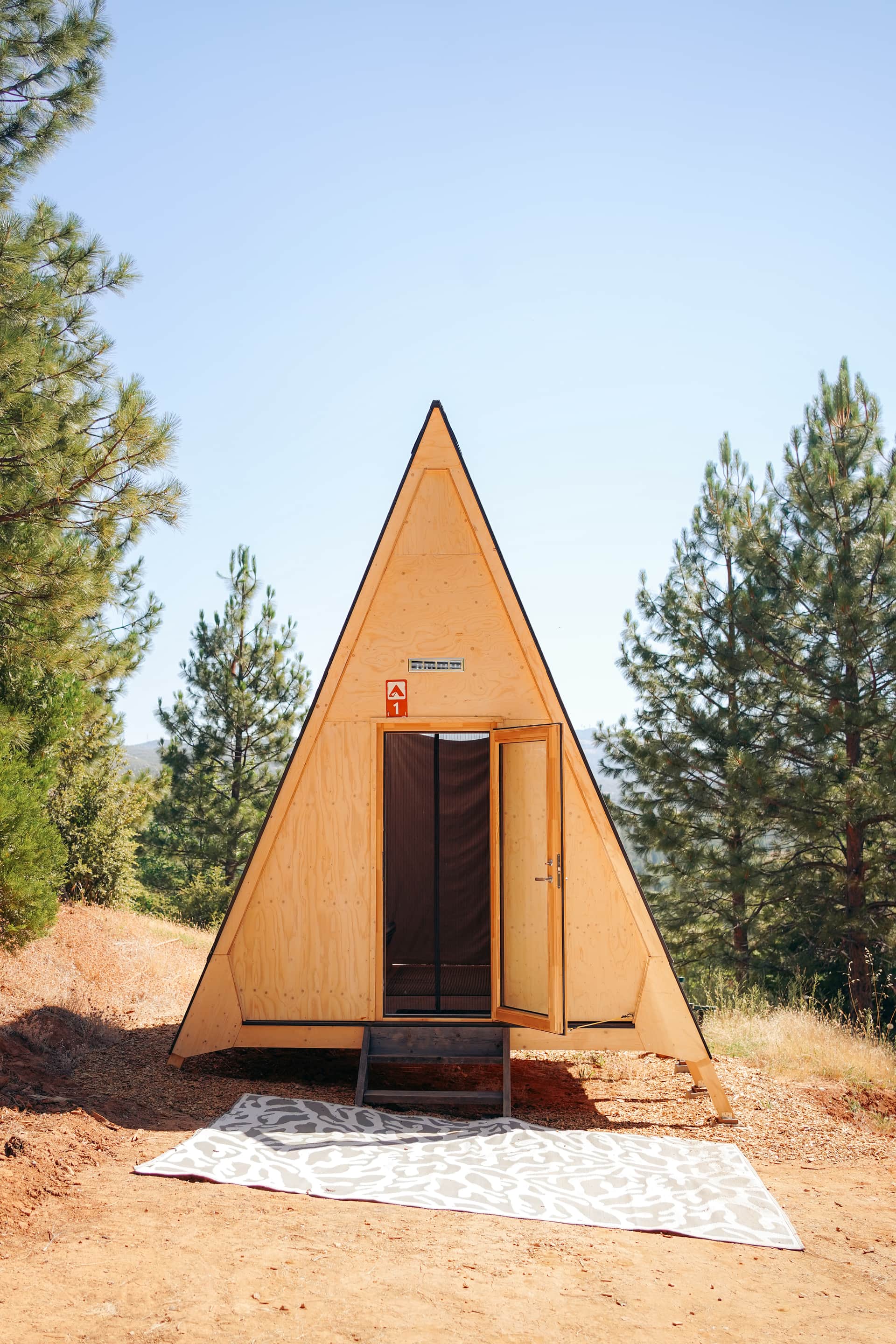
2. Nolla A-Frames Near Yosemite
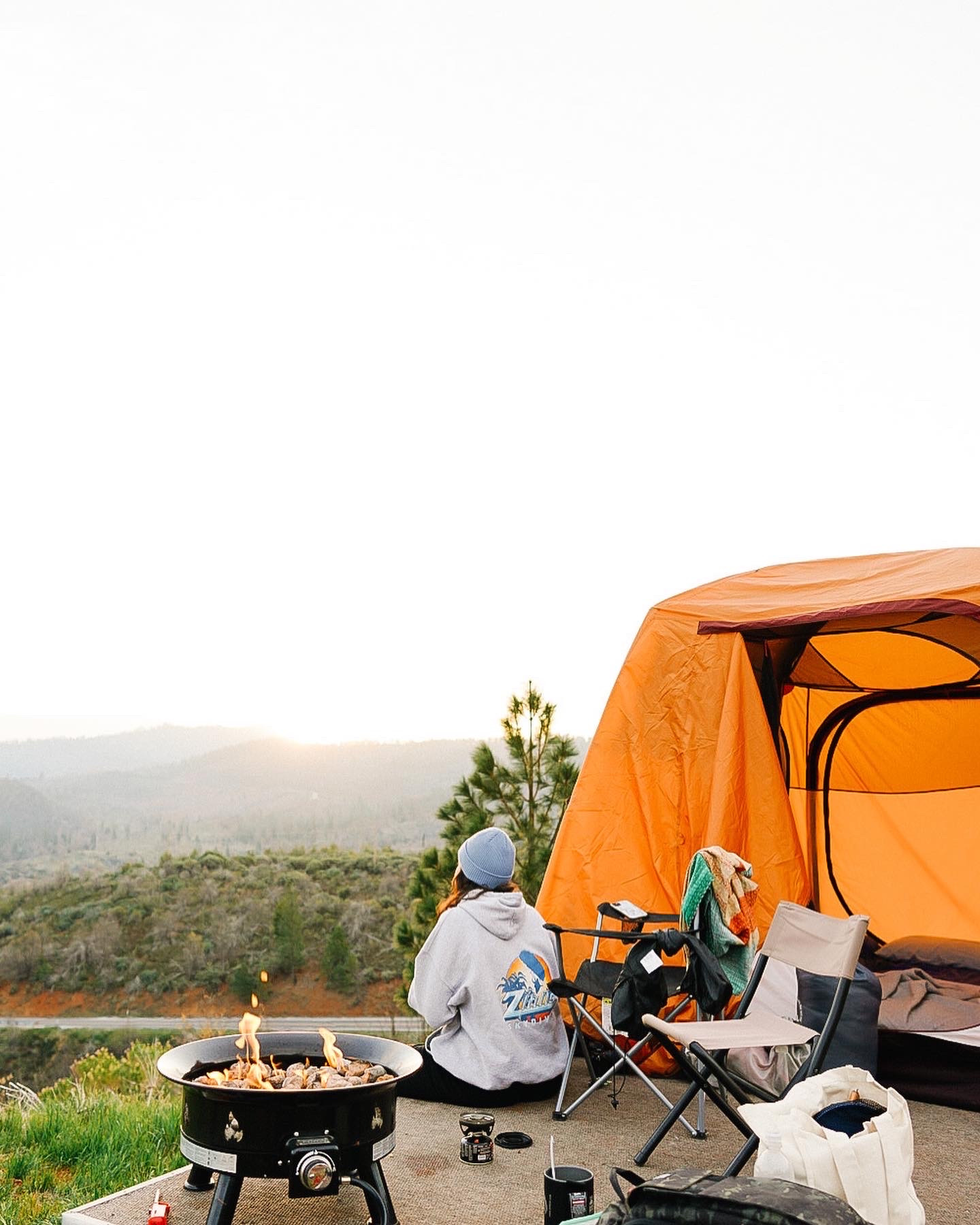
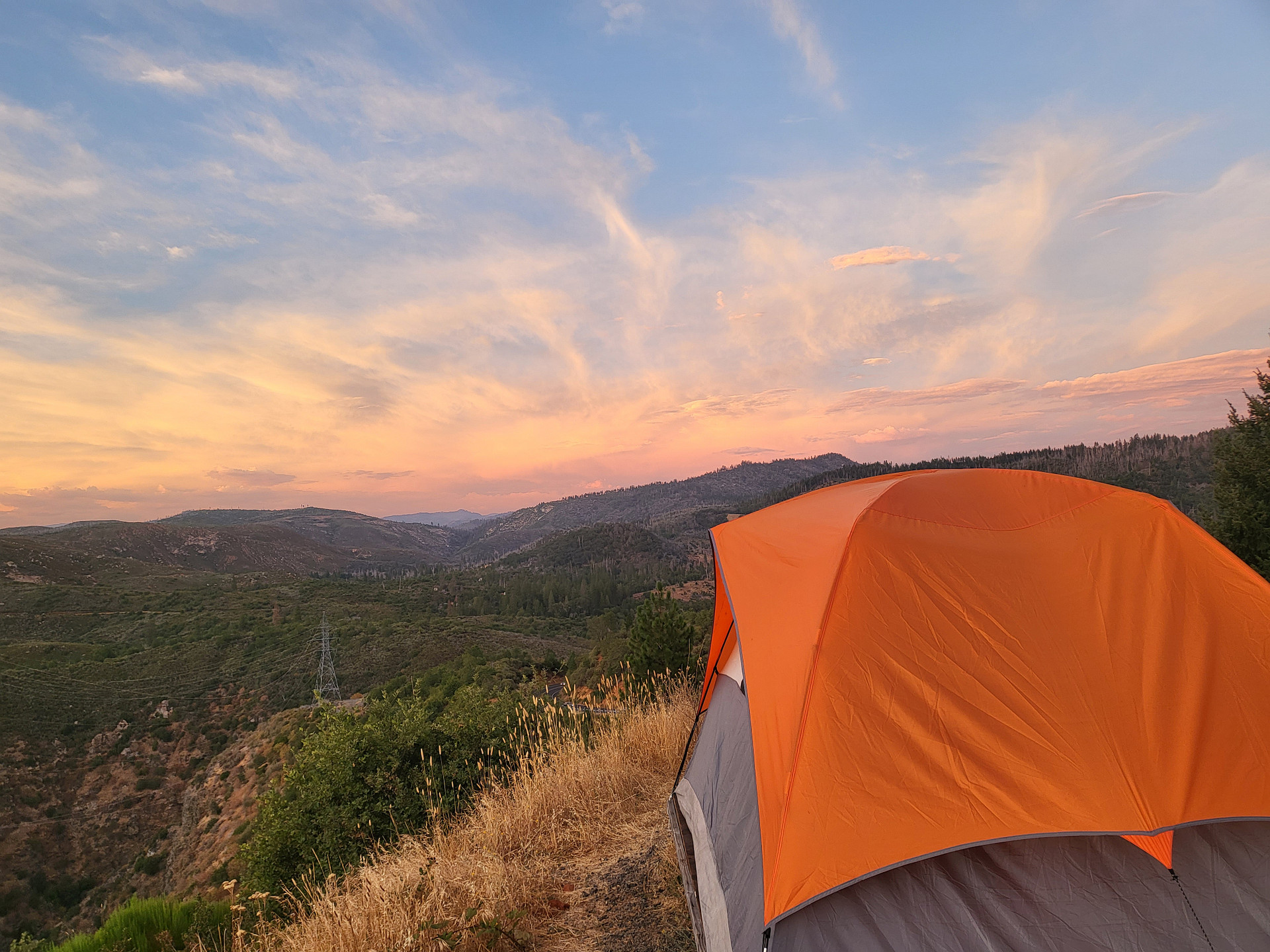
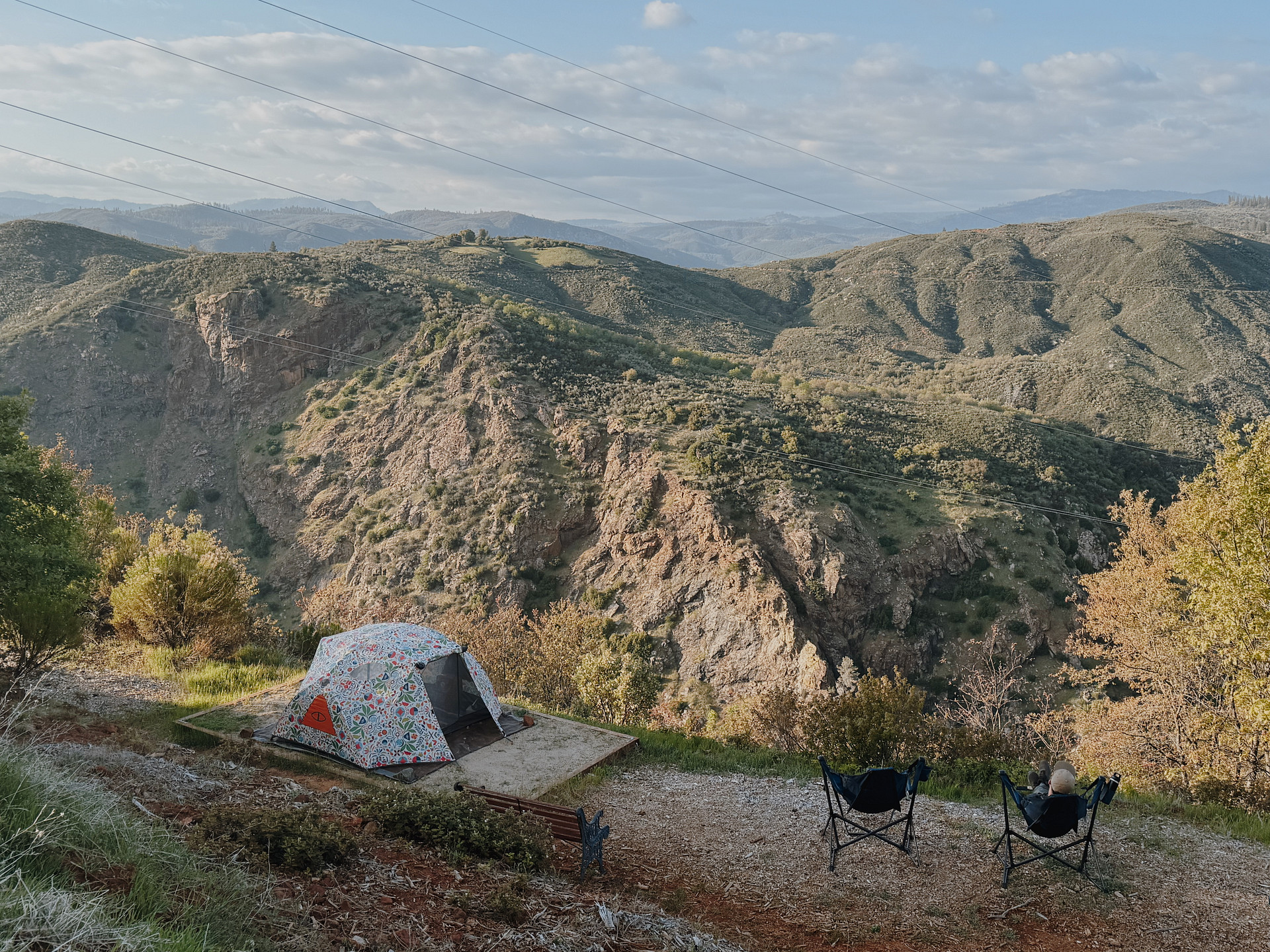
3. Yosemite Colfax Spring
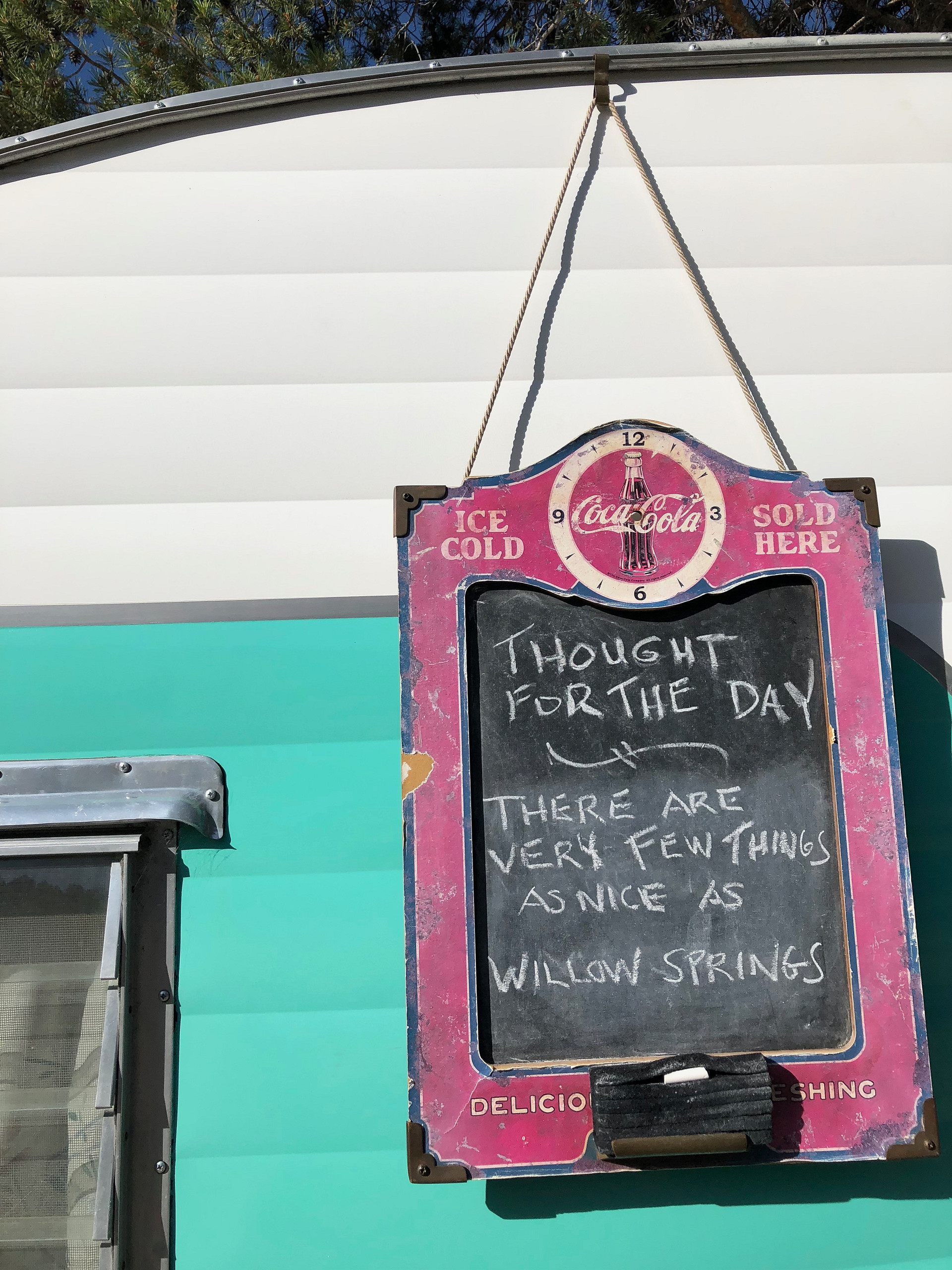
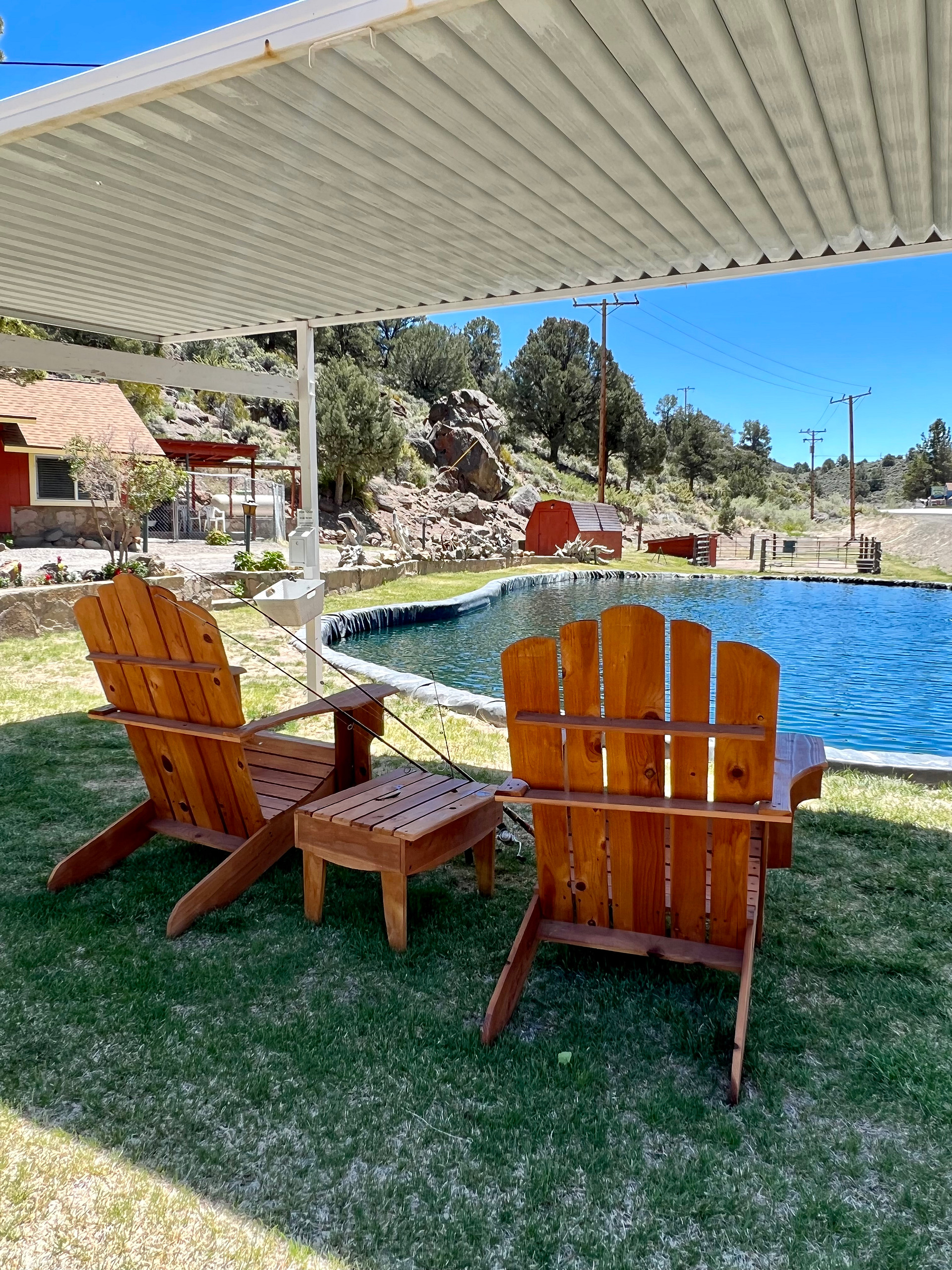

4. Willow Springs Resort


5. Meadow View Haven


6. Yosemite Foothills Camp


7. Little Piece of Yosemite
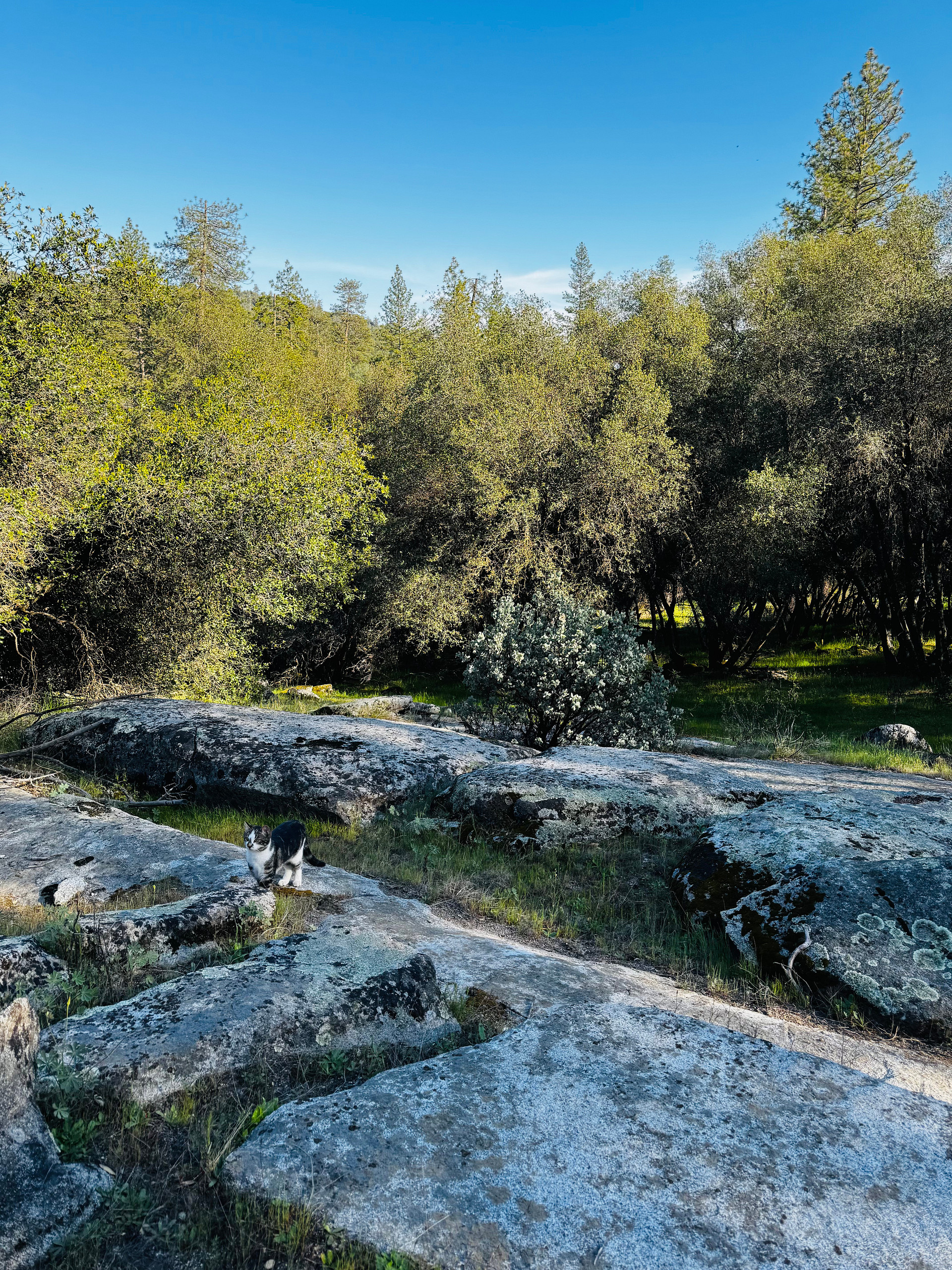
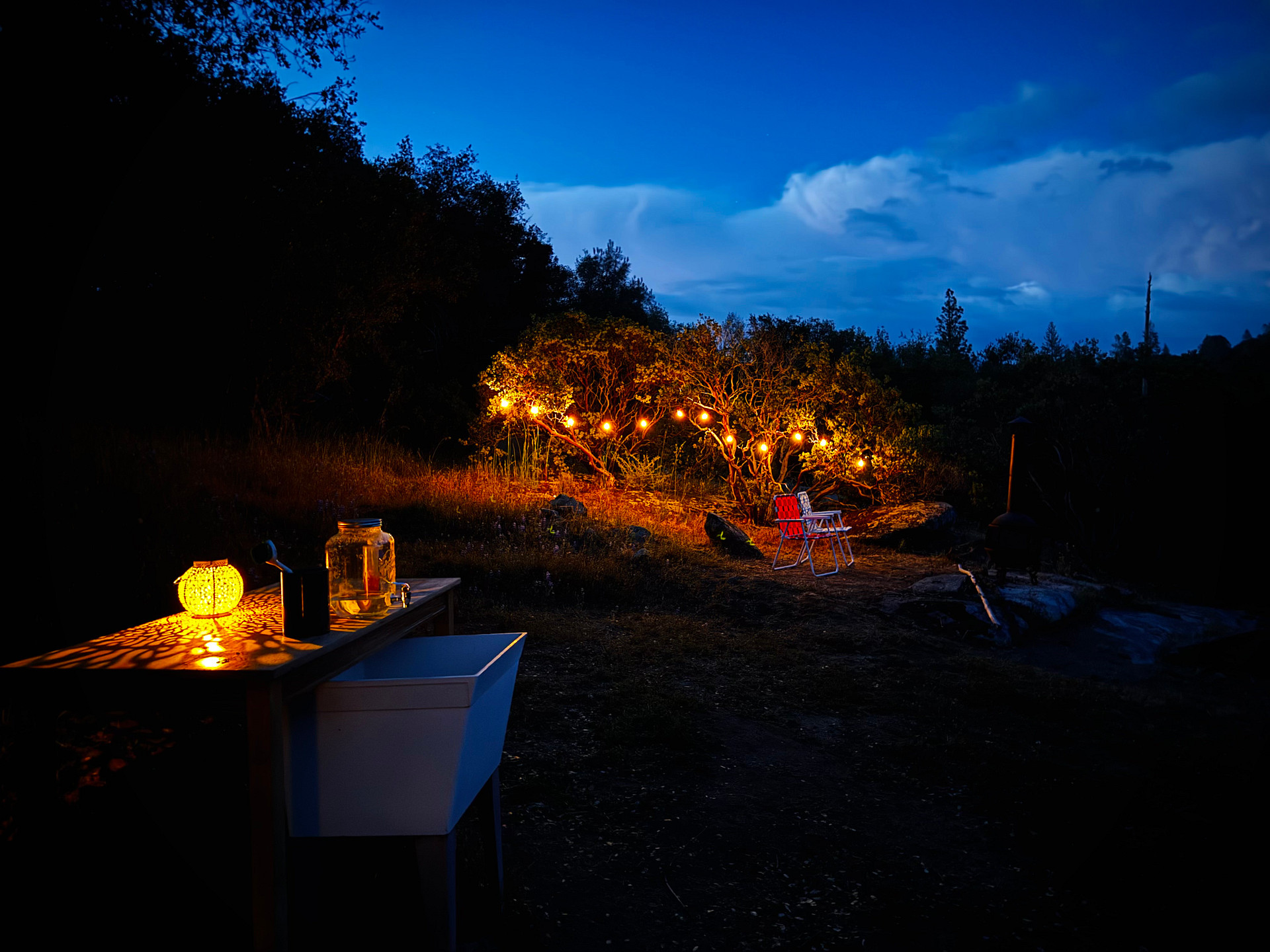
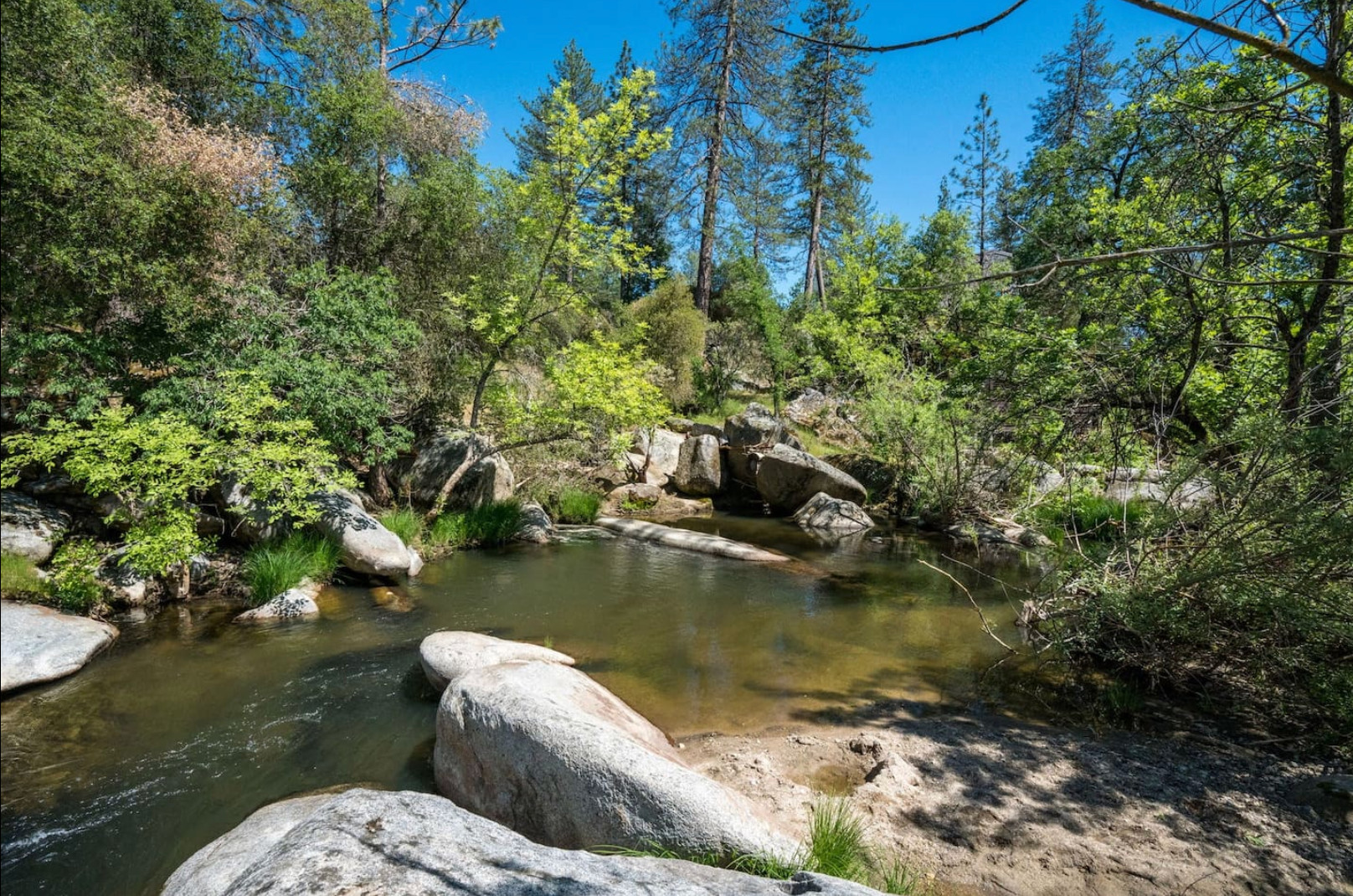
8. Swimming + Stargazing Near Yosemite
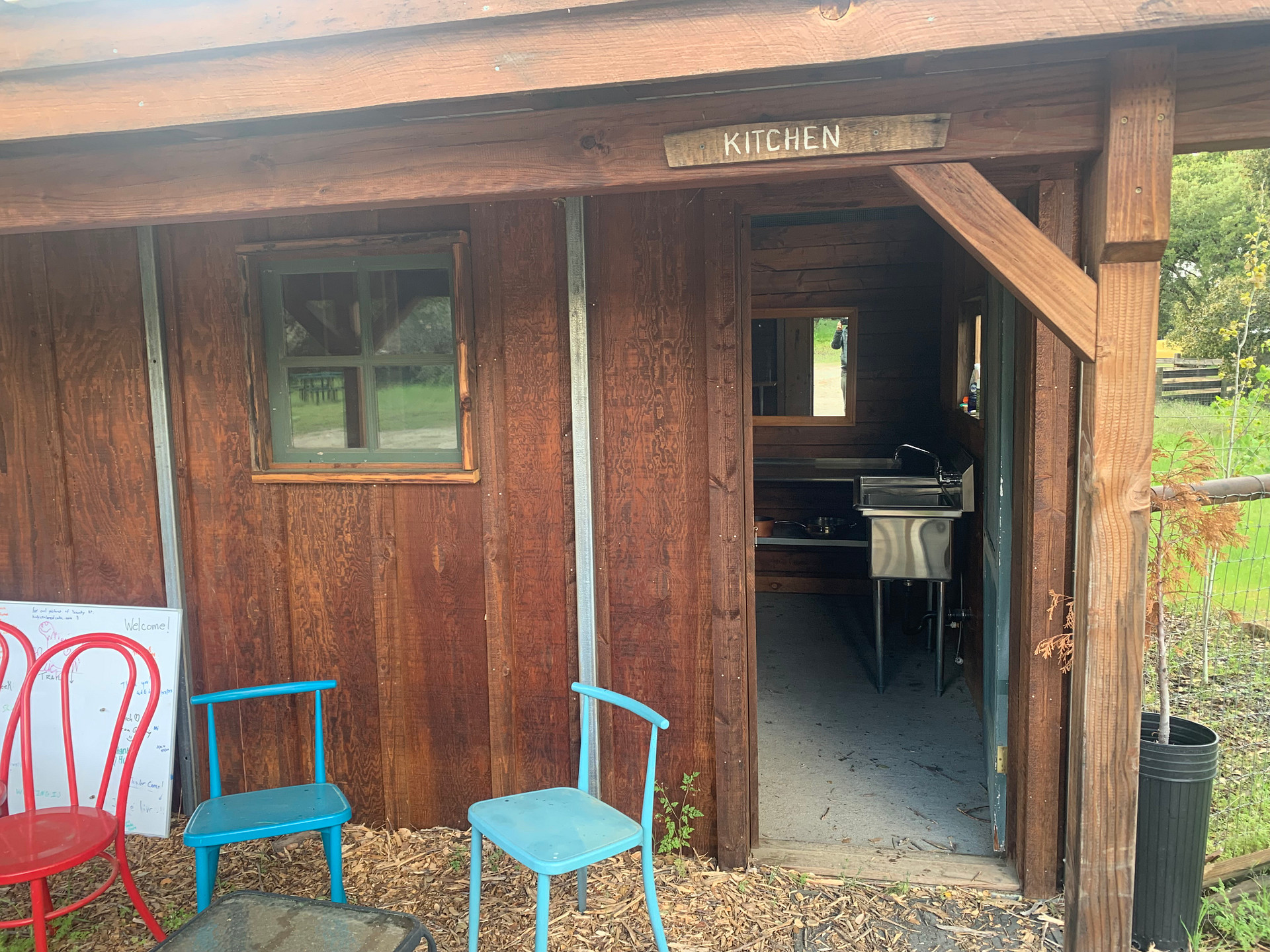
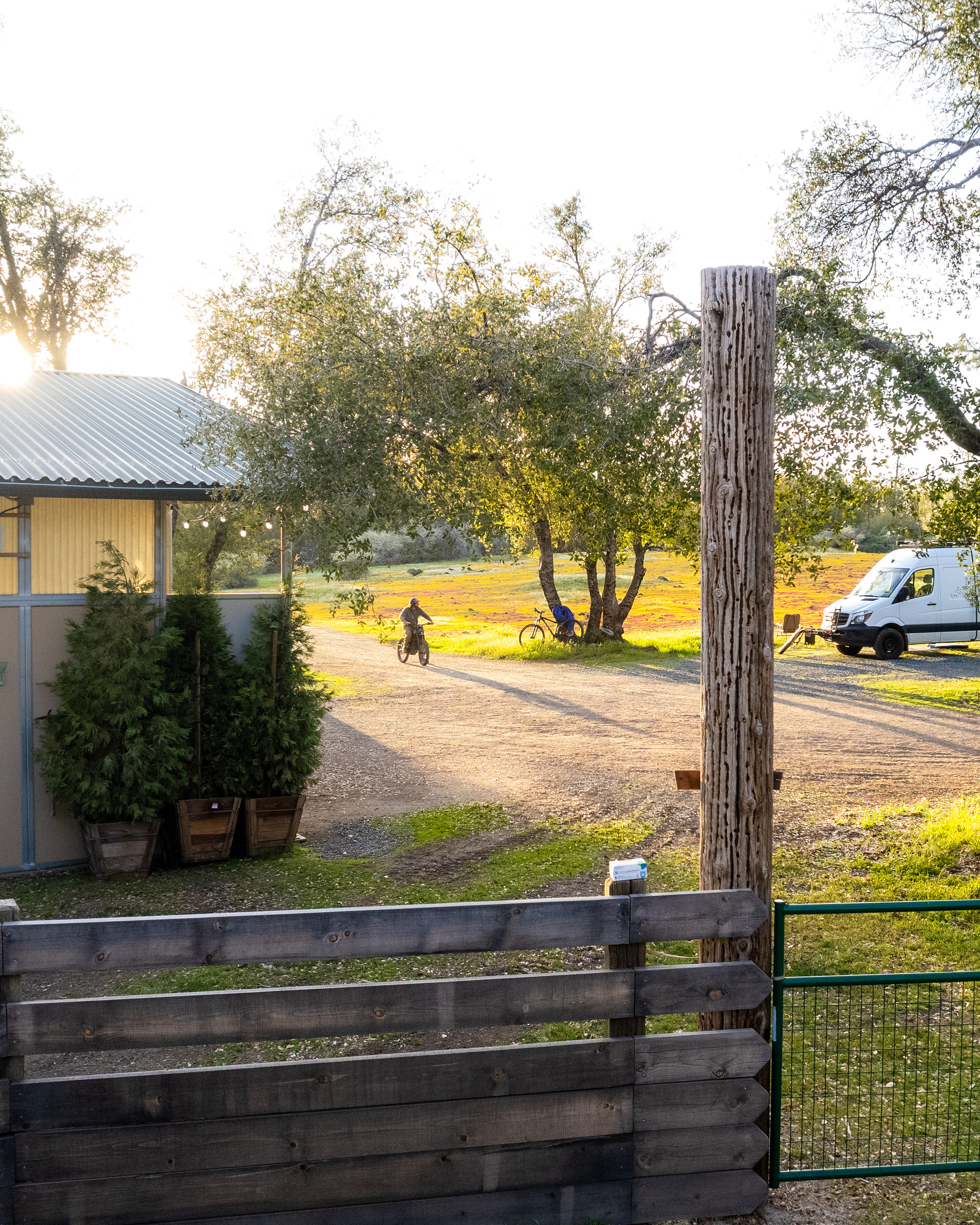
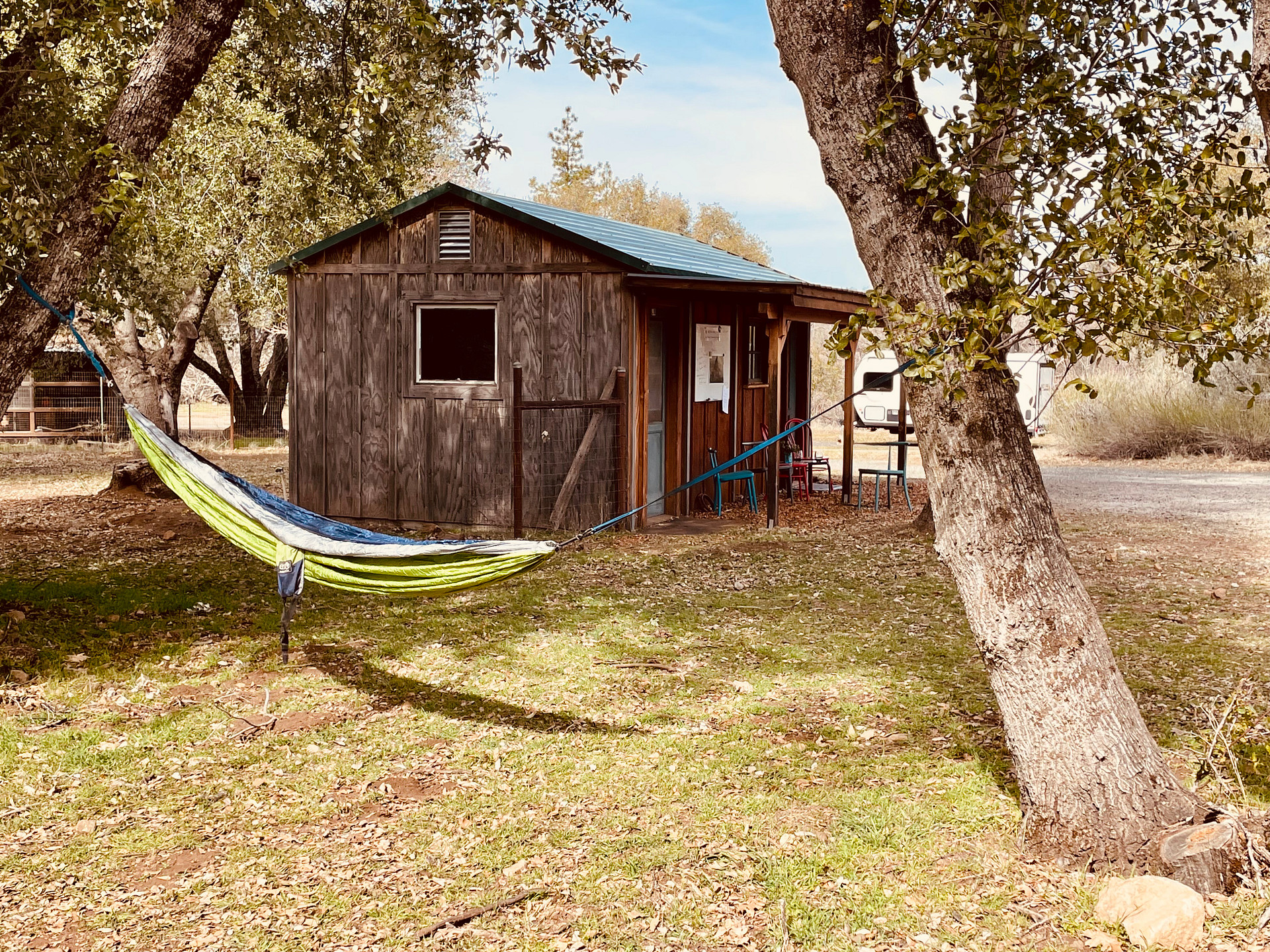
9. Red Tail Ranch at Yosemite
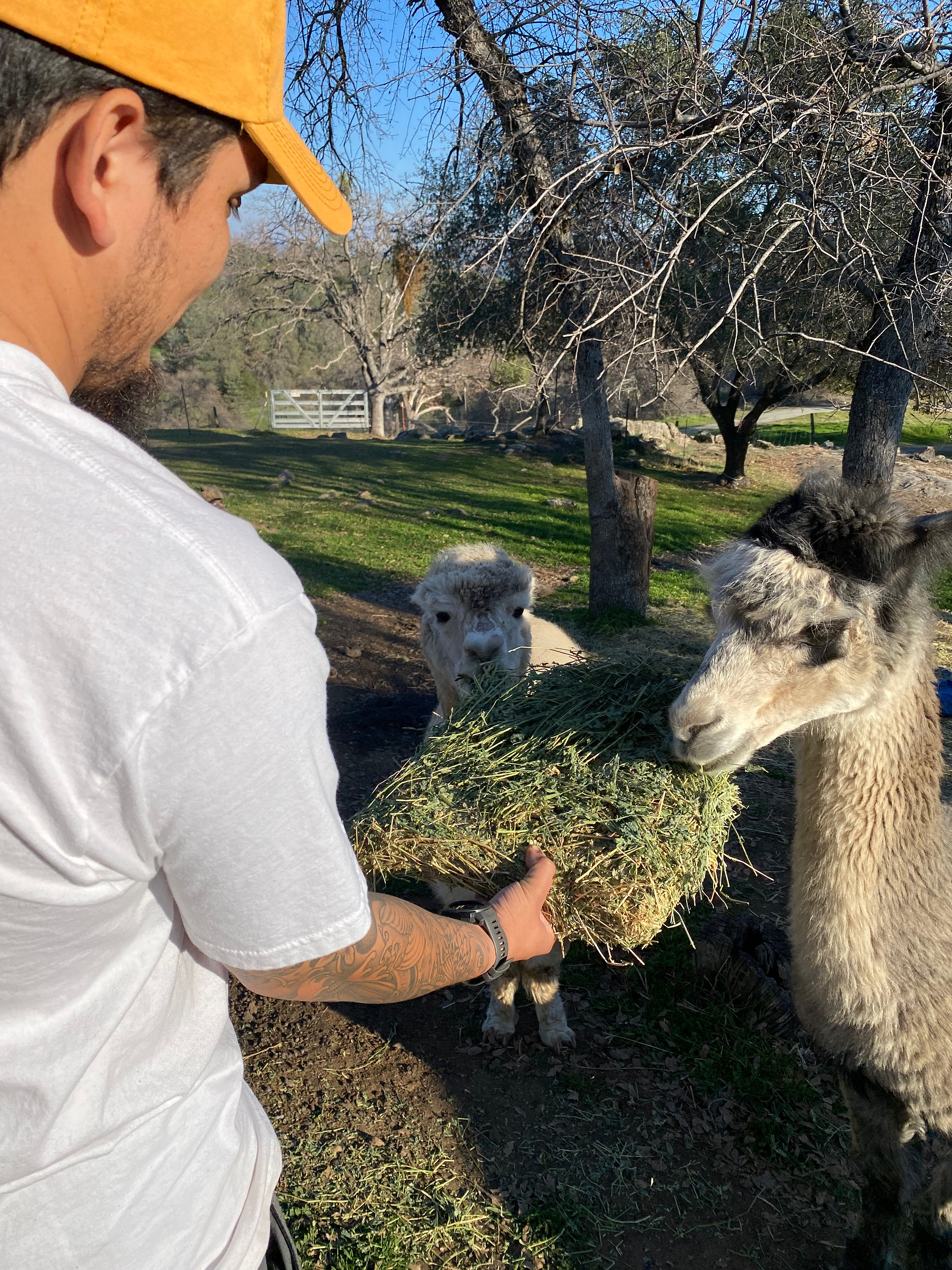
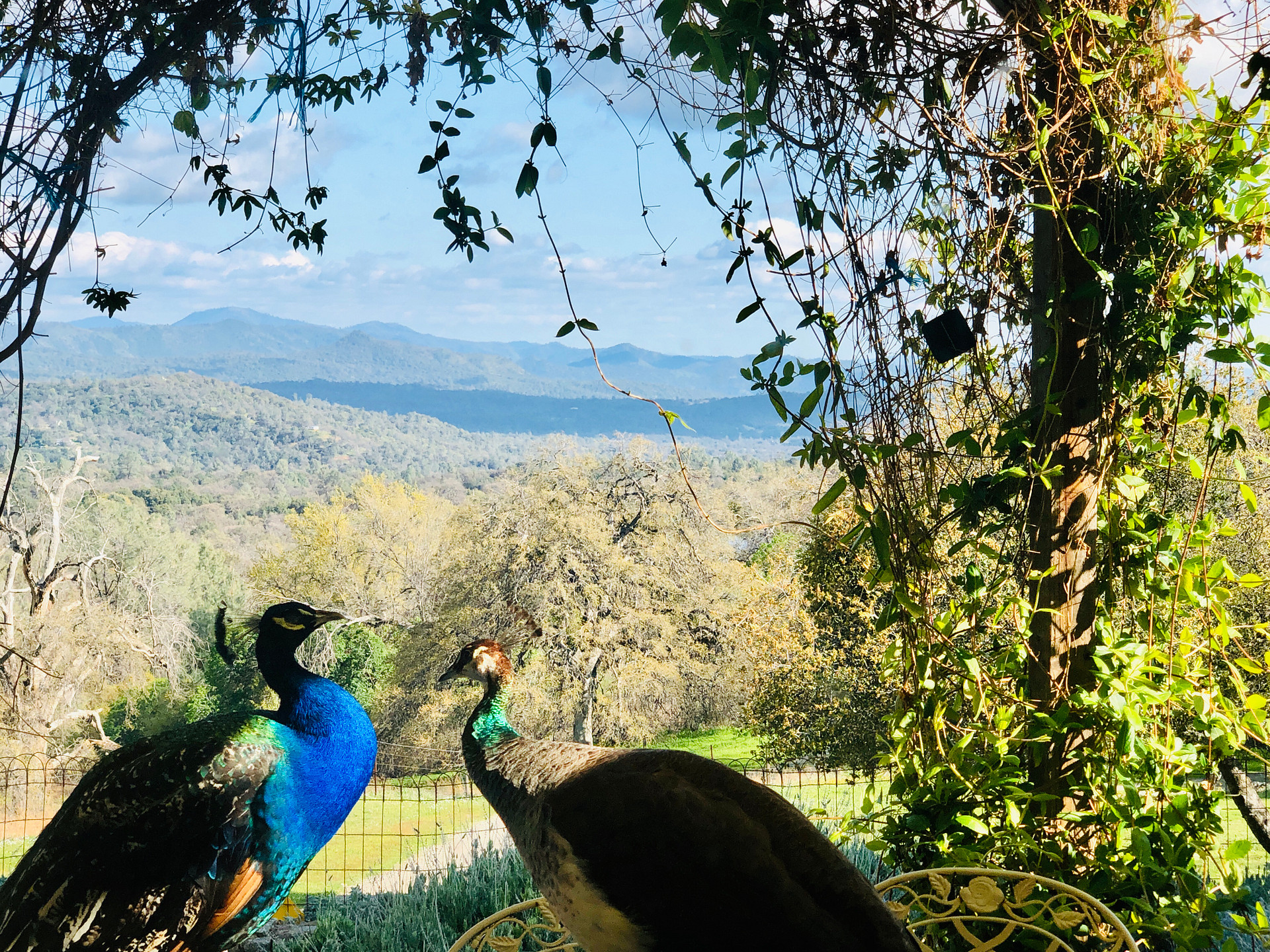
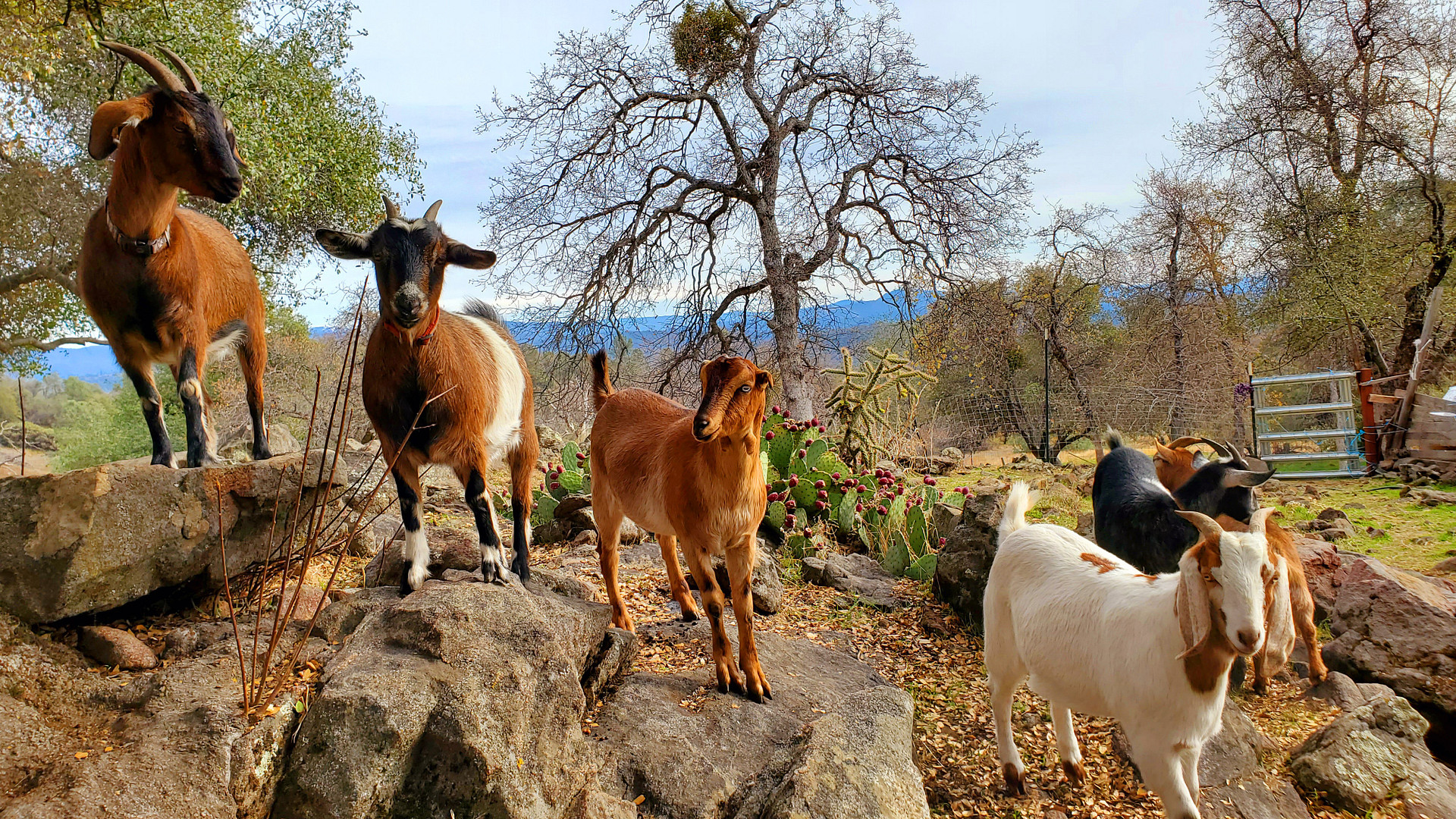
10. Camp with Critters


11. BaseCampByBo!
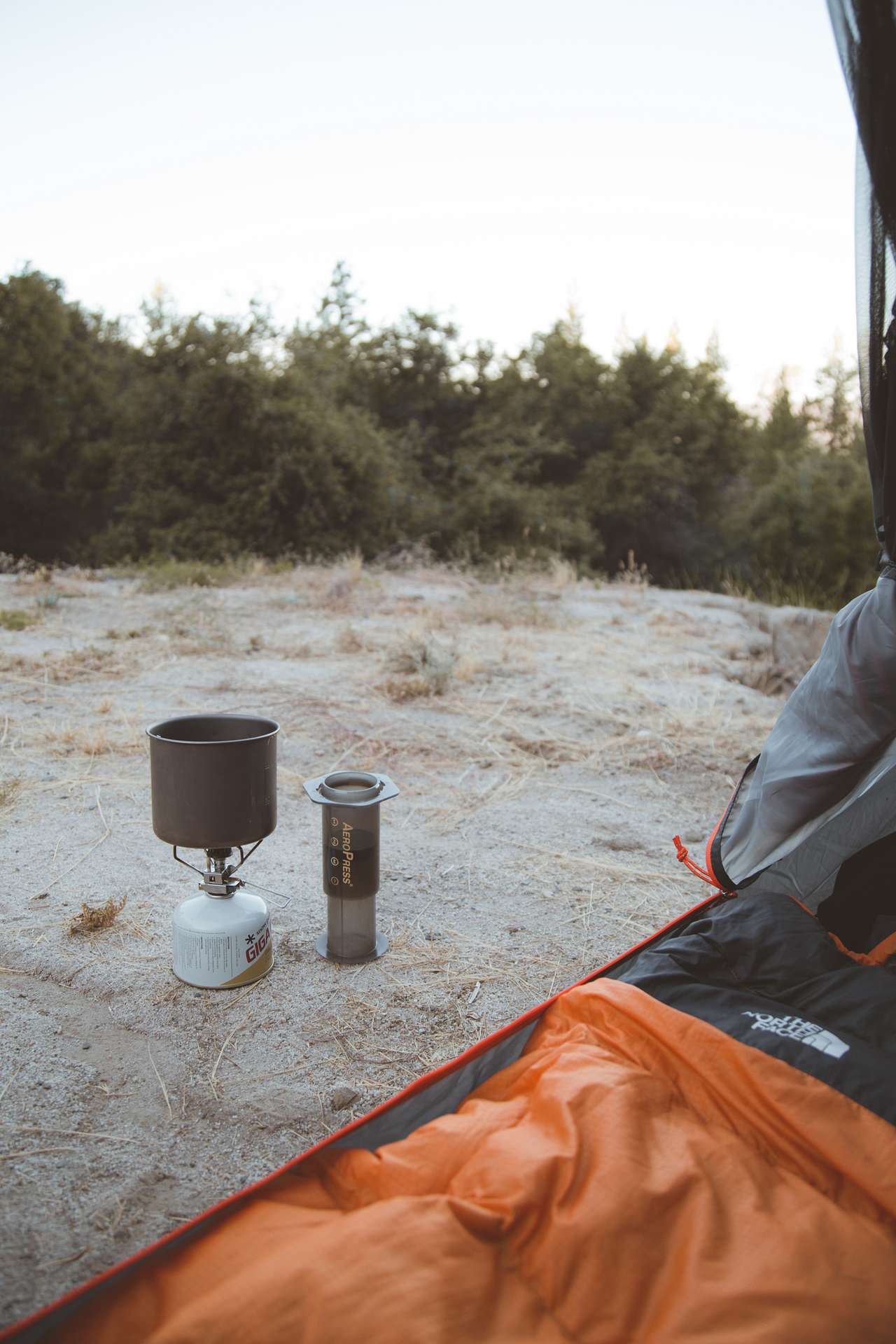
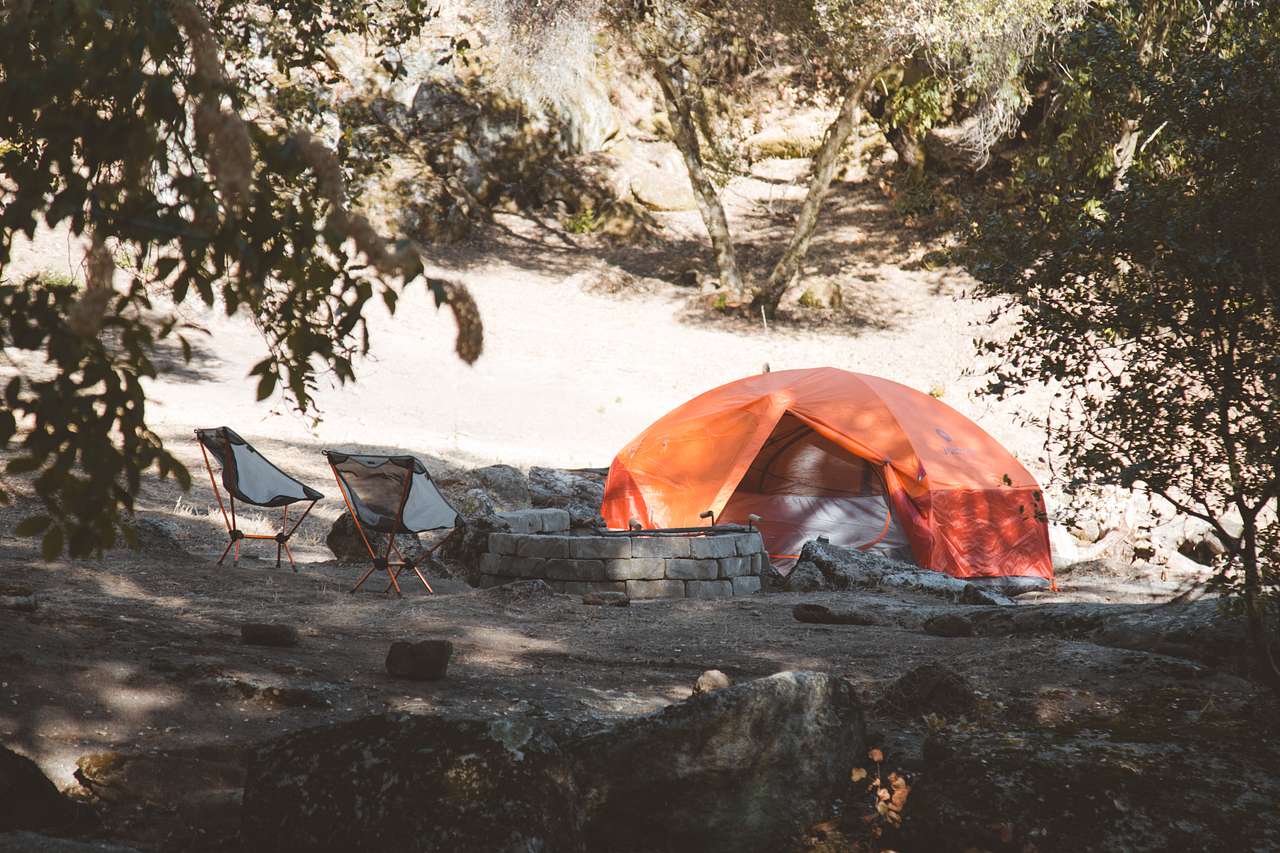
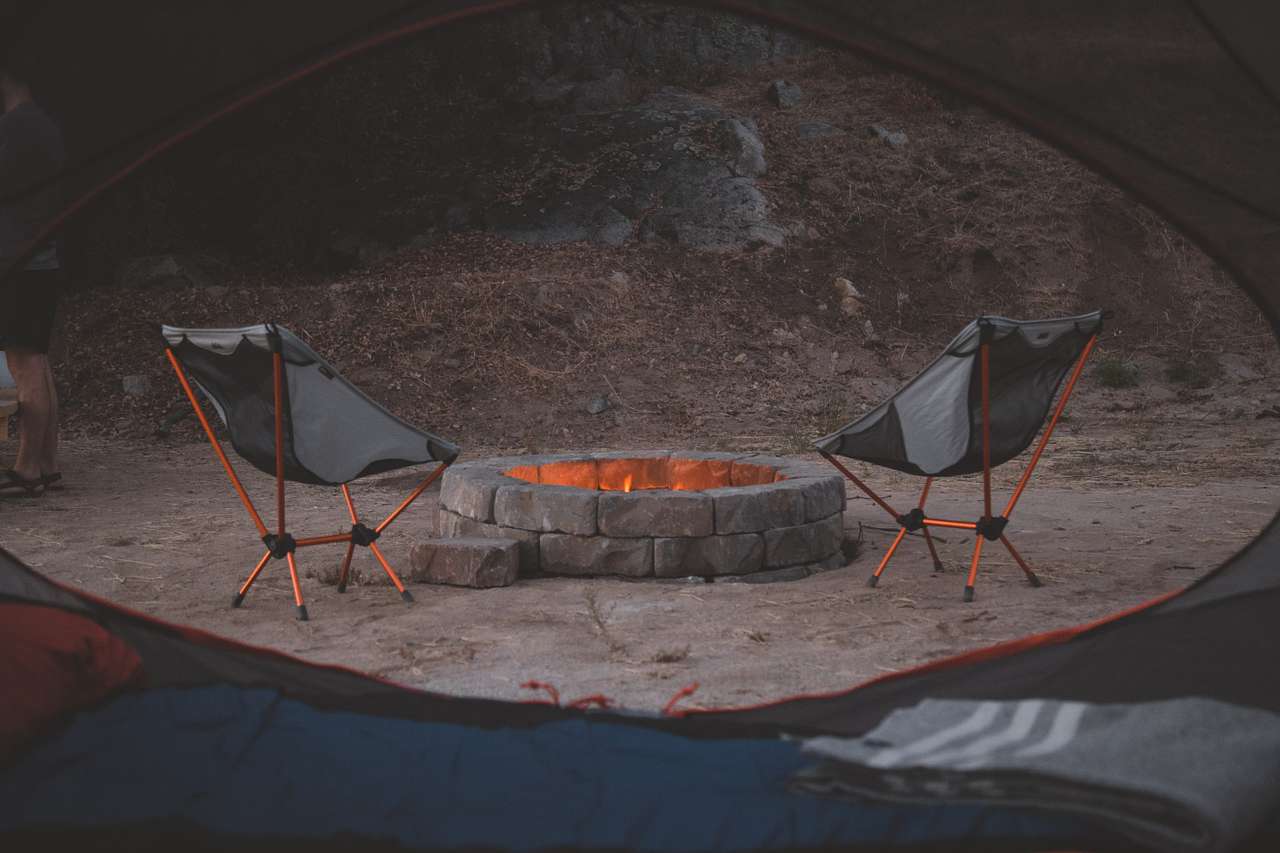
12. Yosemite Southgate Campground *OYBC
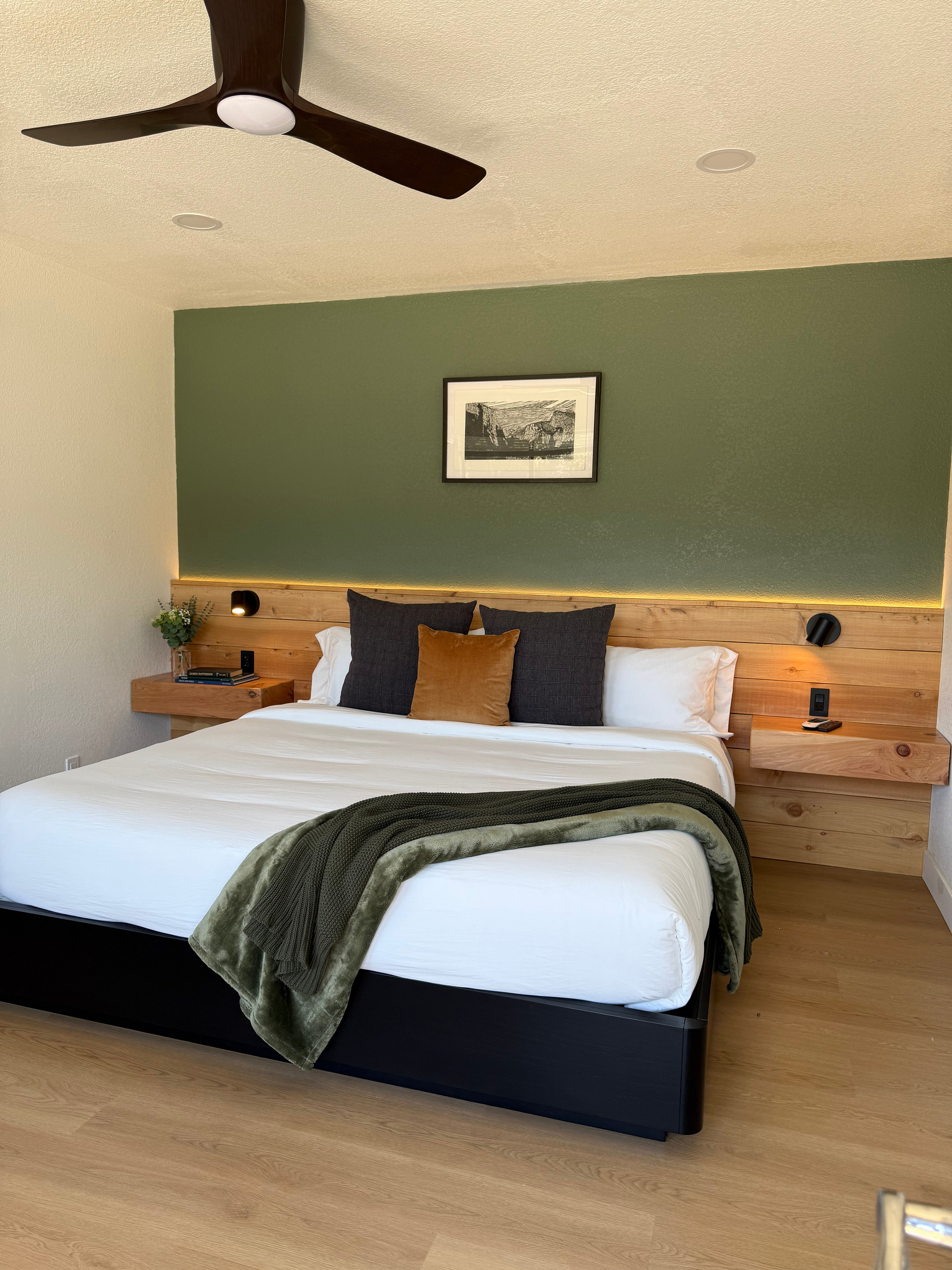
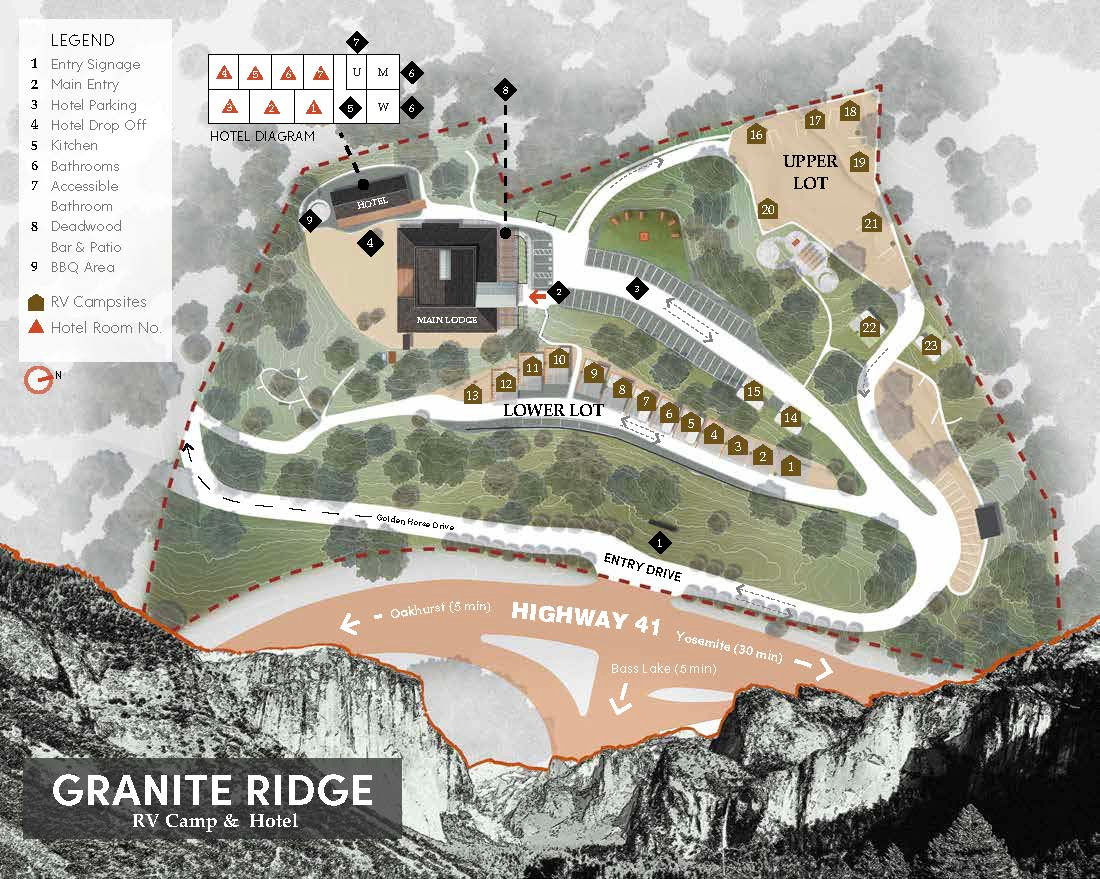
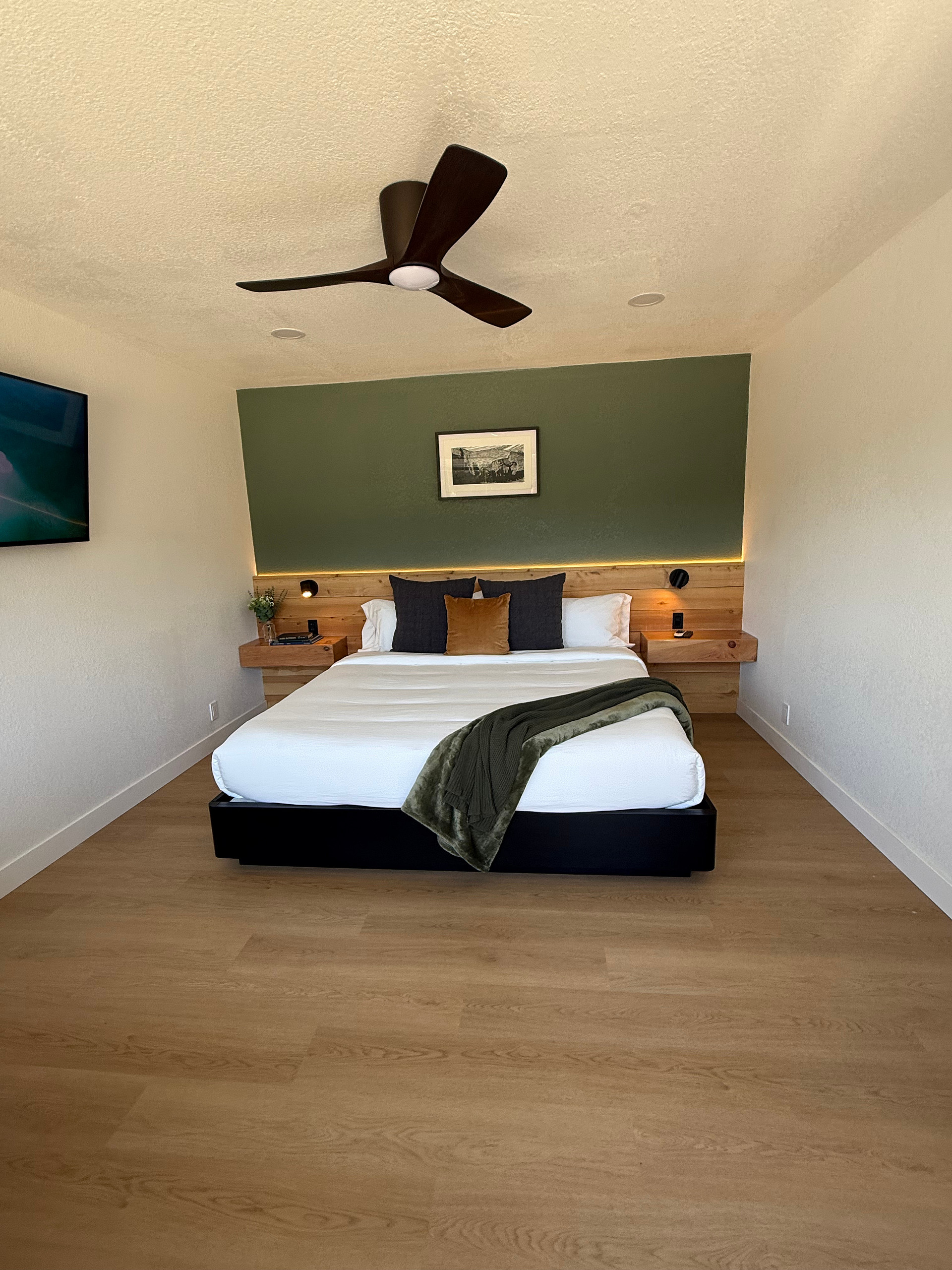
13. Granite Ridge RV Park and Hotel
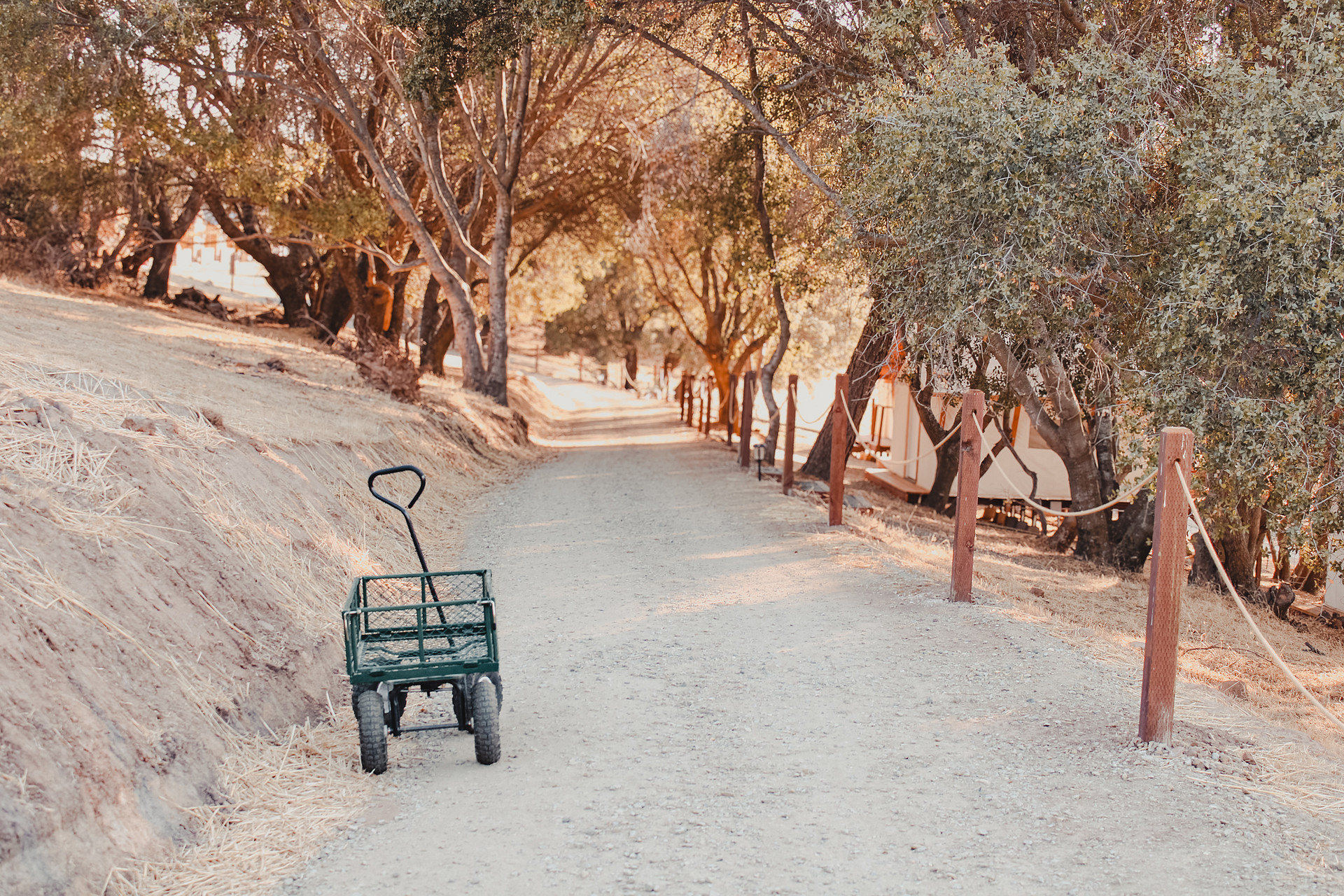
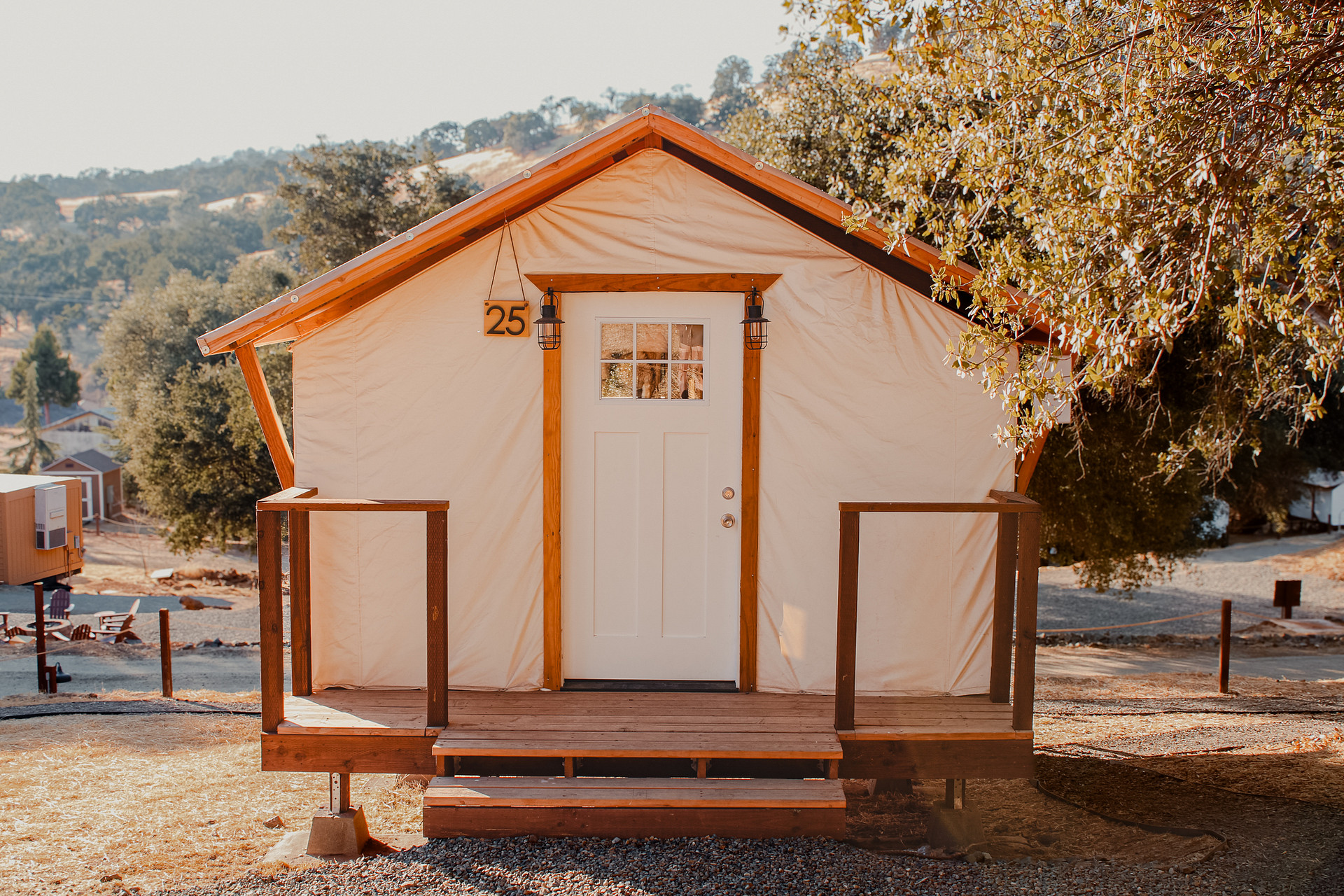
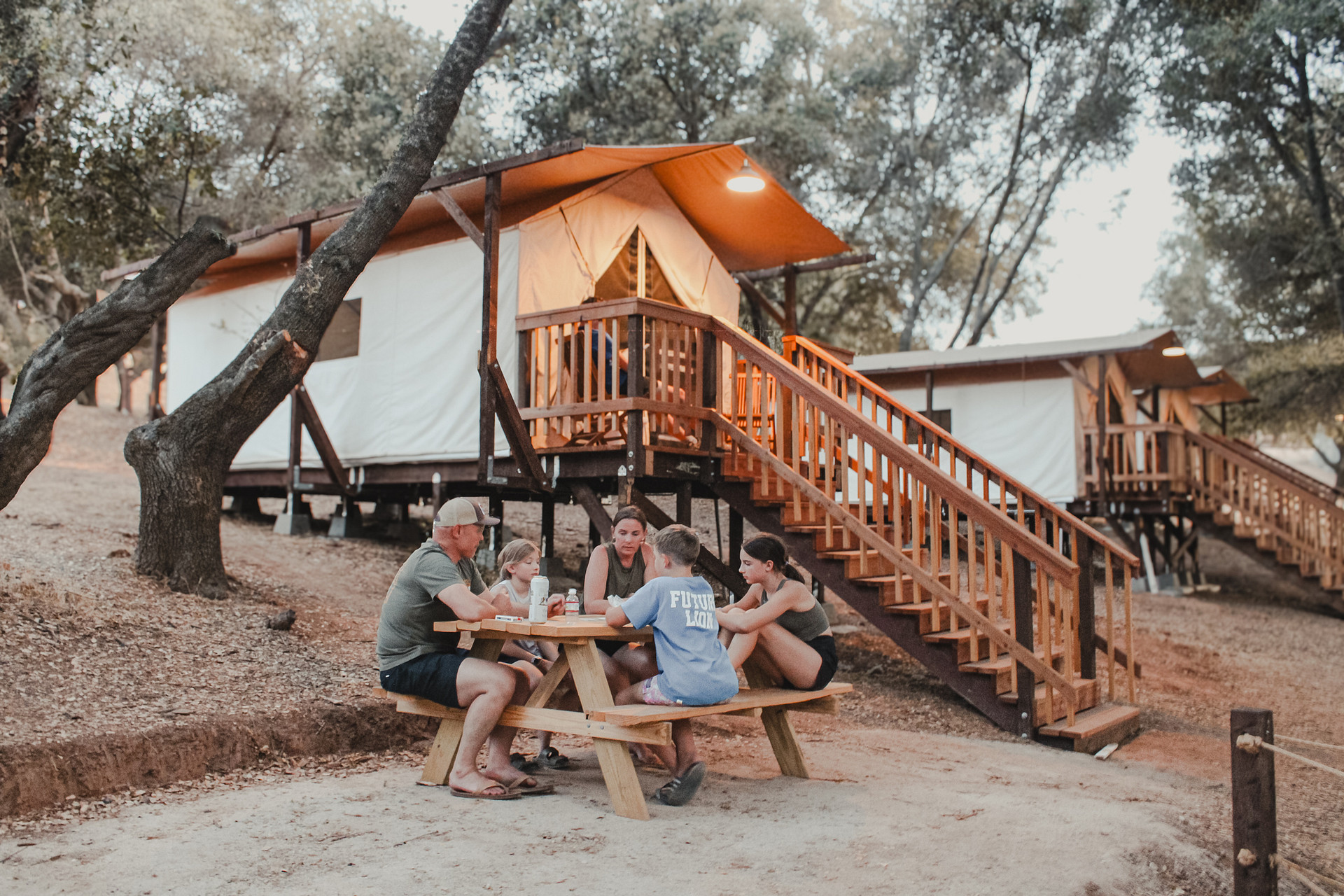
14. Wildhaven Yosemite Glamping
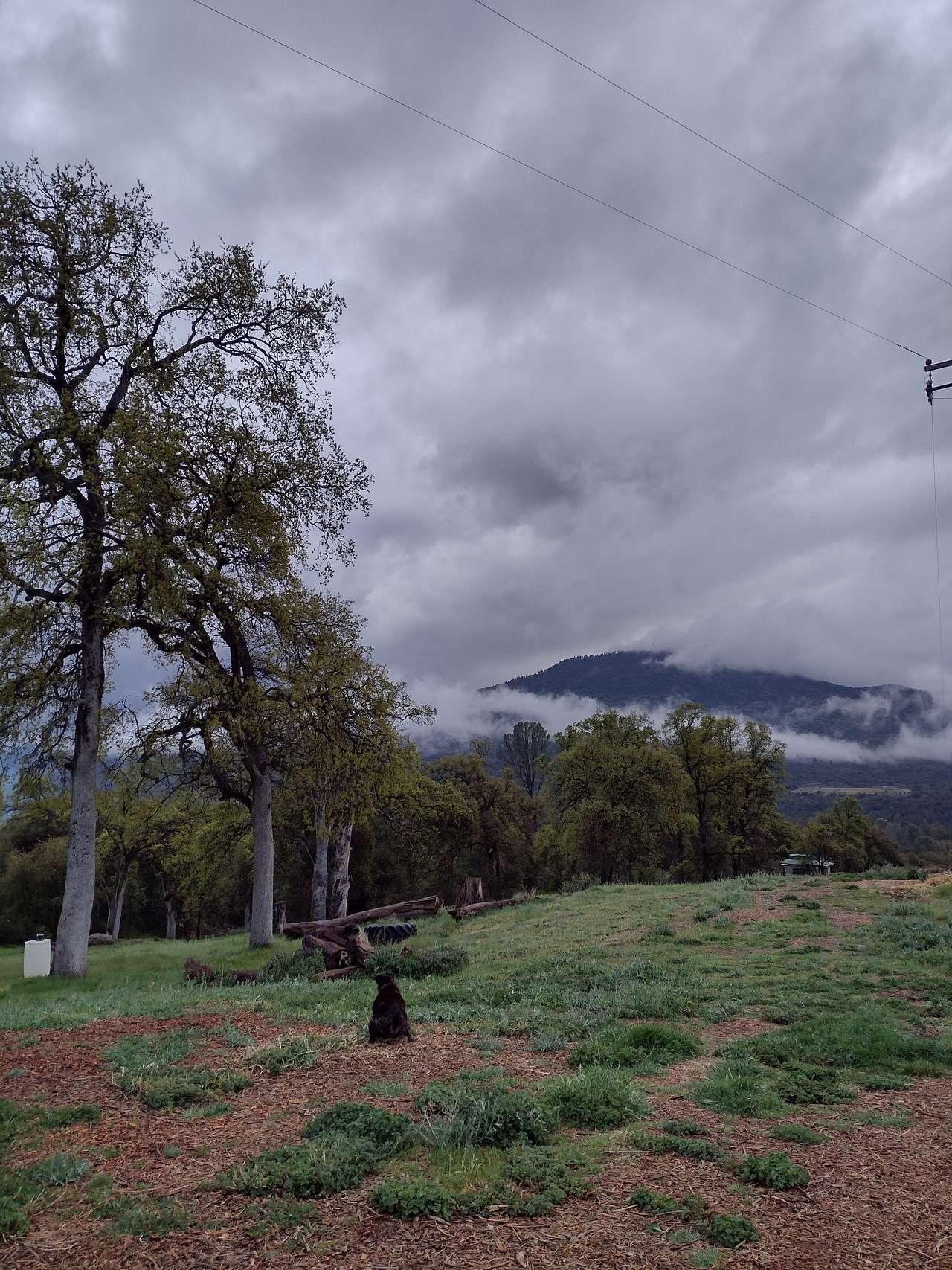
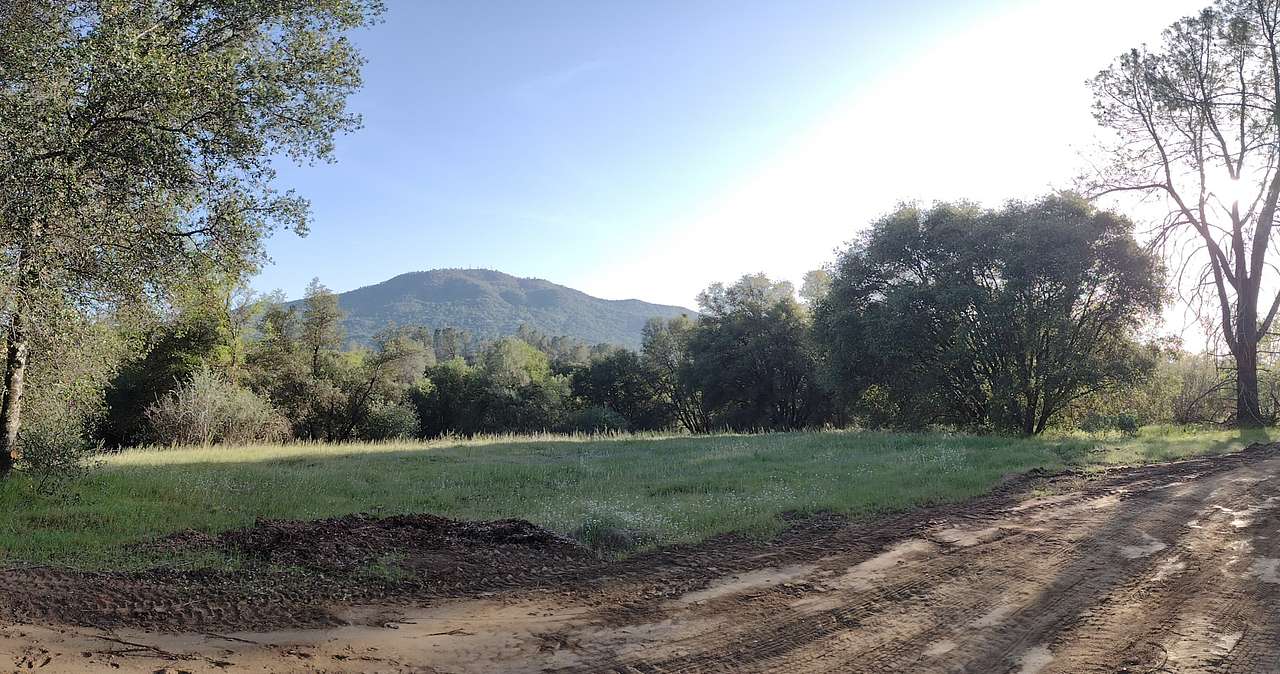
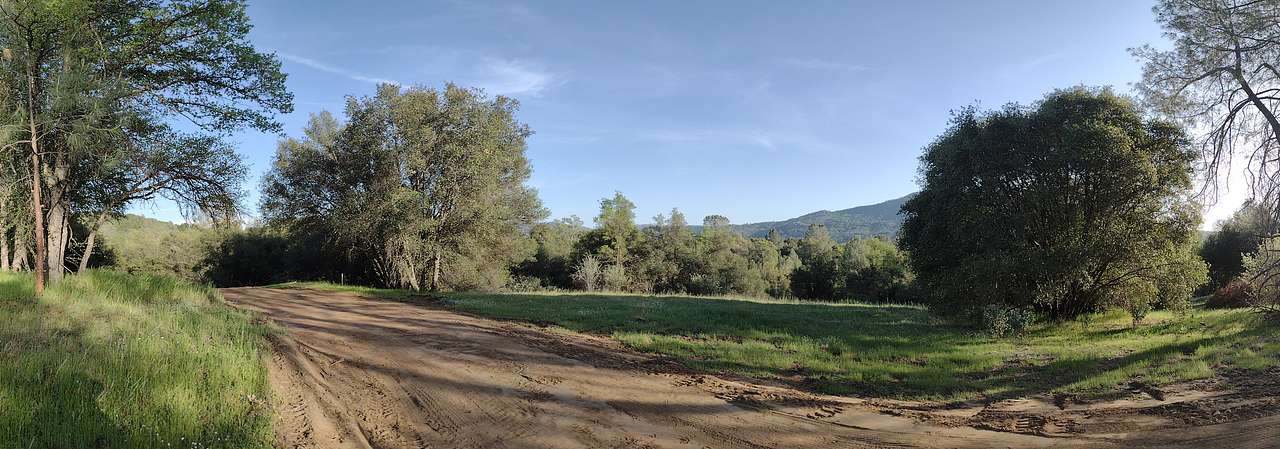
15. Camp SourBerry (near Yosemite)
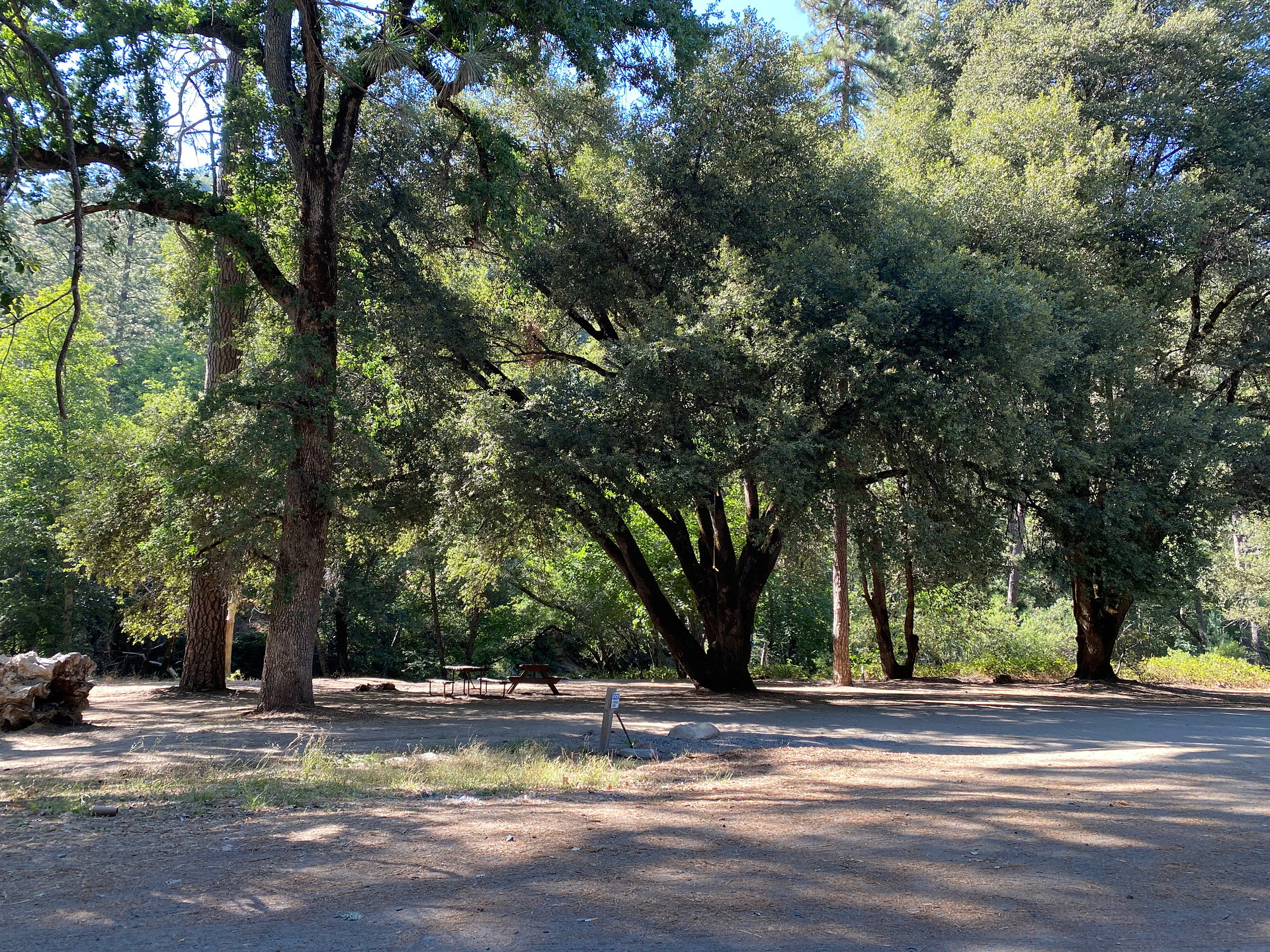
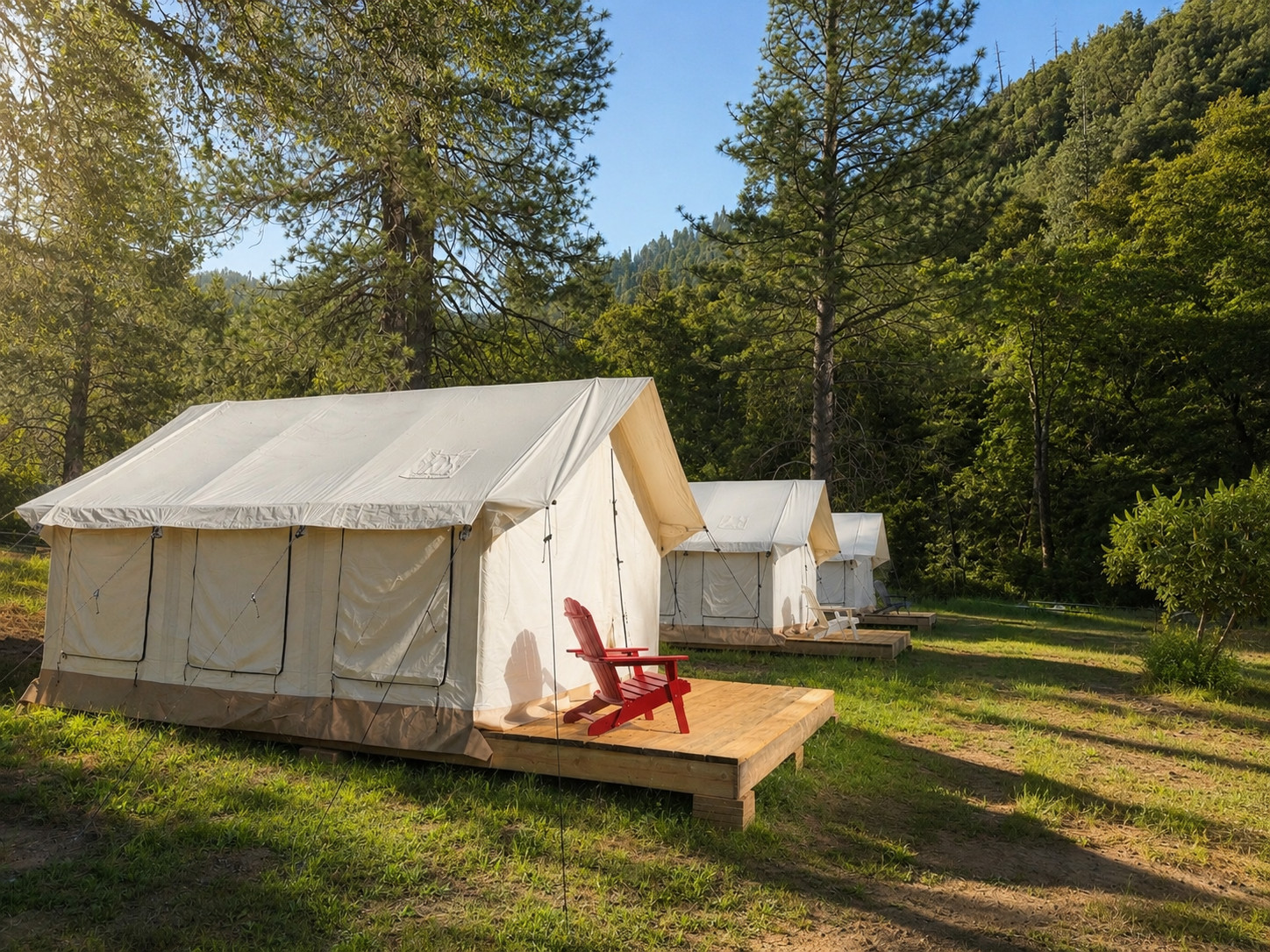
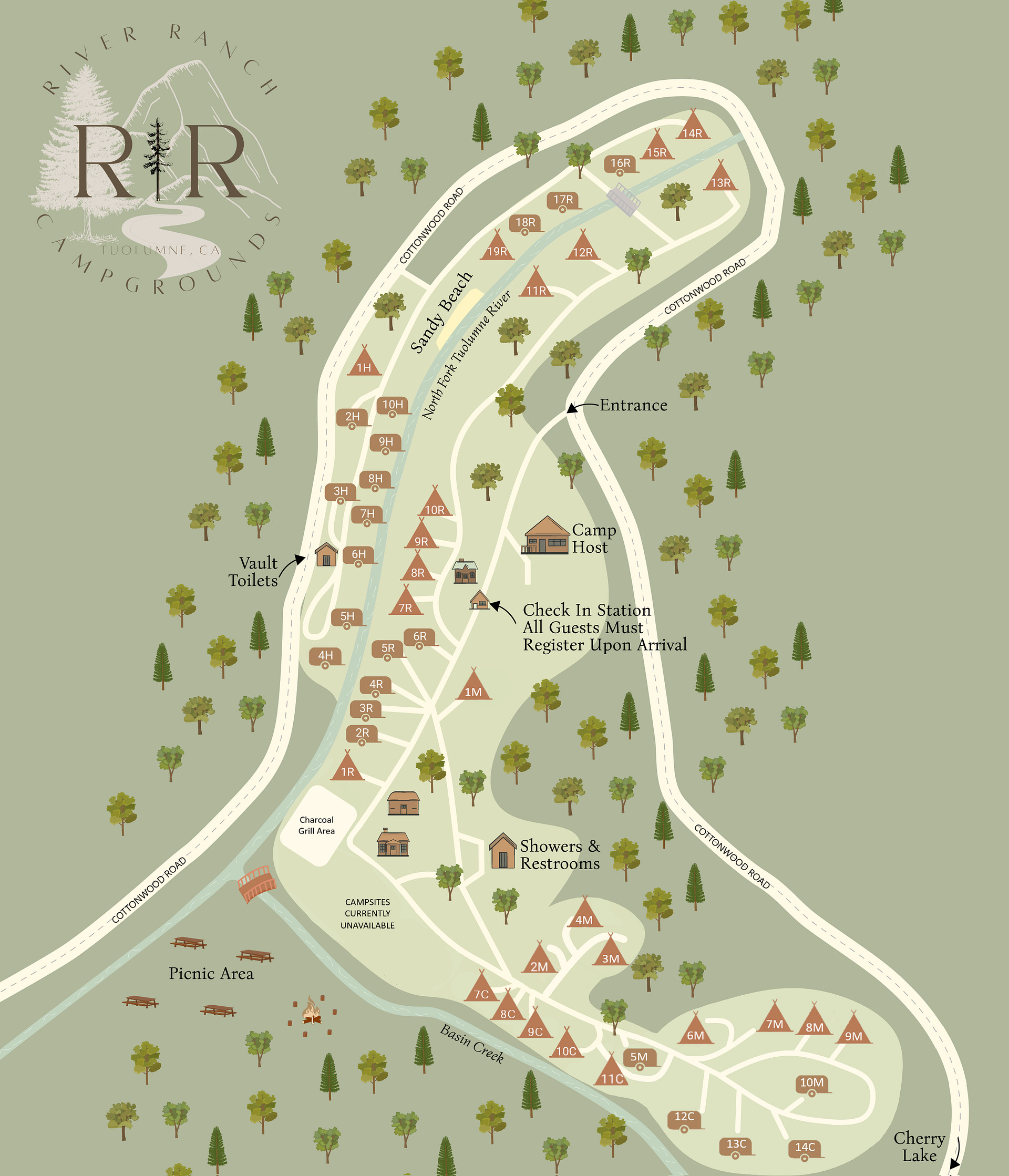
16. River Ranch Campgrounds
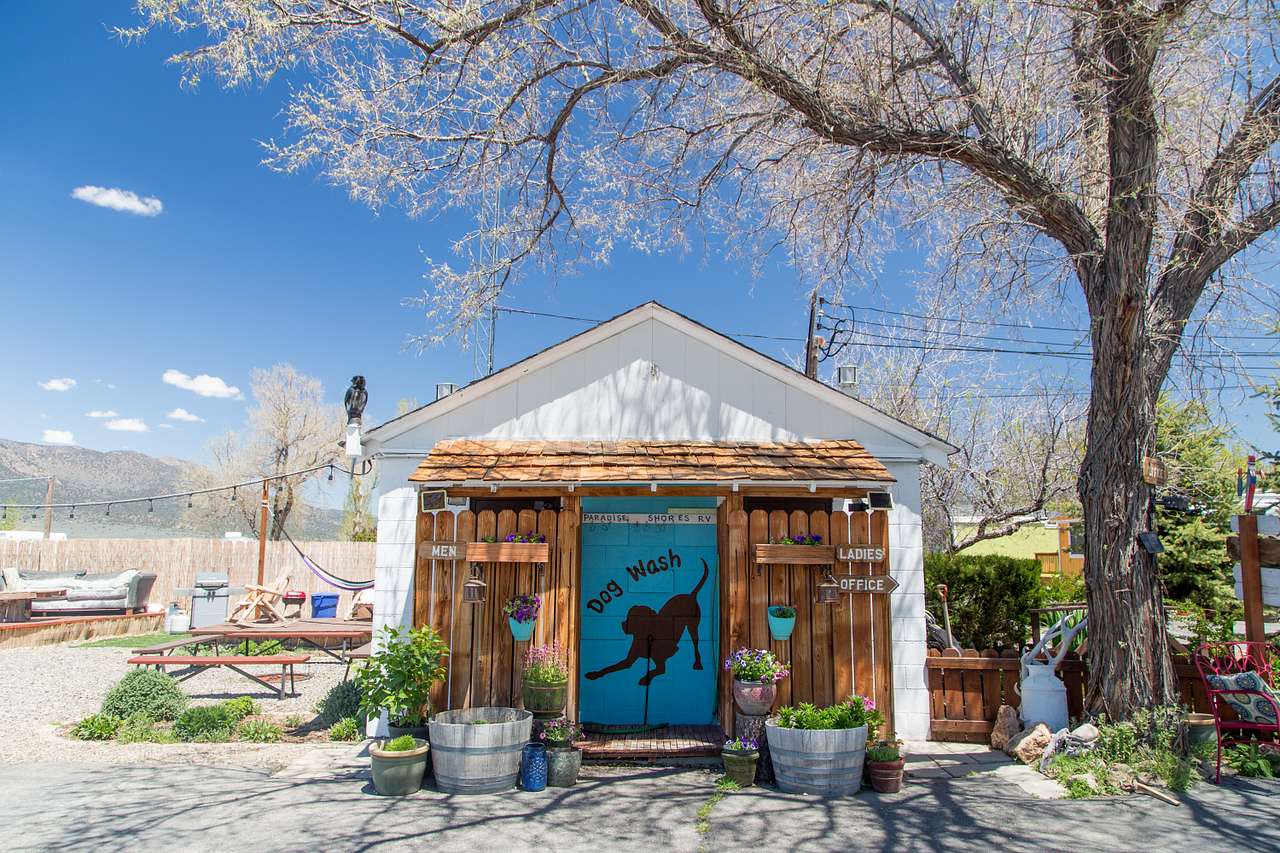
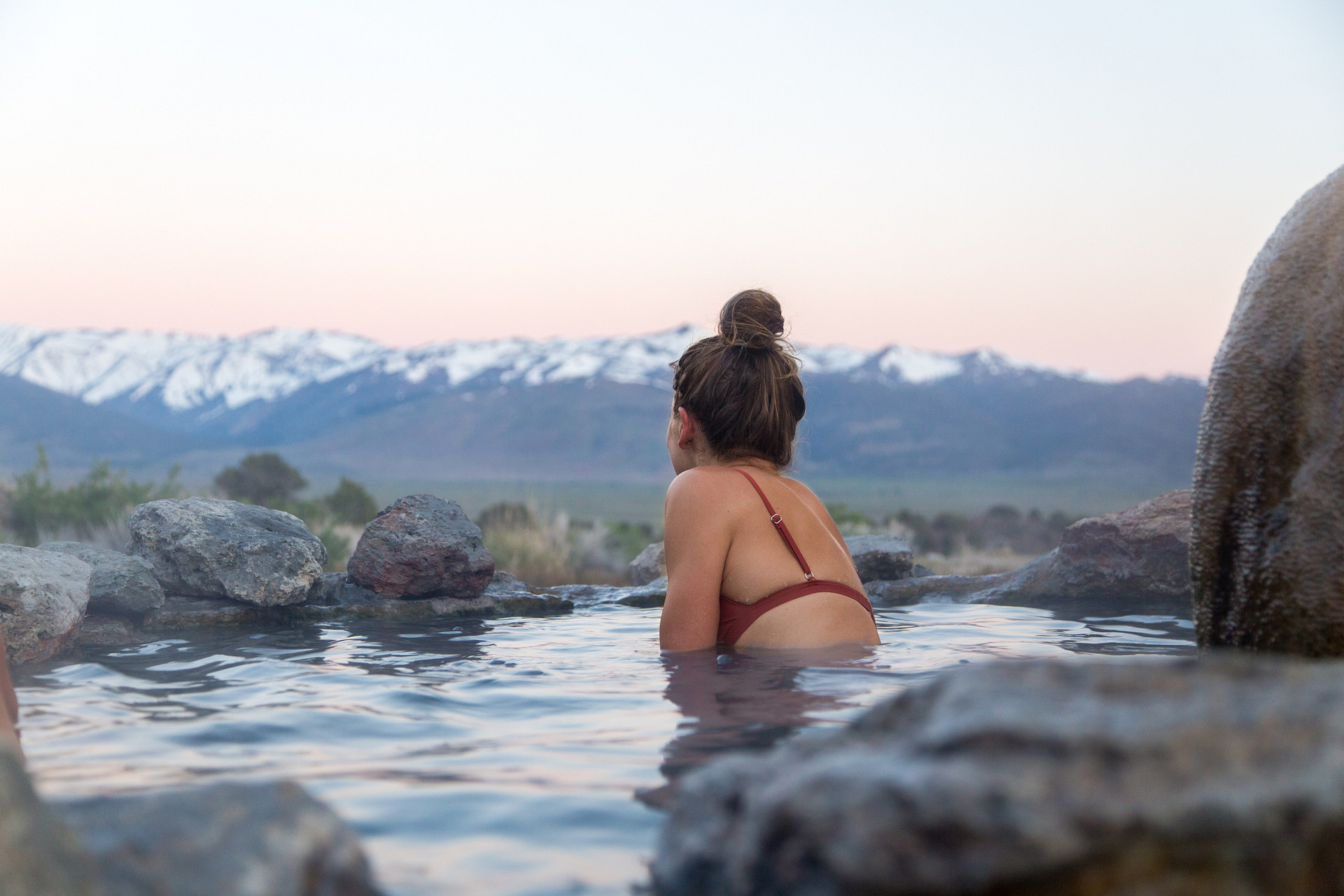
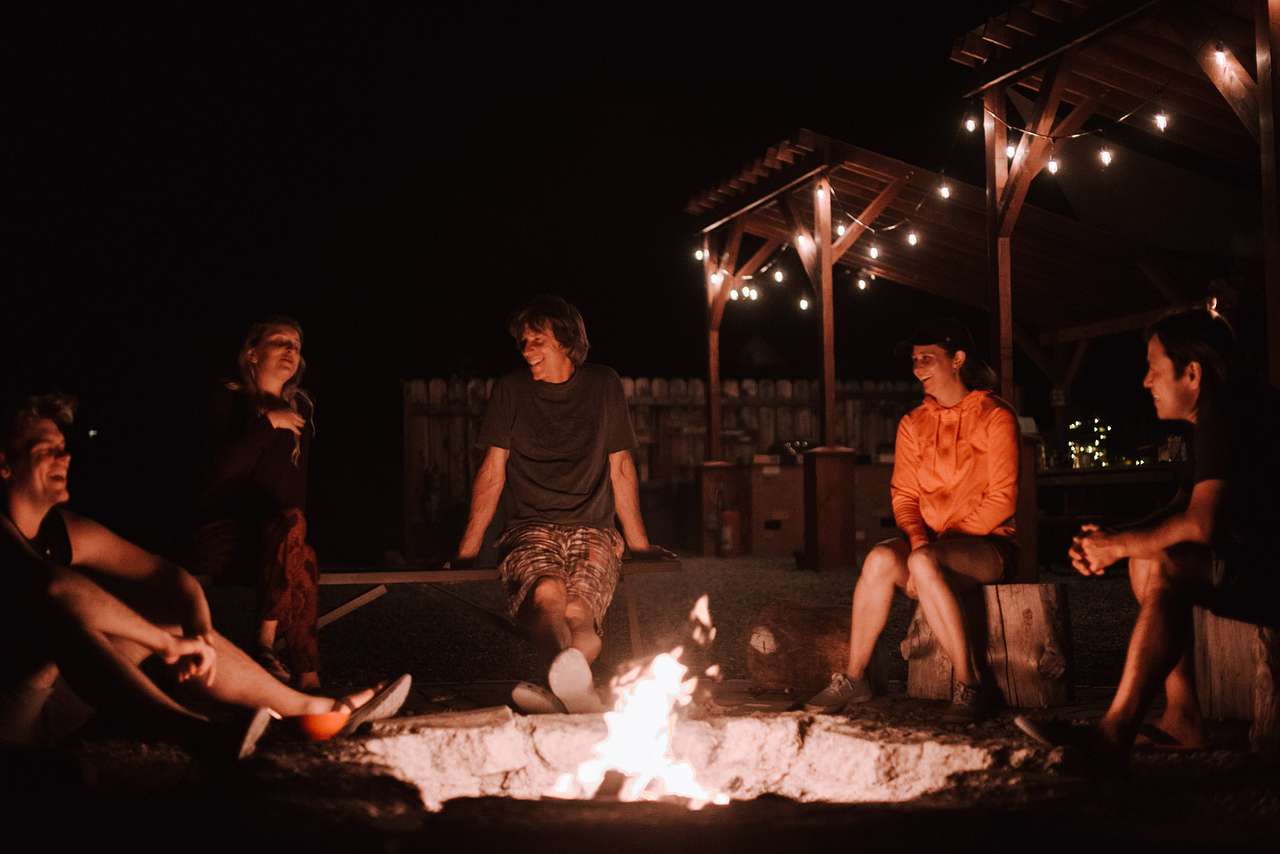
17. Paradise Shores Camp
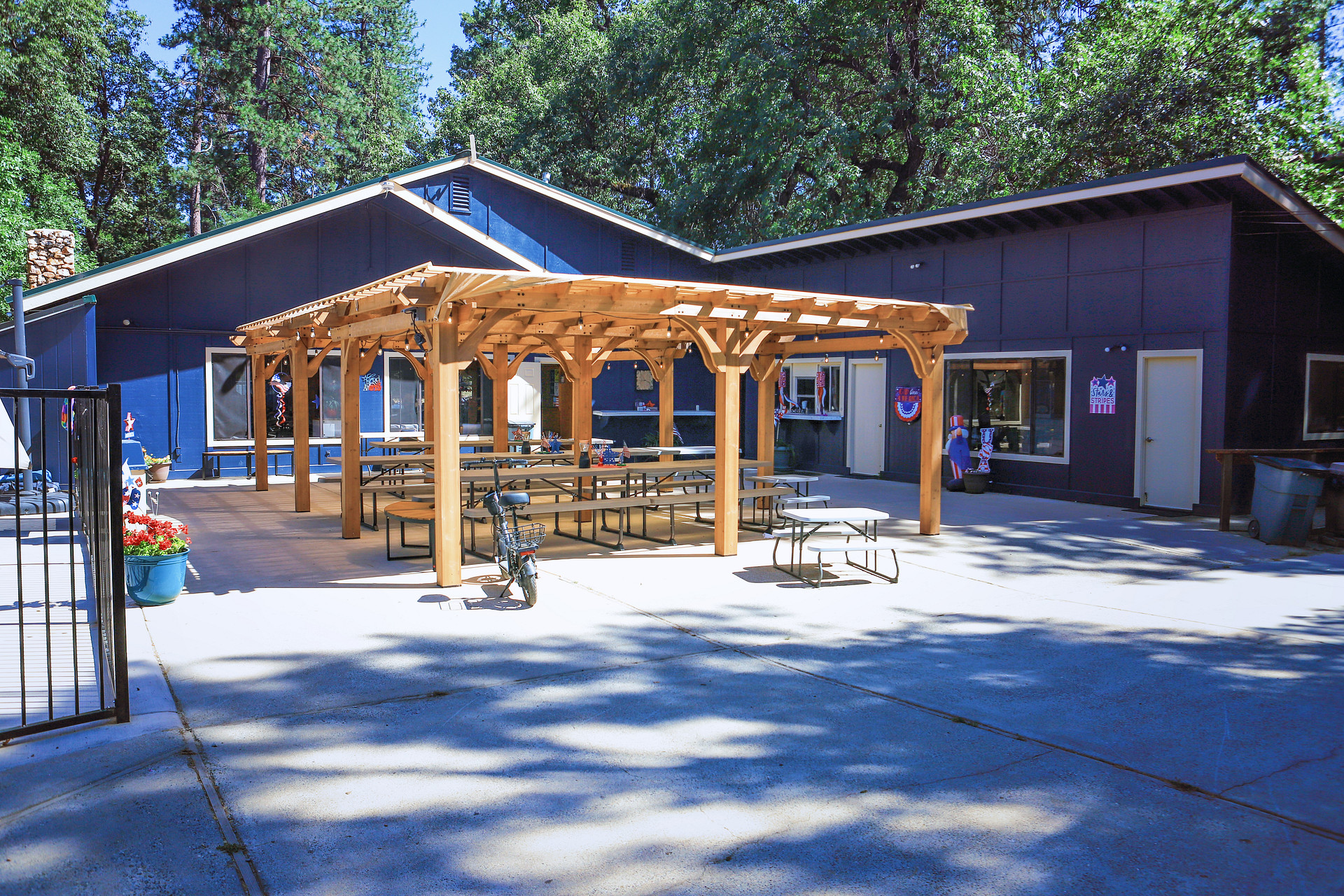
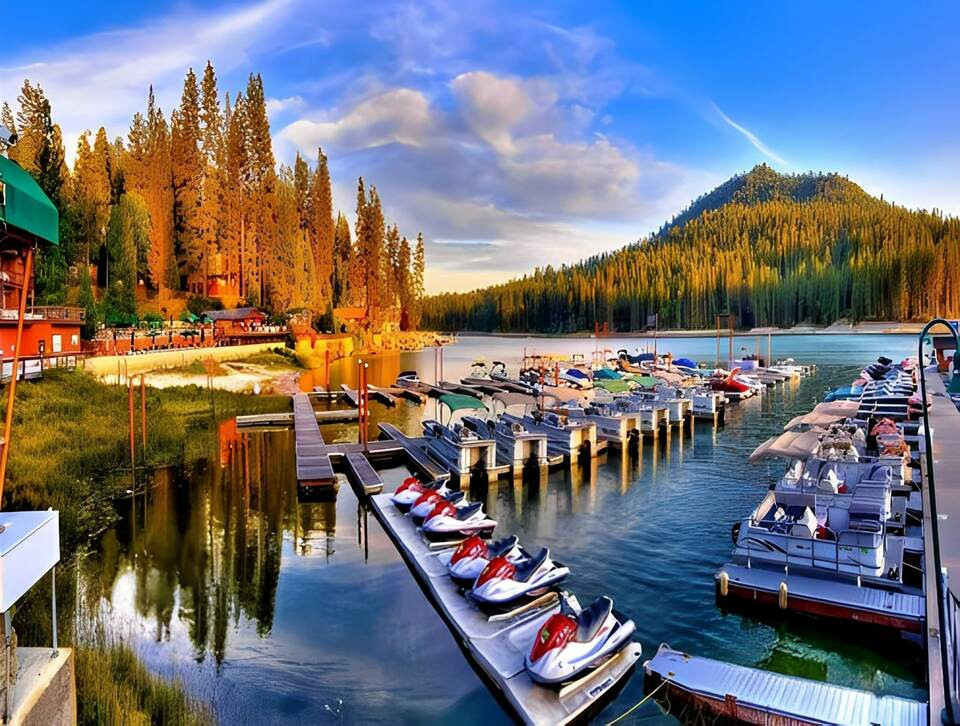
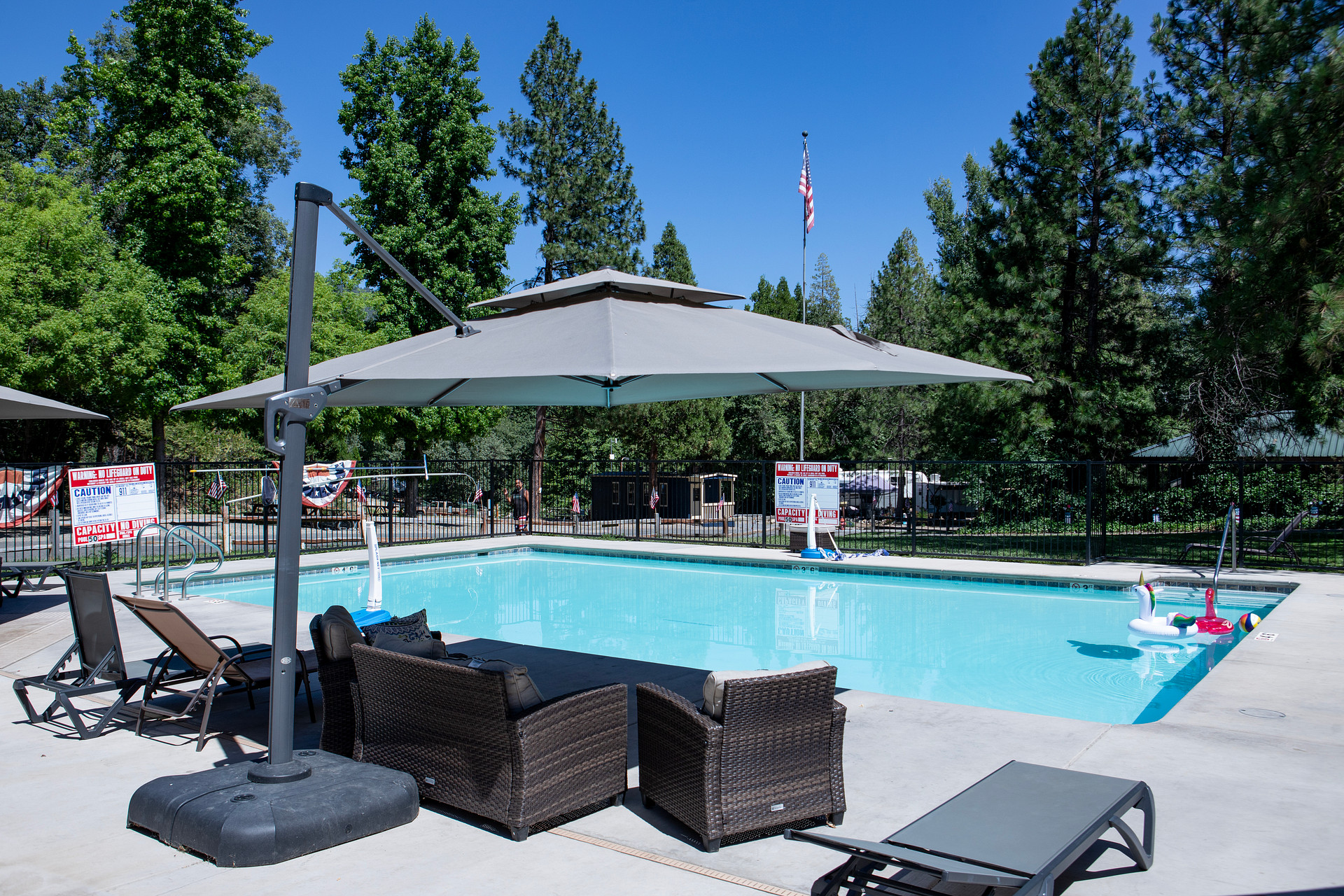
18. Outdoorsy Yosemite Campground
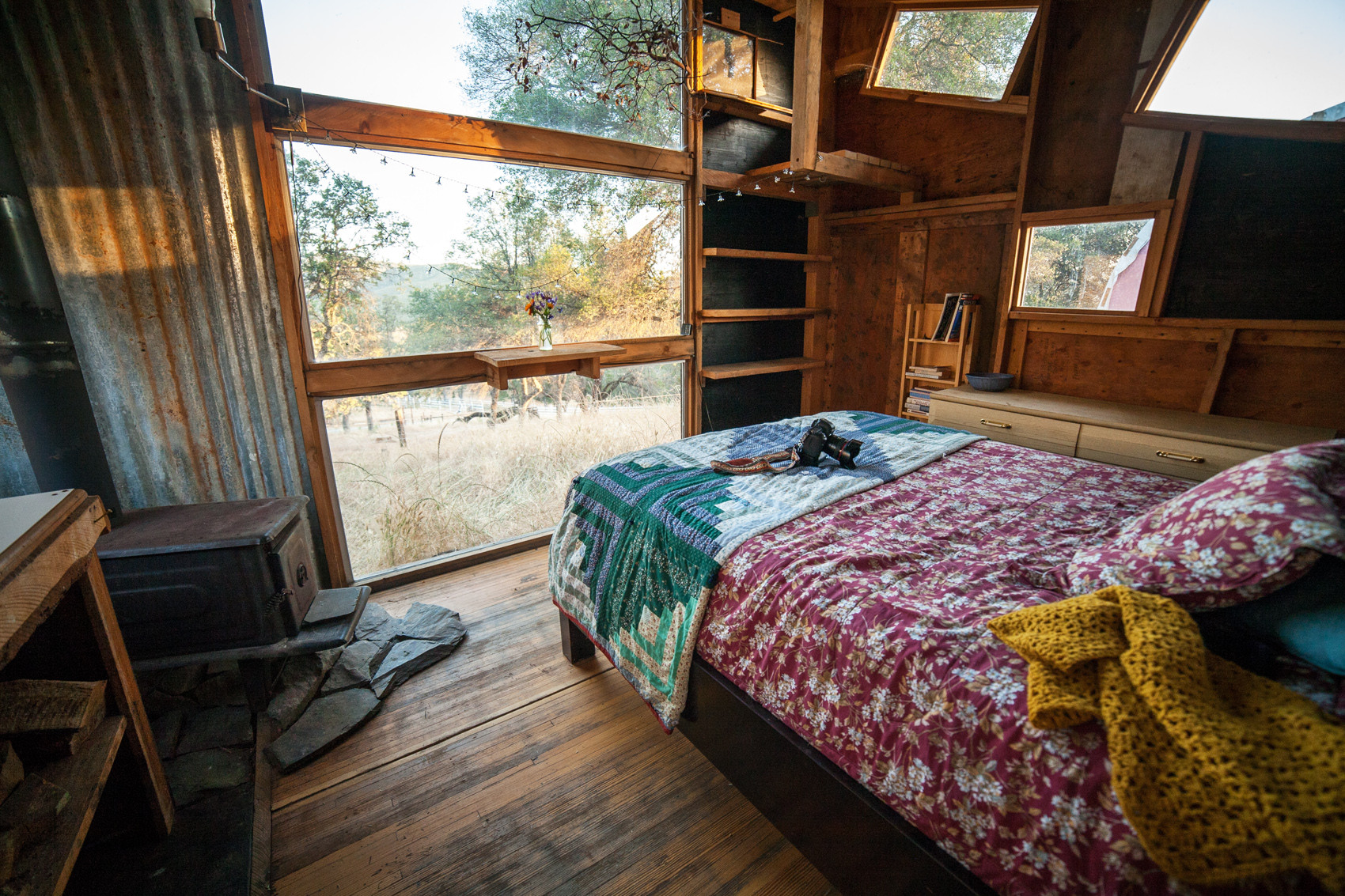
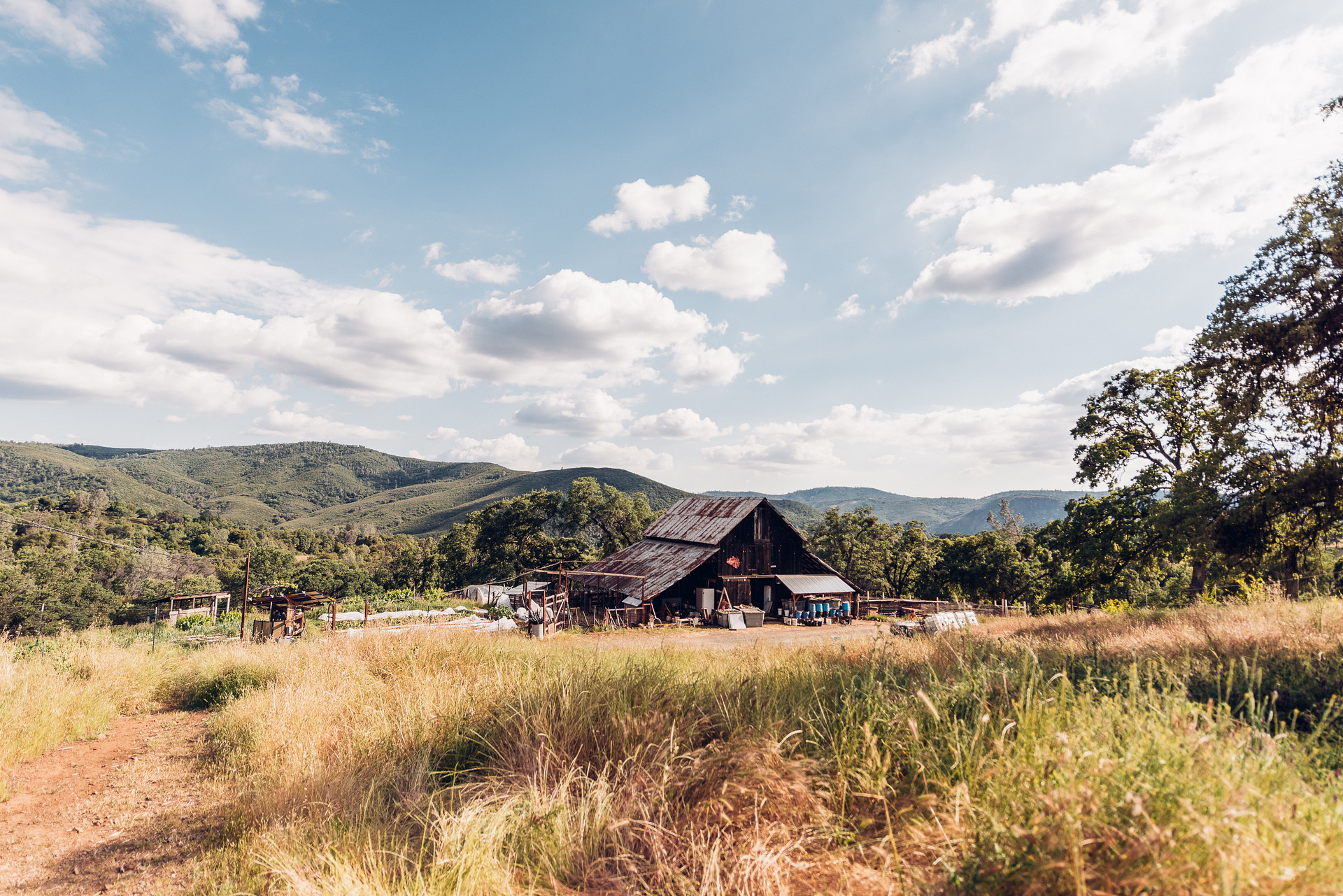
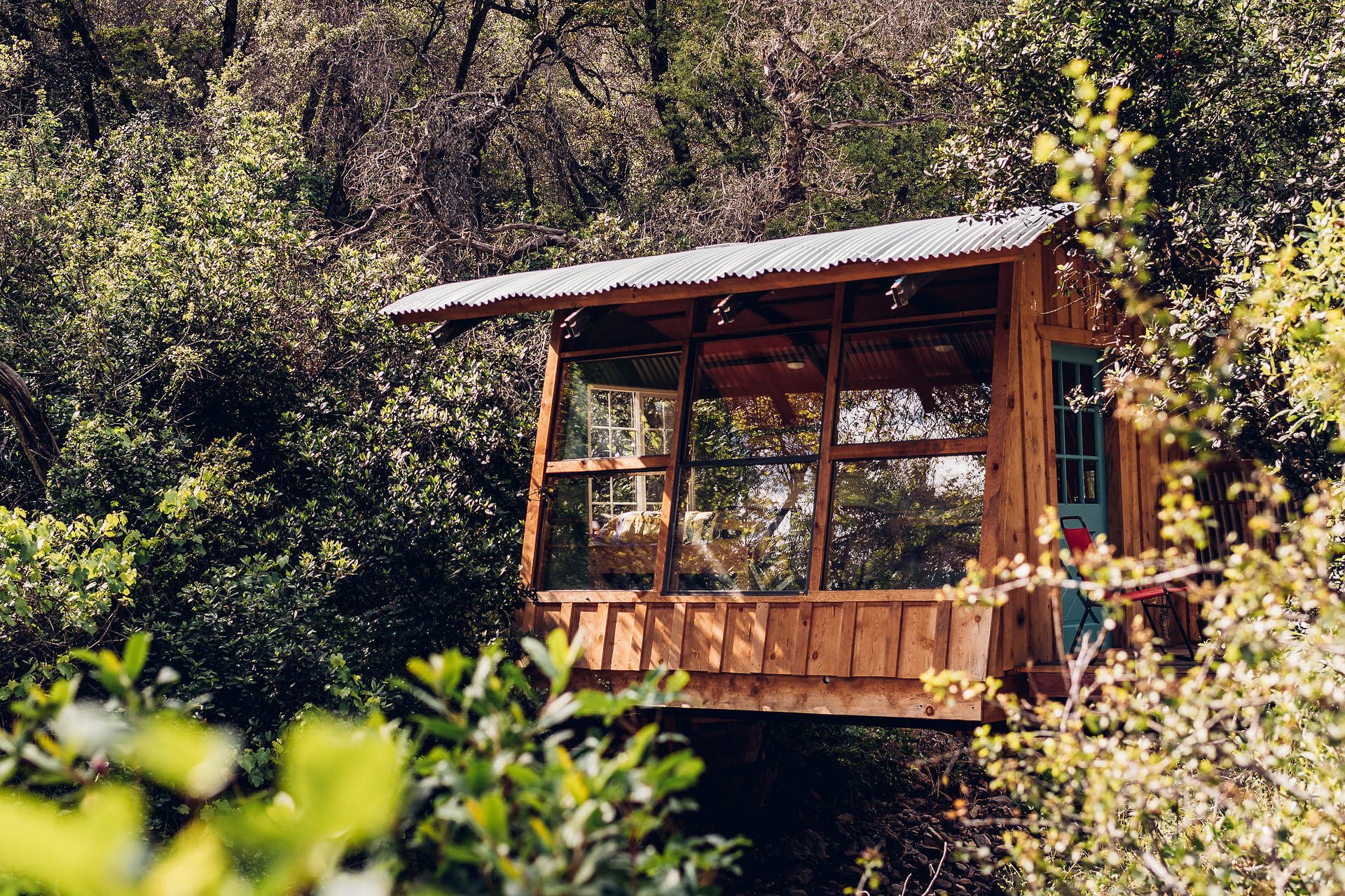
19. Wondernut Farm
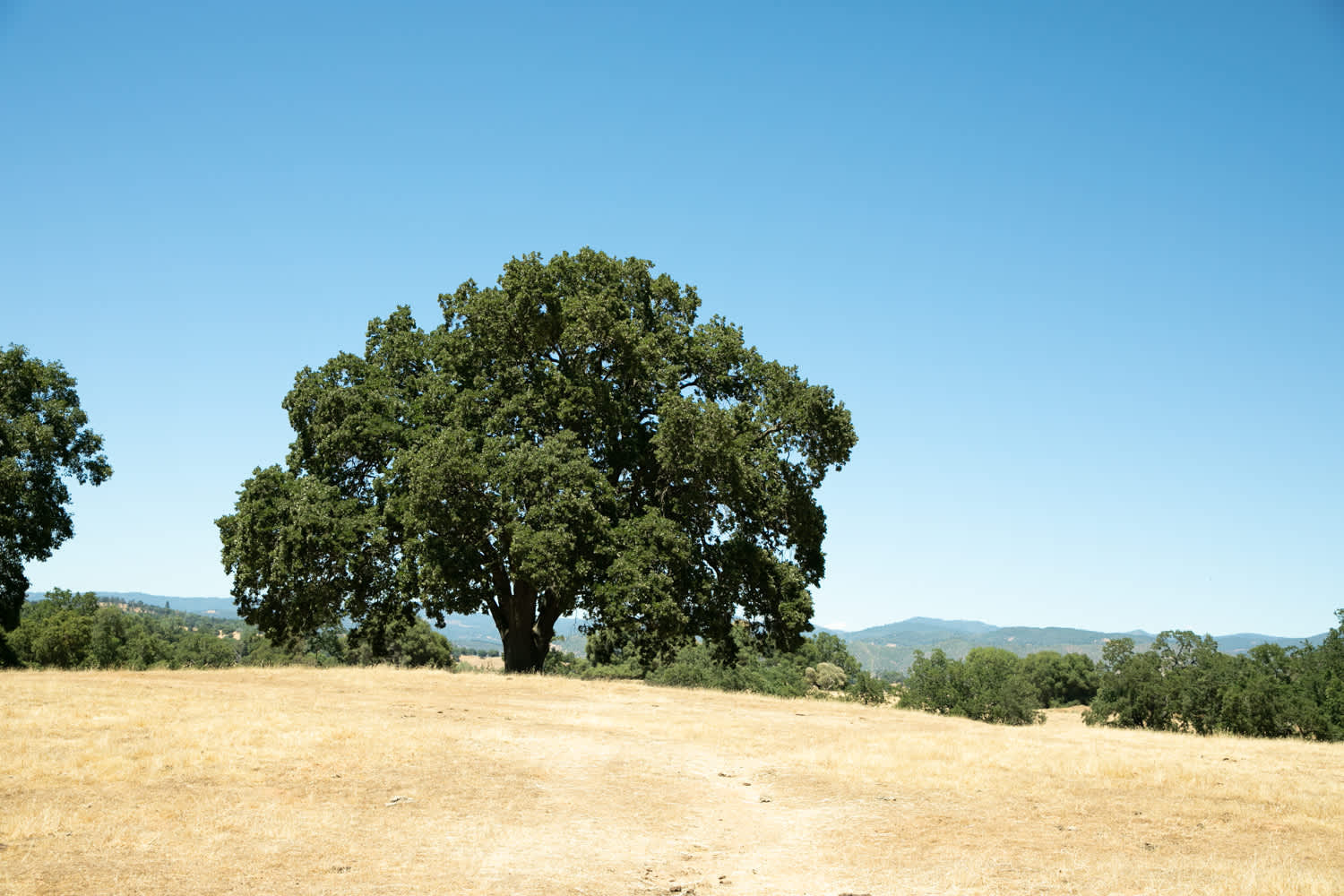
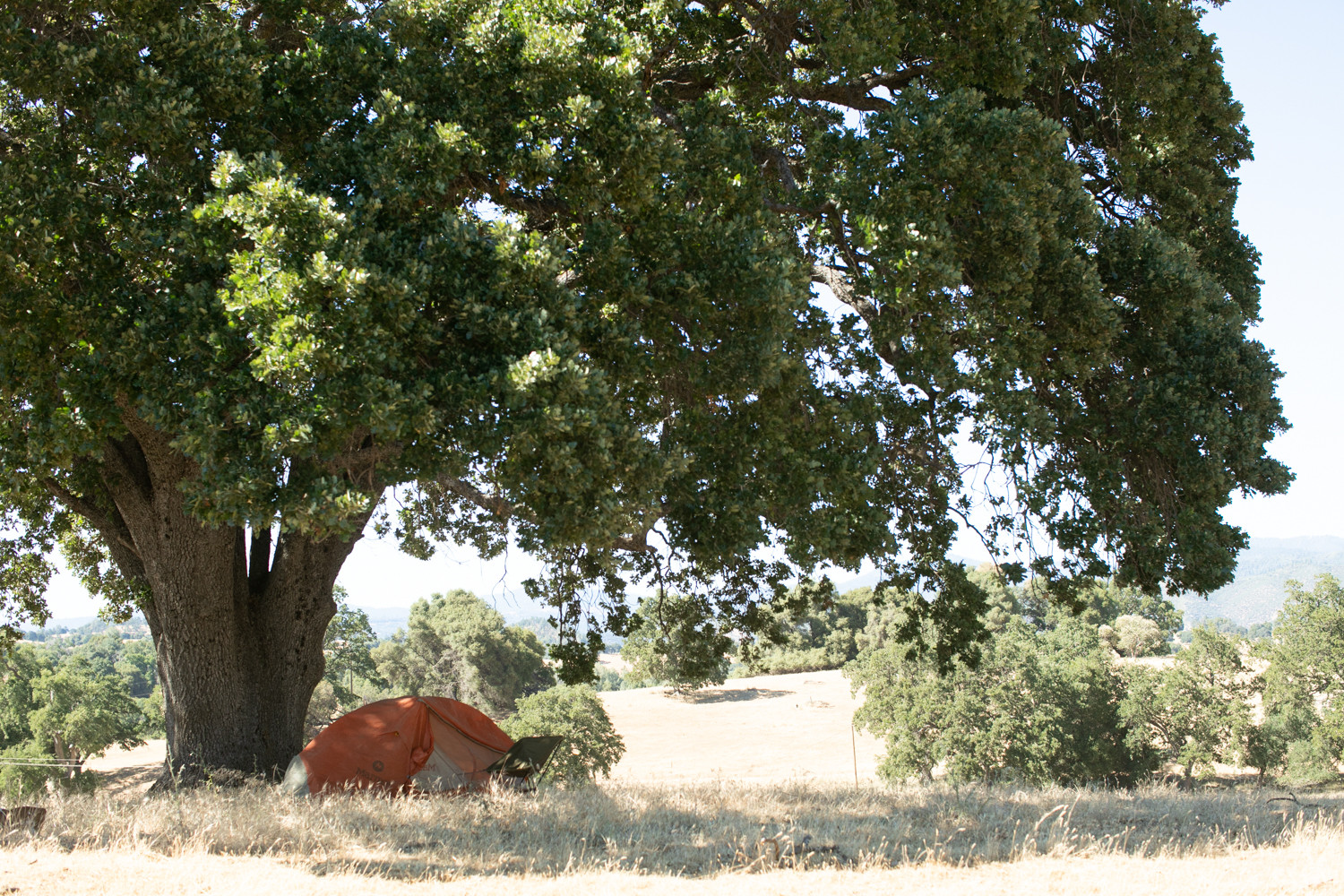
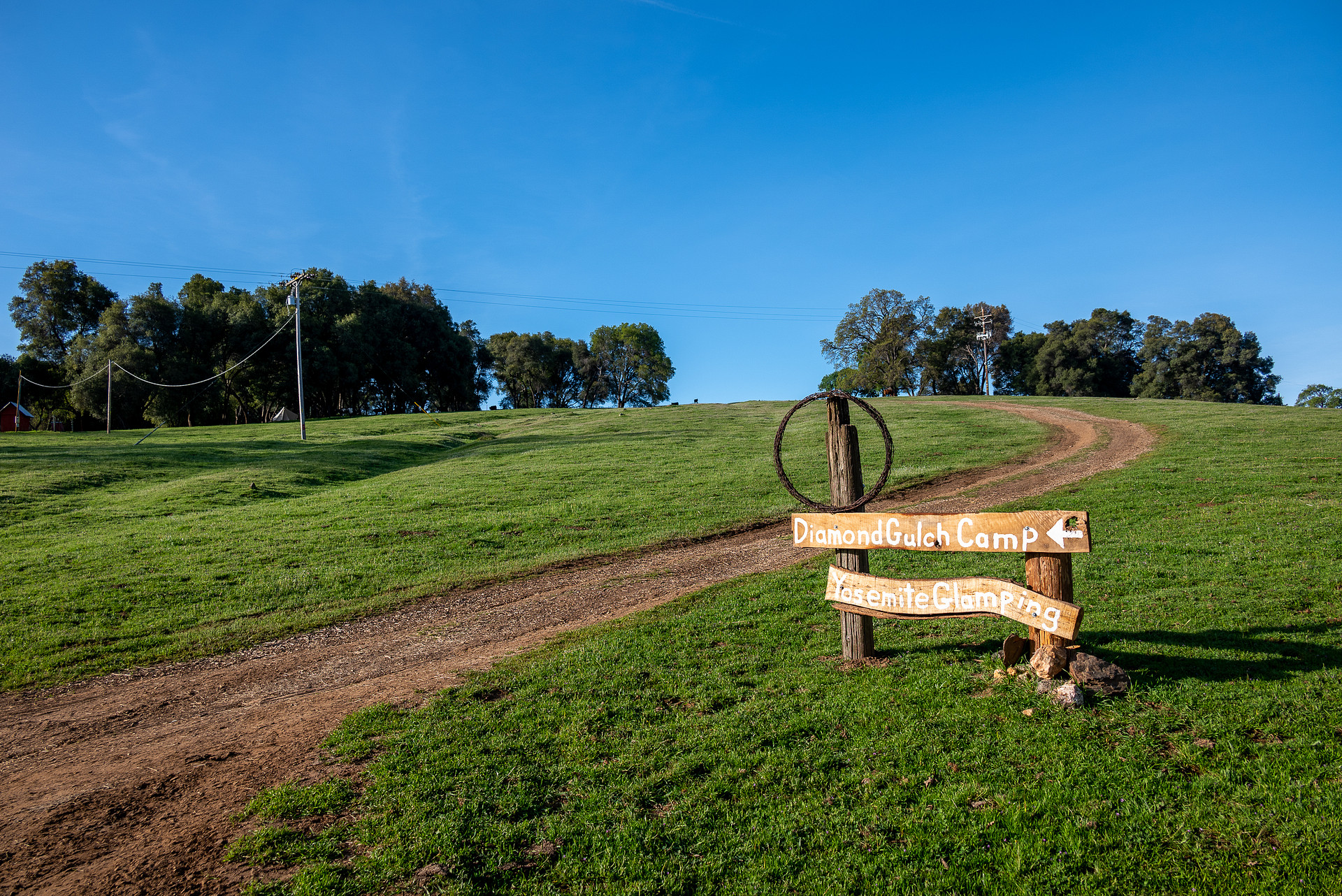
20. Diamond Gulch
Recent reviews from the Hipcamp community
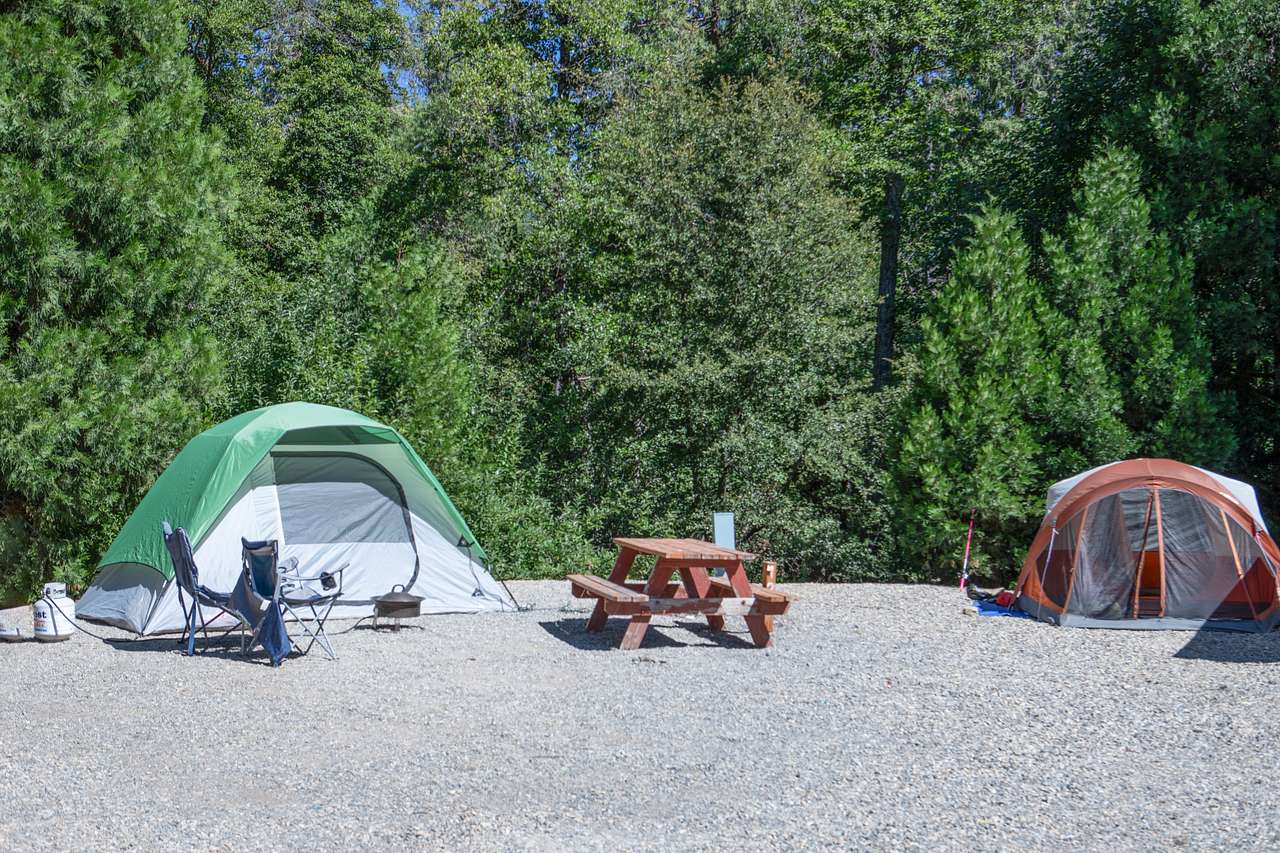
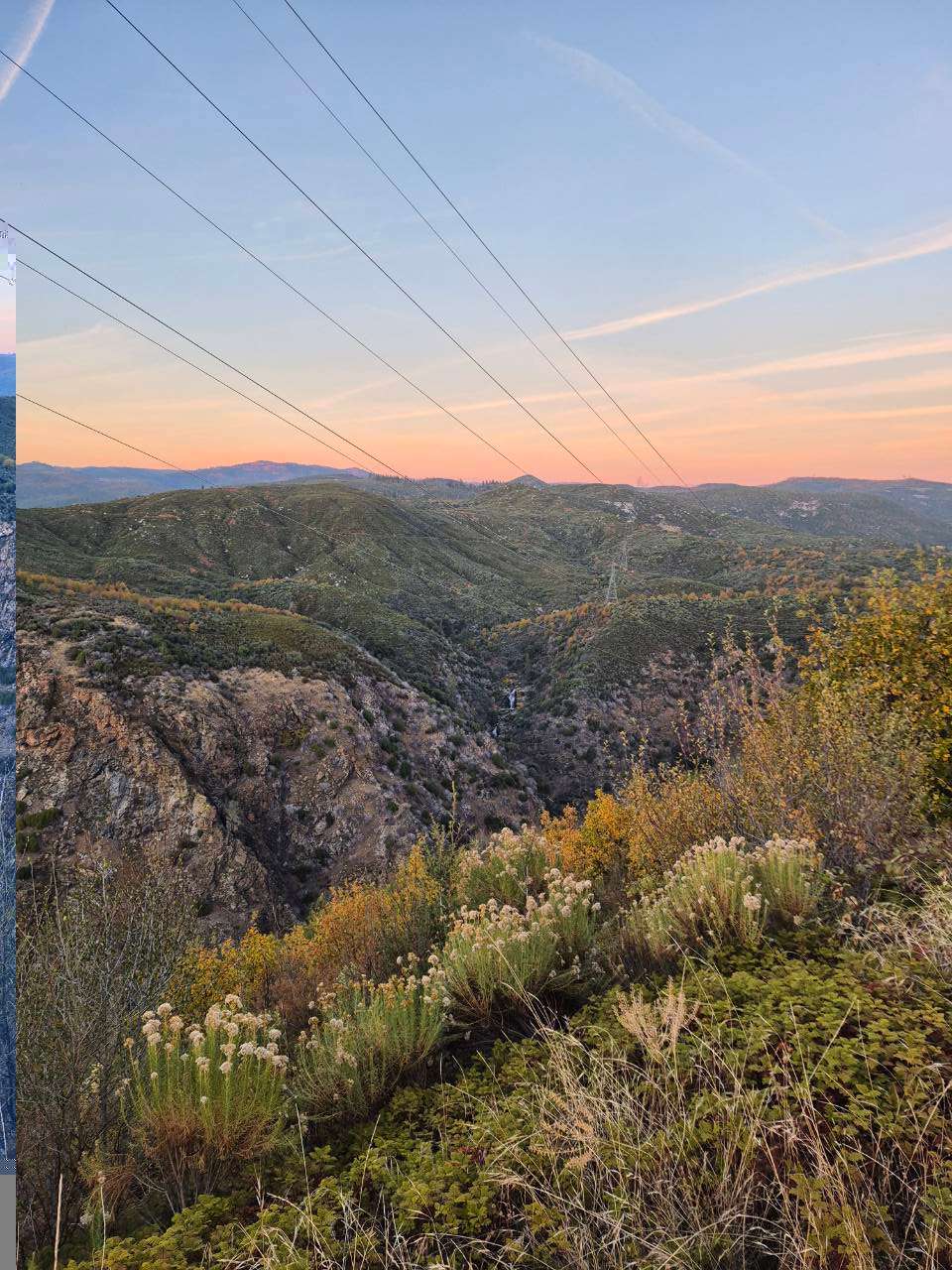




Yosemite National Park camping guide
Overview
About
Yosemite Valley smashes into your sightline with a big hello from the Tunnel View parking lot. Soaring Half Dome. Plummeting waterfalls. Forested greenery as far as the eye can see. Is this real life? Elbow-to-elbow crowds quickly confirm its reality, but escaping the valley hordes is easy if you follow one of the many hiking trails leading into the wilds. The Mist Trail, which climbs the Granite Staircase past thundering waterfalls in spring, is especially worthy. Outside the valley, alpine lakes and lush meadows along Tioga Road are the stunning backdrop for High Sierra campsites.
Yosemite cabin rentals
Stay in a traditional or canvas cabin in the heart of this beloved national park. As one of the oldest national parks in the US, Yosemite has been welcoming visitors for generations. While it’s a popular place to camp, those looking for a little comfort may prefer a cabin stay. There are plenty of private cabins in the area as well as hundreds right inside the park. Curry Village offers both traditional cabins as well as heated and unheated canvas tent-cabins that toe the line between cabins and glamp sites. ADA options are available in all three categories. You'll find an additional 69 non-electric canvas cabins at Tuolumne Meadows Lodge, available seasonally, and a mix of 24 canvas-tent cabins and four wood cabins at the remote White Wolf Lodge. A ski hut is also available at Glacier Point, though getting there requires taking a guided 10.5-mile-long cross-country ski trip.
Notable campgrounds
- Best for rock cimbers: Long popular with climbers, Camp 4 is near Yosemite Falls in Yosemite Valley.
- Best launchpad: Crane Flat Campground sits between Yosemite Valley and Tuolumne Meadows.
- Best for hikers: Tuolumne Meadows Campground connects with the John Muir Trail.
Tips for snagging a campsite
- Of the park’s 13 campgrounds, Upper Pines, Lower Pines, North Pines, and Camp 4 campgrounds are in Yosemite Valley.
- Reservations are required year-round for all Yosemite Valley campgrounds.
- Outside the valley, reserve ahead for summer and fall campsites at Wawona, Hodgdon Meadow, Crane Flat, and half of the sites at Tuolumne Meadows.
- Make online reservations up to five months in advance on the 15th day of each month beginning at 7am Pacific. Competition is fierce for campsites between May and September. Don’t dawdle!
- Bridalveil Creek, Tamarack Flat, White Wolf, Yosemite Creek, and Porcupine Creek campgrounds are first-come, first-served. These campsites typically fill by noon from April through September.
When to go
Everything is open in summer, but crowds may bum you out, especially in Yosemite Valley. Wildflowers bloom at higher altitudes in summer too. Spring is the best time to see the waterfalls, which are usually surging from snowmelt as temperatures warm, while colorful foliage is a highlight in fall. Tioga Road typically closes in November, reopening in late spring. Glacier Point Road remains groomed and opens up to the Badger Pass Ski Area from mid-December through early April, but the stretch to Glacier Point is closed until spring. Yosemite Valley is also quite pretty in winter after a light snow, and February brings the awe-inspiring Yosemite firefall.
Know before you go
- Campers are required by law to store all food overnight inside food lockers, which are found at every campsite. Food includes scented items, canned goods, bottles, and toiletries. Do not store these items in your car or truck overnight.
- Although the recreational use of small amounts of marijuana is legal across most of California with certain restrictions, don't possess or partake of cannabis in the federally run park.
- Cell service is best in eastern Yosemite Valley. Access is unreliable in Tuolumne Meadows. Free wifi is available at Degnan’s Kitchen in Yosemite Valley.
Nearby attractions
- Experience the tranquility of riverside camping near the Merced River. With its clear waters, abundant fishing opportunities, and scenic surroundings, the Merced River camping experience blends adventure and relaxation in California's serene wilderness.
- Experience the thrill of whitewater rafting and relaxing fishing sessions when camping near Tuolumne River. With ruggedly beautiful landscapes and diverse wildlife, the Tuolumne River camping experience is truly one for the outdoor enthusiast’s bucket list.


Reviews for Yosemite National Park Campgrounds
Frequently Asked Questions
No, you cannot camp anywhere in Yosemite National Park. Camping in Yosemite is allowed only in designated campgrounds and specific backcountry sites with a wilderness permit. The park has 13 campgrounds, some of which require reservations, while others operate on a first-come, first-served basis. Some popular campgrounds in Yosemite include Yosemite Valley, Wawona, and Tuolumne Meadows. Dispersed camping is not allowed in Yosemite National Park, and you must follow the rules and regulations to protect the park's natural resources and ensure a safe and enjoyable experience for all visitors. To learn more about camping options in Yosemite, visit Hipcamp.
The cost of renting a campsite in Yosemite National Park varies depending on the campground and the season. Generally, prices range from $12 to $26 per night for tent and RV sites, and up to $50 per night for group sites. Some campgrounds are available on a first-come, first-served basis, while others require reservations. You can learn more about Yosemite camping options on Hipcamp.
It is difficult to get a campsite in Yosemite National Park due to its popularity and limited capacity. Yosemite is one of the most visited national parks in the United States, attracting millions of visitors each year. The park has a limited number of campsites, and many of them are only open seasonally. As a result, demand often exceeds supply, especially during peak travel seasons like summer and holidays. To secure a campsite, it is recommended to make reservations well in advance.
The best months to camp in Yosemite are typically May through September, when the weather is warmer and most campgrounds are open. However, if you prefer fewer crowds and slightly cooler temperatures, consider visiting in late May or September. Keep in mind that some campgrounds may require reservations, so plan your trip accordingly. For more information about camping in Yosemite, you can visit the National Park Service's Yosemite camping page.
Yosemite campsite reservations open 5 months in advance at 7am PT. This method is incredibly competitive, however, and campsites fill up quickly. To skip the craze (and early wake-up call), try getting a Yosemite campsite reservation by setting up a free Hipcamp alert for any Yosemite campground, such as Upper Pines or Lower Pines. We'll monitor campground availability, and you'll get instantly notified of any openings that come up for your dates so you can jump on it to reserve the newly open site. Set up an alert.
Most Yosemite campsite reservations open up on a rolling basis 5 months in advance, typically on the 15th of each month, at 7am PT. However, it's notoriously difficult to secure a Yosemite campsite reservation even if you plan ahead. Hundreds of hopeful campers all log on at 7am trying to book a campsite, and only a few are lucky enough to succeed, as the campsites are booked up within seconds.
To increase your chances of snagging a campsite, set up a free Hipcamp alert for any Yosemite campground. We'll monitor campground availability, and you'll get instantly notified of any openings that come up for your dates so you can jump on it to reserve the newly open site. Set up an alert.
Yes, you can go camping in many national parks during the fall. Acadia National Park, Yosemite National Park, Great Smoky Mountains National Park, Rocky Mountain National Park, and Shenandoah National Park are some of the best national parks for fall camping. Just check the specific park's regulations, availability, and weather conditions before planning your trip.
The original Yosemite firefall was a summer tradition in which a bonfire's smoldering embers were pushed over the edge of Glacier Point, entertaining thousands of visitors below in Yosemite Valley.
The last artificial Yosemite firefall occurred at Glacier Point on January 25, 1969, when it was decided that the tradition was too unnatural for a national park. The natural firefall—as it’s known today—was documented for the first time in 1973 by photographer Galen Rowell.
The original, artificial Yosemite firefall was officially extinguished in 1968 after Yosemite National Park director George Hertzog declared that the tradition was too gimmicky and artificial for a national park. Herzog was also concerned about the environmental impact of the enormous crowds that came to behold the firefall.
The conditions for Yosemite firefall start in mid-February and generally last for a couple of weeks. During this window, the firefall begins about 5 to 15 minutes before sunset and can last for up to 10 minutes.
Yes, the Yosemite firefall cascades down Horsetail Fall on the eastern side of El Capitan in Yosemite National Park.
Yes, the Yosemite firefall is a rare natural phenomenon that occurs for only a few weeks each year. It's one of Yosemite National Park's most magnificent events and a popular sight for photographers and nature lovers.