Top-rated campgrounds in Missouri
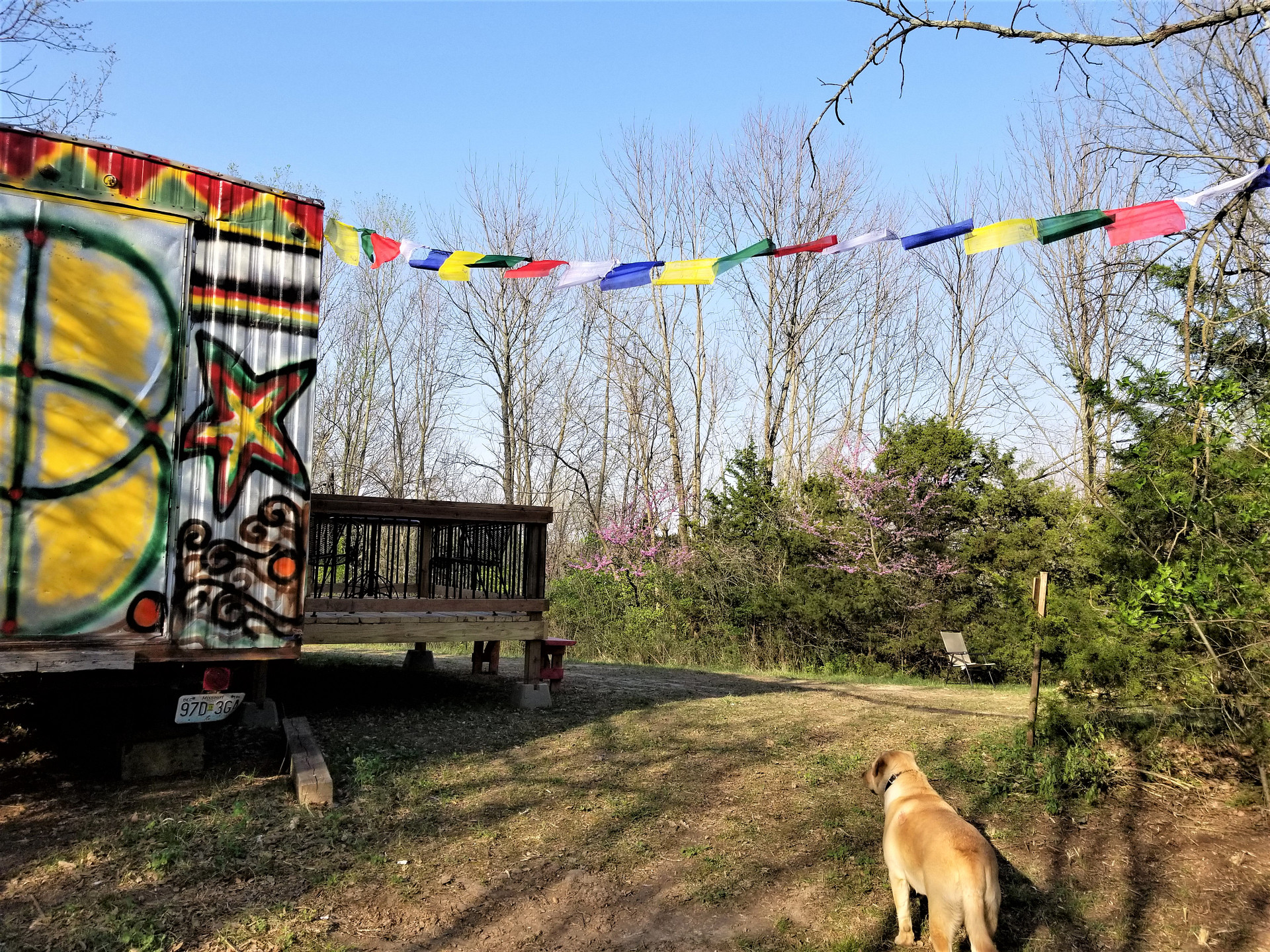
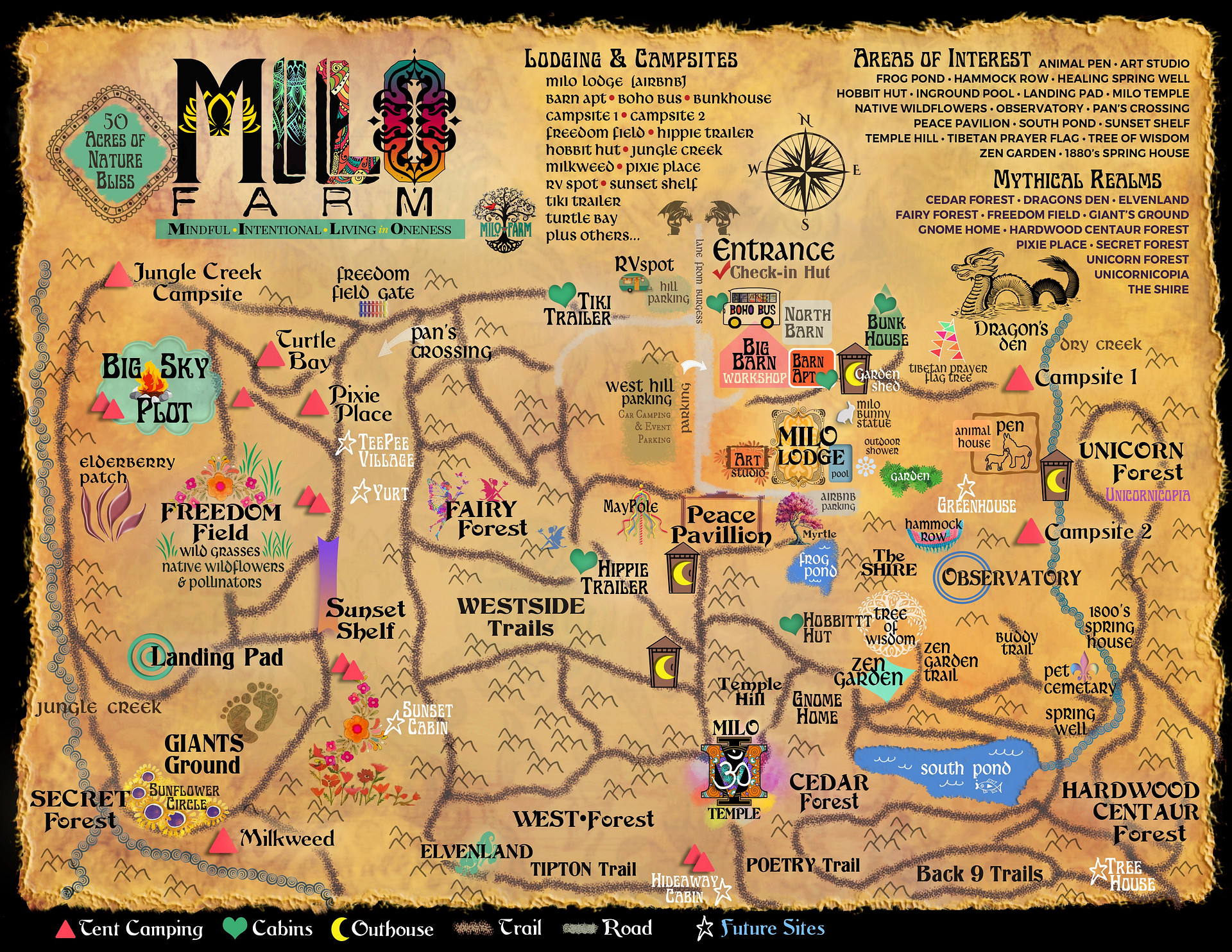
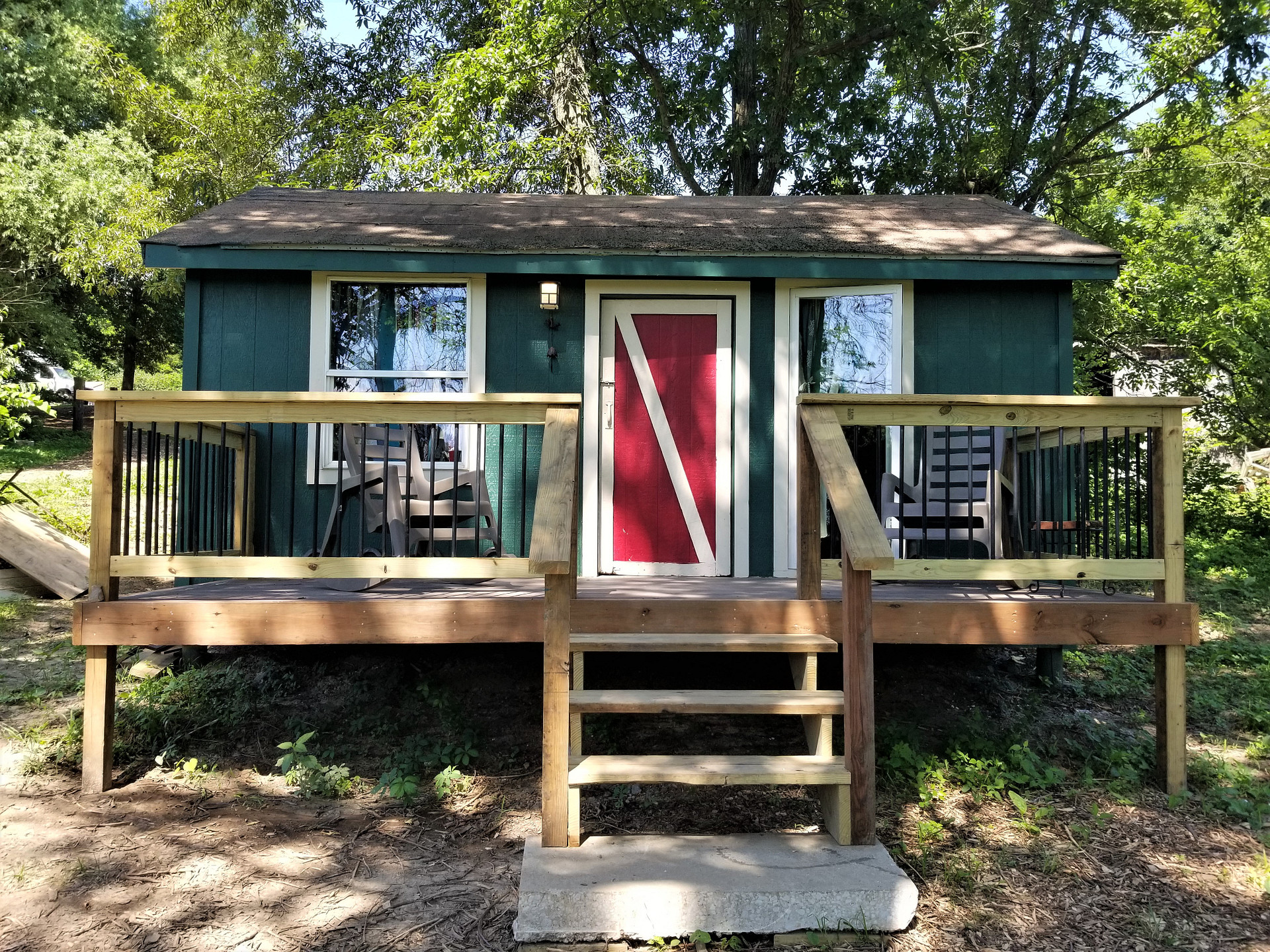
1. Milo Farm Sacred Land
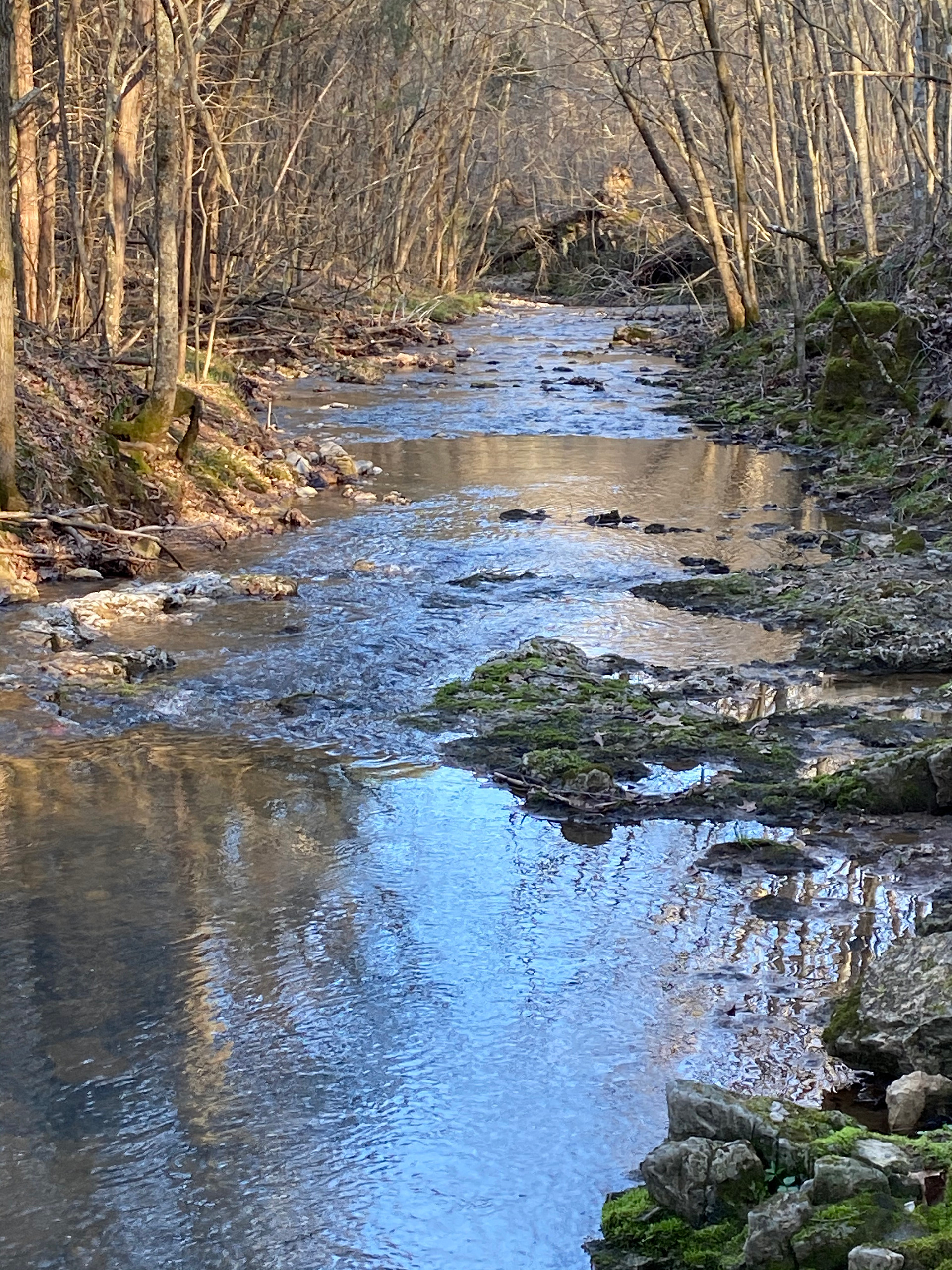
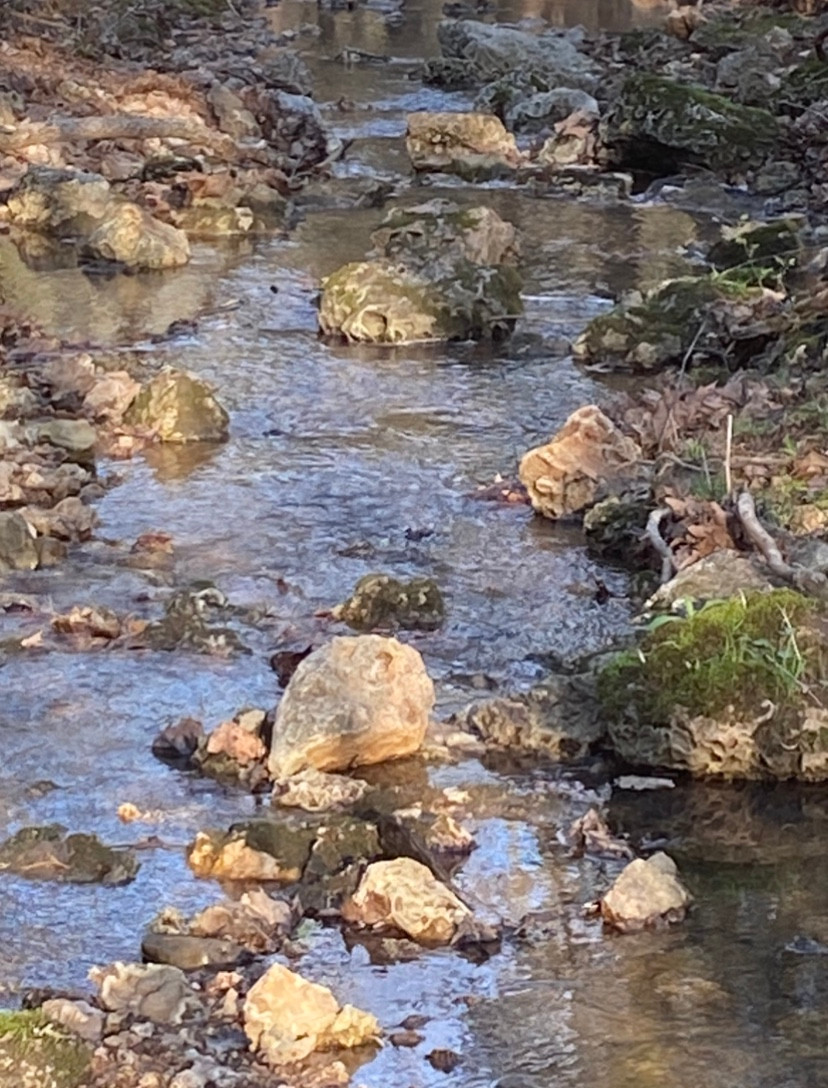
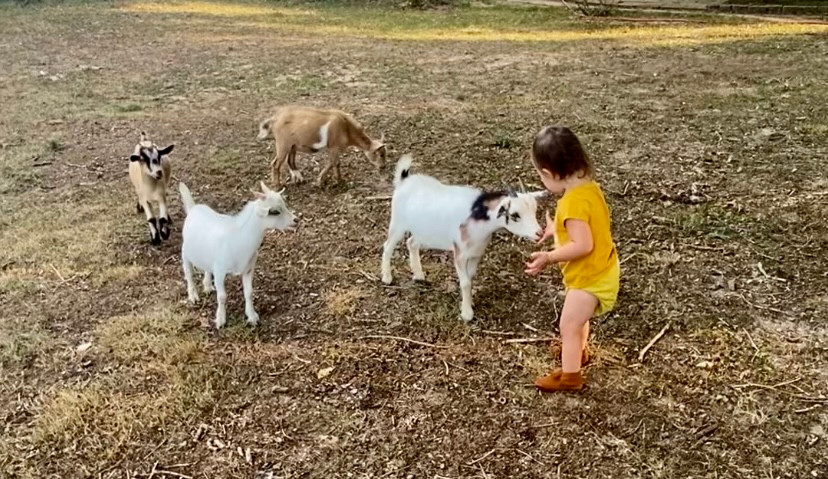
2. Hawks Bluff Farm Campground


3. Riverbend RV Park and Campground
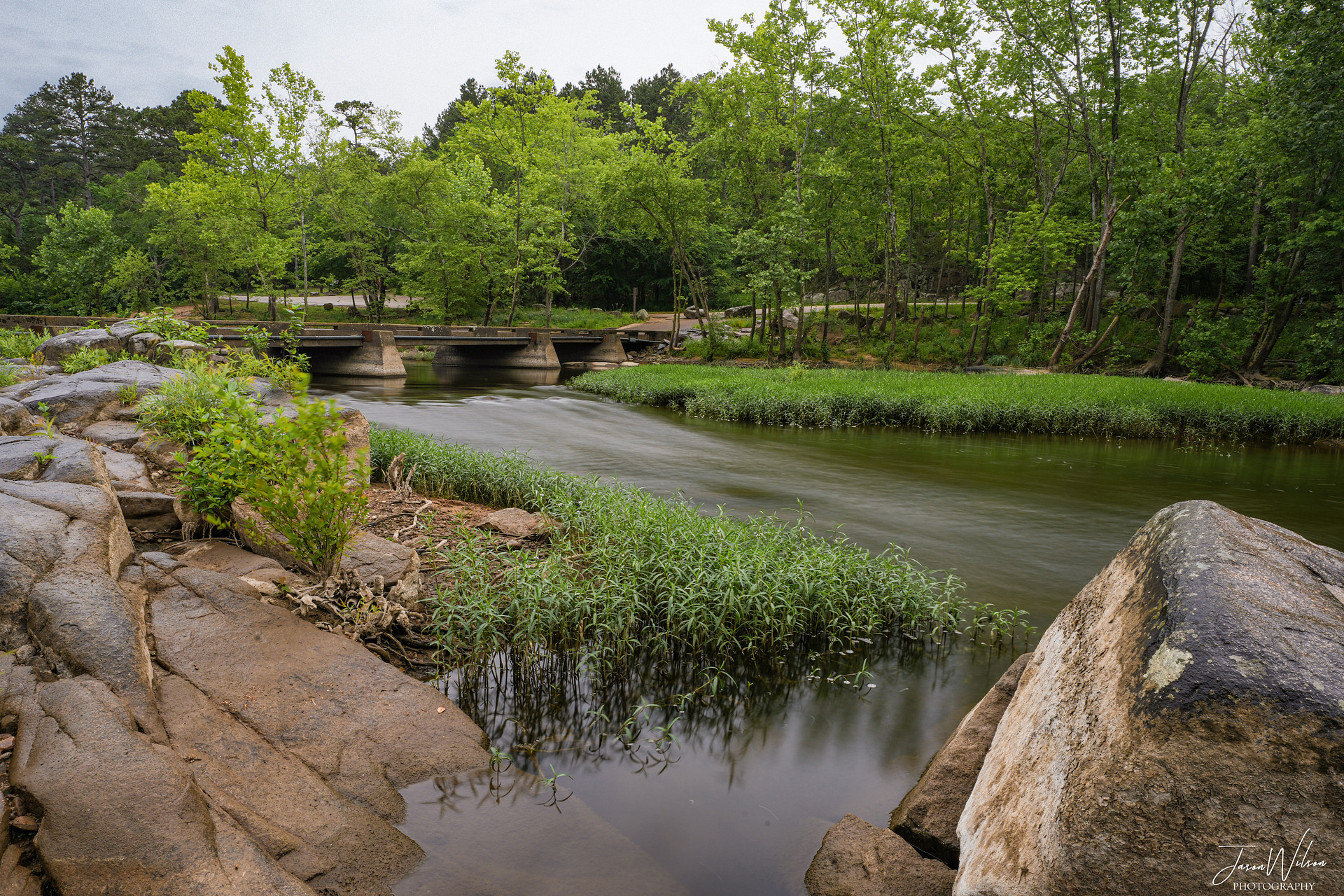
4. Mark Twain National Forest
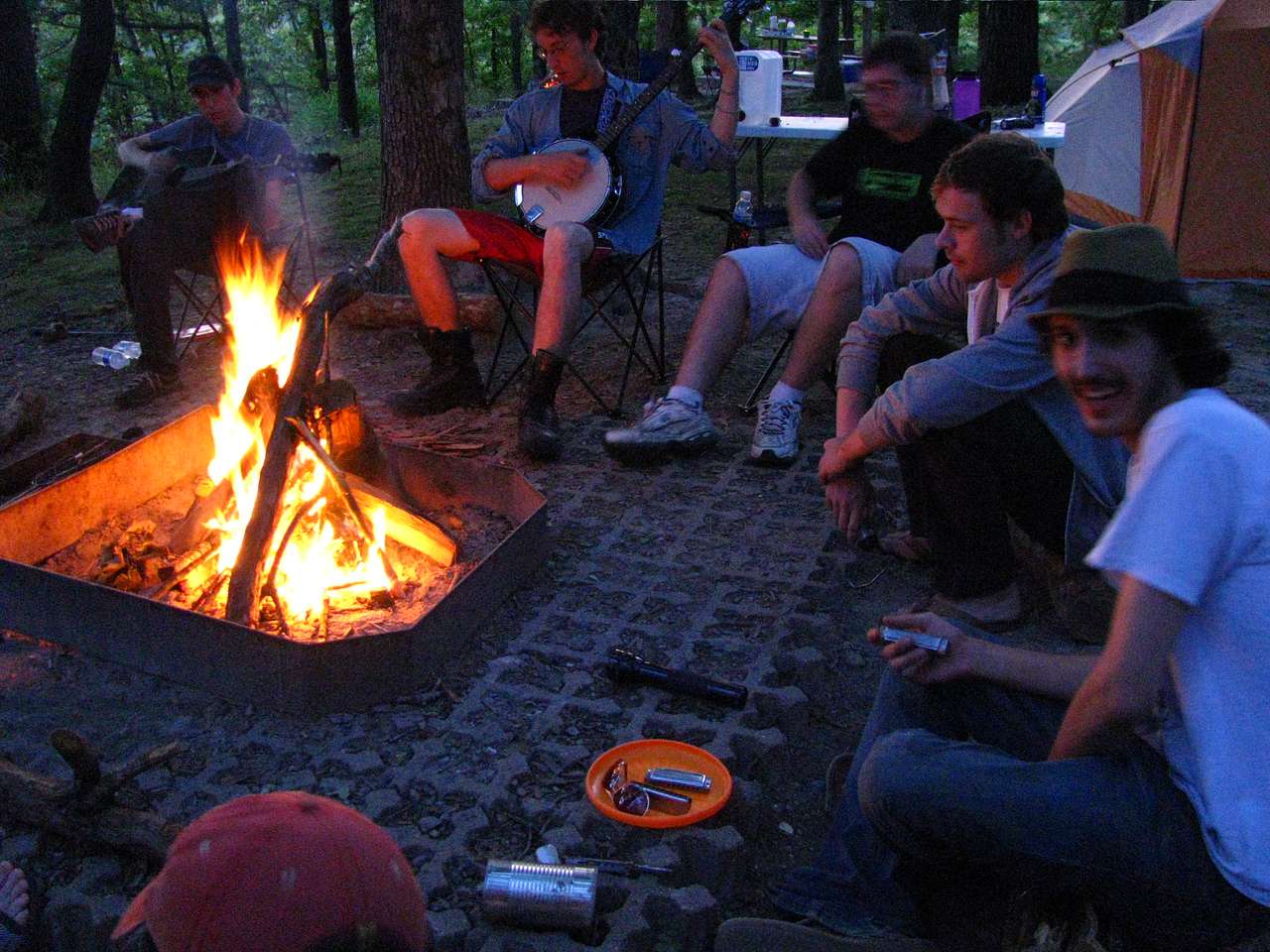
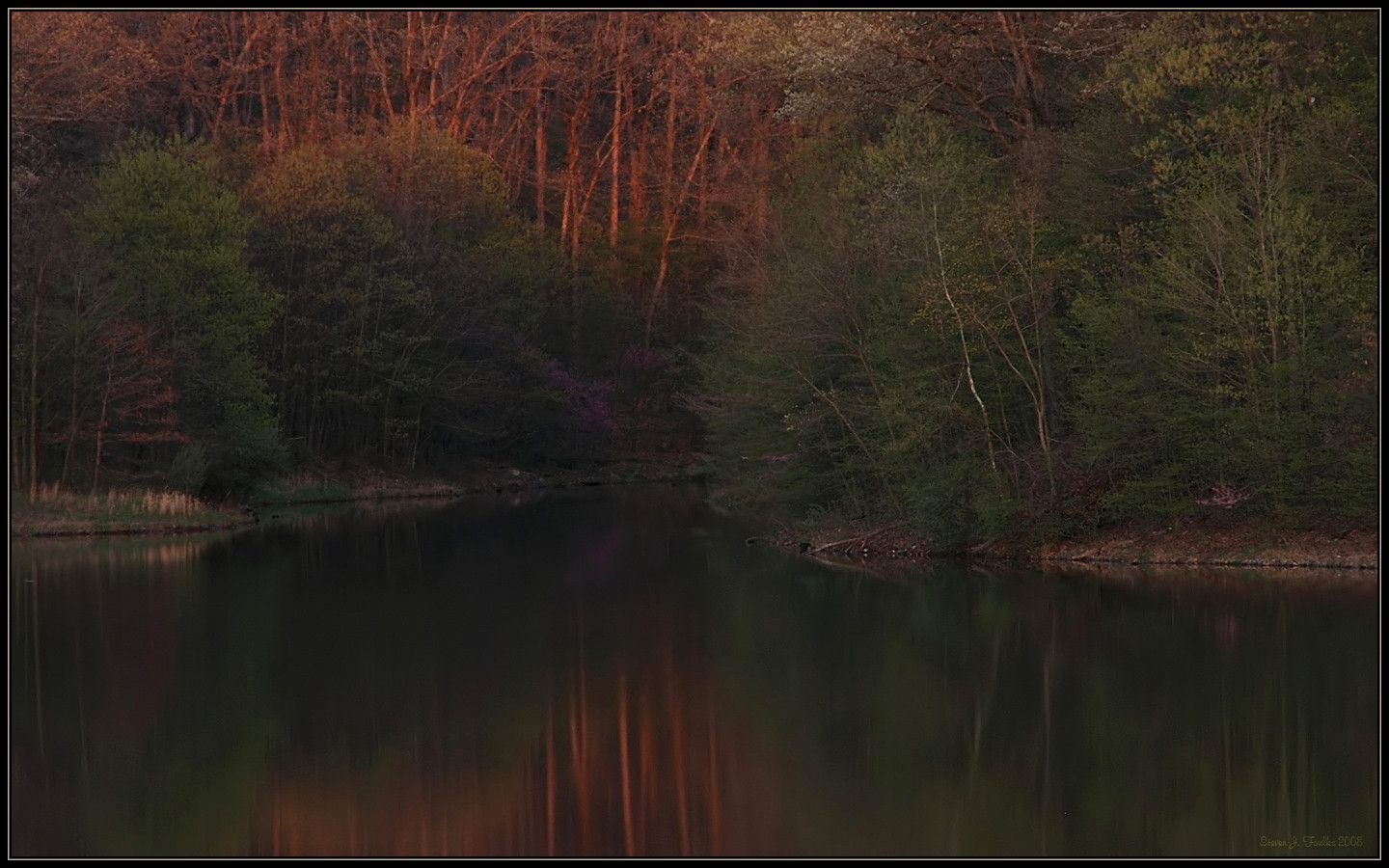
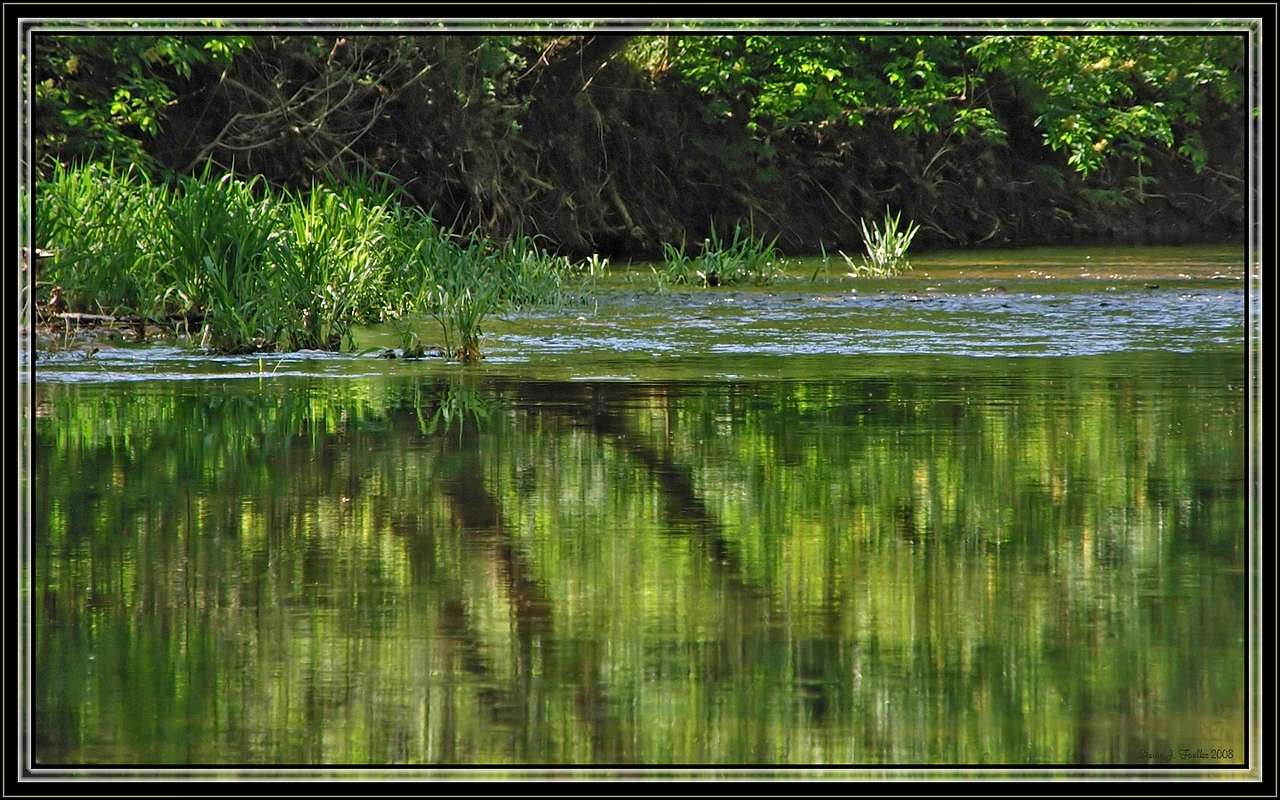
5. Cuivre River State Park
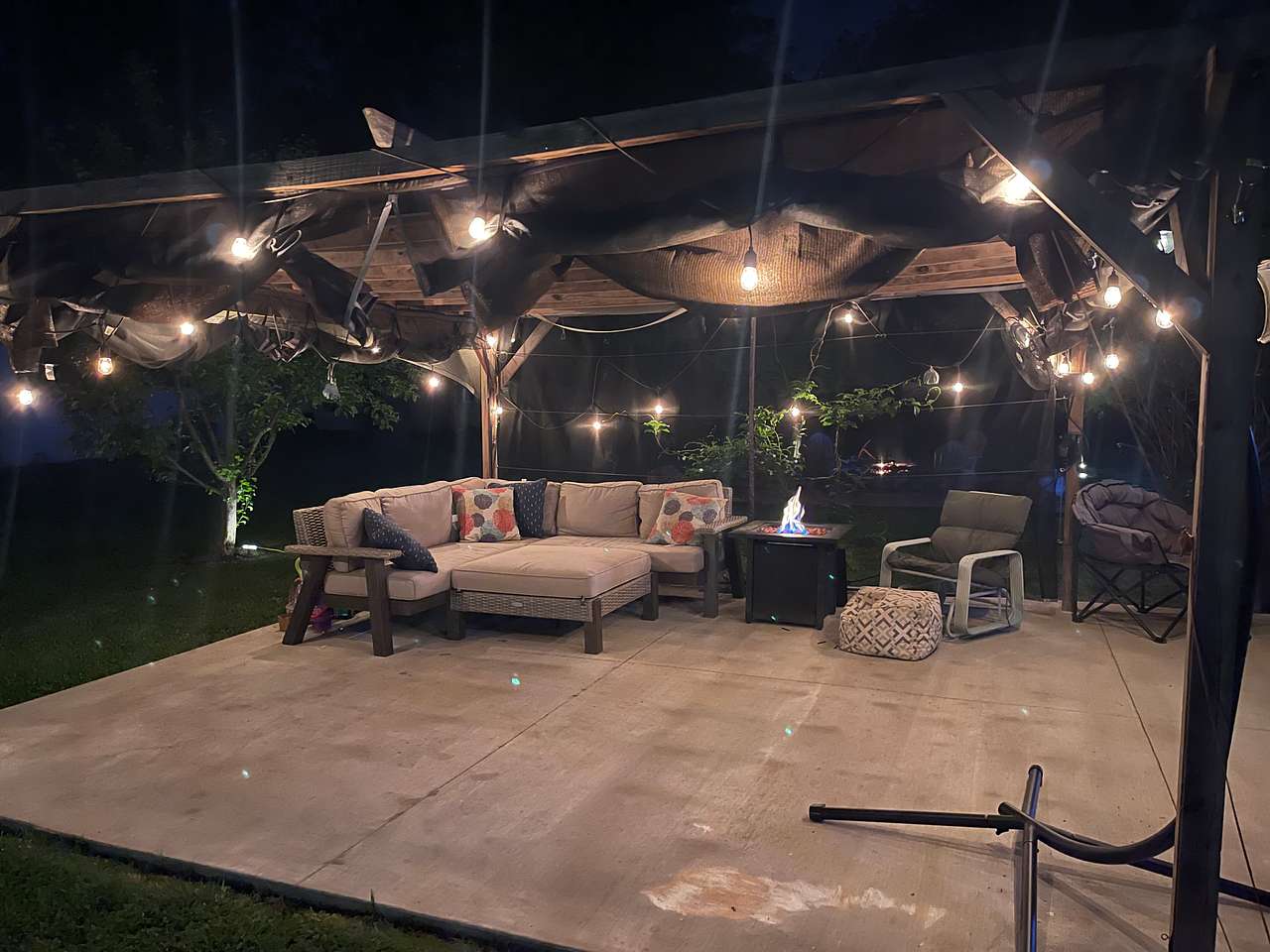

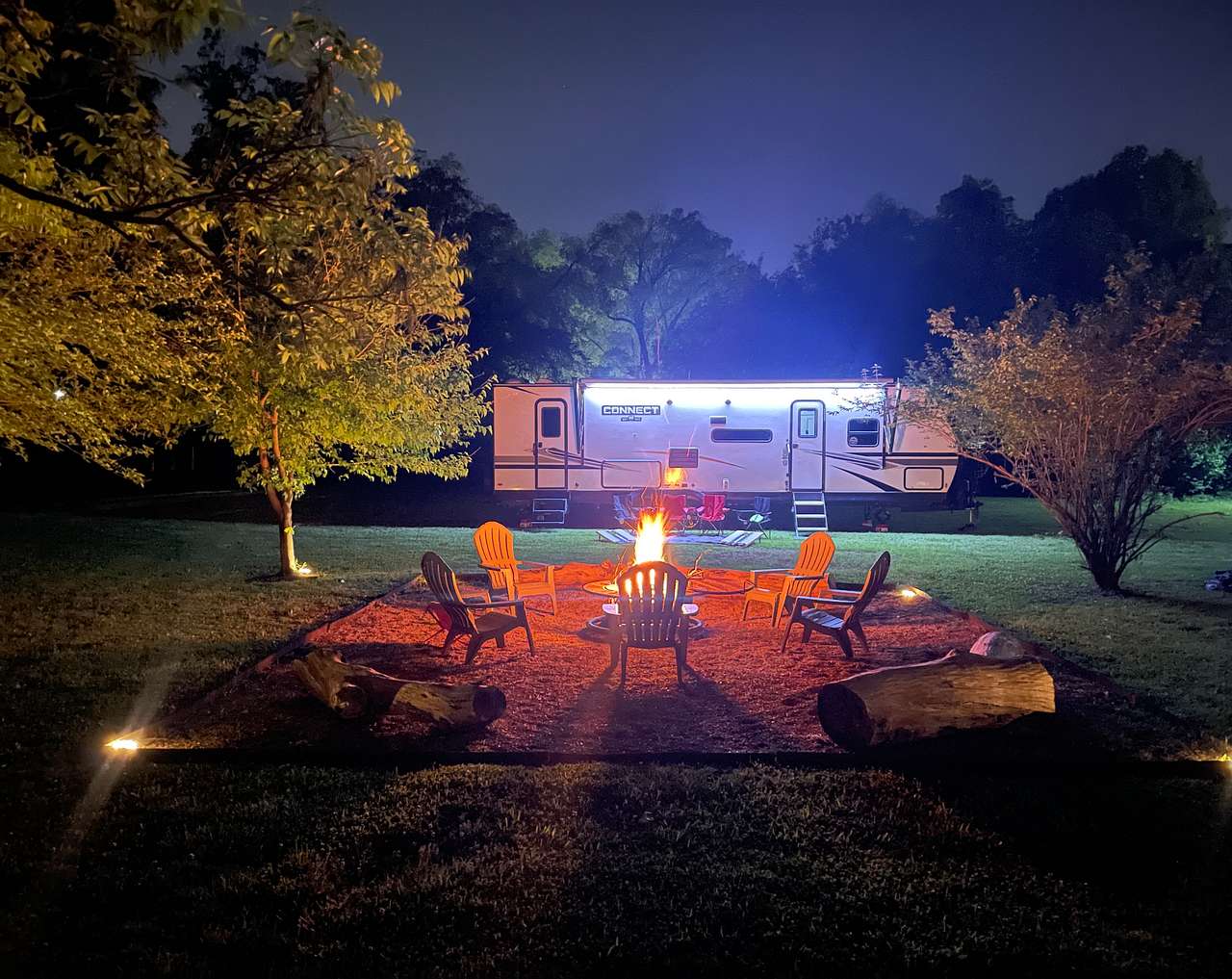
6. Johnsons Hobby Farm


7. Sawmill Hollow Creek

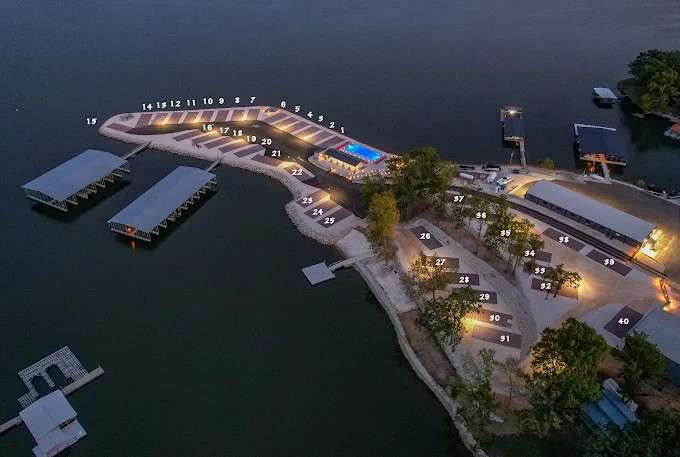

8. 38 Special Luxury RV Resort
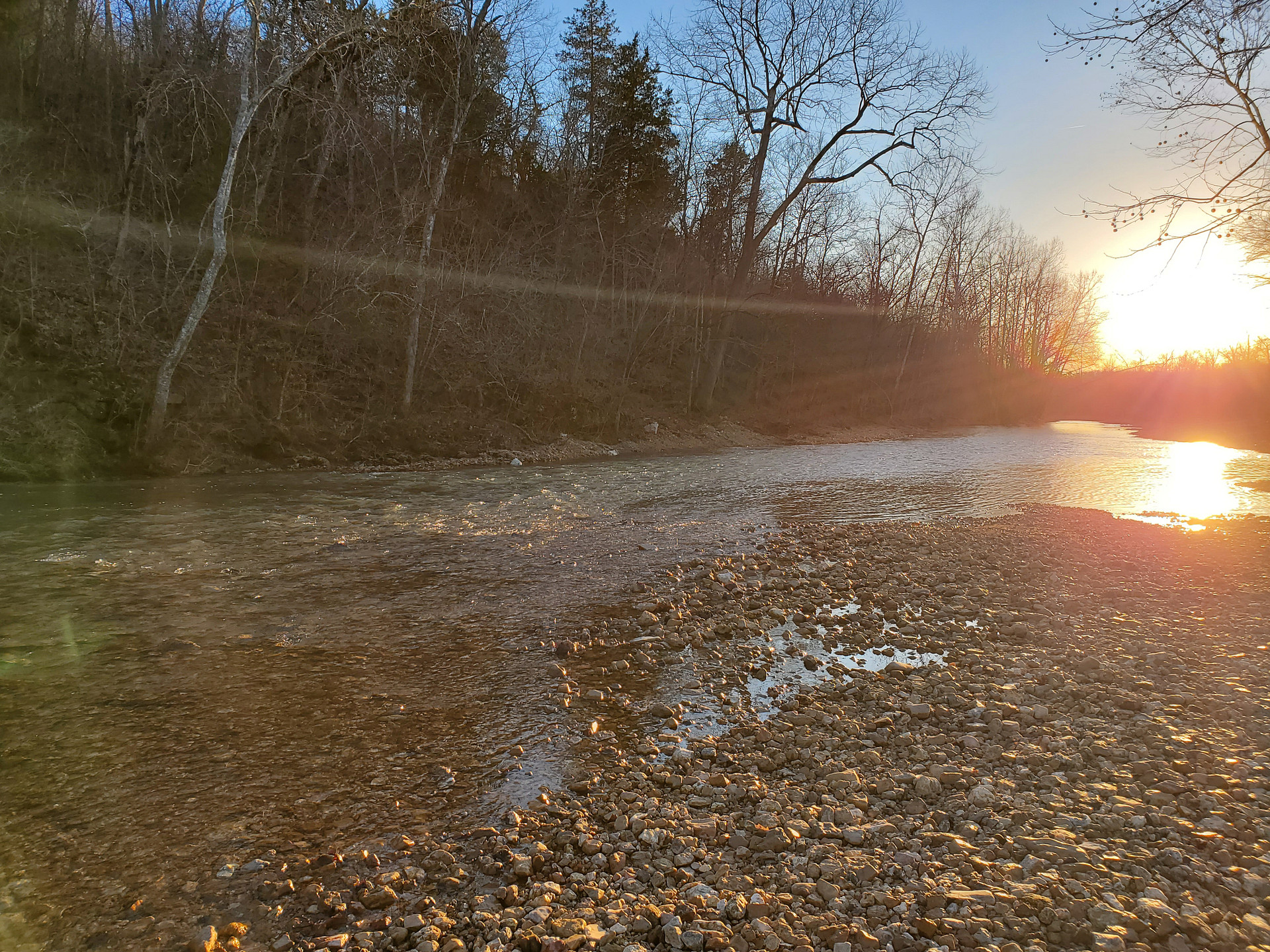
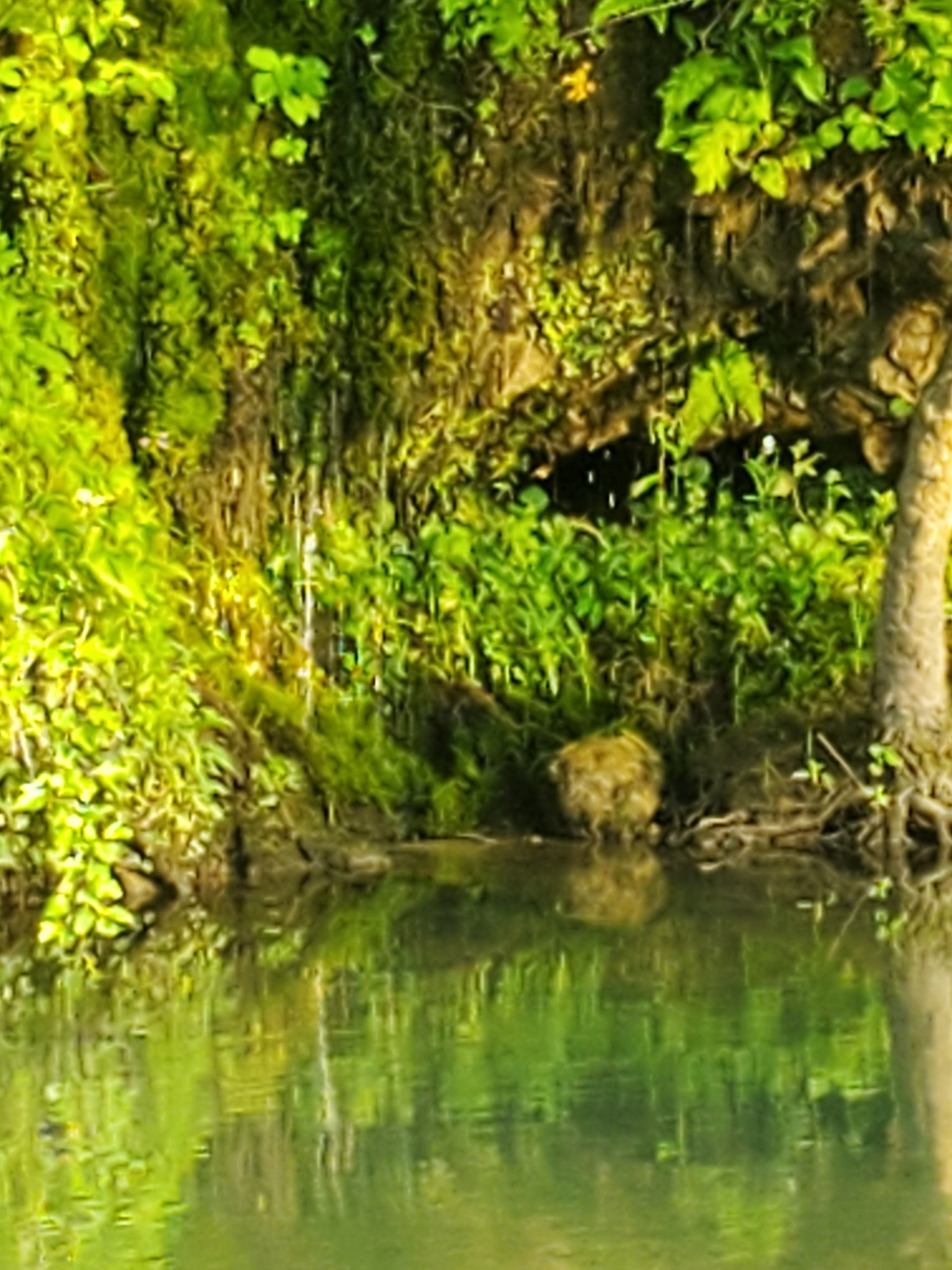

9. Sycamore Springs Campground

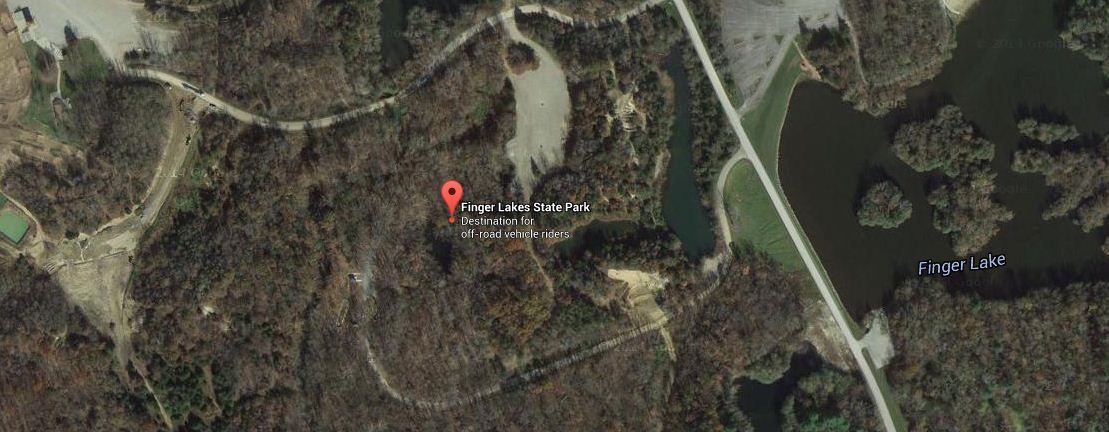
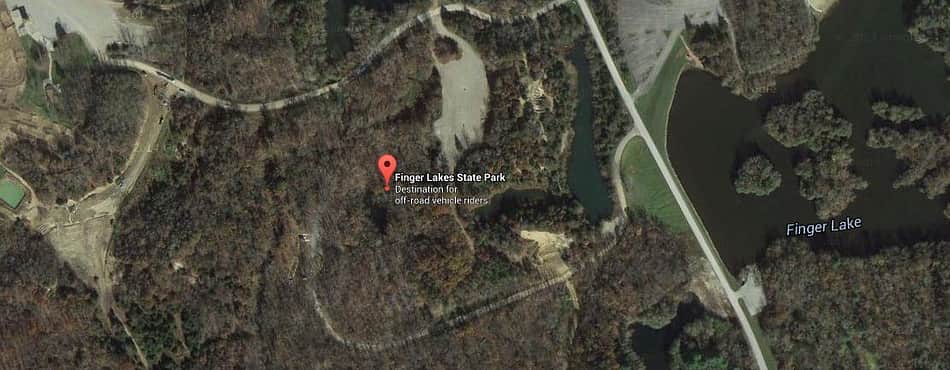
10. Finger Lakes State Park
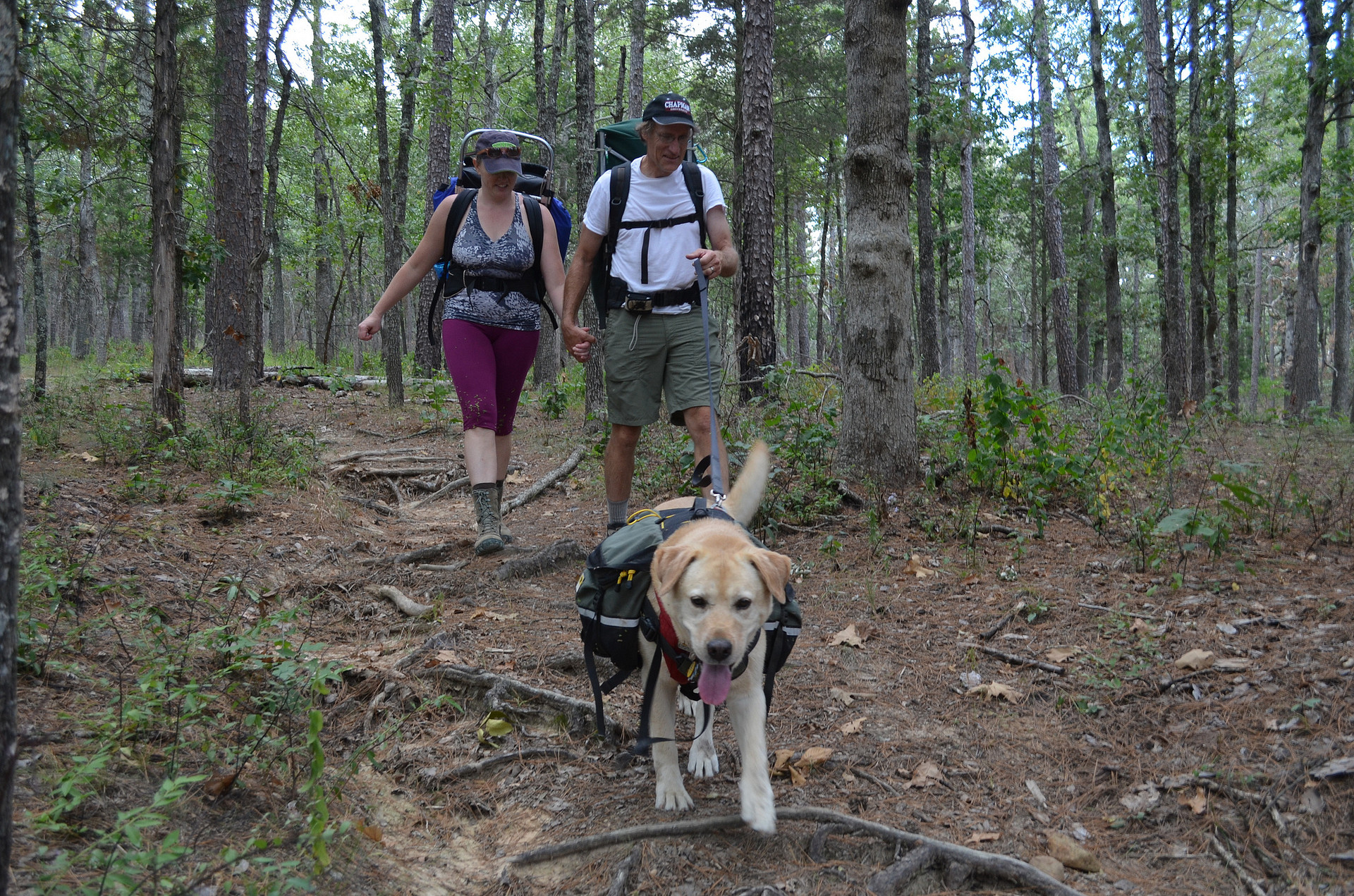
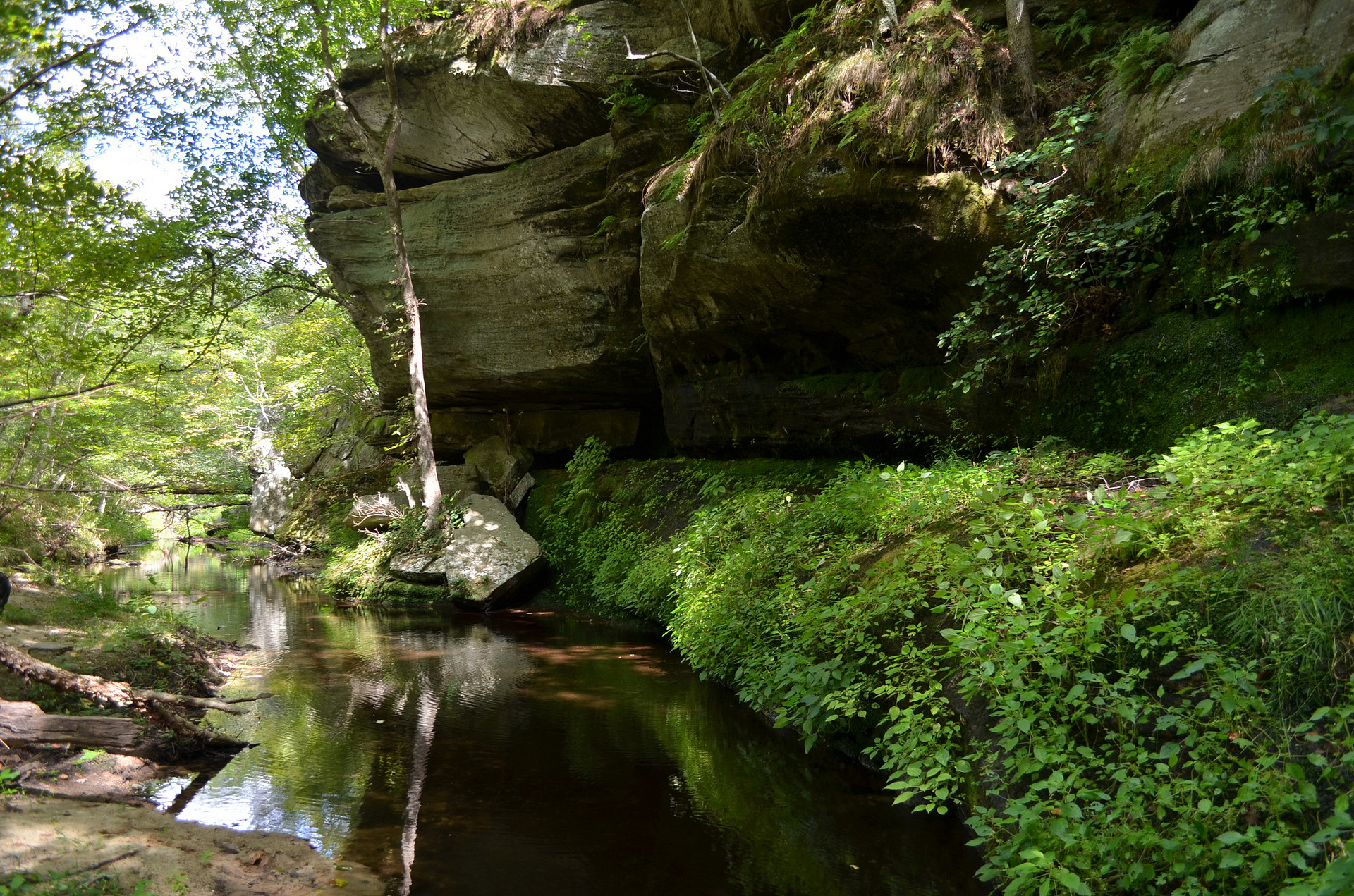
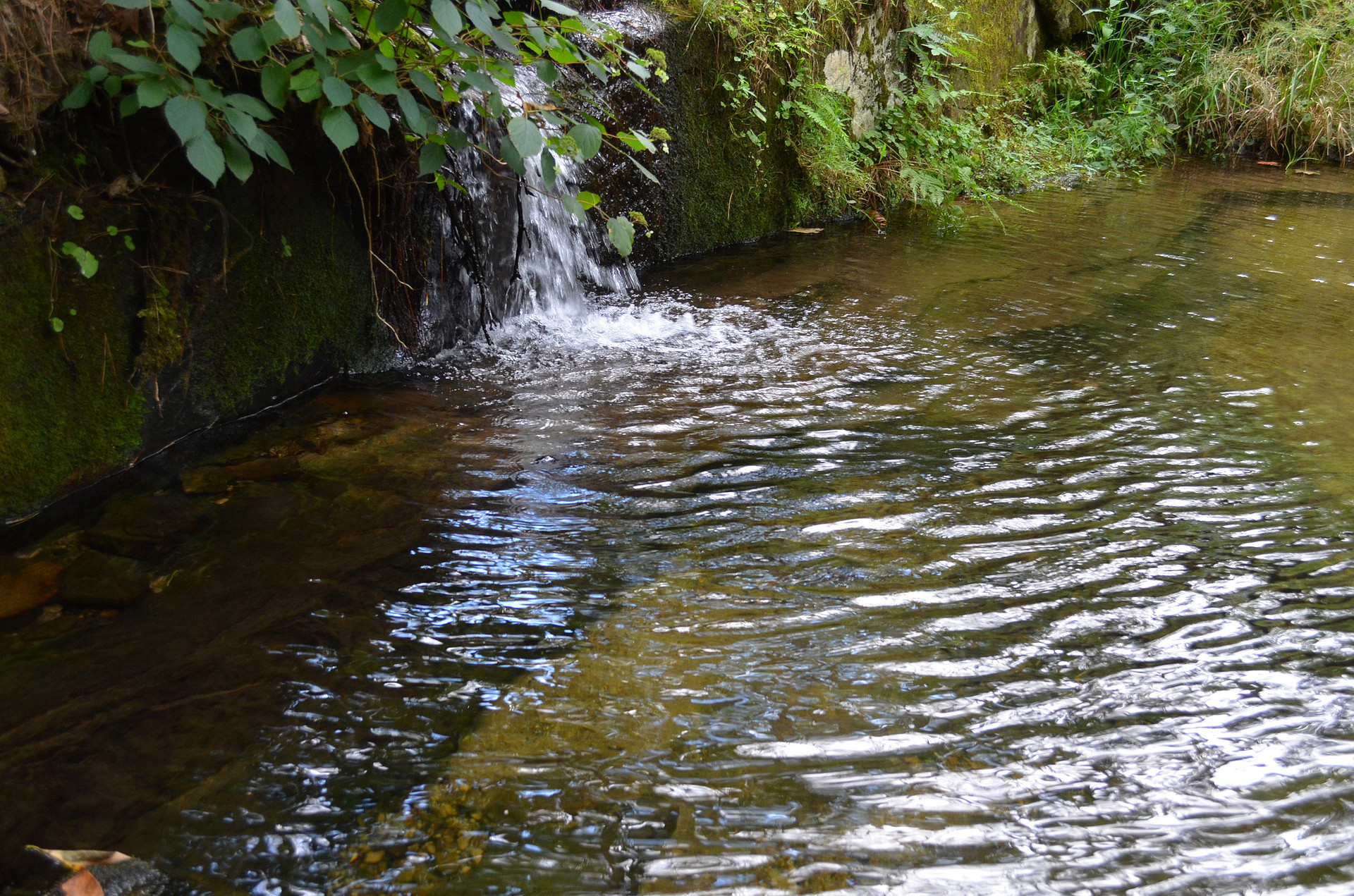
11. Hawn State Park
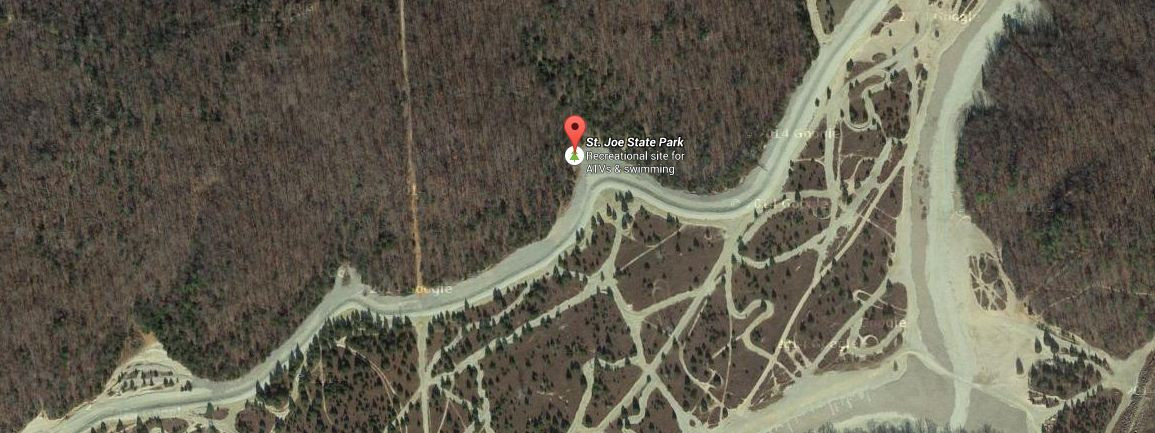
12. St. Joe State Park

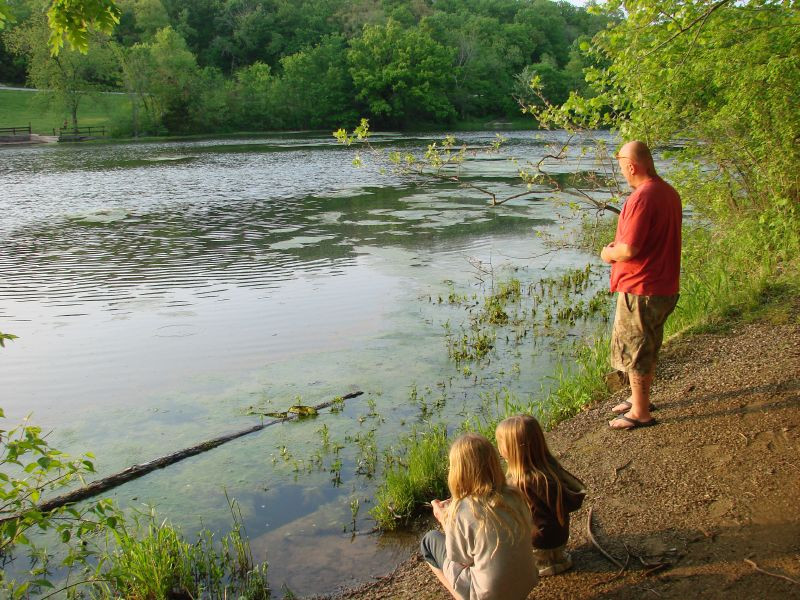

13. Wallace State Park


14. BigFoote Outfitters Camp & Float
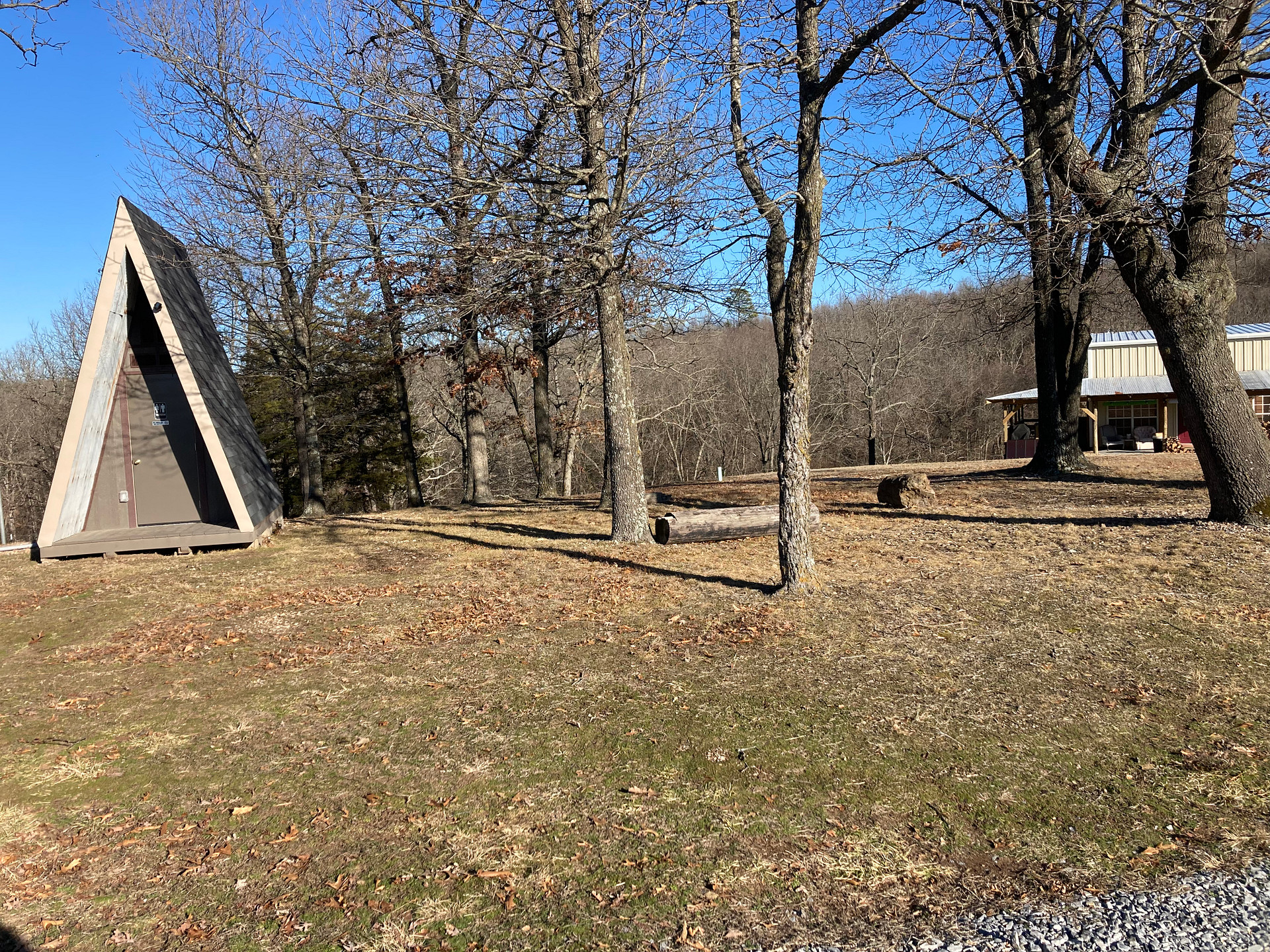
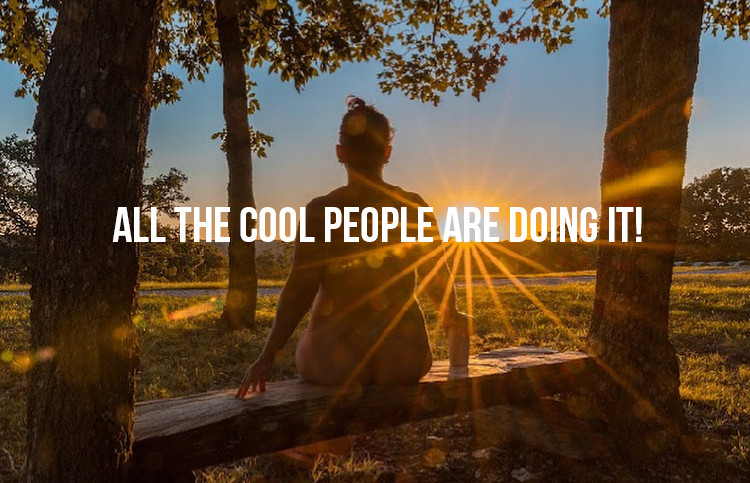
15. Sunset Mountain
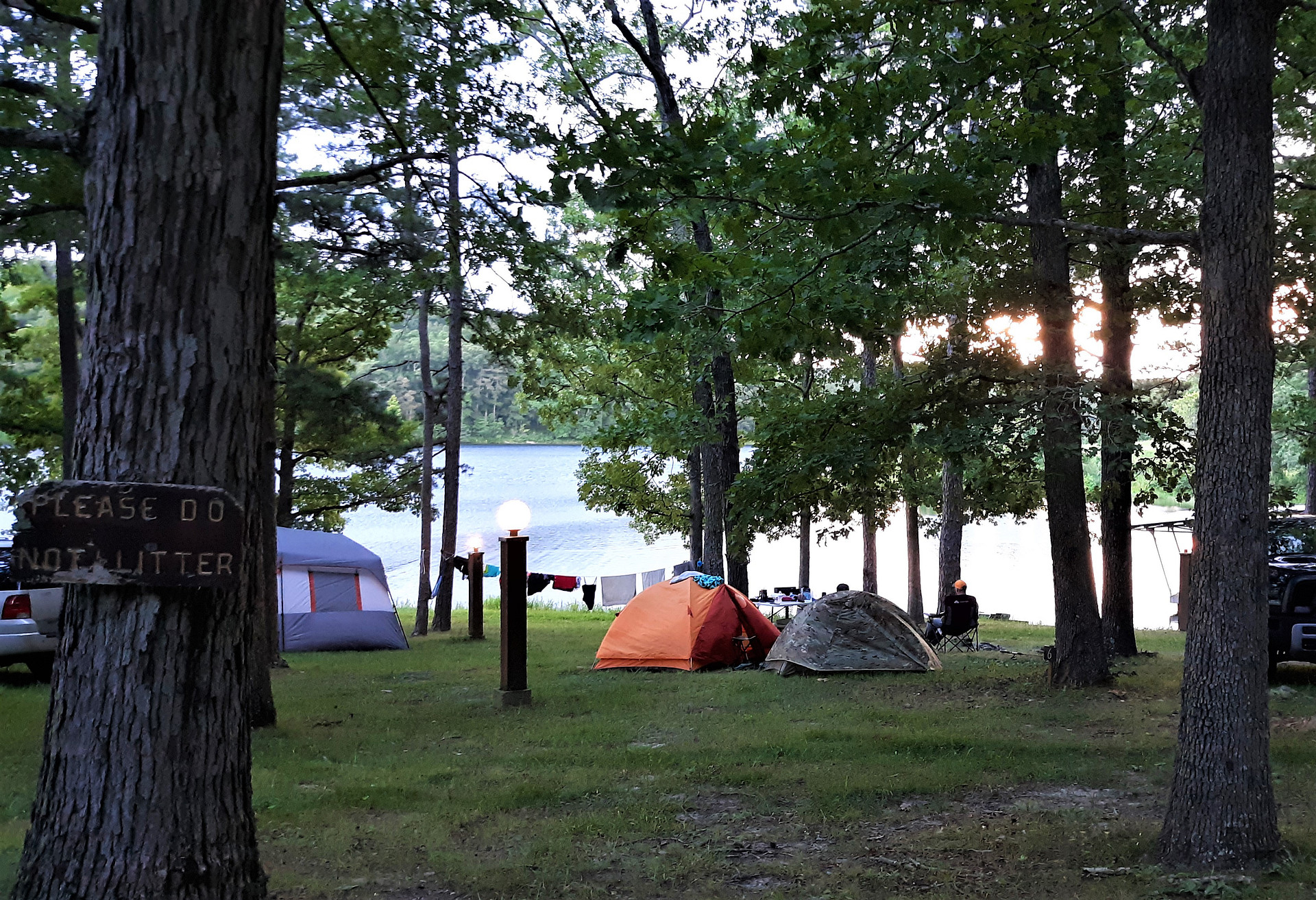
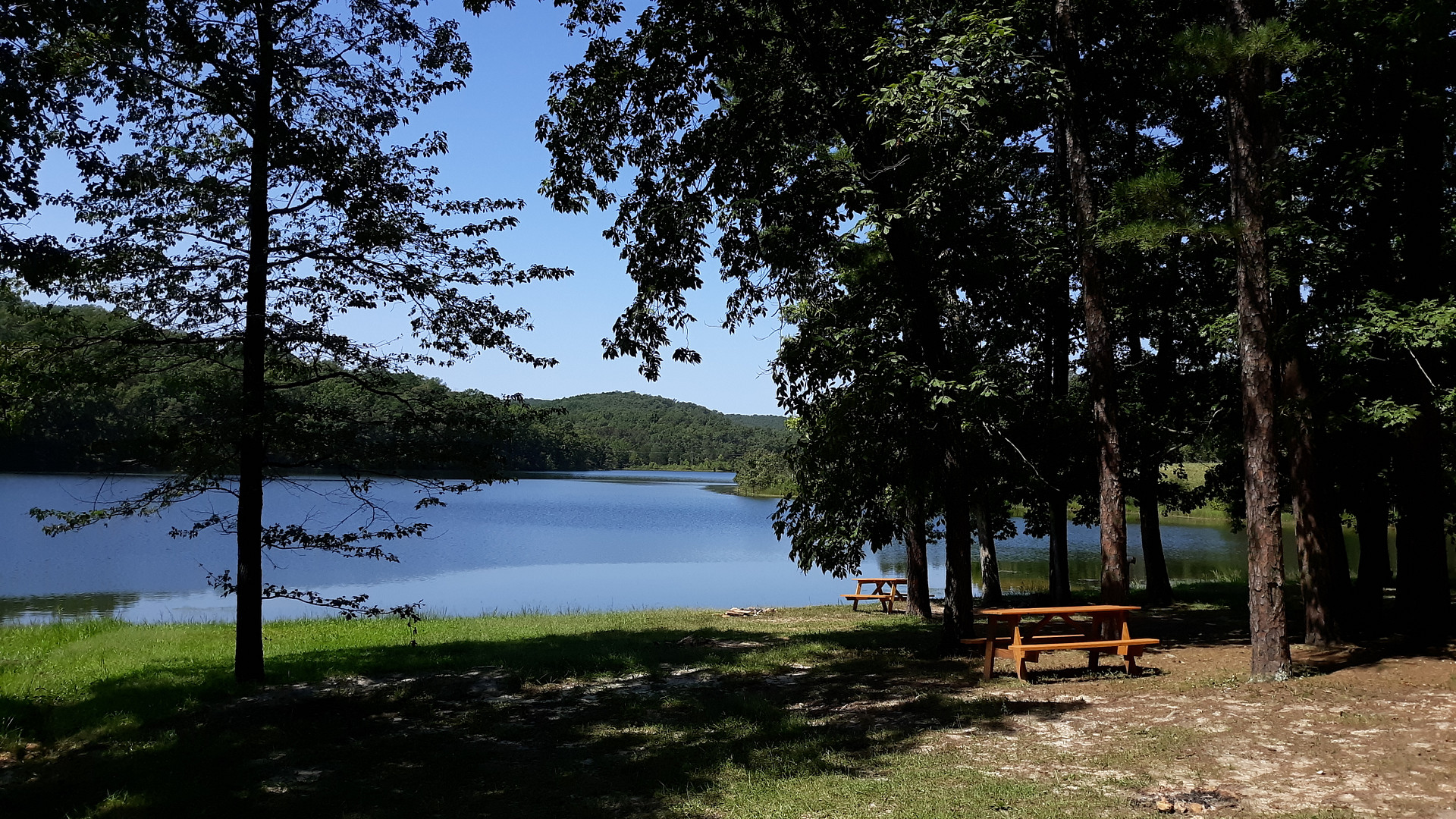
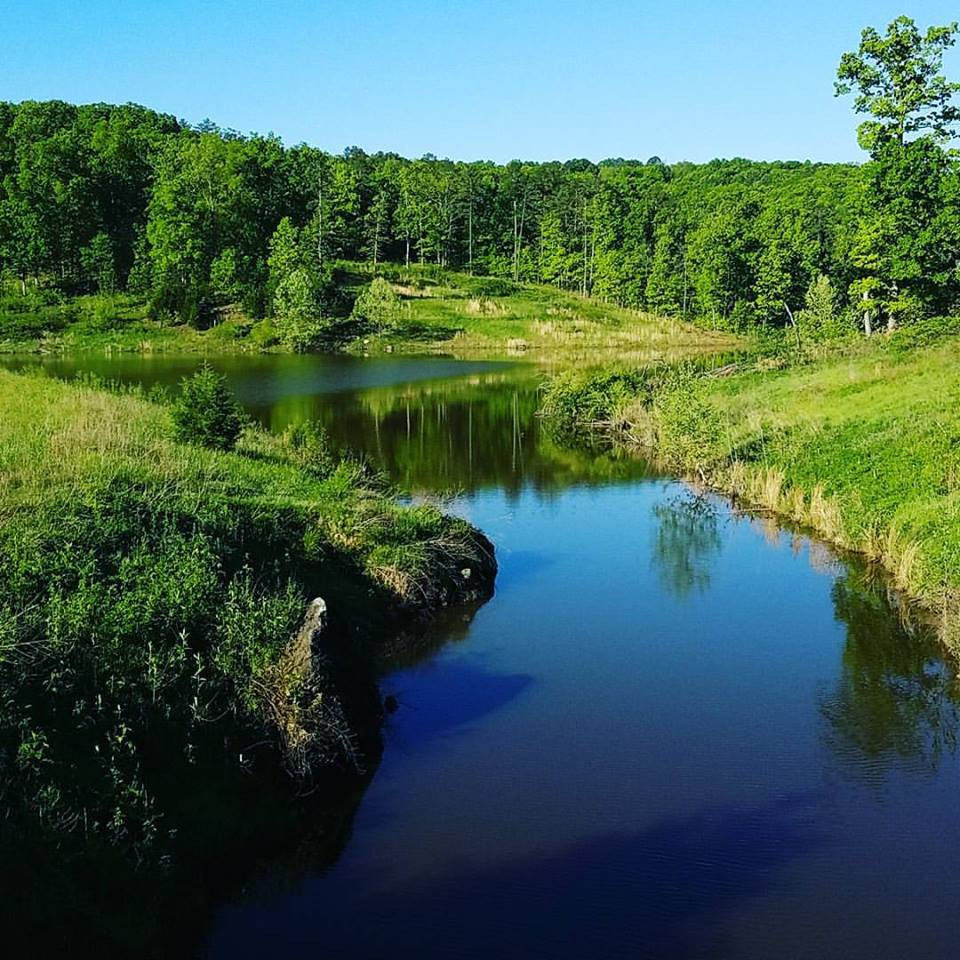
16. Spring Lake Ranch

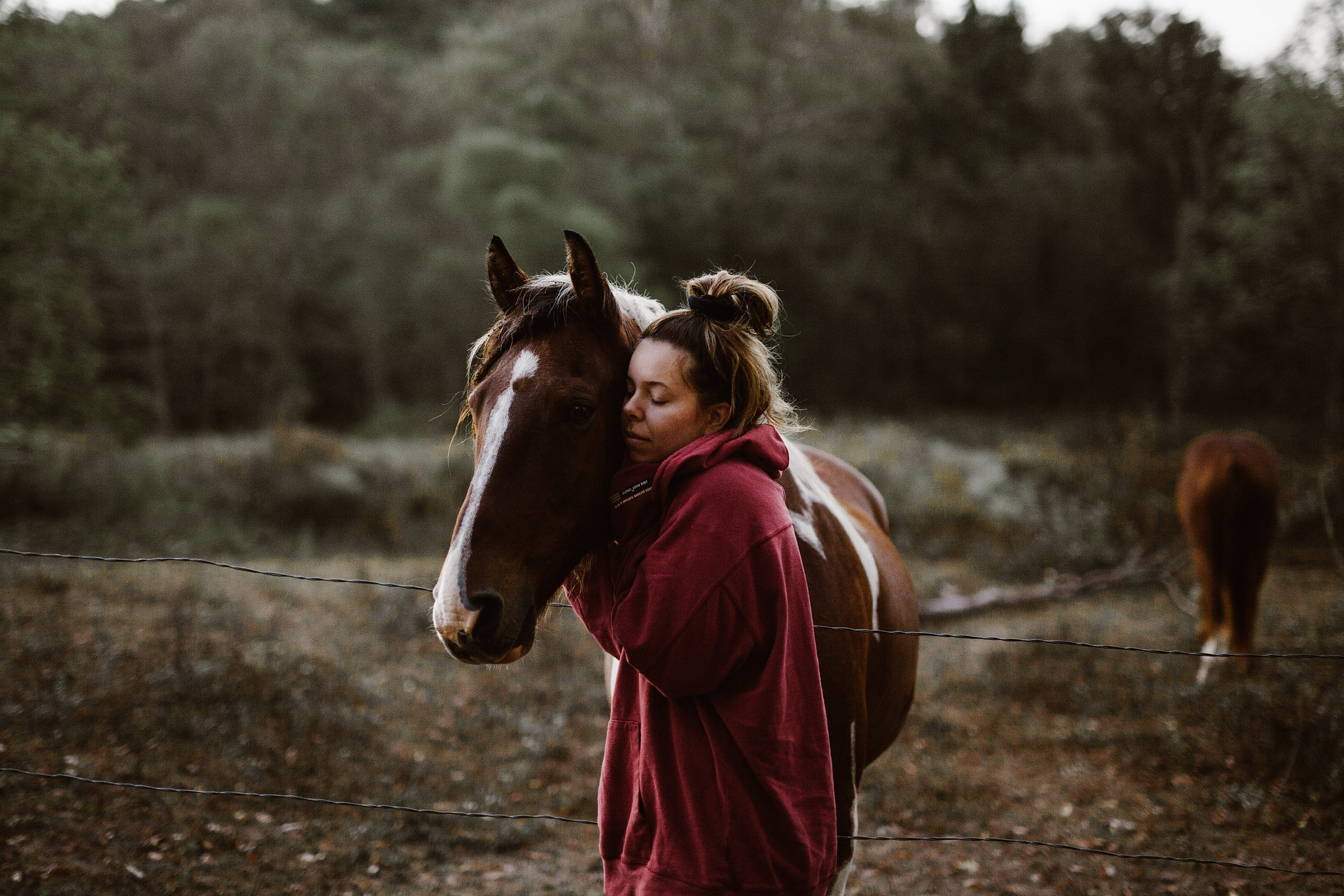

17. Hummingbird Hollow Outdoors
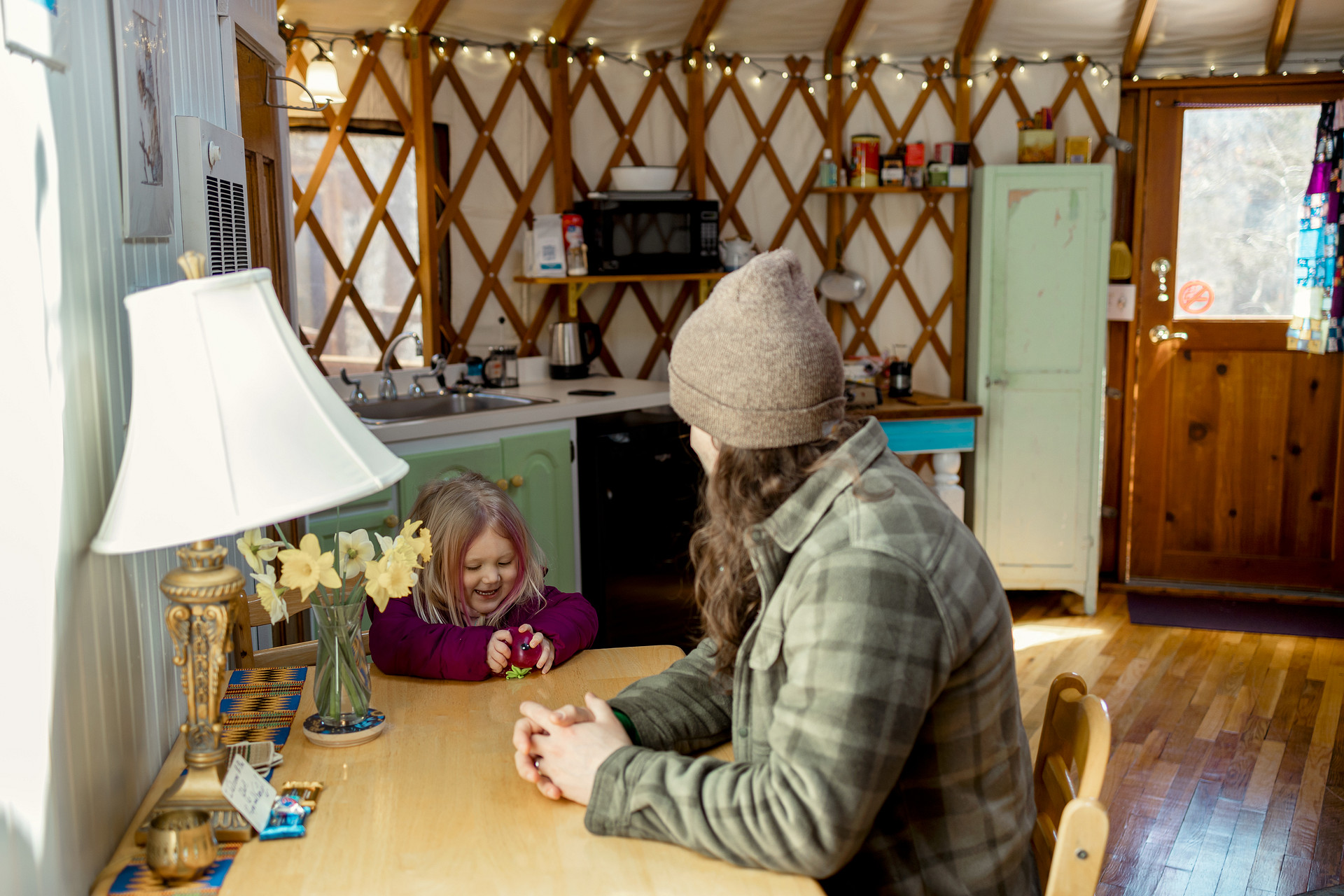
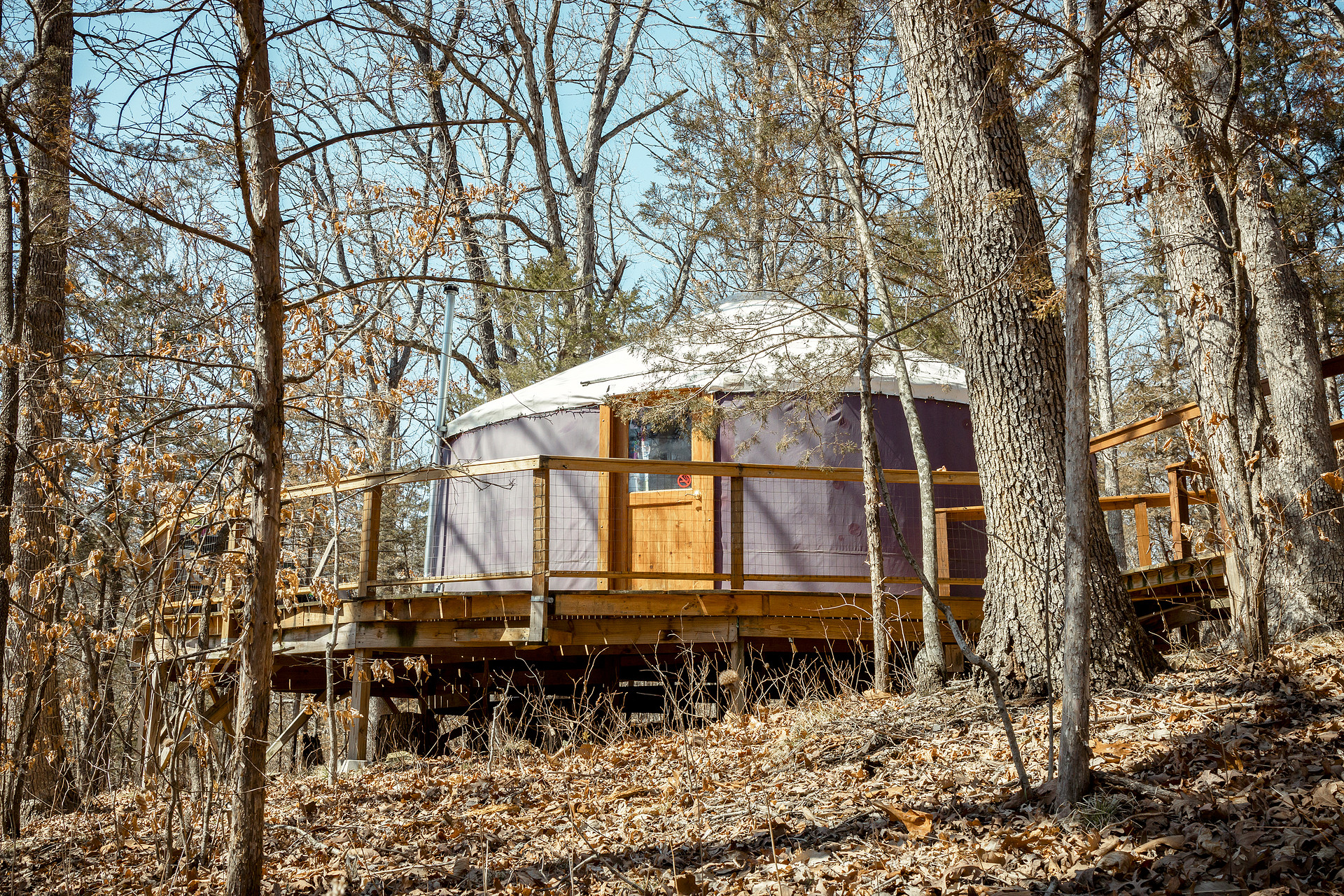
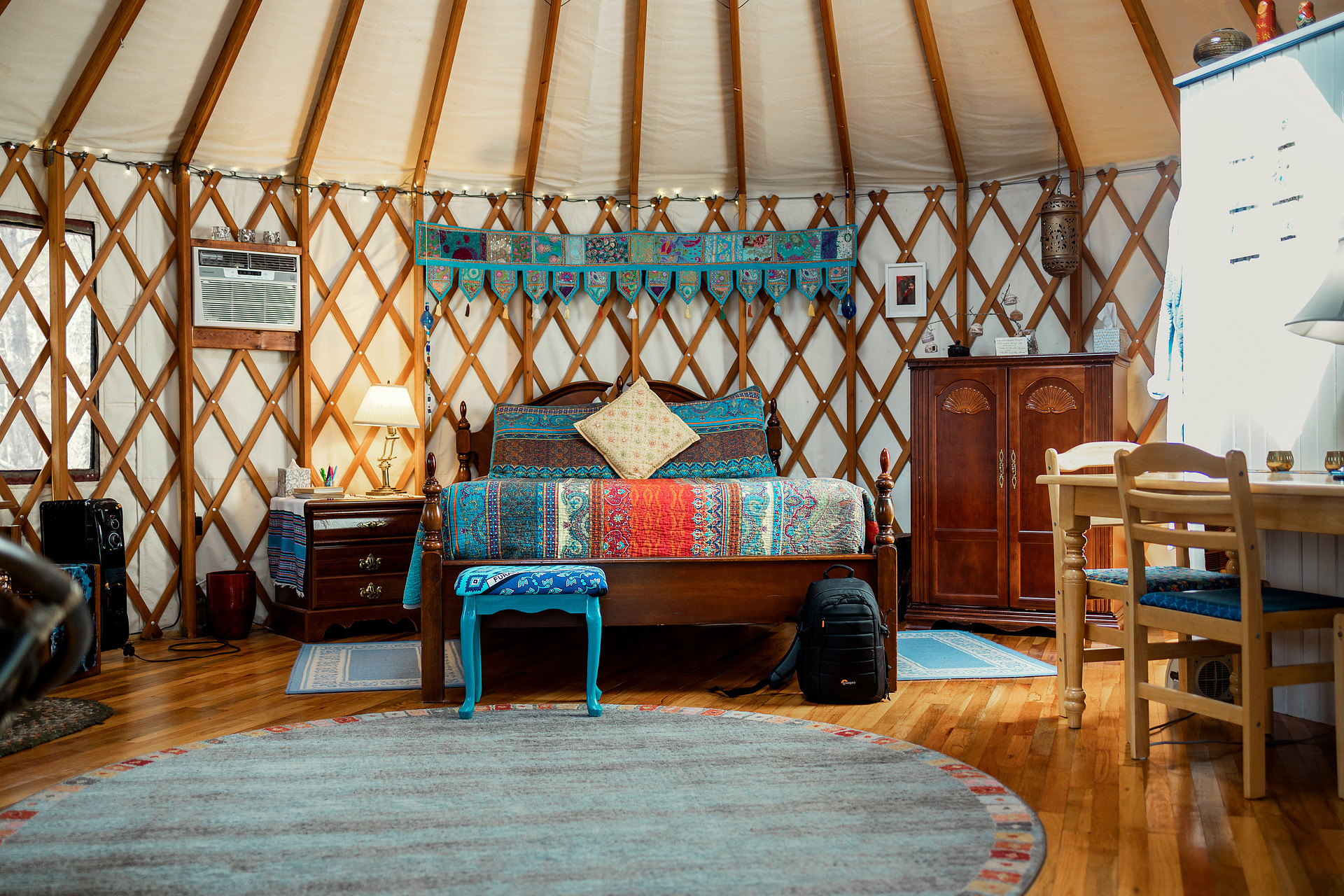
18. Retreat to the Country
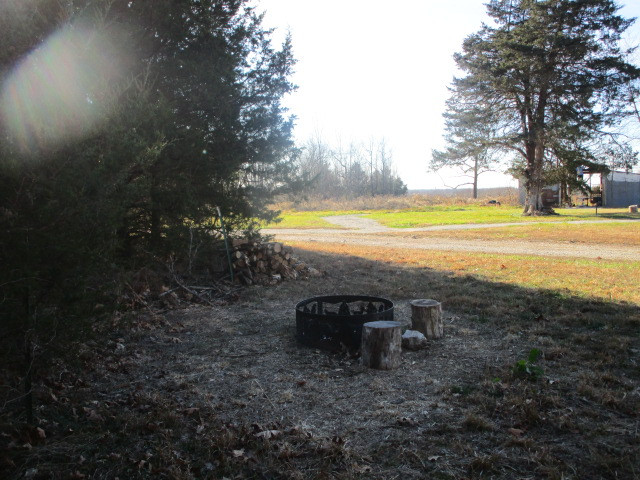
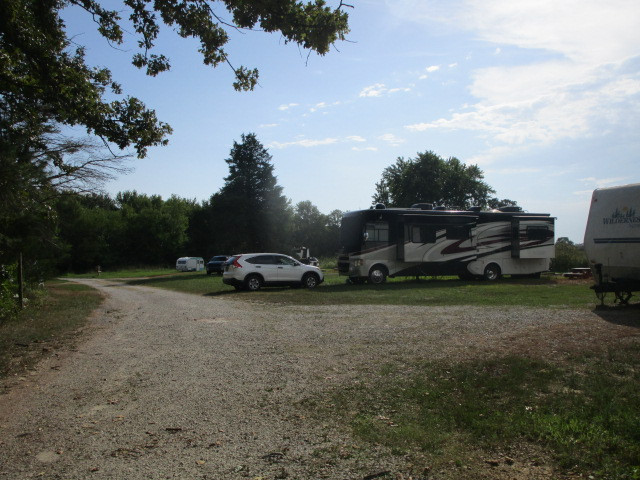
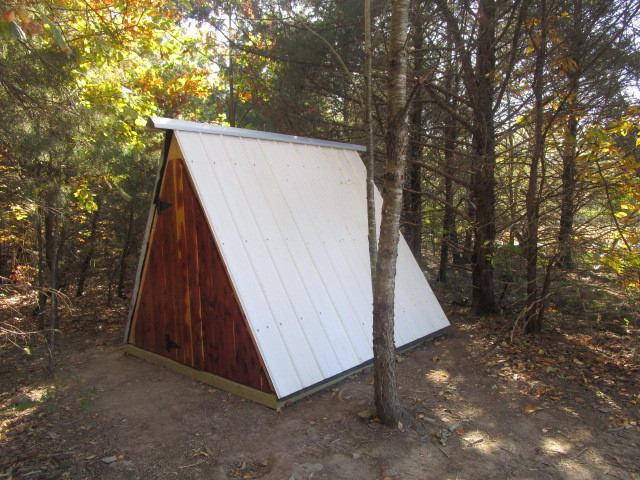
19. B Berry Farms & Co.
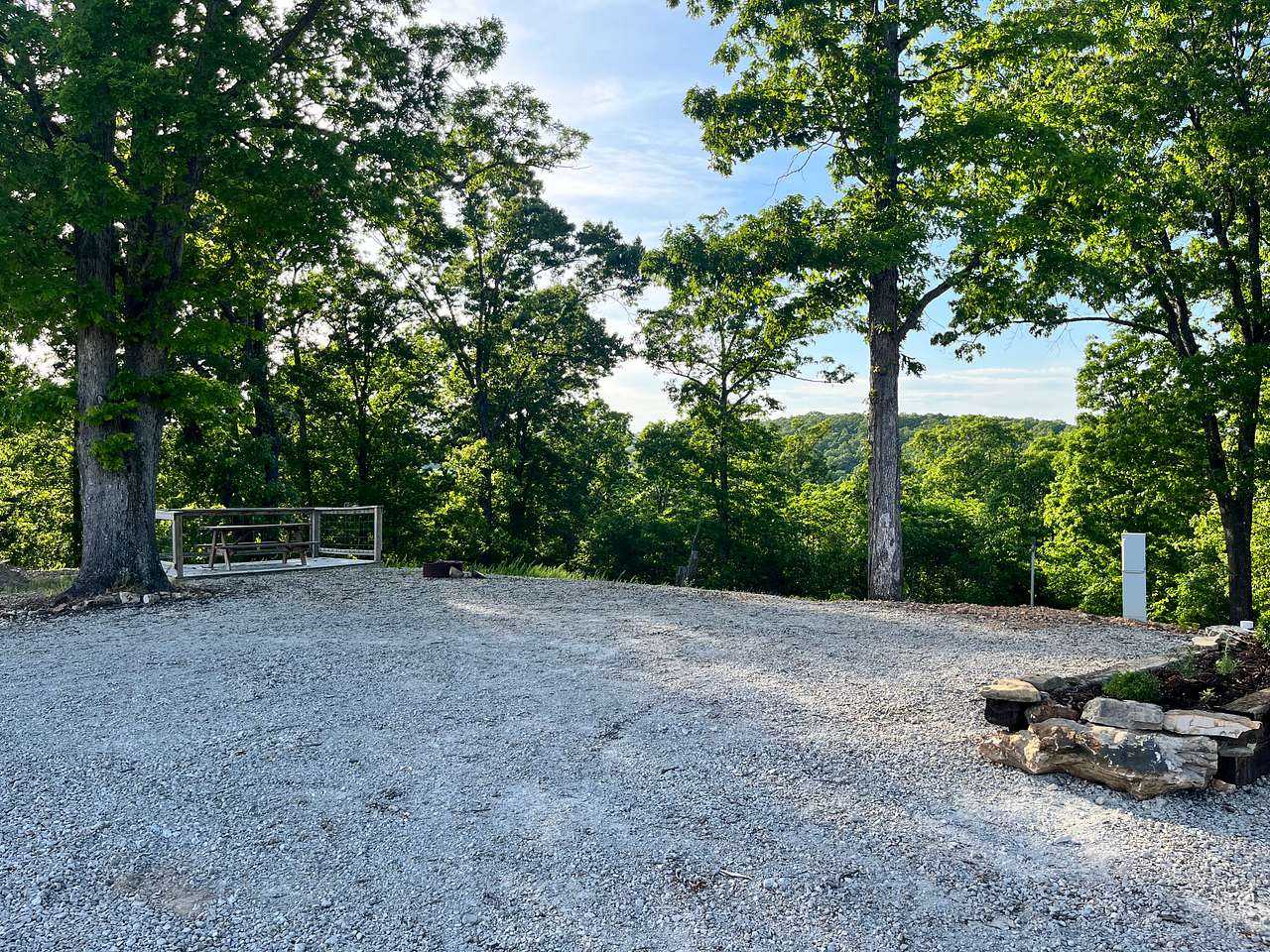
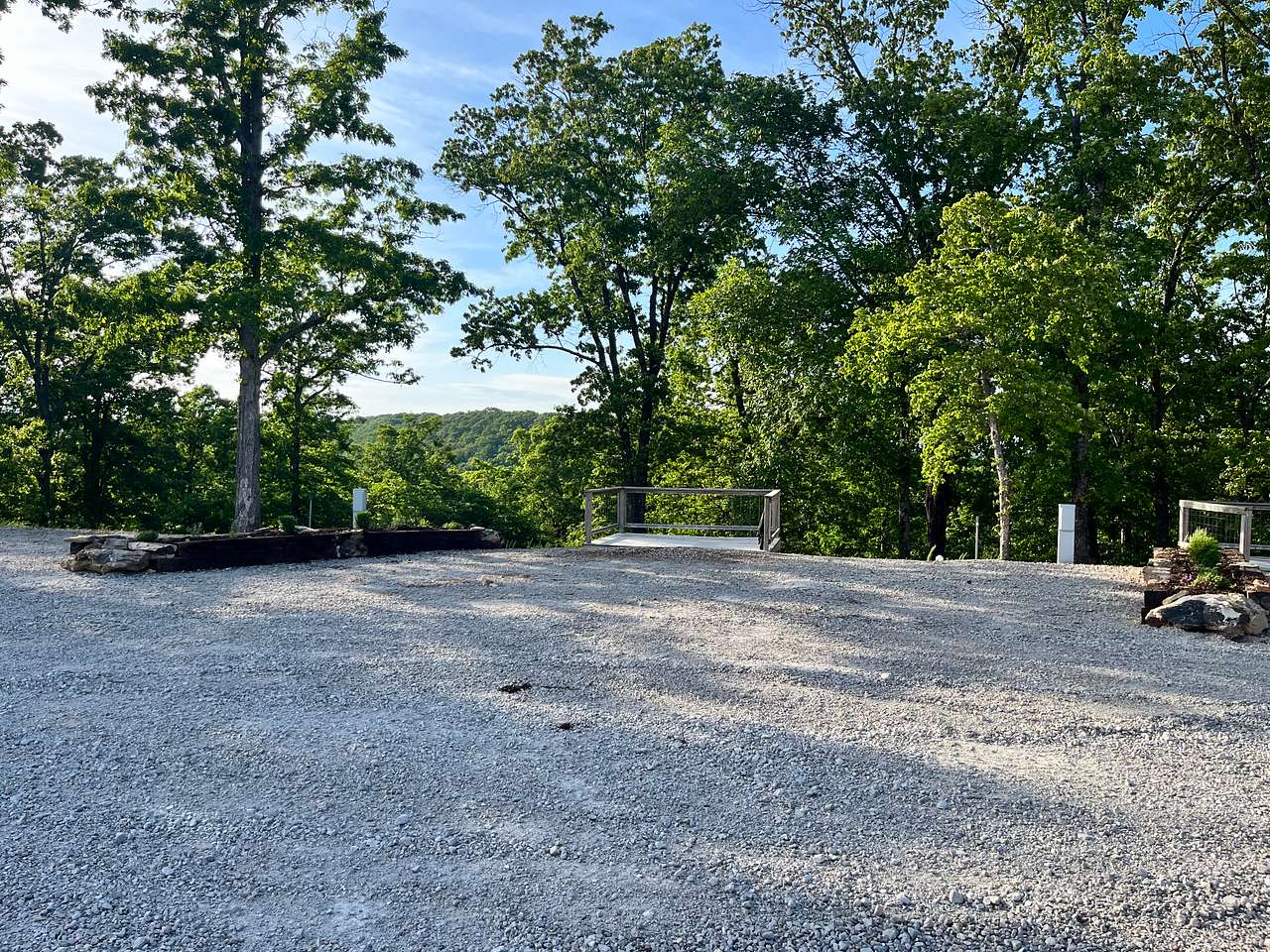
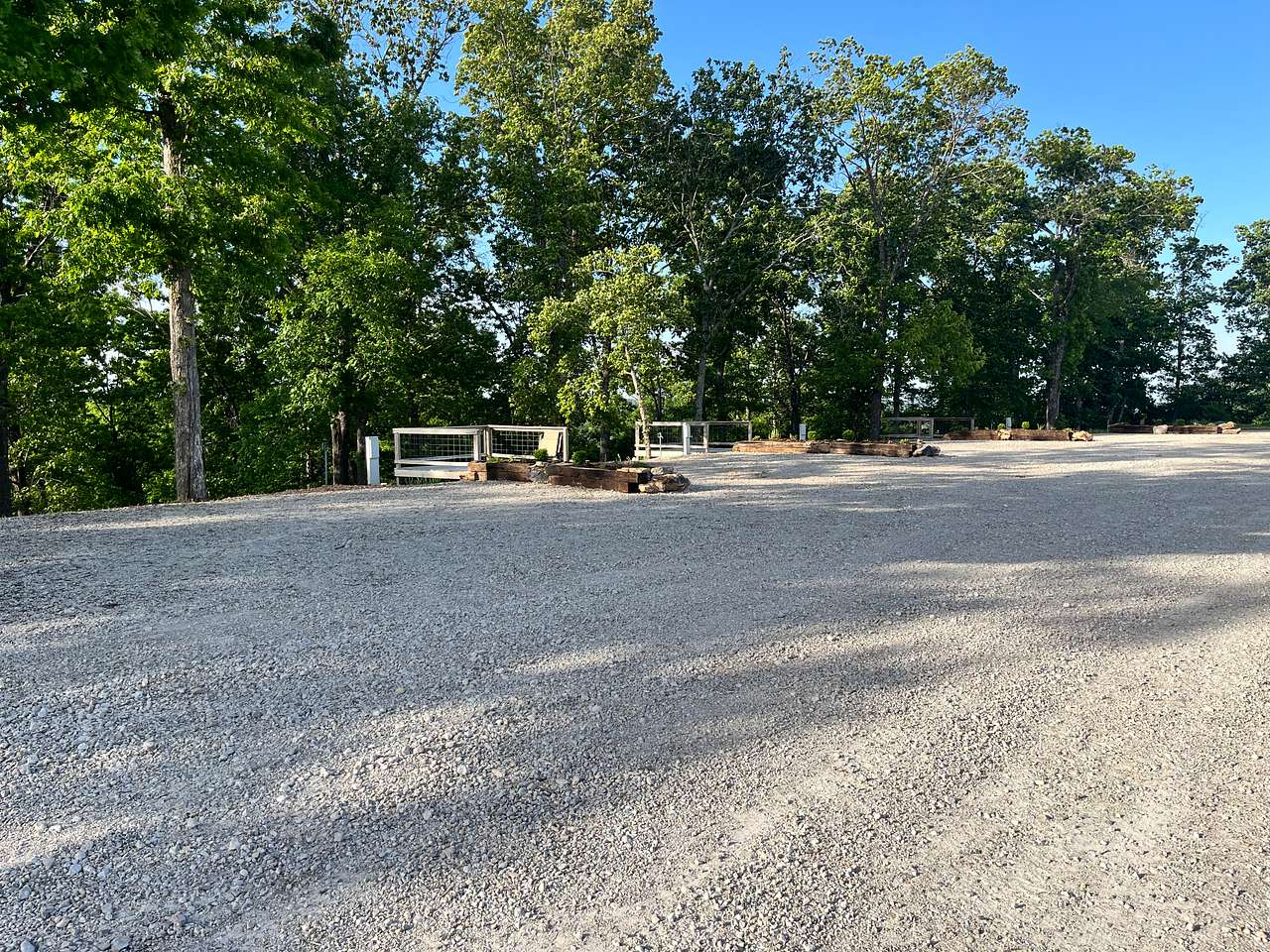
20. Gateway RV Camping
Milo Farm Sacred Land
Hawks Bluff Farm Campground
Riverbend RV Park and Campground
Johnsons Hobby Farm
38 Special Luxury RV Resort
Sycamore Springs Campground


Milo Farm Sacred Land
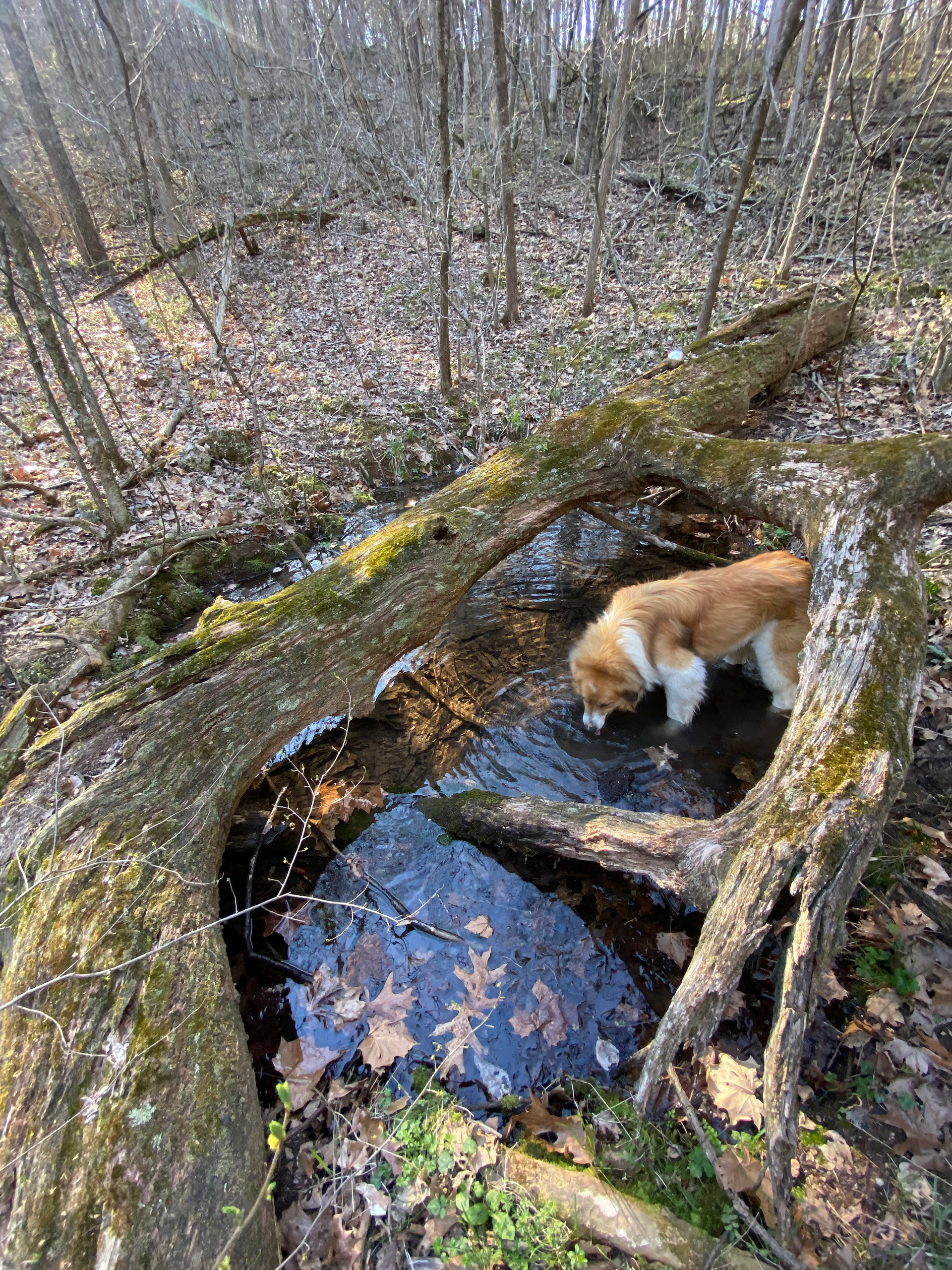
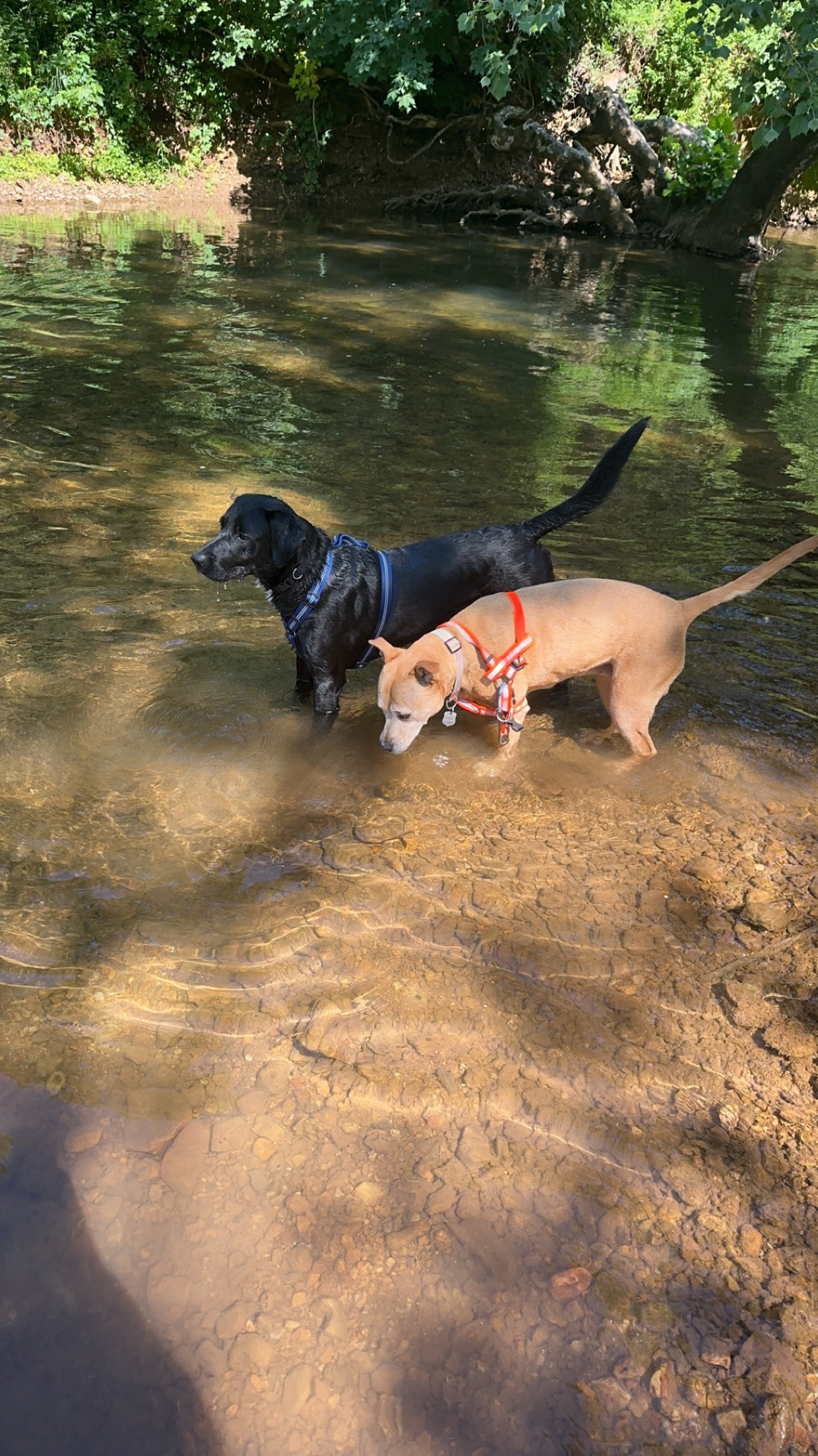
Hawks Bluff Farm Campground


Riverbend RV Park and Campground



Johnsons Hobby Farm


Sawmill Hollow Creek


38 Special Luxury RV Resort
Recent reviews from the Hipcamp community
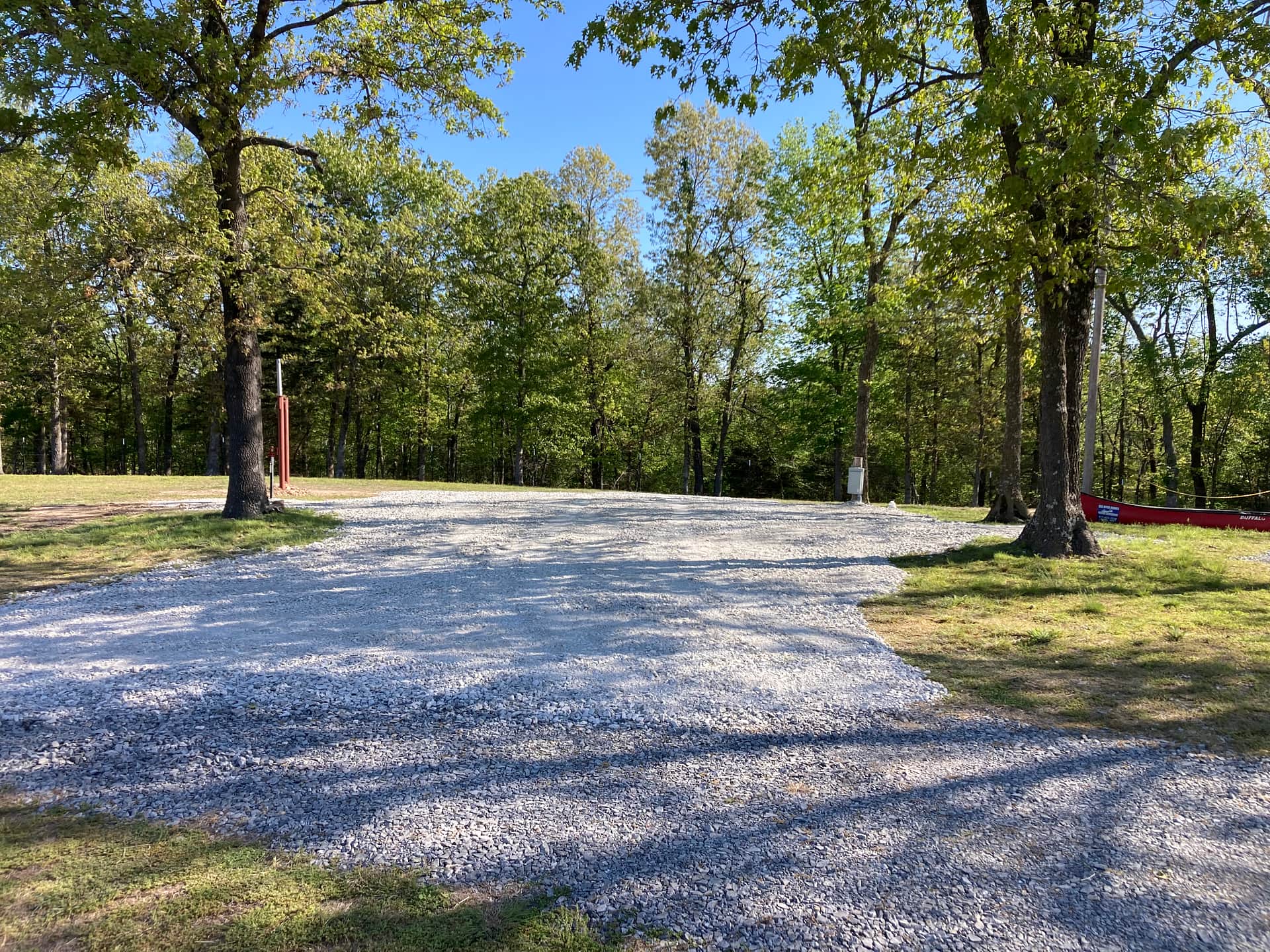
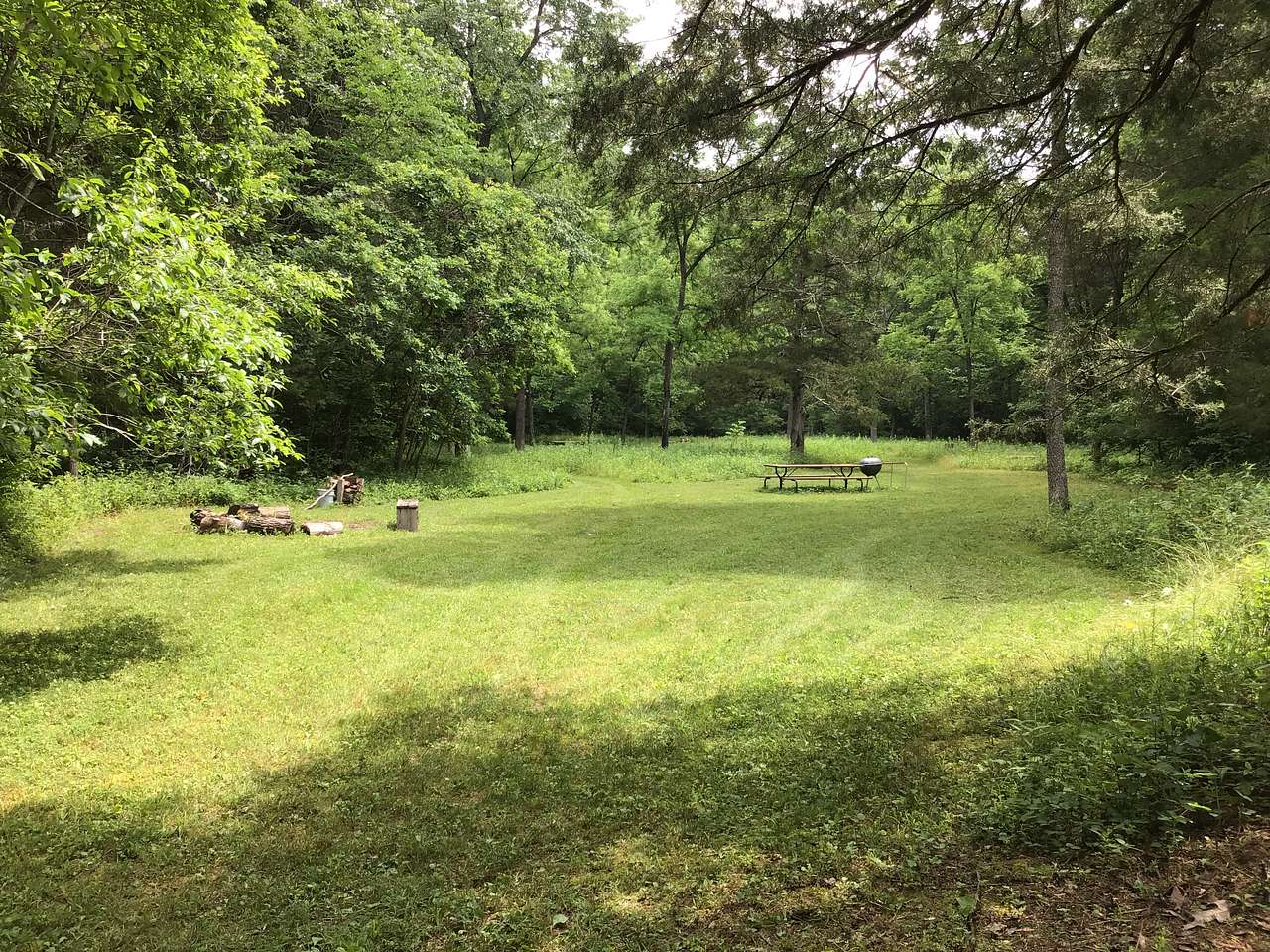
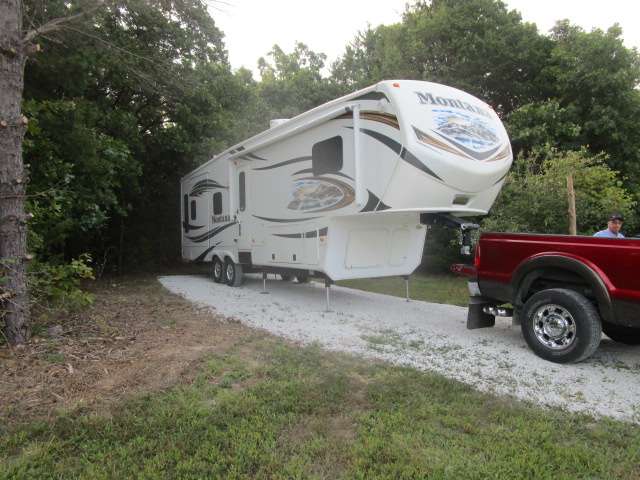
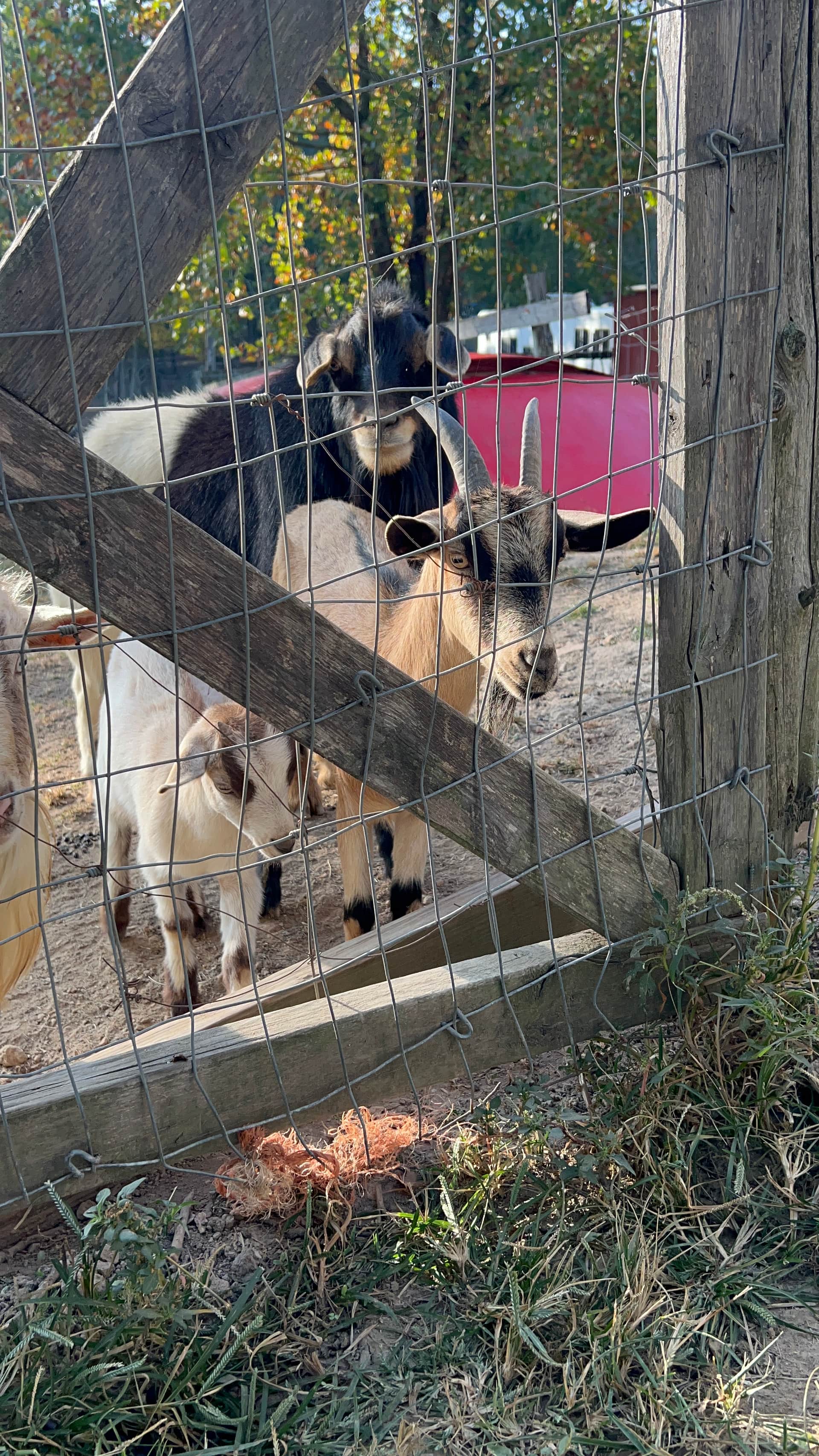


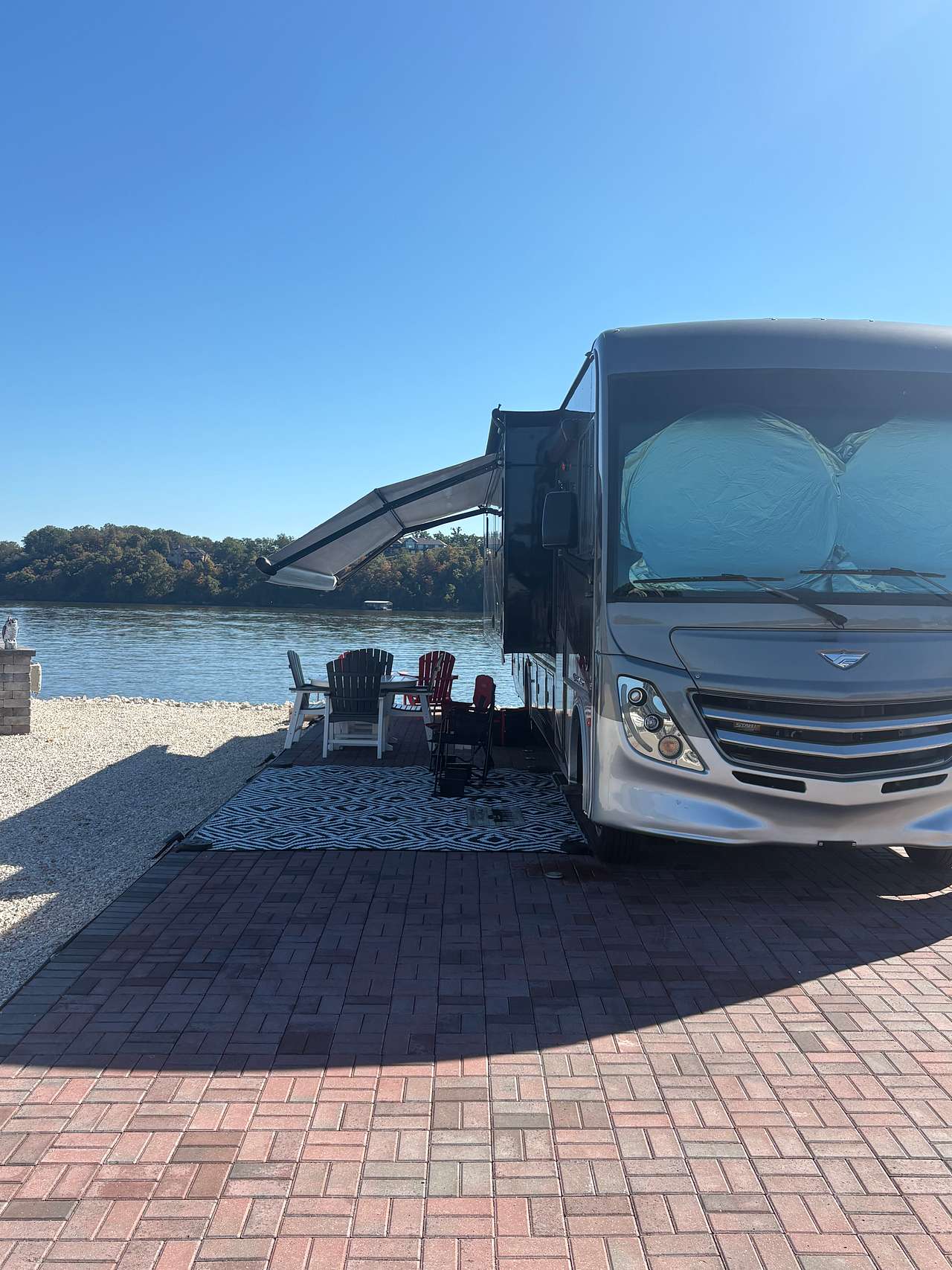
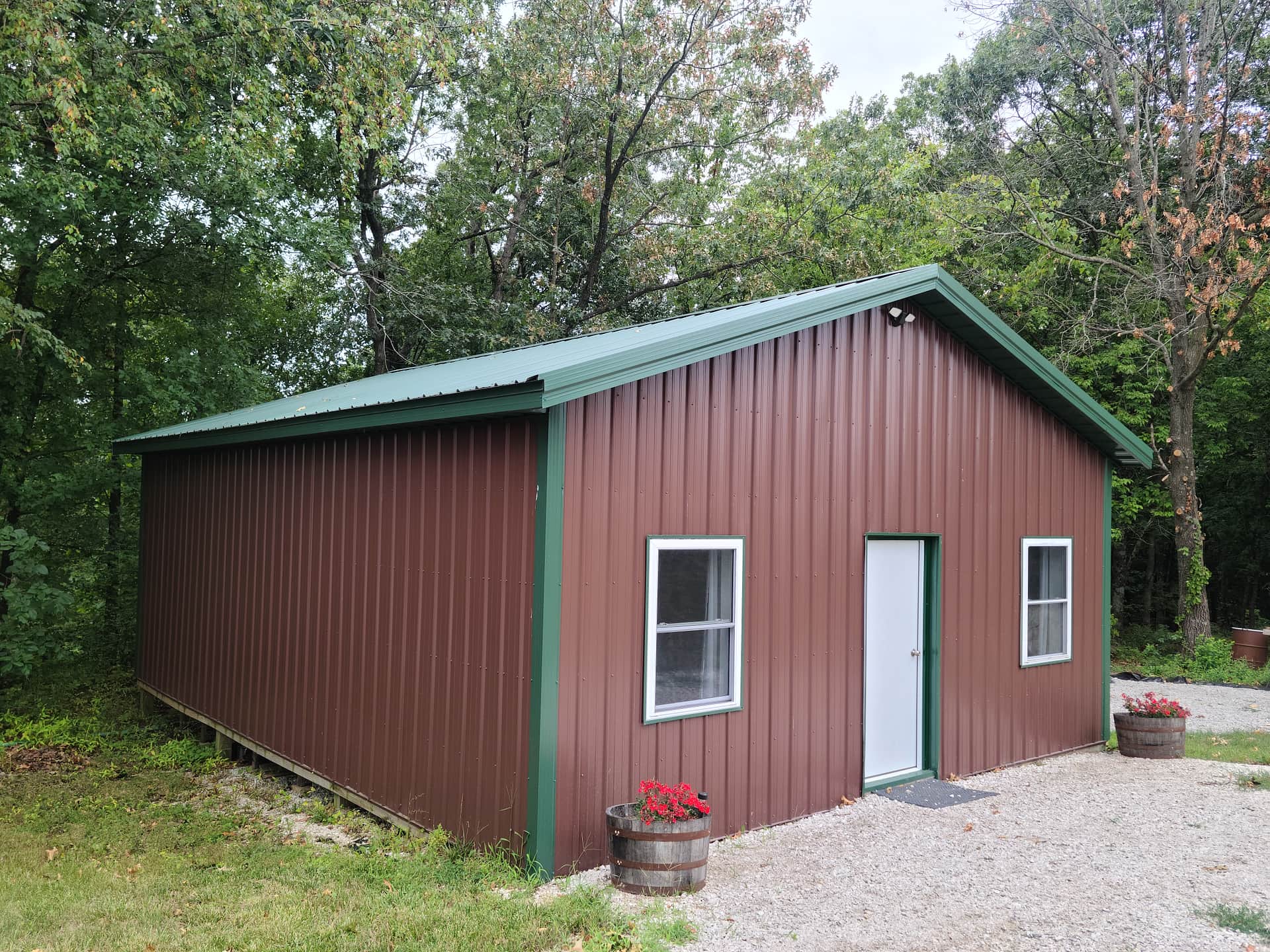
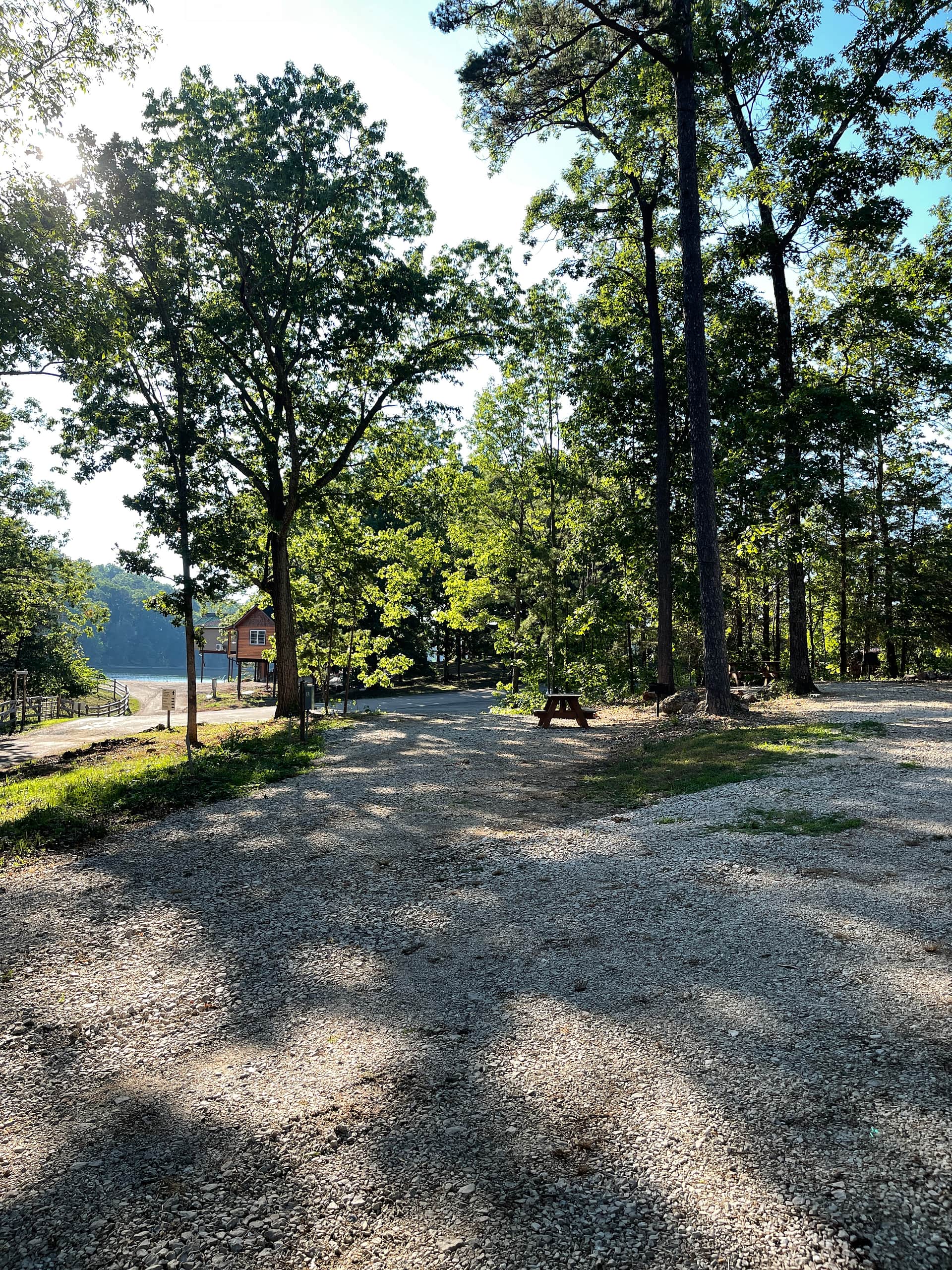
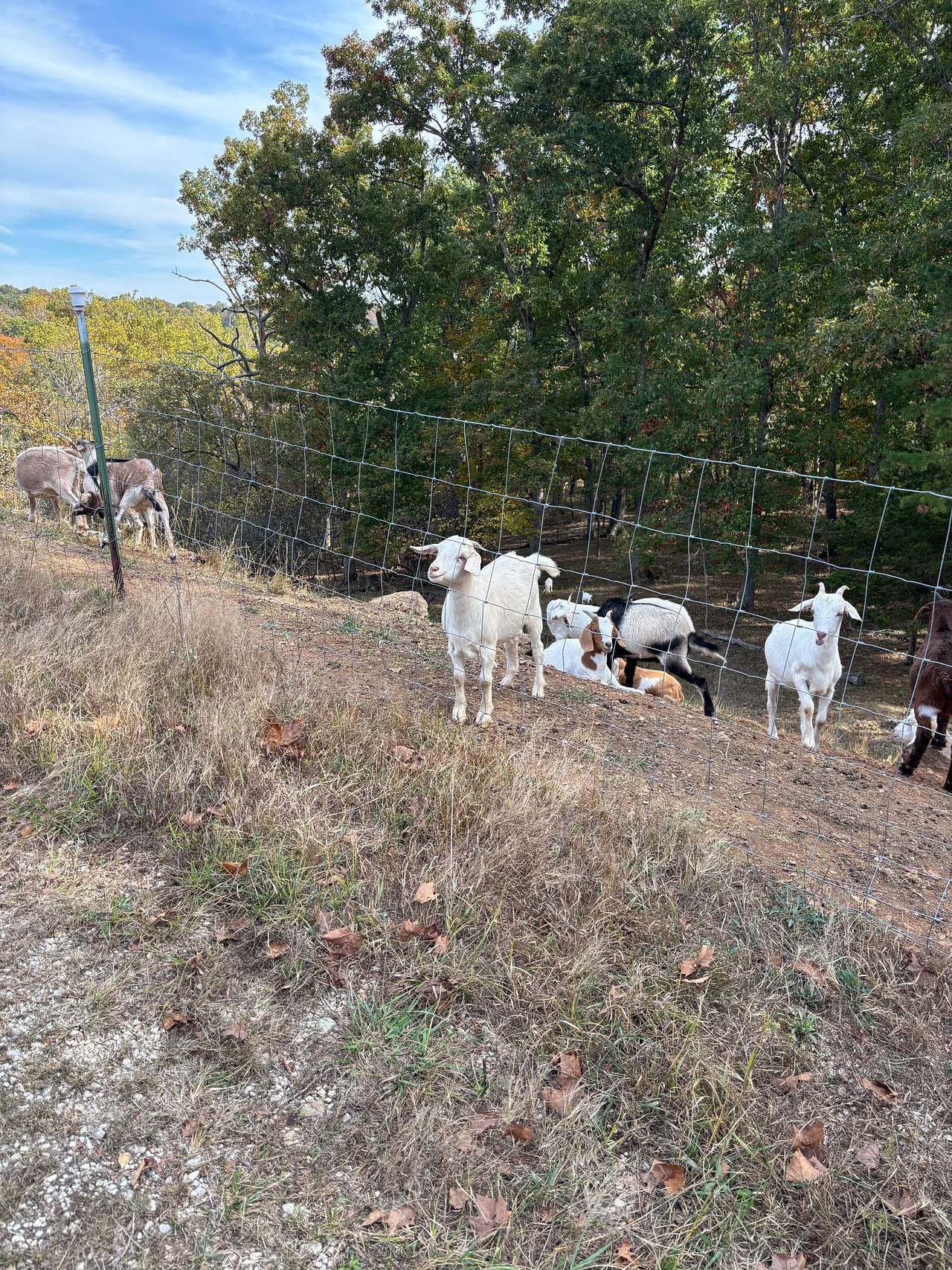
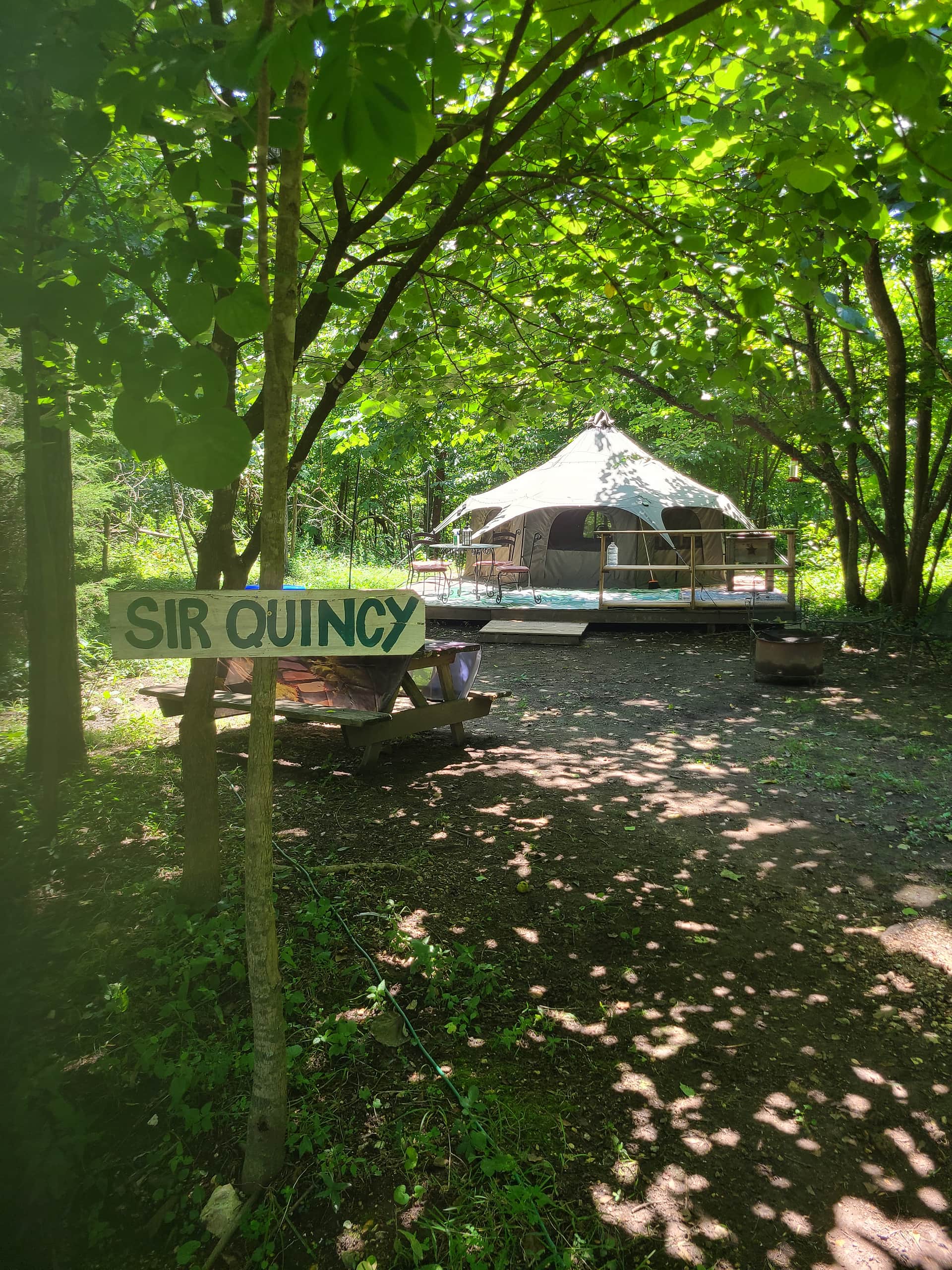
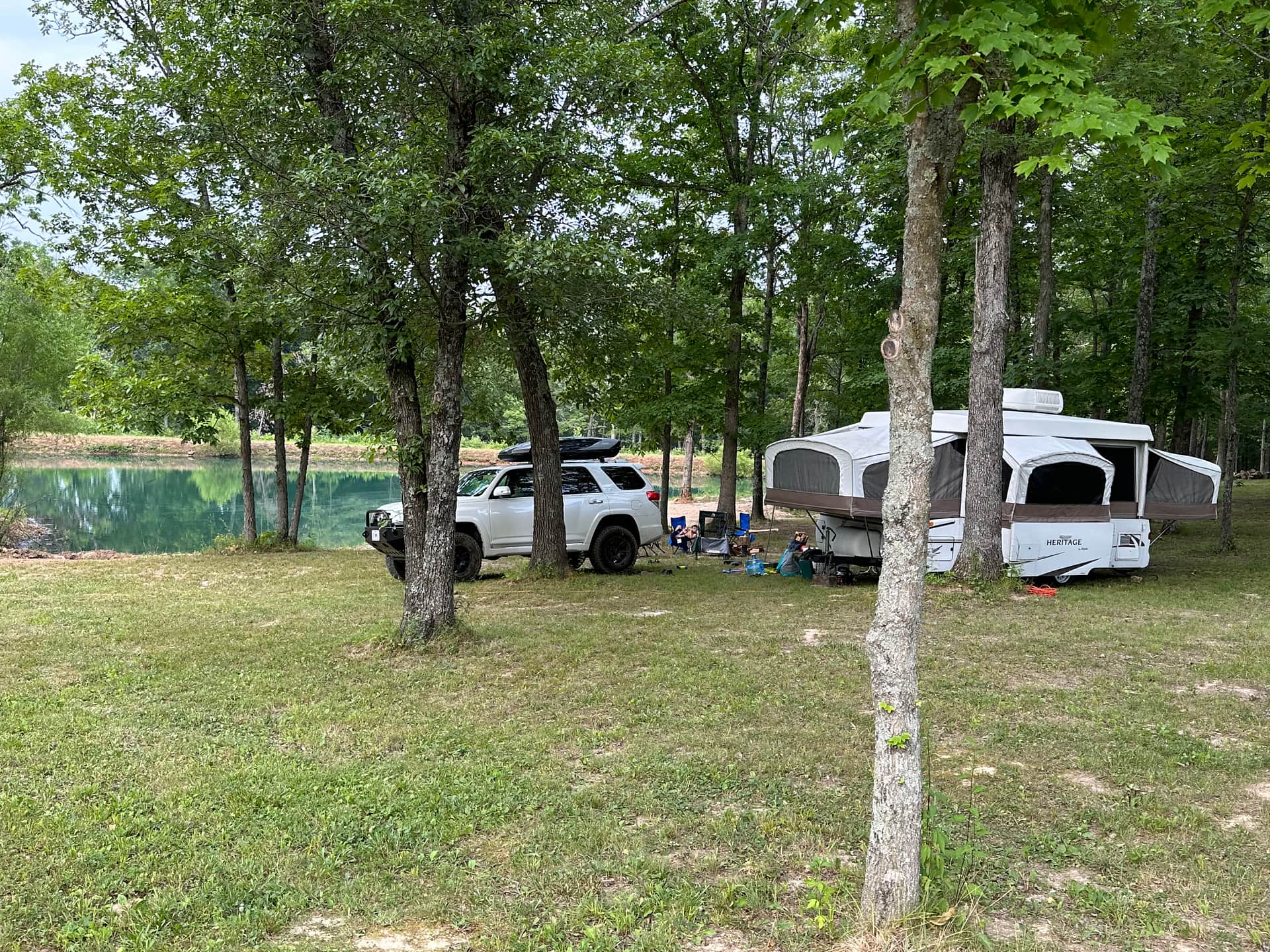
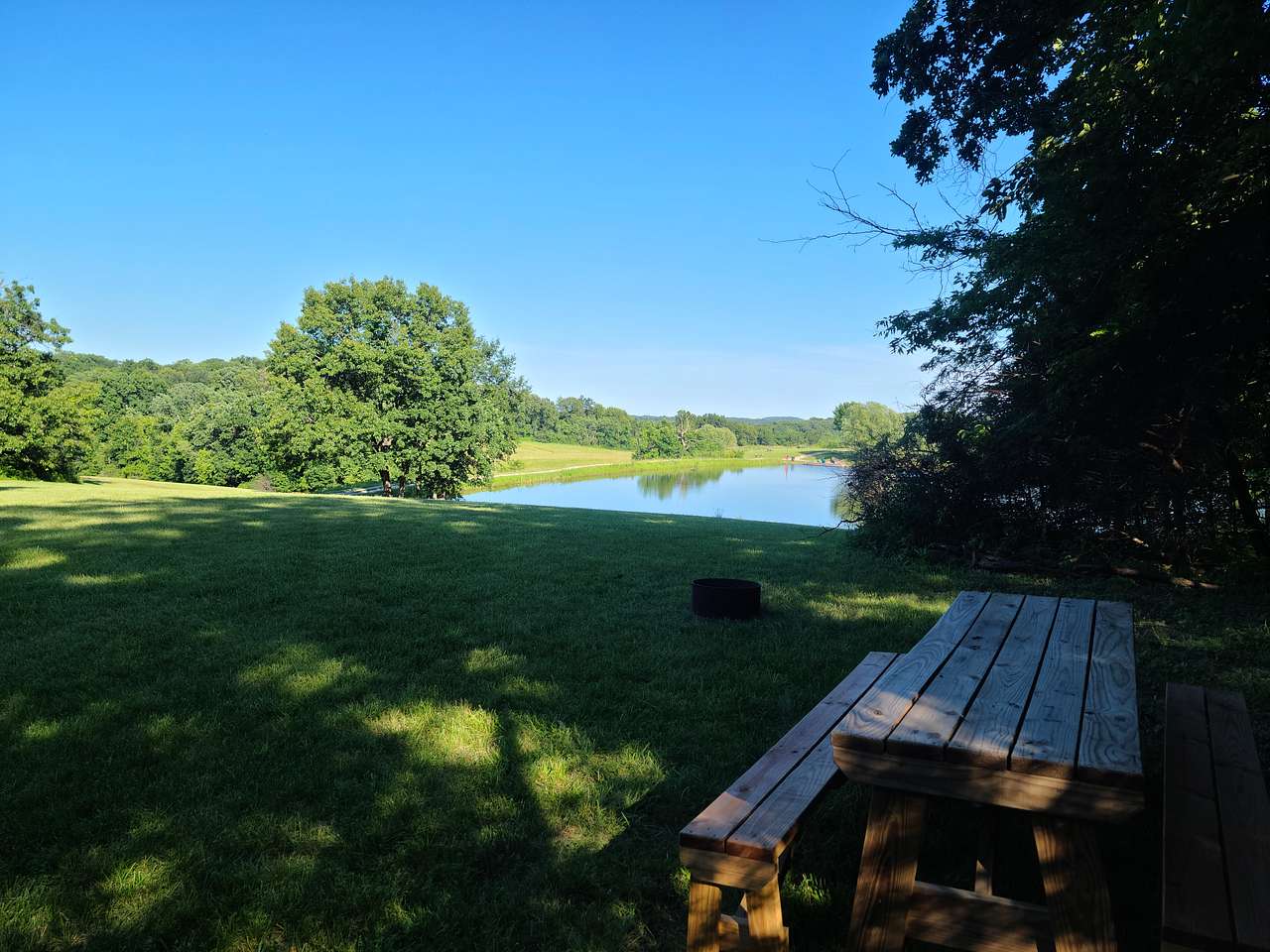
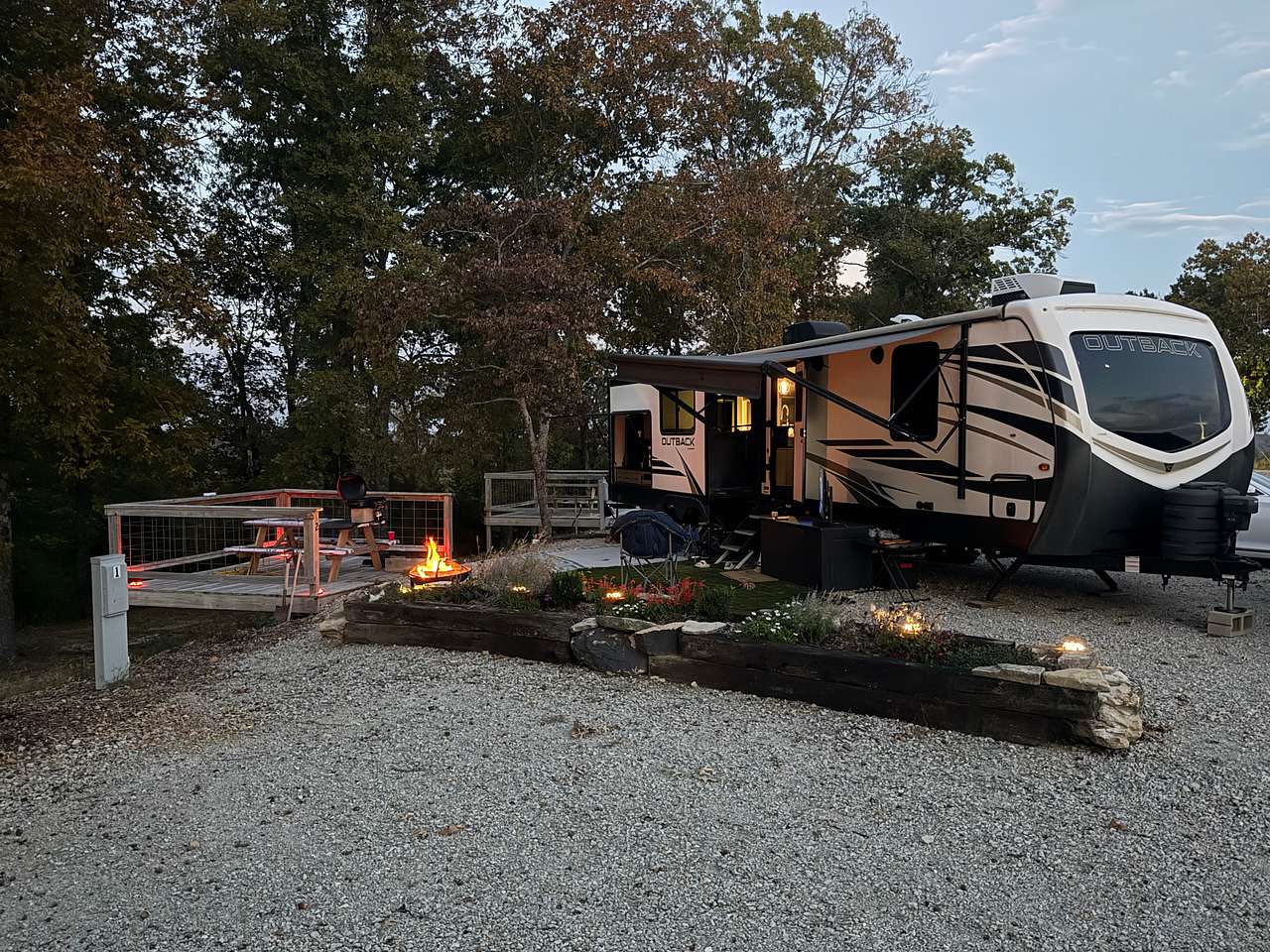
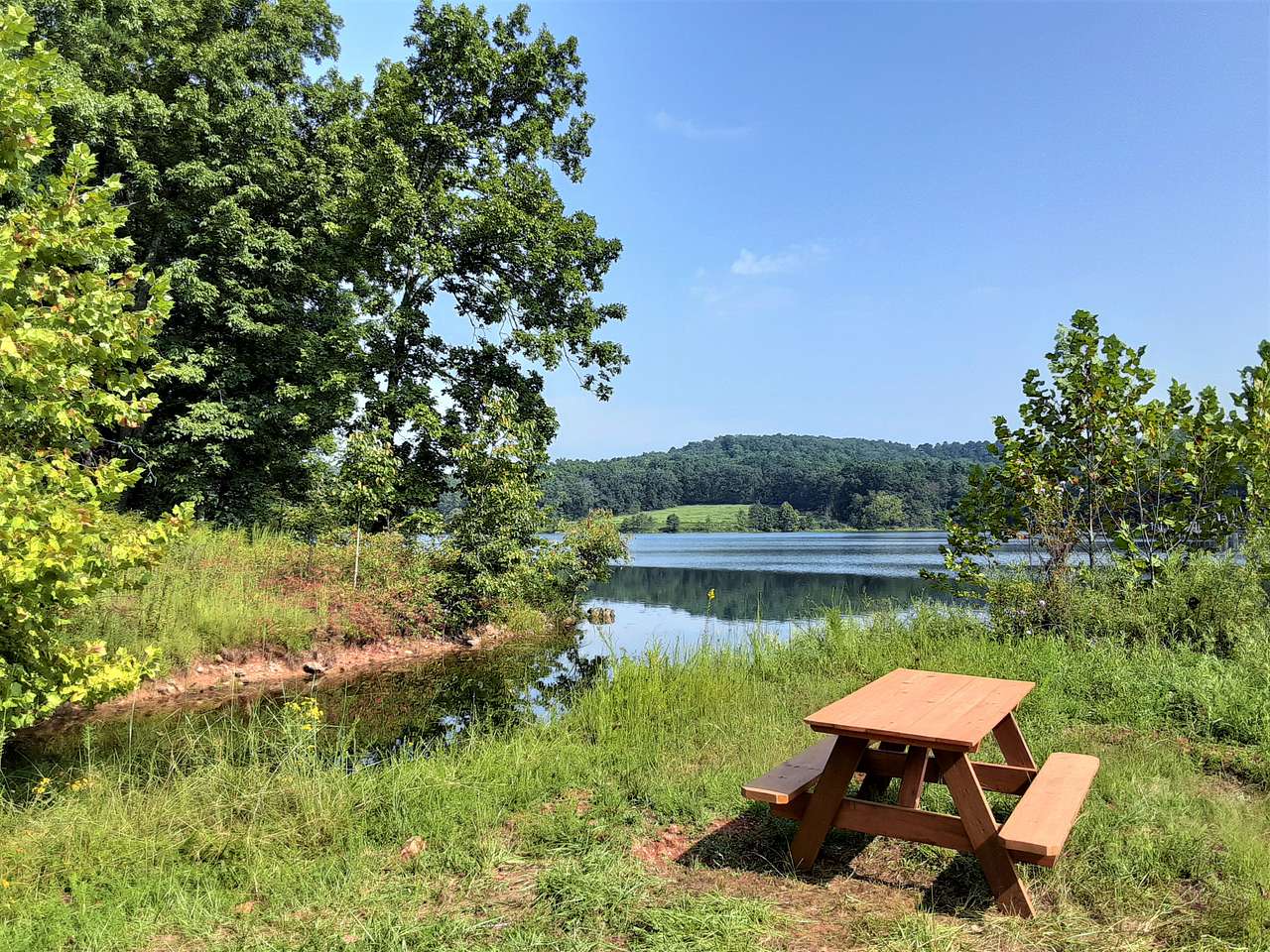
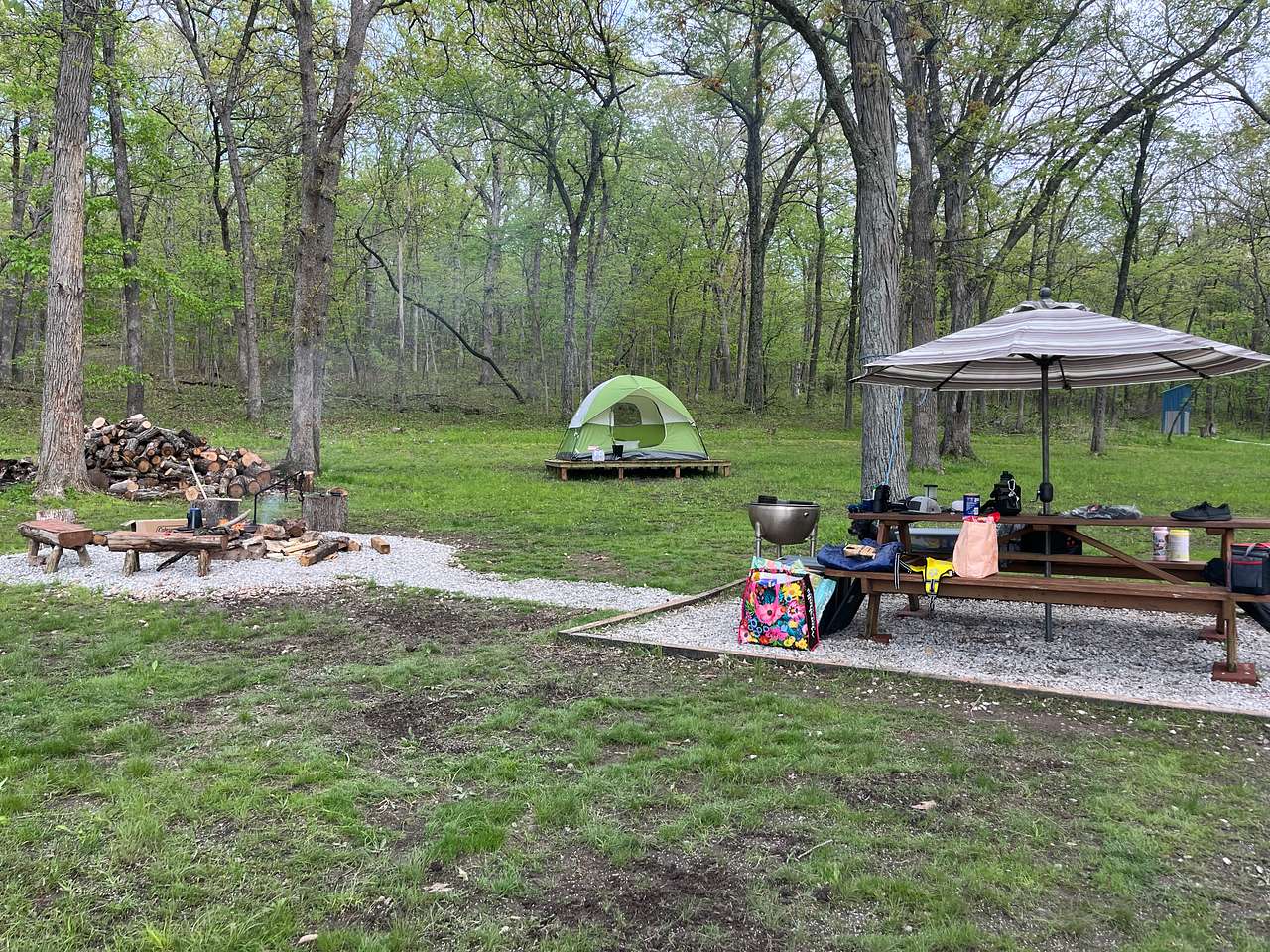
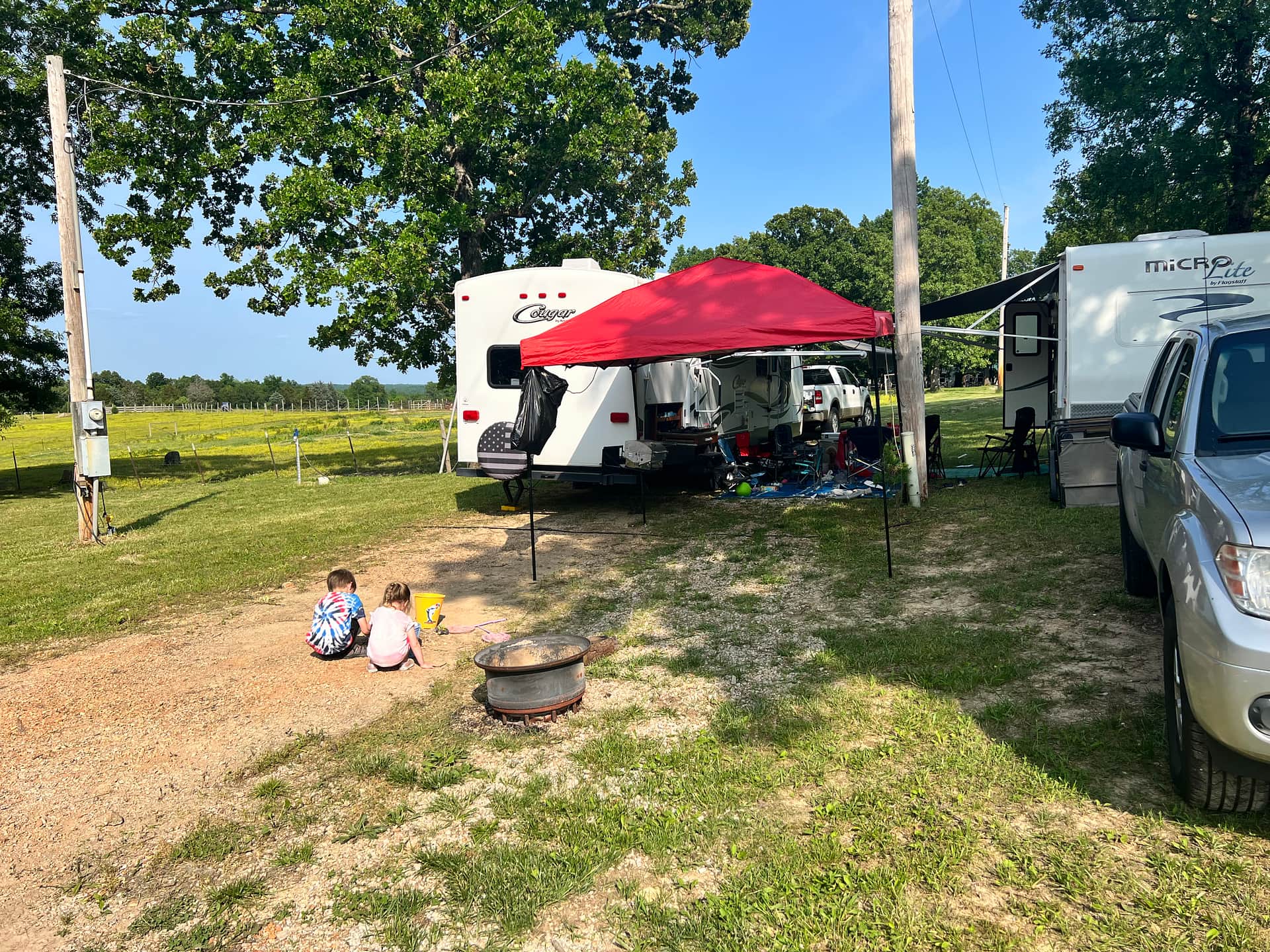
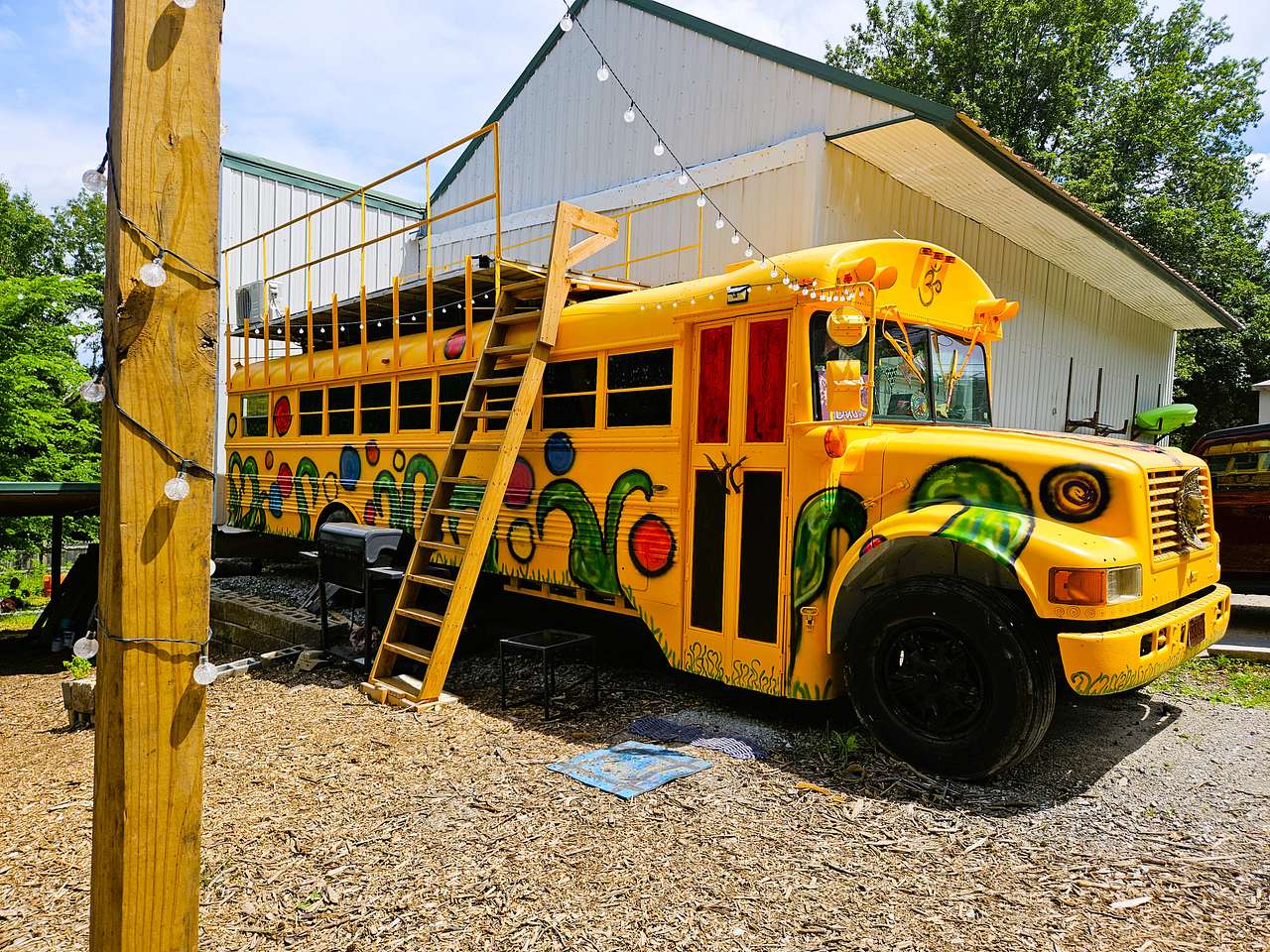
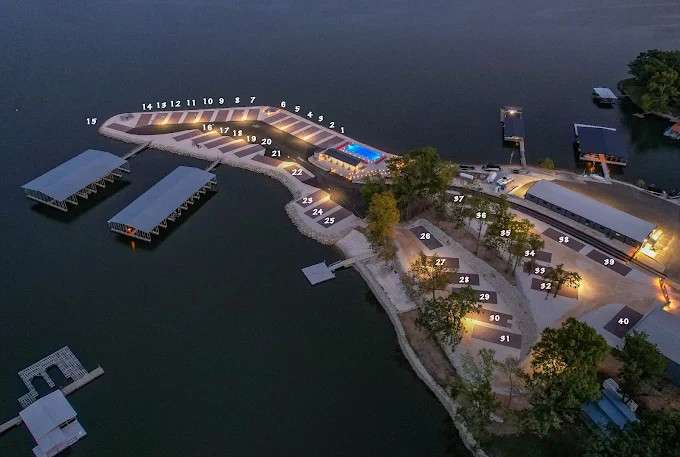
Missouri camping guide
Where to go
North Missouri
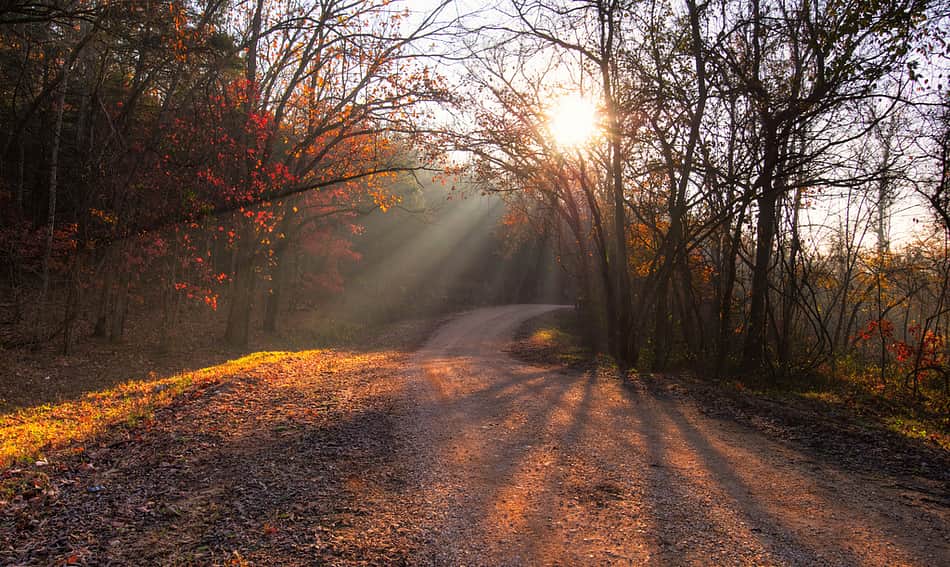
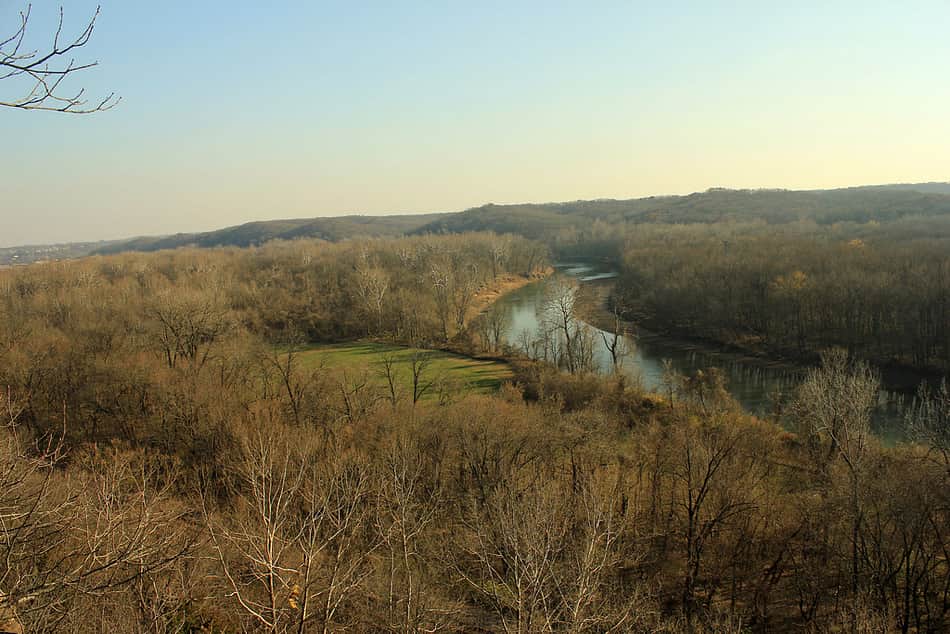
Kansas City, Missouri’s largest city, is best known for its jazz scene and BBQ restaurants, but there are also plenty of natural attractions to explore in the north. Head to nearby Weston Bend State Park to camp along the Missouri River, or go biking and horseback riding along the multi-use trails of Crowder State Park. Over on the eastern state border, Wakonda State Park has six lakes to choose from, while the Mark Twain State Park has family campgrounds in the Salt River Hills.
Central Missouri
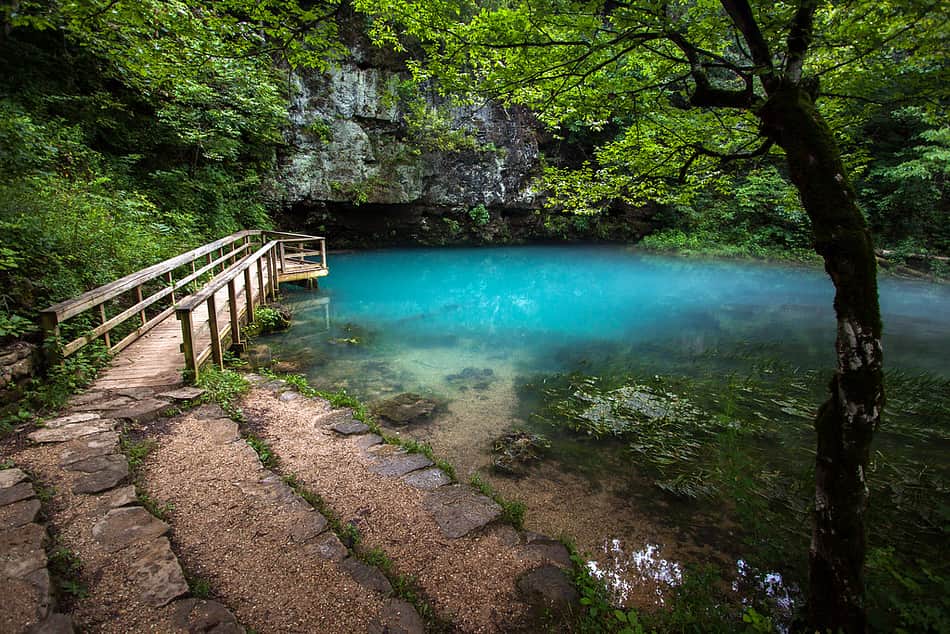
State capital Jefferson City lies at the heart of Missouri, and just to the north, Rock Bridge Memorial State Park provides tranquil camping amid a backdrop of natural caves, streams, and woodlands. Summer campers flock to the Lake of the Ozarks region, where the huge reservoir is fringed with sandy beaches, golf courses, and restaurants. If you tire of the Ozarks camping resorts, Bennett Spring State Park makes a worthy alternative, renowned for its trout fishing.
St Louis and Southeast Missouri
At the meeting point of the Mississippi and the Missouri Rivers, St Louis is home to one of Missouri’s most visited attractions, the Gateway Arch National Park. Nearby, hikers can enjoy full-amenity camping at Meramec River State Park, while Castlewood State Park is renowned for its mountain biking trails, and Sam A Baker State Park is one of the region’s most visited. Alternatively, escape to the wilderness of the Mark Twain National Forest, where you can choose between tent/RV sites, cabins, or dispersed camping in the woods.
Southwest Missouri
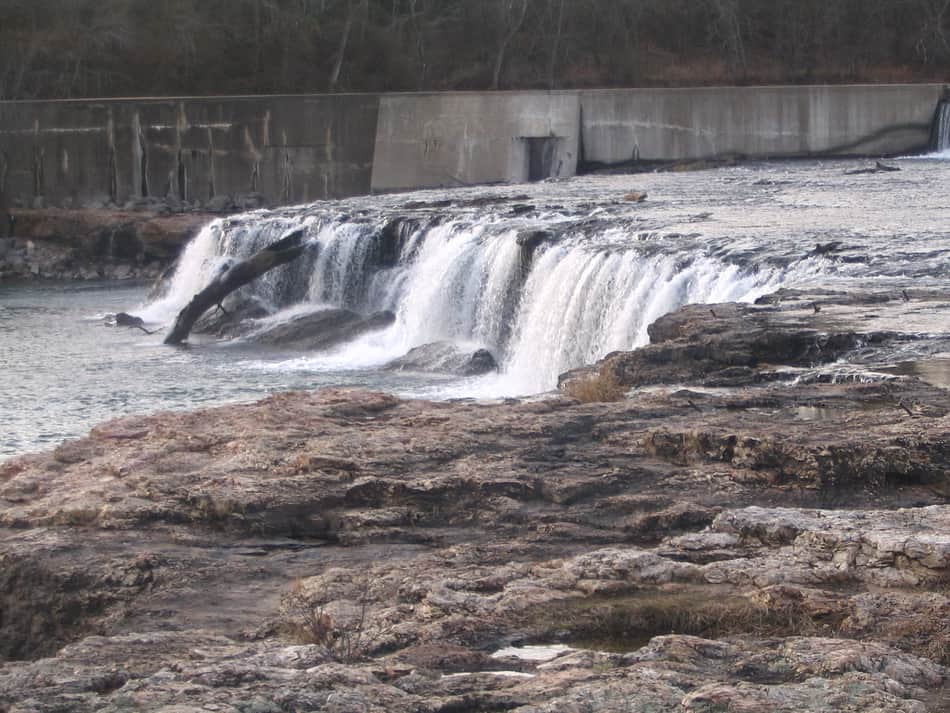
Bordered by Kansas, Oklahoma, and Arkansas, the southwest is Missouri’s wild frontier. Venture into the Mark Twain National Forest to enjoy backcountry camping in the wilderness, rev up your OHV and tackle the off-road trails of St Joe State Park, or fish for rainbow trout in the stocked waters of Roaring River State Park. Finally, don’t miss the hike to Grand Falls. The 163-foot wide waterfall is Missouri’s largest, and lies just outside of Joplin.
Frequently Asked Questions
In Missouri, you can find free camping in the Mark Twain National Forest, which allows dispersed camping. Amenities are generally not available, so be prepared for dry camping.
The best months for camping in Missouri are in late spring and fall thanks to moderate temperatures. The summer months get progressively hotter and more humid between June and August, with September ushering in cooler temperatures. Fall brings a colorful explosion for leaf peeping, while winter season is less hospitable for camping, with freezing temperatures and occasional snow in December, January, and February.
Yes, nearly 40 Missouri state parks offer camping for both tent and RV campers. Dry camping, partial hookups, and full hookups are commonly available, with options varying at each location.
Yes, Missouri is an excellent destination for camping. The state offers a diverse range of landscapes, including forests, lakes, rivers, and rolling hills. With numerous state parks, the Mark Twain National Forest, and private campgrounds available, Missouri caters to various camping preferences, including tent camping, RV camping, and primitive camping. Outdoor enthusiasts can enjoy activities such as hiking, fishing, and wildlife watching while camping in Missouri. Check out Missouri State Parks on Hipcamp to explore camping options.
Boondocking, or dispersed camping, is legal in Missouri, particularly in the Mark Twain National Forest. However, it's essential to follow the rules and regulations of the specific area where you plan to camp. Make sure to camp at least 100 feet away from any established administrative sites and respect the environment by practicing Leave No Trace principles.
No, it is not legal to camp anywhere in Missouri. Camping is allowed only in designated campgrounds, national forests, state parks, and on private lands with the owner's permission. When camping in public lands like the Mark Twain National Forest, you must follow the rules and regulations set by the managing agencies. Always check for specific regulations and restrictions before setting up camp.
Missouri laws on camping vary depending on the location and type of land. Here are some general guidelines to follow:
- For state parks, follow the rules and regulations set by the Missouri Department of Natural Resources. These typically include restrictions on the number of people per campsite, quiet hours, and campfire regulations.
- For national forests, like the Mark Twain National Forest, follow the guidelines set by the U.S. Forest Service. Dispersed camping is allowed in certain areas, but campers must follow Leave No Trace principles and are not allowed to camp near developed recreational areas or private property.
- For private campgrounds, follow the rules set by the individual campground operator or Hipcamp Hosts.
- Camping on private property without permission is considered trespassing and is against the law.
Always check local regulations and guidelines for the specific area where you plan to camp, and be aware that some areas may require permits or reservations.