The best camping in Great Smoky Mountains National Park, TN
Discover the most magical spots to pitch your tent or park your rig on your next Great Smoky Mountains National Park adventure.
Top-rated campgrounds in Great Smoky Mountains National Park
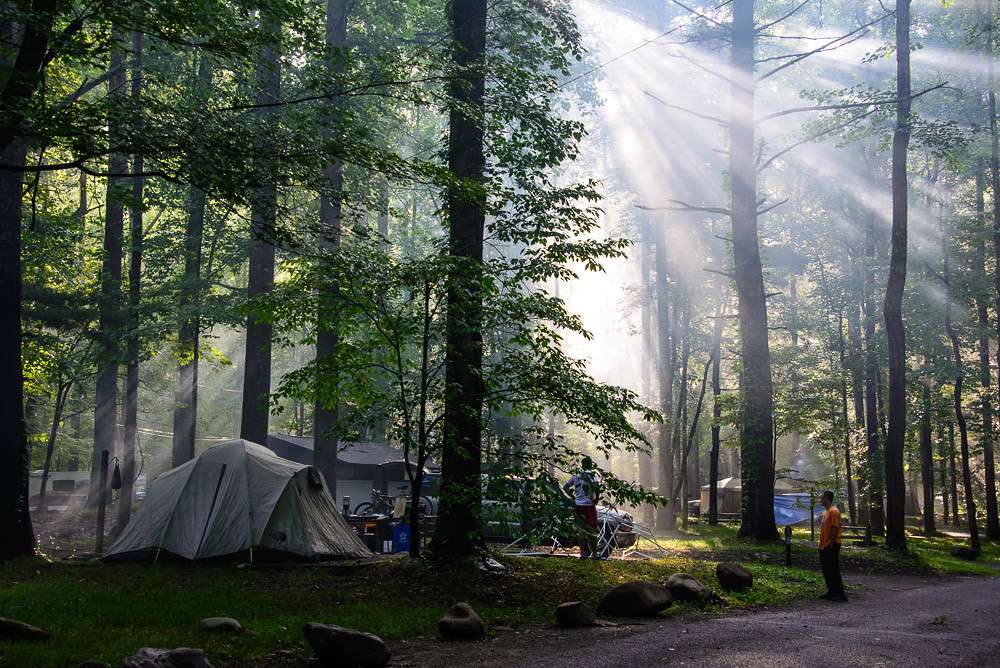
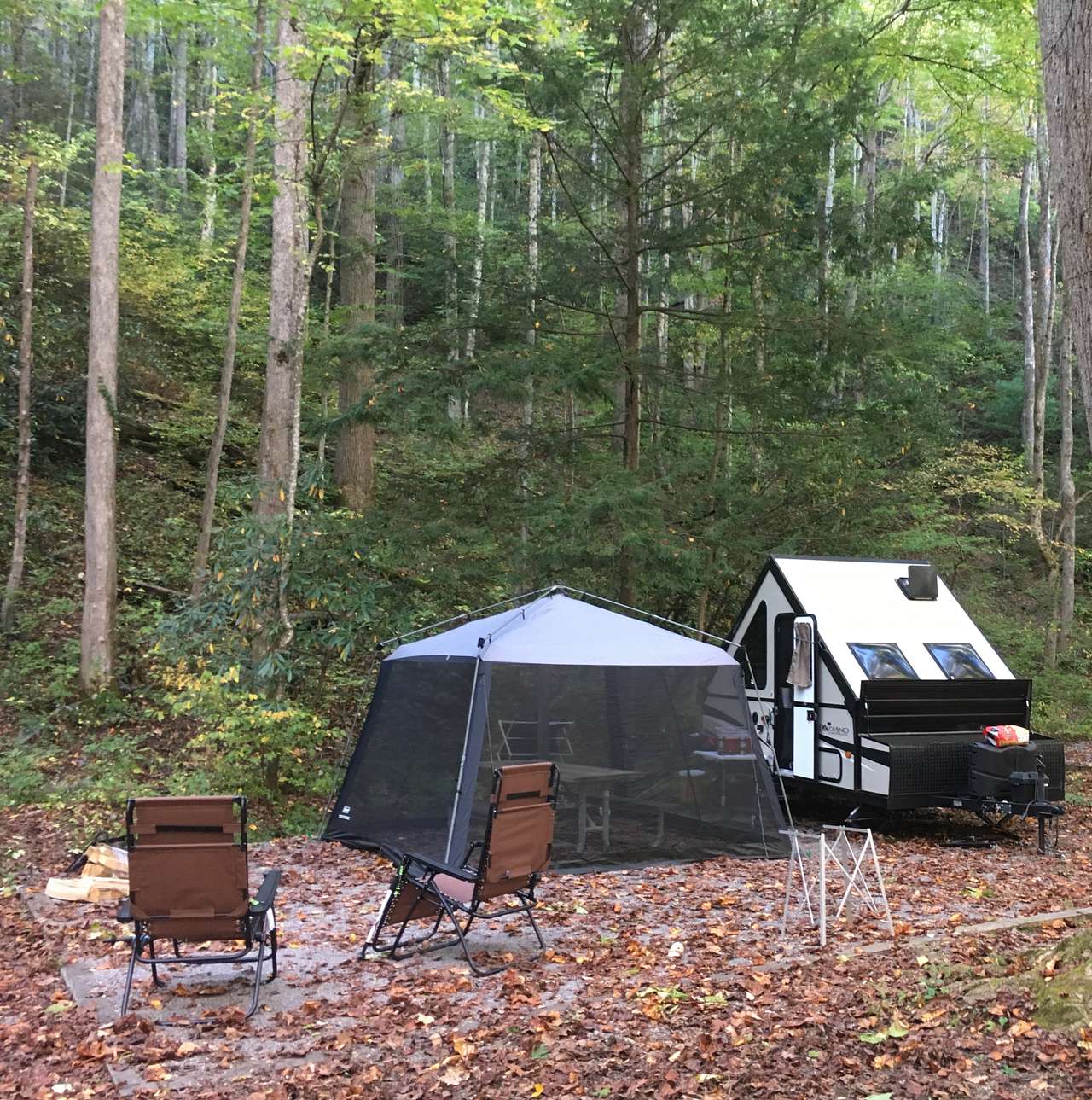
1. Elkmont Campground
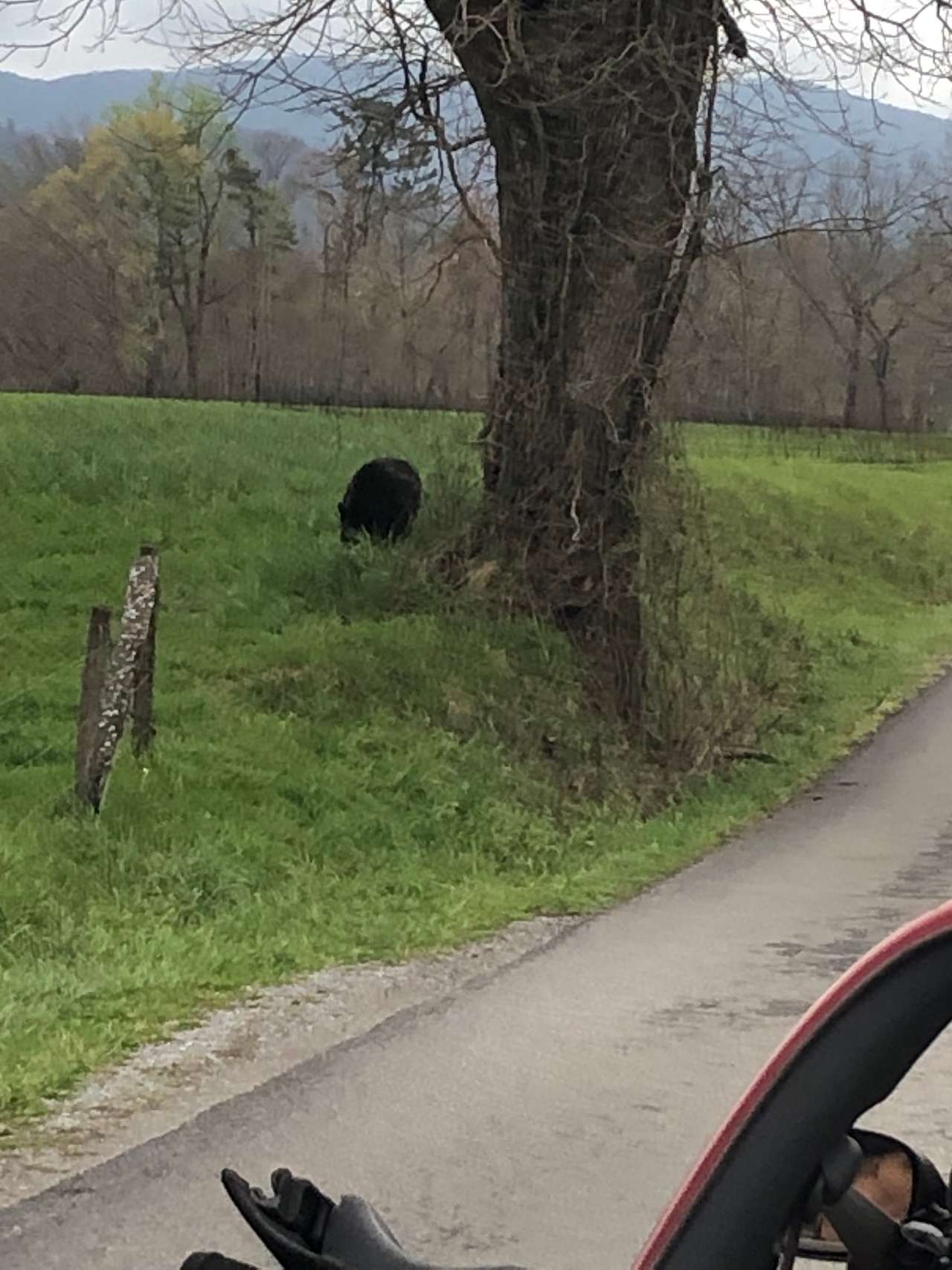
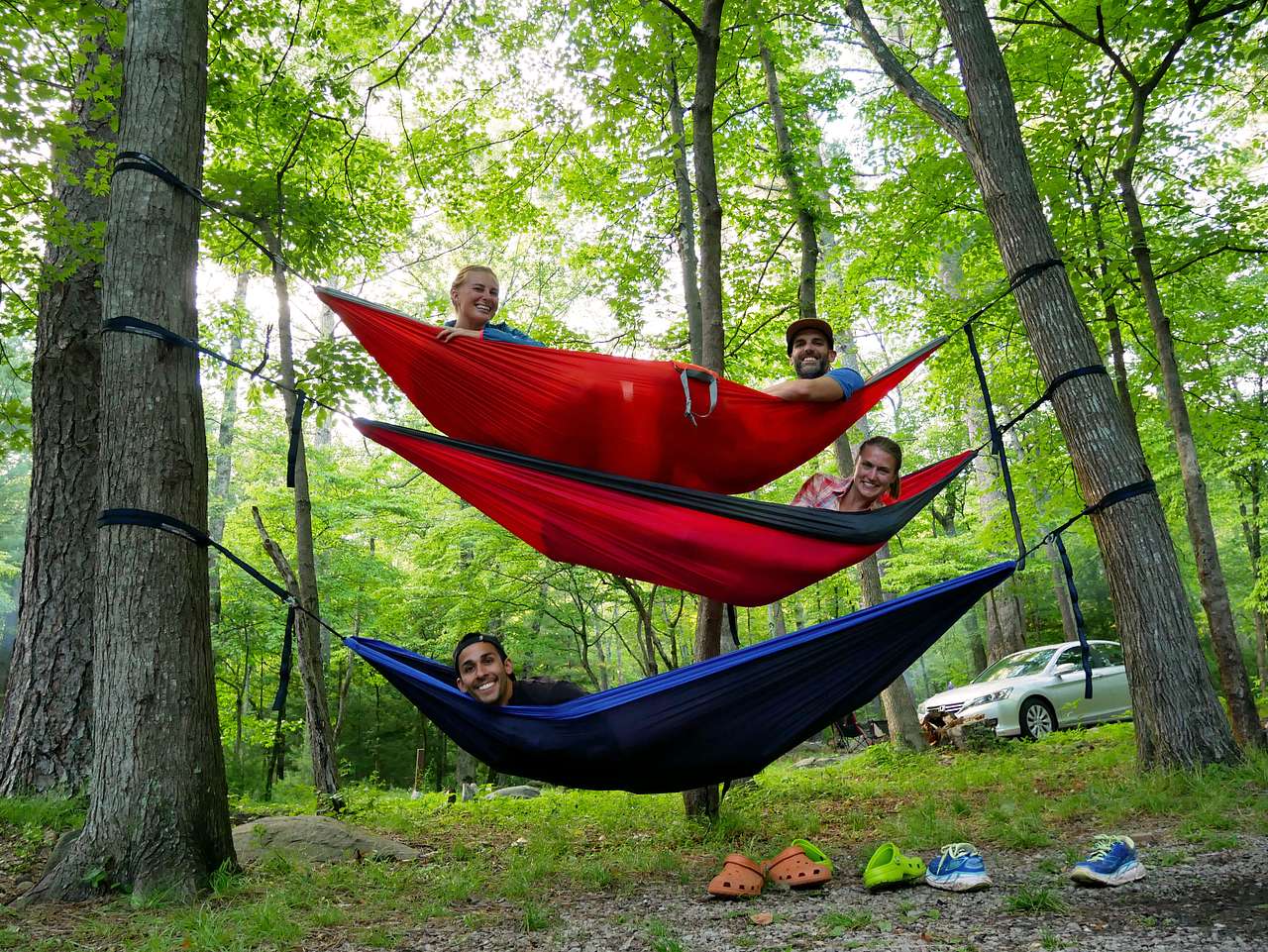
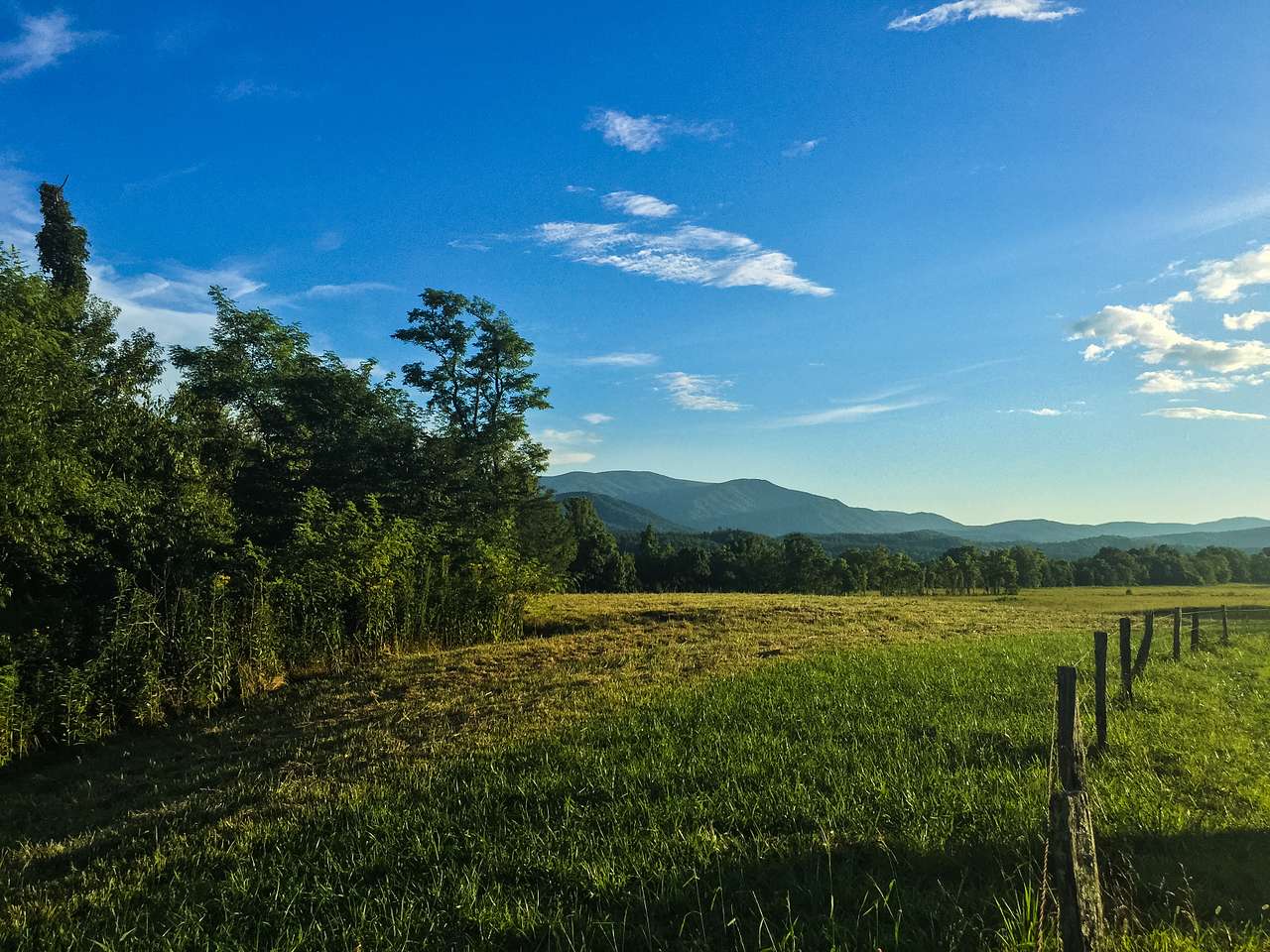
2. Cades Cove Campground
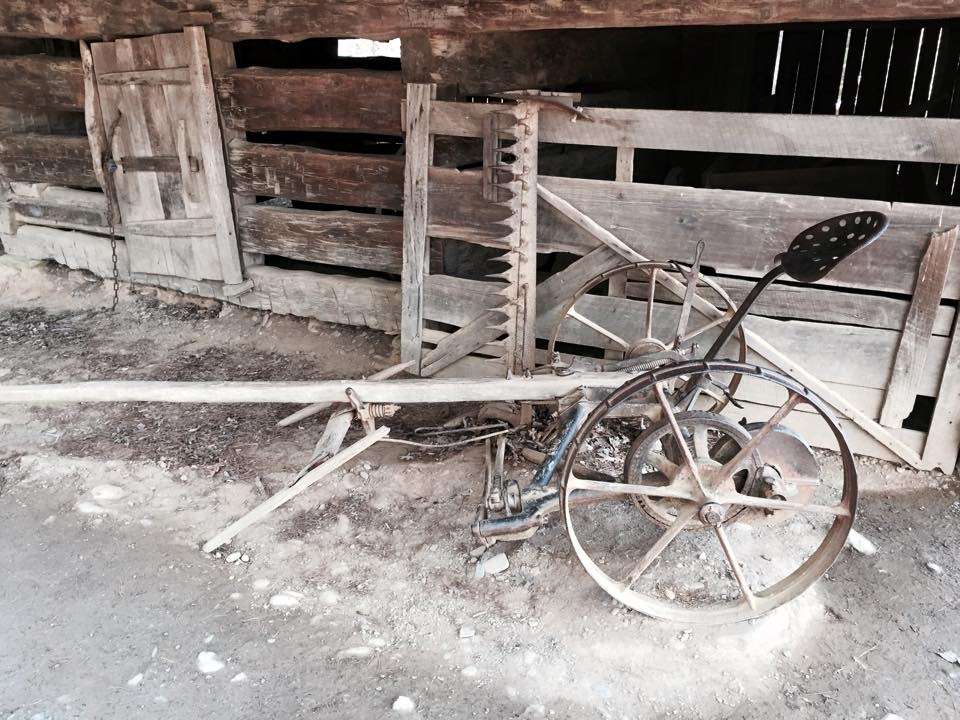
3. Cades Cove Group Campground
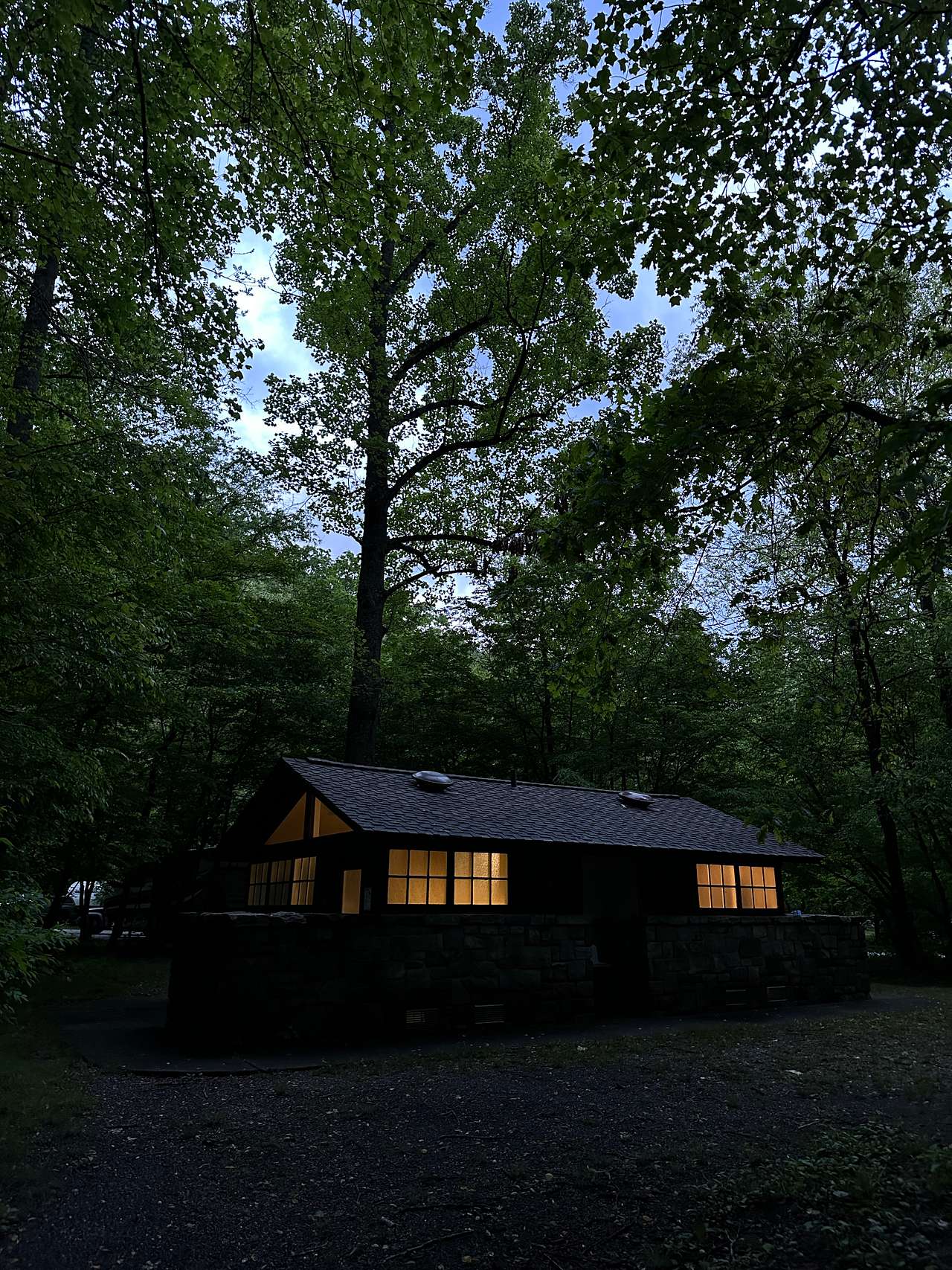
4. Smokemont Campground
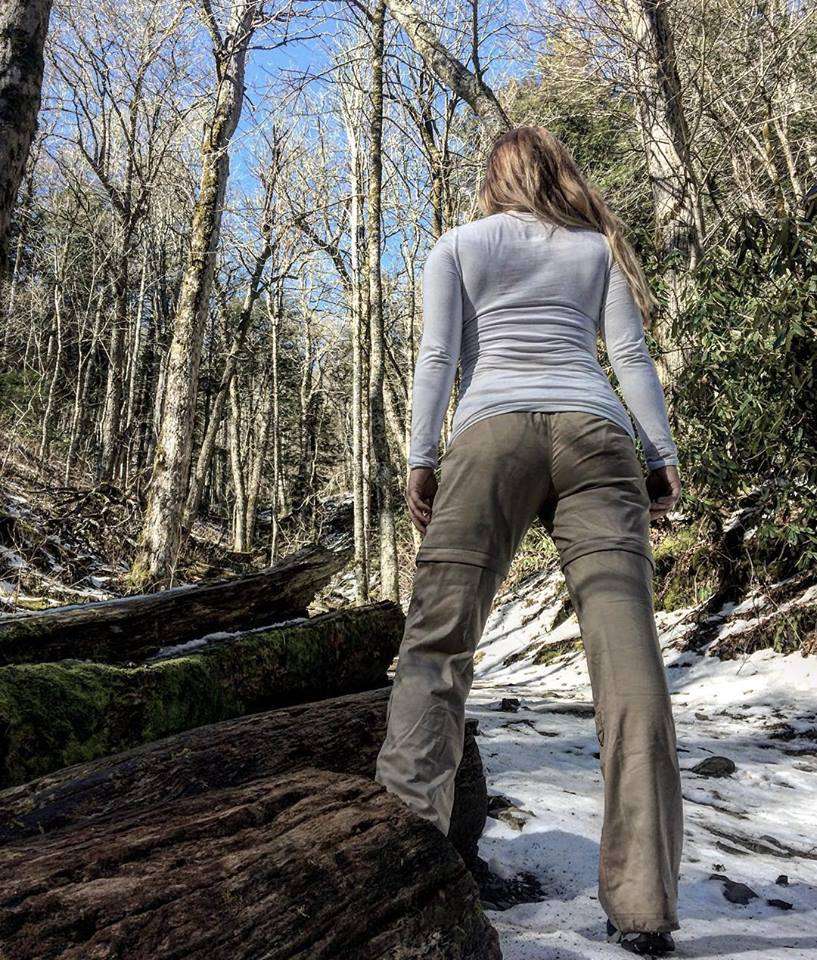
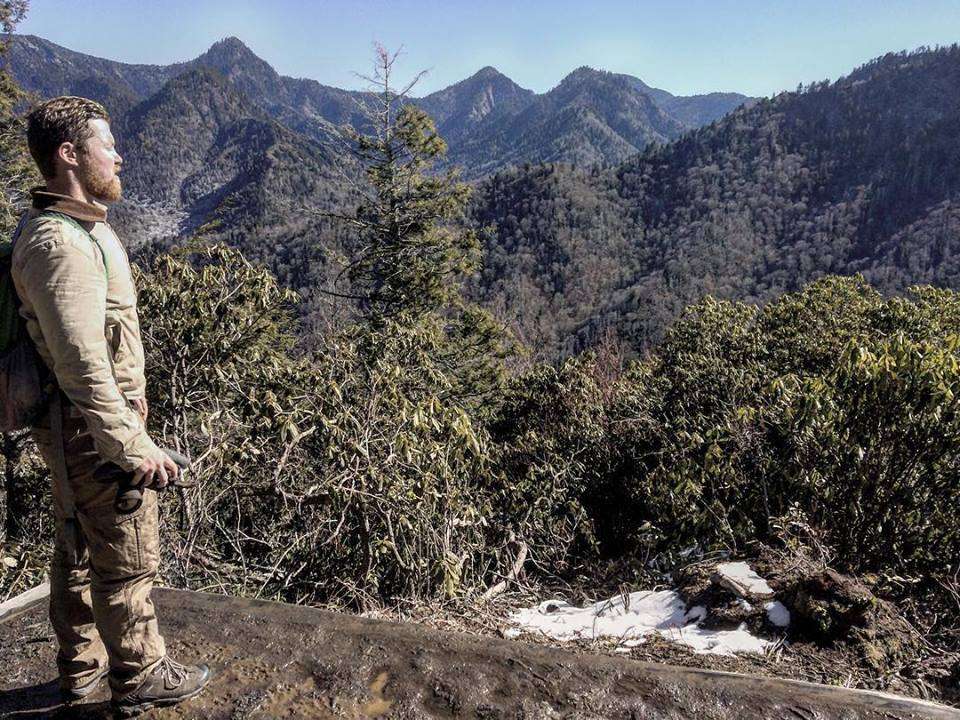
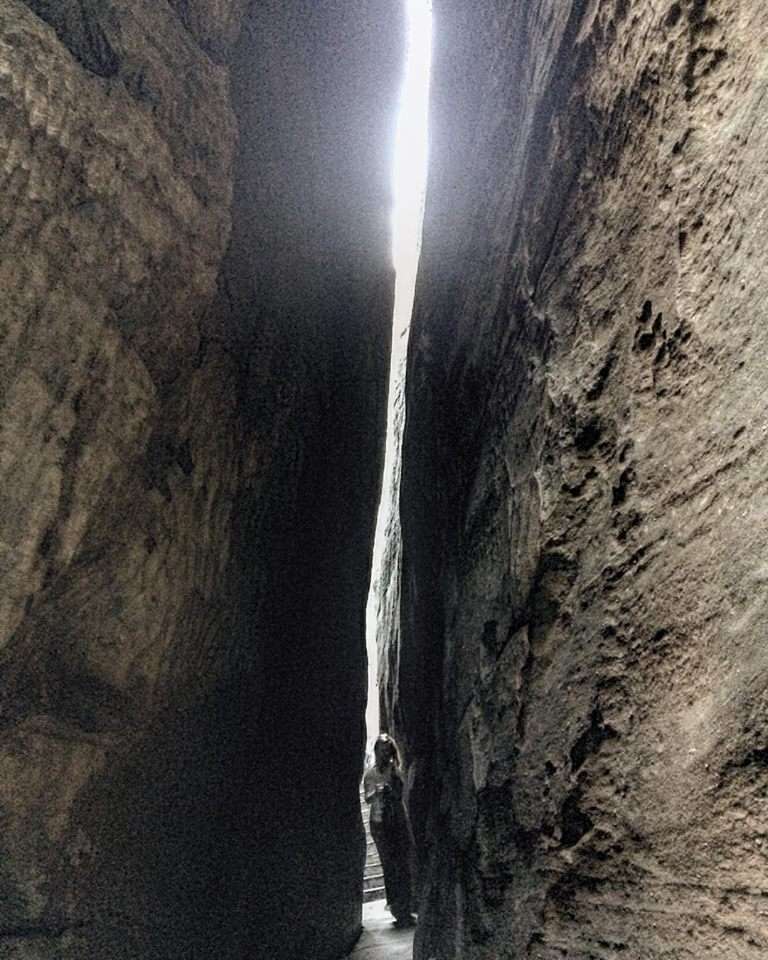
5. Cosby Group Campground
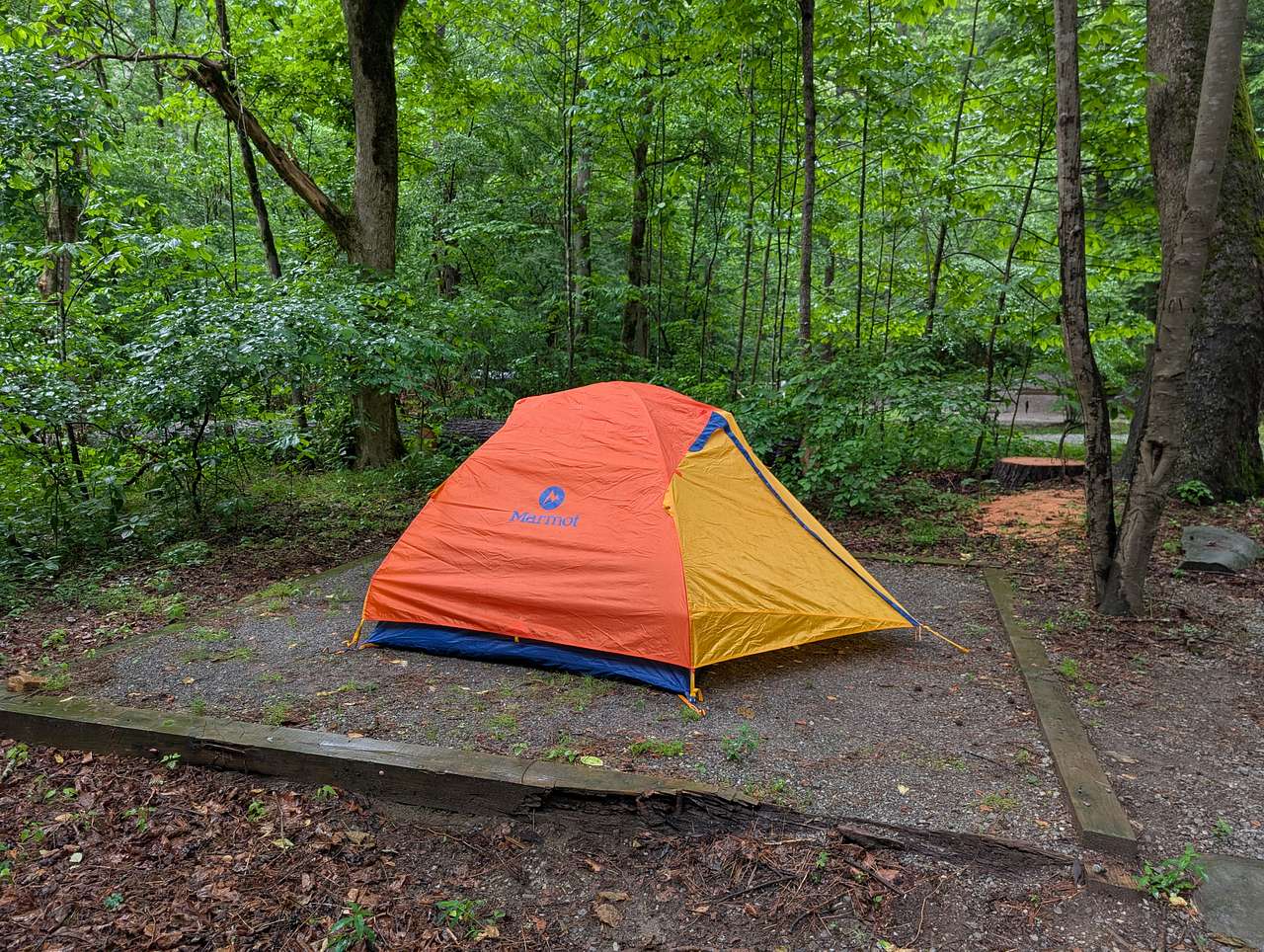
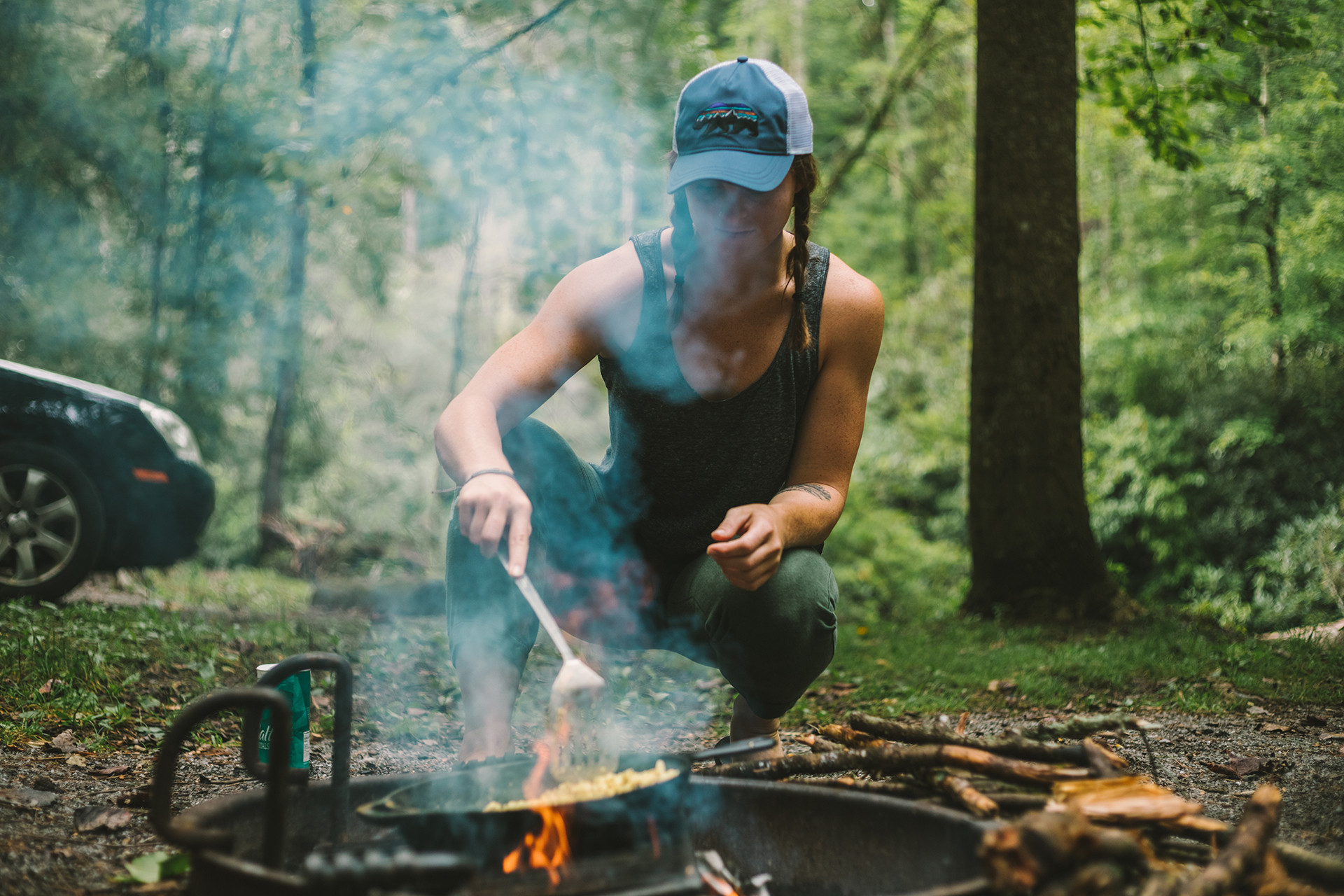
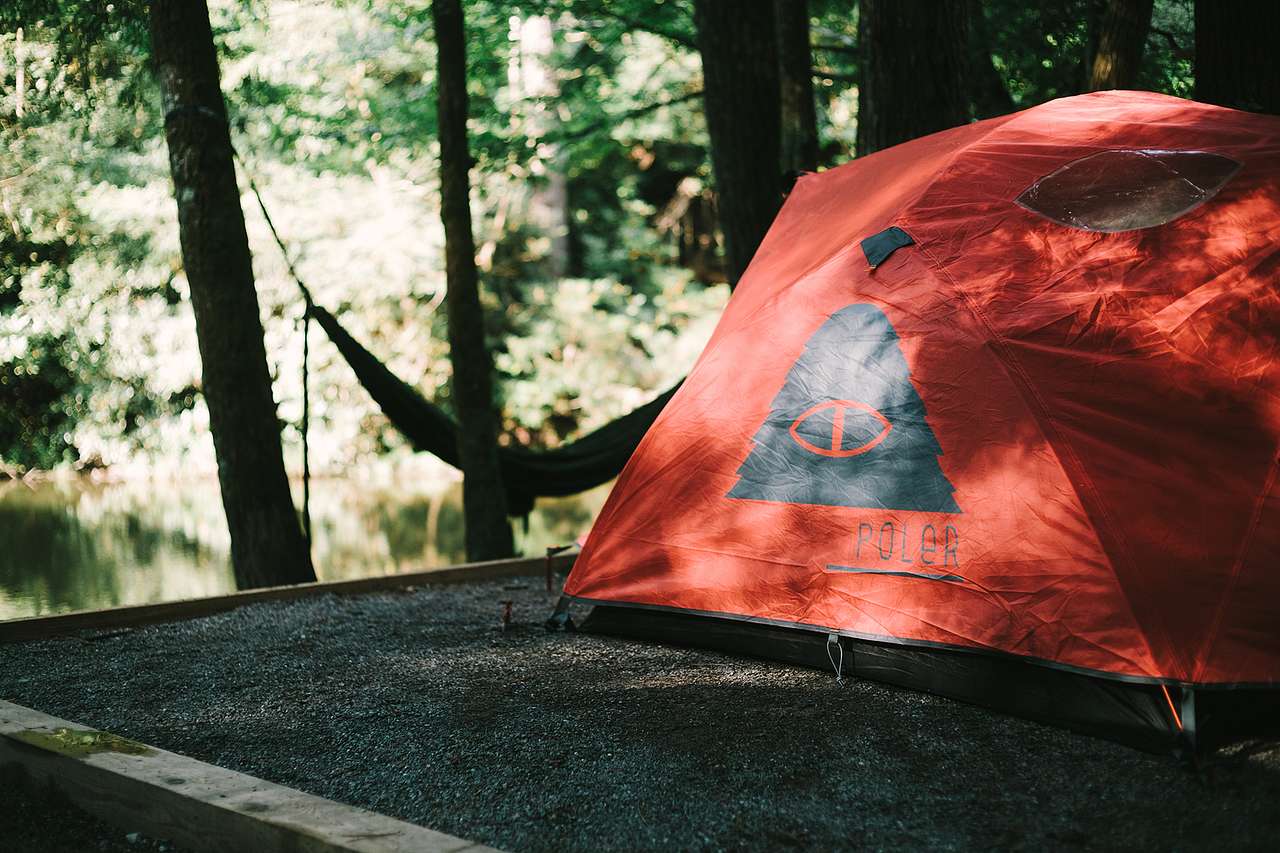
6. Abram's Creek Campground
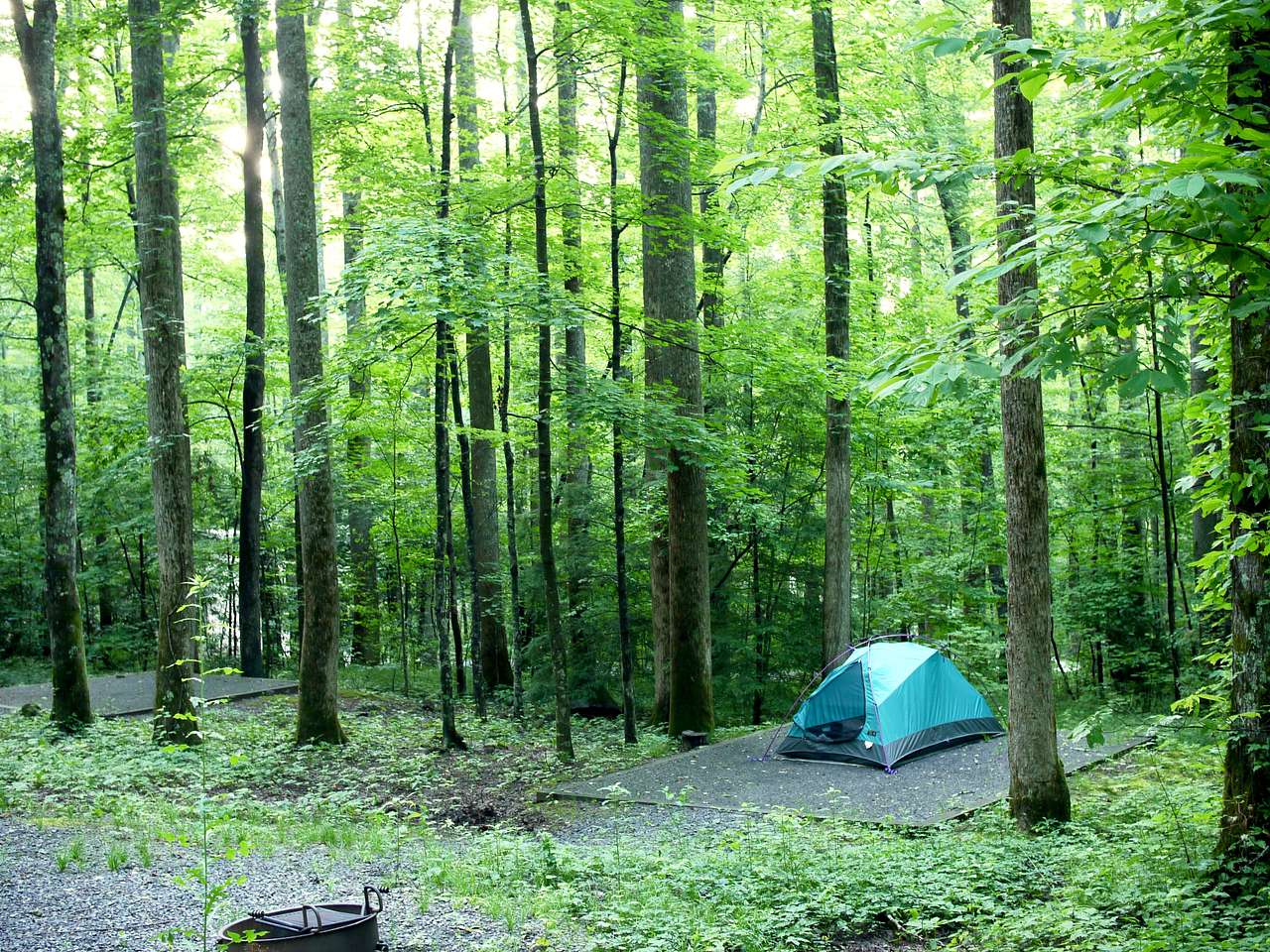
7. Cosby Campground
8. Look Rock Campground
9. Anthony Creek Horse Campground
Top-rated campsites near Great Smoky Mountains National Park
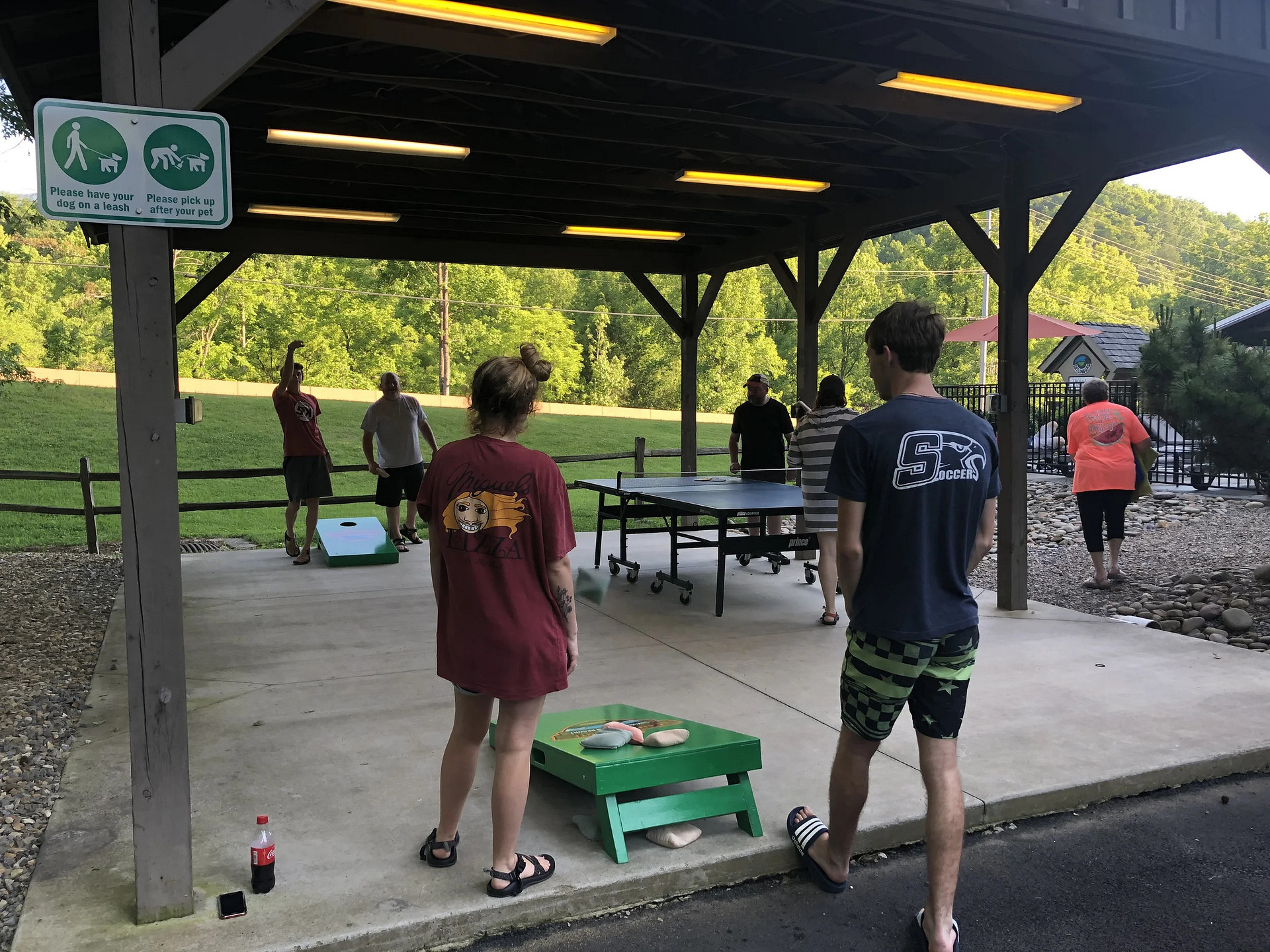
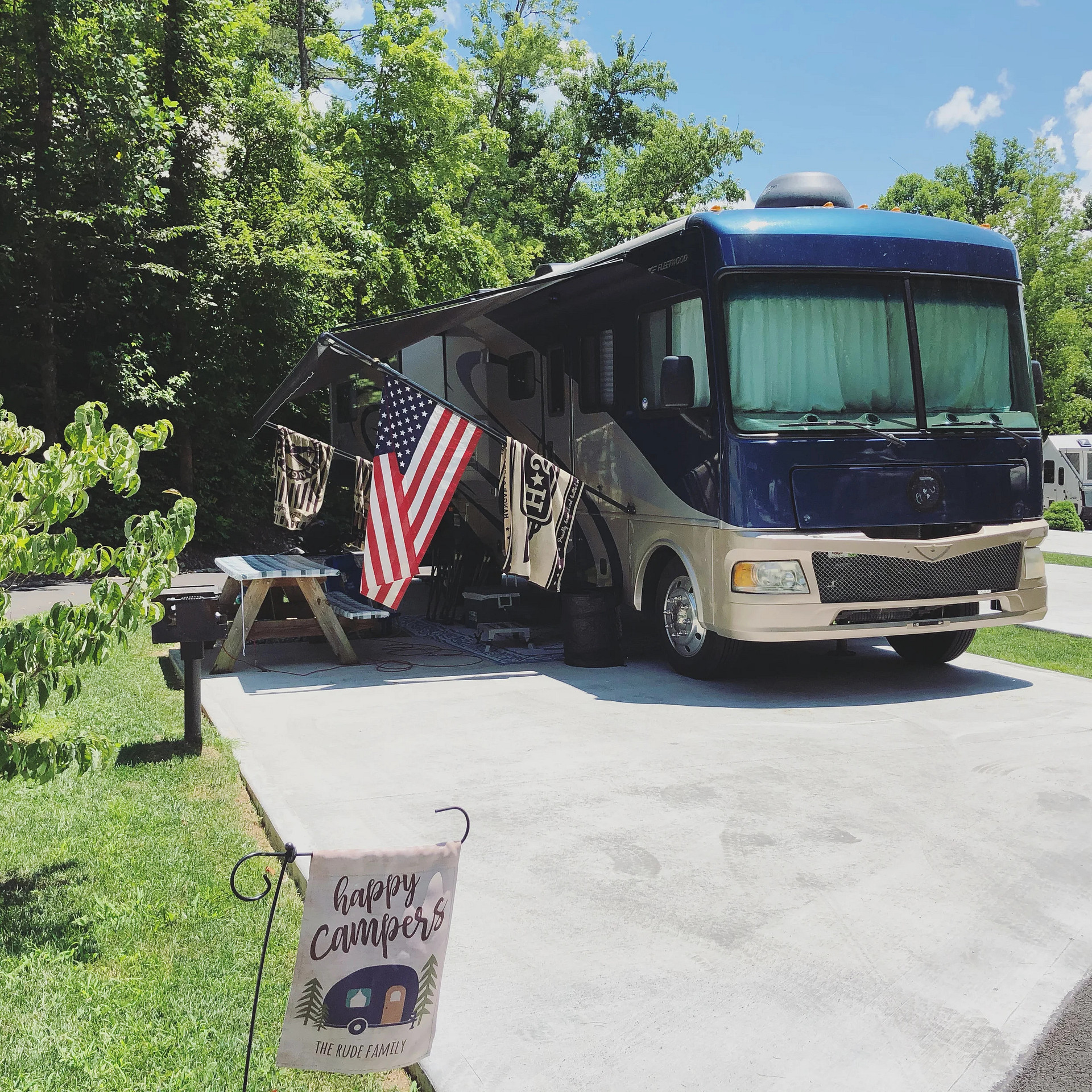
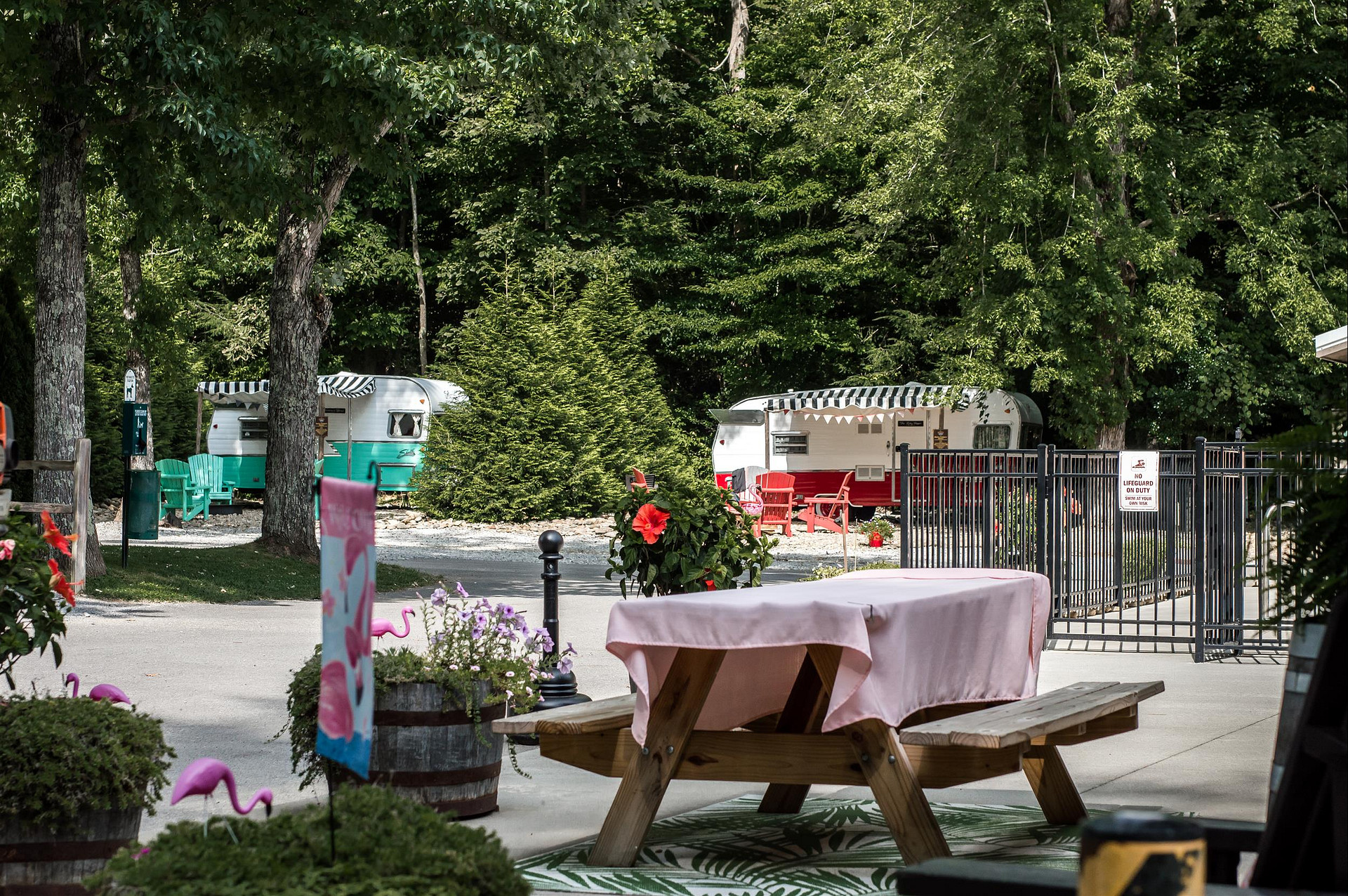
1. Camp LeConte
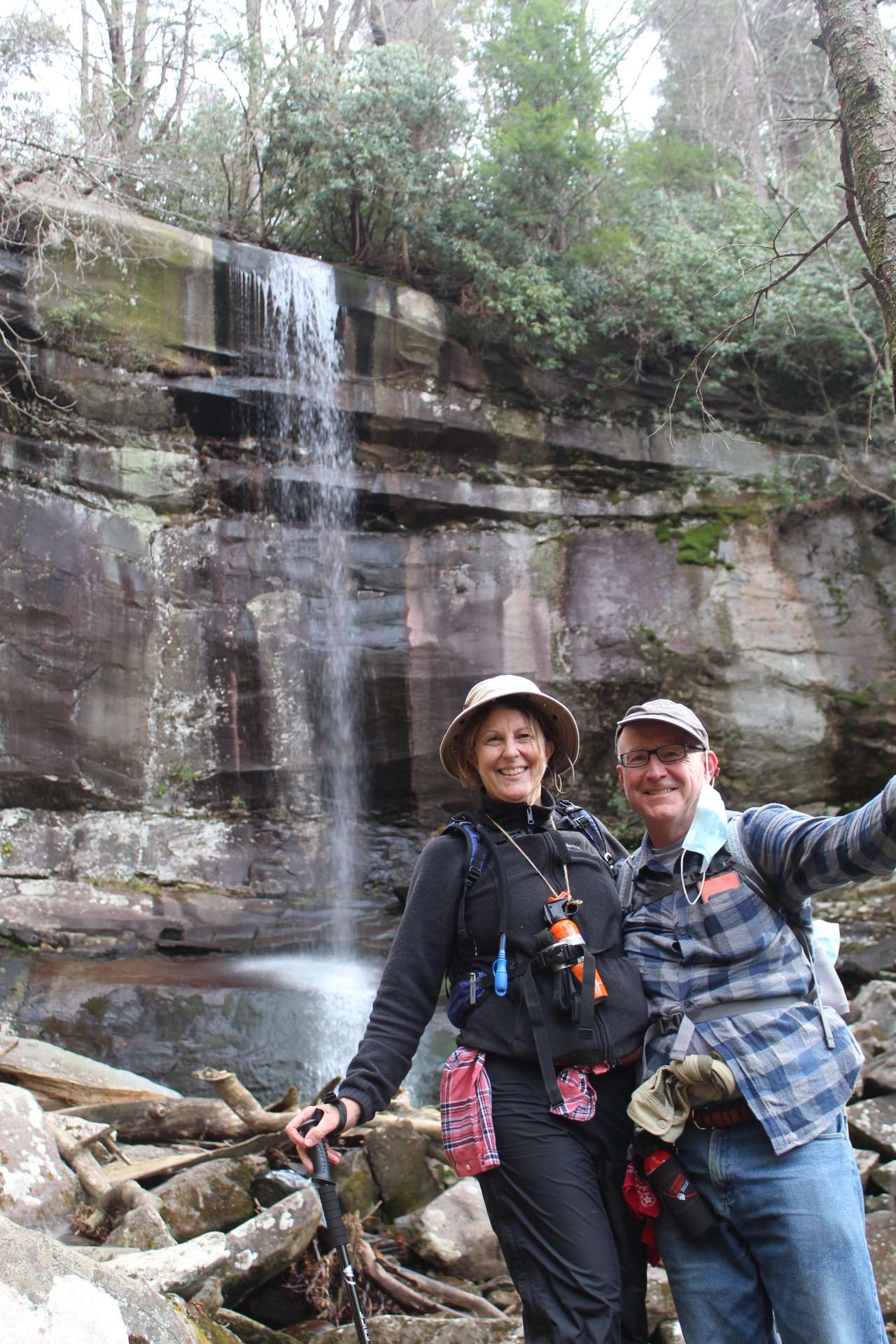
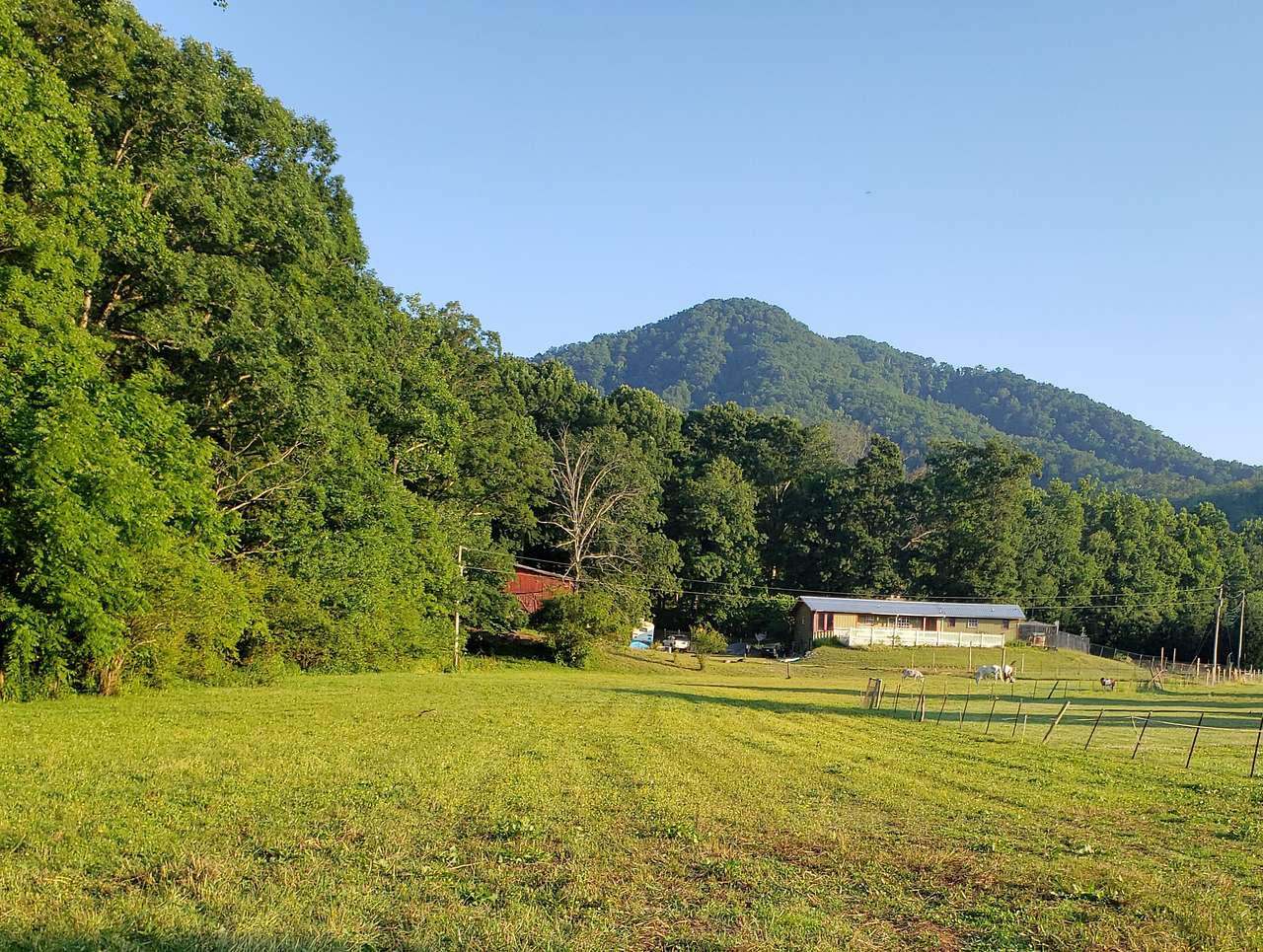
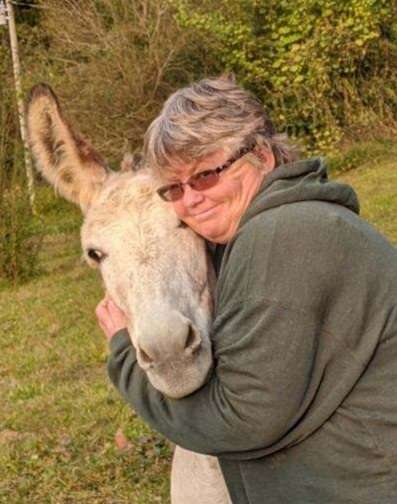
2. Critter Camp
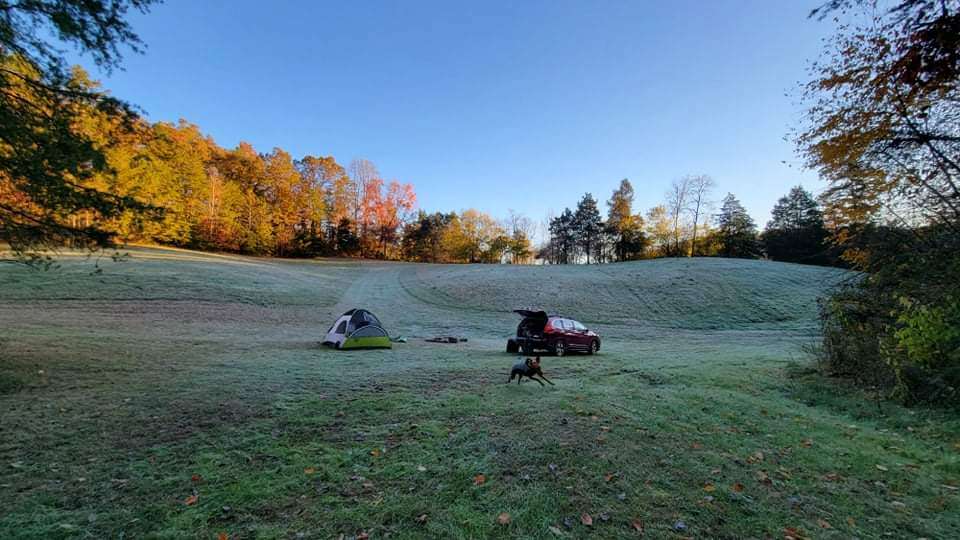
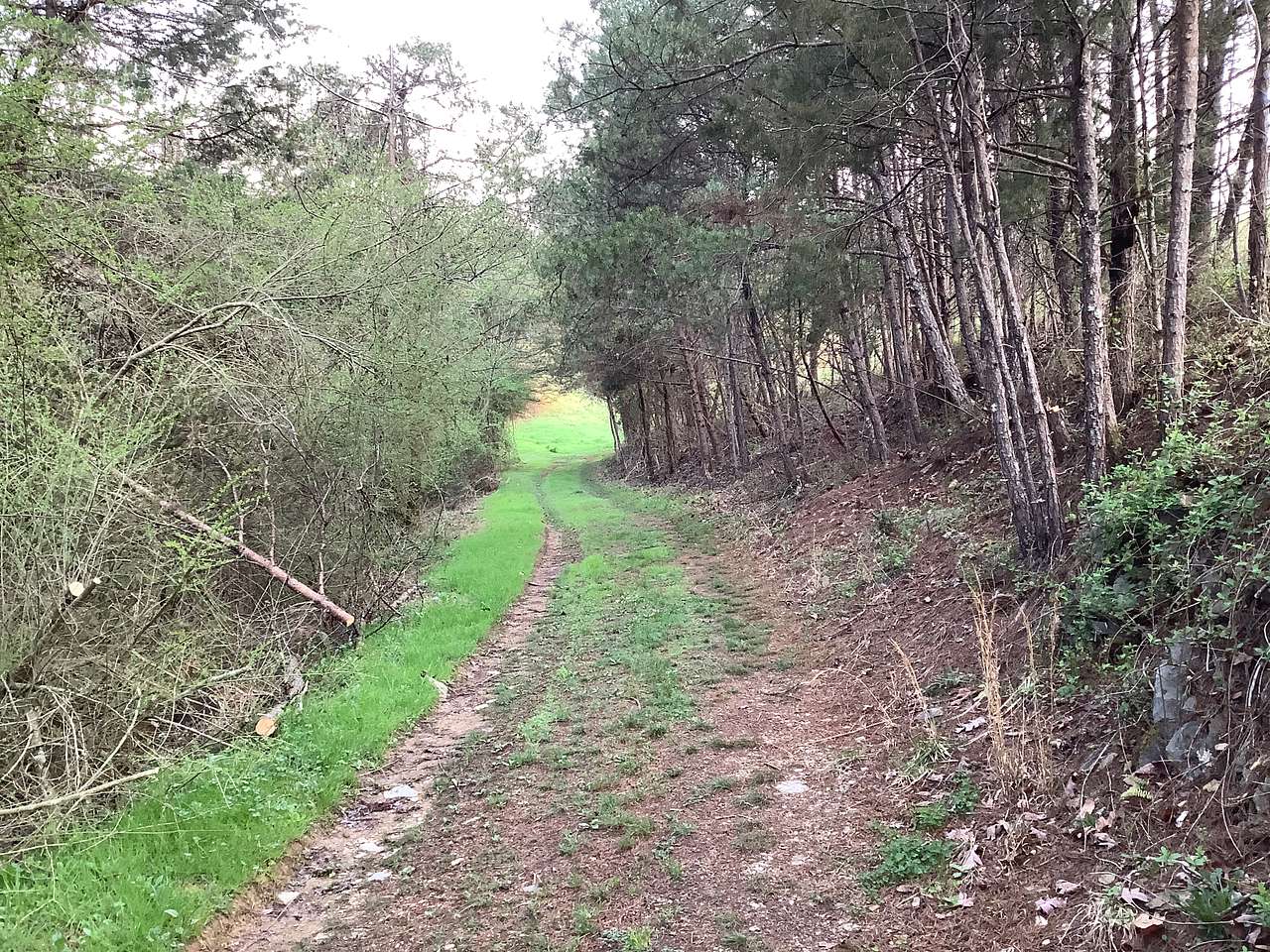
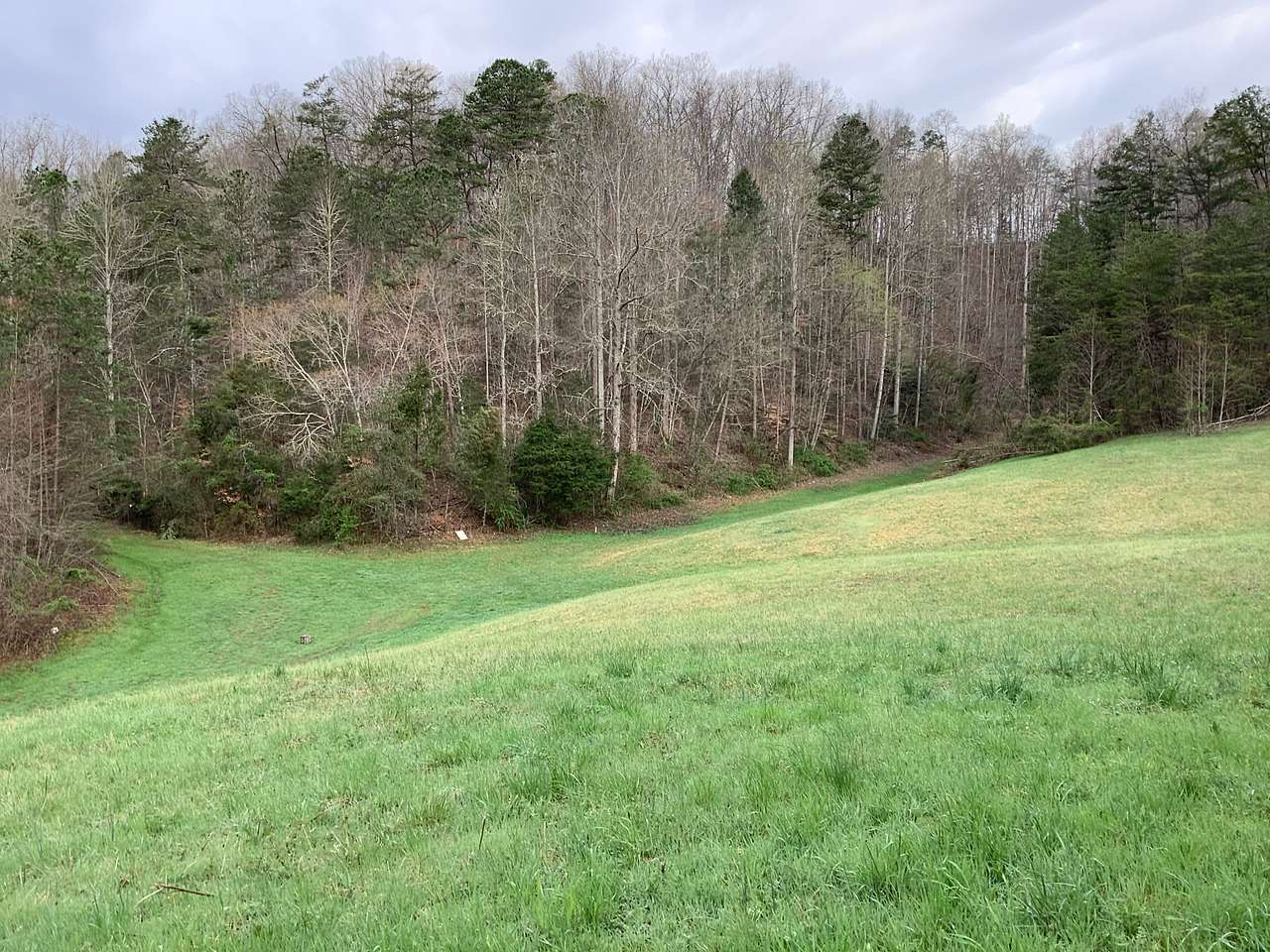
3. The Farm
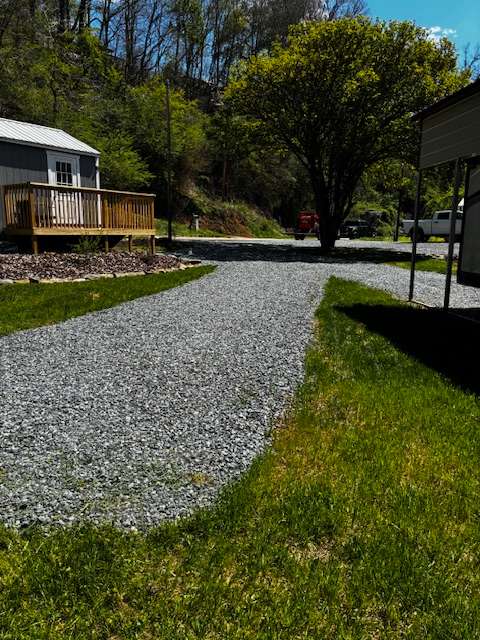
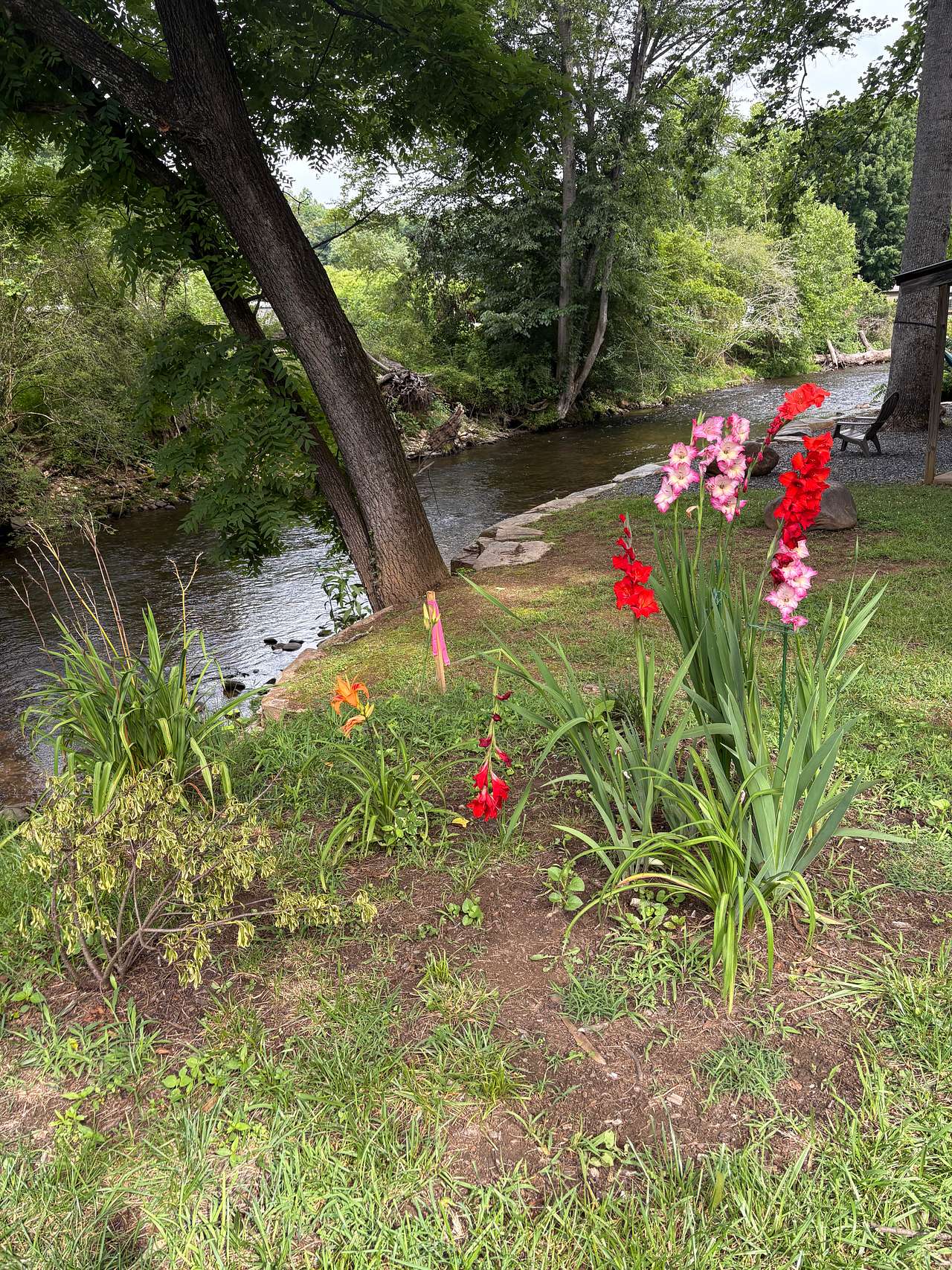
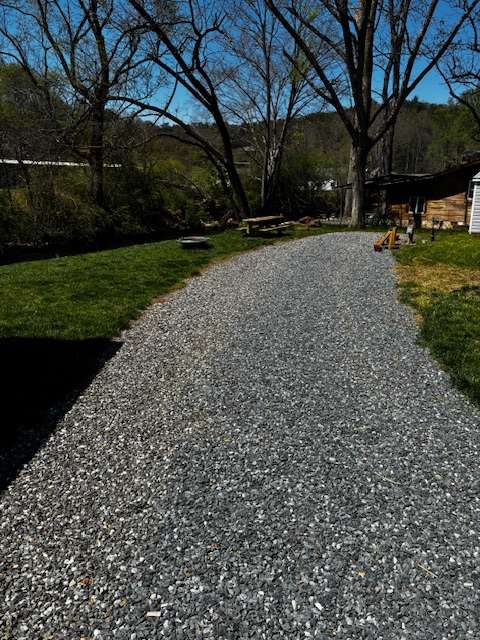
4. Deep Creek RV/Camper Sites
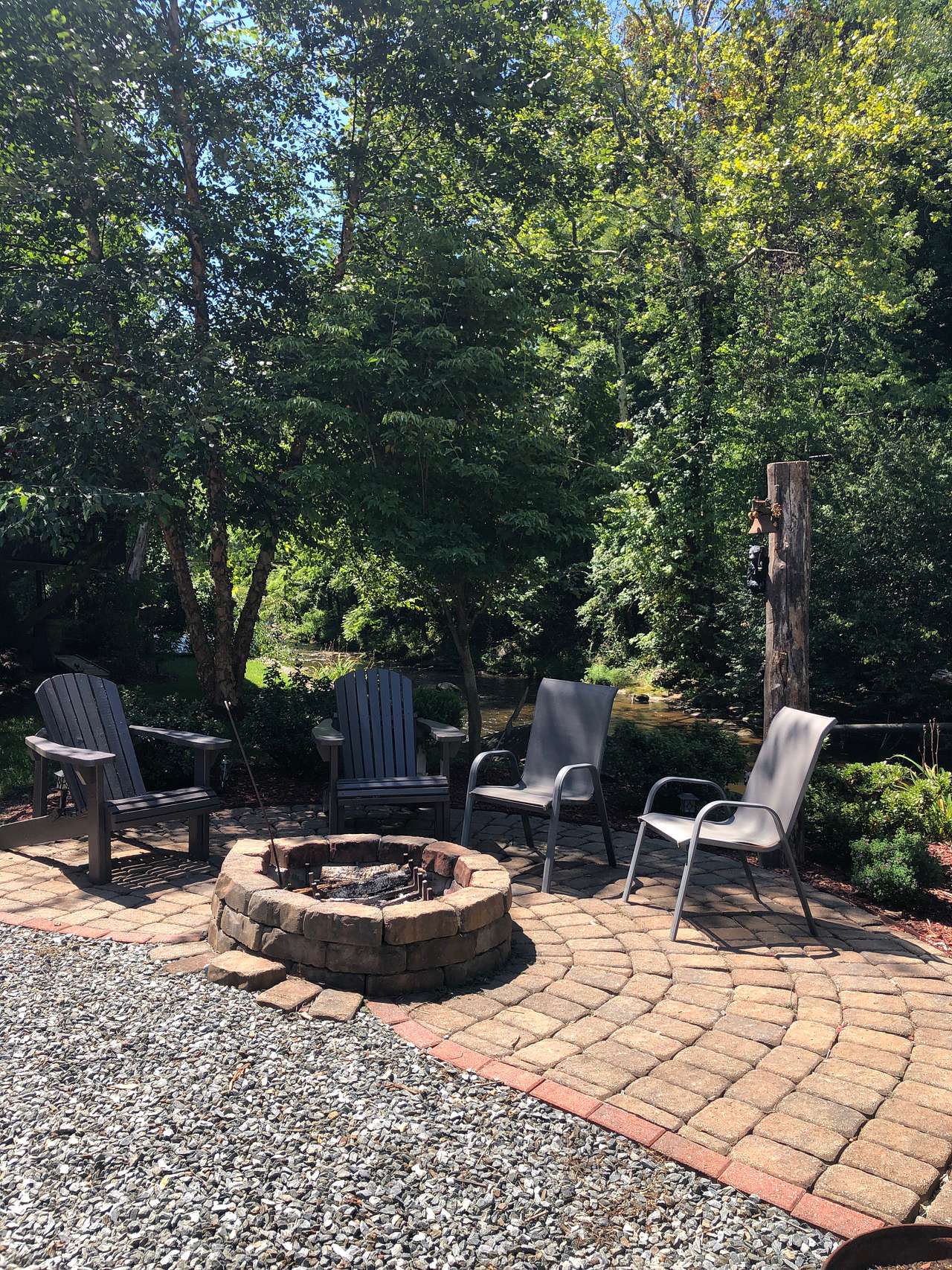
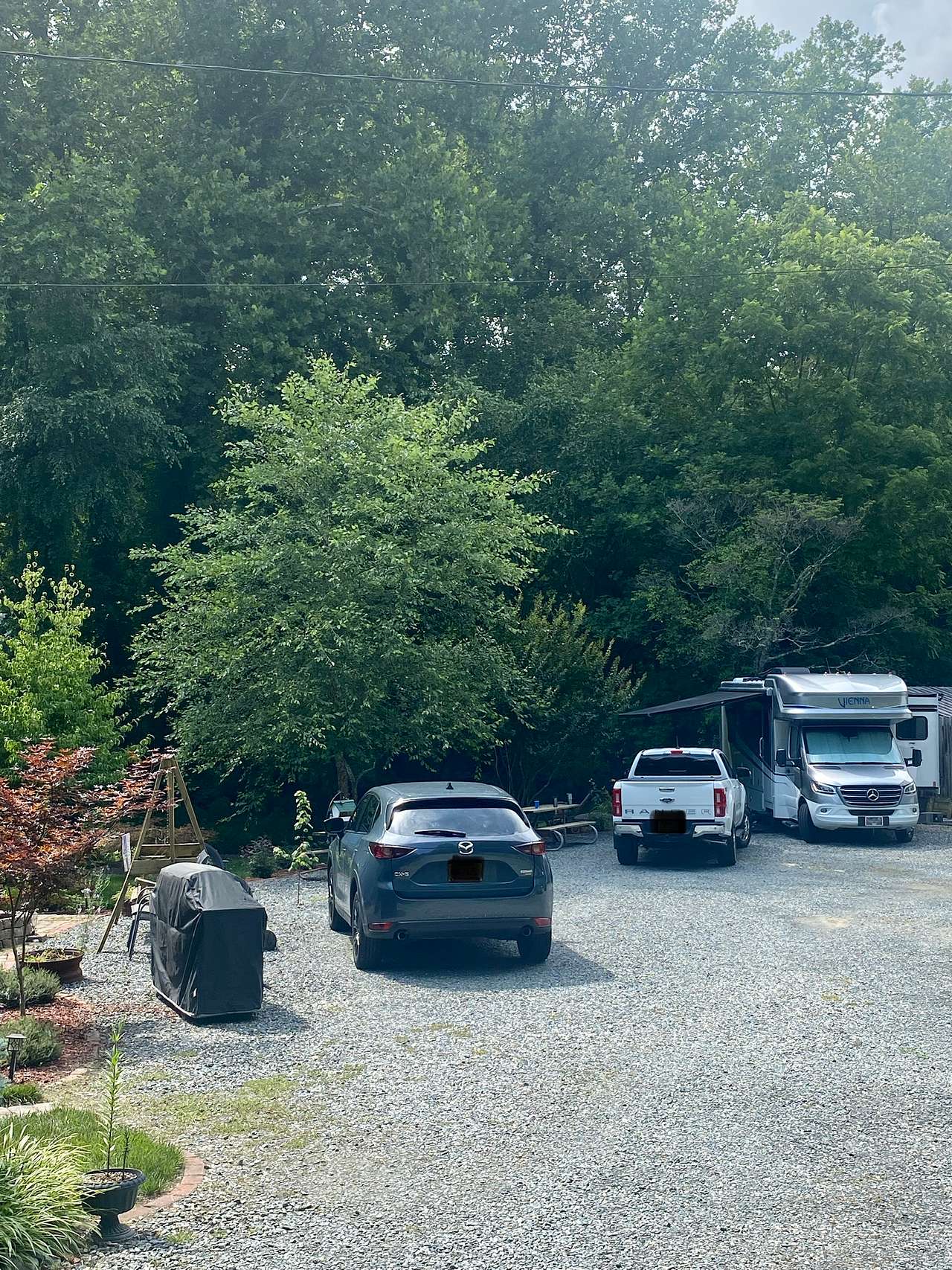
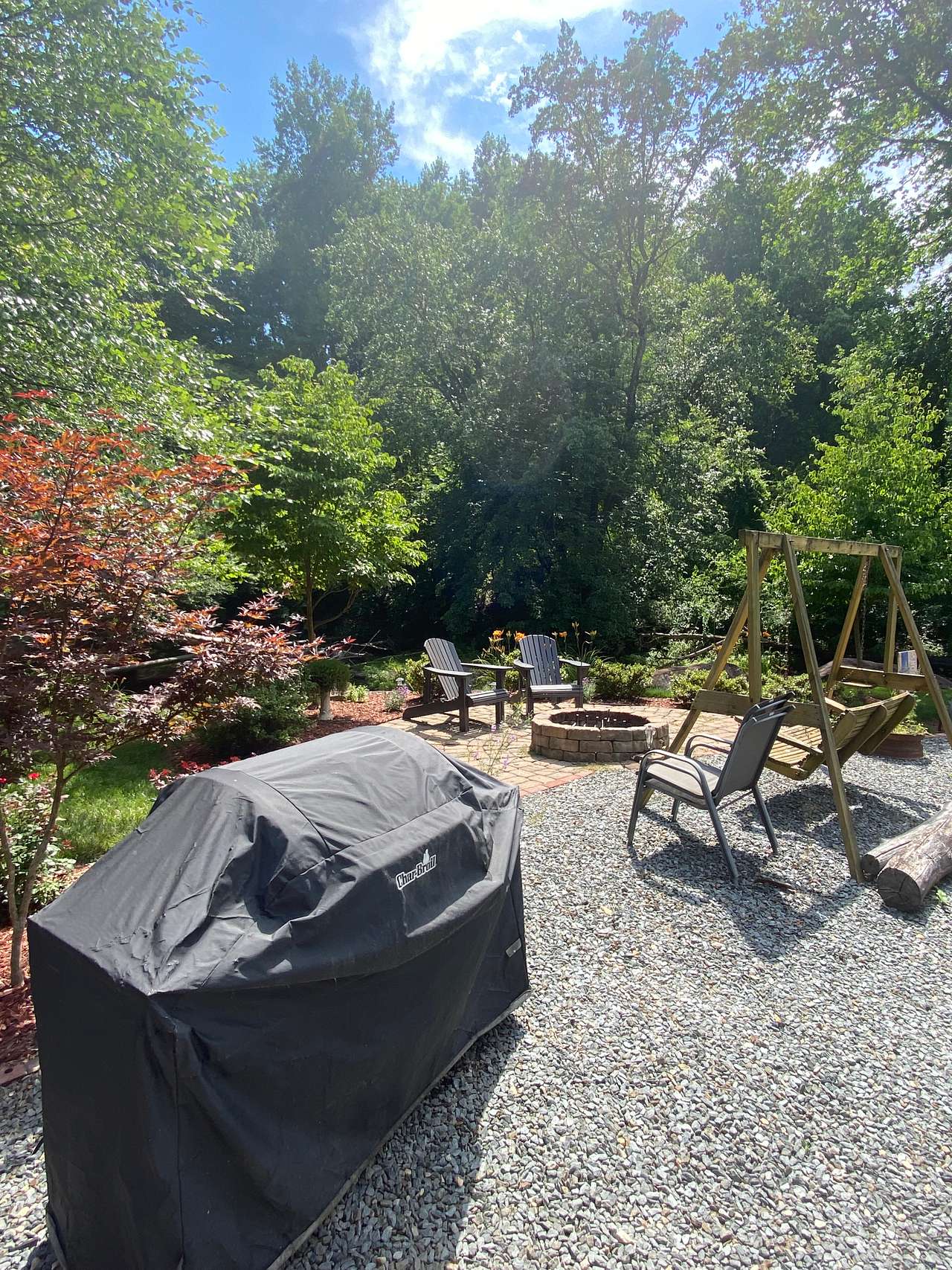
5. By The Creek Campspot

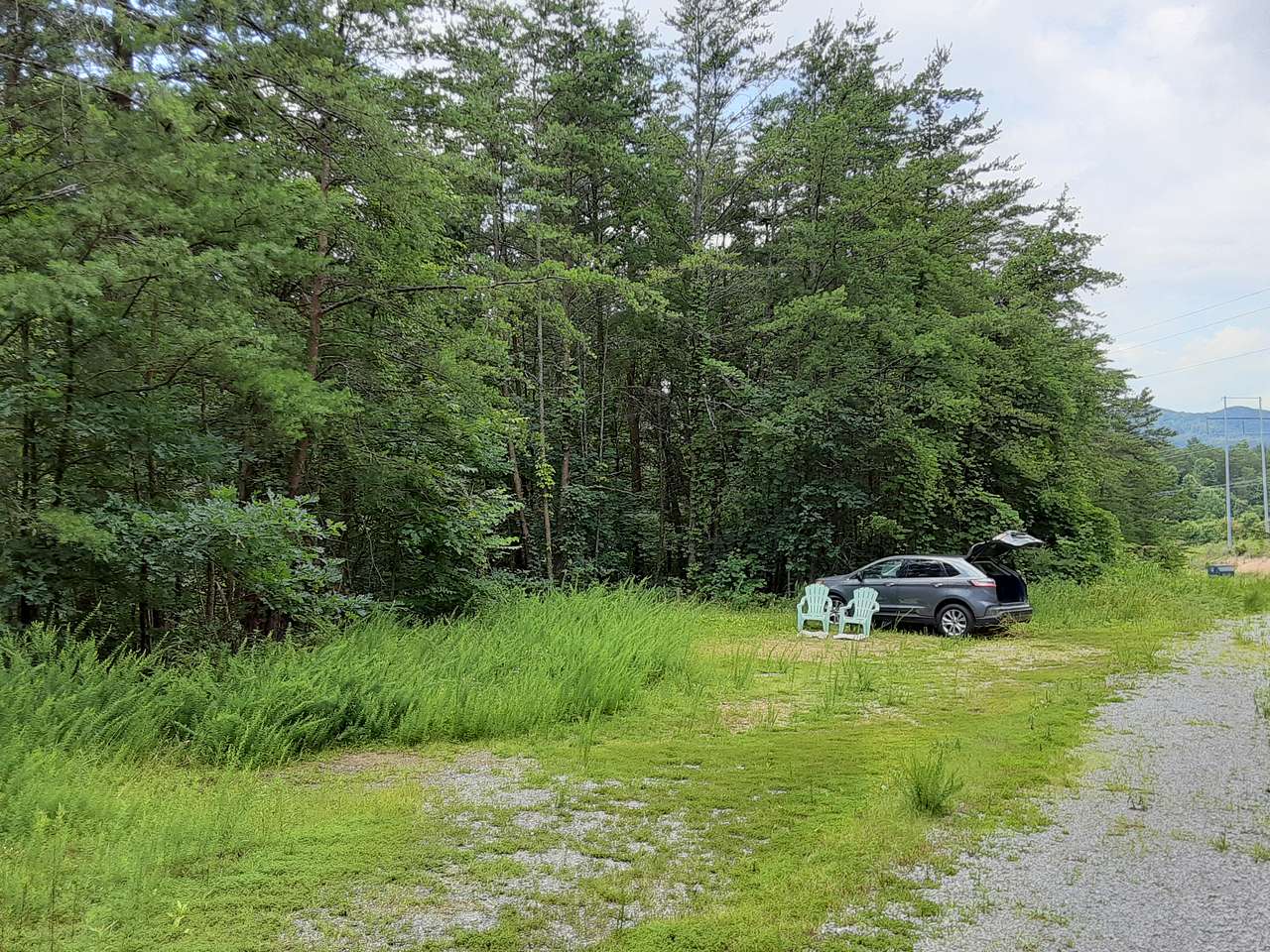
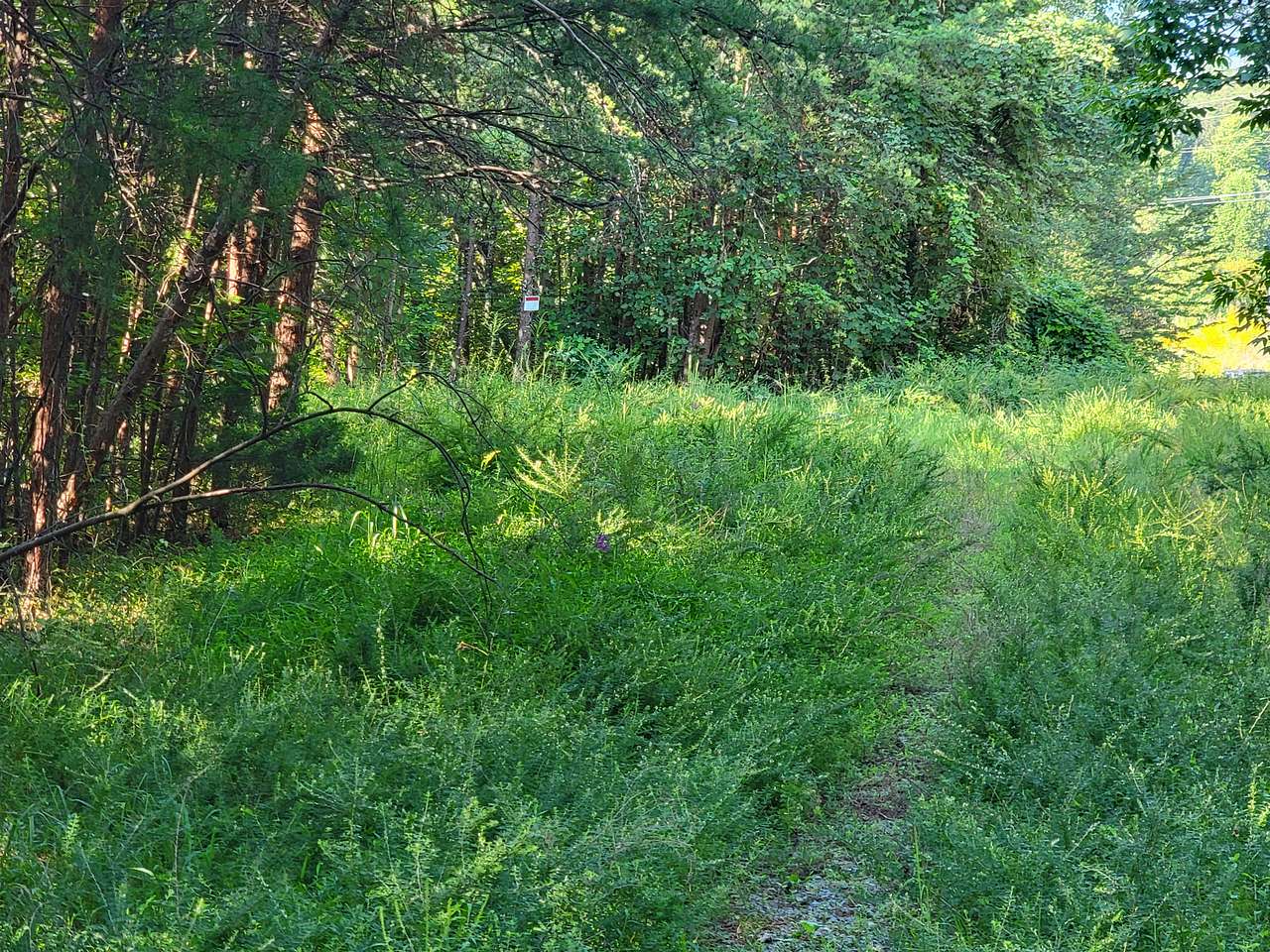
6. Your Private Mountainside Retreat
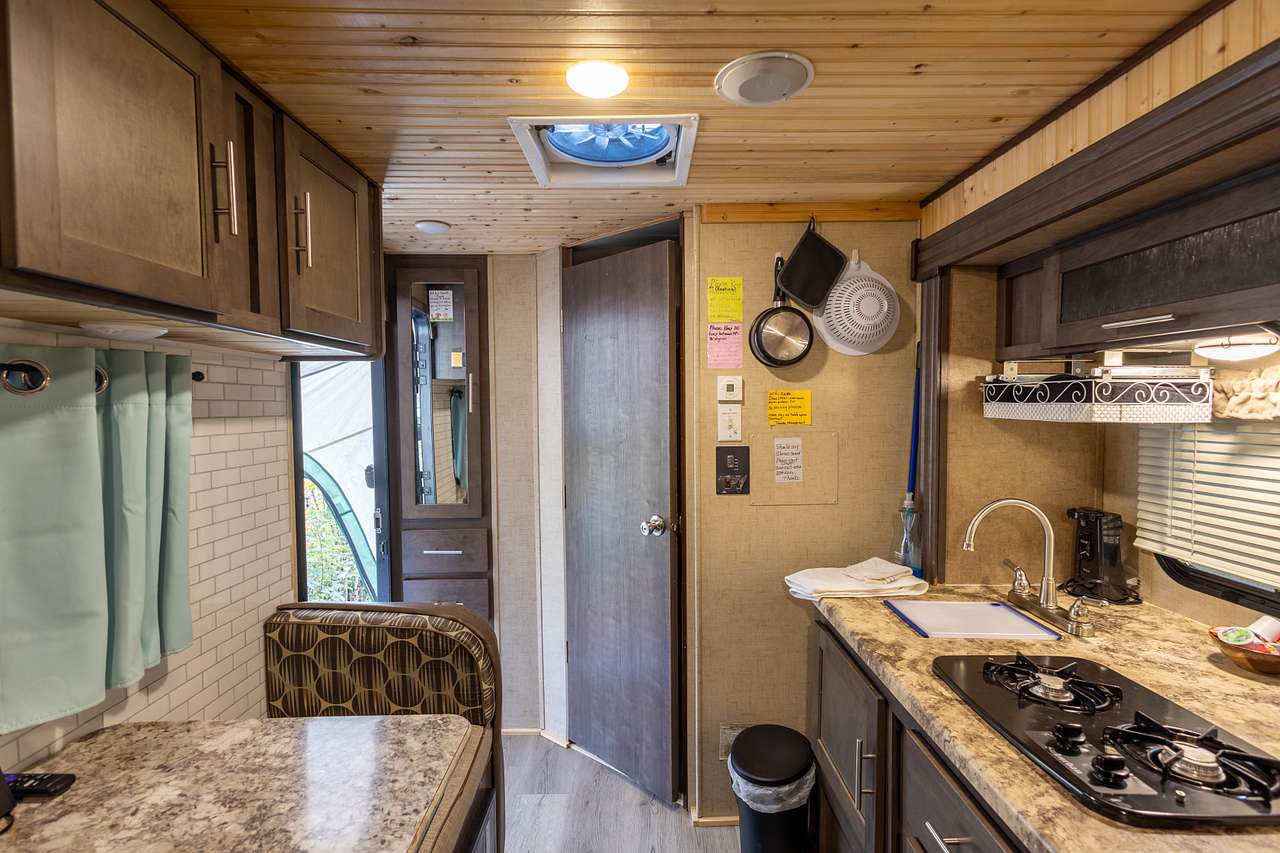
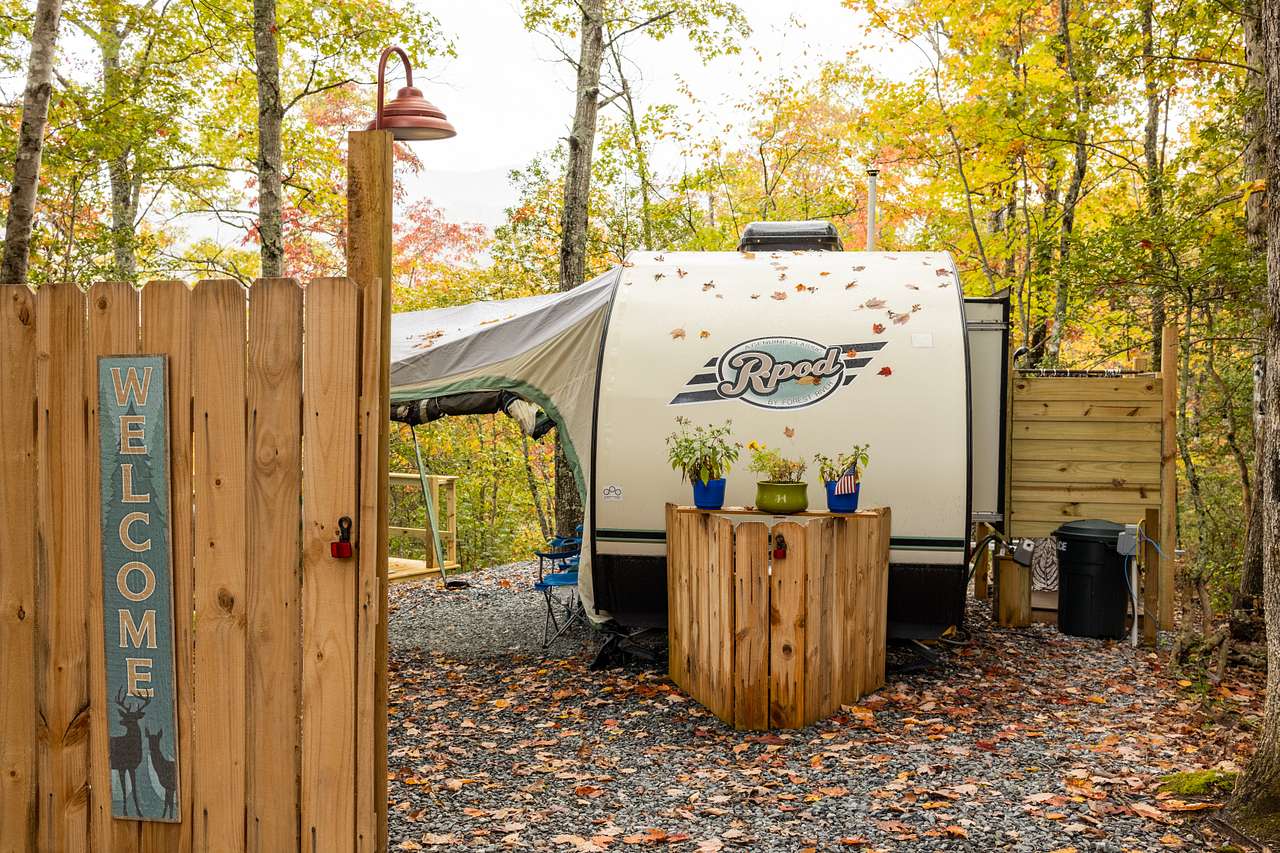
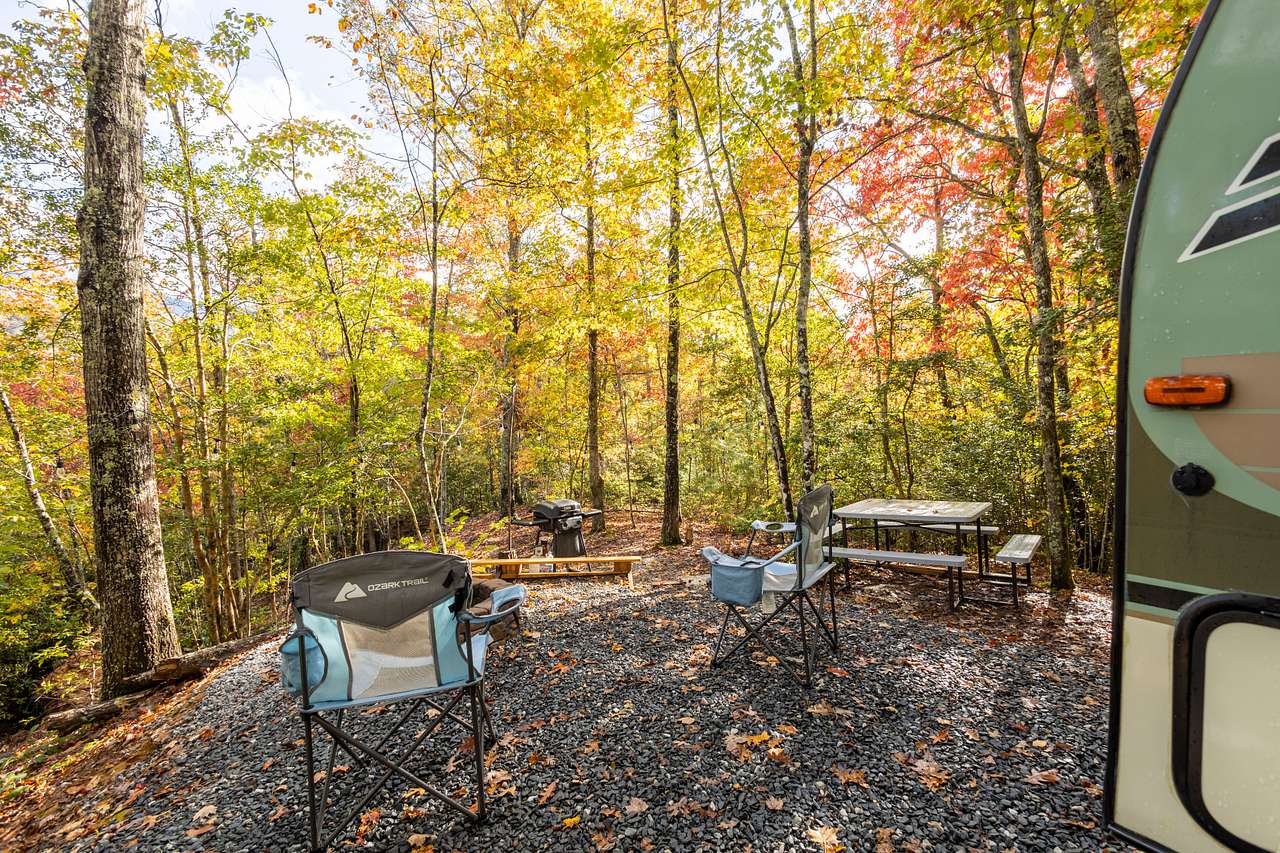
7. Private Glamper/HOT TUB/MNTN VIEWS
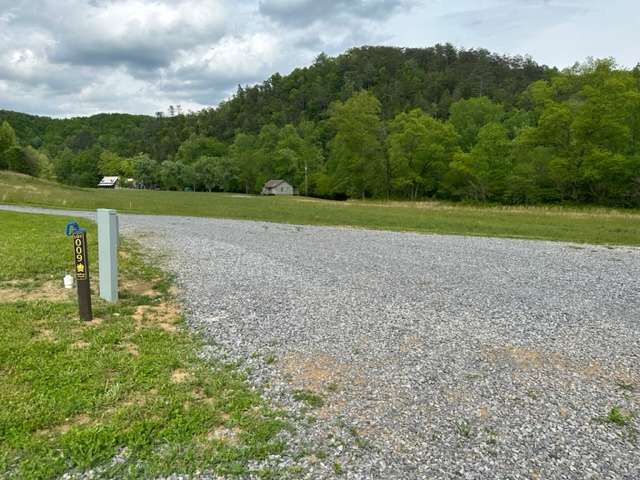
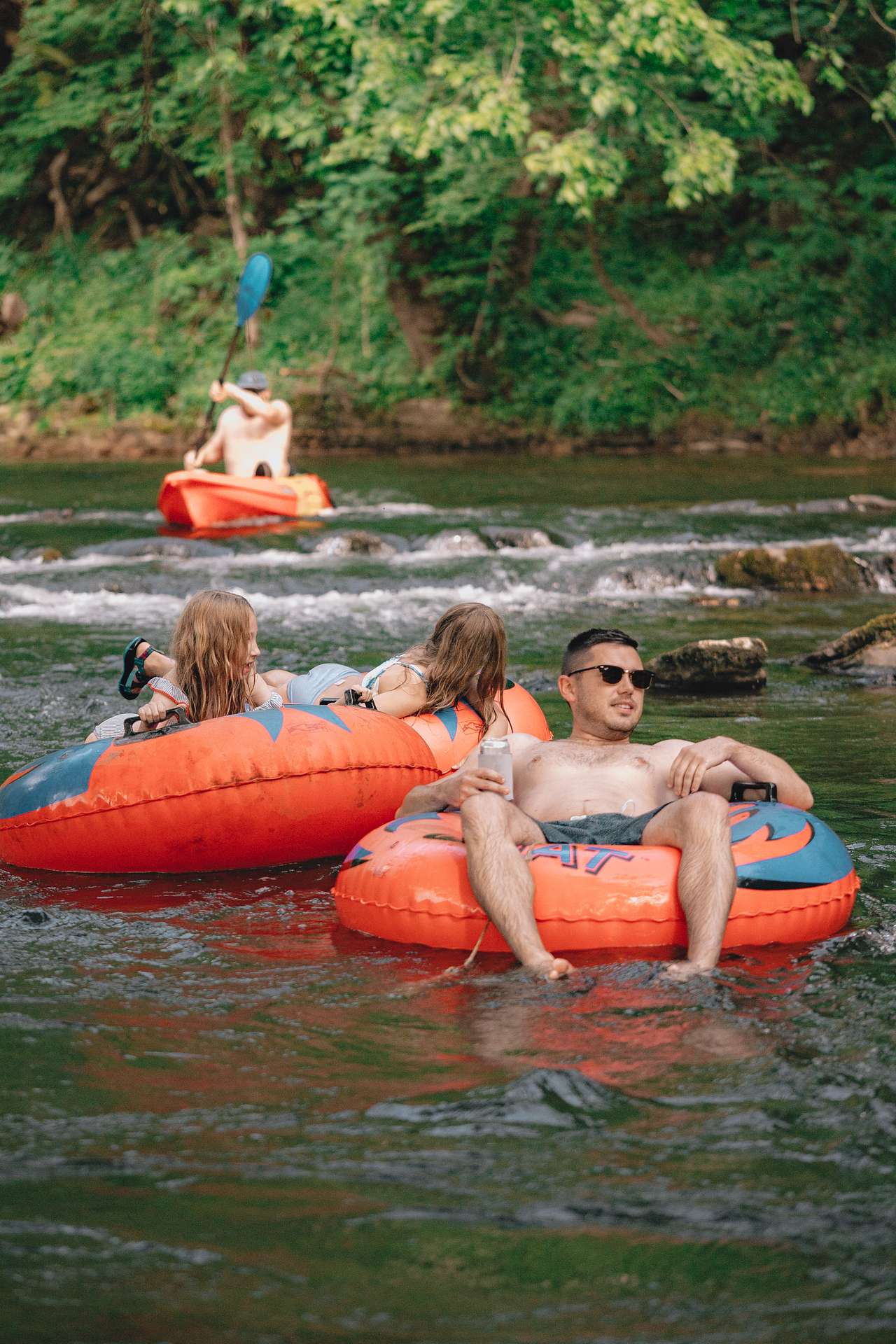
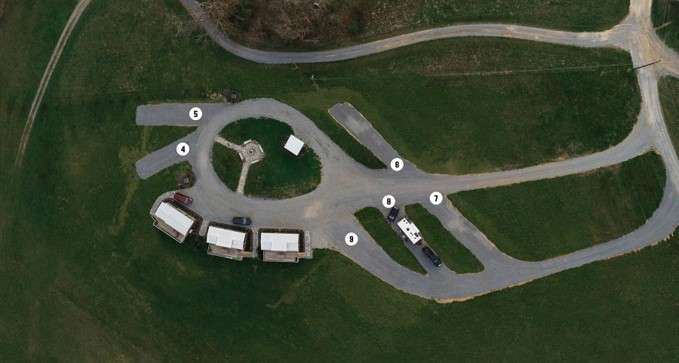
8. Ellis Cove
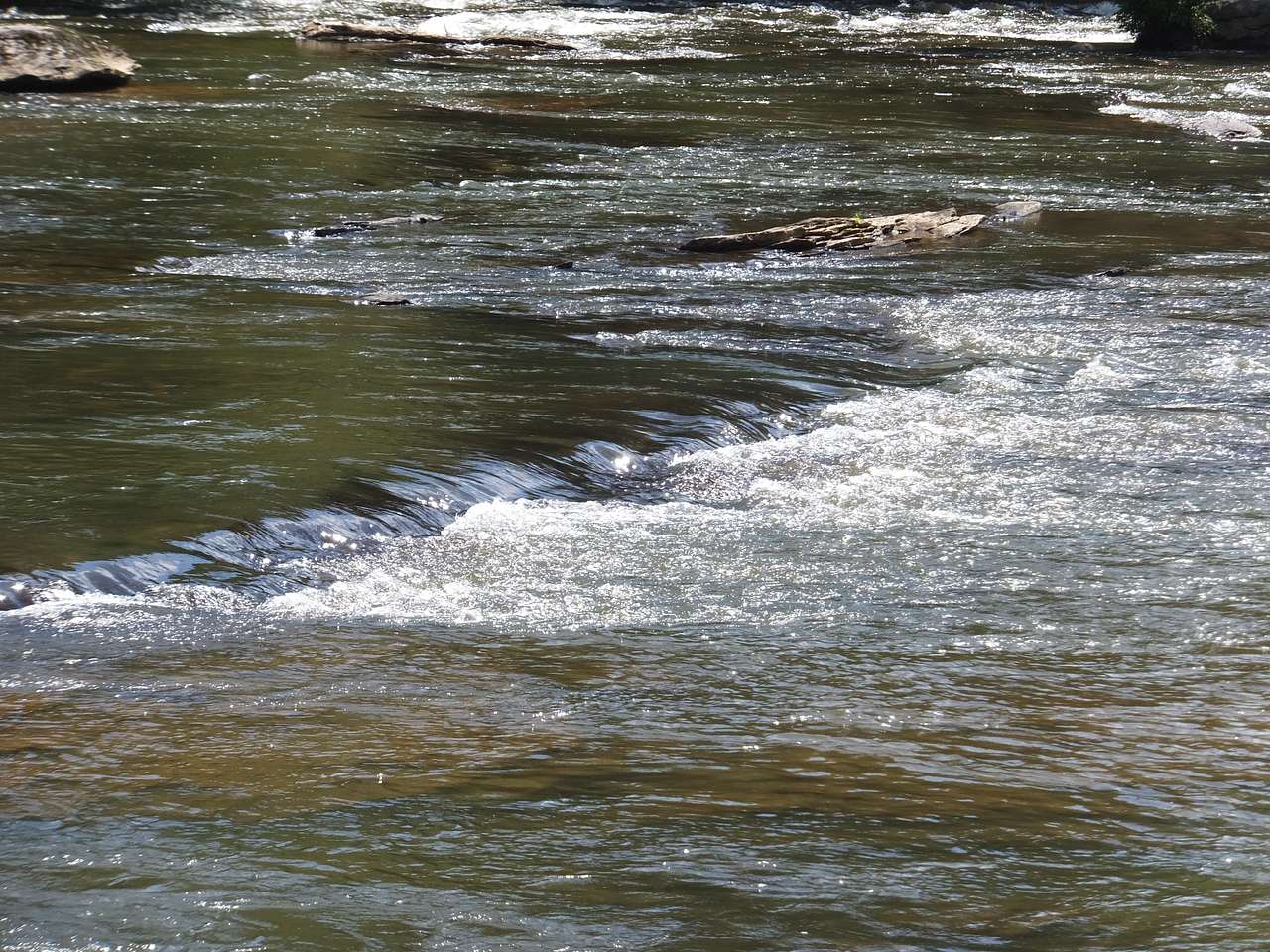
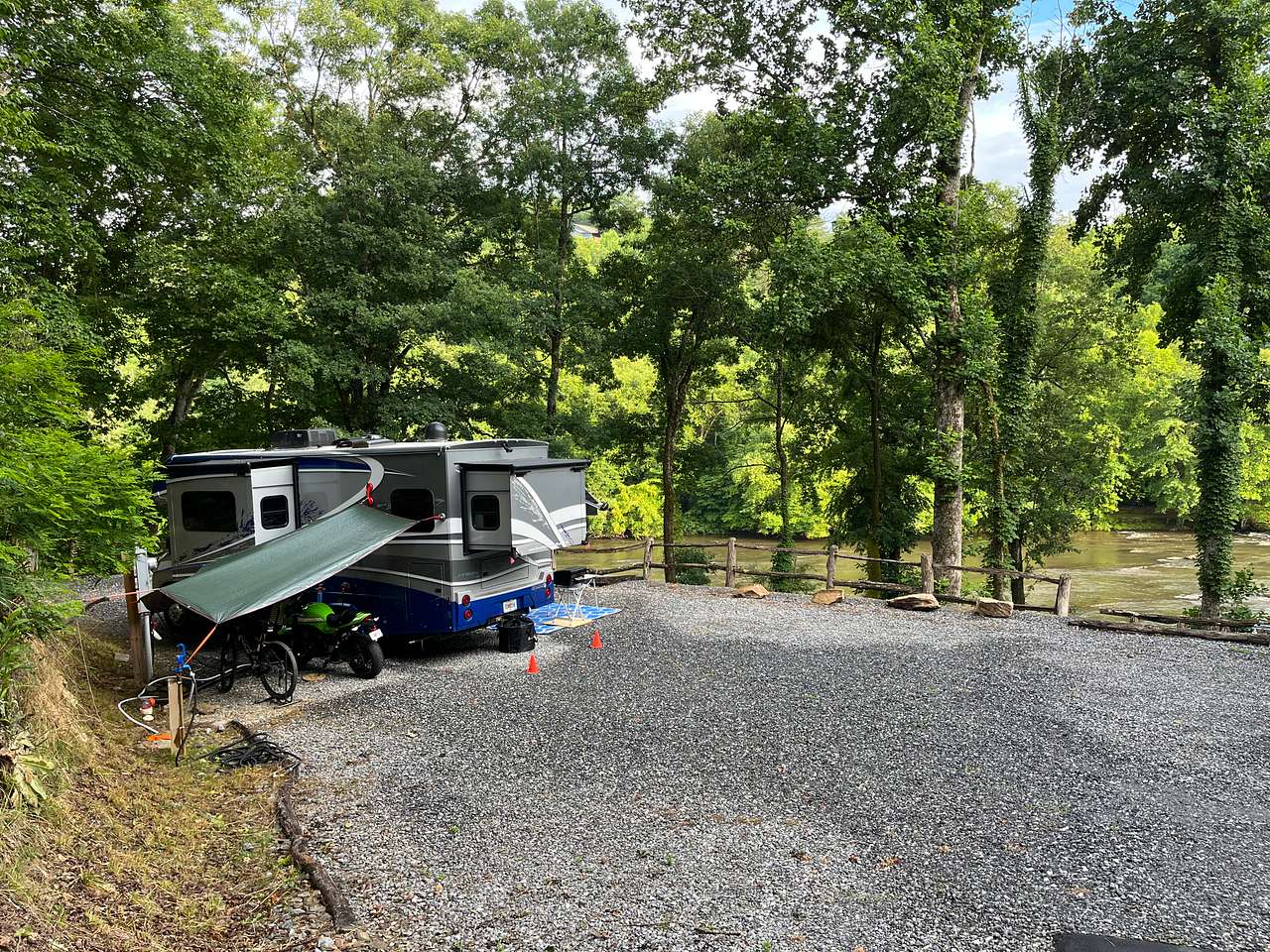
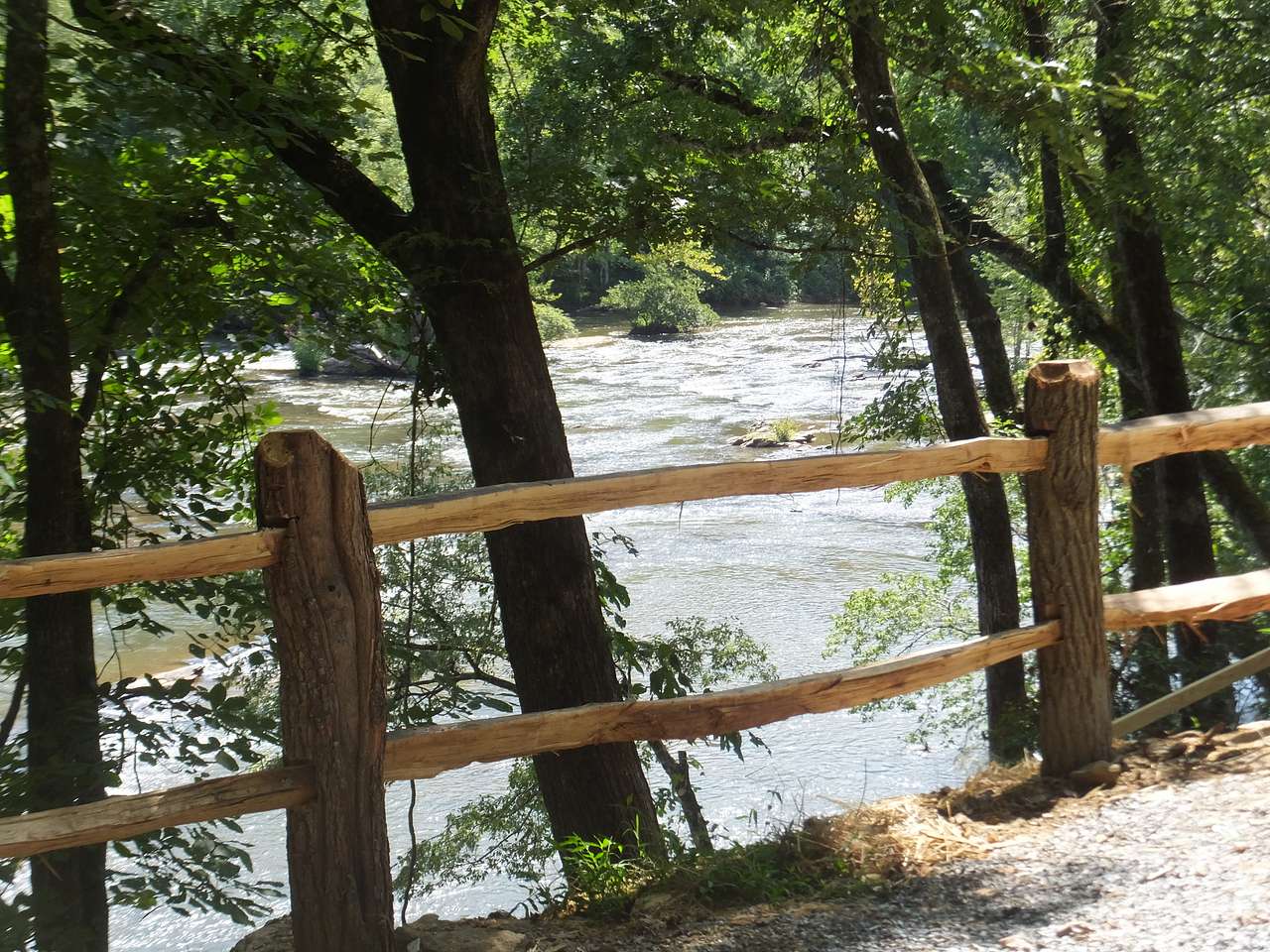
9. Camp Tuck

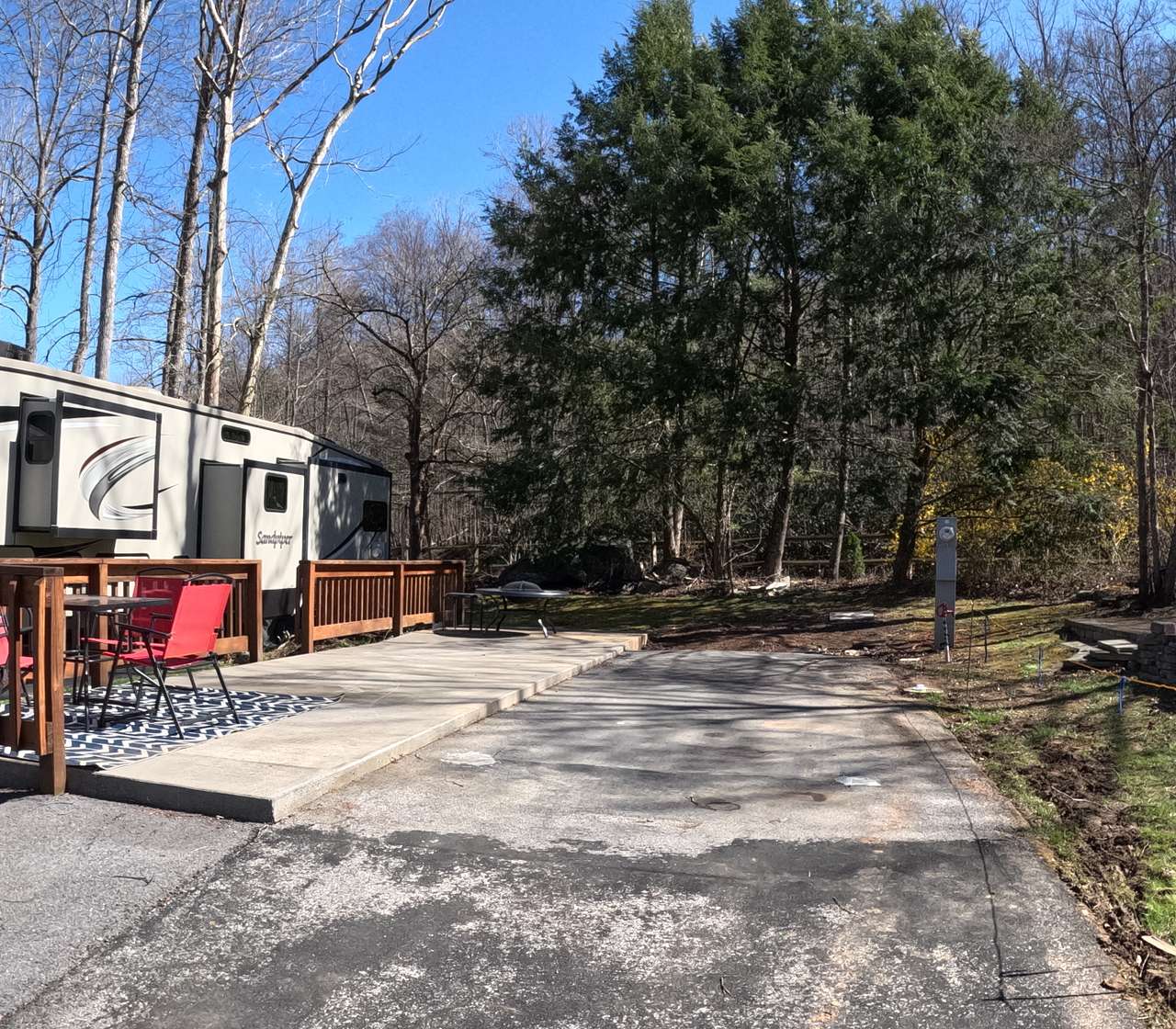
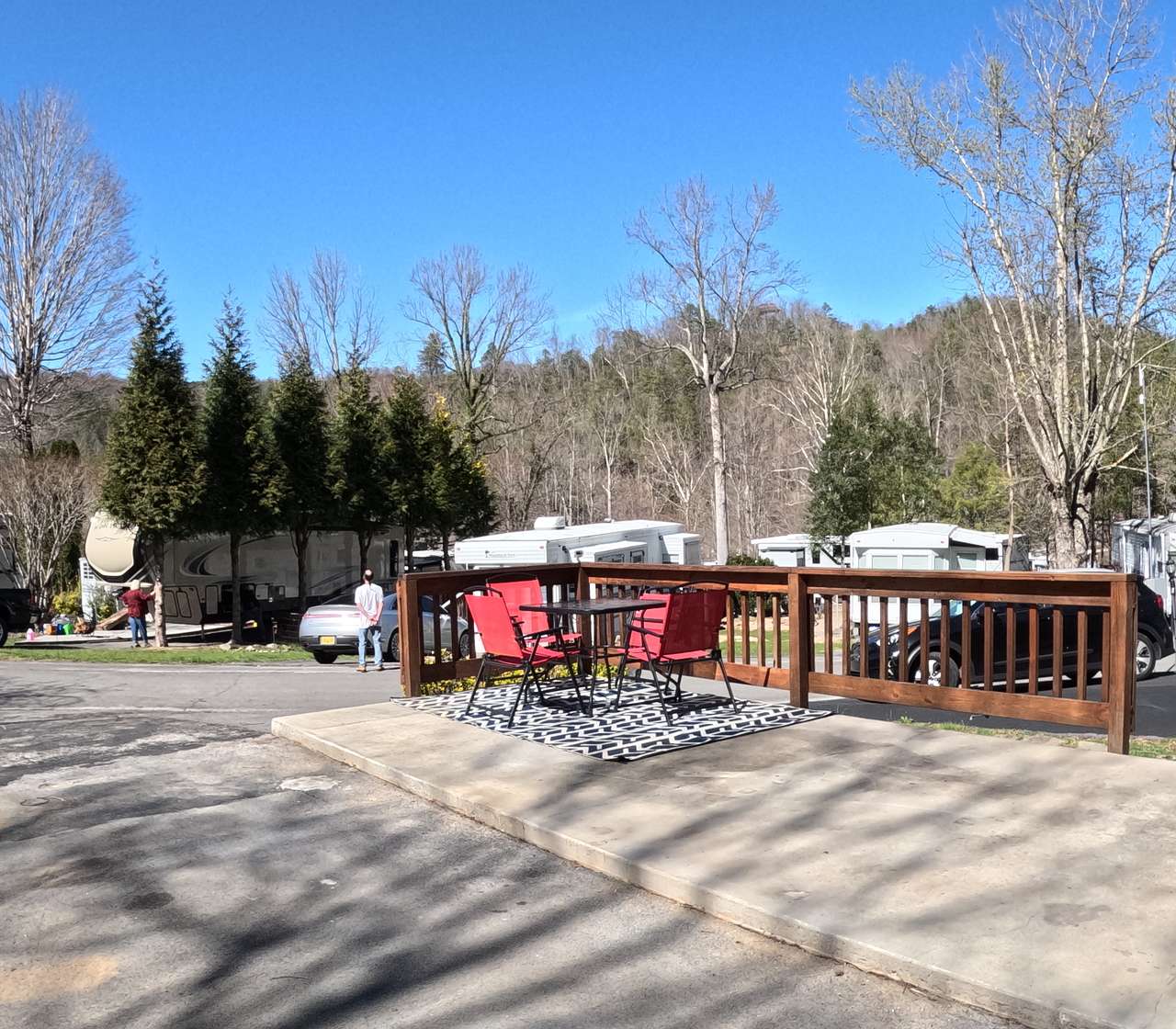
10. Webb Creek Camper Lot – Smoky TN
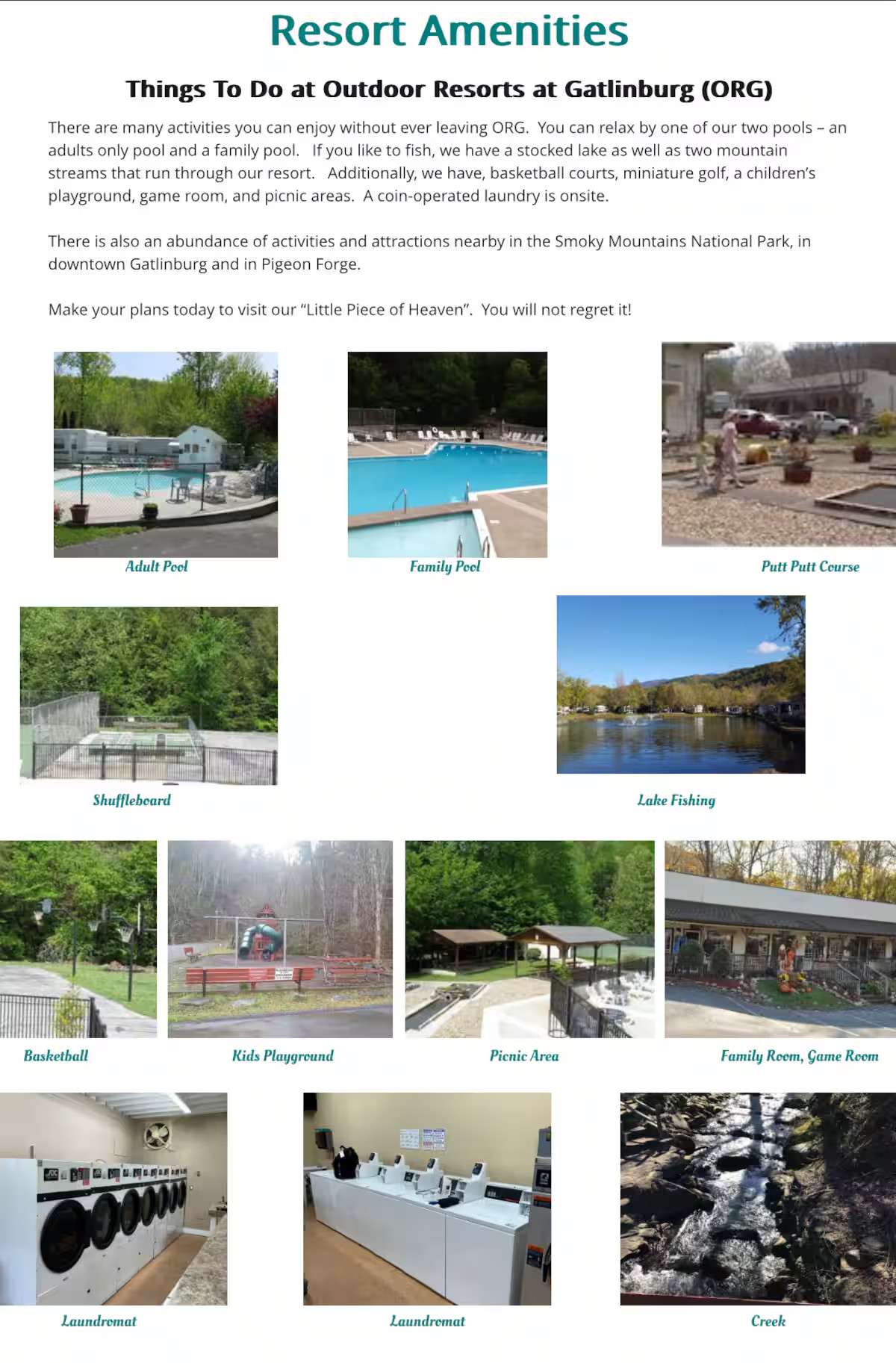
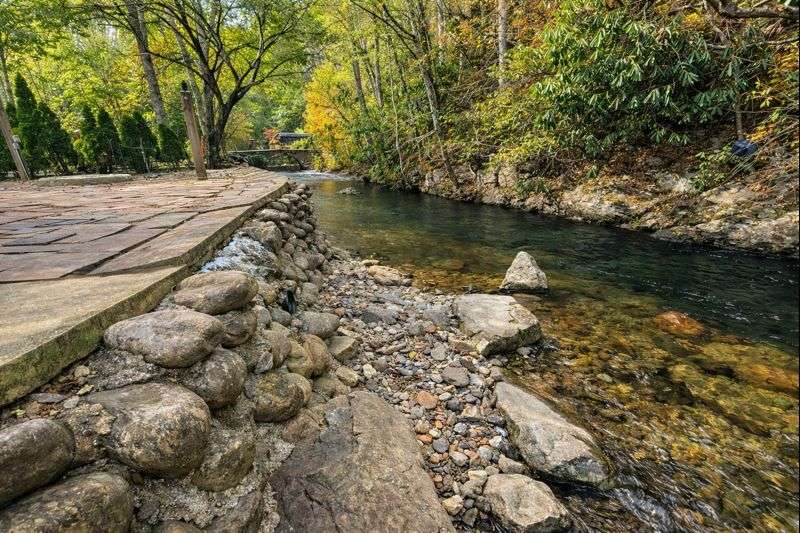
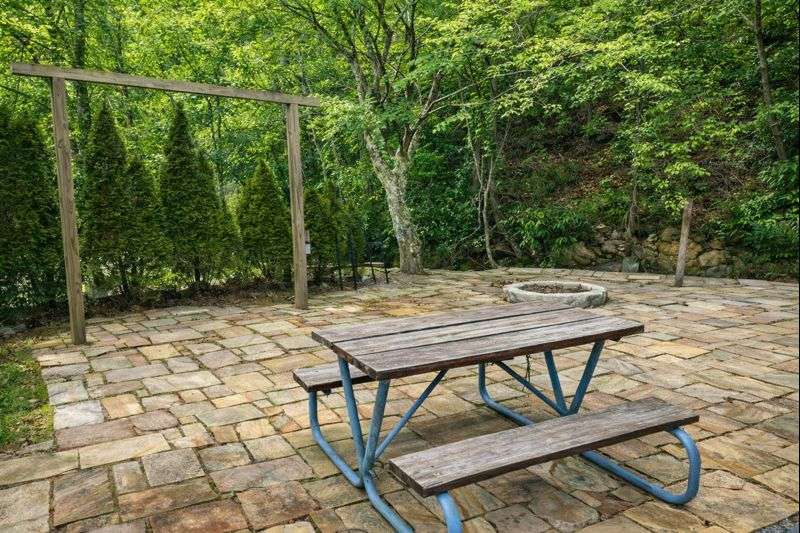
11. Cozy Creekside Camping
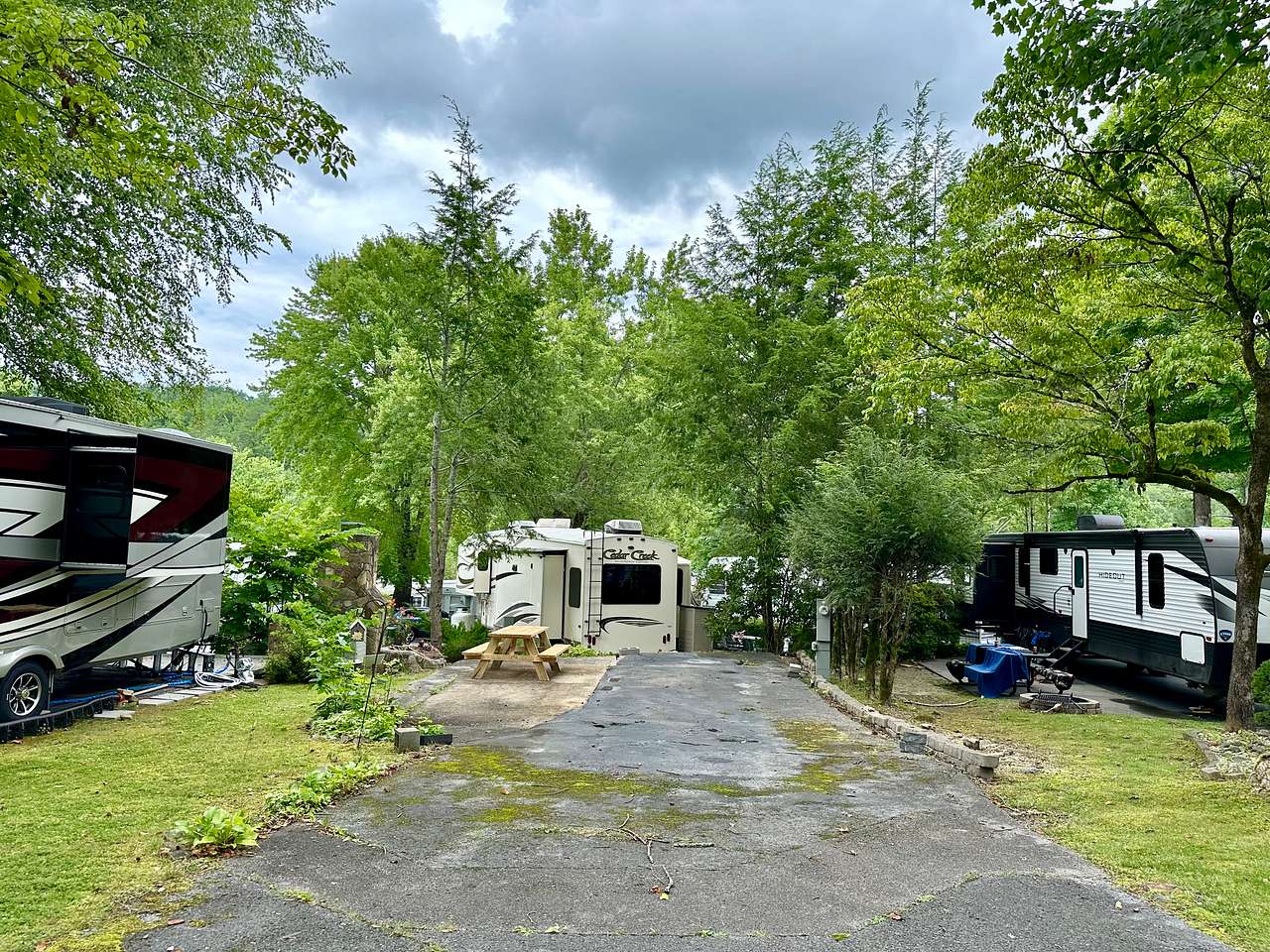
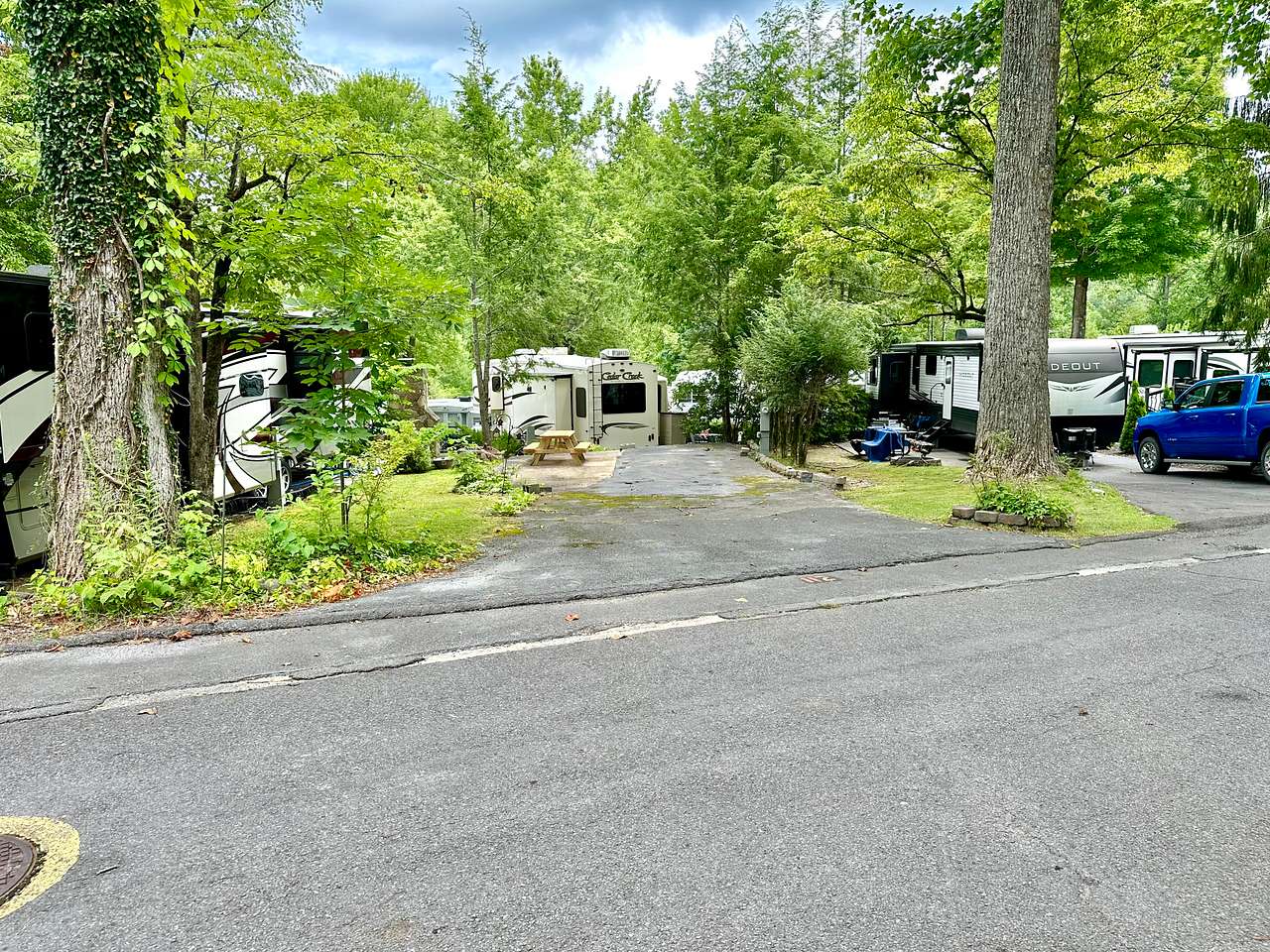
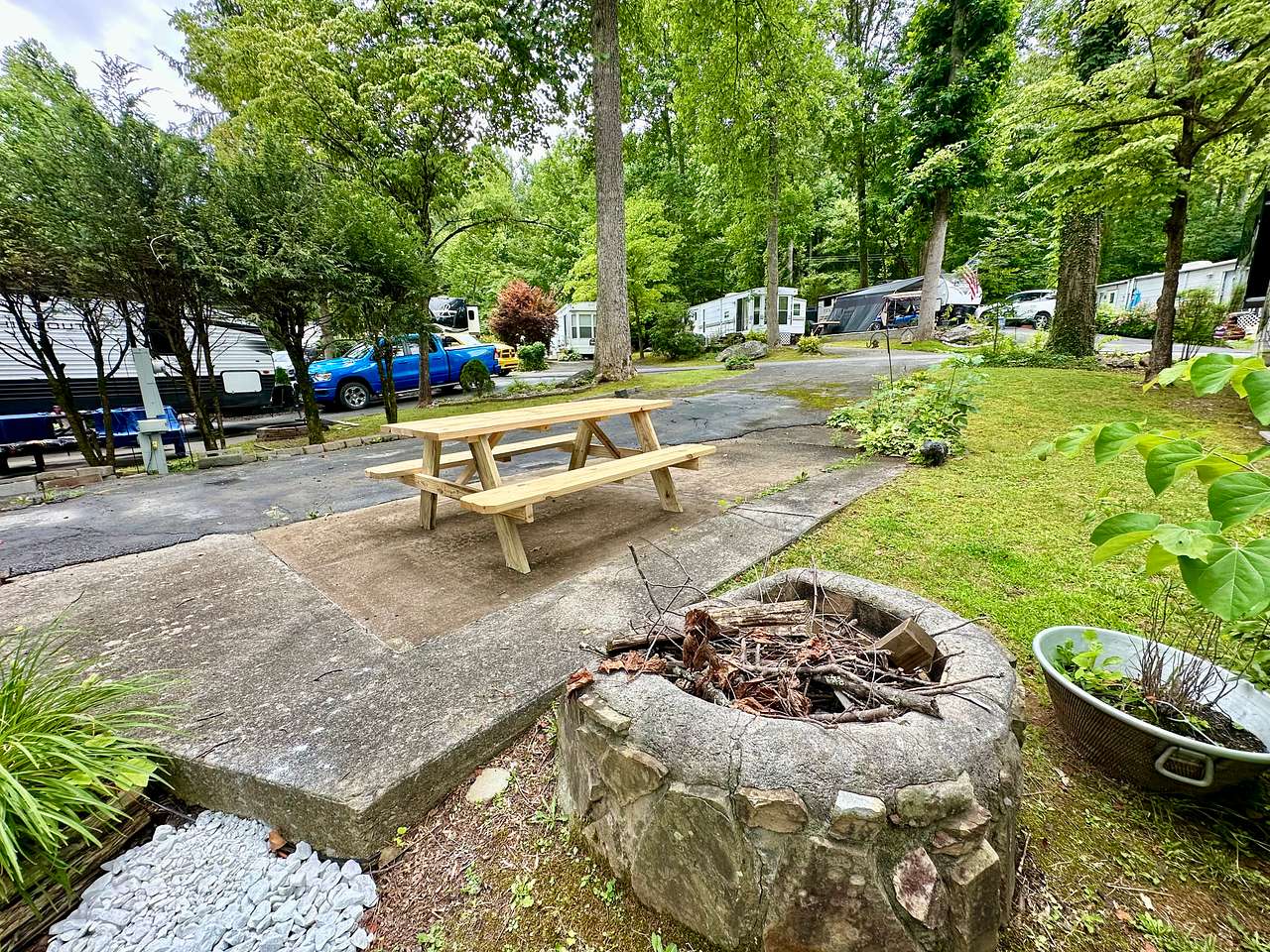
12. Gatlinburg RV Campsite: Crofty Bear
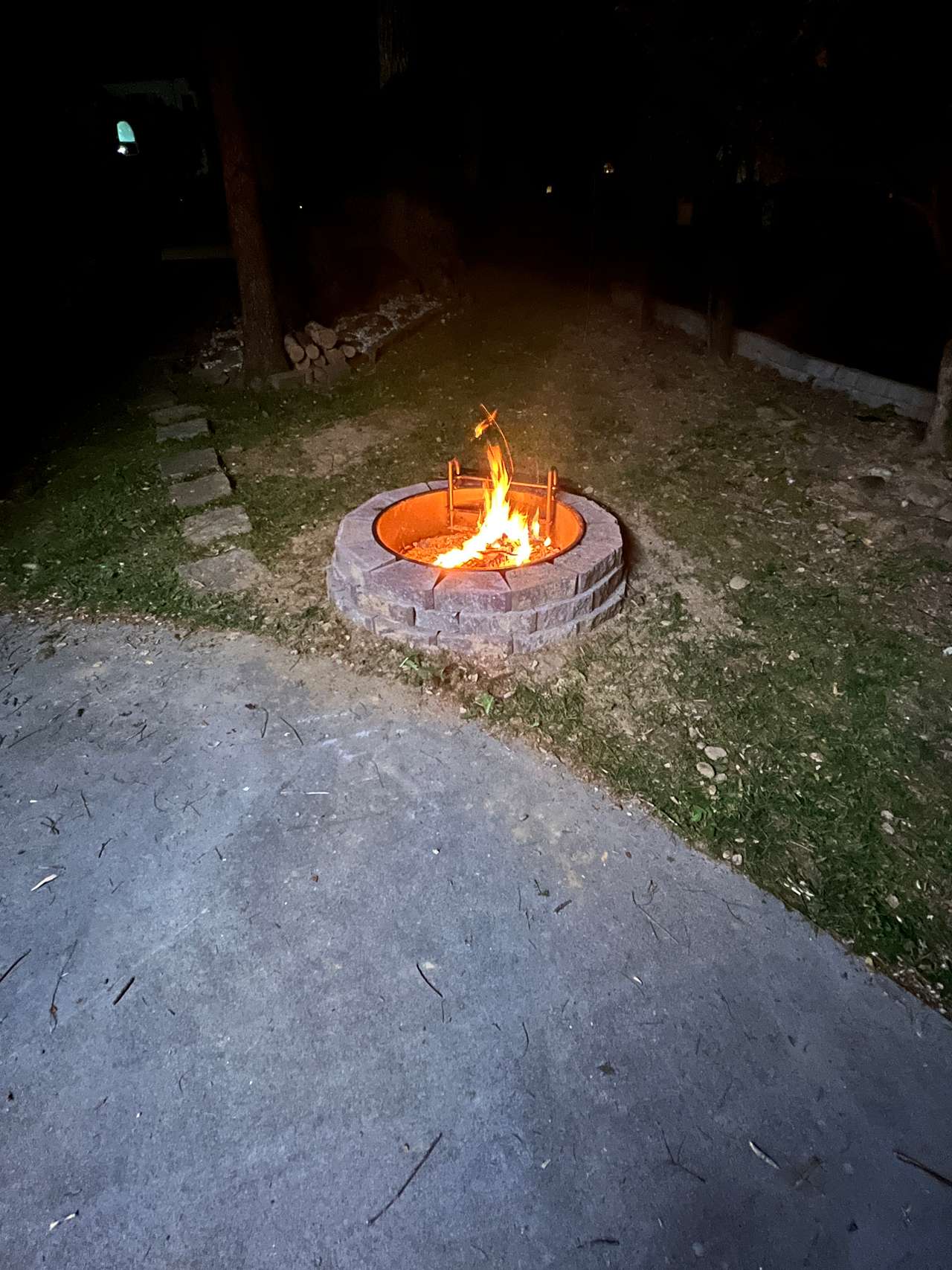
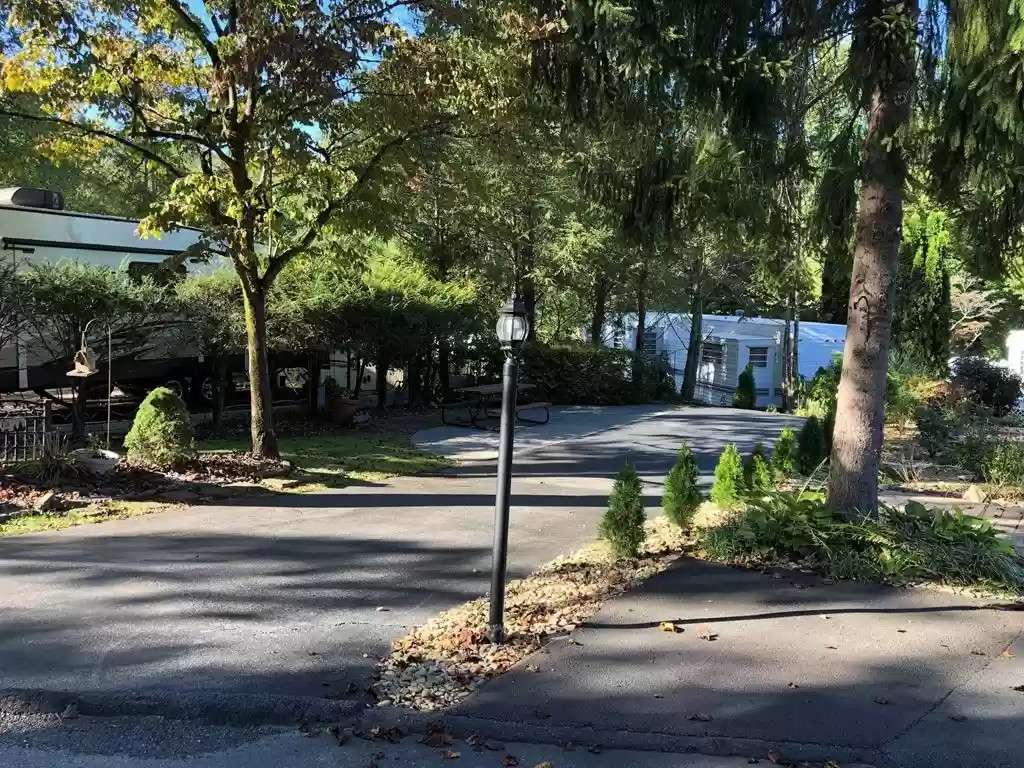
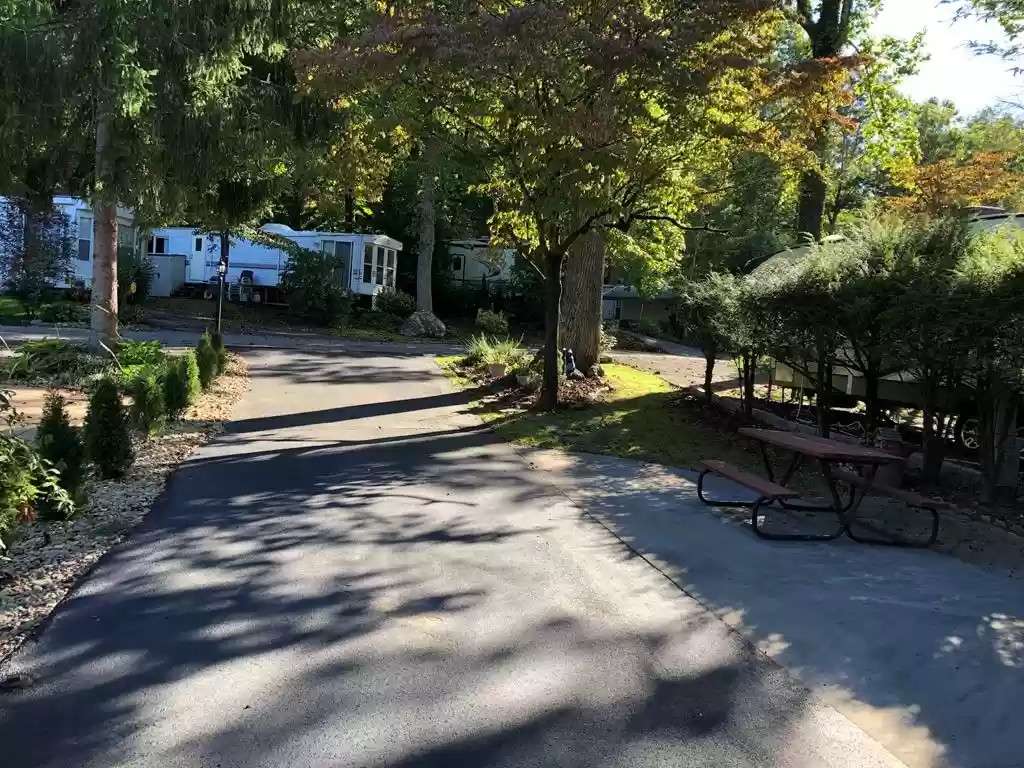
13. Crow's Landing RV Site Gatlinburg
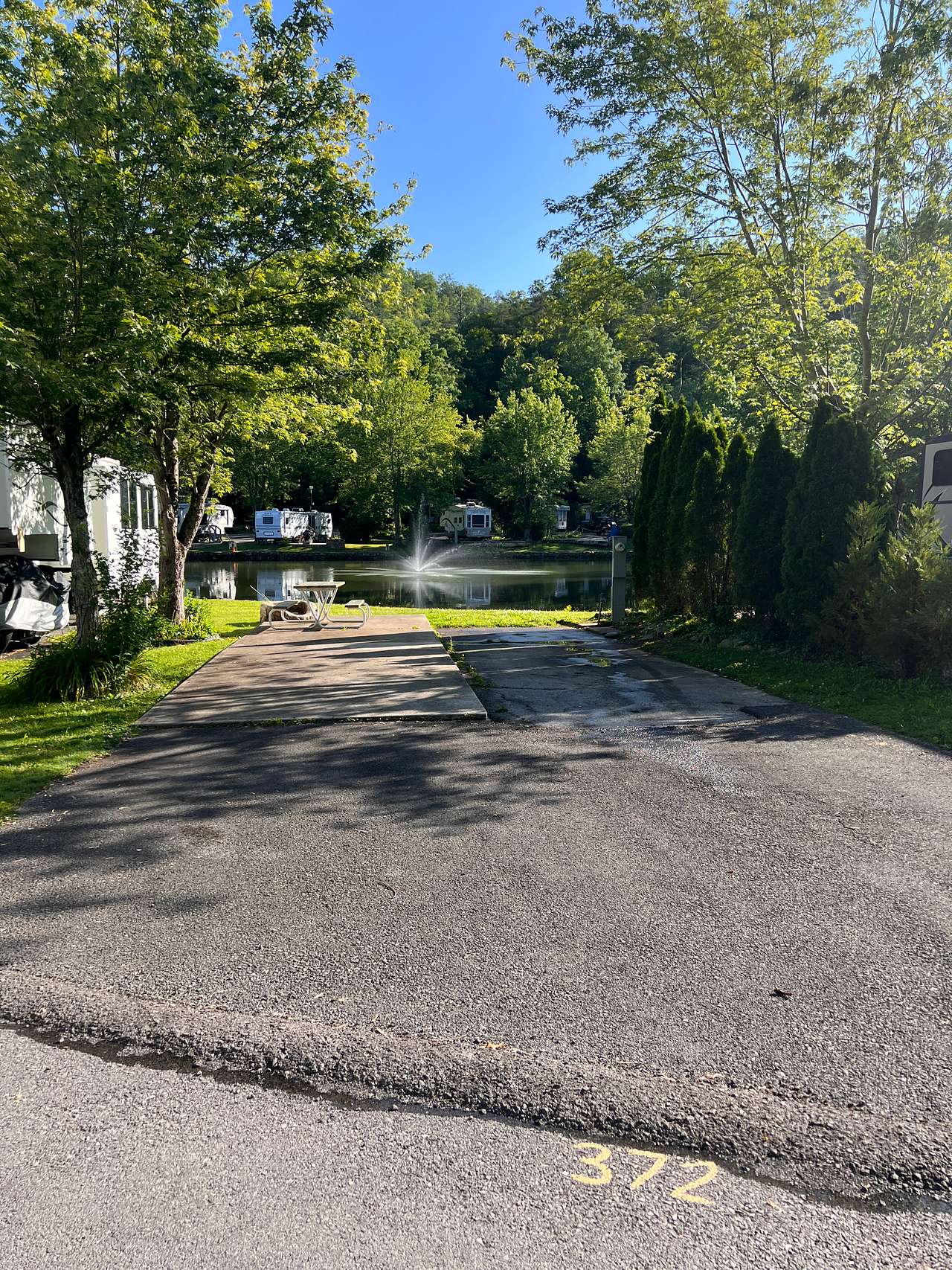
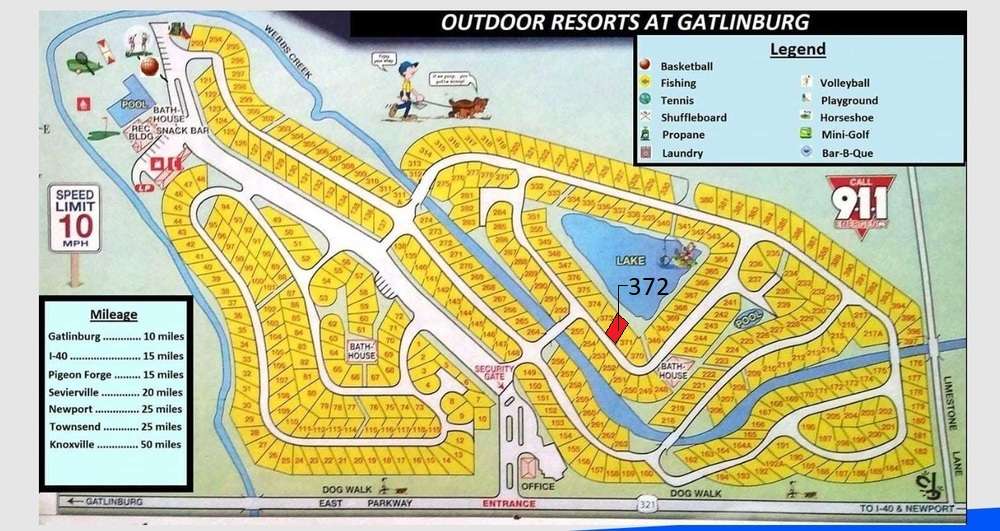
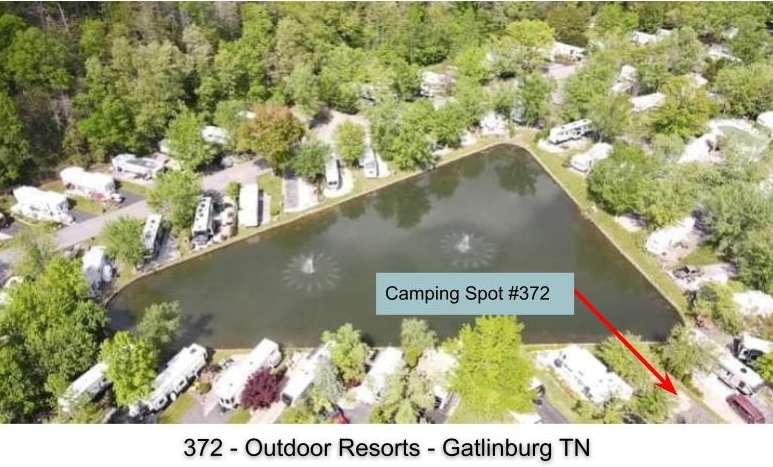
14. A Quiet getaway place
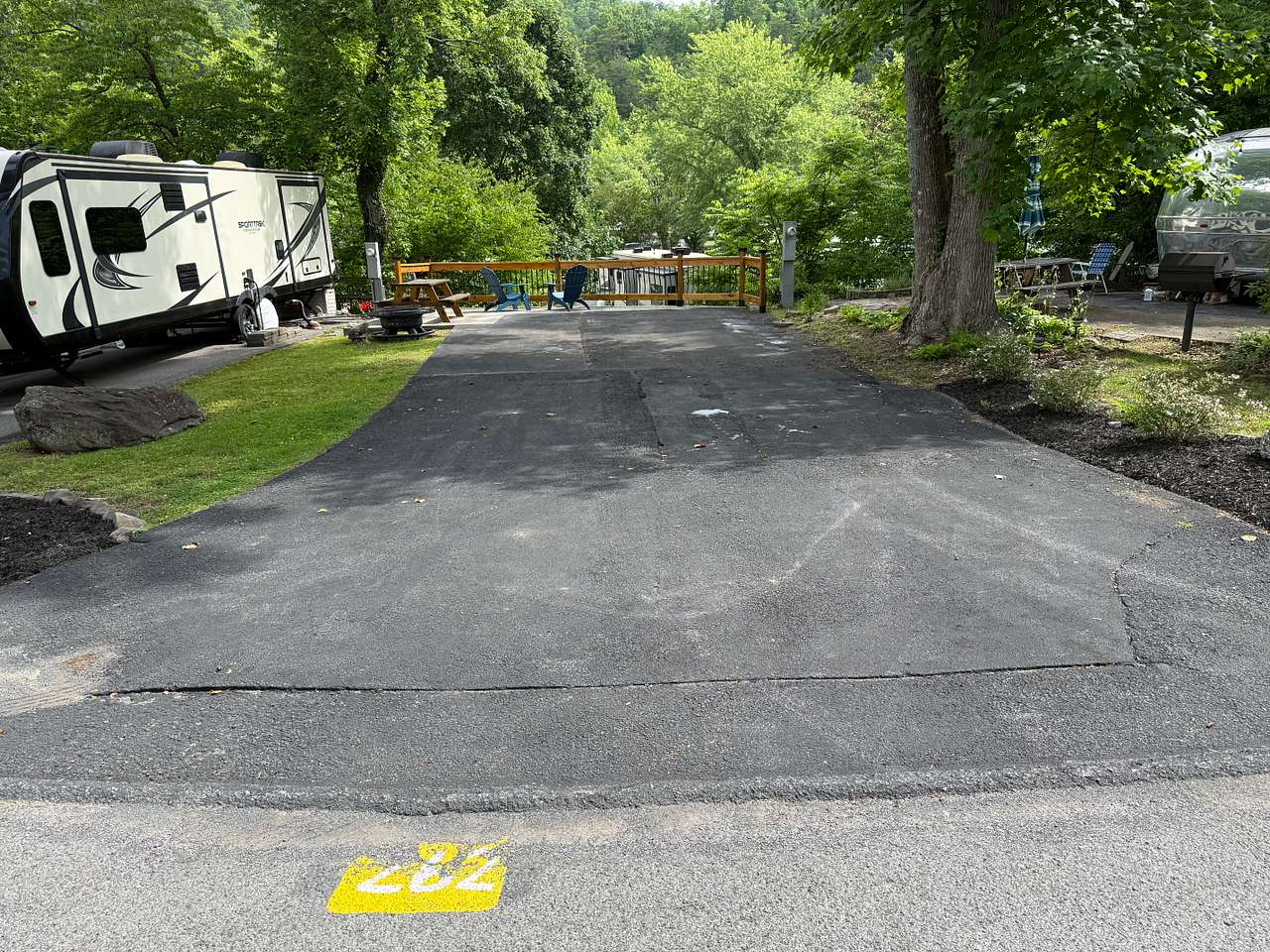
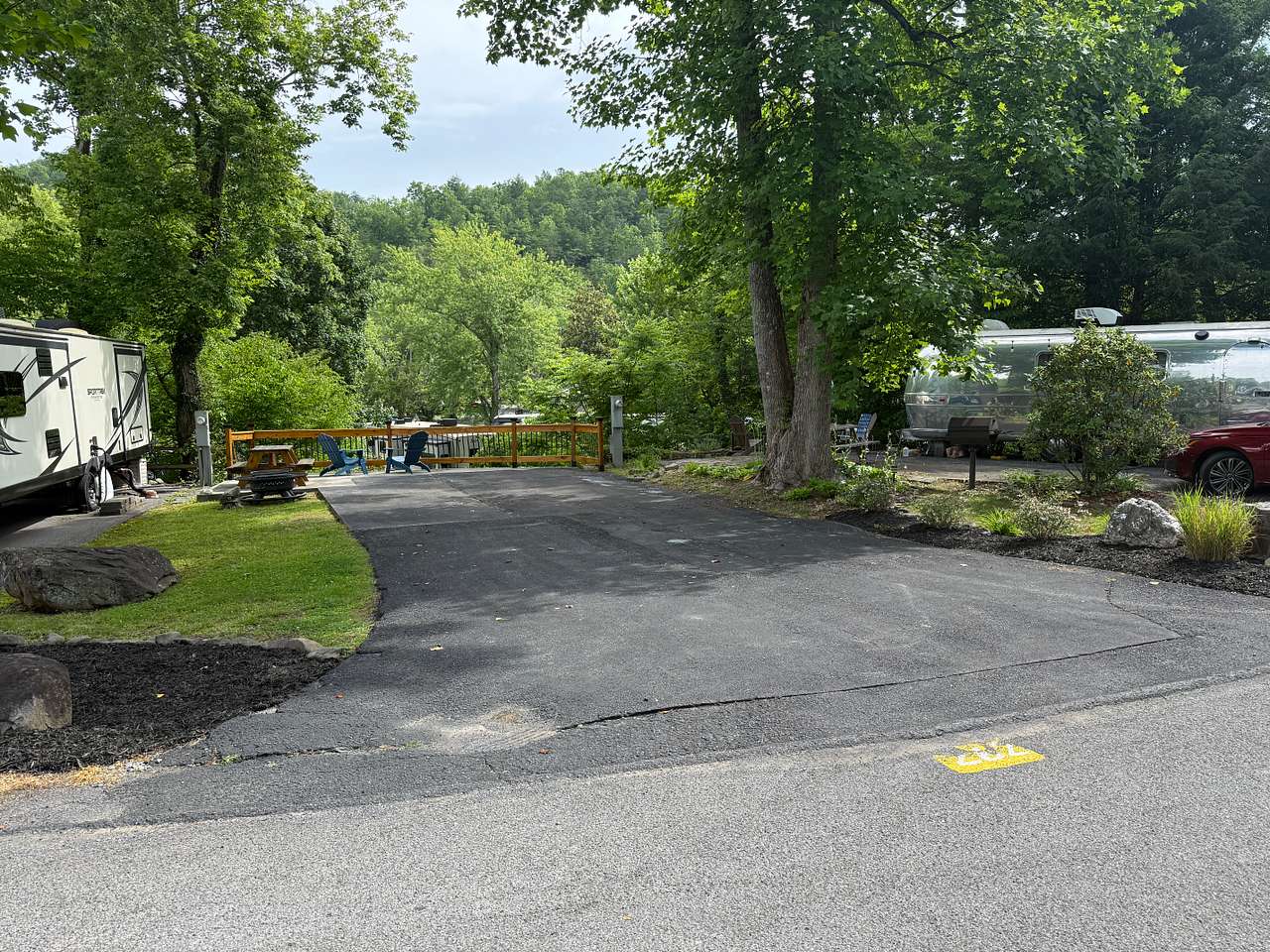
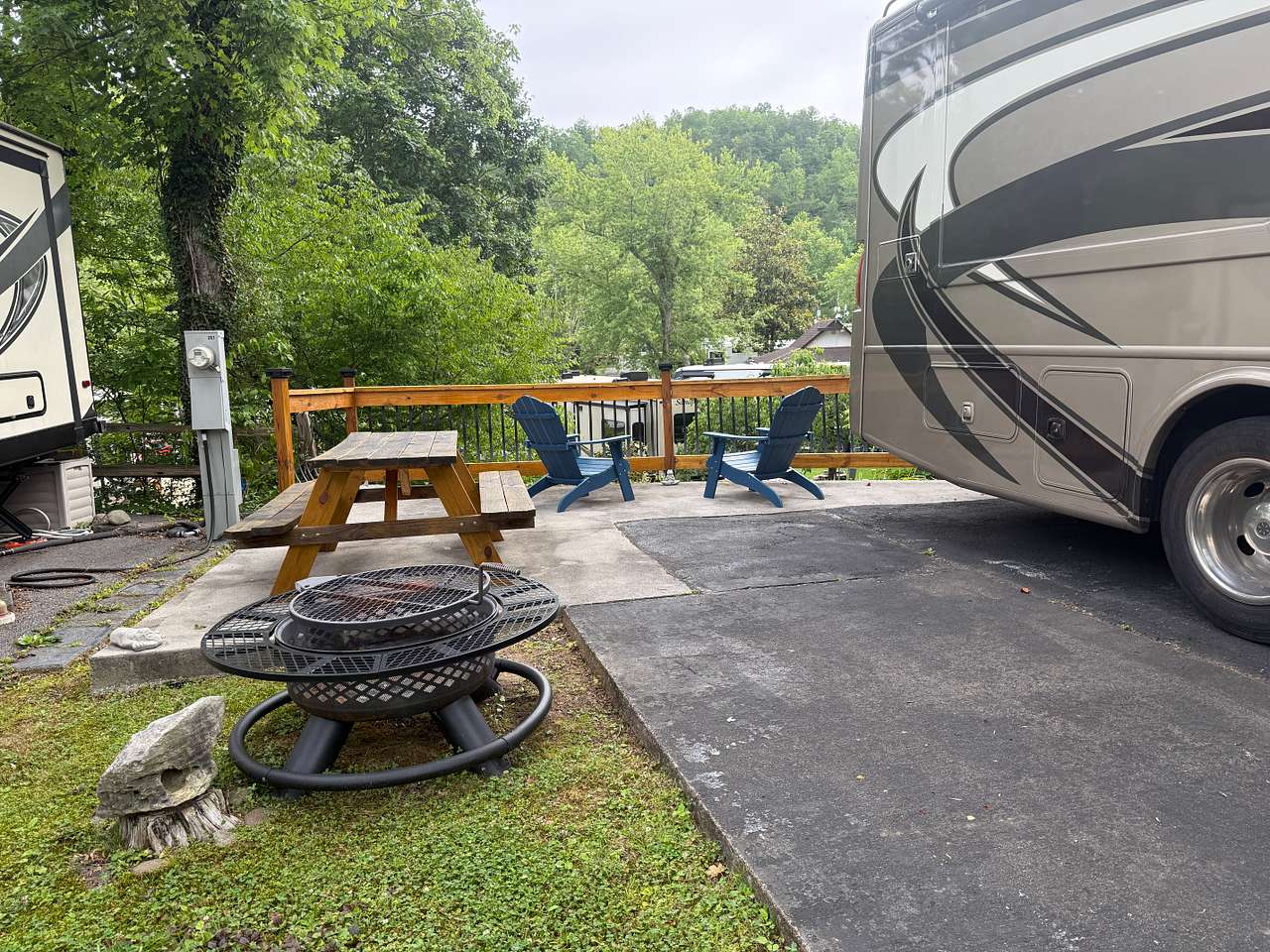
15. Gatlinburg Vibes RV Camping
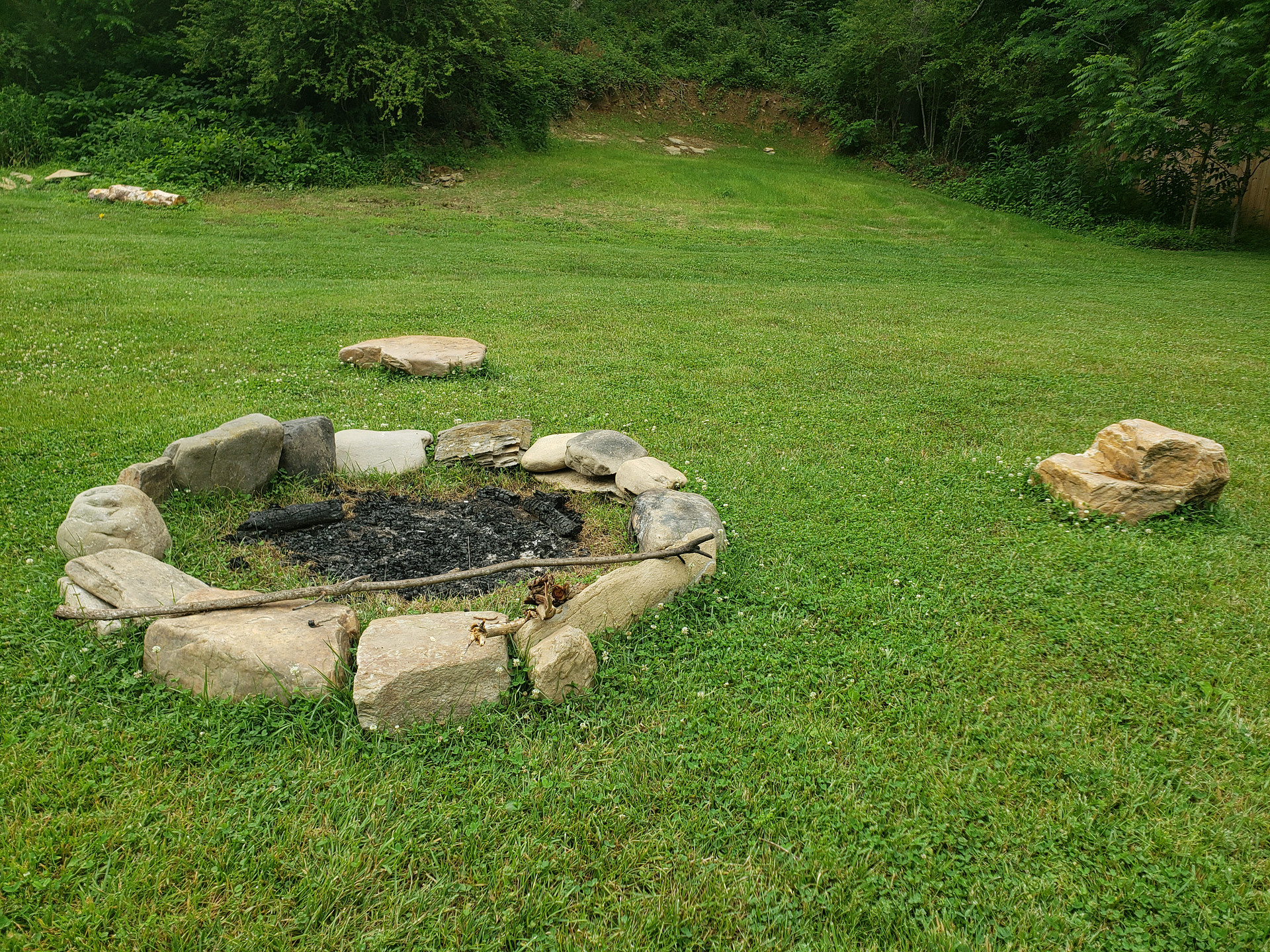
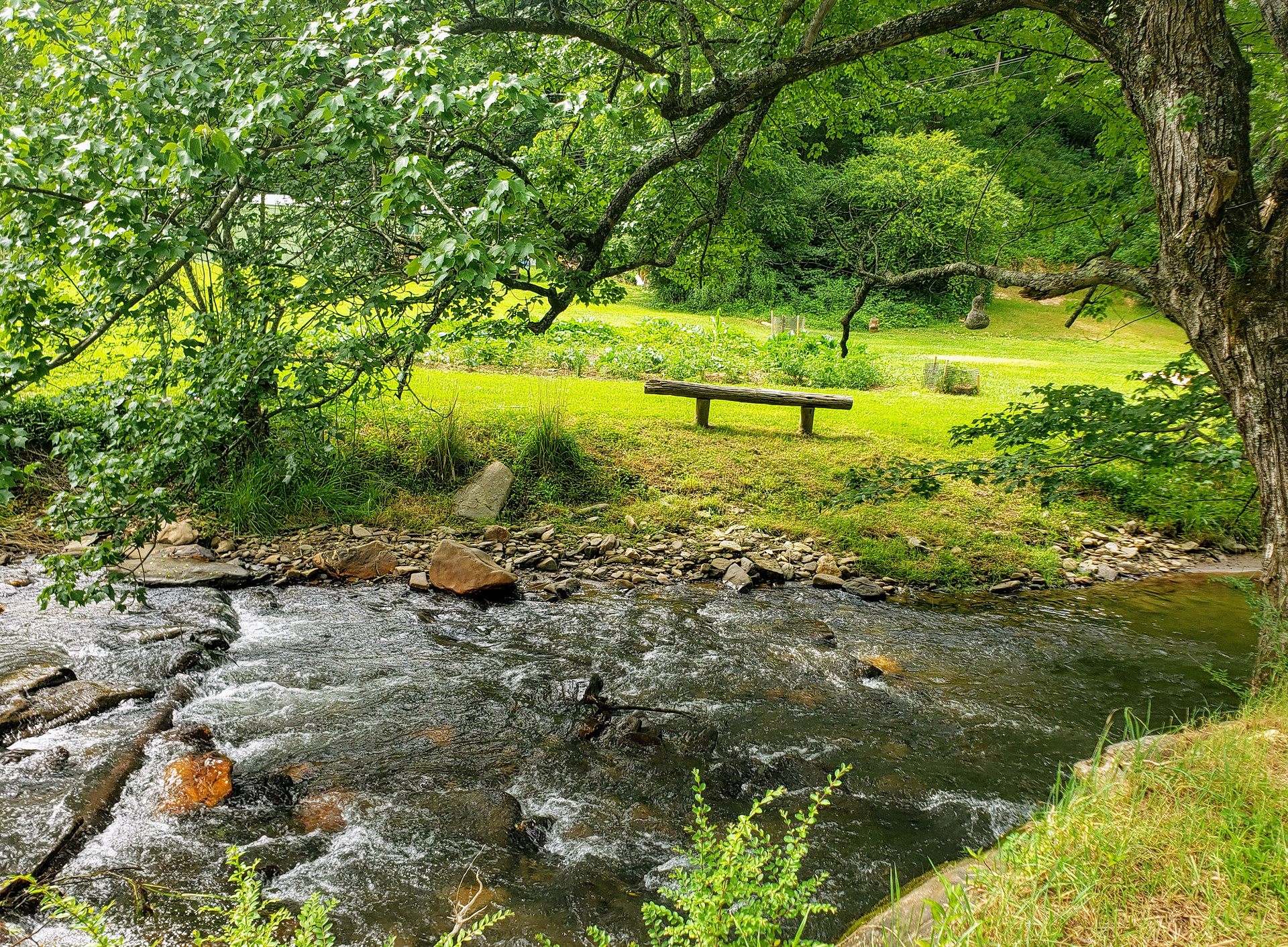
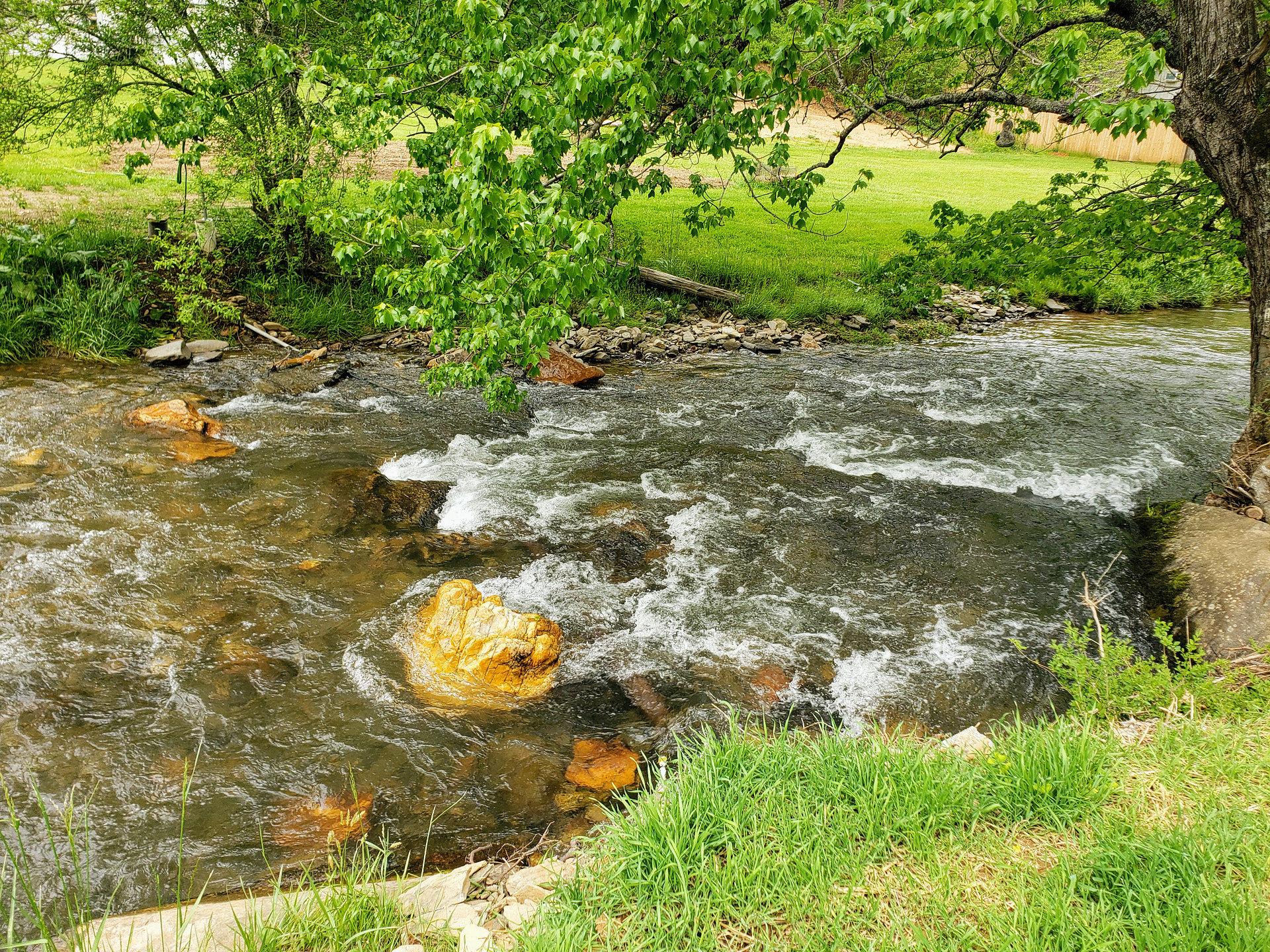
16. Conleys Creek Campground
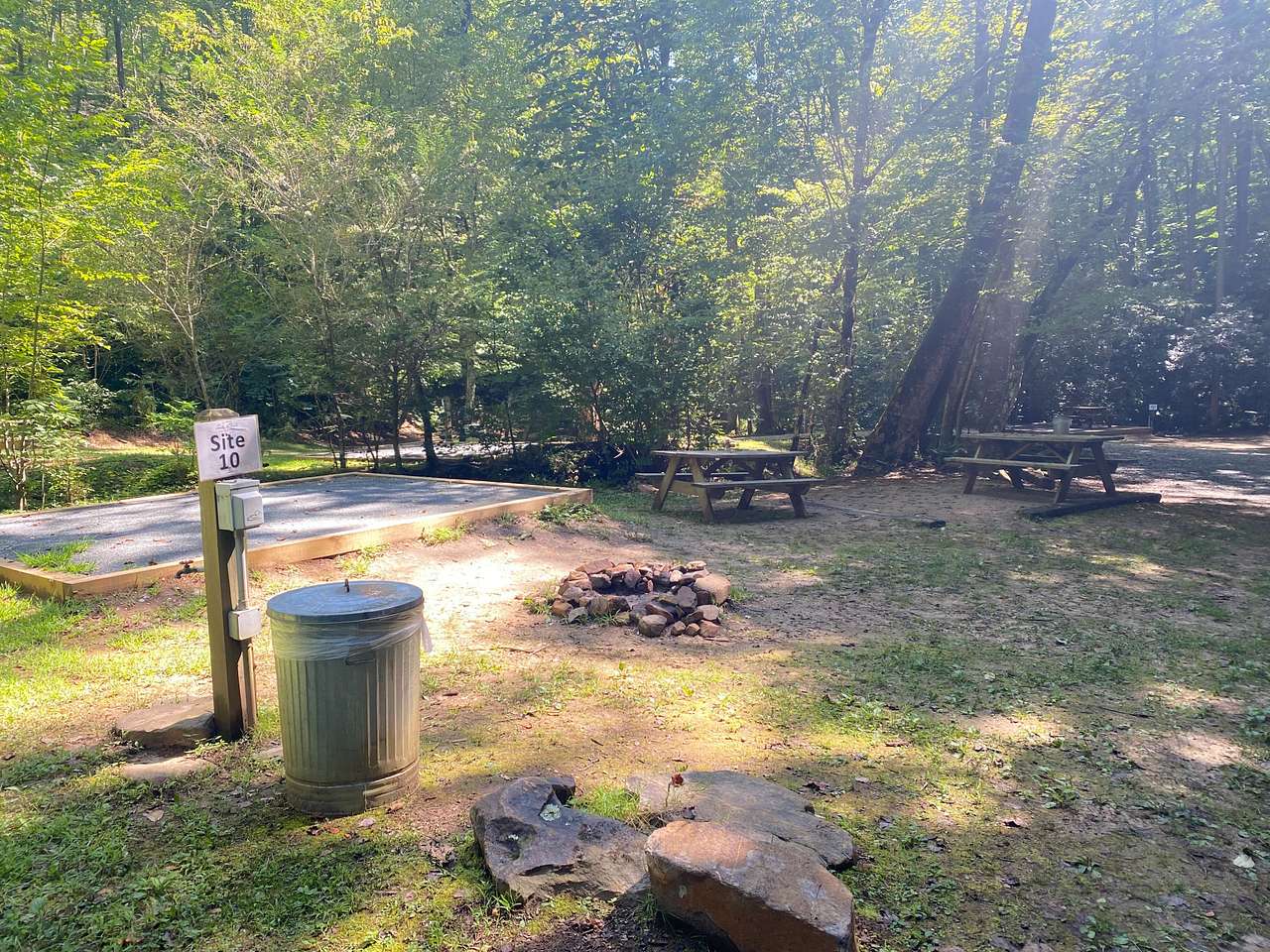
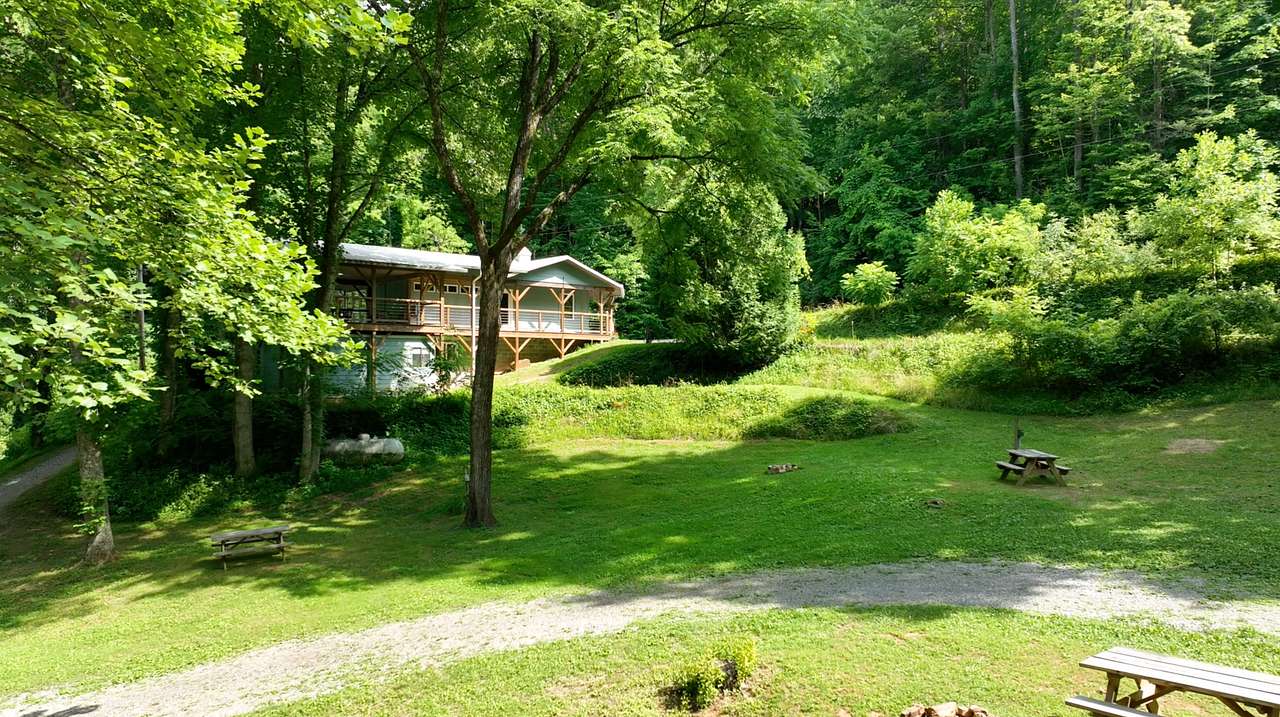
17. Turkey Creek Campground
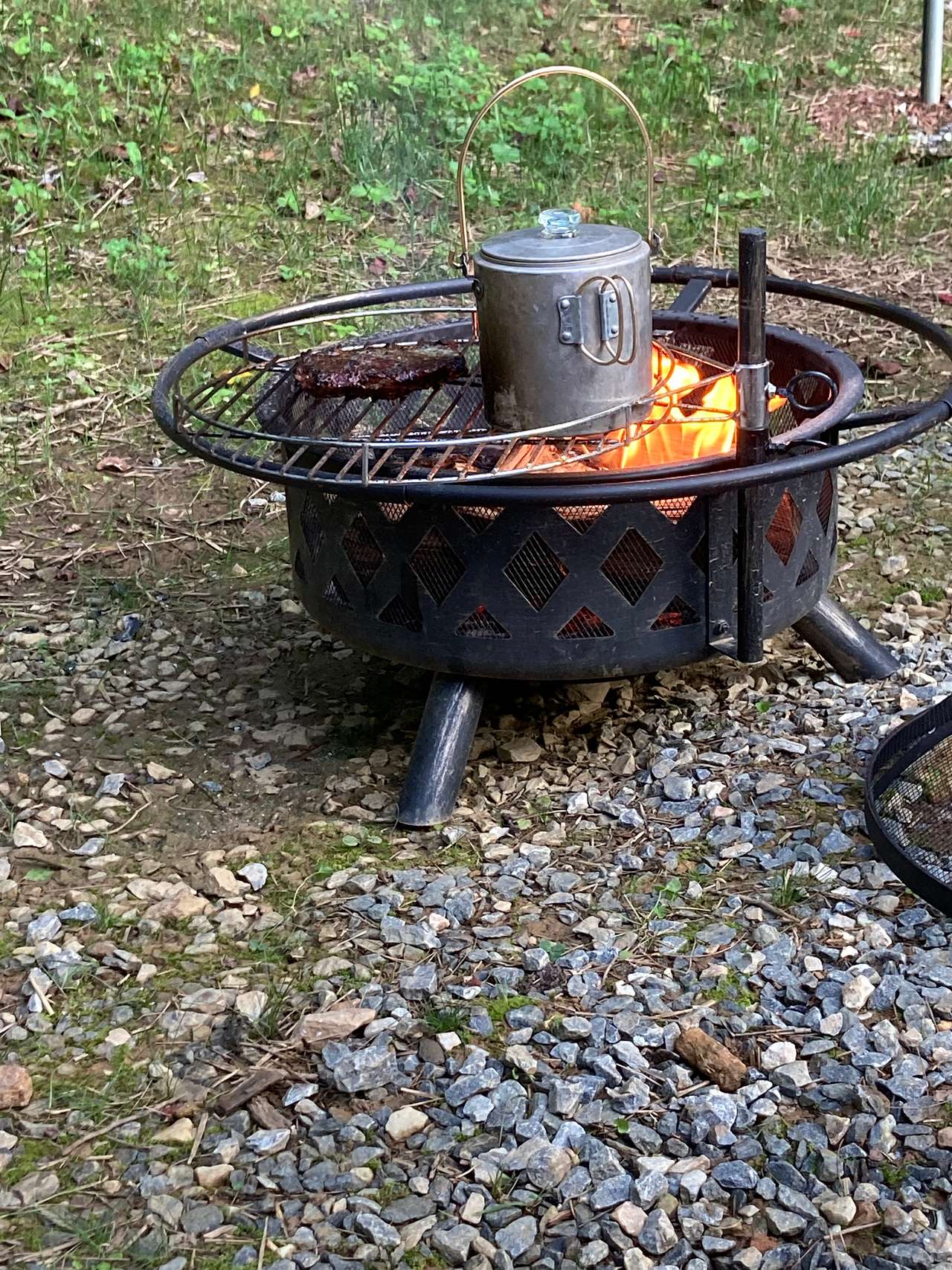
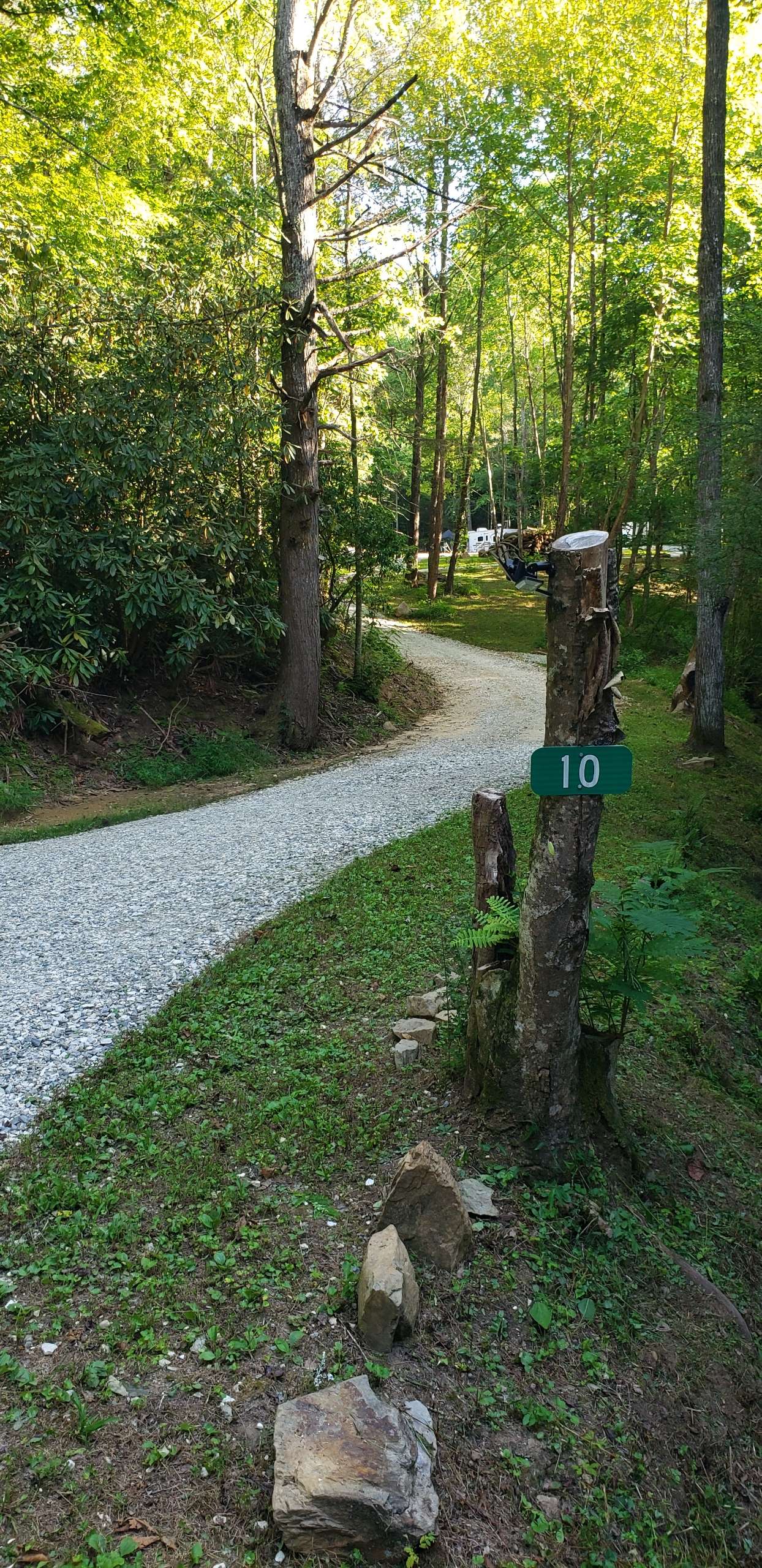
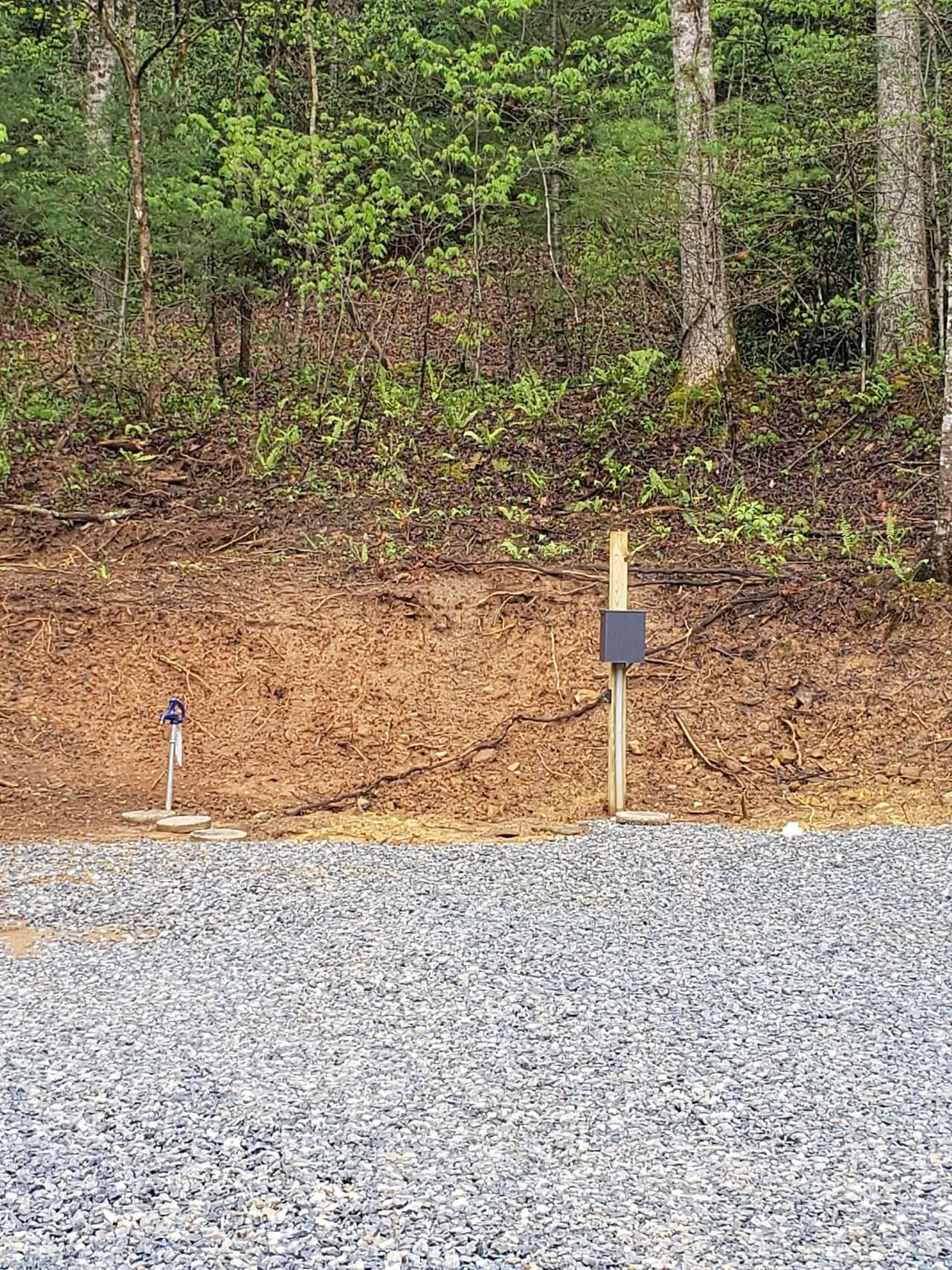
18. Love Shack Hideaway
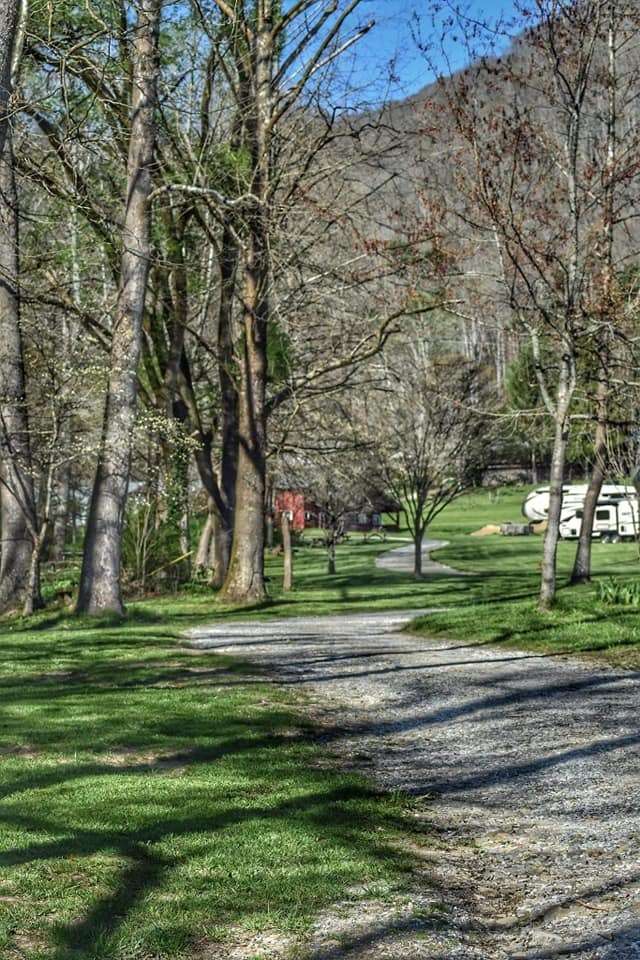
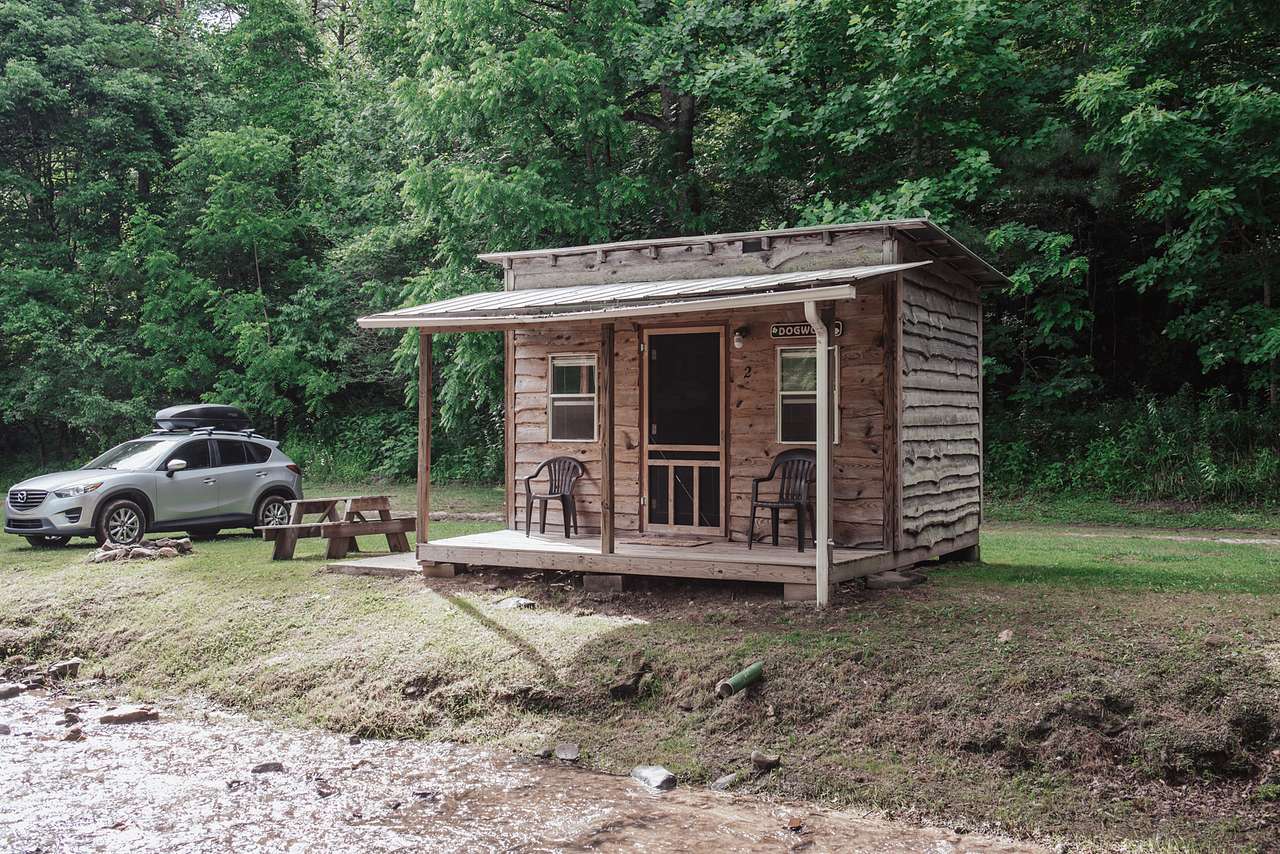
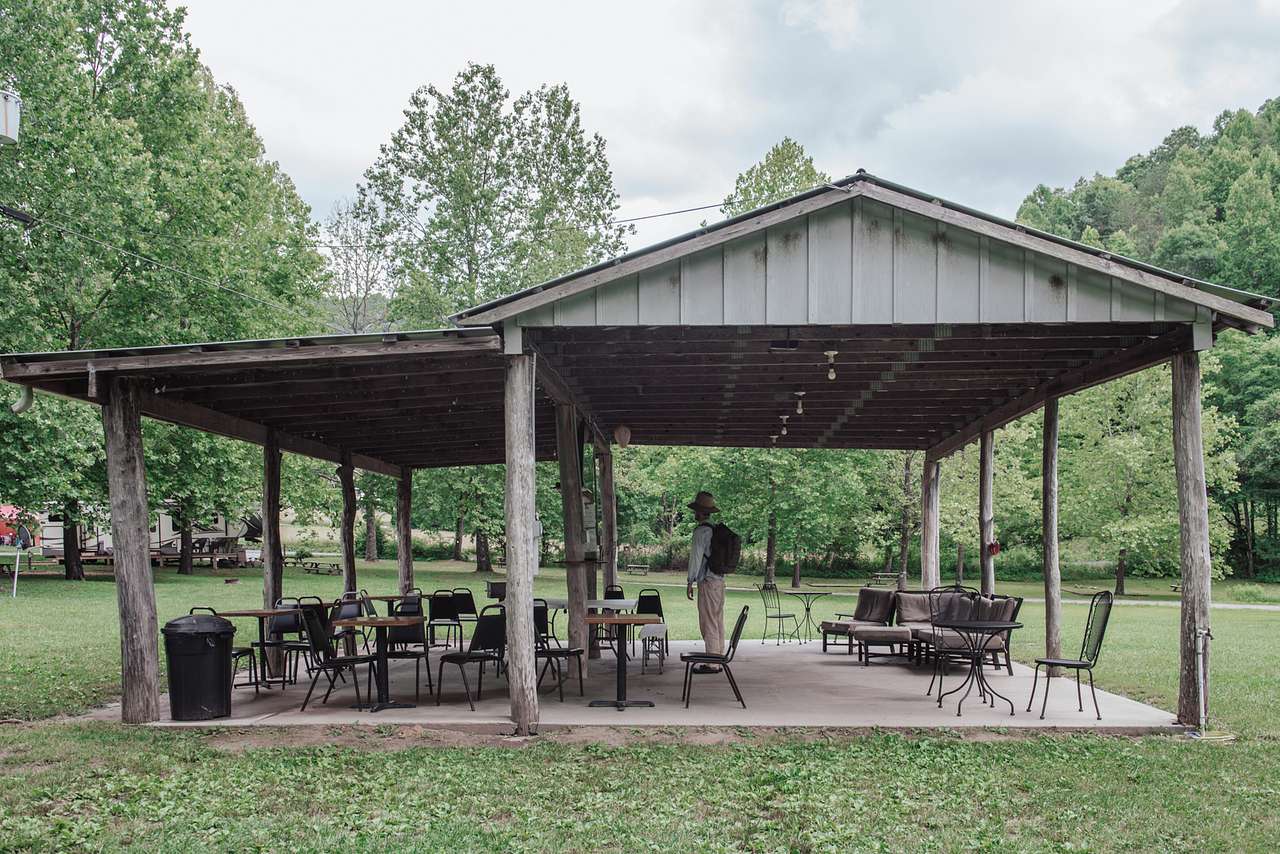
19. Smoky Mountain Meadows
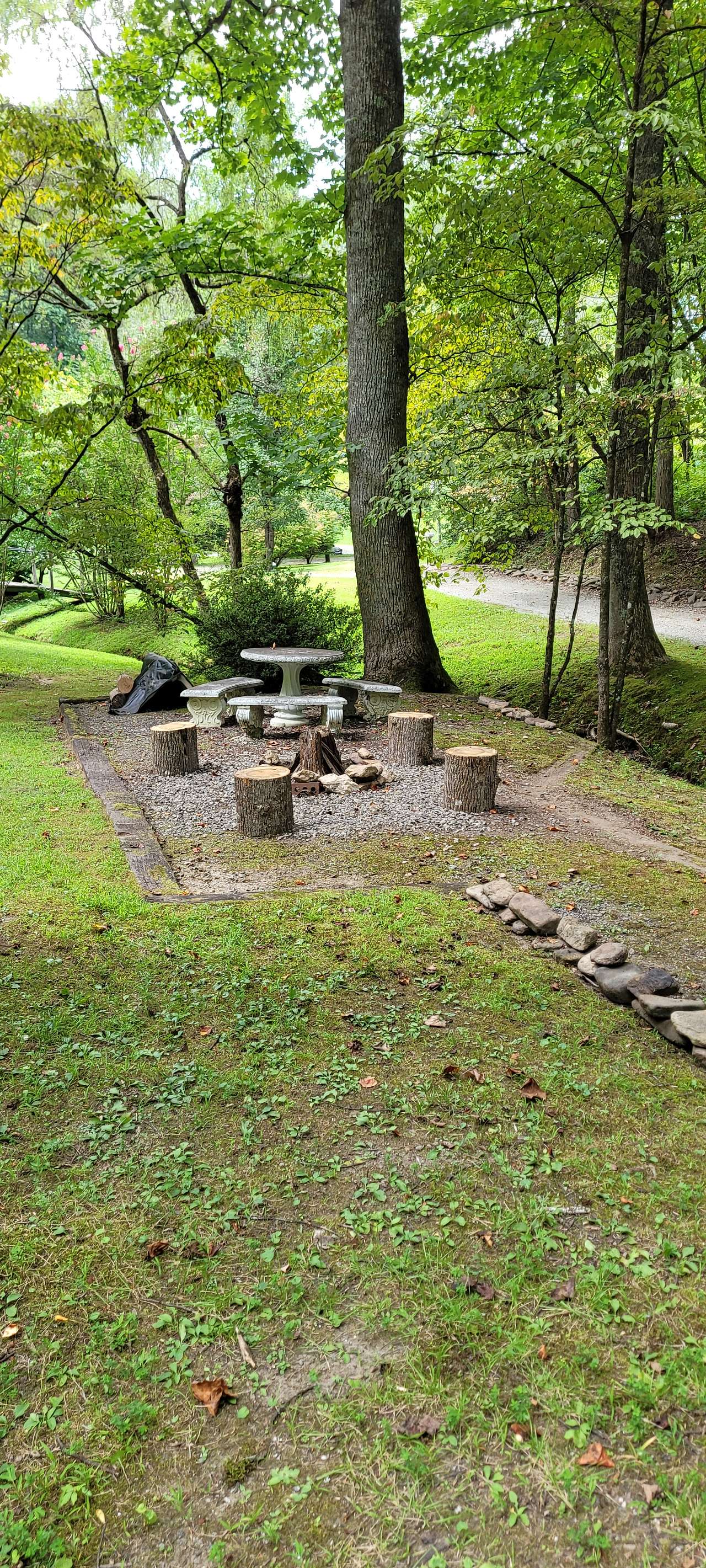
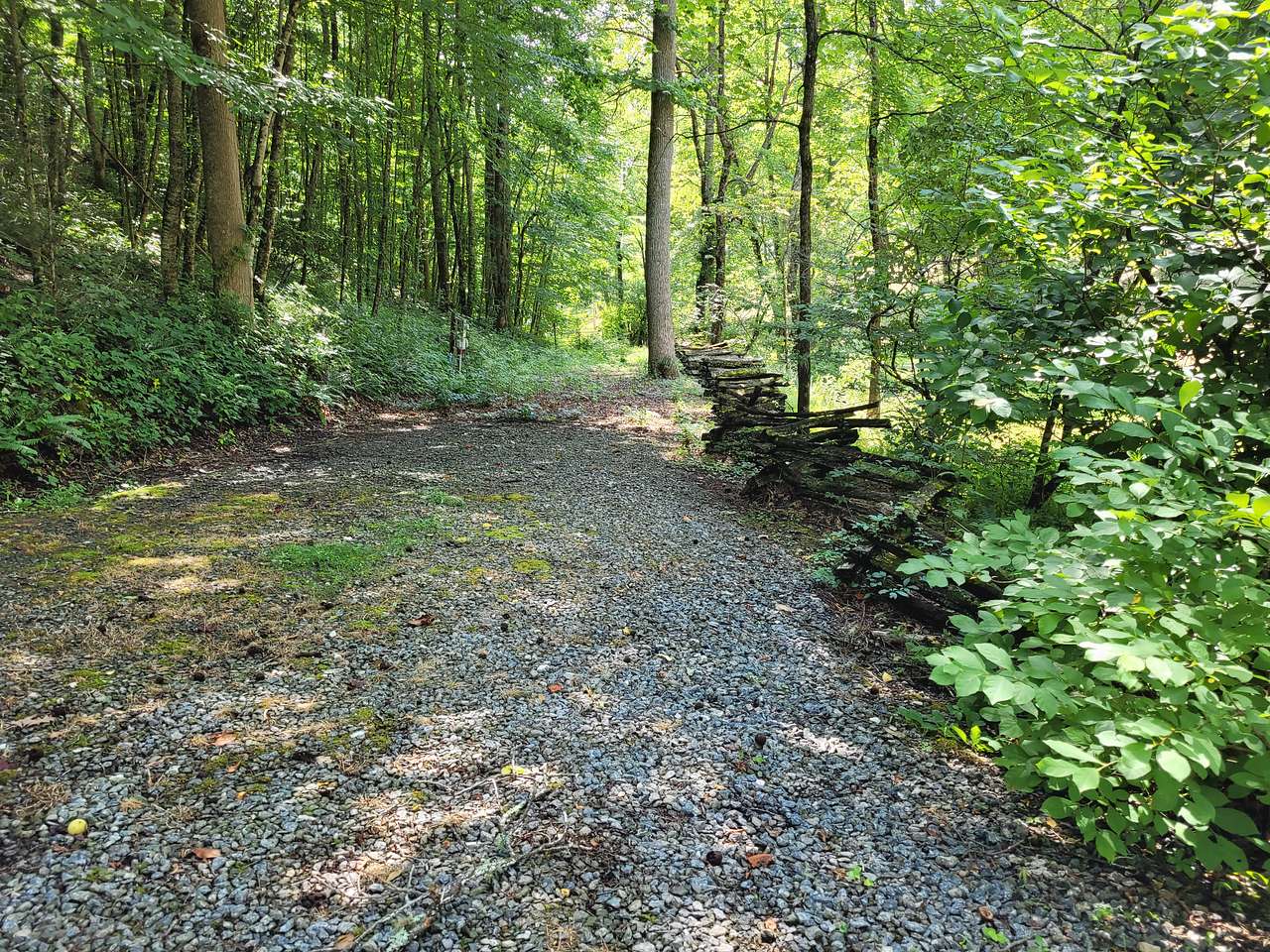
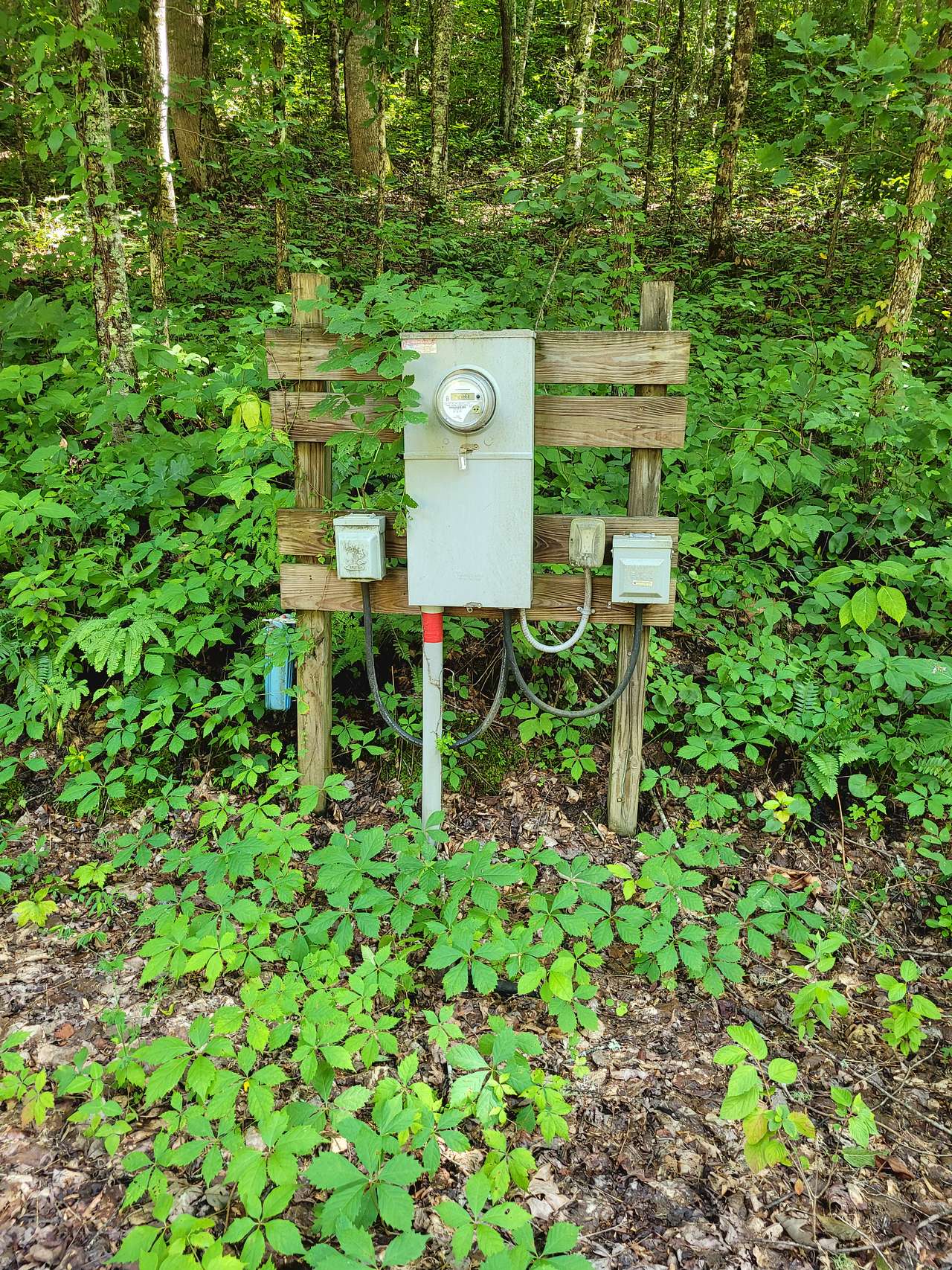
20. RV w hookups 35 acres hike & fish
Recent reviews from the Hipcamp community




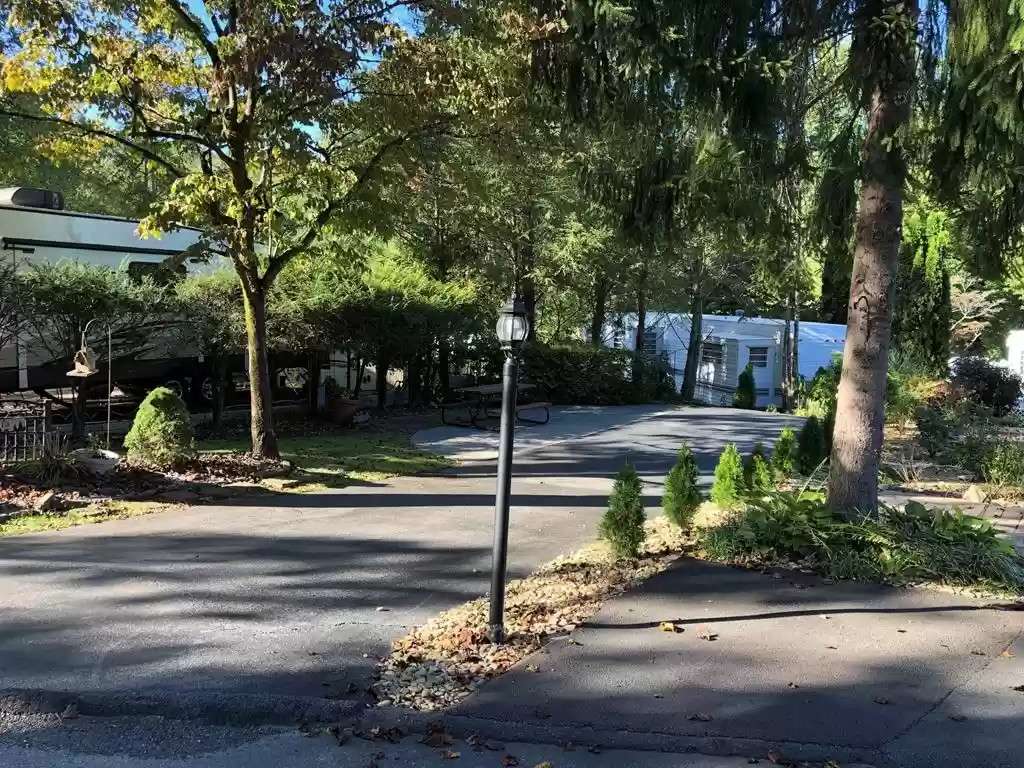

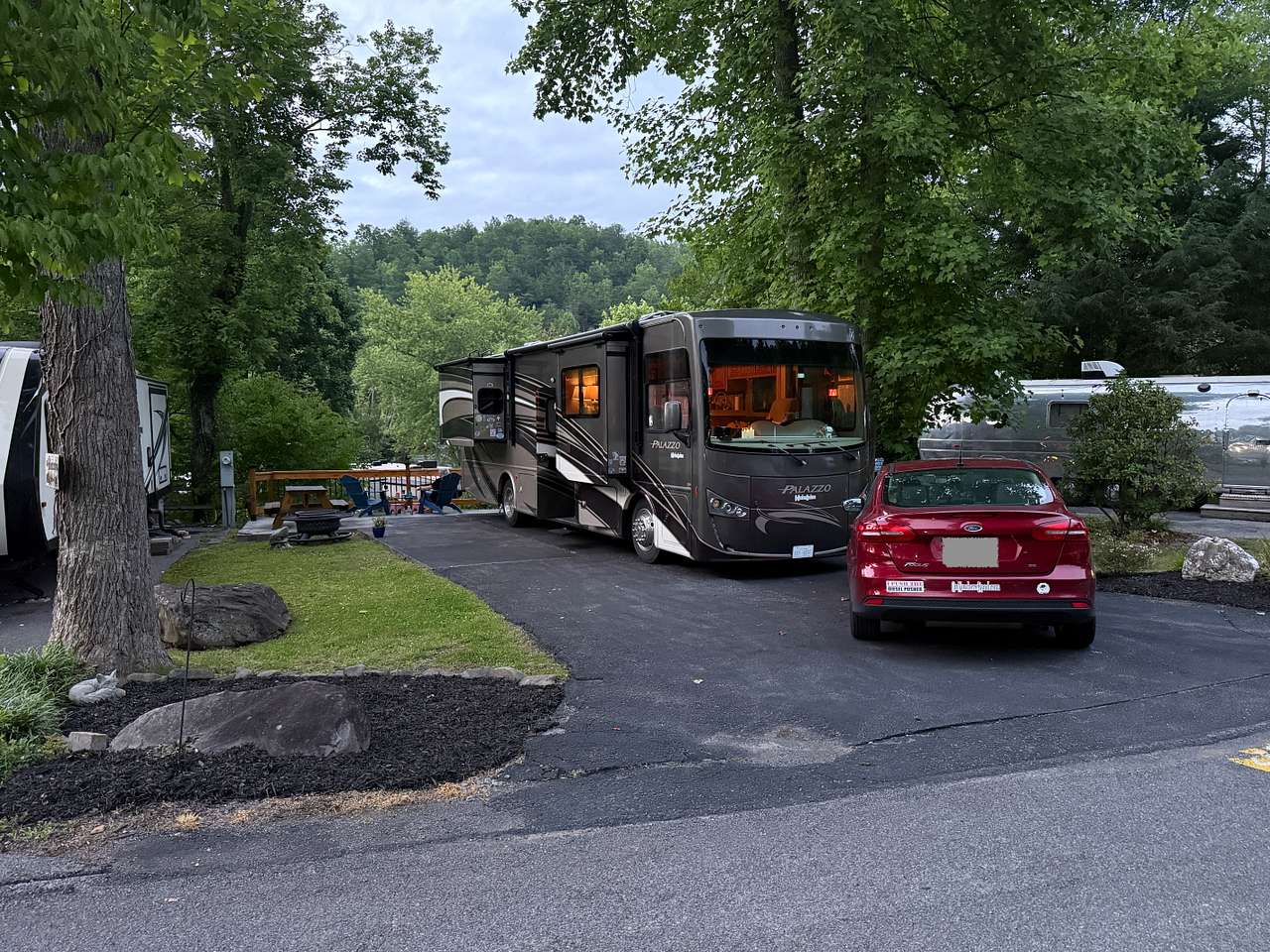
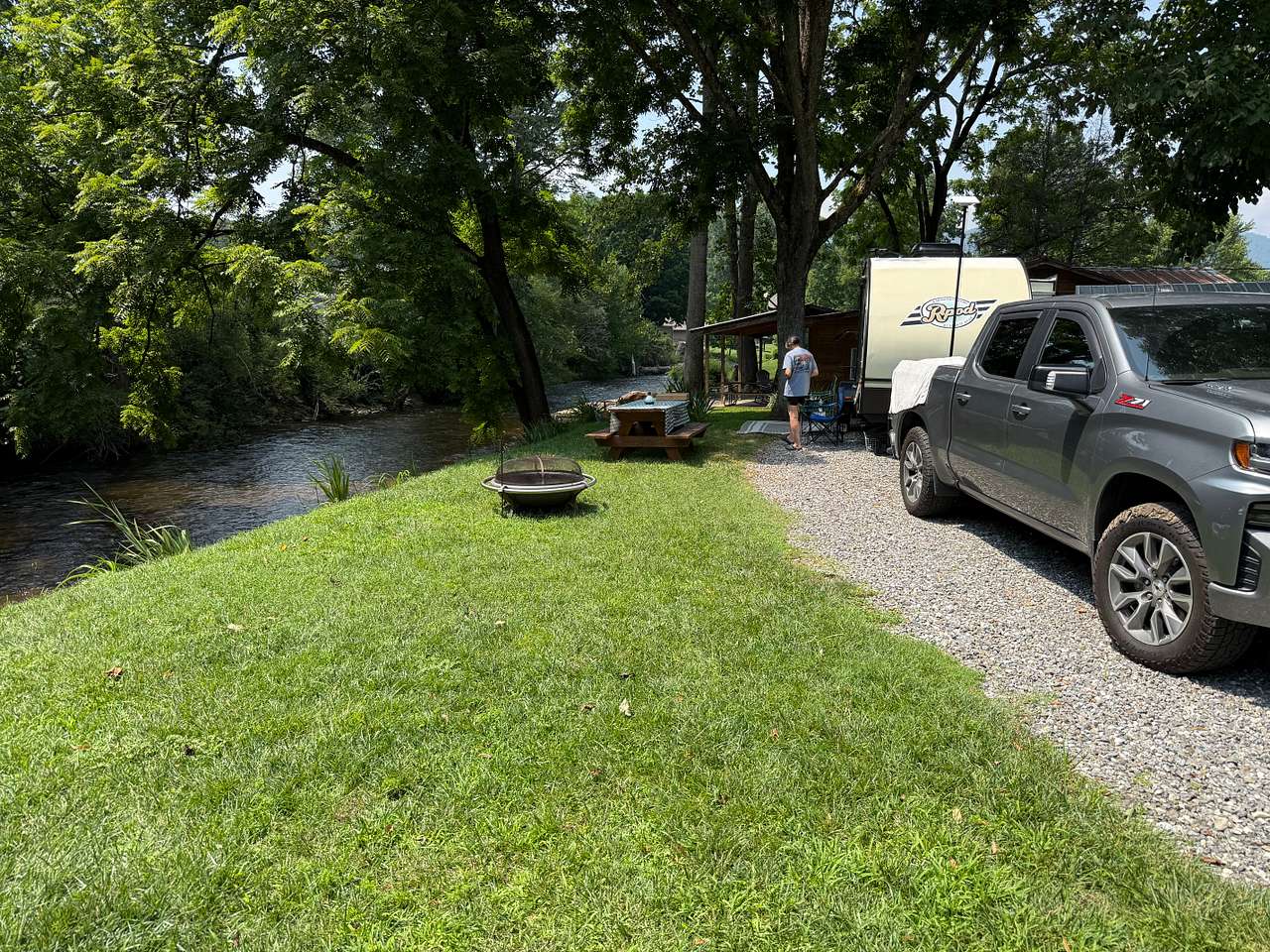
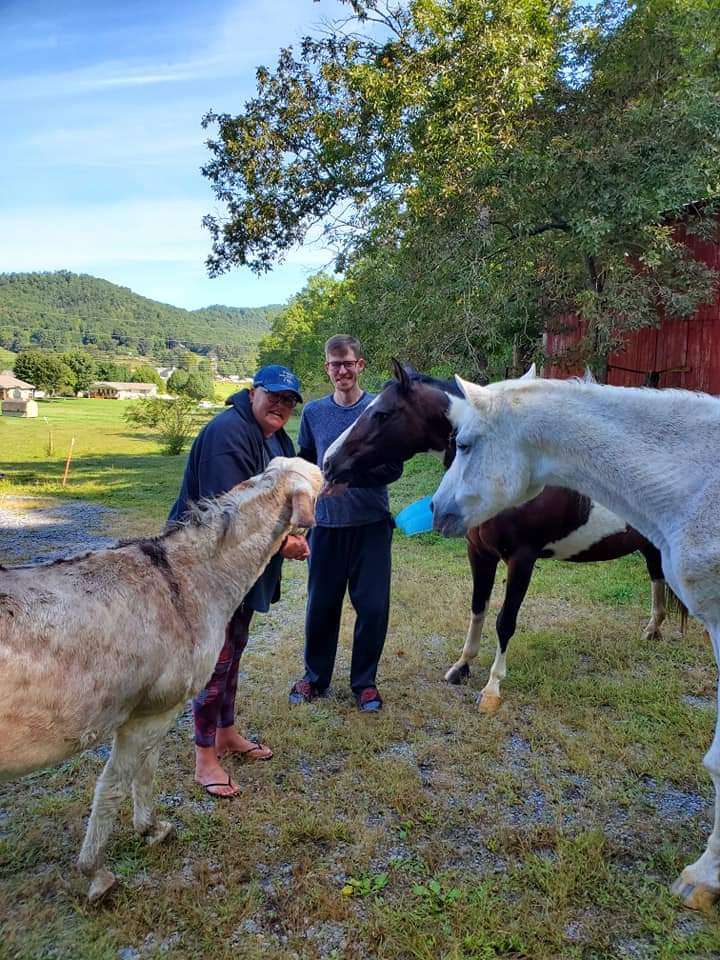
Great Smoky Mountains National Park camping guide
Overview
About
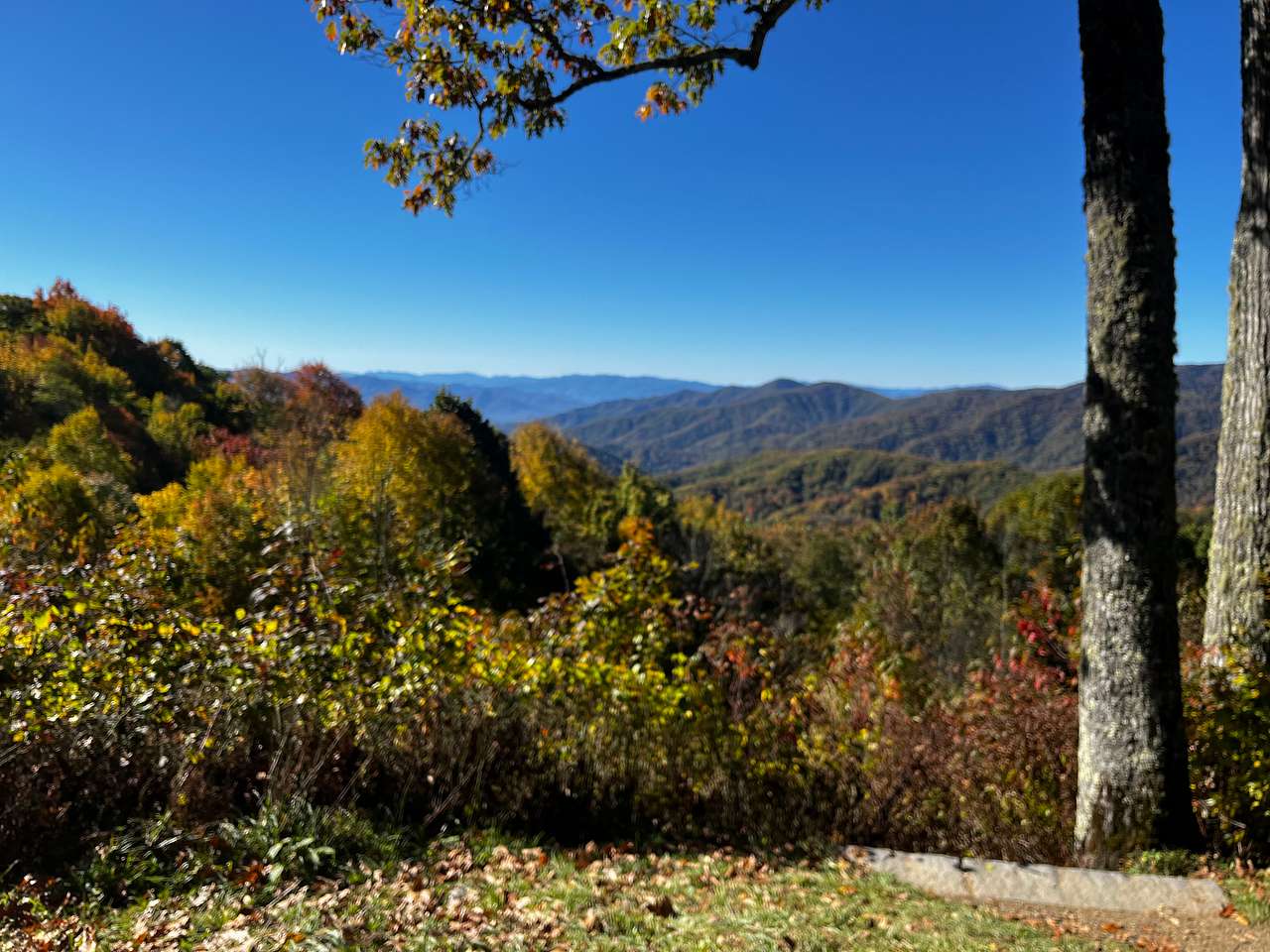
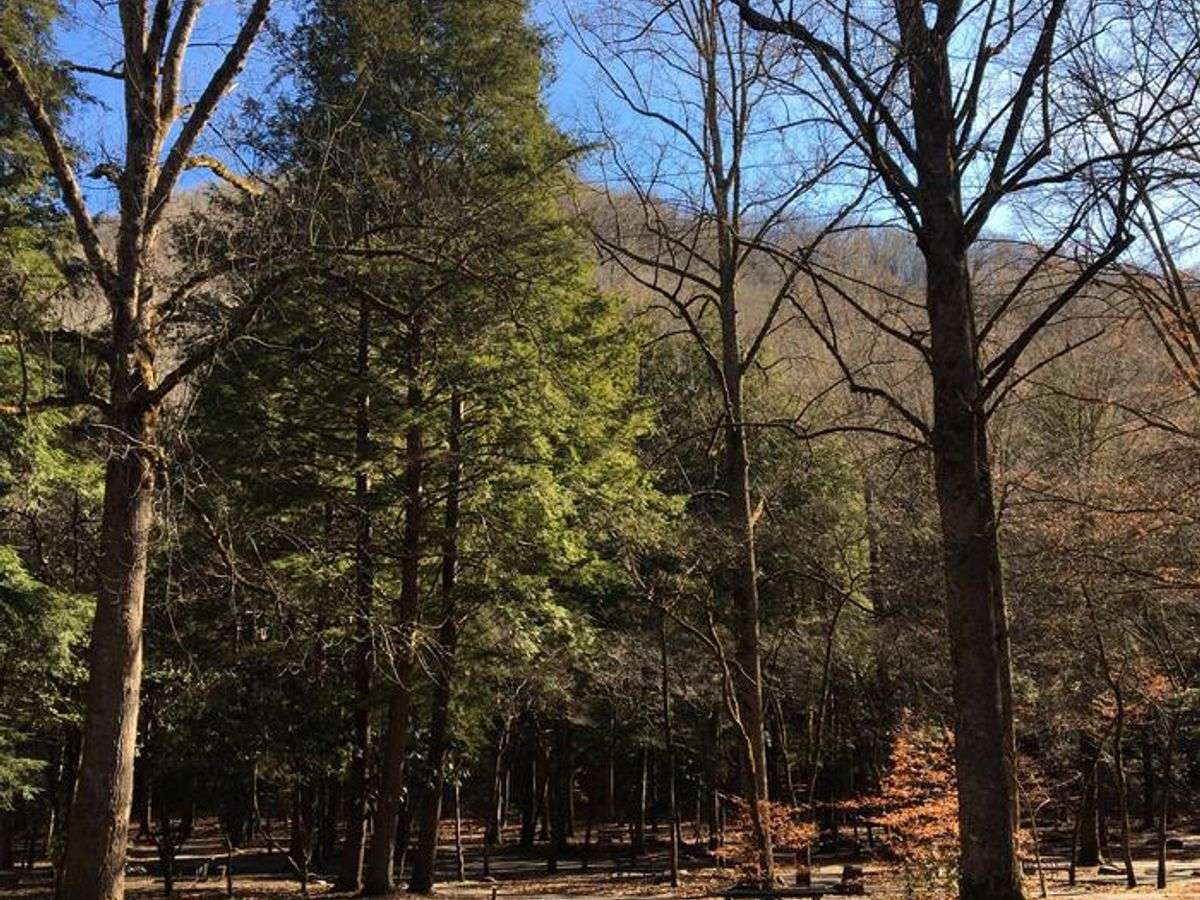
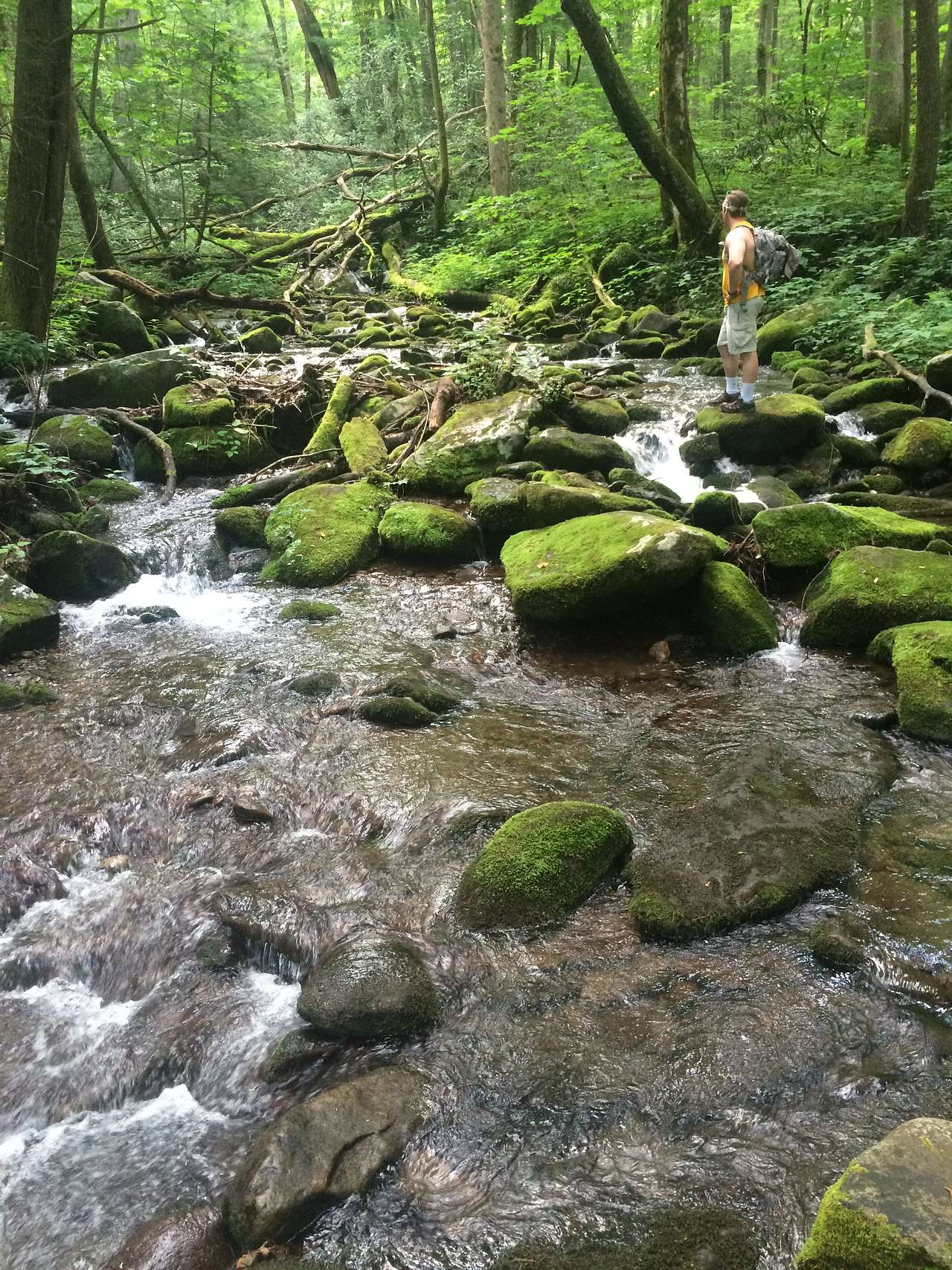
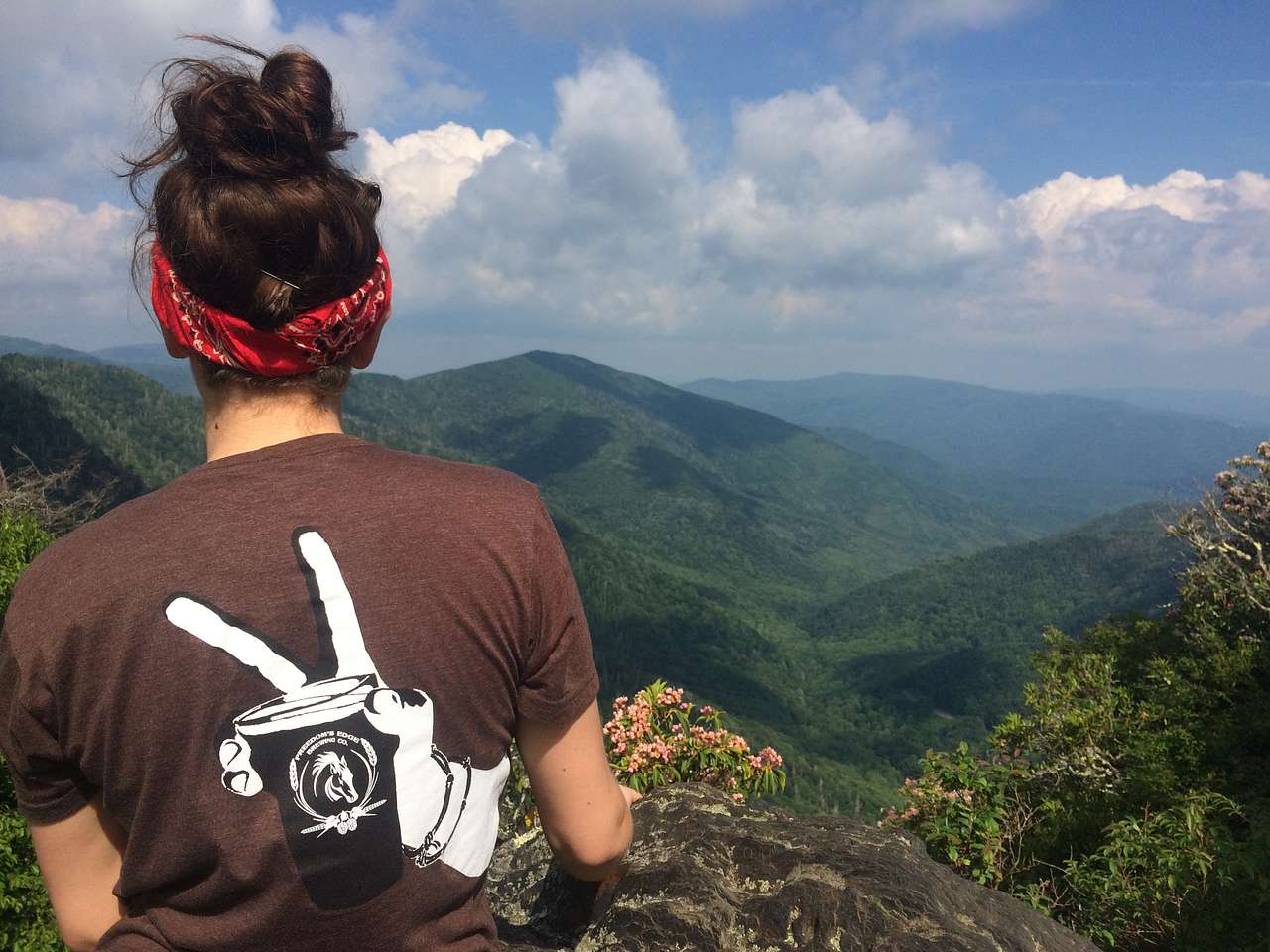
Campers converge on this park to soak up the lush scenery. But it’s the festive sense of community that makes camping in the Great Smokies so memorable. The busiest campgrounds border some of the prettiest natural attractions in the park, from creeks tumbling over mossy rocks to meadows teeming with wildlife. Tranquility reigns supreme in the remote campgrounds, where nature immersion begins the moment you step from your car. Backcountry tent sites hug far-flung trails while wooden shelters dot the Appalachian Trail (AT), which tracks the lofty spine of the park between Tennessee and North Carolina and passes Clingmans Dome.
Great Smoky Mountains RV Camping
The Great Smoky Mountains stretch from North Carolina to Tennessee, so RVers have their choice of state, site, and scenery. Within the national park itself, RV campers can pick between frontcountry campsites with running water and toilets to RV lots with picnic tables and firepits. Yet for even more variety, check in to an RV campsite in Gatlinburg, Bryson City, or the area's other charming towns. To conserve your energy for hiking, opt for an RV site with full hookups and dump stations that make your camping trip as easy as possible. Or, for a more communal camping experience, try an RV resort with picnic areas, a pool table, and ample opportunities to mingle with fellow campers. No matter where you stay, take the Smoky Mountains to heart by creating smoke in your firepit. With a s'more in hand and mountains in view, you’ll experience the beauty of the forest in full force.
Notable campgrounds
- Best for wildlife watching: Elk and turkey roam meadows near Cataloochee Campground.
- Best for hiking: Several good trails link to Cosby Campground.
- Best for history buffs: Abandoned cabins and churches border the scenic loop road beside the year-round Cades Cove Campground.
Tips for snagging a campsite
- The national park service manages nine developed frontcountry campgrounds. Reservations are required for all frontcountry campgrounds and are available up to six months in advance. Walk-up reservations may occasionally be available at larger campgrounds, but don’t count on it.
- Campsite reservations can be made online or by phone.
- A permit and advance reservations are required for backcountry camping, including at the park’s 15 AT shelters. Reservations and permits may be obtained up to 30 days in advance. AT hikers with special thru-hike permits do not need shelter reservations.
When to go
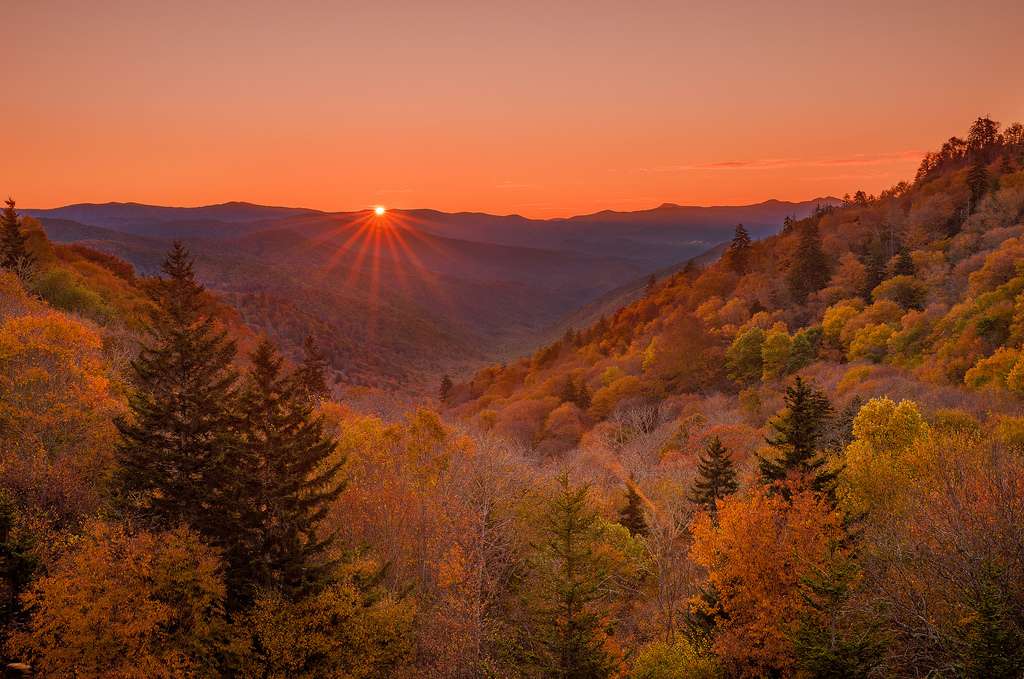
Campgrounds reach peak capacity from late June through August. The Wildflower Pilgrimage in late April and the synchronous firefly display in late May and early June also draw crowds. Flame azaleas bloom on Andrews and Gregory Balds in June. The park is busy again in autumn when the leaves begin changing color, which is typically in October. Fall weekends are particularly busy. For pleasant weather and lighter crowds, visit in early June and in September. Snow and ice arrive in January and February.
Know before you go
- The park sprawls across two states: Tennessee and North Carolina. Newfound Gap Rd/Hwy 441 is the only paved road within the park that links the two states.
- There are no restaurants in the park, but snacks and limited groceries are available at concession areas at Cade Cove and Elkmont campgrounds.
- Campgrounds have restrooms with toilets and cold running water but no showers. RVs are allowed at all campgrounds except tent-only Big Creek. There are no electrical or water hook-ups.


Reviews for Great Smoky Mountains National Park Campgrounds
Frequently Asked Questions
While there are some free camping options in the Great Smoky Mountains National Park, most campgrounds require a fee. The park has several frontcountry campgrounds, backcountry campsites, and horse camps, each with varying fees and reservation requirements. Backcountry camping requires a permit and a small fee, but some dispersed camping areas in the surrounding national forests may be free. It's essential to check the specific location and regulations before planning your trip. You can learn more about camping in the Great Smoky Mountains here.
Camping fees at the Great Smoky Mountains National Park vary based on the campground and type of site. Prices for frontcountry campgrounds range from $17.50 to $25 per night, while backcountry campsites require a $4 per person, per night fee. Group camping fees range from $26 to $65 per night, depending on the size of the group. For more information on camping options in the Great Smoky Mountains, visit Hipcamp.
One of the most scenic campgrounds in the Great Smoky Mountains National Park is the Elkmont Campground. It is the largest campground in the park and is located in a beautiful setting surrounded by picturesque mountains and forests. The nearby Little River provides a soothing ambiance, and there are numerous hiking trails in the area, including the popular Laurel Falls Trail and the Elkmont Nature Trail.
Yes, you can camp in Great Smoky Mountains National Park. The park offers a variety of camping options, including frontcountry campgrounds, backcountry campsites, and horse camps. There are 10 developed frontcountry campgrounds within the park, which provide a range of amenities such as restrooms, picnic tables, fire grates, and tent pads. To explore the available campgrounds and make a reservation, visit the Hipcamp Great Smoky Mountains page. For a more remote experience, you can camp at one of the park's backcountry campsites or shelters. However, you will need a permit for backcountry camping, and reservations are required for all shelters and some backcountry campsites. You can obtain a permit and make reservations through the Great Smoky Mountains National Park's Backcountry Permit System. If you're traveling with horses, the park also offers five horse camps. Reservations for horse camps can be made through Recreation.gov.
Yes, you can camp in the Great Smoky Mountains National Park, which offers a variety of camping options. There are 10 developed campgrounds within the park, including Cades Cove Campground and Elkmont Campground. These campgrounds provide basic amenities such as restrooms, potable water, and picnic tables. For a more primitive experience, you can also try backcountry camping. The park has over 100 backcountry campsites and shelters, but you will need a permit for overnight stays. You can learn more about these sites and obtain a permit at the Great Smoky Mountains National Park's backcountry camping page. In addition to camping within the park, there are private campgrounds and cabins located near the park, such as Tennessee Wilderwood and Peaceful Smokey Mountain Camping. These options provide a range of amenities and experiences, depending on your preferences.
Securing a Great Smoky Mountains National Park campsite reservation is usually a challenge due to the park's popularity. Camping trips typically need to be planned months in advance and even then, available campsites can book up within minutes. The good news is that you have other options for last-minute Great Smokies campsite reservations. Try snagging one by setting up a free Hipcamp alert for any Great Smoky Mountains campground. We'll monitor campground availability, and you'll get instantly notified of any openings that come up for your dates so you can jump on it to reserve the newly open site. Set up an alert.
Most Great Smoky Mountains National Park campsite reservations open up months in advance. However, it's notoriously difficult to secure a Great Smokies reservation even if you plan ahead, as campsites are often booked up within minutes. To increase your chances of snagging a campsite, set up a free Hipcamp alert for any Great Smoky Mountains campground. We'll monitor campground availability, and you'll get instantly notified of any openings that come up for your dates so you can jump on it to reserve the newly open site. Set up an alert.
The best time to go camping in the Great Smoky Mountains to see fall foliage is typically from mid-October to mid-November. However, the exact timing of peak fall colors can vary depending on the week and elevation. Higher elevations tend to see fall colors earlier. Use a fall foliage prediction map like Hipcamp's to find the best time for peak foliage.
Some of the best national parks to visit during autumn include Acadia National Park (Maine), Great Smoky Mountains National Park (Tennessee/North Carolina), Rocky Mountain National Park (Colorado), and Shenandoah National Park (Virginia). Use Hipcamp's fall foliage prediction map to know exactly when to plan your trip for peak foliage.
Yes, you can go camping in many national parks during the fall. Acadia National Park, Yosemite National Park, Great Smoky Mountains National Park, Rocky Mountain National Park, and Shenandoah National Park are some of the best national parks for fall camping. Just check the specific park's regulations, availability, and weather conditions before planning your trip.