Top-rated campgrounds in Colorado
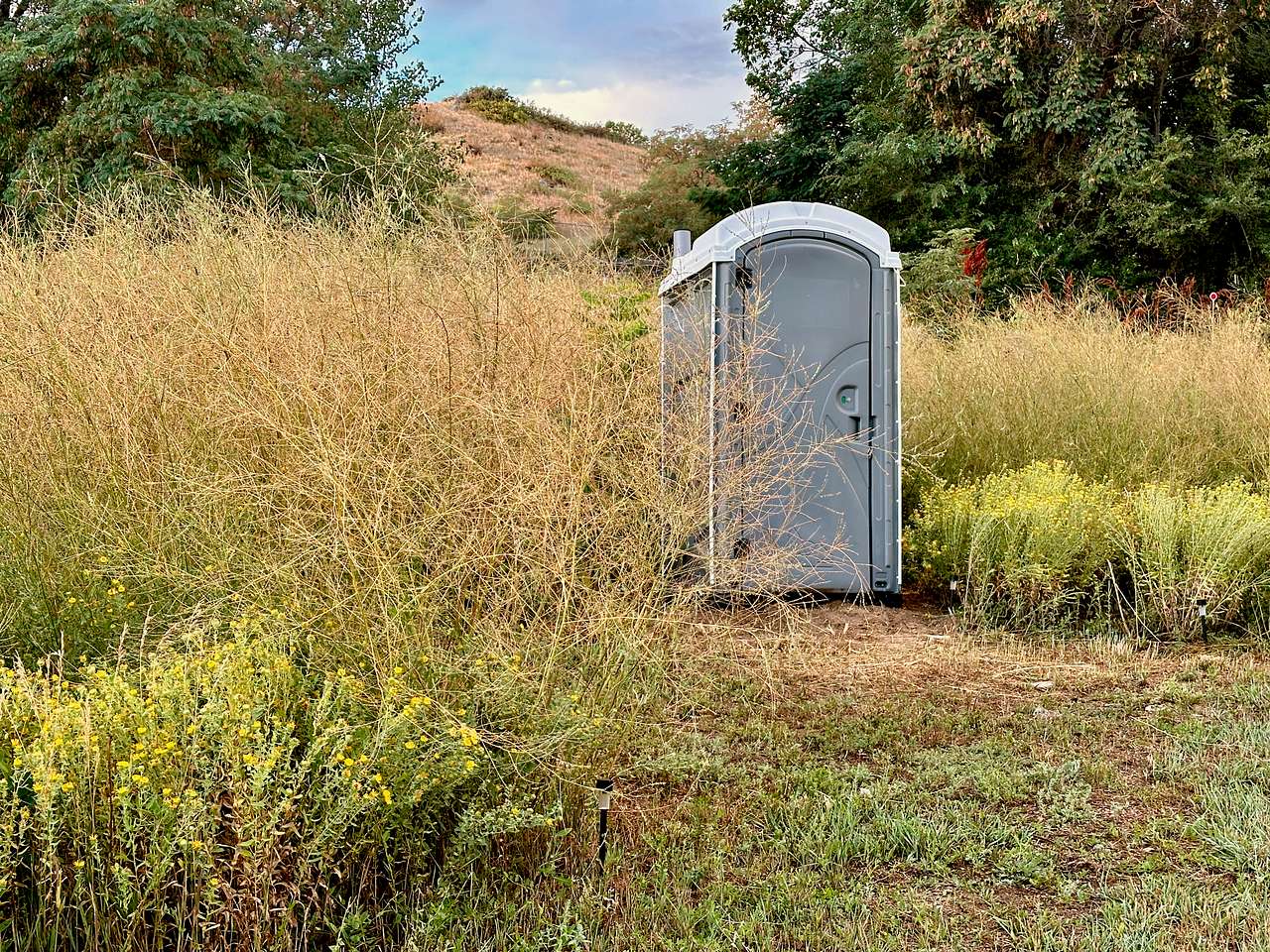
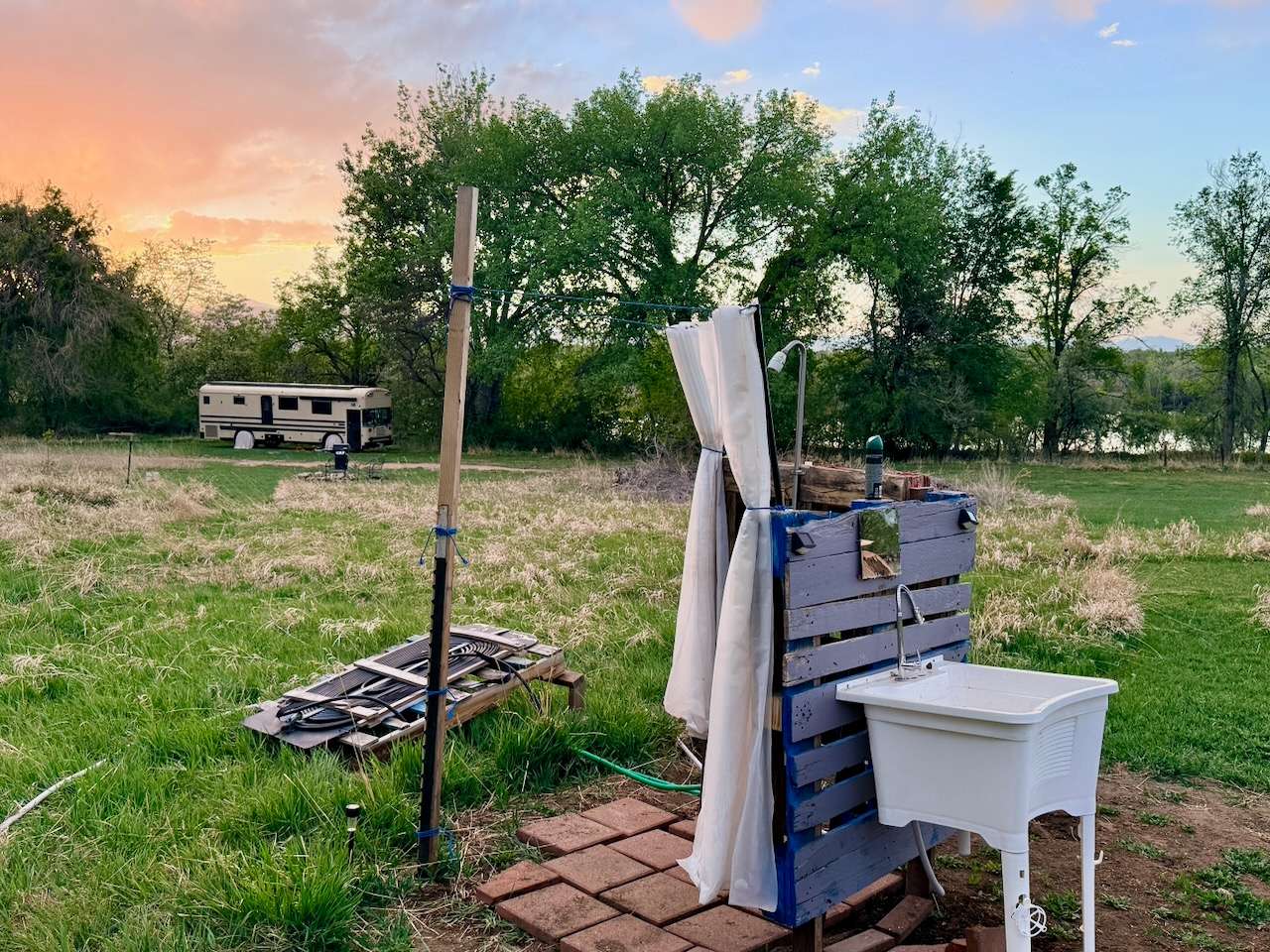
1. Boulder Chicken Ranch
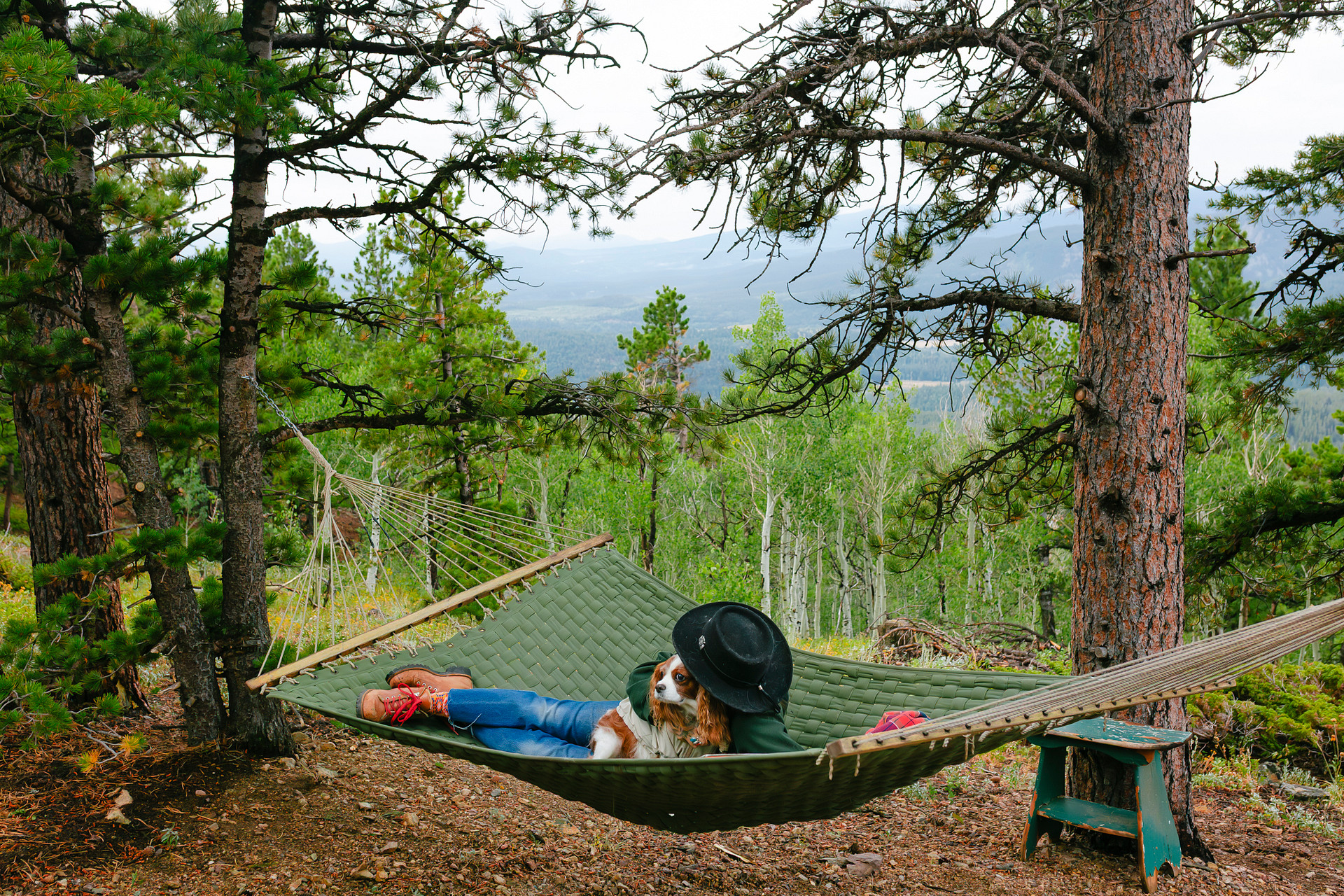
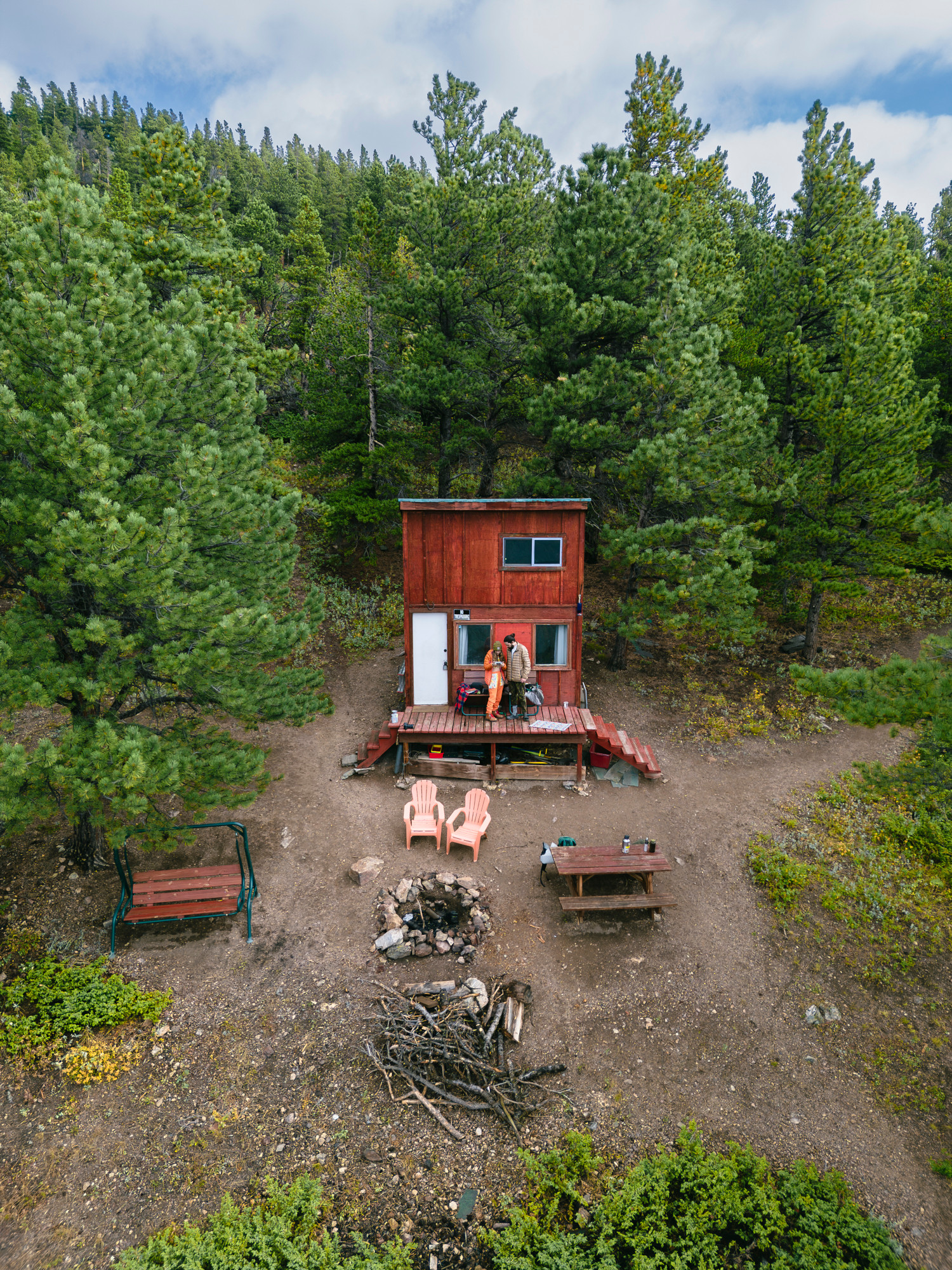
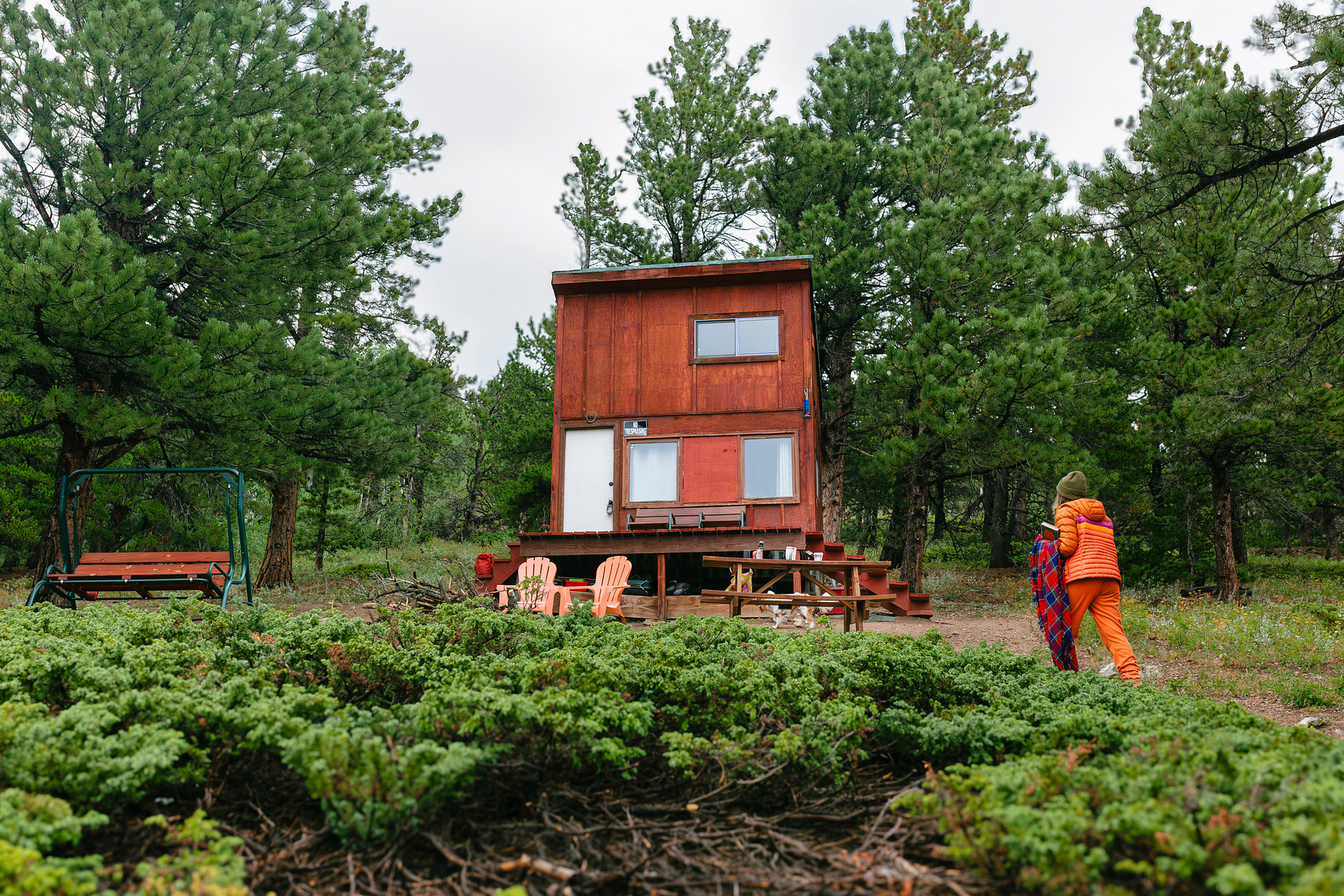
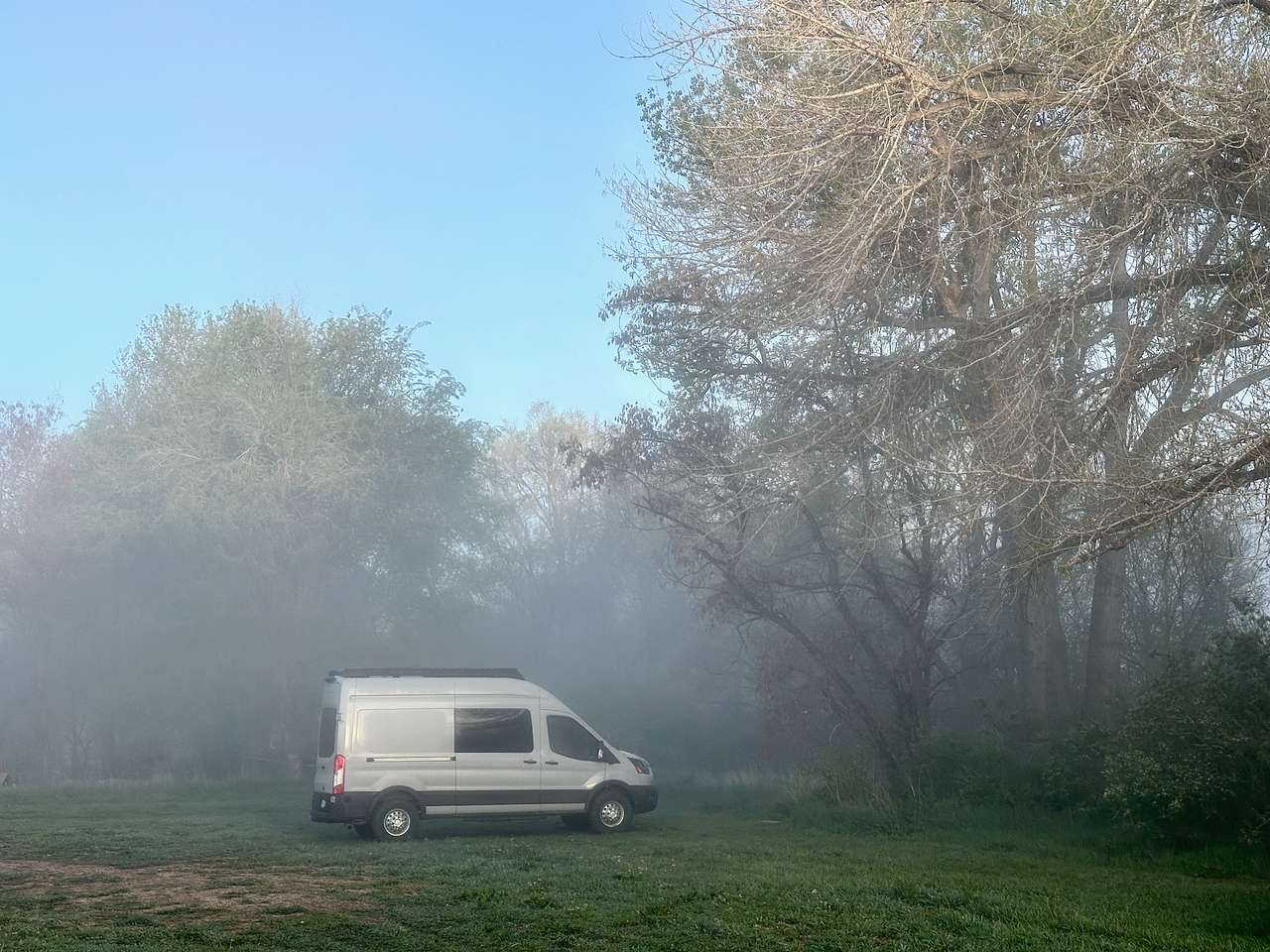
2. Neverland Camp Wilder
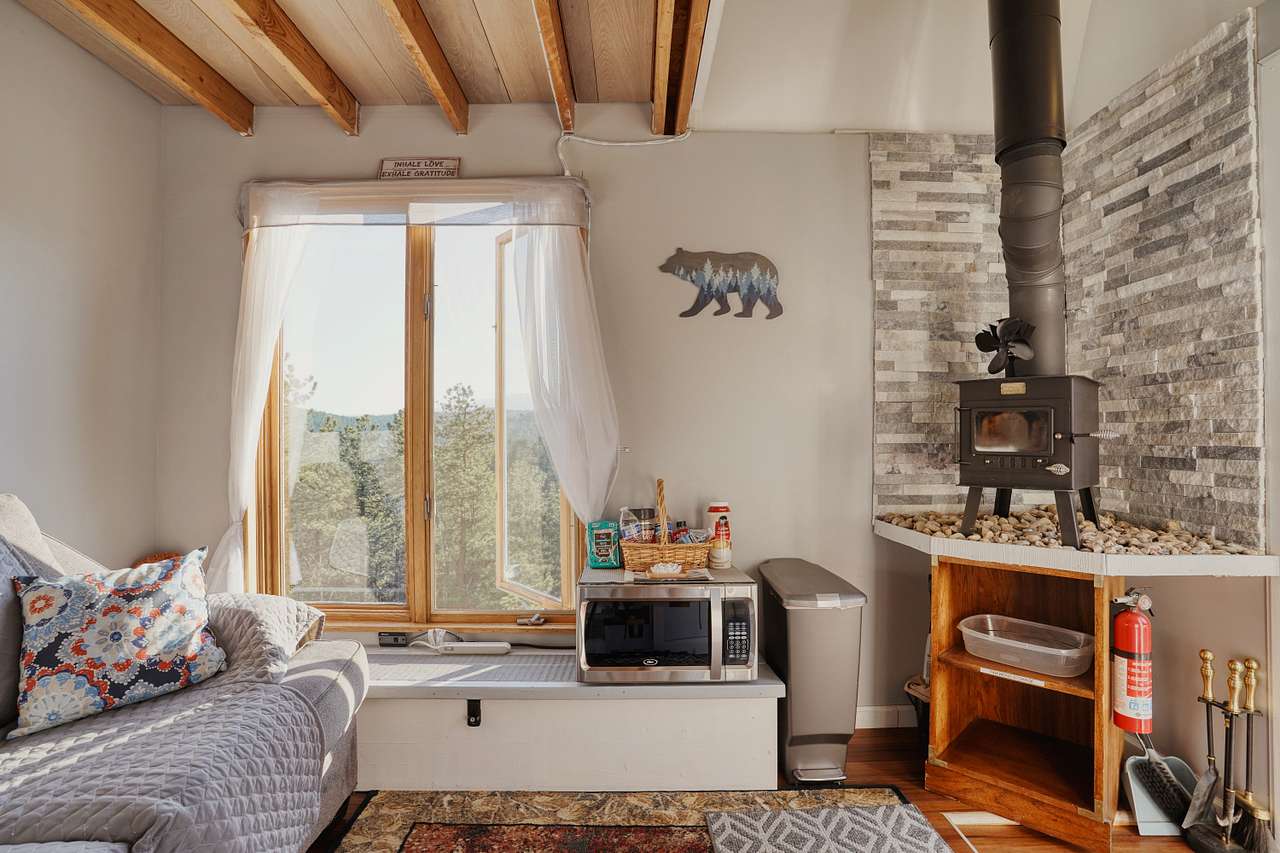
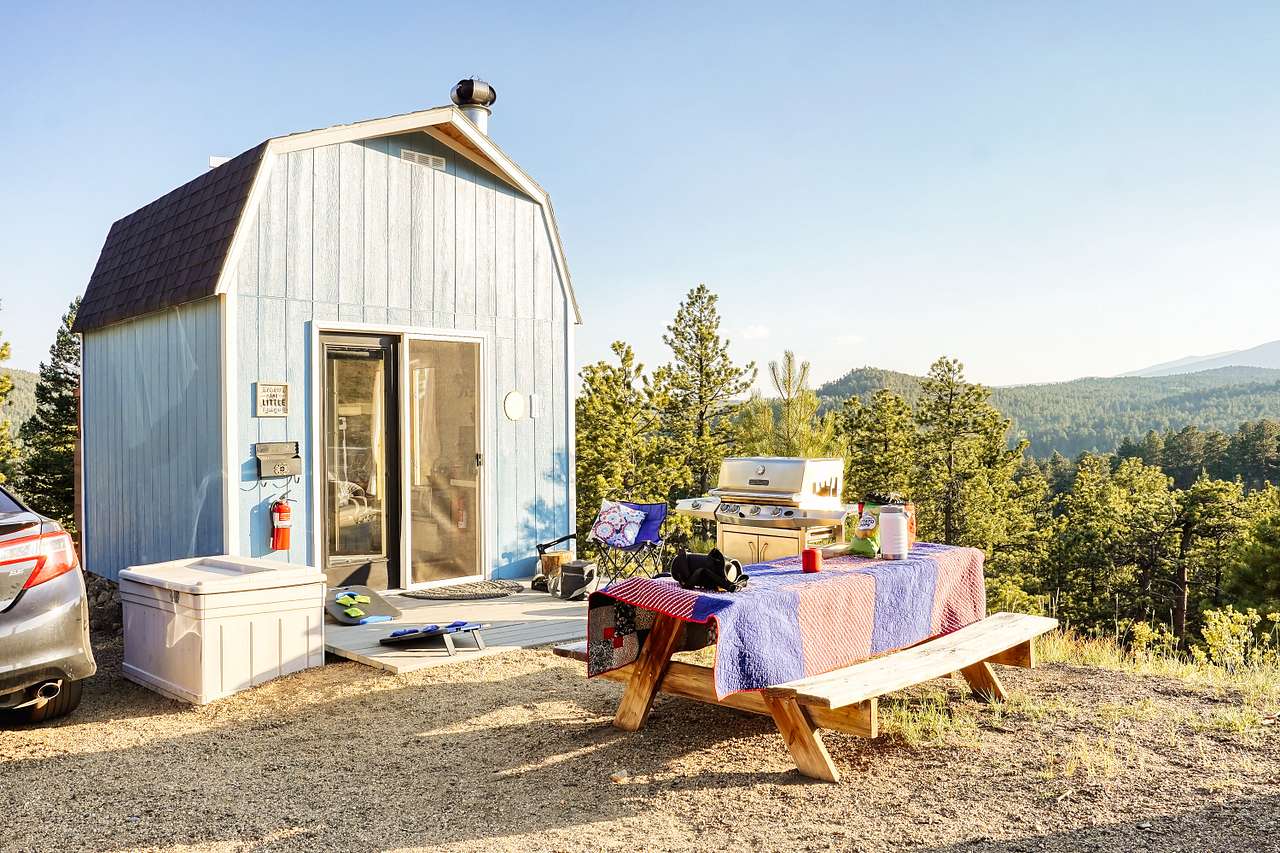
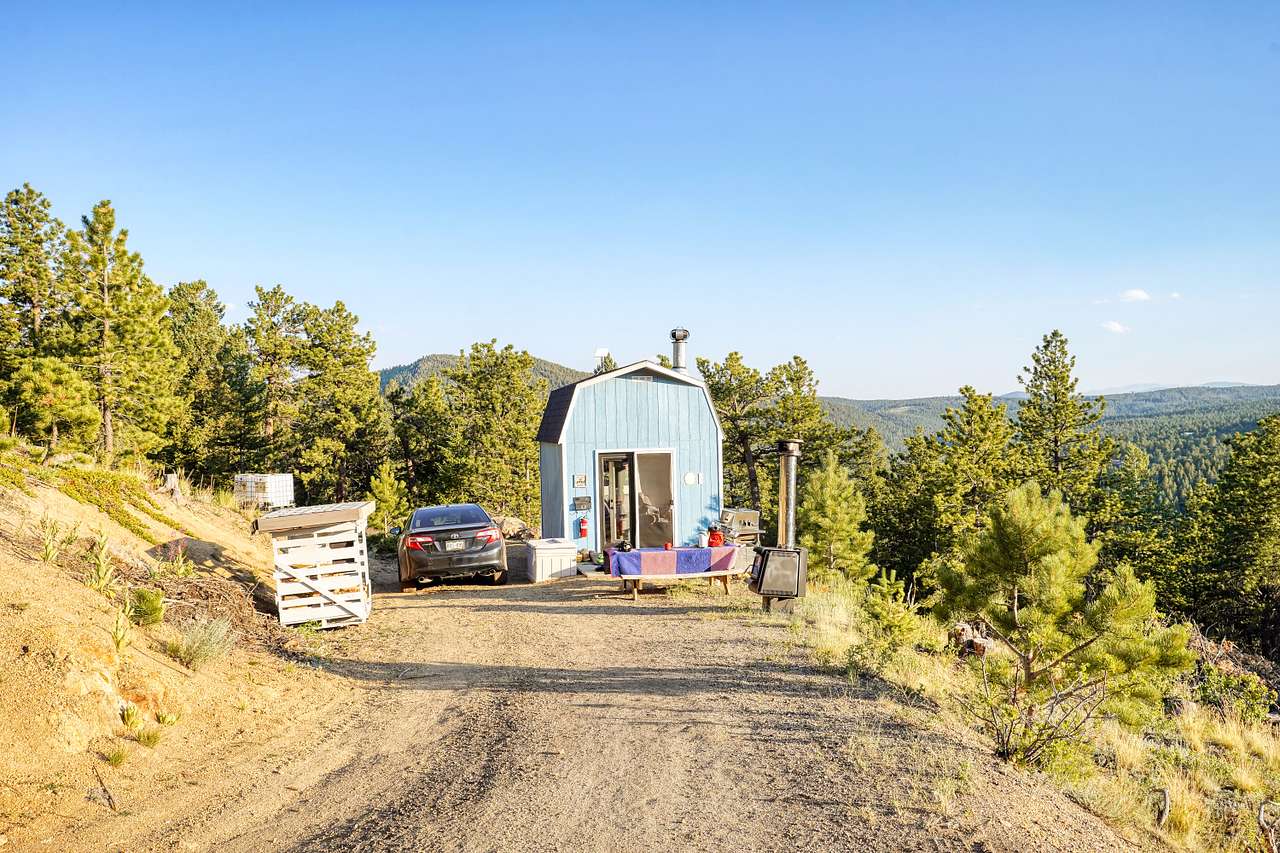
3. The Bluebear at Y Double-K Ranch
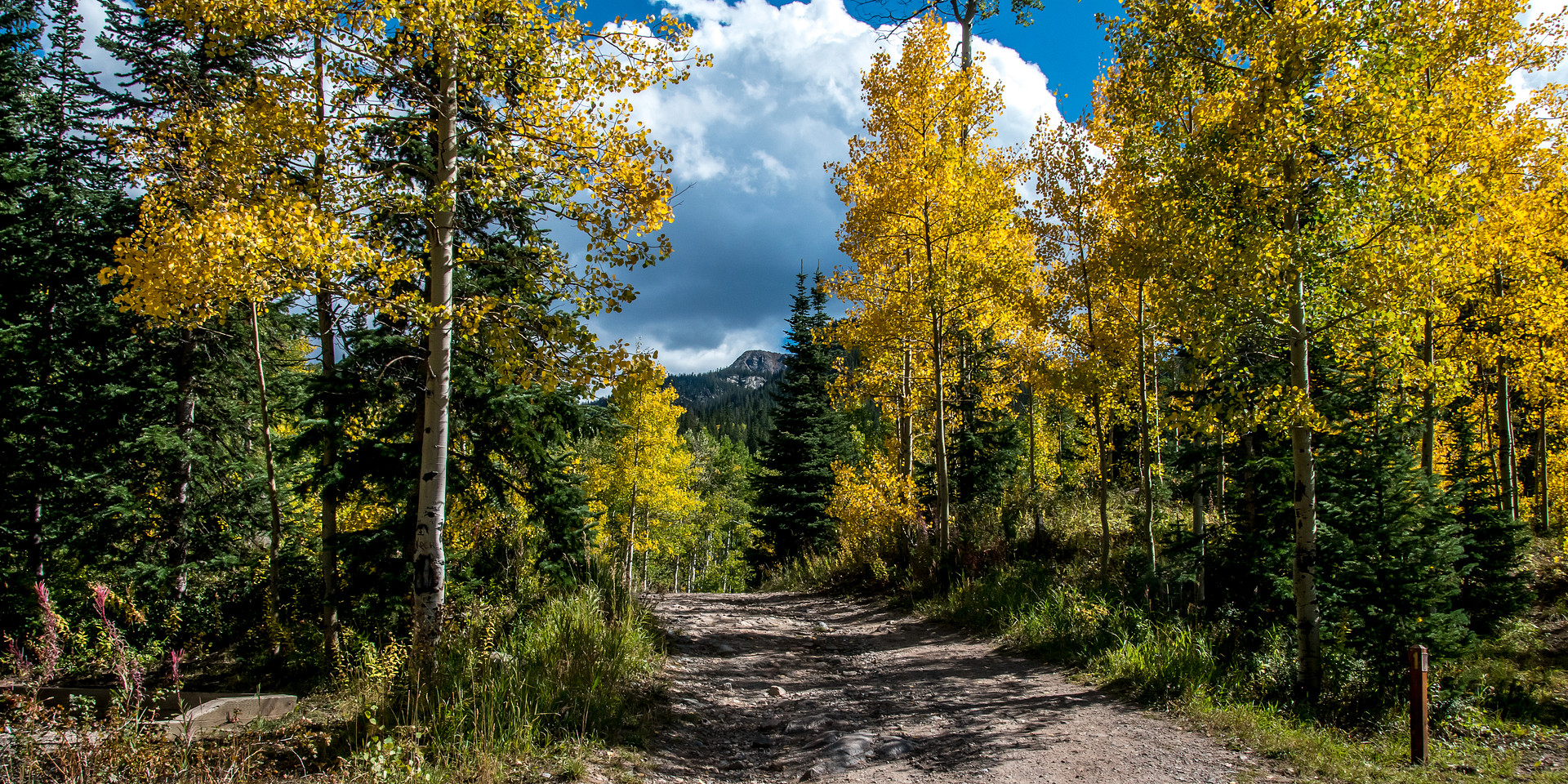
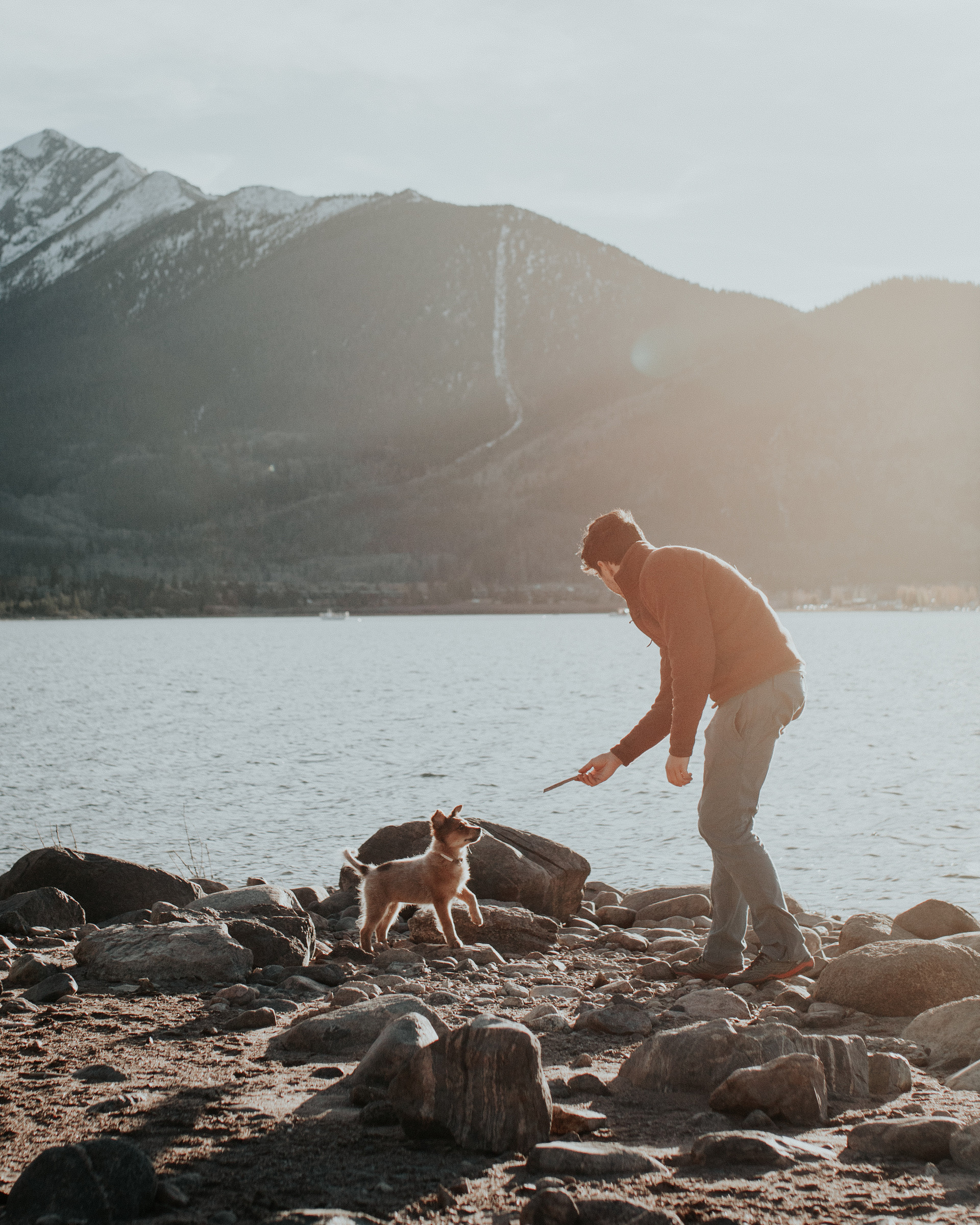
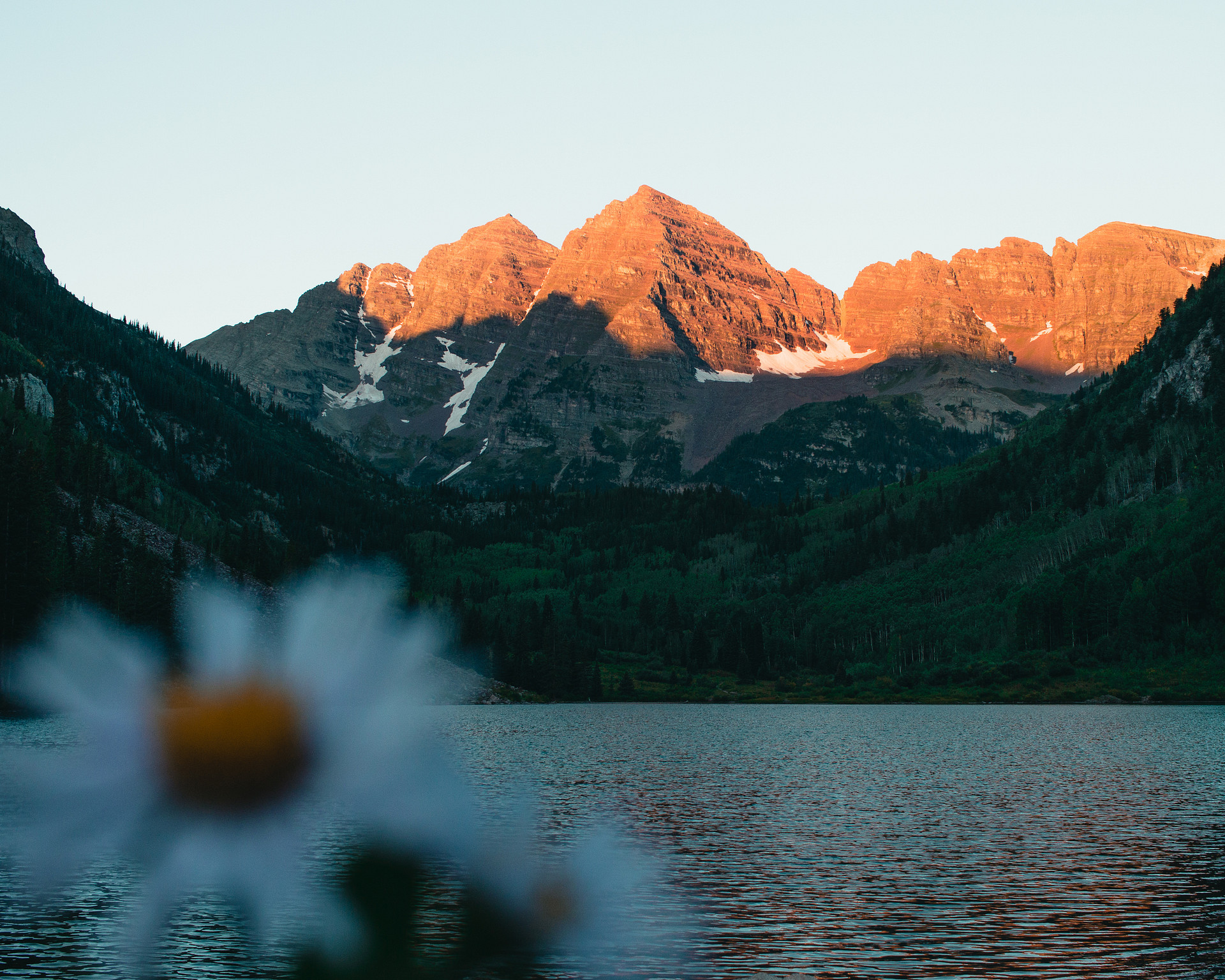
4. White River National Forest
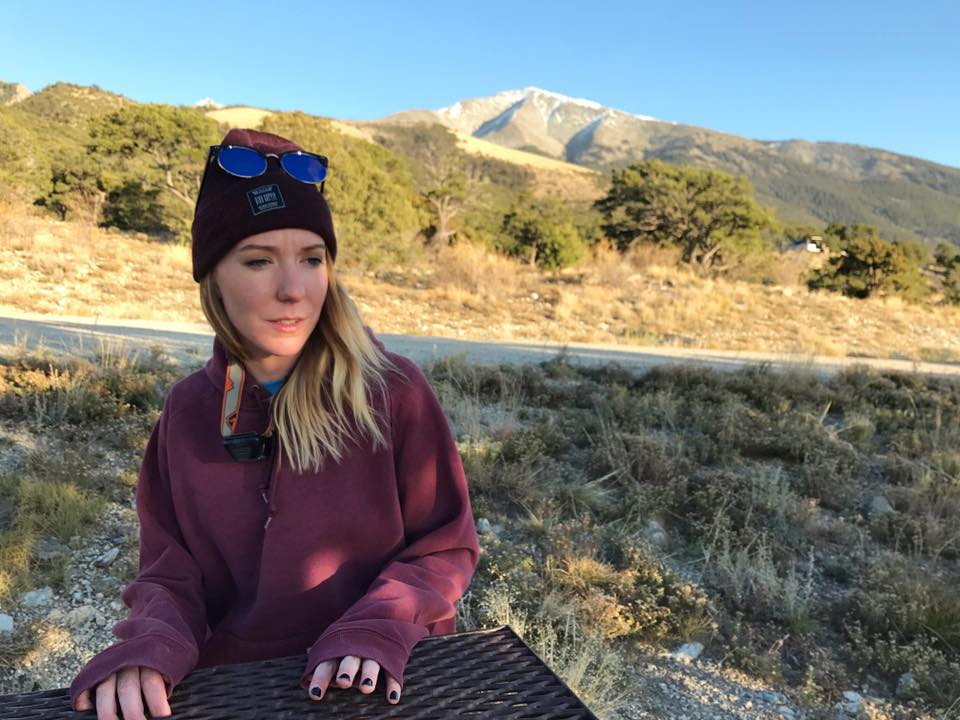
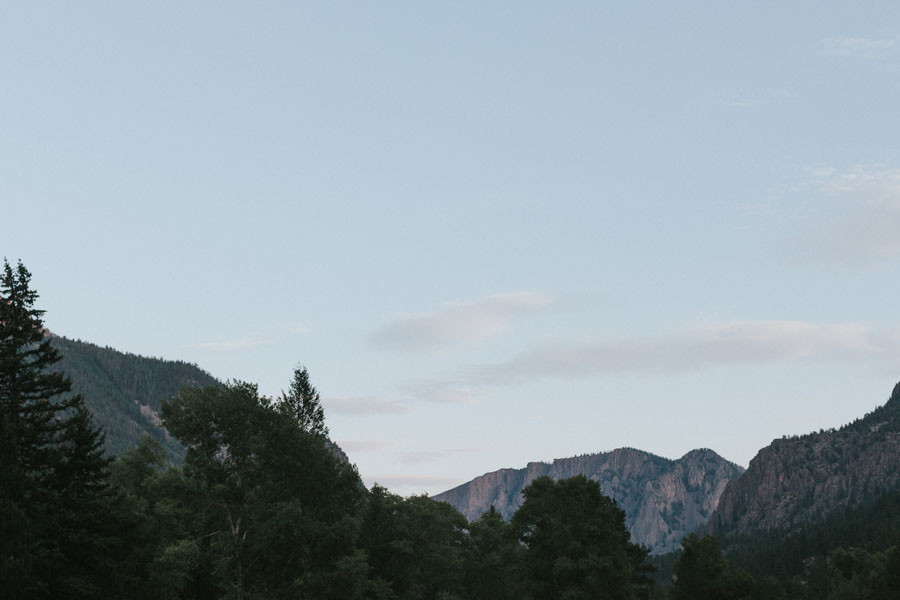
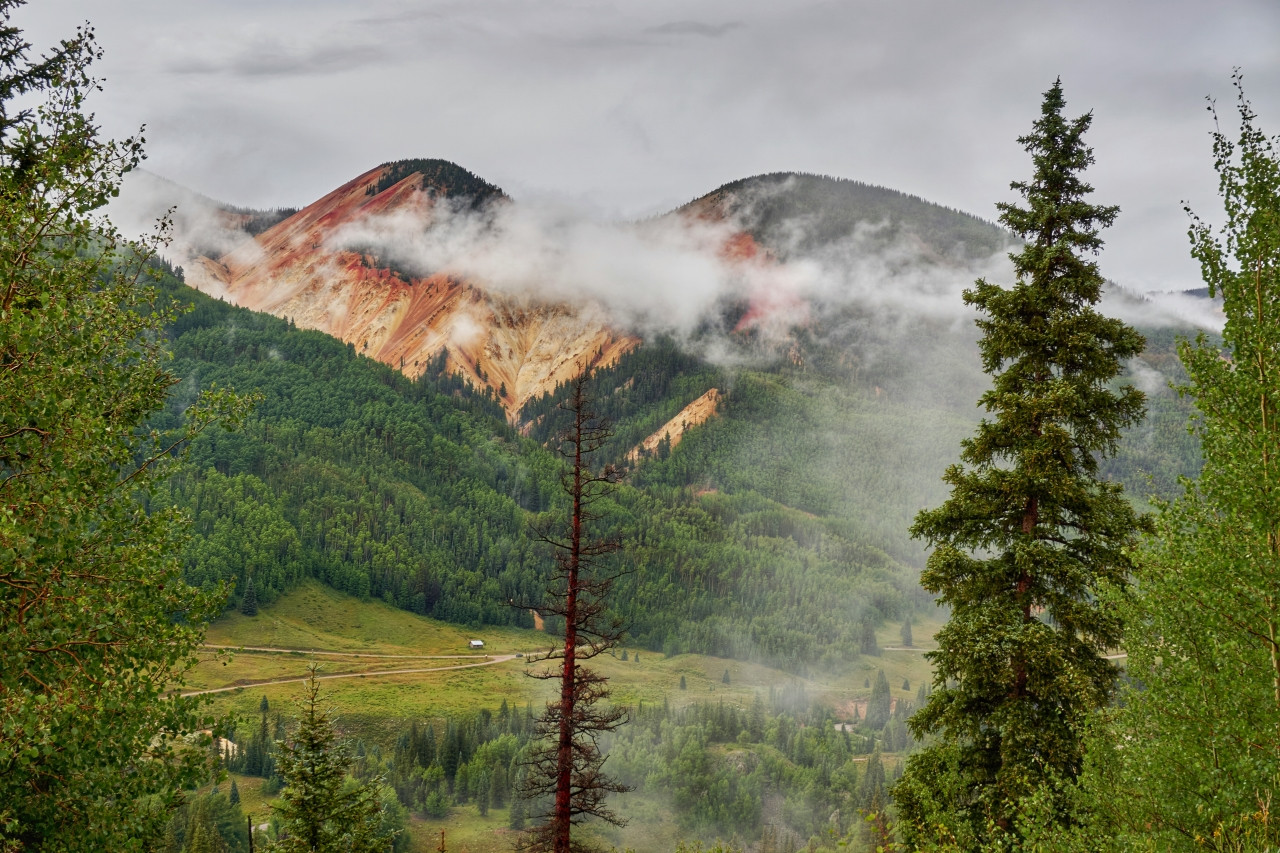
5. Rio Grande National Forest
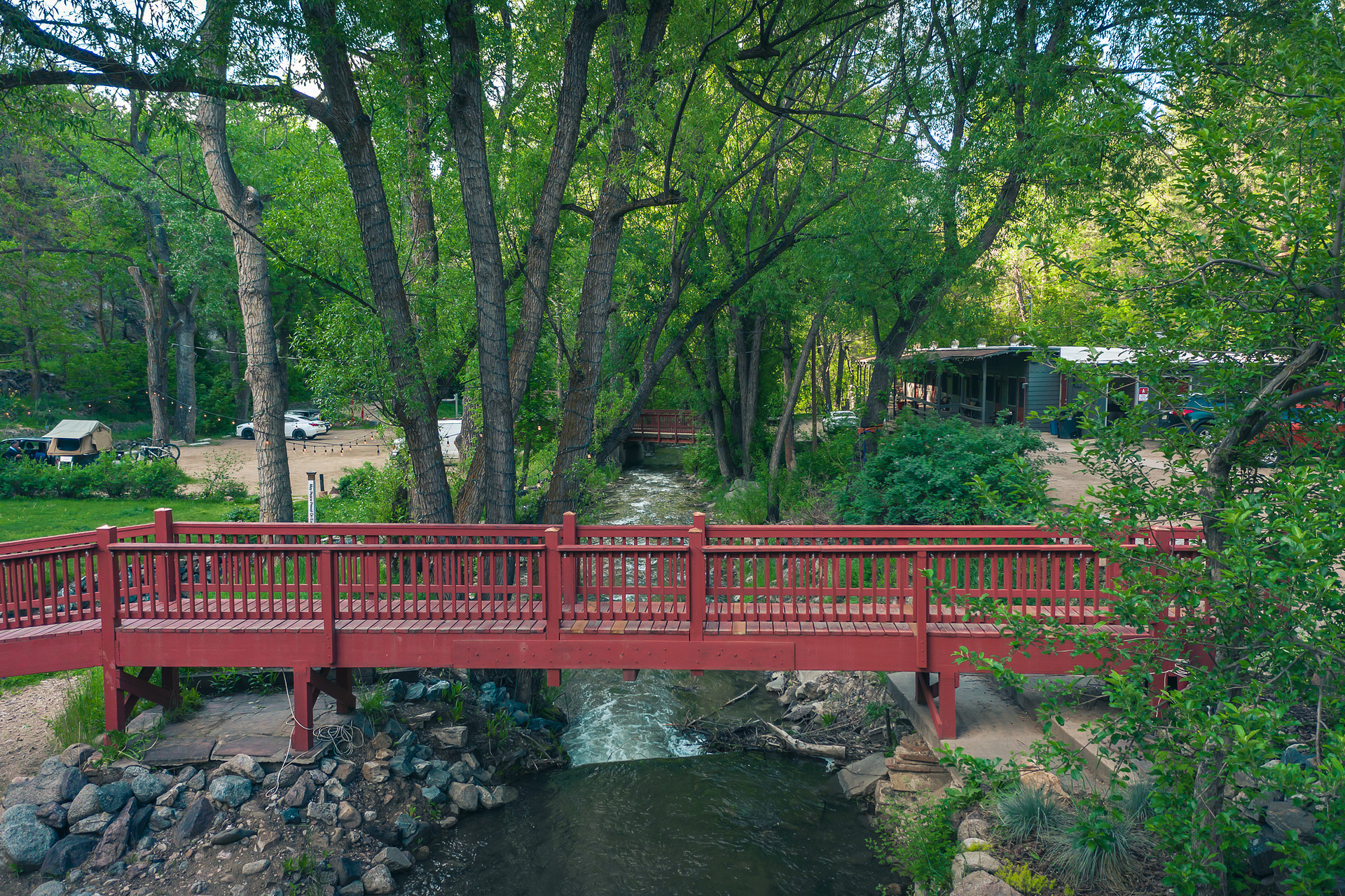
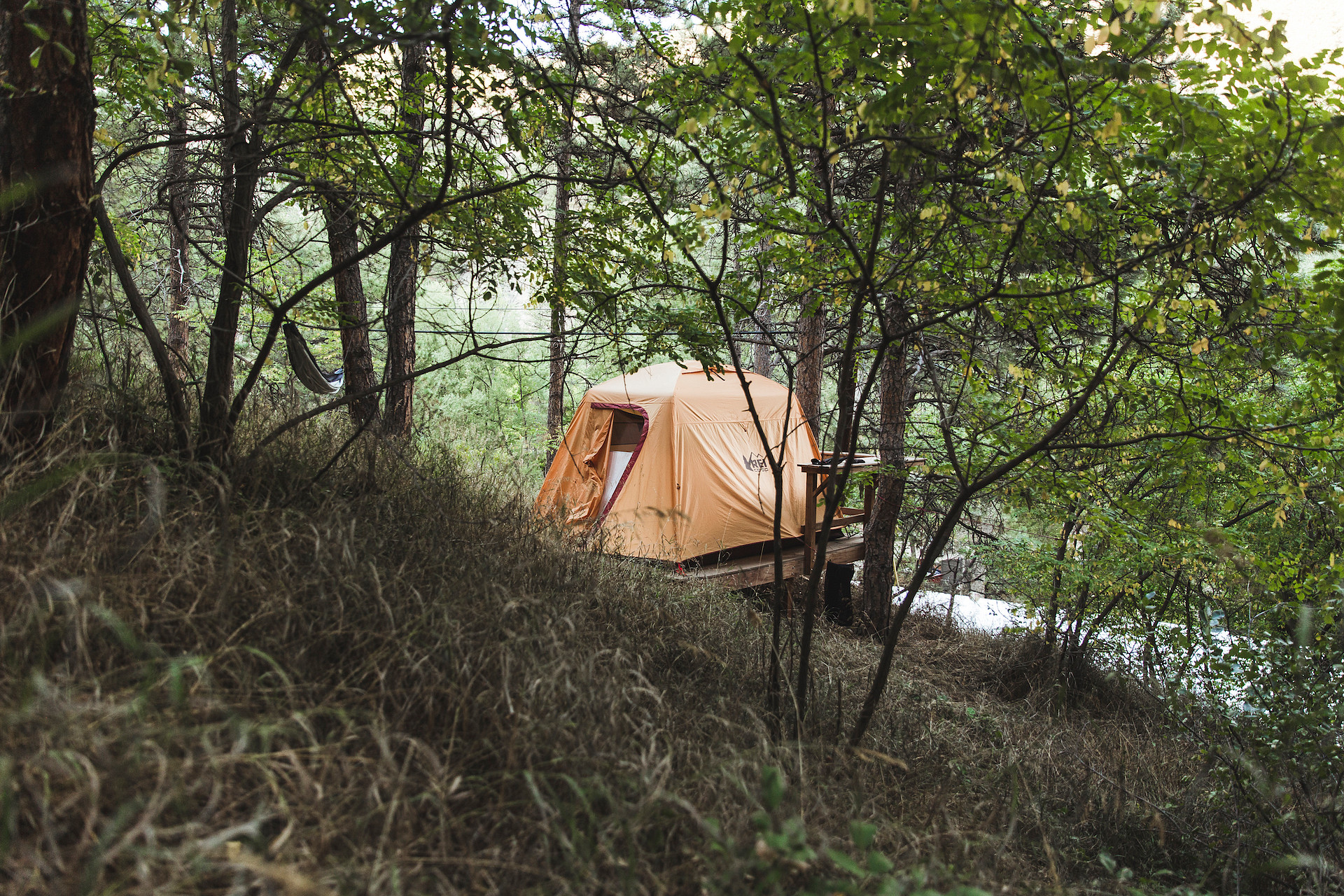
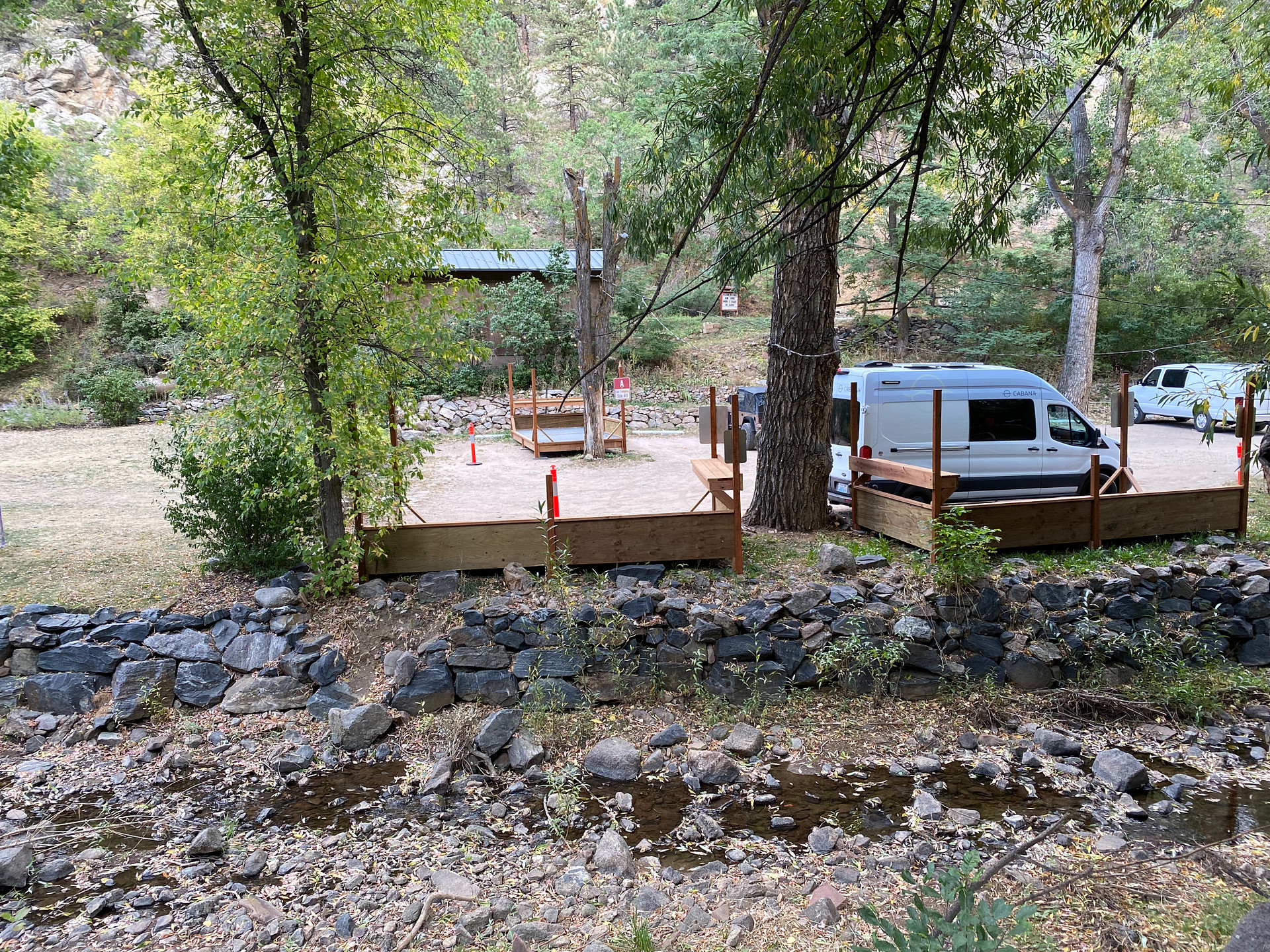
6. A-Lodge Boulder
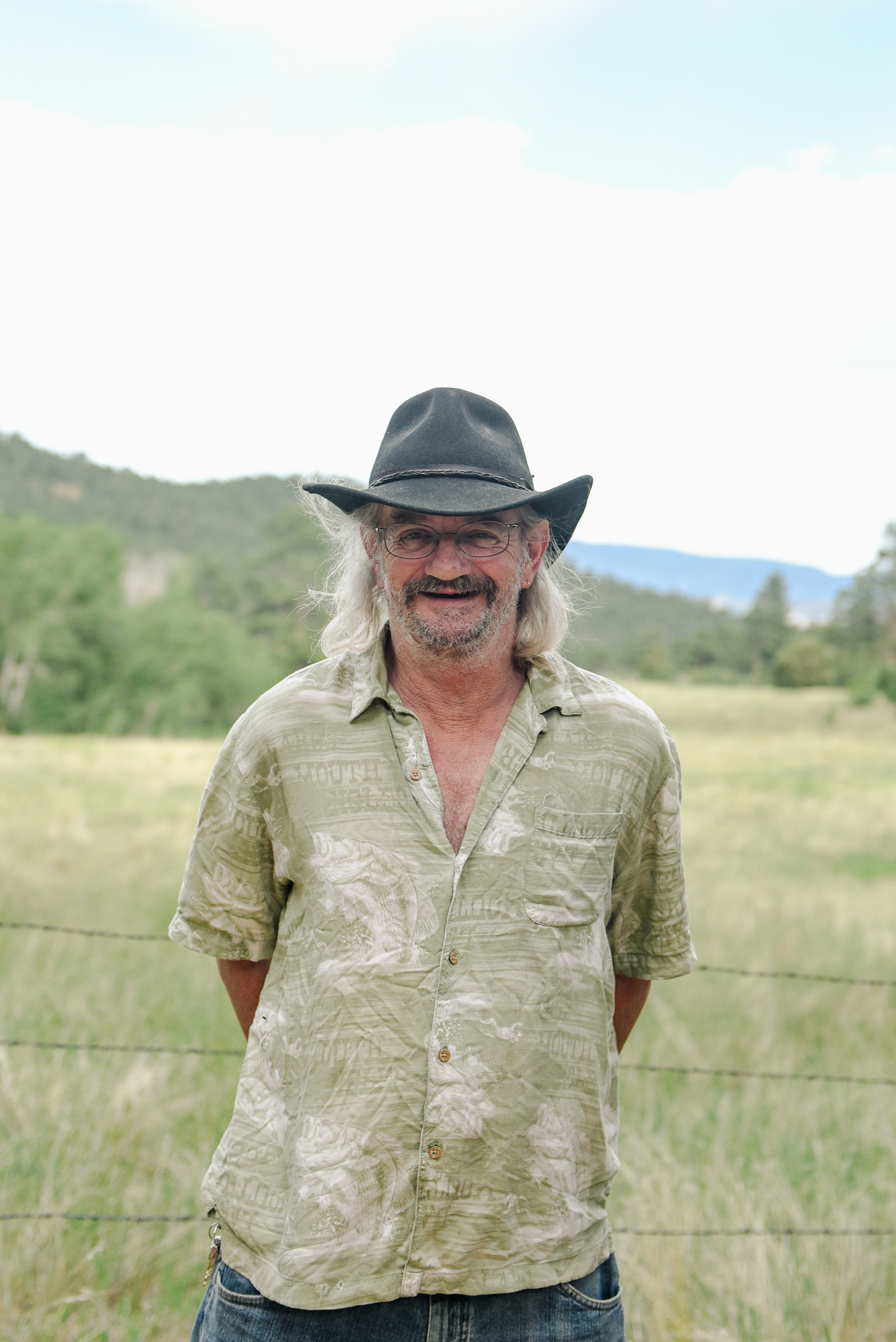
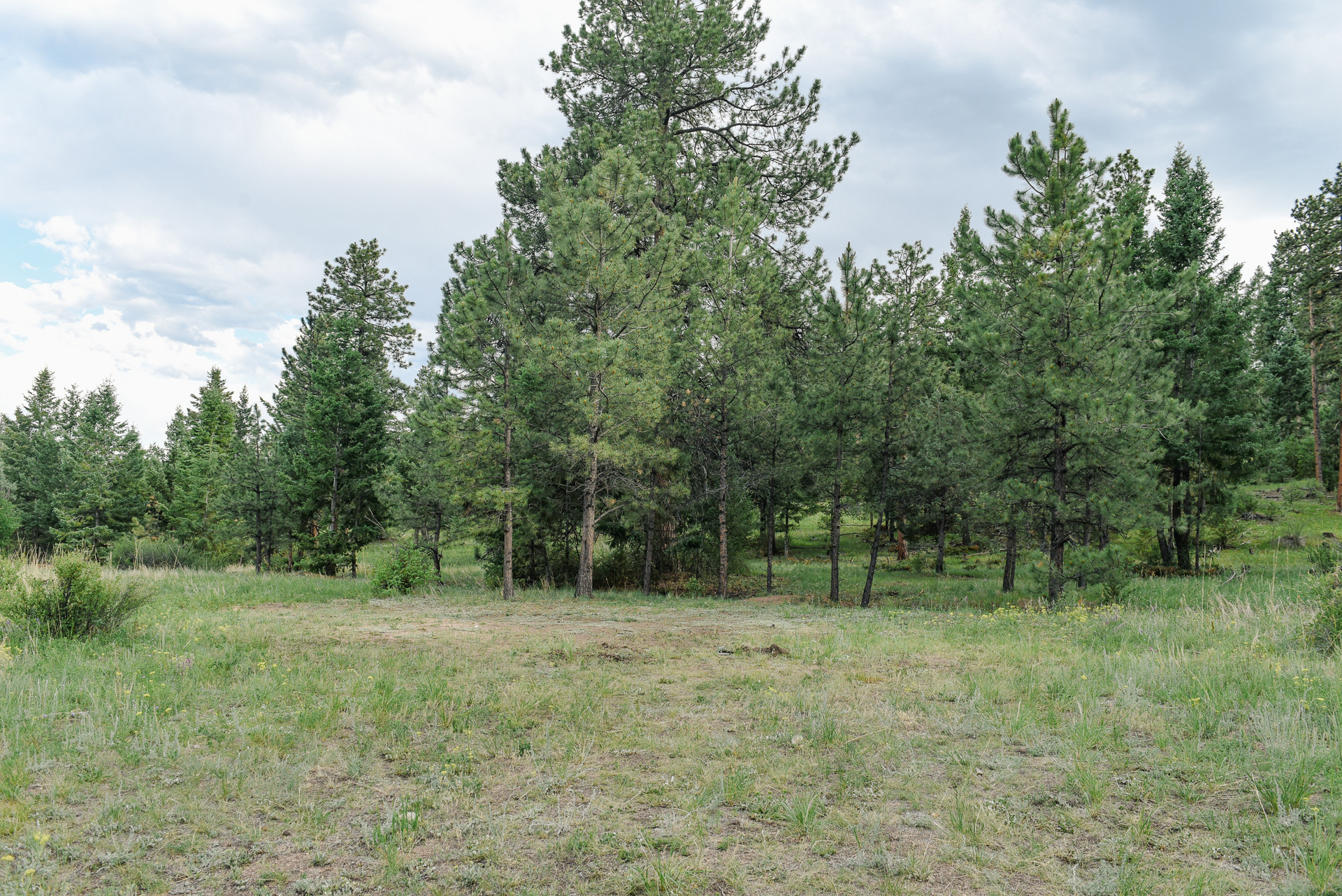
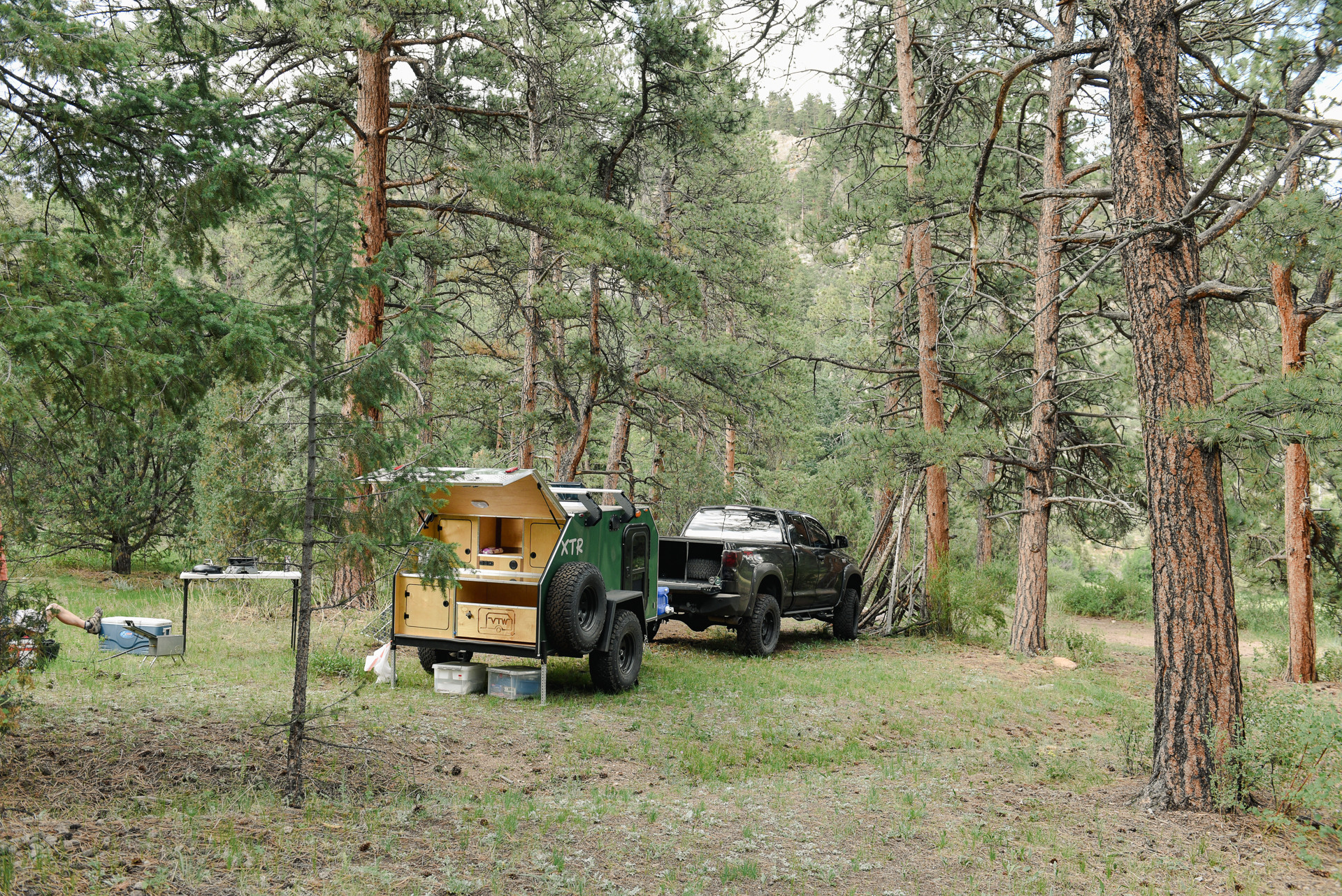
7. Serenity in the Foothills
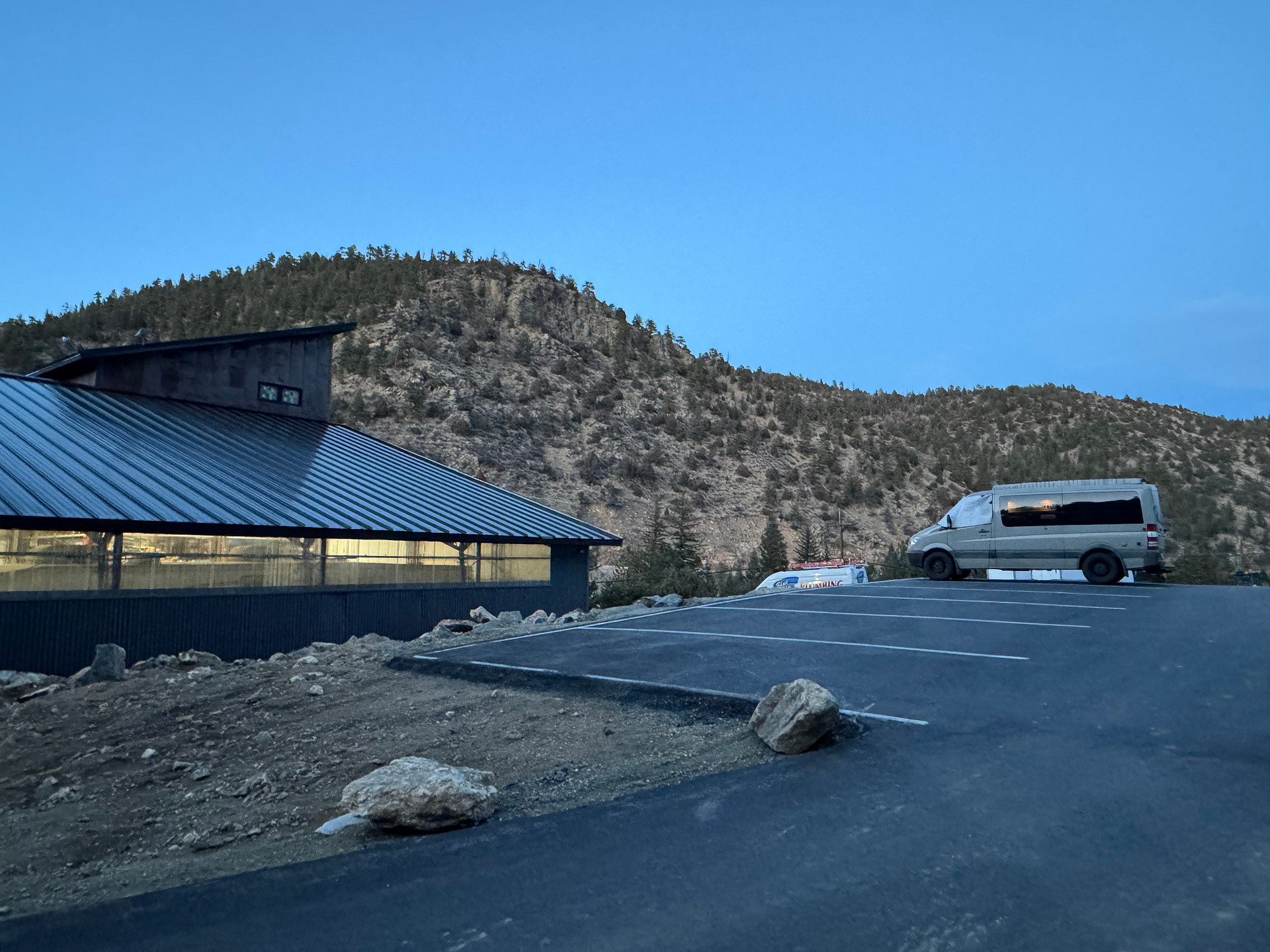
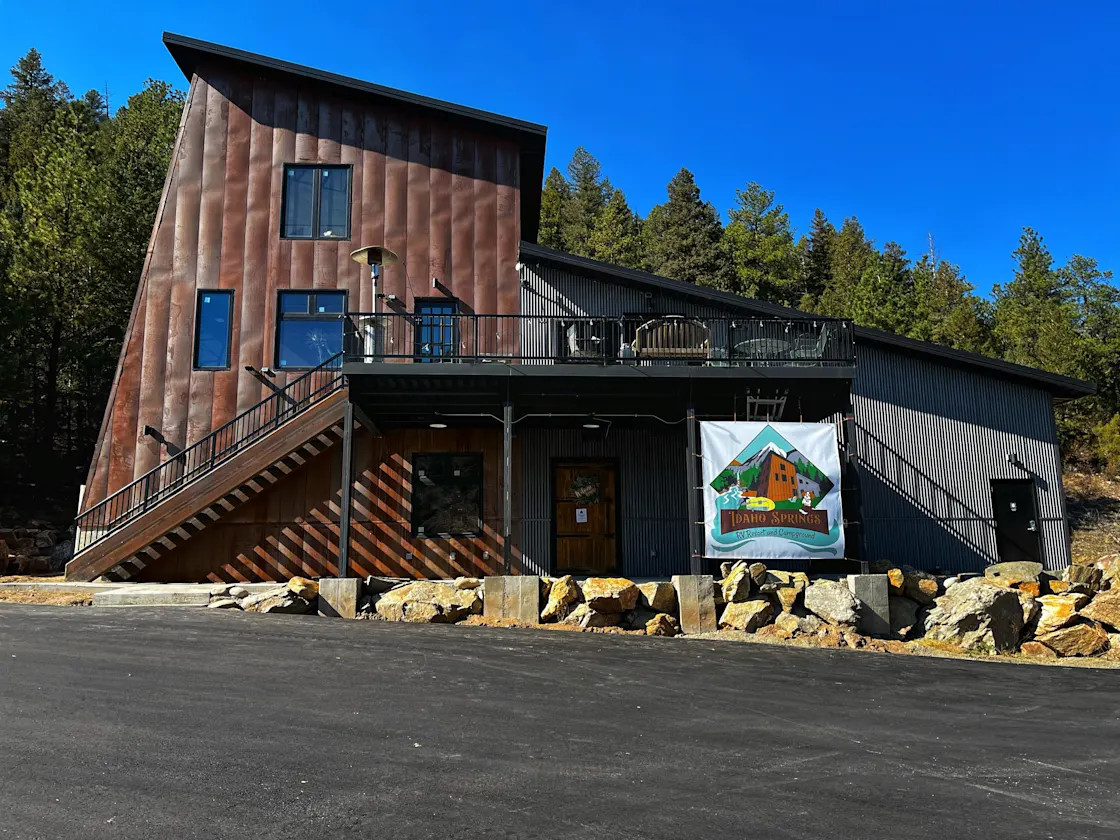
8. Idaho Springs RV Campground
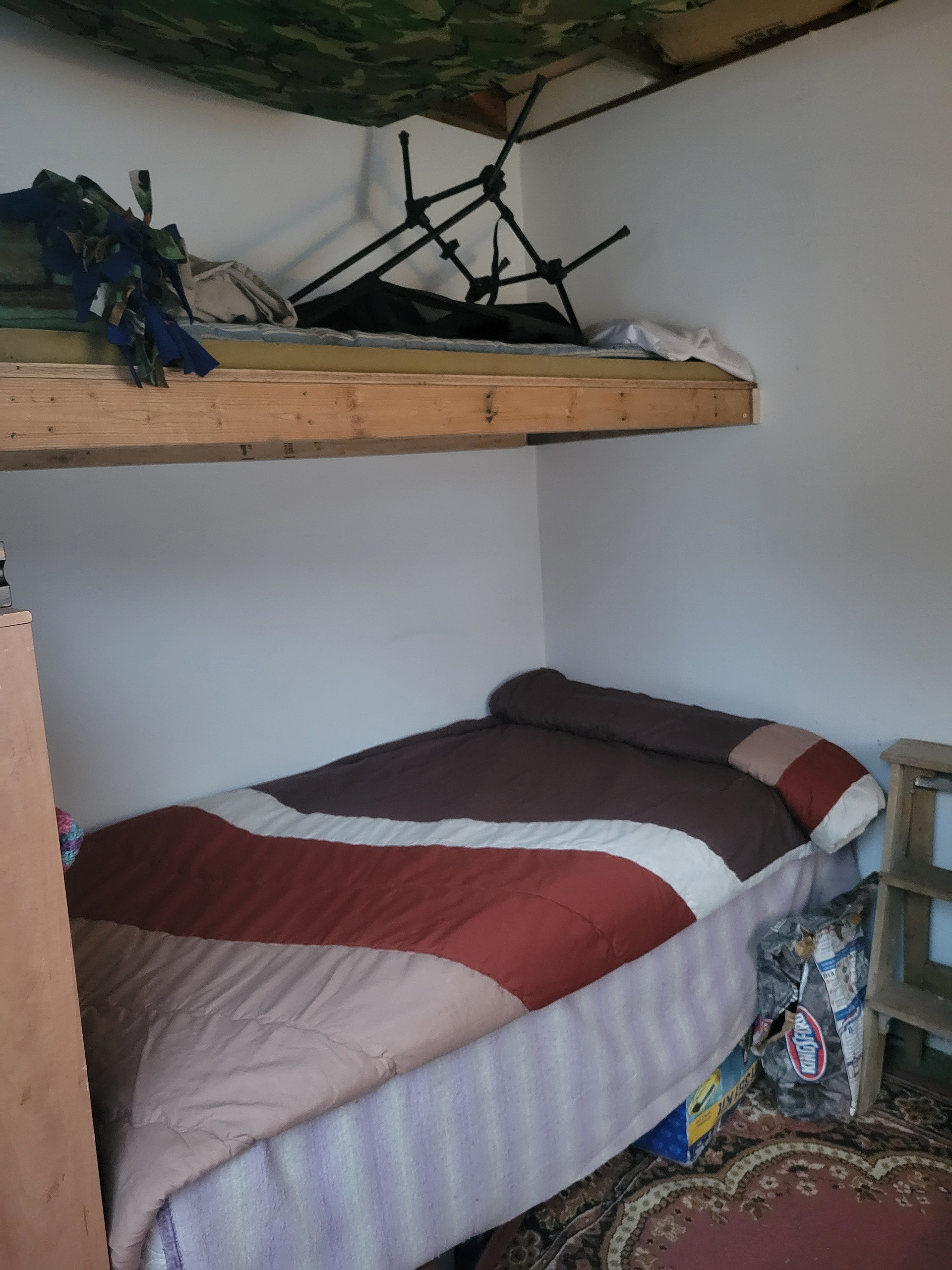
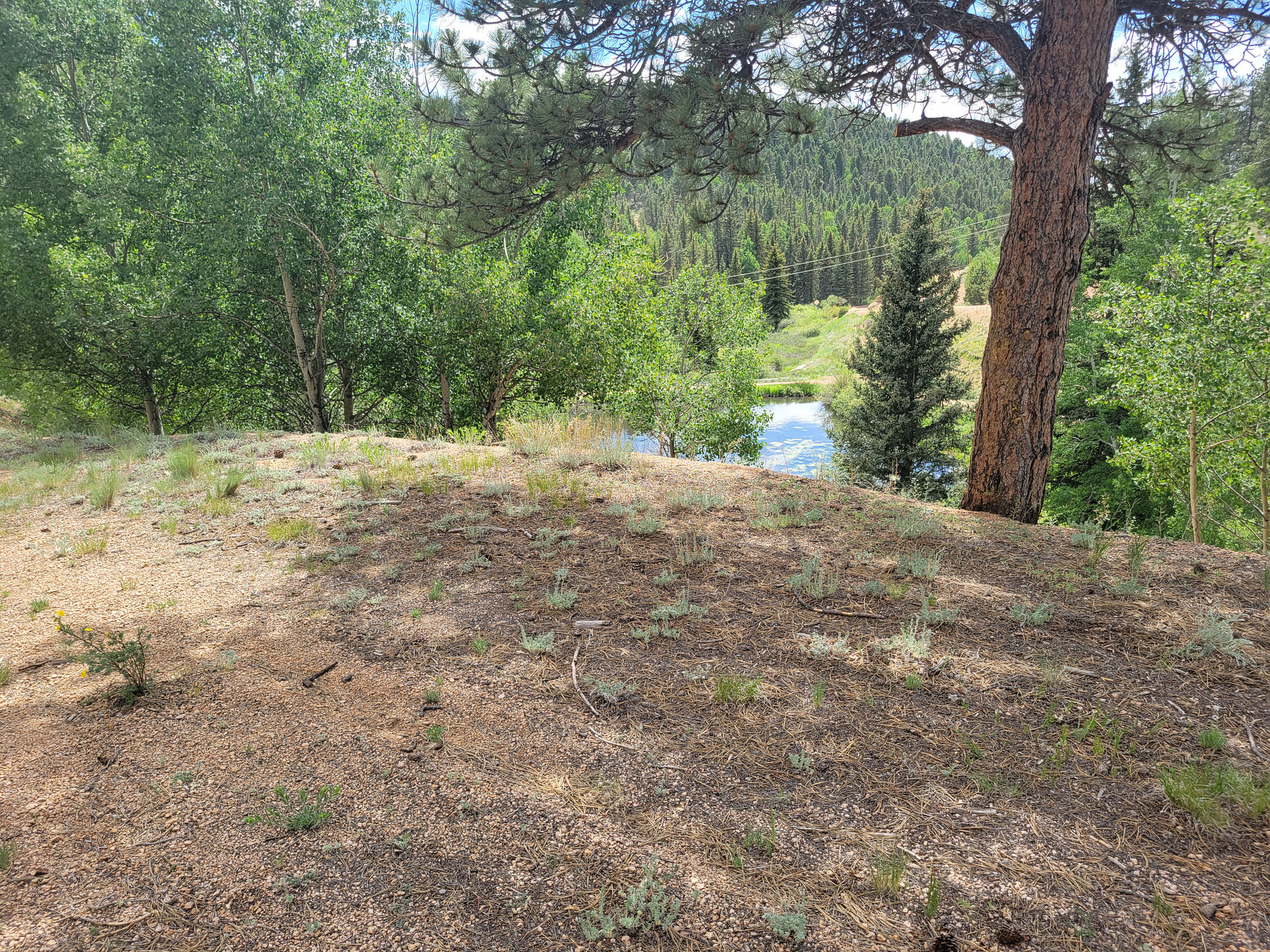
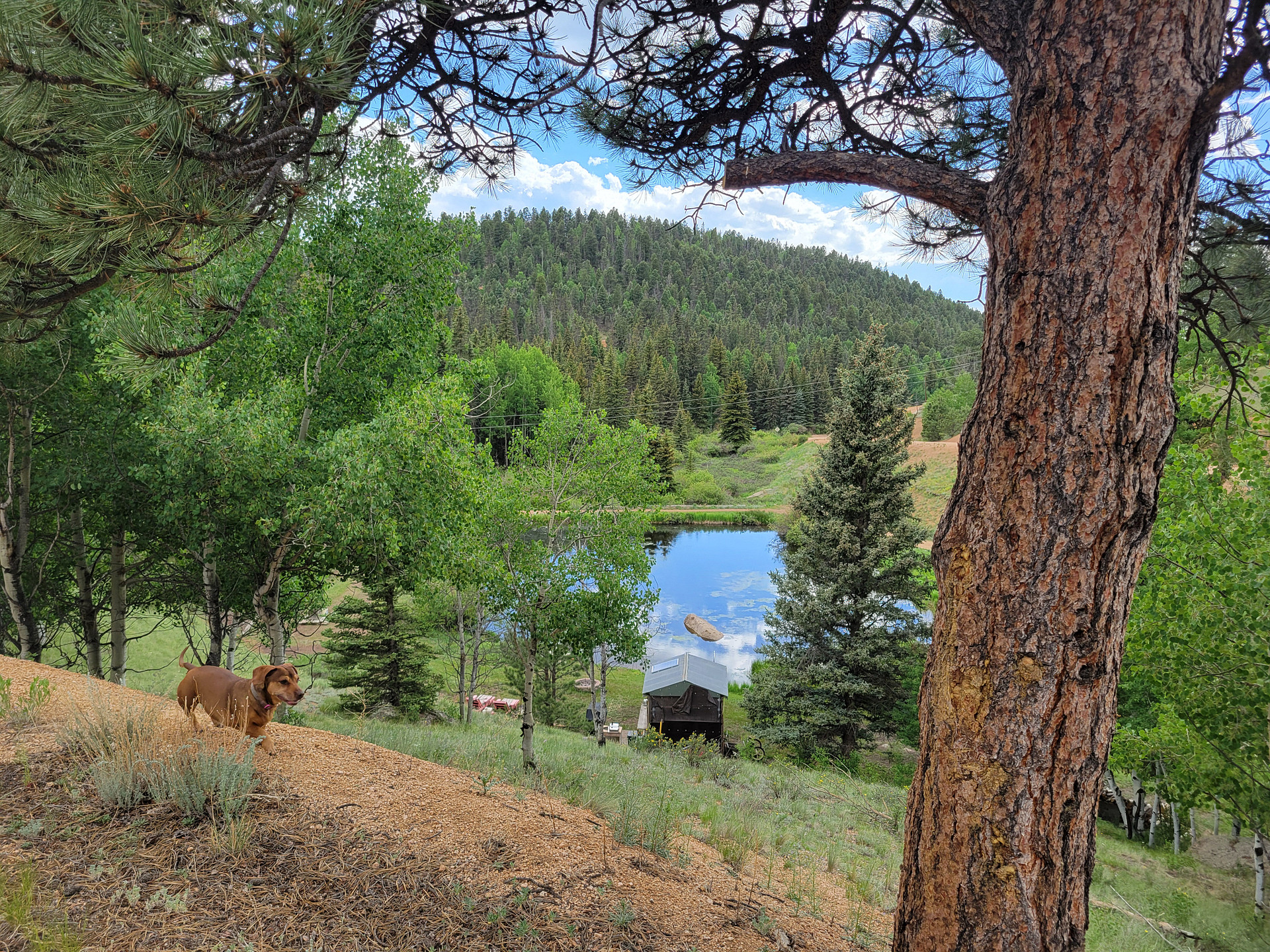
9. Yeti Sanctuary
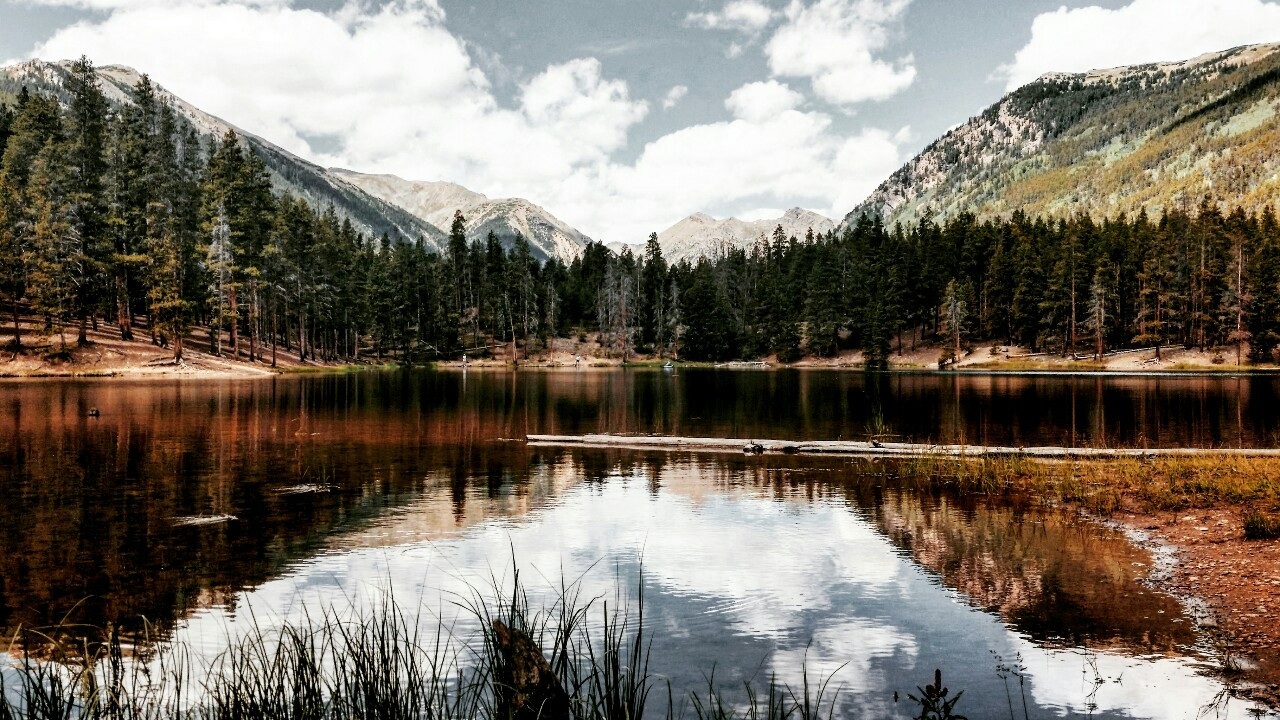
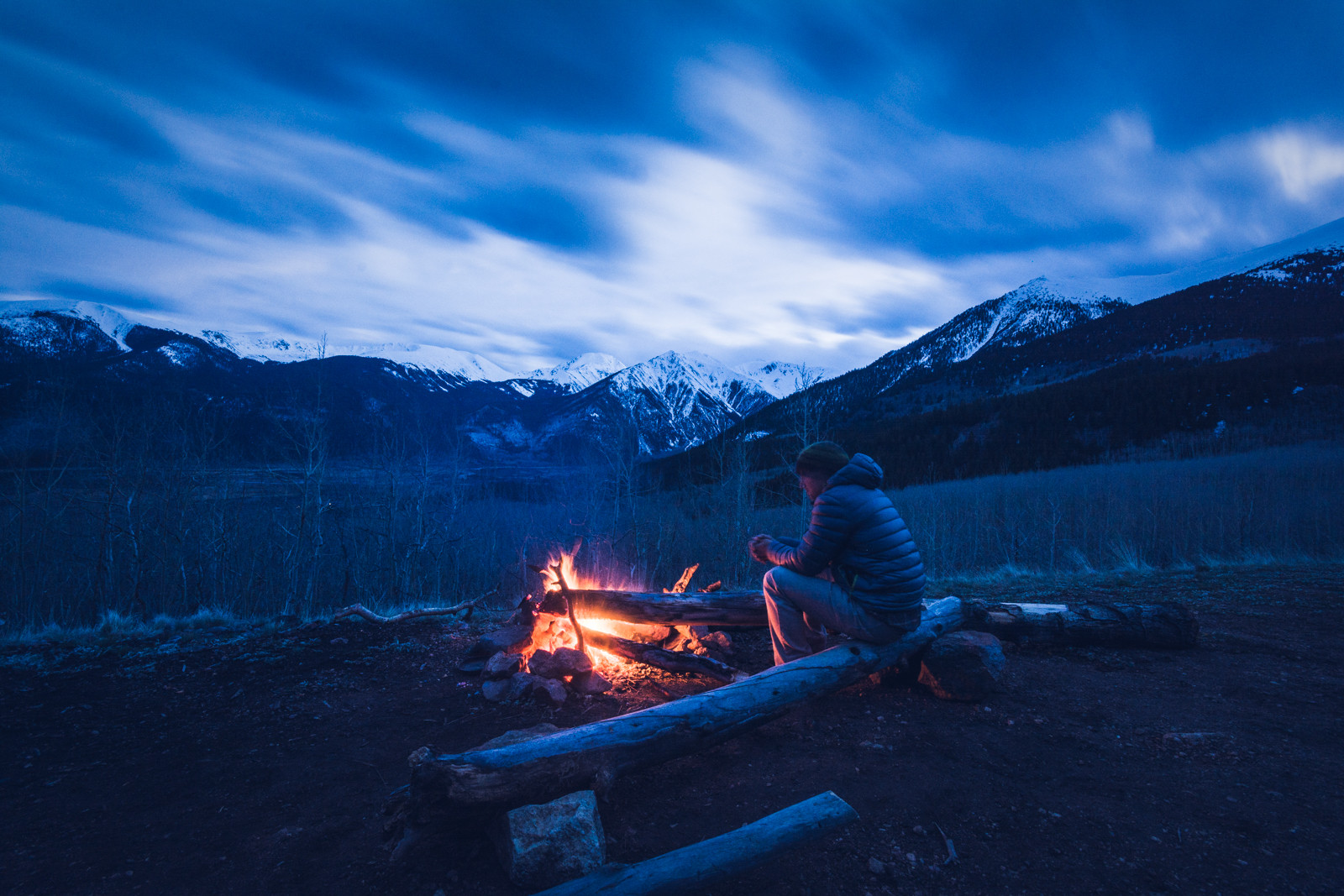
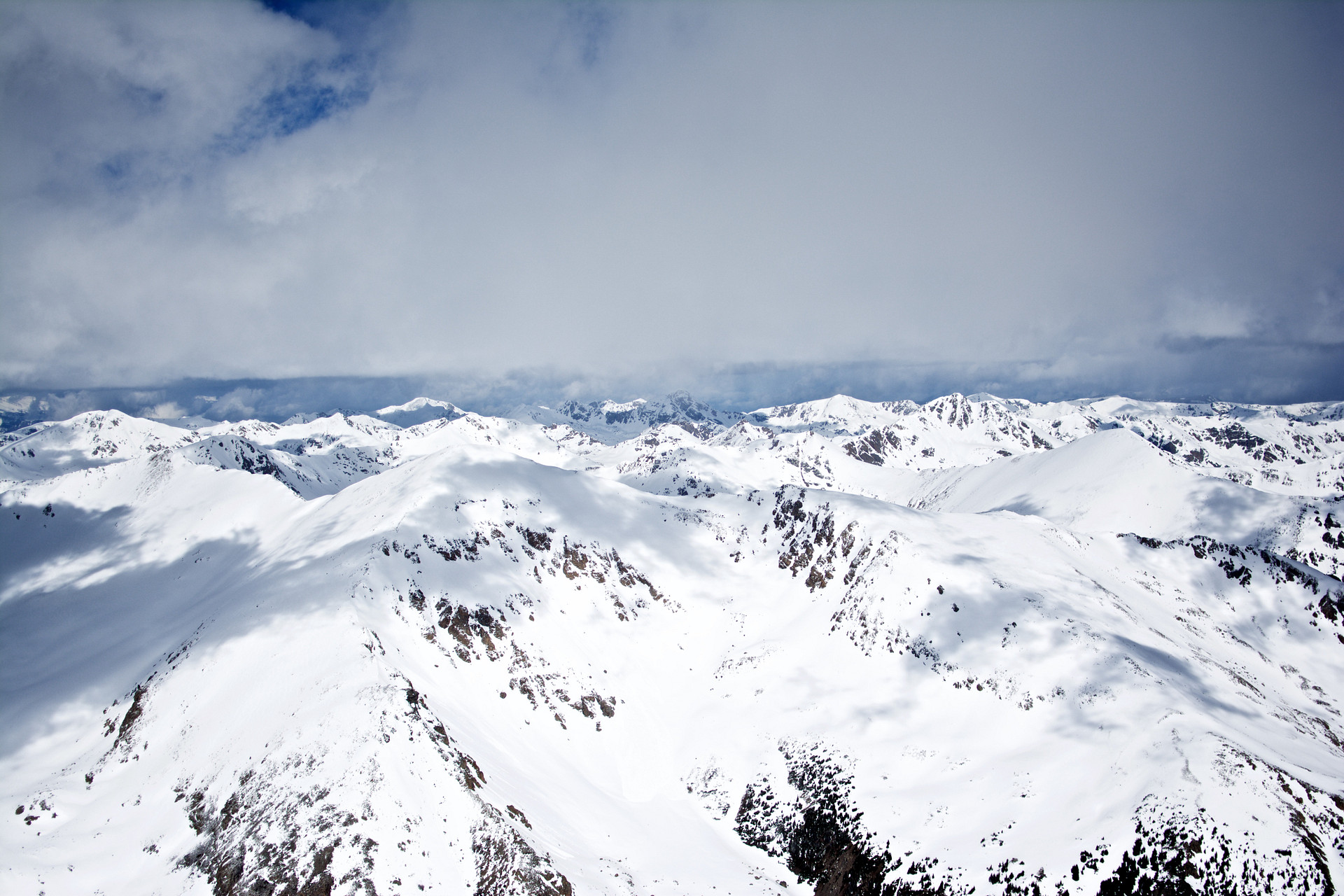
10. San Isabel National Forest

11. San Juan National Forest
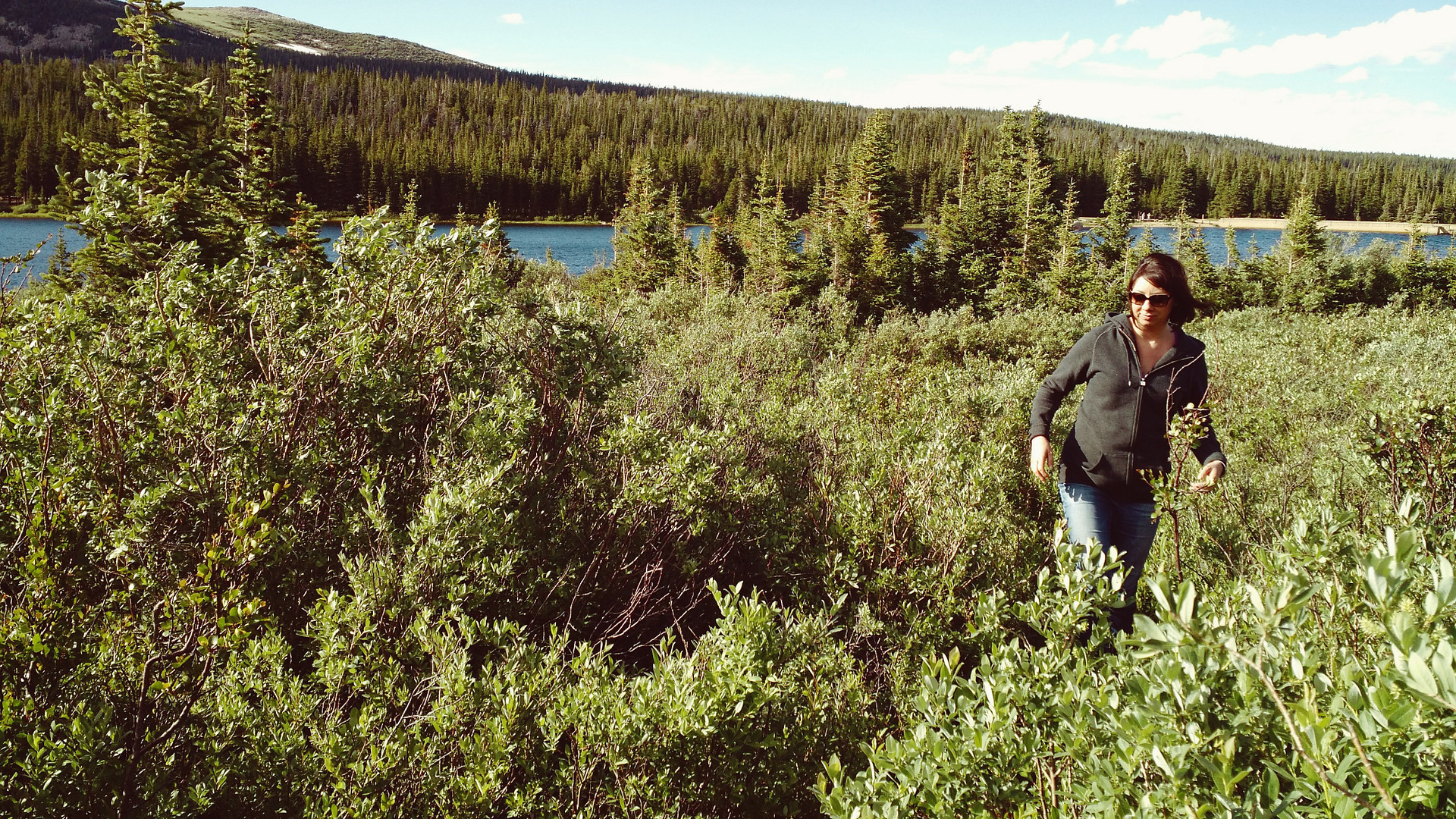
12. Roosevelt National Forest
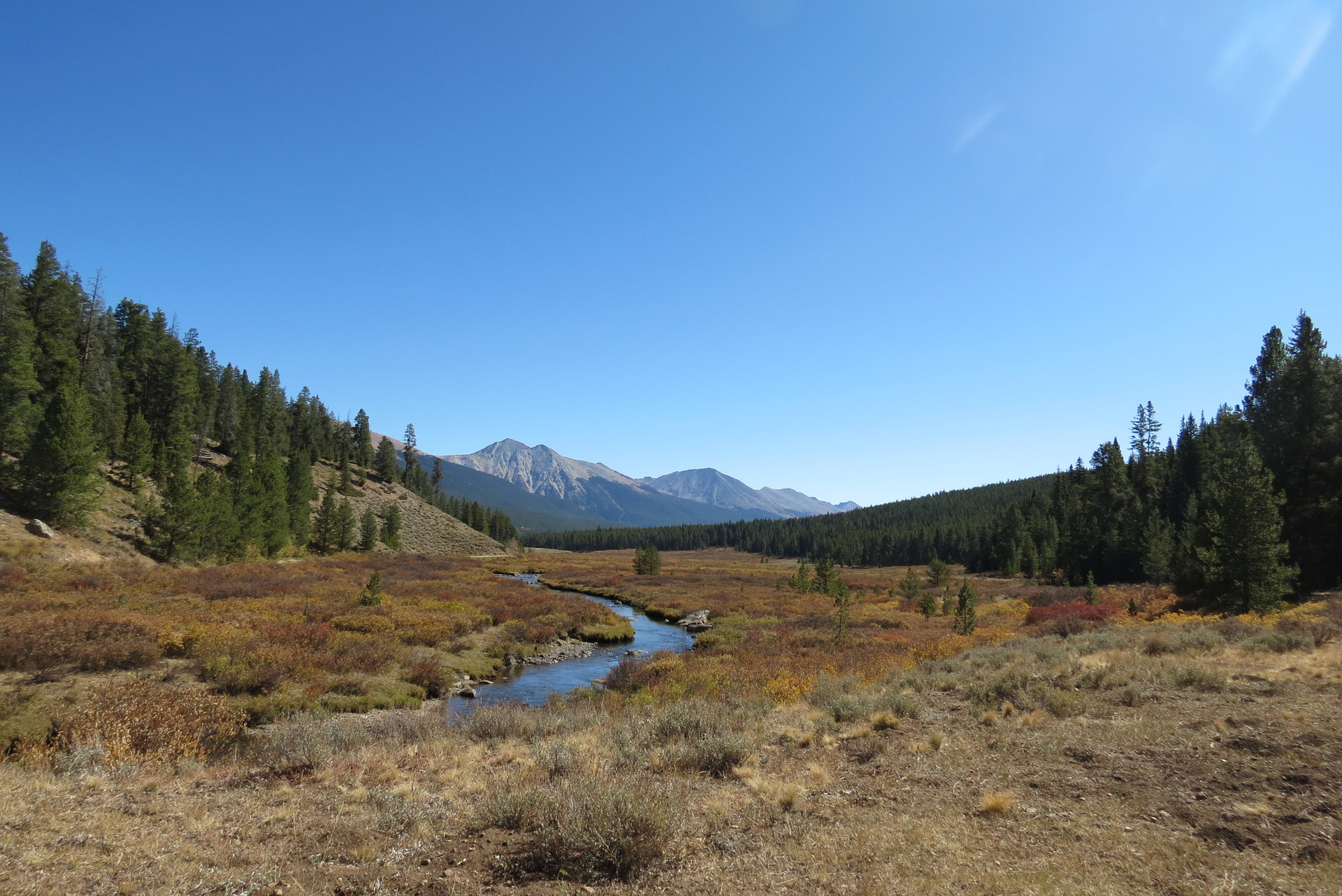
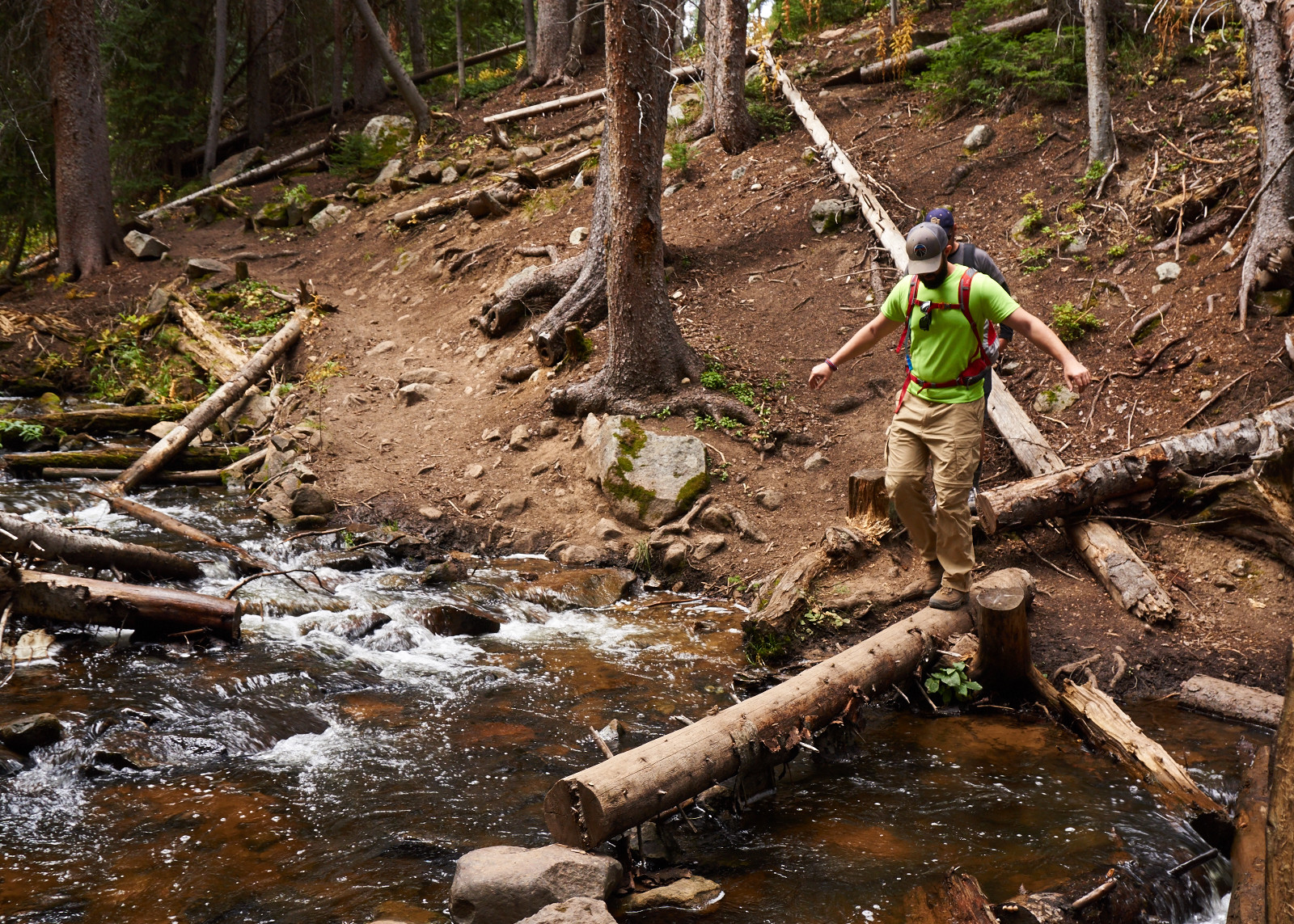
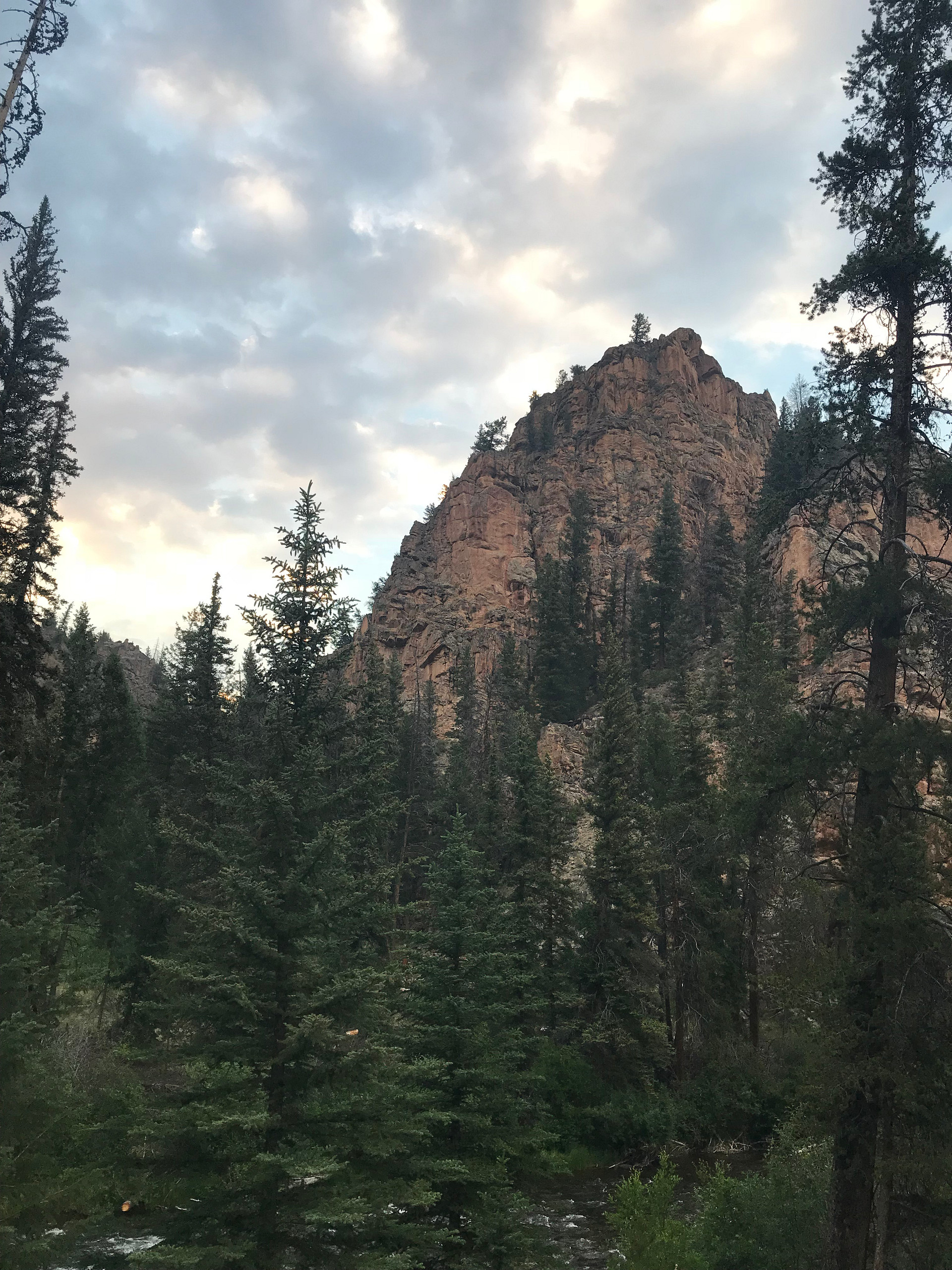
13. Gunnison National Forest
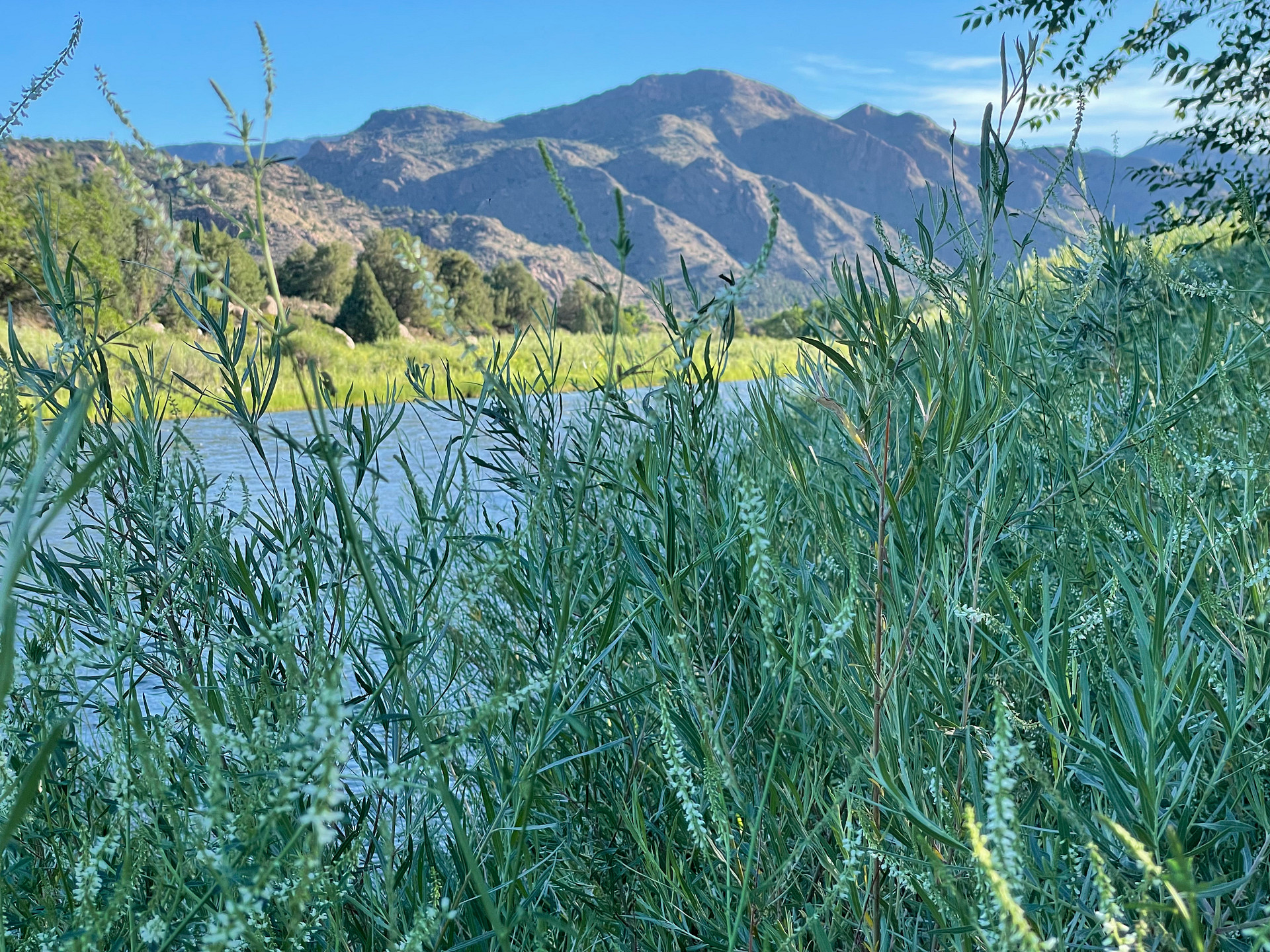
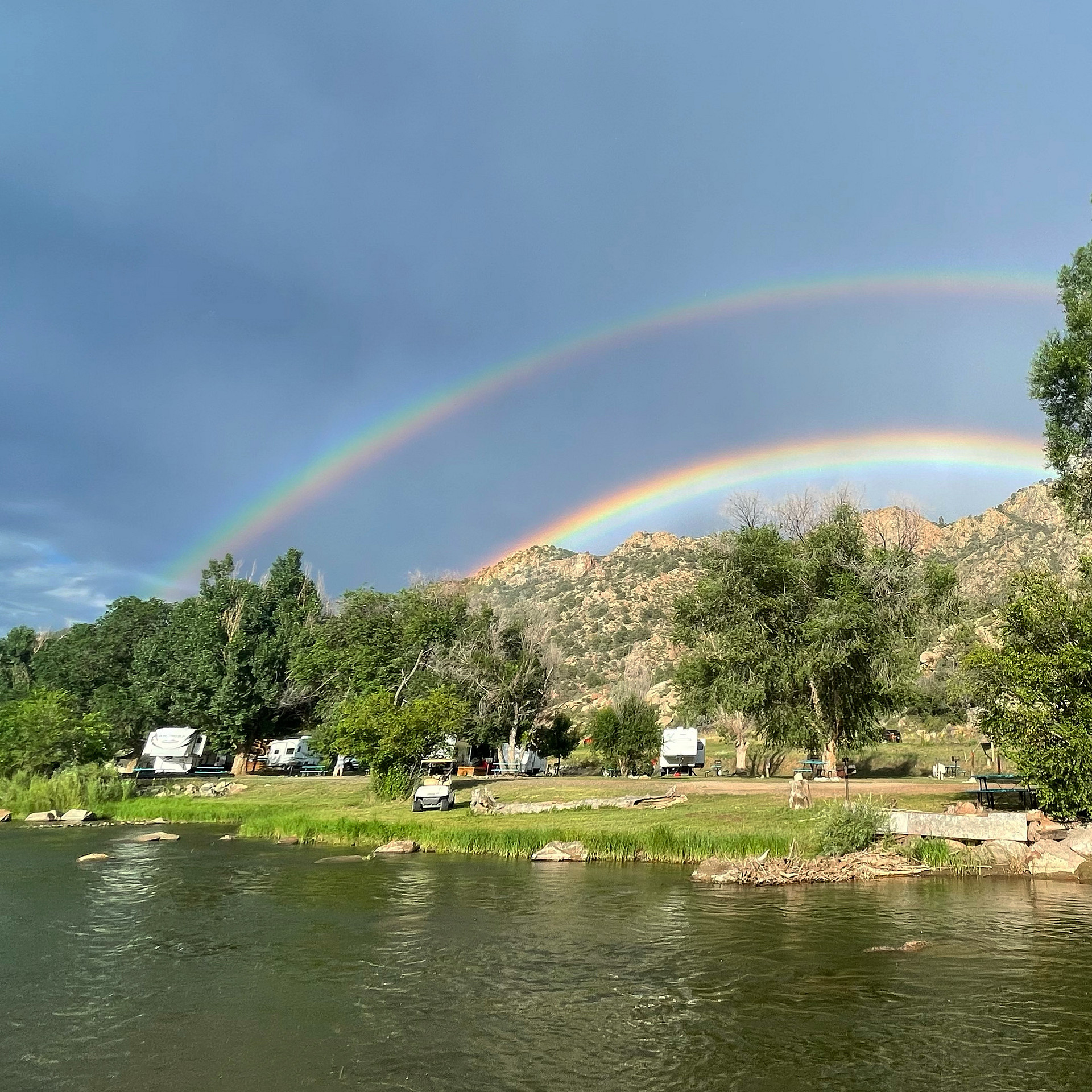
14. Sweetwater River Resort
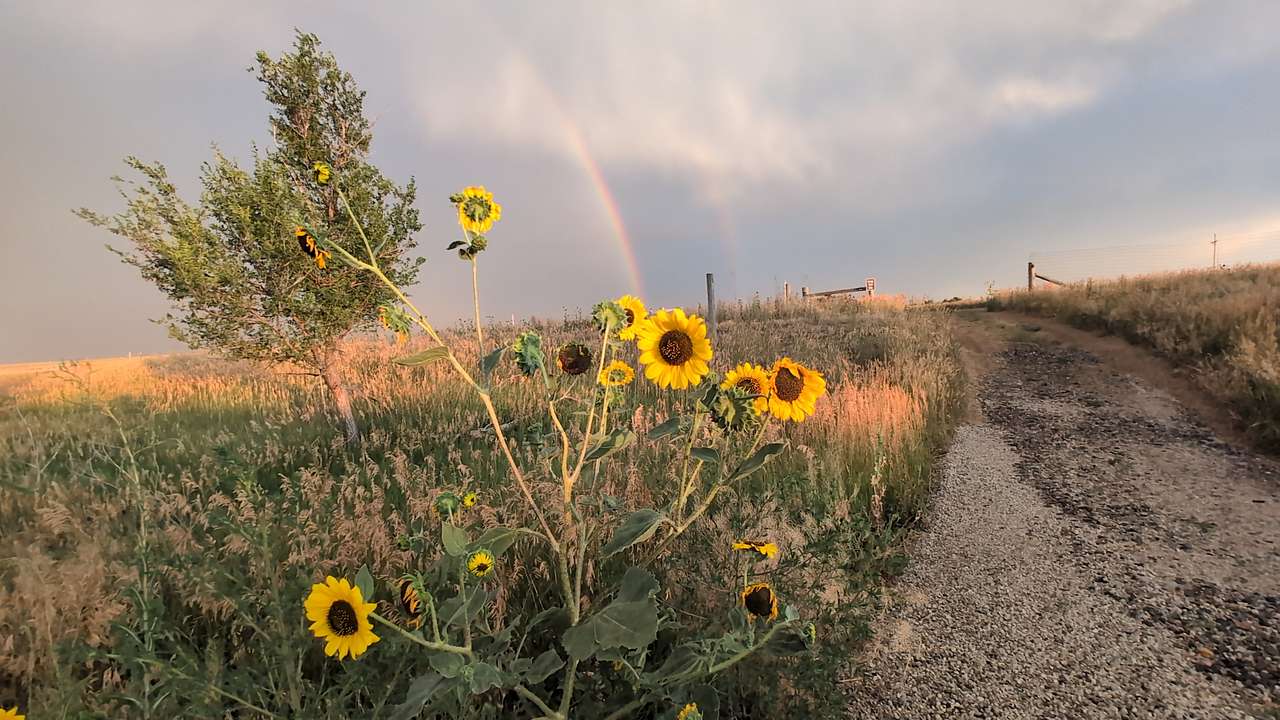
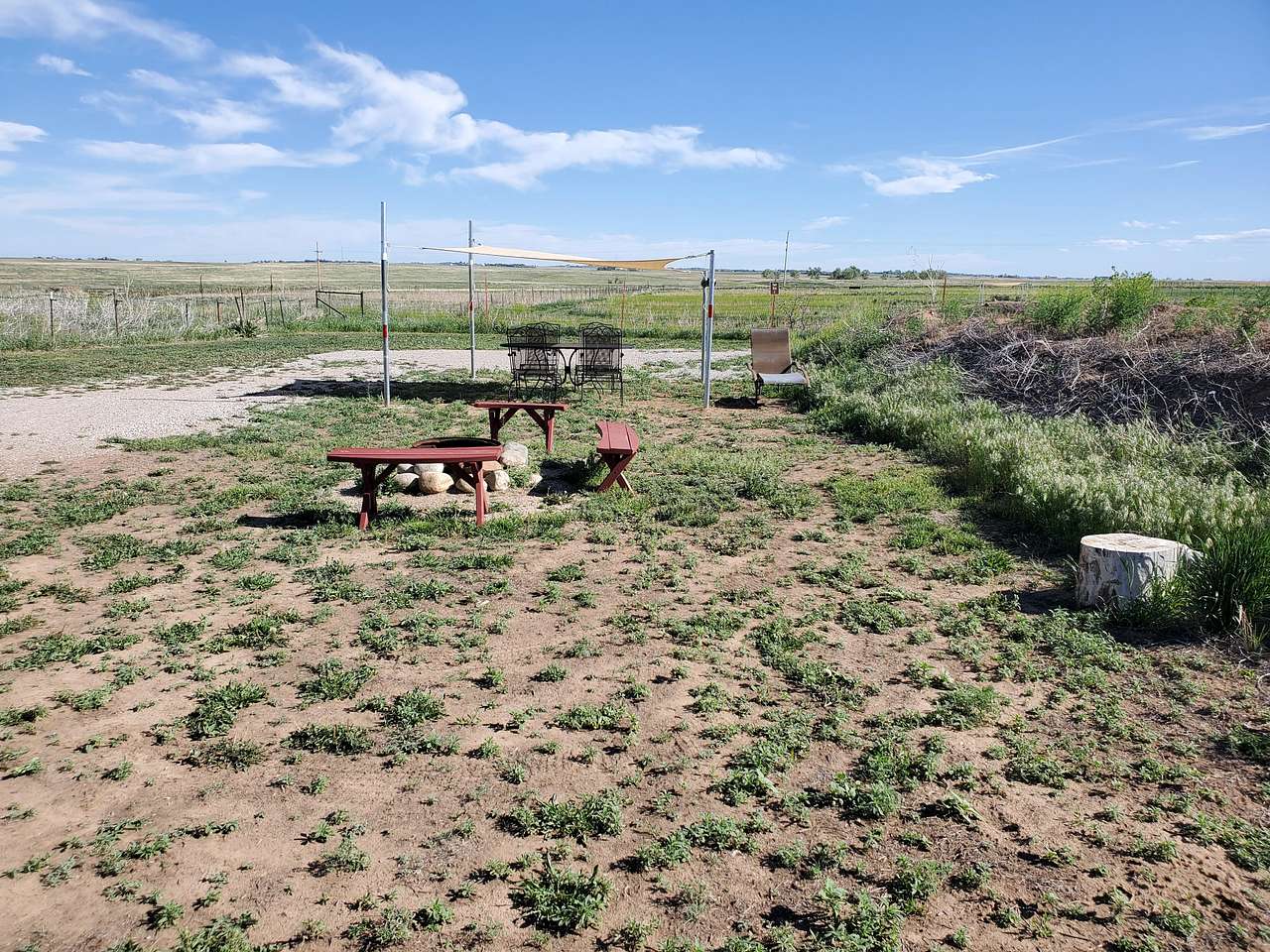
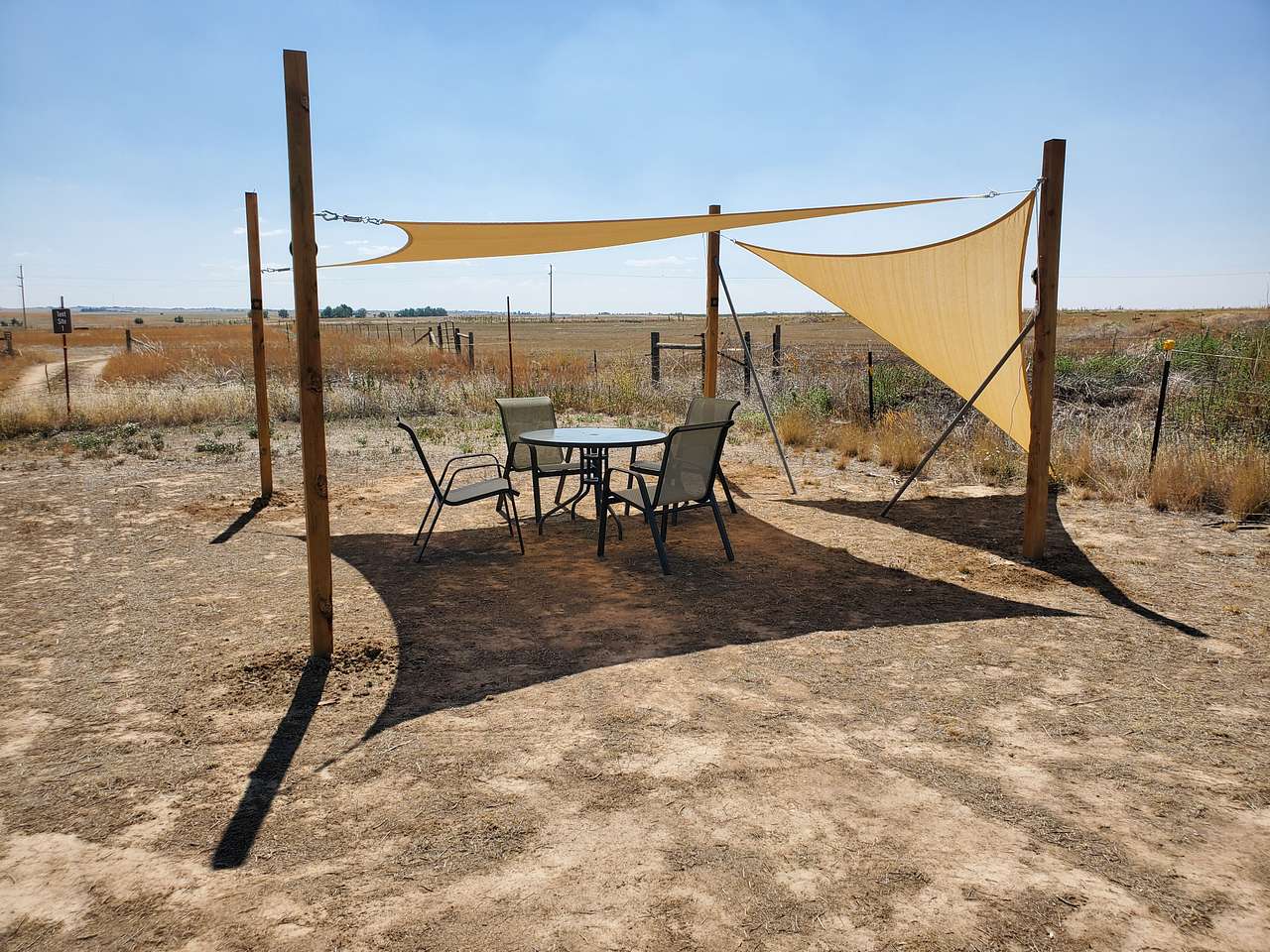
15. Apollo Ranch
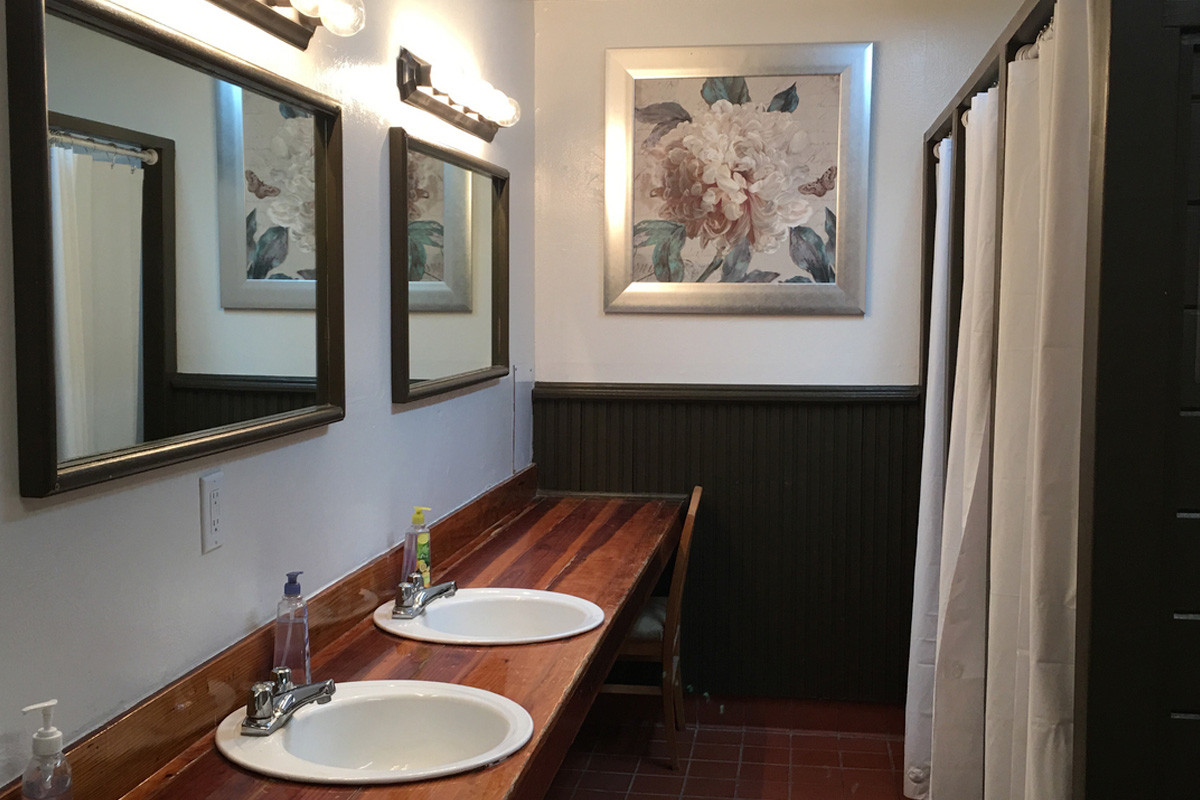
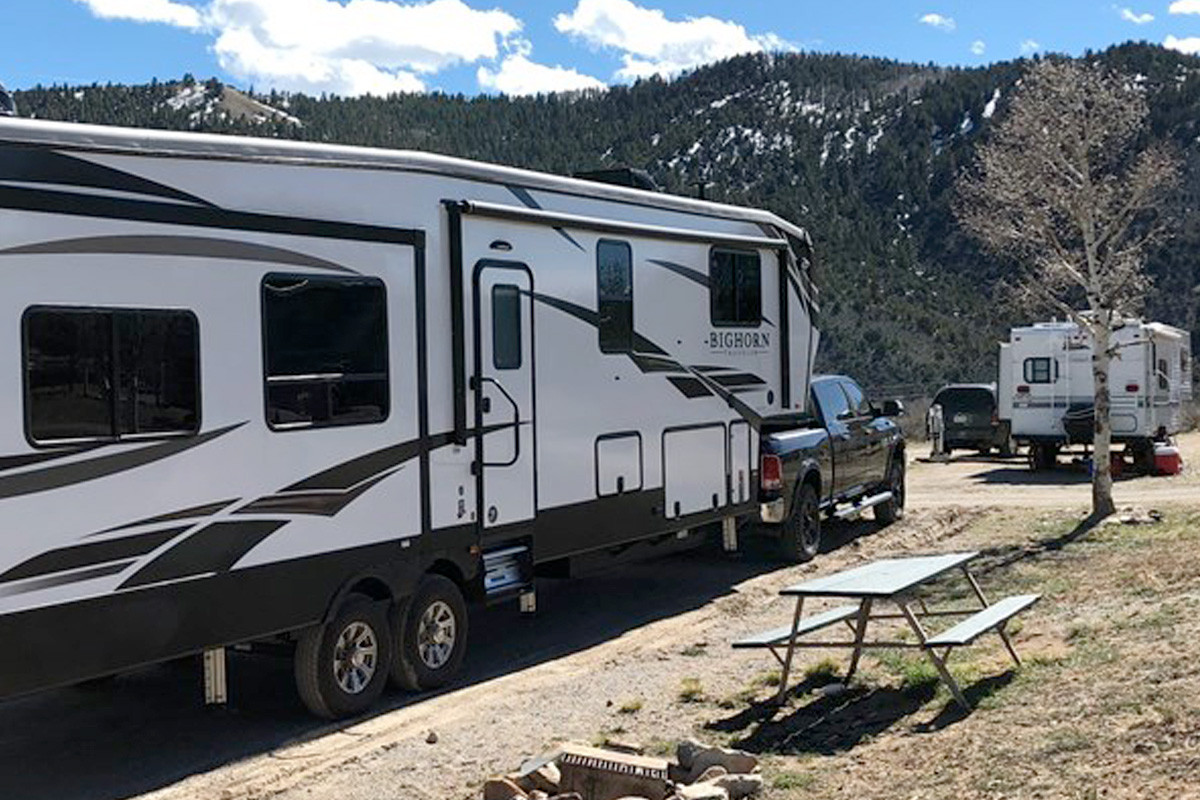
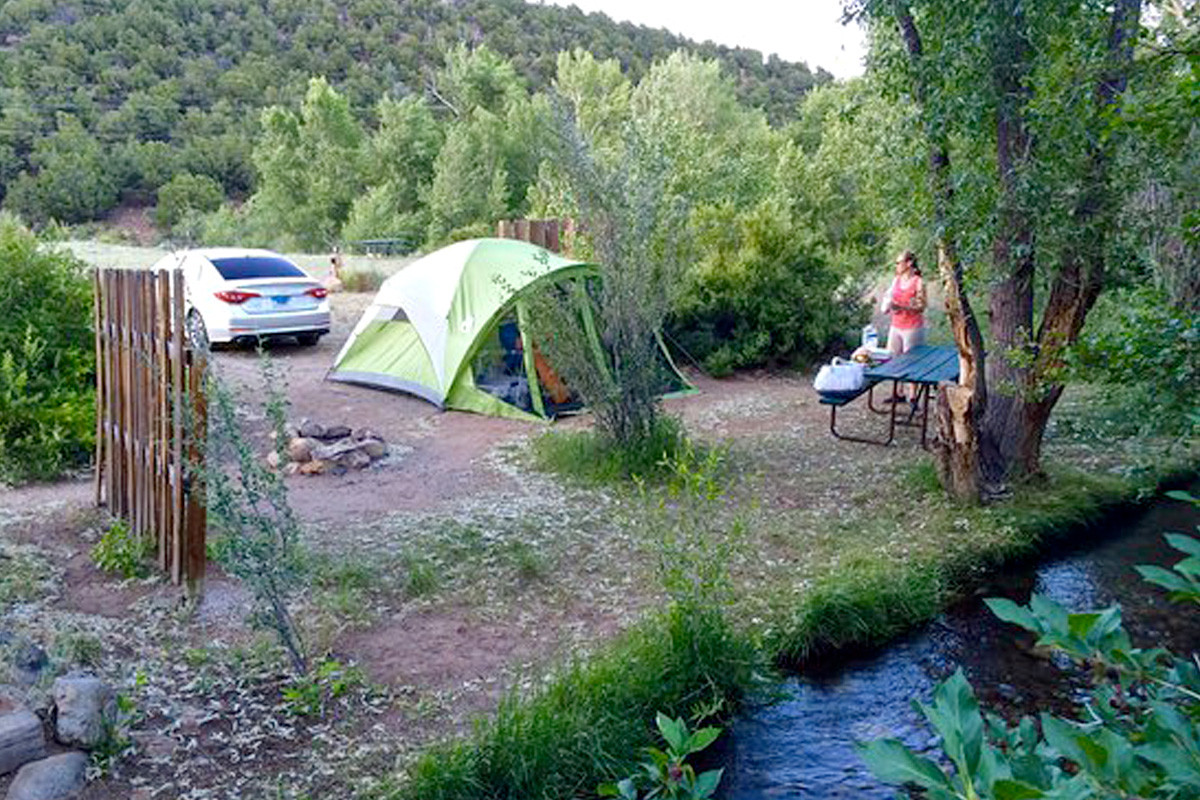
16. Agora Adventure Salida
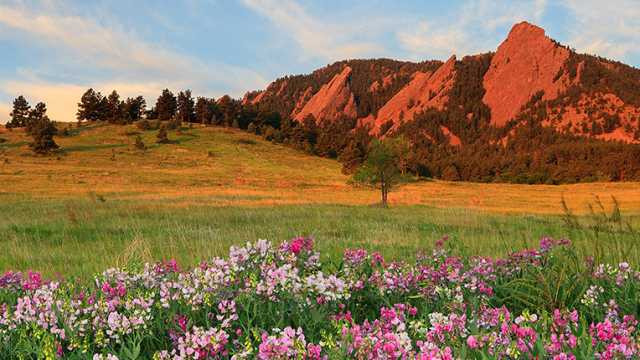
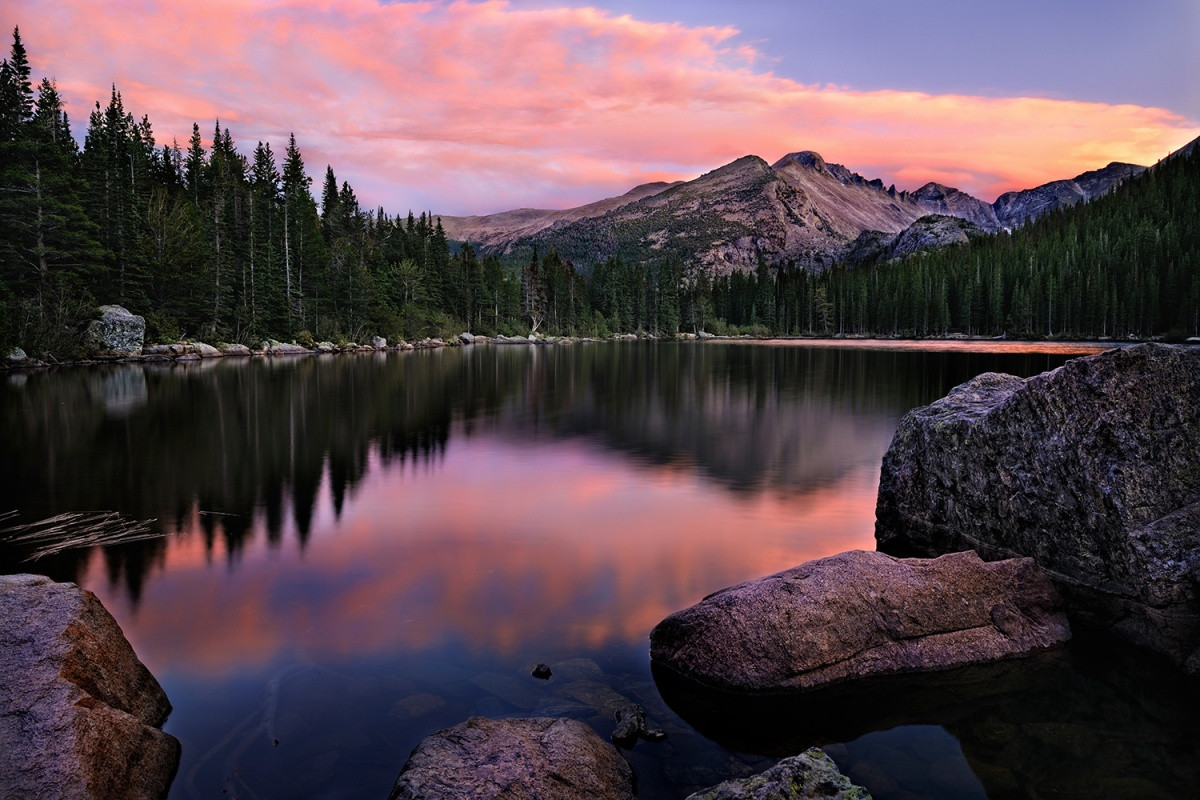
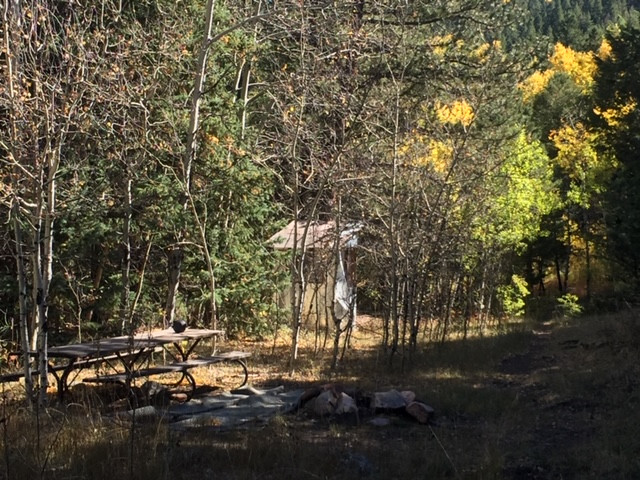
17. Creekside Paradise
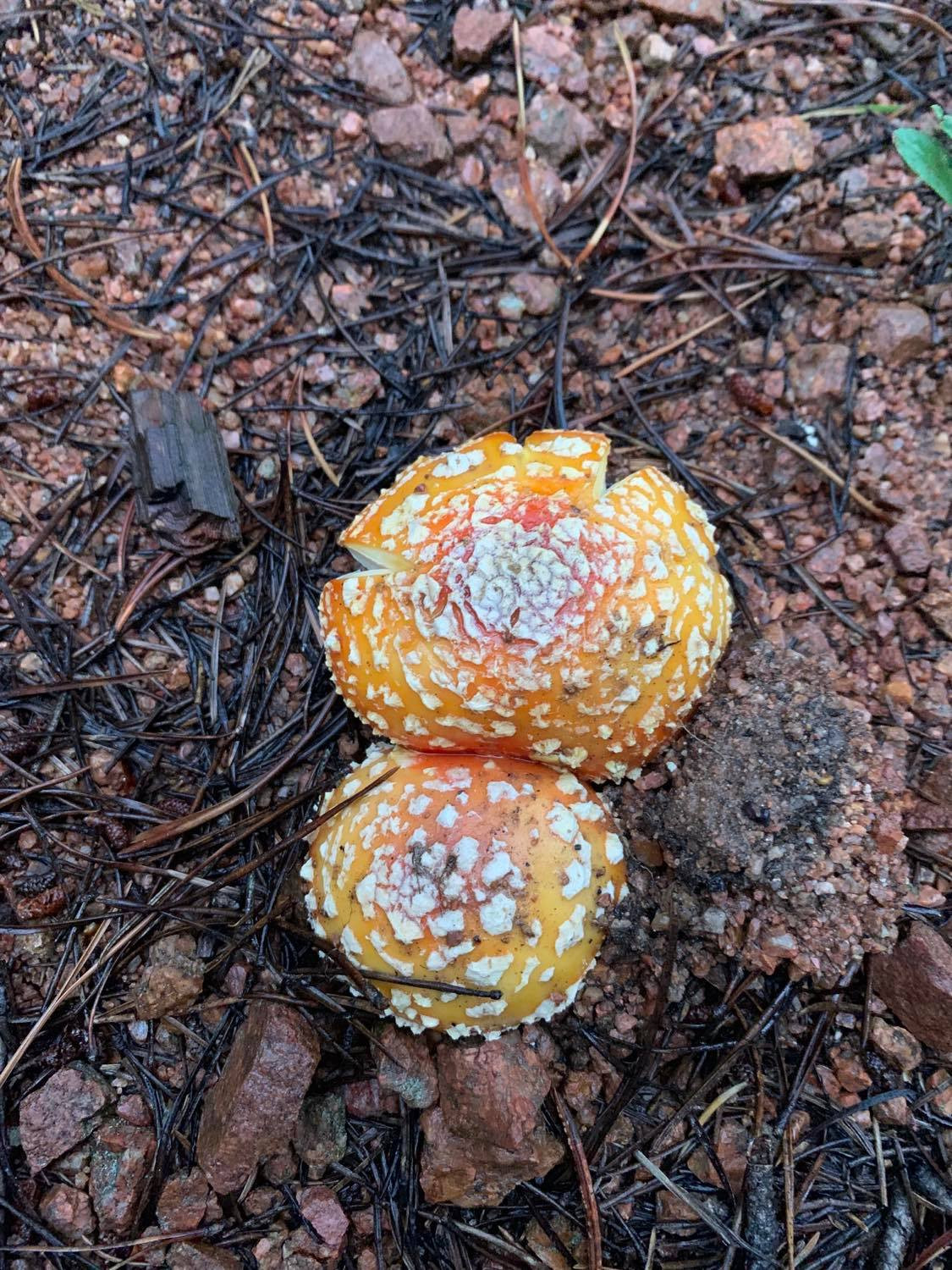
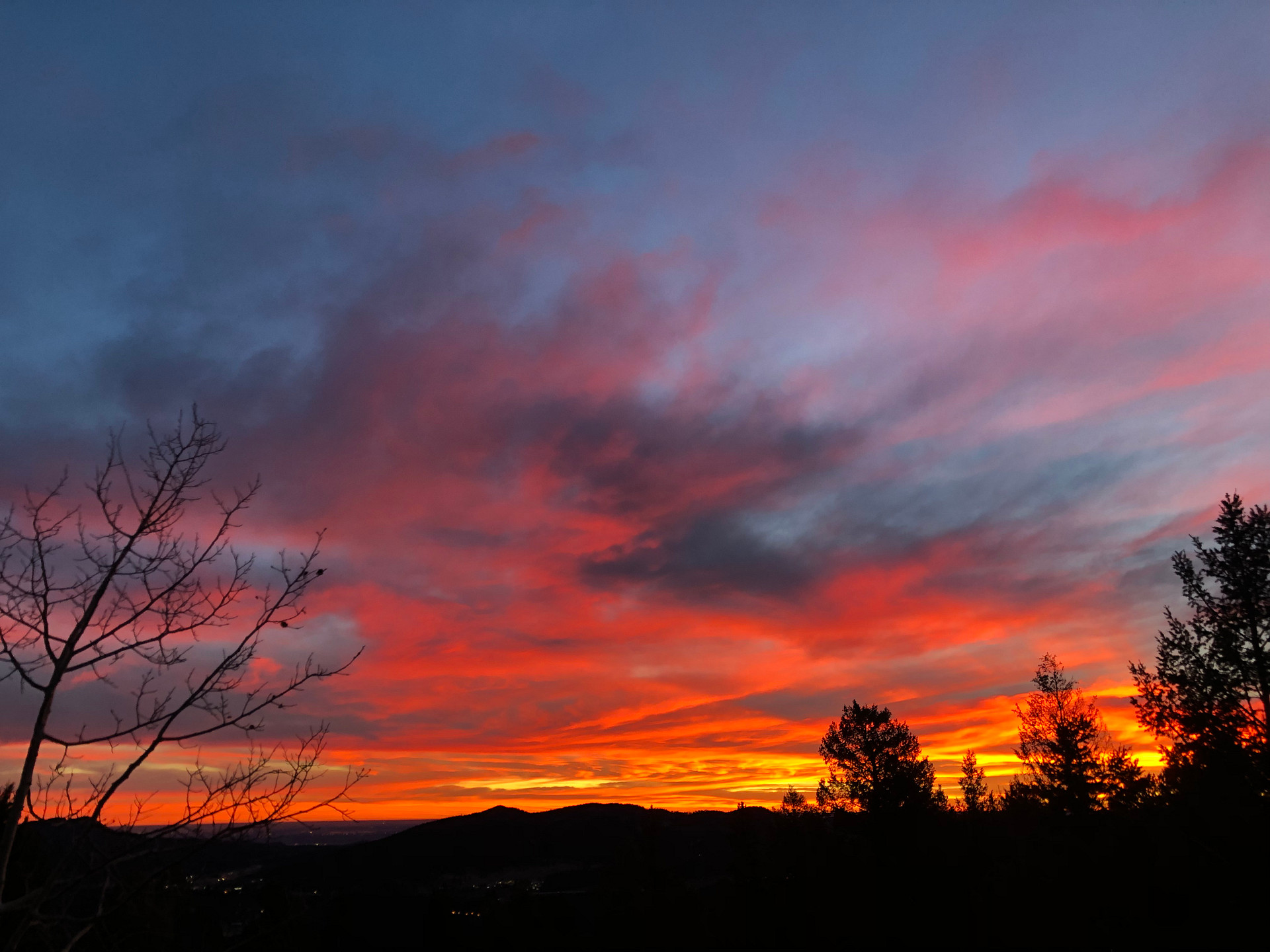
18. Mountaintop Camping
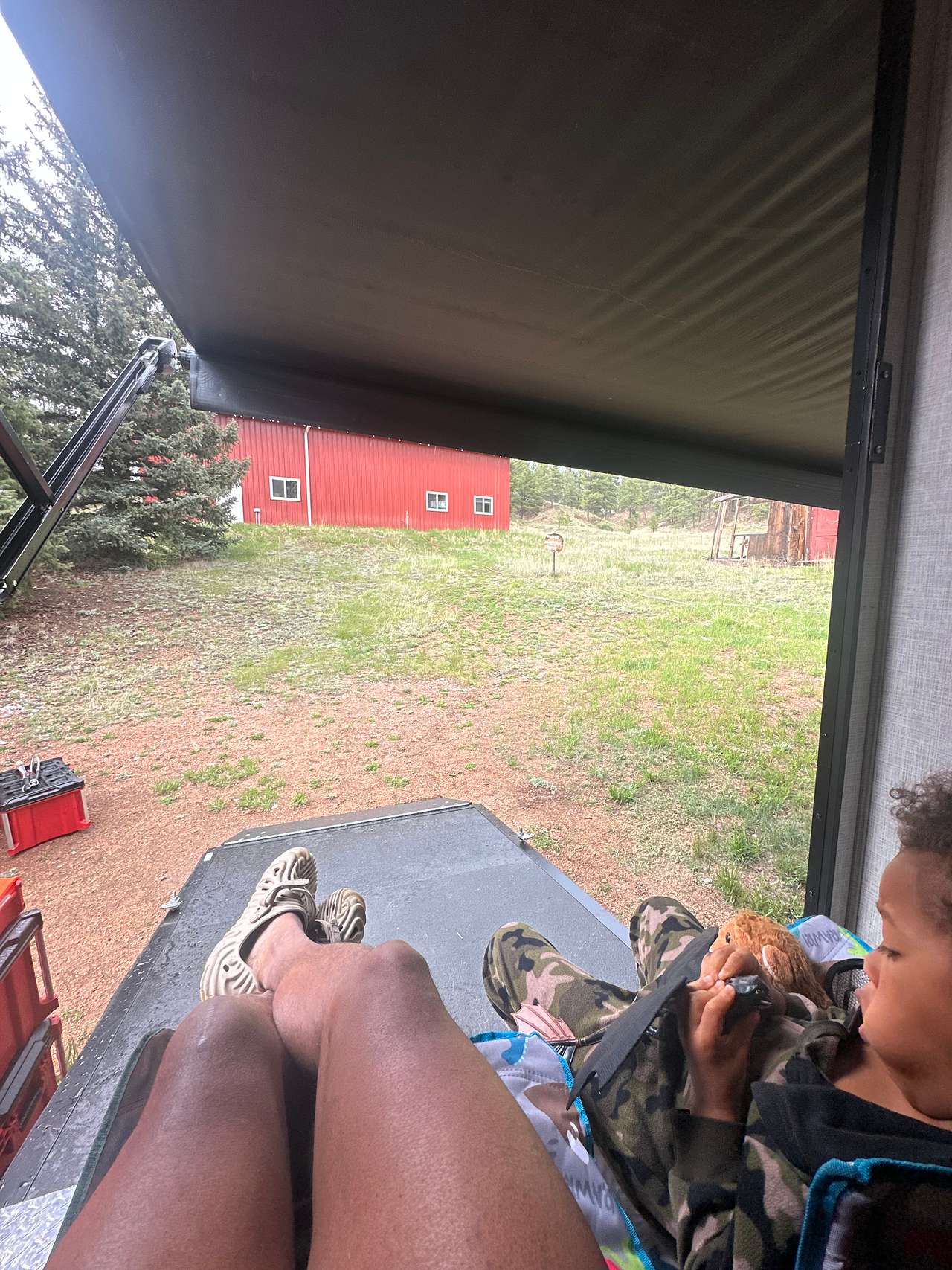
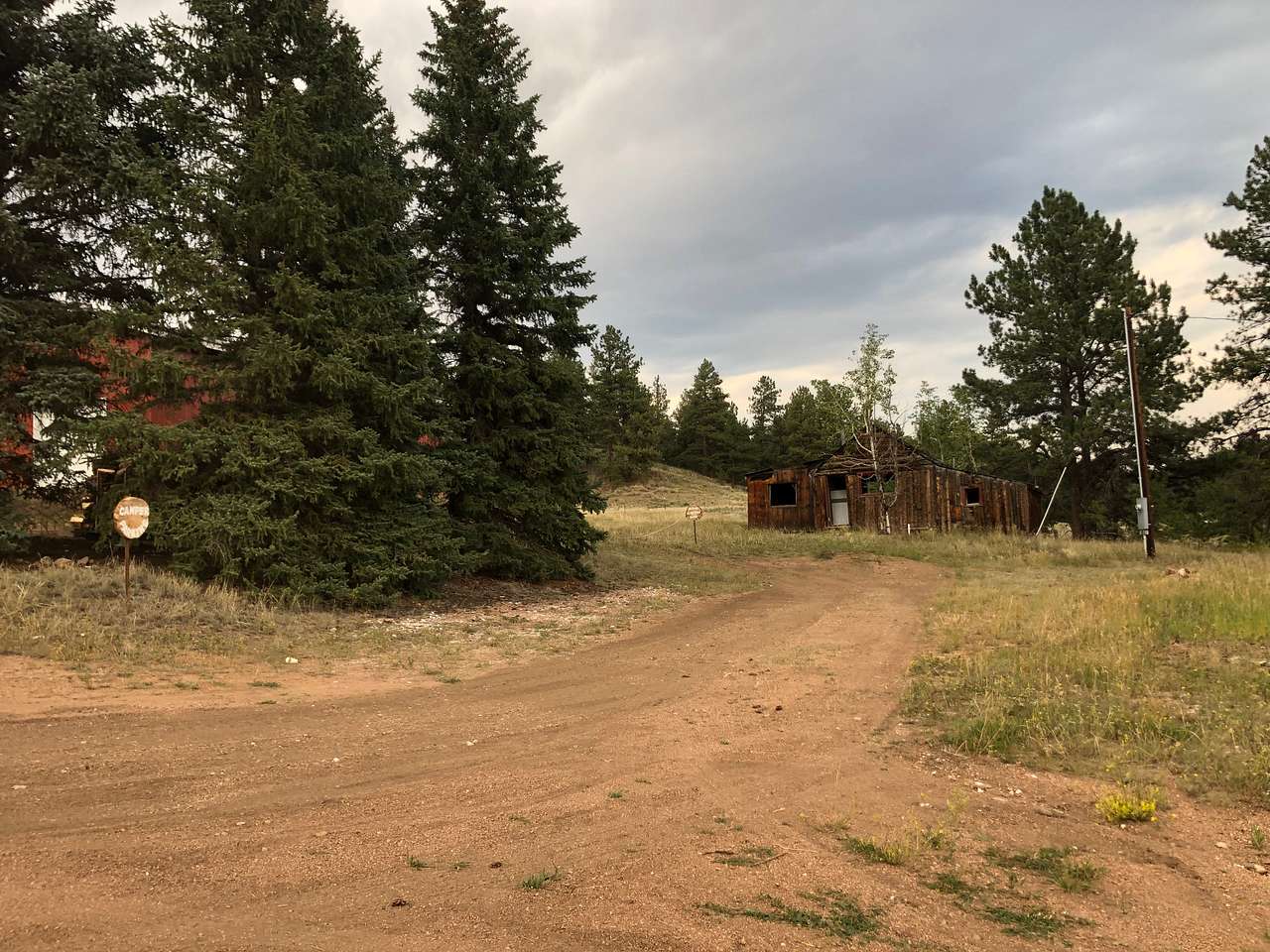
19. Pikes Peak Drive Peaceful Acres
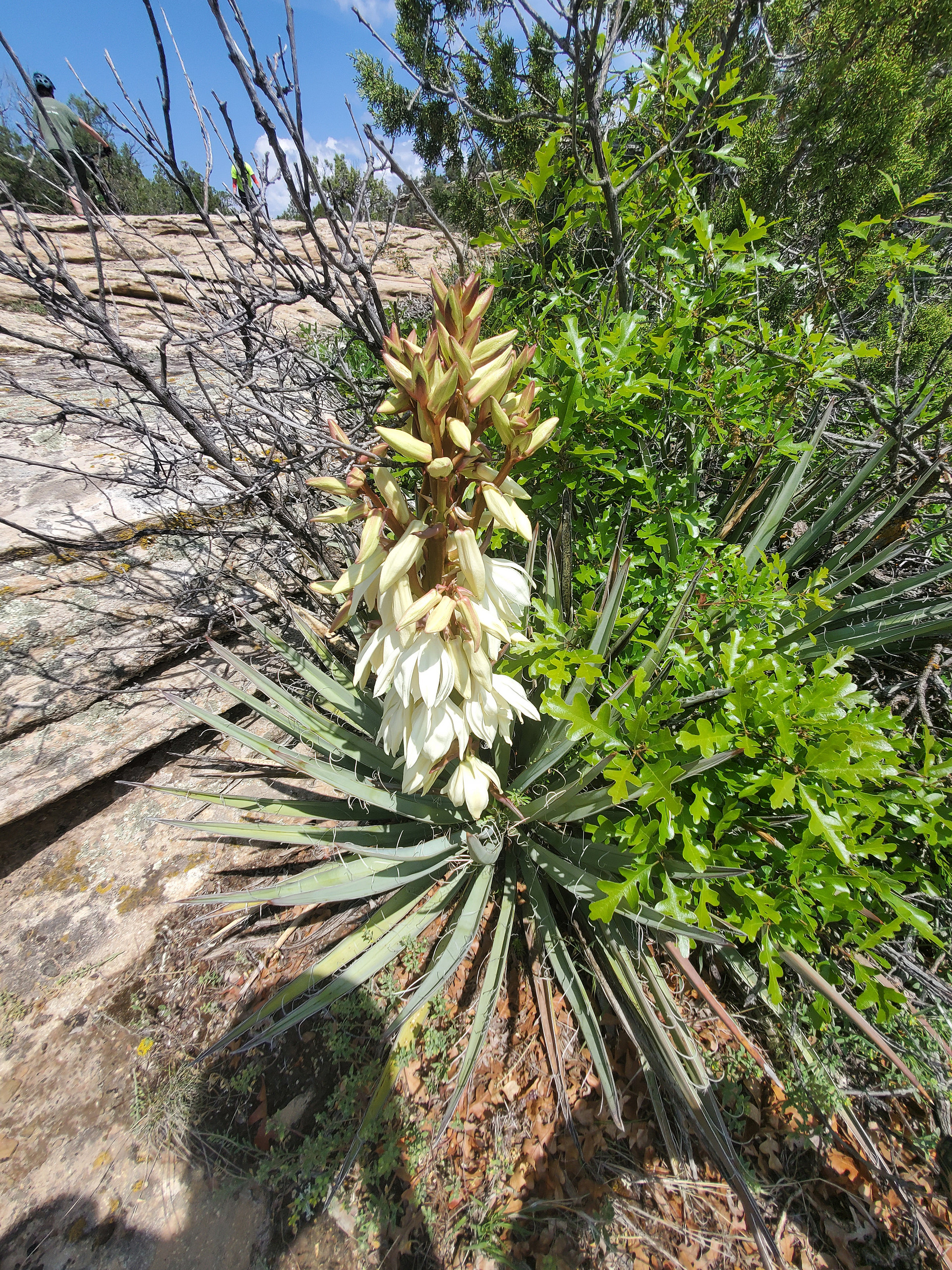


20. Zuma Bike Ranch & Camping in Cortez
Boulder Chicken Ranch
Neverland Camp Wilder
Serenity in the Foothills
Yeti Sanctuary
Sweetwater River Resort
Apollo Ranch
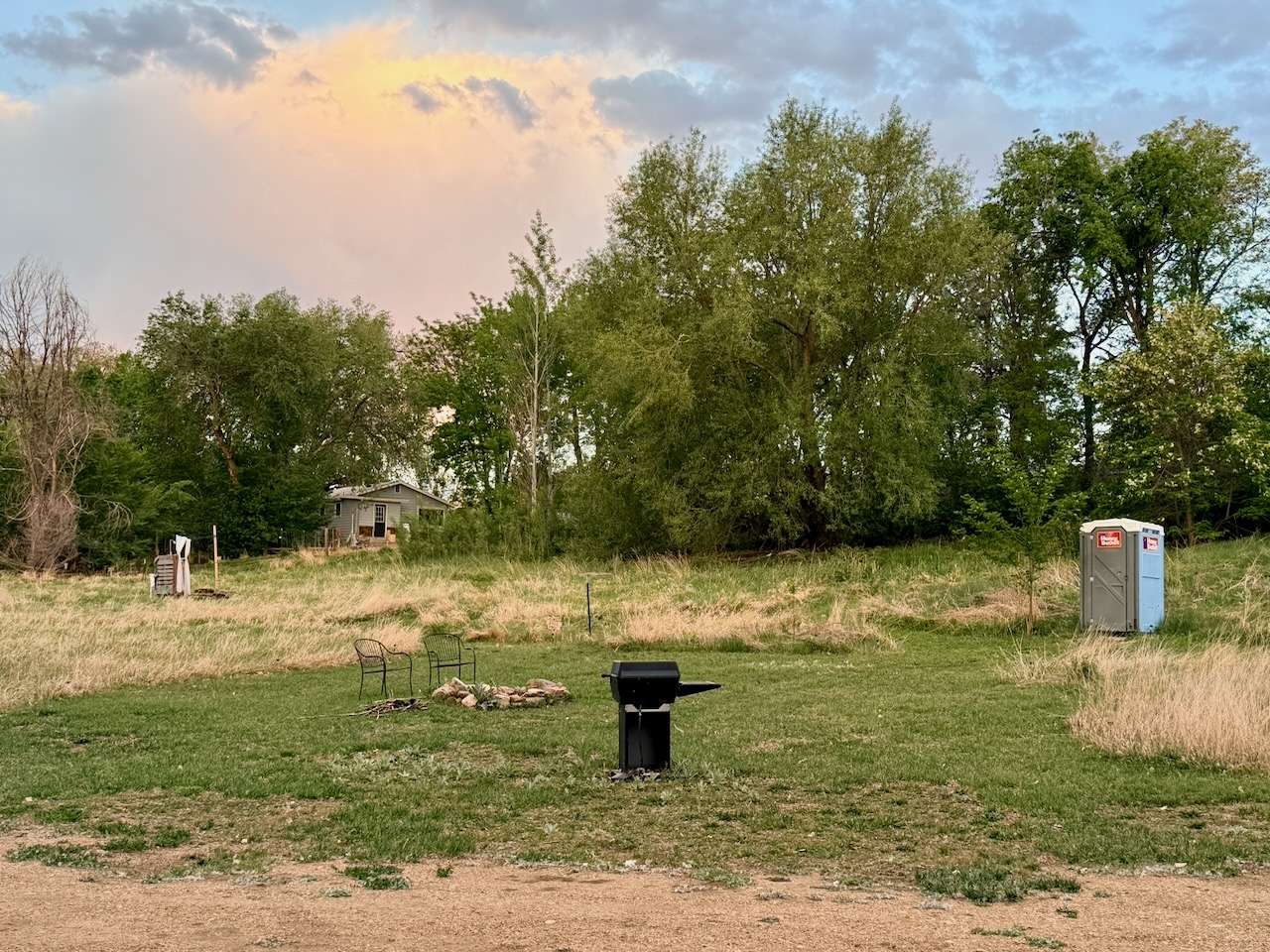
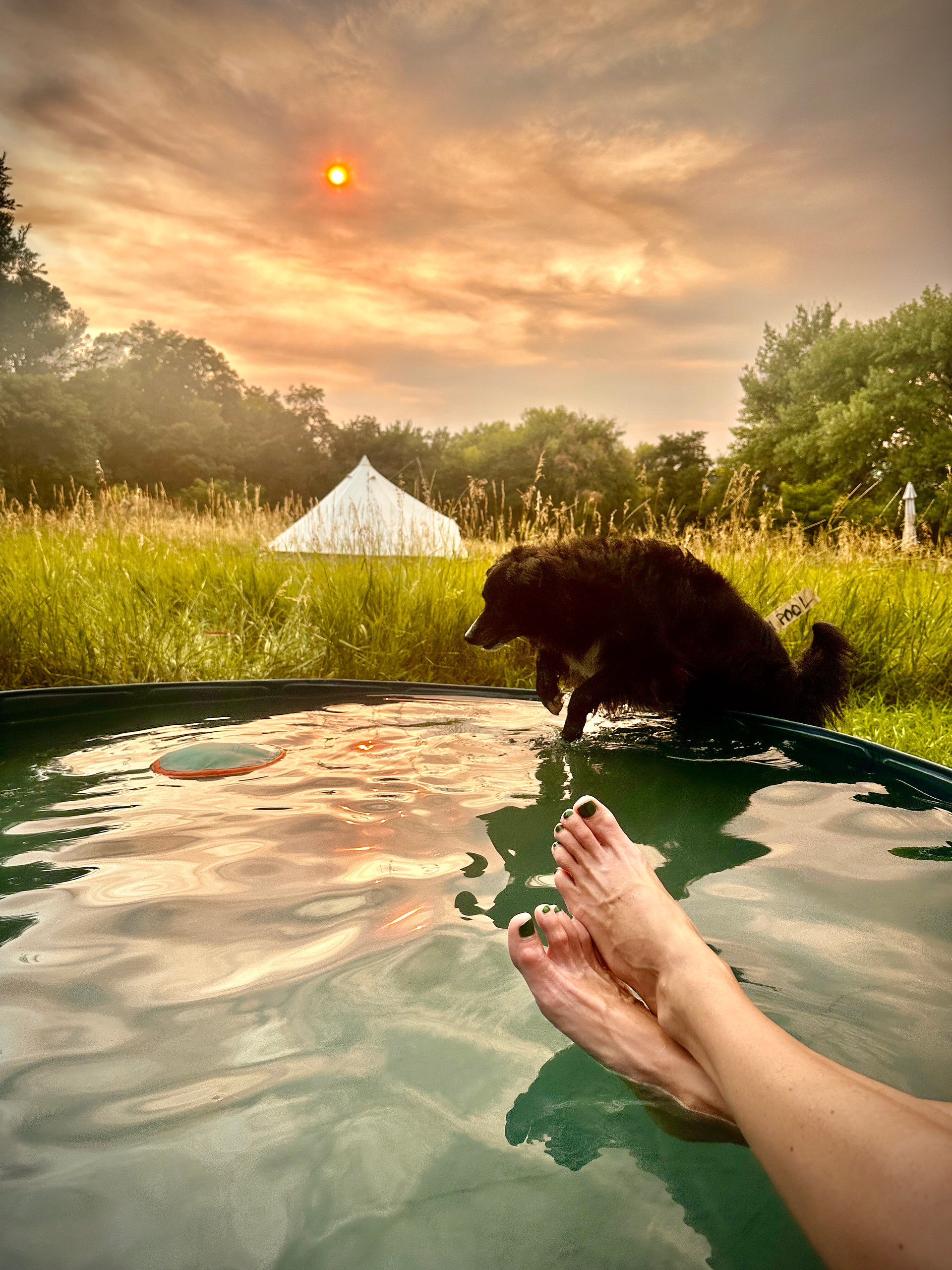
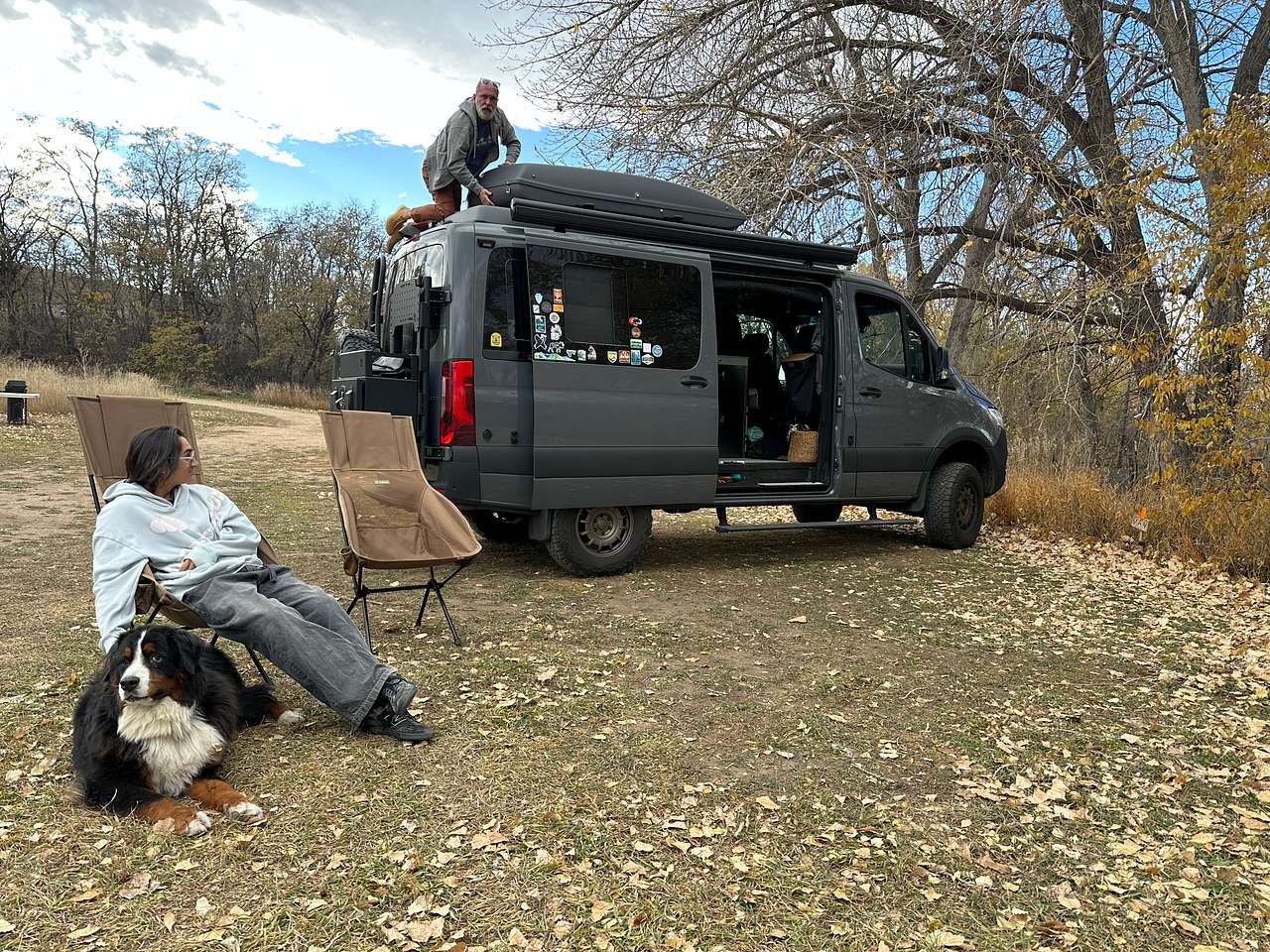
Boulder Chicken Ranch
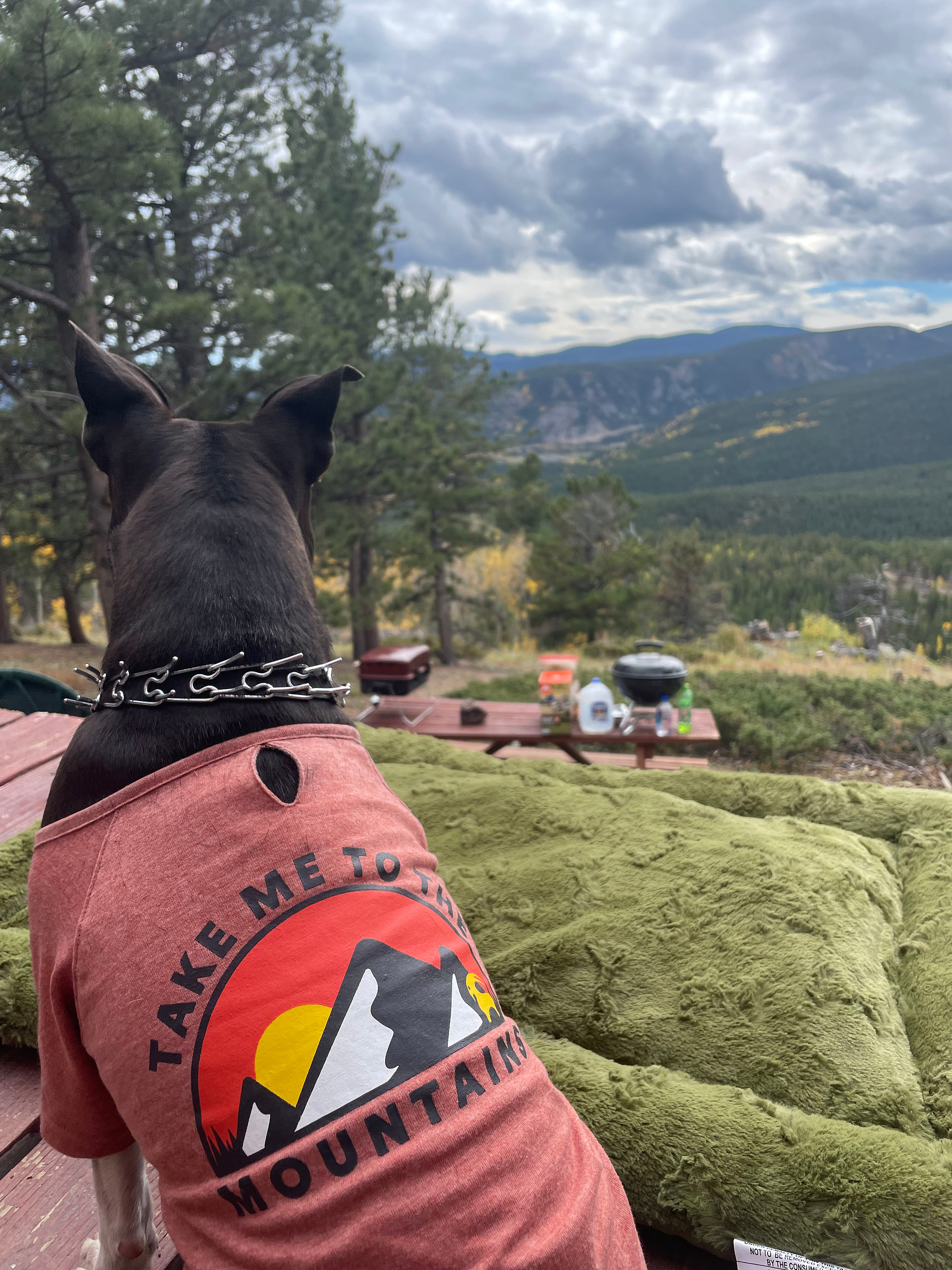
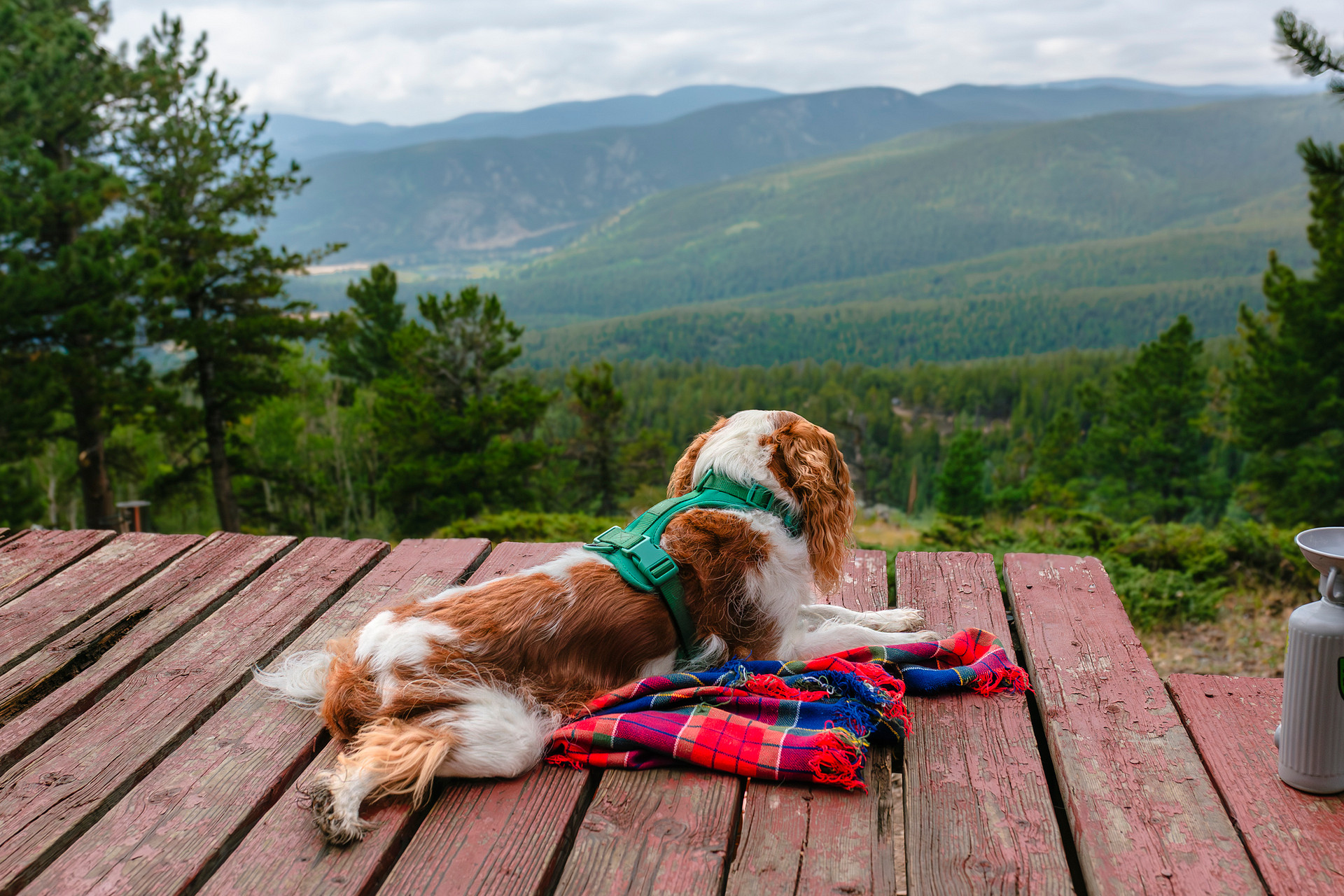
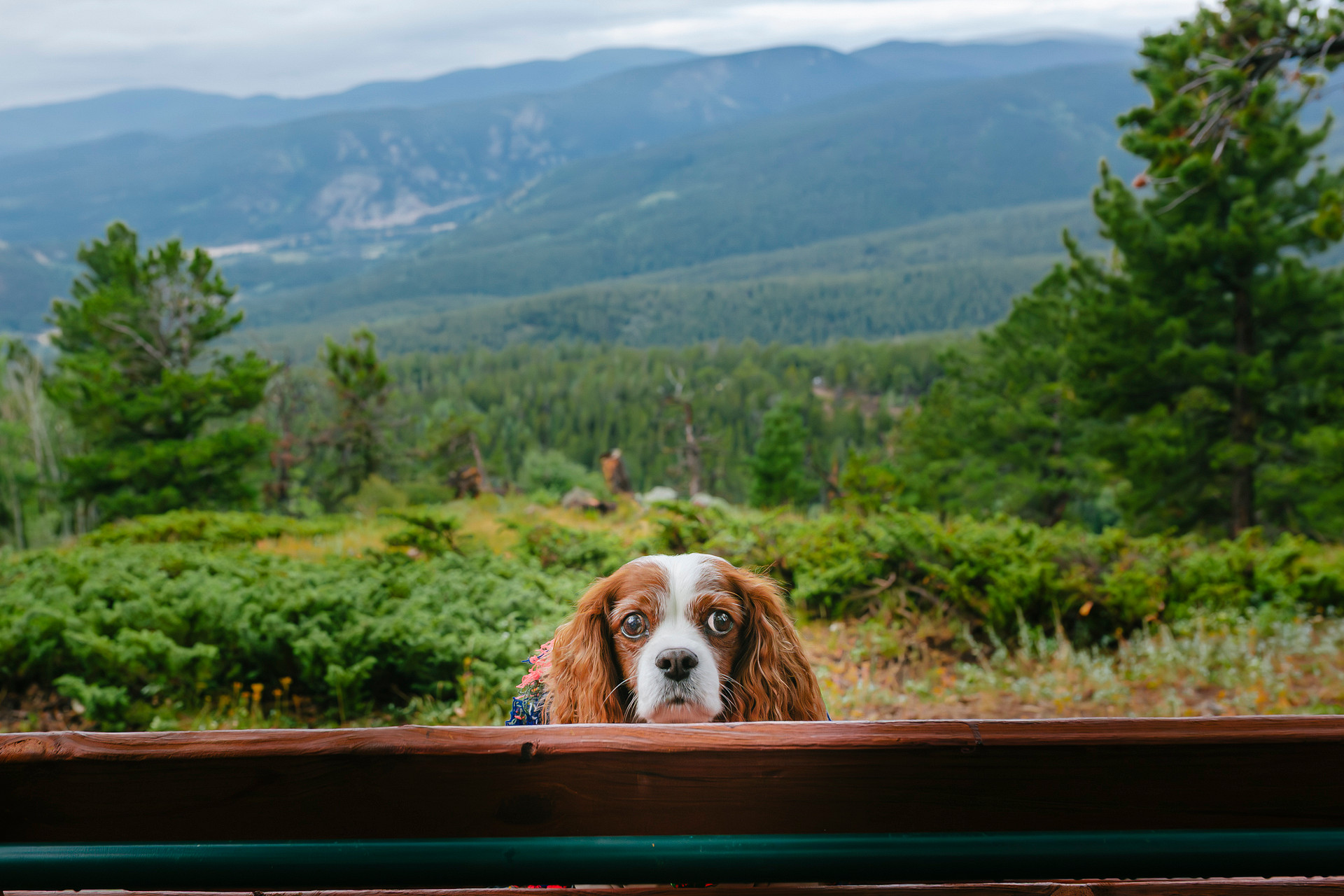
Neverland Camp Wilder
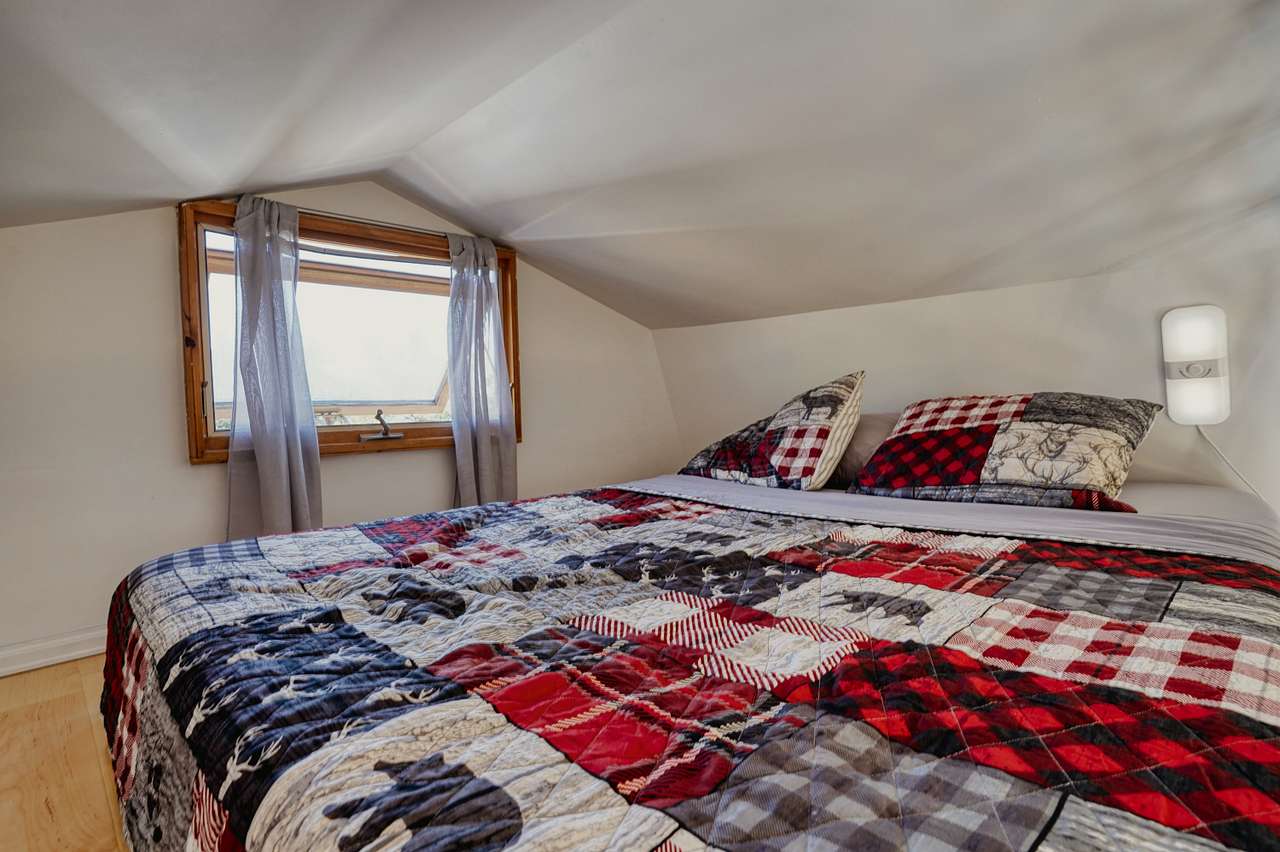
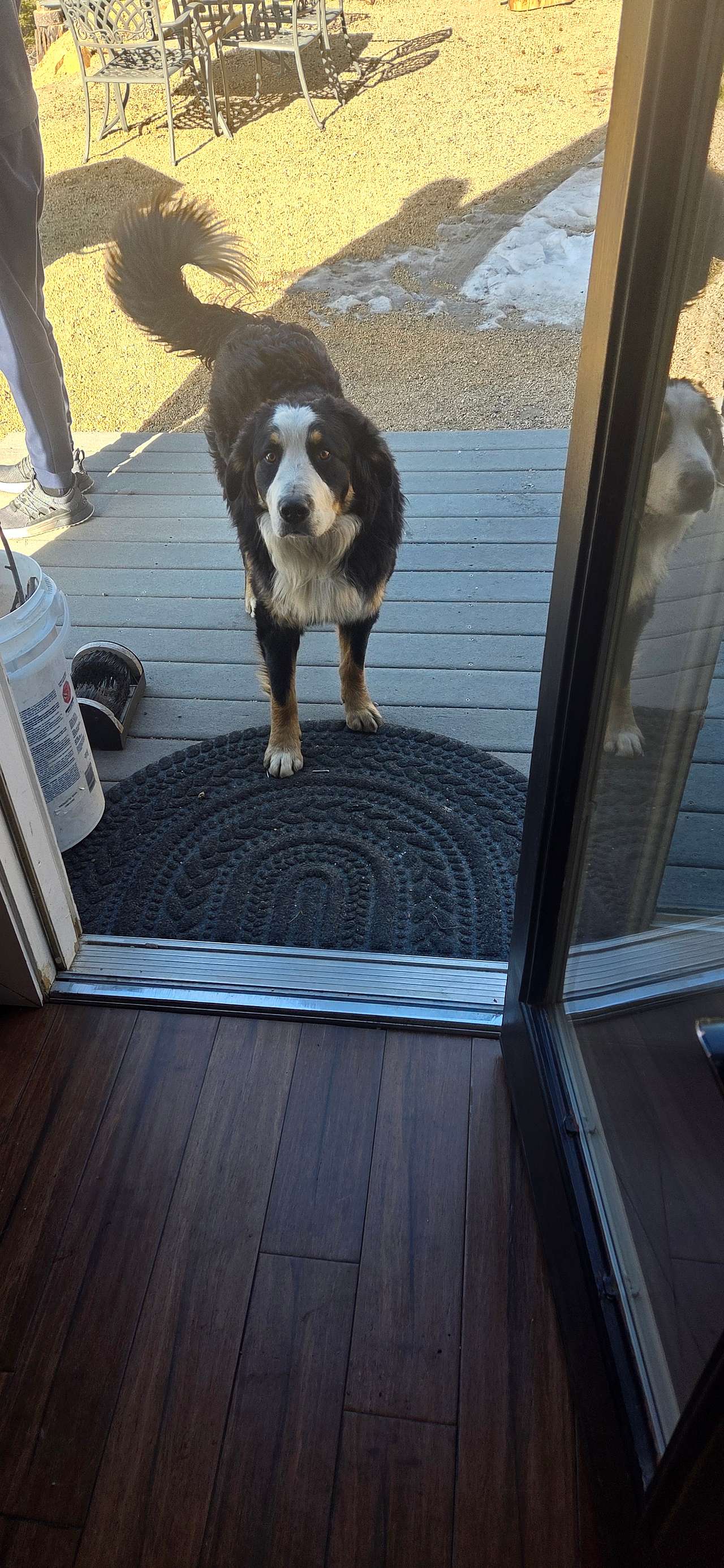
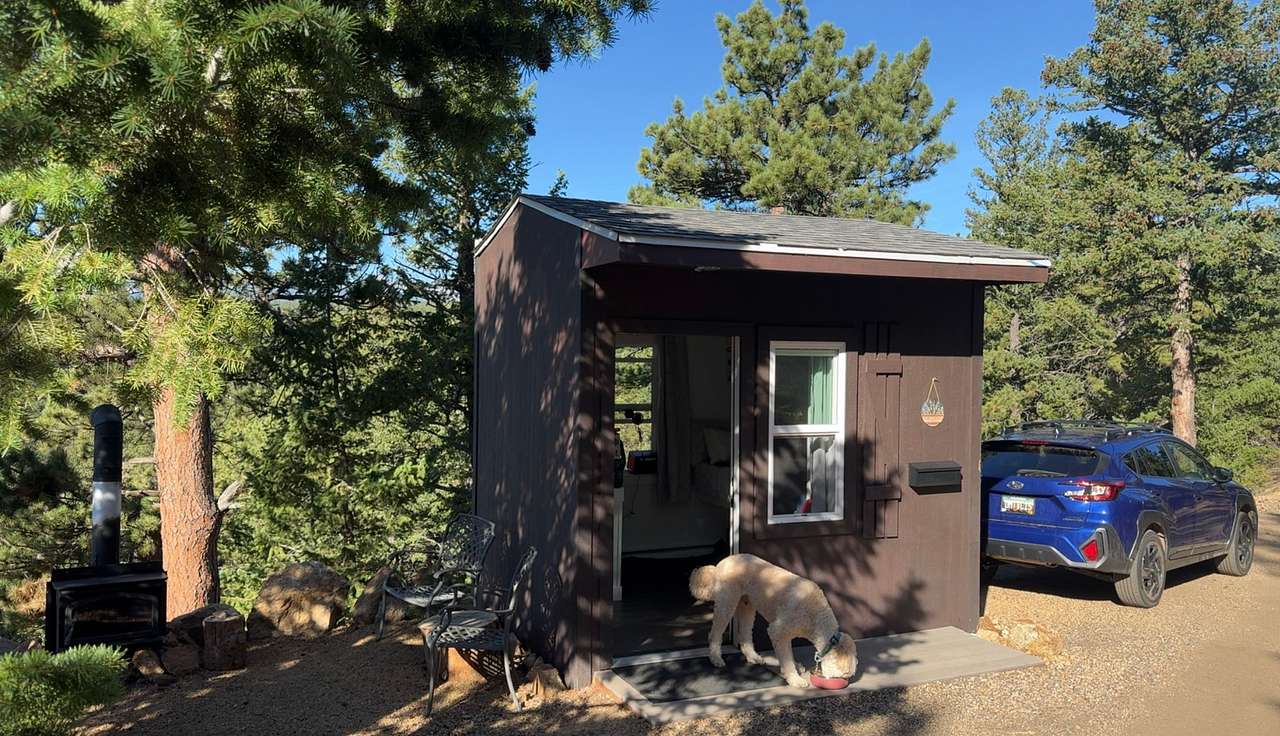
The Bluebear at Y Double-K Ranch
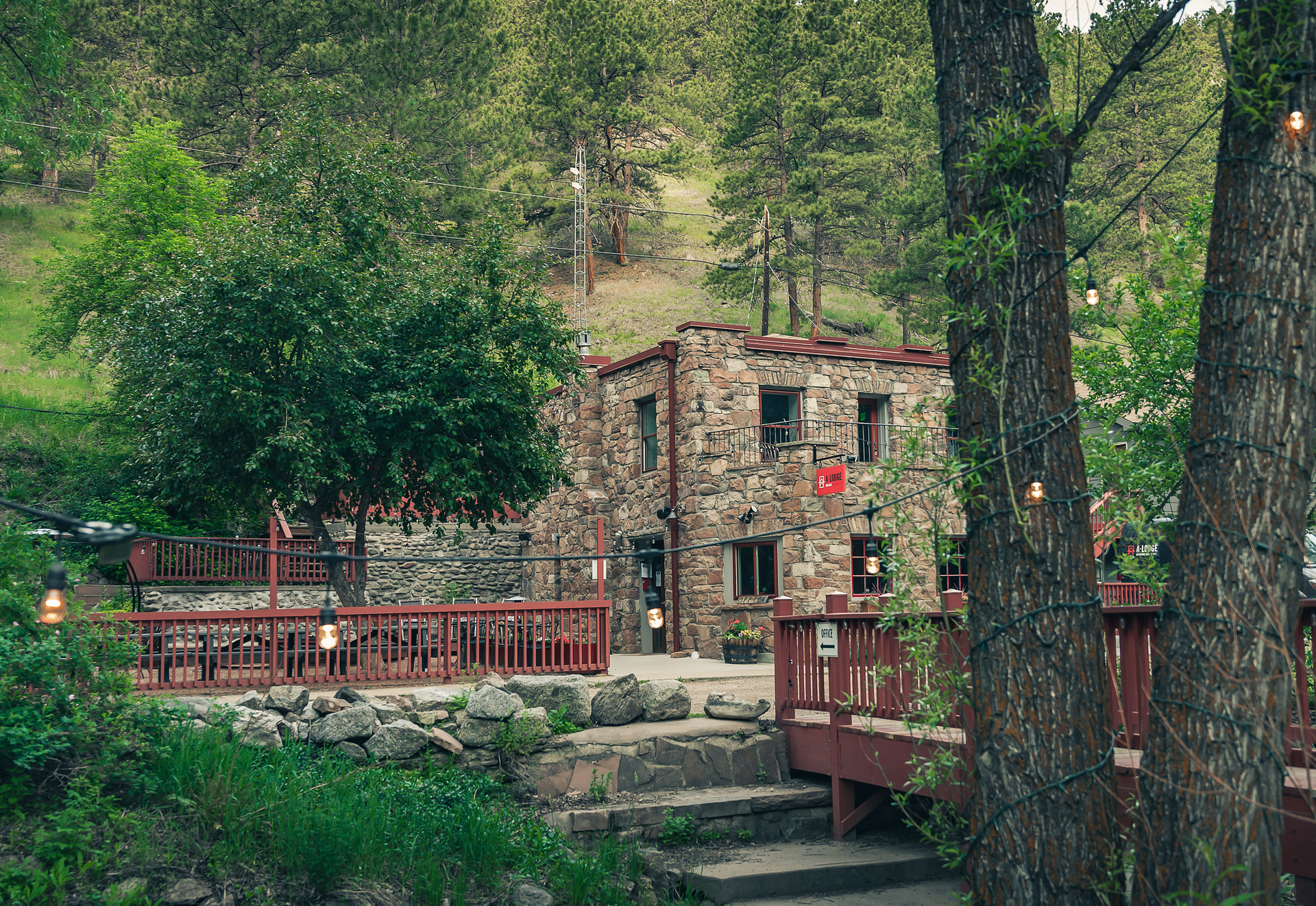
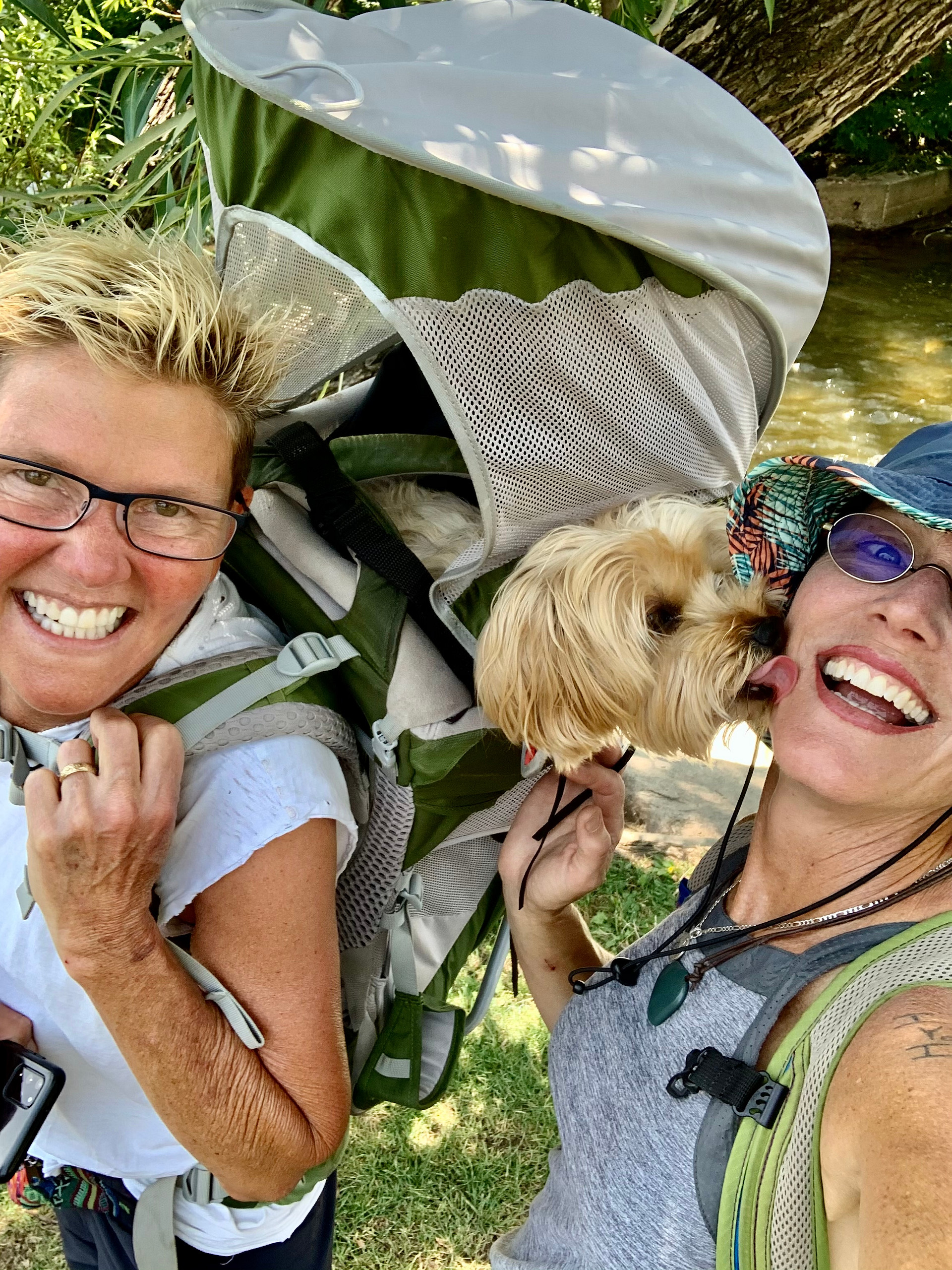
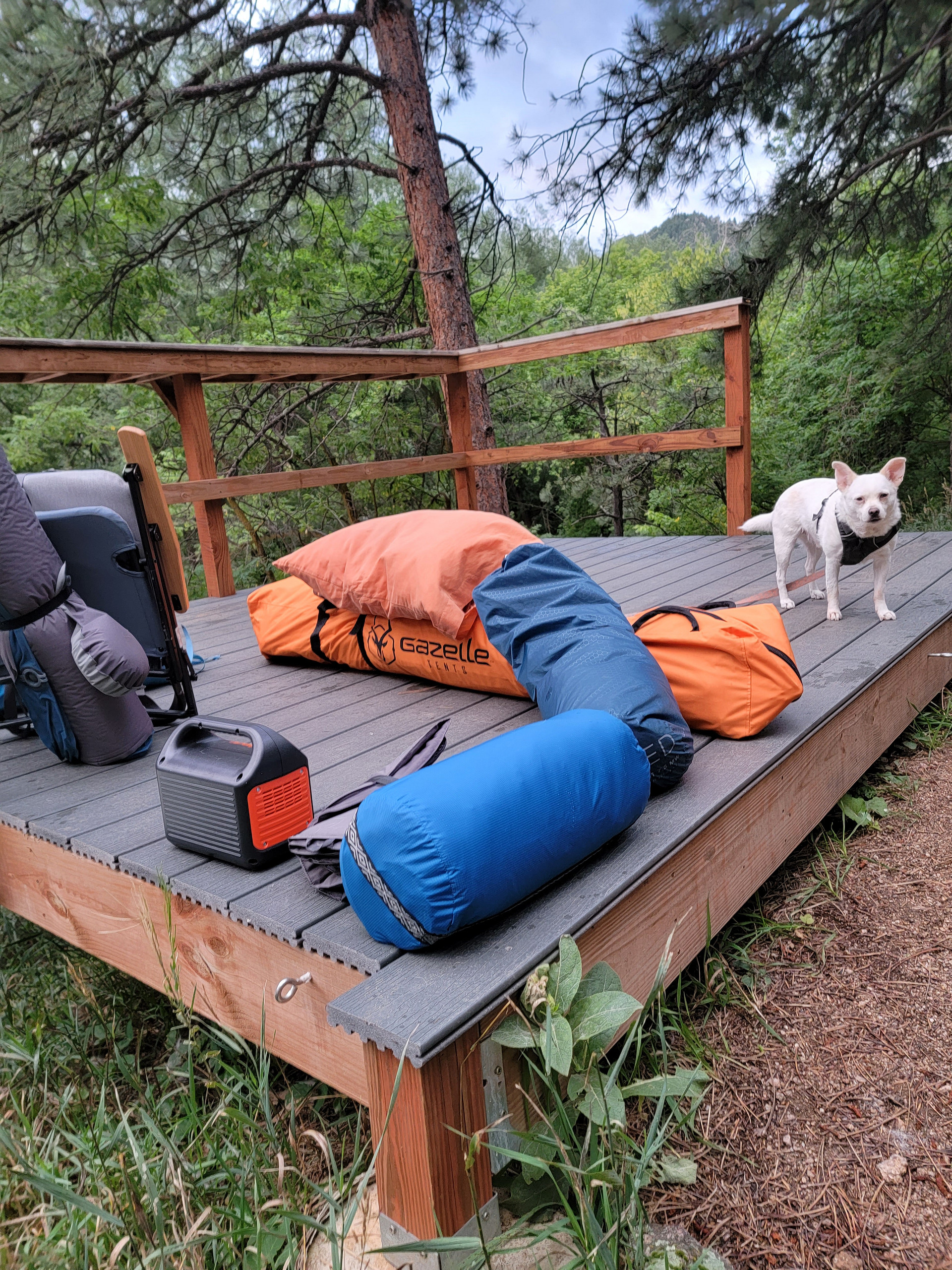
A-Lodge Boulder


Serenity in the Foothills


Idaho Springs RV Campground
Recent reviews from the Hipcamp community


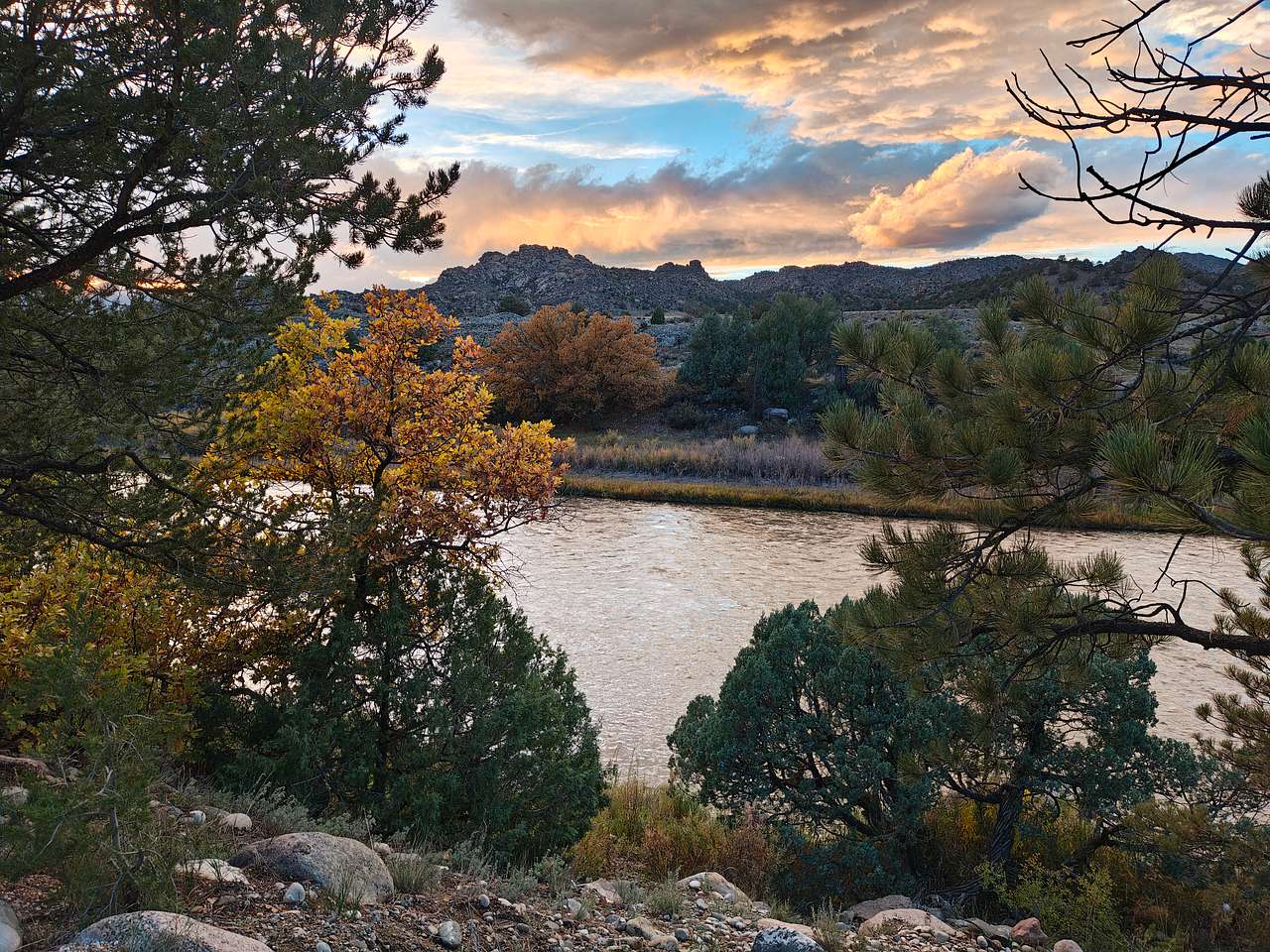


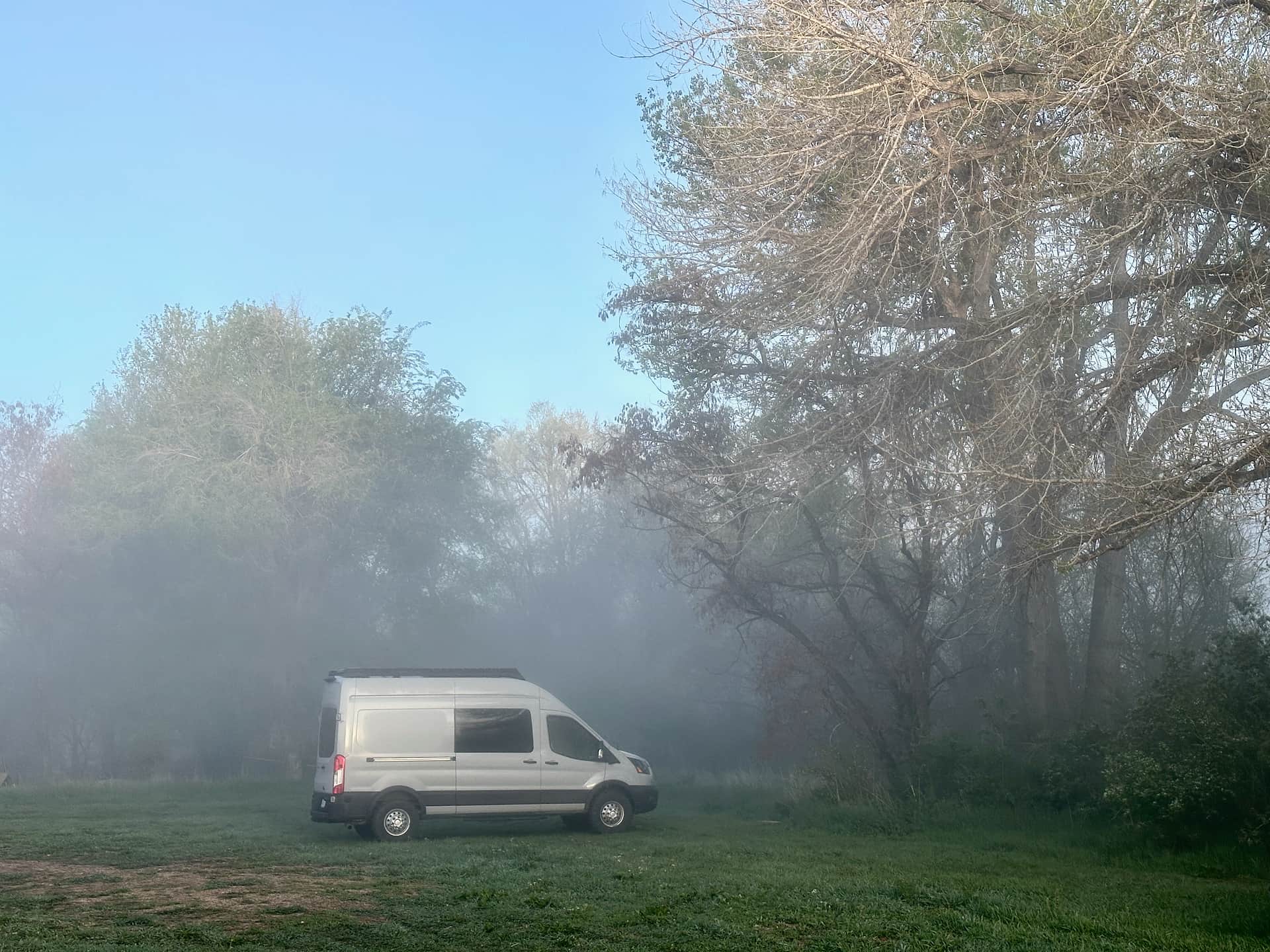

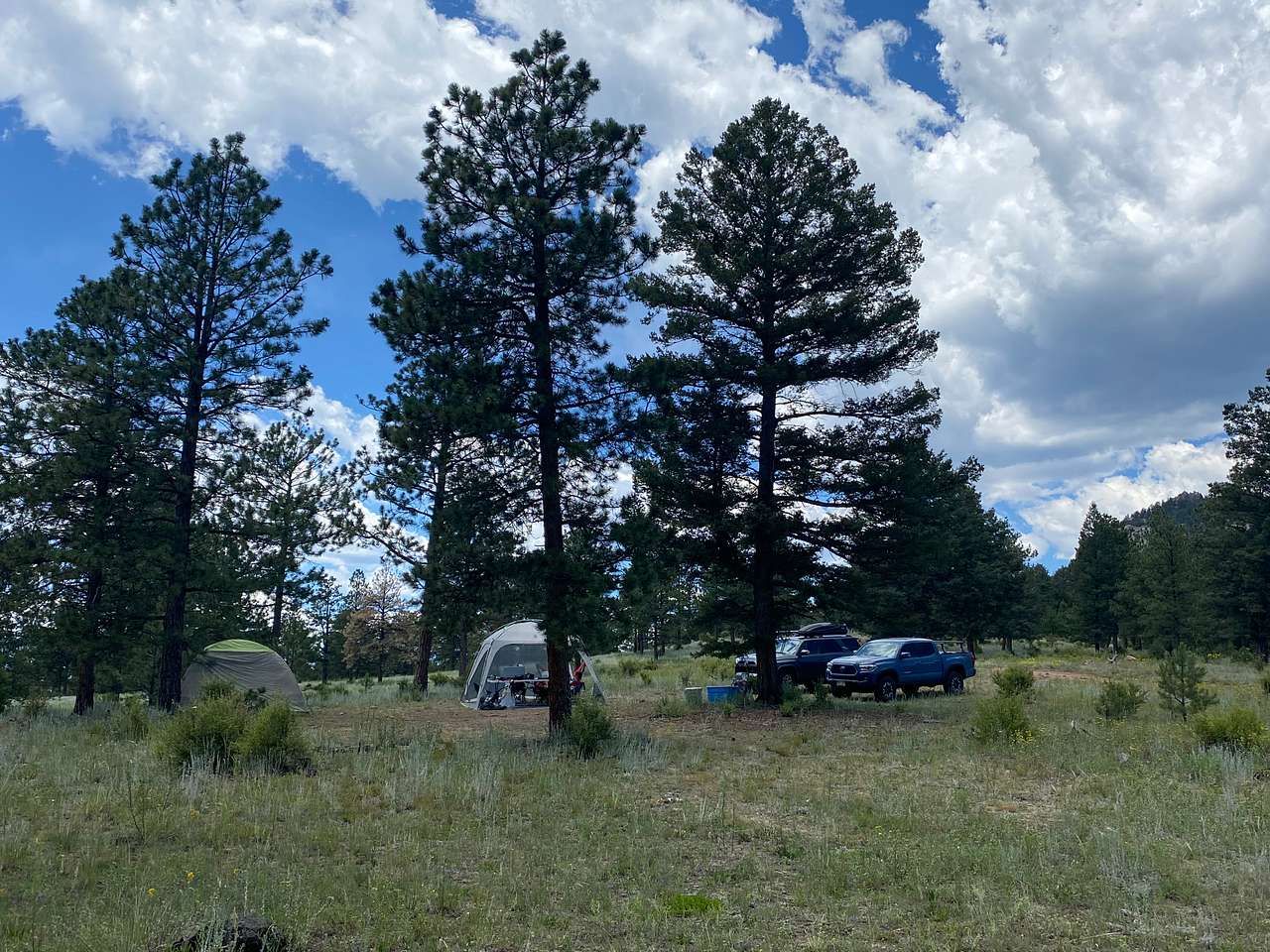
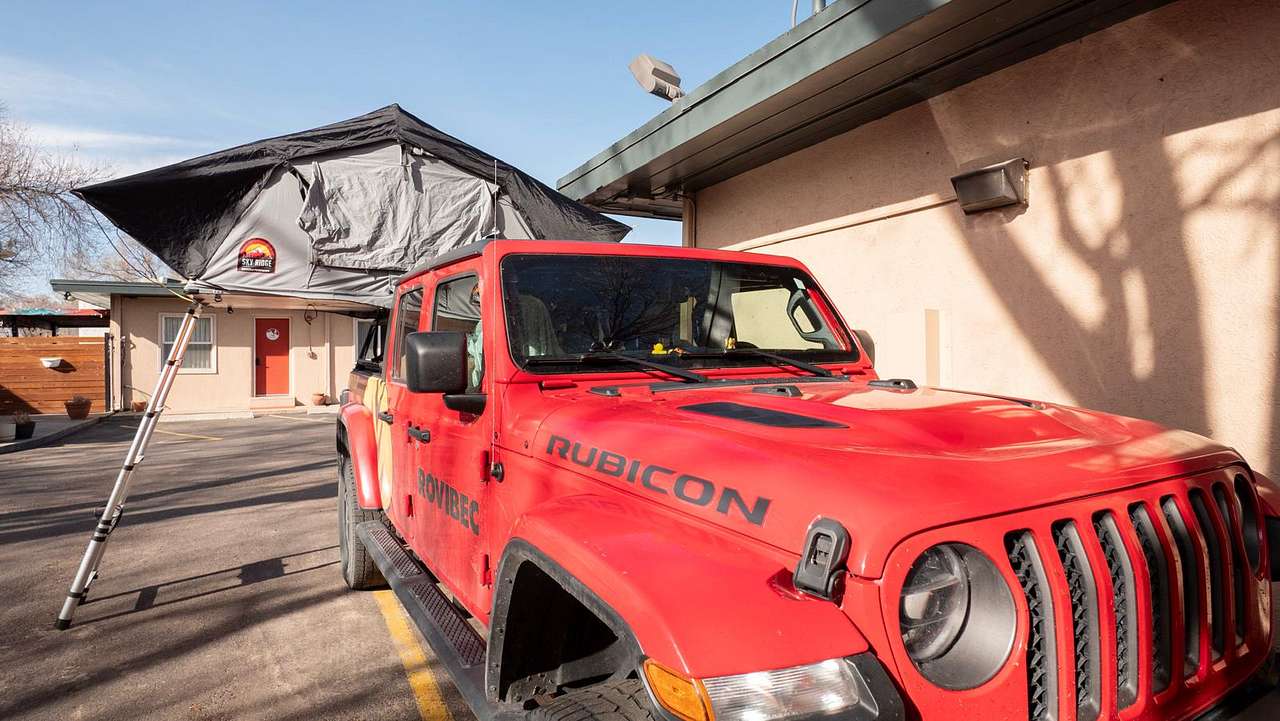
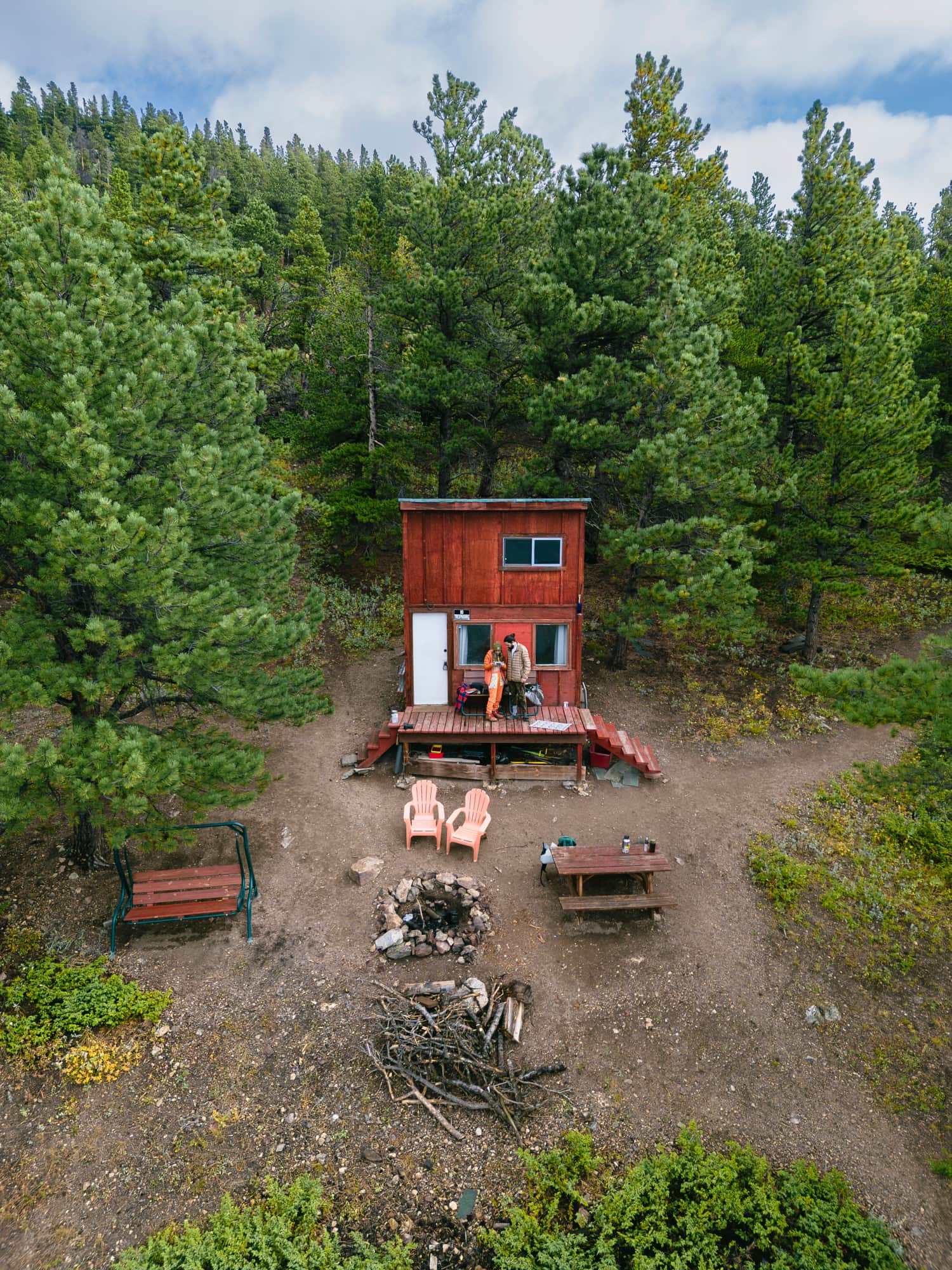
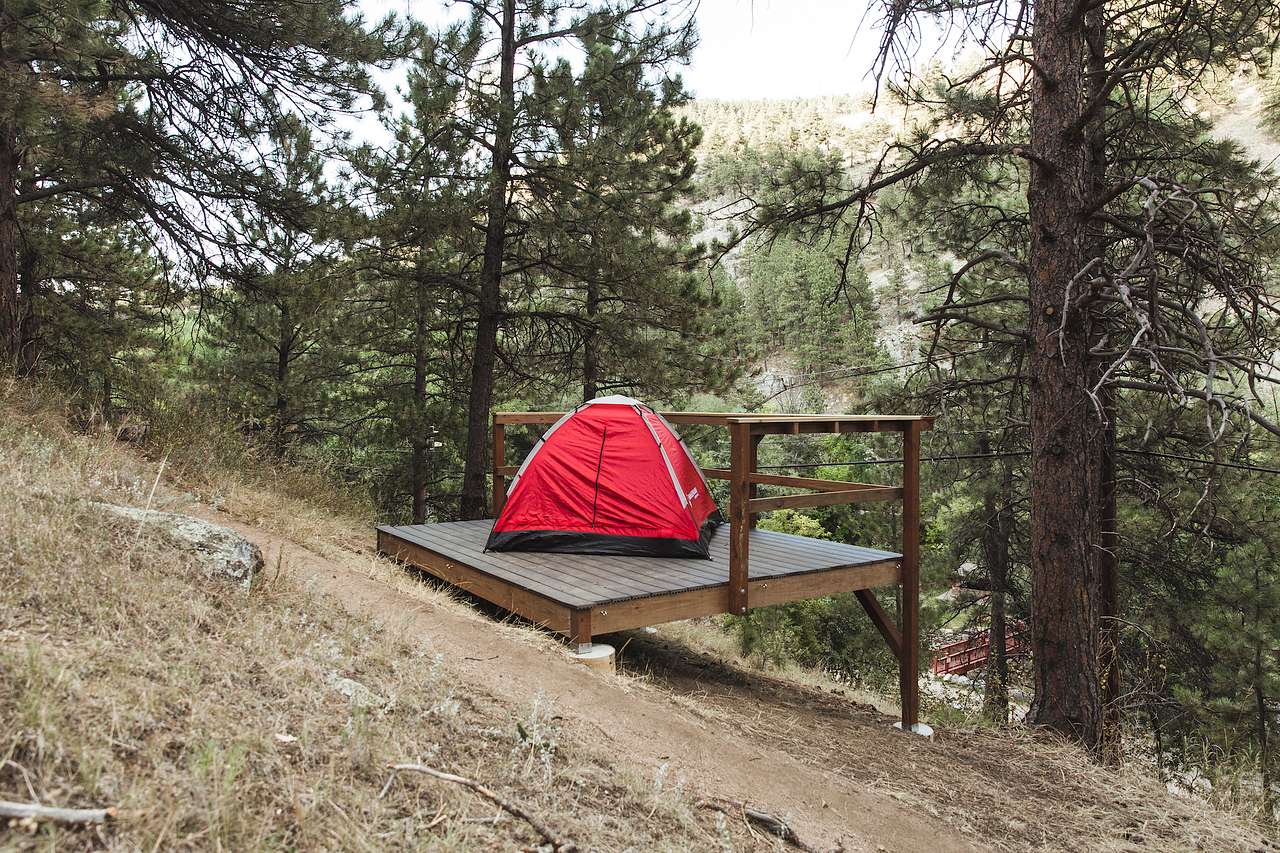

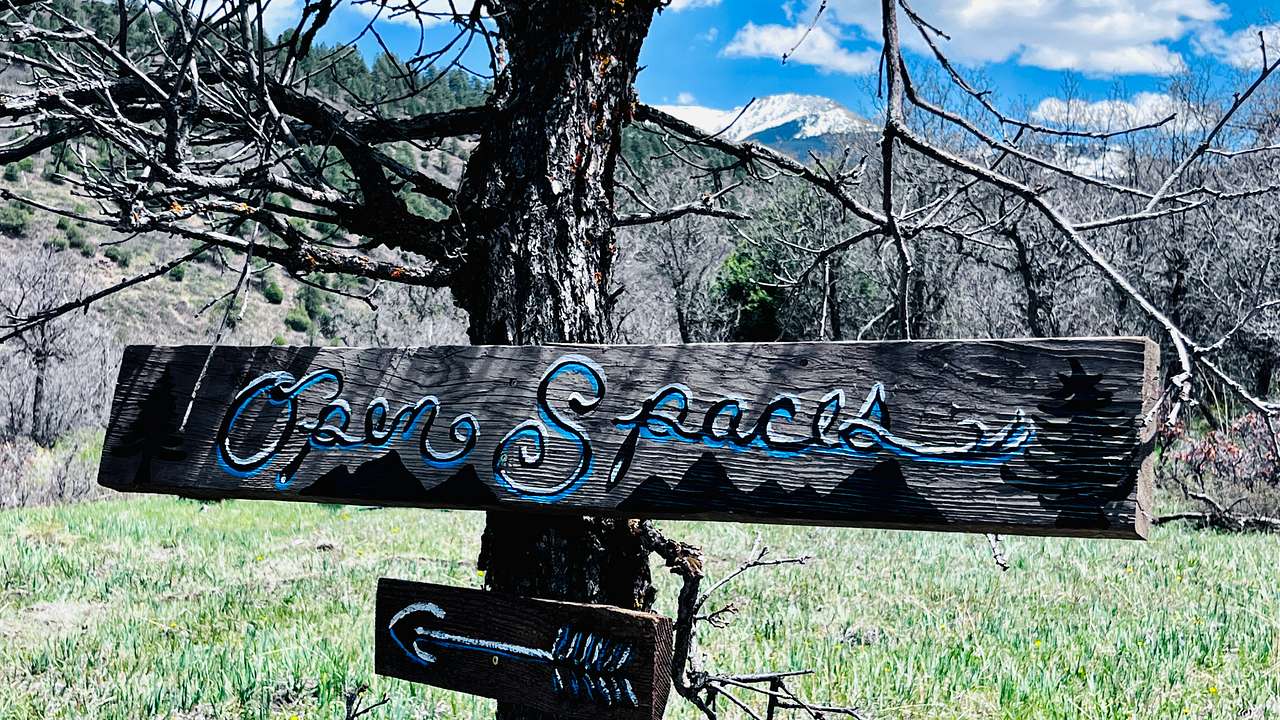
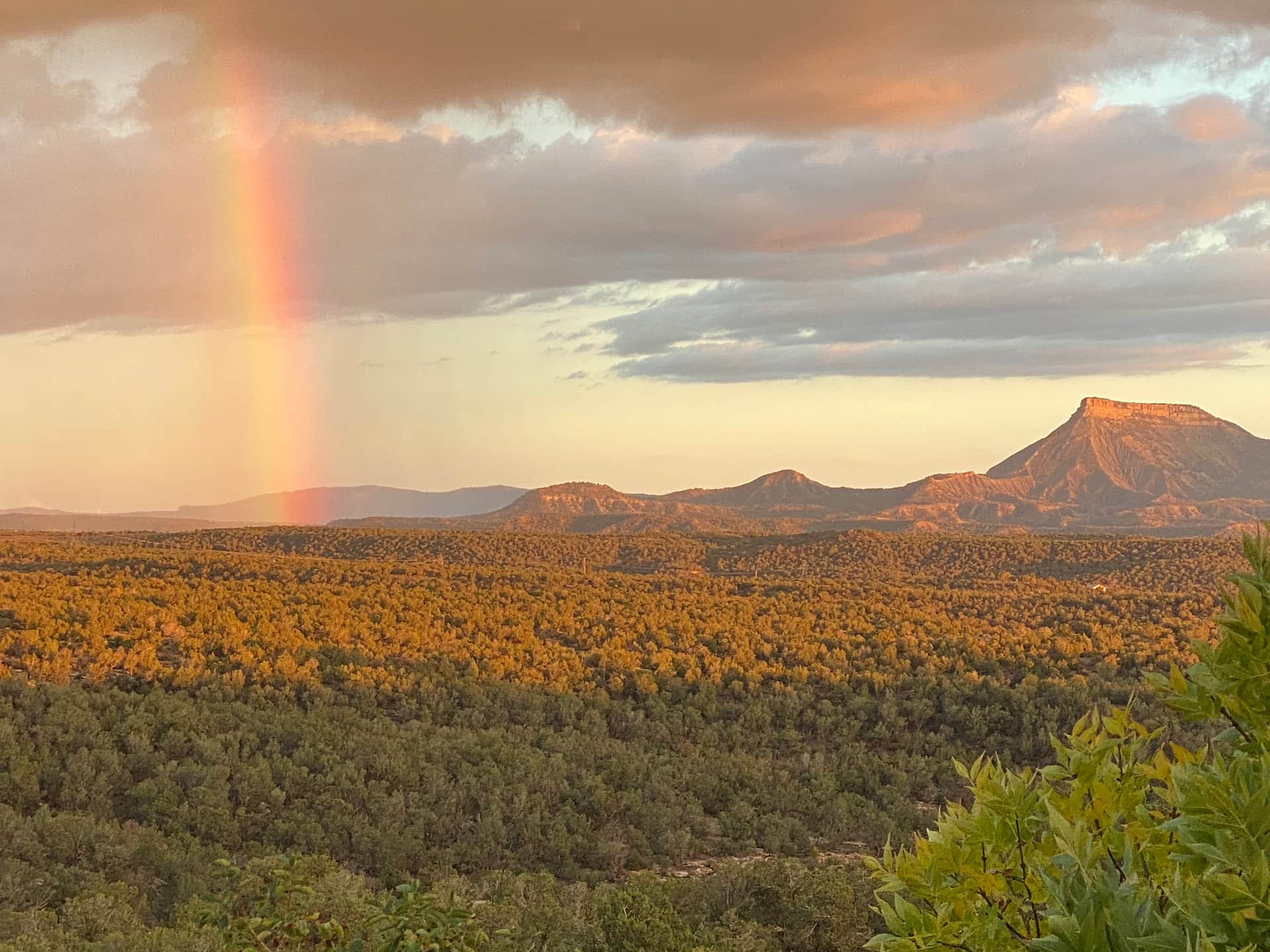
Colorado camping guide
Where to go
Western Colorado
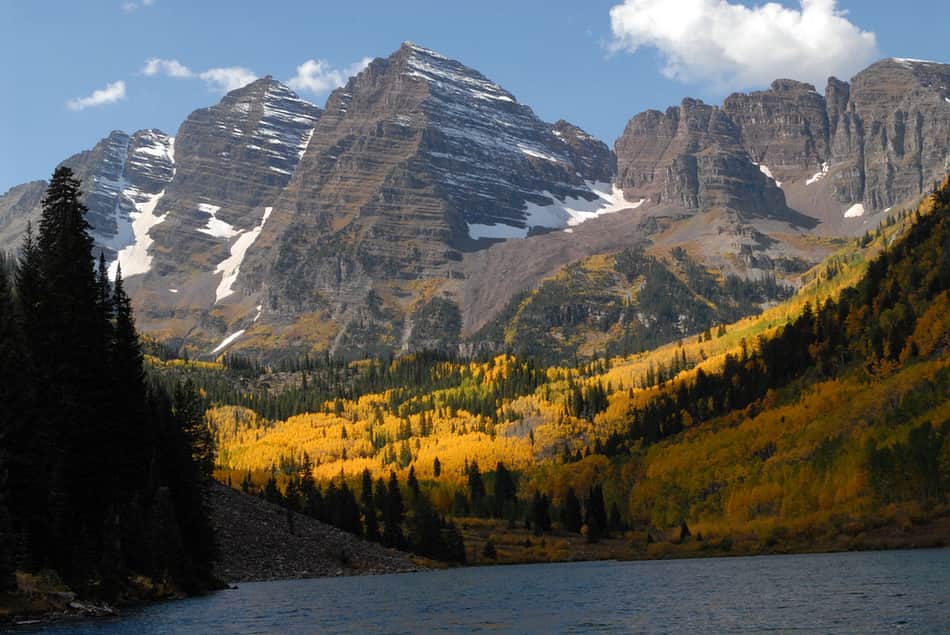
Western Colorado shares quite a bit in common with neighboring Utah to the west, with massive sandstone rock formations—including the Black Canyon of the Gunnison National Park—plus fantastic opportunities for winter and summer recreation alike. Towns worth checking out include Steamboat Springs and Aspen—both popular ski resorts—as well as cute towns such as Montrose and Durango that make excellent bases for exploring the wilds of the San Juan Mountains. If you’re interested in history or archaeology, don’t miss the chance to visit the Puebloan cliff dwellings at Mesa Verde National Park.
Denver and North-Central Colorado
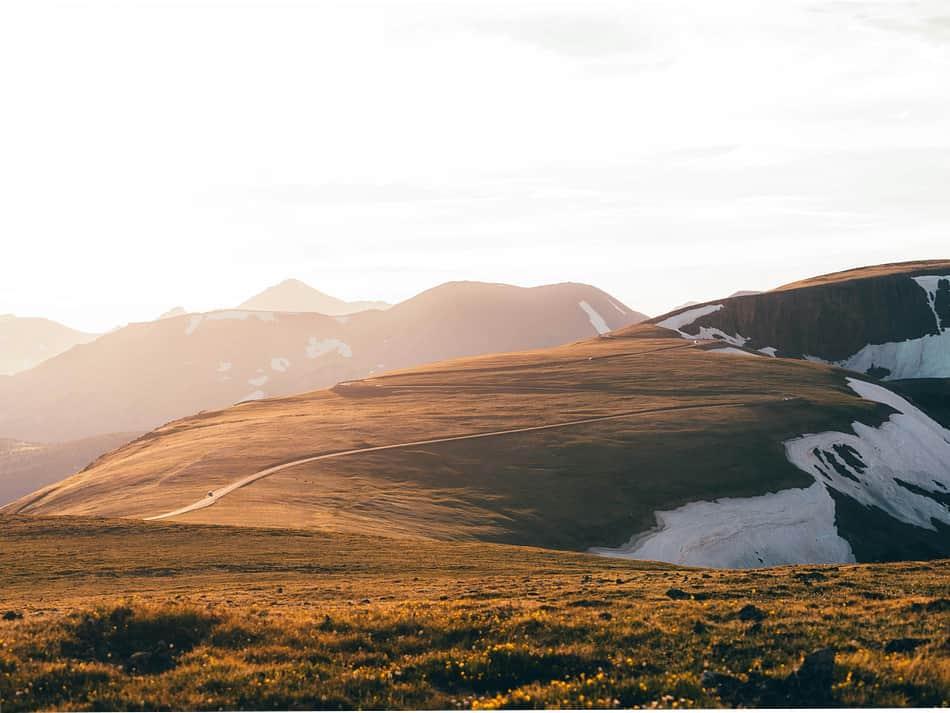
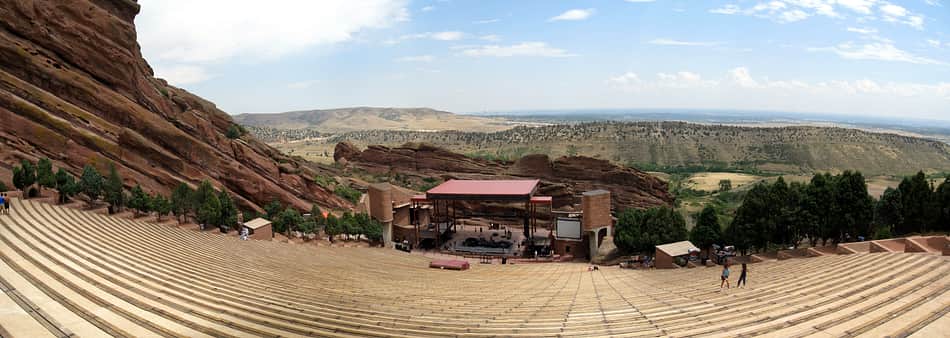
Stretching from Fort Collins near the Wyoming border all the way down just past Denver, this region is largely urban but still offers plenty for campers. You can take in fantastic views of the region from the Estes Park Aerial Tramway or by driving the Trail Ridge Road scenic byway through Rocky Mountain National Park. Or, pack up your tent and head out on a backcountry camping trip in the Arapaho and Roosevelt national forests.
South and South-Central Colorado
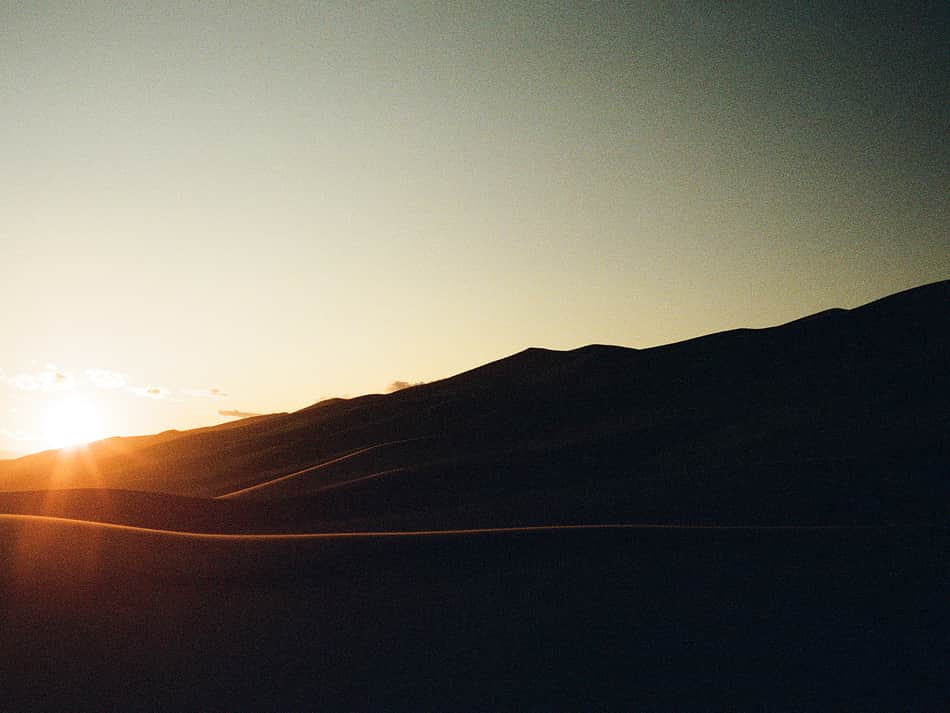
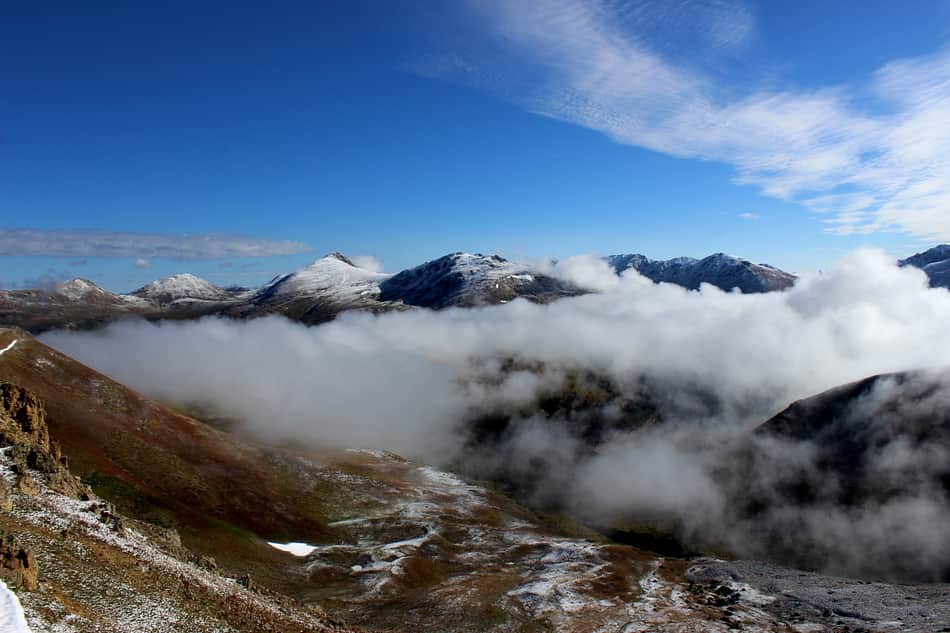
This part of the state offers a mix of wide-open plains and towering massifs, including Pikes Peak near Colorado Springs, a scenic mountaintop that served as the inspiration for the patriotic tune America the Beautiful. Popular area activities include fishing and whitewater rafting on the Rio Grande and sledding down the sands at Great Sand Dunes National Park & Preserve. If you want to soothe tired muscles after a weekend of adventure, head to the hot springs towns of Buena Vista and Salida—both just outside the Pike and San Isabel national forests.
Eastern Colorado
Quiet Eastern Colorado features a mix of grasslands and canyons, with massive expanses of grazing lands and farms that give way to charming small towns. You can learn about life in the 19th century at the Old Fort National Historic Site and the Boggsville Historic Site, or head down to the John Martin Reservoir, a great place for birdwatching and boating.
Top camping destinations around Colorado
Frequently Asked Questions
Yes, there are numerous boondocking opportunities in Colorado, which involve camping on public lands like national forests and Bureau of Land Management (BLM) areas without any hookups or amenities. Some popular boondocking locations in Colorado include areas near Pike National Forest, San Isabel National Forest, and Arapaho National Forest. Additionally, you can find several private boondocking sites on Hipcamp. Remember to practice Leave No Trace principles and adhere to local regulations when boondocking to help preserve these beautiful natural areas.
Whether you need a permit to camp in Colorado depends on where you plan to camp. For most developed campgrounds and public lands, such as state and national parks, you will need to reserve a campsite and pay the associated fees. Some areas may also require a backcountry permit for dispersed camping or backpacking. For example, if you plan to camp in Rocky Mountain National Park, you will need a permit for backcountry camping, which can be obtained through the park's Backcountry Camping page. However, if you're camping on private land, such as those found on Hipcamp, you will need to follow the specific reservation and fee requirements set by the landowner. Always check the specific regulations and requirements for the area where you plan to camp to ensure you have the necessary permits and follow all rules.
Colorado has cabins spread throughout various parts of the state, offering a wide range of options for your stay. Some popular areas with cabin accommodations include:
- State Forest State Park
- General Colorado Cabins
- Colorado Springs
- Routt County
- San Luis Valley
These areas offer a diverse range of cabin experiences, from rustic and remote to more luxurious and modern. You can find cabins in state parks, national forests, and privately owned properties, ensuring that you'll find the perfect Colorado cabin for your needs.
It is not legal to camp everywhere in Colorado. Dispersed camping is allowed on certain public lands, including designated campgrounds, national forests, state parks, and Bureau of Land Management (BLM) lands, but you must follow specific rules and regulations. Additionally, some private lands offer camping opportunities. It's important to research the area you plan to camp in and ensure that you are following all local laws and guidelines. For a list of campsites in Colorado, visit Hipcamp's Colorado camping page.
Camping costs in Colorado can vary widely depending on the location, amenities, and type of campsite. Prices can range from free for dispersed camping in some national forests and Bureau of Land Management (BLM) areas to over $100 per night for RV parks and private campgrounds with full amenities. On average, you can expect to pay around $20 to $40 per night for a basic tent or RV campsite in a public campground. To explore a variety of camping options in Colorado, visit Hipcamp's Colorado camping page.
The best time of year to camp in Colorado is from late spring to early fall, specifically between June and September. During these months, the weather is generally warm and dry, with daytime temperatures ranging from 70°F to 80°F in most areas. This is an ideal time for outdoor activities such as hiking, mountain biking, and fishing. Additionally, wildflowers are in bloom during the summer months, adding to the beauty of the landscape. However, keep in mind that high-altitude locations may still experience snow and colder temperatures, so it's essential to check the specific area you plan to visit. Here are some popular camping locations in Colorado:
You cannot camp anywhere in the mountains in Colorado, but there are many designated areas for camping, including national forests, state parks, and private campgrounds. Dispersed camping is allowed in certain areas of national forests and on Bureau of Land Management (BLM) land, but you must follow specific regulations and guidelines. It's important to research and plan ahead to find suitable camping locations and ensure you are camping legally and responsibly.
Many states in New England, including Vermont, New Hampshire, and Massachusetts, are known for their exceptionally beautiful fall colors. Colorado is also considered one of the best states for stunning fall foliage.