The best camping in Crater Lake National Park, OR
Discover the most magical spots to pitch your tent or park your rig on your next Crater Lake National Park adventure.
Top-rated campgrounds in Crater Lake National Park
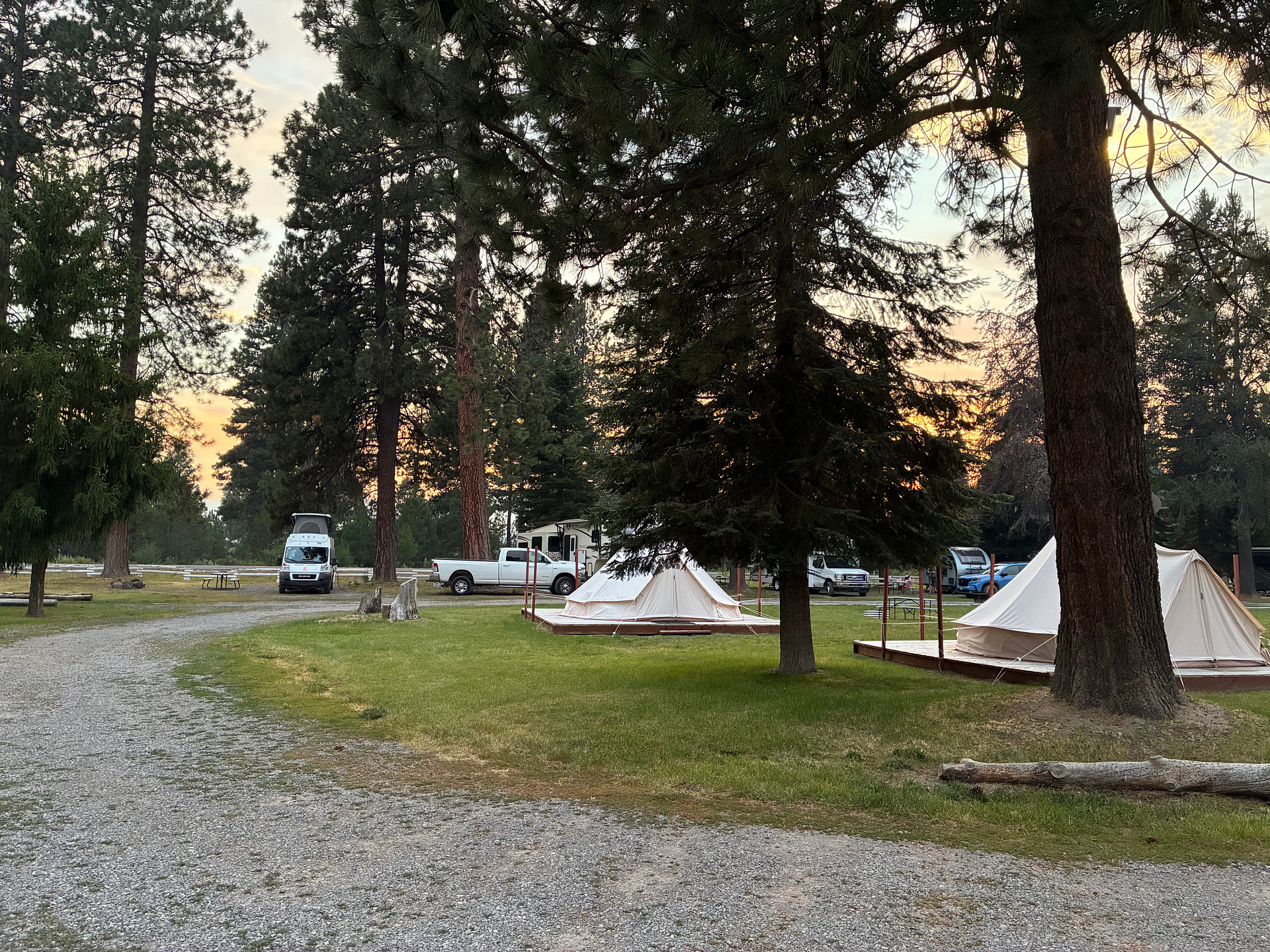
1. Lost Creek Campground
2. Mazama Village Campground
Top-rated campsites near Crater Lake National Park
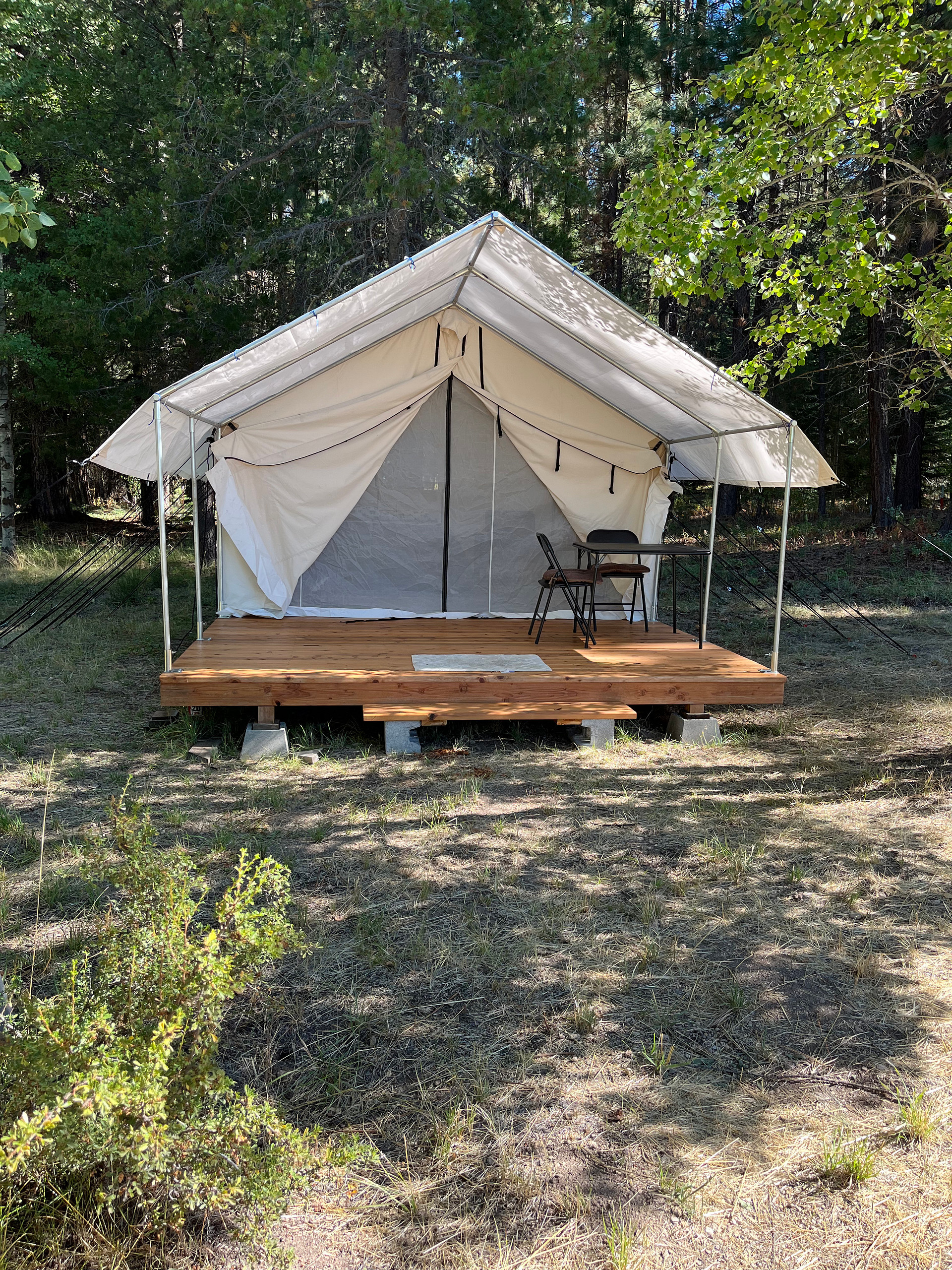
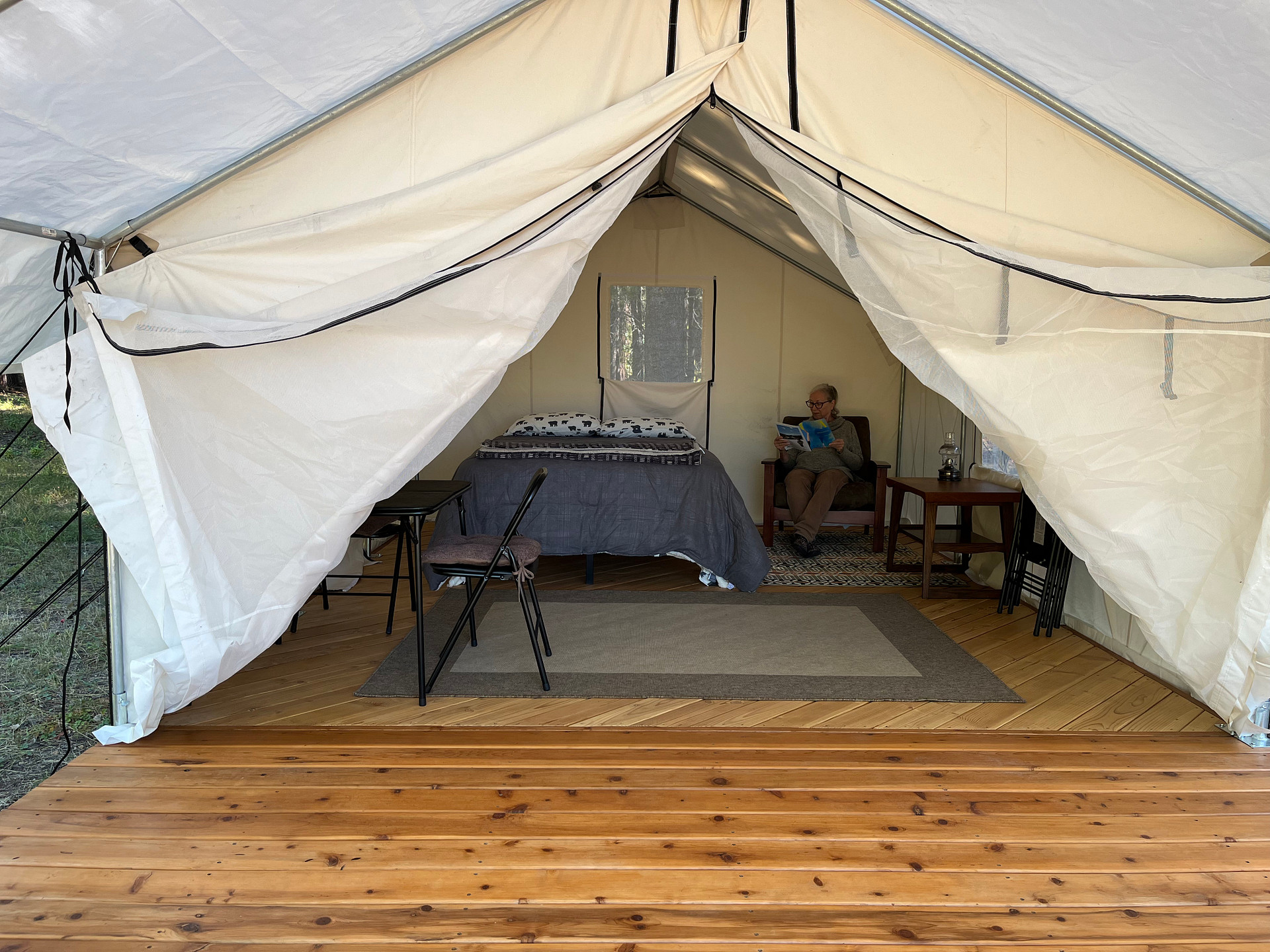
1. Myrtle's Place
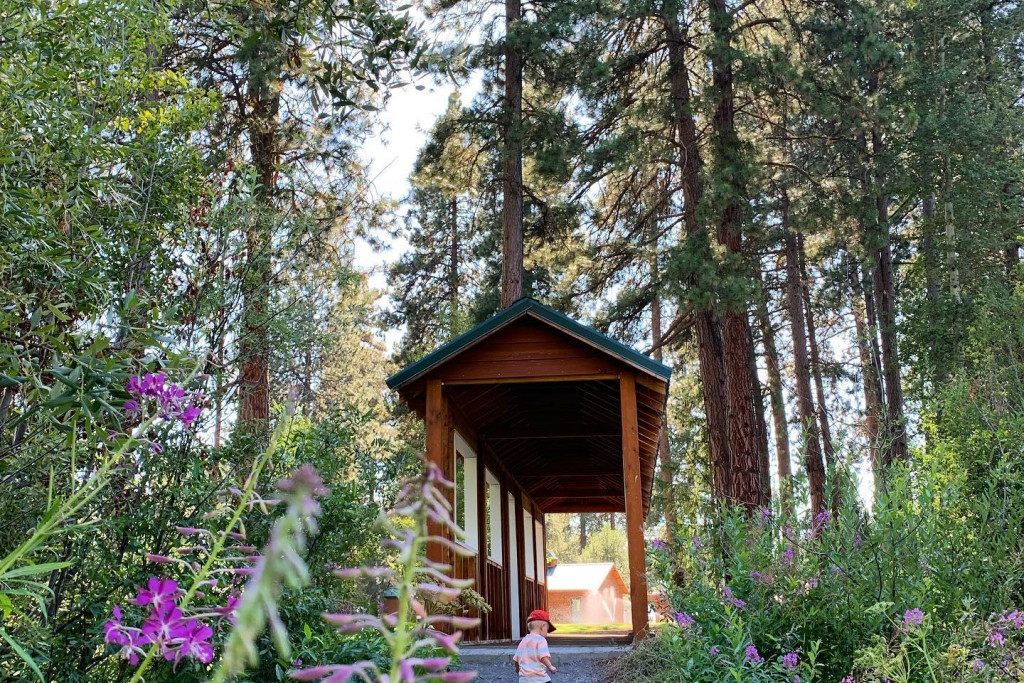
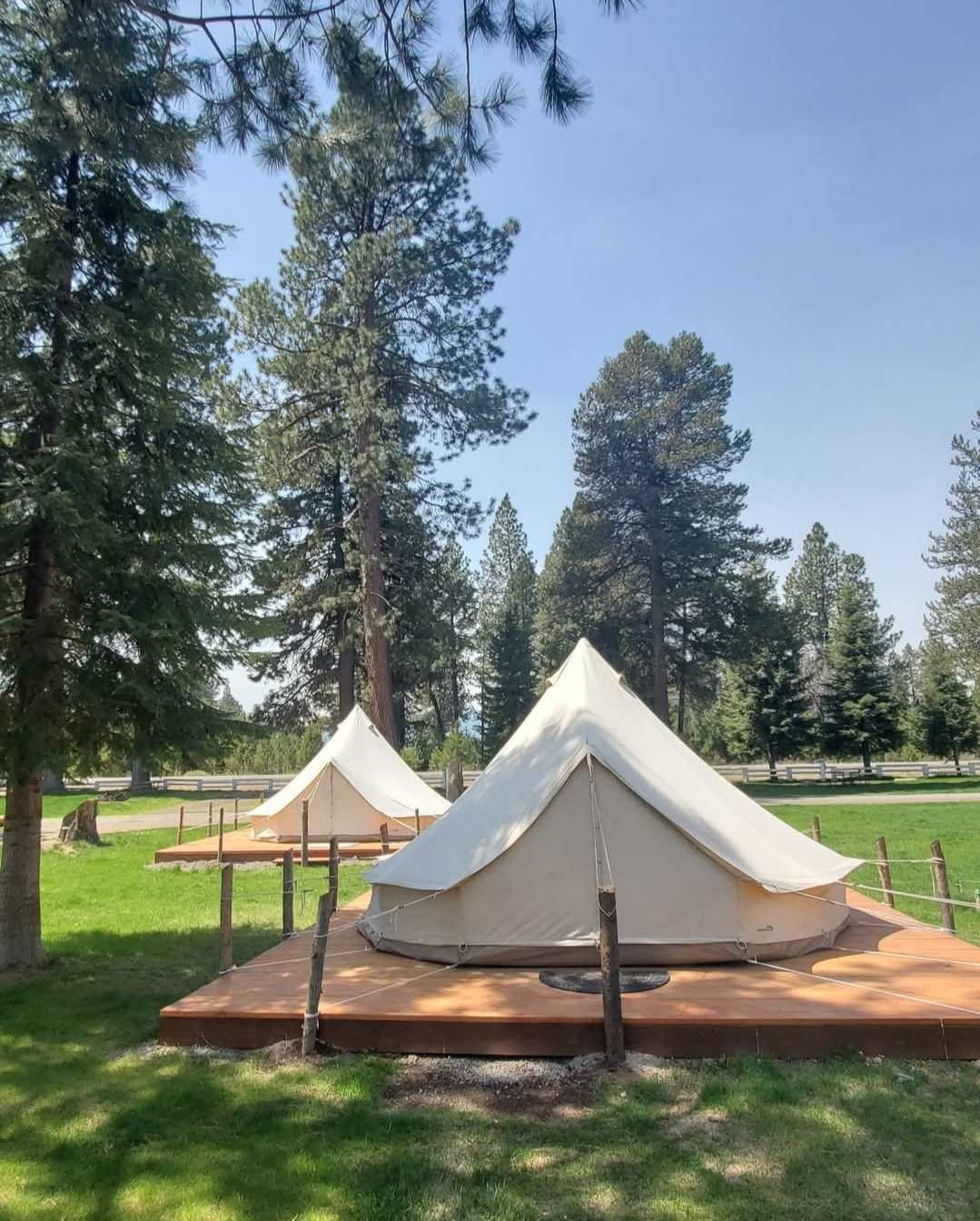
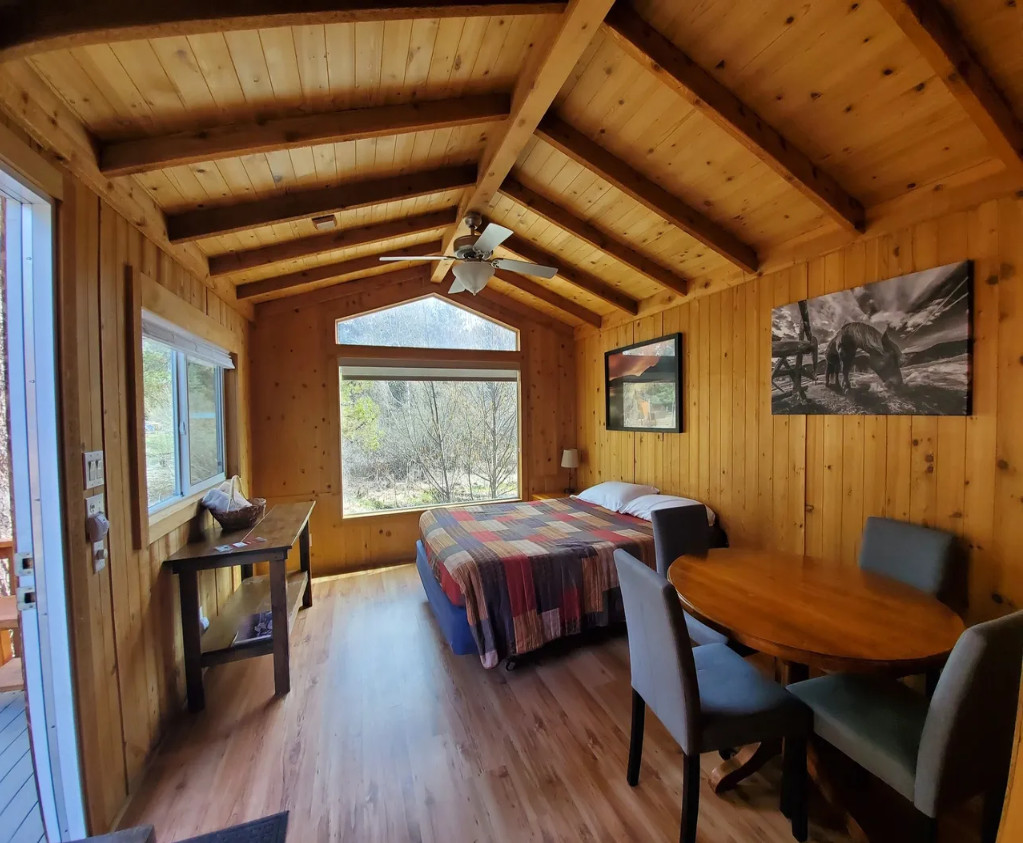
2. Crater Lake Resort
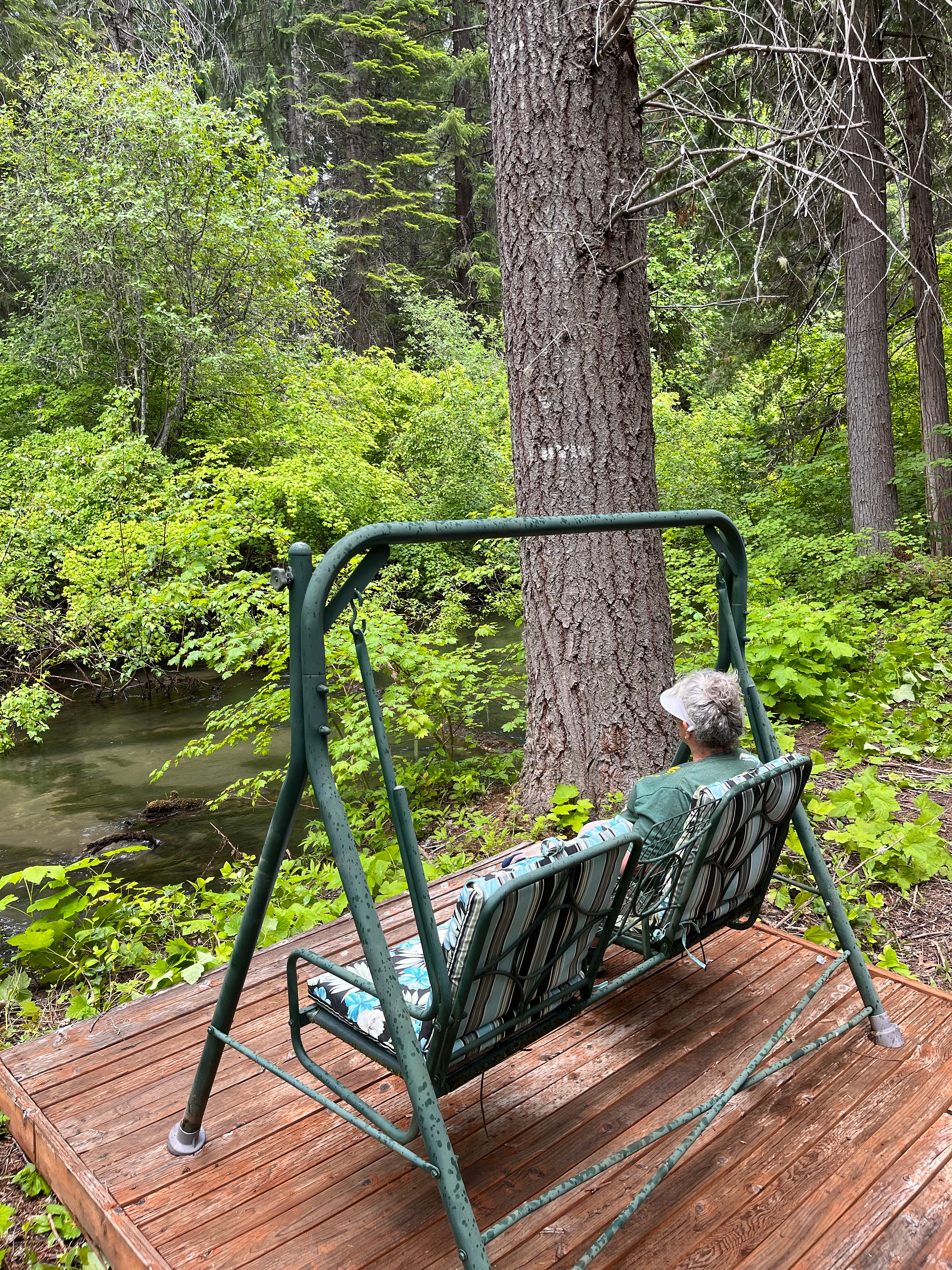
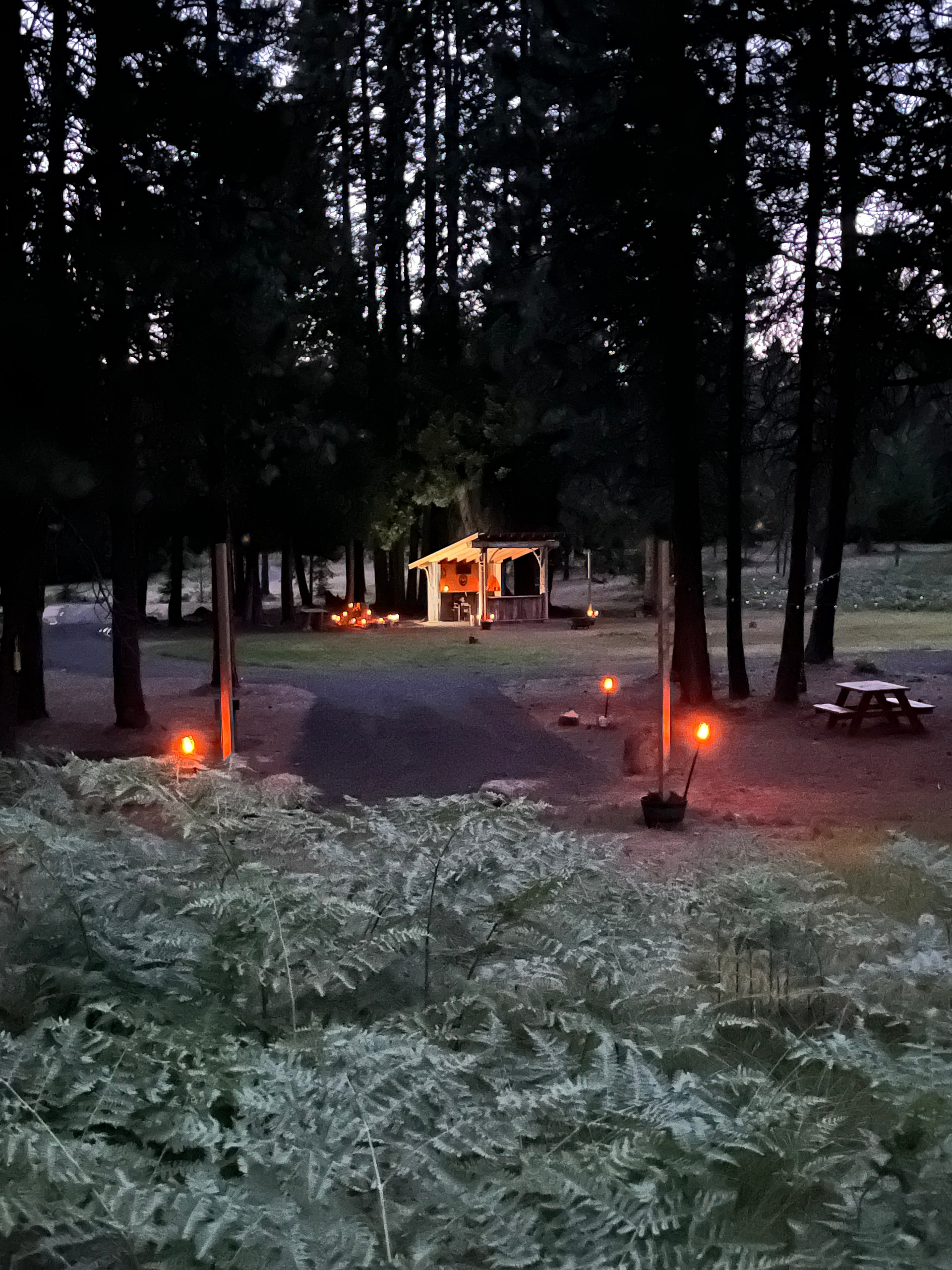
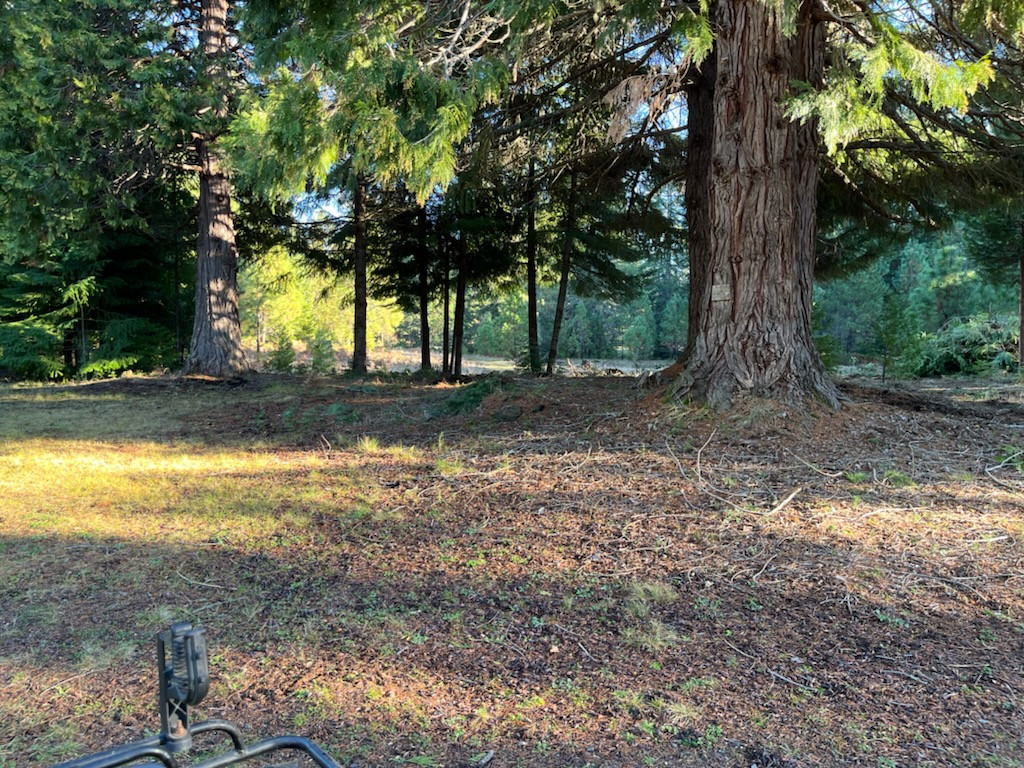
3. Crater Lake Private Space
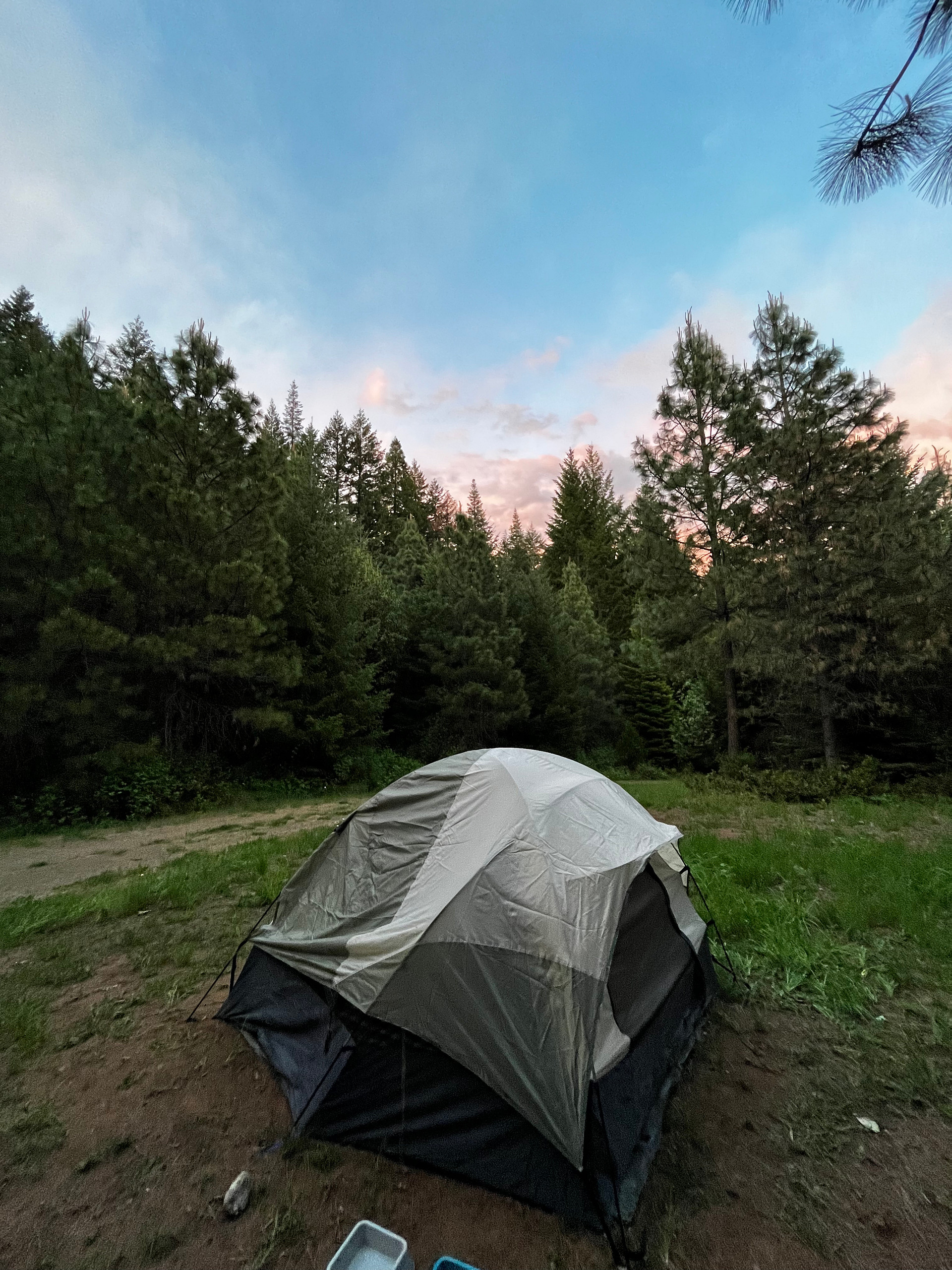
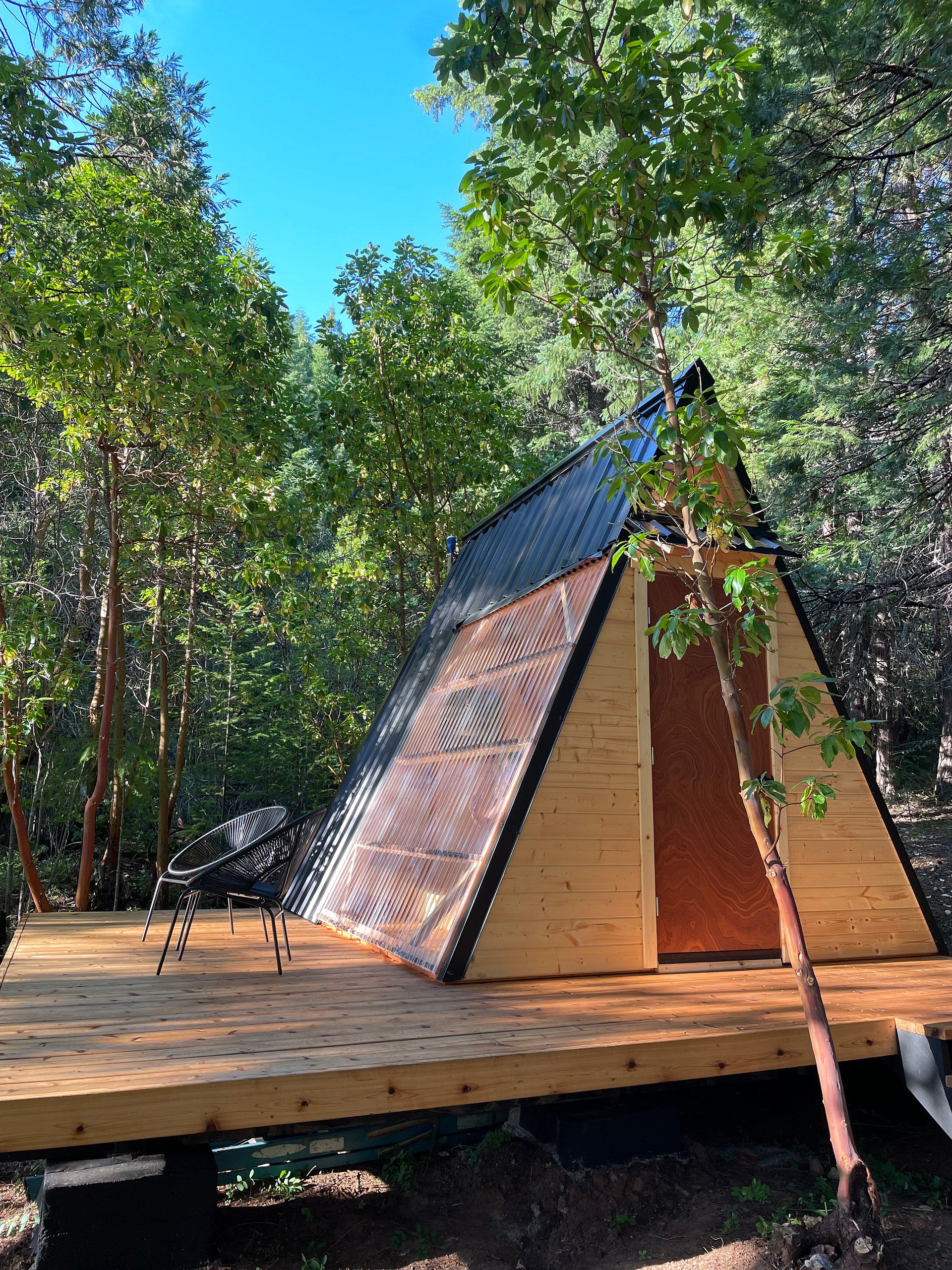
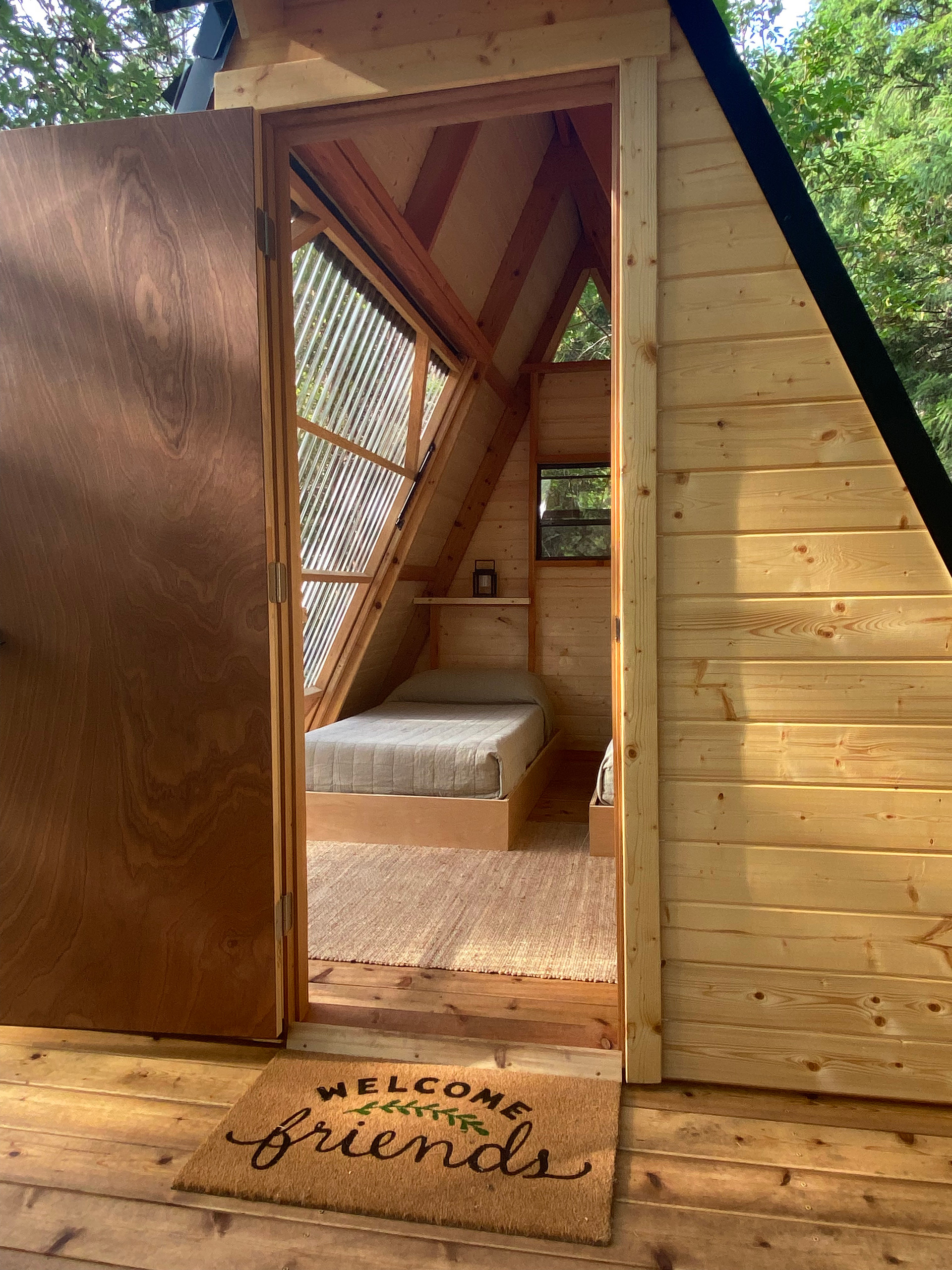
4. Crater Lake Private Woodlands
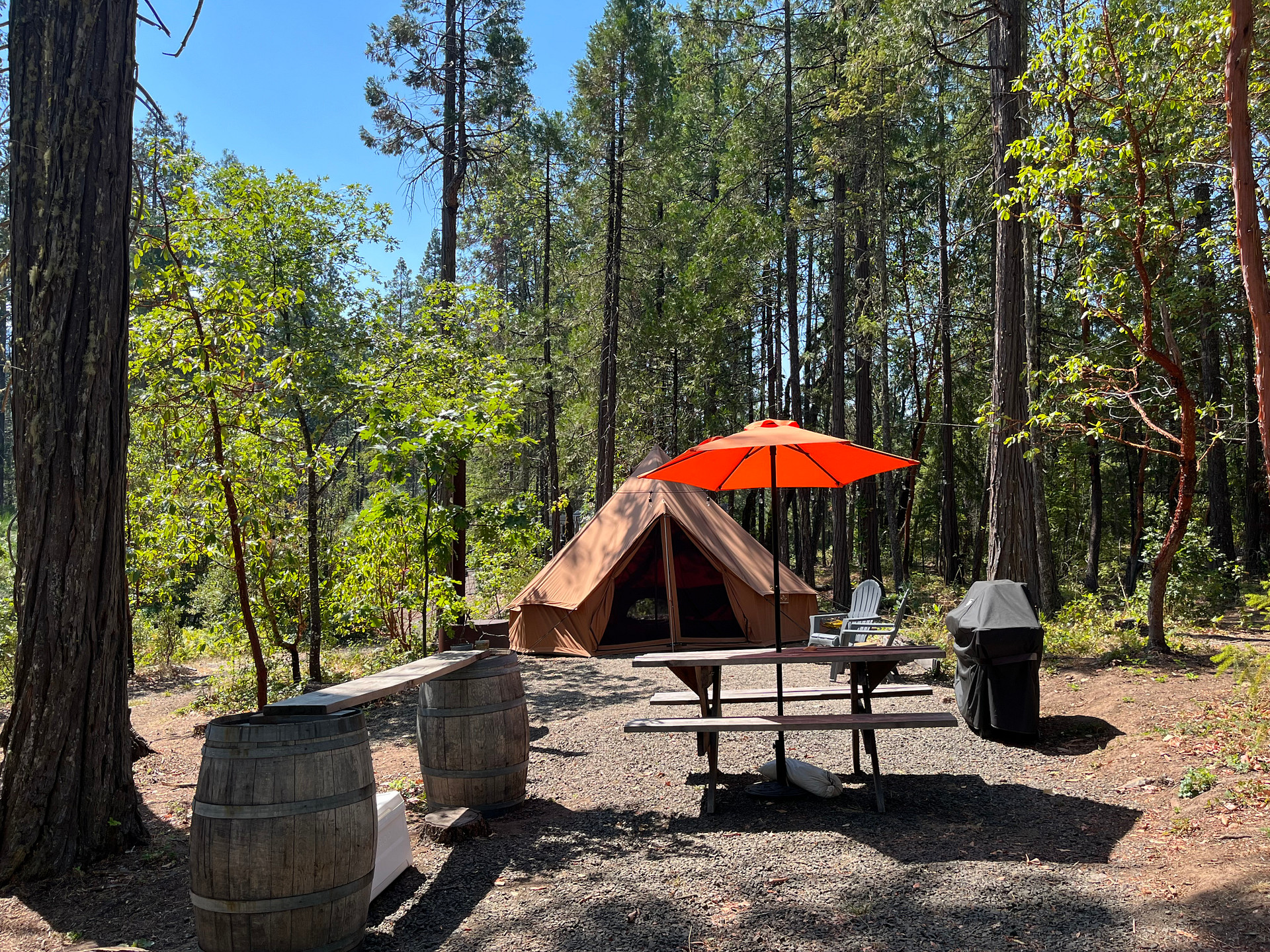
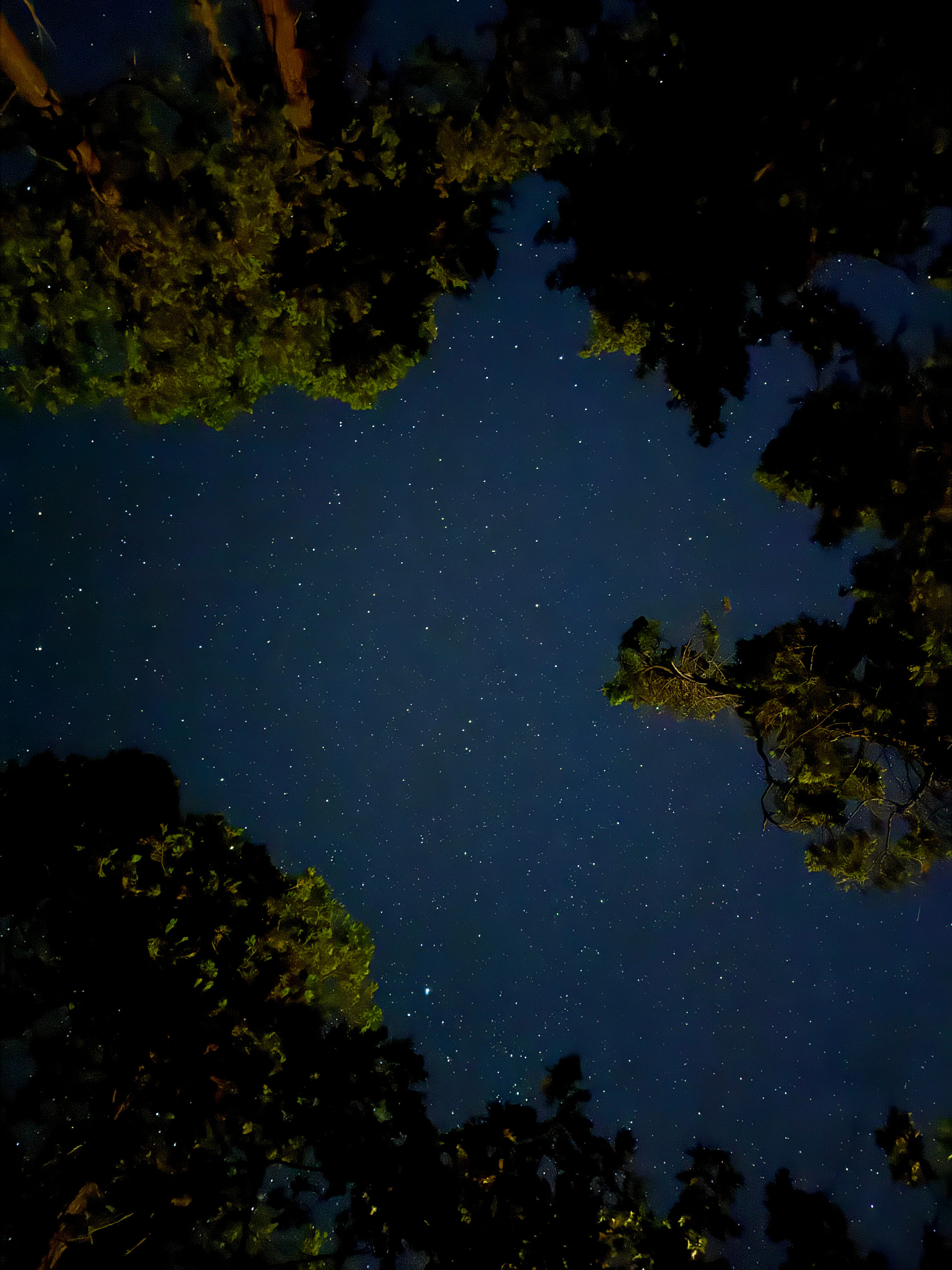
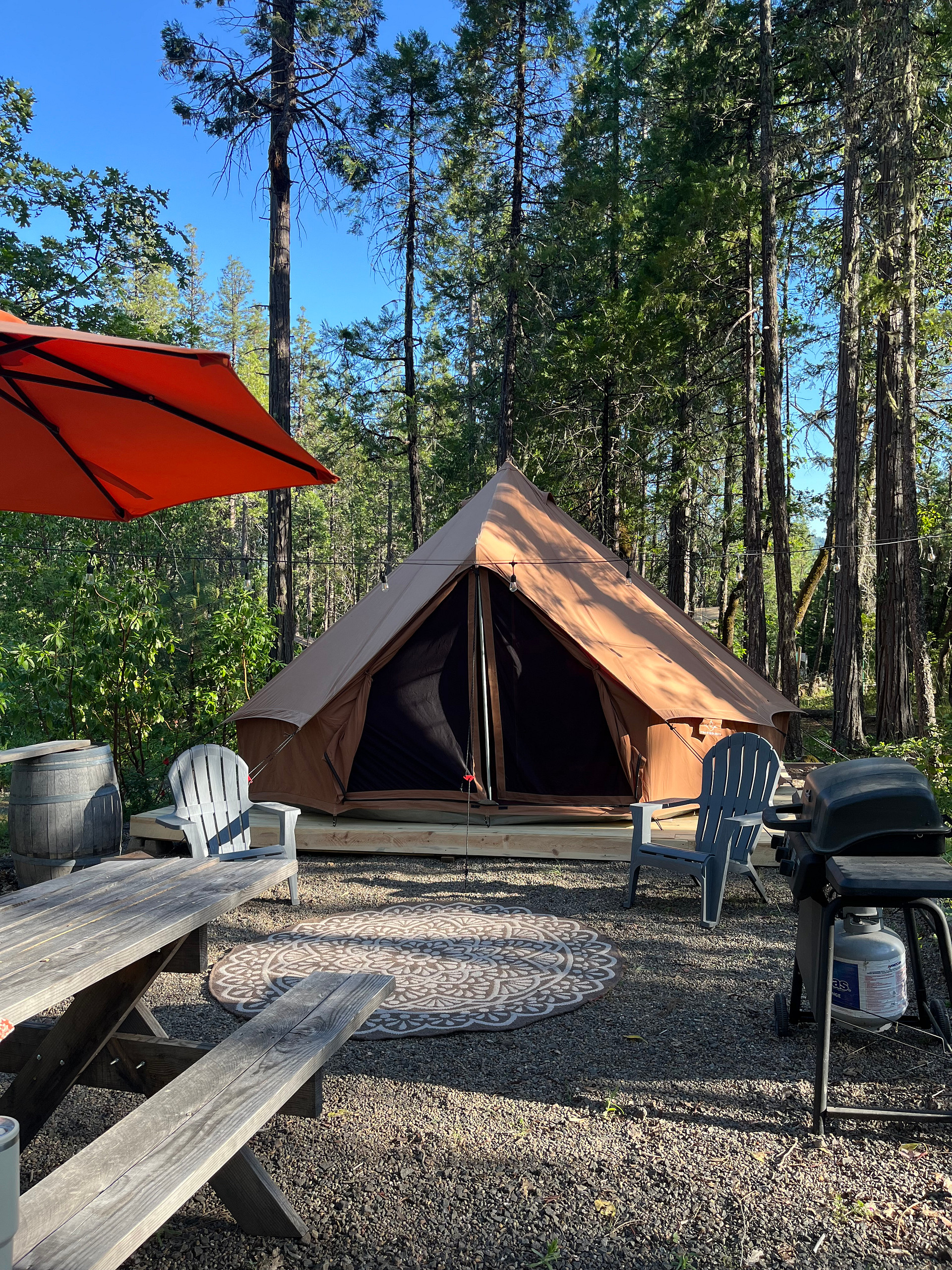
5. Rosehip Mountain
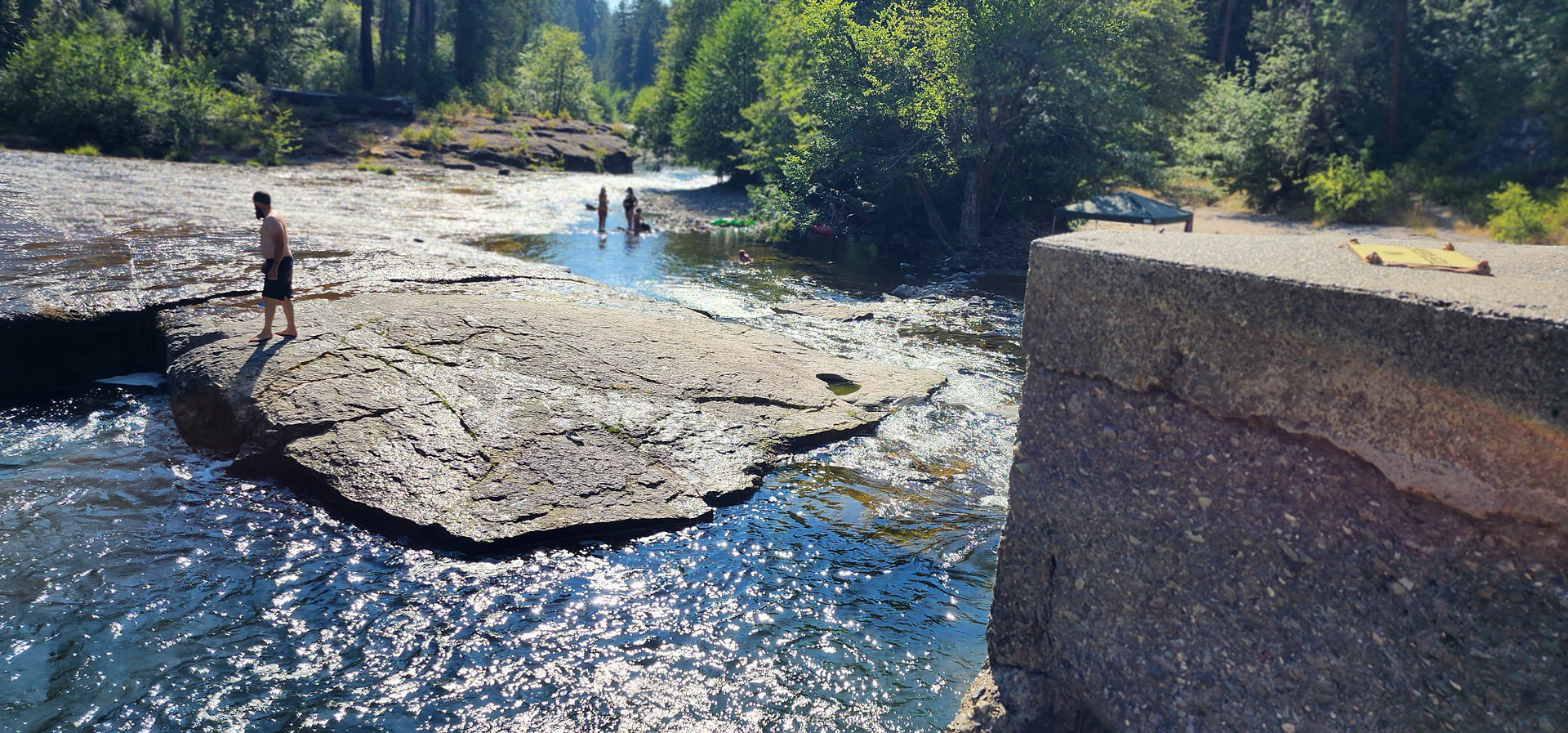
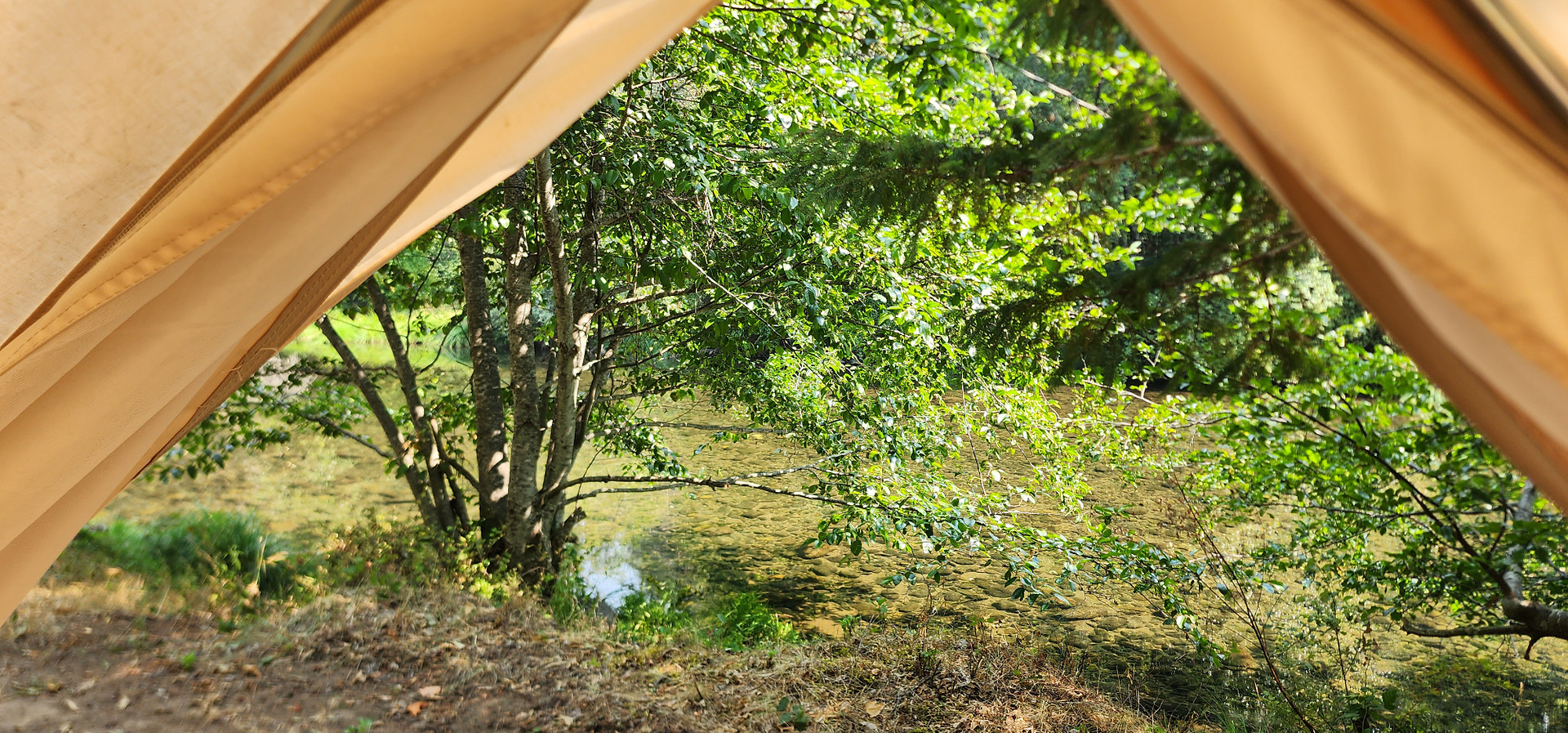
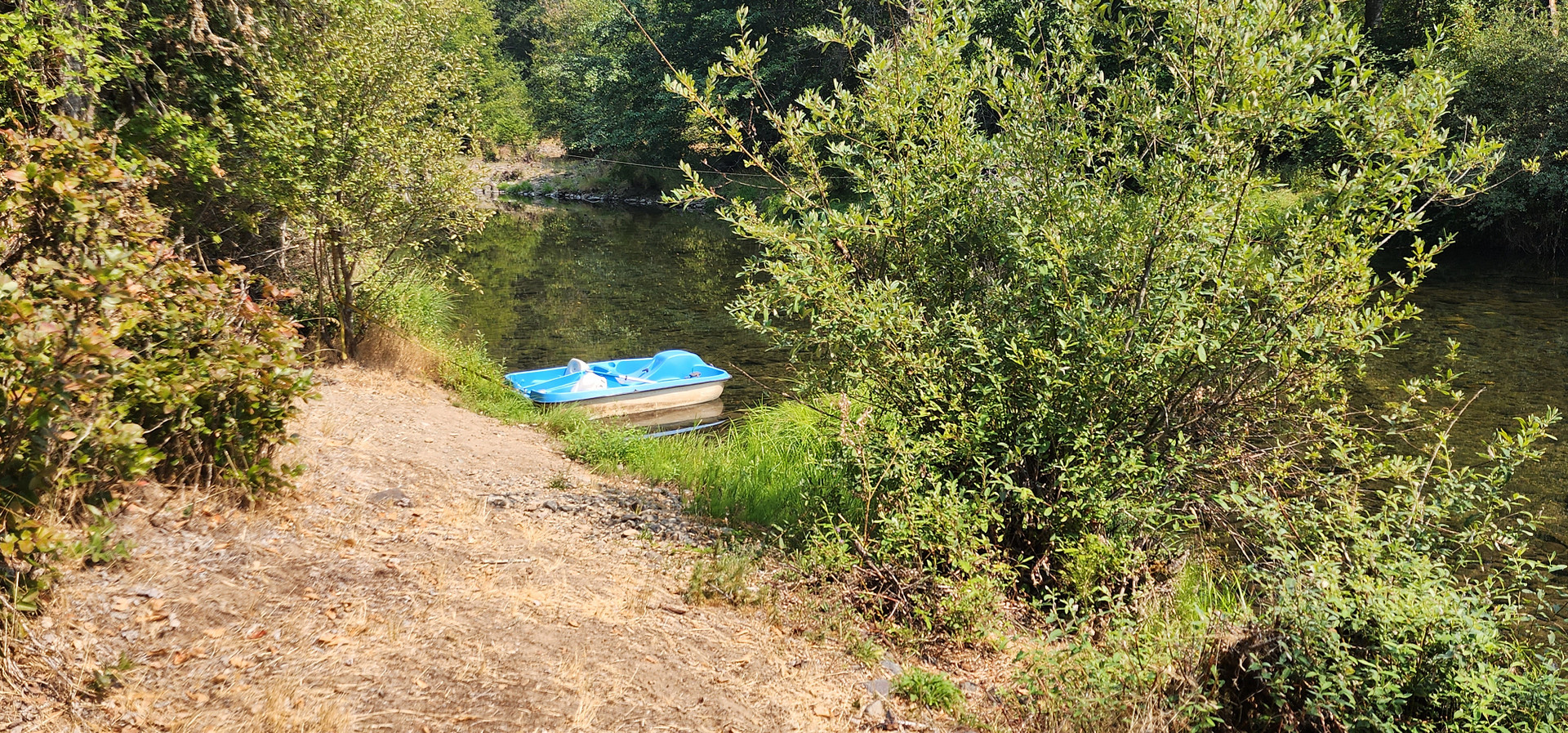
6. Healing Waters
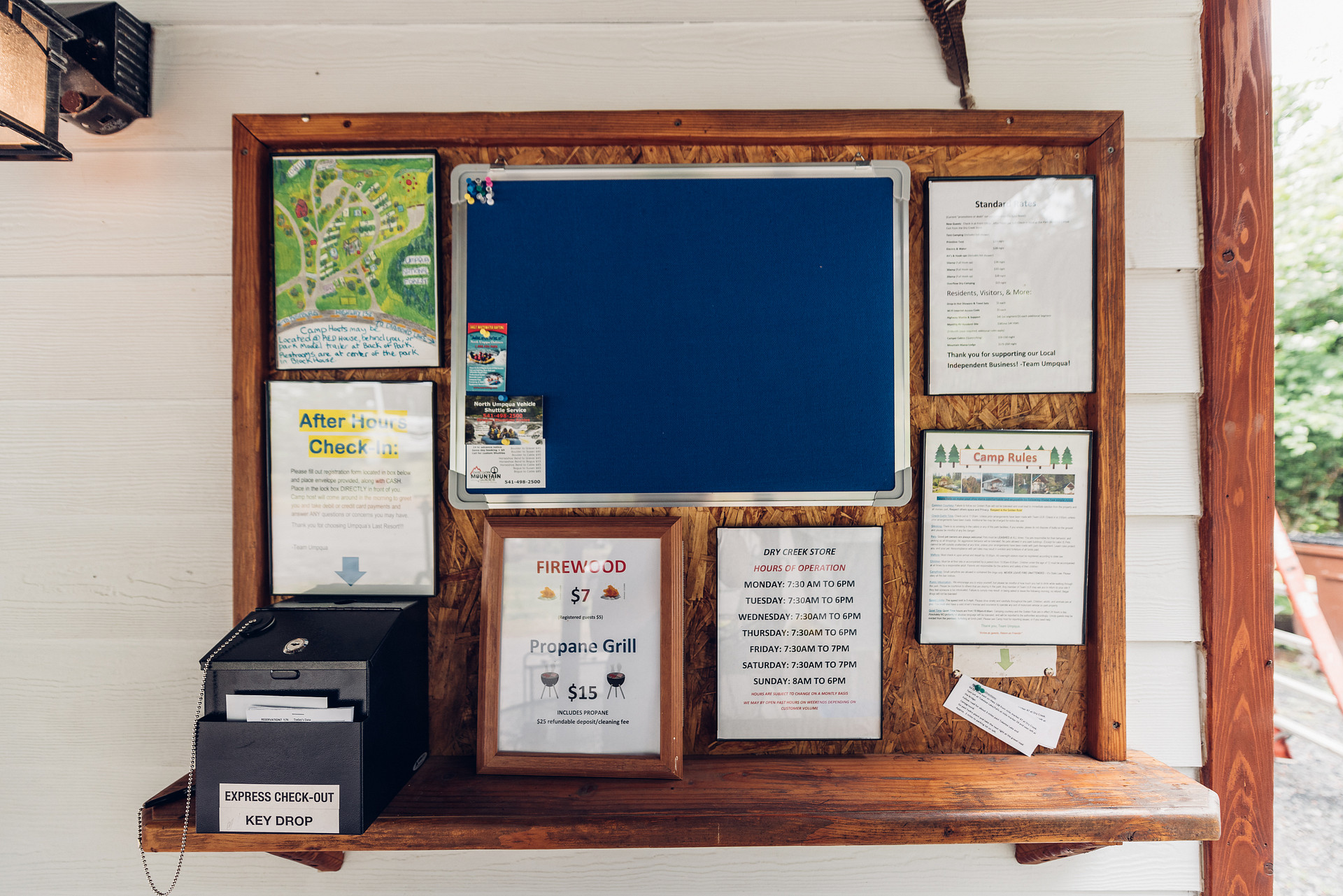
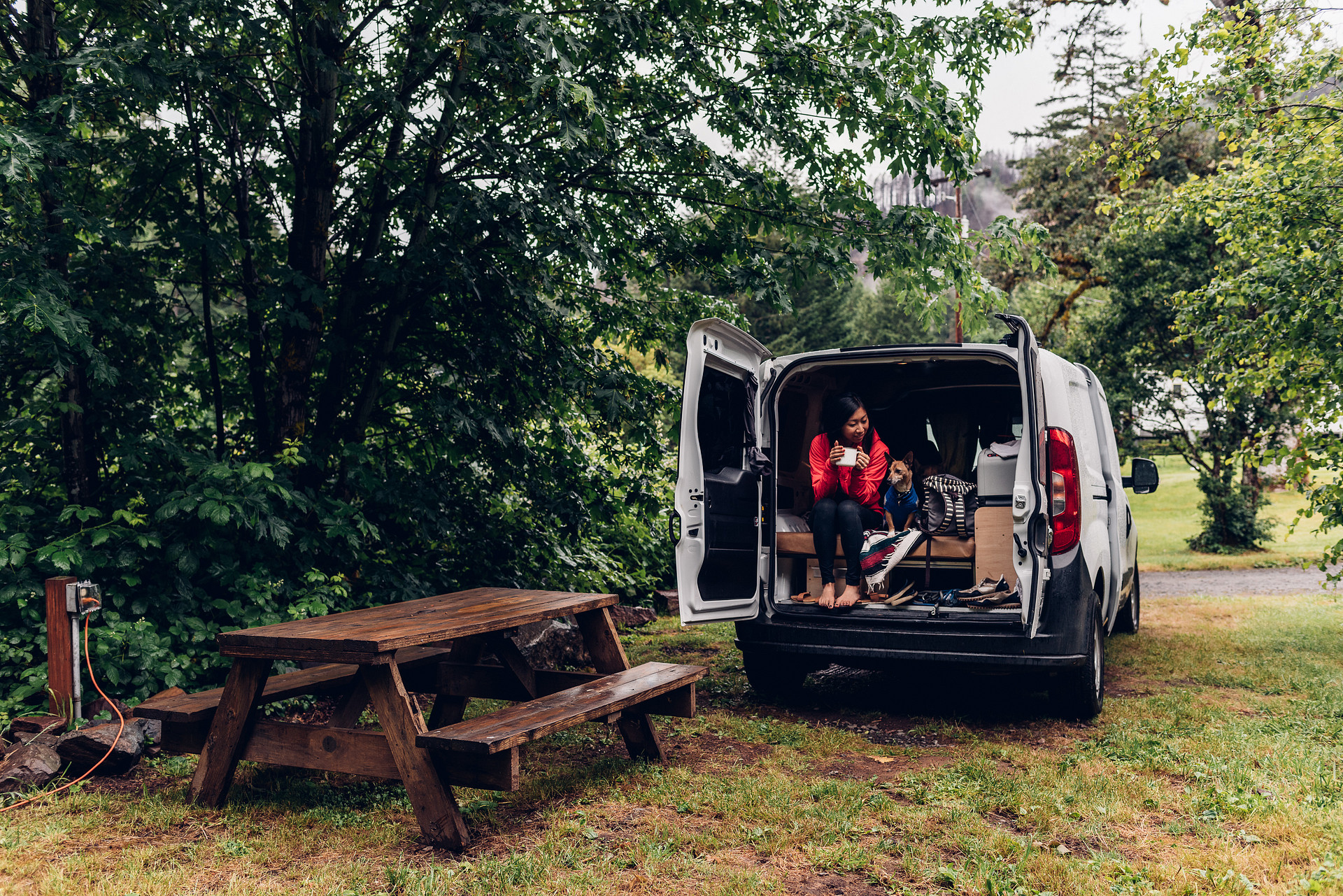
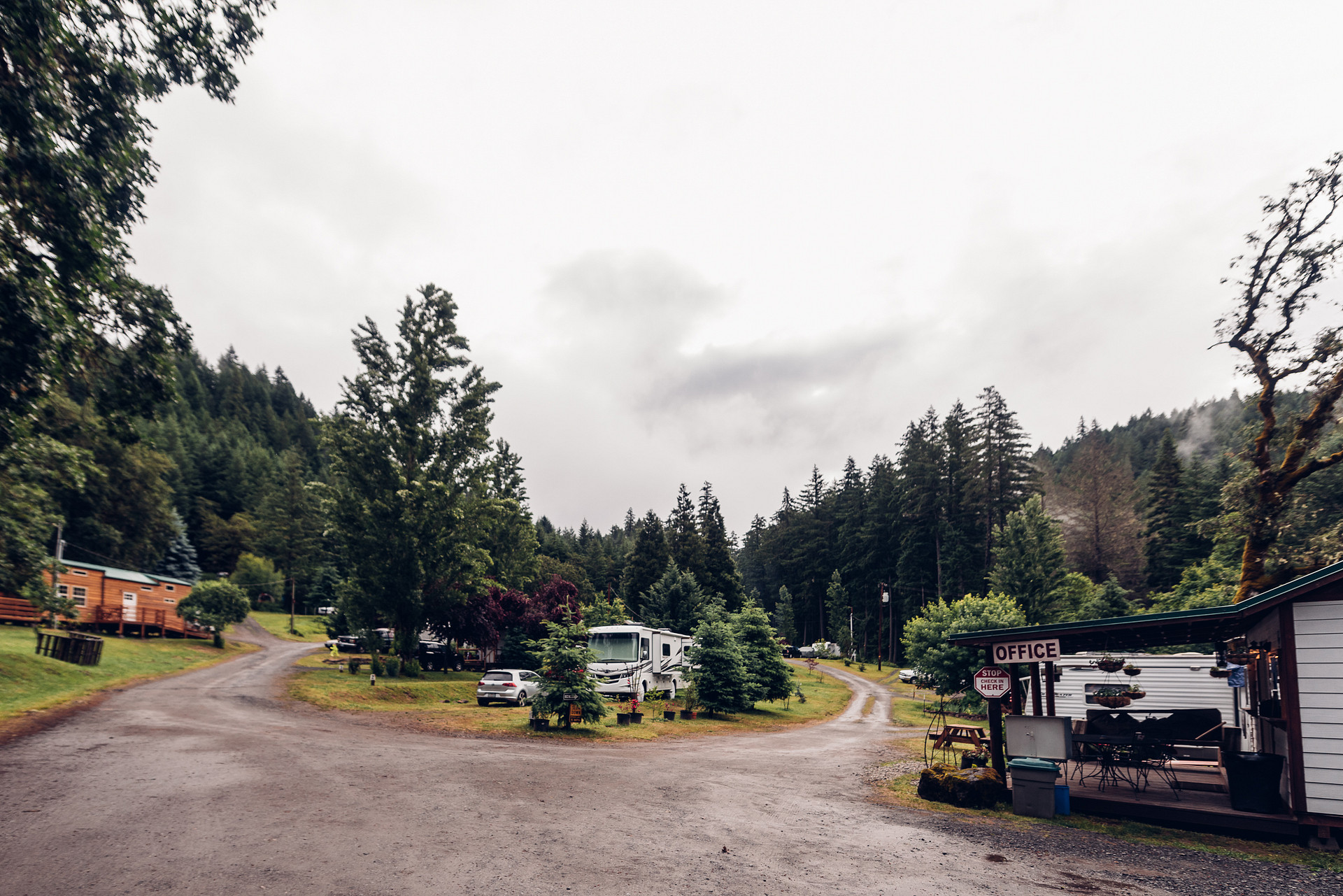
7. Umpqua's Last Resort
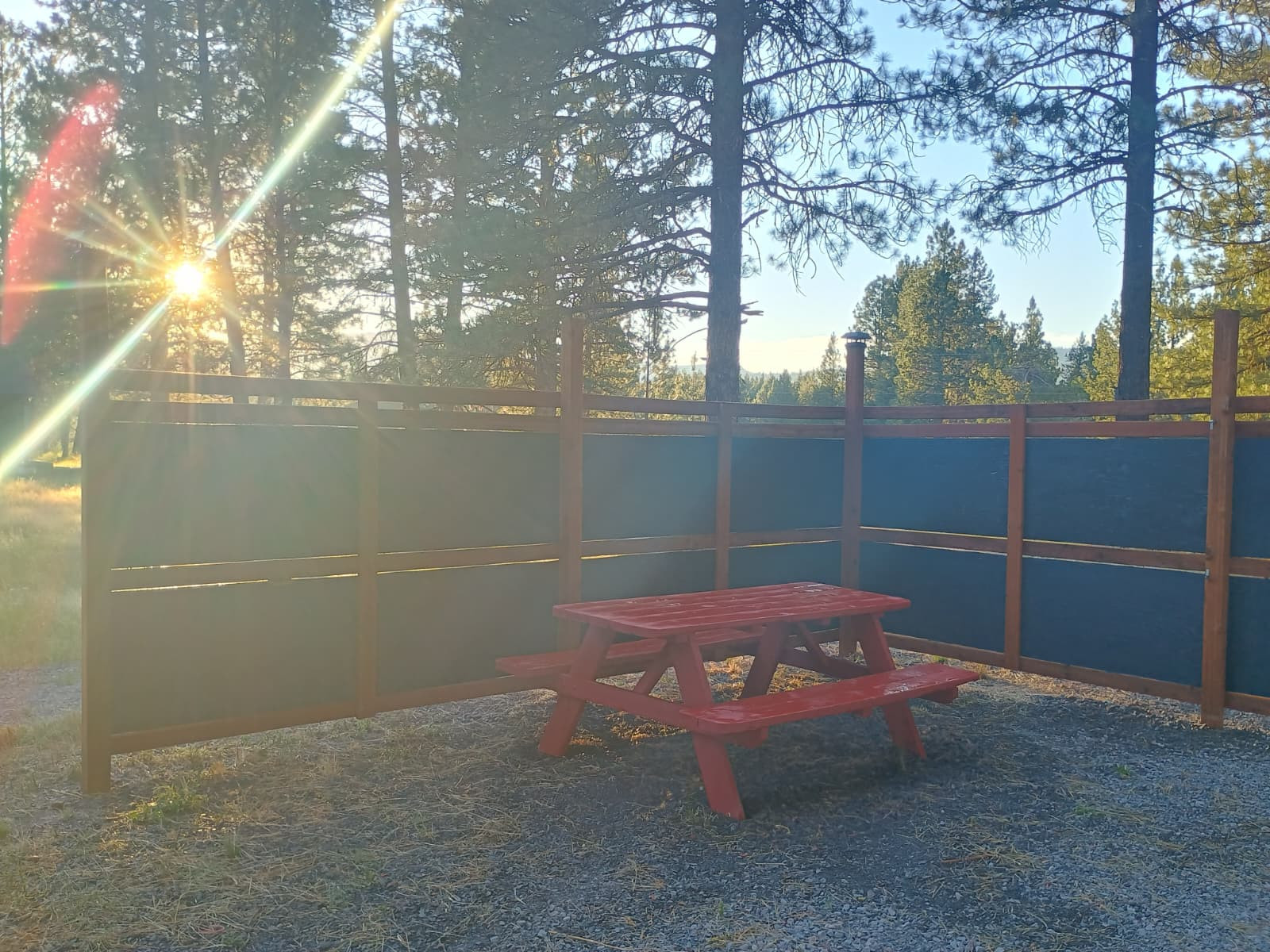
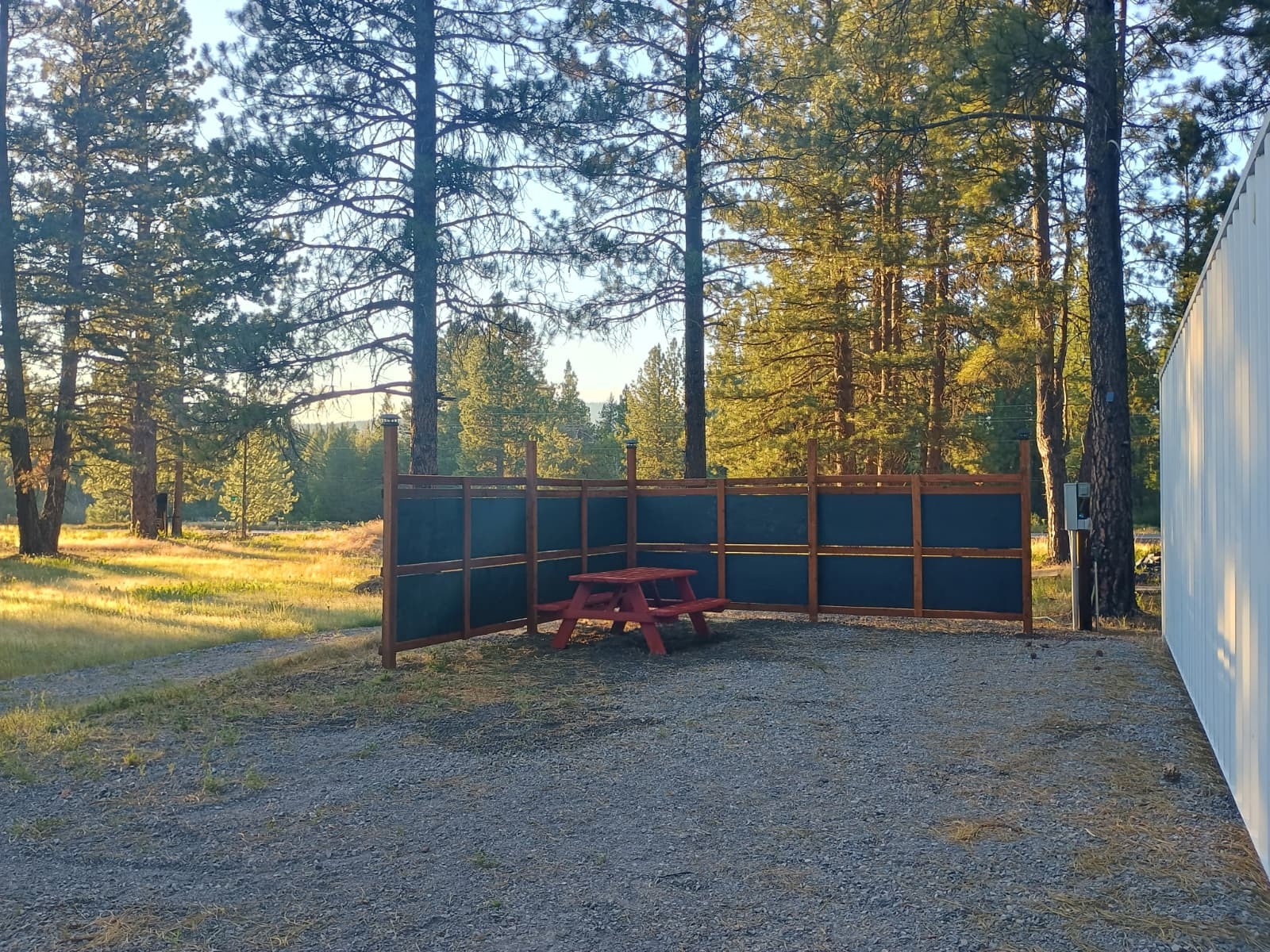
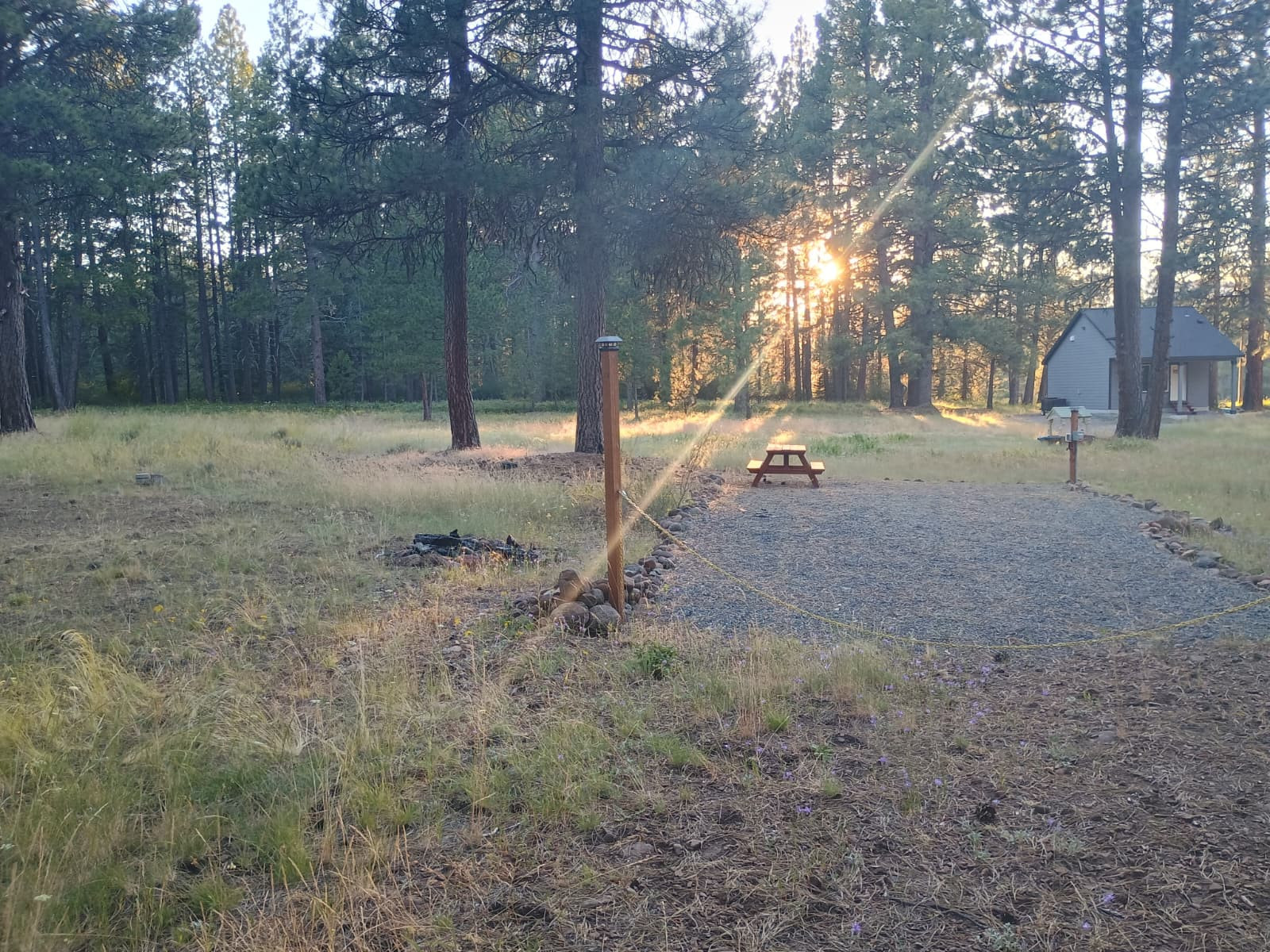
8. Mystic Way
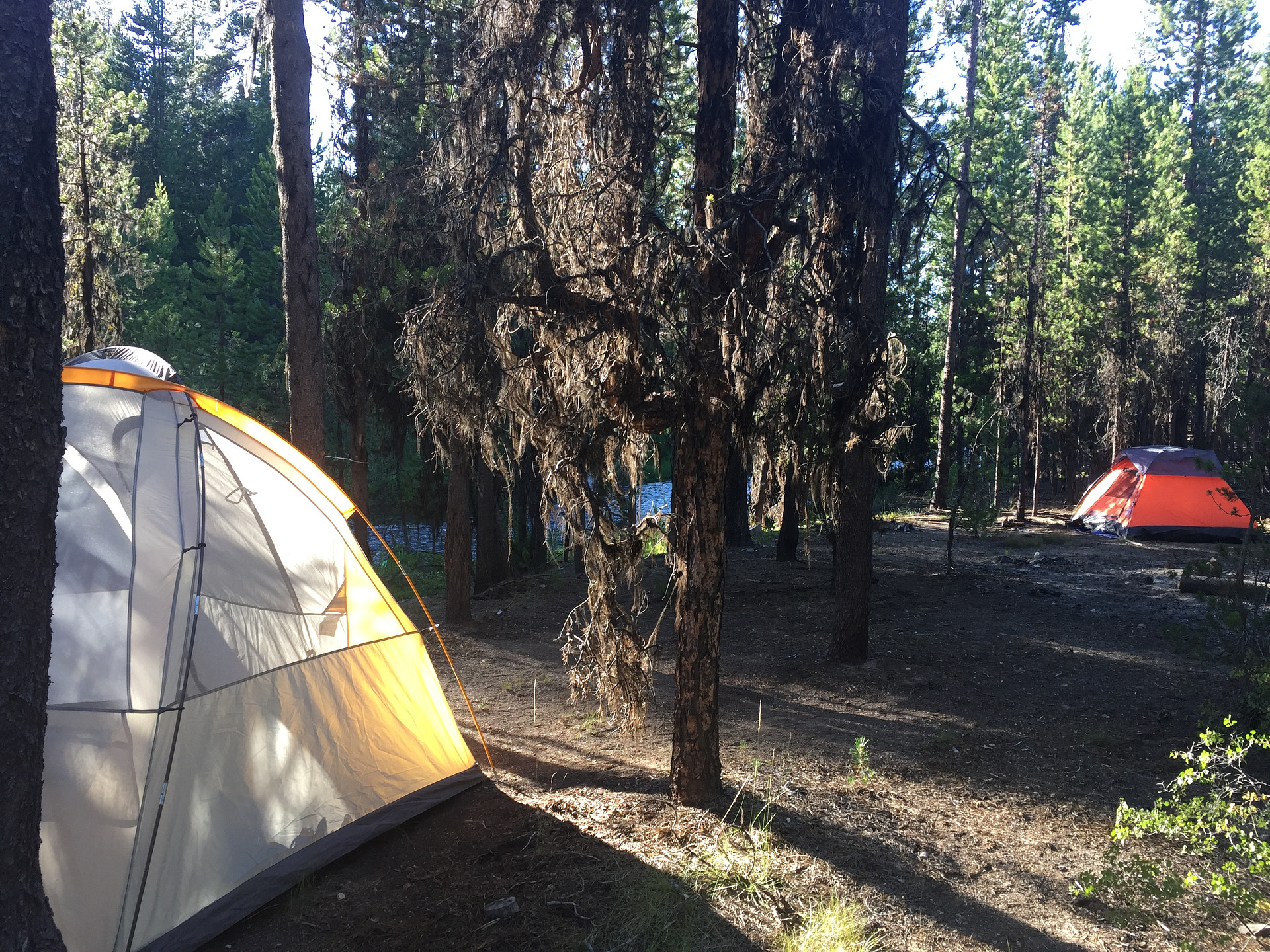
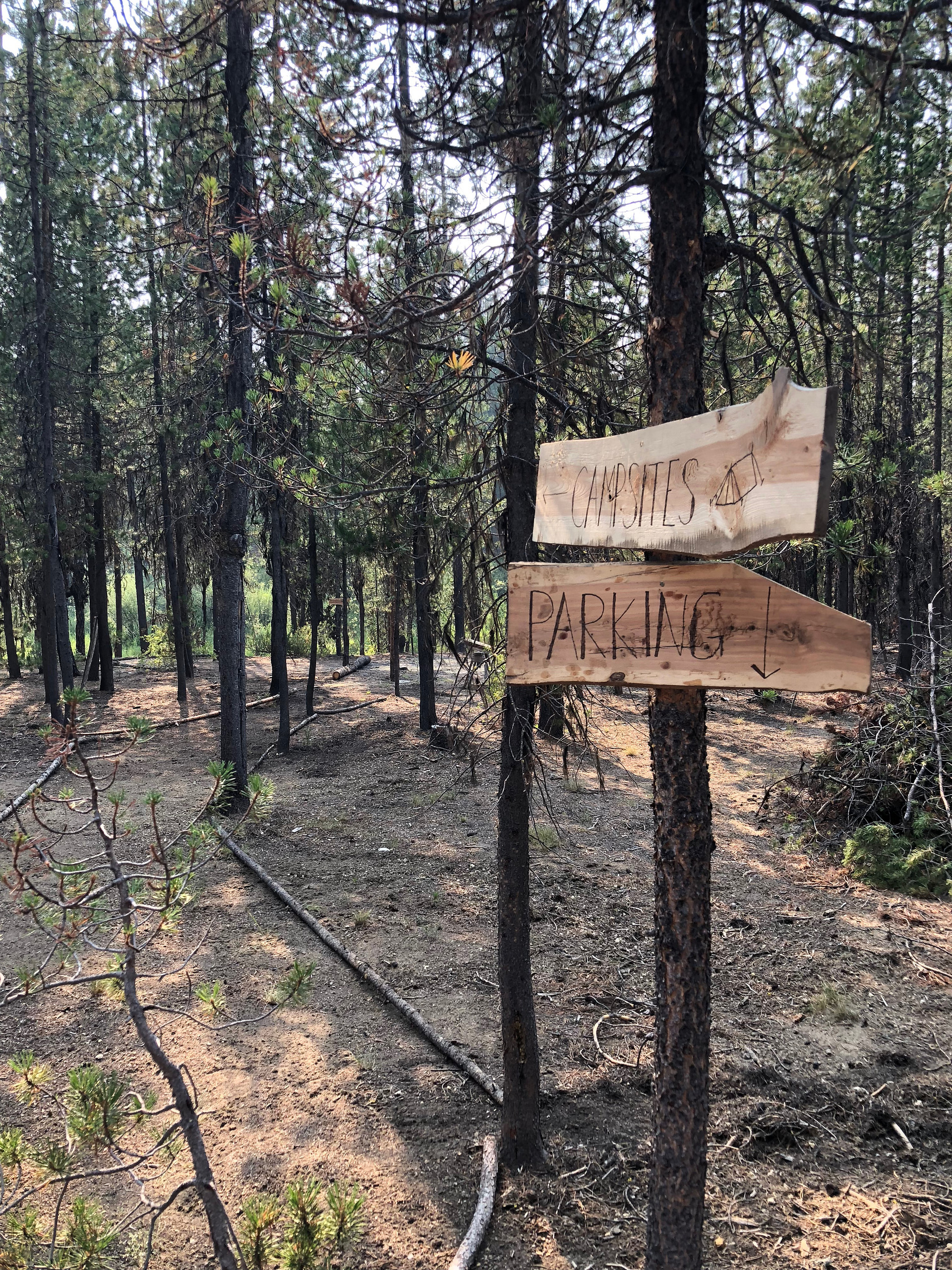
9. Wild River Sanctuary
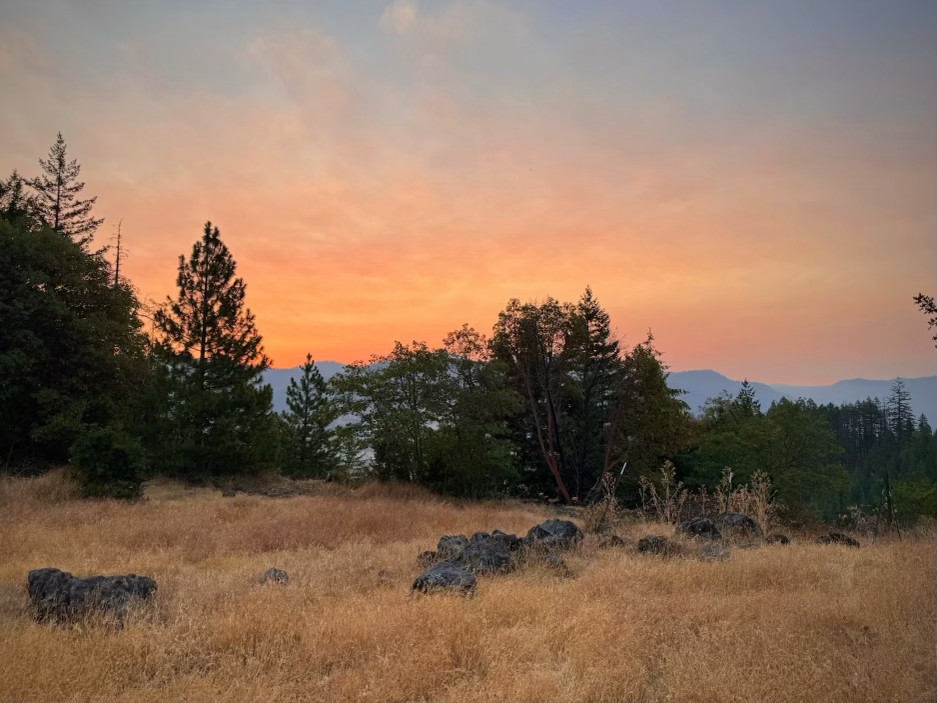
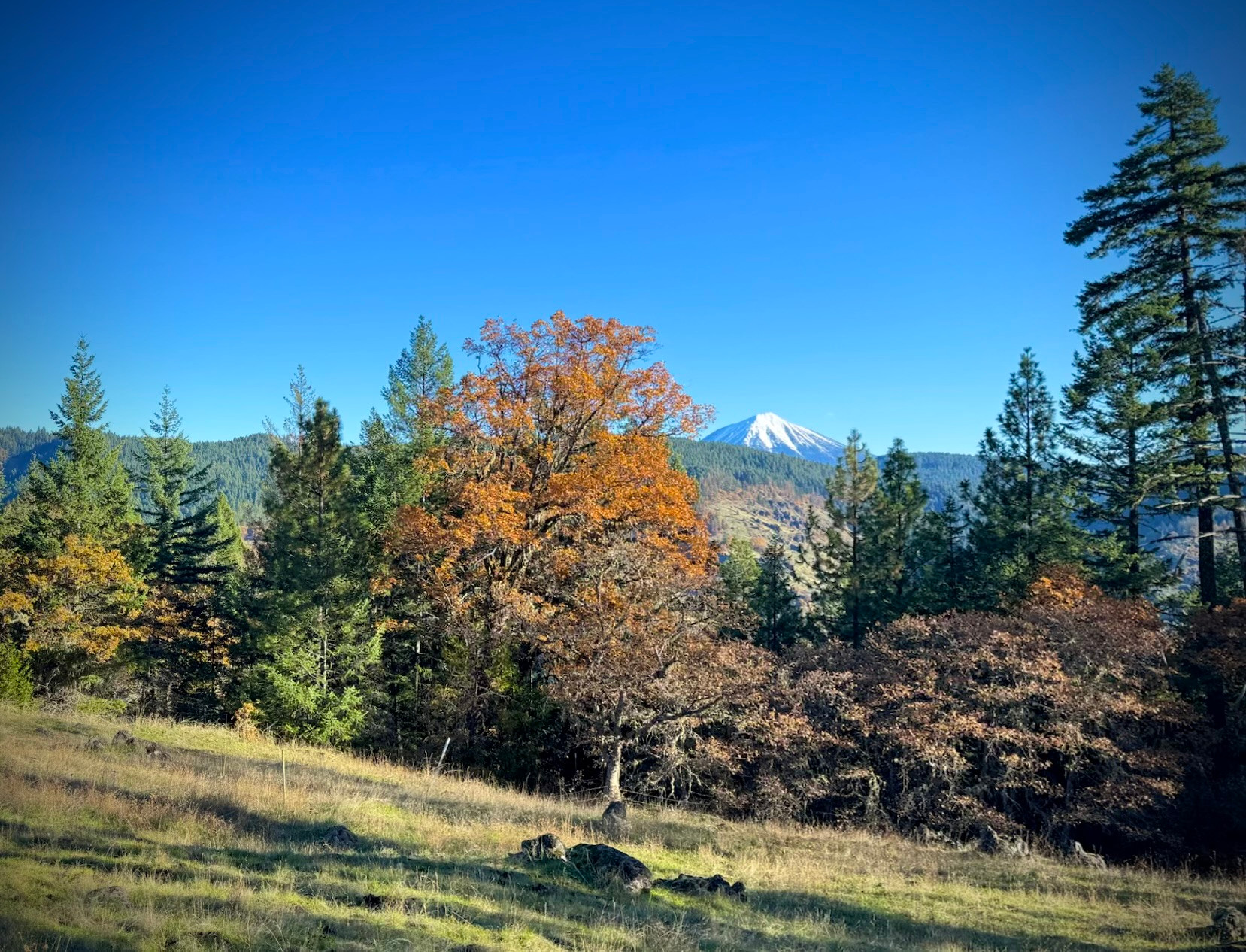
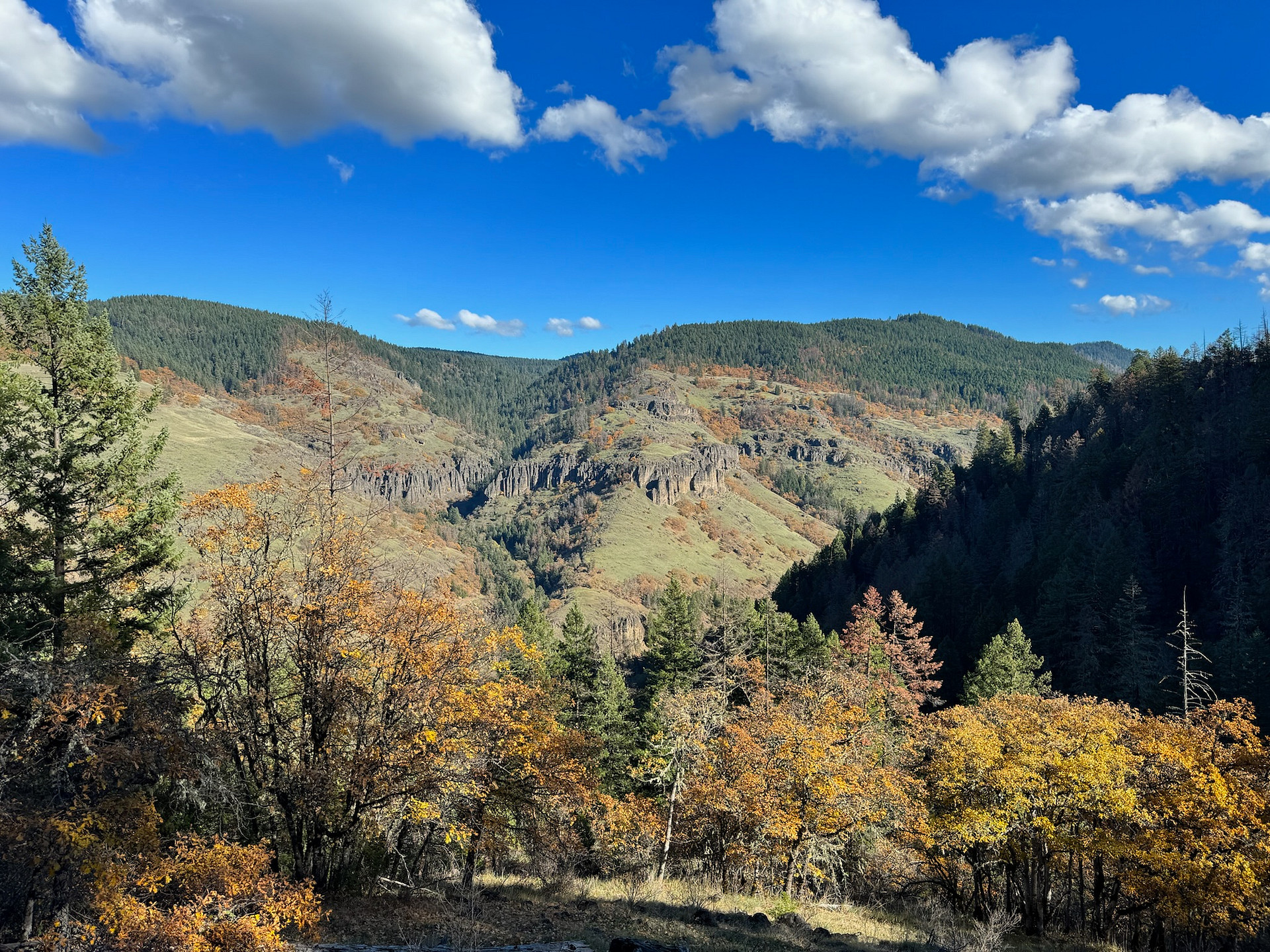
10. The Hideouts
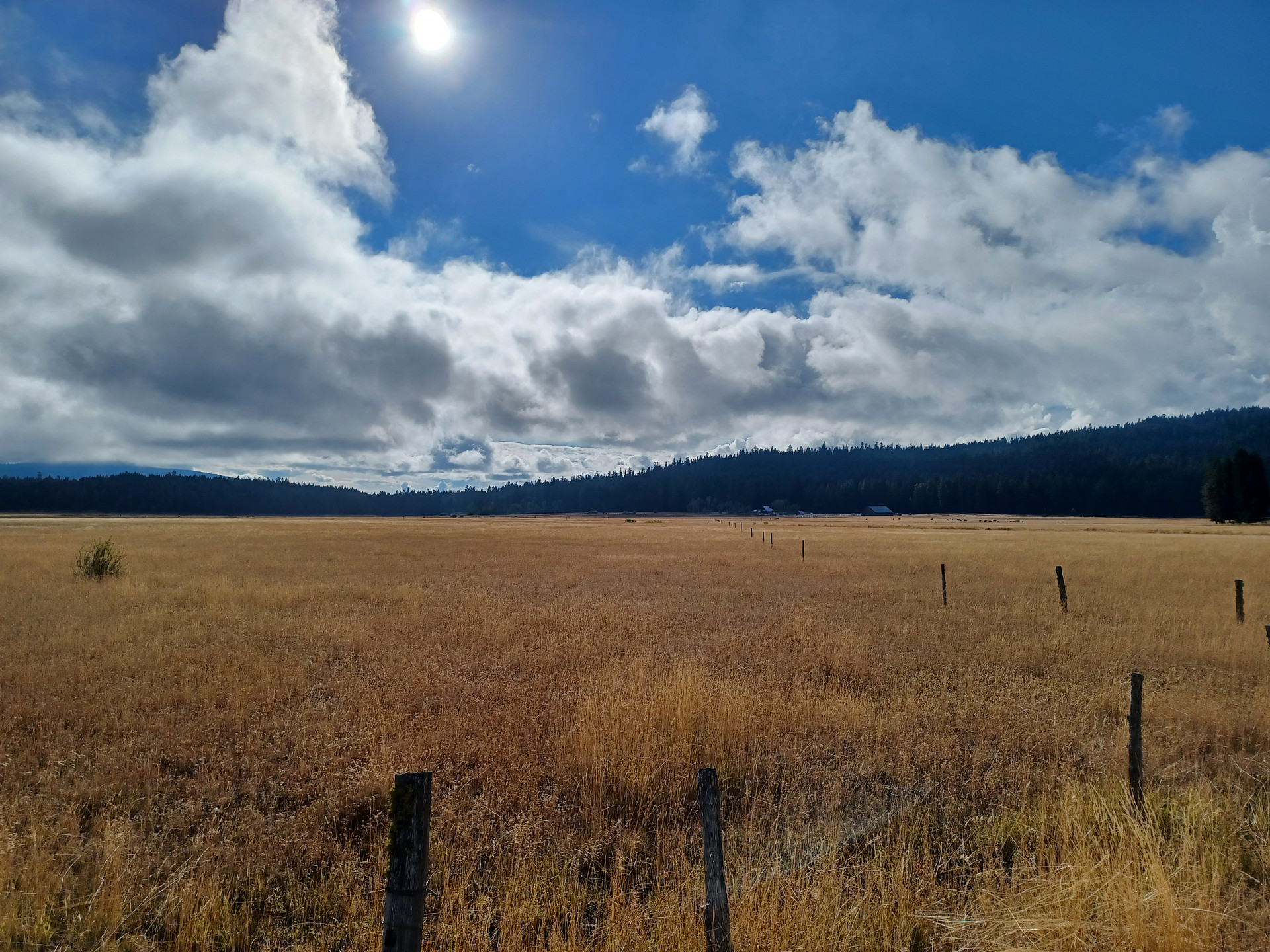
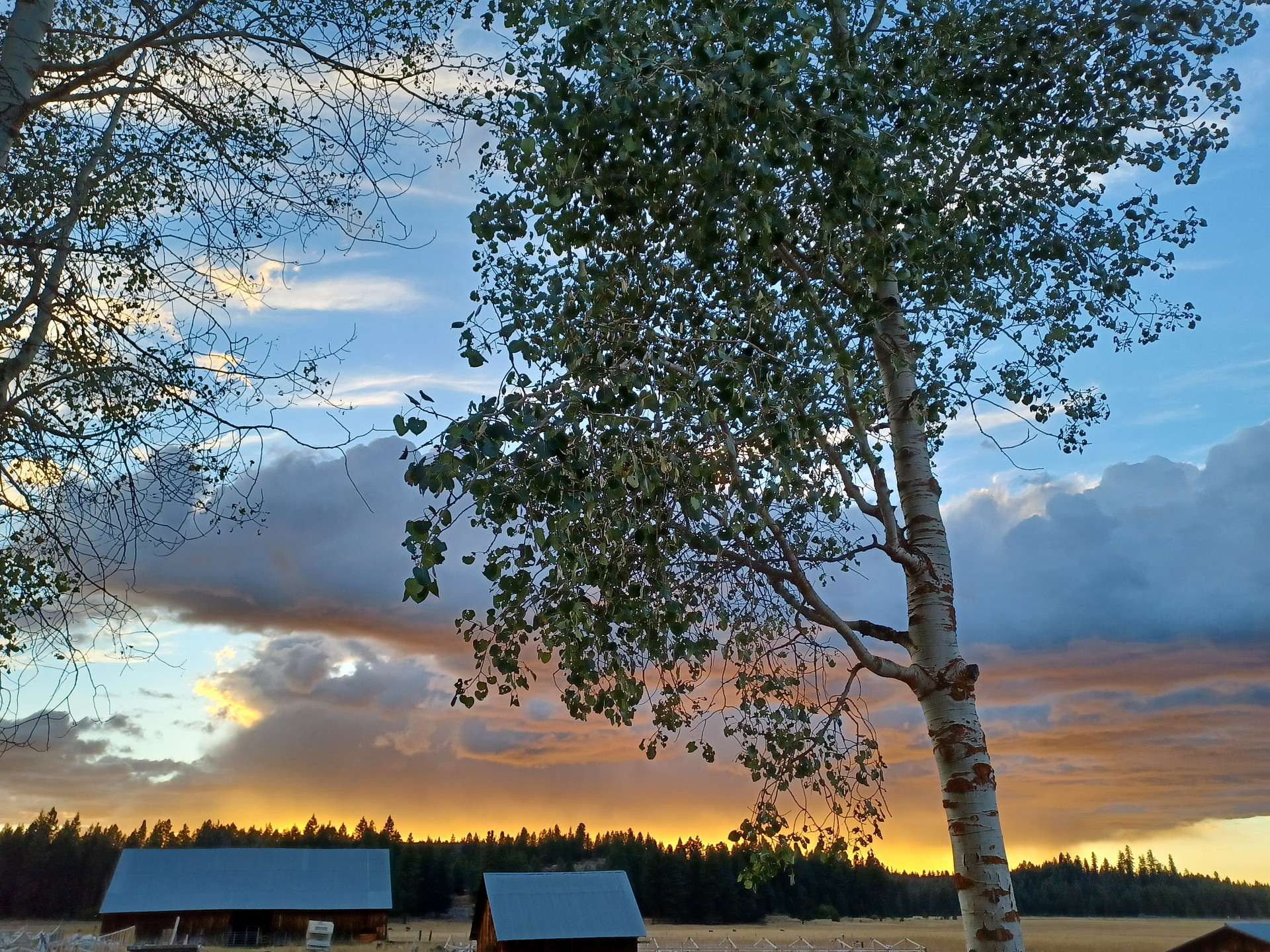
11. Willowdale Ranch
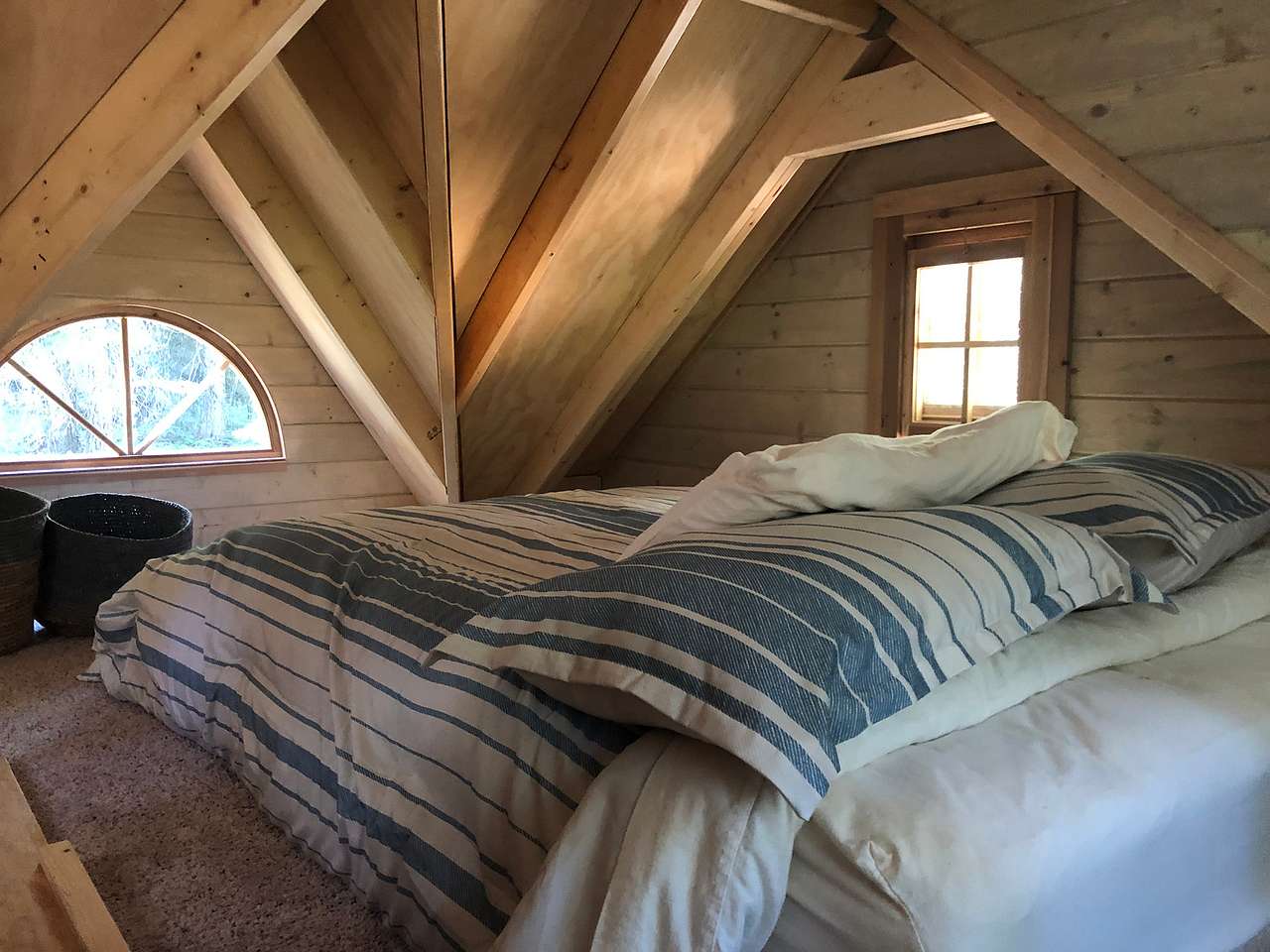
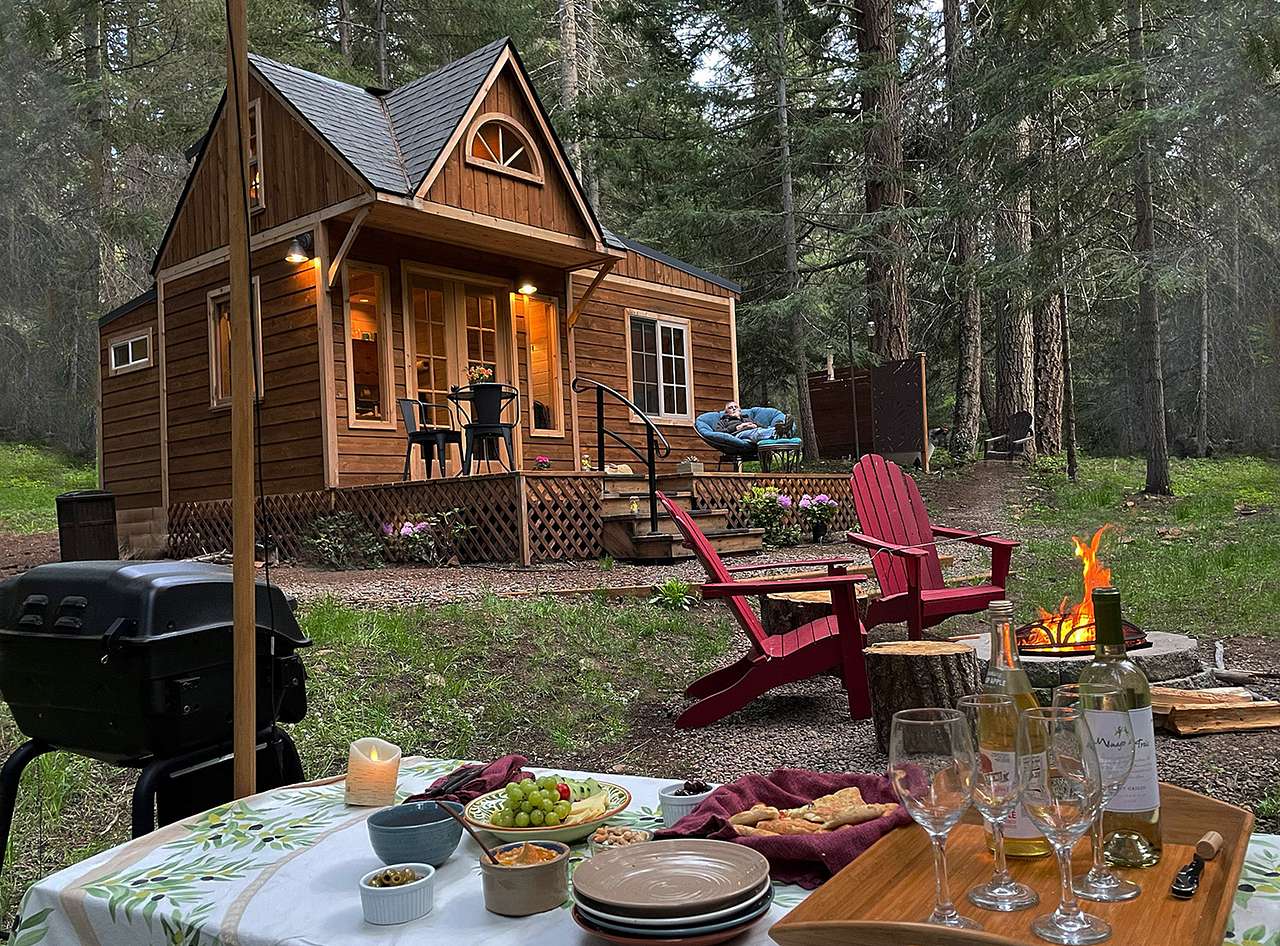
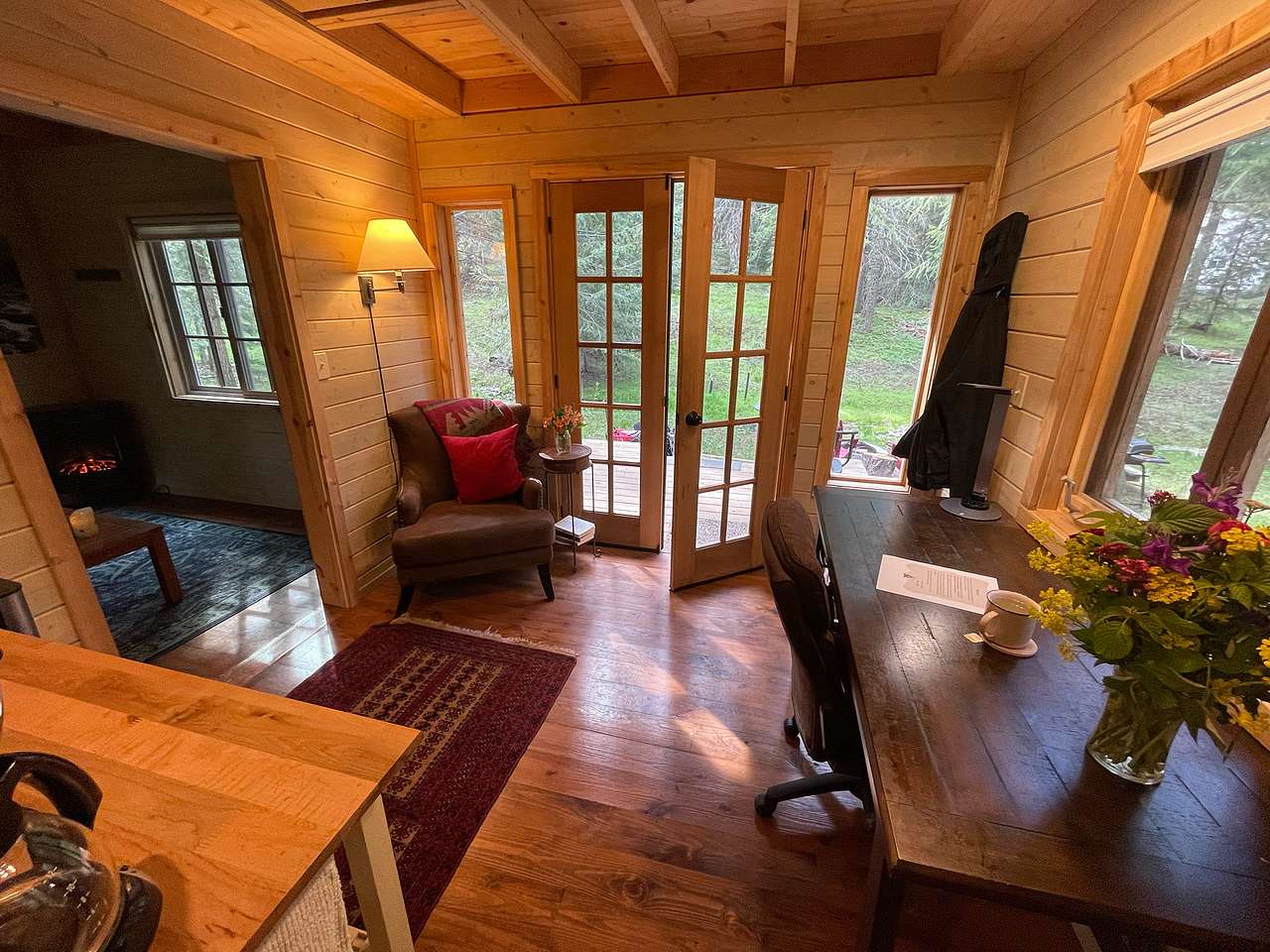
12. Owl Creek Cabin Mountain Getaway
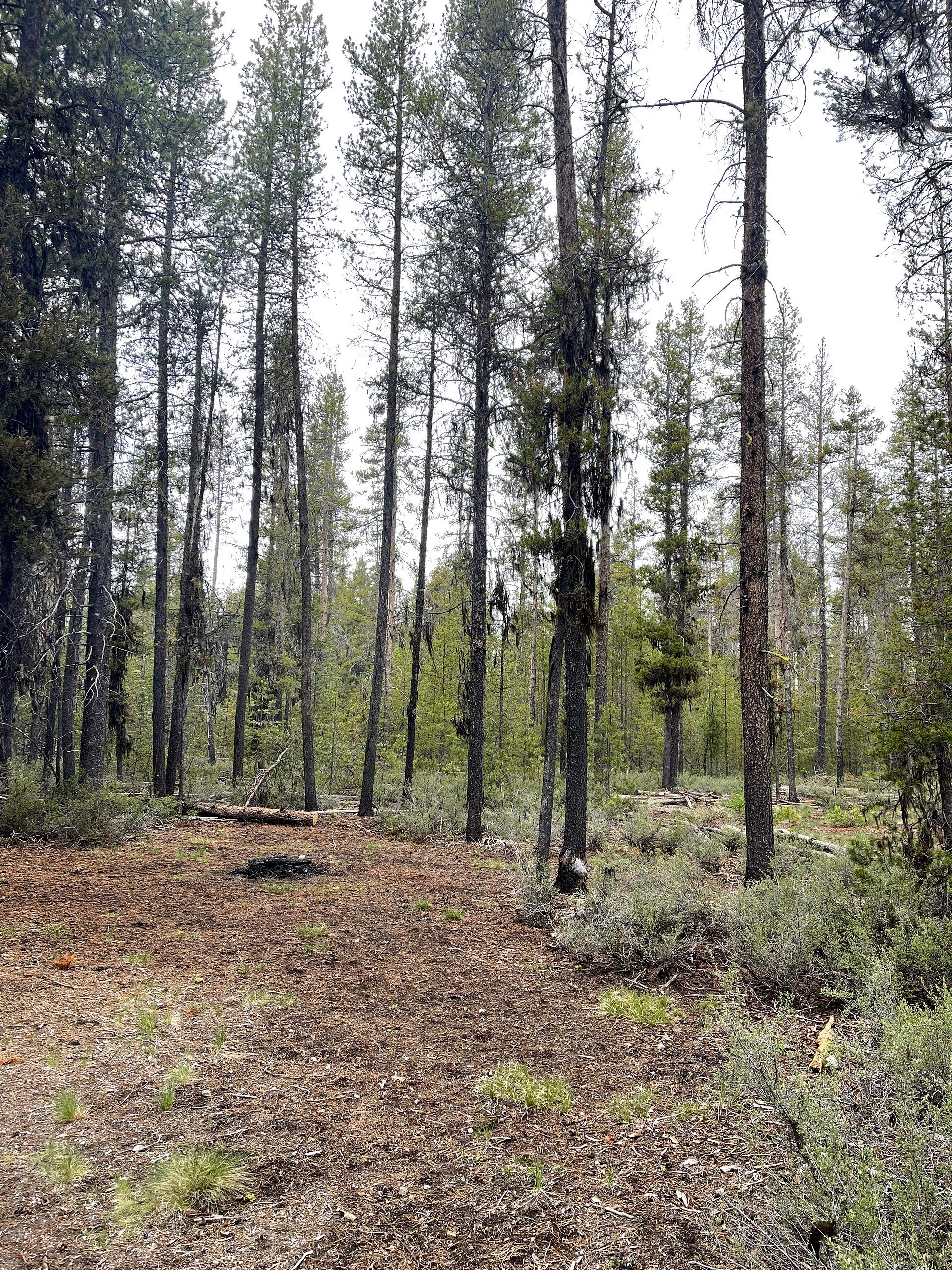
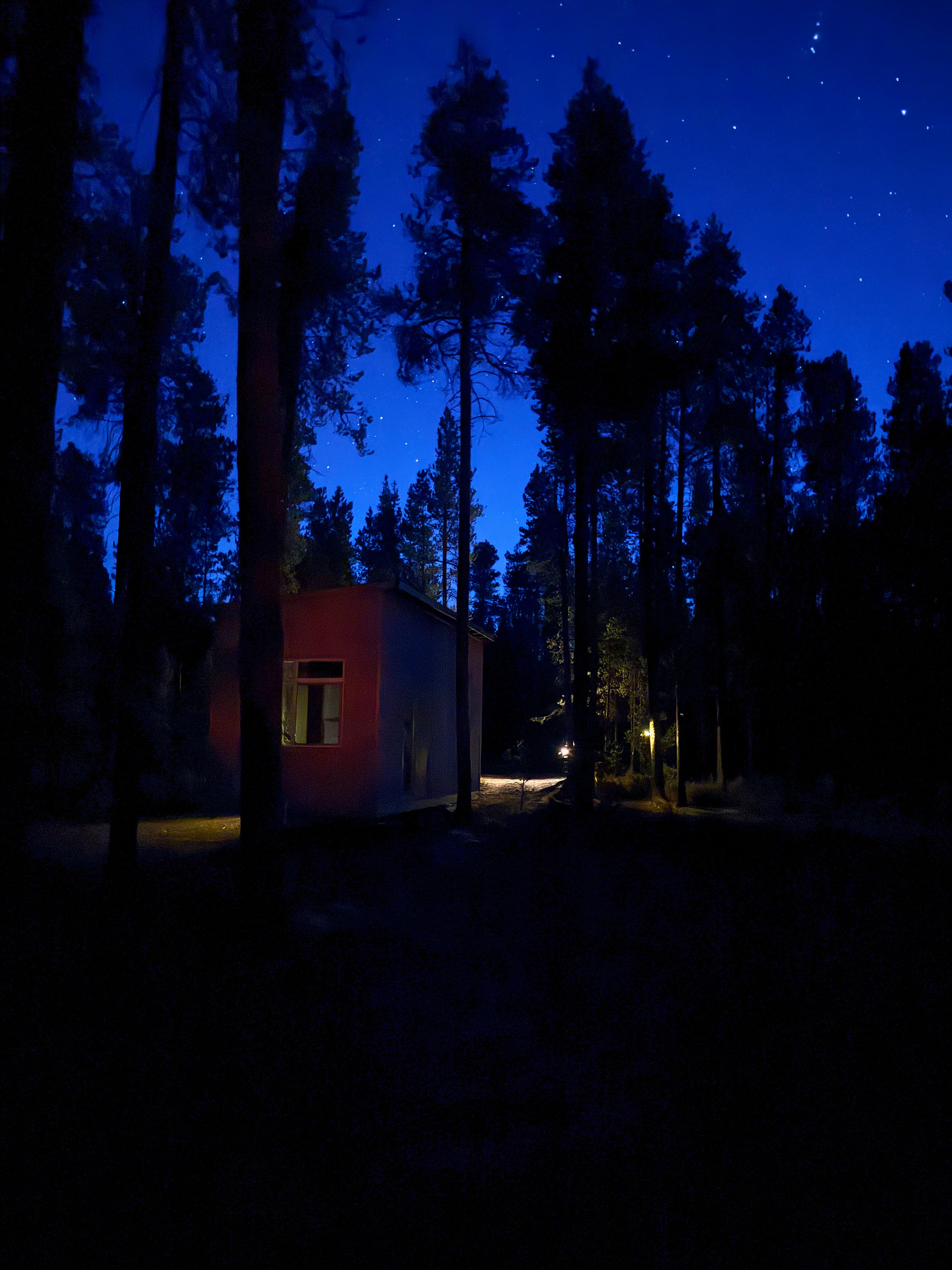
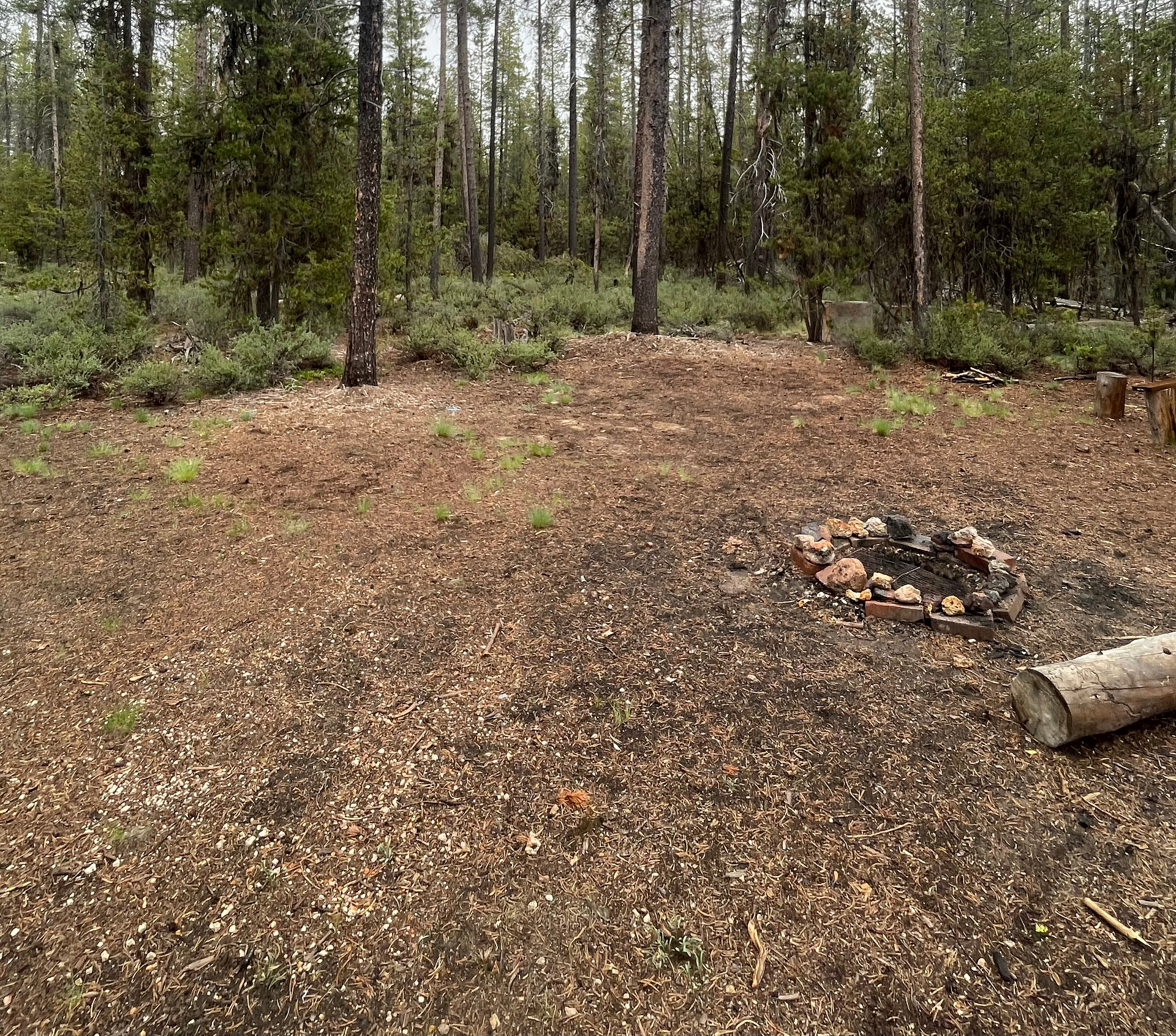
13. The Pines at Mount Scott
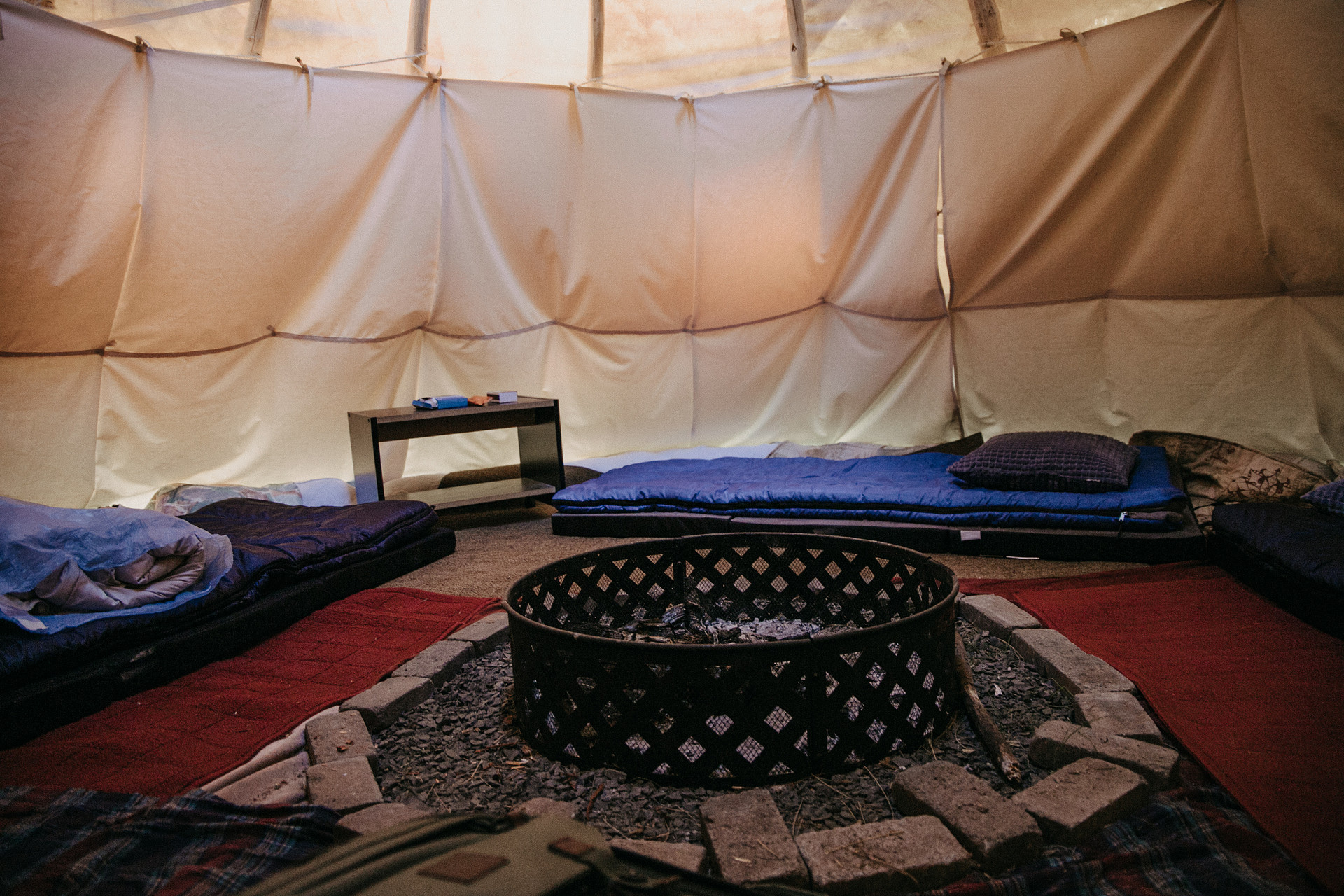

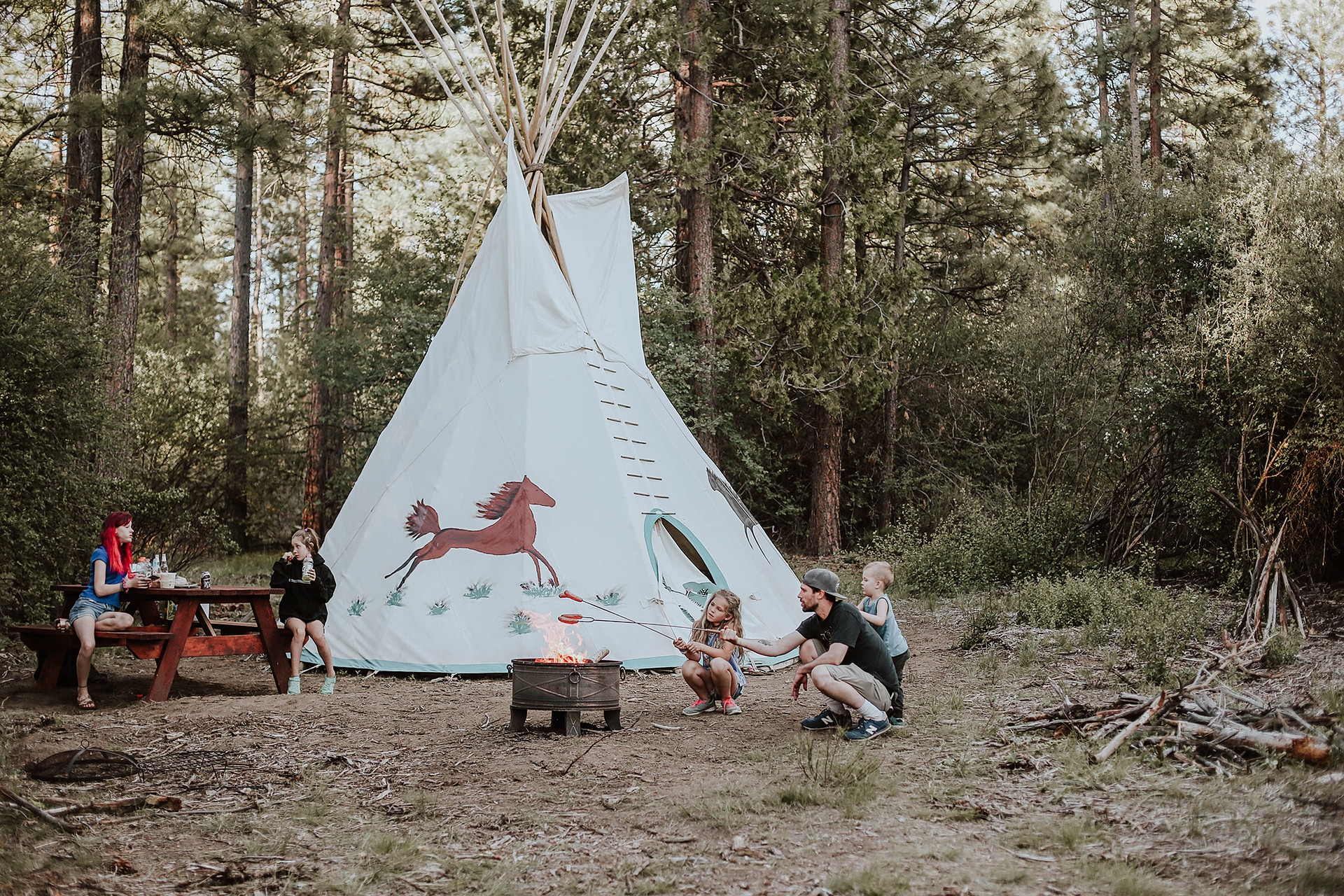
14. Heartline Ranch and Tipi Village
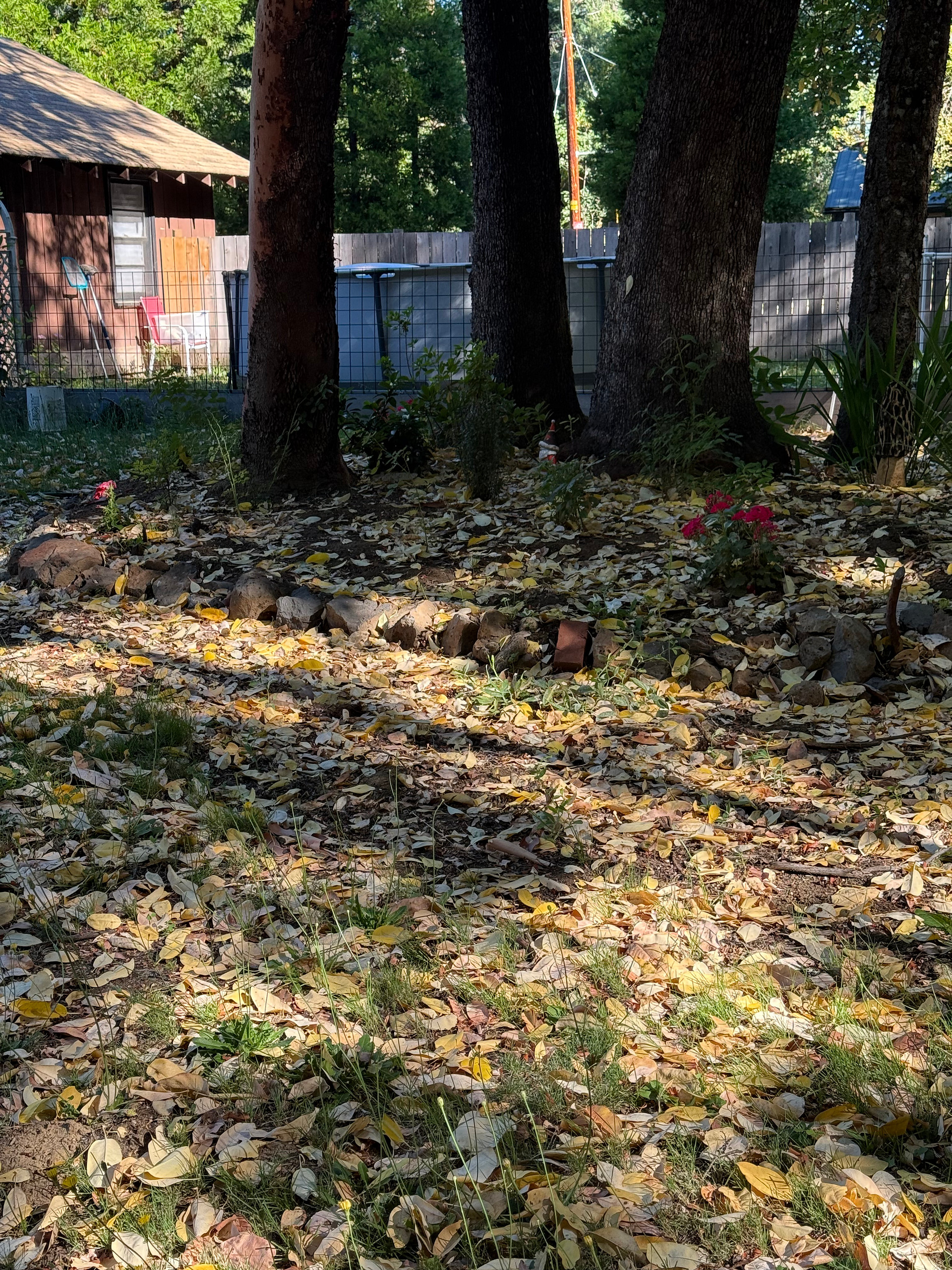
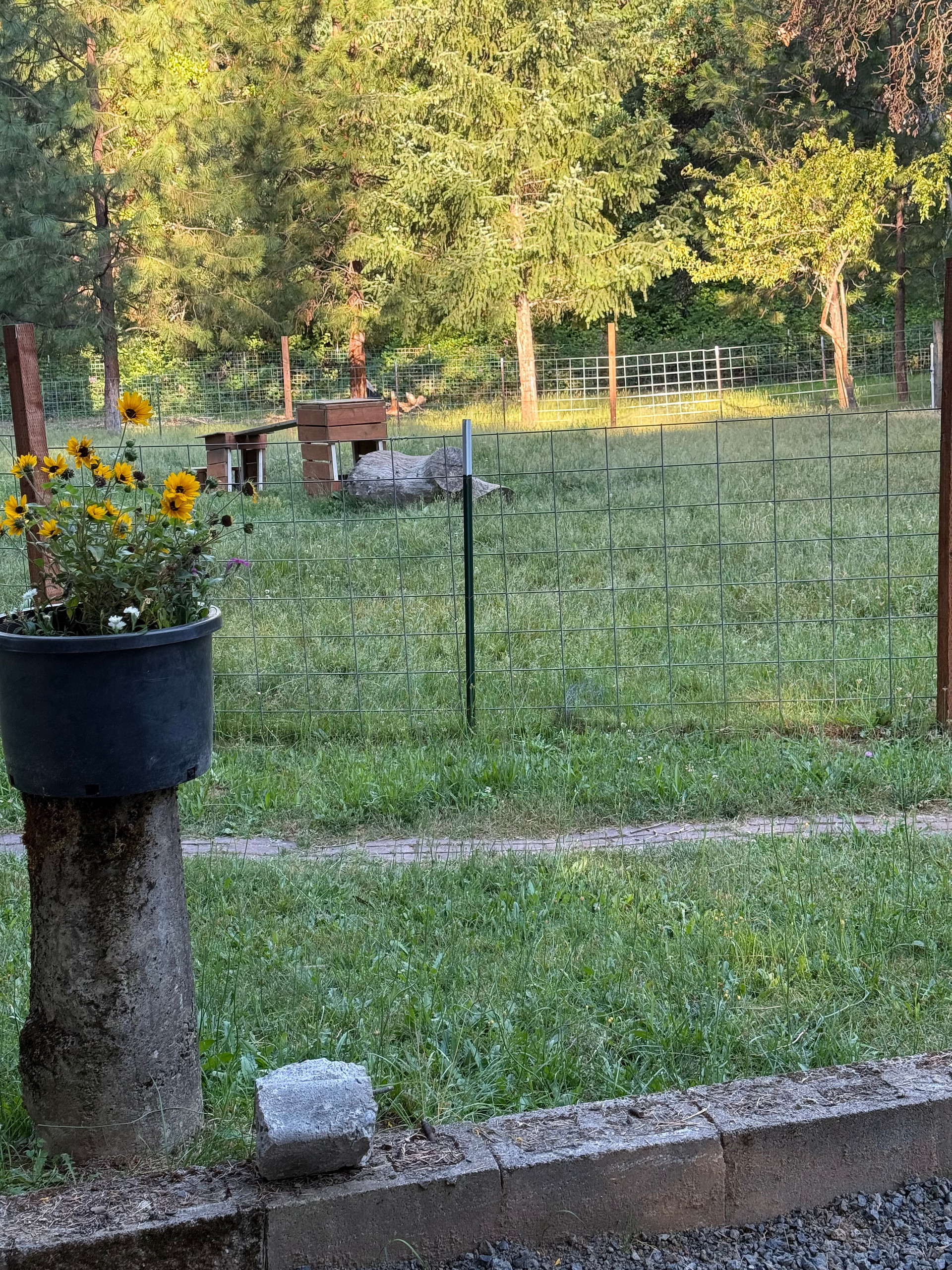
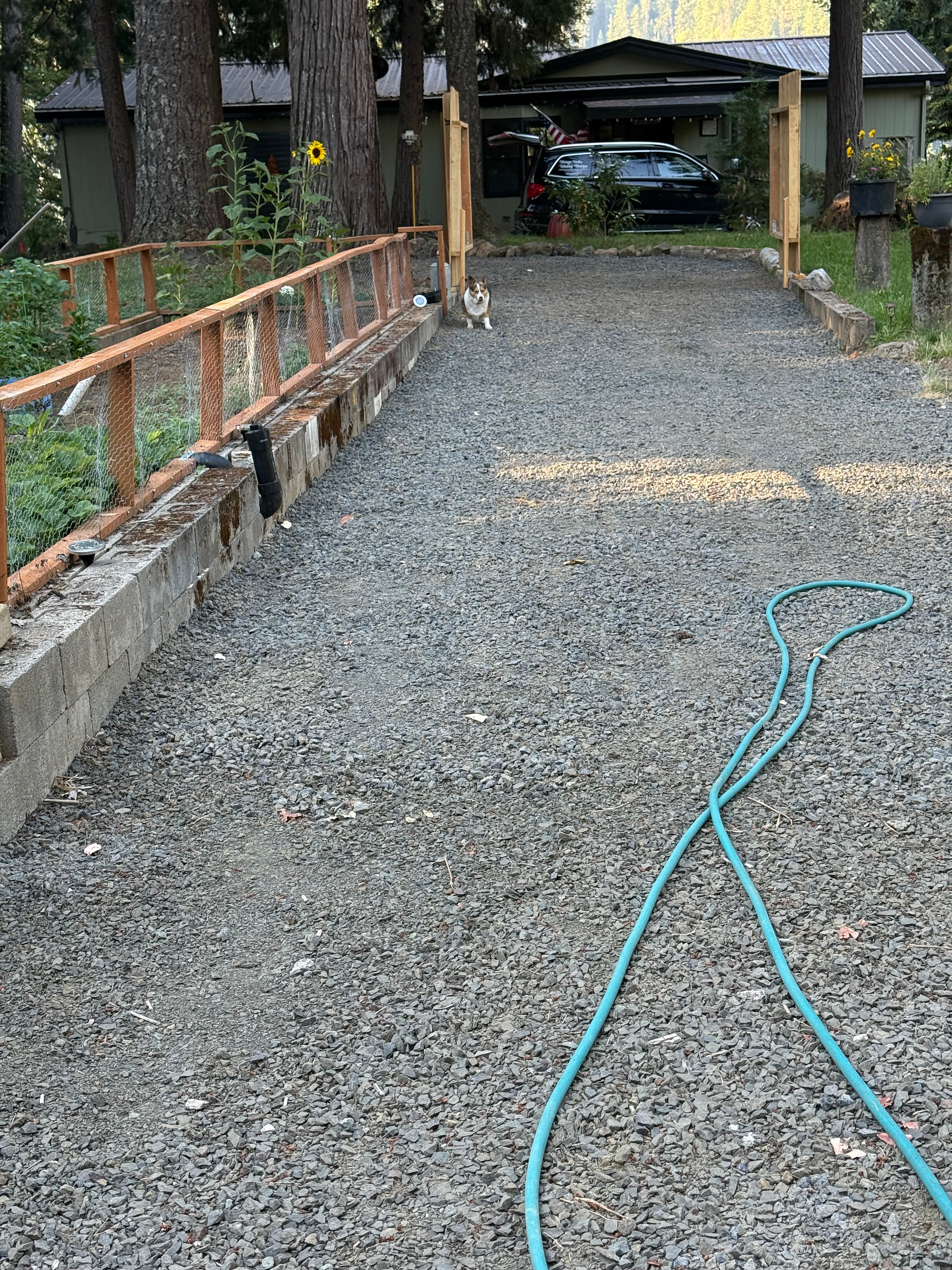
15. Skookum Camp

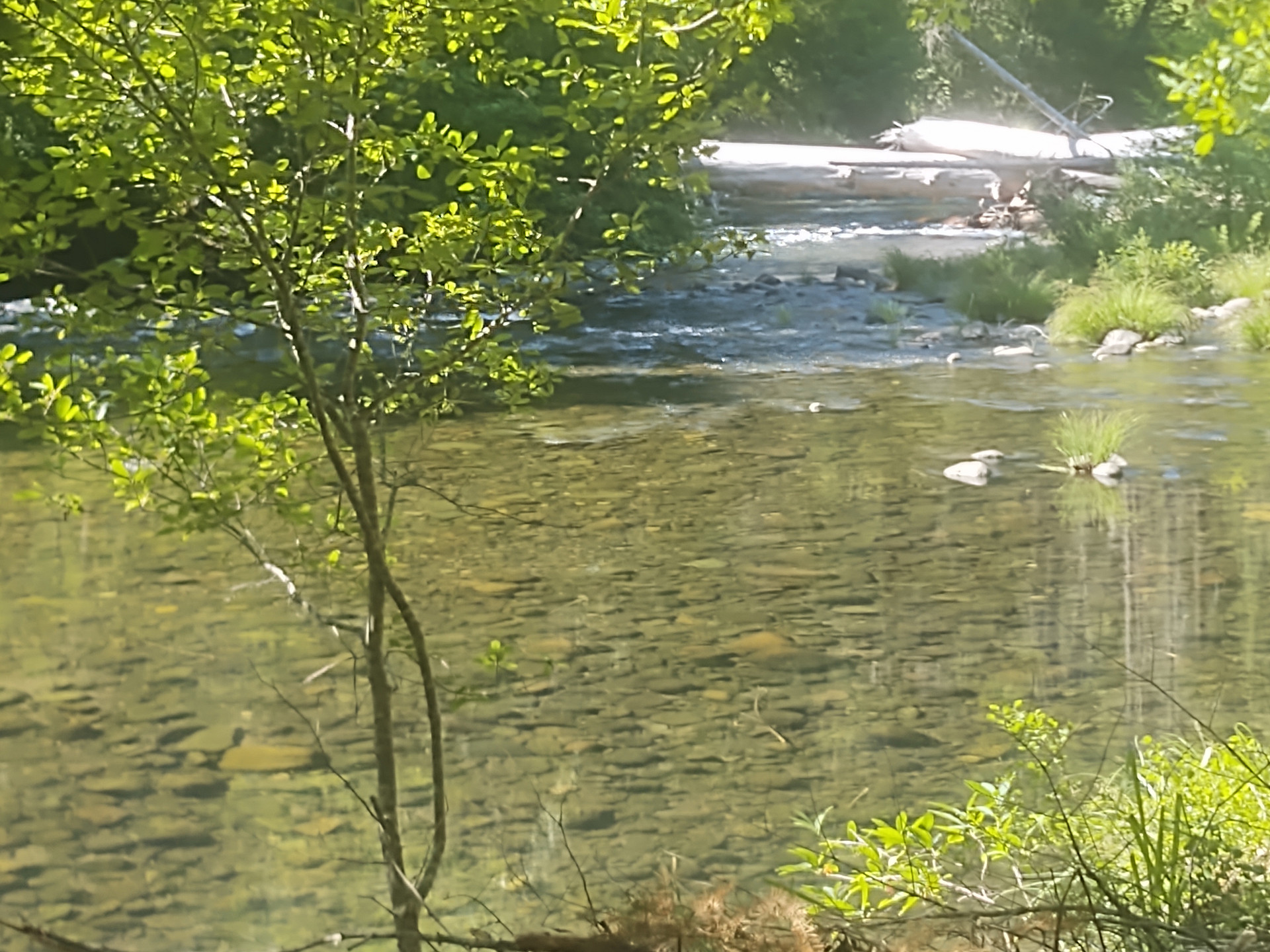

16. Nature's Utopia
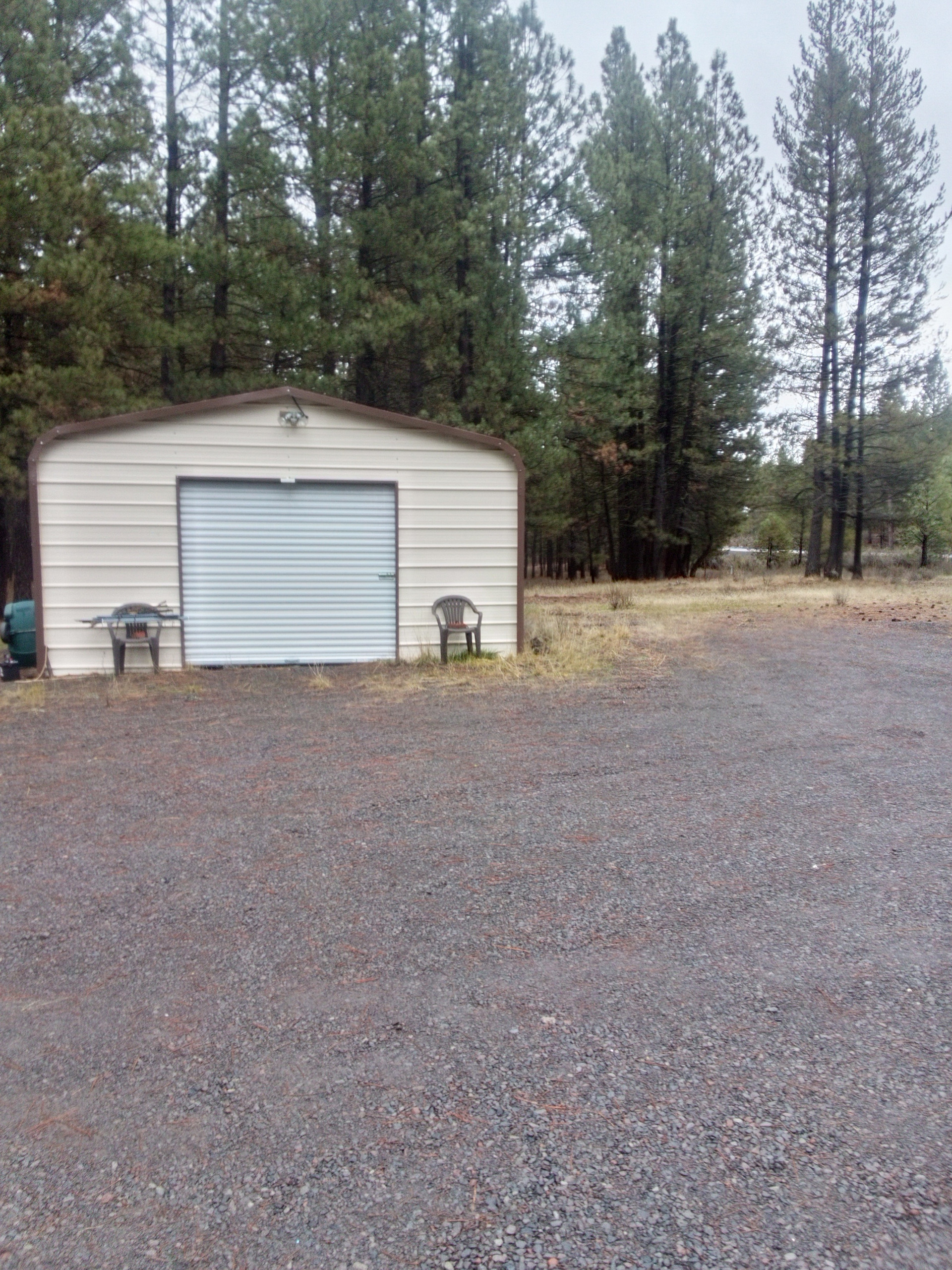
17. River Pines
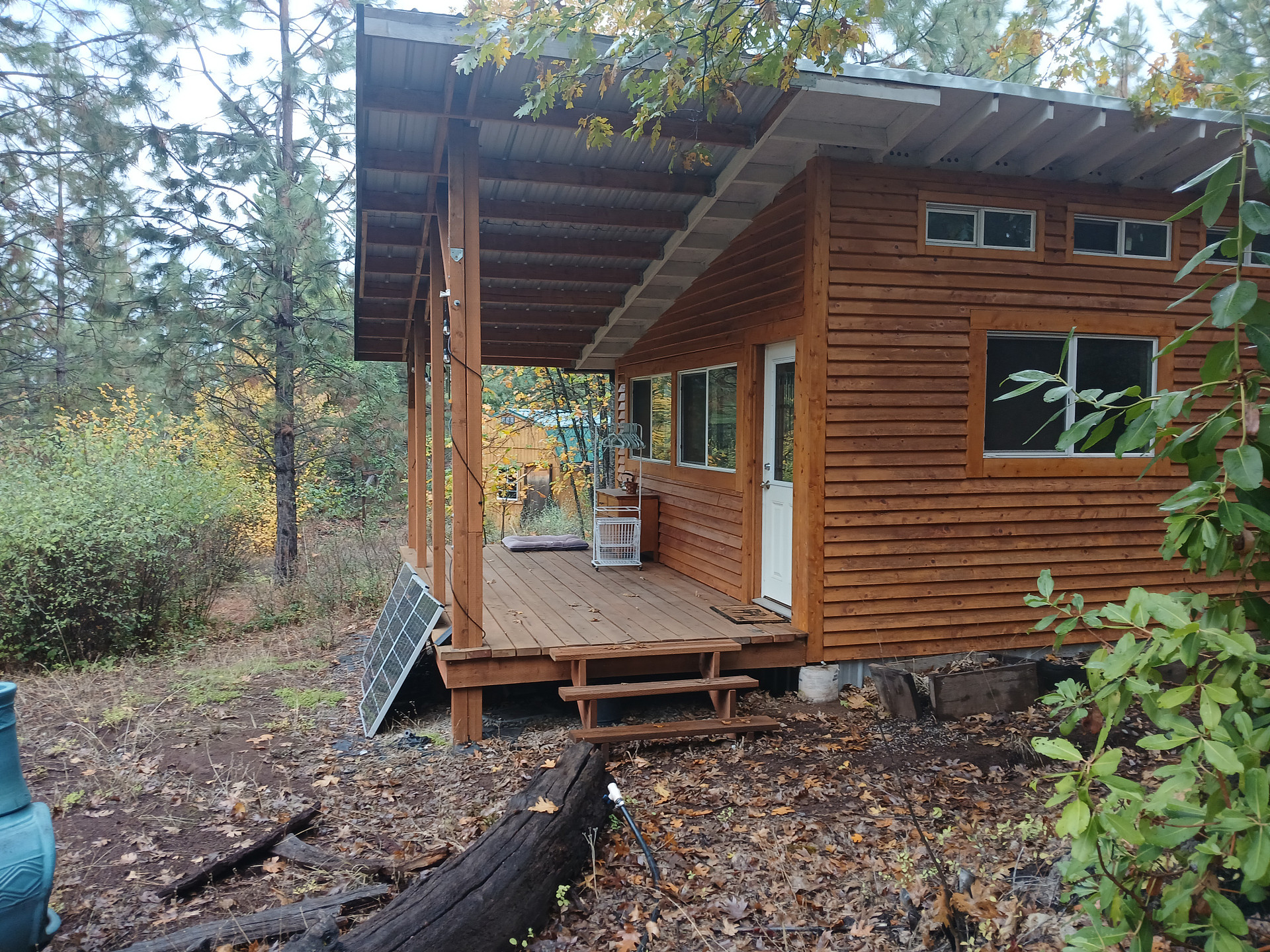
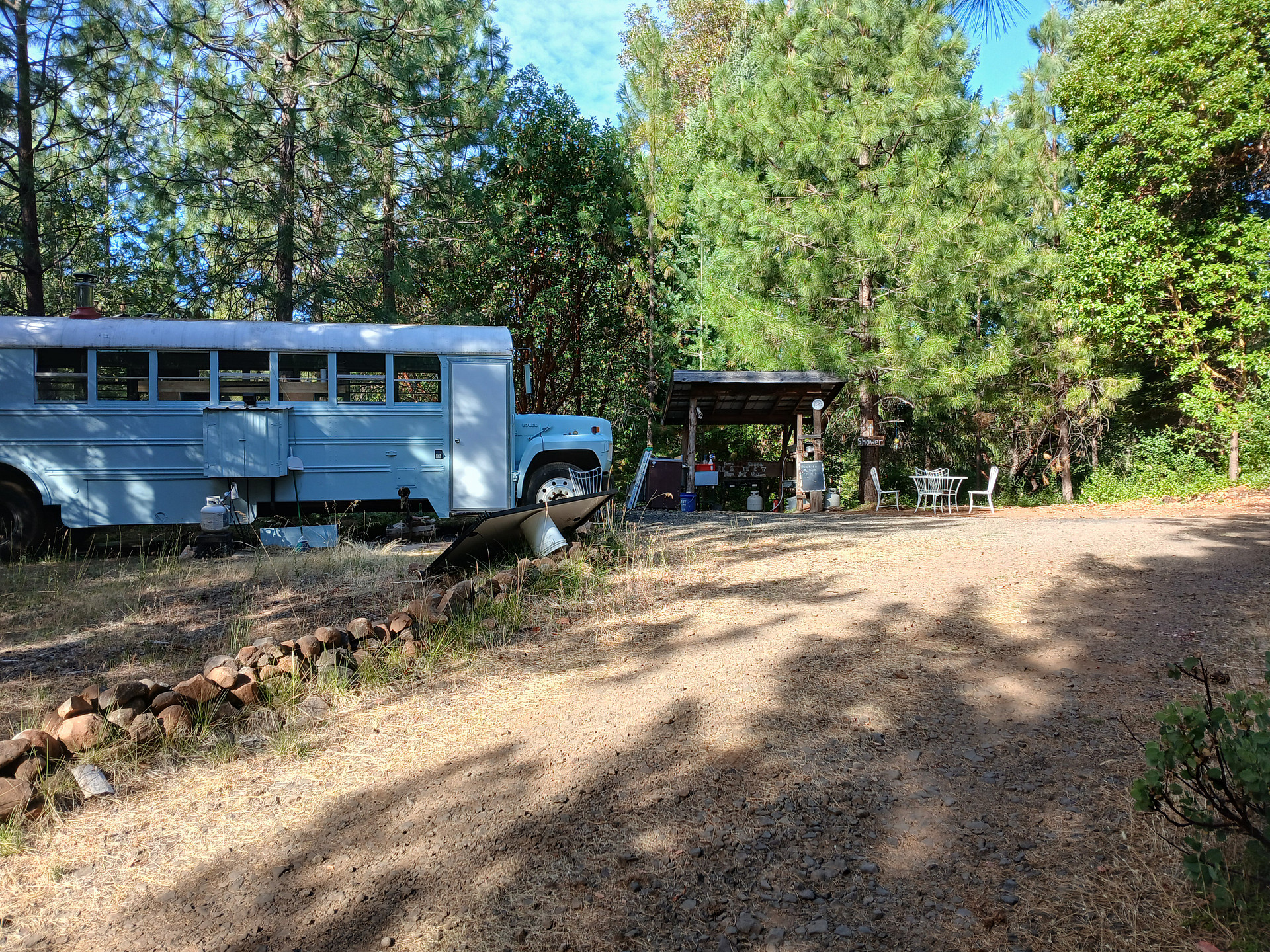
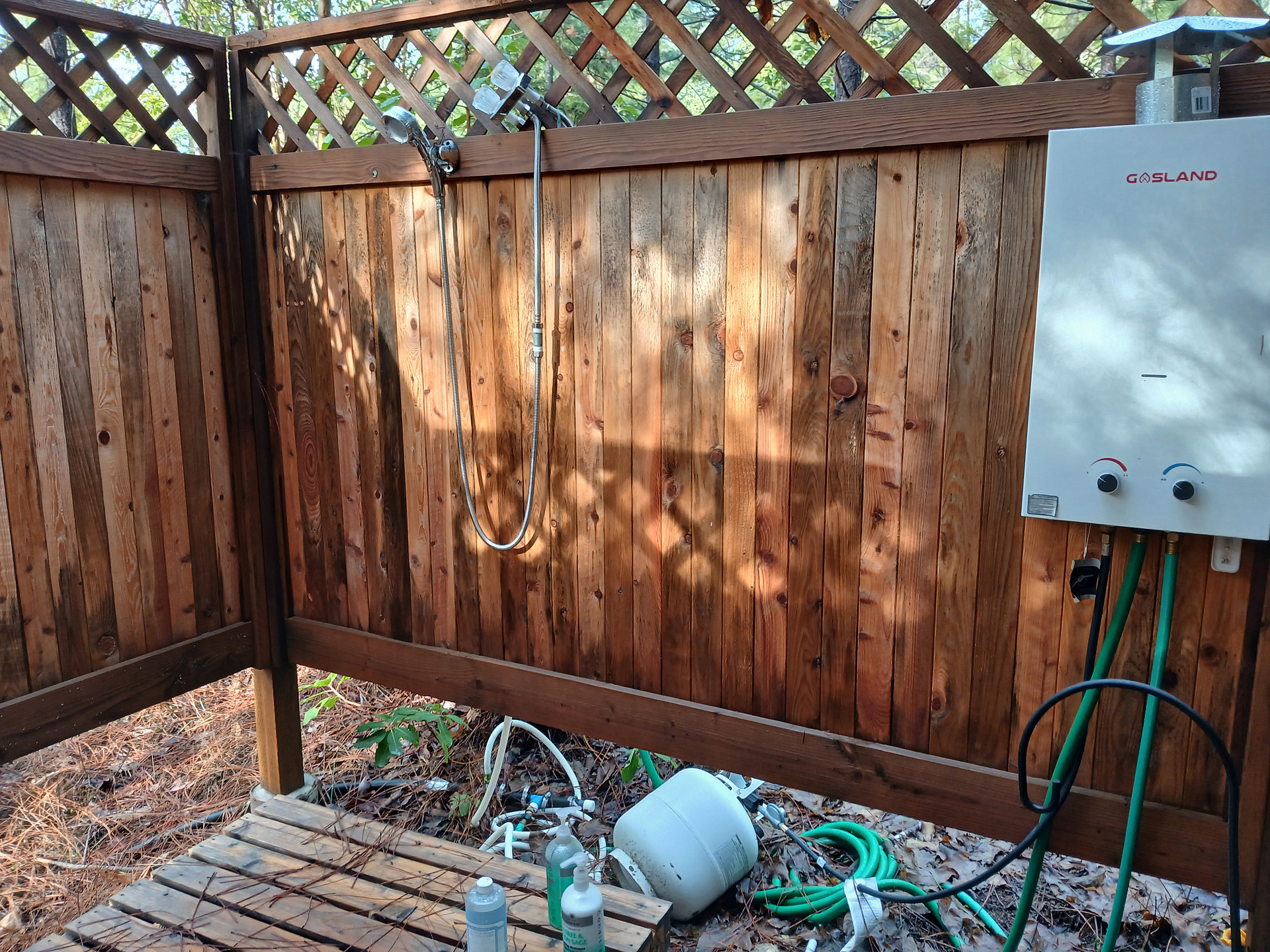
18. Fen Mountain
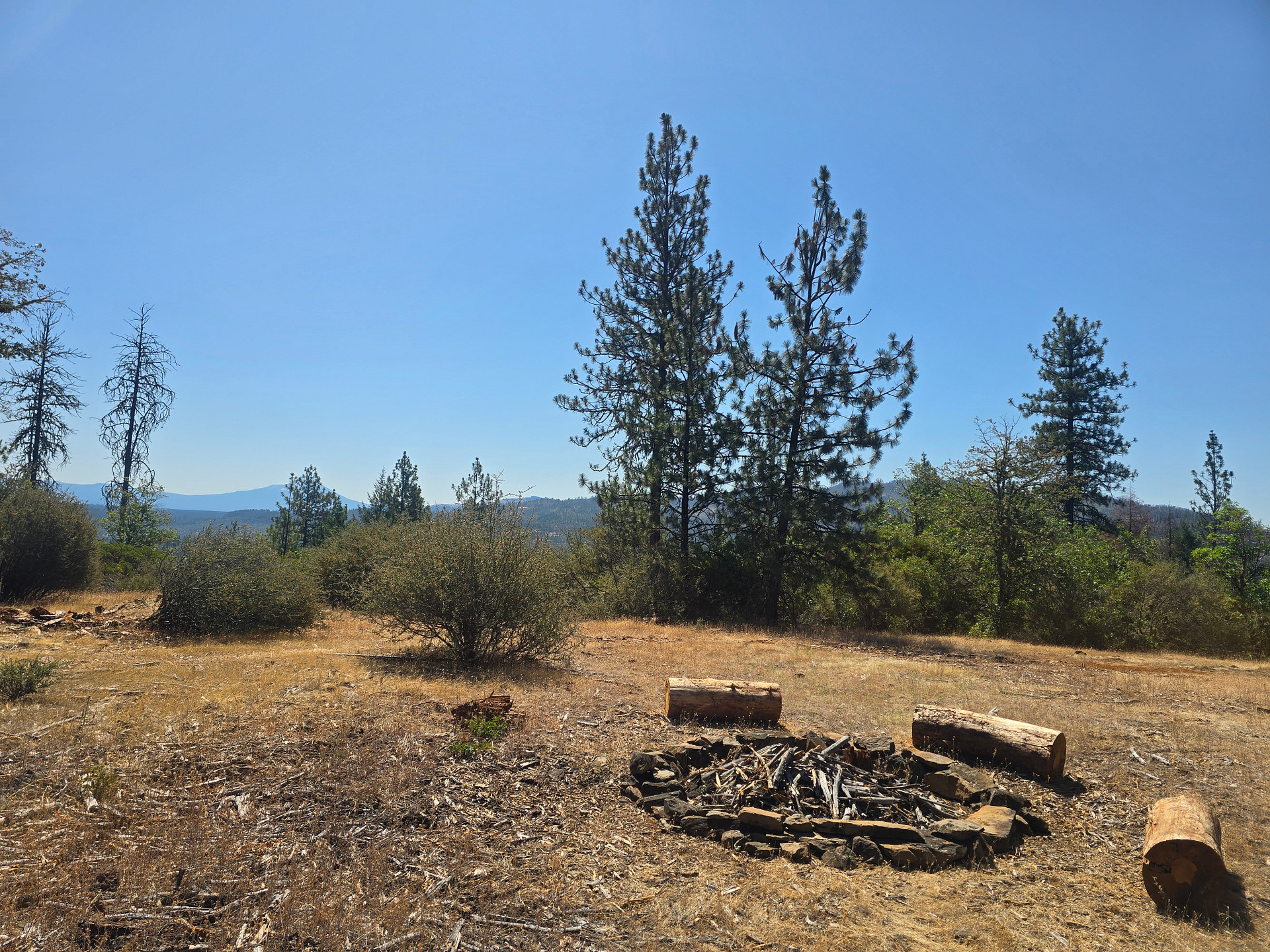
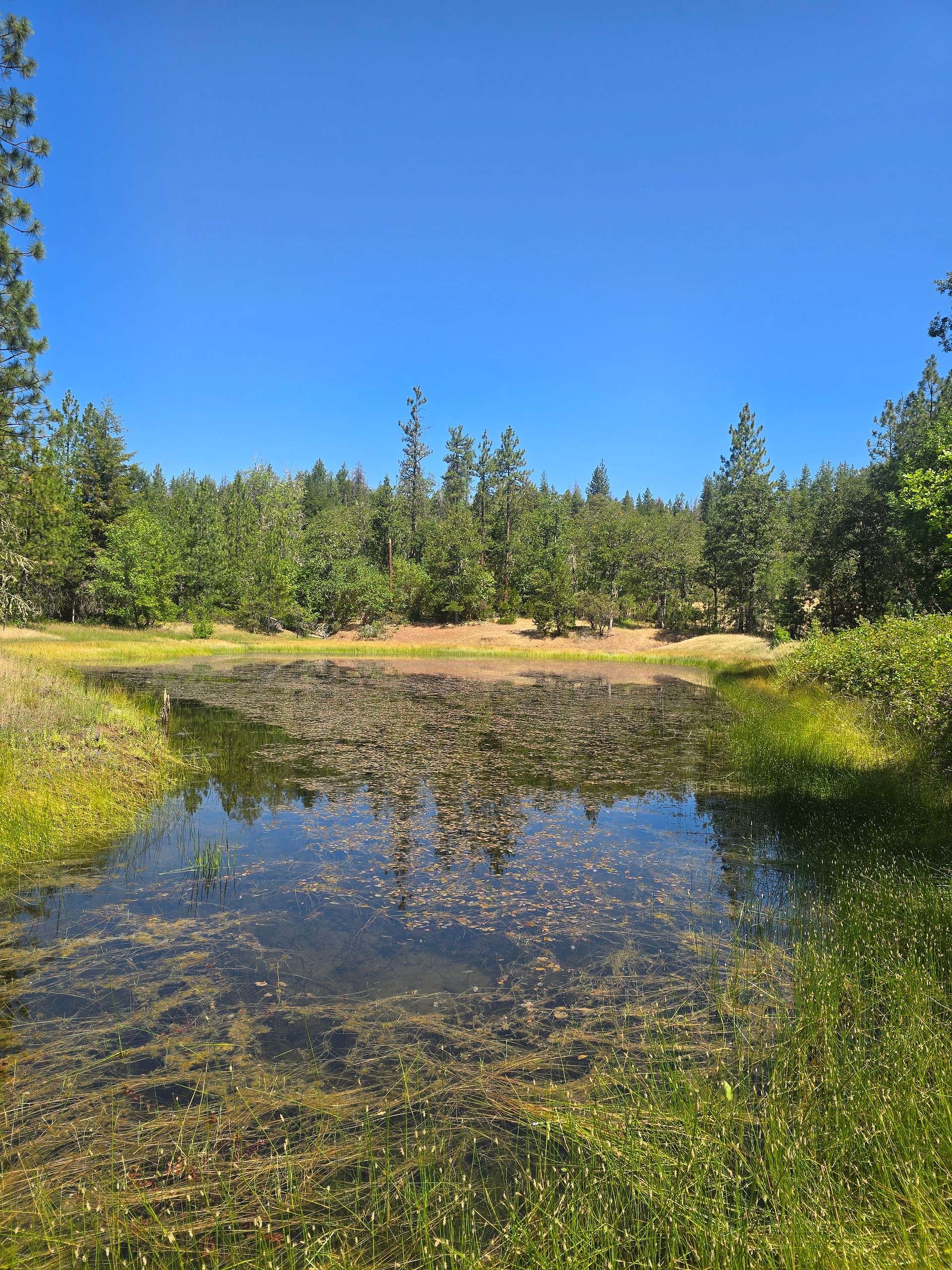
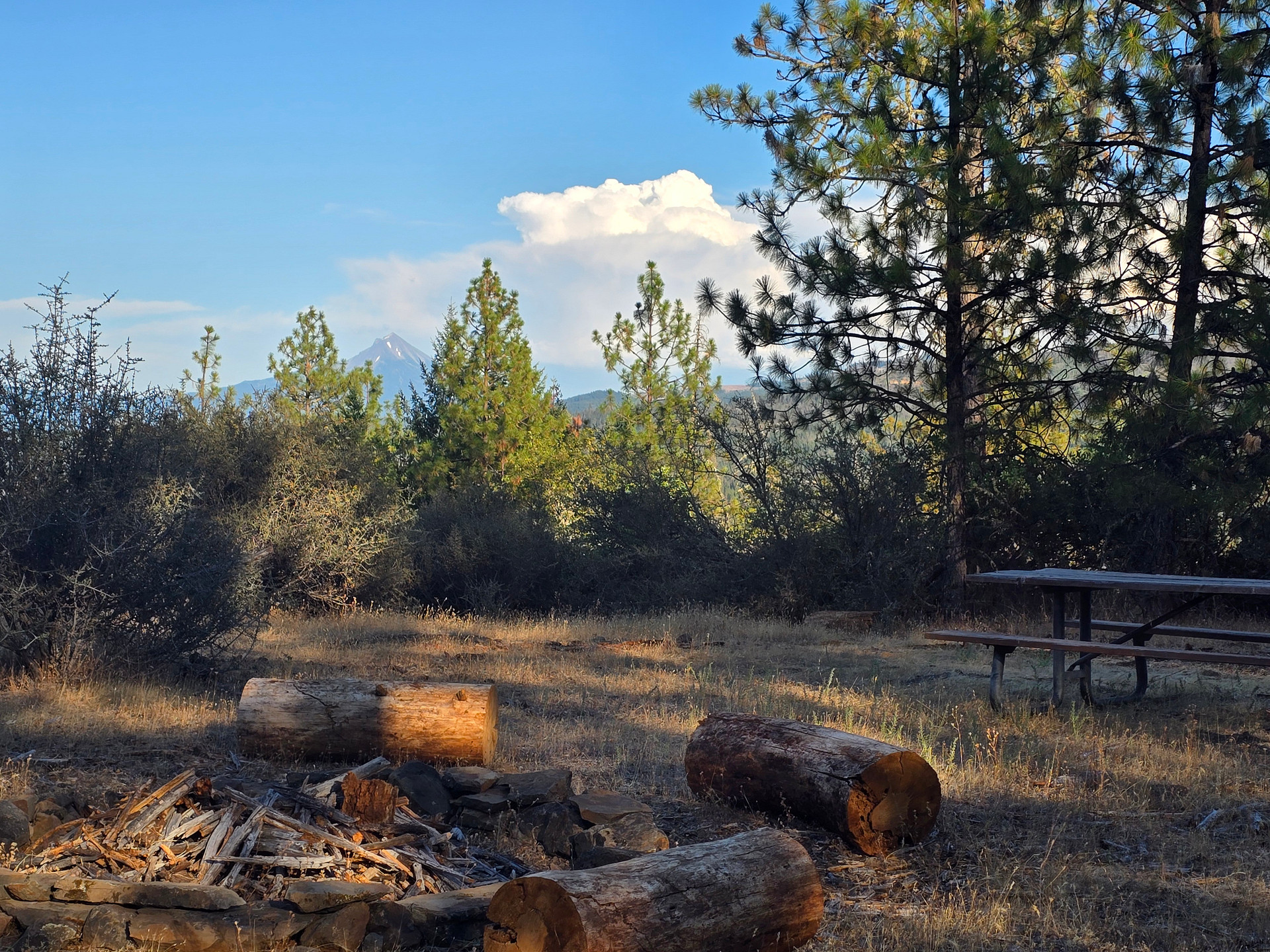
19. Indian Lake Ranch Adventures

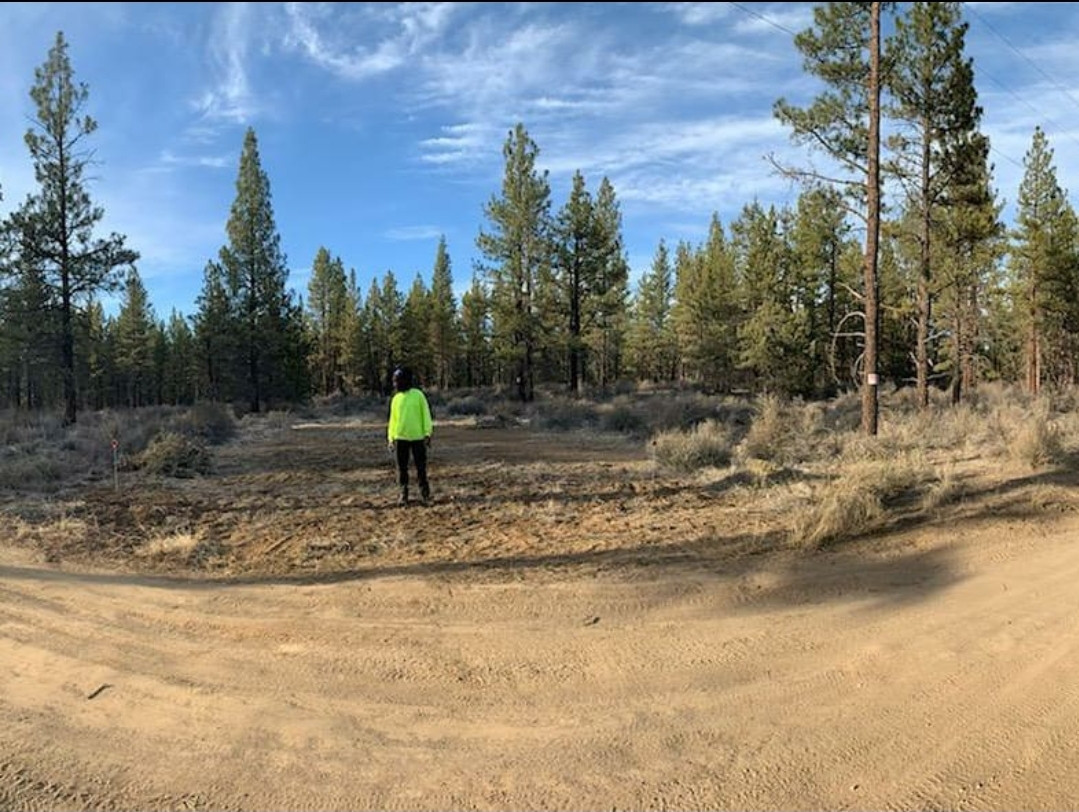
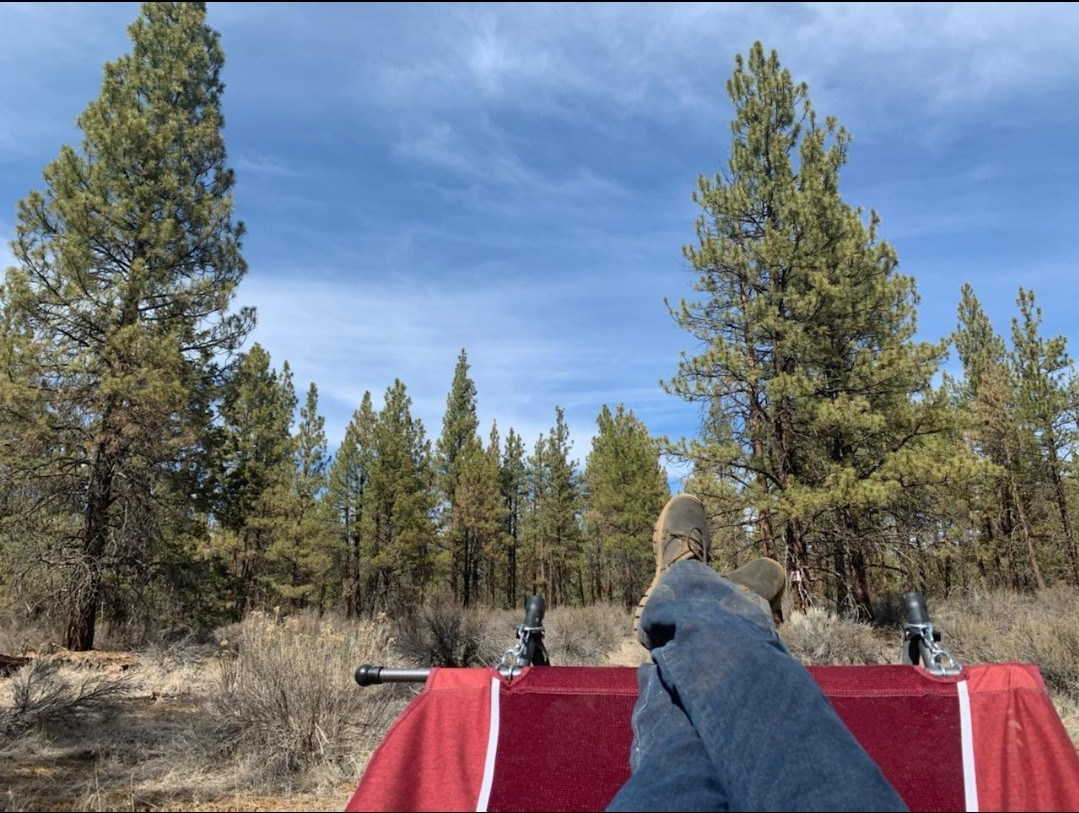
20. Oregon Retreat From The City Life!
Recent reviews from the Hipcamp community









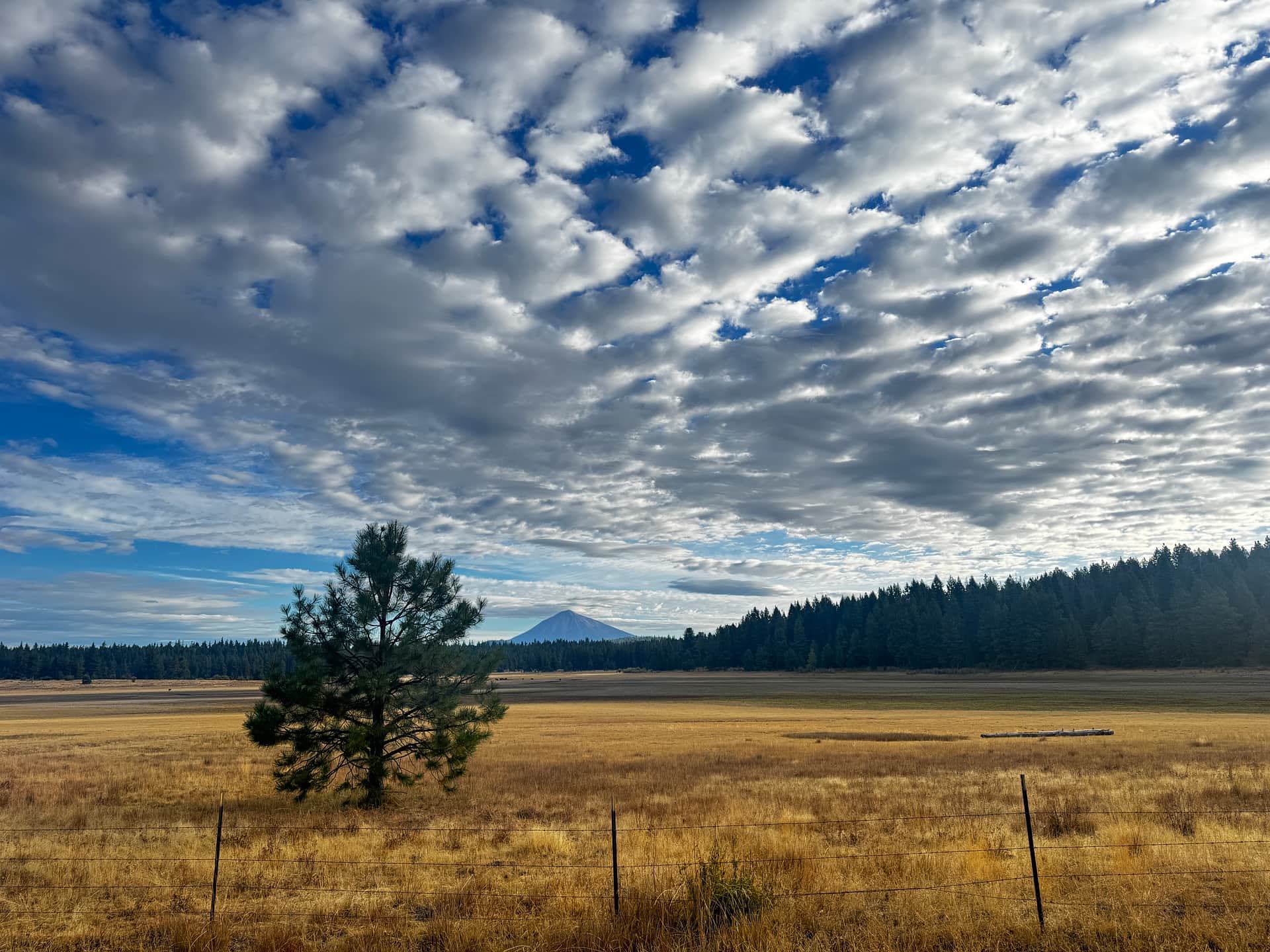
Crater Lake National Park camping guide
Overview
About
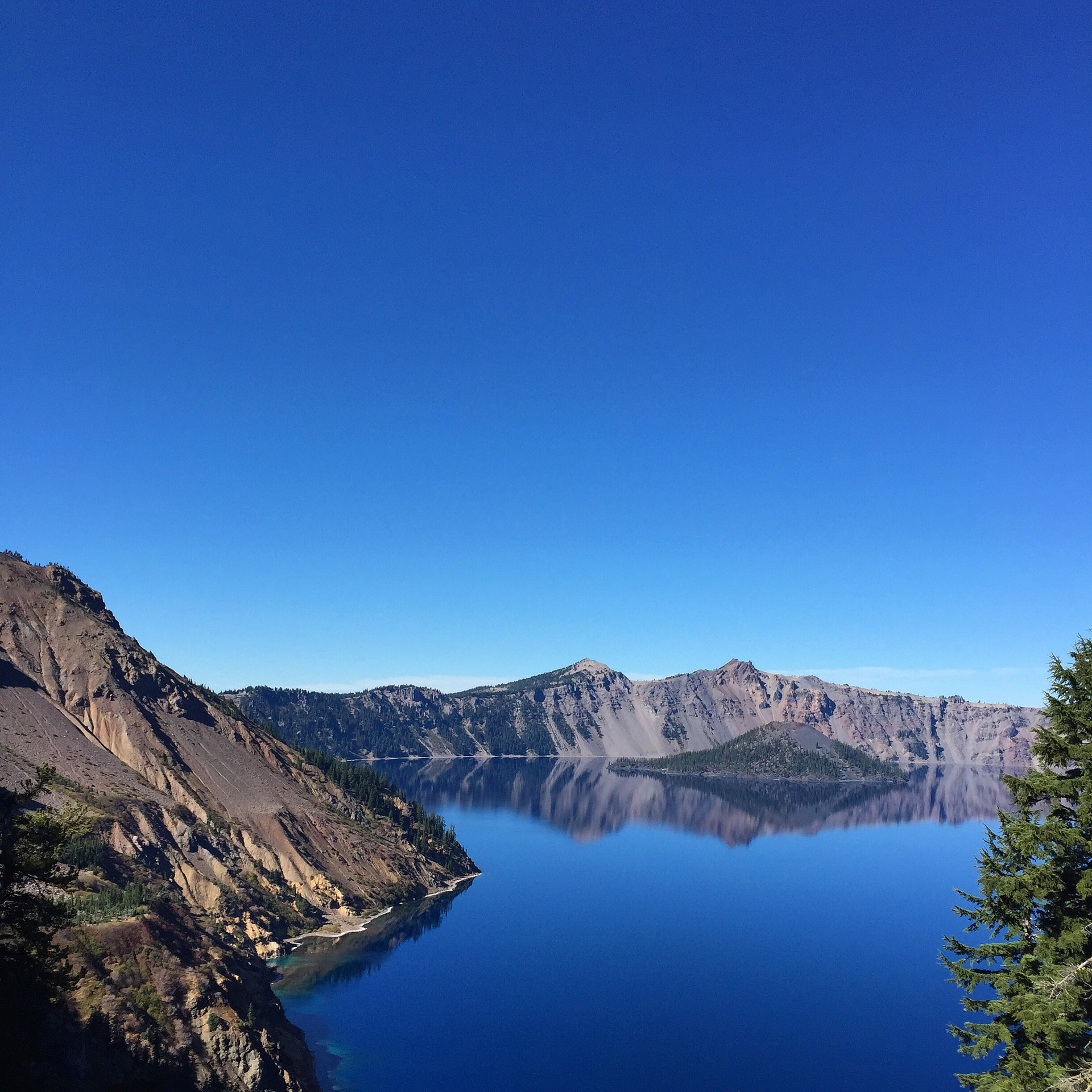
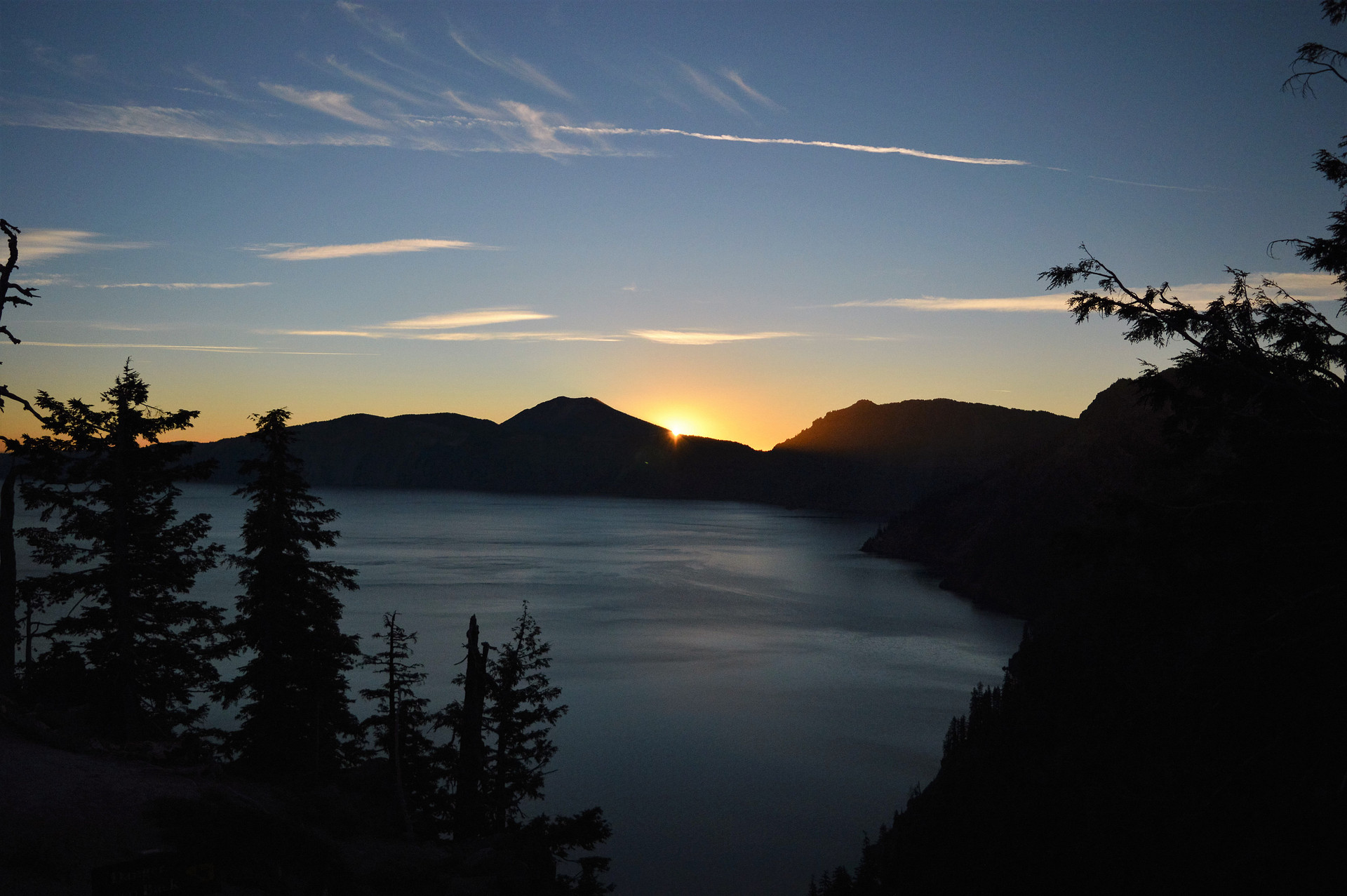
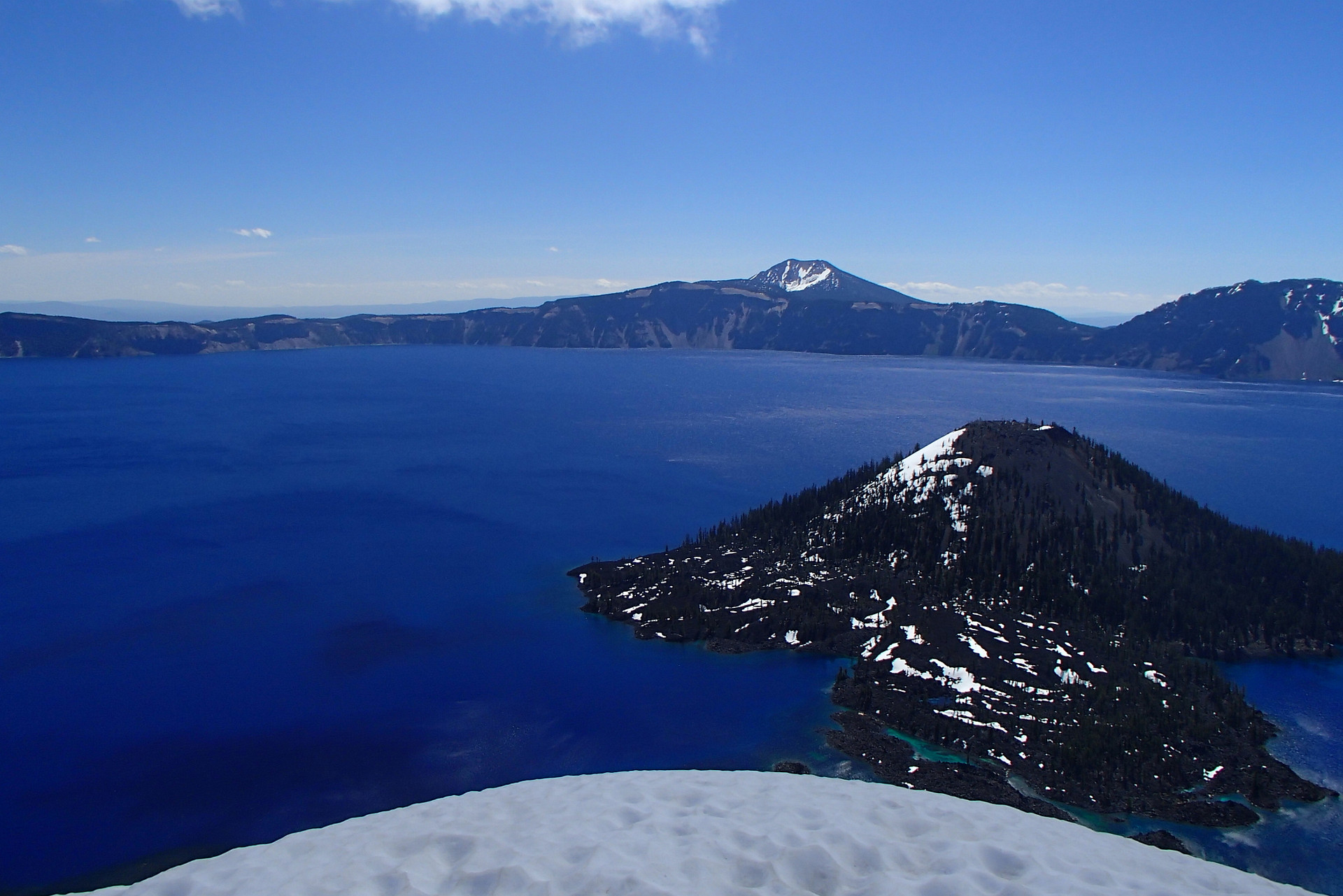
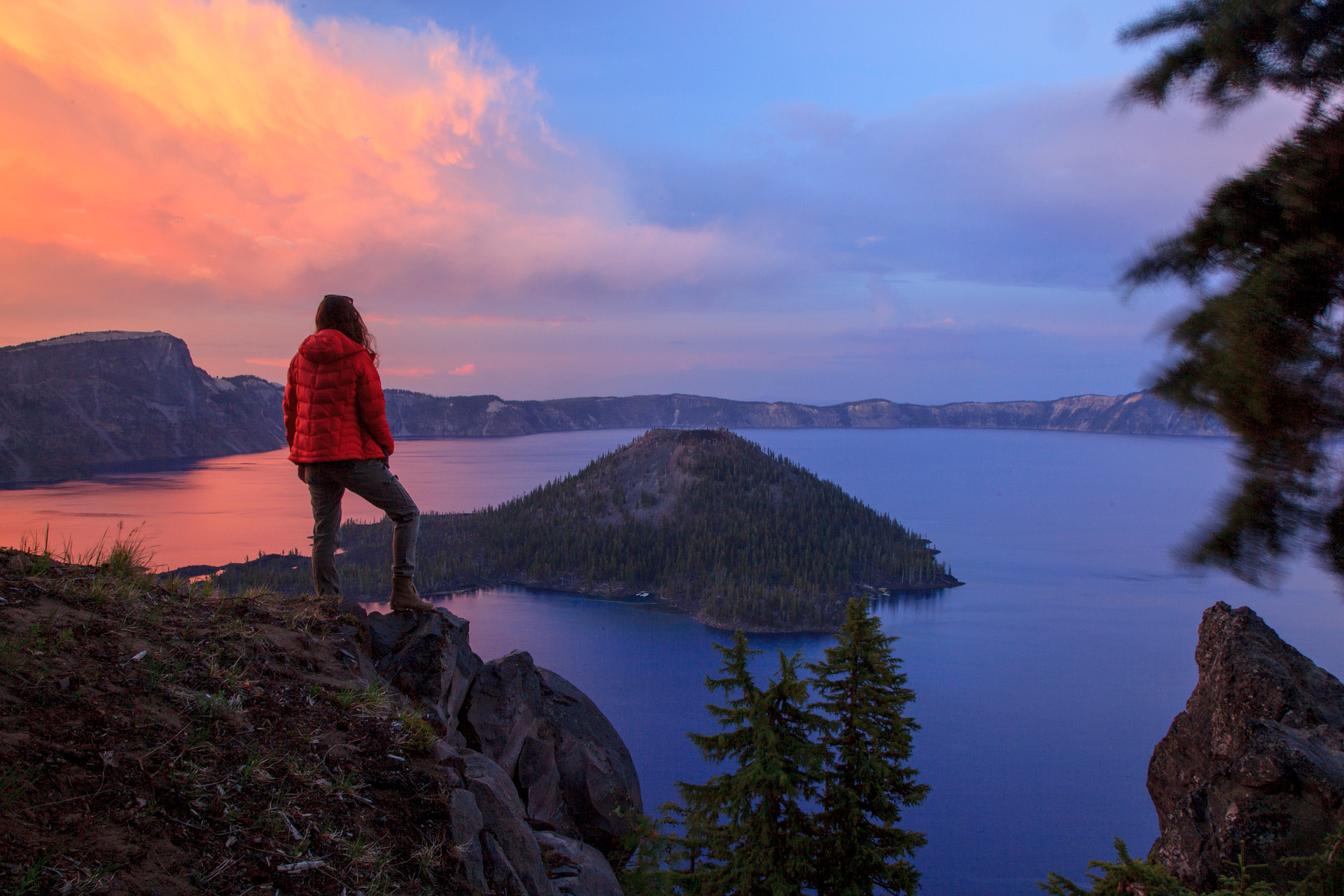
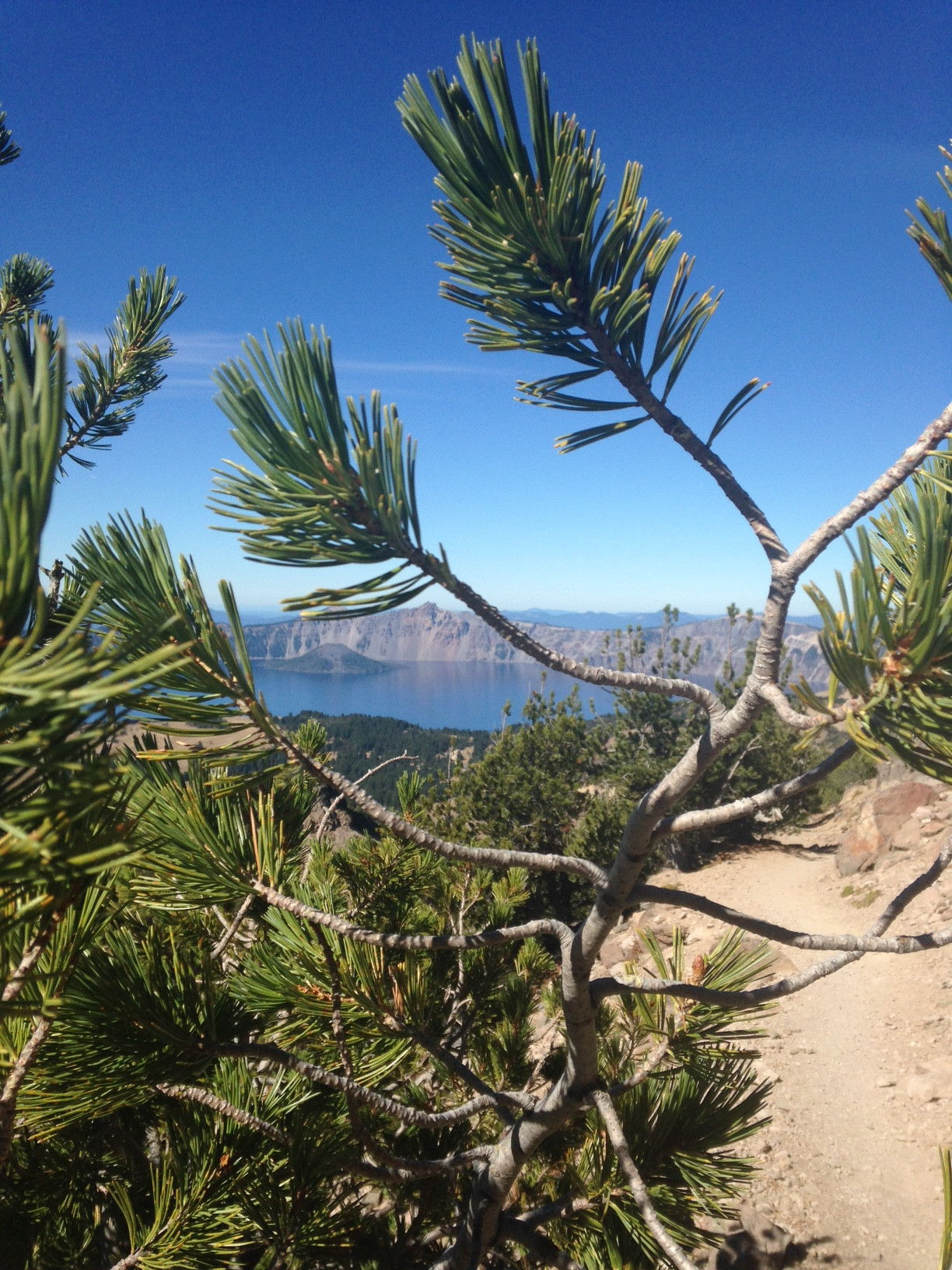
Named for its centerpiece caldera lake, formed by a volcanic eruption nearly 8,000 years ago, Crater Lake National Park—the only national park in Oregon—offers miles of snowshoeing and hiking trails, along with ranger programs, fishing, and boat tours. Crater Lake is the deepest lake in the US, and a highlight for many visitors is the chance to go boating out to Wizard Island in the middle of the water. A segment of the iconic Pacific Crest Trail passes also through the park, and while hikers love it here, the park is equally fun to explore by car with a drive along the crater’s rim to experience miles of incredible views.
Cabin Rentals Near Crater Lake National Park
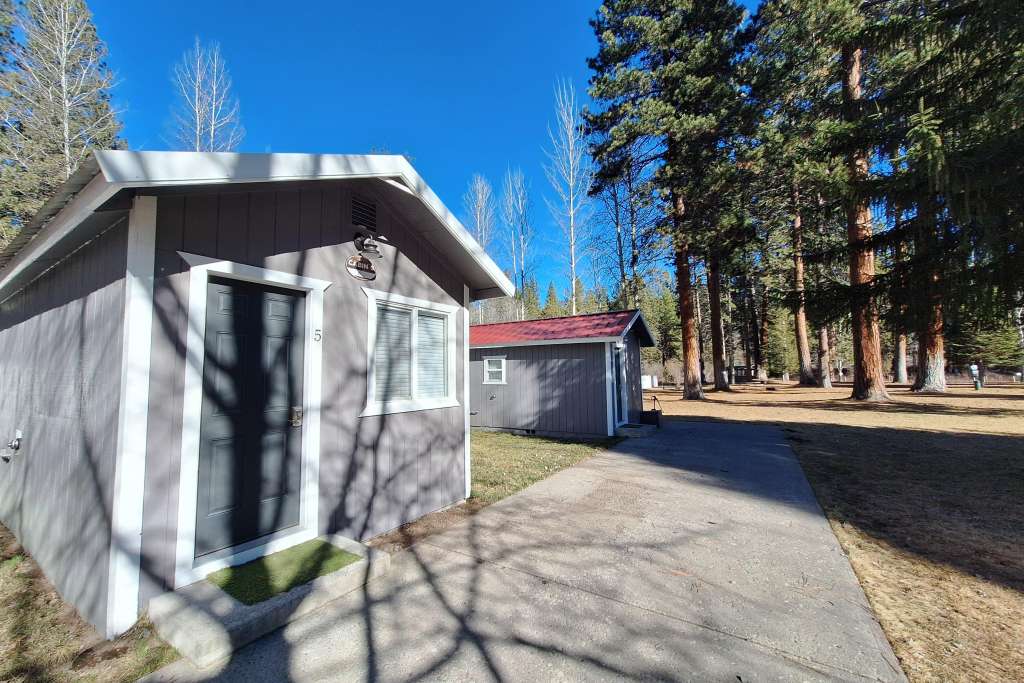
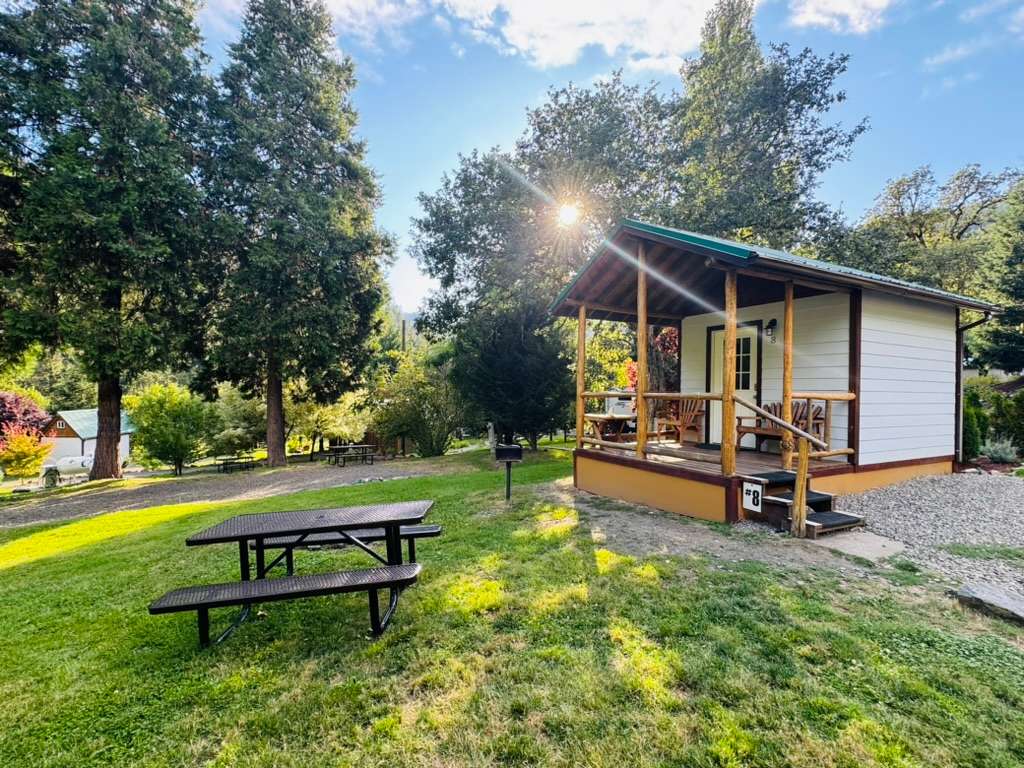
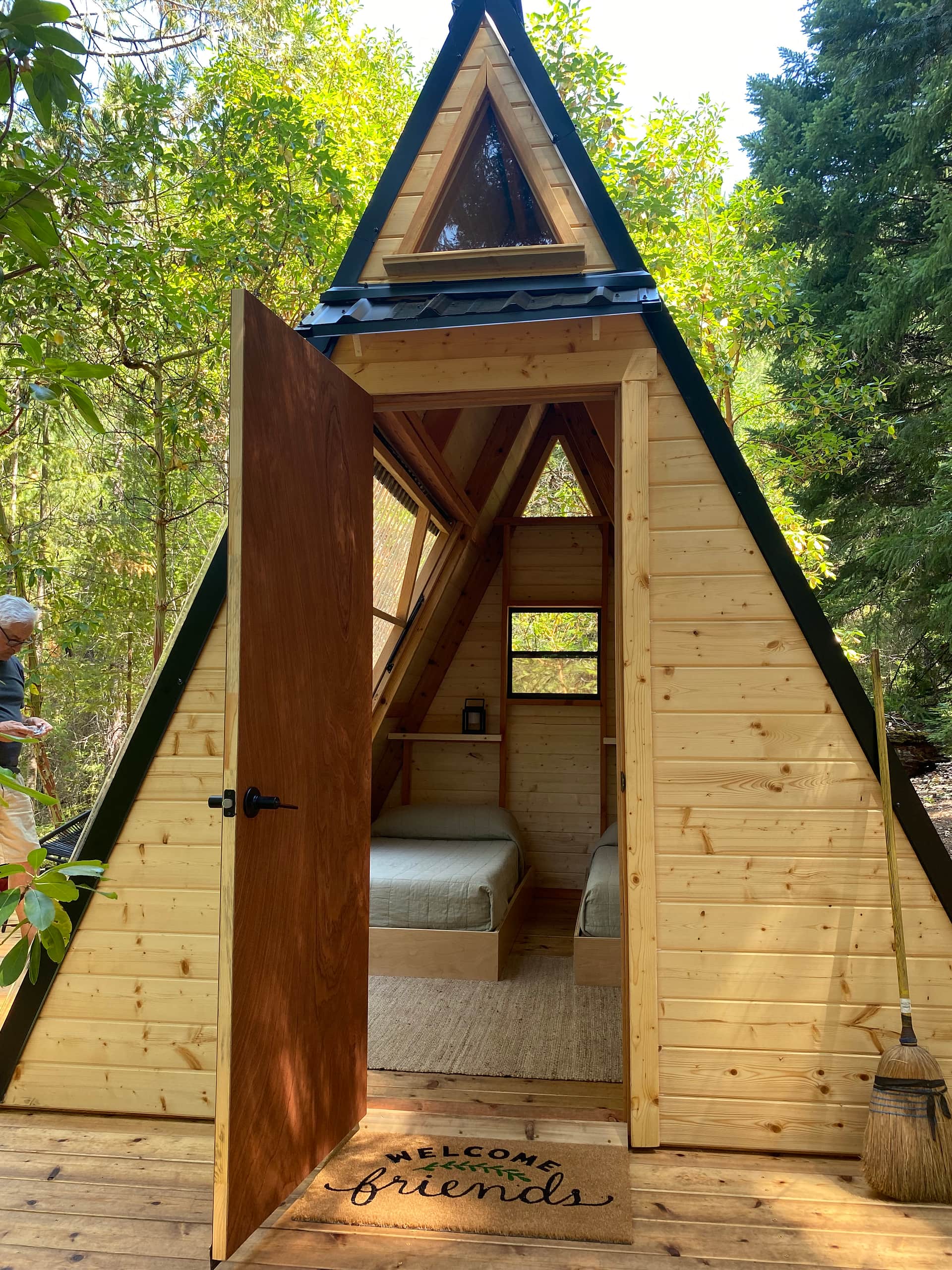
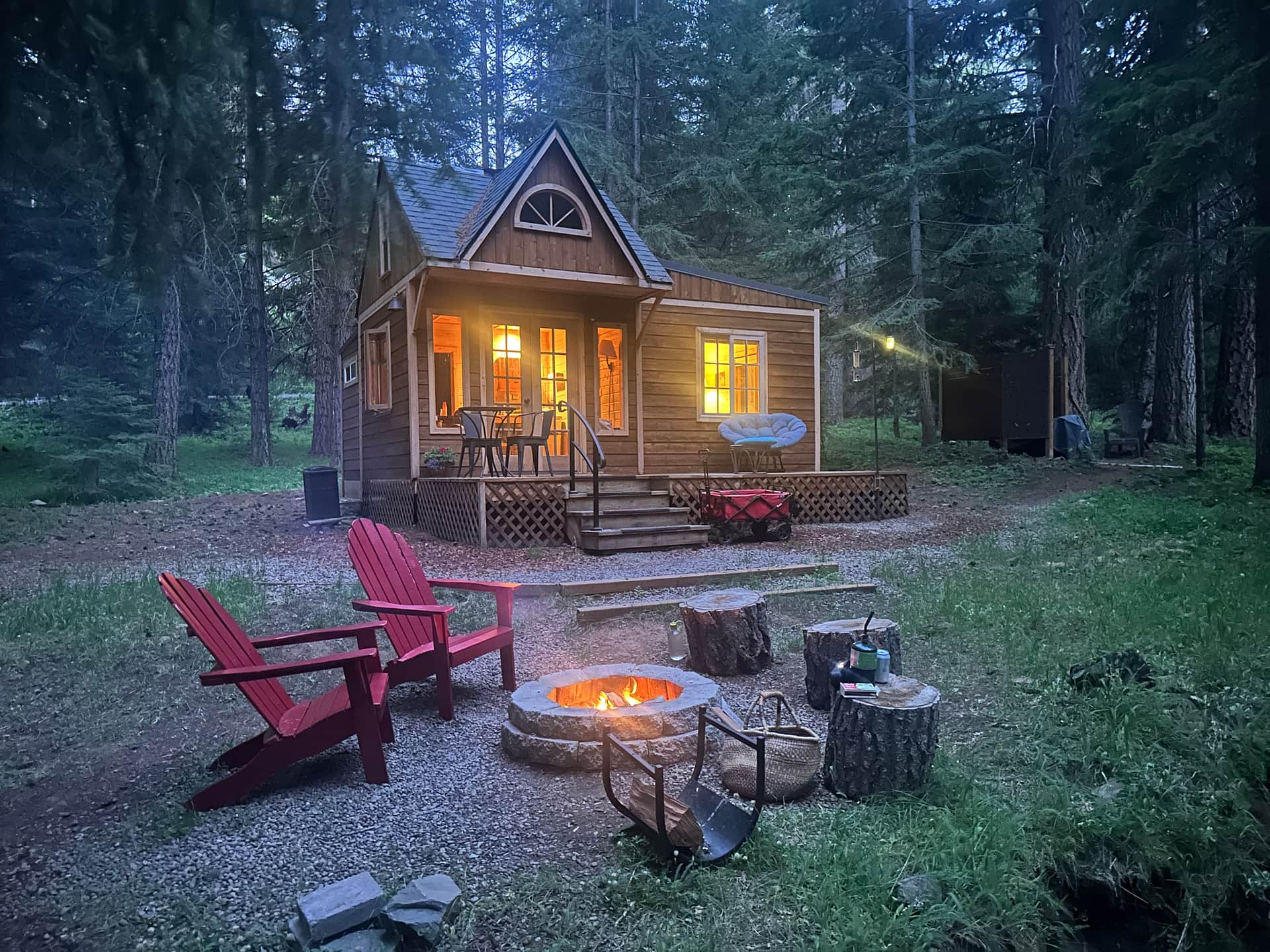
As Oregon's only national park, Crater Lake National Park is among the most popular outdoor destinations in the state. The park is named for its sapphire-hued caldera lake—the deepest in the US. While the area is covered with snow throughout much of the year, summers are sublime—and area cabins fill up fast. Cabin rentals are available inside the park at The Cabins at Mazama Village, which is operated by the park's concessionaire, but they get snagged up well in advance. Just don’t expect a standalone cabin: each cabin houses four private accommodations that feel a bit more like hotel rooms than rustic getaways. Plenty of private cabins can also be found for rent in the vicinity, notably in and around the nearby gateway town of Chiloquin and in the surrounding Umpqua National Forest. Look out for A-frames, tiny houses, and log cabins near Crater Lake, oftentimes with amenities like full kitchens, wood-burning stoves, and wifi.
Notable campgrounds
- Best for avoiding the crowds: Lost Creek Campground only has 16 campsites, which keeps things quiet.
- Best for families: Mazama Village Campground offers tons of amenities to help your family camping trip run smoothly, including flush toilets and RV hookups.
Tips for snagging a campsite
- Book the year before your stay if possible. RV camping and tent sites at Mazama Campground can be booked online through Crater Lake Hospitality up to a year in advance. Sites are available on a first-come, first-served (FCFS) basis in June and by advanced reservation for stays from July to September.
- Lost Creek Campground offers tent camping on a FCFS basis. If visiting in June, Mazama and its 214 sites are your best bet.
- To secure a FCFS site, check in at the crack of dawn and be prepared to wait for departing campers to pack up.
- The park has five designated backcountry camping areas, each with a couple of sites included in the purchase of a first-come, first-served backcountry permit.
When to go
While Crater Lake is open year-round, it’s a summer destination and is at its busiest in July and August. September and early October see fewer crowds but still have nice weather, but things tend to take a turn by late October, when snowfall forces the park to close many of its roads. The North Entrance and West and East Rim Drives are always shut after the first major snowstorm or on November 1, whichever comes first. The North Entrance and West Rim Drive usually open in May or June, and East Rim Drive generally opens between late June and mid-July, depending on snow.
Know before you go
- A Mazama Village general store and gas station sells groceries, supplies, and firewood from late May through the end of September. You can also stock up on supplies and groceries in Chiloquin, about a 20-minute drive from the park, or in Klamath Falls, 45 minutes away.
- The park has three restaurants: Rim Village Café (with light food and grab-and-go items), Annie Creek Restaurant, and Crater Lake Lodge Dining Room.
- Crater Lake is pet-friendly, and leashed dogs are allowed on select designated trails.
- Crater Lake has two National Park Service visitors’ centers offering interpretive information, gift shops, potable water, and ranger talks. The Steel Visitor Center is open year-round (except on Christmas Day), while the Rim Visitor Center is only open in summer.


Reviews for Crater Lake National Park Campgrounds
Frequently Asked Questions
Free camping is not allowed within Crater Lake National Park. However, you can find free dispersed camping on nearby national forest lands, such as Rogue River-Siskiyou National Forest and Fremont-Winema National Forest. These free campsites are primitive and have no facilities, so you'll need to be self-sufficient and follow Leave No Trace principles when camping in these areas.
While you don't need a reservation to visit Crater Lake National Park itself, it's highly recommended to make reservations for campgrounds and accommodations within the park. The two main campgrounds in Crater Lake National Park are Mazama Campground and Lost Creek Campground. Mazama Campground accepts reservations, while Lost Creek Campground operates on a first-come, first-served basis. To ensure a spot, it's best to make a reservation for Mazama Campground or arrive early at Lost Creek Campground.
It is illegal to camp on the rim of Crater Lake due to several reasons, primarily for the protection of the unique and fragile ecosystem, as well as for the safety of visitors. The regulations help preserve the natural beauty and delicate environment of the area, which includes preventing soil erosion, protecting plant life, and avoiding disturbances to wildlife. Additionally, the rim of Crater Lake can be hazardous due to steep cliffs, unstable rocks, and unpredictable weather conditions. To ensure a safe and enjoyable experience for all visitors, camping is only allowed in designated campgrounds within Crater Lake National Park, such as Mazama Campground and Lost Creek Campground.