Top-rated campgrounds in Fraser Island
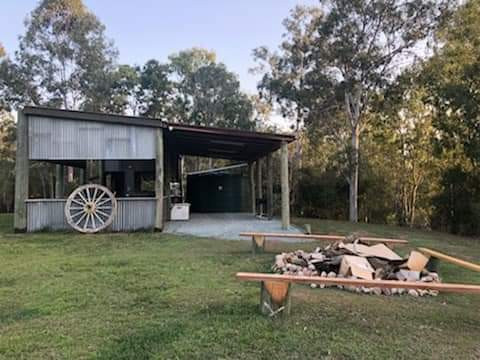
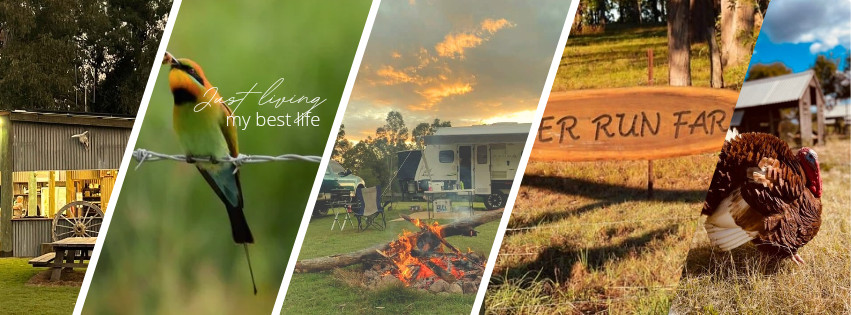
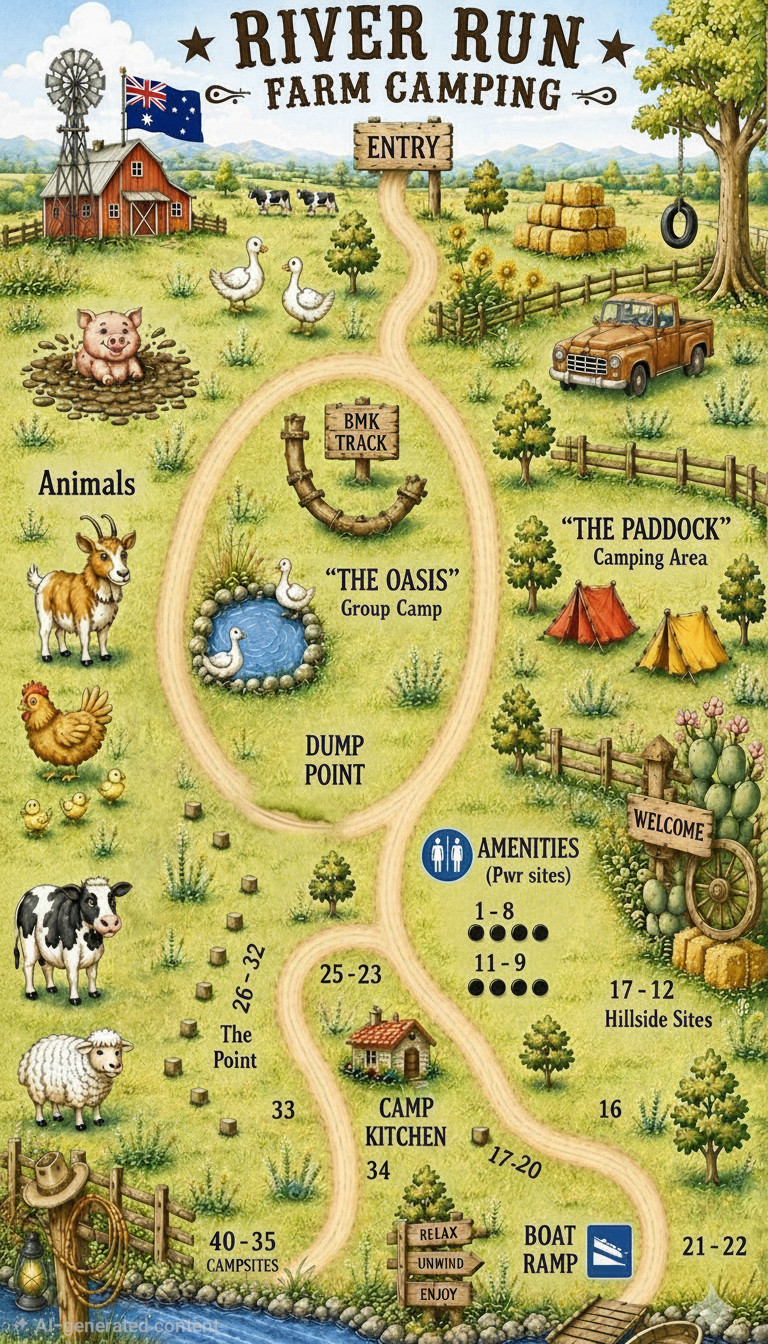
1. River Run Farm Camping
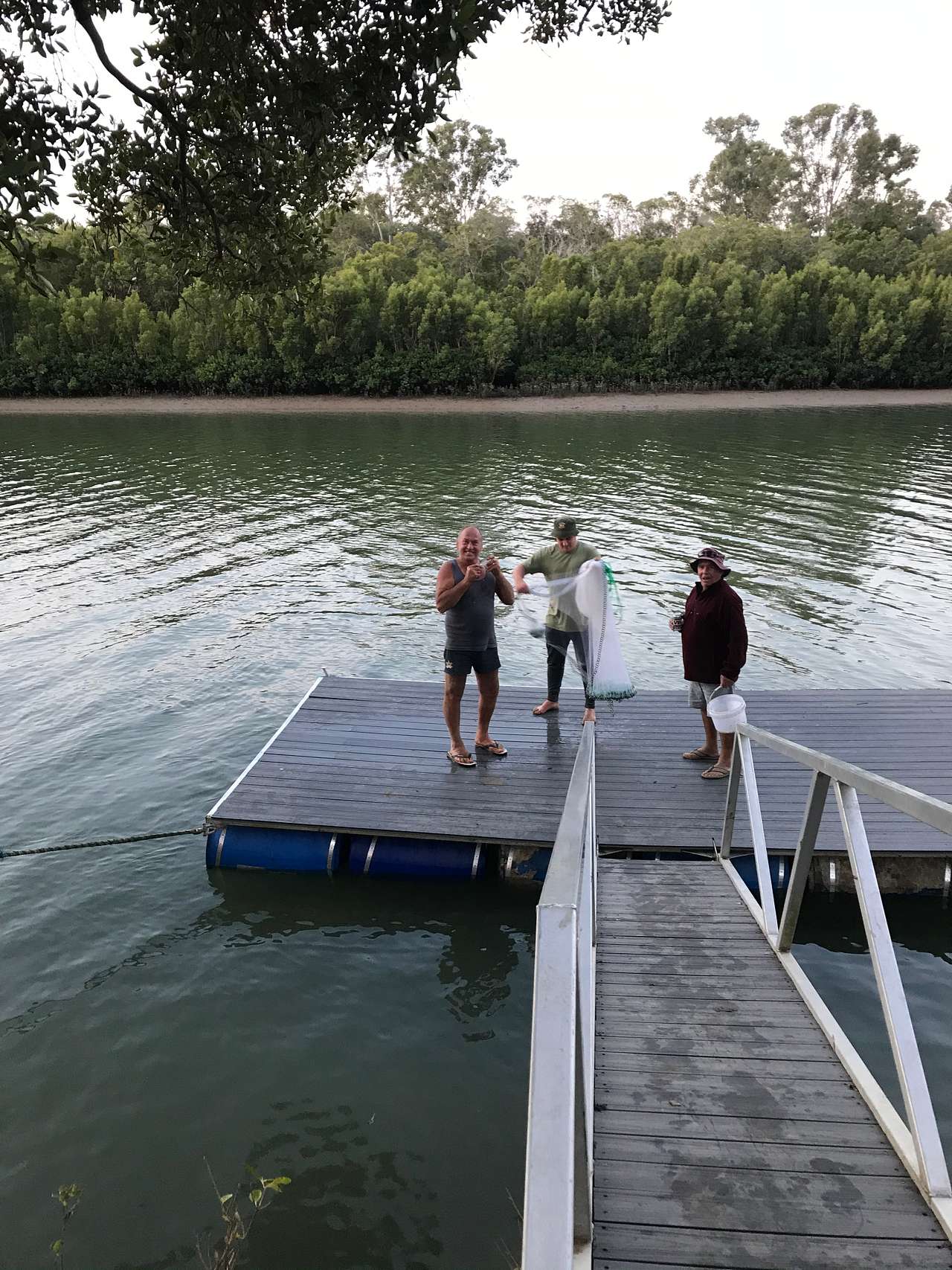
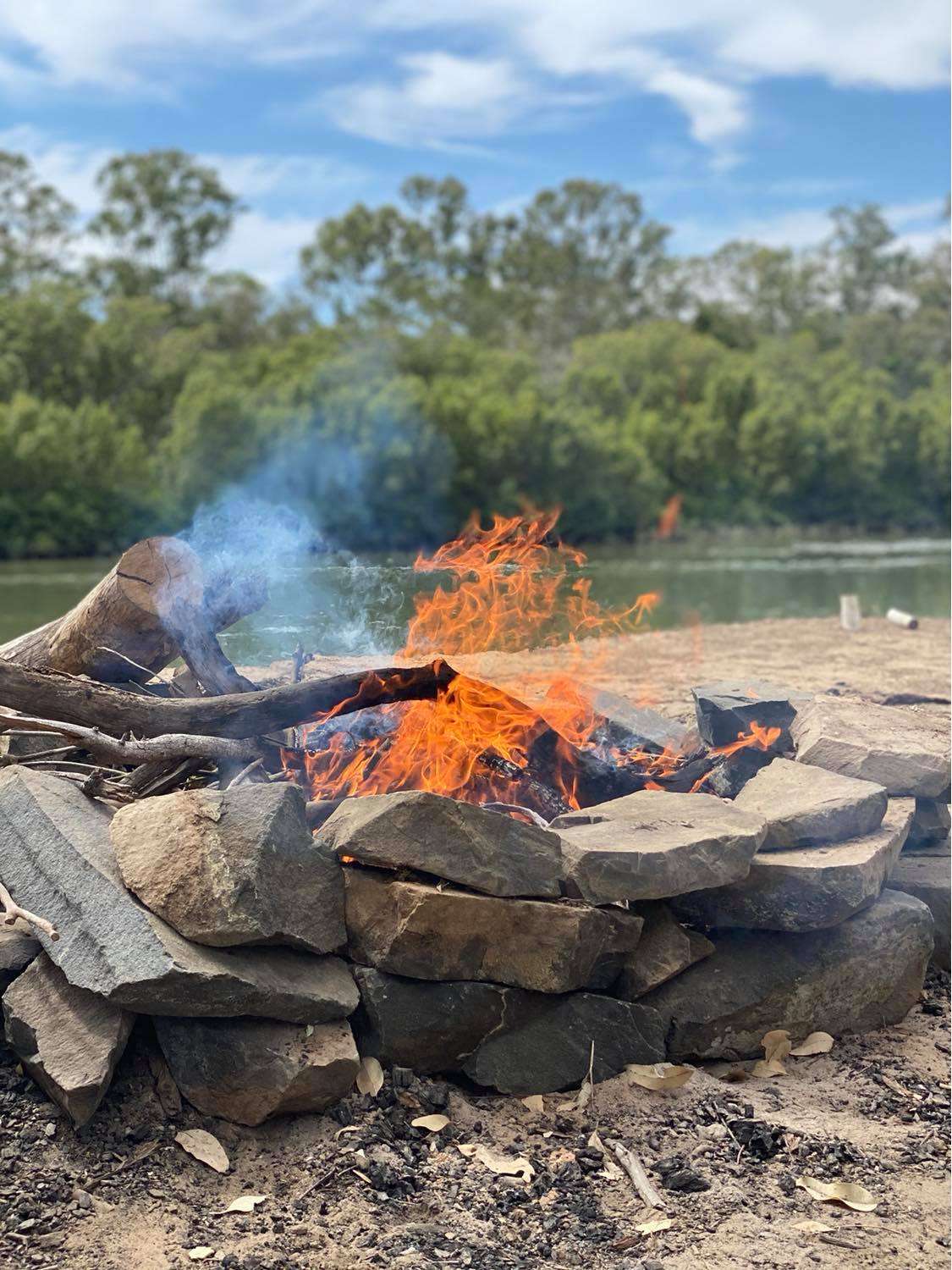
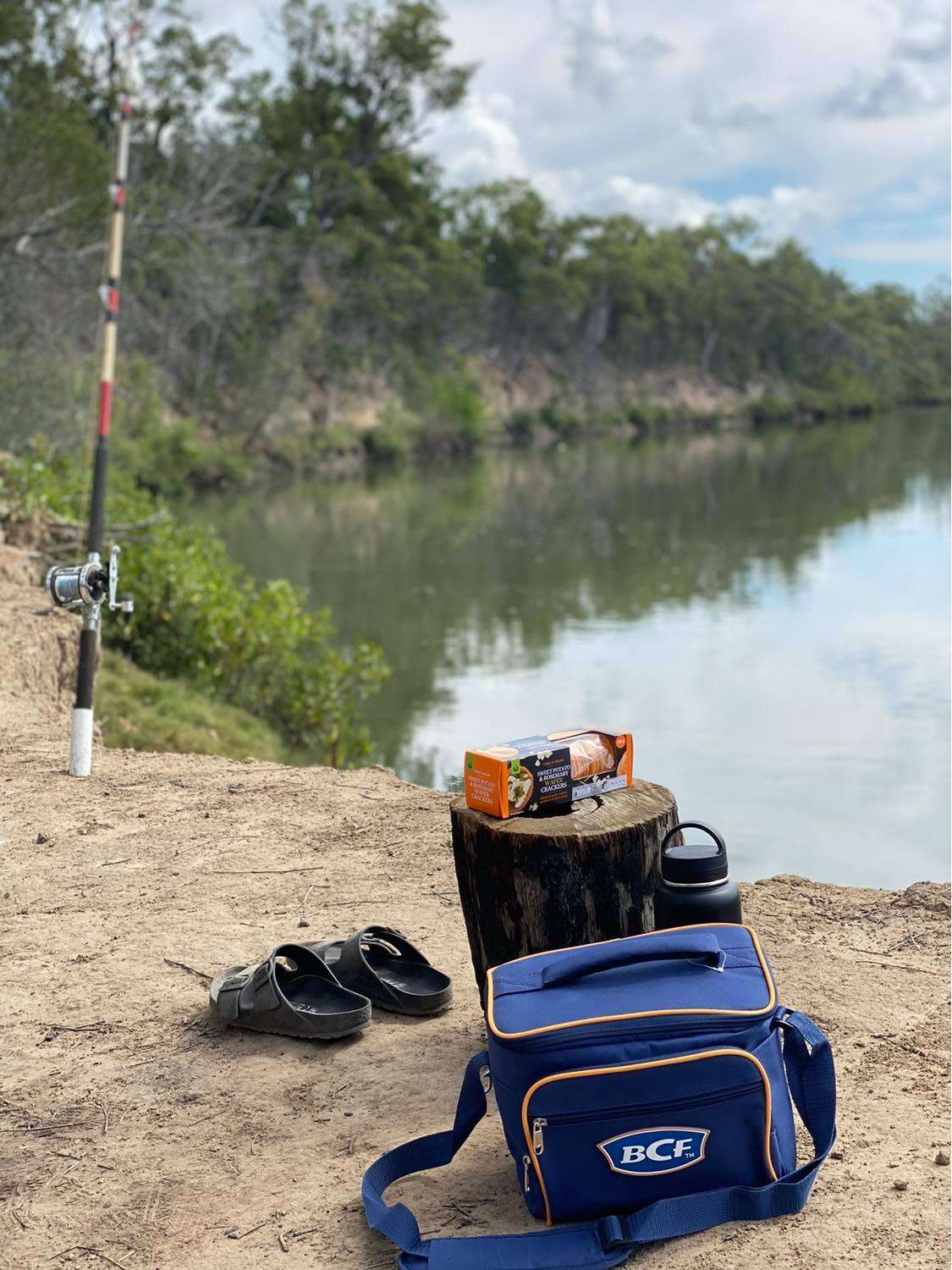
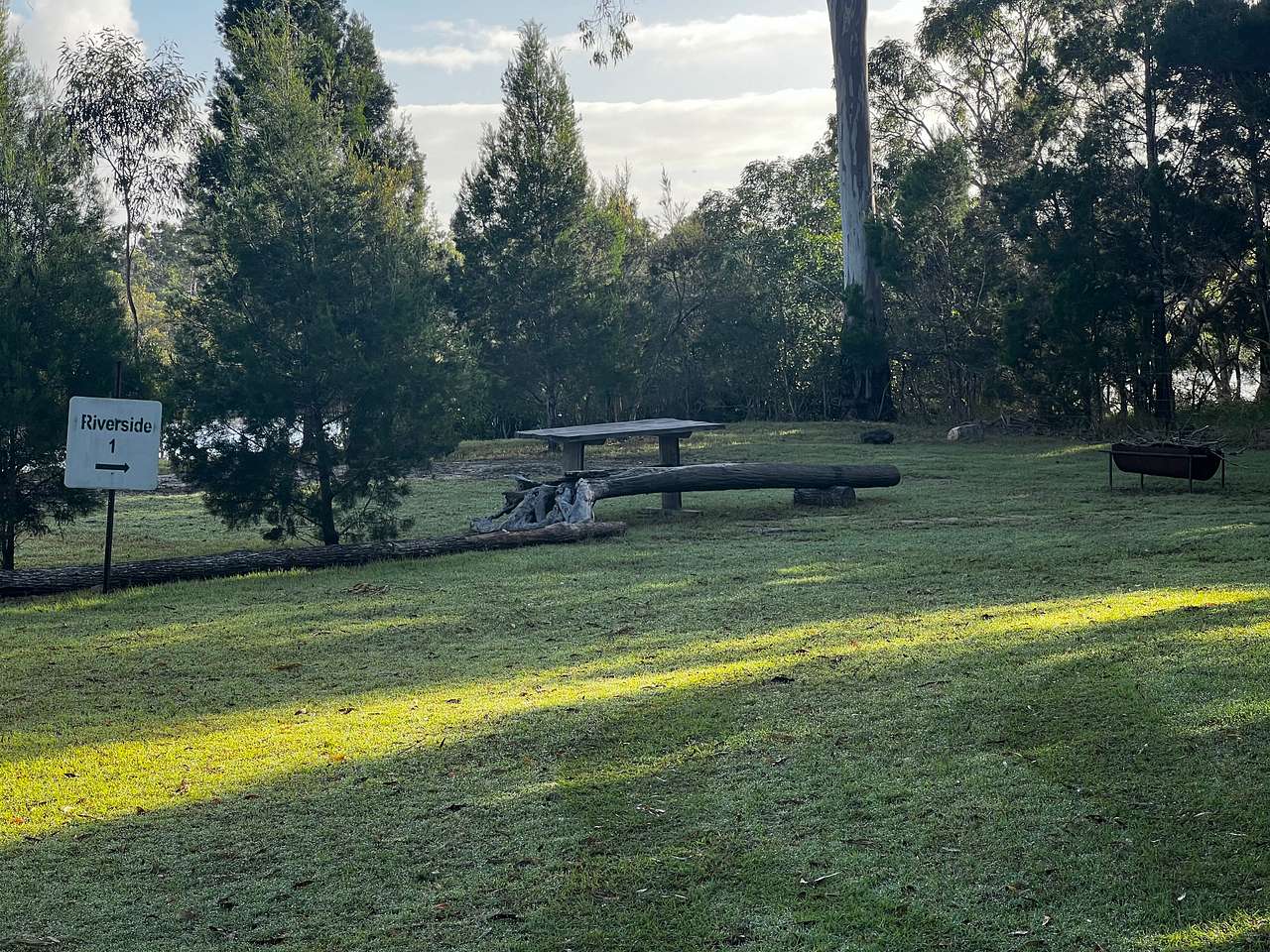
2. Peaceful Riverside Camping


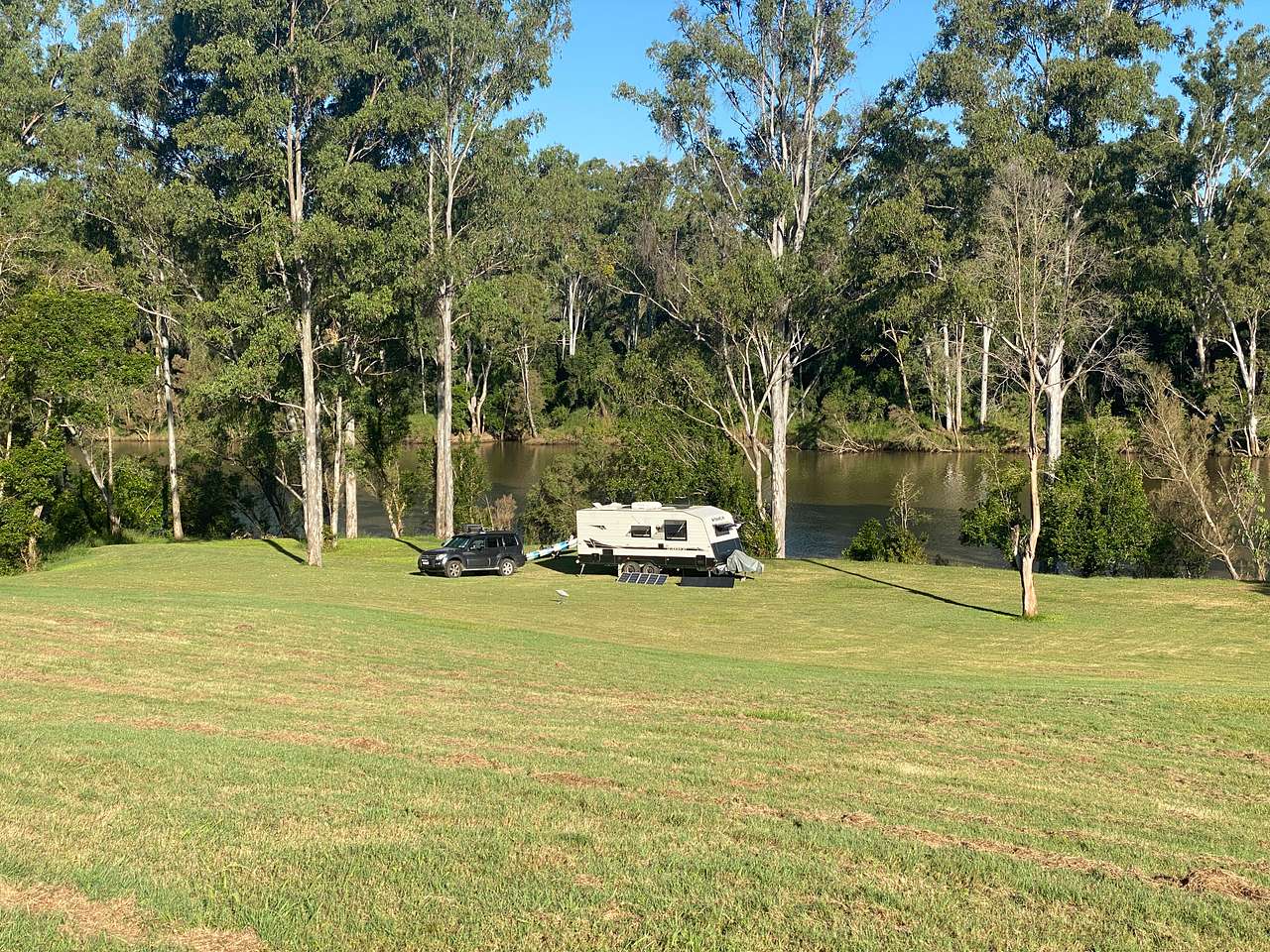
3. Blue Gums River Retreat
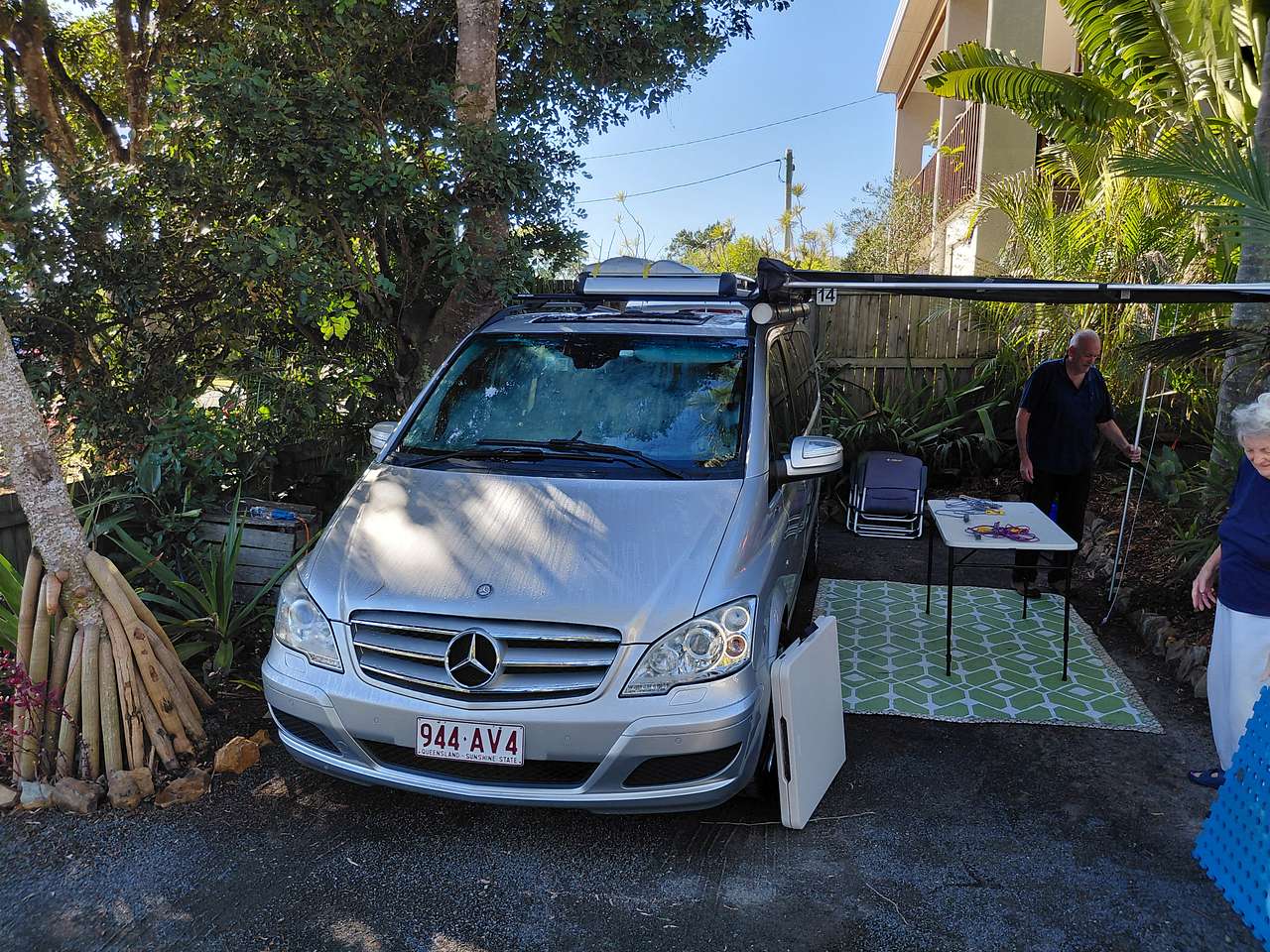
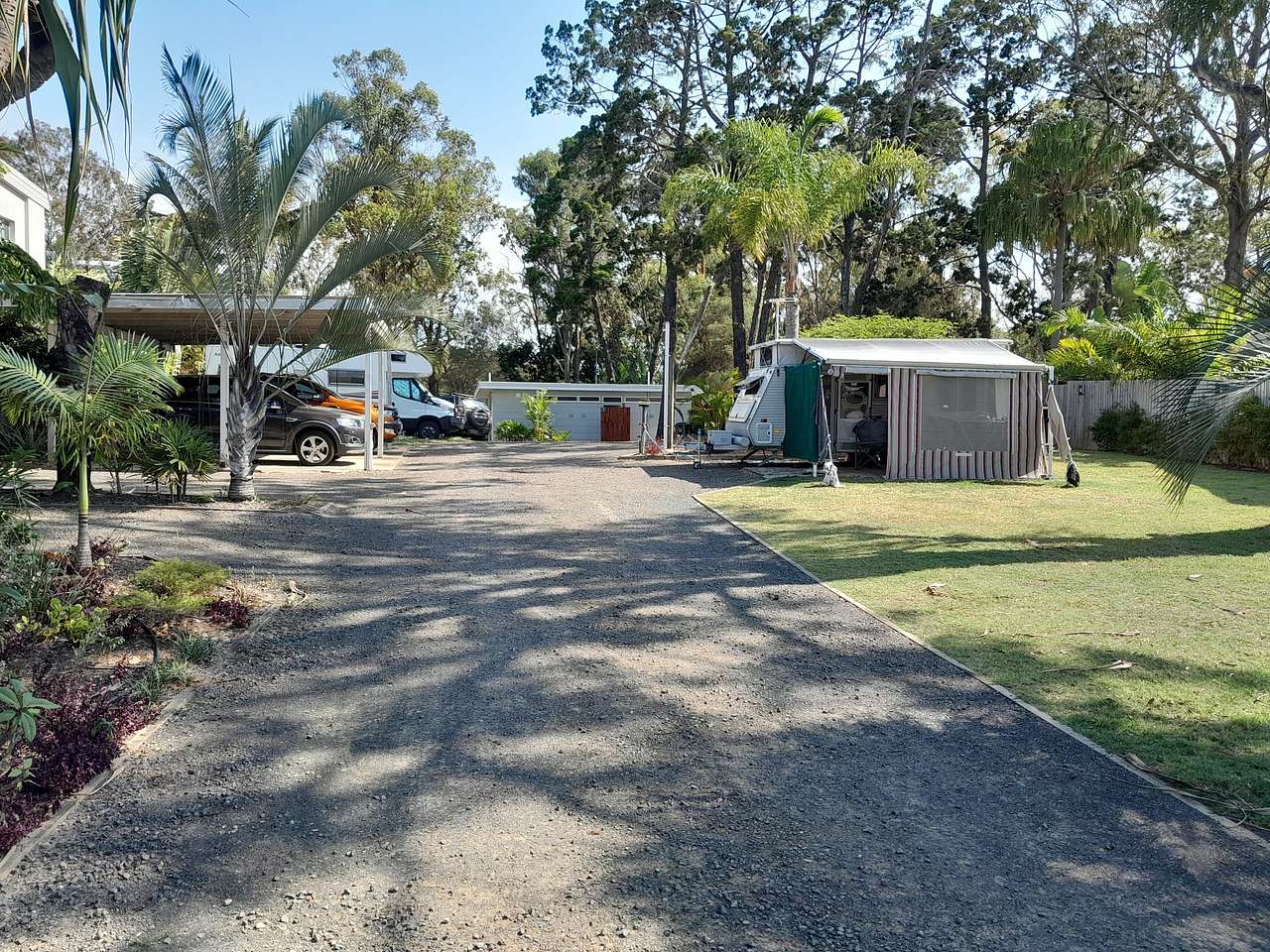
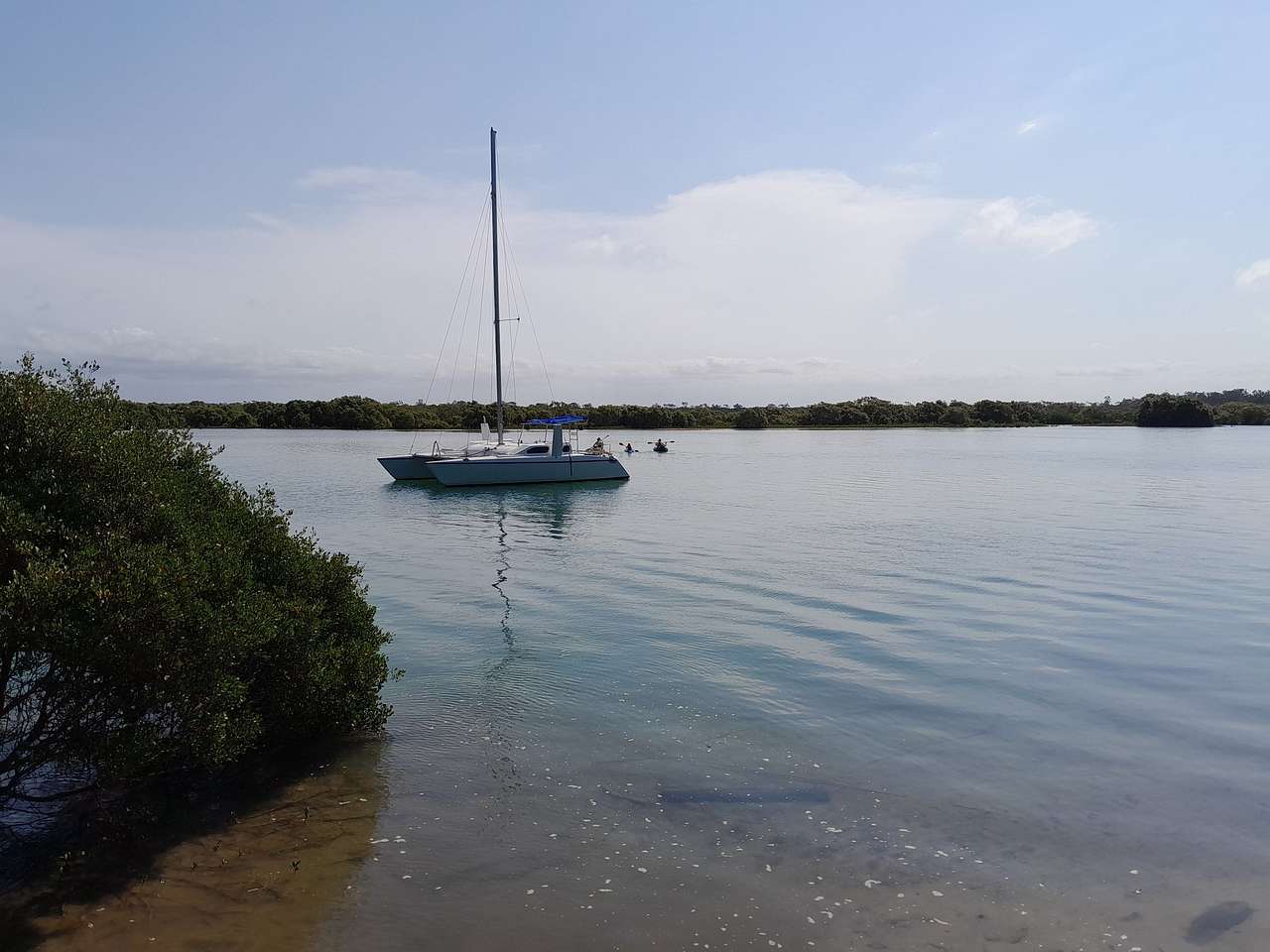
4. Serenity Caravan Park Hervey Bay


5. Carlton Farm, Hervey Bay


6. Colonial Village Resort
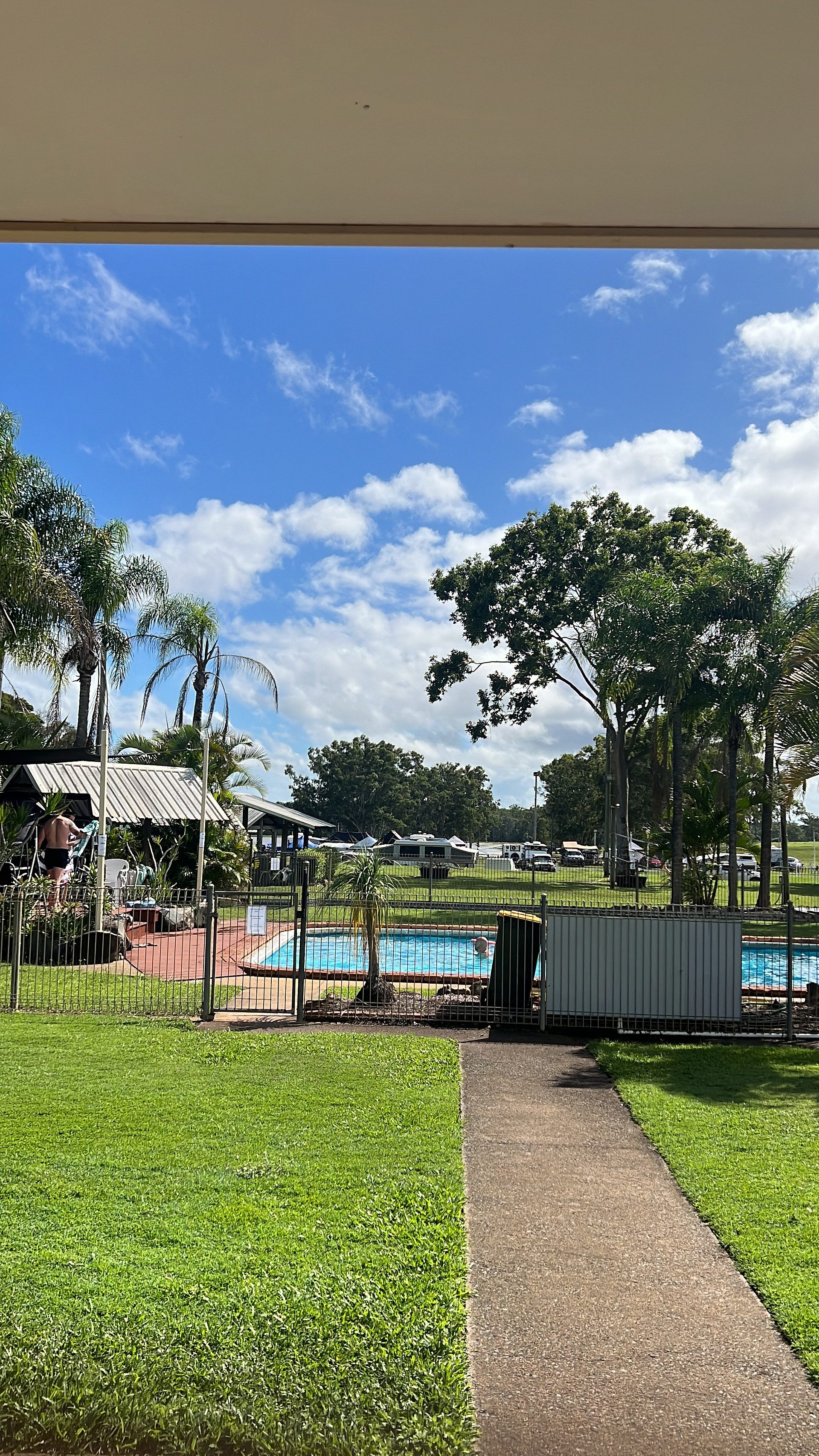
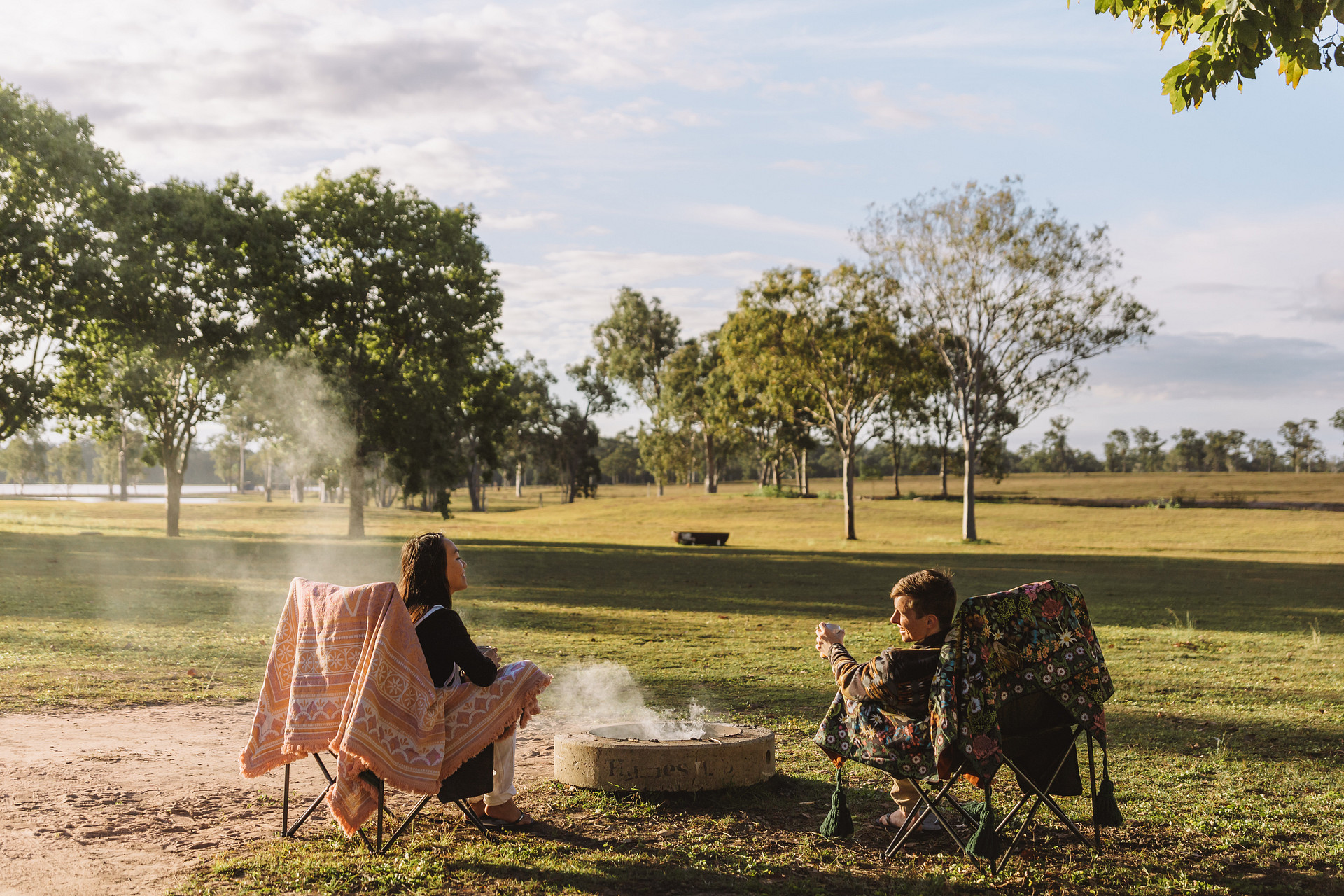
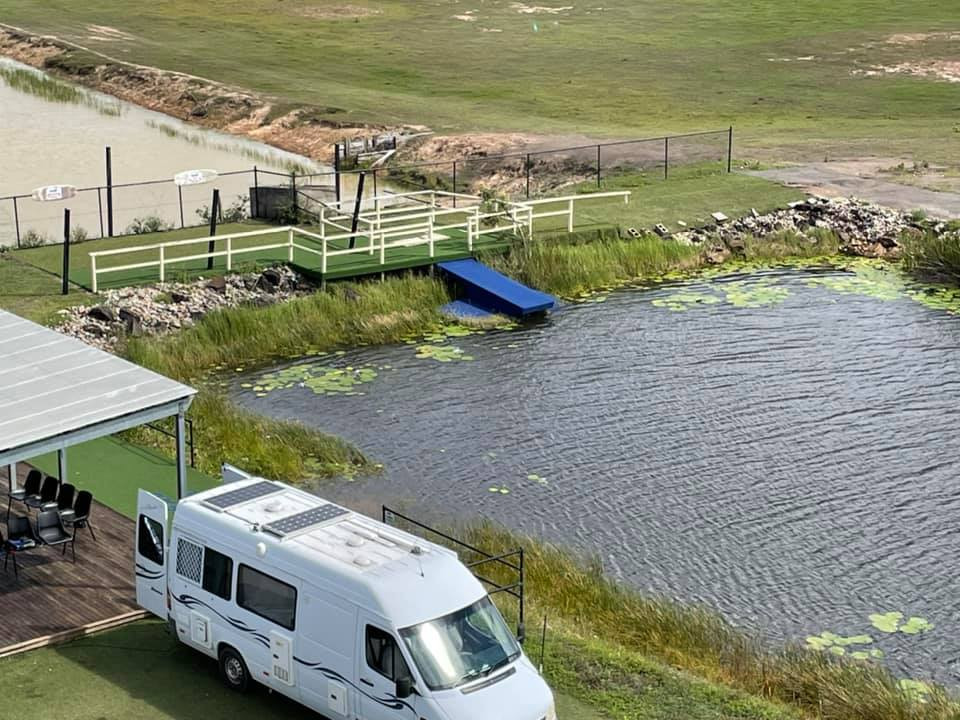
7. Susan River Homestead


8. Virtue Farm K'Gari/Fraser Is view
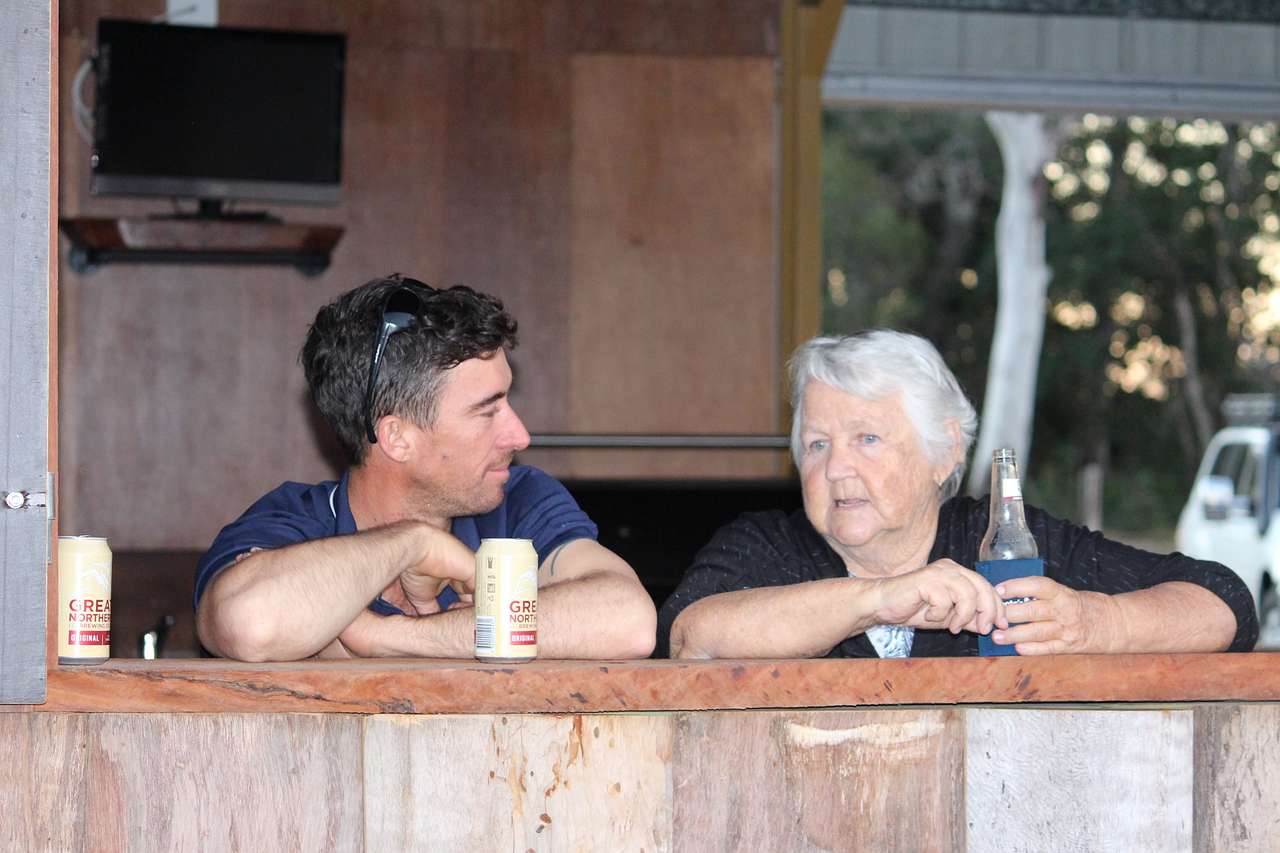
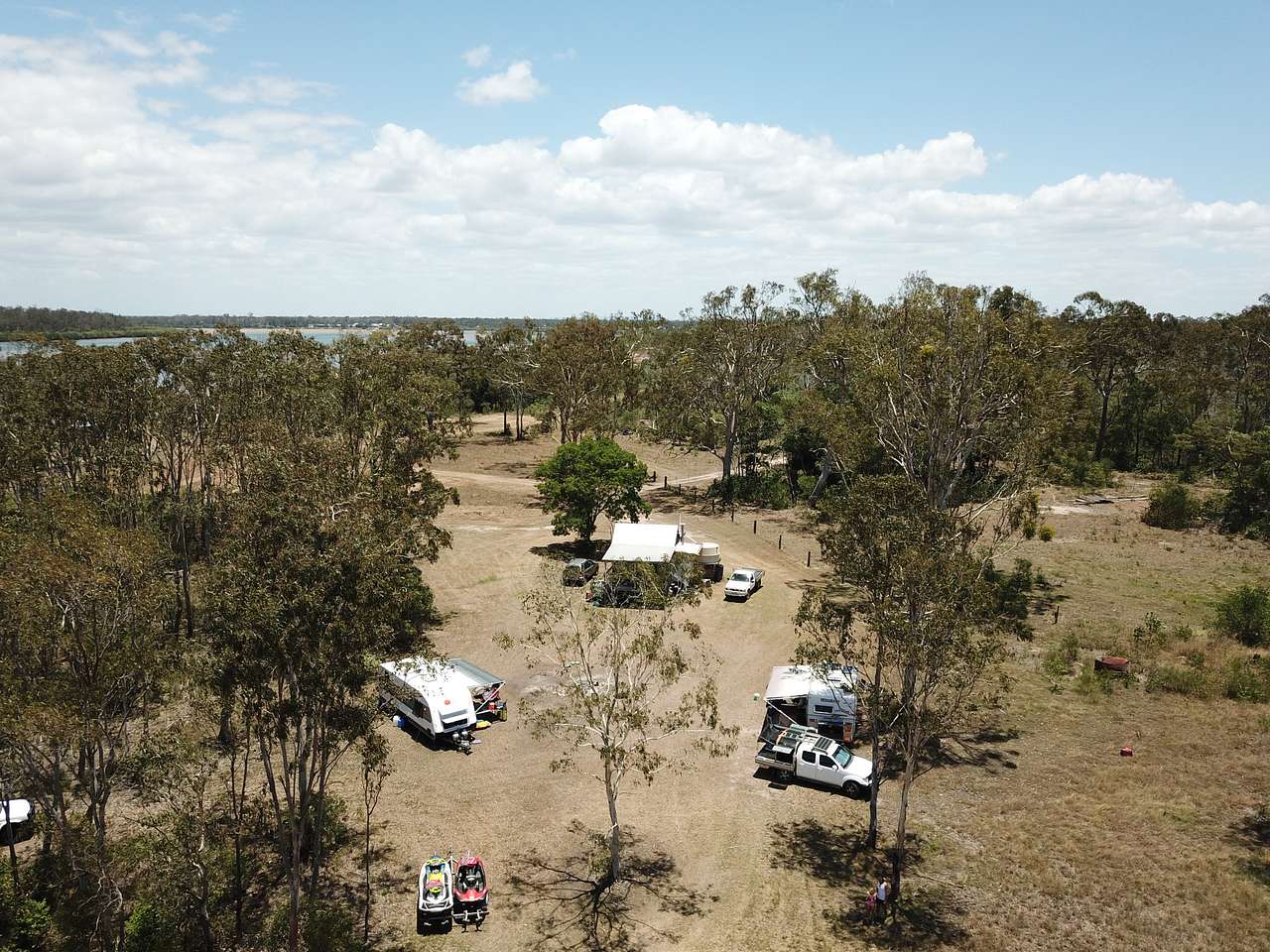
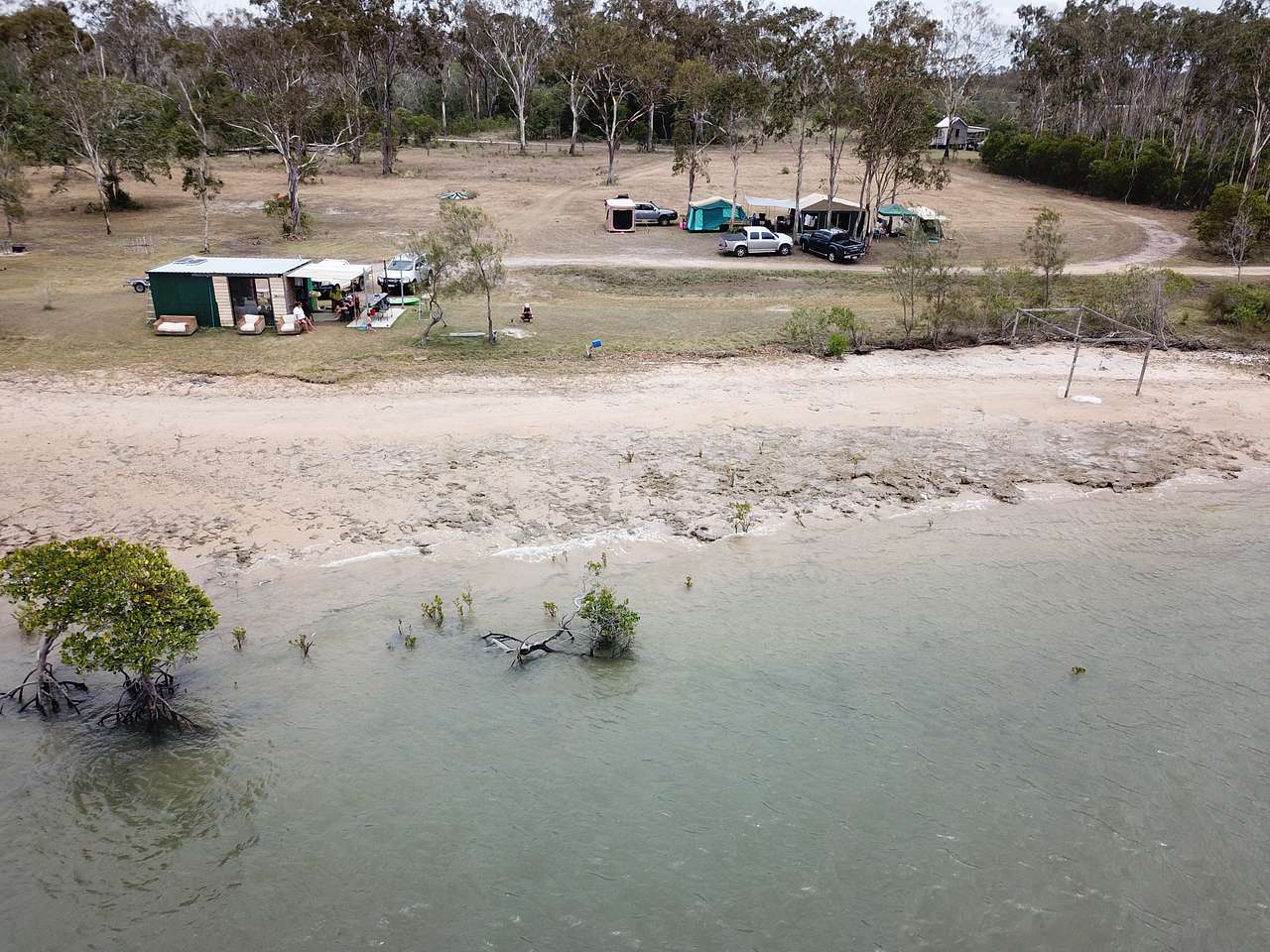
9. Buxton Bush Camp


10. Wright's on the River
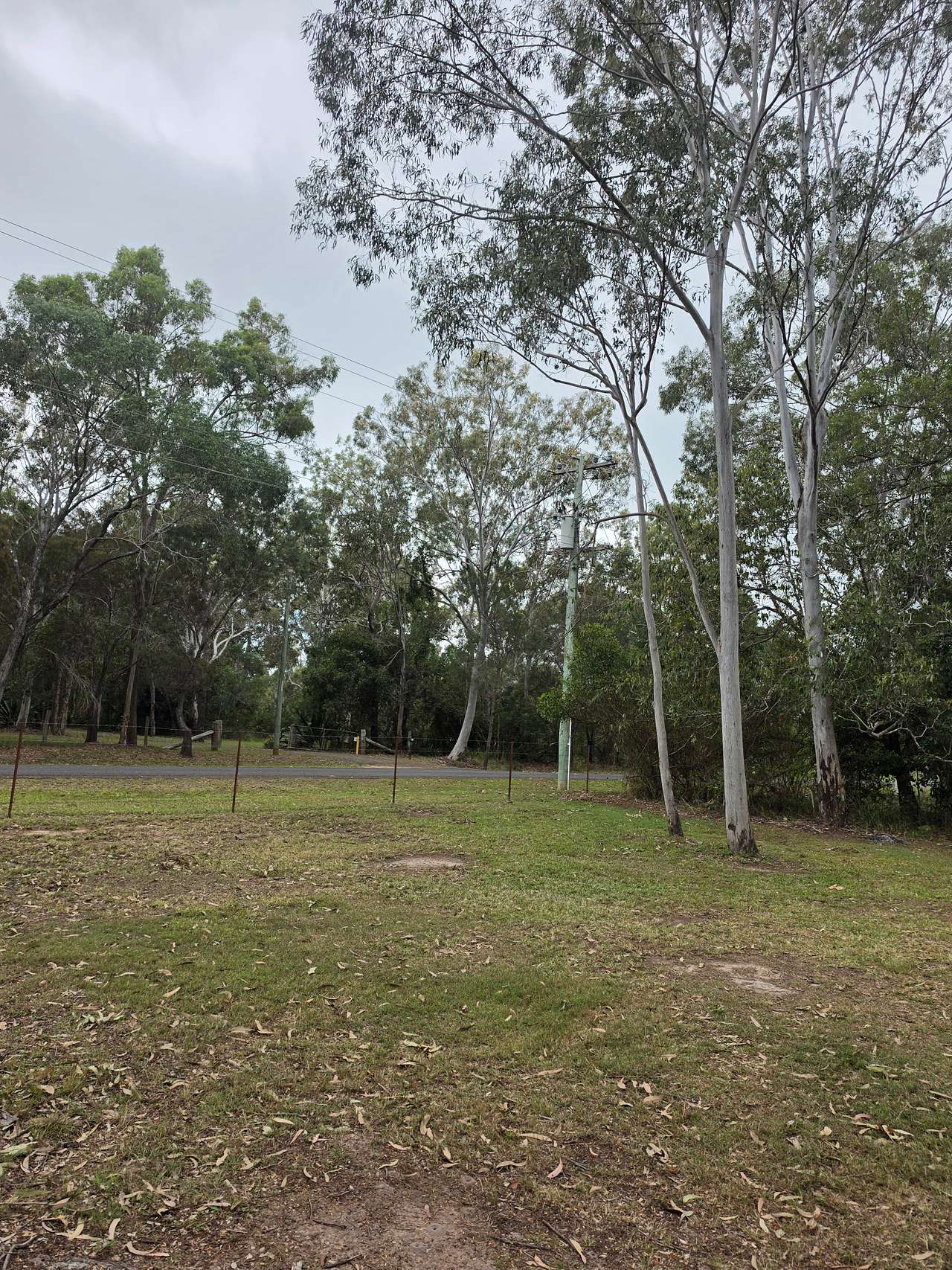


11. The Friendly Paddock - Hervey Bay
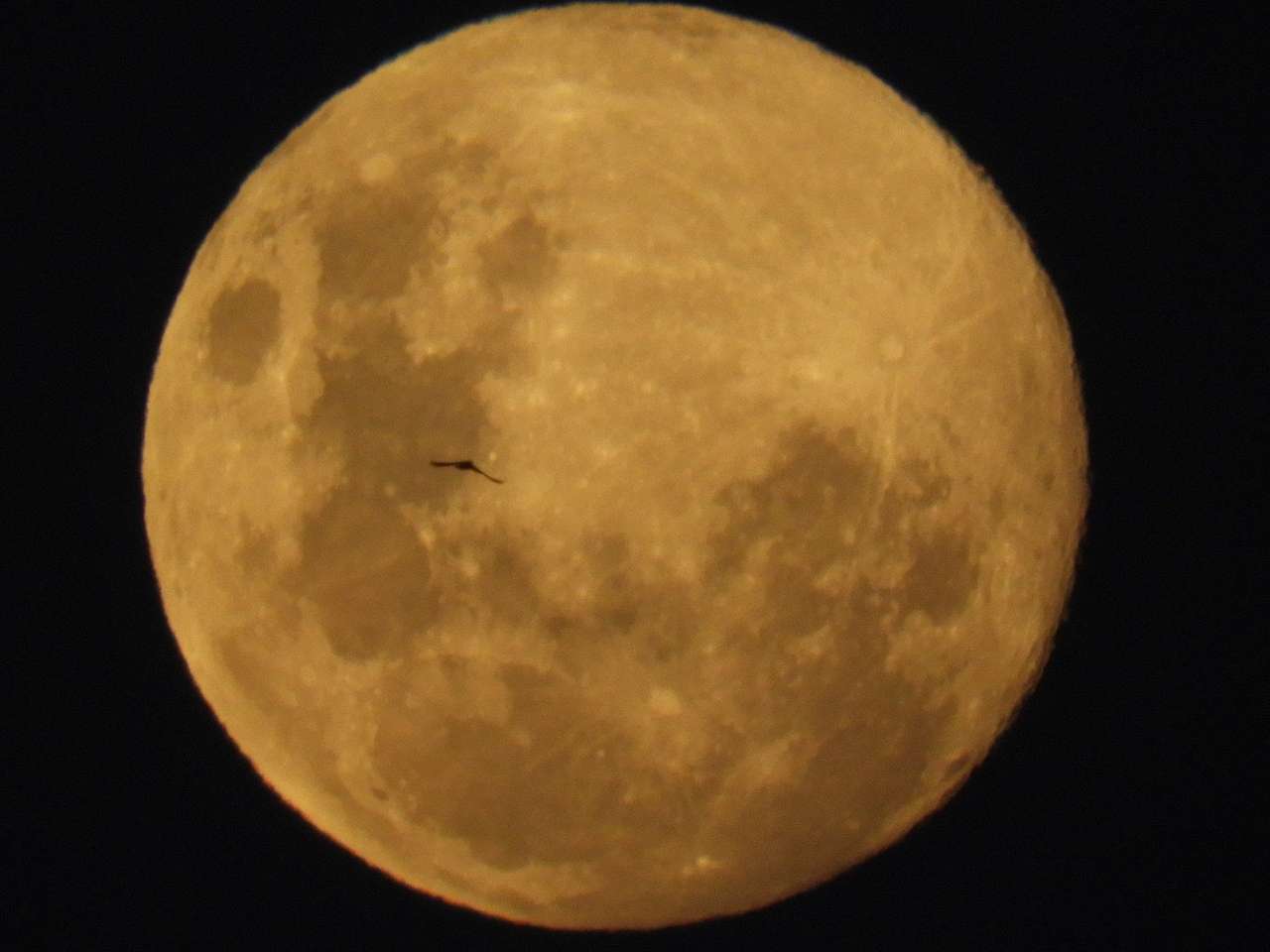
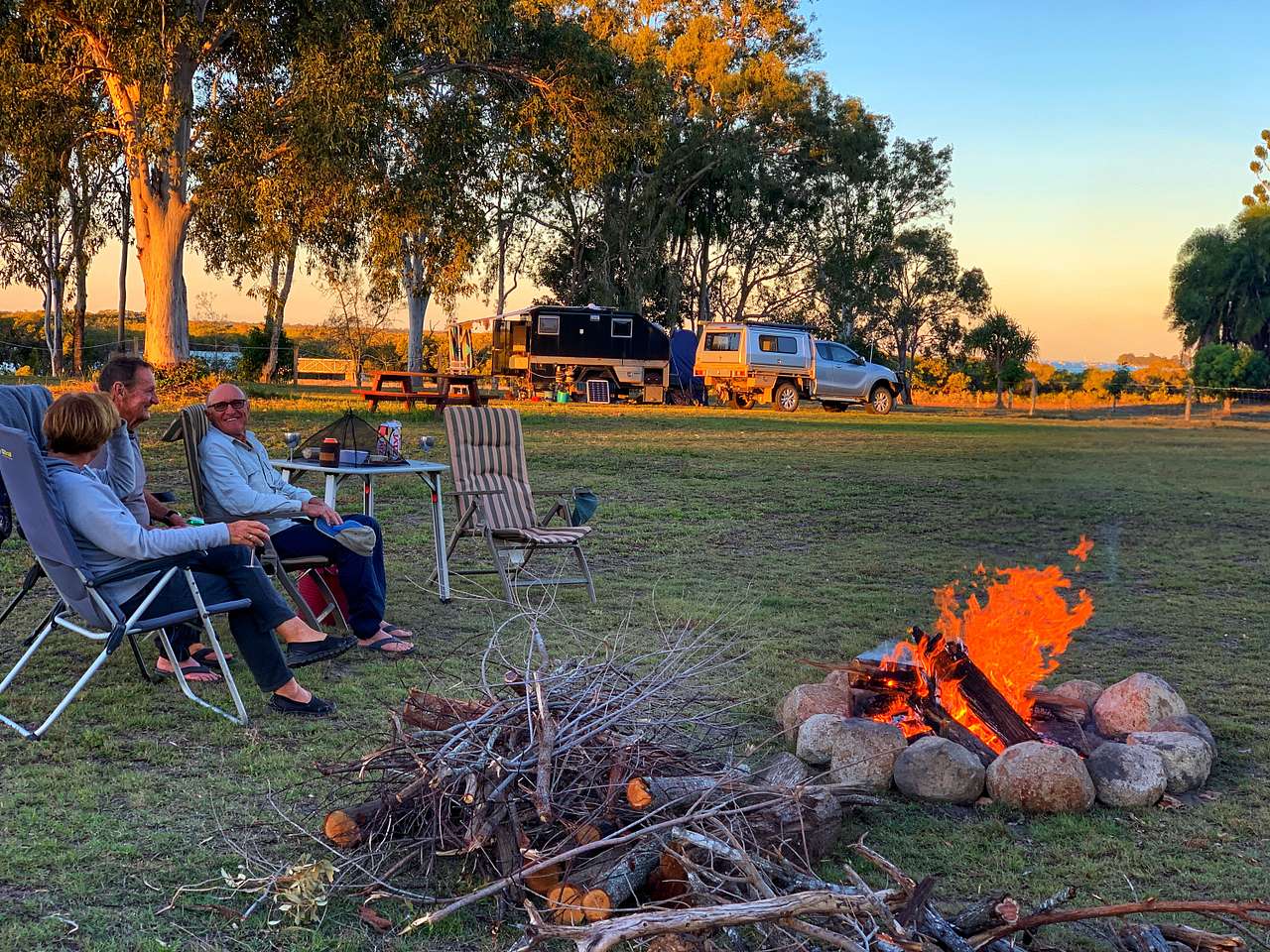
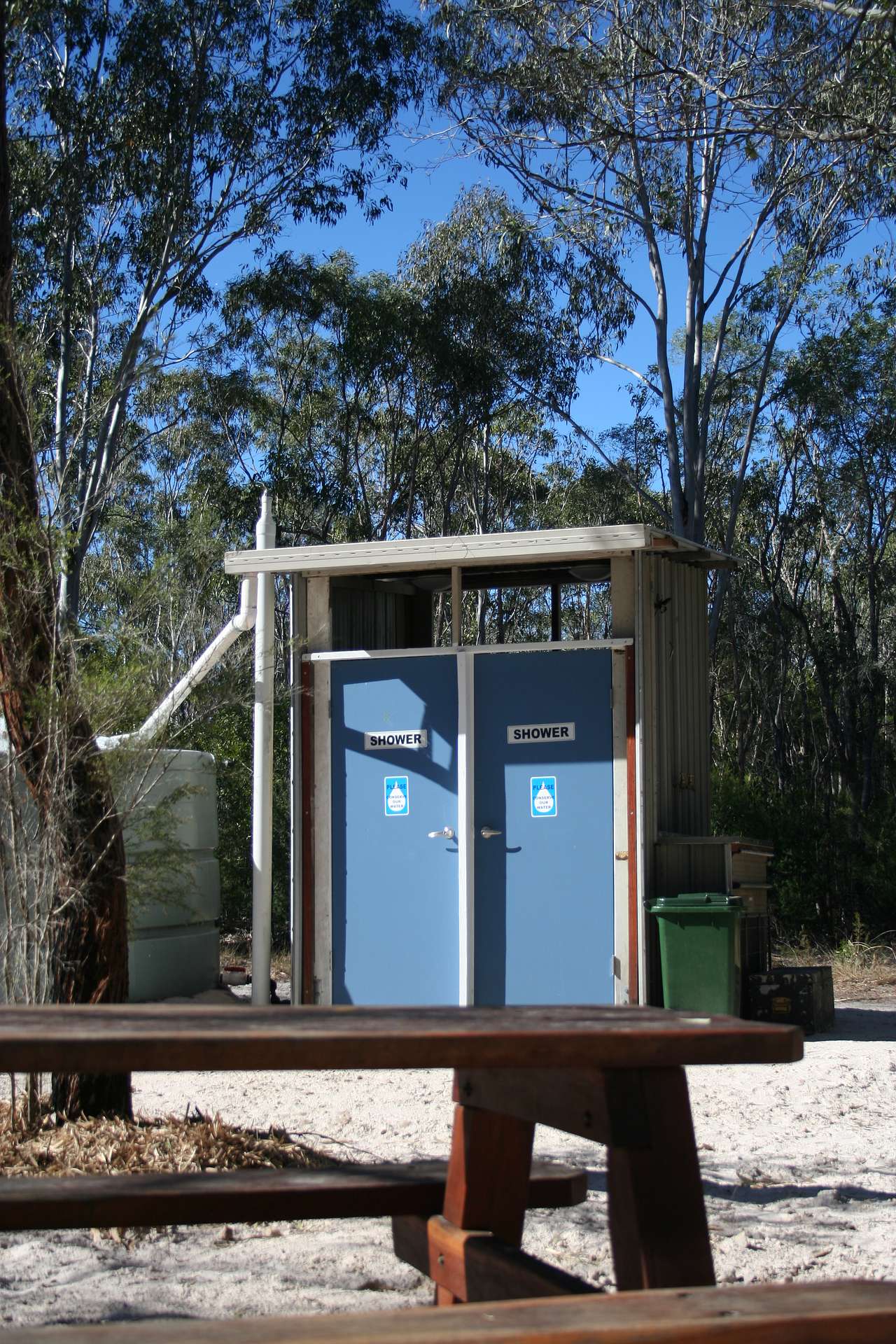
12. Riverside Burrum Heads
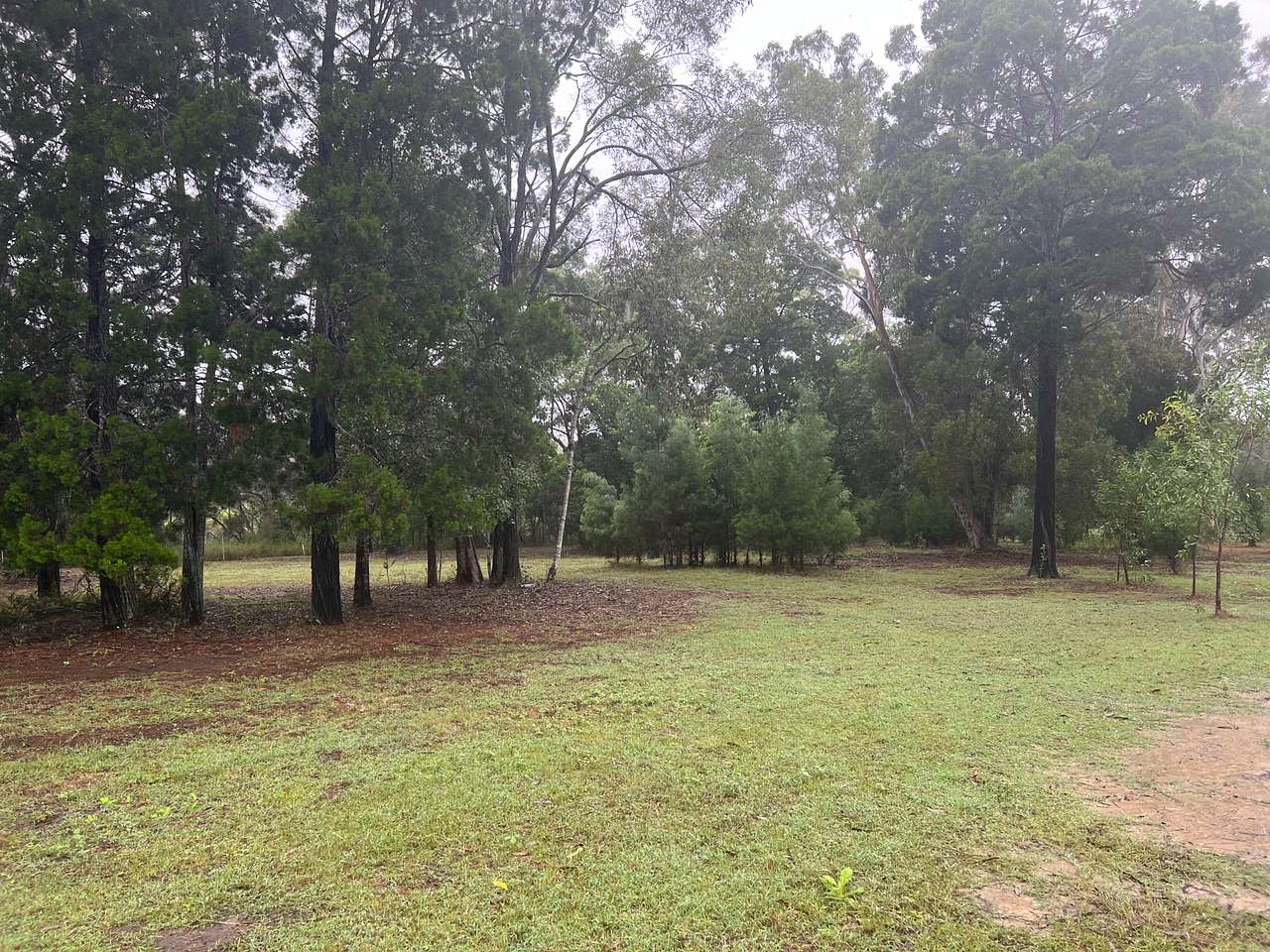
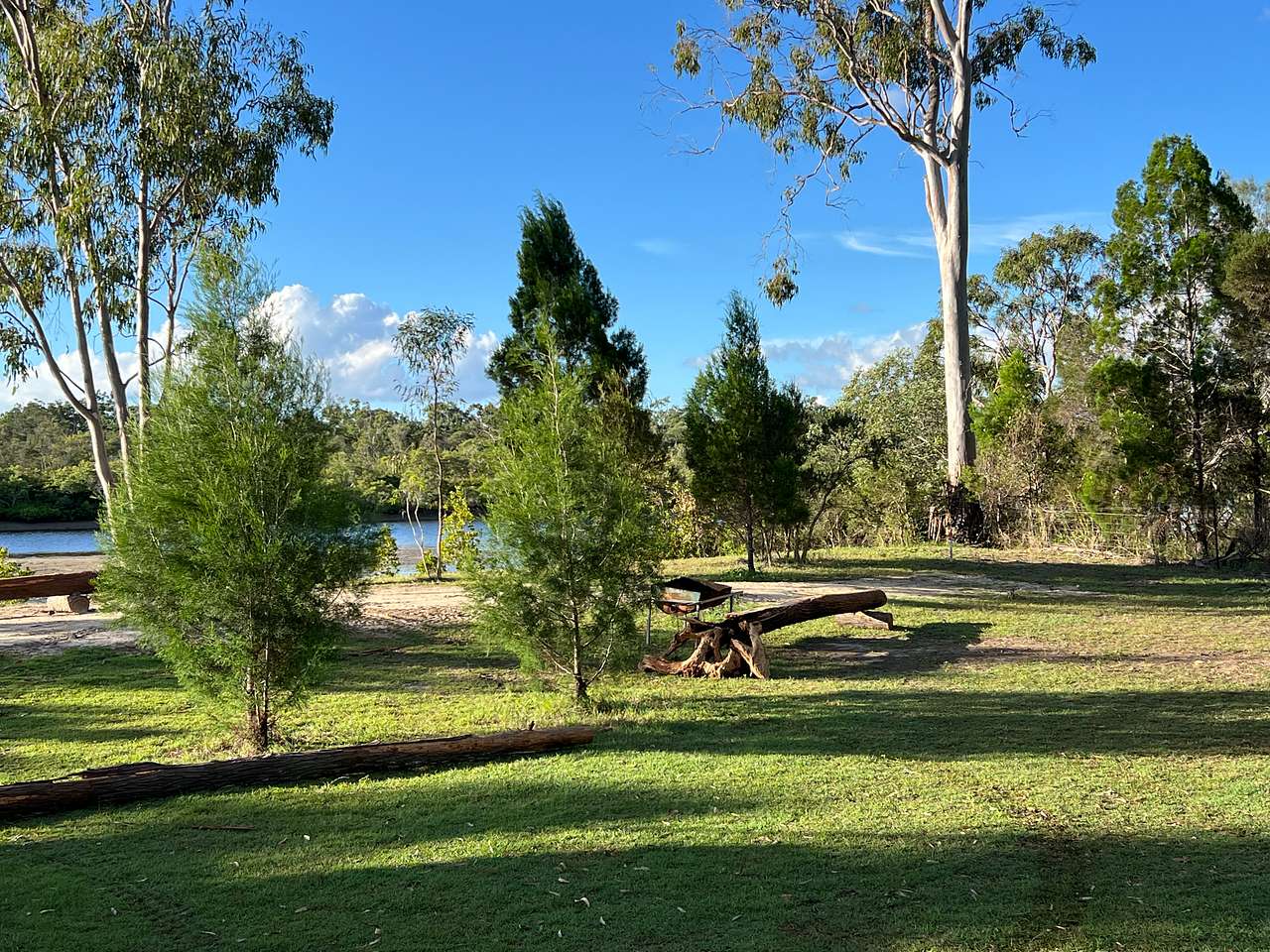
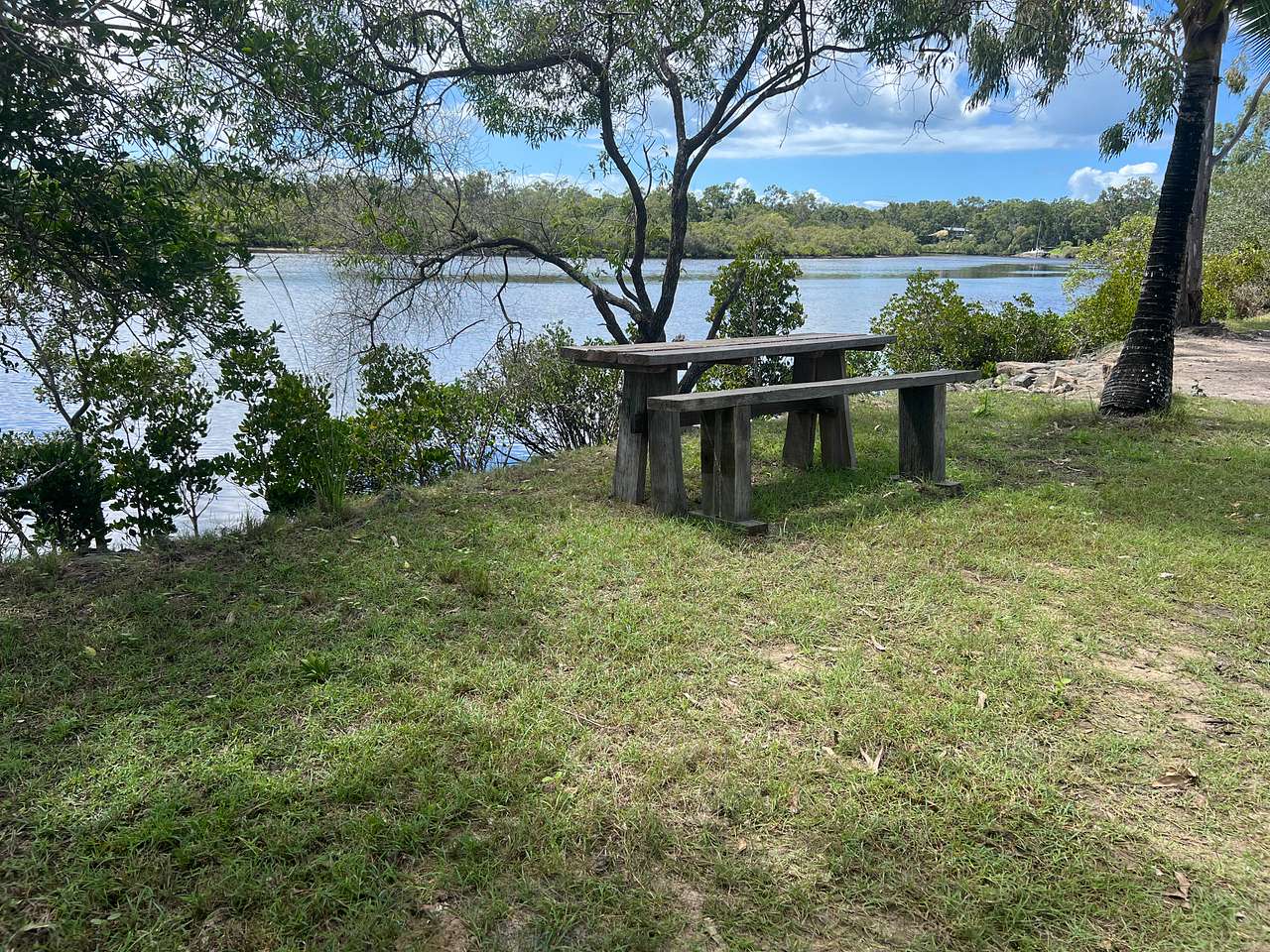
13. Rosgrow Farm Camping
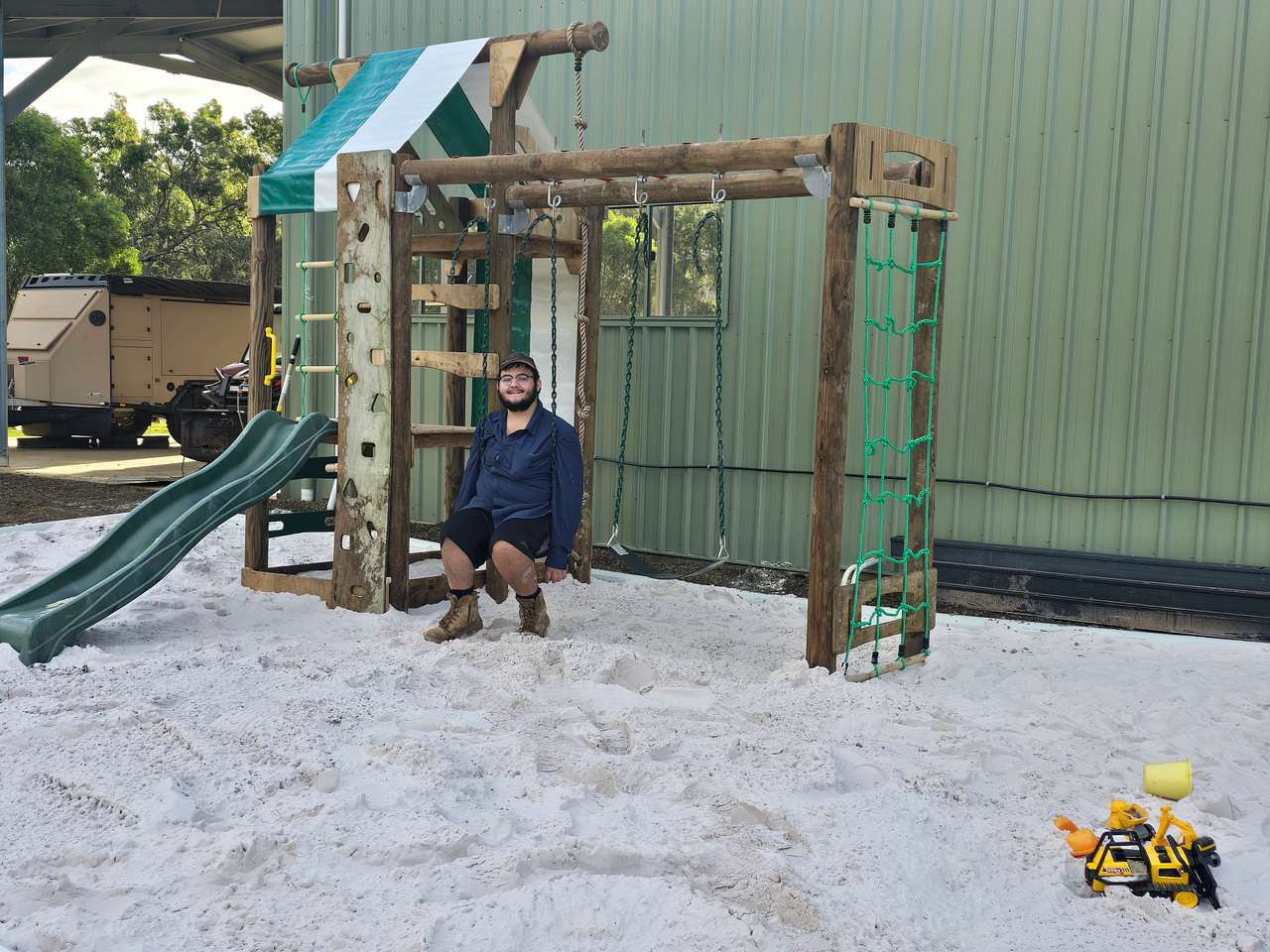
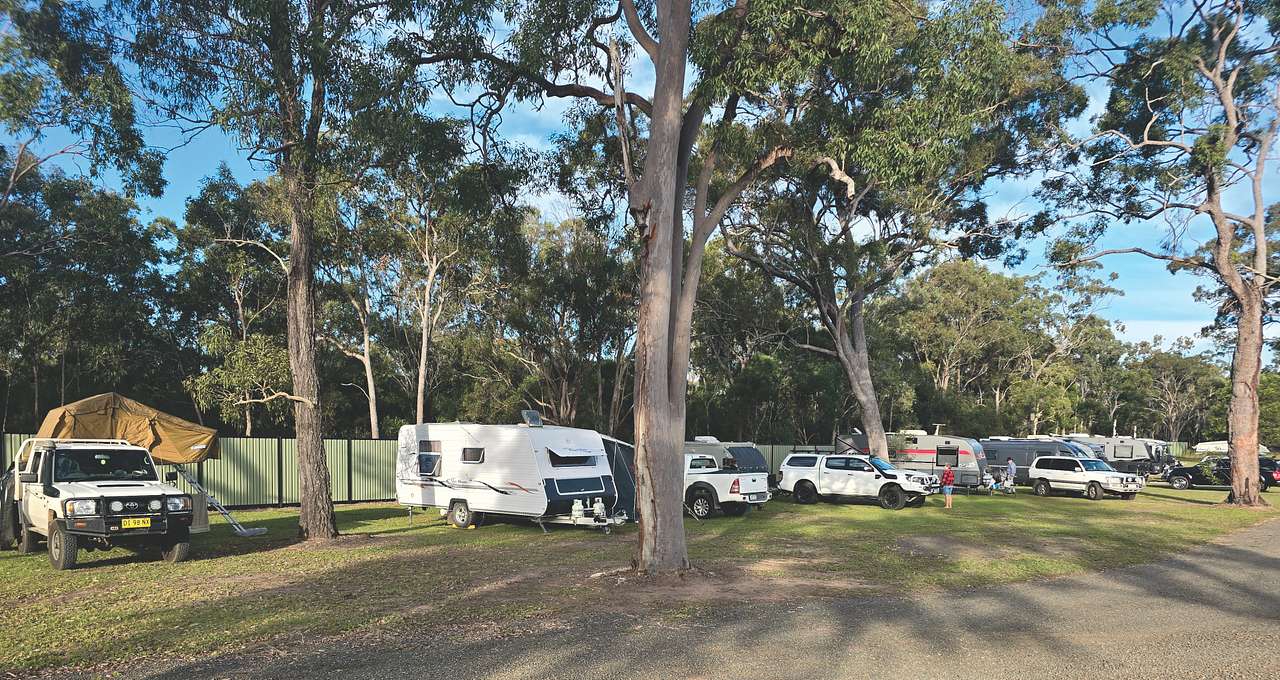
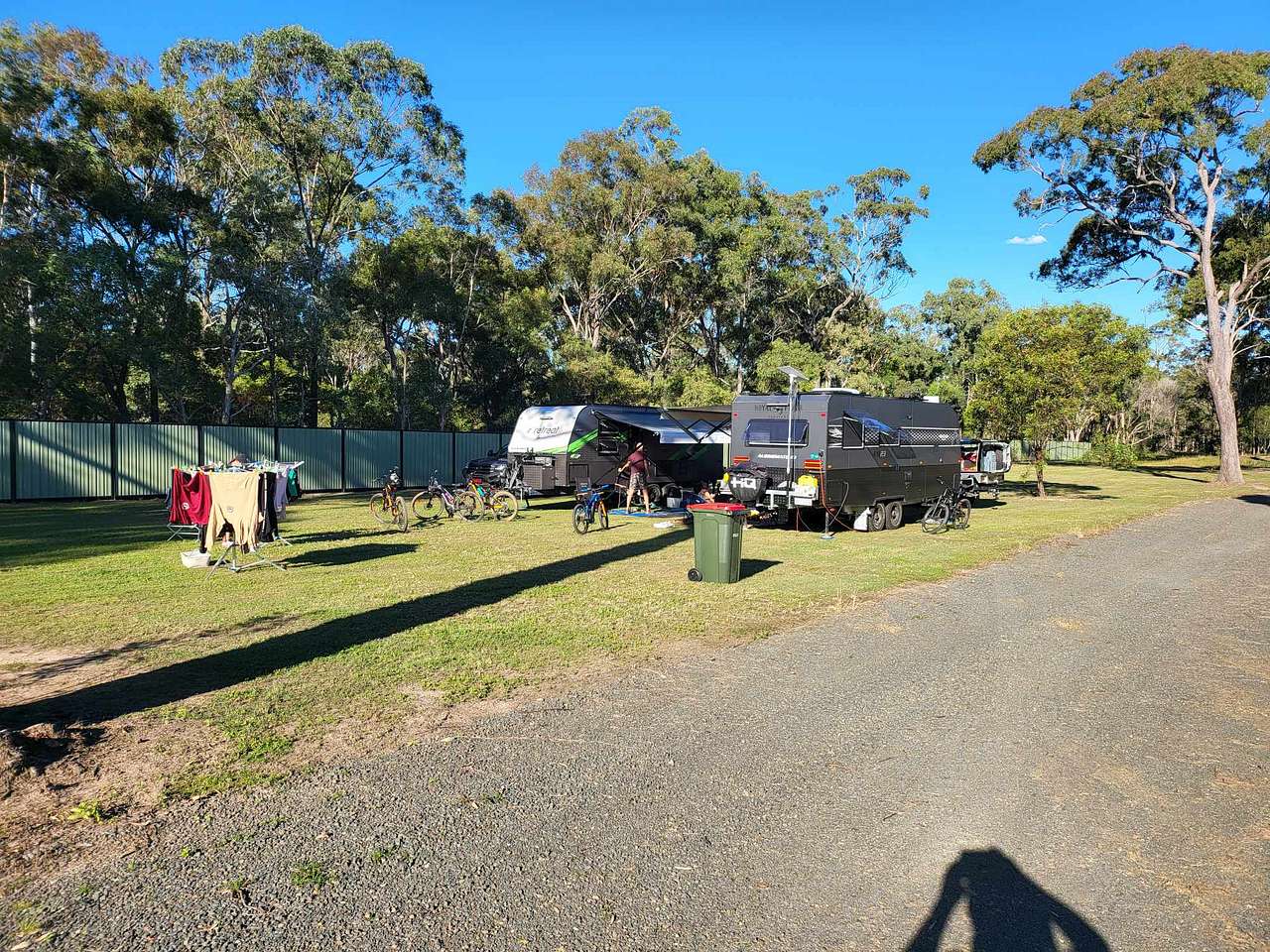
14. Moonys Camp
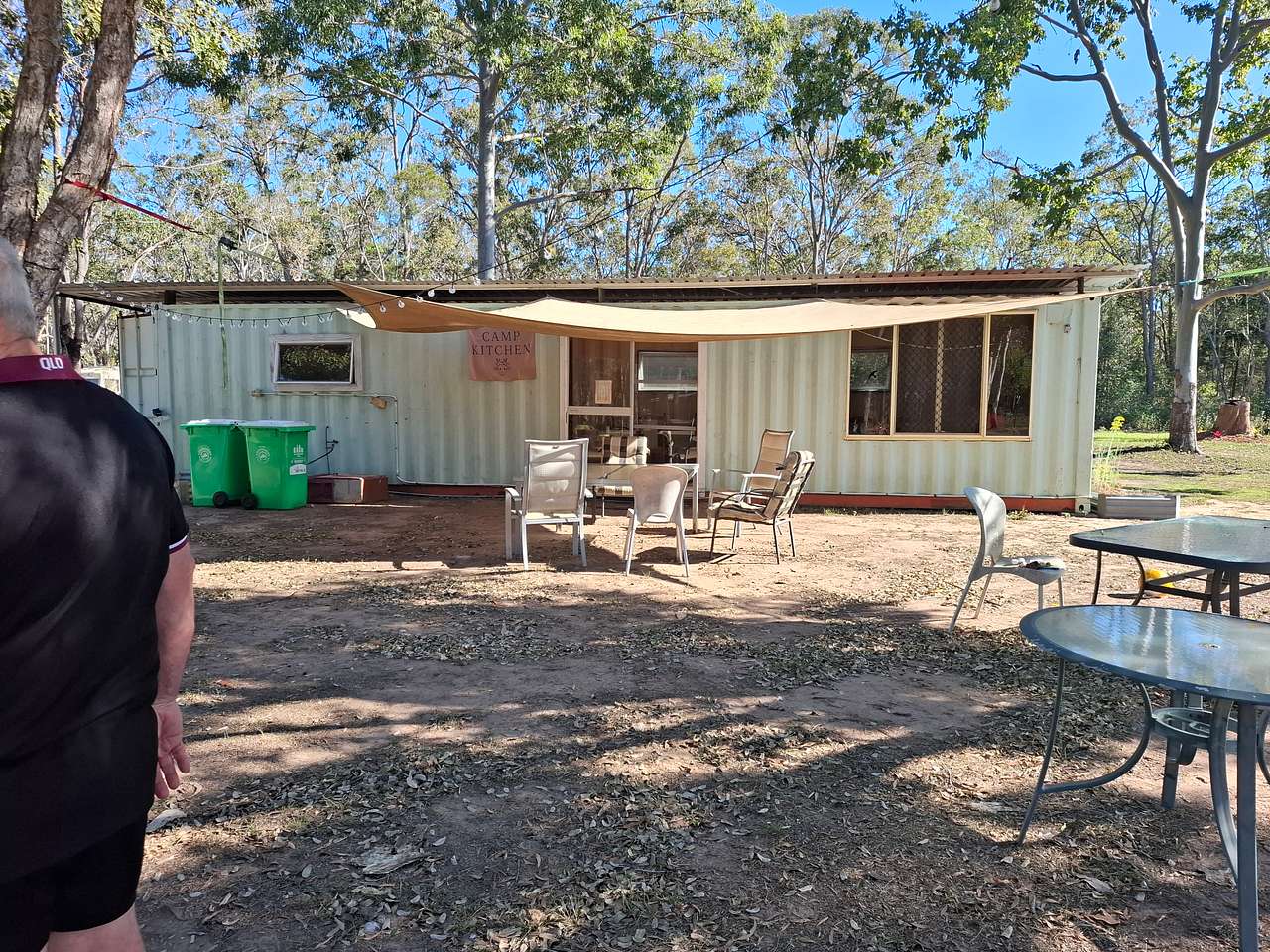
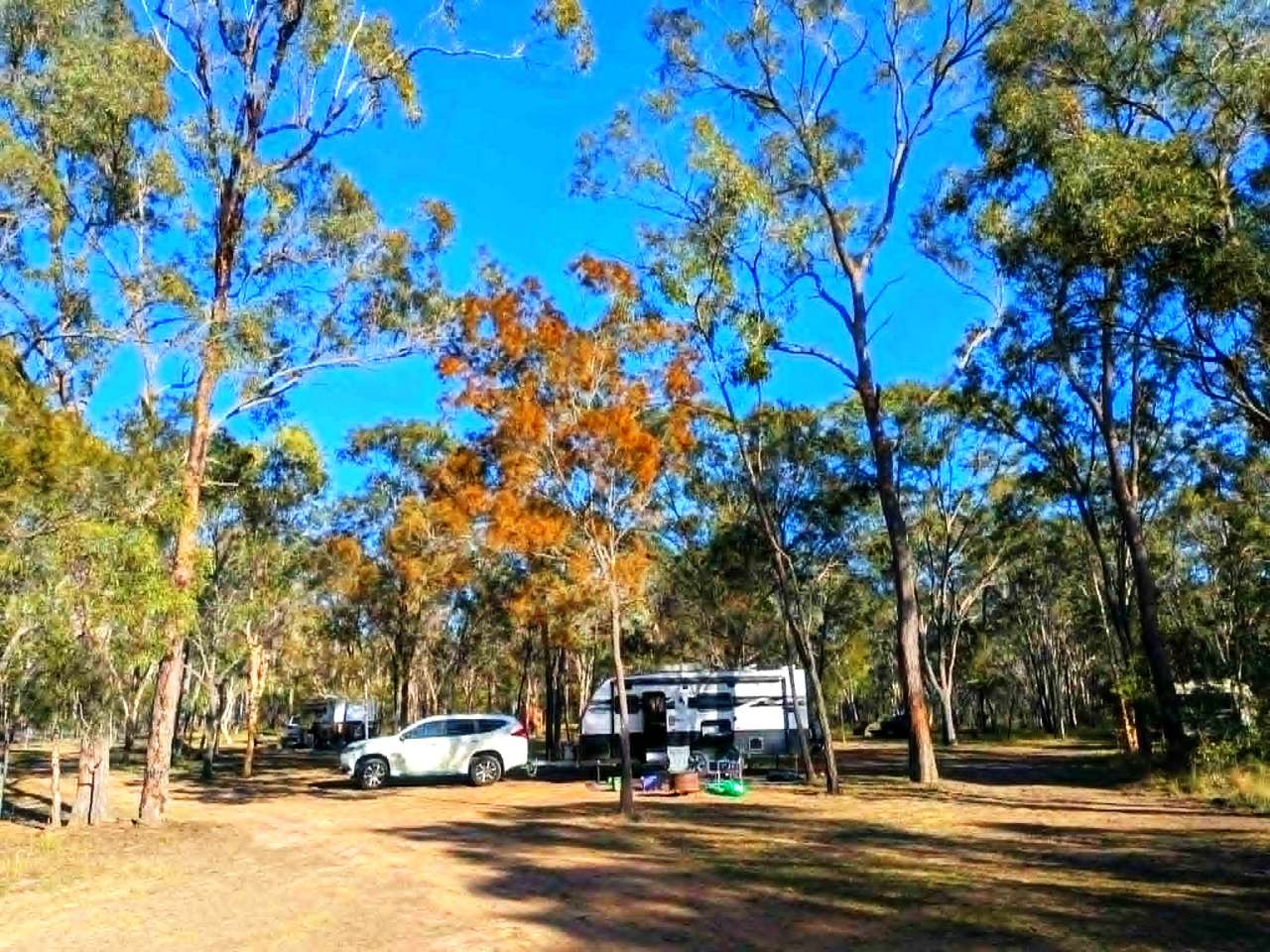
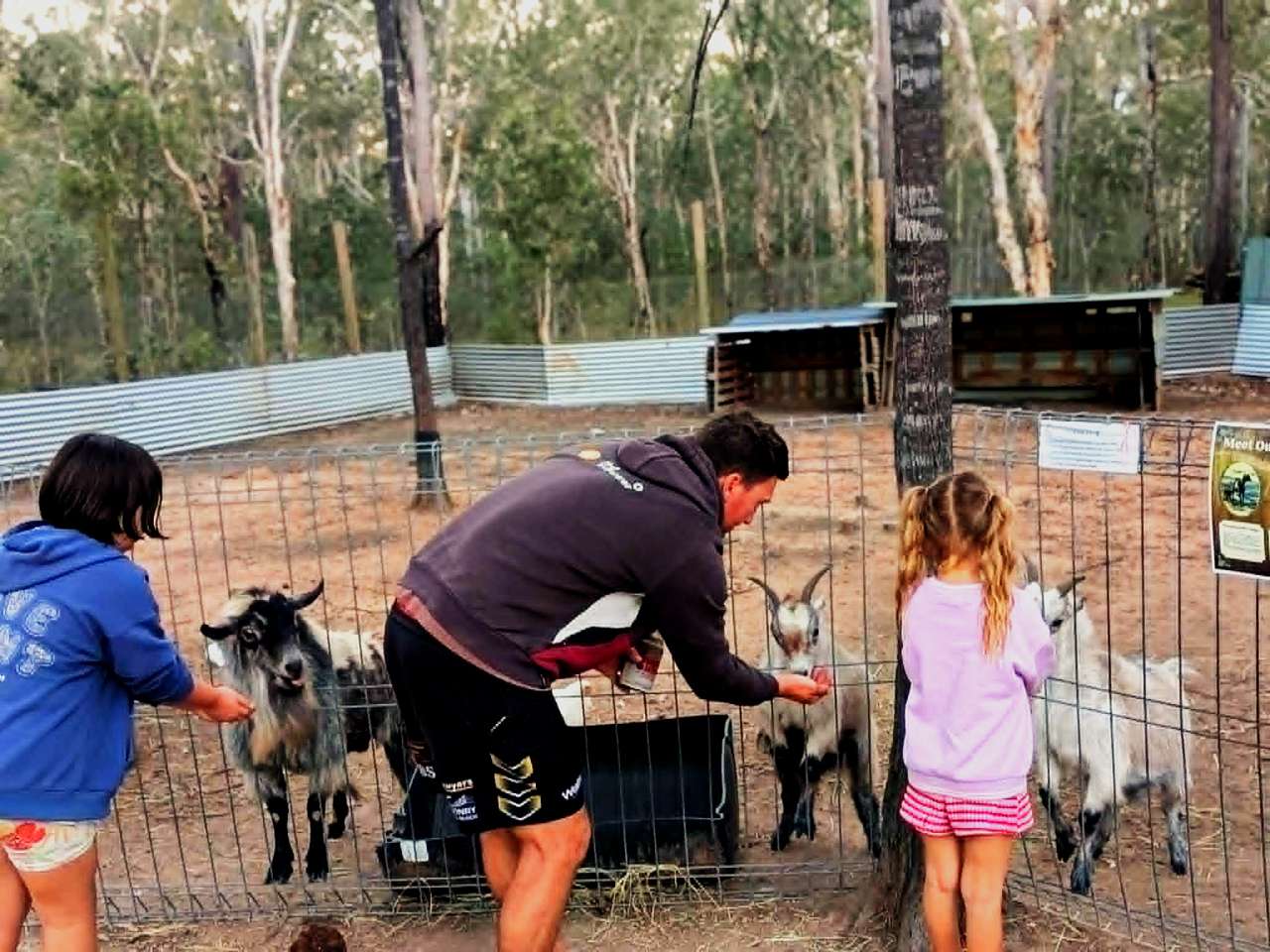
15. Woodlands Farmstay and Glamping
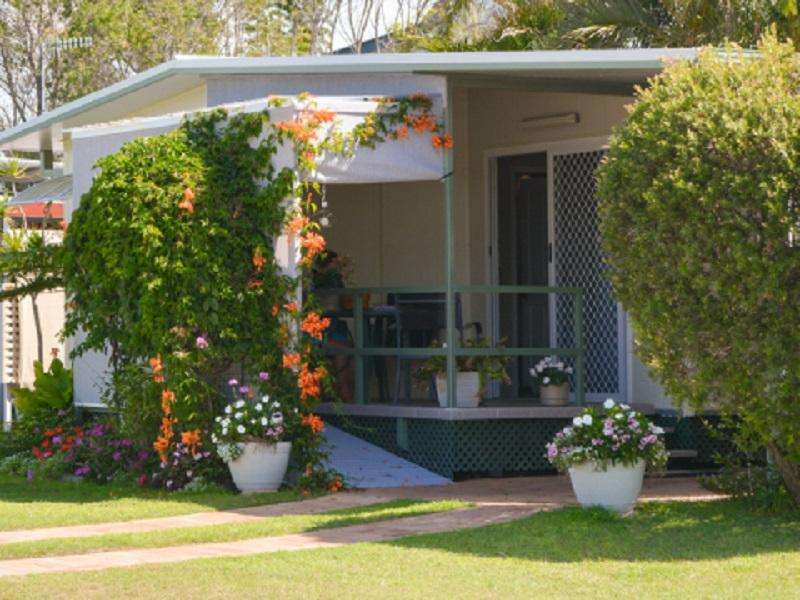


16. Tin Can Bay Tourist Park
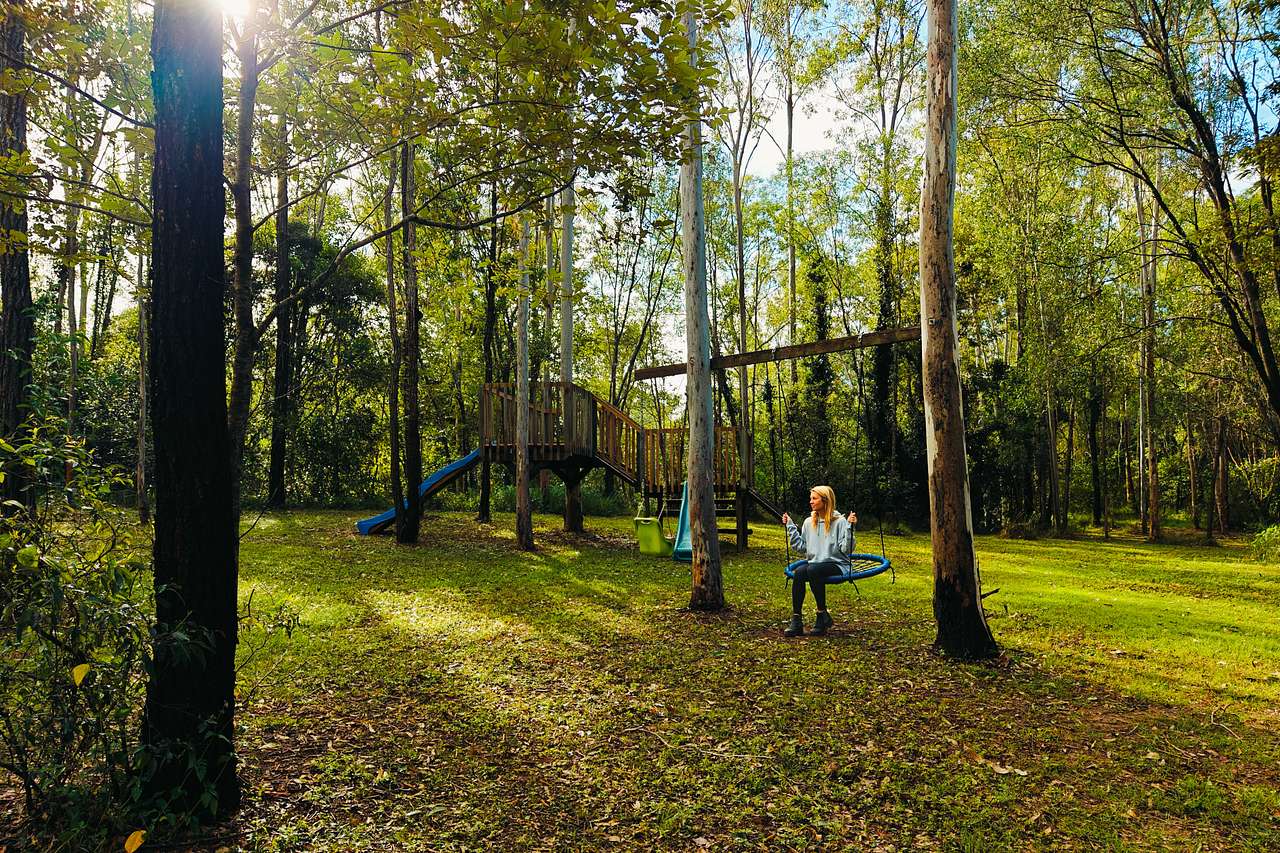
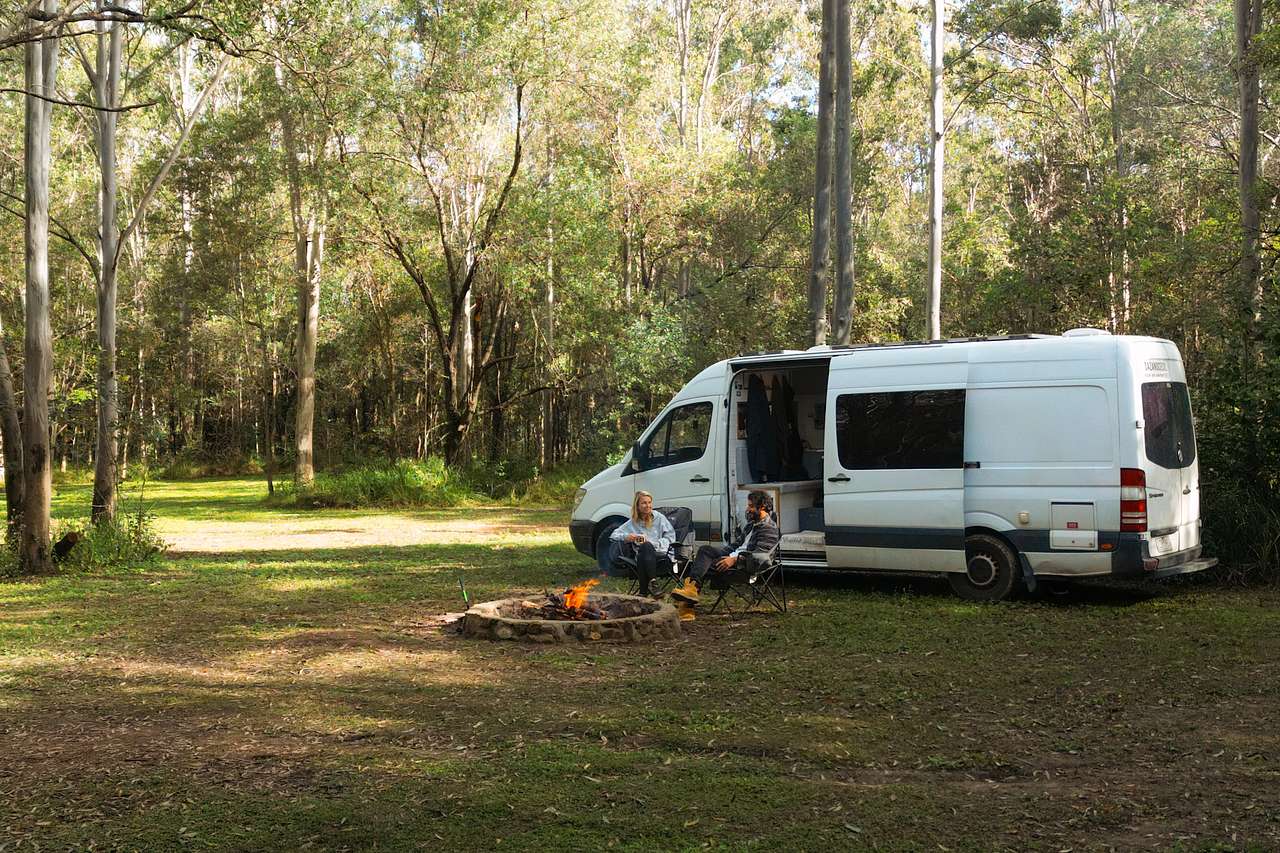
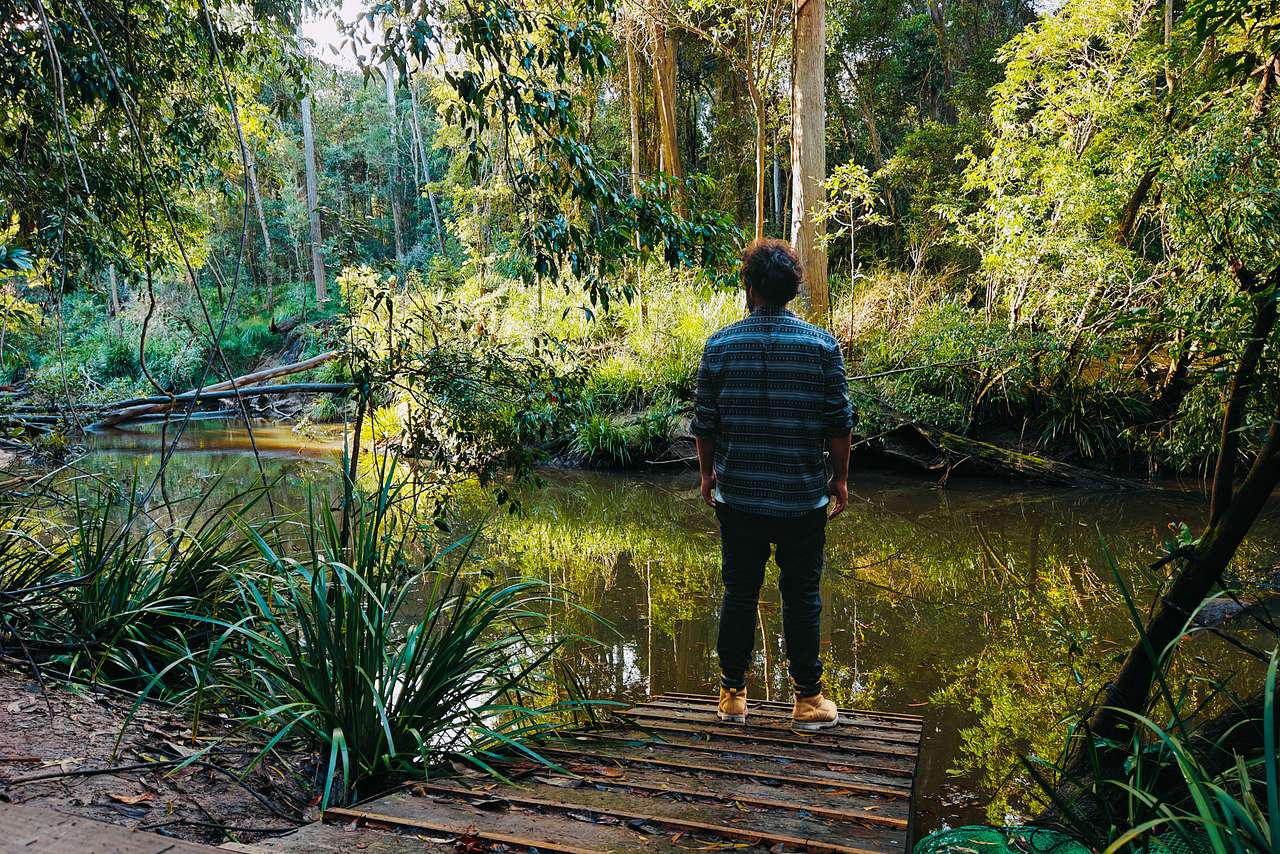
17. Hidden Creek Farm Qld


18. Paperbark Camp & Farm Stay


19. Family Farm
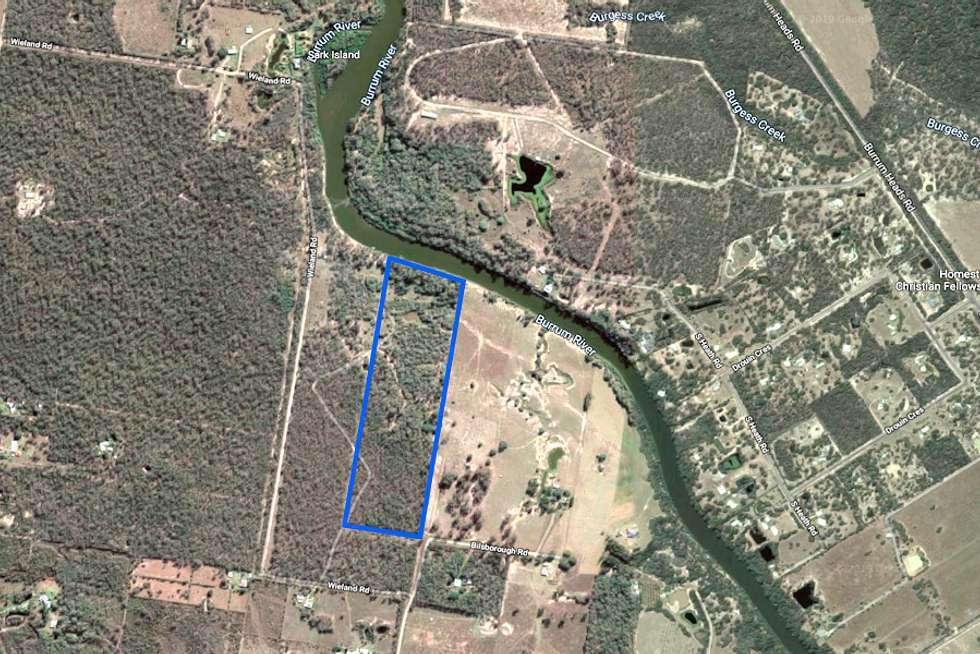
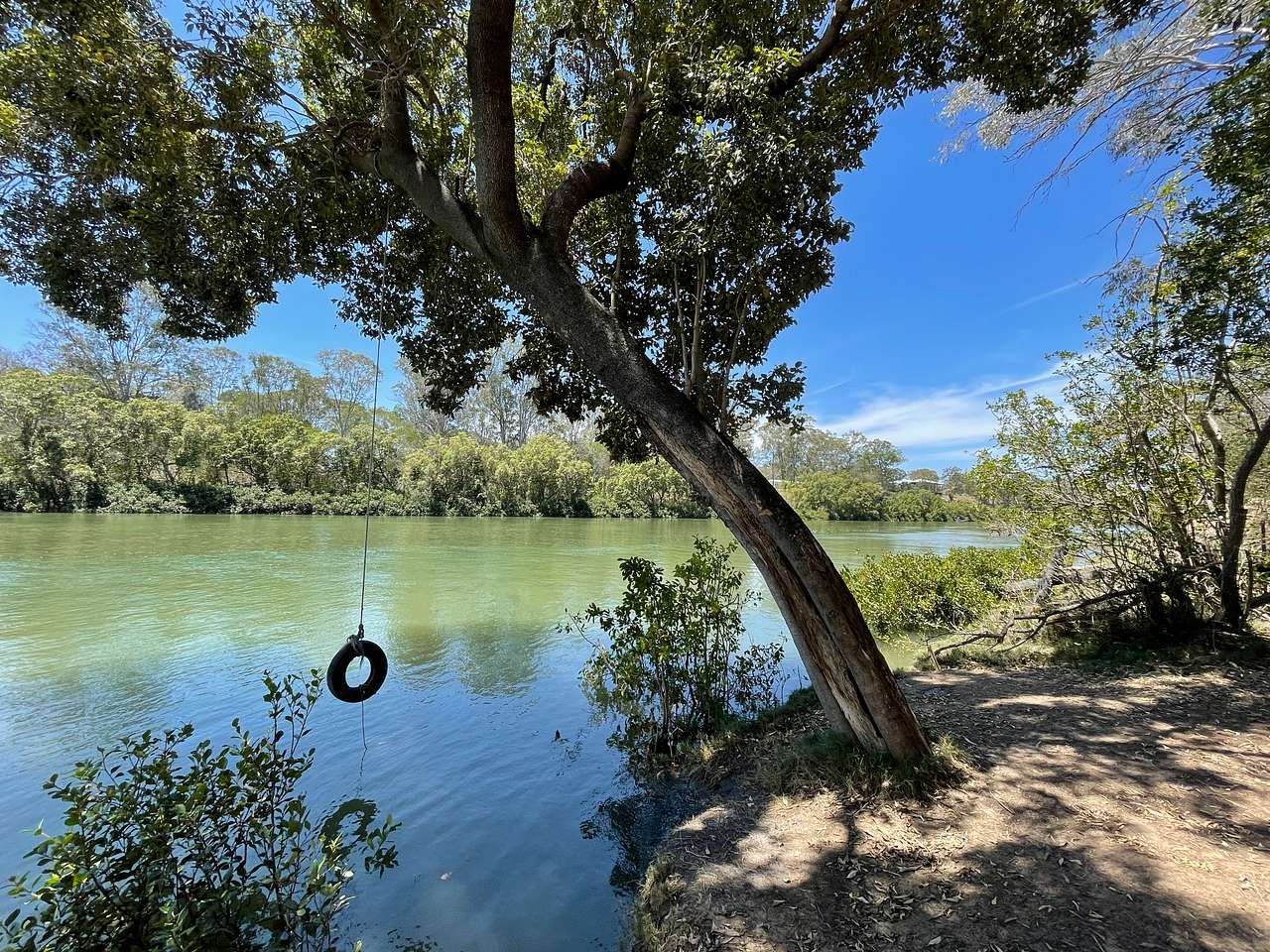
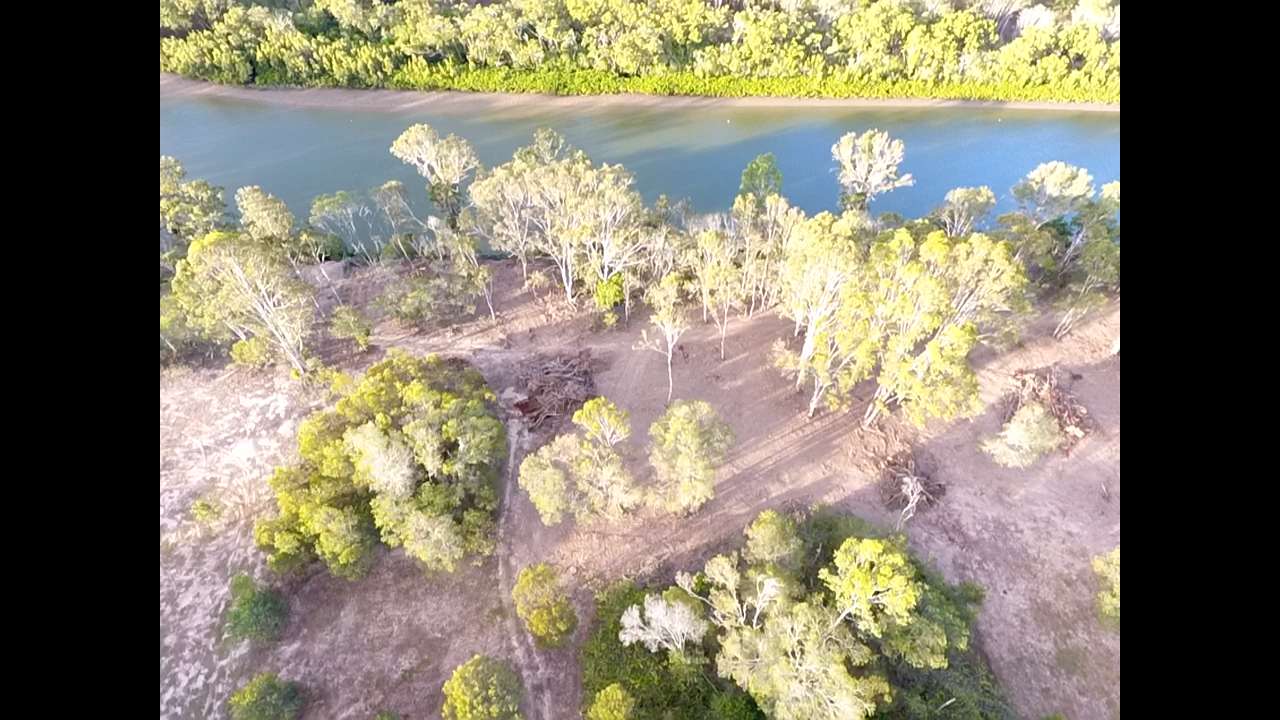
20. Burgowan Mine 11
River Run Farm Camping
Peaceful Riverside Camping
Blue Gums River Retreat
Susan River Homestead
Virtue Farm K'Gari/Fraser Is view
Wright's on the River
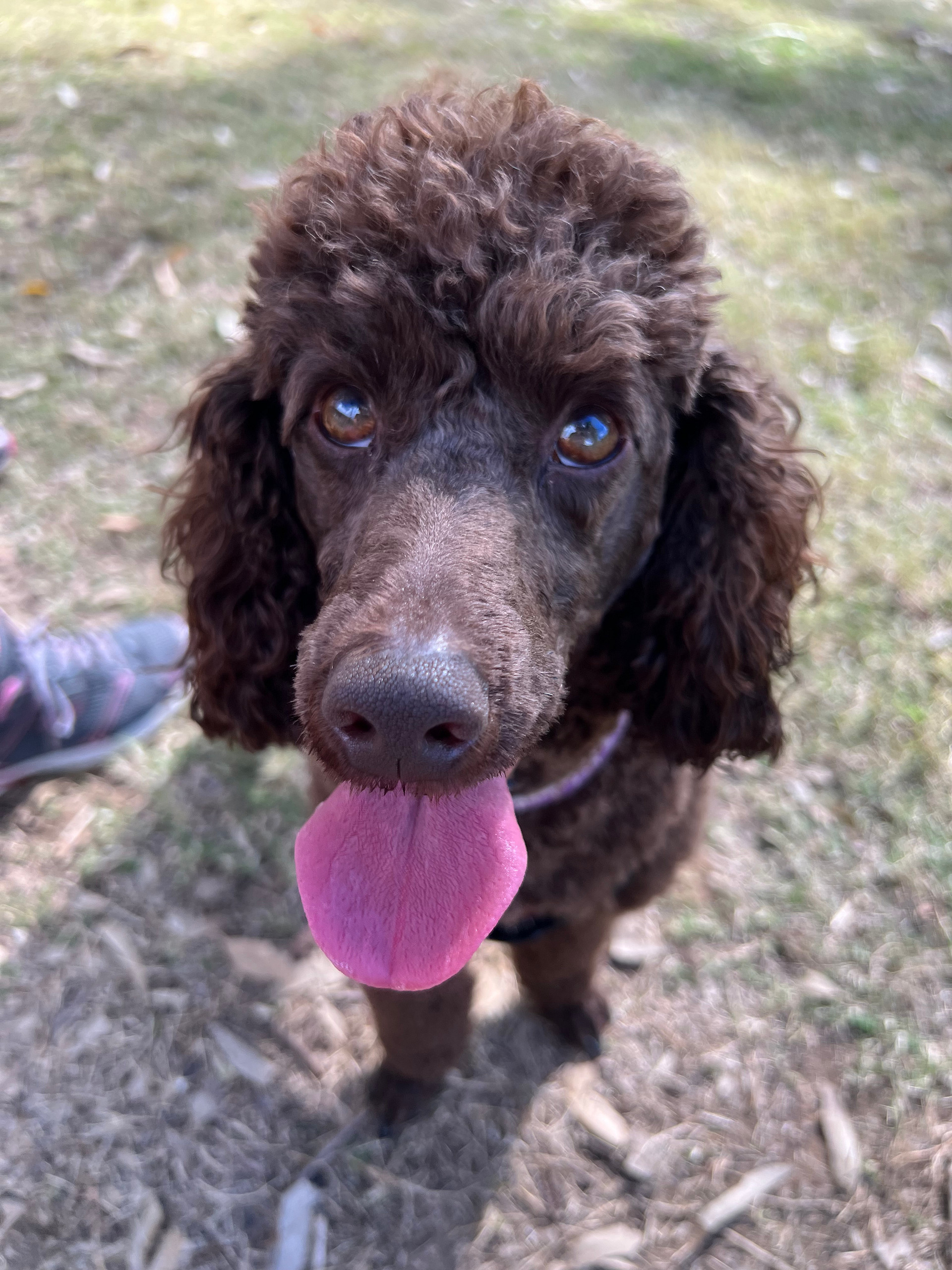
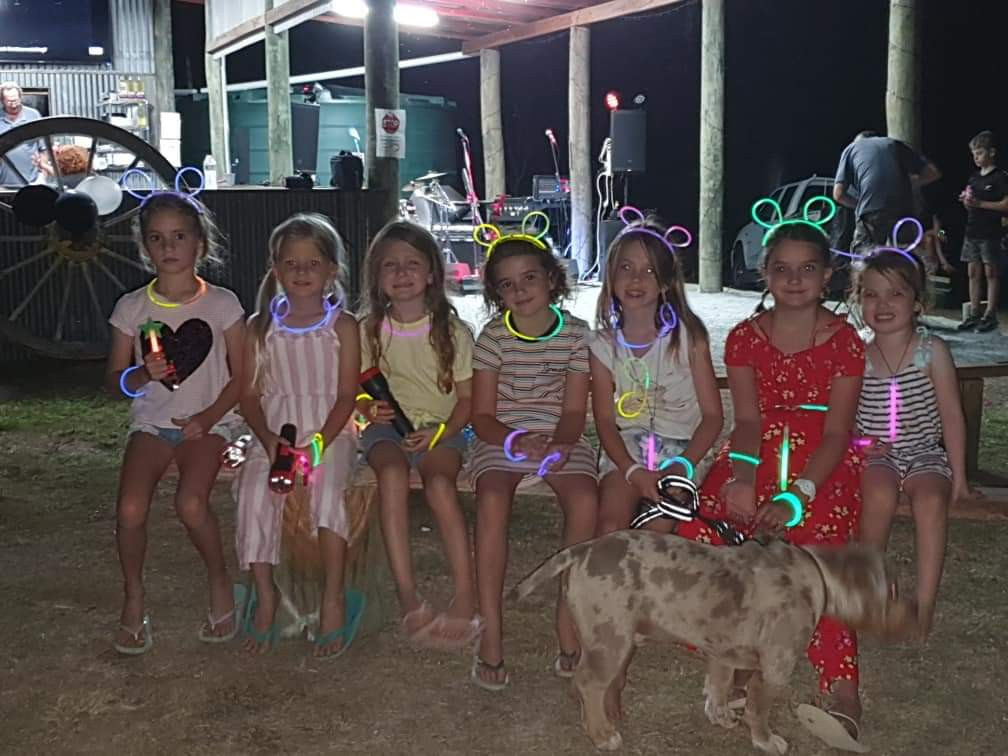
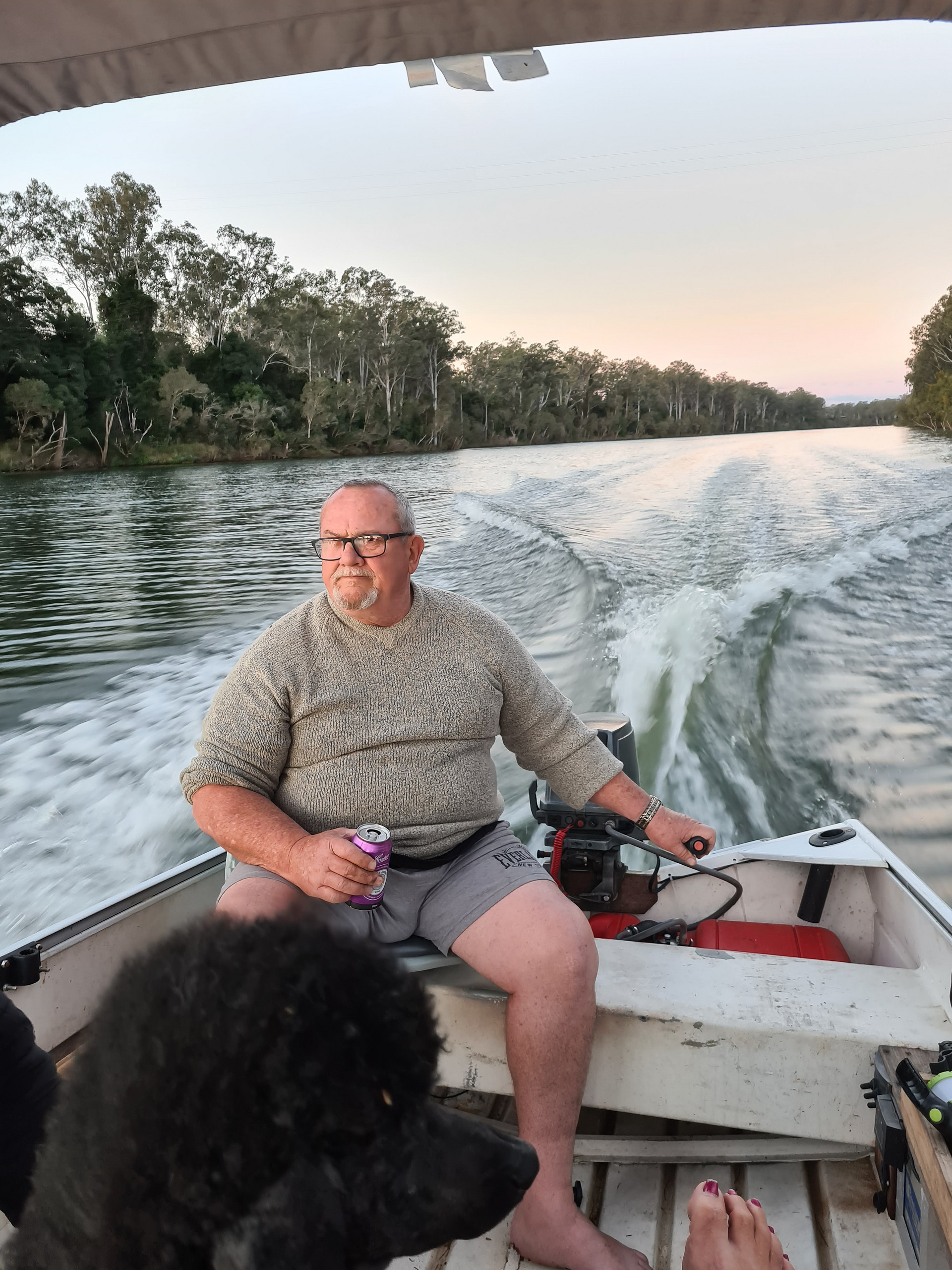
River Run Farm Camping


Peaceful Riverside Camping


Blue Gums River Retreat
Serenity Caravan Park Hervey Bay


Carlton Farm, Hervey Bay
Colonial Village Resort
Recent reviews from the Hipcamp community




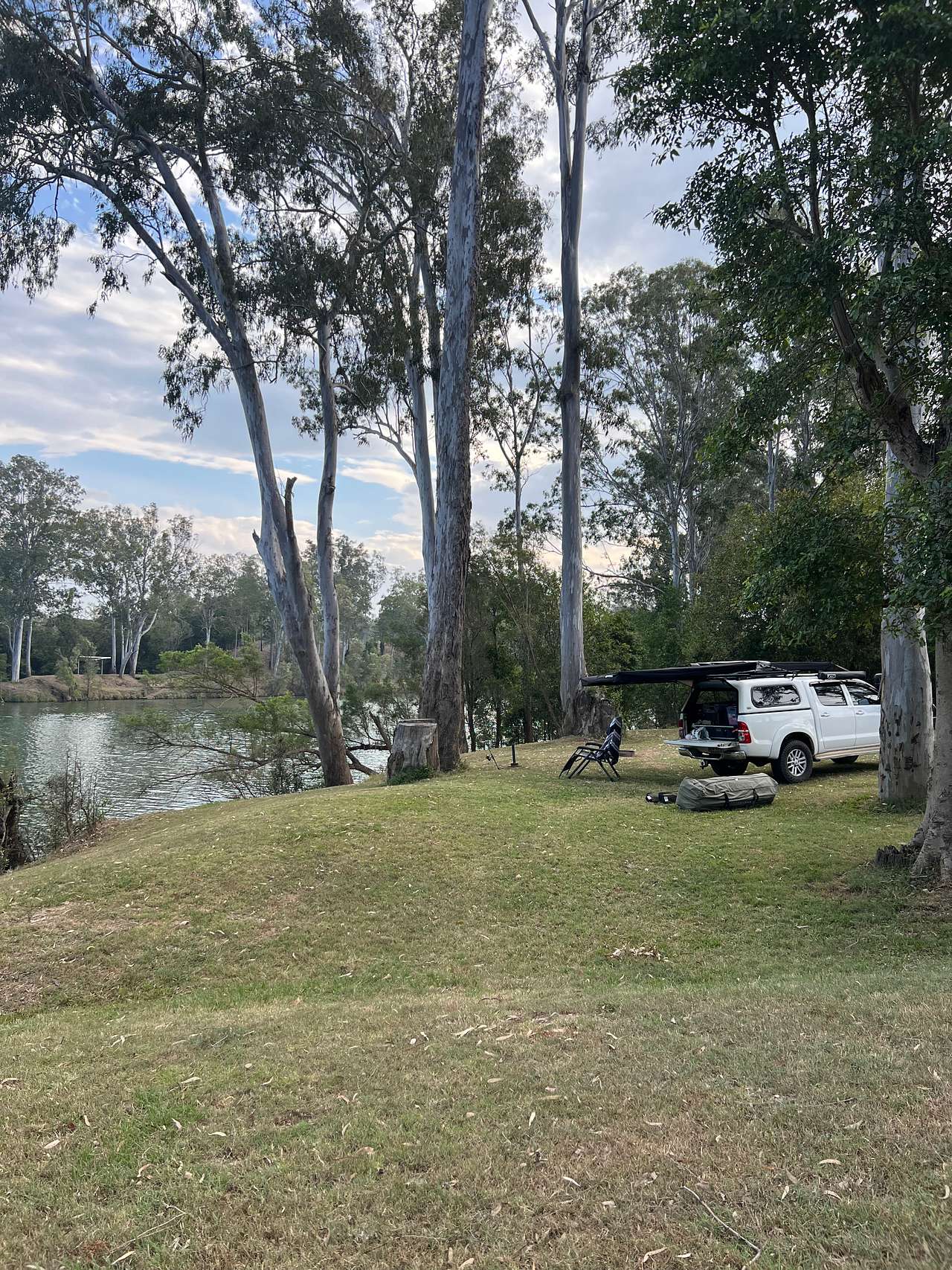

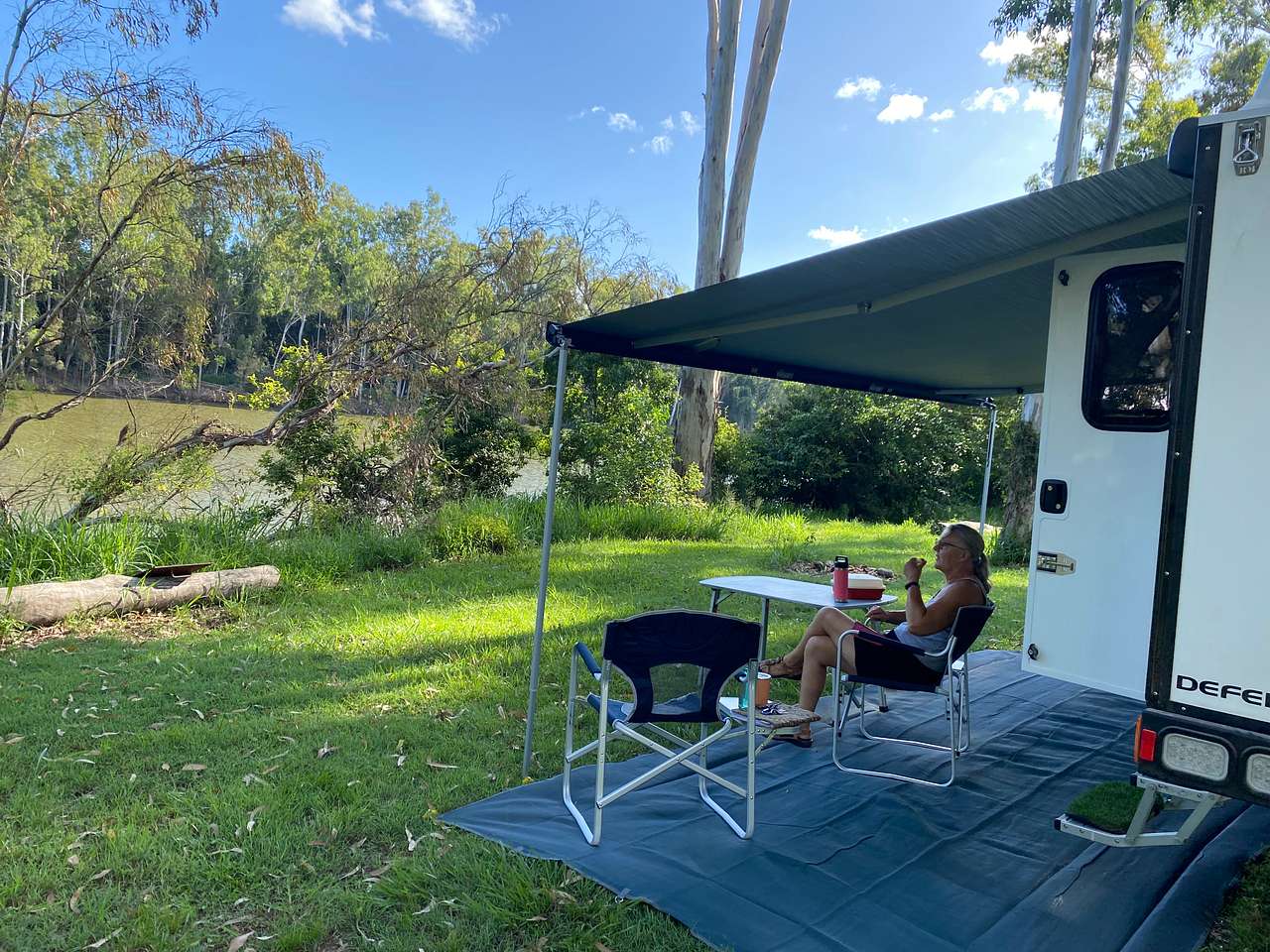
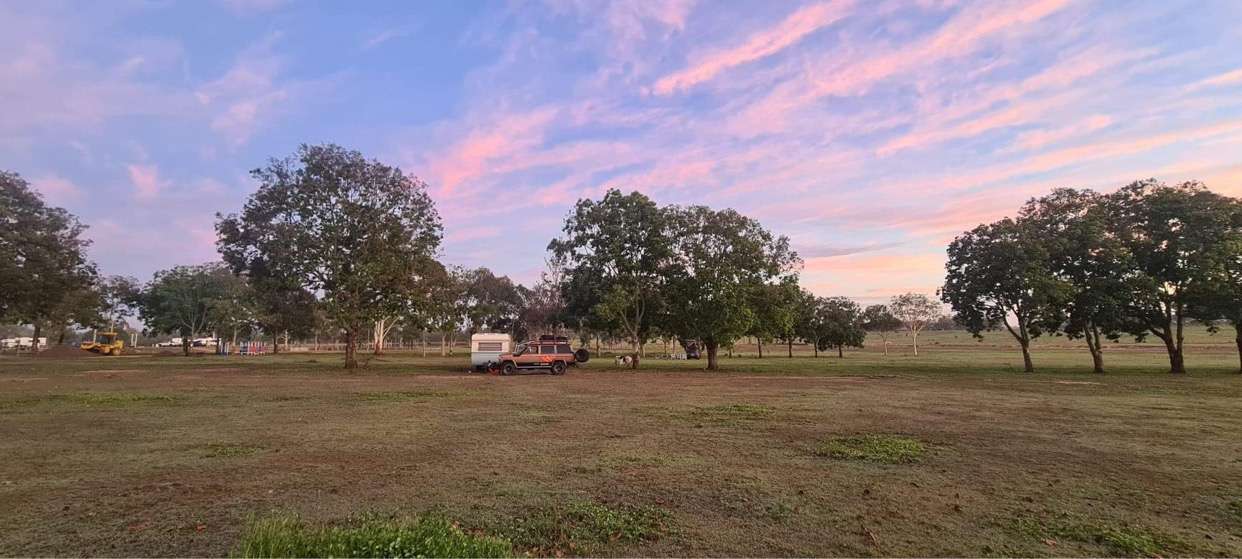
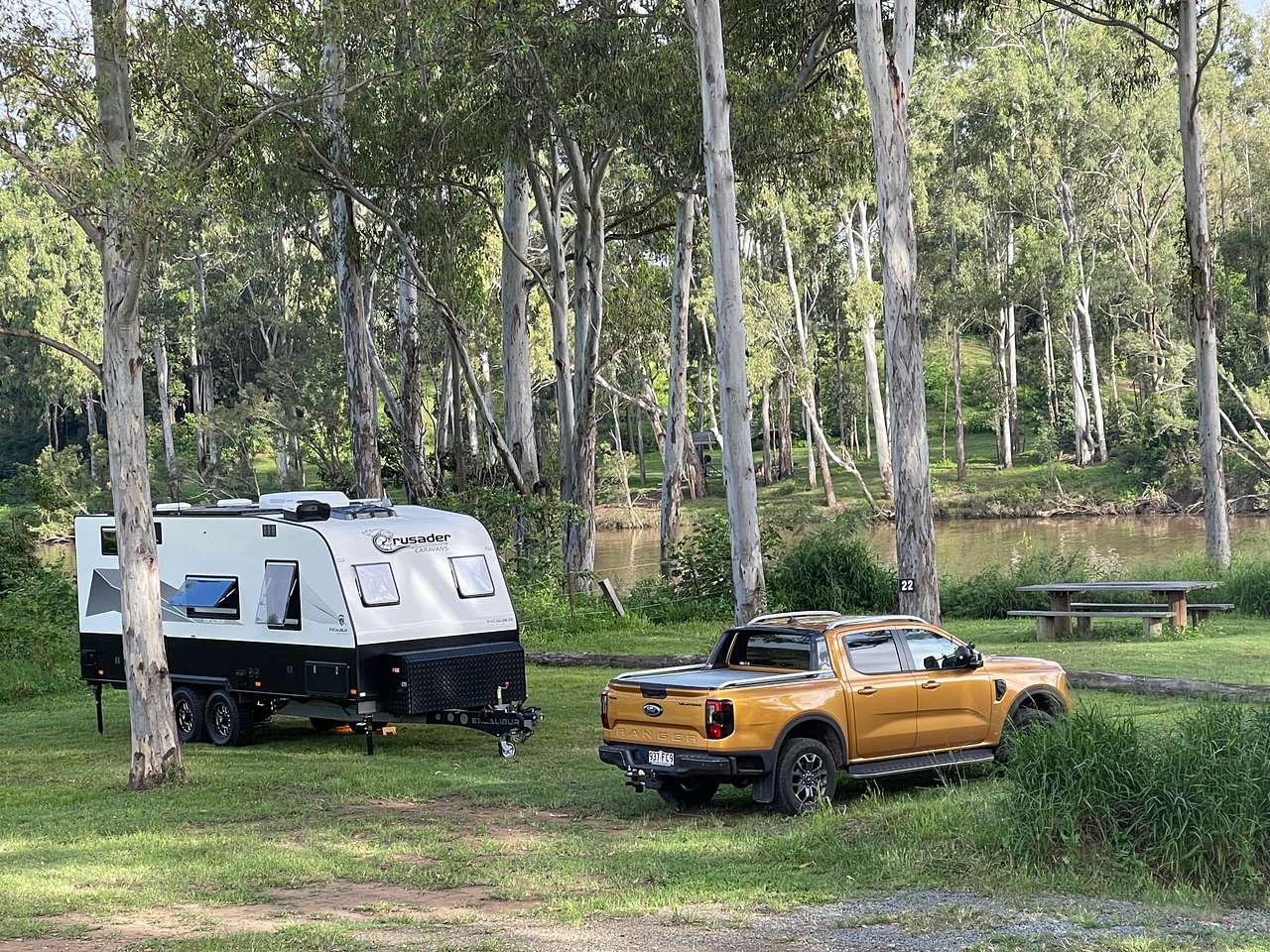

Fraser Island camping guide
Where to go
Central Station
Set inland, 20 minutes west of Eurong Beach Resort, and surrounded by rainforest, campers staying in Central Station can have a great walk along the banks of the freshwater Wanggoolba Creek and through the lush rainforest. Flora and fauna you may come across include the rare king fern Angiopteris evecta, which has the largest fern fronds in the world, as well as turtles and eels, and you’ll also be within easy access of Lake McKenzie, a popular swimming spot. The camping area, typically one of the island’s busiest, is surrounded by dingo-deterrent fence.
Waddy Point
On the island’s northeast coast, Waddy Point offers both beachfront (unfenced) and inland (fenced) camping areas with coin-operated hot showers and picnic tables, as well as capacity for camper trailers. Making Waddy Point your base puts you within easy access of some of the island’s top attractions, including the coastal headland of Indian Head (a good spot for watching dolphins and whales) and the rock pools filled with bubbling water known as the Champagne Pools. You’ll also find plenty of opportunities for fishing, kayaking, and hiking.
Dundubara
Dundubara is located in the middle of the 75-Mile Beach scenic drive on the east coast, halfway between Indian Head and the rusting S.S. Maheno shipwreck, which ran aground in 1935. You’re also within easy reach of Eli Creek, a popular freshwater swimming spot with a long boardwalk. Camping is available in a large fenced-in area behind great sand dunes and it's one of the few camping sites on the island that allows campfires.
Lake Boomanjin
Along the Southern Lakes scenic drive, the distinctly red-hued Lake Boomanjin offers a peaceful setting and opportunities for swimming and kayaking. The secluded lake is typically far less visited than Lake McKenzie, the island’s other famed perched lake. You can camp right by the lake at the fenced-in camping area with picnic tables and surrounded by forest: note that it is walk-in camping only, so there's no vehicle access to the tent sites.
Frequently Asked Questions
Camping fees at Fraser Island vary depending on the campsite and type of accommodation. For a basic camping site, fees can range from AUD $6.75 per person per night to around AUD $30 per family per night. For more developed sites with amenities, the cost can be higher. Keep in mind that you'll also need a vehicle access permit, which costs around AUD $53.65 for a 1-month permit or AUD $270.10 for an annual permit. For more information on Fraser Island camping, visit the Queensland National Parks website.
Yes, it is generally safe to camp on Fraser Island, but campers should follow safety guidelines and be aware of potential hazards. Fraser Island is a popular camping destination in Australia, known for its beautiful beaches, freshwater lakes, and lush rainforests. However, there are some safety concerns to keep in mind:
- Always choose designated camping areas and follow park regulations.
- Be cautious of dingoes, as they are wild animals and can be dangerous if provoked. Keep food stored securely, and do not approach or feed them.
- Swimming in the ocean can be risky due to strong currents, sharks, and jellyfish. It's safer to swim in the island's freshwater lakes.
- Drive carefully on the island's sand tracks and beaches, as conditions can be challenging. A 4WD vehicle is necessary, and be aware of tide times when driving on the beach.
- Carry plenty of water, sunscreen, and insect repellent to protect against the sun and insects.
By following these safety tips and staying alert, you can enjoy a safe and memorable camping experience on Fraser Island.
The best time of year to visit Fraser Island is during the Australian winter and spring months, from June to October. During this period, the weather is generally mild and dry, with temperatures ranging from 14°C to 25°C (57°F to 77°F). This is an ideal time for camping, swimming, and exploring the island's many attractions without the intense heat or humidity of the summer months. Additionally, this is the prime time to spot humpback whales during their migration along the island's coast.