Top-rated campgrounds near South Florida
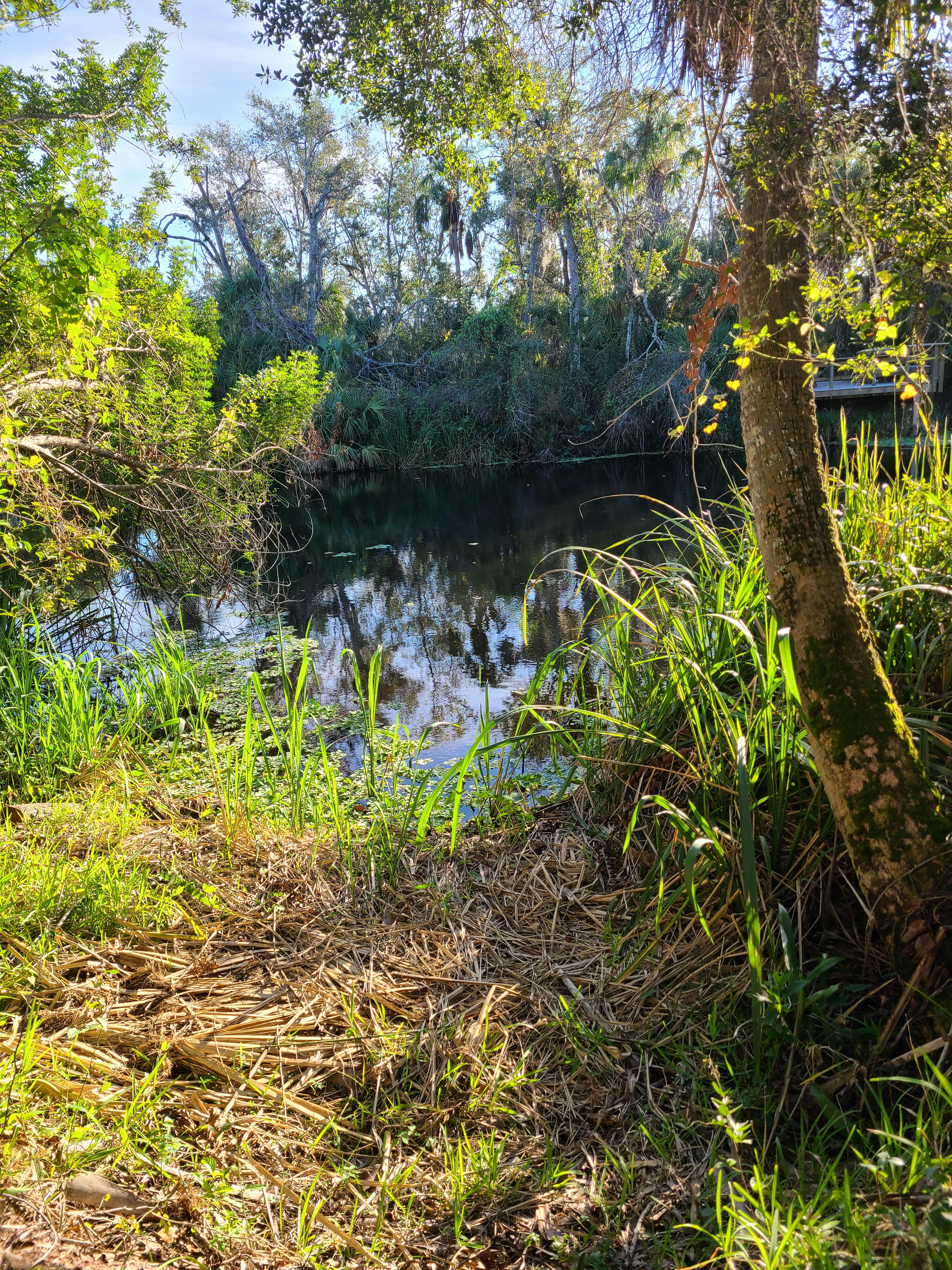
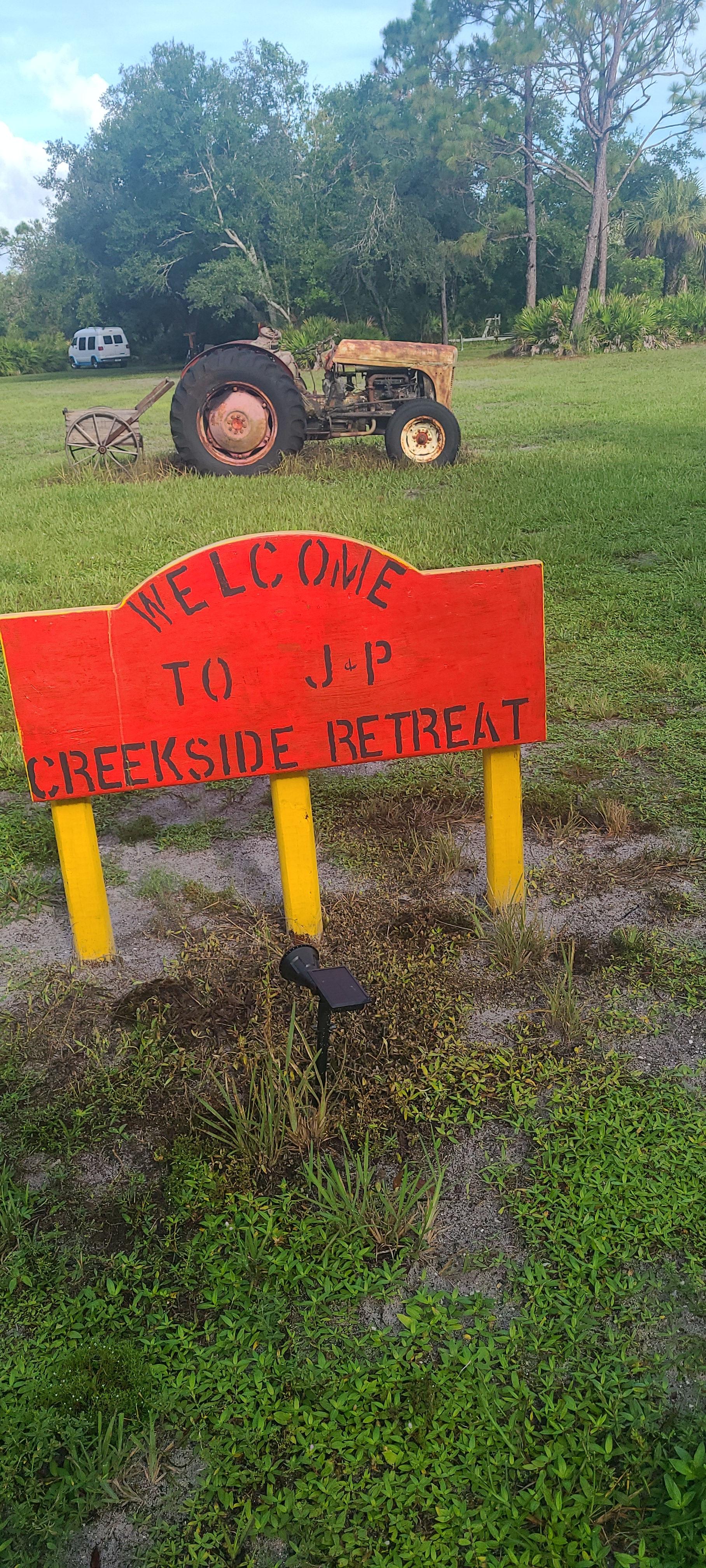
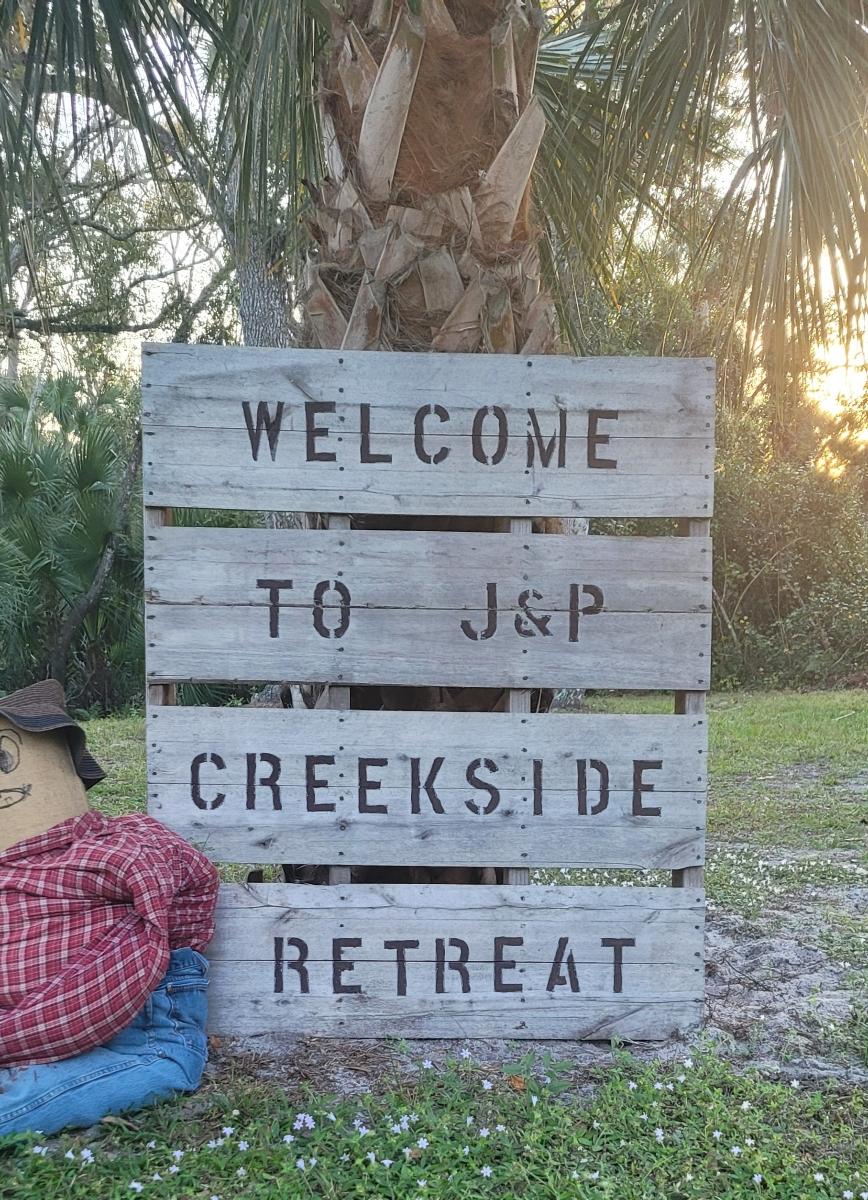
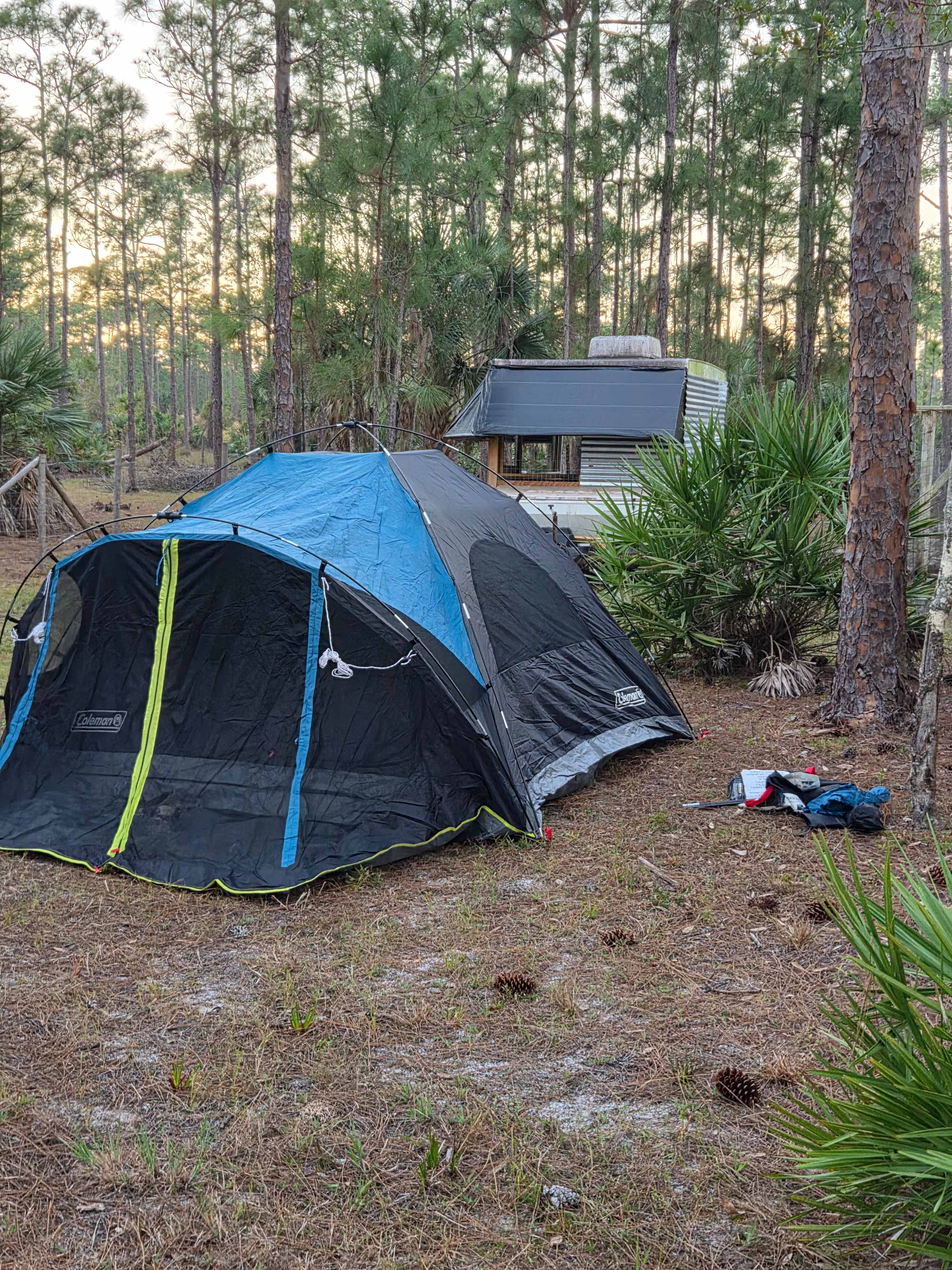
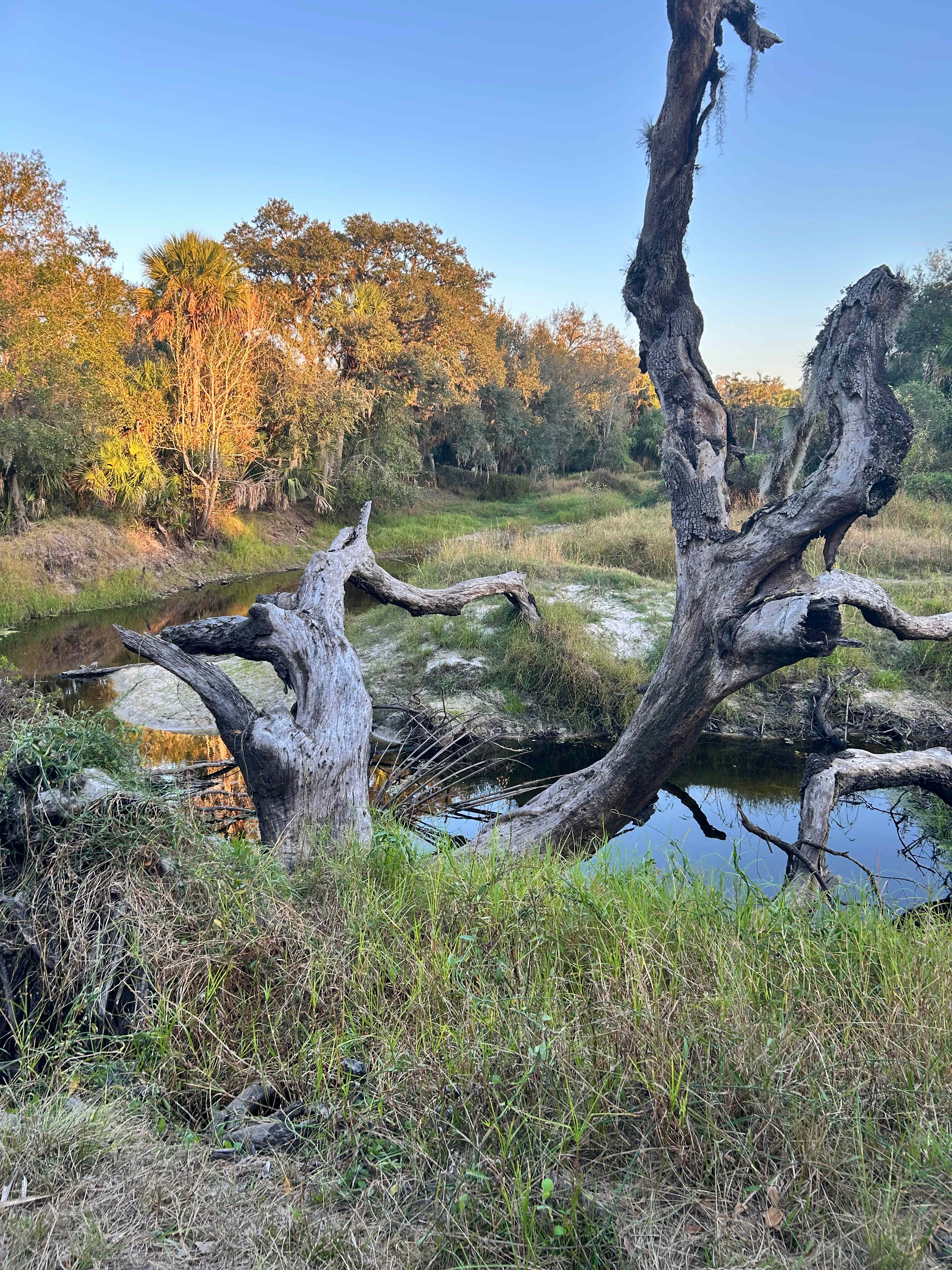
1. J and P Creekside Retreat
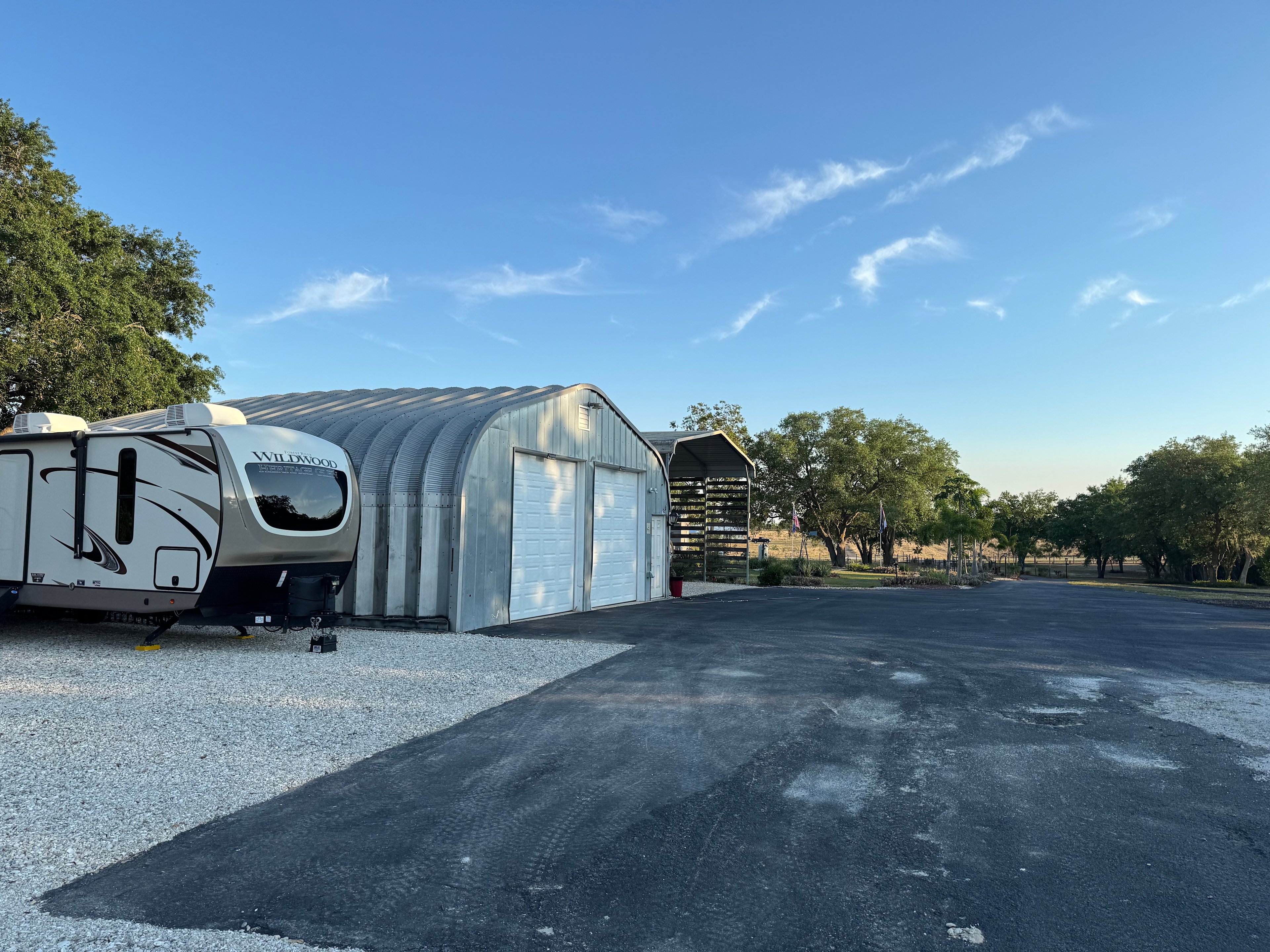

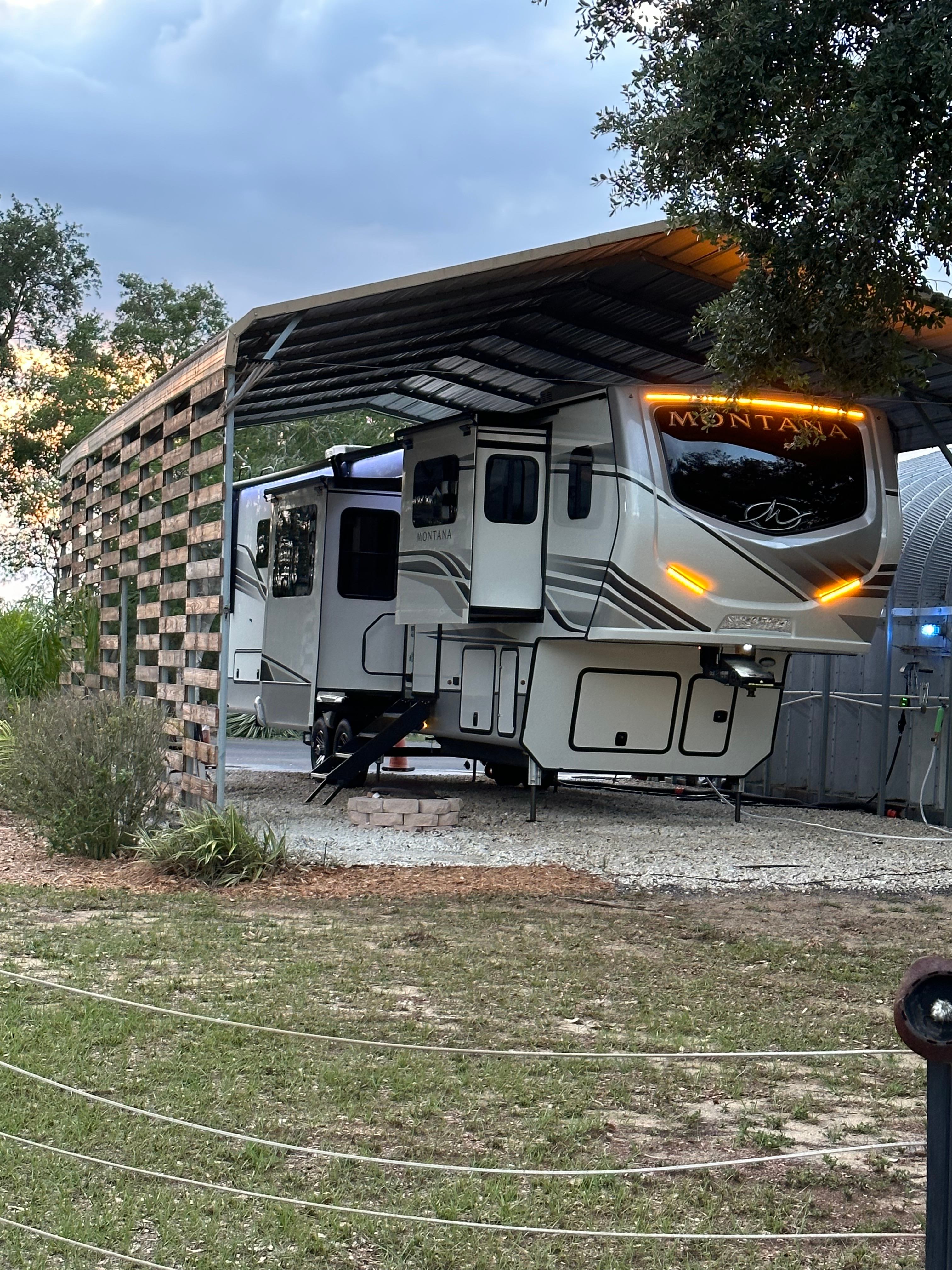
2. JB Resort
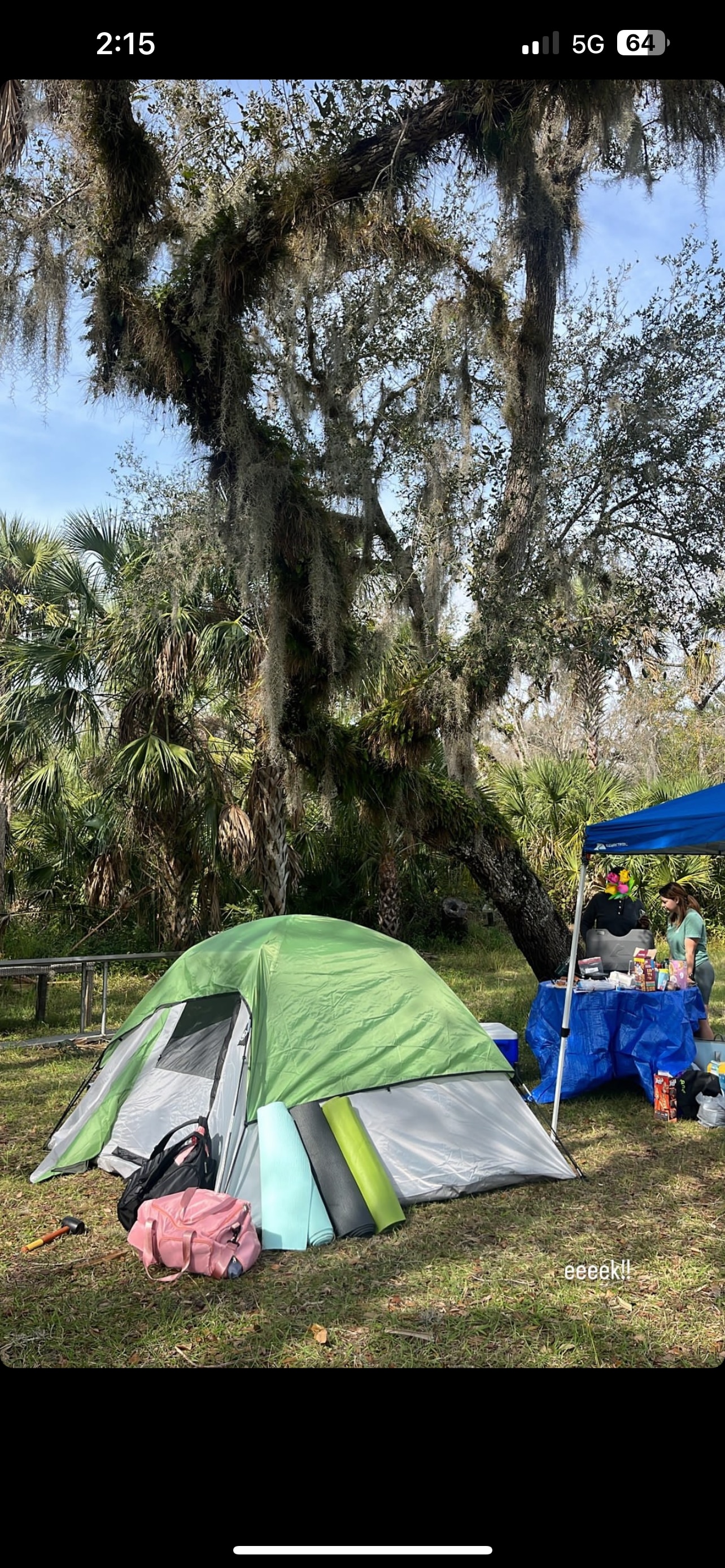
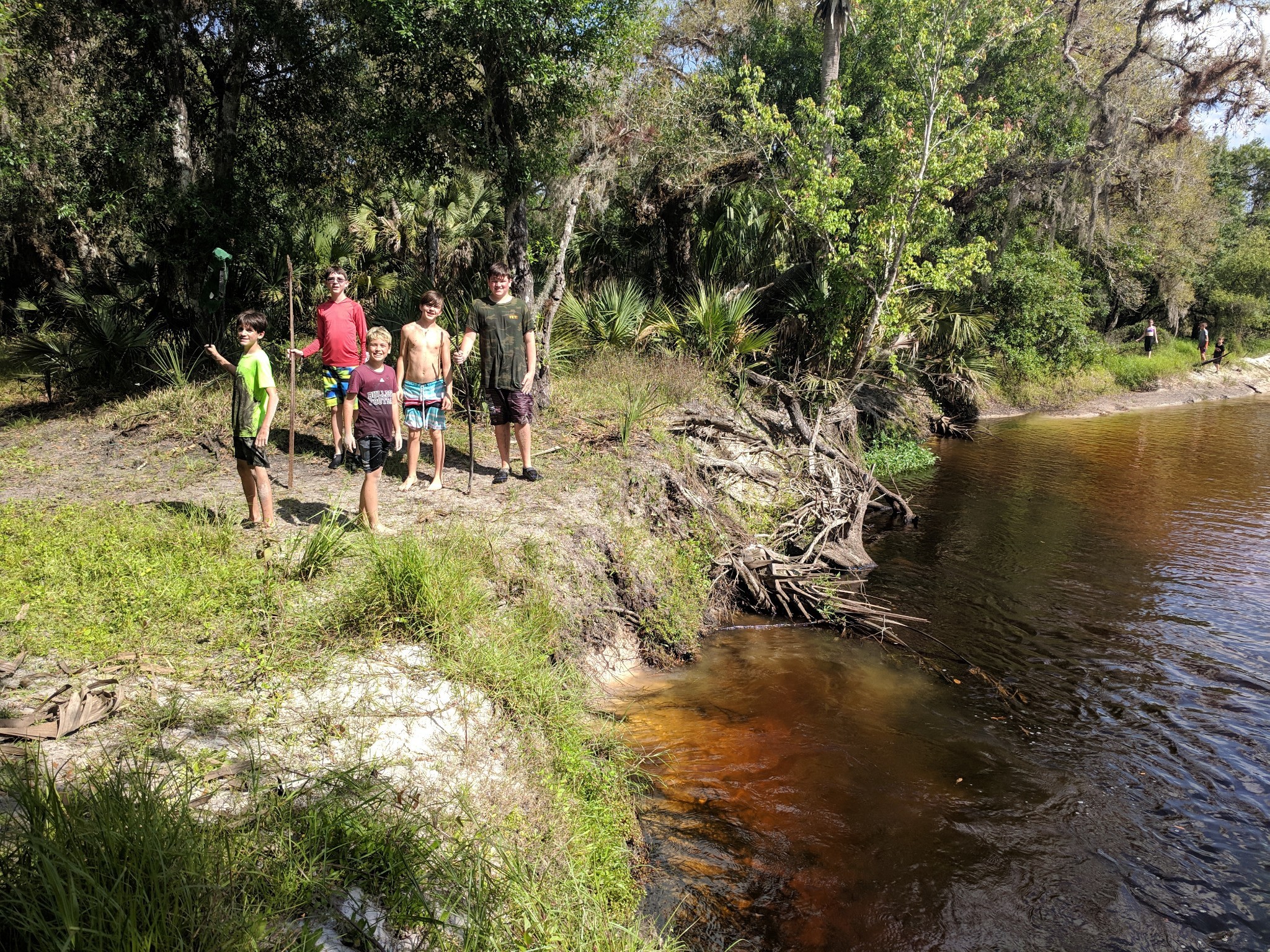
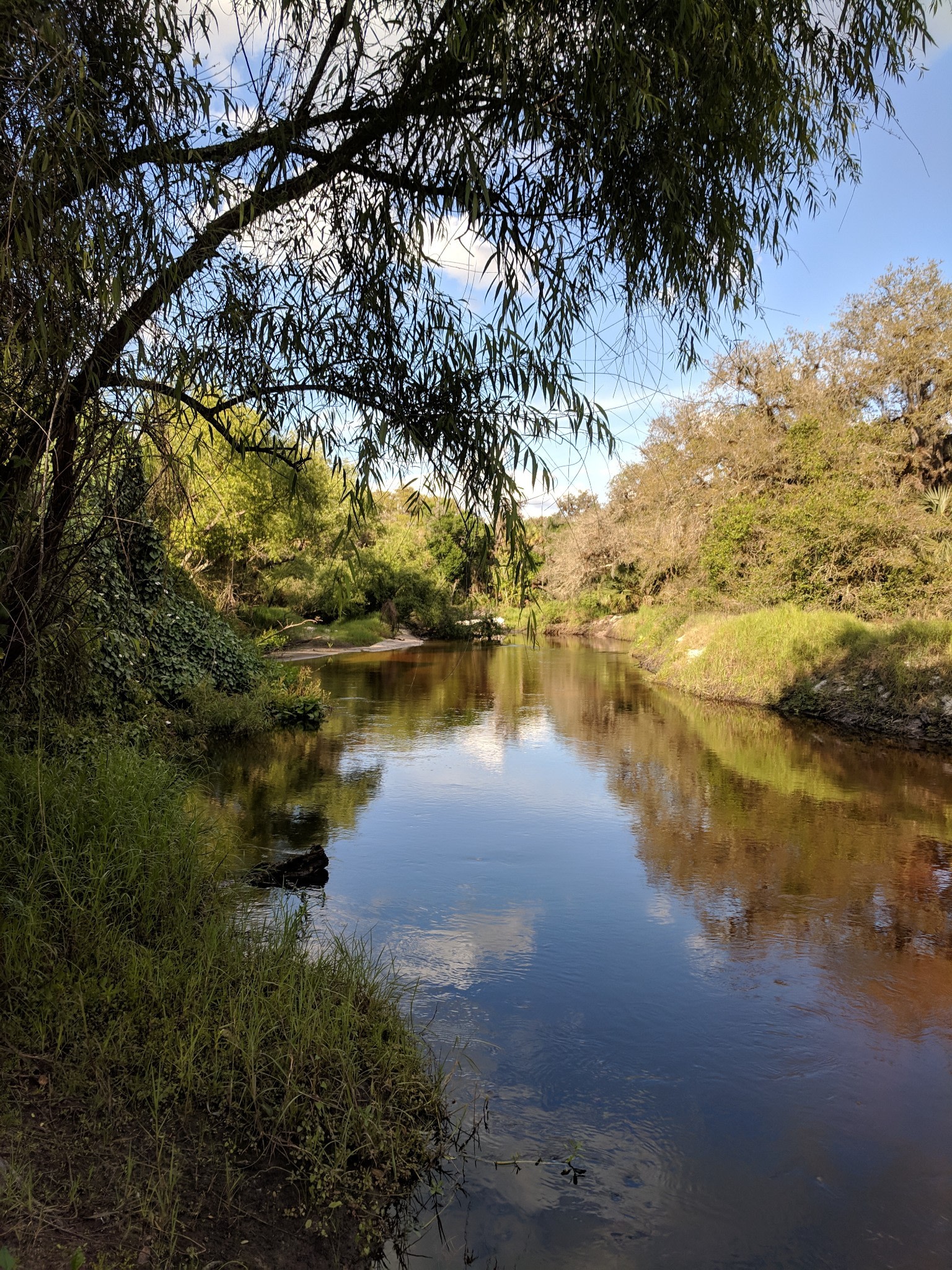
3. Costa Myakka
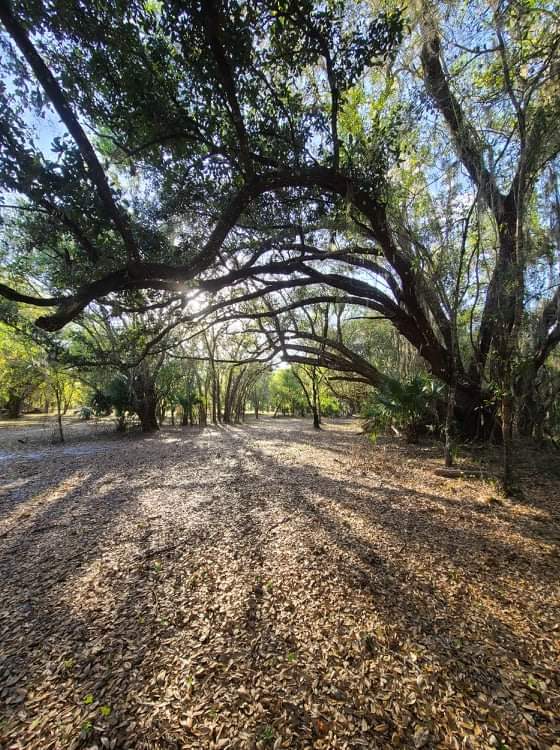
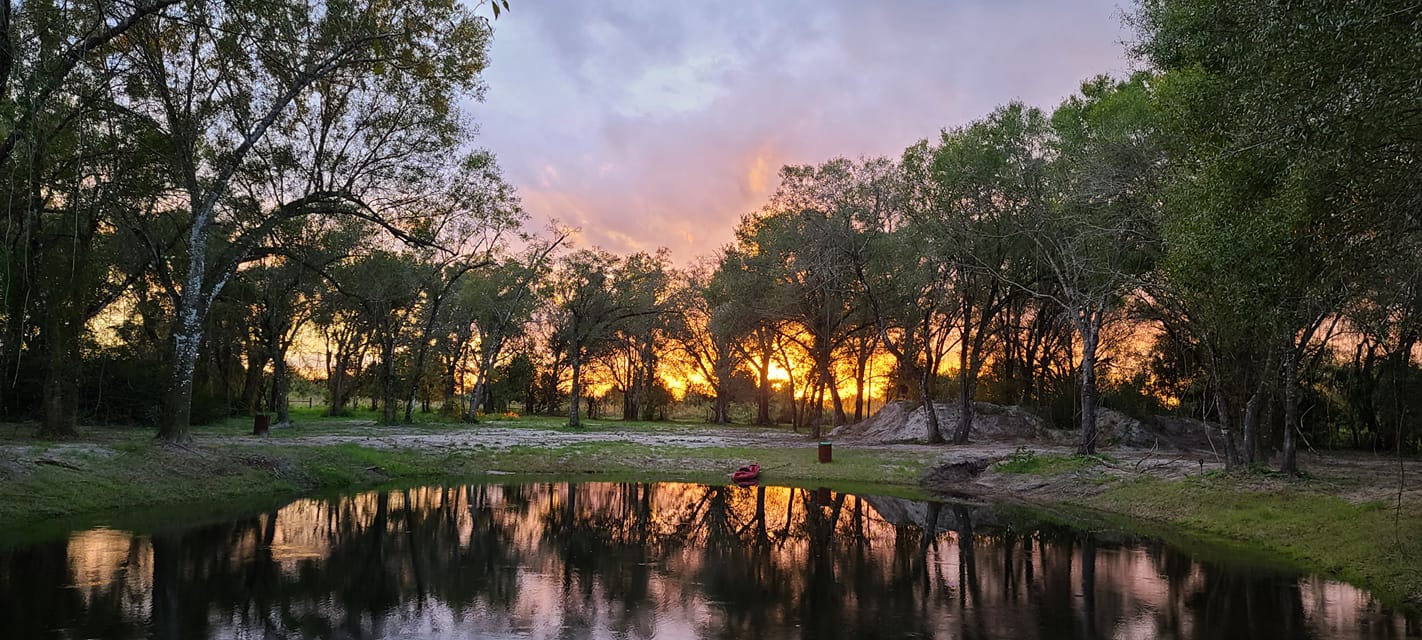
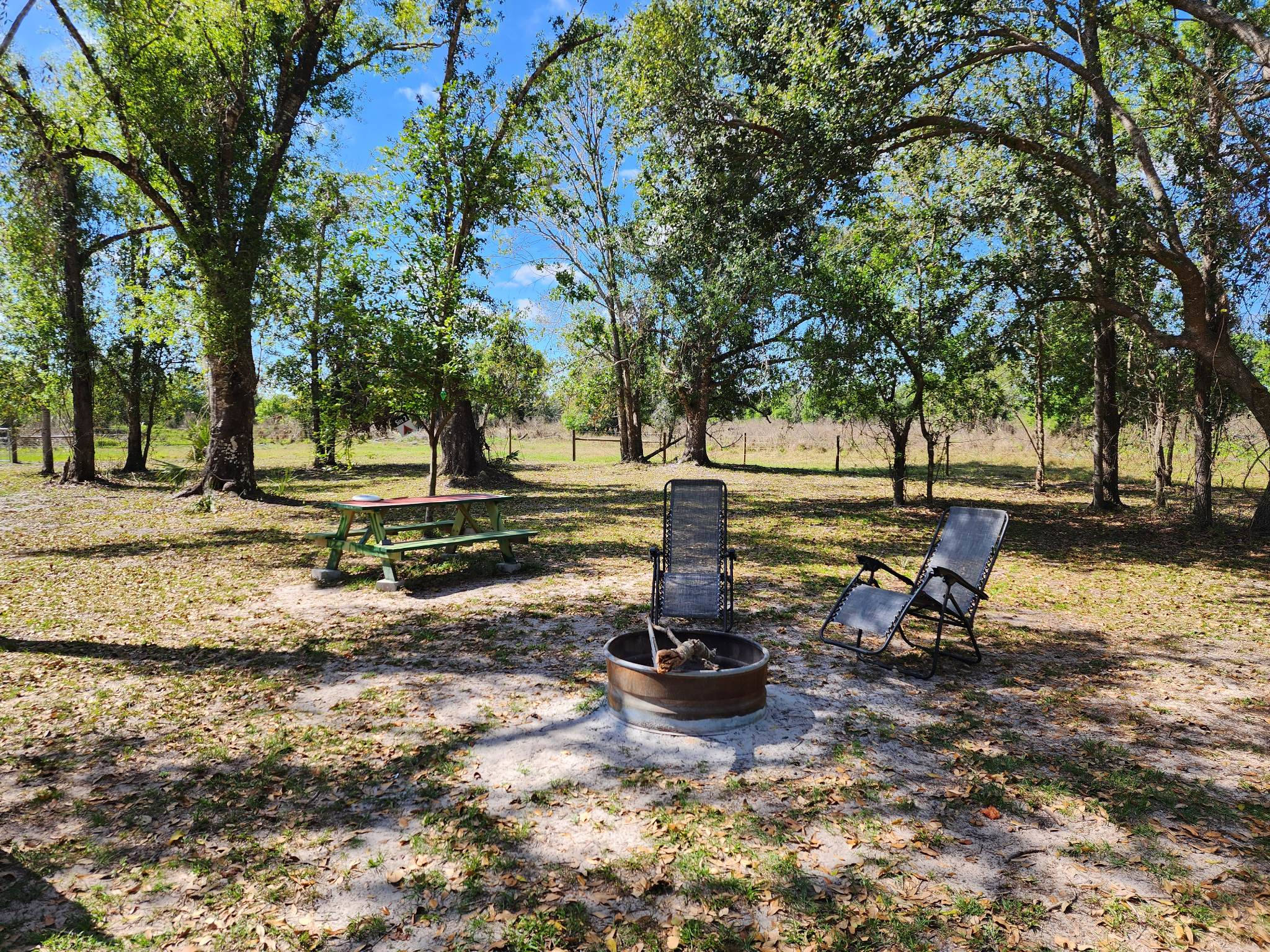
4. Privacy in Fort Ogden
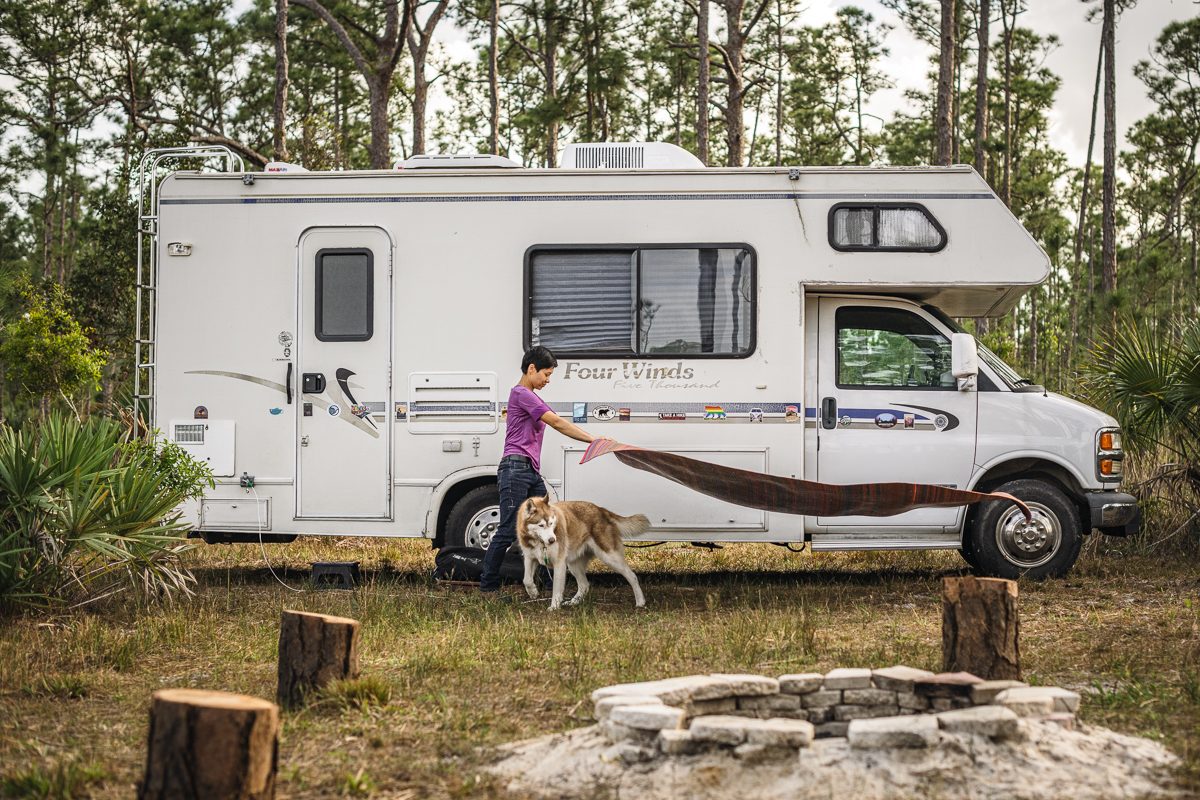
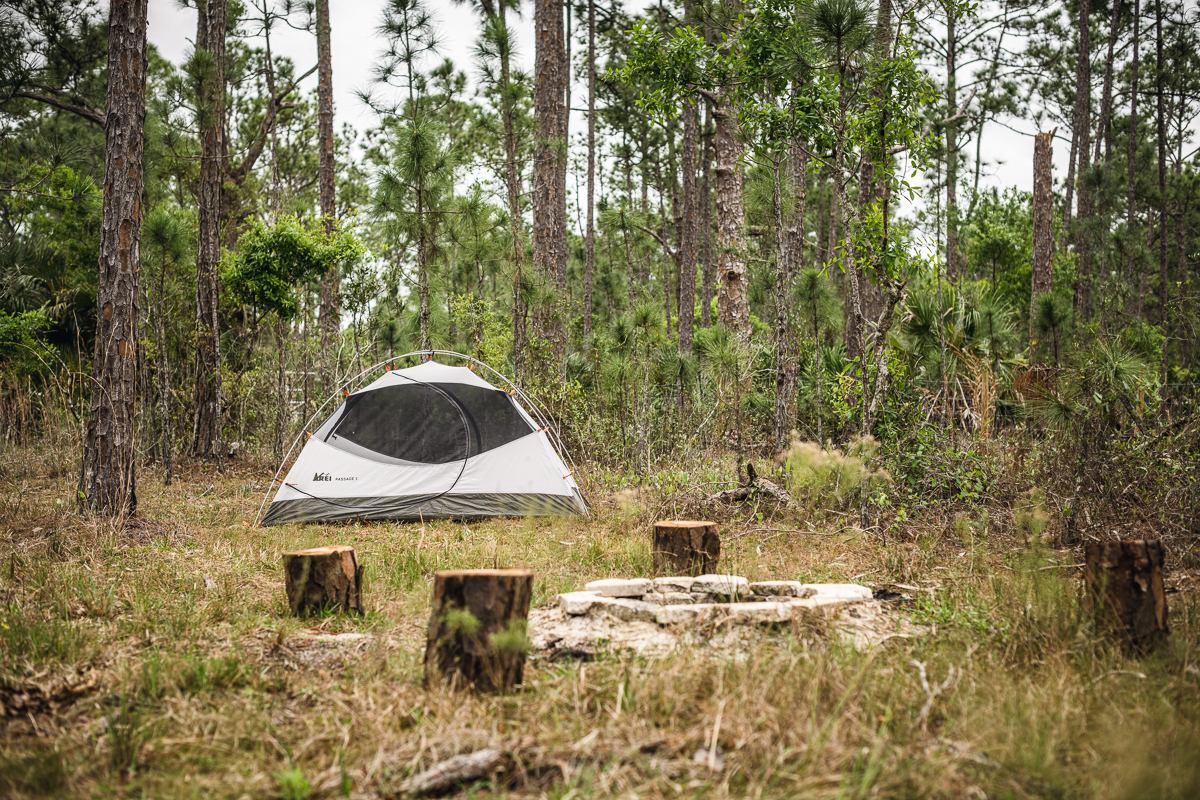
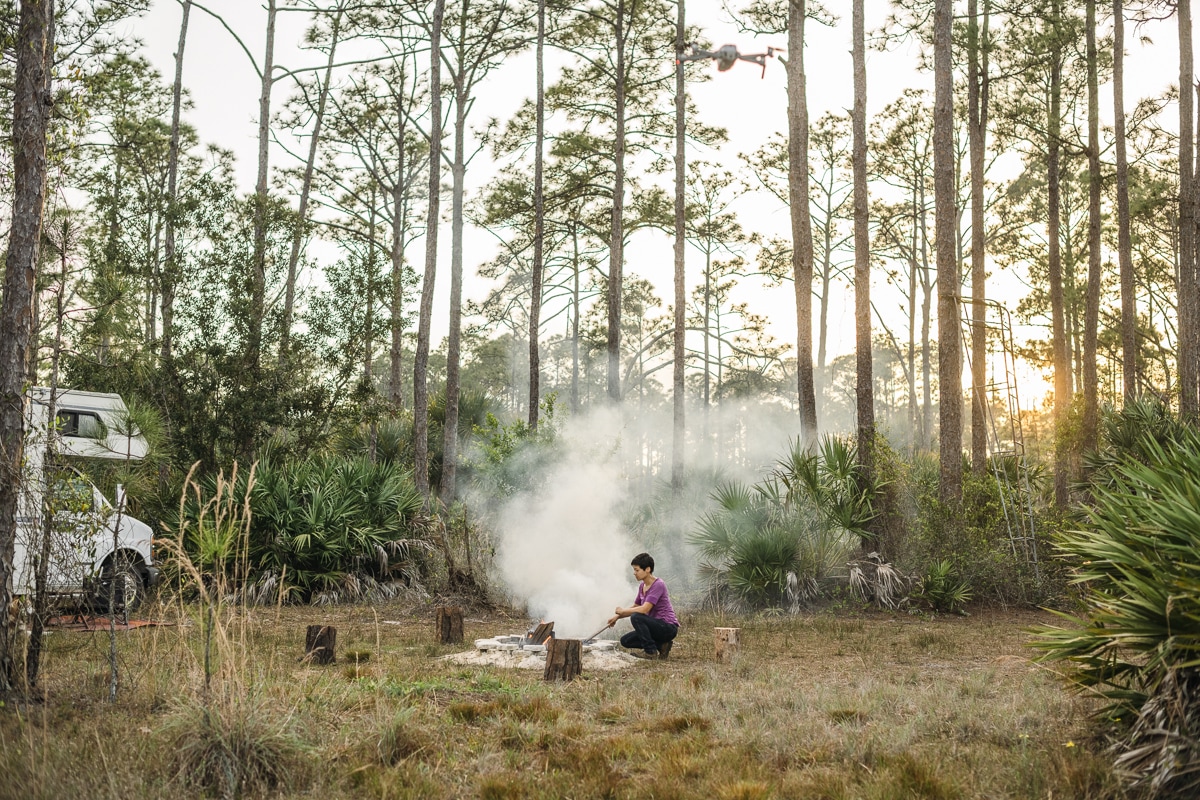
5. The Sunnyside Farm
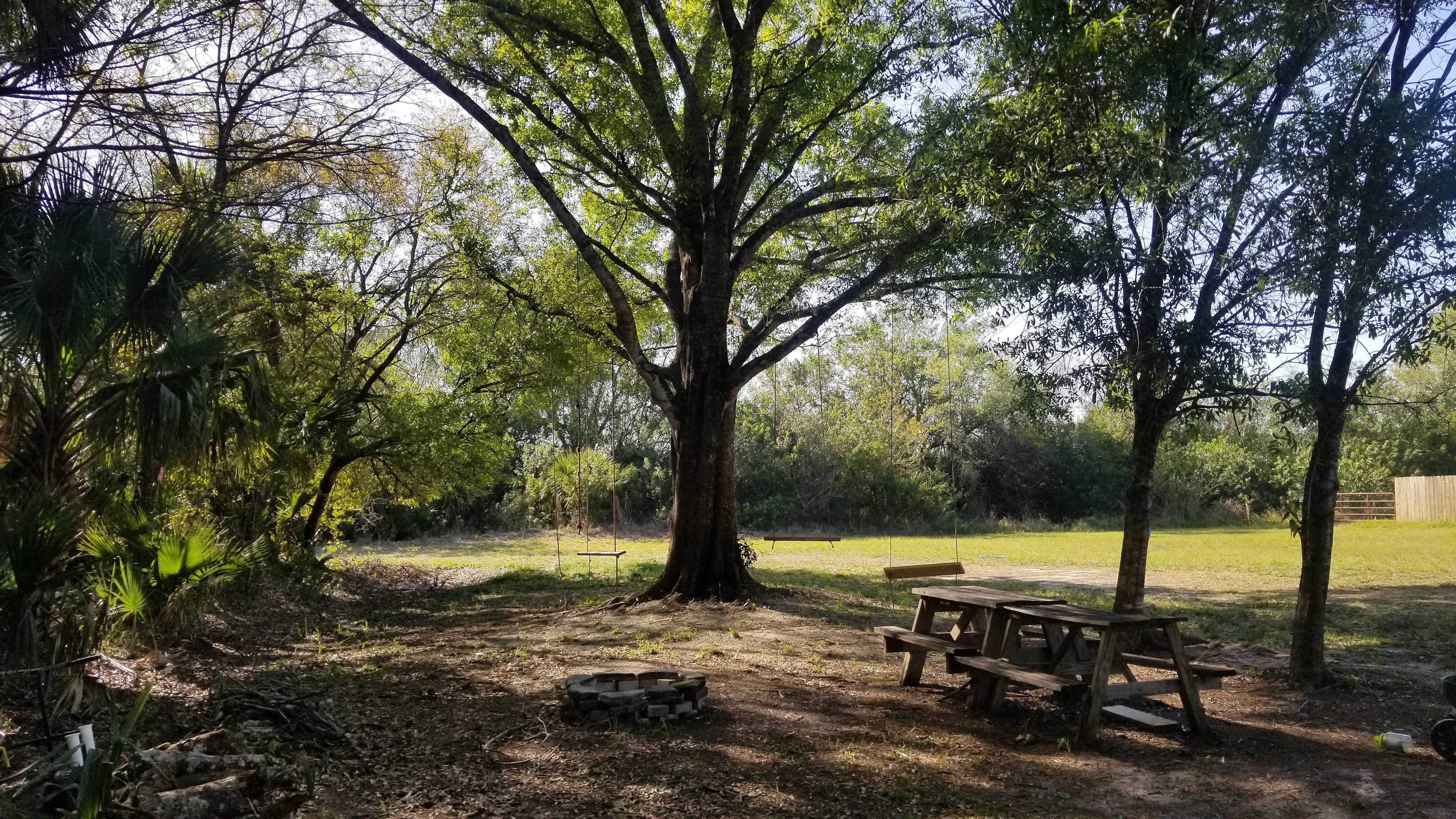
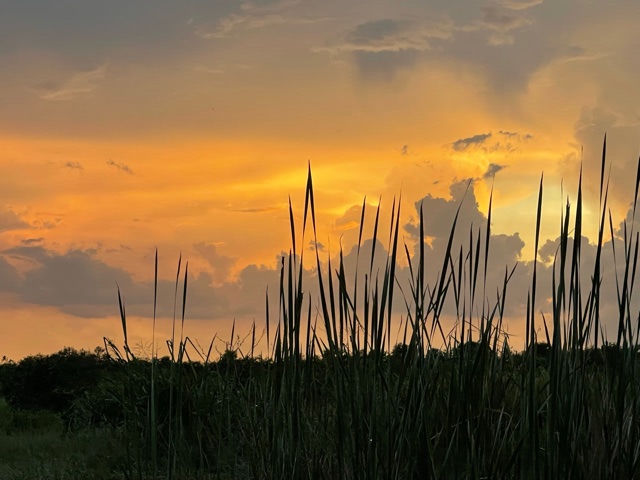
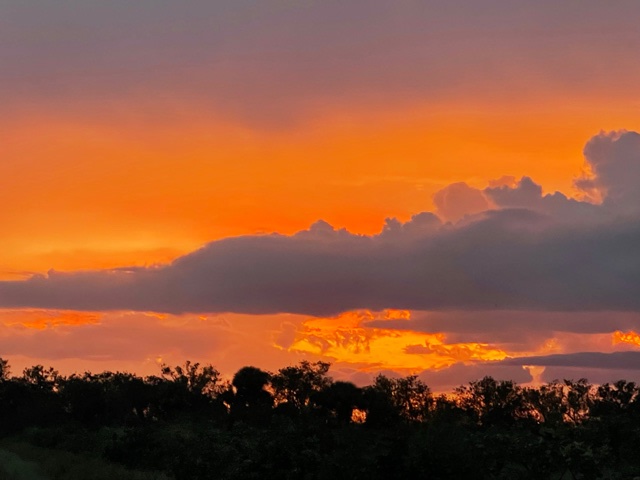
6. Saint Lucie Farm Preserve
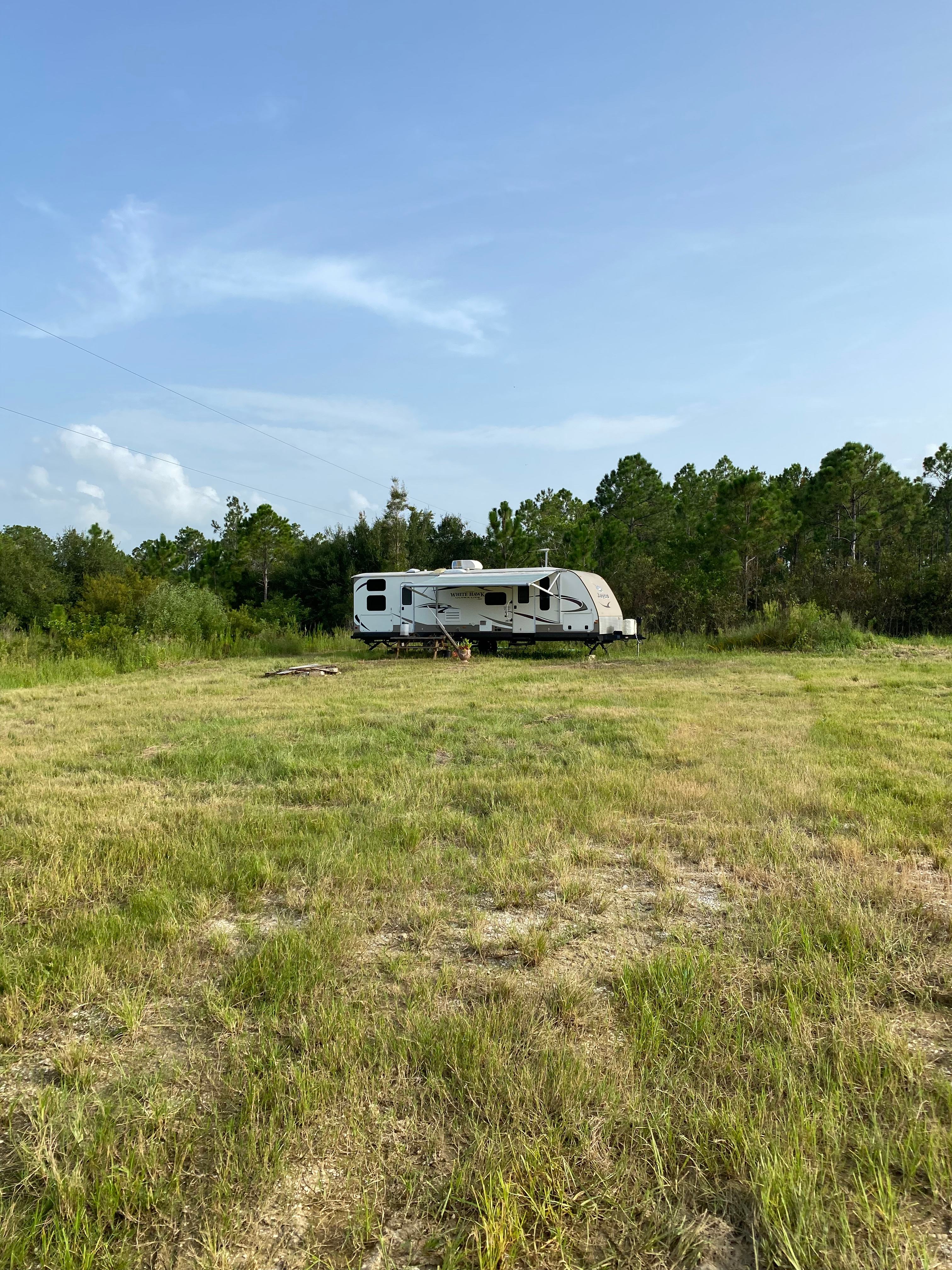
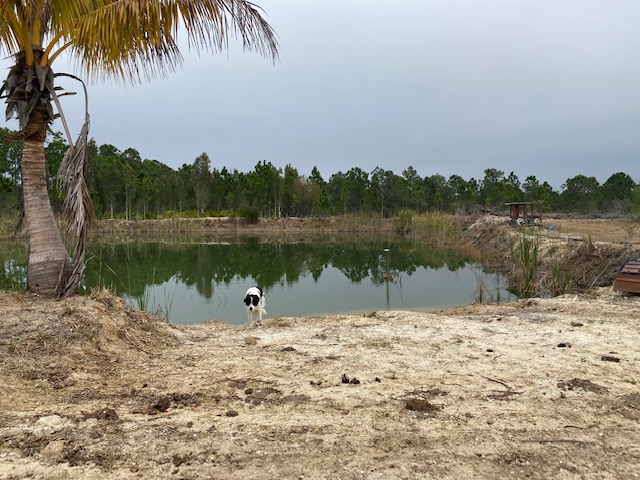
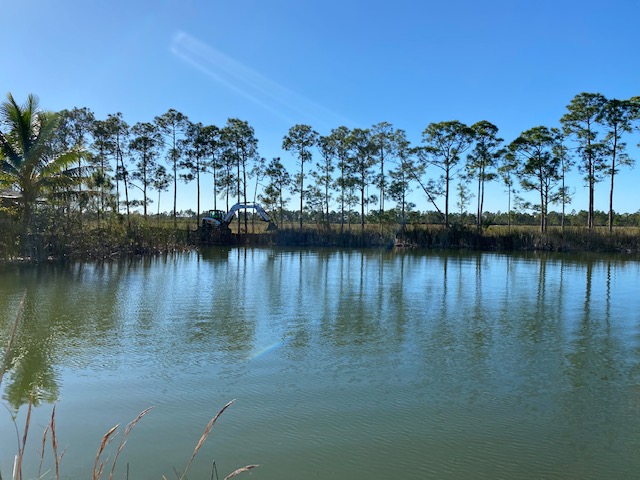
7. Dragon Lady Farms
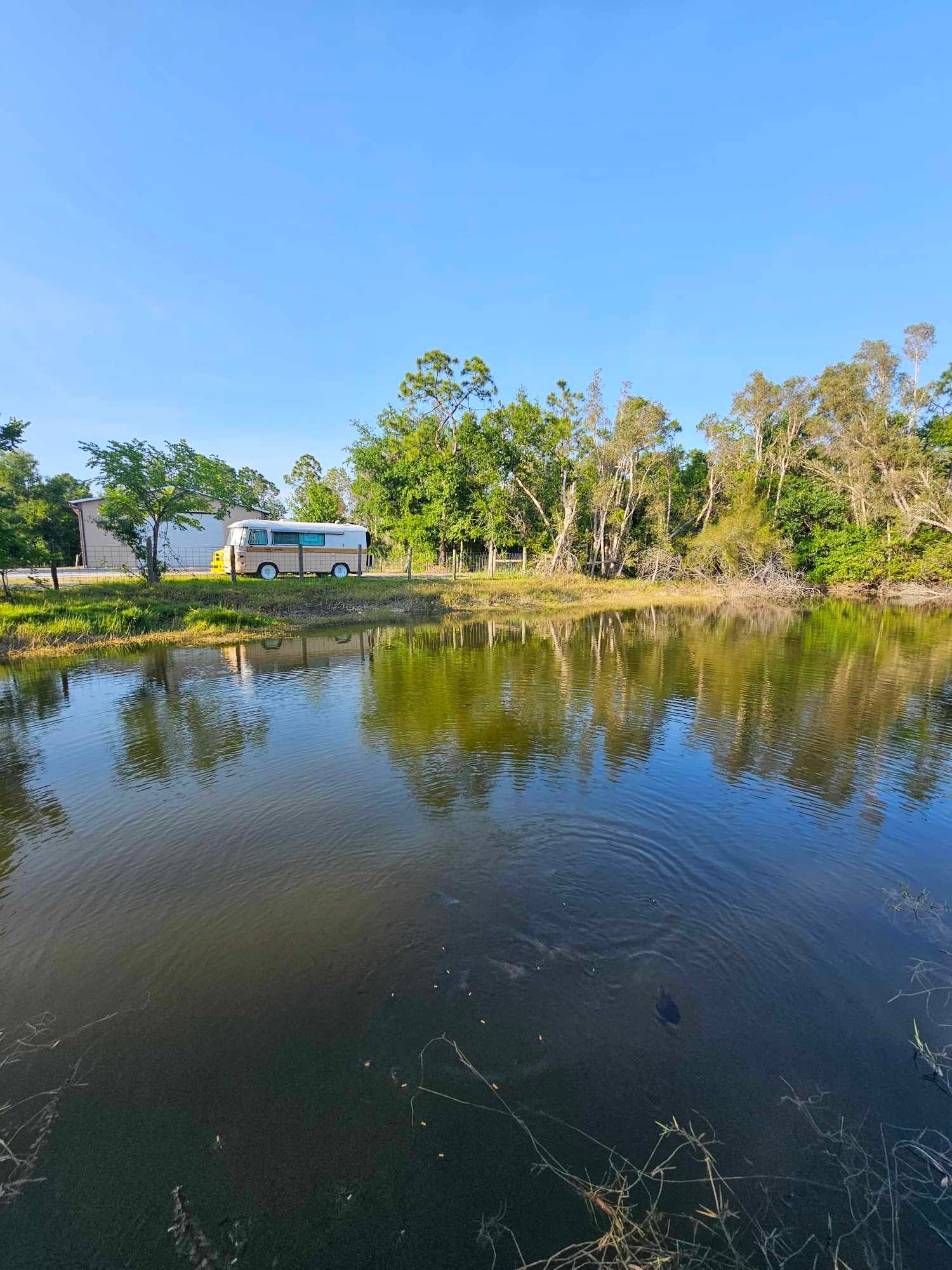
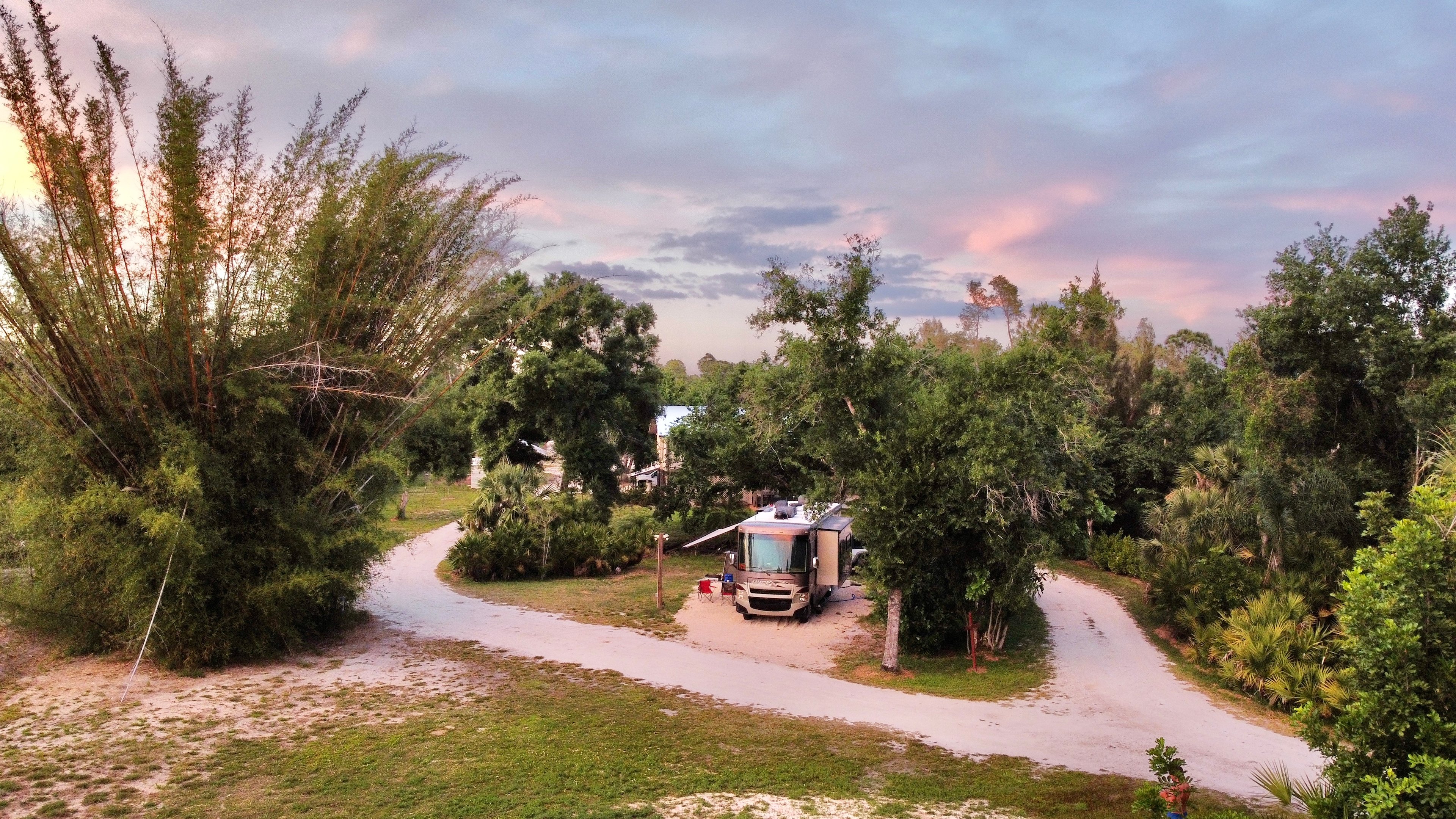
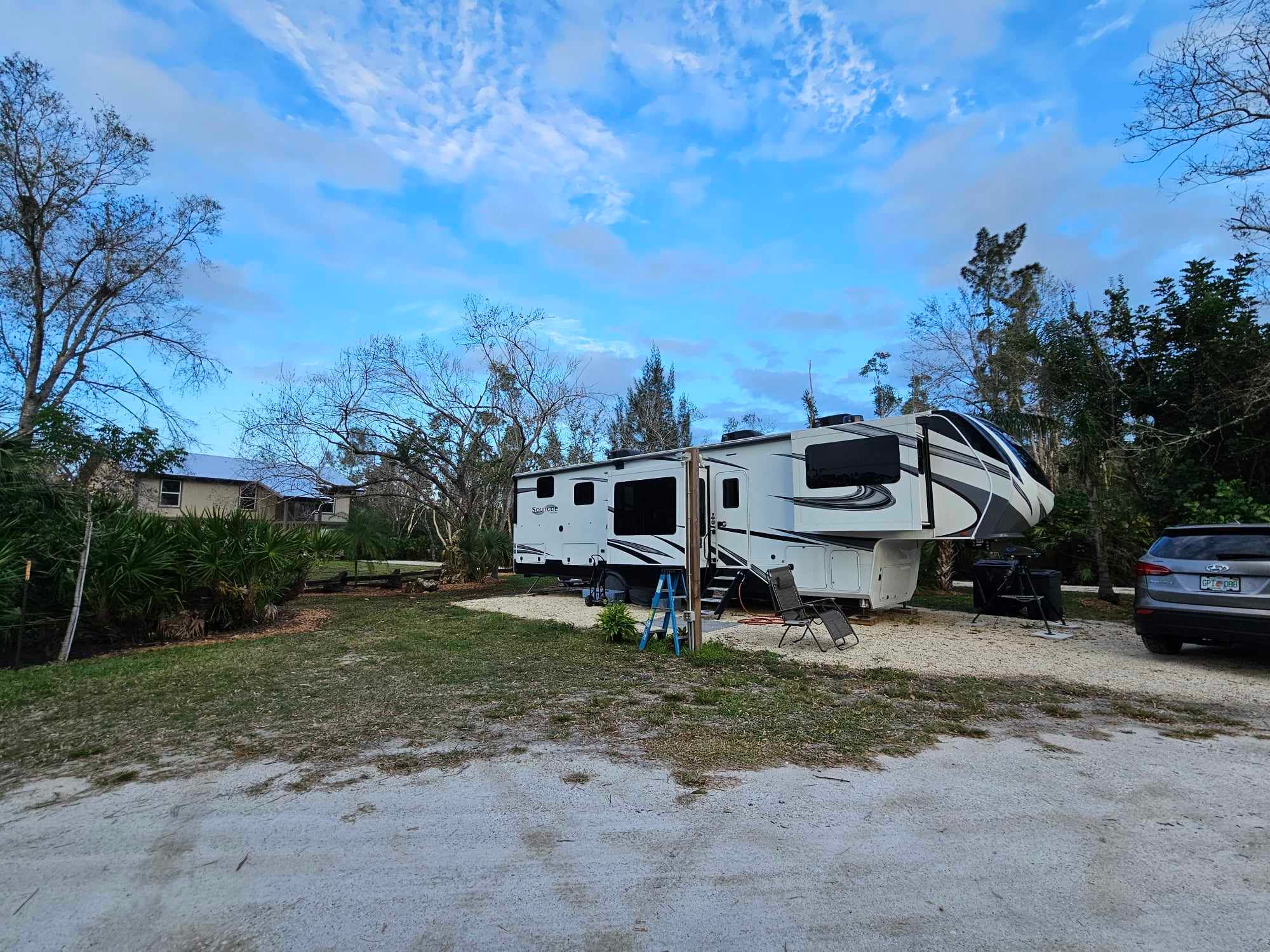
8. Serenity Star - Sauna Cold Plunge
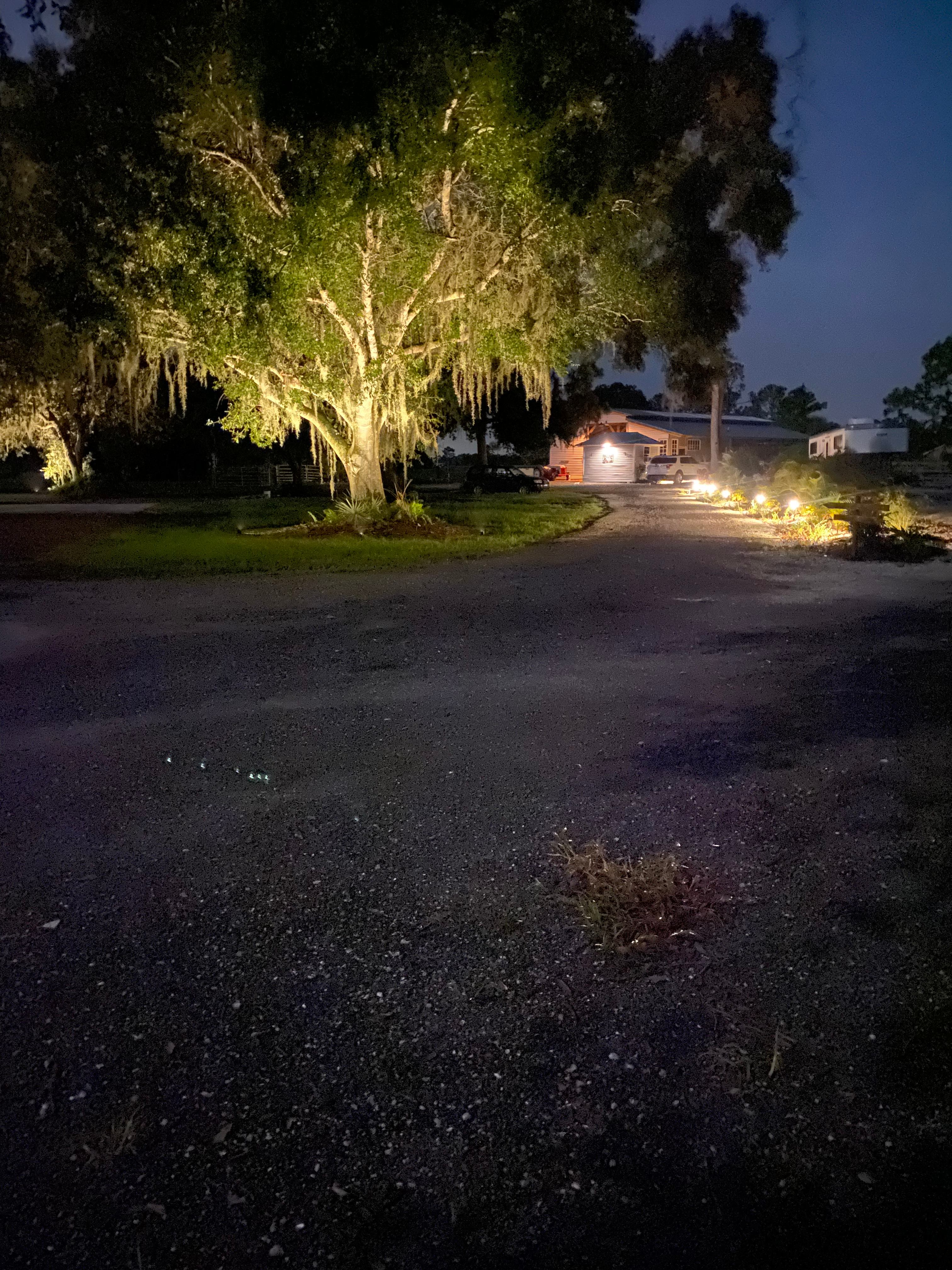
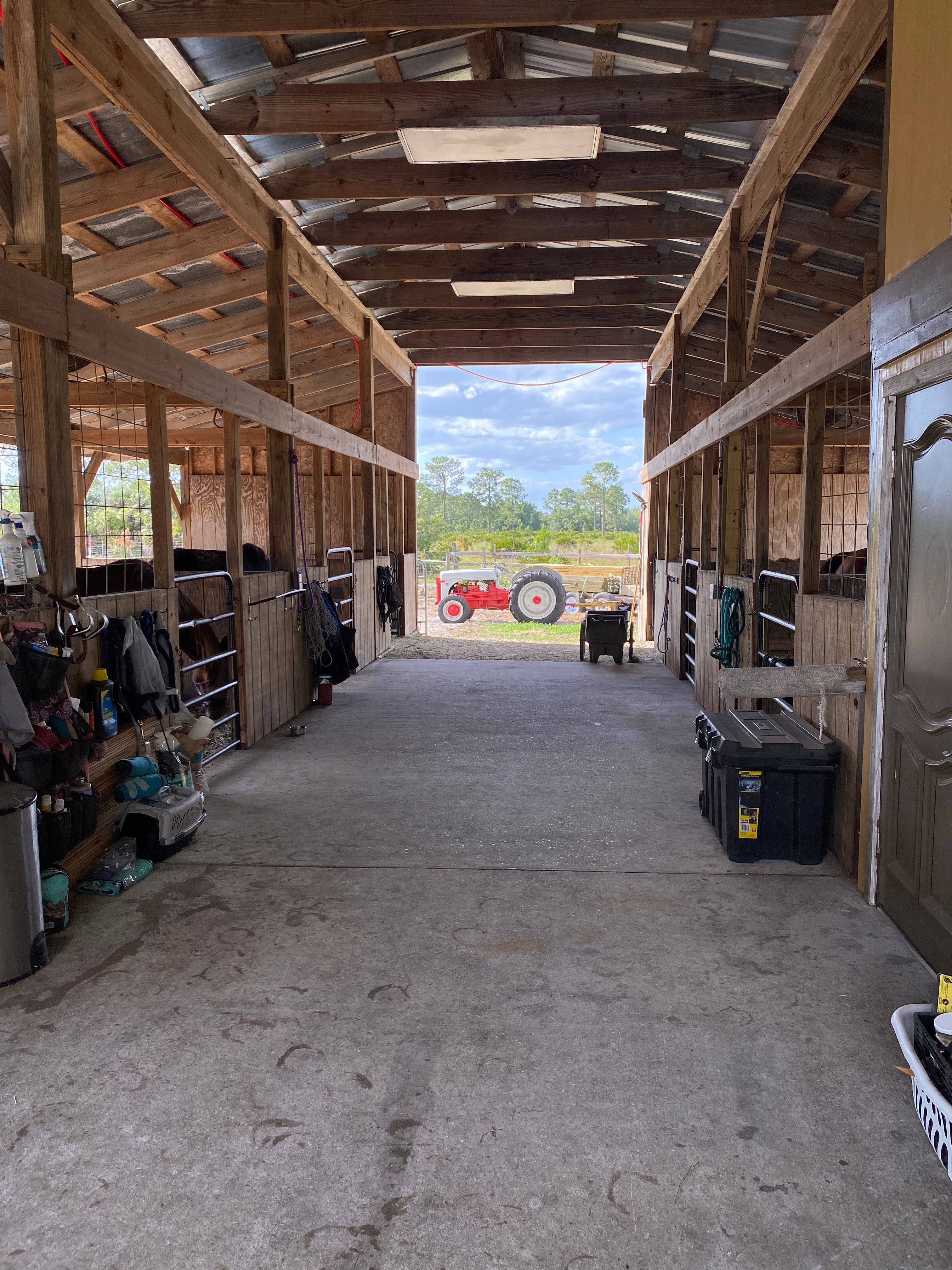
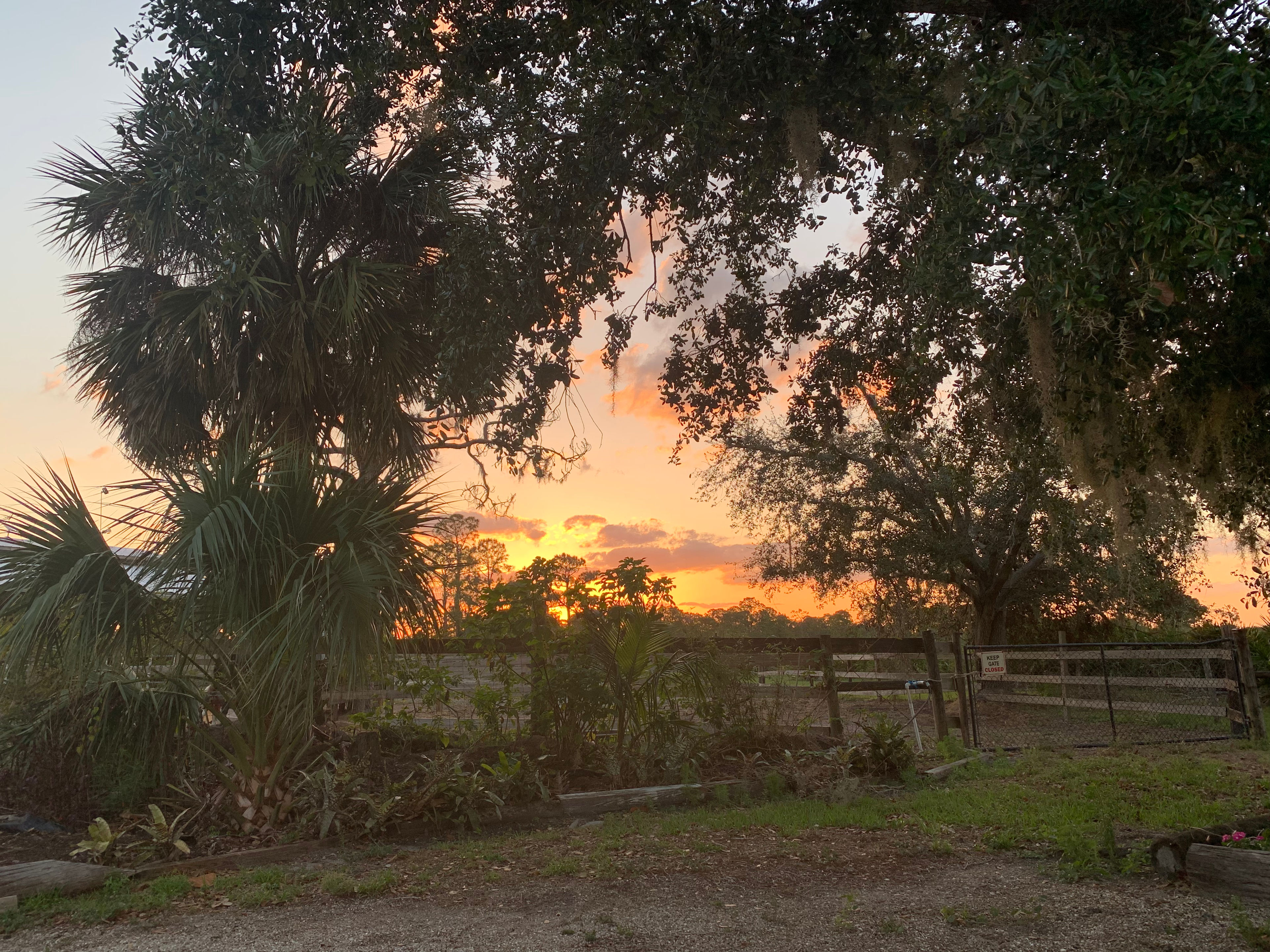
9. Equestrian Retreat

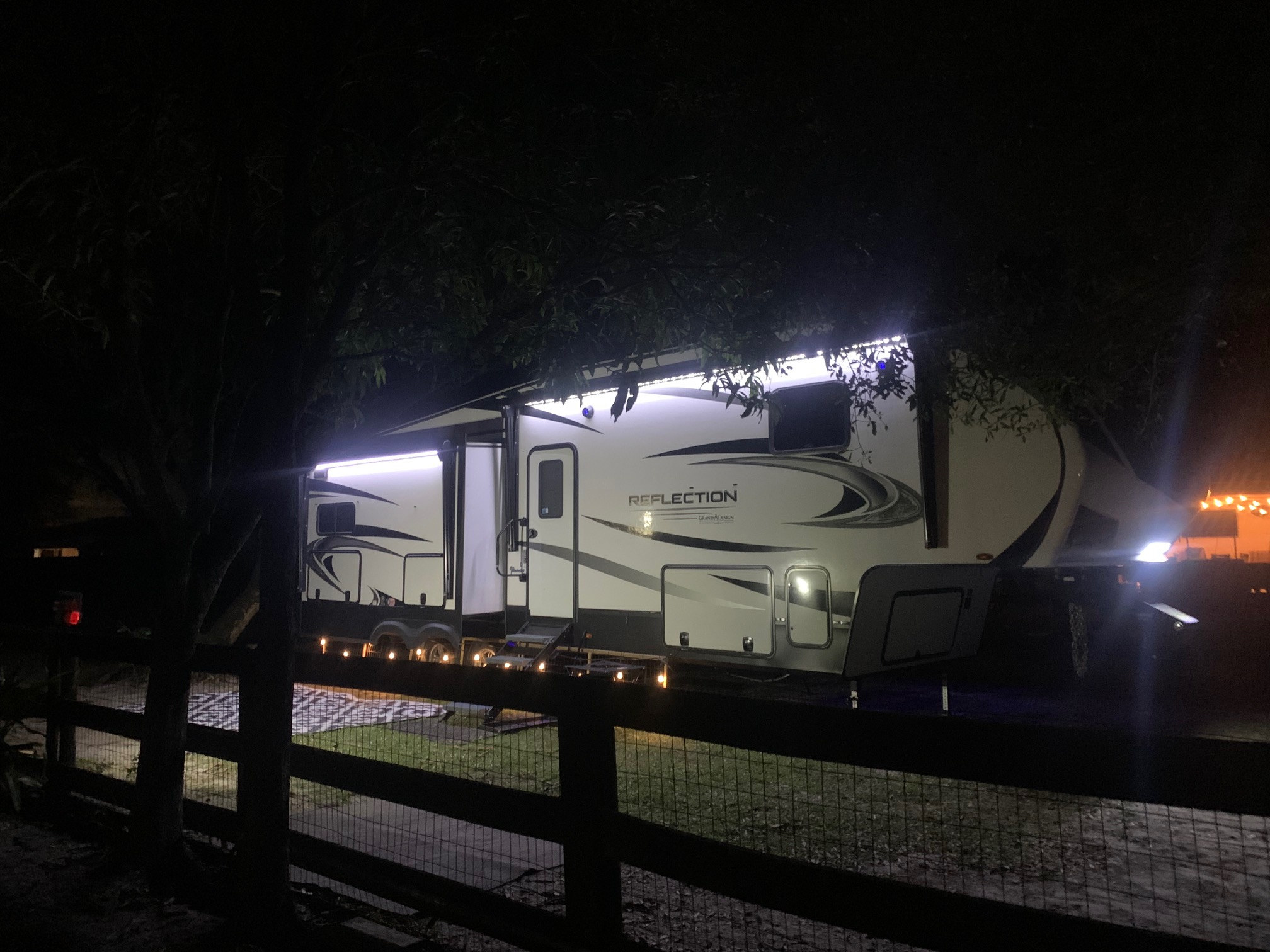

10. Bennington Farms
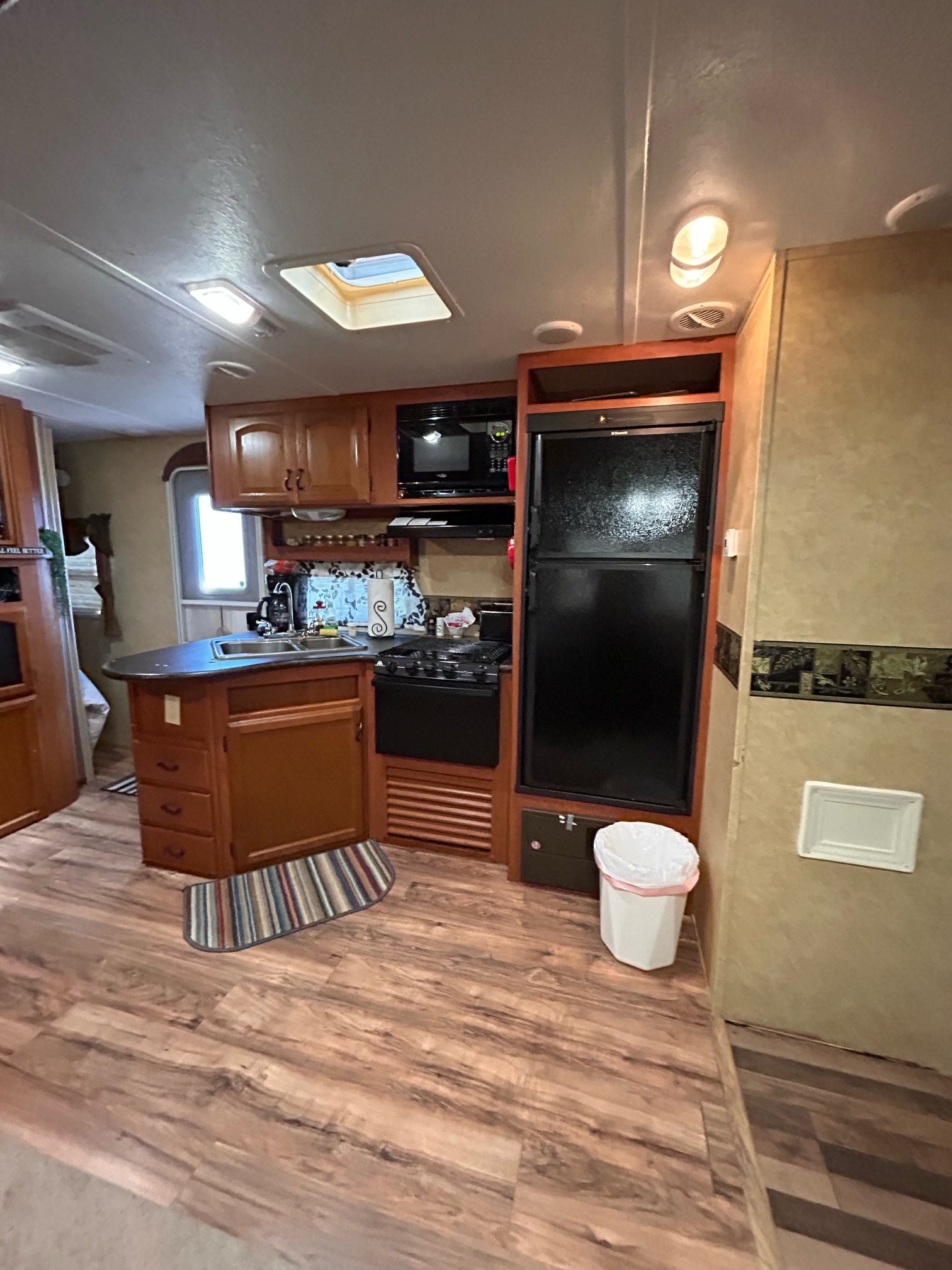
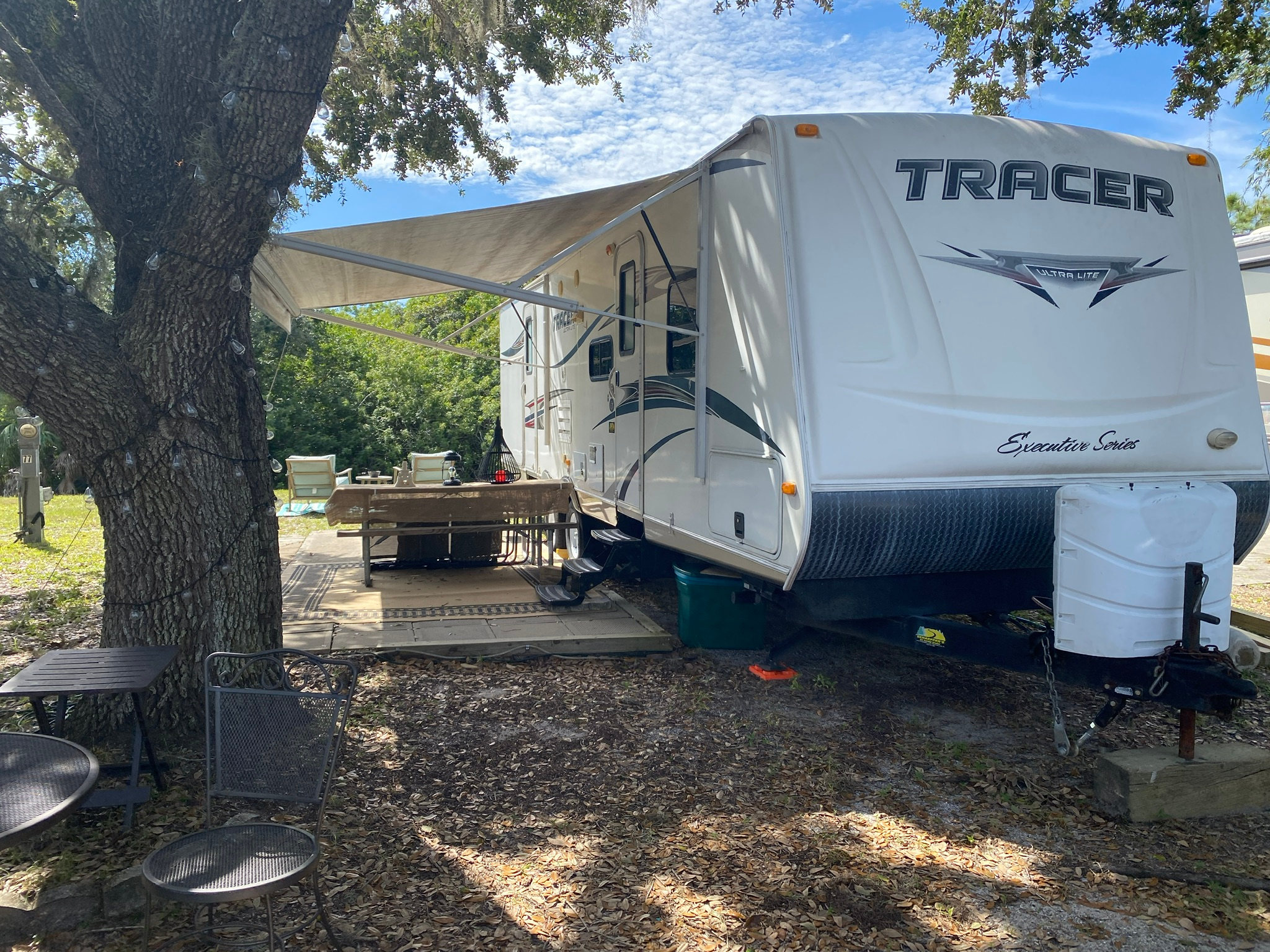
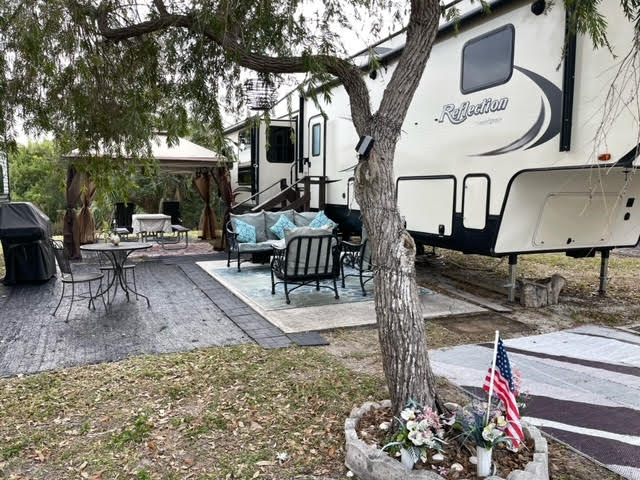
11. Glampers Camp
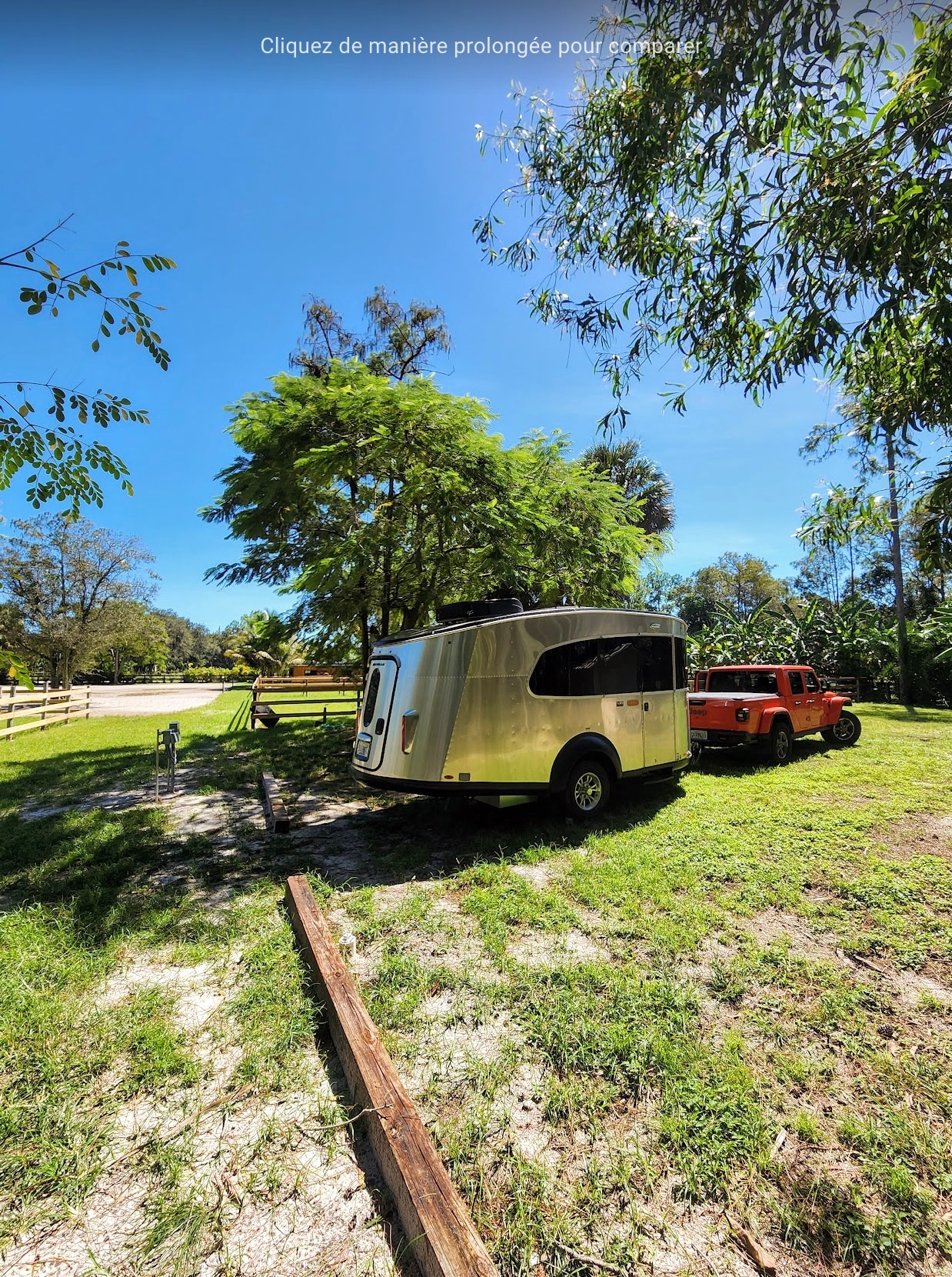
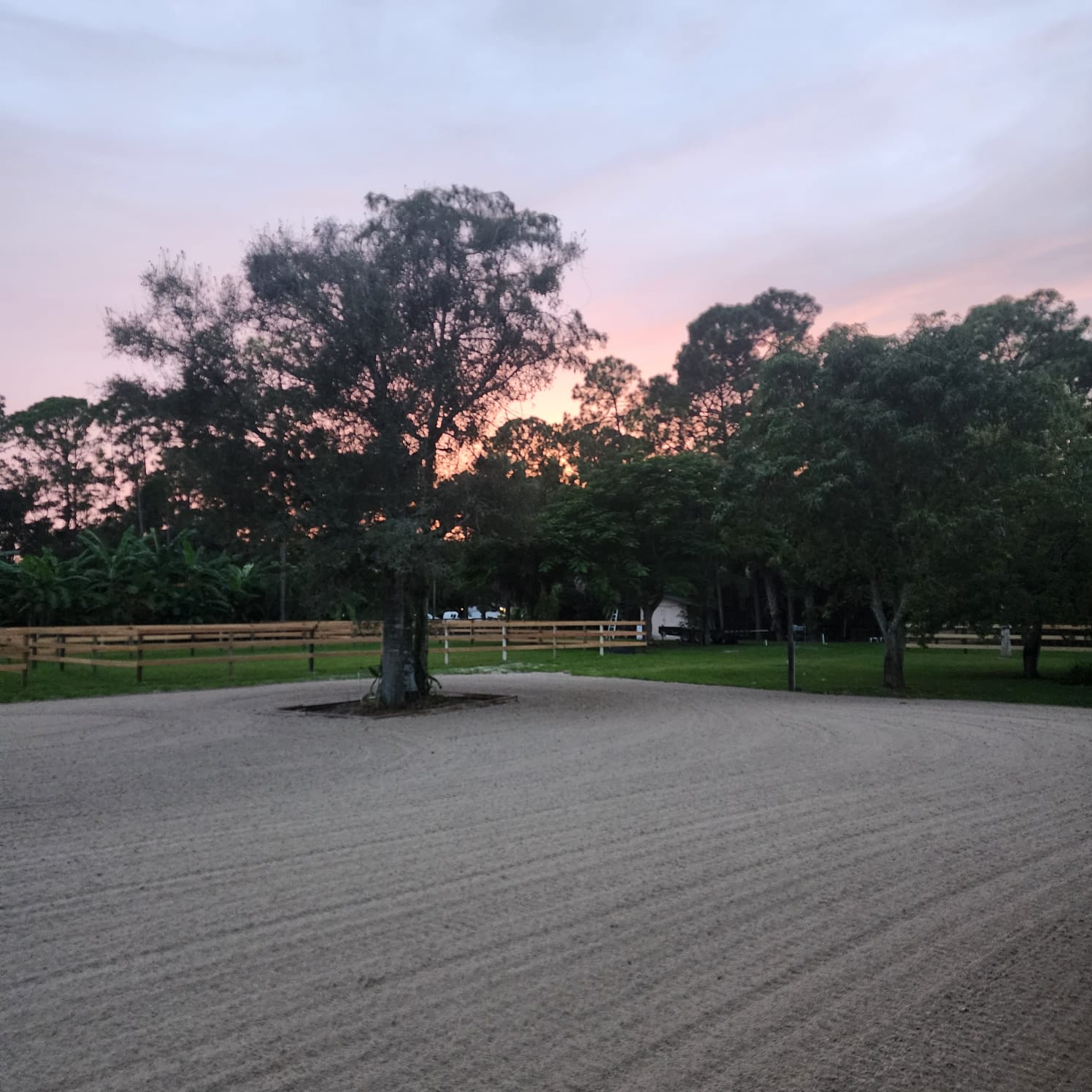
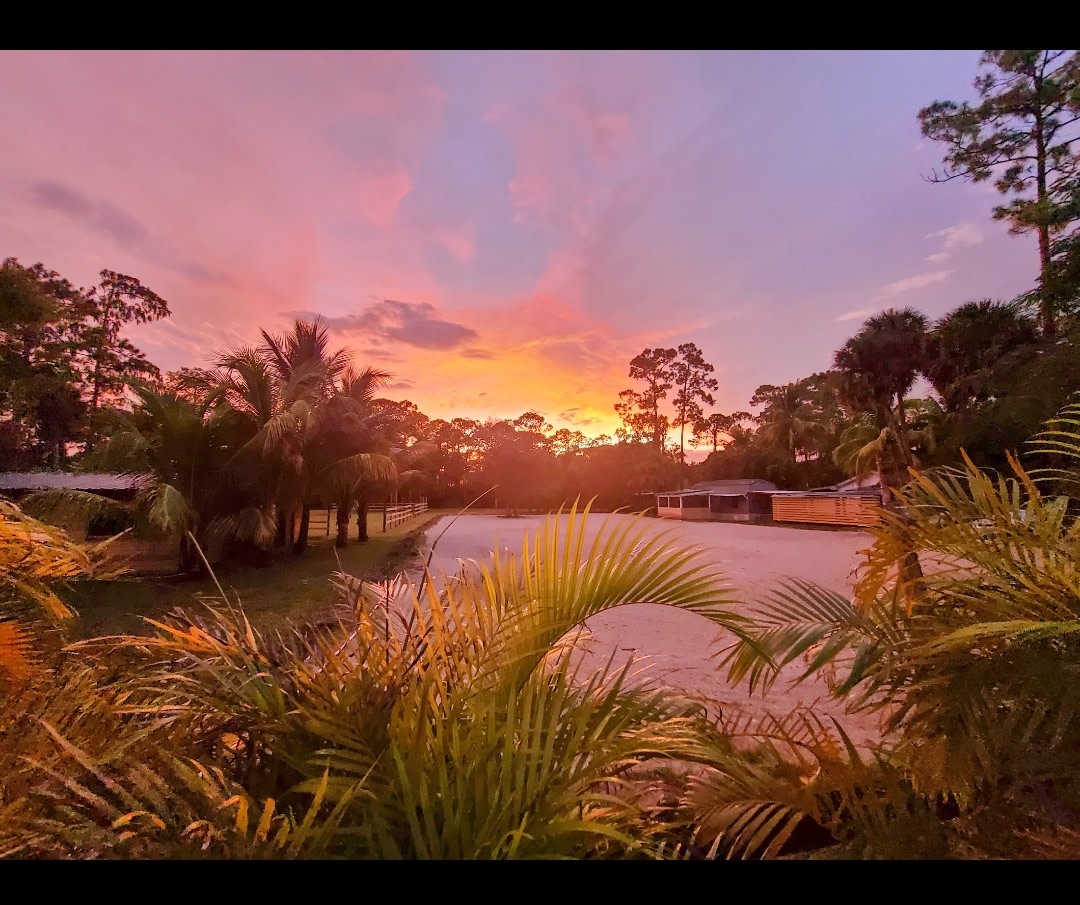
12. Rosary Stables
Top-rated campgrounds near South Florida
1. J and P Creekside Retreat
2. JB Resort
3. Costa Myakka
4. Privacy in Fort Ogden
5. The Sunnyside Farm
6. Saint Lucie Farm Preserve
7. Dragon Lady Farms
8. Serenity Star - Sauna Cold Plunge
9. Equestrian Retreat
10. Bennington Farms
11. Glampers Camp
12. Rosary Stables
Recent reviews from the Hipcamp community

The best private sites RV parks in South Florida guide
Where to go
The Everglades National Park
The Everglades holds the title of the largest subtropical wilderness in the United States. Given this size, campers have plenty to see across the park’s grasslands and forests. RV and tent campgrounds come with showers, dump stations, trail access, and even grills. Once you check-in, take a leisurely hike, and try to spot flamingos, osprey, and an assortment of local species.
Biscayne National Park
Like the Everglades, Biscayne is, indeed, a national park, but it opens a different window to Southern Florida’s natural environment. Not far from Miami, Biscayne comes with glistening seas that welcome fish, coral reefs, and snorkelers alike. If you want to unwind, kick back on the sand and soak up the scenery. If you’d prefer a more active camping getaway, grab your scuba gear, kayak, or fishing pole, and take to the water.
The Florida Keys
Salt air, vibrant sunsets, and Ernest Hemingway’s cats—the Florida Keys do it all. Key West not only marks Florida’s southernmost point, but claims the title of the country’s southernmost city. Campers can snorkel, swim, and lounge at a coastal campground. Once you’ve explored your campsite, visit Dry Tortugas National Park for even more views. A night of stargazing from your tent site may leave you tired, so grab a cuban coffee and let the Keys energize you.
When to go
Before you go camping in South Florida, consider the weather, mosquitoes, and wildlife. Avoid coastal Florida during hurricane season, especially if you’re planning a getaway to the Florida Keys. Summer in the Everglades likewise brings bugs, whereas winter’s dry season opens the door for spotting wildlife. However, winter does come with crowds, especially in national parks and resort towns. Spring and fall make for the most neutral camping seasons.