- Ranch Camping
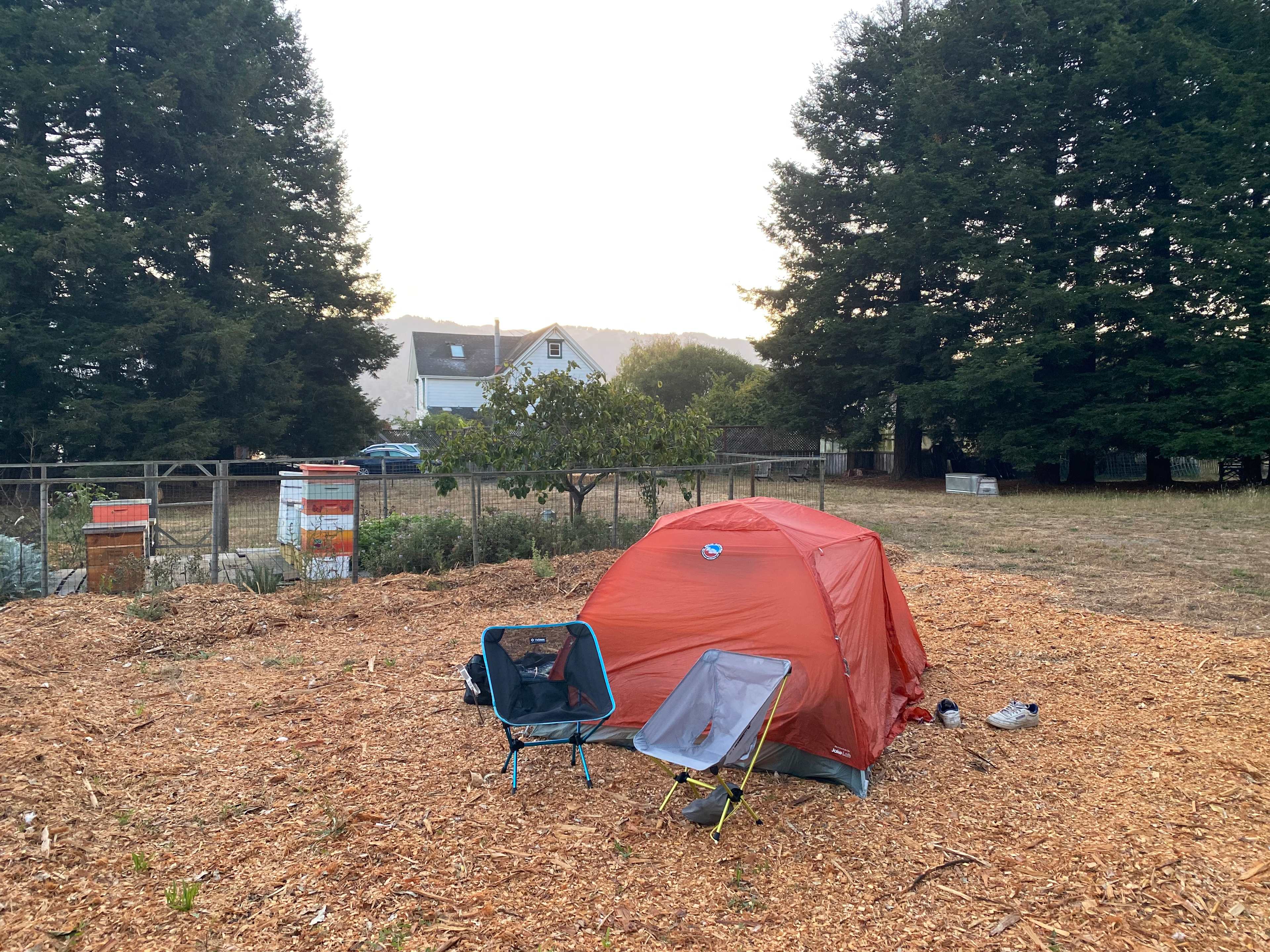
The best ranch camping in Marin County
Top-rated campgrounds near Marin County
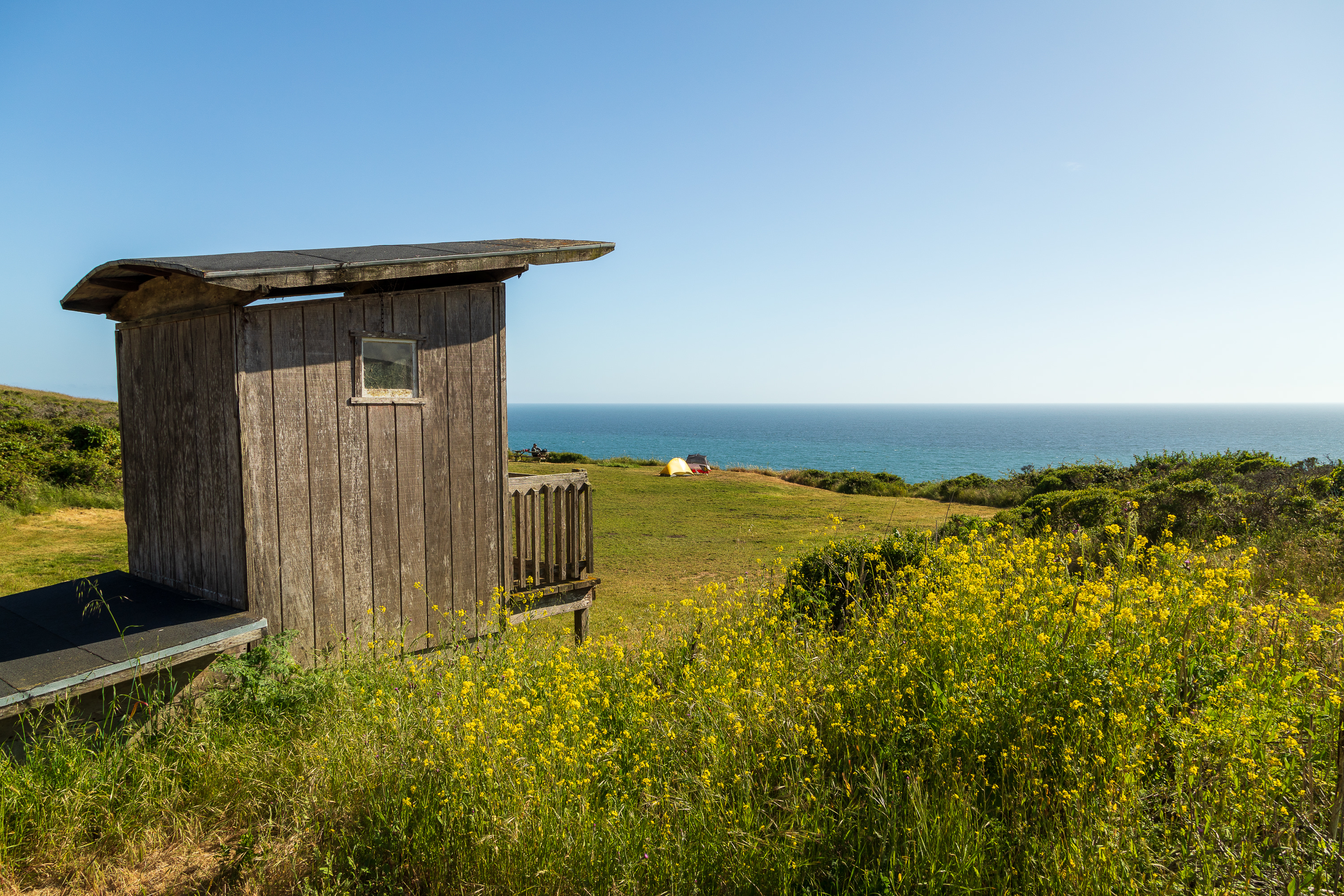

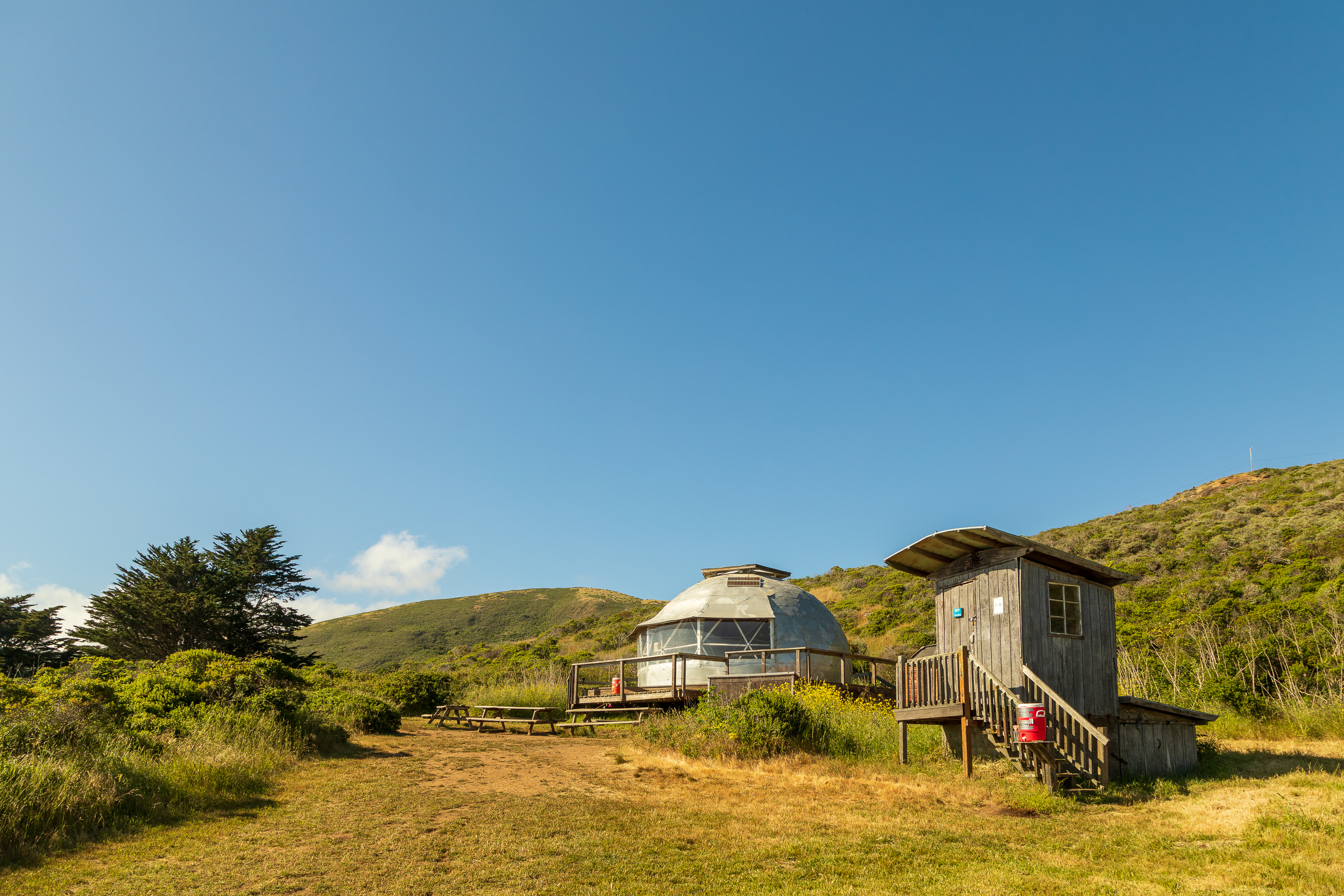
1. Slide Ranch
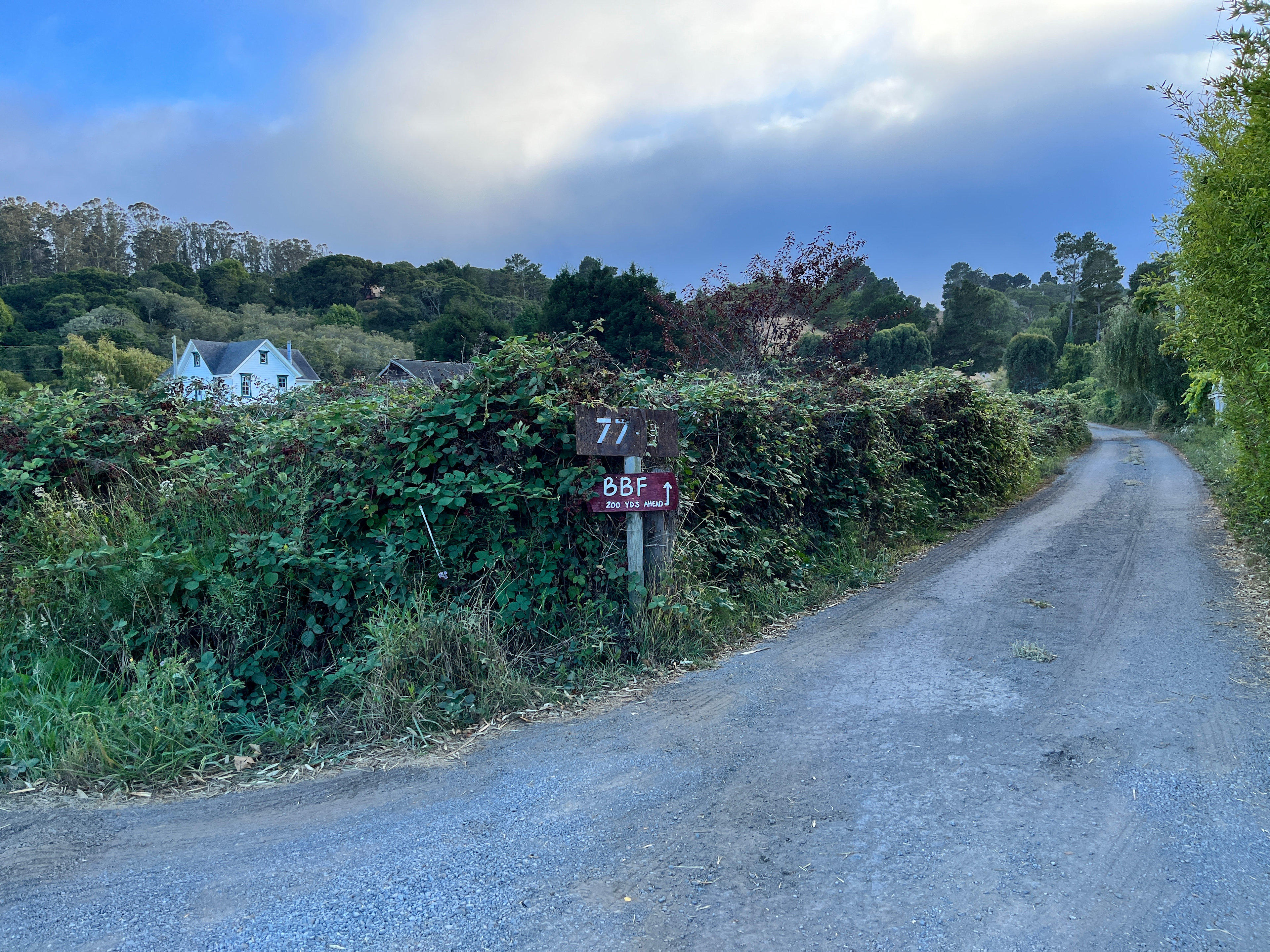
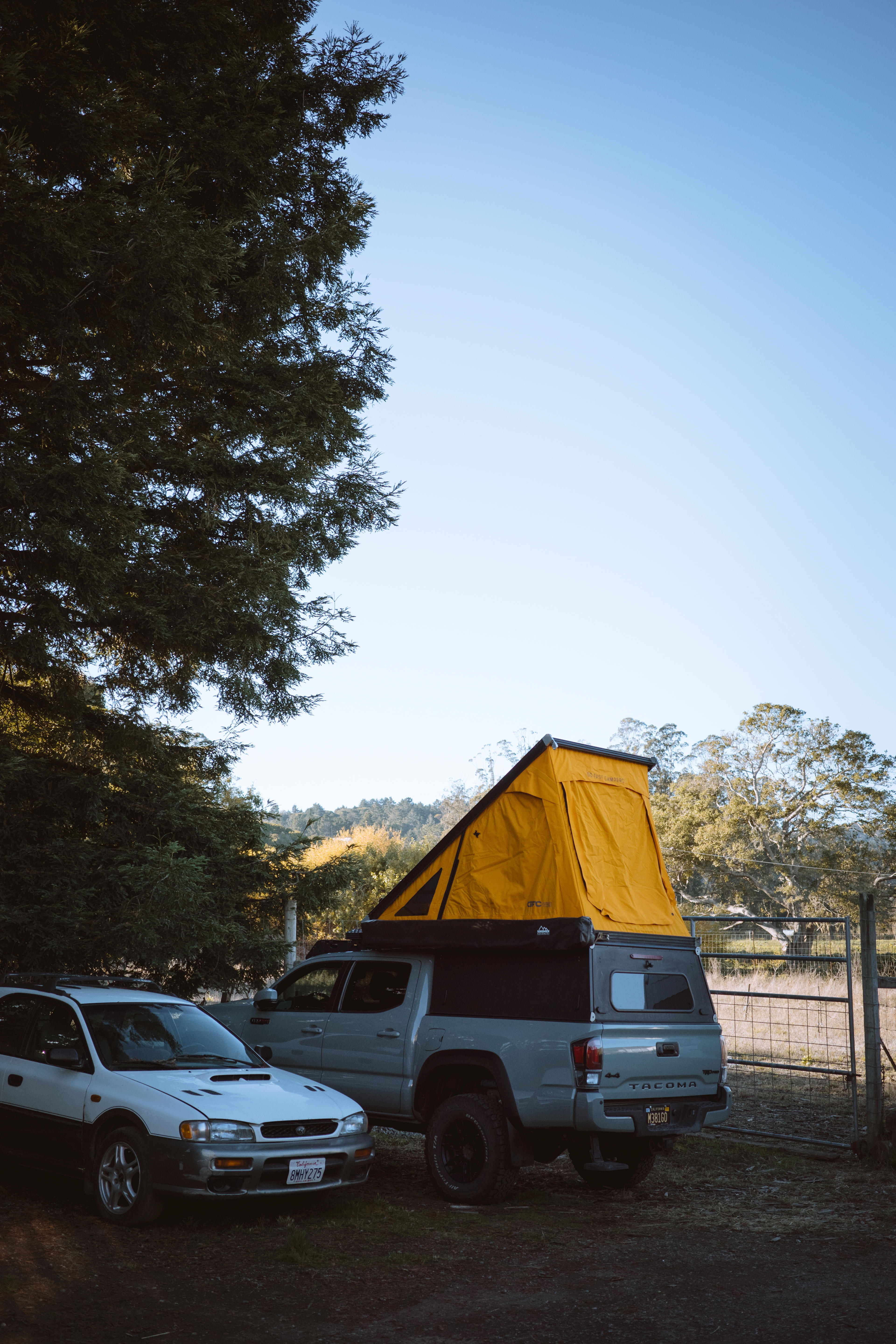
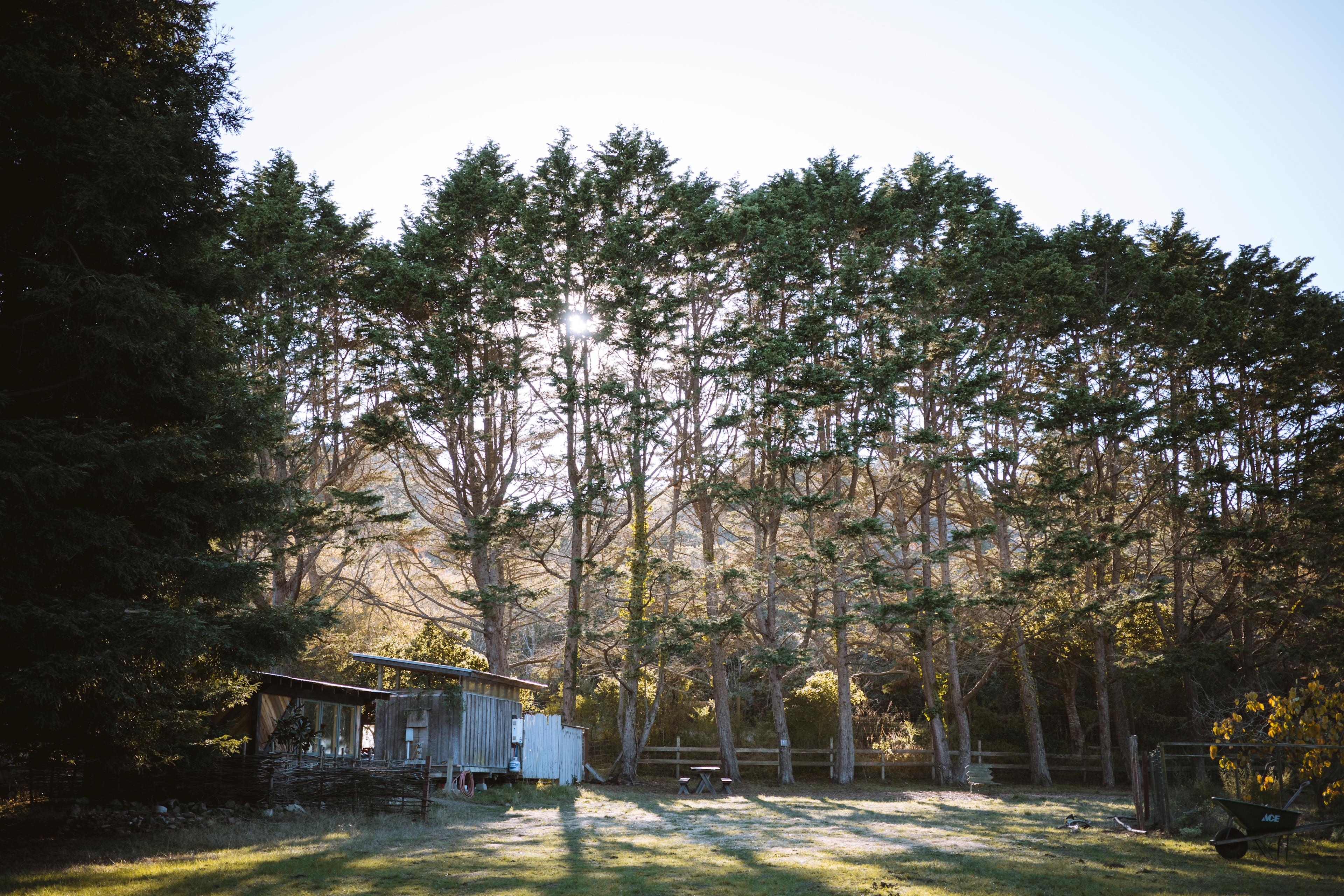
2. Meadow camping in Bolinas
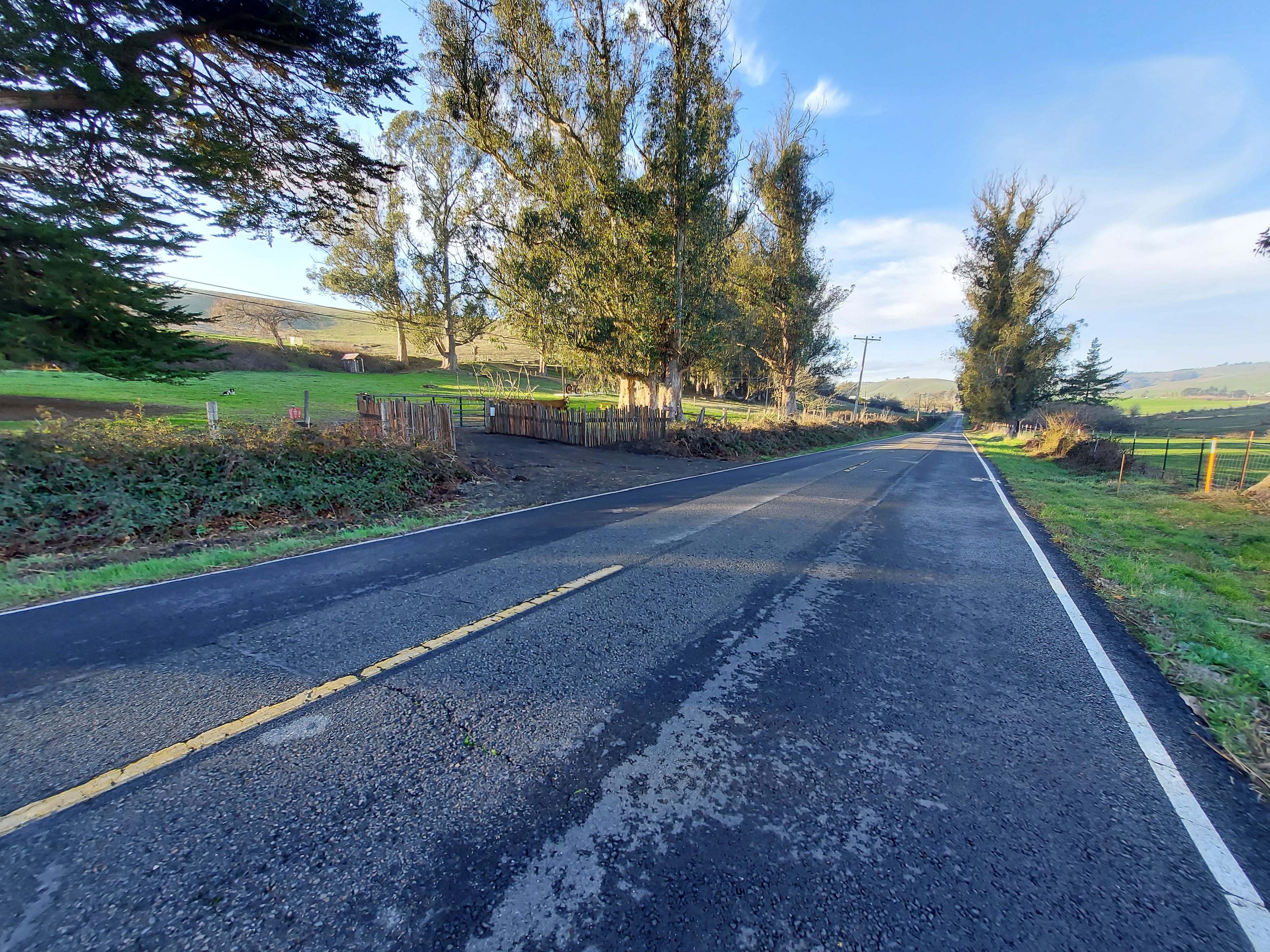
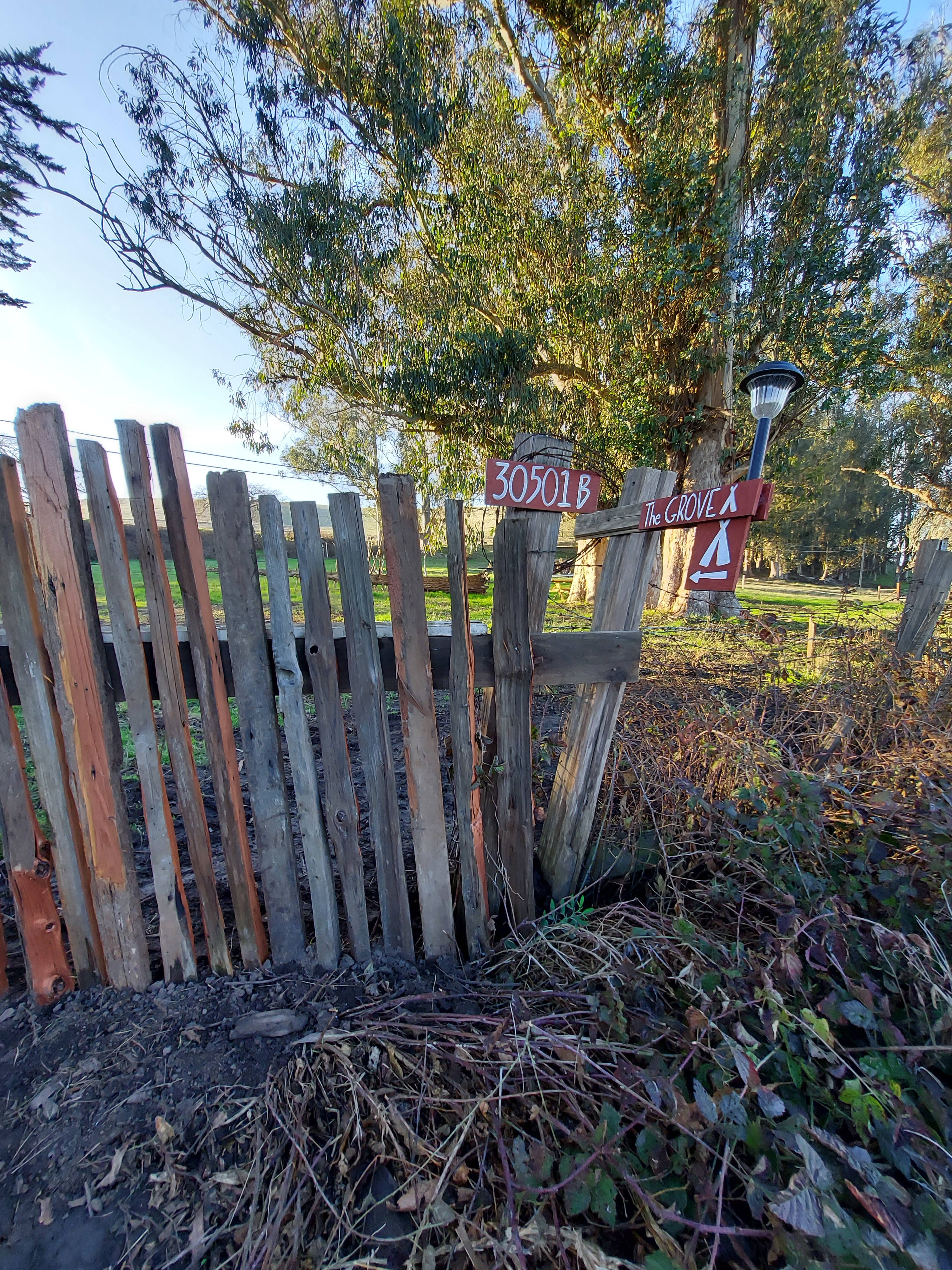
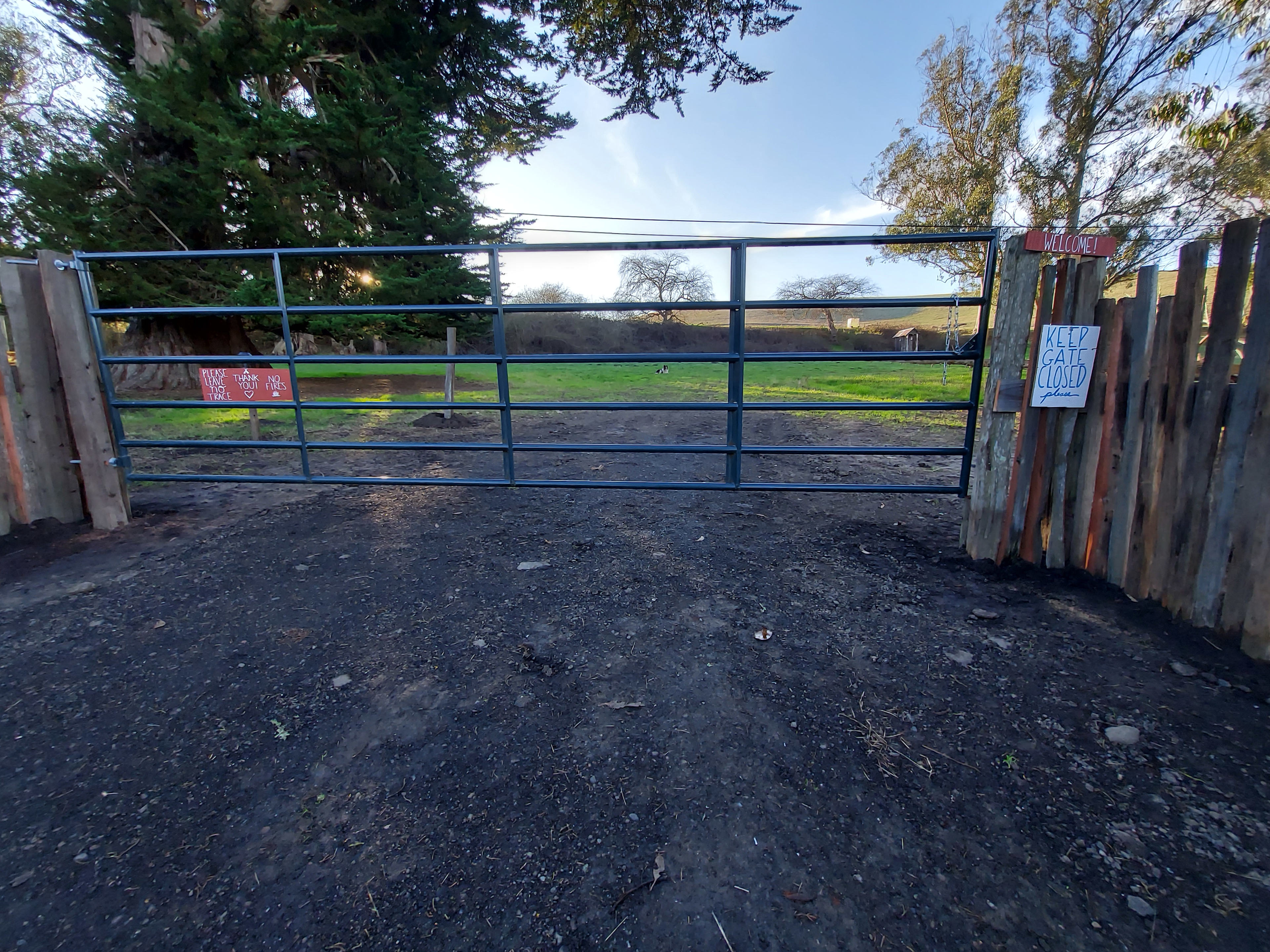
3. The Meadow Grove of Hands Full Farm
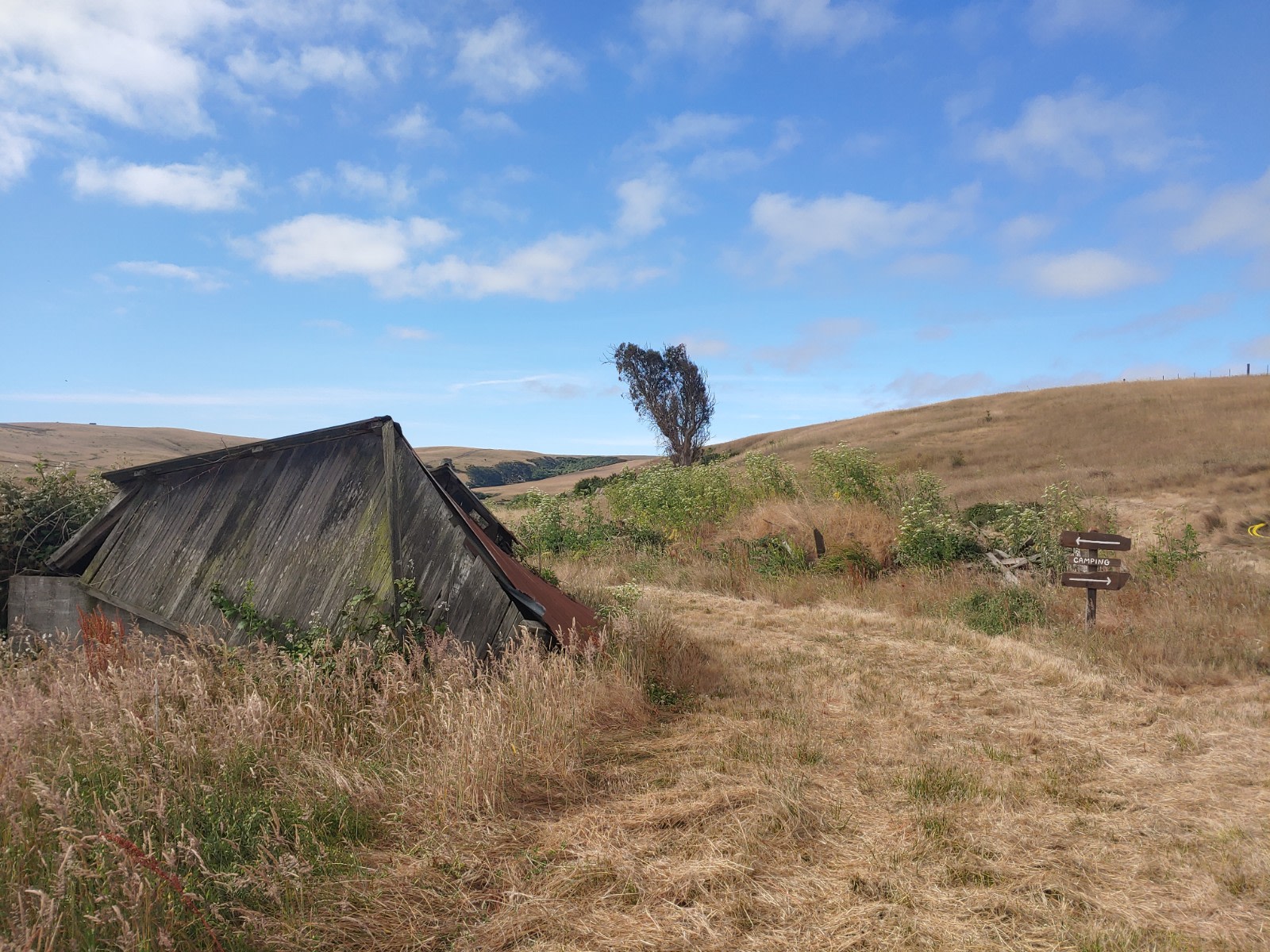
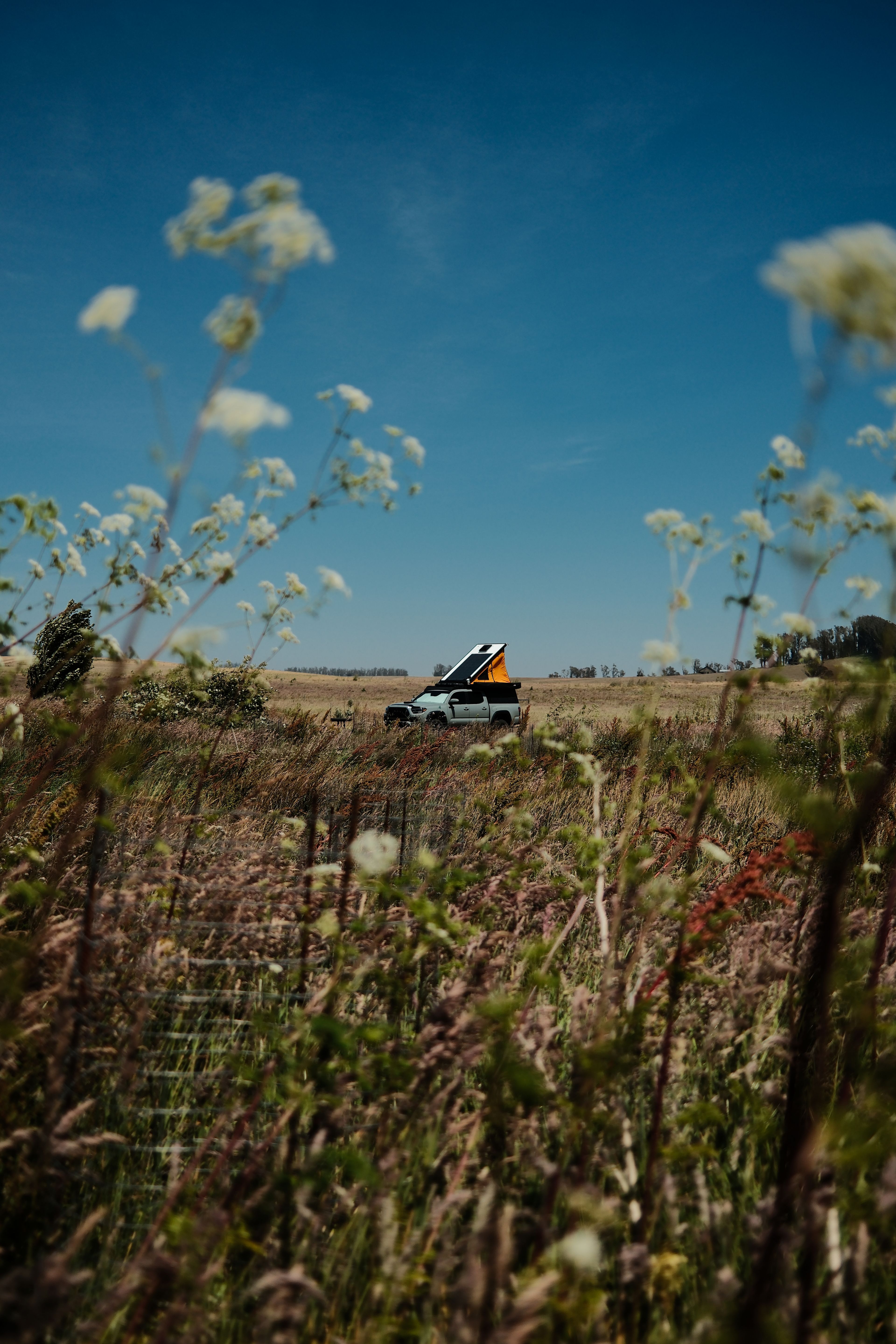
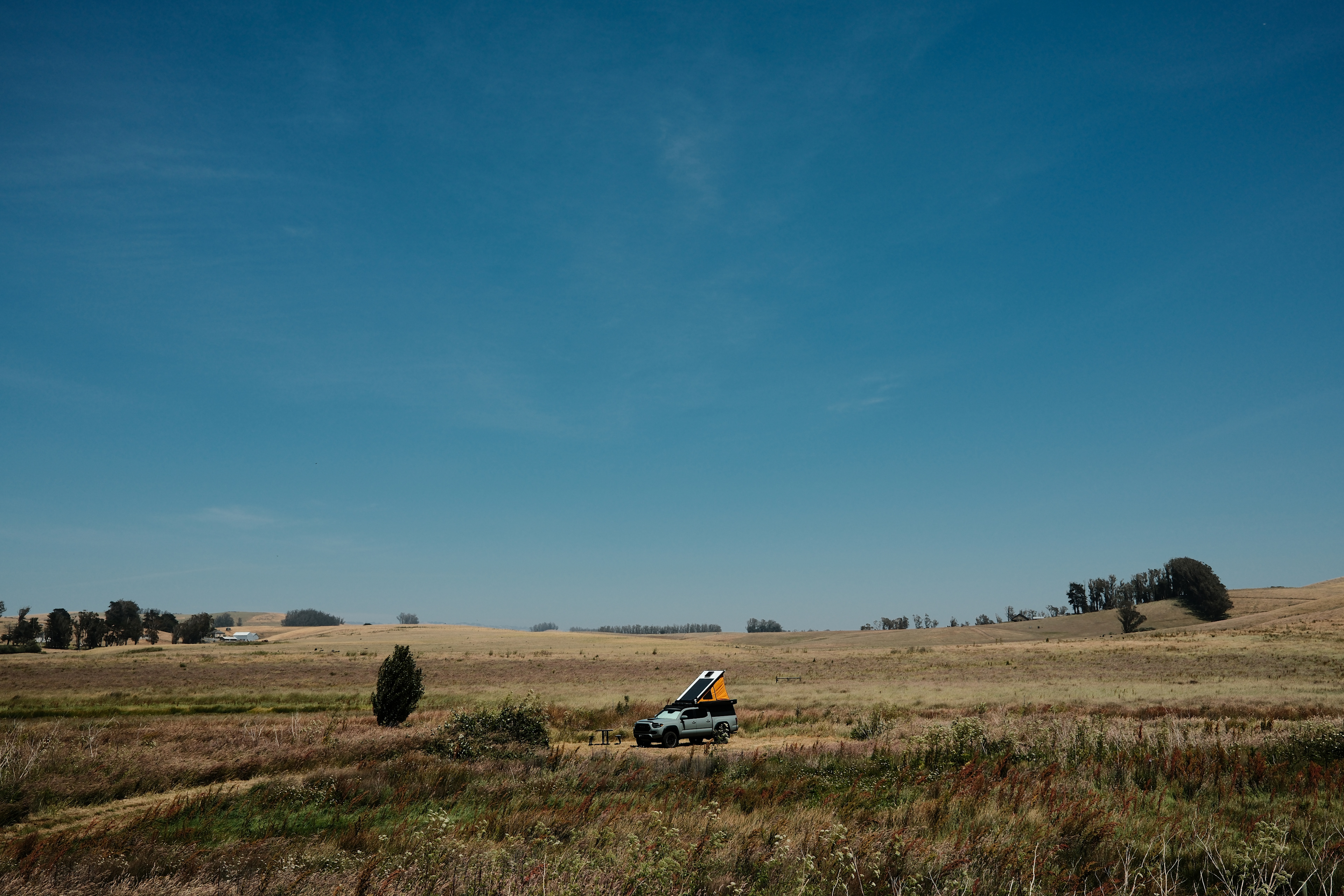
4. Estero San Antonio Wonderland
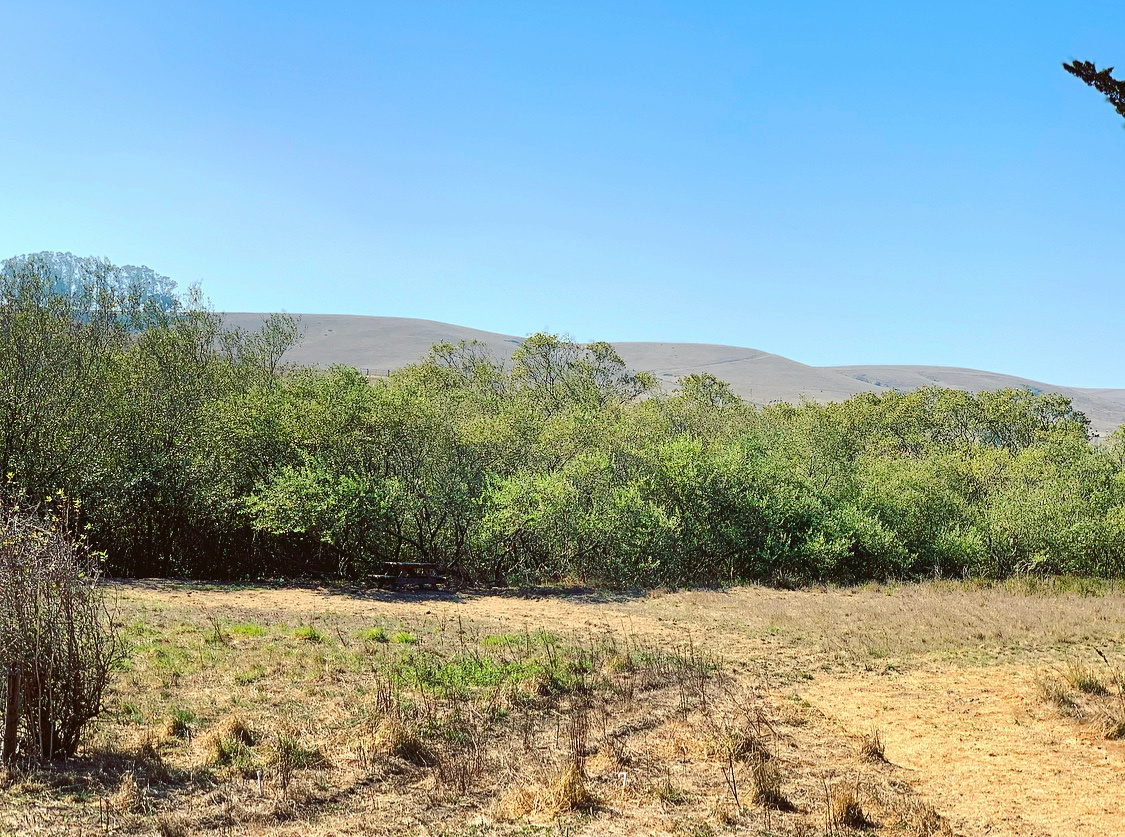
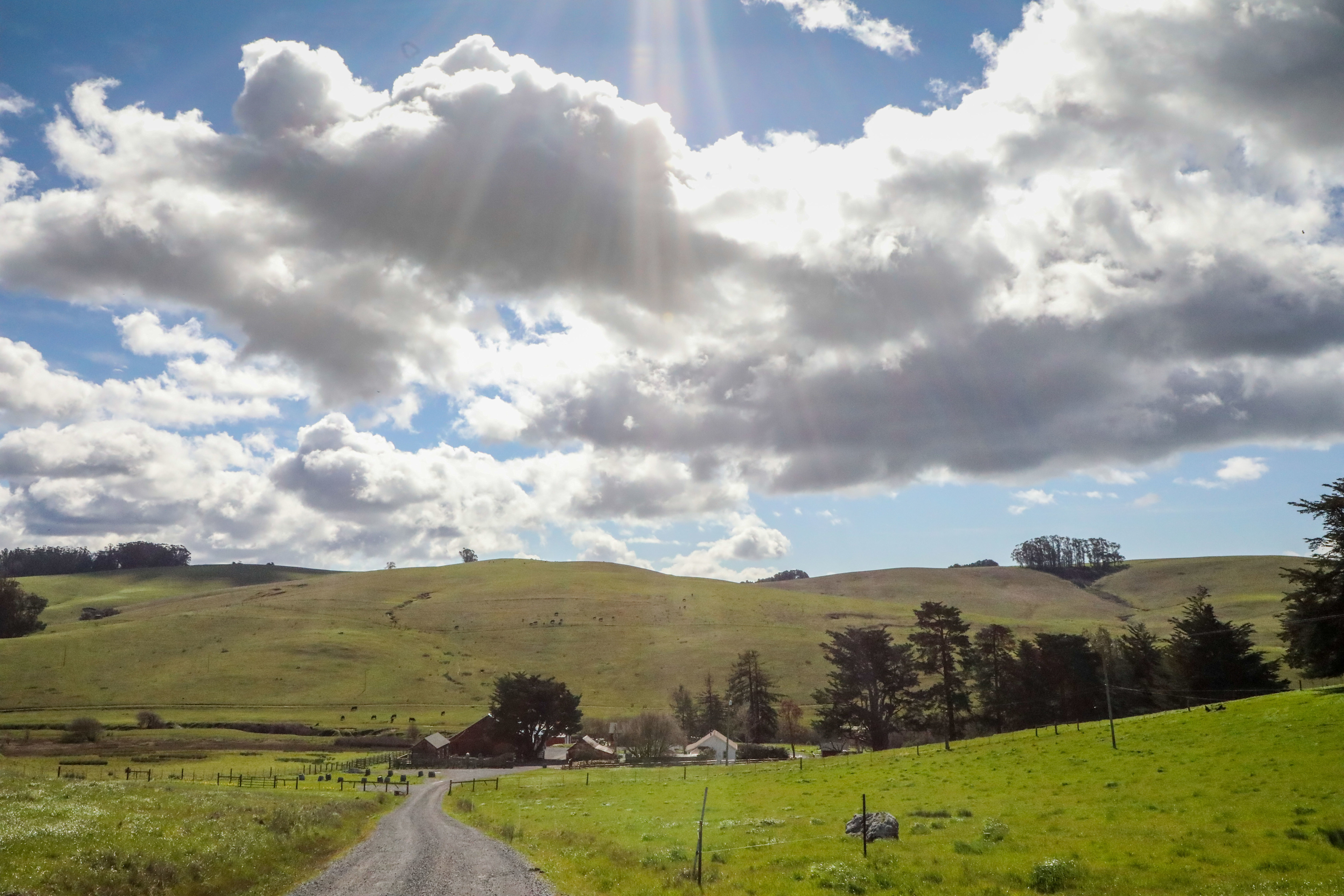
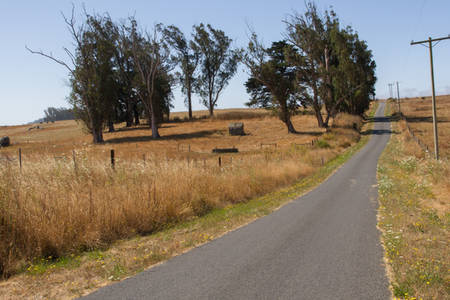
5. Stemple Creek Ranch
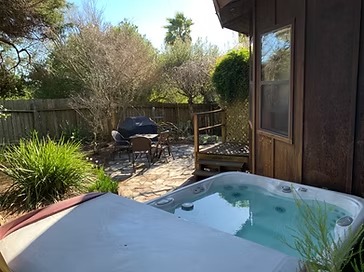
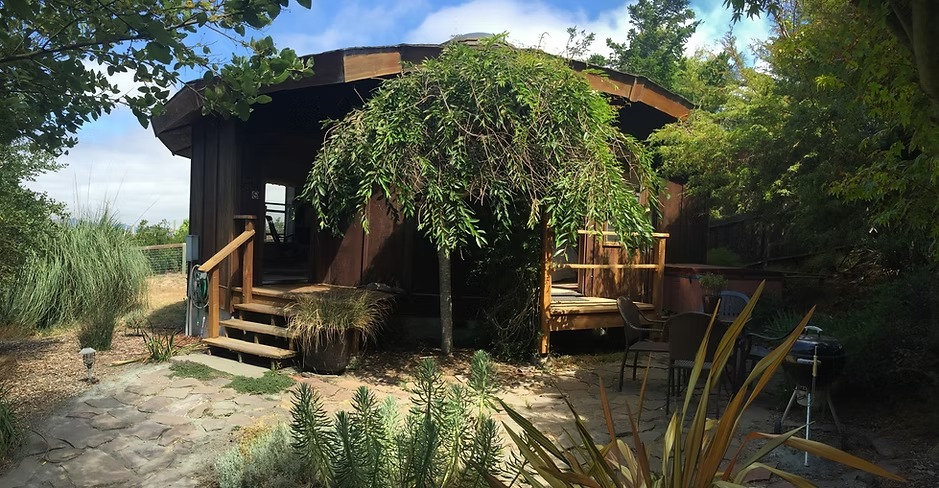
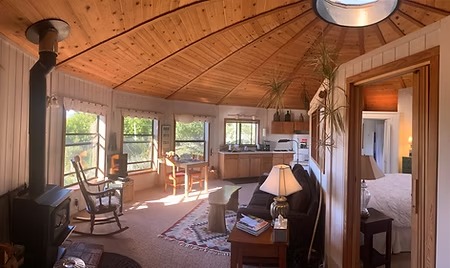
6. Windsong Guest Yurt
Top-rated campgrounds near Marin County
1. Slide Ranch
2. Meadow camping in Bolinas
3. The Meadow Grove of Hands Full Farm
4. Estero San Antonio Wonderland
5. Stemple Creek Ranch
6. Windsong Guest Yurt
Recent reviews from the Hipcamp community


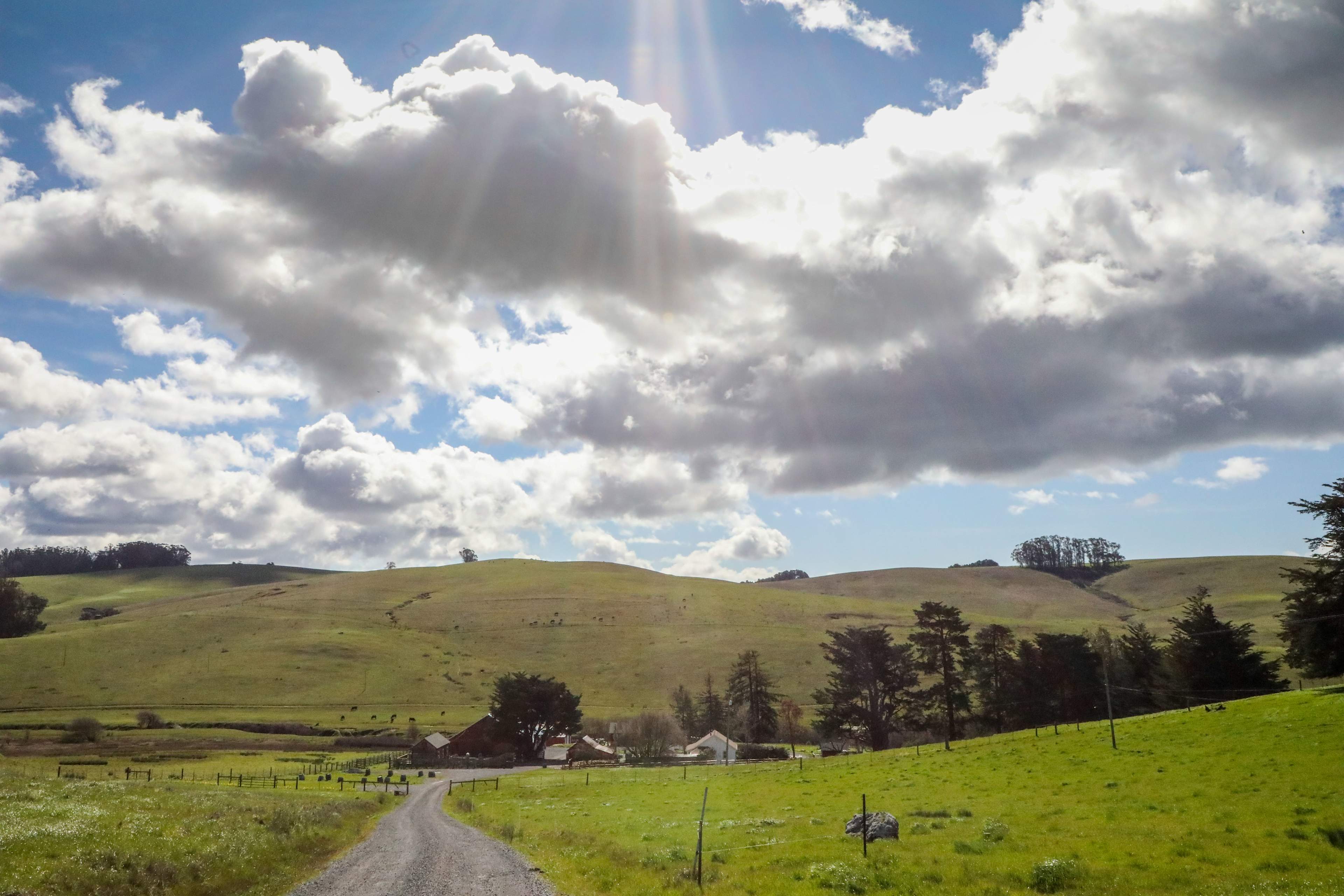

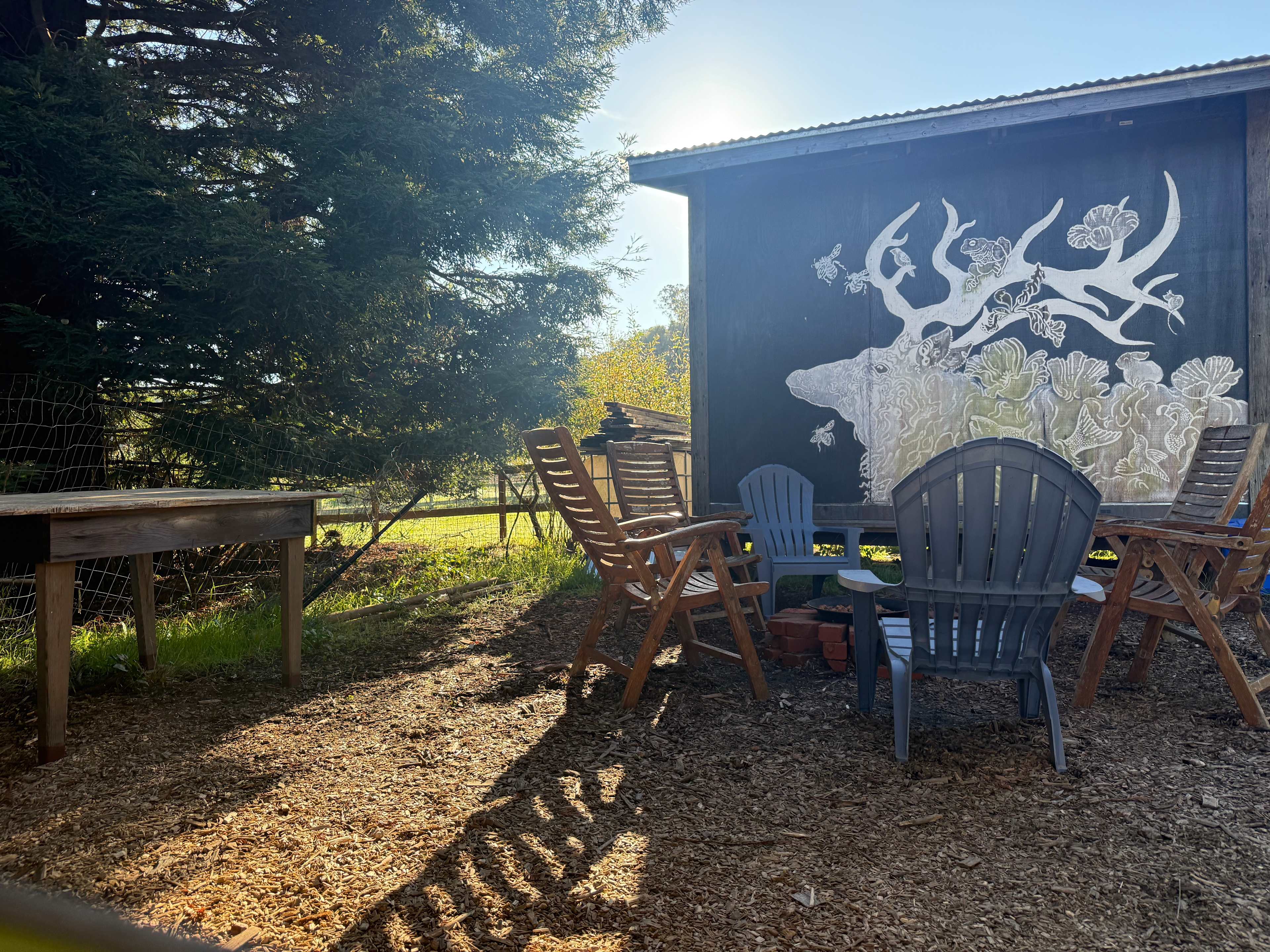
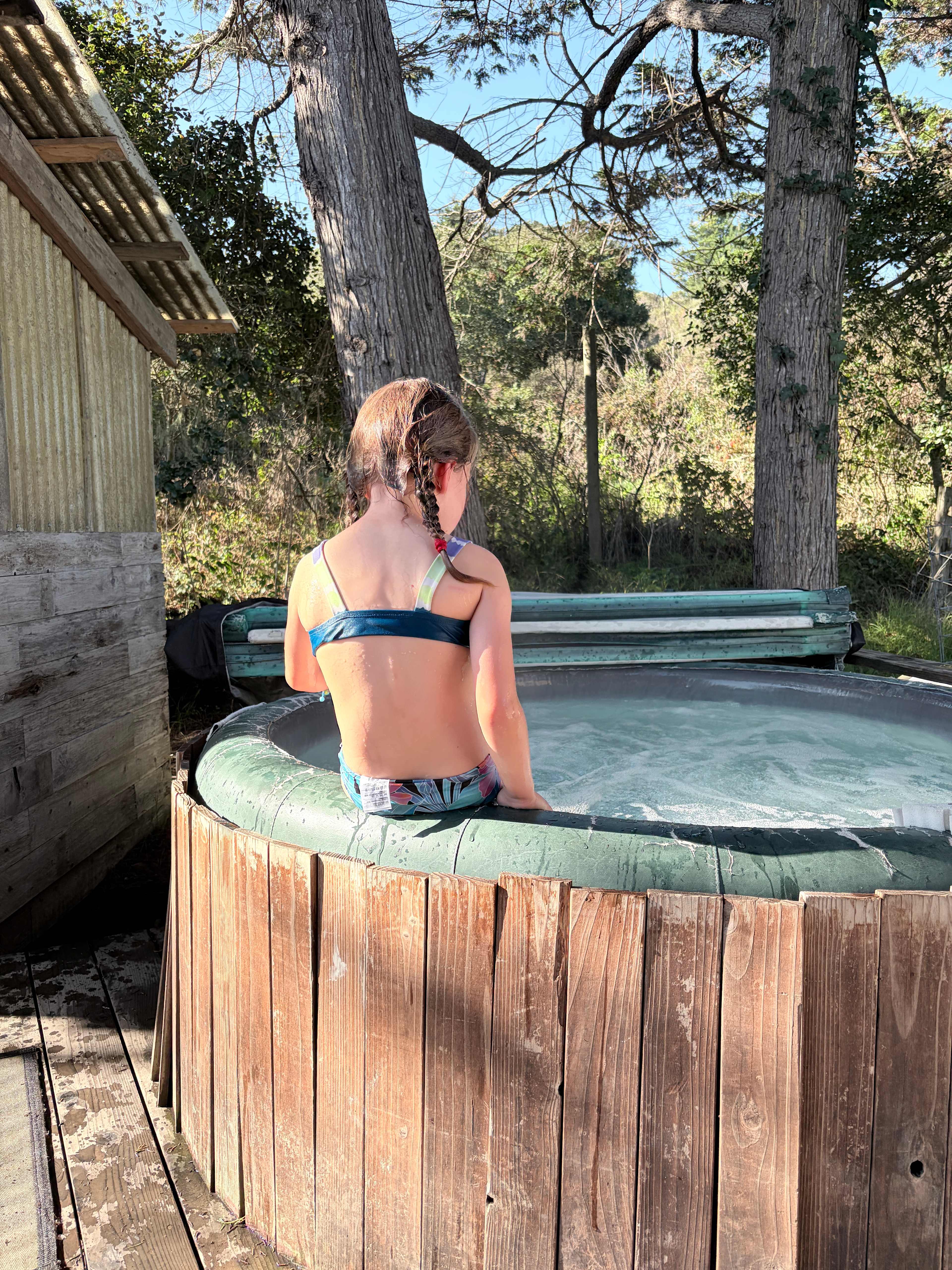
Marin County camping guide
Where to go
Dillon Beach
A small private beach community at the northern tip of the county, Dillon Beach sits at the mouth of Tomales Bay where it meets the open Pacific. Camping here is primarily at private campgrounds on the bluffs above the beach. It sees fewer day-trippers than Stinson and has a quieter feel that suits weekend trips year-round.
Stinson Beach
Stinson Beach is the widest and most swimmable stretch of ocean beach in Marin — not saying much given the cold water, but in summer the conditions can actually be decent for wading. The town has a couple of good restaurants and a campground in Mount Tamalpais State Park just above it. Weekends in summer get congested on the access road (Highway 1); midweek is notably calmer.
Bolinas
Bolinas is the town that famously keeps removing its highway signs, and the attitude carries through — it's small, slightly insular, and better for it. Camping near Bolinas puts you close to the Bolinas Lagoon and Audubon Canyon Ranch, a great spot for great blue heron nesting in spring. The surf break at the end of Wharf Road is one of the better waves on this part of the coast.
Inverness
Perched on the western shore of Tomales Bay, Inverness serves as the main gateway to the backcountry of Point Reyes. Tomales Bay itself is calm water, good for kayaking in any season.
Point Reyes Station
Point Reyes Station is the last stop for supplies before heading into the national seashore. It's a logical staging point for multi-day hikes in Point Reyes National Seashore. The town sits in a pastoral valley that can be 20°F warmer than the coast — the fog line often sits right at the ridgeline above.
Point Reyes National Seashore
Point Reyes National Seashore covers 71,000 acres of coastal wilderness — beaches, cliffs, forest, and grassland — all accessible from four hike-in campgrounds that require advance reservations. Sky Camp on Mount Wittenberg gives views to the coast when fog allows; Coast Camp sits above a long beach accessible by trail. The elk herds at Limantour and Drake's Beach are worth planning around.
Angel Island State Park
Angel Island sits in the middle of San Francisco Bay, accessible by ferry from Tiburon, and it's one of the more unusual camping experiences in the Bay Area — you're surrounded by water, with views of the city, the bridge, and Marin's hills. Sites are limited and book early. The former immigration station and military fortifications make for interesting hiking between setting up camp and watching the bay go dark.
Golden Gate National Recreation Area
The Golden Gate National Recreation Area covers significant Marin County land including the Marin Headlands, where tent cabins and backcountry campsites sit within sight of the bridge. Hawk Hill in October draws some of the best raptor migrations on the West Coast. The trail system connects to the Coastal Trail and down into the Headlands with minimal elevation drama.
Tomales Bay State Park
Tomales Bay State Park occupies the western shoreline of the bay, protecting a calm-water environment that's ideal for sea kayaking and oyster spotting. Heart's Desire Beach is the most popular day use area; the surrounding forest hikes are short but quiet.
When to go
Marin's best camping is in fall — September through November, when the summer marine layer pulls back, temperatures reach the mid-60s to low 70s on the coast, and the trails are uncrowded. Spring is the second choice, with green hills through April before the hills turn gold. Summer is a mixed bag: July and August are technically dry but heavily fogged, with coastal temperatures rarely cracking 65°F. Come prepared to layer in any season.
Spring (March–May)
Spring is the photogenic season — tule elk with new calves, wildflowers across the Reyes mesa, green hills that won't last past June. Daytime highs hover in the mid-50s to low 60s in March and April, warming into the upper 60s by May. Rain is possible through April; March can be stormy along the coast. Book reservations early regardless, as spring weekends at Point Reyes fill quickly.
Summer (June–August)
Summer in Marin means fog. The marine layer sits over the coast almost every morning in July, often burning off by early afternoon — or not at all. Temperatures rarely exceed the mid-60s at the coast, making for what visitors expecting California sunshine often describe as a shock. That said, it's dry, it's green (by California standards), and the backcountry of Reyes is genuinely beautiful in the soft light. Pack a real jacket.
Fall (September–November)
The fog retreats in September and Marin has its warmest, clearest days. Highs in the upper 60s with clear skies over 60–70% of the time make this the most reliably pleasant camping stretch. The elk rut at Point Reyes happens in September and October, when bulls bugle across Drake's Estero. October offers the best combination of warm temps, clear skies, and thinning crowds before the rains return.
Winter (December–February)
Campgrounds at Point Reyes and Mount Tam stay open year-round, and winter camping here can be excellent if you pick the right window. Lows drop into the low 40s at the coast but rarely below freezing. Rain arrives reliably from December through February, and storms can be intense. The upside: the backcountry is nearly empty, the hills are starting to green up, and gray whale migration peaks along the Reyes cliffs in January.