Top-rated campgrounds near Long Beach
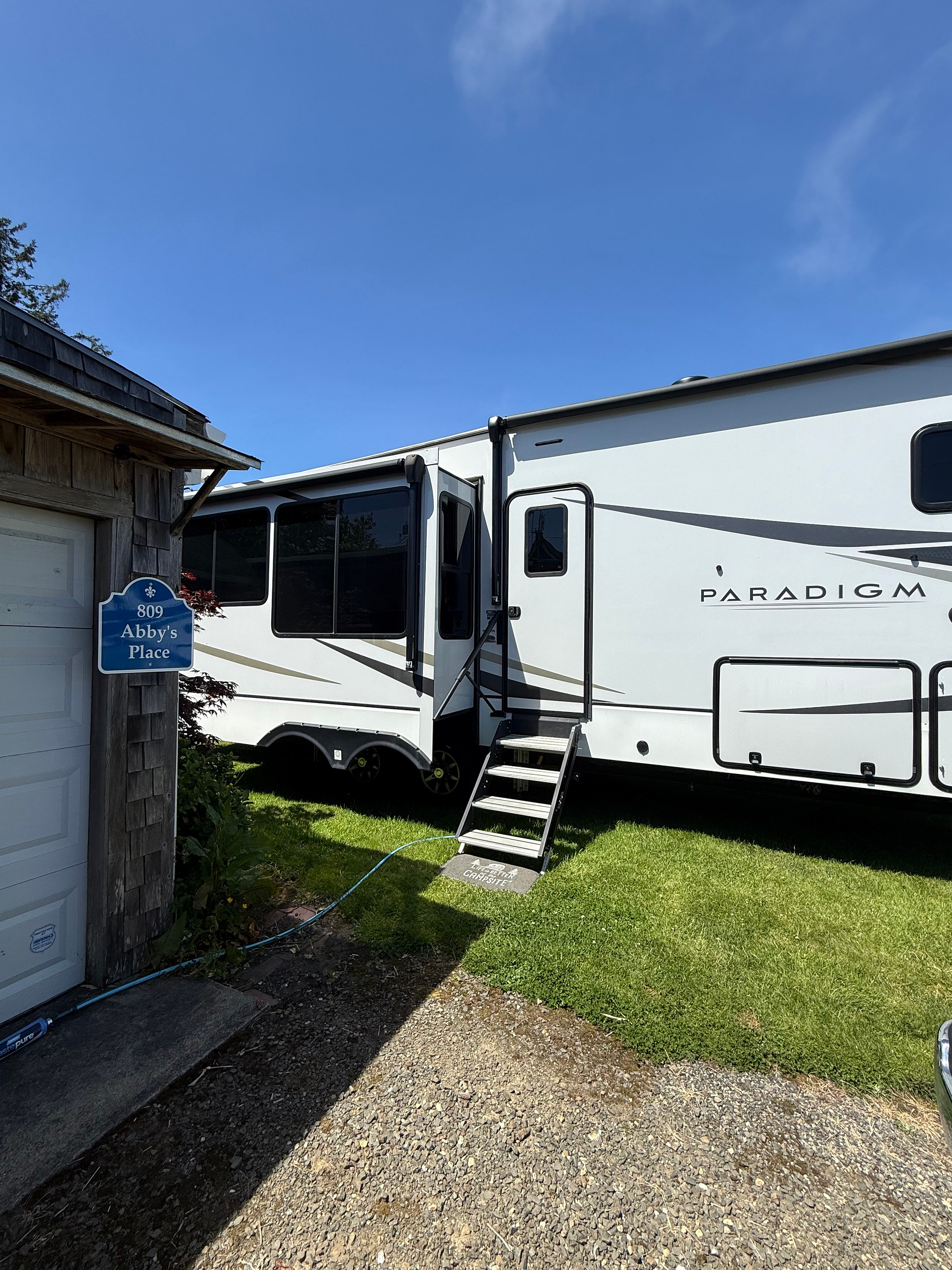
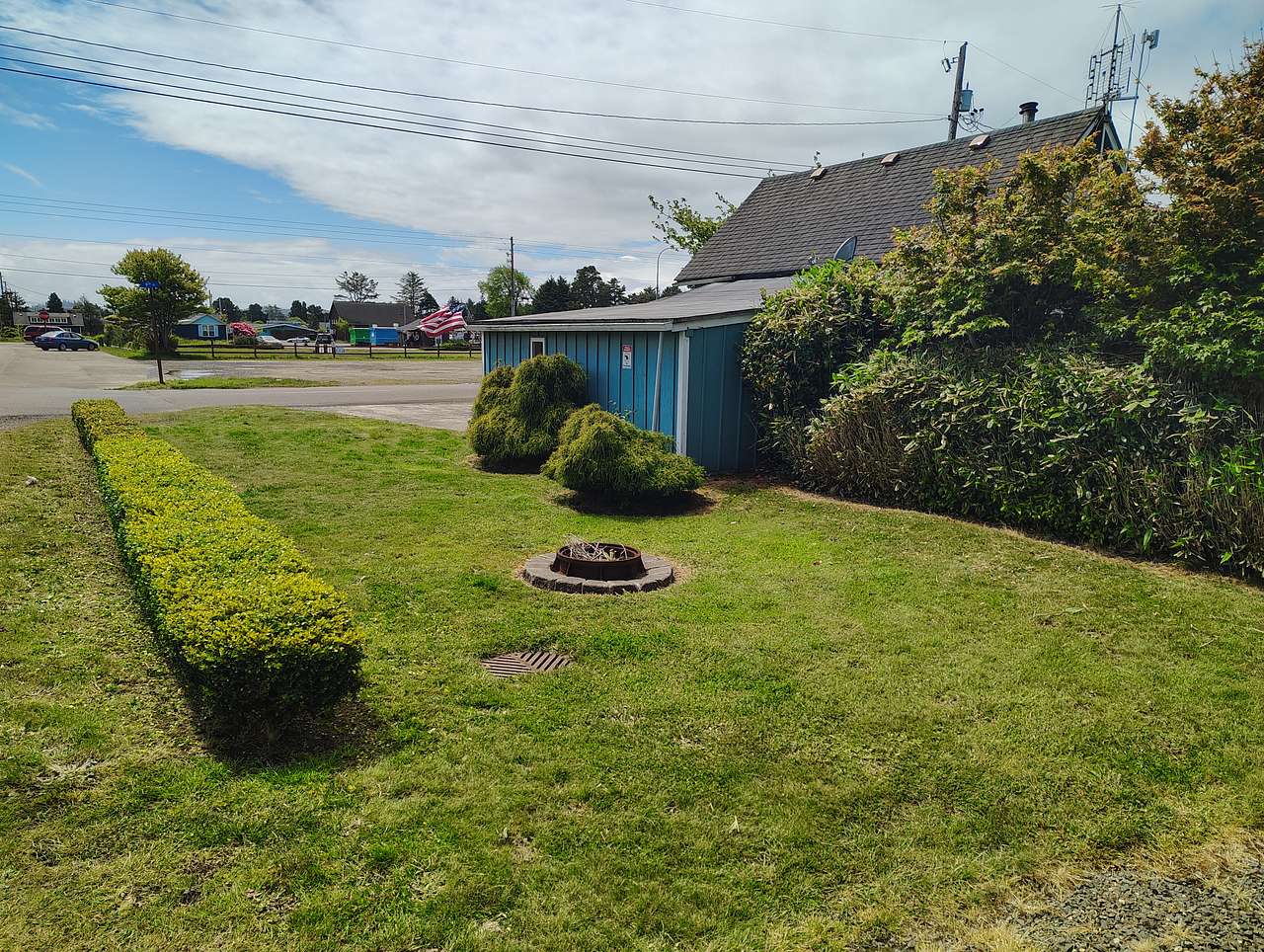
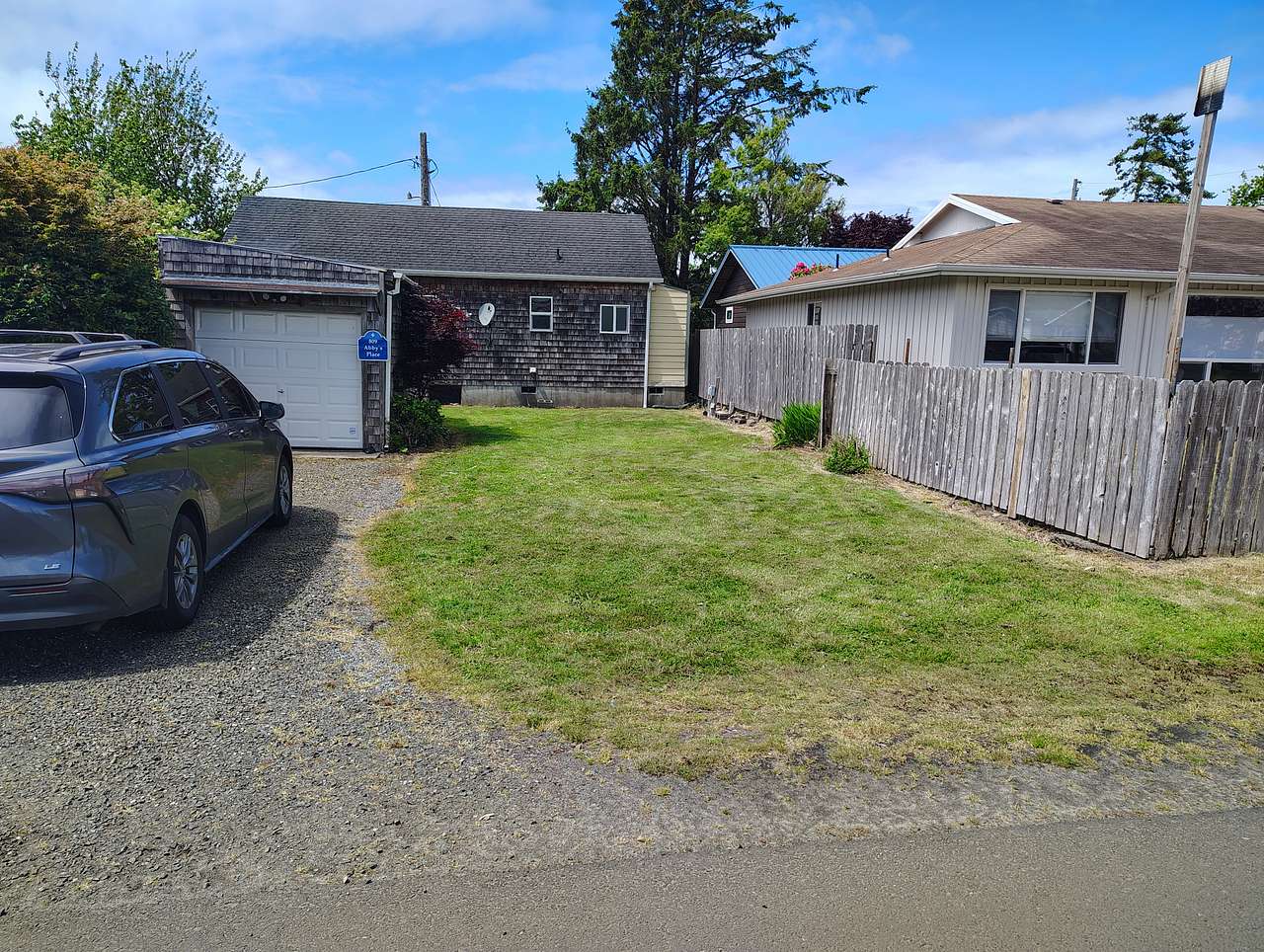
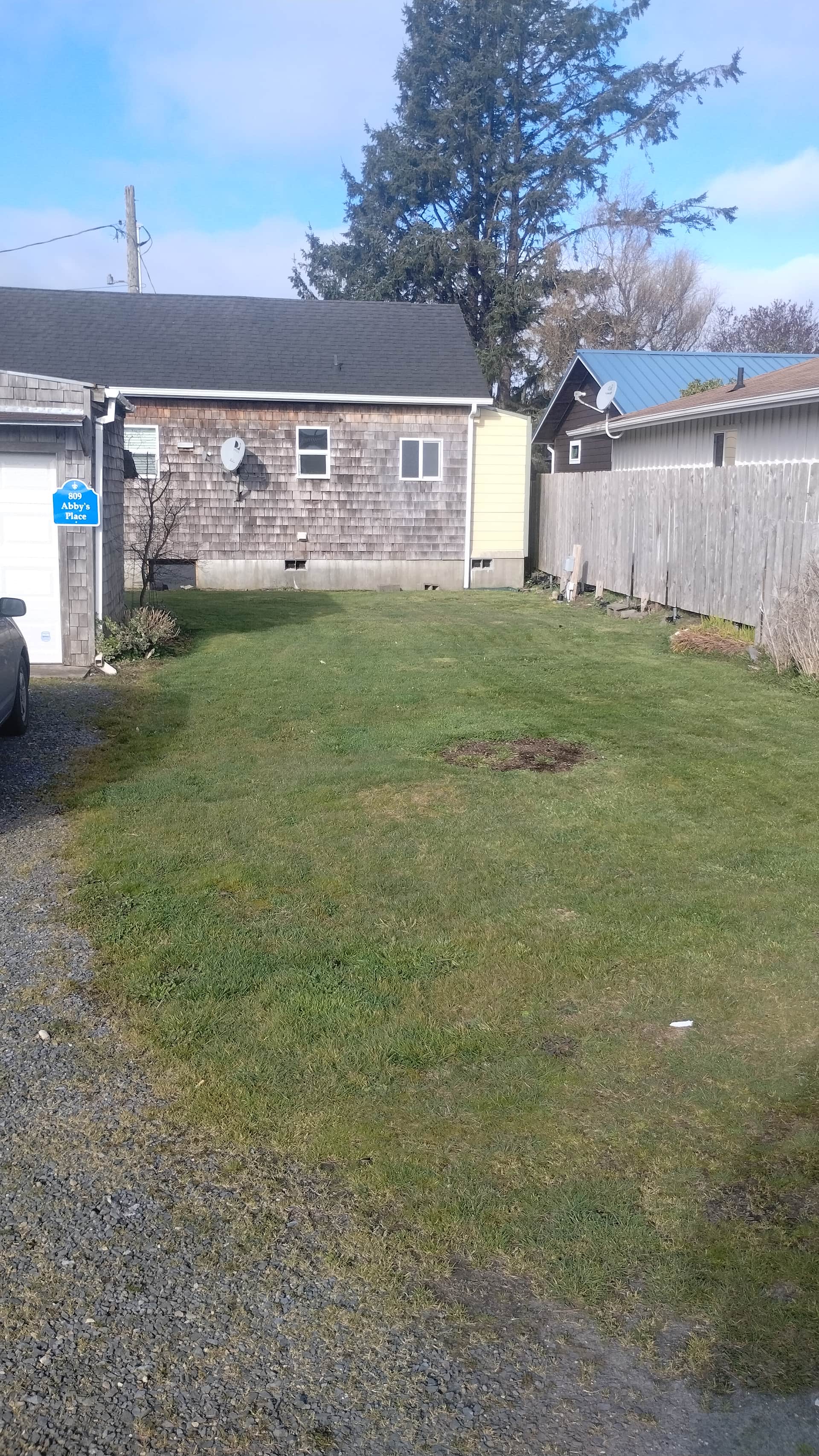
1. Abby's Place
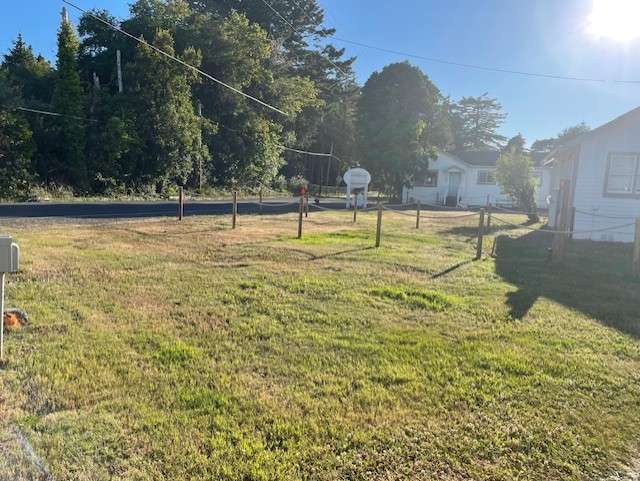
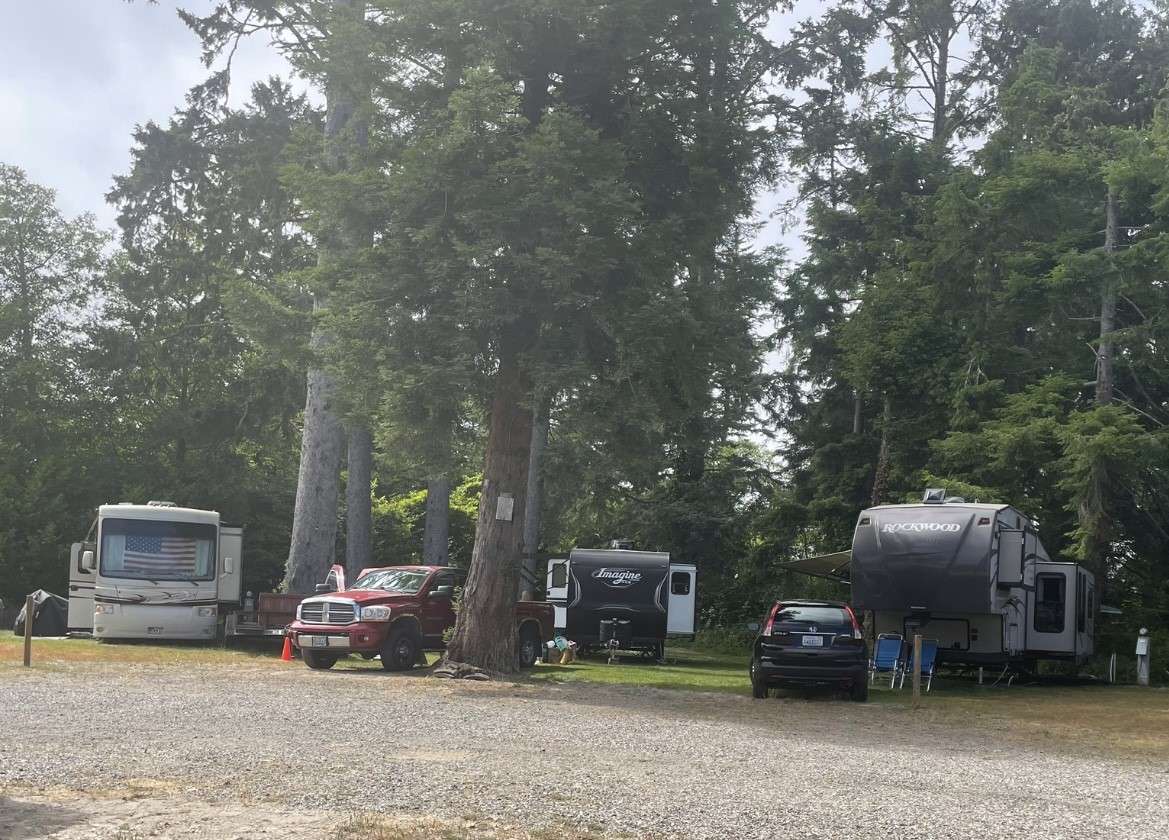
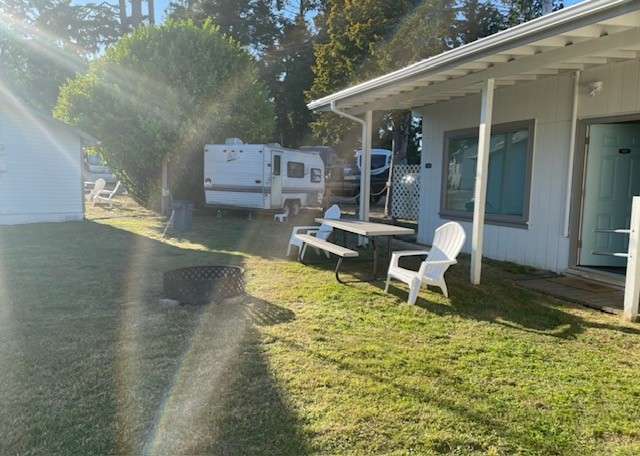
2. Quiet wooded park, near beaches.
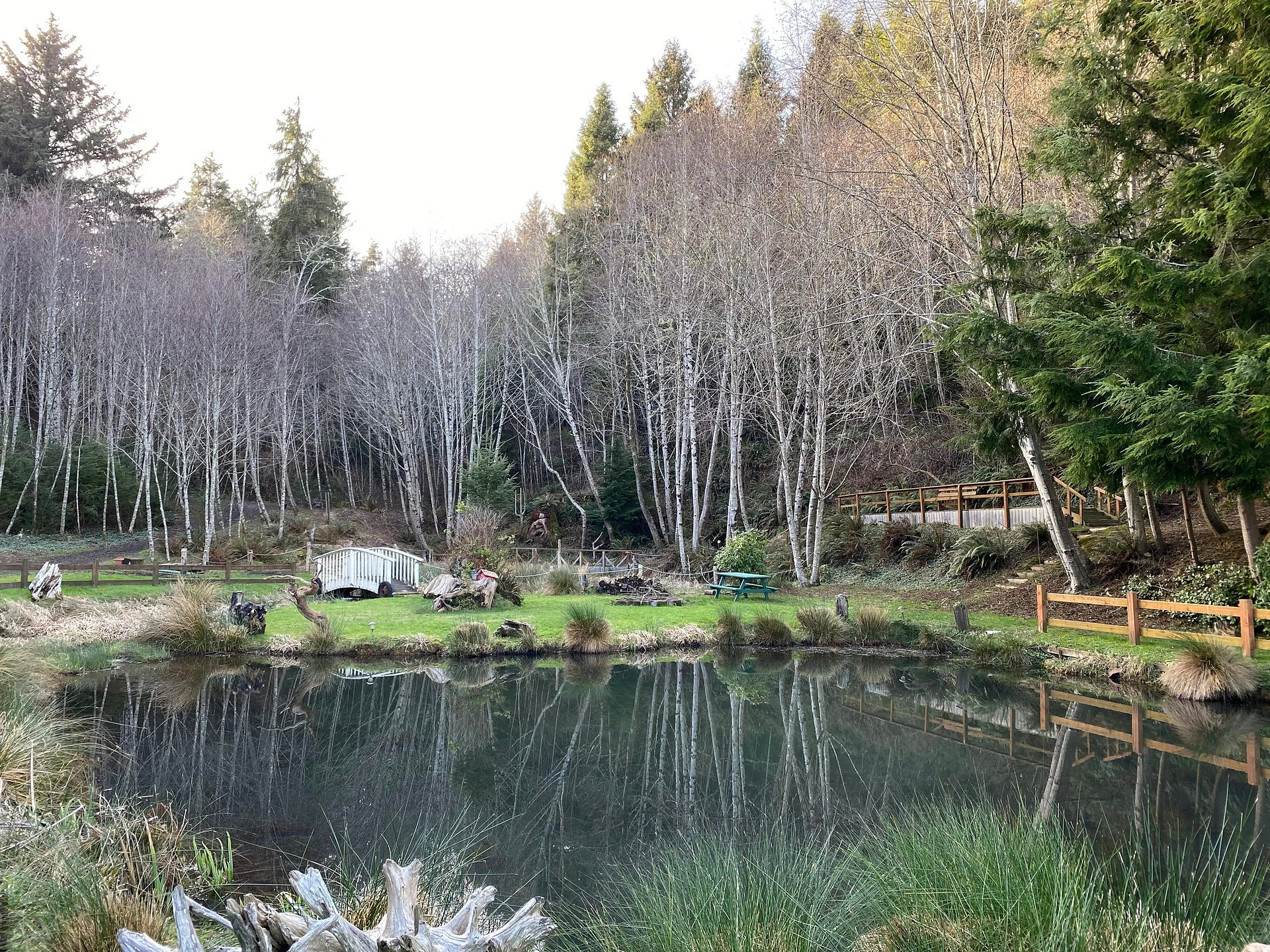
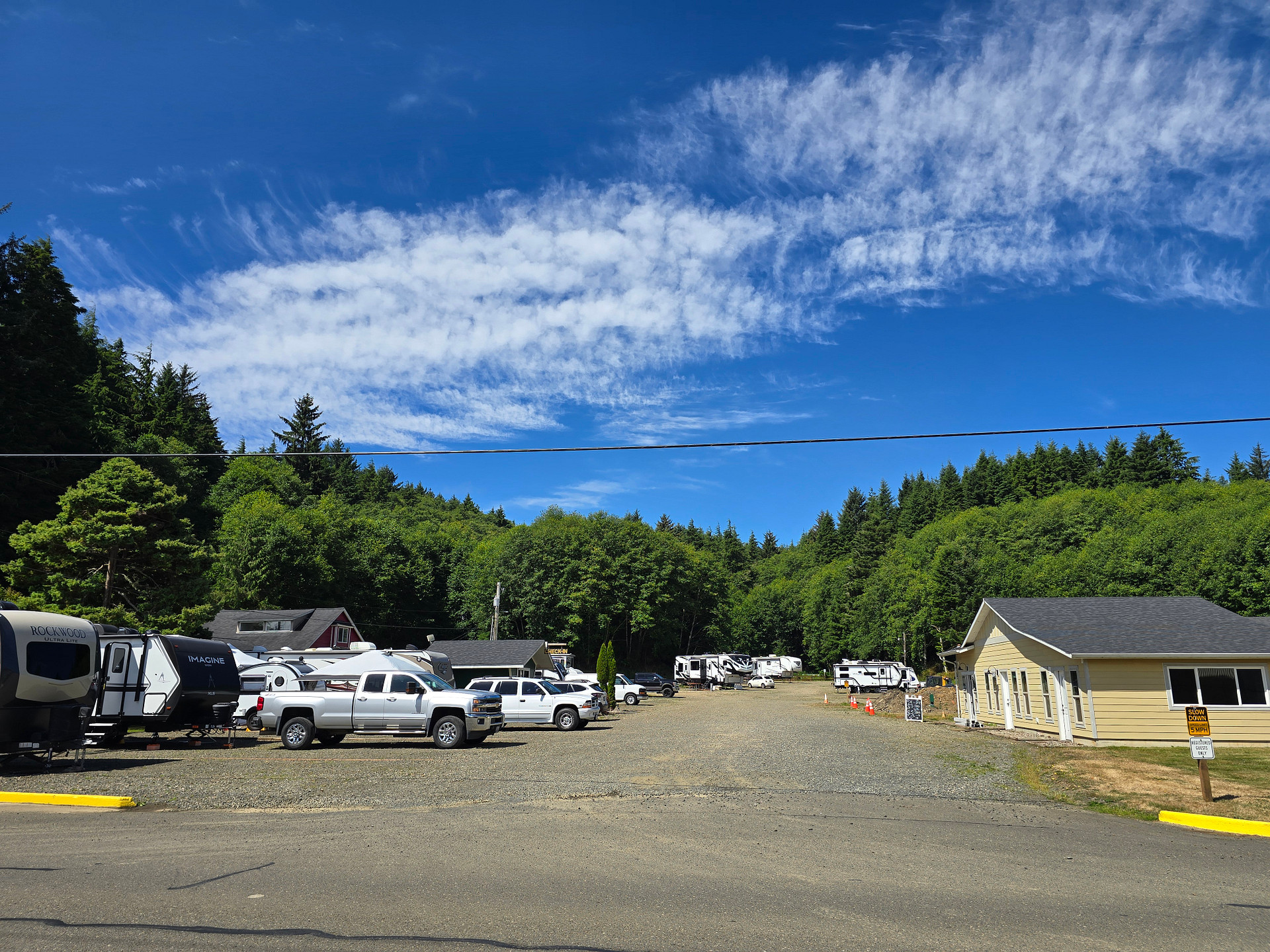
3. Fisherman's Cove RV Park
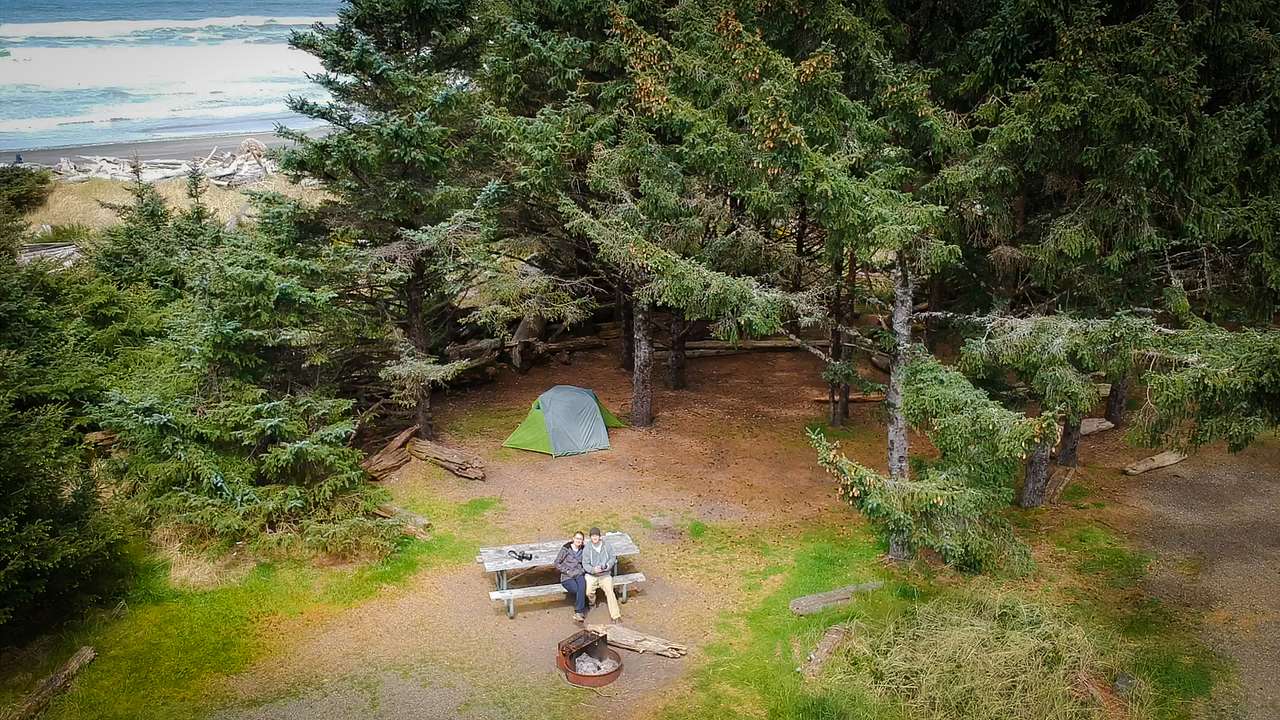
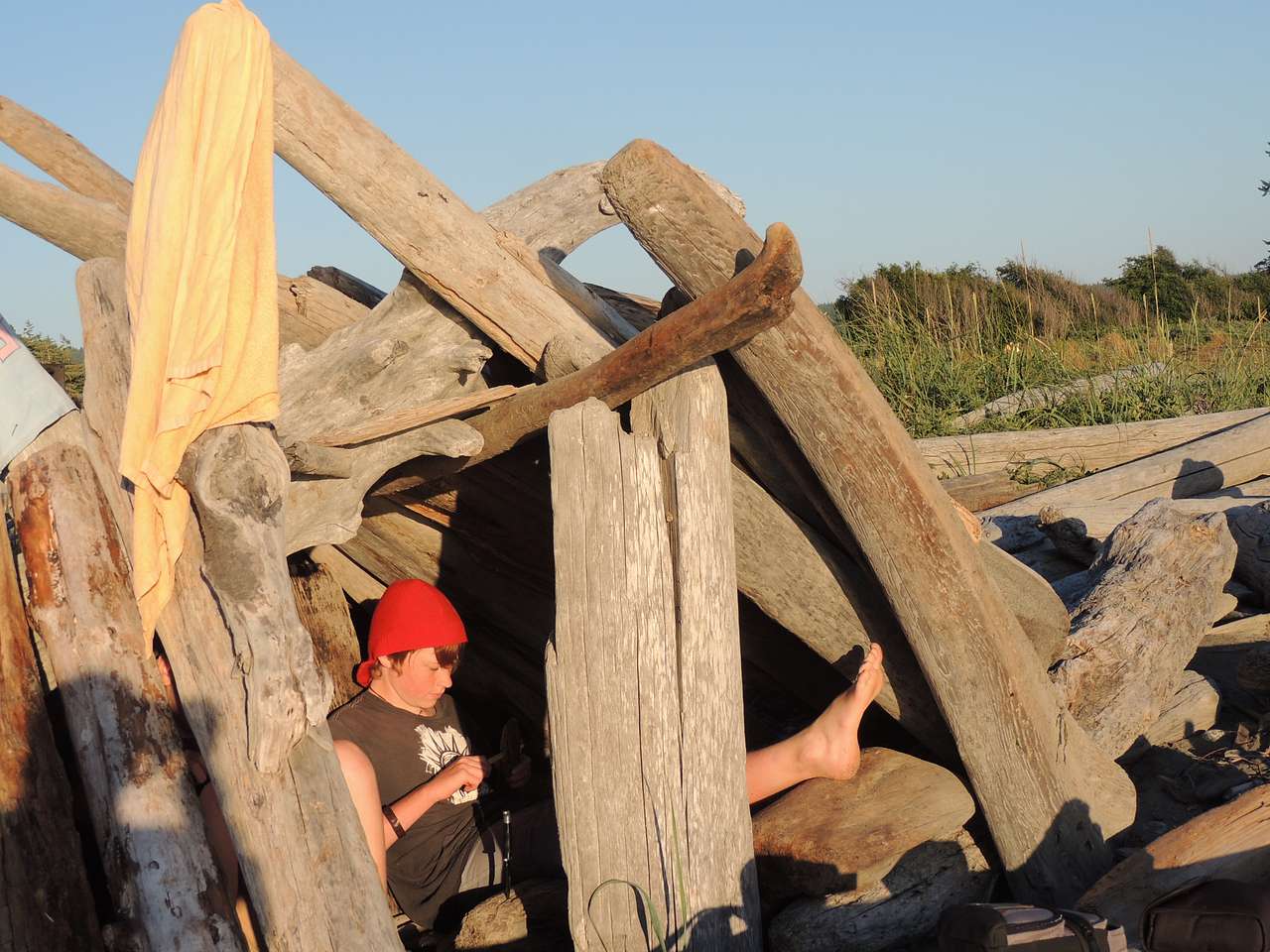
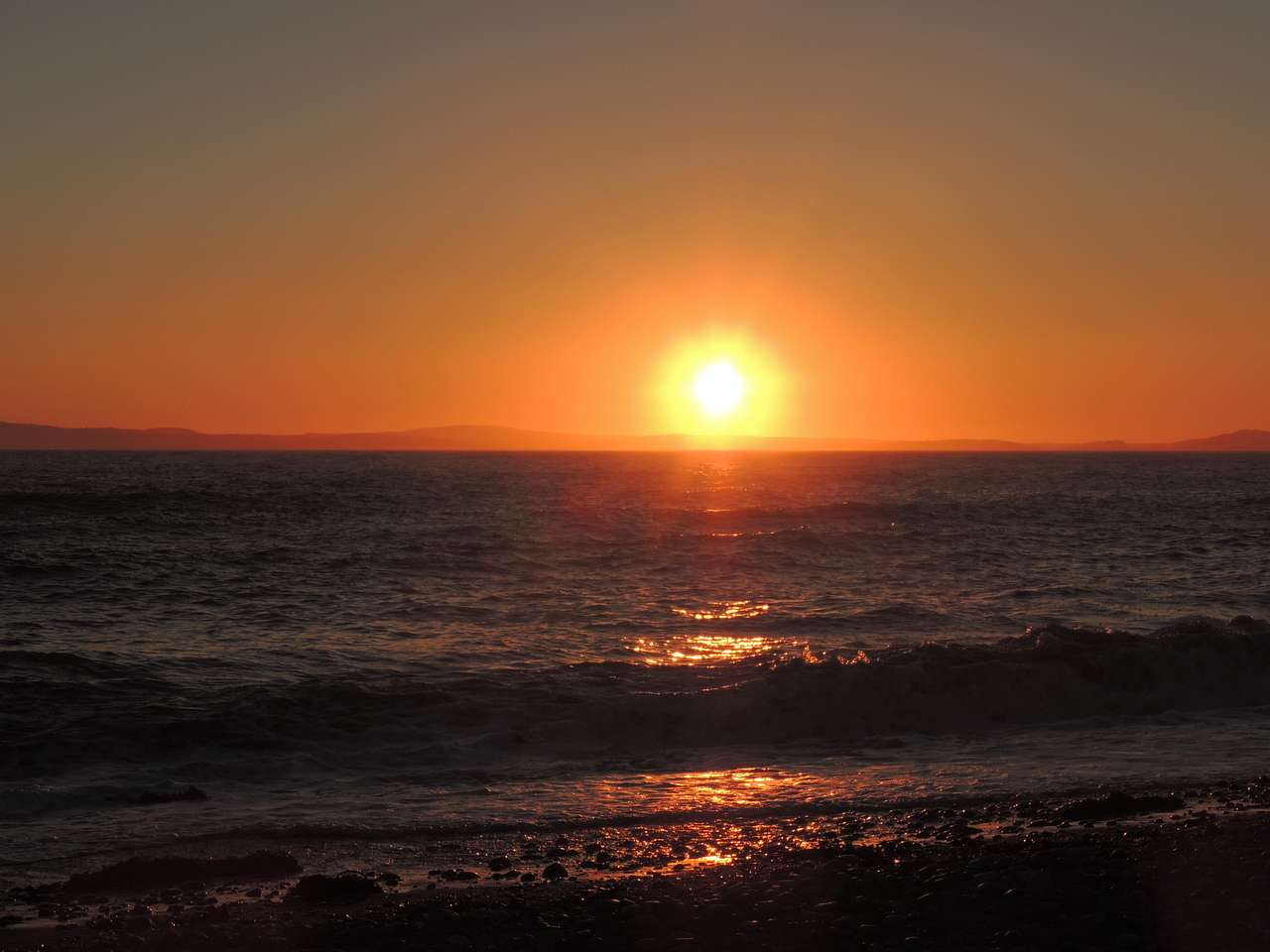
4. Cape Disappointment State Park
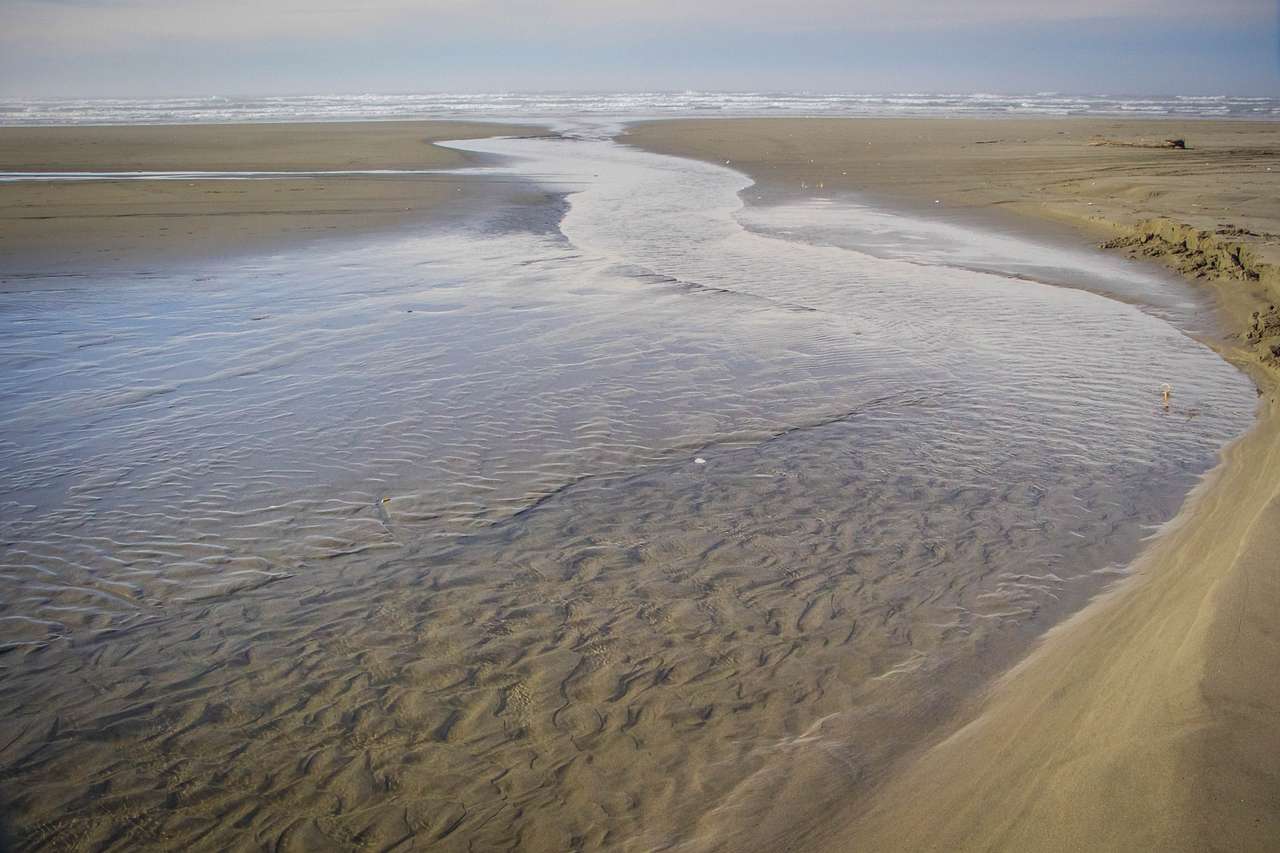
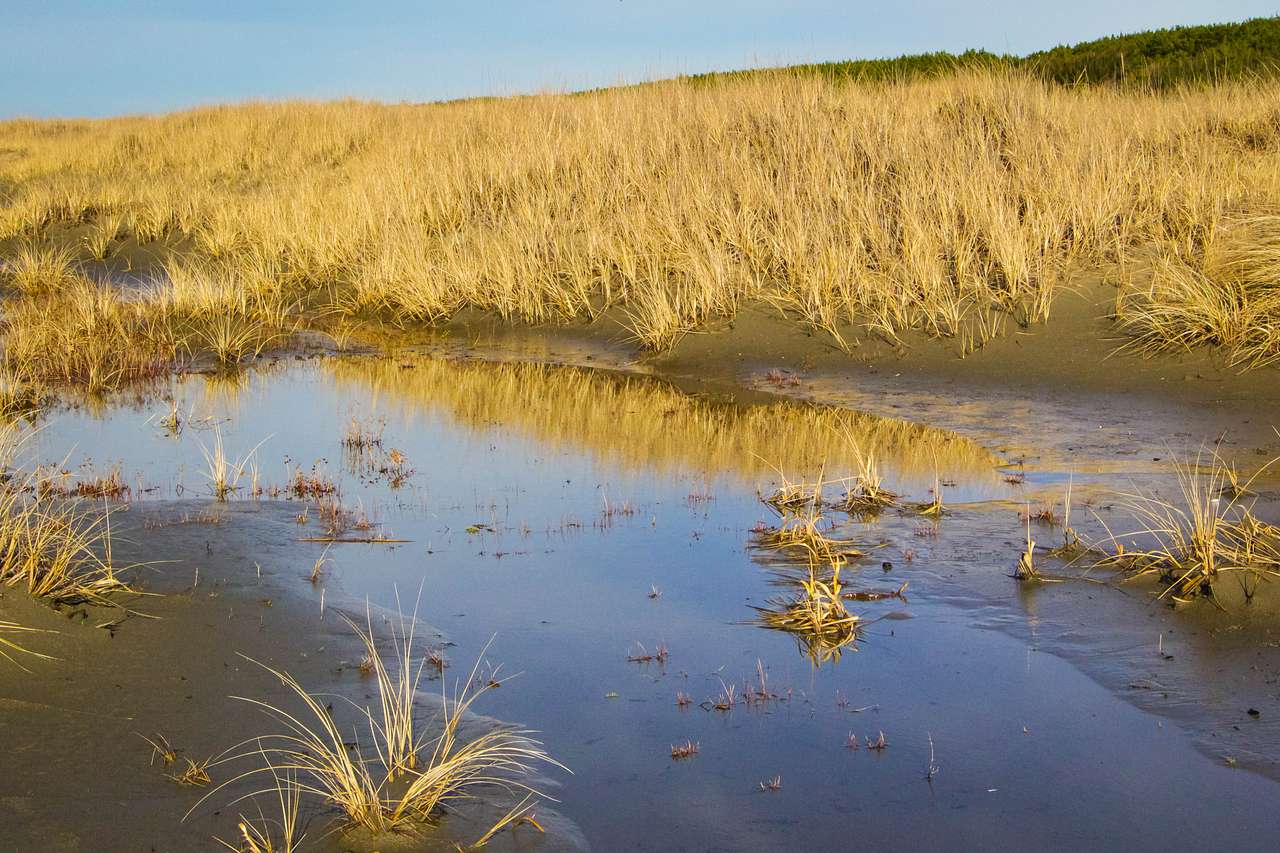

5. Grayland Beach State Park
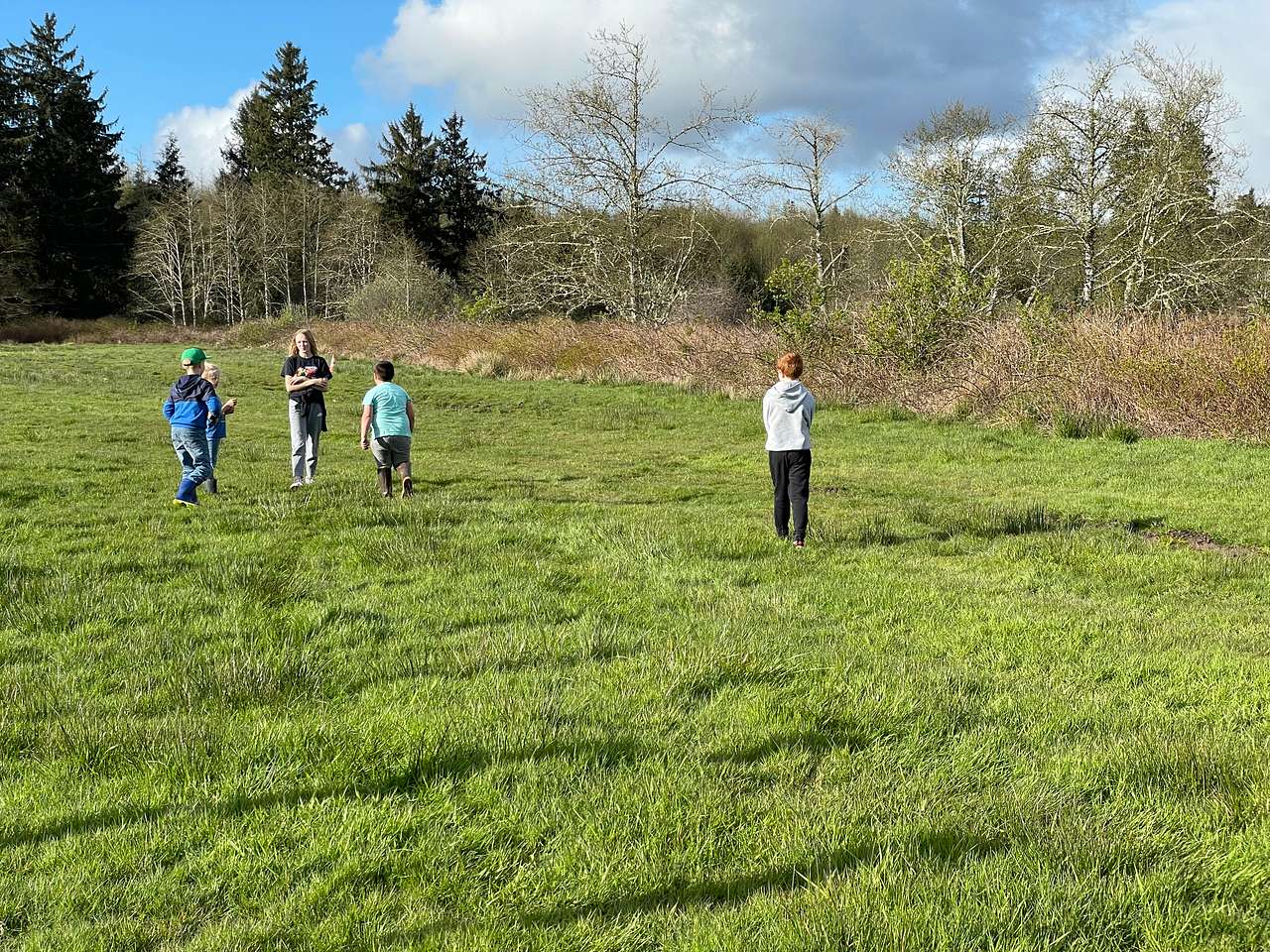
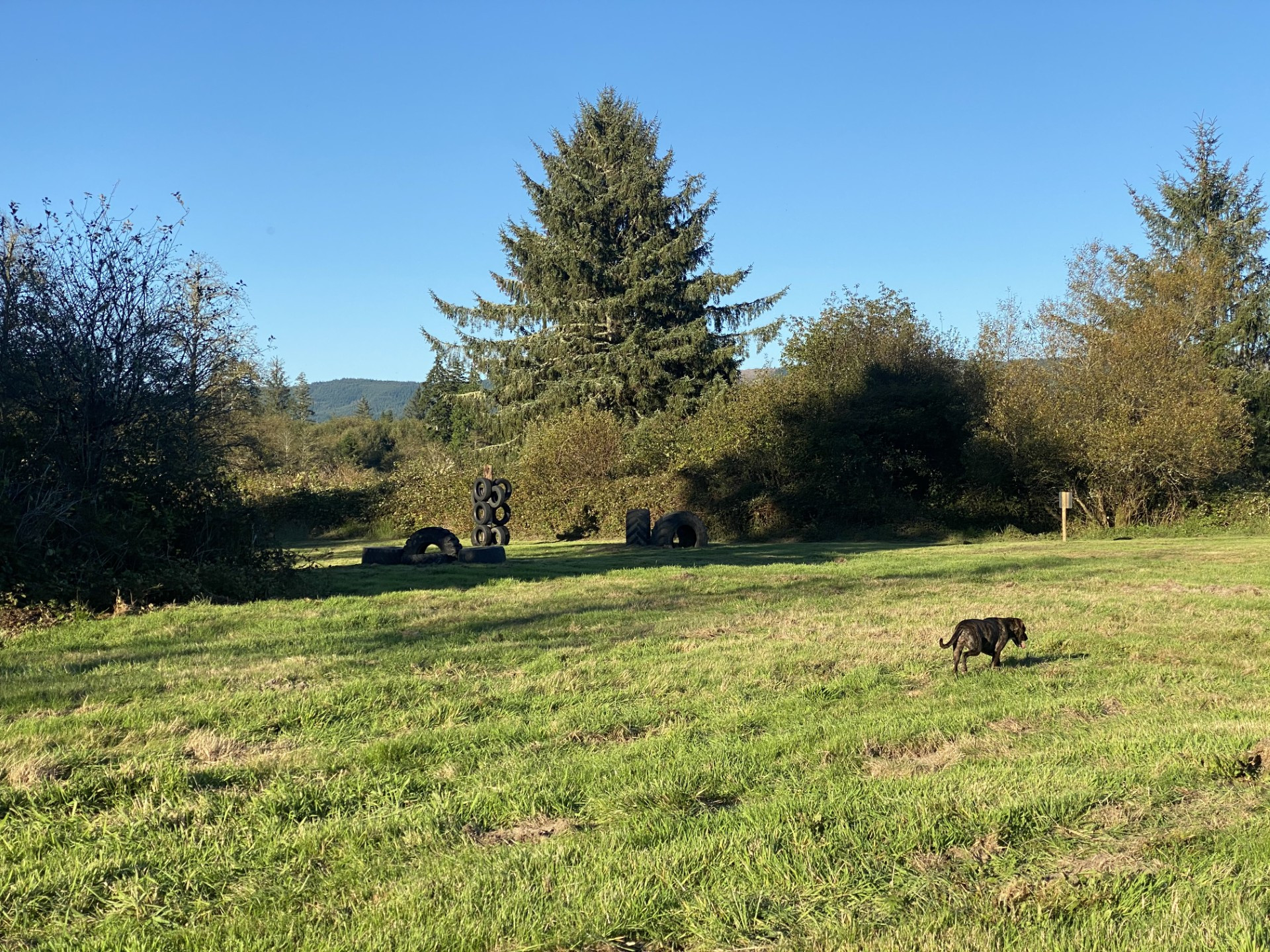
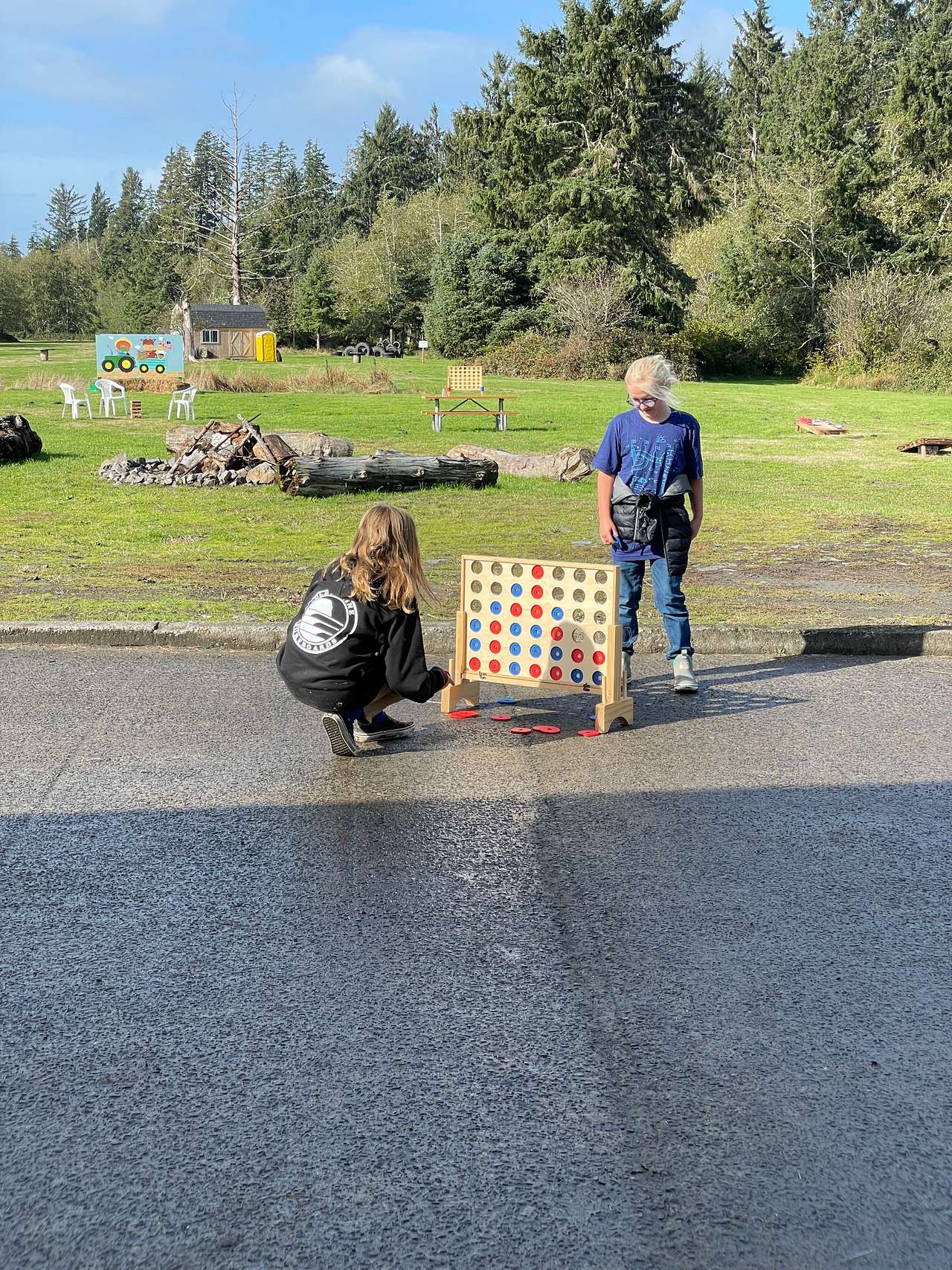
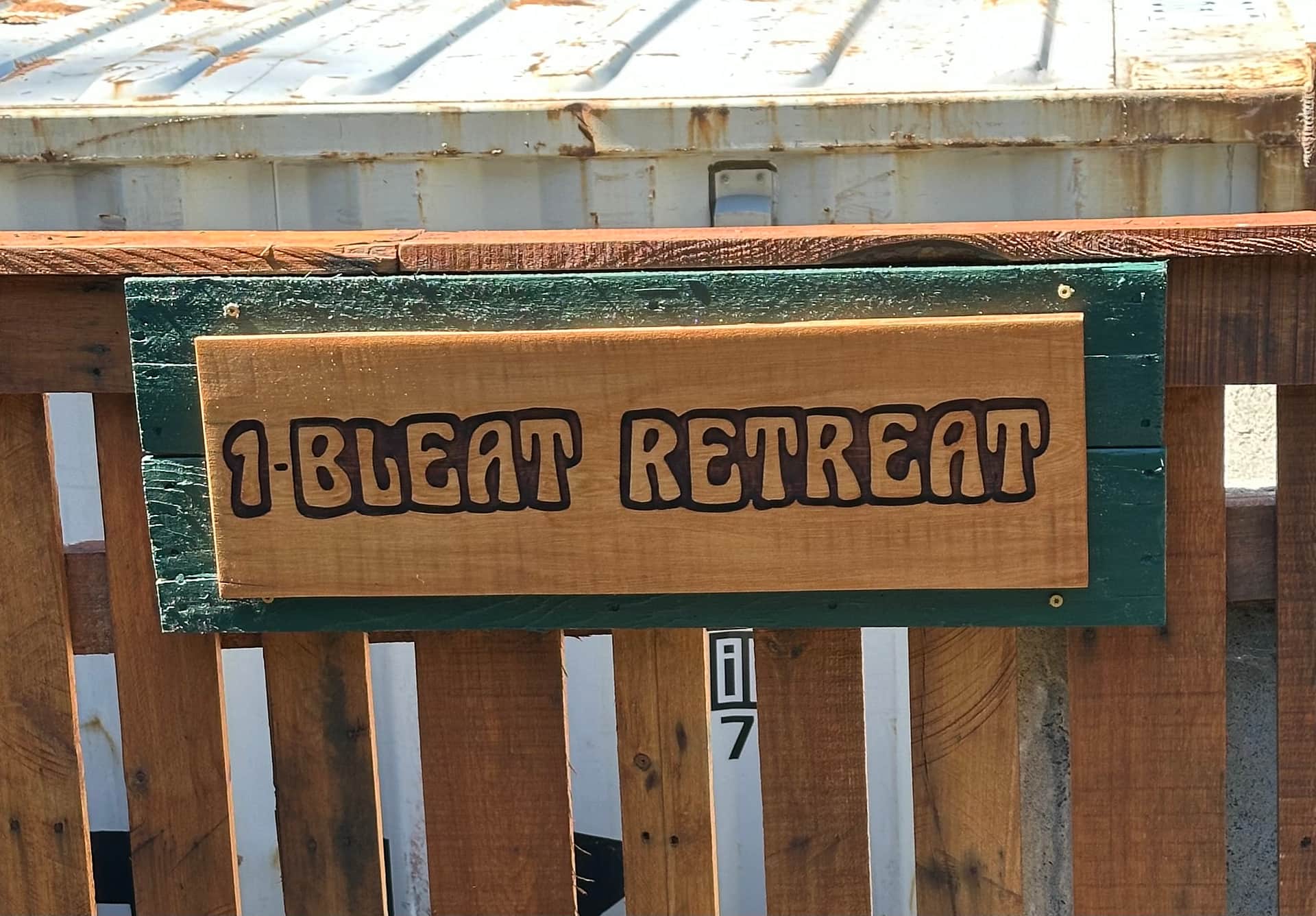
6. Rhett's Ranch
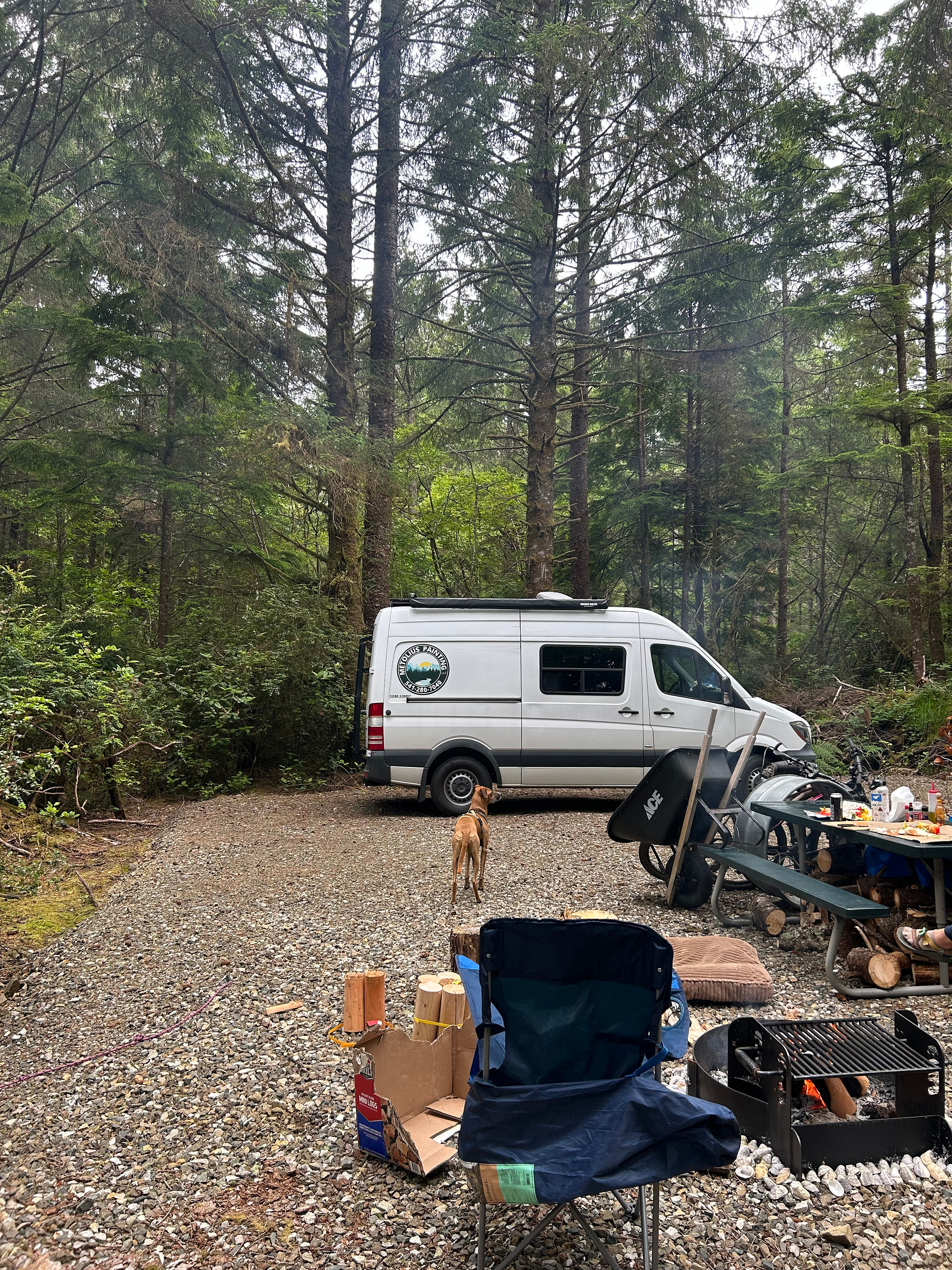
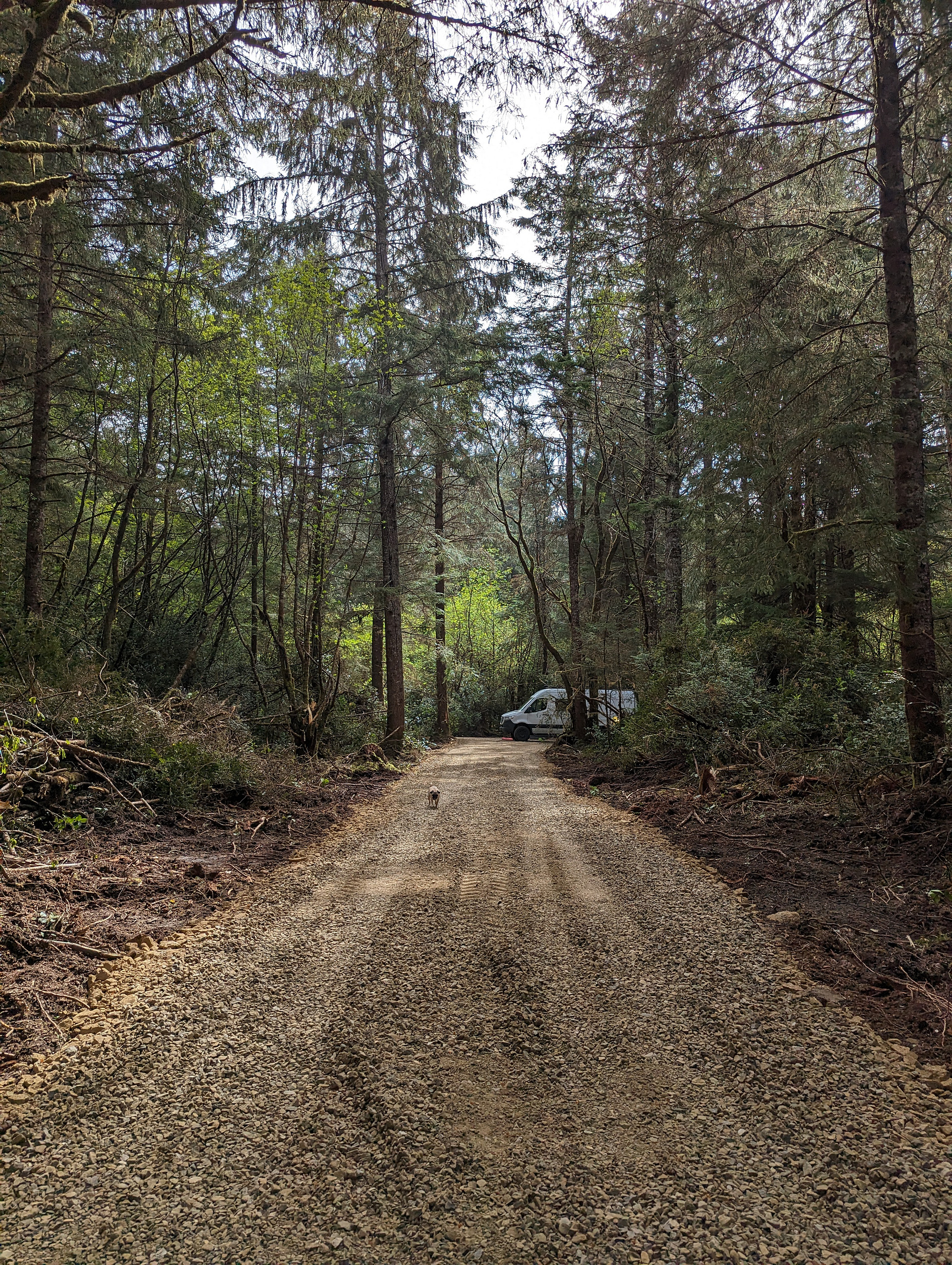
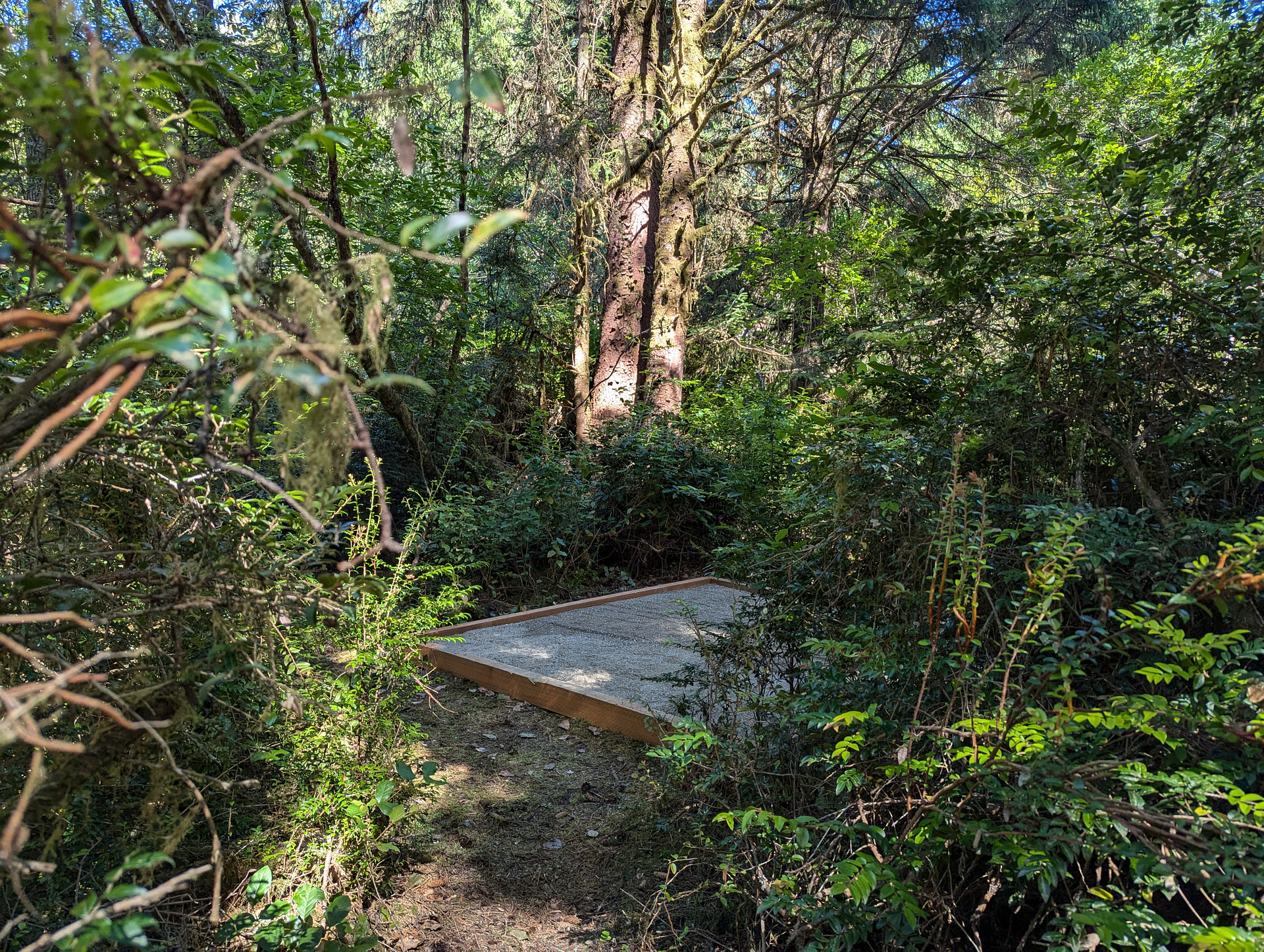
7. Twisted Tree Camp
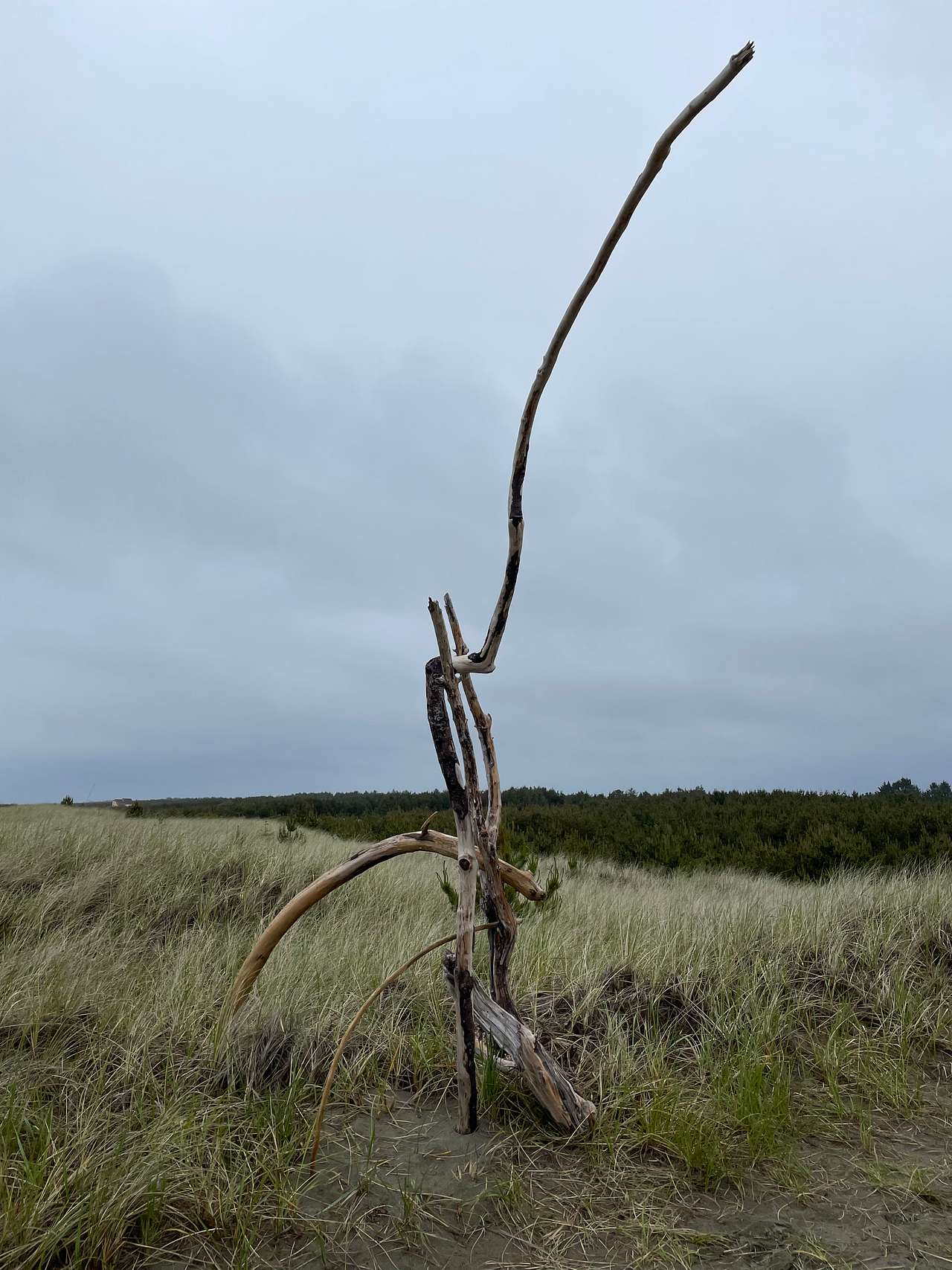
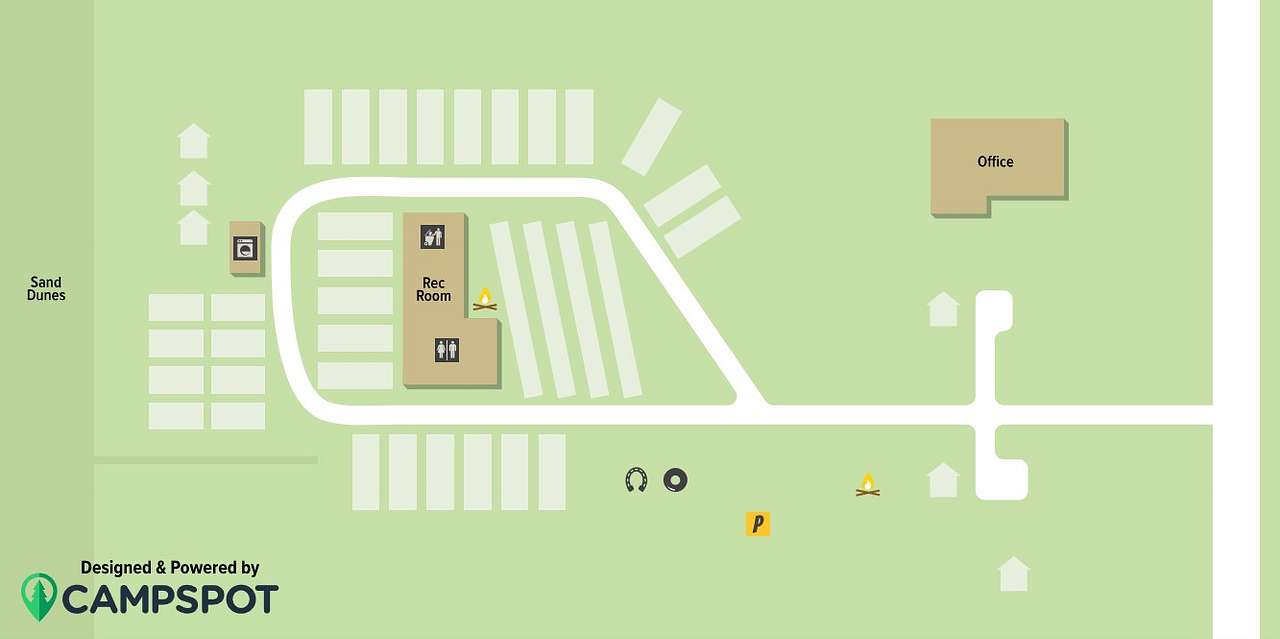
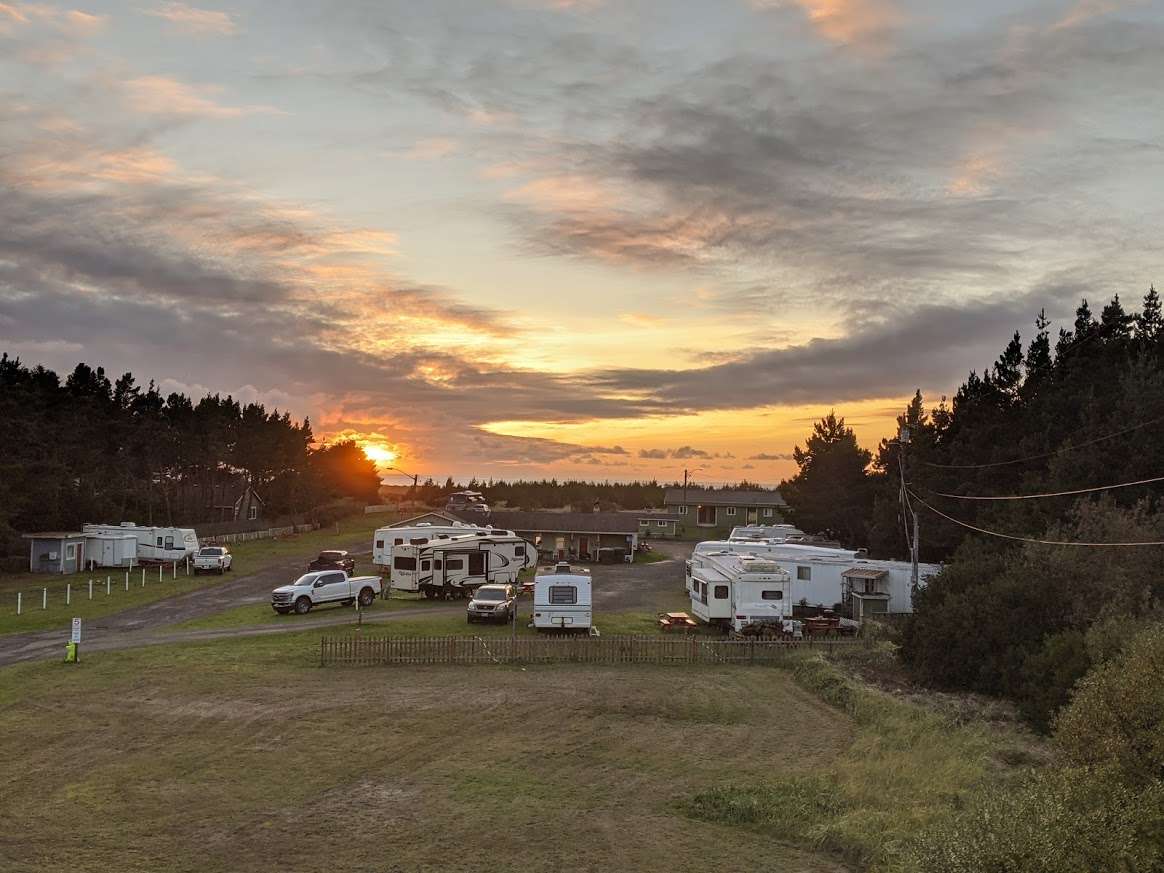
8. Cedar to Surf Campground
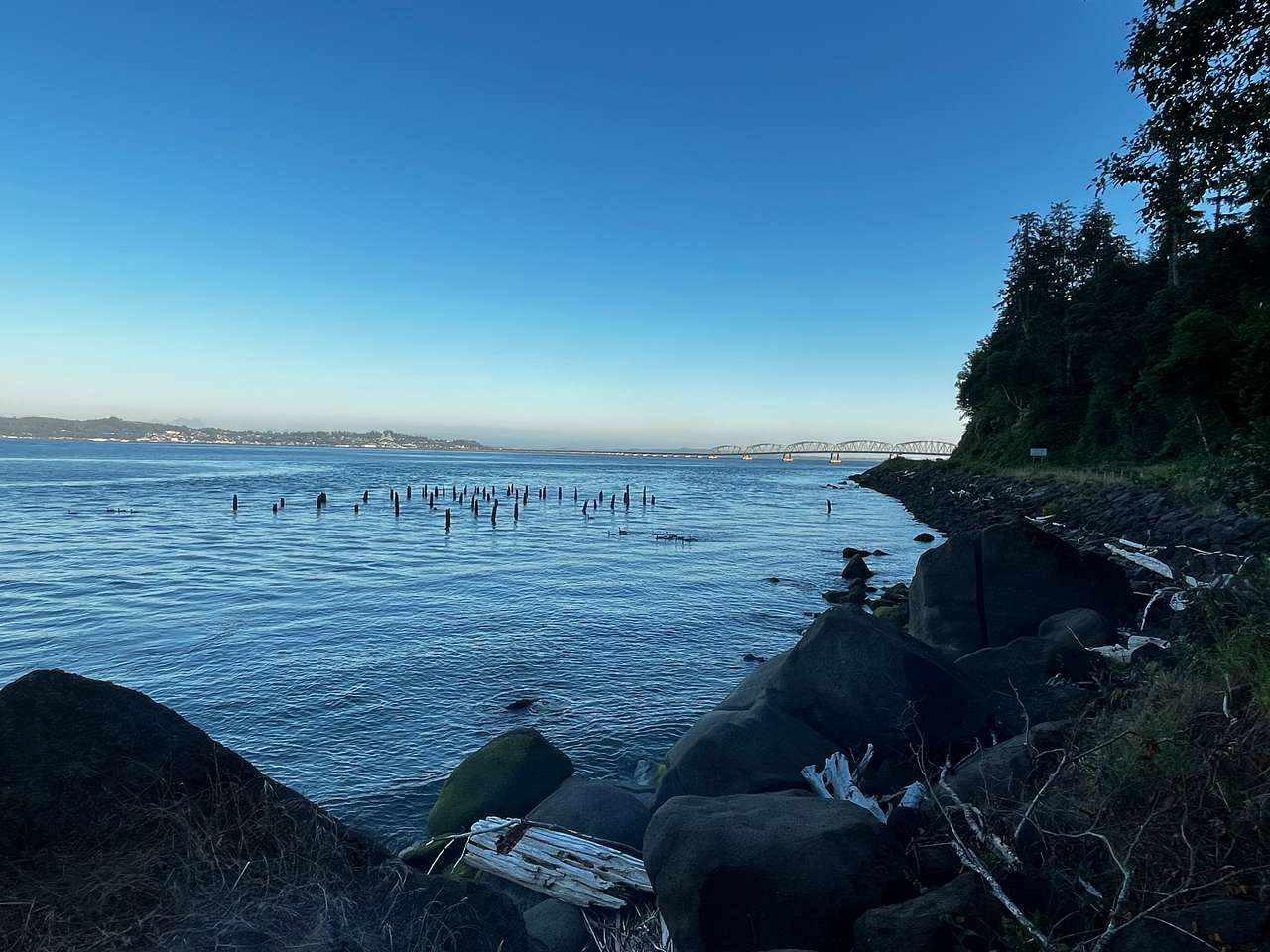
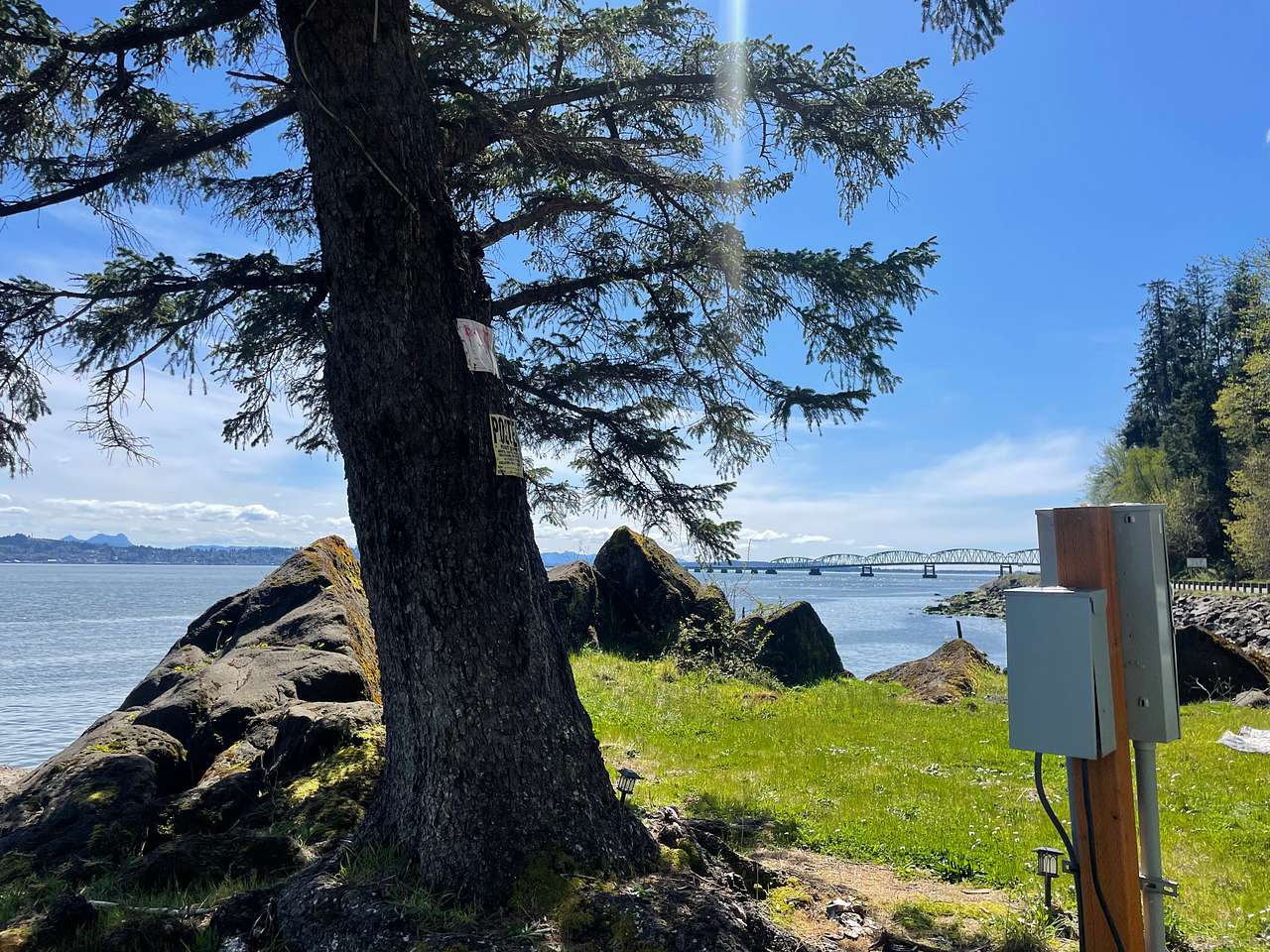
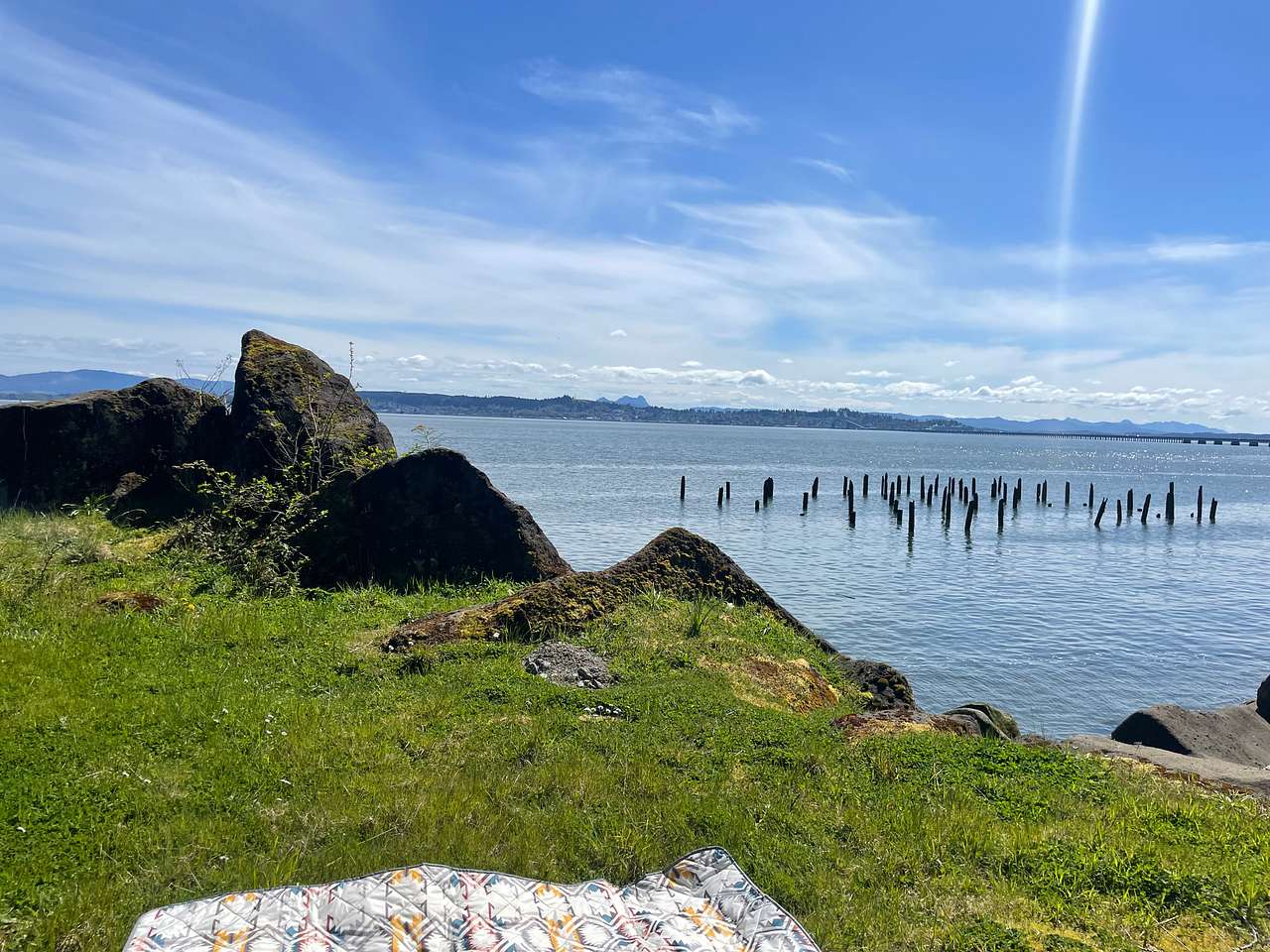
9. The Rock On The Columbia


10. Hanford Reach National Monument
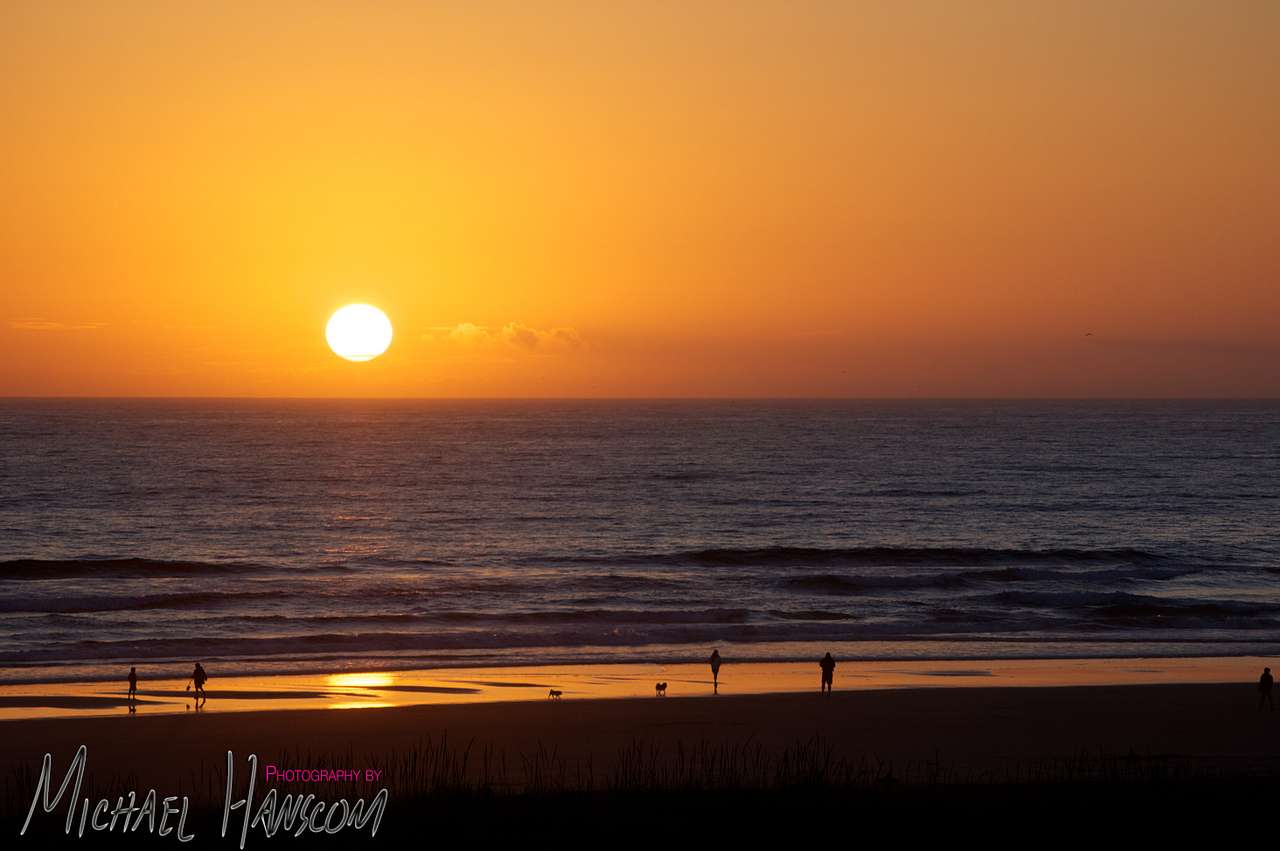
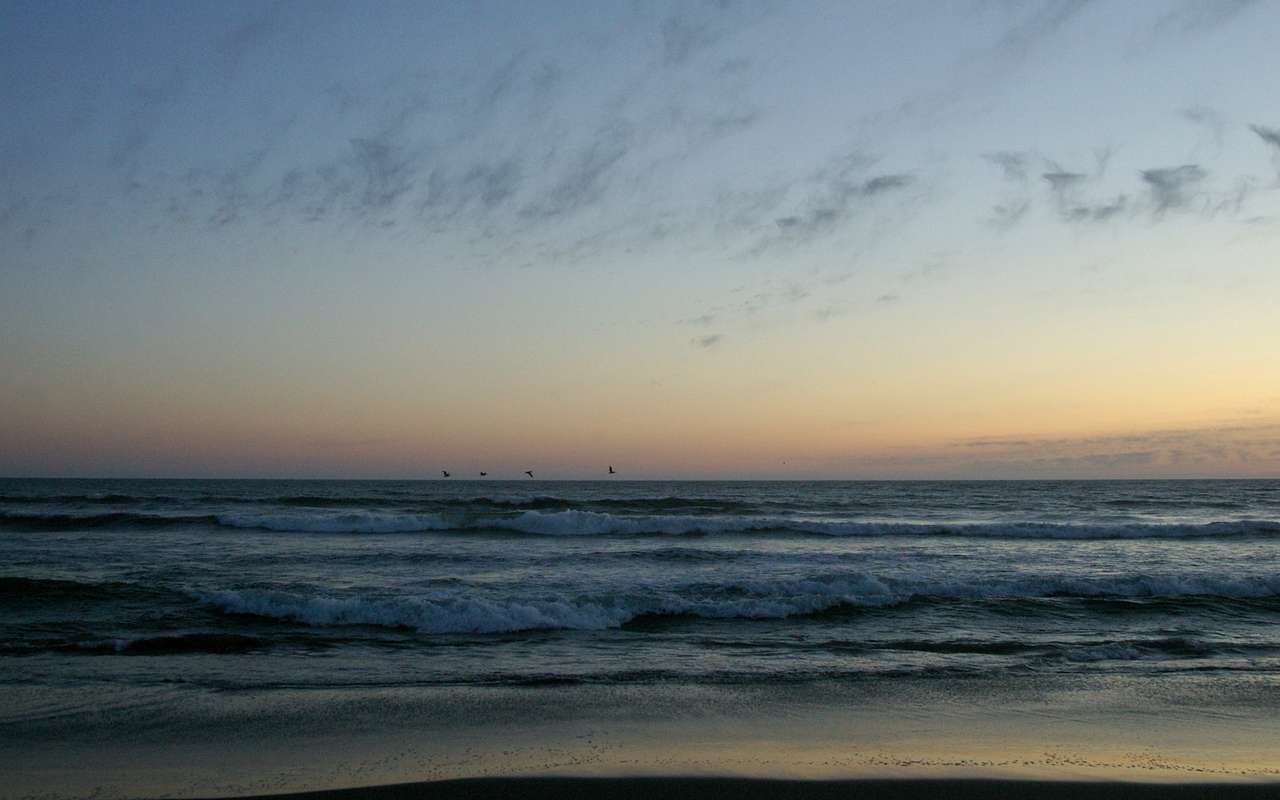
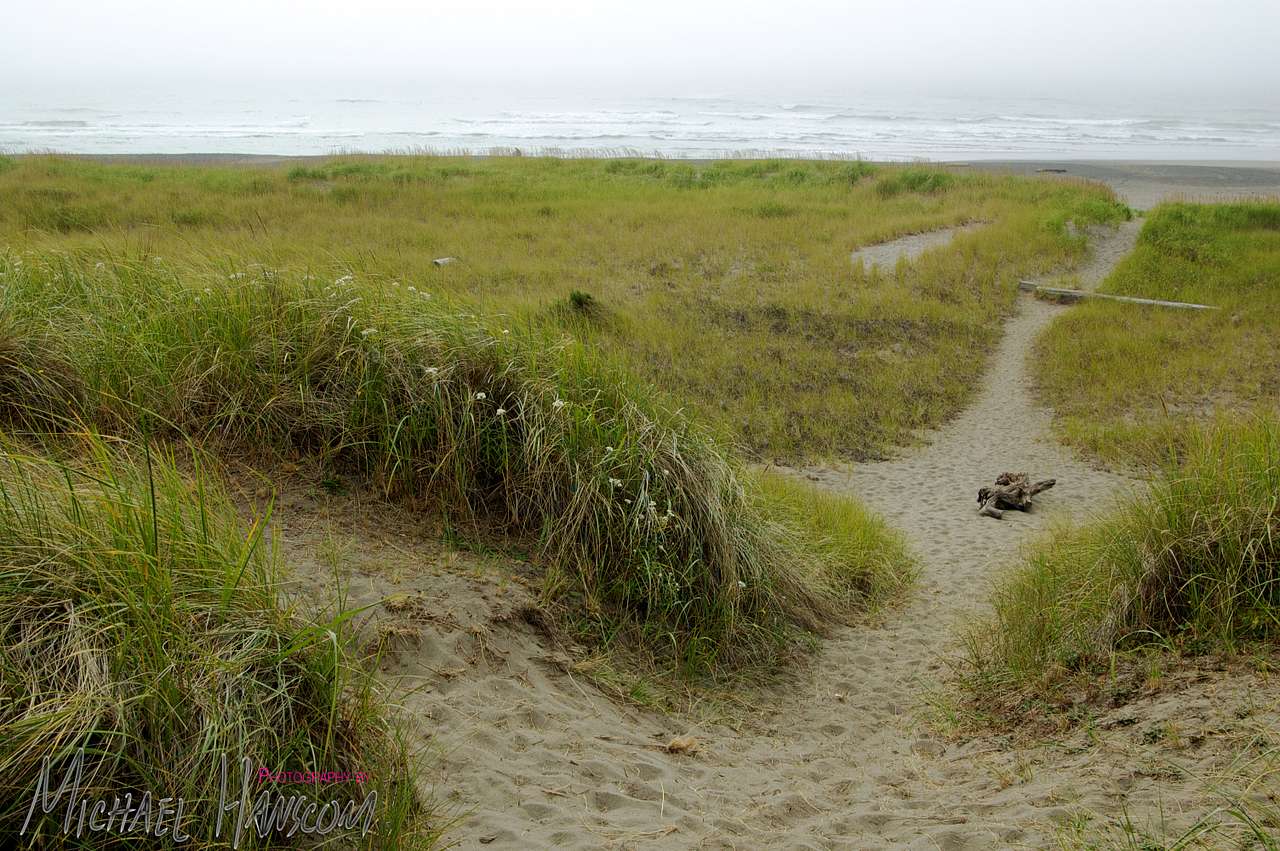
11. Twin Harbors State Park
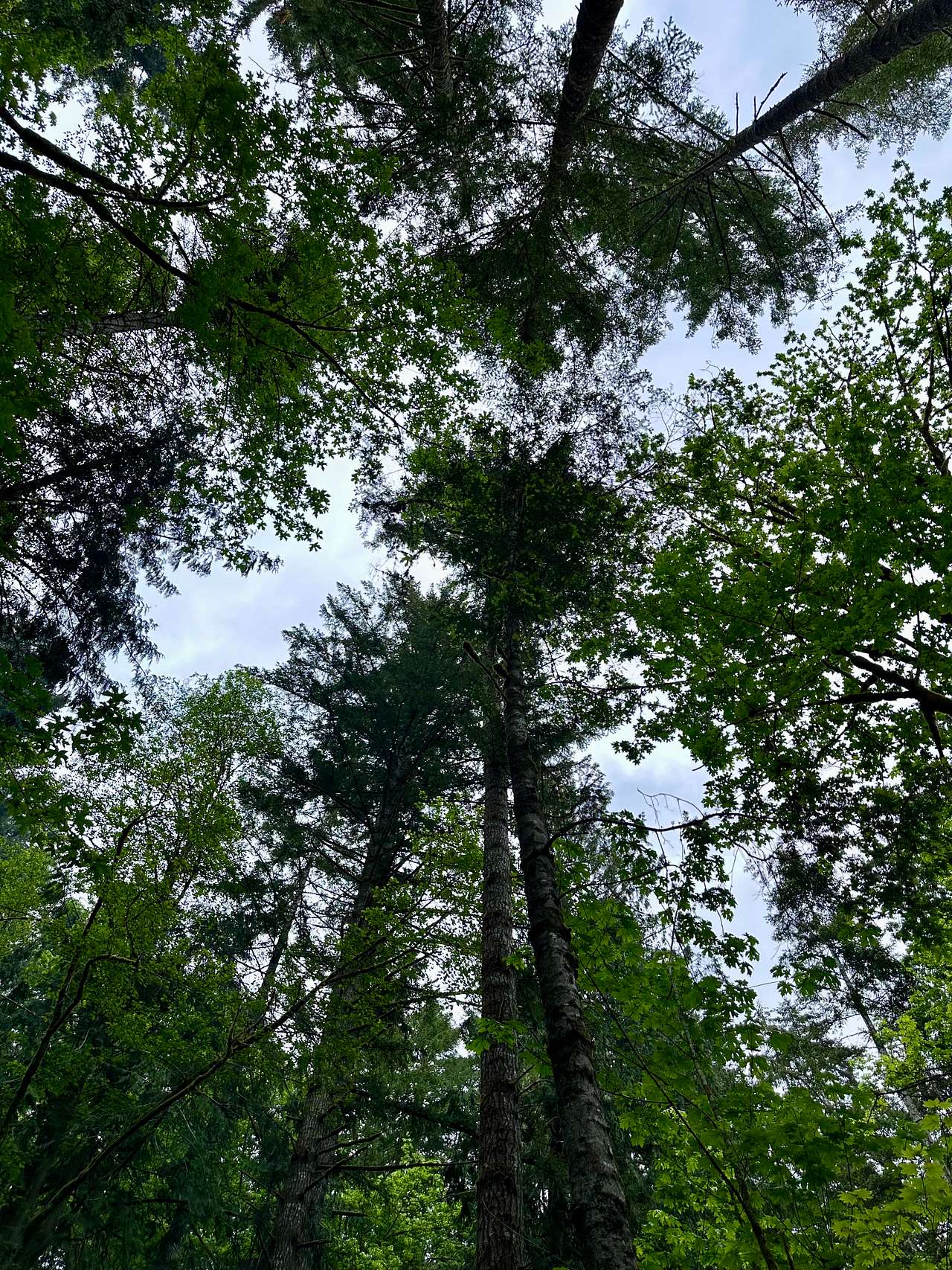
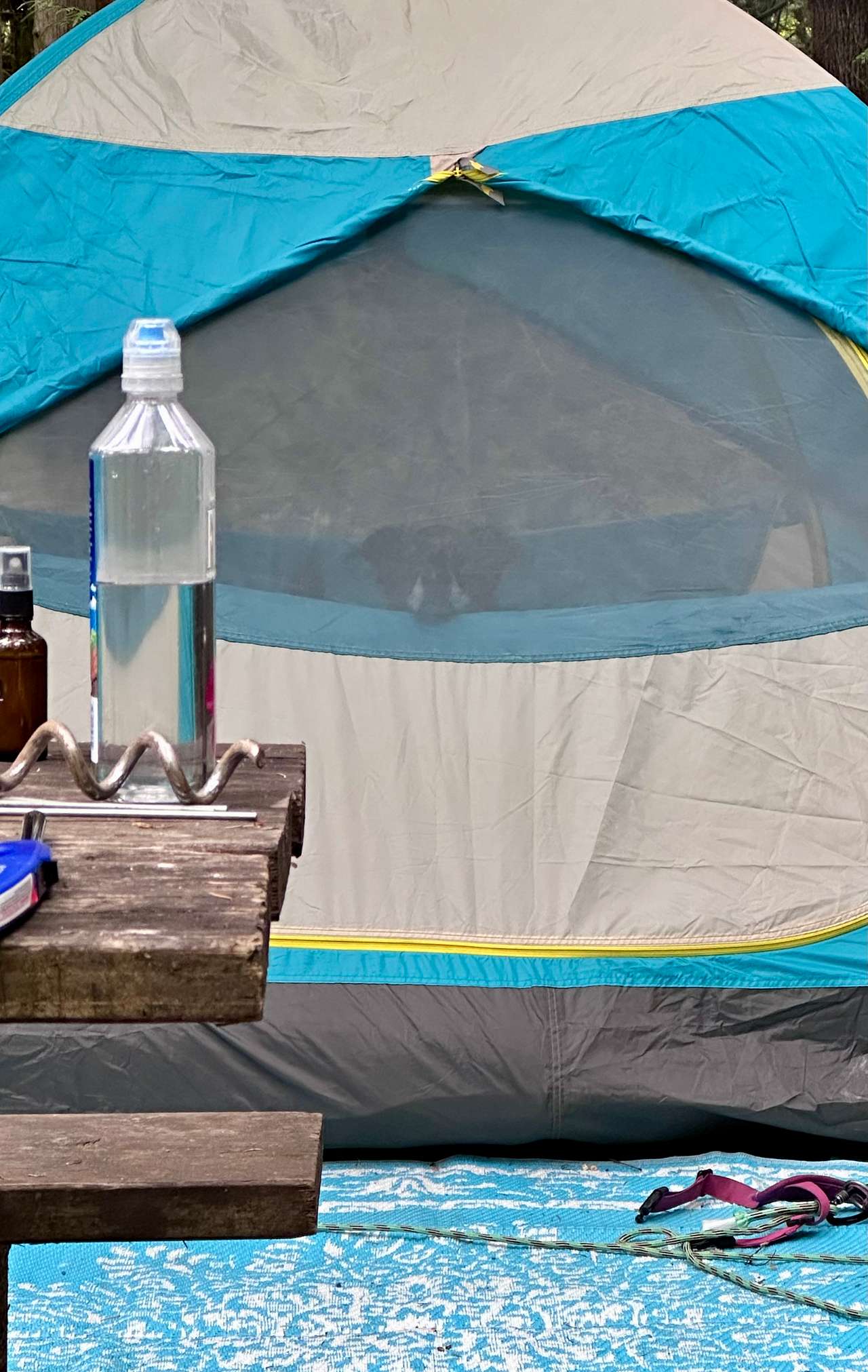
12. Rainbow Falls State Park

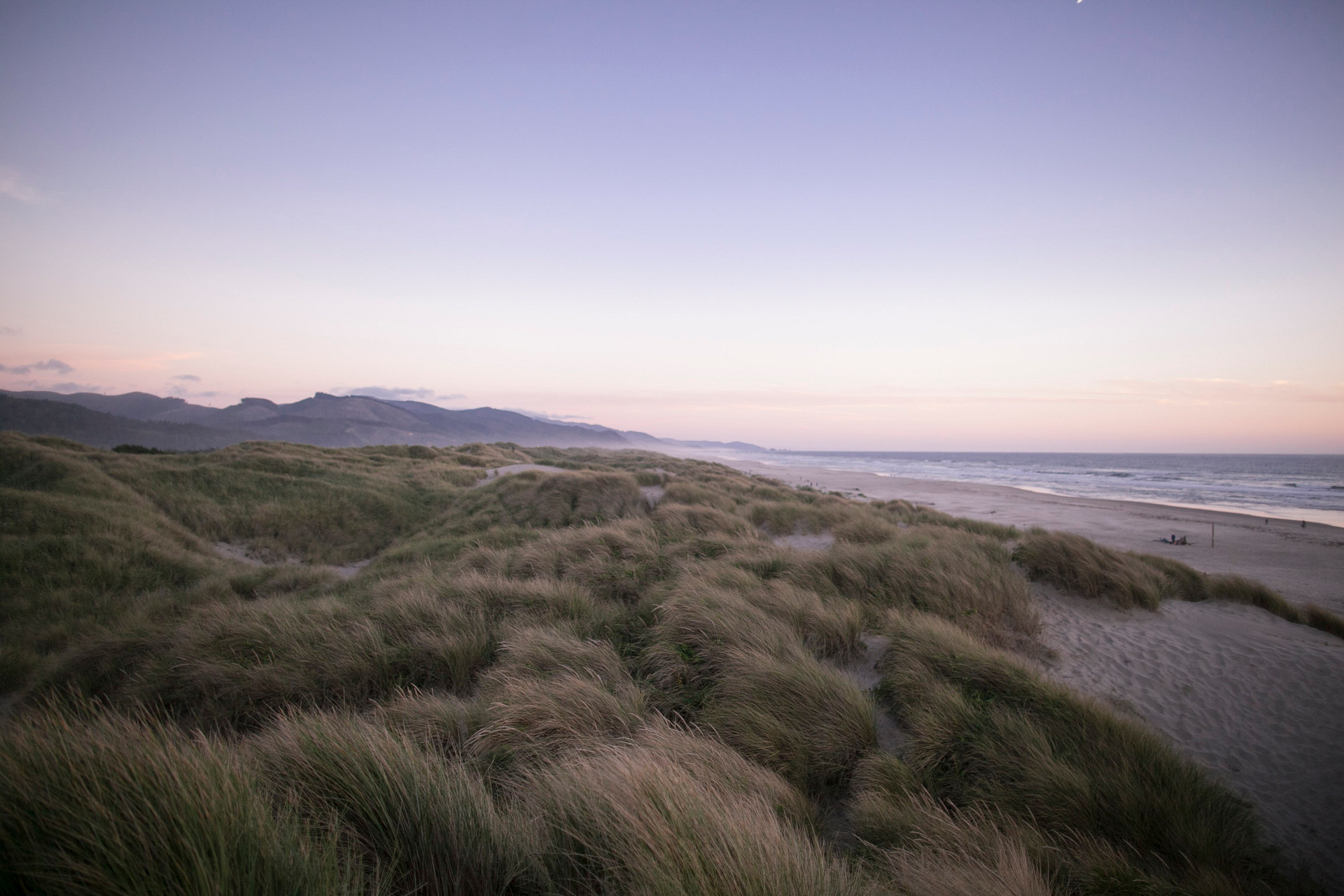
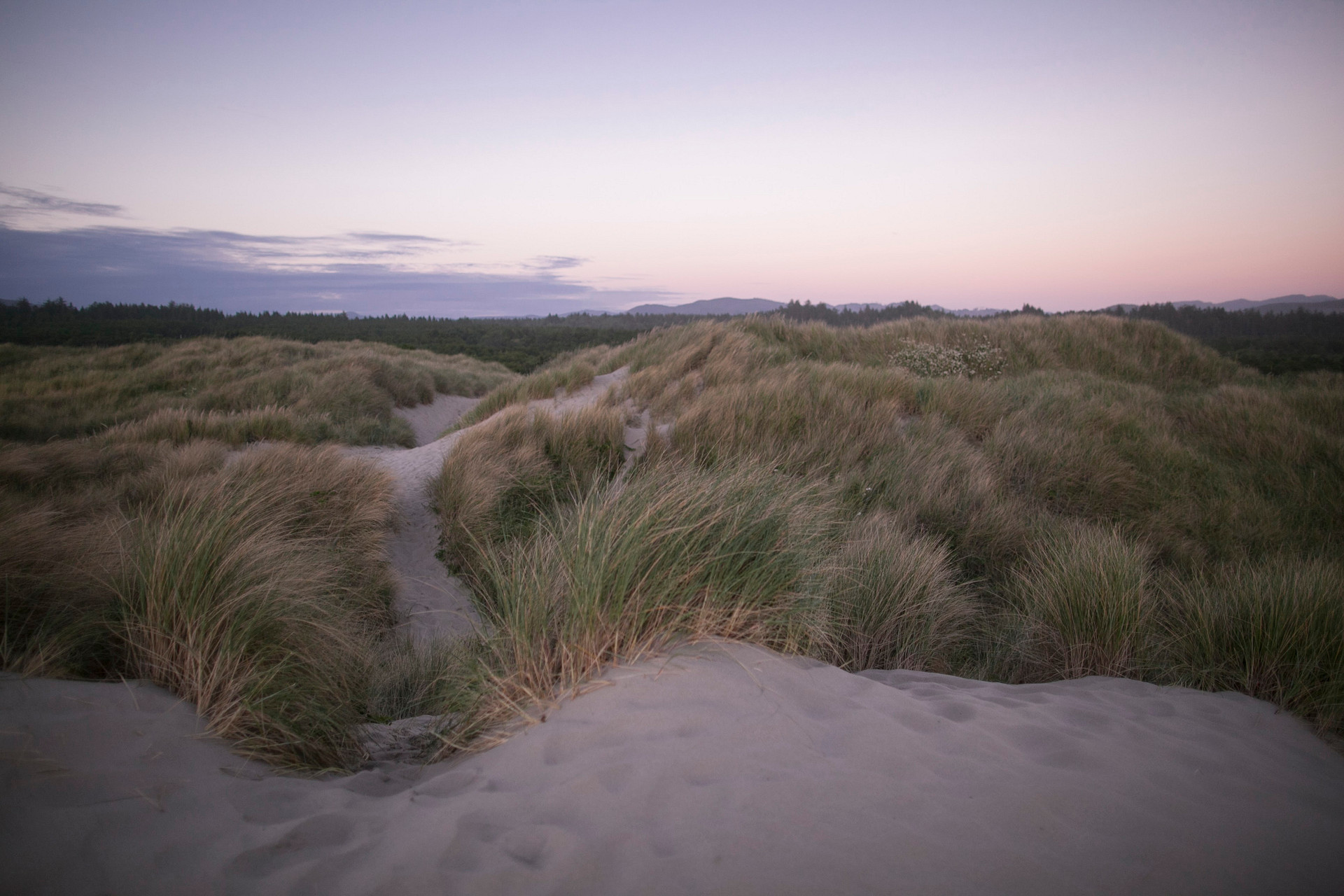
13. Nehalem Bay State Park
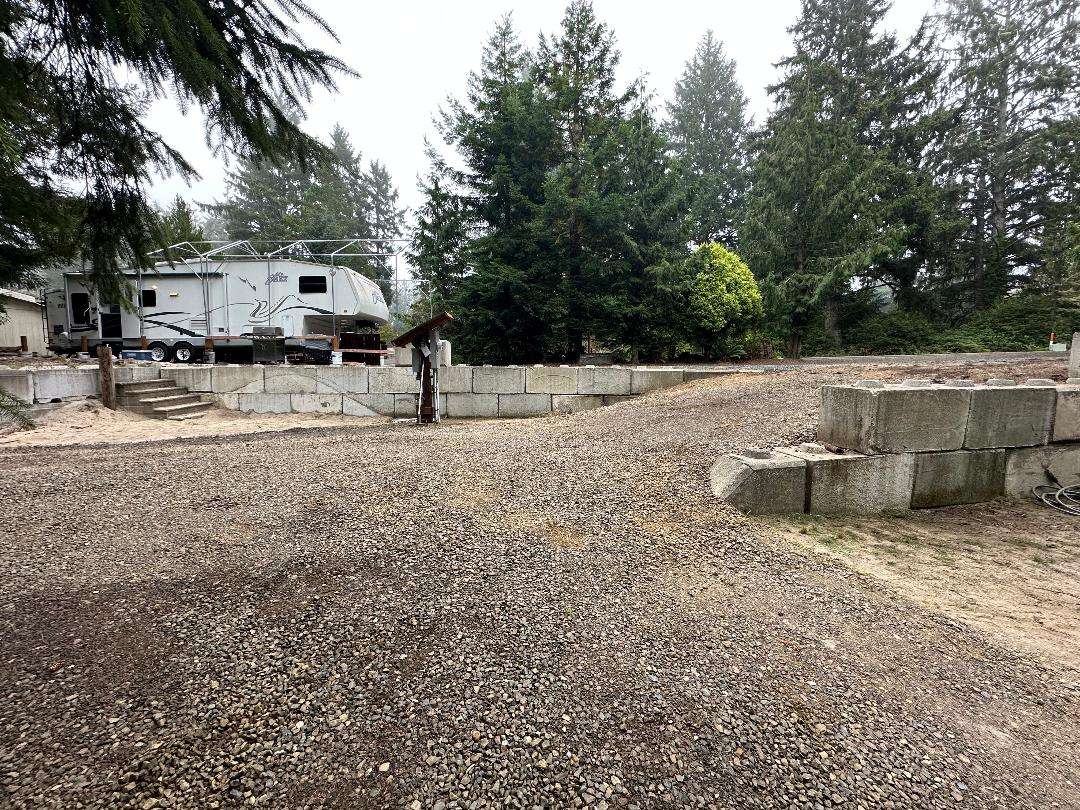
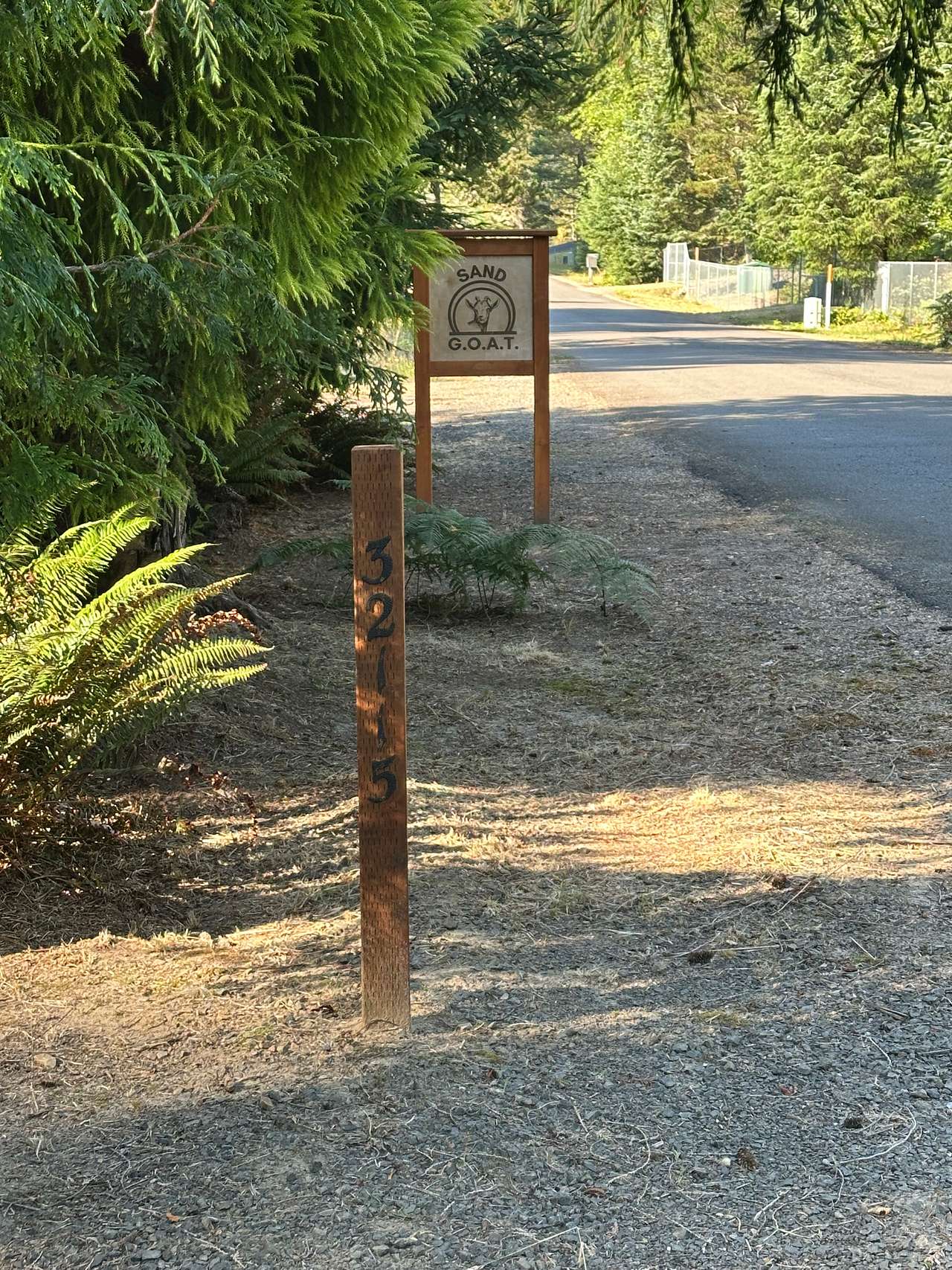
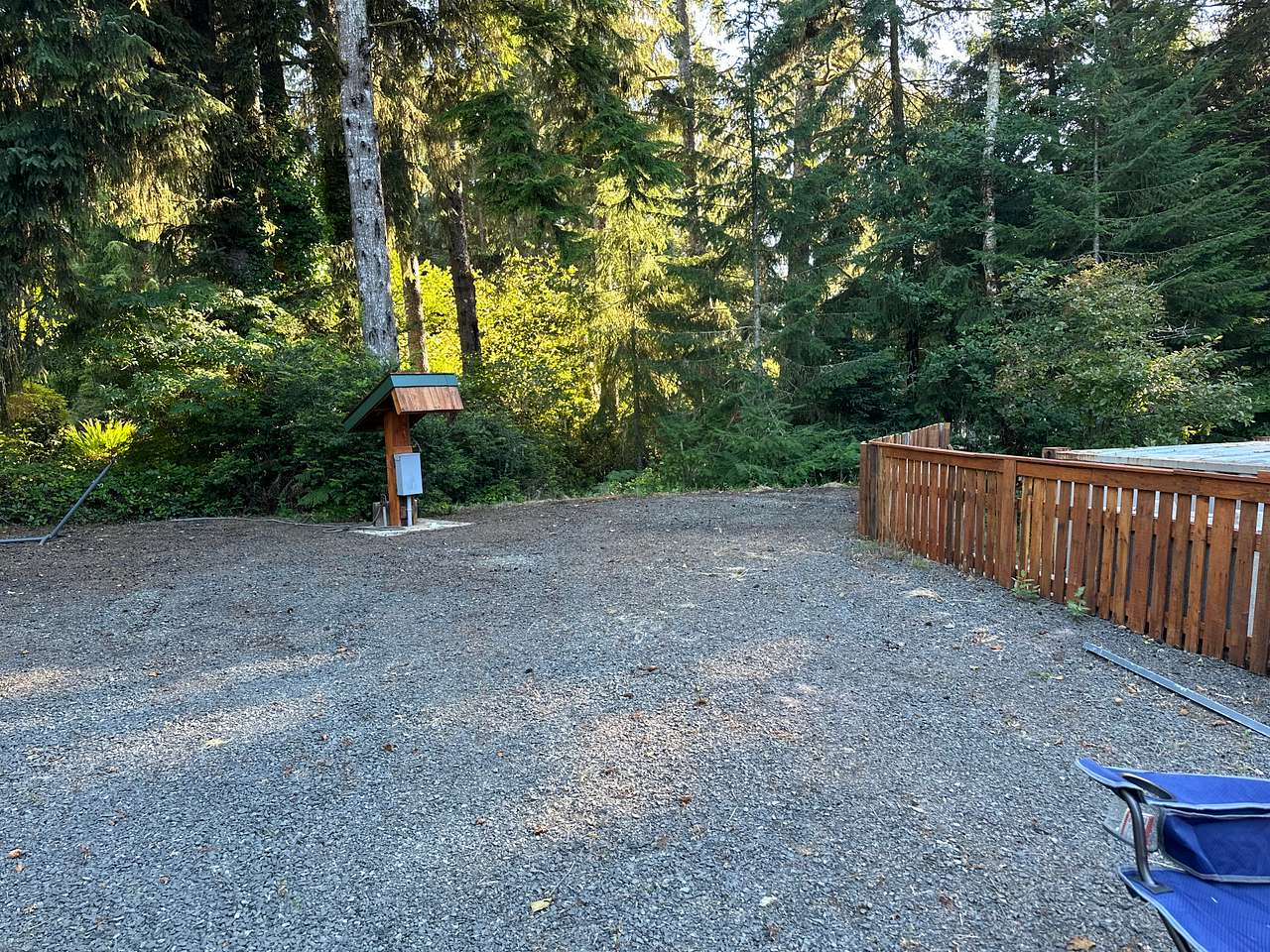
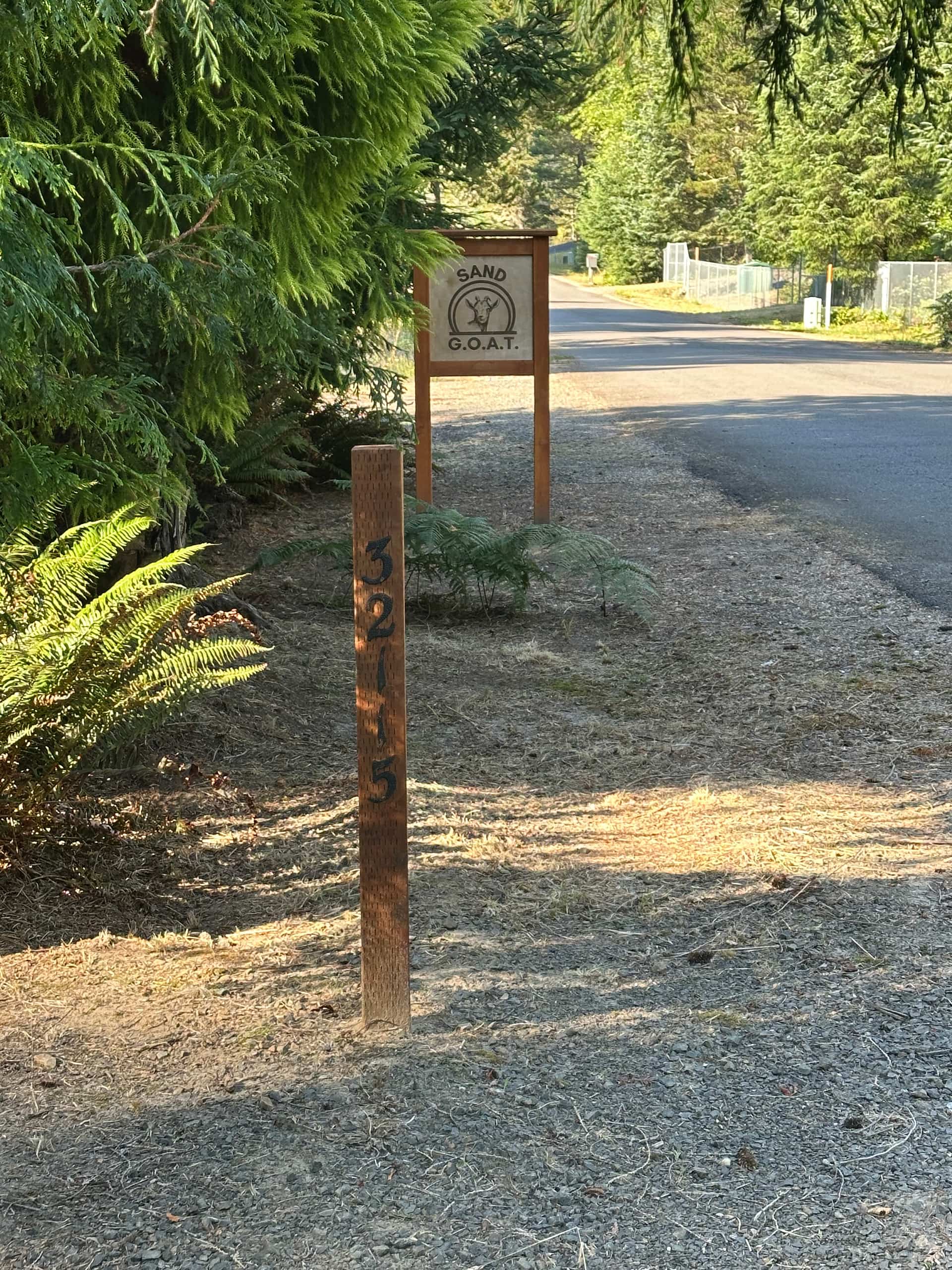
14. The Sand G.O.A.T.
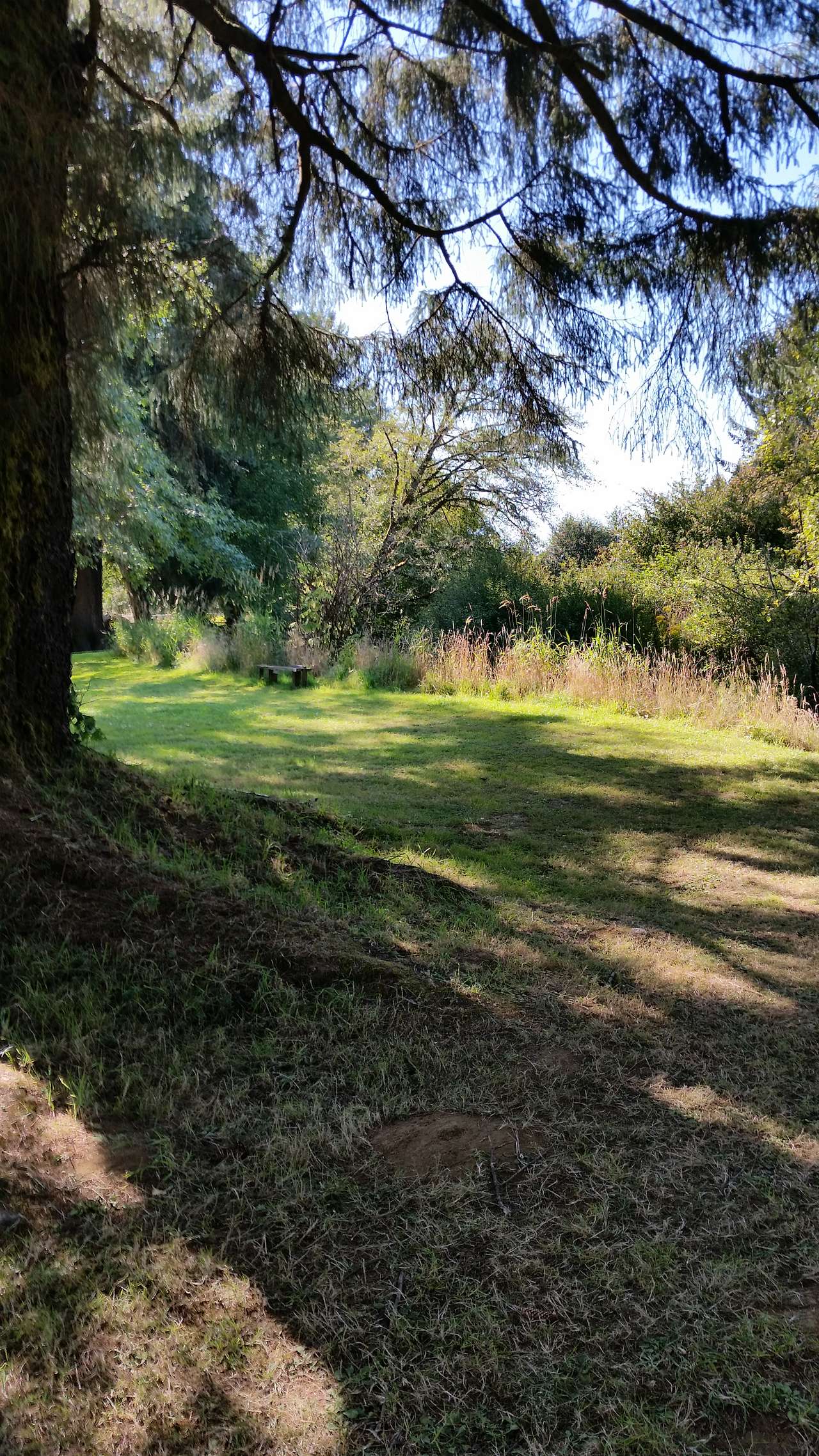
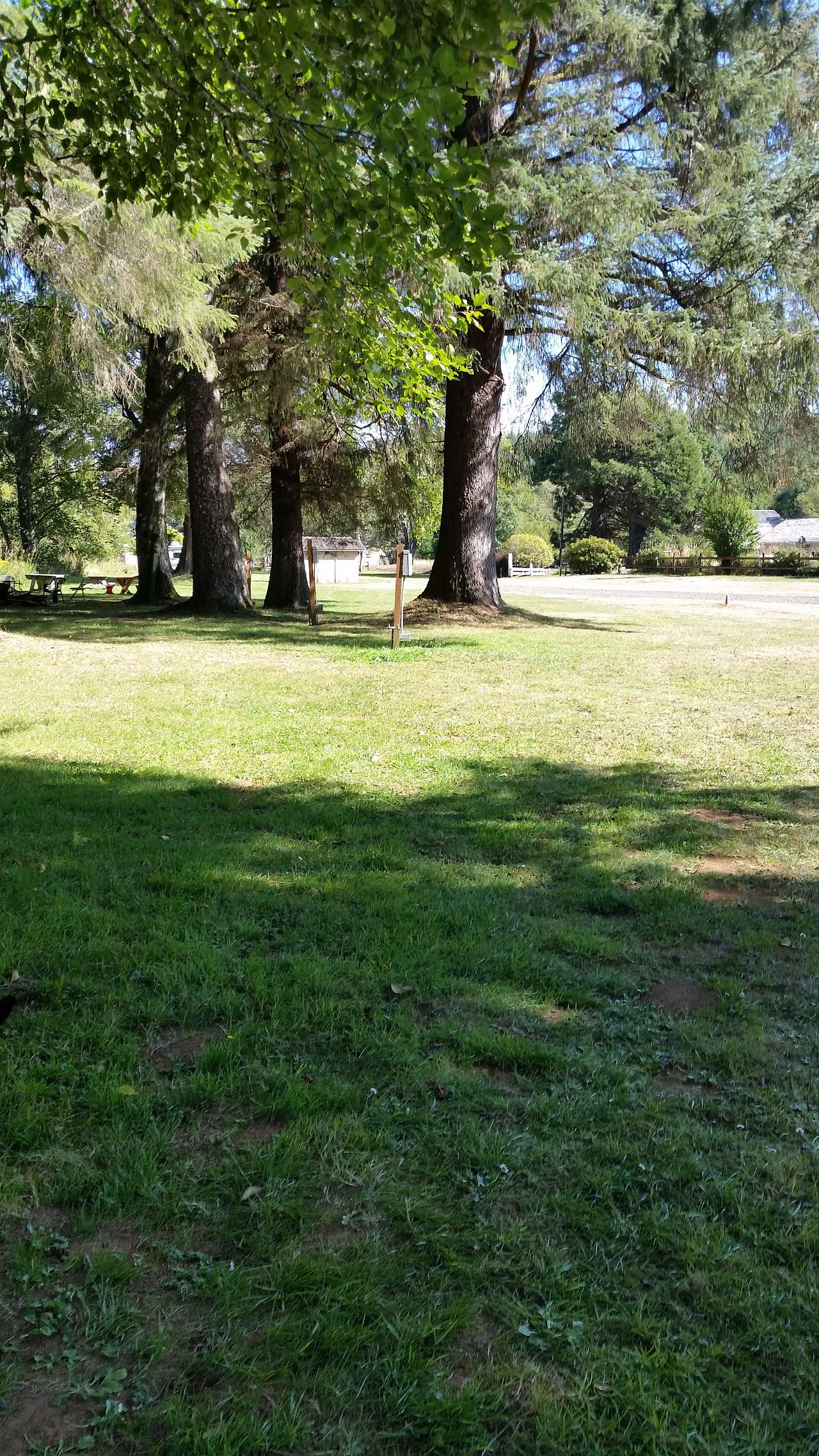
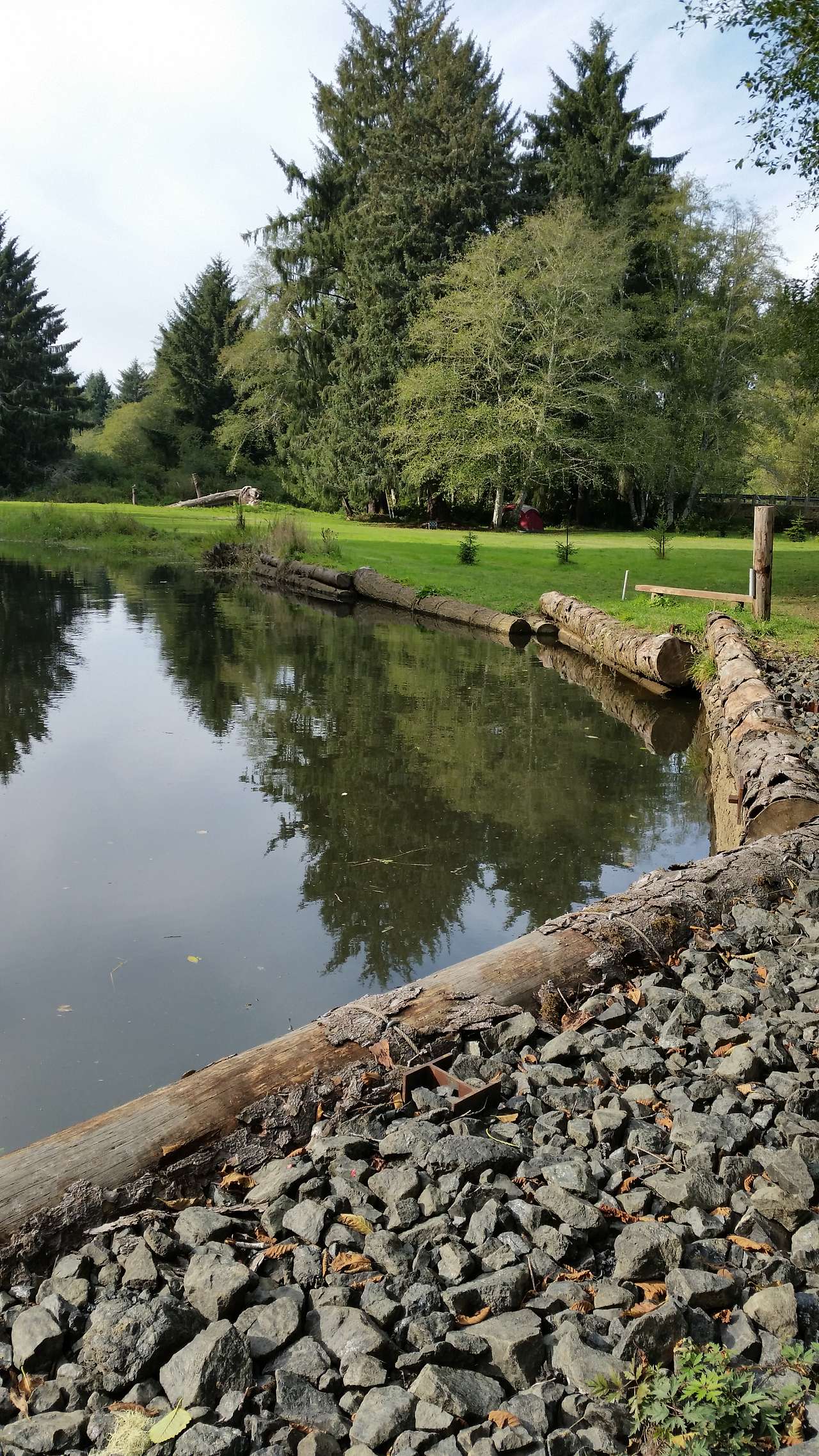
15. Williams Park campground
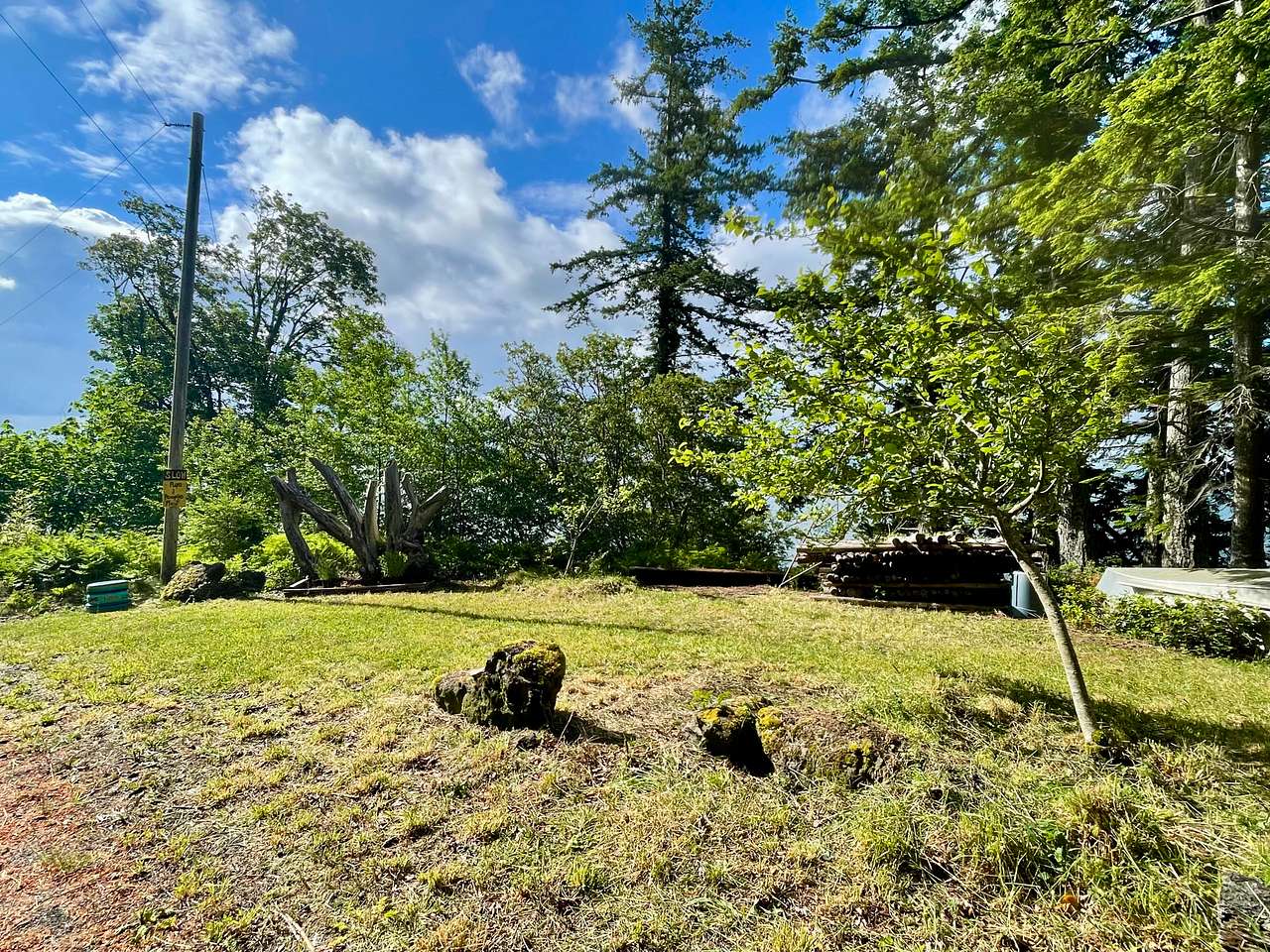
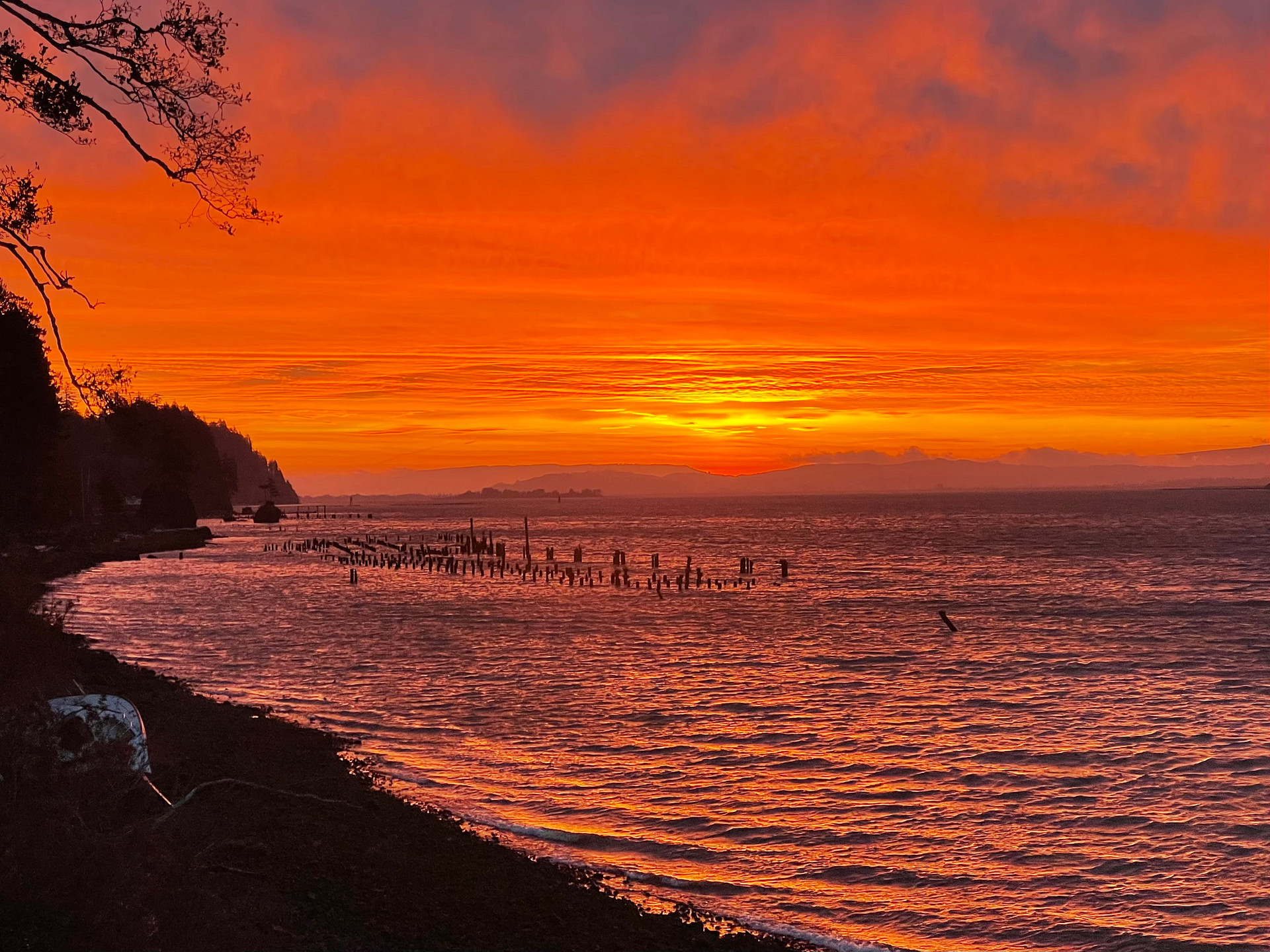
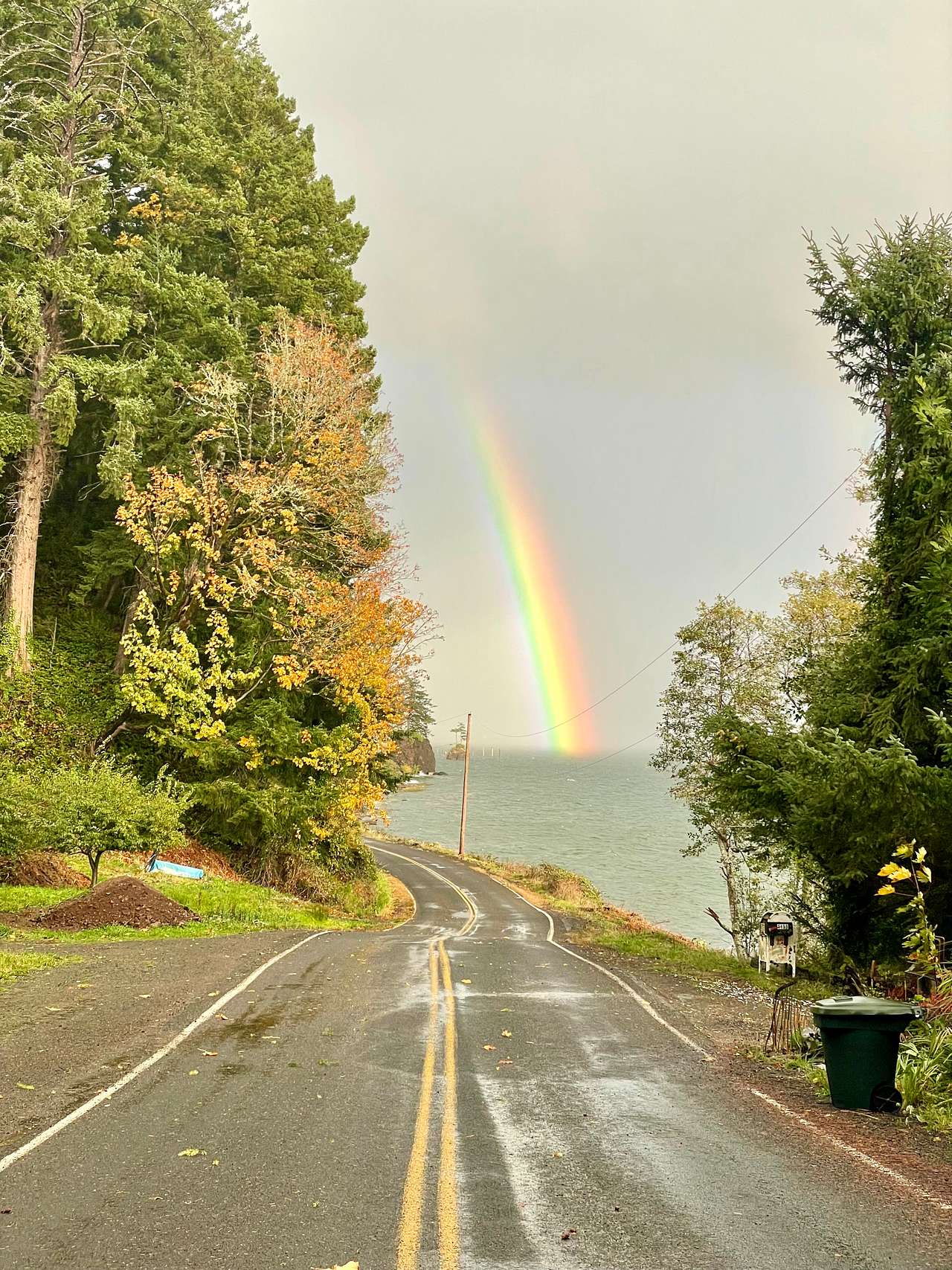
16. Otter Cove
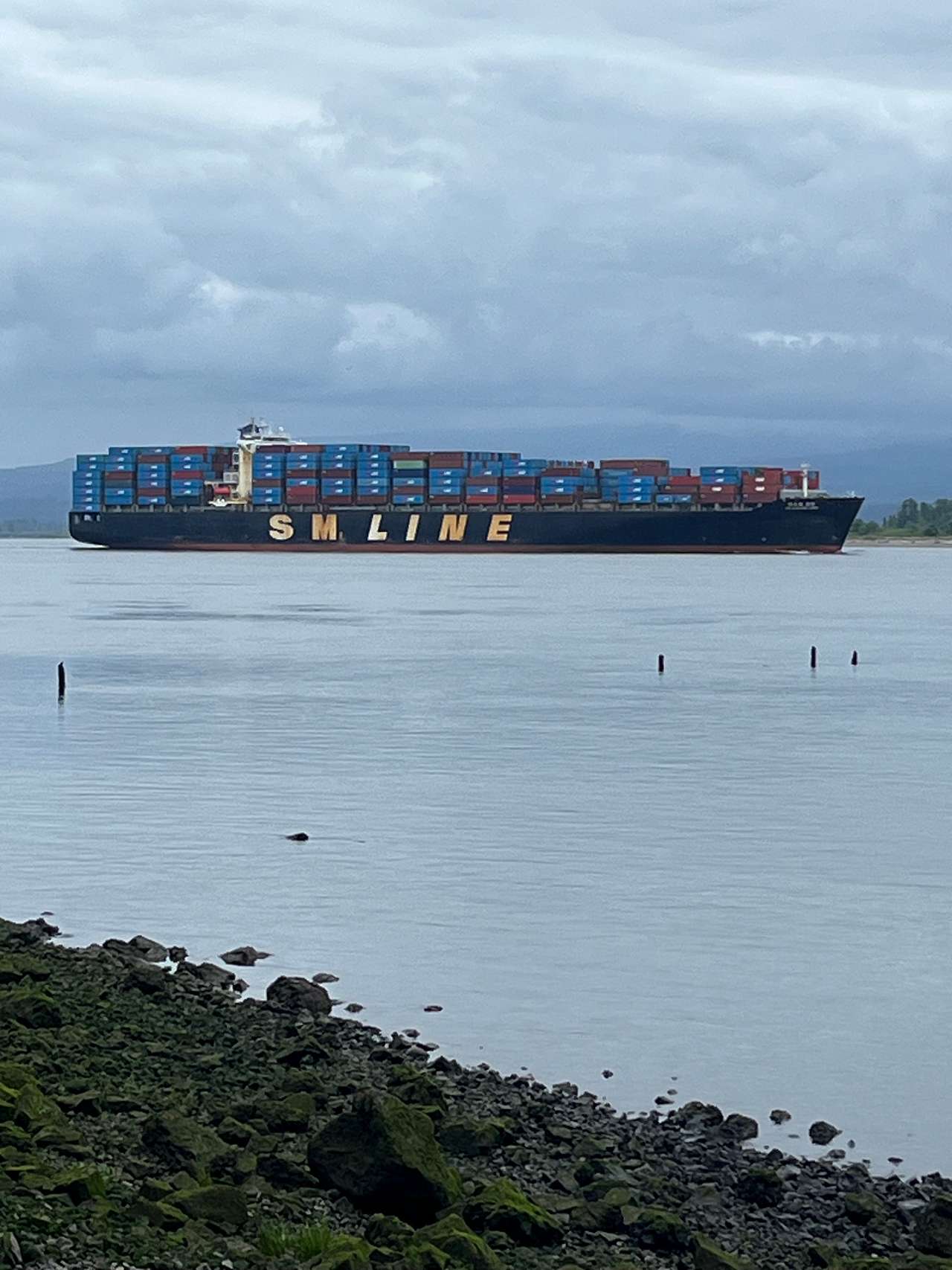
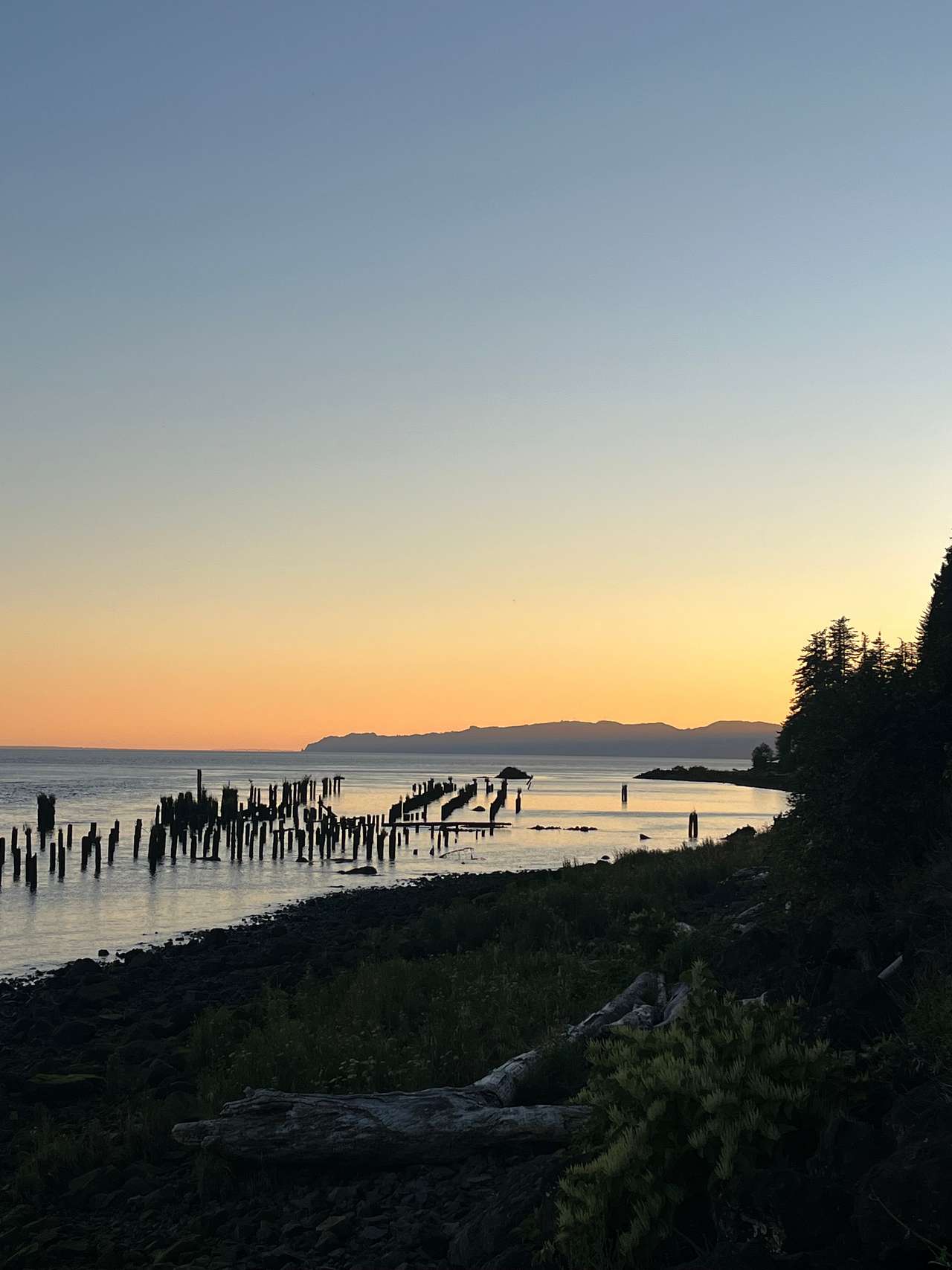
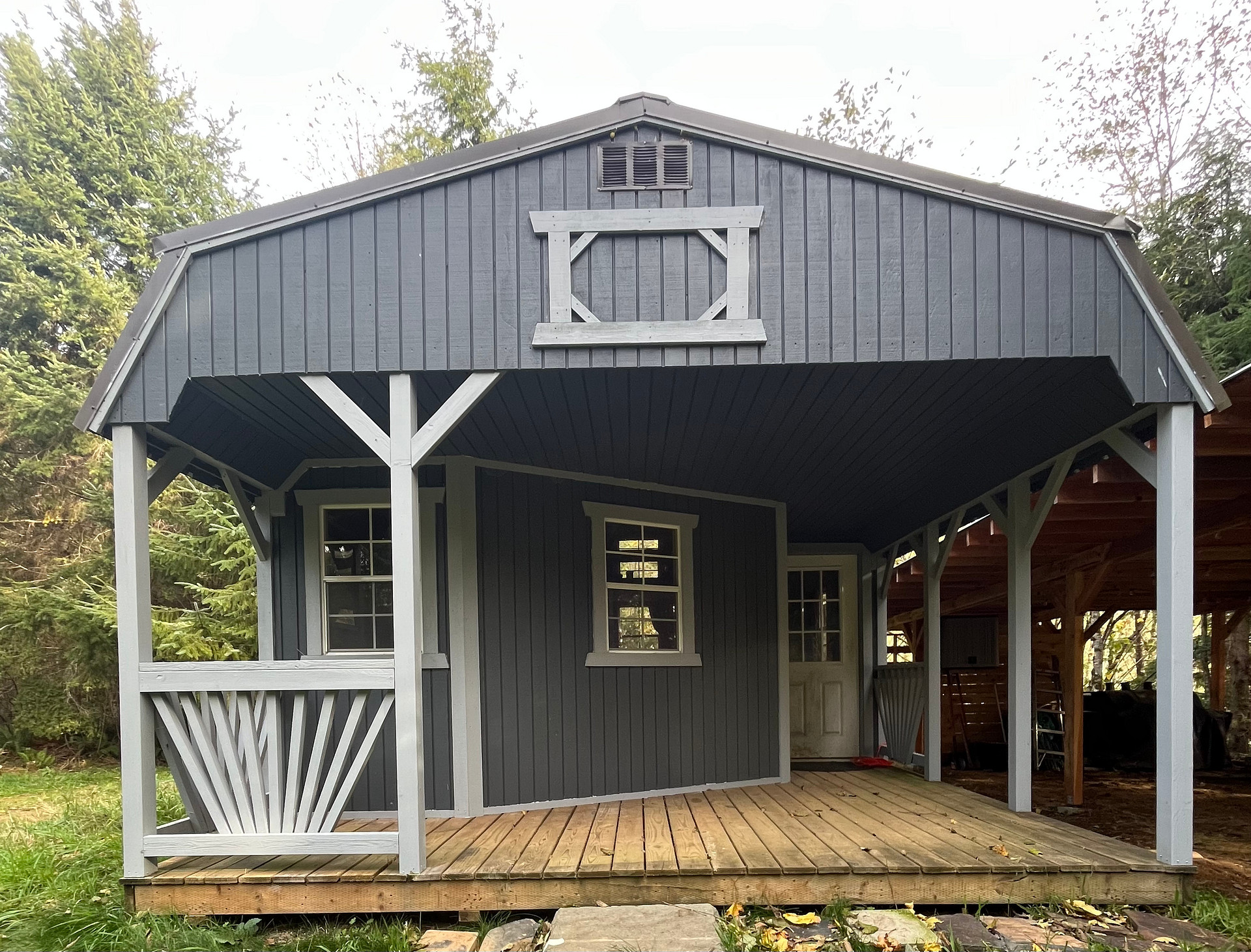
17. Hidden Pillar Retreat
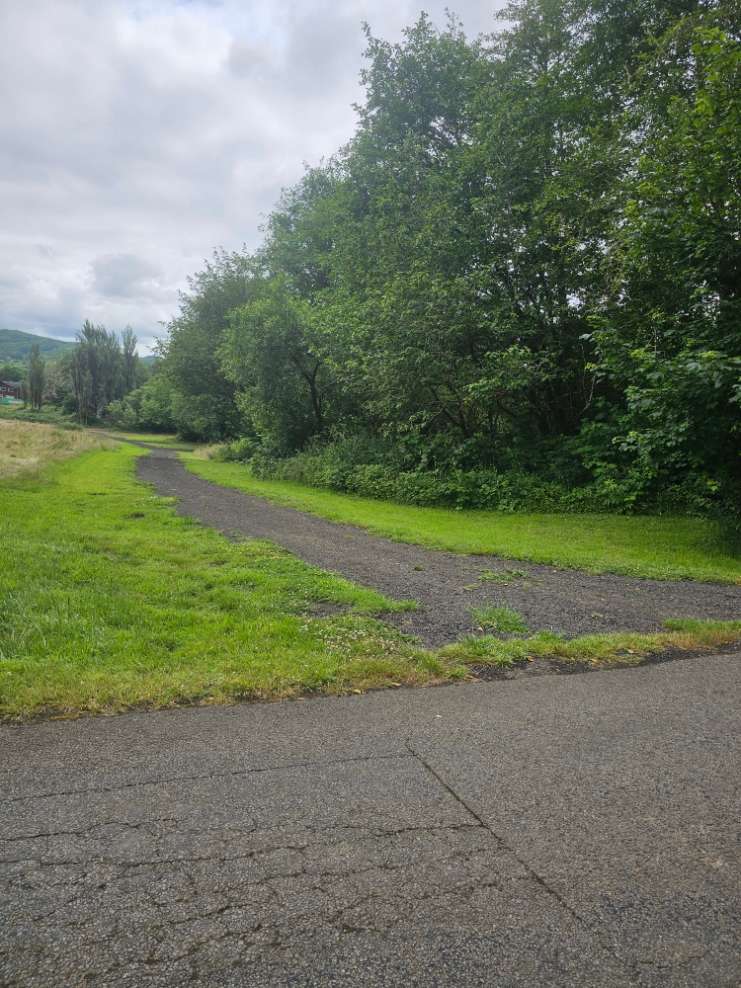
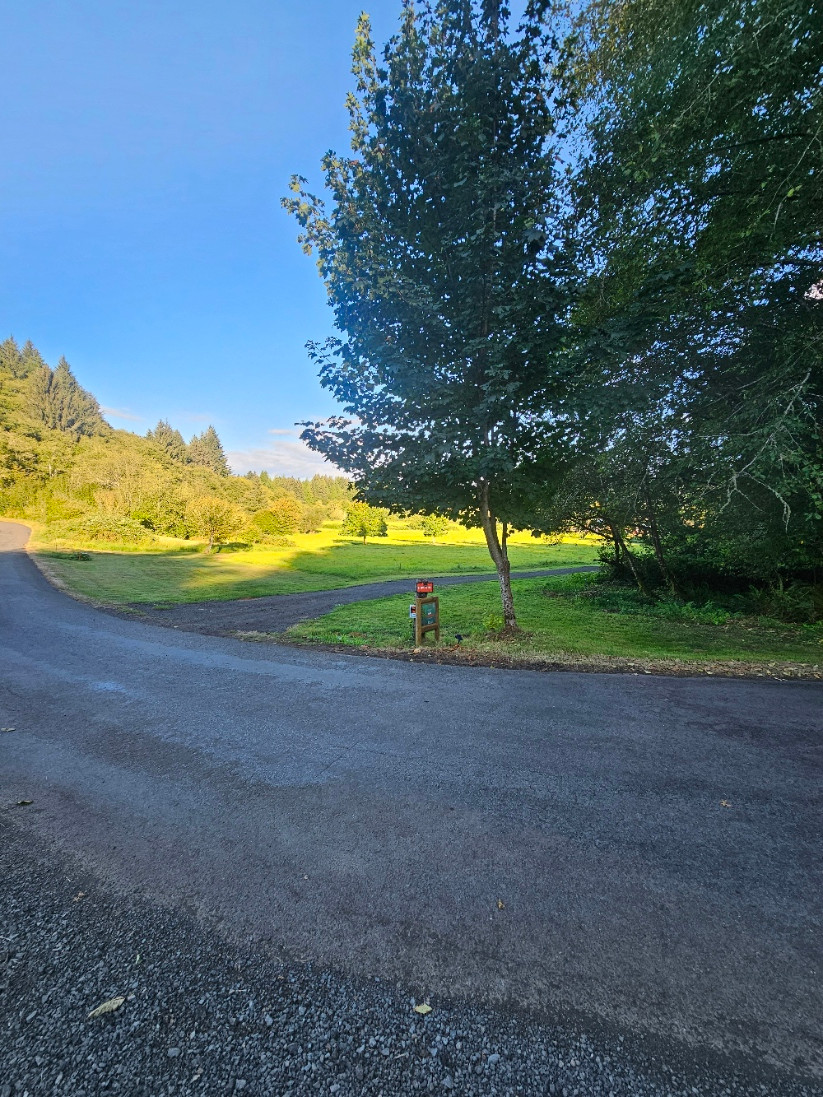
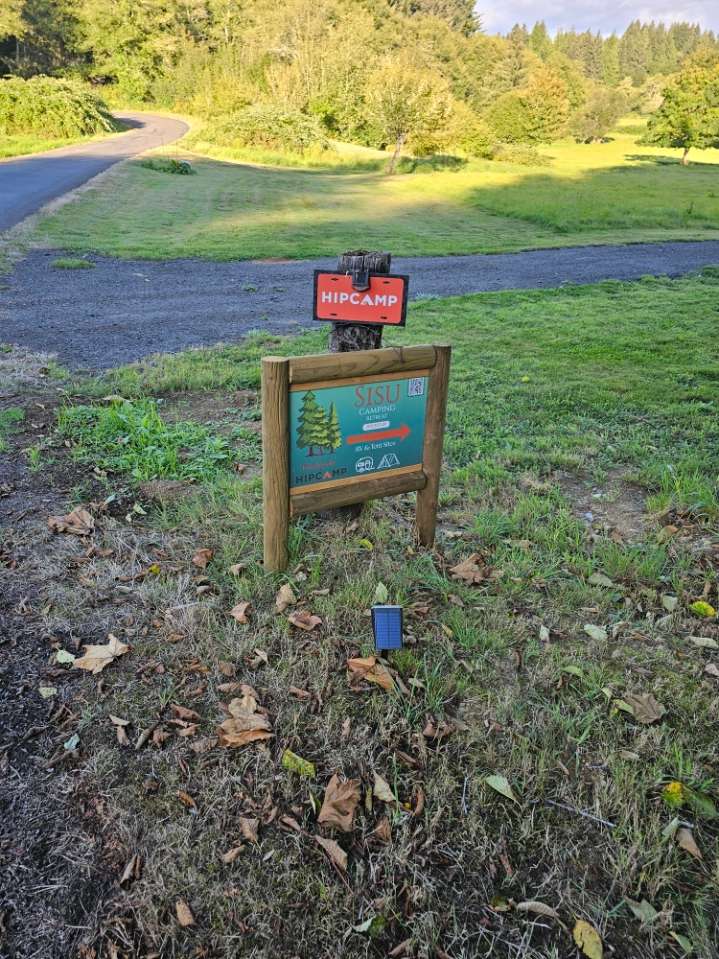
18. Sisu Camping Retreat
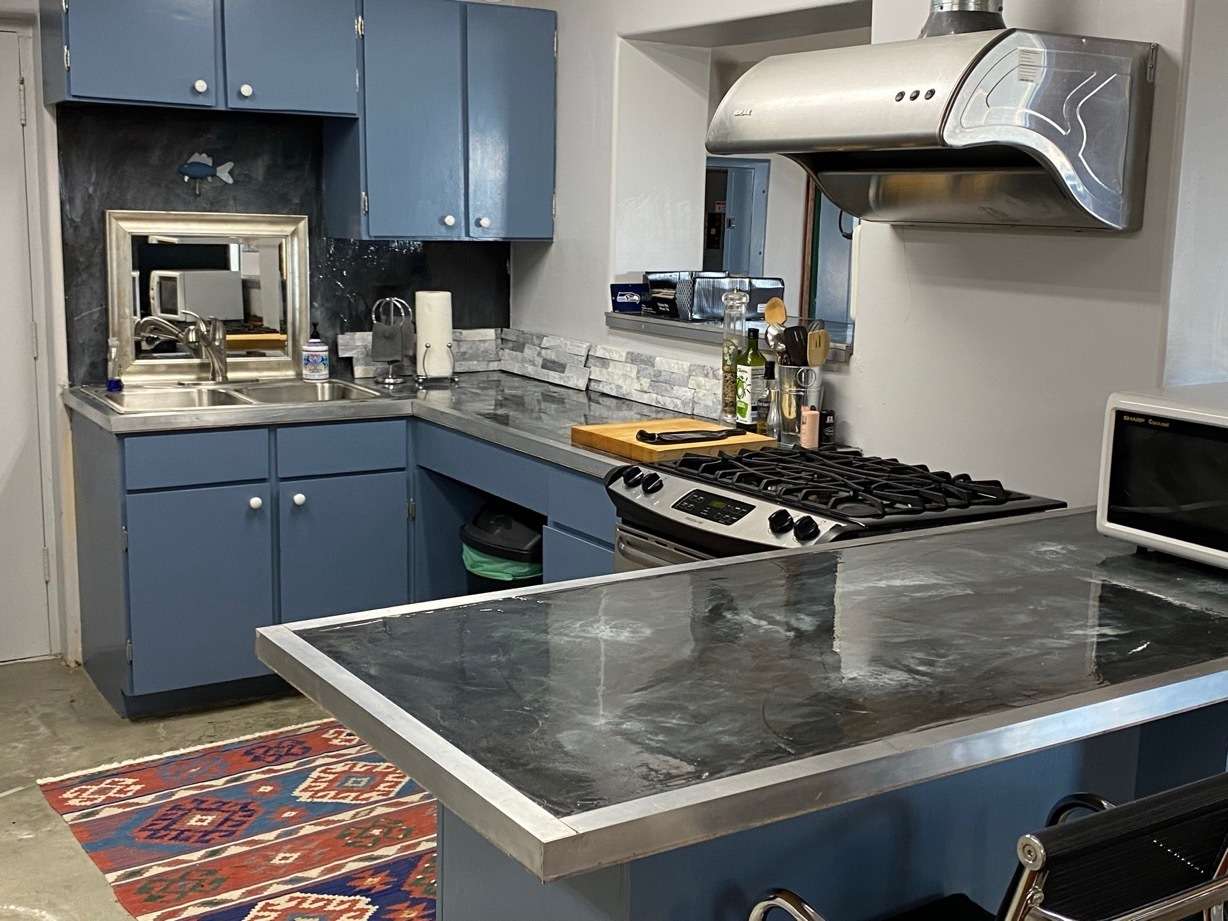
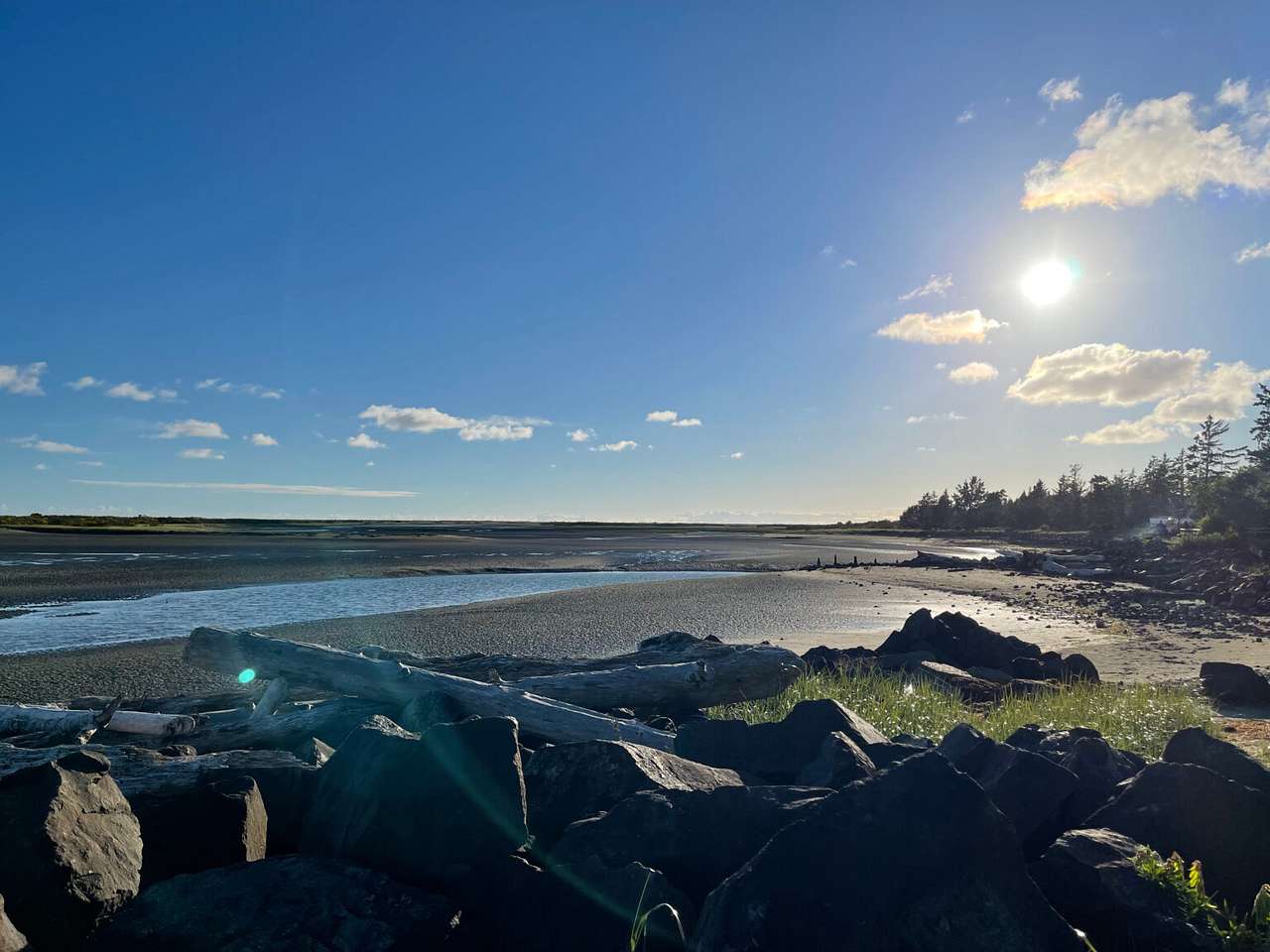
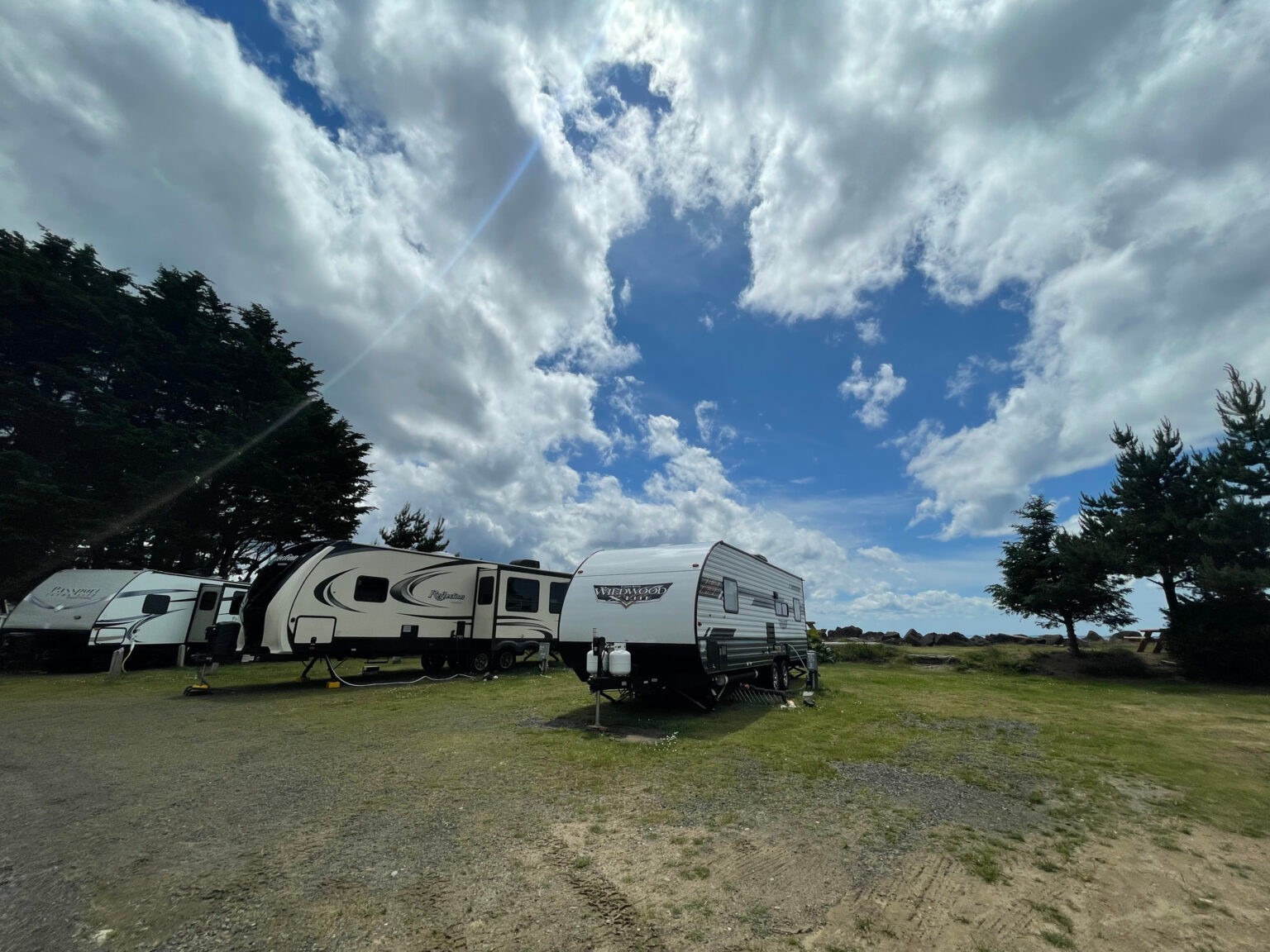
19. Bayshore RV Park & Guest Suites
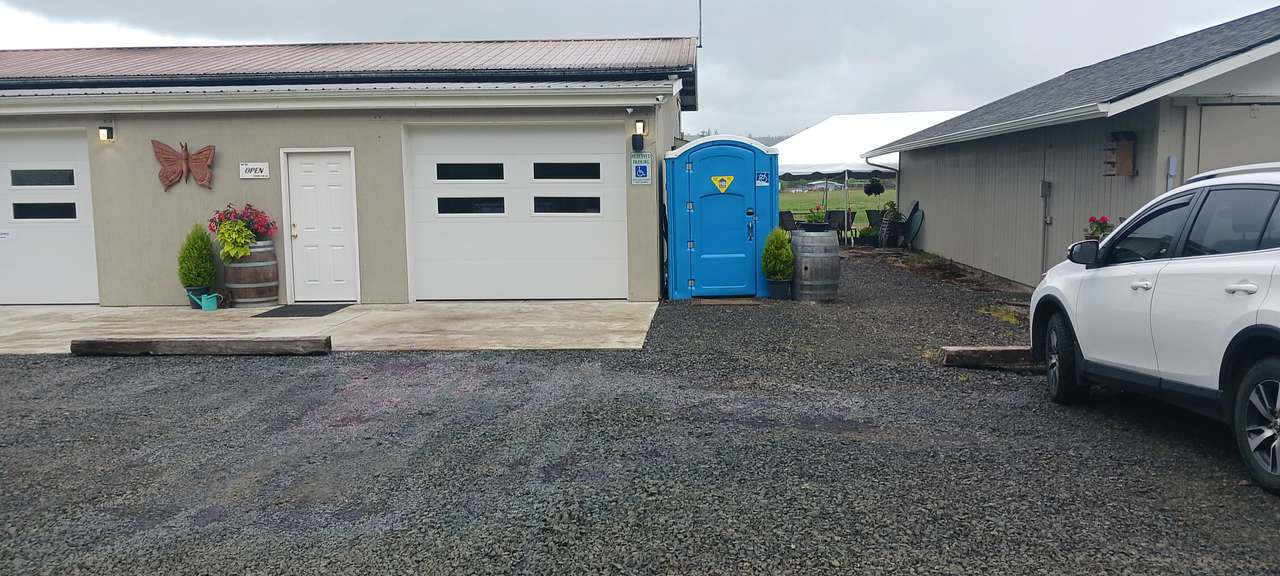
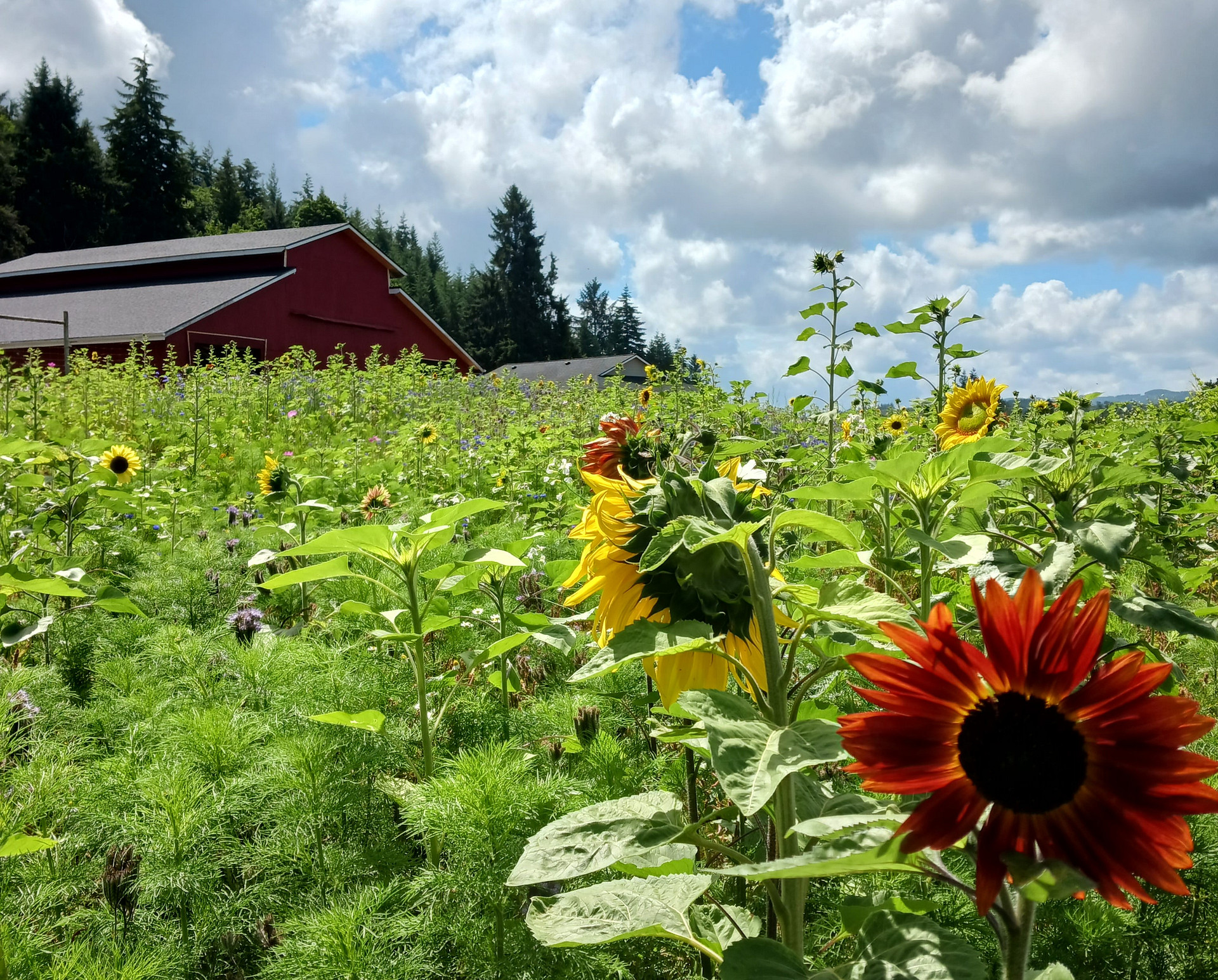

20. WooHoo Winery
Rhett's Ranch
The Sand G.O.A.T.
Williams Park campground
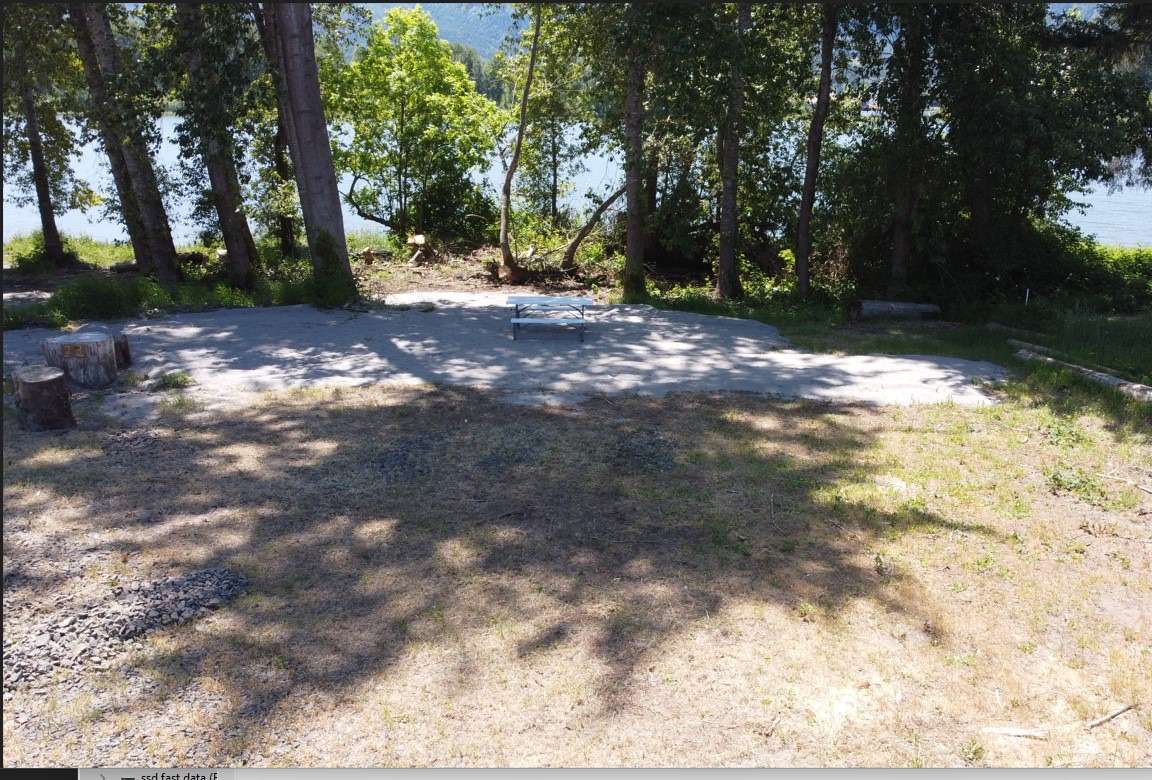
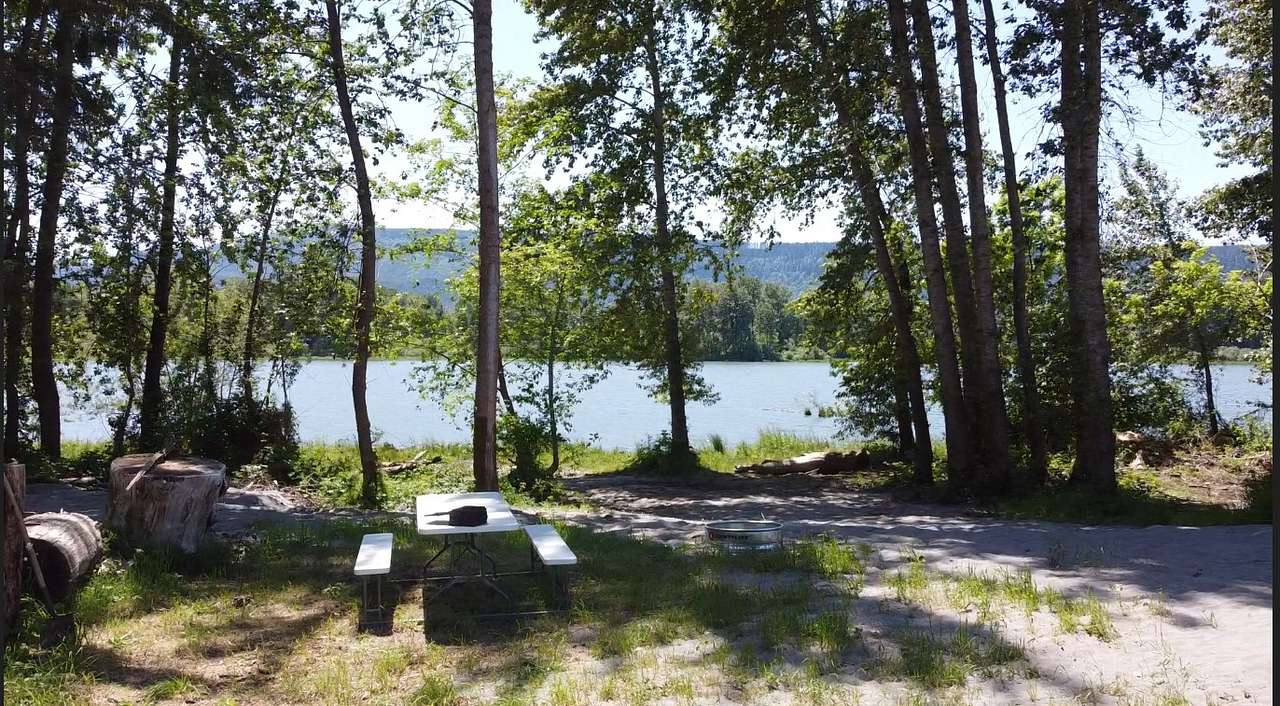
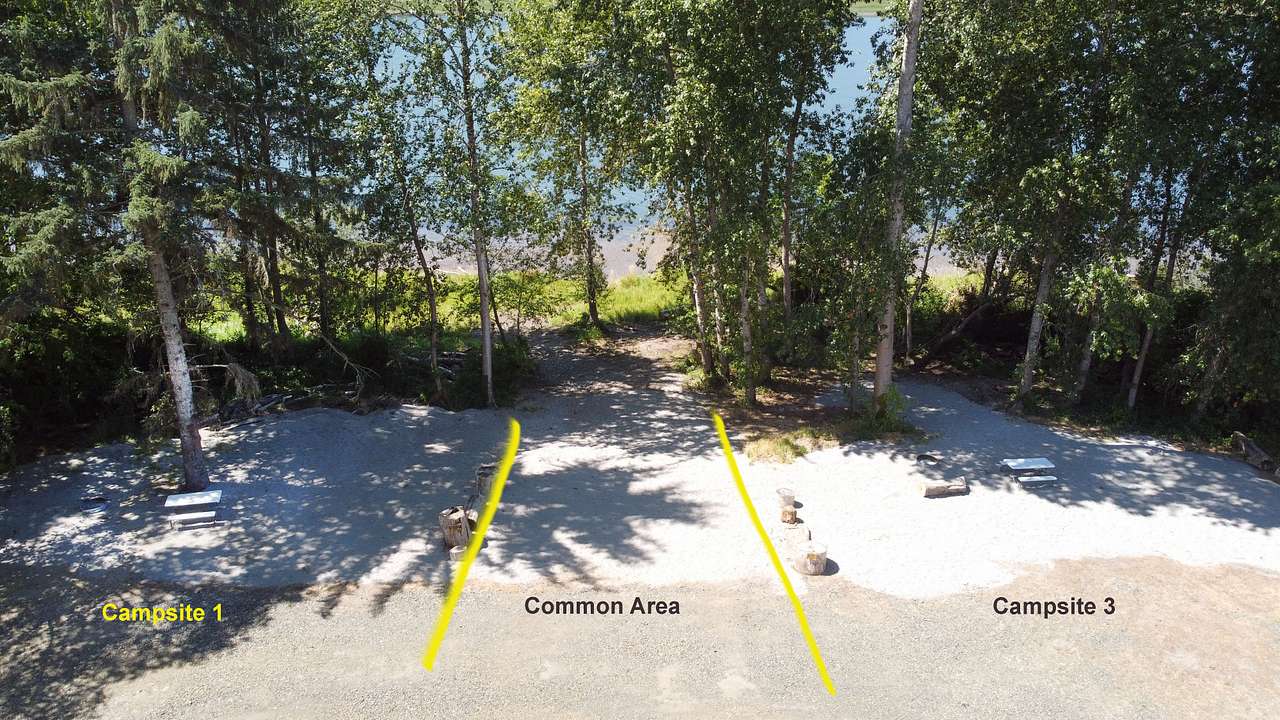
West Sunny Sands Beach Campsites
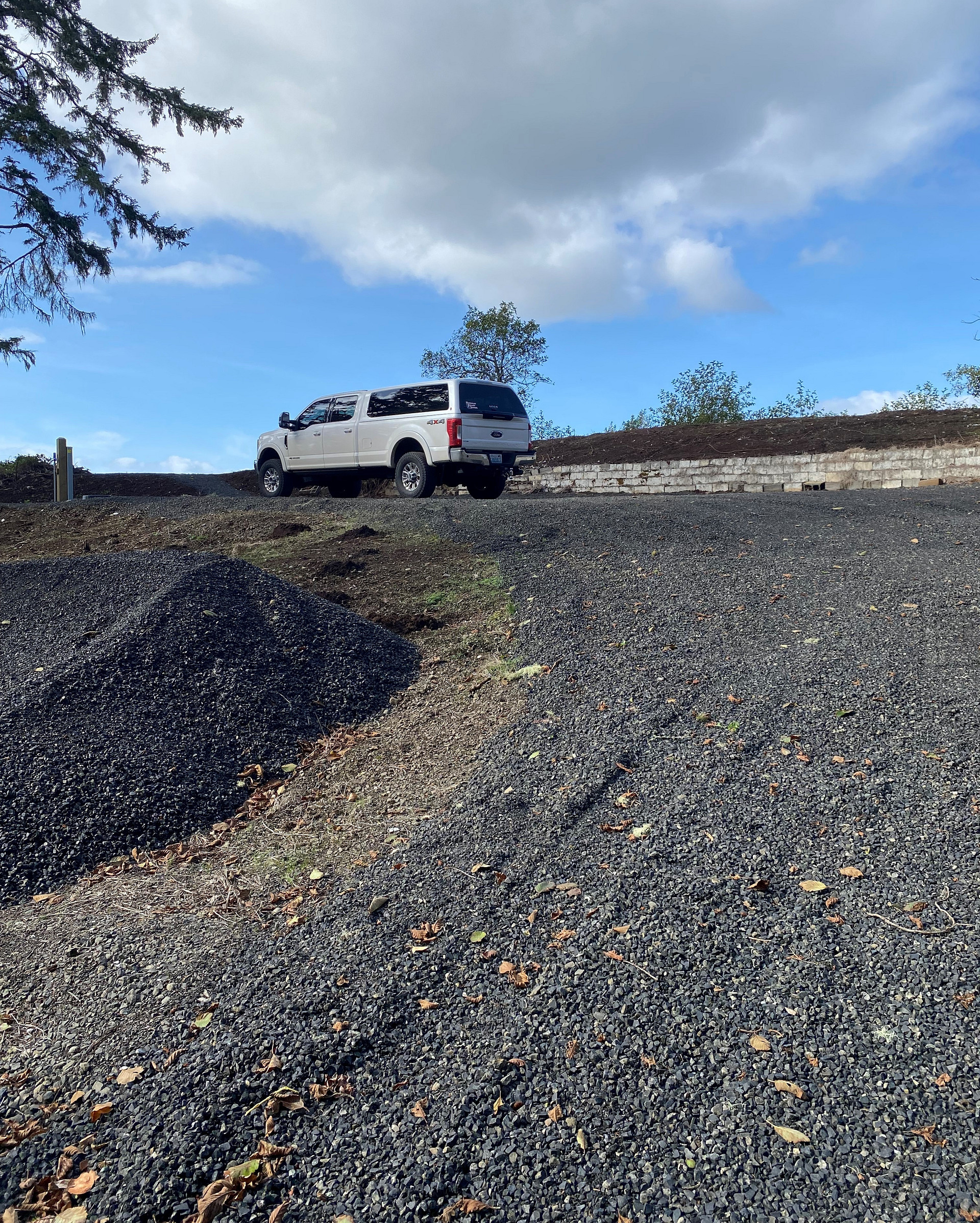
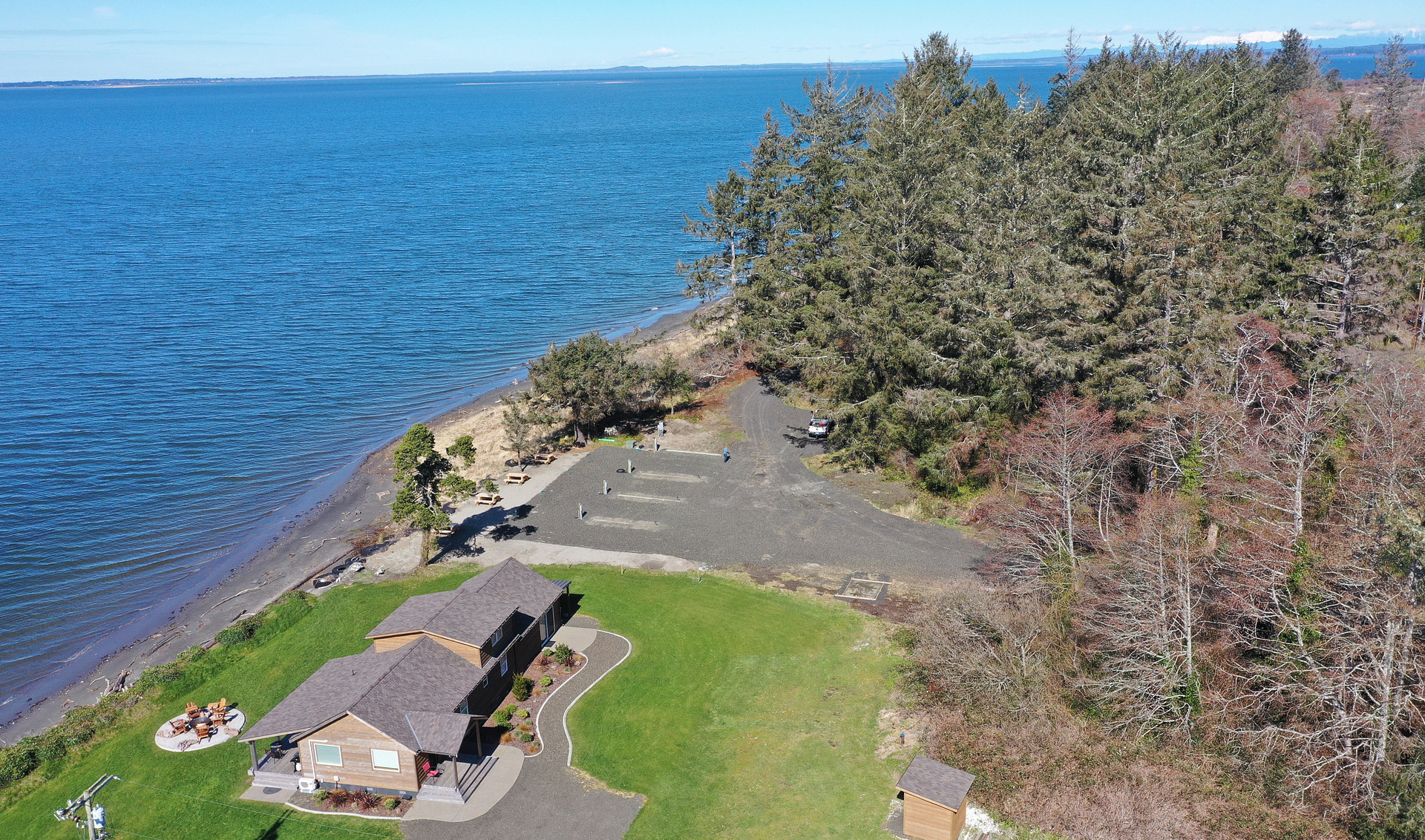
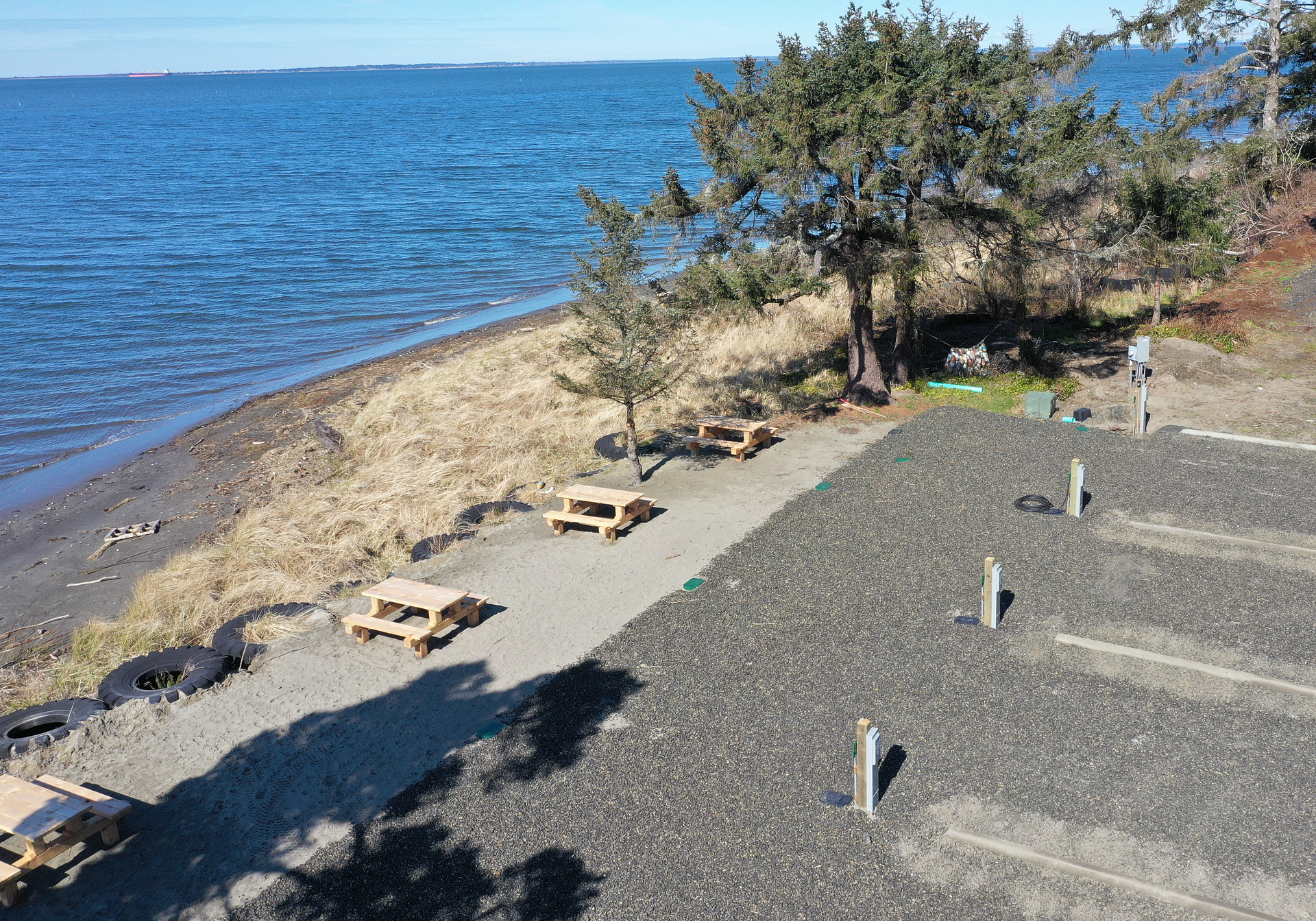
Unique Bay Front Camping - RV ONLY
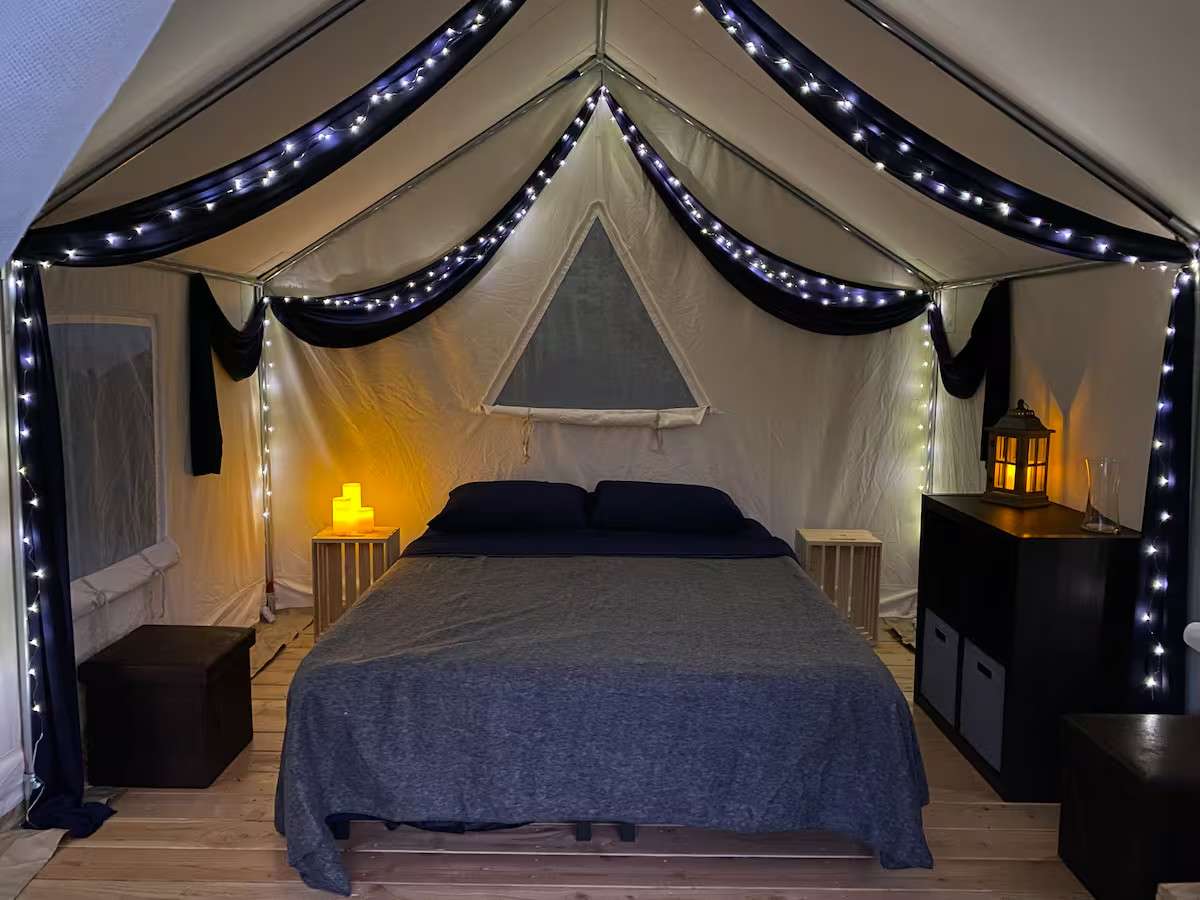
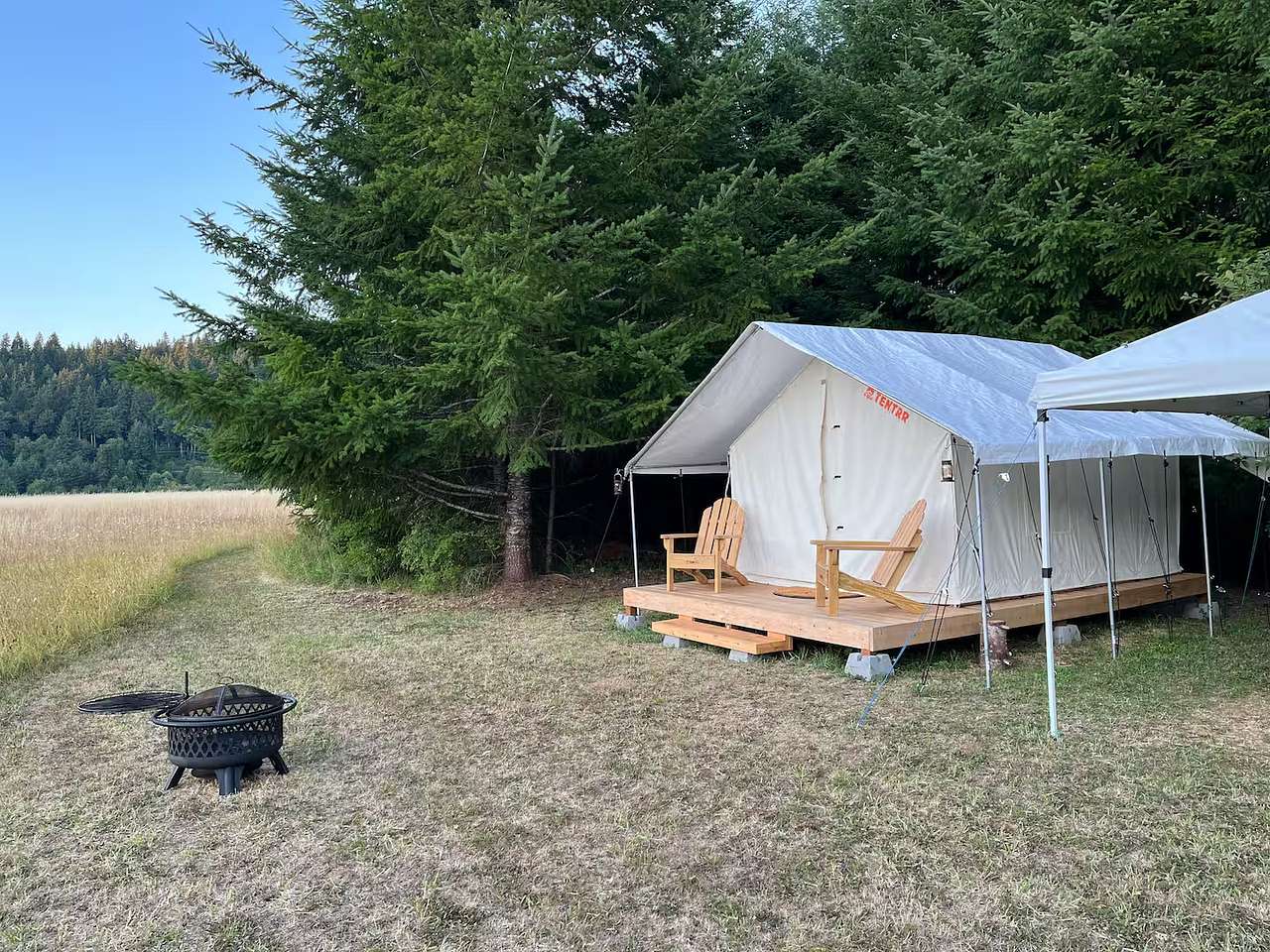
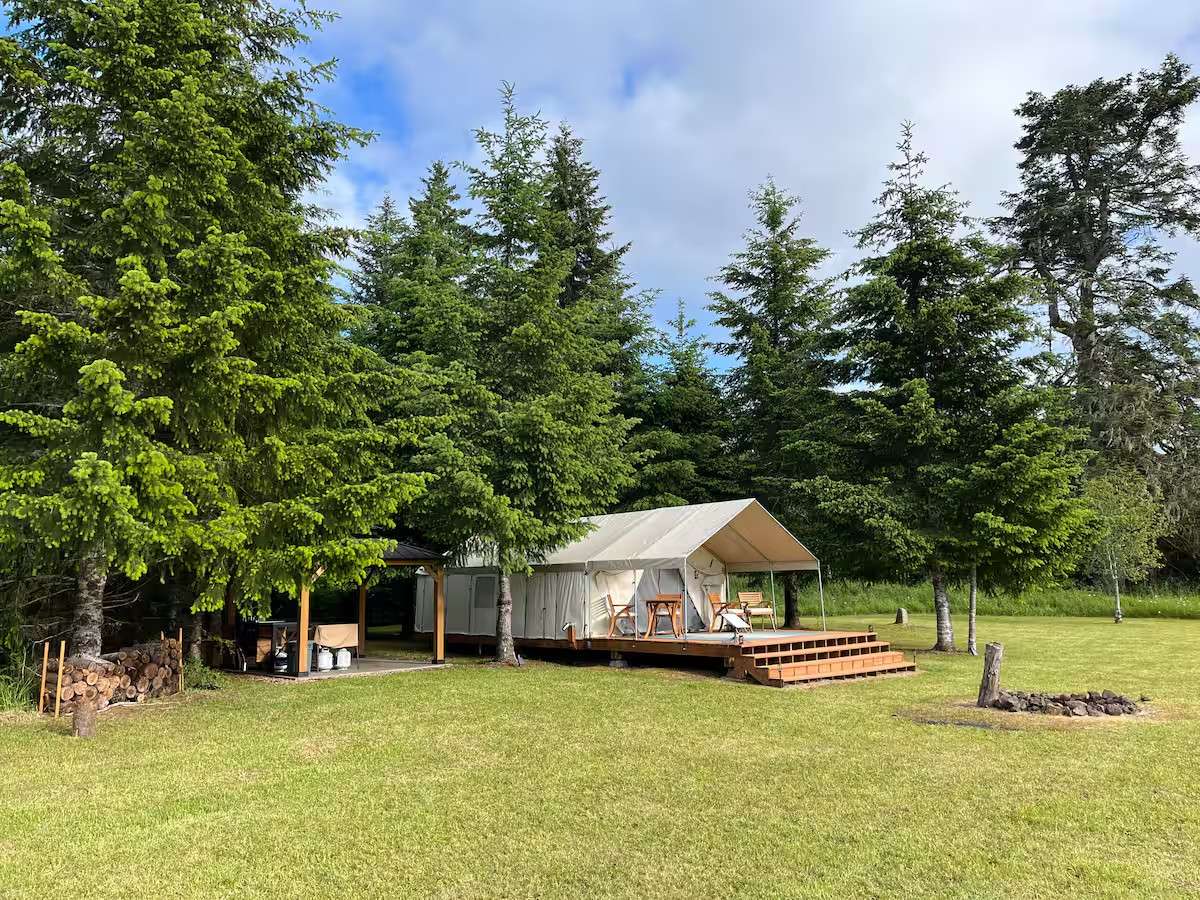
Glamping In The Wild
Abby's Place


Quiet wooded park, near beaches.
Fisherman's Cove RV Park
Rhett's Ranch
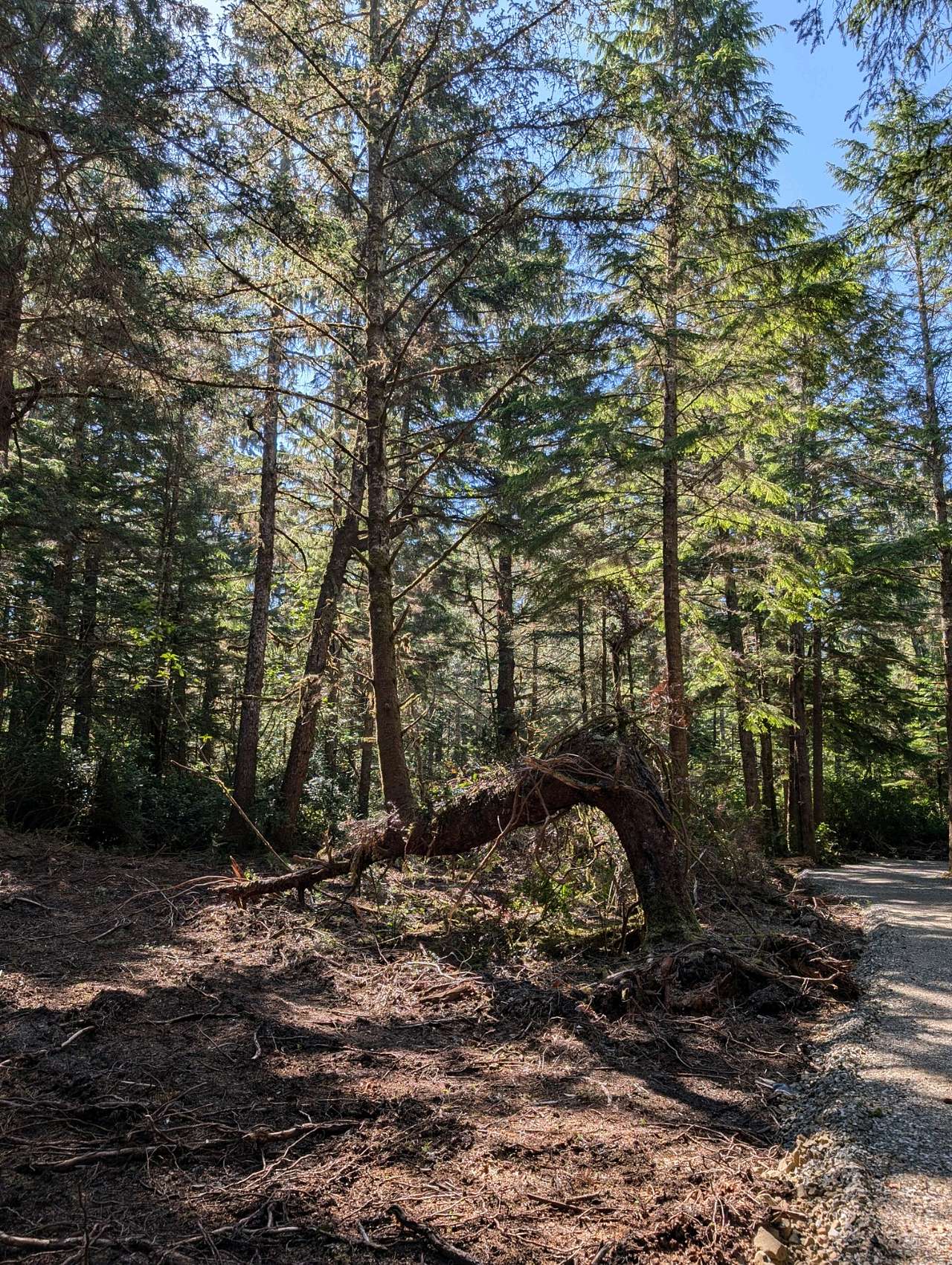
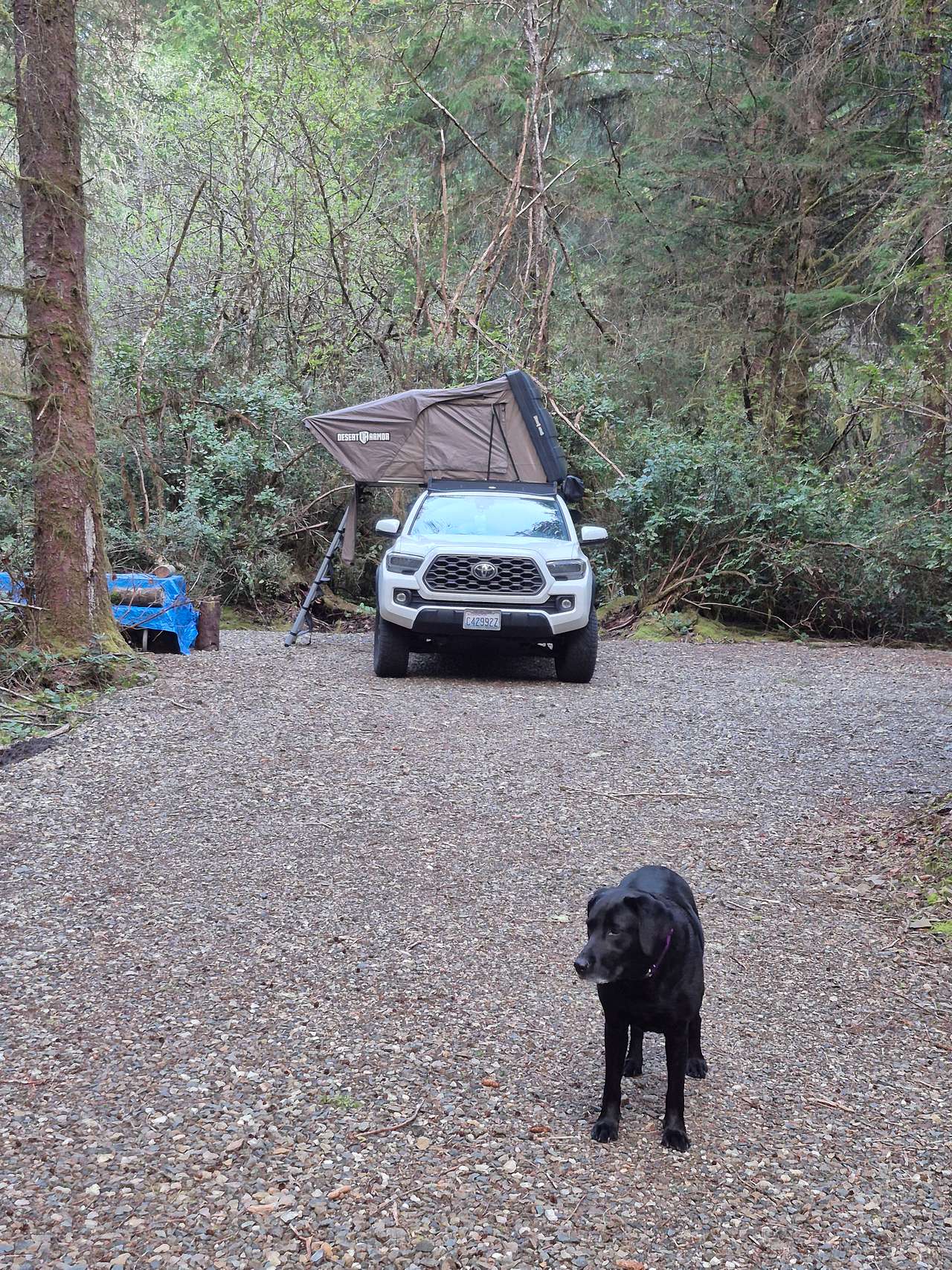
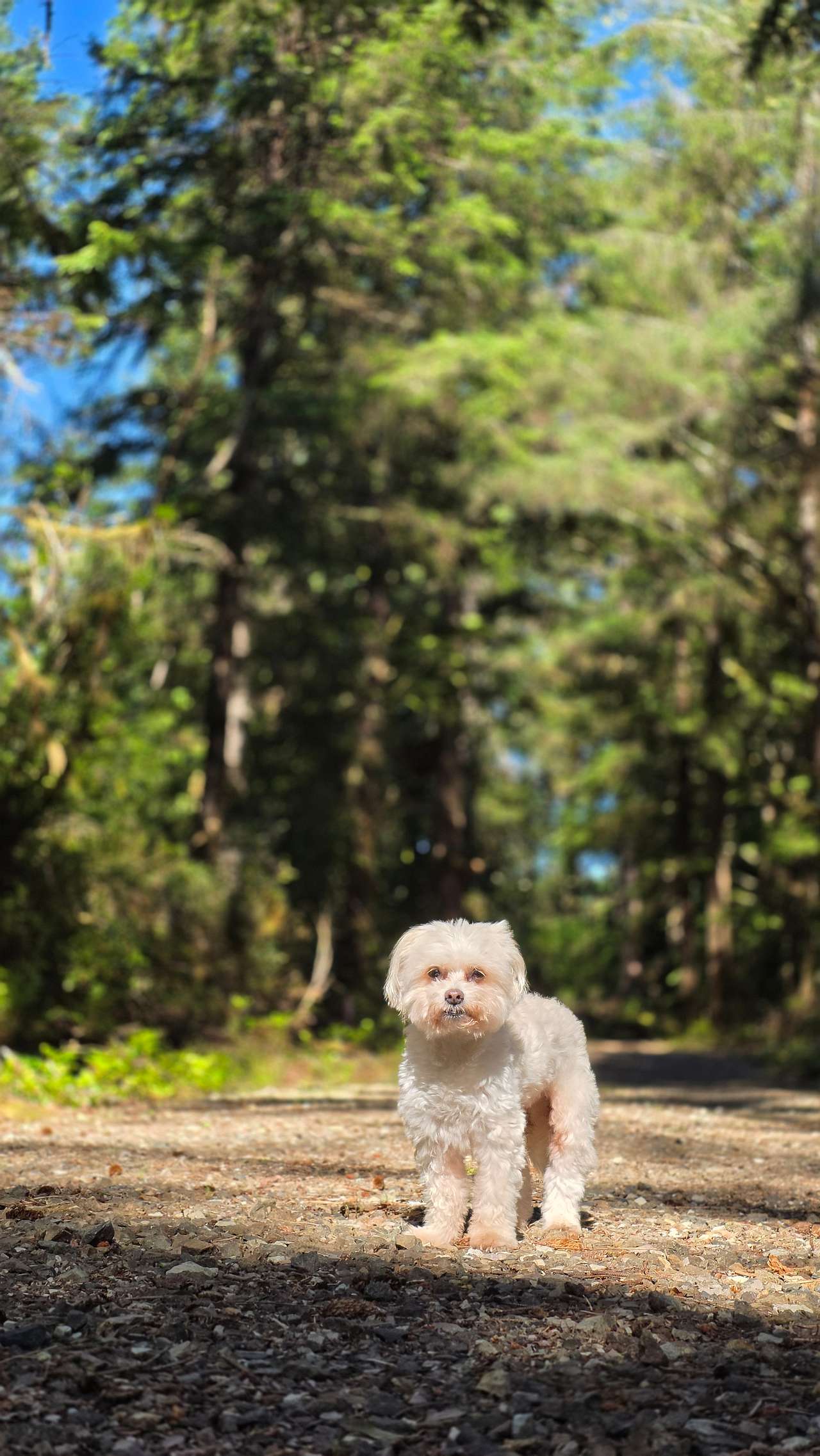
Twisted Tree Camp
Cedar to Surf Campground
Recent reviews from the Hipcamp community


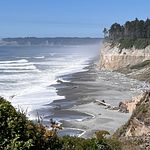

Long Beach camping guide
Where to go
Westport Light State Park
Further north on the Washington Coast, this surfer's paradise promises great waves in the winter and spring, though plenty of people come just to stroll and take in ocean views from one or both of the park's two beaches. It's also the site of the Grays Harbor Lighthouse, which stands 107 feet tall, making it the tallest lighthouse in Washington state.
Fort Stevens State Park
On the northwestern tip of Oregon, where the Pacific Ocean meets the Columbia River, this 4,300-acre park is full of things to do, from hiking and cycling on its 15 miles of trails to checking out military-related ephemera in the on-site military museum. One of its most unusual features is the remains of the Peter Iredale shipwreck, which are plopped down right on an ocean beach.
Lewis and Clark National Wildlife Refuge
Just across the Columbia River, which marks the border between Washington and Oregon, this wildlife refuge protects an extensive swathe of marshlands, riparian forests, and sandbars. It provides a rich ecosystem for non-migrant and migratory birds alike, along with wild salmon and even sea lions. Wildlife watching is a big draw here, along with boating and fishing, but camping is prohibited for the sake of protecting the natural environment.
When to go
The most pleasant months to visit Long Beach are from July through September, when the weather is generally at its warmest and driest. That said, it's wise to be prepared for cool temperatures and rainfall no matter when you visit. Most of the city's major events take place in the summer months. These include Sandsations, a showcase of sand sculpture that's held in July, and the Washington State International Kite Festival, which takes place every August.