97% (1.1K) • 343 campsites
Top-rated glamping sites near Lake City
Quartermoon Acres Cottage


1. Quartermoon Acres Cottage
100%
(19)
20mi from Lake City · 3 sites · Tents, RVs, Lodging
Borders Oleno State Park. Close proximity to several rivers and springs, hiking trails. Abundant deer, owls and turkeys. Several great places to rent kayaks and/or canoes. Nearby antique stores and crystal shop. Thirty minutes from the University of Florida's Museum of Natural History and Butterfly Rainforest.
Private cottage approximately 450 square feet with kitchenette, queen size bed and full bathroom. Fire pit available off of front porch. Mini split system for heat and air. Dark sky for star gazing.
We are pet friendly, but the renter has responsibilities for their pet. Fenced area for pet. Pet must be in the fenced area or on a leash at all times. This is a VERY quiet are, so we can not have any excessive barking. Pet may not be left alone in the cottage without being crated.
This is a non-smoking cottage. Any evidence of smoking will result in a damage fee of $200.
Pets
Toilets
Showers
Bowman's Landing

2. Bowman's Landing
100%
(208)
21mi from Lake City · 9 sites · Tents, RVs, Lodging
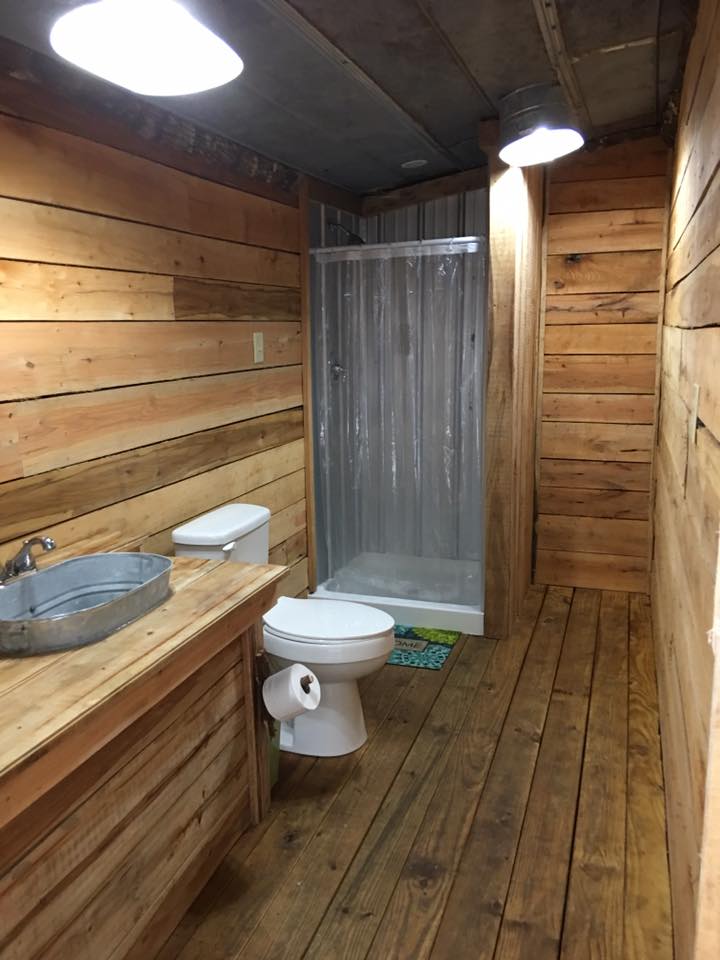
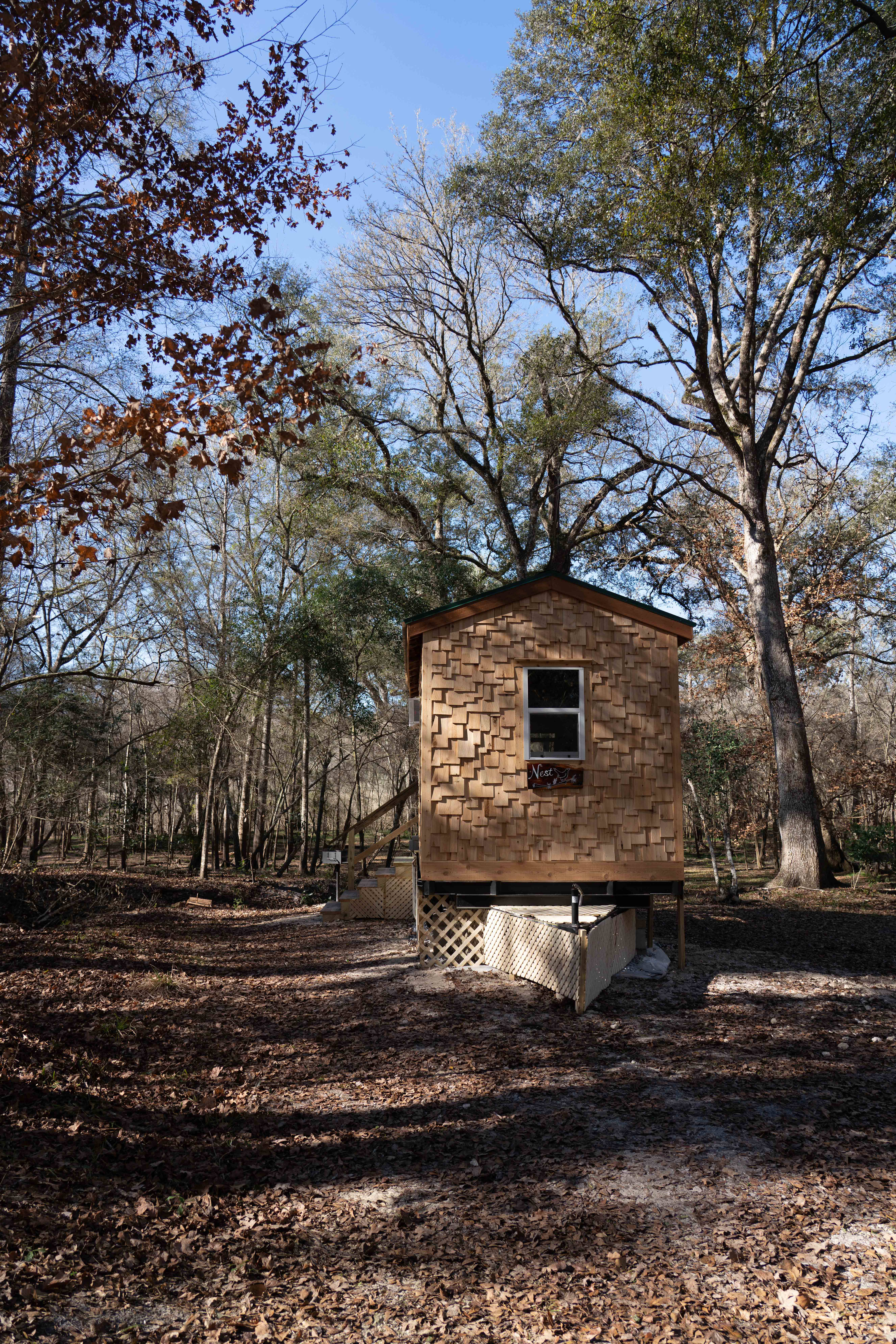
We are a 12.5 acre campground on the Sante Fe River.
We have cabins as well as primitive car campsites directly on the river as well. See the following distances:
Ginnie Springs - 6 miles
Blue Springs - 9 miles
Ichetucknee Springs - 4 miles
Gainesville - 38 miles
Rum 138 - 8 miles
Lake City - 27 miles
White Springs - 38 miles
Branford - 13 miles
High Springs - 12 miles
Dollar General - 3 miles
Publix - 15 miles
Bobs River Place - 20 miles
Pets
Toilets
Showers
Spacious Oak Hammock


3. Spacious Oak Hammock
100%
(200)
21mi from Lake City · 7 sites · Tents, RVs, Lodging
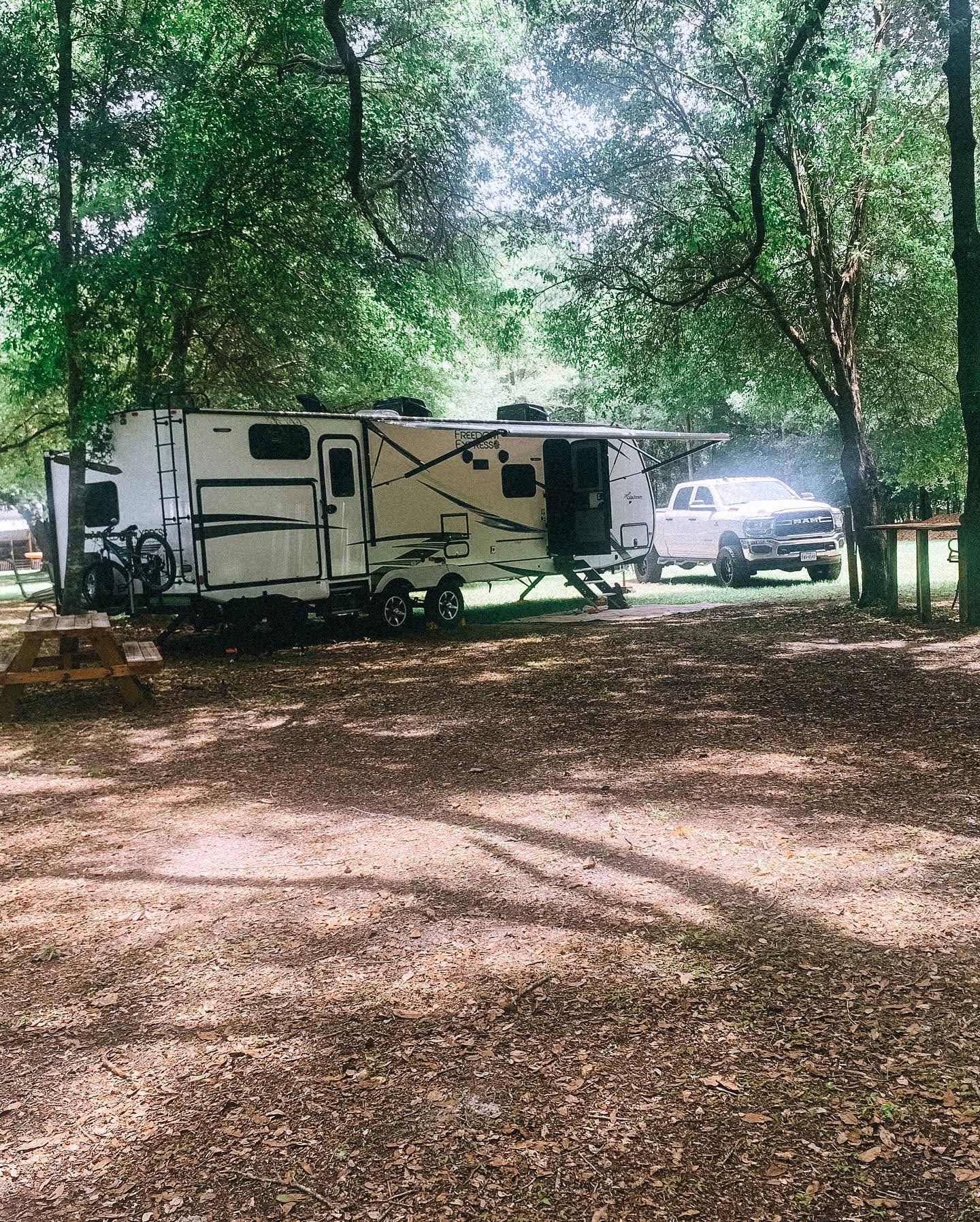
Only a 5 Minute drive to High Springs Historic District and 20 Minutes to Gainesville. Enjoy peacefulness with a 30 amp electric/water site
on this dead end road that abuts O’Leno State Park. Located only 3 miles from O'Leno State Park entrance, this area is known for it's numerous beautiful springs along the Santa Fe, Ichetucknee and Suwannee Rivers. It is common to see wildlife on this and the surrounding properties. Deer, owls and many other birds are common visitors here. Kayaking, snorkeling and cave diving are popular activities in this area. So pitch your tent or park your RV in our oak hammock. You will have access to your own fire pit and picnic table. We also offer access to our hot outdoor showers and a large outdoor covered kitchen.
Pets
Toilets
Showers
Stephen Foster Folk Culture Center State Park
4. Stephen Foster Folk Culture Center State Park
100%
(1)
State park 12mi from Lake City · 44 sites
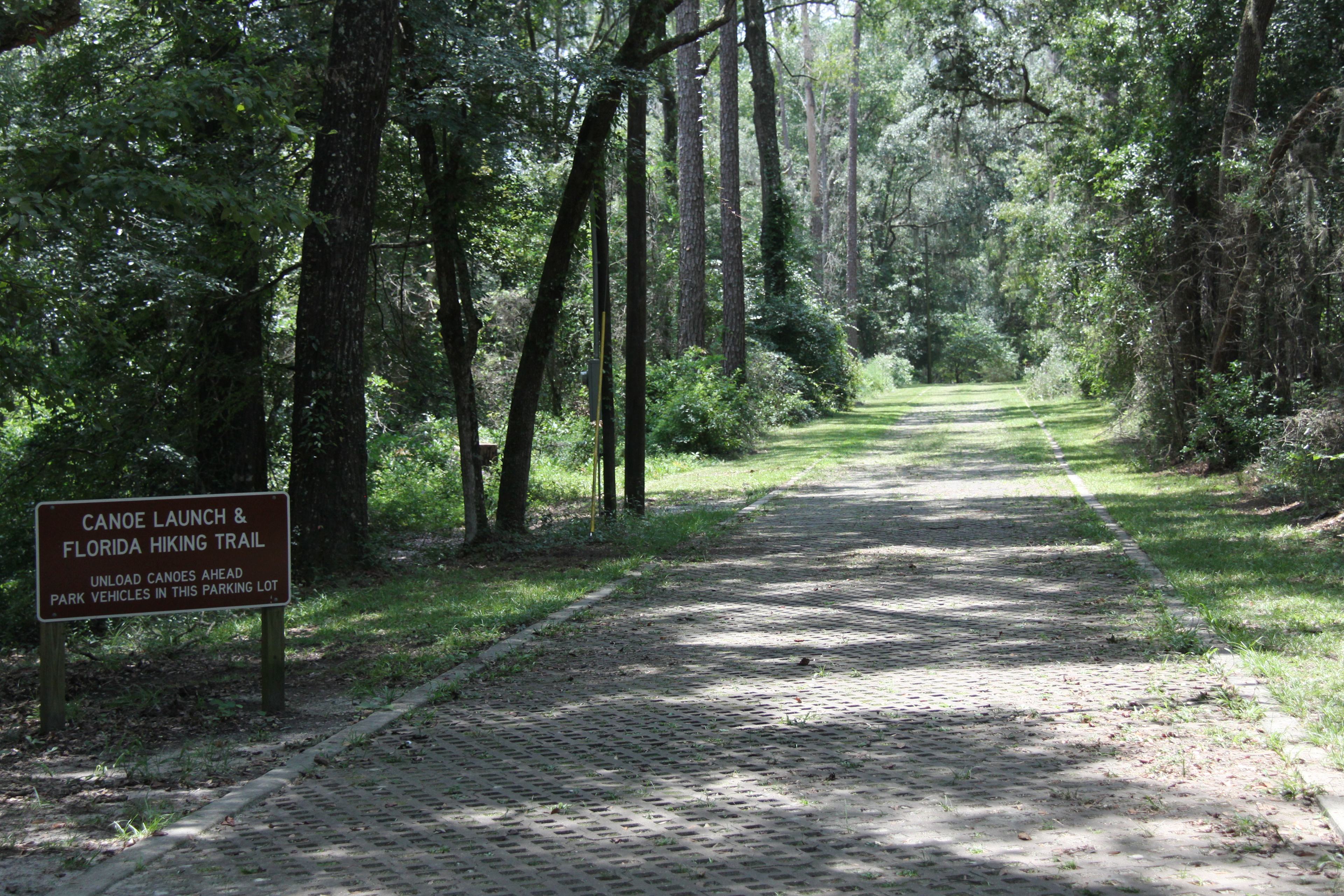
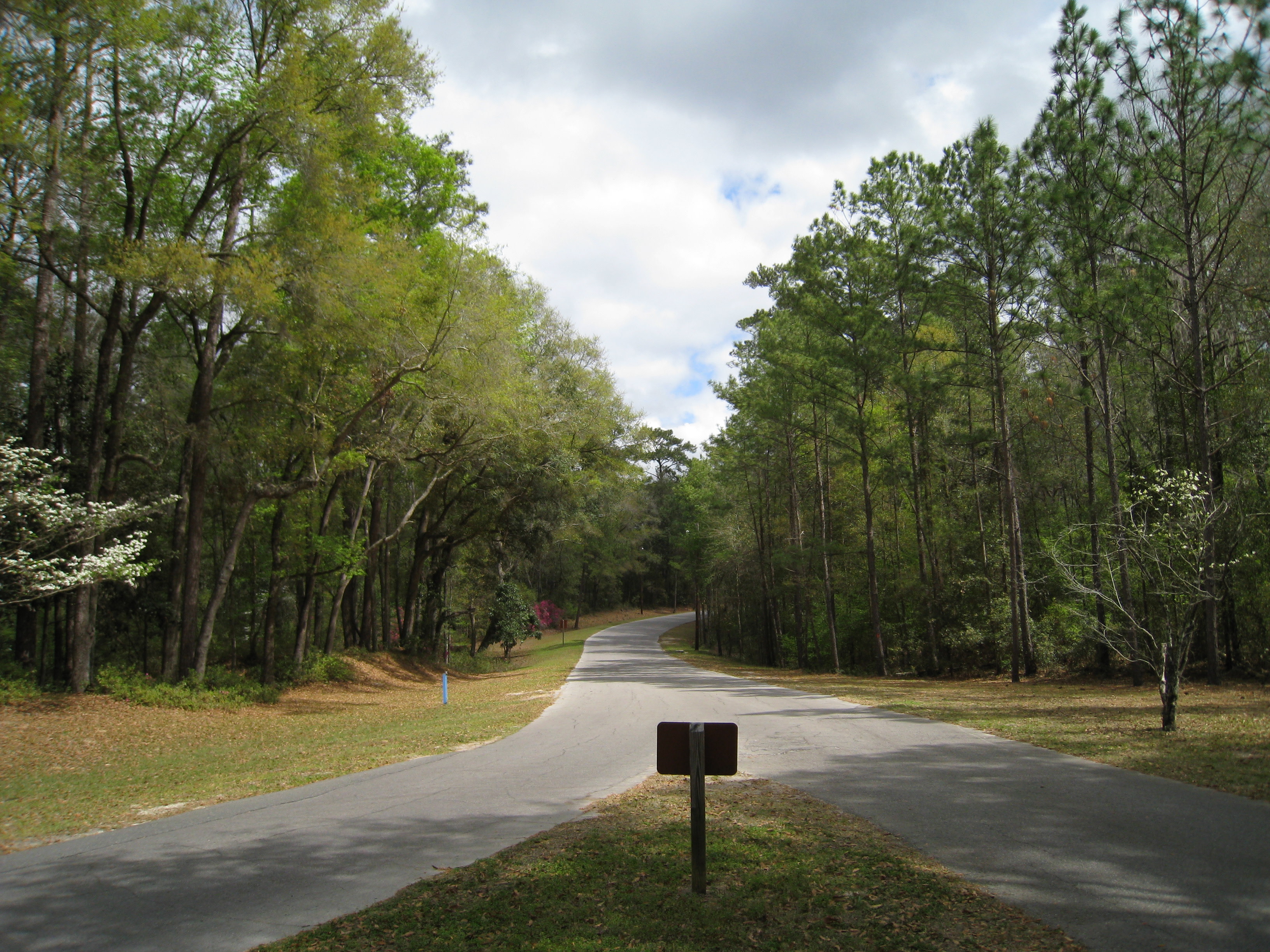
Discover the charm of Stephen Foster Folk Culture Center State Park.
Suwannee River State Park
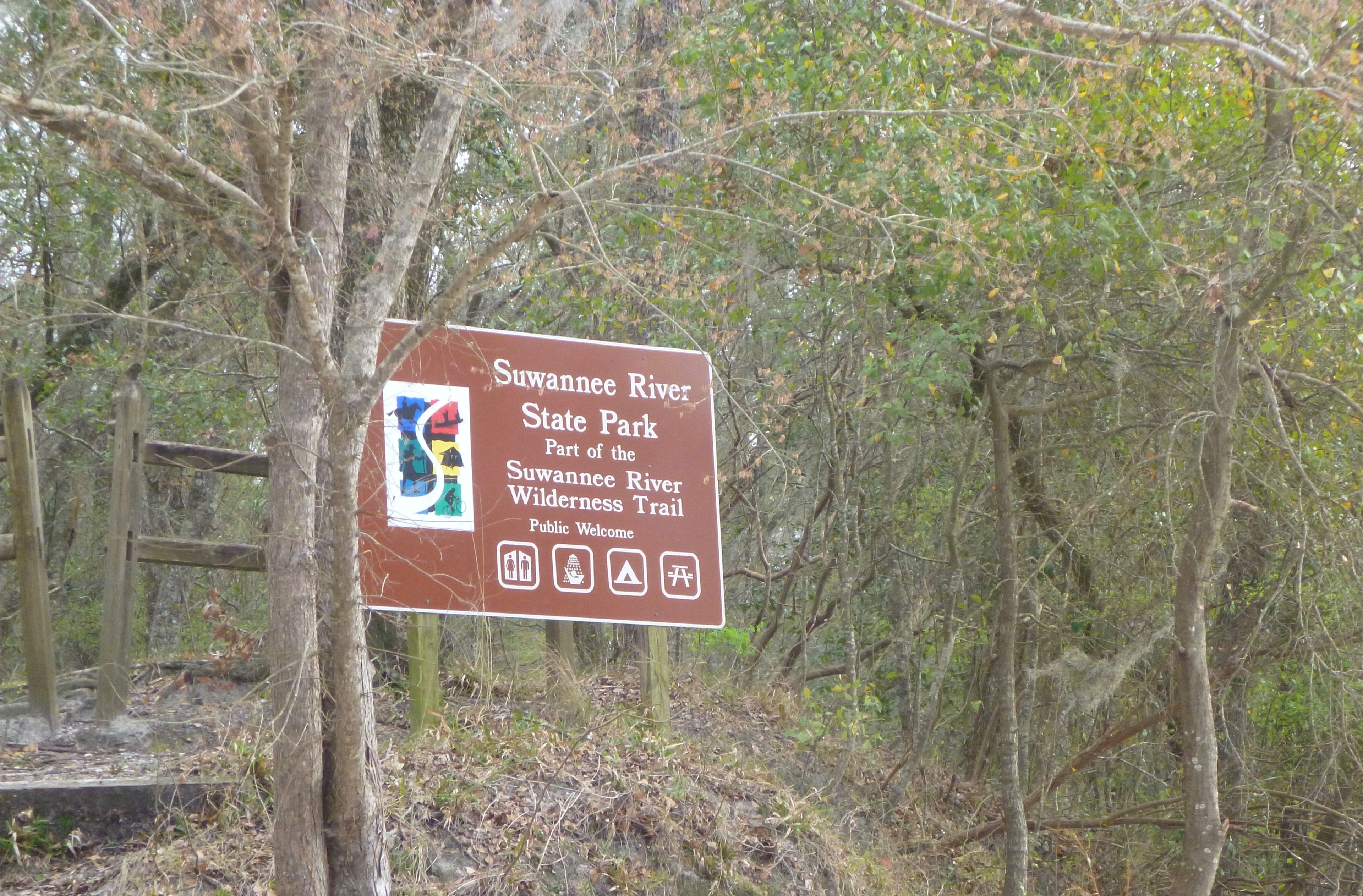
5. Suwannee River State Park
100%
(16)
State park 34mi from Lake City · 29 sites
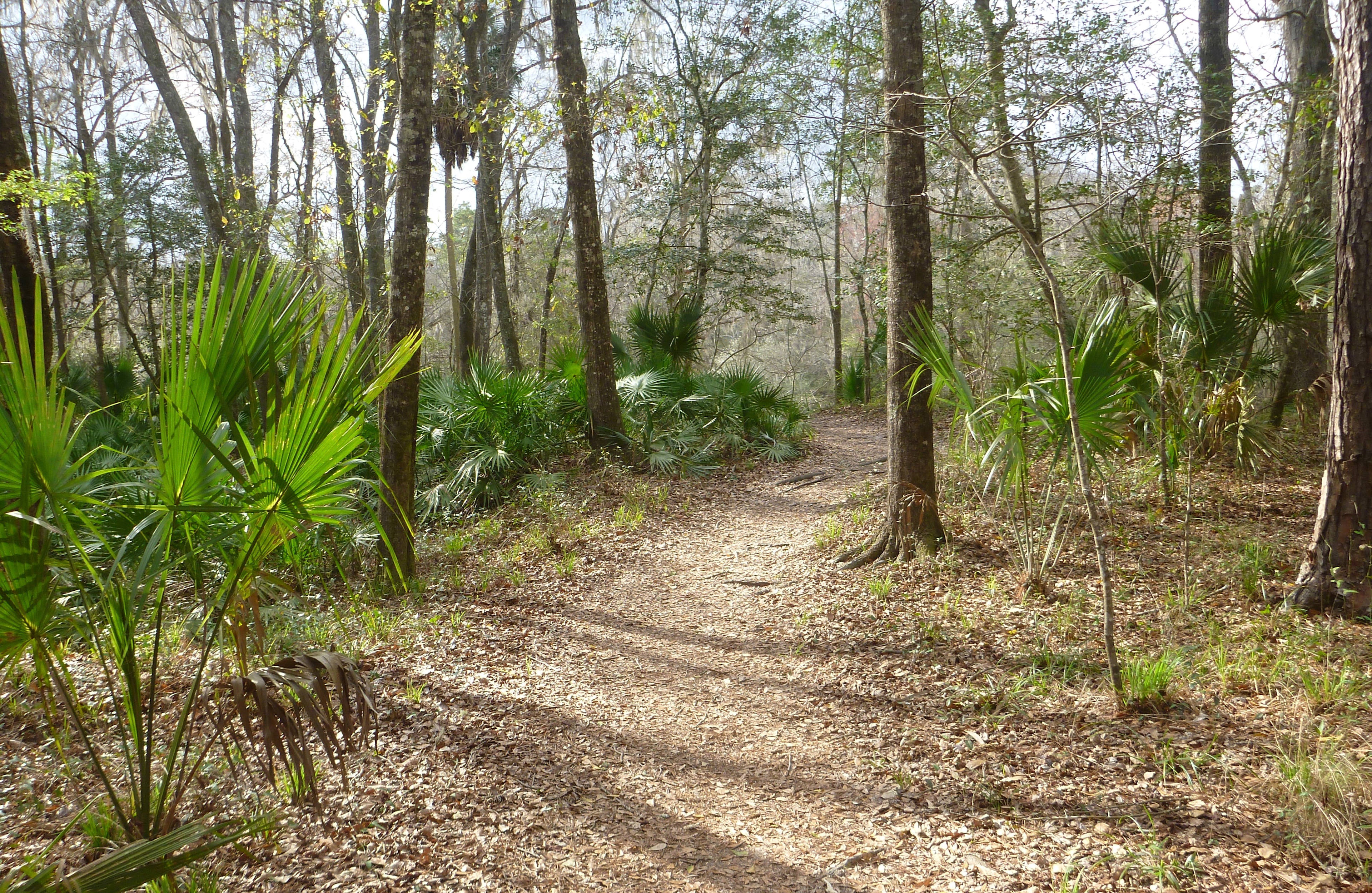
Find natural beauty near one of the largest swamps in America.
Pets
Toilets
Showers
Williams Way

6. Williams Way
90%
(10)
25mi from Lake City · 2 sites · Tents, RVs, Lodging
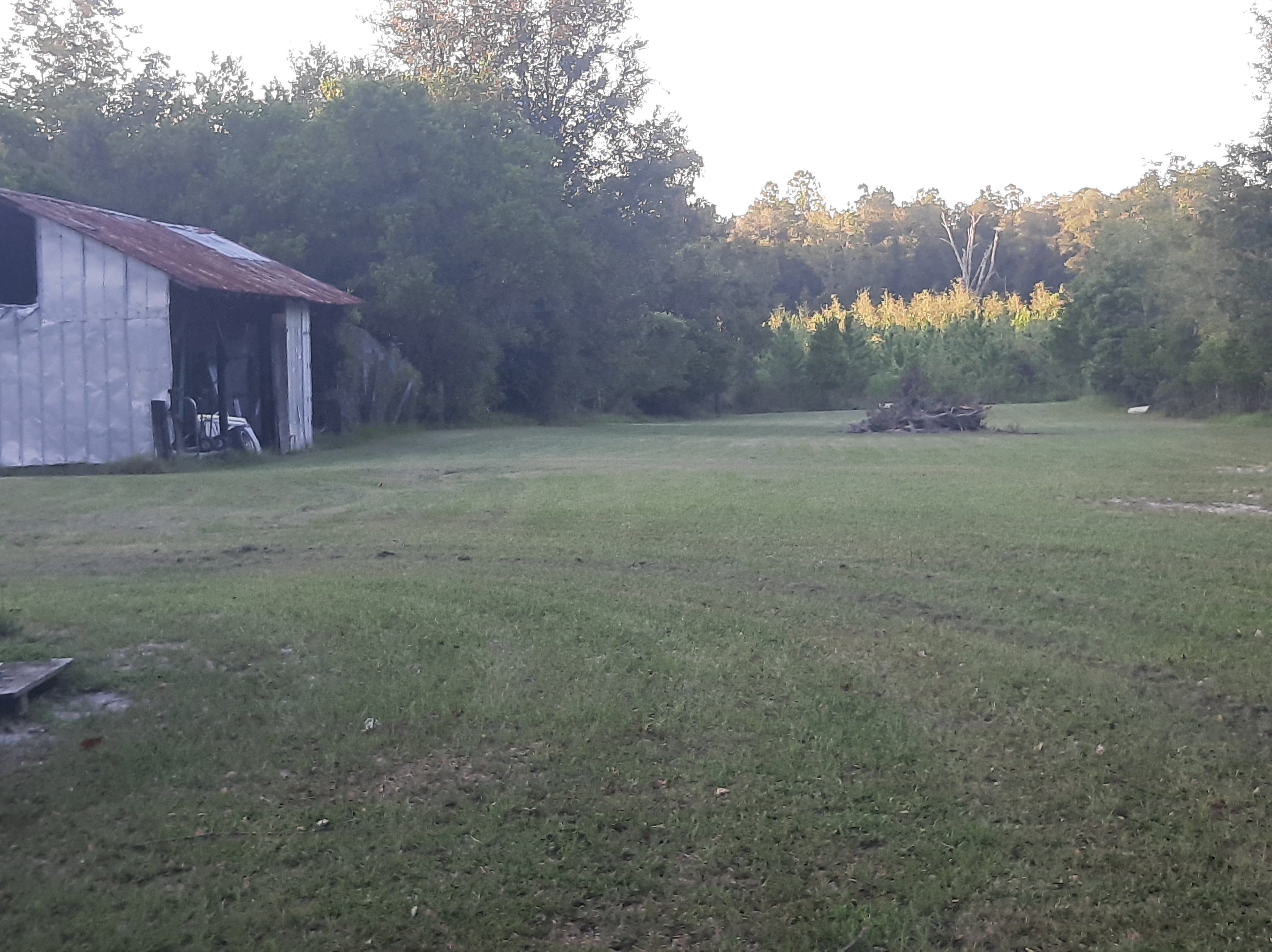
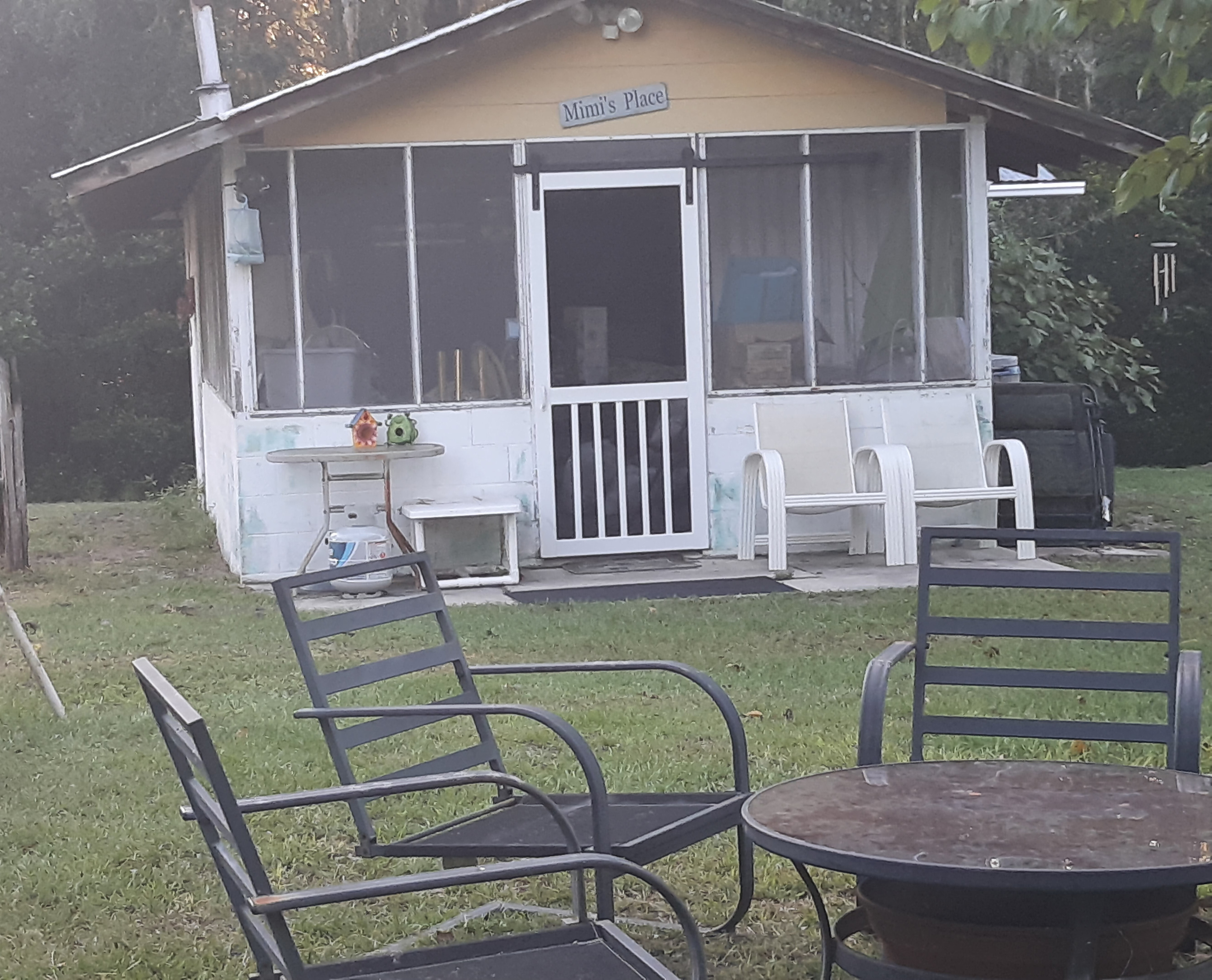
Camper site for up to 30 camper/motor home. Electric and water hookup with 20amp. We have a fire pit, lots of room to play outdoor games. 1 mile from Poe Springs, 2 miles to downtown High Springs. Paved bike route to Poe Springs and to downtown. Perfect for golf carts/side by side. Grill available. Toilet and Shower available
Toilets
Showers
Potable water
Wildflower Pond and Woodlands

7. Wildflower Pond and Woodlands
98%
(383)
26mi from Lake City · 4 sites · Tents, RVs, Lodging
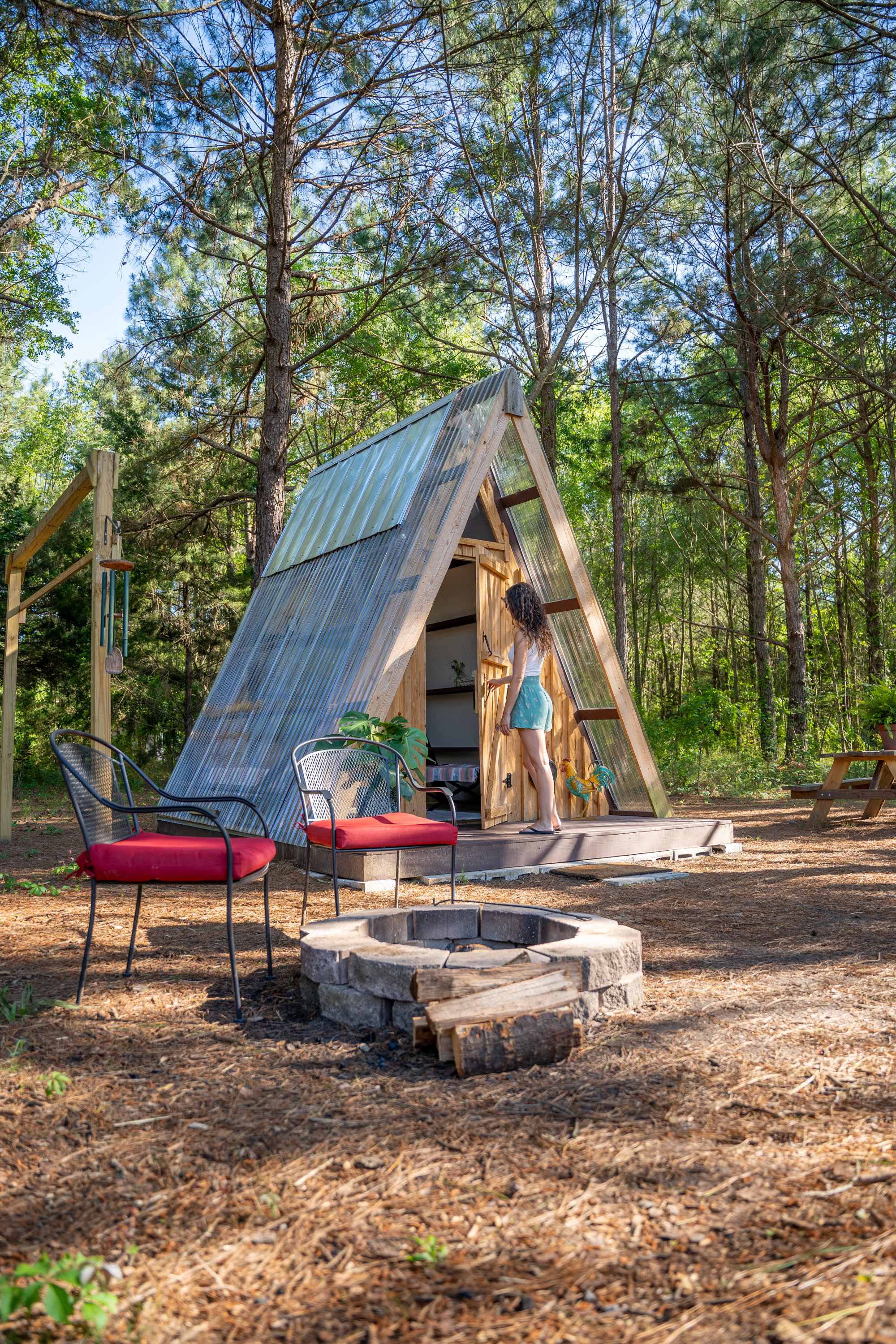
Welcome to a sweet and soulful little piece of the woodlands.
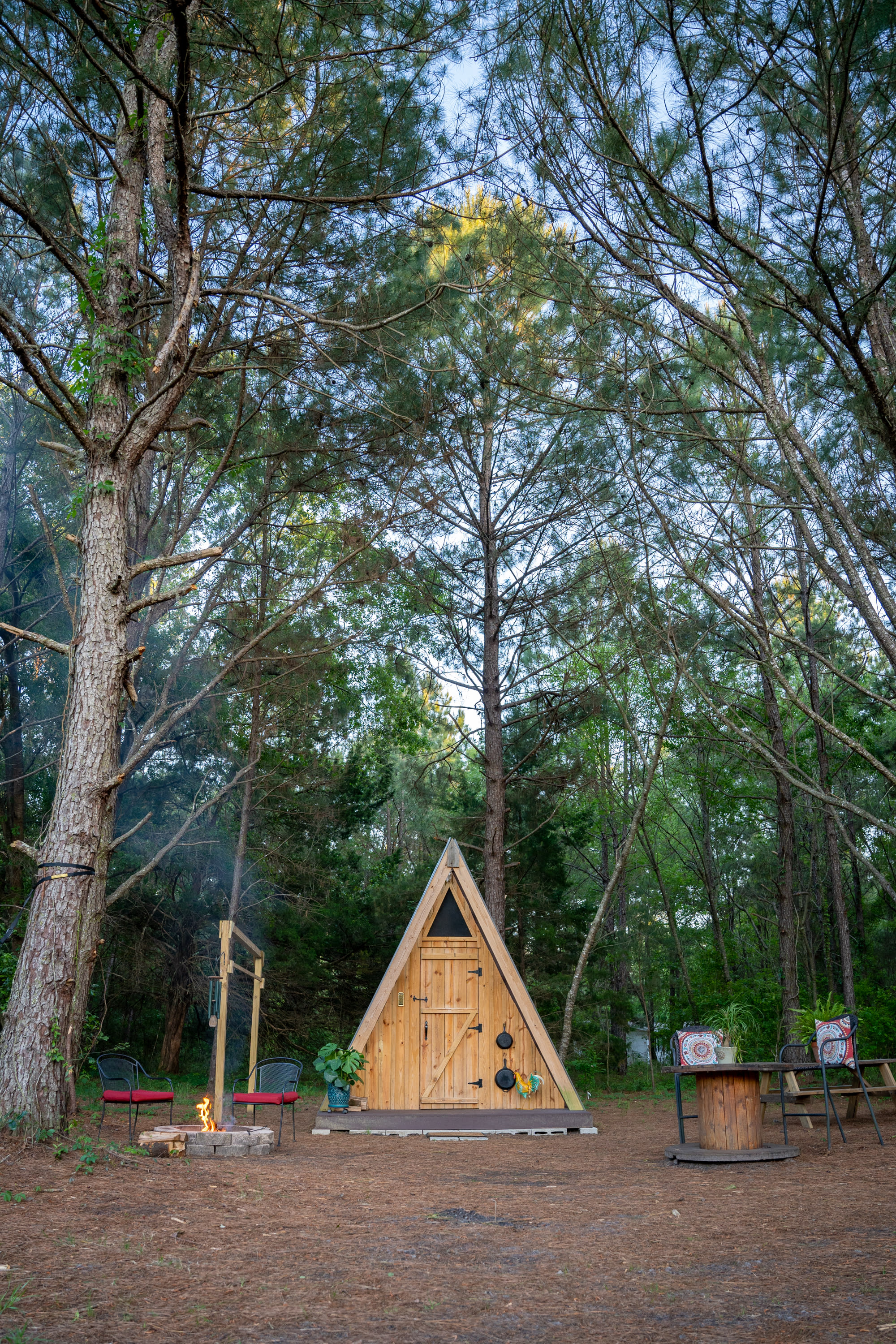
Tucked in on 4.5 acres, this spot is a secluded, enchanting piece of old Florida. Stay in one of our three designated camping sites, tie up a hammock, gaze at the pond inhabitants****, and check out what's growing in the seasonal garden. Also enjoy the many flowering plants and other special trees.
Florida's gem-colored, healing spring waters are just a 20 minutes up the way and local retreat centers and yoga studios dot the area. Gator fans? Head into Gainesville for a game and to visit the University of Florida.
Mostly, enjoy. We look forward to hosting you!
To note for all guests: We suggest arriving before dark so as to make set up easy and comfortable. We do not require a formal check-in and encourage being self-reliable in set up of primitive campsites. (For something with more structure and a space already set up, check out our Aframe cabin.) We do have water, a composting toilet, sink, and groundtemp shower for your use.
*****Due to severe drought this year, we have lost the pond. We are still open for camping, but please note the pond is not as pictured. Thanks for your understanding during this tough time for our water table.******
Pets
Toilets
Showers
RUNNING SPRINGS RIVER RETREAT


8. RUNNING SPRINGS RIVER RETREAT
99%
(125)
29mi from Lake City · 1 site
Looking for Back to nature at it's best?
Look no further... RUNNINGS SPRINGS RIVER RETREAT is your place!!!
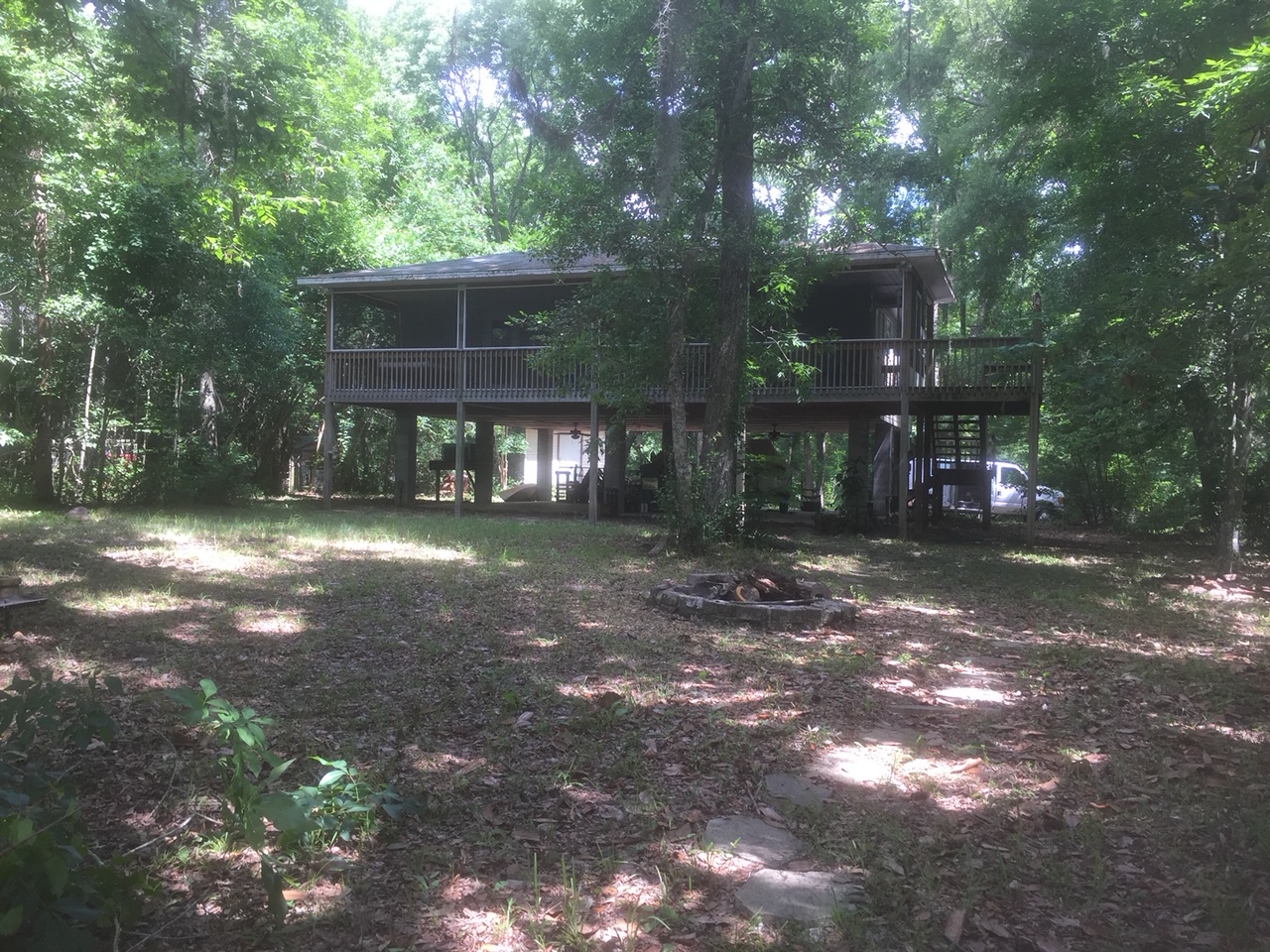
Nestled in beautiful tree's on a high bluff directly on the Historic Suwannee River. This 1500 Sq Ft 2 brm 1 bath open floor plan home, has a new island kitchen, new appliances, fully equipped, HUGE screened in back porch with a queen swinging bed, 4 rockers overlooking the beautifully landscaped yard, fire pit, big smoker as well as a gas BBQ grill, fish filet table and sink area, outdoor shower and a porch swing too. 3 level dock down to the water.
4 kayaks and a canoe, corn hole game, horse shoes too.
Kayaking, fishing, bird watching, scalloping, diving, photography whatever your hobbies maybe, this will suit all your needs. 3 nite minimum required. Don't
miss out, book your dates today.
Toilets
Showers
Campfires
Kokomo Farms


9. Kokomo Farms
100%
(222)
30mi from Lake City · 10 sites · Tents, RVs, Lodging
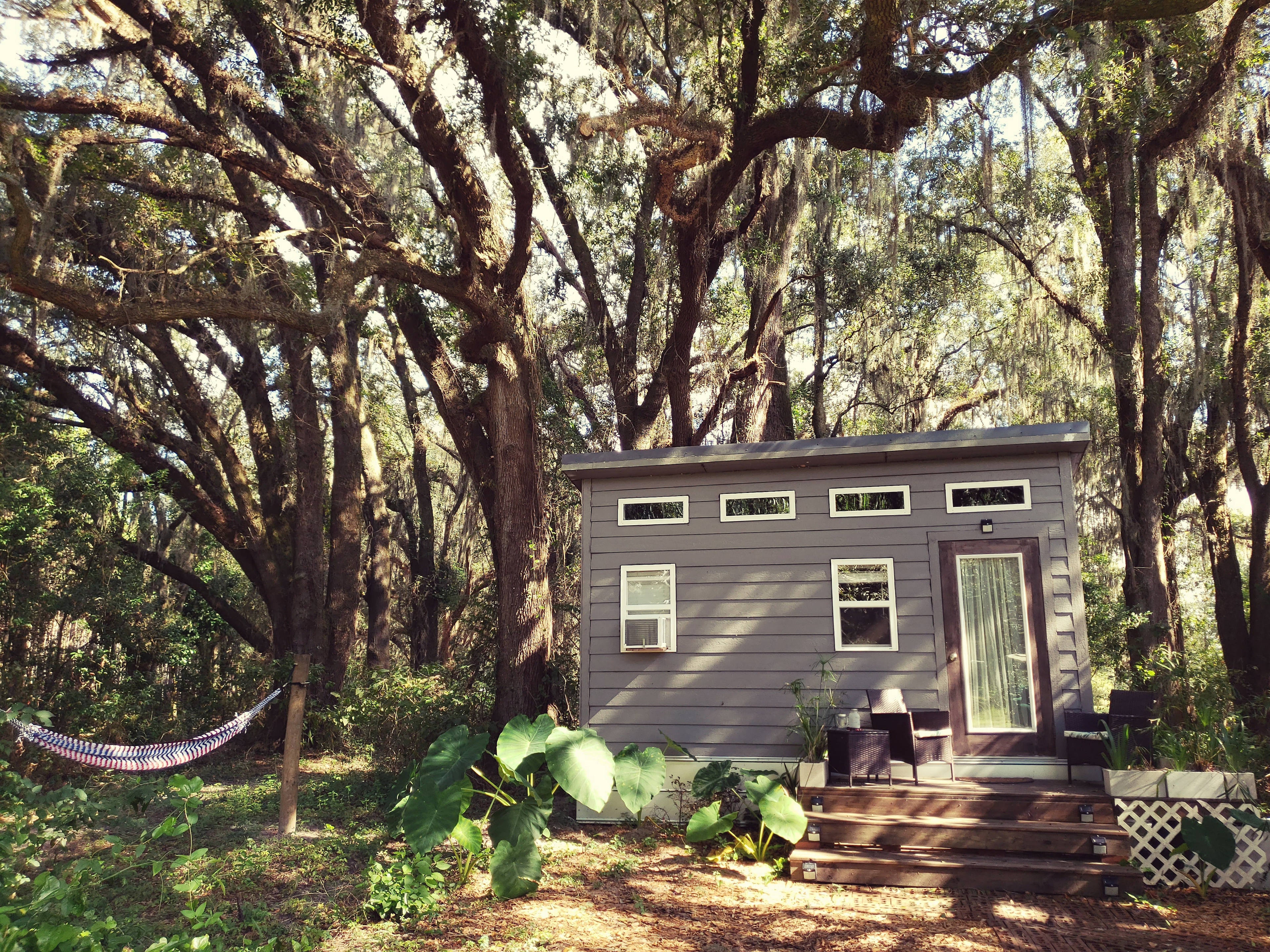
Kokomo Farms is an Organic rescue farm on approximately 20 acres. We named Kokomo Farms after our two loves. We traveled for years only to discover Kokomo is inside of us all . Our love for unwanted animals from horses, pigs chickens, ducks, dogs, birds (well you get the idea) allows us to care for rescued animals.
We offer many different unique stays from our Glamping Netted Hanging Round Bed to a converted Shipping Container made into an Eco Friendly Tiny Home to even a Tiny House Cottage and a treehouse!
Soak in our zen garden hot tub . The Zen garden is a peaceful botanical retreat. It's a fun and romantic vibe if you love animals to just relax and breathe! Bring a good book to read on the back porch of the Main house, add your artistic talents to our artwall, lie on our stargazing bed and enjoy our beautiful dark skies, meander thru the greenhouse, or enjoy our weekend community fires, or just Wander around Kokomo's spacious property which includes a beautiful Hammock of 200+ yr old Live Oak trees. Bring carrots to make horse friends. All our animals are retired but love to interact.
Rent a Kayak from a local outfitter for the Historic Suwannee River and enjoy North Florida's best natural resources that are very nearby, or just visit our local beautiful springs for a swim or hike!
Come enjoy a little of our paradise.
Pets
Toilets
Showers
Lafayette Blue Springs State Park
10. Lafayette Blue Springs State Park
50%
(4)
State park 36mi from Lake City · 7 sites
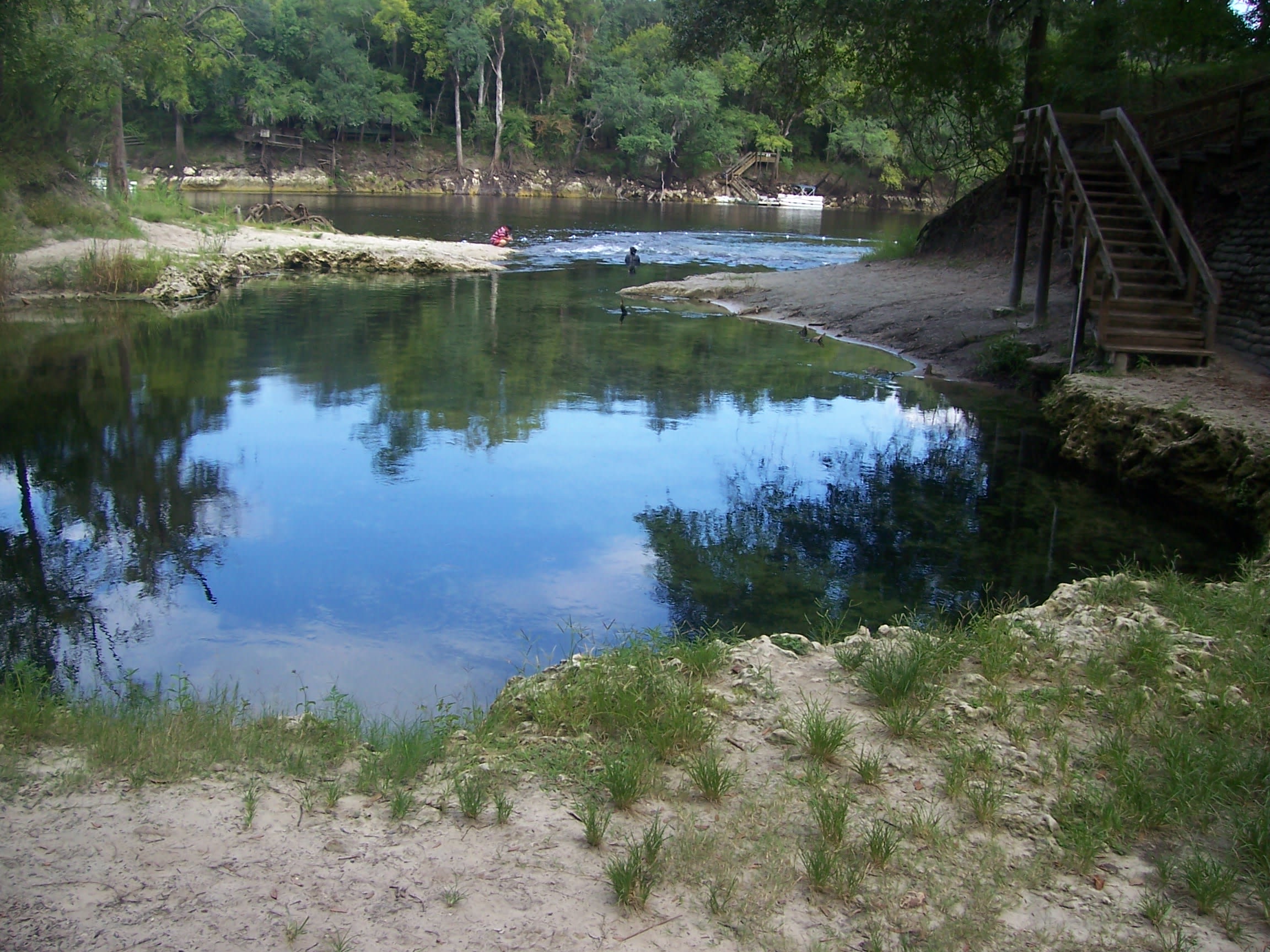
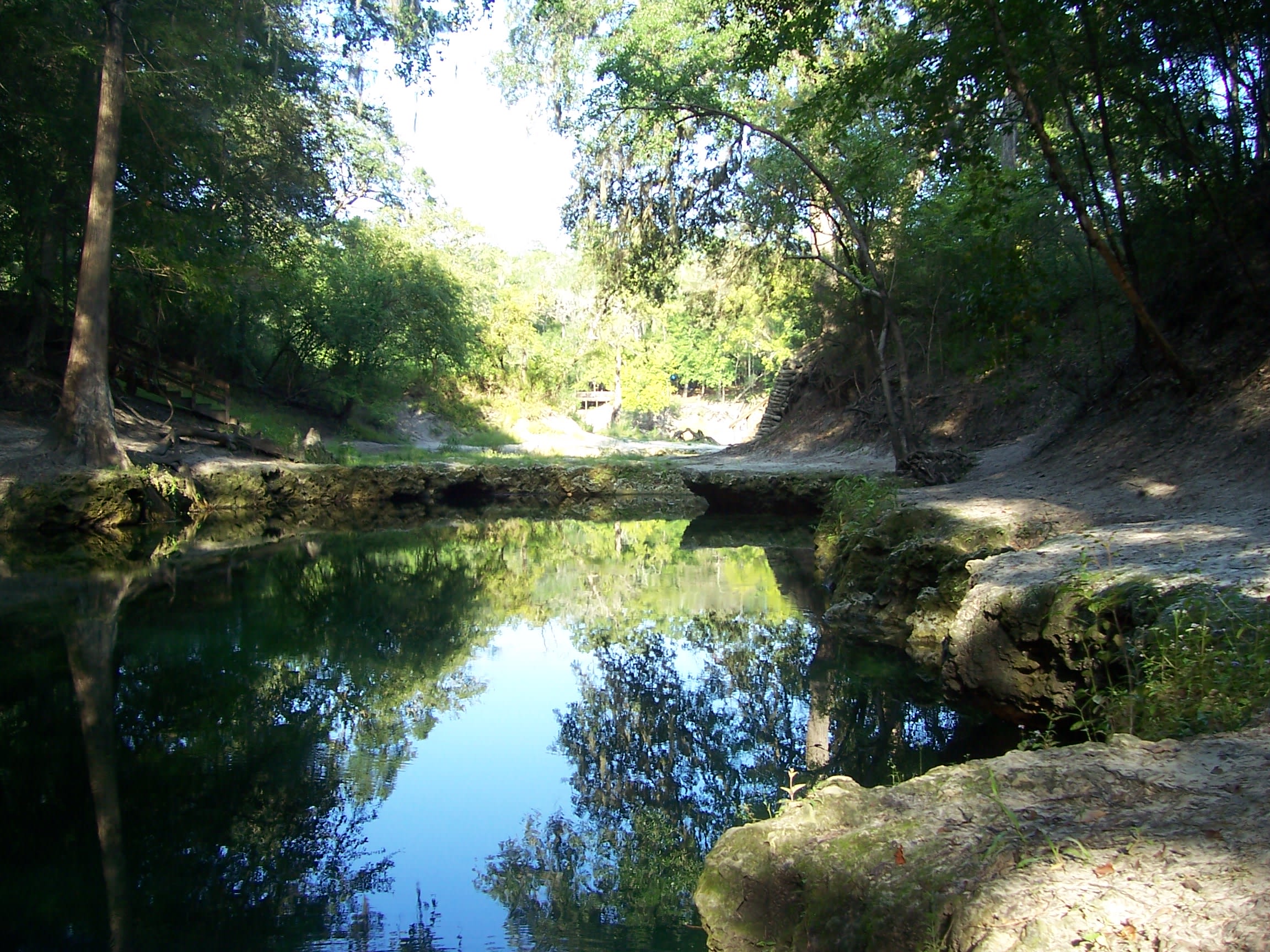
64 million gallons of water a day flow from Lafayette Blue Springs.
Pets
Toilets
Showers
Fanning Springs State Park
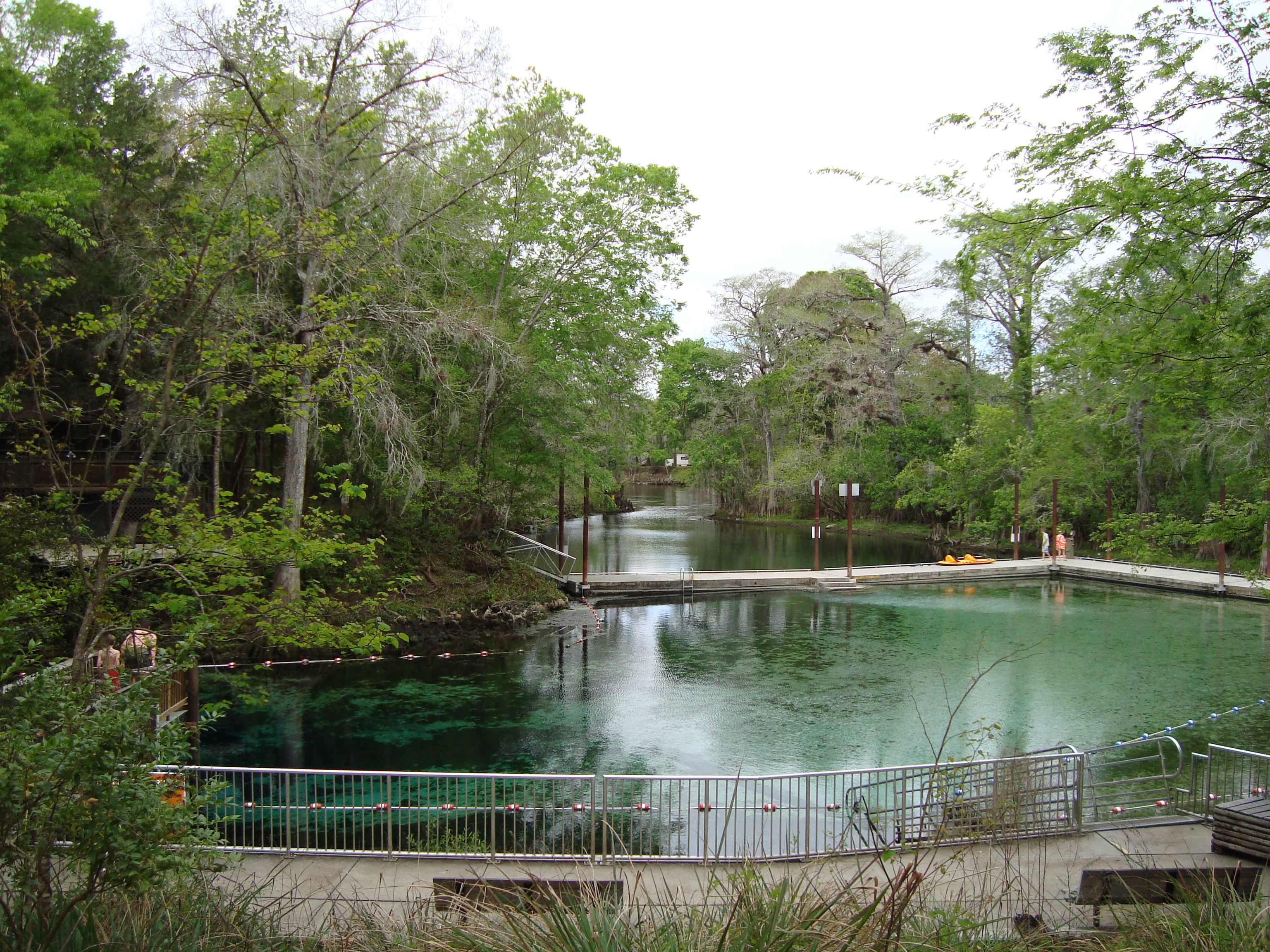
11. Fanning Springs State Park
State park 243mi from Lake City · 5 sites
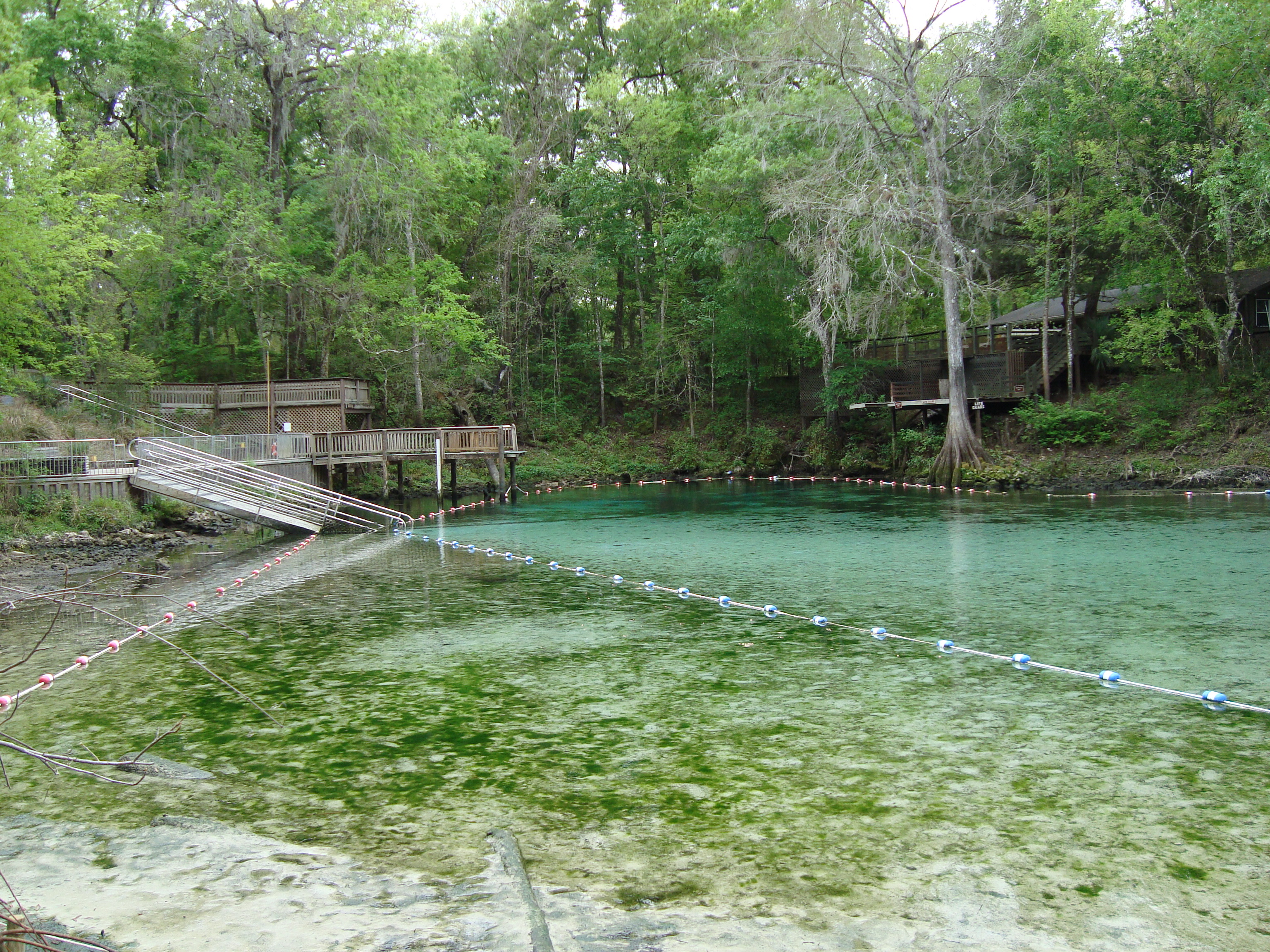
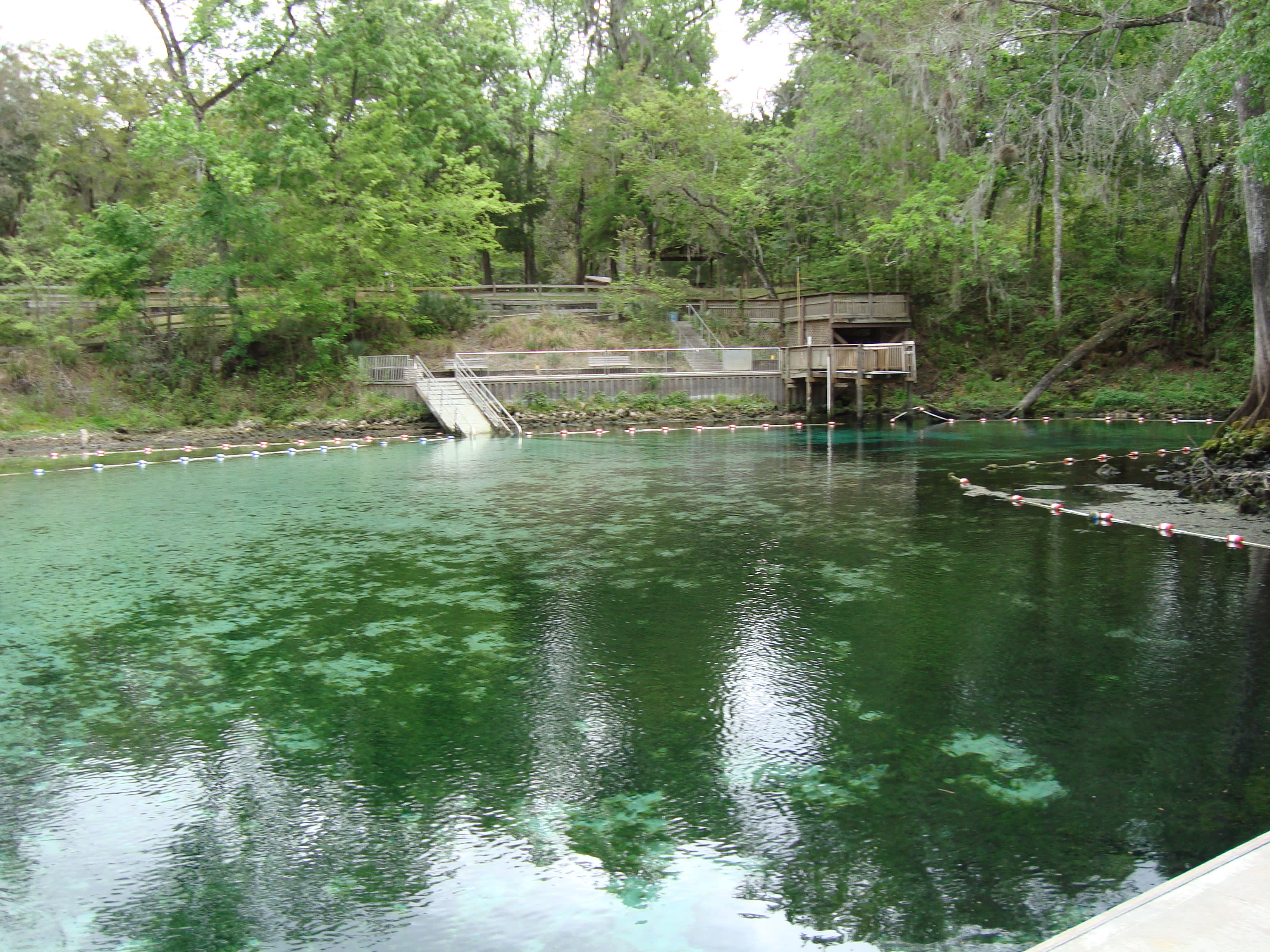
Discover Fanning Springs State Park's crystal waters and lush landscapes.
Pets
Toilets
Showers
Stephen C. Foster State Park
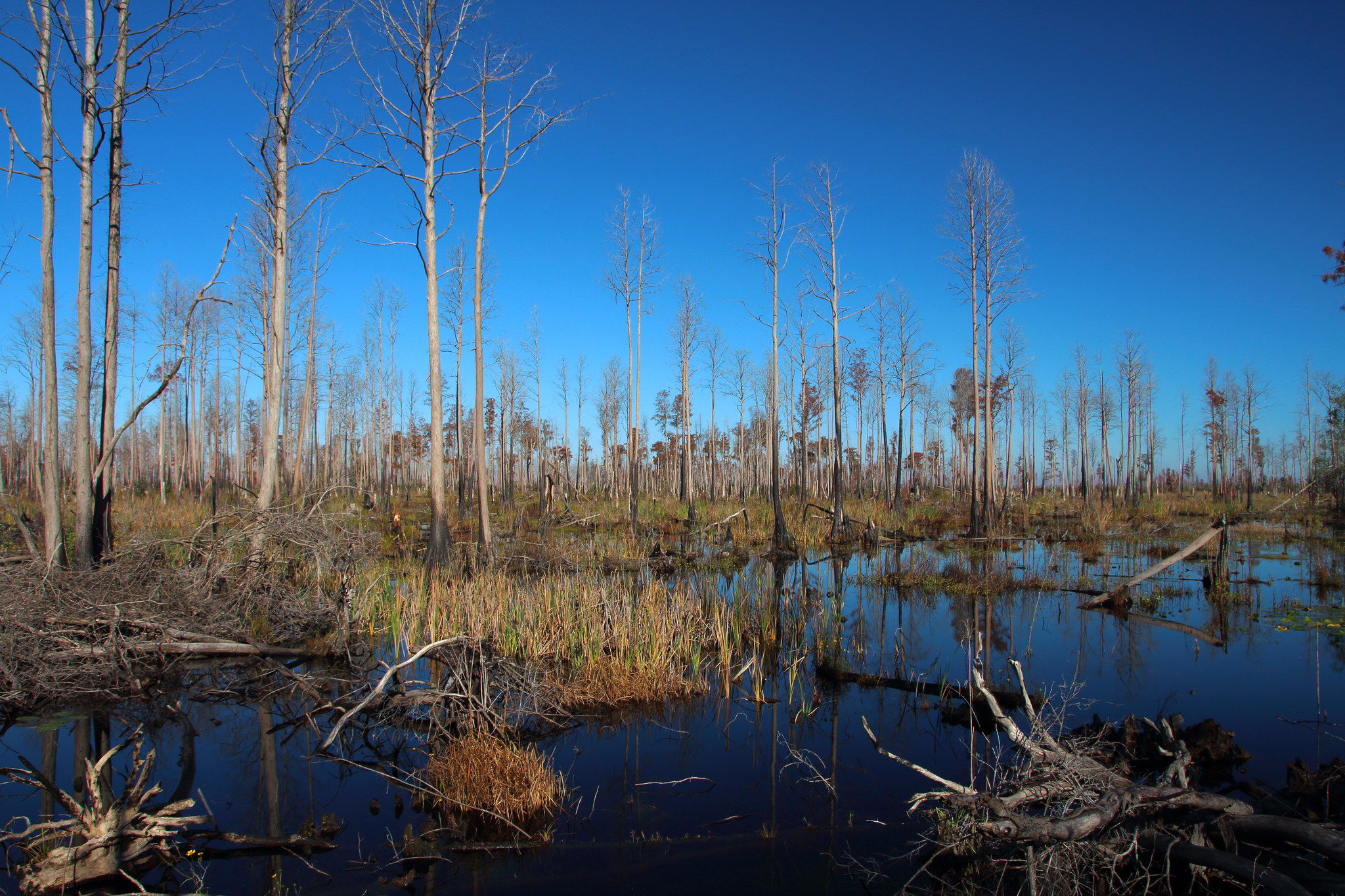
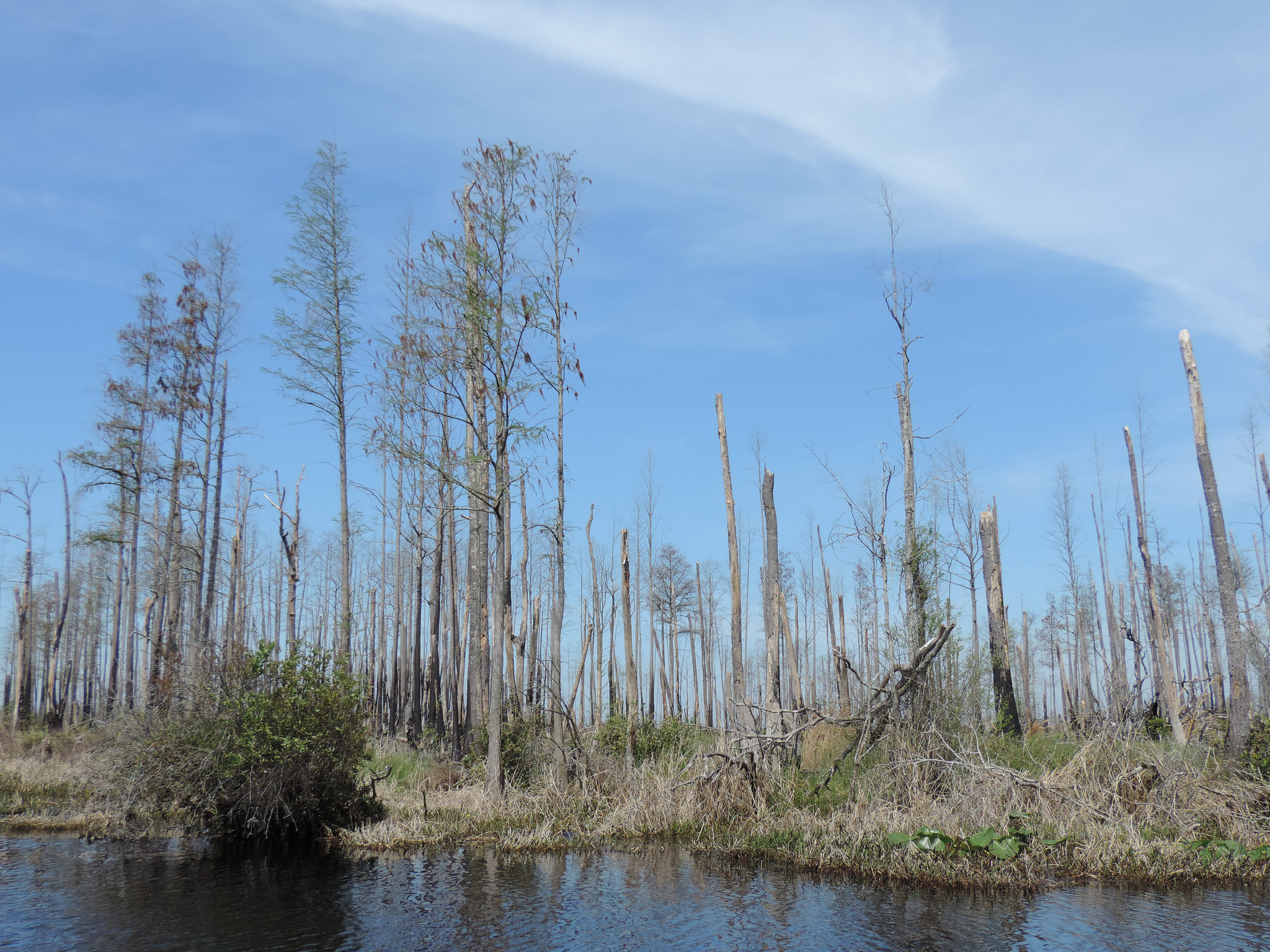
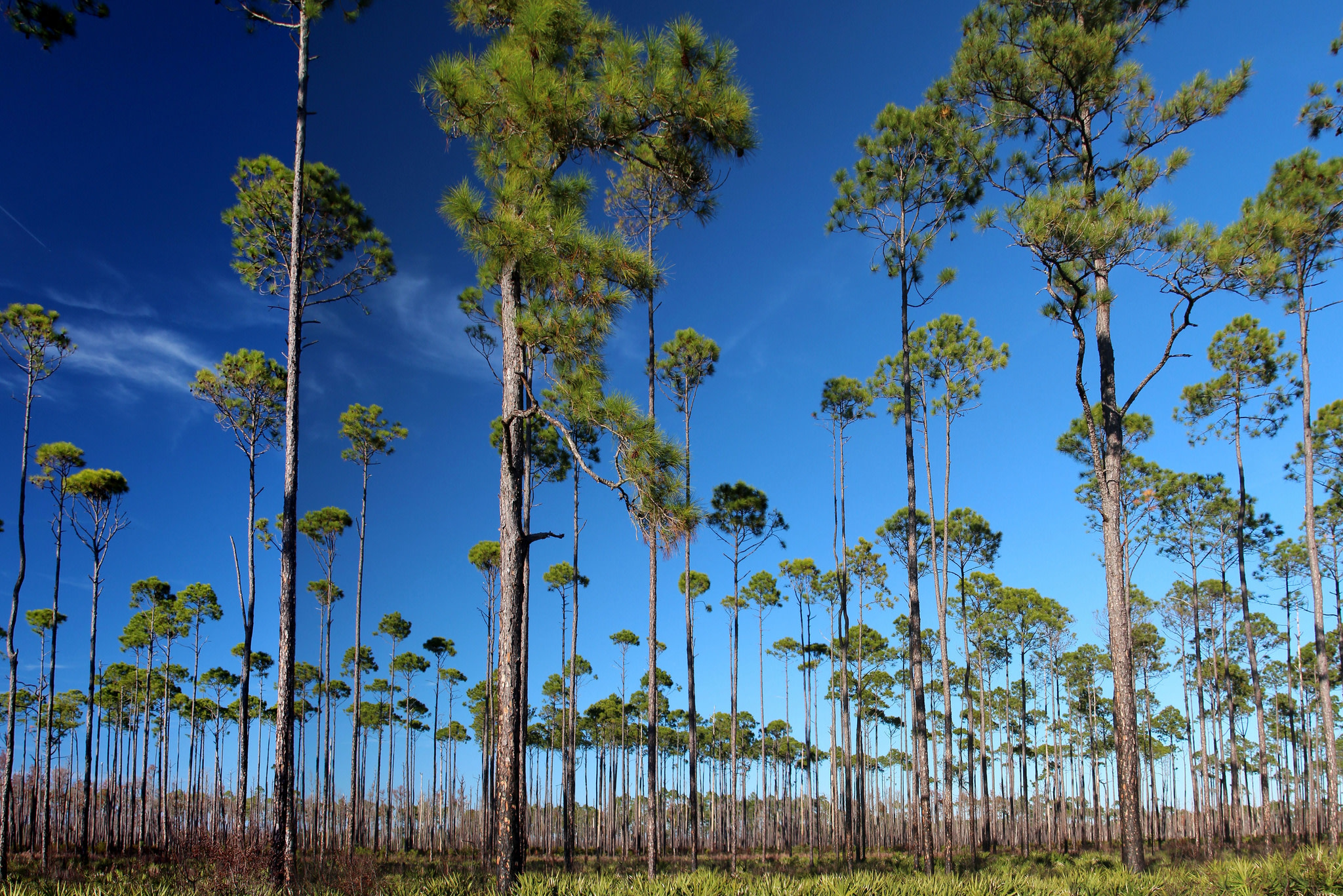
12. Stephen C. Foster State Park
100%
(5)
State park 47mi from Lake City · 26 sites
Discover the serene beauty of Stephen C. Foster State Park.
Pets
Toilets
Showers
Mike Roess Gold Head Branch State Park
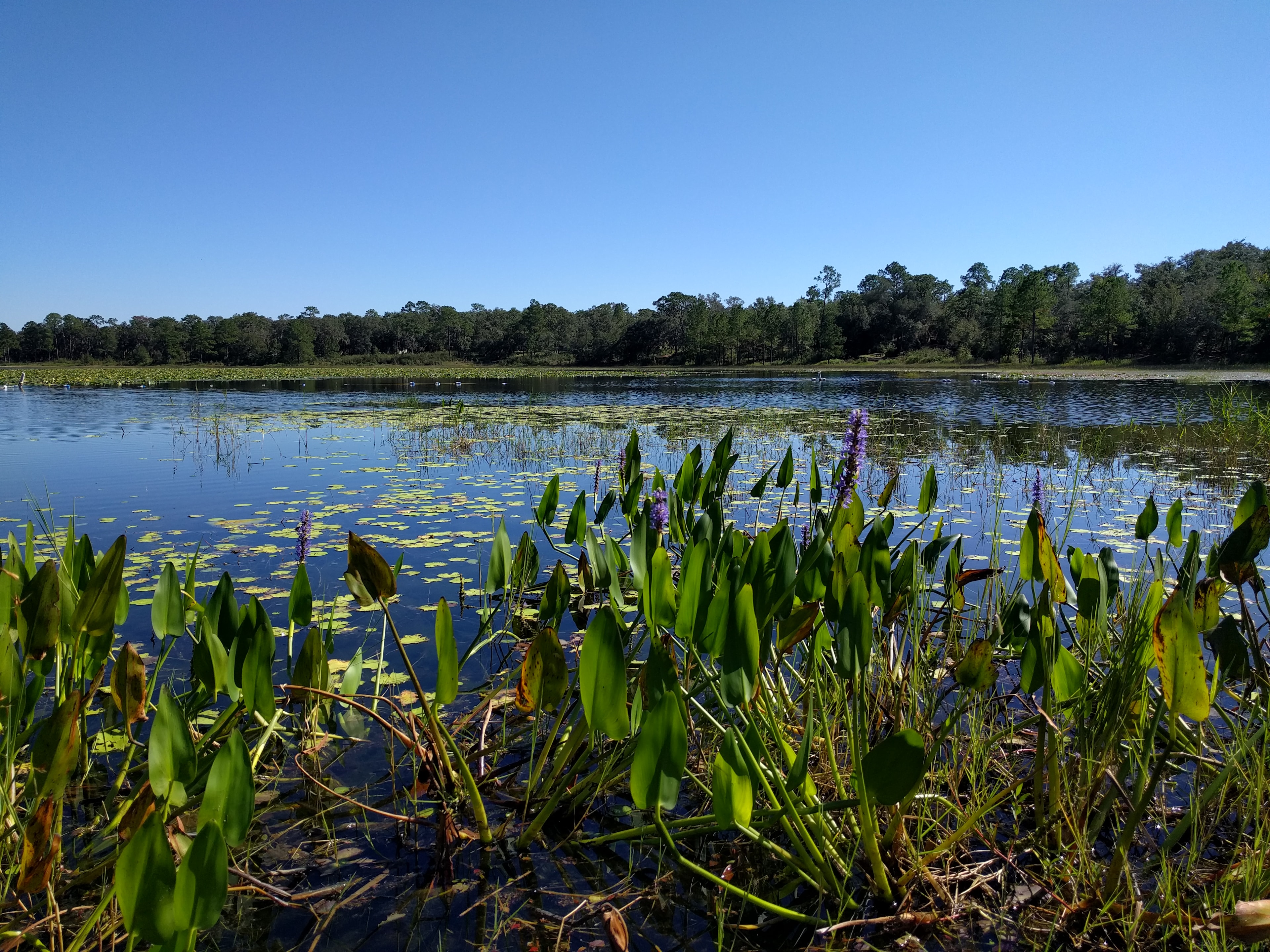
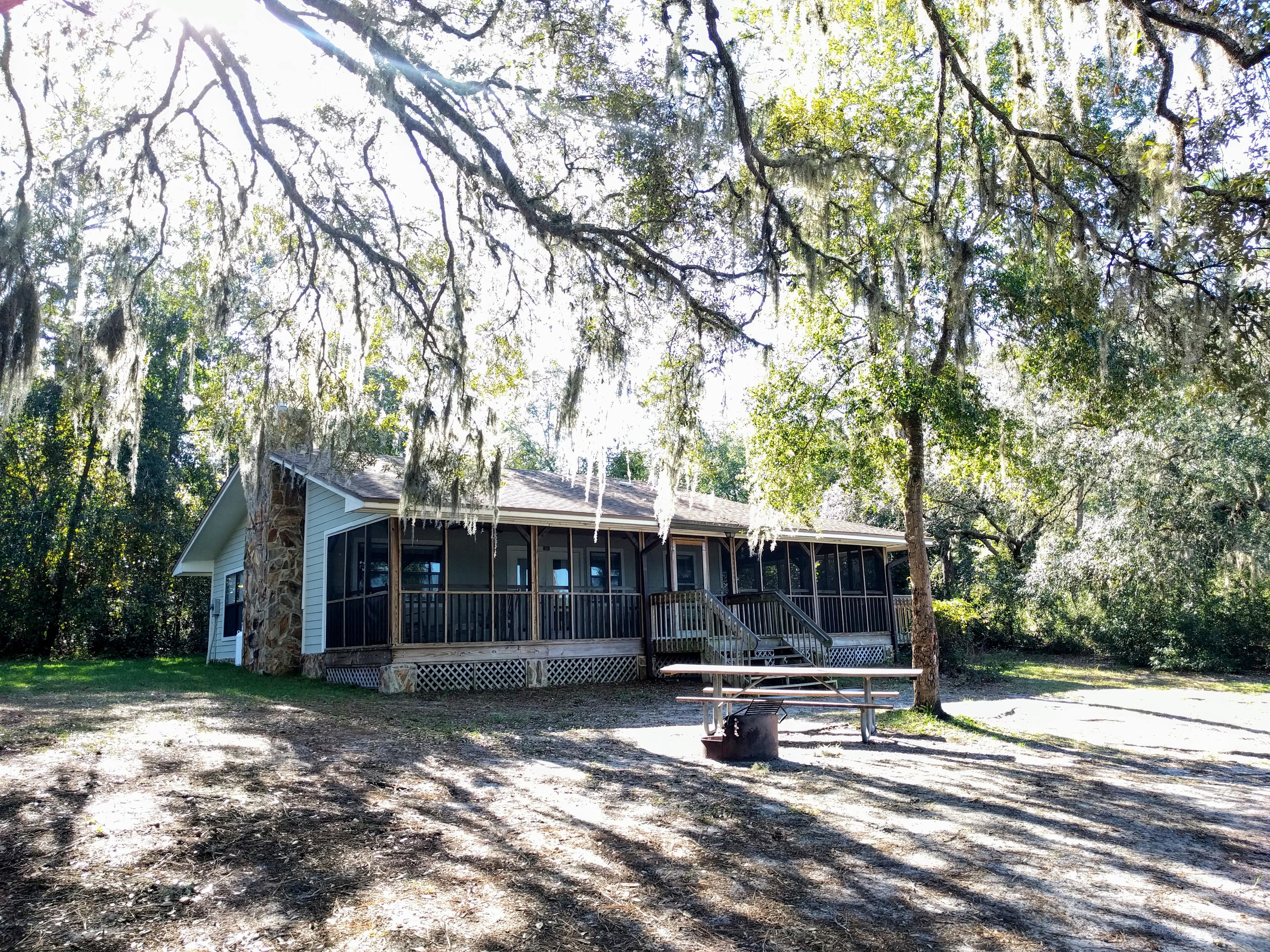
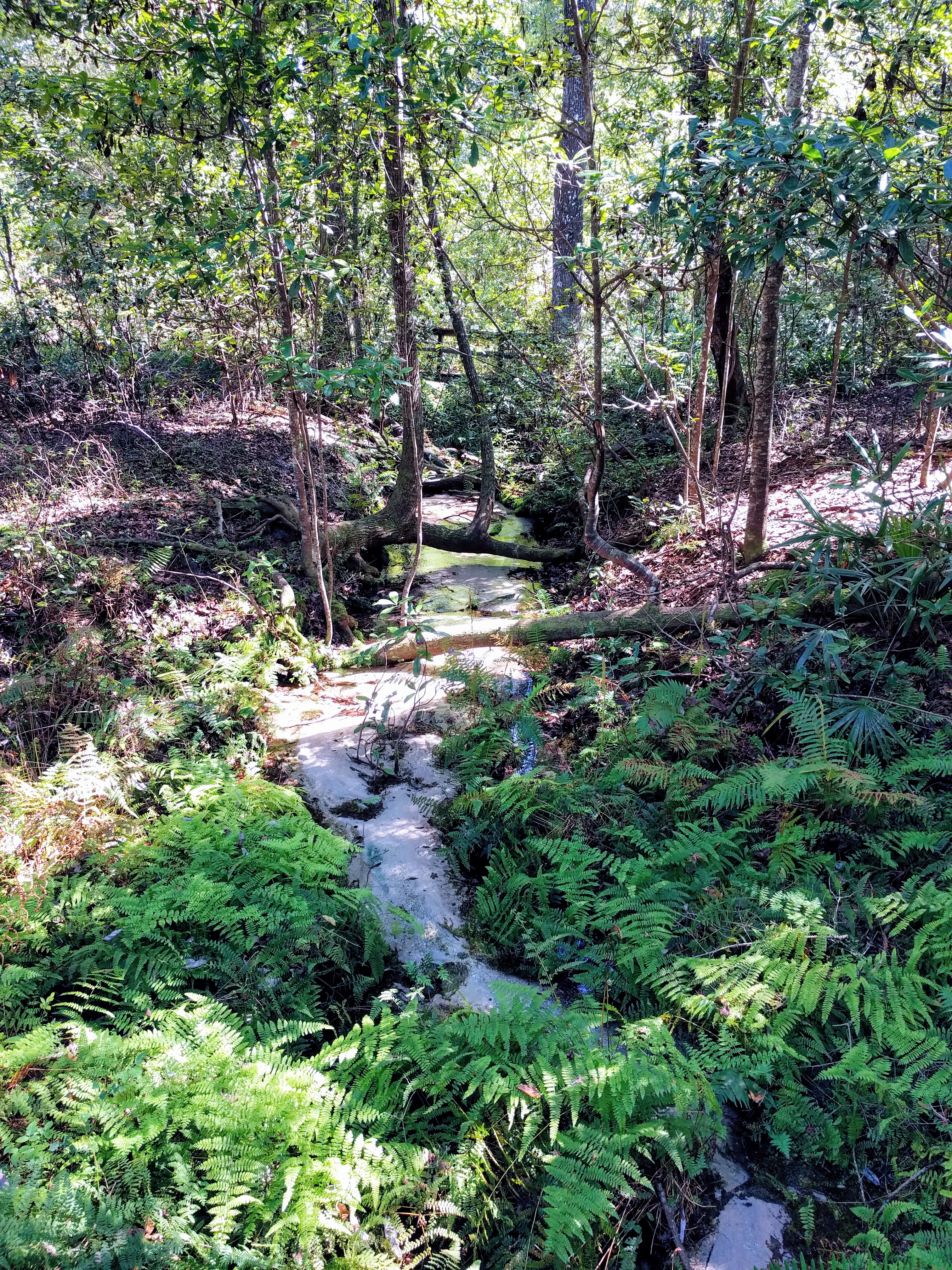
13. Mike Roess Gold Head Branch State Park
83%
(6)
State park 47mi from Lake City · 83 sites
What a name. Betcha can't say that three times fast?
Pets
Toilets
Showers
Friendly's River Retreat RV
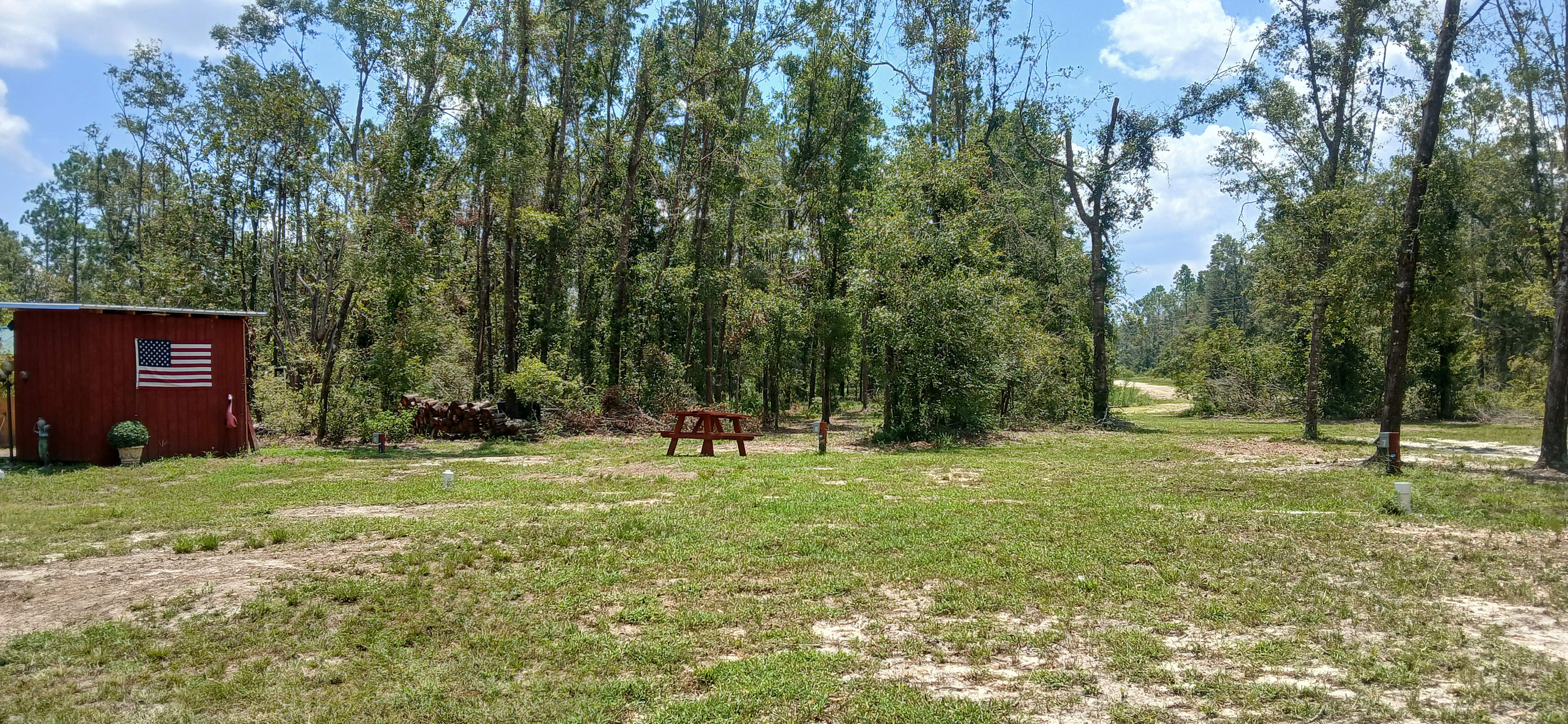
14. Friendly's River Retreat RV
97%
(19)
37mi from Lake City · 4 sites · Tents, RVs, Lodging
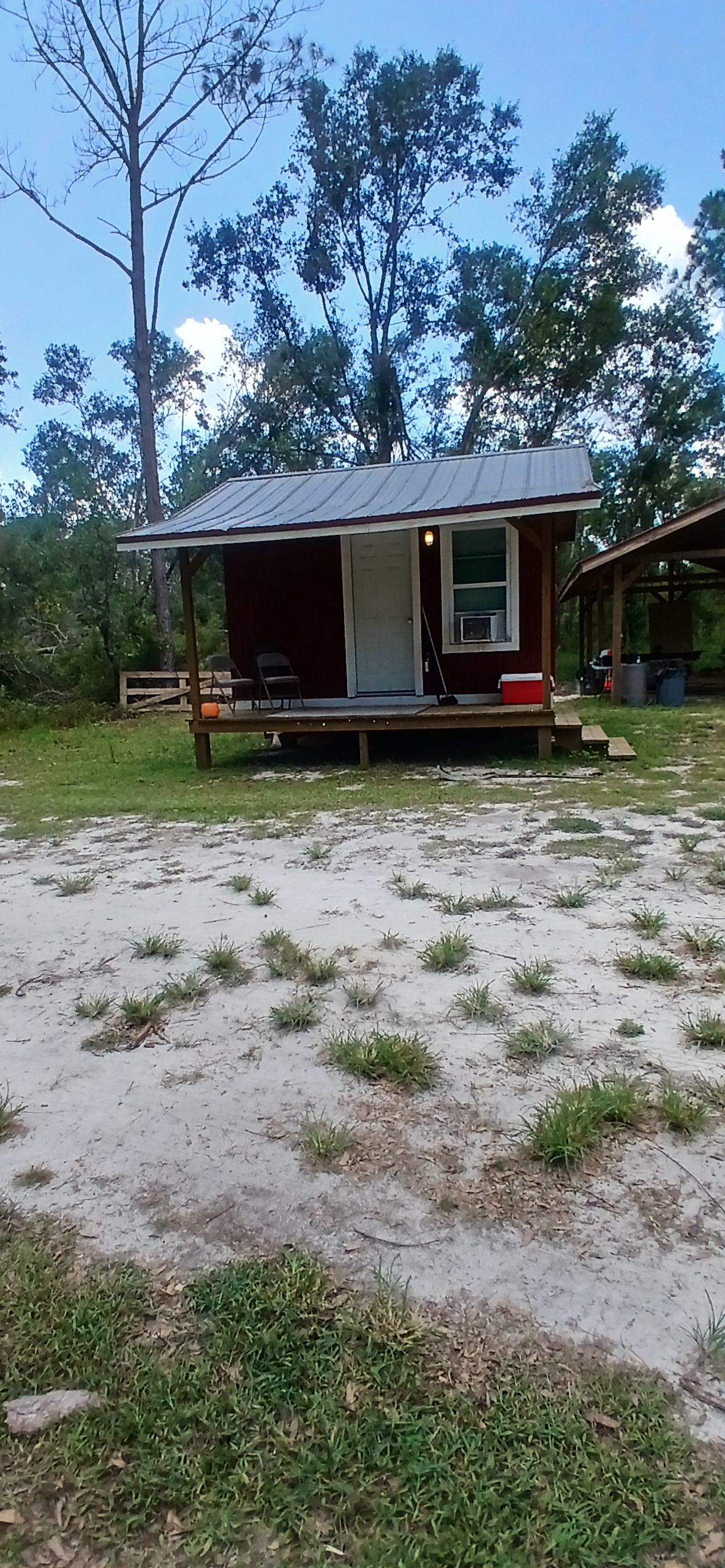
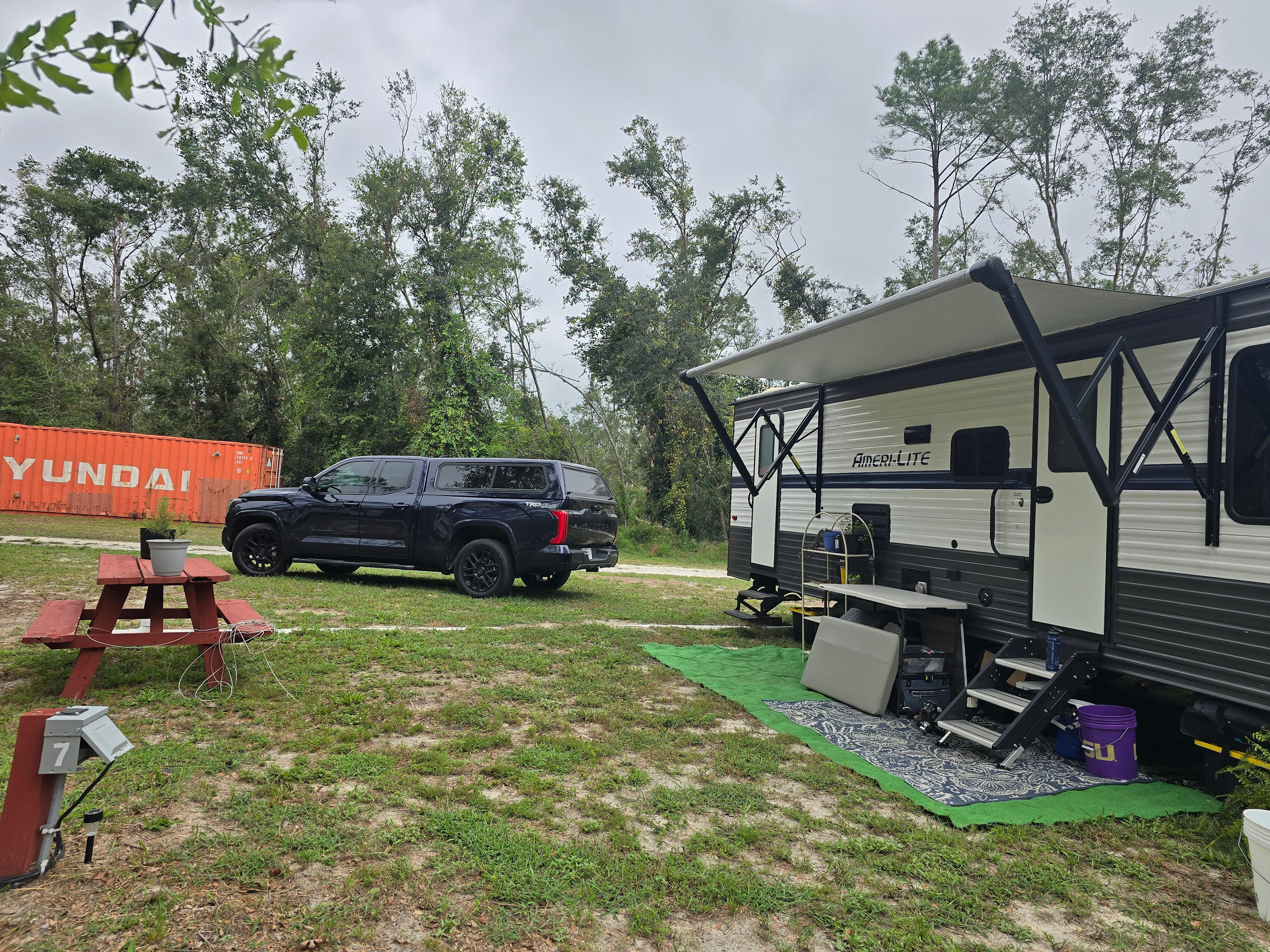
10 beautiful wooded acres nestled in the middle of hundreds more. One mile off of the Suwannee River boat ramp Simms landing,Charles Springs Blue Springs ,Peacock Springs,Spirt of Suwannee music park and Big and camping 30amp 50amp R.V. sites camp cabin that sleeps a couples cabin bath house outdoor kitchen close to the spirit of Suwannee music park and many spring and cave diving near by
Pets
Toilets
Showers
Treehouse Cabin Retreat - Florida

15. Treehouse Cabin Retreat - Florida
98%
(185)
41mi from Lake City · 2 sites
Welcome to the Treehouse Cabin Retreat located near the Suwannee River in Old Town, Florida!
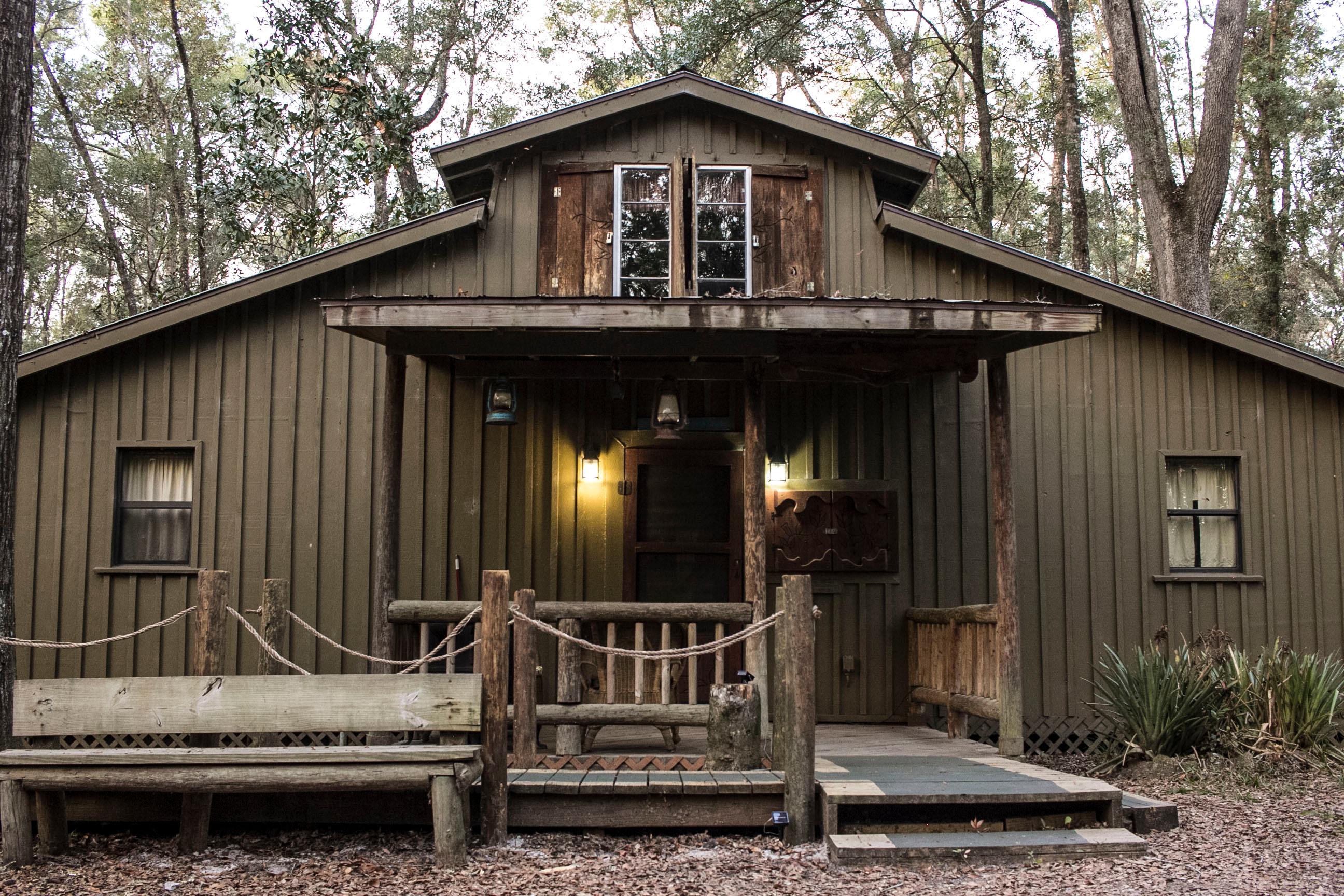
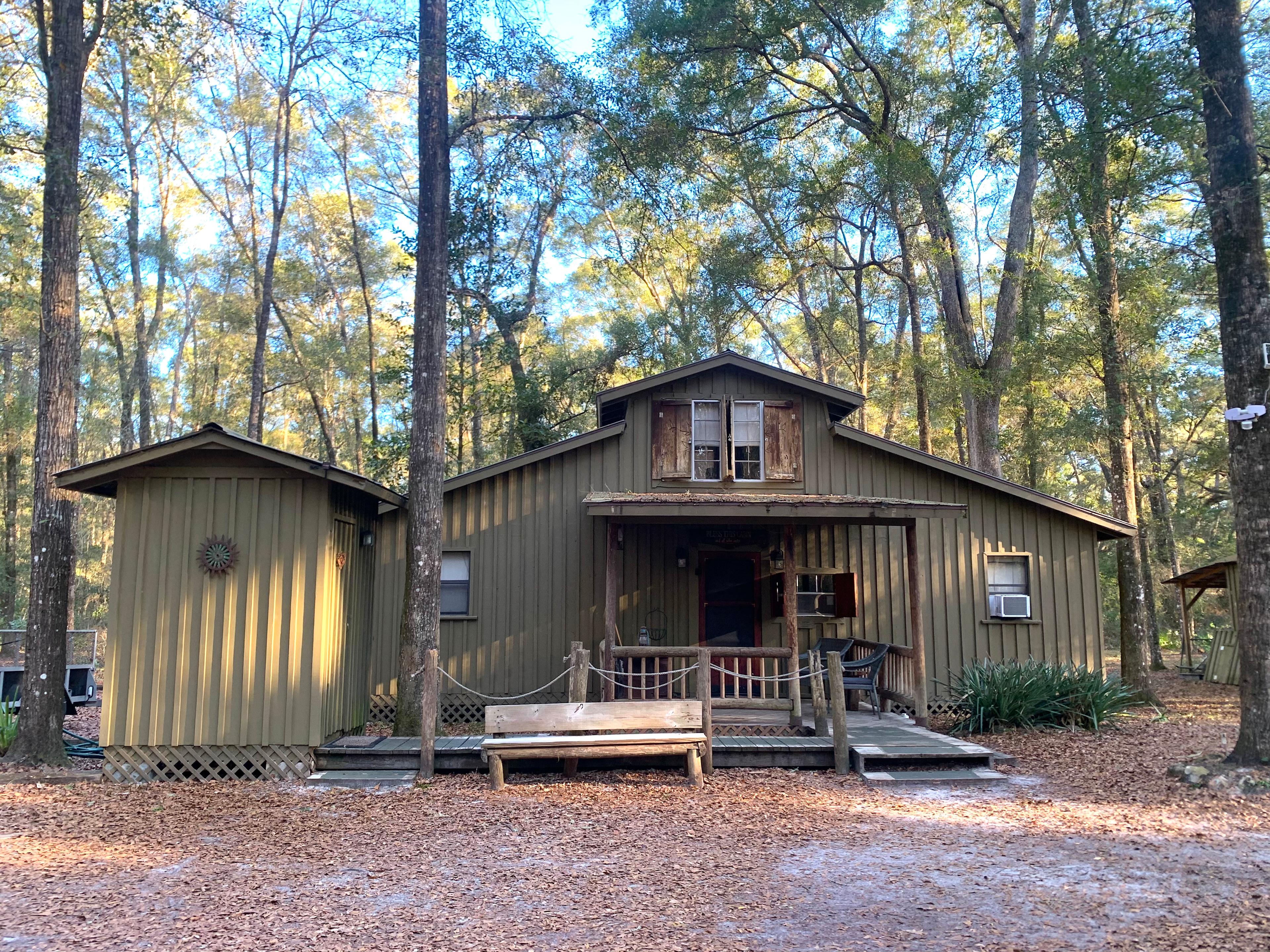
If you like camping, you will love this getaway. Our unique Treehouse (one queen bed on main floor plus small single bed in the loft) plus Rustic Cabin rental (1 bedroom with 1 queen bed, loft with double bed) brings you back to nature for relaxation and unplugging. Located just minutes from the Suwannee River with wonderful, clear, freshwater springs that are great for paddling and swimming. Just escape and relax among the trees, play outdoor games and have a campfire, or visit nearby springs, parks and rivers. Enjoy an outdoor shower under the stars.
Warm up next to the campfire and create new memories. Old Town is a small town, 20 minutes north of Chiefland, 45 minutes northeast of Cedar Key and 45 minutes northwest of Gainesville. We allow a maximum of 7 people and 2 cars.
Our retreat is designed to bring peace and simplicity, it’s a place to disconnect and breathe again. It helps us to rejuvenate and reconnect with nature and as a family. We believe everyone needs time away to breathe, that’s why we are sharing our little piece of nature with you. Trade the cell phone for a book on insect ID (there are plenty of bugs, this is the woods!) Relax in the hammock and look at how bright the stars are. Sit on the deck of the treehouse and enjoy the view of the treetops. Enjoy a refreshing outdoor shower. Breathe....
So disconnect from your busy lifestyle and plan a stay at our Tree House Cabin Retreat where you can relax and leave it all behind. Featured on the DIY Network-Tree House Guys. Find us on Facebook and Instagram as well.
Rewrite the "roots" of your life!
PLEASE NOTE, we allow up to 2 dogs with fees paid. PLEASE ADD THIS AS AN EXTRA AT THE TIME OF BOOKING.
Be sure to read the Treehouse Retreat Rules and let us know if you have questions. This covers what's allowed, not allowed, expectations, things to be aware of, what you should plan to bring, etc.
**Please note some of the photos are uploaded by past guests and some of the items pictured may have changed, been replaced, upgraded, etc. Feel free to reach out with any specific questions.
Pets
Toilets
Showers
Vista Verde Farm Retreat

16. Vista Verde Farm Retreat
88%
(4)
17mi from Lake City · 5 sites · RVs, Lodging
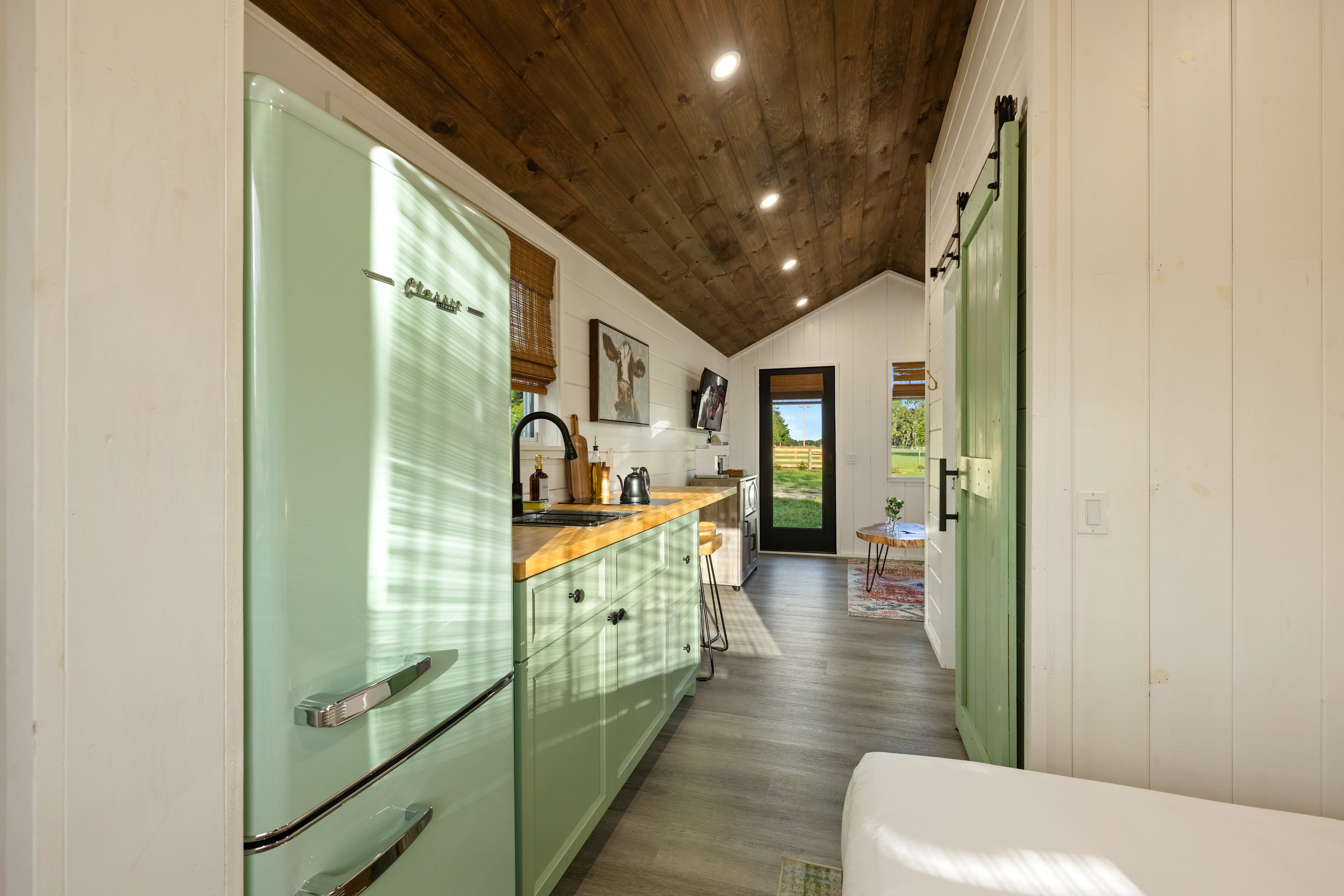
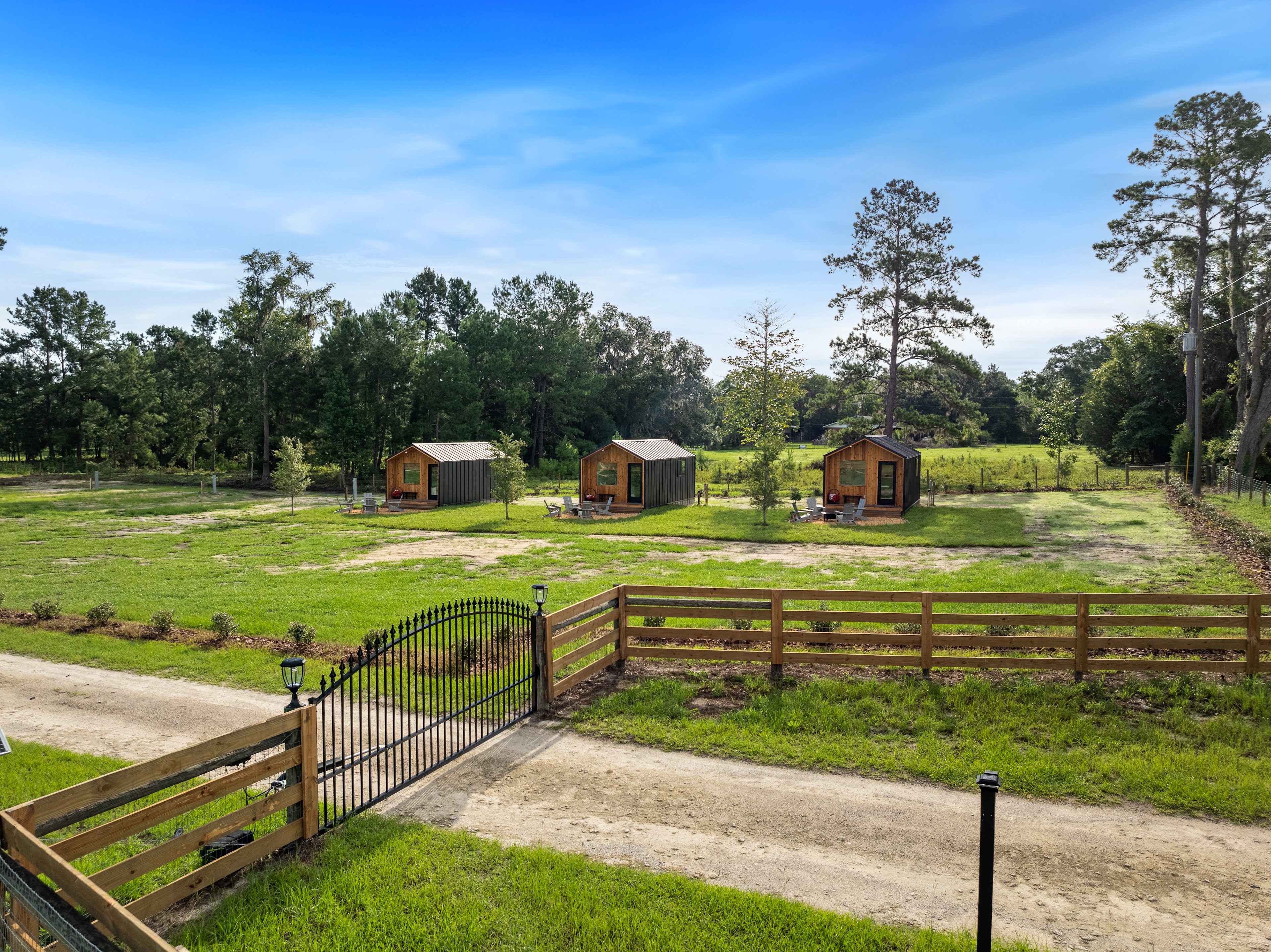
The 2-acre Vista Verde Farm Retreat is located inside a 77-acre working farm that raises cattle and sheep (Fruitful Earth Farms).
The property is located within close proximity to outstanding spring-fed rivers (Santa Fe, Ichetucknee, Suwannee), the world famous Ichetucknee Springs, Historic Downtown High Springs, and many other springs, state parks and trails.
The camp consists of 3 RV spots with full hookups (30/50 AMP electric, water, septic), and 3 stylish cabins with countless amenities.
Pets
Toilets
Showers
Purradise Springs 🐾 Cat Sanctuary

17. Purradise Springs 🐾 Cat Sanctuary
100%
(9)
18mi from Lake City · 3 sites
If you've ever wanted to fall asleep with a cat purring on your feet, wake up to another one on your pillow, and spend your days in some of the most beautiful spring country in Florida — you've found your place.
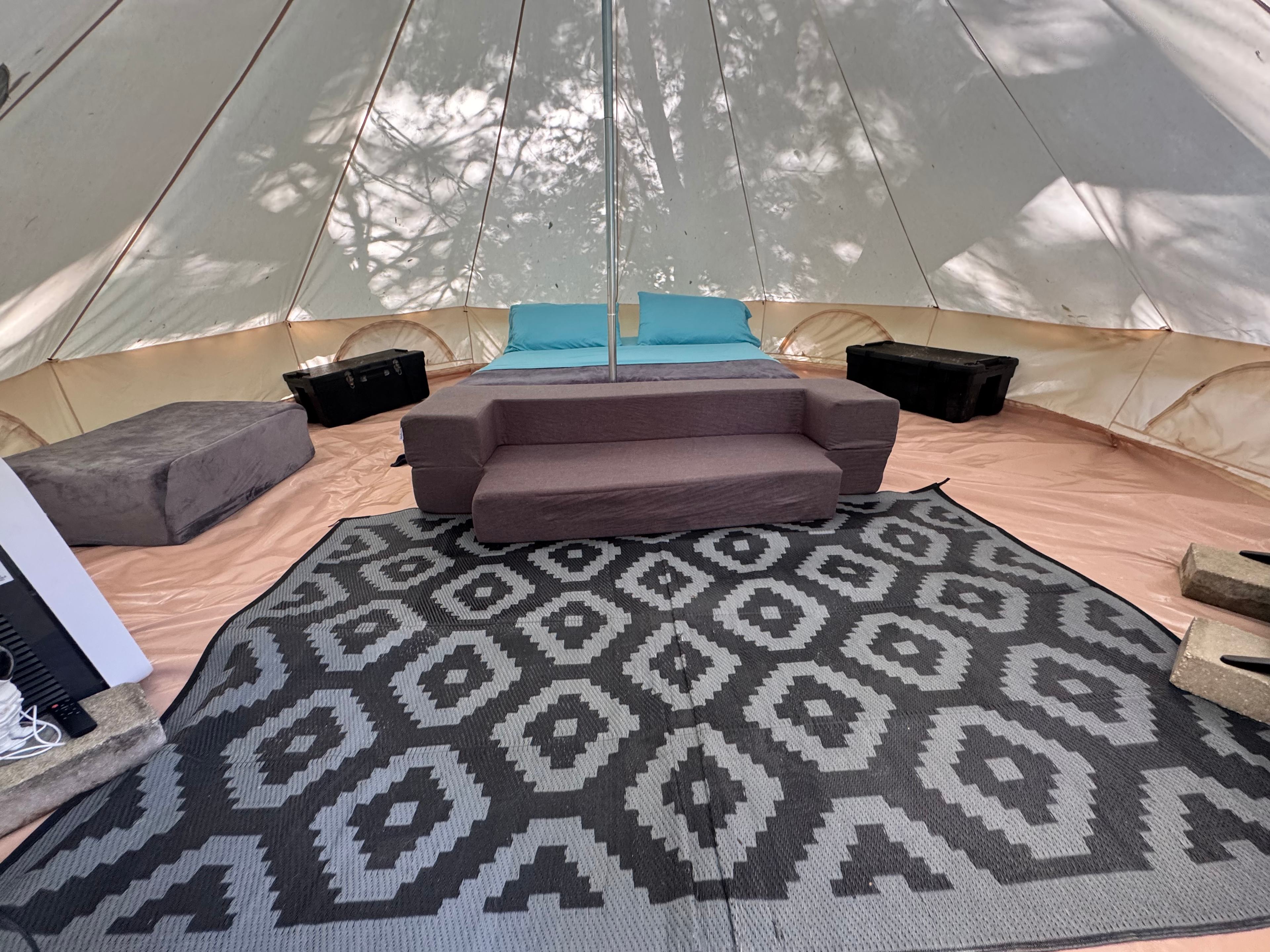
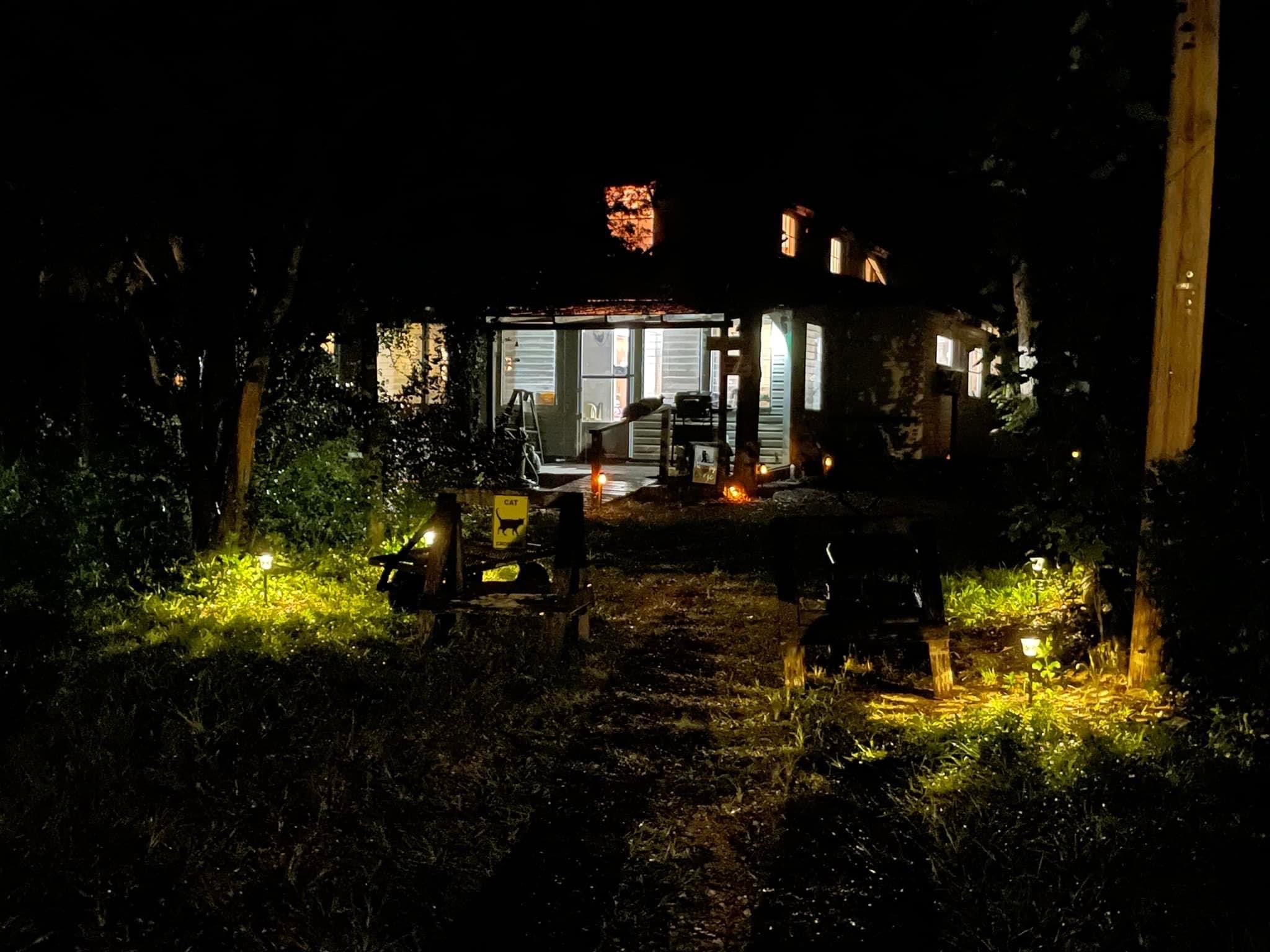
Purradise Springs is a 9-acre cat sanctuary and glamping retreat in Fort White, Florida, operated by Purrapy Inc., a 501(c)3 nonprofit. Over 180 rescued cats roam freely across the property. Your glamping tent — we call them Purrts — is their territory too, and they are very opinionated about sharing it.
The Purrts:
Three climate-controlled glamping tents — two with king beds (sleep up to 3) and one with two full-size beds (sleeps up to 3). Each has memory foam mattresses, AC and heat, and storage. All guests share access to the Purrapy Lodge — our air-conditioned lounge and bathrooms.
The Location:
5 minutes from Ichetucknee Springs State Park — one of Florida's most beloved natural treasures. Tube, snorkel, kayak, and swim in 72-degree spring water. Gainesville and the University of Florida are 45 minutes away. This is genuine North Florida spring country — live oaks, Spanish moss, wildlife, and stars
at night.
The Mission:
Every booking directly supports our cats and the ongoing transformation of this sanctuary. We are actively repurposing, renovating, and reimagining this 9-acre property using salvaged and recycled materials — turning what was neglected into something magical. Your stay is part of that story.
Be prepared for:
• Cats. Many, many cats. In your tent, on your bed, in your heart.
• A rural Florida property that is rustic, real, and full of character
• Bugs (it's Florida — bring spray!)
• Smells (180 cats = litter boxes in the lodge — we keep it clean but honesty is our policy)
• One of the most unique and memorable experiences of your life
Perfect for:
• Cat lovers, obviously 🐾
• Nature lovers and spring country explorers
• Solo travelers, couples, and small groups of friends
• Anyone who wants a stay with a story worth telling
Not the right fit if:
• You need a pristine resort environment
• You're traveling with children under 18 (ongoing construction areas)
• You're bringing pets (our rescues need a safe, calm environment)
Toilets
Showers
Campfires
The Sante Fe Serenity
18. The Sante Fe Serenity
20mi from Lake City · 2 sites · Tents, RVs, Lodging
Here on the edge of the Santa Fe river you’ll find everything the great outdoors has to offer.
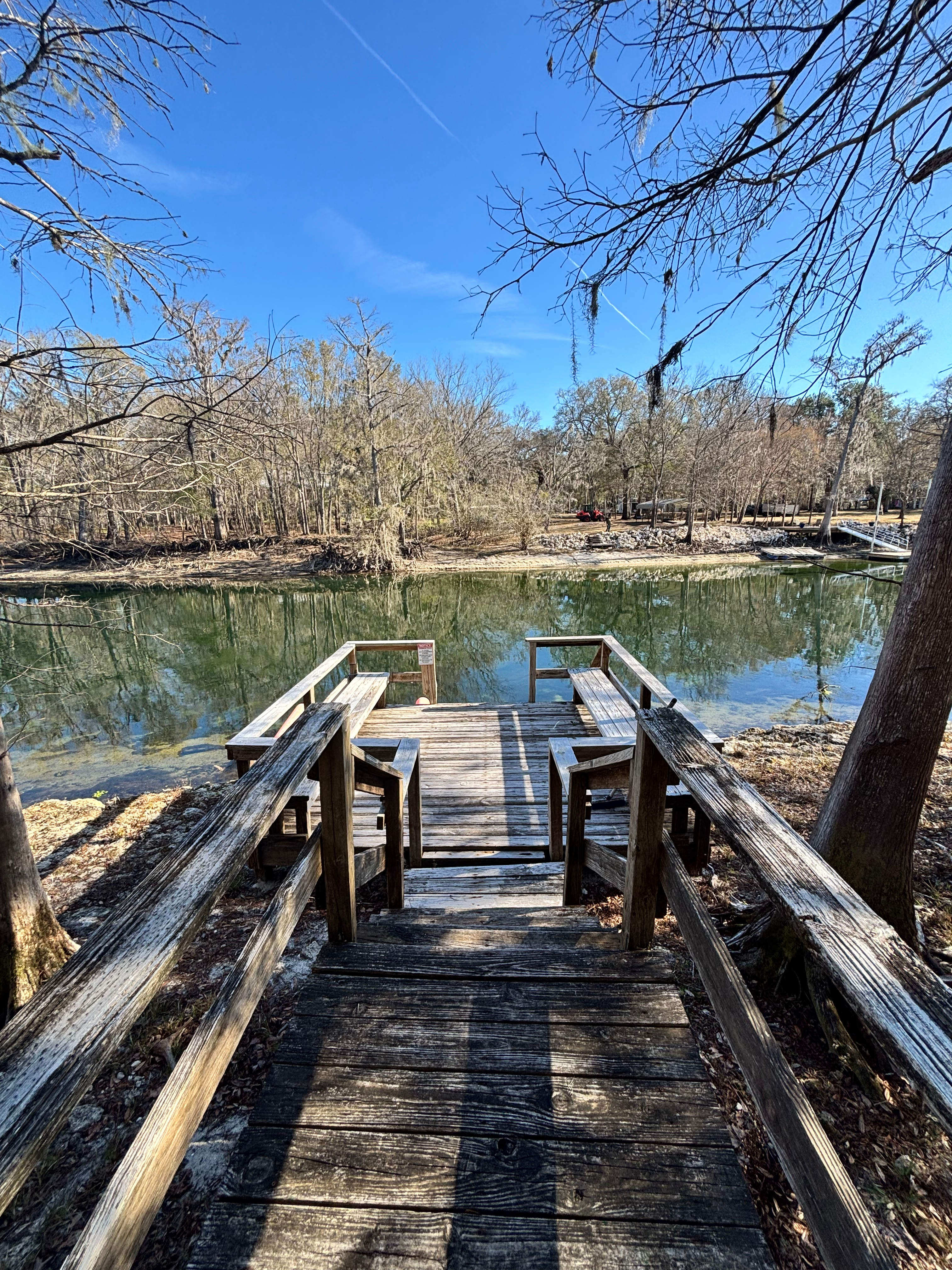
The Santa Fe river eases by with clear water flowing against the shoreline, seemingly endless. A dock leads you down to the waters edge, for swimming, fishing, floating, a morning’s warm brew or an evening cold one. Fire pit, grill and two picnic table are seated next to the dock on the rivers edge.
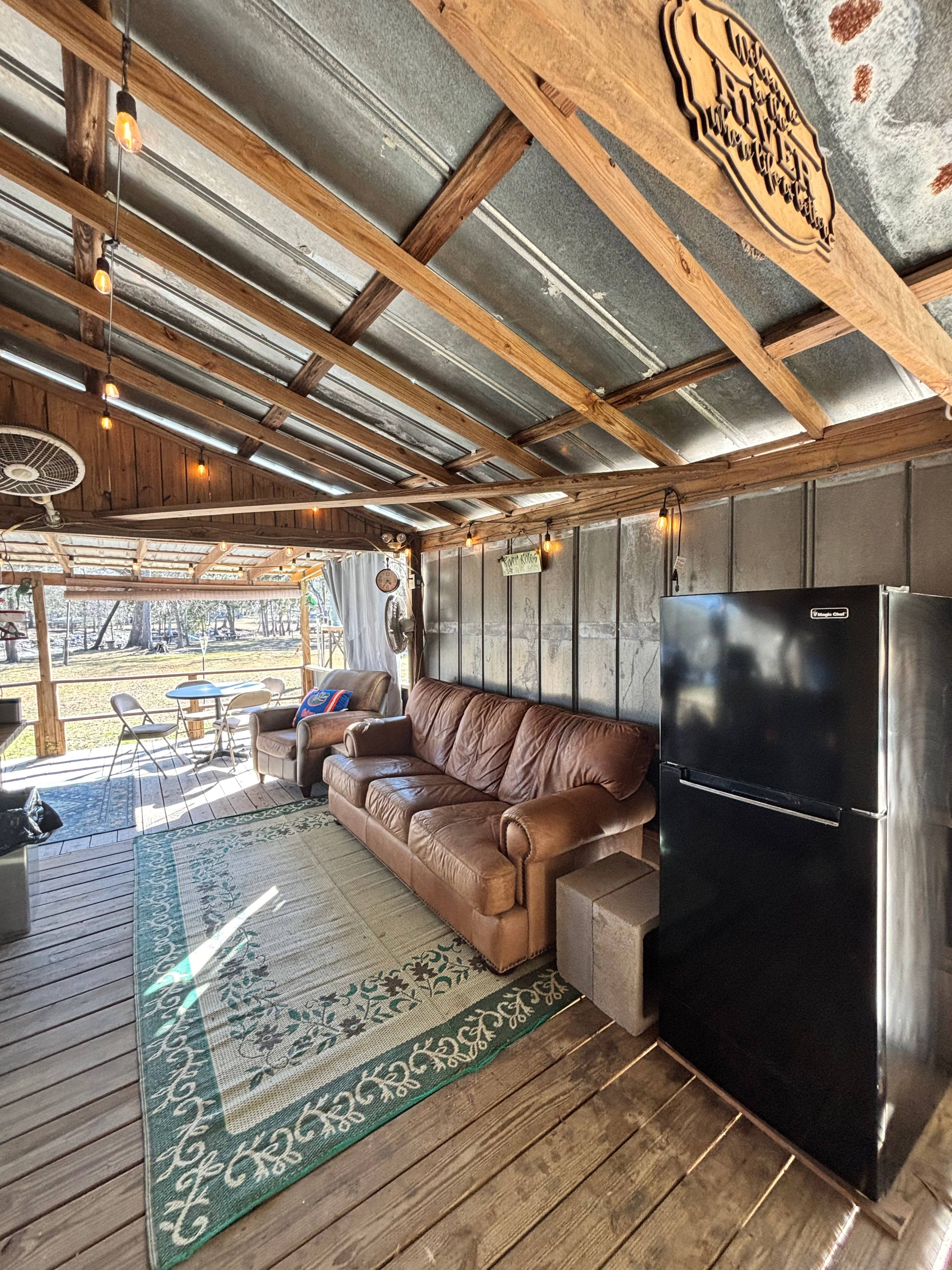
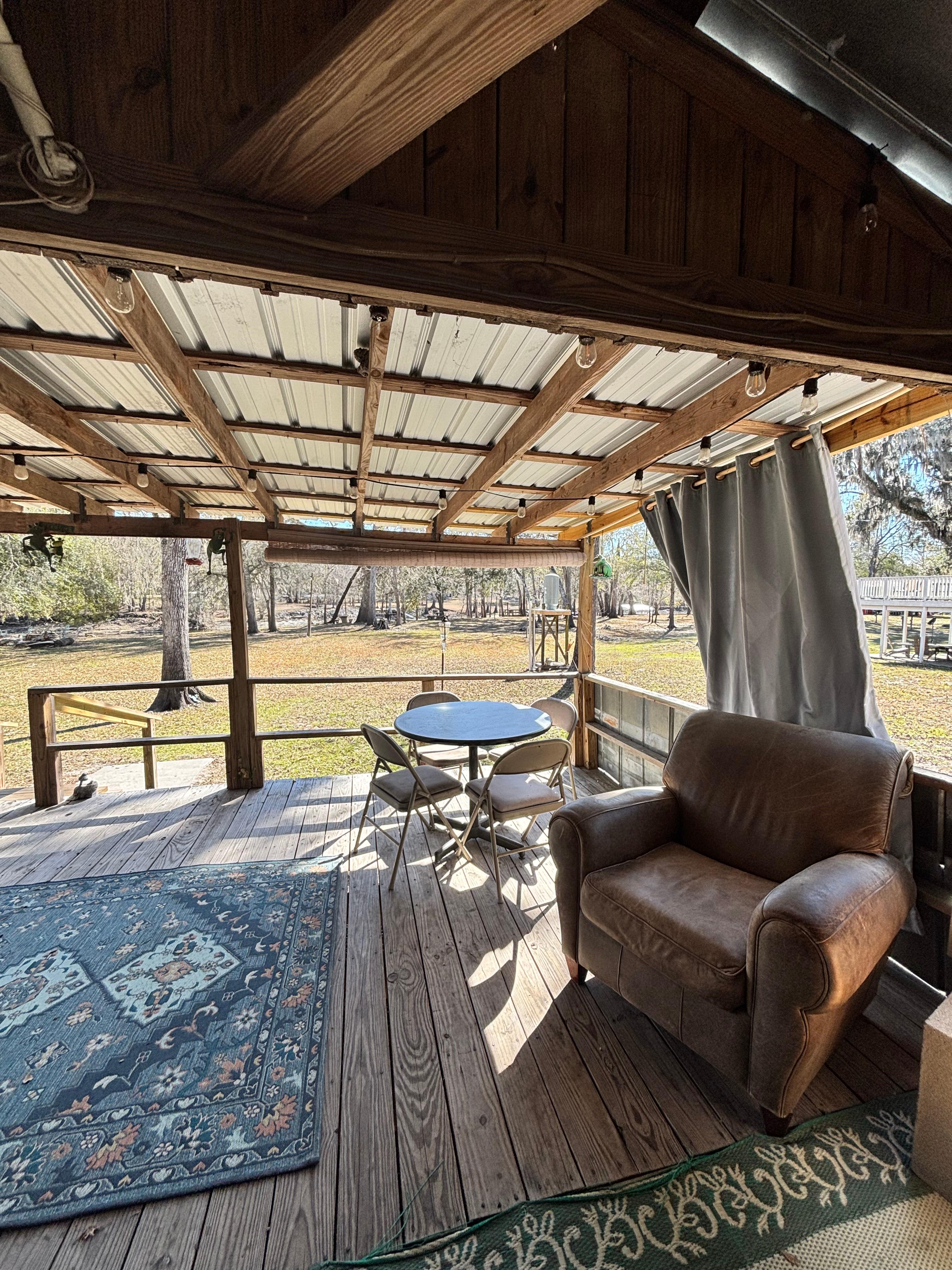
There is a small cabin for your enjoyment which includes a bedroom, bathroom with a shower, an outdoor kitchen and living space, refrigerator, microwave, grill and warm outdoor lighting. There is a kid zone with toys available for your young children with plenty to keep them playing. Full RV hookups await your RV of nearly any shape or size located to the left as you enter the property. A large beautiful lawn awaits you for outdoor games and plenty of tent camping right on the river!
Find your perfect escape to the outdoors on the majestic Santa Fe here!
This rental allows three amazing options, you can choose to tent camp on the river, bring your RV or stay in the room provided. Even if you choose to tent camp or bring your own RV, the cabin will still be provided during your stay. Bring your paddleboards and kayaks to explore the beautiful pristine Sante Fe River where at various points you can see the bottom!
Bring your floats, tie them off to dock and just float in the water. Don’t forget chairs to enjoy sitting by the river nightside with a campfire, making memories and smores!
You won't want to leave this beautiful riverside serenity. It’s the perfect place for a laid back getaway!
Pets
Toilets
Showers
Three Rivers Crystal Cabin
19. Three Rivers Crystal Cabin
100%
(4)
20mi from Lake City · 2 sites · RVs, Lodging
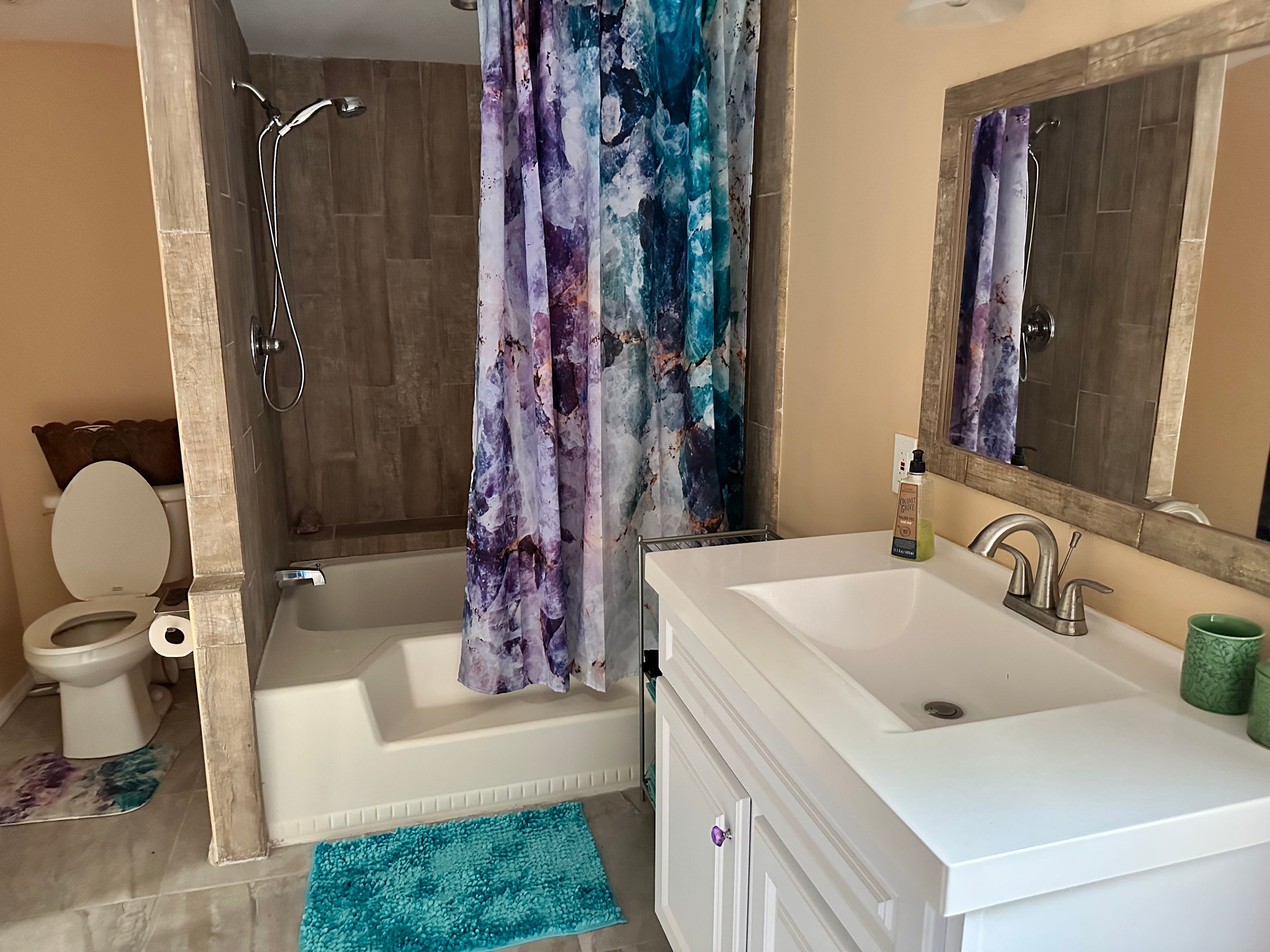
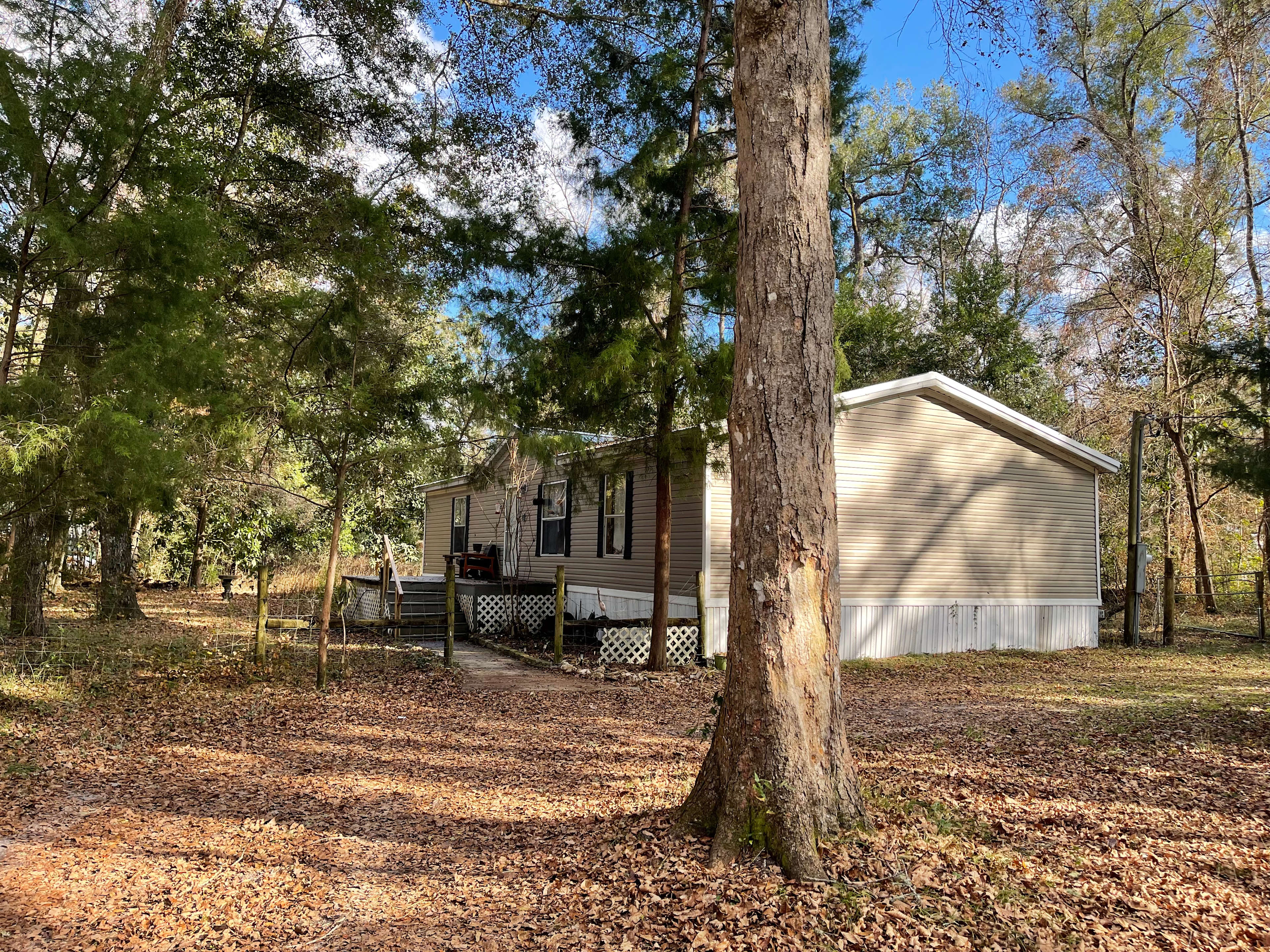
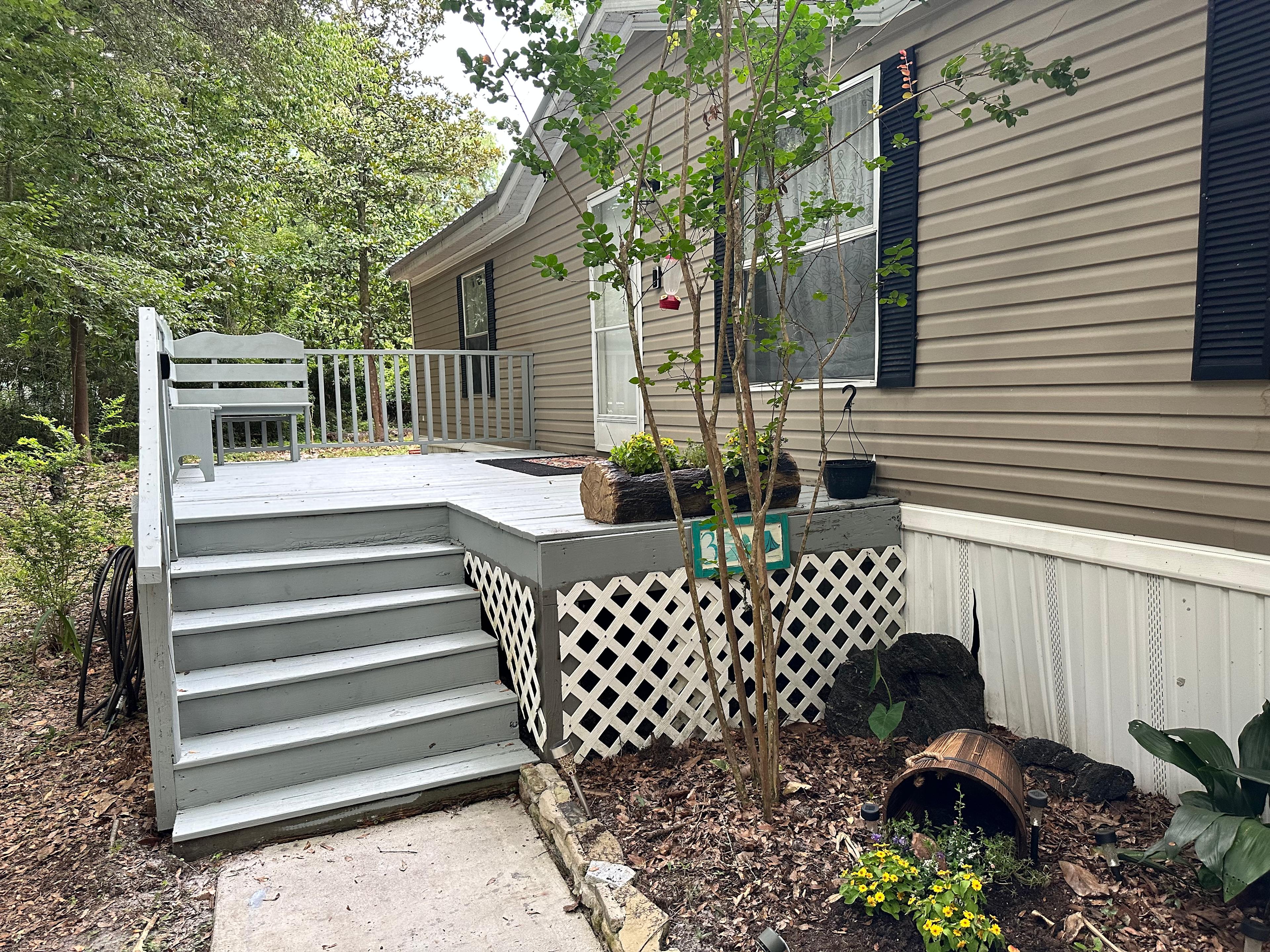
Located on One acre of wooded land in Three Rivers Estates with access available to Itchetucknee River, Santa Fe and Swanee River. Three Bedroom 2 Bath fully furnished Cabin in the woods. Don’t forget bug spray. Many spots for primitive camping spots to go with the house priced separately. 1 RV/Camping spot with Electric and Water priced and listed separately.
Pets
Toilets
Showers
Soluna Springs

20. Soluna Springs
100%
(1)
25mi from Lake City · 2 sites
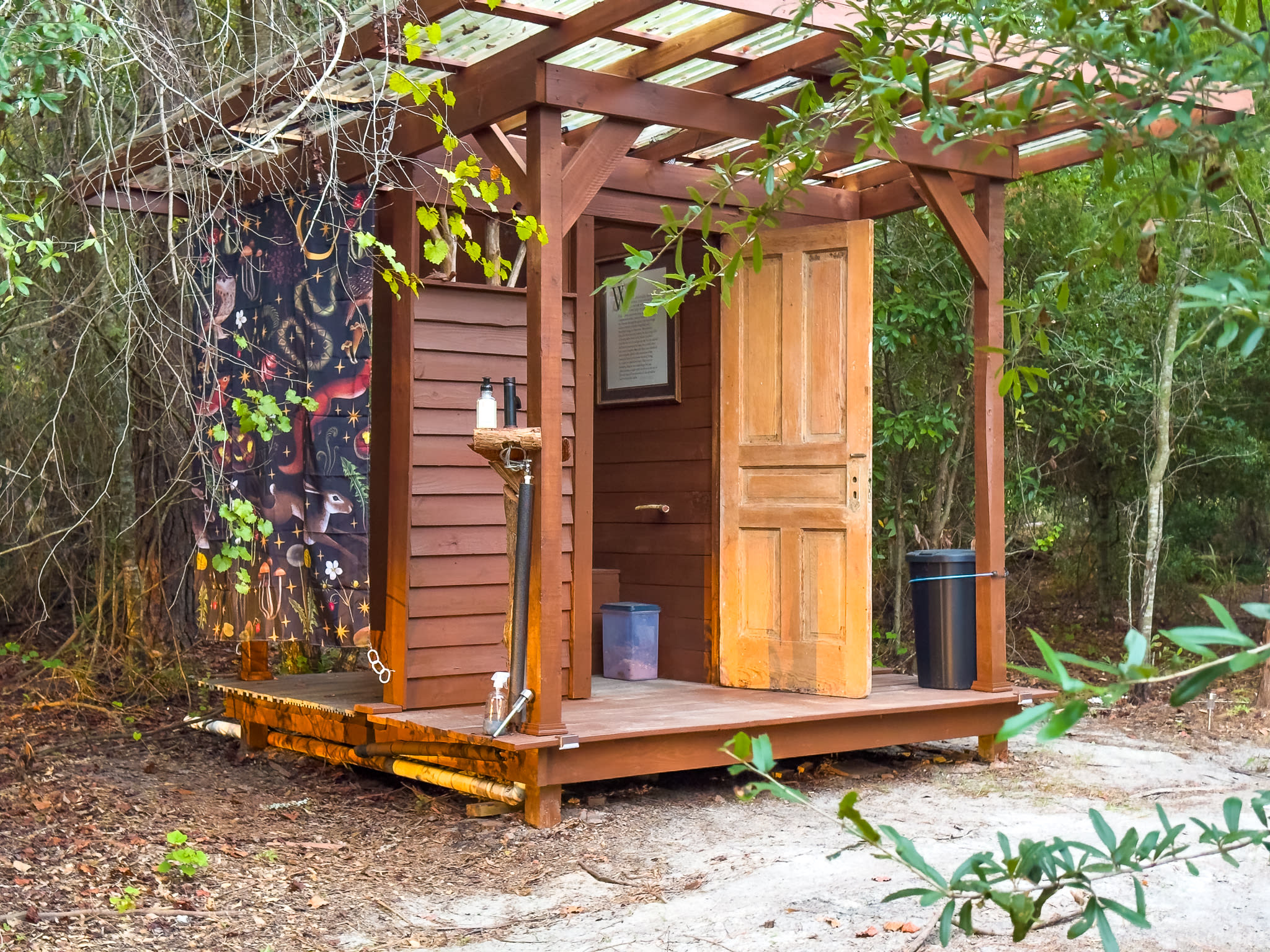
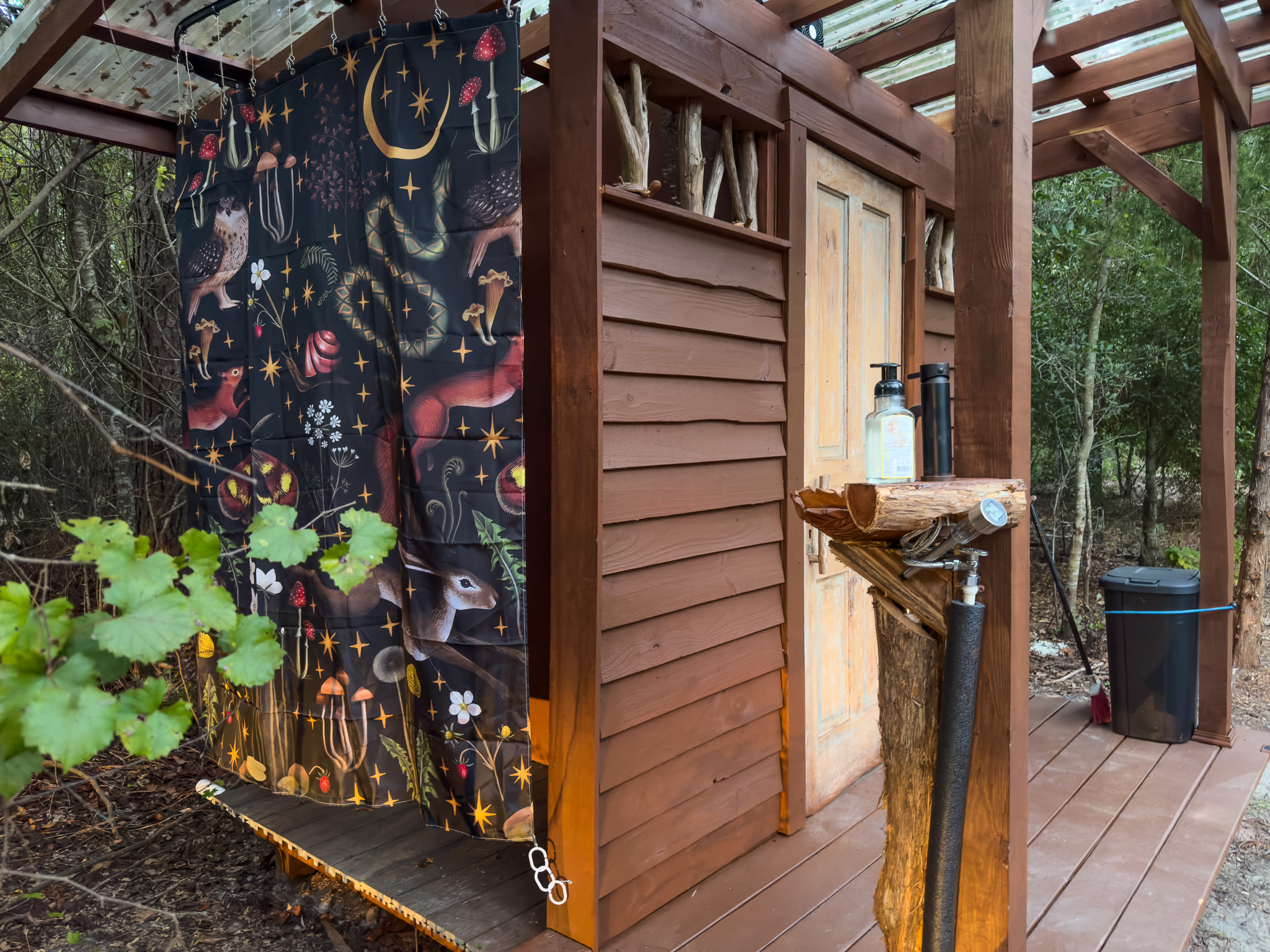
Welcome to Soluna Springs -- a 6 acre farmstay lush with cedar and pine trees, and soon to be fruit forest + farm + wellness retreat space designed to help you disconnect from the chaos of life and reconnect to nature, yourself, and your loved ones.
We're just 5–10 minutes from some of the most beautiful springs in Florida—Ginnie, Poe, Blue, and Gilchrist Springs—perfect for swimming, tubing, paddling, or simply floating in crystal-clear water.
You can:
Walk the land and see our early steps toward building a food forest
Watch the stars with minimal light pollution
Roast s’mores at your fire pit
Read, write, or nap on the deck surrounded by pine and oak trees
Explore local hiking and river trails nearby
Please note: This is a developing property! There are two tiny homes and a geodome already setup, plus a white deck canvas tent... we're building our 2nd geodome now. We are giving each dwelling a private corner of the land but it is possible to bump into others around or hear light work being done during the day as we continue shaping this into something special. The vibe is still quiet, spacious, and peaceful.
Expect a mix of comfort and rustic charm—this isn’t a hotel, but it’s clean, cozy, and full of heart. You may encounter some uneven ground, wild plants, or curious critters—it’s part of the off-grid magic.
Come experience the early energy of Soluna Springs. We hope you enjoy :)
Pets
Toilets
Showers
Recent reviews from the Hipcamp community
L
Logan
1 week ago
With kids
This was such a nice secluded place to stay overnight on a longer trip-
Kids had so much fun just walking around catching lizards and wildlife and learning right outside the door!
Shower, ac, WiFi, parking, fridge and all was perfectly good and useful
Would definitely recommend this
I would download the surrounding area on maps so you can navigate without connection to WiFi, it is very secluded!
Also recommend getting food from outside the city because it’s very sparse, stock up on gas too!
See more
L
Lora
2 weeks ago
3 nights at Kokomo Farms
What a lovely escape. I stayed at Trudy and Greg’s eclectic rescue farm in the colorful tiny house accompanied by all the chickens and roosters that provide the fresh eggs for breakfast and your alarm clock in the morning. They made it very welcoming and the inside was cozy, cold a/c, a frig, and tv …with a full bathroom that I appreciated as a “glamper.”
The animals were a highlight! Shin their pup could chase a ball forever and he was a delight. Ms Calico came for dinner every night. The horses loved extra treats as well.
They try to make your experience one to remember with a painting station under the big oaks and the star gazing is something you have to do! Walk the trails at sunset and enjoy a roasted marshmallow by the evening fire.
See more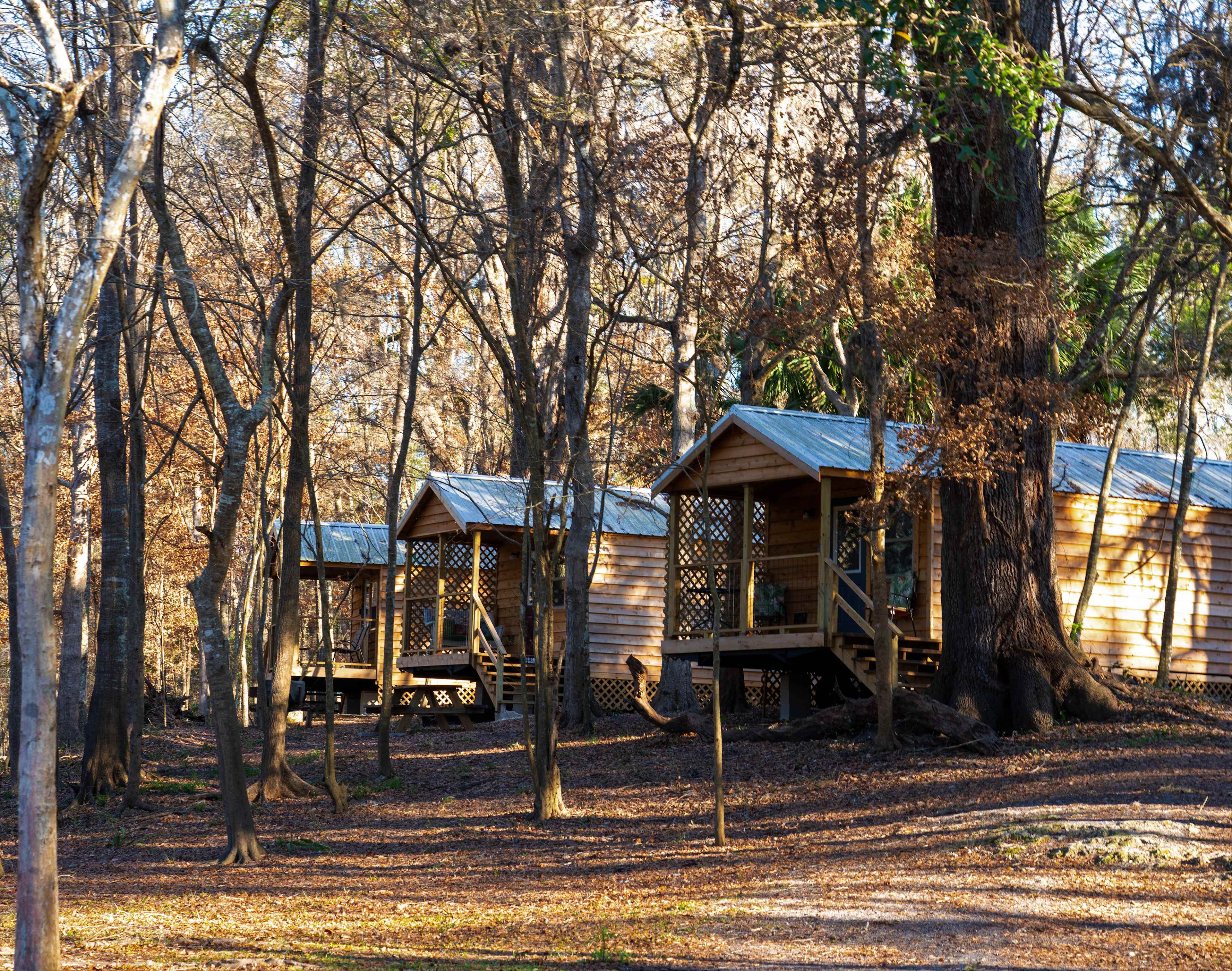

Andra
2 weeks ago
With pets
Great stay as always. Cabin always meets our needs perfectly the river is wonderful!
See more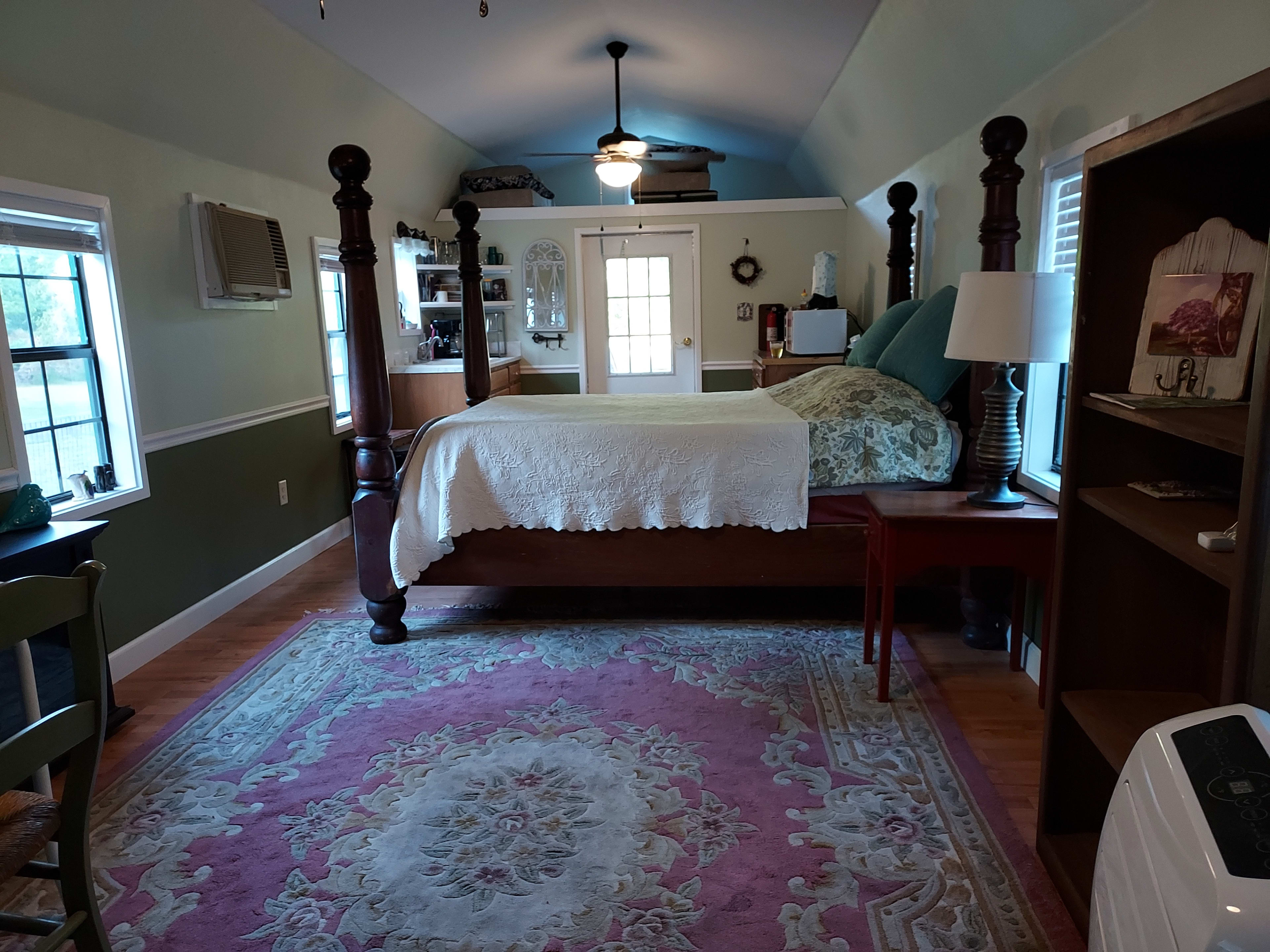
K
Kathie
April 2026
With pets
We could have stayed at a hotel in Gainesville, but nothing compares to sitting on the porch of Quatermoon under an almost-full moon, sipping wine and chatting with our wonderful hosts. We have been here several times and will be back.
See more
K
Kentrina
April 2026
With kids
Peaceful. Clean. Nice little walking trails. Truly is very welcoming and kind.
See more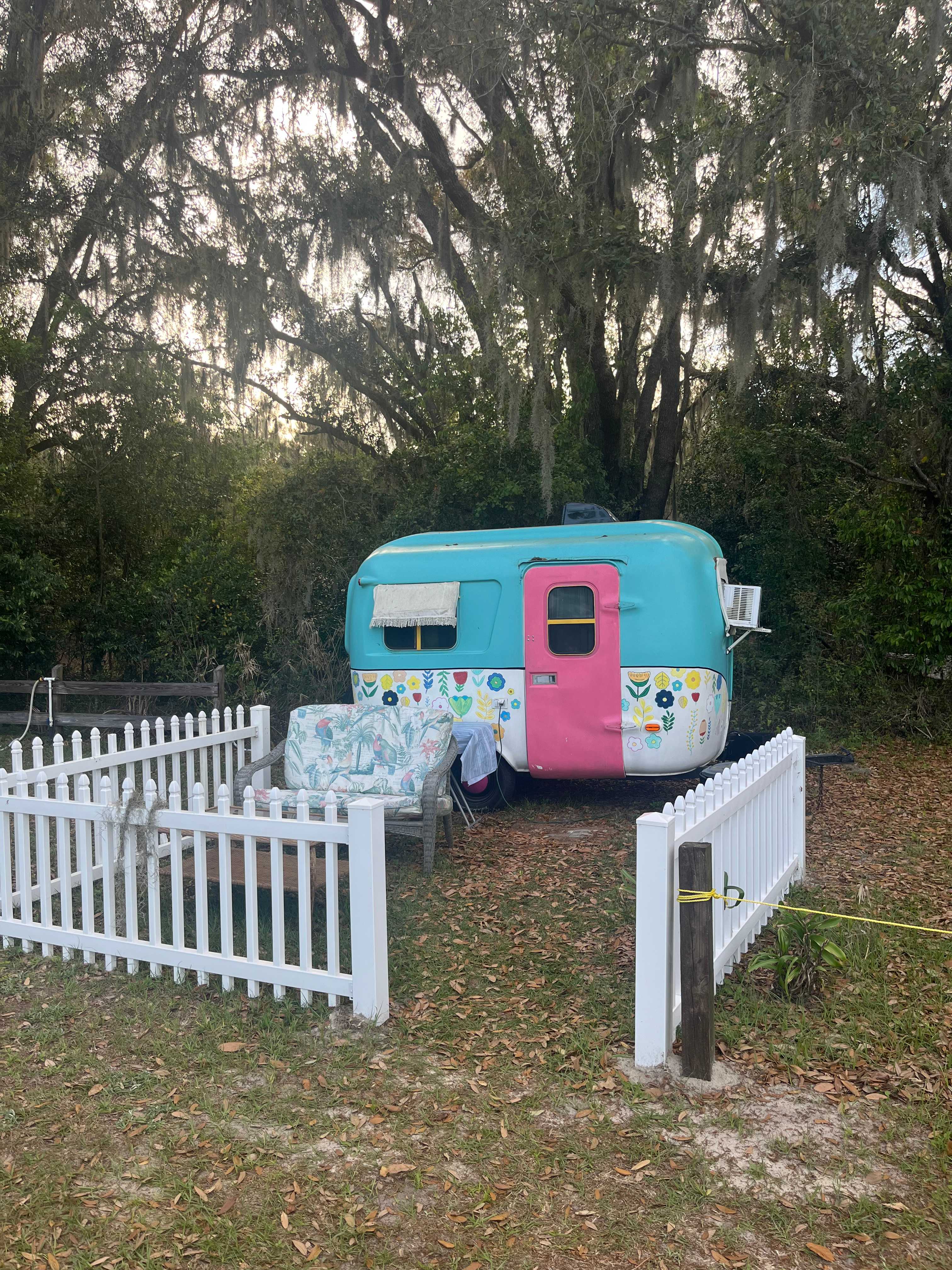
S
Shannon
March 2026
1 night at Kokomo Farms
The camper was so cute! Perfect for me :) it was chilly the night I stayed and I stayed nice and cozy all night. The trees on the property are amazing all in themselves! But the hosts are just as great… I noticed at night, when you walk out of the bathroom you can see the stars peeking through the trees and moss, so don’t forget to look up! The bathrooms and shower house were top notch. I would love to stay again if I am ever in the area.
See more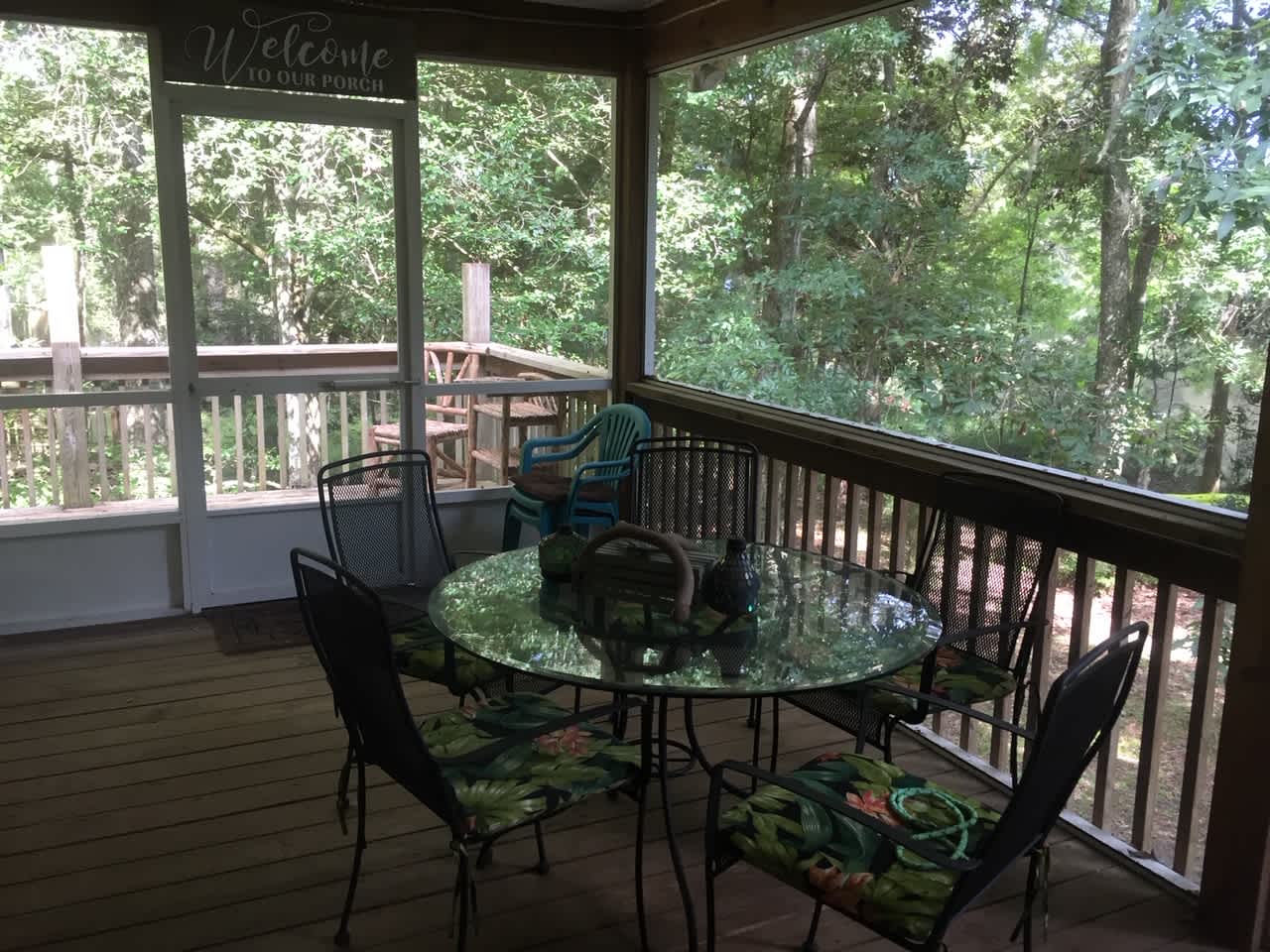
M
Marissa
March 2026
Group trip
Everything about this place is a dream! We went for my birthday celebration and completely fell in love. From the first few moments after arrival, I could feel my whole system winding down and relaxing. We loved visiting the spring at the bottom of the dock, and enjoying the river view in the many cozy spaces provided. The kitchen was fully stocked so we could make lots of yummy meals too! The beds were nice and comfy, and the hanging bed outside was a special treat. It was so easy to pop over to the nearby springs to take a dip, and coming back to build a fire was a perfect way to end the day. We will absolutely be back, and soon! Thank you Kelli :)
See more
C
Cathryn
March 2026
Weekend Trip to Friendly's River Retreat RV
I stay on Stacey’s property every other weekend. I live the peacefulness & calmness I feel when I’m there. Stacey is a great host & will try to accommodate you the best he can.
See moreL
Lena
March 2026
With kids
Loved the grounds, host was nice, location was great! Definitely want to go back!
See more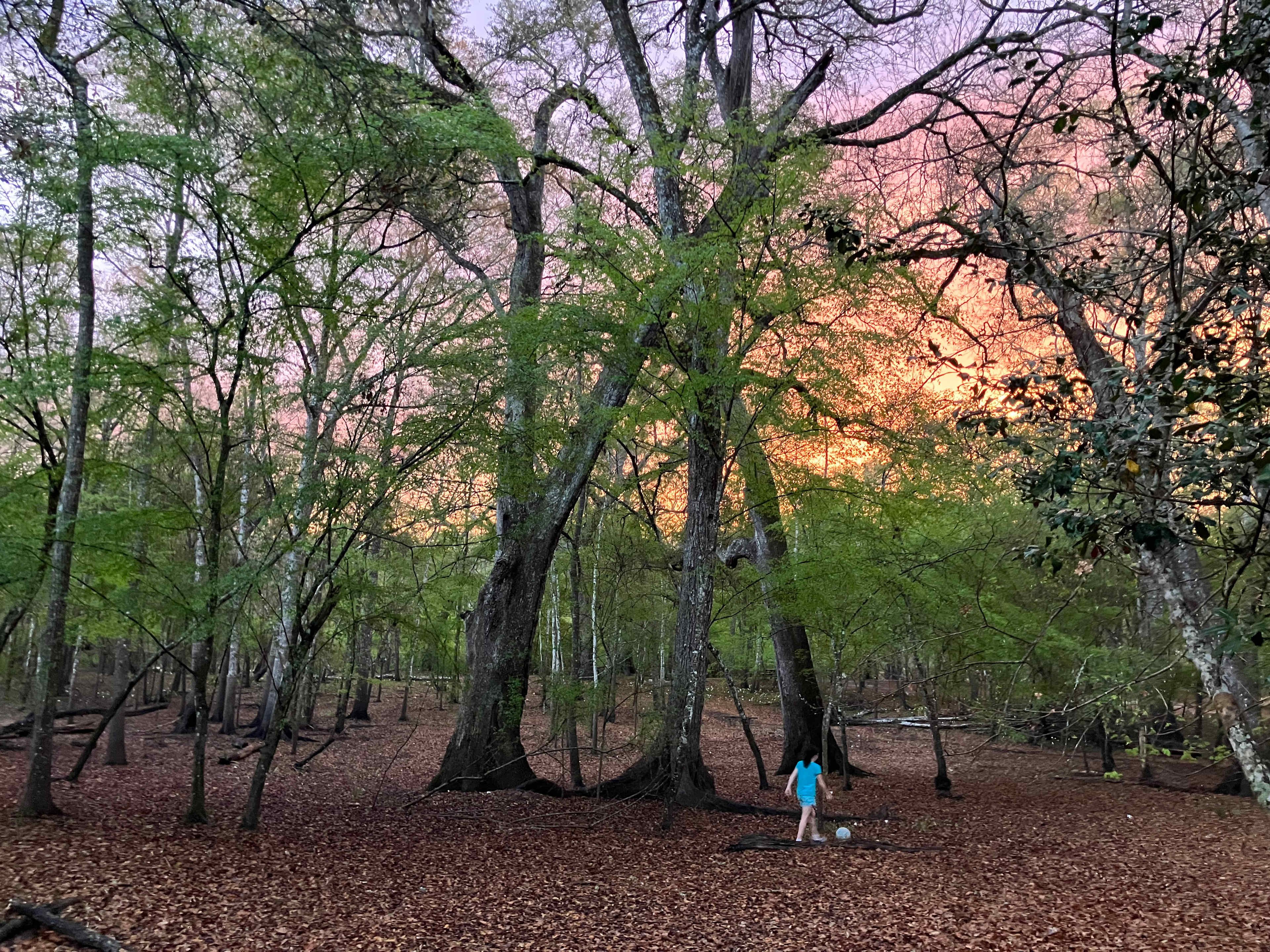
A
Anne
March 2026
With pets
This place is awesome! We wanted to stay another night, but I had to work. Instead, we headed back to Bradenton and stopped in Cedar Key for a couple of hours.
During our weekend stay at Bowman’s, we rented kayaks and paddle boards with an outfitter called Rum 138 and it was such a beautiful & chill run.
Jesse, the host at Bowman’s was very accommodating and showed us around as soon as we arrived. It’s so beautiful, the kids enjoyed playing in the woods and you can ride bikes in the nature trail around there and just set them free. The sunset colors in the sky are amazing and you’re right along the Santa Fe.
We cooked deliciousness on the Blackstone we brought, but each Campsite has a little grill on the fire pit if you wanted to use that (which we will probably do next time.)
They have Community bikes to use and if you want to bring an old well working bike you don’t use anymore & want to donate to them, I’m sure they’d appreciate that!
We rented one of each of the cabins…, one with kitchen, one glamper, etc. I can’t wait to go back! Plenty of nature, chickens, etc. Jesse is very informative about the area and cool quirky things. Awesome times!! I do have lots of photos. I will add to this later.
See more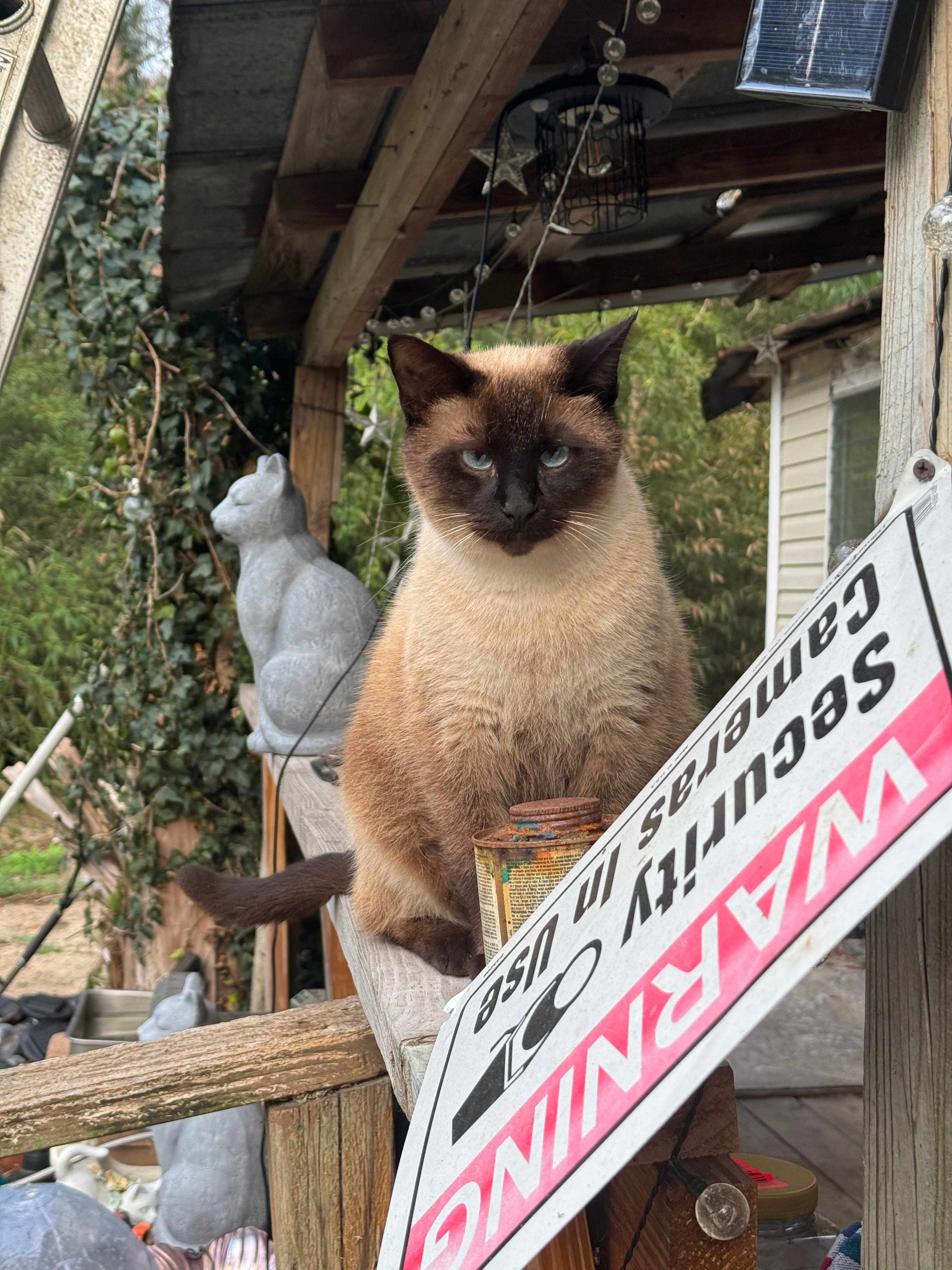
A
AMY
March 2026
Weekend Trip to Purradise Springs 🐾 Cat Sanctuary
If you LOVE cats, this is the place for you!! These are some of the friendliest cats I’ve come across and great hosts! Tell the cats thanks for sharing their home with us ;-)
See moreR
Robert
February 2026
Weekend Trip to Bowman's Landing
The cabin is clean, we'll kept and comfortable. The hosts are very accomodating and ensure you enjoy your stay. I stayed solo this night, but I think this will be a great place to bring my wife and daughter in the future
See more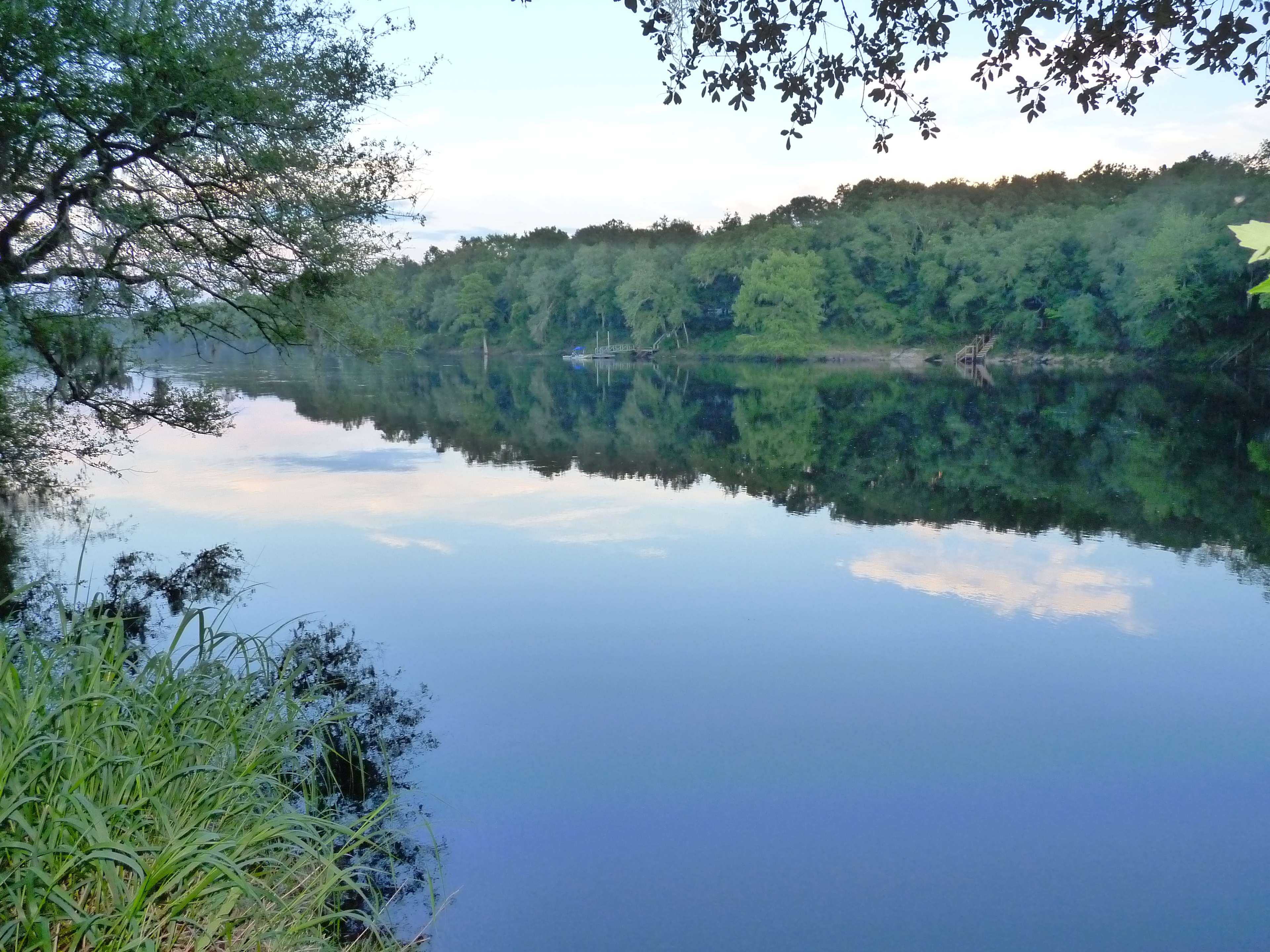
C
Crystal
February 2026
With kids
This is our second time staying at this home and we had a wonderful stay! Christine was very communicative and friendly from start to finish, which made everything easy and stress-free. The home was extremely clean and well cared for, and we really appreciated how well stocked it was with essentials and thoughtful extras. You can tell they truly care about their guests. We would definitely stay here again!
See more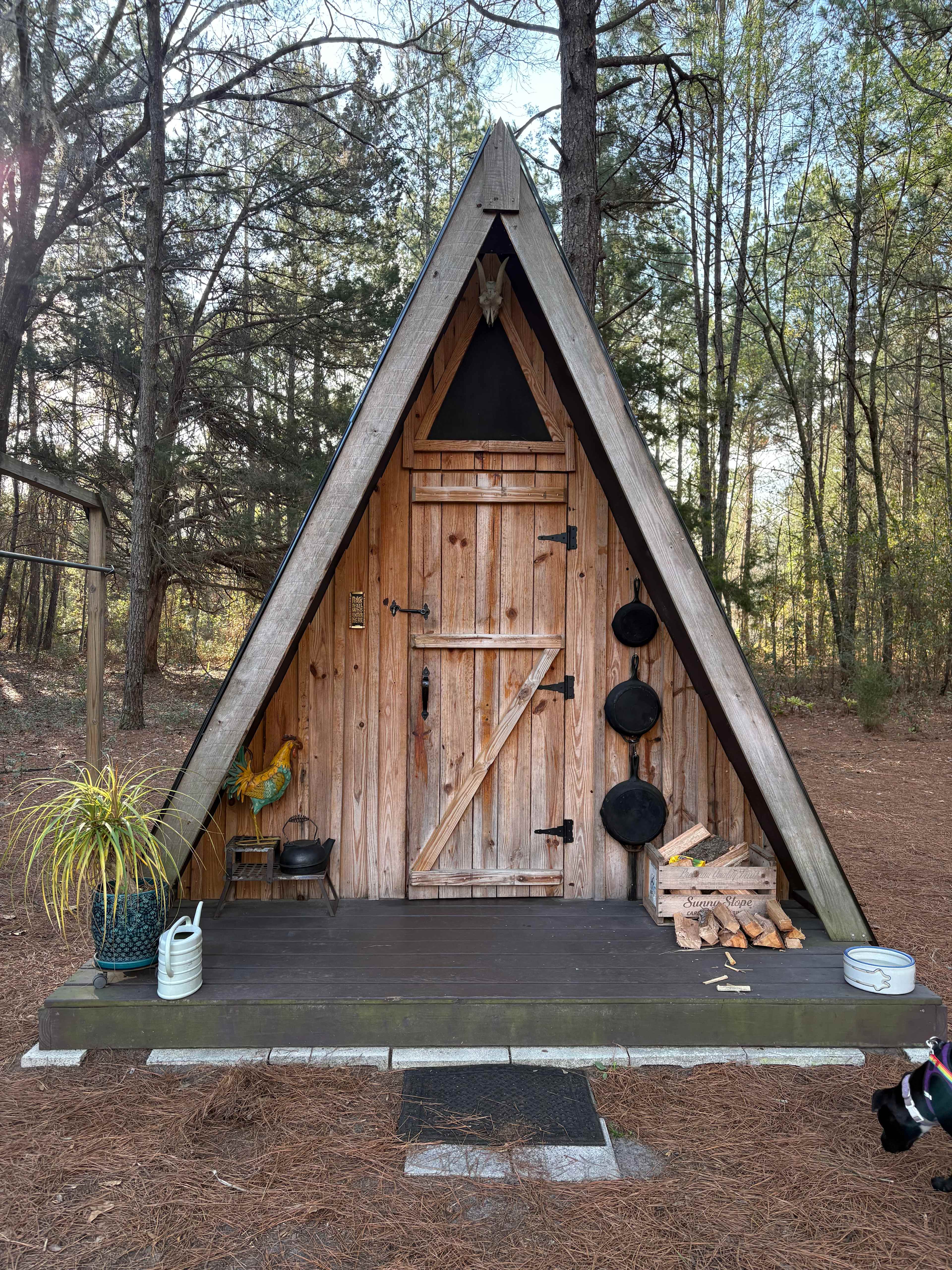
M
Mary Rose
February 2026
With pets
We LOVED camping in this charming A frame cabin! We brought our two pups and snuggled in for a perfect two nights in the woods. We made s’mores and quesadillas over the fire and had the best time ever. Allie and her father were incredibly friendly and responsive!
See more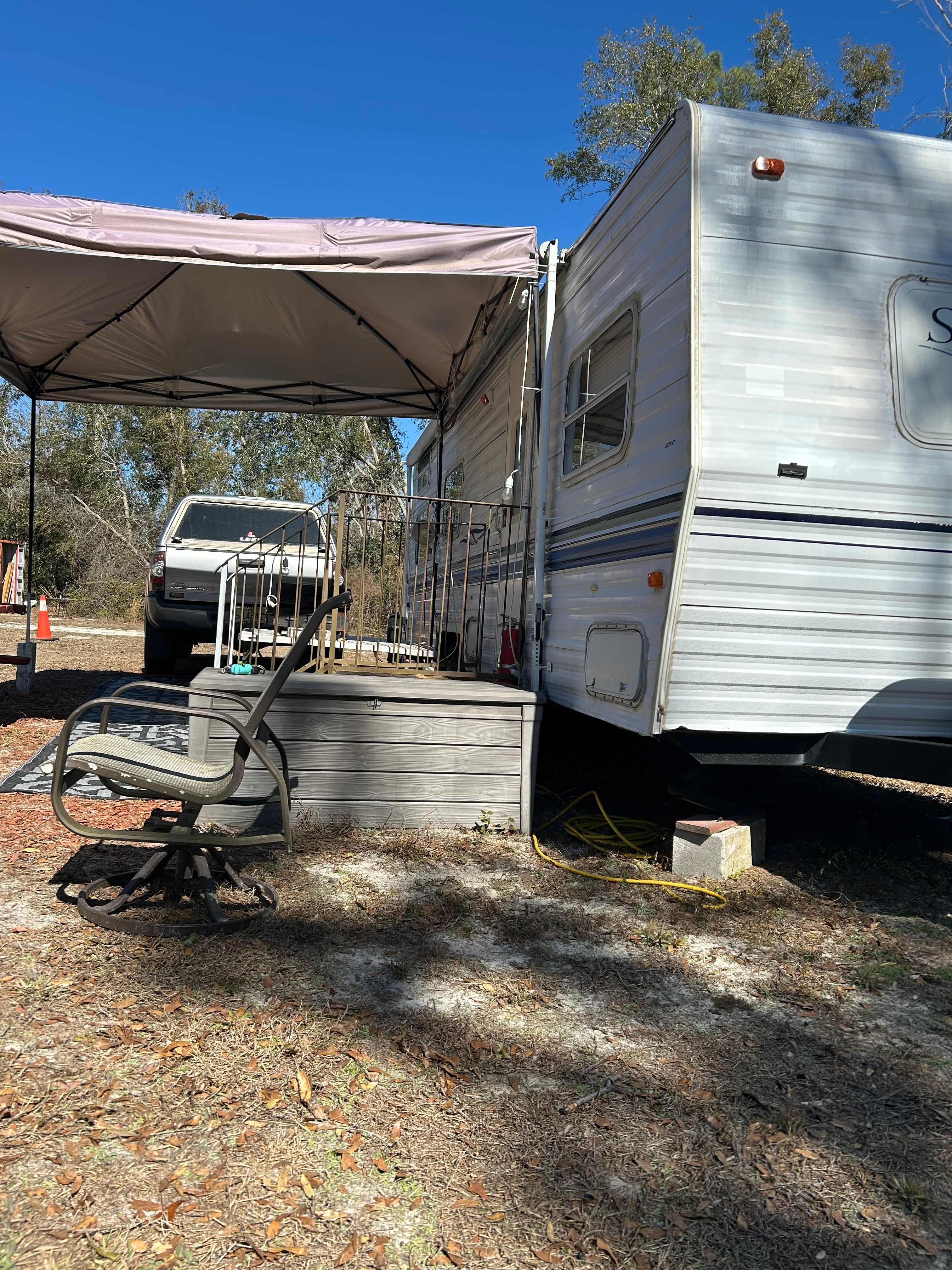
A
Alton
February 2026
With pets
Stacey is a great host and goes out of his way to help. The place has a cool,mellow vibe and is peaceful. Special thanks to Cindy and Bruno who helped make this trip unforgettable. Miss you guys!
See more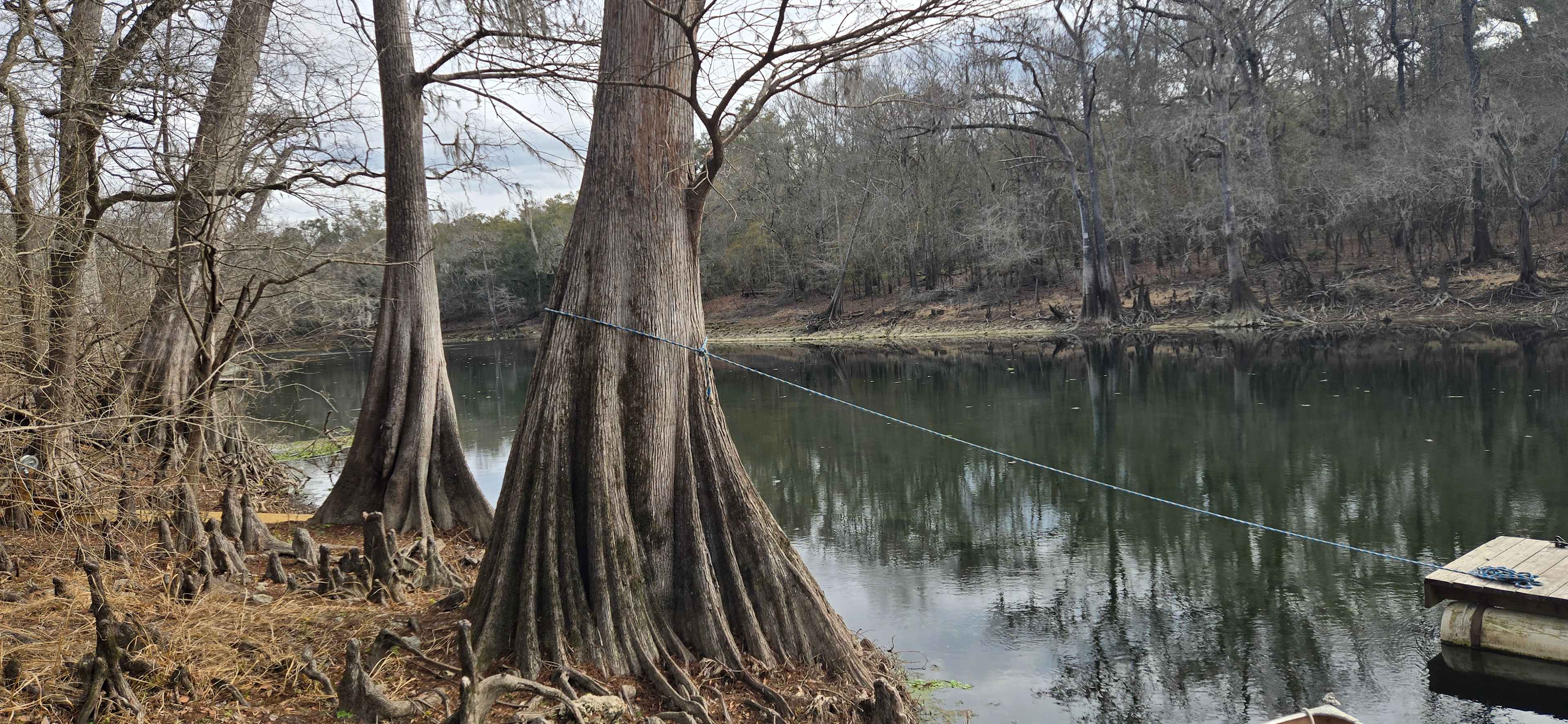
K
Katherine
February 2026
3 nights at Bowman's Landing
Staff was so friendly and helpful, beautiful location, tons of amenities and nice bathrooms!
See more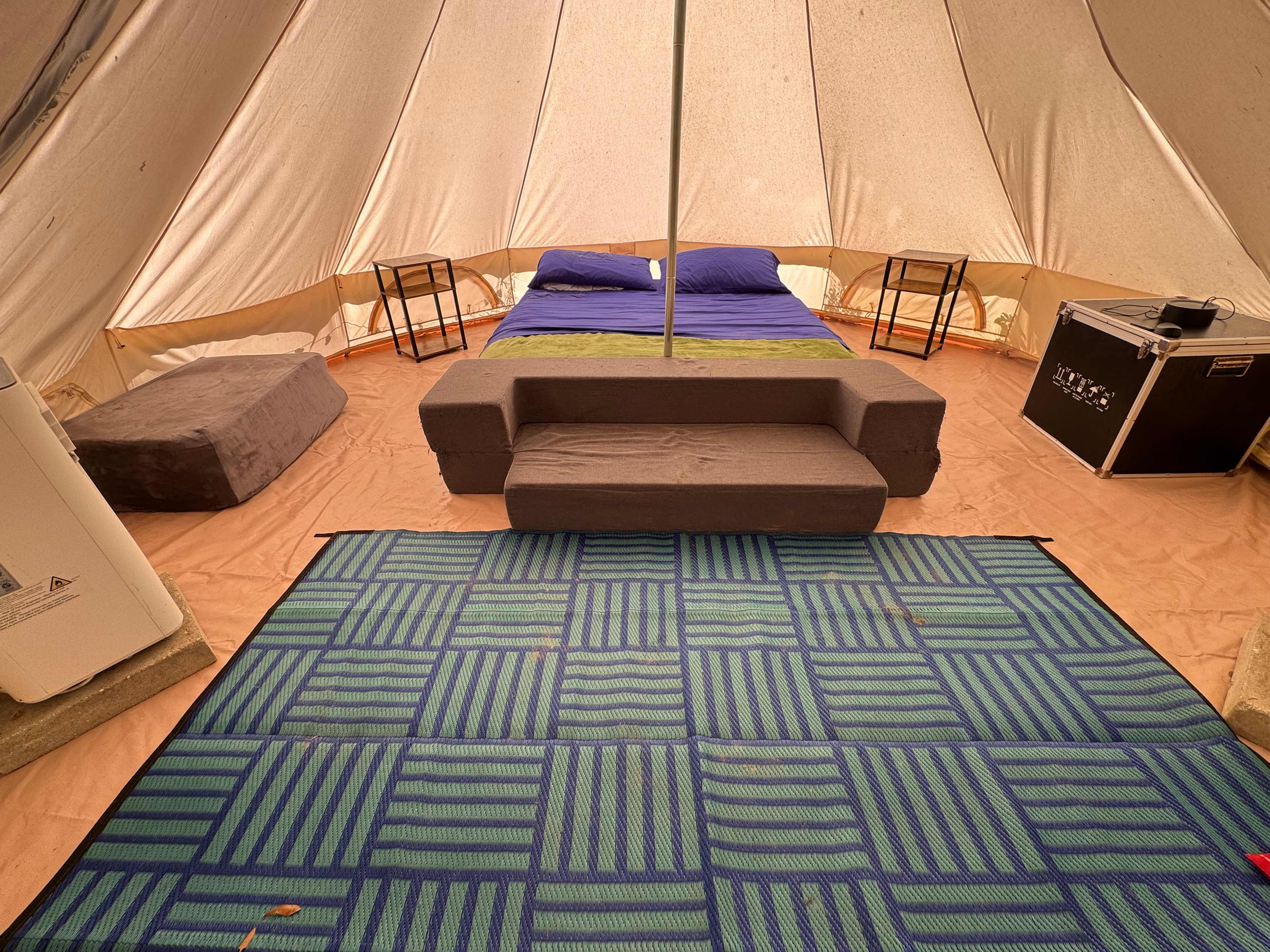
M
Max
February 2026
Weekend Trip to Purradise Springs 🐾 Cat Sanctuary
Our stay at Purradise Springs was magical. My wife and I thoroughly enjoyed spending quality time outdoors and cuddling up with some of the MANY kitties the property owners take care of! We're really glad we could help support Denise and her husband's mission and look forward to visiting again in the future! It was just far enough away to enjoy a nature-filled getaway, but a great coffee shop was only 15 minutes down the road, and the gorgeous Ichetucknee Springs State Park was a quick drive down the road as well, making this an awesome location to stay.
See more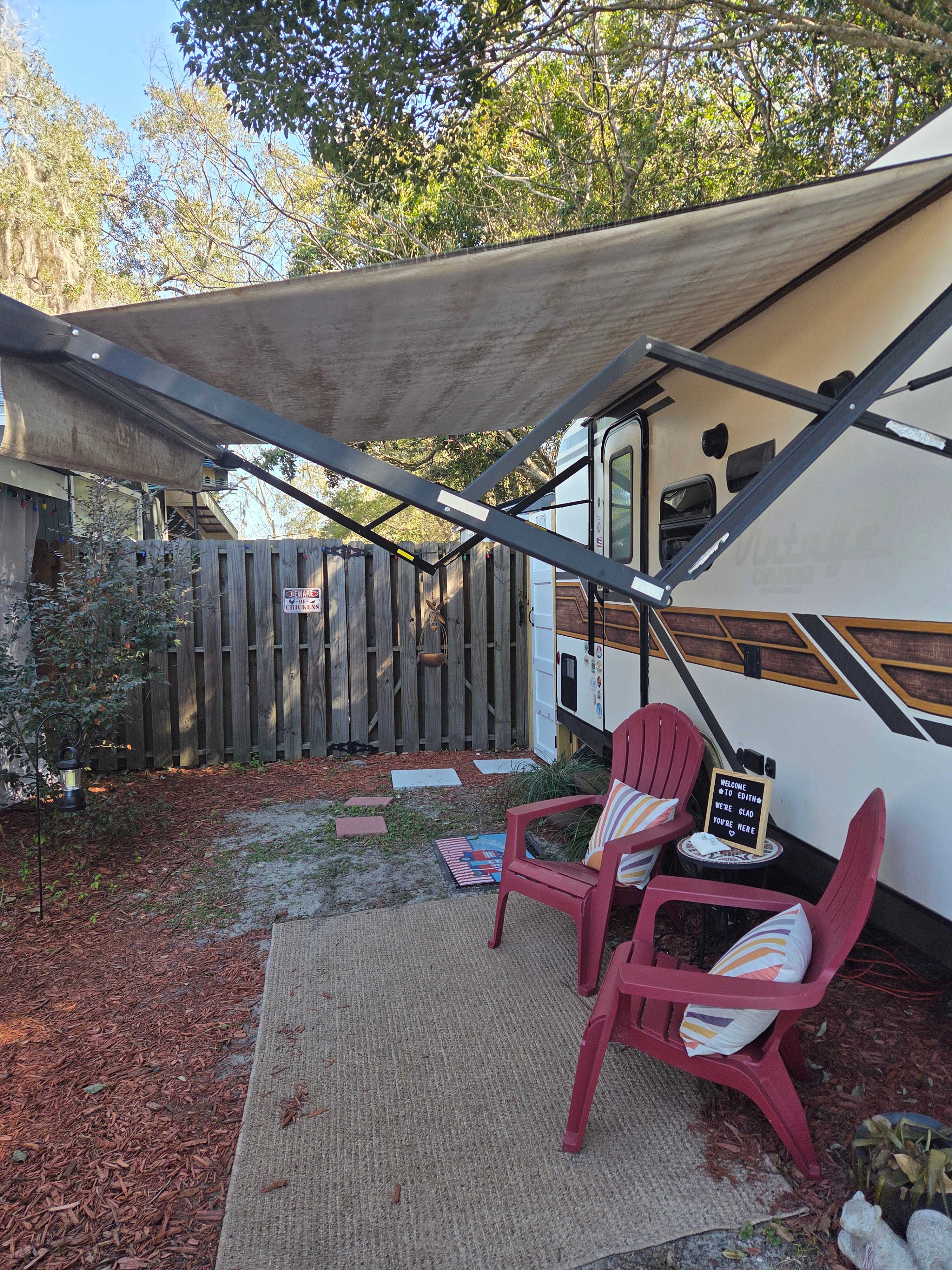
S
Silver
February 2026
1 night at Edith, The Happy Camper
We had a quiet restful stay. The neighbors were nice and the ambient was relaxing. I would live here for the great outdoors.
See more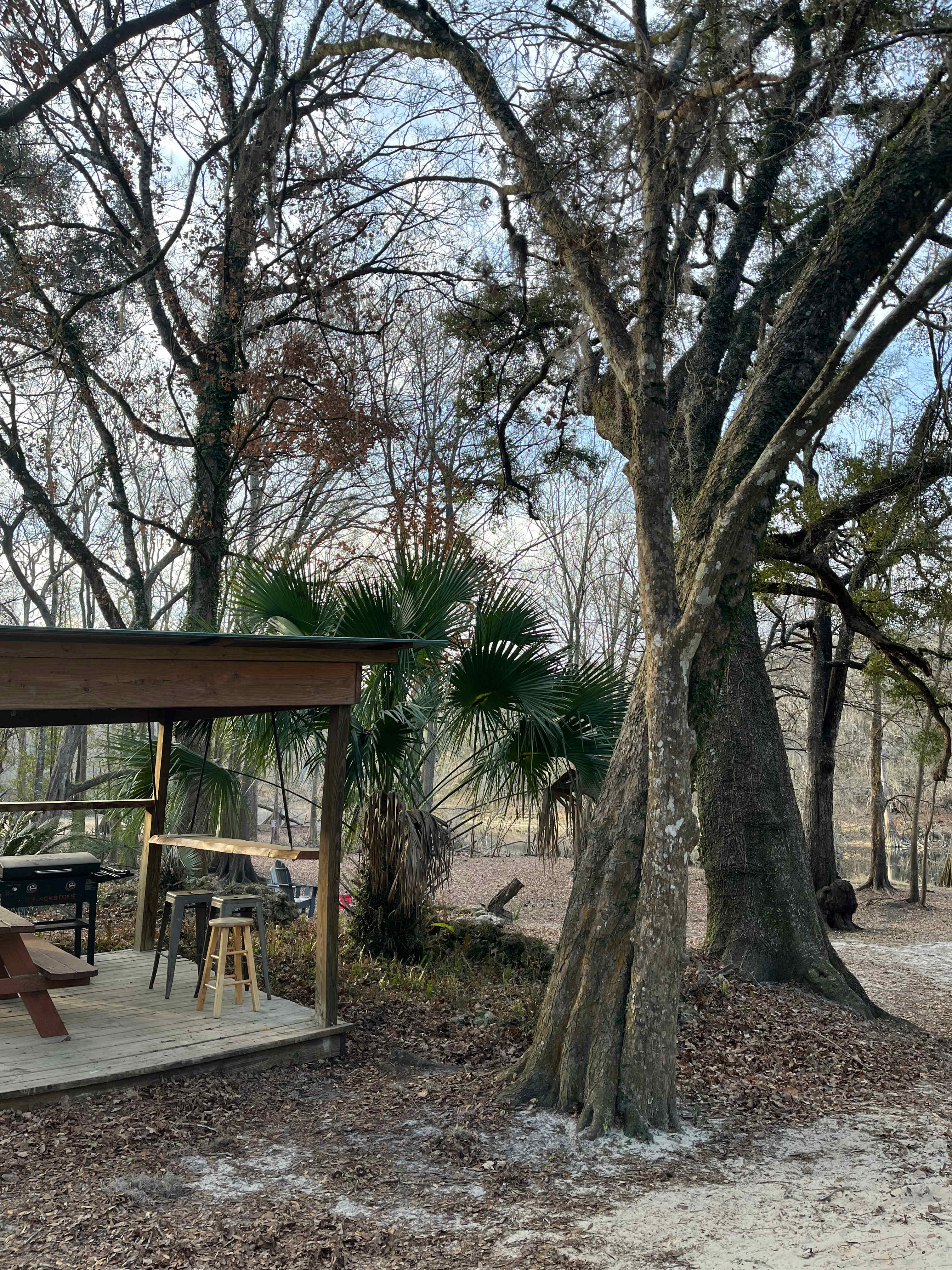

Reilly
February 2026
1 night at Bowman's Landing
Absolutely fantastic hipcamp, this is was the exact reason why we love to hipcamp: connection, safety, and adventure. By far my favorite so far. The host was so lovely and immediately made this place feel safe and like home. From the thoughtful details like a tree swing and coffee station to the cozy cabin itself with a fire pit, we felt at home miles from our own. I will most definitely be back with my family and friends.
See more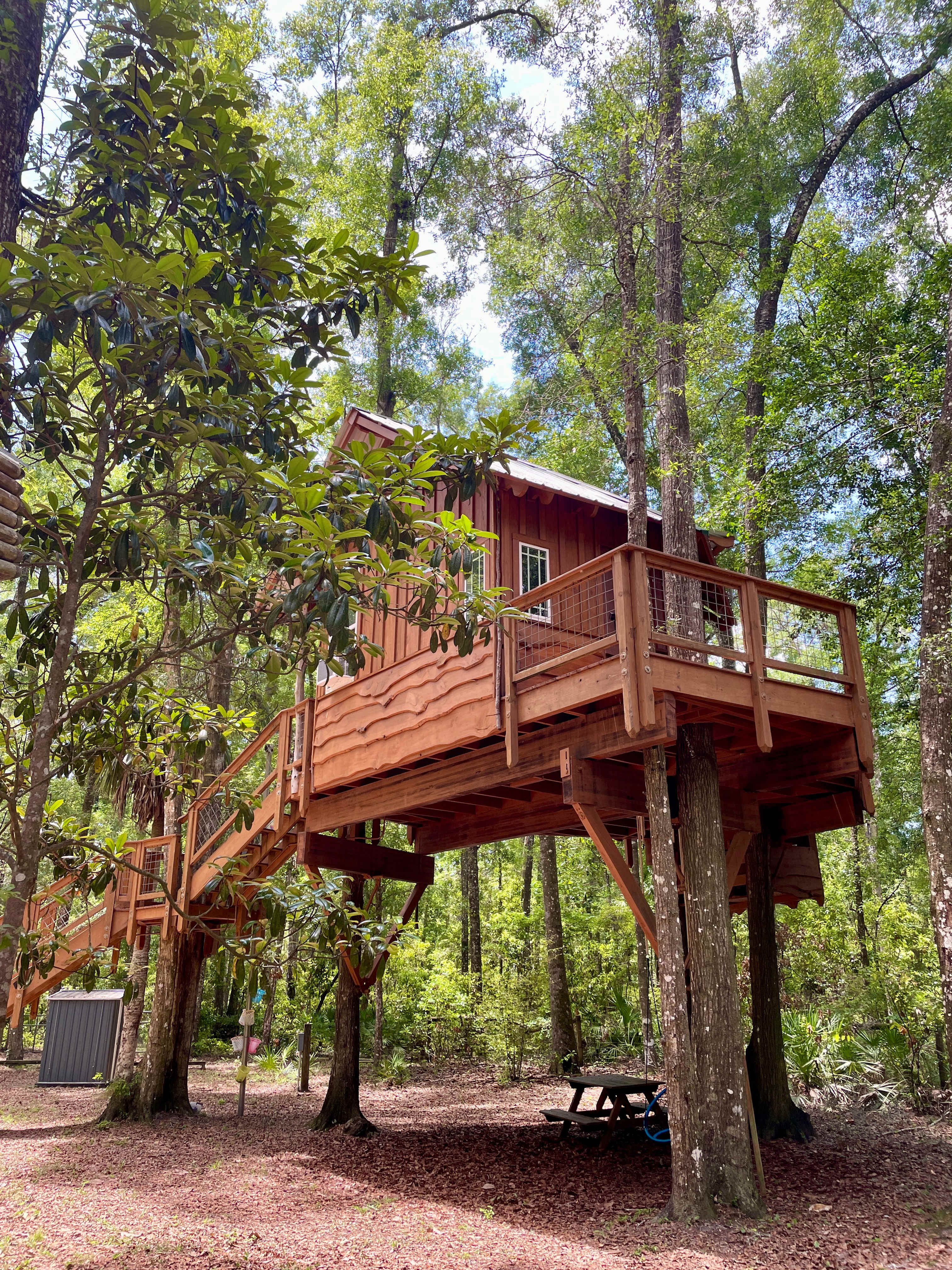
I
Ian
January 2026
Group trip
We had an amazing stay at Jamil’s cabin/treehouse and couldn’t recommend it more. Jamil was an incredibly responsive host, and the accommodations were comfortable, thoughtful, and beautifully set up. We especially loved the well-curated games and activities, which made it perfect for spending quality time with friends. We truly enjoyed our stay and would absolutely love to come back
See more