The best camping in Rocky Mountain National Park, CO
Discover the most magical spots to pitch your tent or park your rig on your next Rocky Mountain National Park adventure.
Top-rated campgrounds in Rocky Mountain National Park
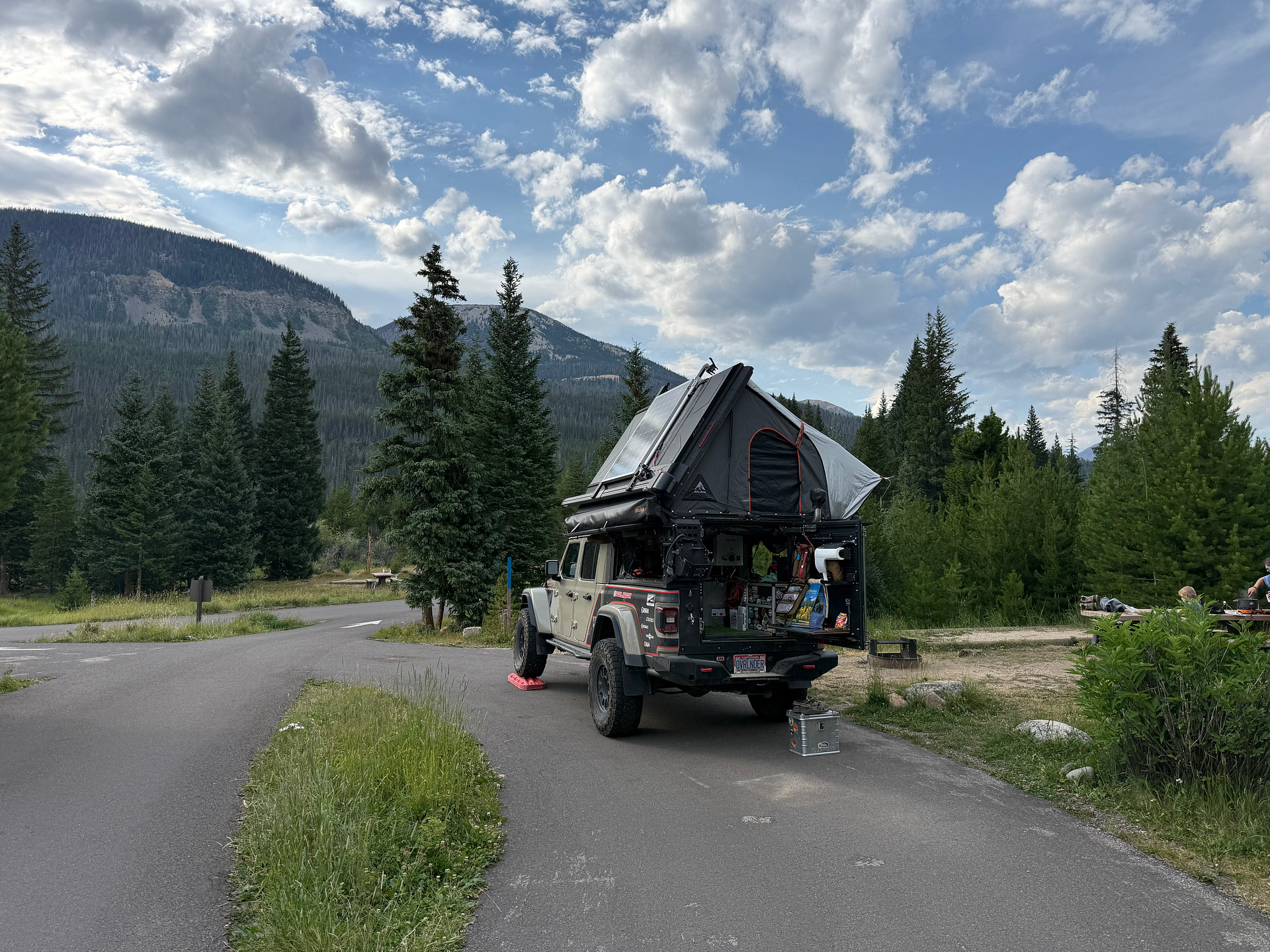
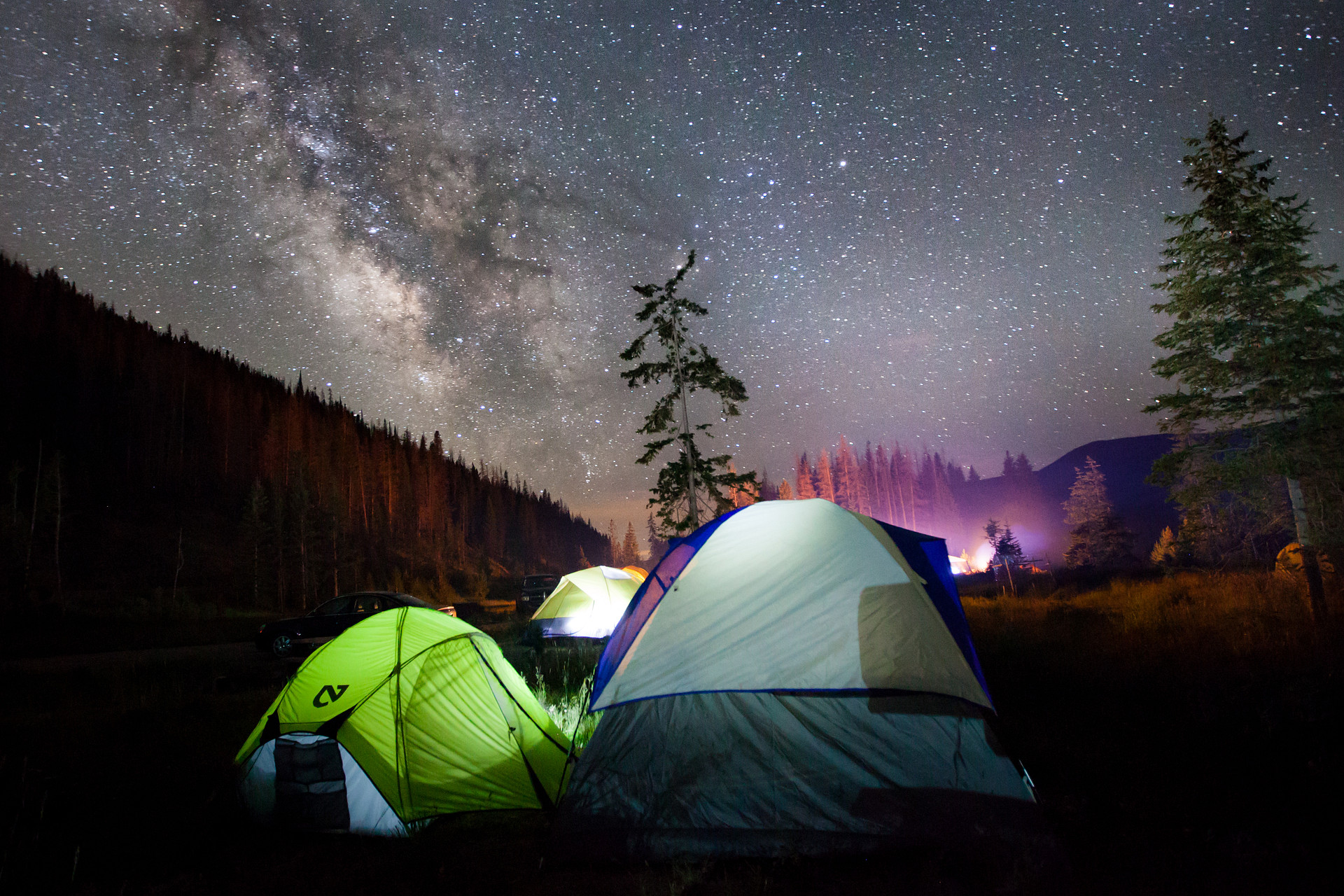
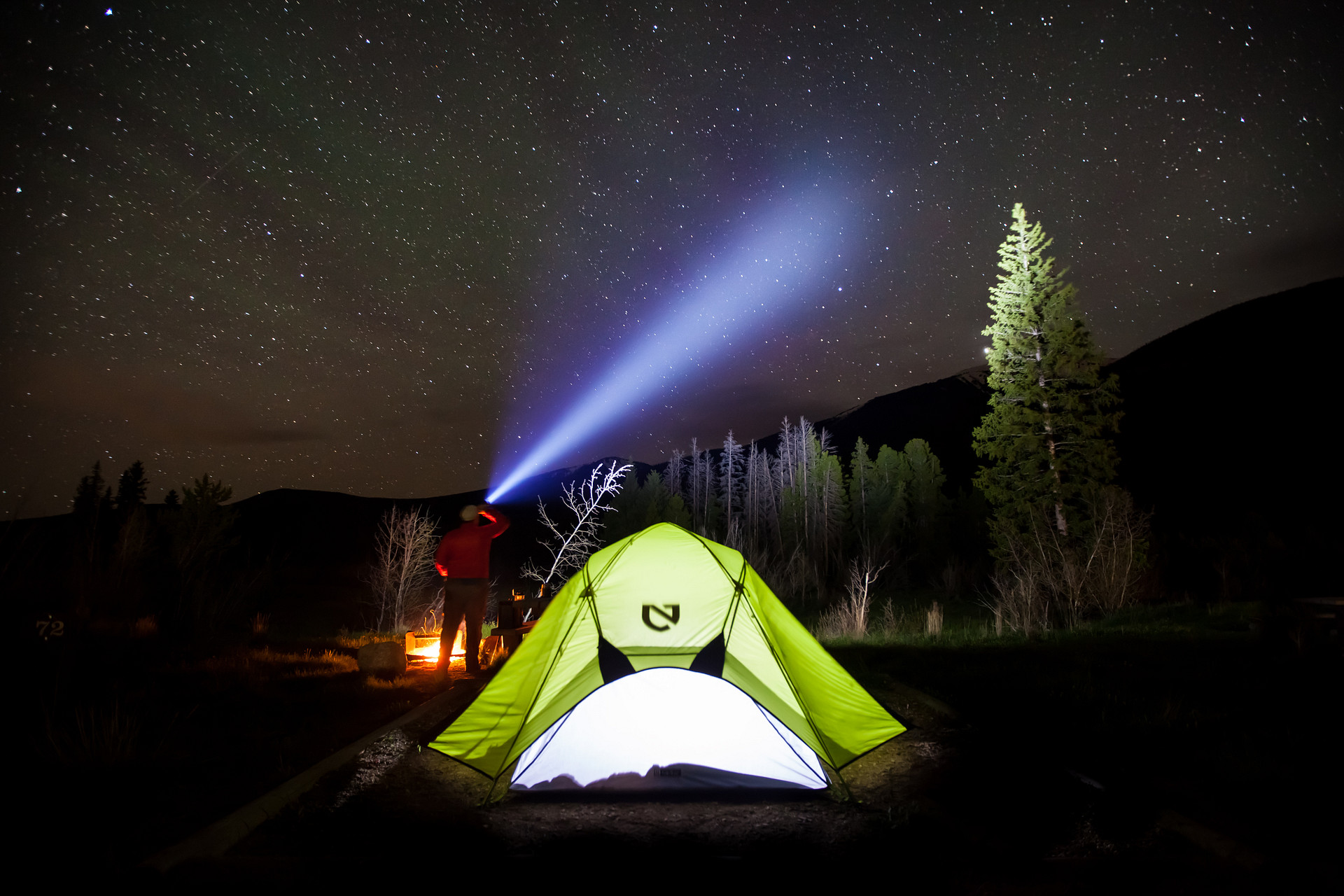
1. Timber Creek Campground
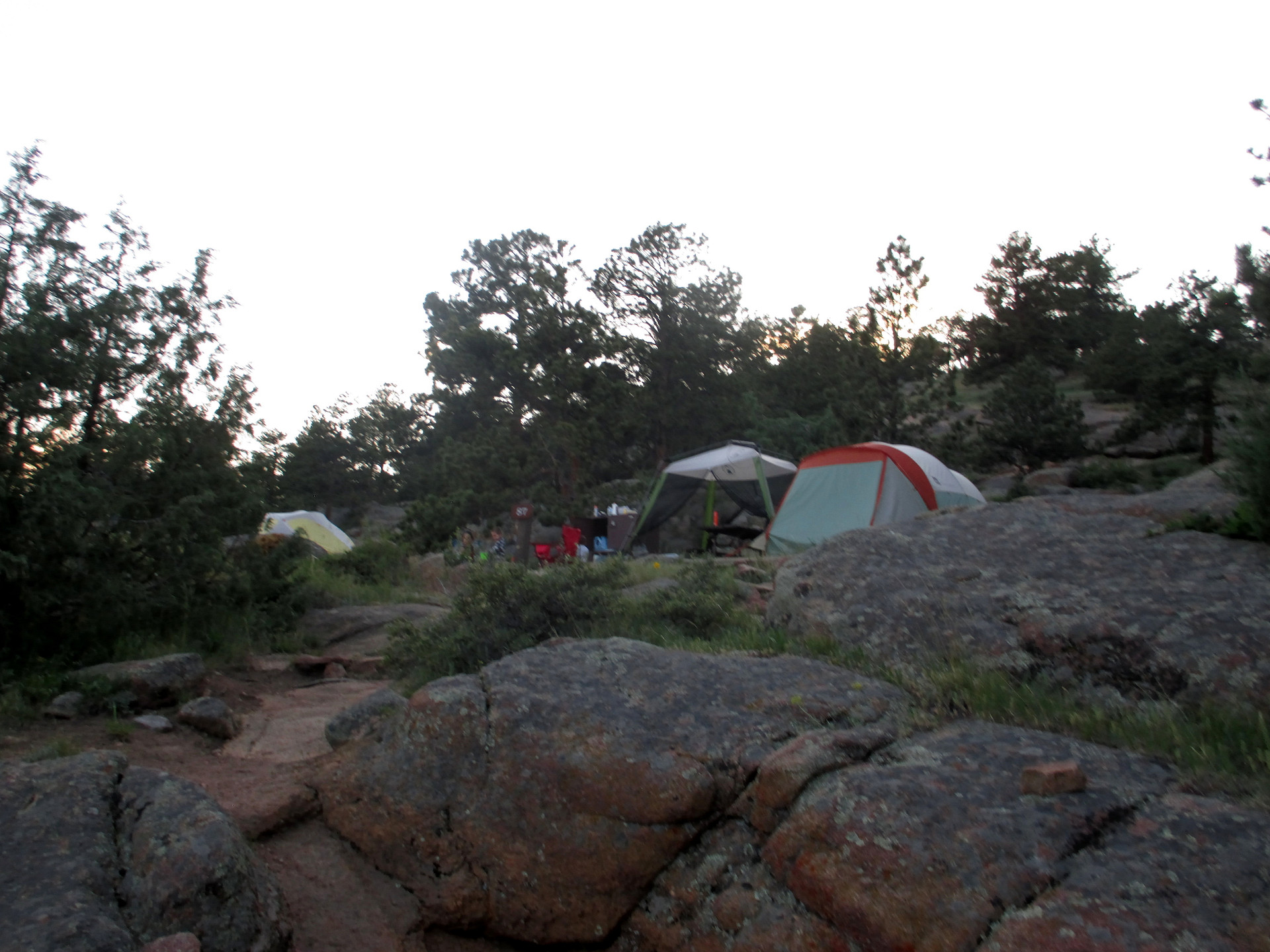
2. Moraine Park Campground
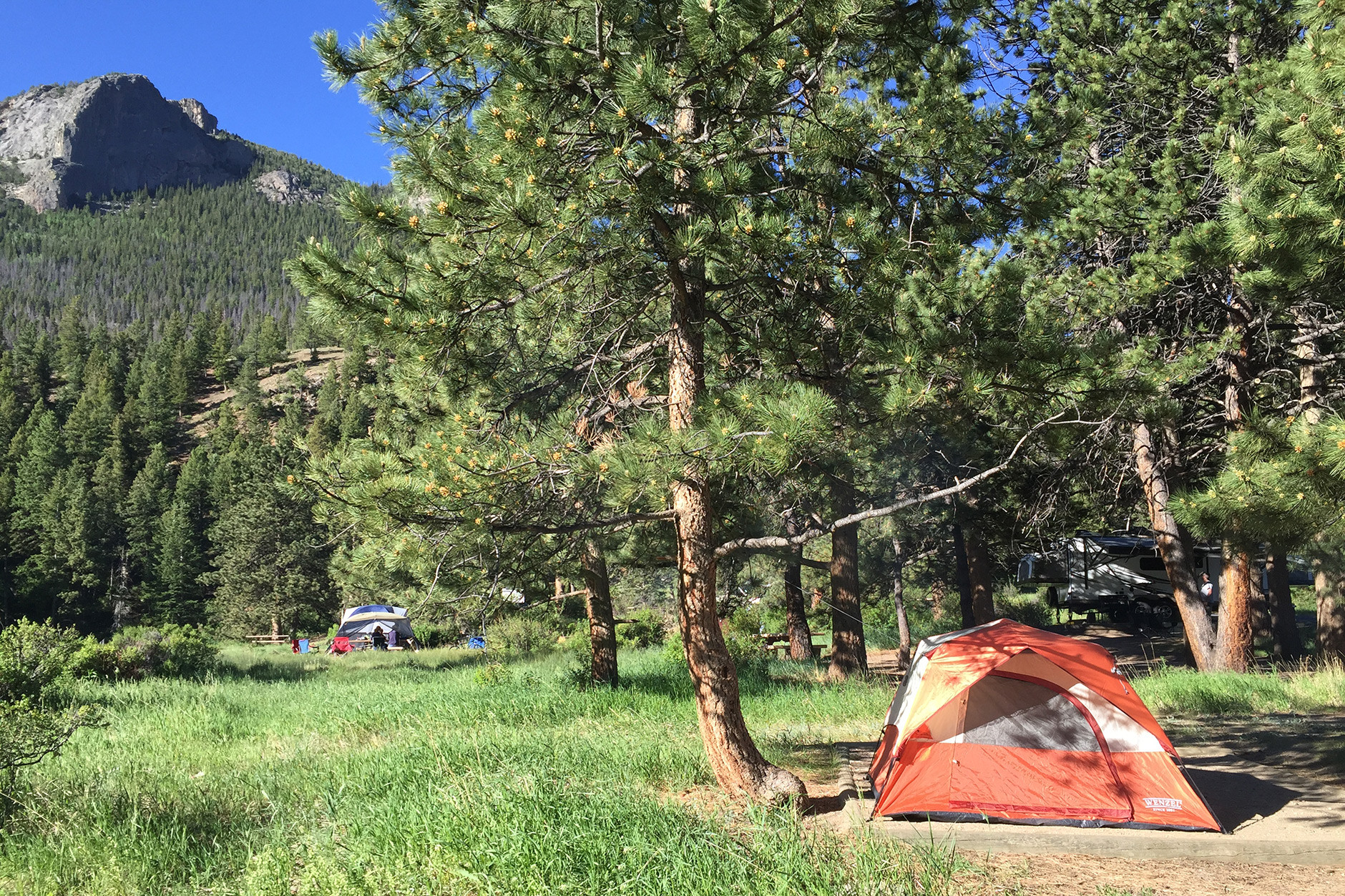
3. Aspenglen Campground
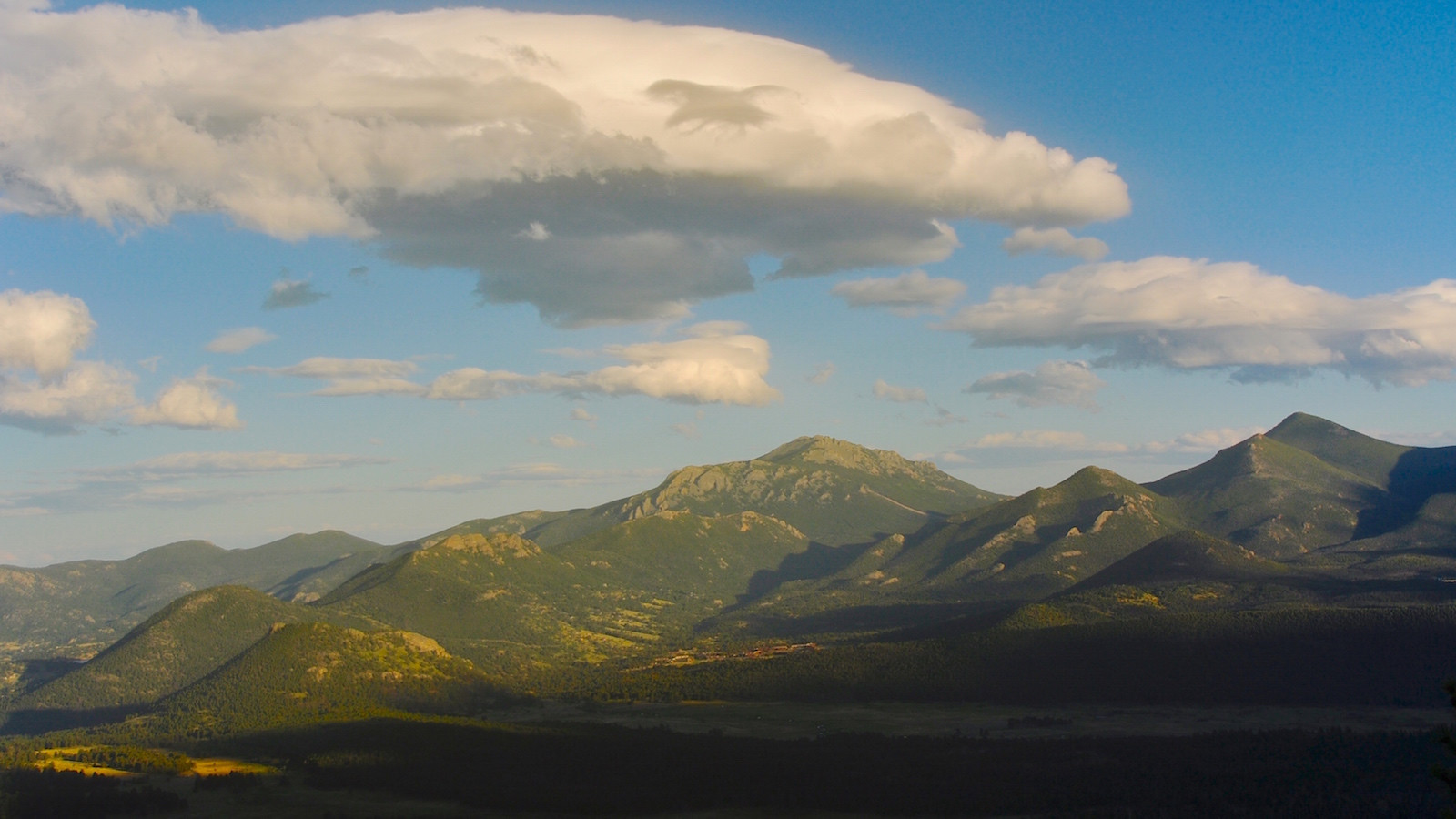
4. Longs Peak Campground
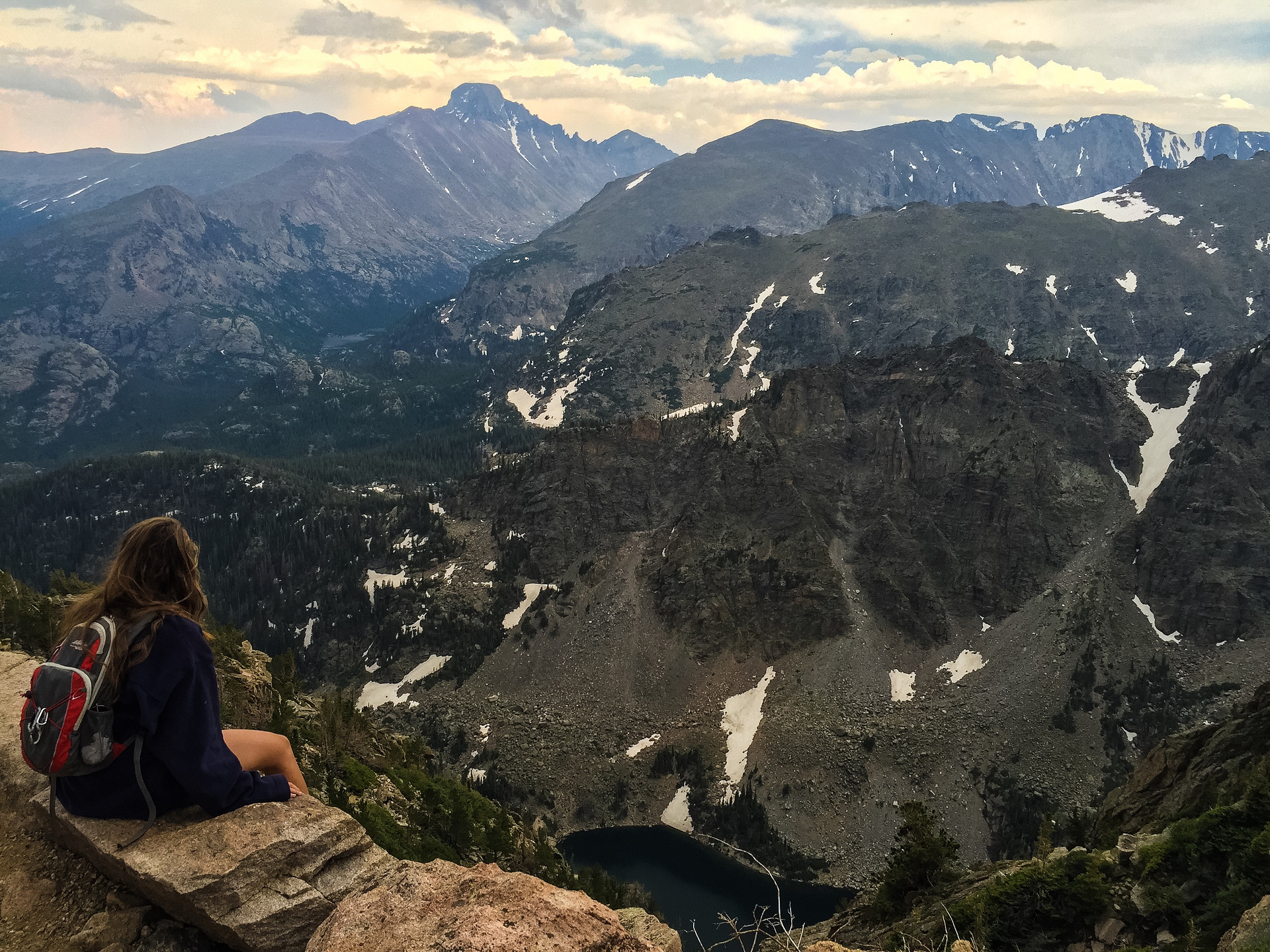
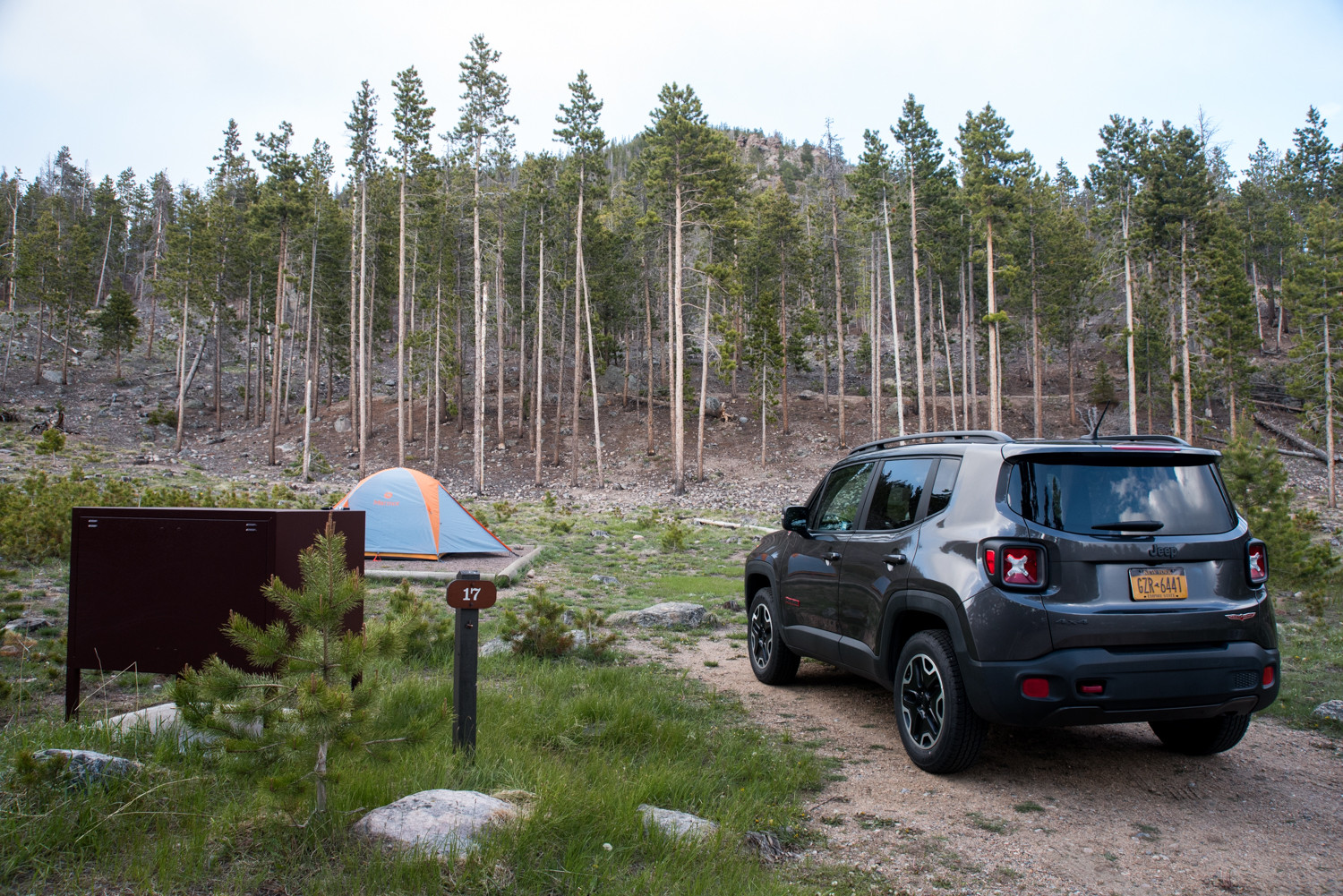
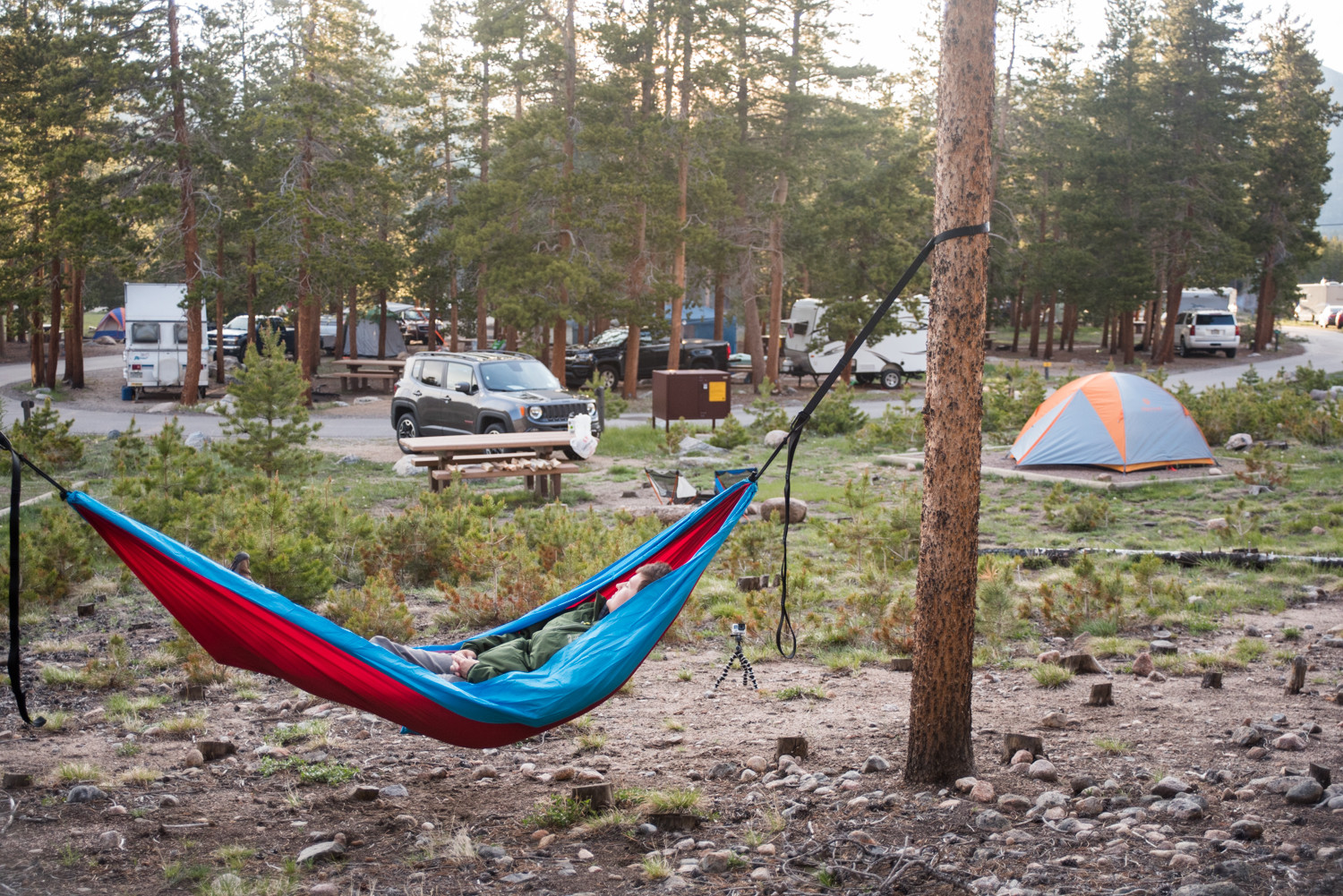
5. Glacier Basin
Top-rated campsites near Rocky Mountain National Park
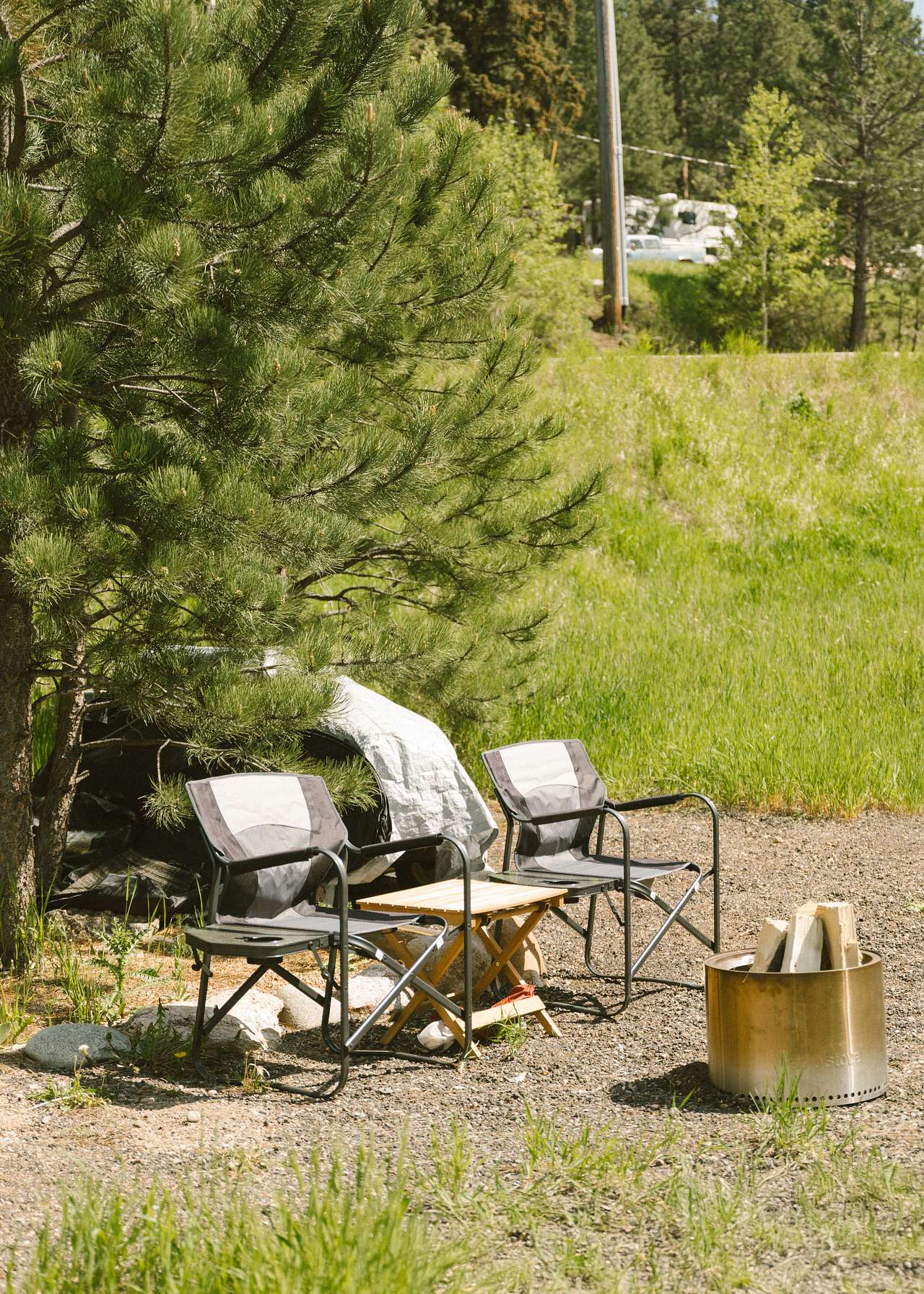
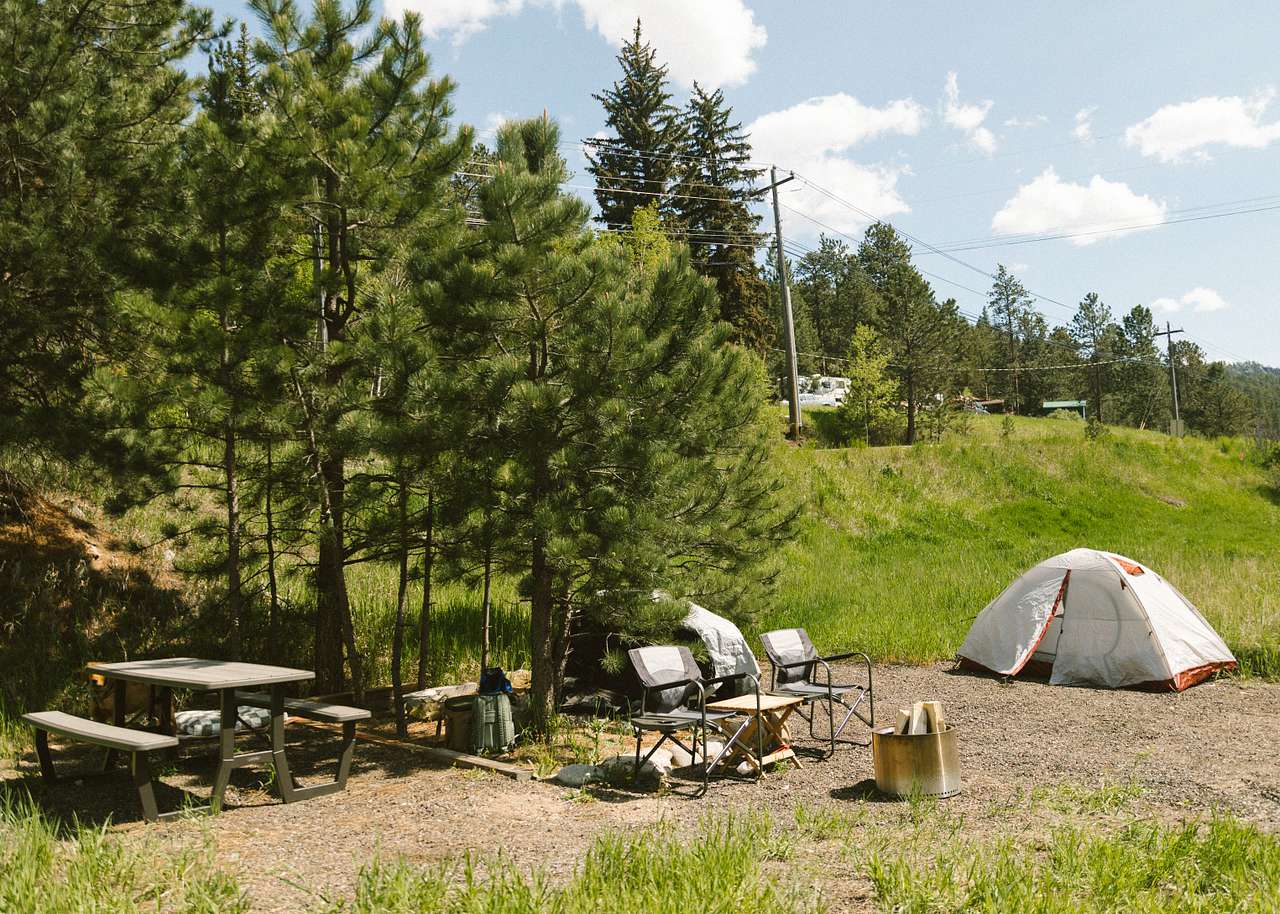
1. RV site near Estes Park
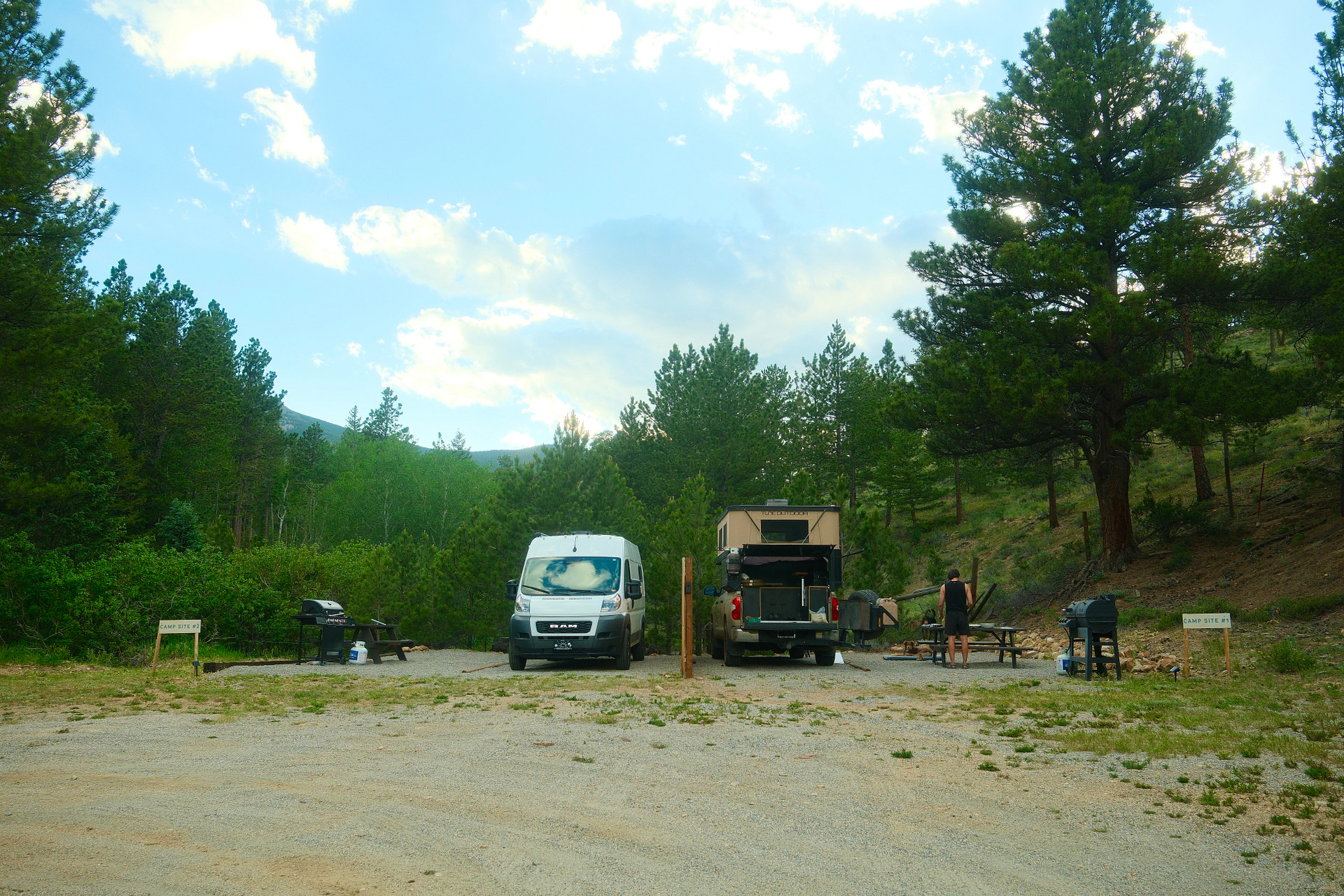
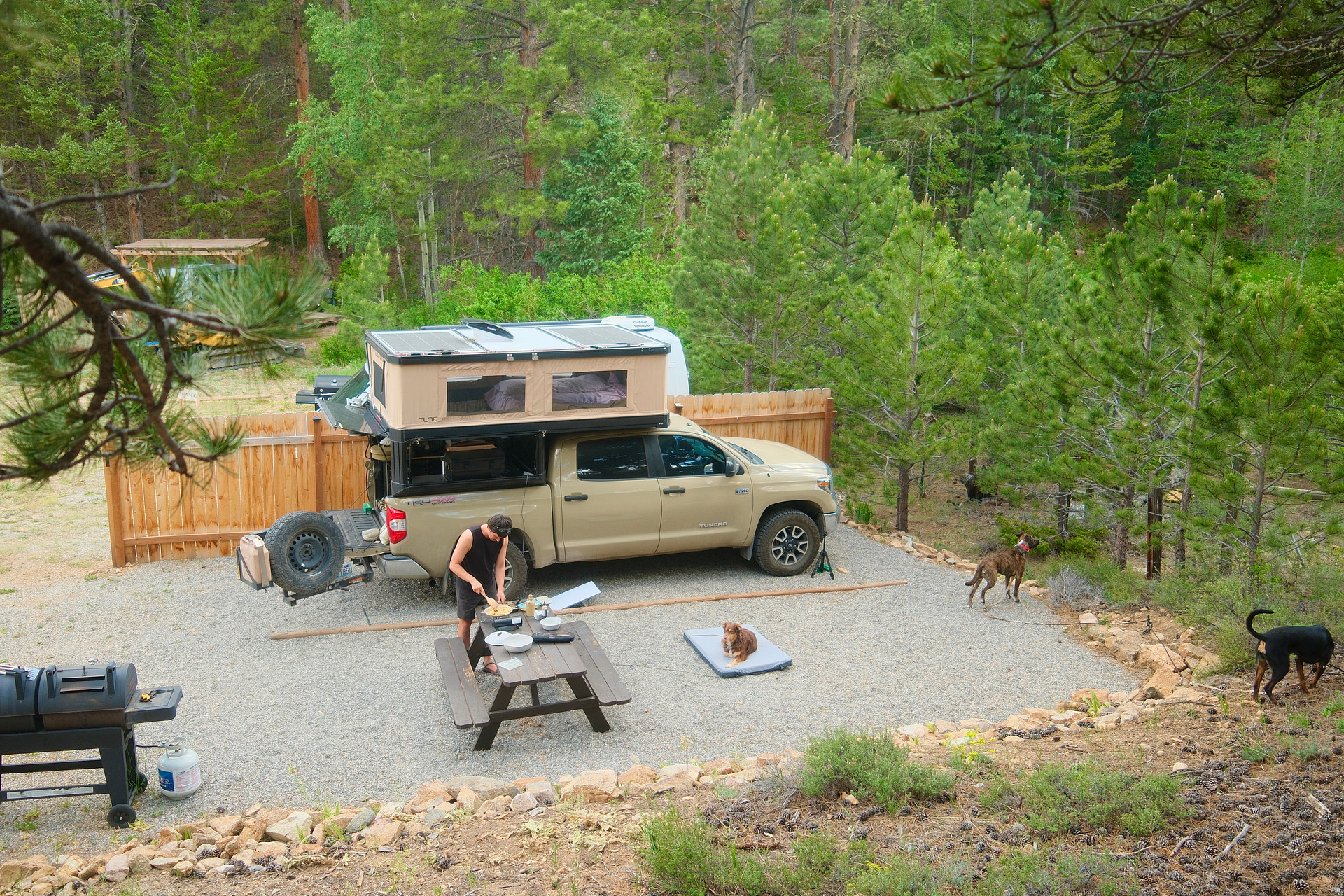
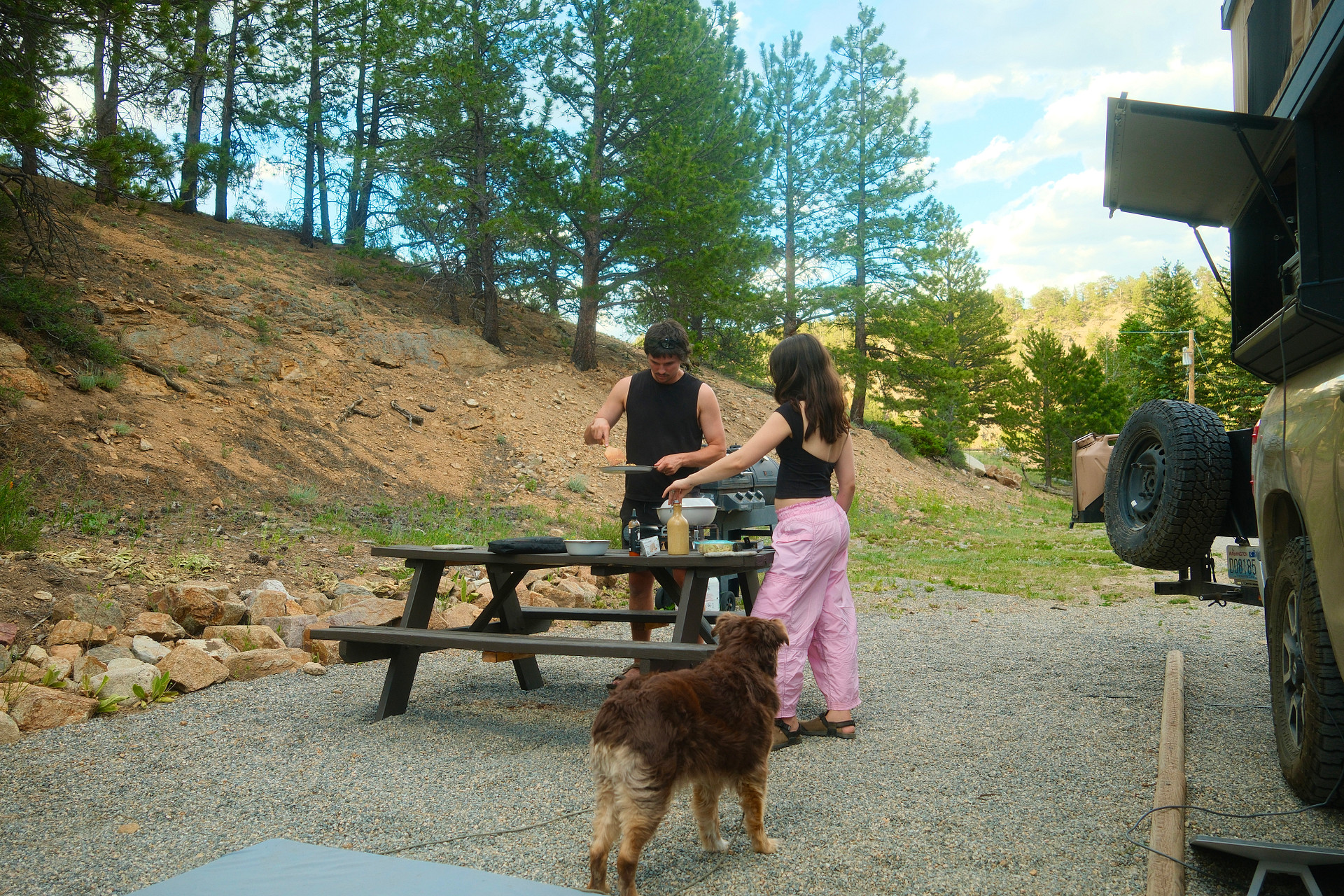
2. Ferncliff Lodge
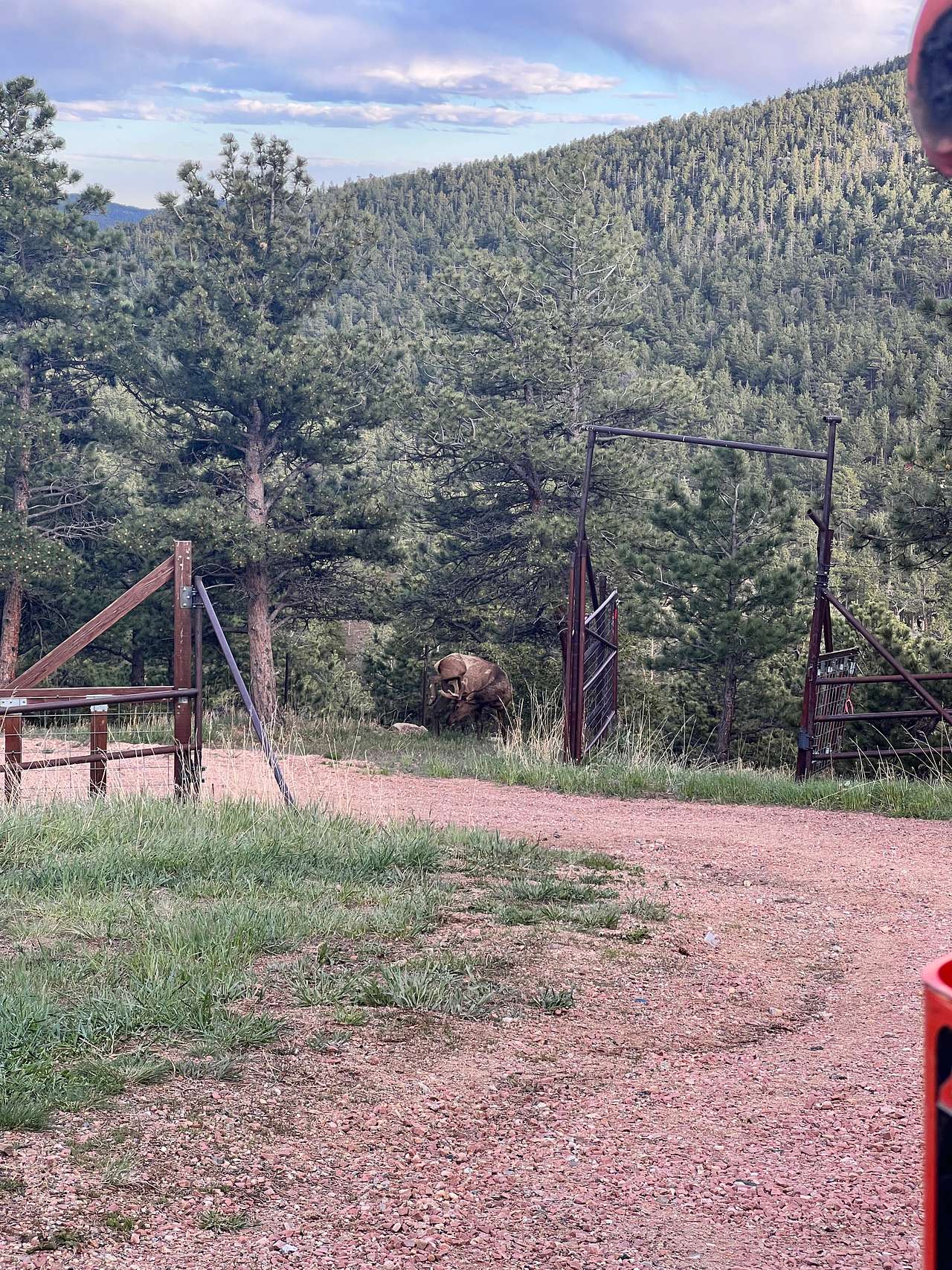
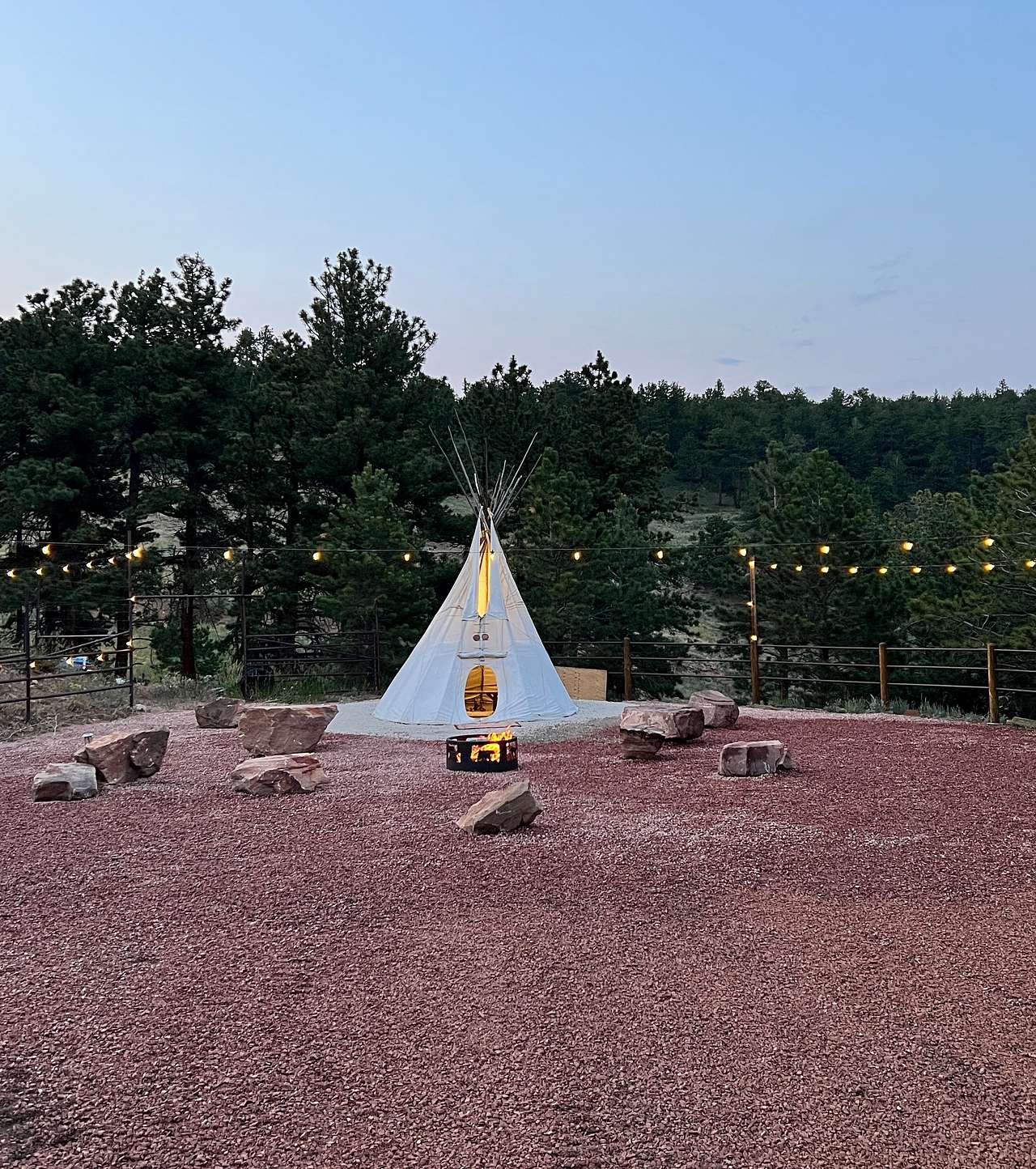
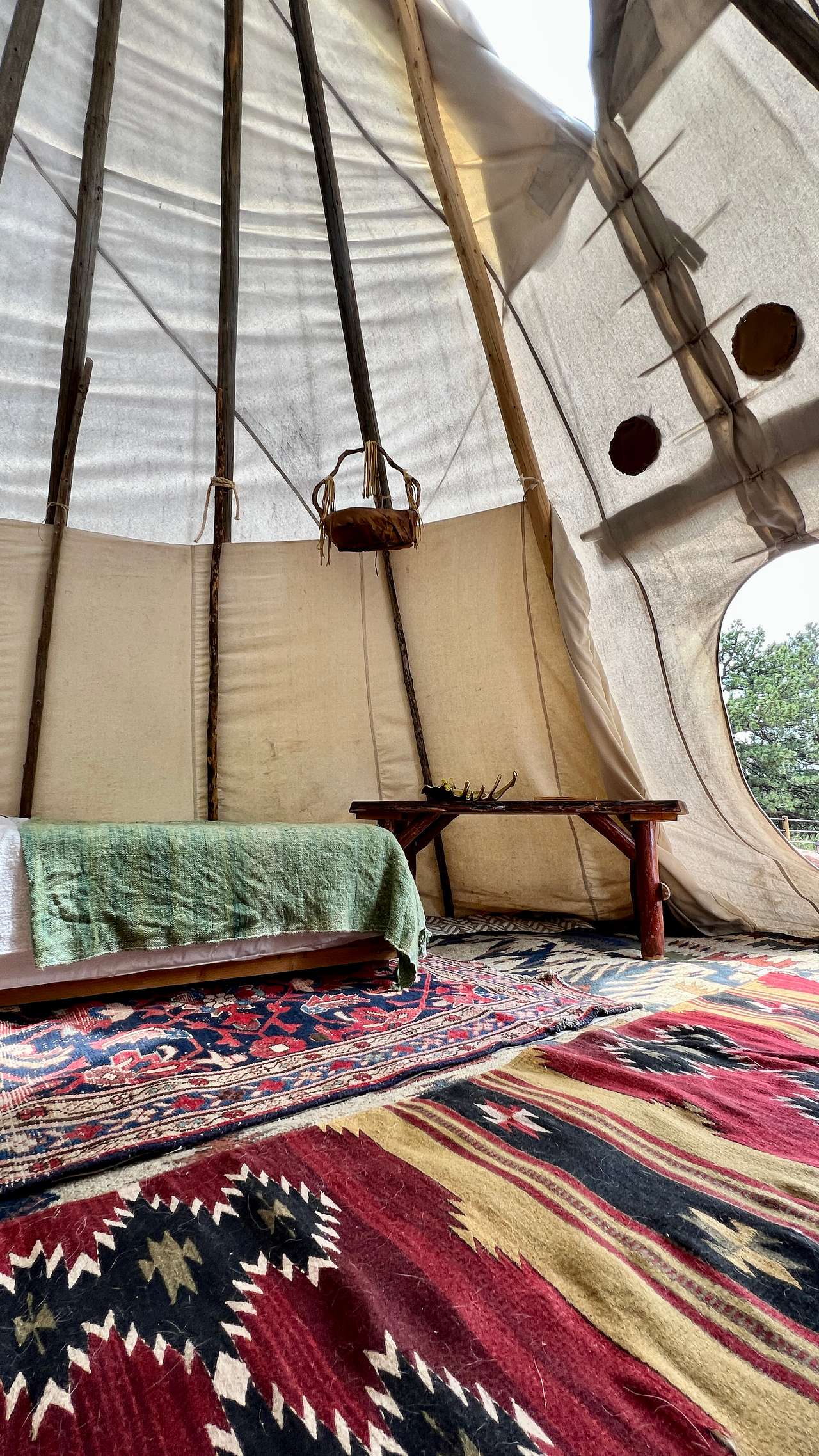
3. High Point Ranch
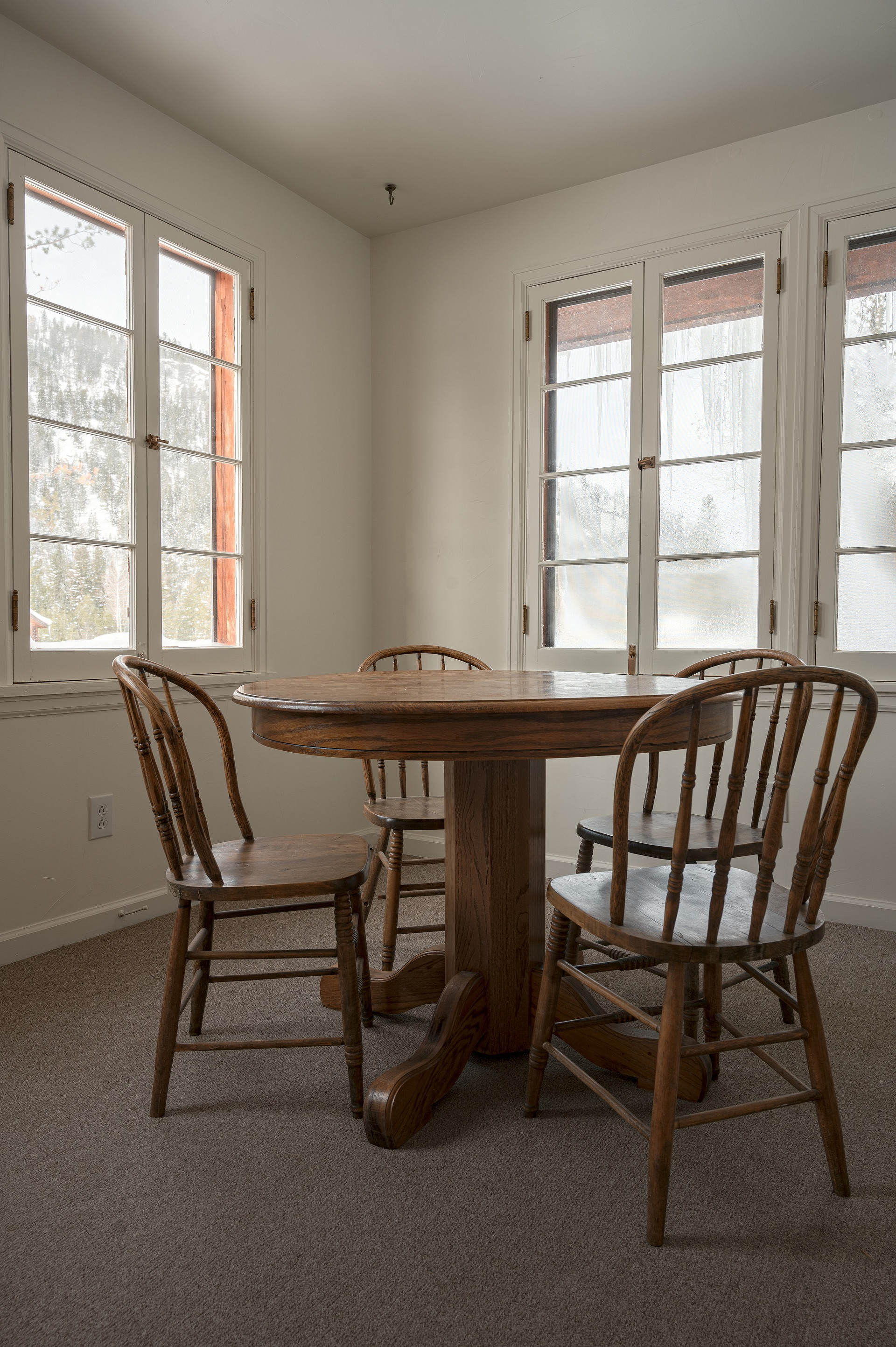
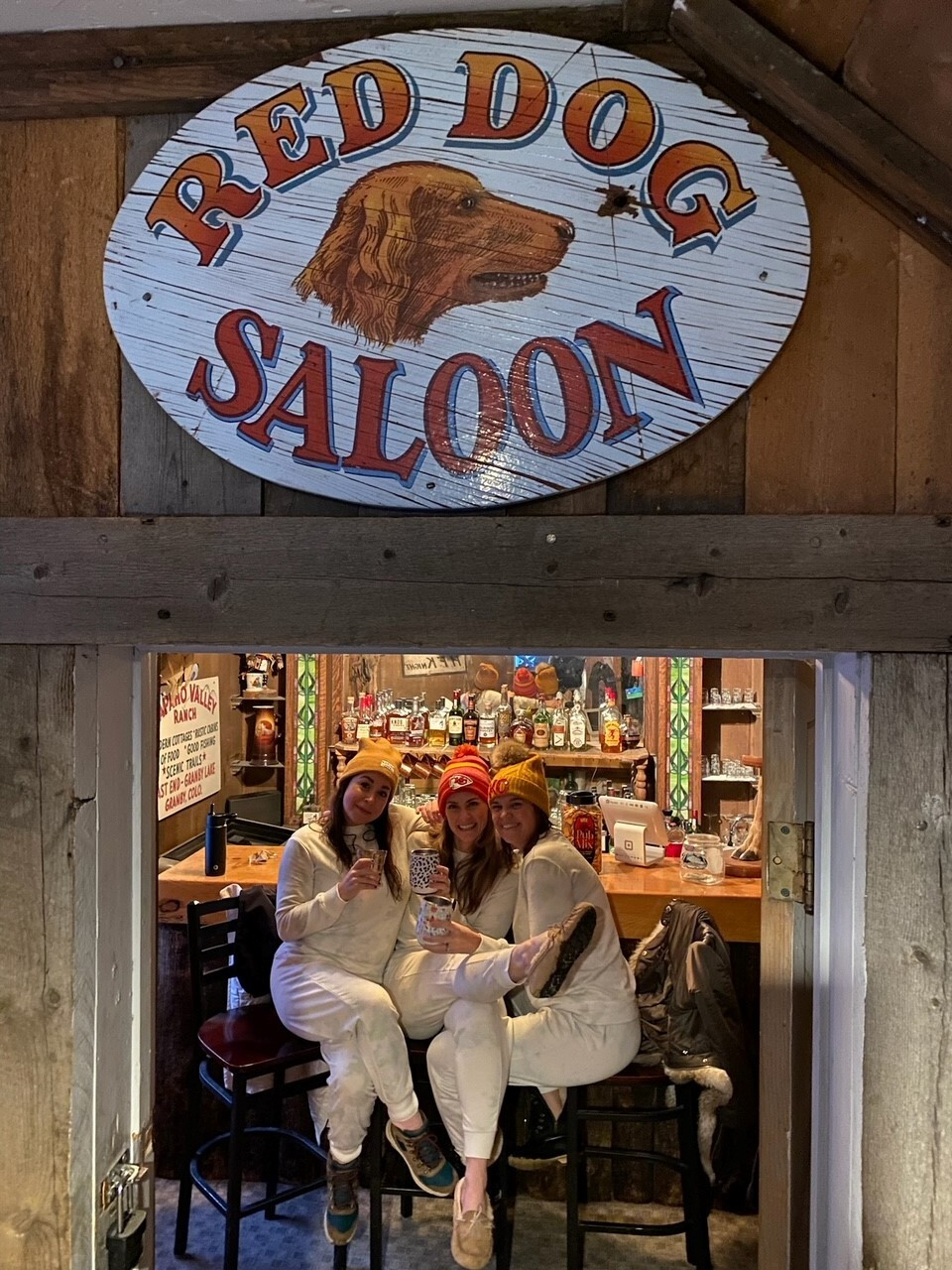
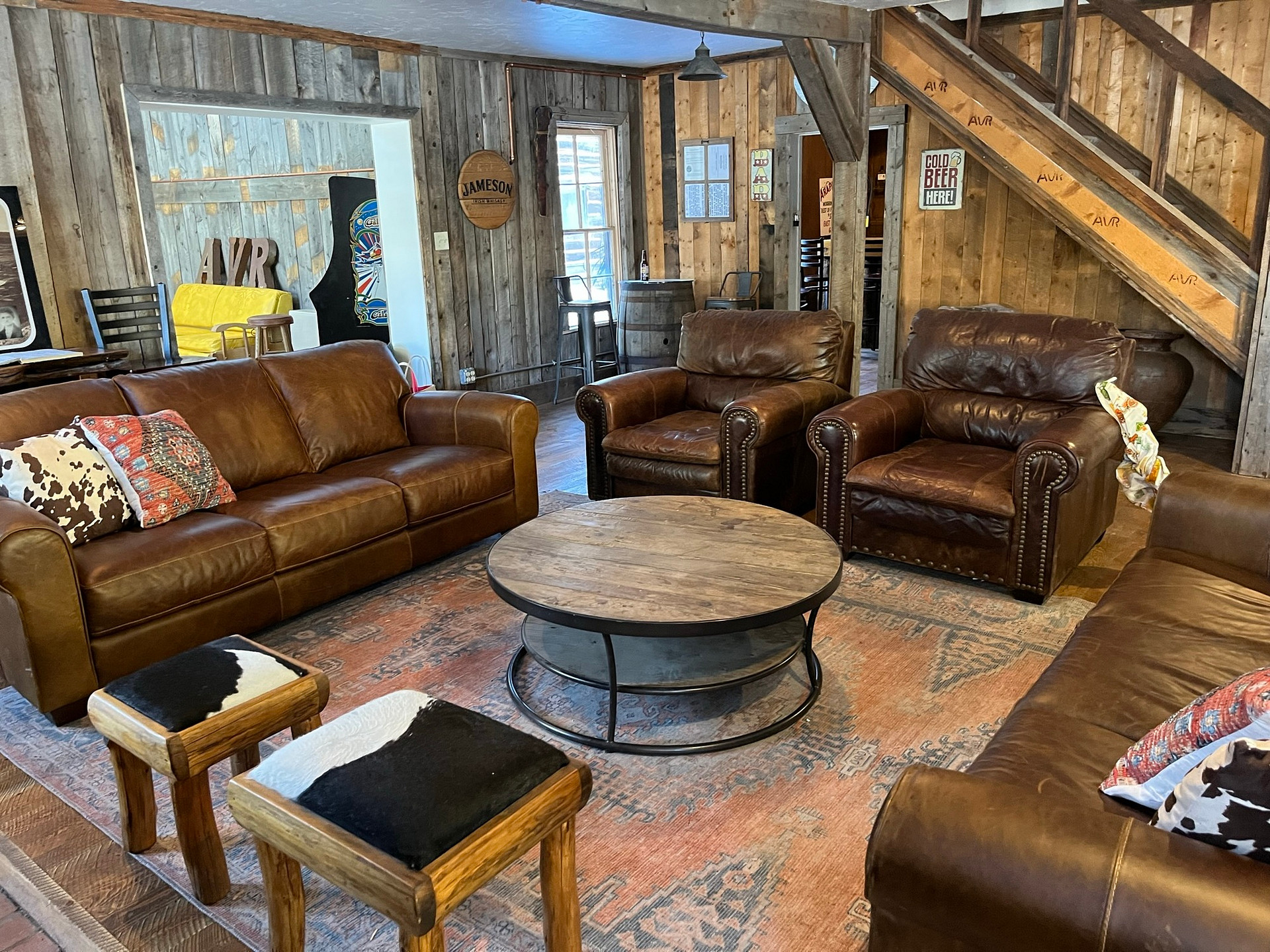
4. Arapaho Valley Ranch
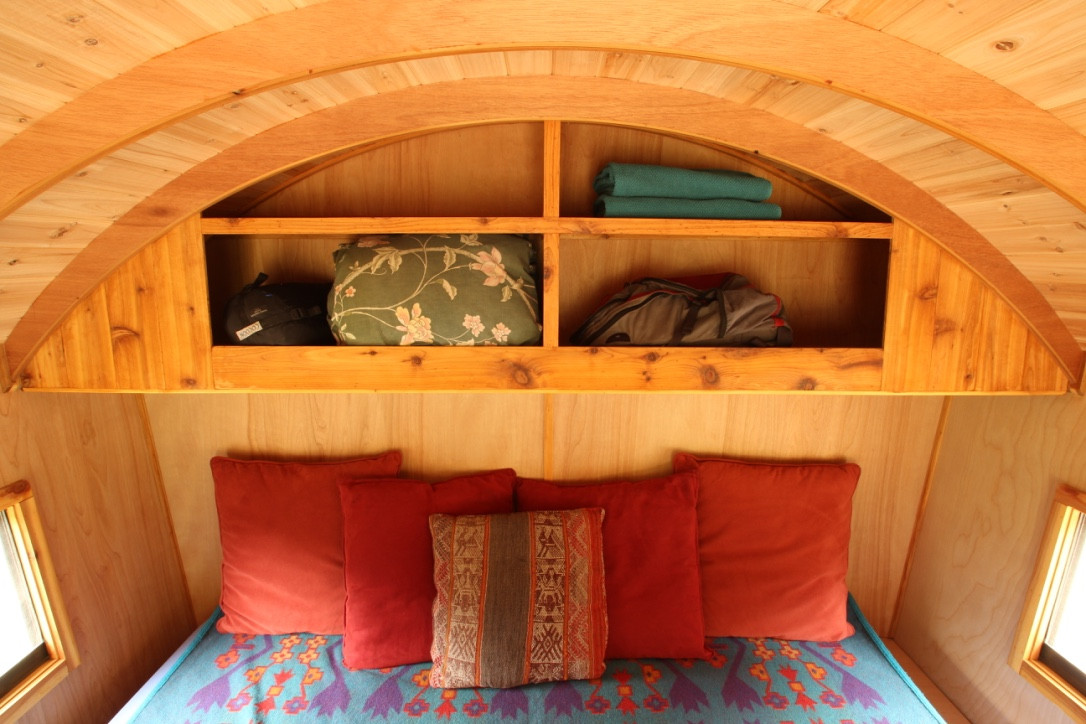
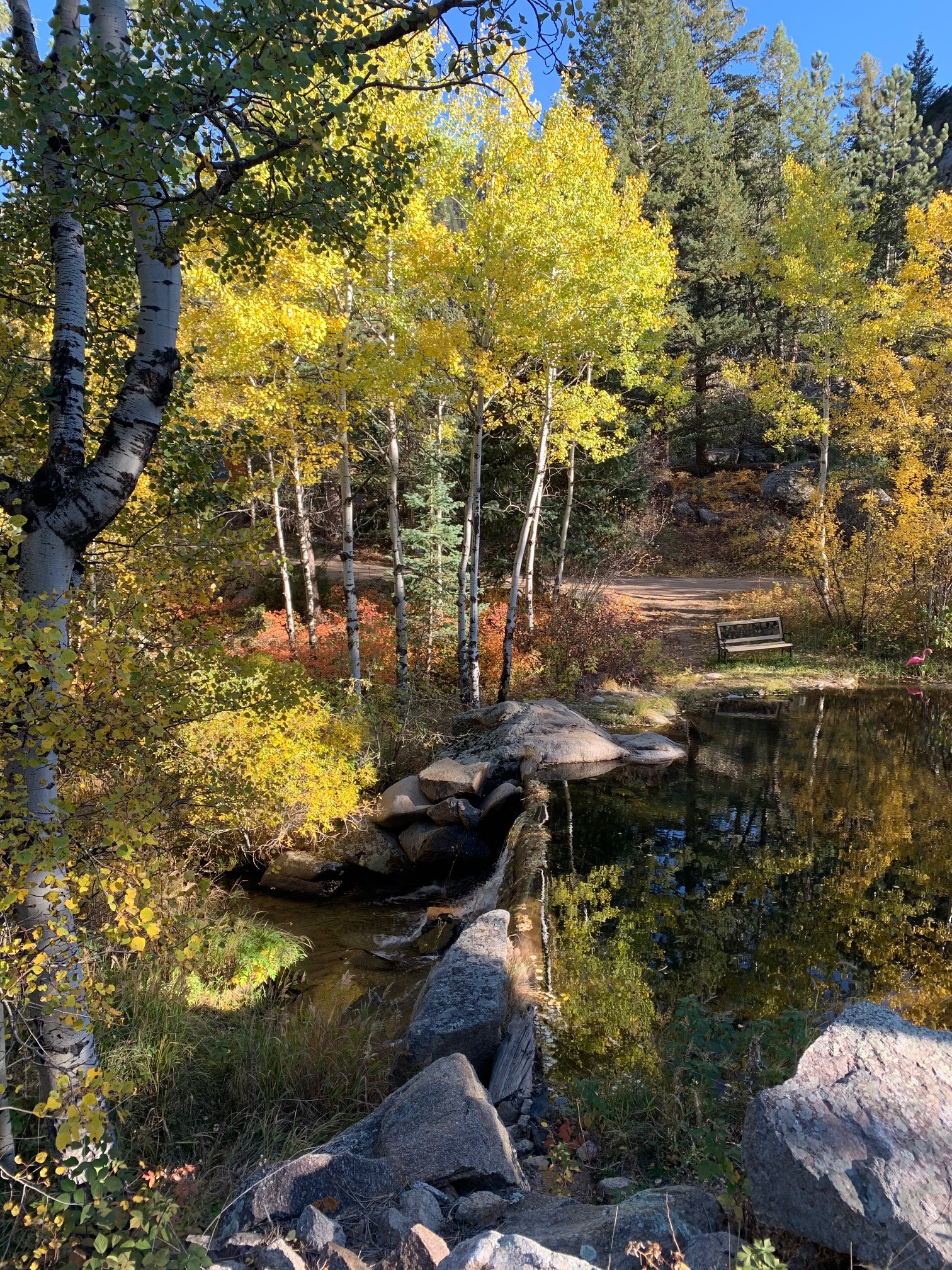
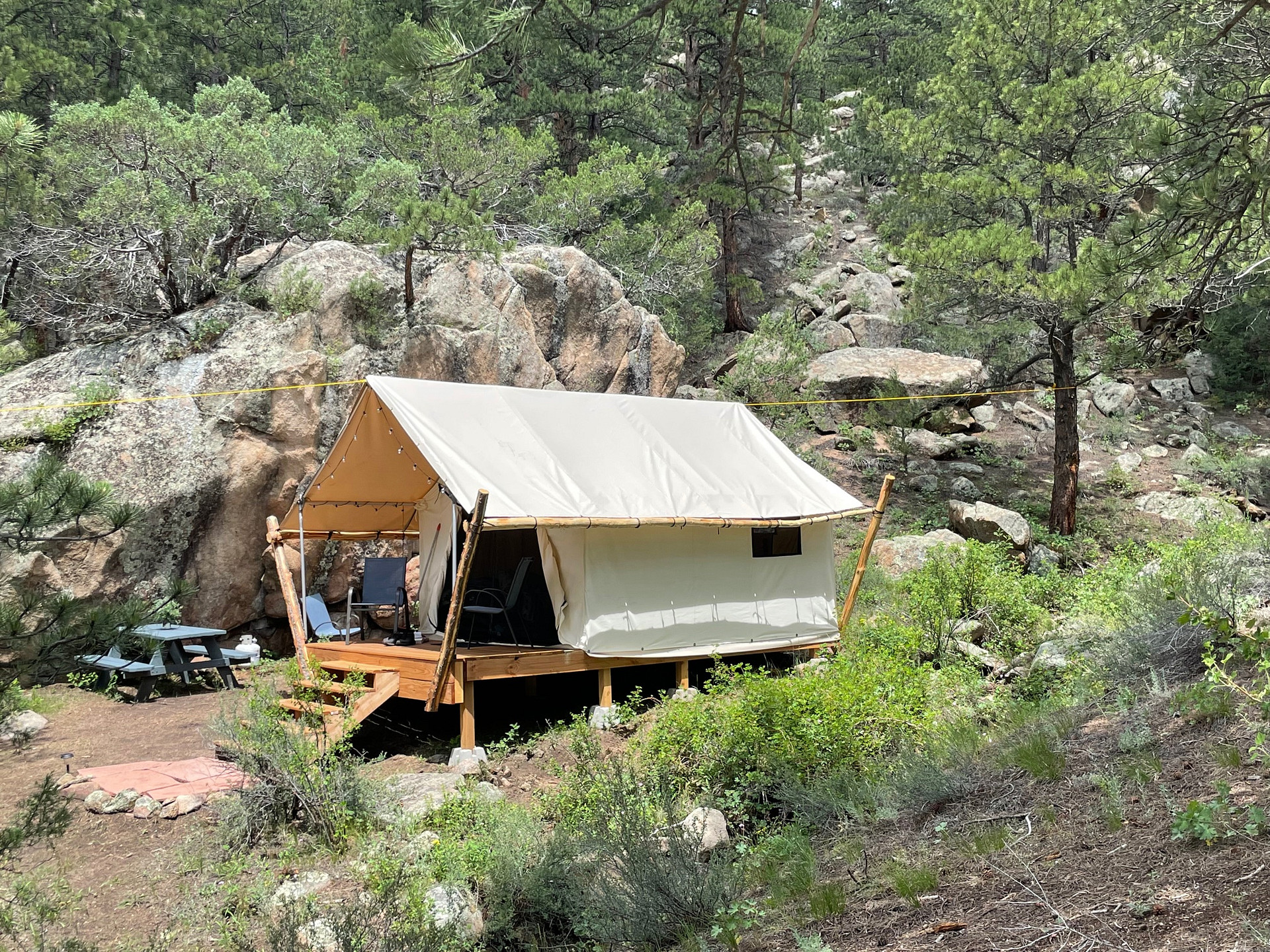
5. Rocky Mountain Glamping
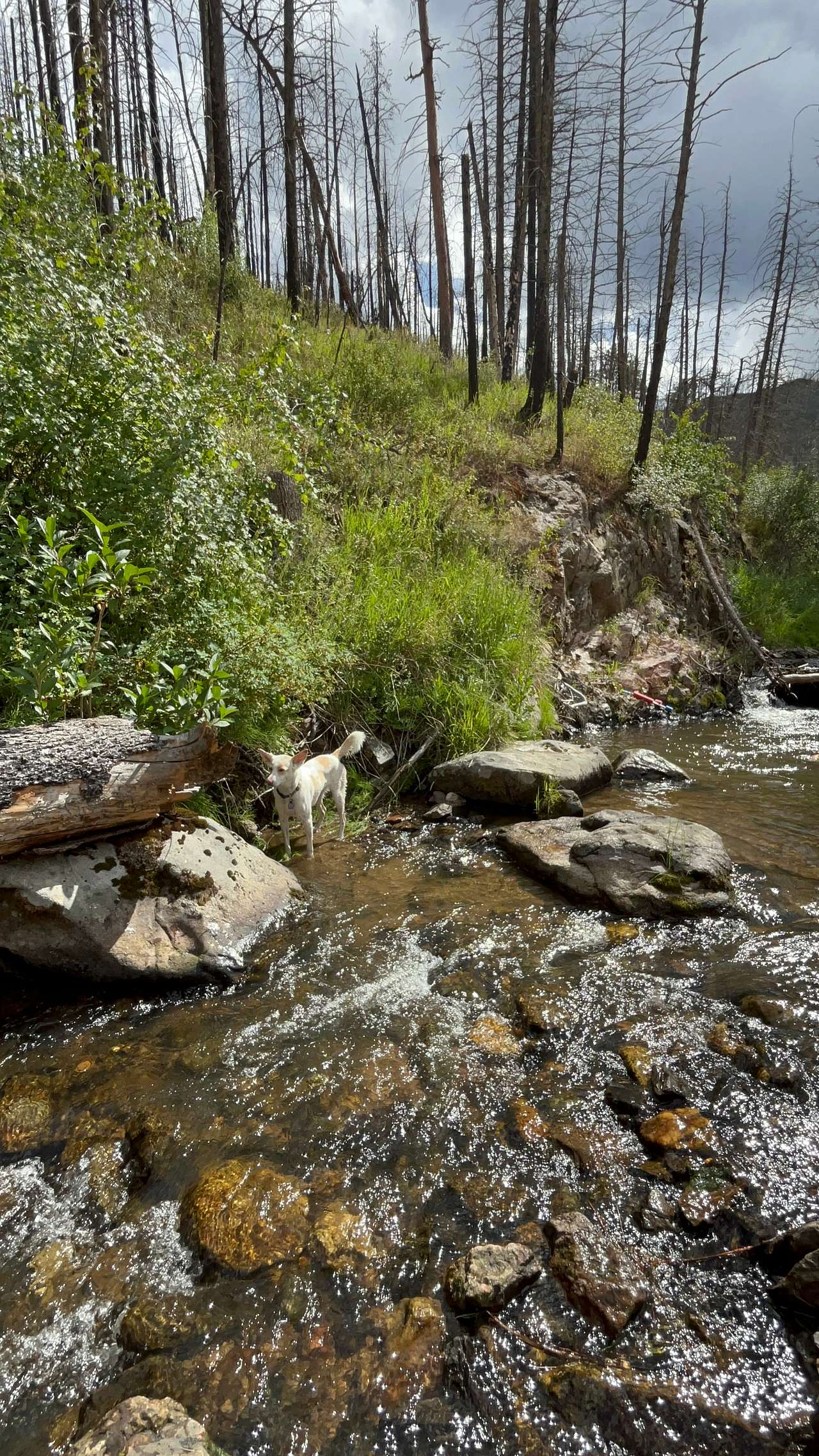
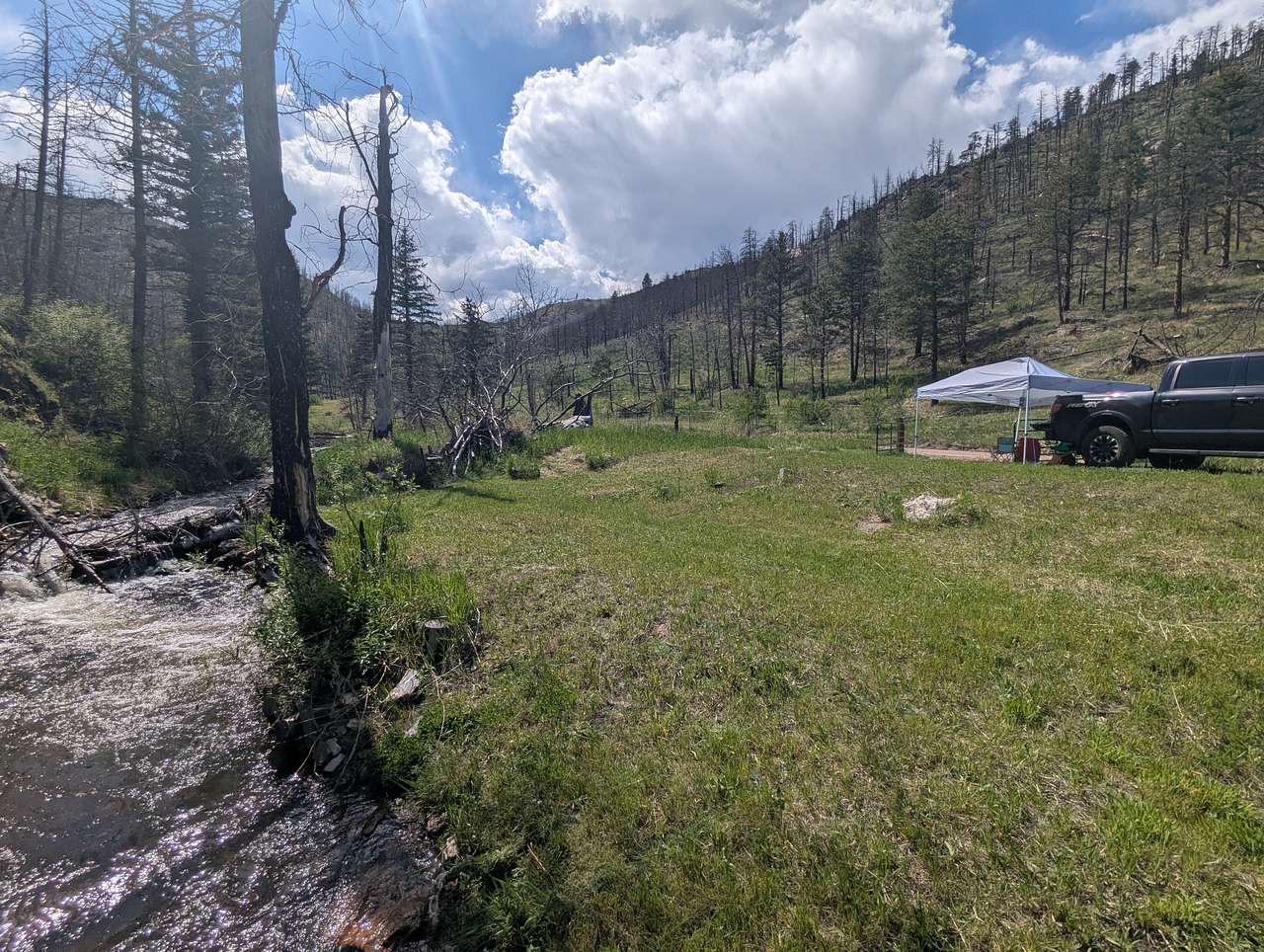
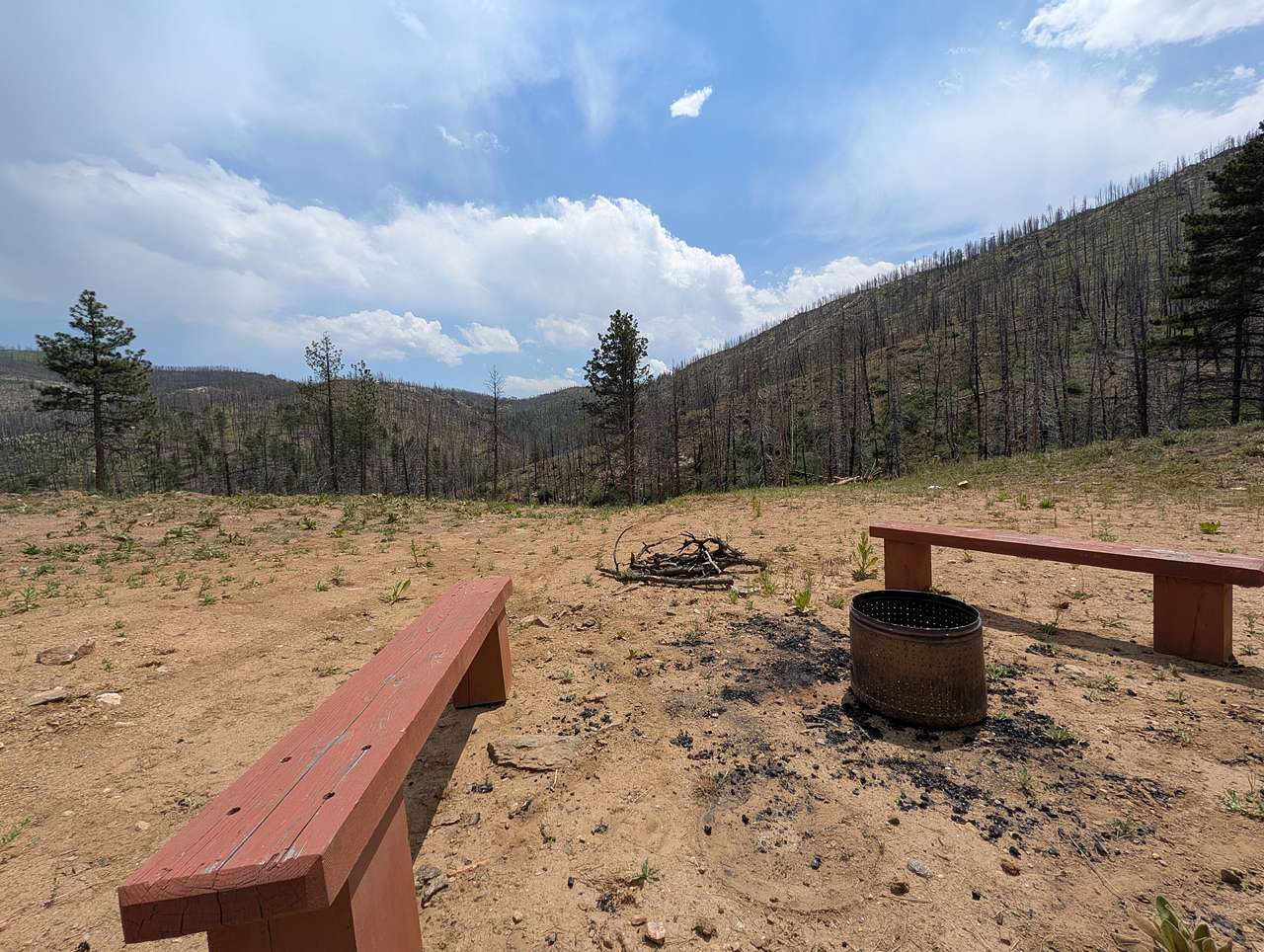
6. Buckhorn Creek Sites
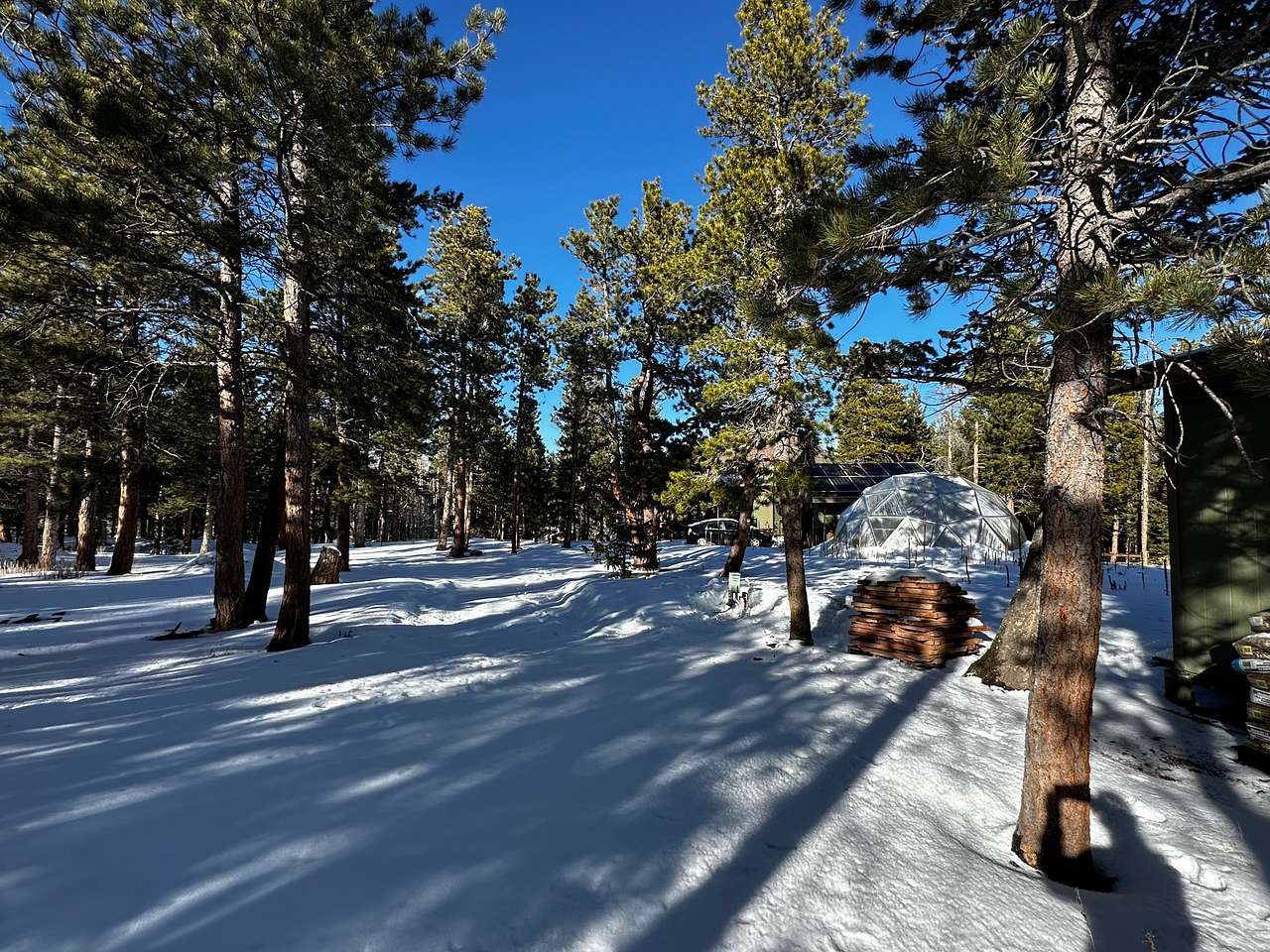
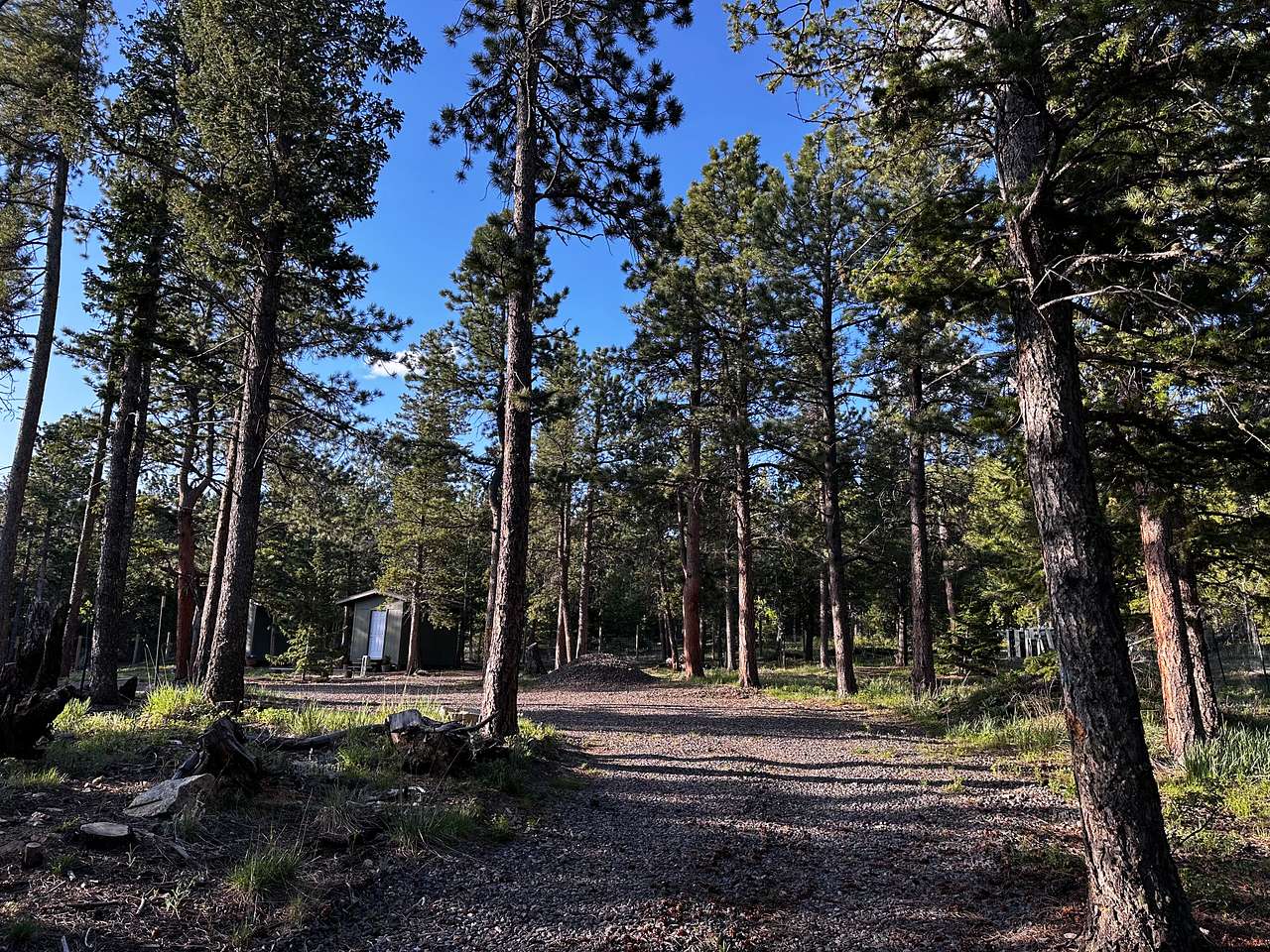
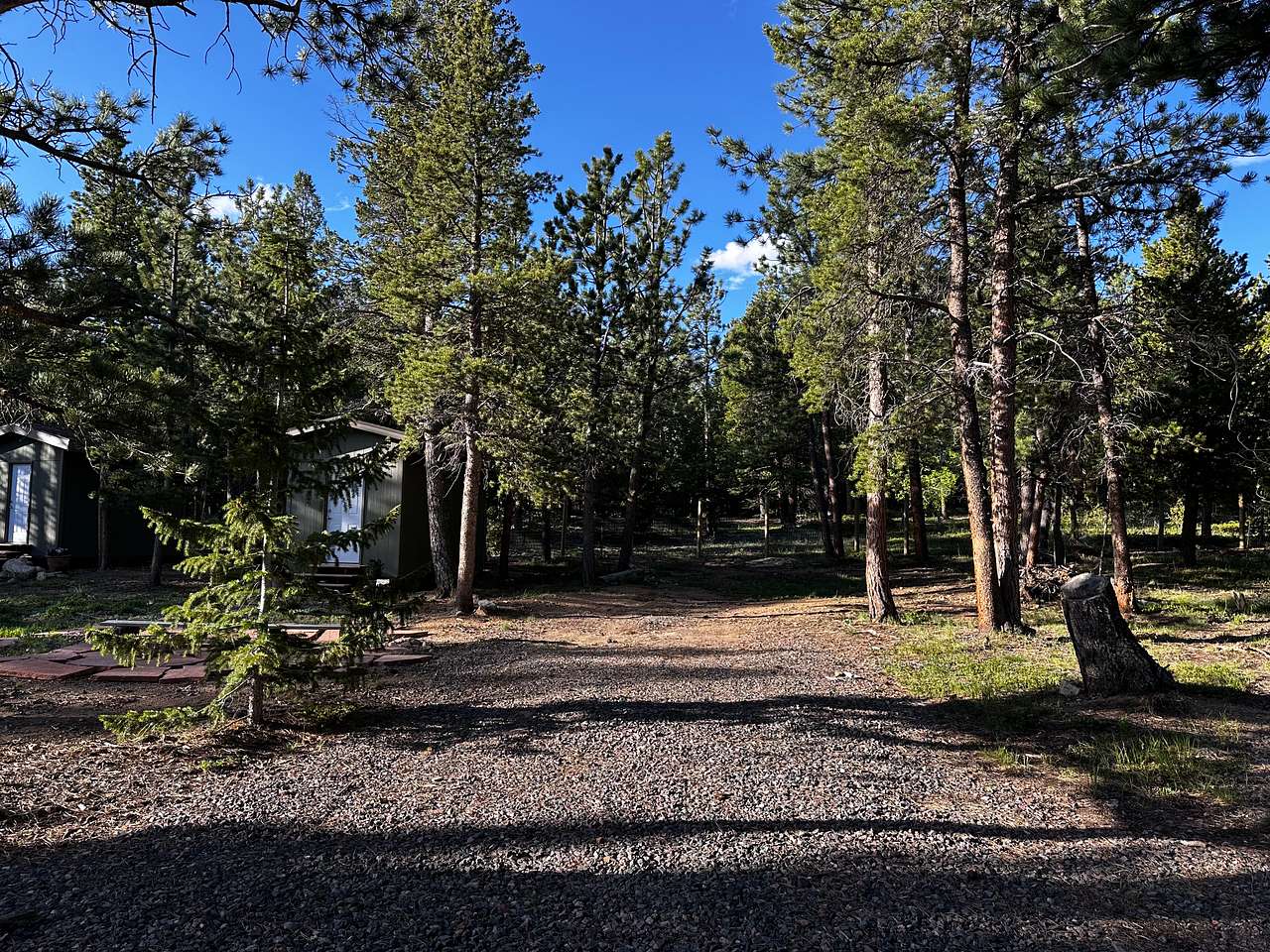
7. Rocky Mountain RV Retreat
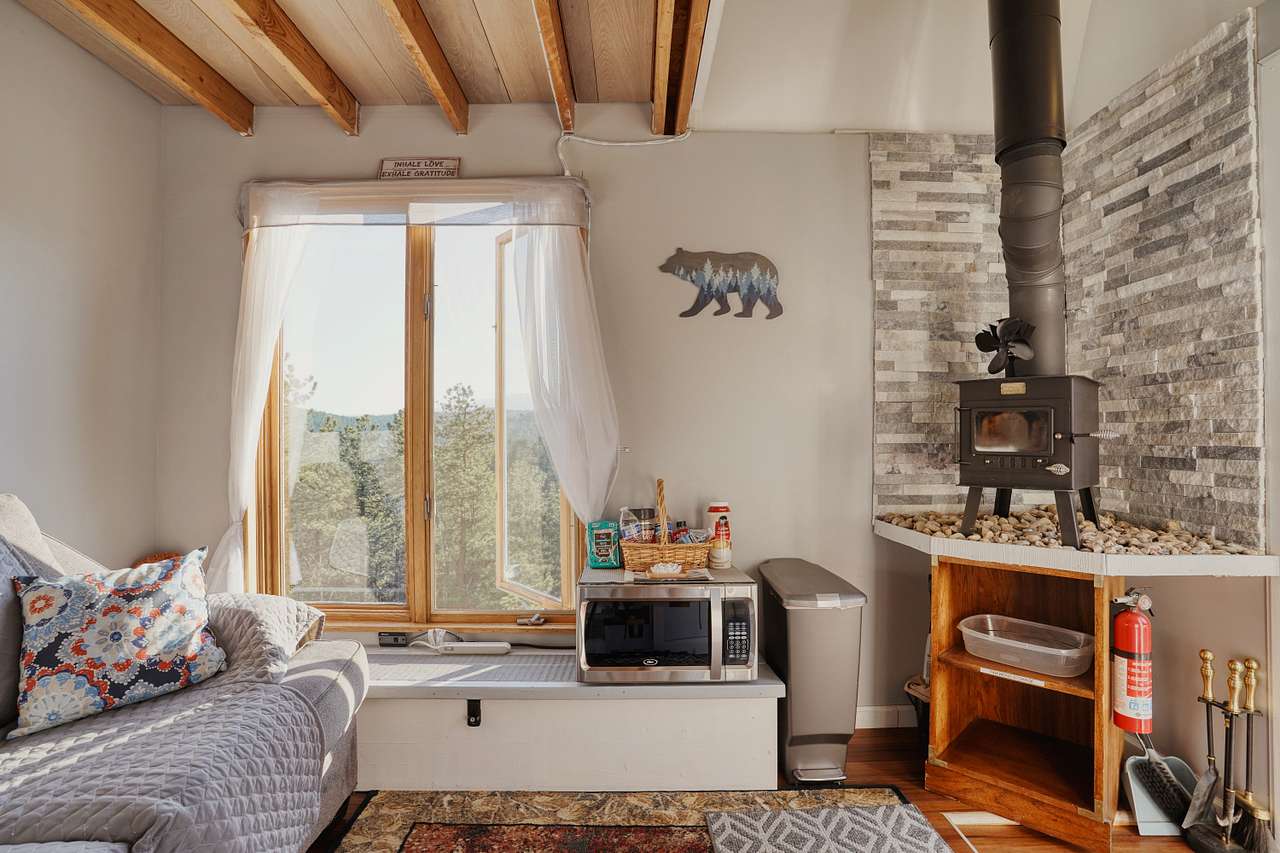
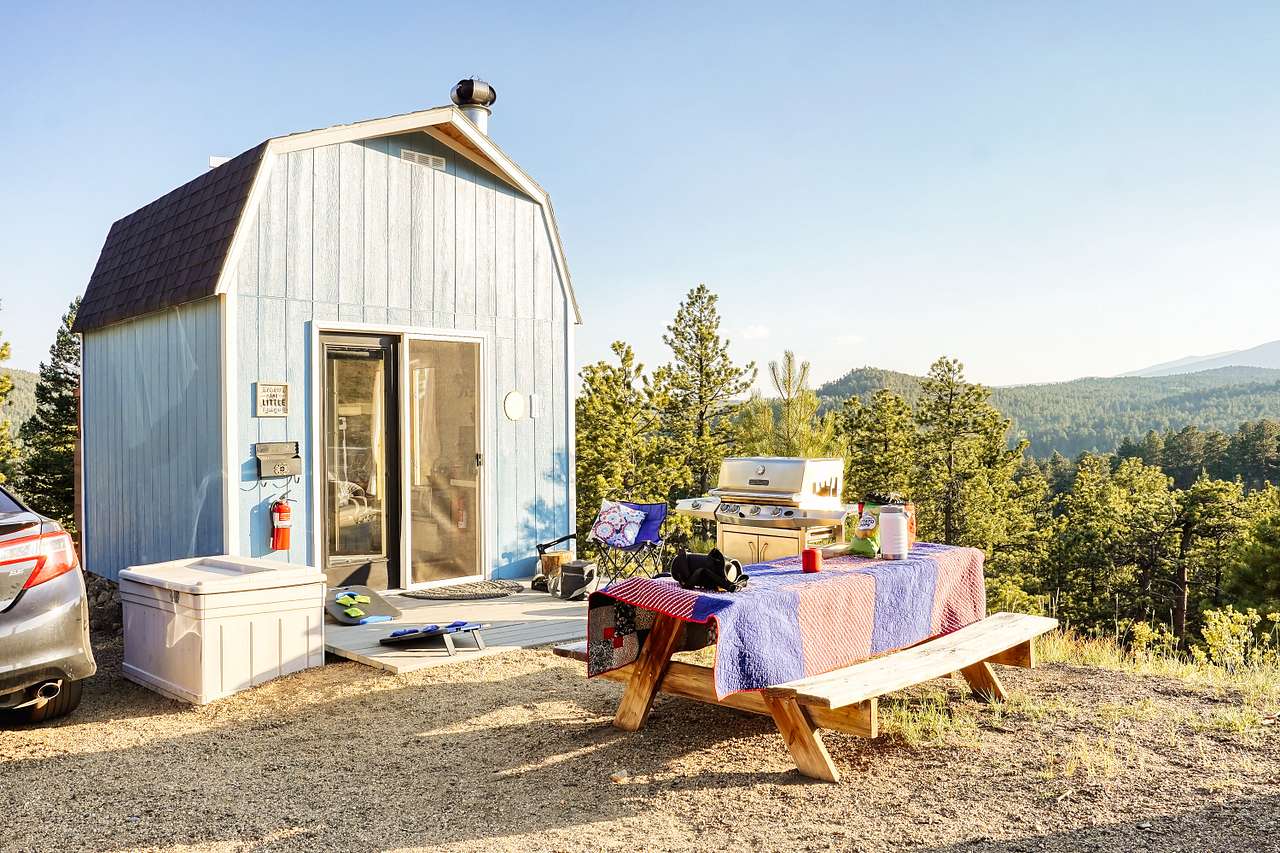
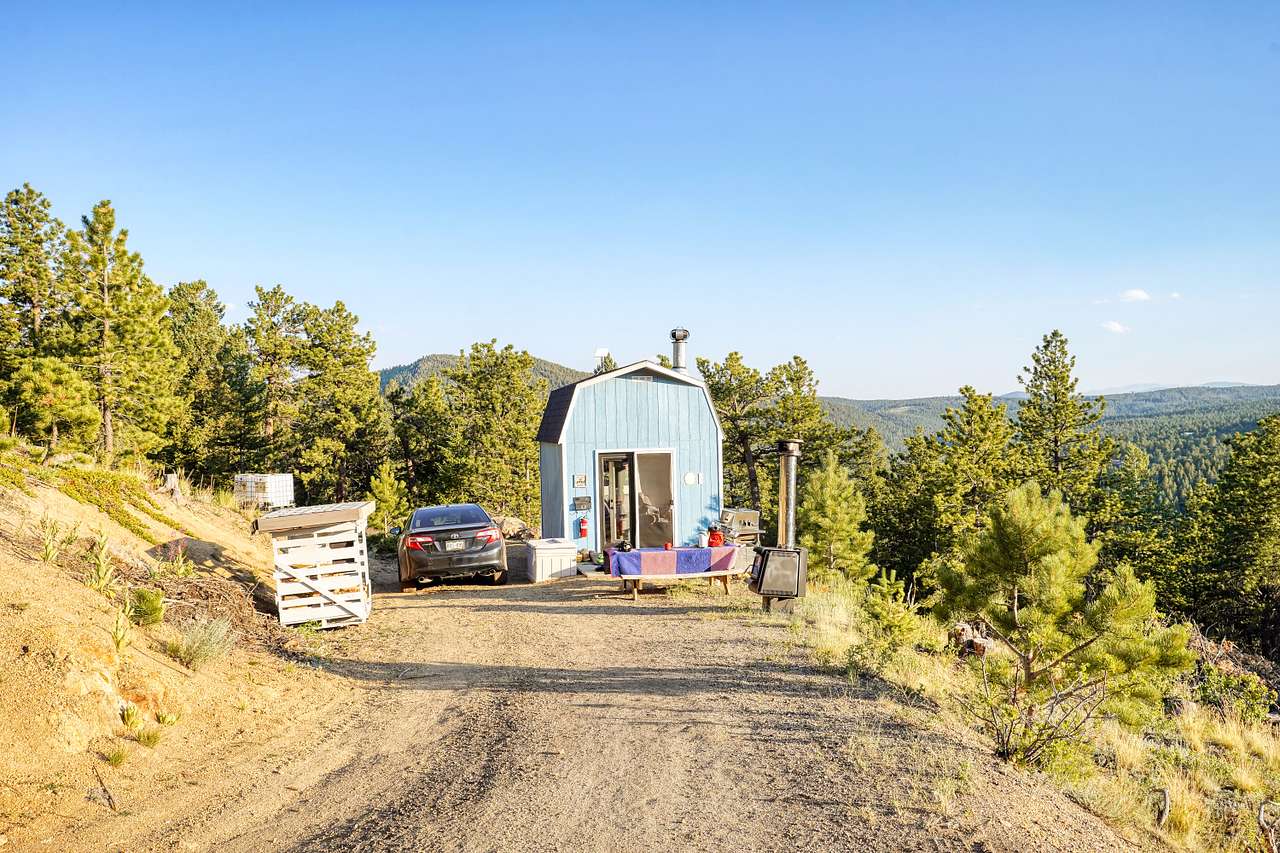
8. The Bluebear at Y Double-K Ranch
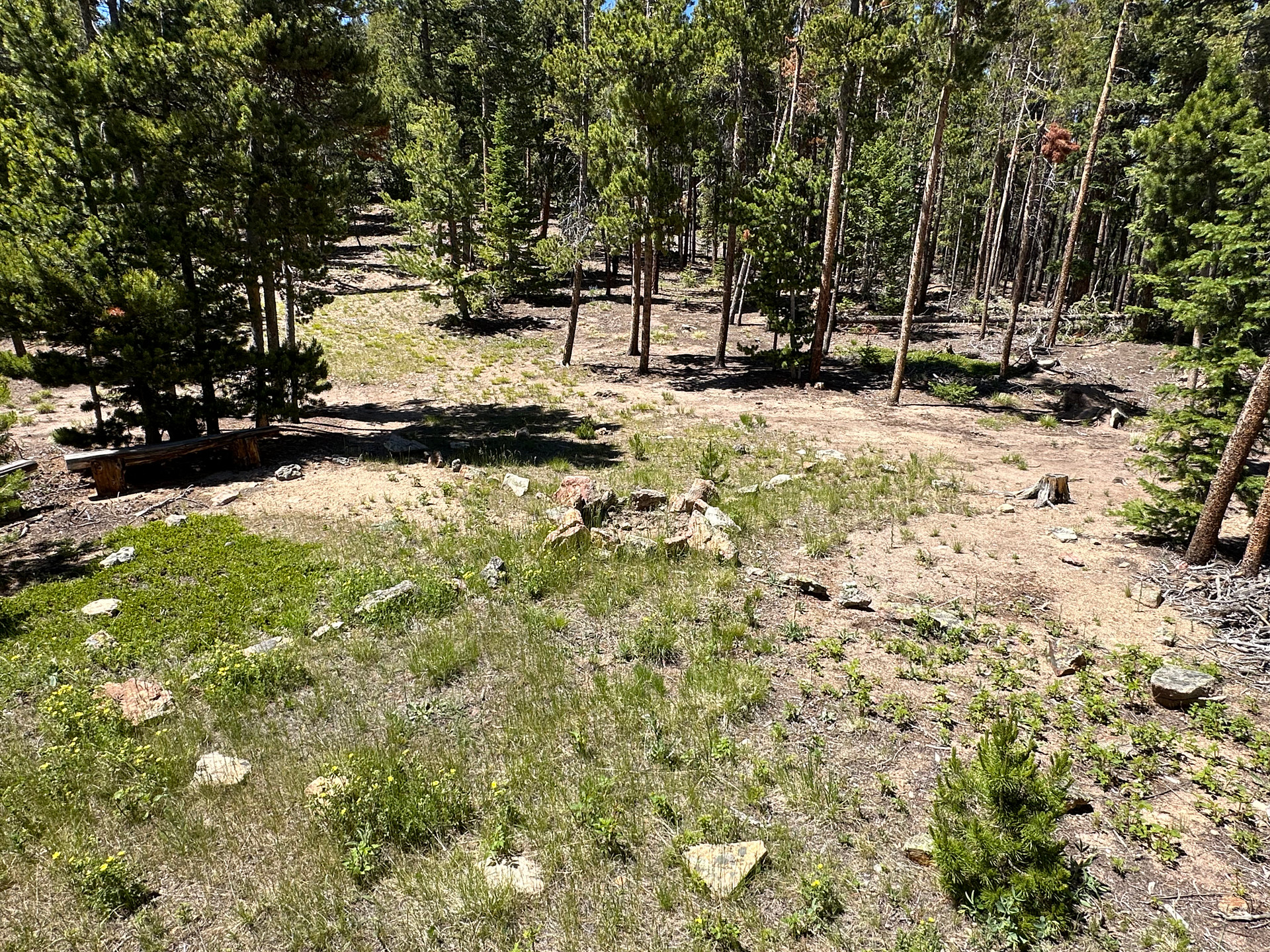
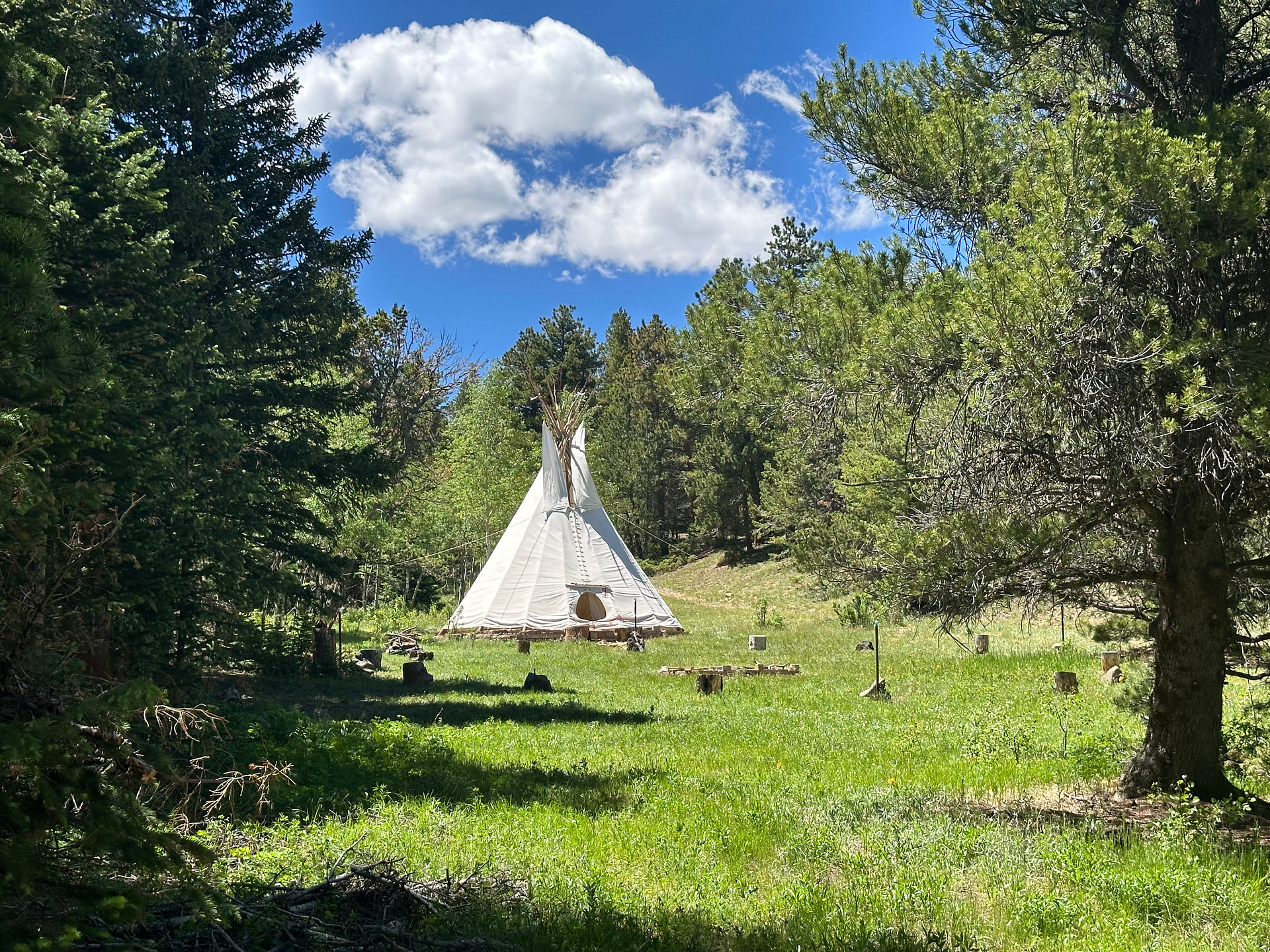
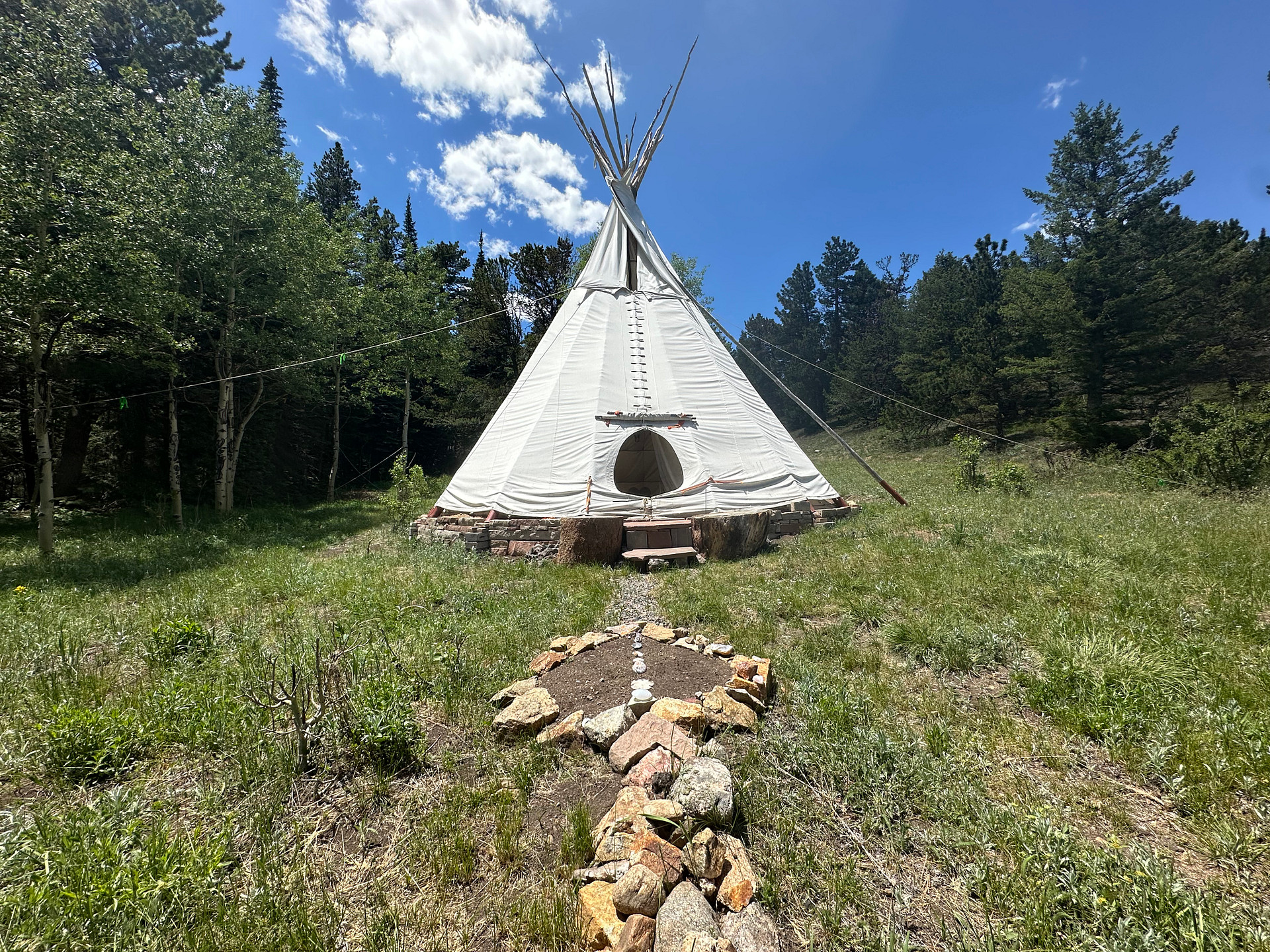
9. People of the Honey

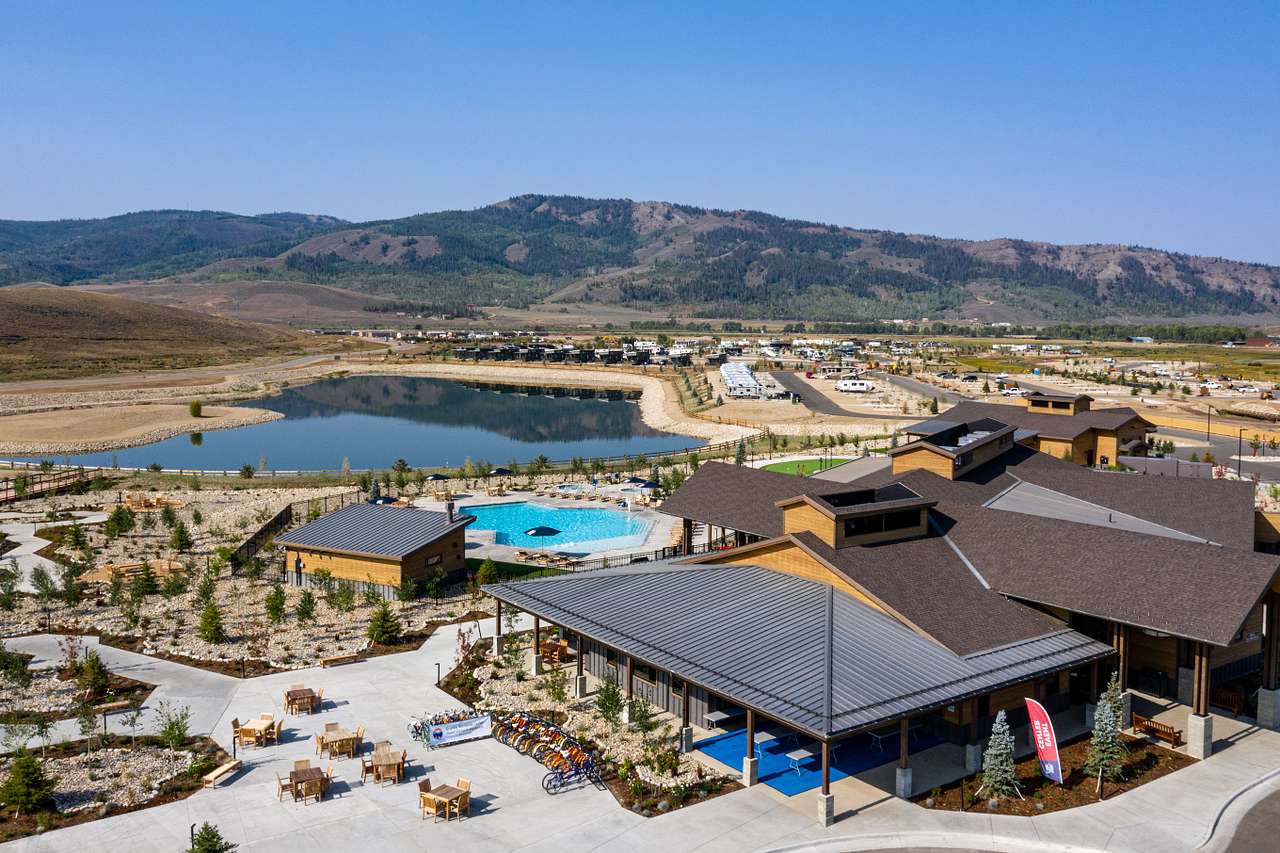

10. Sun Outdoors Rocky Mountains
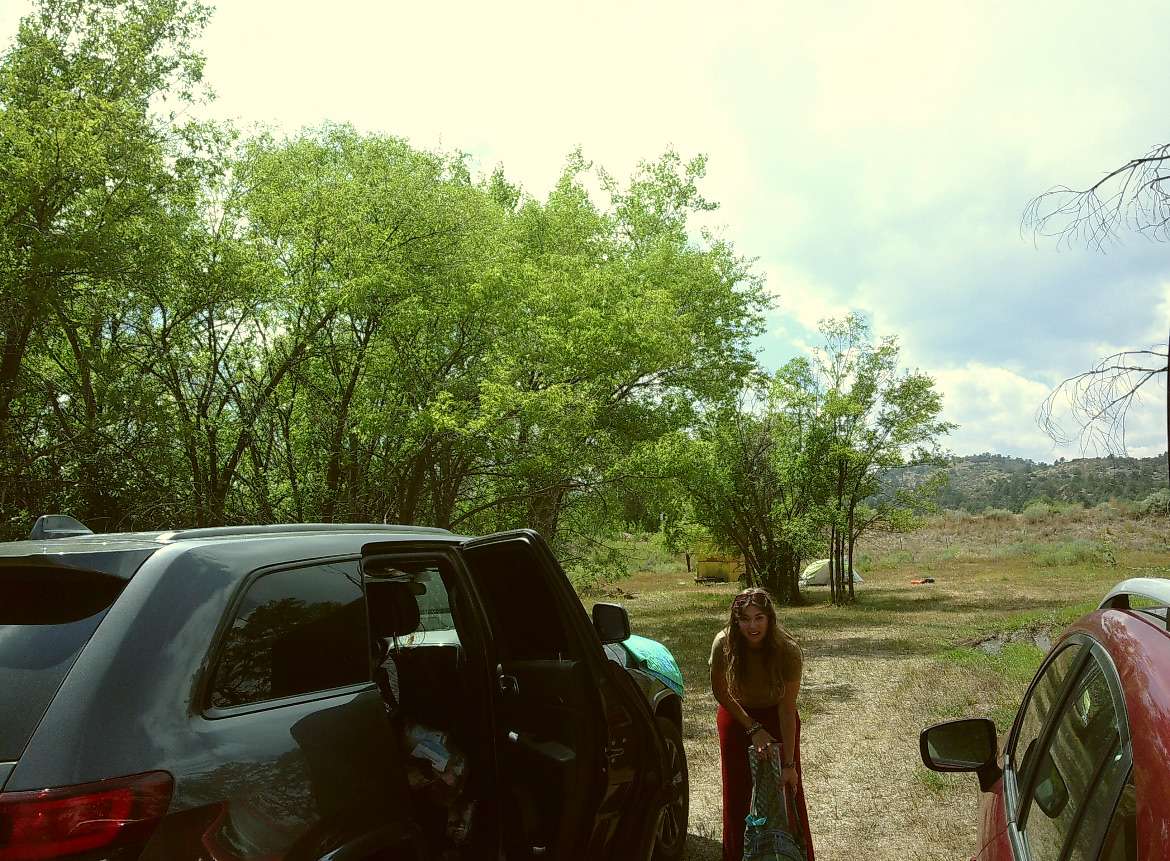
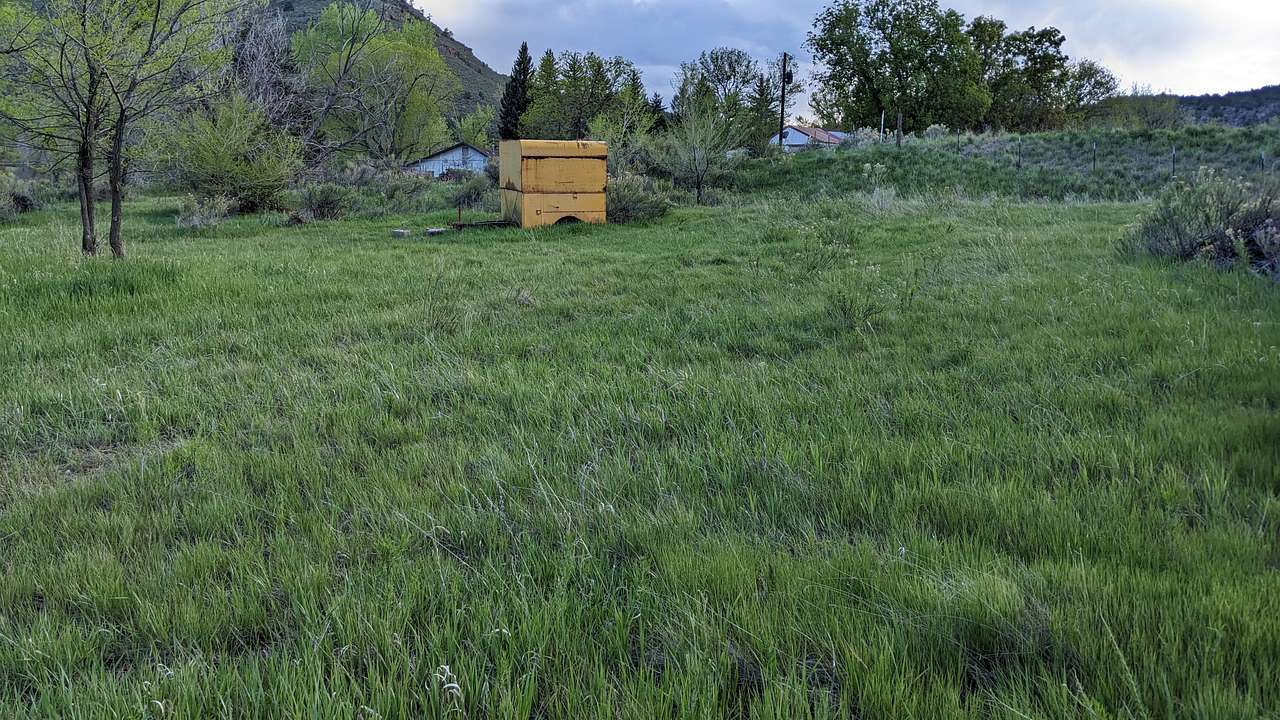
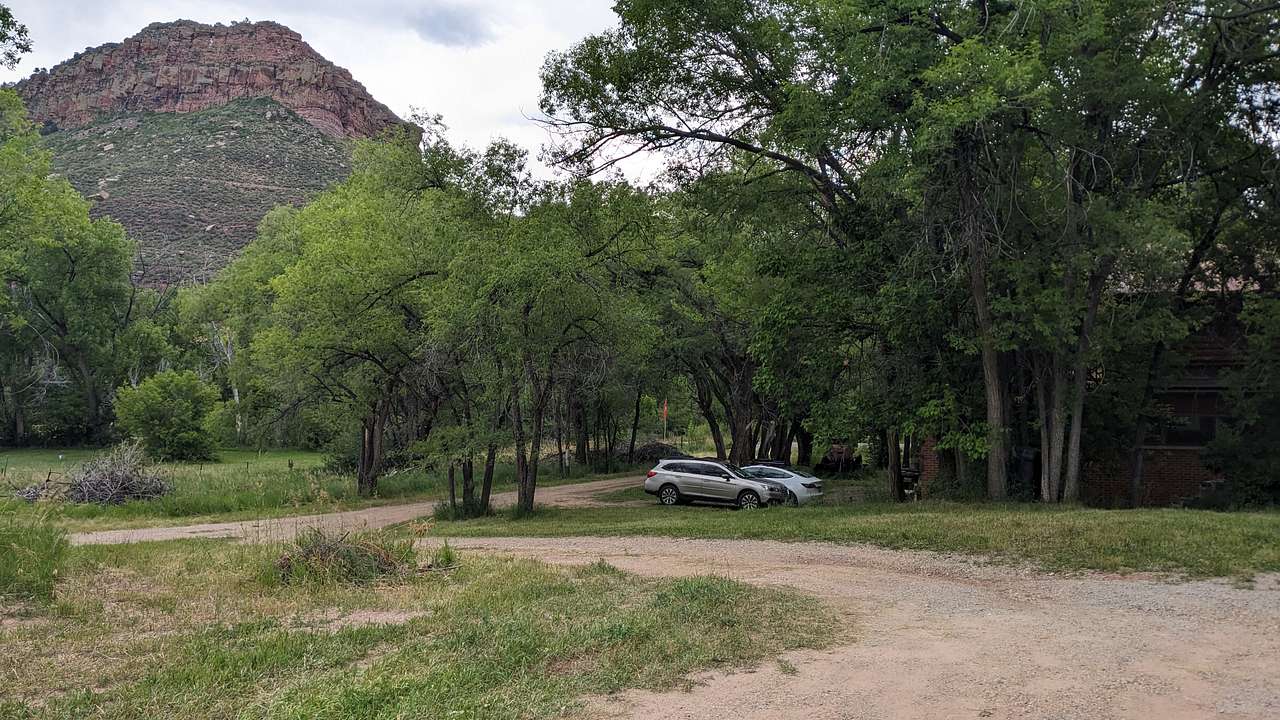
11. Apple Valley Camping -RVs and vans
12. Creekside Paradise
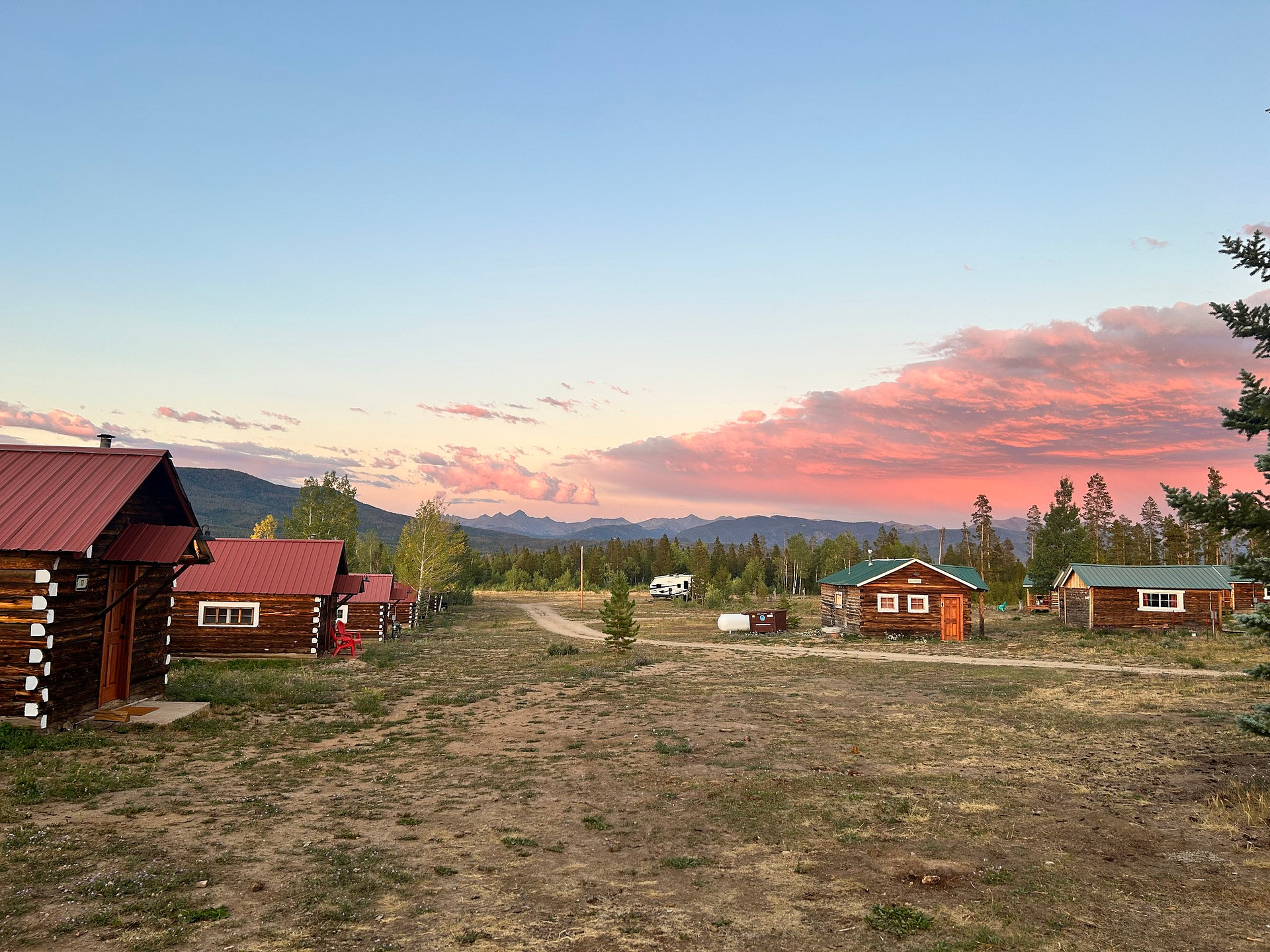
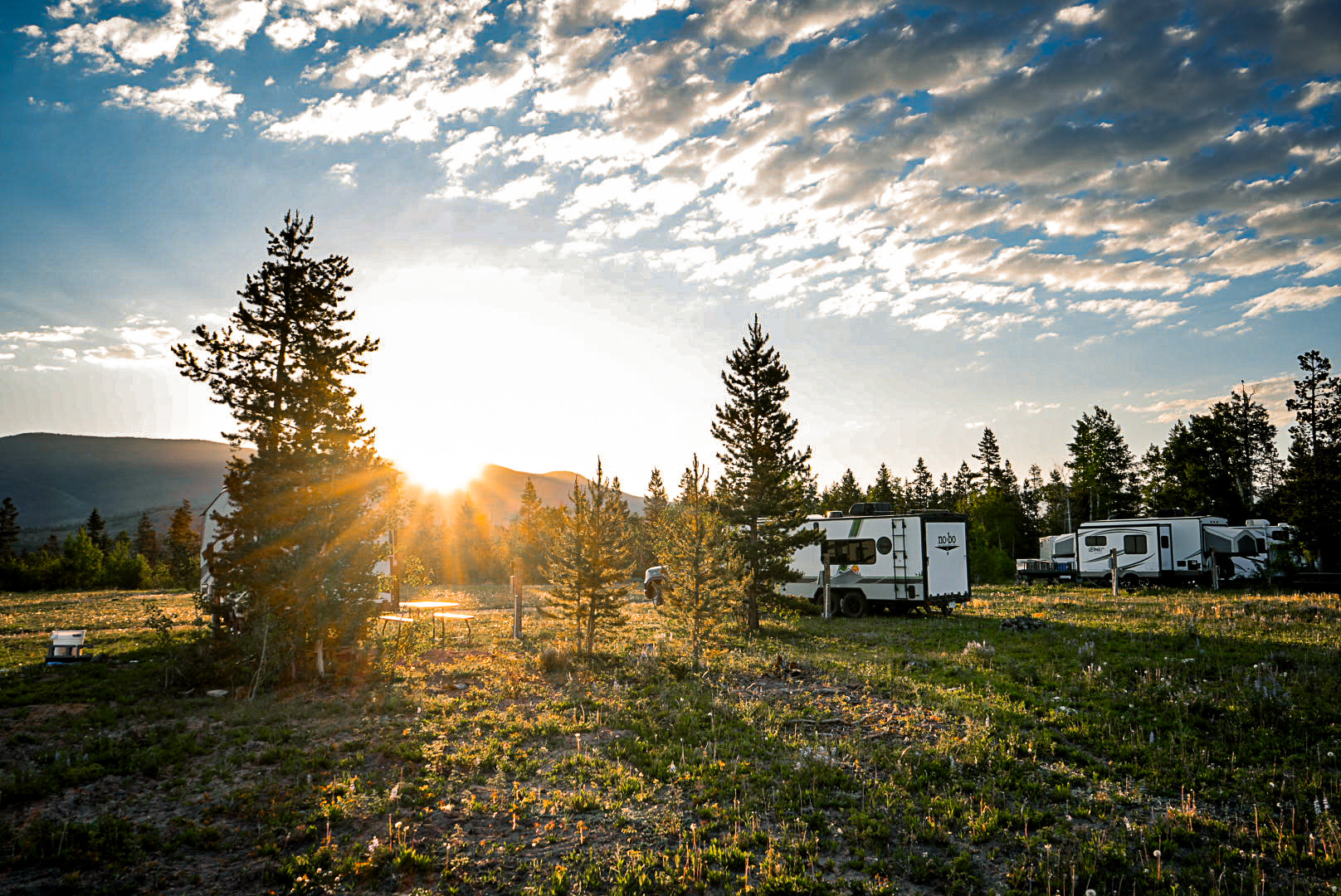
13. Old Homestead Campground


14. Glen Echo Resort
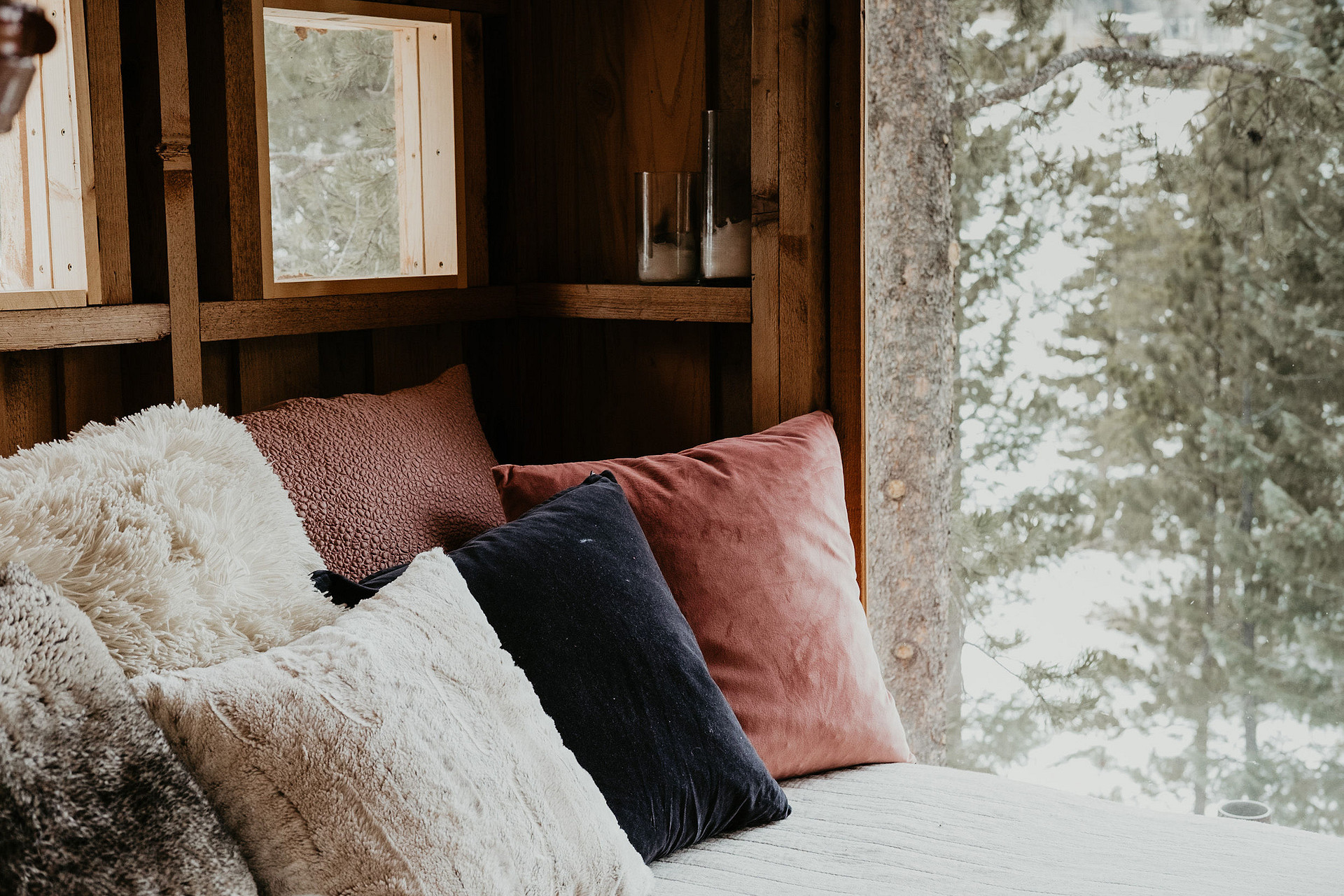
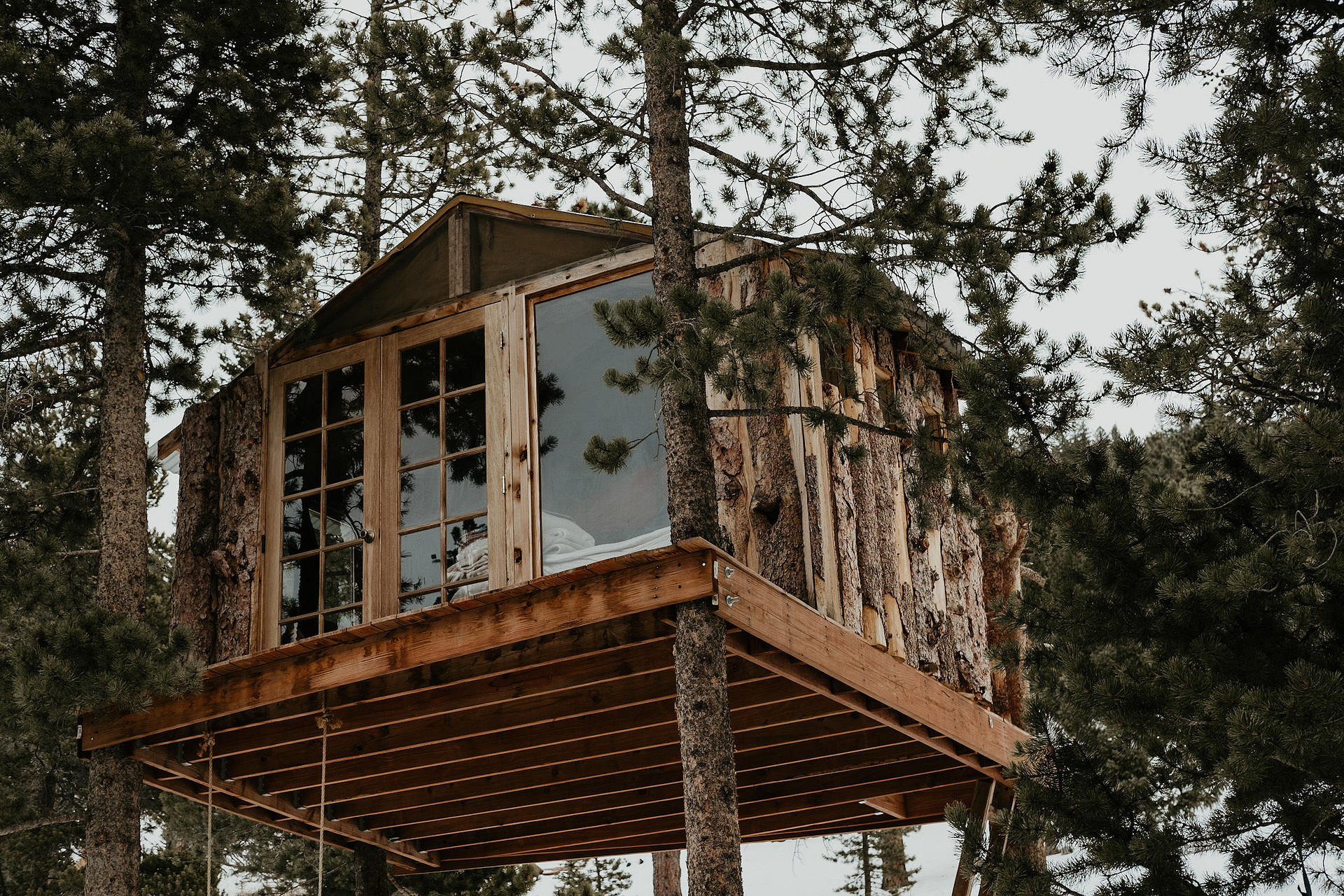
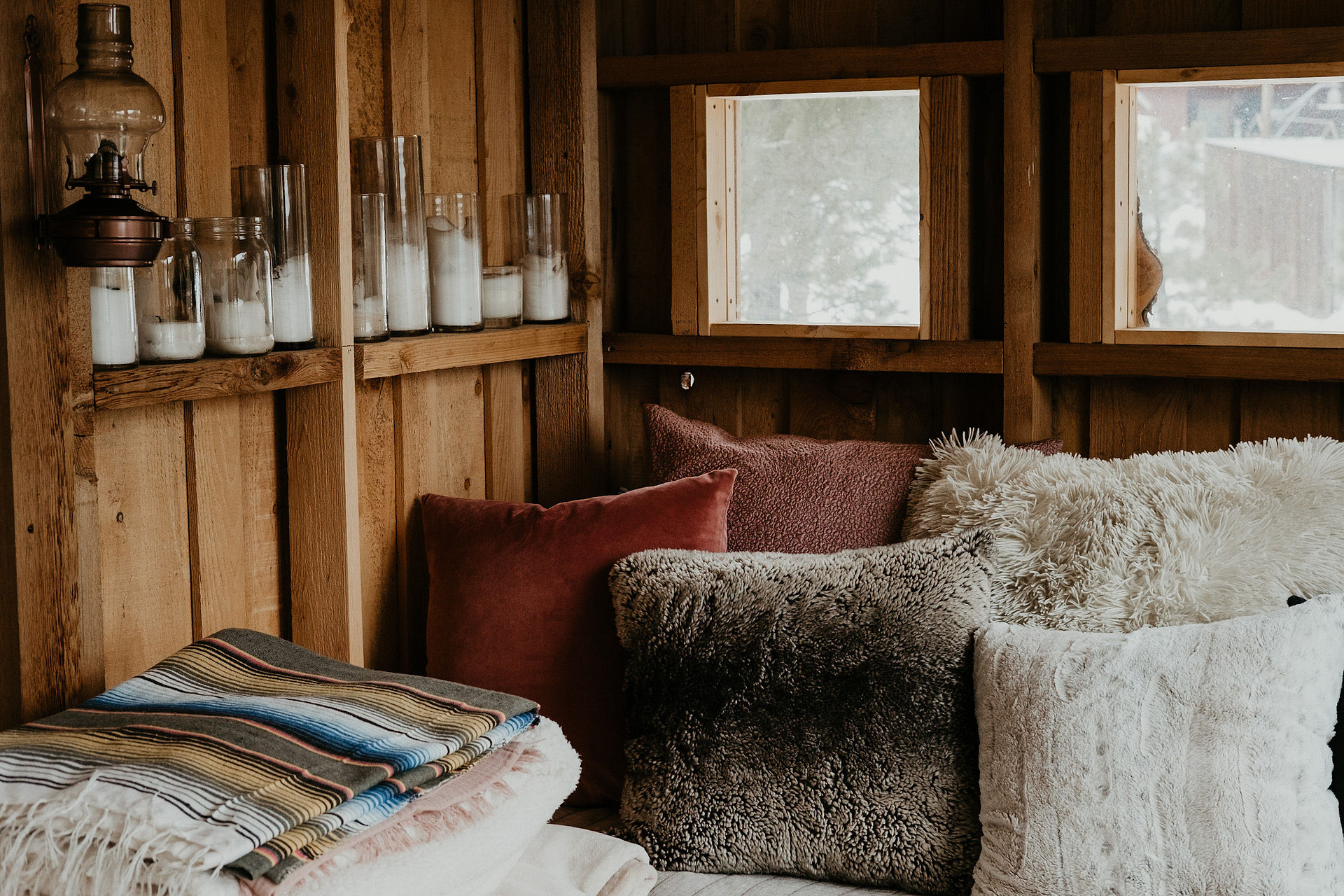
15. Gold Nugget Tree House + Cabin
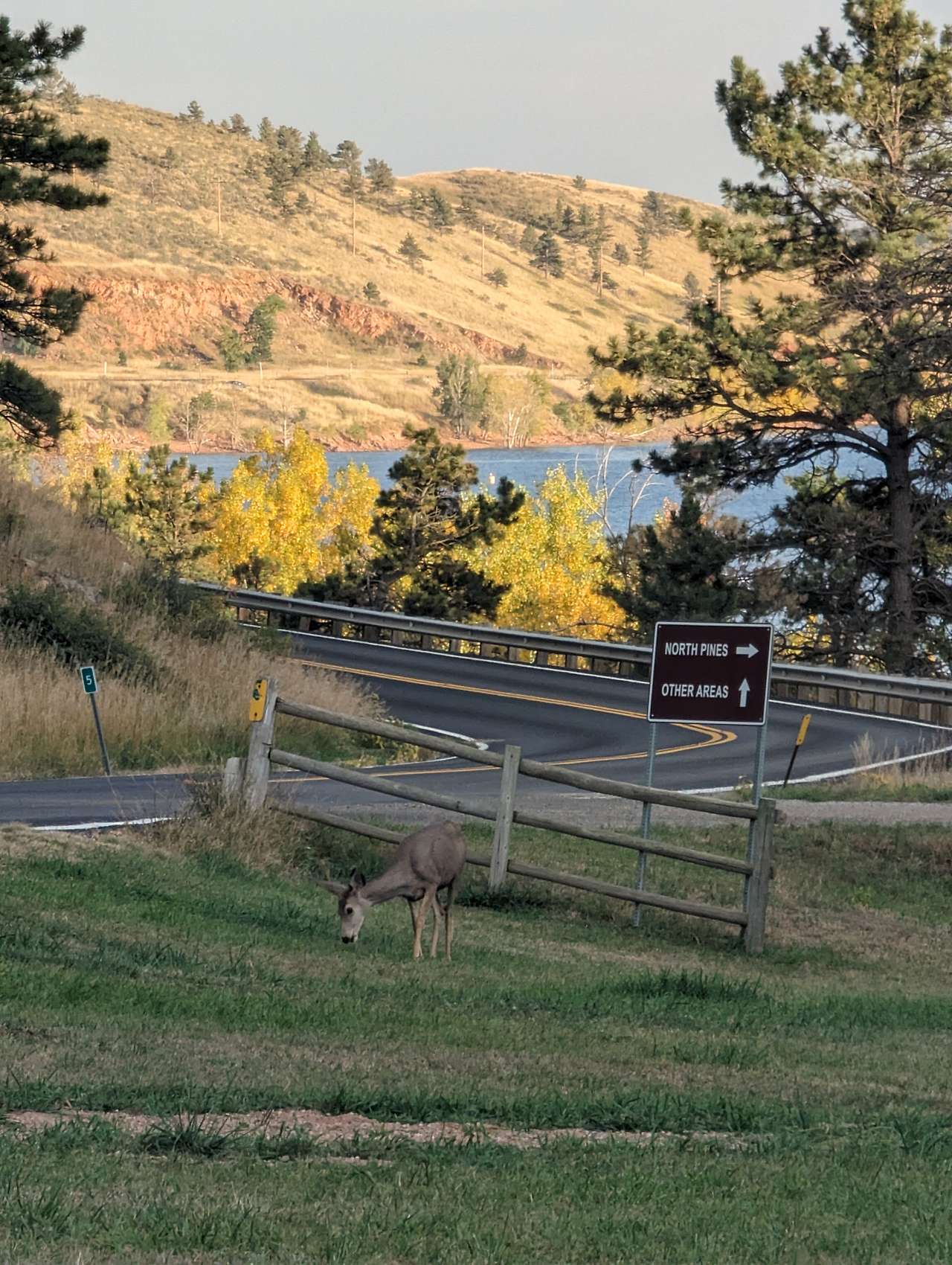
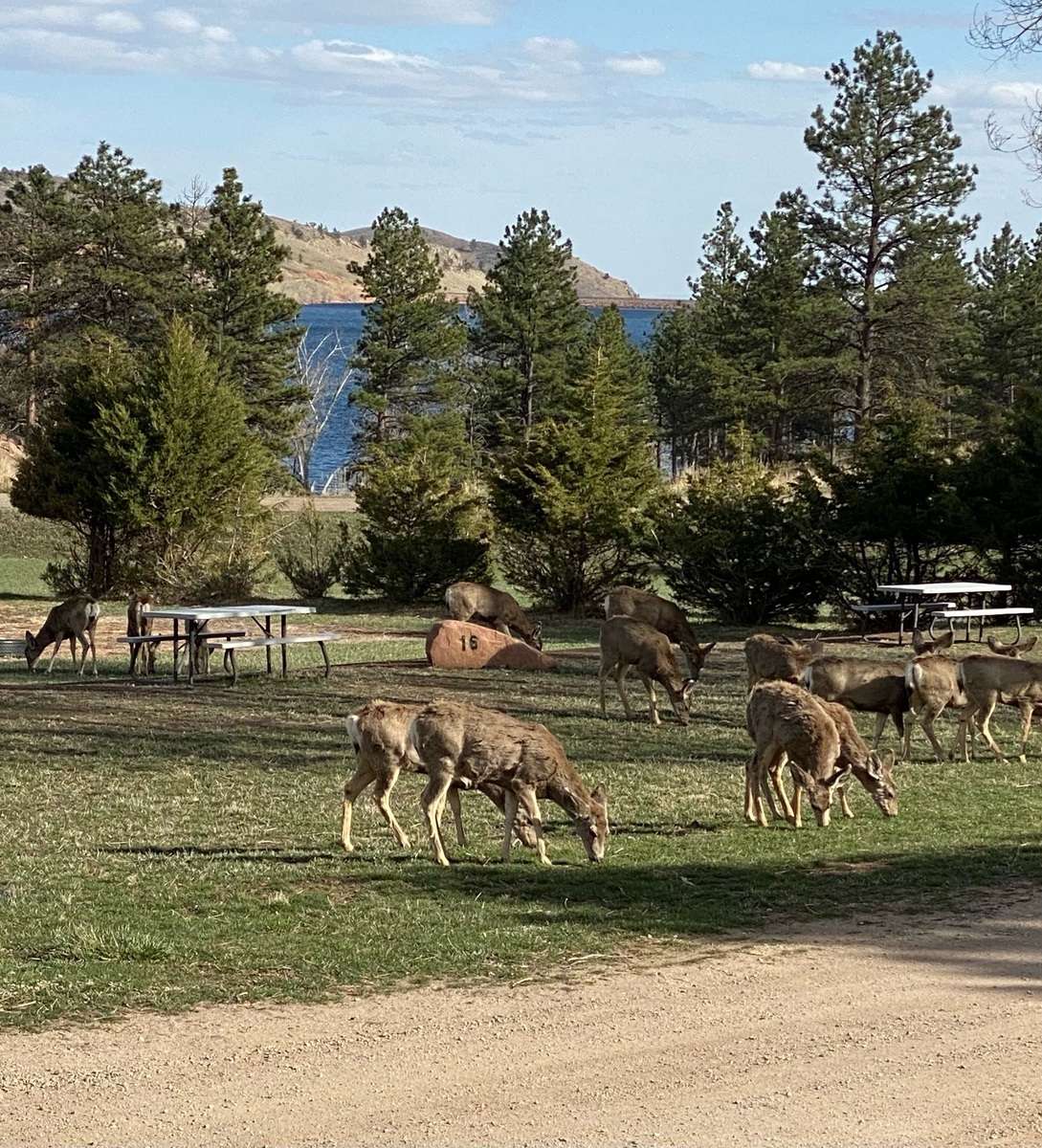
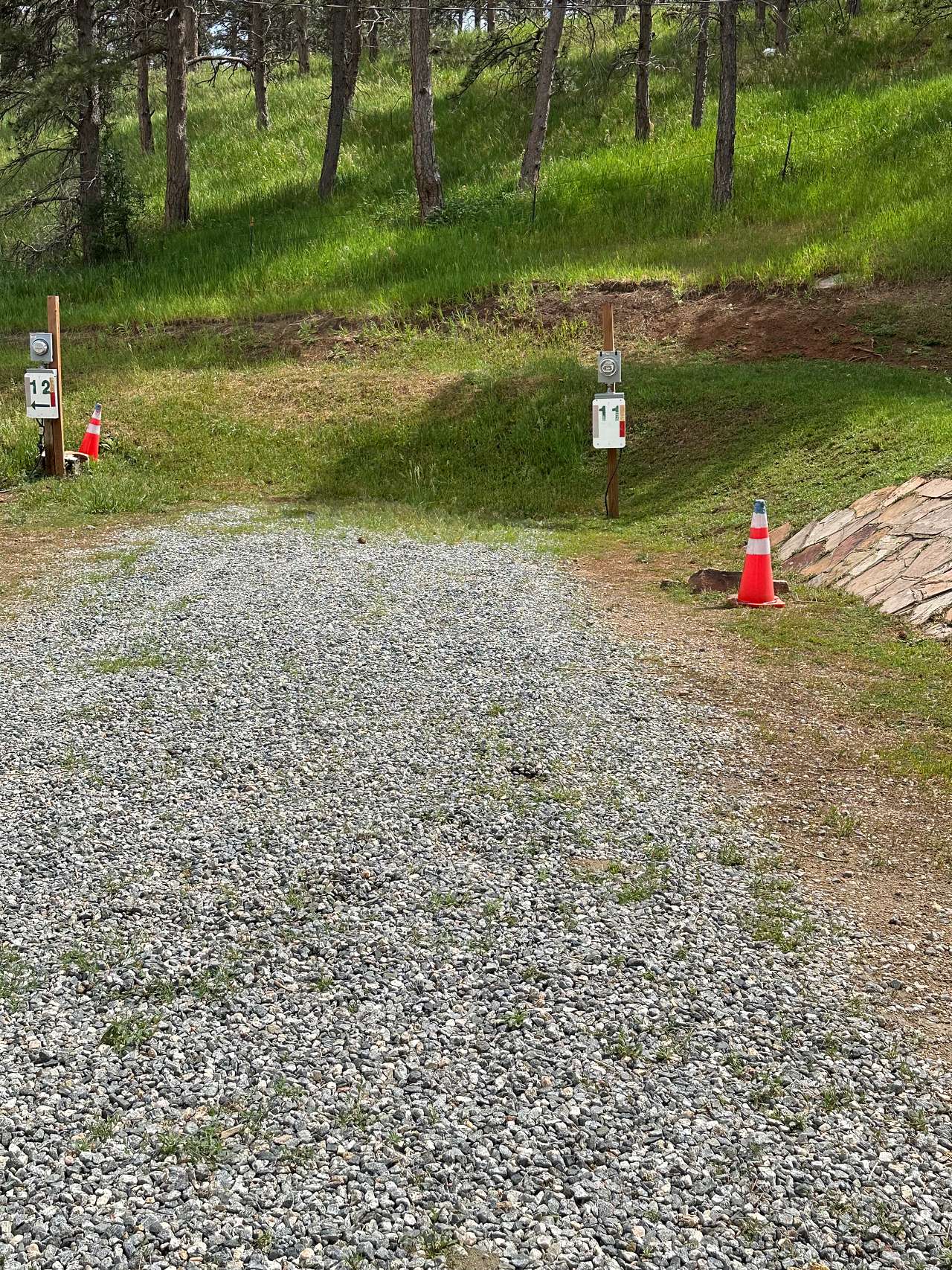
16. North Shore RV Park & General Store
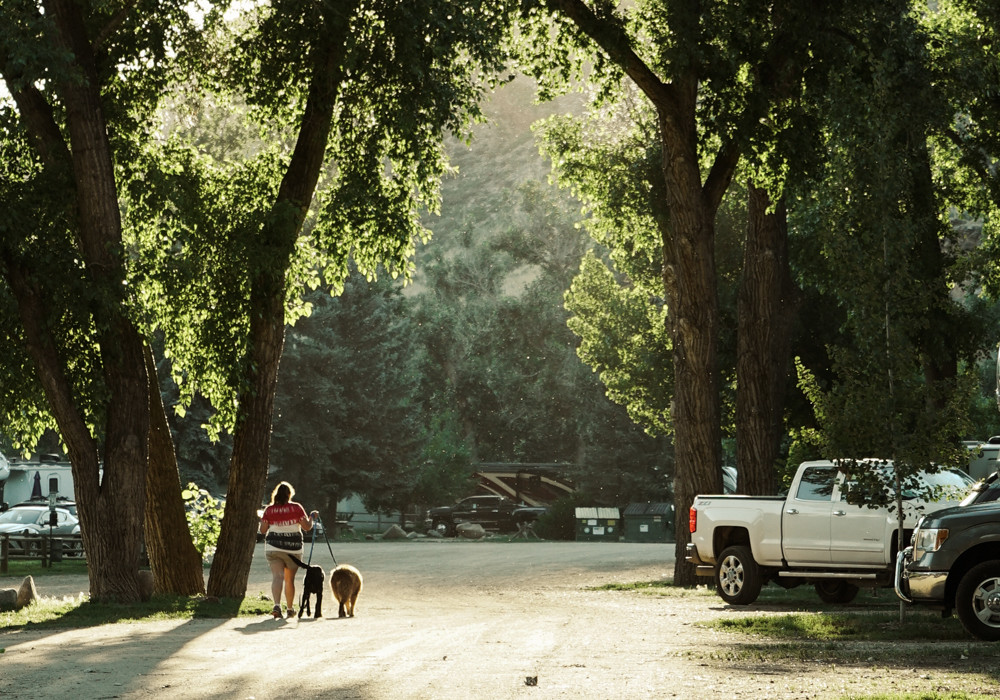
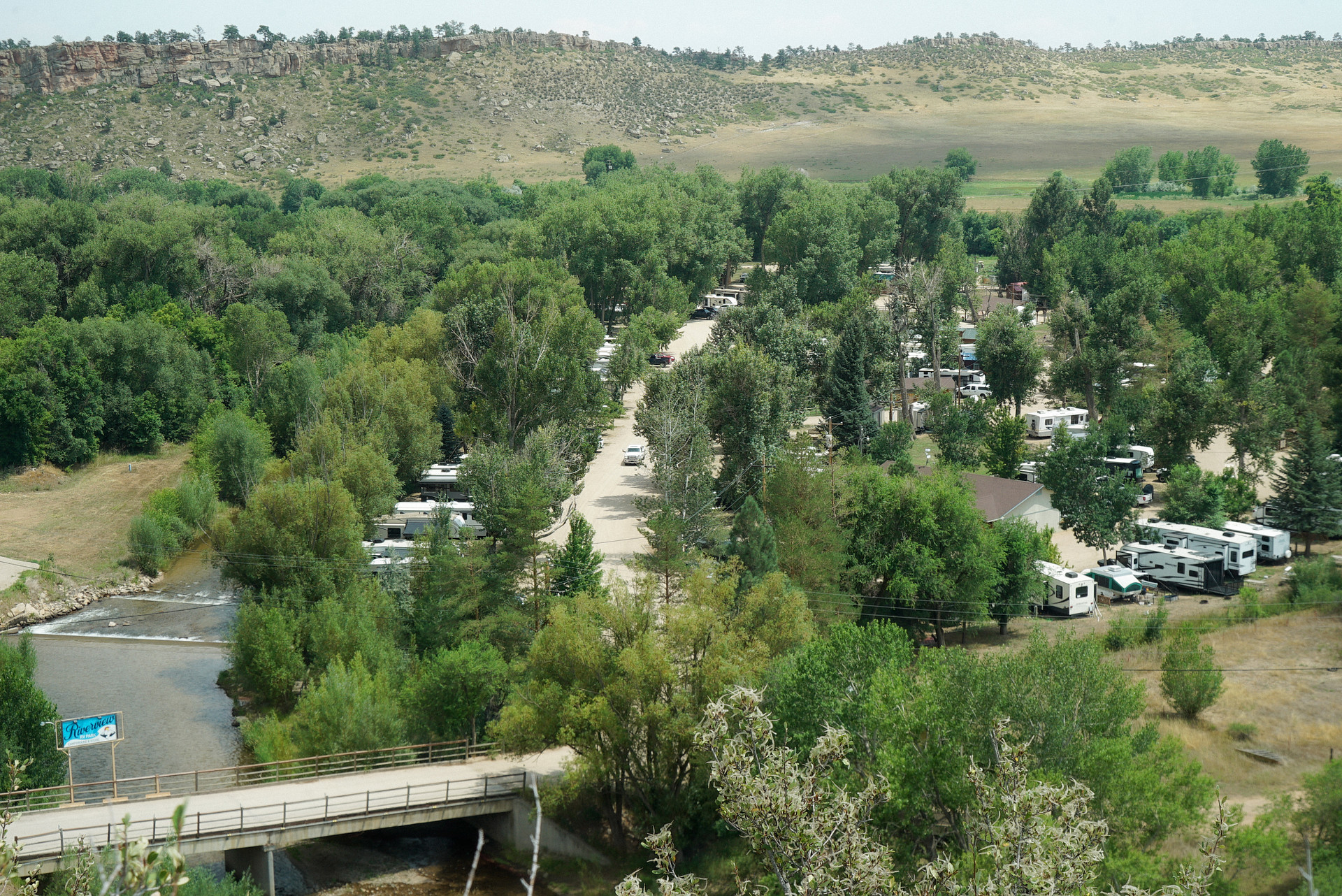
17. Riverview RV Park and Campground
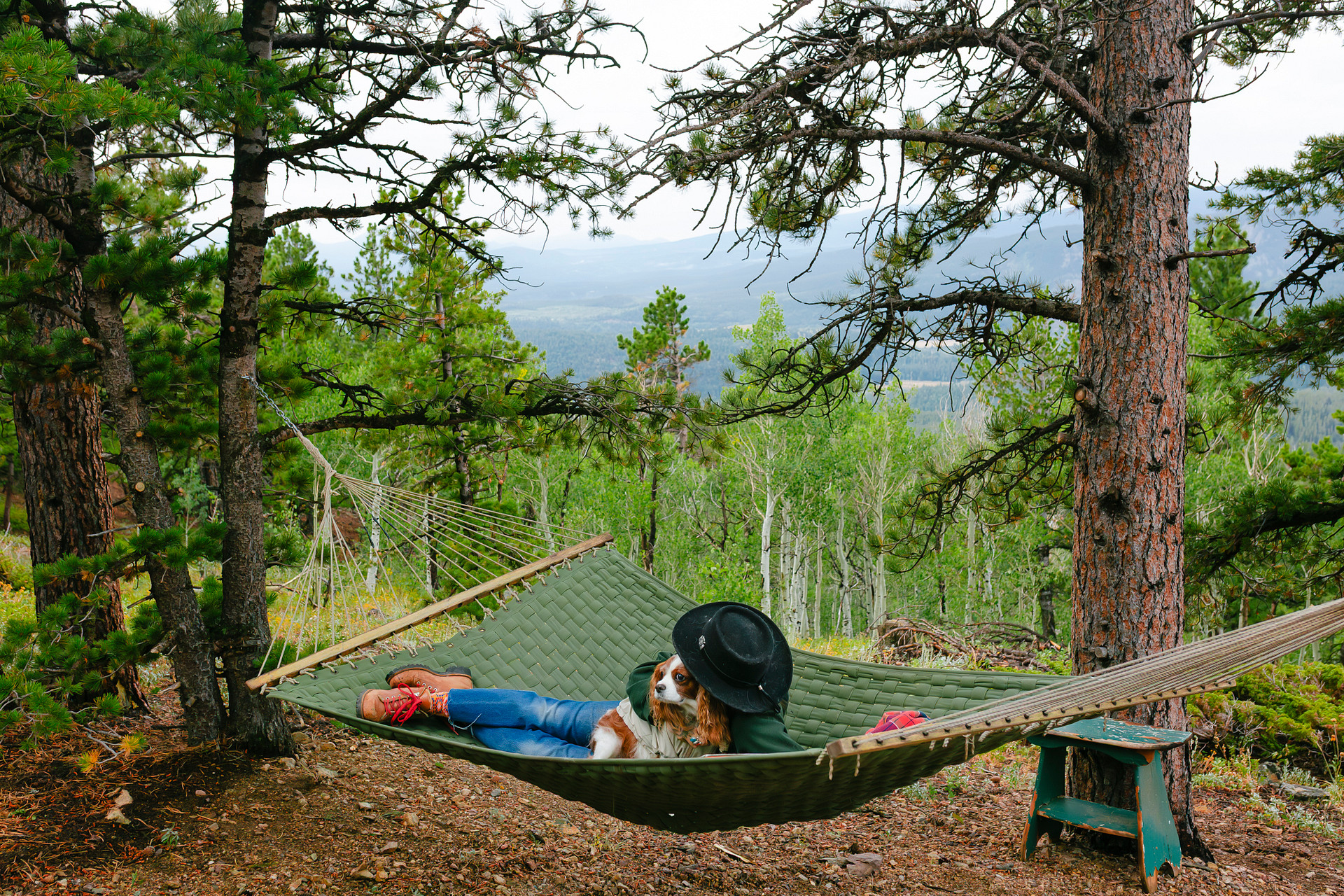
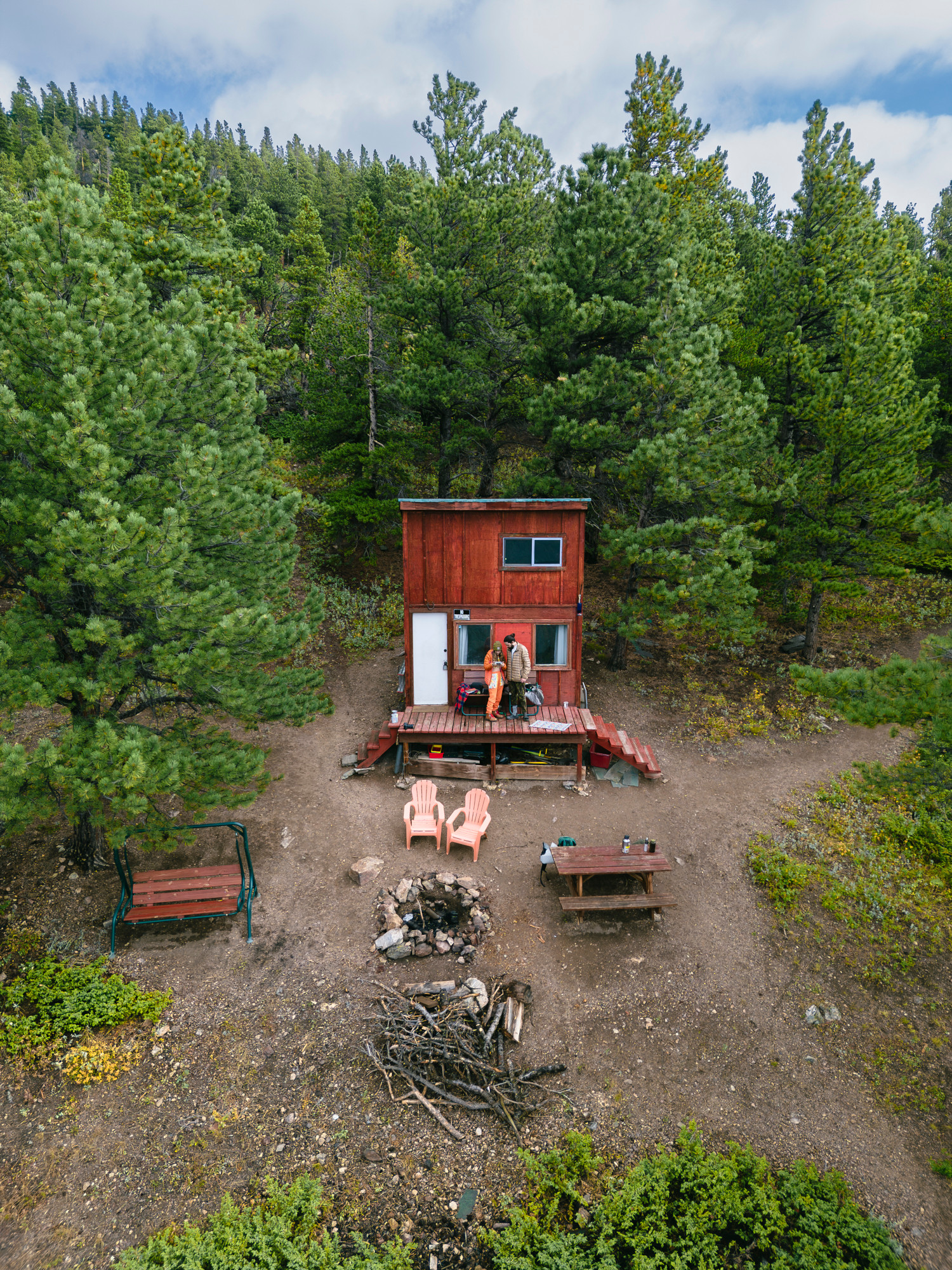
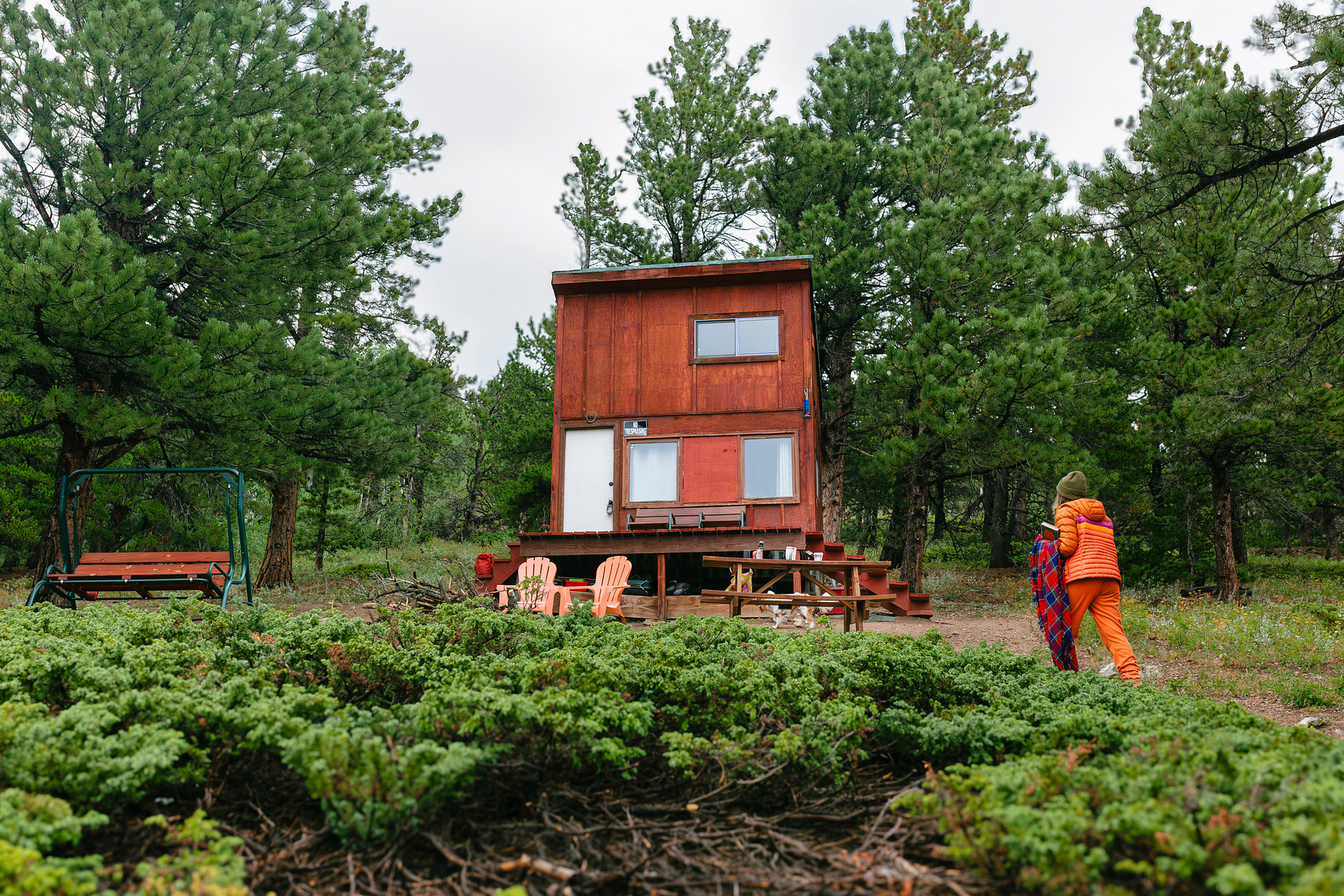
18. Neverland Camp Wilder
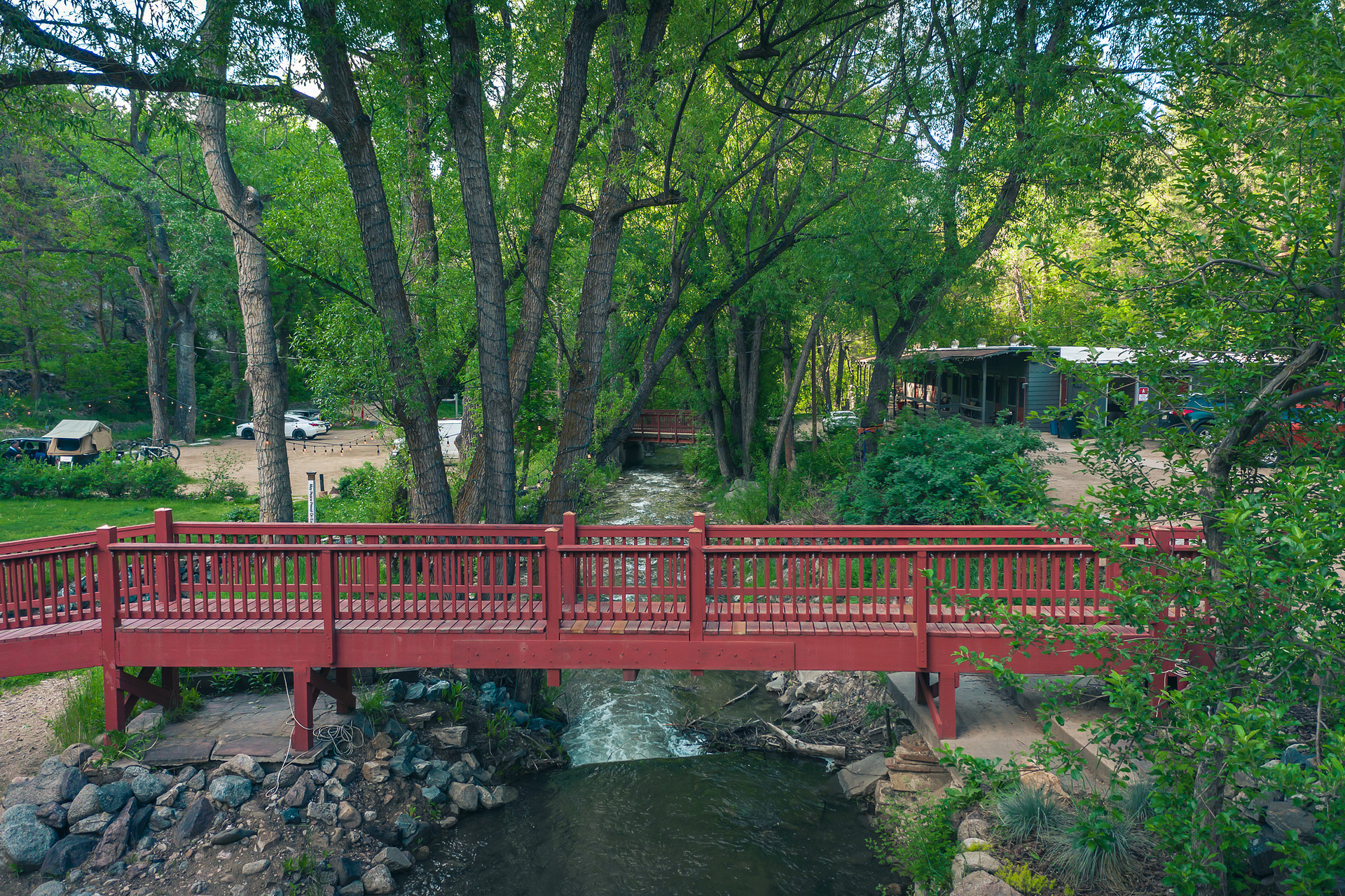
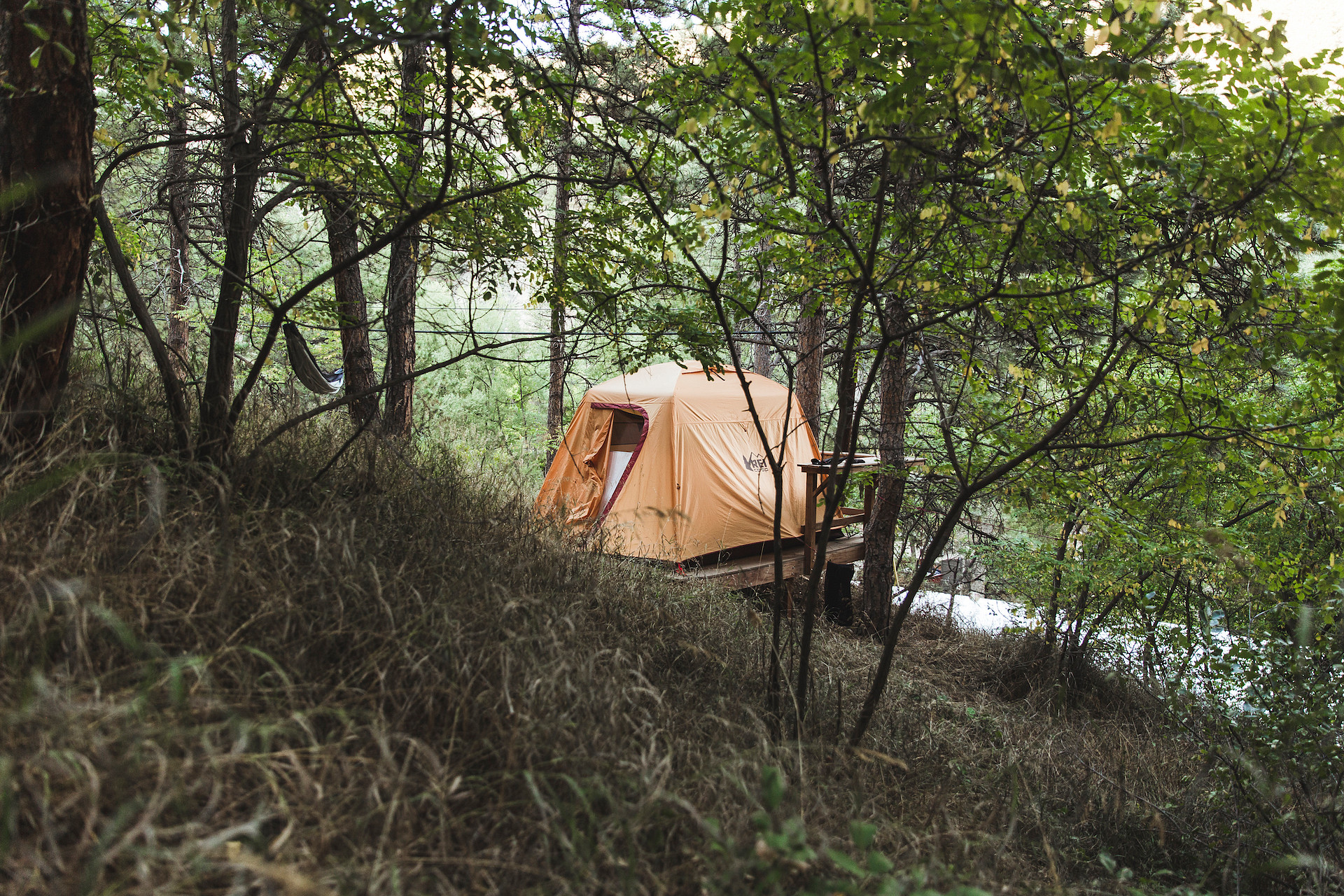
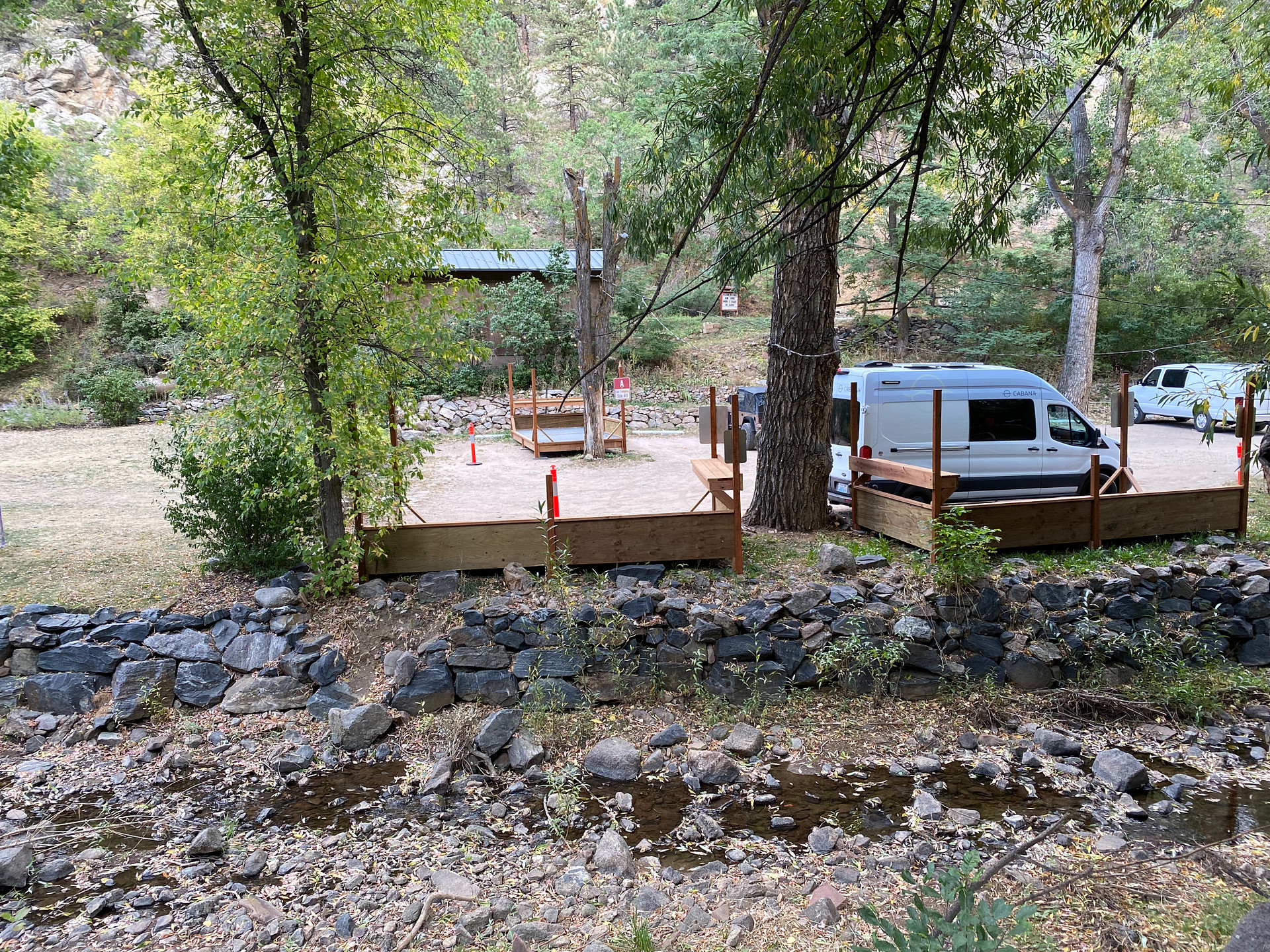
19. A-Lodge Boulder
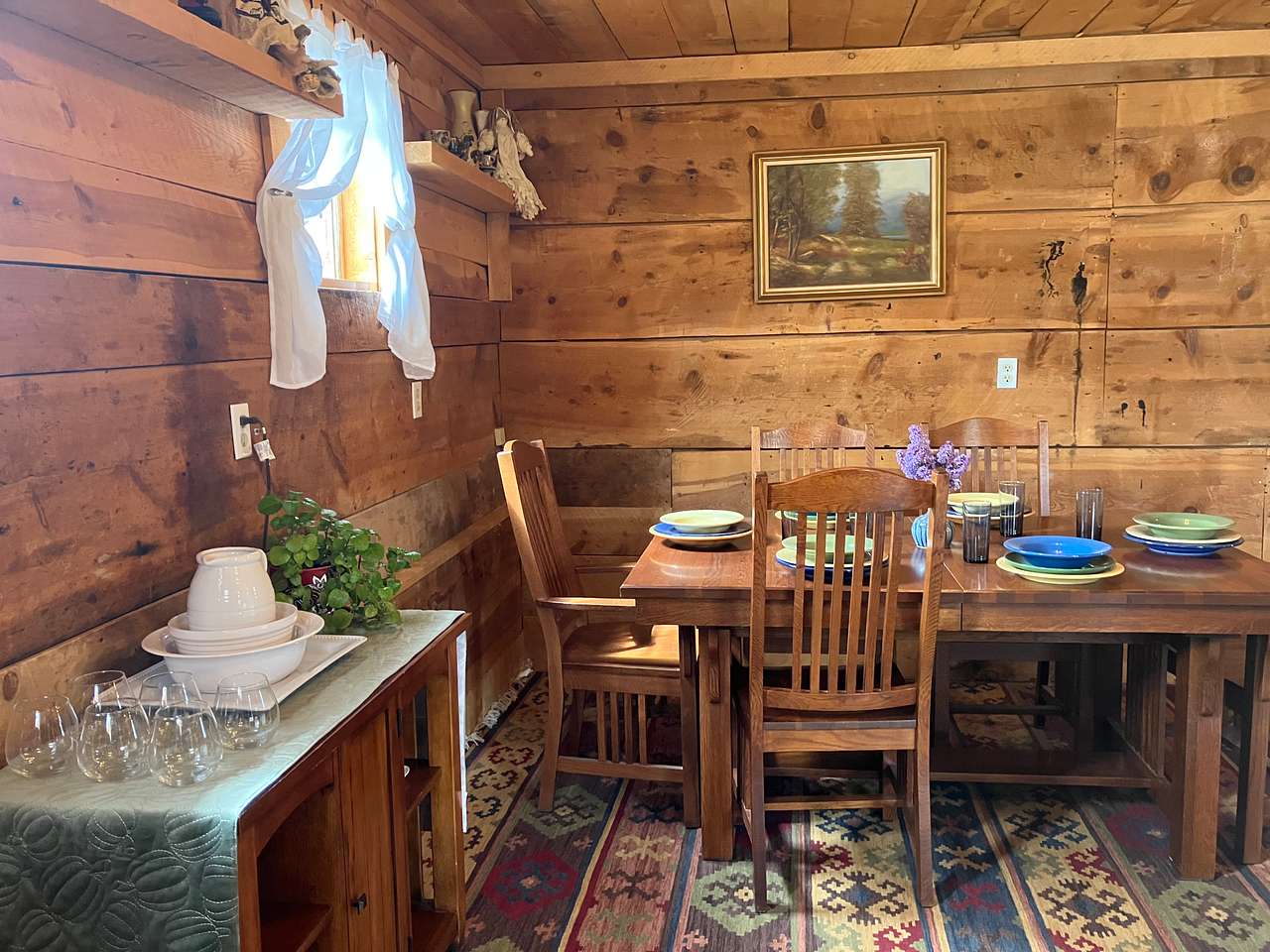
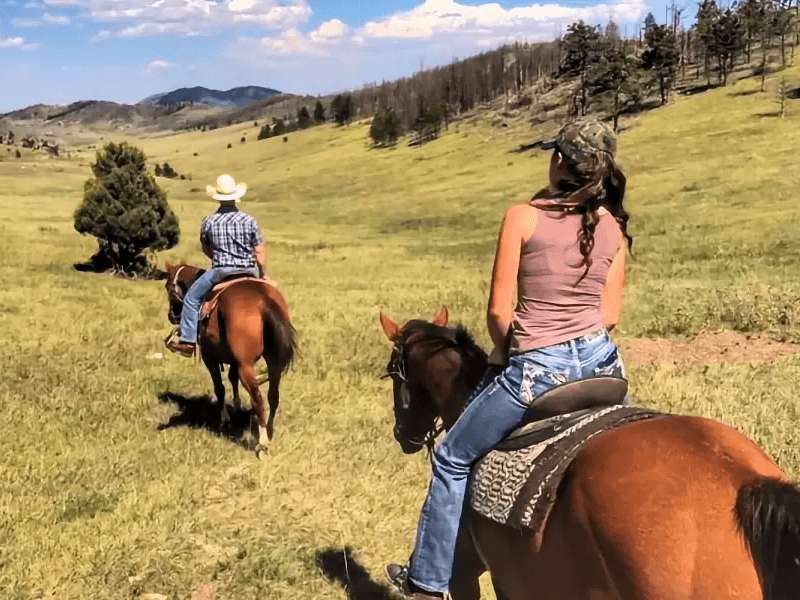
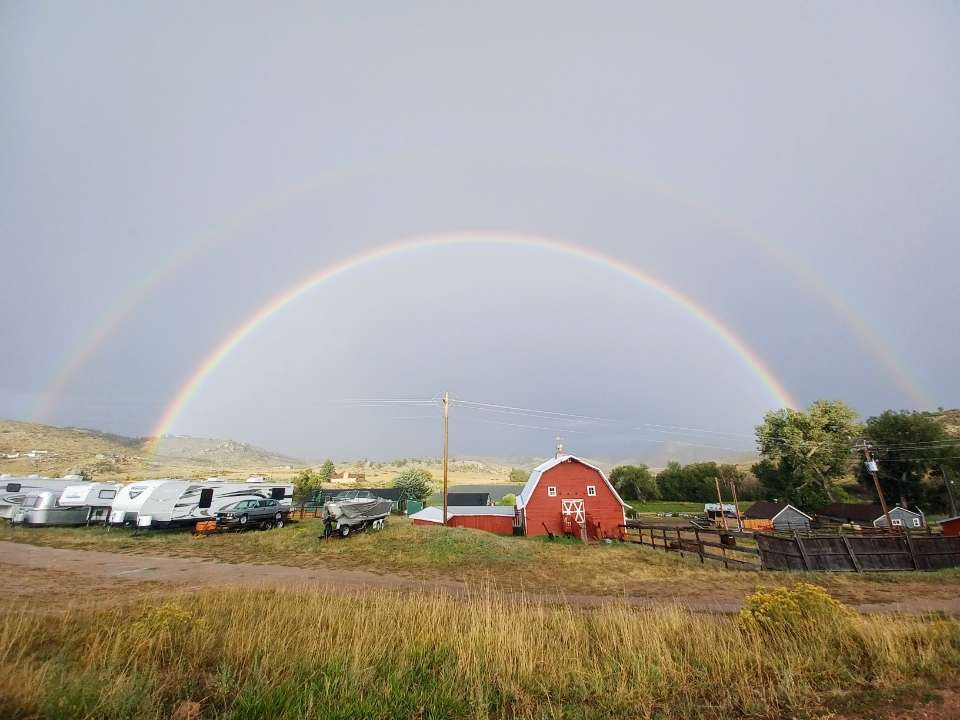
20. Gordon Creek RV Park
Recent reviews from the Hipcamp community

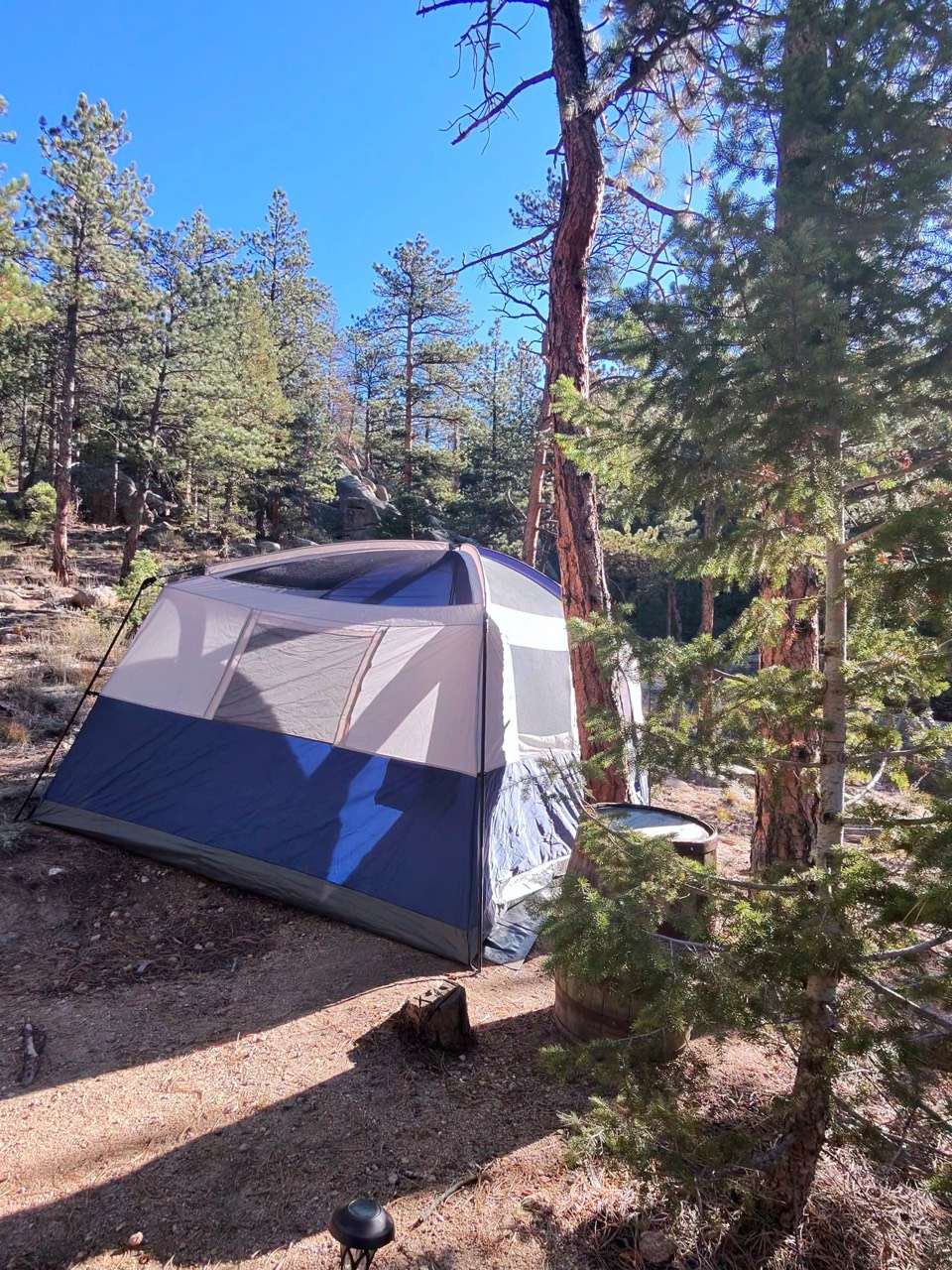
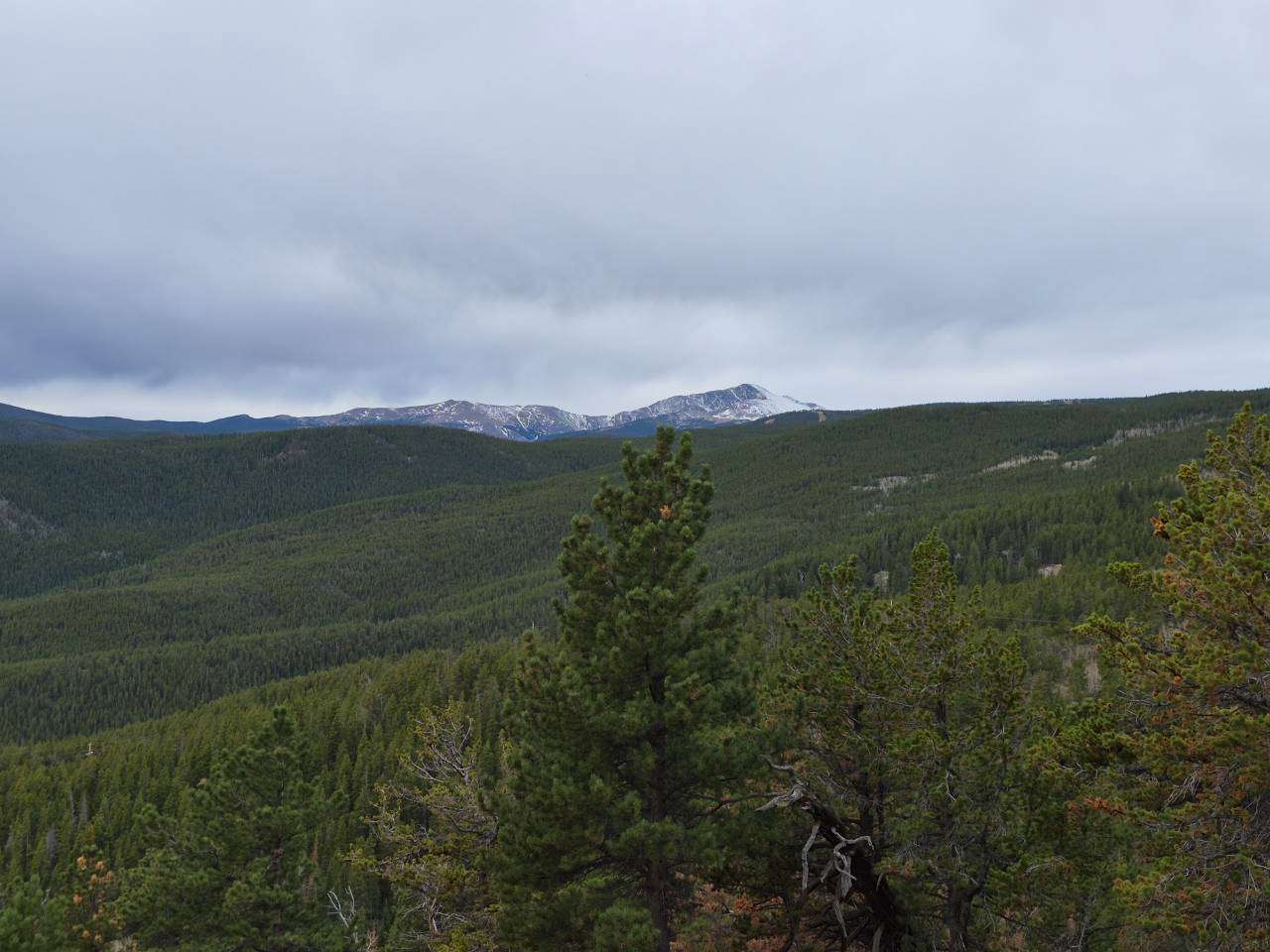

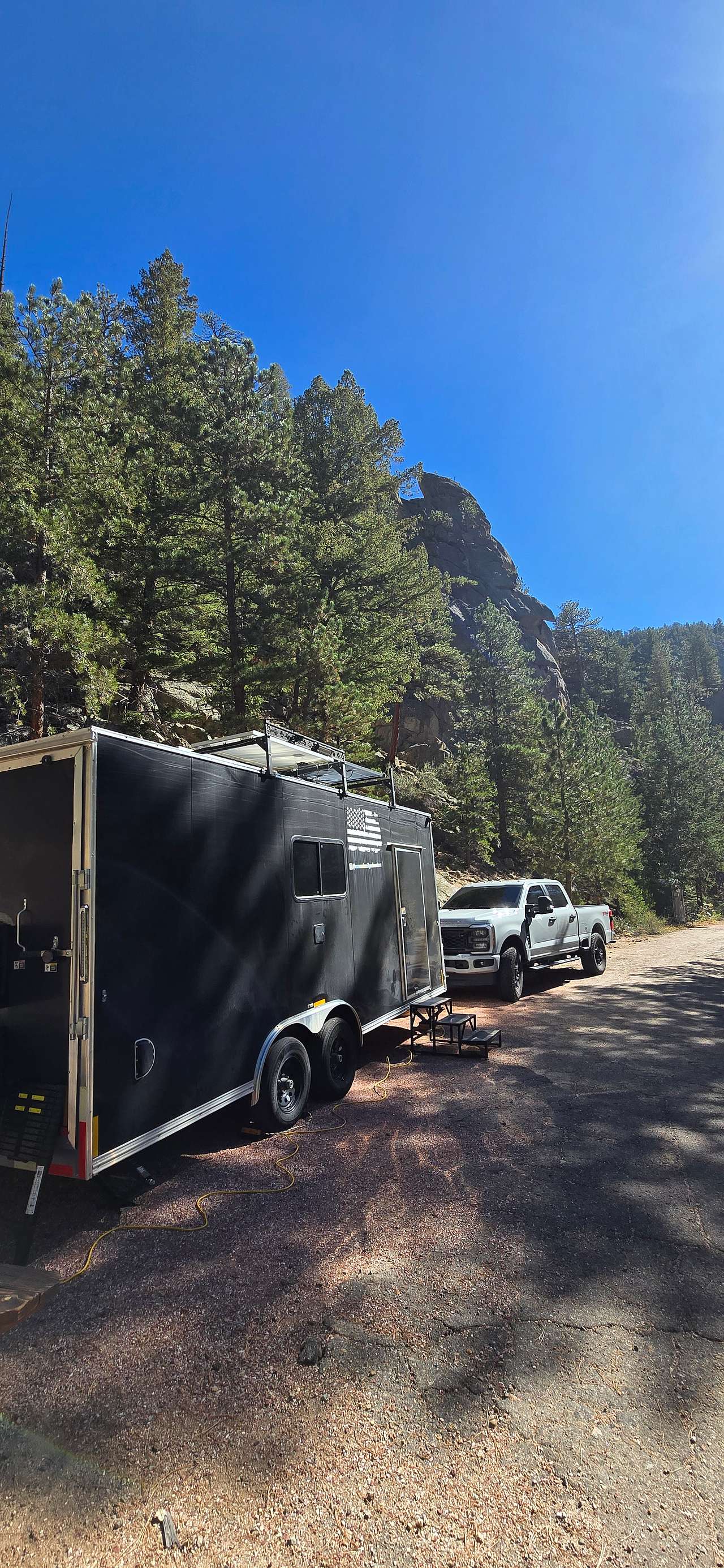
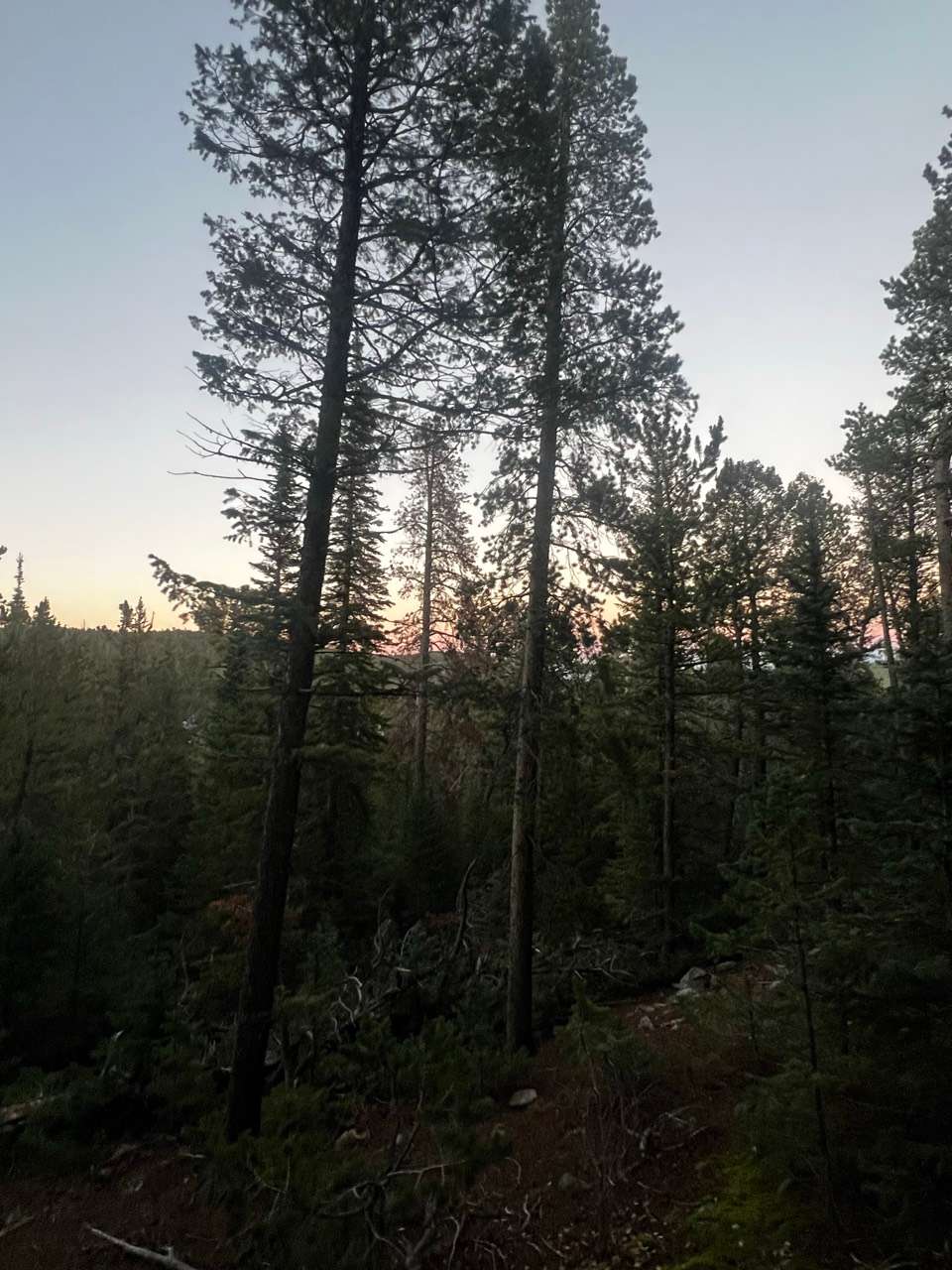

Rocky Mountain National Park camping guide
Overview
About
Known for its peaks, alpine lakes, and tundra landscapes, Colorado’s Rocky Mountain National Park is one of America’s favorite national parks. It’s home to over 350 miles of hiking trails and a huge array of peaks and rock formations that entice rock climbers from around the globe. The Trail Ridge Road is one of the park’s top highlights and offers wildlife viewing and mountain scenes from numerous viewpoints along the road. Camping in Rocky Mountain National Park is a fun way to enjoy the area, with five campgrounds offering everything from secluded tent sites to roomy spots for RVs, plus backcountry camping and backpacking trails.
RV Camping in Rocky Mountain National Park
Instead of simply visiting Rocky Mountain National Park for the day, make your stay an RV vacation right in the park to sleep under star-filled skies and wake up to views of jagged peaks at one of the four Rocky Mountain campgrounds that allow RVs. Length limits vary by campground, and although no RV hookups are available in the park, some campsites offer amenities like potable water, dump stations, firewood, and food storage lockers. RV campers won't find much cell reception either, but you're more likely to be delighted by the wildlife that wanders through the Rocky Mountain campsites and the easy access you'll have to trailheads, saving you the trip through the park entrance gates each day. Alternatively, outside of the park, RVers can use the towns of Estes Park and Grand Lake as convenient basecamps with more amenities. Here, multiple RV camping options are available, ranging from simple campgrounds to luxury RV resorts with full hookups, pools, and family activities.
Yurt Rentals Near Rocky Mountain National Park
You might be asking, "Are yurt rentals available in Rocky Mountain National Park?" Unfortunately, no. While some state and national parks have added yurts alongside traditional cabins, lodges, and campsites, Rocky Mountain National Park has not. But that doesn’t mean you can't find a yurt rental in the Rockies. Just outside the park gates, towns like Estes Park and Grand Lake offer convenient basecamps for adventures inside the park, and a wide variety of more private and unique camping options. While some Hipcamp yurts include just the basics like simple furniture, others are full glamping retreats, decked out with kitchens, bathrooms, electricity, and wifi. You might even find fireplaces for the cool Colorado nights. Some Rocky Mountain yurt rentals are close to civilization, while others place you out in the wilderness among the wildlife and starry skies. In addition to yurts, other unique Hipcamp glamping getaways include canvas tents, A-frame cabins, and treehouses.
Notable campgrounds
- Best for tent campers: Longs Peak Campground
- Best for hikers and climbers: Glacier Basin Campground
- Best for families and large groups: Aspenglen Campground near the Fall River entrance
Tips for snagging a campsite
- Camping in Rocky Mountain National Park is extremely popular—reservations are highly recommended during the summer months.
- Sites can be reserved up to six months in advance at the Aspenglen, Glacier Basin, and Moraine Park campgrounds. Longs Peak and Timber Creek campgrounds are available on a first-come, first-served basis.
- Each campground with RV sites has its own limits on size, so be sure the one you’re reserving can accommodate the length of your vehicle.
When to go
Rocky Mountain National Park is a lovely place to visit in any season. It’s especially gorgeous when the wildflowers are in peak bloom in late June, early July, and fall when the aspens are a brilliant gold. The park is busiest during the summer and on fall weekends. To avoid the crowds, visit when the Trail Ridge Road first opens from the town of Estes Park to Grand Lake, typically around Memorial Day or on weekdays in the fall. All campgrounds are open seasonally, except for Moraine Park, which remains open year-round.
Know before you go
- This national park is about 70 miles from Denver, or about a two-hour drive away.
- Rocky Mountain National Park has no electric hookups. Campers can only run generators in campgrounds at specified times.
- Many of the first-come, first-served sites fill first thing in the morning. Plan to arrive early for your best chance of finding a spot. Check in at the Visitor Center for the latest information on campground availability.
- All campers must store food items, toiletries, and other scented items in food storage lockers or inside vehicle trunks.
- Plan for cold nights and possibly a thunderstorm when camping in Rocky Mountain National Park. All park campgrounds sit at an elevation of 8,000 feet or higher.
- Pets are allowed in campgrounds and picnic areas as long as they are on a leash. Pets are not allowed on any trails.
Nearby attractions
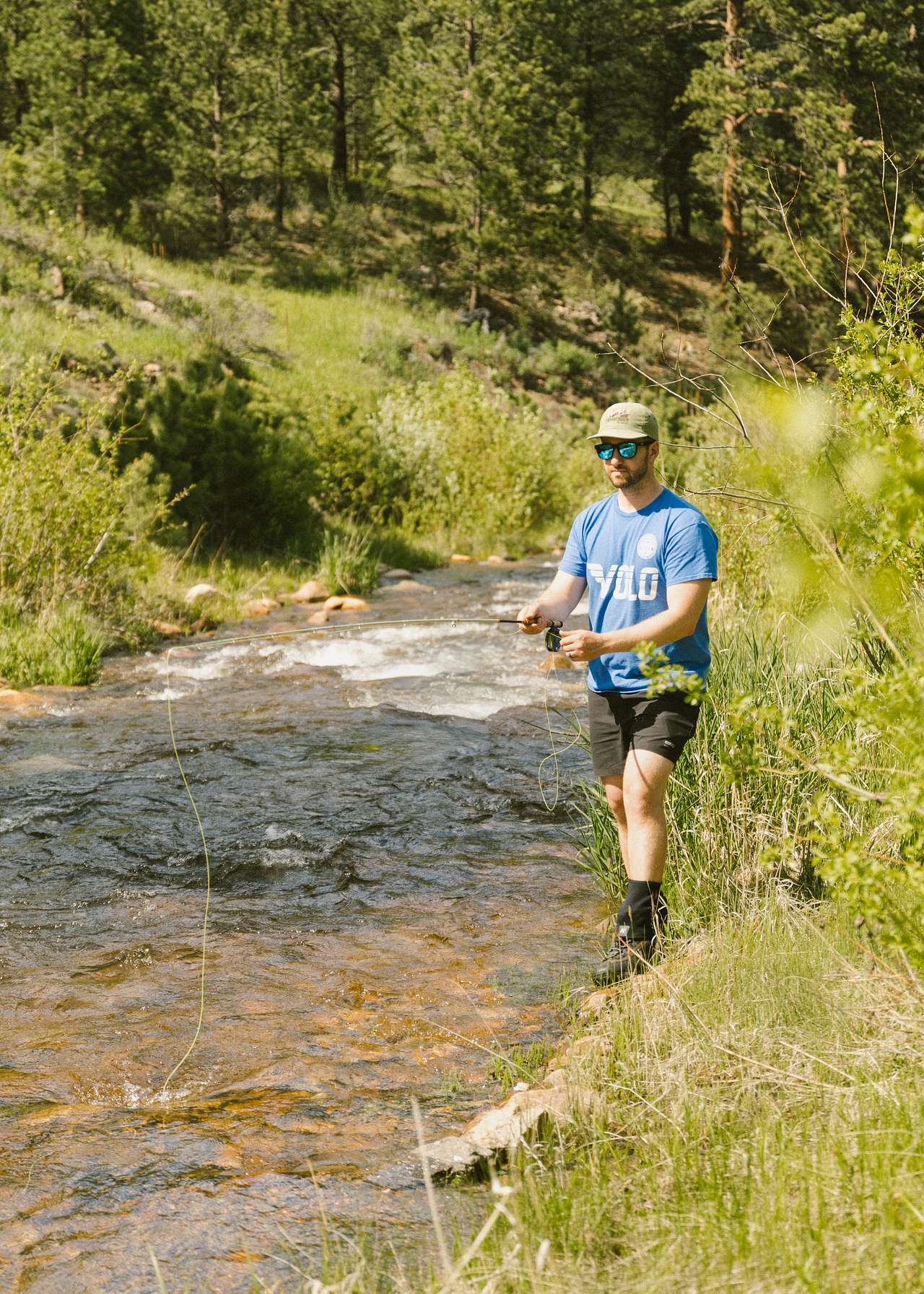
Experience the beauty of camping in Poudre Canyon, a picturesque mountain getaway. Set up camp amidst towering cliffs, hike scenic trails, and listen to the soothing sounds of the Poudre River. Enjoy fishing, spot wildlife, and create lasting memories in this tranquil natural paradise.
Reviews for Rocky Mountain National Park Campgrounds
Frequently Asked Questions
At Rocky Mountain National Park, camping fees vary depending on the campground and the season. Prices generally range from $20 to $30 per night for a basic tent or RV site. For example, Moraine Park Campground and Glacier Basin Campground charge $26 per night during the peak season. Aspenglen Campground and Timber Creek Campground charge $30 per night during their peak season. Keep in mind that these fees are in addition to the park entrance fee. For more information on campgrounds in Rocky Mountain National Park, visit Hipcamp.
The best time of year to camp in Rocky Mountain National Park is during the summer months, from late June to early September. During this time, the weather is warm and relatively dry, making it ideal for camping and outdoor activities. Additionally, the park's high-elevation roads, such as Trail Ridge Road, are typically open during this period, allowing for easier access to various areas of the park. Keep in mind that summer is also the busiest season, so reservations should be made in advance to secure a campsite. For a less crowded experience with cooler temperatures, consider camping in late May or late September.
Securing a Rocky Mountain National Park campsite reservation is usually a challenge due to the park's popularity. Camping trips typically need to be planned months in advance and even then, available campsites can book up within minutes. The good news is that you have other options for last-minute Rocky Mountain National Park campsite reservations. Try snagging one by setting up a free Hipcamp alert for any Rocky Mountain campground. We'll monitor campground availability, and you'll get instantly notified of any openings that come up for your dates so you can jump on it to reserve the newly open site. Set up an alert.
Most Rocky Mountain National Park campsite reservations open up months in advance. However, it's notoriously difficult to secure a Rocky Mountain National Park reservation even if you plan ahead, as campsites are often booked up within minutes. To increase your chances of snagging a campsite, set up a free Hipcamp alert for any Rocky Mountain campground. We'll monitor campground availability, and you'll get instantly notified of any openings that come up for your dates so you can jump on it to reserve the newly open site. Set up an alert.
In the Rocky Mountains, you can generally expect to see golden leaves in September. However, it's advisable to check for up-to-date information, as some Rocky Mountain National Park campgrounds may close in September. Also check Hipcamp's fall foliage map to see when peak foliage will happen.
Some of the best national parks to visit during autumn include Acadia National Park (Maine), Great Smoky Mountains National Park (Tennessee/North Carolina), Rocky Mountain National Park (Colorado), and Shenandoah National Park (Virginia). Use Hipcamp's fall foliage prediction map to know exactly when to plan your trip for peak foliage.
Yes, you can go camping in many national parks during the fall. Acadia National Park, Yosemite National Park, Great Smoky Mountains National Park, Rocky Mountain National Park, and Shenandoah National Park are some of the best national parks for fall camping. Just check the specific park's regulations, availability, and weather conditions before planning your trip.