Top-rated campgrounds near Brevard County
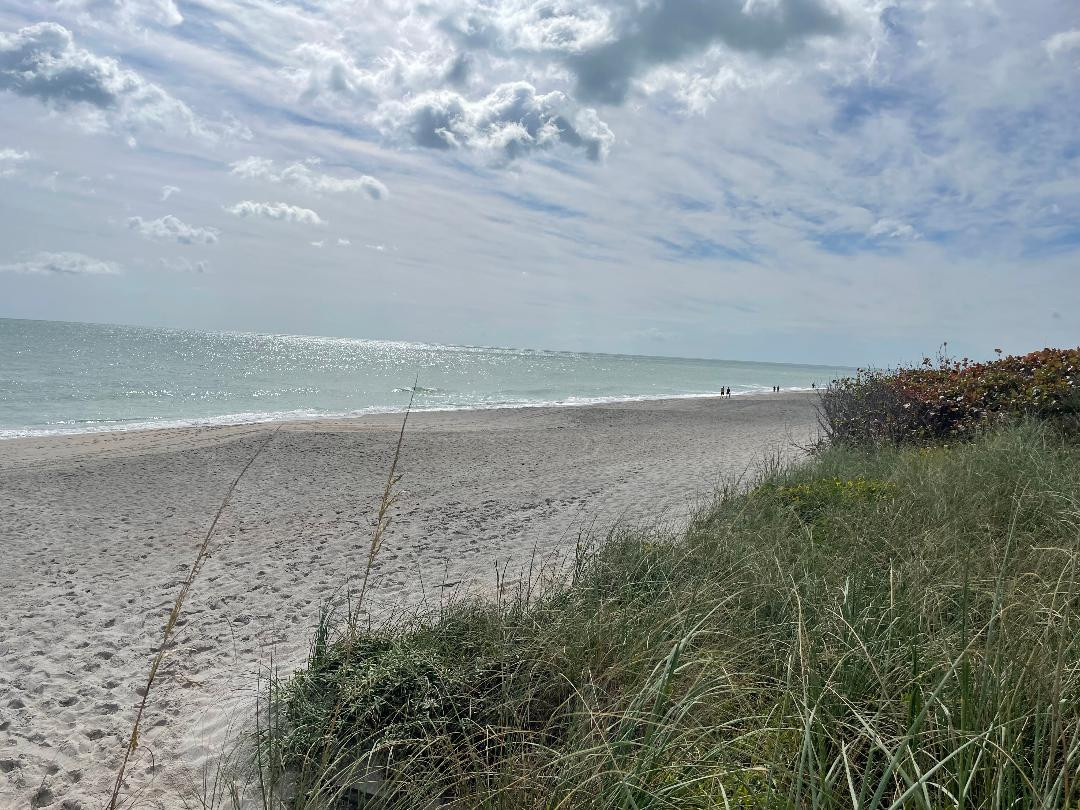
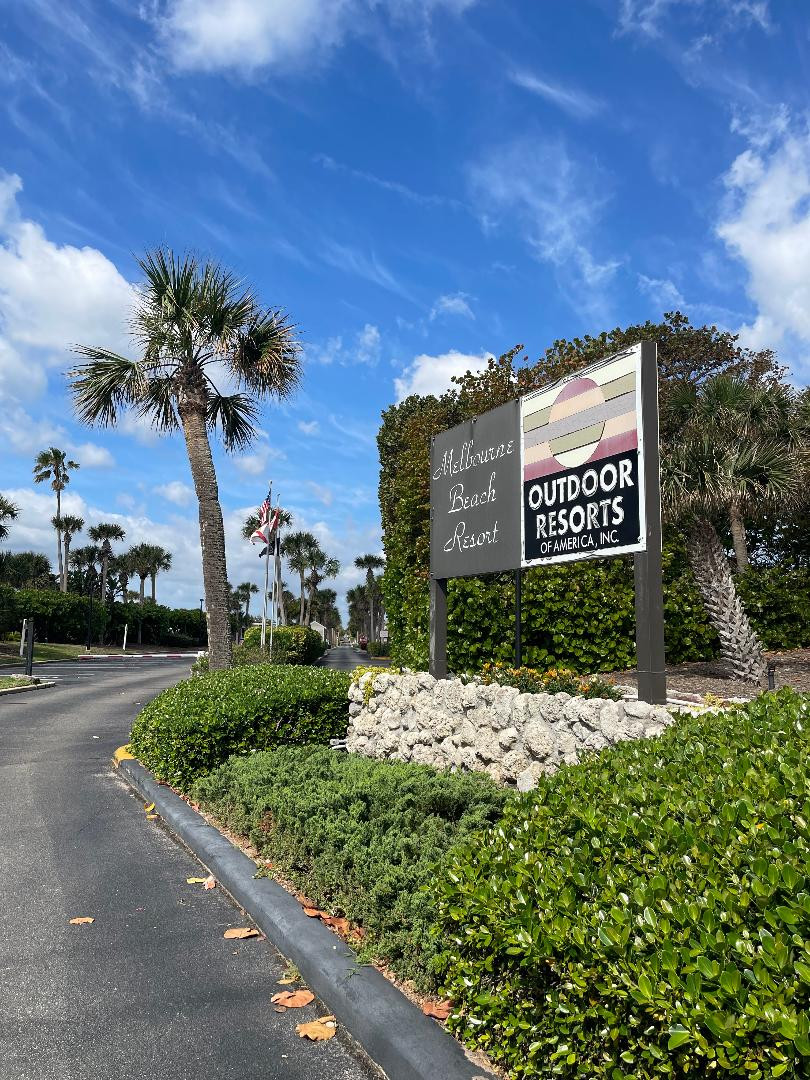
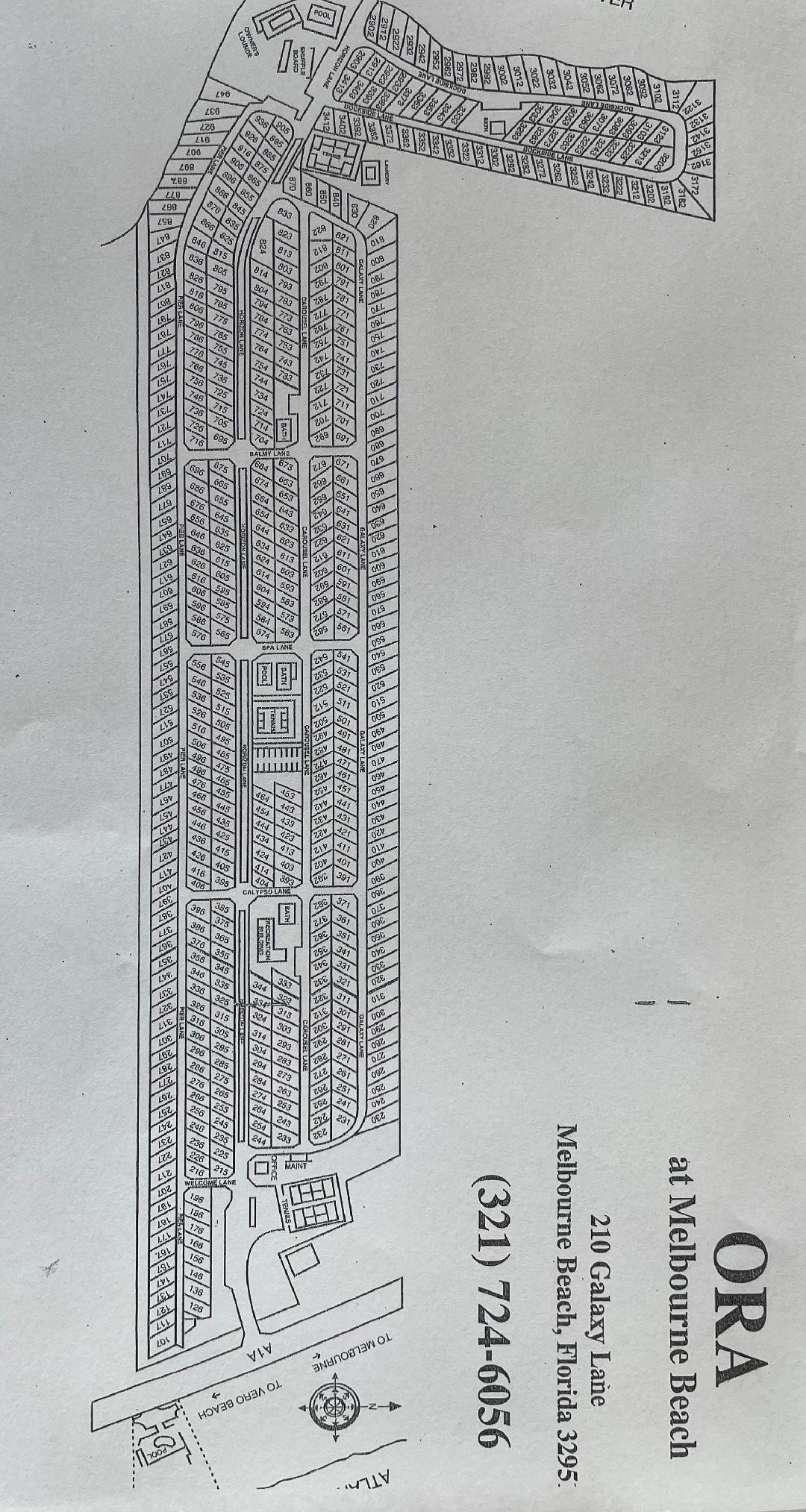
1. RVing Or Trailer At Outdoor Resorts


2. Forever Young Farm


3. The Pines Hideaway RV Retreat


4. Sebastian Inlet State Park
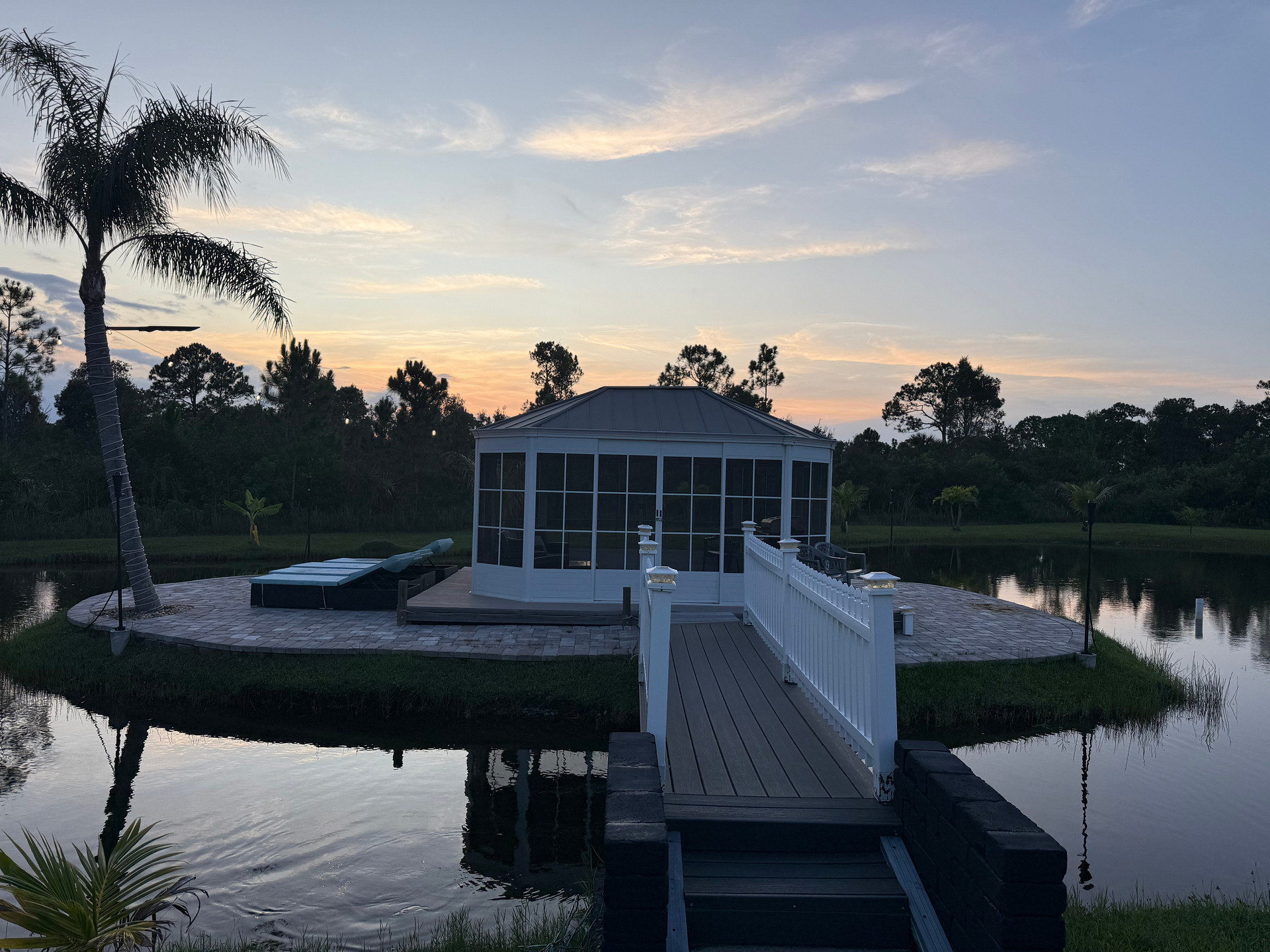
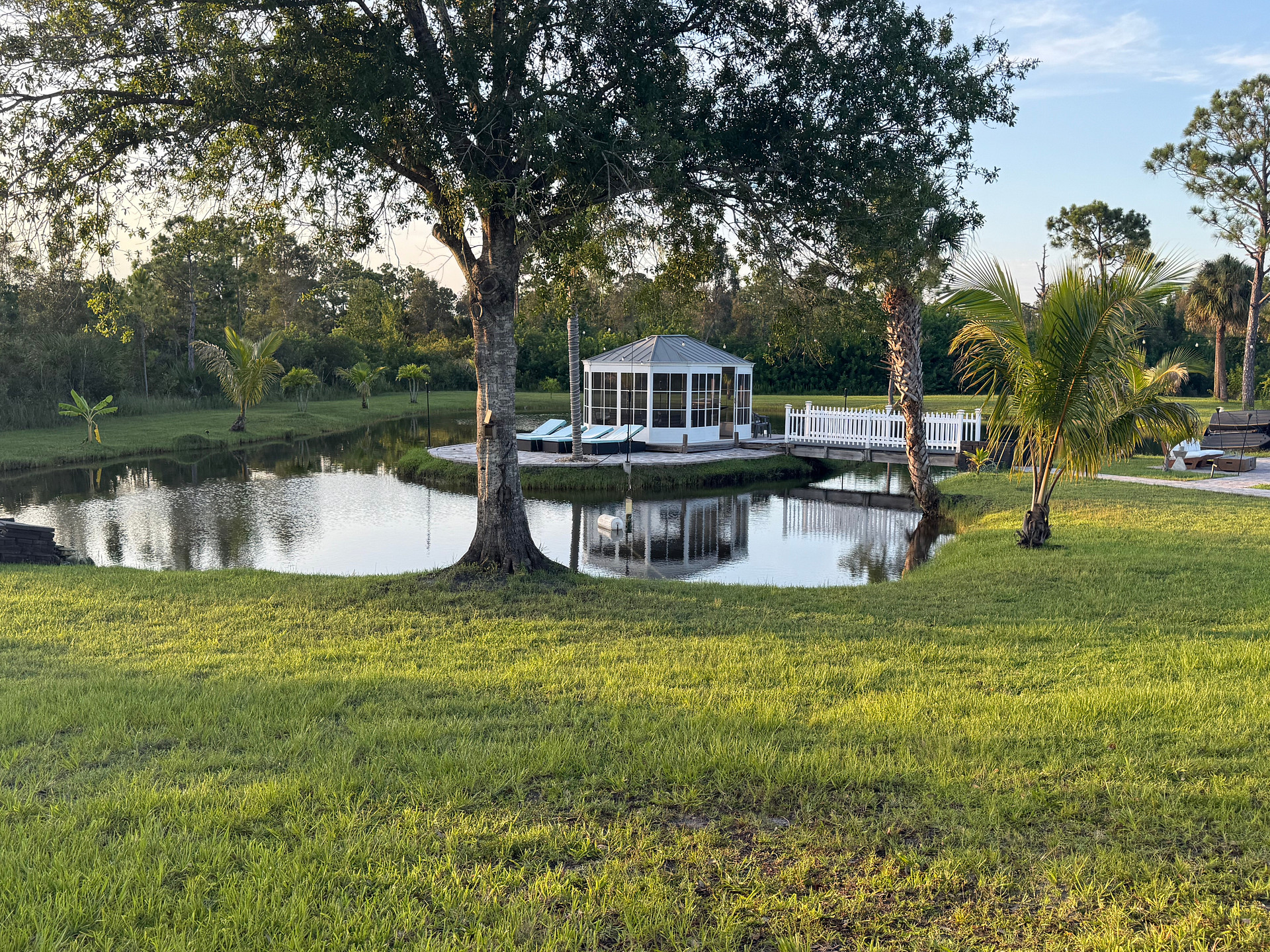
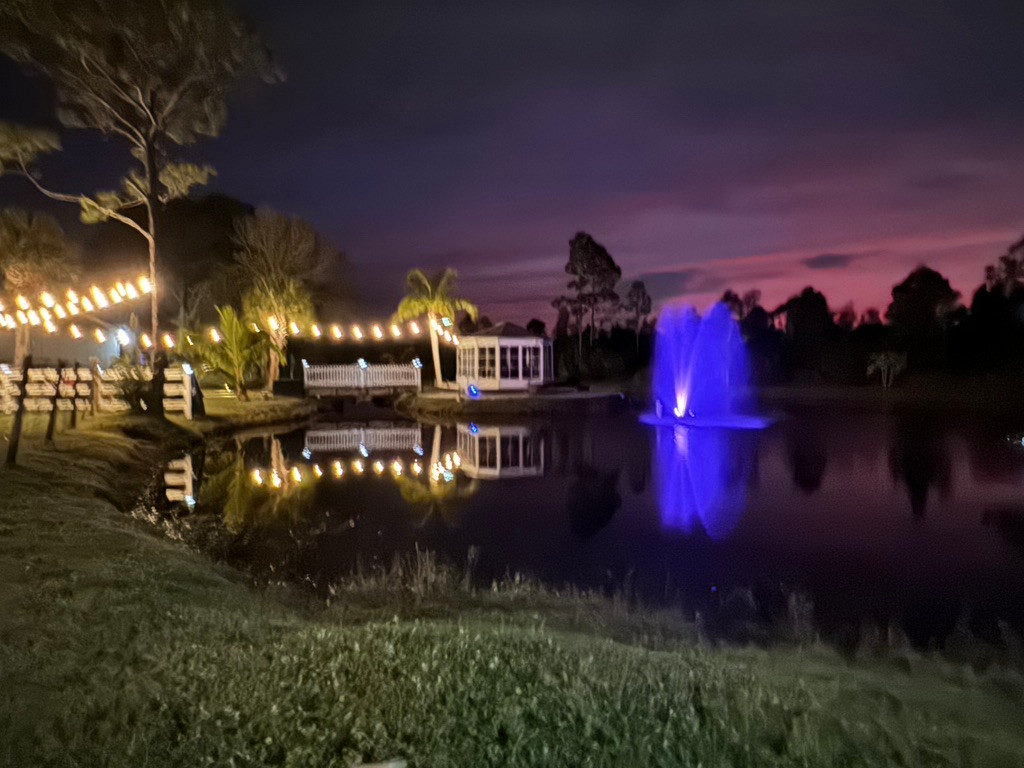
5. Sebastians Paradise
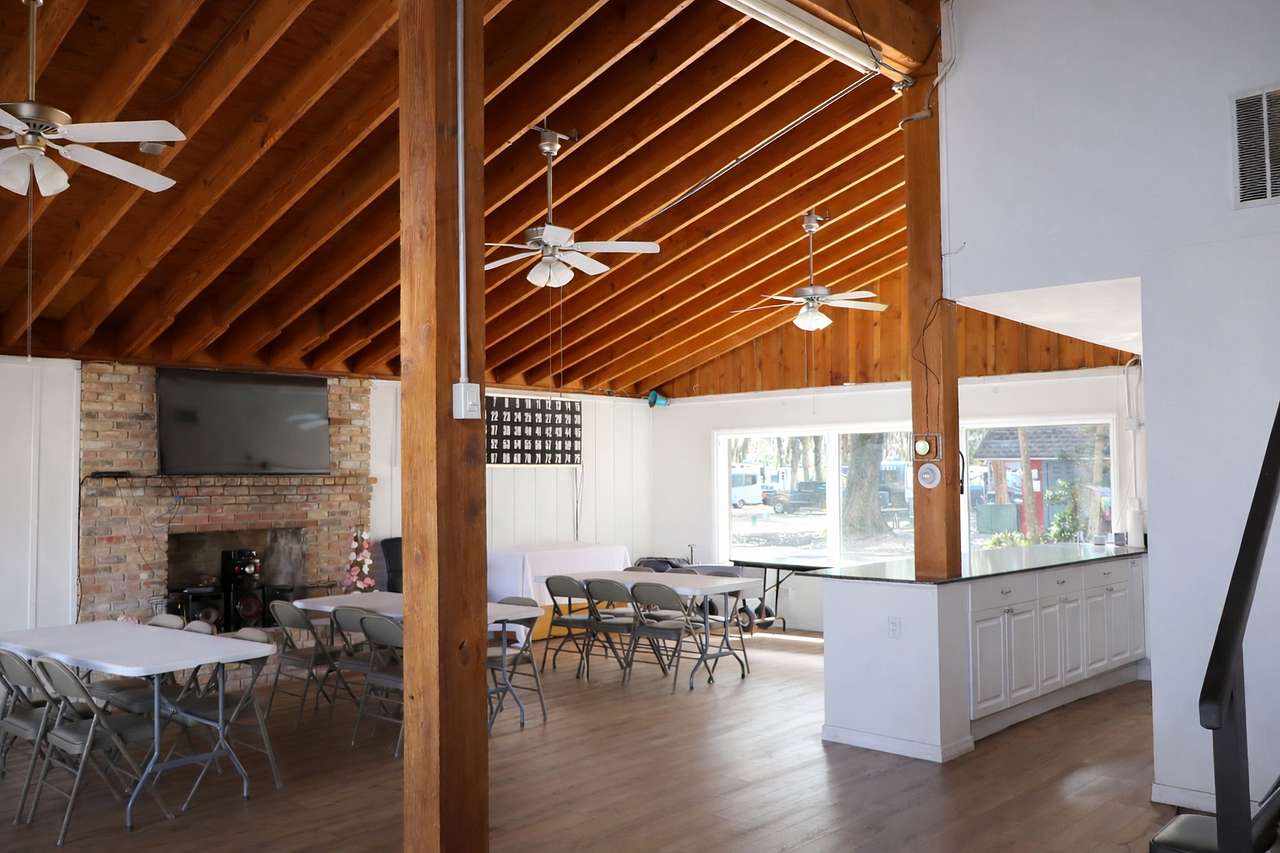
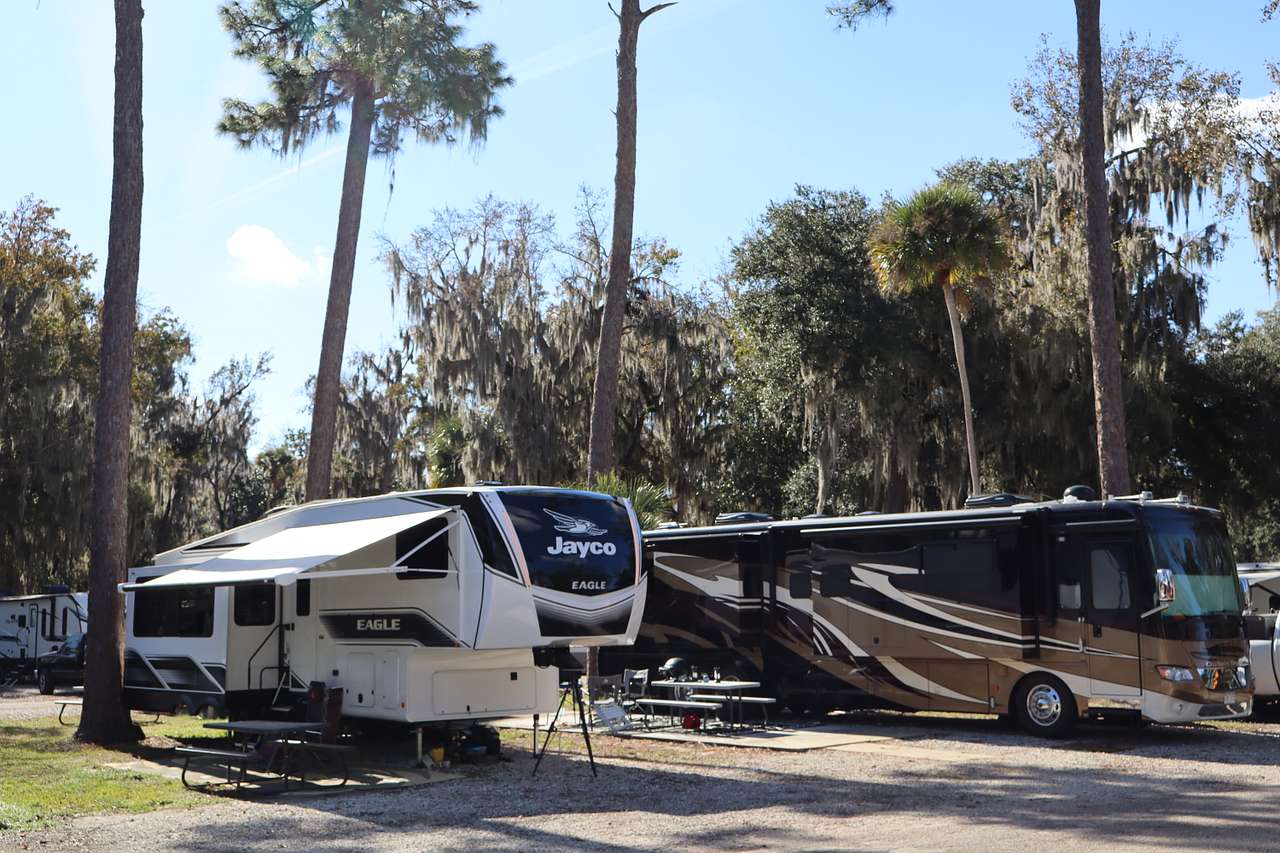
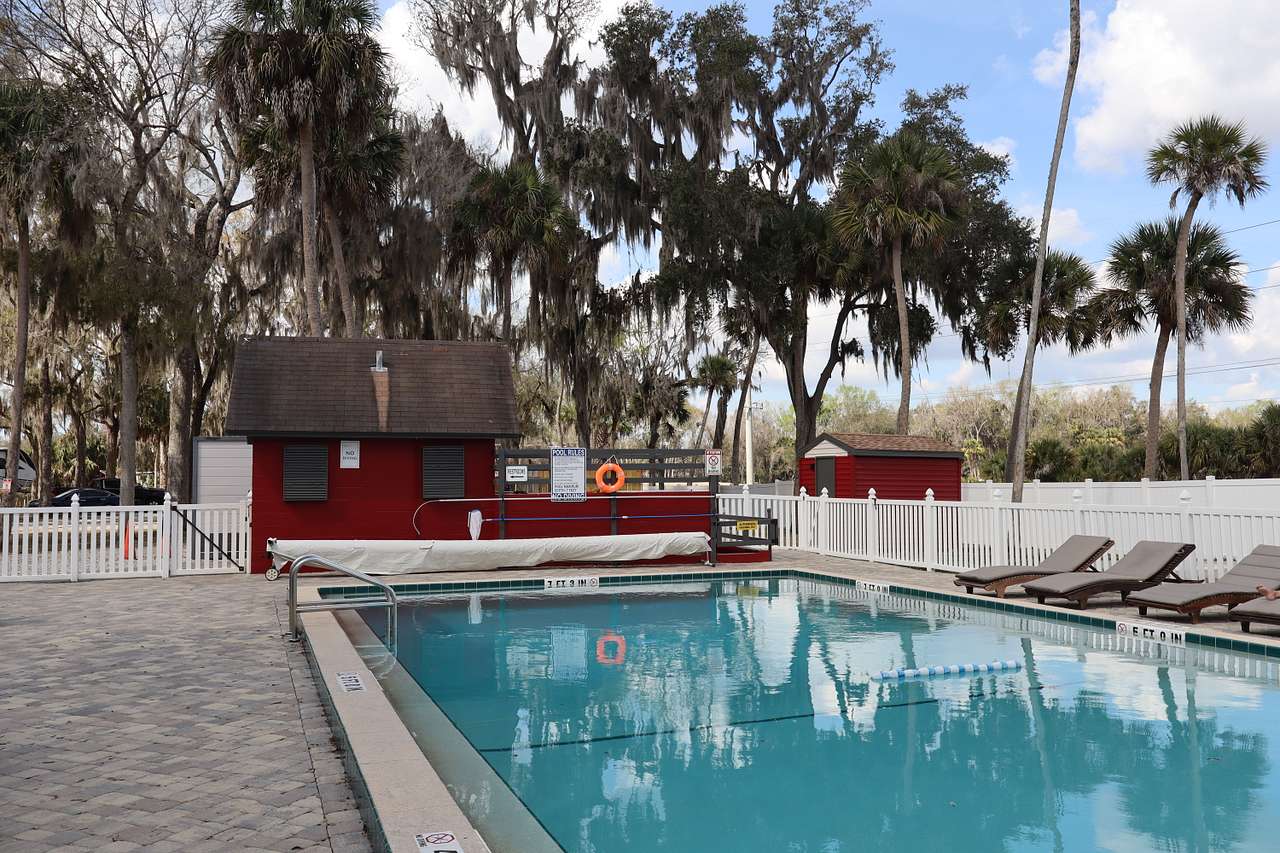
6. Cape Kennedy RV Resort


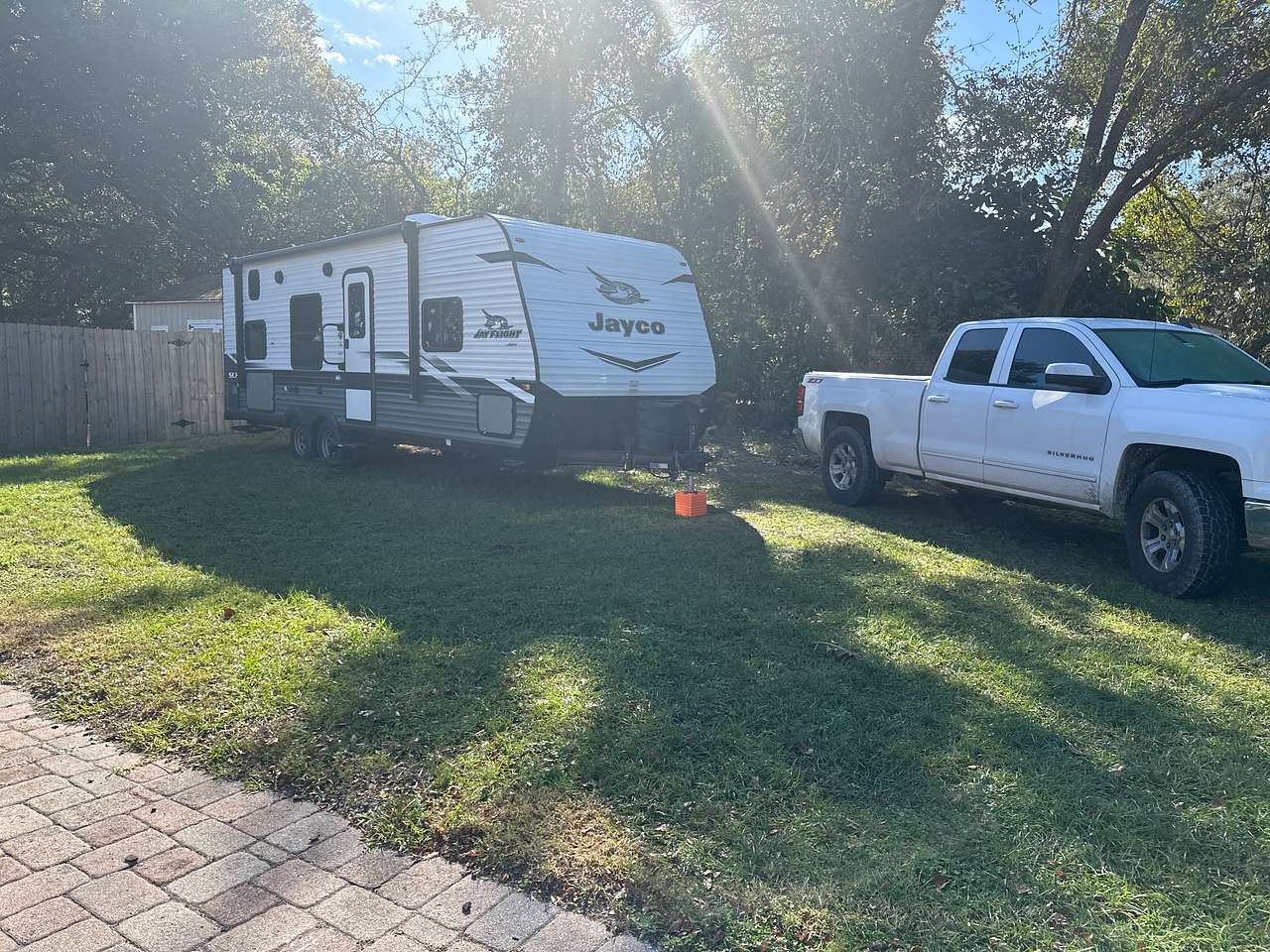
7. Hammock Road Indian River Camp


8. Citrus Sunrise Family Farm
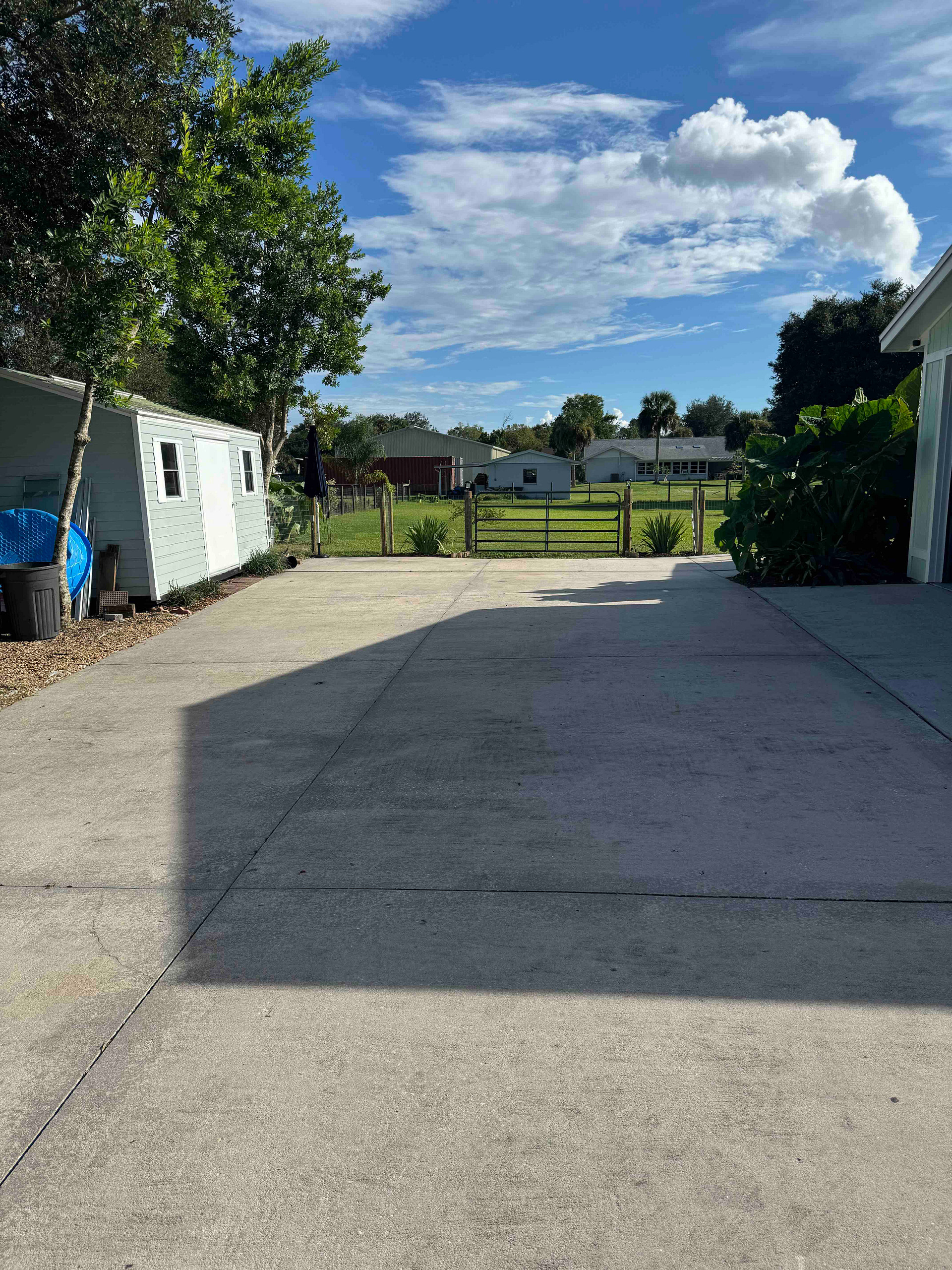
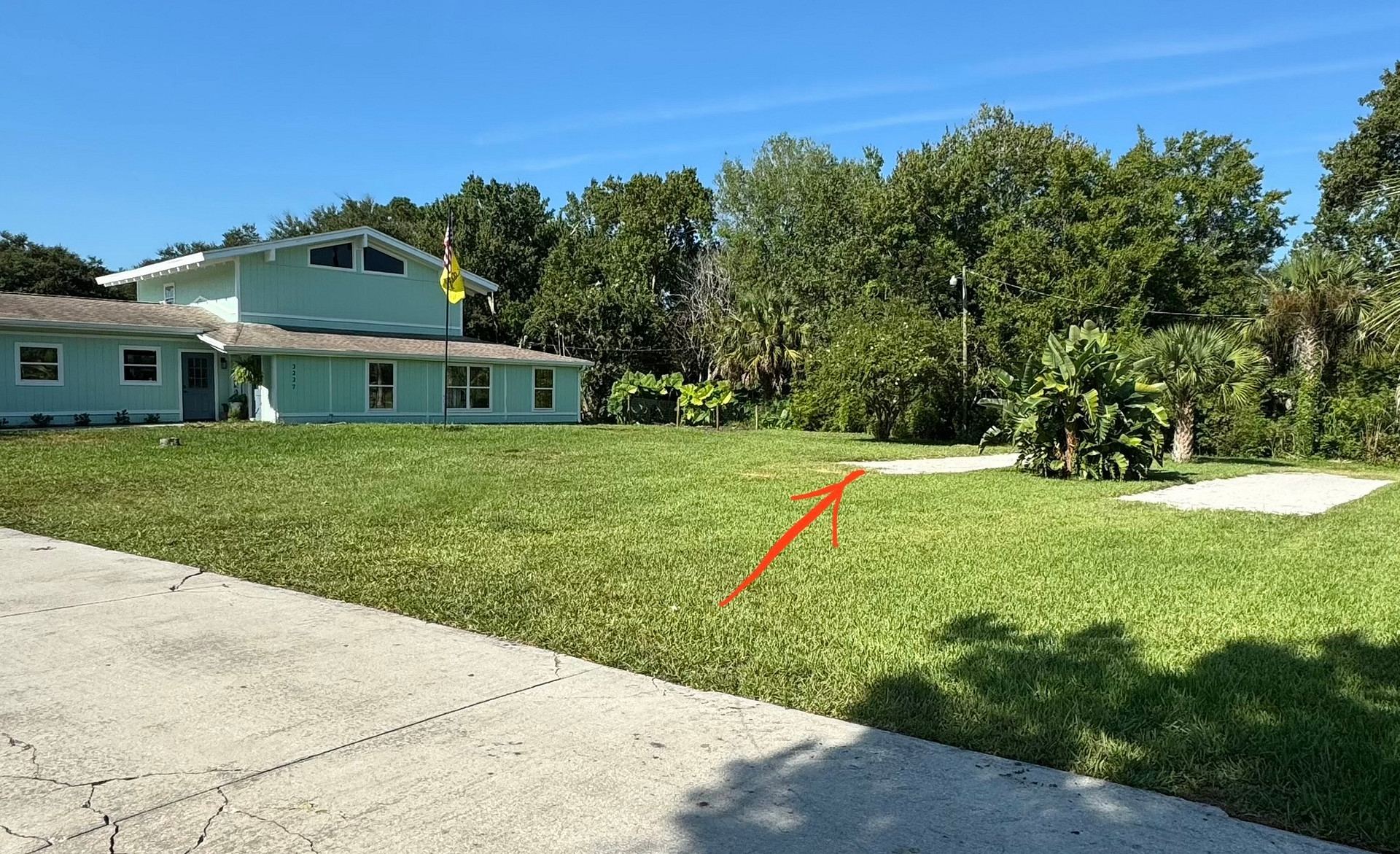
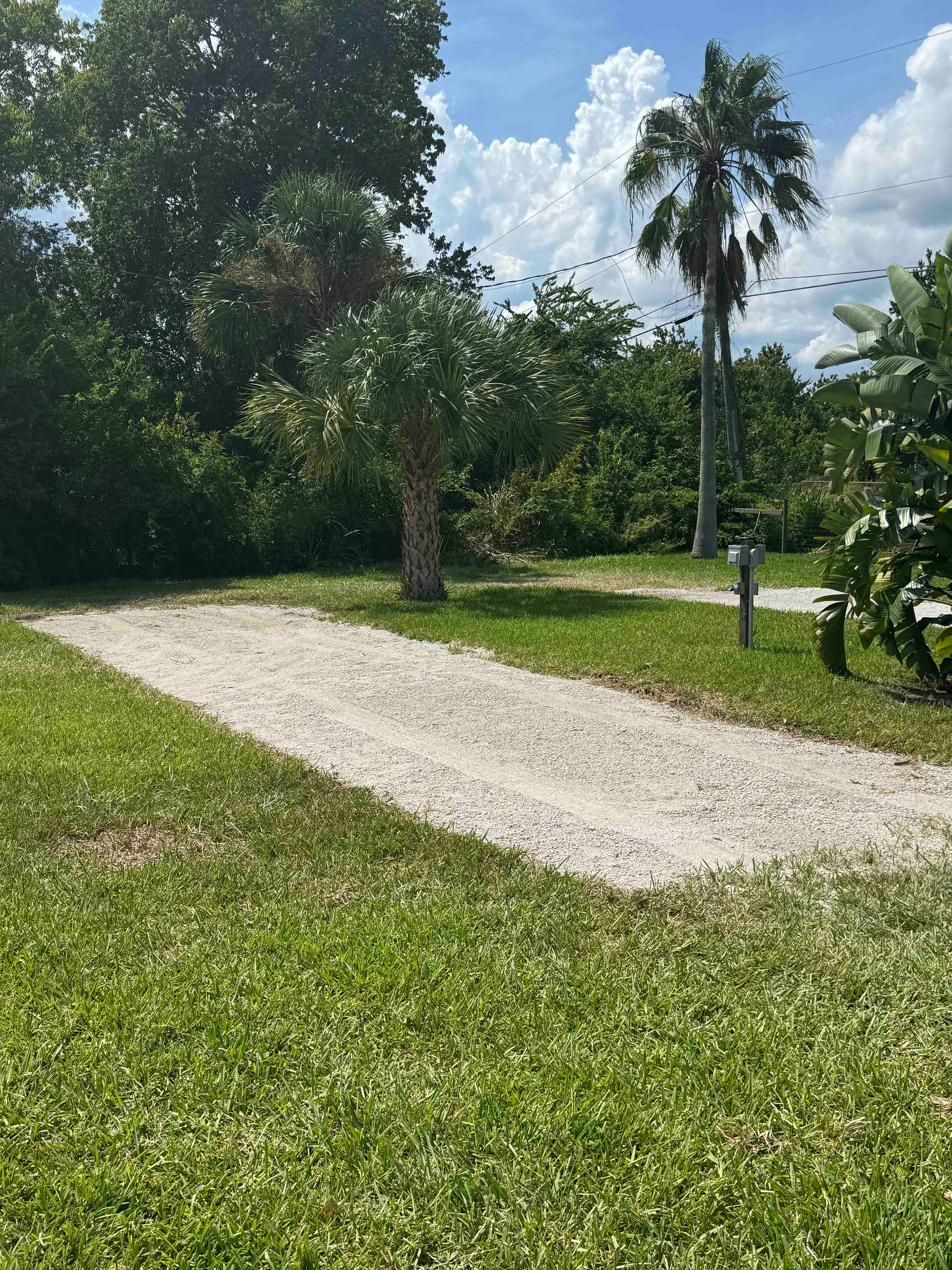
9. Tyde Water Manor
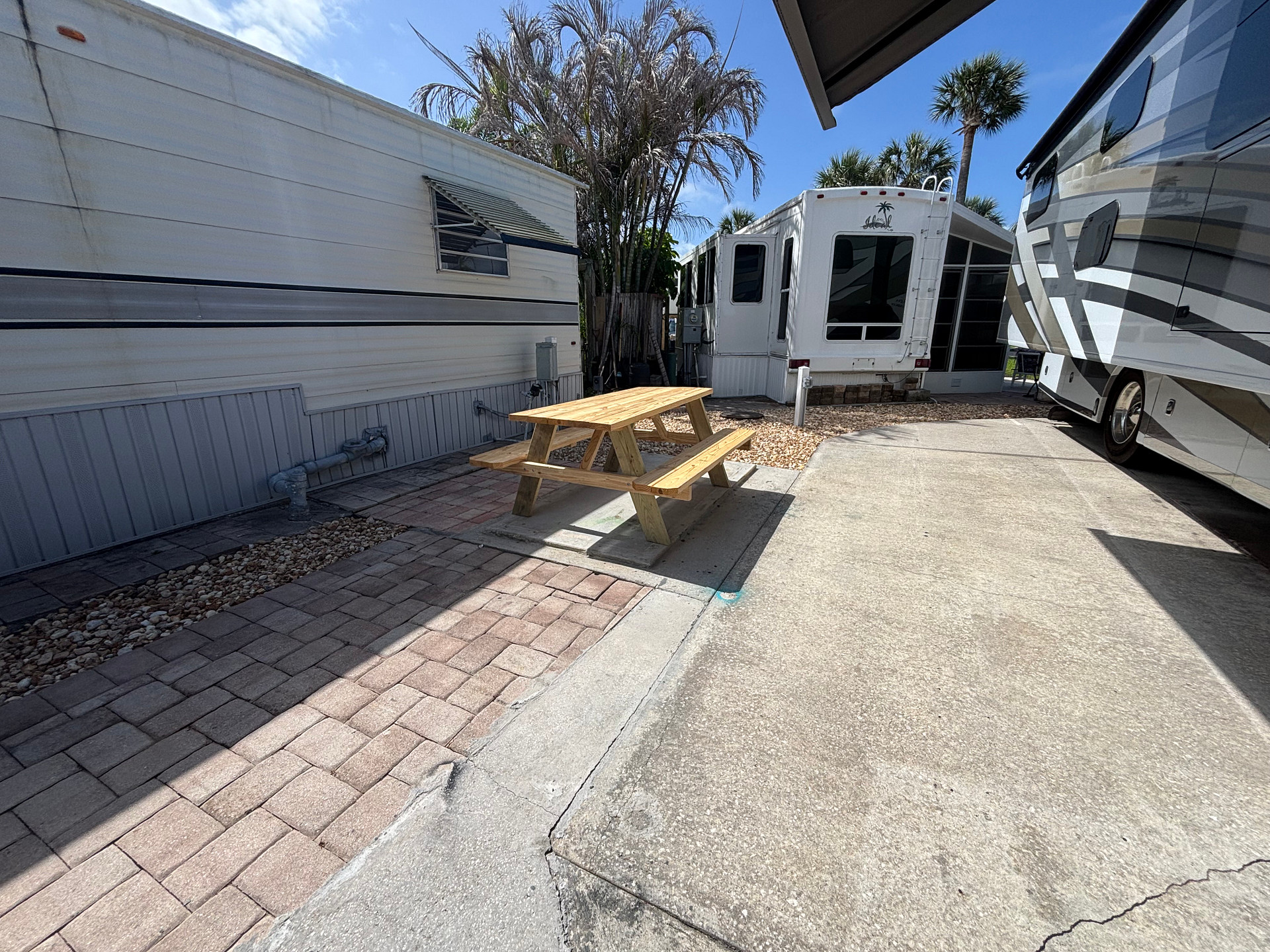
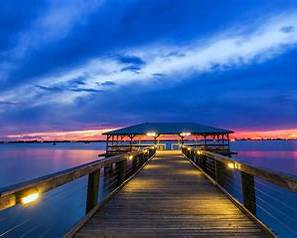
10. Melbourne Beach RV Retreat
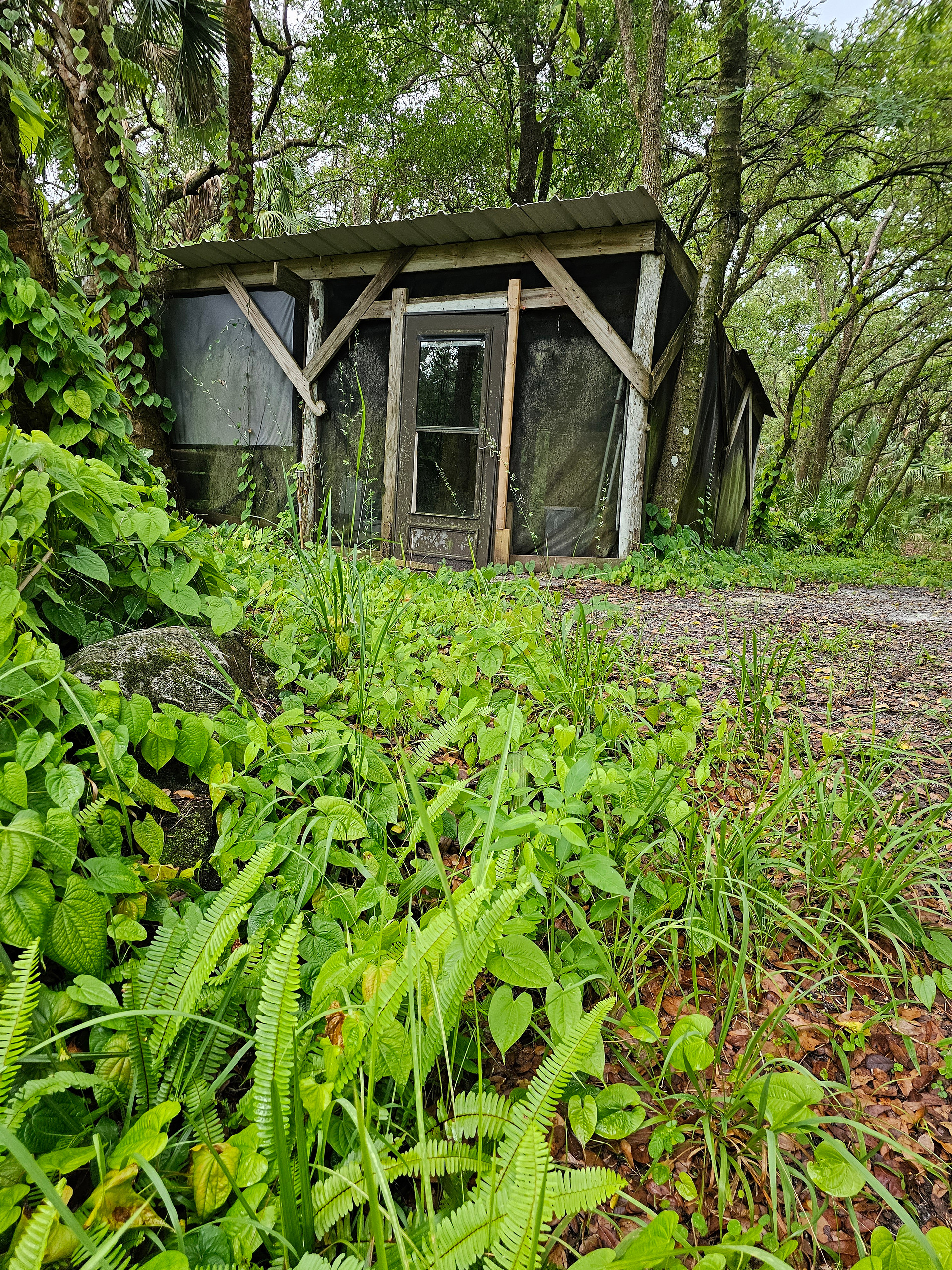
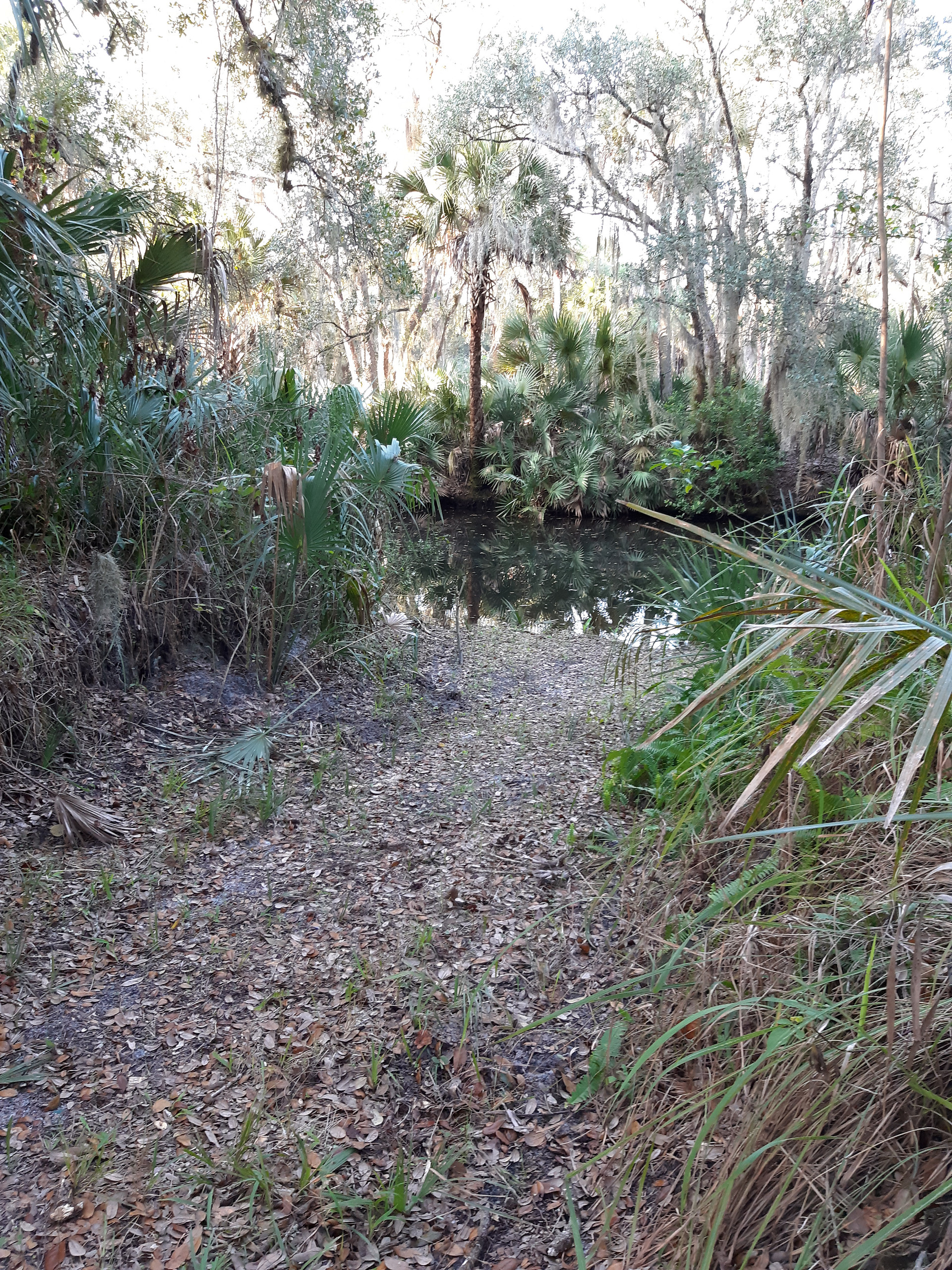
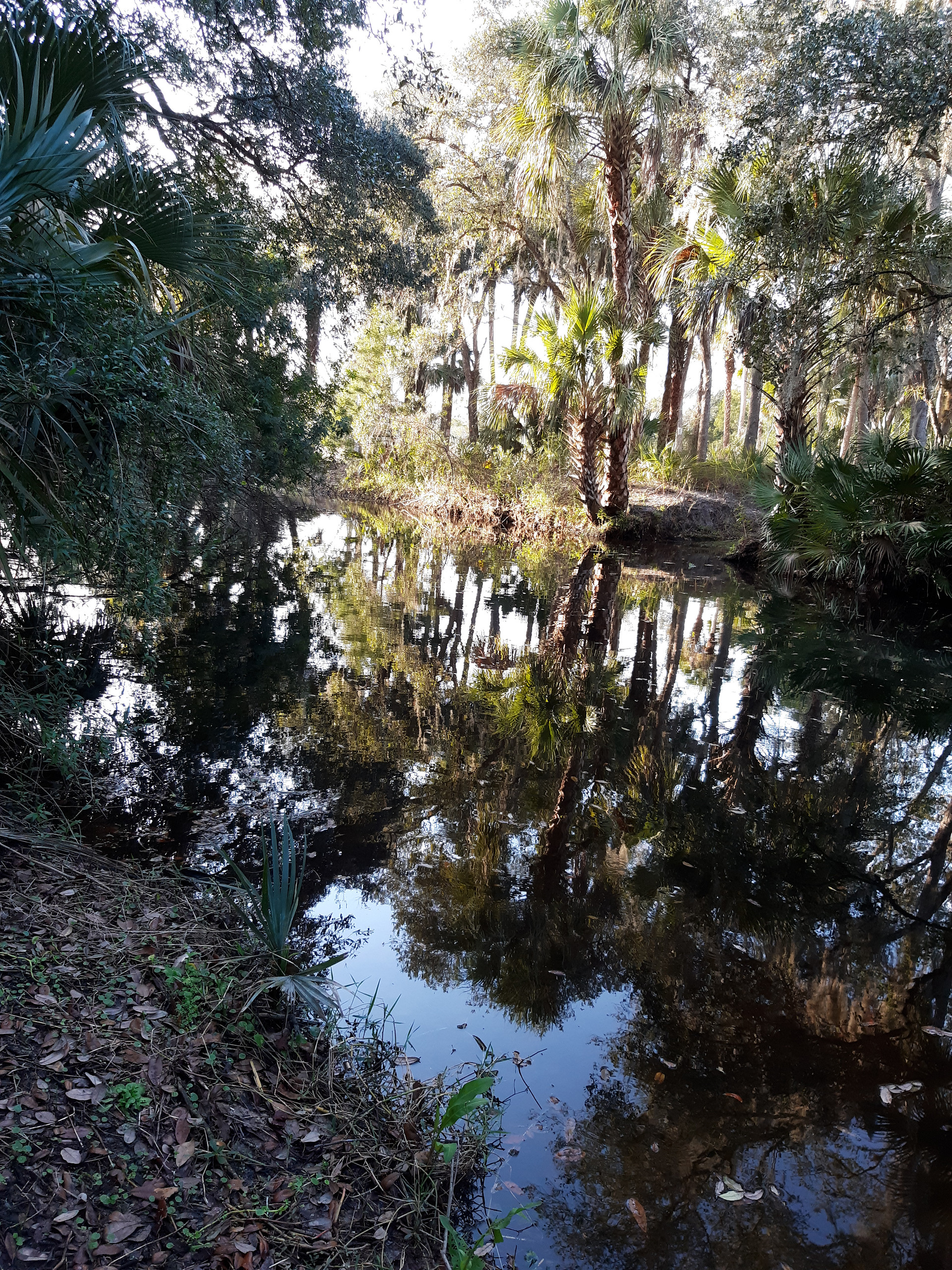
11. A Swamp Paradise in Florida
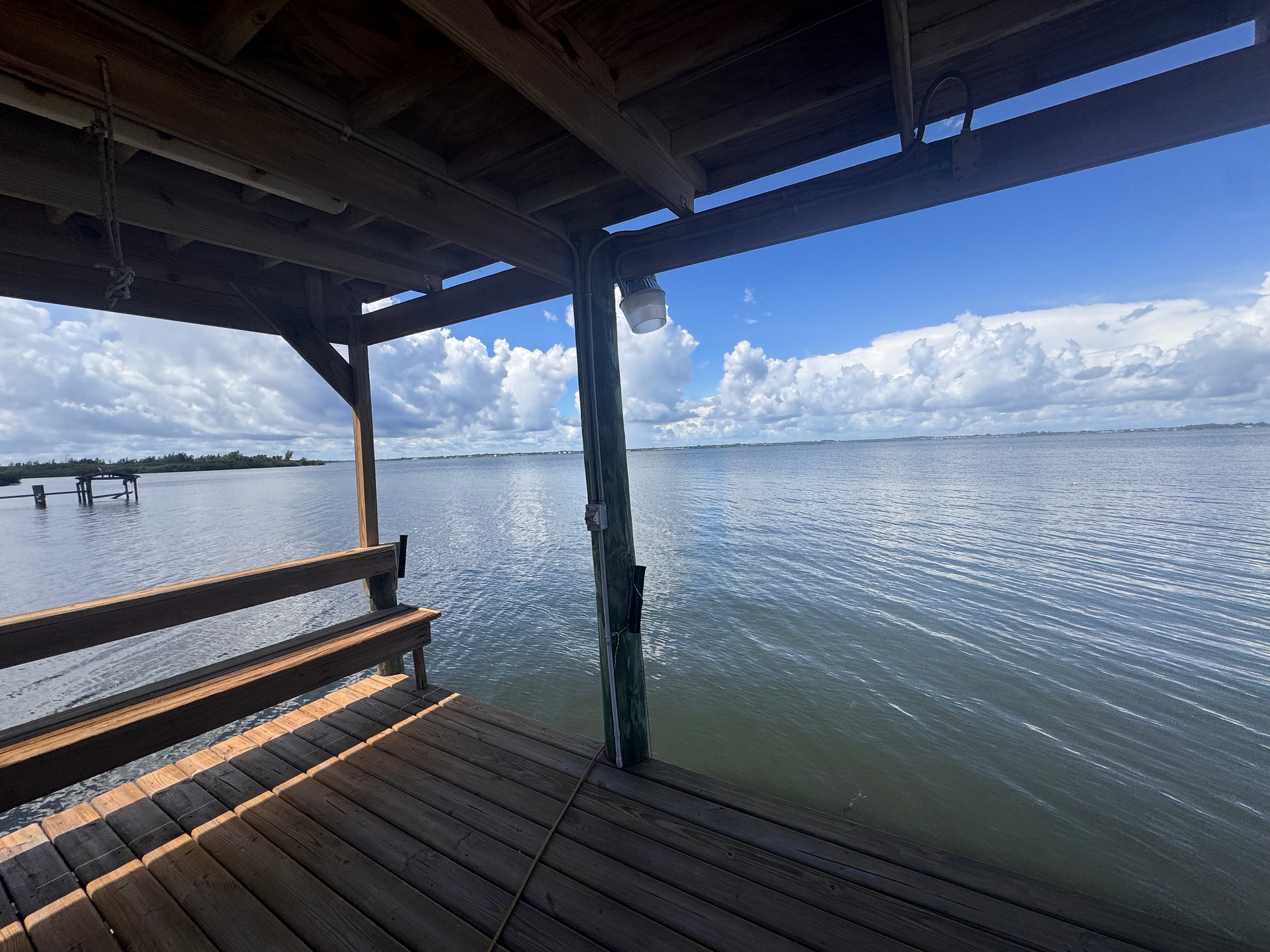
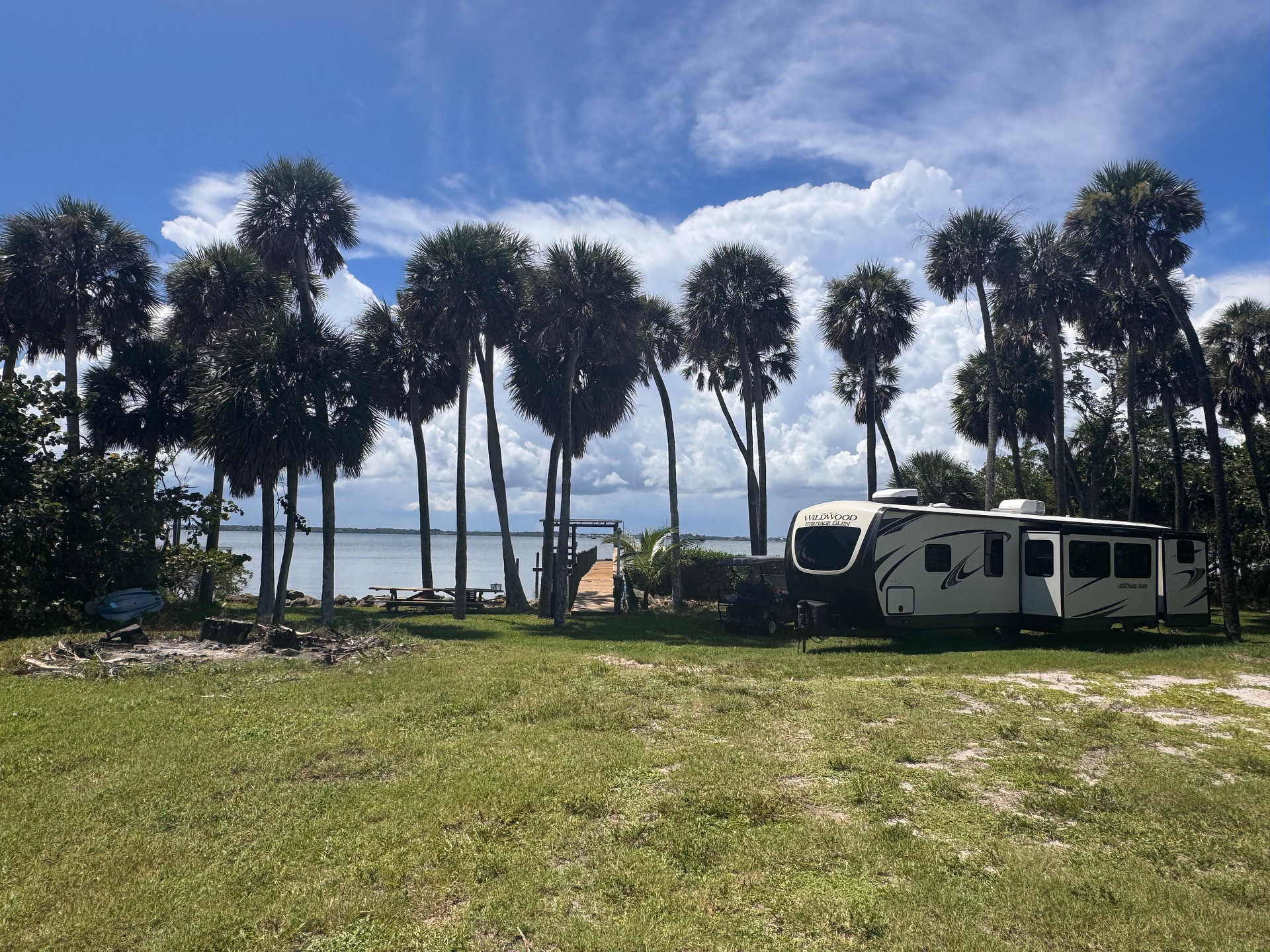
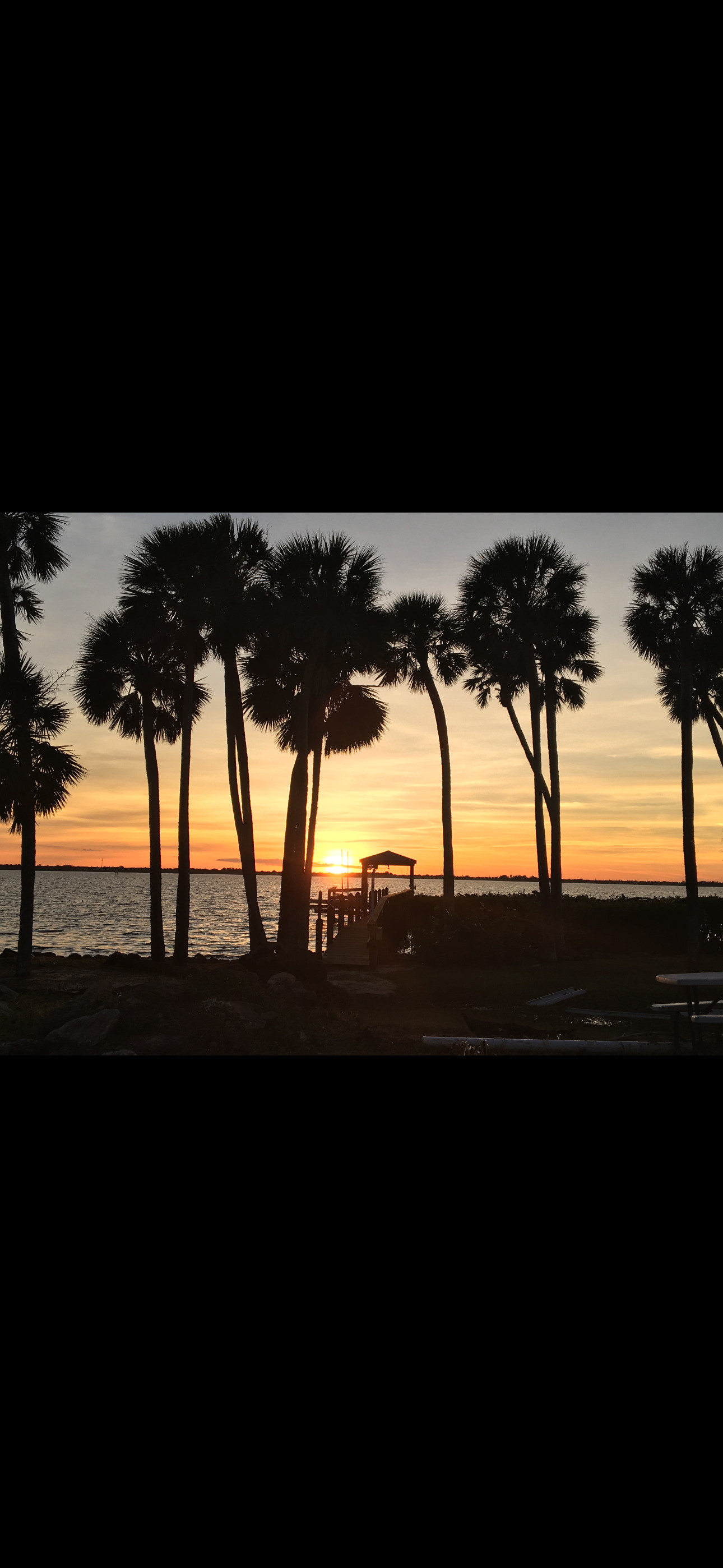
12. Fishing Paradise


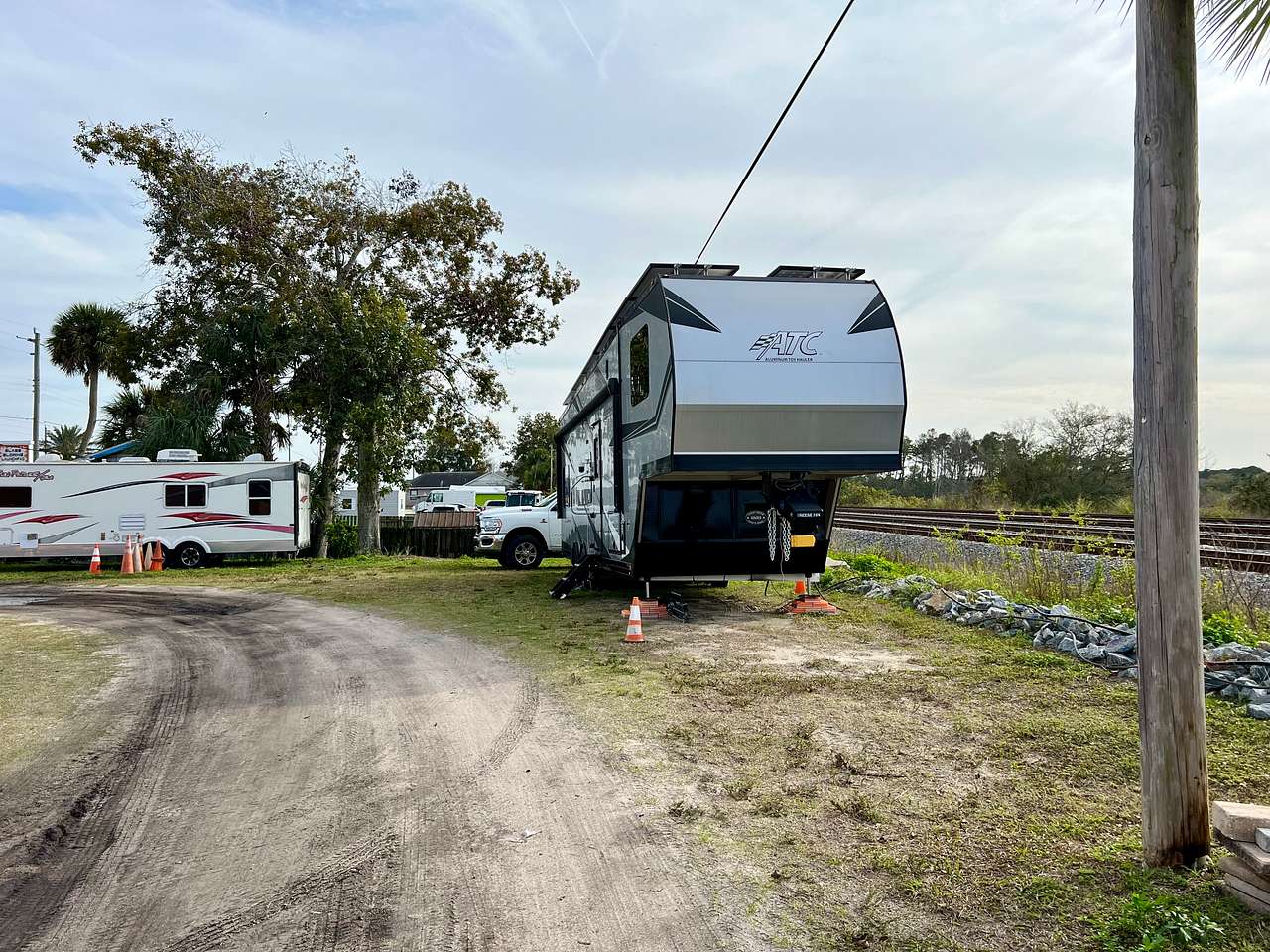
13. Cocoa Camping Space Coast

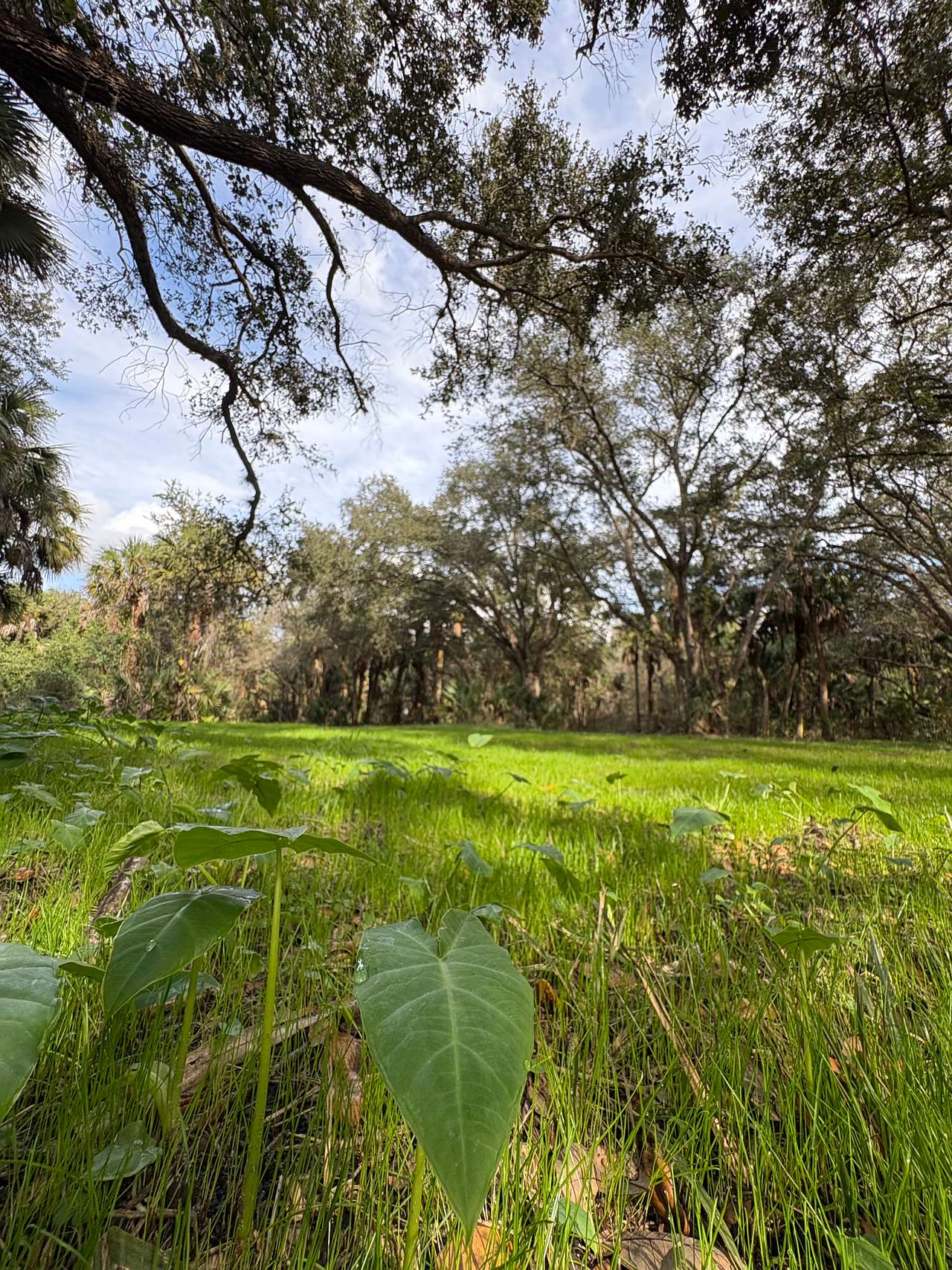
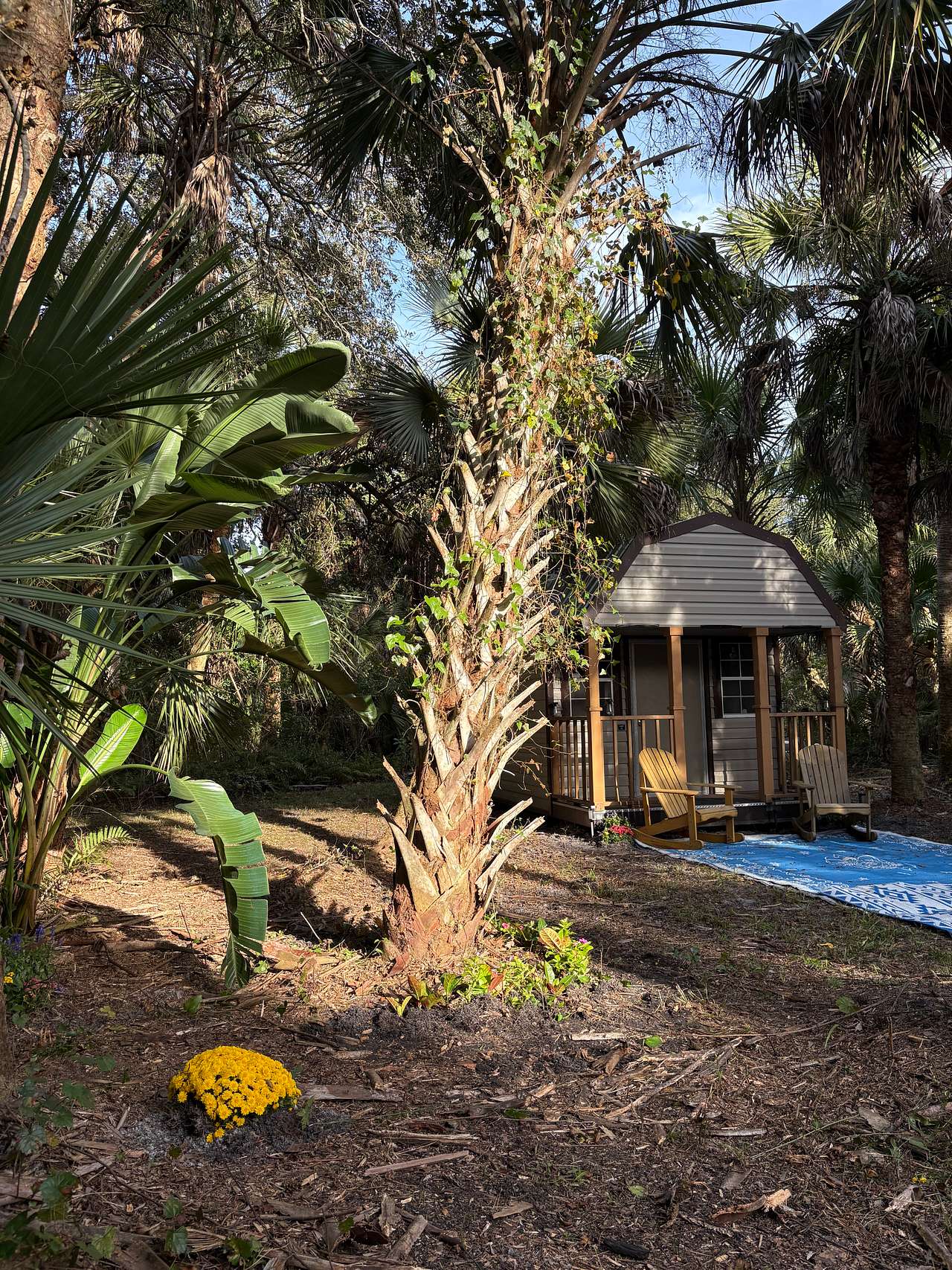
14. PRIVATE ACRES

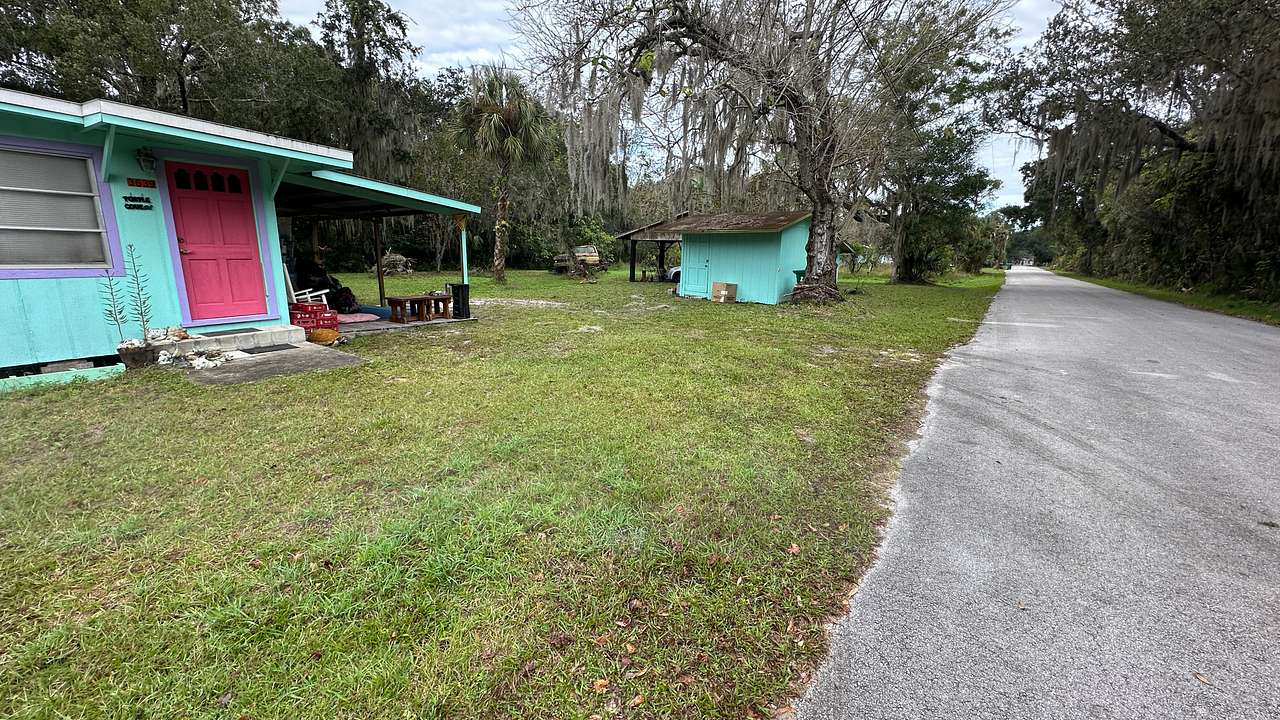

15. Turtle Cove Space Coast
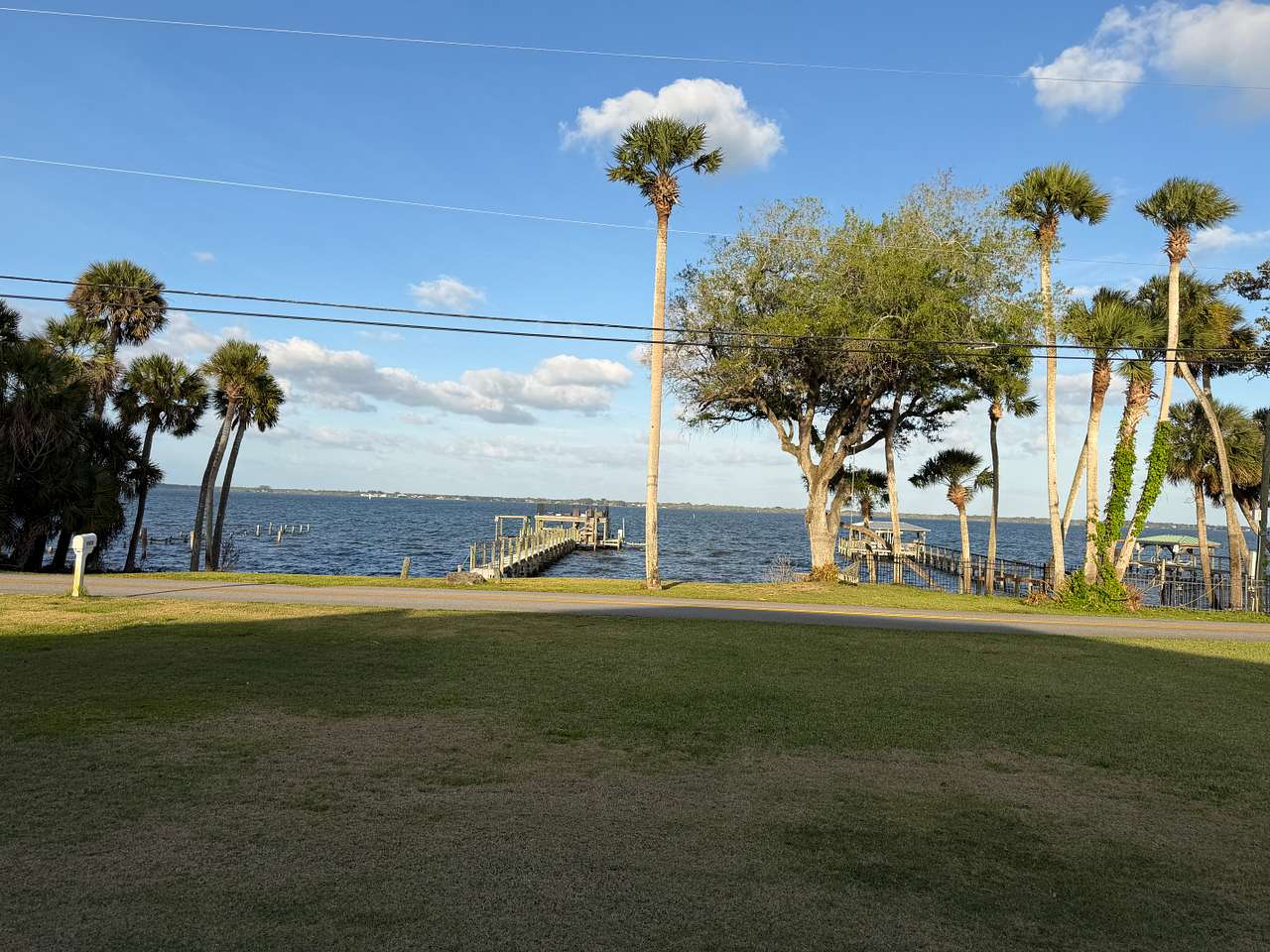
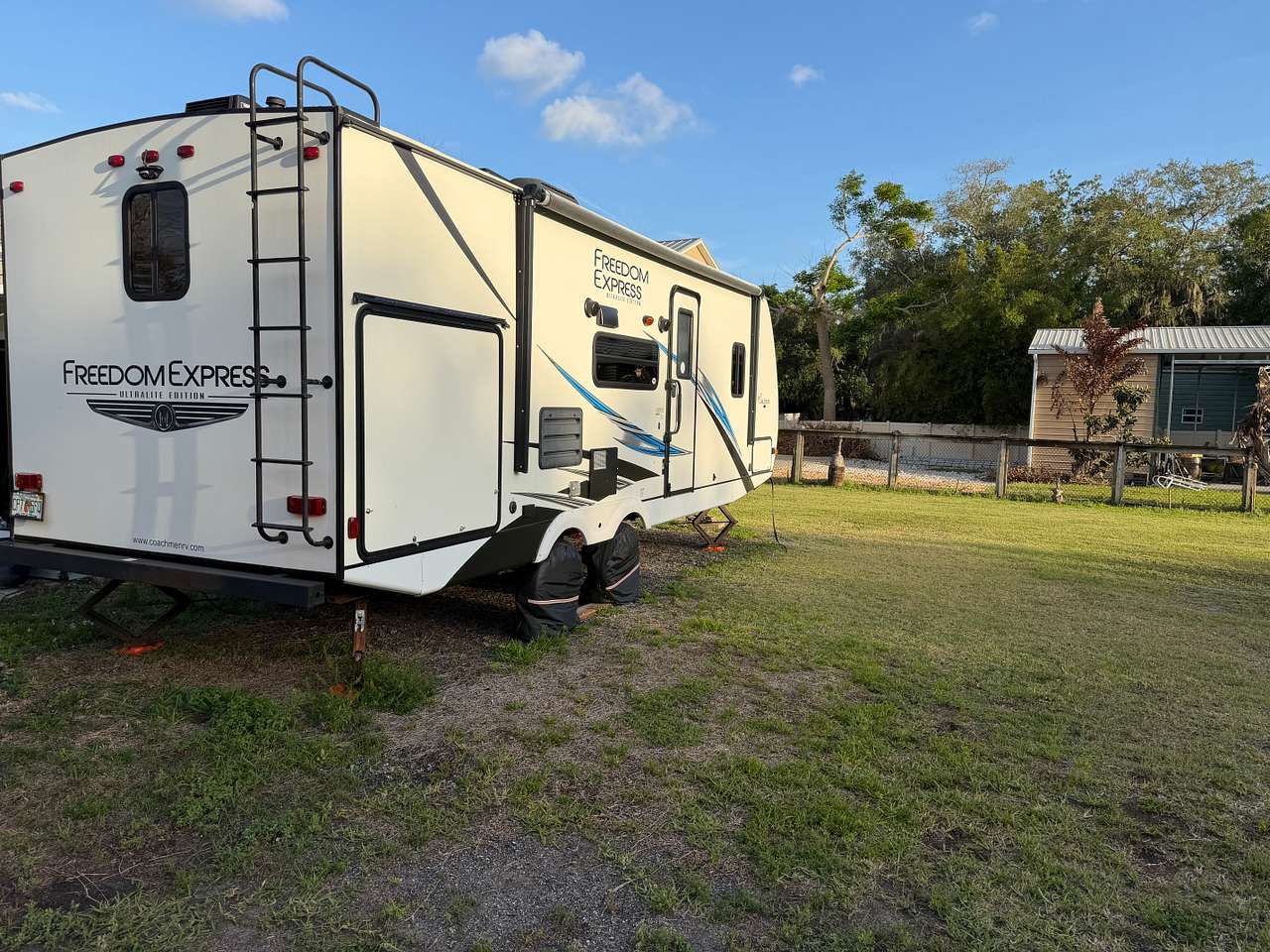
16. River View

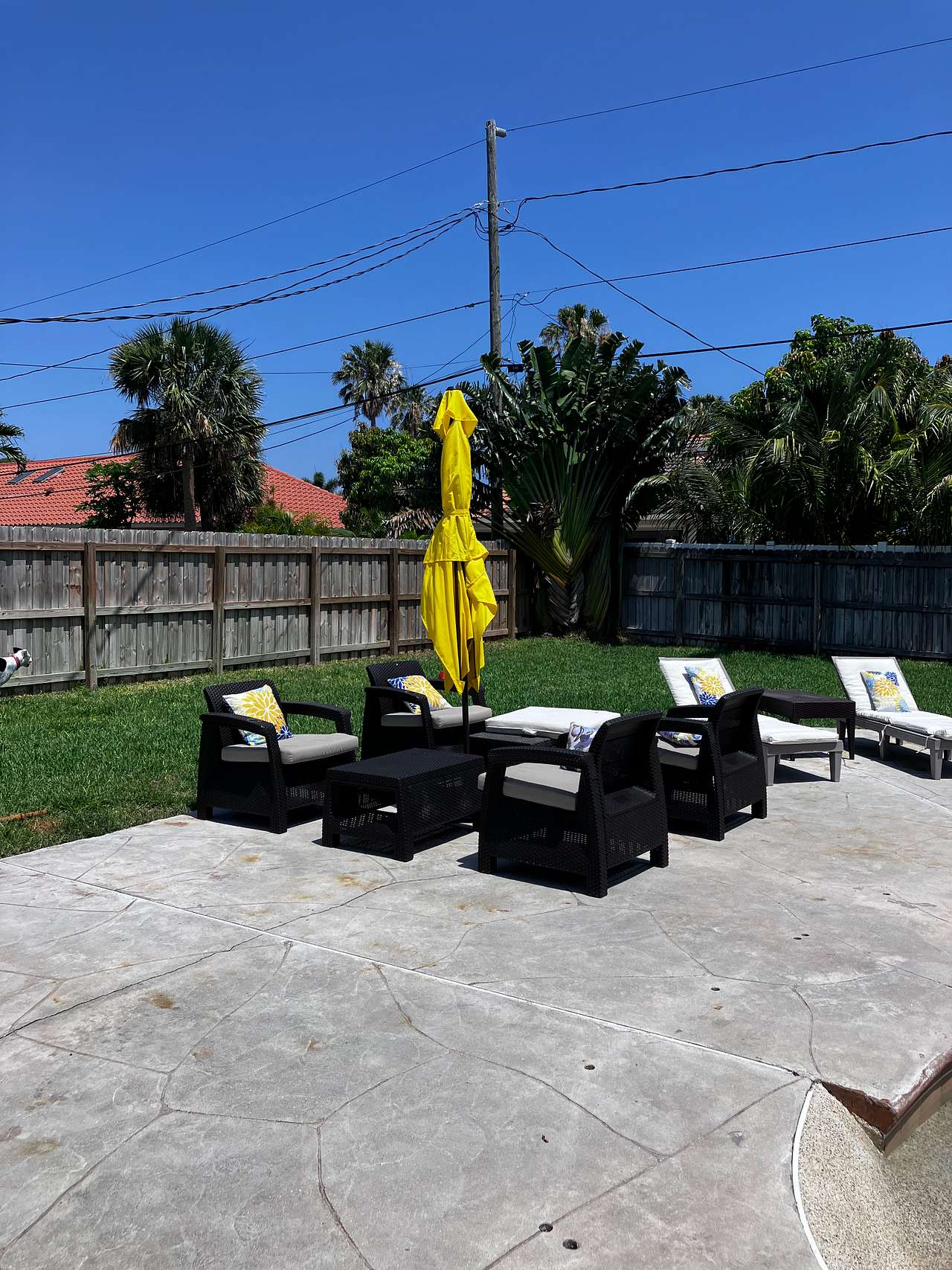

17. 2 blocks to ocean

18. Space Coast
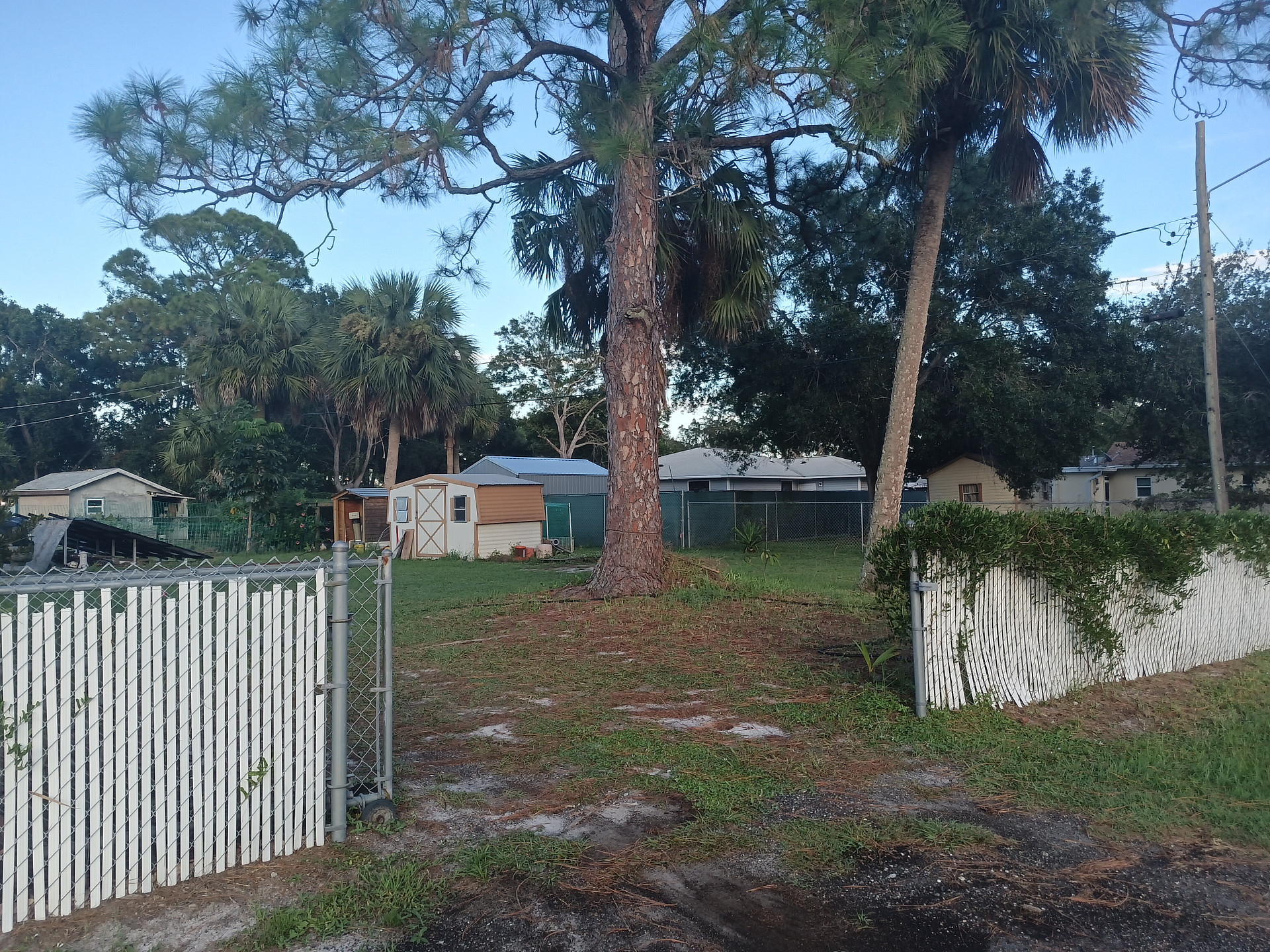
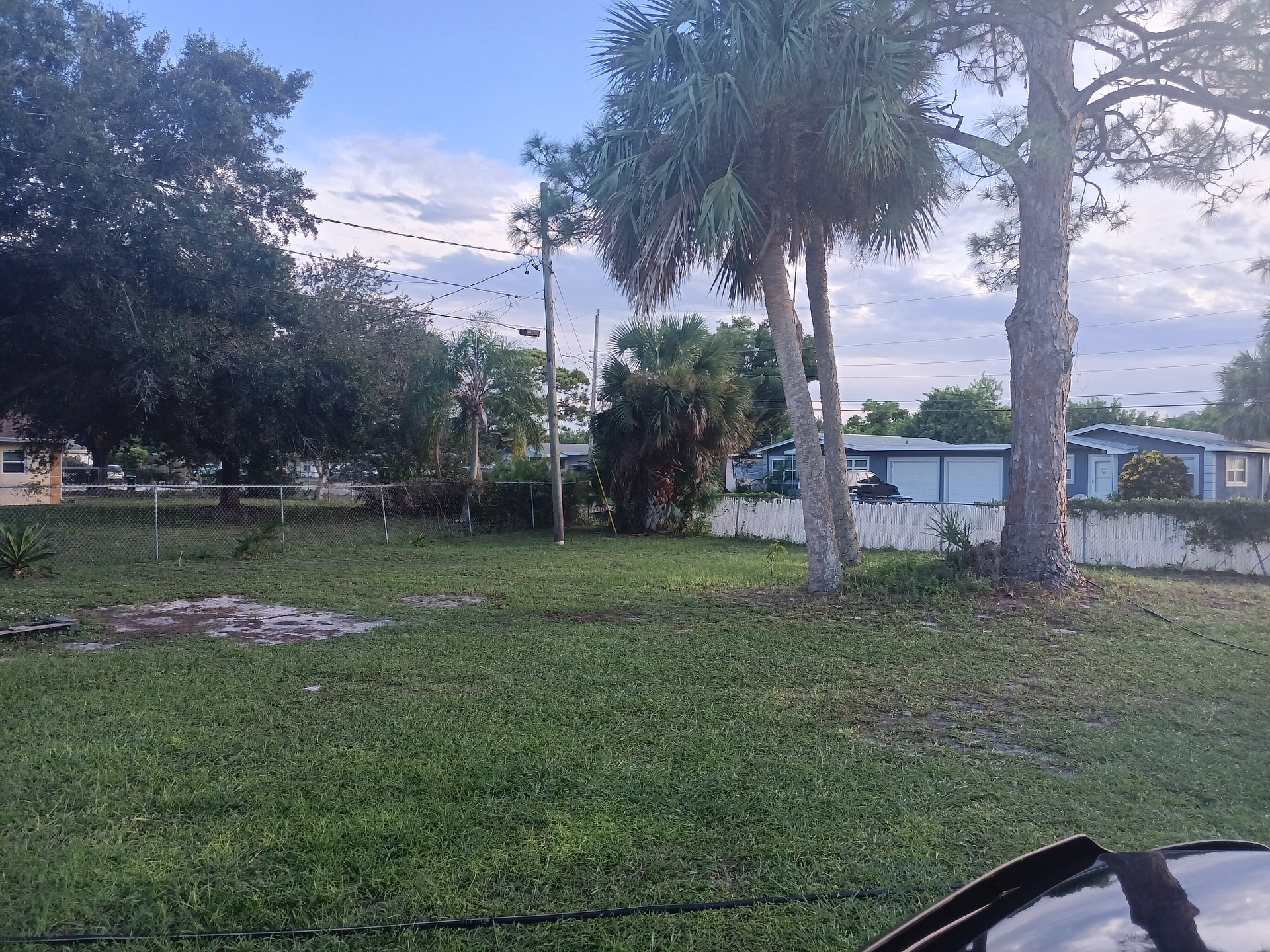
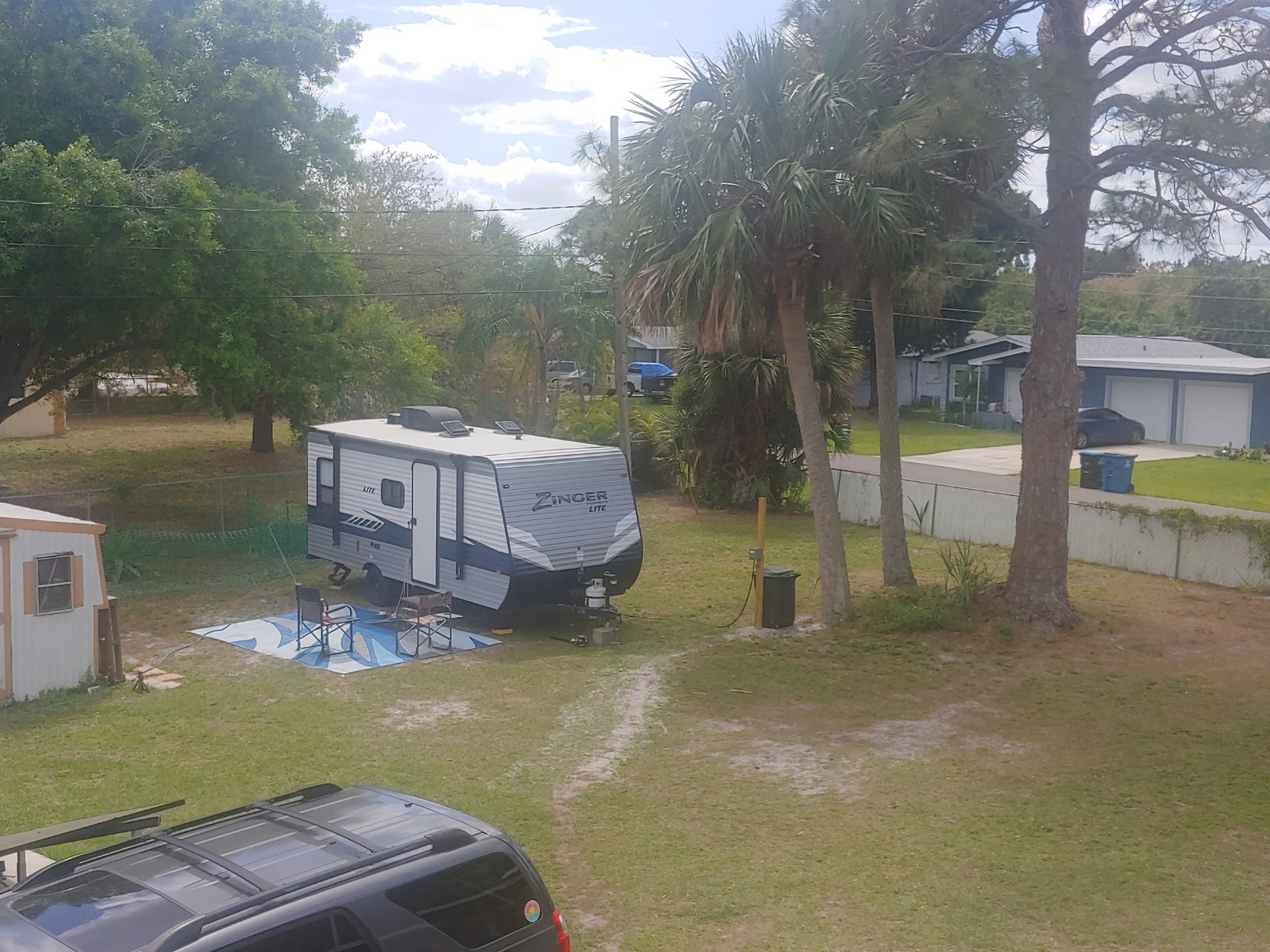
19. FloridaPets

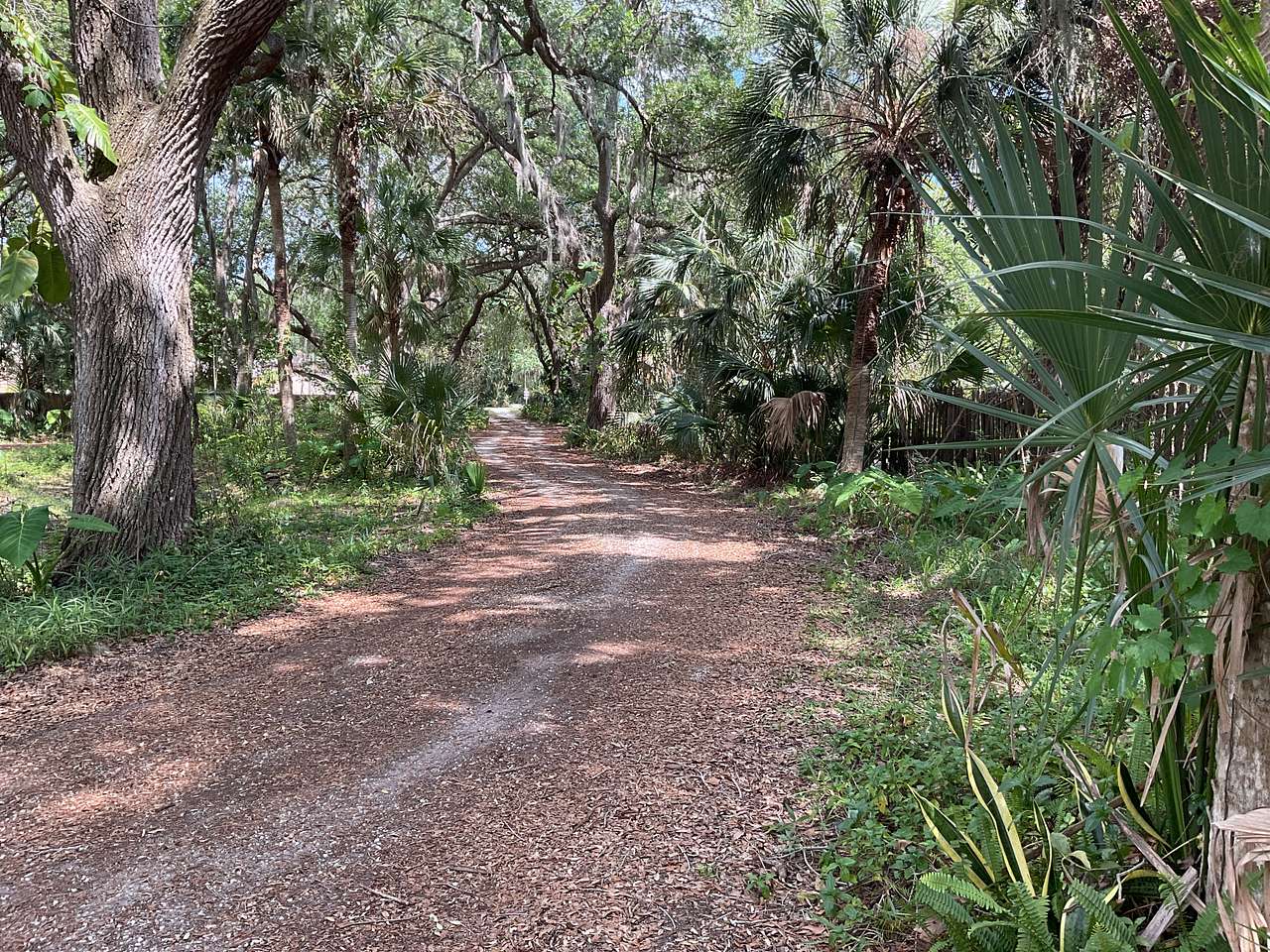

20. Annamac’s Hideaway


RVing Or Trailer At Outdoor Resorts


Forever Young Farm
The Pines Hideaway RV Retreat
Sebastians Paradise
Cape Kennedy RV Resort
Hammock Road Indian River Camp
Recent reviews from the Hipcamp community




Brevard County camping guide
Where to go
Cocoa Beach
The closest beach city to Orlando — 60 miles east — Cocoa Beach serves as the commercial hub of the Space Coast. Ron Jon Surf Shop and a decent surf break give it a genuine beach-town character that the interior Florida resort areas lack. Camping nearby tends to be at RV parks and private campgrounds rather than state facilities; the real public land camping is to the north in the national seashore.
Melbourne
South of the Space Coast's main tourism corridor, Melbourne offers access to Sebastian Inlet State Park at the county's southern border — one of the state's top surf breaks and a strong camping option. The Brevard Zoo, Turkey Creek Sanctuary, and the Indian River Lagoon system make Melbourne a solid base for wildlife-focused trips.
Cape Canaveral
Cape Canaveral puts you at the base of the Kennedy Space Center and Port Canaveral, Florida's cruise ship hub. It's not a camping destination in the traditional sense, but the NASA Kennedy Space Center visitor complex is worth a full day, and watching a rocket launch from the beach — a real possibility if you time it right — is a legitimately rare experience.
Titusville
Across the Indian River Lagoon from Kennedy Space Center on the mainland, Titusville is the gateway to Merritt Island National Wildlife Refuge and the best land-based viewing for Space Coast rocket launches. The Black Point Wildlife Drive through the refuge is one of the top birding routes in Florida; the lagoon itself holds manatees year-round given the power plant warm water outflows nearby.
Merritt Island
Merritt Island — the town on the southern part of the barrier — gives access to the Indian River Lagoon shoreline and the fishing that defines the Space Coast for local anglers. The lagoon is one of the most biologically diverse estuaries in North America, supporting over 4,000 species. Kayaking through the mangrove channels on the western side of the barrier is a different experience than anything on the Atlantic side.
Canaveral National Seashore
Canaveral National Seashore protects the longest undeveloped stretch of Atlantic coast in Florida — 24 miles of beach where loggerhead sea turtles nest by the thousands from May through October. Primitive, backcountry camping is available on designated islands in Mosquito Lagoon, accessible by boat or kayak from the Apollo Beach district on the New Smyrna Beach side. The southern Playalinda Beach section is closer to Titusville. The entire seashore closes periodically for launches, so check the schedule before planning around it.
When to go
October through May gives you the full Space Coast experience. Winter and spring are ideal for wildlife — manatees, migratory birds, turtle nesting season begins in early spring — and the weather is cooperative. Summer is hot, stormy, and the active nesting season makes much of Canaveral's beach off-limits at night. September's peak hurricane season is a real consideration for coastal camping.
Spring (March–May)
March through May is arguably the best camping window. Temperatures climb from comfortable mid-70s in March to the low-to-mid 80s by May, with clear skies 52–72% of the time. Sea turtle nesting season officially begins March 1, with activity ramping up through April and May — at night, females crawl up the dark beaches of the national seashore to lay eggs. The Indian River Lagoon is excellent for kayaking throughout spring. Reserve Canaveral National Seashore campsites months ahead for spring weekends.
Summer (June–August)
Summer brings heat (highs 86–92°F), frequent afternoon storms (50–53% precipitation chance), and sea turtle nesting activity that restricts night beach access at Canaveral. The upside: campsite availability is dramatically better than winter or spring, and rocket launches from KSC happen year-round. The Indian River Lagoon water temperature hits the upper 80s — more bath than swim.
Fall (September–November)
September is still storm-season territory and carries real hurricane risk for beachside camping. October turns significantly better: 63% clear days, precipitation dropping to 27%, and highs backing off into the comfortable low 80s. By November, turtle nesting has wrapped and the beach access restrictions lift. Shorebird migration through the lagoon in September and October can be exceptional.
Winter (December–February)
Winter is dry and mild — lows in the mid-40s to upper 50s, highs in the upper 60s to mid-70s, and only 15–18% precipitation chance. Manatees congregate in the warm-water outflows near the power plants, and the national seashore beaches are quiet with no nesting restrictions. Cold fronts occasionally drop temperatures into the 40s, which is uncomfortable for tent camping but rare enough not to dominate the experience.