The best camping in Channel Islands National Park, CA
Discover the most magical spots to pitch your tent or park your rig on your next Channel Islands National Park adventure.
Top-rated campgrounds in Channel Islands National Park
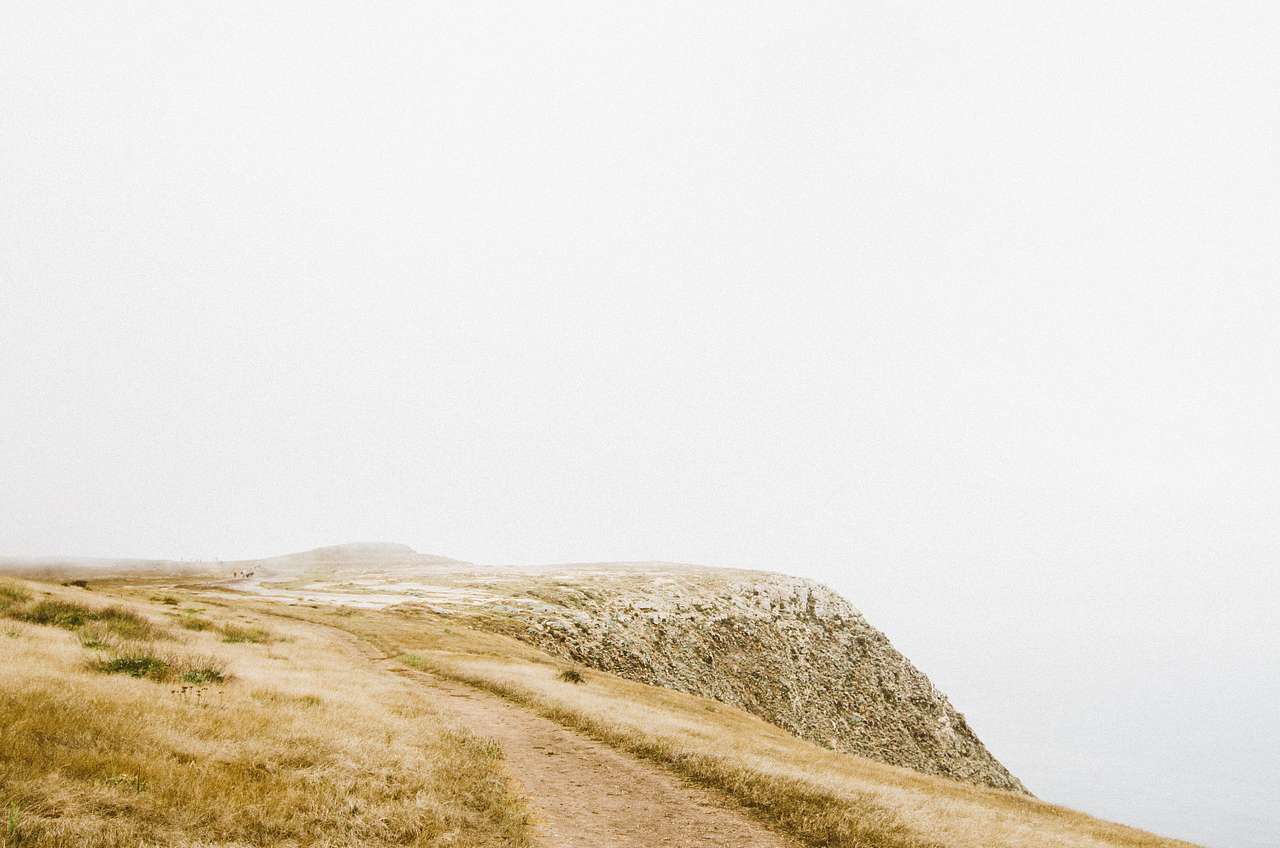


1. Santa Cruz Scorpion Campground


2. Santa Barbara Island Campground
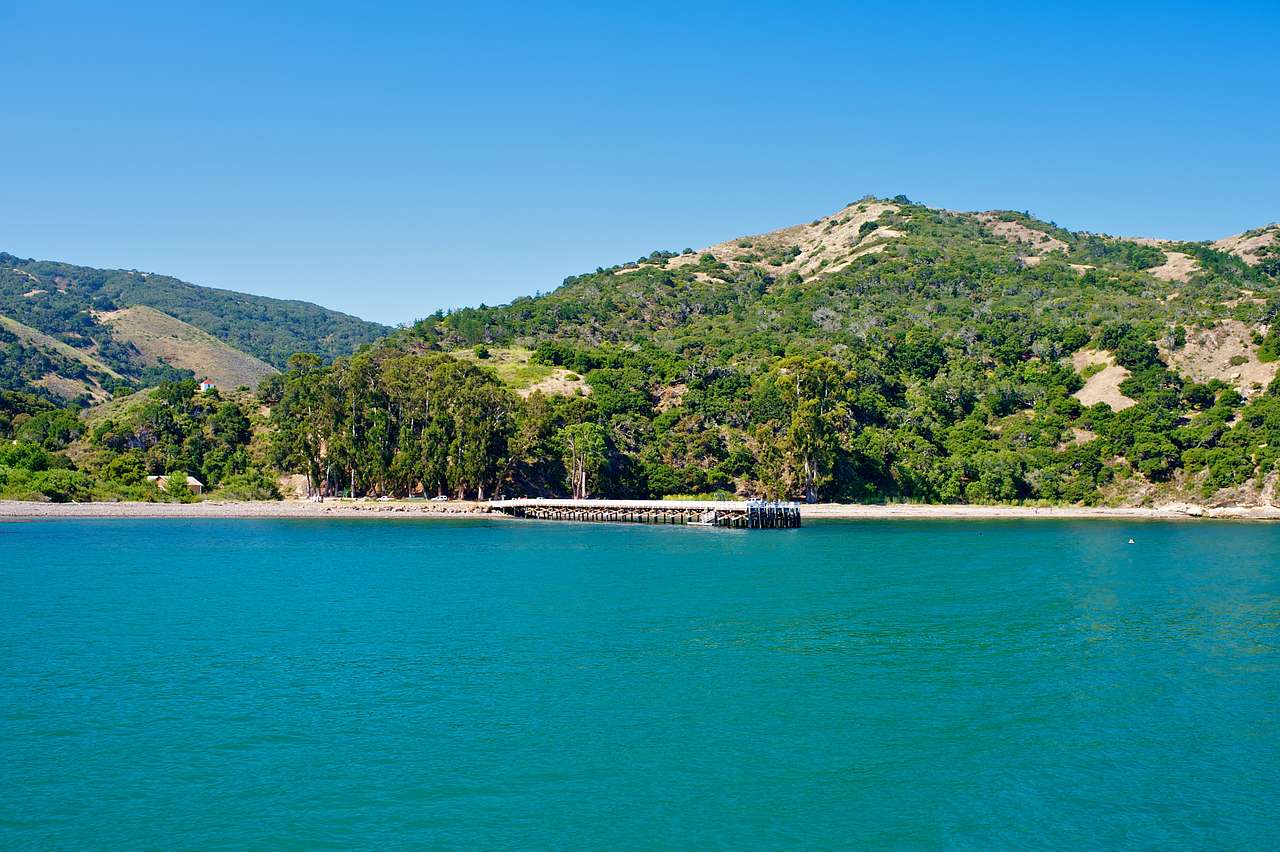
3. Santa Rosa Island Campground


4. Anacapa Island Campground
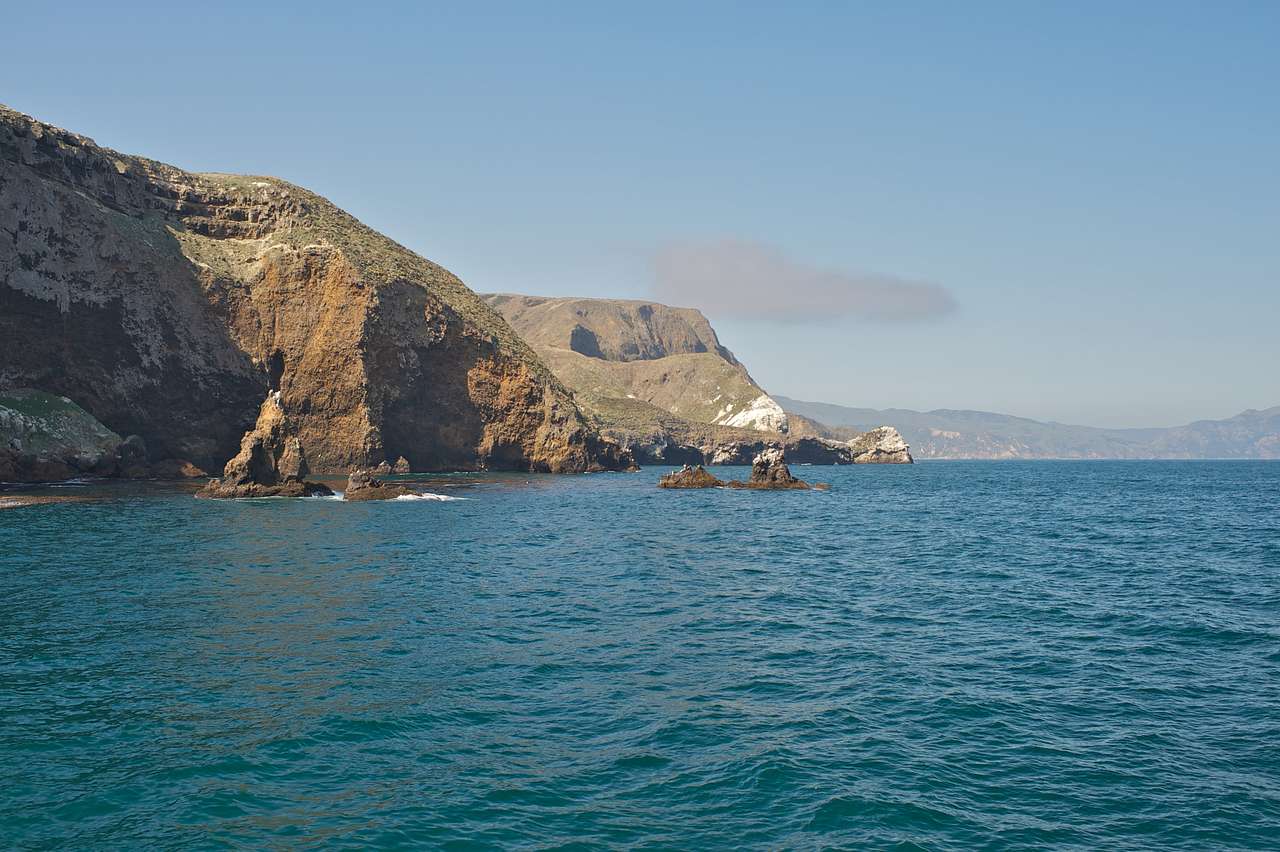
5. San Miguel Island Campground
Top-rated campsites near Channel Islands National Park
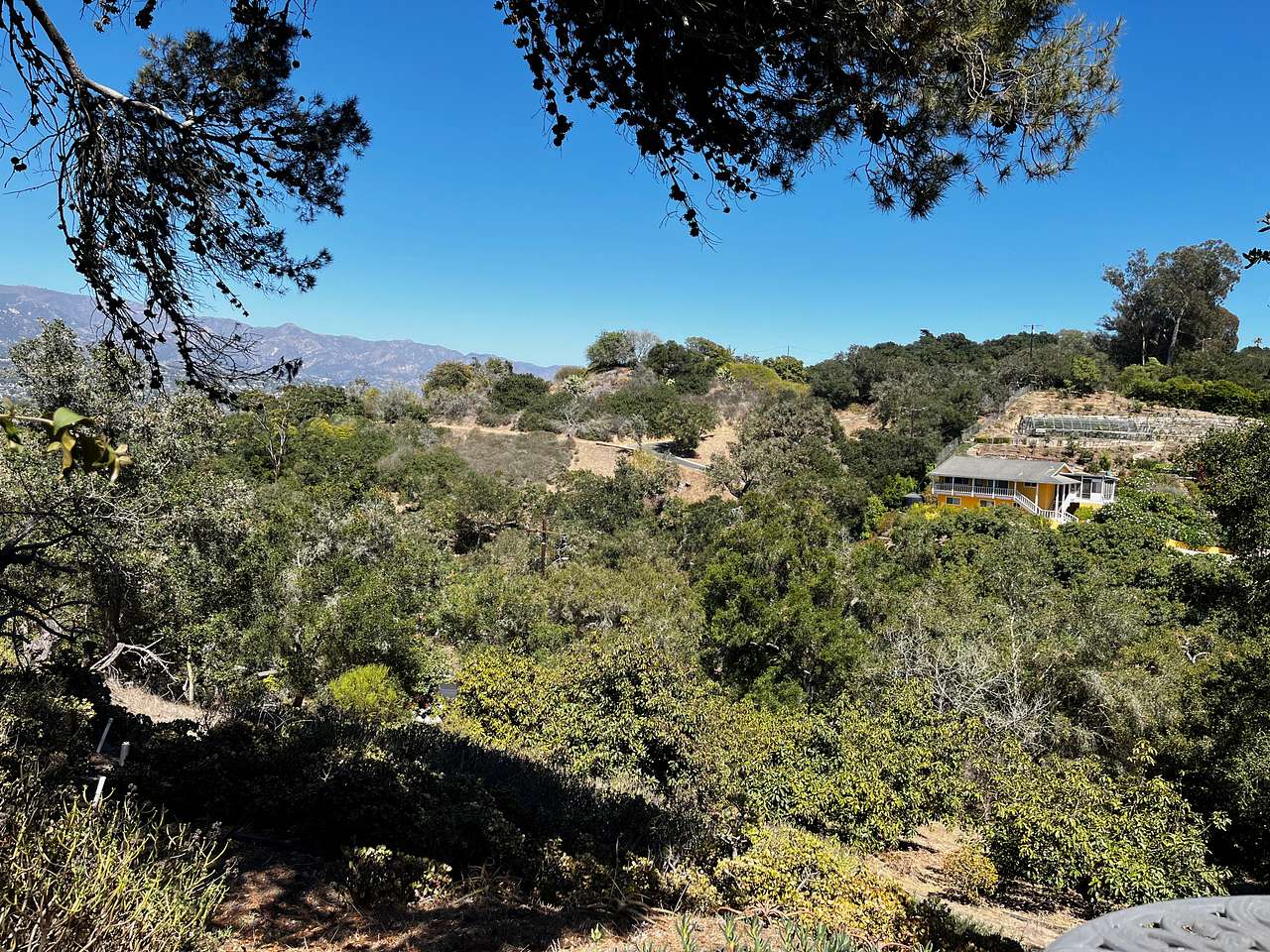
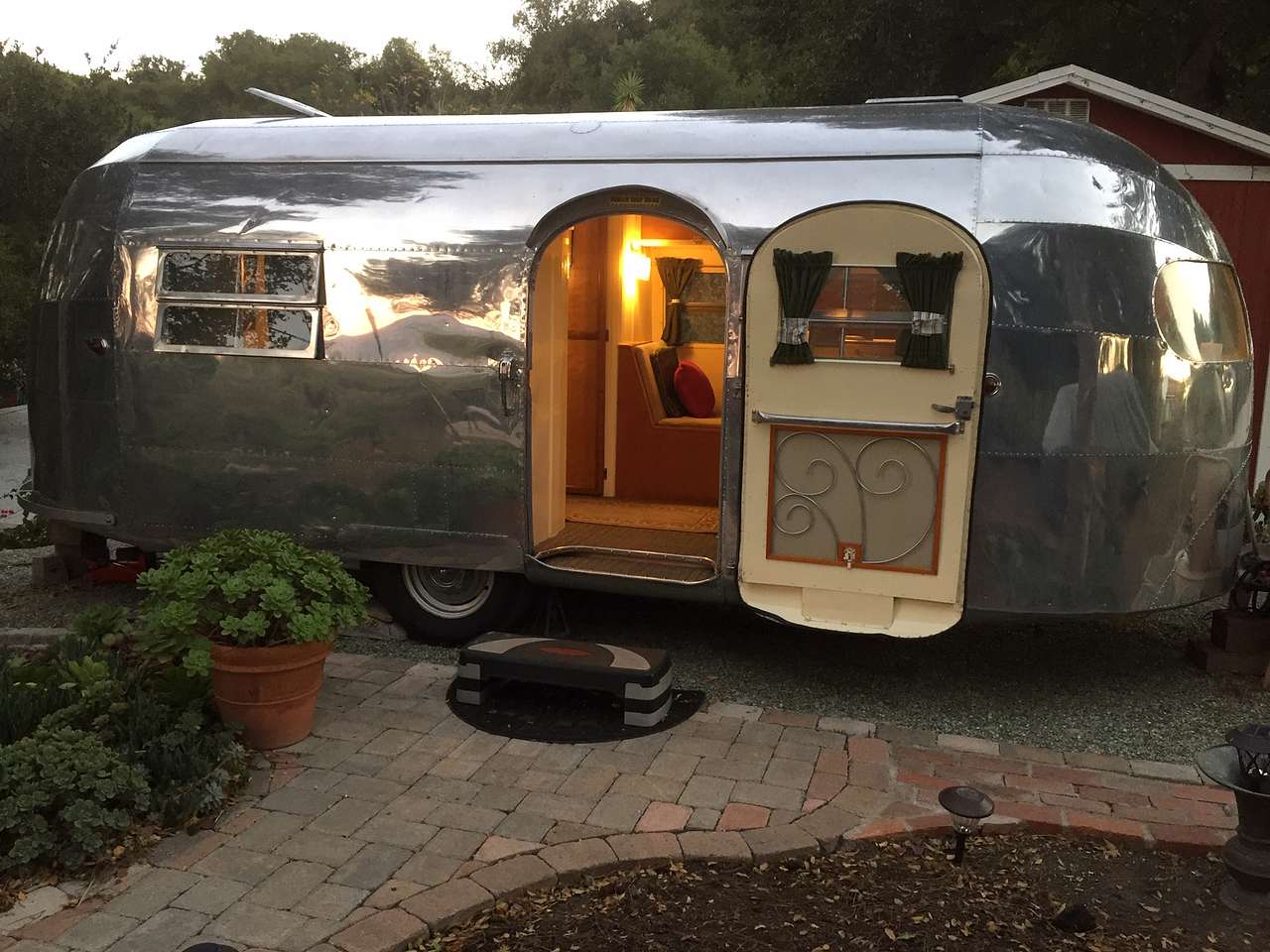
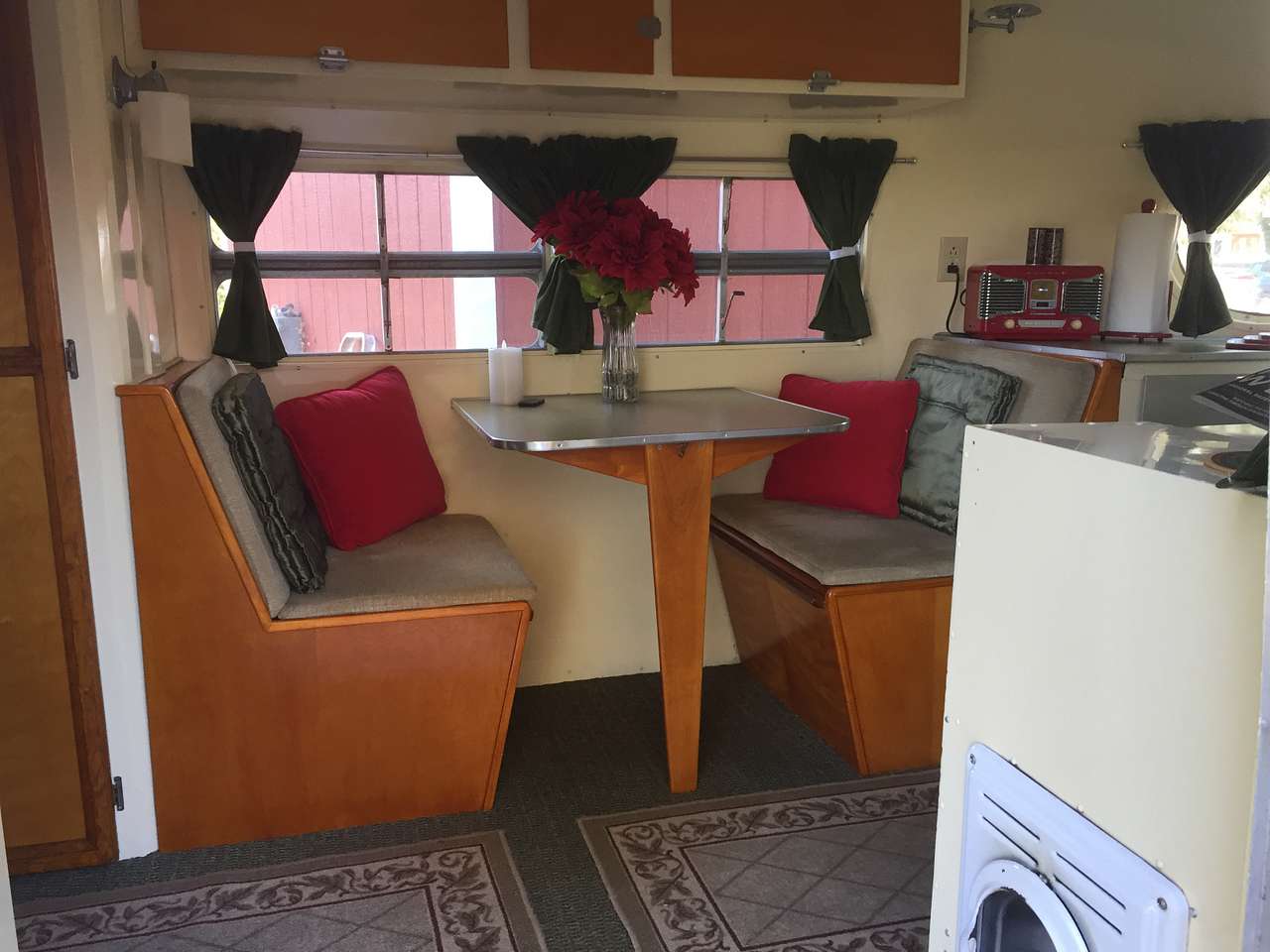
1. Vintage 1948 Airstream trailer
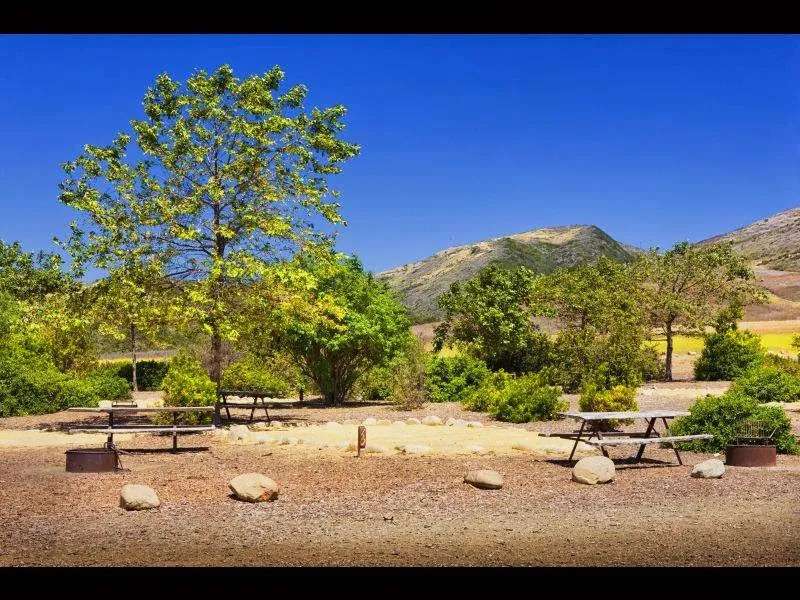
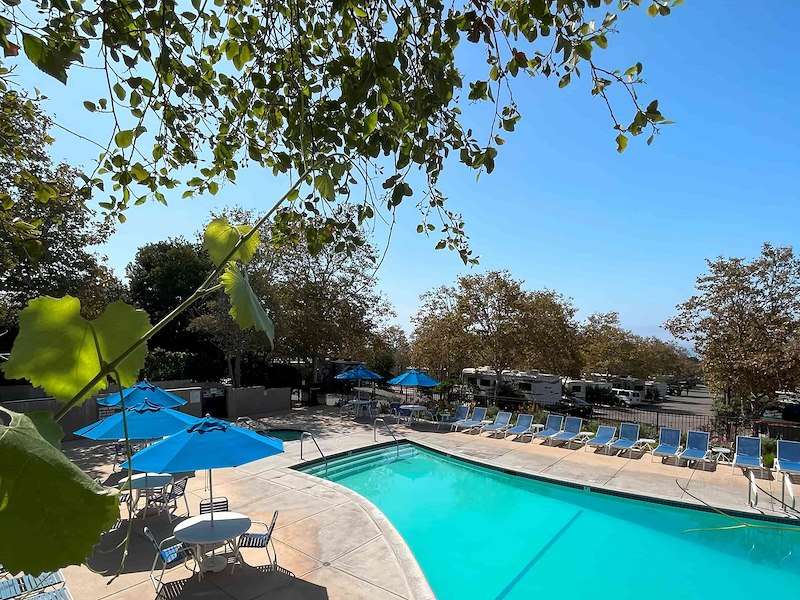
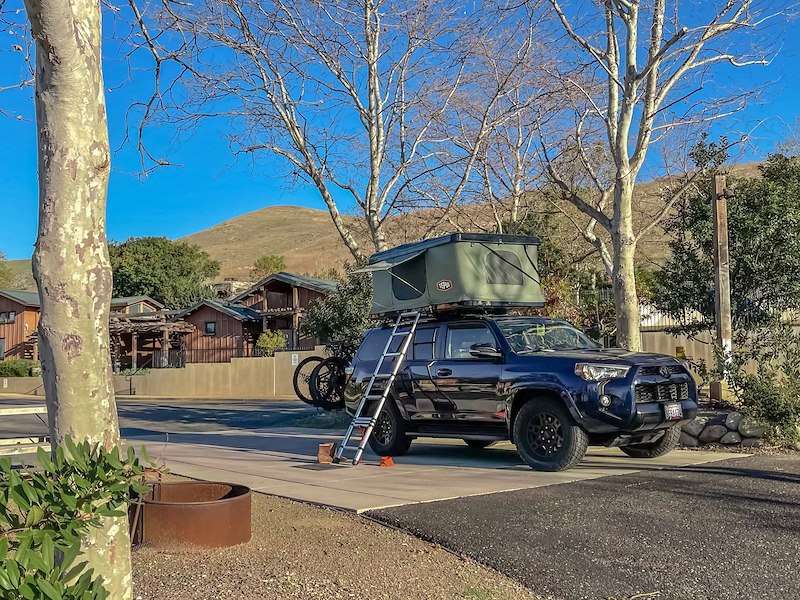
2. Sun Outdoors Santa Barbara
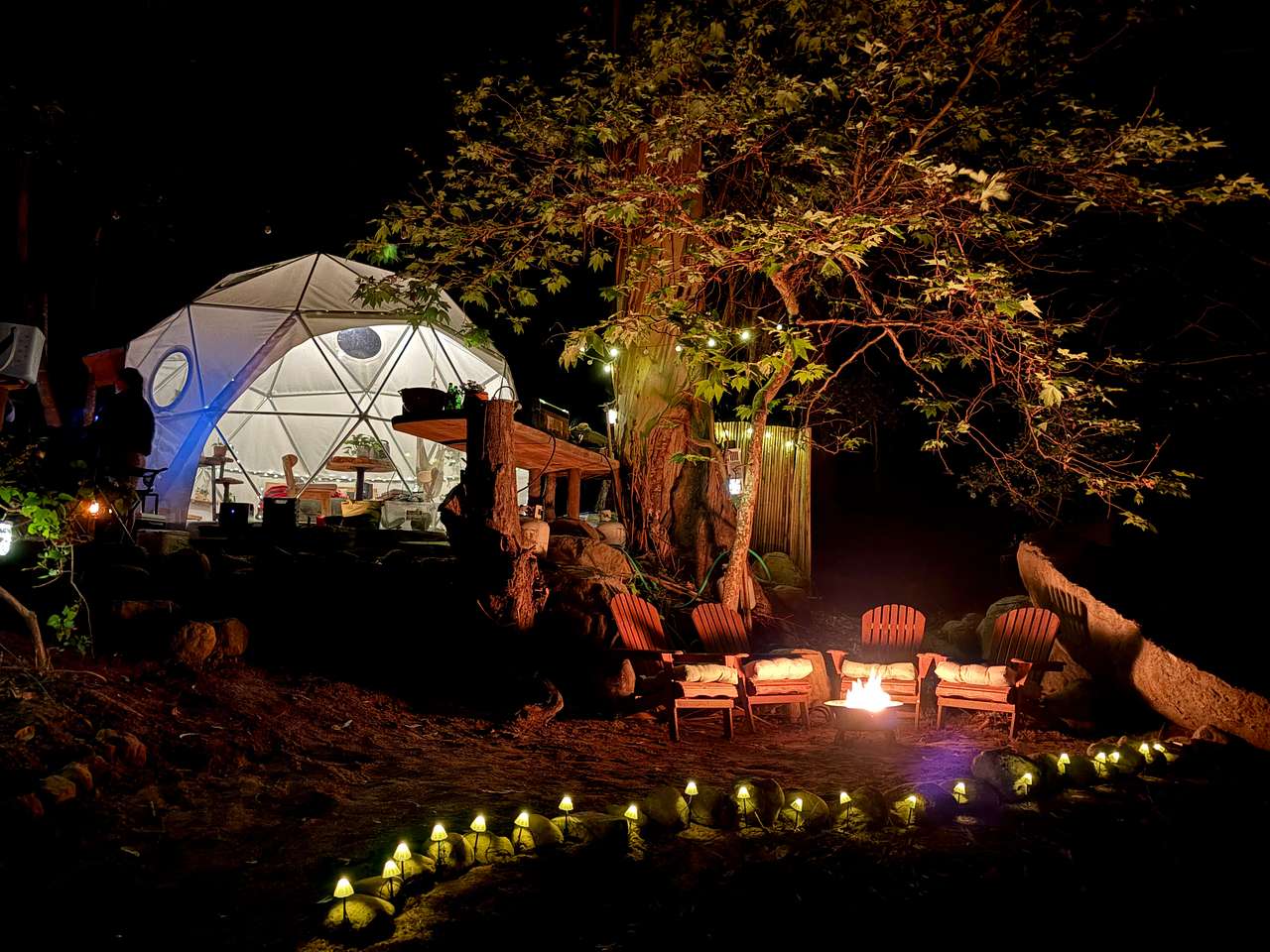

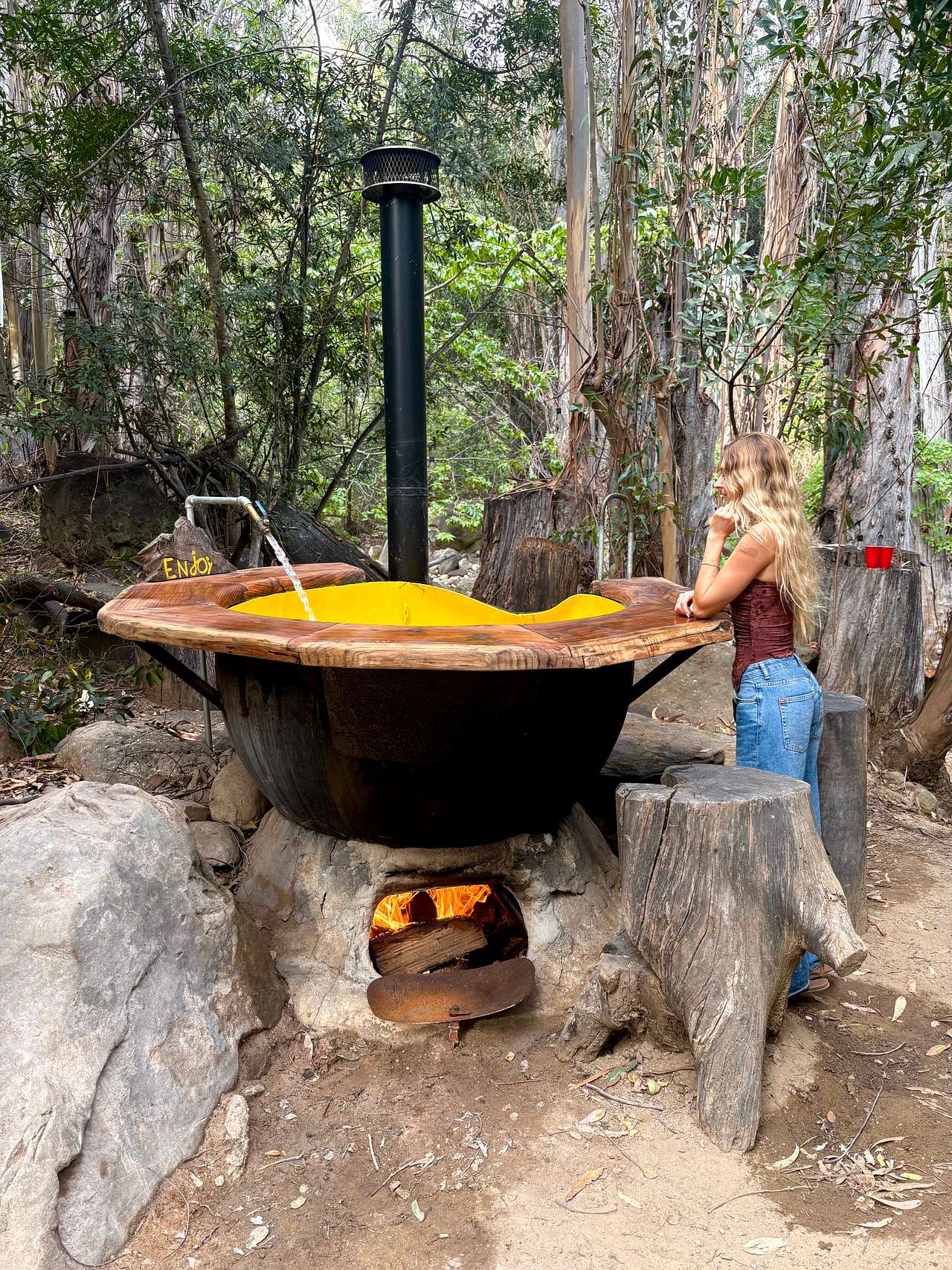
3. Harmony's Glamping

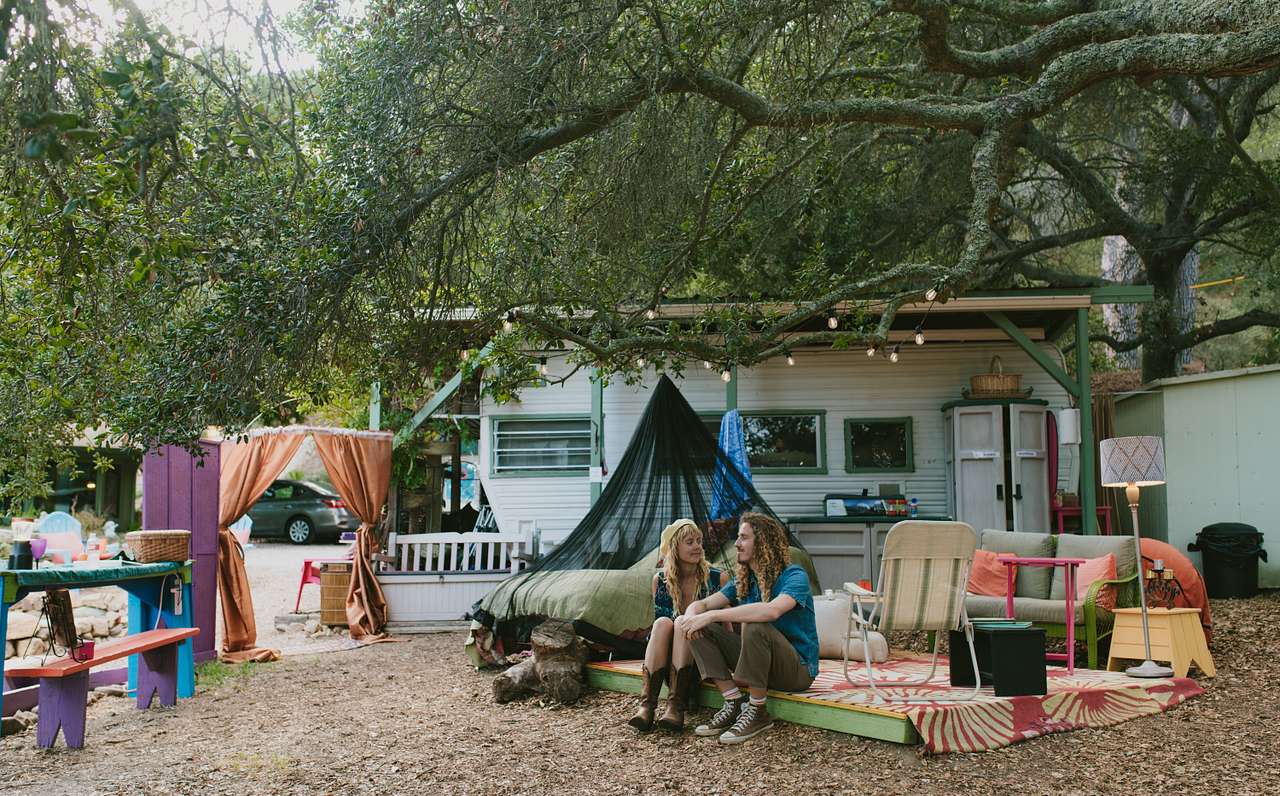
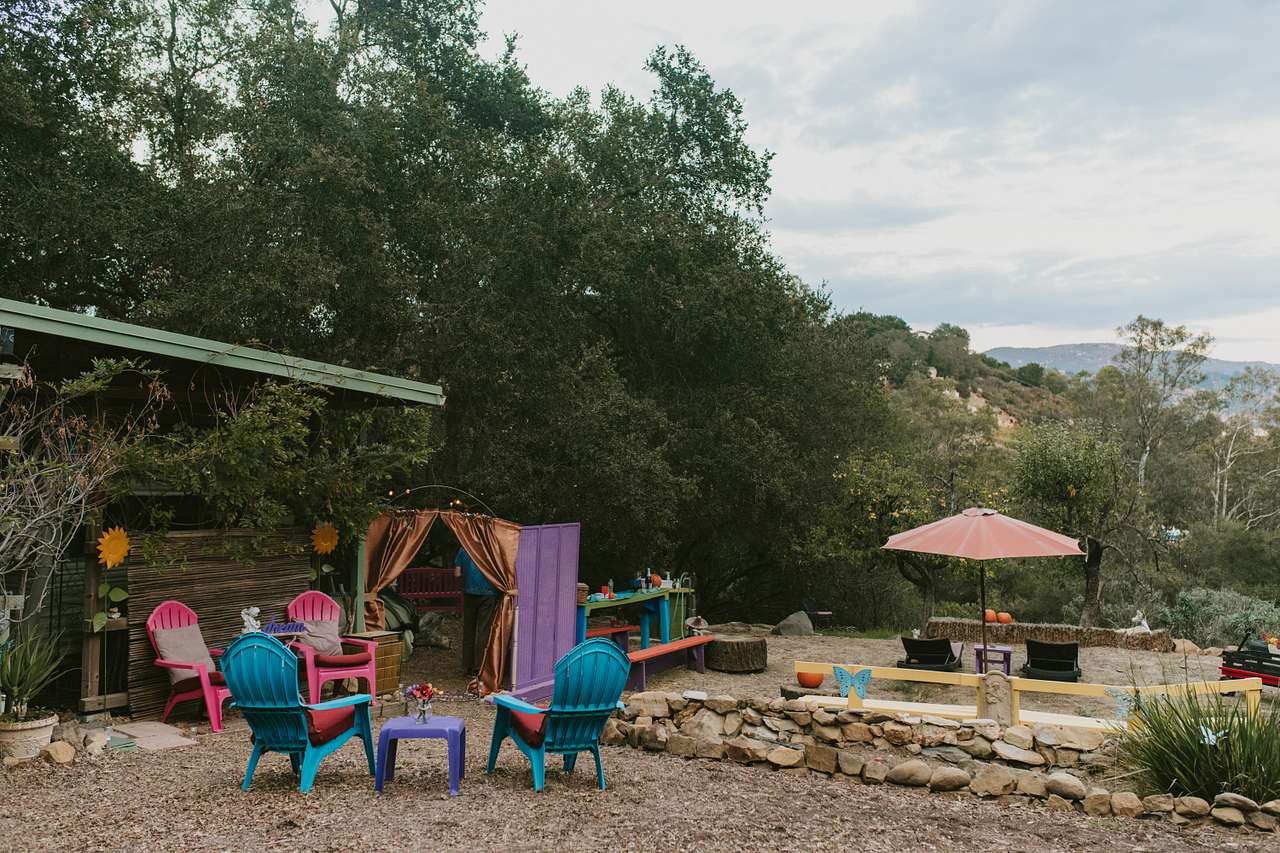
4. Sanctuary Cielo
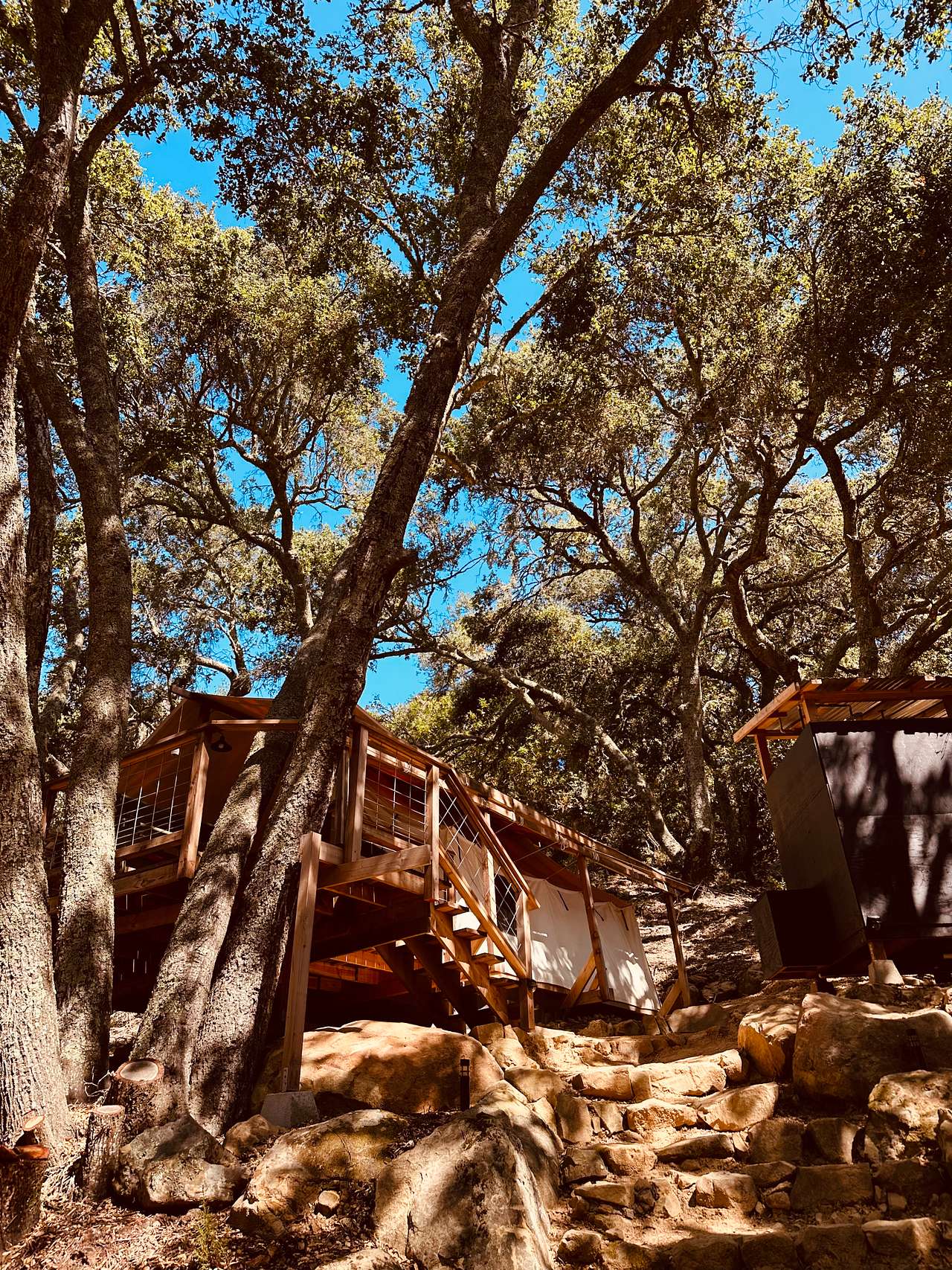
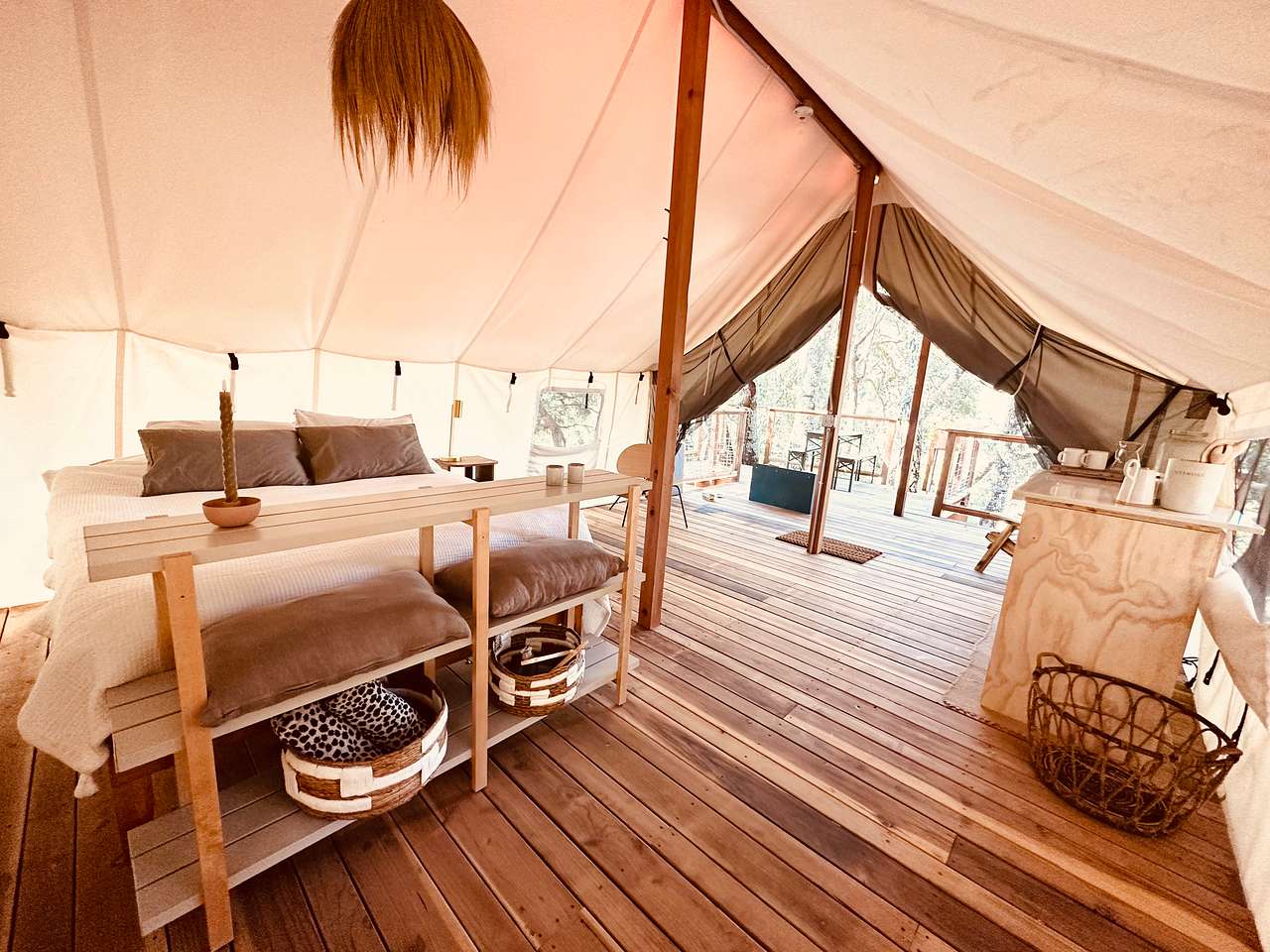
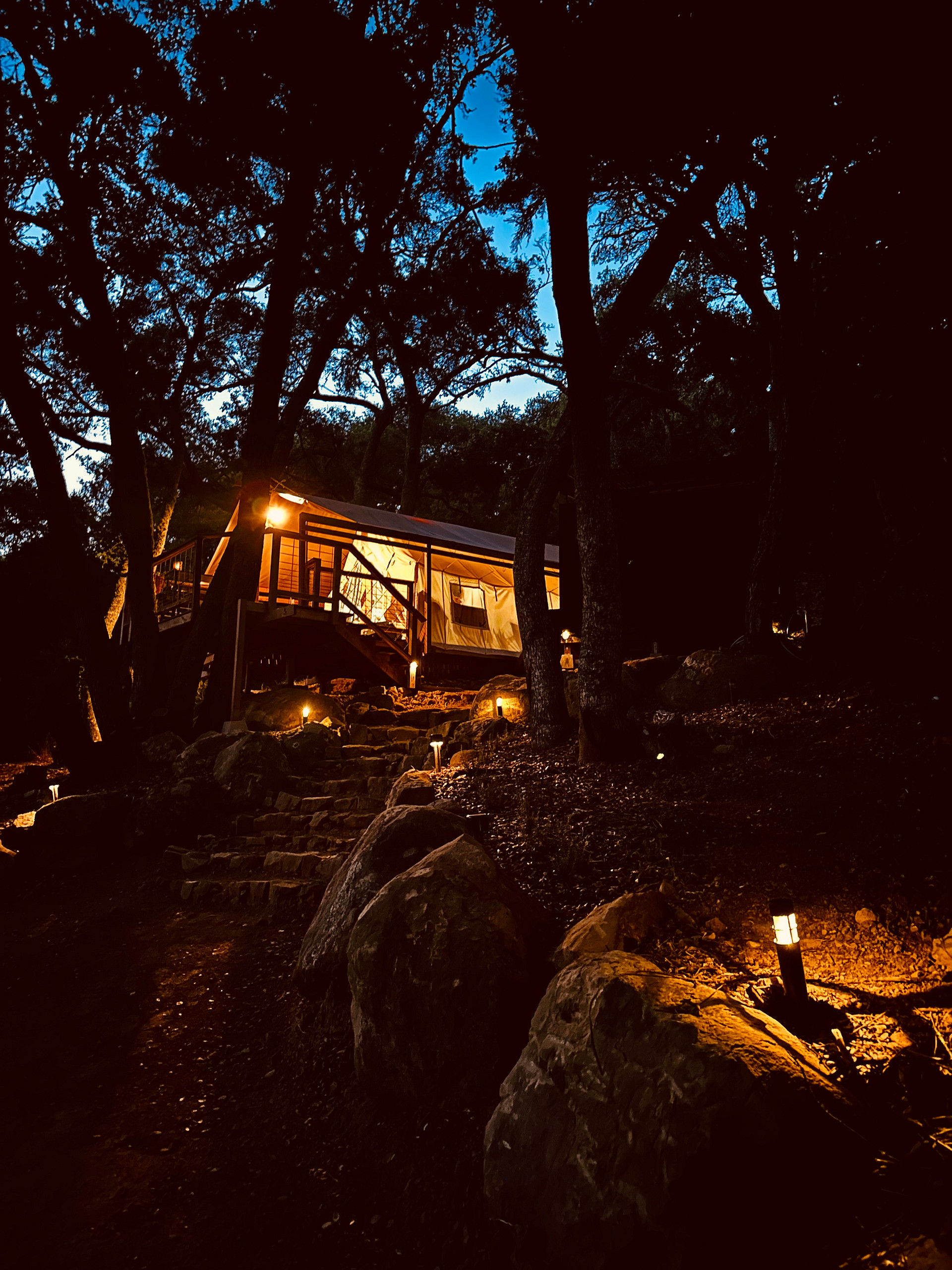
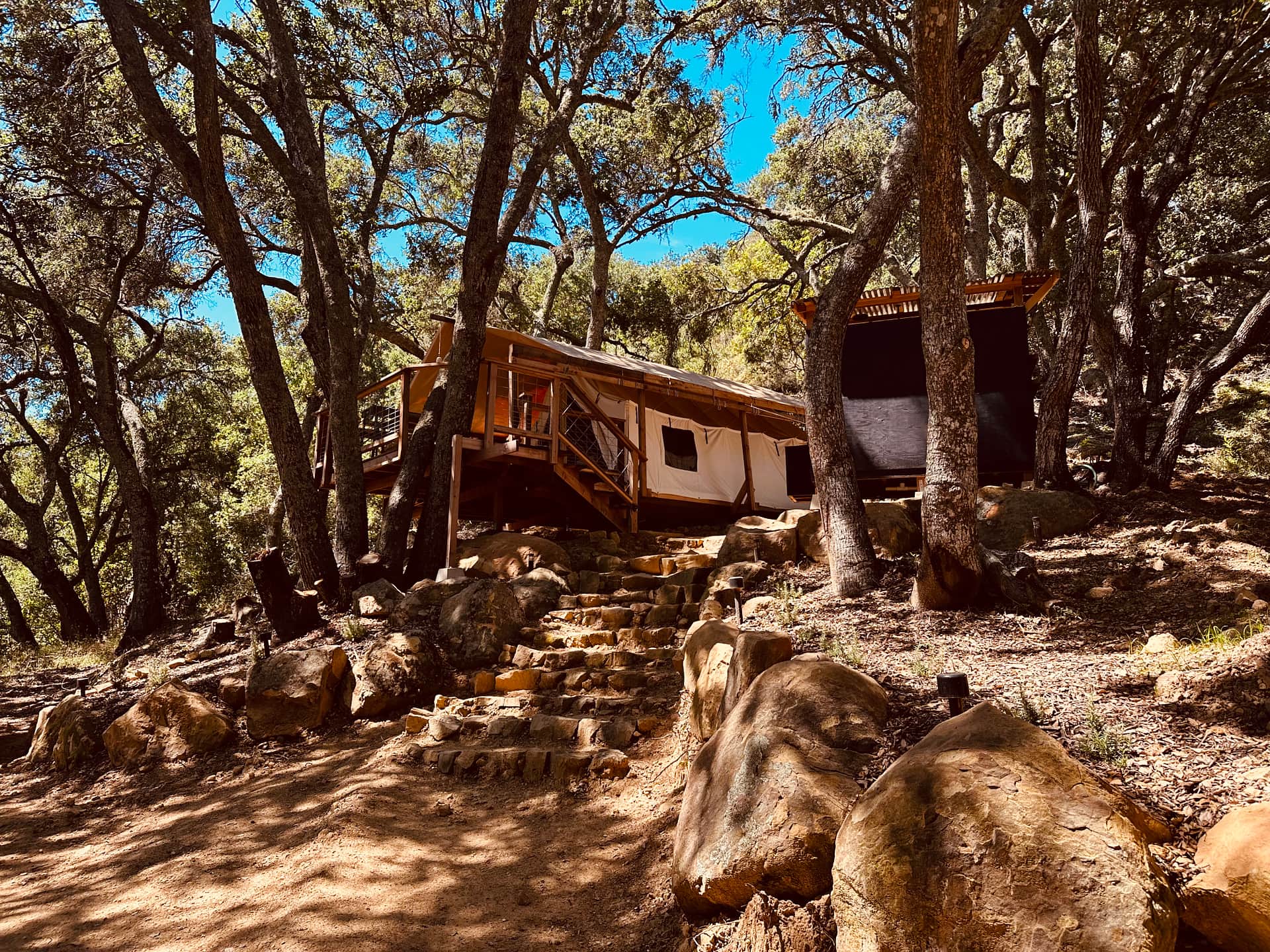
5. Canvas Under the Oaks
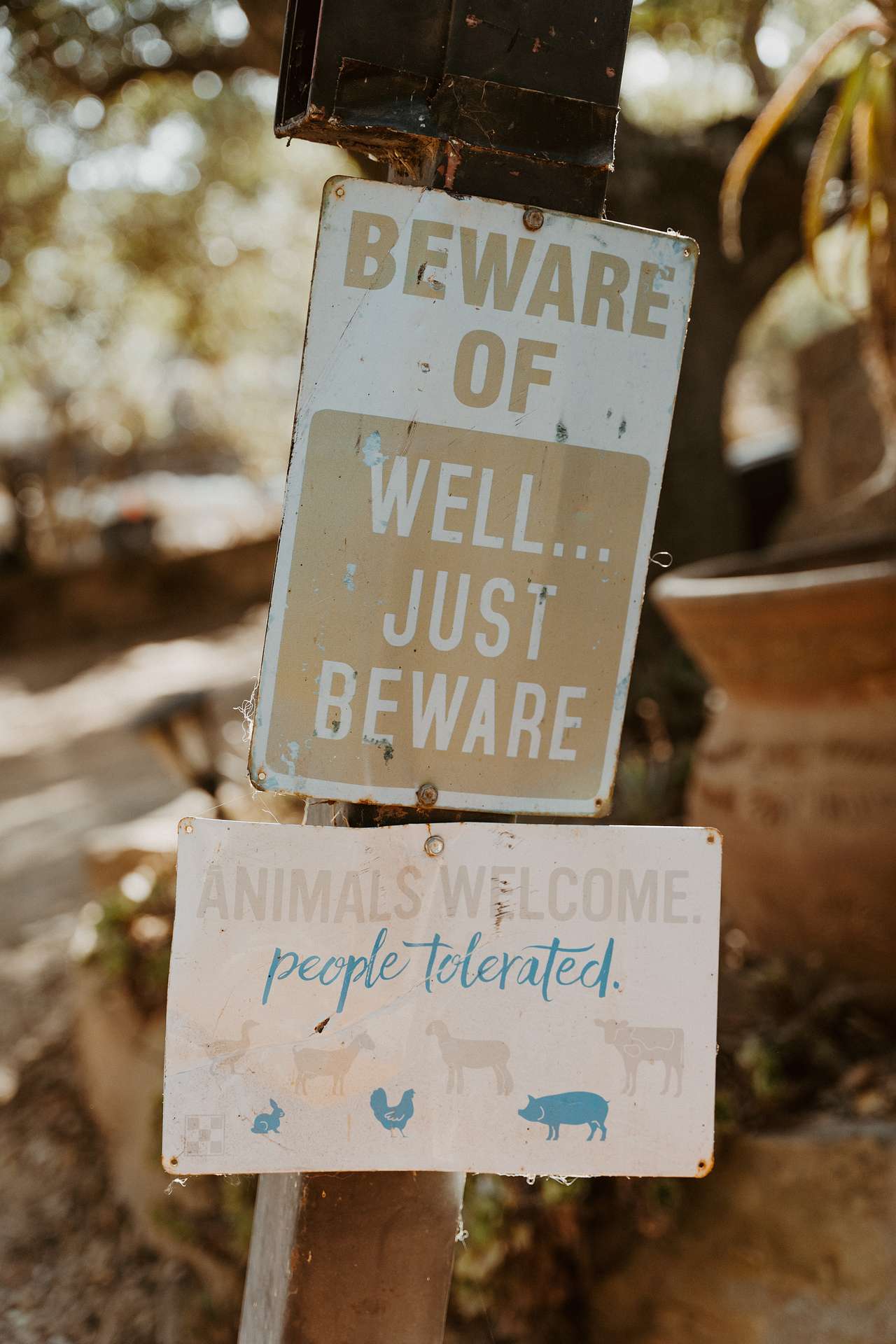
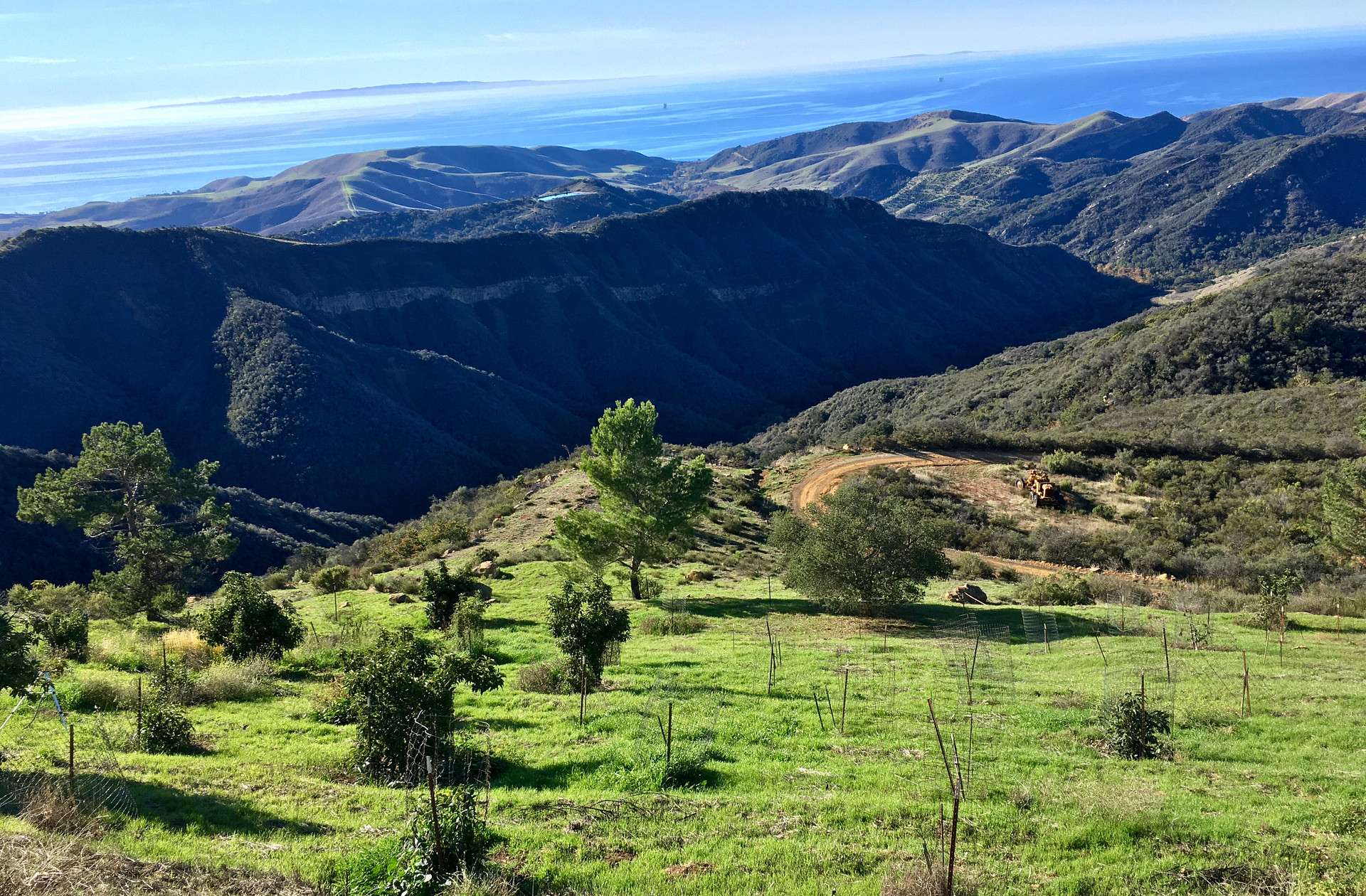
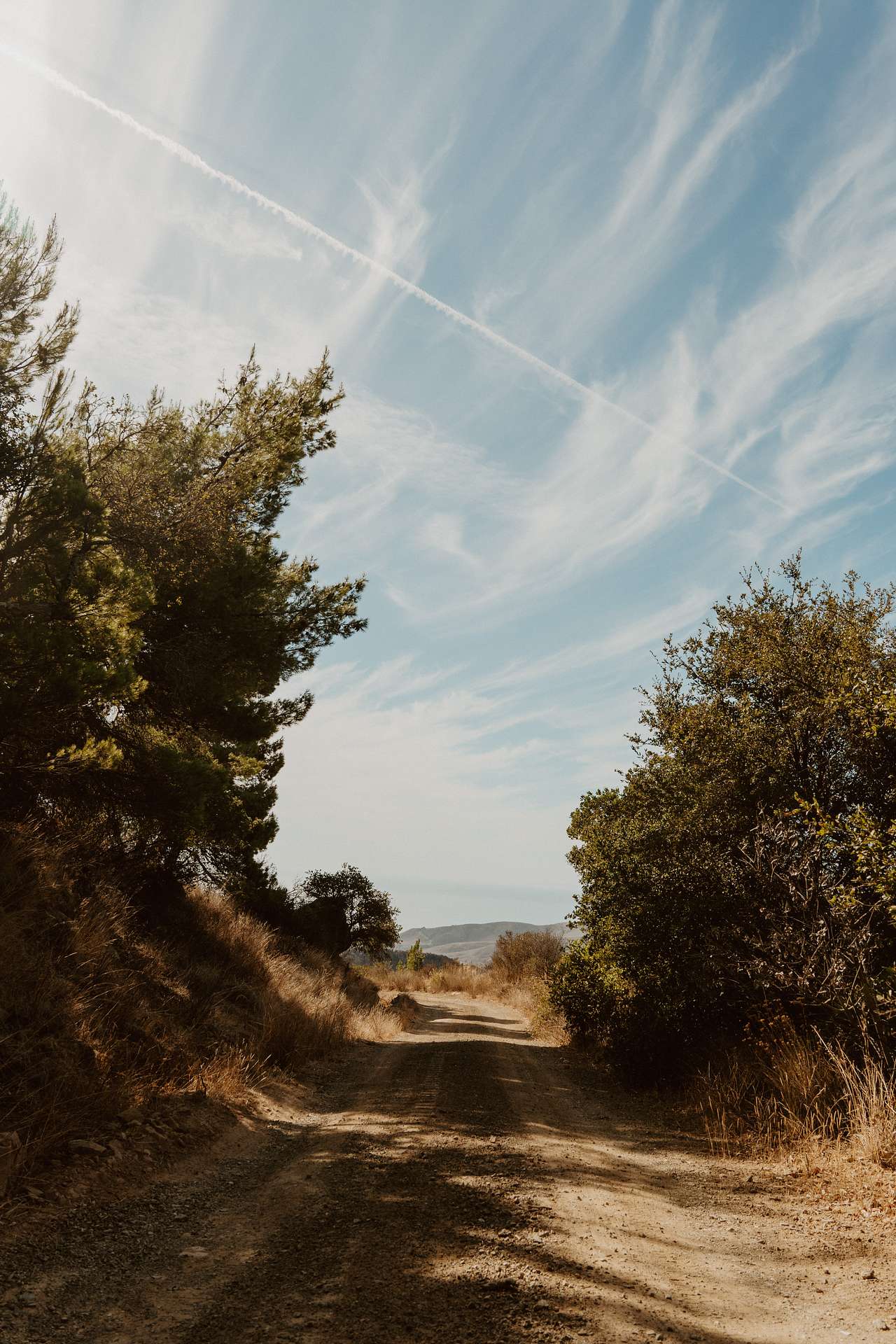
6. Gaia Farm Campground
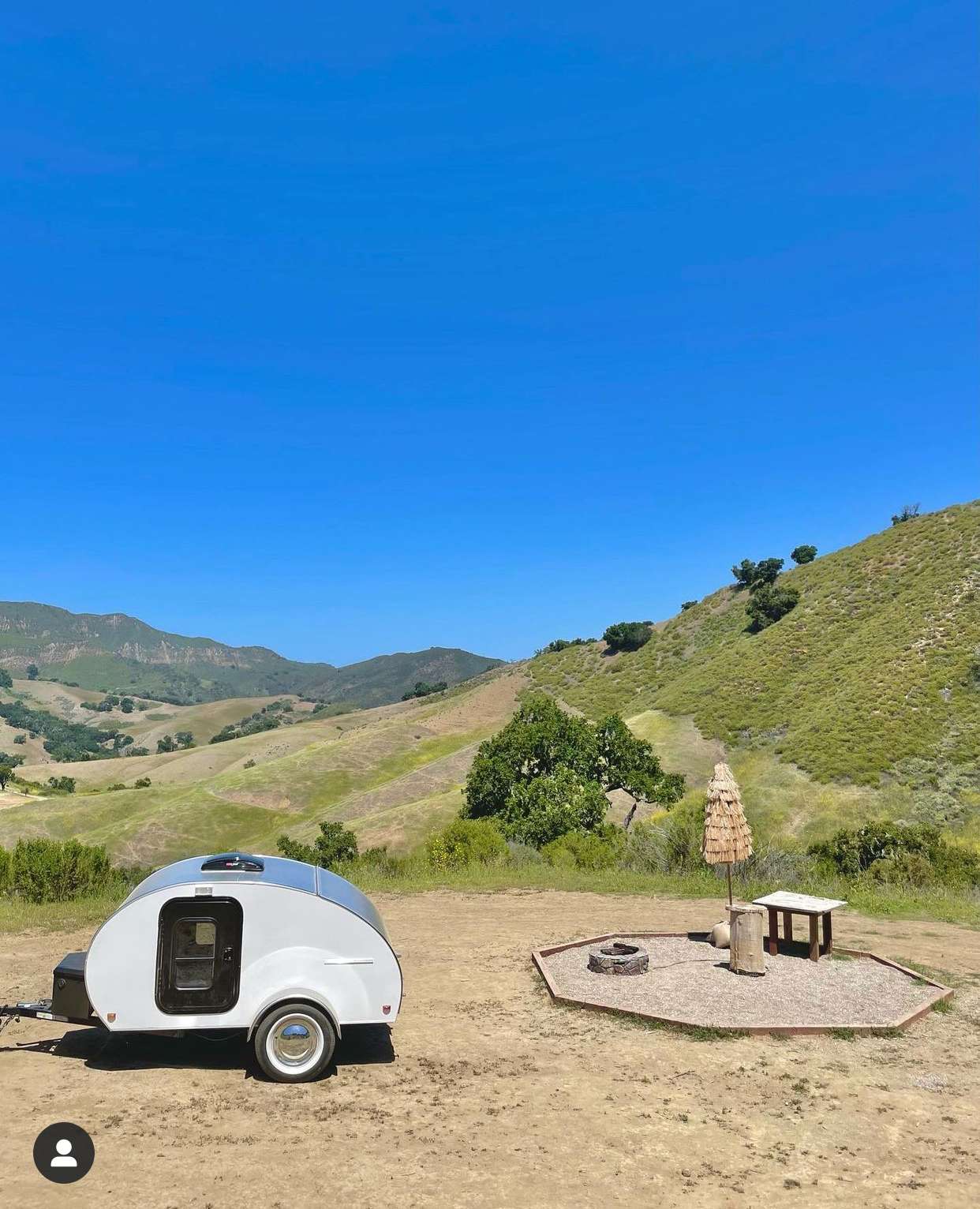
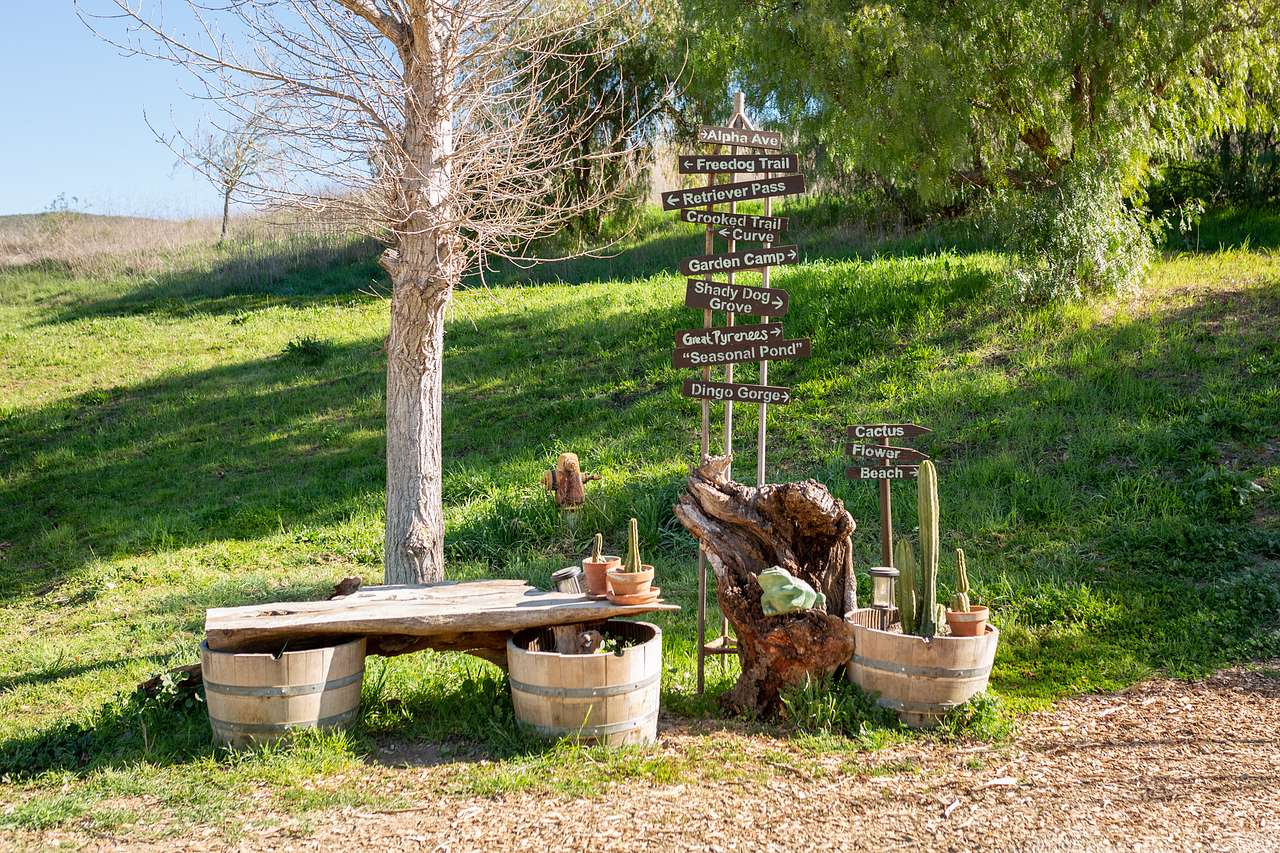
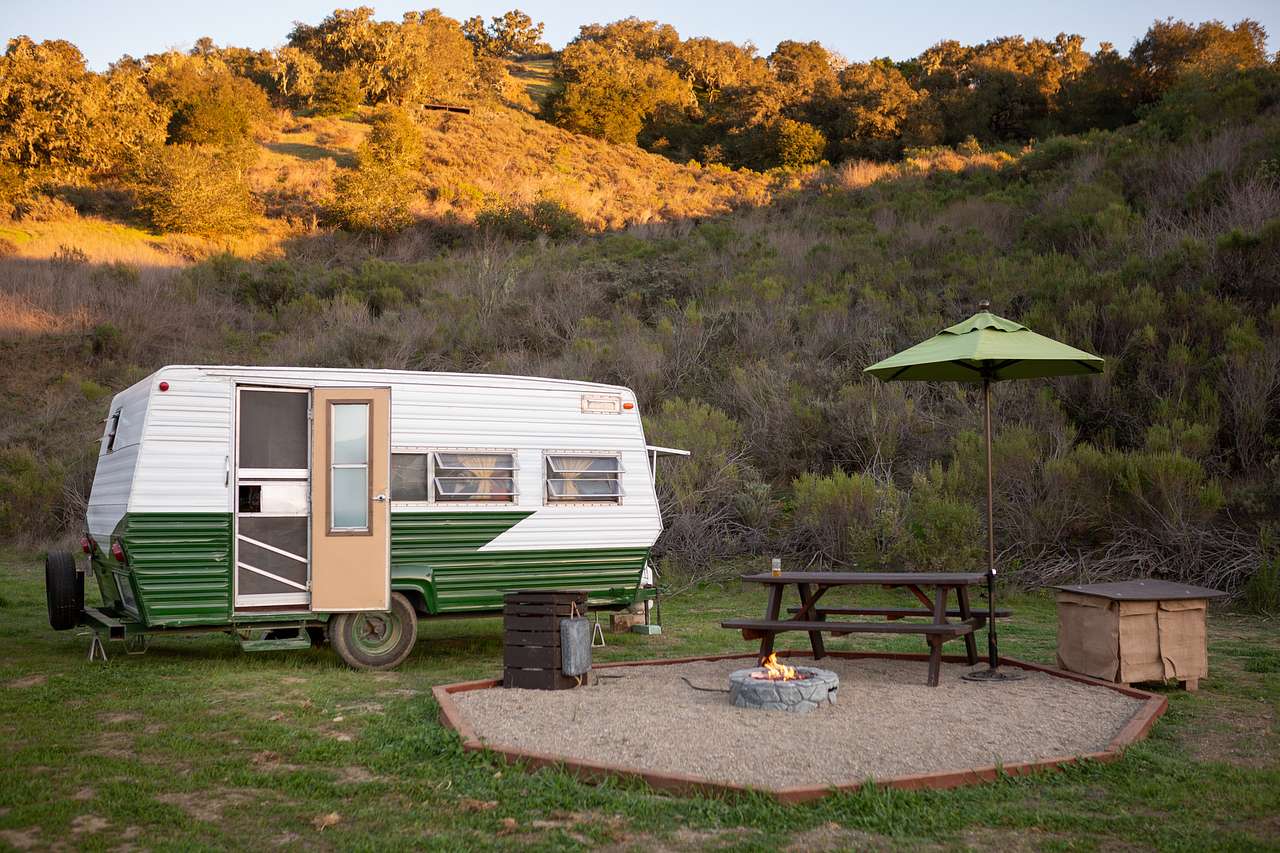
7. Freedog Farms @ Cactus Flower Ranch
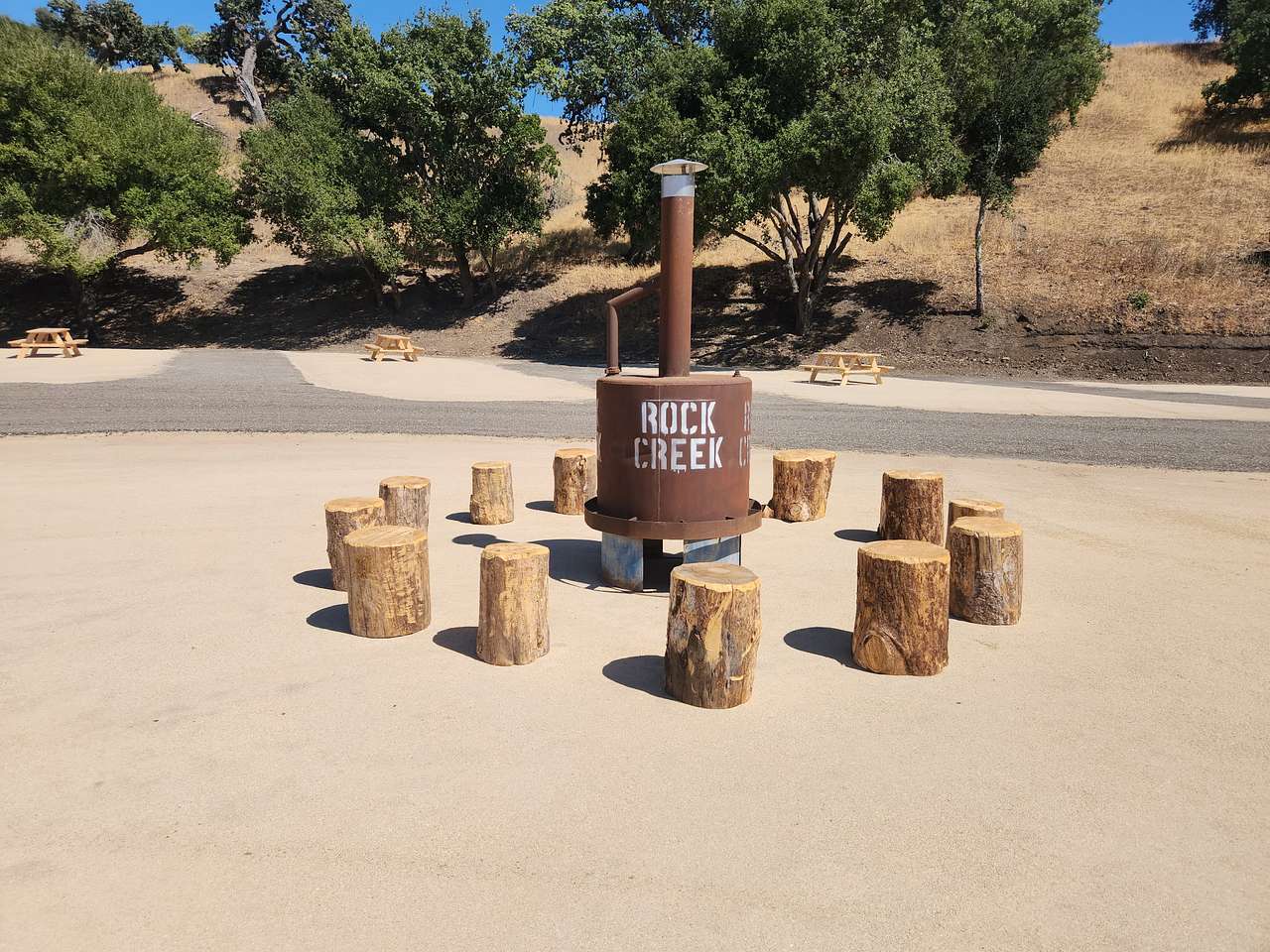
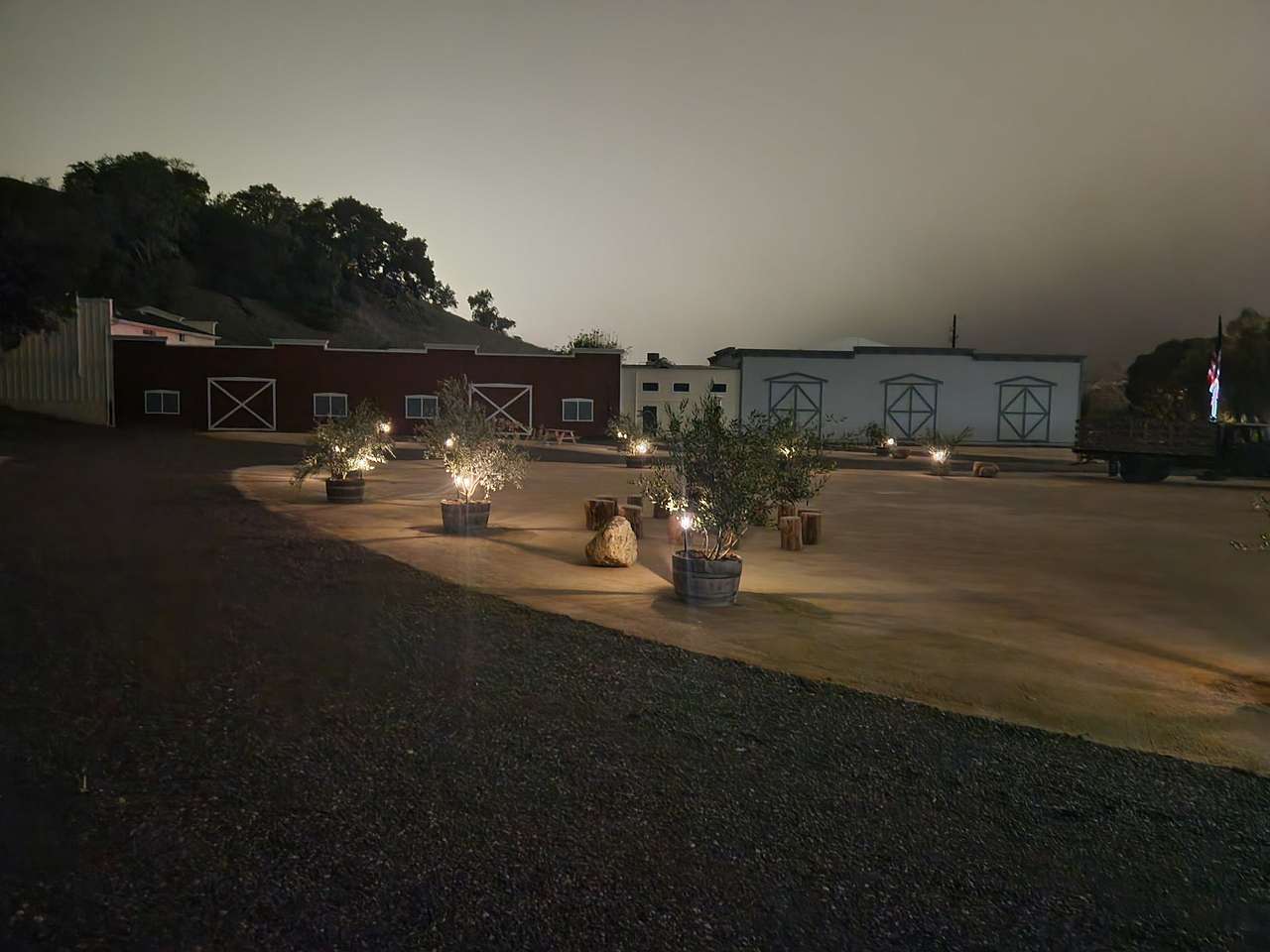
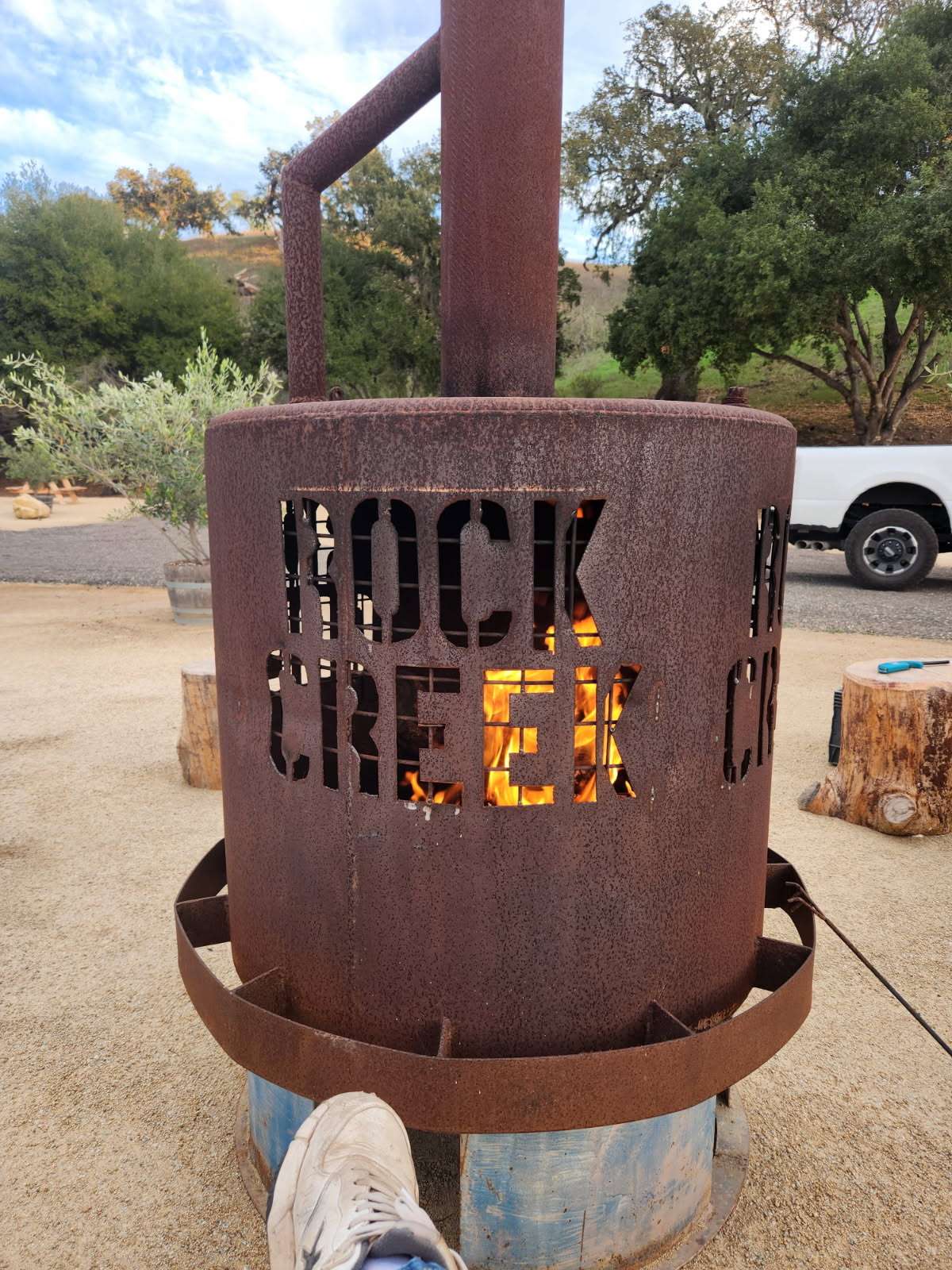
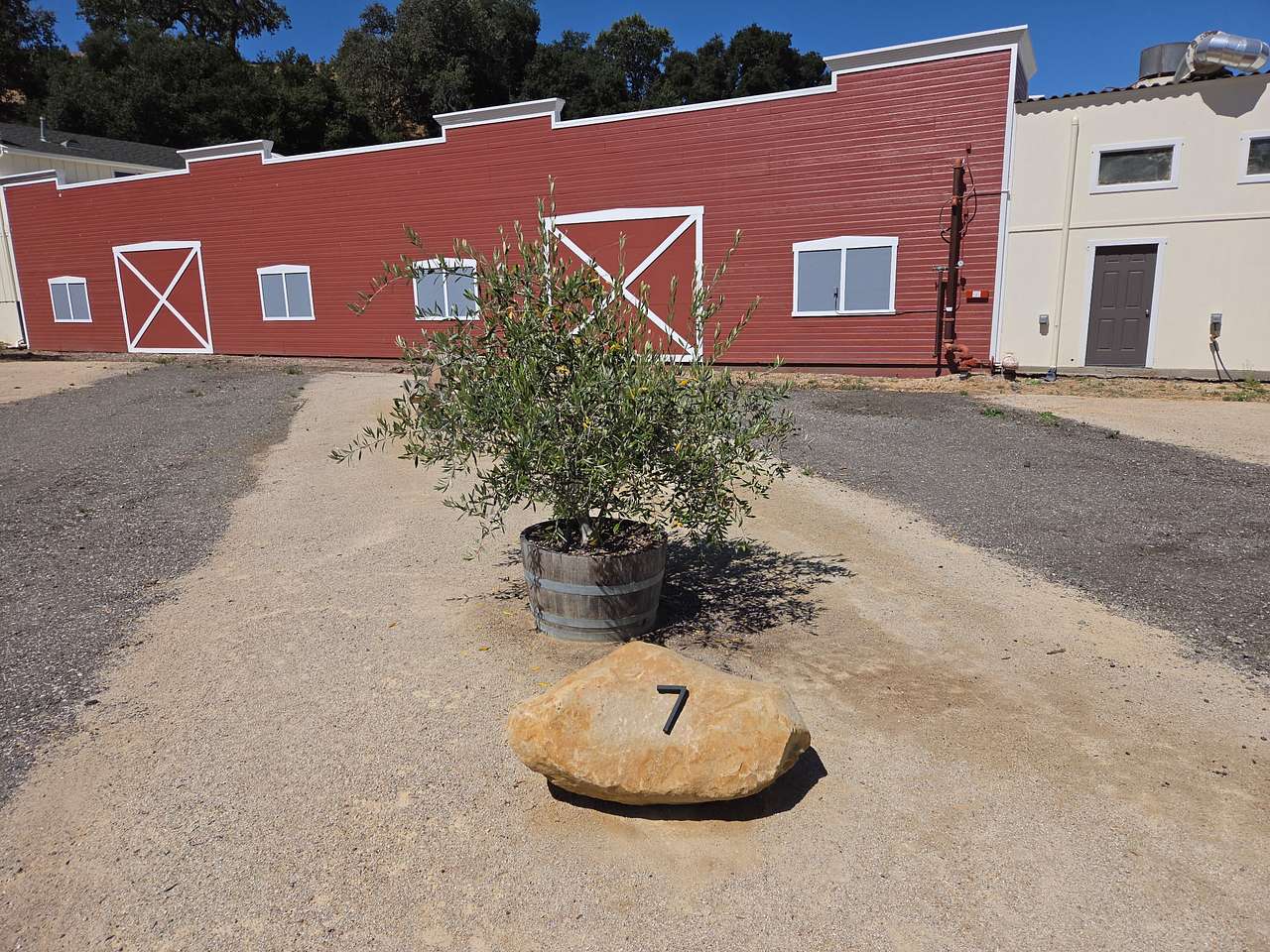
8. Rock Creek - RV Camping

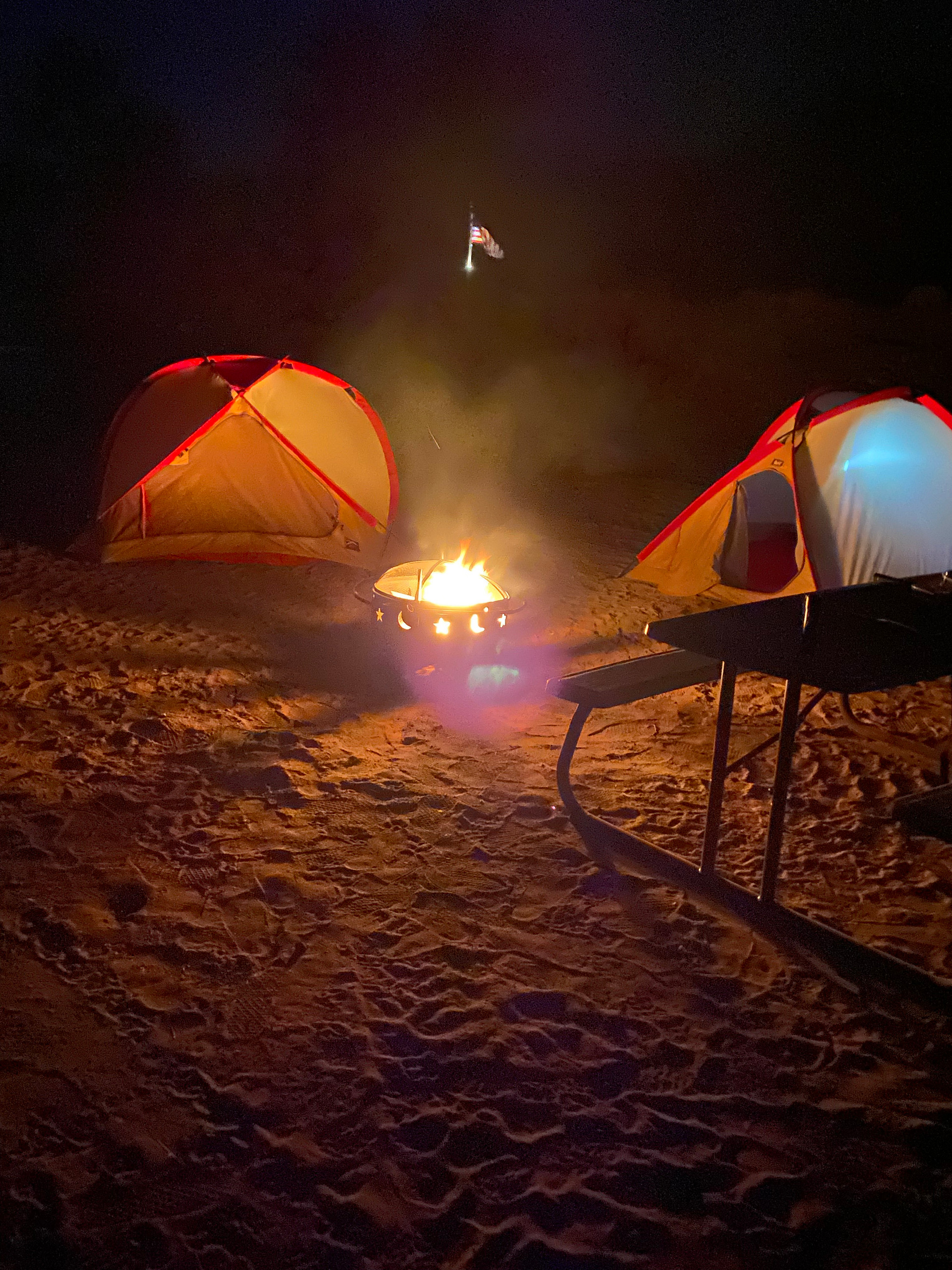

9. Arber-Moore's Ranch
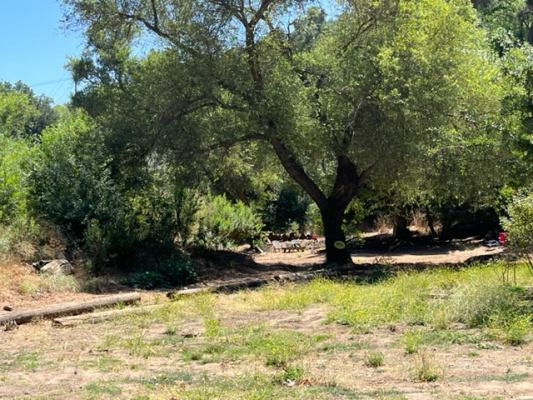
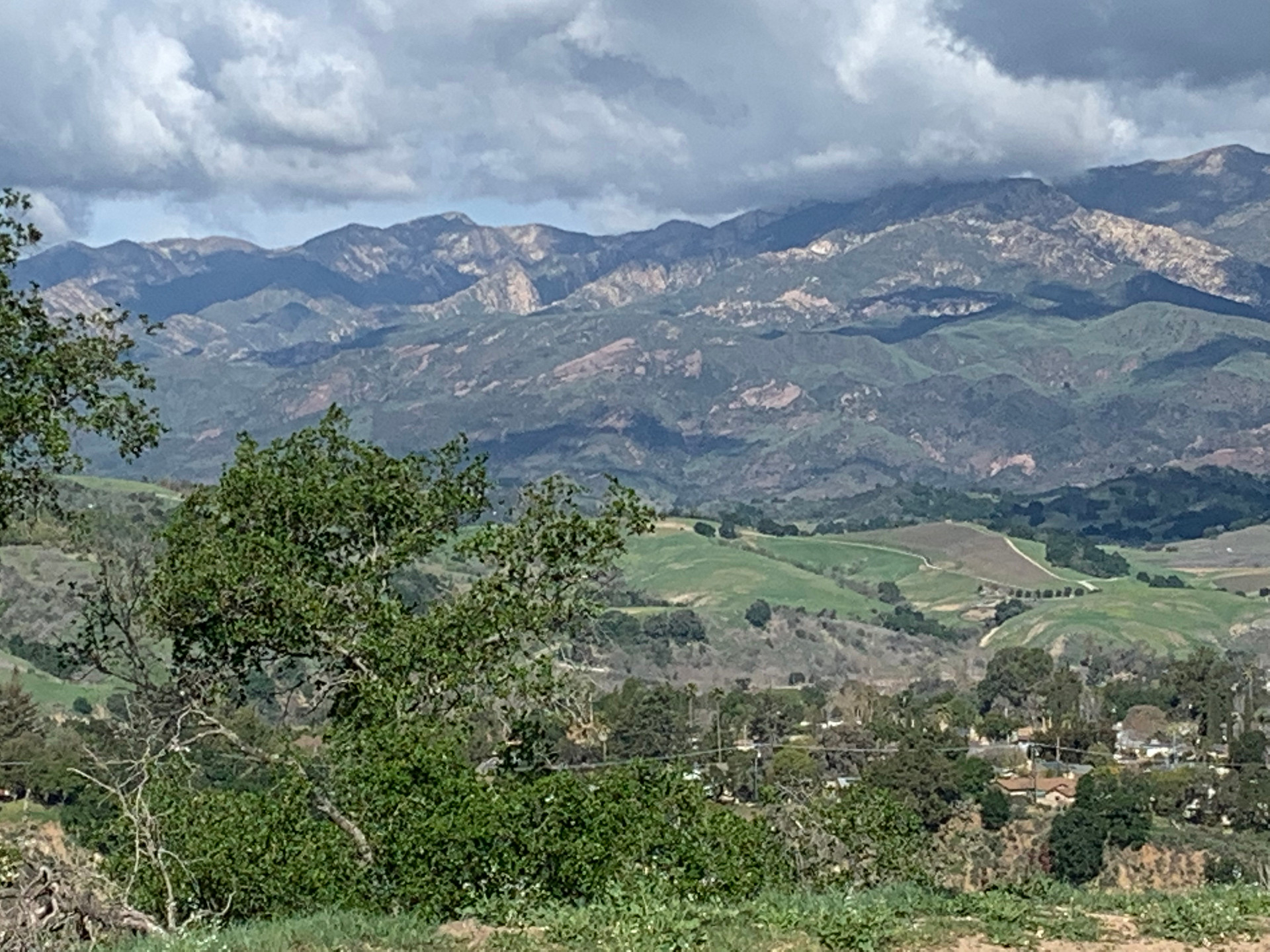
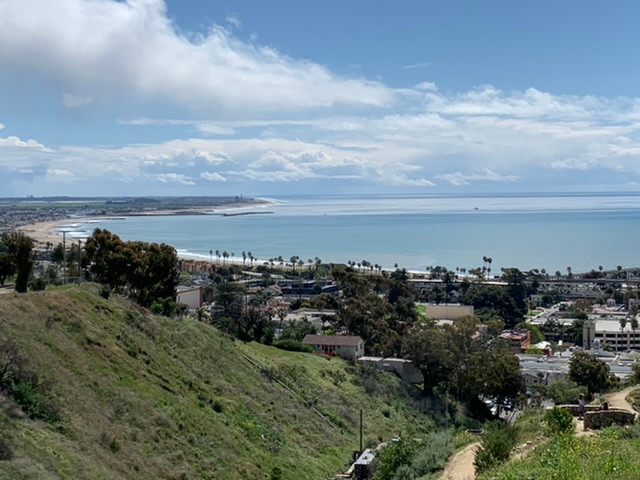
10. Rancho de Granville
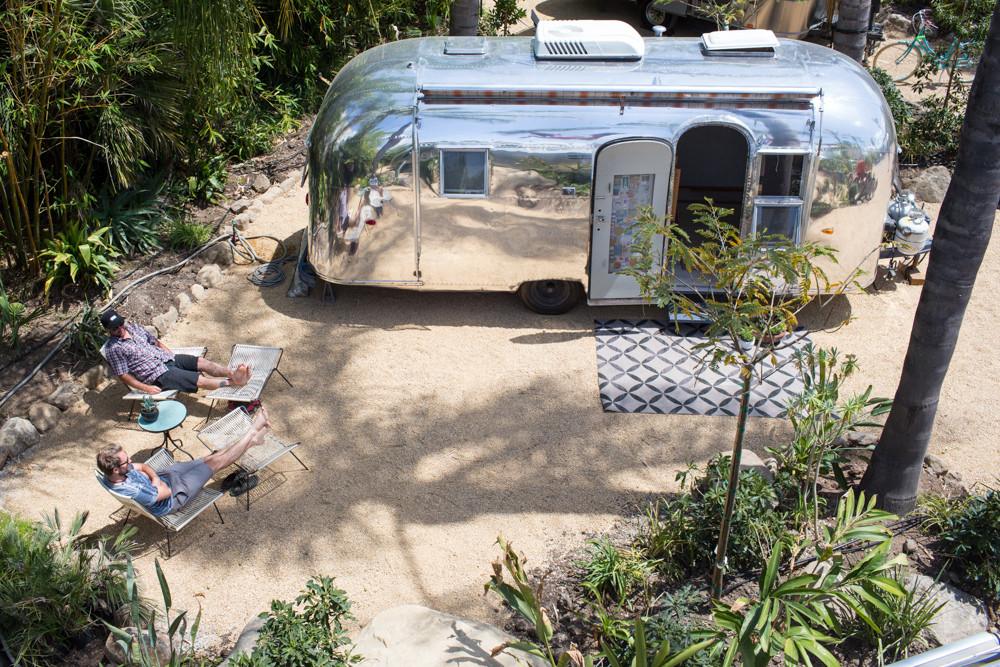
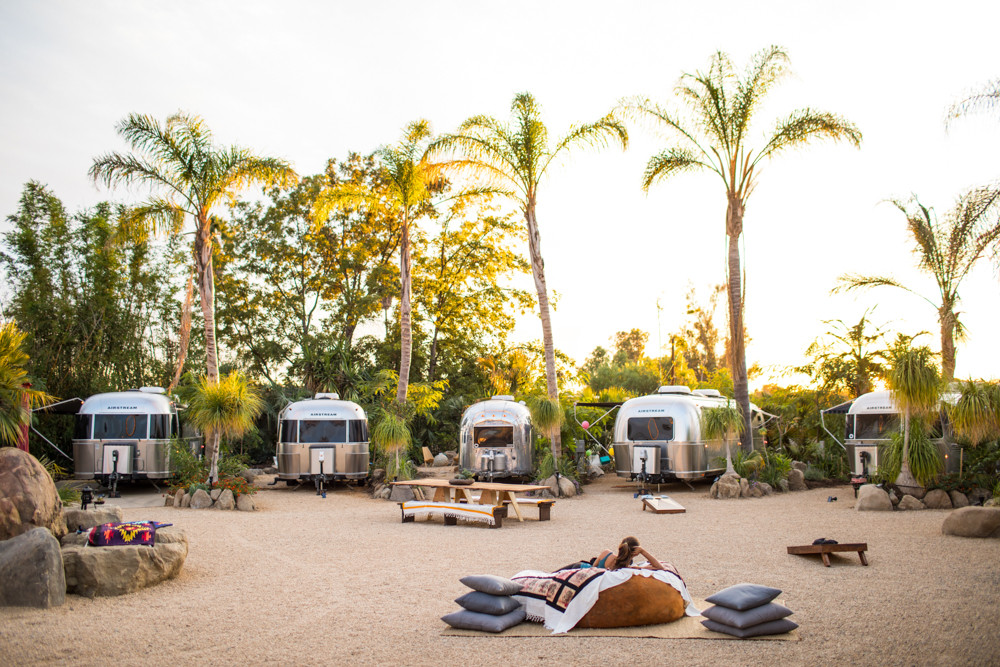
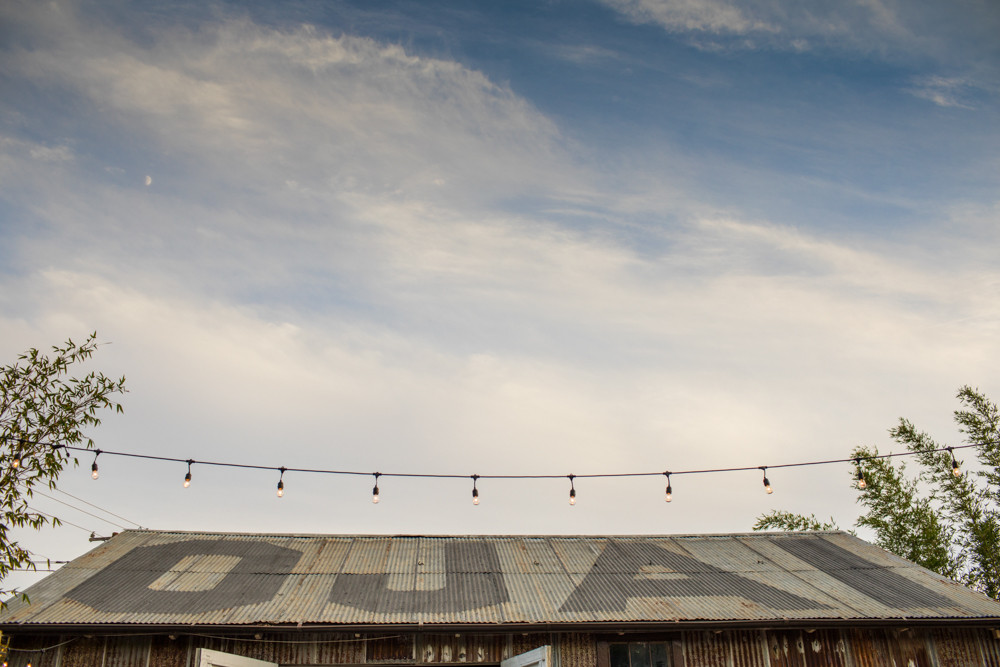
11. Caravan Outpost - Ojai Oasis!
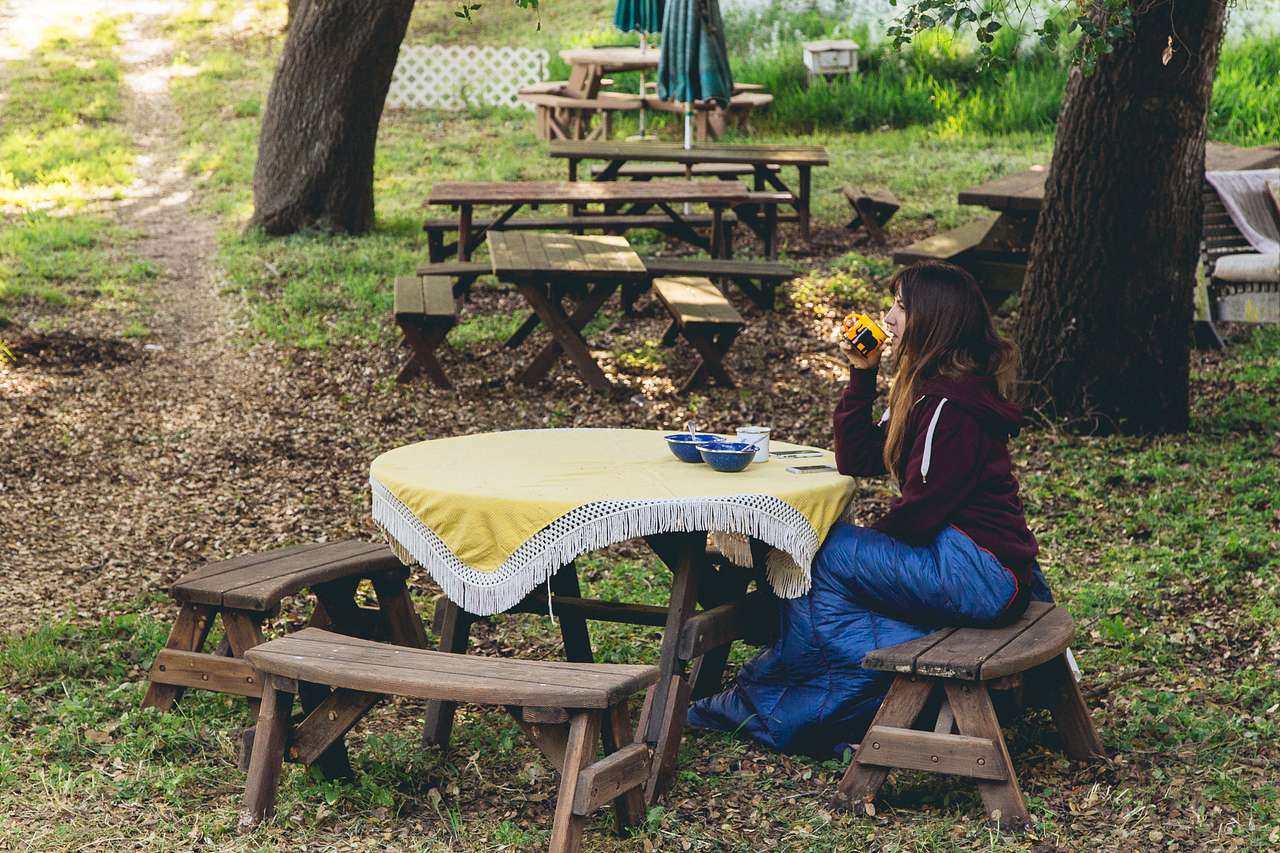
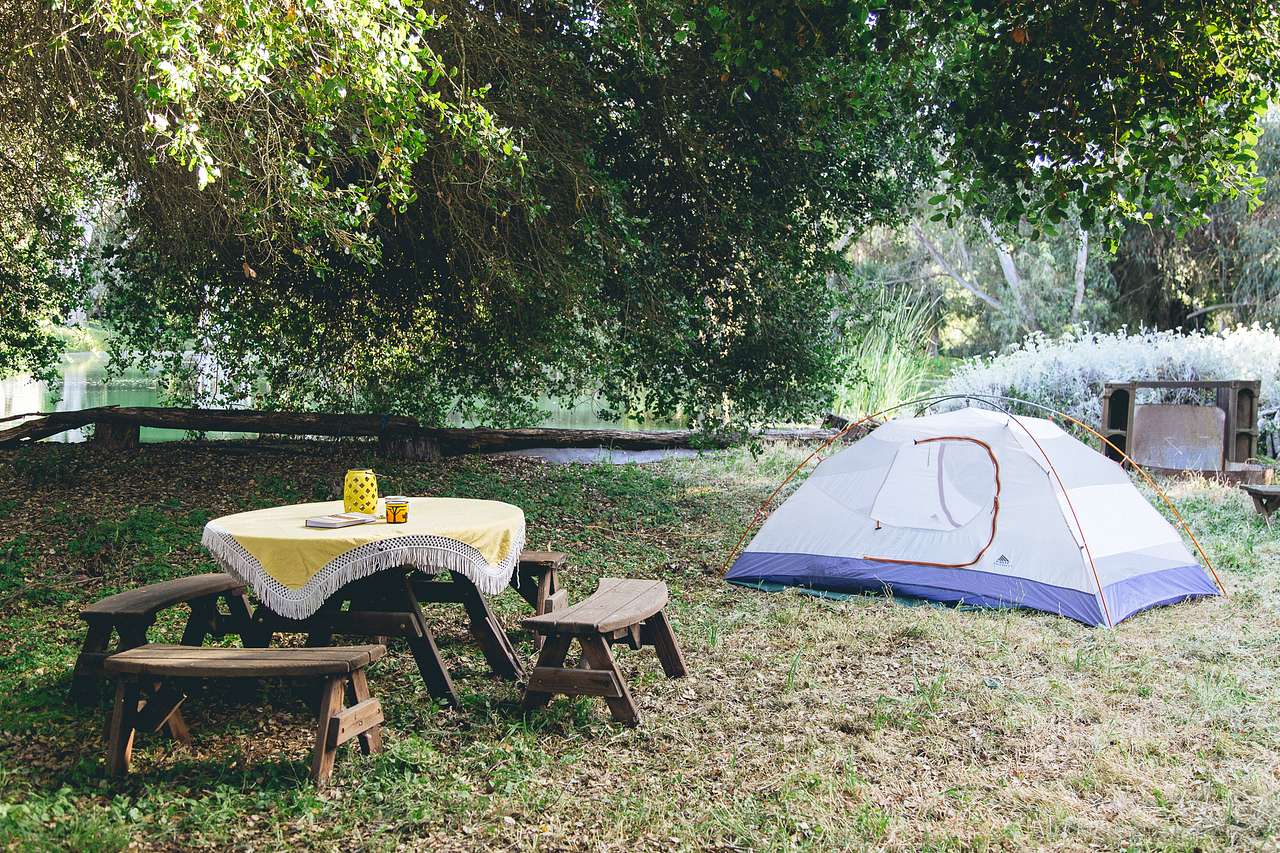
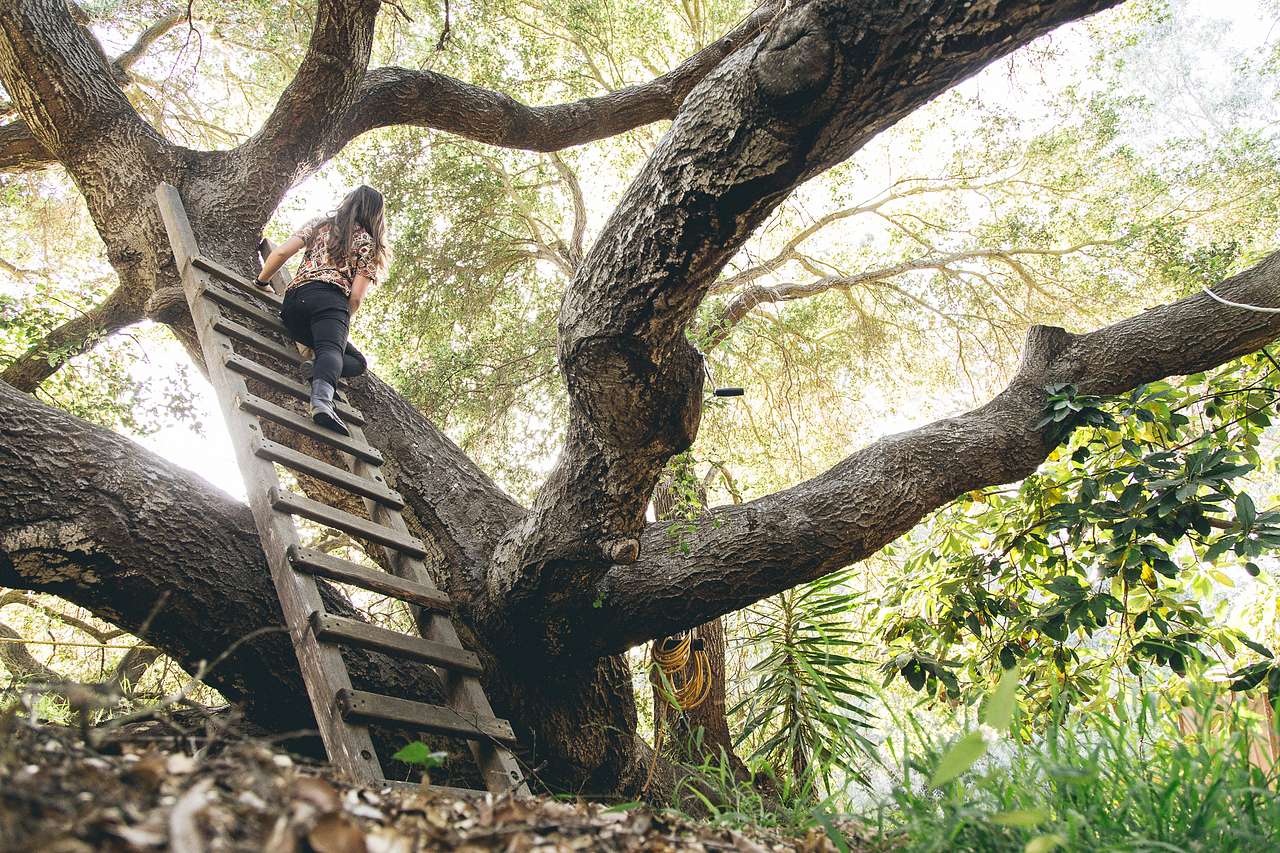
12. Gracewood Santa Barbara
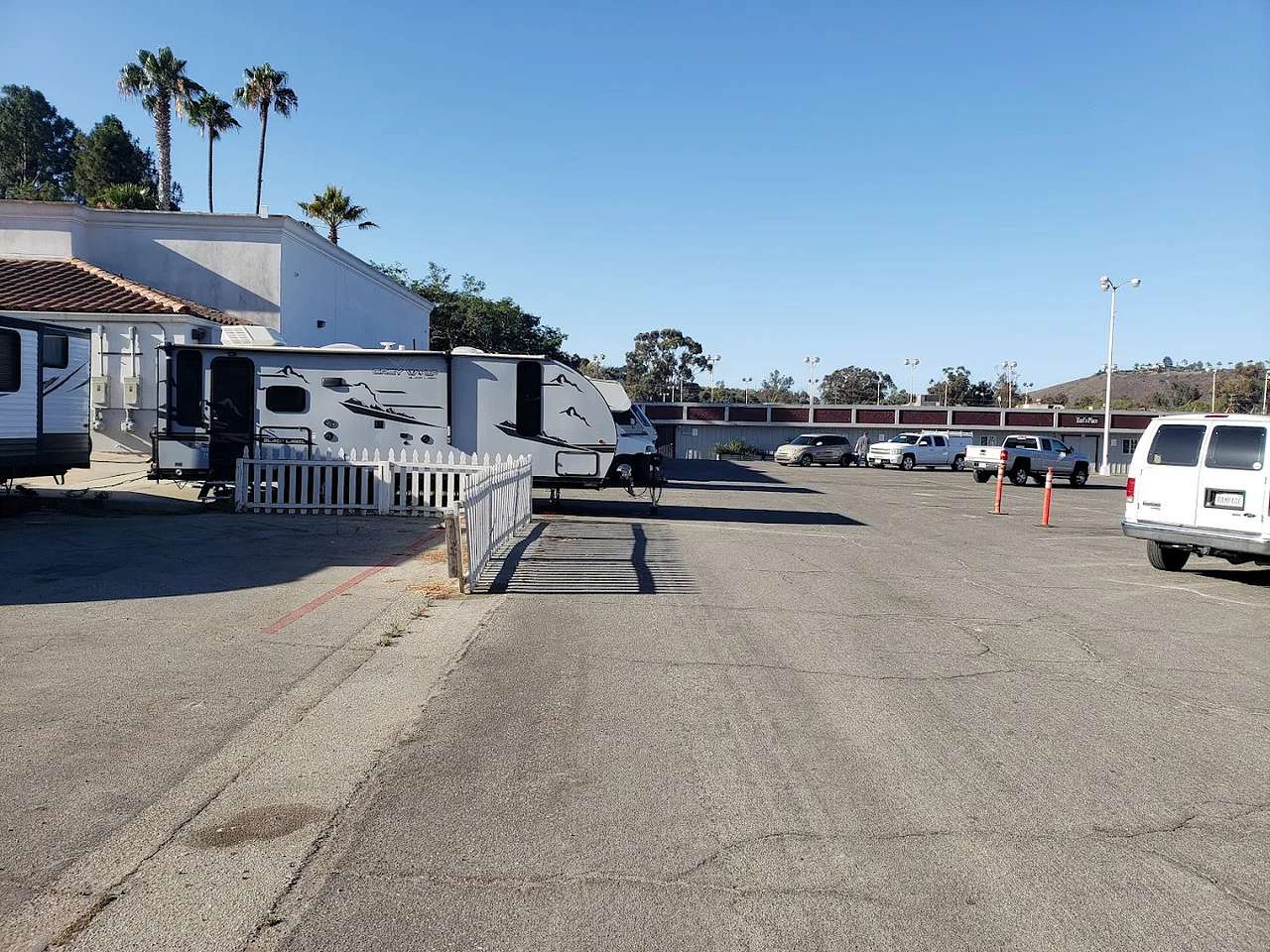

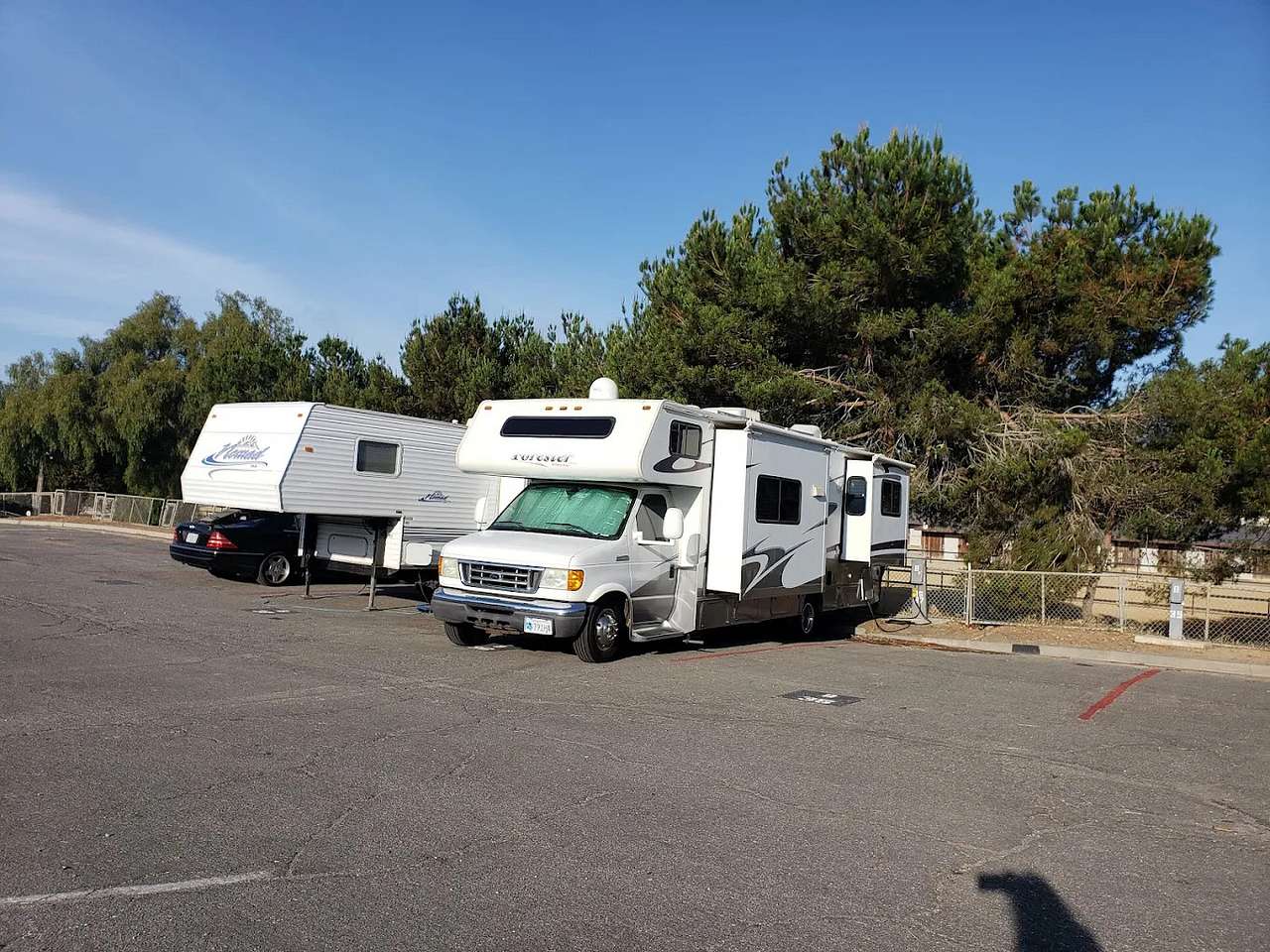
13. Earl Warren Showgrounds


14. The Tack Room at El Capitan Ranch
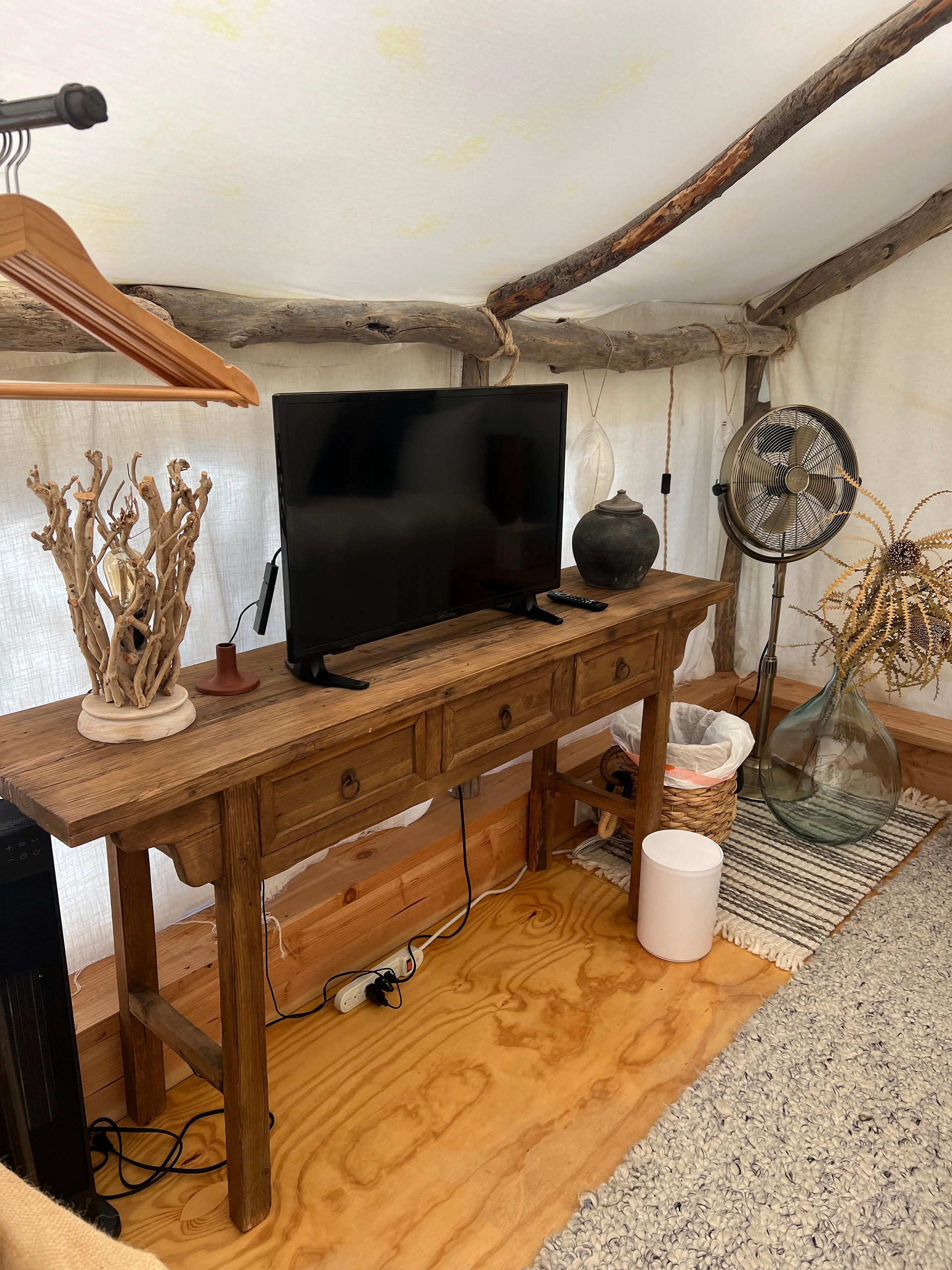
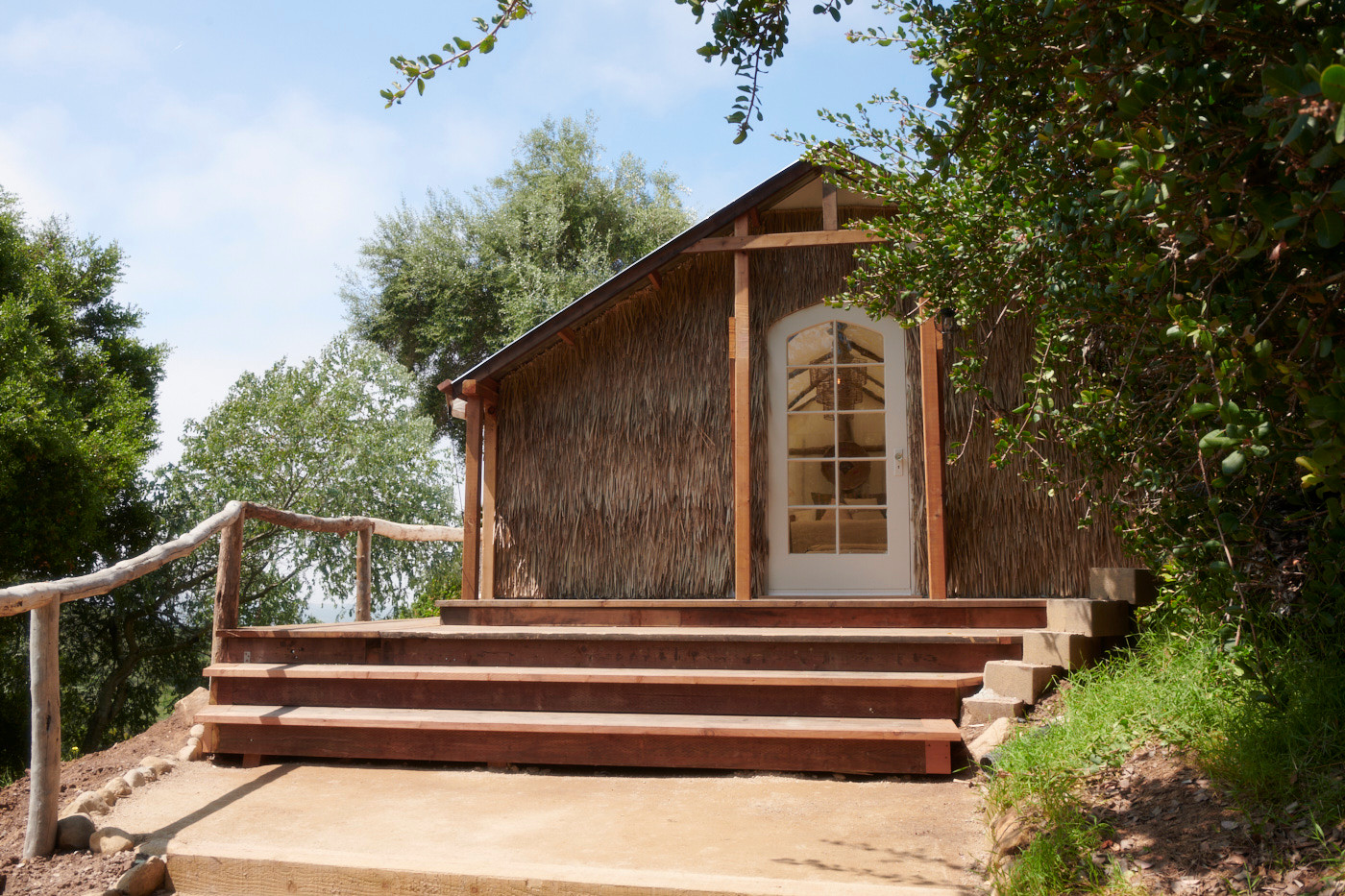
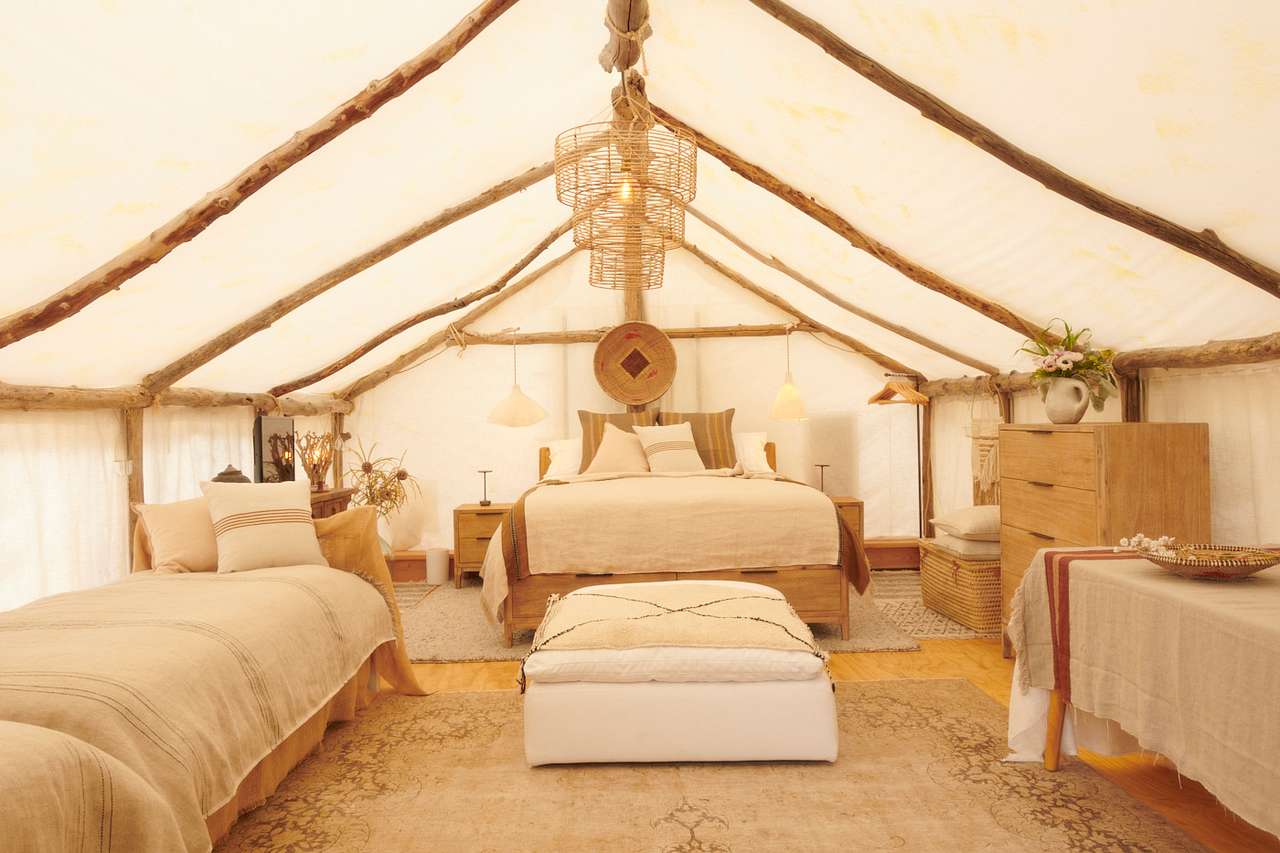
15. Casita Eco-Glamping
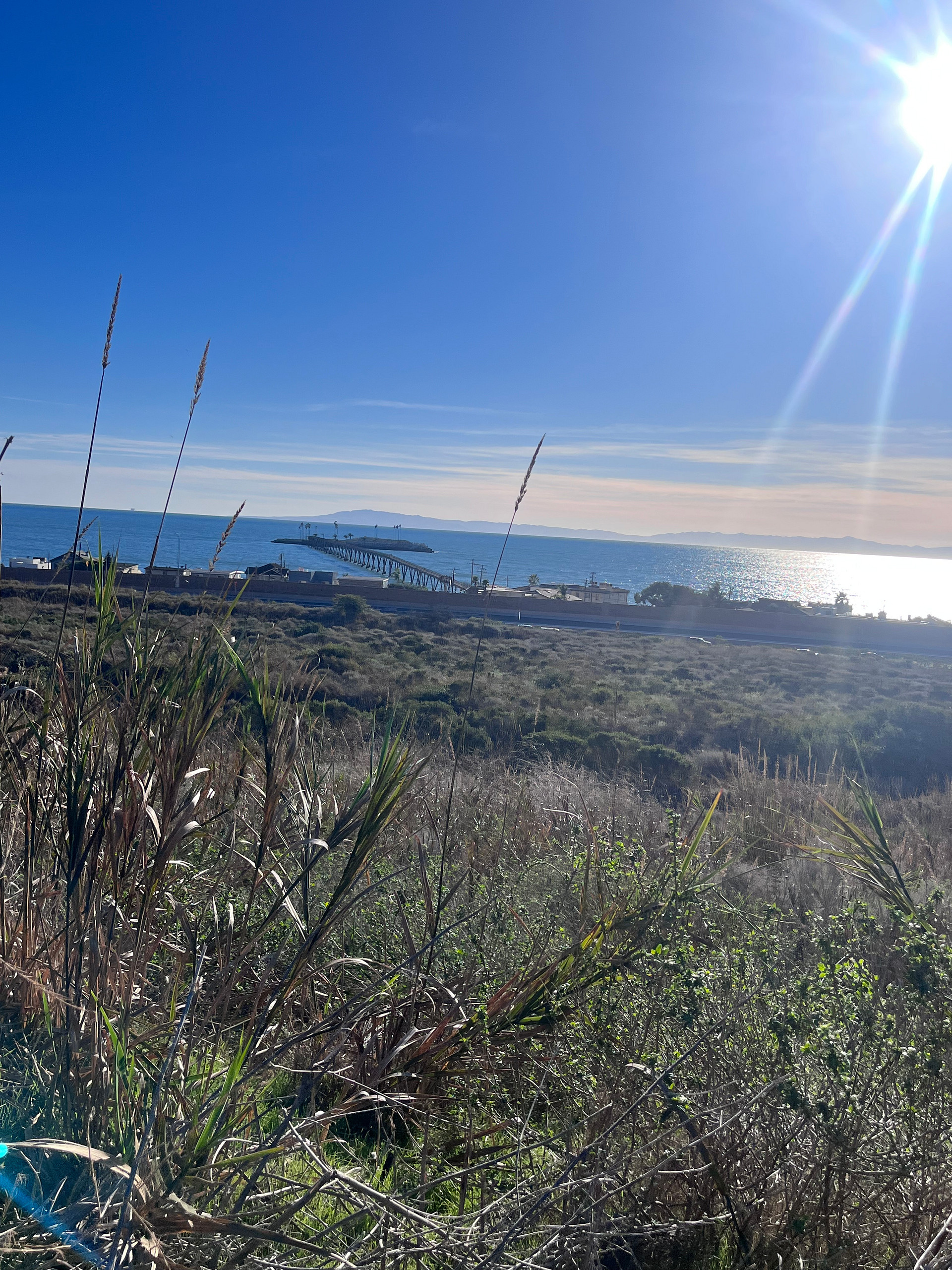
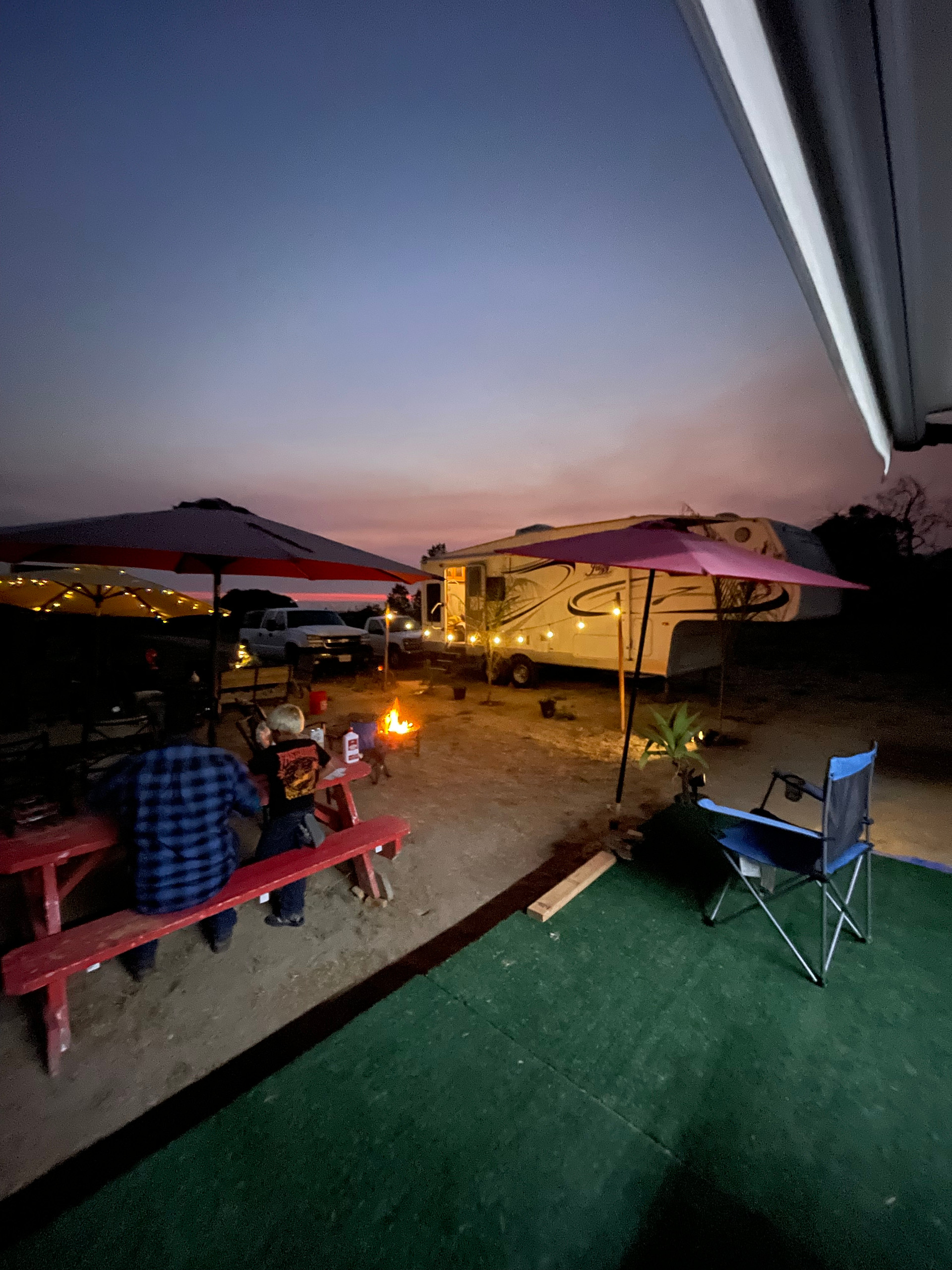
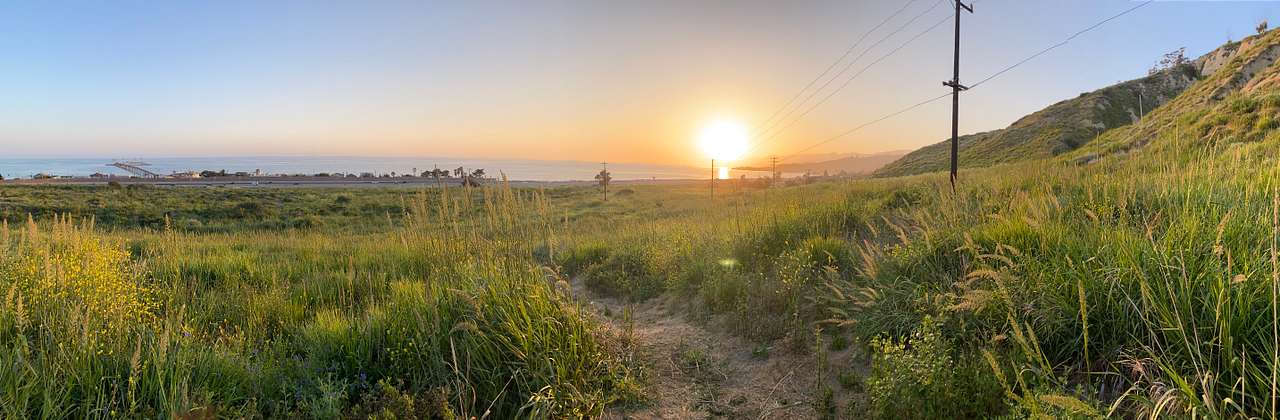
16. Seaside Acres
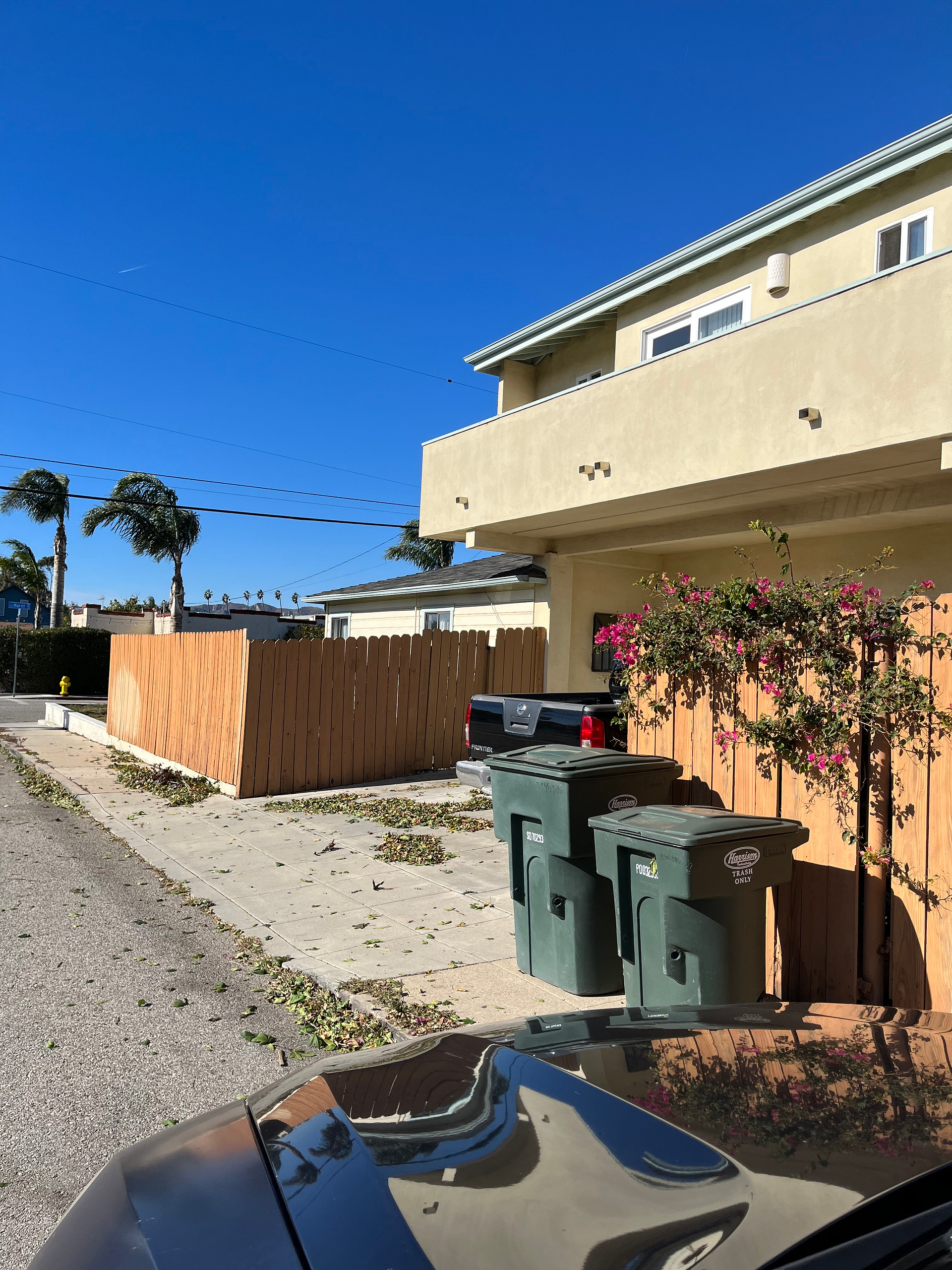
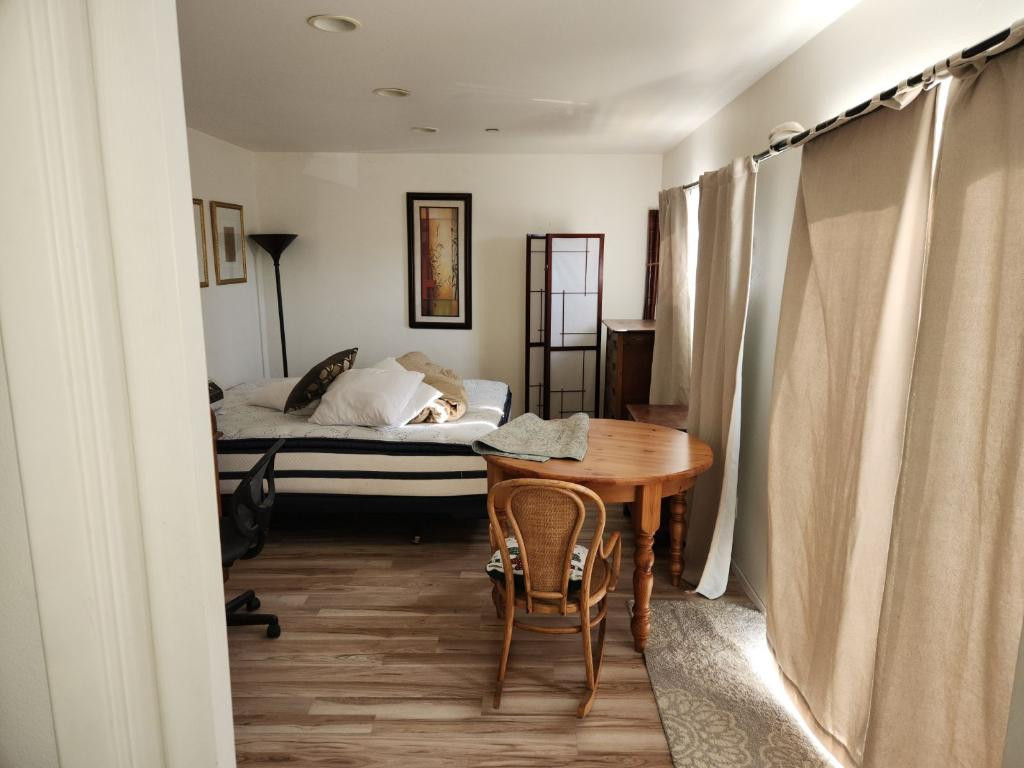
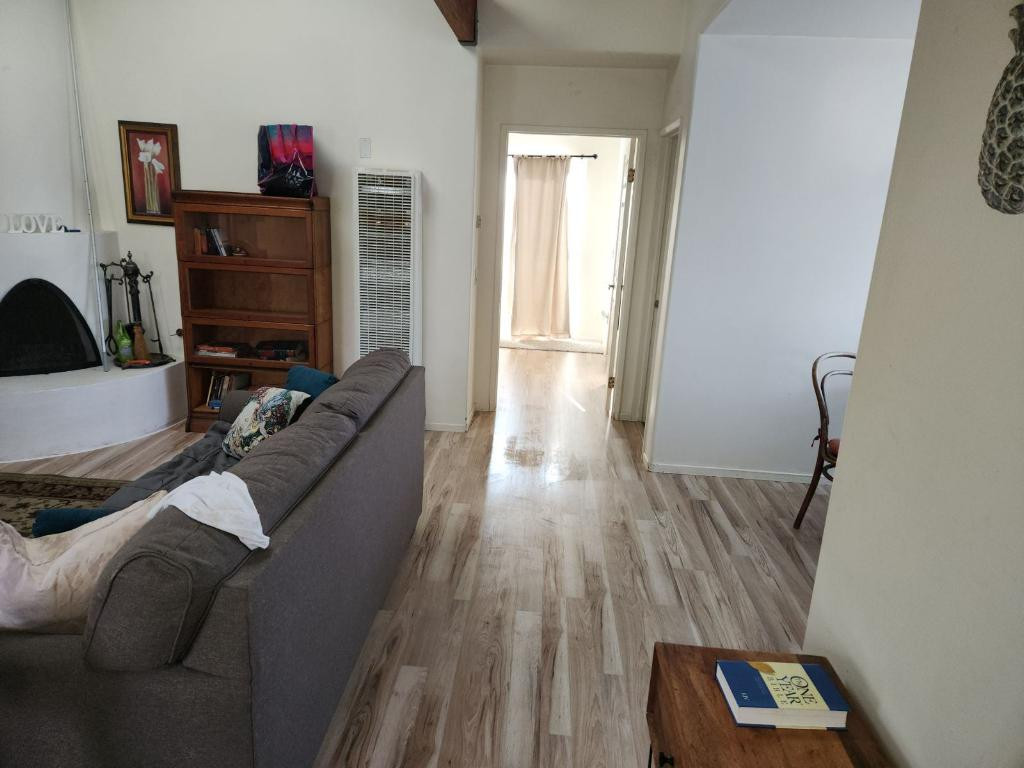
17. Ocean Breeze
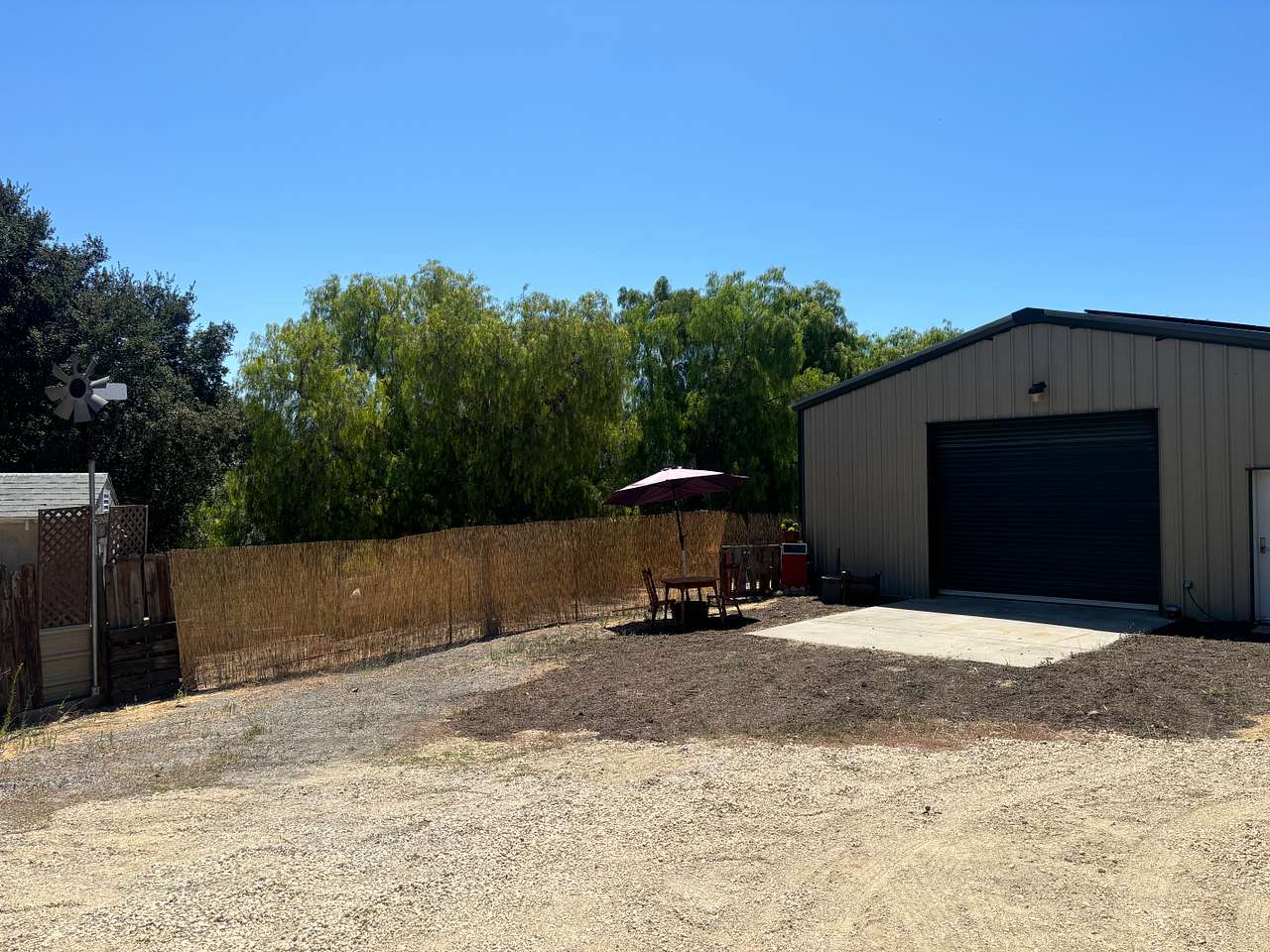
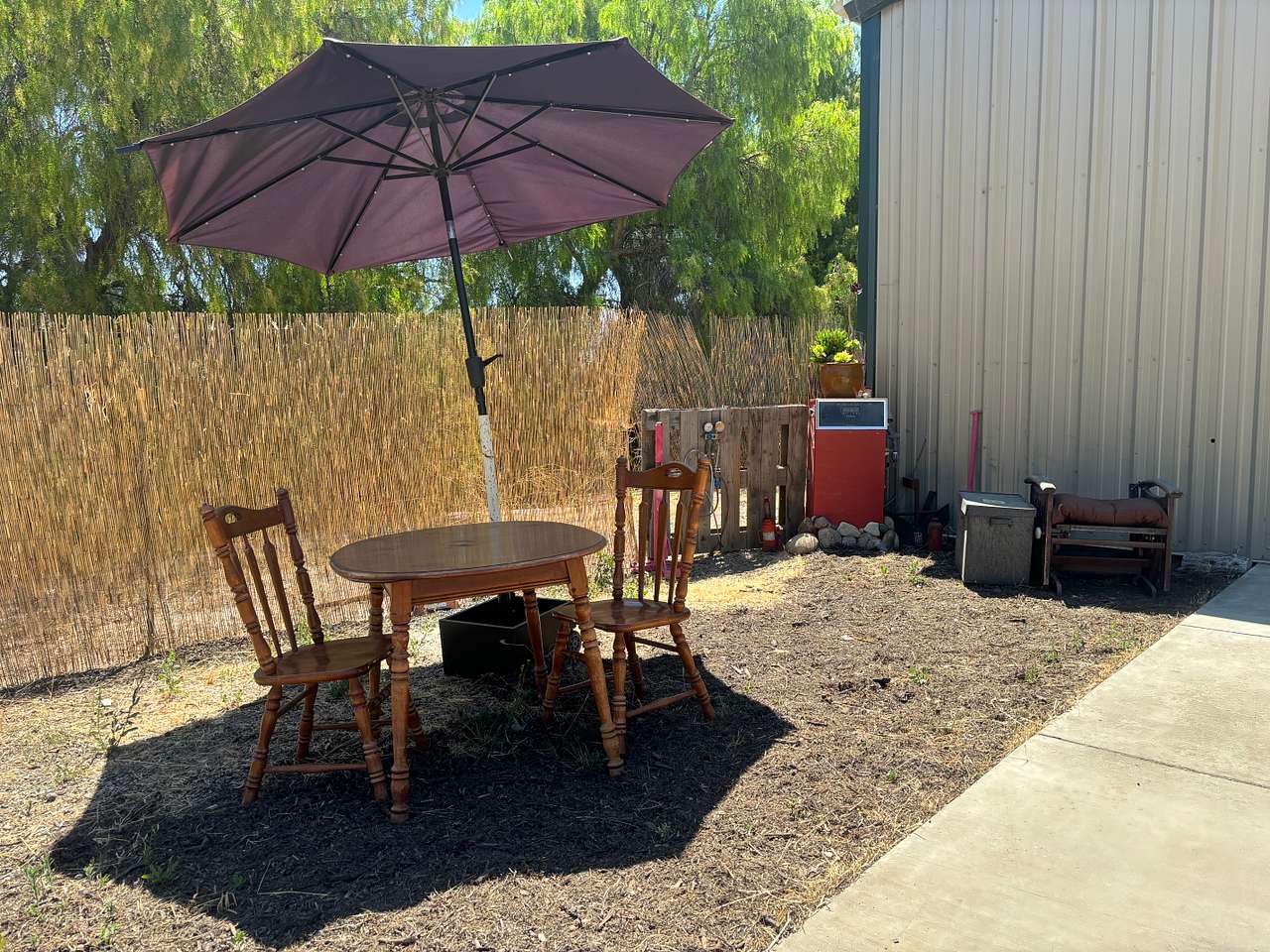
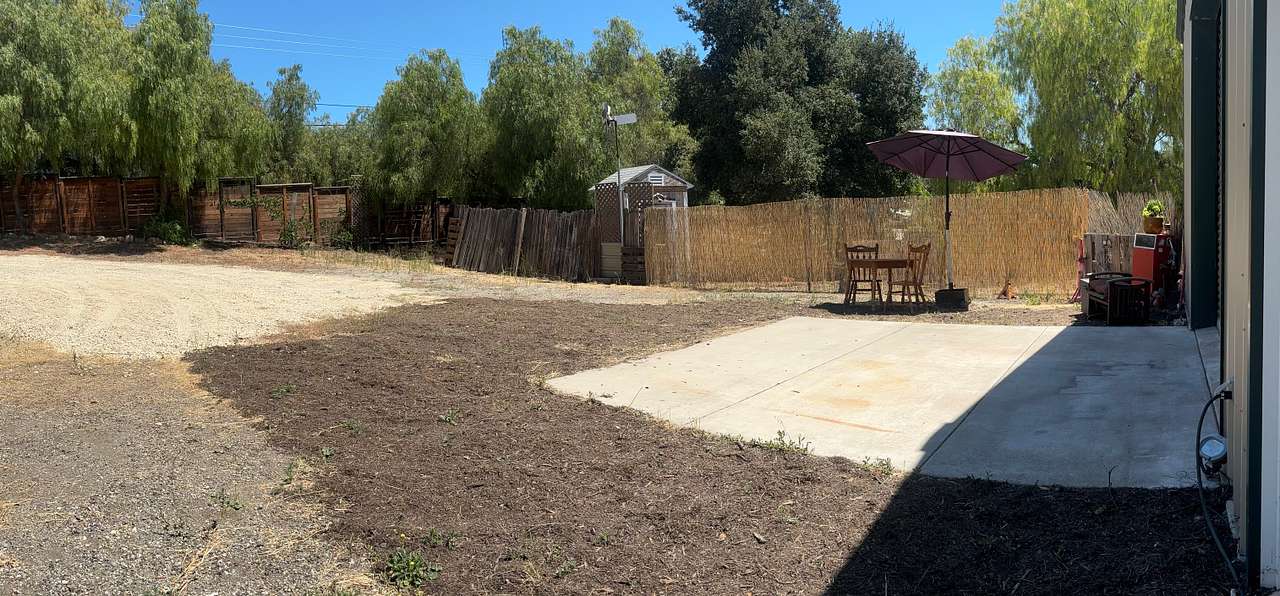
18. Highway Country Nook
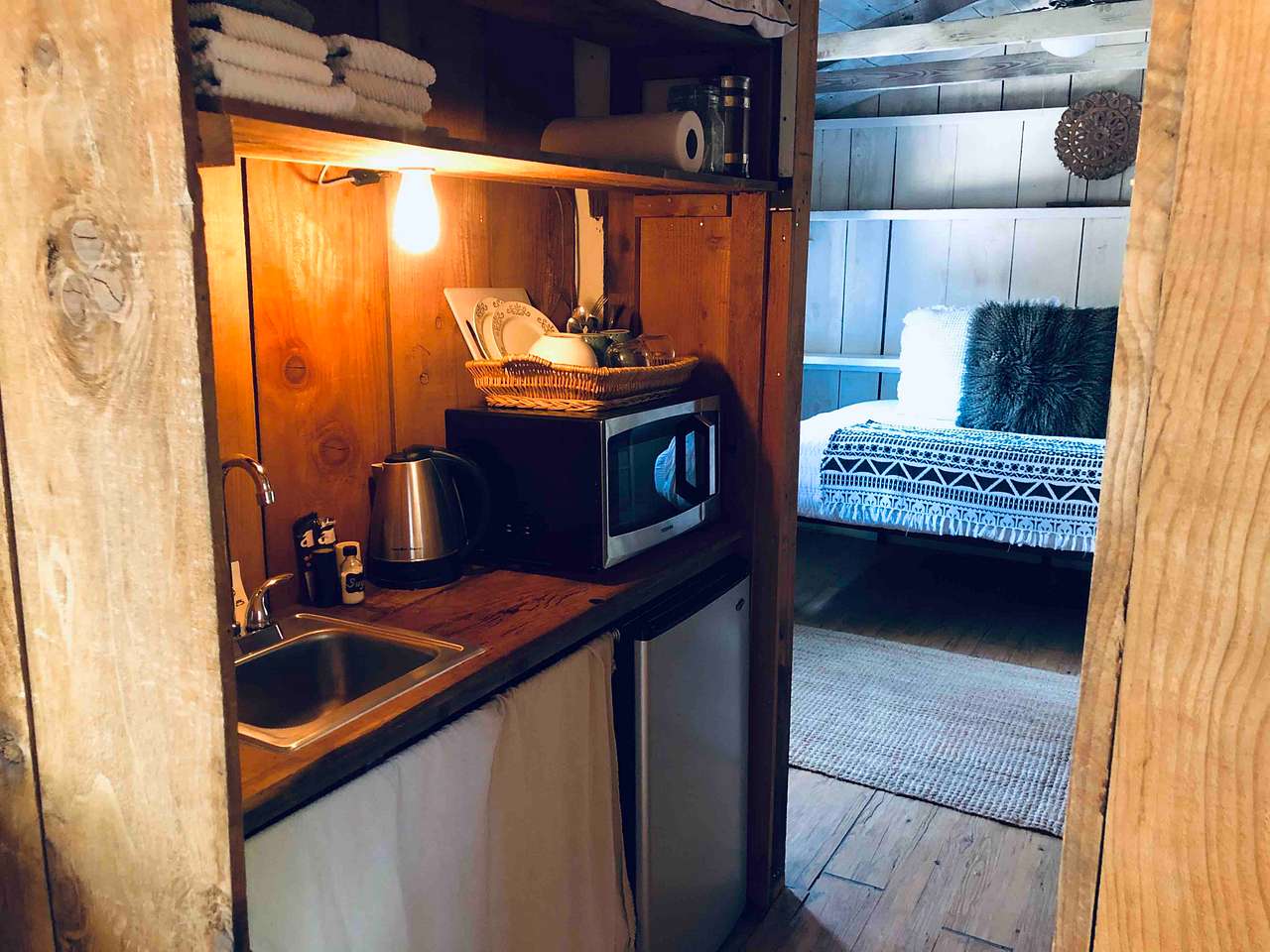
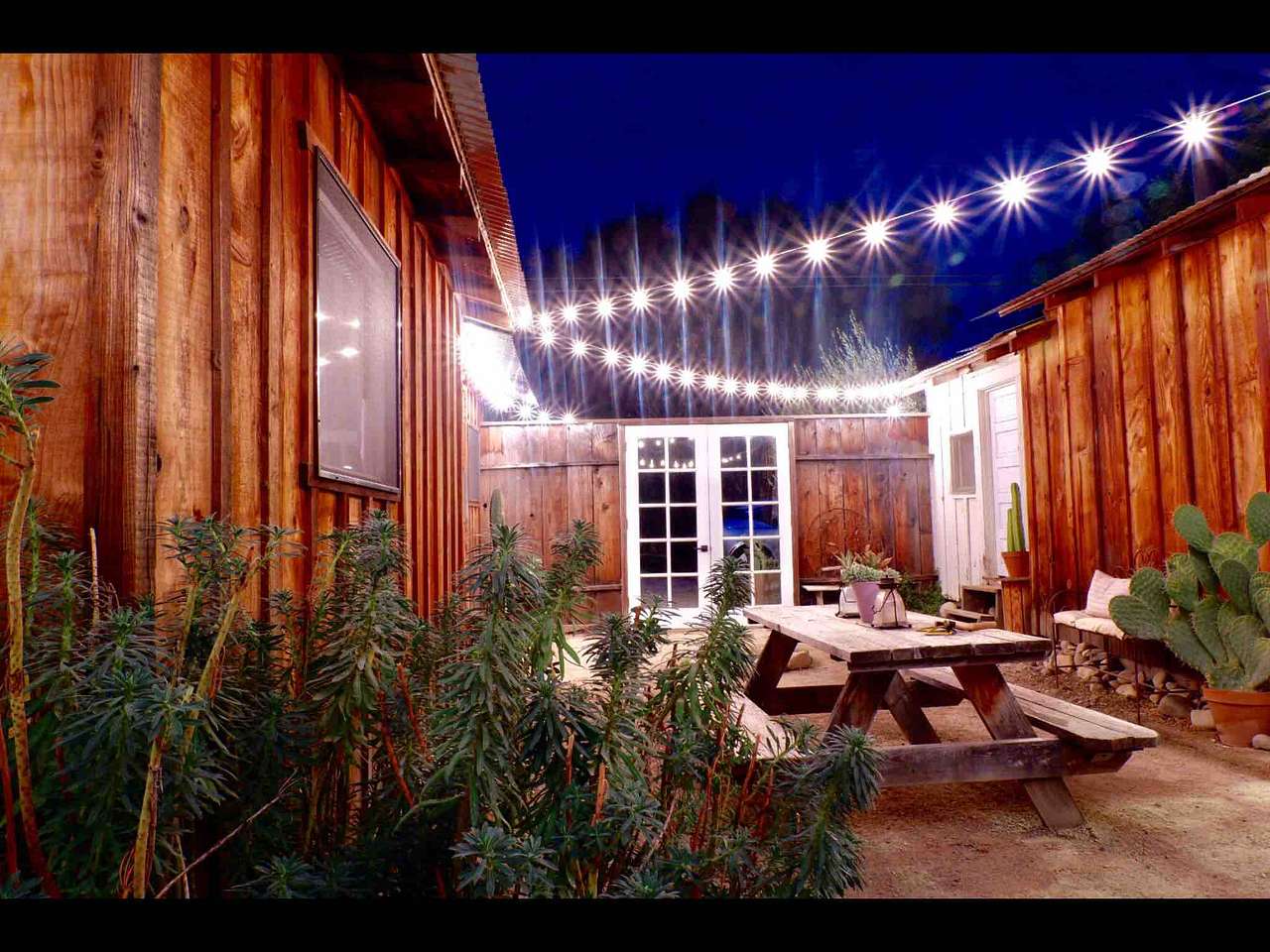
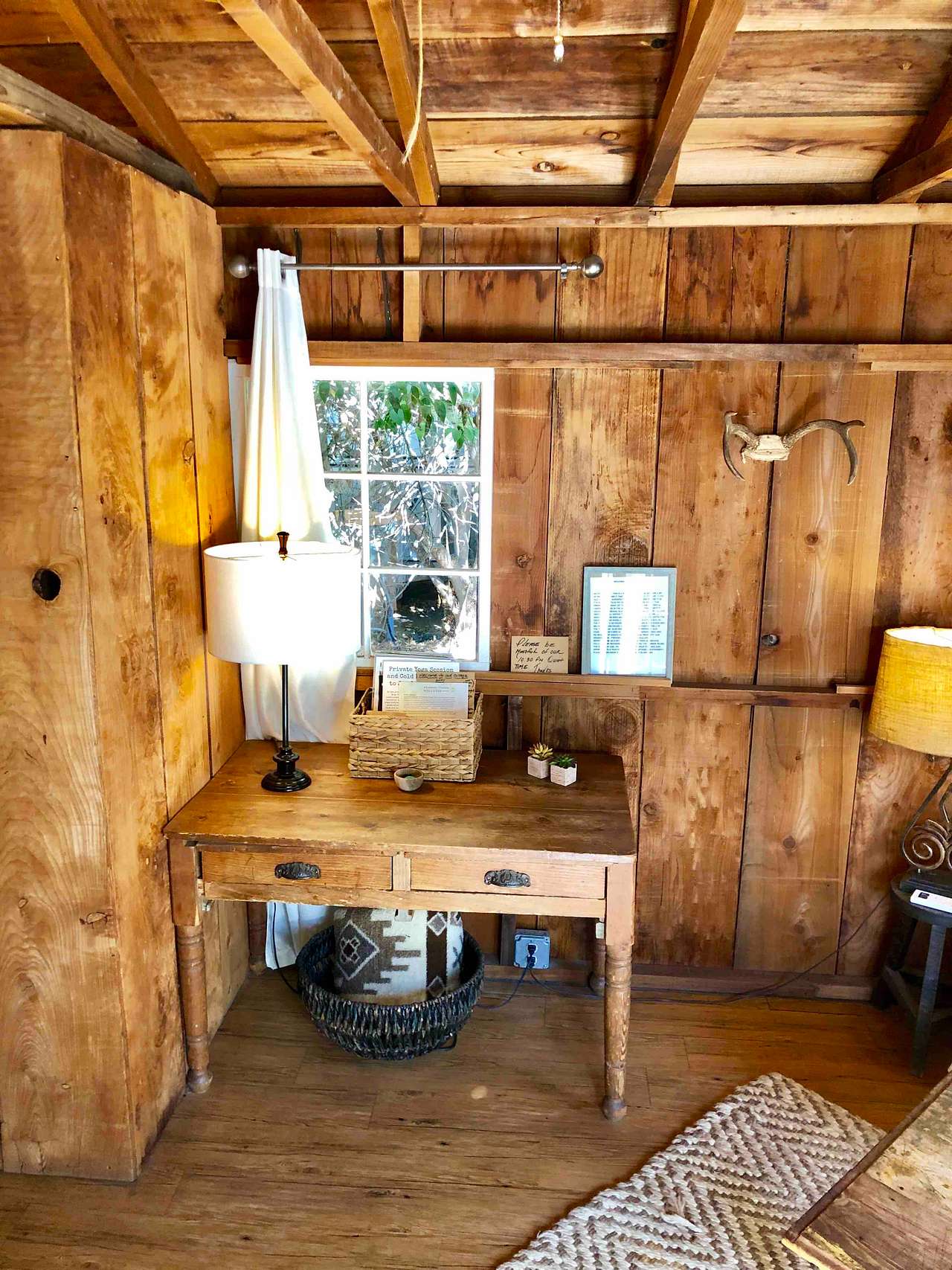
19. Lisa S.’s Land
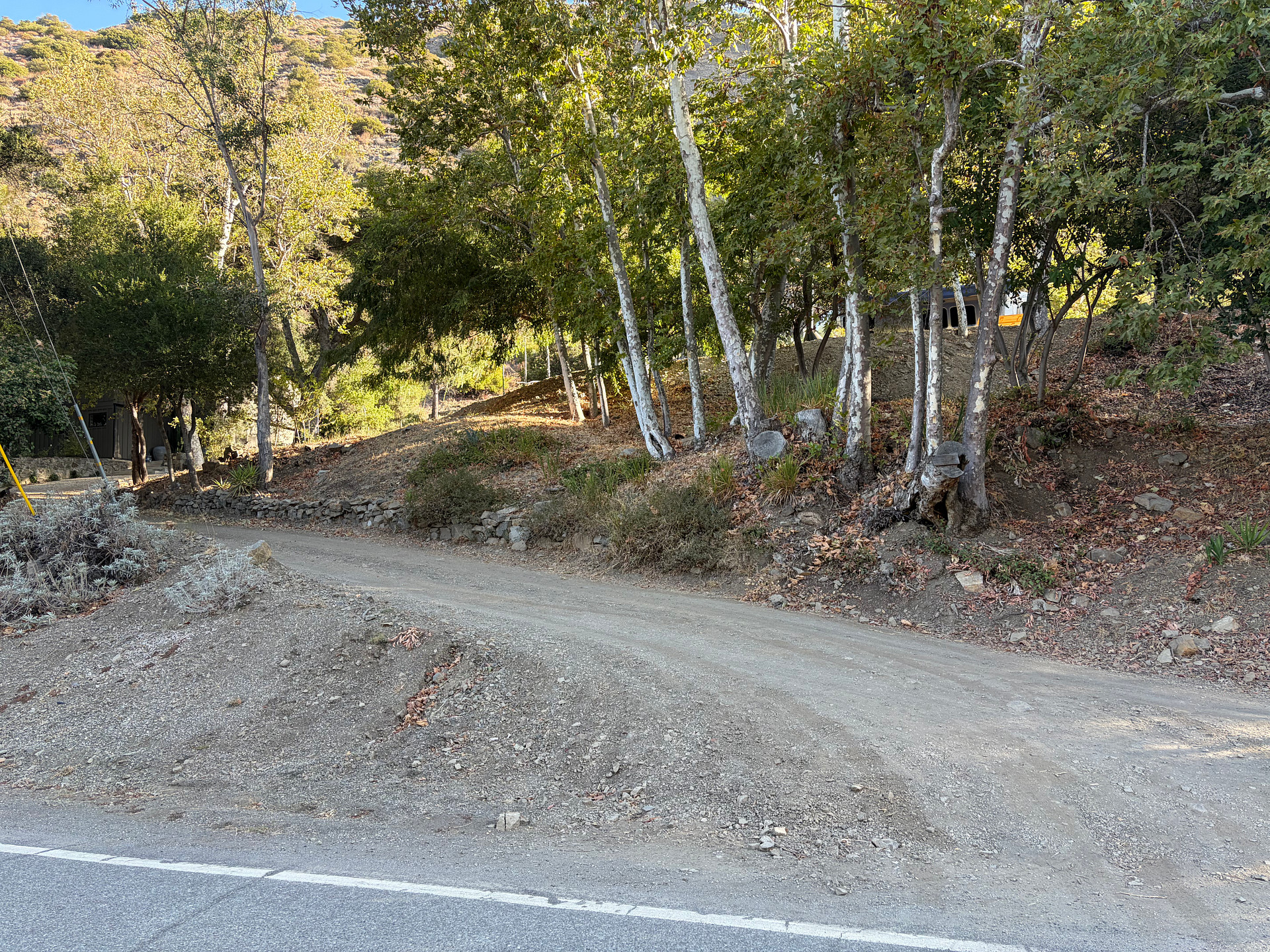
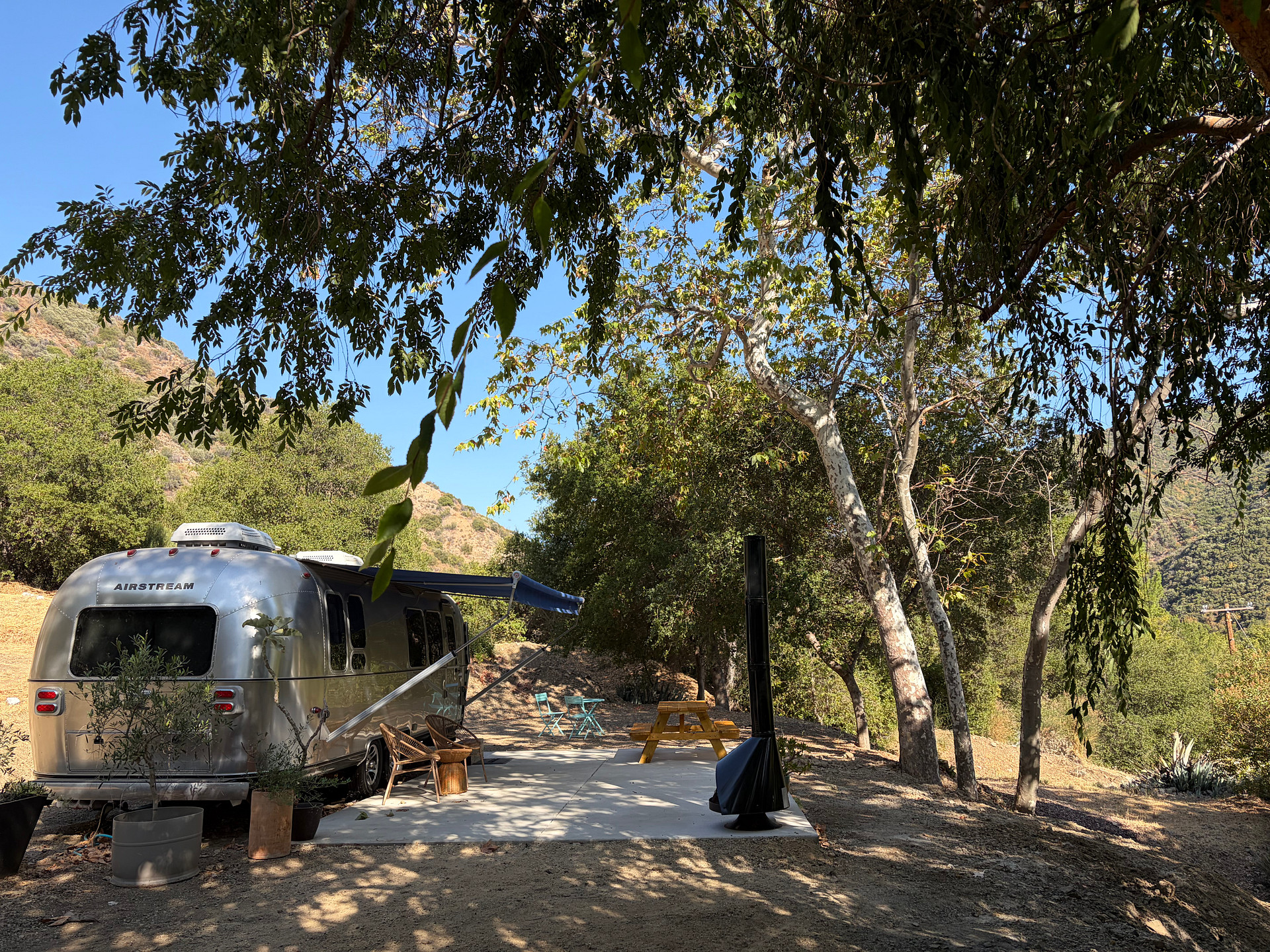
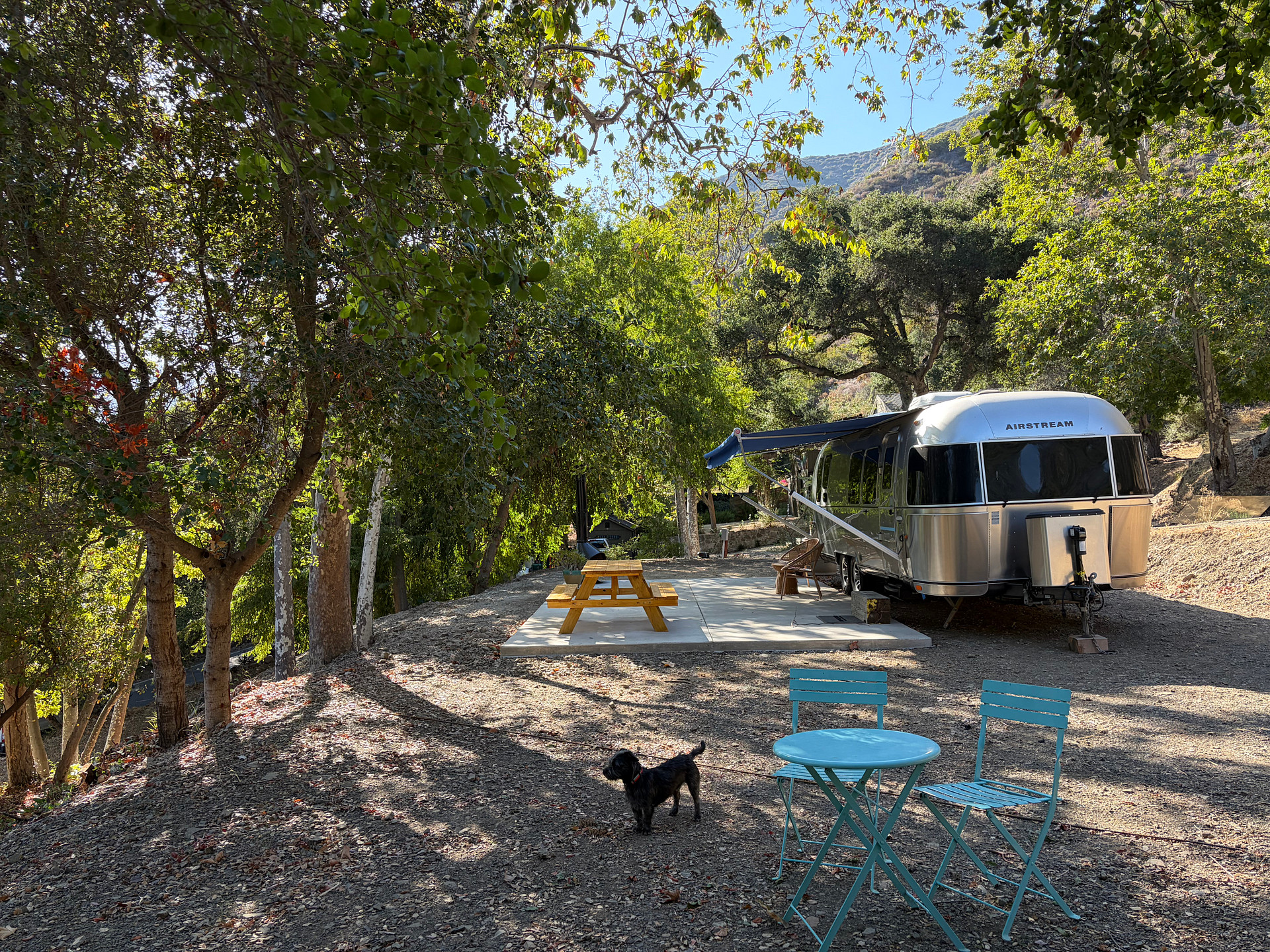
20. Ojai Canyon View Airstream
Recent reviews from the Hipcamp community







Channel Islands National Park camping guide
Overview
About
Comprising five islands off the coast of Southern California, Channel Islands National Park offers a fantastic mix of quiet beaches and scenic hiking opportunities, with a handful of campgrounds. It's a fantastic spot for wildlife lovers thanks to a variety of species that can't be found elsewhere on earth, including a wide variety of marine creatures and shorebirds, plus two subspecies of island foxes. Getting here requires taking a boat from the mainland and service is limited, but if you’re able to plan ahead and get a reservation, you’ll be rewarded with a quiet getaway and unbeatable landscapes.
Notable campgrounds
- Best for families: The biggest campground in the park, Santa Cruz Scorpion Campground offers easy access to swimming areas, plus pit toilets and picnic tables.
- Best for coastal views: Snug Anacapa Island Campground offers seven sites with picnic tables, as well as fantastic views out over the Pacific Ocean.
- Best for avoiding the masses: Getting to Santa Barbara Island Campground requires a mile-long uphill hike, so you won’t get many crowds.
Tips for snagging a campsite
- Camping is available year-round, with one campground per island, plus a handful of backcountry sites (on Santa Cruz and Santa Rosa islands).
- Campsites can be booked on the National Park Service website. Reservations open at 7am PT, six months in advance. If visiting in summer, you’ll want to wake up early to secure your spot.
- Boat transportation tends to fill up faster than the island’s campgrounds do. You'll therefore need to secure transportation before booking your campsite. Book early to avoid disappointment.
When to go
The park is at its busiest during the summer months, though the weather is good enough for swimming through early fall. The autumn months are great for wildlife fans, with an increase in migratory birds and elephant seals in the area. Gray whales begin to make their way past the islands in late December and continue to do so until April, while wildflower season starts later in winter and continues until early spring.
Know before you go
- Getting to the park requires taking an Island Packers boat from Ventura or Oxnard.
- Fires are never permitted at the park, no matter what time of year you visit. Gas stoves are allowed.
- Campers are required to store food and trash in special storage boxes or in coolers. If you’re staying at Scorpion Campground on Santa Cruz Island, it’s important to be extra careful with your food and trash, as local ravens and foxes have figured out how to open zippers.
- Ticks are an issue on the islands, so be sure to carry adequate insect protection.


Reviews for Channel Islands National Park Campgrounds
Frequently Asked Questions
You can camp on four of the eight Channel Islands in California. These islands are part of the Channel Islands National Park and include:
- Santa Cruz Island - Scorpion Ranch Campground
- Santa Rosa Island - Water Canyon Campground
- Anacapa Island - East Anacapa Campground
- San Miguel Island - Cuyler Harbor Campground
Keep in mind that camping on these islands requires a permit and reservations, which can be made through the Recreation.gov website. Additionally, you must follow the rules and regulations set by the Channel Islands National Park to protect the unique ecosystems found on these islands.
Yes, you can stay overnight on the Channel Islands. Camping is available on four of the five islands in Channel Islands National Park: Santa Cruz, Santa Rosa, Anacapa, and San Miguel. Each island has designated campgrounds with basic facilities such as picnic tables, pit toilets, and water (except San Miguel). Keep in mind that you need to obtain a permit and make reservations in advance through Recreation.gov for camping on the islands. There are no lodging options or services on the islands, so you'll need to bring your own supplies and equipment.
Yes, you need a camping permit for Channel Islands National Park. Camping is allowed on all five islands within the park, but each island has limited campsites that require reservations. You can make reservations through the Recreation.gov website. In addition to the camping permit, you'll also need to arrange transportation to the islands via the park's authorized concessionaire, Island Packers.
On Santa Cruz Island, part of Channel Islands National Park, campfires are not allowed due to the risk of wildfires and the need to protect the island's natural resources. However, you can use portable gas stoves or enclosed gas lanterns for cooking and heating at designated campground areas. Always follow the park's rules and regulations to ensure a safe and enjoyable camping experience.
Securing a Channel Islands National Park campsite reservation is usually a challenge due to the park's popularity. Camping trips typically need to be planned months in advance and even then, available campsites can book up within minutes. The good news is that you have other options for last-minute Channel Islands campsite reservations. Try snagging one by setting up a free Hipcamp alert for any Channel Islands campground. We'll monitor campground availability, and you'll get instantly notified of any openings that come up for your dates so you can jump on it to reserve the newly open site. Set up an alert.
Most Channel Islands National Park campsite reservations open up months in advance. However, it's notoriously difficult to secure a Channel Islands National Park reservation even if you plan ahead, as campsites are often booked up within minutes. To increase your chances of snagging a campsite, set up a free Hipcamp alert for any Channel Islands campground. We'll monitor campground availability, and you'll get instantly notified of any openings that come up for your dates so you can jump on it to reserve the newly open site. Set up an alert.