Top-rated campgrounds in Nevada
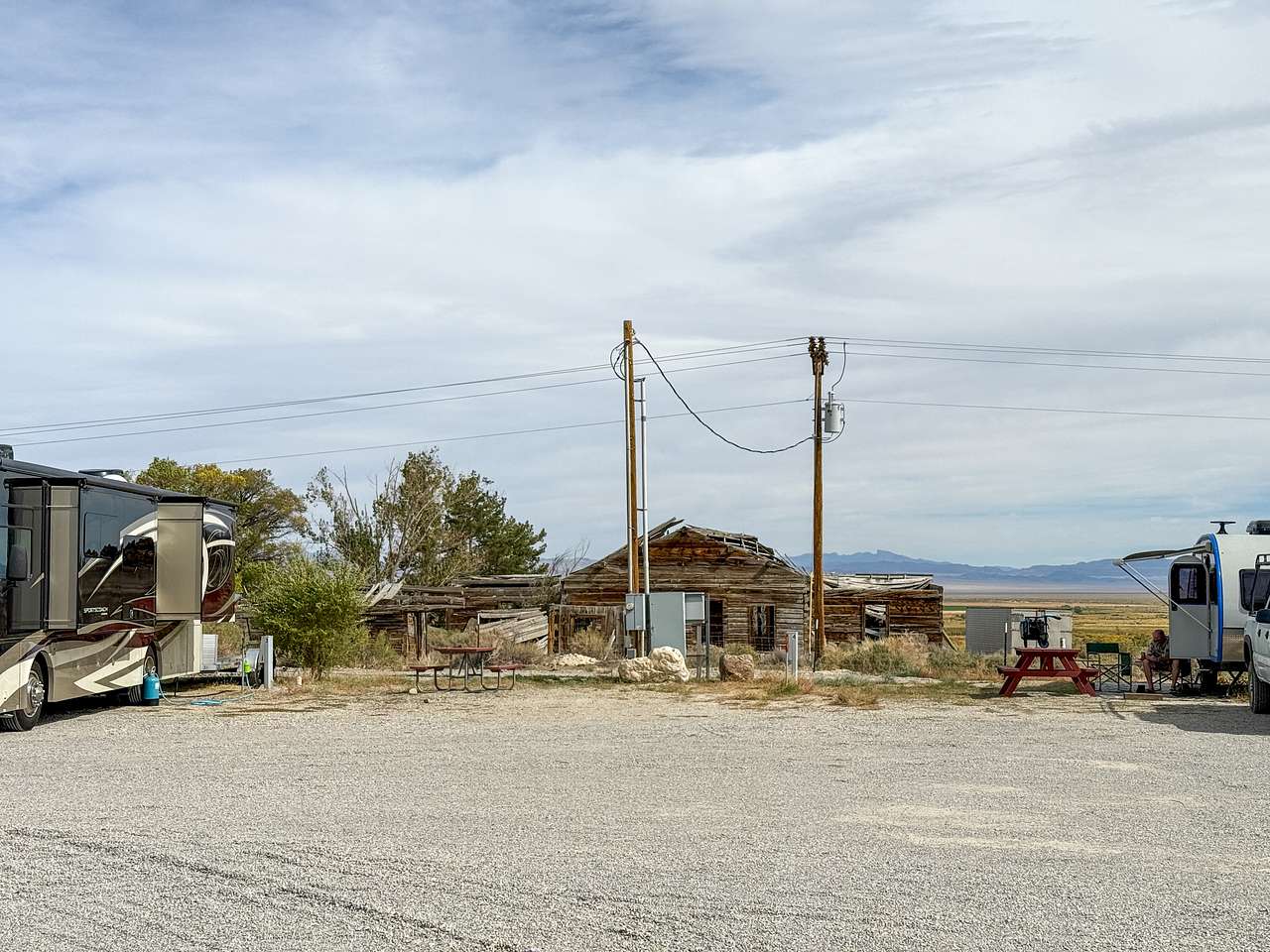
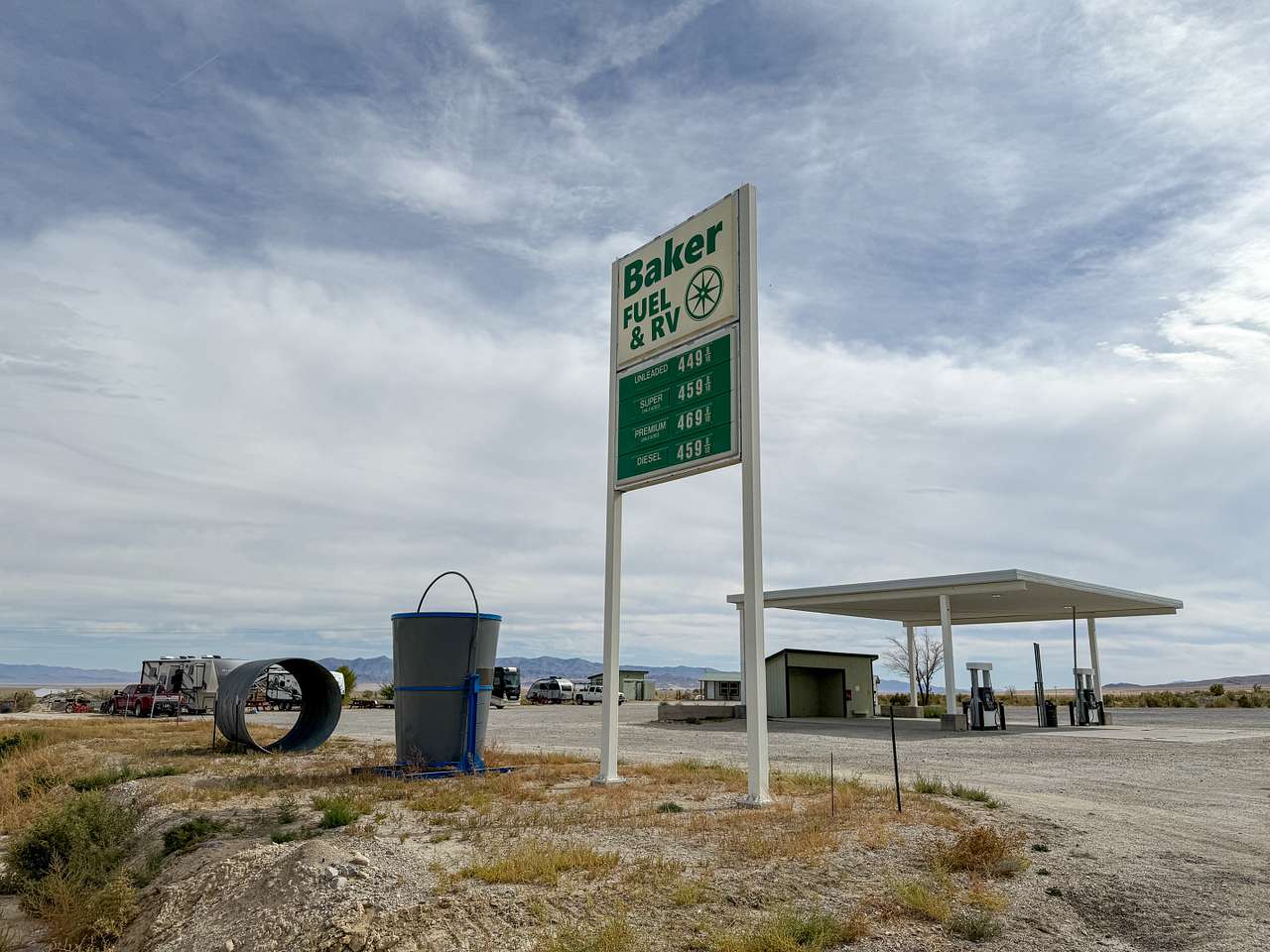
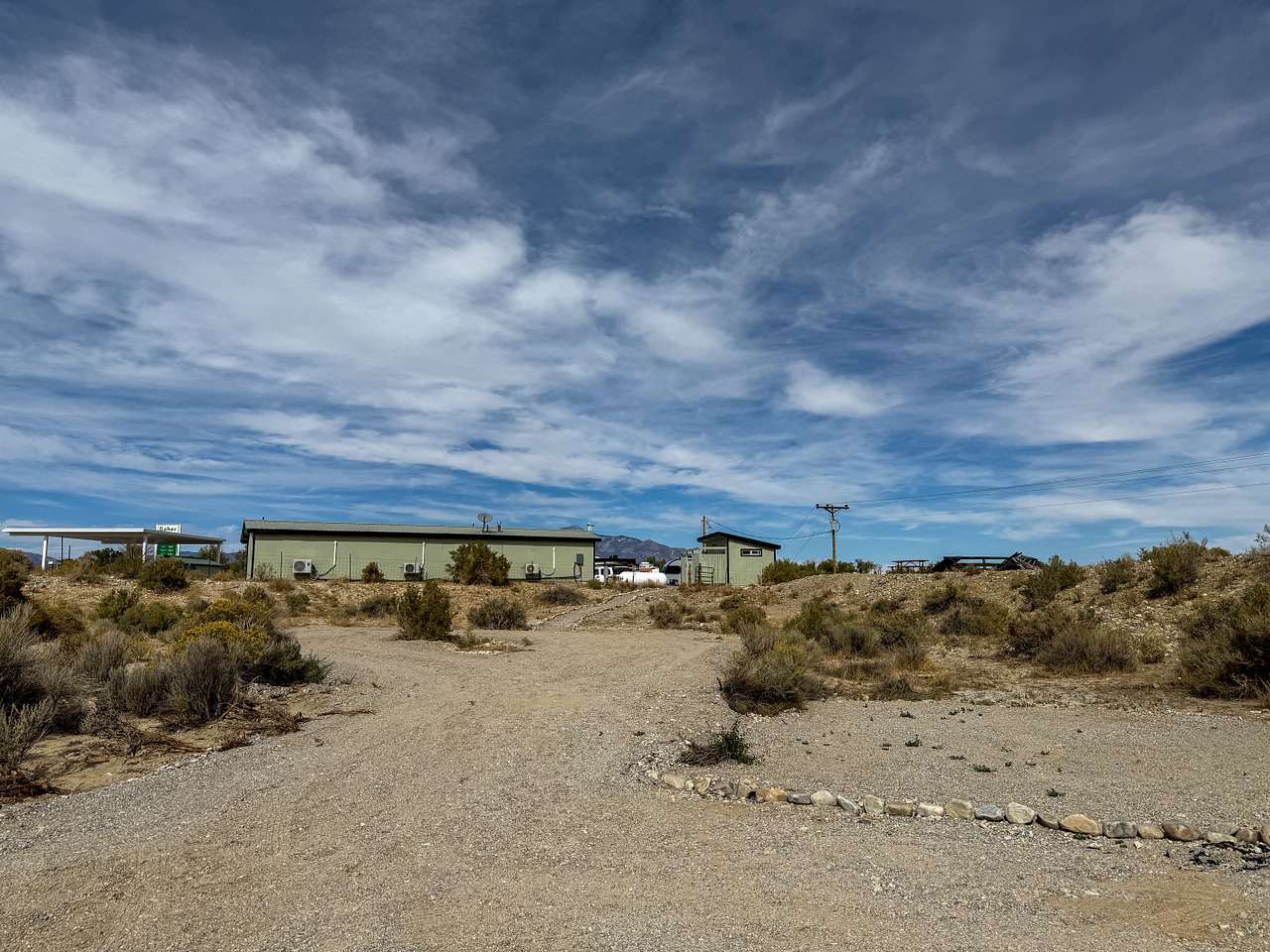
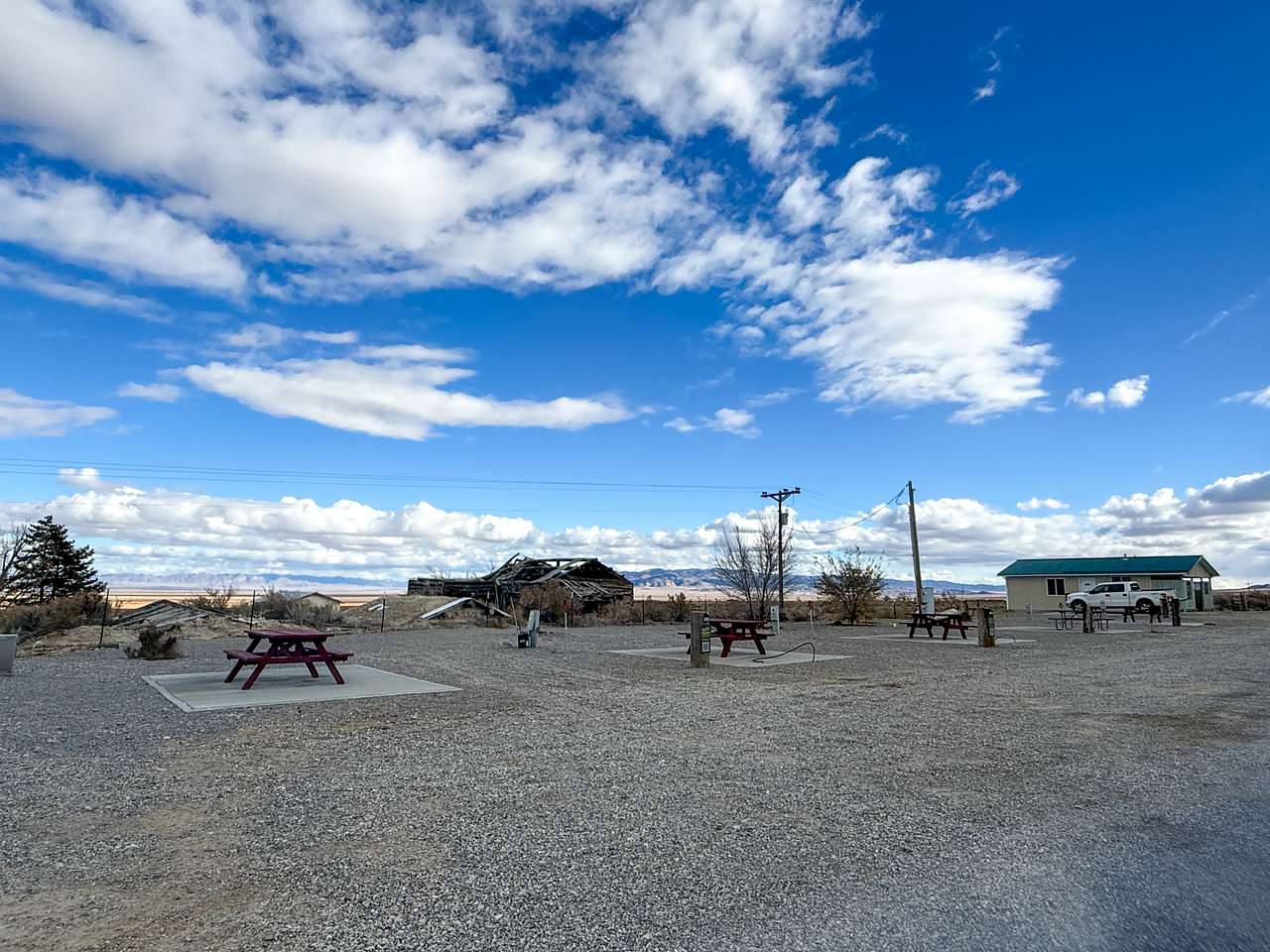
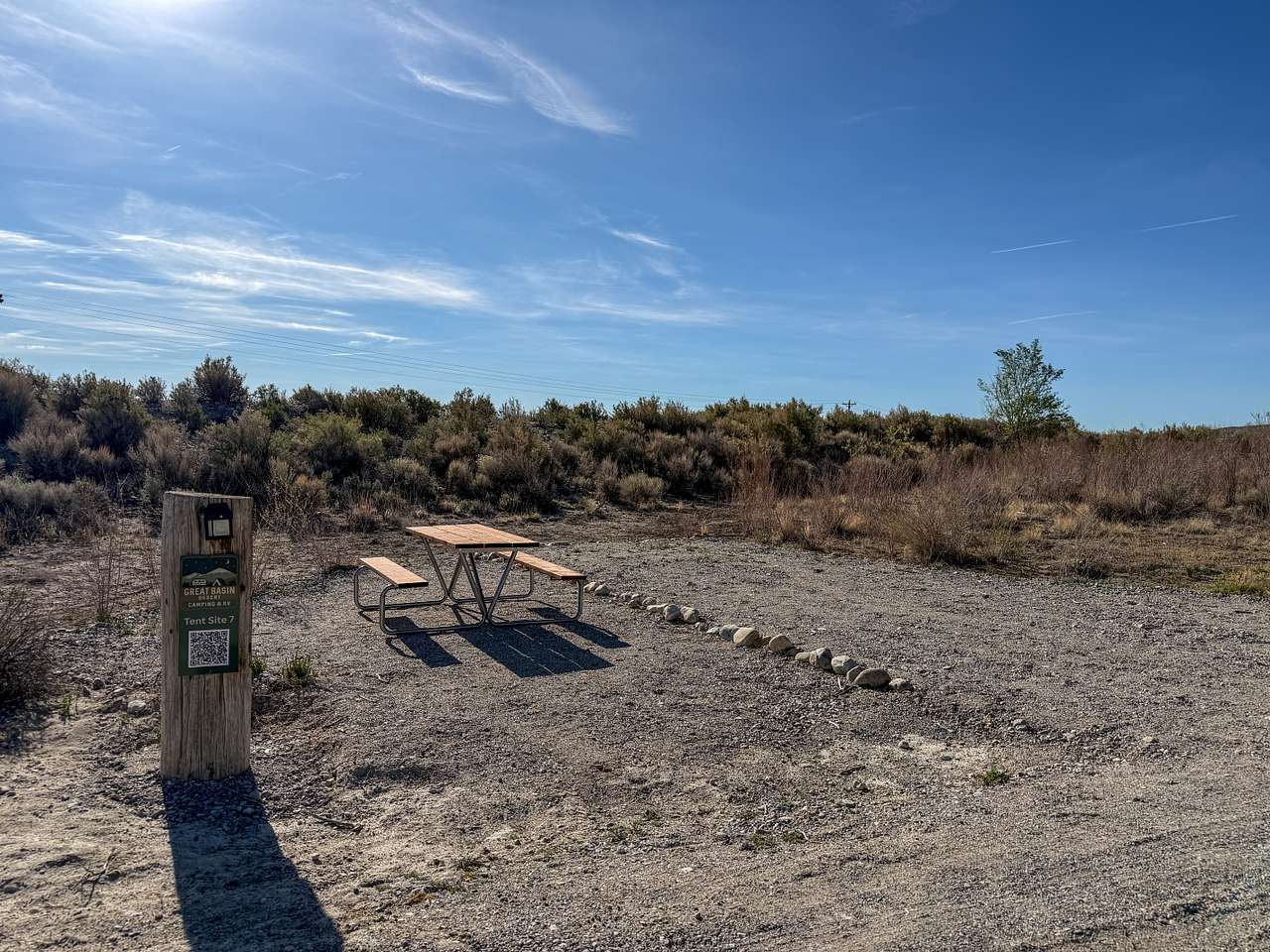
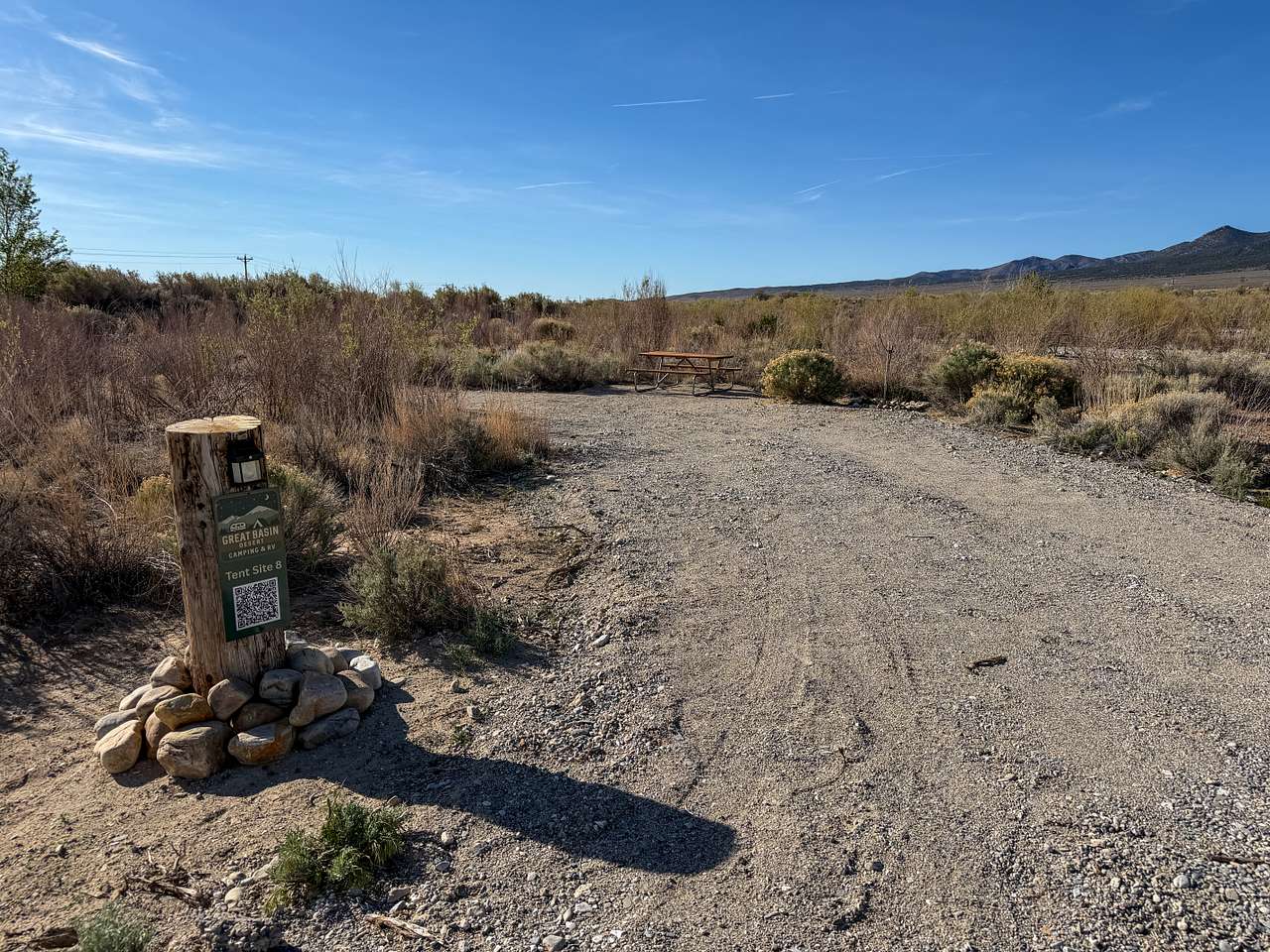
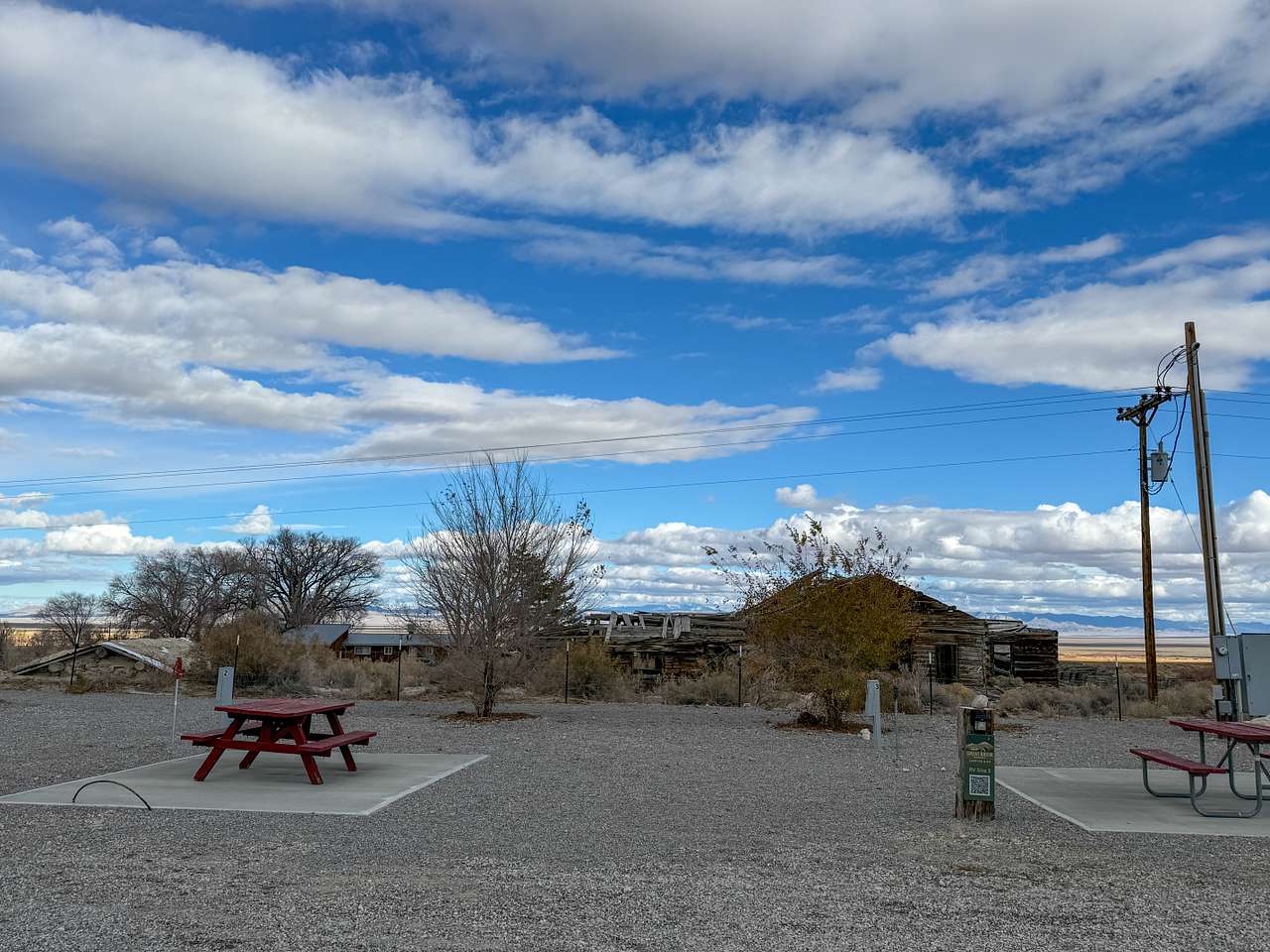
1. Great Basin Desert Camping & RV
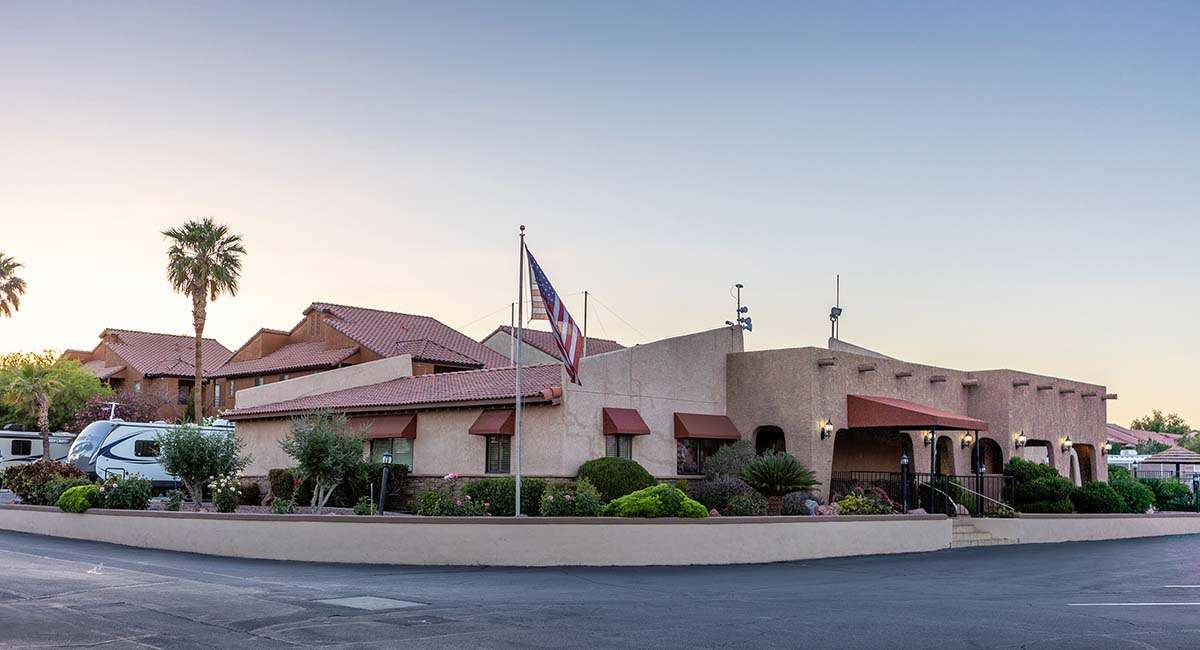

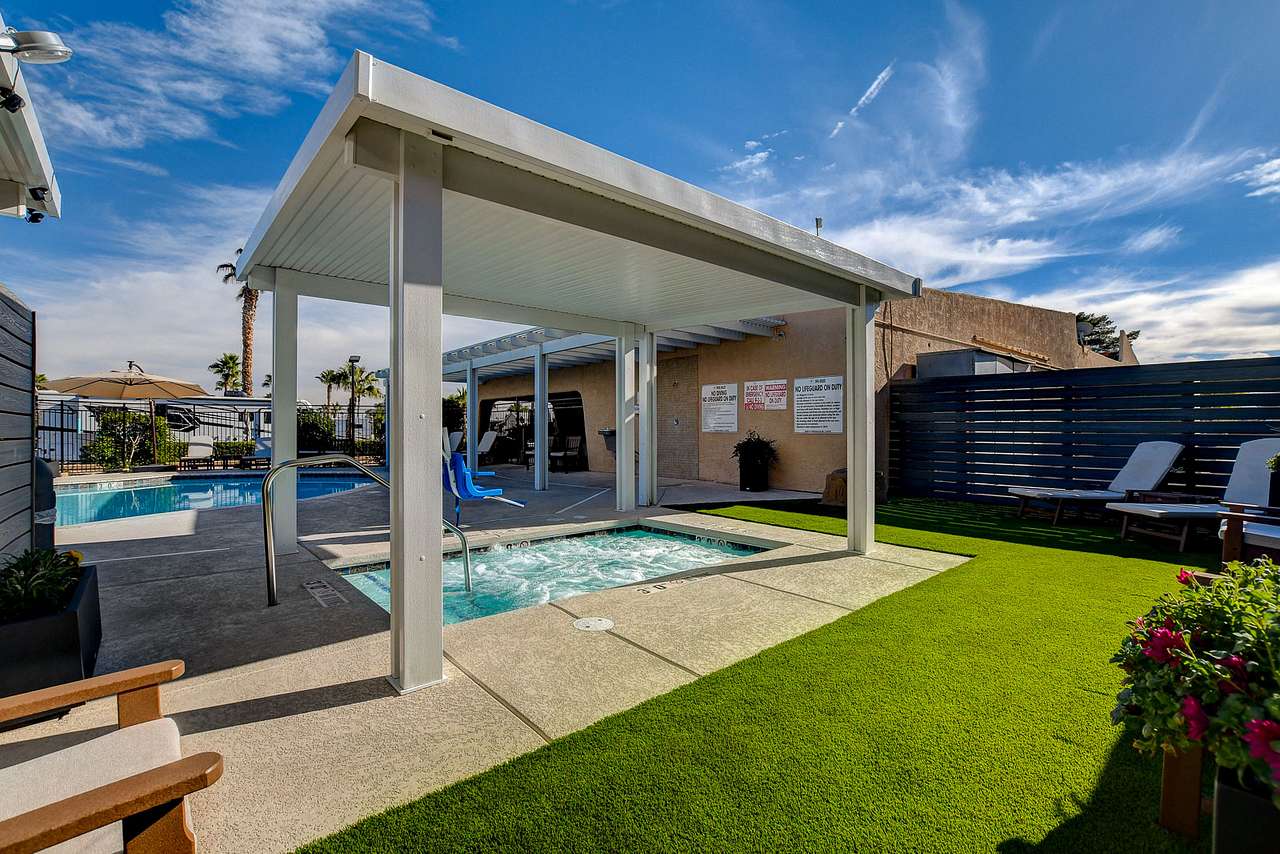
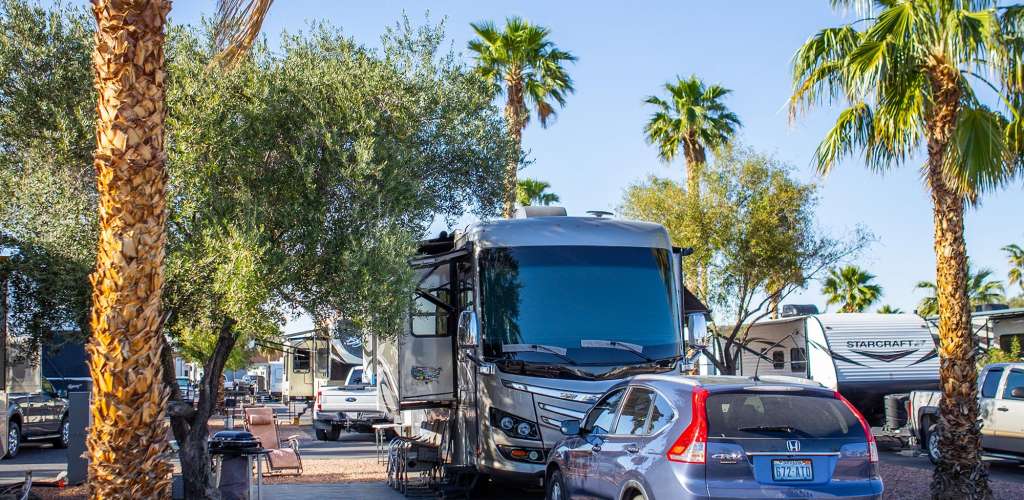
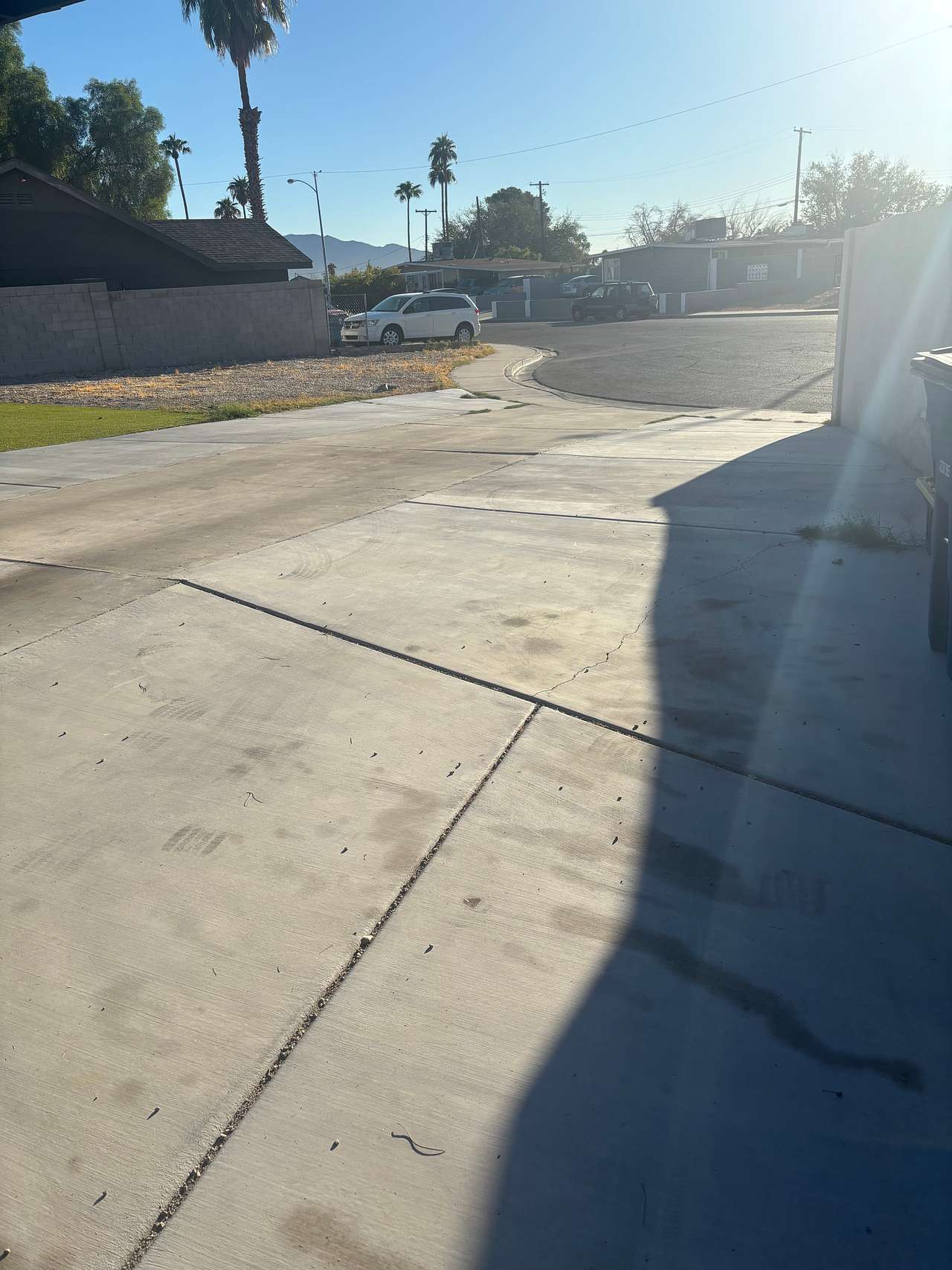
2. Adults Only -Las Vegas RV Resort
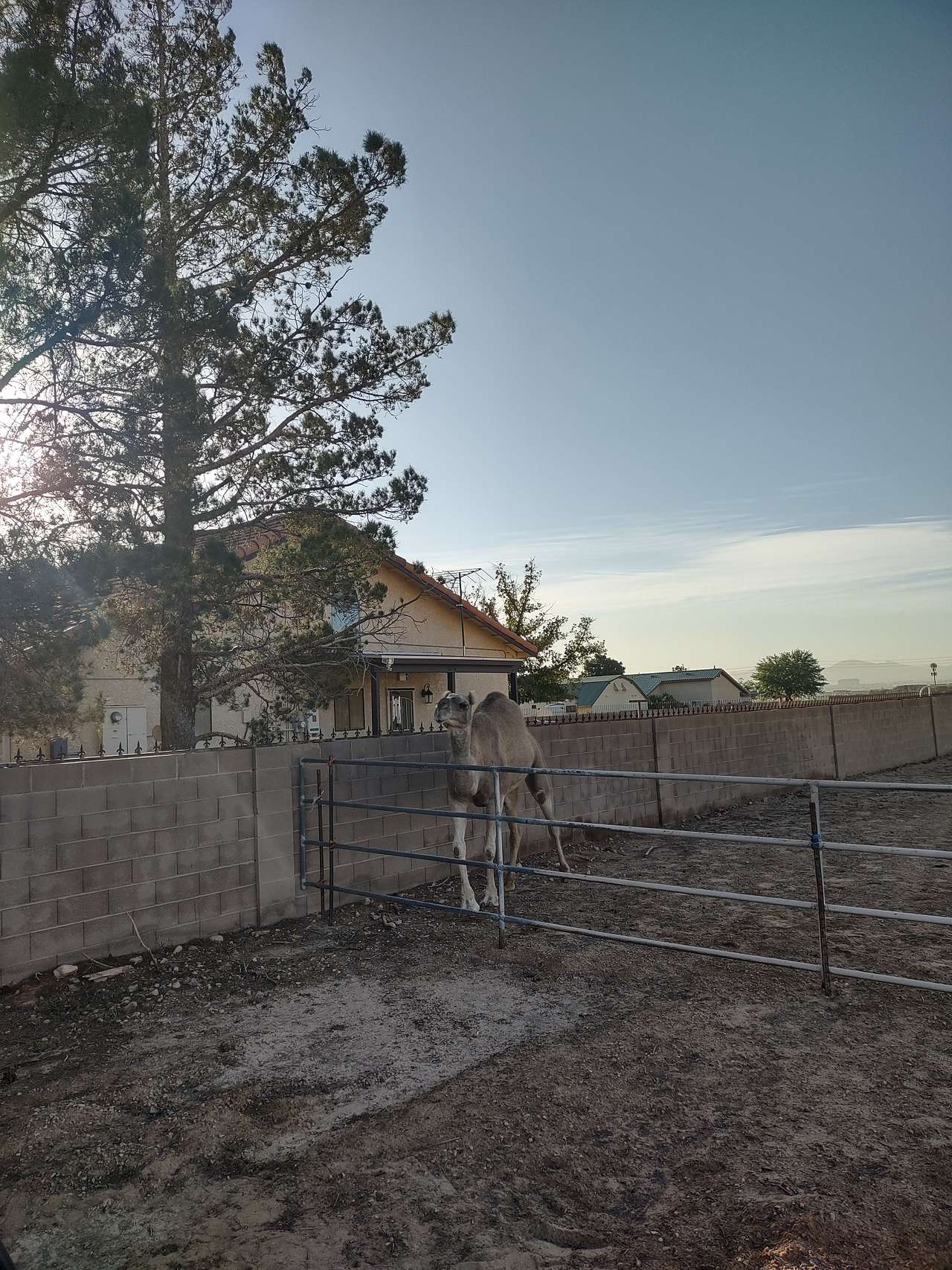
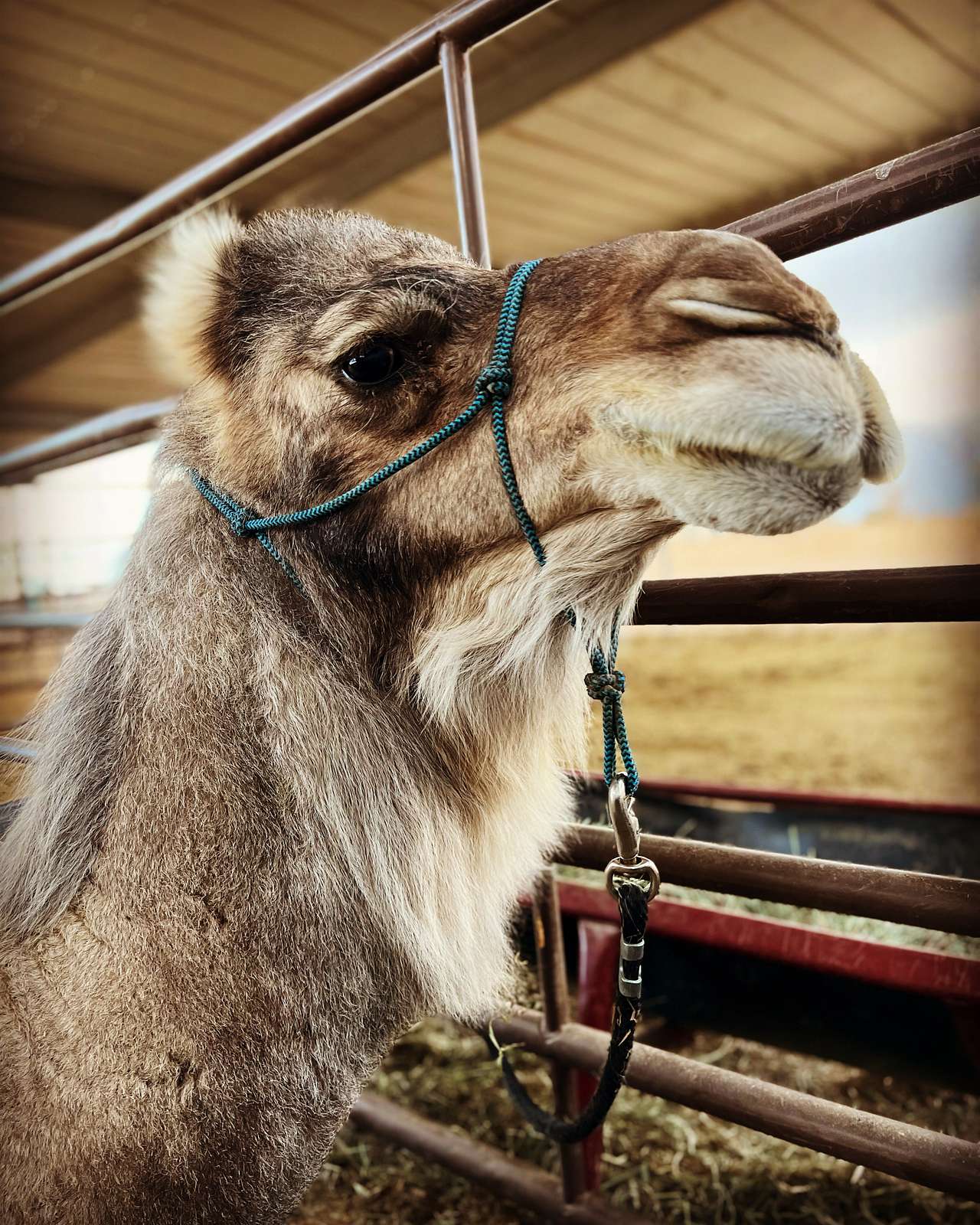
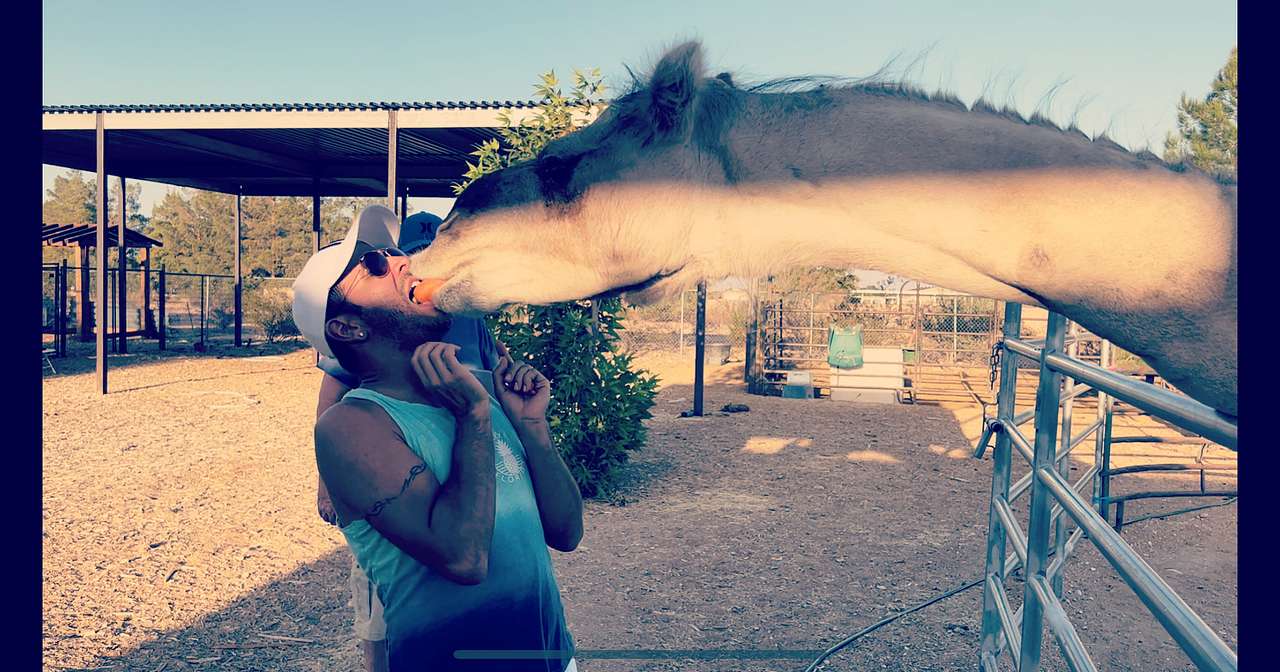
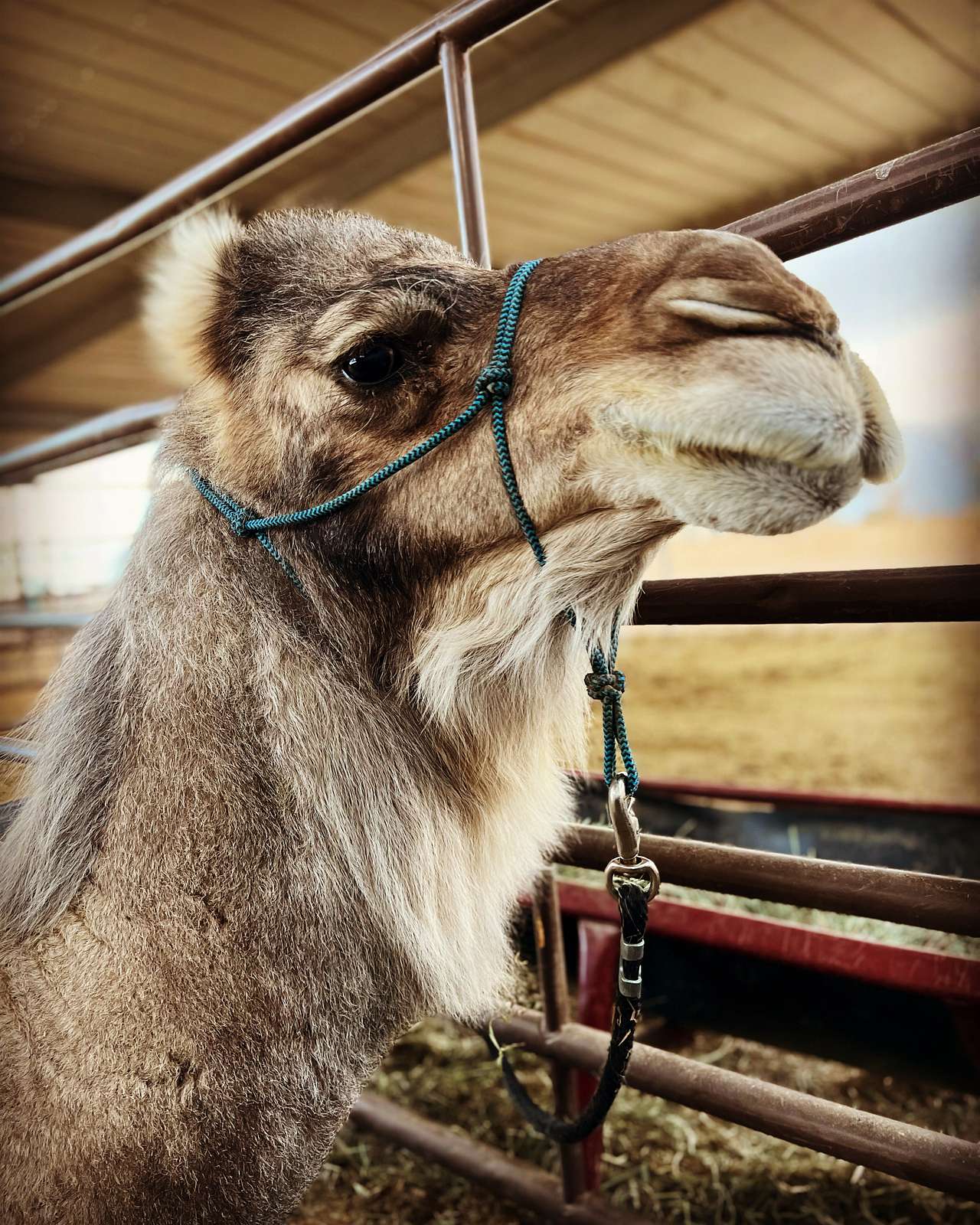
3. Jeffry’s Farm
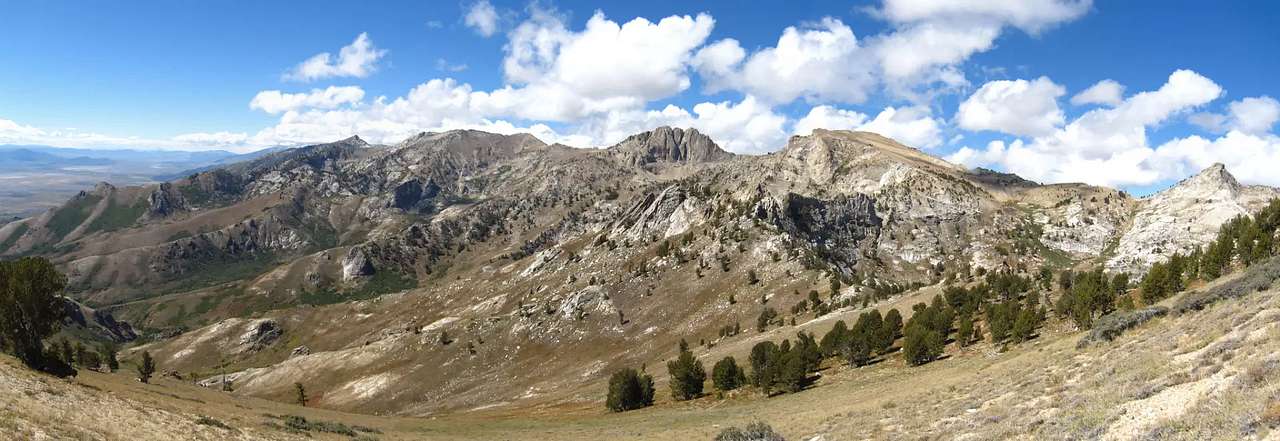
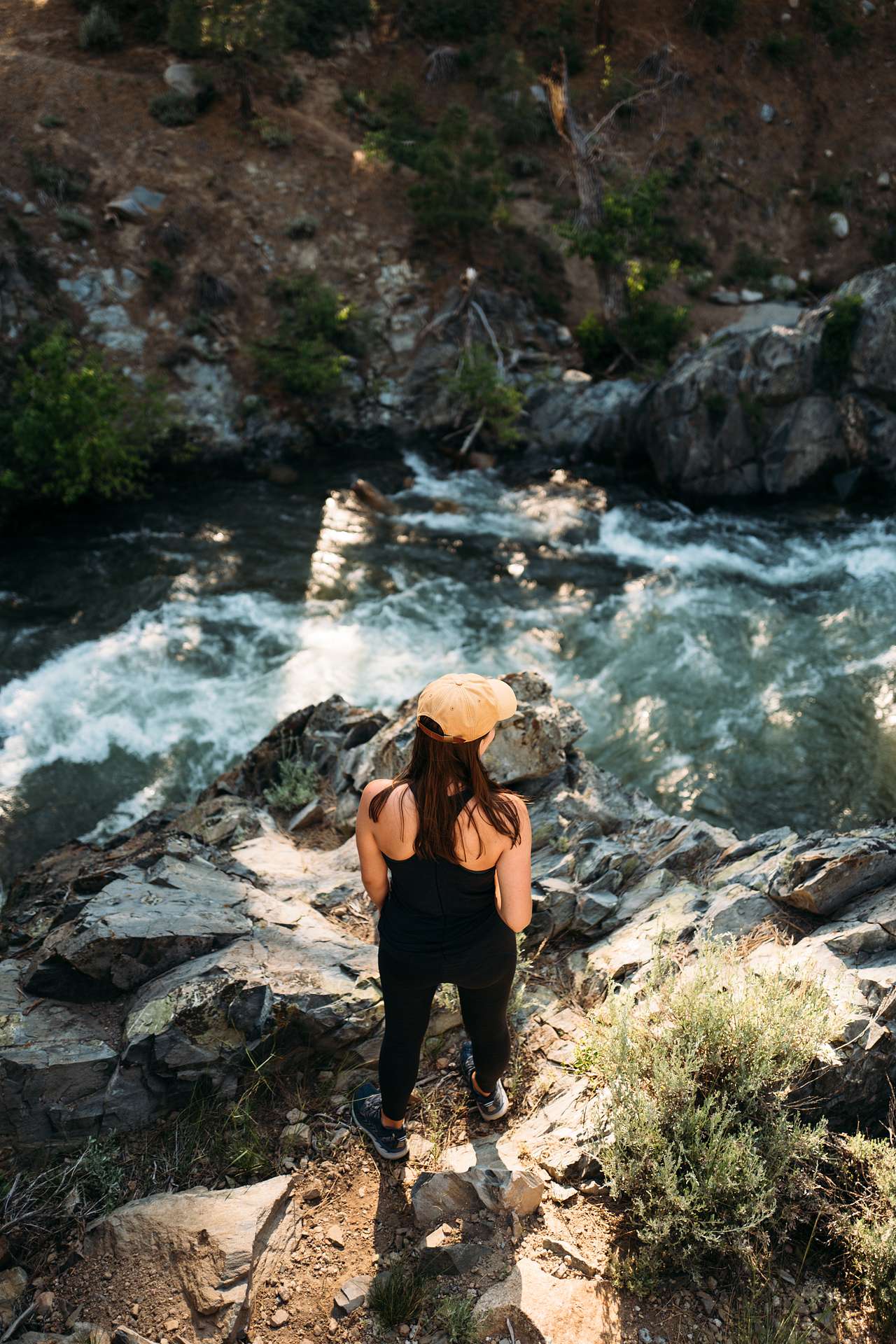
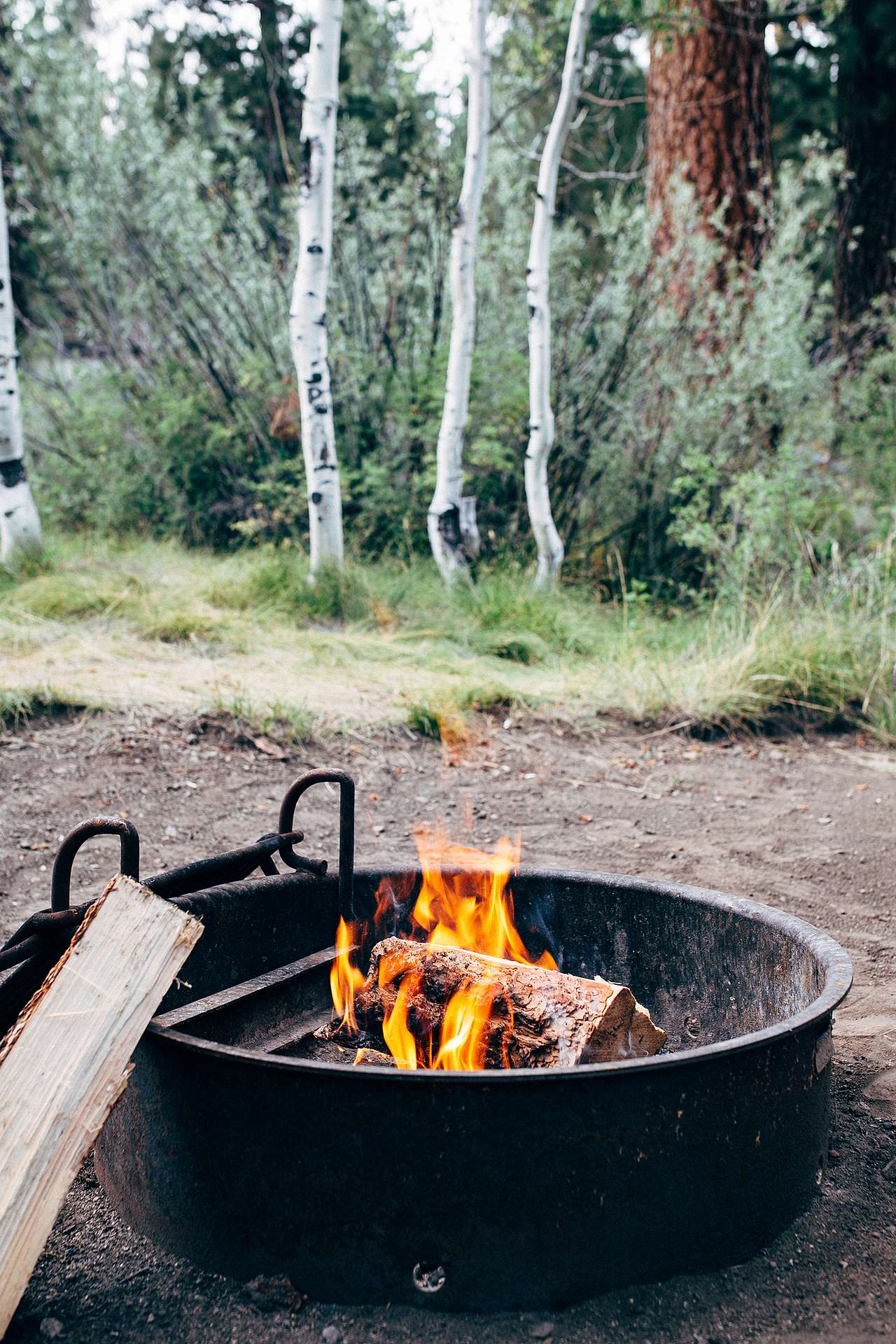
4. Humboldt-Toiyabe National Forest
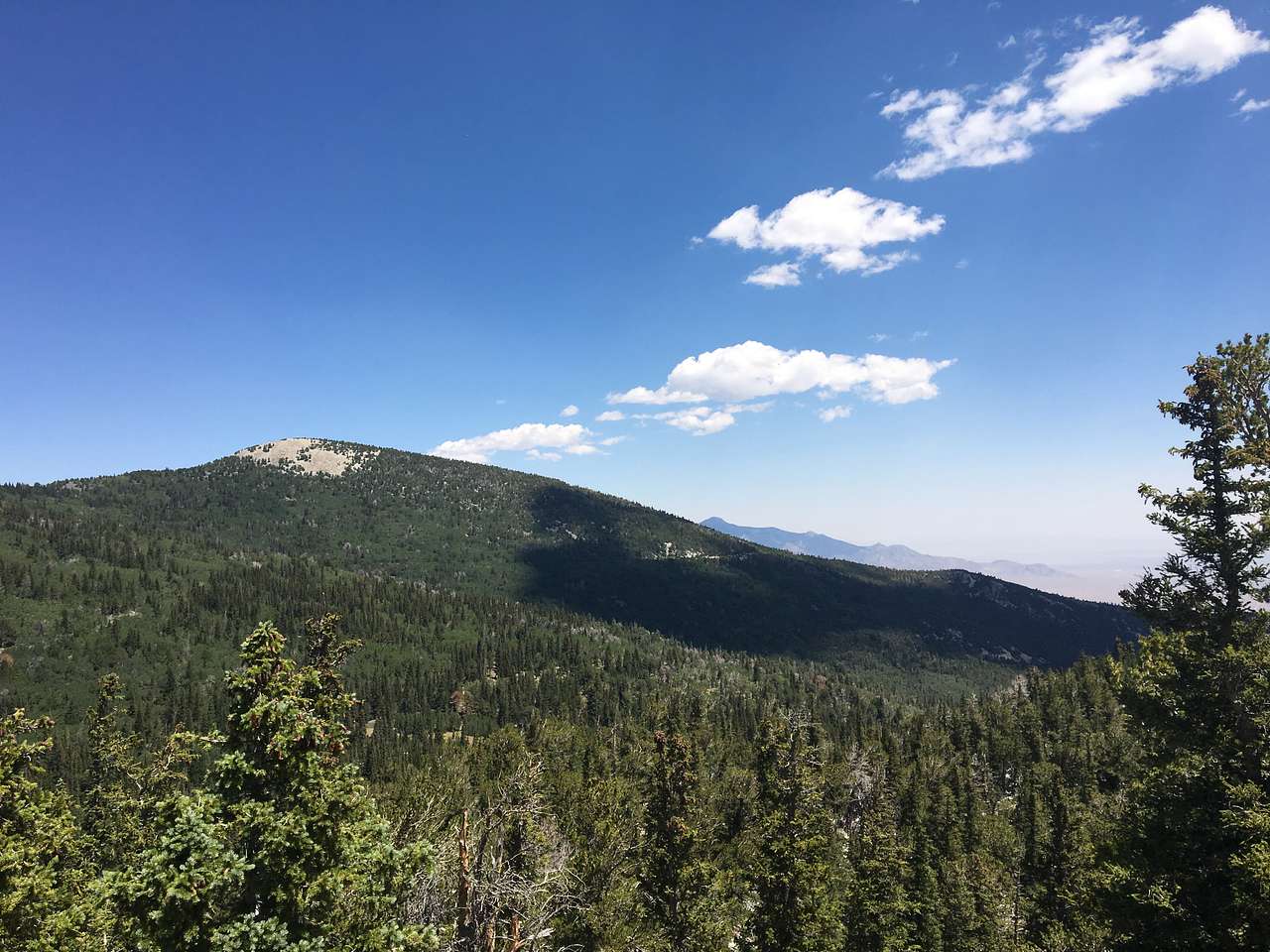
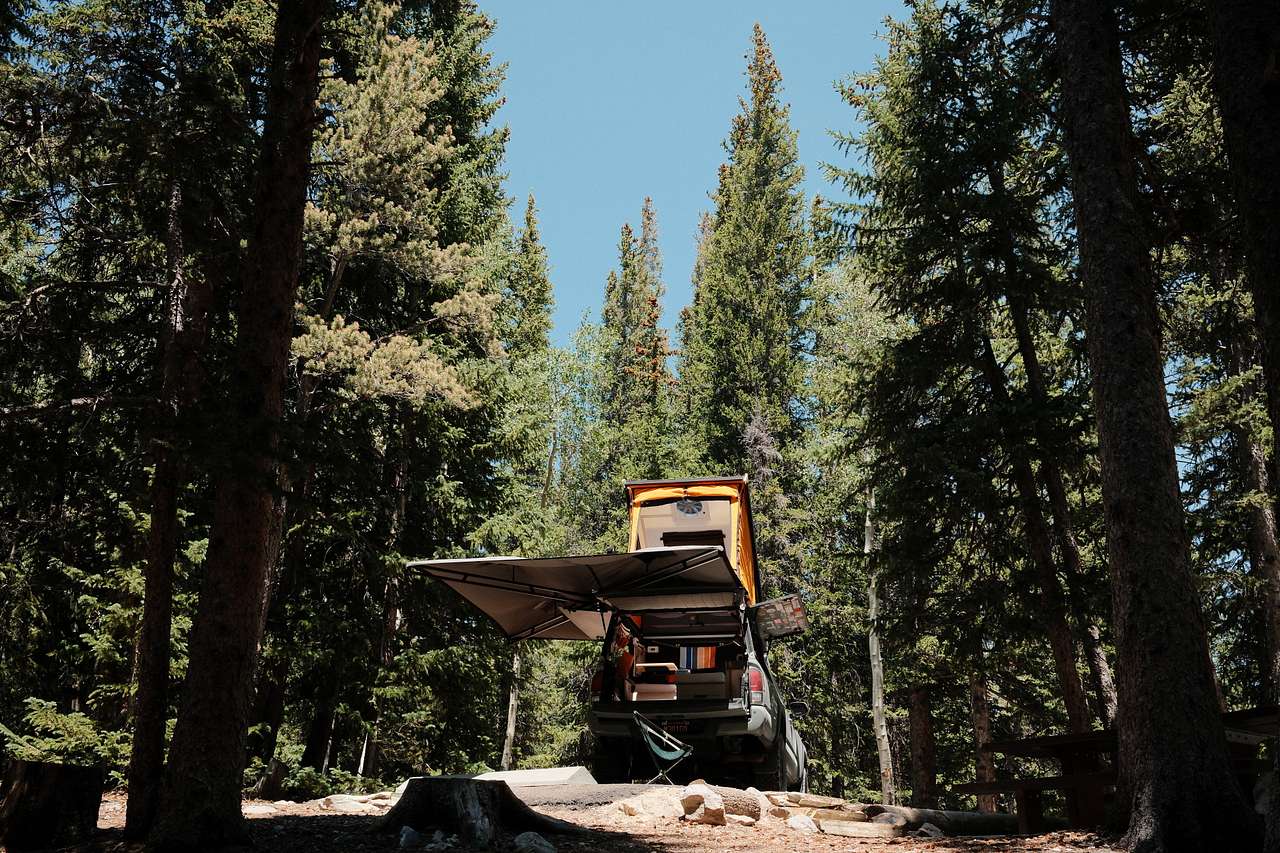
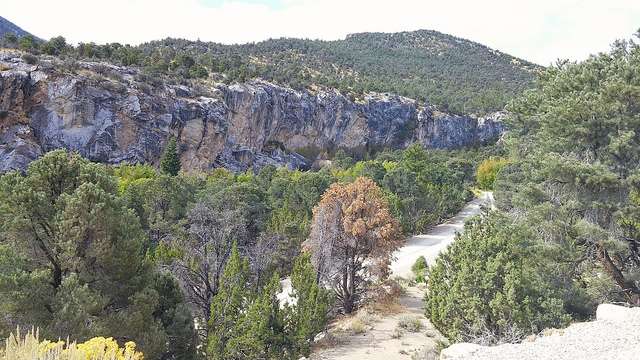
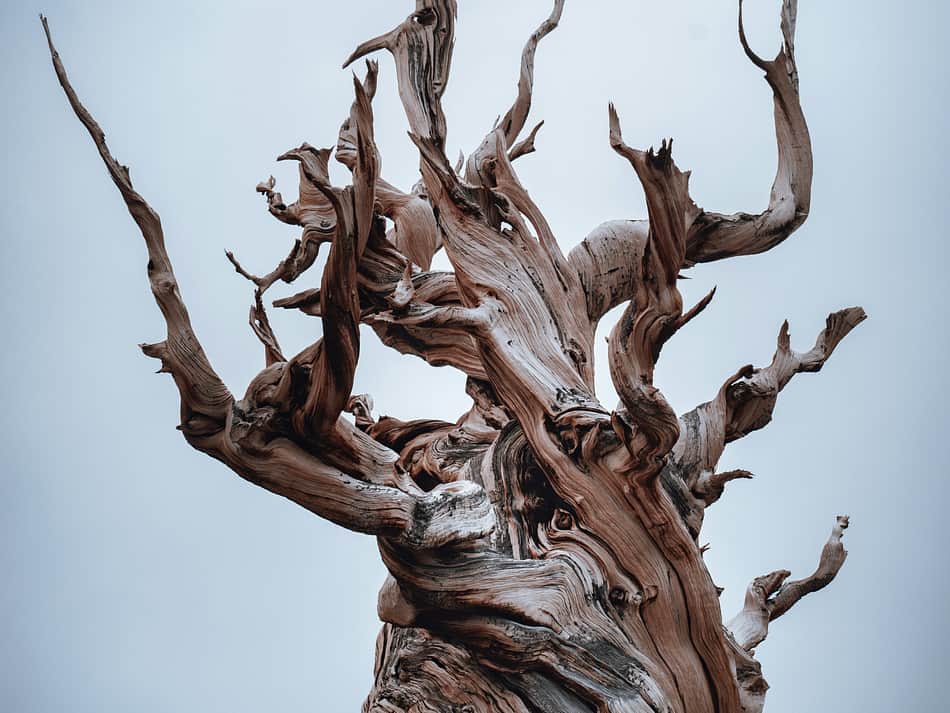
5. Great Basin National Park
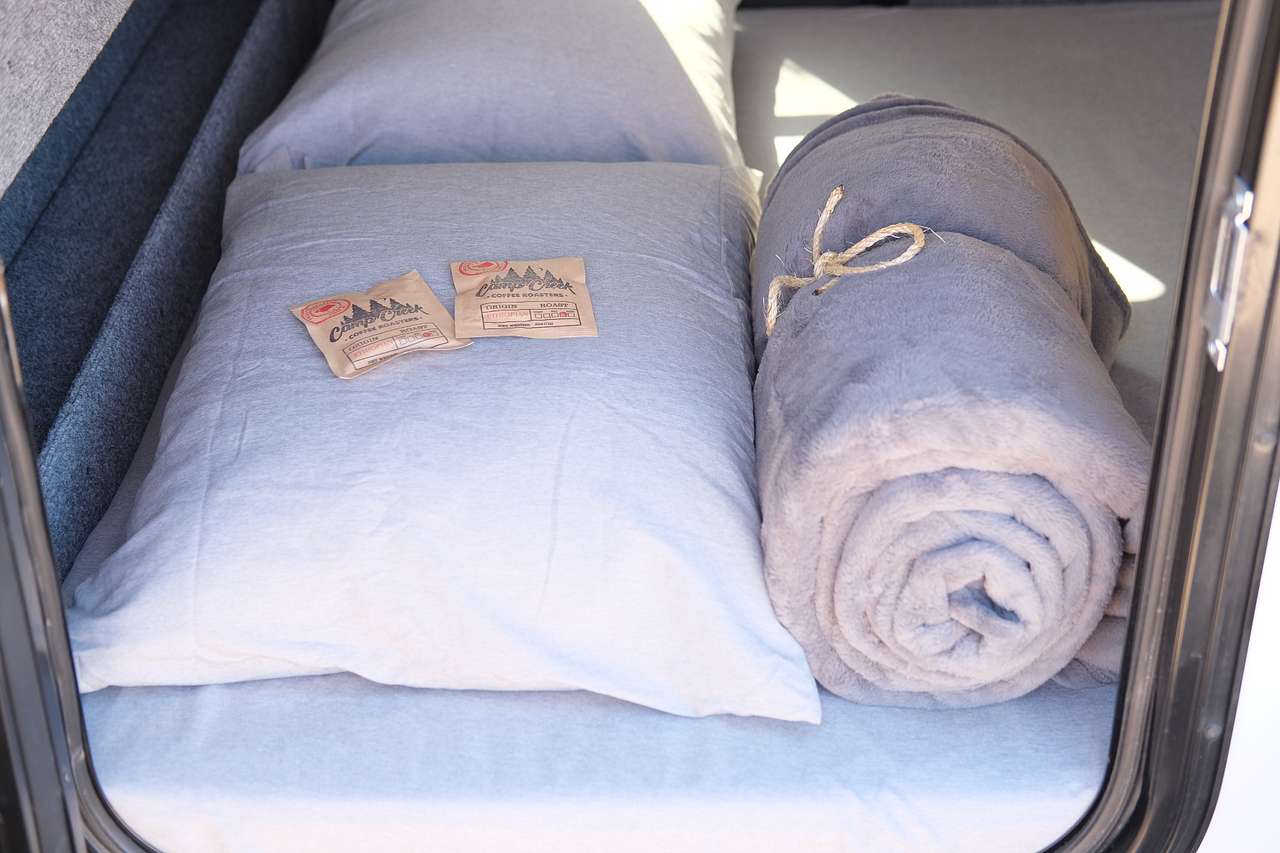
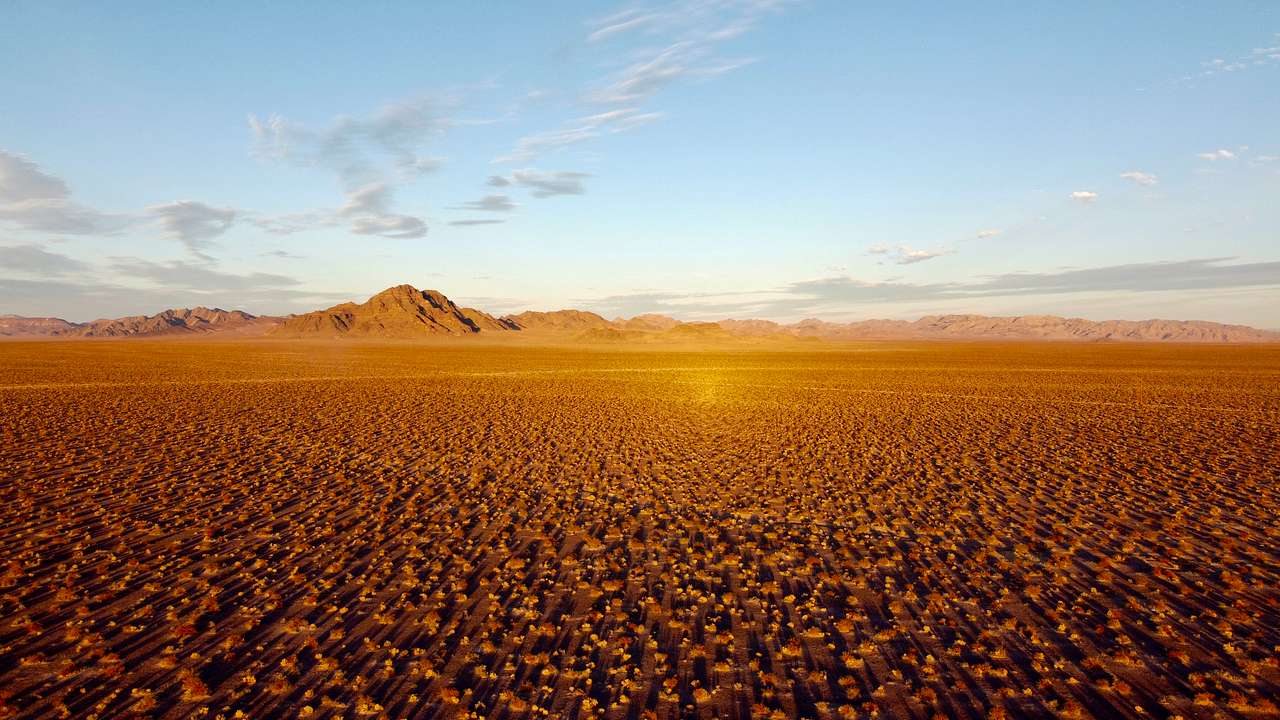
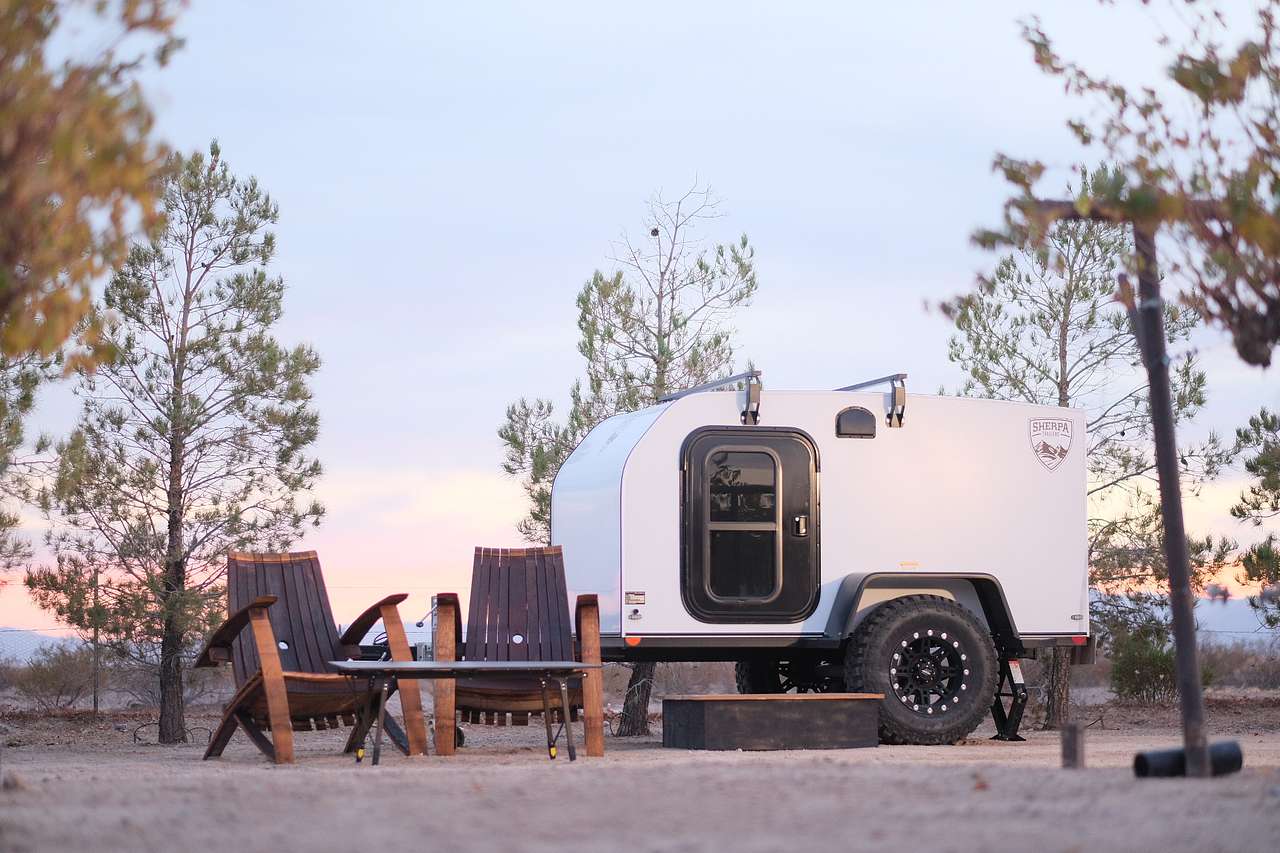
6. Tarantula Ranch
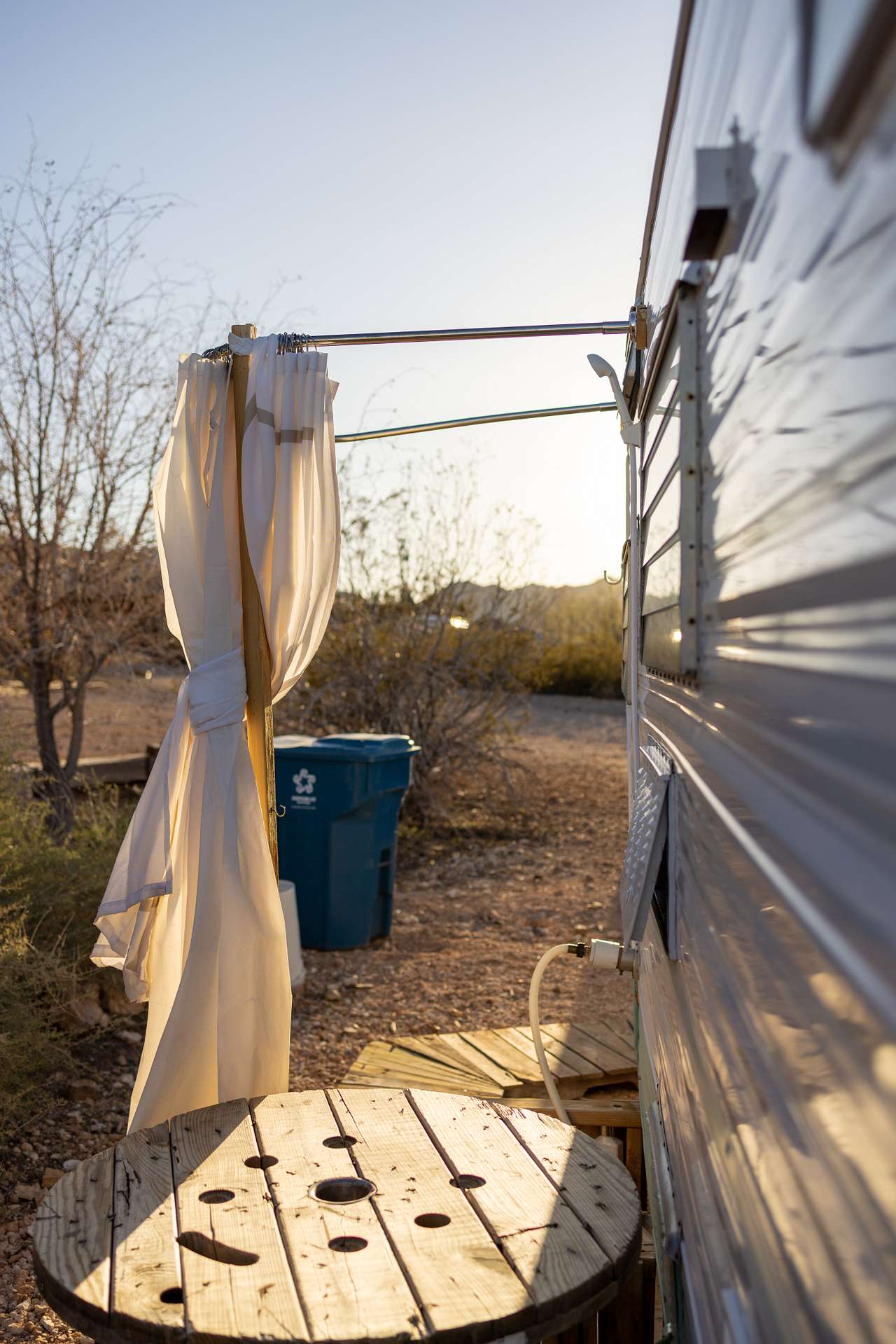
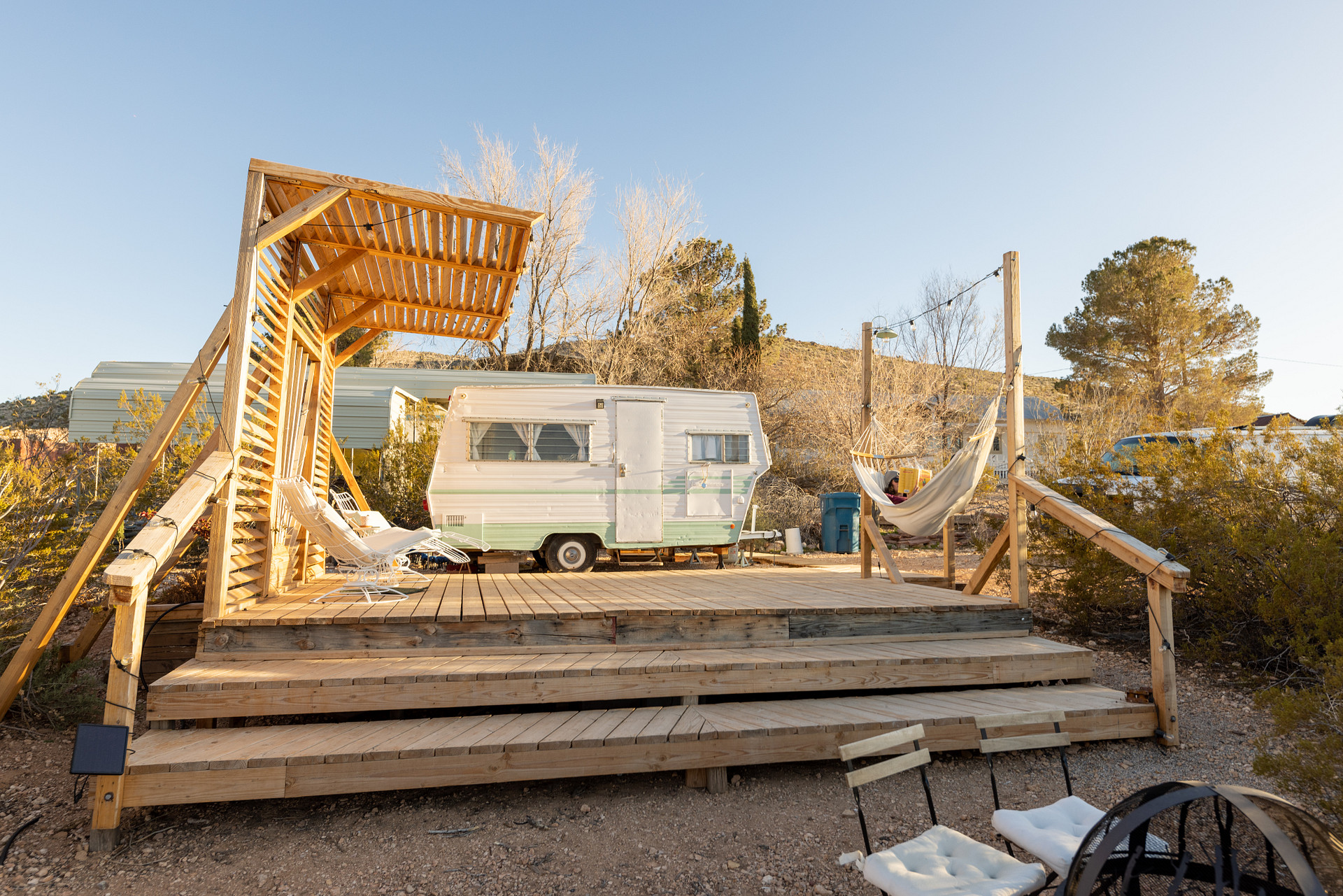
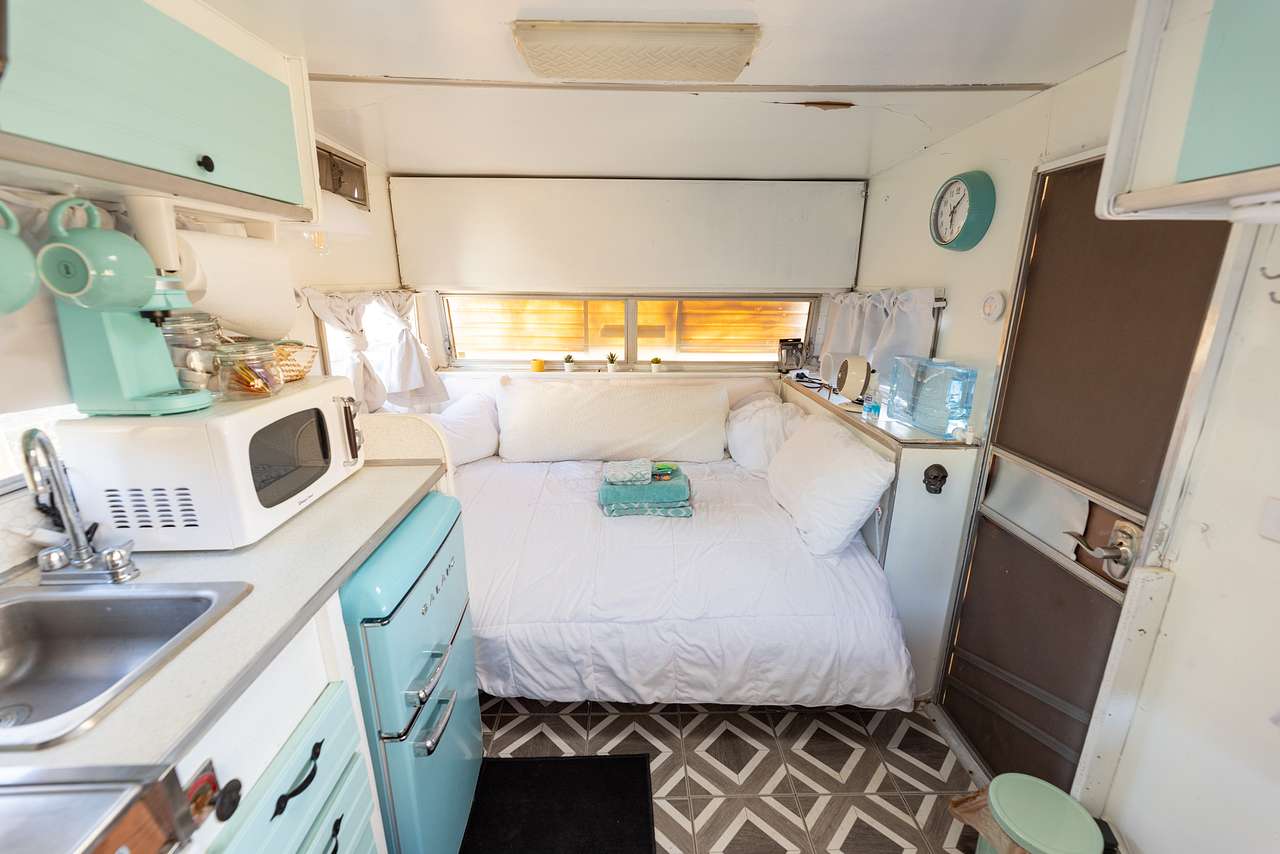
7. Retro Camper with Mountain Views
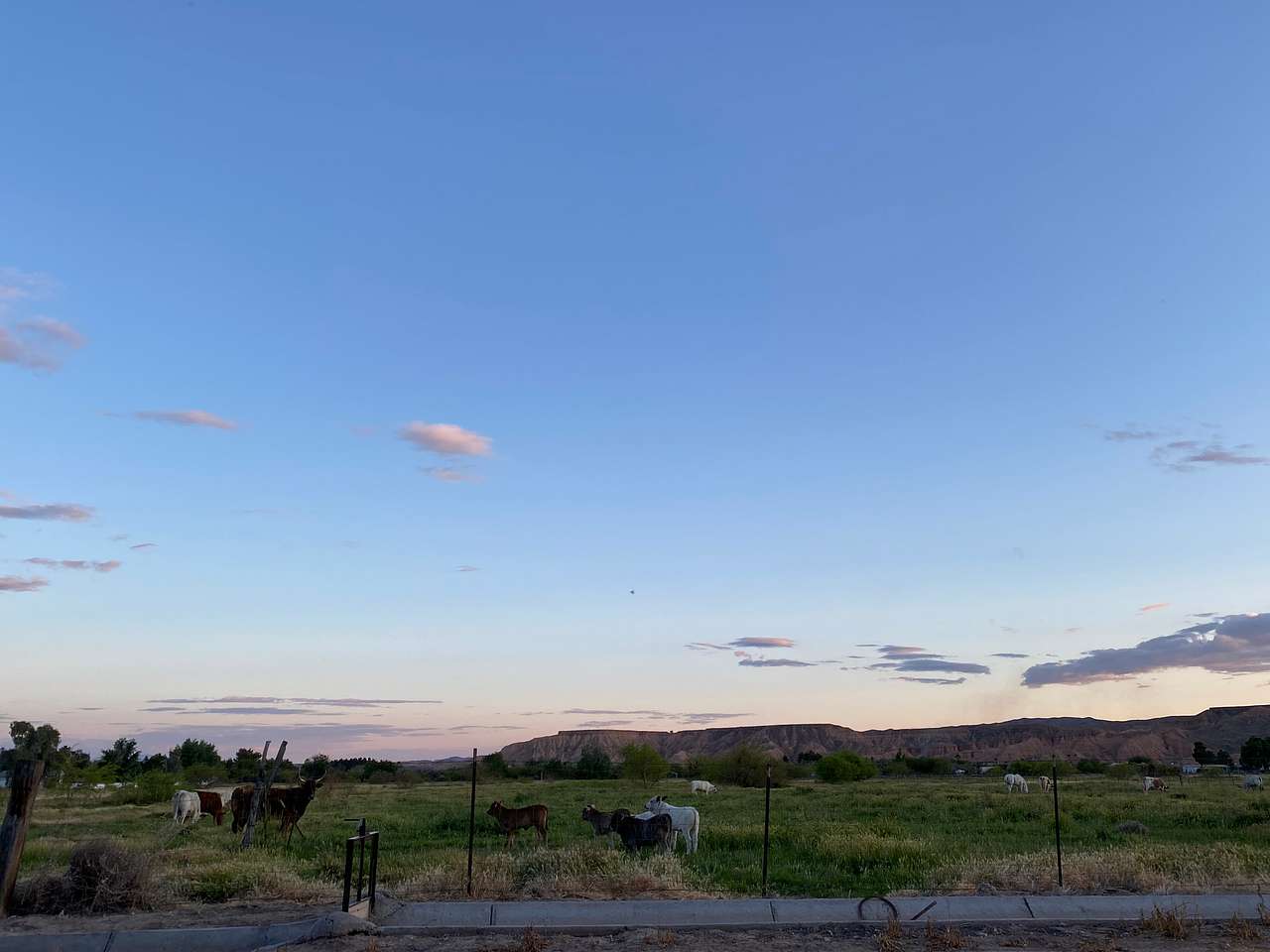
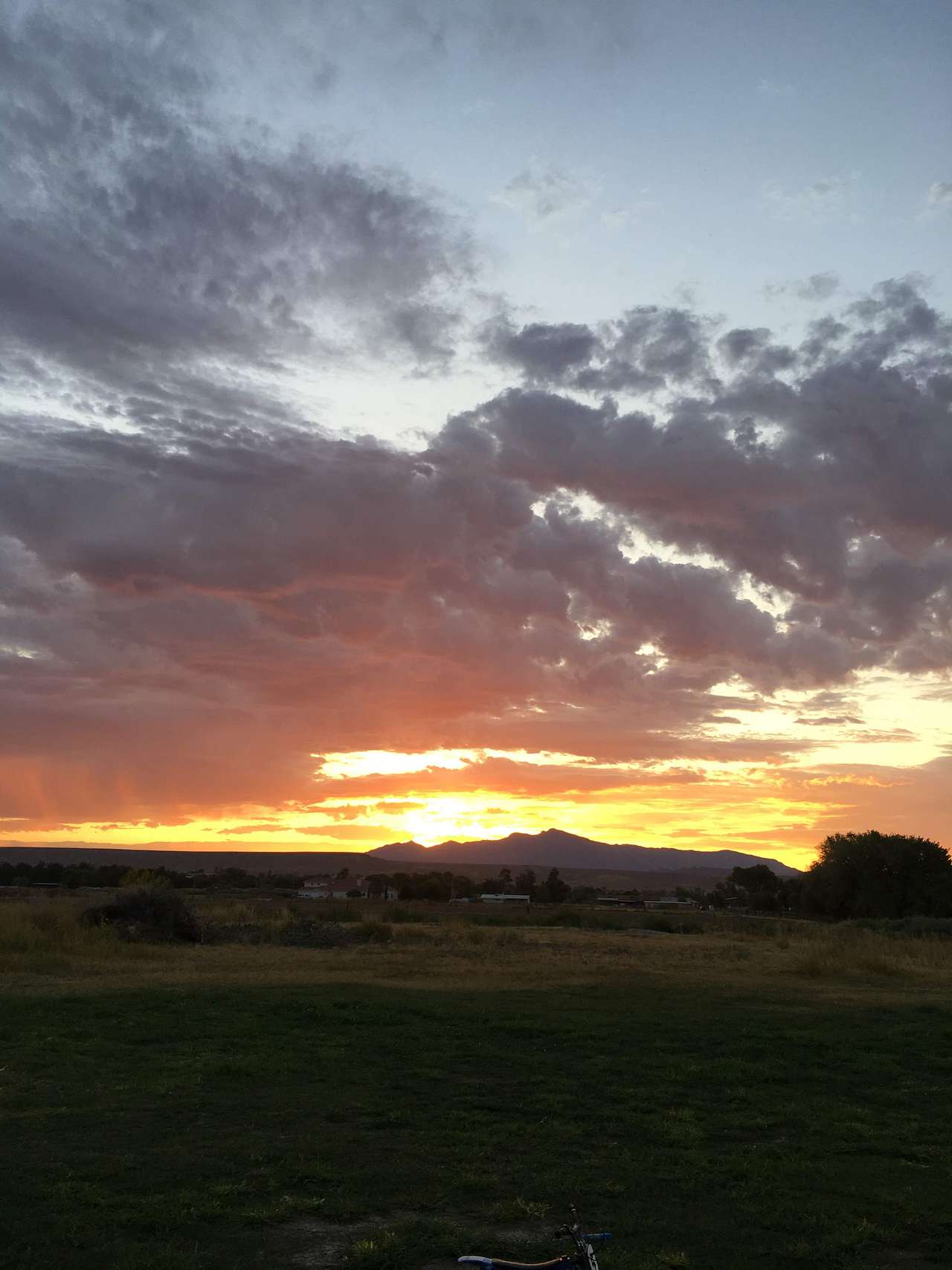
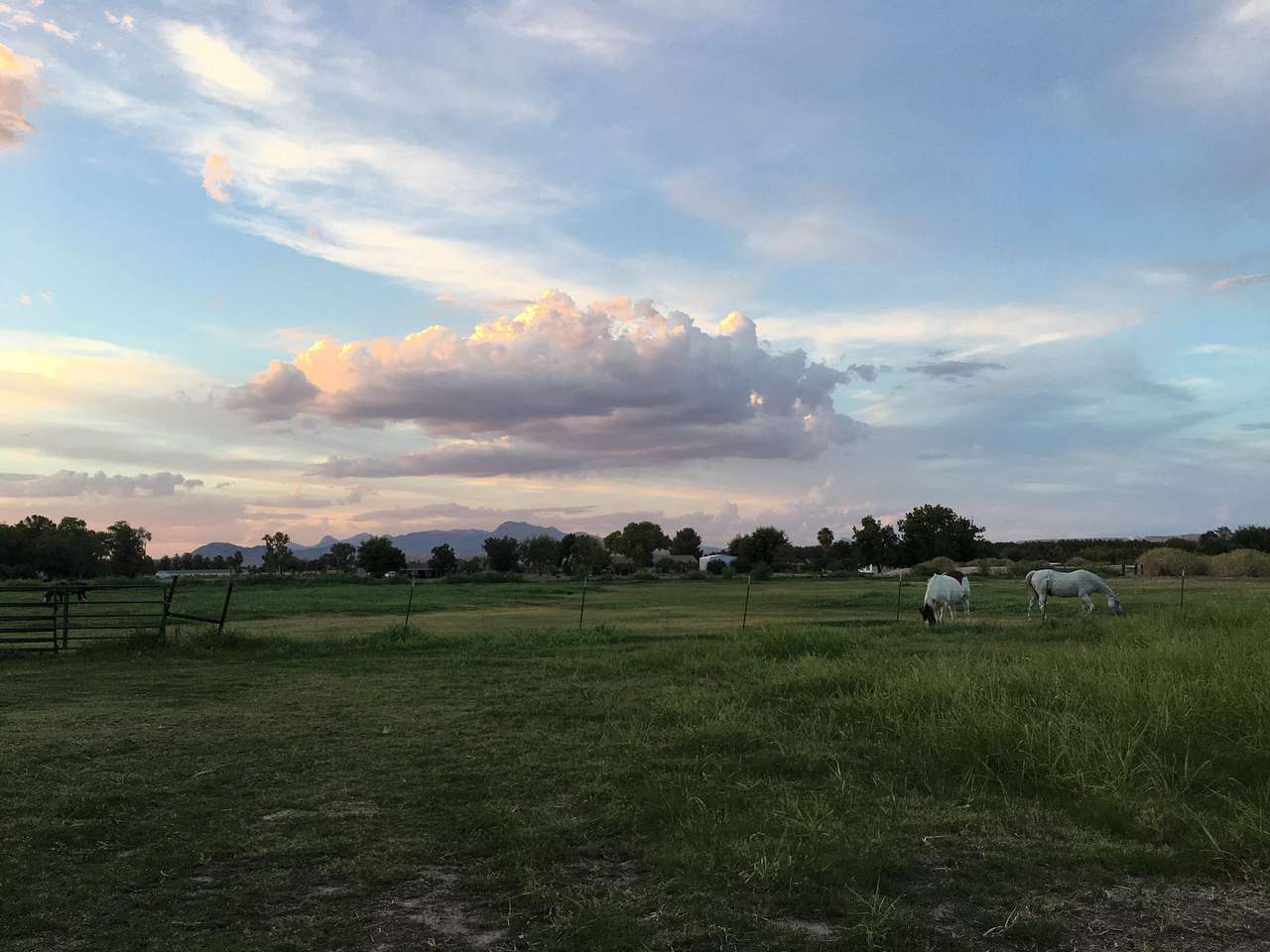
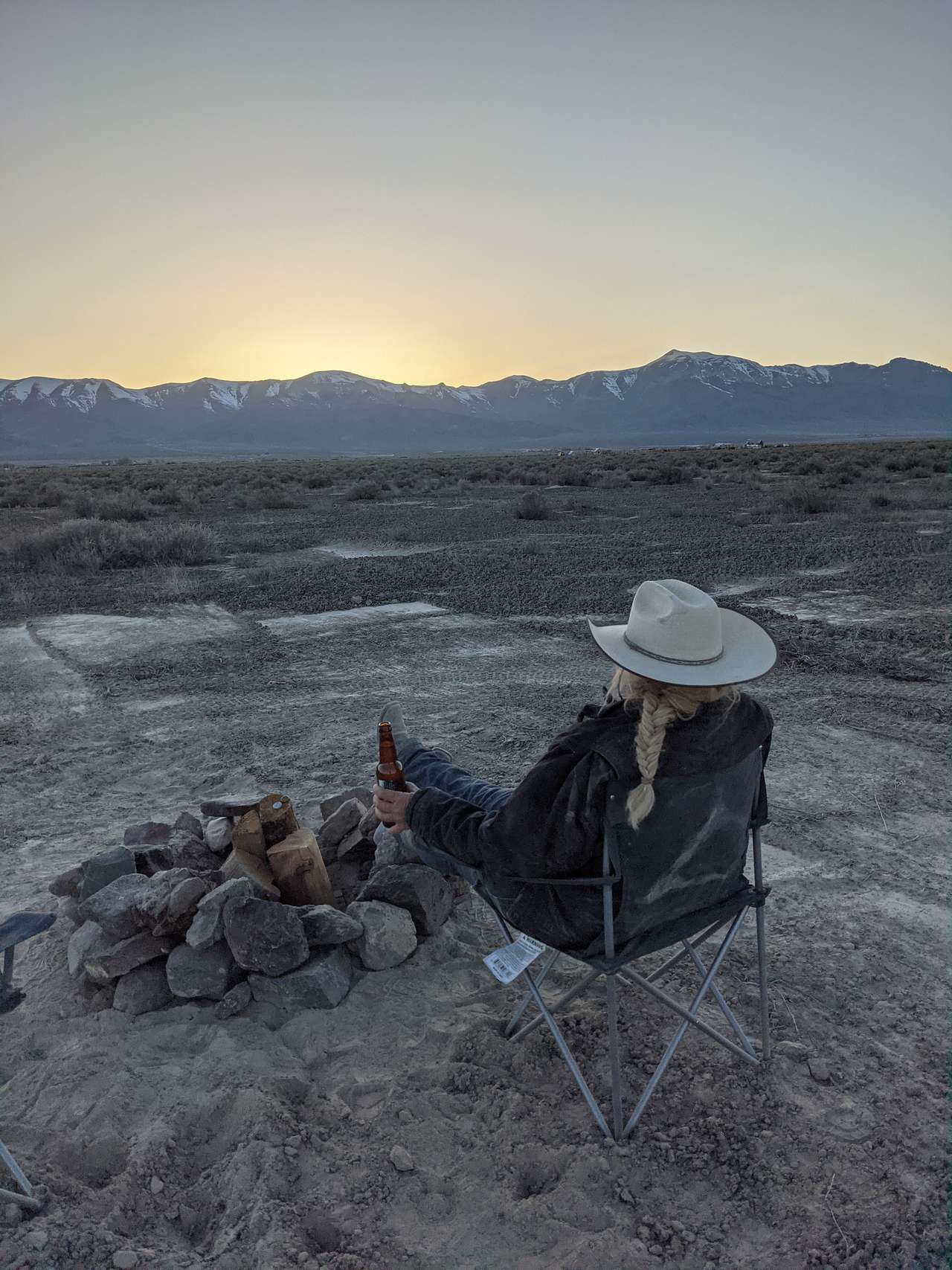
8. Desert Paradise with Mountain Views
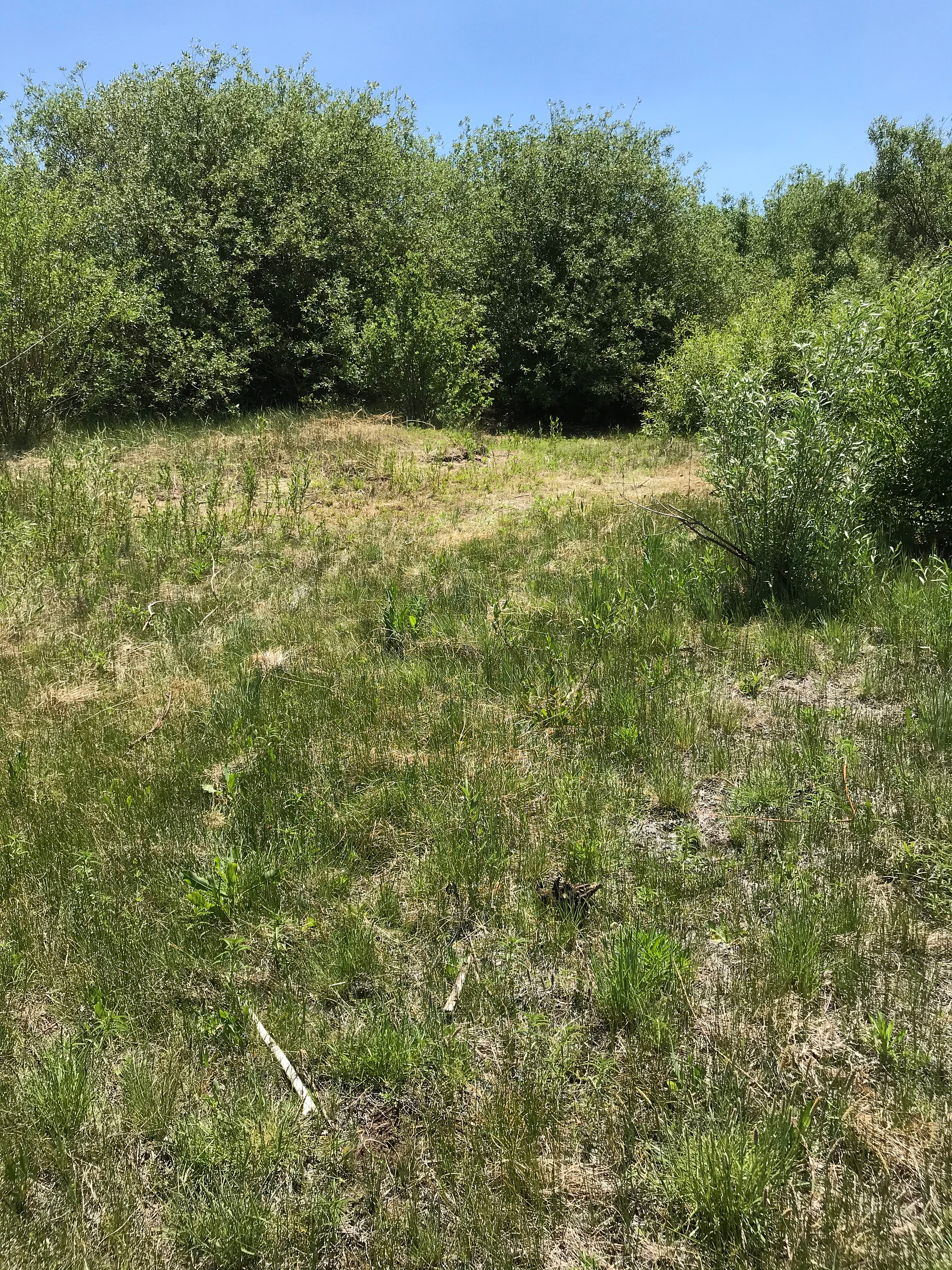
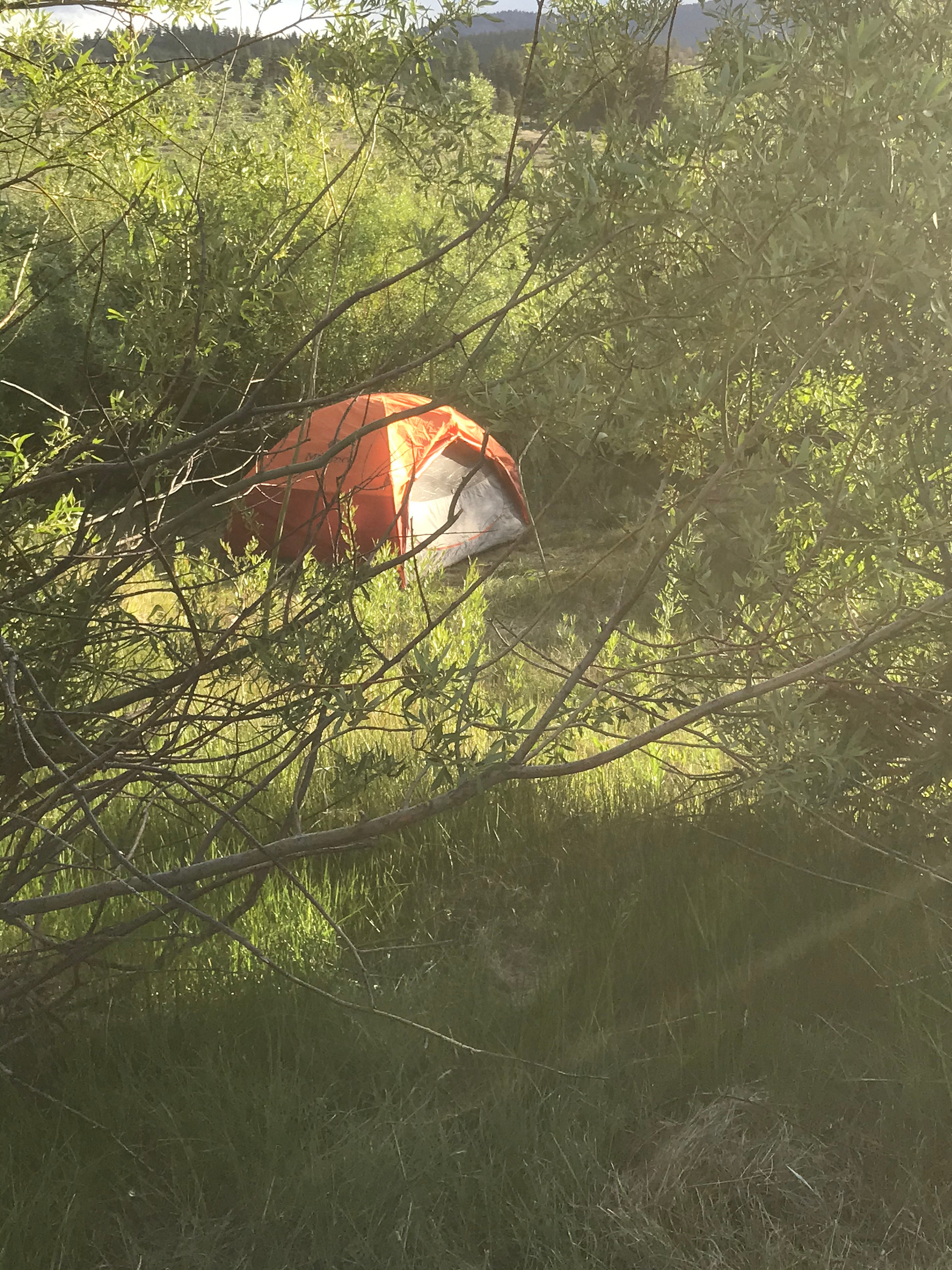
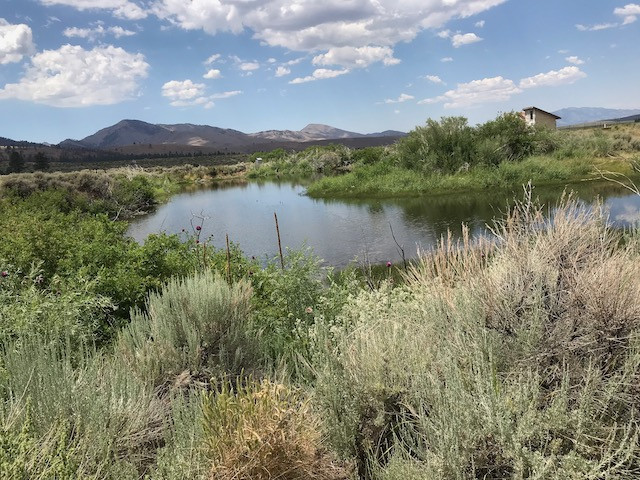
9. Flyte and Sparrow natural interlude
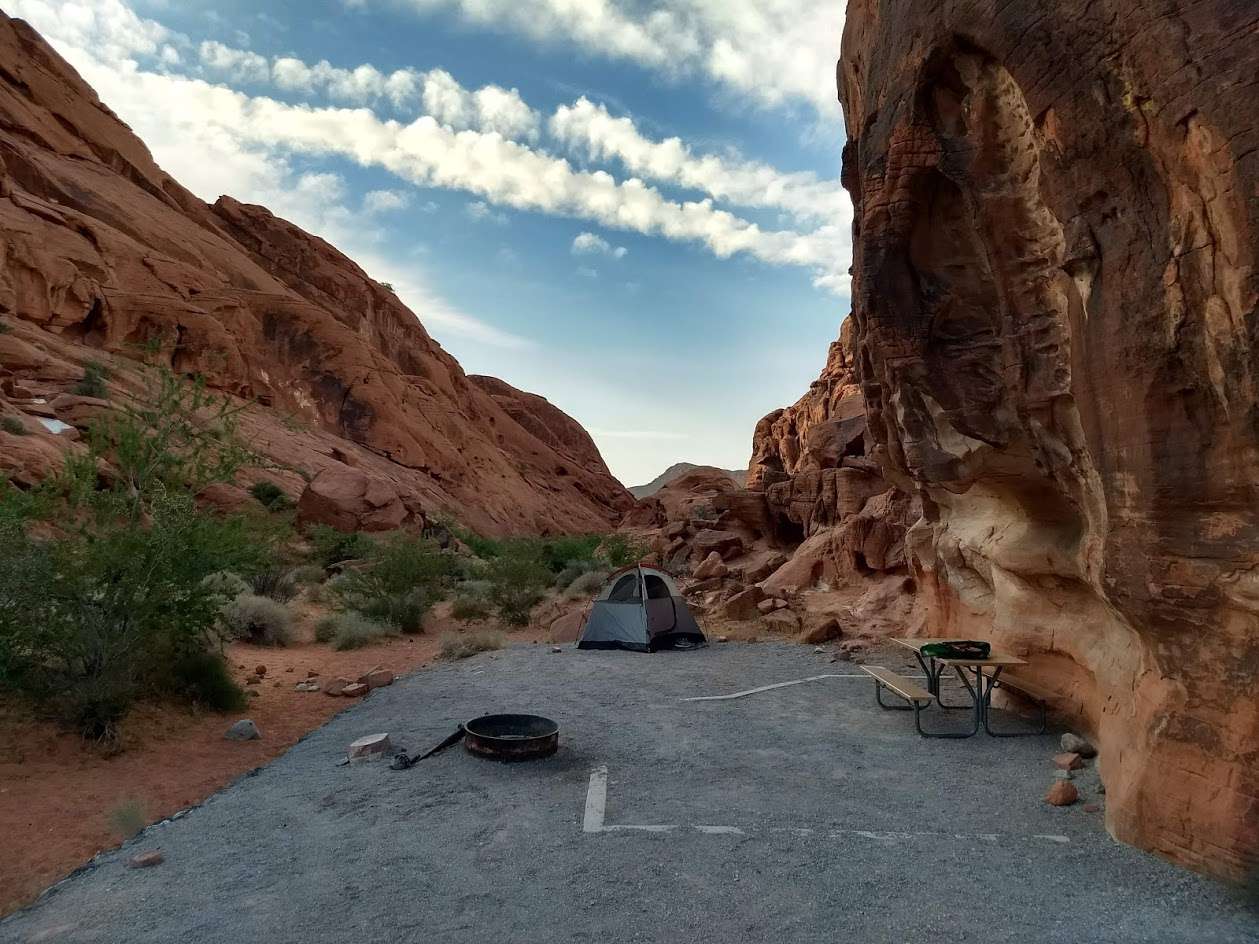
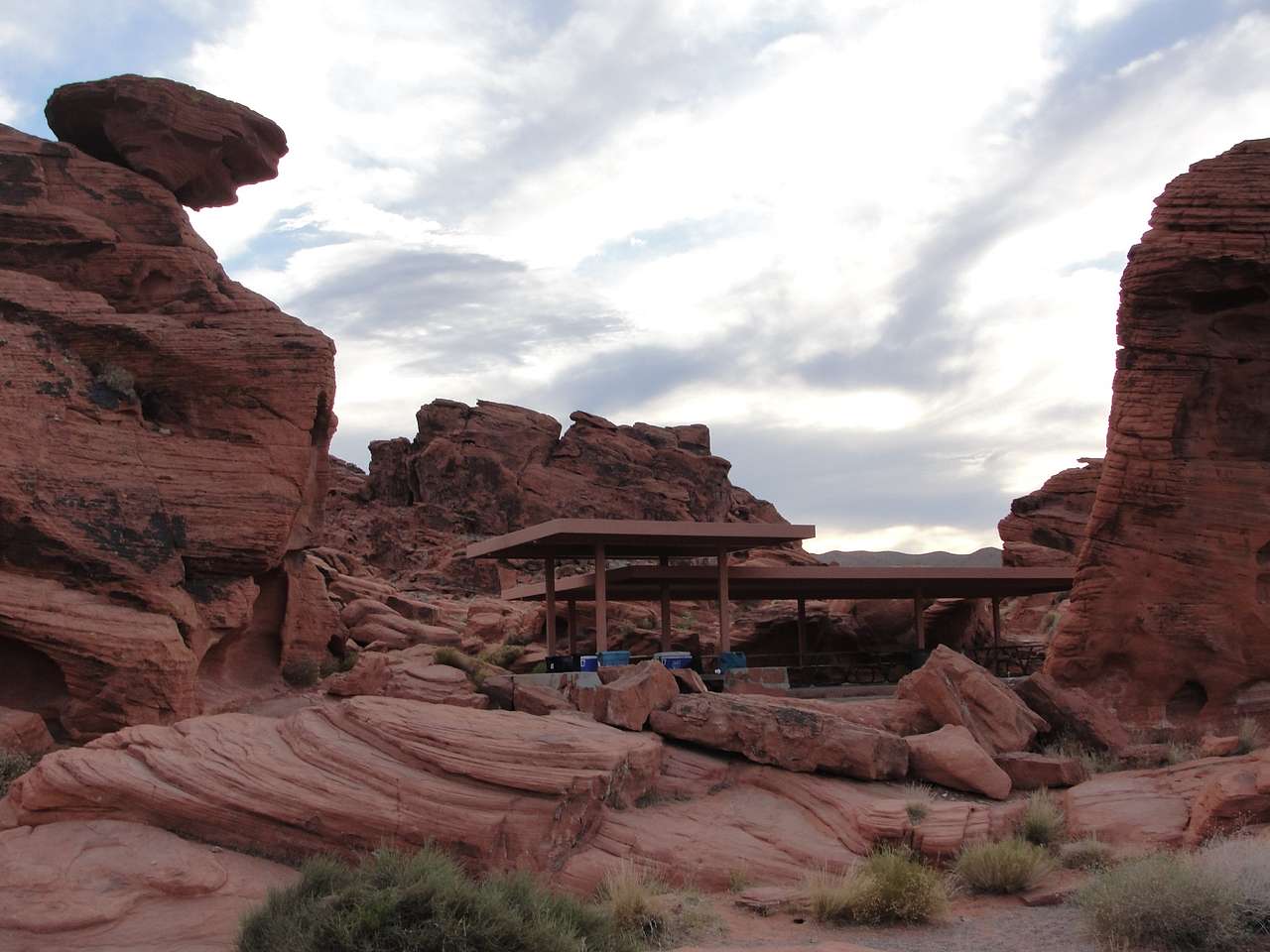
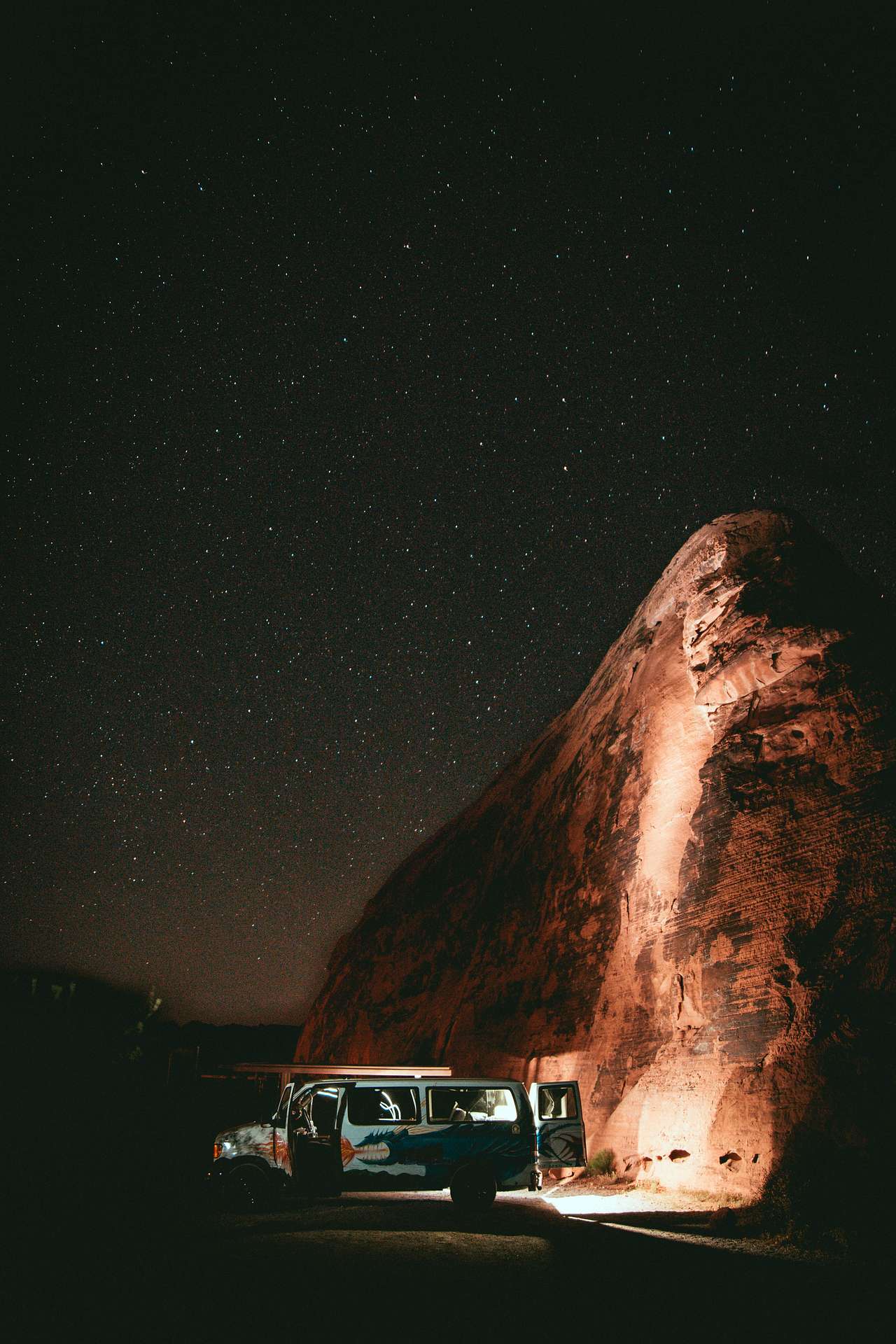
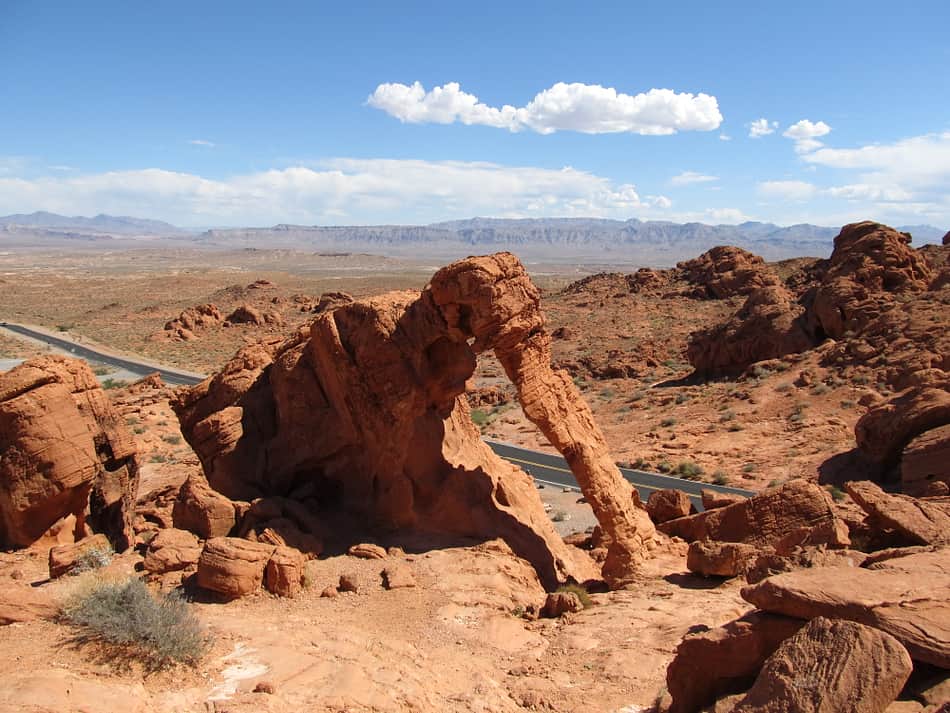
10. Valley of Fire State Park
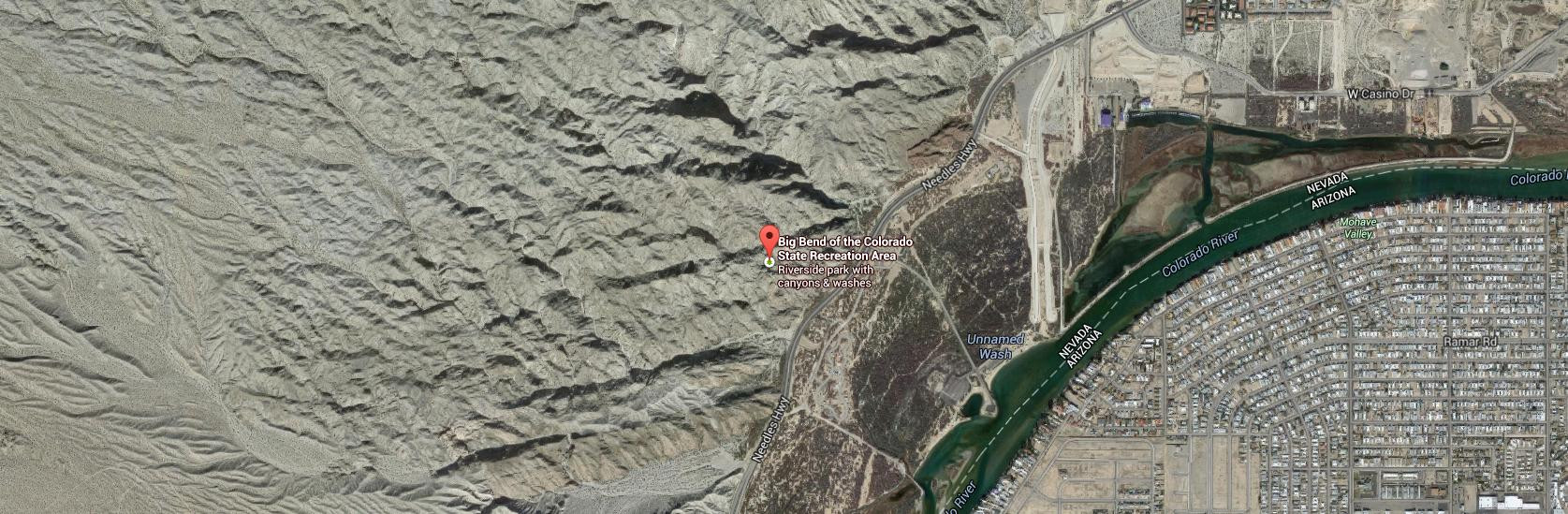
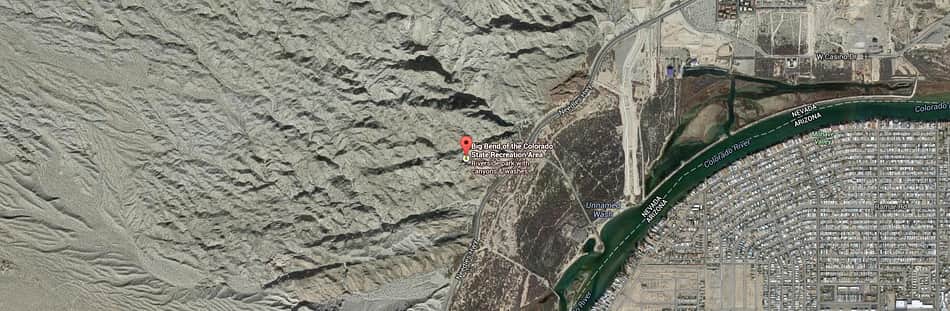
11. Big Bend of the Colorado State Recreation Area
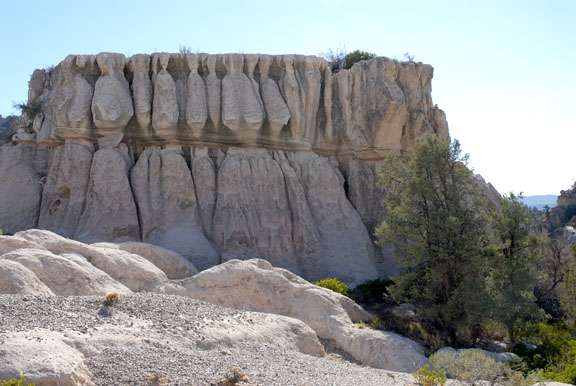
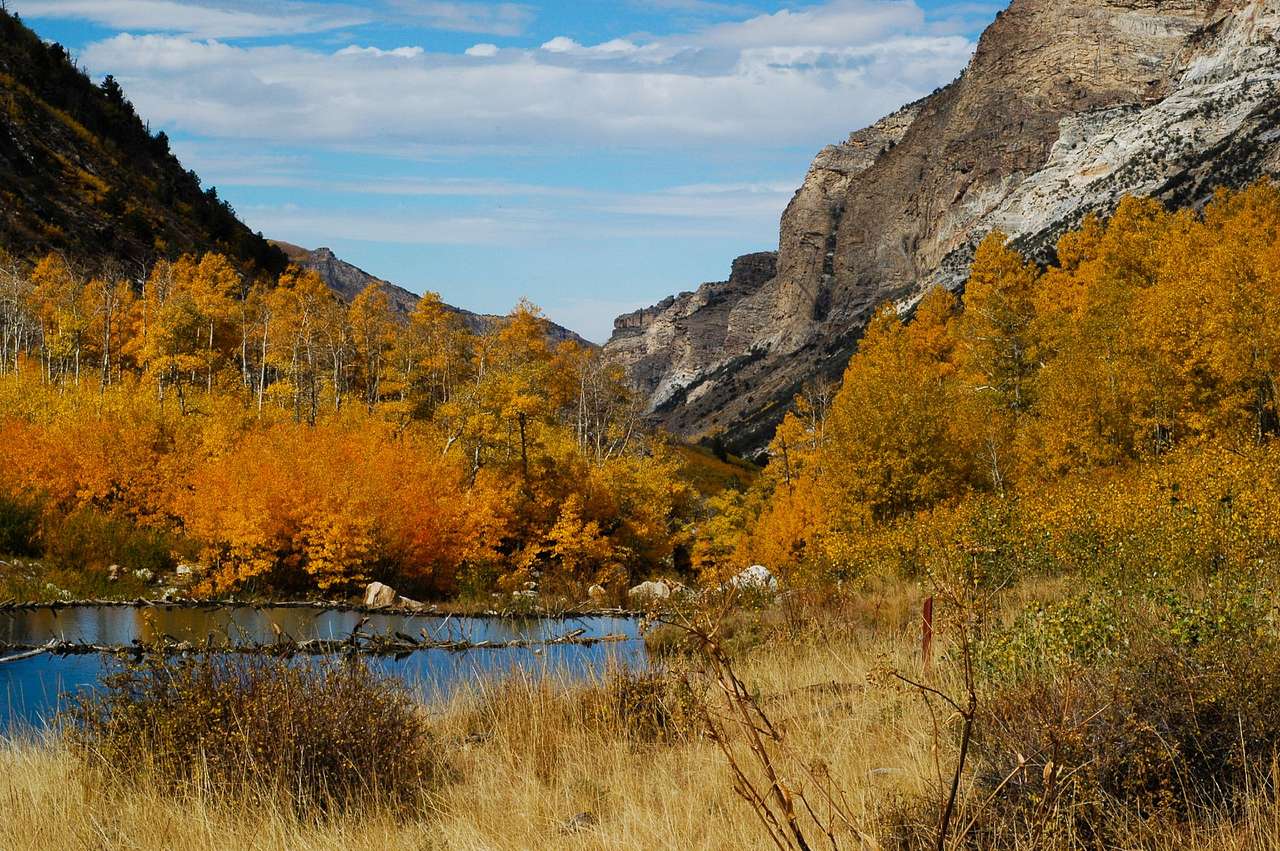
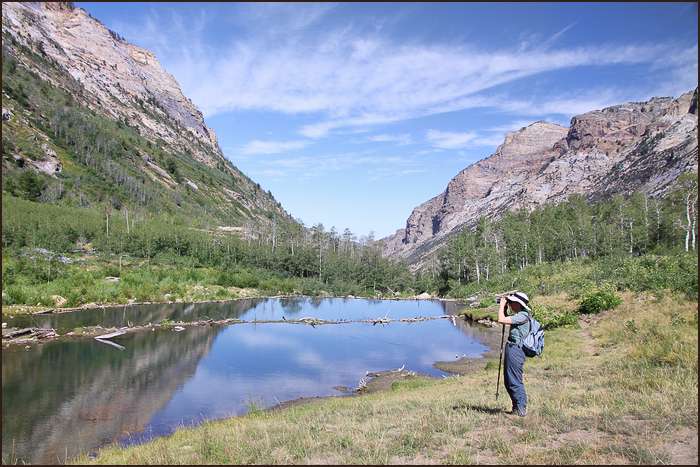
12. Beaver Dam State Park Nevada
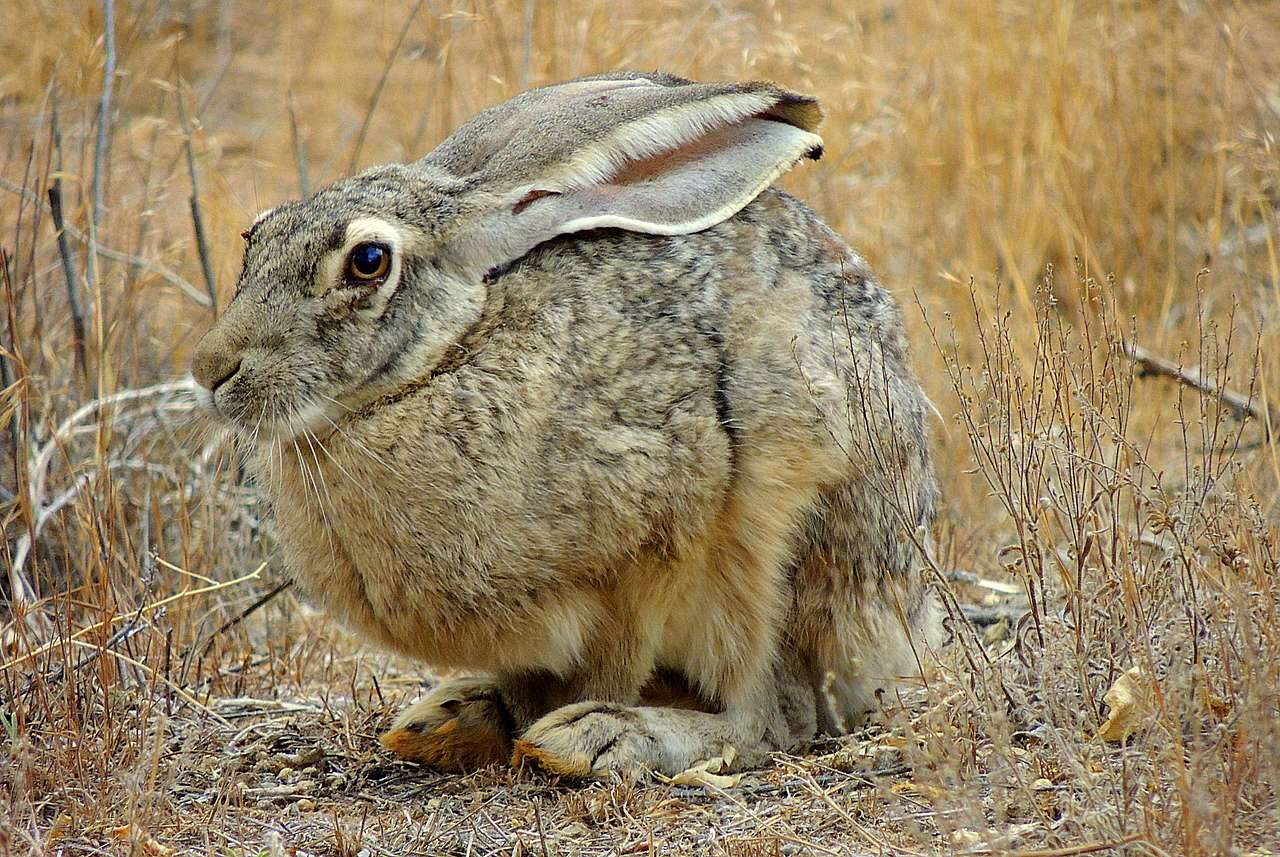
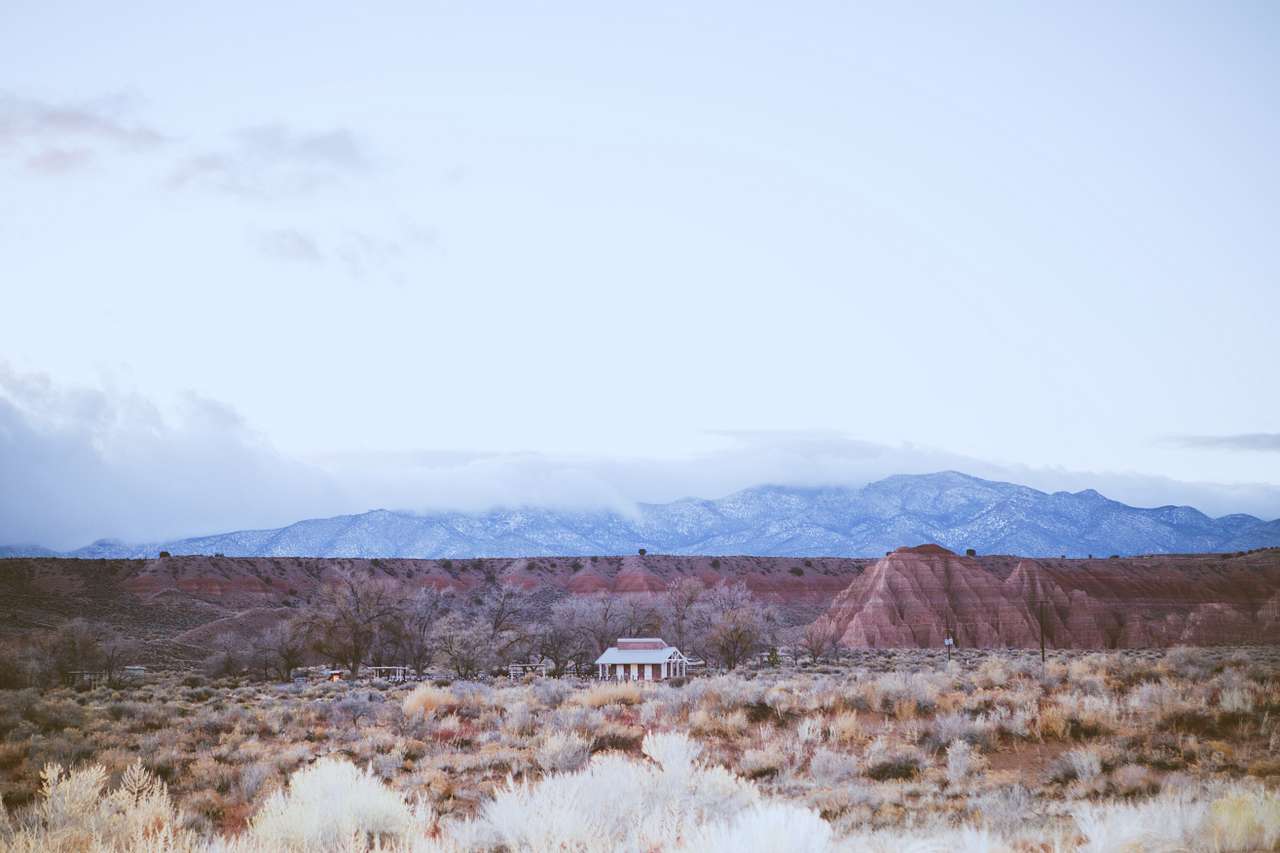
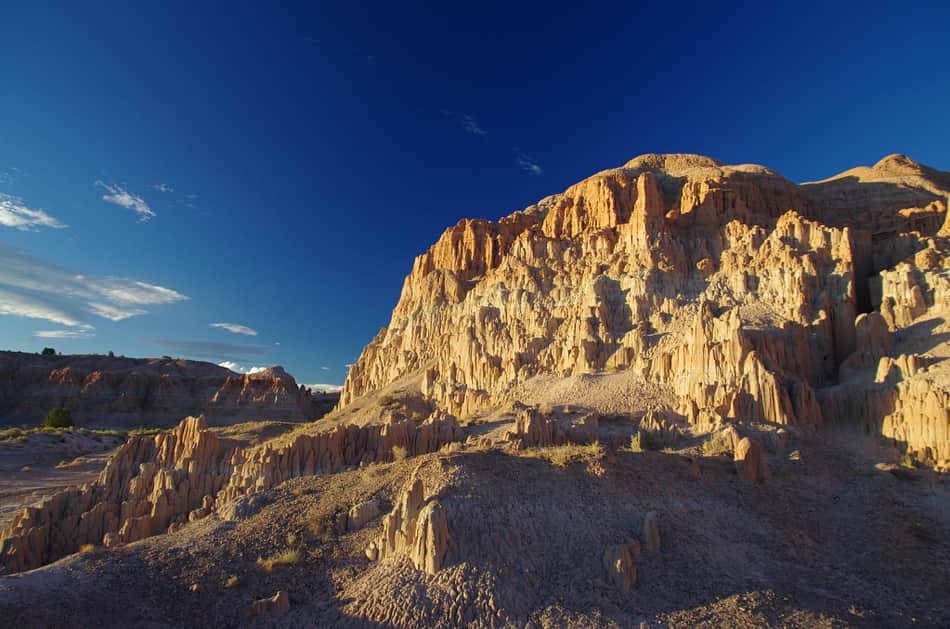
13. Cathedral Gorge State Park
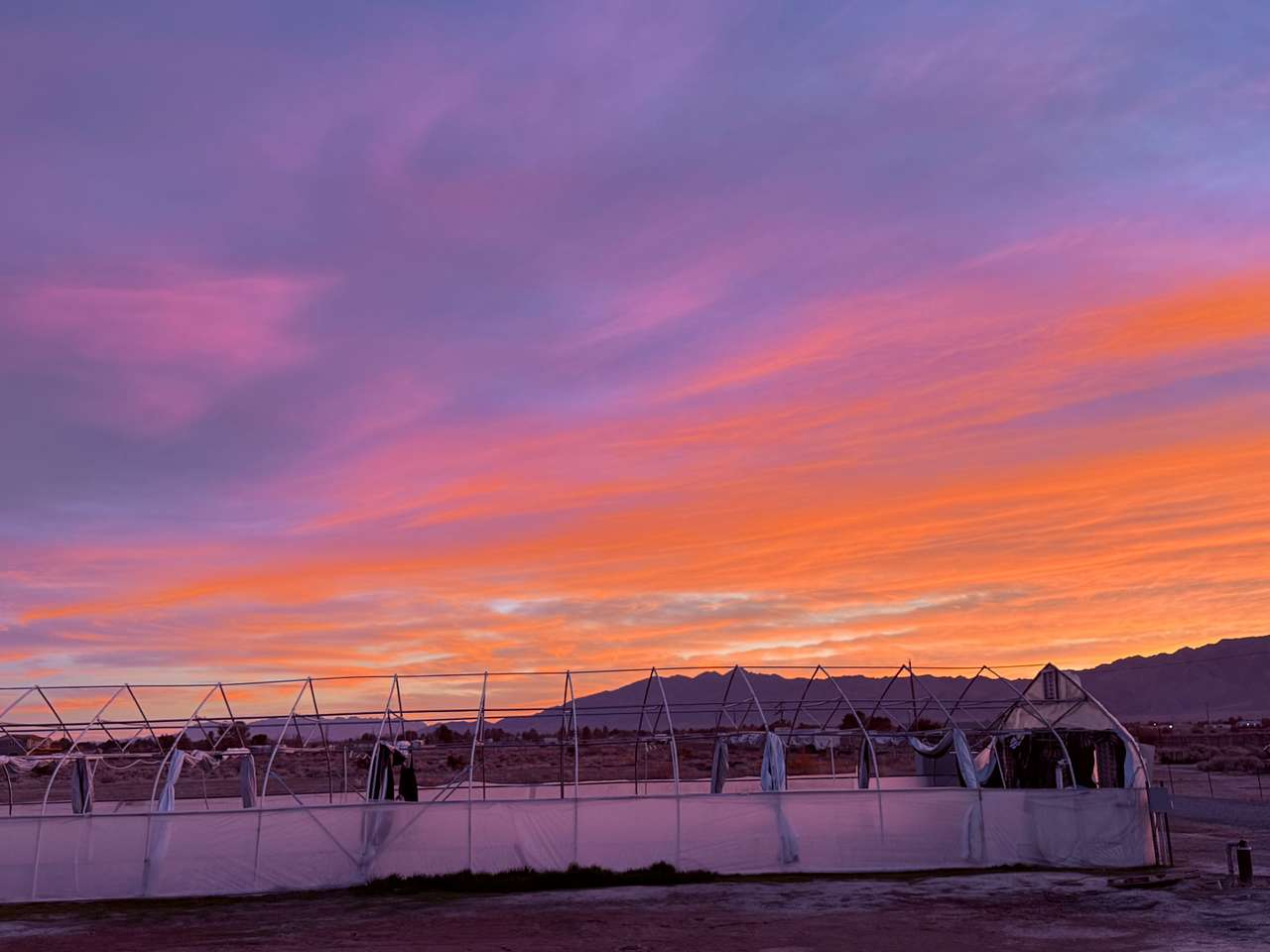
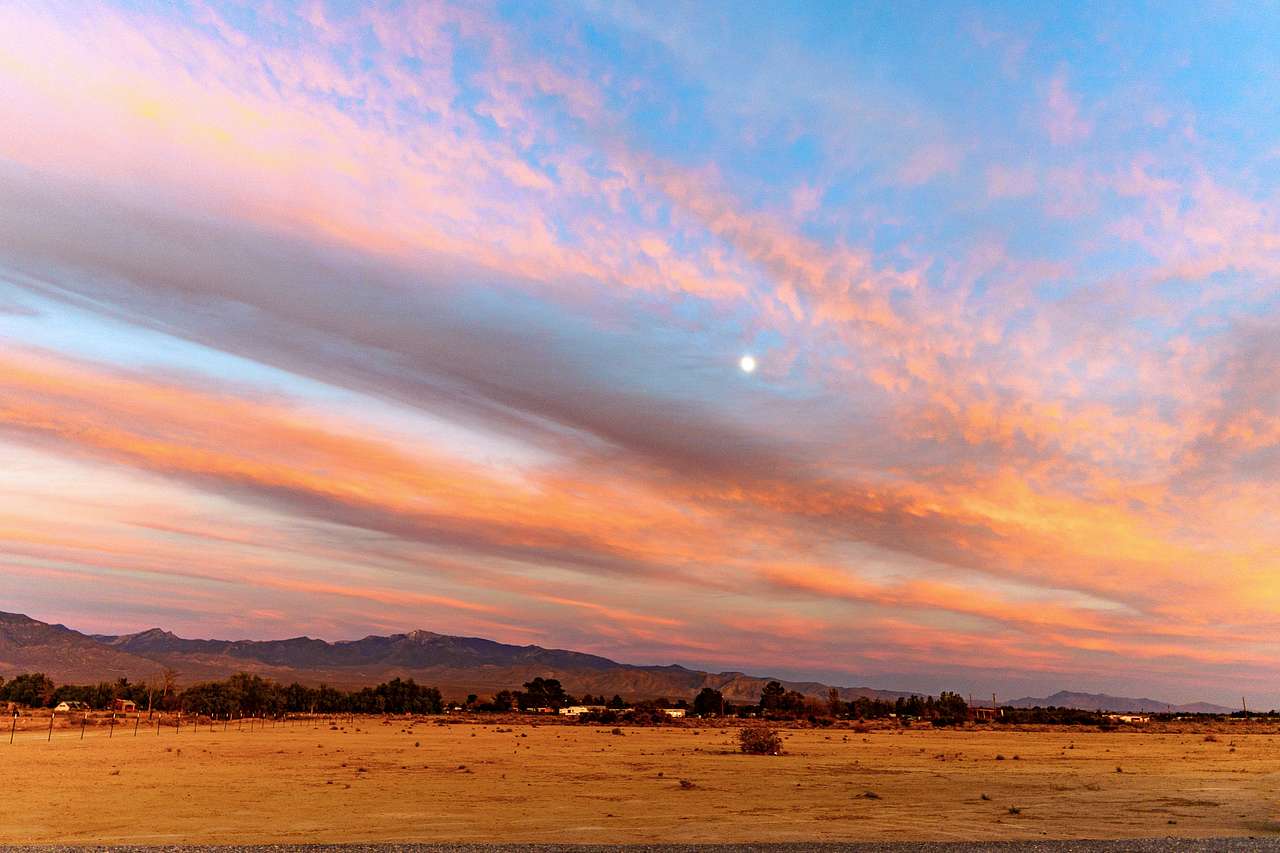
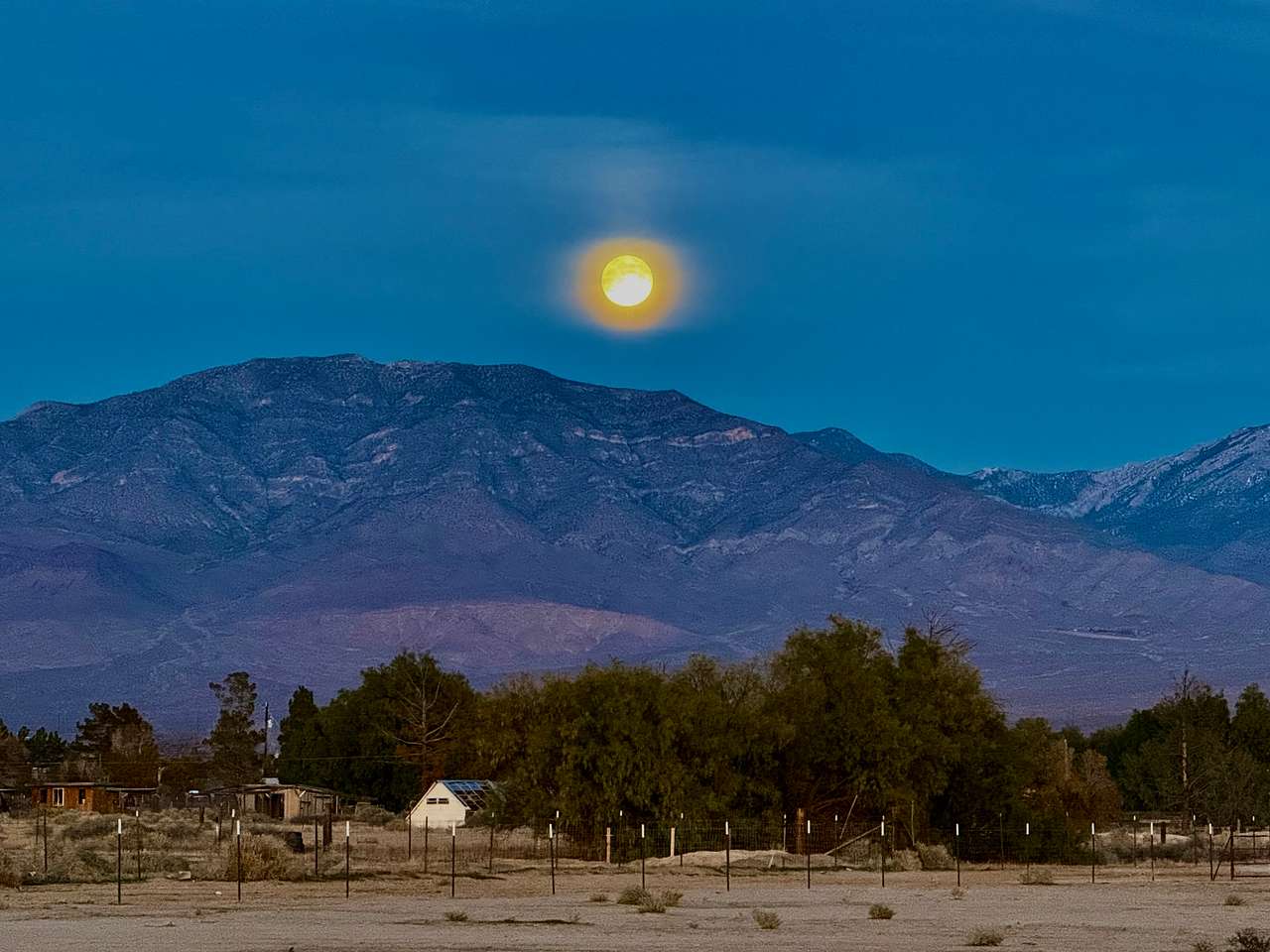
14. OG Farms
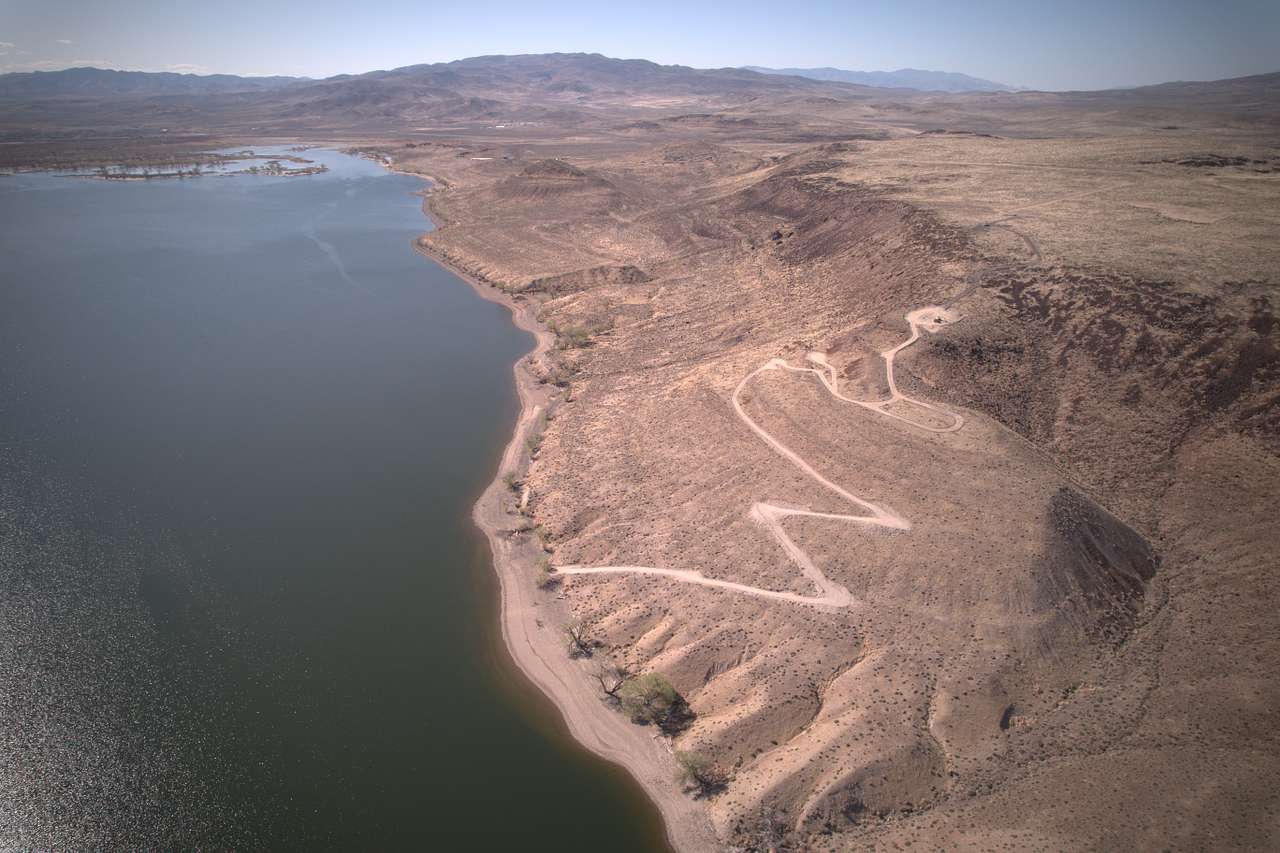
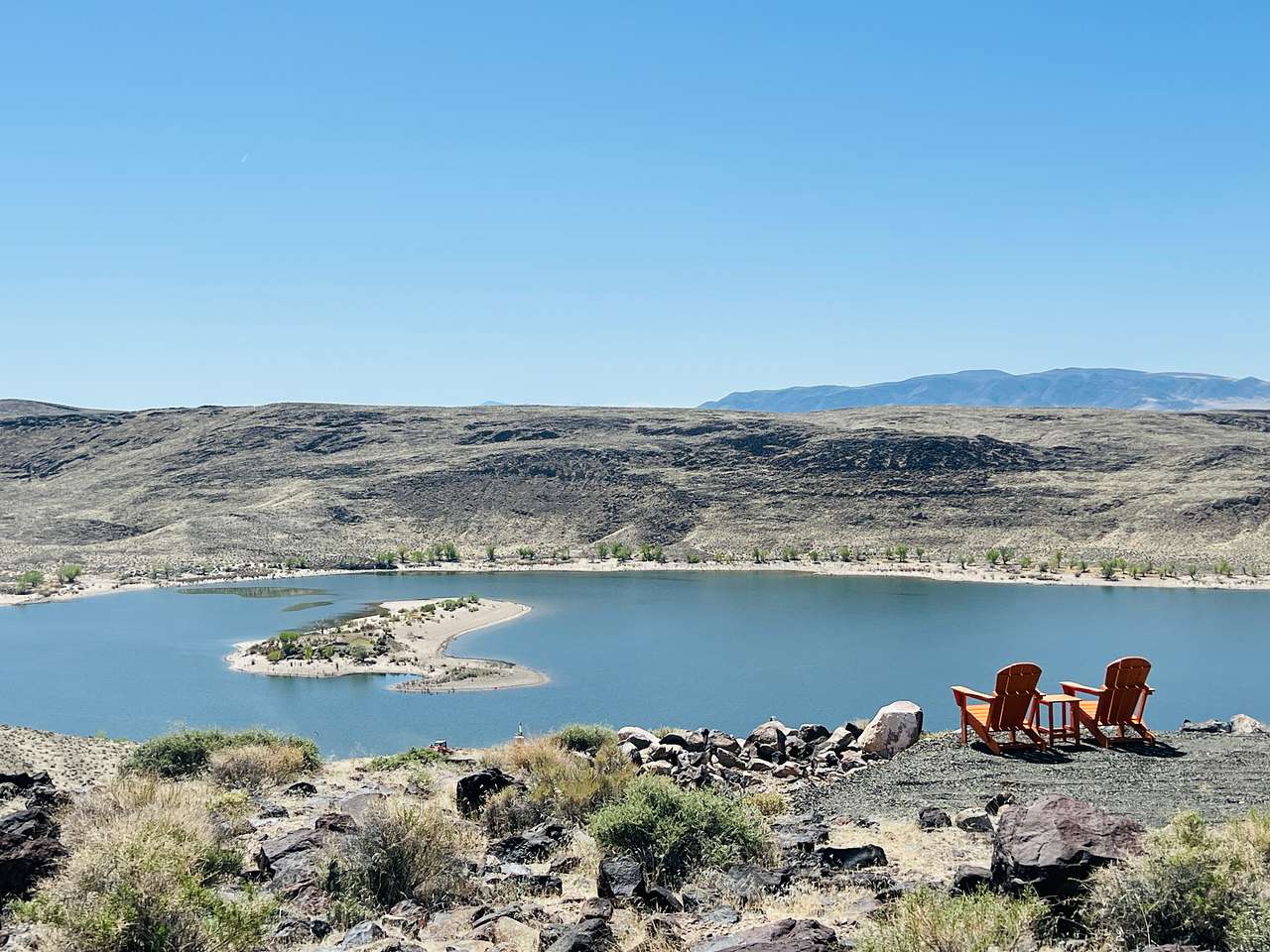
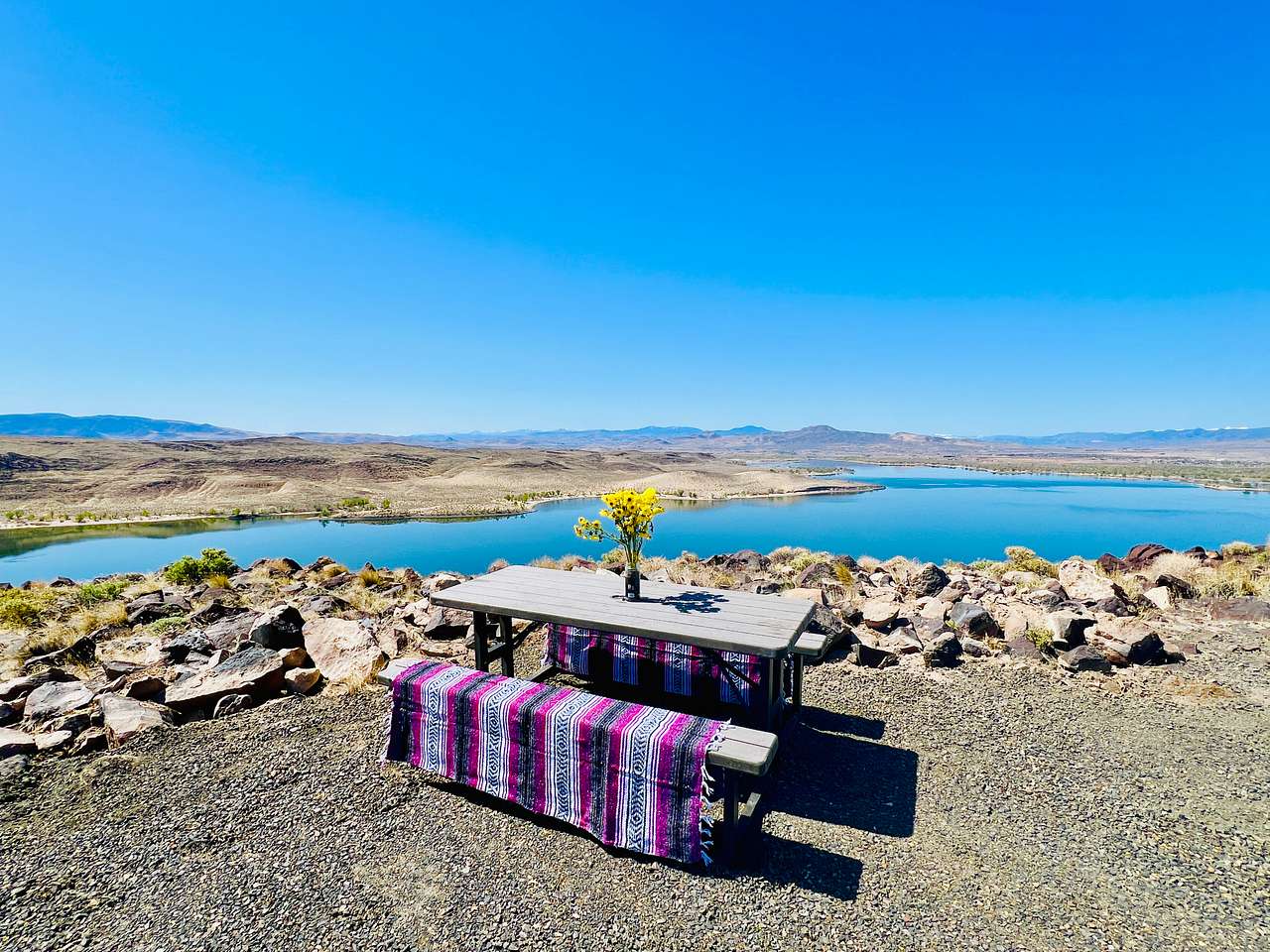
15. Lahontan Shores High Desert Retreat
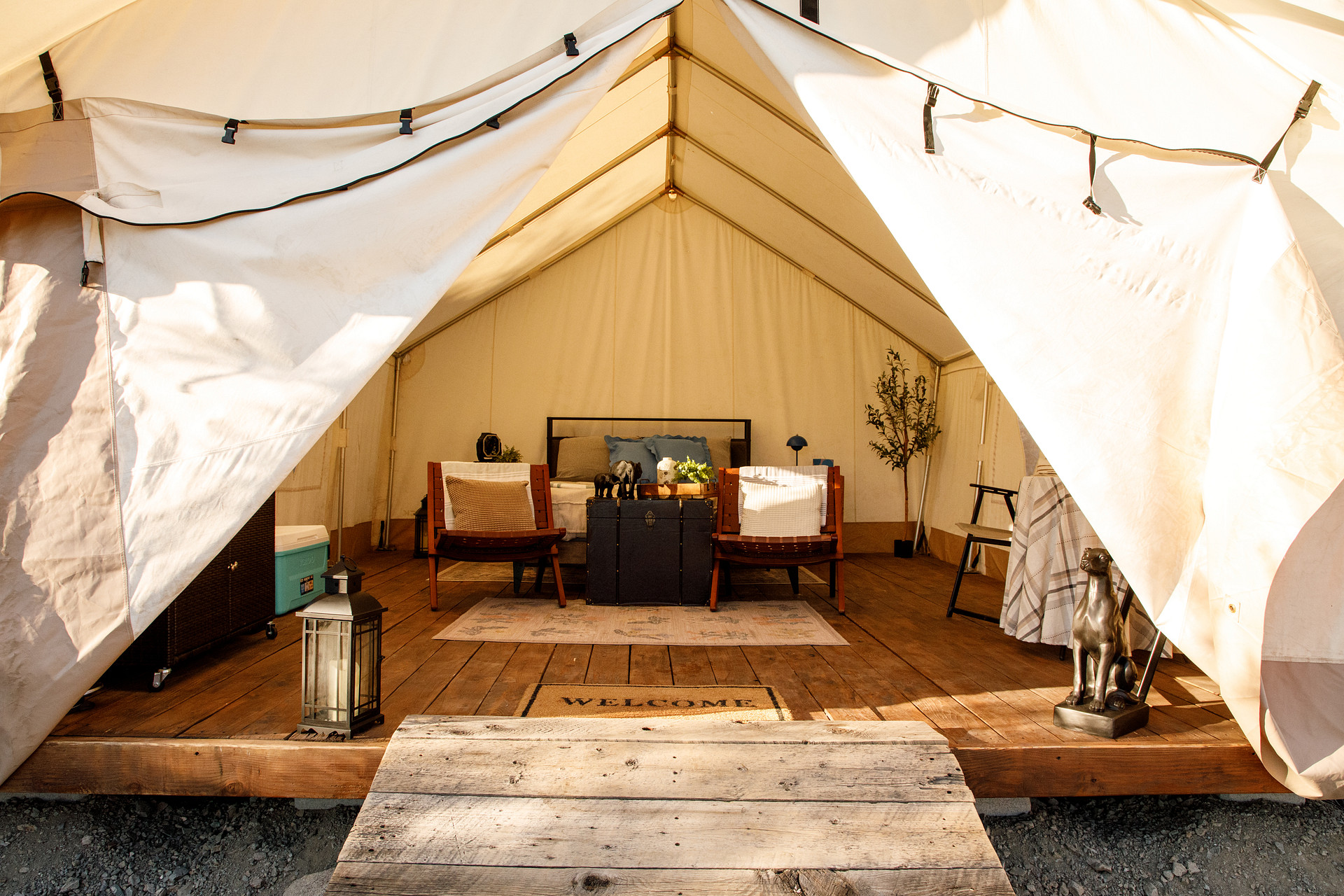
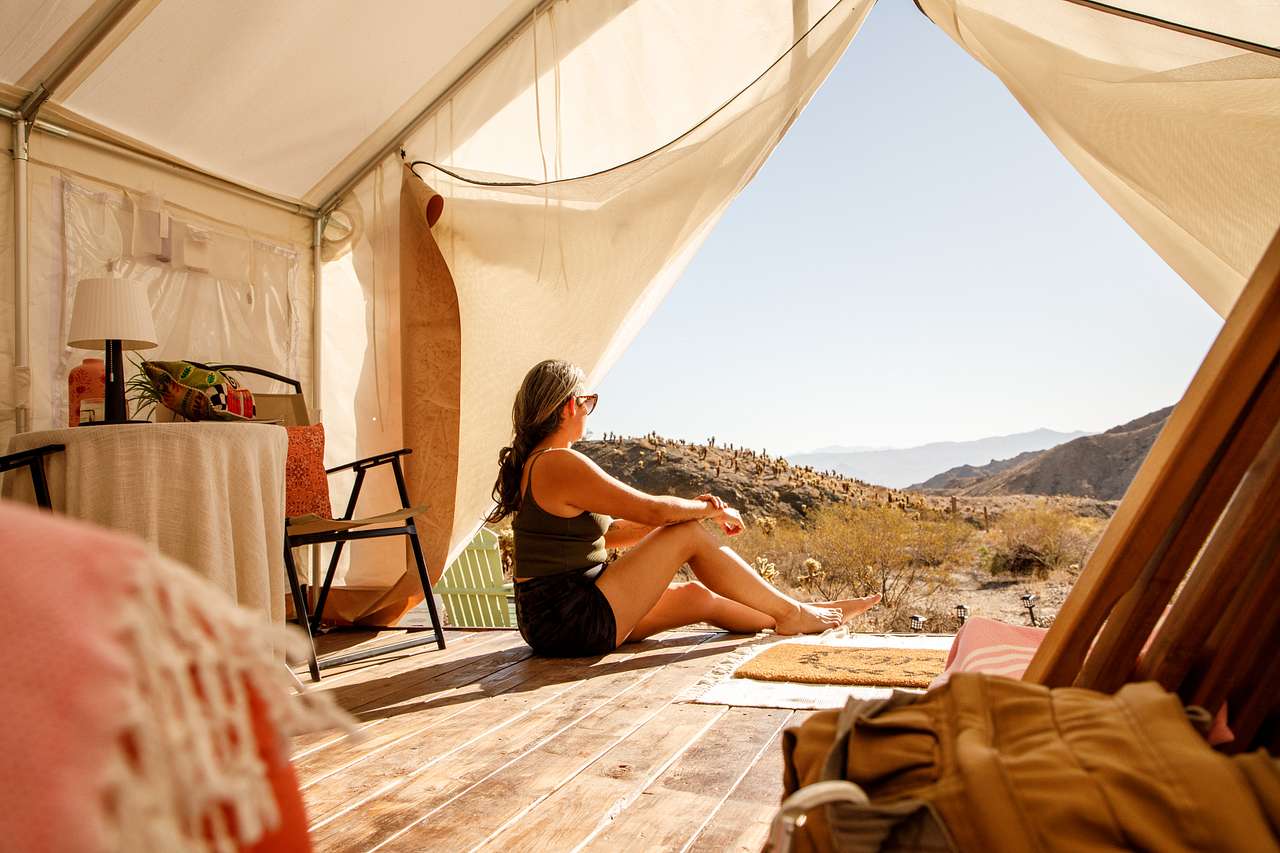
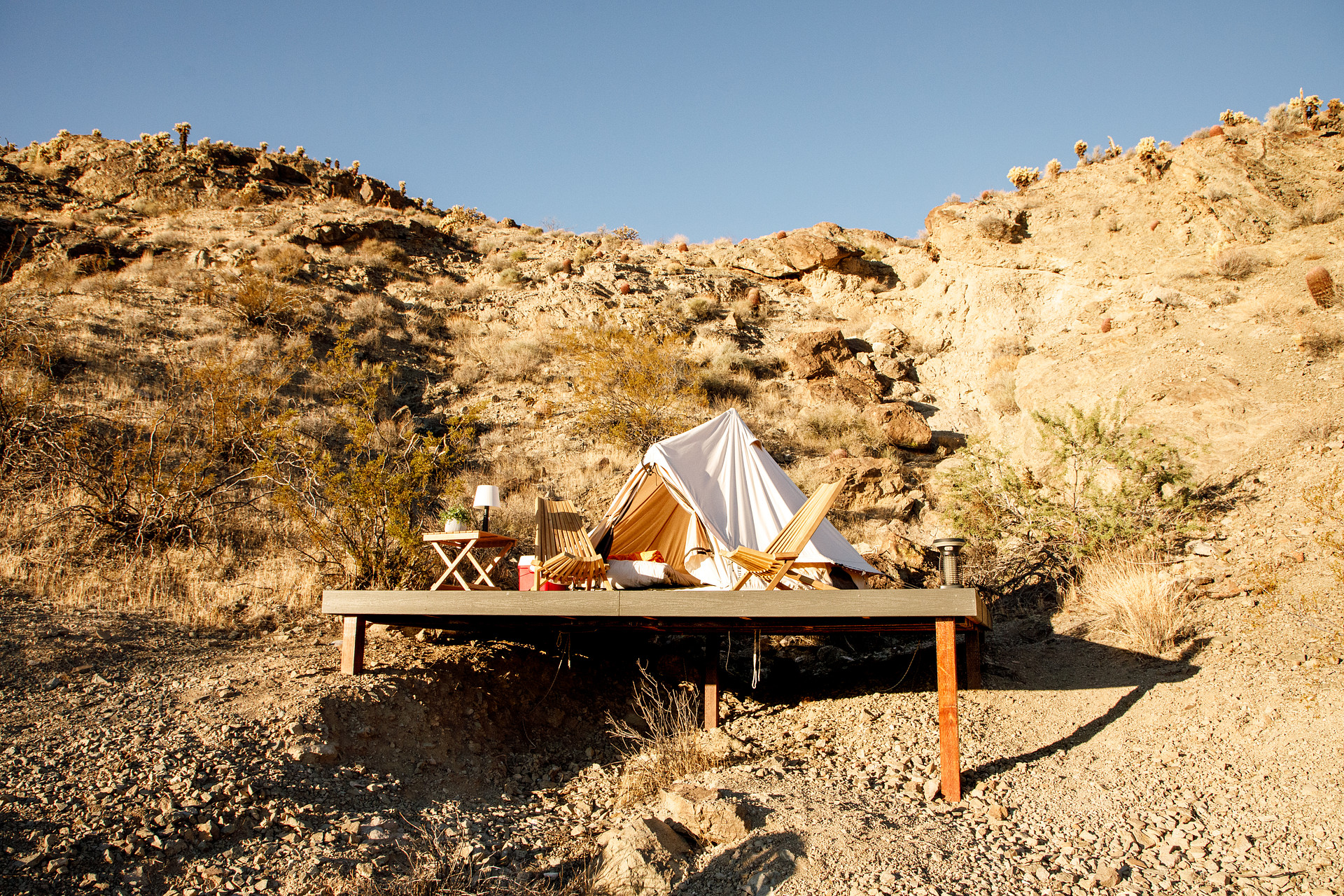
16. Vegas Glamping
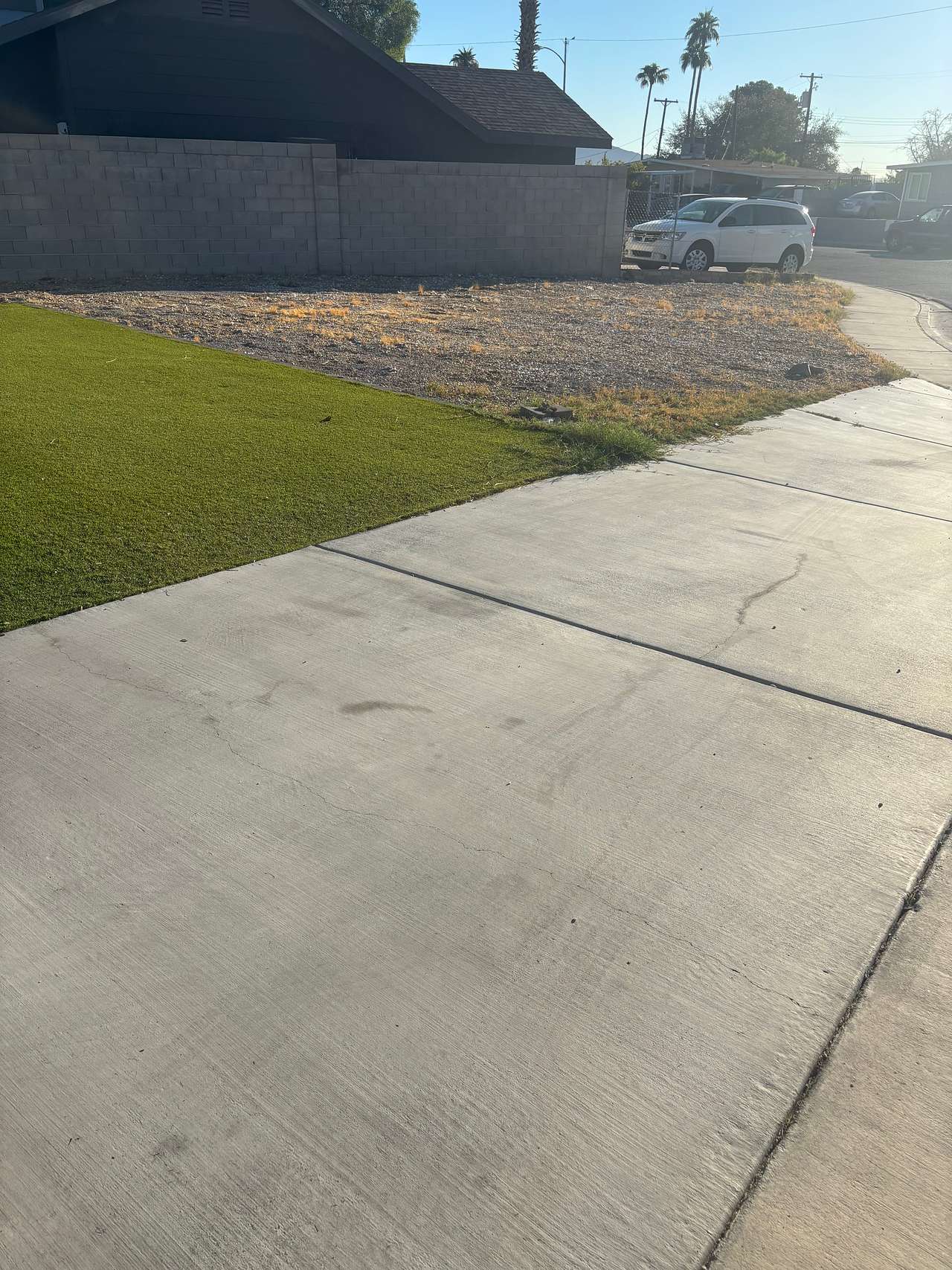
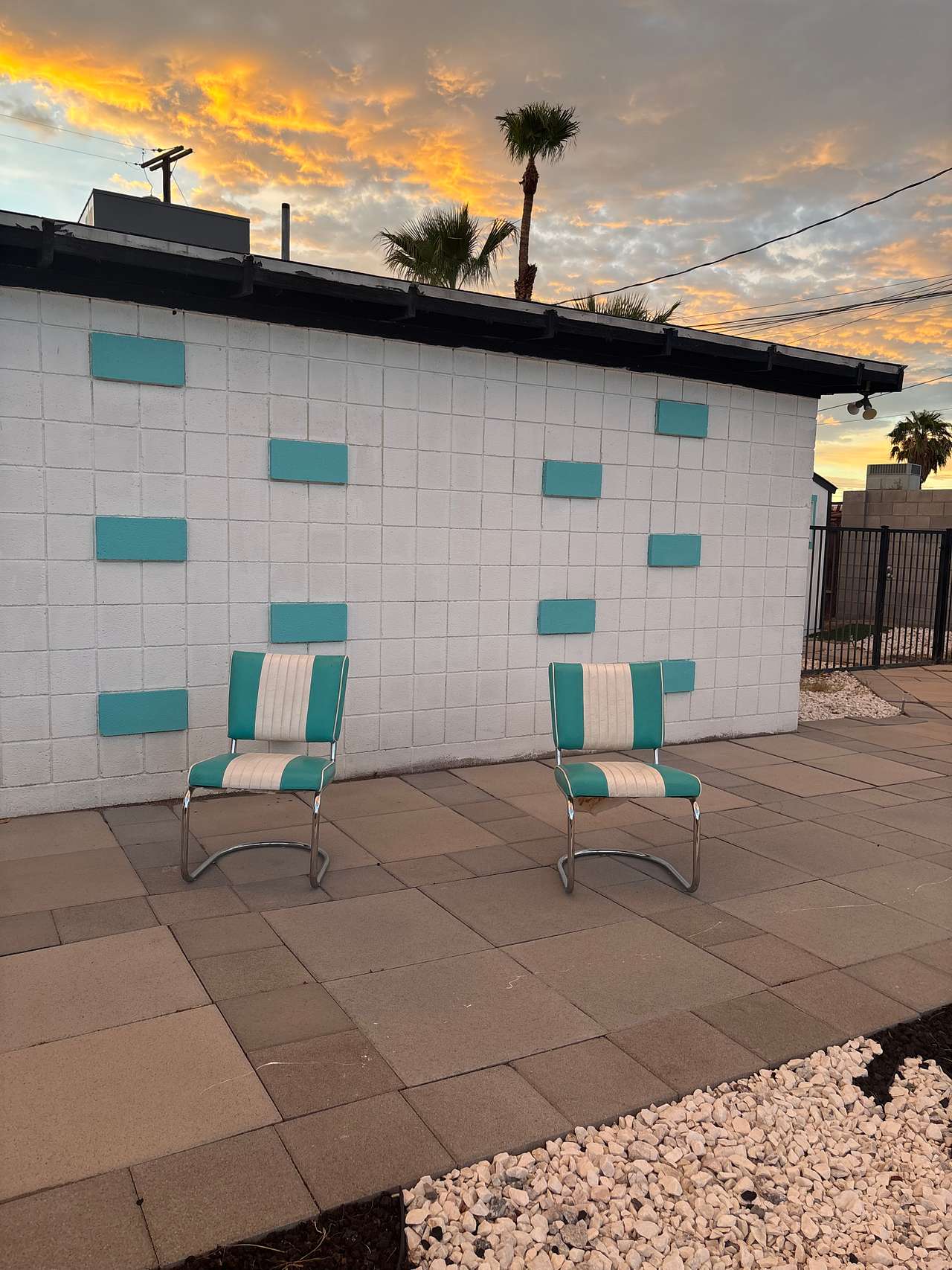
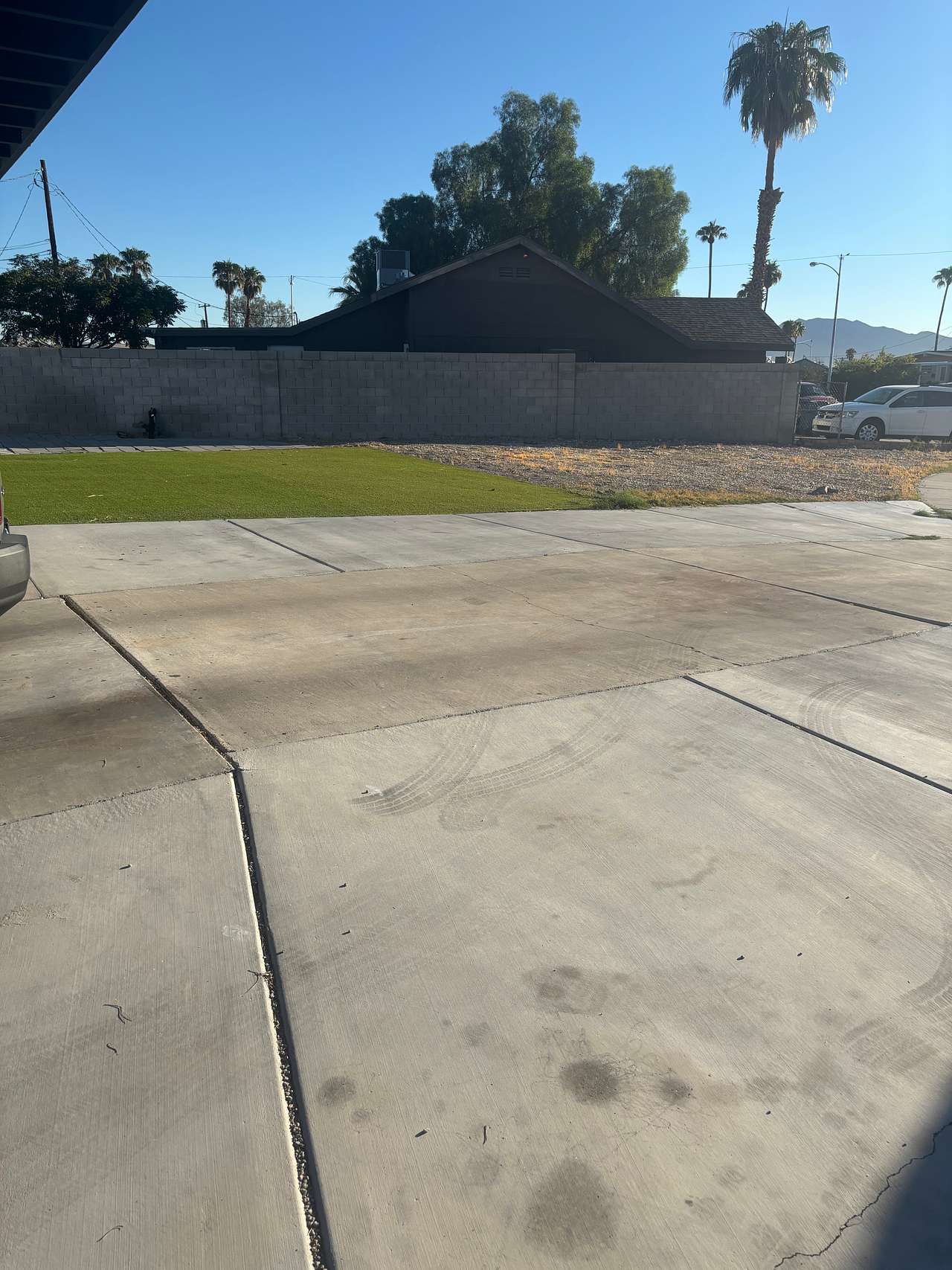
17. Casa Camacho


18. Beatty Camp
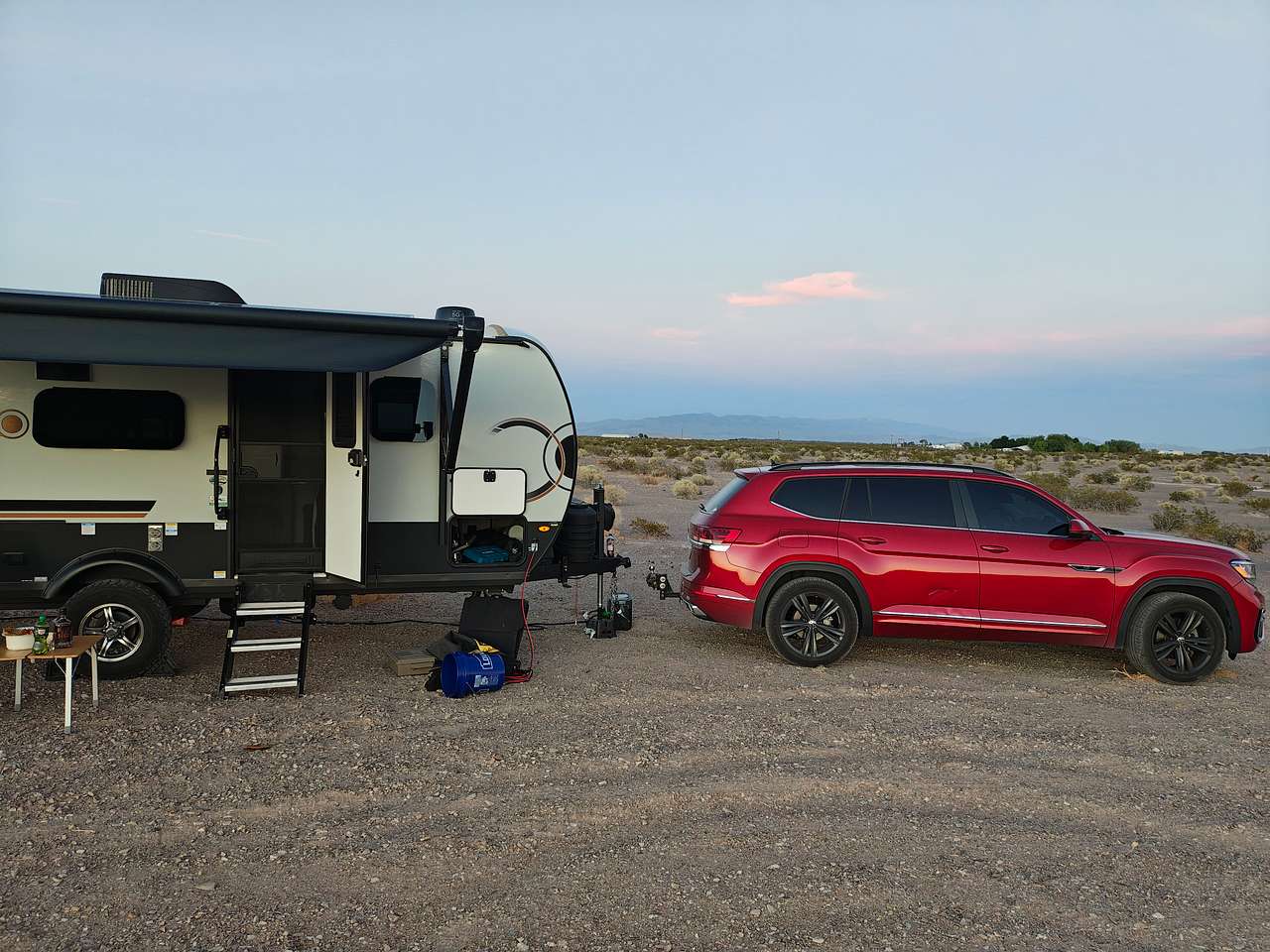

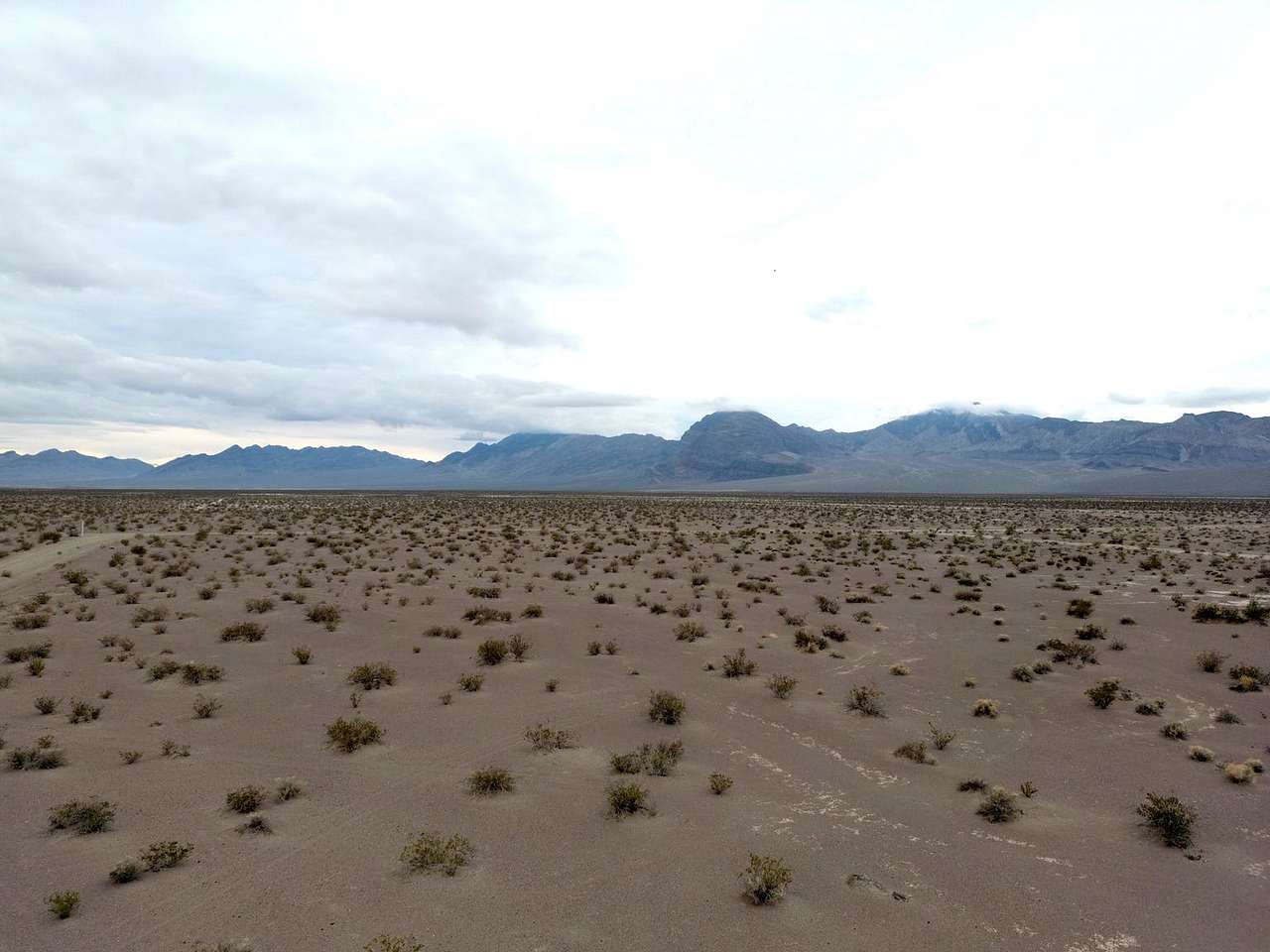
19. AREA-95 | Desert Nebula


20. Beagletopia - Your Quiet Escape!
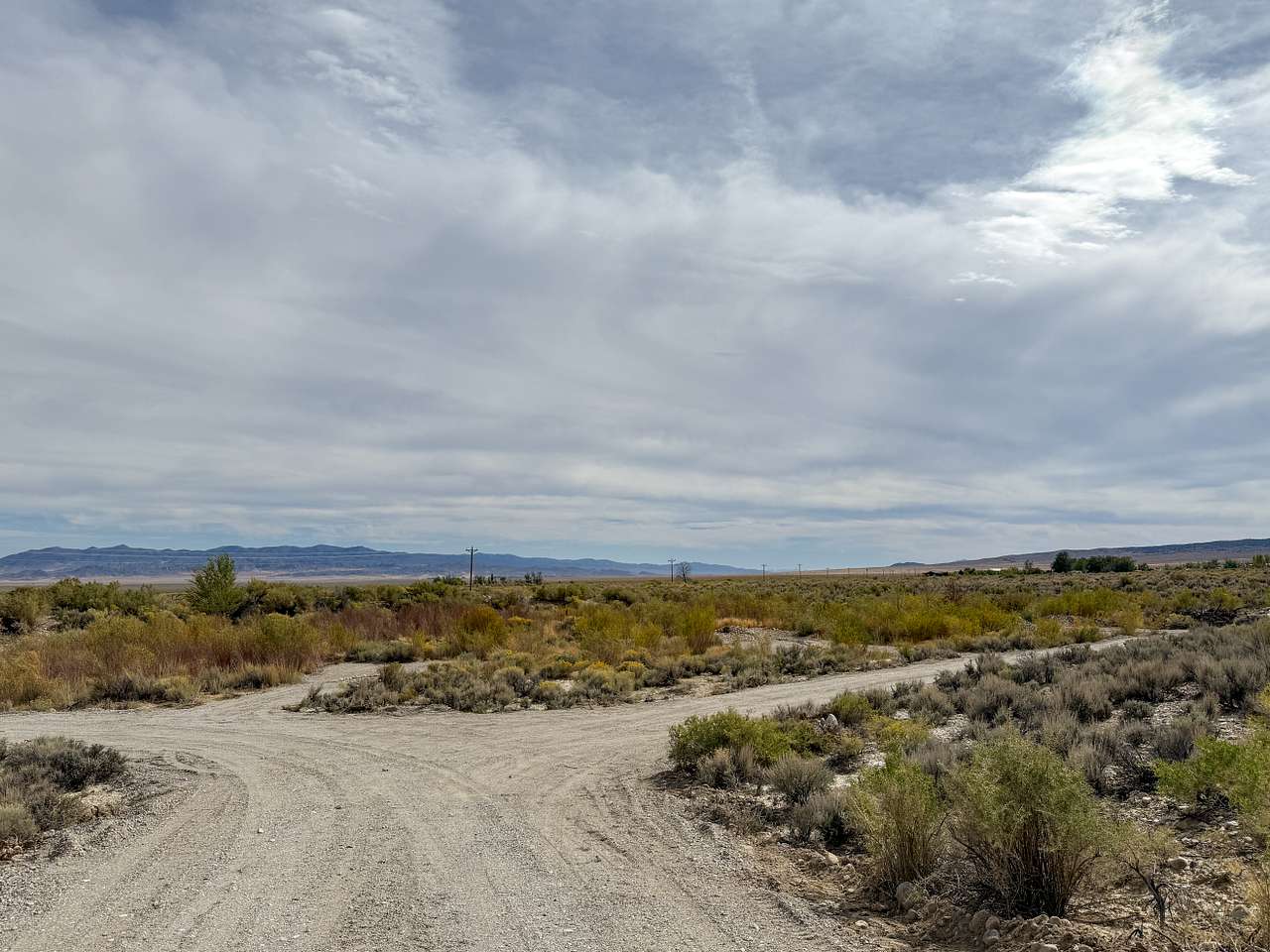

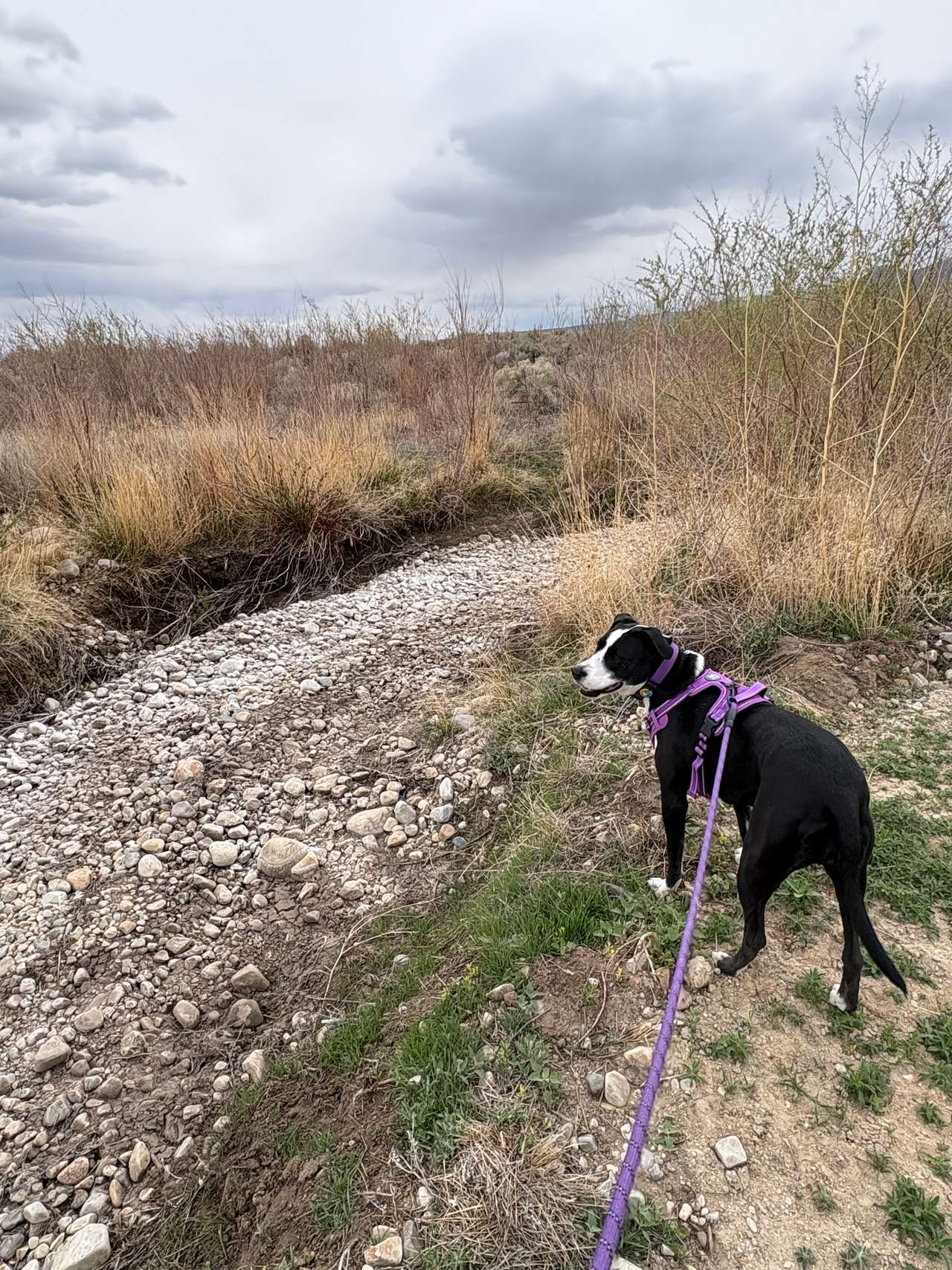
Great Basin Desert Camping & RV
Adults Only -Las Vegas RV Resort
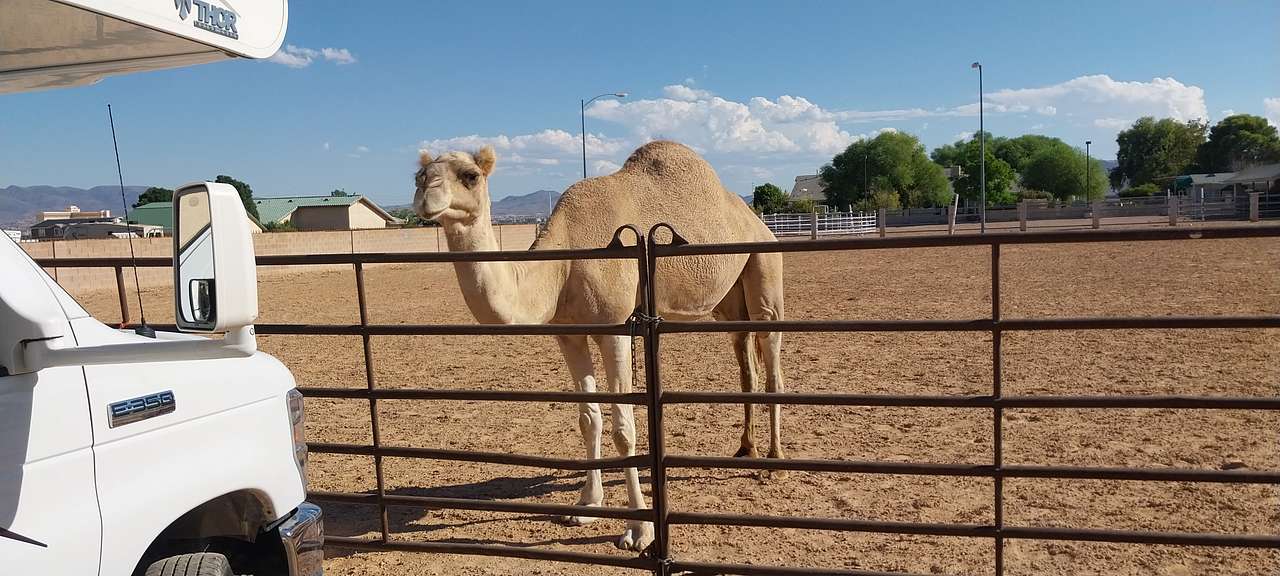
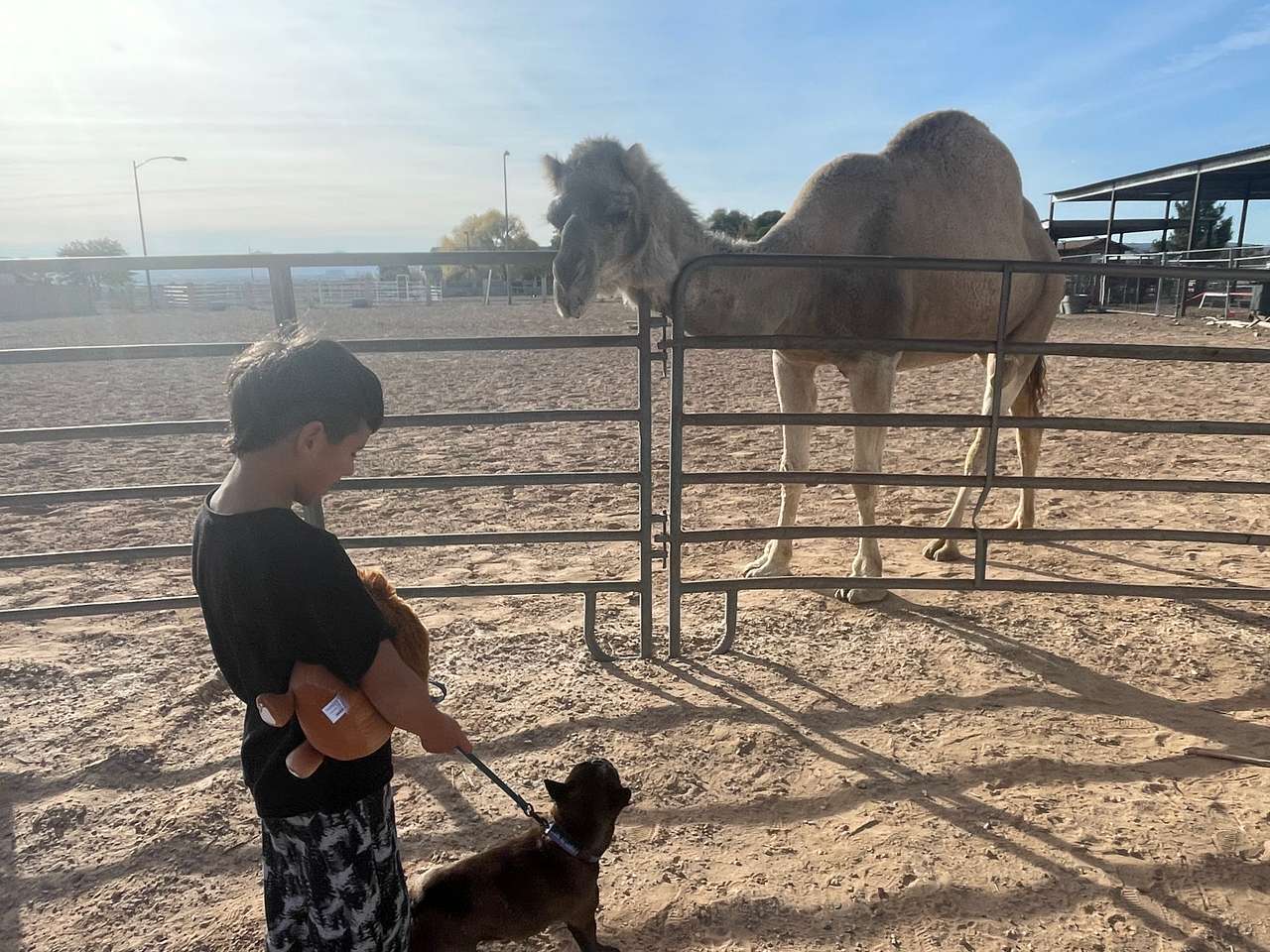
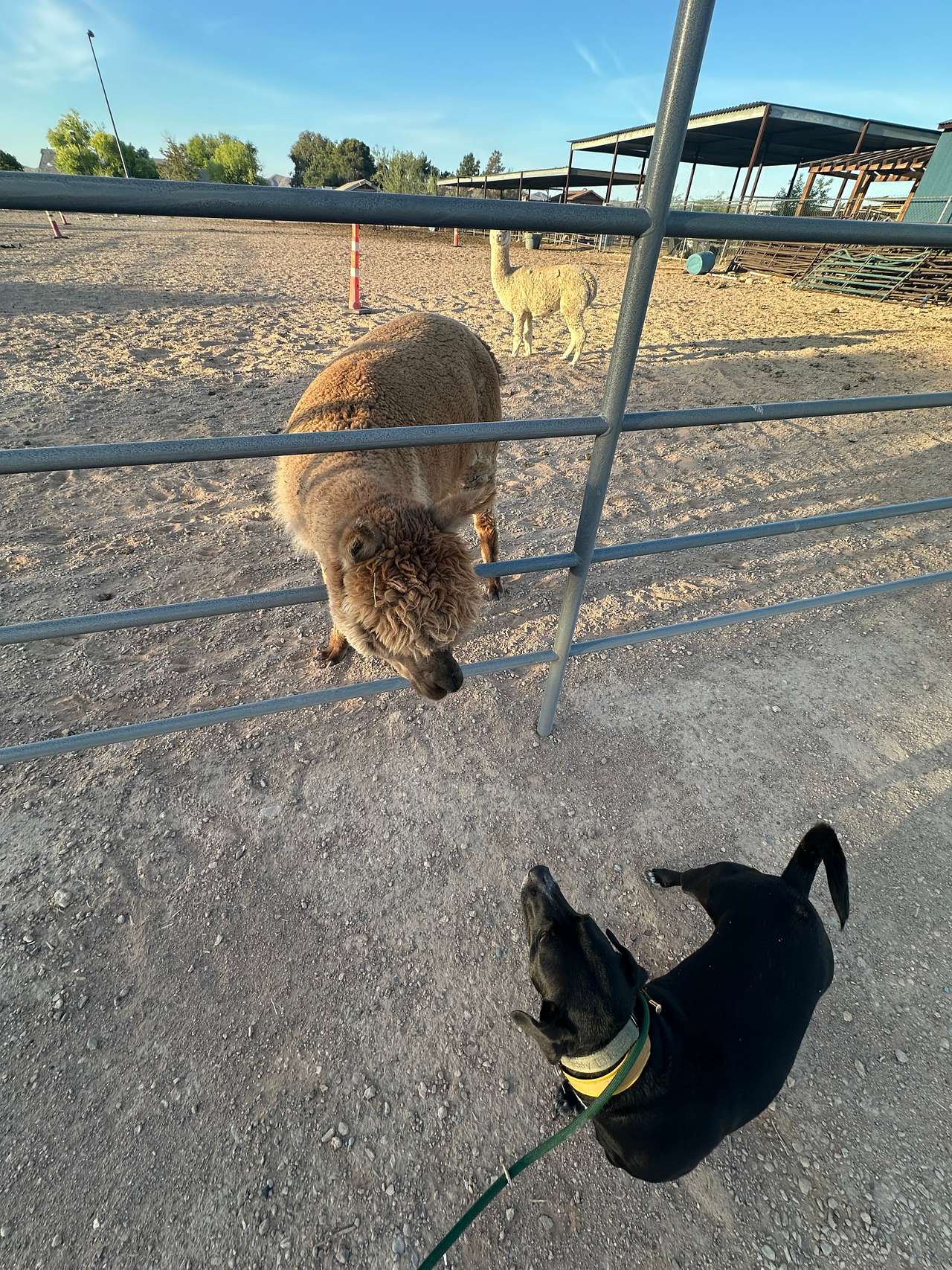
Jeffry’s Farm

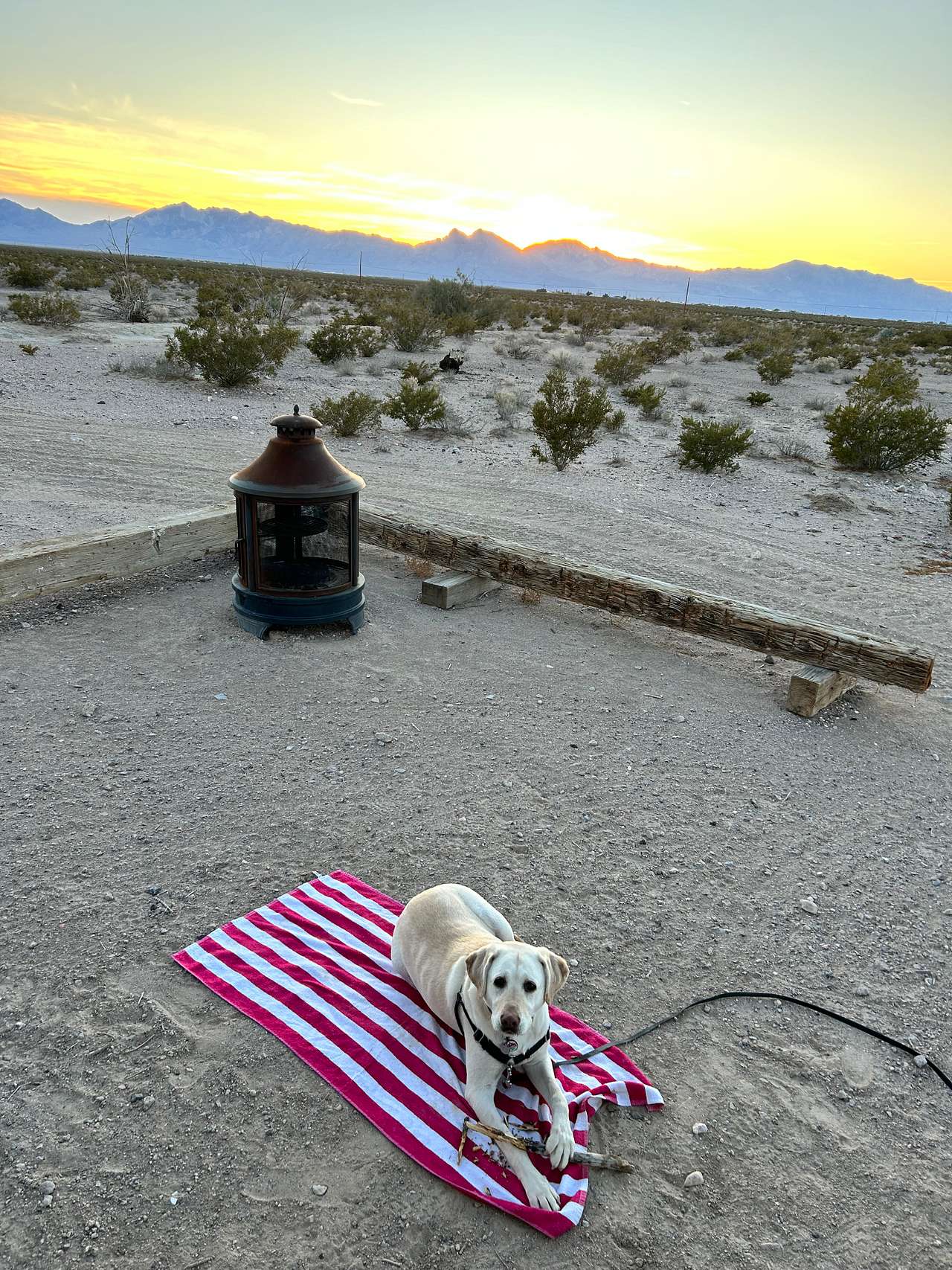

Tarantula Ranch
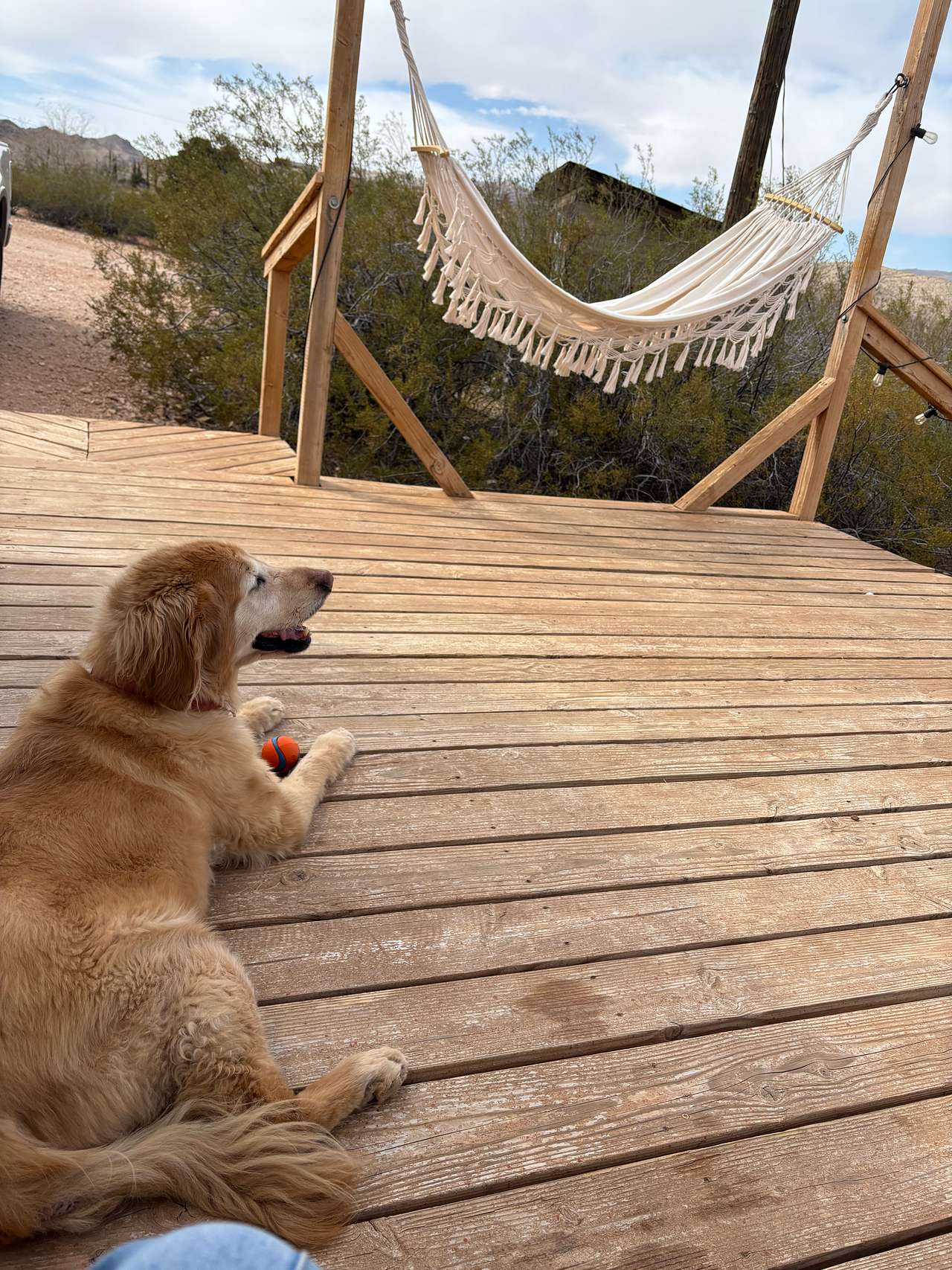
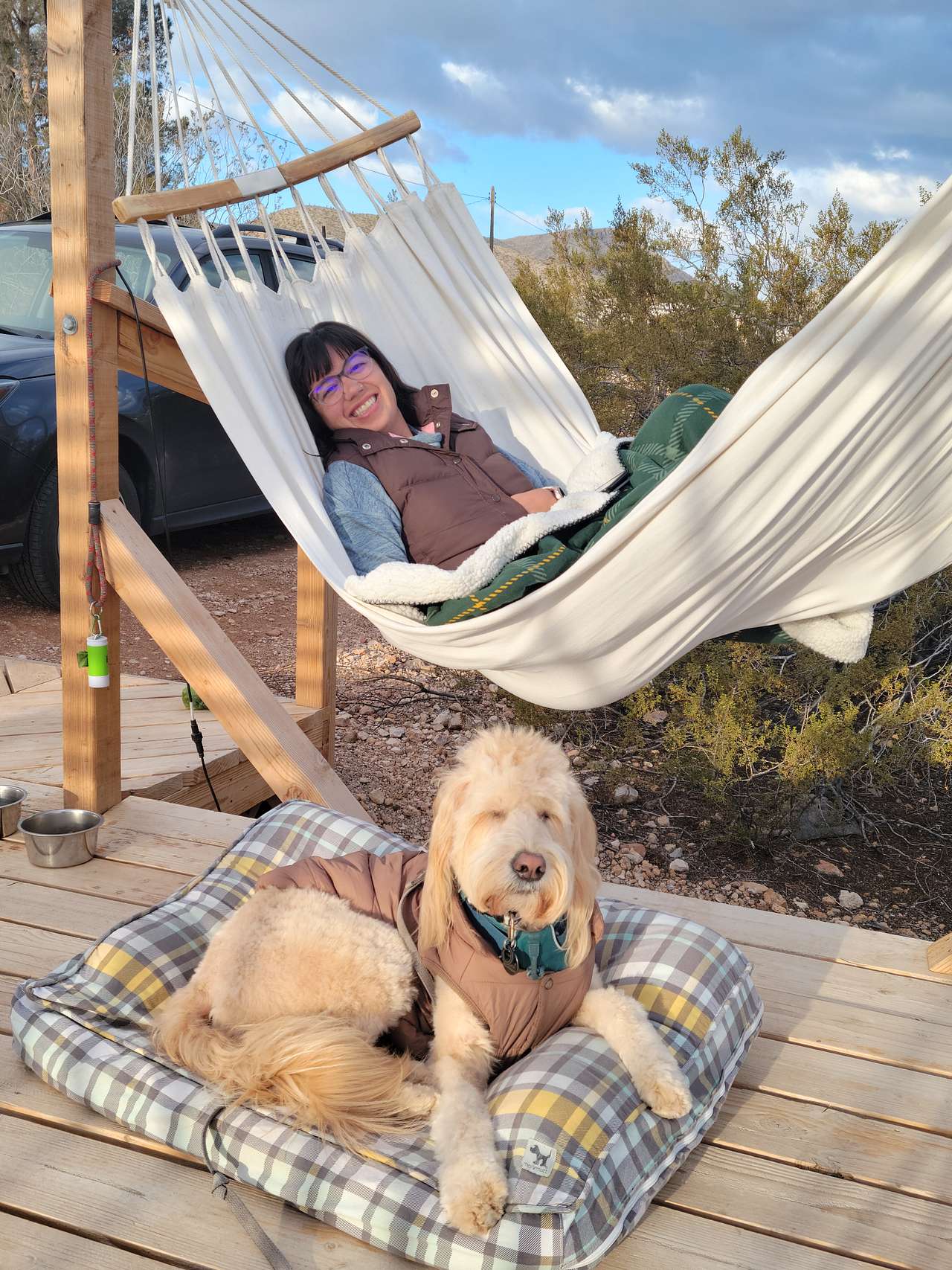
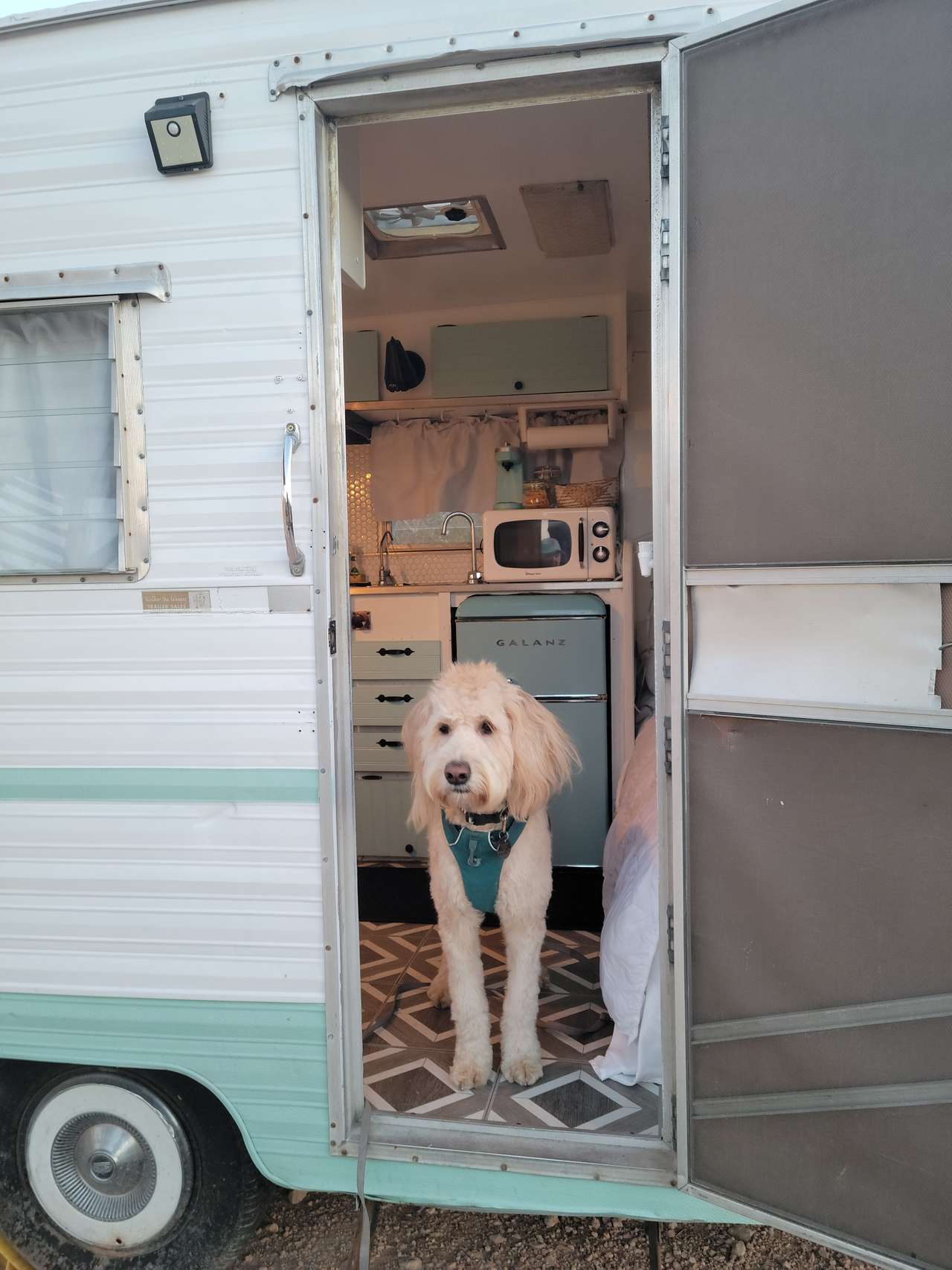
Retro Camper with Mountain Views
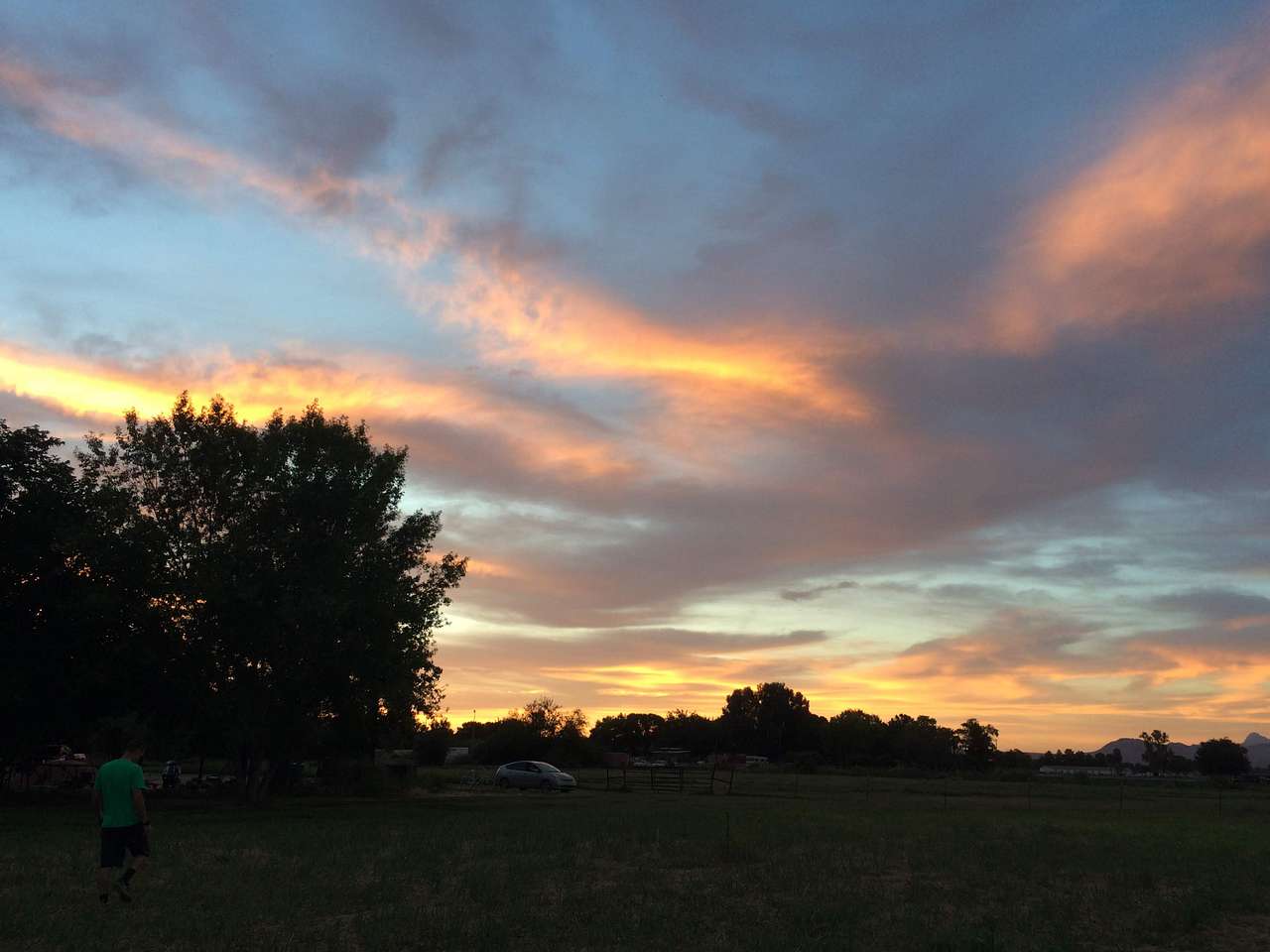
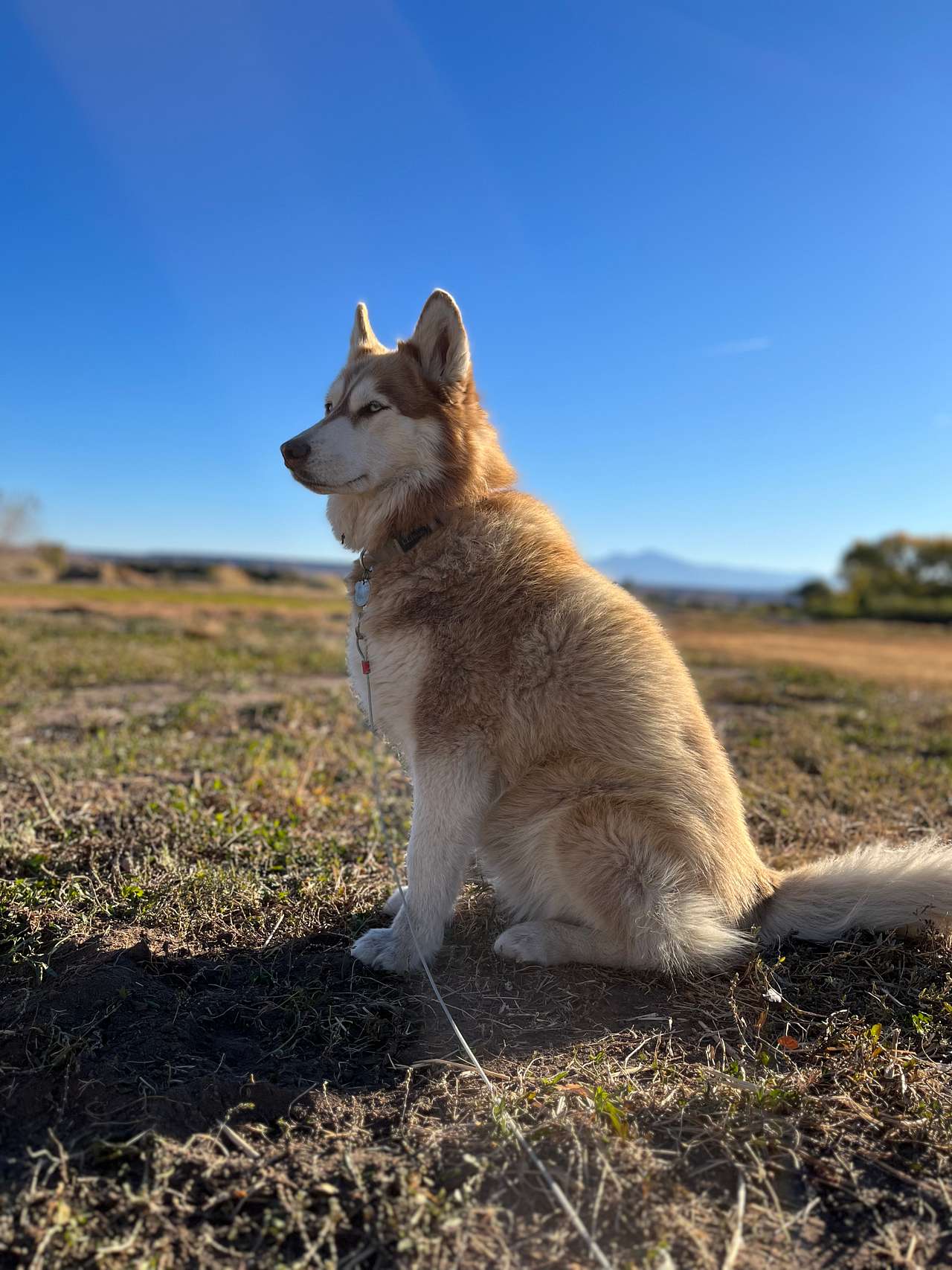

Desert Paradise with Mountain Views
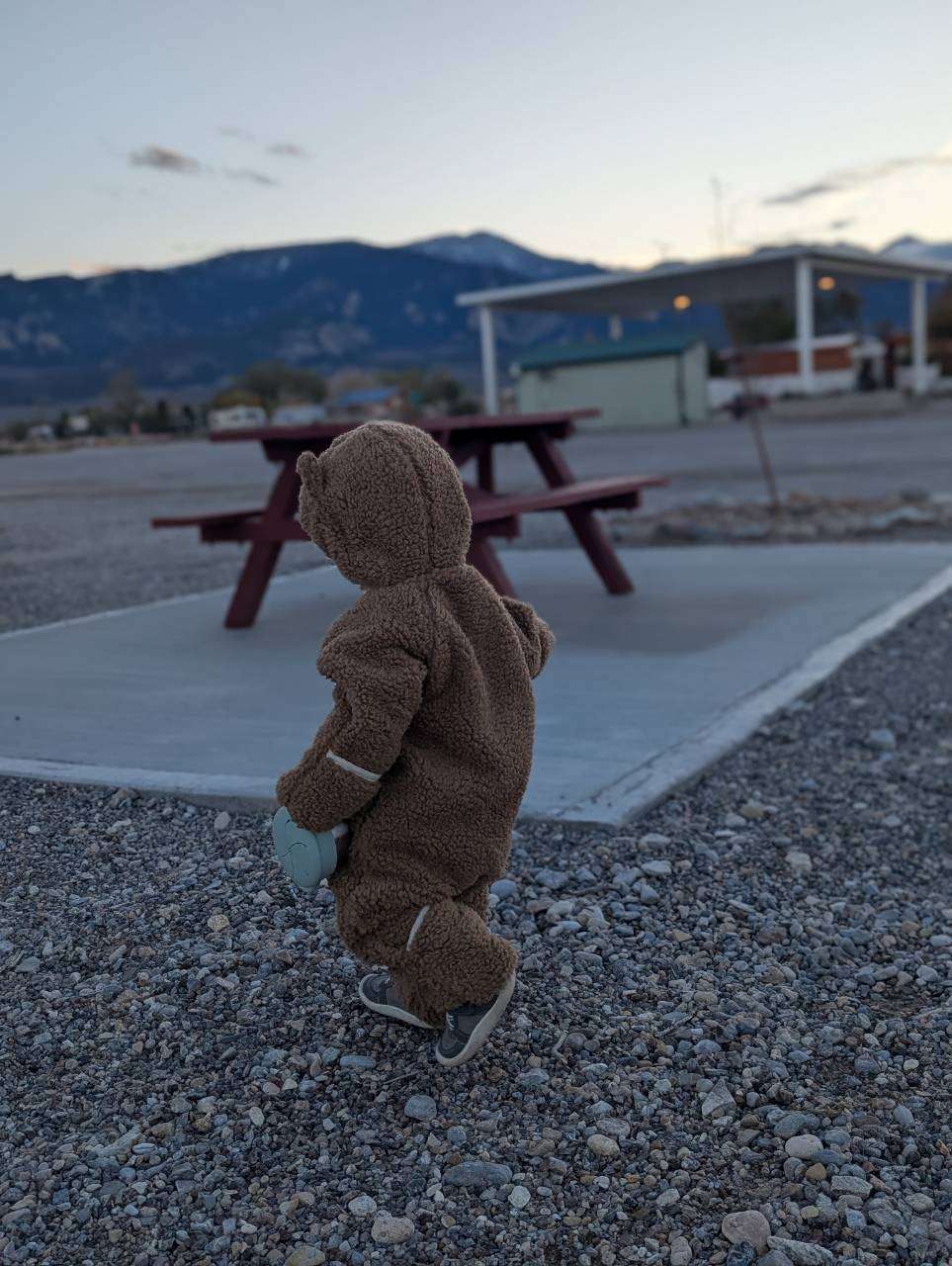
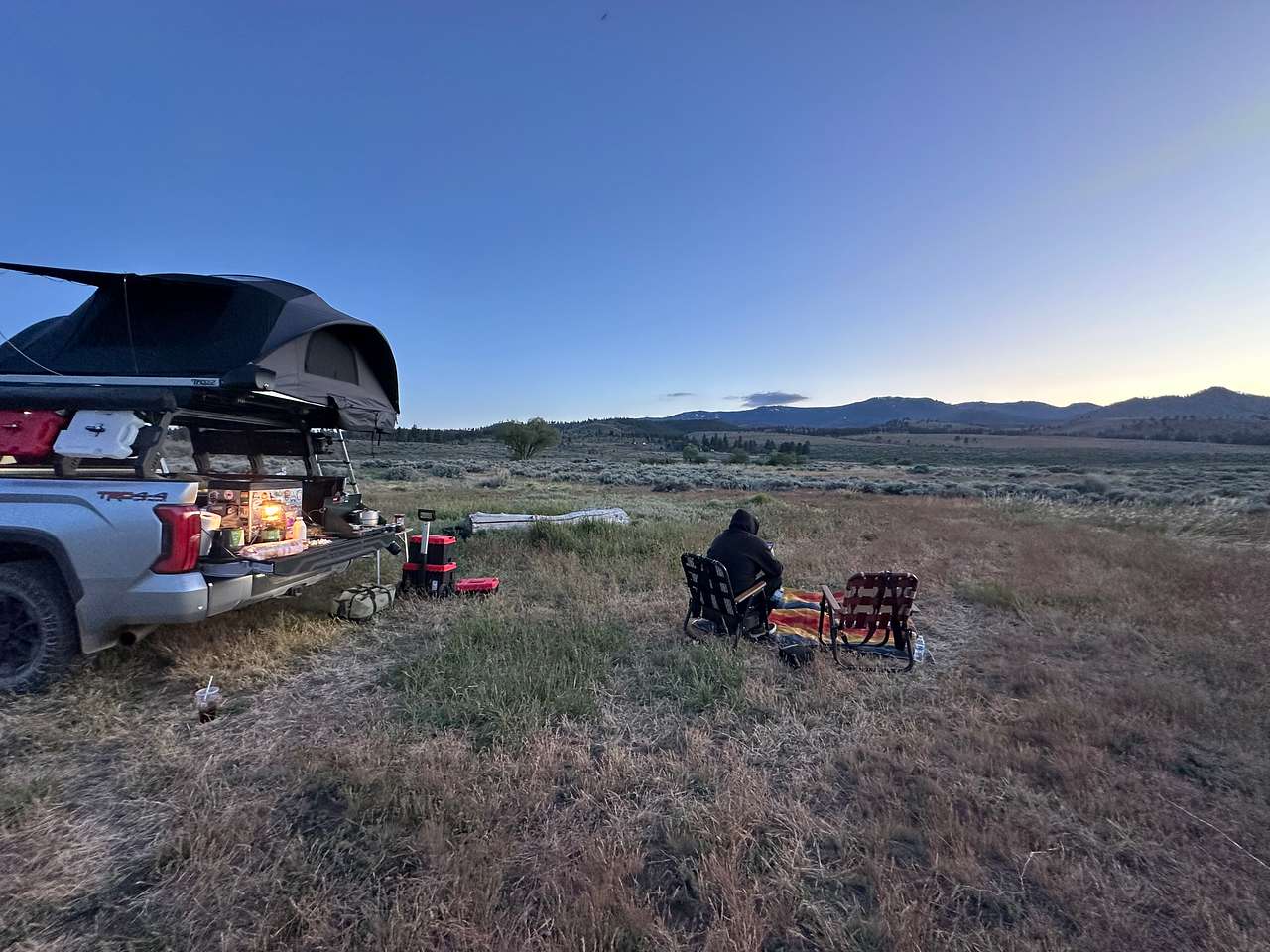
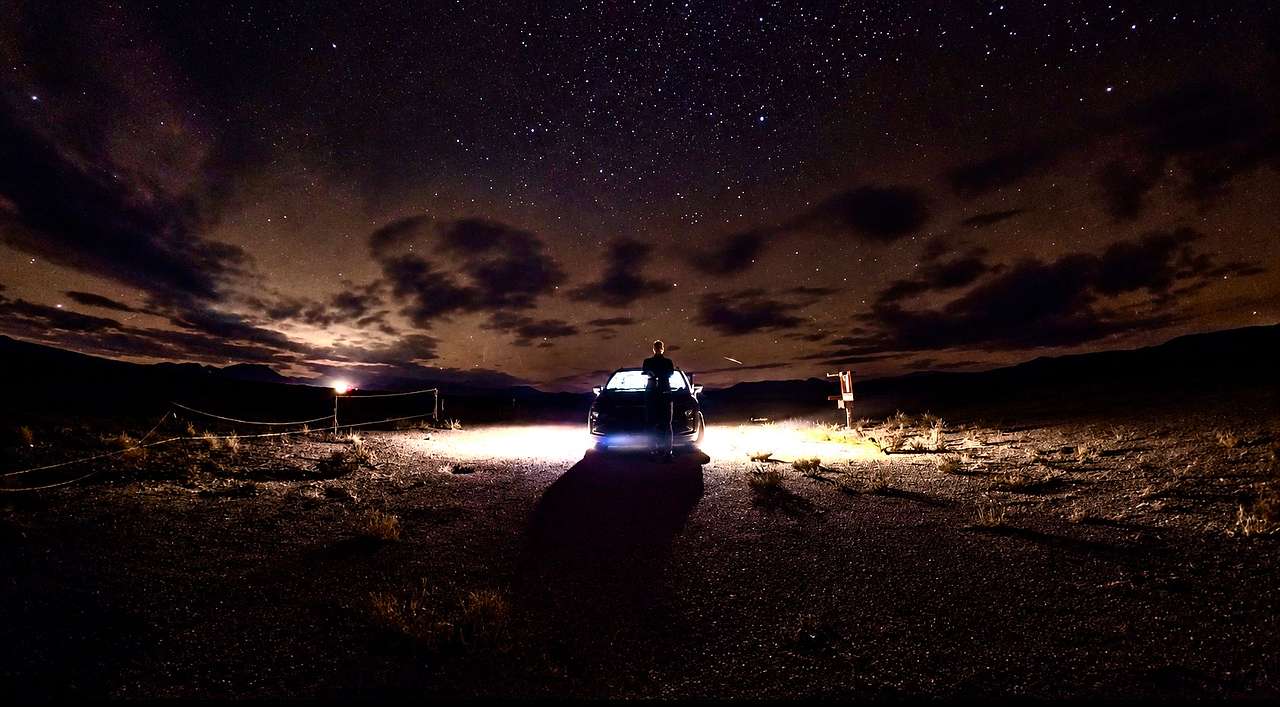
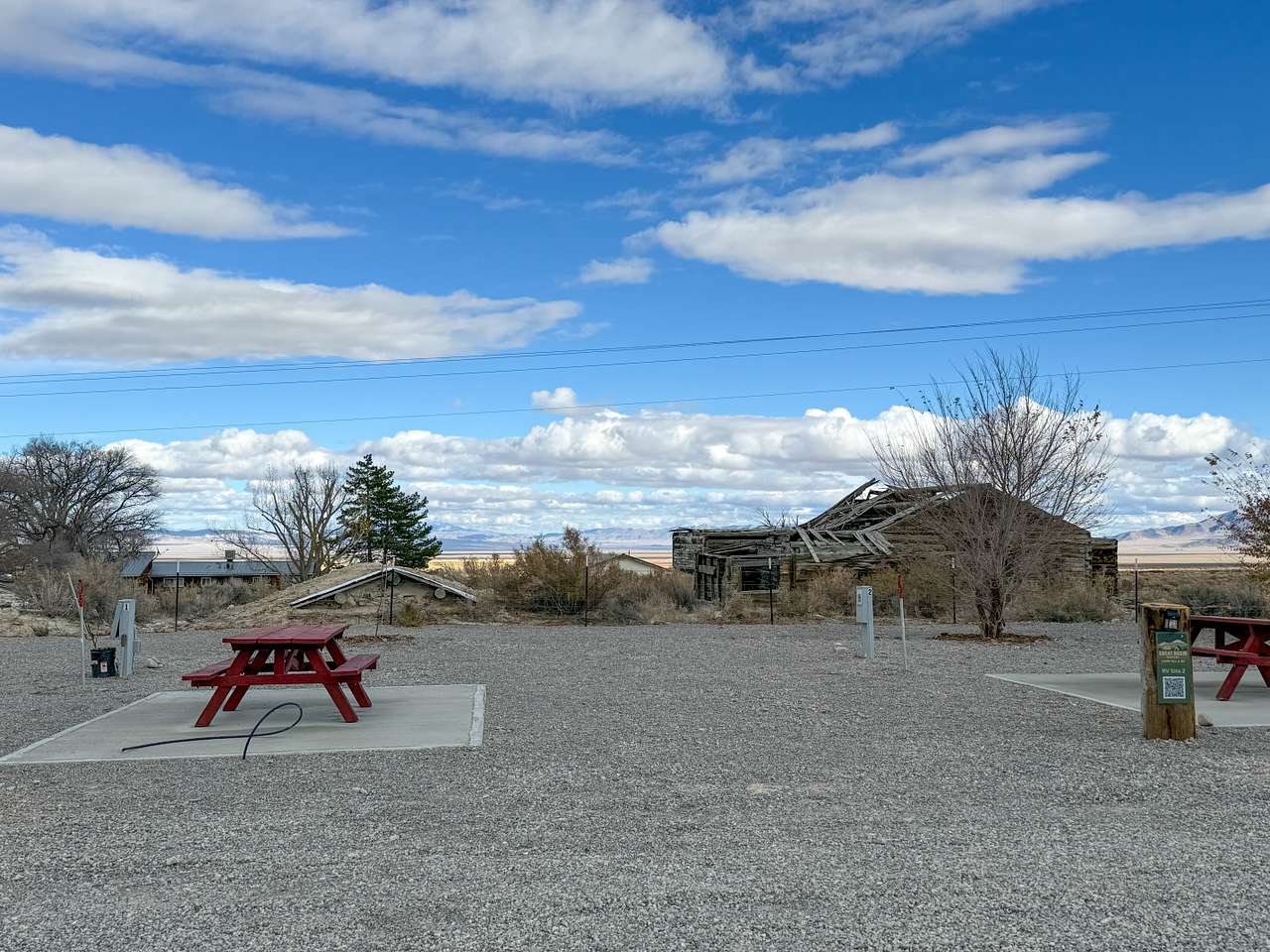
Recent reviews from the Hipcamp community
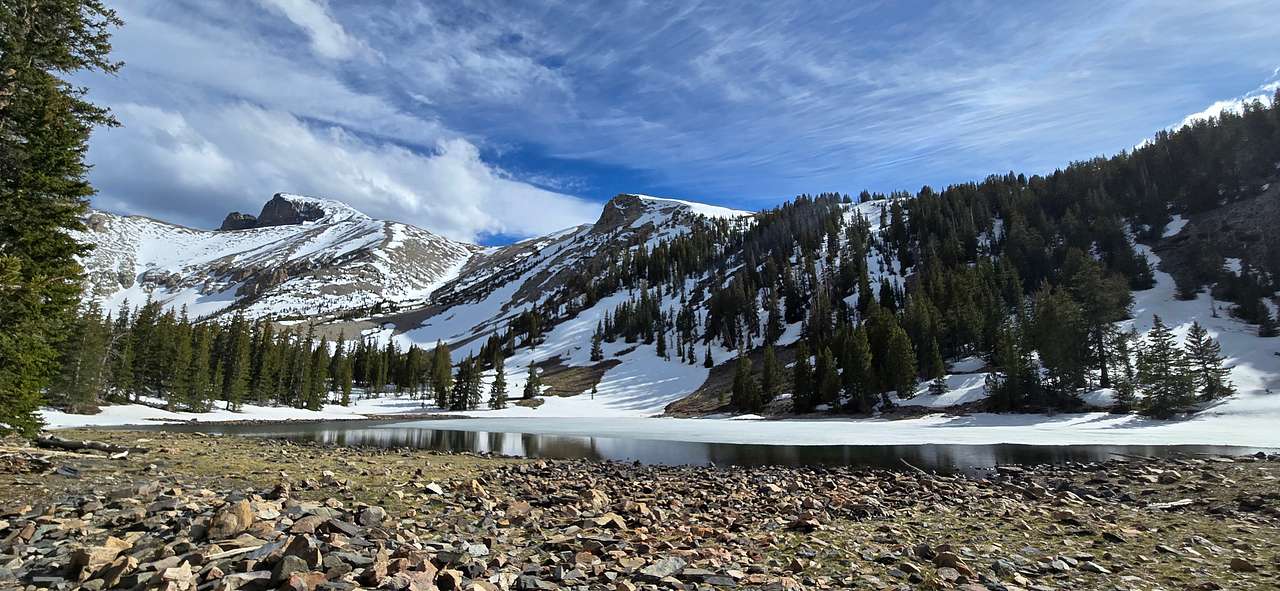
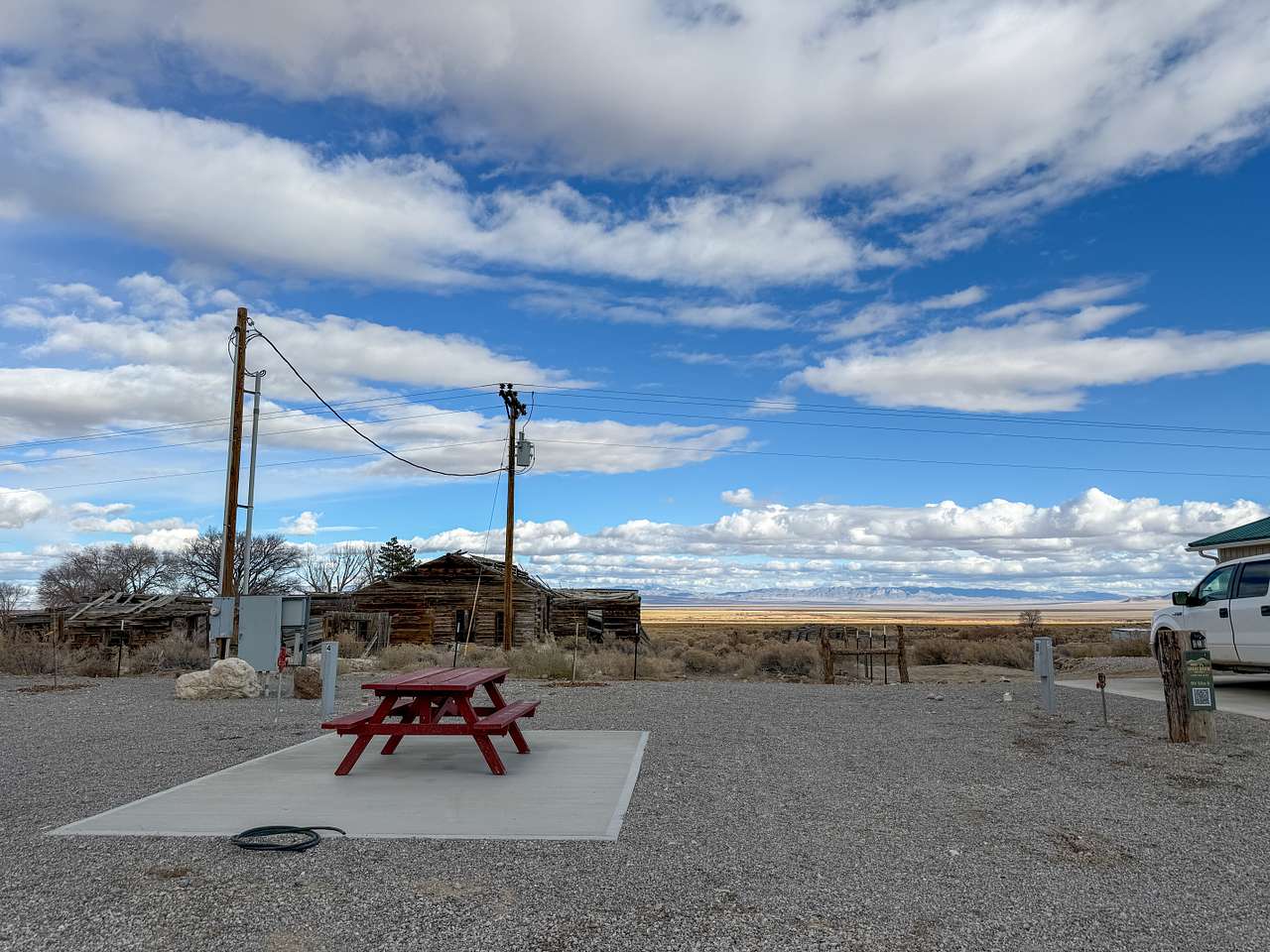


Nevada camping guide
Where to go
Northern Nevada
Nevada's northernmost stretch is characterized by Wild West nostalgia and quiet communities, many heavily influenced by the descendants of the Basque immigrants who settled the region in the 19th century. The western part is home to both the Sheldon National Wildlife Refuge and the Black Rock Desert, where Burning Man is held every year. Continue further east and you'll find yourself in the remote Ruby Mountains, an amazing place to hike, camp, and birdwatch.
North-Central Nevada
This quiet swathe of Nevada has some of the best outdoor attractions in the state, from the Lehman Caves system in Great Basin National Park to the massive sand dunes appropriately known as Sand Mountain. If you really want to get a feel for the region, take a long drive down desolate Highway 50, which follows the old Pony Express route. Drive far enough west and you'll end up in Lake Tahoe, offering year-round recreation and easy access to the largest alpine lake on the continent.
Central Nevada
Vast central Nevada offers a mix of quirky roadside attractions and rocky scenery. Cathedral Gorge State Park is particularly fantastic, with otherworldly caves, towering hoodoos, and more than its fair share of jackrabbits. Fans of the supernatural won't want to miss a trip along the so-called Extraterrestrial Highway, which passes Area 51 along with all sorts of UFO-themed oddities.
Southern Nevada
Although Las Vegas is southern Nevada's undisputed star, there's plenty to see and do in the region beyond Sin City, from immersing yourself in Wild West history at the Pioneer Saloon in Jean to learning about the history of hydroelectric energy at the massive Hoover Dam. If you want to take a hike, head to the Red Rock Canyon National Conservation Area, where you'll find over 30 miles of red sandstone-flanked trails.
Frequently Asked Questions
Yes, boondocking is legal in Nevada on public lands managed by the Bureau of Land Management (BLM) and the United States Forest Service (USFS). Boondocking, also known as dispersed camping, is allowed for up to 14 days within a 28-day period in a specific area. After the 14-day period, you must move at least 25 miles away from your original campsite. Always follow Leave No Trace principles and be aware of local fire restrictions. Nevada offers a variety of boondocking locations, including near popular destinations like Boulder City, Austin, and Tonopah.
Whether you need a permit to camp in Nevada depends on the location and type of camping. For most established campgrounds, you will need to pay a fee, and reservations may be required. Dispersed camping on BLM land and in national forests typically does not require a permit, but some areas may have specific restrictions or require a permit for certain activities, such as campfires or group camping. It is always best to check with the specific land management agency for the area you plan to camp in to ensure you have the necessary permits and follow all regulations. You can explore various camping options in Nevada through Hipcamp.