97% (719) • 31 campsites
Top-rated glamping sites near Fort Myers
Tres Lagos Farm & Garden
1. Tres Lagos Farm & Garden
91%
(197)
9.3mi from Fort Myers · 8 sites · RVs, Lodging
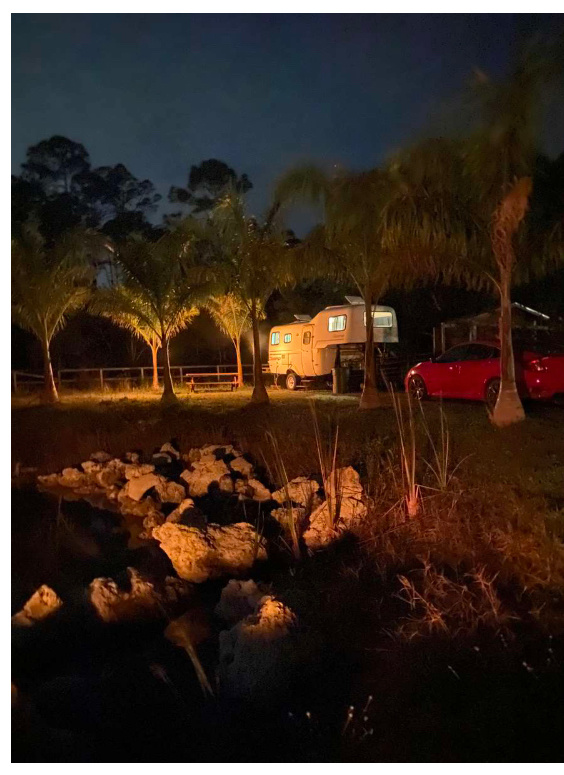
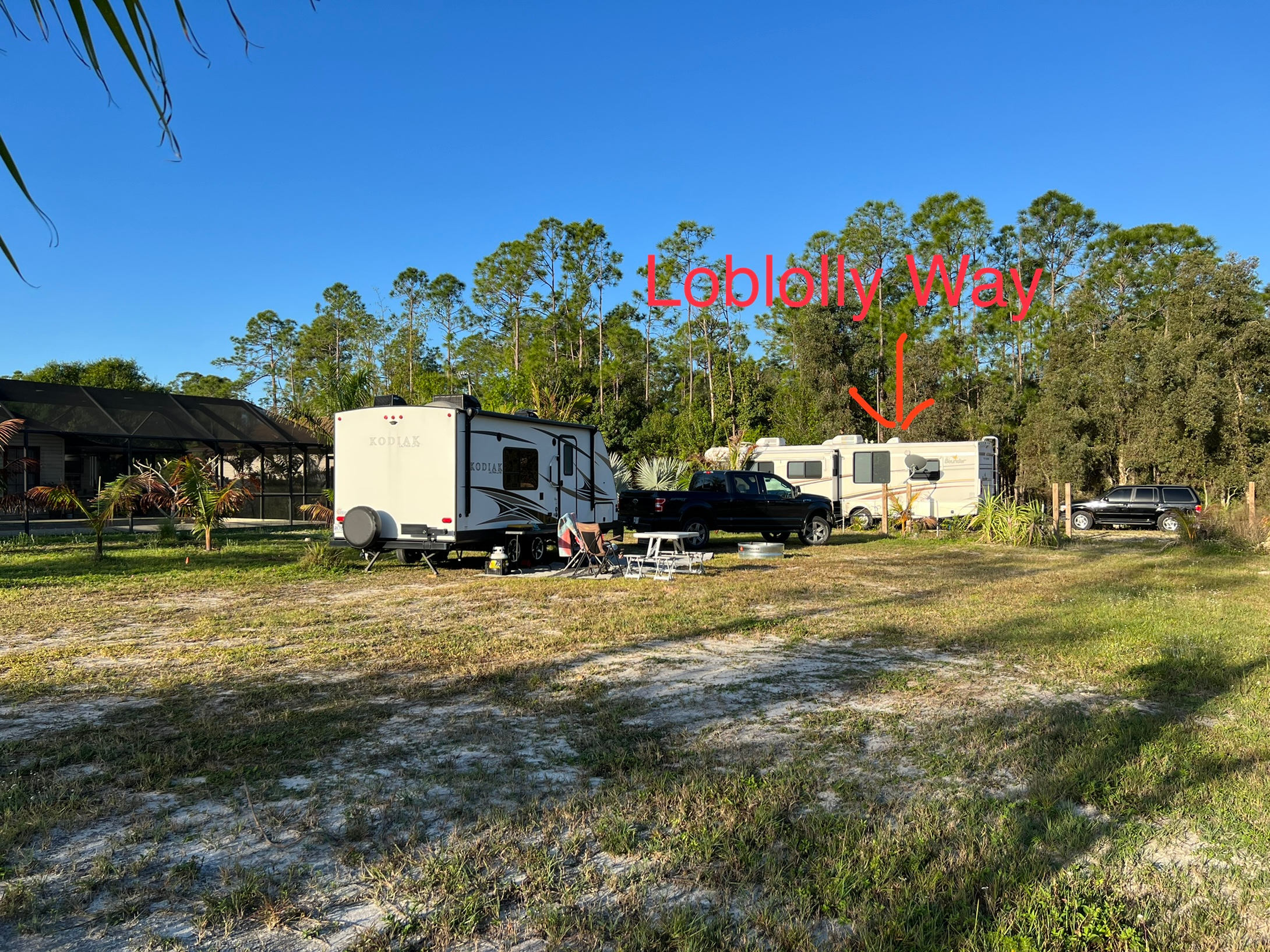
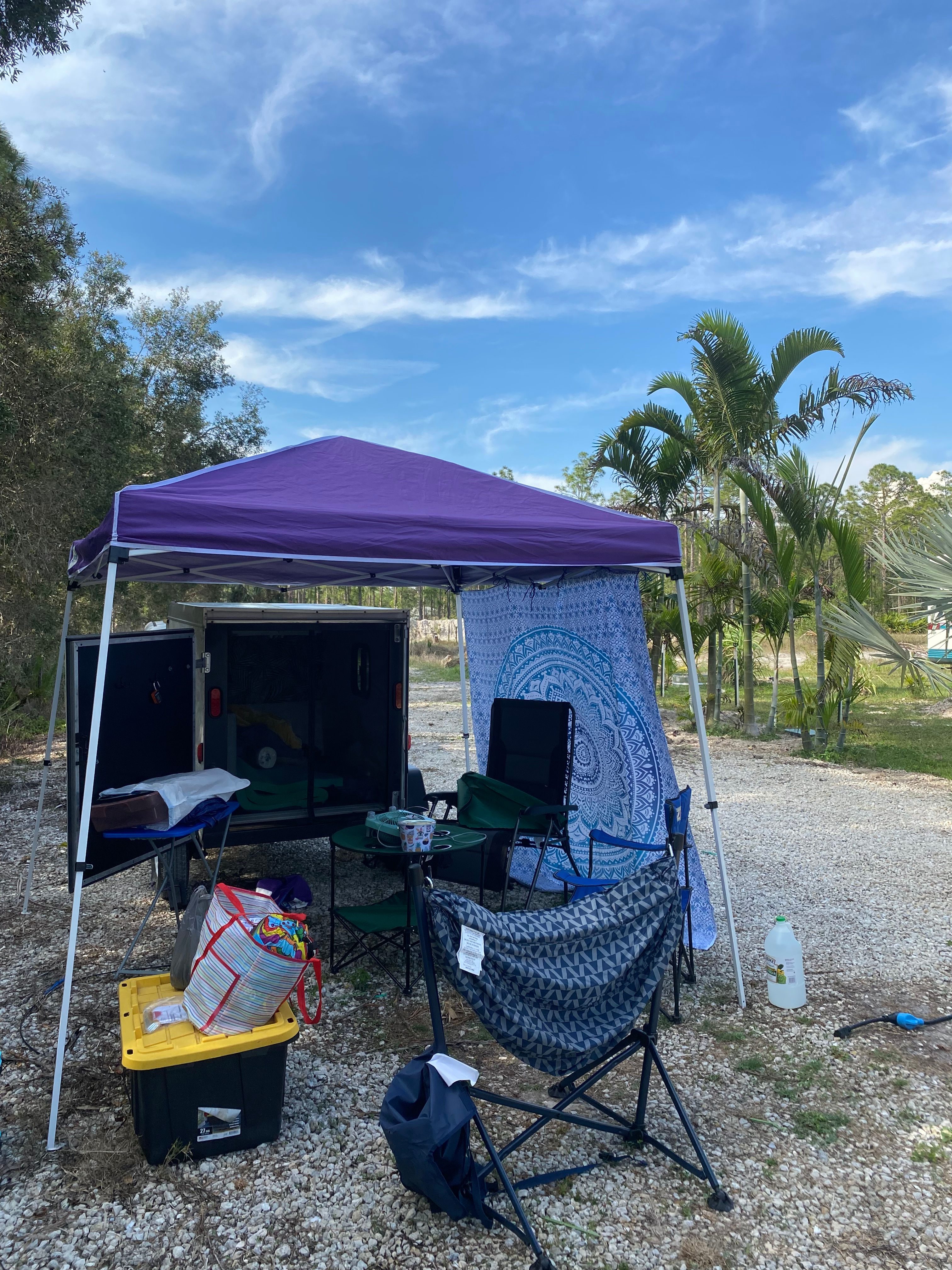
Tres Lagos Camping is part of the Florida agritourism initiative. Where travelers from all over the world come to experience and enjoy a different kind of florida. We’re a small 5 acre family farm involved in the cultivation and preservation of rare and endangered palms with many other edible tropical plants for our visitors to enjoy. You can view our palms at all stages of growth from seed to maturity. Enjoy our U-pick varieties of mangos, Caribbean cherries, sugar cane, bananas, coconuts and we’re adding more all the time. There is even a sugarcane maze and bamboo gardens in progress for the kids and adults to enjoy. But don’t forget your veggies! Get up close and personal with where some of your medicines and vegetables come from. We have some small areas for education about different medicinal plants like Turmeric, ginger, saw palmetto and a few others. Take the tours or classes or just sit back and enjoy the view! Hope to see you soon.
Pets
Toilets
Showers
from
$40
/ night
J and P Creekside Retreat
2. J and P Creekside Retreat
100%
(350)
25mi from Fort Myers · 8 sites · Tents, RVs, Lodging
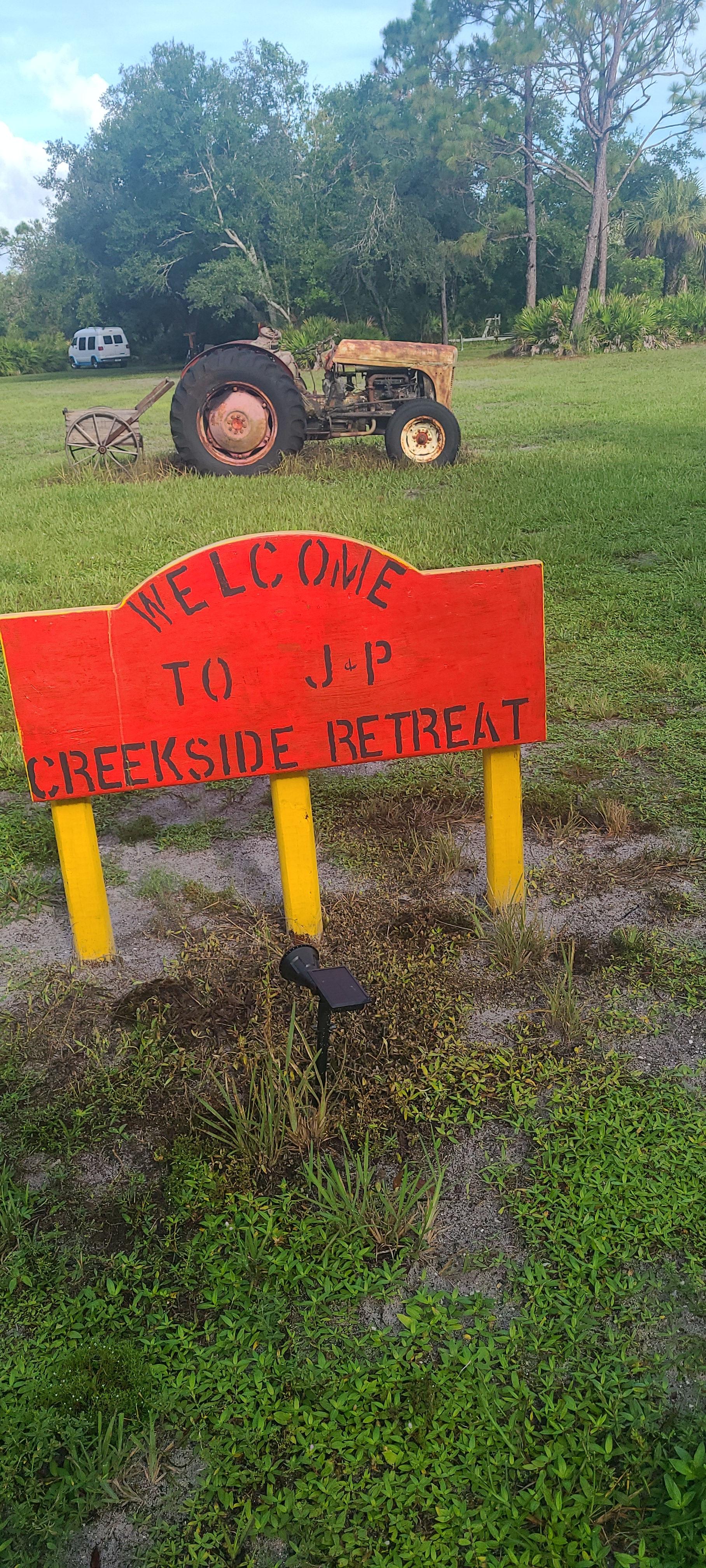
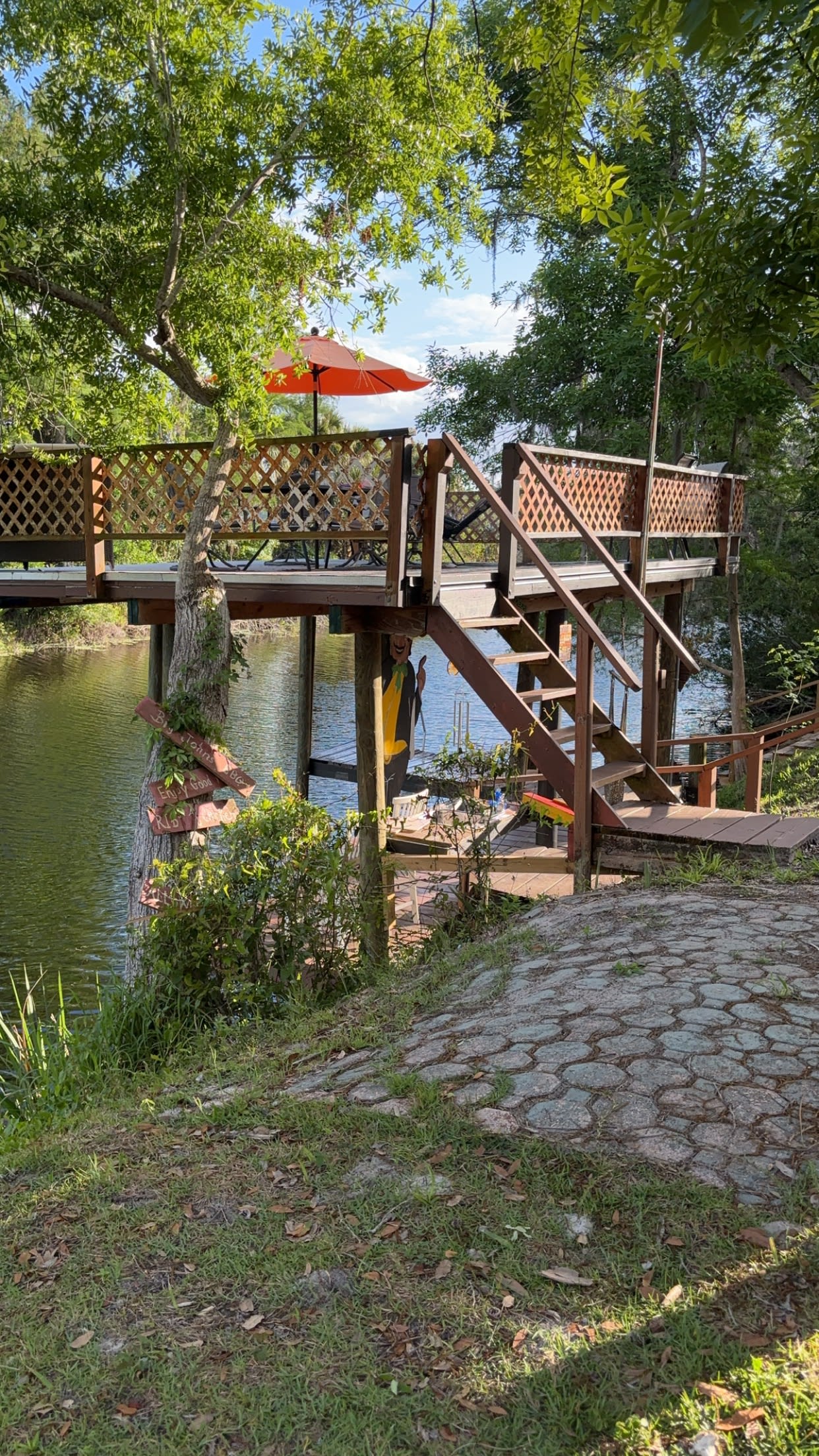
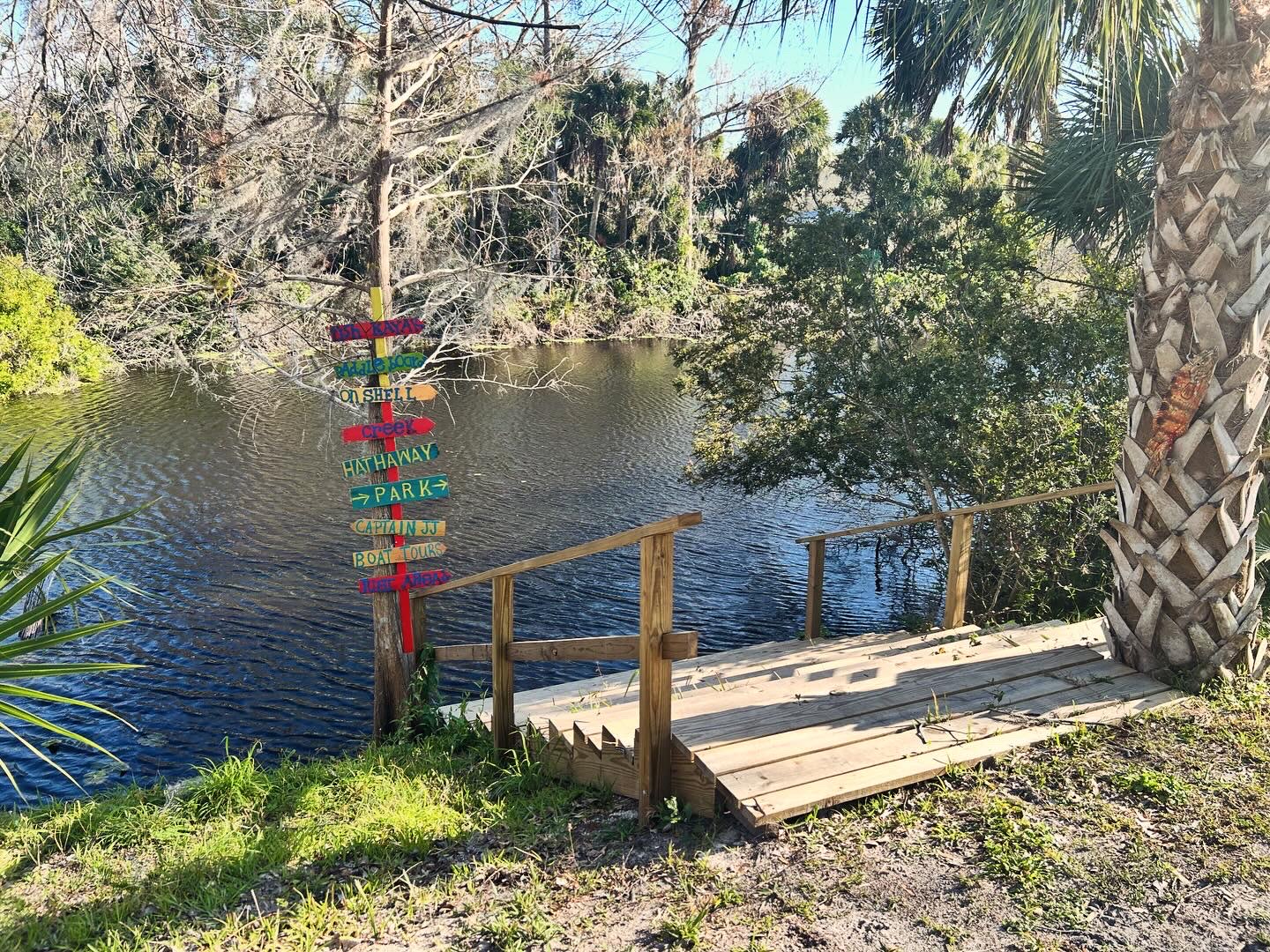
Nestled on an sprawling 16.8-acre expanse along the picturesque Shell Creek, our location is a haven for nature enthusiasts. The property is adorned with a lush canopy of diverse trees, showcasing an array of Oak, Hickory, Cypress, Pine, and Sable palms. Immerse yourself in the tranquility of our surroundings as you embark on a journey to boat, swim, and fish amidst the stunning natural beauty of Charlotte County, Florida.
The waters of Shell Creek beckon you to explore its depths, while the vibrant native wildlife adds to the allure of our idyllic setting. Whether you're seeking a serene kayaking adventure or a leisurely paddleboarding excursion, we offer rentals to enhance your experience on the water.
Discover the enchanting landscapes and rich biodiversity that define Charlotte County. From the rustling leaves of the Oak and Hickory trees to the graceful Cypress and Pine, our property is a testament to the beauty of Florida's natural habitat. Sable palms sway gently in the breeze, creating a soothing atmosphere that invites you to unwind and connect with the great outdoors.
Indulge in the ultimate escape as you partake in the various activities our location has to offer. Whether you prefer a day of boating on Shell Creek, casting a line for a relaxing fishing session, or simply basking in the beauty of the surroundings, our 16.8-acre haven provides a perfect retreat.
Experience the best of Charlotte County, Florida, where every moment is an opportunity to embrace the wonders of nature. Come and create lasting memories as you revel in the tranquility, adventure, and natural splendor our location has in abundance.
Pets
Toilets
Showers
from
$28
/ night
SWFL Everglades Camping
3. SWFL Everglades Camping
98%
(143)
38mi from Fort Myers · 16 sites · Tents, RVs, Lodging
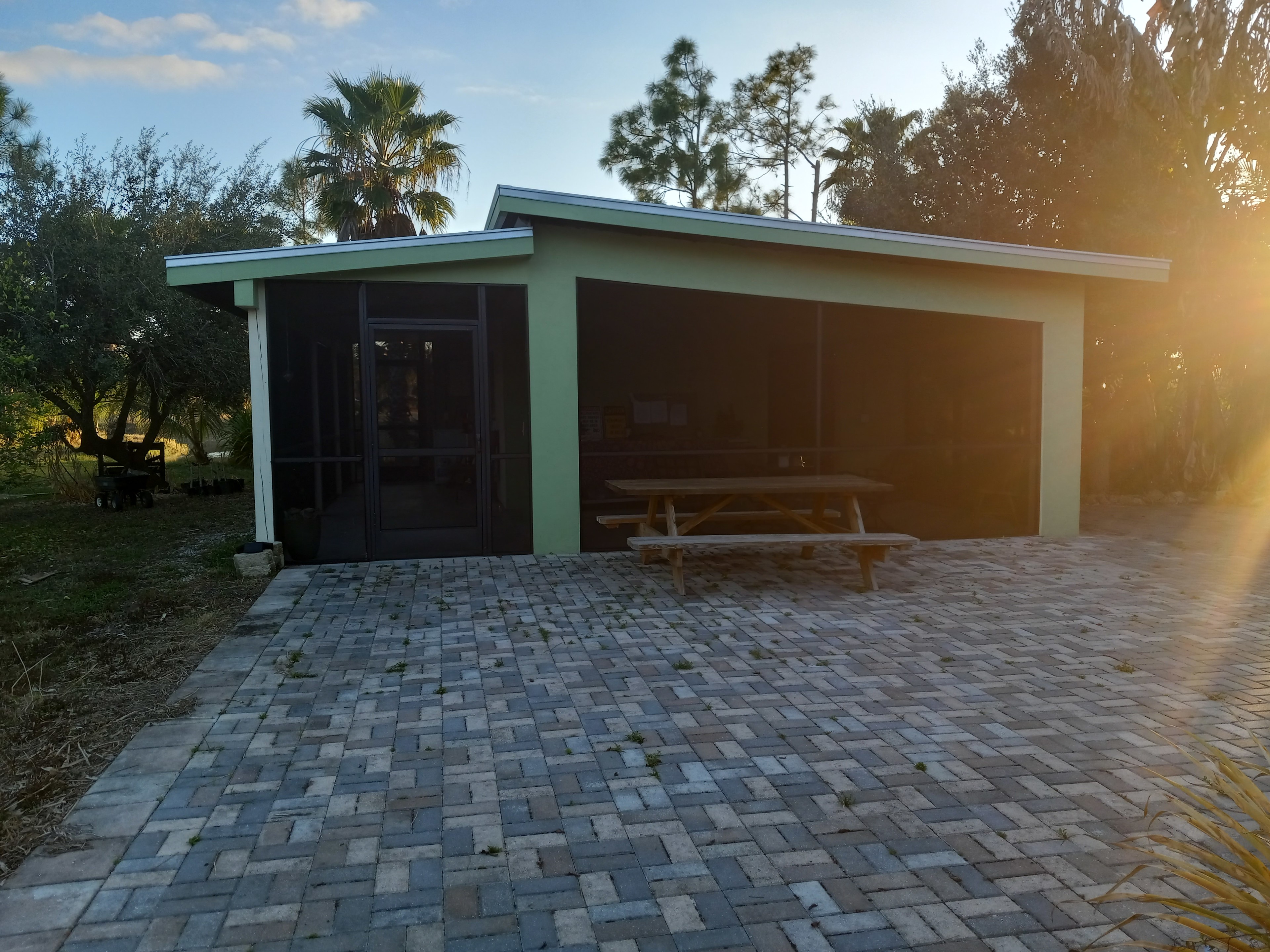
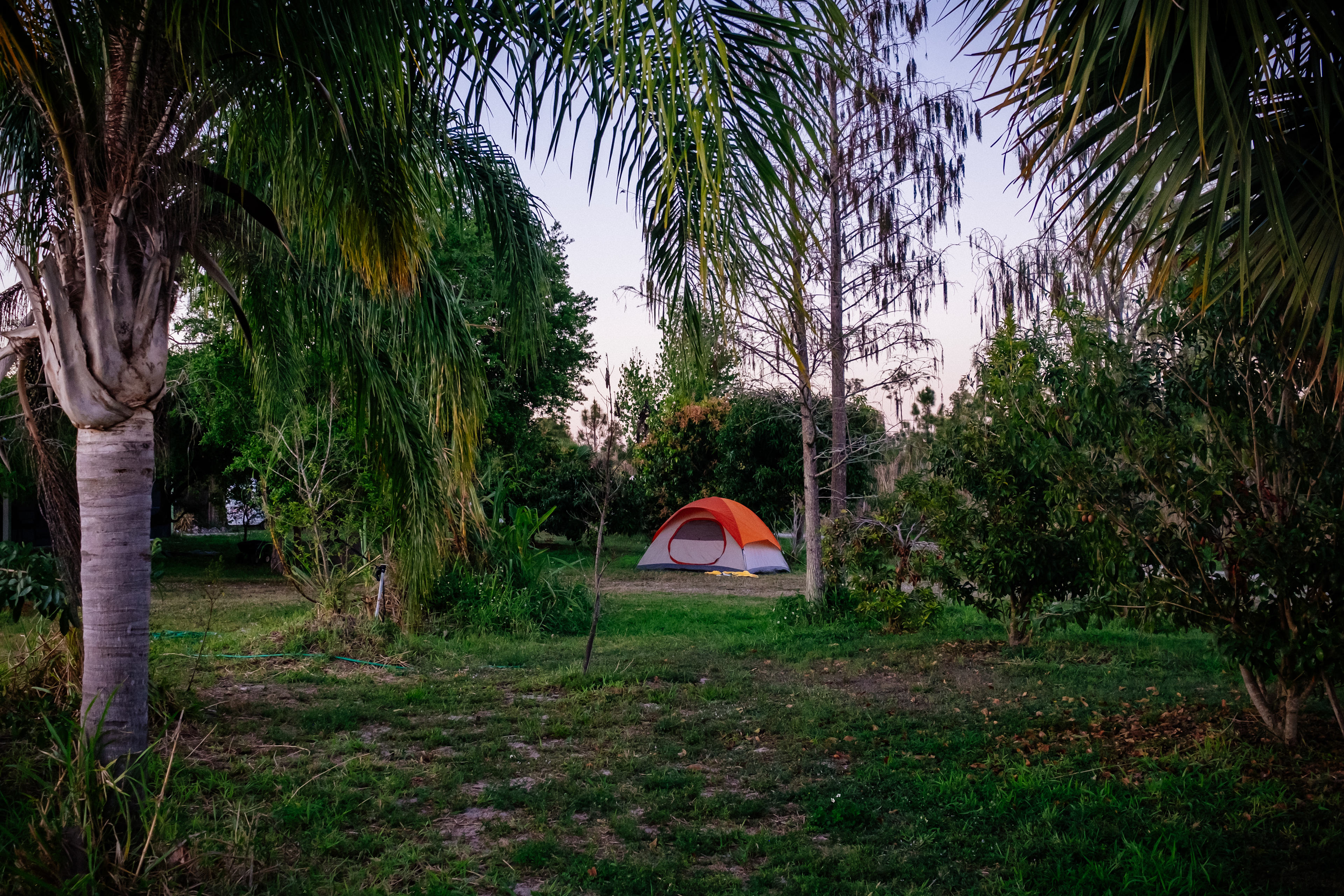
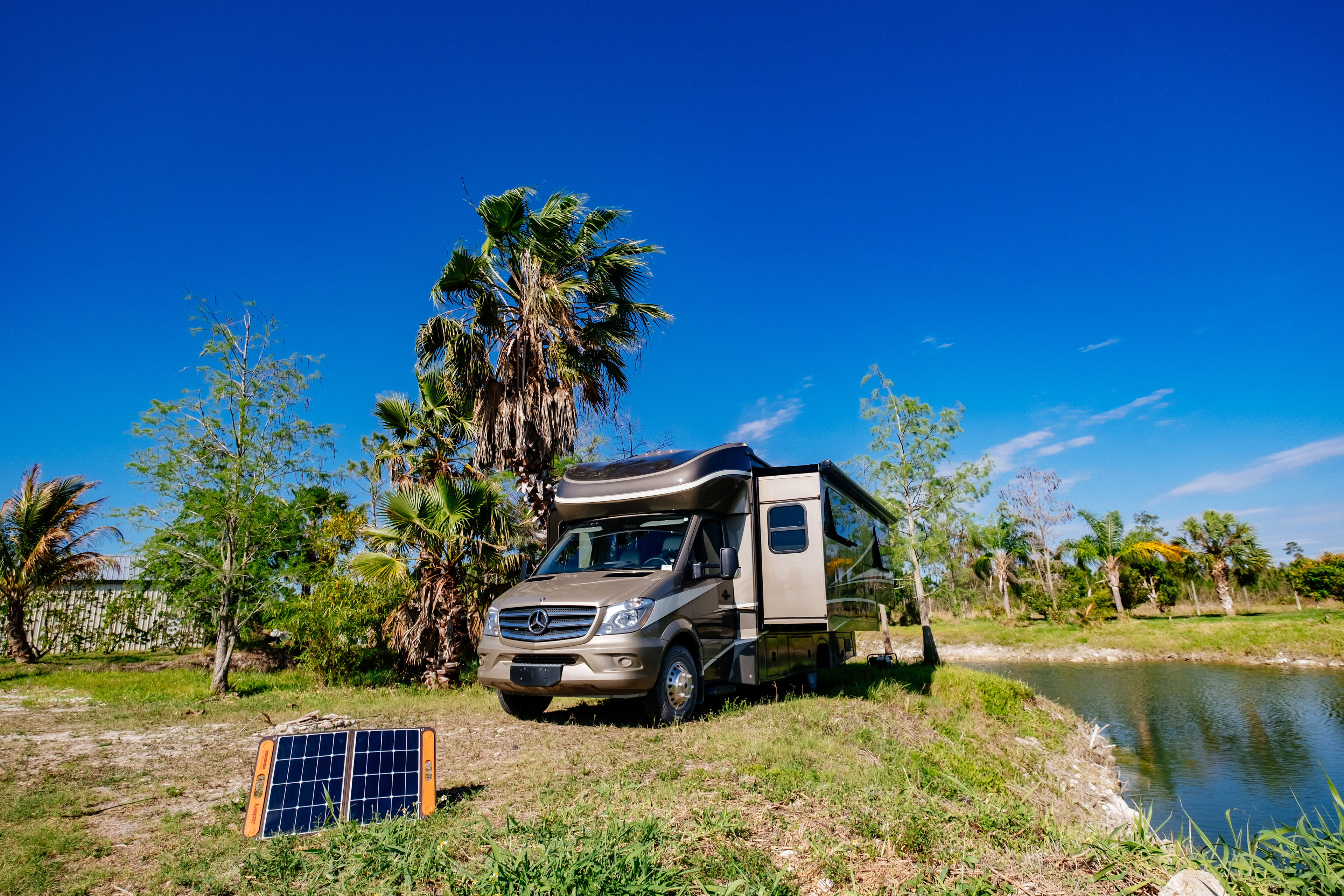
Our property is 15 minutes South, from I75, 10 minutes from any restaurant or publix. We are a 2 mile drive down a dirt road, through the state forest. We offer 2-3 acres of a choose your own spot camping area. Located within the Picayune Strand State Forest, full of peace and quiet, and plenty of birds. We have a facility building that runs off a generator for running water. With that, we have a washroom, that consists of a large shower, and 2 bathroom stalls. we have then propane heated hot water for a nice hot shower. The sites are very " free range". Nothing that is too designated, so you have a free choice of where to pitch your tent, or park your camper van, or your RV.
Come and stay within the Evergaldes in Naples, of SWFL. A special private place like no other. You may have the place all to yourself, or share with others. It is not populated like other campgrounds.
The property is a designated farm, and we do have chickens.
Day time check-in is 100% recommended.
Please be sure to contact me for any and all questions you may have!
Pets
Toilets
Showers
from
$43
/ night
Cayo Costa State Park
4. Cayo Costa State Park
100%
(9)
State park 115mi from Fort Myers · 39 sites
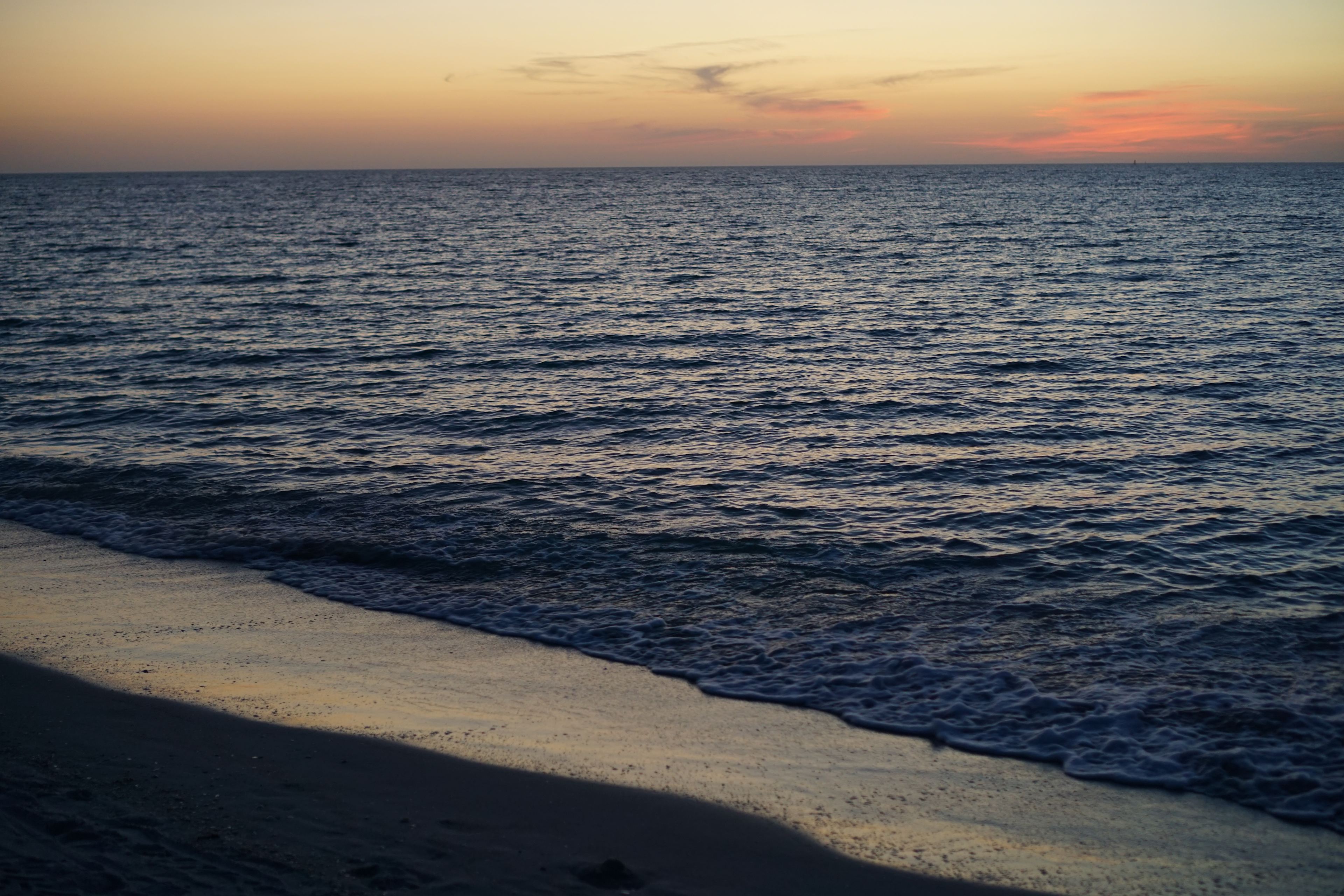
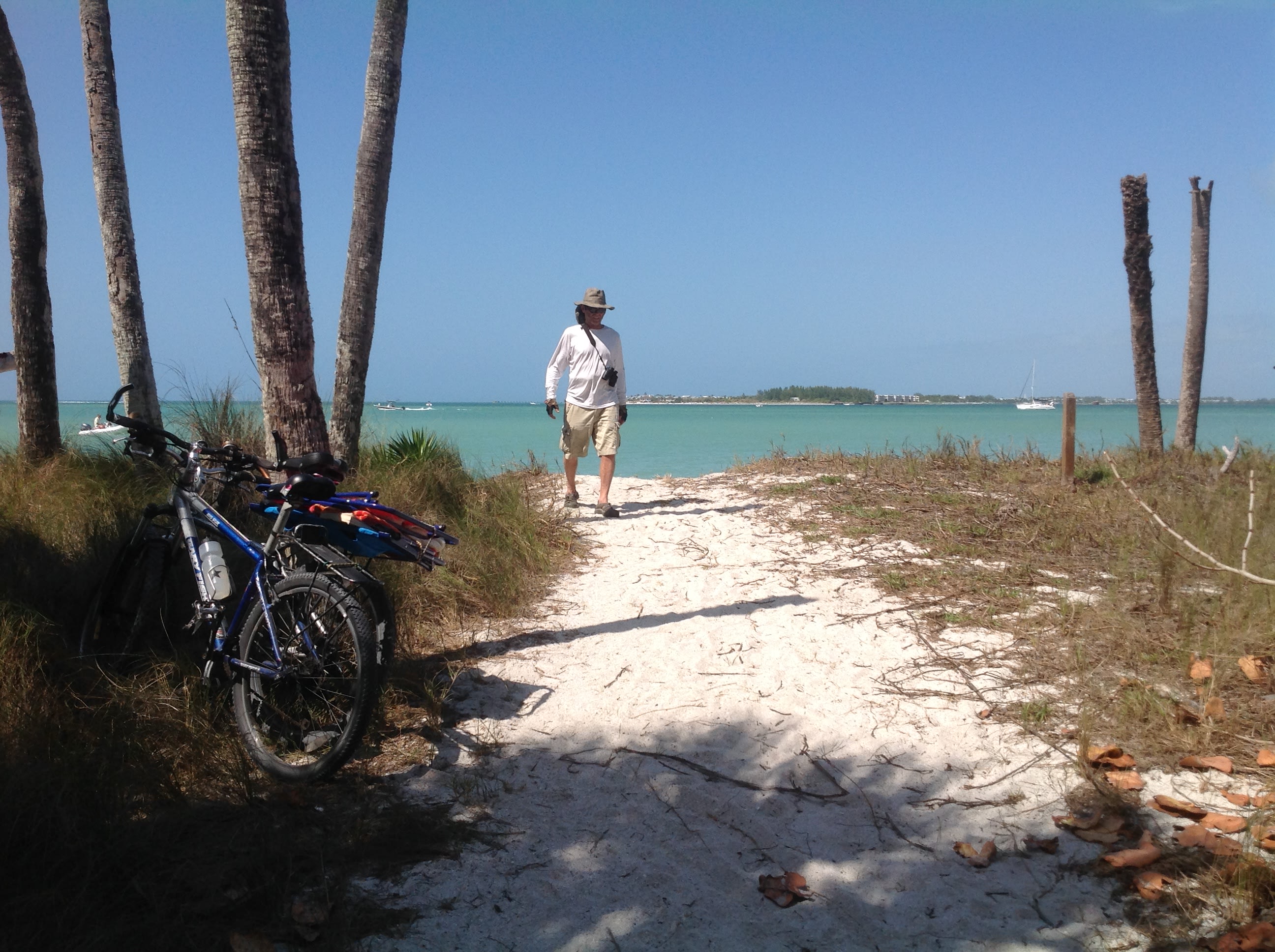
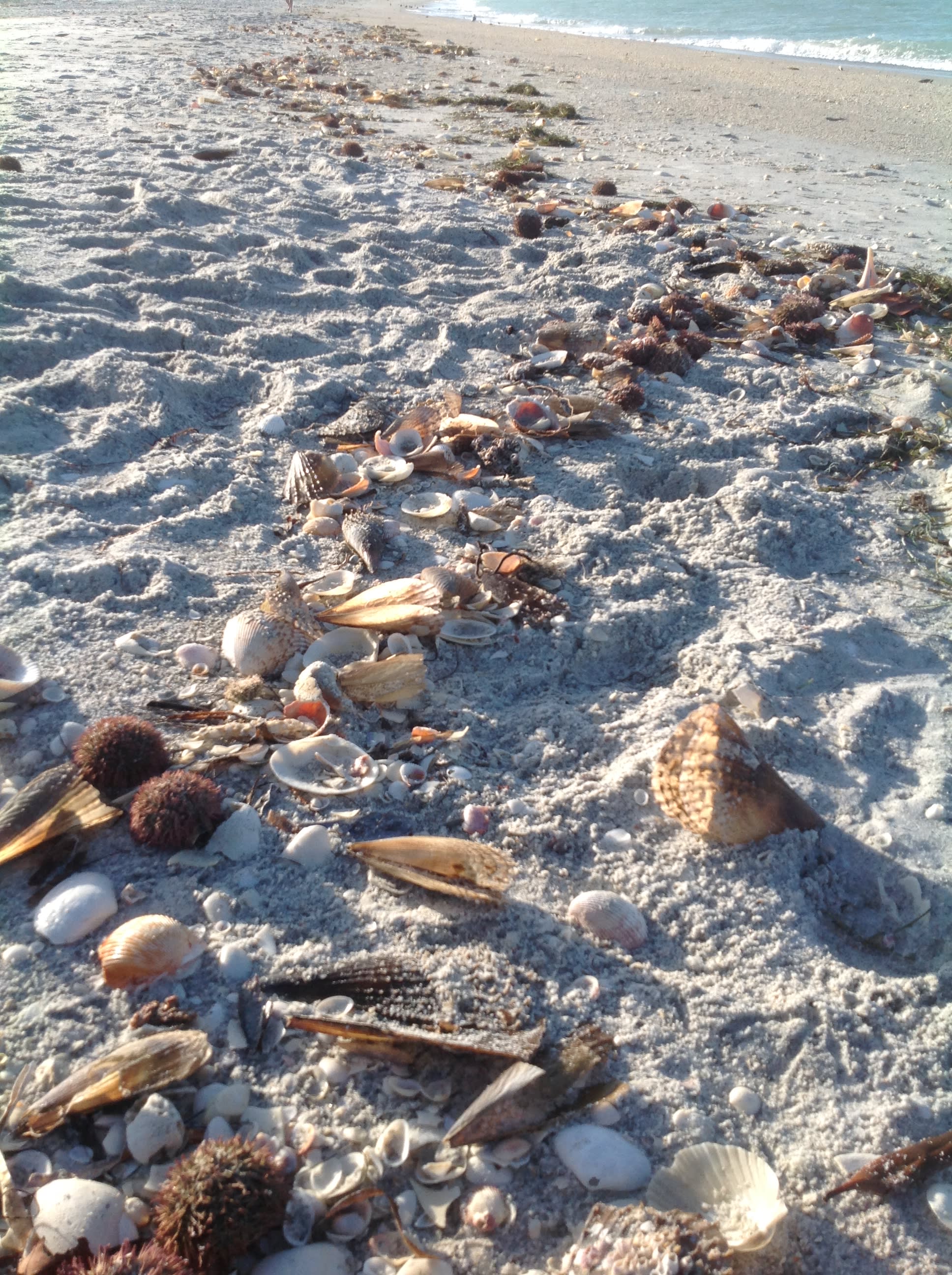
Nature rules on this Gulf of Mexico island.
Pets
Toilets
Showers
N N Farms
5. N N Farms
98%
(22)
41mi from Fort Myers · 1 site
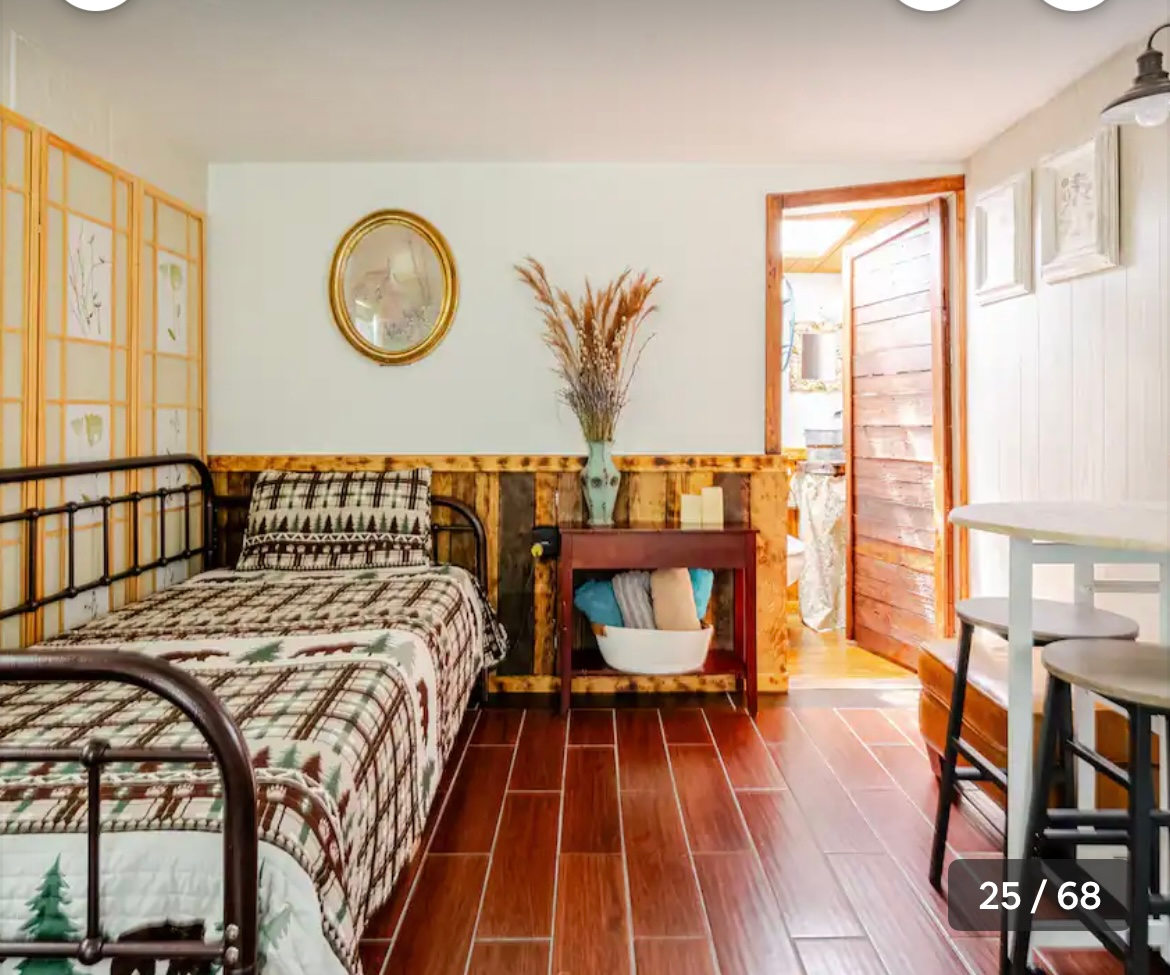
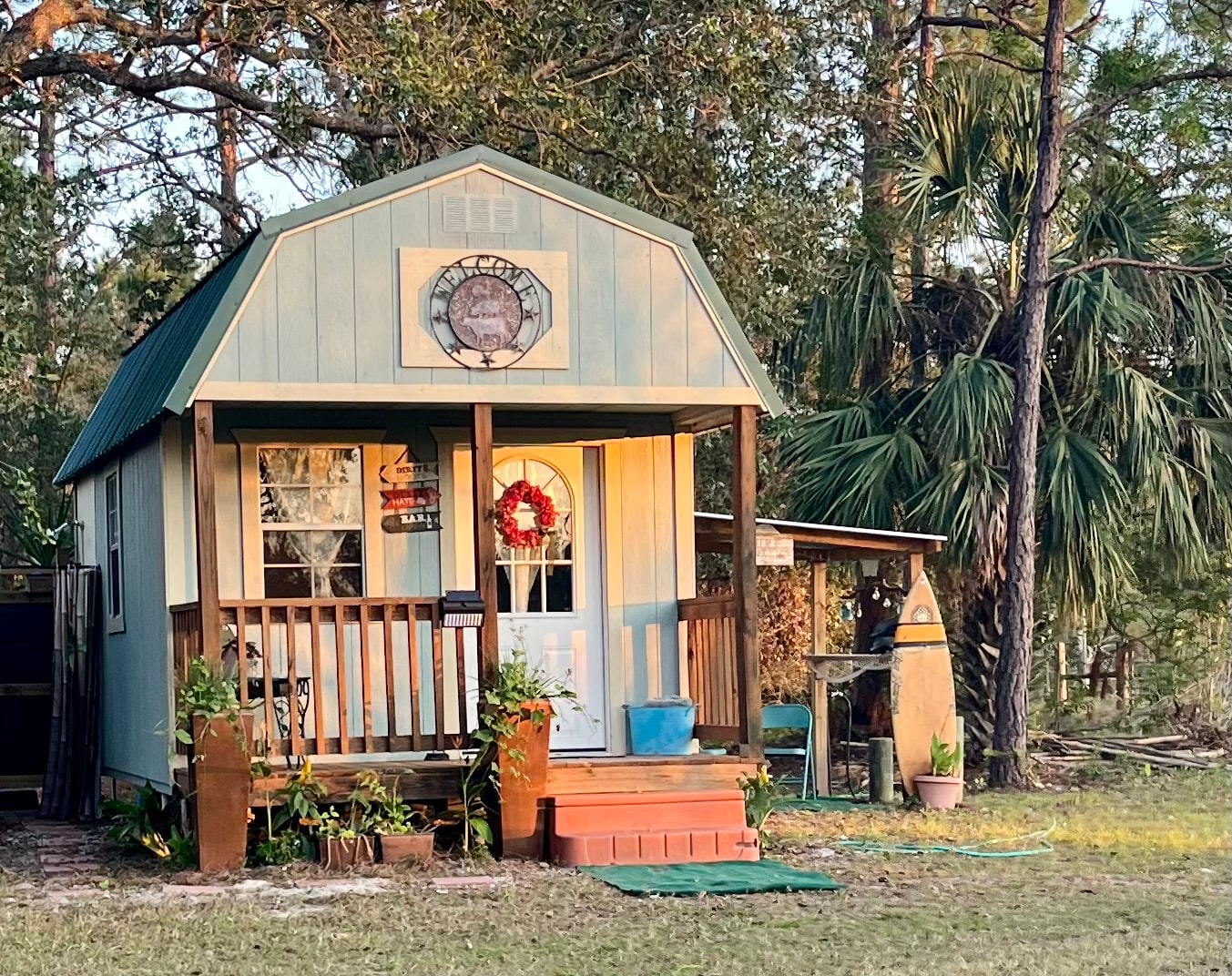
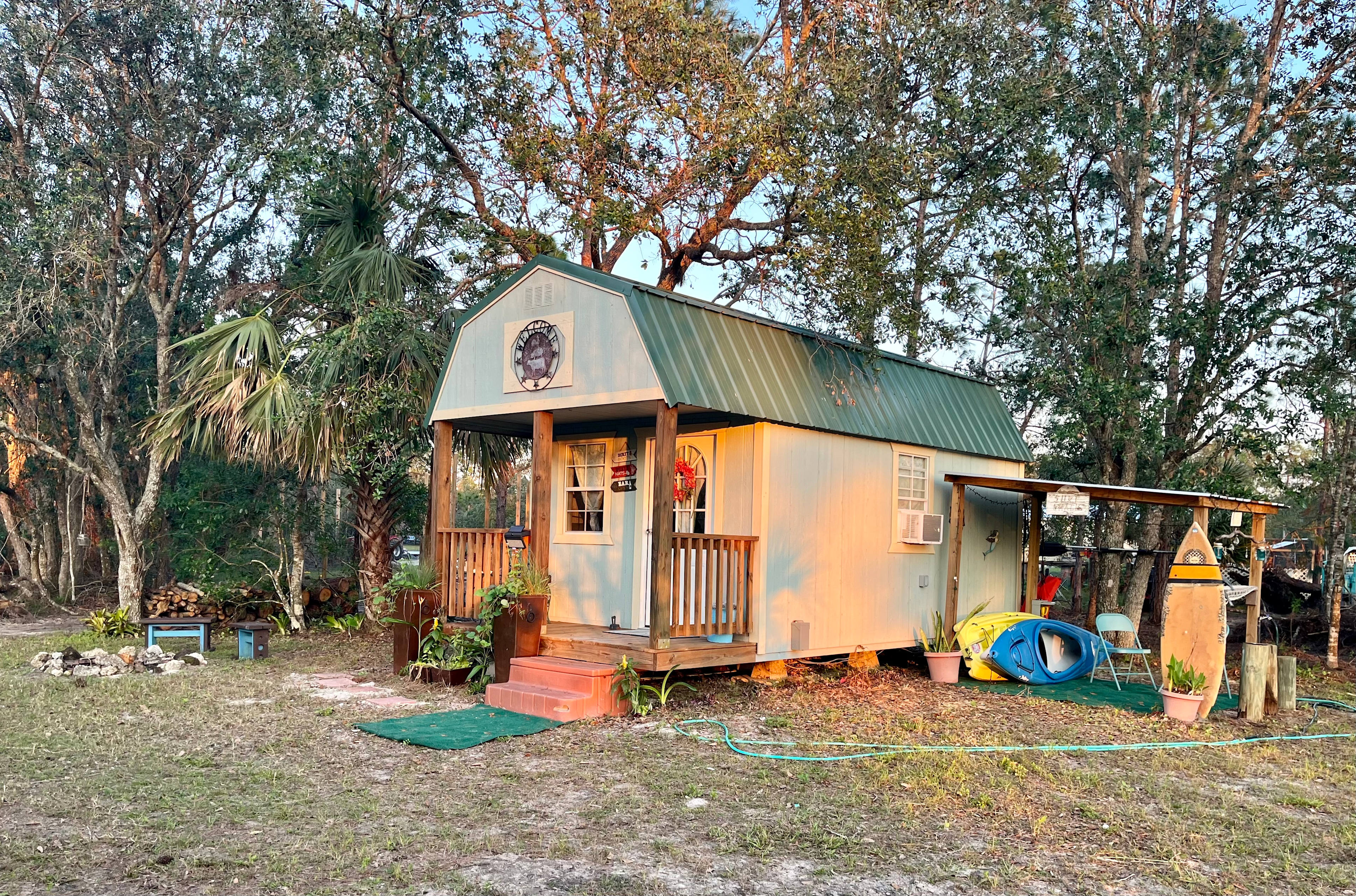
Fun off grid spirited tiny house. A 5 acre farm with Private 1 acre separate with a tiny house and pond. Nestled up next to our farm with plenty of farm animals to admire! We provide chicken, fish and goat feed for your fun. We have an outdoors area with loads of games. Bring your firewood and marshmallows! Close to Myakka State Park, 45 minutes to many beaches. Small town charm in Arcadia Florida, known for its quaint antique shops.
We have a TV with a Firestick and DVD player complete with plenty of dvd’s.
Pets
Toilets
Showers
from
$77
/ night
Serenity Acres Glamping Retreat
6. Serenity Acres Glamping Retreat
100%
(15)
44mi from Fort Myers · 1 site
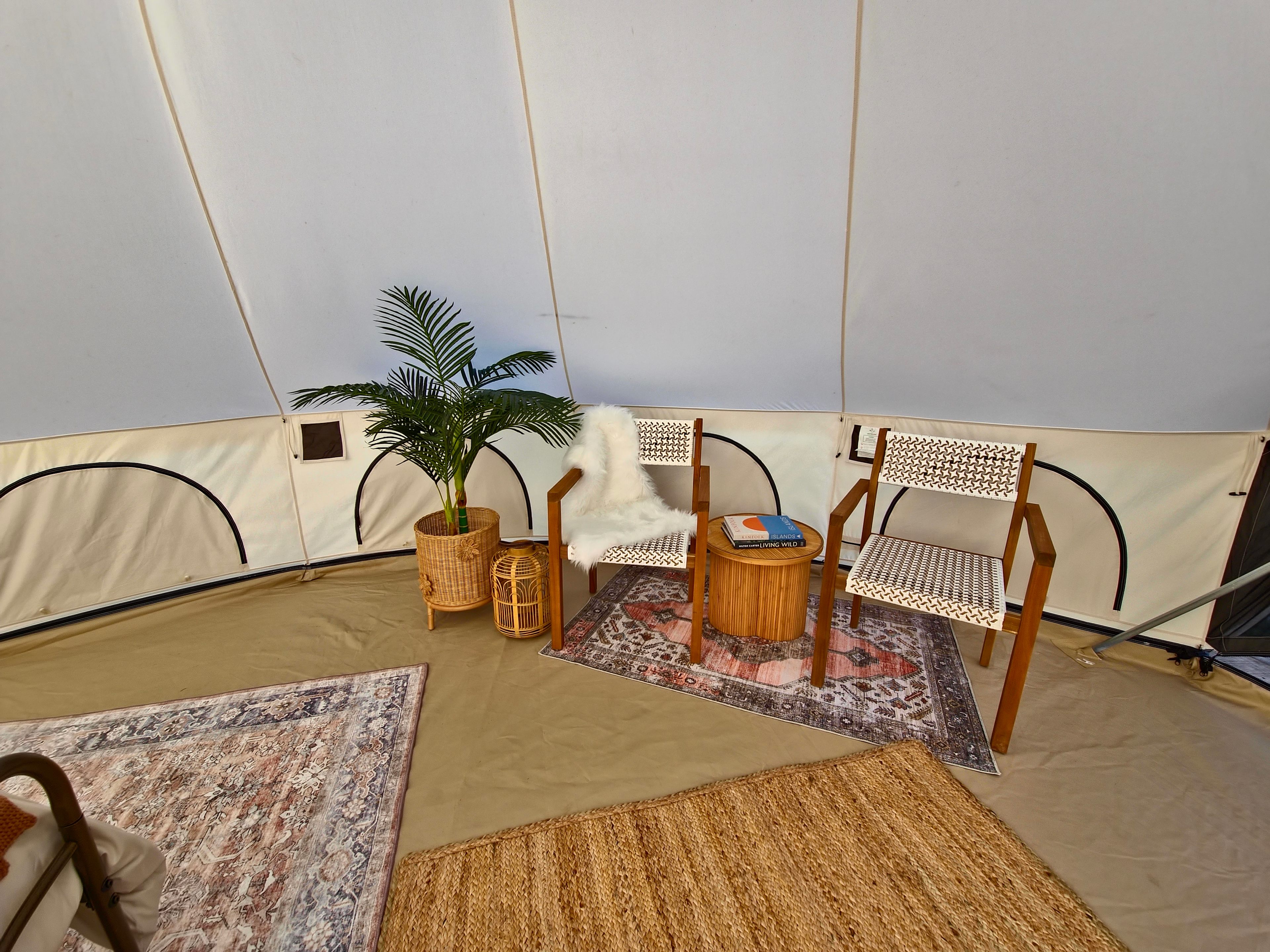
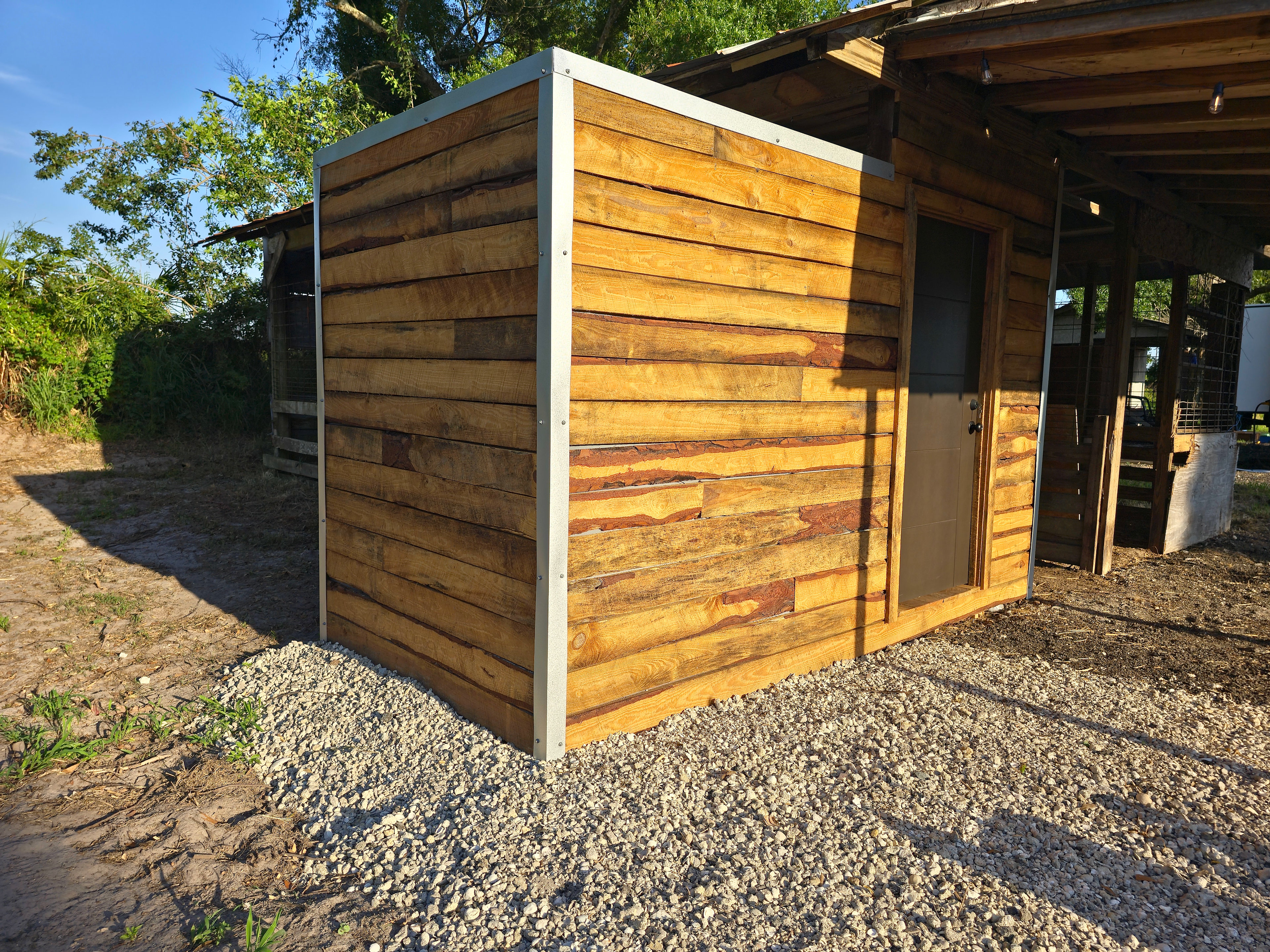
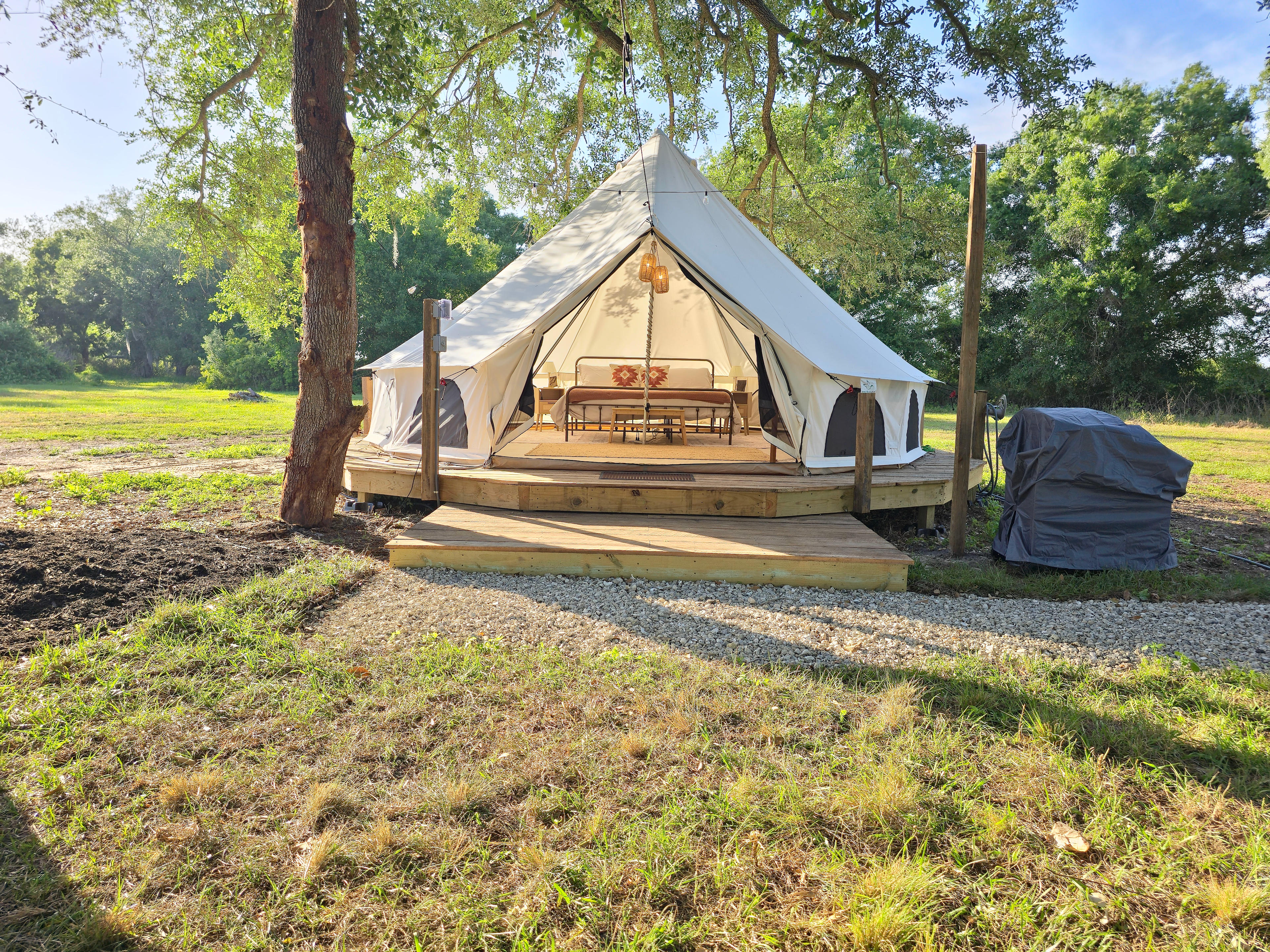
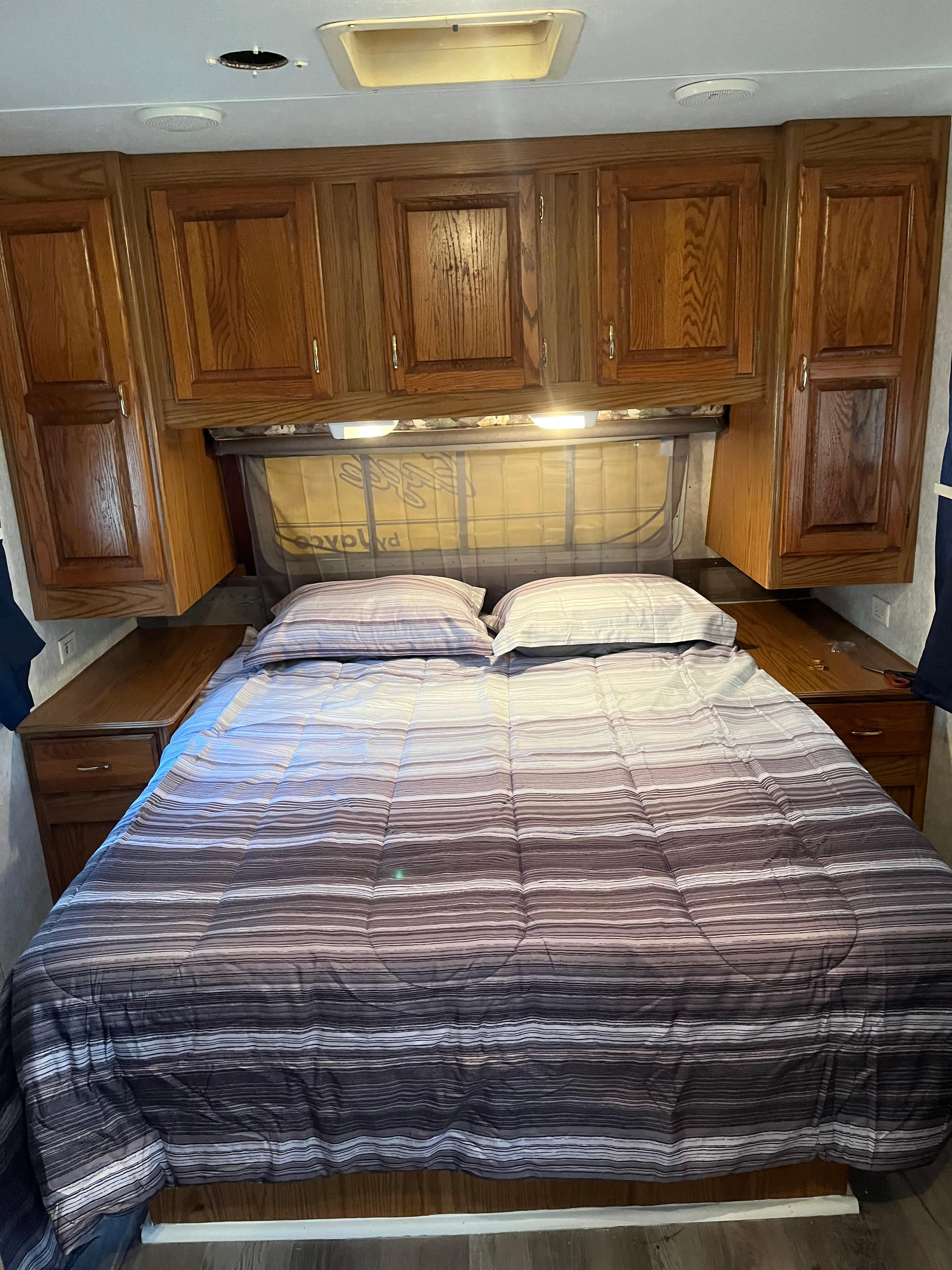
Looking for the perfect camping getaway? Look no further! Our air-conditioned glamping tent, located in the heart of Arcadia FL, offers a unique and unforgettable experience. With plenty of activities to enjoy in Desoto County, including fossil hunting on the Peace River or kayaking, you can find plenty to keep you busy during your stay. Nestled under a sprawling live oak tree on our 10-acre property, our glamping tent has everything you need to make your camping trip a breeze. Enjoy a comfortable king-size bed while listening to the soothing sounds of nature. Our refrigerator, complete with a freezer drawer, will keep your drinks and snacks fresh. And our coffee bar, featuring a Keurig coffee maker, is the perfect way to start your day while watching the sun come up over the orange groves. Outside of the tent, you'll find hammock chairs hanging from the oak tree, a grill cart with a griddle, and a fire pit with a grate for cooking your meals. Plus, our full bathroom, located just steps away from the campsite, offers a flush toilet and walk-in shower to help you feel refreshed after a day of adventure. Book your stay with us today and experience the ultimate glamping adventure!
Pets
Toilets
Showers
from
$171
/ night
Blue Fox Ranch: Lake & Farm Camp
7. Blue Fox Ranch: Lake & Farm Camp
97%
(378)
49mi from Fort Myers · 12 sites · Tents, RVs, Lodging
Learn more about this land:
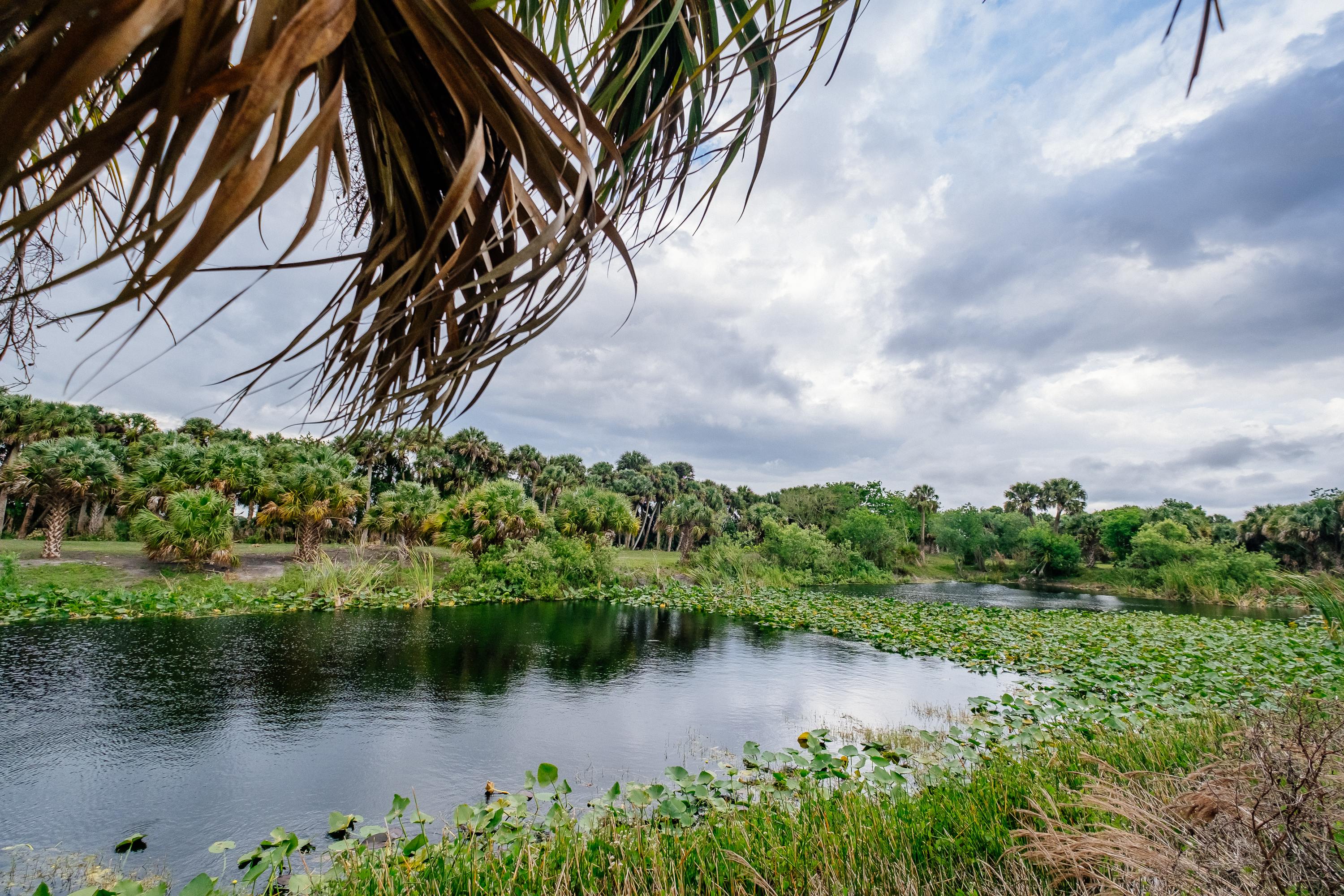
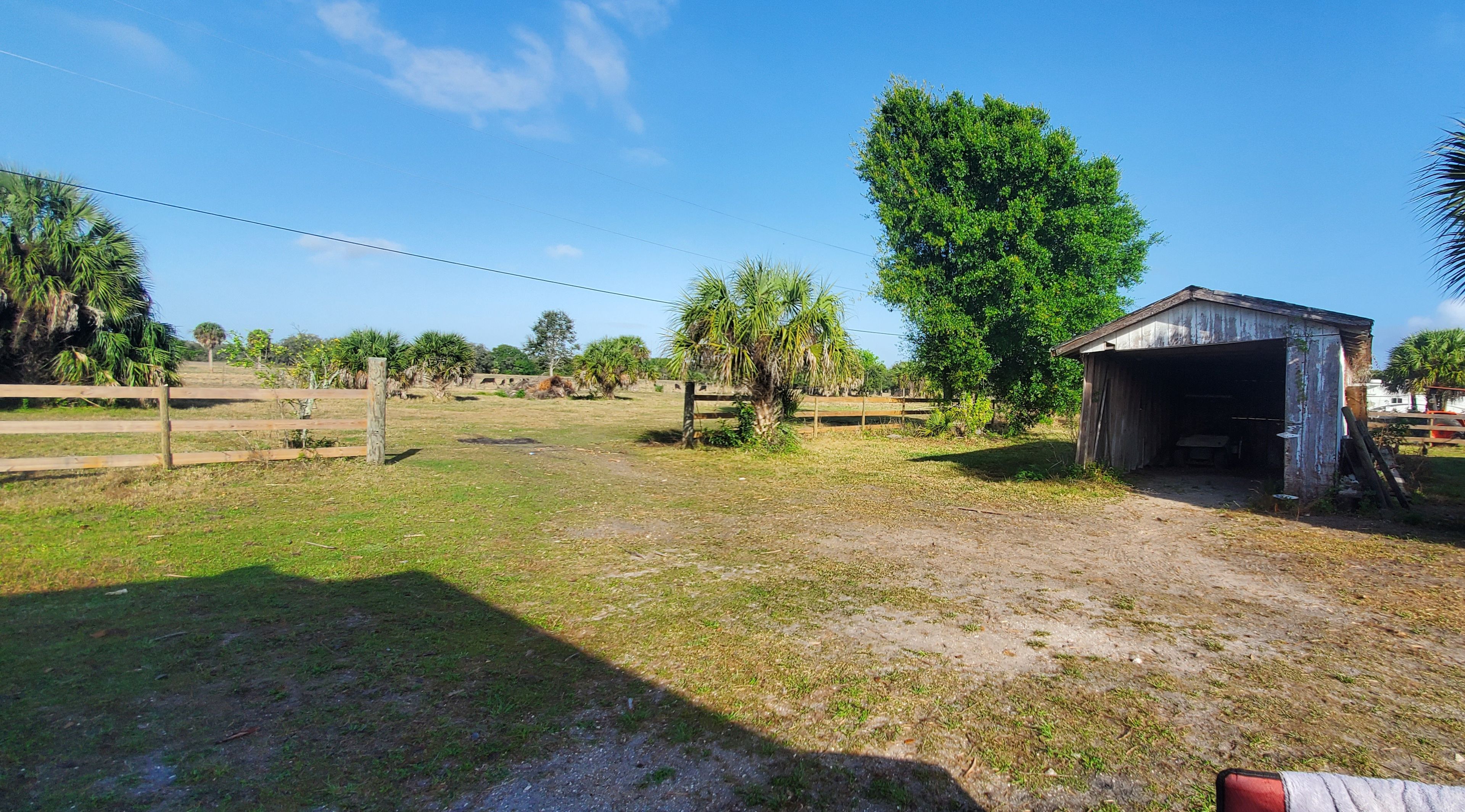
Blue Fox Ranch is a serene campsite nestled by a private lake, surrounded by lush palm trees and friendly farm animals, The gentle sounds of water lapping at the shore create a soothing atmosphere, perfect for relaxation.
As the sun begins to set, the sky transforms into a breathtaking canvas of oranges, pinks, and purples, reflecting beautifully on the lake’s surface. Campers can gather around crackling campfires, sharing stories and enjoying the warmth of the flames against the cool evening air.
The rustic sites are thoughtfully providing stunning views of the sunset. Each site offers ample space for tents or RVs, and there are plenty of trails nearby for hiking and exploring. Whether you're fishing, canoeing, or simply soaking in the peaceful surroundings, Blue Fox Ranch is a perfect escape into private small farm with farm animals for a truly new experience that you and your children will Guard forever.
Blue Fox Ranch, your perfect getaway on the west side of Lake Okeechobee! Nestled just a mile from boat launch ramps, we’re ideally situated for fishing enthusiasts. Enjoy the nearby wildlife management area, just 3 miles away, or try your luck at Seminole Casino Brighton, only 10 minutes from the ranch.
Our friendly farm is home to horses, chickens, ducks, sheep, and cows, all eager for attention—just be mindful, they can be a bit pushy! We’re dog-friendly, so feel free to bring your furry friends along for a peaceful and fun weekend. Experience the charm of our ranch while exploring the beautiful attractions around Lake Okeechobee. We can’t wait to welcome you!
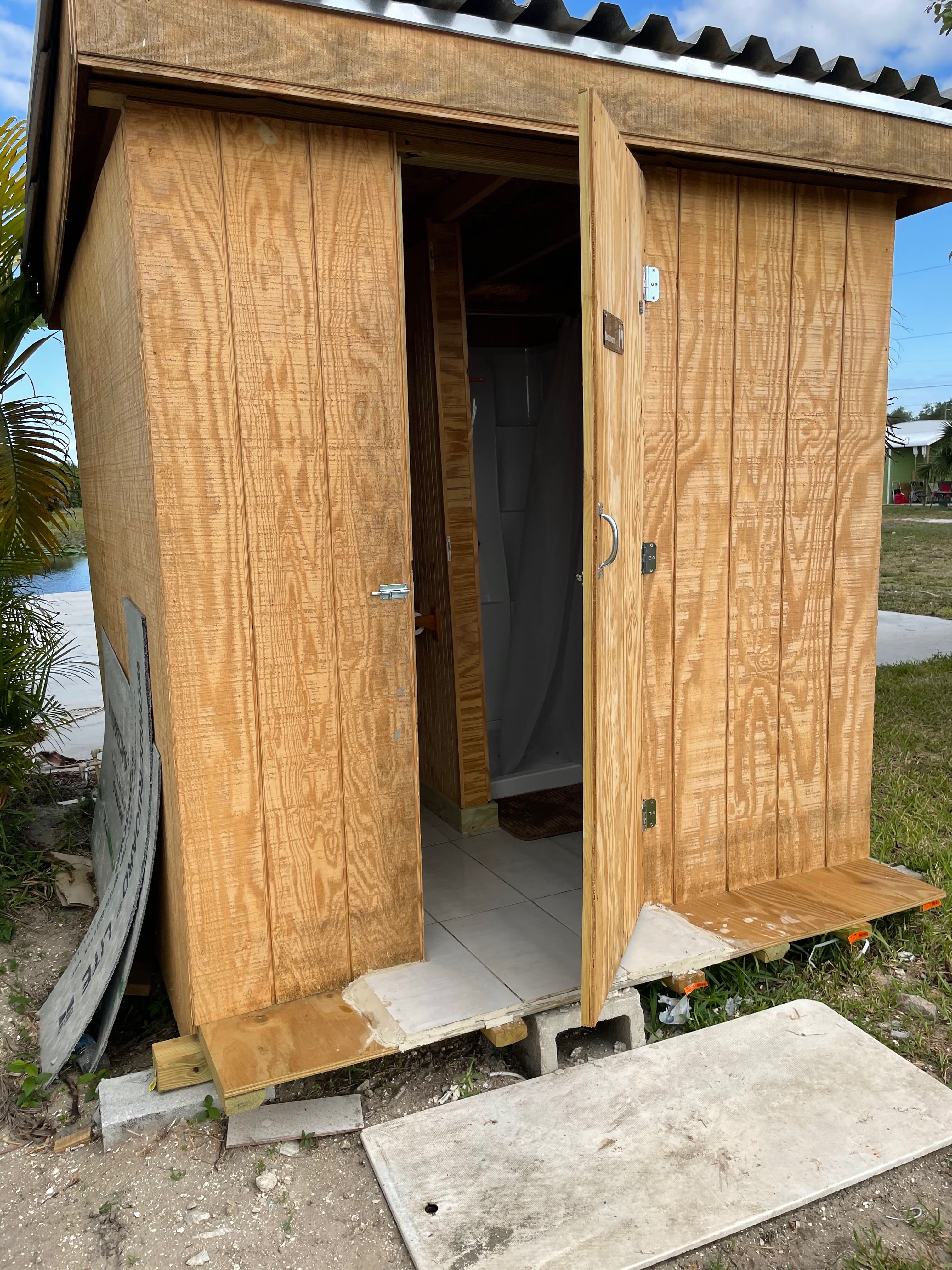
Site 1, 2, and 3 have hookups. All others are around the property with no hookups, toilets, showers are available by an outside bathroom by the house.
Site 1= Electric and sewer hookup. 30 amps.
Site 2= Electric and sewer hookup. 30 amps.
Site 3= Electric and sewer hookup 50 / 30 amps.
Site 4= No Hookups, your generator is ok.
Site 5= No Hookups, your generator is ok.
Site 6= No hookups, your generator is ok.
Site 7= No Hookups, your generator is ok.
(Shower and toilet are available )
Pets
Toilets
Showers
from
$29
/ night
Serenity Star - Sauna Cold Plunge
8. Serenity Star - Sauna Cold Plunge
100%
(9)
8.5mi from Fort Myers · 4 sites · RVs, Lodging
Welcome RVers!
Escape to Serenity at Our North Fort Myers Oasis
Immerse yourself in the tranquility of nature while still enjoying the comforts of home.
Location: Conveniently situated a 5-minute drive from I-75, our serene rural retreat offers easy access for travelers seeking a peaceful respite from the road or a longer stay in the Greater Fort Myers area.
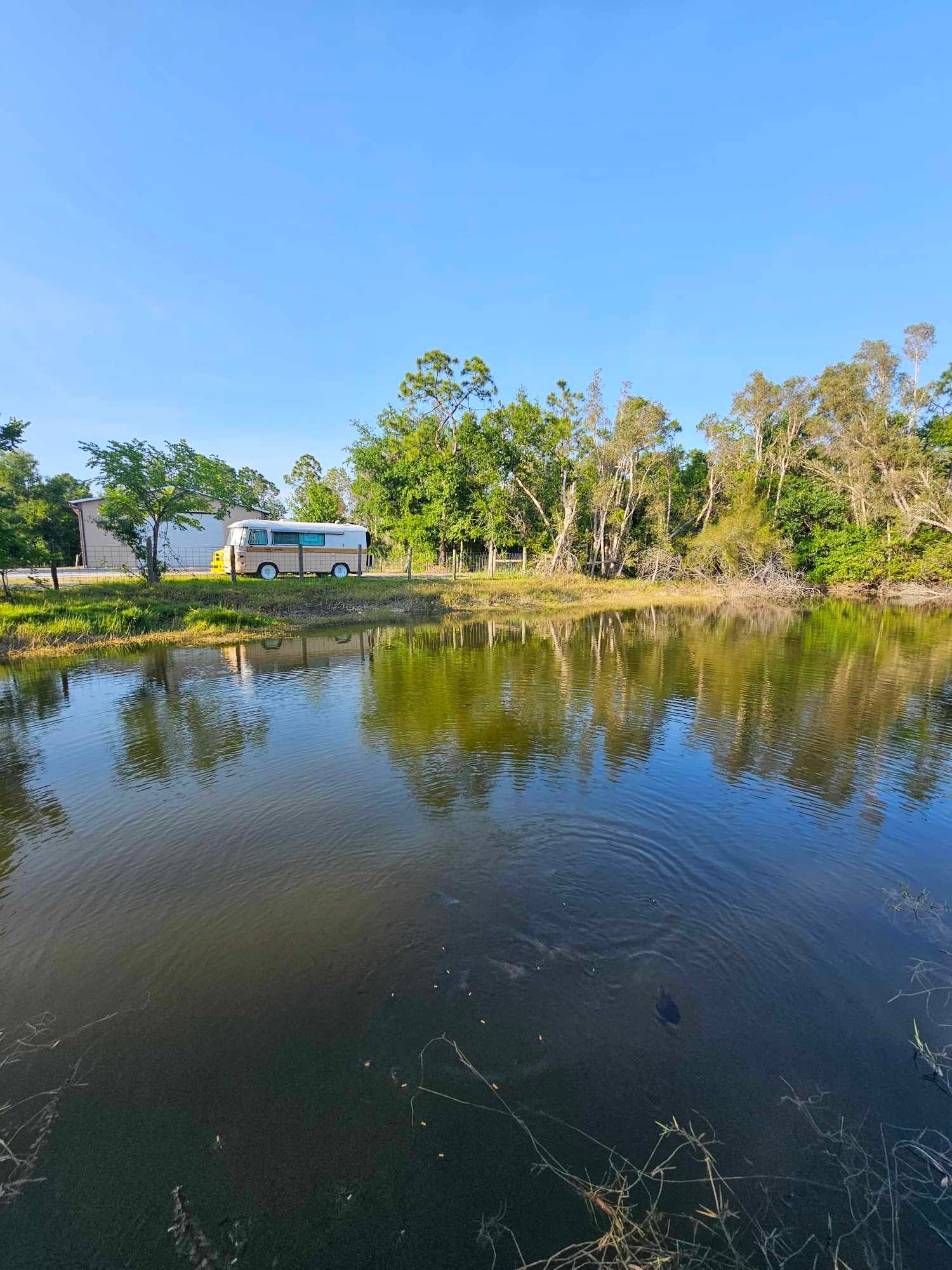
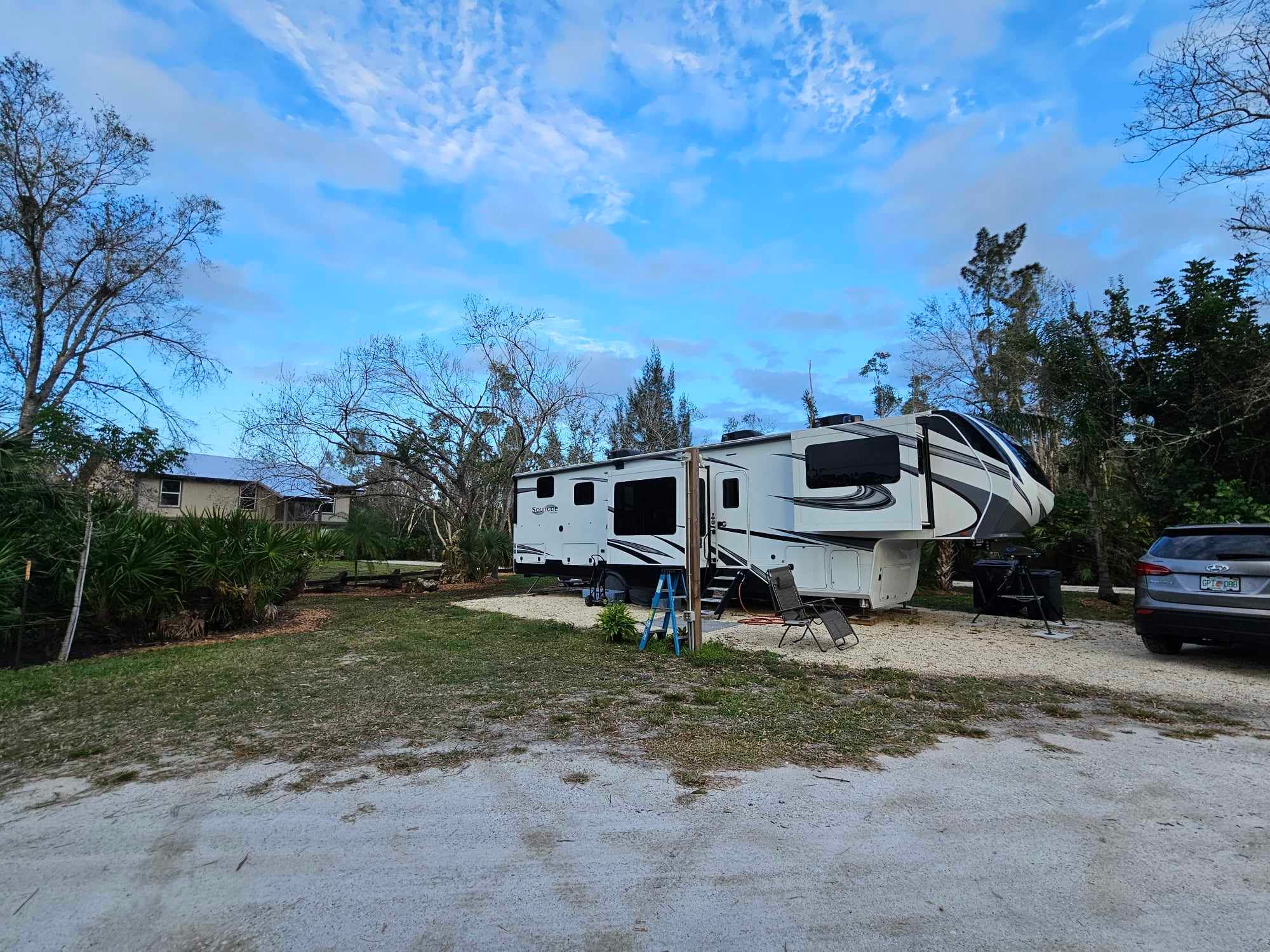
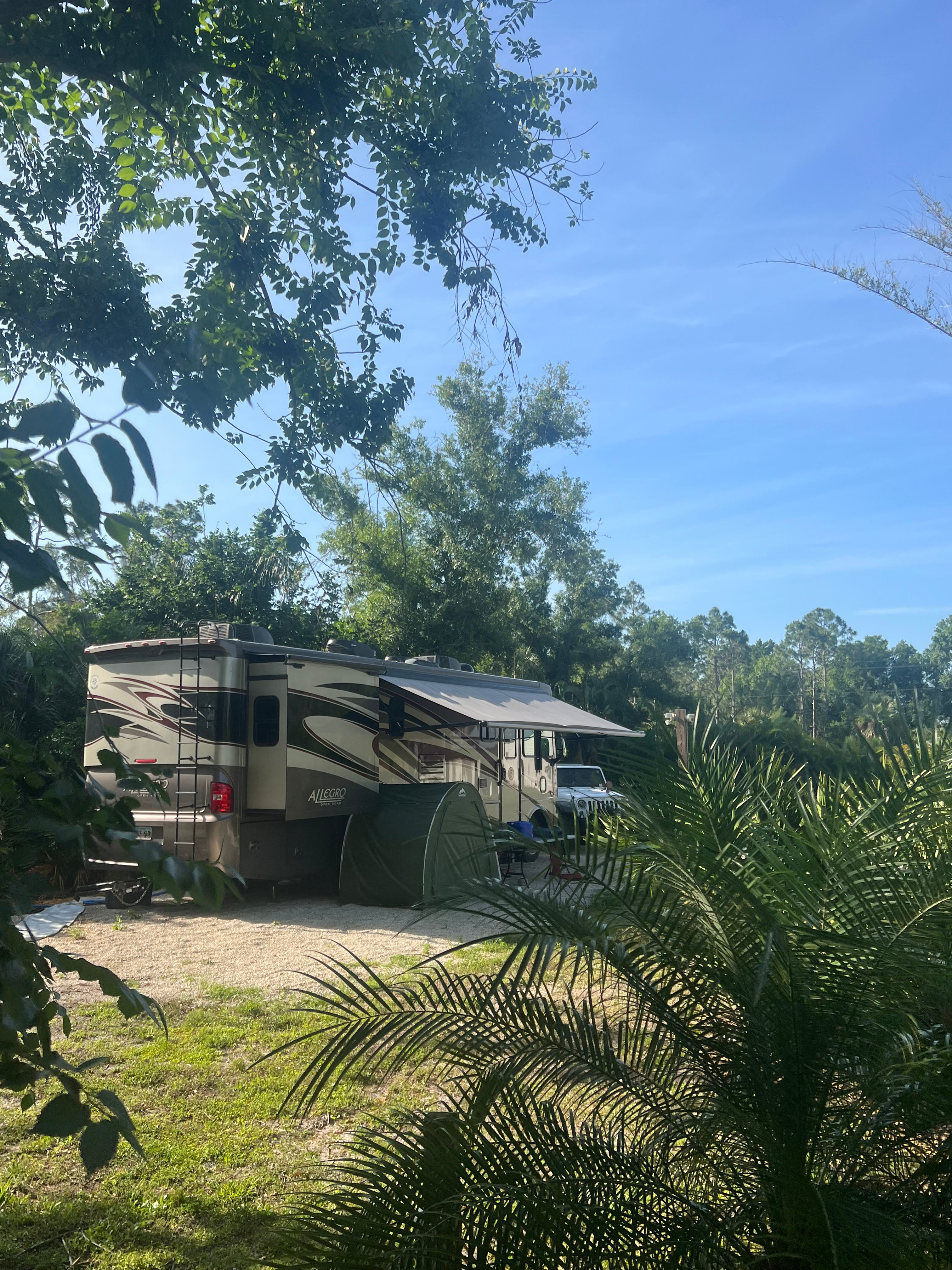
Accommodations: Choose from a full hookup site or 50 amp hookup. We are located on over 2.5 acres with plenty of room to pull in, turn around, and easily park your rig and towed vehicle.
Nature's Playground: Unwind or go fishing at our private pond, or take a short drive to one of the many parks or nature sanctuaries in the area. We’ll provide a local guide once you register.
Sunset Sanctuary: As the day draws to a close, gather around the campfire with us. We love to build a community and we have regular gatherings by the campfire and our covered grilling area. Relax in the Florida countryside.
Nearby Attractions: Explore the vibrant offerings of North Fort Myers, from charming local eateries, great happy hours, to the beaches and state parks. Discover the beaches of the Gulf Coast or embark on an adventure through the nearby nature reserves along the Caloosahatchee River, such as Manatee Park or Caloosahatchee Regional Park. Pick up a pickleball game at one of the nearby parks. Or head to one of our favorite beaches, restaurants, or State Parks that we share in our guide.
Your Escape Awaits: Whether you're seeking a peaceful retreat or an adventure-filled getaway, our RV site offers the perfect balance of convenience and serenity. Book your stay with us today and experience the beauty of North Fort Myers like never before. Welcome home to nature's embrace!
Pets
Toilets
Showers
from
$70
/ night
Condo Near Beach
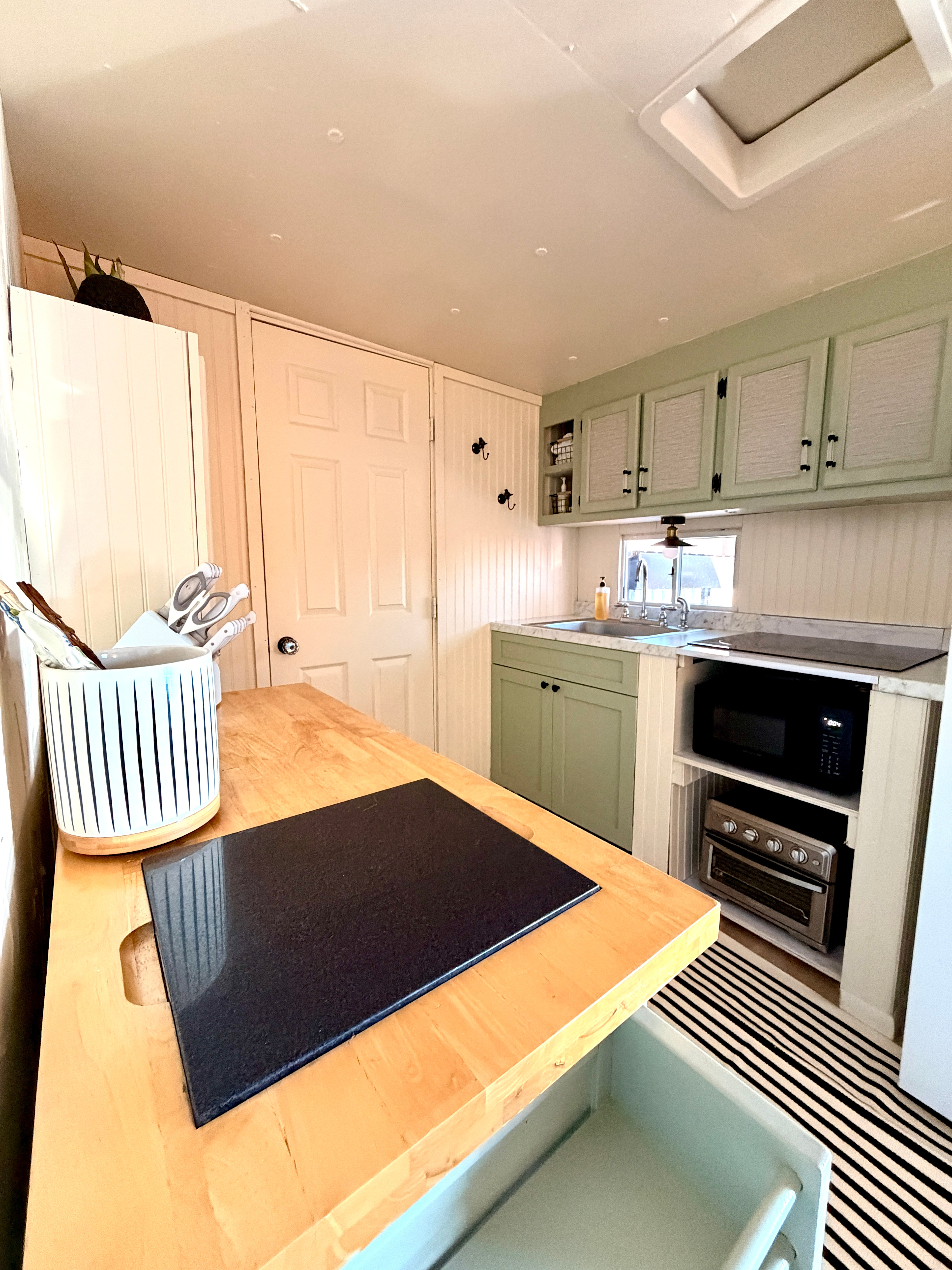
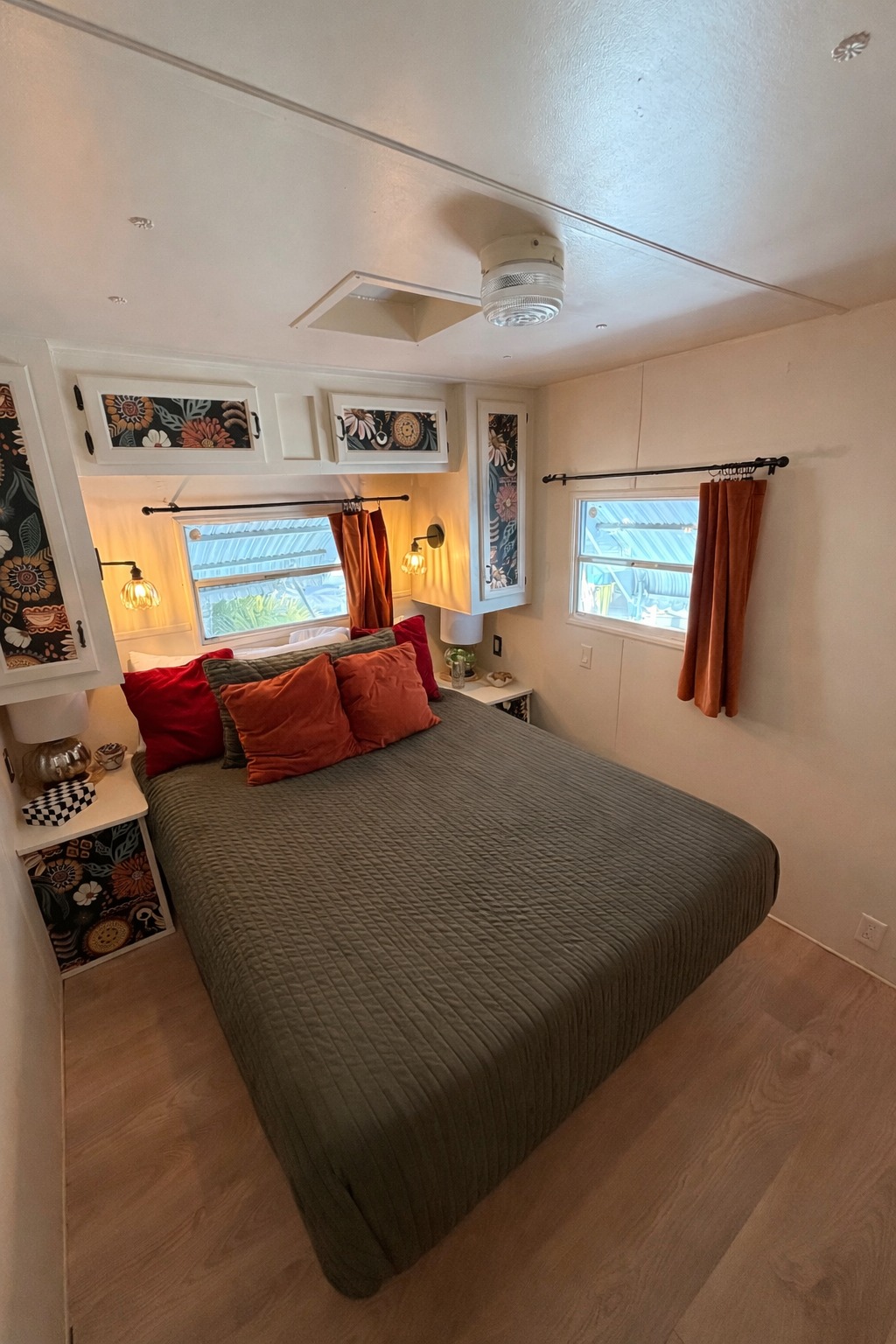
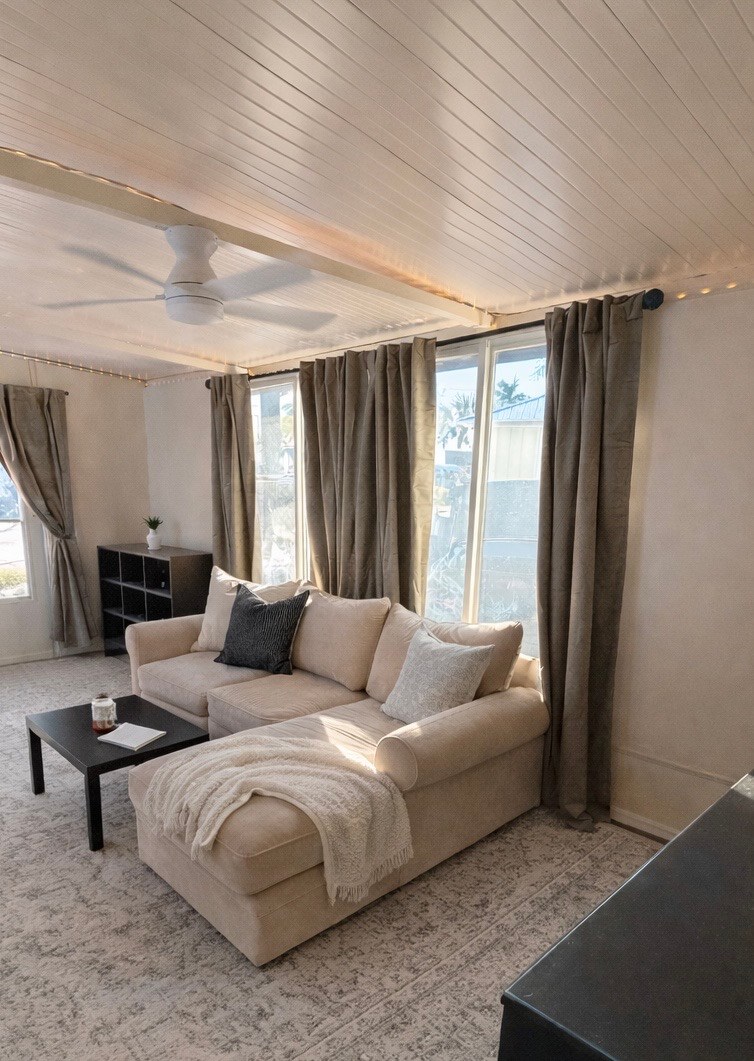
9. Condo Near Beach
10mi from Fort Myers · 1 site
Experience the best of coastal living just 2 miles from Fort Myers Beach and 1 mile from Target, Publix, and Walmart.
The home is right across from the pool—a very easy walk!
Enjoy access to a beautiful pool, hot tub, state-of-the-art gym, billiards lounge, dog park, office space, and a stylish rec room. Take advantage of this friendly community with daily activities.
Let me know if you have any questions.
Toilets
Showers
Hot Tub
from
$90
/ night
Cozy Camper Near The Beach
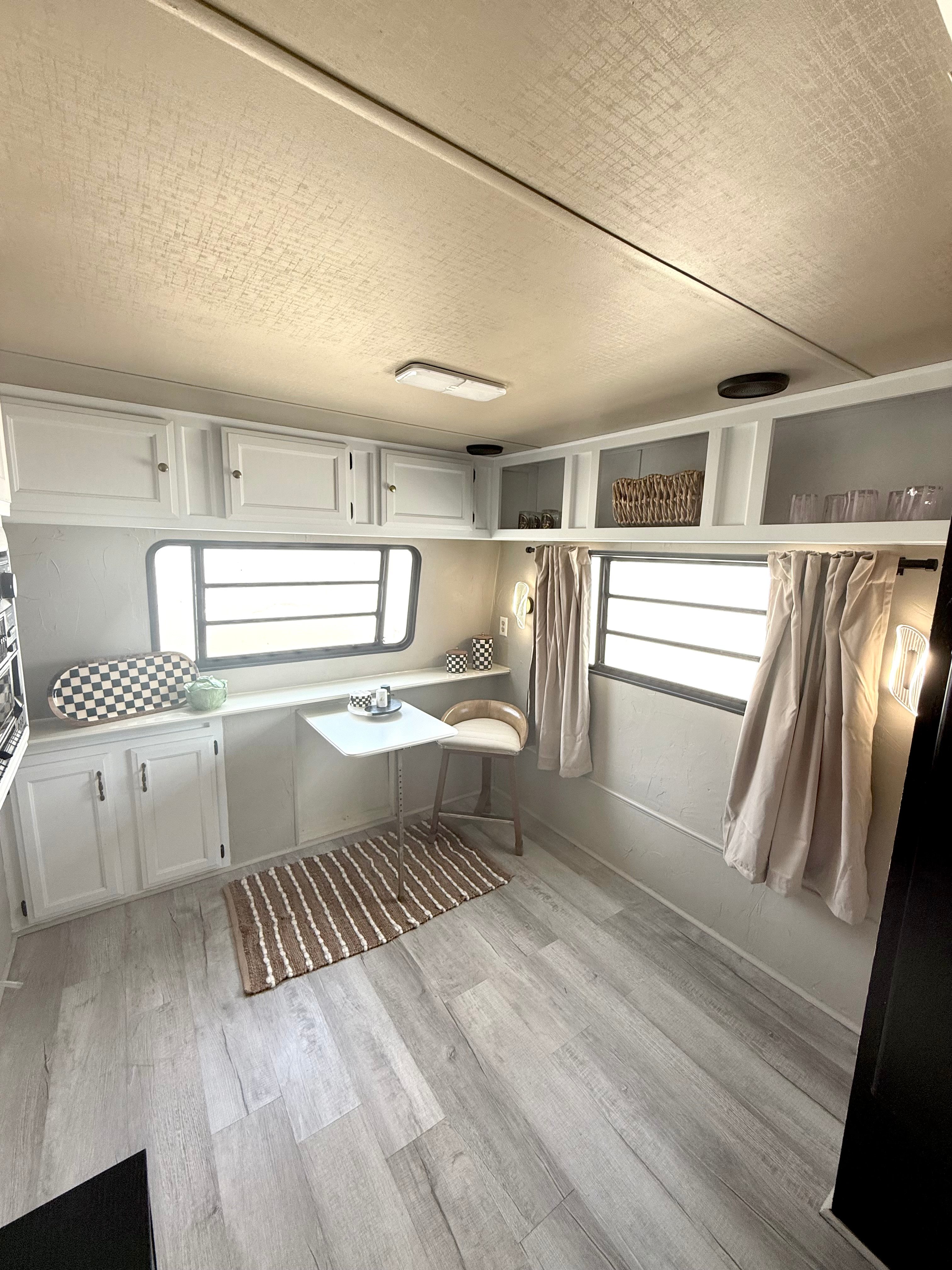
10. Cozy Camper Near The Beach
10mi from Fort Myers · 1 site
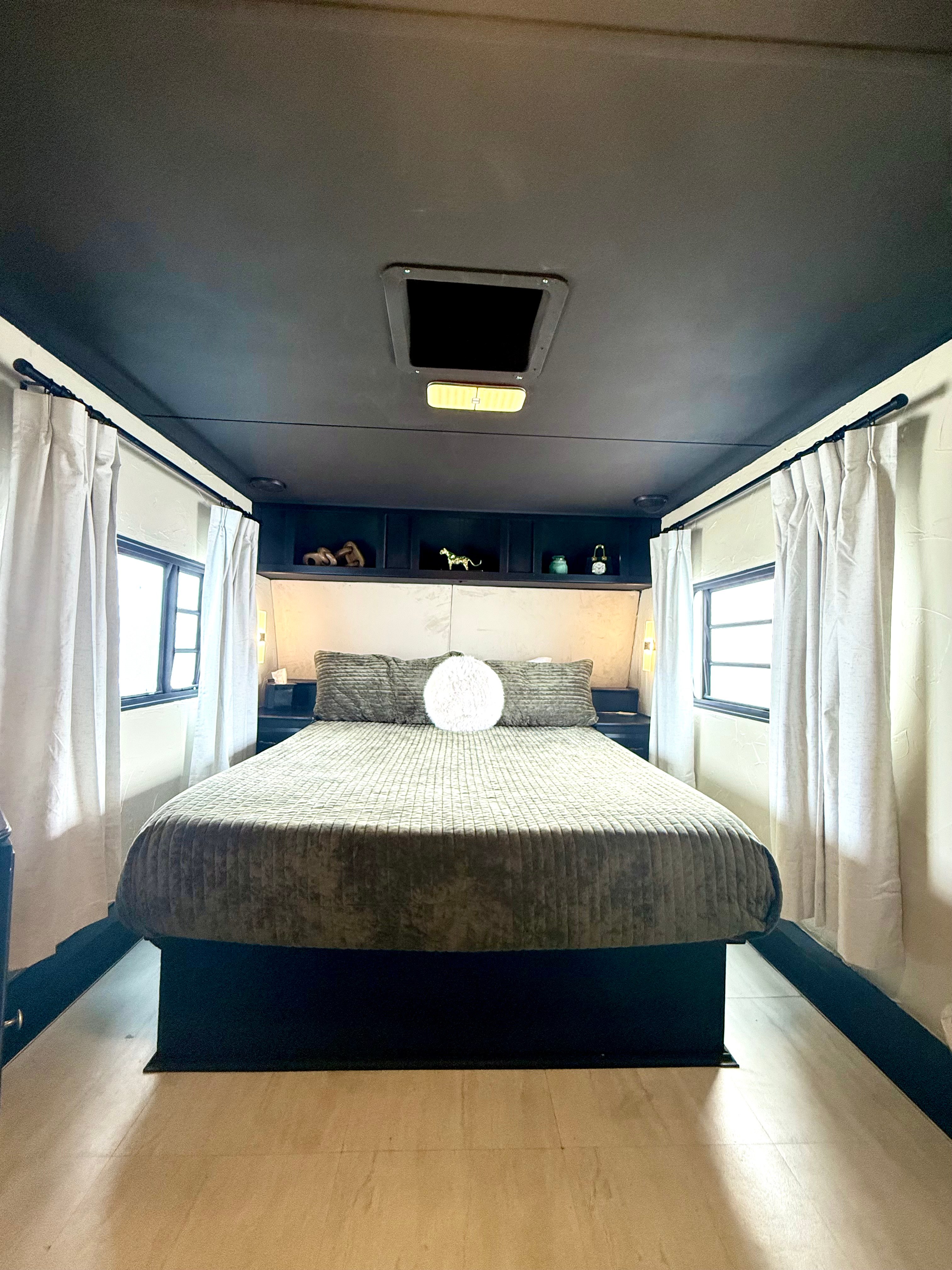
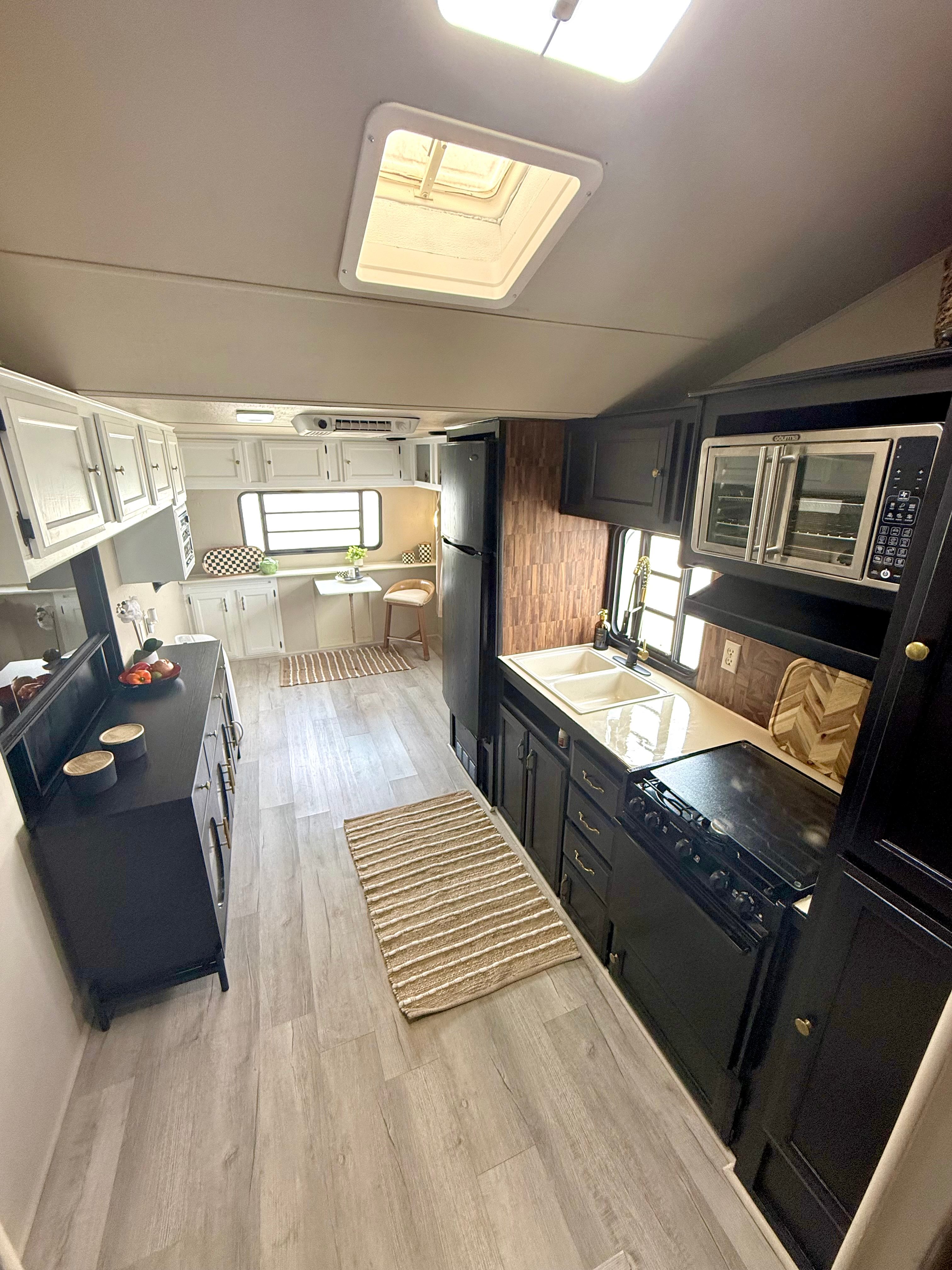
Experience the best of coastal living just 2 miles from the beach and 1 mile from Target, Publix, and Walmart. Enjoy access to a beautiful pool, hot tub, state-of-the-art gym, billiards lounge, dog park, office space, and a stylish rec room. Relax, recharge, and indulge in a truly elevated stay.
Toilets
Showers
Hot Tub
from
$55
/ night
Sun Retreats Estero Bay
11. Sun Retreats Estero Bay
11mi from Fort Myers · 33 sites · RVs, Lodging
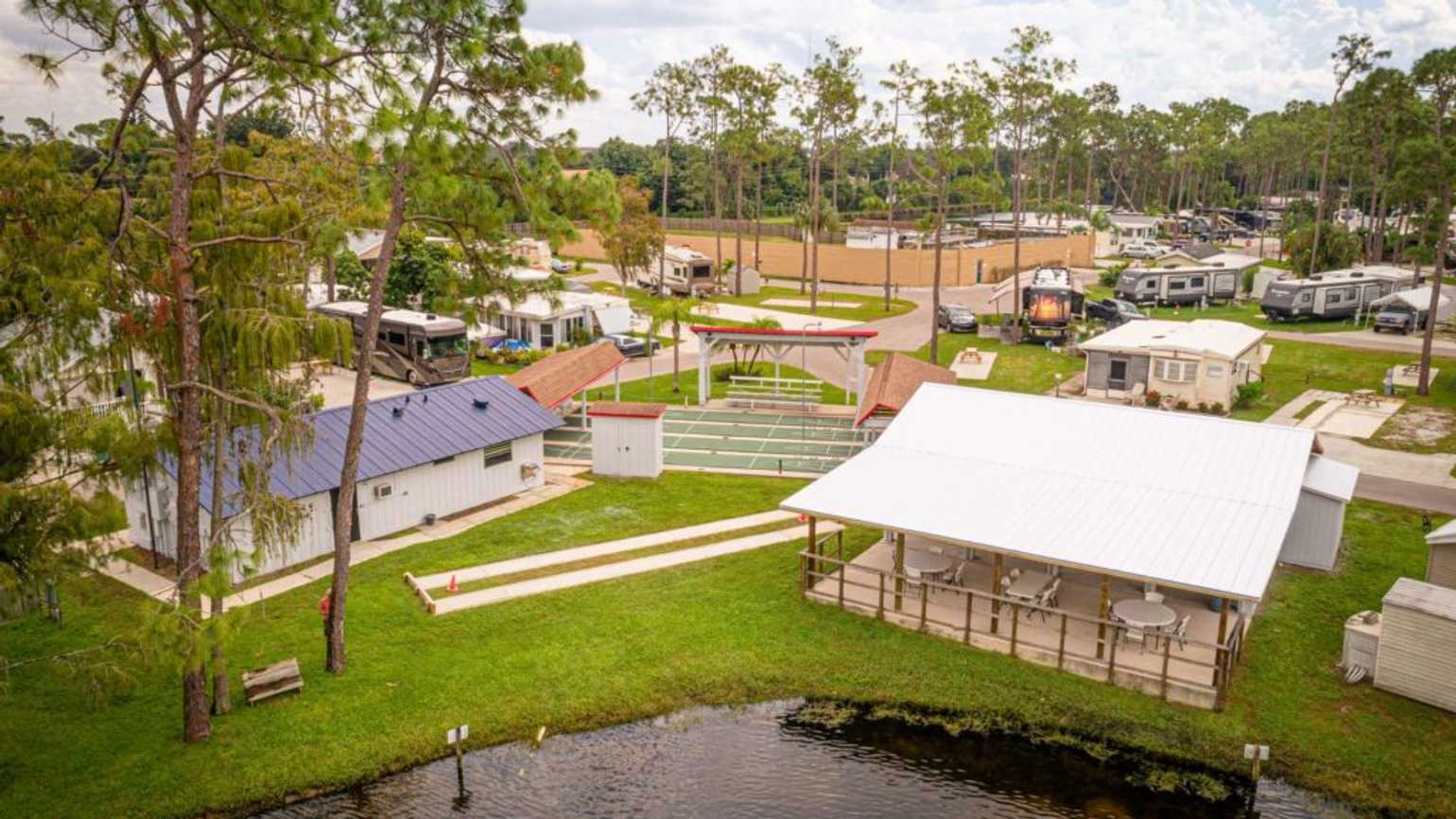
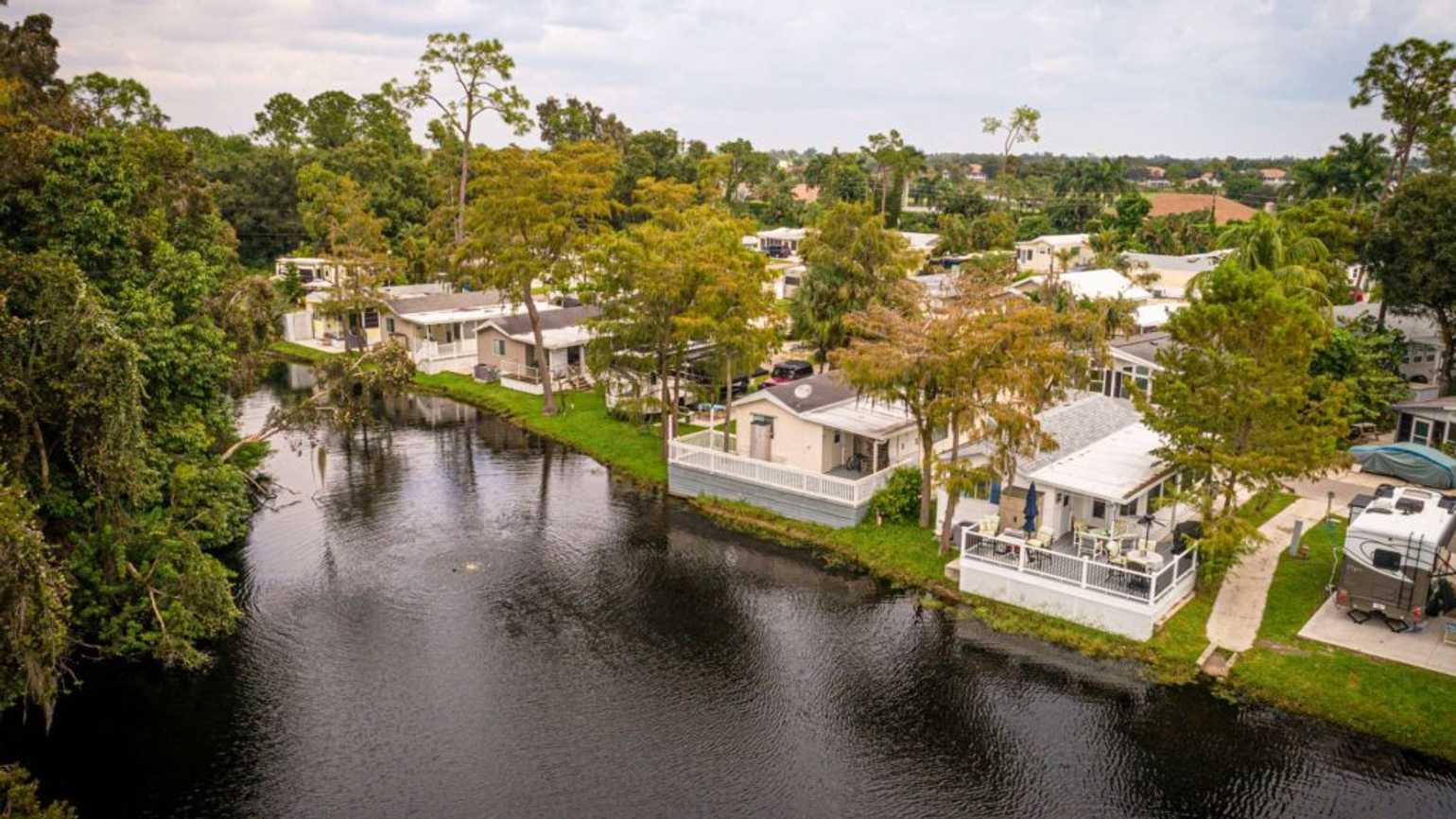
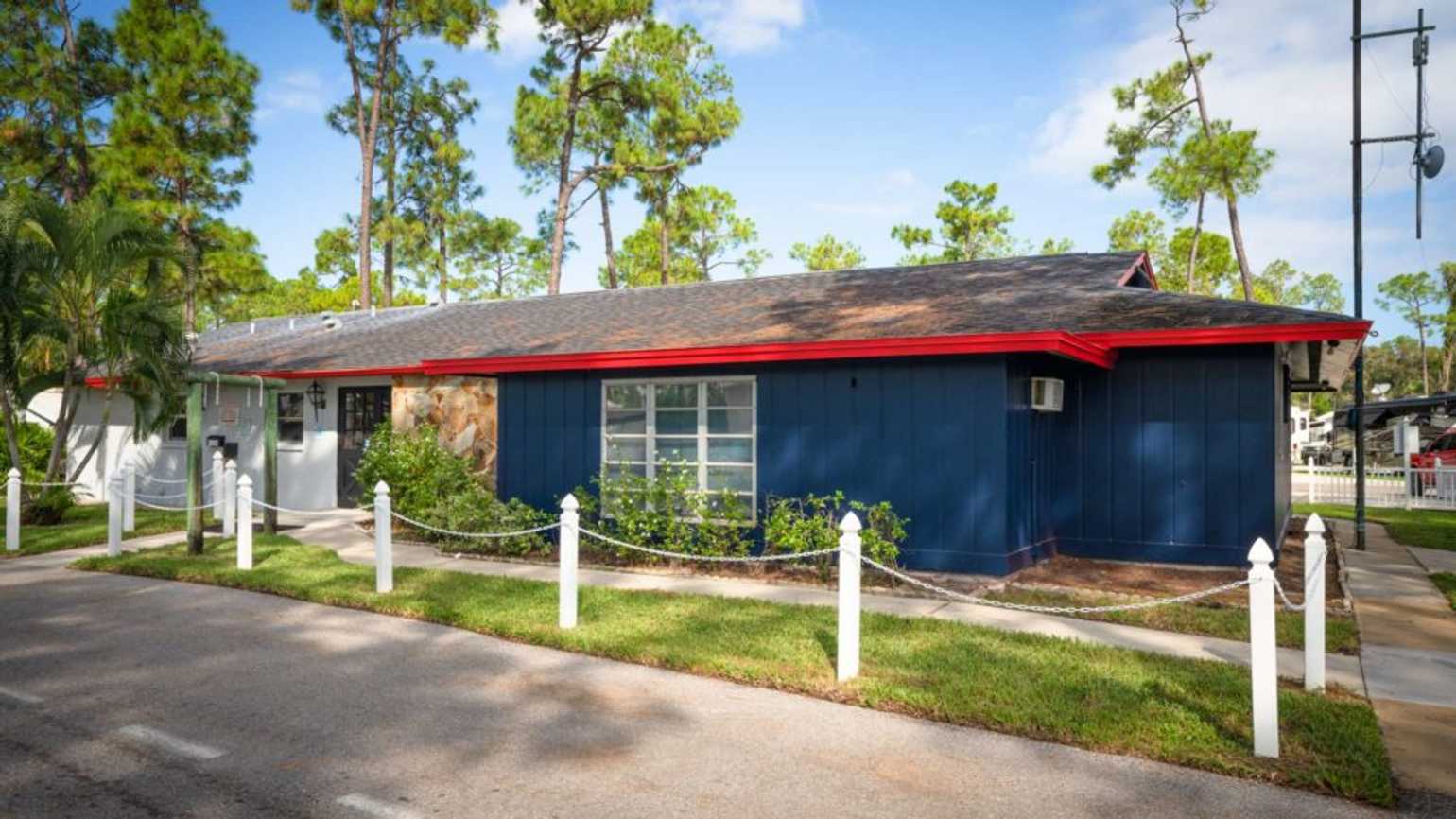
Experience the charm of Sun Retreats Estero Bay, a unique RV resort in Fort Myers that combines a welcoming atmosphere with stunning natural beauty. Nestled on over thirty acres, this all-age resort features 300 RV sites equipped with full hookups and convenient concrete pads, making it an ideal destination for families and travelers alike.
At Estero Bay, you can immerse yourself in the vibrant local culture, with pristine white-sand beaches just a short drive away. Alternatively, enjoy the resort's exceptional amenities right on-site. Take a dip in the heated pool, unwind in the hot tub, or cast a line at our two serene lakes. For those who love the outdoors, explore the scenic boardwalk and nature trail that wind through the property.
Whether you're seeking adventure or relaxation, Sun Retreats Estero Bay offers something for everyone. Discover the perfect getaway in Fort Myers, where unforgettable experiences await you at this beautiful RV resort.
Pets
Toilets
Showers
from
$74
/ night
Angler's Inn Botel
12. Angler's Inn Botel
15mi from Fort Myers · 4 sites
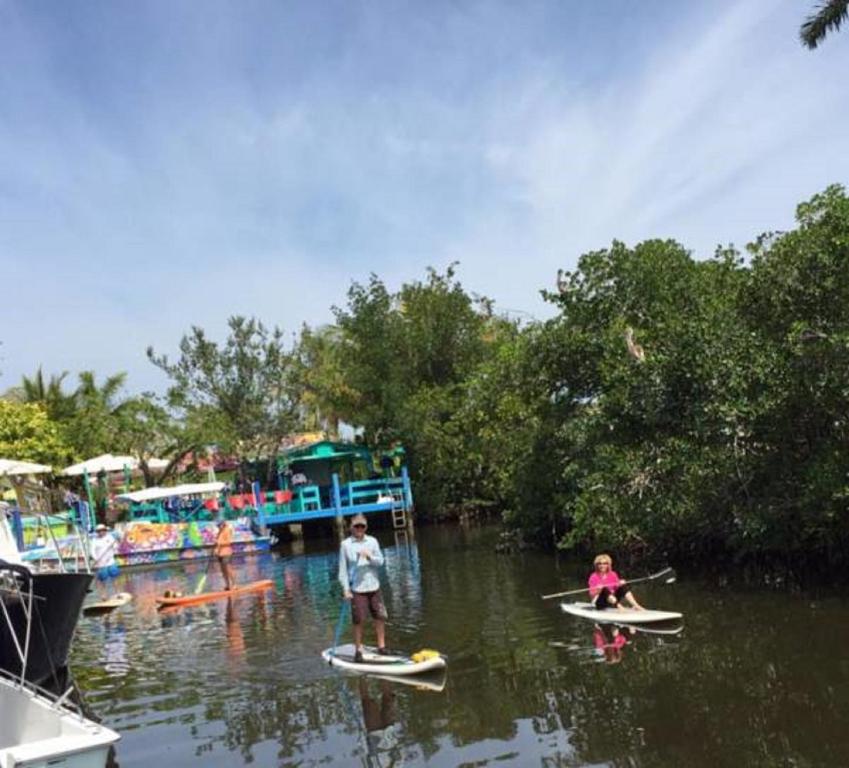
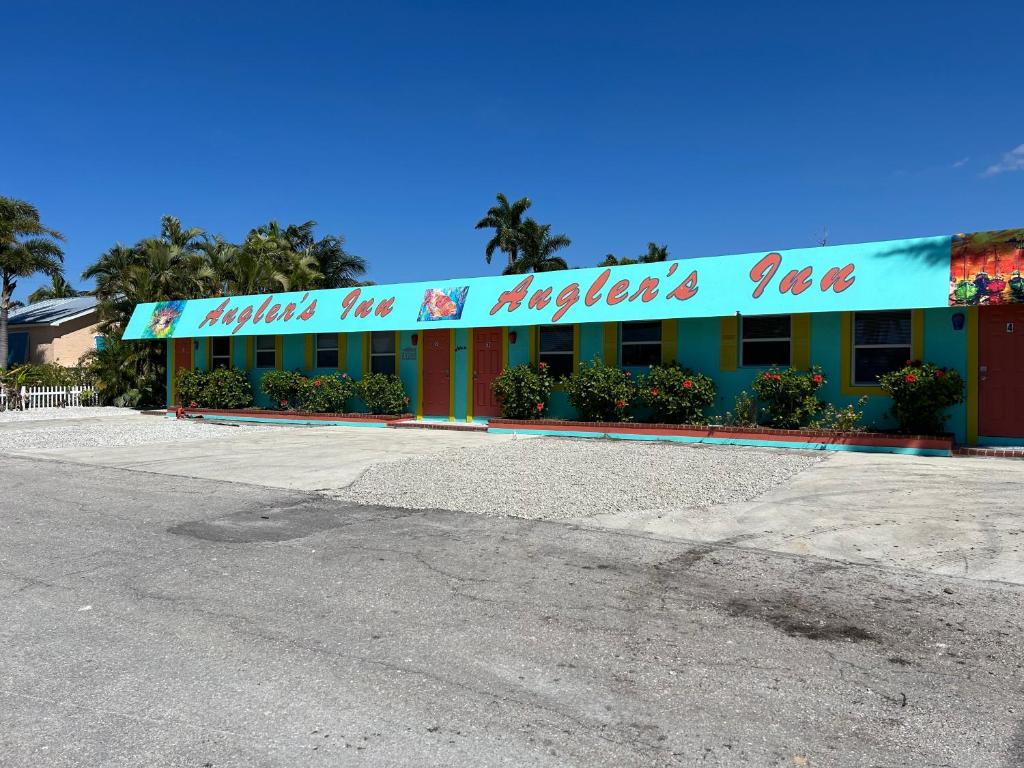
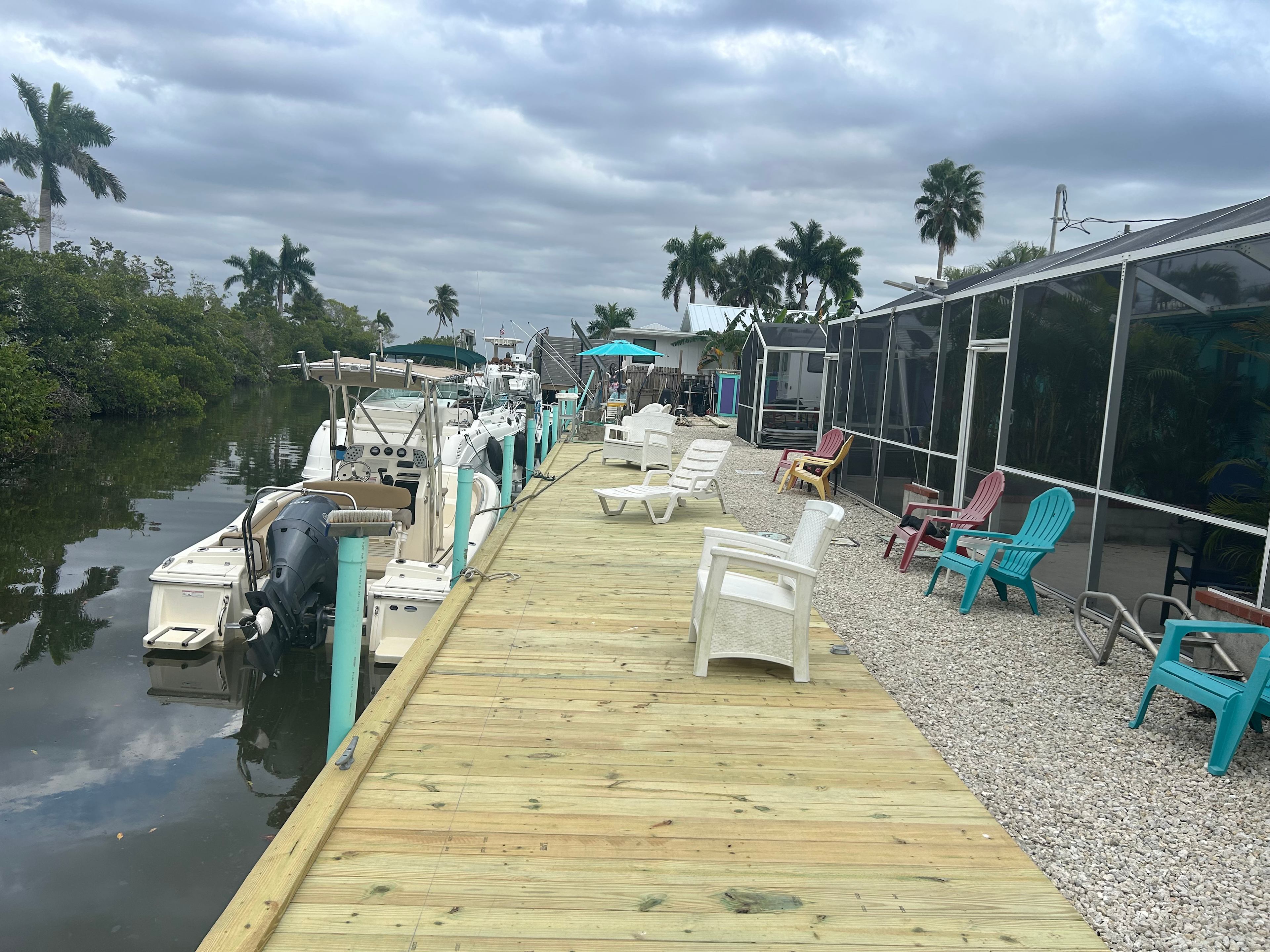
Situated in Matlacha, 39 km from Fishermen's Village, Angler's Inn is a pet friendly accommodation with kitchenette, free parking, boat dockage, kayaks, bicycles, a screened in terrace and walking distance to shops and restaurants. Boat rentals available on site. With free WiFi, Angler's Inn offers a 24-hour front desk. The rooms have a patio with sea views.
All rooms at the motel come with air conditioning, a seating area, a flat-screen TV with cable channels, a kitchenette, a dining area and a private bathroom with free toiletries, a shower and a hairdryer. At Angler's Inn the rooms are fitted with bed linen and towels.
The accommodation offers a barbecue. Guests at Angler's Inn will be able to enjoy activities in and around Matlacha, like fishing, kayaking, live musice, cycling and ferries to the surrounding islands.
Sanibel Chamber of Commerce is 43 km from the motel, while Sanibel Lighthouse is 46 km from the property. Punta Gorda Airport is 37 km away.
Couples particularly like the location — they rated it 9.2 for a two-person trip.
Pets
Toilets
Showers
from
$165
/ night
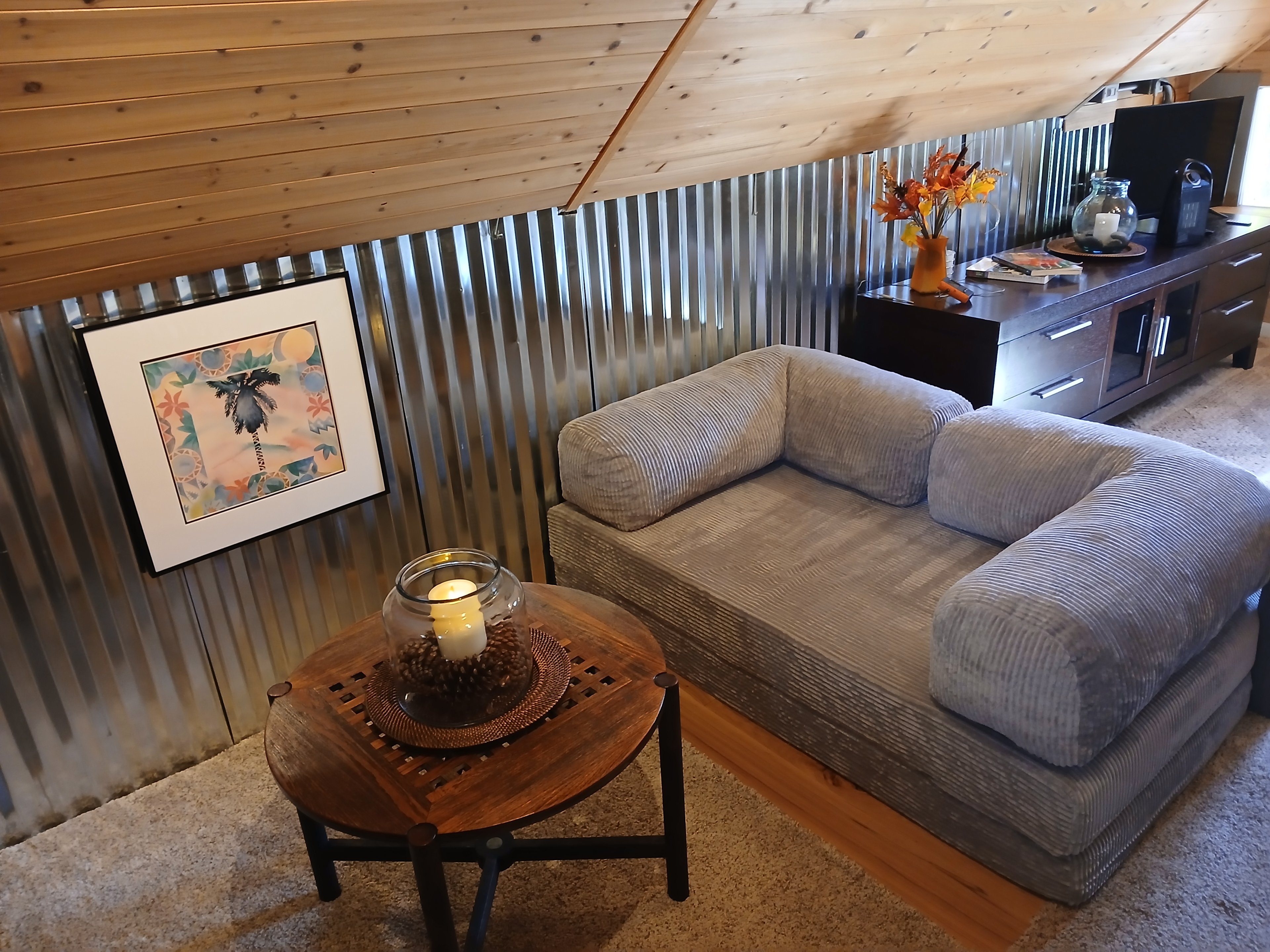
Bald Cypress Woods
13. Bald Cypress Woods
28mi from Fort Myers · 2 sites · RVs, Lodging
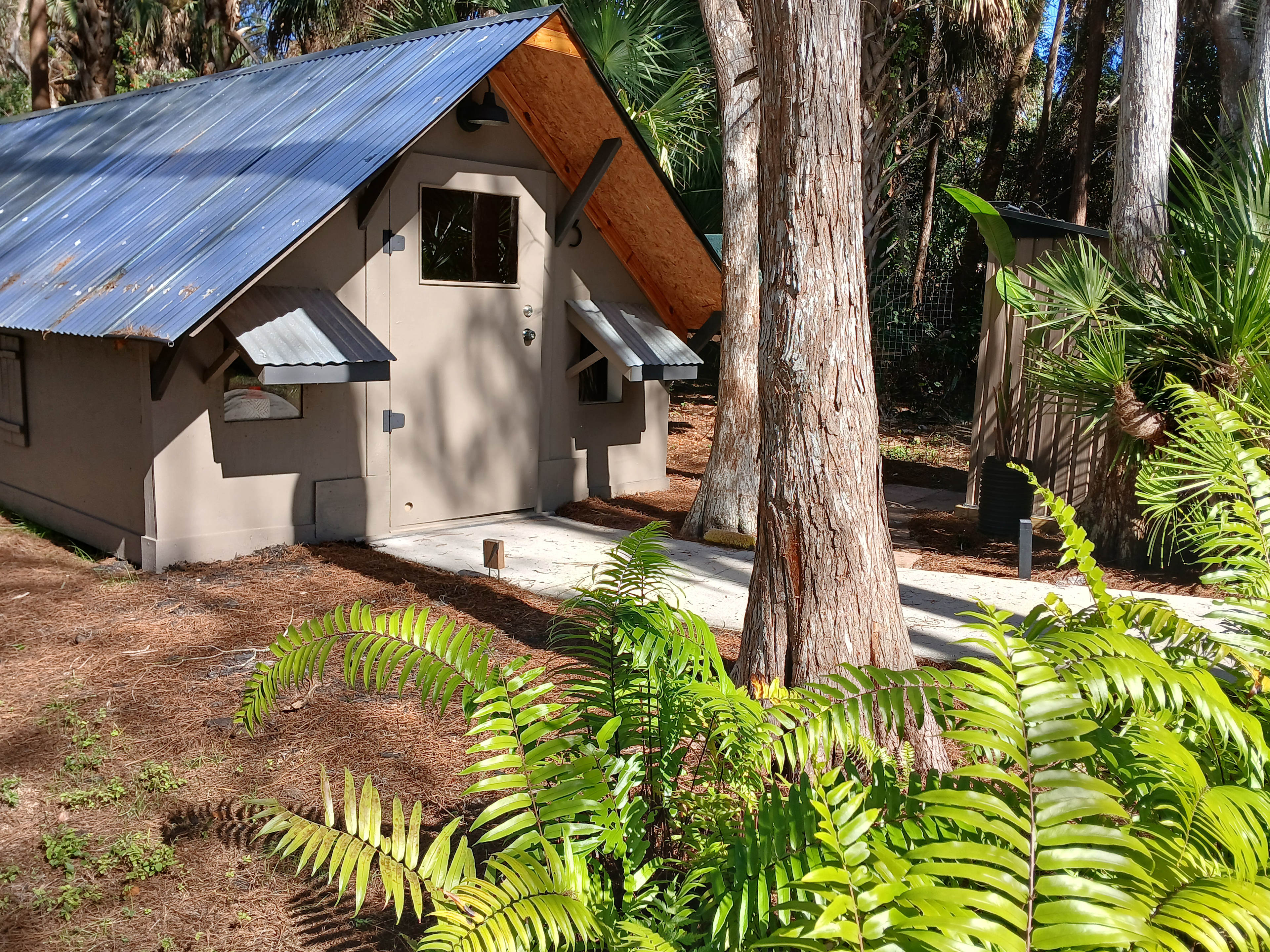
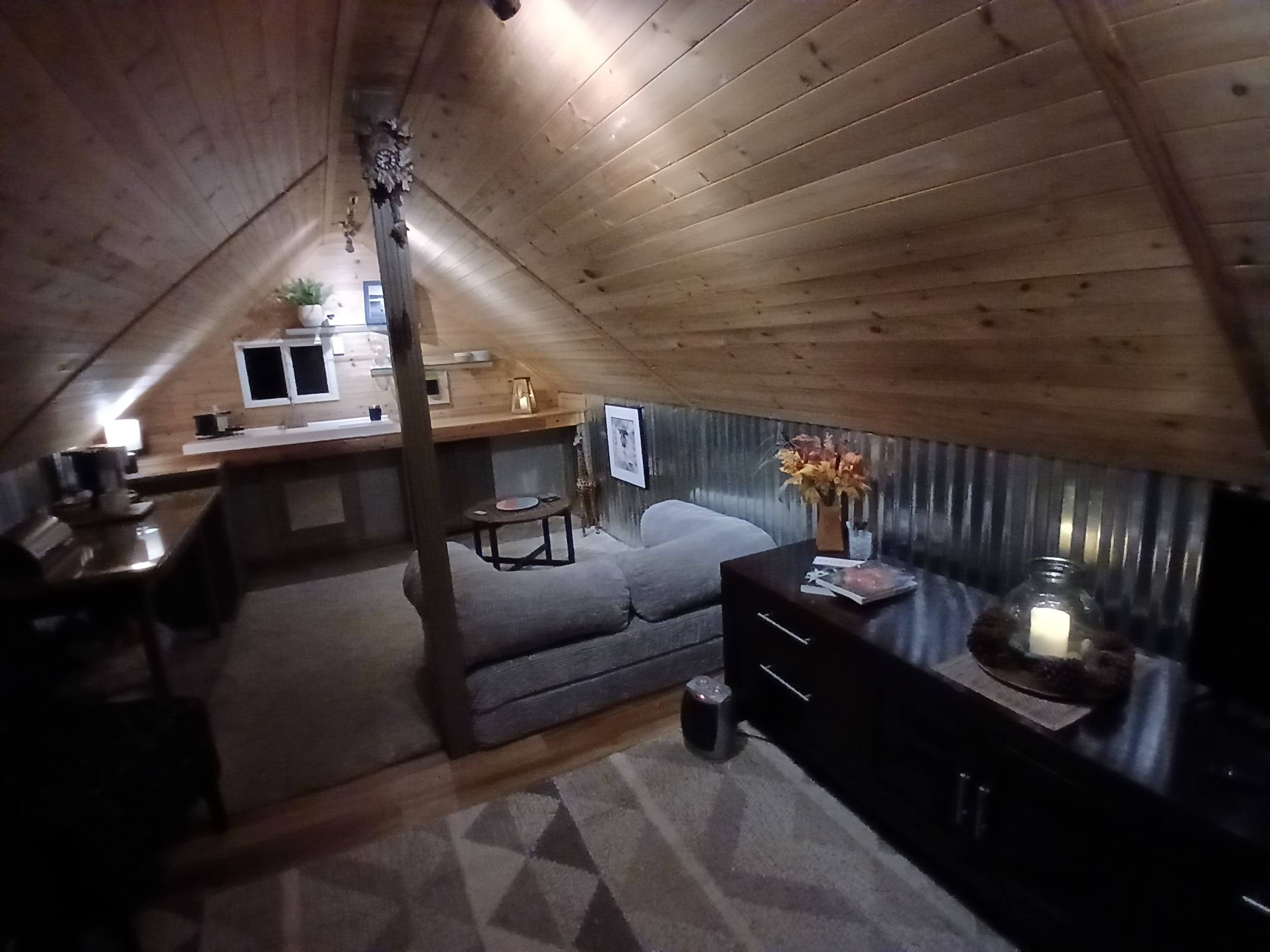
We offer a lightly wooded 1 acre private cabin site featuring a cozy modified A-frame cedar cabin. You may feel like you are in the middle of nowhere, when you are actually in the middle of everything! Also, our private, single RV site is available for RV's 28-30'
This is an ideal and secure home base for heading out on day trips, knowing your site is secure and being watched. In any direction are one of Southwest Florida’s premier nature preserves, estuaries, sanctuaries, state and national parks. Delnor-Wiggins Pass and boat ramp access to the open Gulf are 14 miles away. Audubon’s Corkscrew Swamp Sanctuary, the CREW Wildlife and Environmental Area, Everglades National Park, Lover's Key, 10,000 Islands and the Florida Panther Wildlife Management Area are all just minutes away.
This is a "dark" location, which is excellent for stargazing.
Note: We are located within the Collier County "mosquito control district". This is a huge plus+ in the summer months.
Pets
Toilets
Showers
from
$65
/ night
Campbell’s Camper
14. Campbell’s Camper
100%
(2)
31mi from Fort Myers · 3 sites · Tents, RVs, Lodging
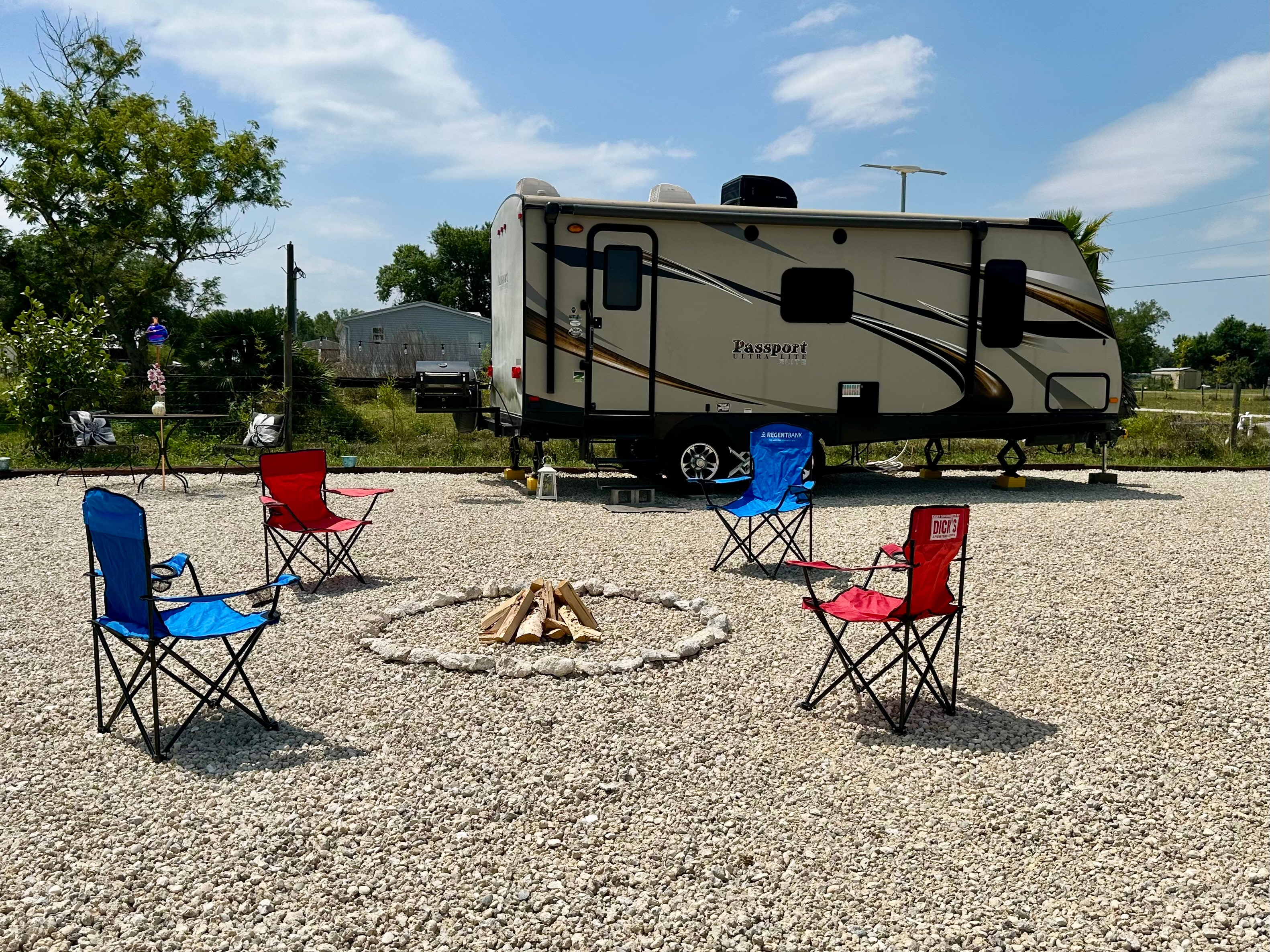
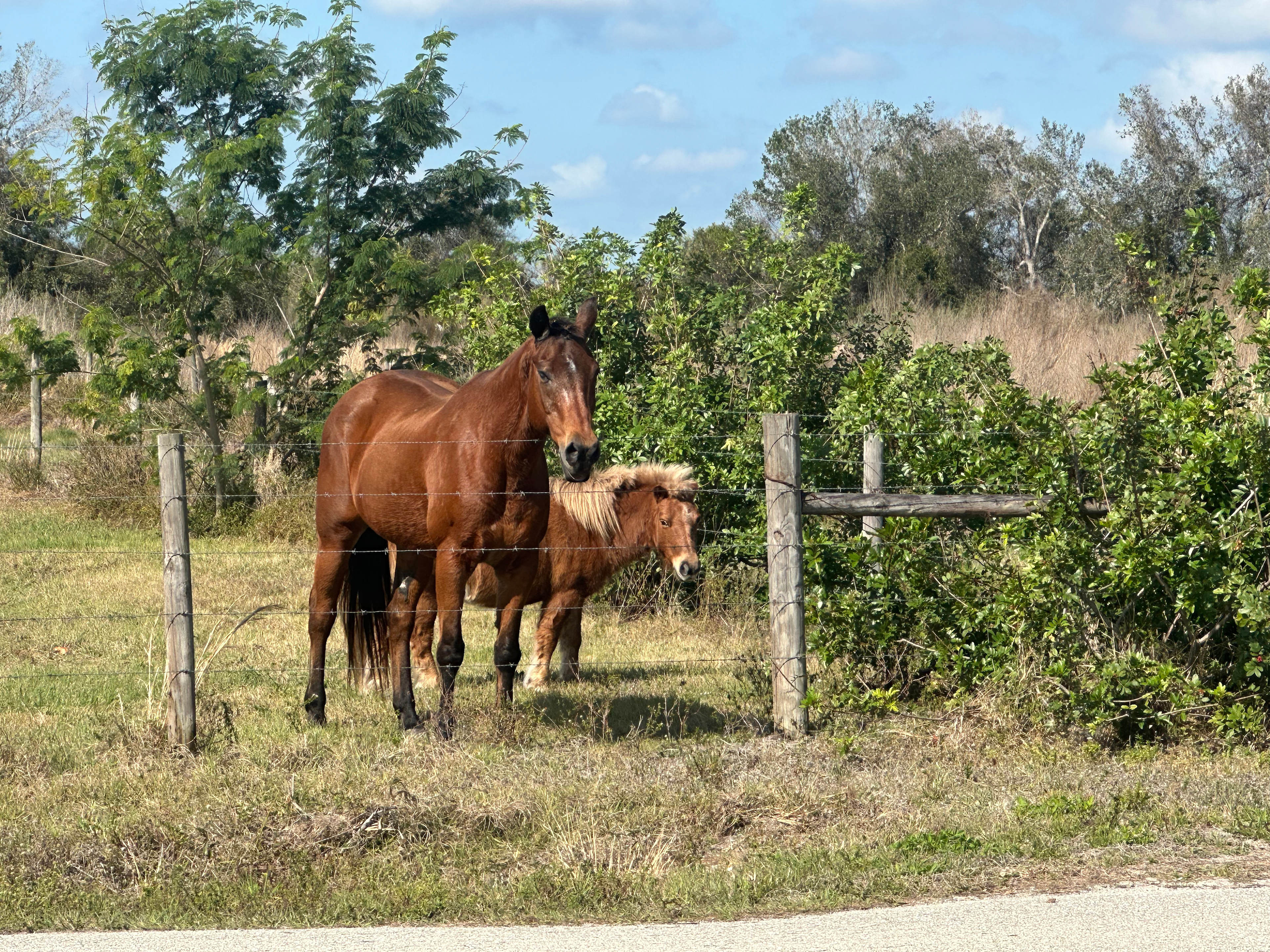
Reconnect with nature at this unforgettable escape. Sunsets are a highlight and put on an amazing show to sit back and enjoy. The stars are so bright at night and you cannot hear the city. Just minutes away from boat slips into the Peace River, nearby the gulf and our nearest neighbors are a horse and a tiny pony.
Please bear in mind that we do not offer any bathroom or toilet facilities if you are staying here with your own tent.
Pets
Toilets
Showers
from
$14
/ night
Sip and Sage
15. Sip and Sage
32mi from Fort Myers · 3 sites
🏕️ Sip & Sage Co. – The Bougie Backyard Getaway
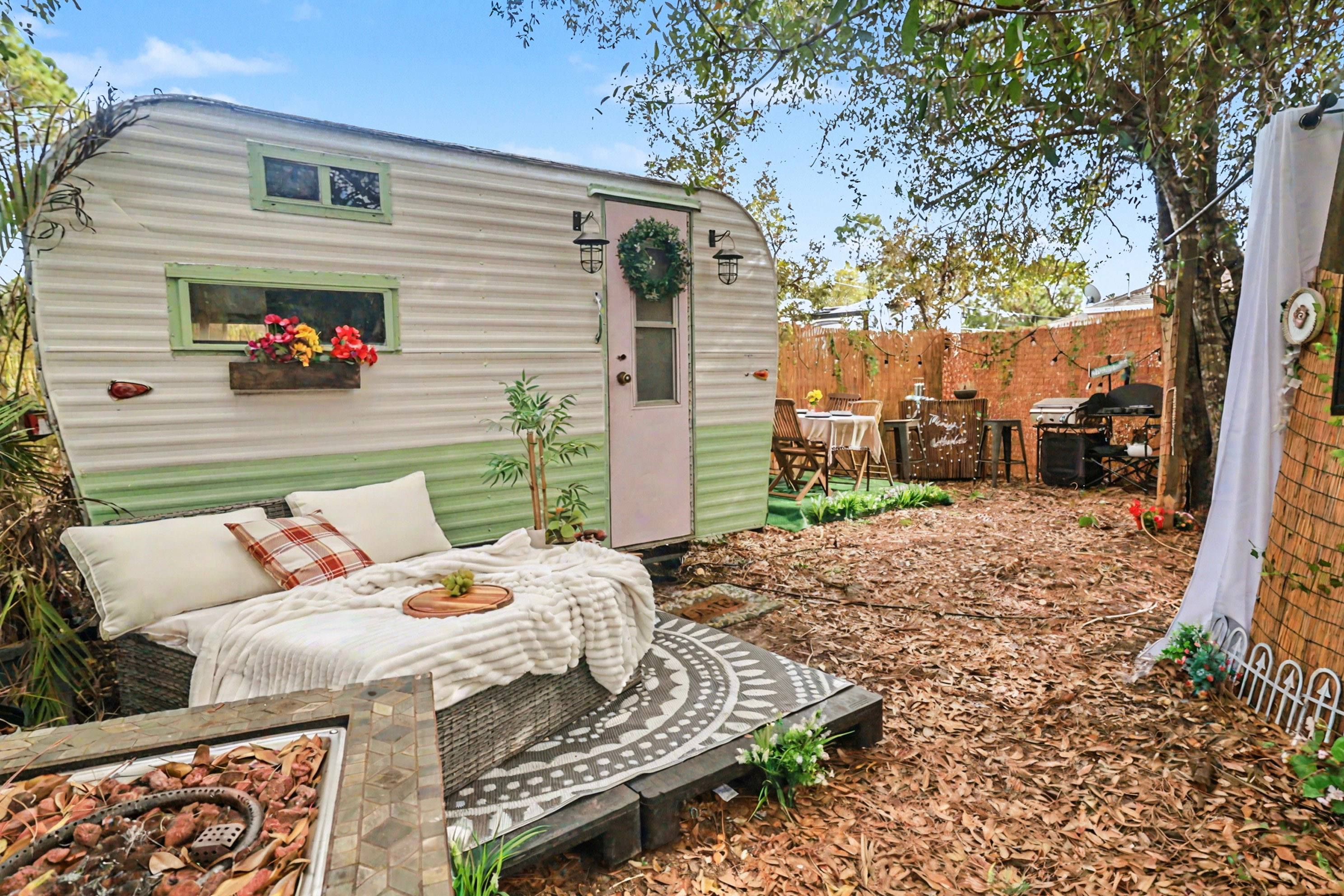
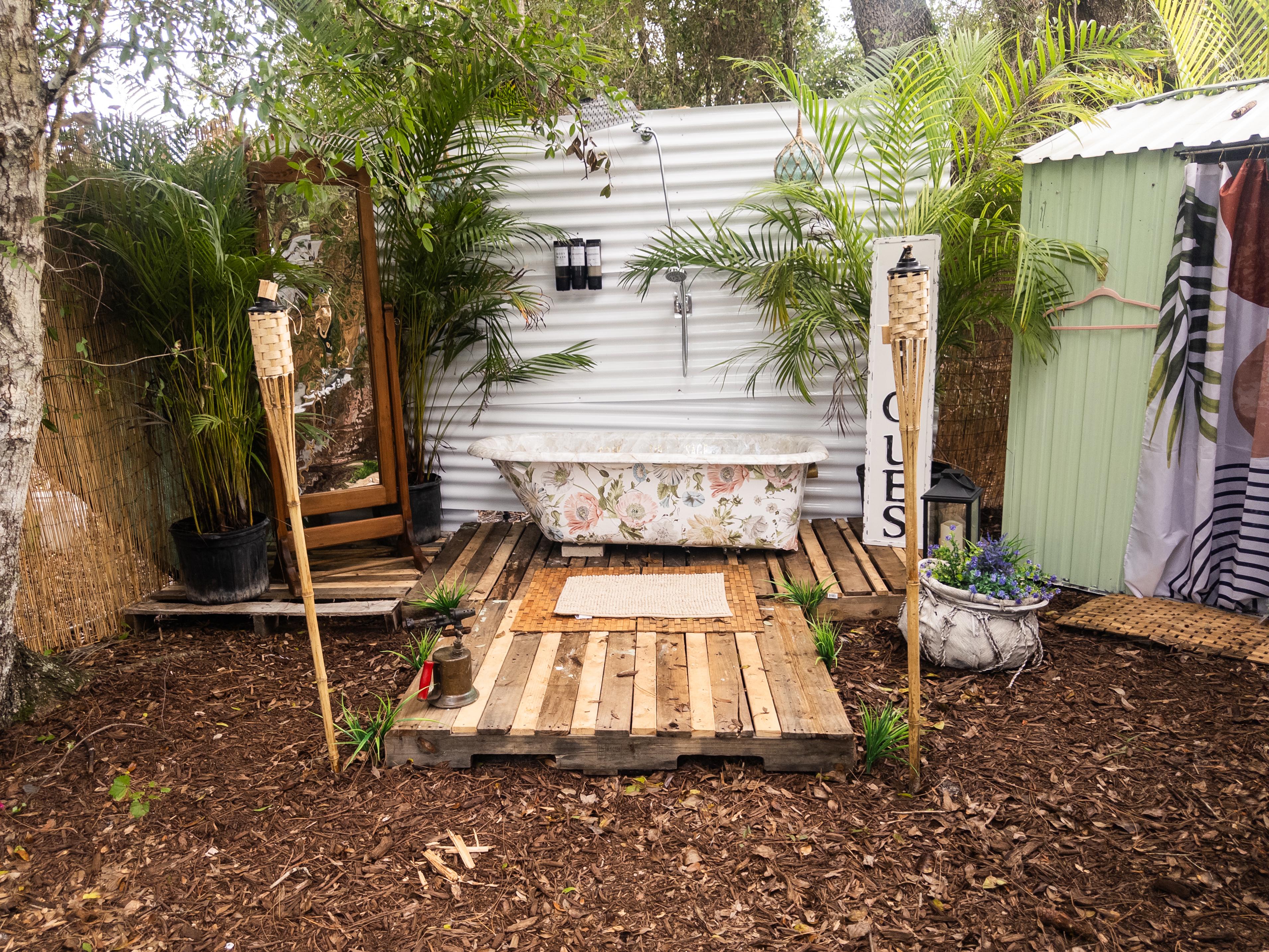
Not your typical Hipcamp. Not off-grid. Not remote. And not gonna lie—we don’t have goats or a mountain view... BUT we do have privacy screens wrapped around the whole space, a tree-covered backyard oasis, and one heck of a setup that’ll make you forget you're camping in a residential neighborhood. (Bonus: you can actually sleep at night without wondering if that noise was a raccoon or a serial killer.)
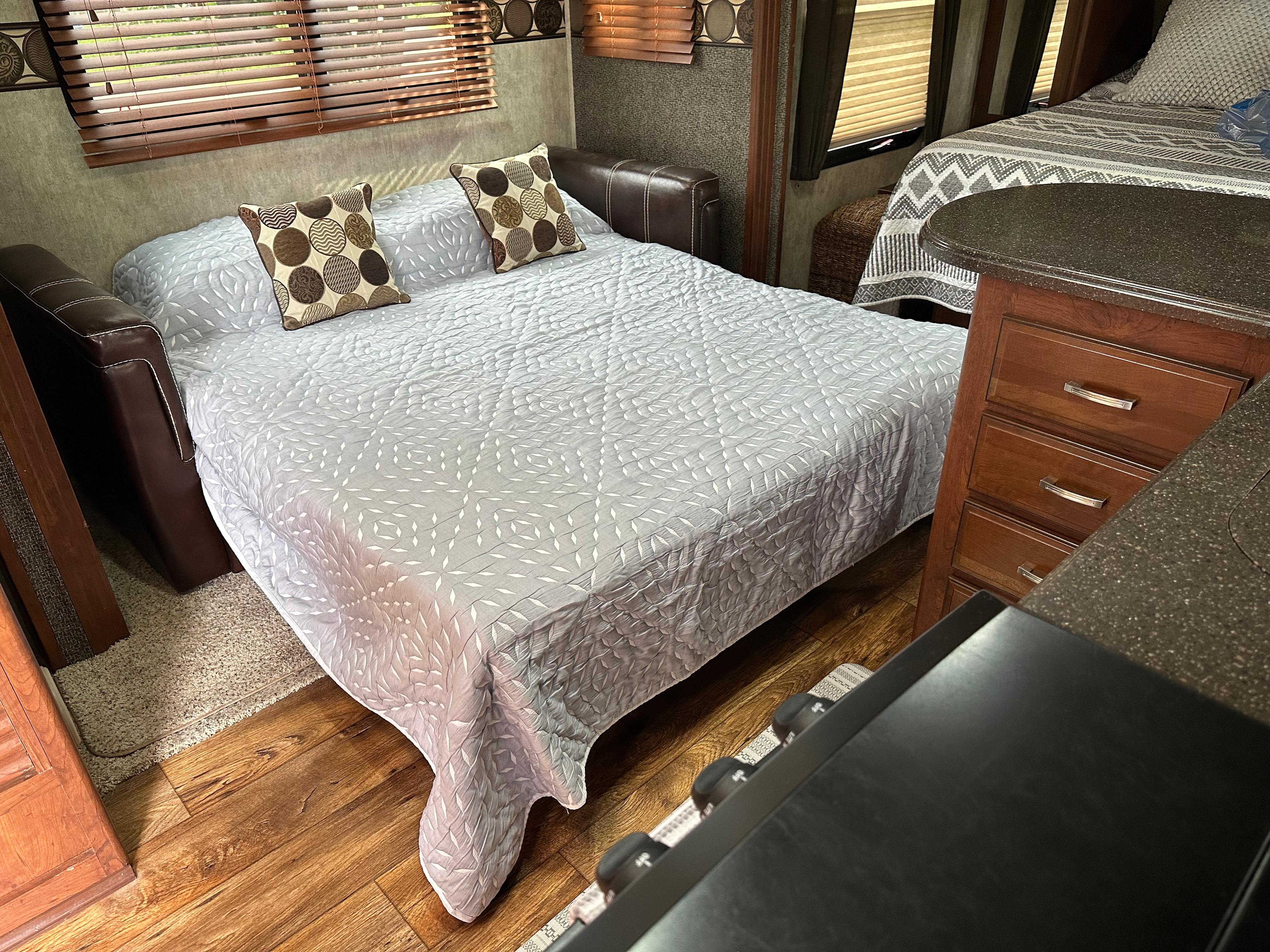
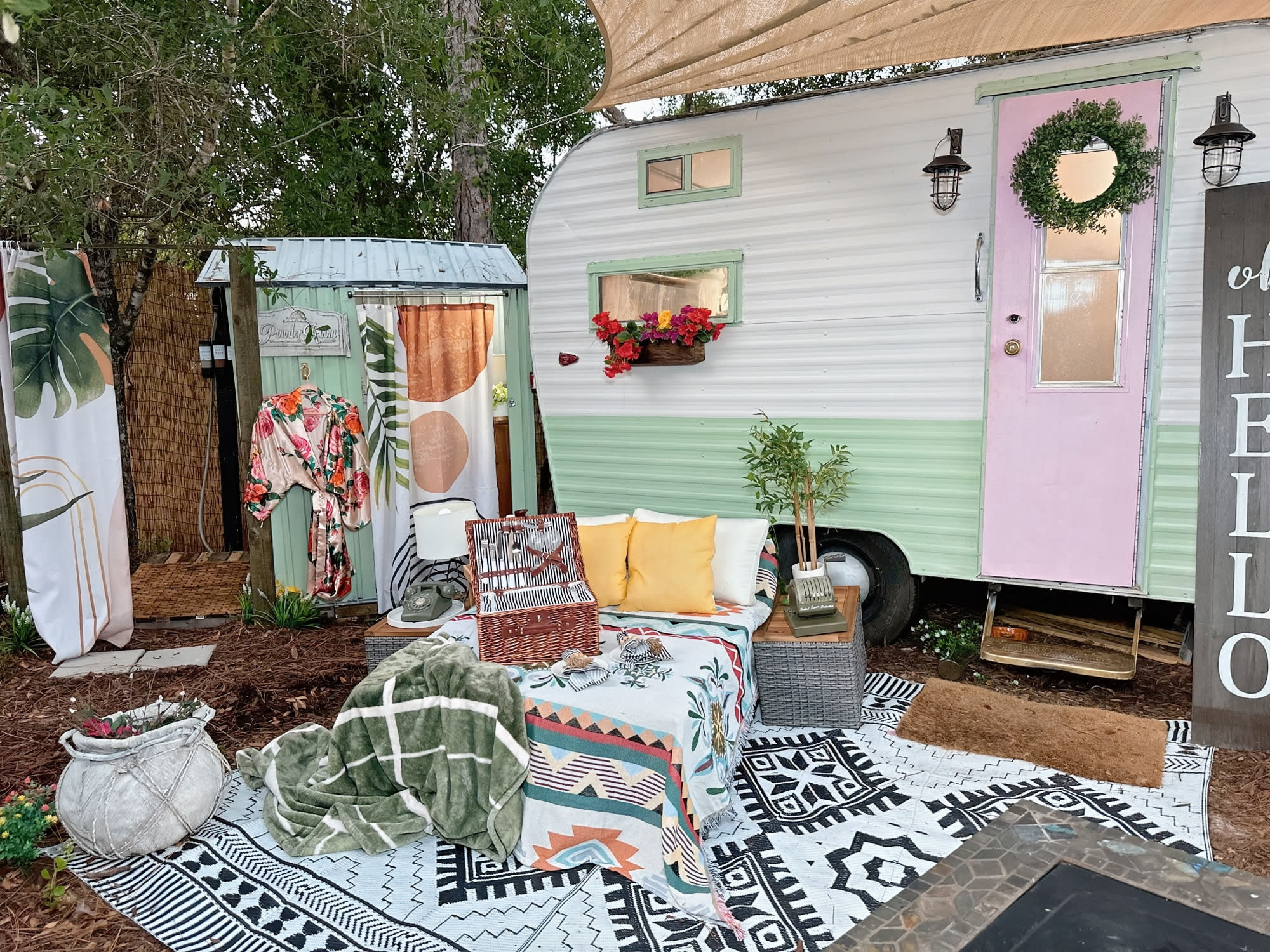
This vintage camper may be small, but she’s mighty. Outfitted with a futon bed + a thick 6" foam mattress, she’s cozy enough for two—but let’s be real, you’re probably coming here to escape your kids, your job, or your loud in-laws. It’s giving "she shed meets sassy staycation."
Inside:
❄️ Brand new 10,000 BTU A/C – You will get cold. You’ve been warned.
🧊 Small fridge for your bubbly or snacks (no cooking inside the camper though—this isn’t Top Chef).
Outside:
🚽 A real camping toilet with a tank (none of that bag-it-and-hope-for-the-best stuff).
🚿 Cold-water outdoor shower + a vintage clawfoot soaking tub (hello boho luxury).
🌬️ Mister fans & shaded sails – keeping it cool, literally.
🍹 A full outdoor kitchen & tiki bar for mixing drinks or just feeling like you're on vacation.
🛋️ Outdoor couch/daybed for sun naps, deep thoughts, or binge-watching if you add the optional outdoor TV setup (extra fee applies—TVs don’t like dew).
This space was designed by a mom who just needed a dang break. So Sip & Sage was born: part retreat, part glampfest, part wild idea turned into a whole vibe. There’s no bears, no bugs in your sleeping bag, and definitely no judgment if you show up with a bottle of wine and a face mask or bong and shots.
(No parties though keep it low key)
📍Located on a quiet street in a safe residential area—you might hear a lawn mower or a giggling neighbor, but you won’t hear police sirens or wild party animals (unless it's you).
So if you’re a camping newbie, a glamping goddess, or just someone who needs a little joy sprinkled on their week—this one’s for you. 💫
Pets
Toilets
Showers
from
$100
/ night
Prana's Paradise
16. Prana's Paradise
33mi from Fort Myers · 7 sites · Tents, RVs, Lodging
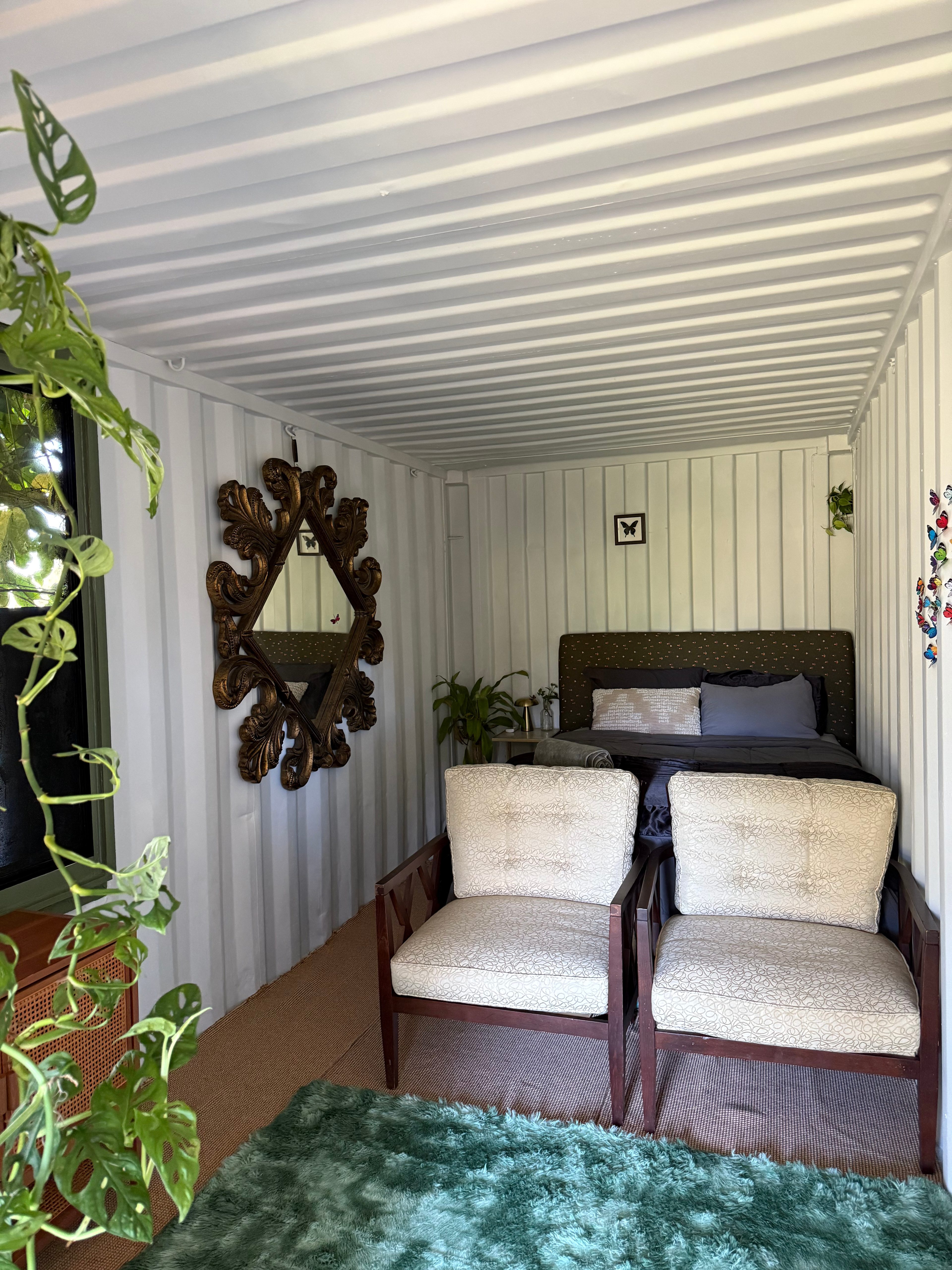
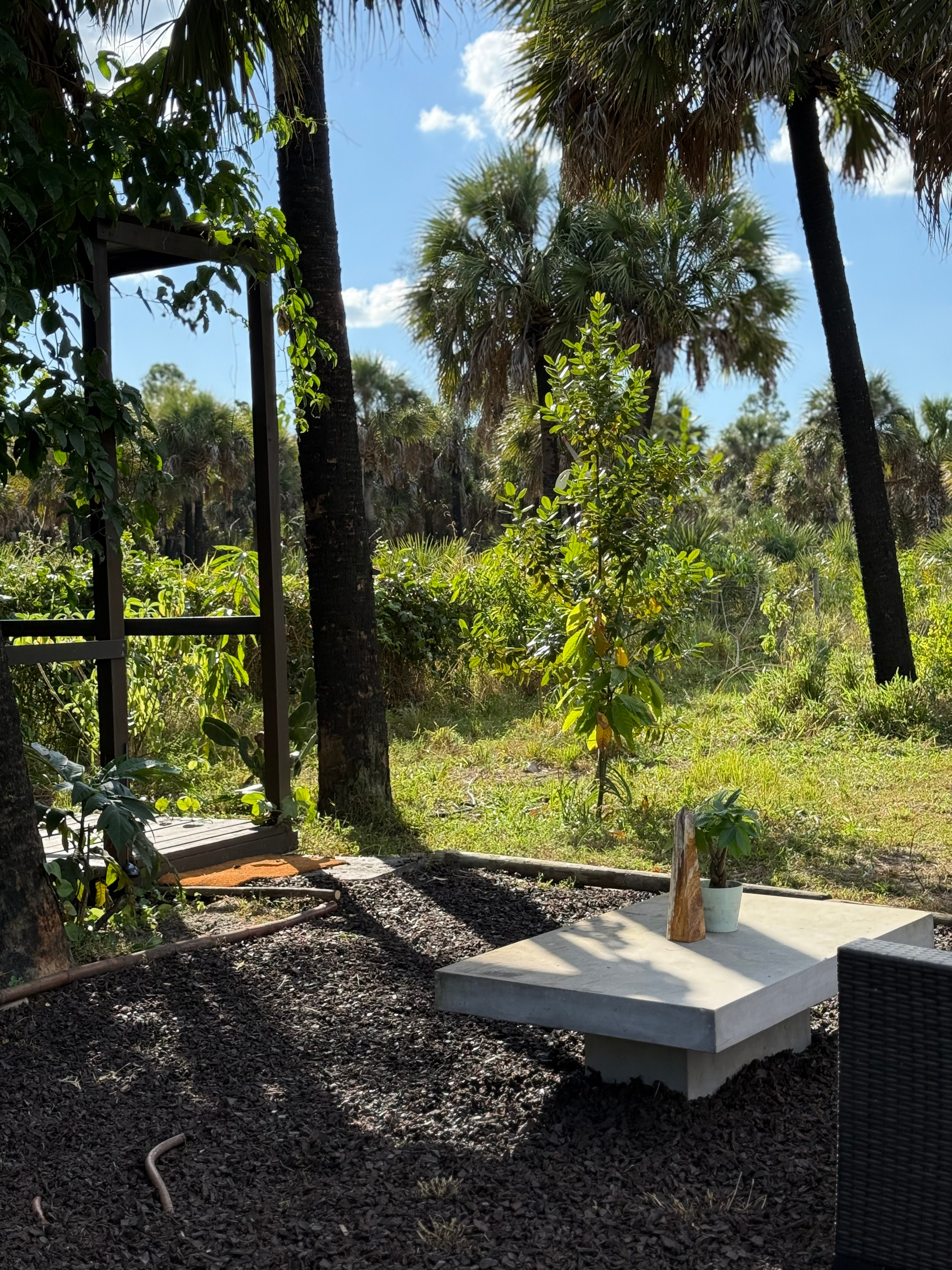
Prana’s Paradise is a 10-acre off-grid homestead nestled in a 1,000-acre nature reserve, just a stone’s throw from Naples, Florida.
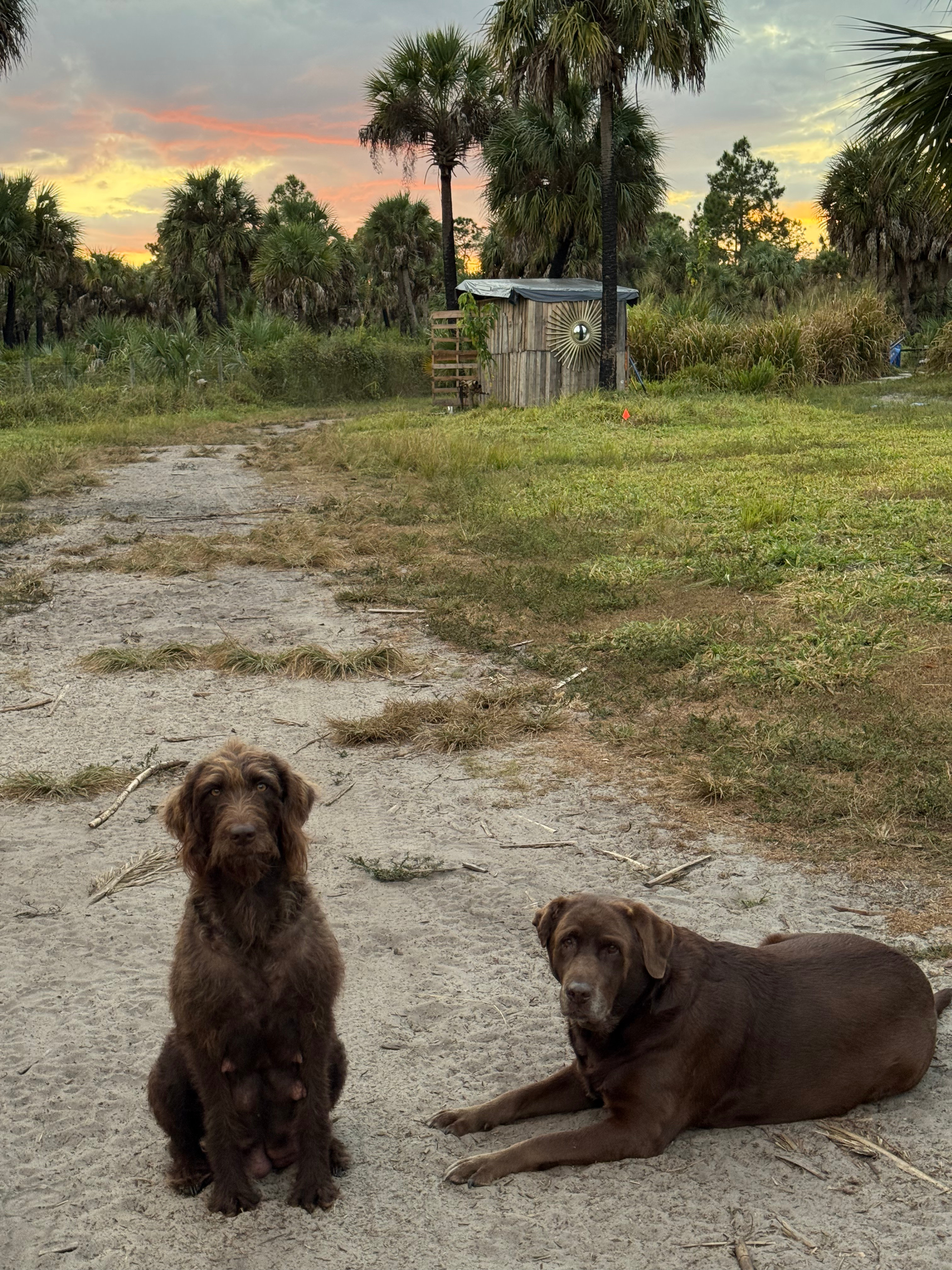
This is a working piece of land where simplicity meets intention. Chickens, turkeys, and the occasional woodpecker roam freely or call from the trees. A mini donkey, mini goats, and their babies (when around) live in nearby paddocks and love attention—so be sure to bring some carrots. Friendly cats and dogs may wander by for a visit, curious and always up for a pat. Hundreds of exotic fruit trees grow all around the property, offering a glimpse into what’s being cultivated here on our homestead—both in the soil and in spirit.
At its heart, Prana’s Paradise is a place to slow down, disconnect from the noise, unplug from society, and reconnect with nature, fresh air, and a simpler way of living.
We hope to see you soon!
Pets
Toilets
Showers
from
$30
/ night
Glampers Camp
17. Glampers Camp
100%
(5)
34mi from Fort Myers · 3 sites · RVs, Lodging
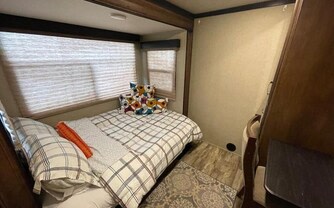
Welcome to your dream RV getaway, where fun reigns supreme and relaxation is the only item on your agenda!
Upon arrival, you'll find our fully equipped RV awaiting you, stocked with linens, towels, utensils, and all necessary kitchen supplies. Customize your experience with optional add-ons such as kayak rentals or golf cart rentals.
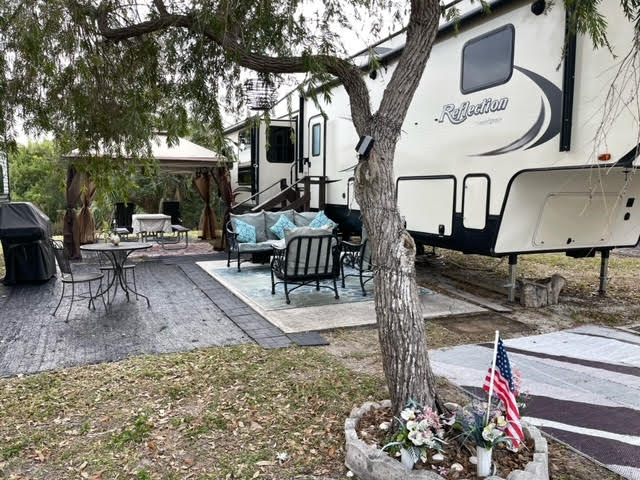
This spacious RV comfortably accommodates up to 5 guests, offering plenty of room for everyone to enjoy. Nestled by the water, revel in the stunning sunsets of southwest Florida while gathered around the fire-pit, keeping an eye out for the abundant wildlife.
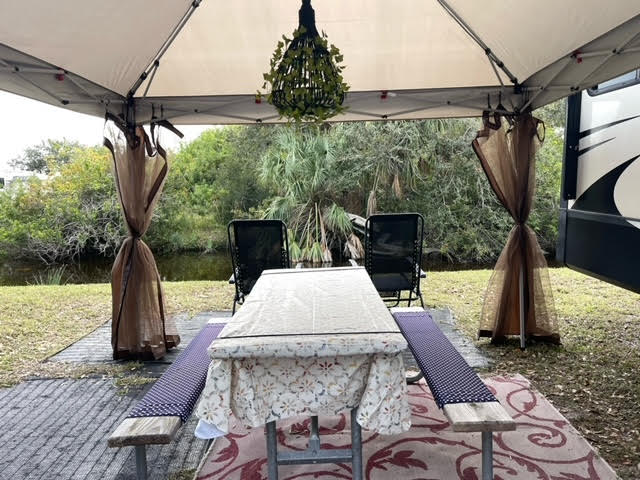
Outdoors, delight in the convenience of an outdoor kitchen, grill, and fire-pit, along with a cozy seating area featuring rocking chairs. Dine al fresco with the family at the full-size picnic table adjacent to the RV, perfect for sunset dinners.
The expansive awning provides ample shade and cleanliness, allowing for comfortable respite during warmer days. With two entrances—one leading into the main living area and another into the bathroom—keeping the sleeping areas pristine is effortless. Step directly into the bathroom to enhance your comfort during your stay.
Ample storage space ensures that you'll have more than enough room for all your belongings throughout your stay.
Make the most of the campground's amenities, including a pool, hot tub, tennis court, basketball court, pickleball court, and more! And if lounging by the pool isn't your style, fear not—some of the most breathtaking beaches in the United States are just a quick 15-minute drive away, offering a plethora of beachside activities and dining options for a memorable night out.
This vacation getaway promises an unforgettable experience!
For extended stays exceeding two weeks, please contact us at 862-243-2777 or email bookings@glamperscamp.com for special rates.
Please remember to keep your pets on a leash at all times and remain vigilant of local wildlife, including but not limited to alligators, snakes, snapping turtles, and more.
Pets
Toilets
Showers
from
$73
/ night
Monaco40!
18. Monaco40!
35mi from Fort Myers · 1 site
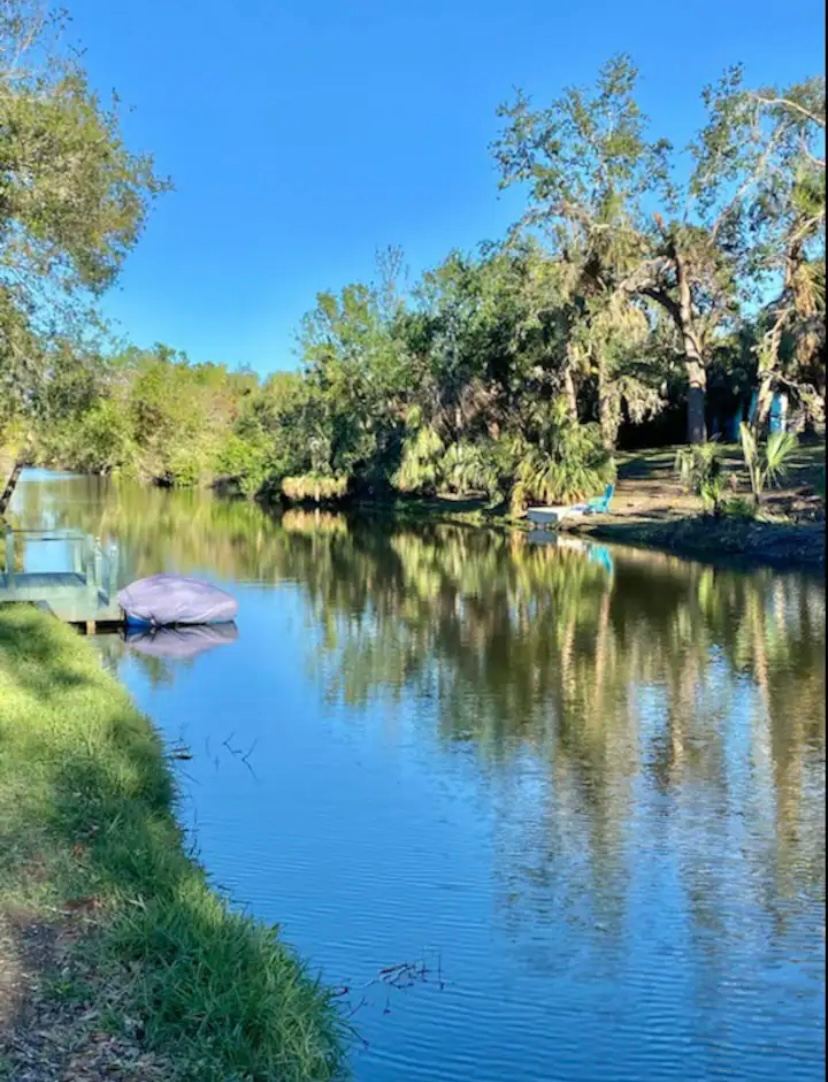
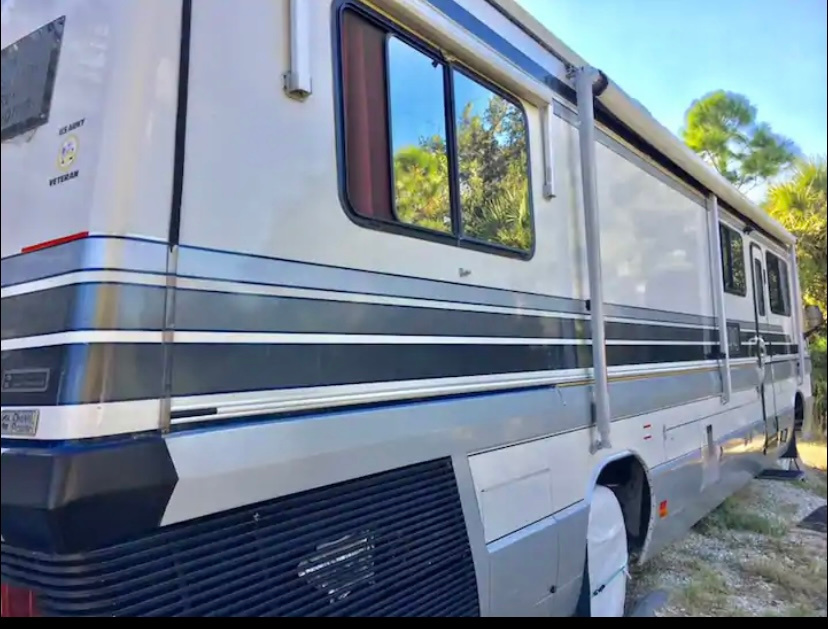
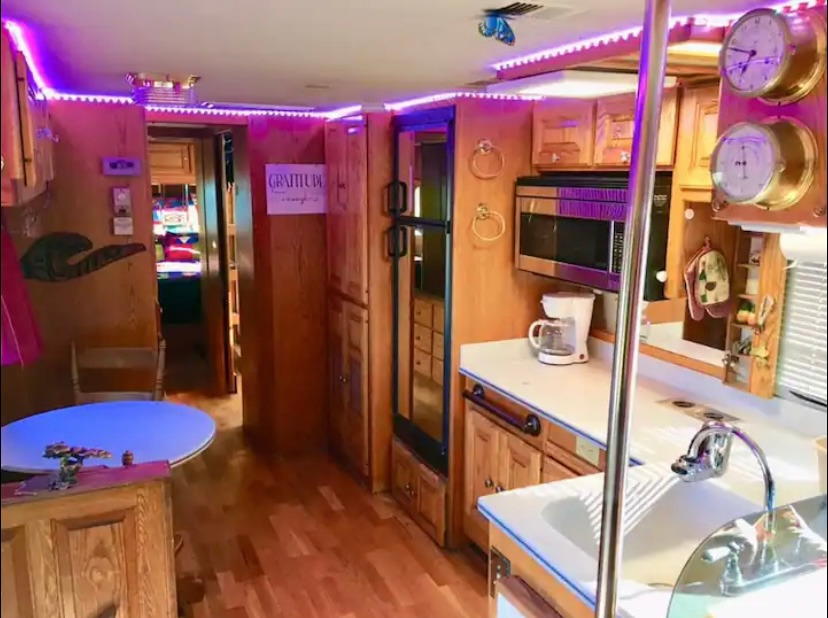
Camping paradise, feel the tropical Sun on a fresh water canal. A peddle boat, kayaks and bicycles are free for you to use. RV is a 40 ft Monaco with kitchen, bathroom with skylight, comfy bed! We have a hot tub and a pool! Quiet surrounding but not far from restaurants and the beach! Everyone is welcome gay, any color nudist. All are welcome!
Toilets
Showers
Hot Tub
from
$65
/ night
Coco Plum
19. Coco Plum
100%
(4)
35mi from Fort Myers · 1 site
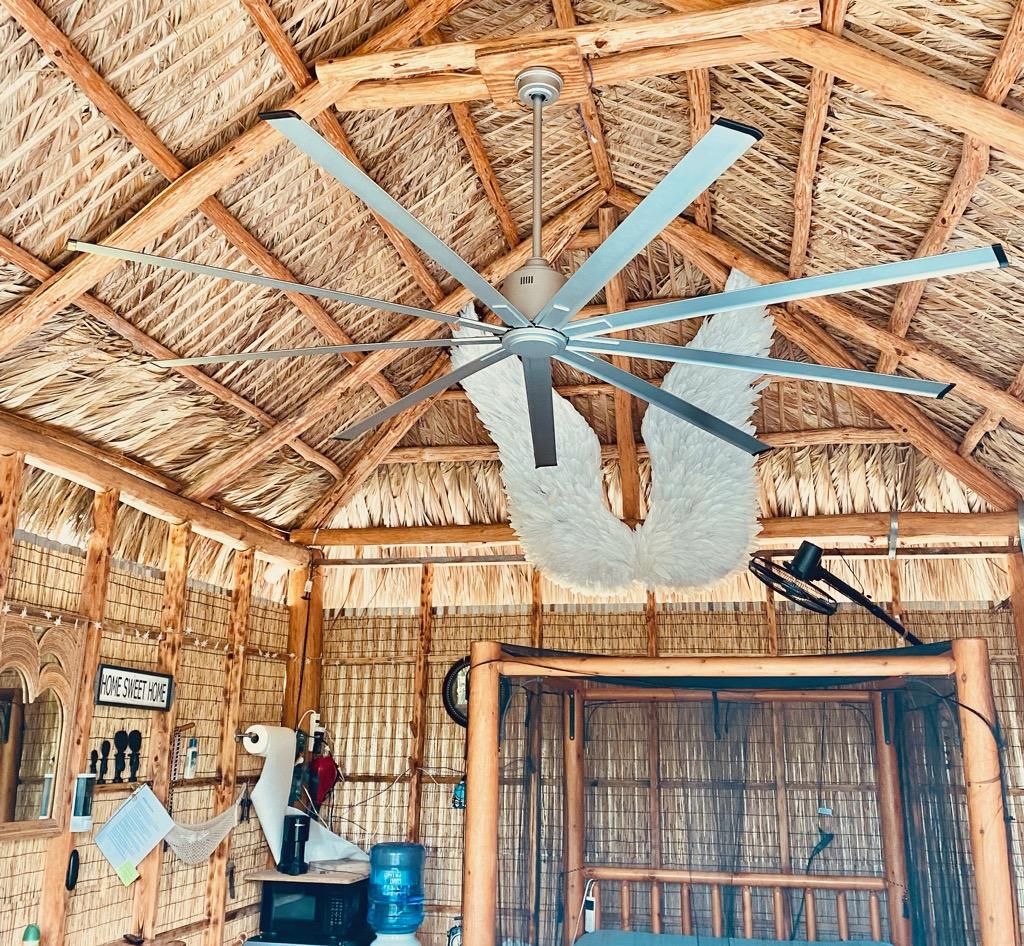
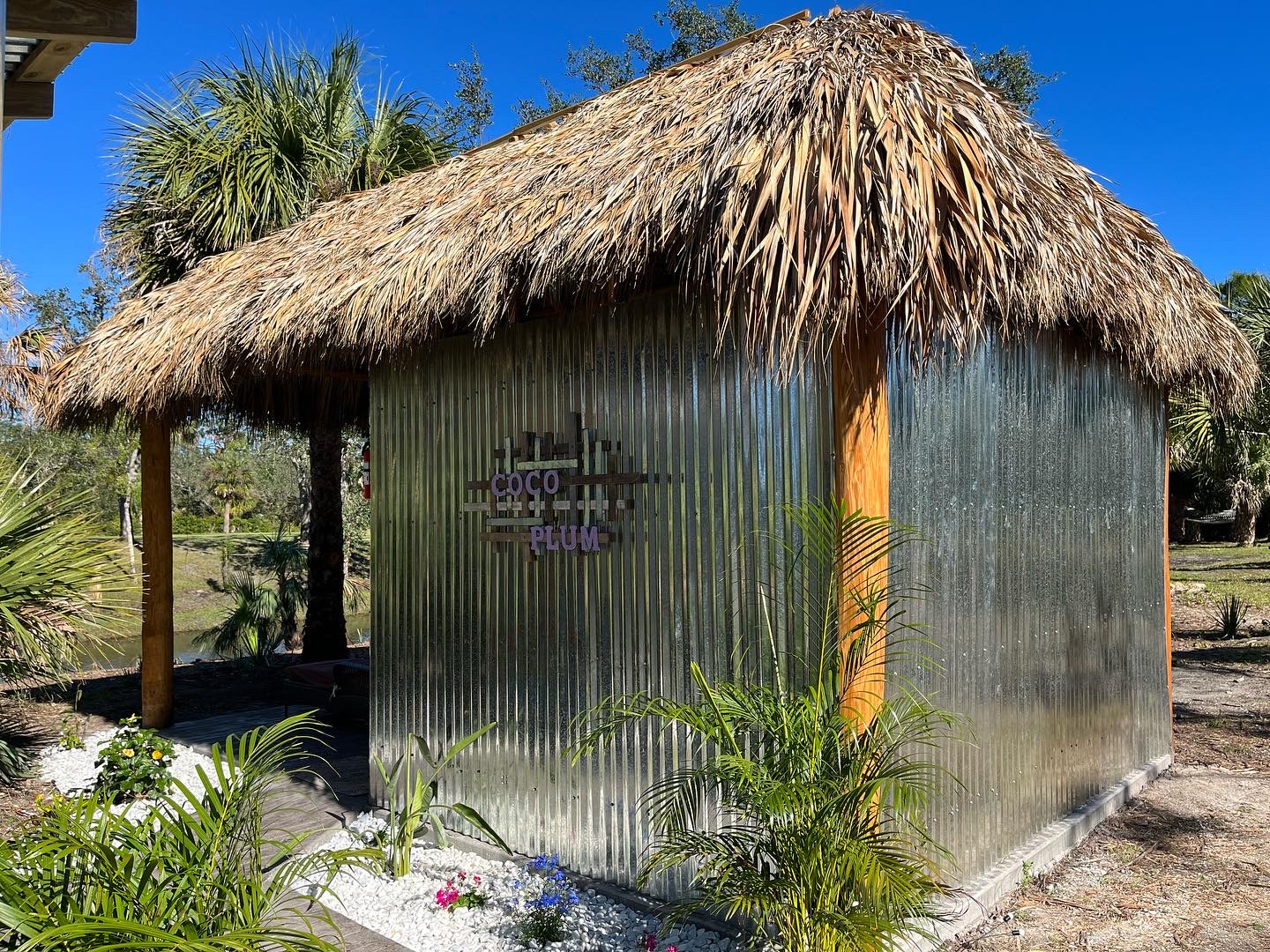
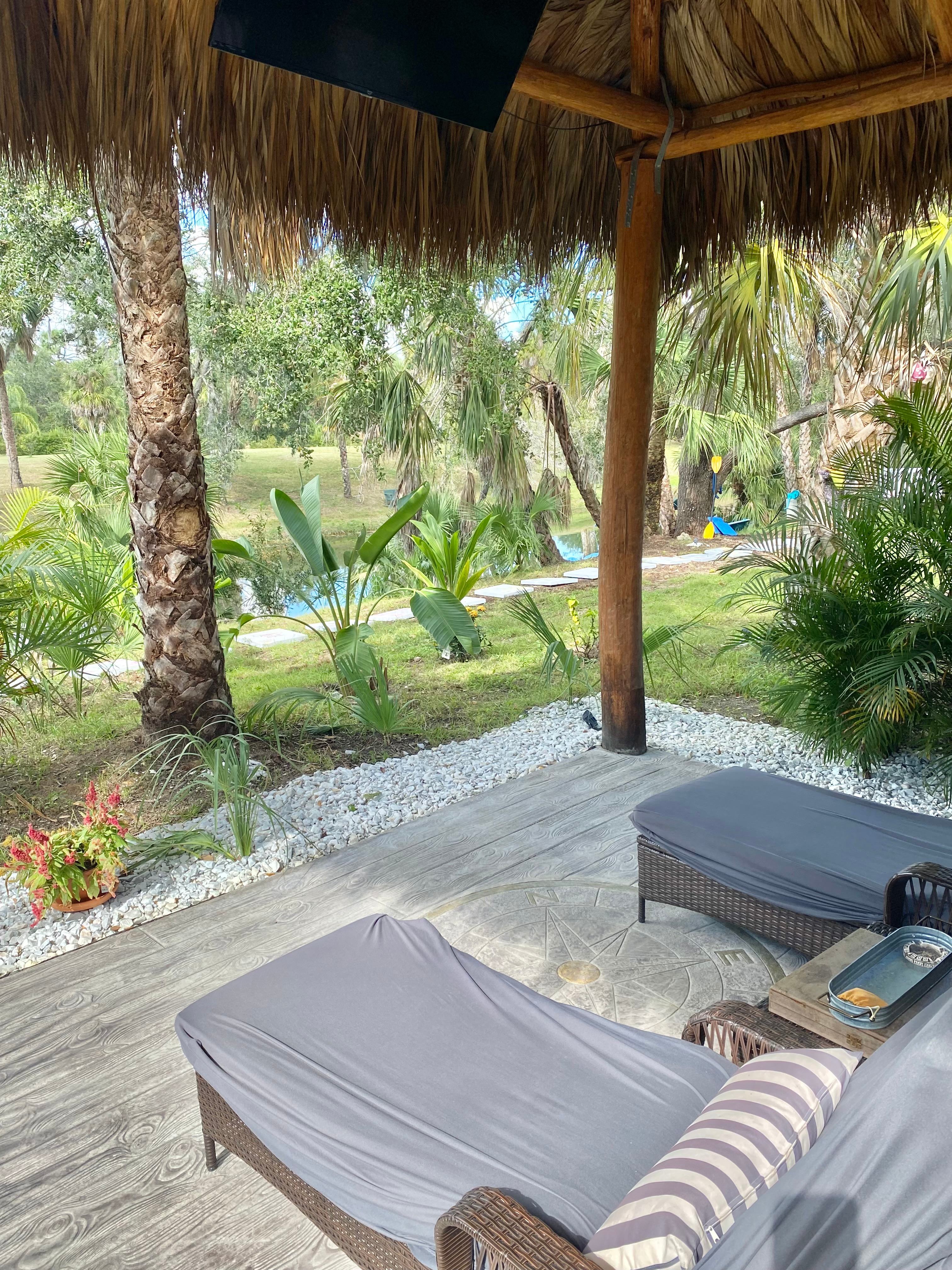
Glamping paradise feel the warmth of this tropical haven, located on a fresh water canal full of fish. A peddle boat and kayaks available.
Separate bath house, fridge,coffee maker,outdoor cooking area, pool, hot tub, lounge chairs, canopy screened bed, comfy robes, fire tv, wifi.
Bikes are also available. No children. No pets. All will find sanctuary here, honeymooners, gay, nudist, any color. Veteran owned.
Guests are free to roam and enjoy a nap in the hammock and make yourselves at home. 43 restaurants deliver to this address.
Toilets
Showers
Hot Tub
from
$90
/ night
Longwing Landing Oak Hammock
20. Longwing Landing Oak Hammock
93%
(7)
36mi from Fort Myers · 1 site
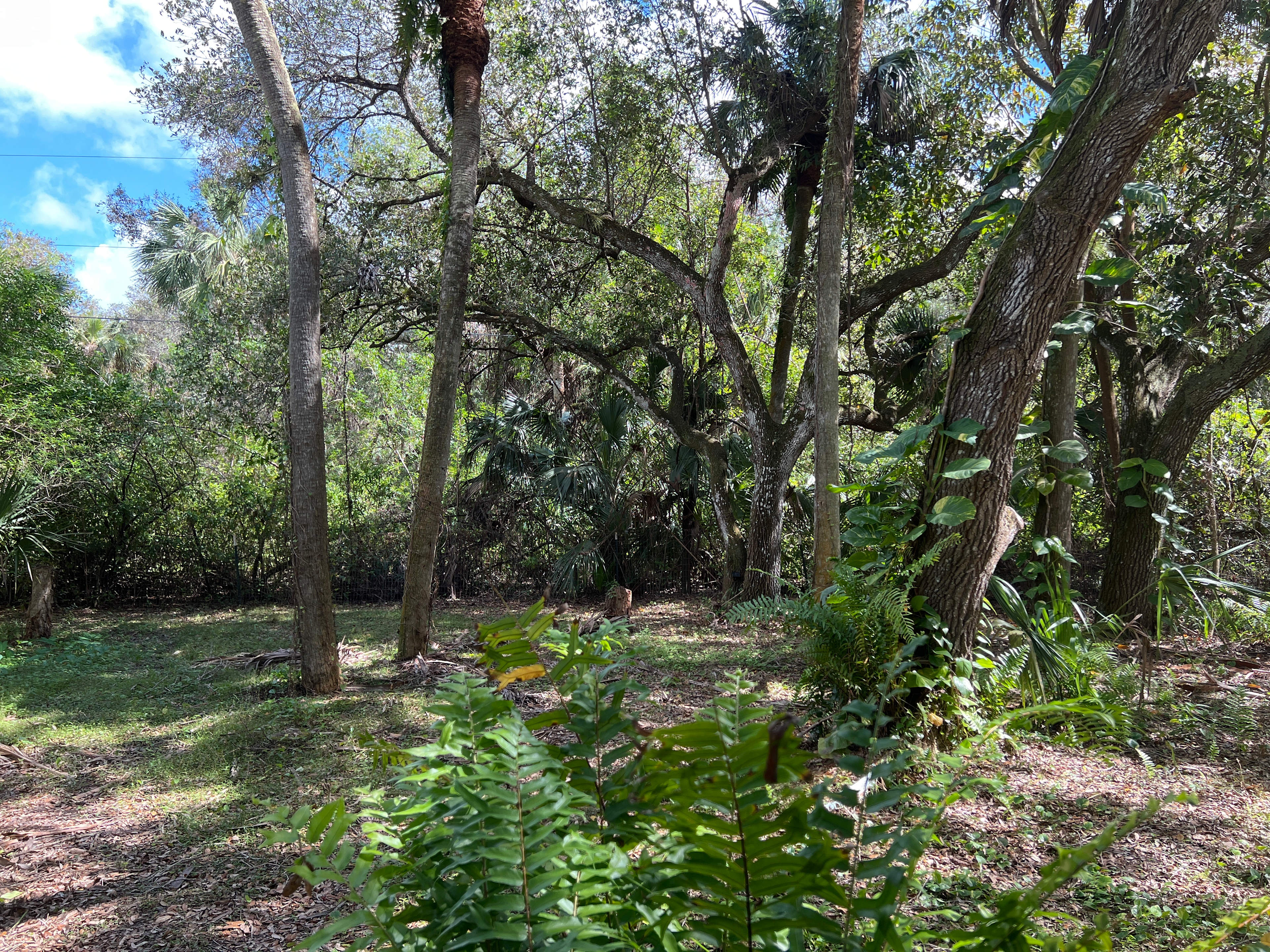
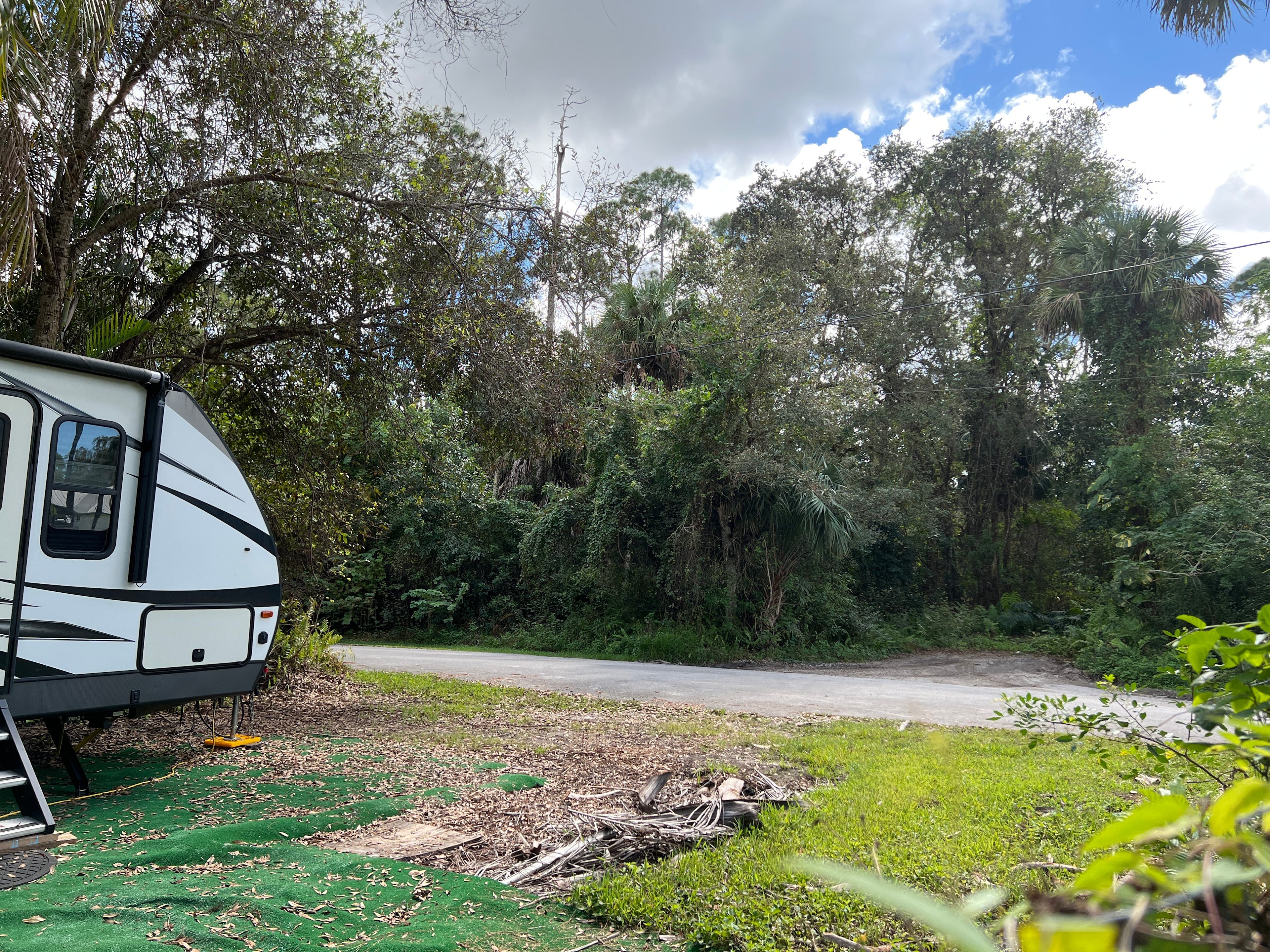
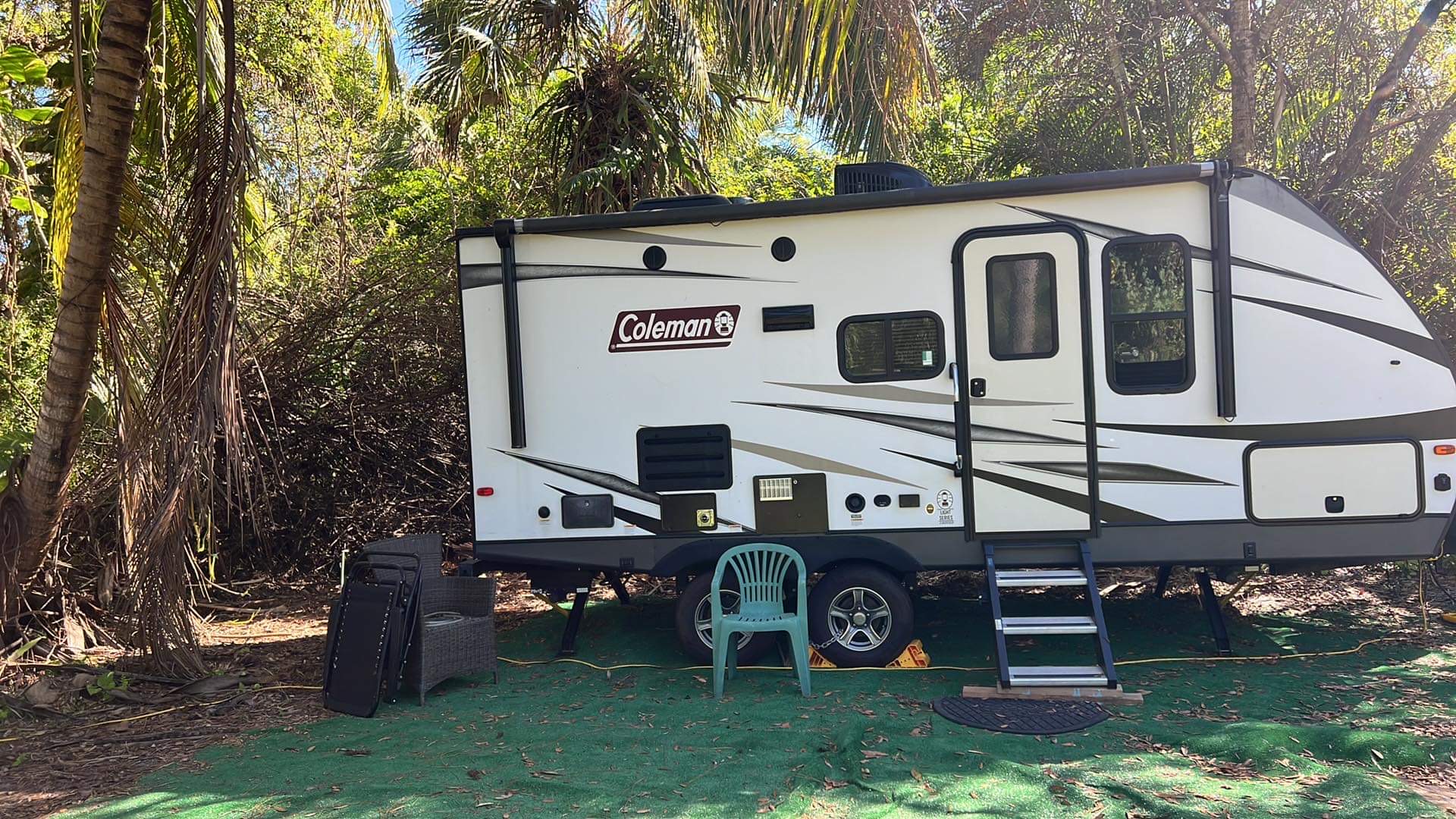
Just a 15 minute drive to Gulf beaches, 3rd St South, Fifth Avenue, Downtown dining and shopping. 20 minutes to Marco Island. A little tropical jungle oasis Located at the end of a Quiet dead-end street. Bird and butterfly enthusiasts will enjoy a variety of winged visitors. Huge old Oak grove creates a special shady and secluded feel on this 2.6 acres home site.
Toilets
Showers
Wifi
from
$75
/ night
97% (719) • 31 campsites
Top-rated glamping sites near Fort Myers
Tres Lagos Farm & Garden
1. Tres Lagos Farm & Garden
91%
(197)
9.3mi from Fort Myers · 8 sites · RVs, Lodging
Tres Lagos Camping is part of the Florida agritourism initiative. Where travelers from all over the world come to experience and enjoy a different kind of florida. We’re a small 5 acre family farm involved in the cultivation and preservation of rare and endangered palms with many other edible tropical plants for our visitors to enjoy. You can view our palms at all stages of growth from seed to maturity. Enjoy our U-pick varieties of mangos, Caribbean cherries, sugar cane, bananas, coconuts and we’re adding more all the time. There is even a sugarcane maze and bamboo gardens in progress for the kids and adults to enjoy. But don’t forget your veggies! Get up close and personal with where some of your medicines and vegetables come from. We have some small areas for education about different medicinal plants like Turmeric, ginger, saw palmetto and a few others. Take the tours or classes or just sit back and enjoy the view! Hope to see you soon.
Pets
Toilets
Showers
from
$40
/ night
J and P Creekside Retreat
2. J and P Creekside Retreat
100%
(350)
25mi from Fort Myers · 8 sites · Tents, RVs, Lodging
Nestled on an sprawling 16.8-acre expanse along the picturesque Shell Creek, our location is a haven for nature enthusiasts. The property is adorned with a lush canopy of diverse trees, showcasing an array of Oak, Hickory, Cypress, Pine, and Sable palms. Immerse yourself in the tranquility of our surroundings as you embark on a journey to boat, swim, and fish amidst the stunning natural beauty of Charlotte County, Florida.
The waters of Shell Creek beckon you to explore its depths, while the vibrant native wildlife adds to the allure of our idyllic setting. Whether you're seeking a serene kayaking adventure or a leisurely paddleboarding excursion, we offer rentals to enhance your experience on the water.
Discover the enchanting landscapes and rich biodiversity that define Charlotte County. From the rustling leaves of the Oak and Hickory trees to the graceful Cypress and Pine, our property is a testament to the beauty of Florida's natural habitat. Sable palms sway gently in the breeze, creating a soothing atmosphere that invites you to unwind and connect with the great outdoors.
Indulge in the ultimate escape as you partake in the various activities our location has to offer. Whether you prefer a day of boating on Shell Creek, casting a line for a relaxing fishing session, or simply basking in the beauty of the surroundings, our 16.8-acre haven provides a perfect retreat.
Experience the best of Charlotte County, Florida, where every moment is an opportunity to embrace the wonders of nature. Come and create lasting memories as you revel in the tranquility, adventure, and natural splendor our location has in abundance.
Pets
Toilets
Showers
from
$28
/ night
SWFL Everglades Camping
3. SWFL Everglades Camping
98%
(143)
38mi from Fort Myers · 16 sites · Tents, RVs, Lodging
Our property is 15 minutes South, from I75, 10 minutes from any restaurant or publix. We are a 2 mile drive down a dirt road, through the state forest. We offer 2-3 acres of a choose your own spot camping area. Located within the Picayune Strand State Forest, full of peace and quiet, and plenty of birds. We have a facility building that runs off a generator for running water. With that, we have a washroom, that consists of a large shower, and 2 bathroom stalls. we have then propane heated hot water for a nice hot shower. The sites are very " free range". Nothing that is too designated, so you have a free choice of where to pitch your tent, or park your camper van, or your RV.
Come and stay within the Evergaldes in Naples, of SWFL. A special private place like no other. You may have the place all to yourself, or share with others. It is not populated like other campgrounds.
The property is a designated farm, and we do have chickens.
Day time check-in is 100% recommended.
Please be sure to contact me for any and all questions you may have!
Pets
Toilets
Showers
from
$43
/ night
Cayo Costa State Park
4. Cayo Costa State Park
100%
(9)
State park 115mi from Fort Myers · 39 sites
Nature rules on this Gulf of Mexico island.
Pets
Toilets
Showers
N N Farms
5. N N Farms
98%
(22)
41mi from Fort Myers · 1 site
Fun off grid spirited tiny house. A 5 acre farm with Private 1 acre separate with a tiny house and pond. Nestled up next to our farm with plenty of farm animals to admire! We provide chicken, fish and goat feed for your fun. We have an outdoors area with loads of games. Bring your firewood and marshmallows! Close to Myakka State Park, 45 minutes to many beaches. Small town charm in Arcadia Florida, known for its quaint antique shops.
We have a TV with a Firestick and DVD player complete with plenty of dvd’s.
Pets
Toilets
Showers
from
$77
/ night
Serenity Acres Glamping Retreat
6. Serenity Acres Glamping Retreat
100%
(15)
44mi from Fort Myers · 1 site
Looking for the perfect camping getaway? Look no further! Our air-conditioned glamping tent, located in the heart of Arcadia FL, offers a unique and unforgettable experience. With plenty of activities to enjoy in Desoto County, including fossil hunting on the Peace River or kayaking, you can find plenty to keep you busy during your stay. Nestled under a sprawling live oak tree on our 10-acre property, our glamping tent has everything you need to make your camping trip a breeze. Enjoy a comfortable king-size bed while listening to the soothing sounds of nature. Our refrigerator, complete with a freezer drawer, will keep your drinks and snacks fresh. And our coffee bar, featuring a Keurig coffee maker, is the perfect way to start your day while watching the sun come up over the orange groves. Outside of the tent, you'll find hammock chairs hanging from the oak tree, a grill cart with a griddle, and a fire pit with a grate for cooking your meals. Plus, our full bathroom, located just steps away from the campsite, offers a flush toilet and walk-in shower to help you feel refreshed after a day of adventure. Book your stay with us today and experience the ultimate glamping adventure!
Pets
Toilets
Showers
from
$171
/ night
Blue Fox Ranch: Lake & Farm Camp
7. Blue Fox Ranch: Lake & Farm Camp
97%
(378)
49mi from Fort Myers · 12 sites · Tents, RVs, Lodging
Learn more about this land:
Blue Fox Ranch is a serene campsite nestled by a private lake, surrounded by lush palm trees and friendly farm animals, The gentle sounds of water lapping at the shore create a soothing atmosphere, perfect for relaxation.
As the sun begins to set, the sky transforms into a breathtaking canvas of oranges, pinks, and purples, reflecting beautifully on the lake’s surface. Campers can gather around crackling campfires, sharing stories and enjoying the warmth of the flames against the cool evening air.
The rustic sites are thoughtfully providing stunning views of the sunset. Each site offers ample space for tents or RVs, and there are plenty of trails nearby for hiking and exploring. Whether you're fishing, canoeing, or simply soaking in the peaceful surroundings, Blue Fox Ranch is a perfect escape into private small farm with farm animals for a truly new experience that you and your children will Guard forever.
Blue Fox Ranch, your perfect getaway on the west side of Lake Okeechobee! Nestled just a mile from boat launch ramps, we’re ideally situated for fishing enthusiasts. Enjoy the nearby wildlife management area, just 3 miles away, or try your luck at Seminole Casino Brighton, only 10 minutes from the ranch.
Our friendly farm is home to horses, chickens, ducks, sheep, and cows, all eager for attention—just be mindful, they can be a bit pushy! We’re dog-friendly, so feel free to bring your furry friends along for a peaceful and fun weekend. Experience the charm of our ranch while exploring the beautiful attractions around Lake Okeechobee. We can’t wait to welcome you!
Site 1, 2, and 3 have hookups. All others are around the property with no hookups, toilets, showers are available by an outside bathroom by the house.
Site 1= Electric and sewer hookup. 30 amps.
Site 2= Electric and sewer hookup. 30 amps.
Site 3= Electric and sewer hookup 50 / 30 amps.
Site 4= No Hookups, your generator is ok.
Site 5= No Hookups, your generator is ok.
Site 6= No hookups, your generator is ok.
Site 7= No Hookups, your generator is ok.
(Shower and toilet are available )
Pets
Toilets
Showers
from
$29
/ night
Serenity Star - Sauna Cold Plunge
8. Serenity Star - Sauna Cold Plunge
100%
(9)
8.5mi from Fort Myers · 4 sites · RVs, Lodging
Welcome RVers!
Escape to Serenity at Our North Fort Myers Oasis
Immerse yourself in the tranquility of nature while still enjoying the comforts of home.
Location: Conveniently situated a 5-minute drive from I-75, our serene rural retreat offers easy access for travelers seeking a peaceful respite from the road or a longer stay in the Greater Fort Myers area.
Accommodations: Choose from a full hookup site or 50 amp hookup. We are located on over 2.5 acres with plenty of room to pull in, turn around, and easily park your rig and towed vehicle.
Nature's Playground: Unwind or go fishing at our private pond, or take a short drive to one of the many parks or nature sanctuaries in the area. We’ll provide a local guide once you register.
Sunset Sanctuary: As the day draws to a close, gather around the campfire with us. We love to build a community and we have regular gatherings by the campfire and our covered grilling area. Relax in the Florida countryside.
Nearby Attractions: Explore the vibrant offerings of North Fort Myers, from charming local eateries, great happy hours, to the beaches and state parks. Discover the beaches of the Gulf Coast or embark on an adventure through the nearby nature reserves along the Caloosahatchee River, such as Manatee Park or Caloosahatchee Regional Park. Pick up a pickleball game at one of the nearby parks. Or head to one of our favorite beaches, restaurants, or State Parks that we share in our guide.
Your Escape Awaits: Whether you're seeking a peaceful retreat or an adventure-filled getaway, our RV site offers the perfect balance of convenience and serenity. Book your stay with us today and experience the beauty of North Fort Myers like never before. Welcome home to nature's embrace!
Pets
Toilets
Showers
from
$70
/ night
Condo Near Beach
9. Condo Near Beach
10mi from Fort Myers · 1 site
Experience the best of coastal living just 2 miles from Fort Myers Beach and 1 mile from Target, Publix, and Walmart.
The home is right across from the pool—a very easy walk!
Enjoy access to a beautiful pool, hot tub, state-of-the-art gym, billiards lounge, dog park, office space, and a stylish rec room. Take advantage of this friendly community with daily activities.
Let me know if you have any questions.
Toilets
Showers
Hot Tub
from
$90
/ night
Cozy Camper Near The Beach
10. Cozy Camper Near The Beach
10mi from Fort Myers · 1 site
Experience the best of coastal living just 2 miles from the beach and 1 mile from Target, Publix, and Walmart. Enjoy access to a beautiful pool, hot tub, state-of-the-art gym, billiards lounge, dog park, office space, and a stylish rec room. Relax, recharge, and indulge in a truly elevated stay.
Toilets
Showers
Hot Tub
from
$55
/ night
Sun Retreats Estero Bay
11. Sun Retreats Estero Bay
11mi from Fort Myers · 33 sites · RVs, Lodging
Experience the charm of Sun Retreats Estero Bay, a unique RV resort in Fort Myers that combines a welcoming atmosphere with stunning natural beauty. Nestled on over thirty acres, this all-age resort features 300 RV sites equipped with full hookups and convenient concrete pads, making it an ideal destination for families and travelers alike.
At Estero Bay, you can immerse yourself in the vibrant local culture, with pristine white-sand beaches just a short drive away. Alternatively, enjoy the resort's exceptional amenities right on-site. Take a dip in the heated pool, unwind in the hot tub, or cast a line at our two serene lakes. For those who love the outdoors, explore the scenic boardwalk and nature trail that wind through the property.
Whether you're seeking adventure or relaxation, Sun Retreats Estero Bay offers something for everyone. Discover the perfect getaway in Fort Myers, where unforgettable experiences await you at this beautiful RV resort.
Pets
Toilets
Showers
from
$74
/ night
Angler's Inn Botel
12. Angler's Inn Botel
15mi from Fort Myers · 4 sites
Situated in Matlacha, 39 km from Fishermen's Village, Angler's Inn is a pet friendly accommodation with kitchenette, free parking, boat dockage, kayaks, bicycles, a screened in terrace and walking distance to shops and restaurants. Boat rentals available on site. With free WiFi, Angler's Inn offers a 24-hour front desk. The rooms have a patio with sea views.
All rooms at the motel come with air conditioning, a seating area, a flat-screen TV with cable channels, a kitchenette, a dining area and a private bathroom with free toiletries, a shower and a hairdryer. At Angler's Inn the rooms are fitted with bed linen and towels.
The accommodation offers a barbecue. Guests at Angler's Inn will be able to enjoy activities in and around Matlacha, like fishing, kayaking, live musice, cycling and ferries to the surrounding islands.
Sanibel Chamber of Commerce is 43 km from the motel, while Sanibel Lighthouse is 46 km from the property. Punta Gorda Airport is 37 km away.
Couples particularly like the location — they rated it 9.2 for a two-person trip.
Pets
Toilets
Showers
from
$165
/ night
Bald Cypress Woods
13. Bald Cypress Woods
28mi from Fort Myers · 2 sites · RVs, Lodging
We offer a lightly wooded 1 acre private cabin site featuring a cozy modified A-frame cedar cabin. You may feel like you are in the middle of nowhere, when you are actually in the middle of everything! Also, our private, single RV site is available for RV's 28-30'
This is an ideal and secure home base for heading out on day trips, knowing your site is secure and being watched. In any direction are one of Southwest Florida’s premier nature preserves, estuaries, sanctuaries, state and national parks. Delnor-Wiggins Pass and boat ramp access to the open Gulf are 14 miles away. Audubon’s Corkscrew Swamp Sanctuary, the CREW Wildlife and Environmental Area, Everglades National Park, Lover's Key, 10,000 Islands and the Florida Panther Wildlife Management Area are all just minutes away.
This is a "dark" location, which is excellent for stargazing.
Note: We are located within the Collier County "mosquito control district". This is a huge plus+ in the summer months.
Pets
Toilets
Showers
from
$65
/ night
Campbell’s Camper
14. Campbell’s Camper
100%
(2)
31mi from Fort Myers · 3 sites · Tents, RVs, Lodging
Reconnect with nature at this unforgettable escape. Sunsets are a highlight and put on an amazing show to sit back and enjoy. The stars are so bright at night and you cannot hear the city. Just minutes away from boat slips into the Peace River, nearby the gulf and our nearest neighbors are a horse and a tiny pony.
Please bear in mind that we do not offer any bathroom or toilet facilities if you are staying here with your own tent.
Pets
Toilets
Showers
from
$14
/ night
Sip and Sage
15. Sip and Sage
32mi from Fort Myers · 3 sites
🏕️ Sip & Sage Co. – The Bougie Backyard Getaway
Not your typical Hipcamp. Not off-grid. Not remote. And not gonna lie—we don’t have goats or a mountain view... BUT we do have privacy screens wrapped around the whole space, a tree-covered backyard oasis, and one heck of a setup that’ll make you forget you're camping in a residential neighborhood. (Bonus: you can actually sleep at night without wondering if that noise was a raccoon or a serial killer.)
This vintage camper may be small, but she’s mighty. Outfitted with a futon bed + a thick 6" foam mattress, she’s cozy enough for two—but let’s be real, you’re probably coming here to escape your kids, your job, or your loud in-laws. It’s giving "she shed meets sassy staycation."
Inside:
❄️ Brand new 10,000 BTU A/C – You will get cold. You’ve been warned.
🧊 Small fridge for your bubbly or snacks (no cooking inside the camper though—this isn’t Top Chef).
Outside:
🚽 A real camping toilet with a tank (none of that bag-it-and-hope-for-the-best stuff).
🚿 Cold-water outdoor shower + a vintage clawfoot soaking tub (hello boho luxury).
🌬️ Mister fans & shaded sails – keeping it cool, literally.
🍹 A full outdoor kitchen & tiki bar for mixing drinks or just feeling like you're on vacation.
🛋️ Outdoor couch/daybed for sun naps, deep thoughts, or binge-watching if you add the optional outdoor TV setup (extra fee applies—TVs don’t like dew).
This space was designed by a mom who just needed a dang break. So Sip & Sage was born: part retreat, part glampfest, part wild idea turned into a whole vibe. There’s no bears, no bugs in your sleeping bag, and definitely no judgment if you show up with a bottle of wine and a face mask or bong and shots.
(No parties though keep it low key)
📍Located on a quiet street in a safe residential area—you might hear a lawn mower or a giggling neighbor, but you won’t hear police sirens or wild party animals (unless it's you).
So if you’re a camping newbie, a glamping goddess, or just someone who needs a little joy sprinkled on their week—this one’s for you. 💫
Pets
Toilets
Showers
from
$100
/ night
Prana's Paradise
16. Prana's Paradise
33mi from Fort Myers · 7 sites · Tents, RVs, Lodging
Prana’s Paradise is a 10-acre off-grid homestead nestled in a 1,000-acre nature reserve, just a stone’s throw from Naples, Florida.
This is a working piece of land where simplicity meets intention. Chickens, turkeys, and the occasional woodpecker roam freely or call from the trees. A mini donkey, mini goats, and their babies (when around) live in nearby paddocks and love attention—so be sure to bring some carrots. Friendly cats and dogs may wander by for a visit, curious and always up for a pat. Hundreds of exotic fruit trees grow all around the property, offering a glimpse into what’s being cultivated here on our homestead—both in the soil and in spirit.
At its heart, Prana’s Paradise is a place to slow down, disconnect from the noise, unplug from society, and reconnect with nature, fresh air, and a simpler way of living.
We hope to see you soon!
Pets
Toilets
Showers
from
$30
/ night
Glampers Camp
17. Glampers Camp
100%
(5)
34mi from Fort Myers · 3 sites · RVs, Lodging
Welcome to your dream RV getaway, where fun reigns supreme and relaxation is the only item on your agenda!
Upon arrival, you'll find our fully equipped RV awaiting you, stocked with linens, towels, utensils, and all necessary kitchen supplies. Customize your experience with optional add-ons such as kayak rentals or golf cart rentals.
This spacious RV comfortably accommodates up to 5 guests, offering plenty of room for everyone to enjoy. Nestled by the water, revel in the stunning sunsets of southwest Florida while gathered around the fire-pit, keeping an eye out for the abundant wildlife.
Outdoors, delight in the convenience of an outdoor kitchen, grill, and fire-pit, along with a cozy seating area featuring rocking chairs. Dine al fresco with the family at the full-size picnic table adjacent to the RV, perfect for sunset dinners.
The expansive awning provides ample shade and cleanliness, allowing for comfortable respite during warmer days. With two entrances—one leading into the main living area and another into the bathroom—keeping the sleeping areas pristine is effortless. Step directly into the bathroom to enhance your comfort during your stay.
Ample storage space ensures that you'll have more than enough room for all your belongings throughout your stay.
Make the most of the campground's amenities, including a pool, hot tub, tennis court, basketball court, pickleball court, and more! And if lounging by the pool isn't your style, fear not—some of the most breathtaking beaches in the United States are just a quick 15-minute drive away, offering a plethora of beachside activities and dining options for a memorable night out.
This vacation getaway promises an unforgettable experience!
For extended stays exceeding two weeks, please contact us at 862-243-2777 or email bookings@glamperscamp.com for special rates.
Please remember to keep your pets on a leash at all times and remain vigilant of local wildlife, including but not limited to alligators, snakes, snapping turtles, and more.
Pets
Toilets
Showers
from
$73
/ night
Monaco40!
18. Monaco40!
35mi from Fort Myers · 1 site
Camping paradise, feel the tropical Sun on a fresh water canal. A peddle boat, kayaks and bicycles are free for you to use. RV is a 40 ft Monaco with kitchen, bathroom with skylight, comfy bed! We have a hot tub and a pool! Quiet surrounding but not far from restaurants and the beach! Everyone is welcome gay, any color nudist. All are welcome!
Toilets
Showers
Hot Tub
from
$65
/ night
Coco Plum
19. Coco Plum
100%
(4)
35mi from Fort Myers · 1 site
Glamping paradise feel the warmth of this tropical haven, located on a fresh water canal full of fish. A peddle boat and kayaks available.
Separate bath house, fridge,coffee maker,outdoor cooking area, pool, hot tub, lounge chairs, canopy screened bed, comfy robes, fire tv, wifi.
Bikes are also available. No children. No pets. All will find sanctuary here, honeymooners, gay, nudist, any color. Veteran owned.
Guests are free to roam and enjoy a nap in the hammock and make yourselves at home. 43 restaurants deliver to this address.
Toilets
Showers
Hot Tub
from
$90
/ night
Longwing Landing Oak Hammock
20. Longwing Landing Oak Hammock
93%
(7)
36mi from Fort Myers · 1 site
Just a 15 minute drive to Gulf beaches, 3rd St South, Fifth Avenue, Downtown dining and shopping. 20 minutes to Marco Island. A little tropical jungle oasis Located at the end of a Quiet dead-end street. Bird and butterfly enthusiasts will enjoy a variety of winged visitors. Huge old Oak grove creates a special shady and secluded feel on this 2.6 acres home site.
Toilets
Showers
Wifi
from
$75
/ night
Recent reviews from the Hipcamp community
I
Igor
February 2026
Group trip
We just spent an amazing weekend at Blue Fox Ranch Lake Farm with our kids .The farm is beautiful, peaceful, and feels truly family friendly. Luiz is a wonderful host and you can tell he puts a lot of love into this place.
The kids had the time of their lives playing with the horses and other farm animals. Evenings by the campfire were a highlight for all of us and stargazing in the quiet country air.
We also went fishing on the lake and actually caught a few fish, which was super exciting. On top of that, we bought fresh eggs from Luiz and they were absolutely delicious, such a treat compared to store bought.
If you’re looking for a relaxing getaway where your children can experience nature, animals, and real farm life, this is the perfect spot. We felt safe, welcomed, and completely recharged after our stay. Highly recommend visiting Luiz and spending a few nights at this special campsite.
See more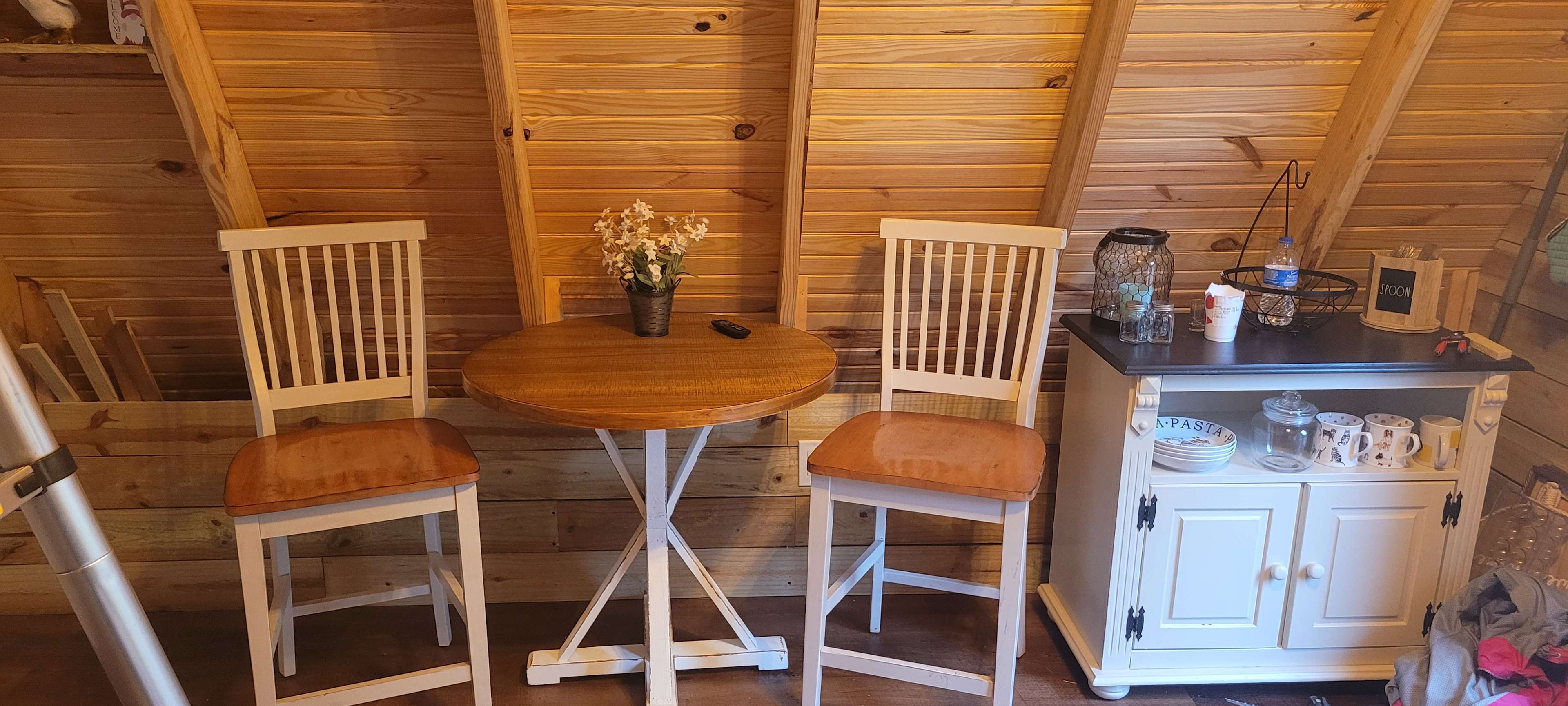

Amy
January 2026
With pets
So cozy and beautiful, loved every second
Fire pit, hammock, beautiful inside and out
See moreY
Yonailyn
January 2026
Weekend Trip to J and P Creekside Retreat
The truth is that the photos do not do this place justice: it is much more beautiful in real life than I ever imagined. It is a very cozy, peaceful spot surrounded by nature, with a wonderful atmosphere and charming details in every corner. Having a river right next to it and an area to go fishing was a perfect bonus. I absolutely loved it and it exceeded all my expectations. Without a doubt, we will come back and recommend it to our friends.
See more

Stephanie
January 2026
4 nights at Cocoanut Camper
I had a wonderful stay! The area was perfect with lots of restaurants nearby and a Publix within walking distance. There's a farmers market on the weekends around the corner. The camper was great with a comfortable bed, kitchen appliances, air conditioning. Lots of nearby beaches and plenty of things to do and see. I would highly recommend and I will definitely be staying here again.
See more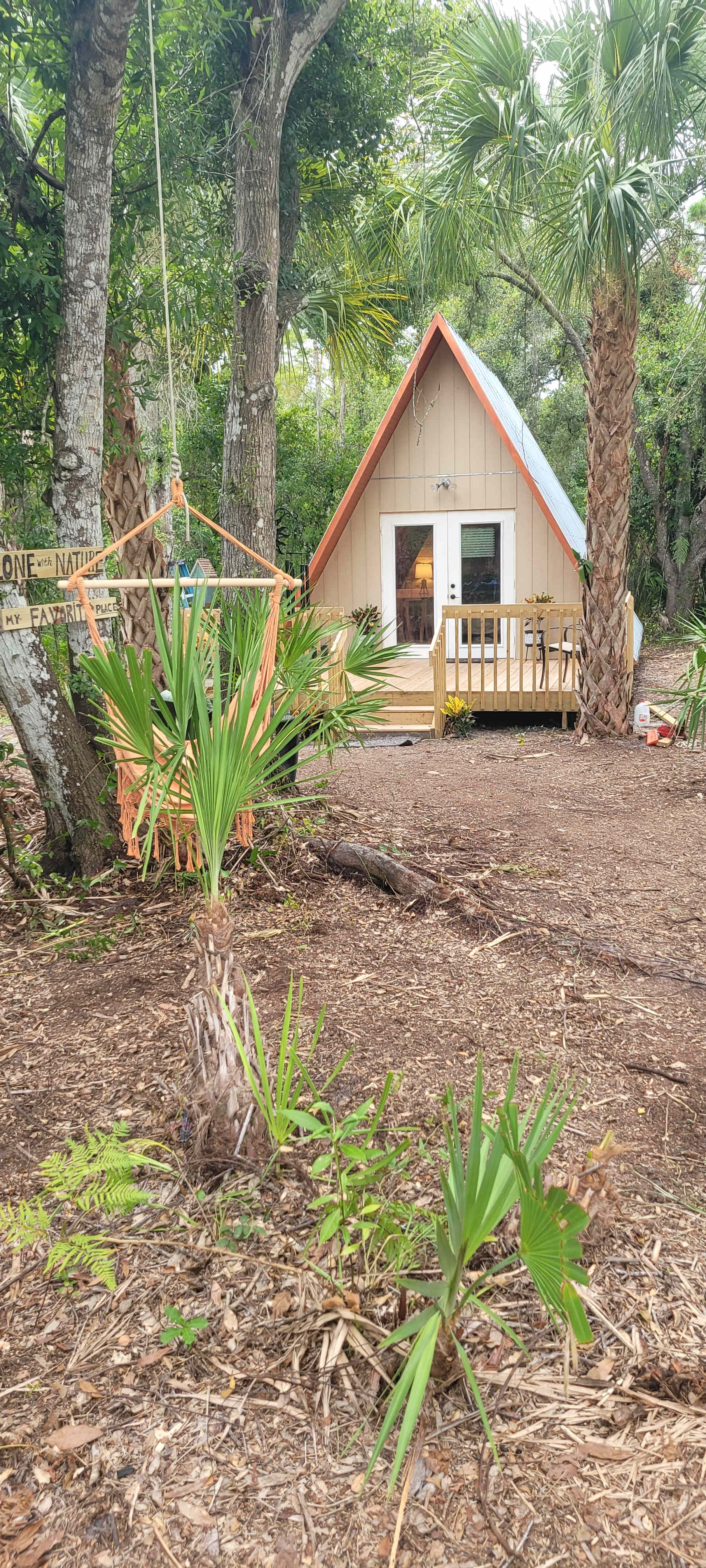
M
Michael
January 2026
With kids
What a fun and memorable experience. Our kids loved being out in nature and The frame was well equipped with everything you need to camp comfortably. The kids loved the swings, trampoline, and on-site dogs that love being pet. The host was friendly and available.
See more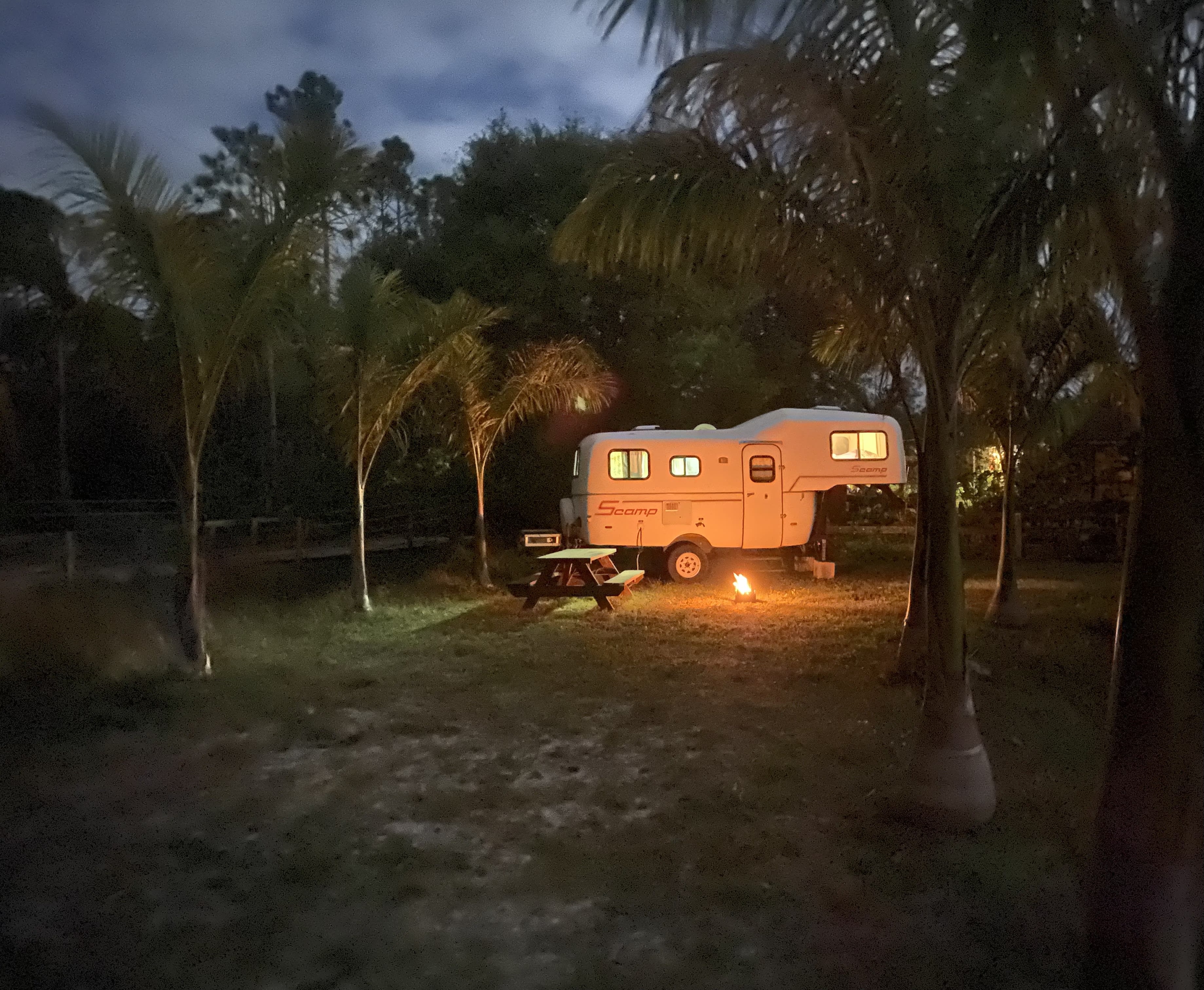

Terri
January 2026
With pets
Tres Lagos was the perfect location for my friend from WPB and me to meet for one night in order to spread my mother's ashes in the Gulf. The Scamp was comfortable and the property was peaceful. The campers on here complaining about the smell and the condition of the trailer need to remember that it is vintage (old) and Florida is humid, so there are going to be odors and the weather will have taken its toll.
See more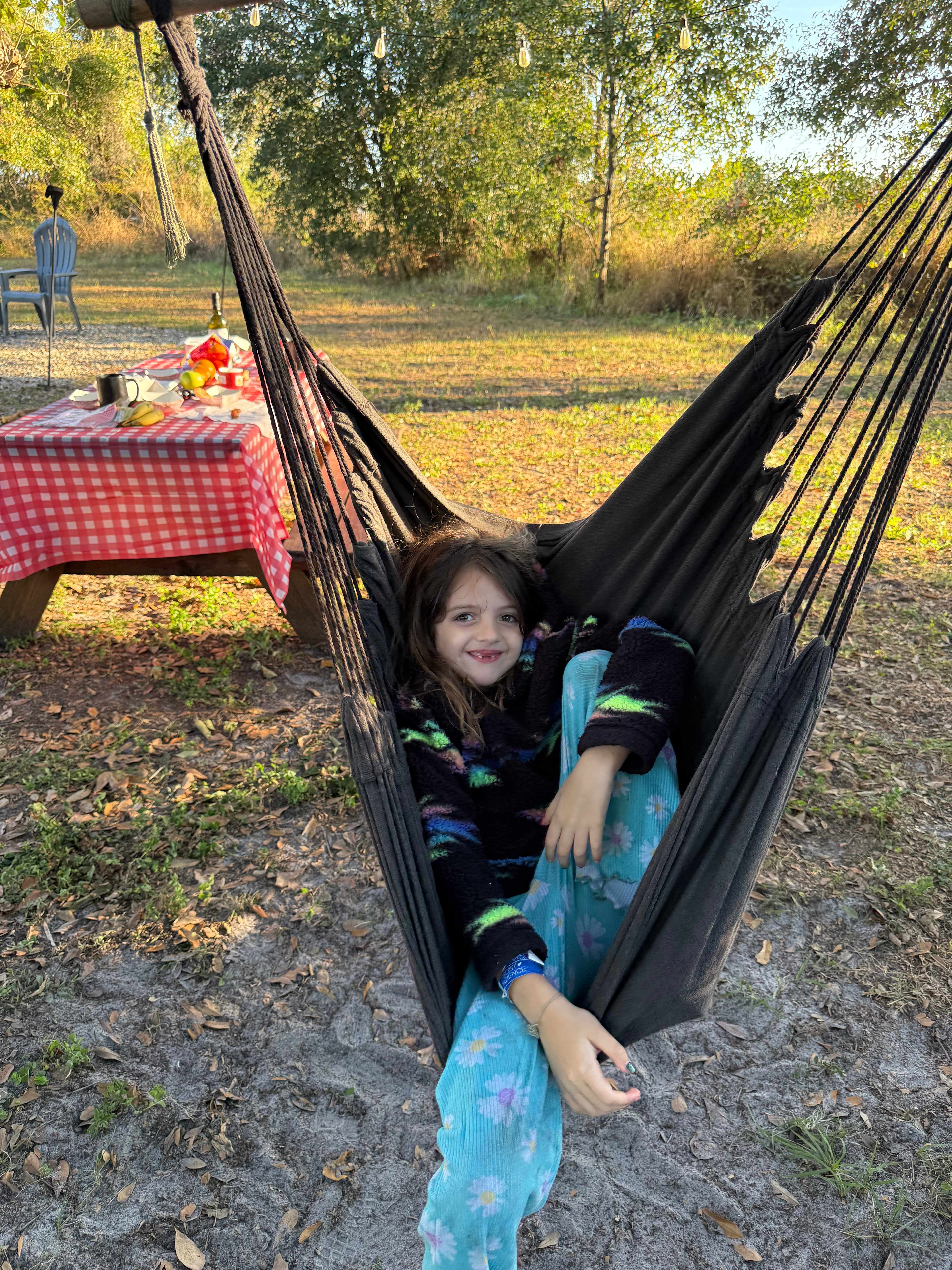
B
Bonnie
January 2026
With kids
I loved this place! Perfectly taken care of and so clean. The bed was so comfortable. I had to peek at the mattress to figure out what it was and I will be getting one for my house.
See more
Cathi
January 2026
With pets
Another great stay at John's property! It was the perfect place to spend NYE- quiet. I look forward to returning.
See moreT
Teaira
December 2025
Weekend Trip to J and P Creekside Retreat
This cozy cabin was amazing! This place had so many amenities and the host was so kind.
See moreD
Diojanys
December 2025
Weekend Trip to Blue Fox Ranch: Lake & Farm Camp
Great time! Loved my stay and I felt safe. Nice neighborhood to stay.
See moreCathi
December 2025
With pets
Took my friend who had only been camping once in 84 years- she's still talking about what an incredible place it was. The A-frame has everything you could need for a comfortable stay. Can't wait to return!
See moreJ
Julia
December 2025
2 nights at J and P Creekside Retreat
We had an amazing time, relaxing!! The host John has the place beautifully setup. Its cozy, private and comfortable!
See moreJ
Jessica
December 2025
With pets
My family had a great time at John’s camp and we were all sad to be leaving. The place was clean and well stocked. John was friendly and there if you needed him but, we never felt like we were being watched. My husband and I loved being able to take our daughter on the kayaks (which were a great price), my daughter loved the trampoline and plethora of swings, and our dog loved being able to lounge on the deck with the occasional visit from John’s dogs. Overall could not recommend this place enough if you’re looking for a quiet getaway especially if you enjoy being on the water.
See moreC
Cara
November 2025
Weekend Trip to Tres Lagos Farm & Garden
I love coming to Trs Lagos! The land is beautiful, George is a wonderful host, and the Scamper is a well kept and comfortable camper. The bed is probably the most comfortable I've slept in. Thanks again for another great night!
See more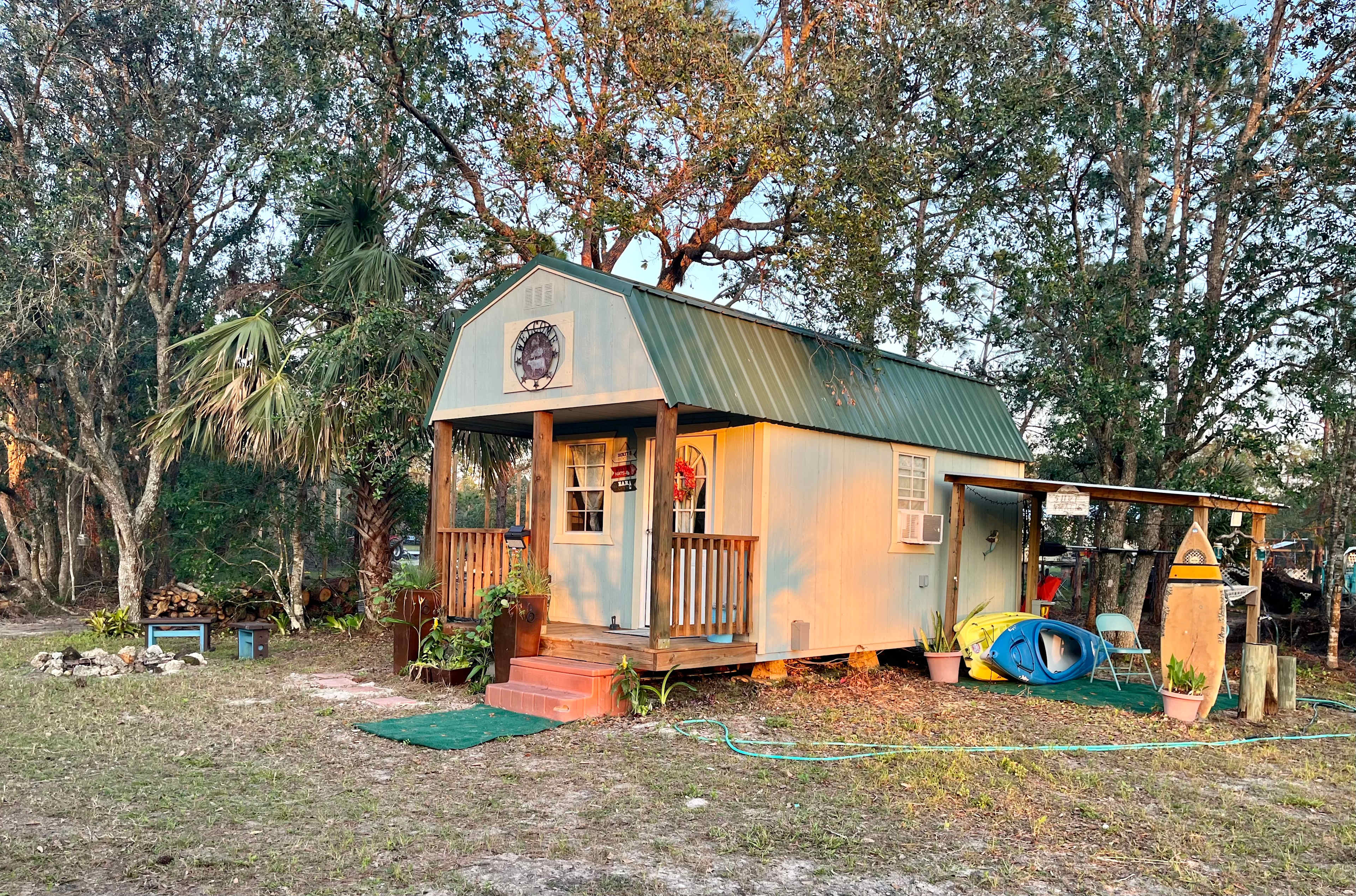
A
Art
November 2025
2 nights at N N Farms
Kelli’s land truly exceeded my expectations. What stood out the most was how peaceful and spacious everything felt. The little house and the entire property have beautiful details that reflect so much love in every corner. Each outdoor space welcomed me with a deep sense of peace, connection to nature, and the silence I was looking for.
Kelli was incredibly kind and attentive, always checking in to make sure we had everything we needed and that we were comfortable. And the fresh eggs she brought us were absolutely delicious.
If you’re seeking a serene, nature-filled place with a thoughtful and caring host, this is the perfect spot.
See more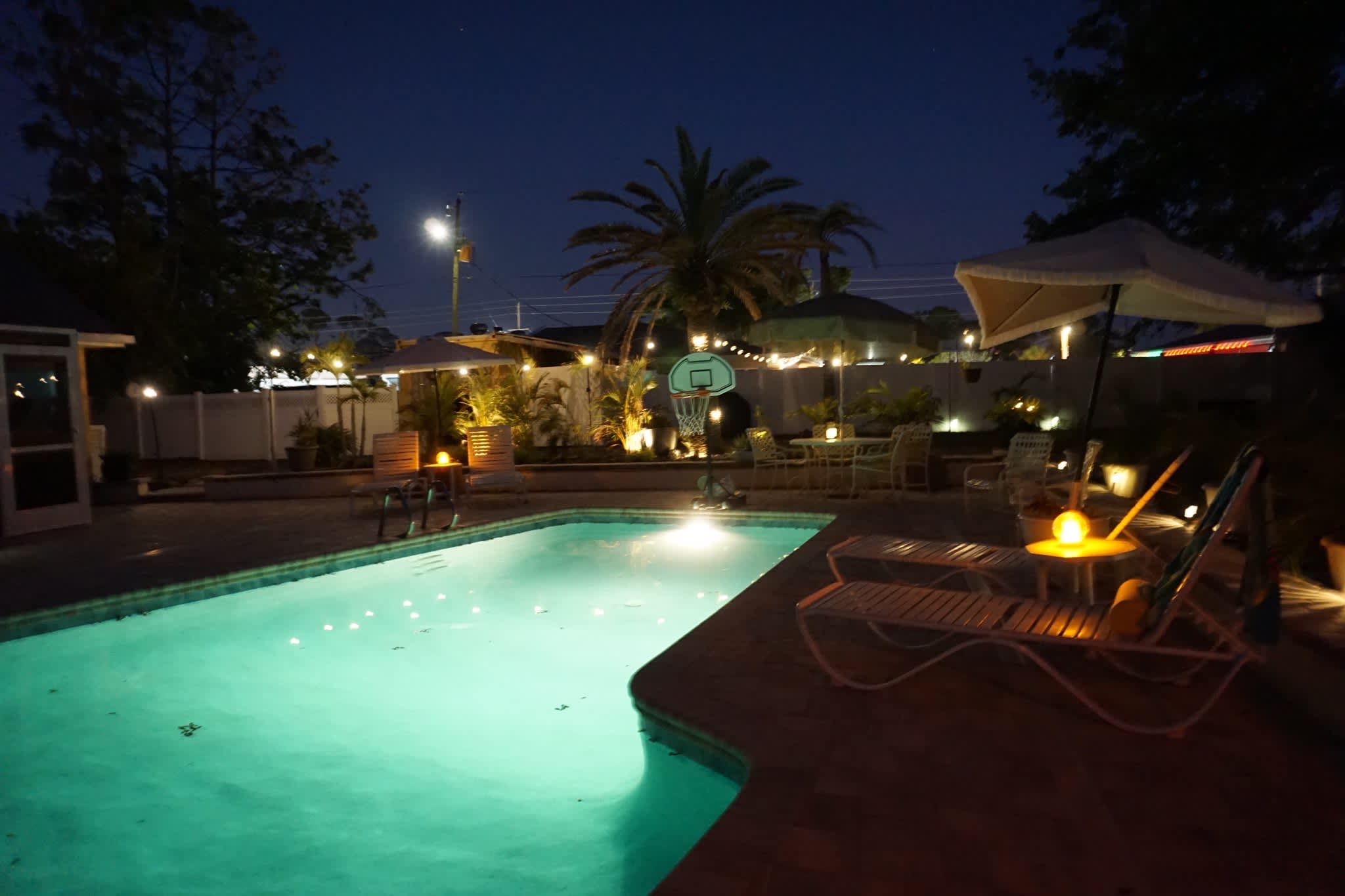
F
Fourty
November 2025
1 night at Cocoanut Camper
Loved this place....very nice inviting people that made sure everything went well and we had whatever we needed. Great looking house and well kept property. Camper was clean and up to date and stocked with dishes and silverware and pots and frying pans, coffee maker and coffee in the fridge, air conditioned, hot and very cold water, shower...very comfortable. Will deffinately be back, money well spent.
See moreD
Dalton Remodeling
November 2025
With kids
What an amazing experience. Hesitant to leave a review because this place is going to stay booked and I want to come back often! Best host ever, a frame was cozy and relaxed, great stargazing and fun for my 5 year olds first of camping experiences. We did kayaks, jumped on the trampoline, roasted marshmallows hot dogs and told campfire stories. Also had some great conversations with the host, great human.
See moreA
Allie
November 2025
Weekend Trip to J and P Creekside Retreat
What a fabulous experience. The cabin is cute and cozy, and the host is very accommodating and hospitable. We would certainly stay here again and we recommend it to others.
See more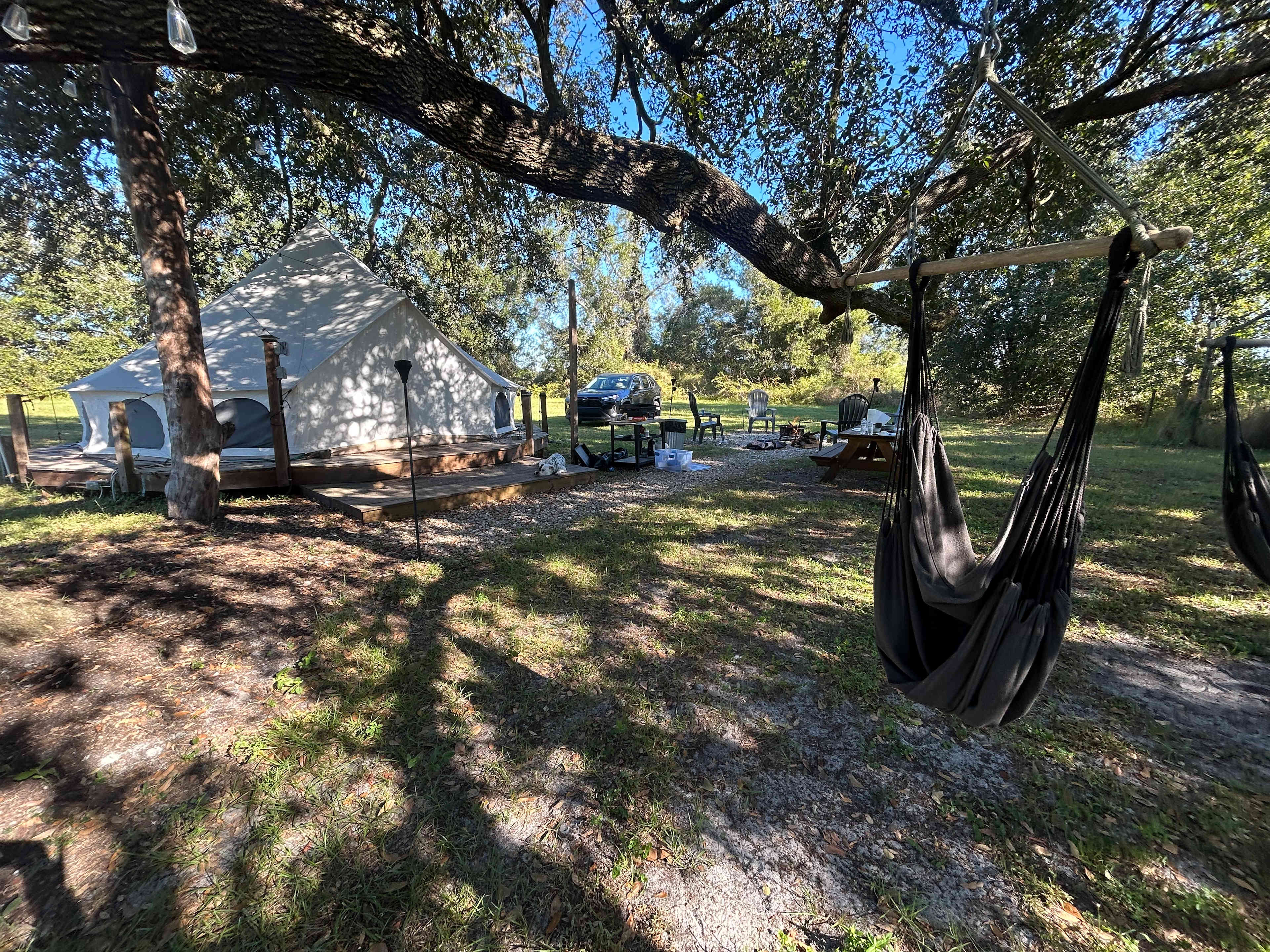
A
Alejandra
November 2025
Weekend Trip to Serenity Acres Glamping Retreat
What a mesmerizing weekend get away.
I'll start by saying that A.J was very responsive to all my questions (and I had many); he was very informative and understanding to all my concerns before getting into the property.
The place was just so beautiful and peaceful that we decided not to leave the property at all.
We walked around and found a nice pond with a
"teenage" alligator; we named him "Mr lonely" because well, he was lonely... lol
During the morning, we woke up early to see the sunrise, cooked breakfast in the grill, and sat in the hammocks enjoying the lovely scenery and tranquil atmosphere that this place brings.
During afternoon hours, we walked around exploring the property; we saw wild rabbits, possums, beautiful butterflies, and of course, “Mr. Lonely; we sat by the pond for a while enjoying the beauty of nature.
In the evening, we cooked dinner, sat by the fire pit, made s'mores, enjoyed the clear skies and the weather.
Lastly, our dog was in heaven! He ran and wondered around all over the place.
We will definitely be back to this lovey unique place.
See more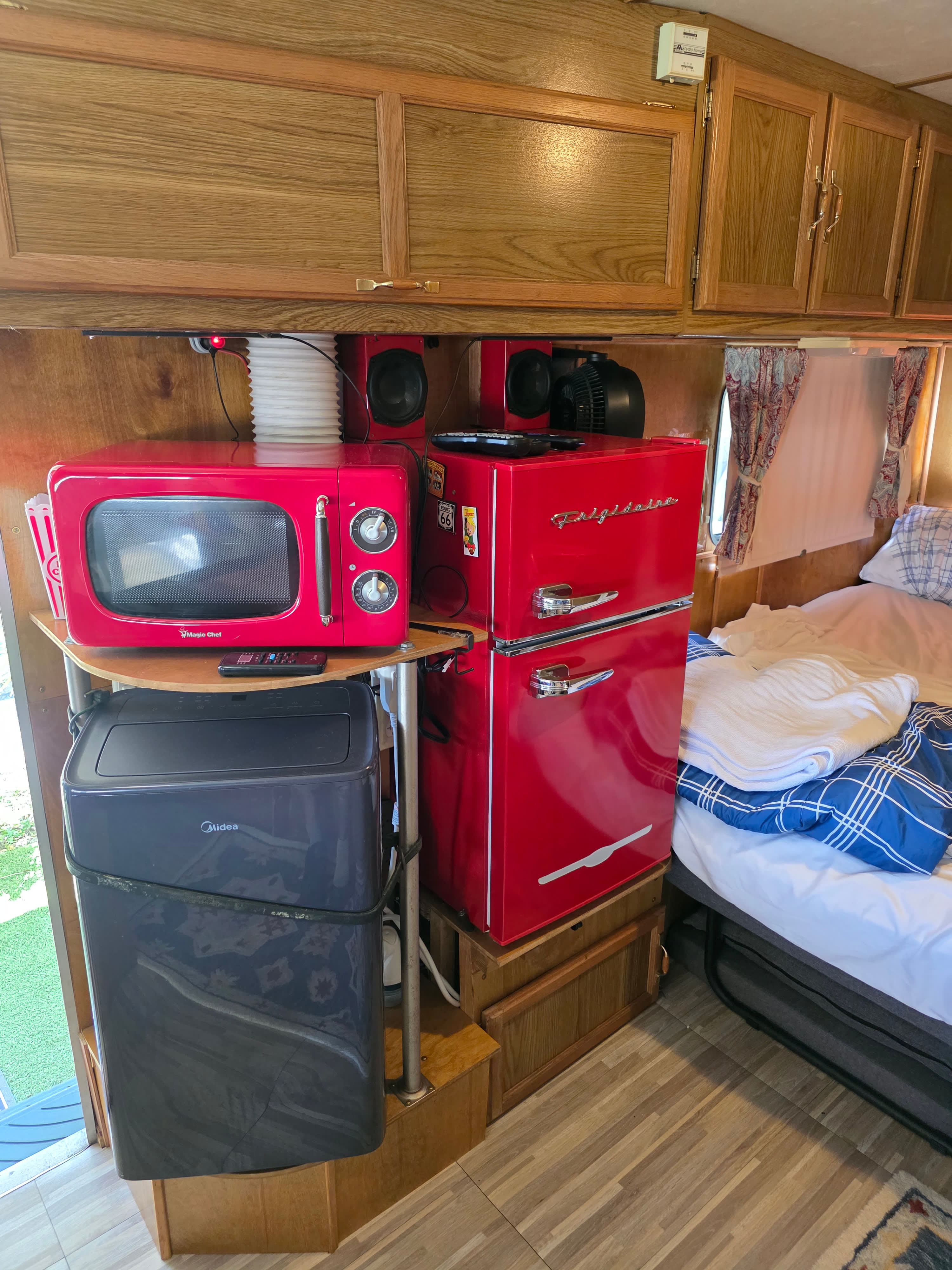
R
Rawly
November 2025
Weekend Trip to Cocoanut Camper
We loved our stay at cocoanut camper. Very clean and cozy, plenty of space. Relaxing and romantic and great location, easy to find, great host. They had bicycles right there, a really nice pool, right in the middle of town easy to walk or bike to nearby shops and restraunts. We would definitly come again and recommend!
See more