The best camping in Bribie Island National Park, QLD
Laidback coastal camping, with fishing, boating and birdwatching.
Discover the most magical spots to pitch your tent or park your rig on your next Bribie Island National Park adventure.
Top-rated campsites near Bribie Island National Park
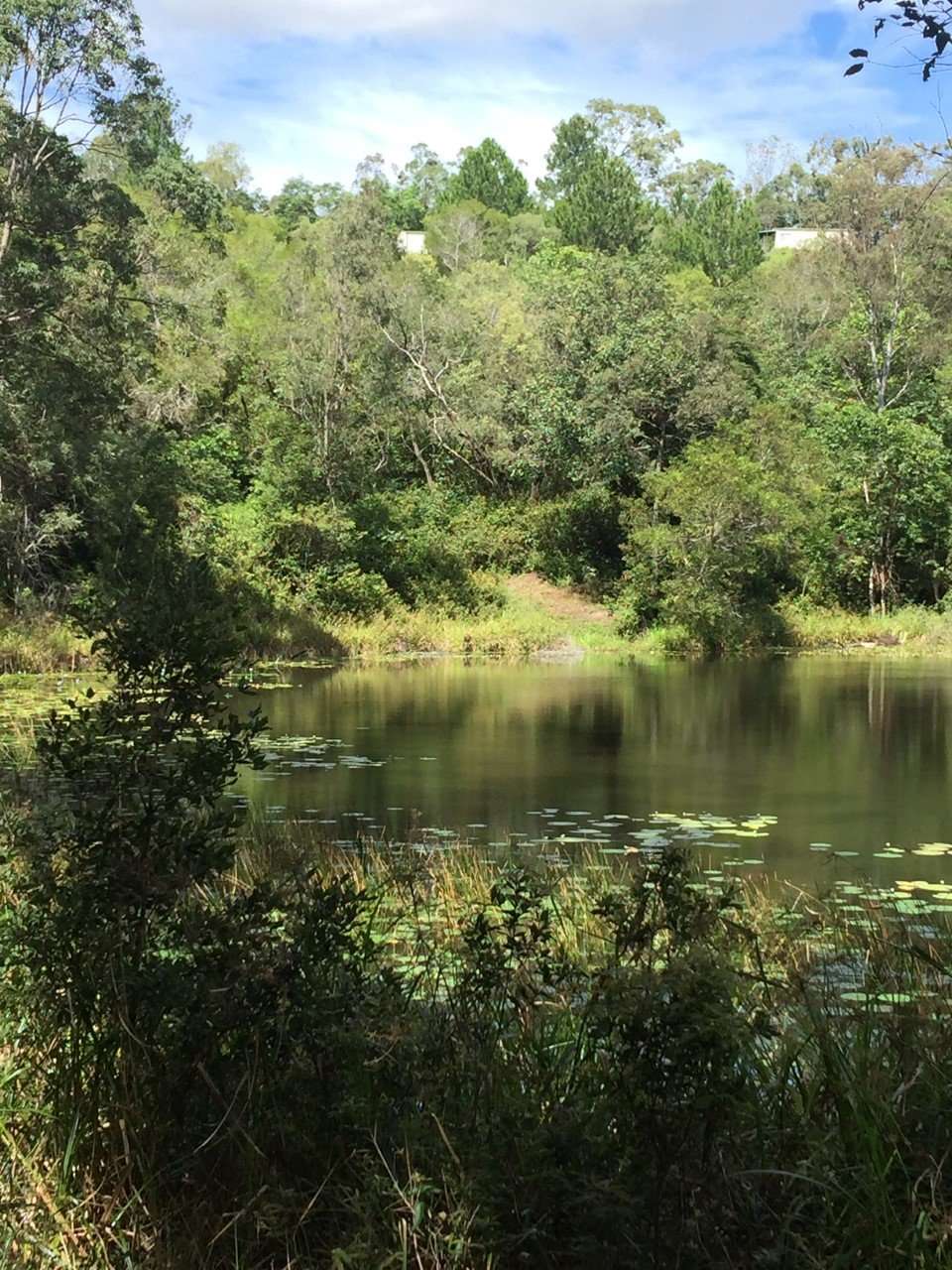
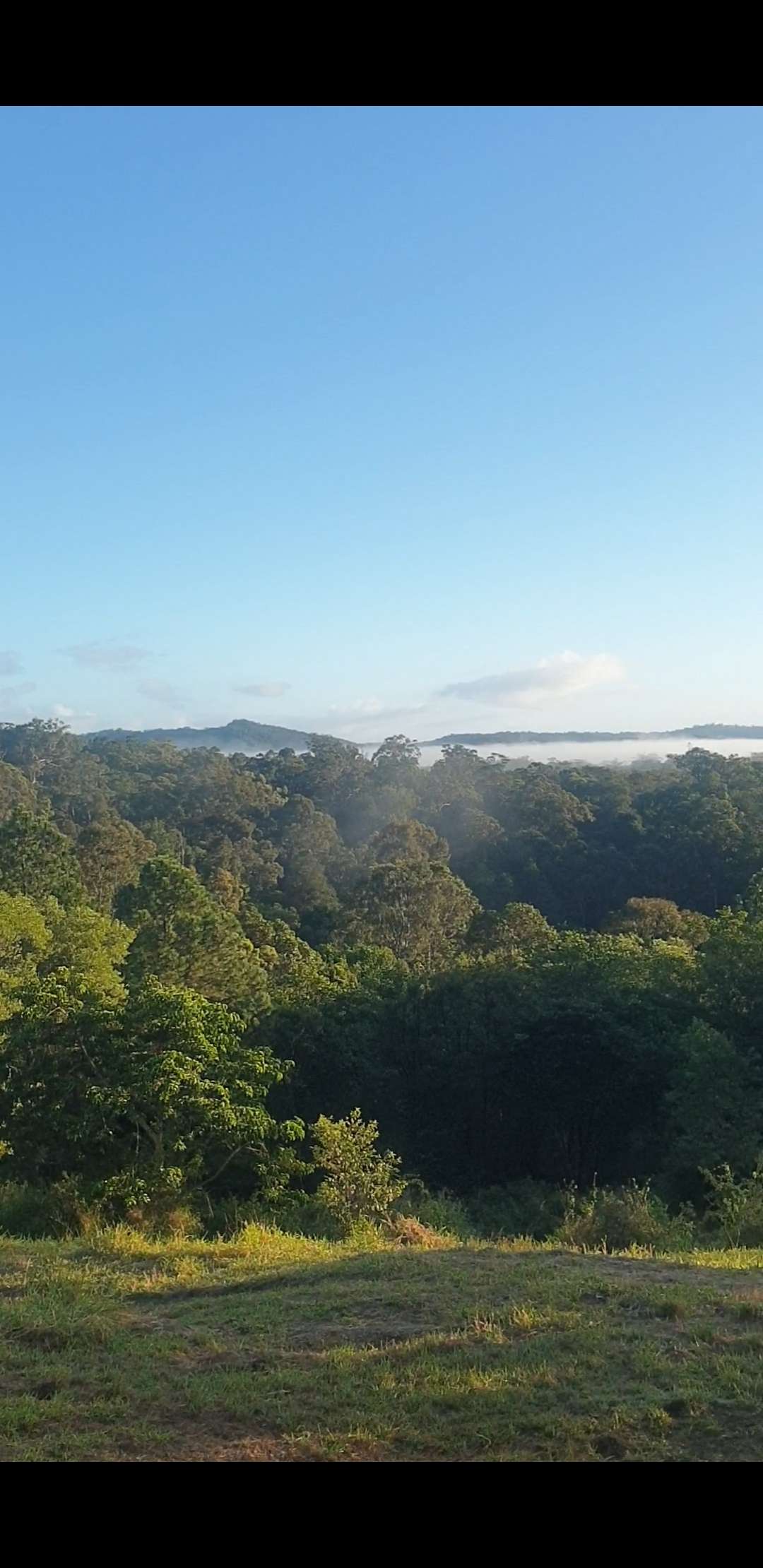
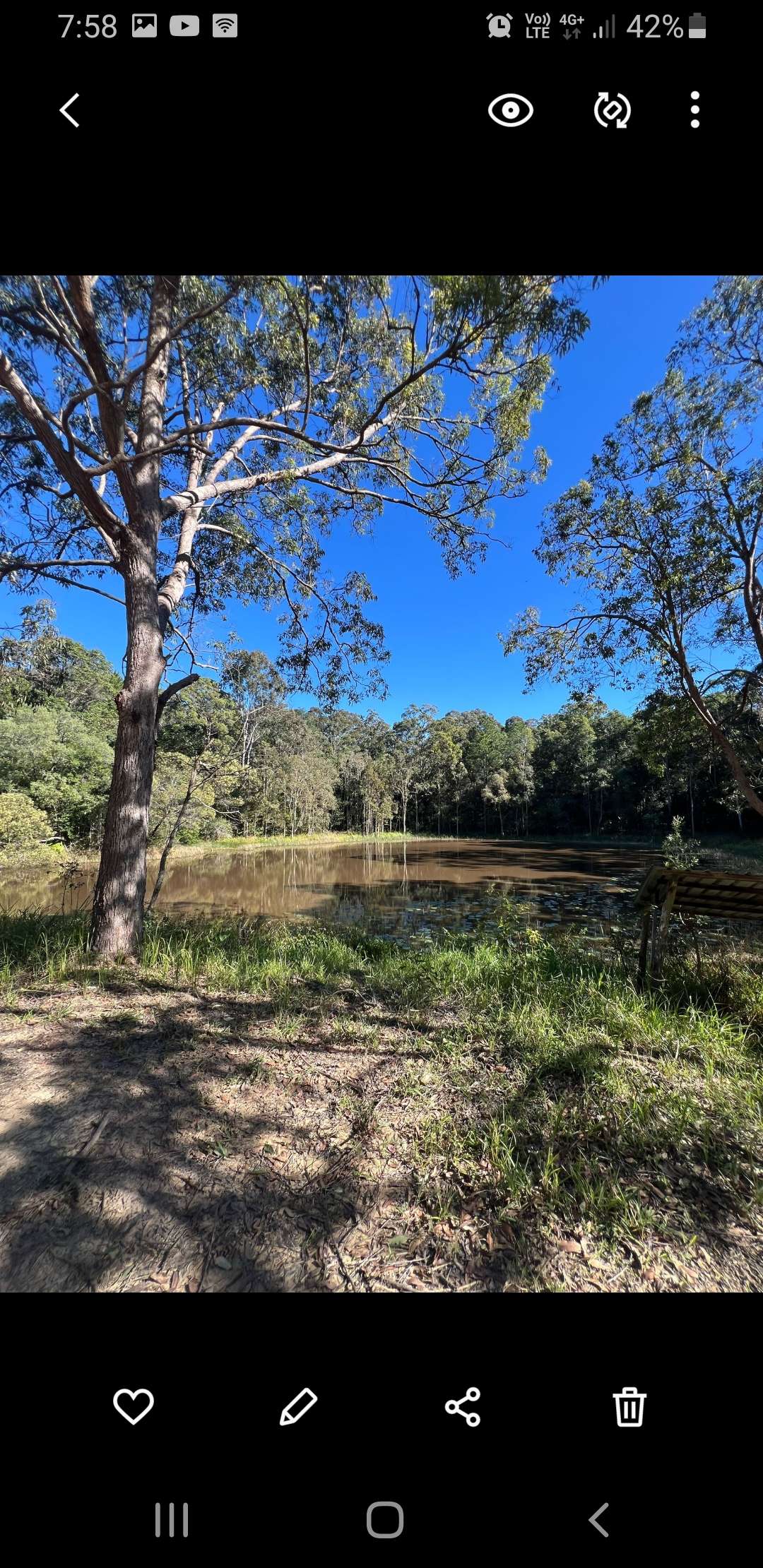
1. Glenview Heights
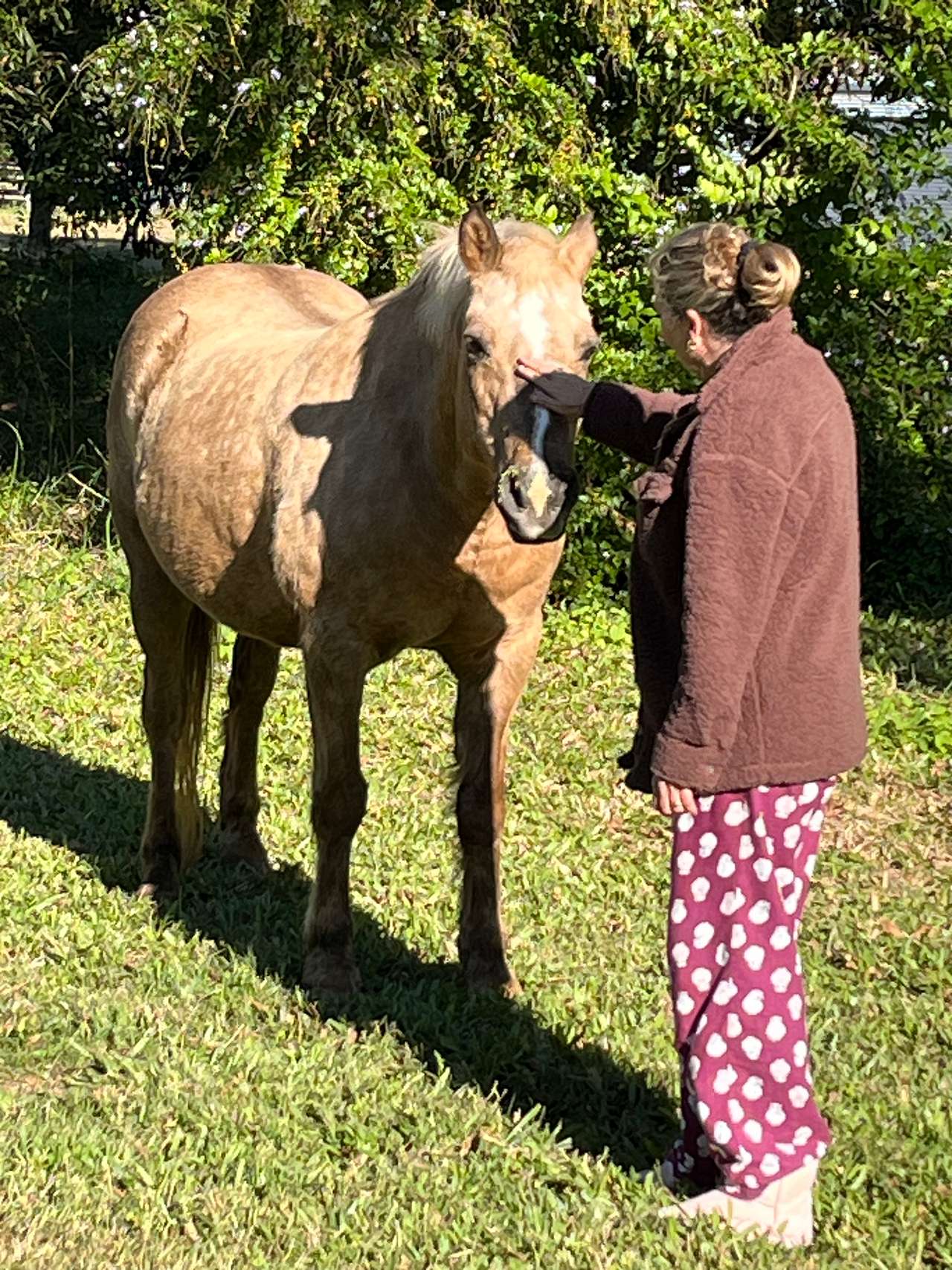
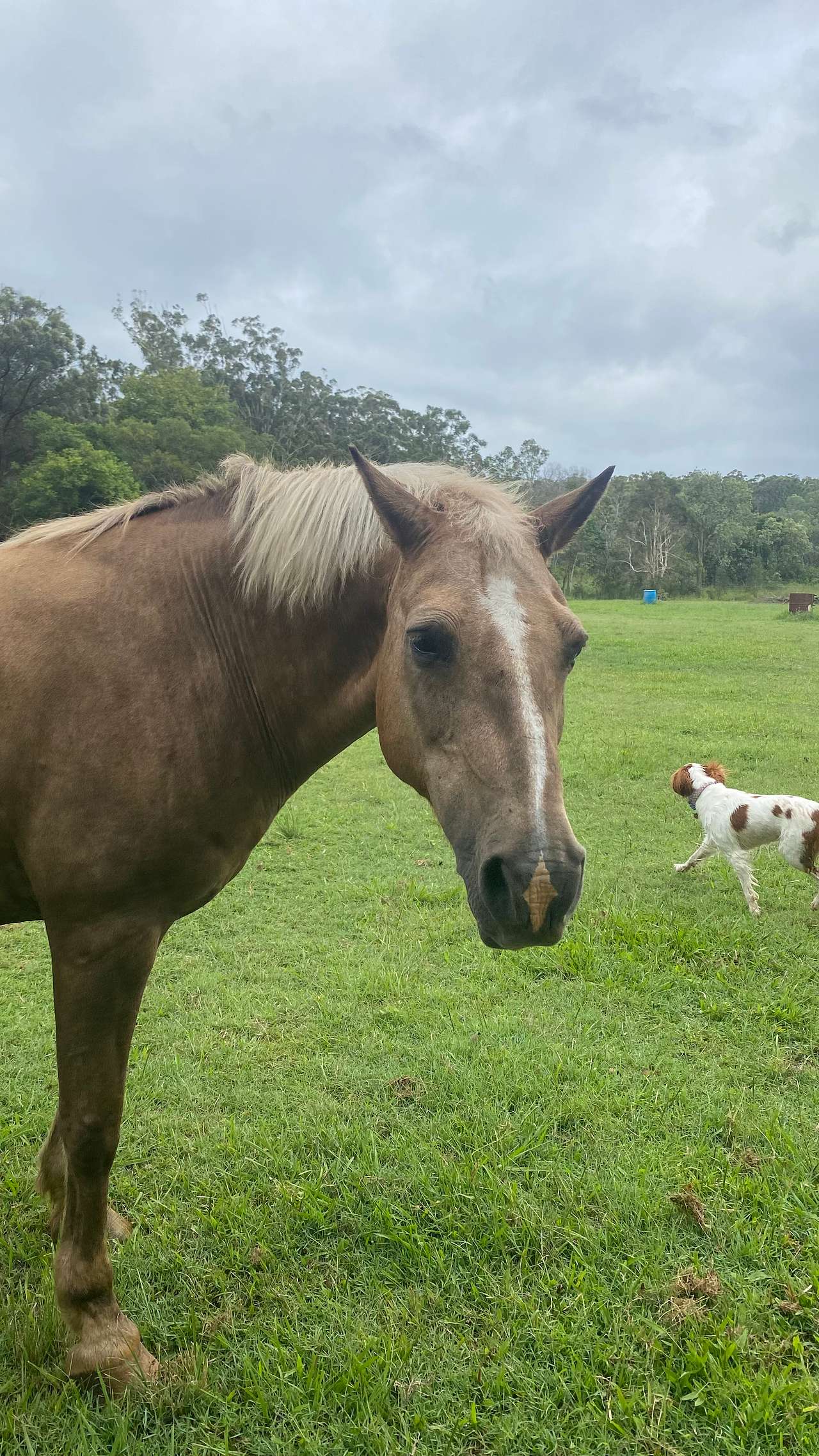
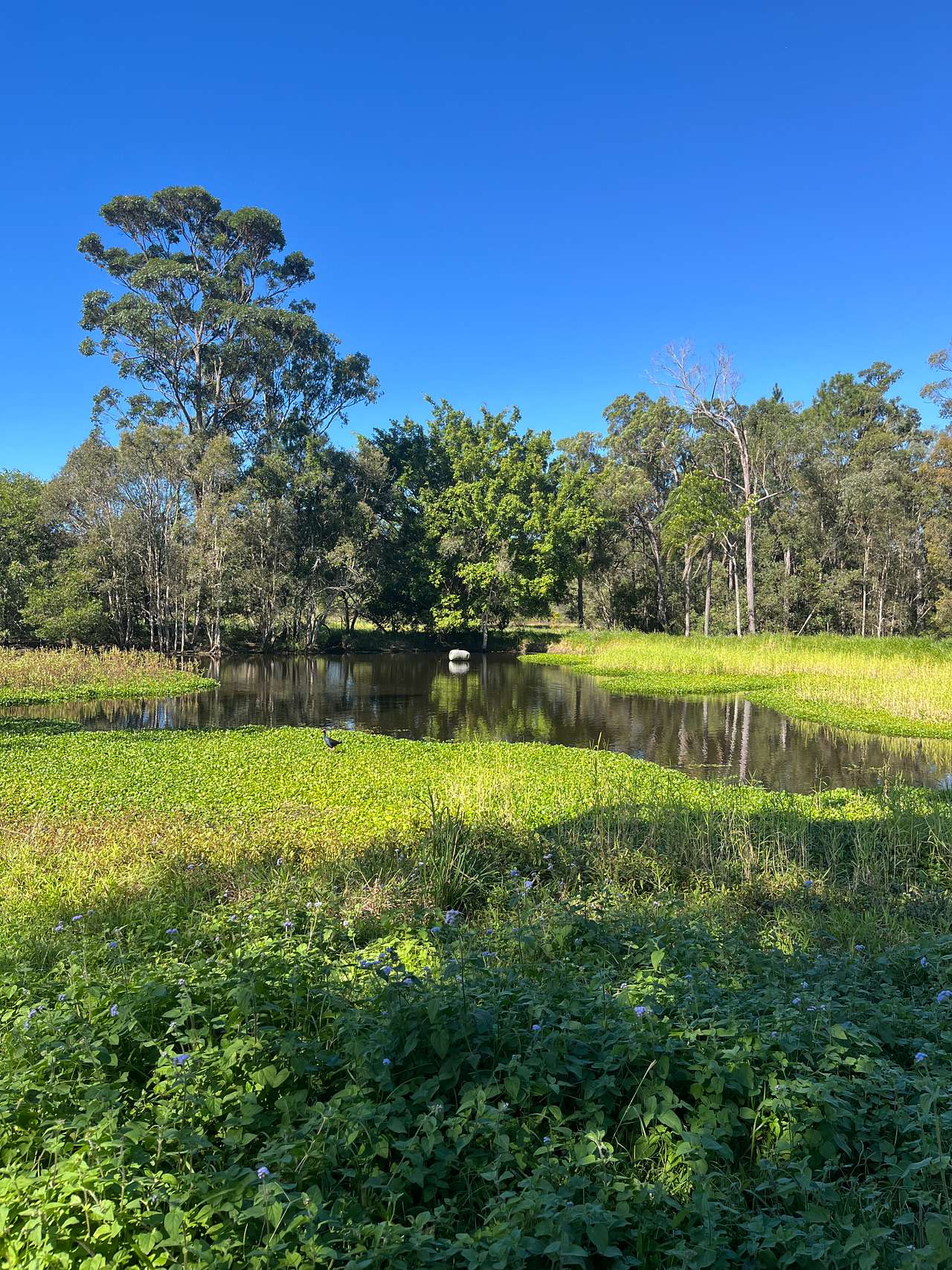
2. Clyde’s Forest Farm Adventure

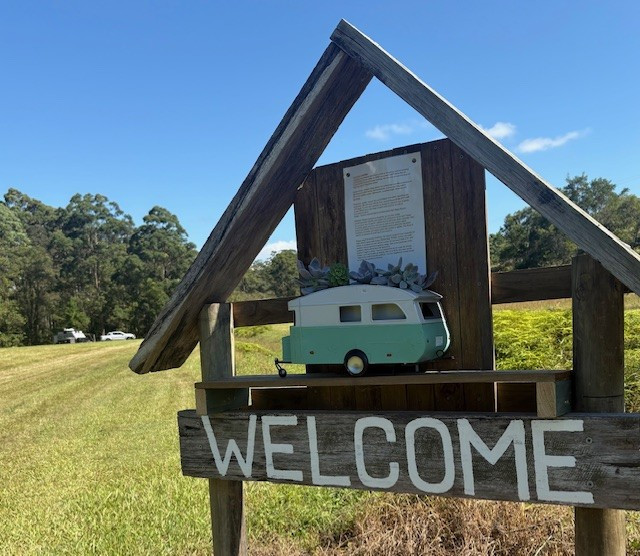
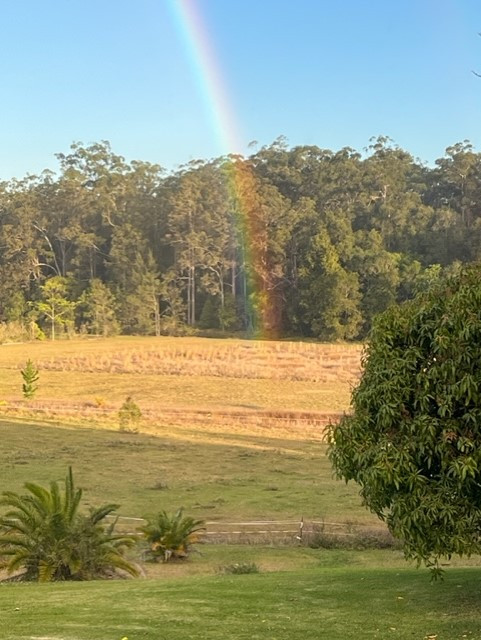
3. Skippy Trails on Sippy
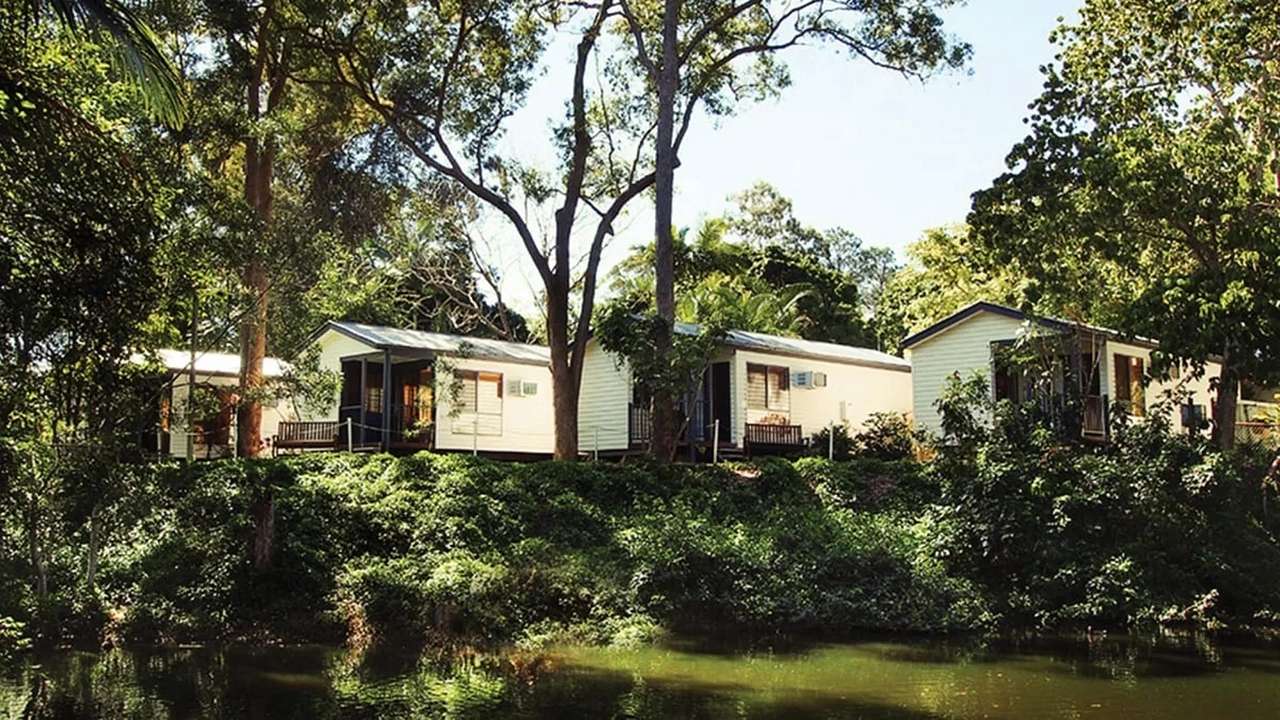

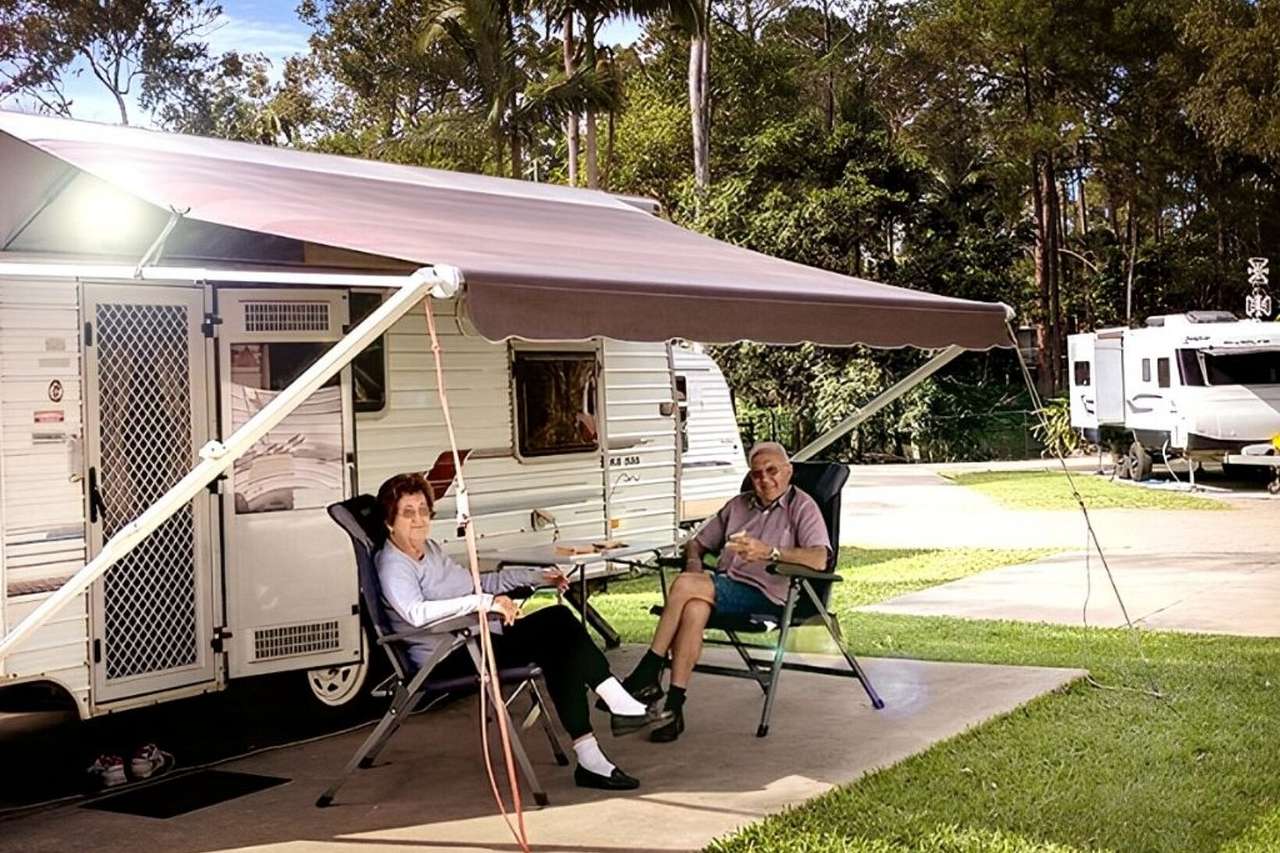
4. Landsborough Holiday Park
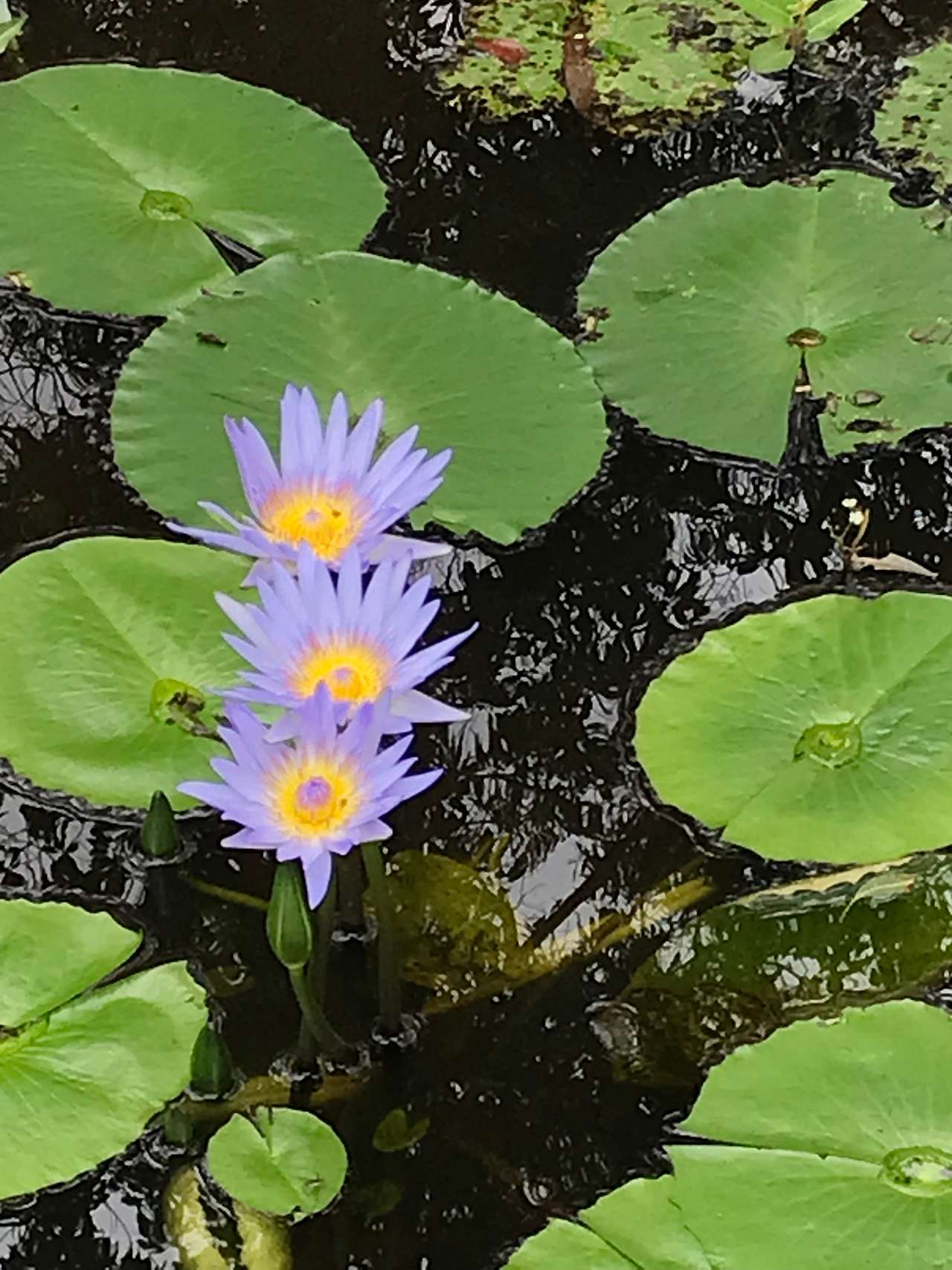
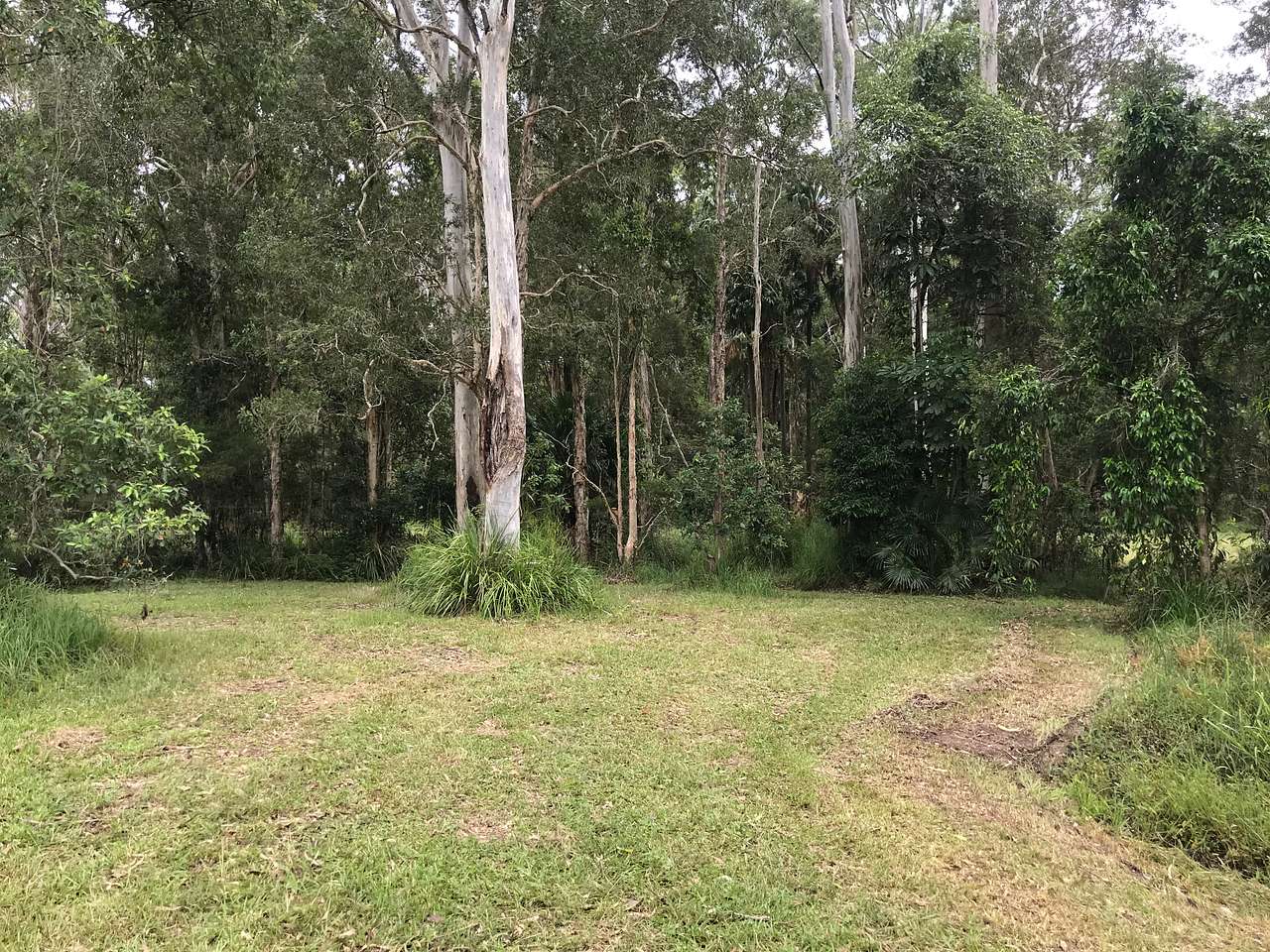
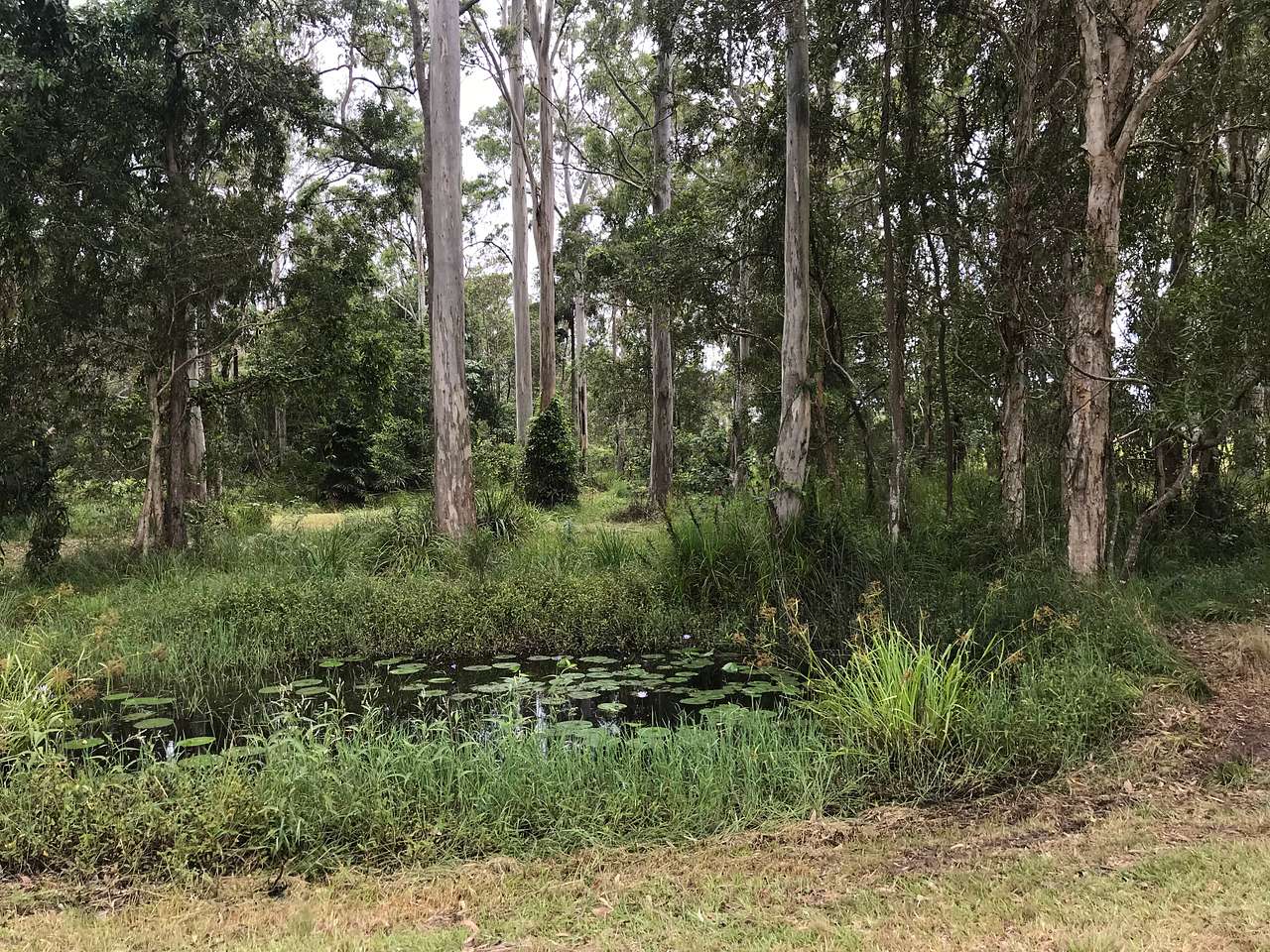
5. Aussie Camp
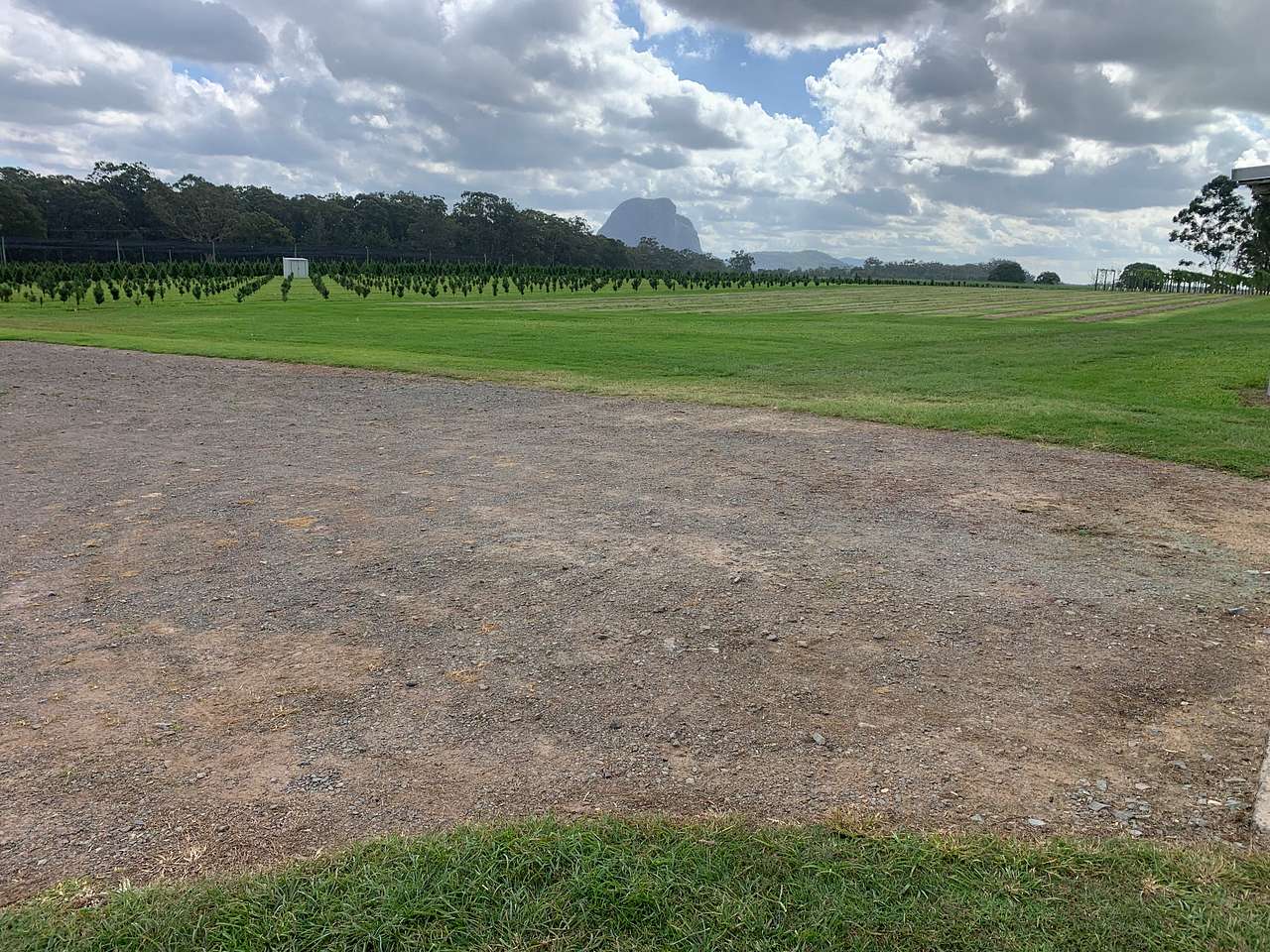


6. Mountain Country Farm Stay - Adults Only
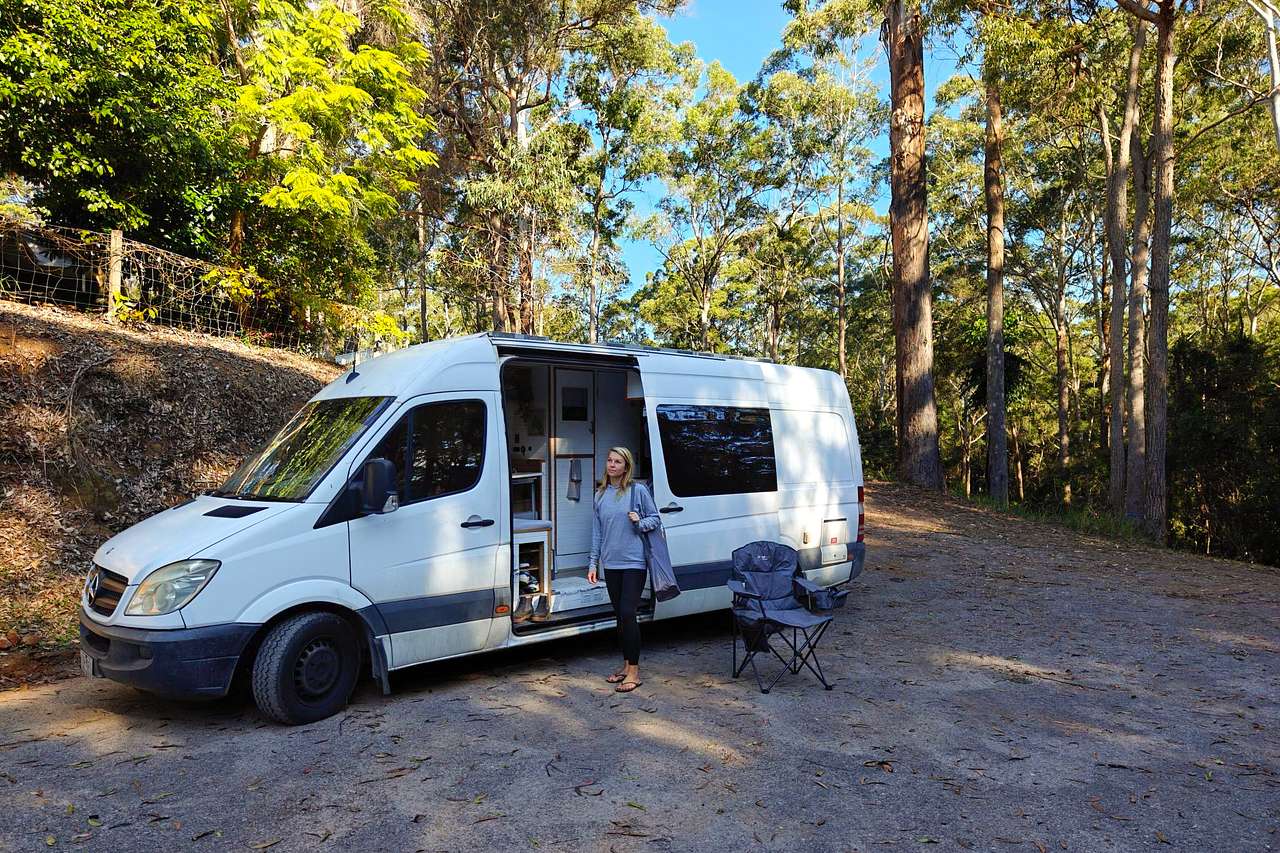
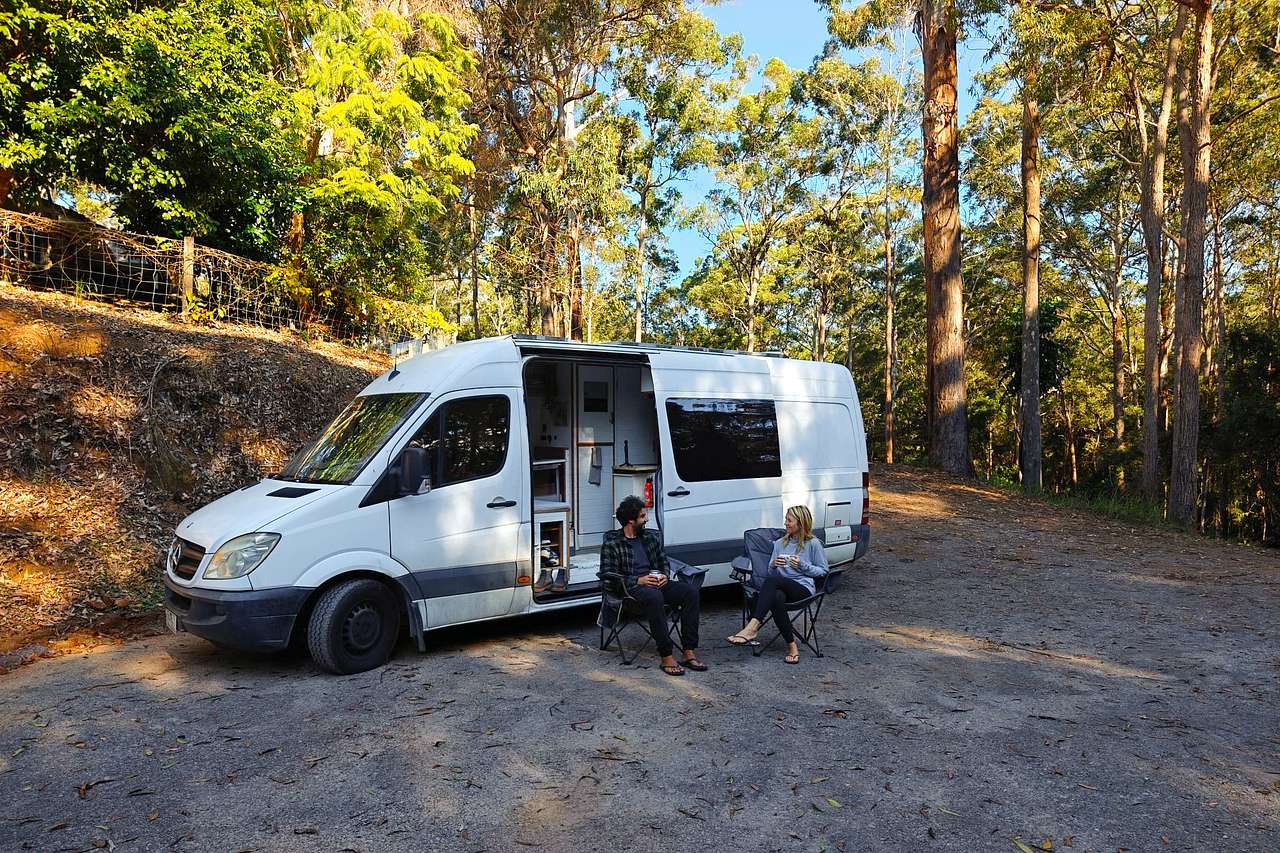
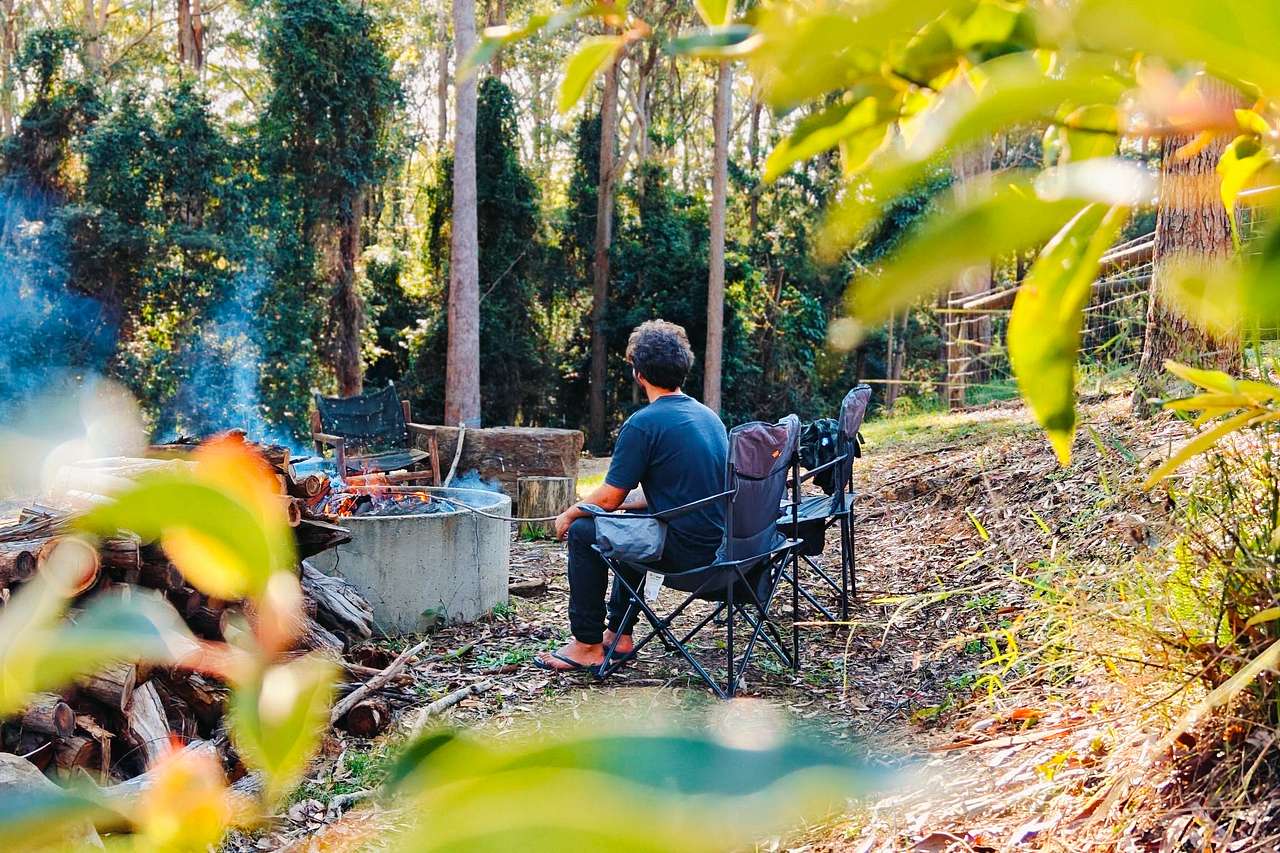
7. Ilkley Heights


8. Pims Mountain Retreat
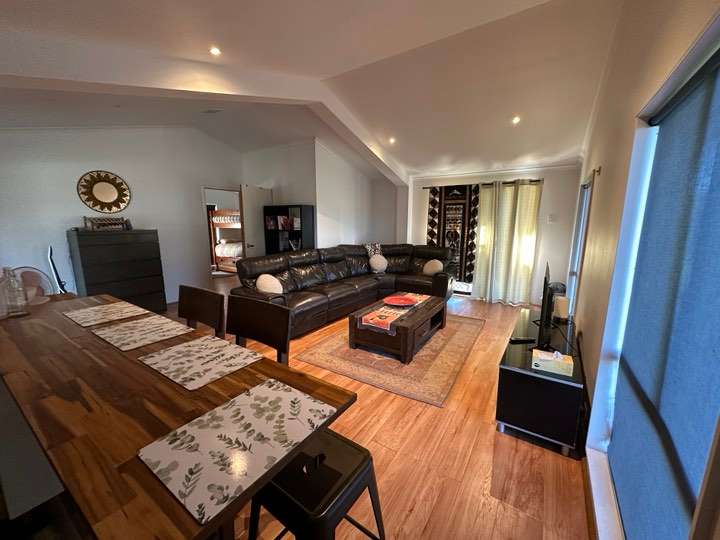
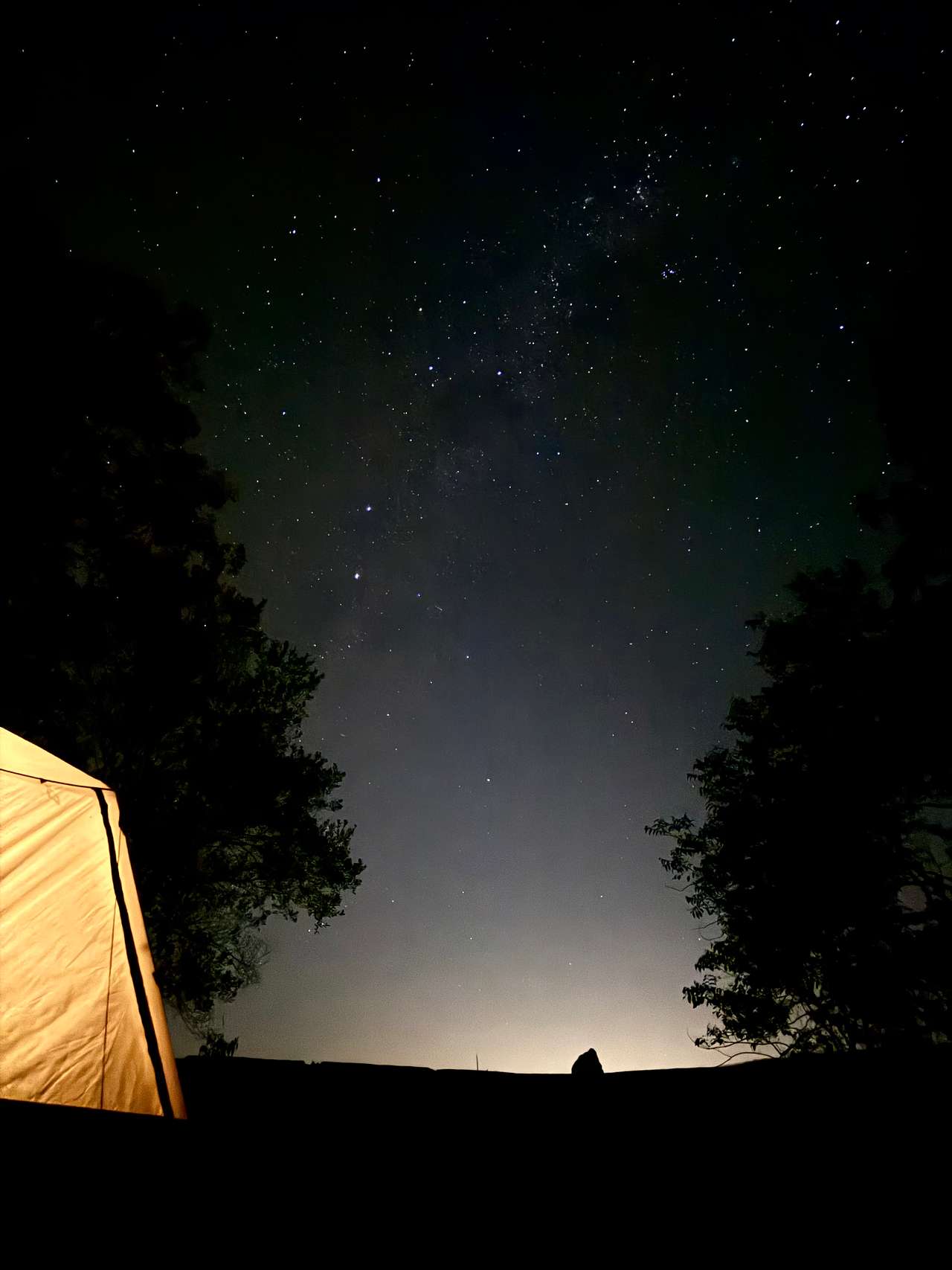
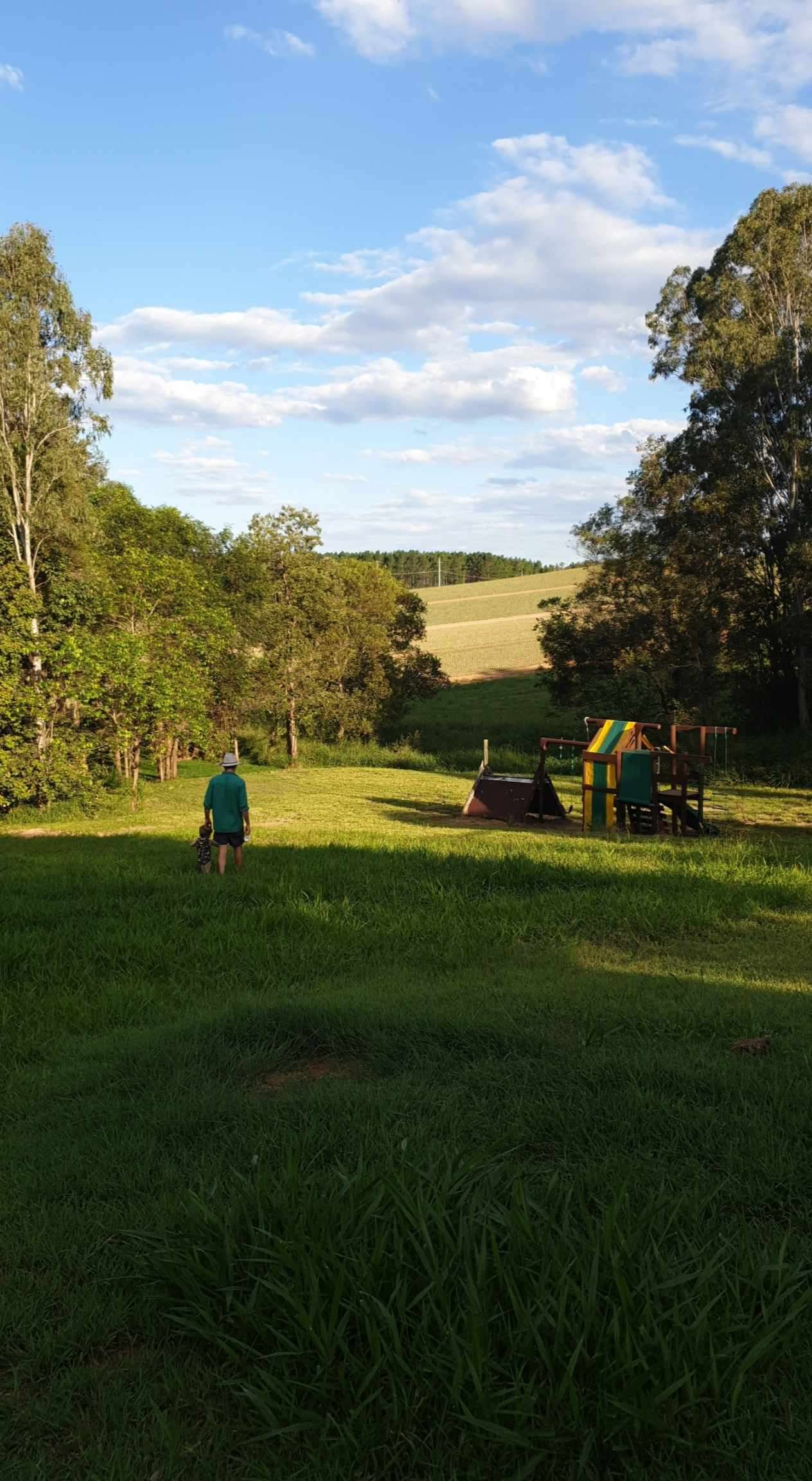
9. Quails Ridge Farm Stay
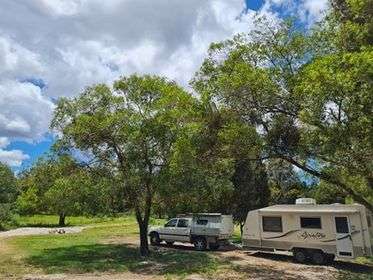
10. The Old Piggery
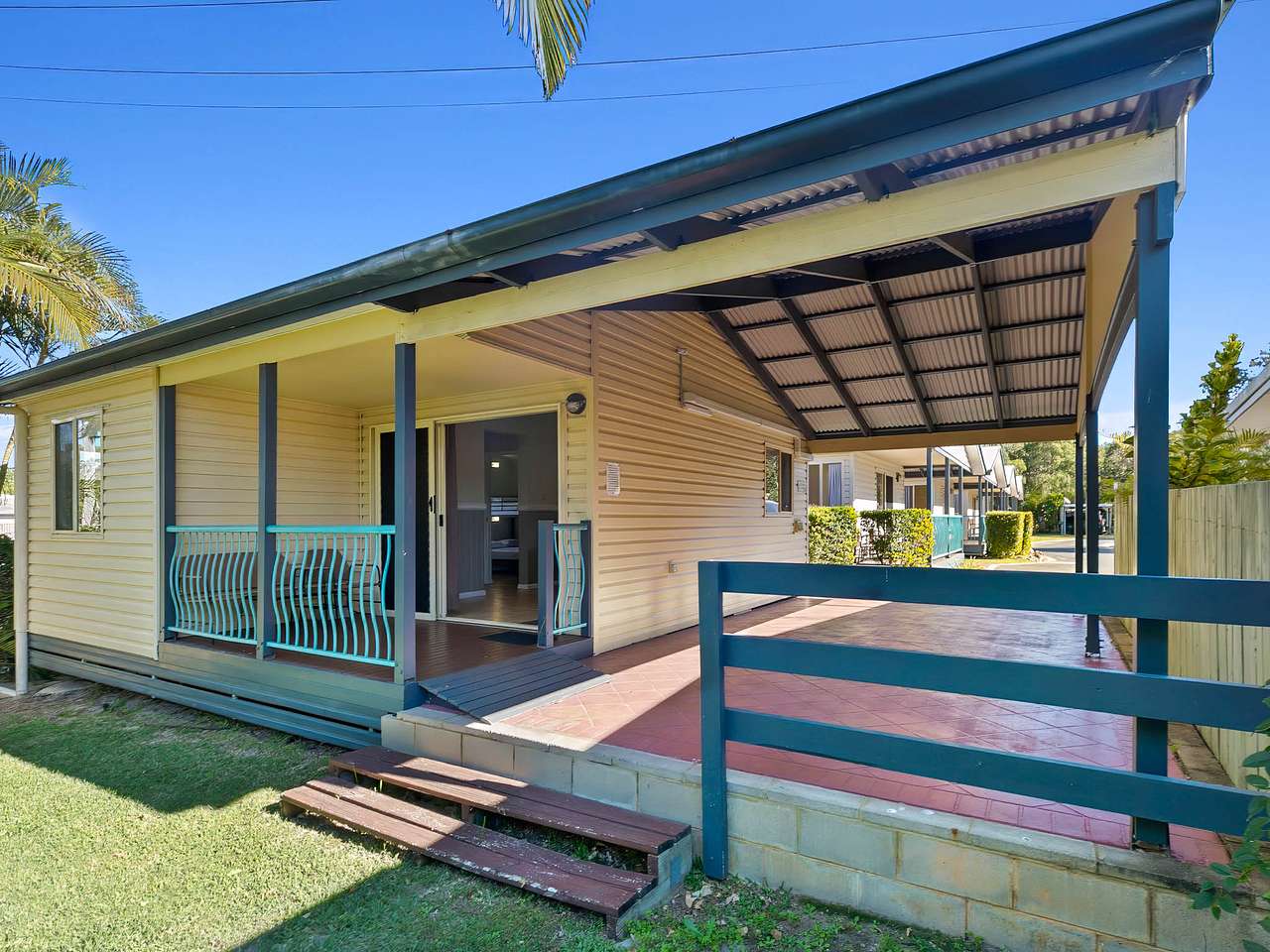
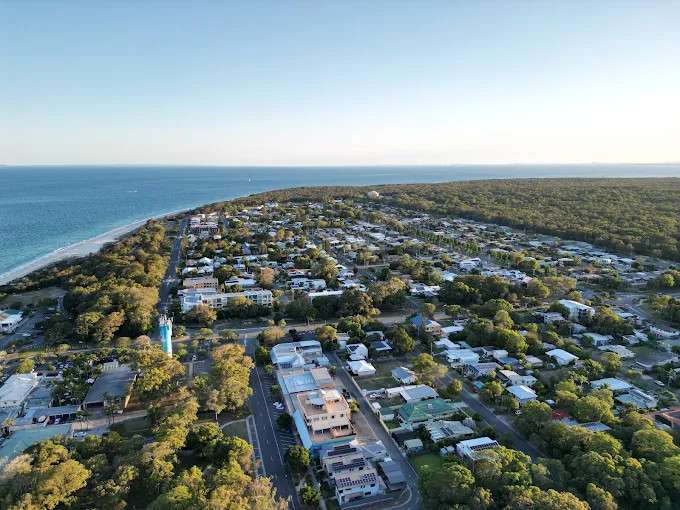
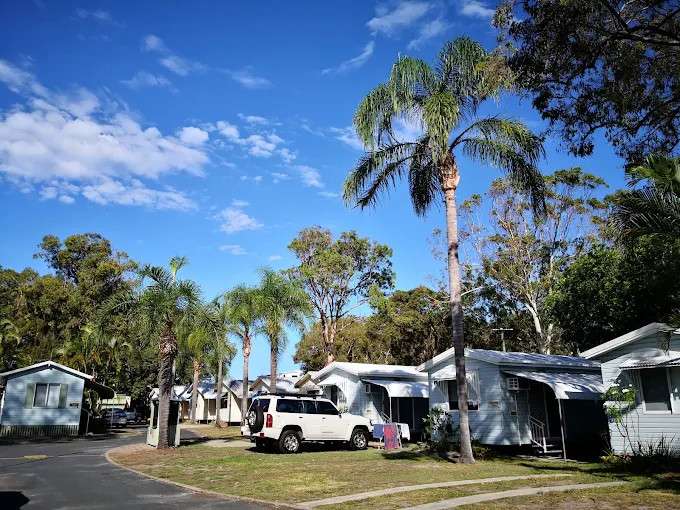
11. Bribie Island Caravan Park

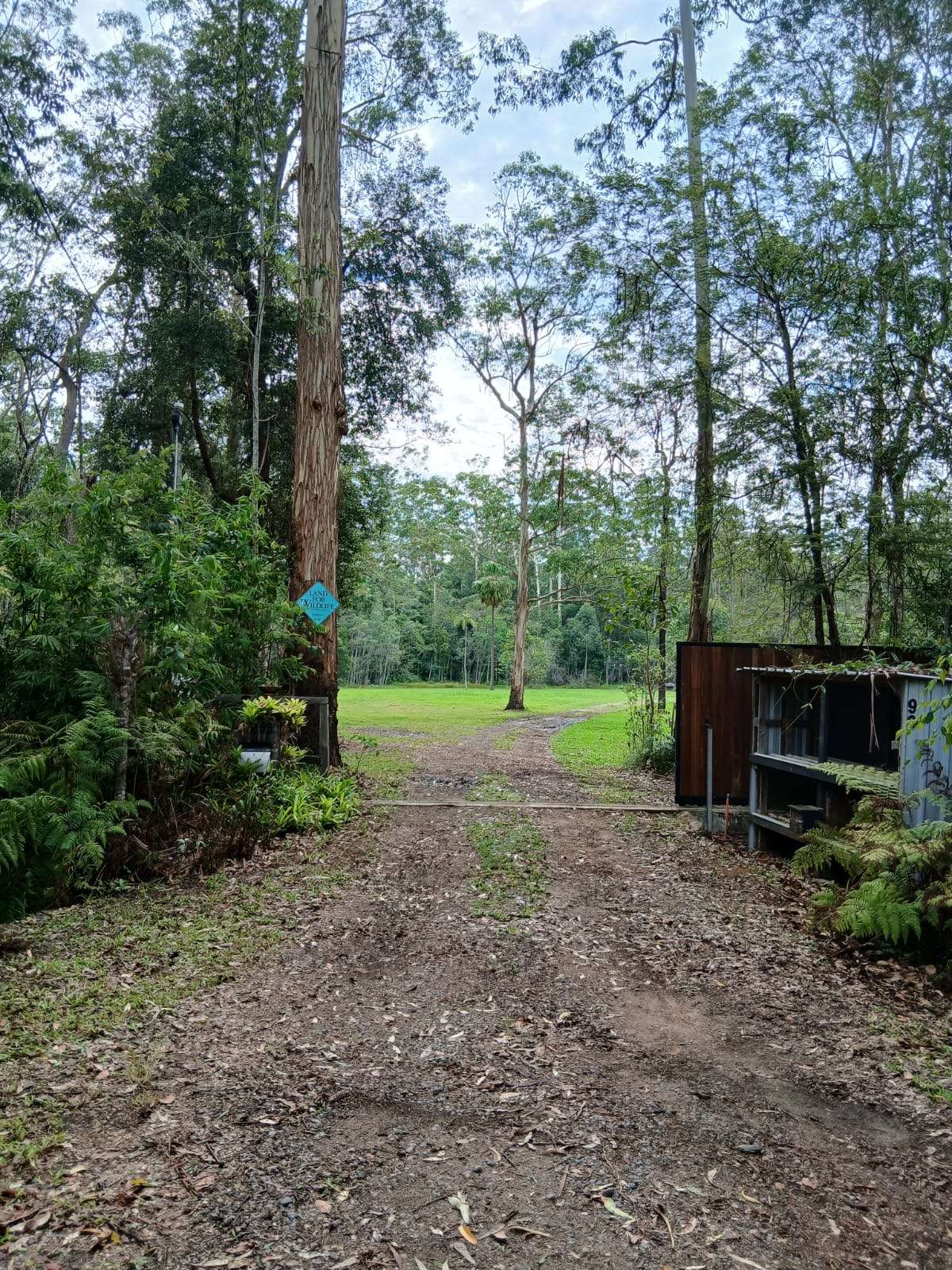
12. The Greenshed
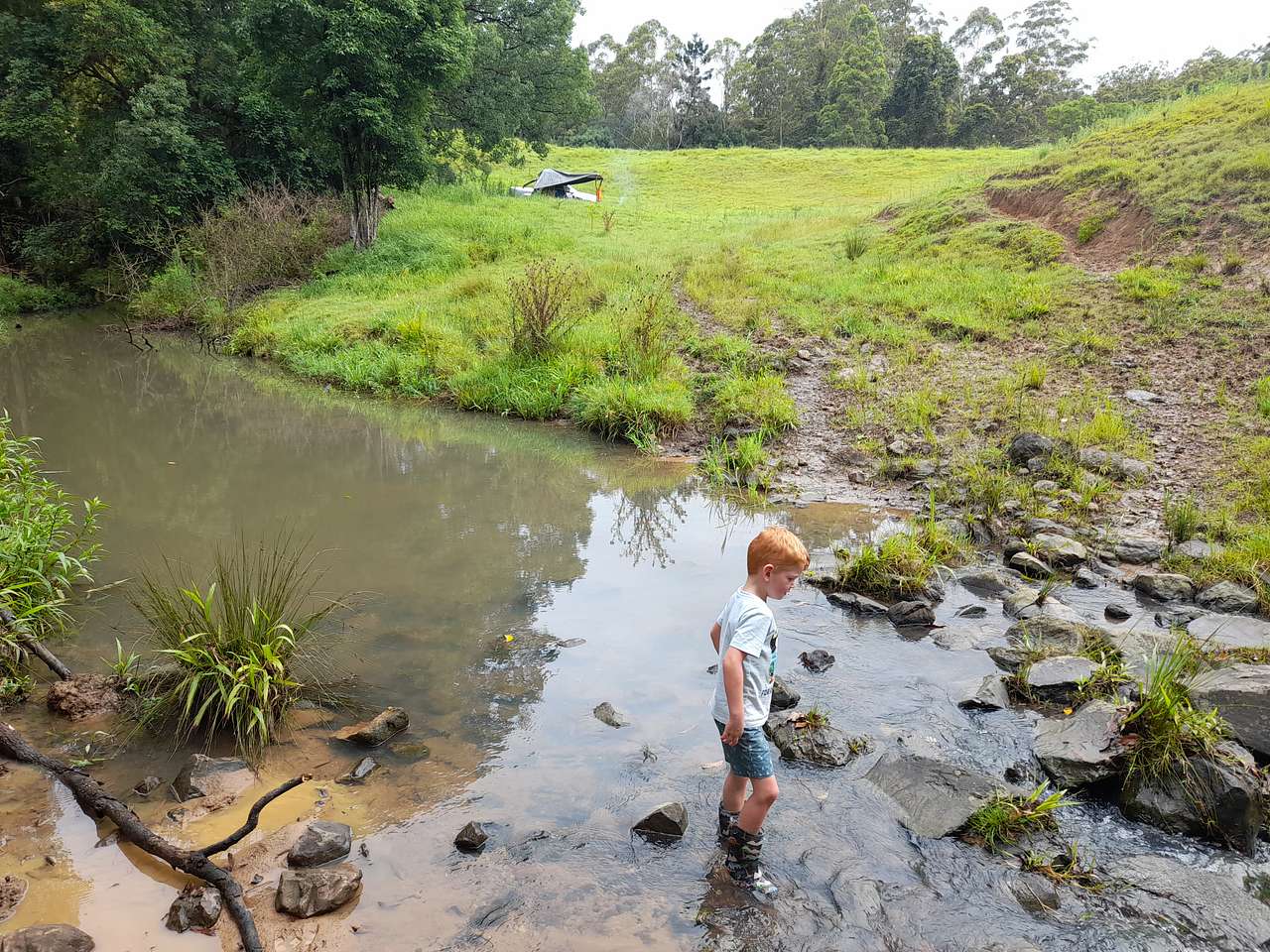
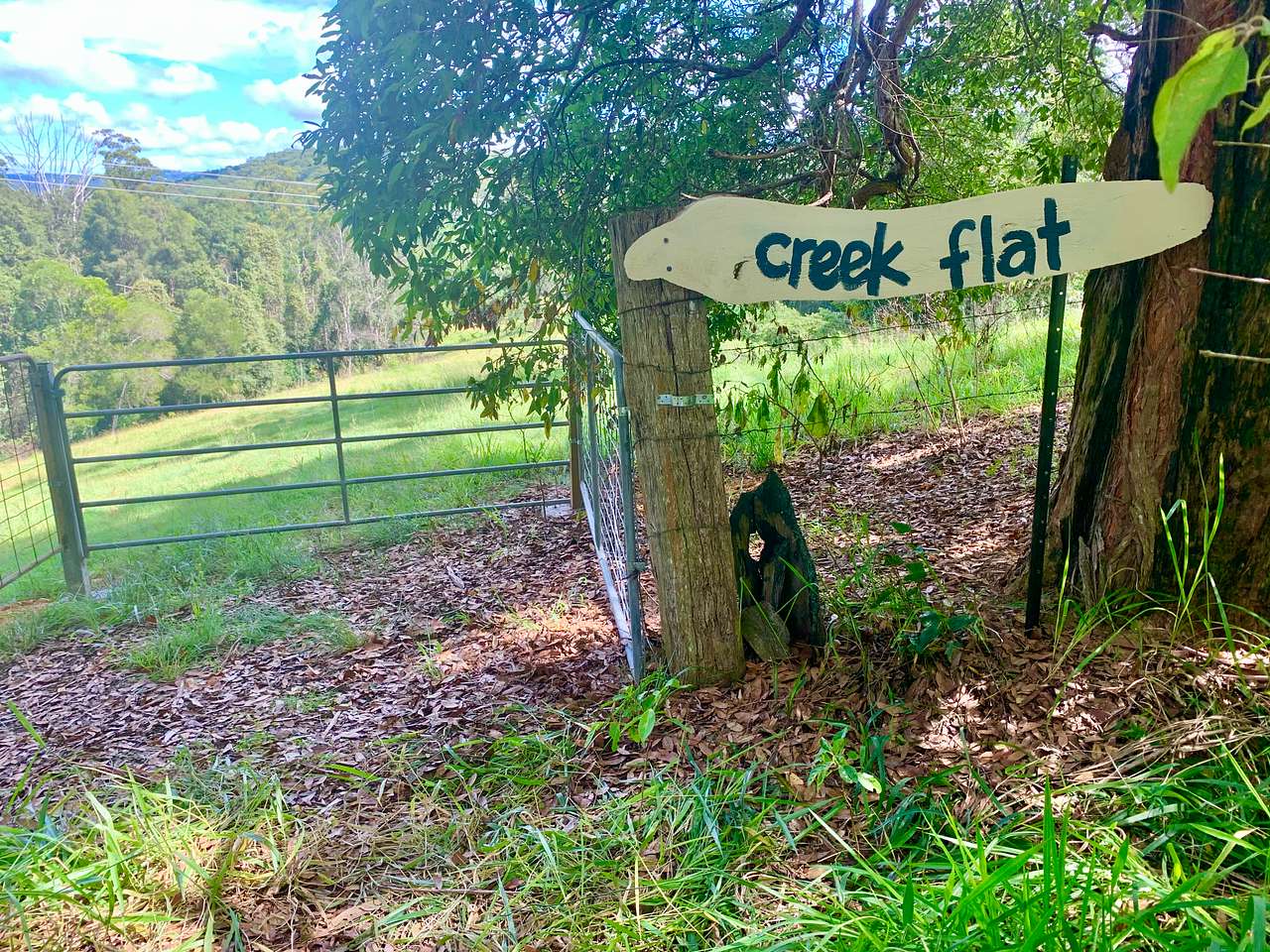
13. Creek Flat


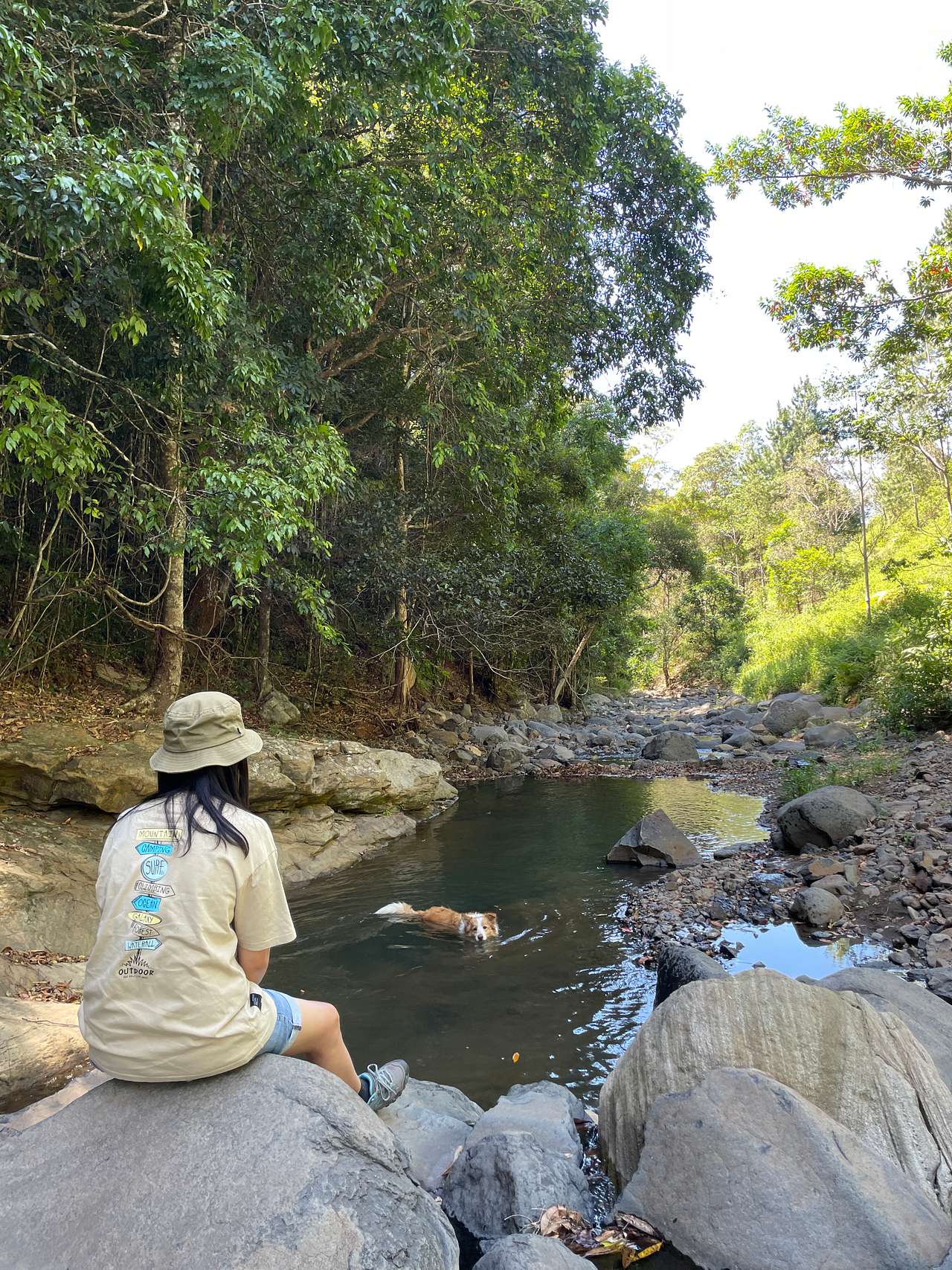
14. Riverdell Country
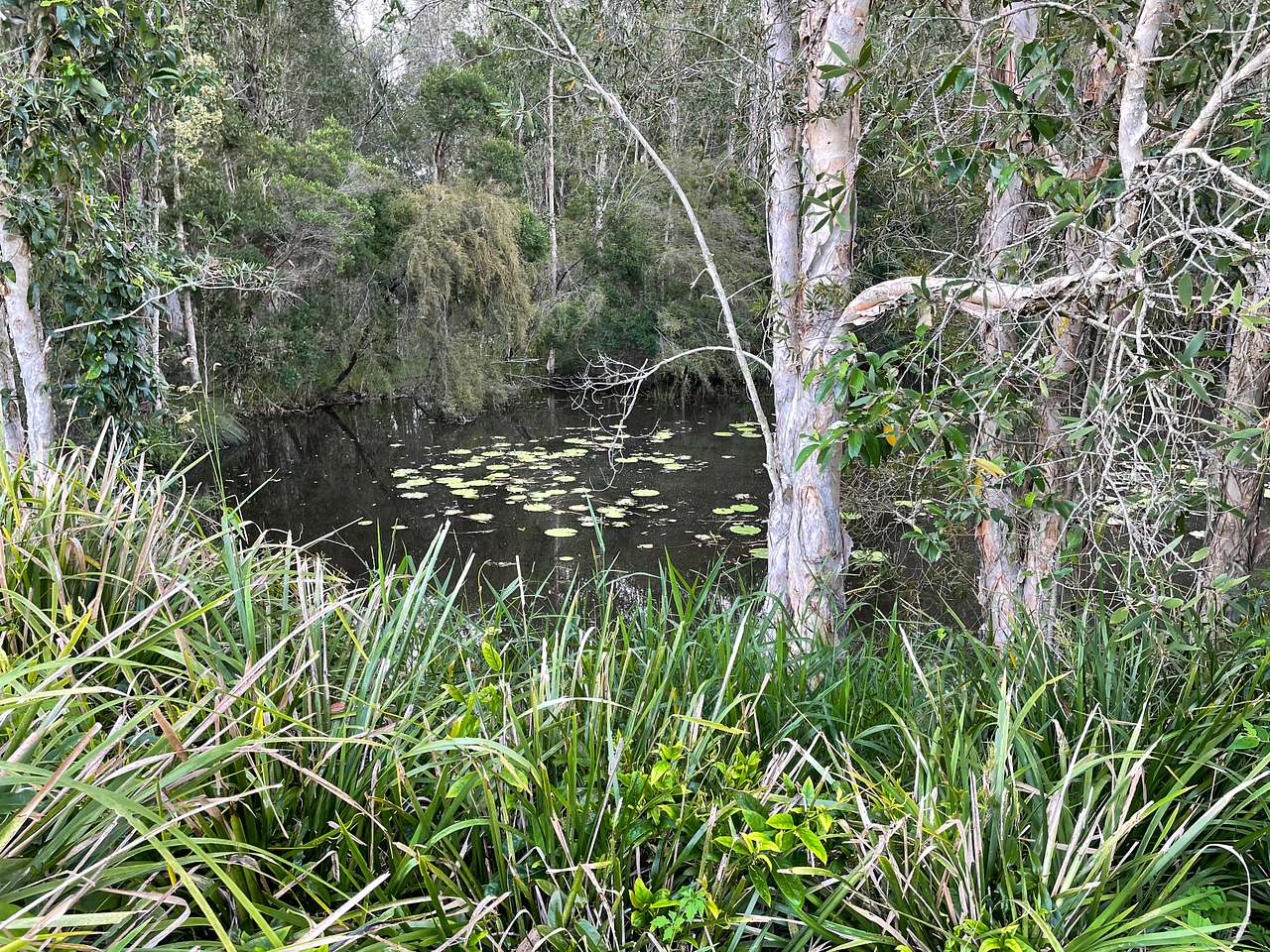
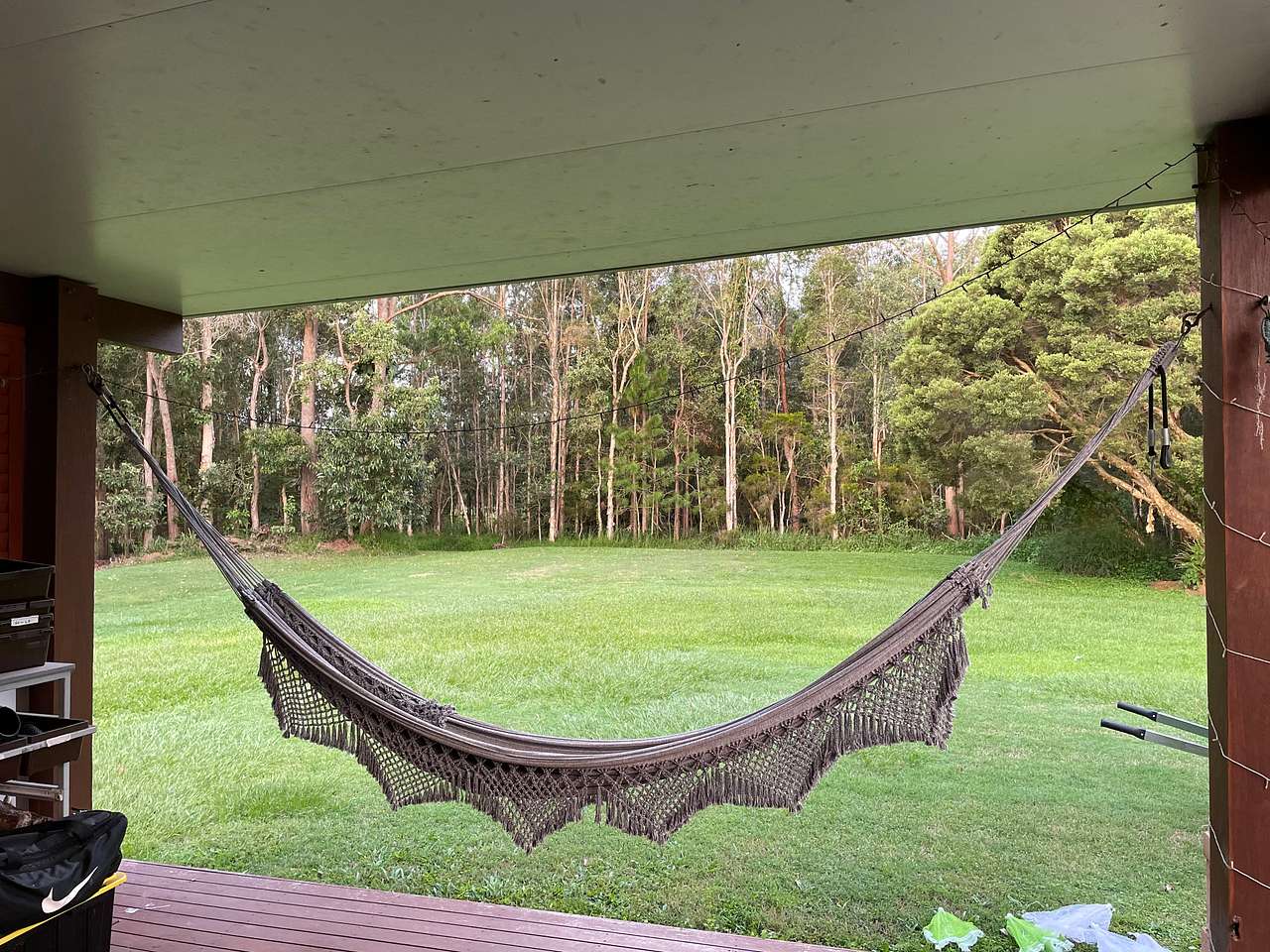
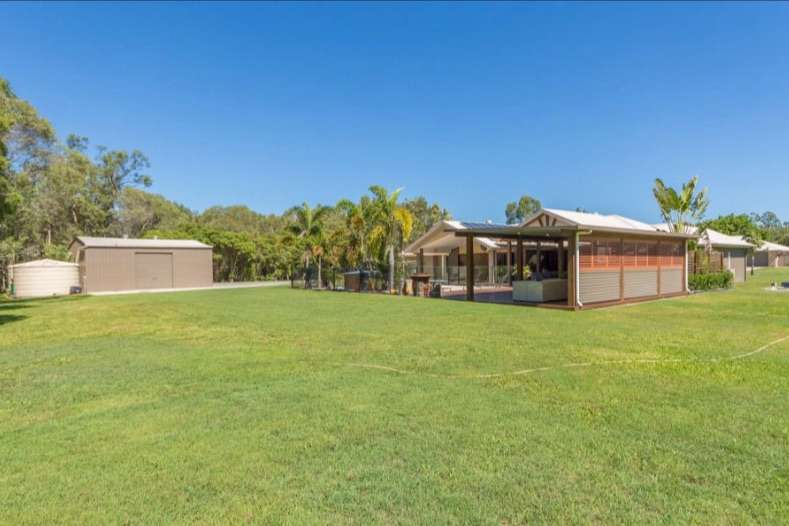
15. Elimbah - Caboolture
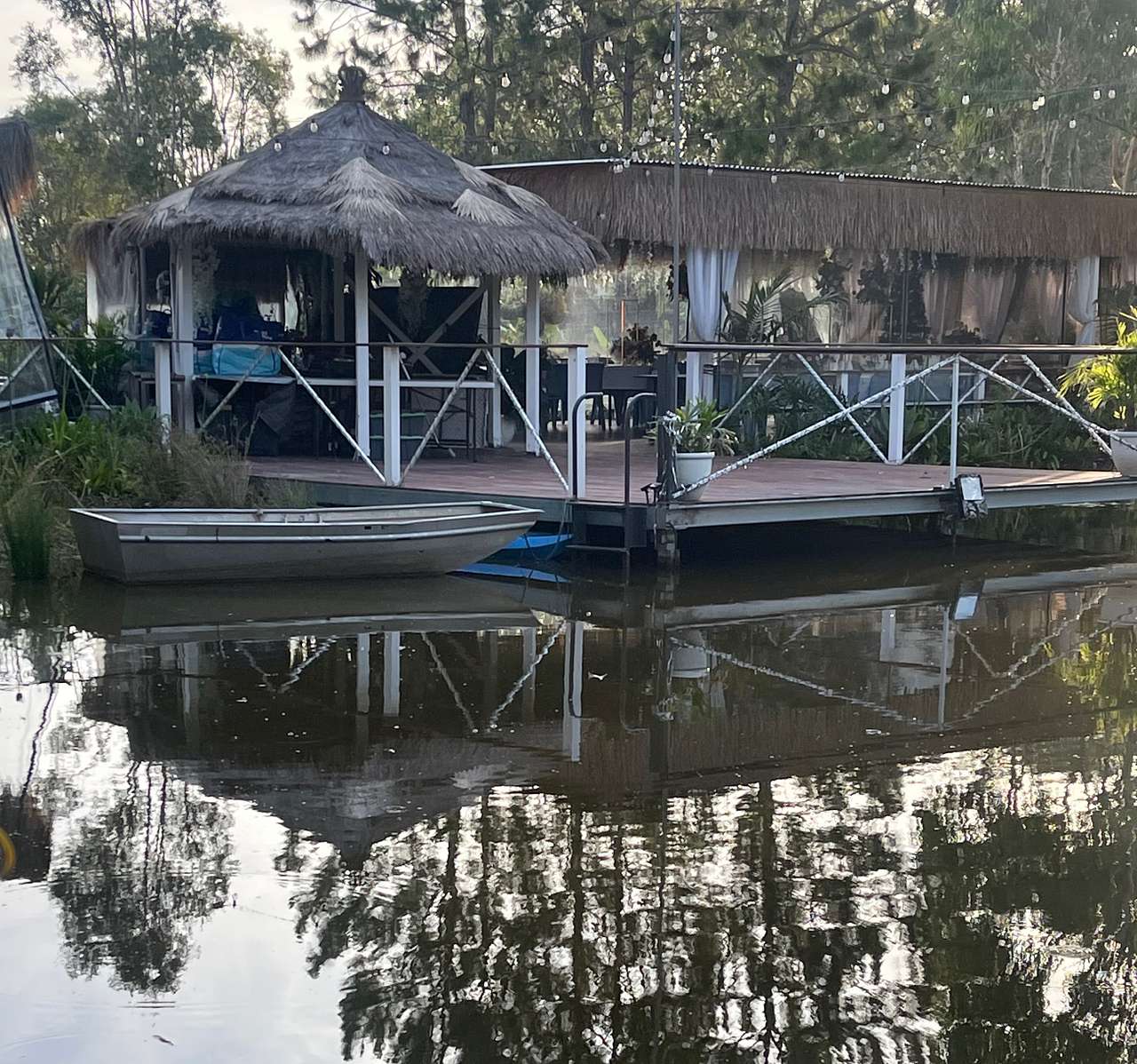
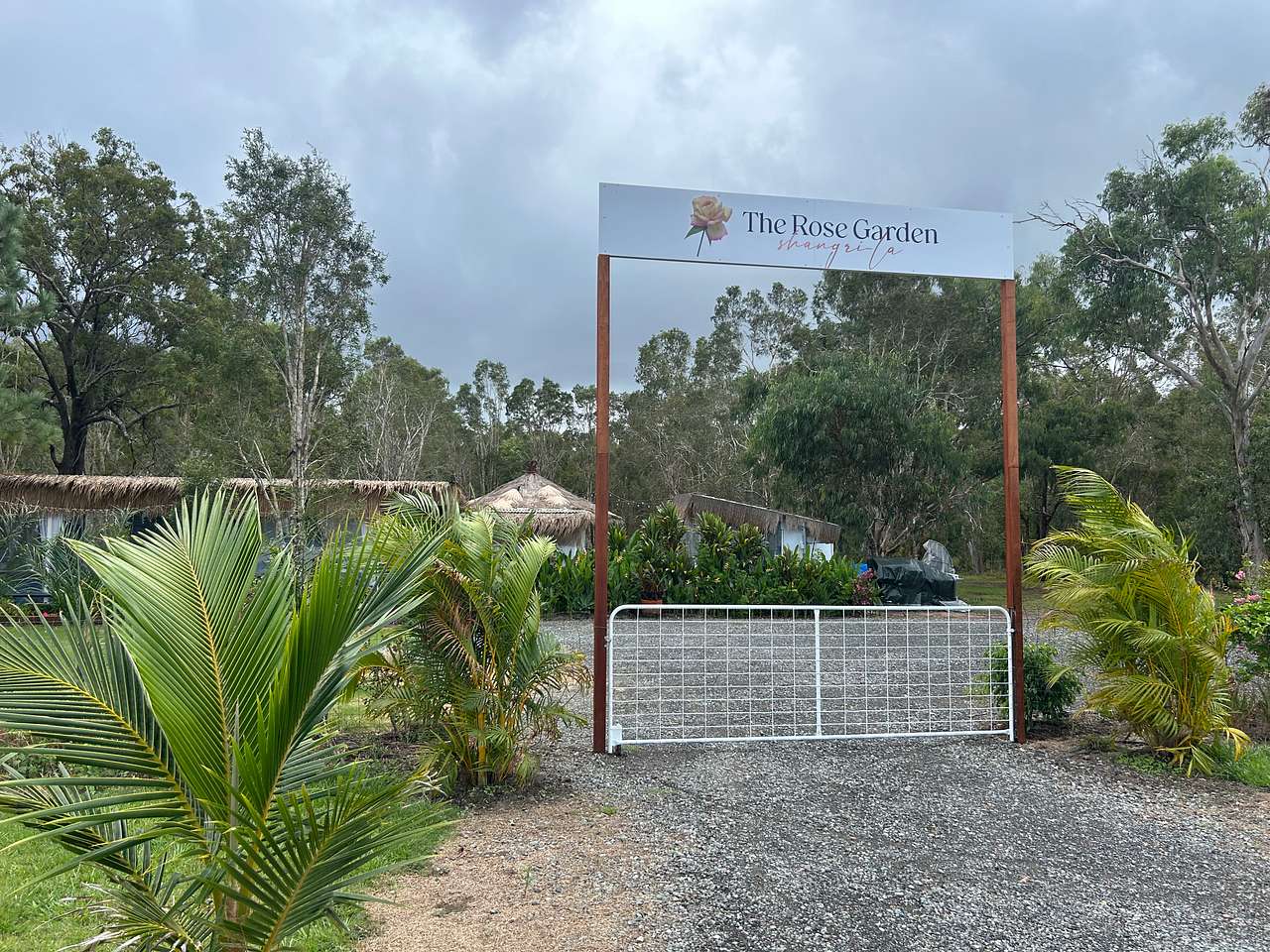
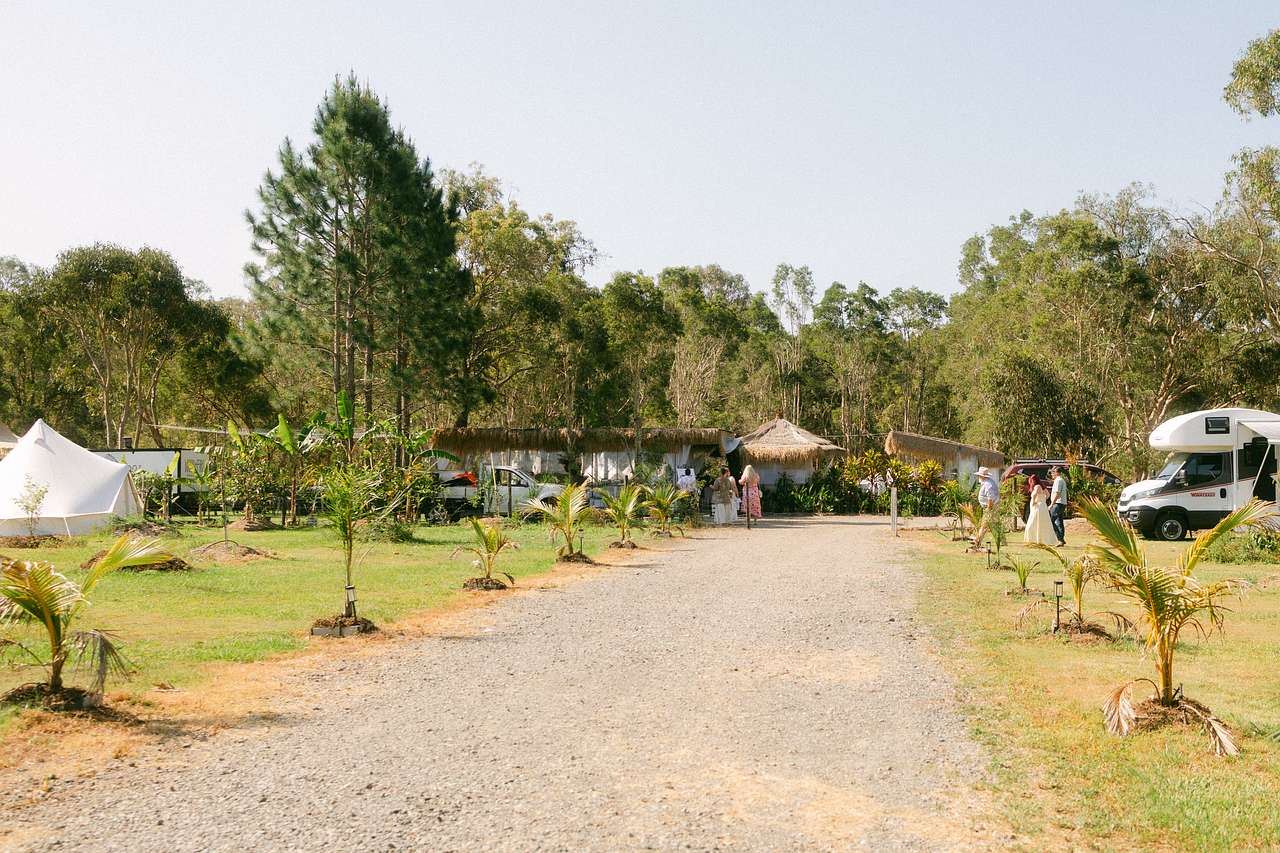
16. The Rose Garden Shangri-La
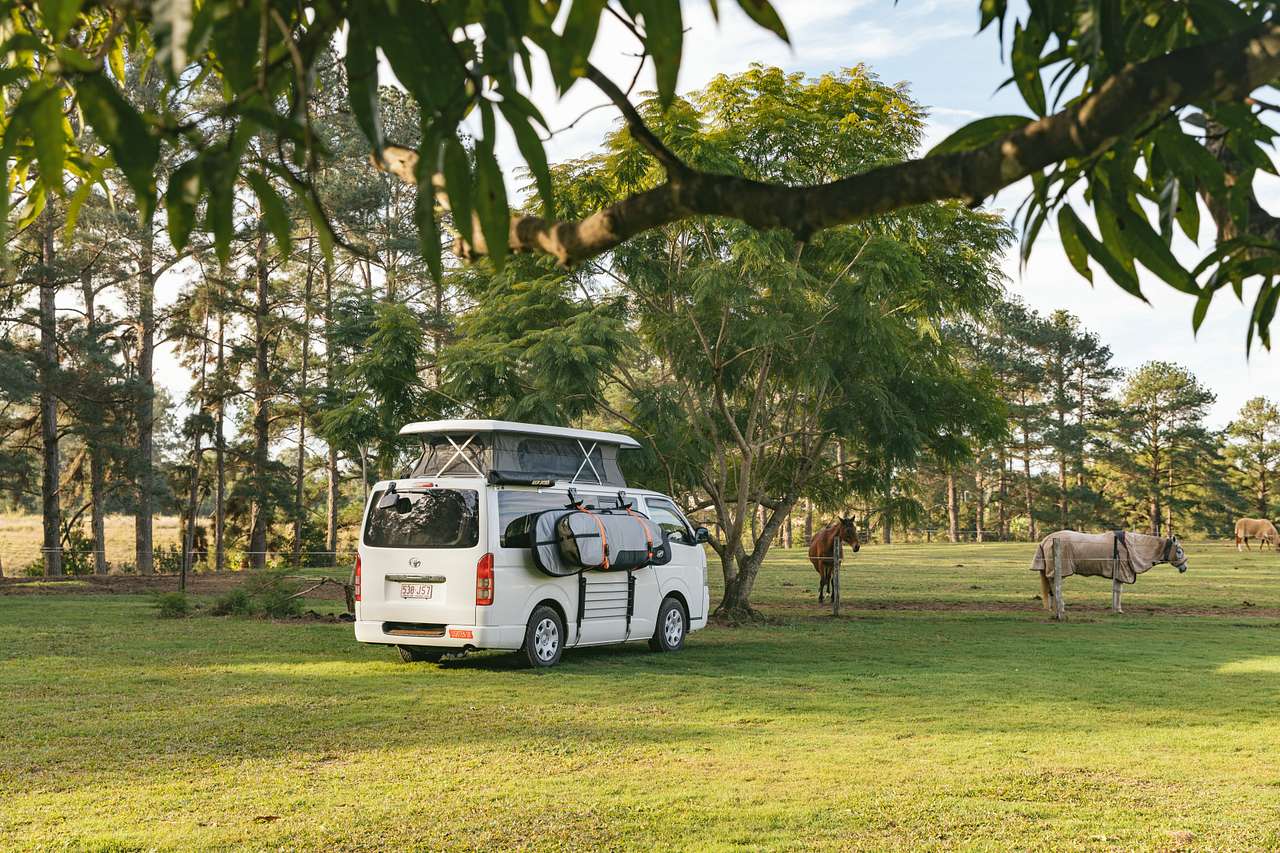
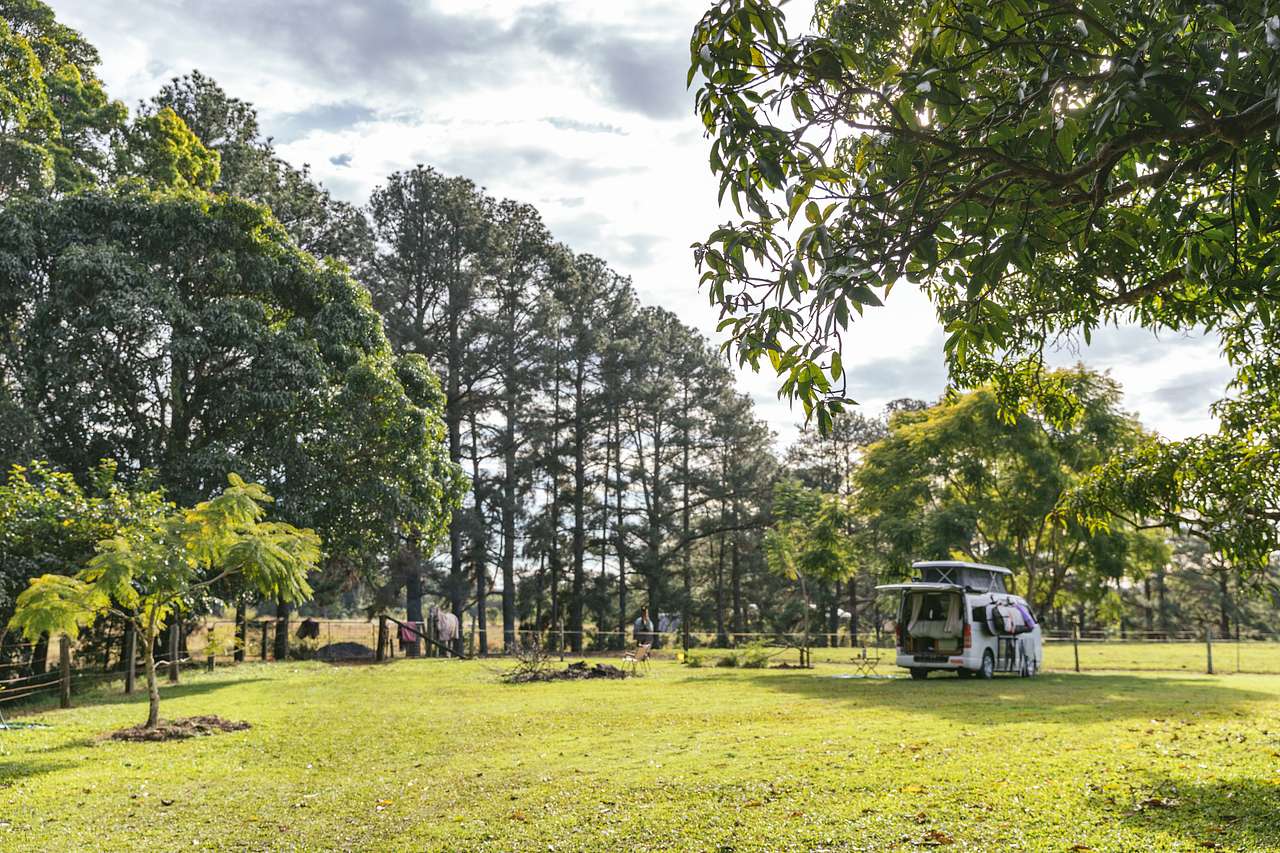
17. Palmwoods Park Horse / Farm Camping
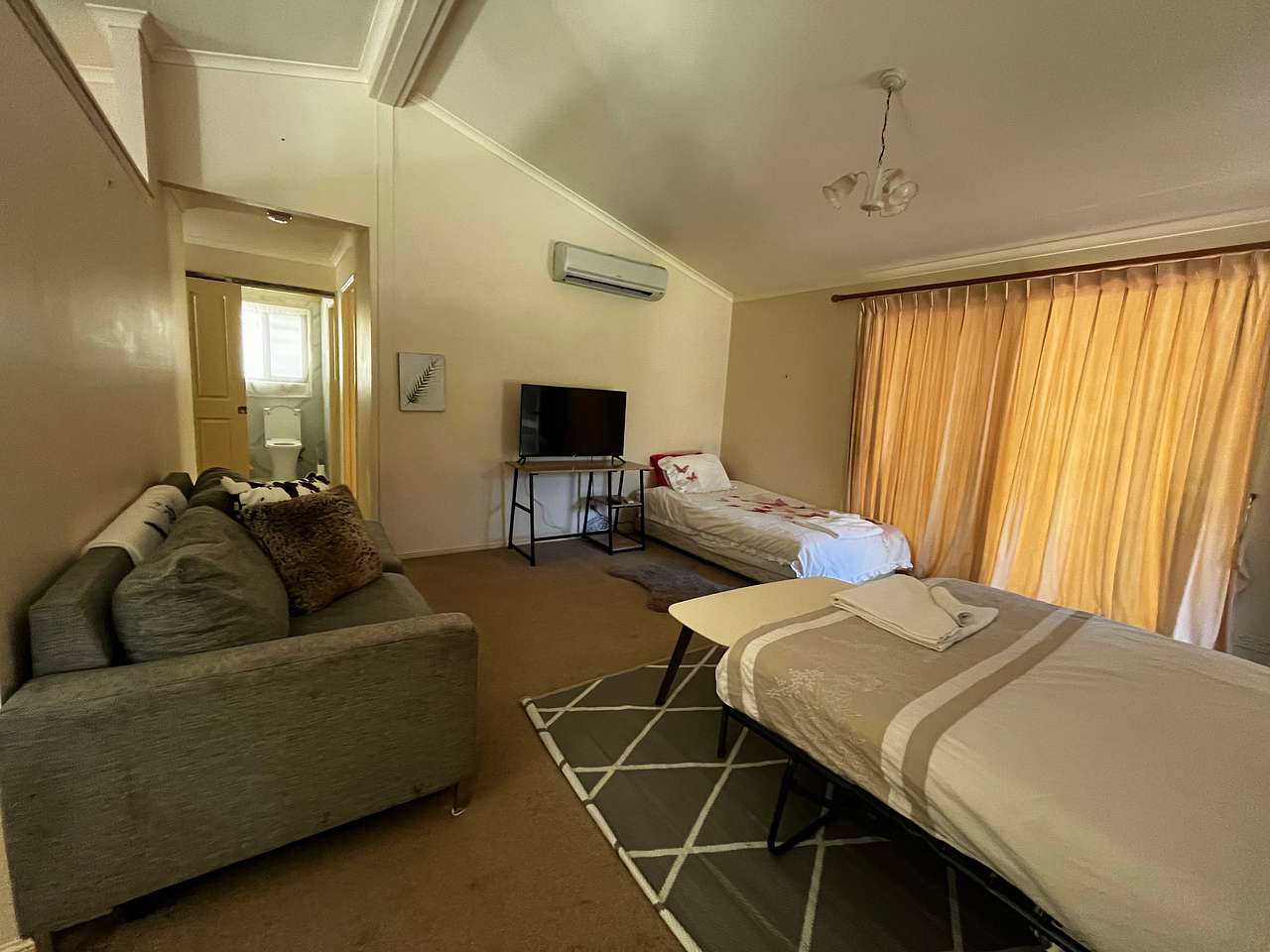
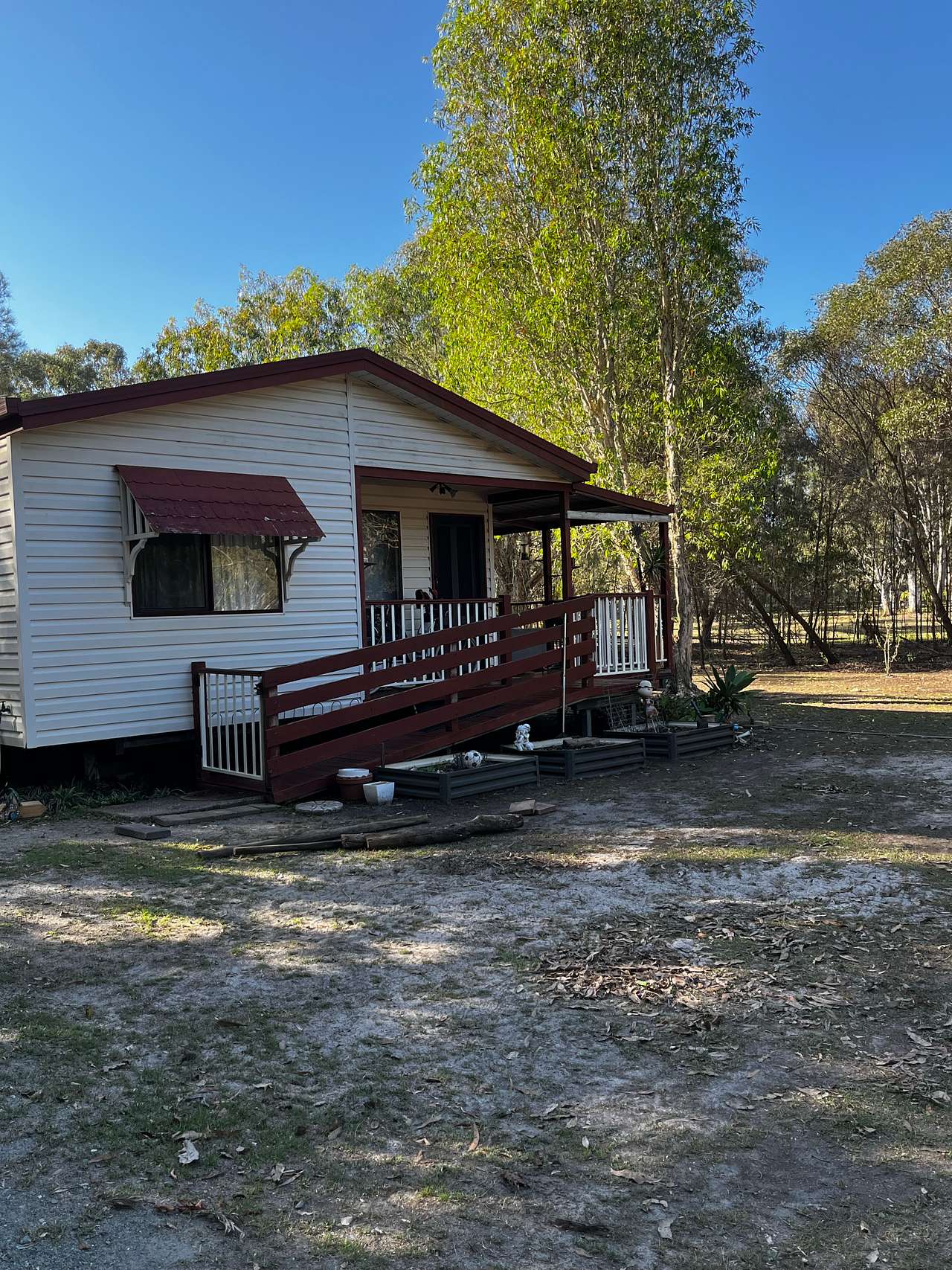
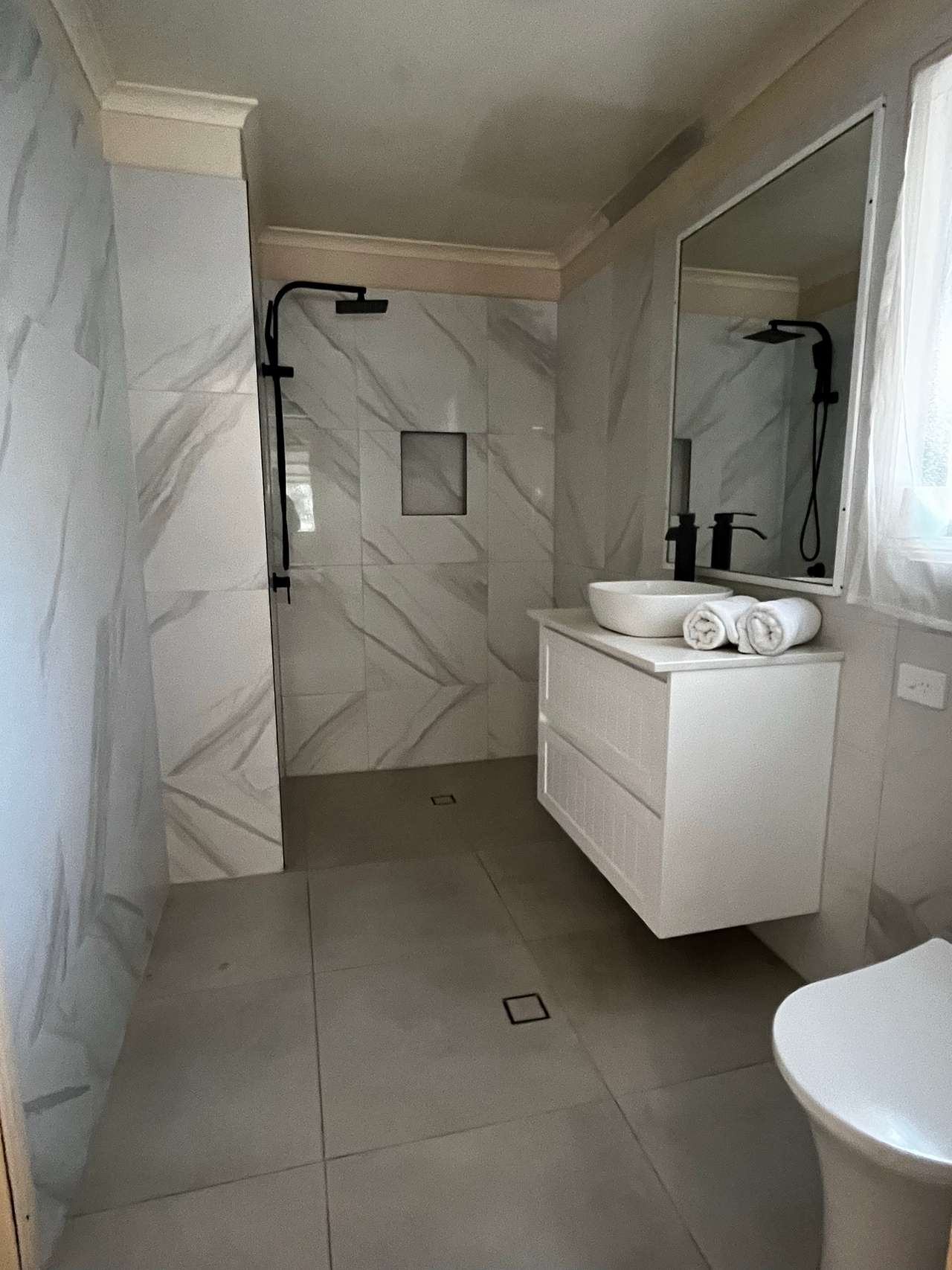
18. Dude Ranch Beachmere
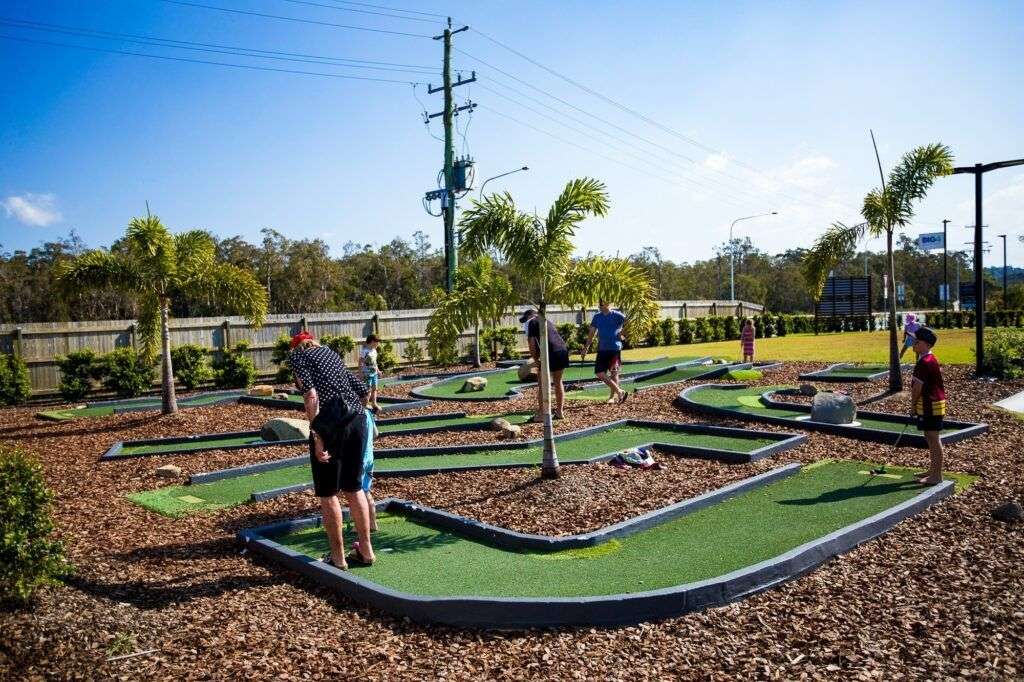
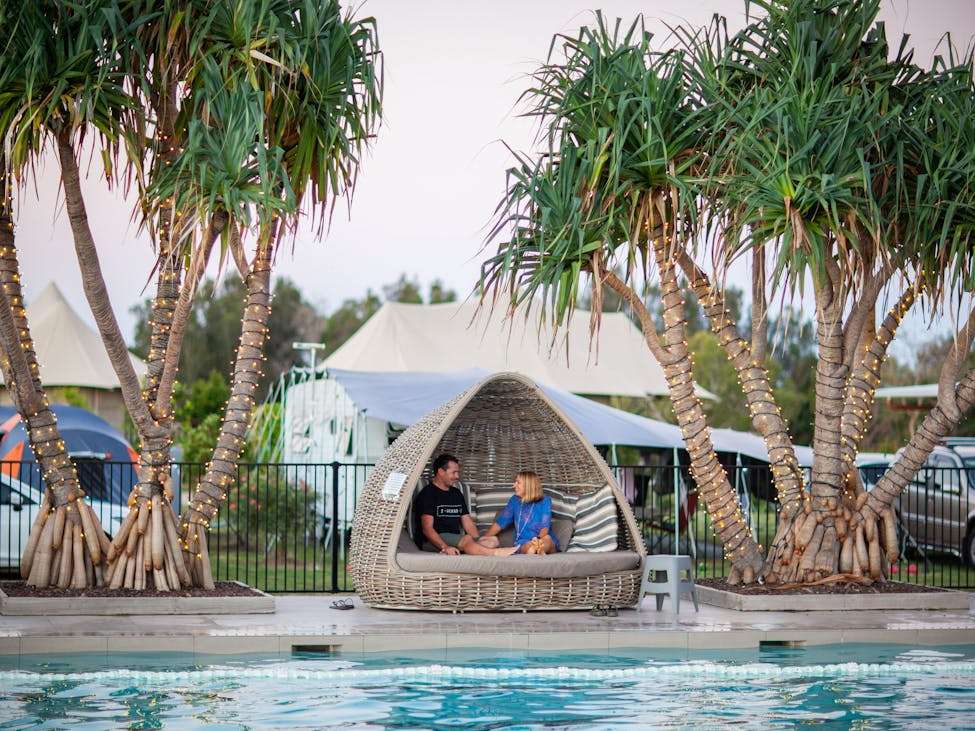
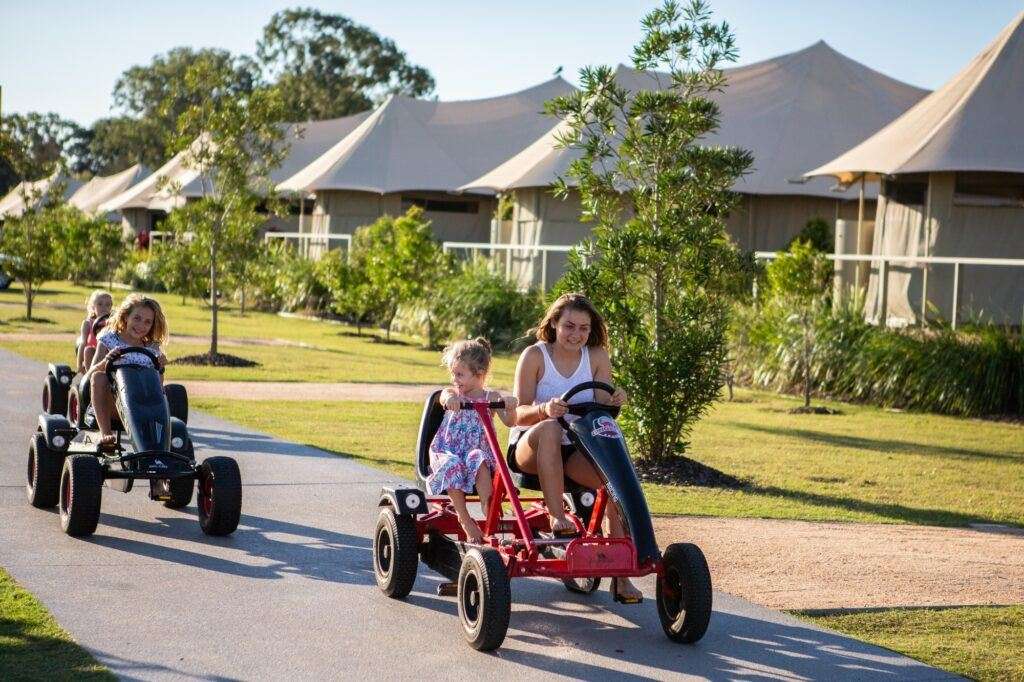
19. Ingenia Holidays Rivershore
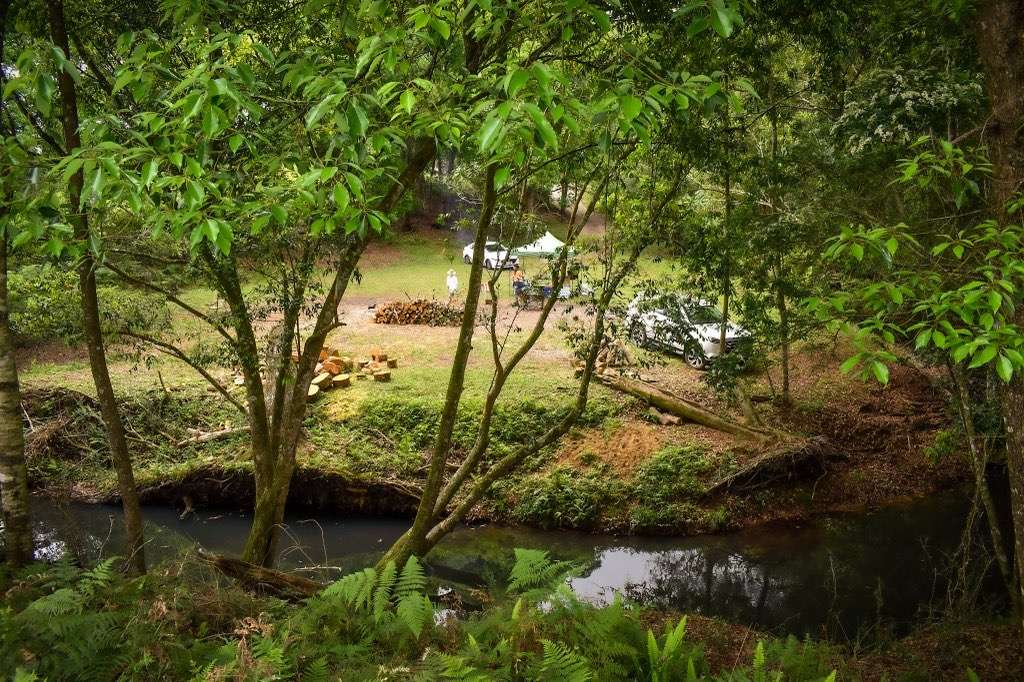
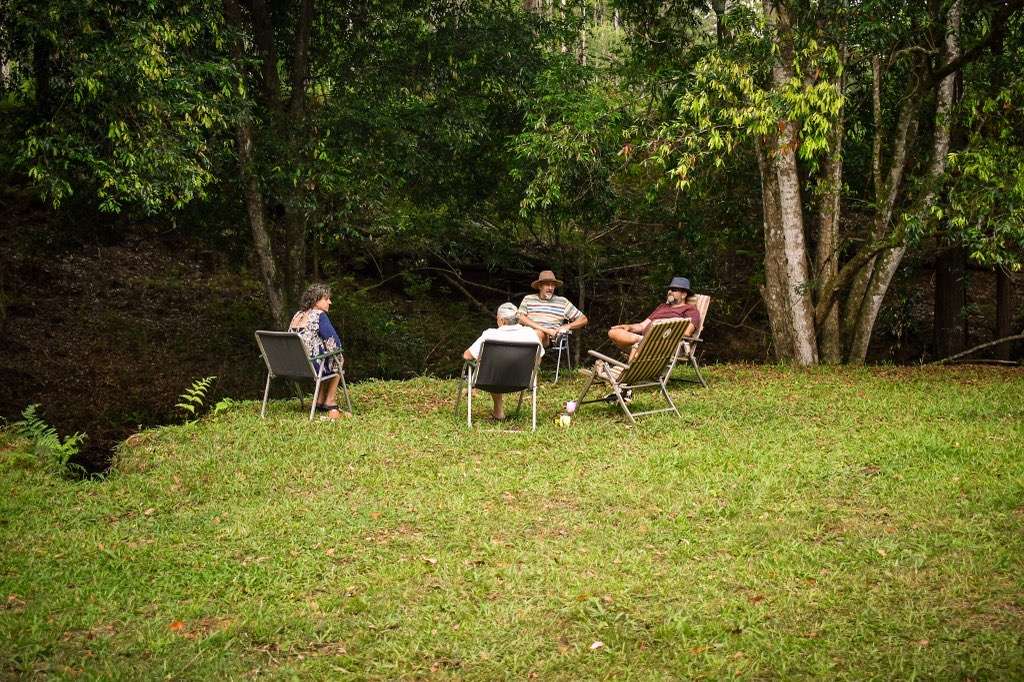
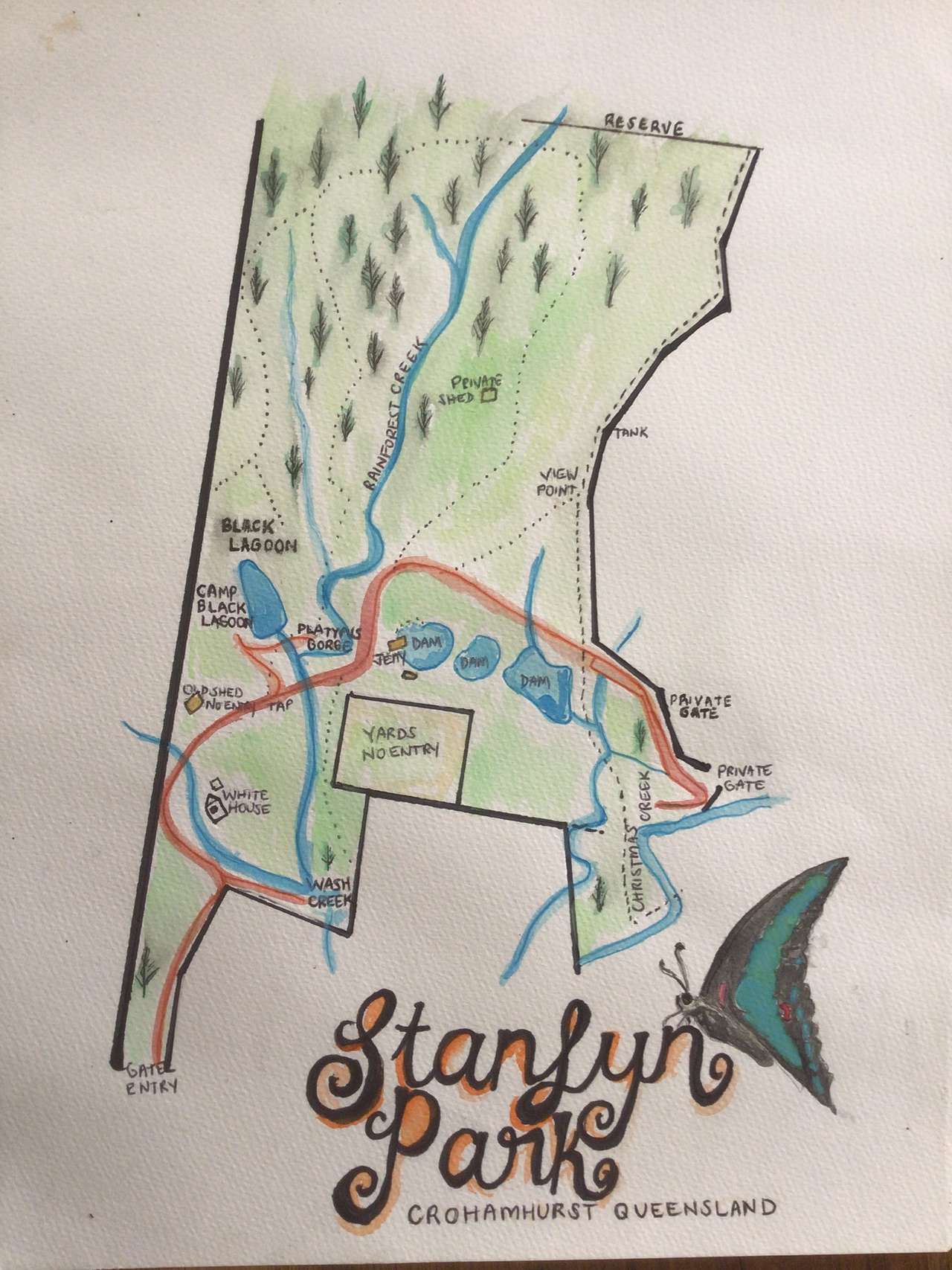
20. Stanlyn Park
Recent reviews from the Hipcamp community
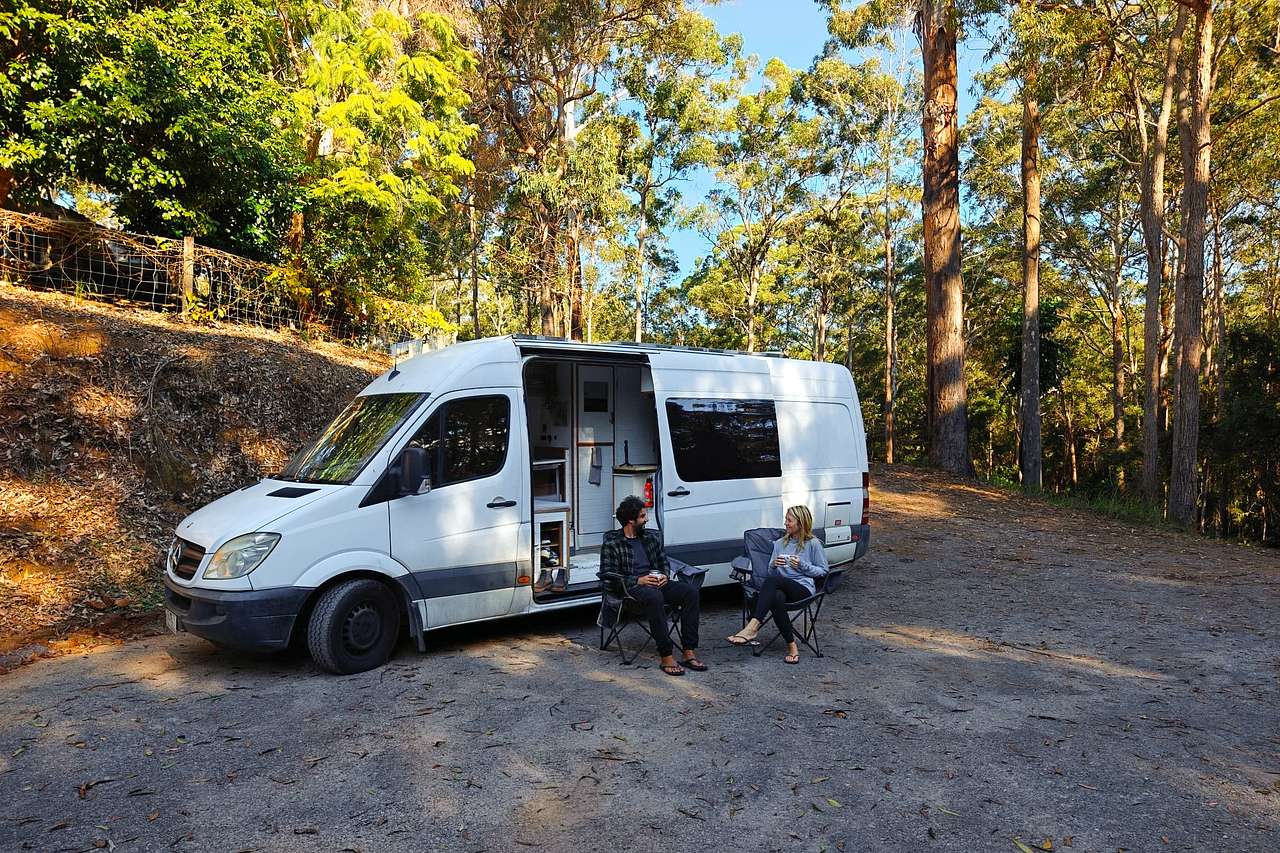

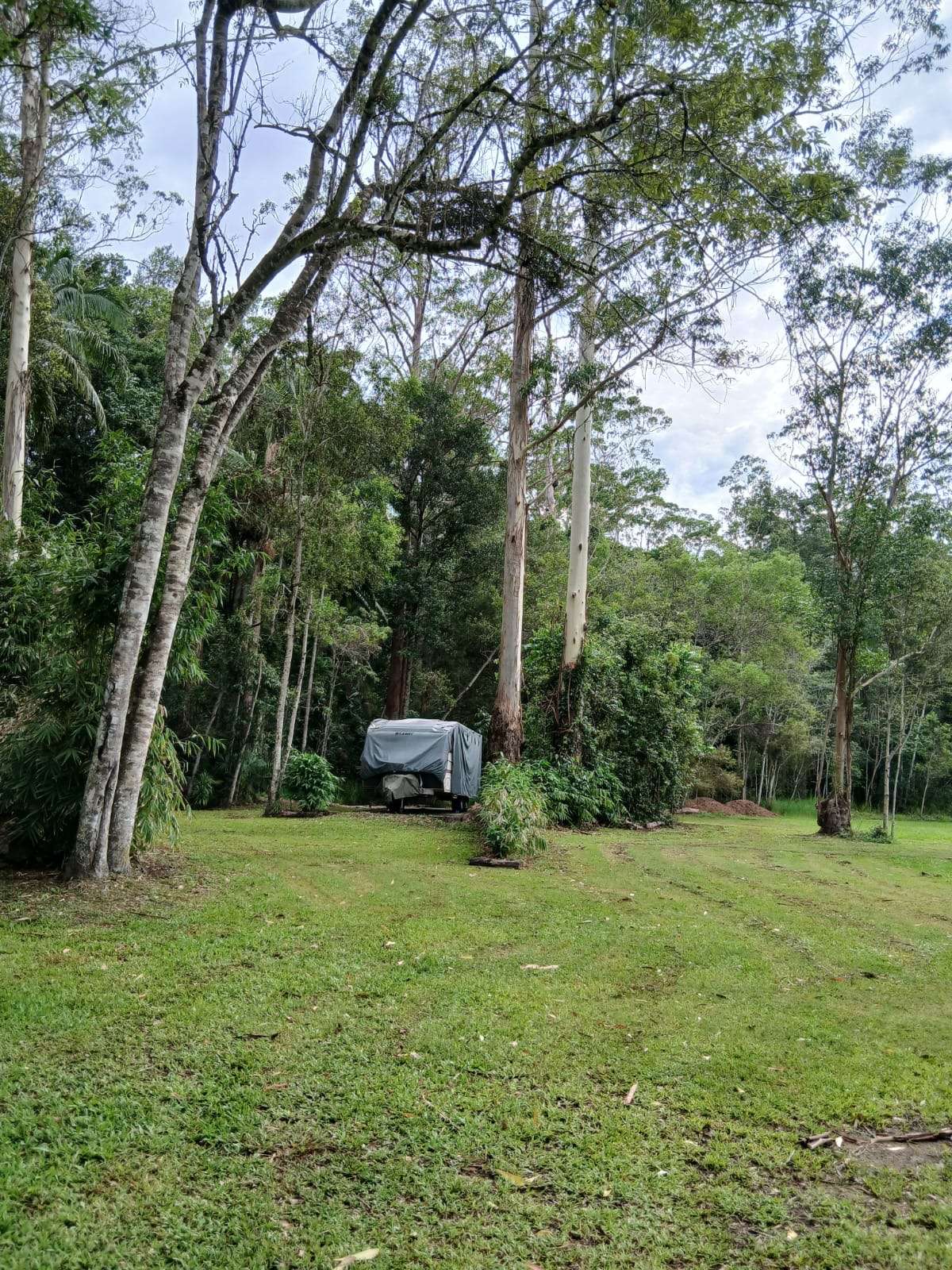

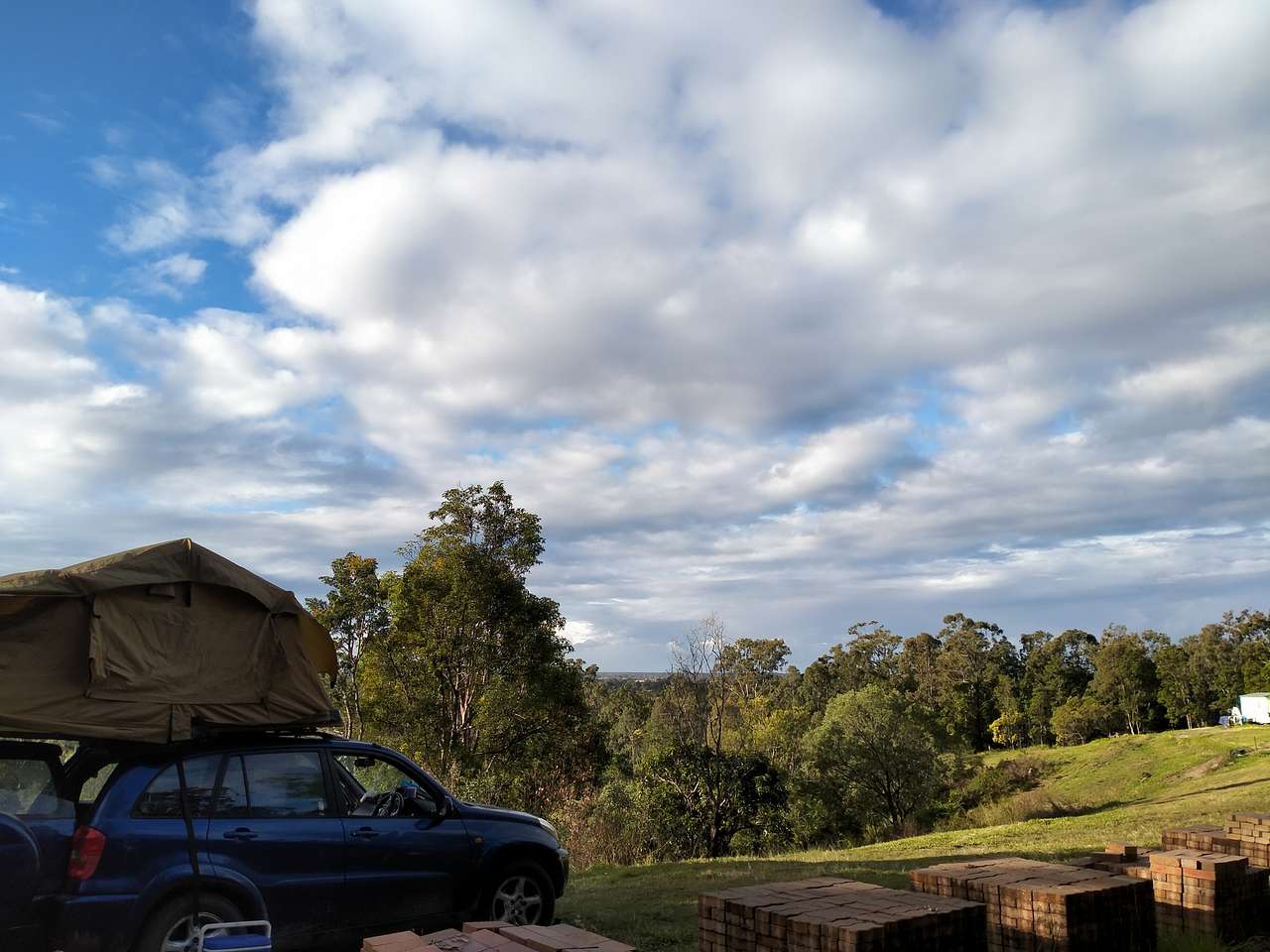
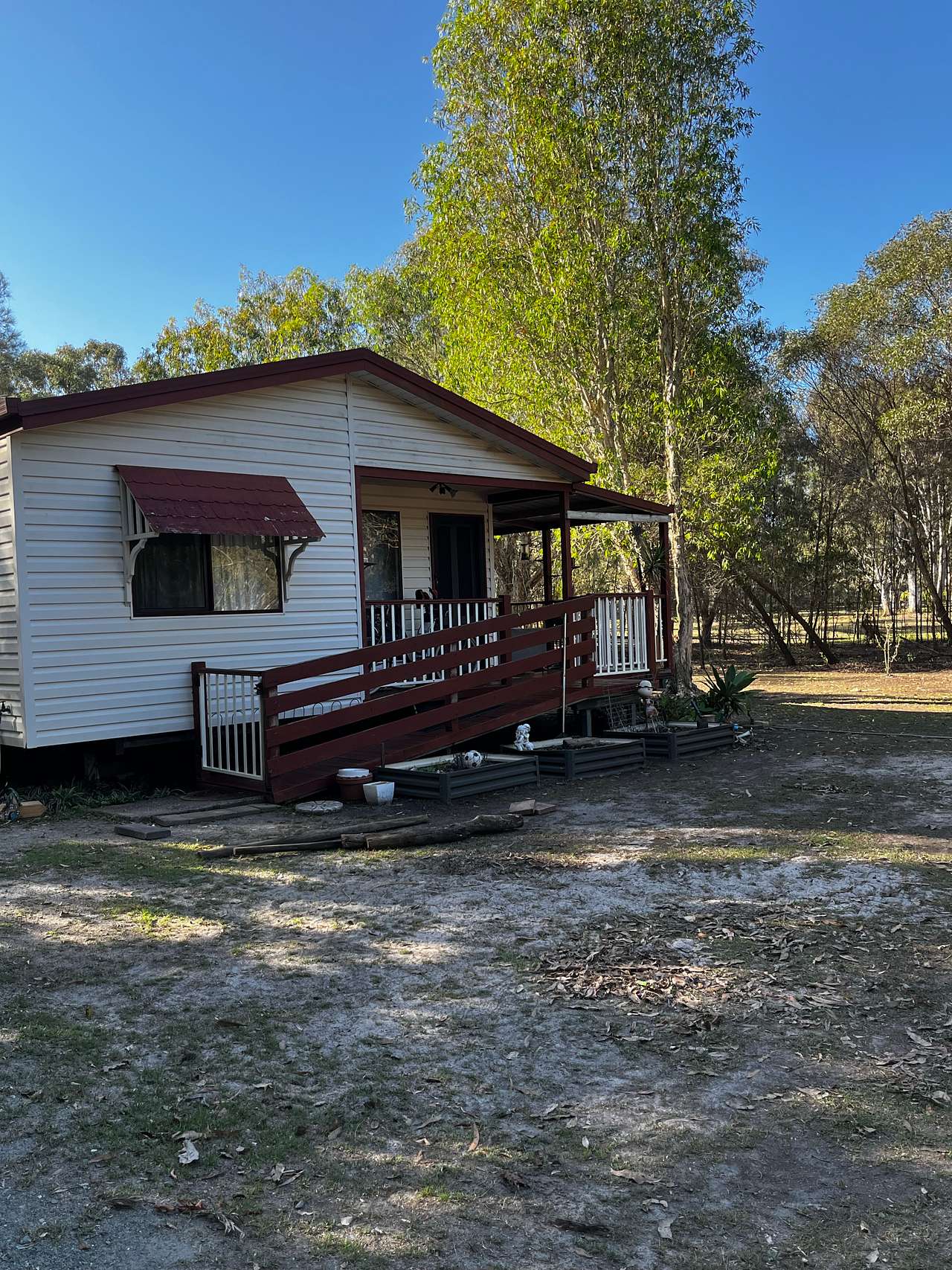

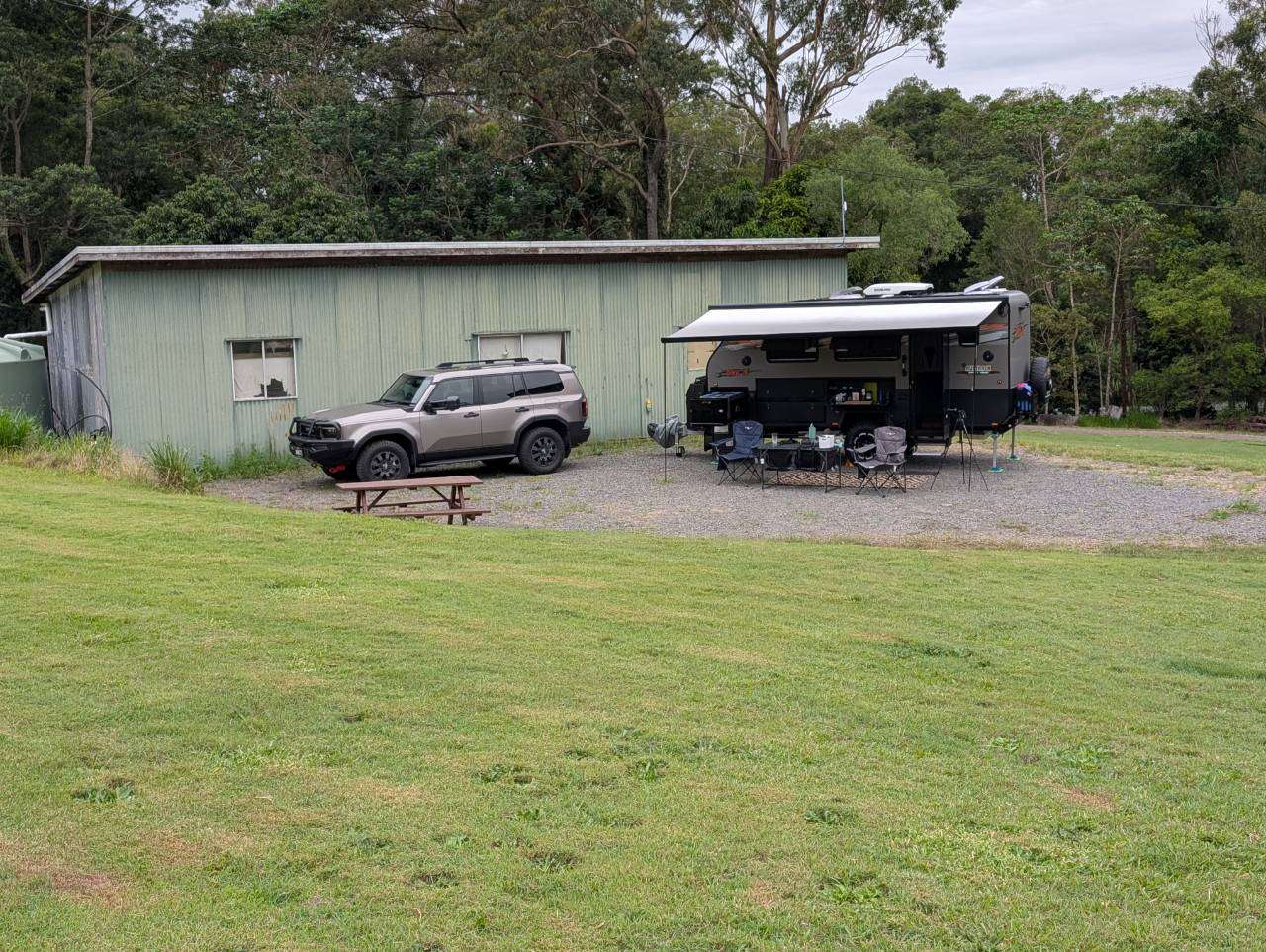



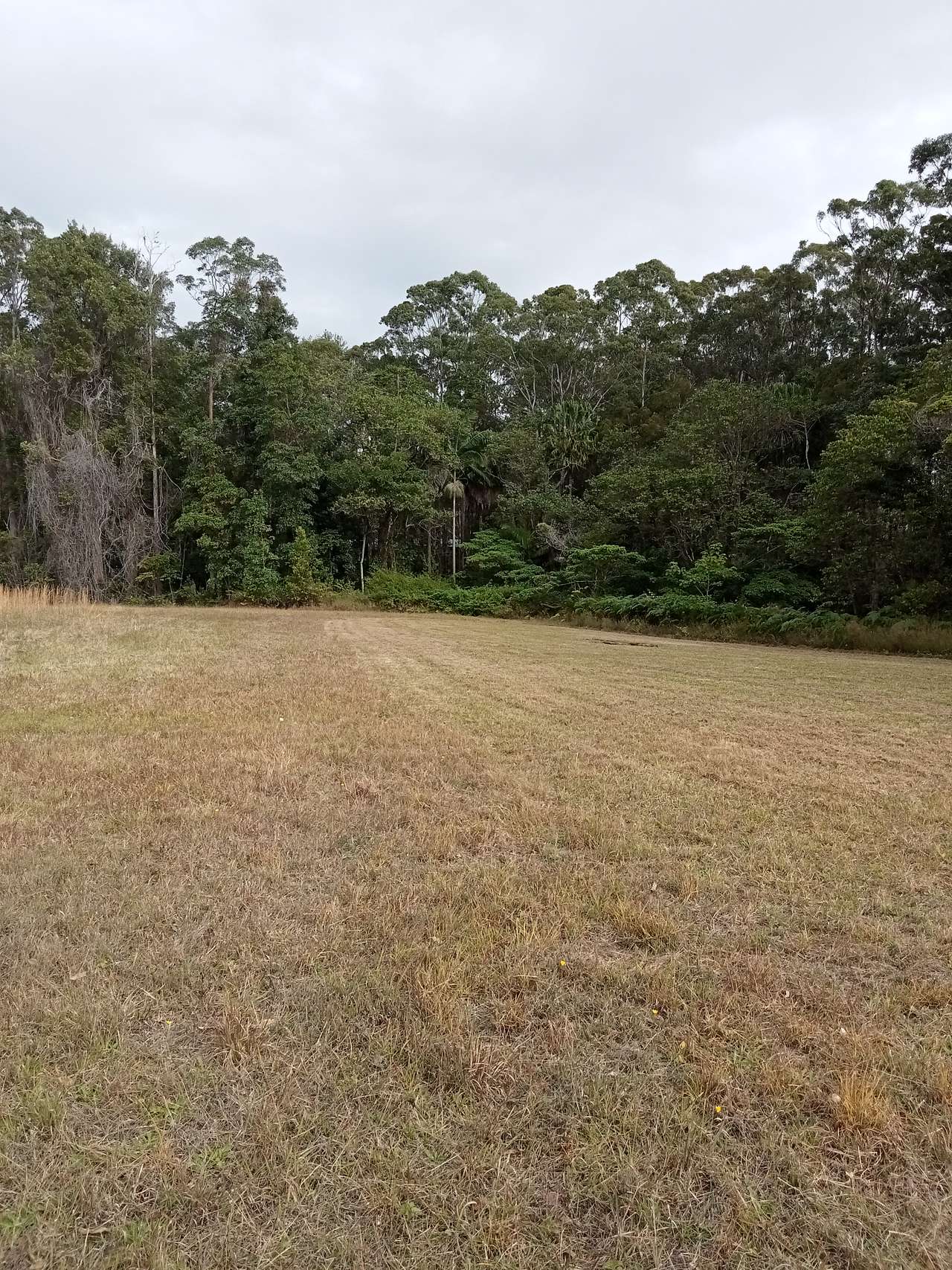
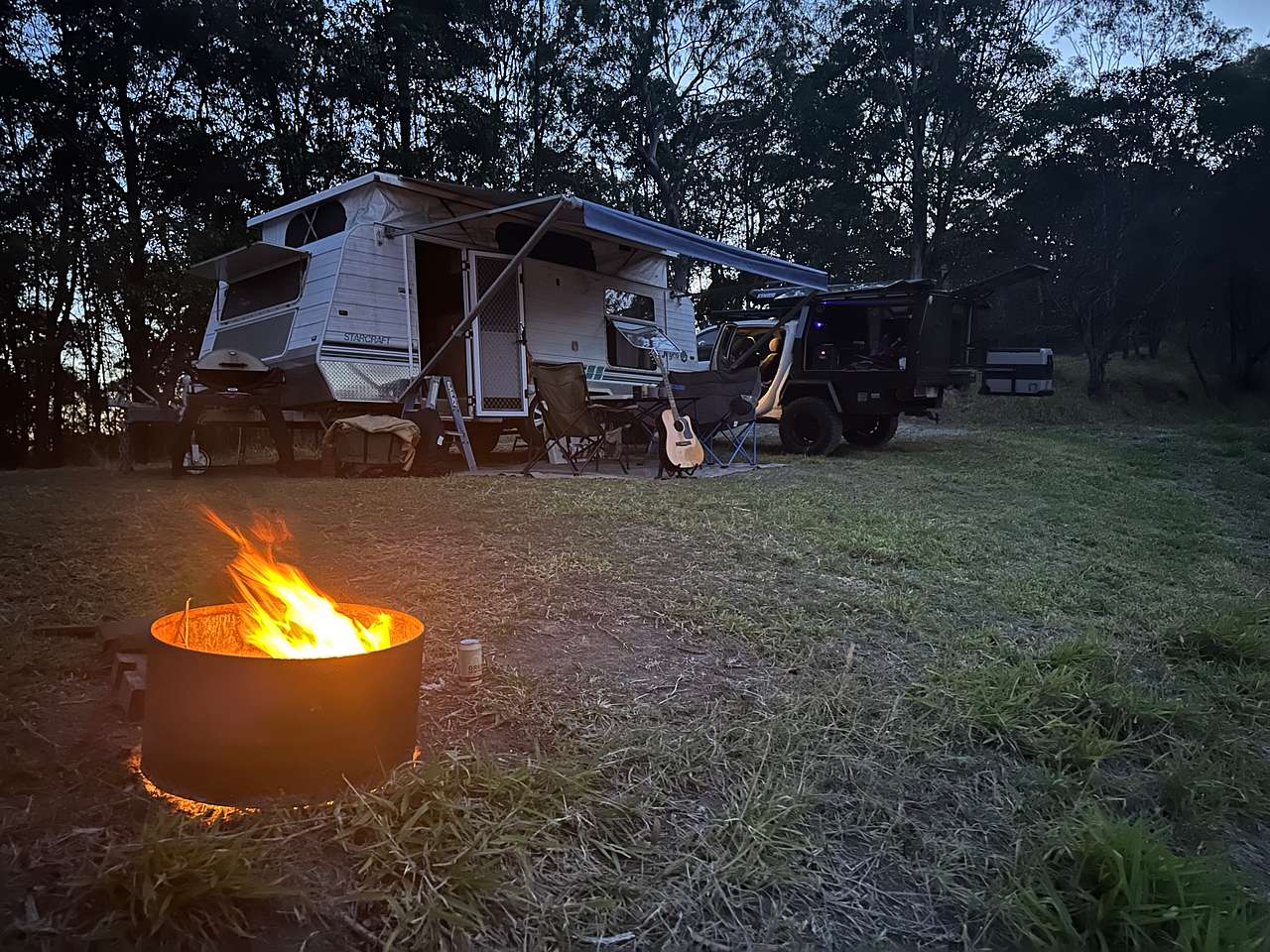



Bribie Island National Park camping guide
Overview
About
Bribie Island offers beautiful coastal scenery, low-key bush camping spots, popular boating and fishing areas in Pumicestone Passage, excellent birdwatching opportunities and spring wildflowers.
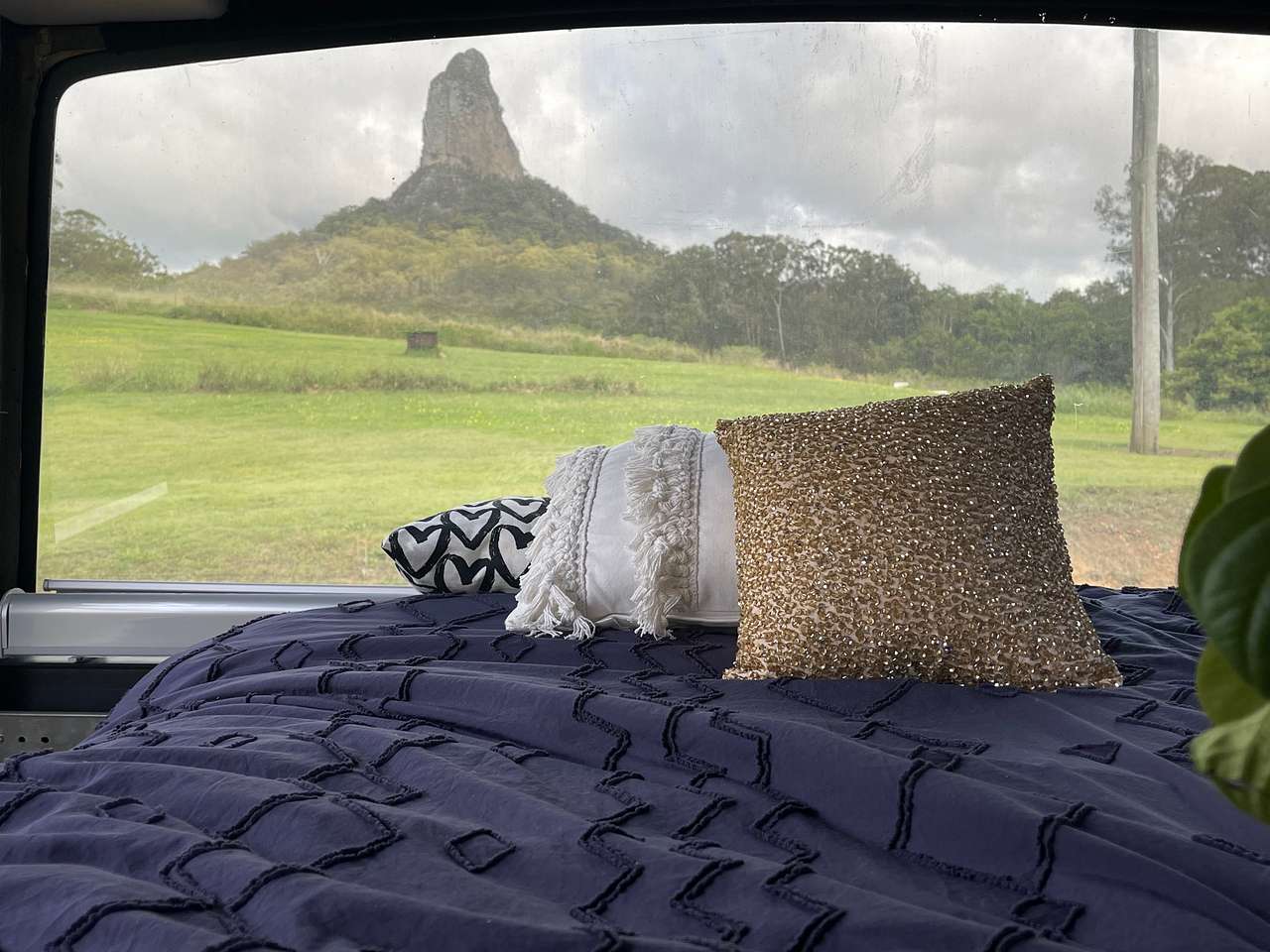
Linked to the mainland by bridge, about 90 kilometres north of Brisbane, Bribie Island is a seaside community with all the facilities you’d want for your camping trip. Coastal camping offers opportunities for birders, with up to 15,000 migratory shorebirds visiting the island’s wetlands between December and April. Expect to see ospreys, sea eagles, brahminy kites, and whistling kites. Three camping areas are accessible only by 4WD and another two by boat. The calm Pumicestone Passage is perfect for kayaking, with the backdrop of the Glass House Mountains. Don’t be surprised if you see dolphins, dugongs or turtles.
Notable campgrounds
- Best for fishing: Lime Pocket, accessible by boat, offers excellent fishing.
- Best for big groups: Poverty Creek camping area has grassy open spaces.
- Best for water views: Gallagher Point camping area overlooks Pumicestone Passage.
Tips for snagging a campsite
- Camping permits, available online or by phone, are required.
- Book at least three months in advance if you can, or up to 12 months in advance for Queensland school holiday times.
When to go
Bribie Island has a mild, subtropical climate. The average daily temperature range is 22–30° C in summer and 12–22° C in winter. Summer (December to February) is hot and humid and can see some fantastic afternoon thunderstorms. Spring (September to November) is a lovely time to camp, but Australian school holiday times can be busy.
Know before you go
- Access requires a 4WD vehicle and a vehicle access permit.
- Campers may only access booked campsites after 2pm on the day of arrival and must leave by 11am.
- Bring drinking water. There is no water supply at Gallagher Point or Lime Pocket camping areas; water in the taps at the other camping areas is not suitable for drinking.
- It is illegal to collect firewood in the park, so bring wood if you want a campfire.
- When driving on the beach, check the tides and travel as close to low tide as possible, as this is when conditions are safest.
Reviews for Bribie Island National Park Campgrounds
Frequently Asked Questions
No, you cannot camp anywhere on Bribie Island. Camping is allowed only in designated campgrounds within the Bribie Island National Park and Recreation Area. There are several camping areas on the island, including Ocean Beach, Gallagher Point, Poverty Creek, and Mission Point. These campgrounds require permits, and you need to book your campsite in advance. It is important to follow the rules and regulations to protect the island's natural environment and wildlife. For more information on camping at Bribie Island and to make a booking, visit the Queensland Government's Department of Environment and Science website.
While there are accessible camping areas on Bribie Island that do not require a 4WD vehicle, some of the more remote and beachside camping spots do require a 4WD for access. For example, the Ocean Beach camping area on Bribie Island can only be reached with a 4WD vehicle, as you'll need to drive on the beach and through soft sand. However, if you plan to camp at the more accessible campgrounds like Poverty Creek or Gallagher Point, a 4WD vehicle may not be necessary. Always check the specific requirements for the campground you choose before planning your trip.
Camping fees on Bribie Island vary depending on the type of campsite and facilities available. Generally, you can expect to pay around AUD 6.85 per person per night for a basic campsite, or AUD 27.40 per night for a family campsite (2 adults and up to 4 children). For more information on camping fees and reservations, visit the Queensland National Parks website.