Top-rated campgrounds near Gladstone
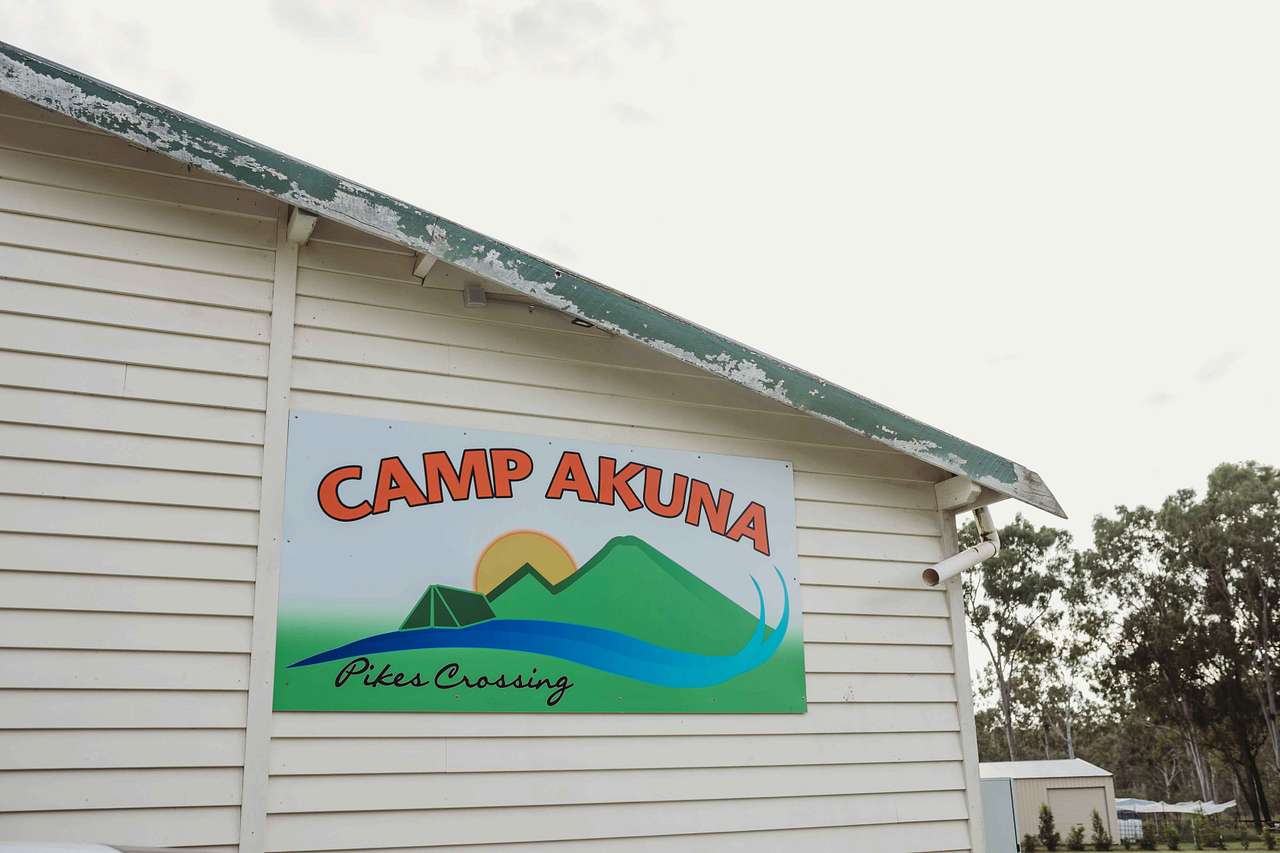
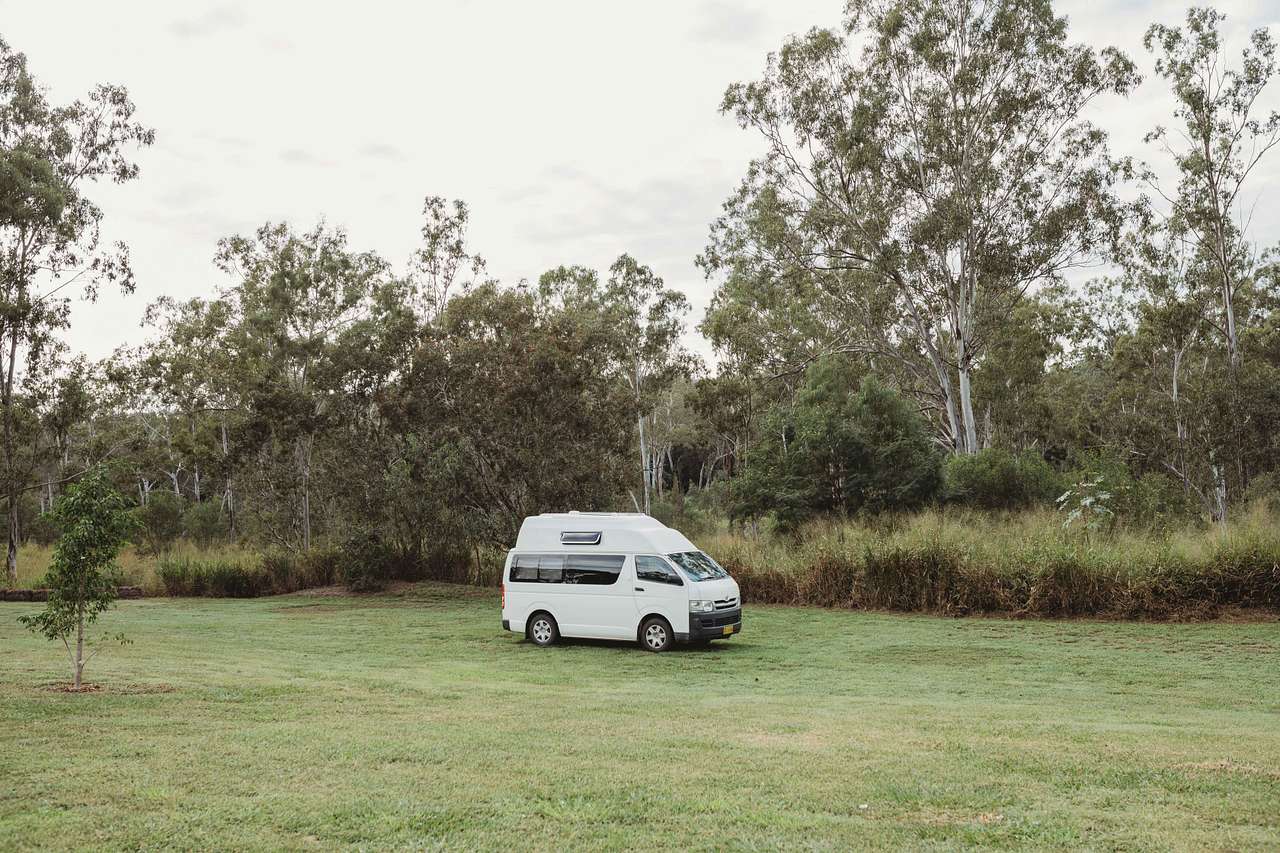
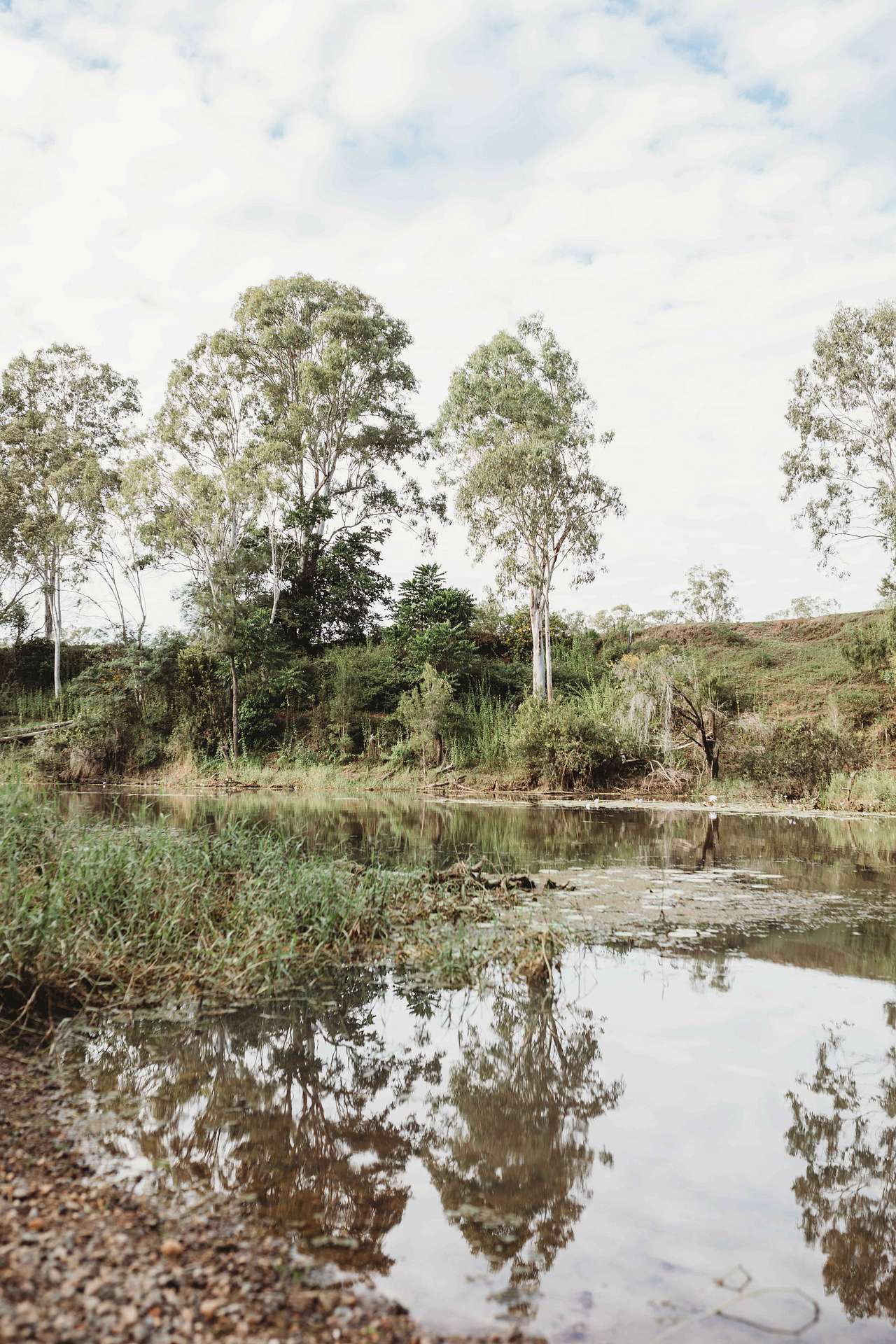
1. Camp Akuna Pikes Crossing INC
2. MT. L Bush Camp
3. Casuarina Park
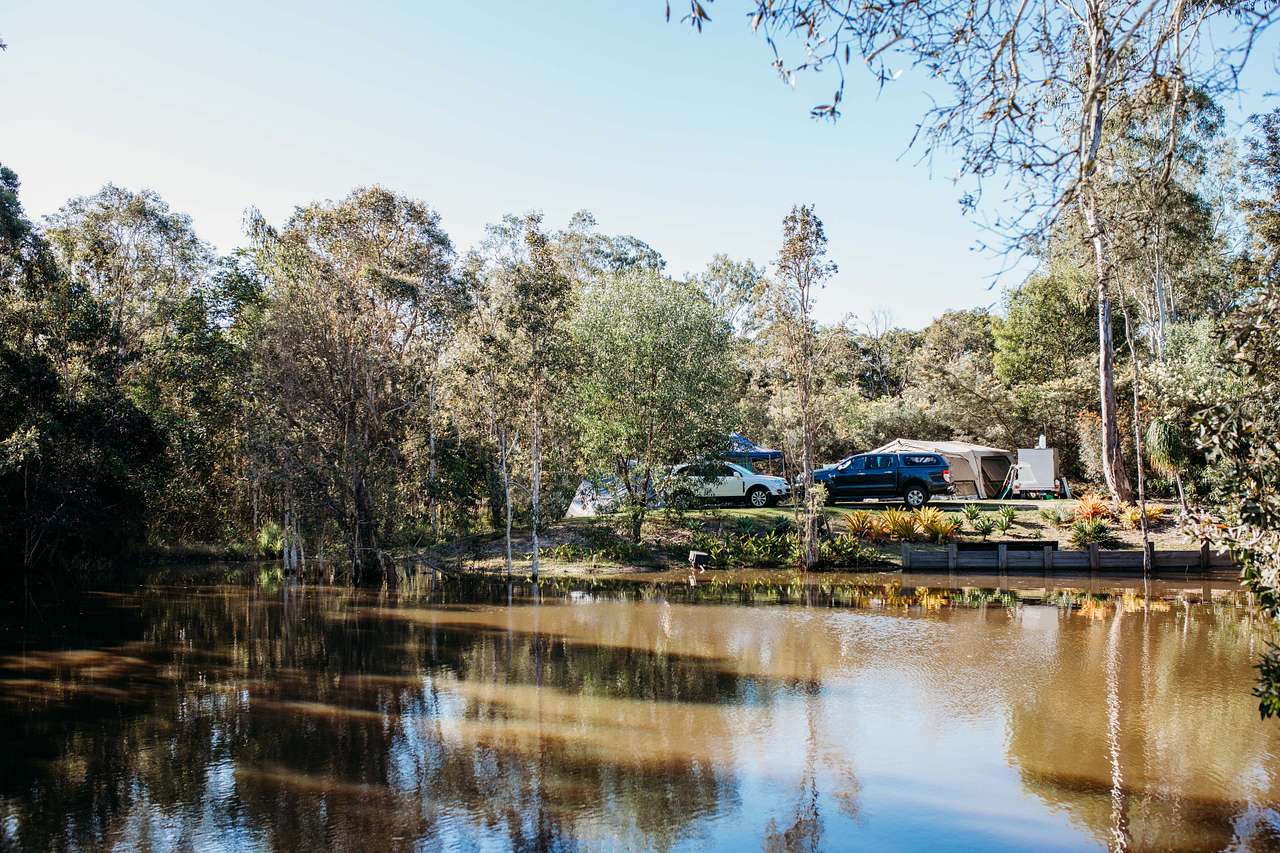
4. Collie Farm
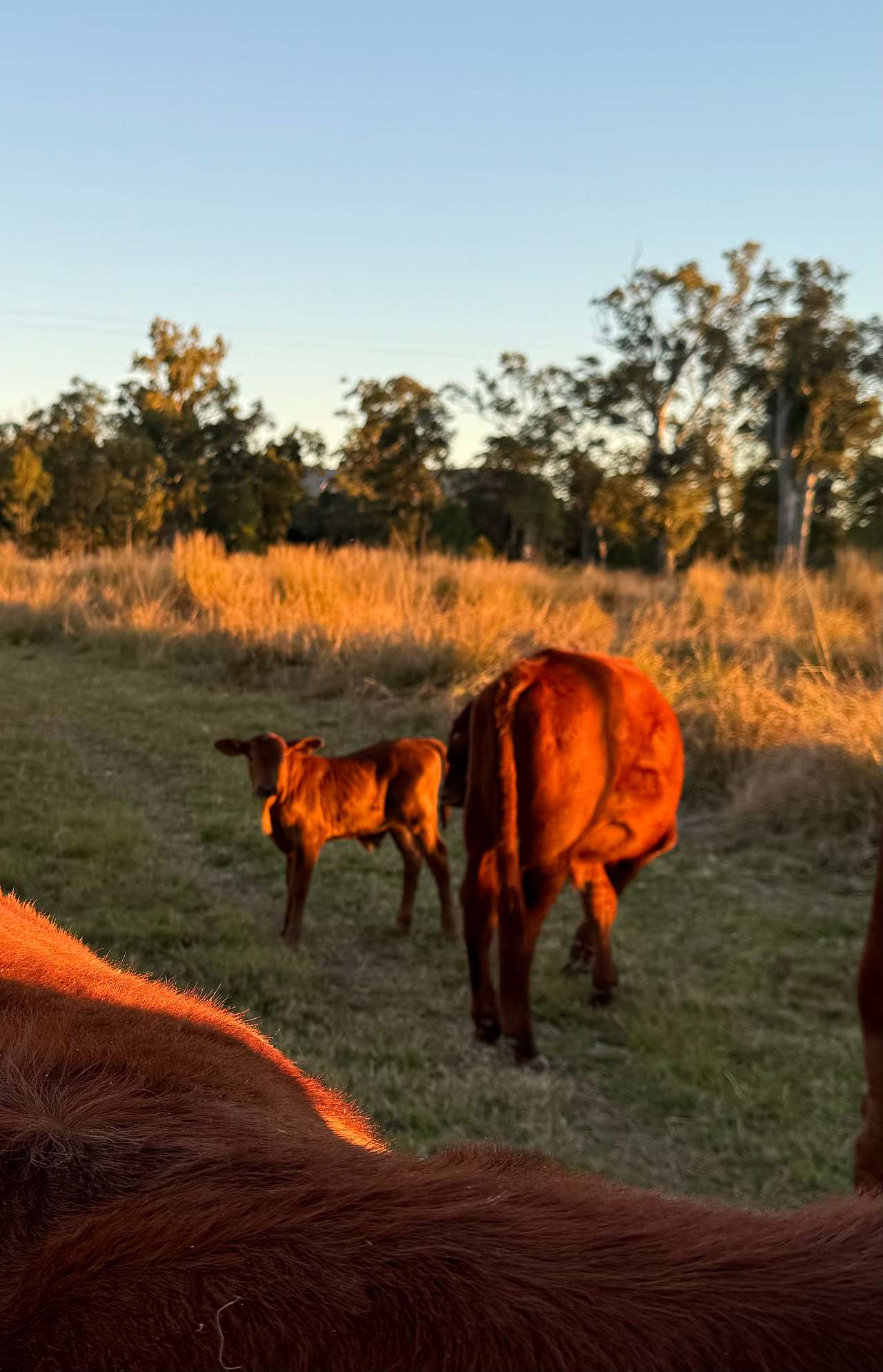
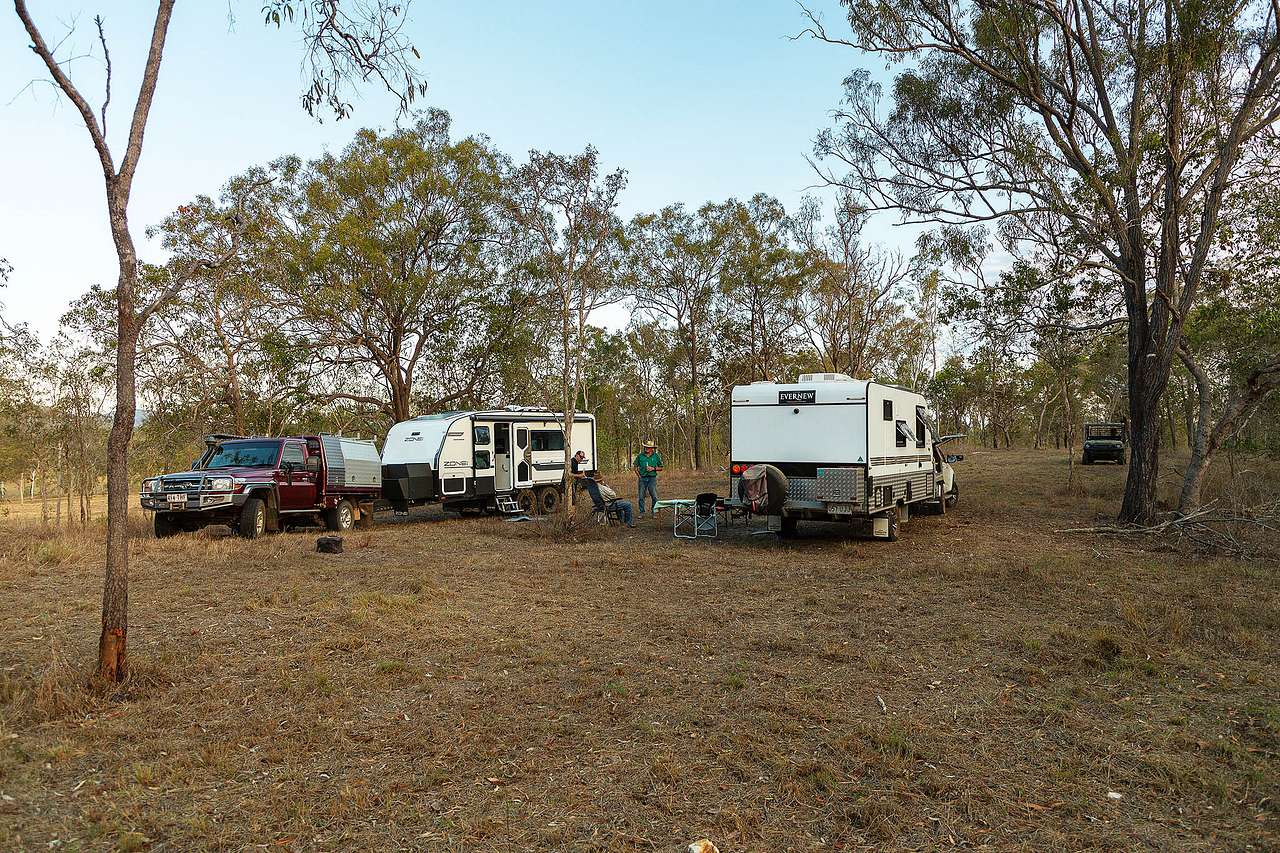
5. Kinvara Camping
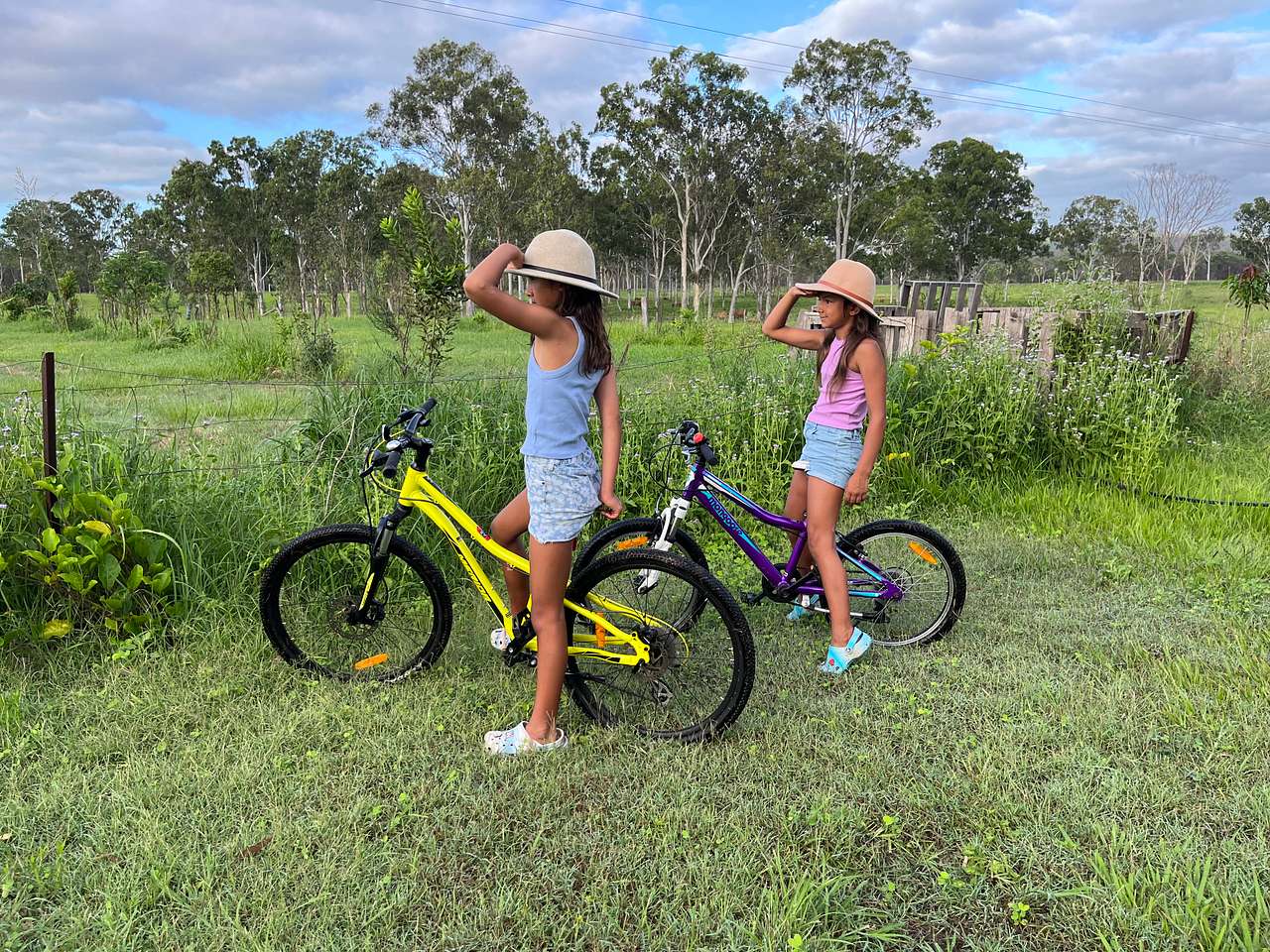
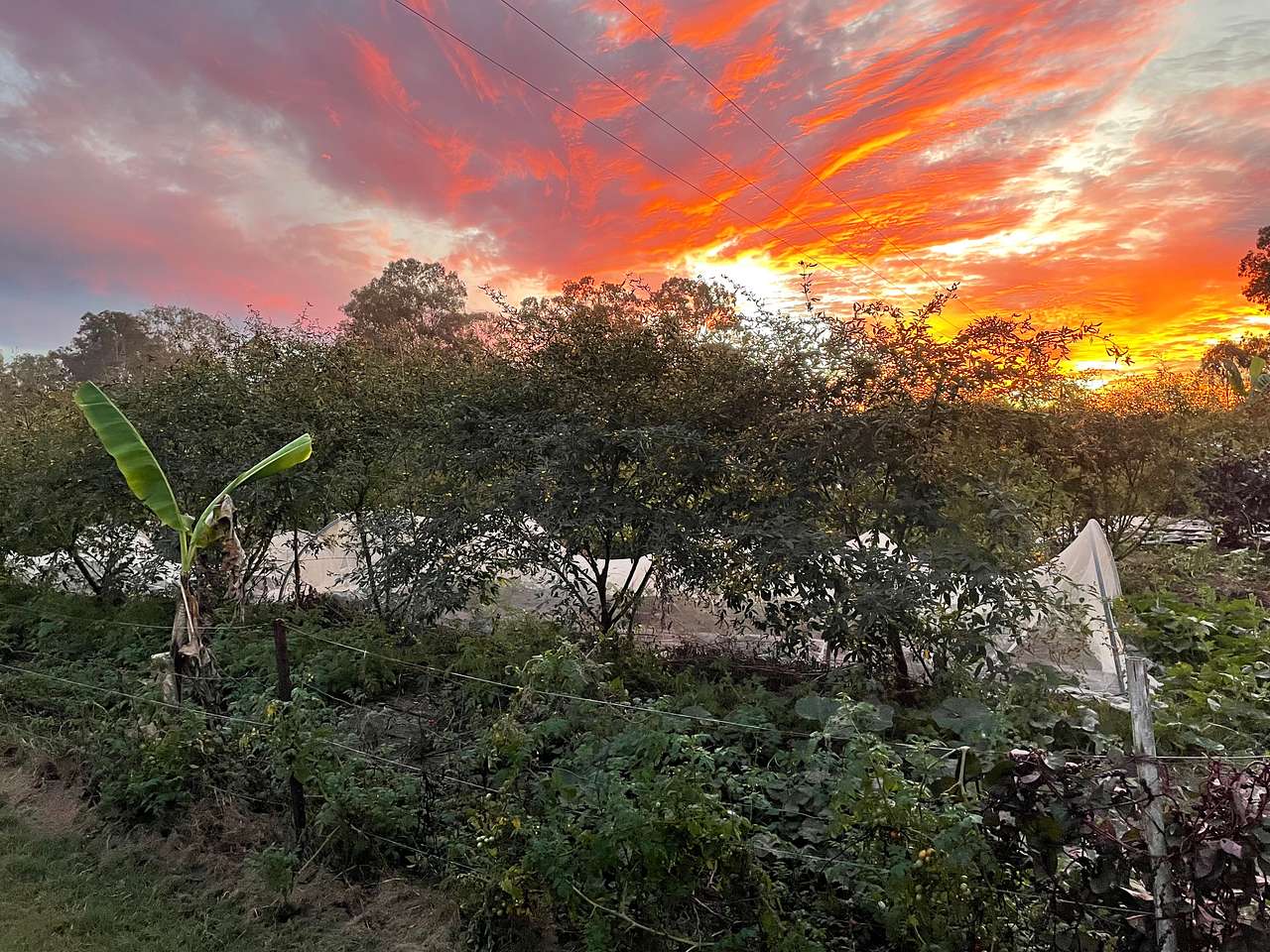
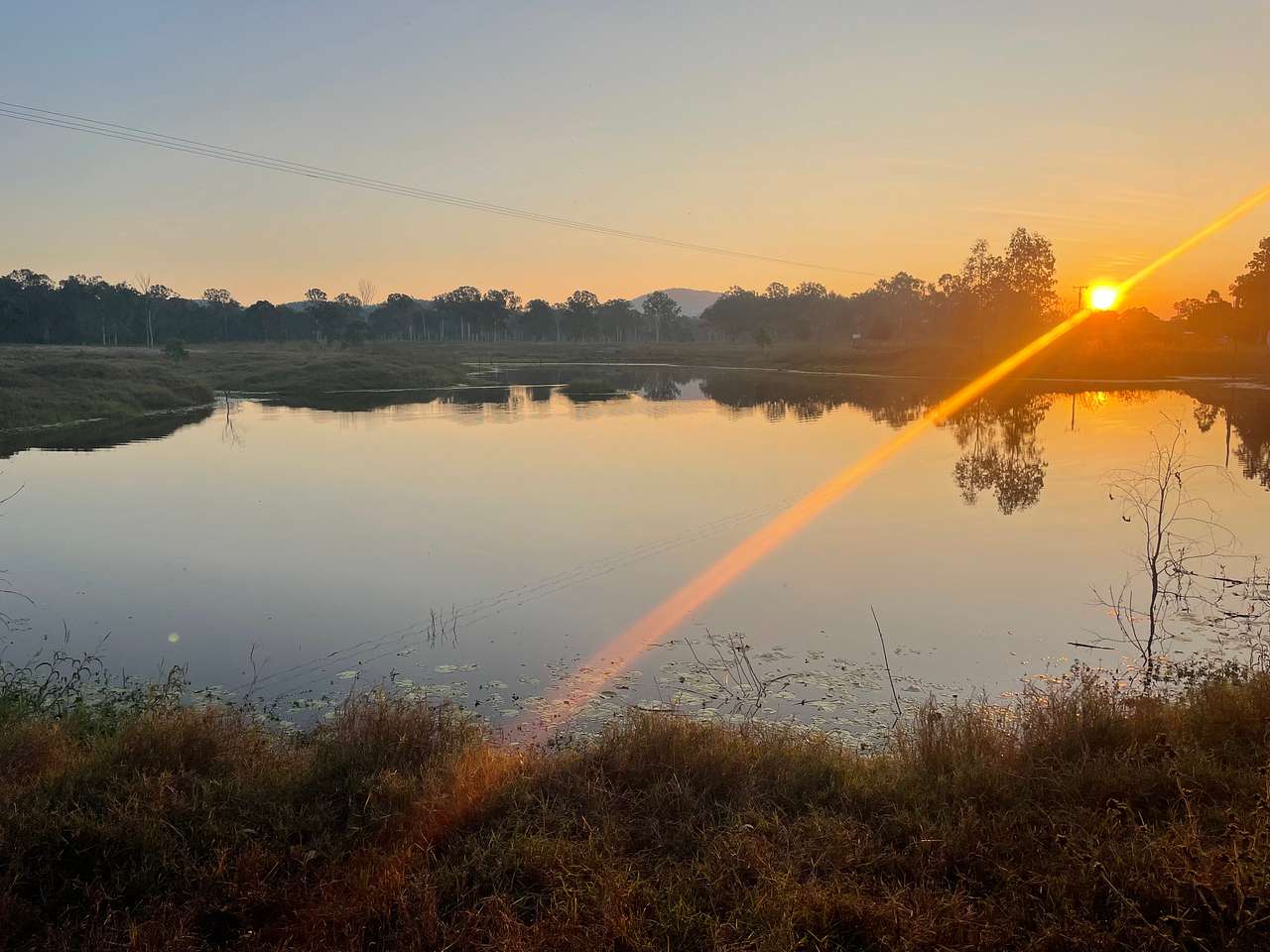
6. Makowata Farm
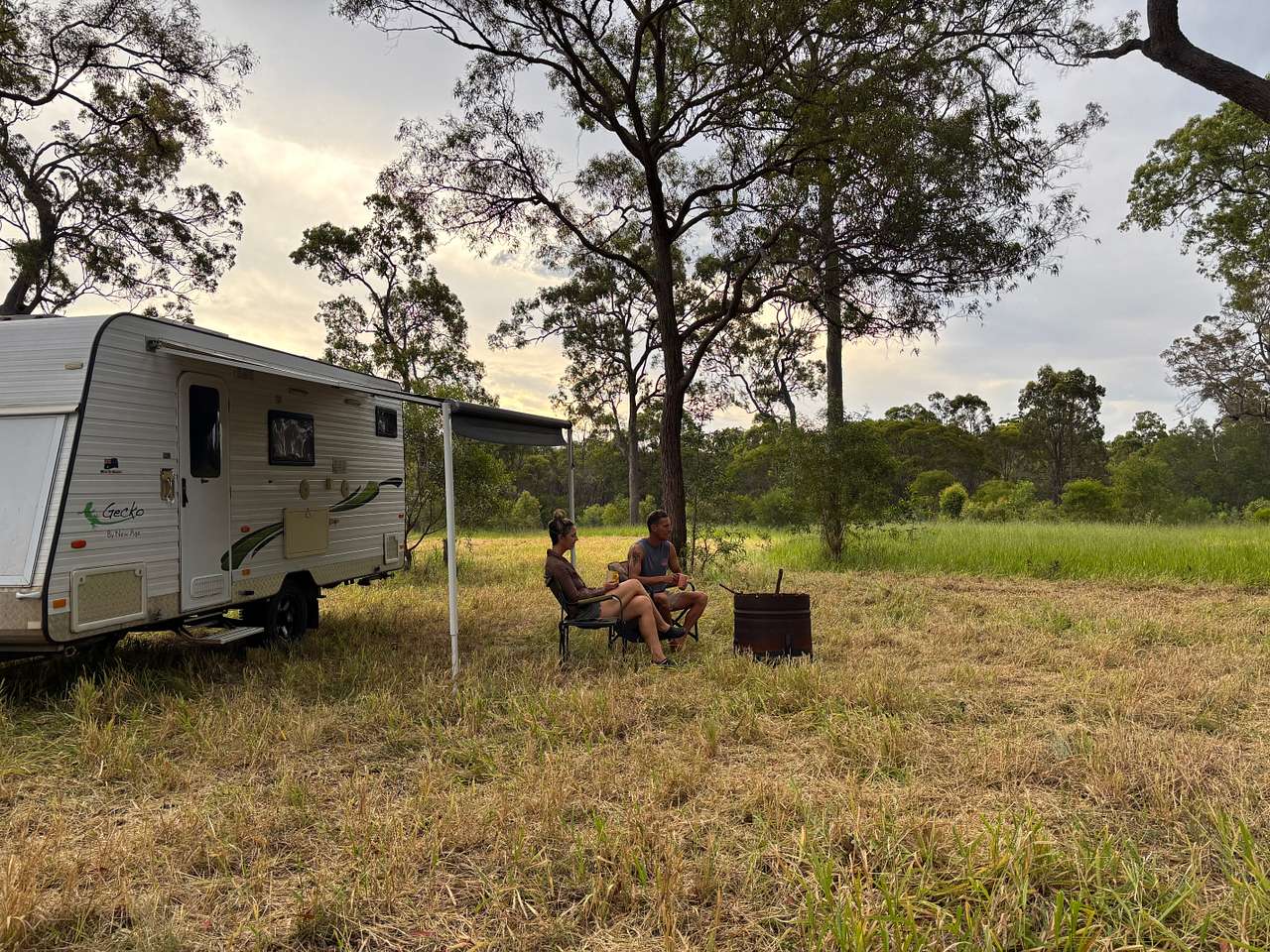
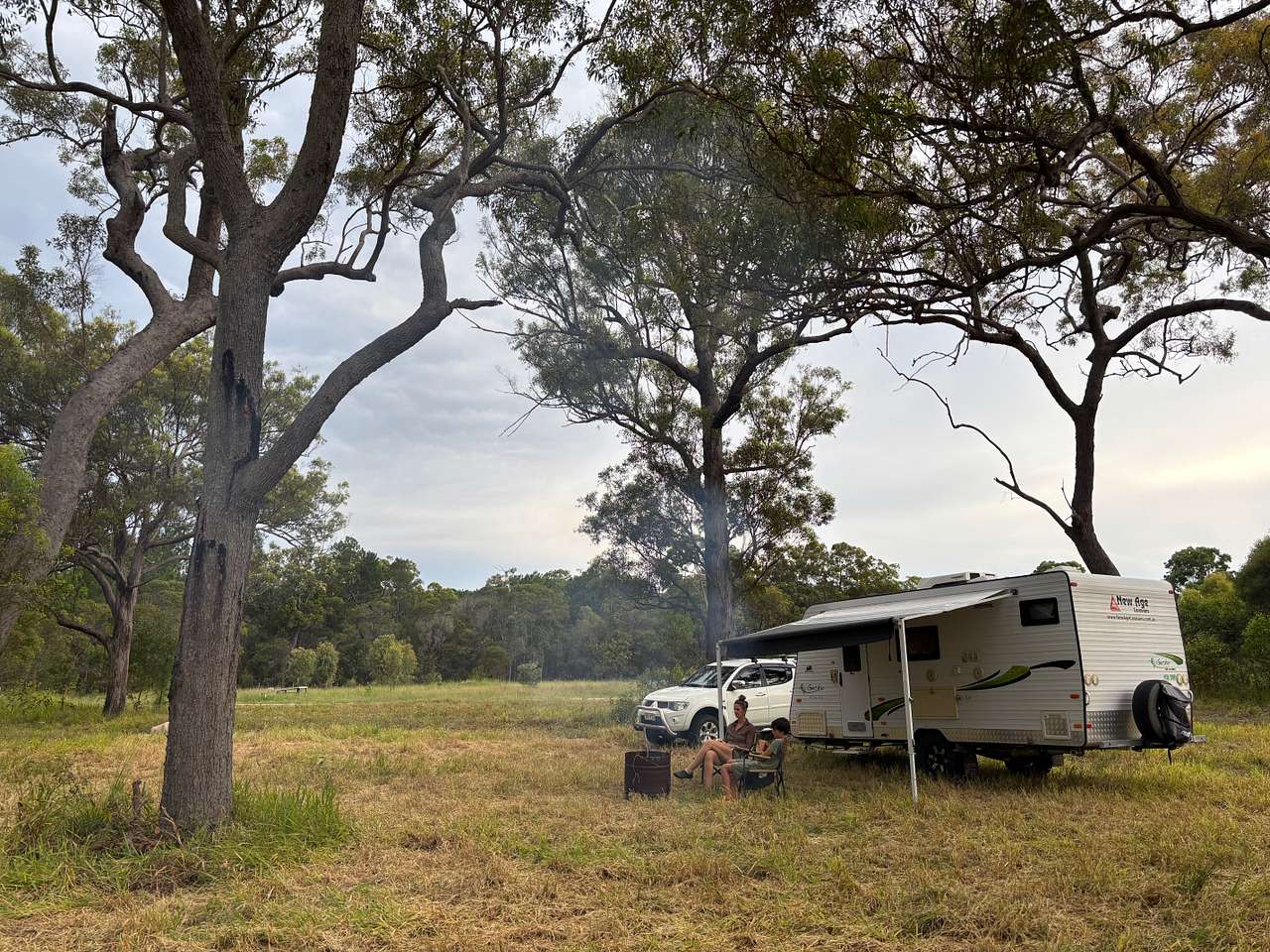
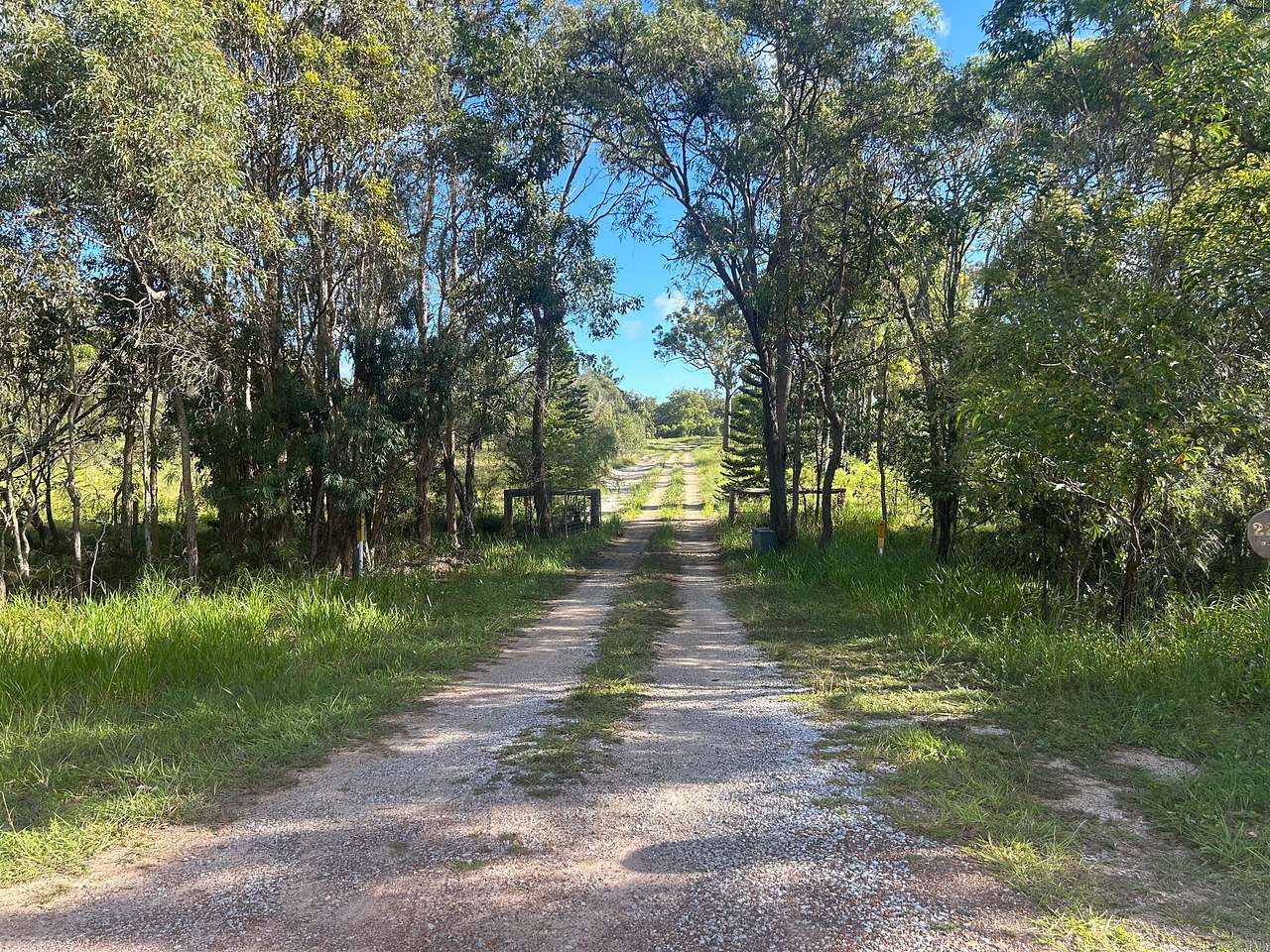
7. Apple Gum Bush Camp
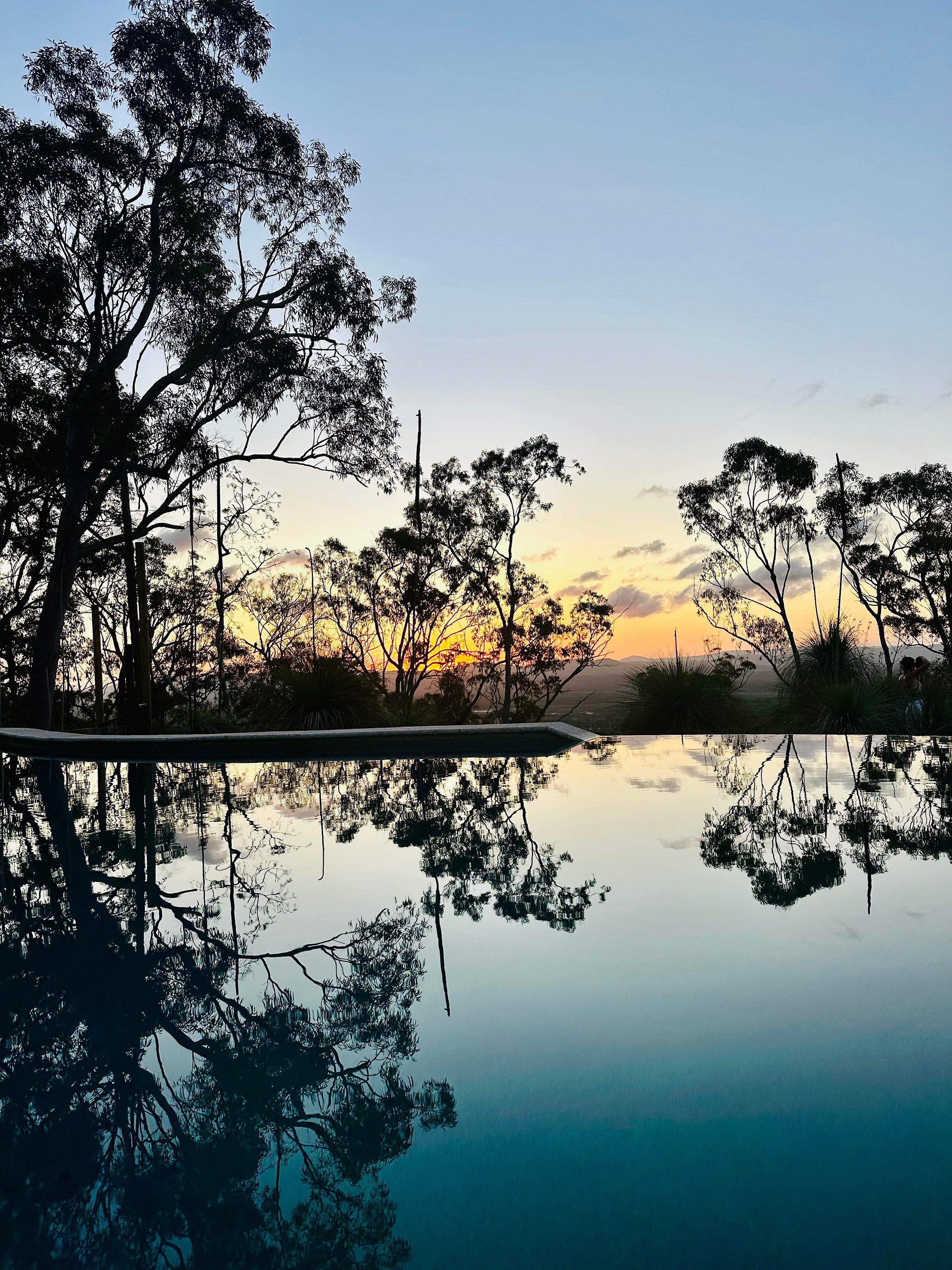
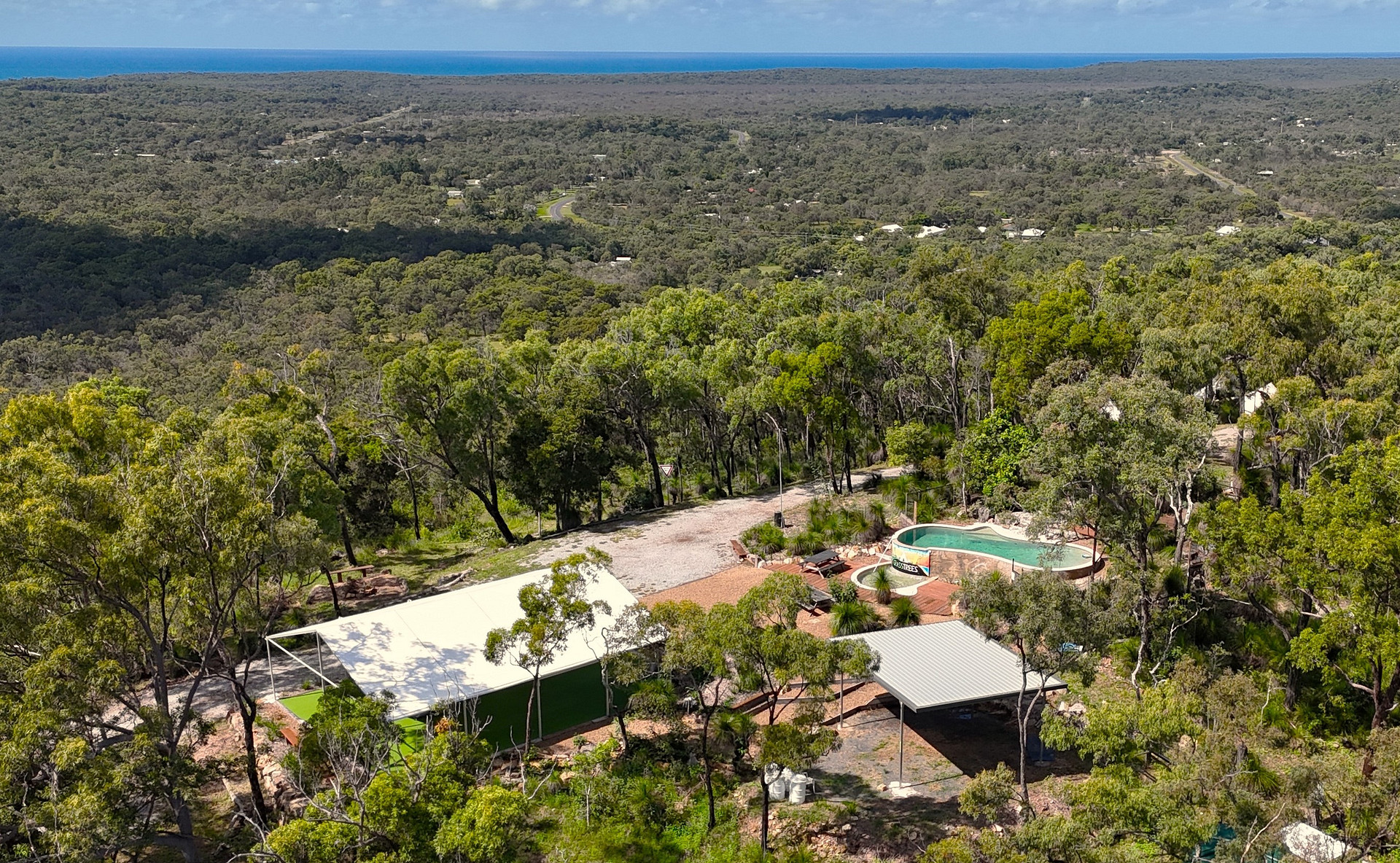
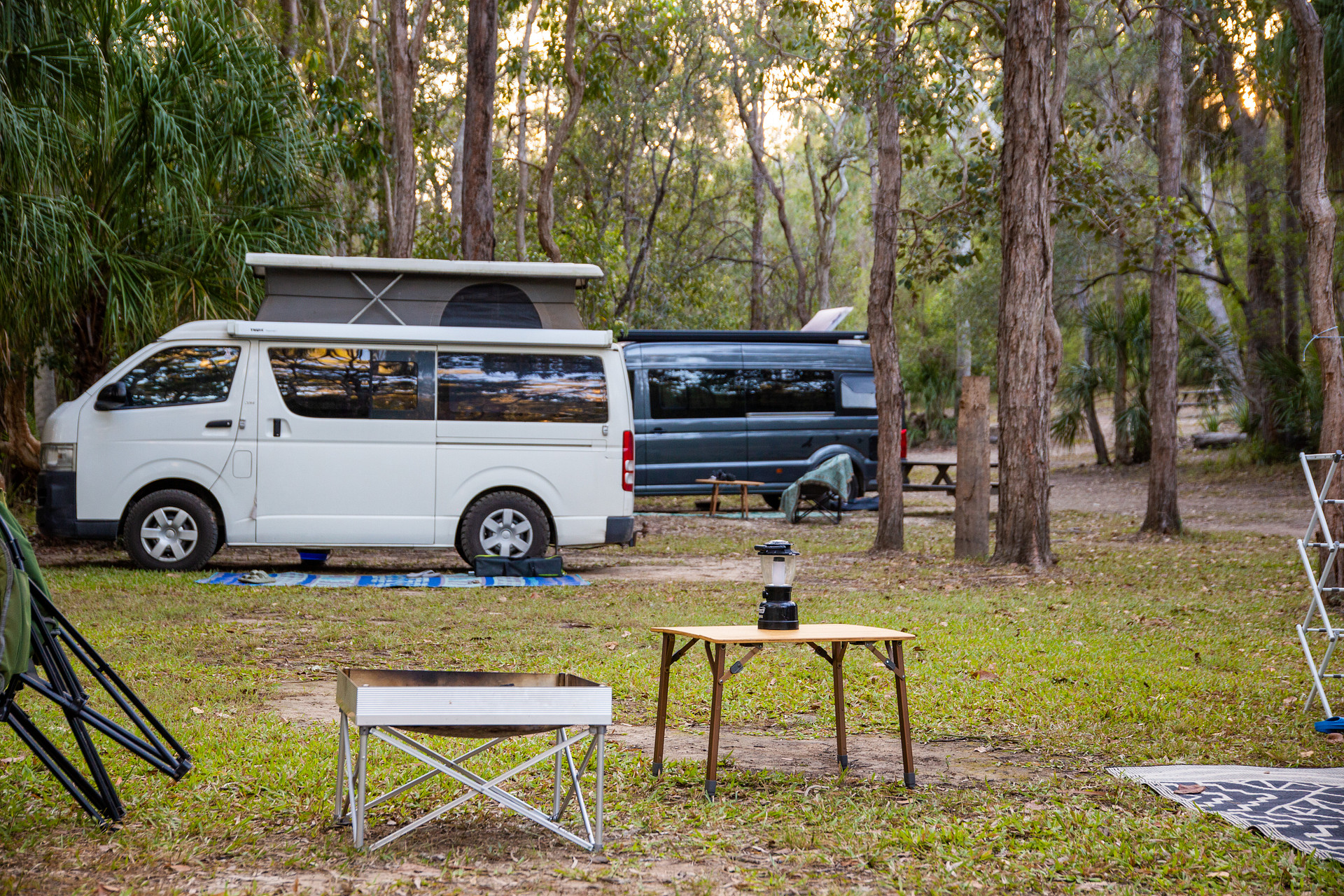
8. 1770 Eco Camp, Agnes Water
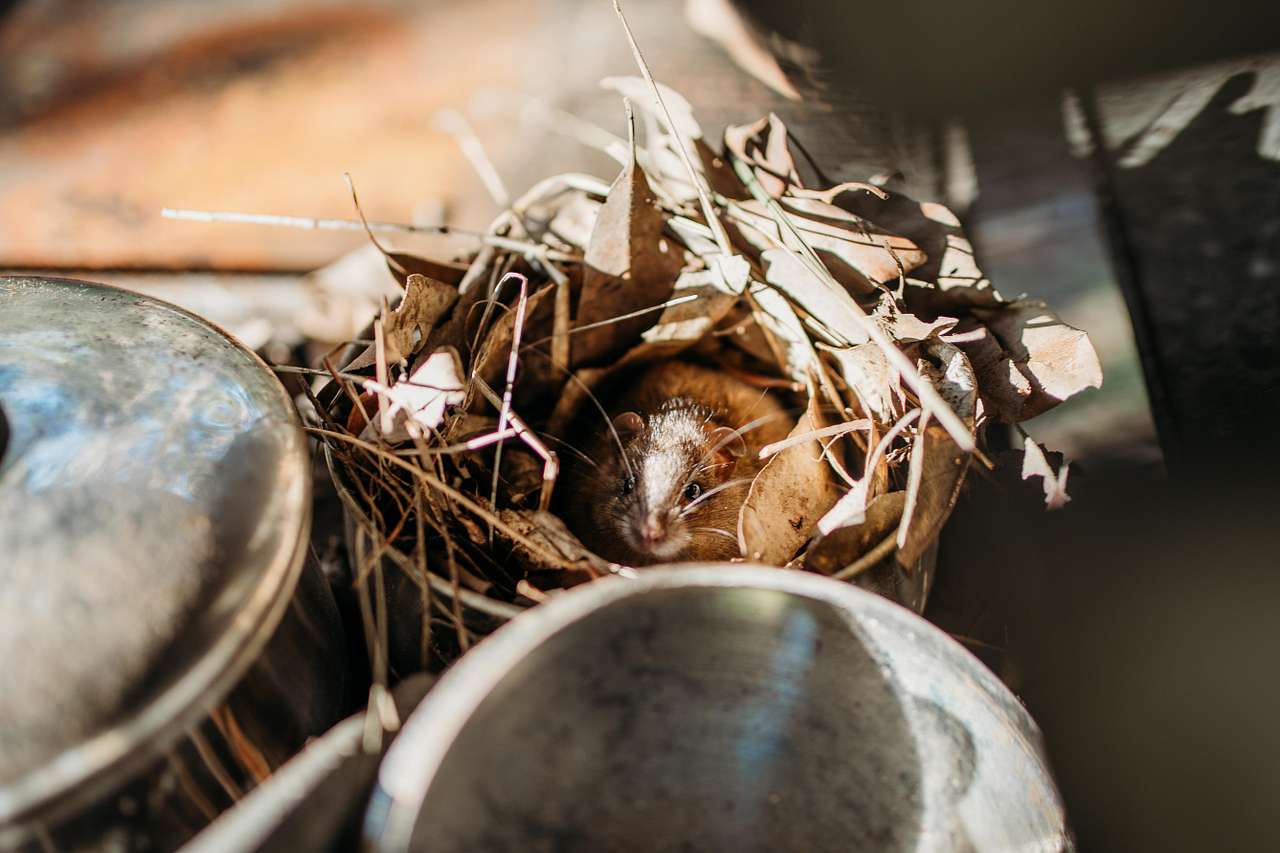
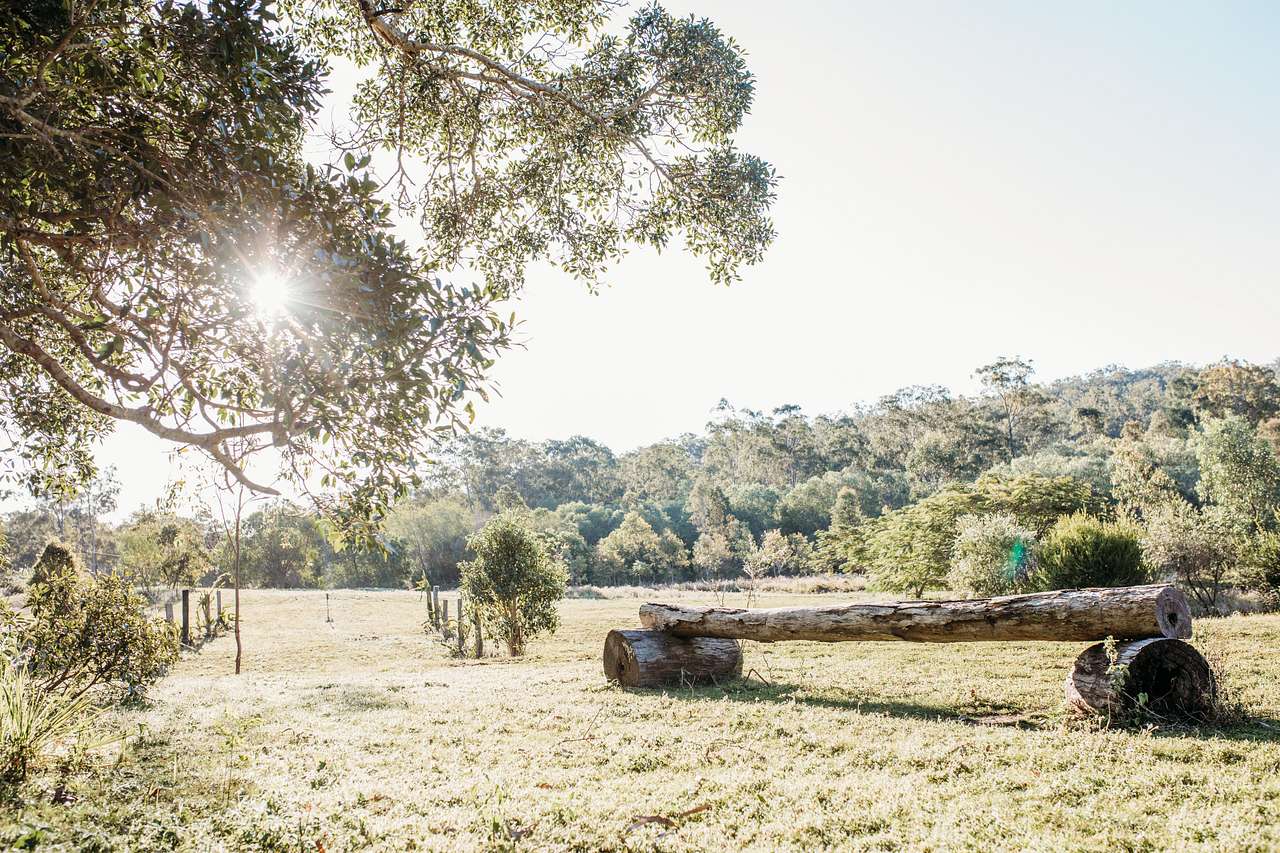
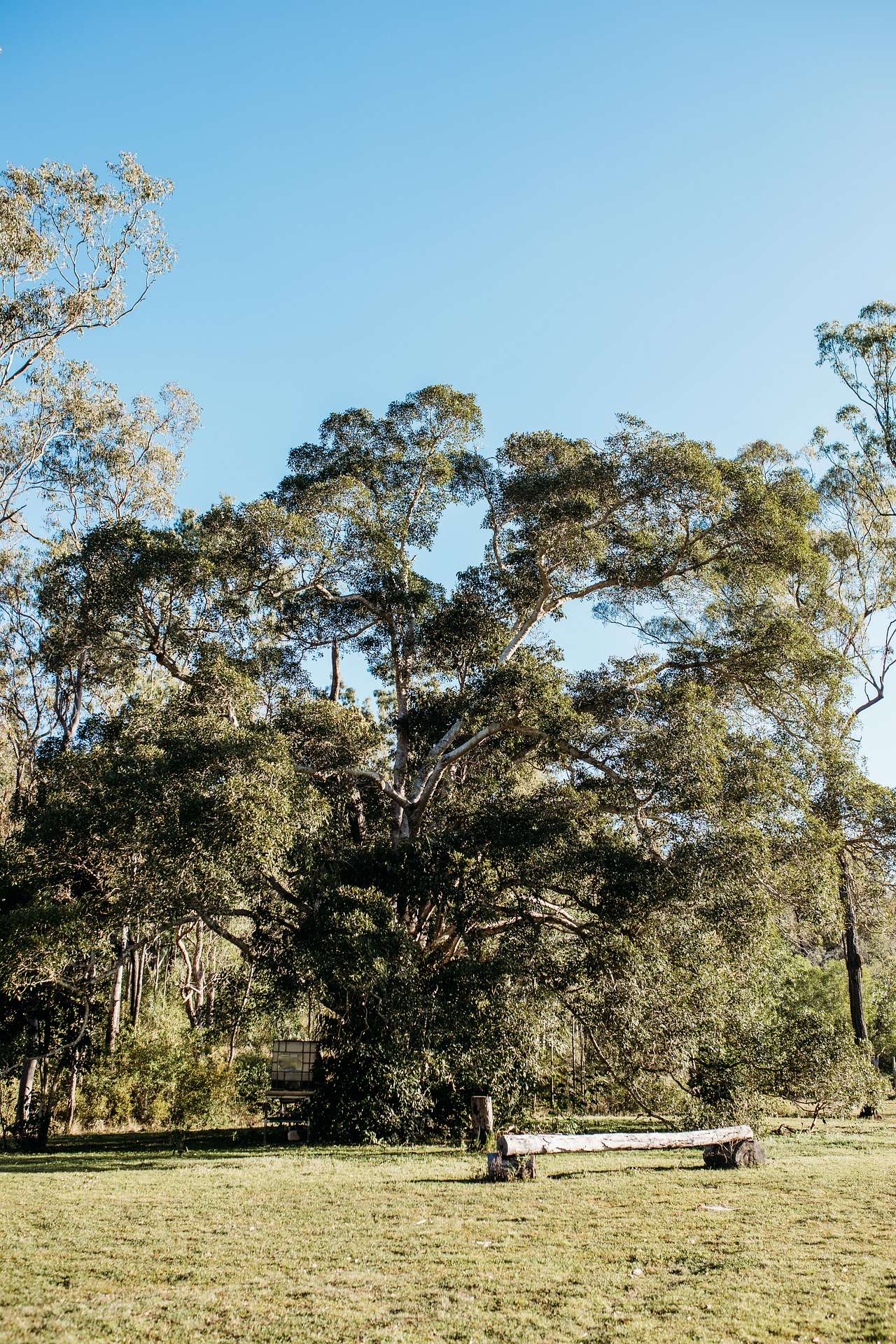
9. Mugul Mountain Wilderness Retreat
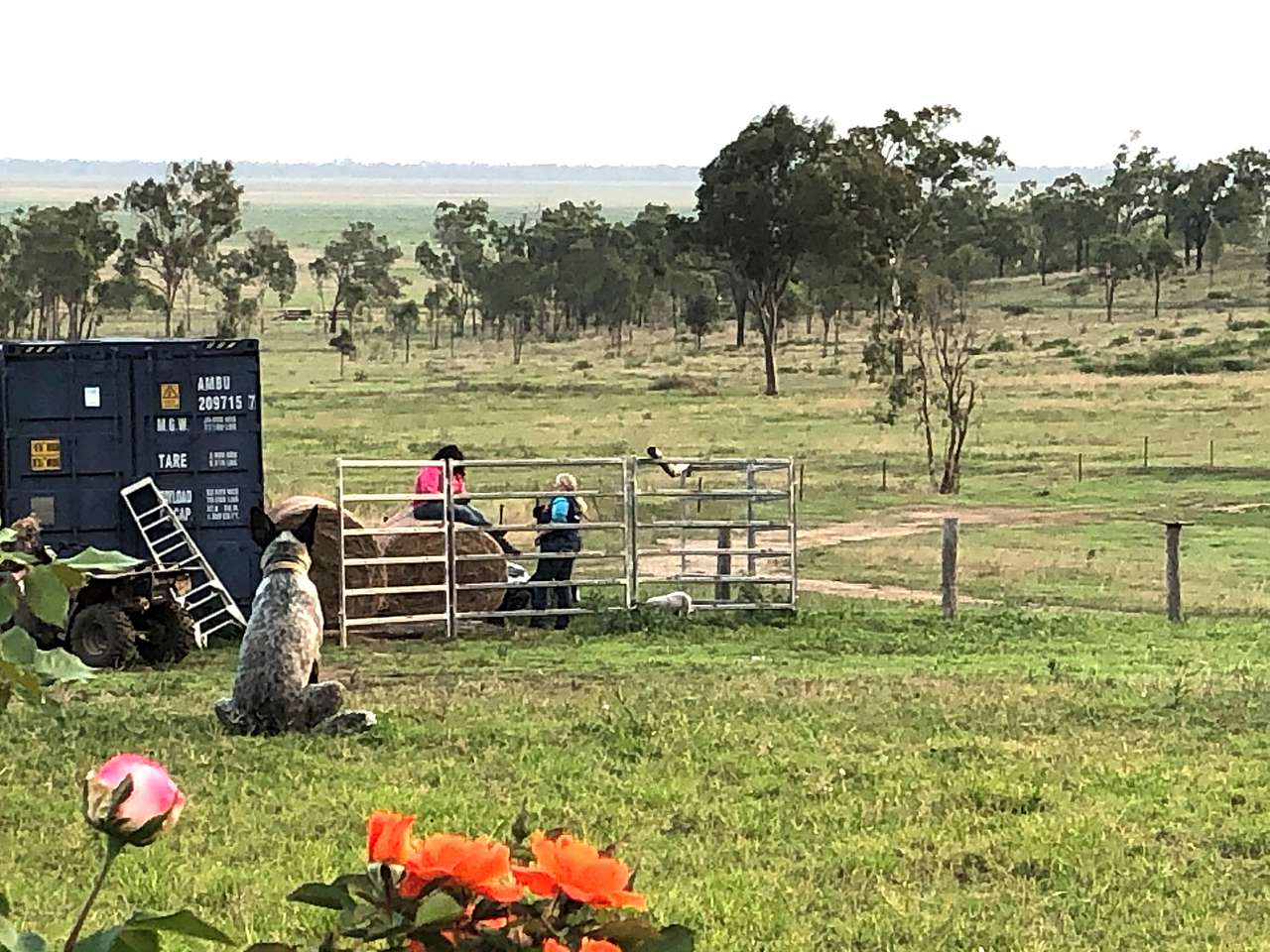
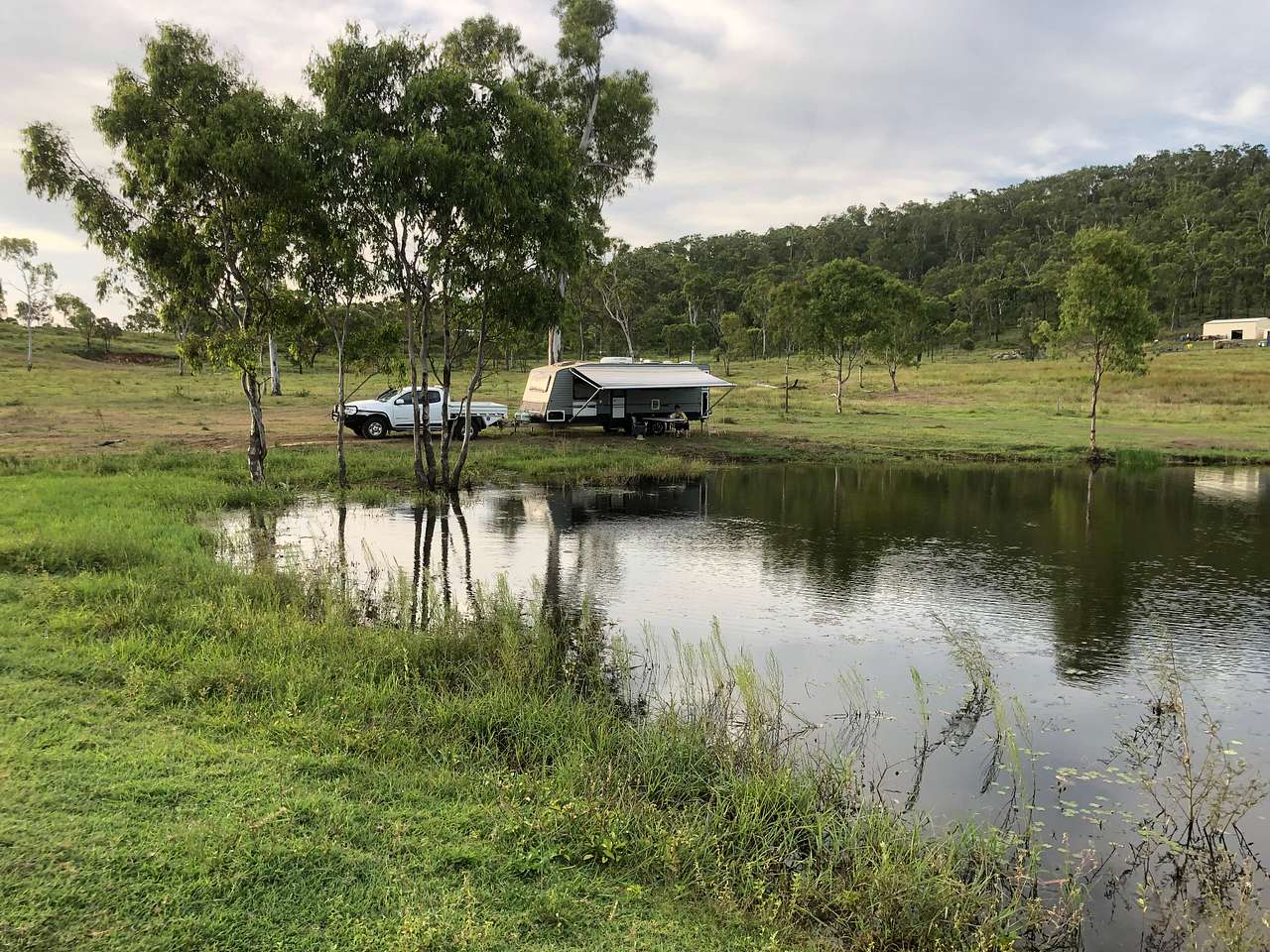
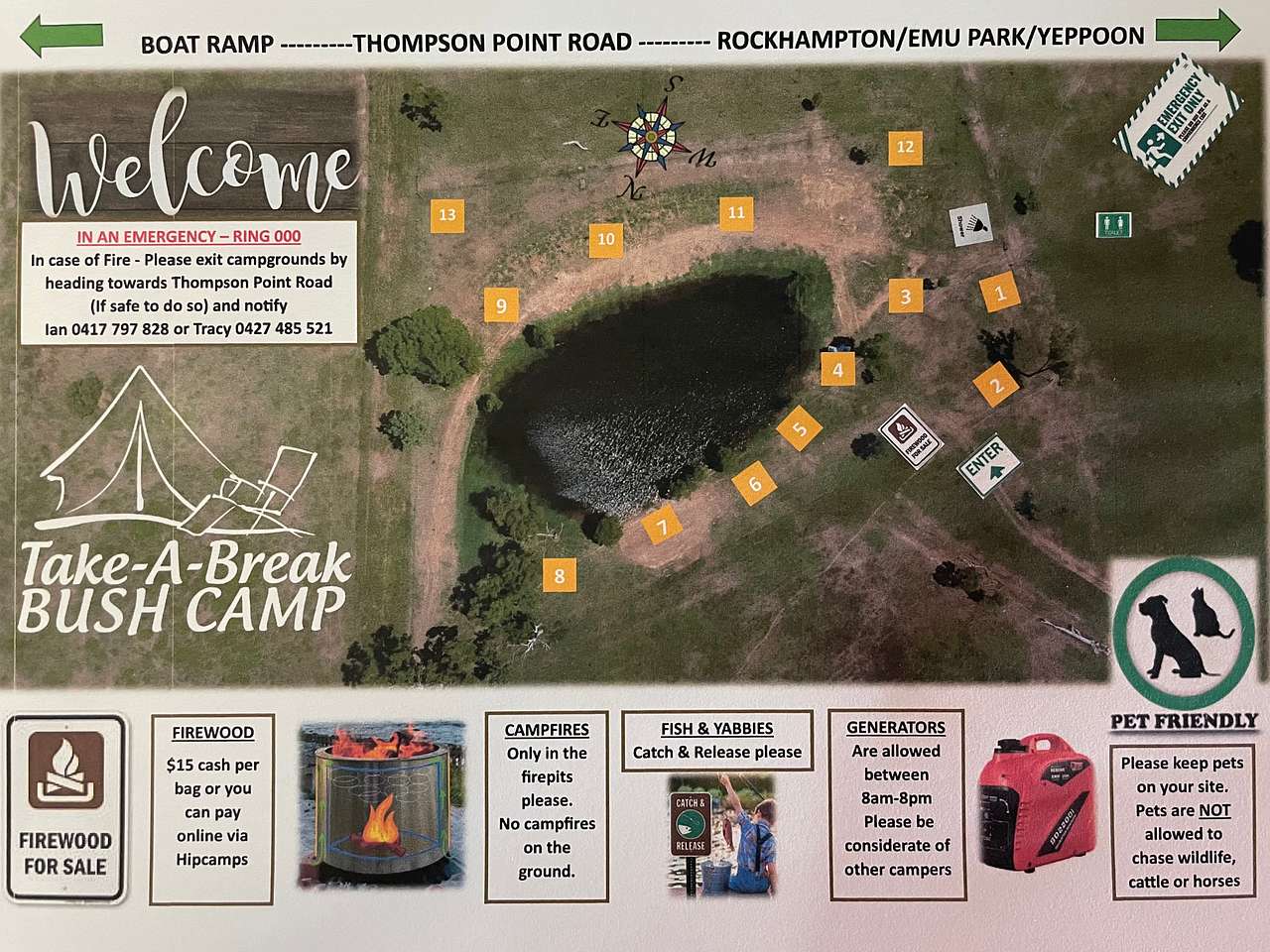
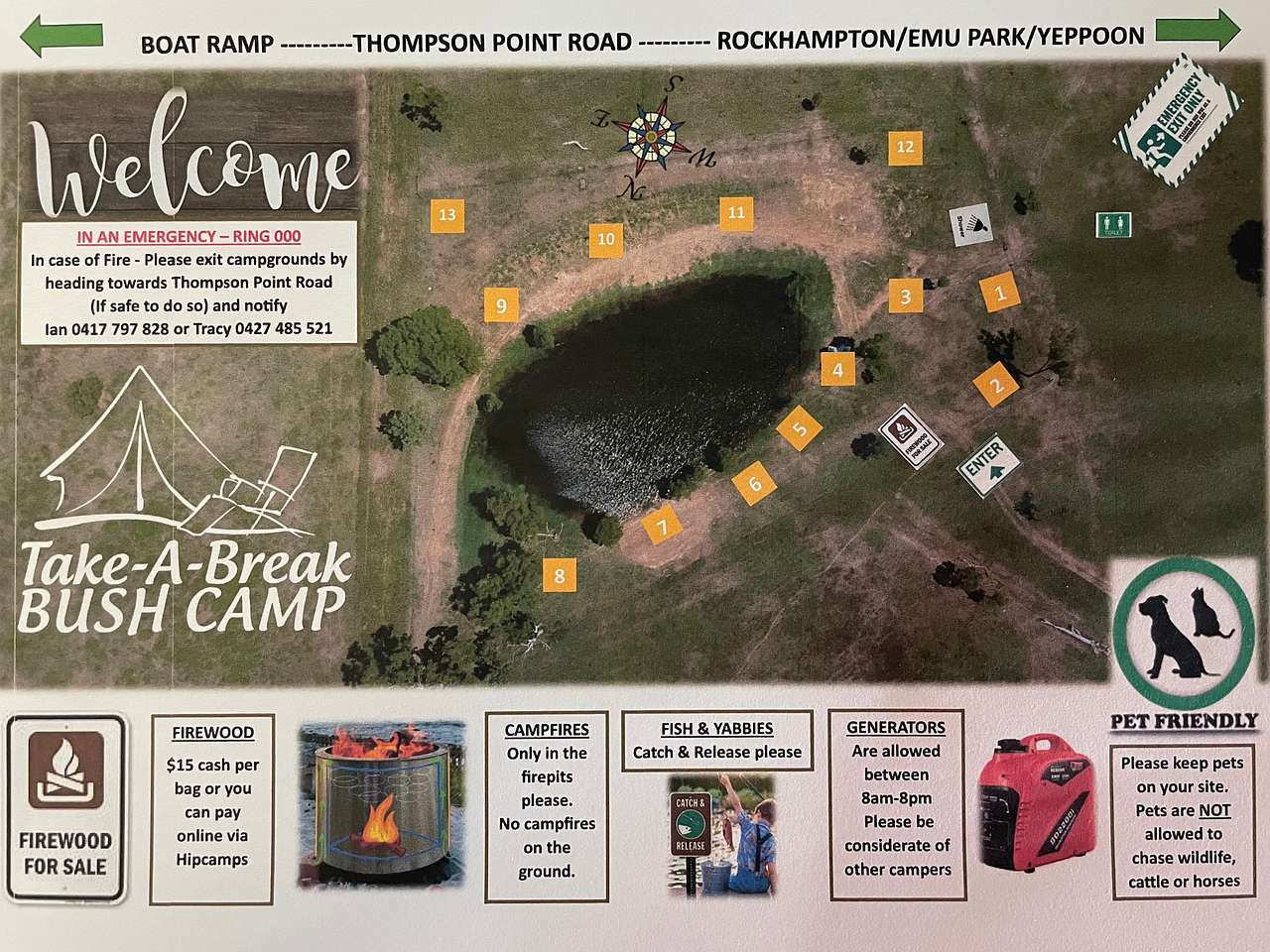
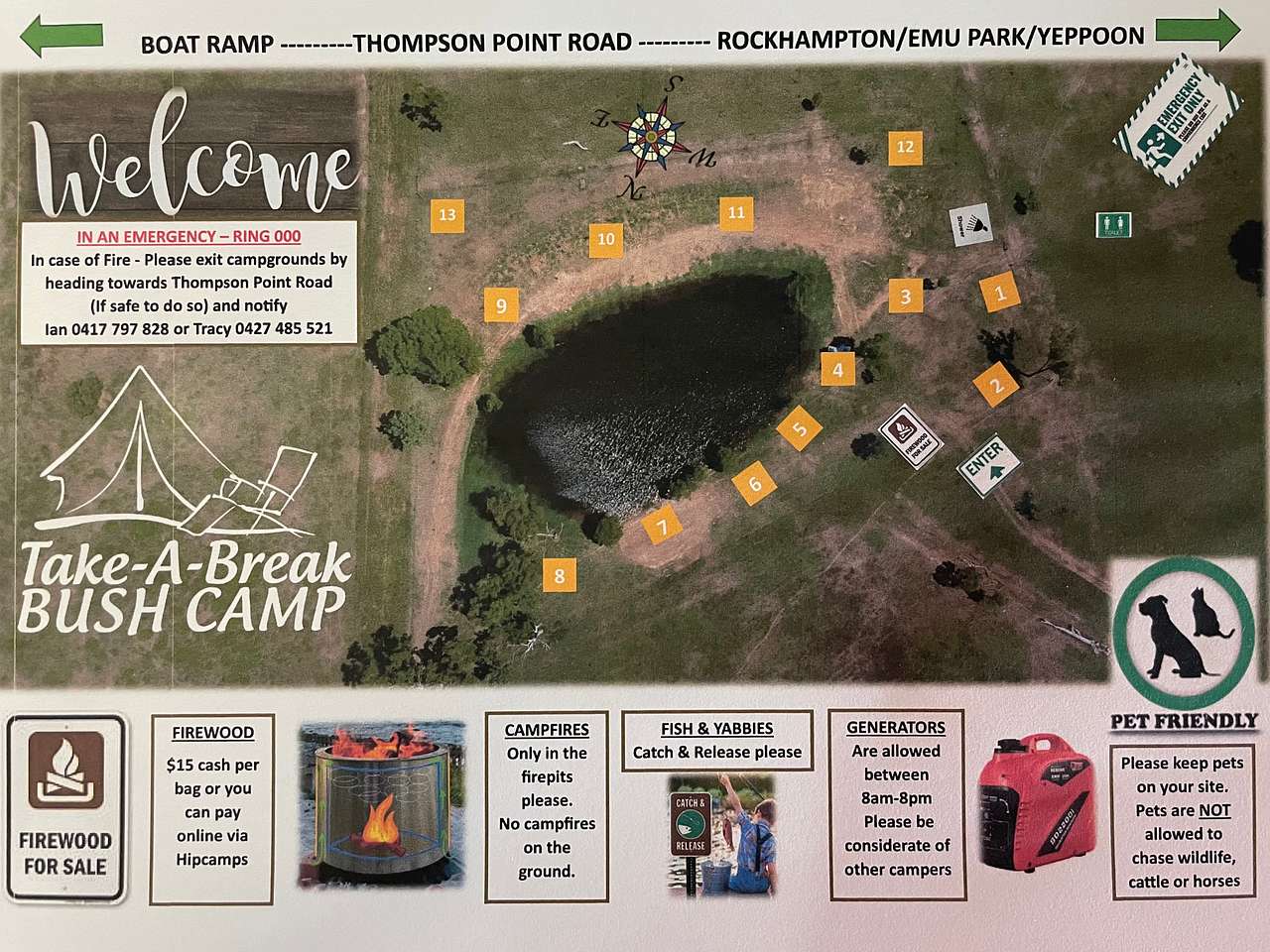
10. Take-A-Break Bush Camp
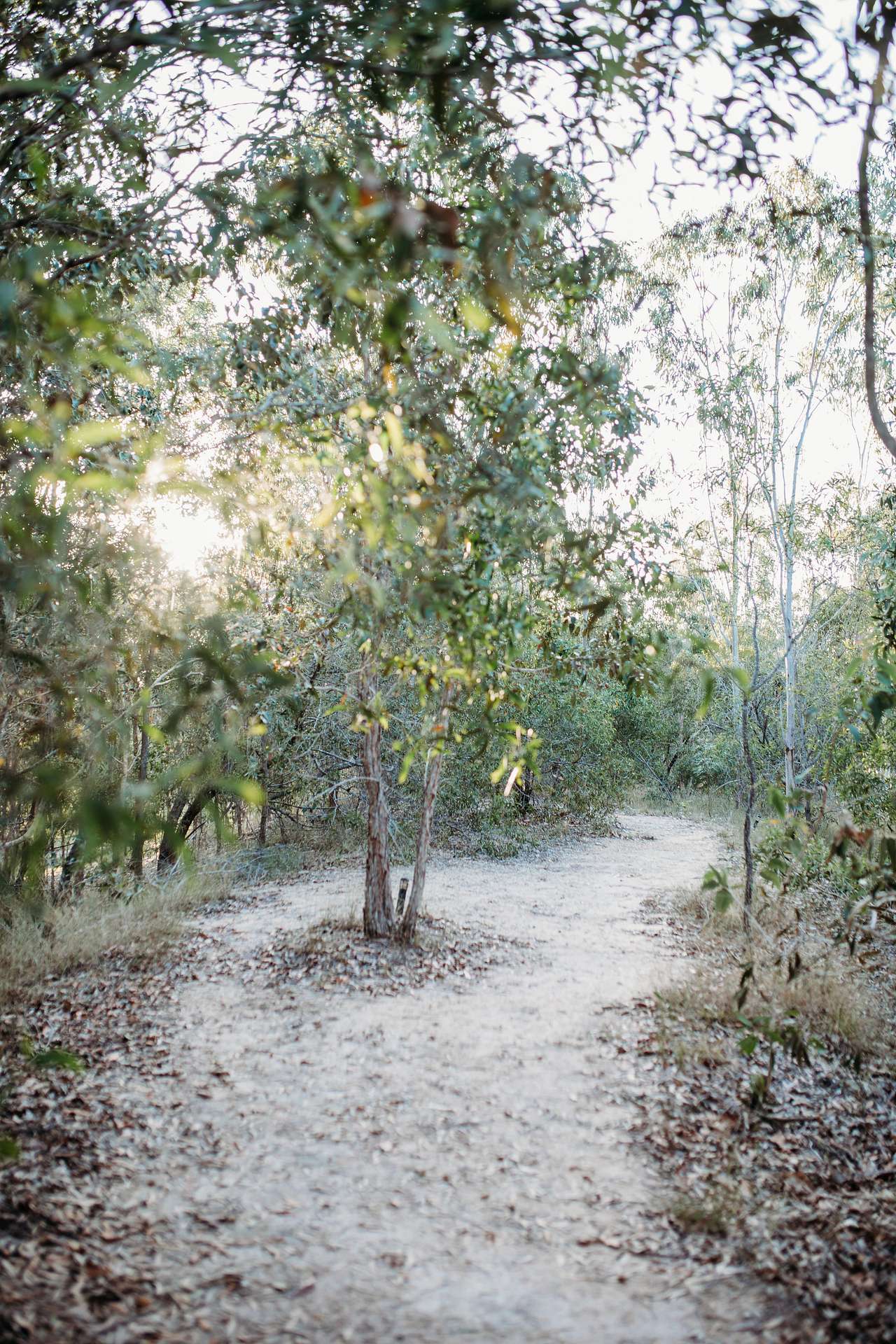
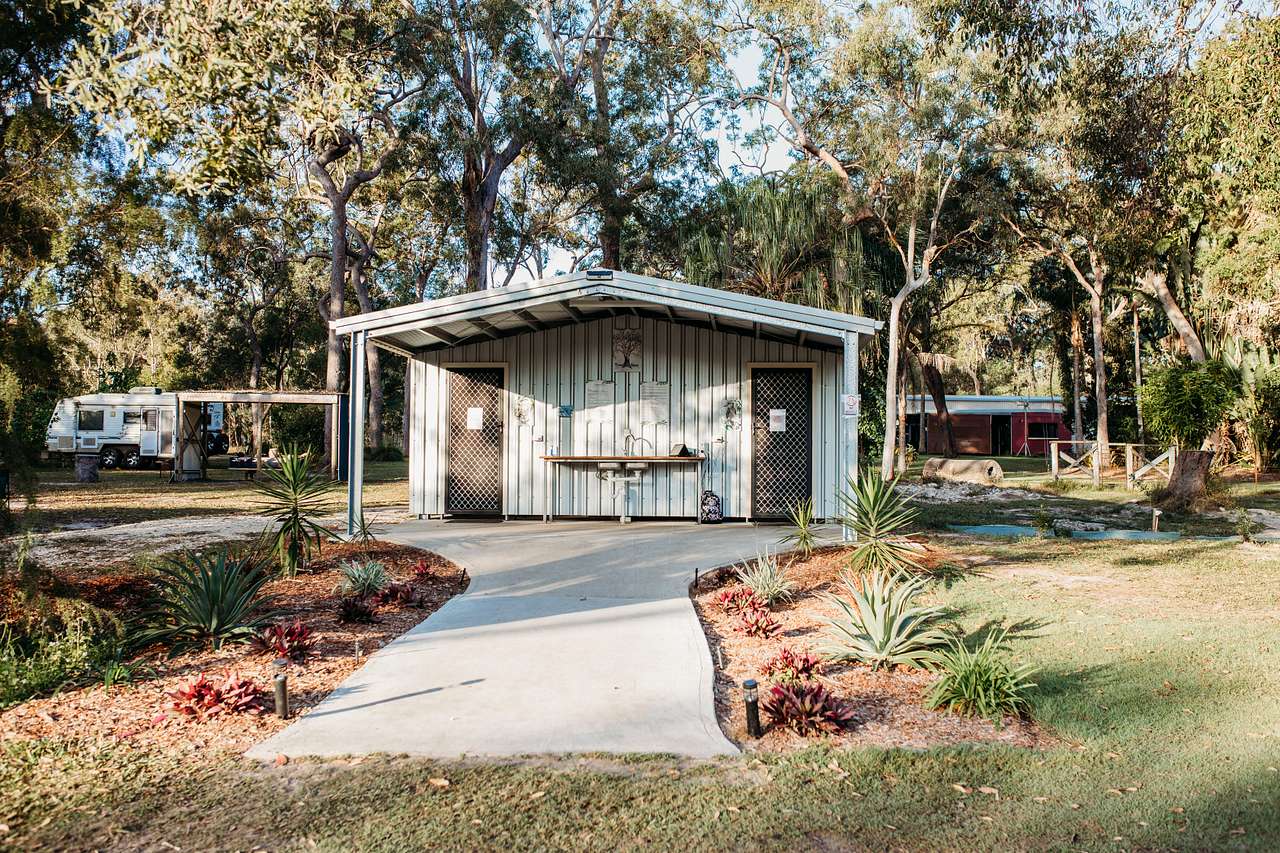
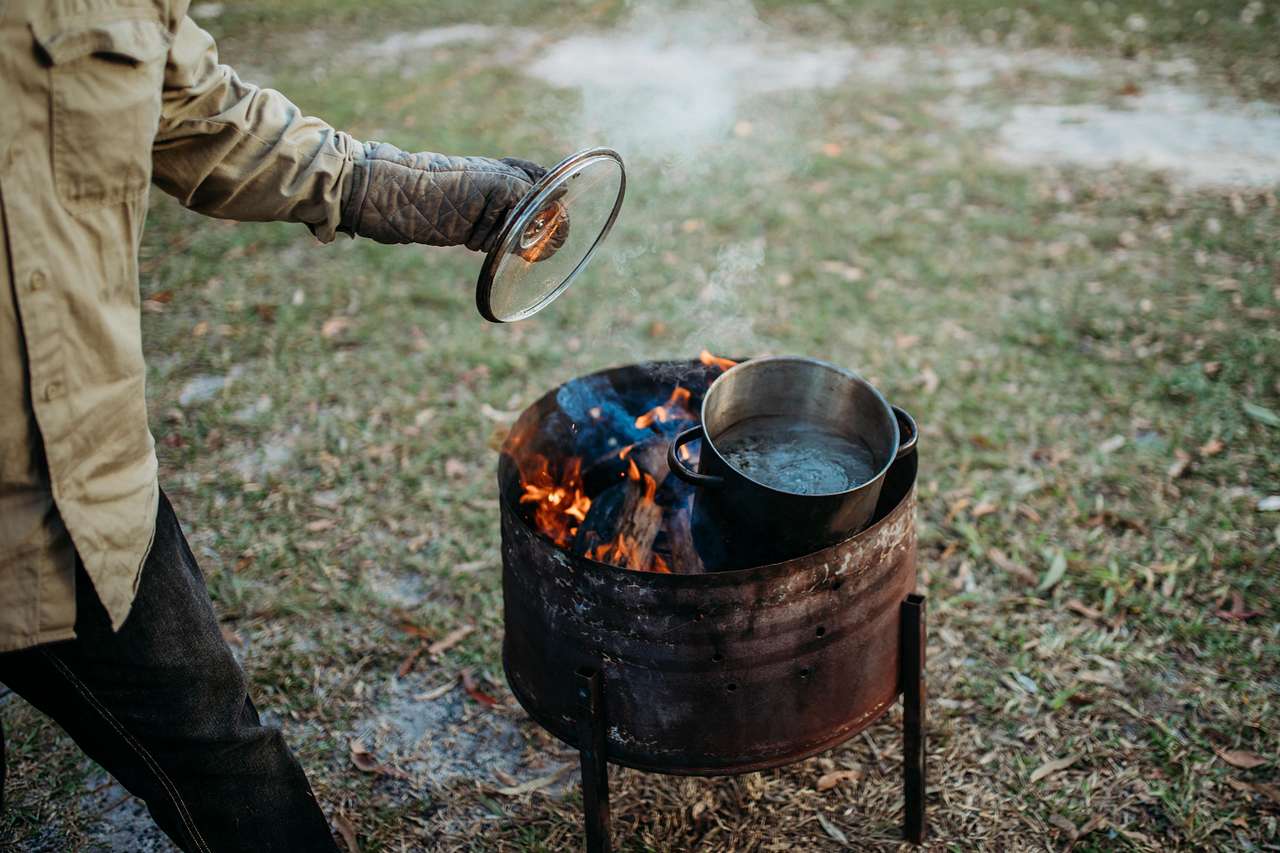
11. Travellers Rest 1770
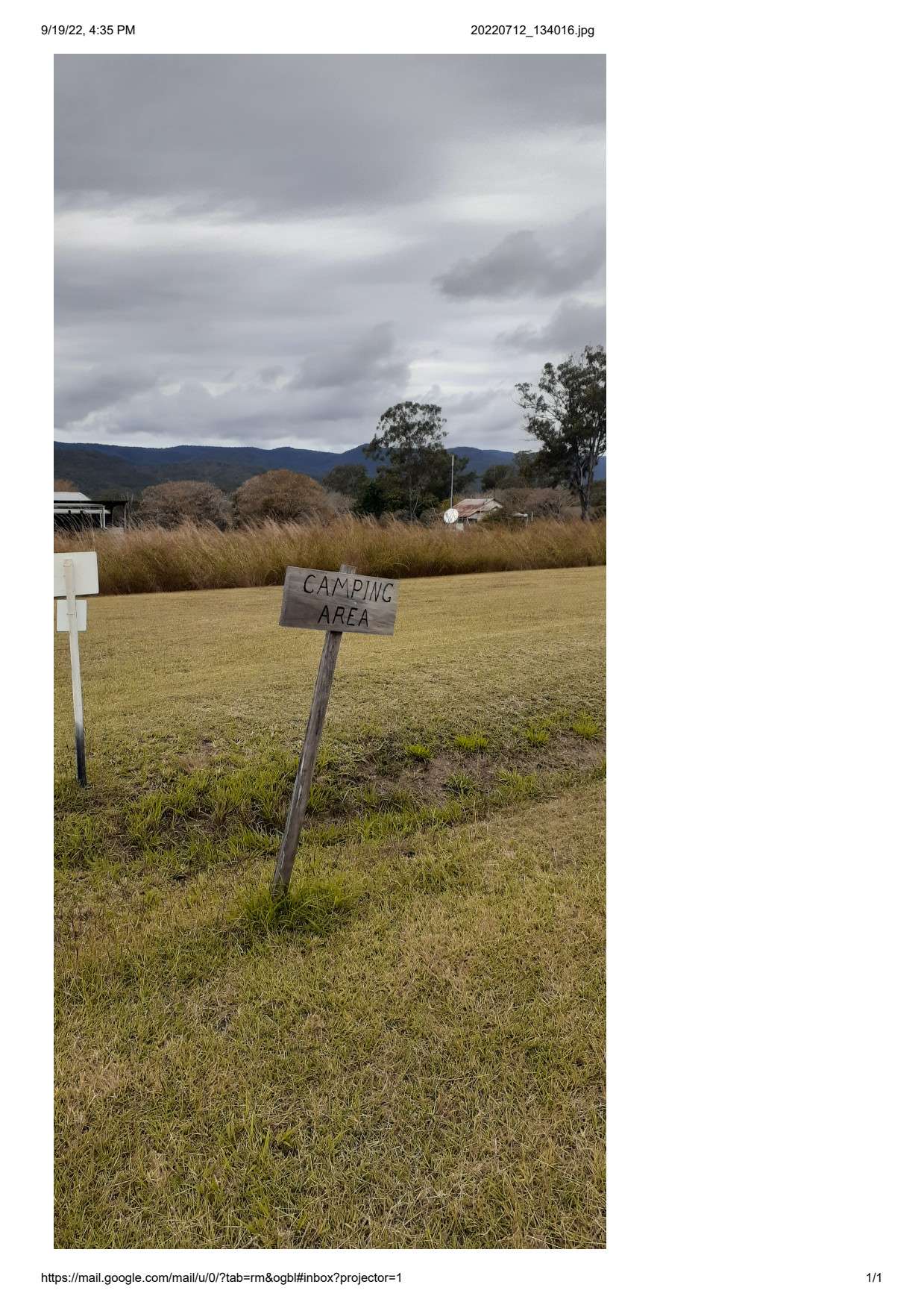
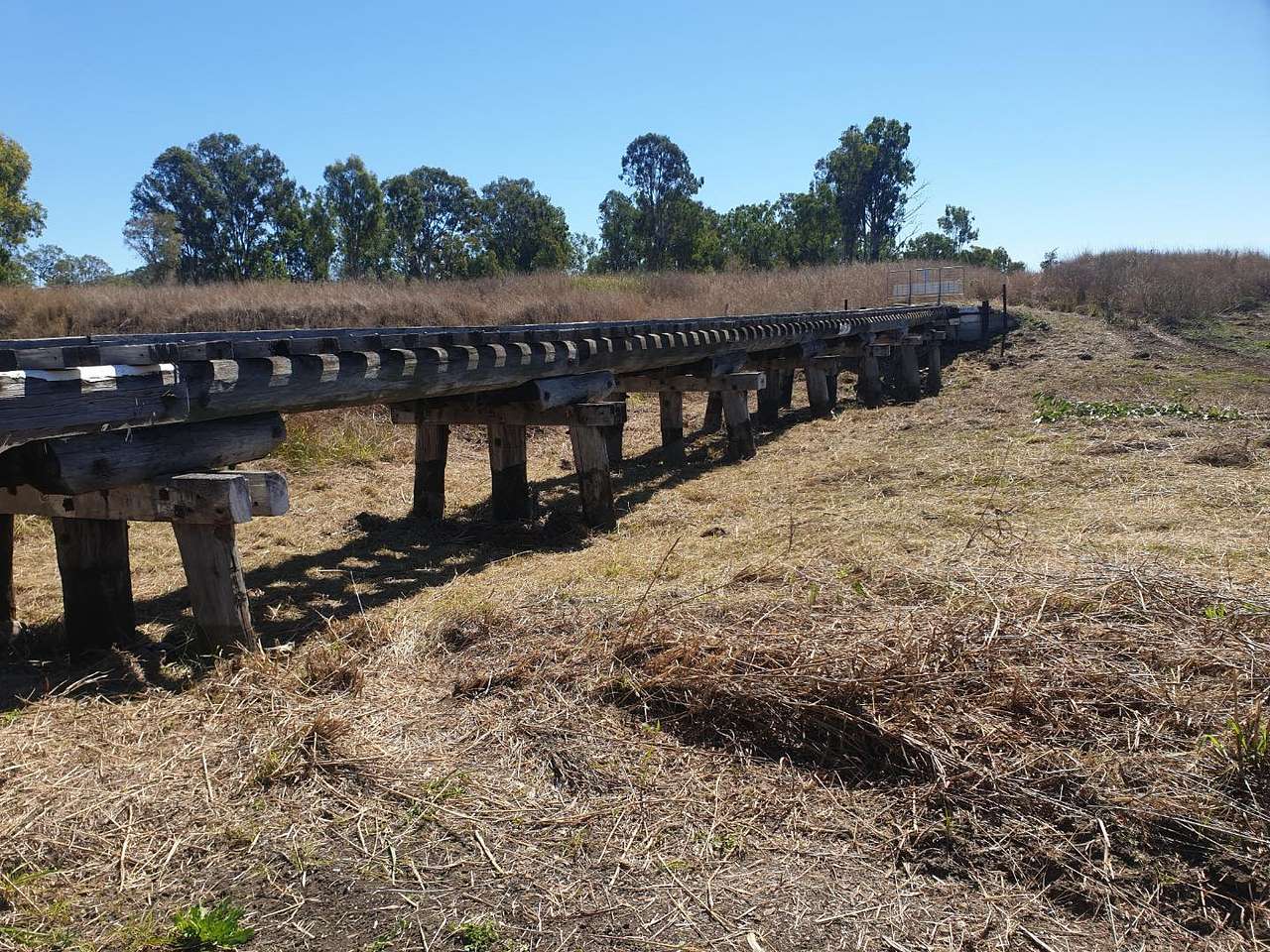
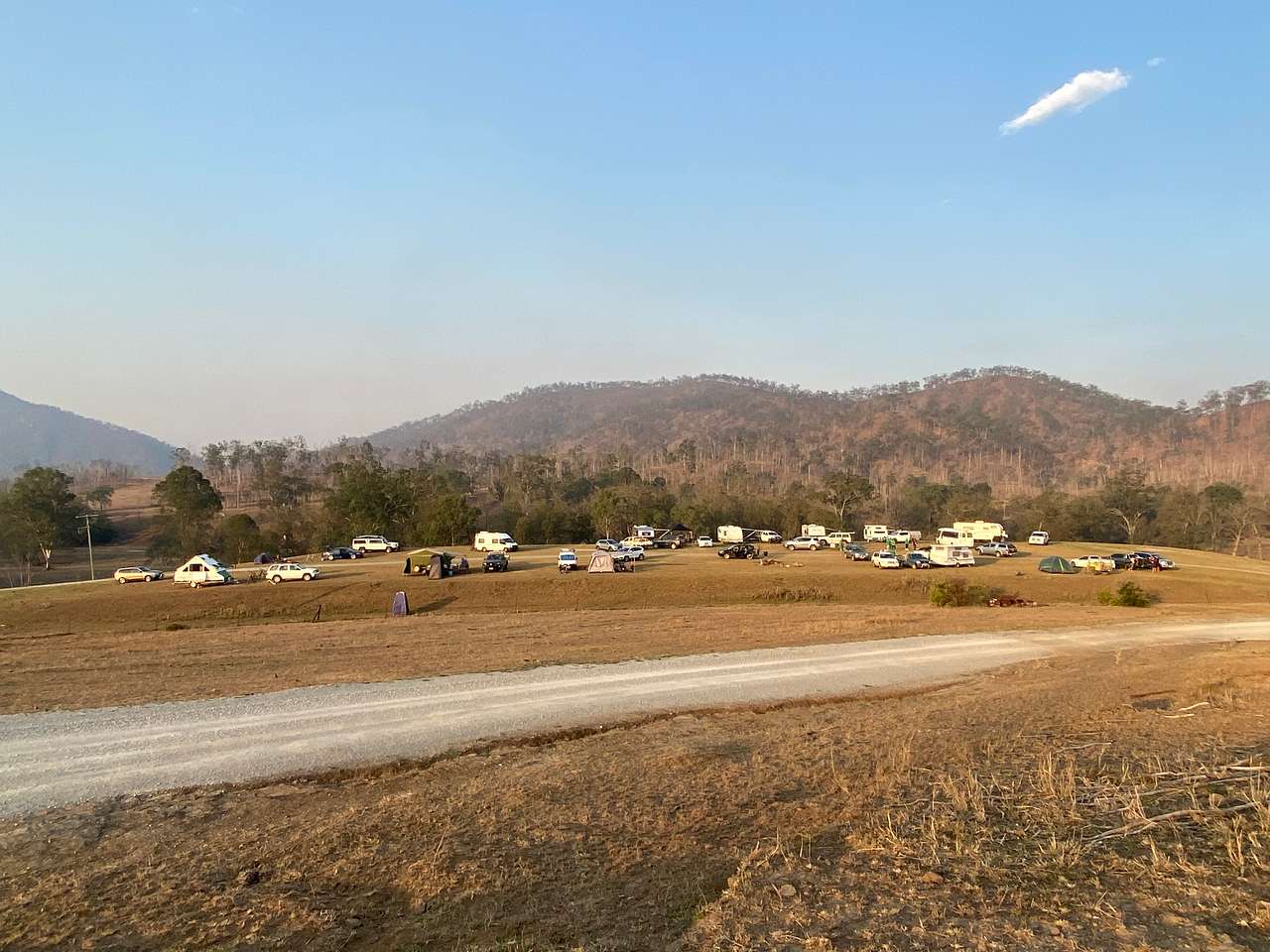
12. BB Inland Rail Trail - Boyne Valley
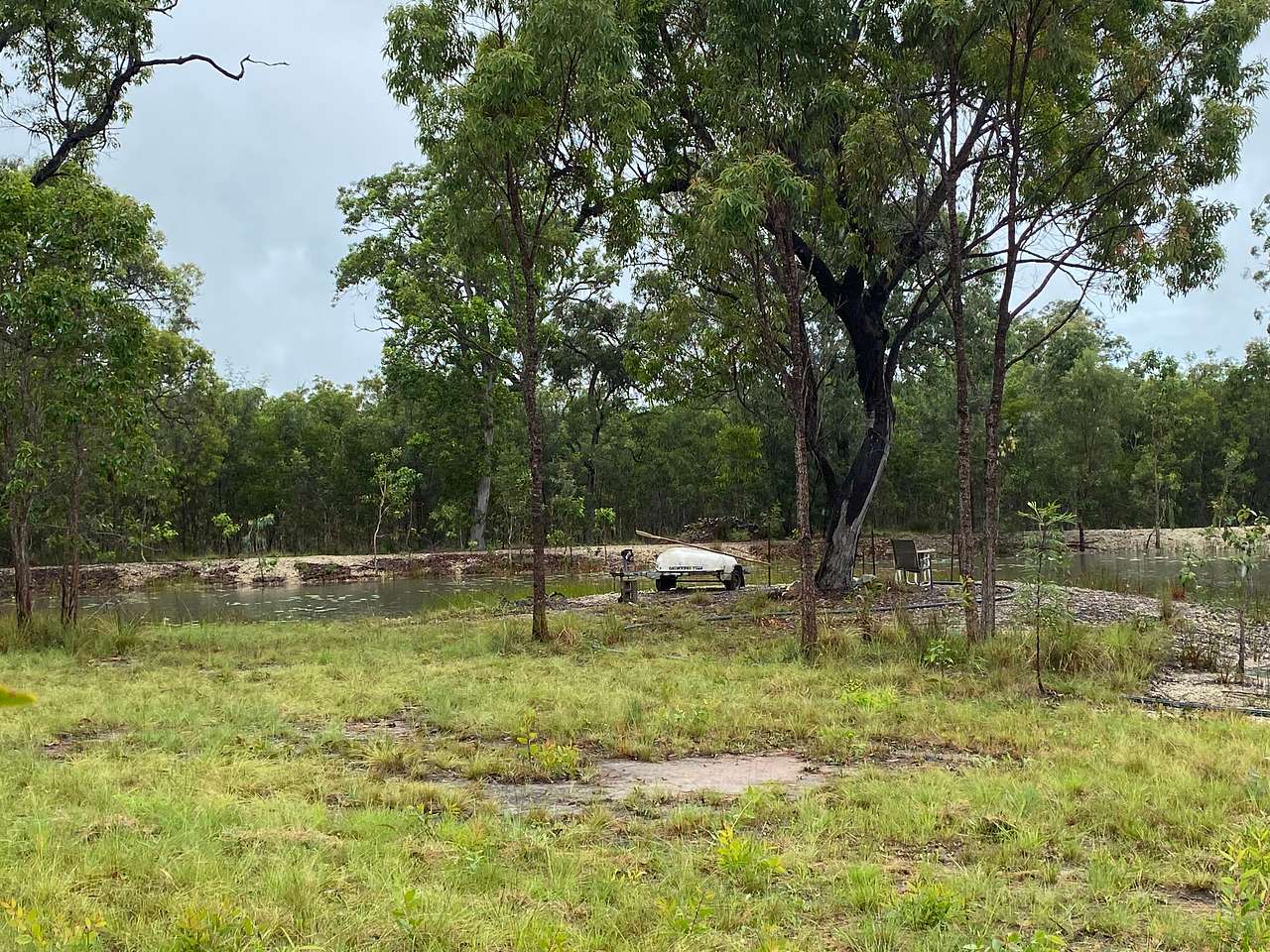
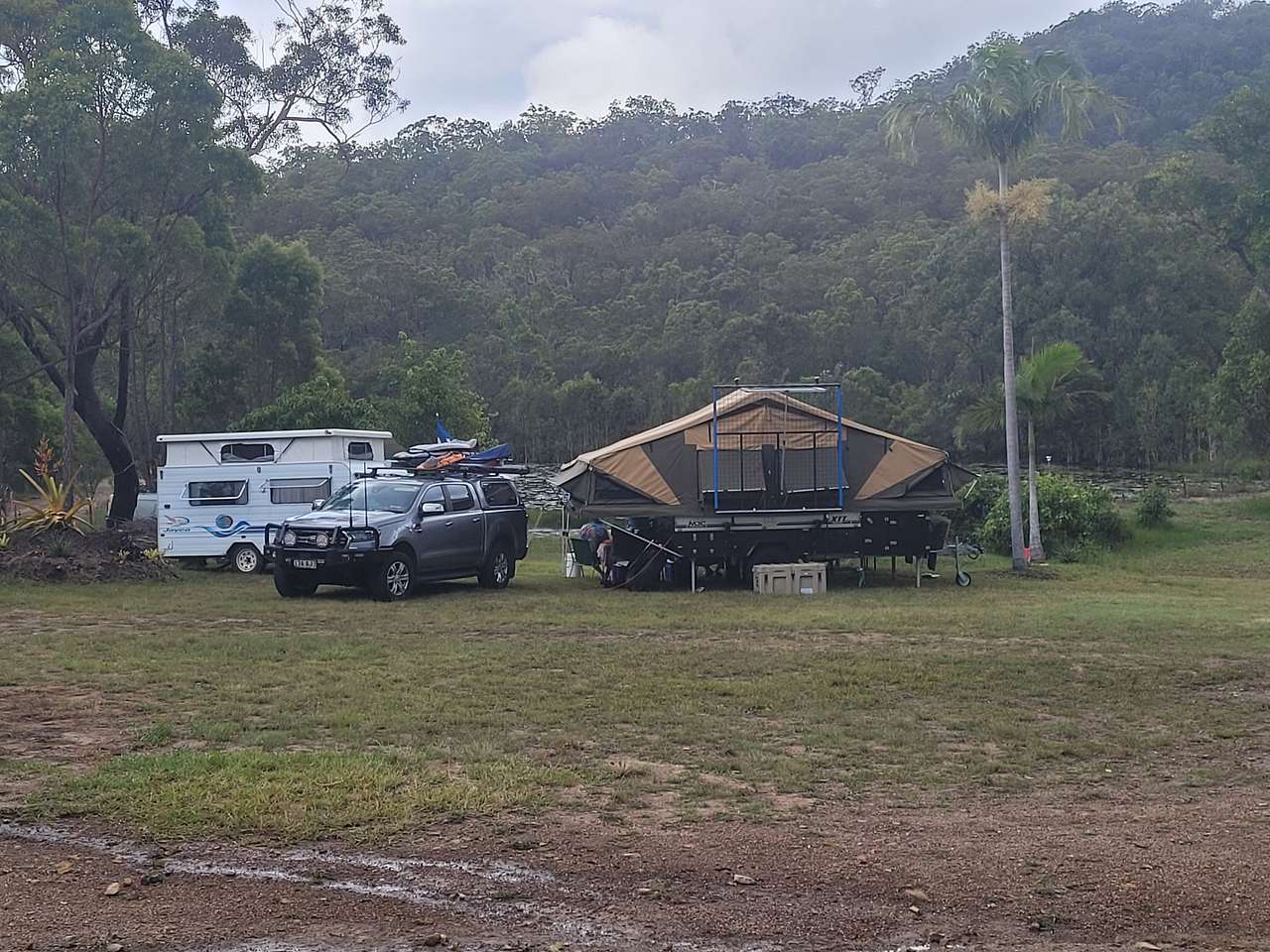
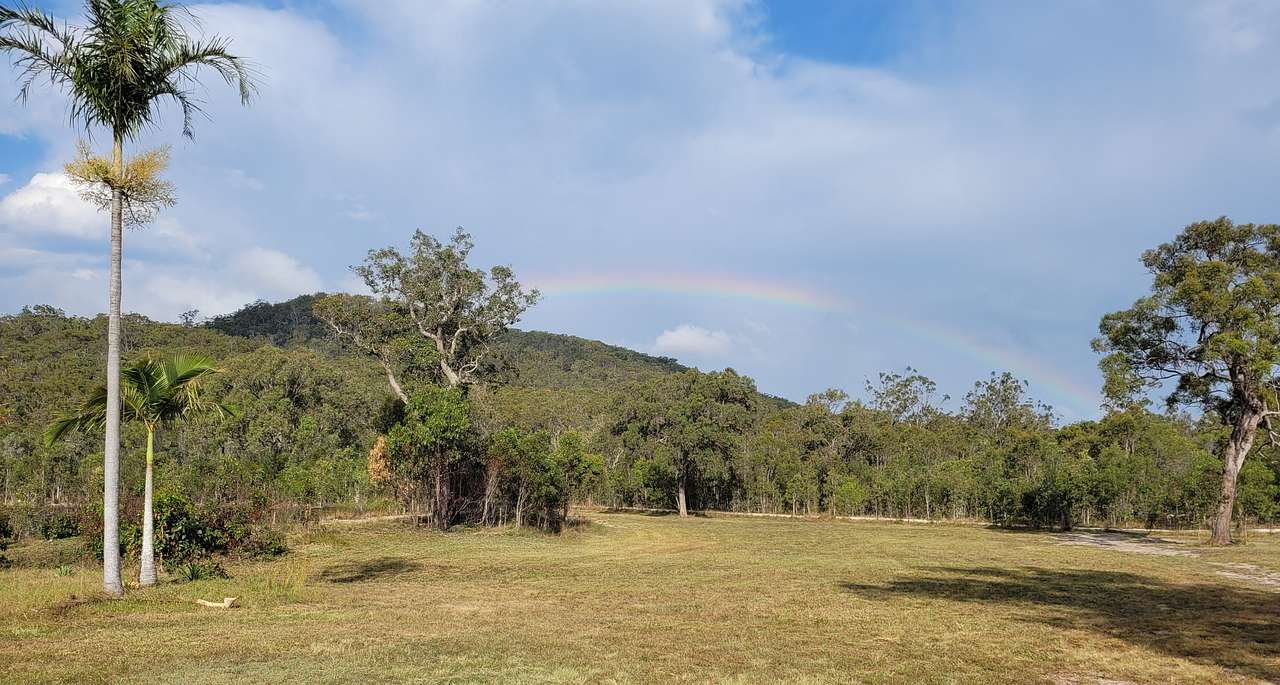
13. Kintale 2
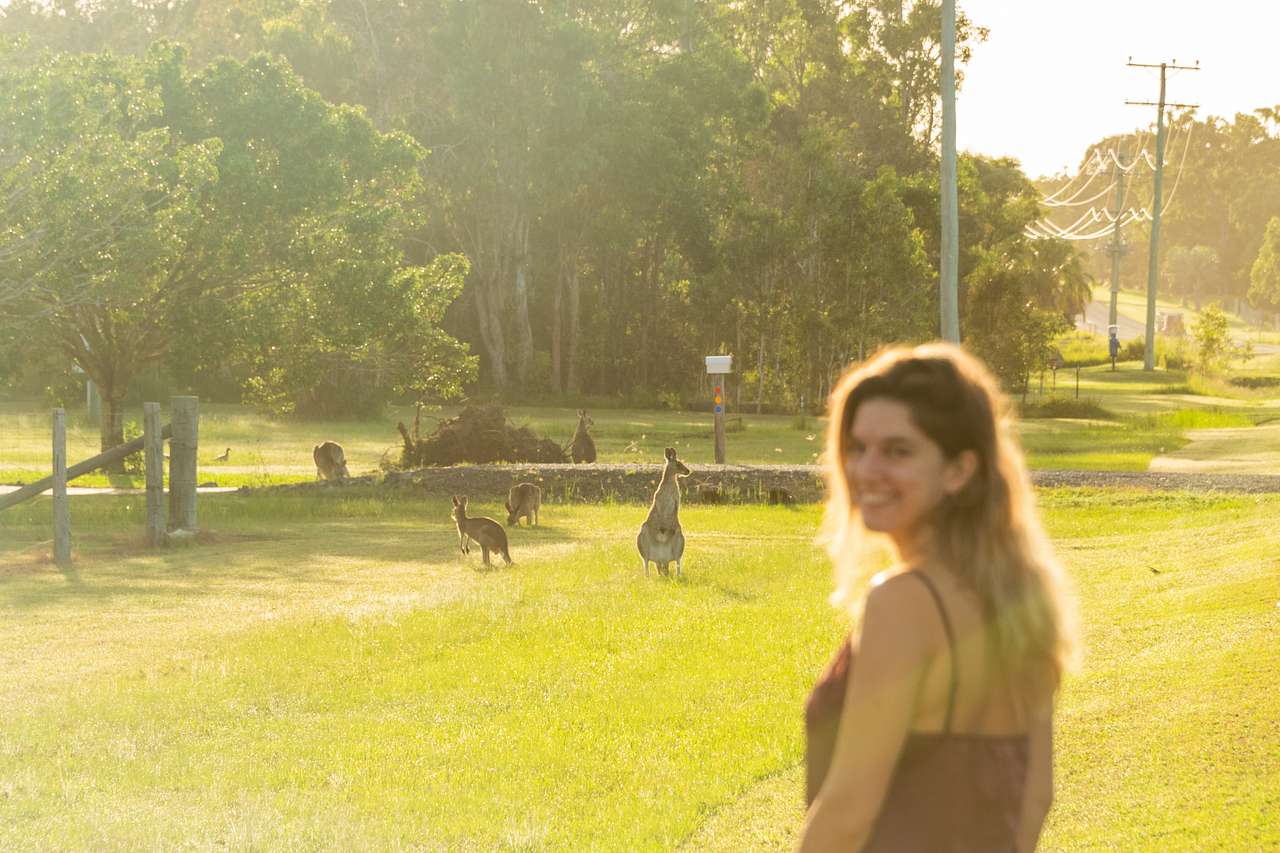
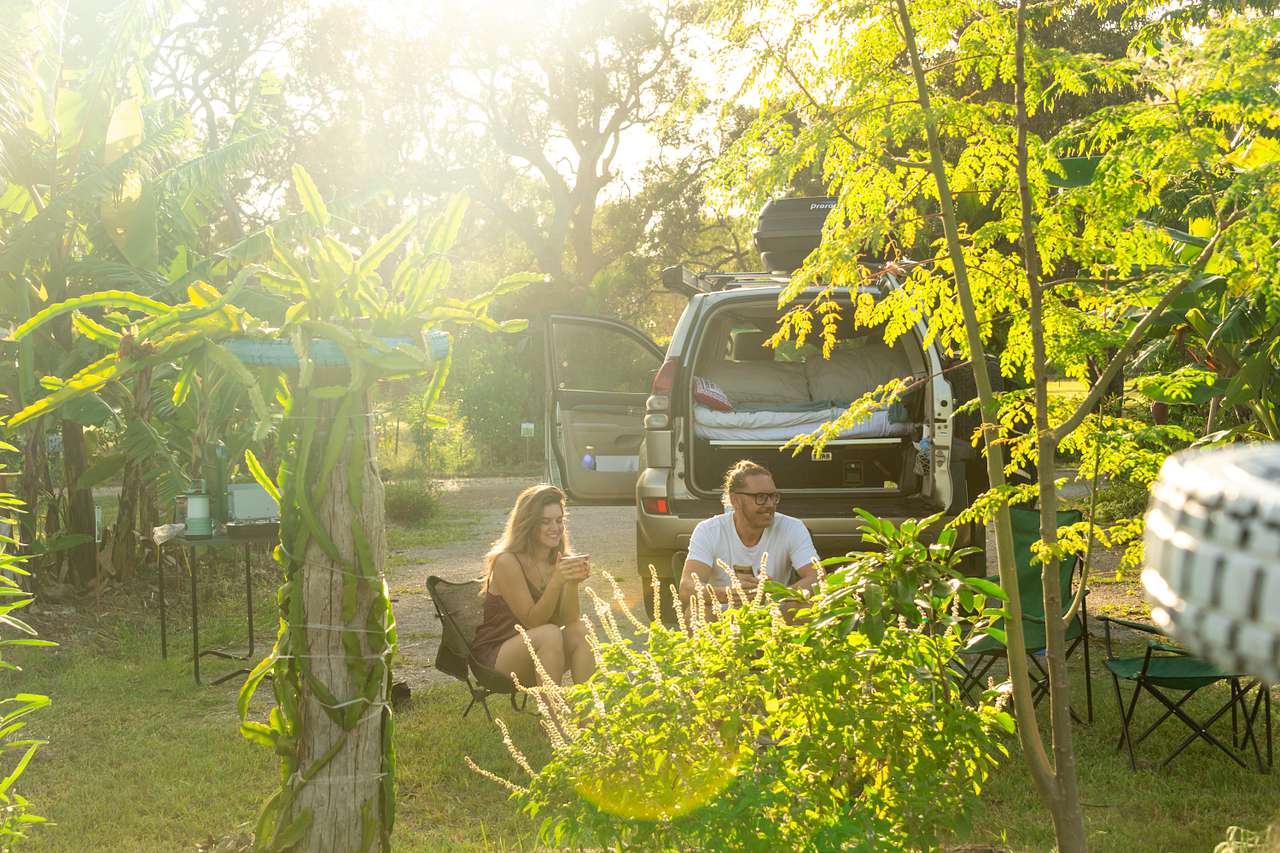
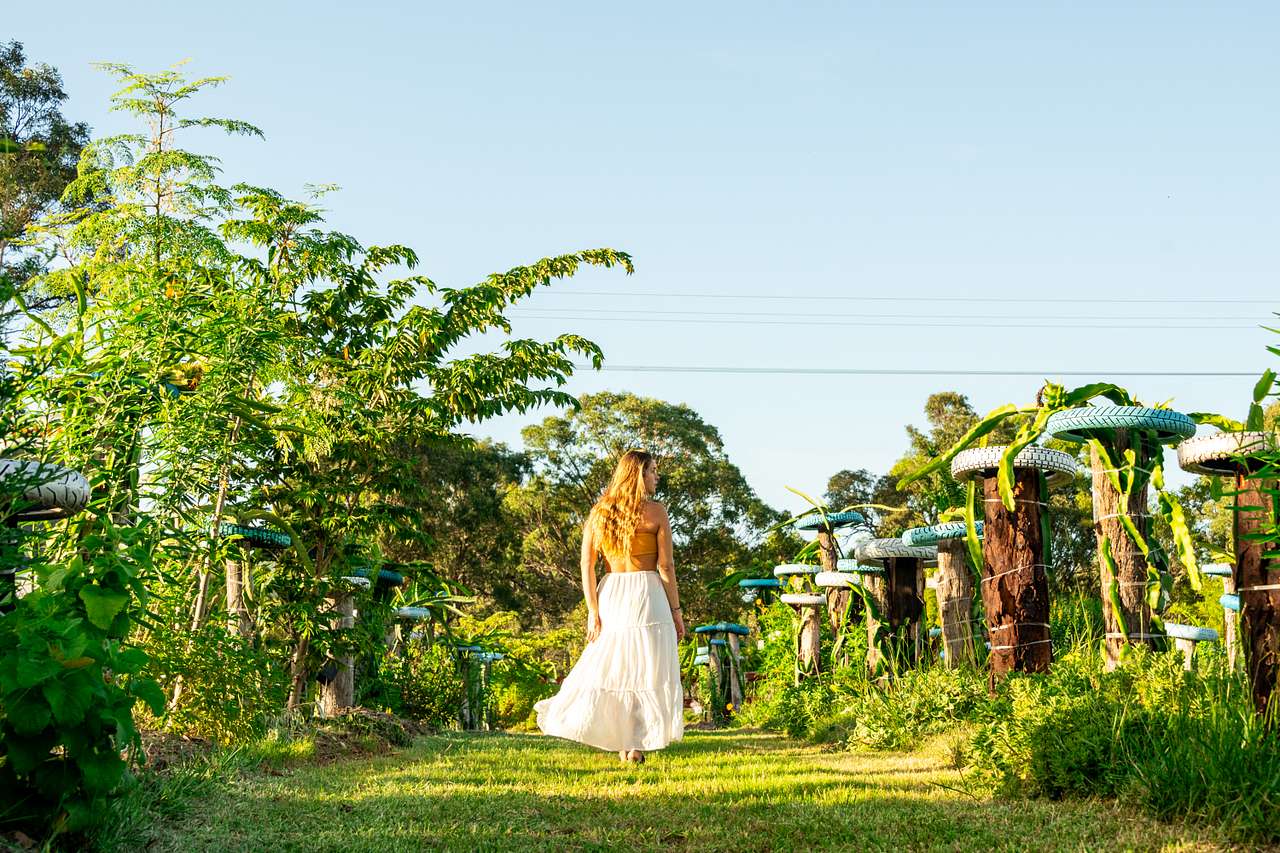
14. Rare Dragon Fruit
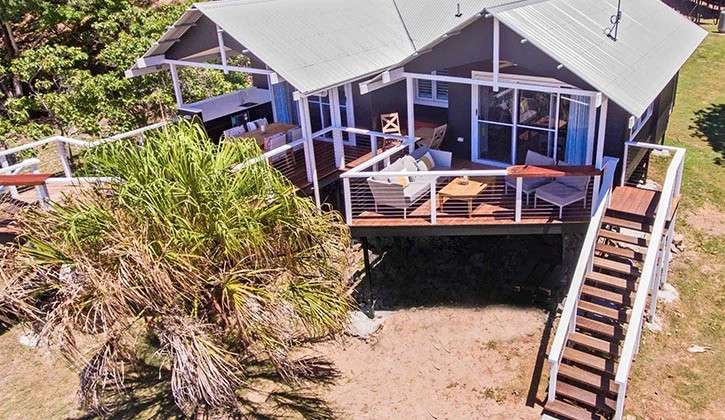
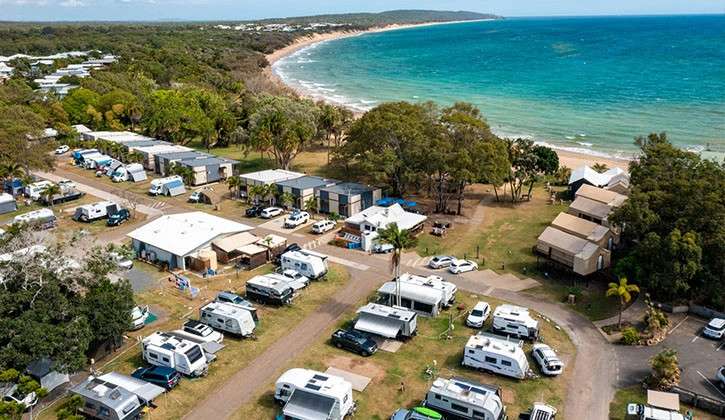
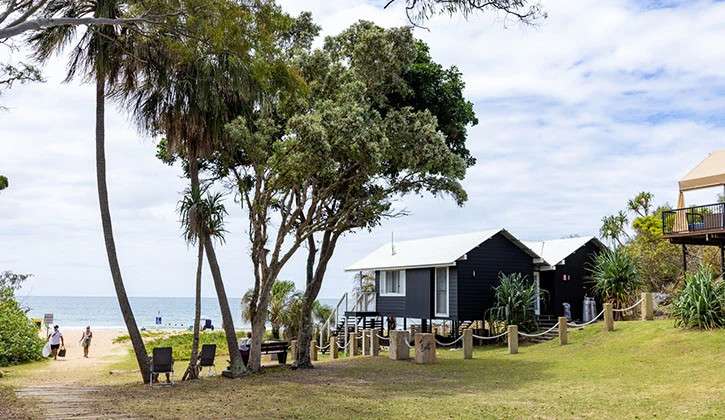
15. NRMA Agnes Water Holiday Park
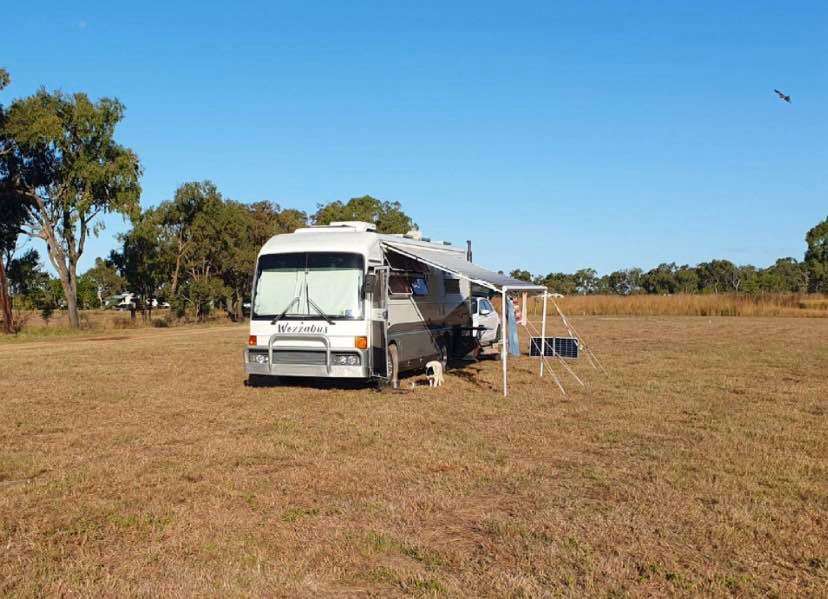
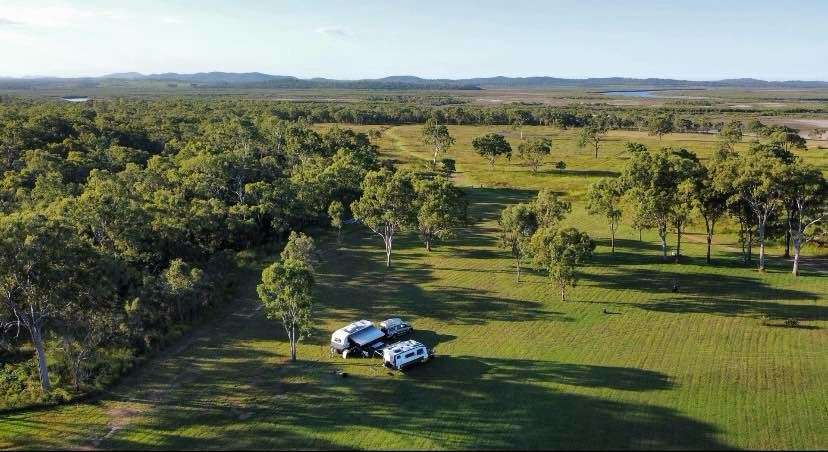
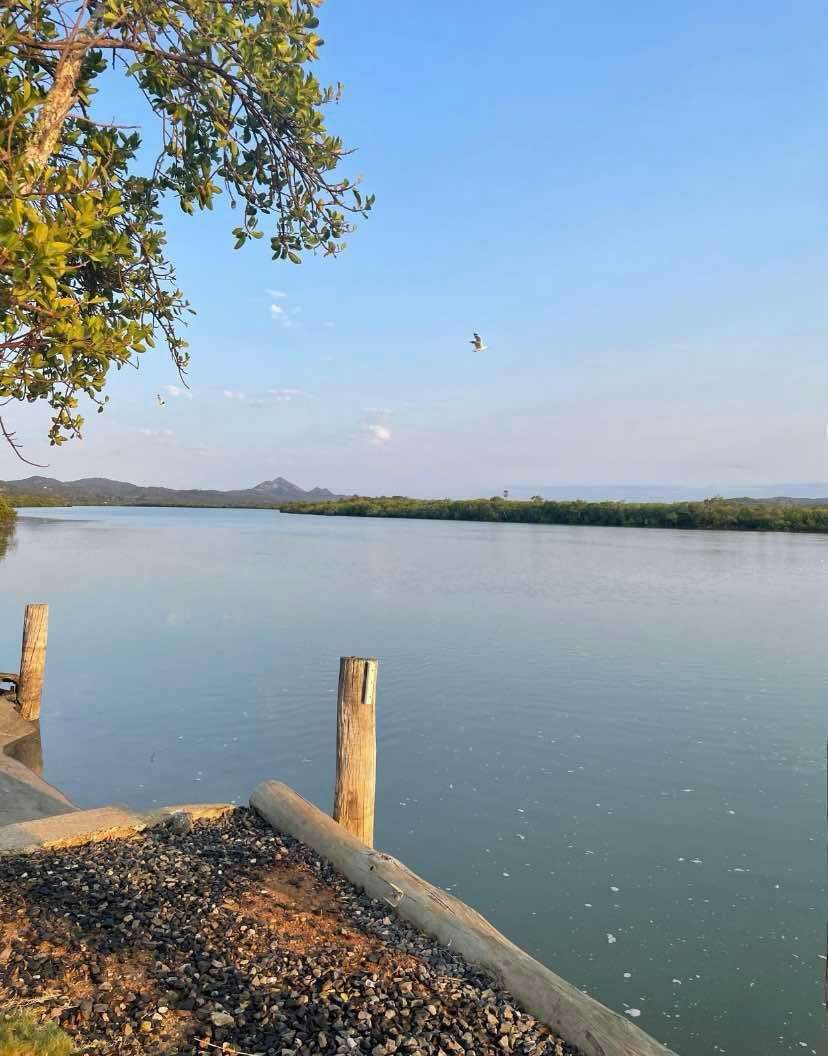
16. Ranglewood Farm
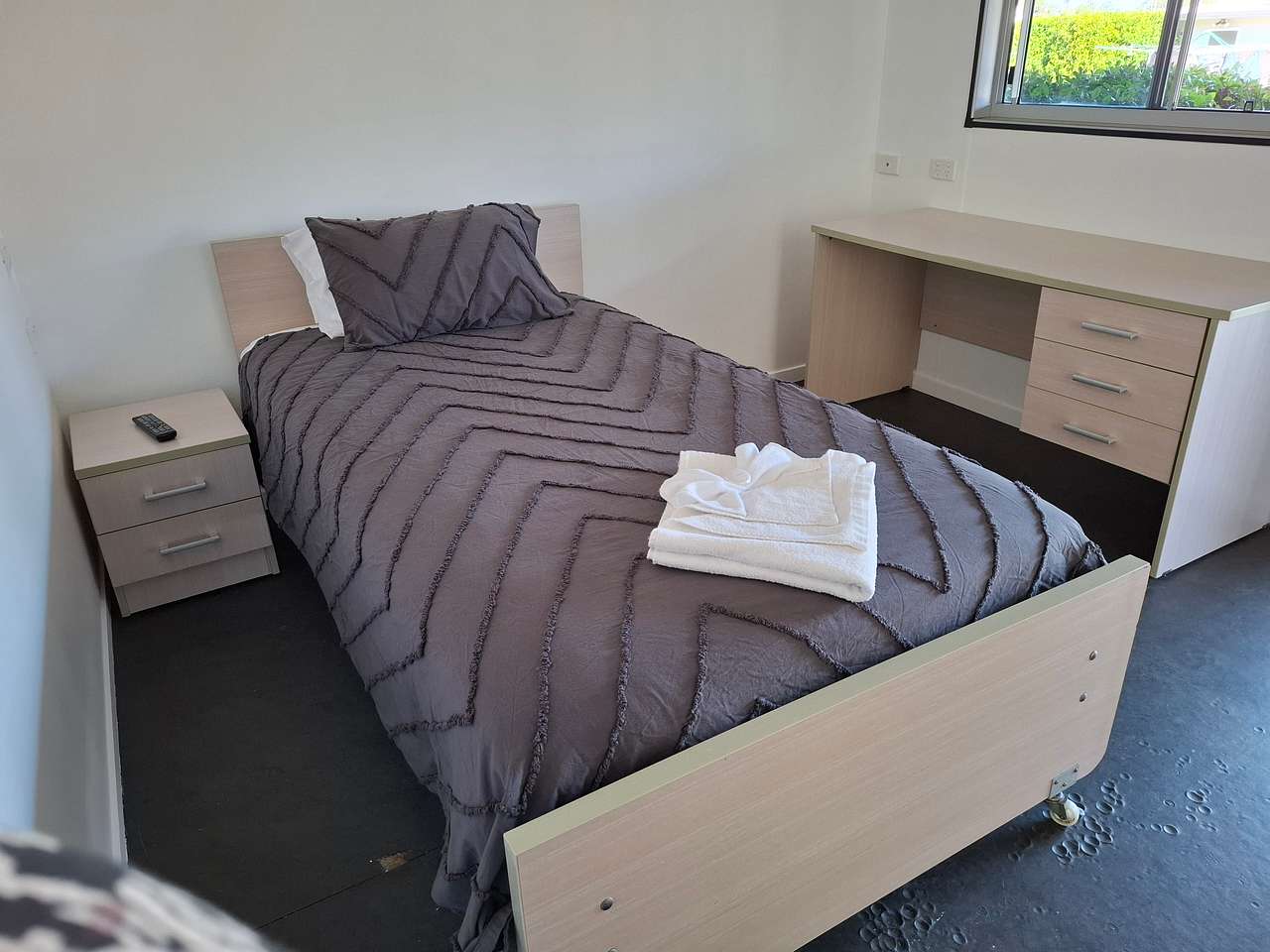
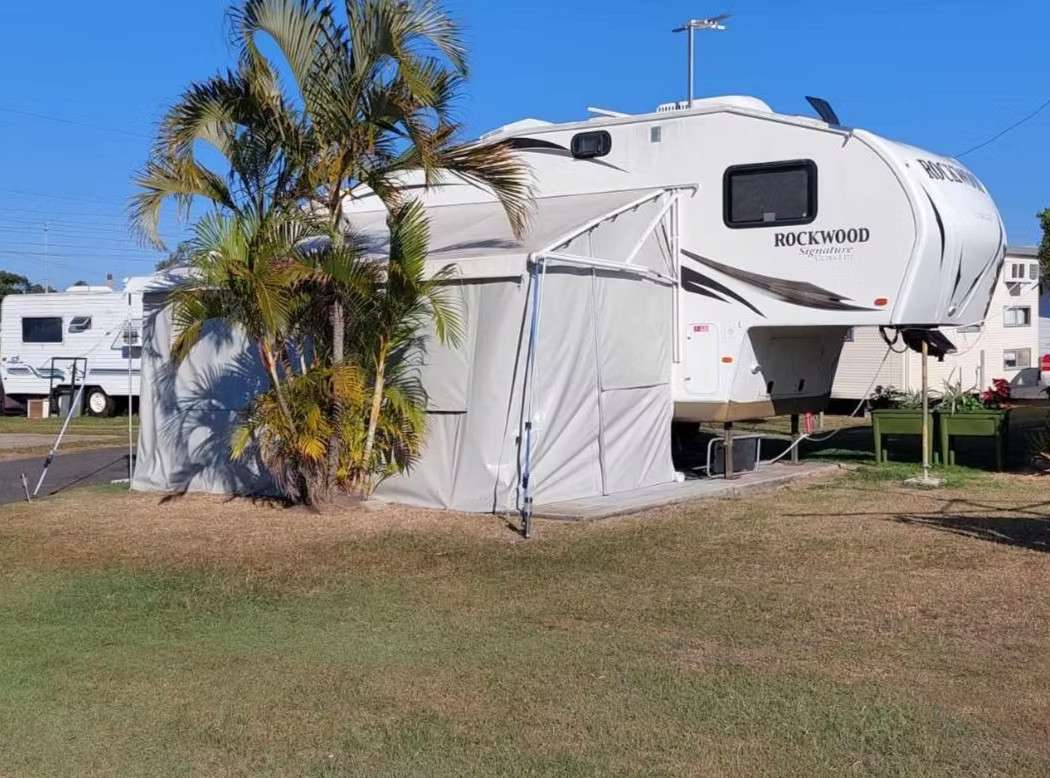
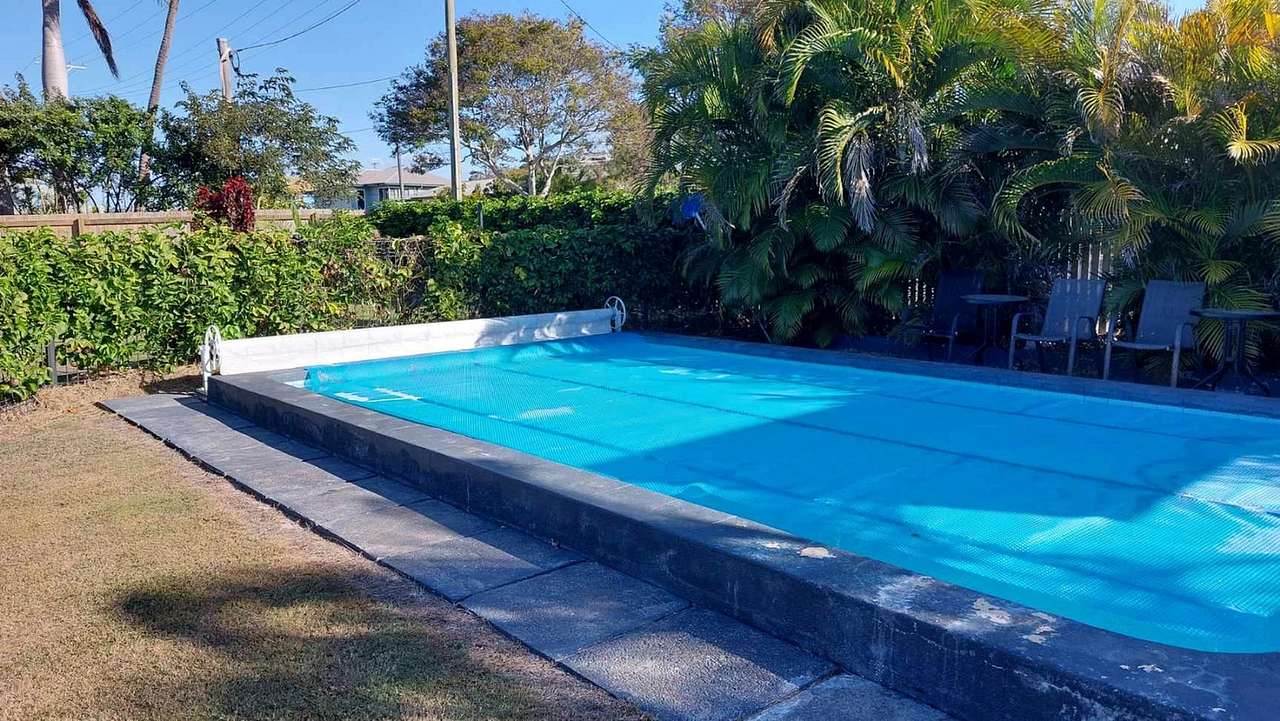
17. Affordable Accomodation Gladstone
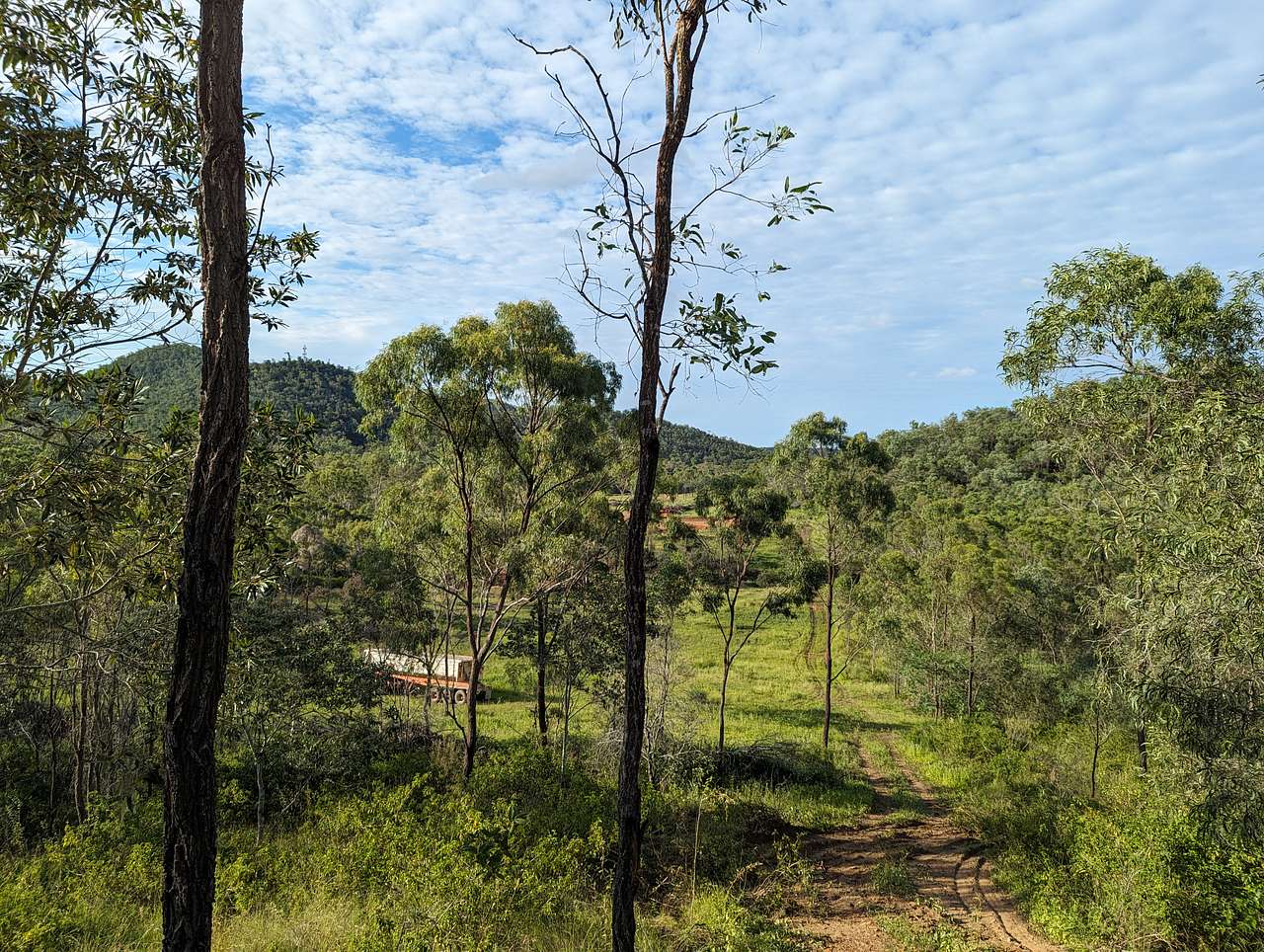
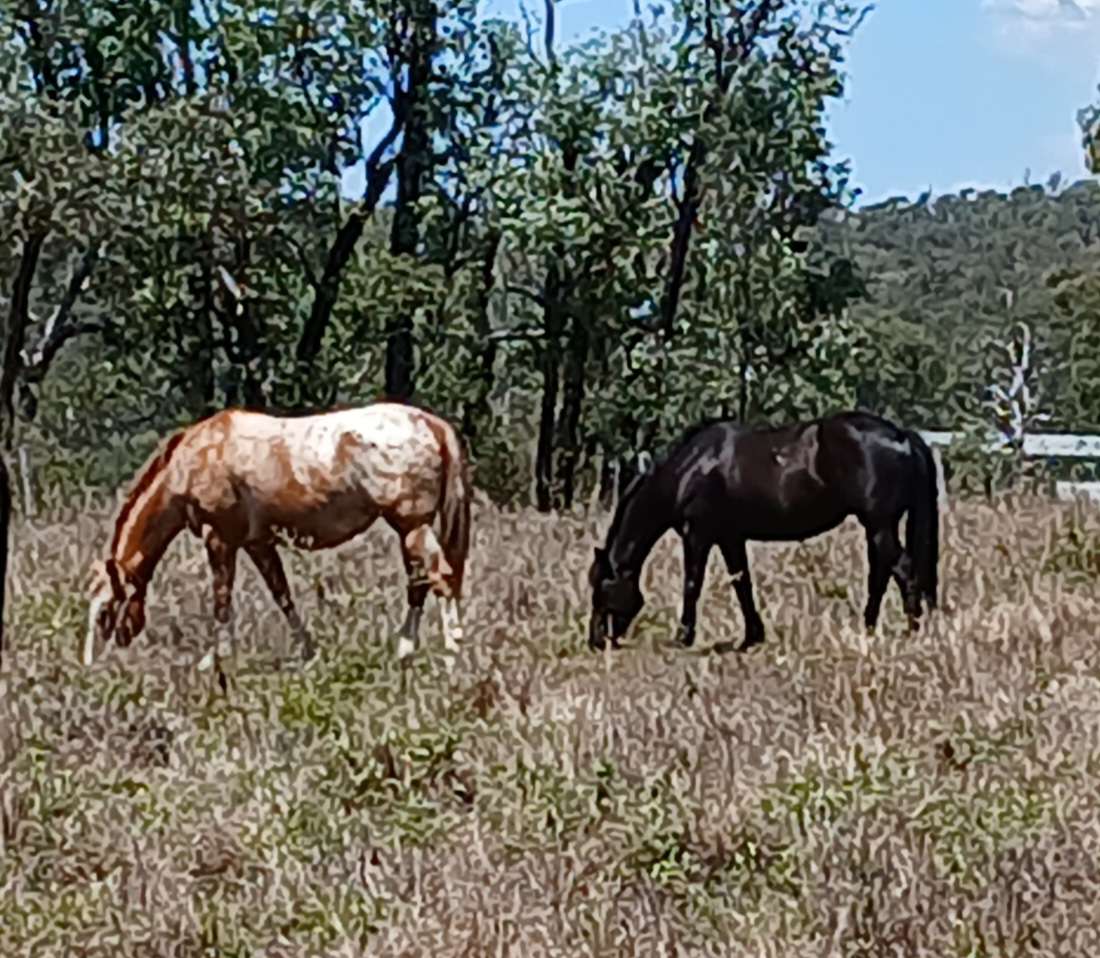
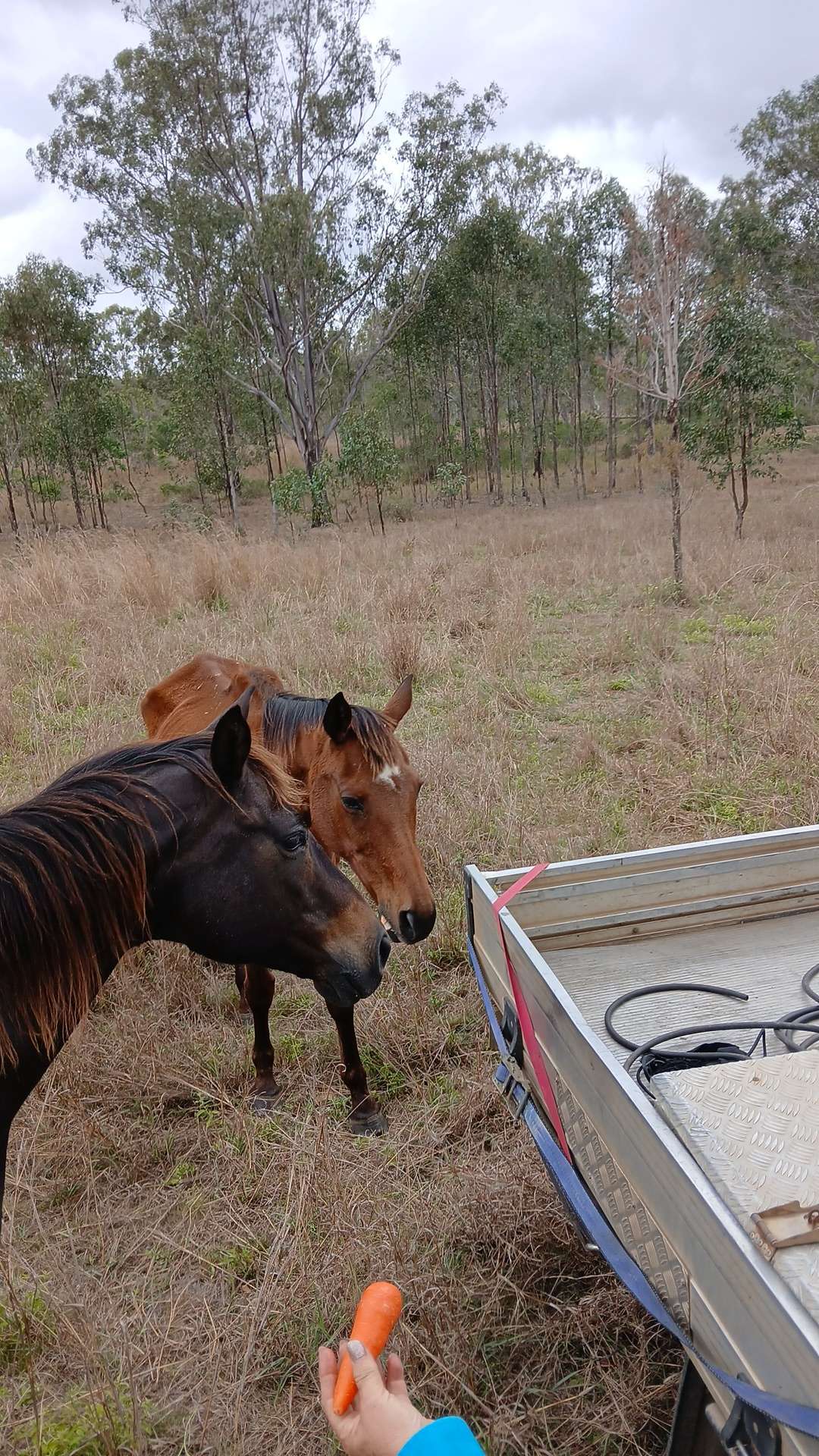
18. Iron Bark Flat


19. Bajool Camp to Great Keppel Island


20. Thompson Point Retreat


MT. L Bush Camp


Casuarina Park


Collie Farm


Kinvara Camping


Makowata Farm
Apple Gum Bush Camp
Recent reviews from the Hipcamp community
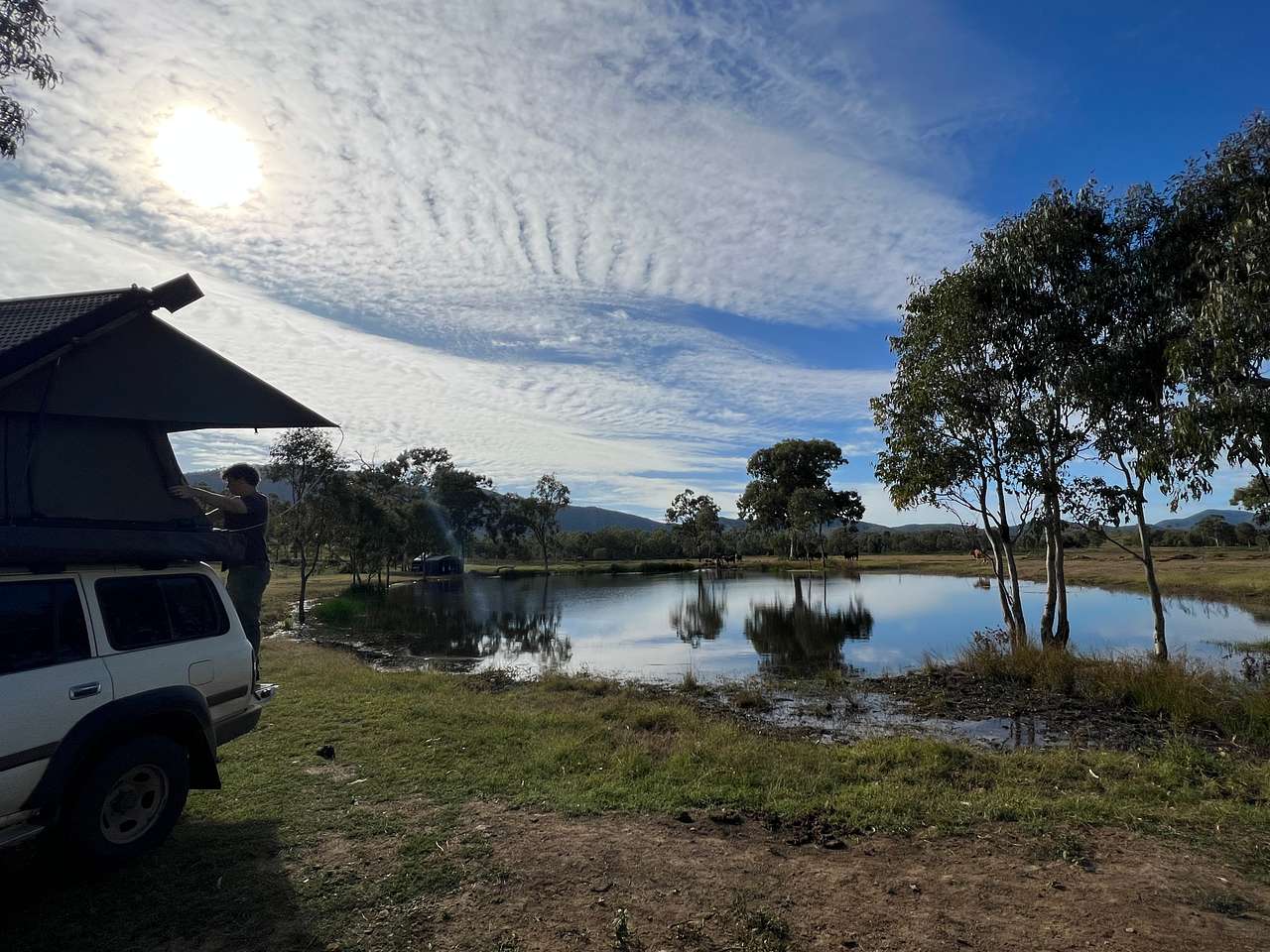







Gladstone camping guide
Where to go
Lake Awoonga
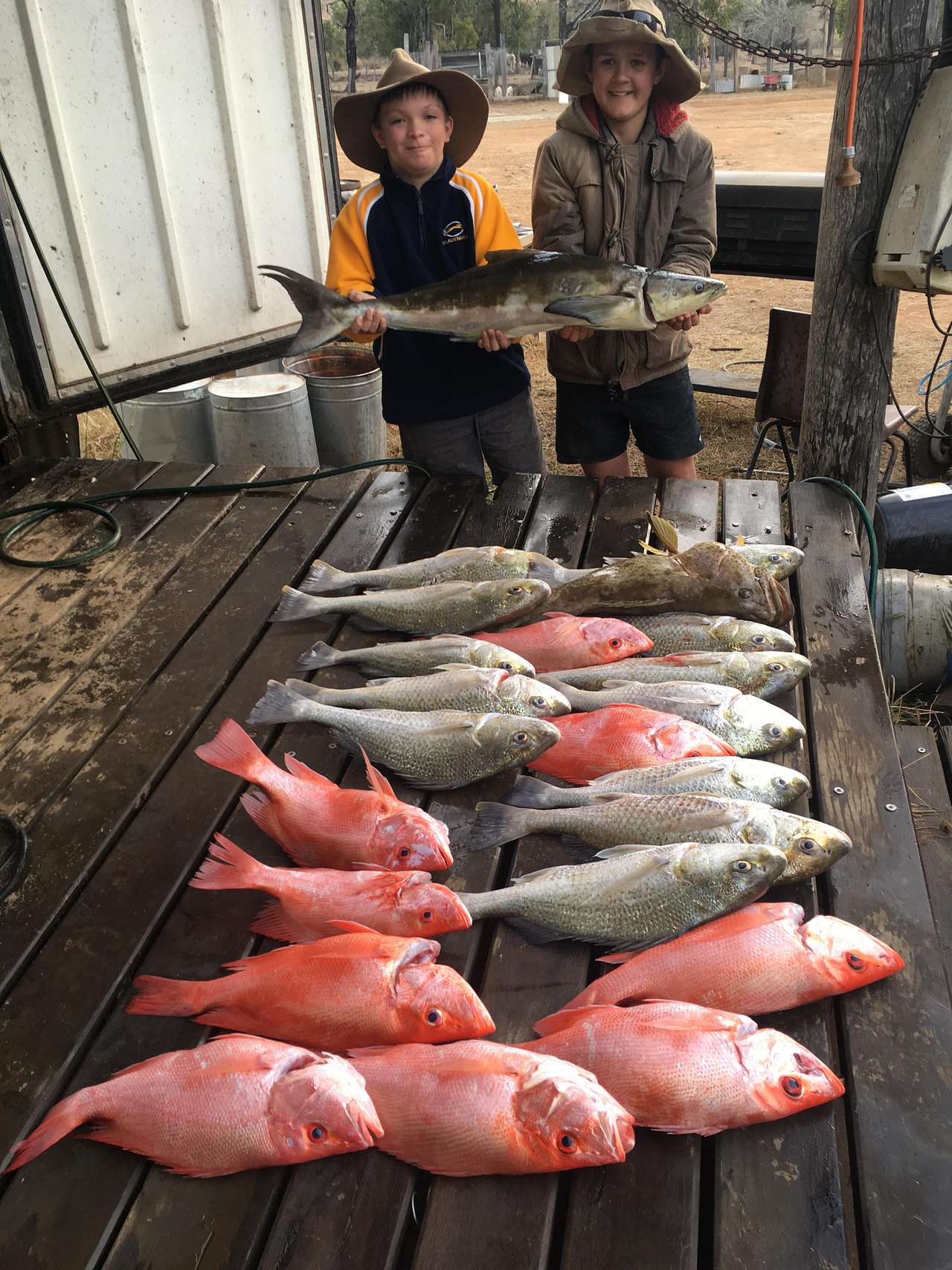
Particularly renowned for its world-class barramundi fishing, Lake Awoonga is a man-made reservoir that serves as a haven for kayaking, boating, and birdwatching. Redclaw crayfish and fork-tailed catfish are also popular catches here, from designated fishing platforms and boat ramps. Spend the night at powered caravan parks and tent pitches that are on-site with convenient amenities. Then, wake up and spot kangaroos, wallabies, and bandicoots, especially in the early morning when they are most active. Or, explore trails through native bushland while looking out for wedge-tailed eagles and blue-winged kookaburras.
Deepwater National Park
For beach camping, Deepwater National Park is an amazing option. The pristine beaches and sand dunes are ideal for sunbathing, stargazing, swimming, and boogie-boarding. The more developed campsite is at Wreck Rock, which is equipped with fire rings, composting toilets, and cold outdoor showers— just a short stroll from the protected waters of the Great Barrier Reef. Middle Rock’s camping area is more rustic, offering secluded tent pitches among eucalypts and white cypress pines—a perfect place for spotting cockatoos or catching whiting.
Eurimbula National Park
Near the historic towns of Agnes Water and Seventeen Seventy (1770), Eurimbula National Park protects littoral rainforests, open eucalypt forests, estuaries, and coastal vine thickets that are home to local fauna and flora. Bushwalking through the park’s varied ecosystems is great for wildlife photography, while canoeing Eurimbula Creek offers a serene exploration of the mangroves. Tent and camper-trailer camping are permitted at the bush camp behind Bustard Beach. Or take a unique island retreat like no other at Rodds Peninsula campsites accessible only by boat, canoe, or kayak.
When to go
With daytime highs in the mid-20s and overnight lows in the mid-teens, winter and spring are ideal times to go camping around Gladstone. There’s less rainfall, it’s less humid, and there are fewer insects, making outdoor activities like bushwalking and beachcombing more enjoyable. With the drier weather, local wildlife tends to converge on bodies of water, making viewing easier. For Hipcampers most interested in barramundi fishing at Lake Awoonga, camping in the earlier part of the year from March to May may be preferable.