Top-rated campgrounds in Alaska
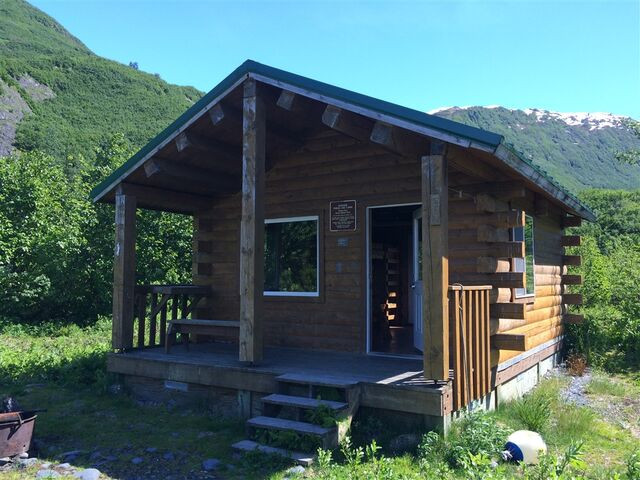
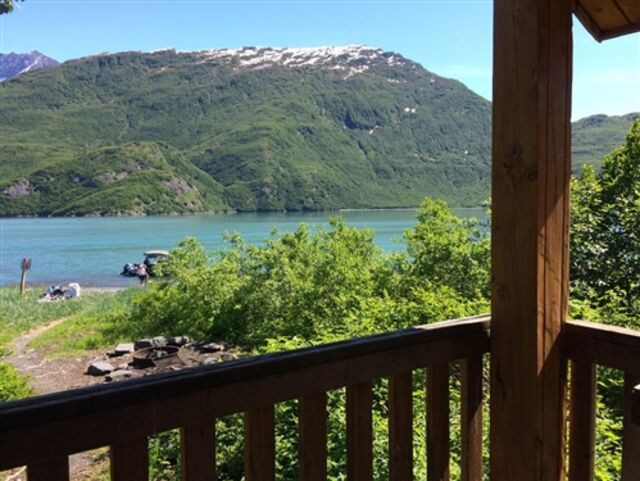
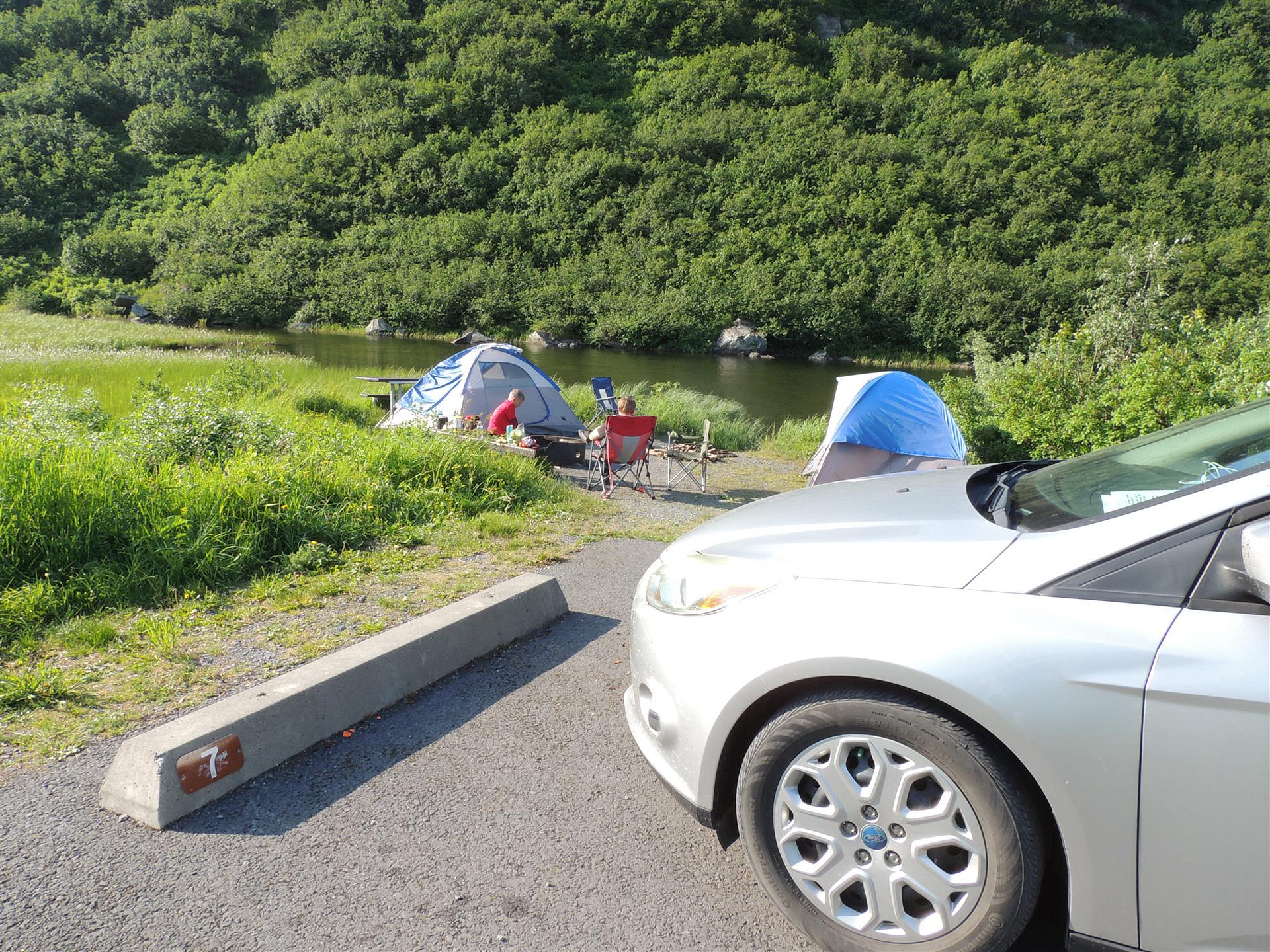
1. Valdez Adventure Alliance


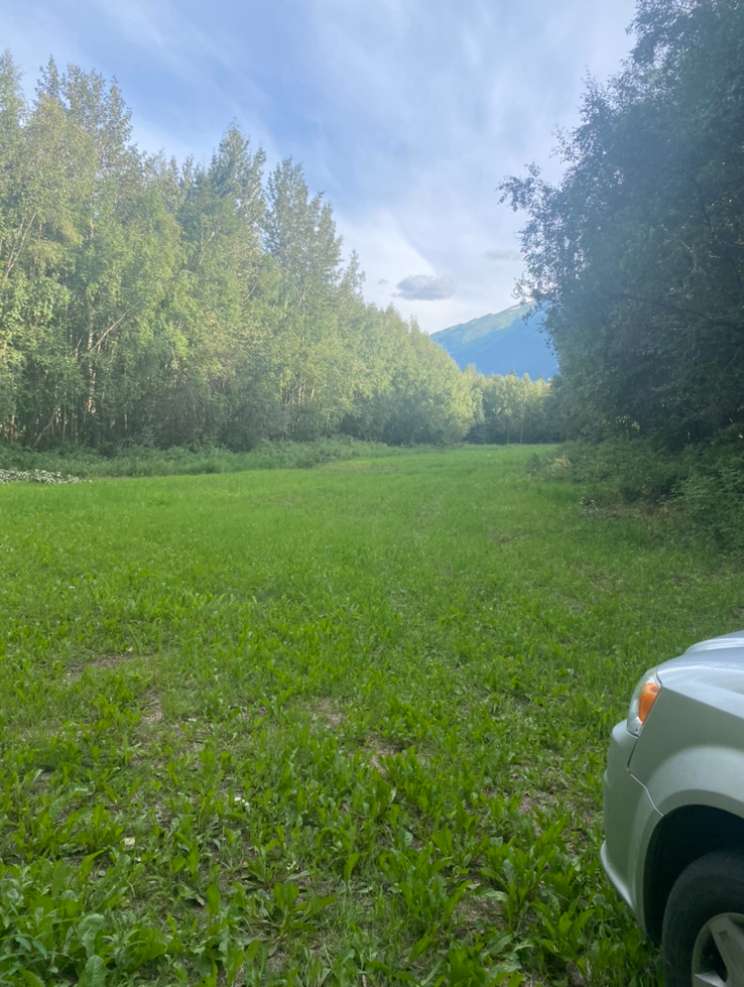
2. Jim Creek Blank Land

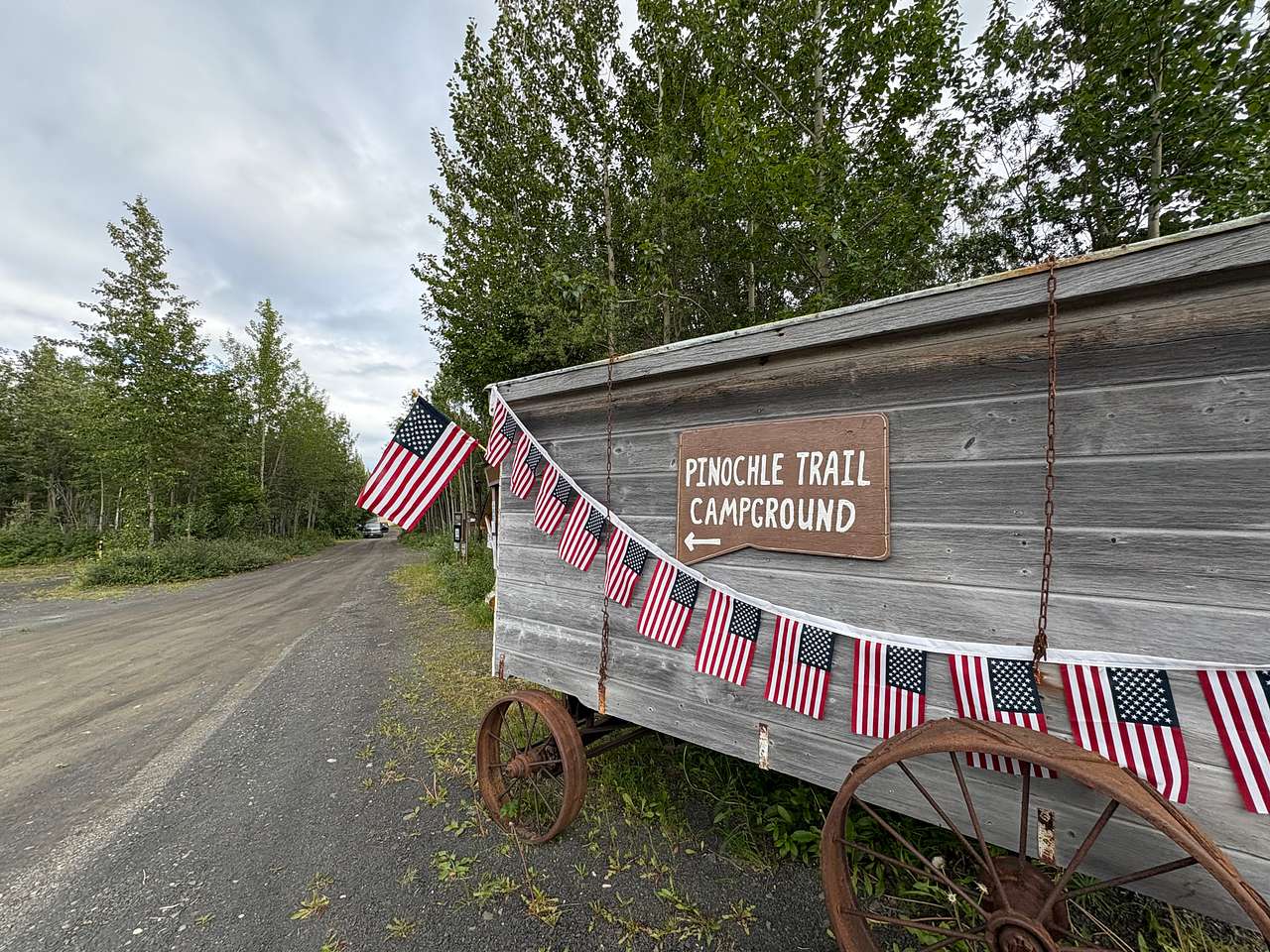

3. Pinochle Trail Campground


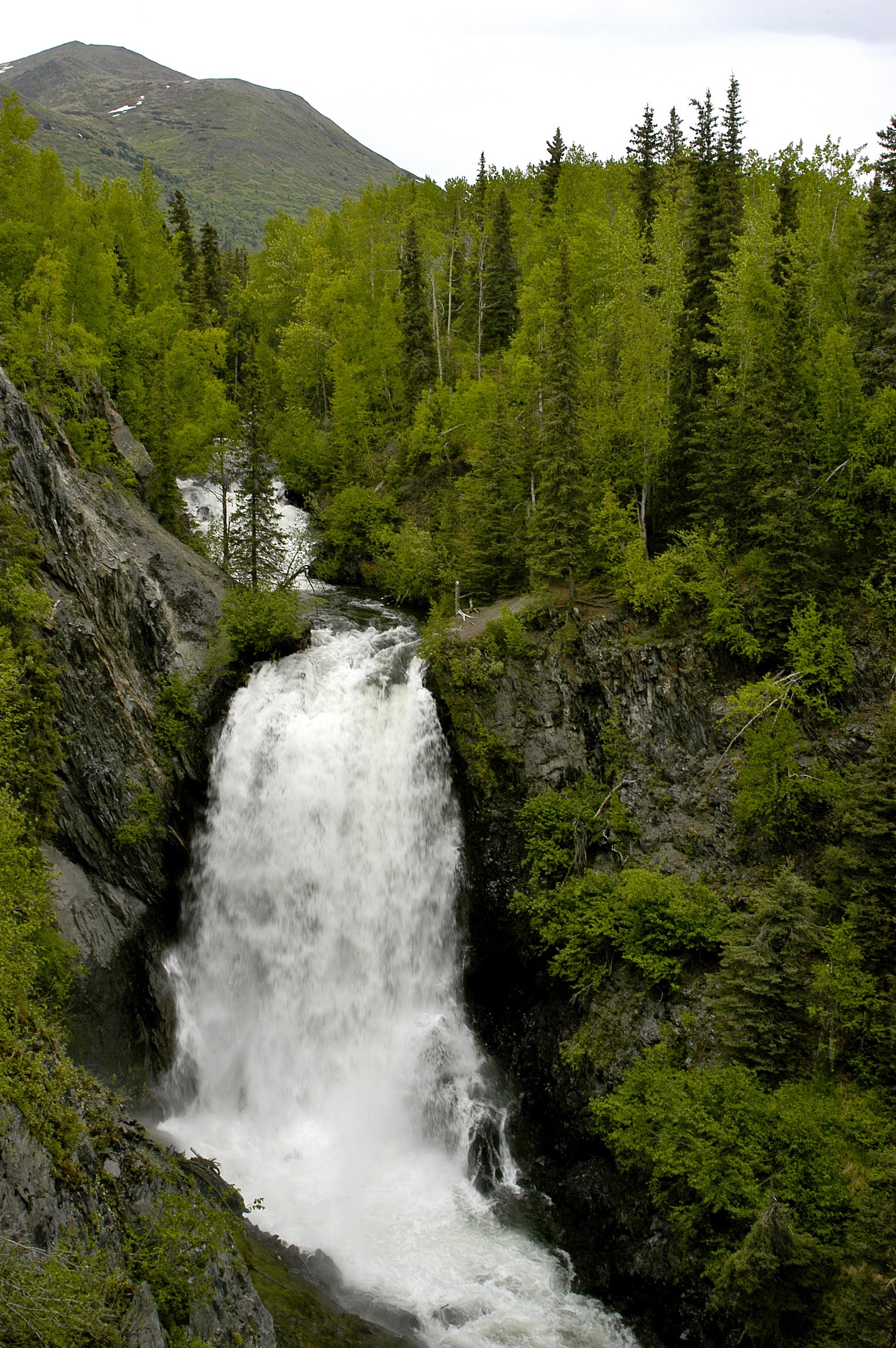
4. Chugach National Forest


5. Denali National Park & Preserve


6. Creekside Campground
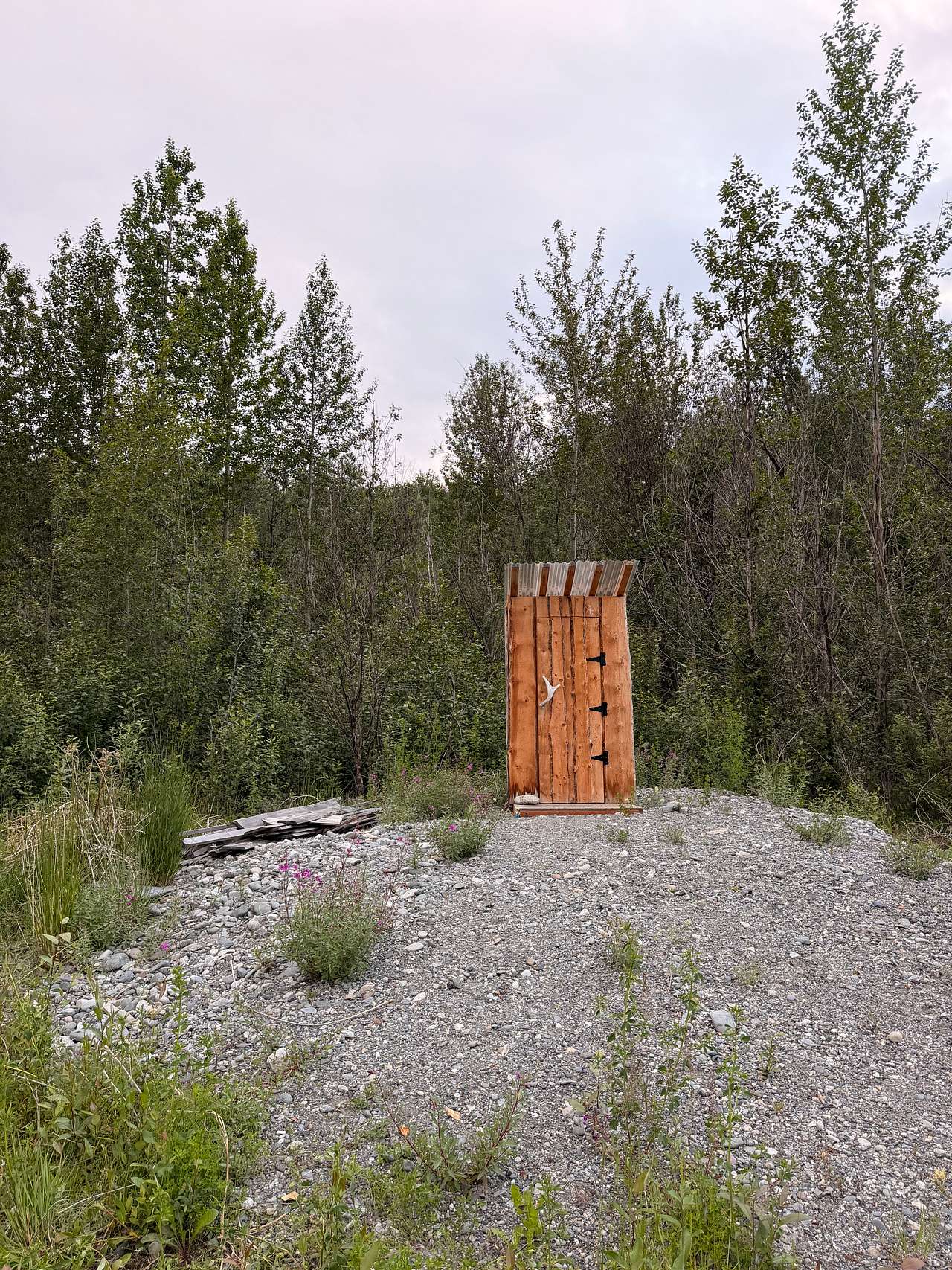
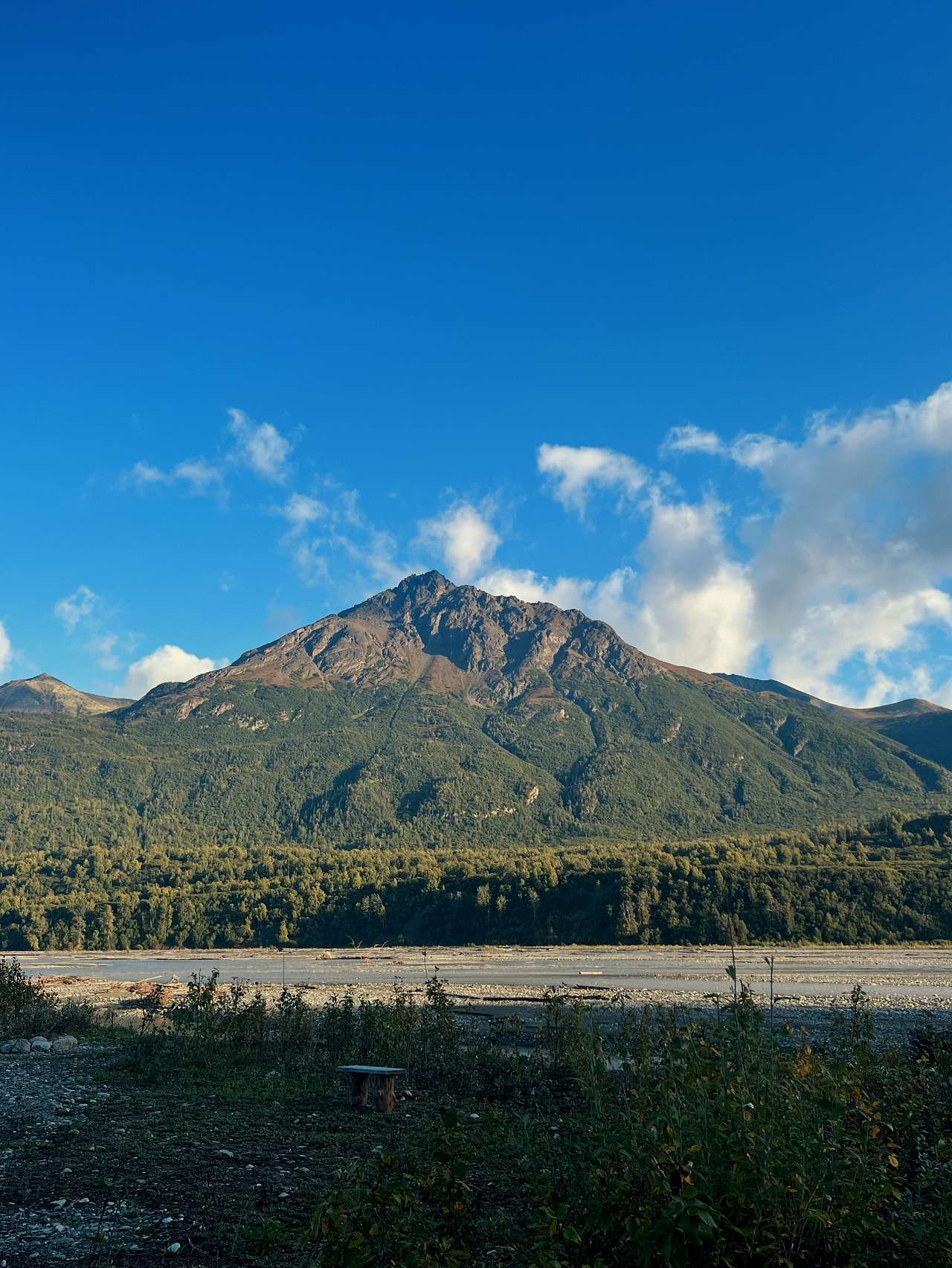
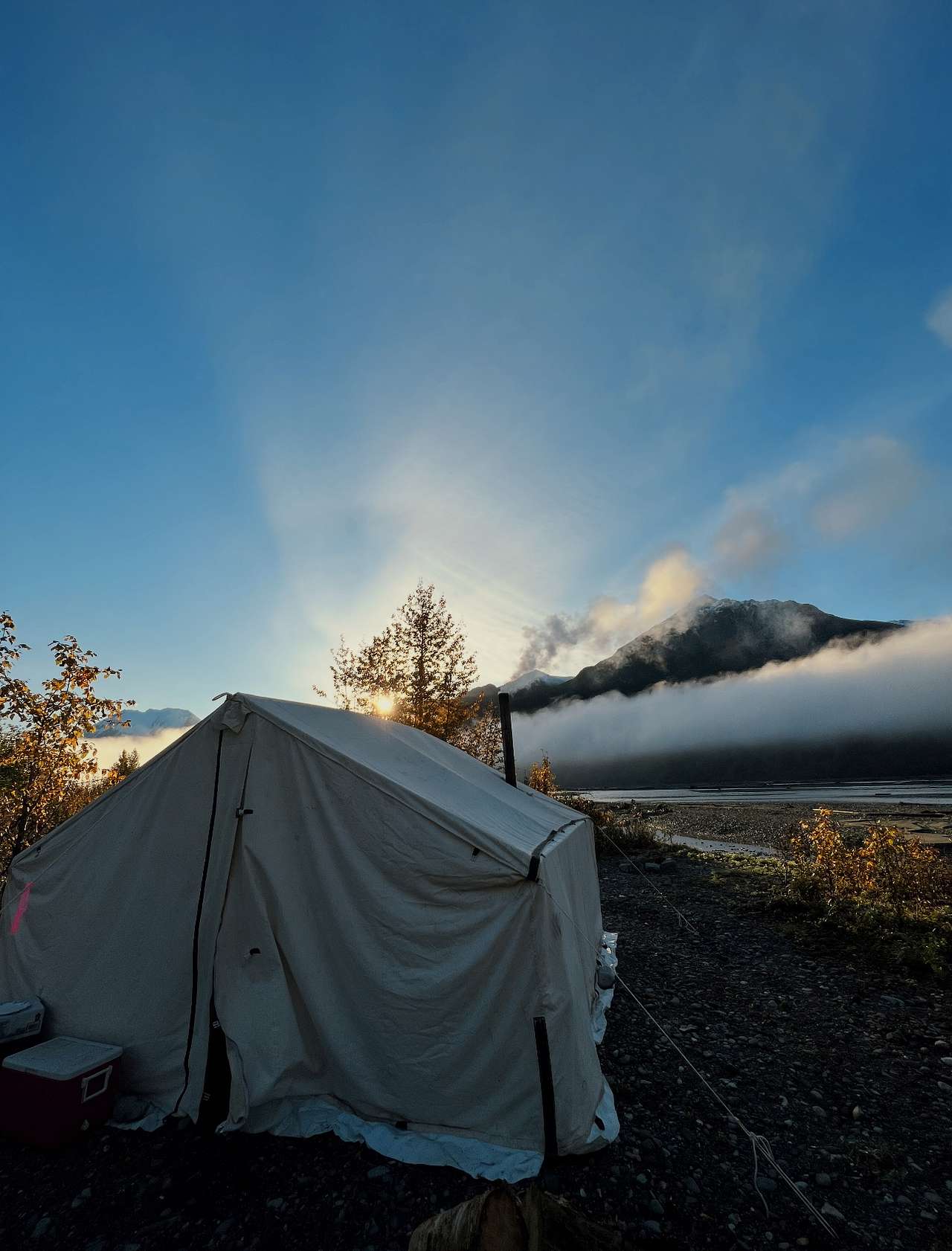
7. North 40 Basecamp
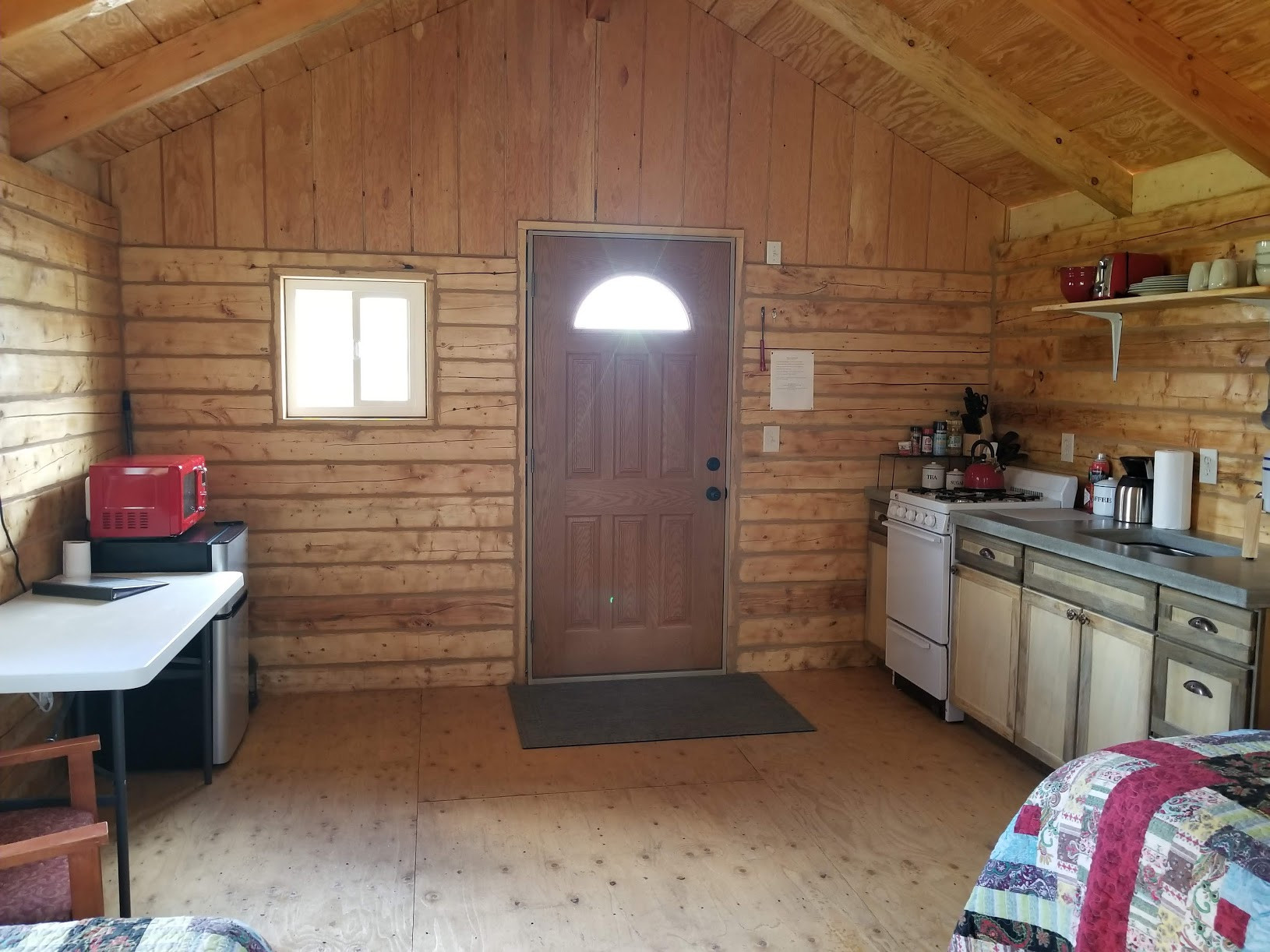
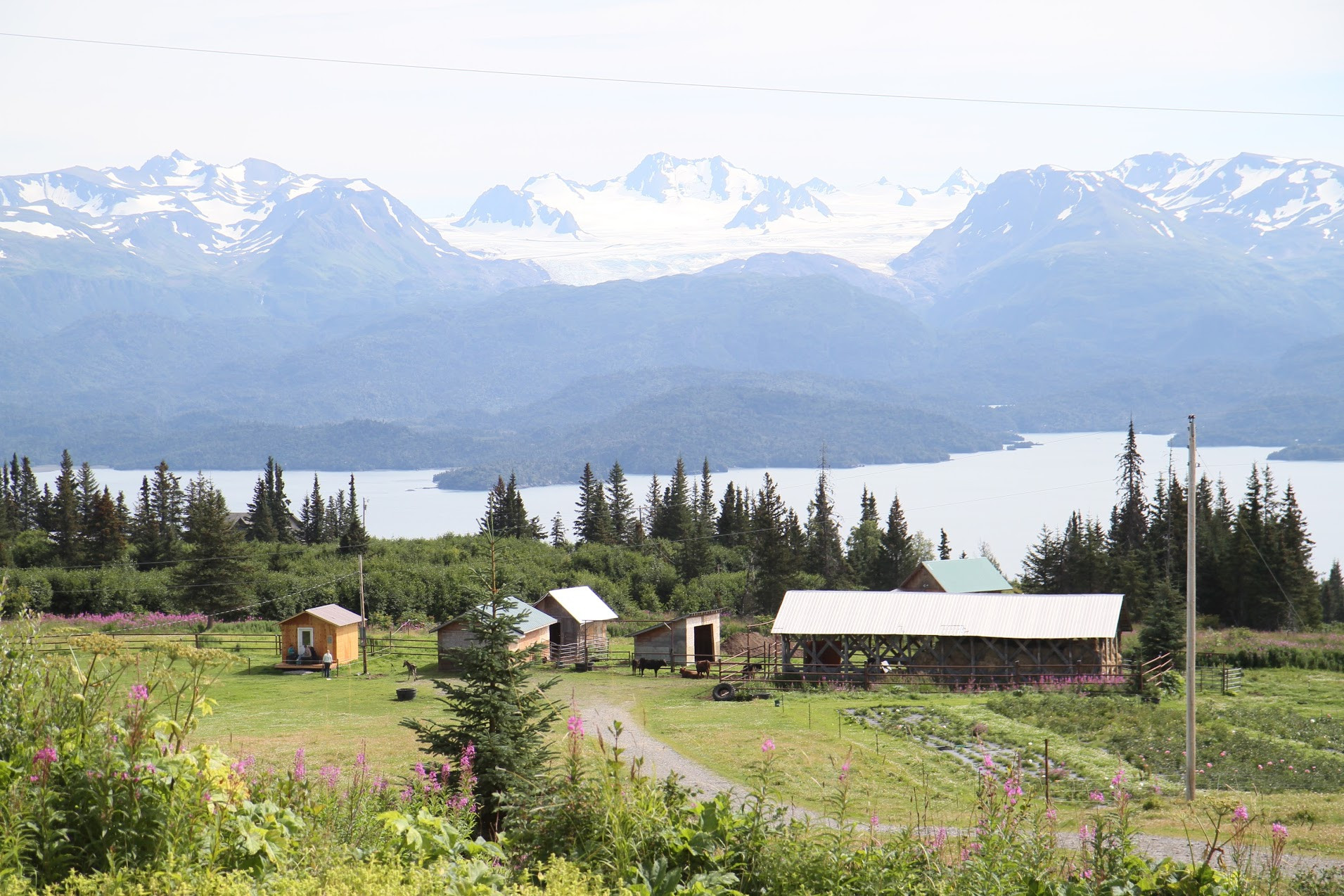
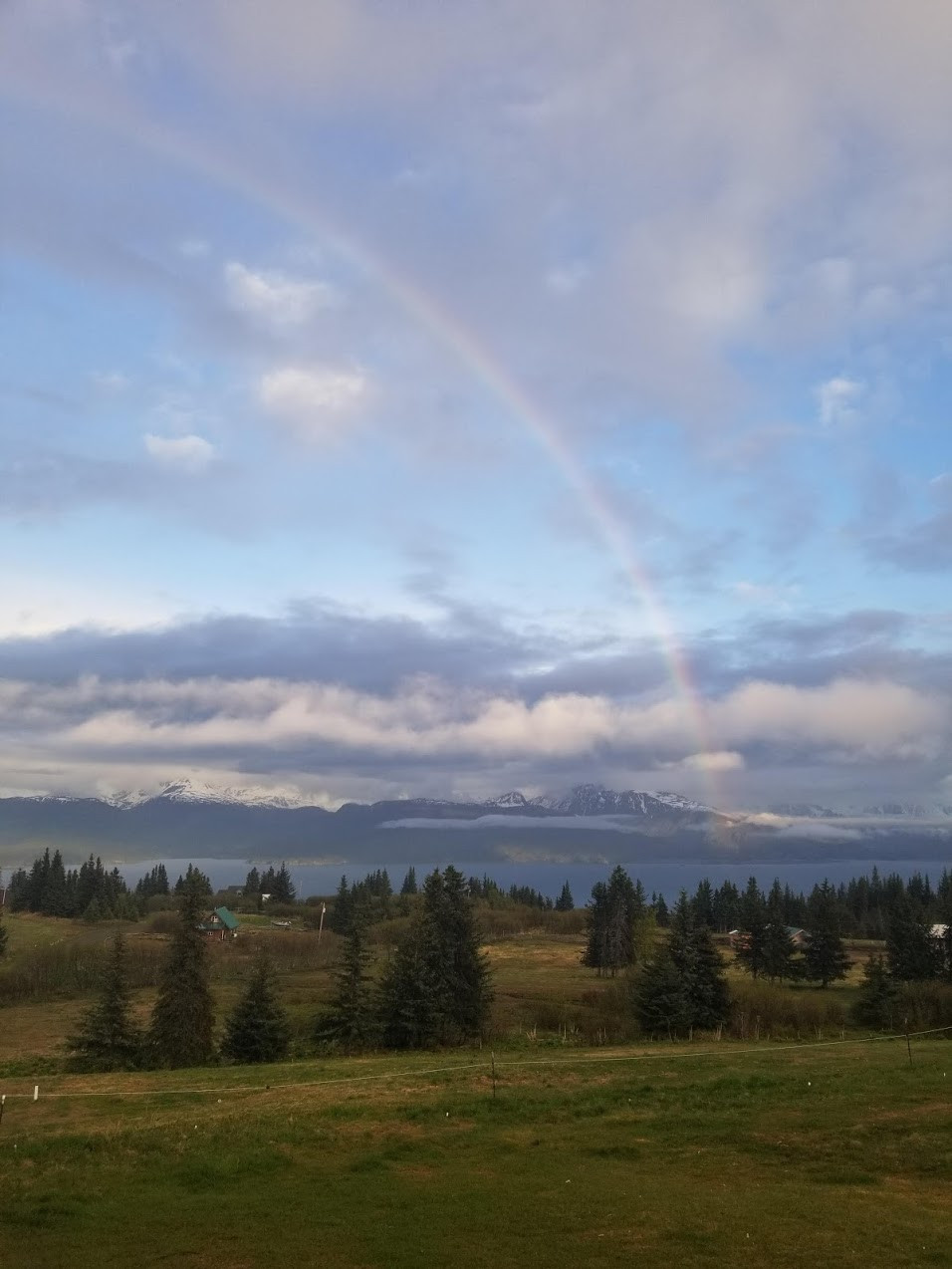
8. Lazy J Ranch
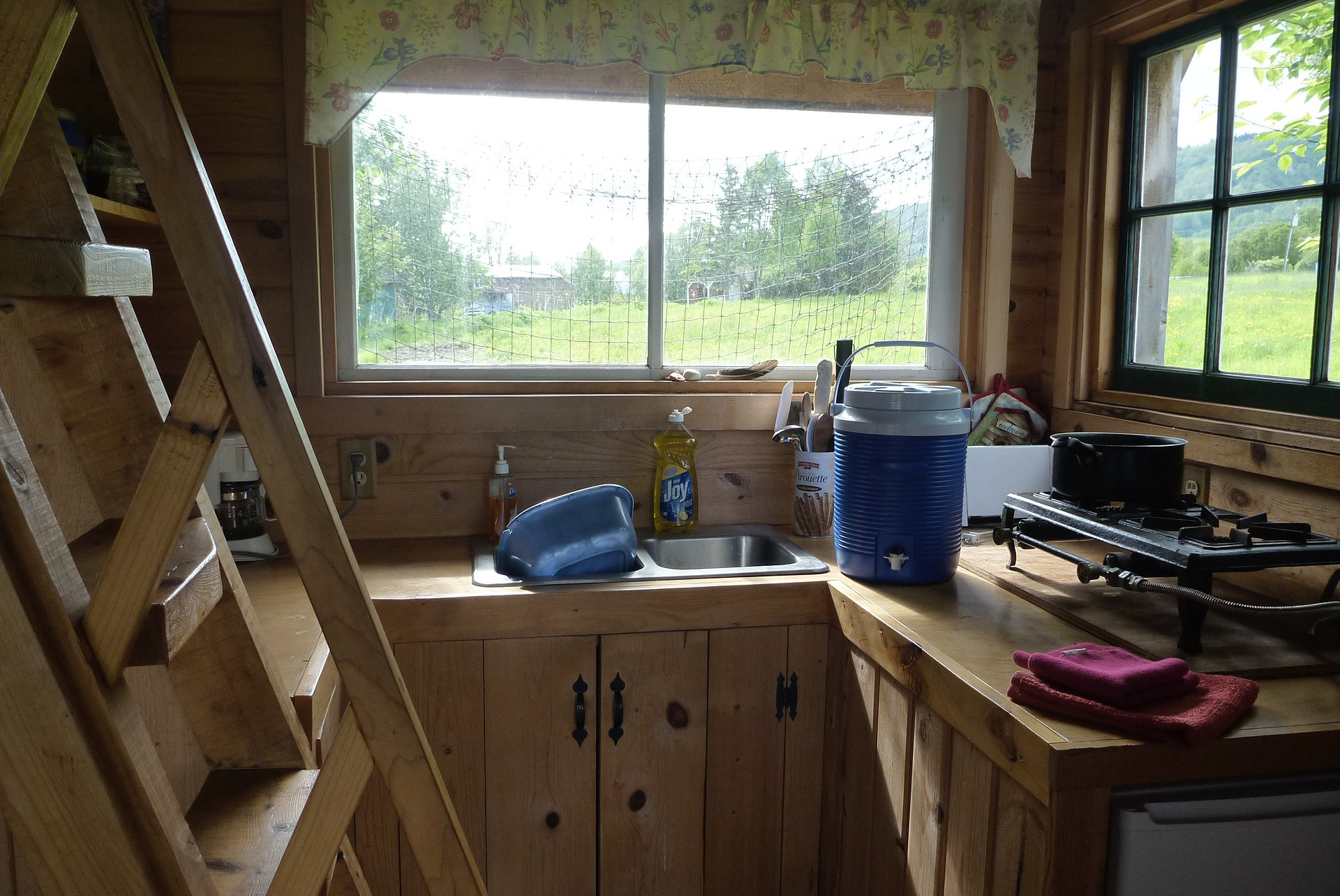
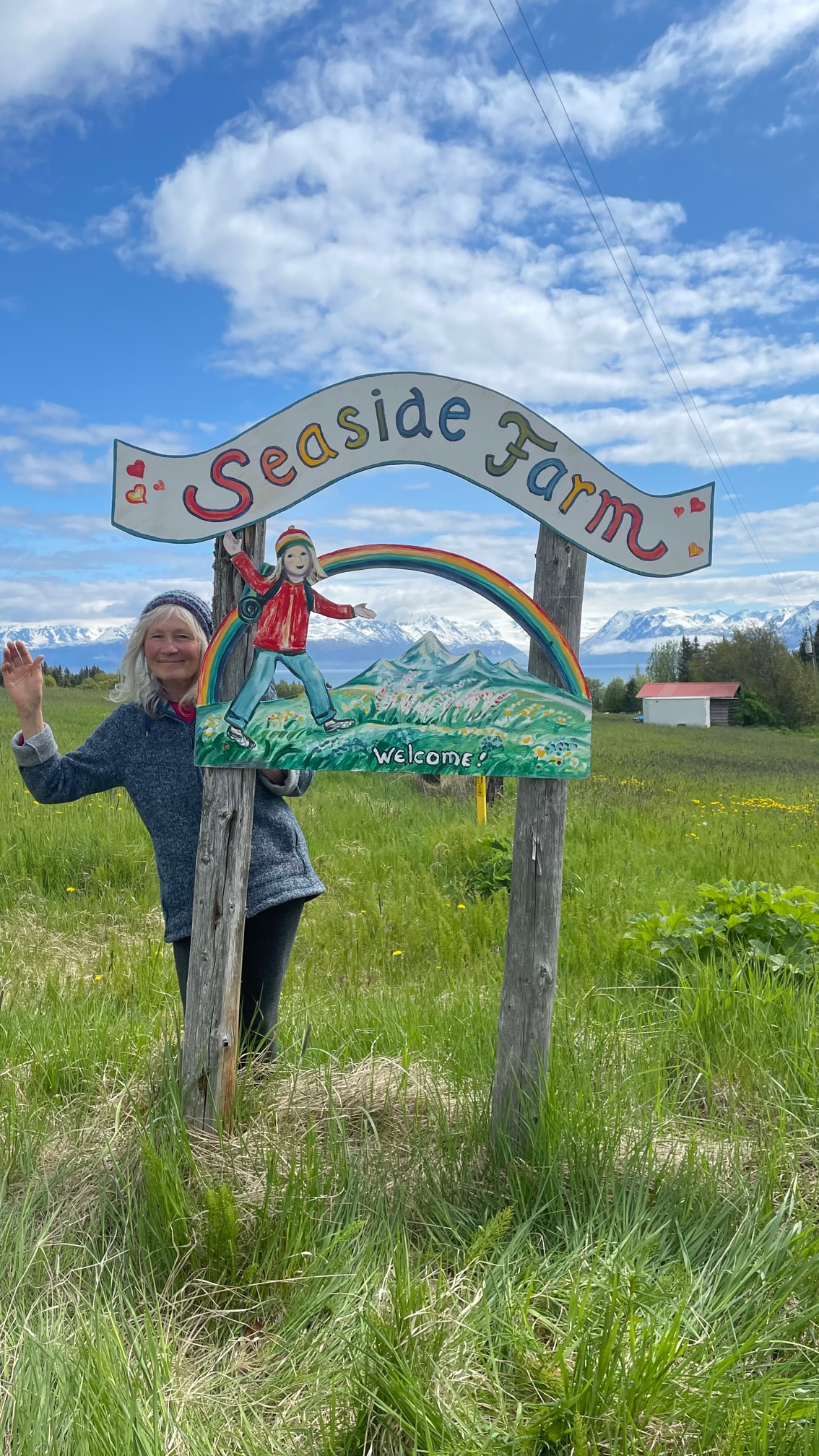
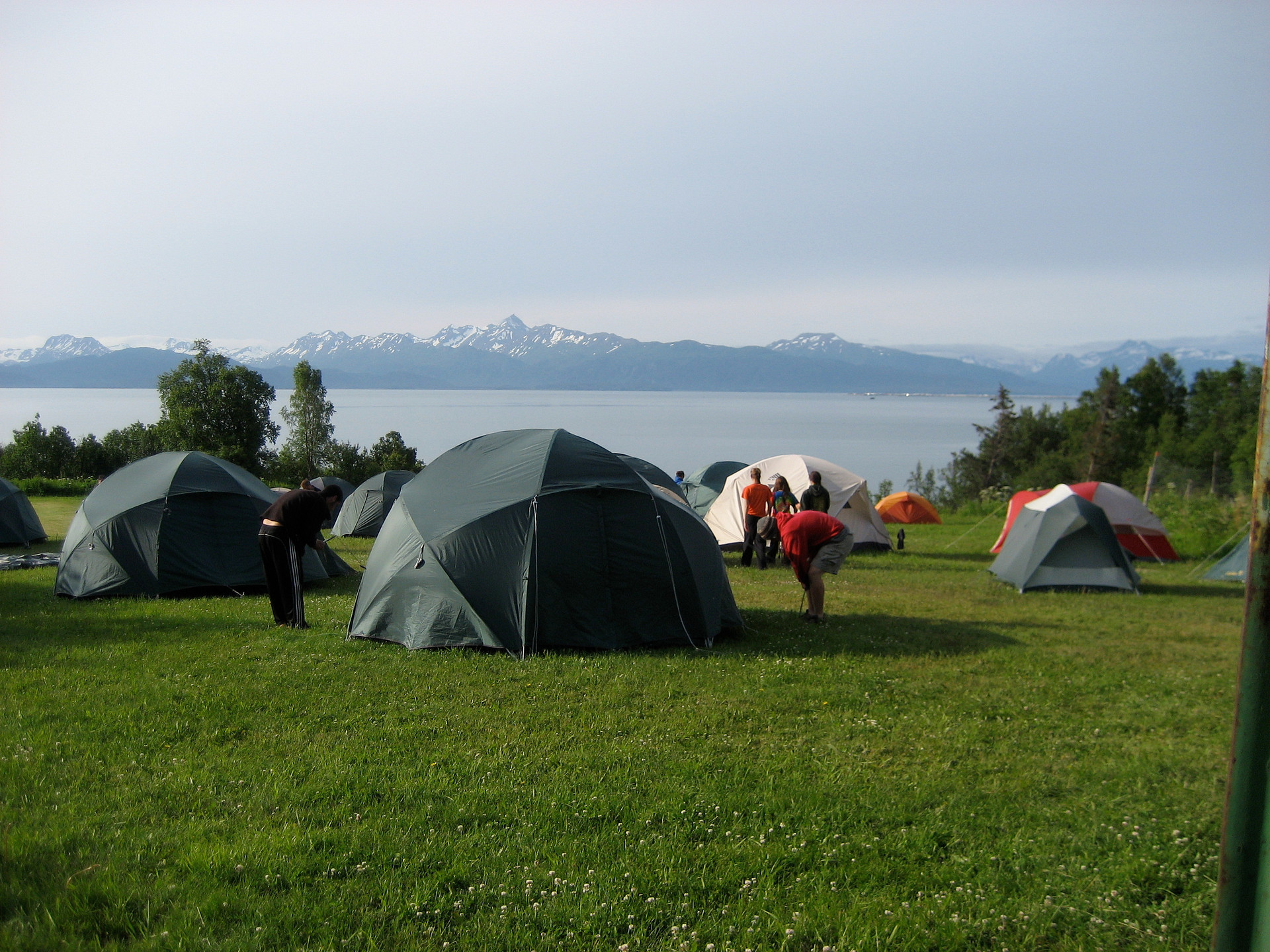
9. Seaside Farm

10. Tongass National Forest
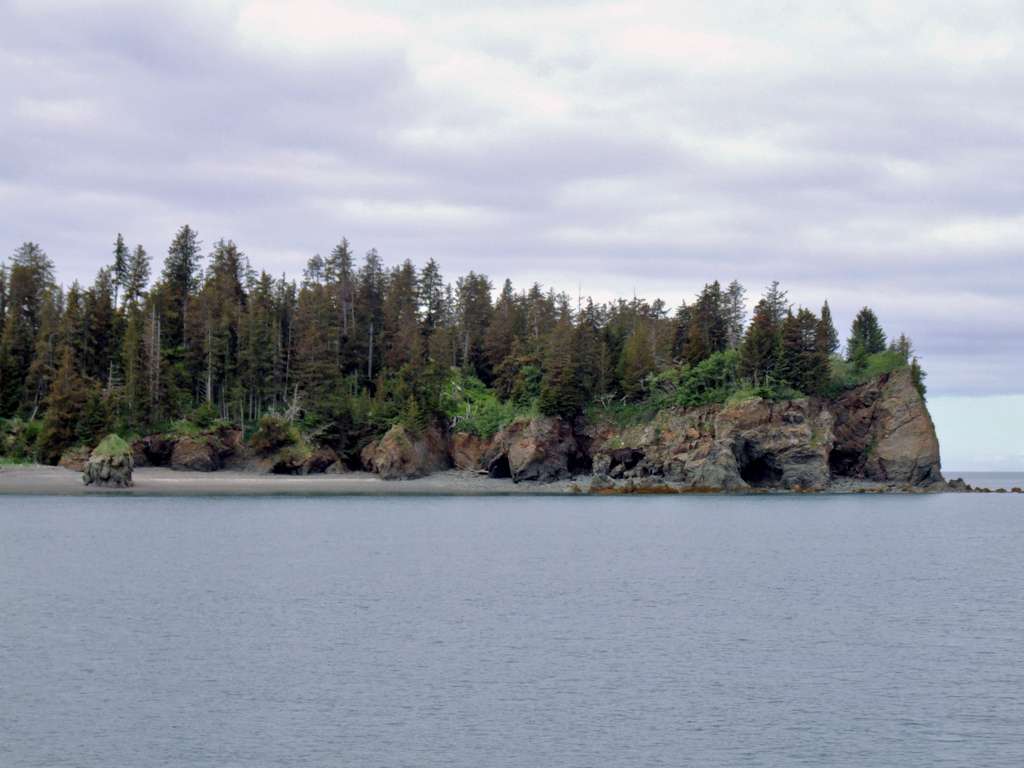
11. Kachemak Bay State Park and State Wilderness Park

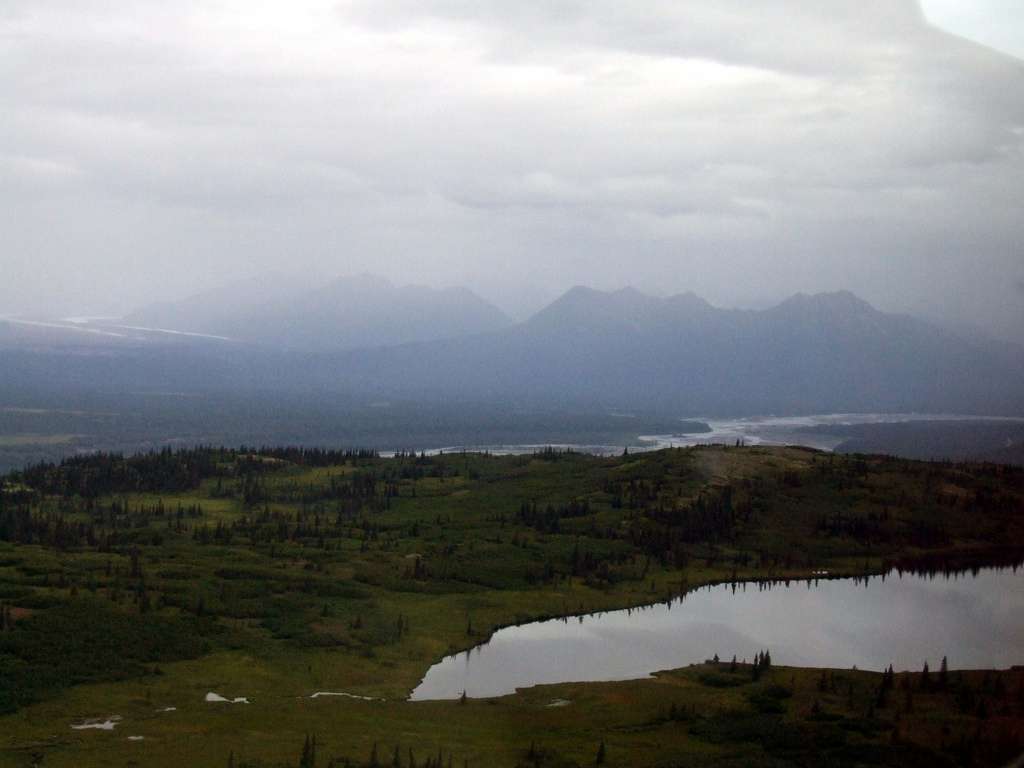
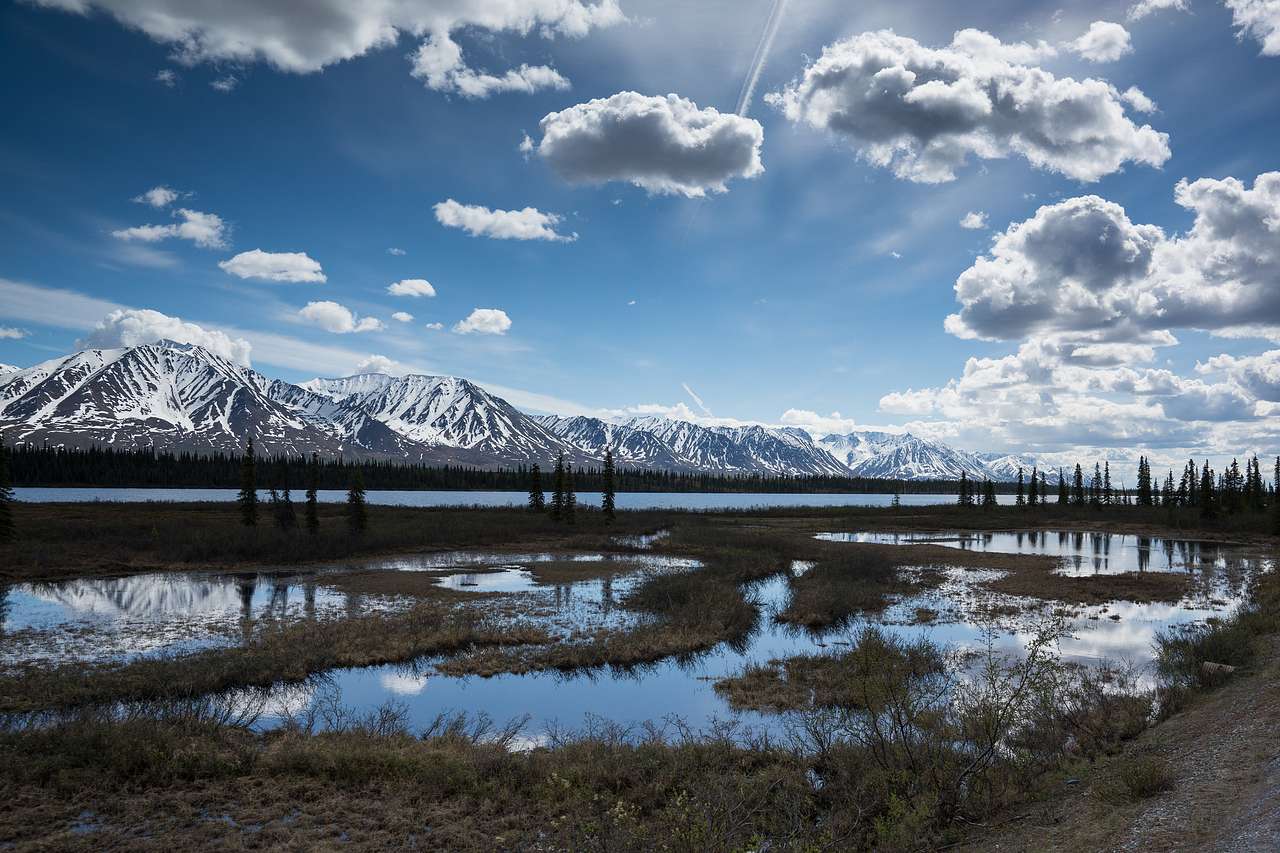
12. Denali State Park
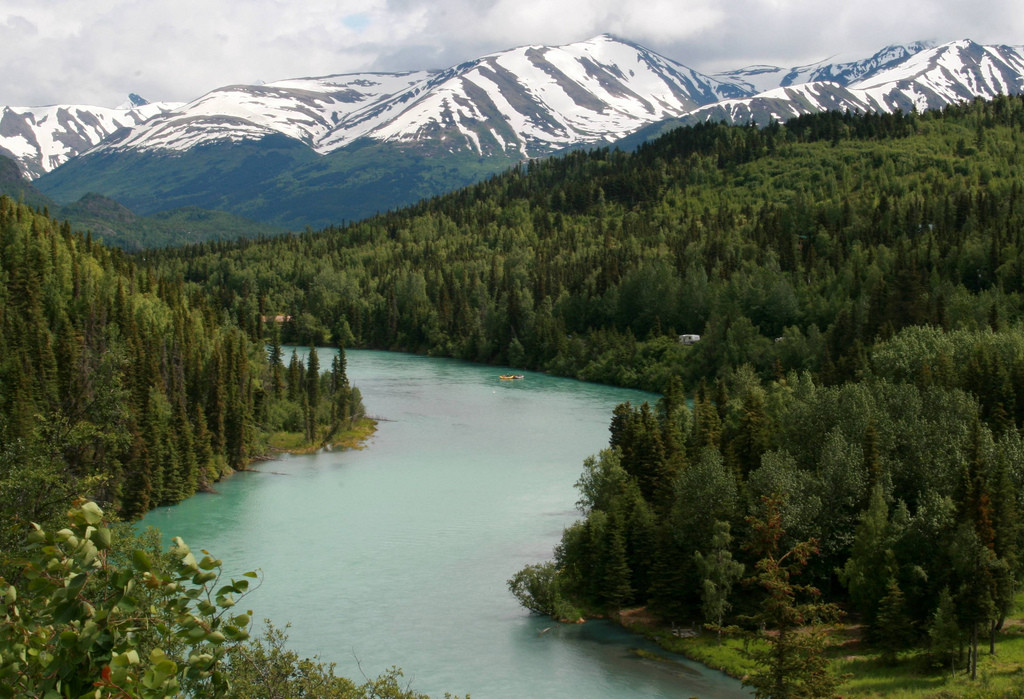
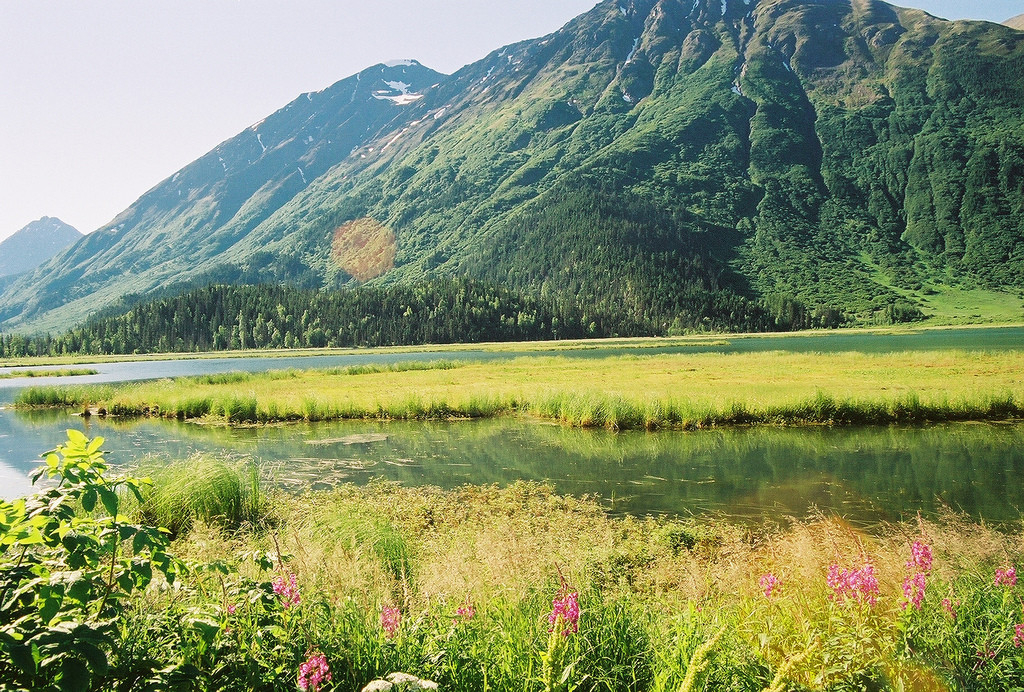
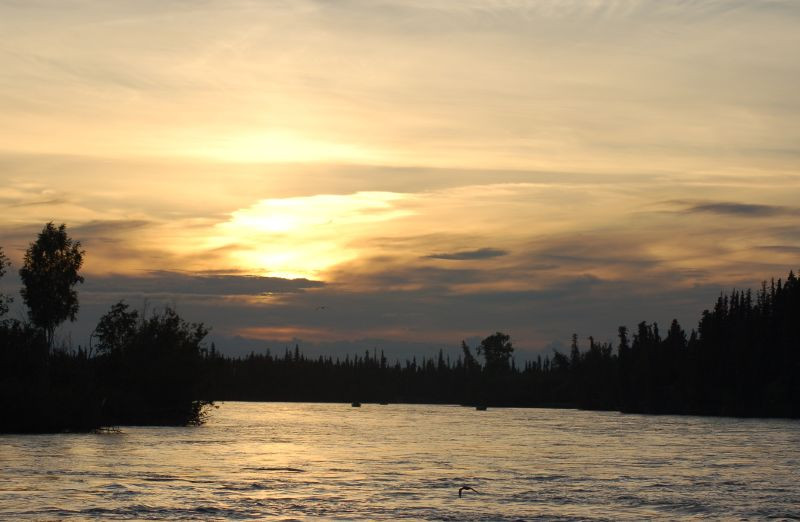
13. Kenai River Special Management Area
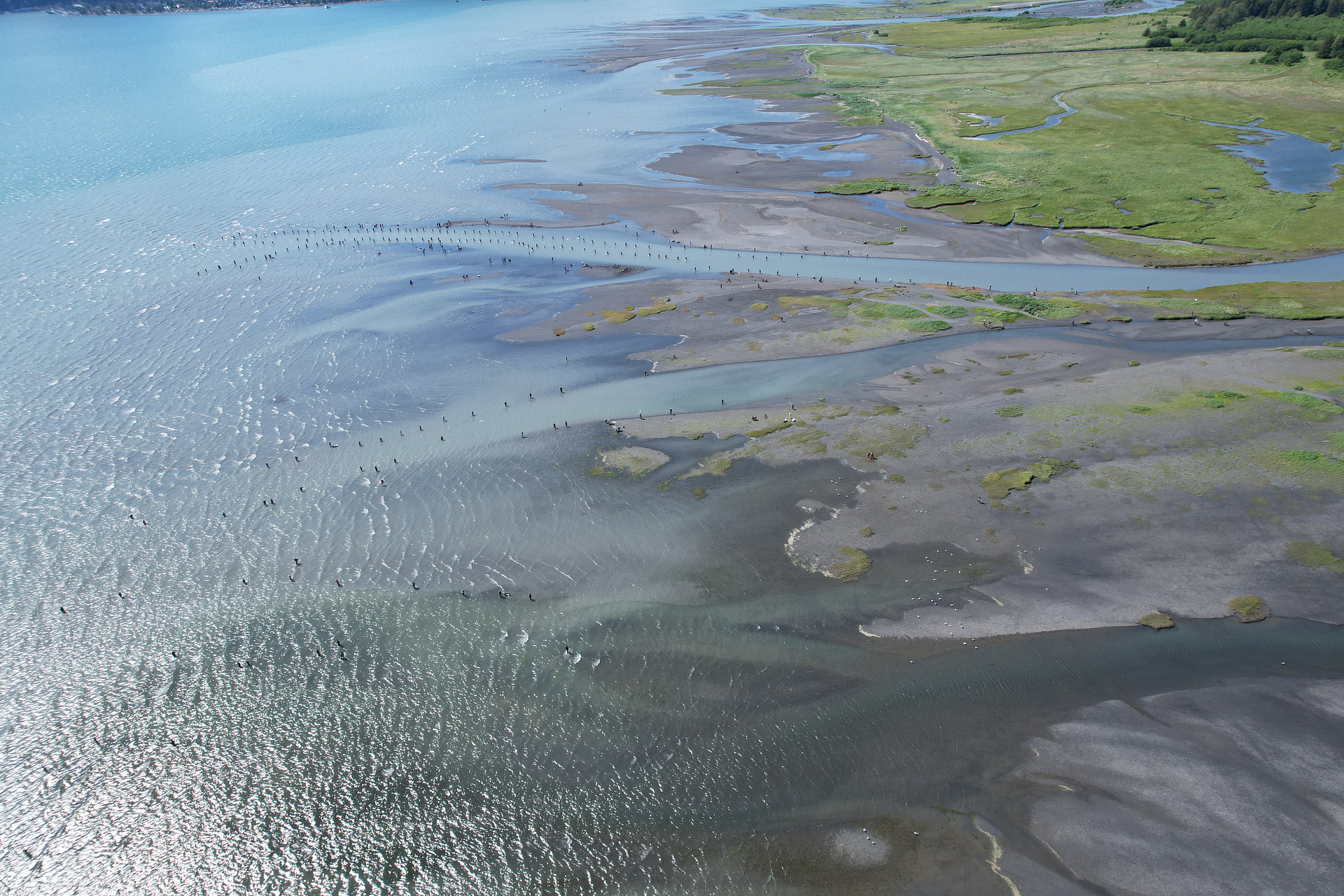
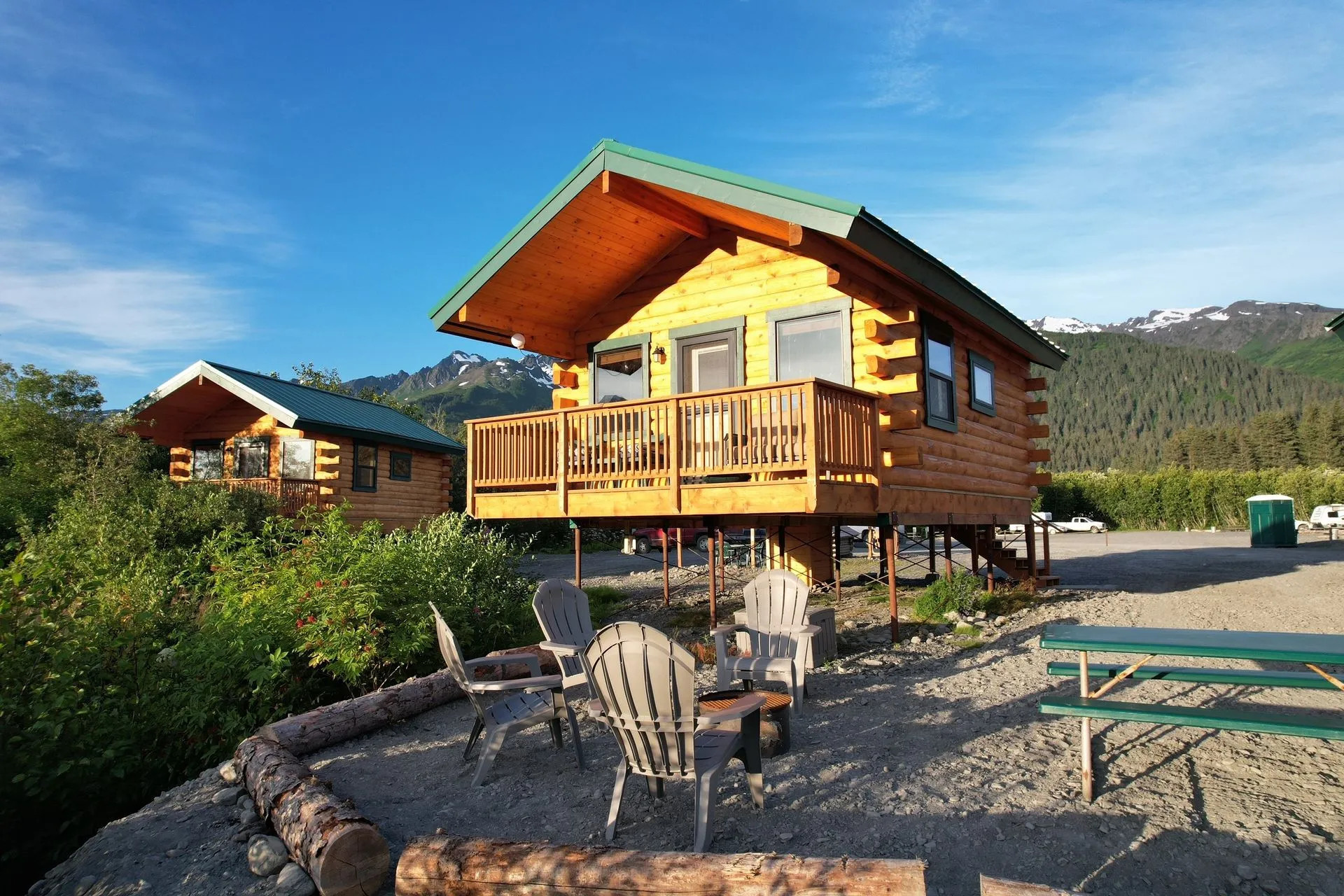
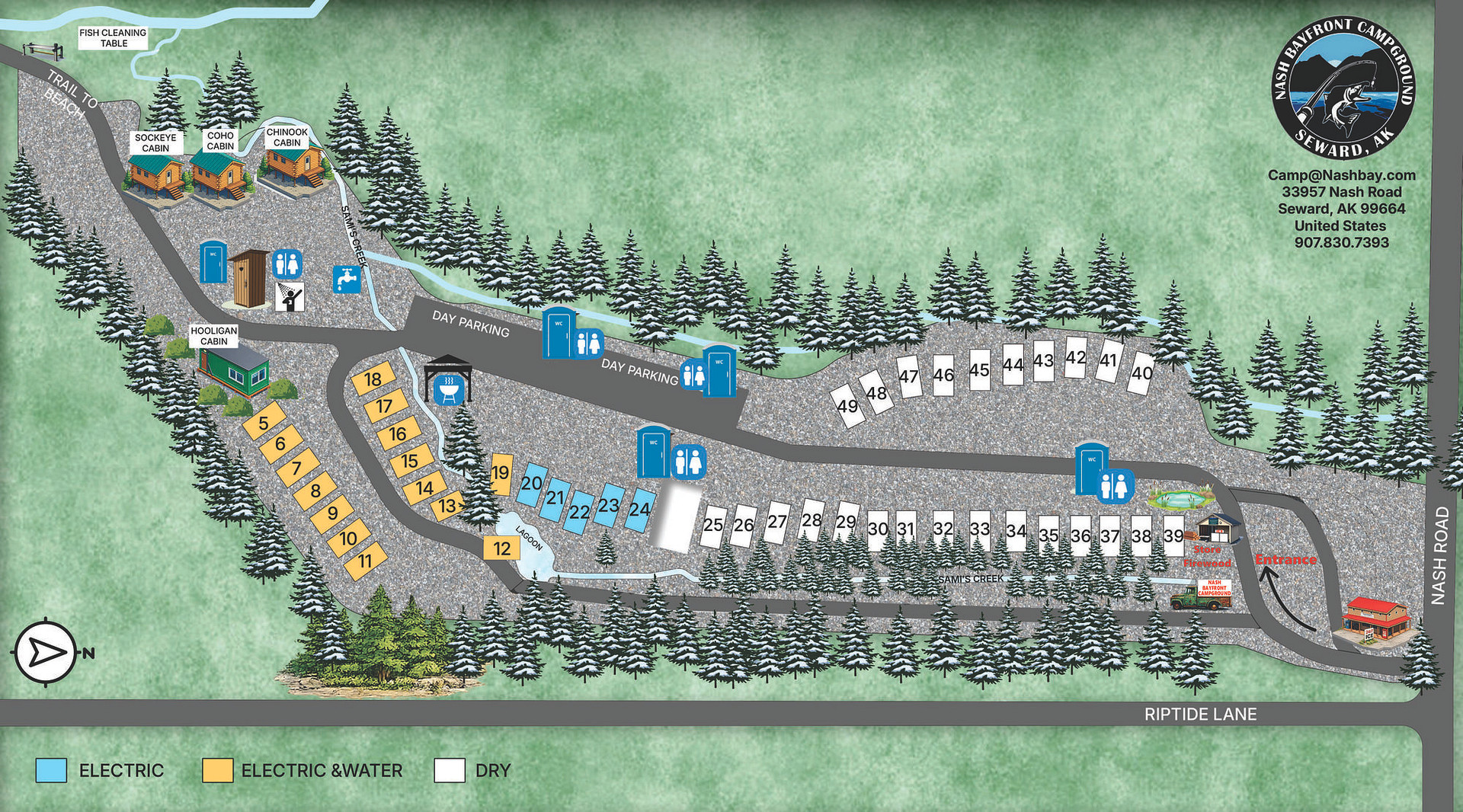
14. Scenic Camping, Cabins, Fishing
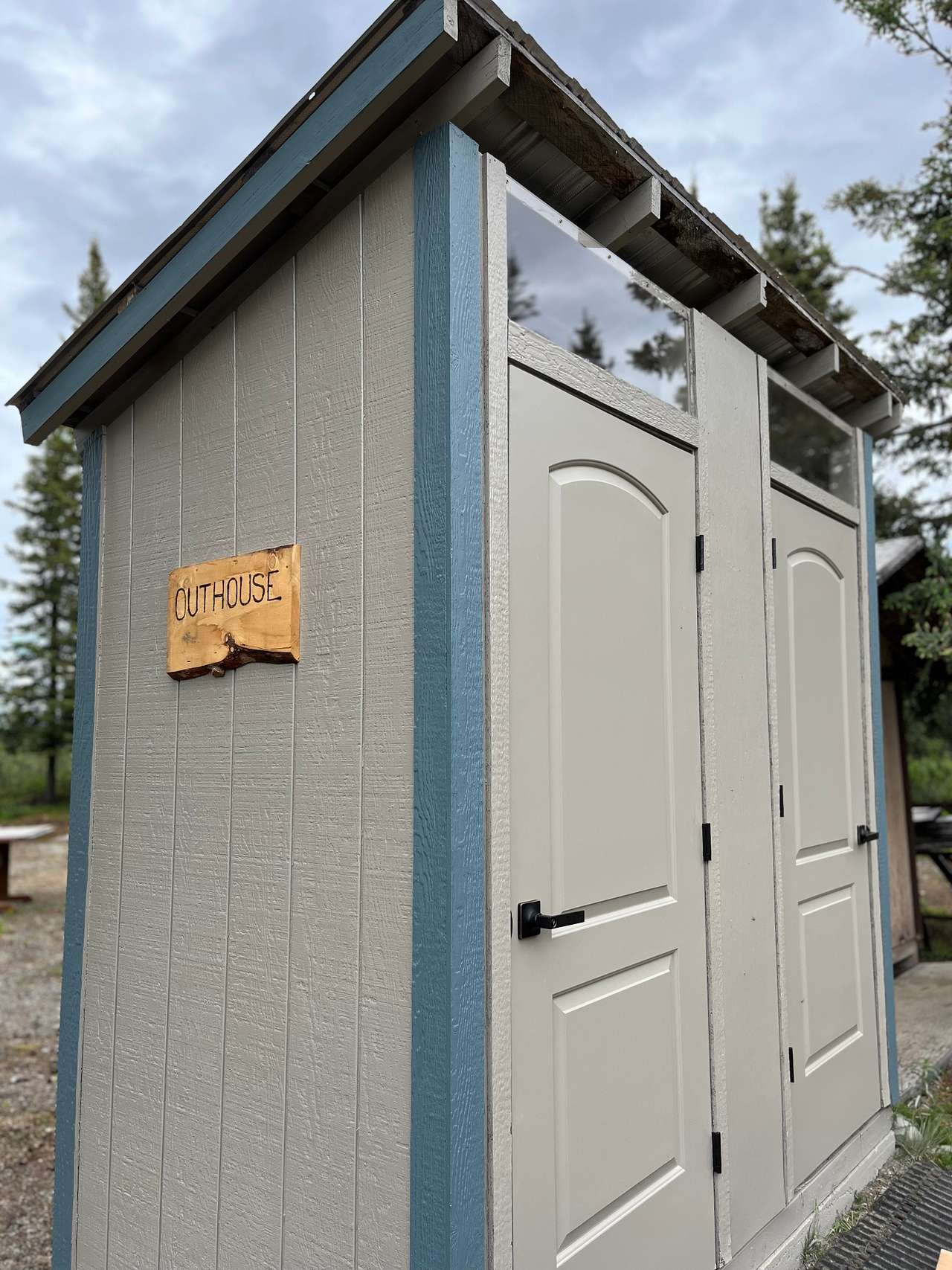
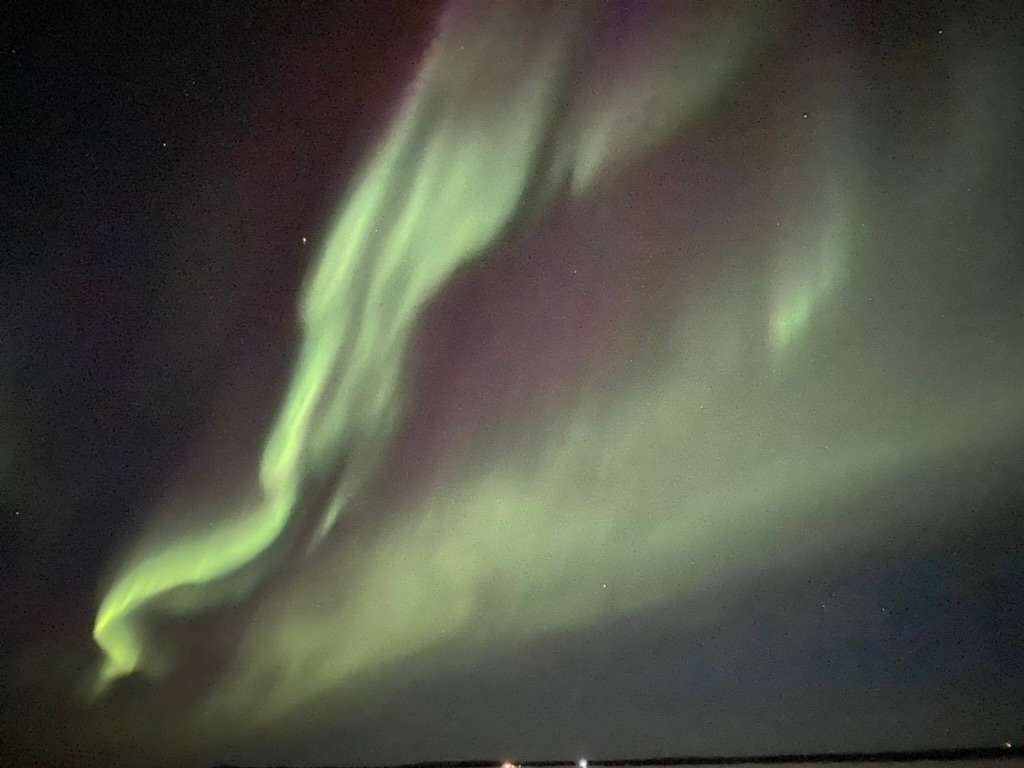
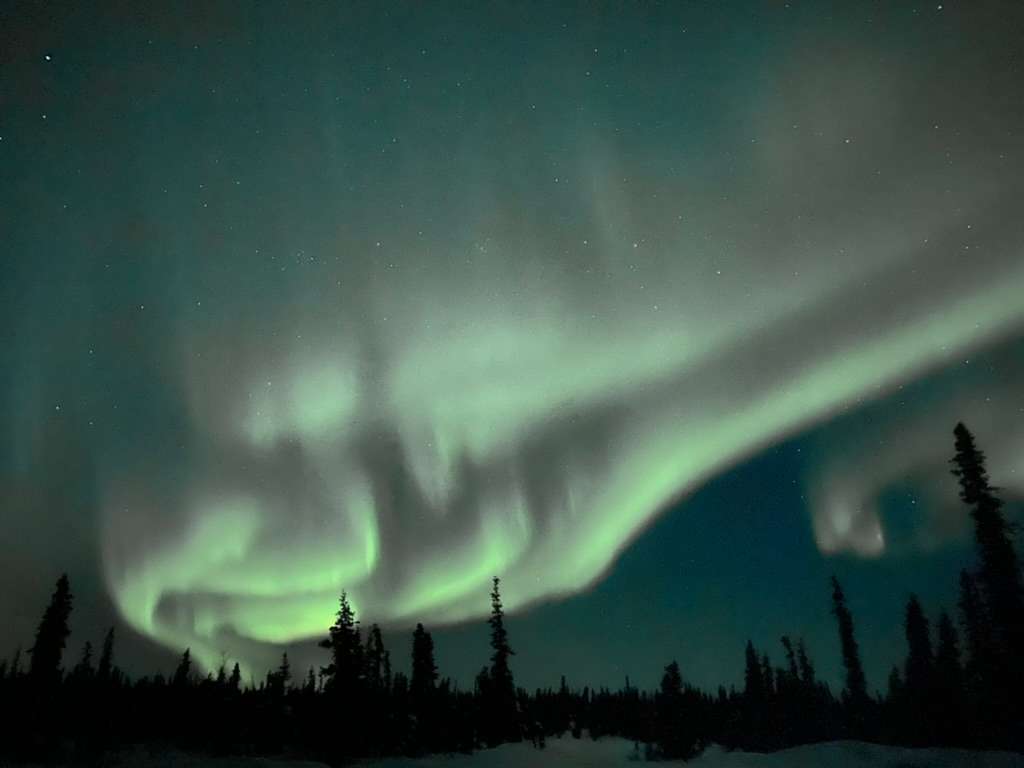
15. Stump Creek B&B
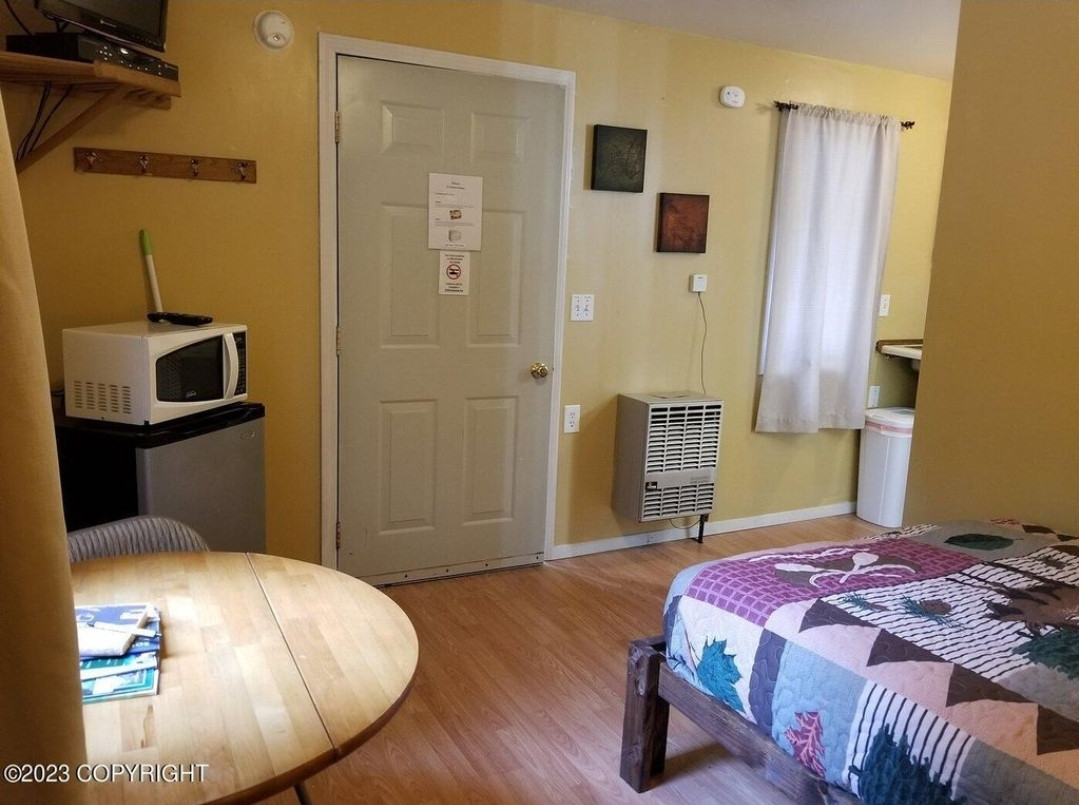
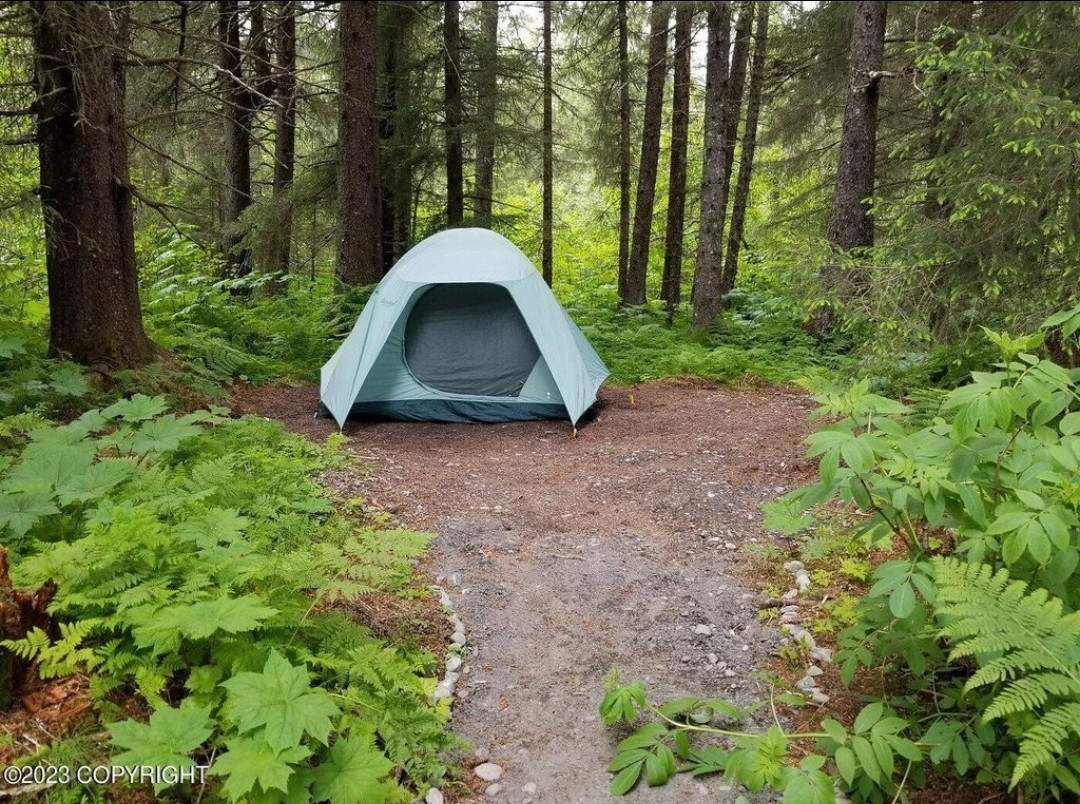
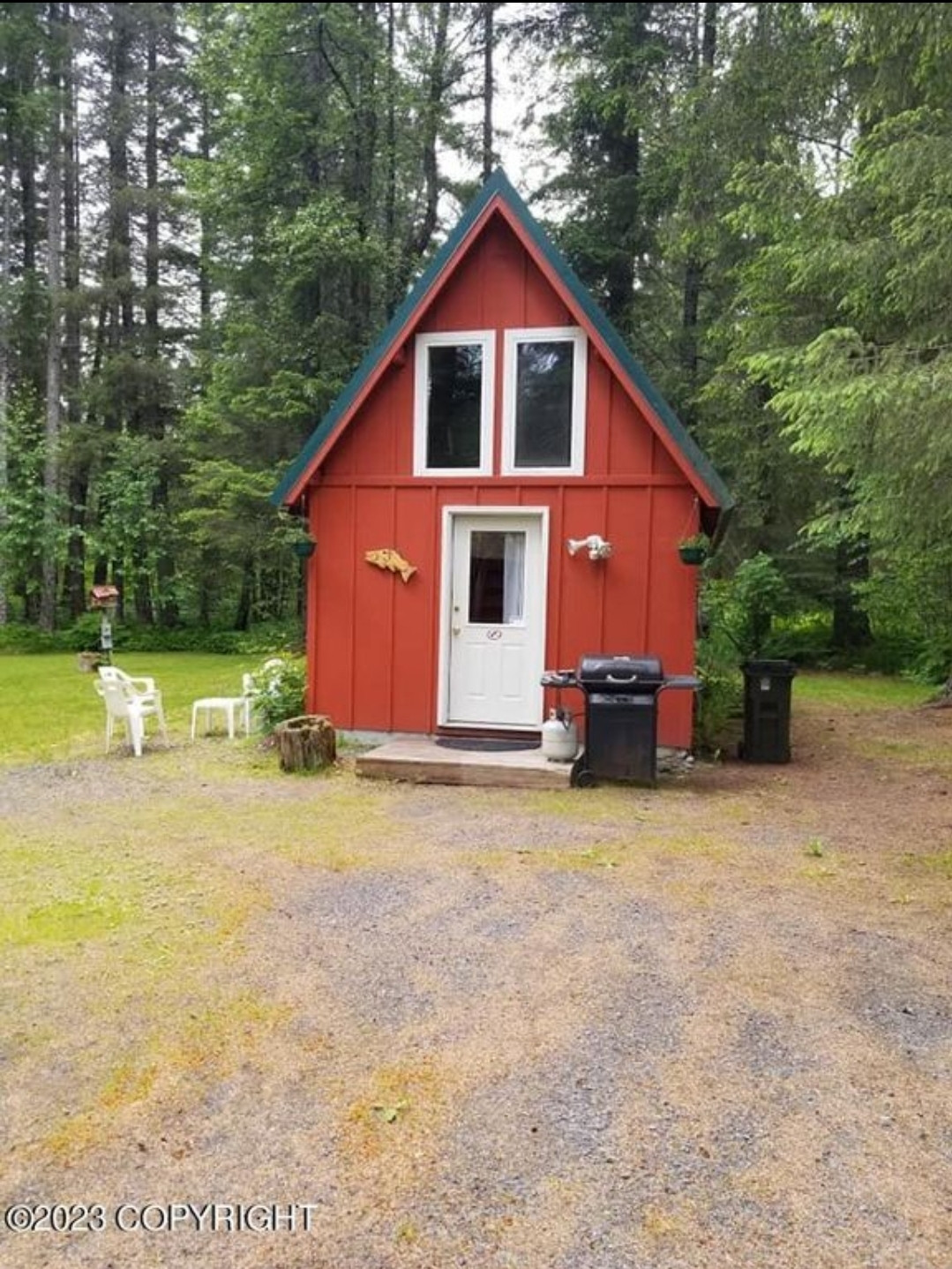
16. Bear Necessities Cottages
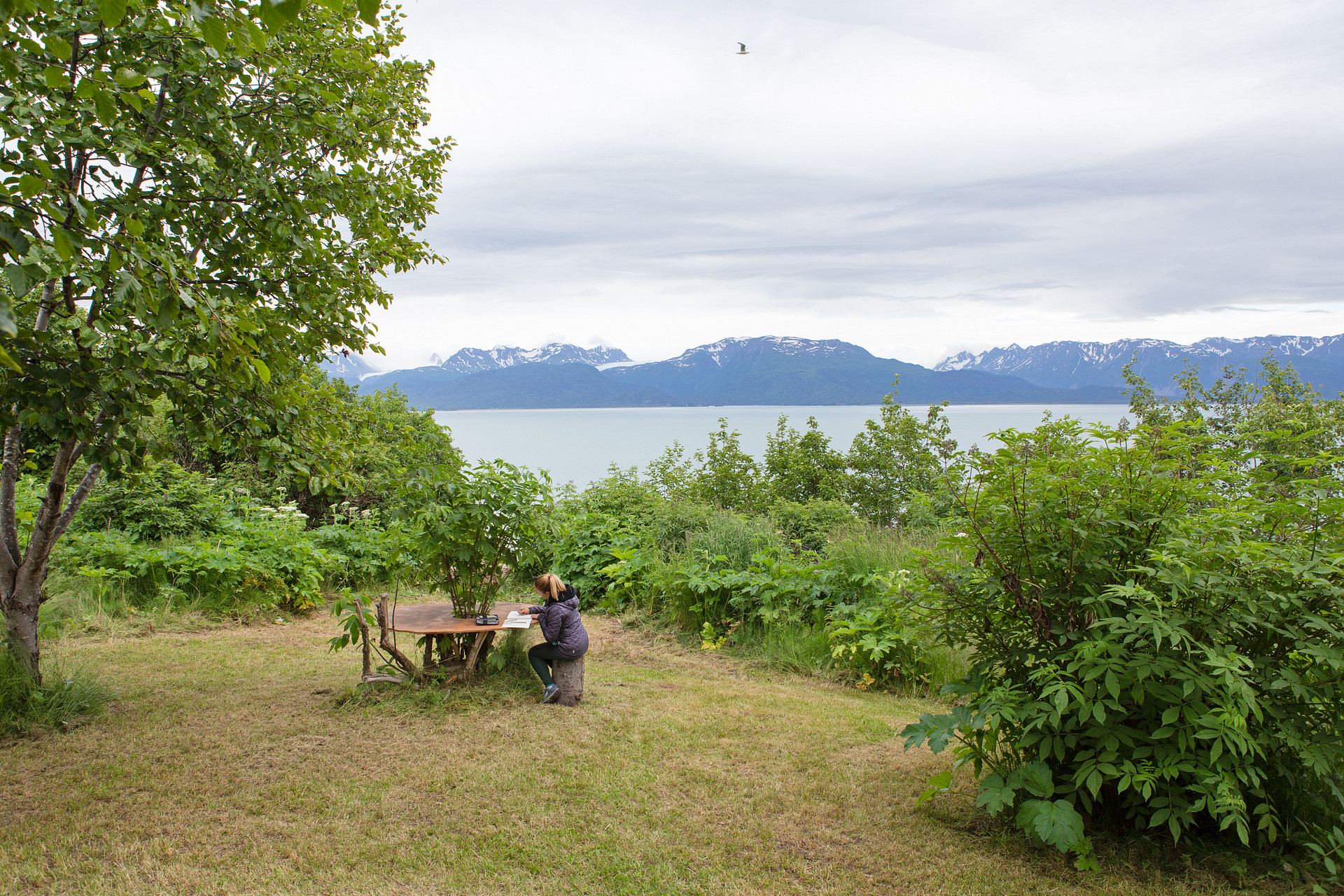
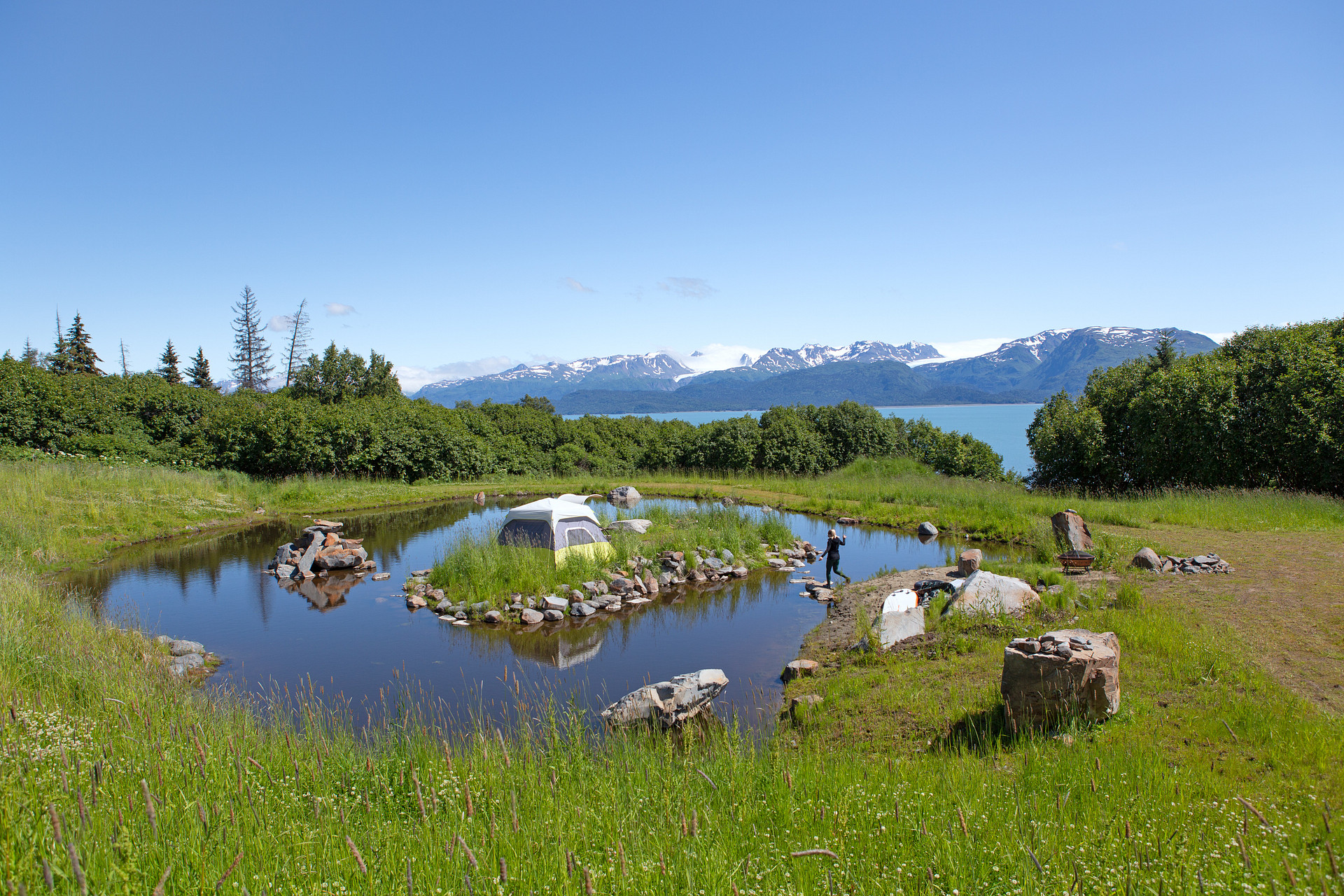
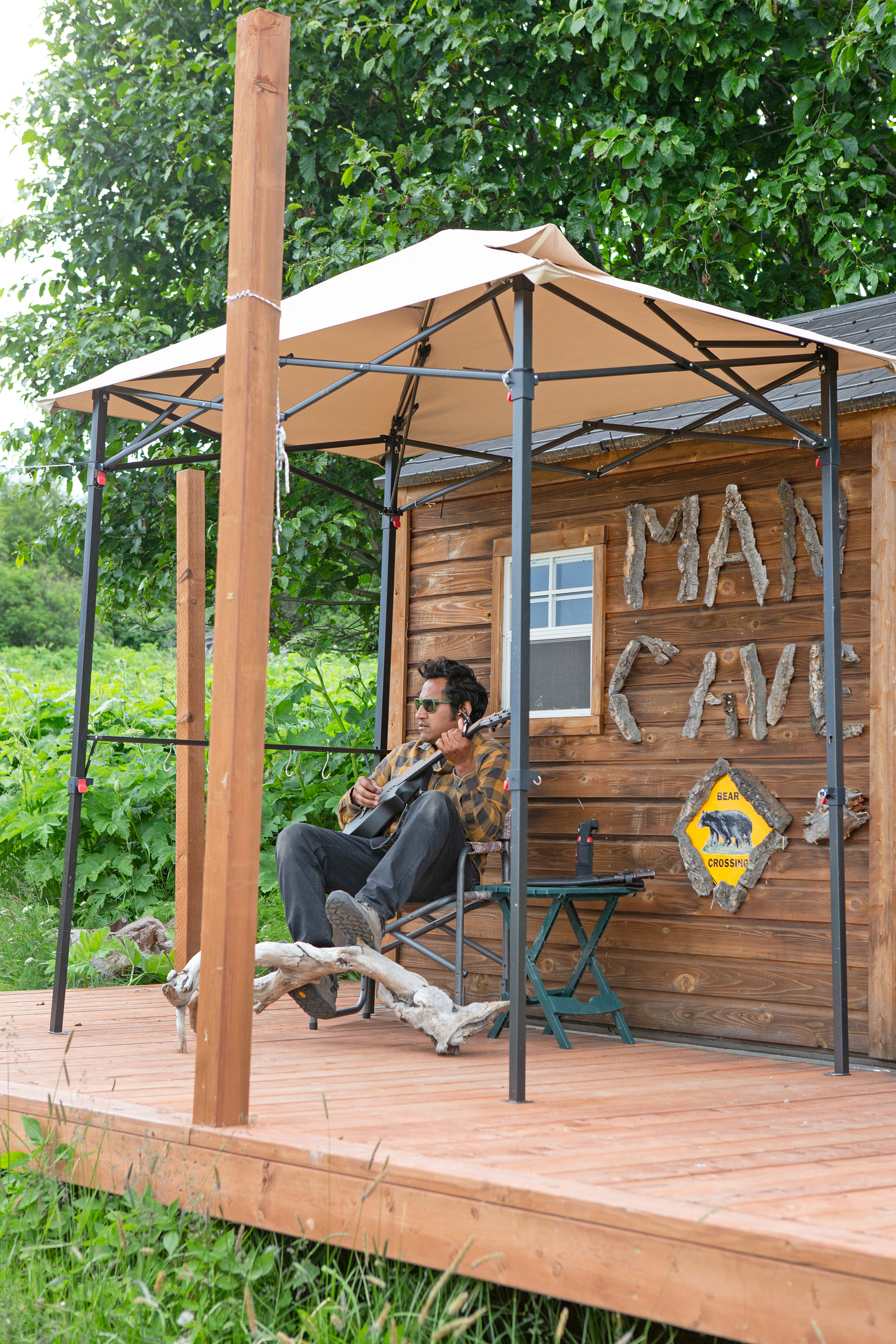
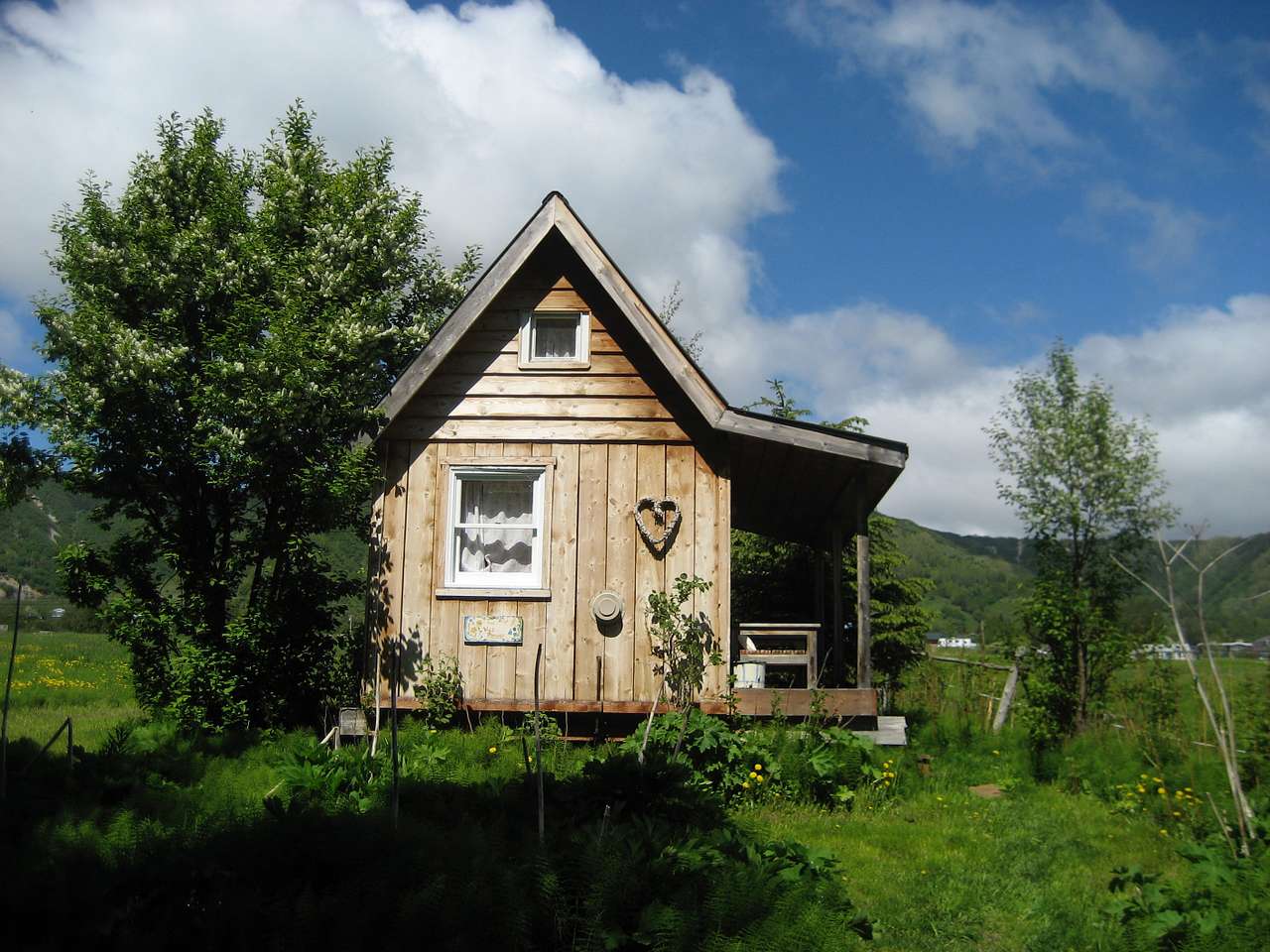
17. Kilcher Homestead MiracleMeadow
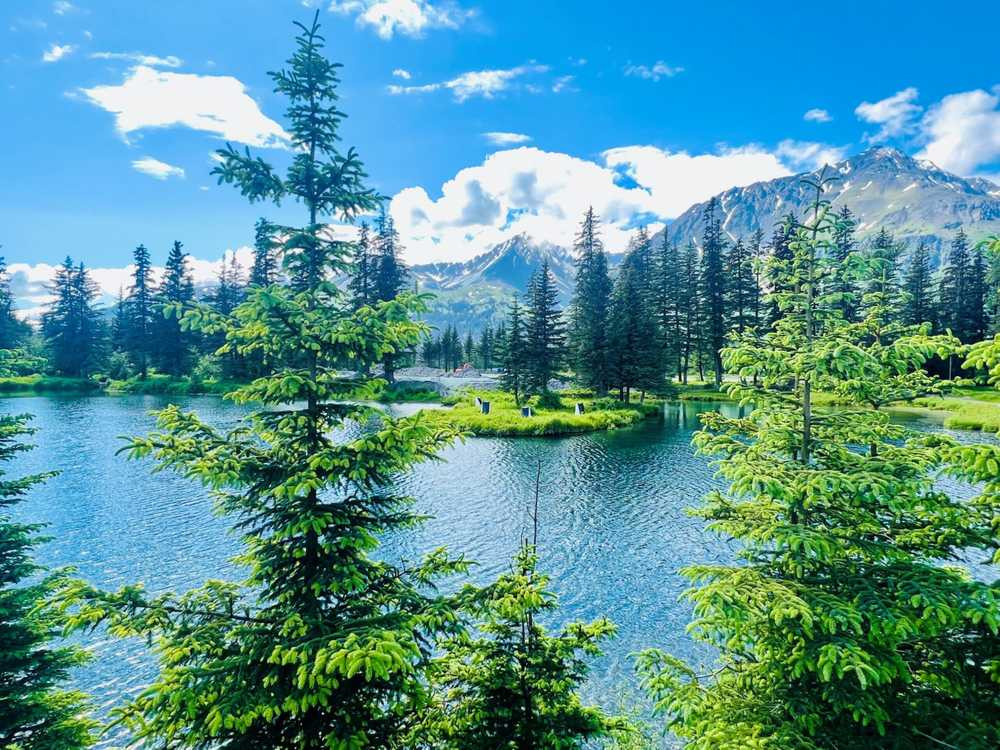
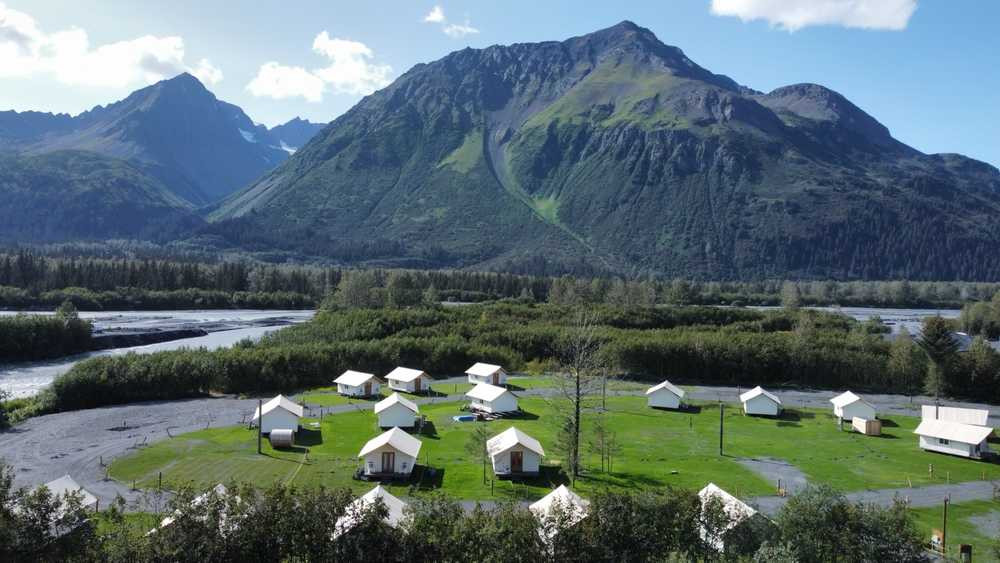
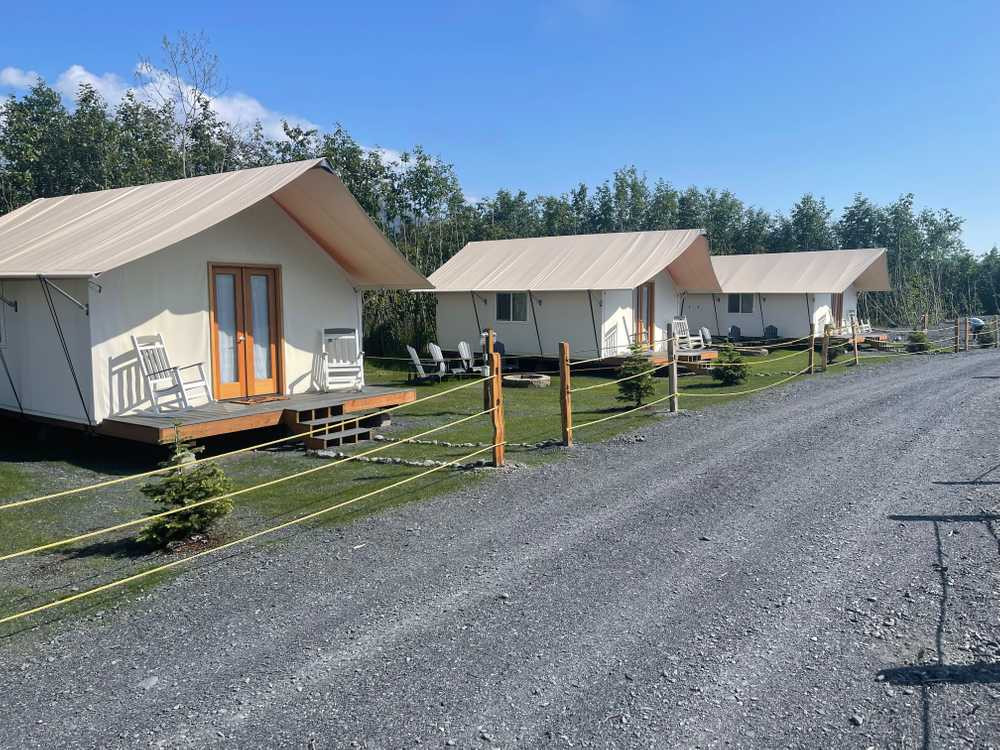
18. Howling Wolf Resort


19. The Glacier Breeze
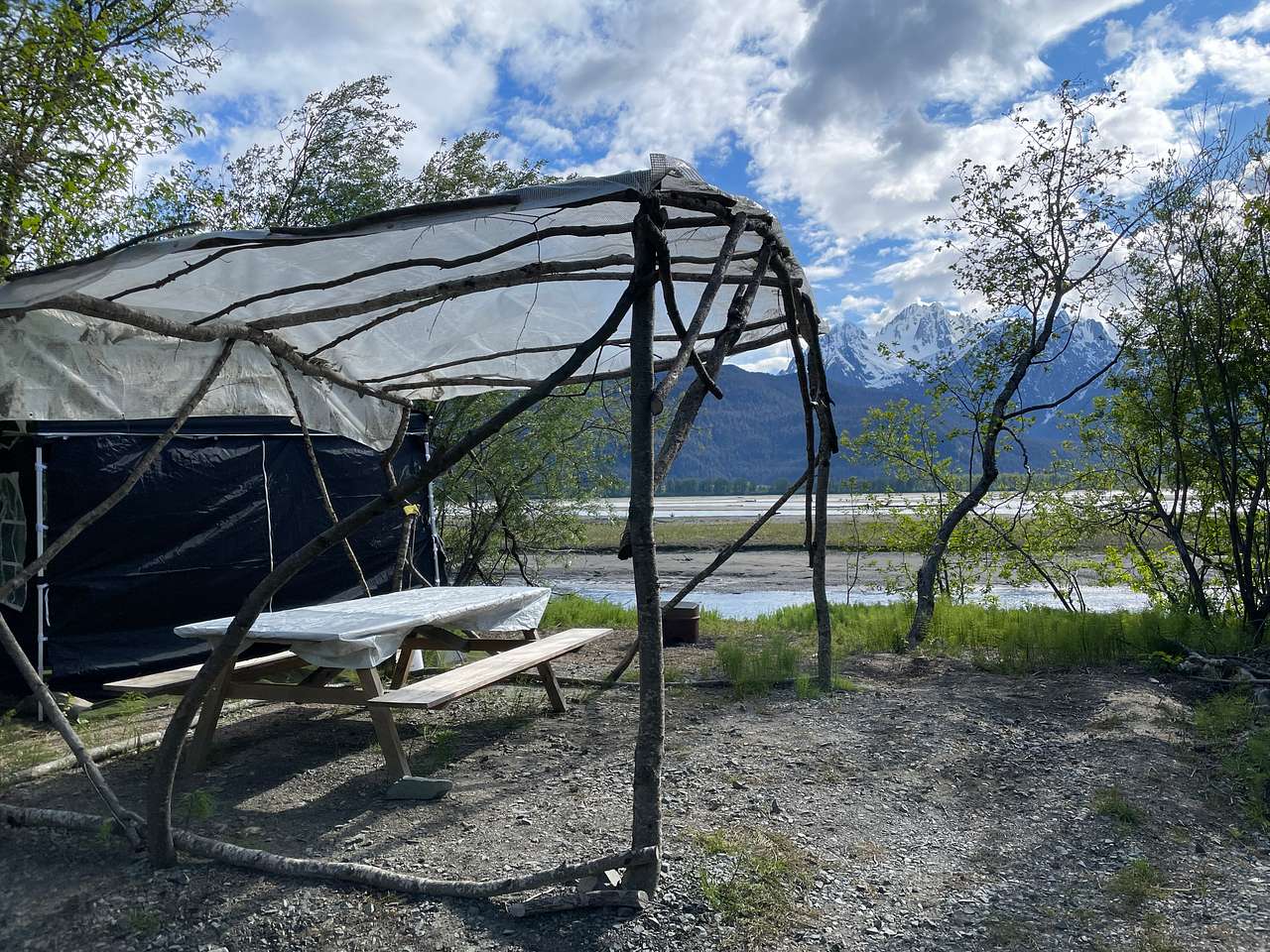
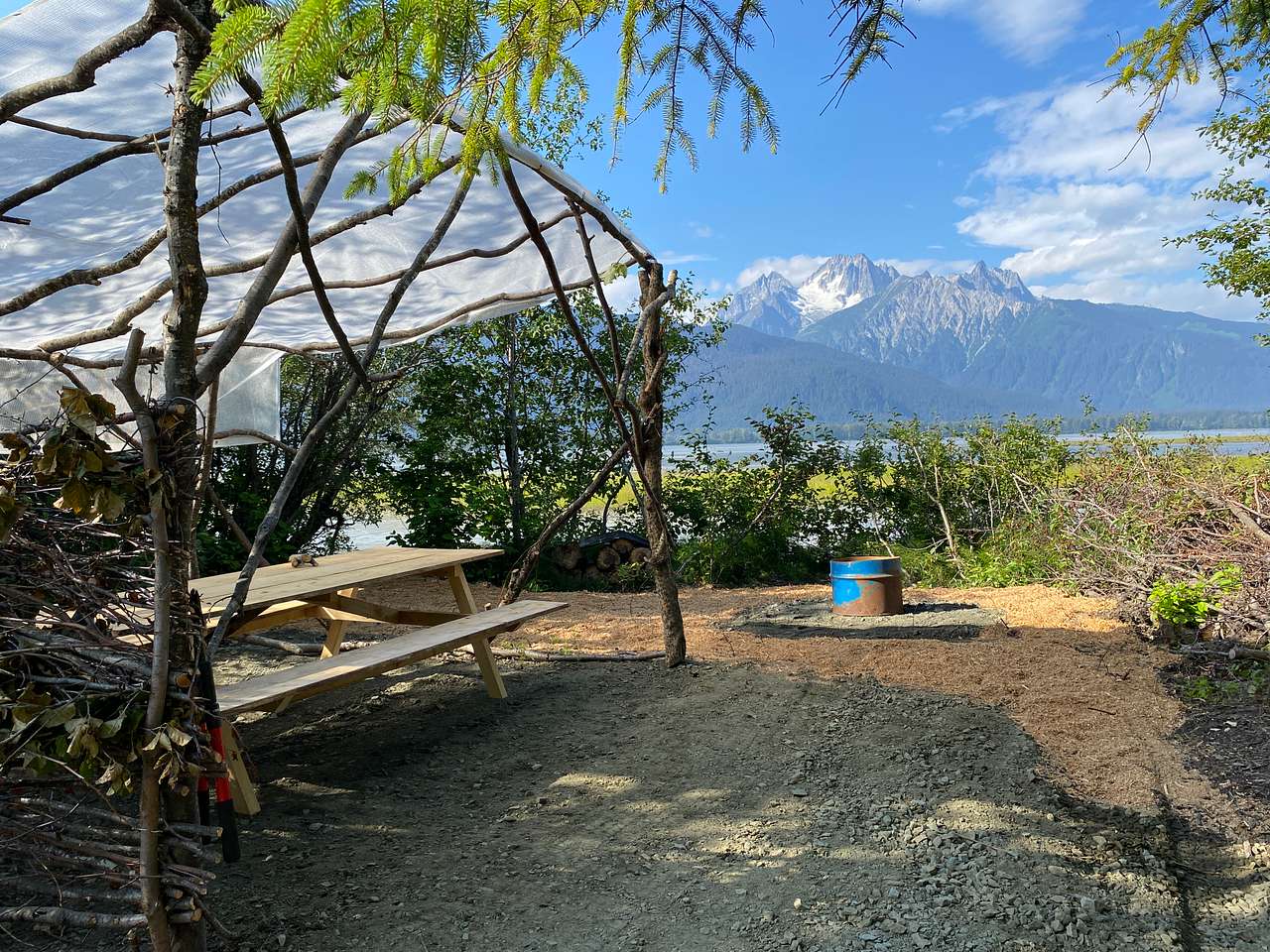
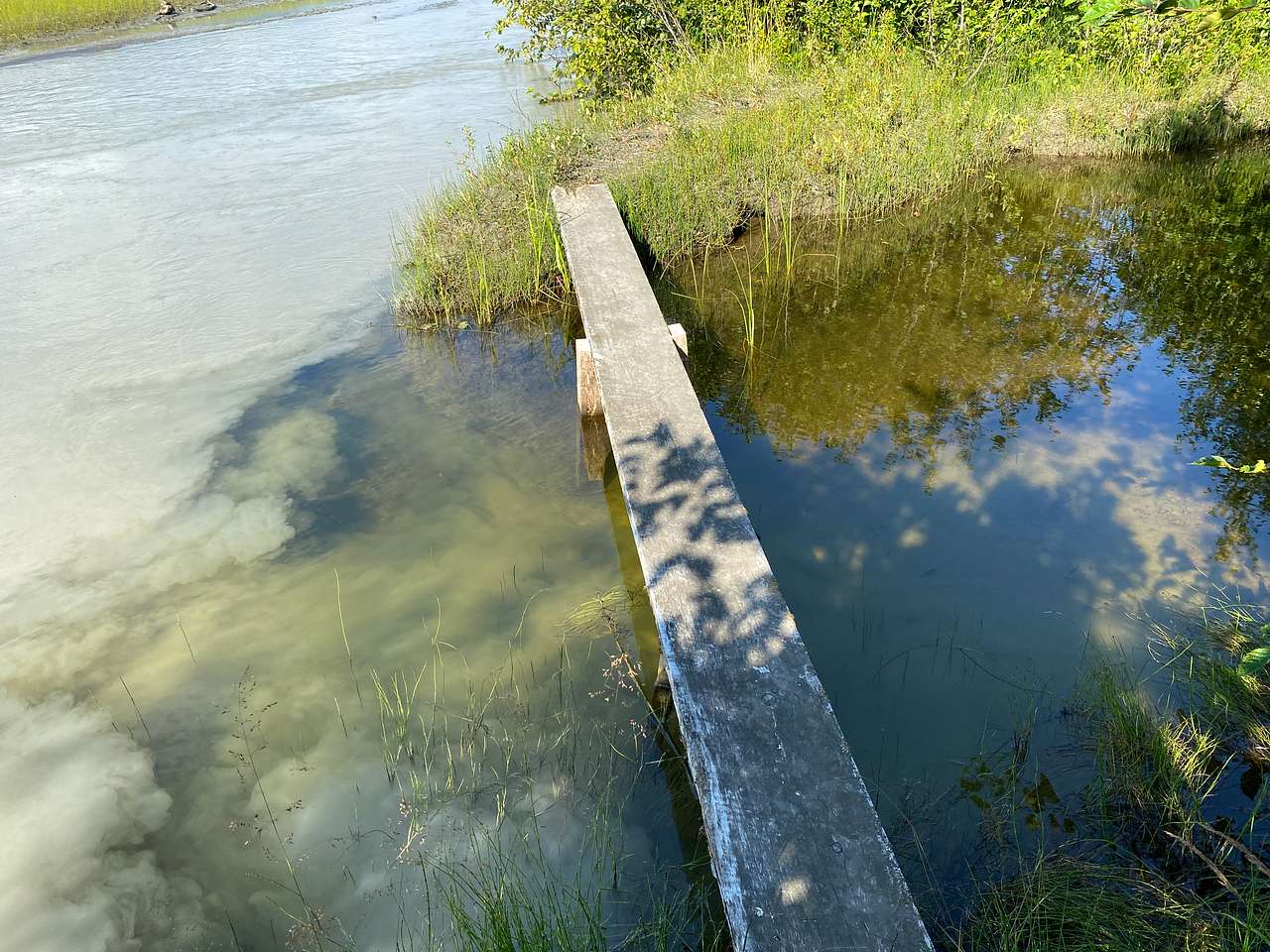
20. Haines River Camp


Valdez Adventure Alliance
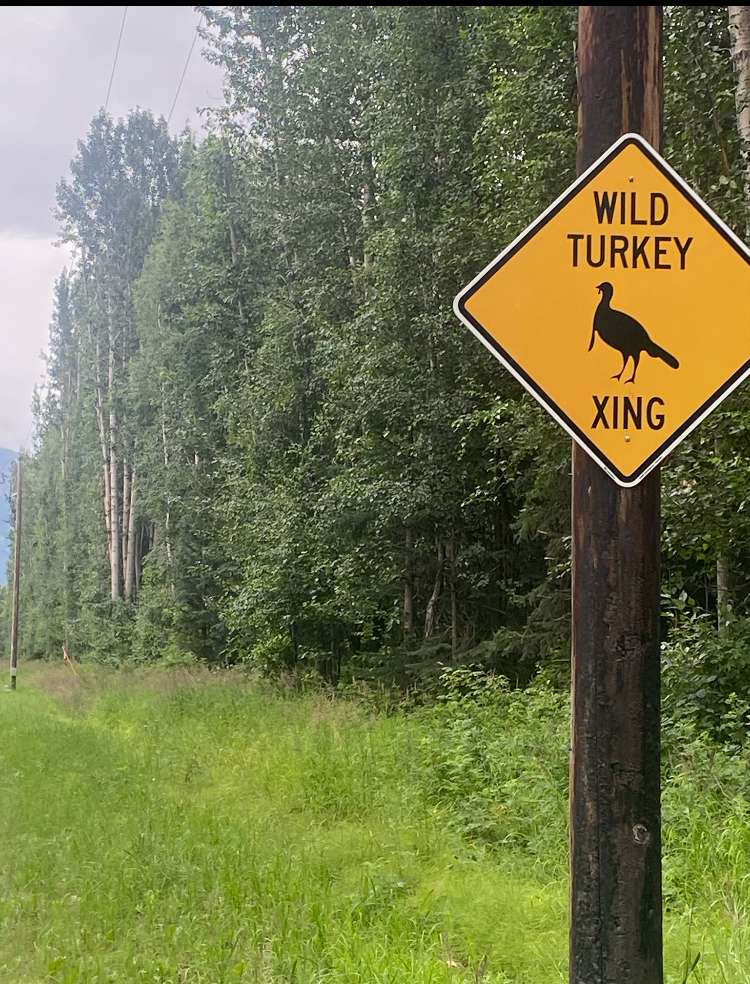
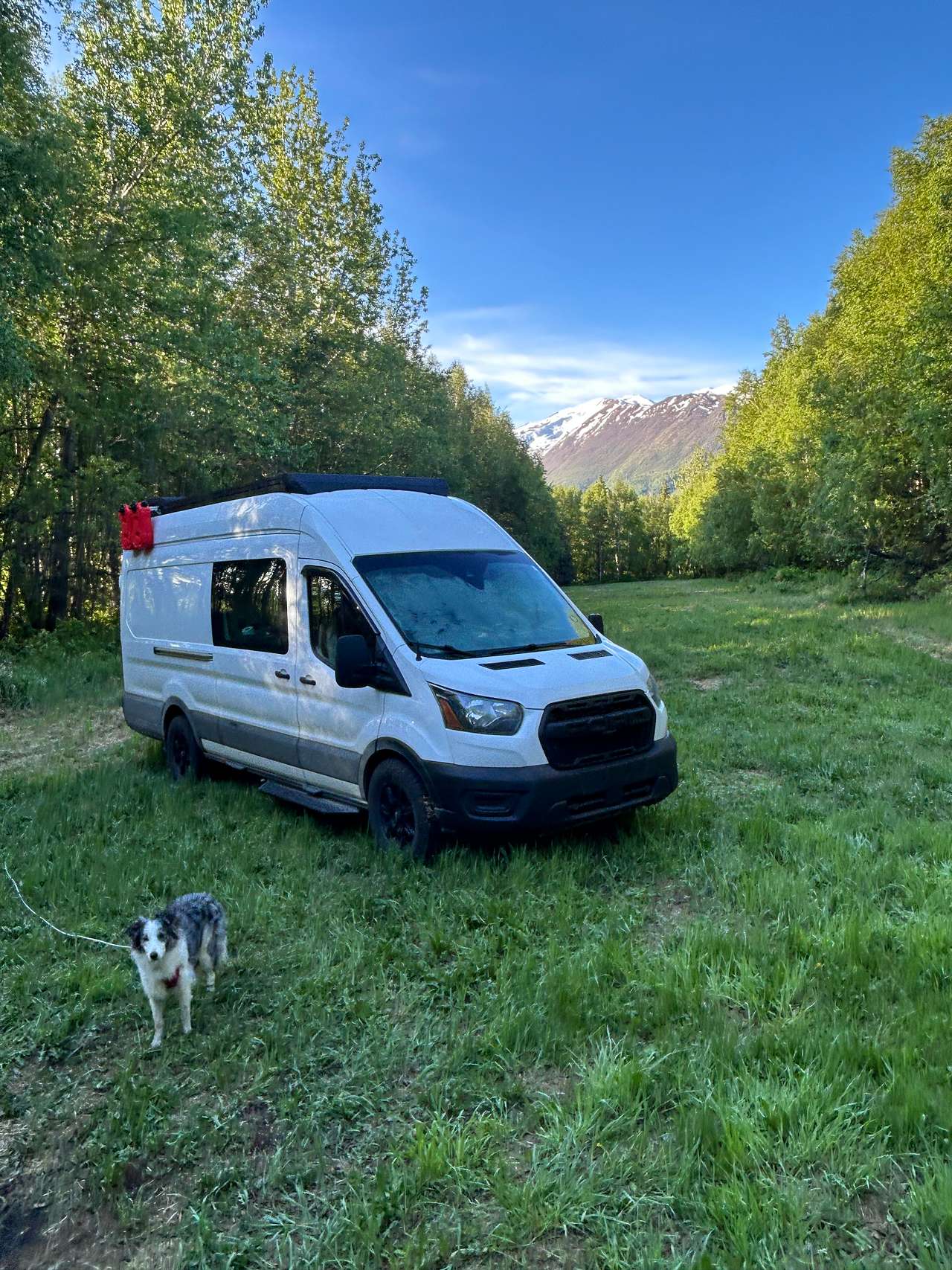
Jim Creek Blank Land


Pinochle Trail Campground
Creekside Campground
North 40 Basecamp


Lazy J Ranch
Recent reviews from the Hipcamp community






Alaska camping guide
Where to go
Bristol Bay
Bristol Bay is an expansive region with massive lakes, huge ocean bays and wild rivers. It’s known for abundant salmon runs that draw anglers and wildlife enthusiasts from around the world. Visit Katmai National Park and Preserve to watch bears catch salmon on Brooks Falls or fish for salmon and giant rainbow trout on the mighty Kvichak River. Lake Iliamna and the rivers in this area offer incredible fishing, sightseeing and boating.
Kenai Peninsula
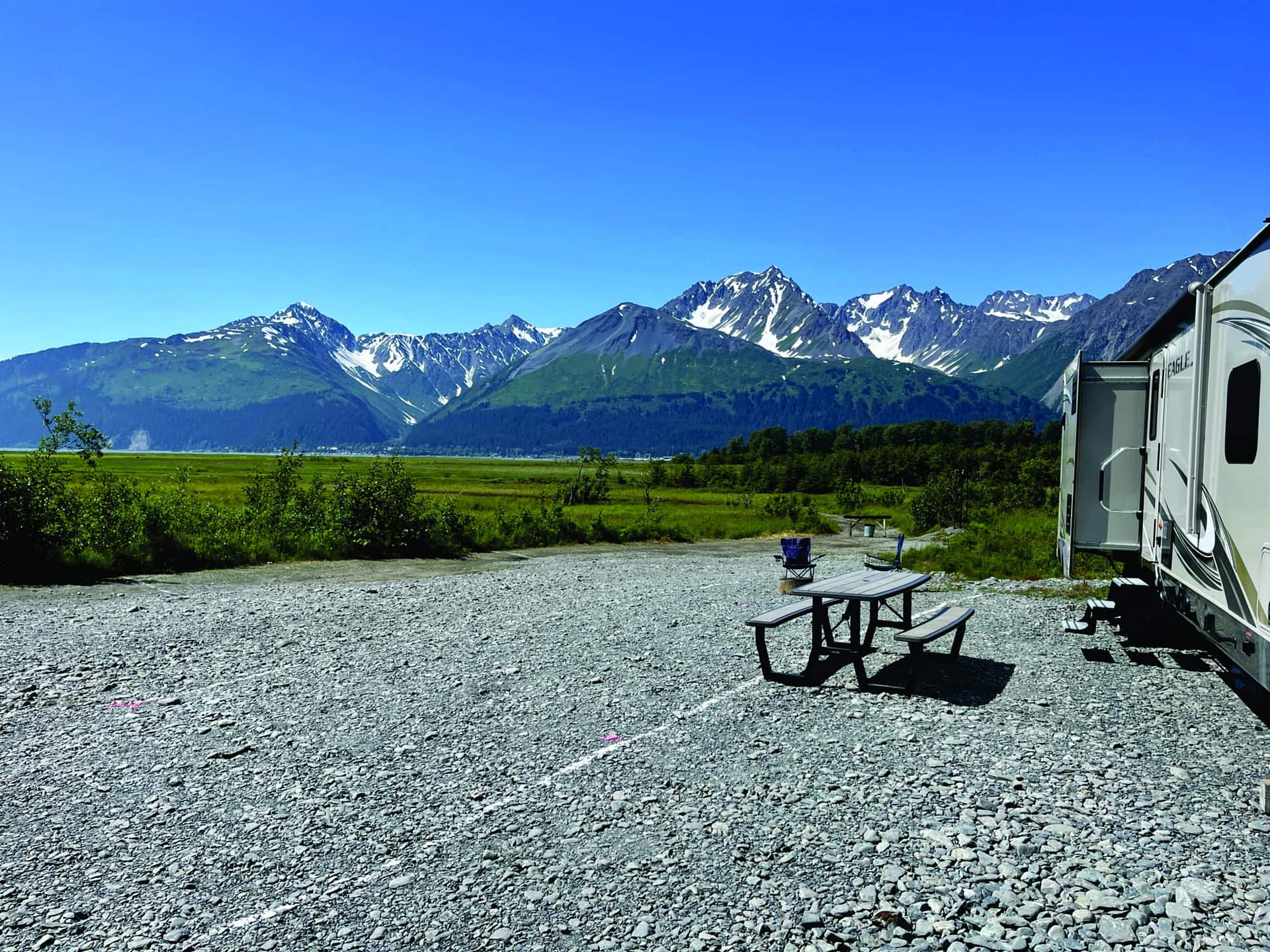
Some areas in Alaska are road accessible, making them perfect for camping and exploring at your own pace. The Kenai Peninsula is one of those special places where you can experience the best of Alaska from RV sites and tent camping areas at private and public campgrounds in places like Soldotna. Go fishing on the mighty Kenai River for salmon and trout, take a cruise through the Kenai Fjords National Park, take a dog sledding tour or go hiking on the many miles of trails on this wild peninsula.
Southeast Alaska
The rugged Southeast coastline is dotted with small communities, many of which are isolated from any highway systems. Ketchikan and Juneau are two hubs to visit for access to the expansive Tongass National Forest. Prince of Wales Island has limited services but rental vehicles and island roads allow for access to go fishing and hunting in this remote area.
Denali National Park
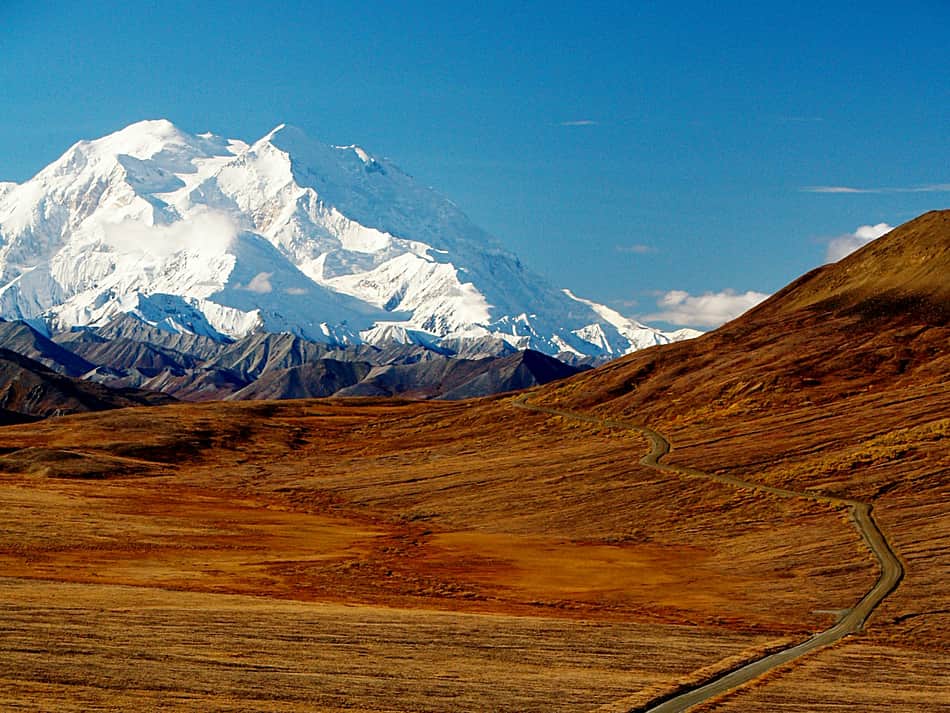
Accessible by road system, Denali National Park leads many visitors to fly into Anchorage and rent a vehicle or RV to visit. The incredible peak is more than 20,000-feet high and the surrounding Alaska Range is absolutely stunning. If you want an unforgettable view, consider flightseeing tours to gain elevation and really get into the mountains. Moose and bear sightings are common and the trails offer a range of hiking options for visitors. This park is fantastic and is accessible for a wide range of budgets and camping styles.
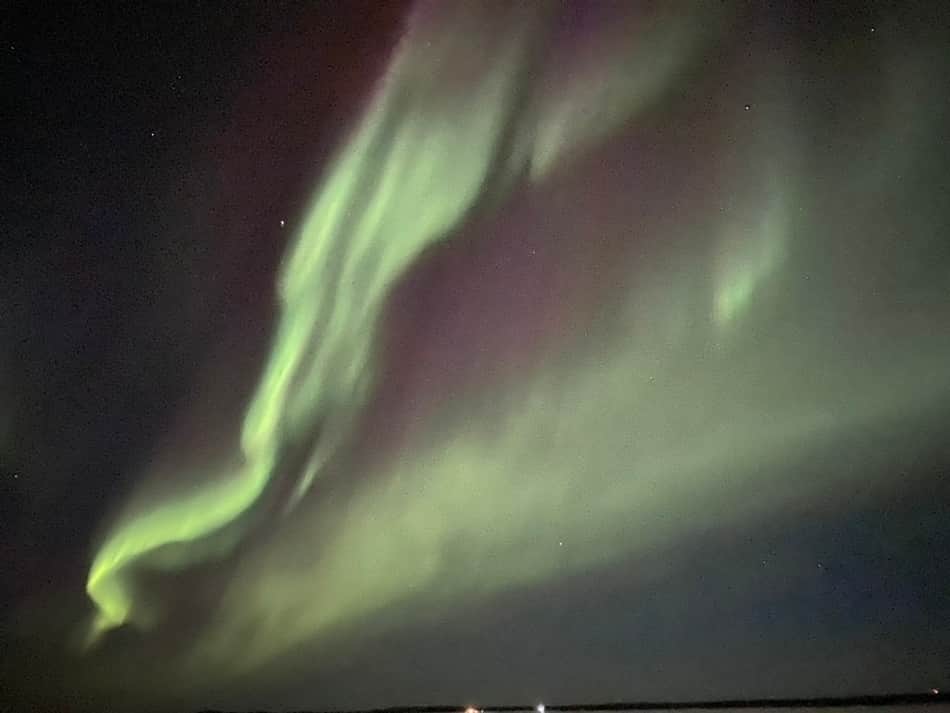
Alaska is a two-season state where it’s either feeling like summer or winter. In summer, the days are long, leaving plenty of time to explore and very little darkness to help you sleep. The inverse is true during the winter months. The first snowfall, also called termination dust, typically arrives sometime in September and it coincides with rapid color changes and shorter days. Most visitors arrive during summer when the salmon are running and bush flights operate in places like Bristol Bay on regular flight schedules. Although summer is ideal for most campers, winter does have special events like dog sledding races and views of the northern lights.



Frequently Asked Questions
In Alaska, you cannot camp anywhere, but there are vast areas of public land where you can find dispersed camping opportunities. Alaska is home to numerous campgrounds, national parks, state parks, national forests, and wilderness areas where camping is permitted. However, it's essential to follow the rules and regulations of the specific area where you plan to camp, as some locations may have restrictions or designated camping sites.
Dispersed camping is allowed on most public lands managed by the Bureau of Land Management (BLM), the U.S. Forest Service, and the Alaska Department of Natural Resources. When camping in these areas, be sure to practice Leave No Trace principles, respect private property, and stay at least 100 feet away from lakes and streams. Some popular destinations for camping in Alaska include fishing campsites, glamping sites, and forest campsites.
Yes, Alaska is an excellent destination for camping, offering a wide range of camping experiences from remote wilderness locations to well-maintained campgrounds. The state's vast and diverse landscape, including mountains, glaciers, forests, and coastal areas, provides an unparalleled backdrop for outdoor enthusiasts. Popular camping destinations in Alaska include Denali National Park, Kenai Fjords National Park, and Wrangell-St. Elias National Park. Additionally, there are numerous state parks, national forests, and private campgrounds throughout the state to suit various camping preferences. Keep in mind that due to Alaska's northern location, the camping season is generally shorter than in other parts of the United States, with the best time to camp being from late May to early September.
Campground fees in Alaska can vary depending on the location, amenities, and type of site. On average, you can expect to pay around $10 to $25 per night for a basic tent or RV site at public campgrounds. More developed campgrounds with additional facilities and services may charge higher fees.
Yes, it is generally safe to sleep in your car in Alaska, as long as you follow certain precautions and guidelines. Make sure to park in designated camping areas or RV parks, and be aware of the weather conditions, as temperatures can drop significantly at night. It's important to have proper sleeping gear, food, and water supplies, as well as a plan for restroom facilities. Additionally, be cautious of wildlife, such as bears, and store food and scented items securely. You can find some suitable locations for car camping in Alaska on Hipcamp, such as Safety Cove, Sealion Cove, and Sunny Cove.