88% (52) • 65 campsites
Top-rated glamping sites near Key Largo
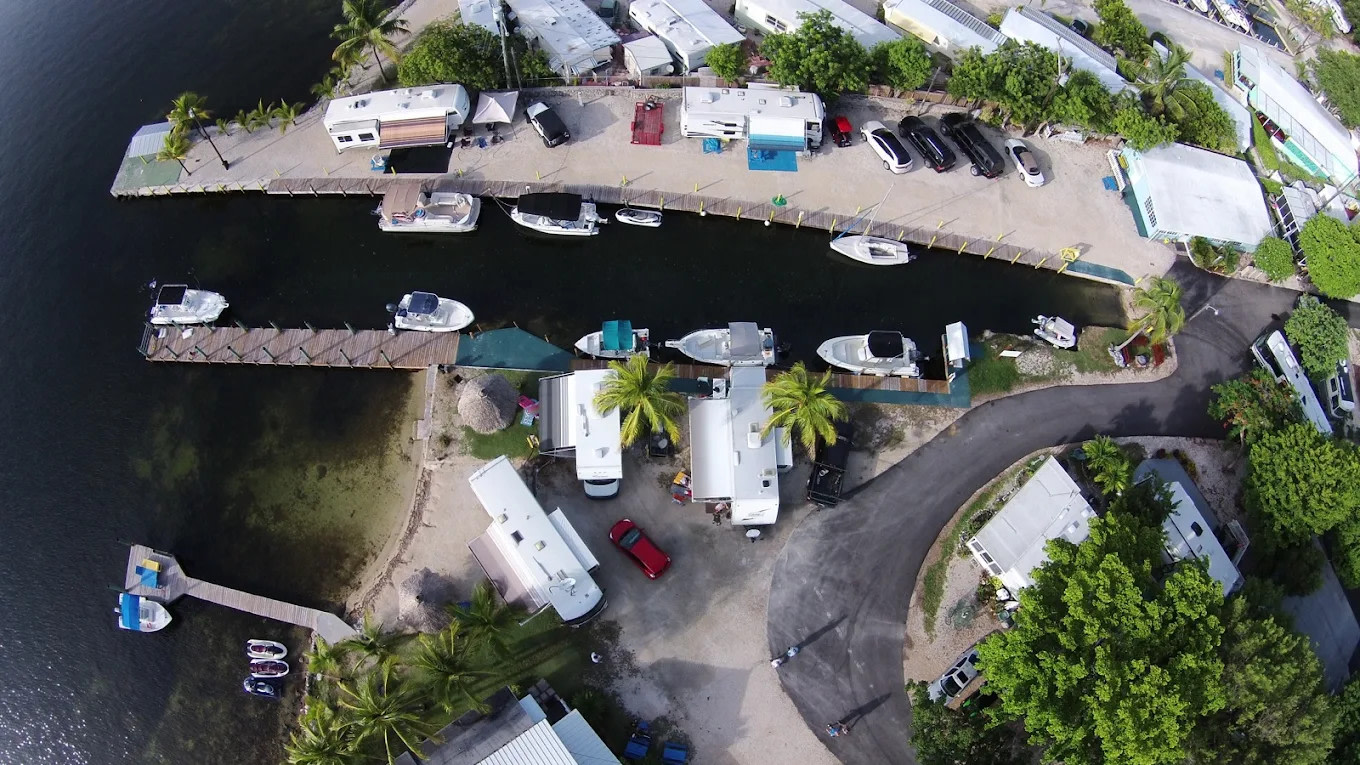
Kings Kamp RV Park and Marina
1. Kings Kamp RV Park and Marina
89%
(57)
1.3mi from Key Largo · 37 sites · Tents, RVs, Lodging
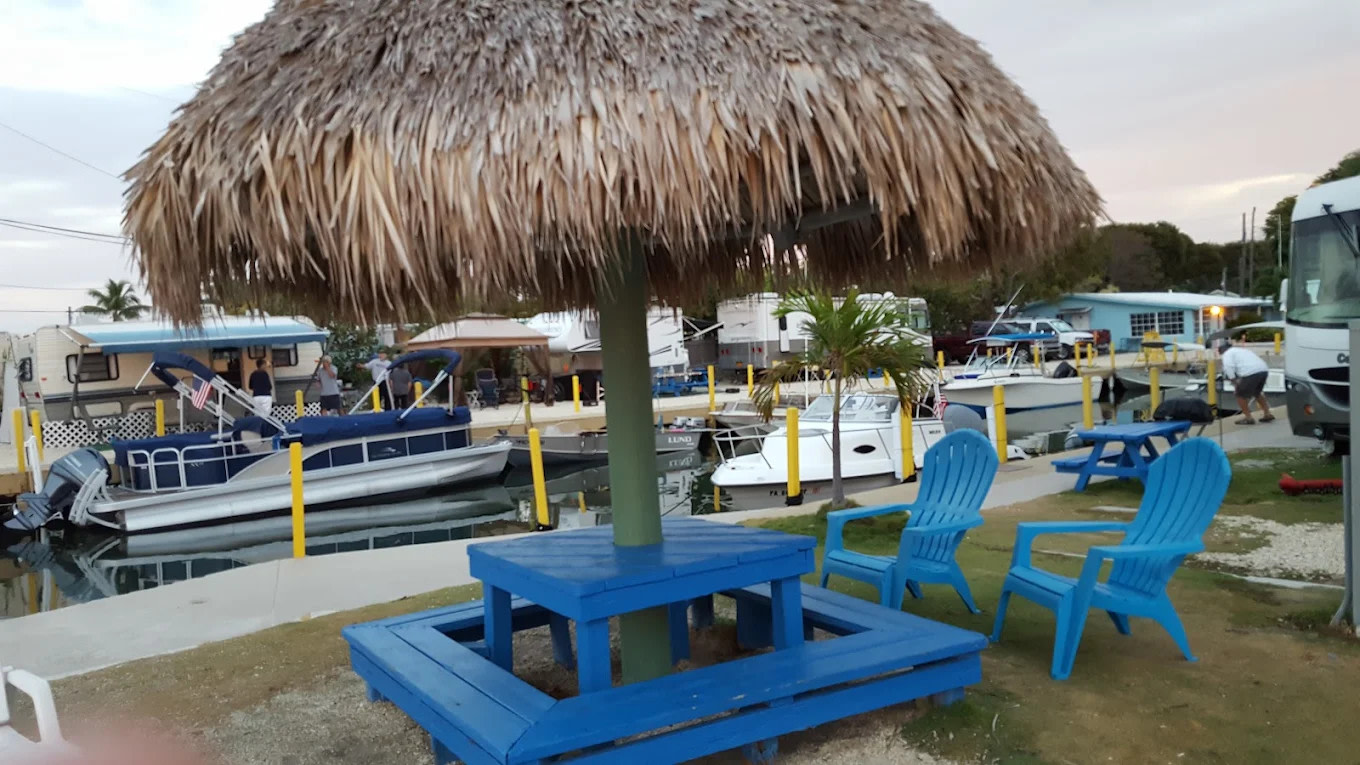
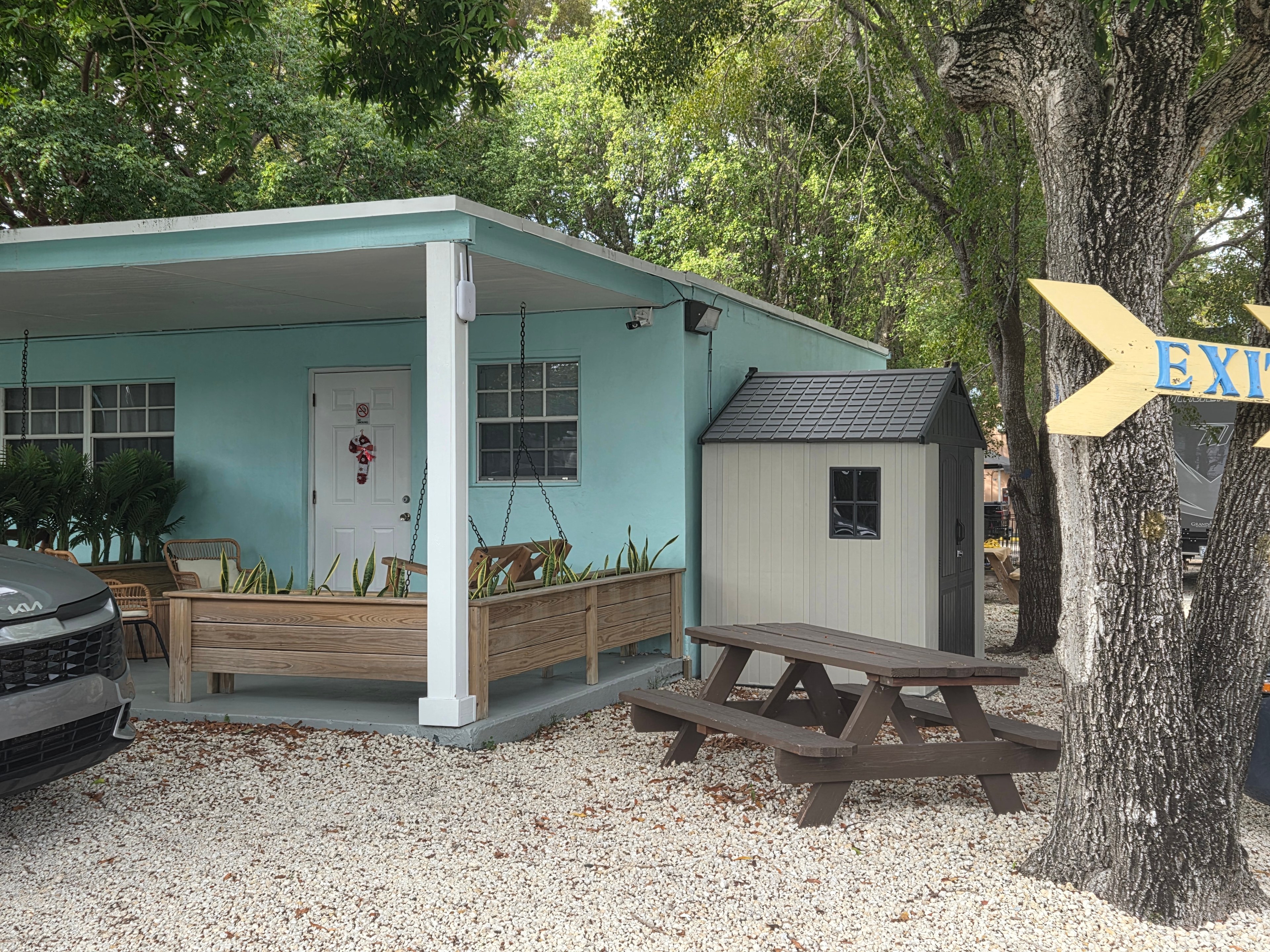
Discover the unique charm of Kings Kamp, located just 200 yards from the scenic Cross Keys Waterway, also known as Adams Waterway. This waterway serves as a vital connection between Florida Bay, John Pennekamp State Park, and the Atlantic Ocean, making it an ideal spot for boating enthusiasts and nature lovers alike.
At Kings Kamp, we offer protected docking facilities on the Bay, providing you with immediate access to the ocean through the Waterway. Our marina features a convenient boat ramp on-site, ensuring easy launching and retrieval of your vessel. Whether you're looking for dockage on a daily, weekly, or monthly basis, we have flexible options to suit your needs. Please reach out in advance to inquire about rates and availability.
With its prime location and excellent amenities, Kings Kamp is the perfect base for exploring the natural beauty of the area. Enjoy a variety of outdoor activities, from fishing and kayaking to snorkeling in the crystal-clear waters. Nearby, you'll find charming restaurants and shops that enhance your experience, making your stay both enjoyable and memorable.
Pets
Toilets
Showers
Sun Outdoors Key Largo

2. Sun Outdoors Key Largo
67%
(3)
4.5mi from Key Largo · 44 sites · RVs, Lodging
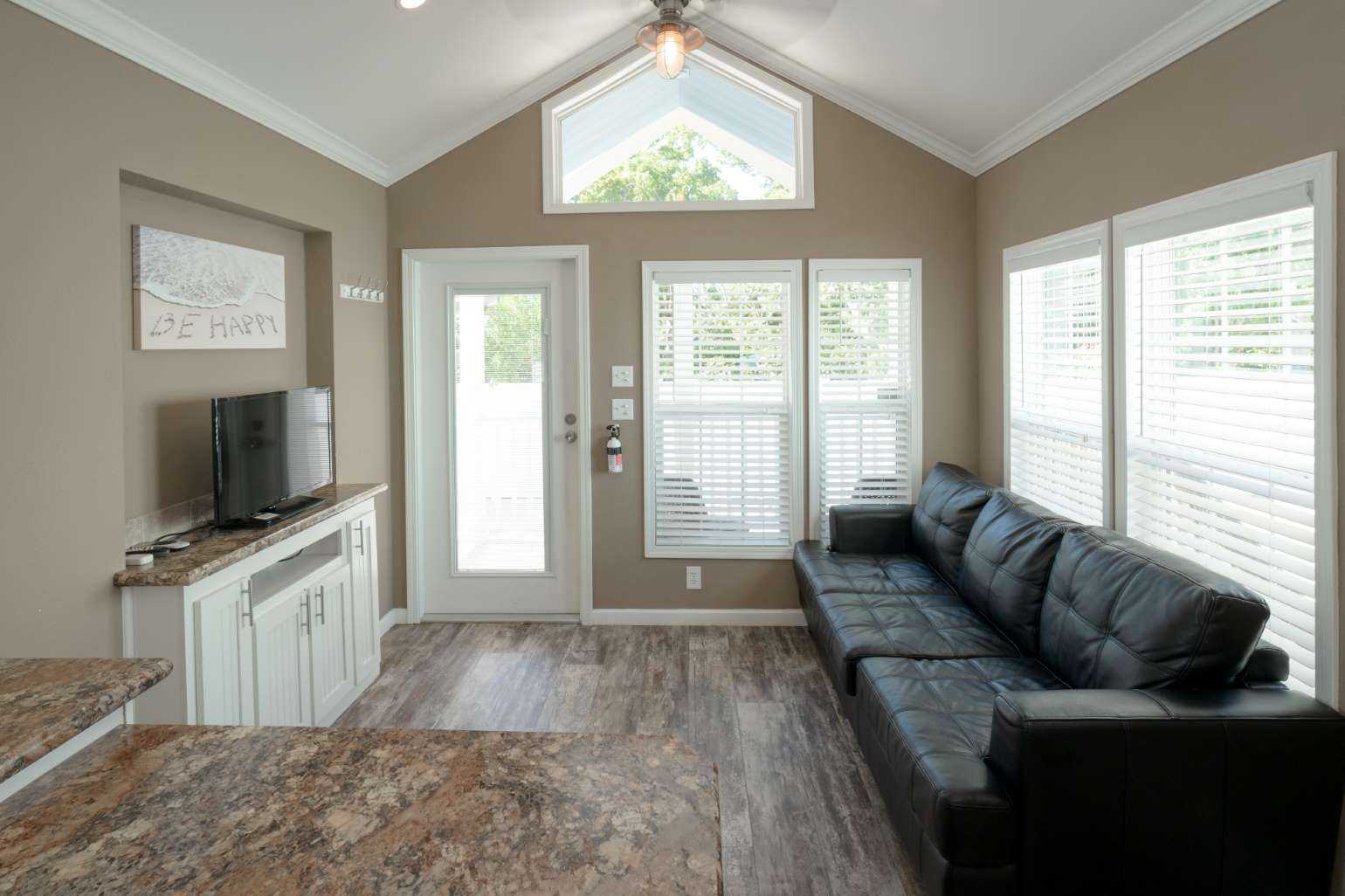
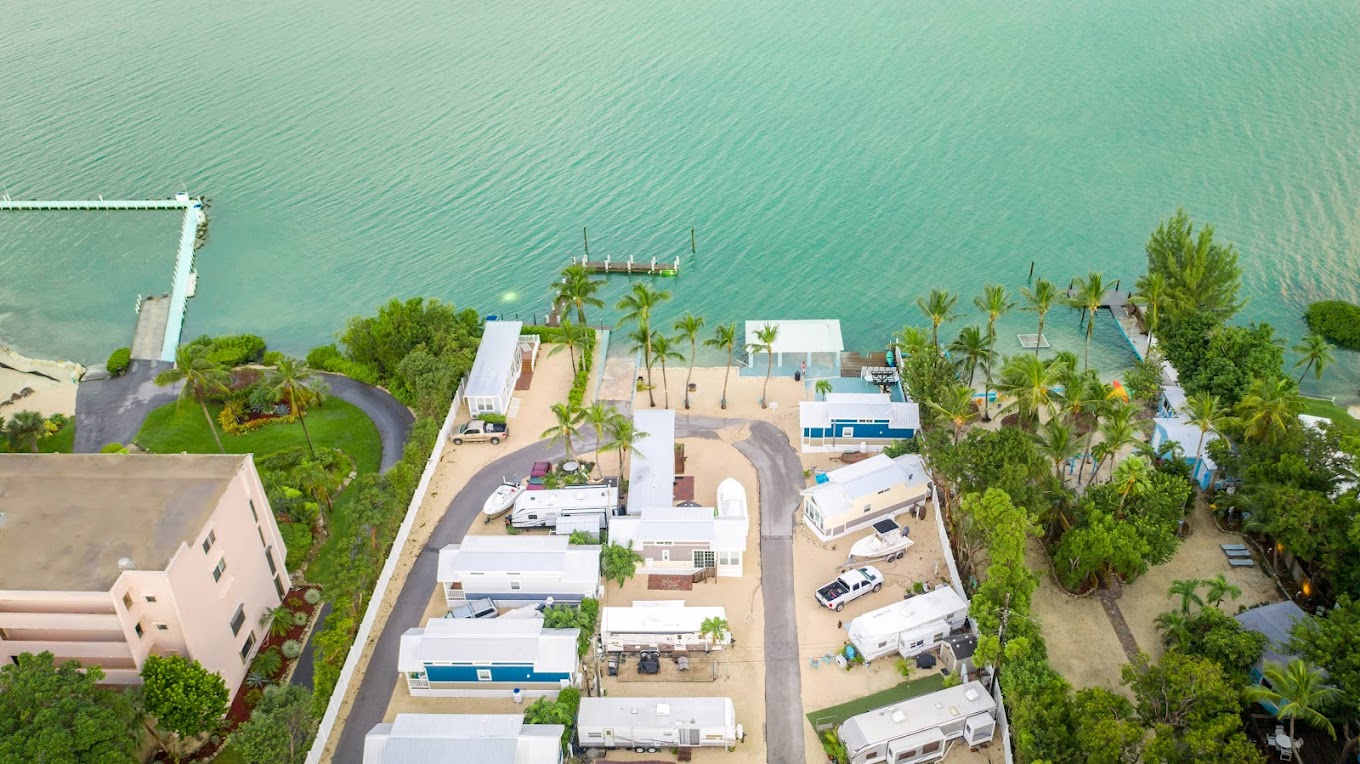
Discover the charm of Sun Outdoors Key Largo, a standout among Florida Keys RV parks, known for its inviting atmosphere and exceptional amenities. This cozy retreat features over 35 full-hookup sites equipped with cable TV and Wi-Fi, making it an ideal destination for RV enthusiasts. Whether you choose to bring your own RV or opt for one of the comfortable accommodations, including duplex rooms, small efficiency motels, or charming vacation cottages, you’ll find a perfect home base for your adventures.
Located at mile marker 97.5, this park boasts a convenient boat launch, docks, and a small private beach, perfect for snorkeling and swimming. Guests can enjoy the serene surroundings while taking advantage of the outdoor activities available nearby. Just outside the park's gates, a wealth of attractions awaits, including natural wonders, vibrant restaurants, and local shops, ensuring that your stay is filled with exploration and enjoyment. Experience the best of the Florida Keys at Sun Outdoors Key Largo, where relaxation and adventure go hand in hand.
Pets
Toilets
Showers
Sun Outdoors Islamorada
3. Sun Outdoors Islamorada
15mi from Key Largo · 93 sites · RVs, Lodging
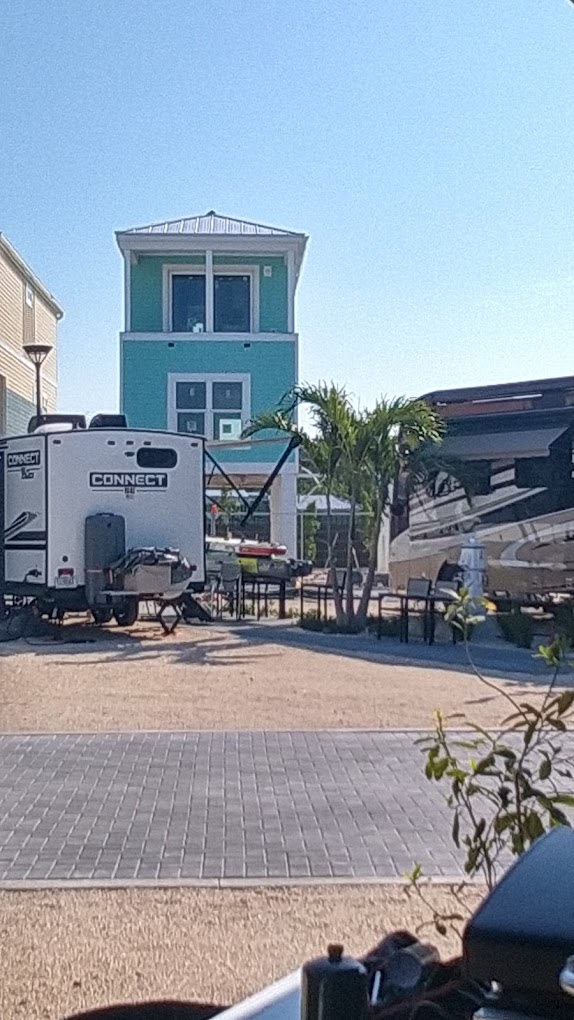
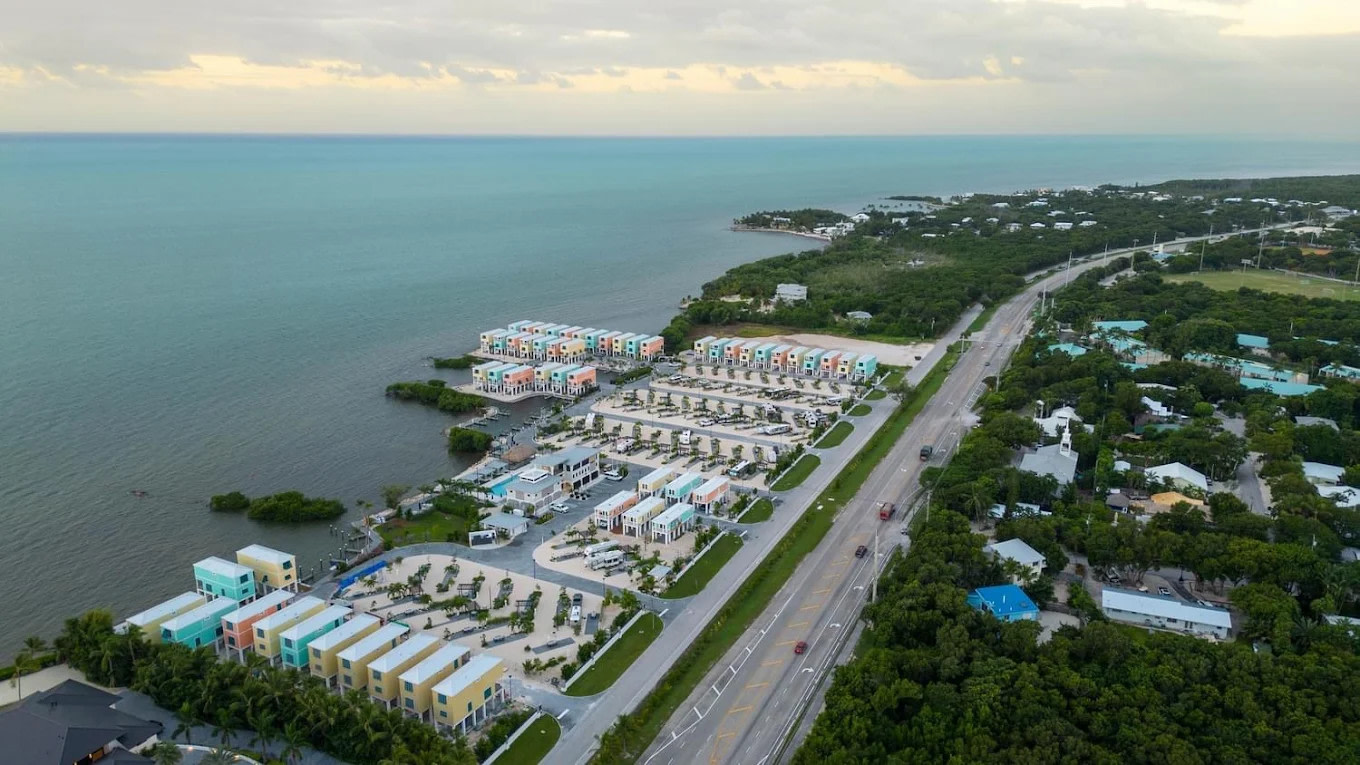
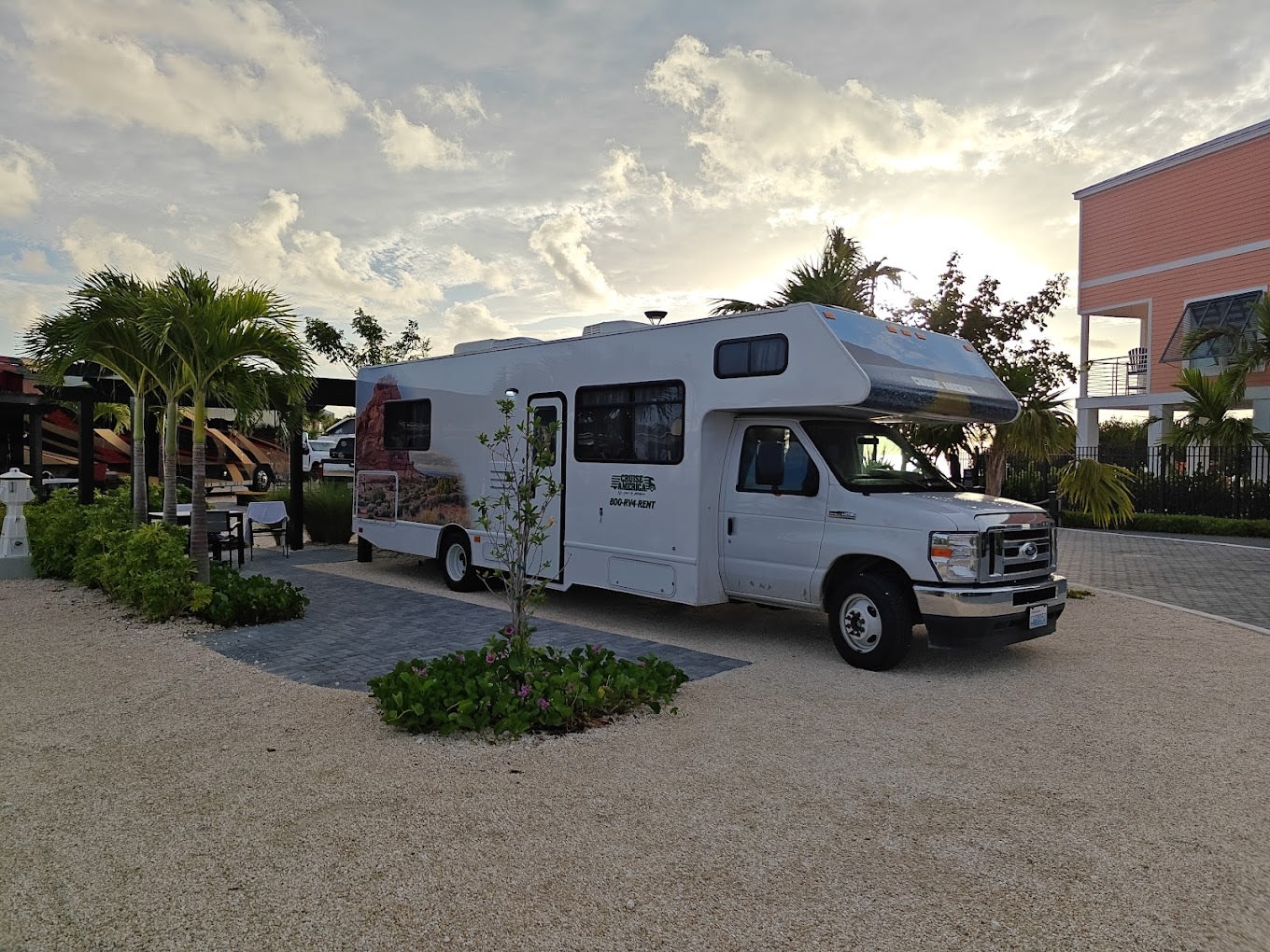
Discover the unparalleled charm of Sun Outdoors Islamorada, a premier campground nestled in the heart of the sport fishing capital of the world. This unique destination offers an exceptional blend of tropical waters, outdoor adventures, and the relaxed vibe of island living, making it the perfect getaway for nature enthusiasts and fishing aficionados alike.
Bring your RV and take advantage of a wide array of amenities designed for your comfort and enjoyment. Whether you’re casting a line in the crystal-clear waters or unwinding on the sandy shores, you’ll find endless opportunities for relaxation and recreation. Explore nearby natural wonders, dive into refreshing swimming holes, or embark on thrilling outdoor excursions that showcase the beauty of the Florida Keys.
At Sun Outdoors Islamorada, you can embrace the coastal lifestyle while enjoying convenient access to local restaurants and shops. With the bright blue sky overhead and the ocean breeze at your back, you’ll discover the sunny side of life. Don’t miss out on this idyllic escape—reserve your spot today and experience everything this tropical paradise has to offer!
Pets
Toilets
Showers
Enjoy perfect nigths & wildlifes!
4. Enjoy perfect nigths & wildlifes!
100%
(3)
24mi from Key Largo · 1 site
The location is great for travelers who want to visit South Florida. It's perfect whether your are going to the Everglades to see alligators or to The Keys for the beaches.
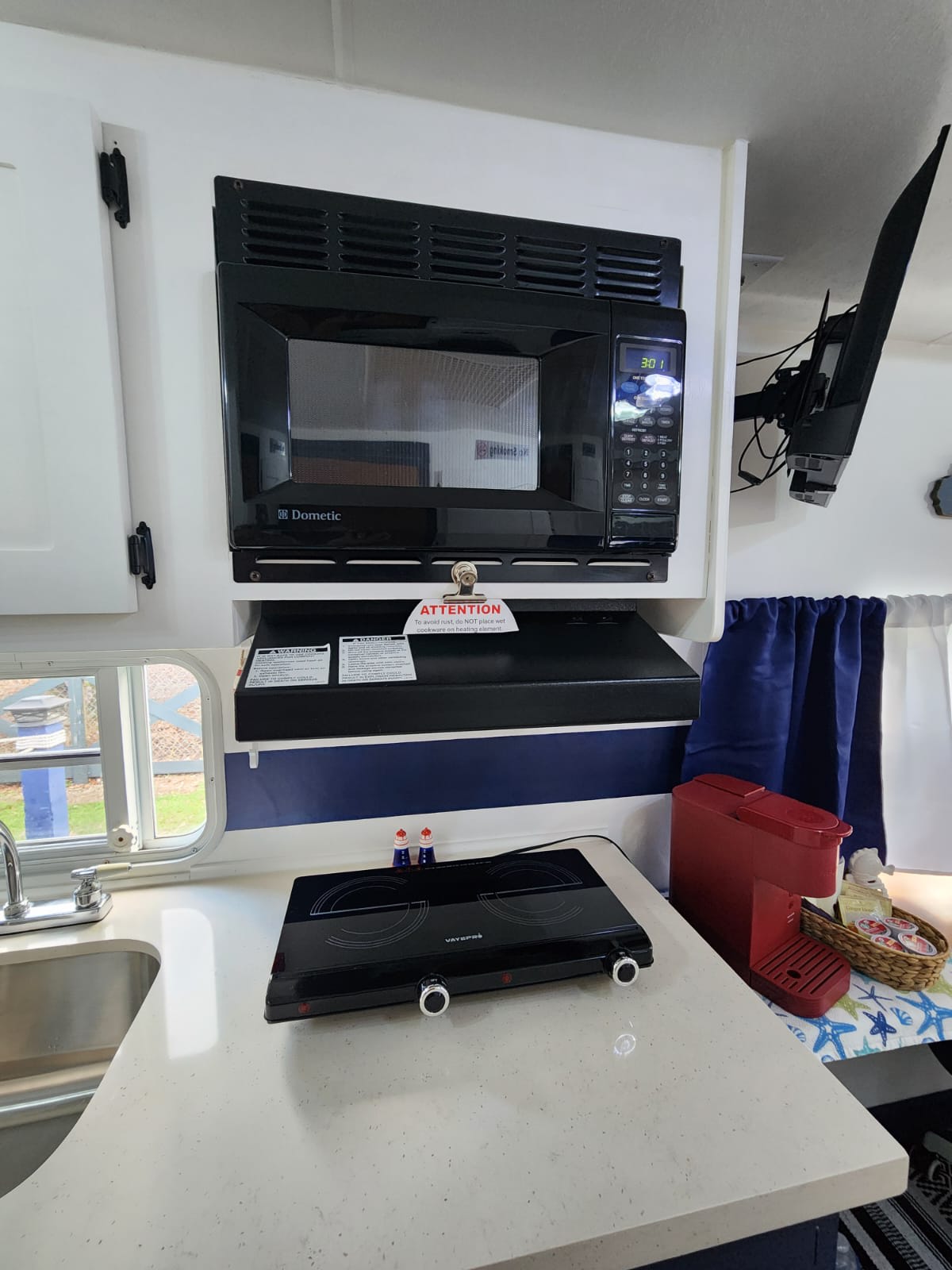
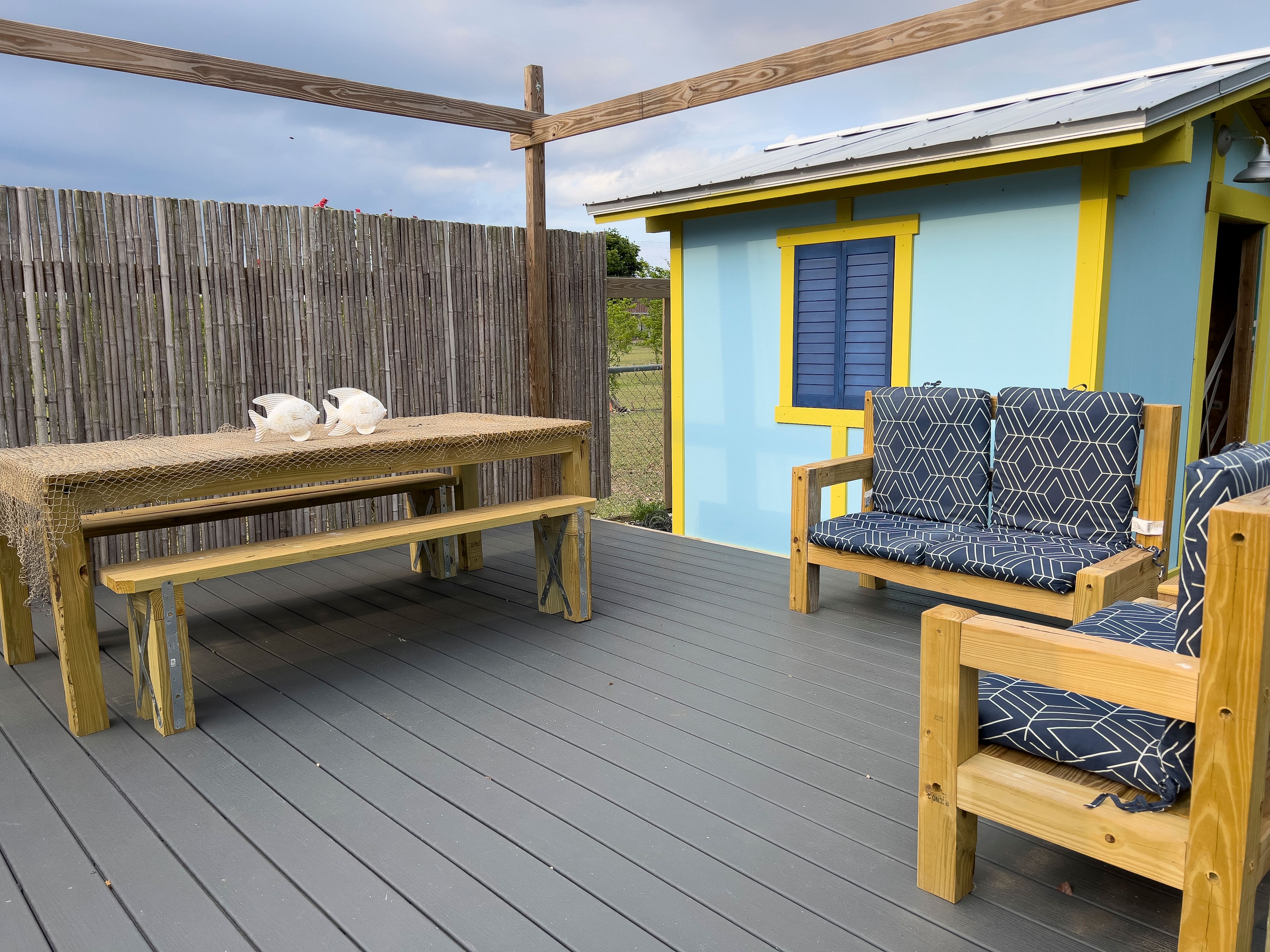
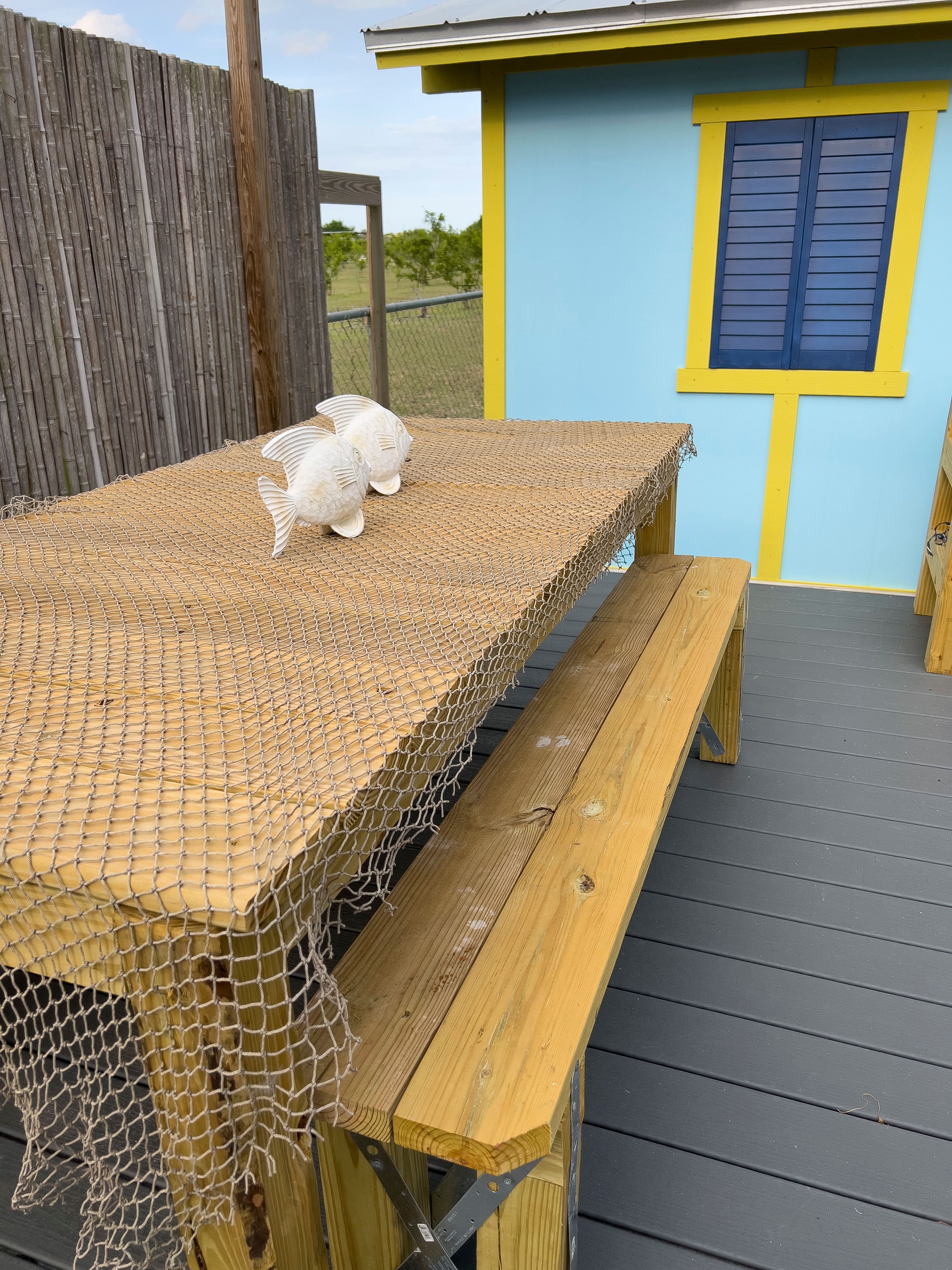
Reconnect with nature at this unforgettable unit with great taste interior design. It's parked on our farm with private entrance and private fence area. It has a queen bed with foam mattress, 2 TVs, A/C, a sitting area, a deck with chair, internet, a full bathroom with shower and a dinning area.
The kitchen comes equipped with plates, glasses, pots, utensils, electric stove, airfryer, toaster, keurig coffee maker, rice cooker, magic bullet and refrigerator.
Linens, towels, beach towels are provided.
Beautiful outdoor area surrounded trees with a dining table to enjoy dinners al fresco and furniture.
This unit has outdoor an BBQ and a Firepit.
Located near to restaurants and markets. Just 10 minutes from famous "Schenebly Redland's Winery & Brewery" and "Robert is Here".
There is parking for a vehicle and trailer, so you can bring your recreational equipment (ATV, bicycles, kayak).
Toilets
Showers
Campfires
Cozy Garden Cottage near Miami


5. Cozy Garden Cottage near Miami
28mi from Key Largo · 1 site
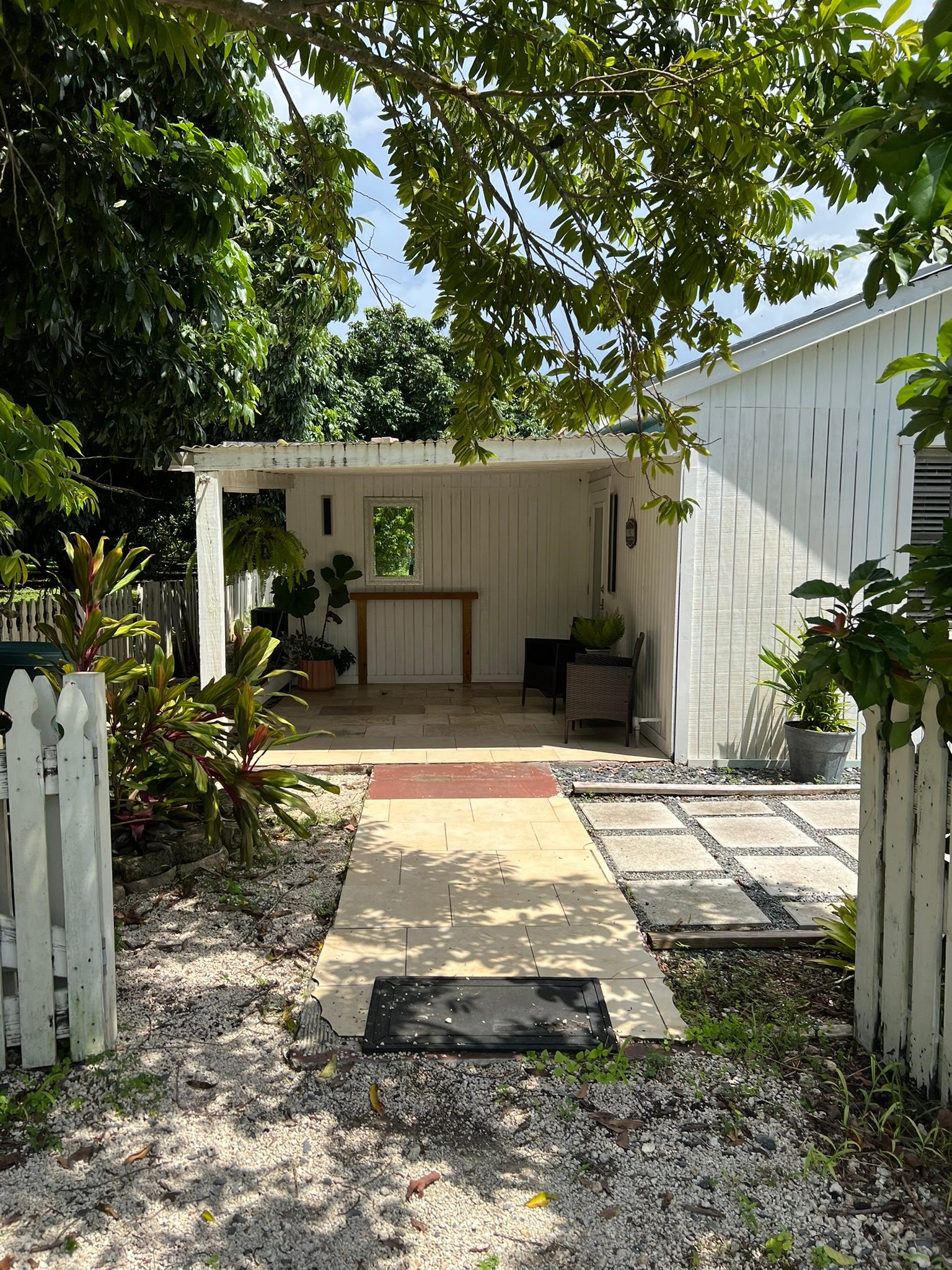
Escape to a peaceful tropical garden retreat in the heart of Homestead’s Redland agricultural district. This private apartment offers a cozy and comfortable stay surrounded by lush greenery, fruit trees, and open skies.
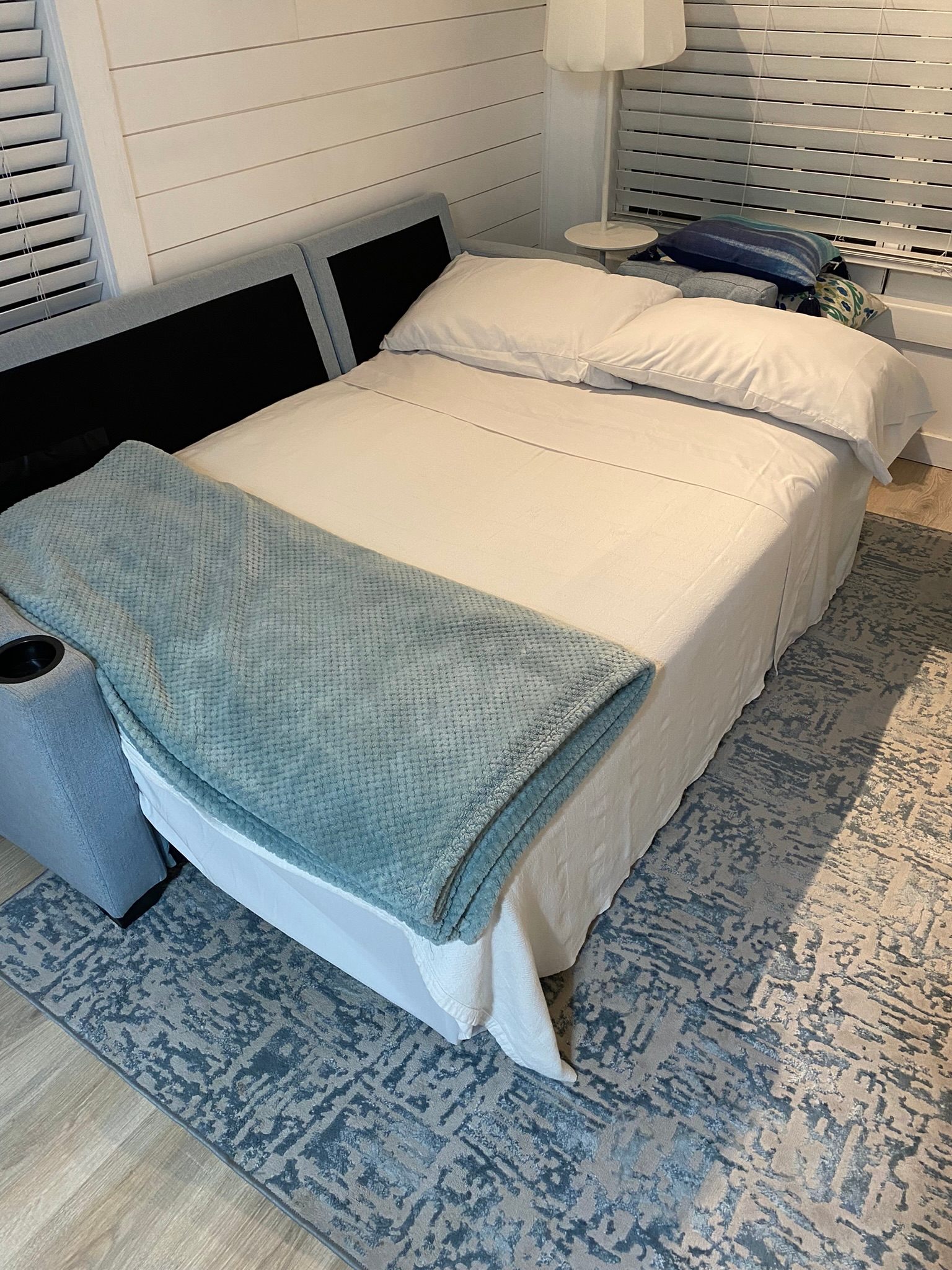
The space features a fully equipped interior with everything needed for a relaxing stay, including a comfortable sleeping area, private bathroom, kitchen, and a charming outdoor patio where guests can unwind and enjoy the natural surroundings.
Guests will appreciate the quiet, private setting while still being conveniently located near some of South Florida’s most popular attractions. Fruit & Spice Park, Robert Is Here fruit stand, and local farm markets are just a short drive away, along with easy access to the Everglades and the Florida Keys.
This is the perfect stay for couples, solo travelers, or anyone looking to disconnect from the busy city and enjoy a slower, nature-filled experience.
Whether you're here for a weekend escape or a longer stay, this tropical garden apartment offers a peaceful and memorable getaway.
Pets
Toilets
Showers
Spacious Tropical Farmhouse
6. Spacious Tropical Farmhouse
28mi from Key Largo · 1 site
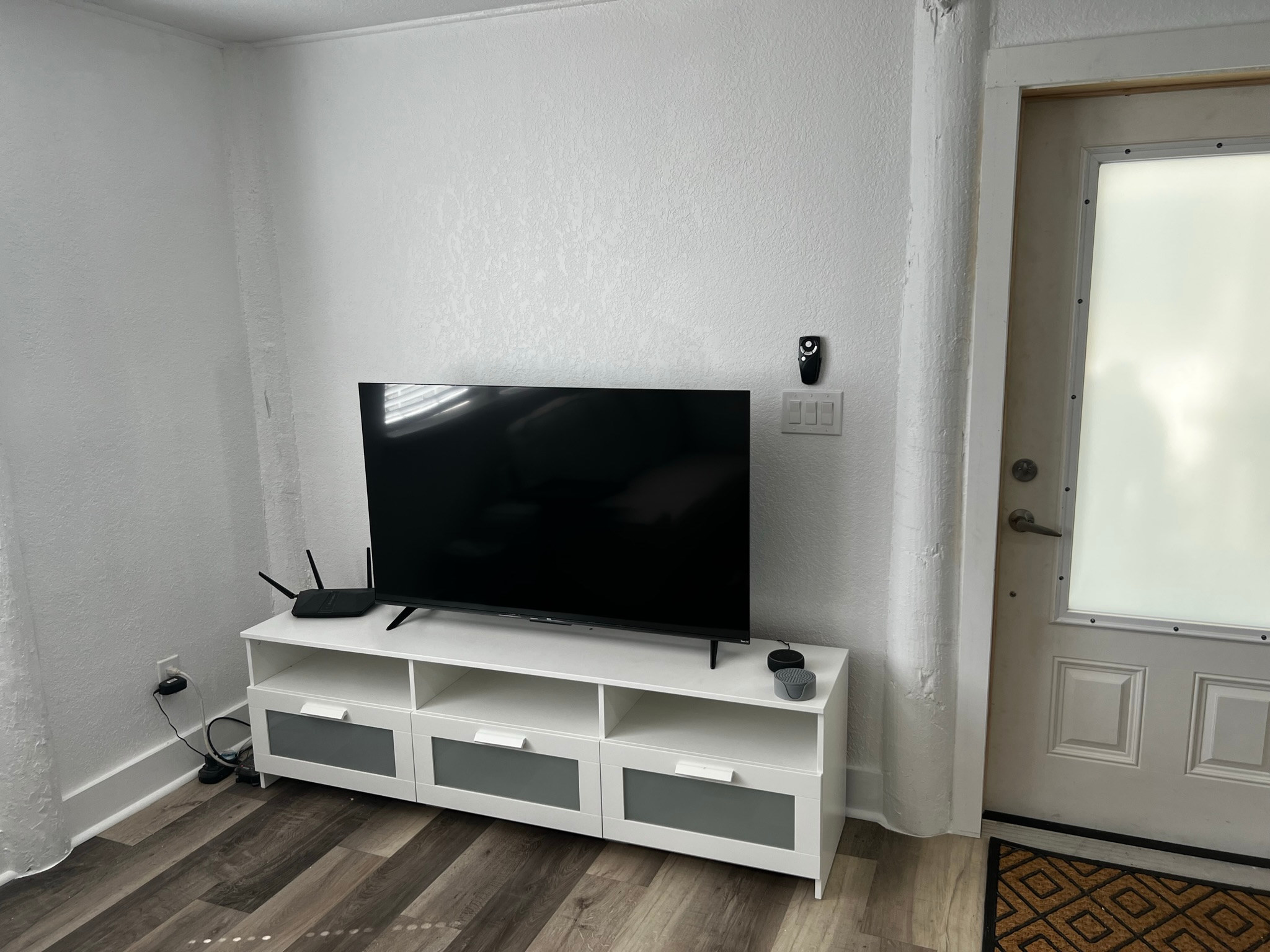
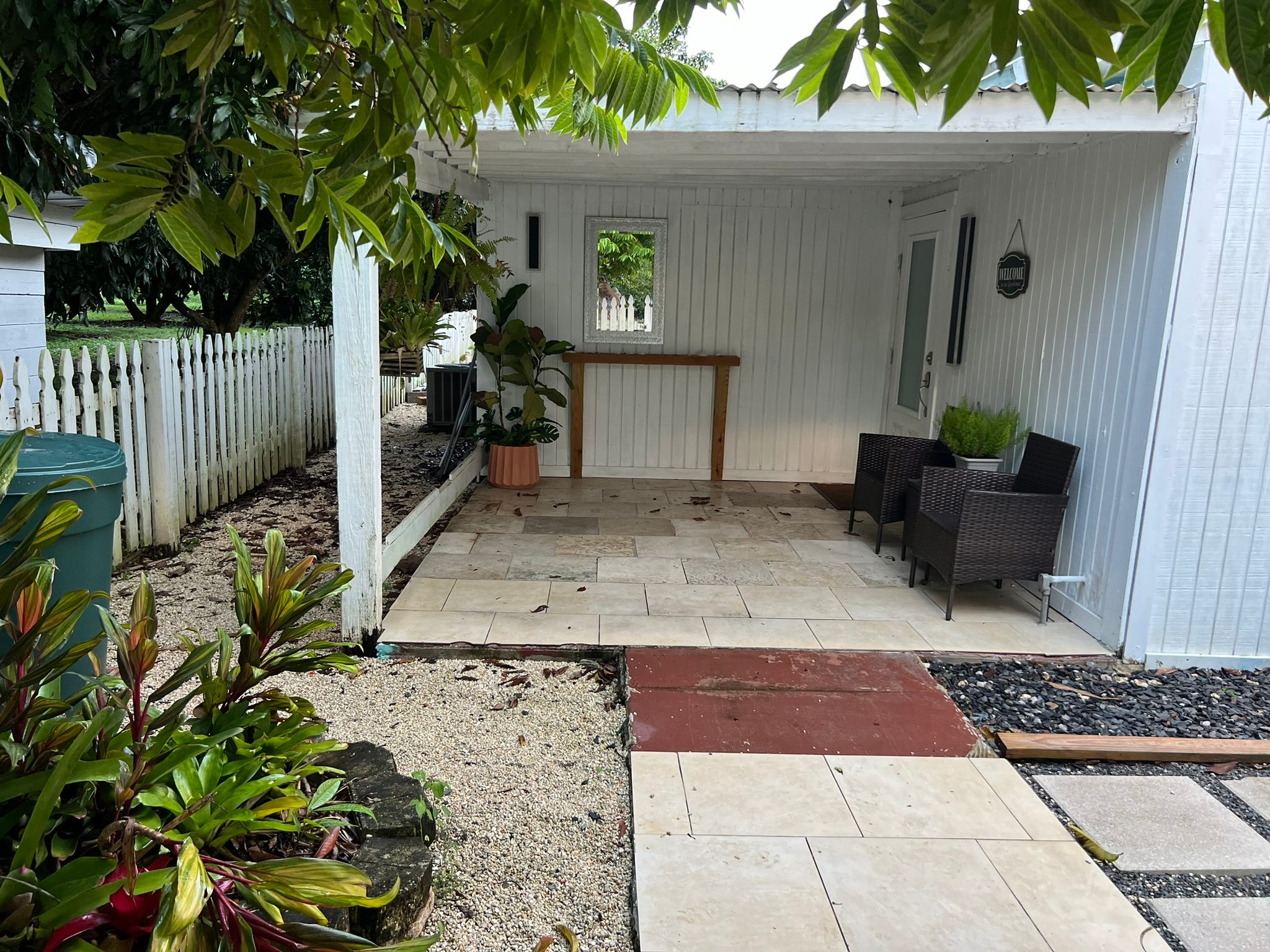
Escape to our Spacious Tropical Farmhouse, a peaceful retreat surrounded by lush greenery and open skies. This charming home combines rustic comfort with tropical vibes, offering the perfect balance between relaxation and adventure. Set just minutes from local trails and quiet countryside roads, it’s an ideal getaway for couples, families, or small groups looking to unwind and reconnect with nature.
Wake up to the sound of birds, enjoy your morning coffee on the wraparound porch, and spend your afternoons exploring nearby natural wonders or lounging under the palm trees. The farmhouse features cozy, sunlit rooms, a fully equipped kitchen, and plenty of outdoor space for stargazing or evening campfires.
Whether you’re here for a peaceful solo retreat or a fun weekend with friends, the Spacious Tropical Farmhouse offers the serenity of the countryside with all the comforts of home.
Pets
Toilets
Showers
Tropical Farm Stay Retreat – Cozy Tiny Barn
7. Tropical Farm Stay Retreat – Cozy Tiny Barn
28mi from Key Largo · 1 site
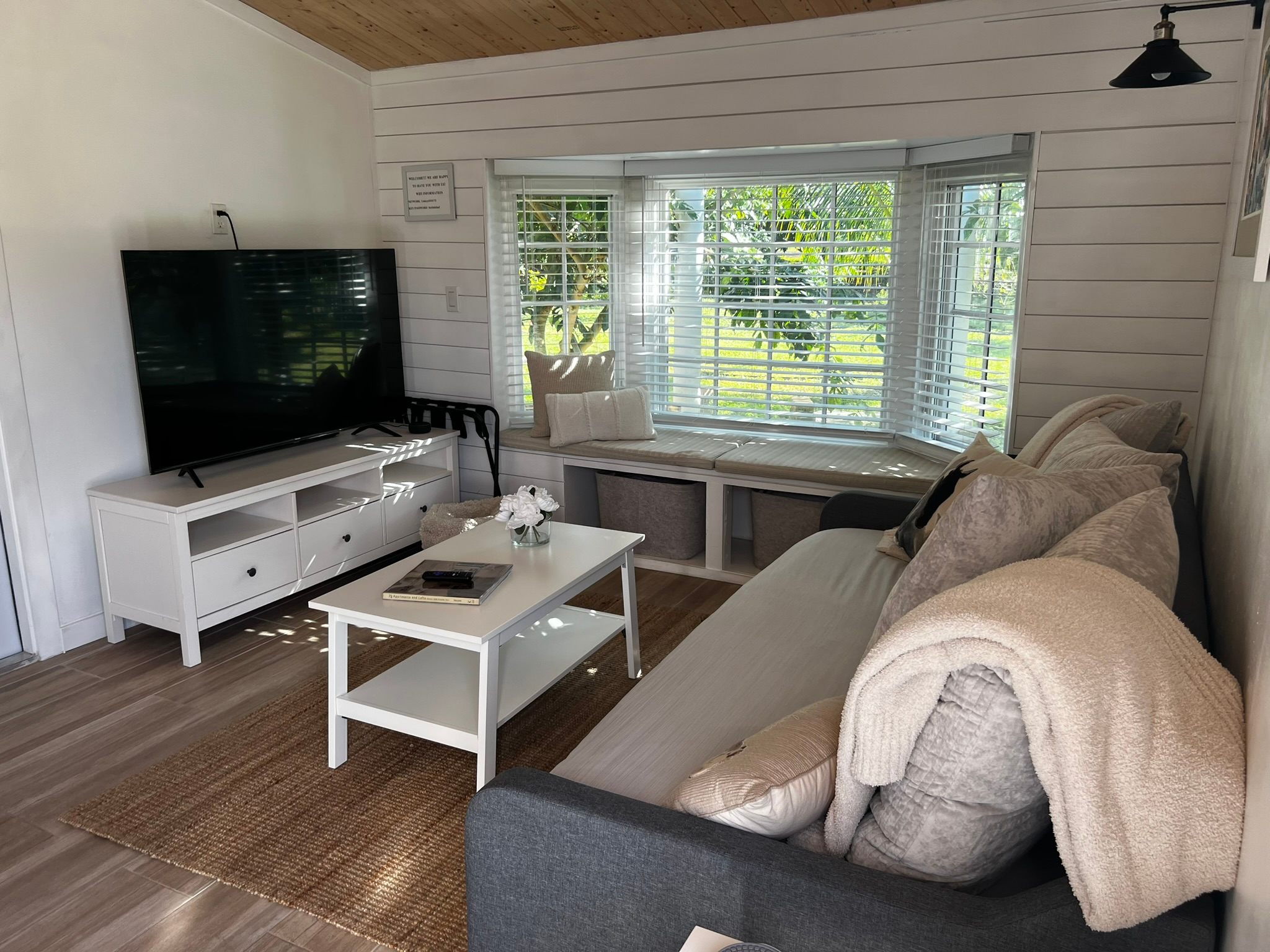
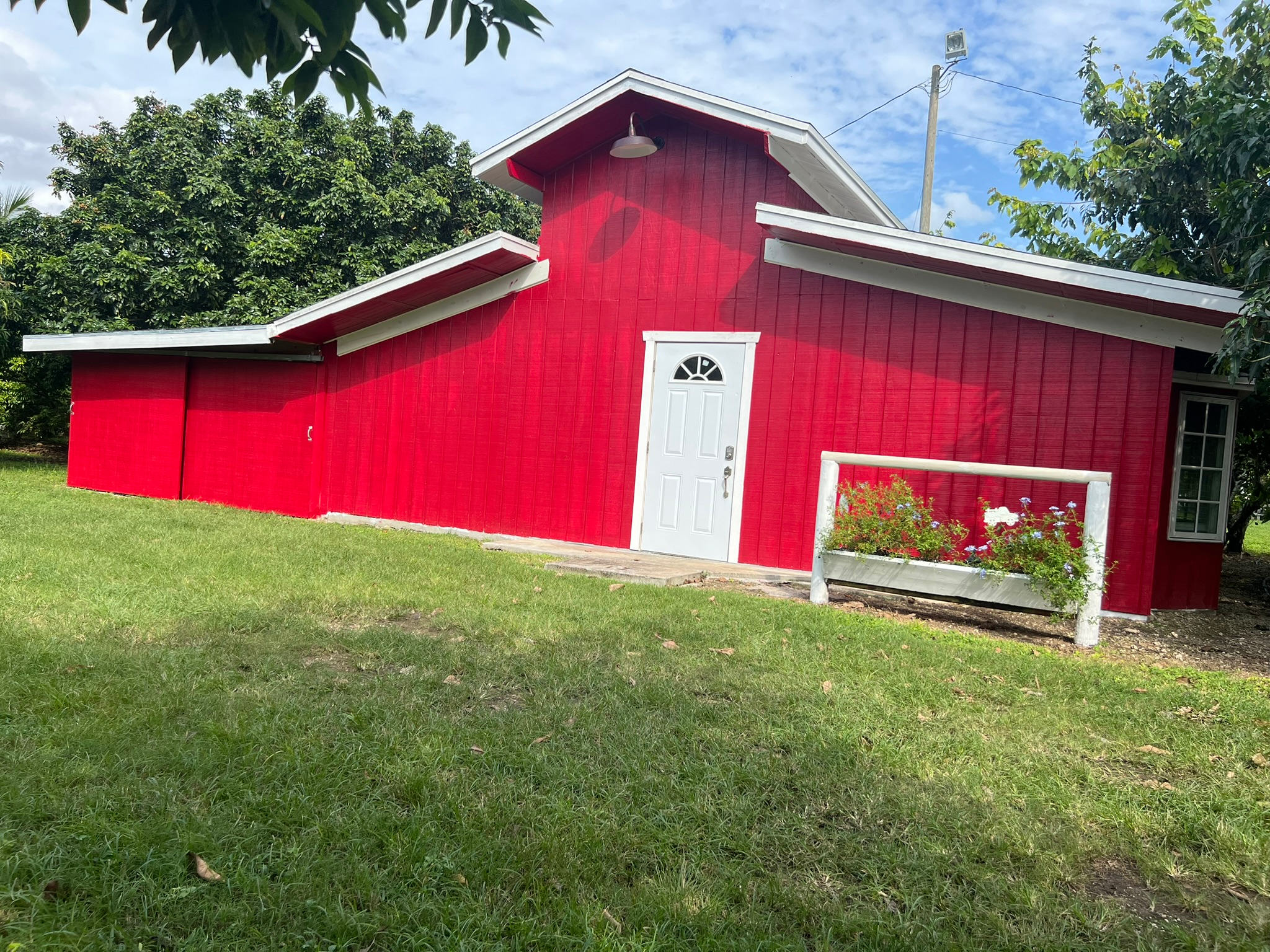
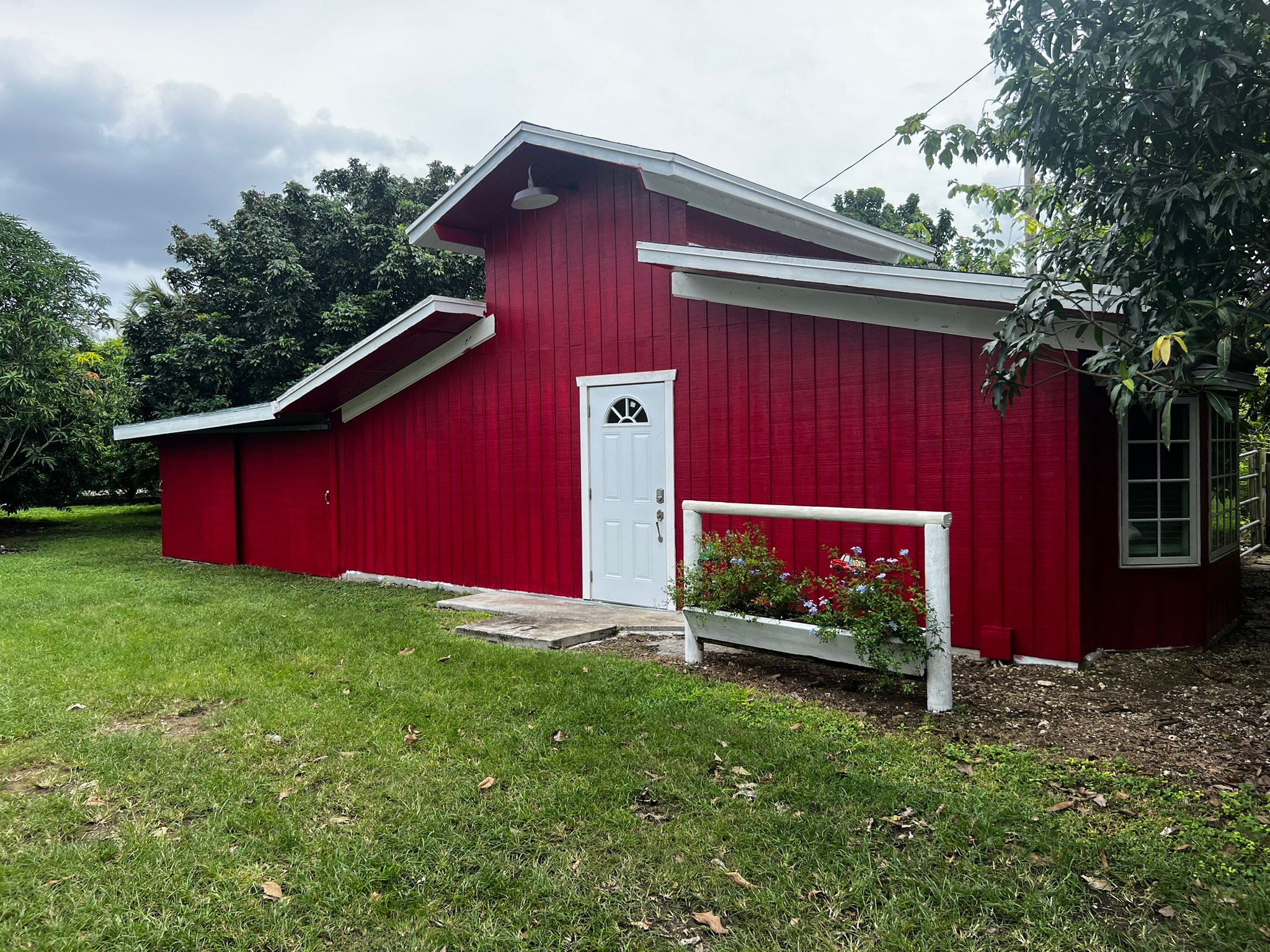
Welcome to our Tropical Tiny Barn, a cozy and unique retreat located on a peaceful fruit farm in the heart of the Redlands, just a short drive from Miami and the Florida Keys. Originally a two-stall horse barn, this space has been thoughtfully transformed into a charming tiny home that blends rustic character with modern comfort.
Inside, you’ll find a bright and inviting space with wood ceilings, farmhouse-style finishes, and large windows that bring in natural light and views of the surrounding greenery. The open layout includes a comfortable daybed with a trundle, a small dining area, and a kitchenette for simple meals or morning coffee. The space also features a private full bathroom with a walk-in shower and everything needed for a comfortable stay.
Step outside into your private backyard area where you can relax, unwind, and enjoy the quiet countryside atmosphere. Surrounded by tropical fruit trees and open space, it’s the perfect place to enjoy a peaceful morning, read a book, or simply listen to the sounds of nature.
This is more than just a place to stay — it’s a true farm experience. You may see our friendly animals around the property, including dogs, chickens, cats, and our mini horse Nico. Guests are welcome to walk through the orchard and enjoy the natural surroundings.
Our location offers the best of both worlds: a tranquil setting with easy access to nearby attractions such as Fruit & Spice Park, local fruit stands, and scenic drives toward the Florida Keys. Everglades and Biscayne National Parks are also within reach for outdoor activities and exploration.
Whether you’re looking for a relaxing escape or a unique stay close to nature, our Tiny Barn offers a memorable and peaceful experience.
Pets
Toilets
Showers
Sun Outdoors Marathon
8. Sun Outdoors Marathon
90%
(5)
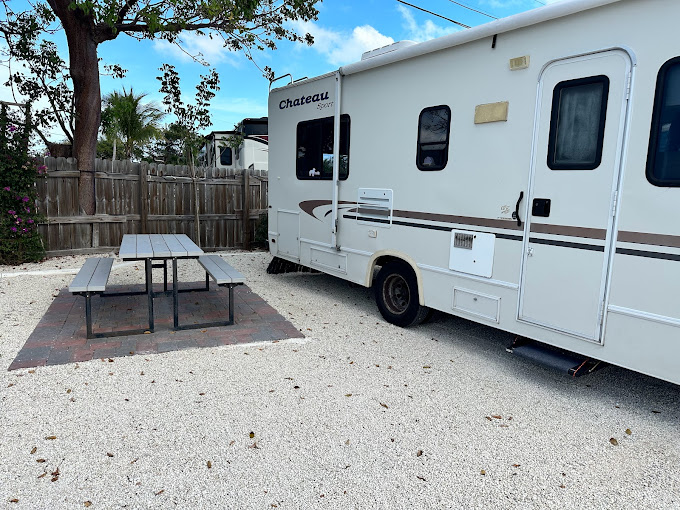
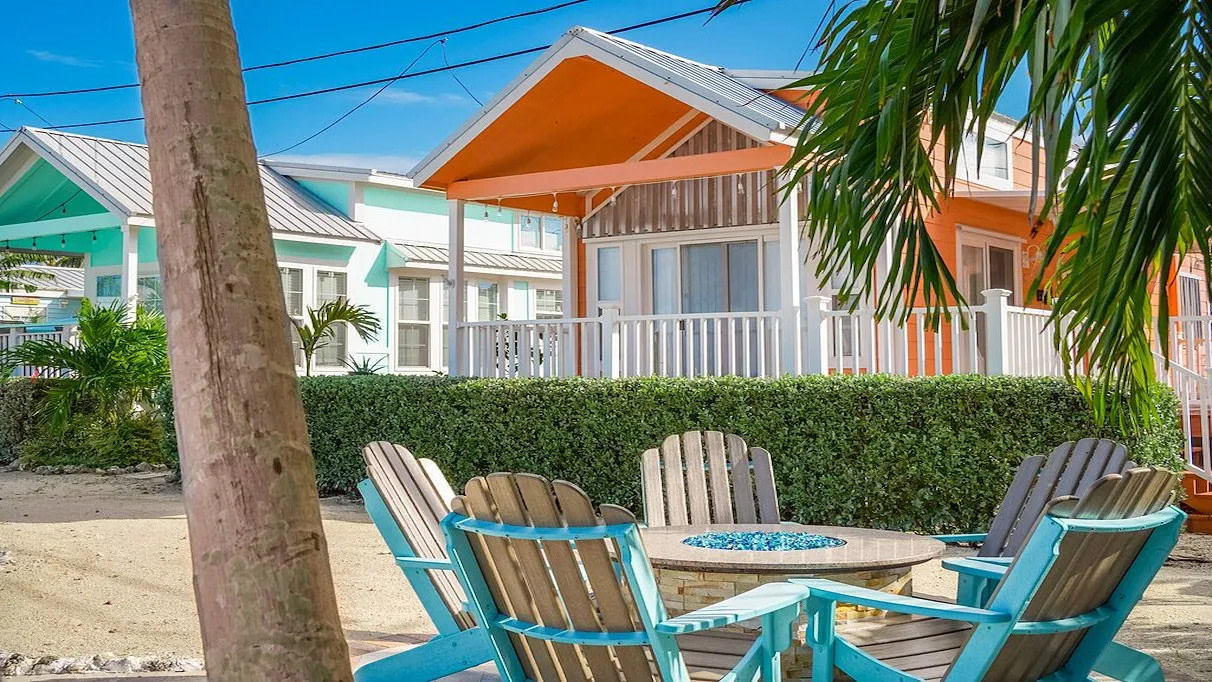
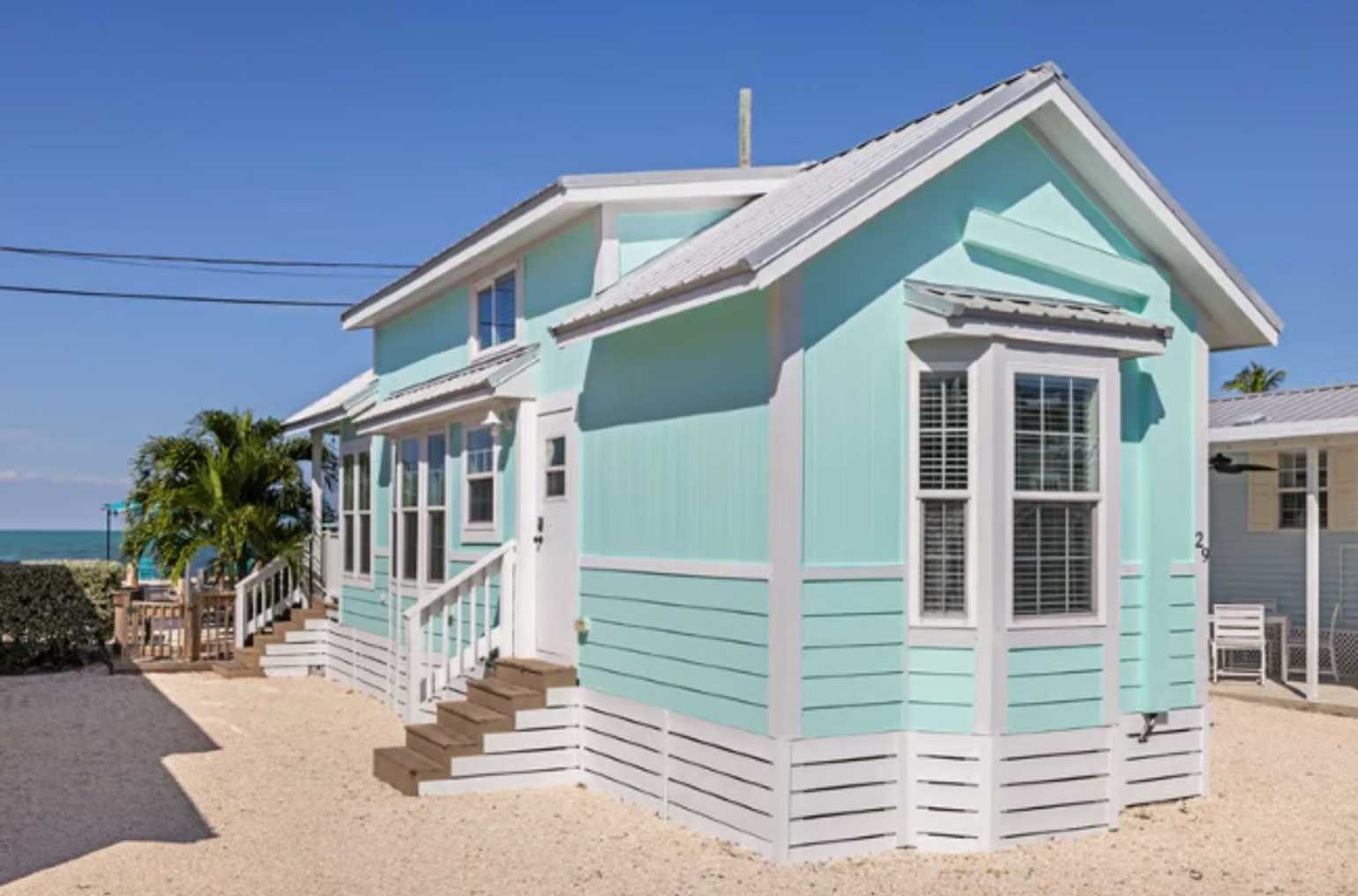
41mi from Key Largo · 91 sites · RVs, Lodging
Discover the unique charm of Sun Outdoors Marathon, where 300 feet of secluded waterfront meets the stunning blue waters of the Gulf of Mexico. This exceptional Florida Keys resort is a true haven for fishing enthusiasts, featuring a private marina equipped with 16 boat slips, a dedicated fishing area, a fish cleaning station, and exclusive access to a boat ramp reserved for guests.
For those looking to enhance their experience, boat slips can be reserved for an additional fee, ensuring easy access to the bountiful waters. Beyond fishing, guests can enjoy a variety of amenities, including a heated swimming pool, a recreation hall for organized activities and events, and a picturesque waterfront Tiki Hut picnic pavilion complete with a large community grill, perfect for savoring the breathtaking Gulf Coast views.
Plan your next unforgettable getaway in the Florida Keys at Sun Outdoors Marathon. Book your trip with us today and immerse yourself in the beauty and adventure that awaits!
Pets
Toilets
Showers
Flamingo Campground
9. Flamingo Campground
33mi from Key Largo
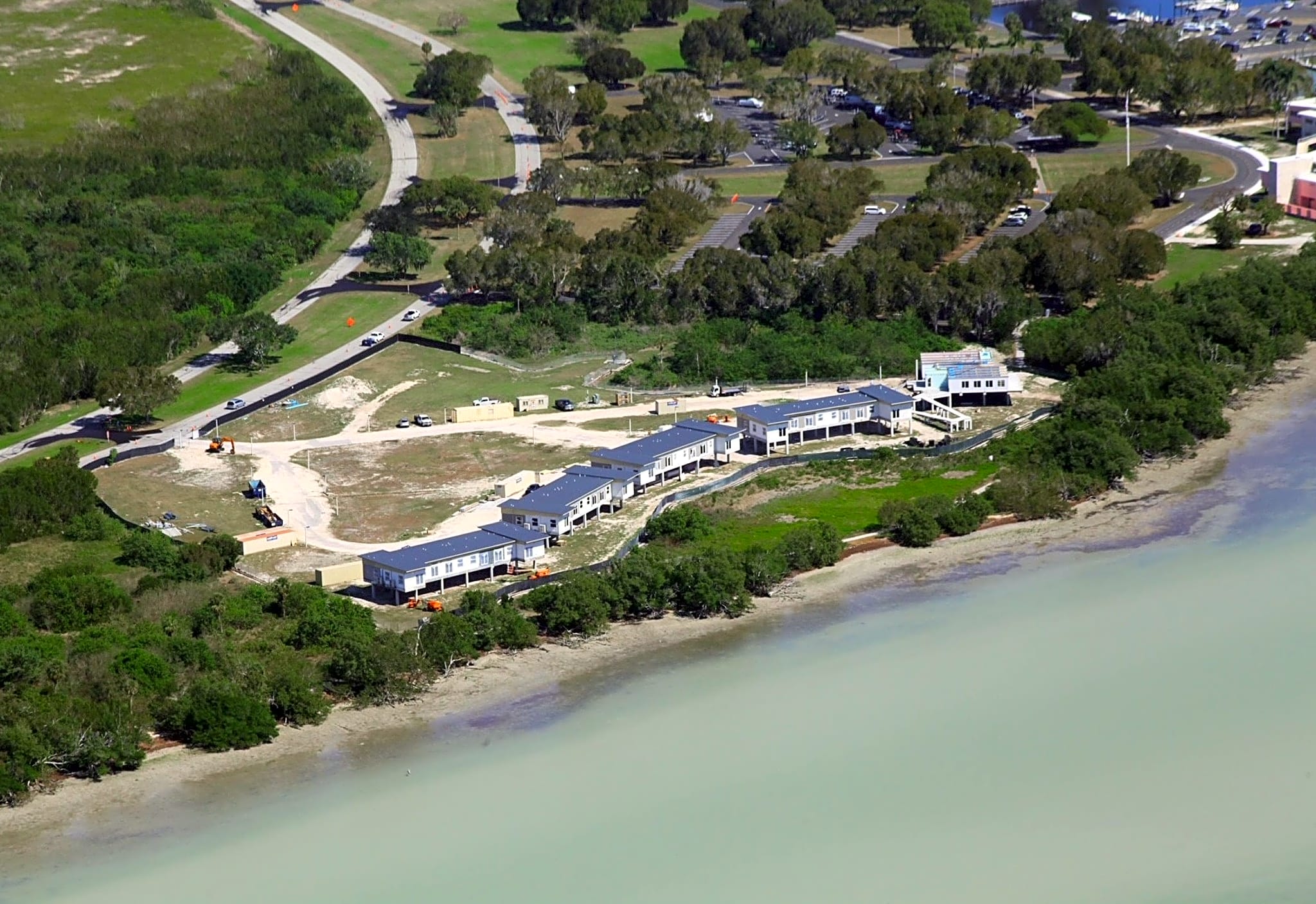
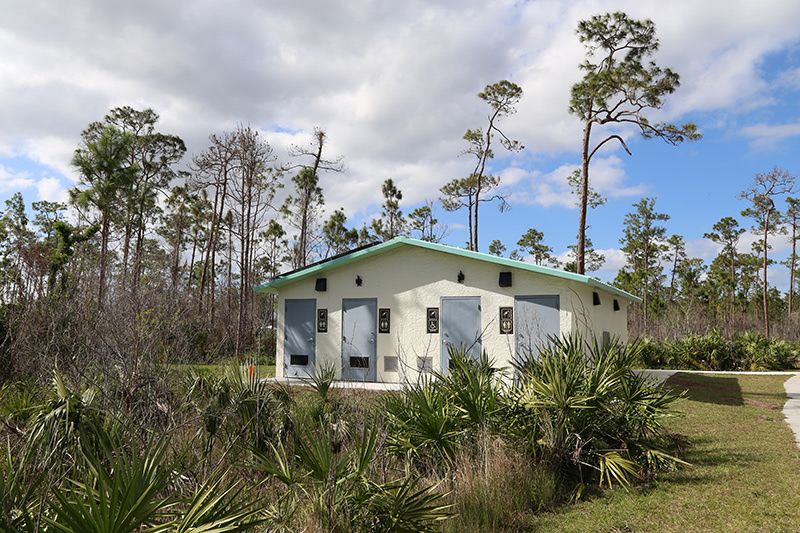
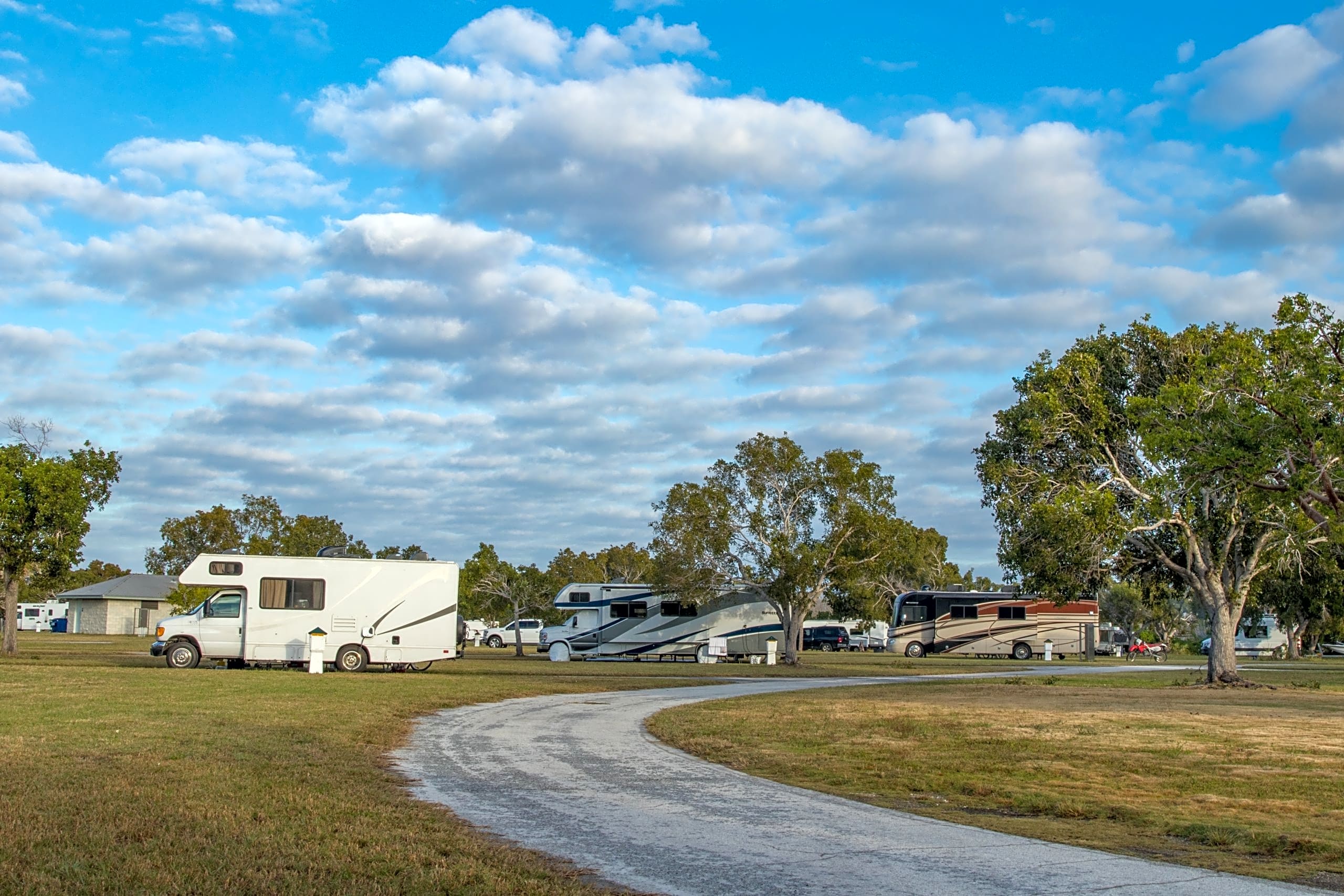
Experience the unique beauty of Everglades National Park by camping at the accessible Long Pine Key Campground and Flamingo Campground. These drive-in locations are perfect for both tent campers and RV enthusiasts, offering a limited number of group sites for those looking to enjoy the great outdoors with friends and family. To ensure your spot, reservations are highly recommended.
Open year-round, the Flamingo Campground provides an unforgettable camping experience amidst the stunning landscapes of the Everglades. Campers can take advantage of essential amenities, including bathhouses, dump stations, picnic tables, grills, and an amphitheater that hosts winter programs.
For your convenience, the Flamingo Campground Kiosk operates from 8:00 AM to 6:00 PM. Camping fees vary based on the type of site: non-electric sites are $33 per night from Monday to Thursday and $38.50 from Friday to Sunday, while group sites are available for $60 per night. Electric sites are priced at $50 per night on weekdays and $60 on weekends.
Whether you're exploring nearby natural features, enjoying outdoor activities, or relaxing at local restaurants and shops, the campgrounds at Flamingo promise a memorable adventure in the heart of nature.
Pets
Toilets
Showers
Recent reviews from the Hipcamp community

Bonnie
3 weeks ago
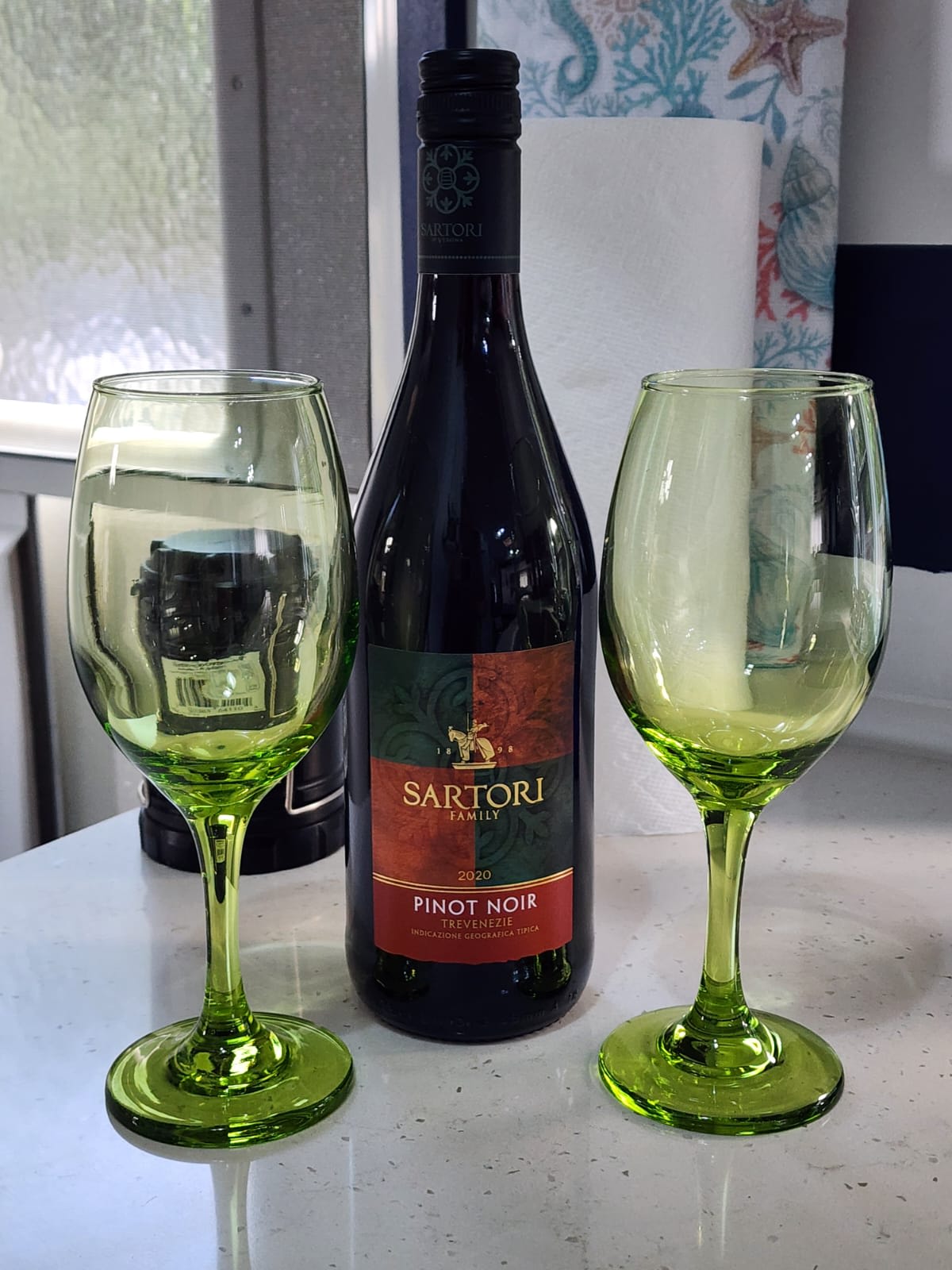
3 nights at Enjoy perfect nigths & wildlifes!
What a great spot, in this adorable mini home. I loved that there was an outdoor area to widen the space. It was the perfect spot to stay, and visit the nearby national parks, one to the east and one to the west. Our hosts were so sweet and extremely accomodating. We hope to be back again one day. Thank you Alex and Loida!
See moreG
Gwen
March 2026
4 nights at Enjoy perfect nigths & wildlifes!
We had a great stay in Loida and Alex's camper! The location was perfect for us -- just 10 minutes from the entrance to Everglades NP but also close to town, making it easy to pick up groceries. The camper was cozy, spotless, and well-stocked with everything we needed for our stay. The property was quiet with a lot of privacy, but it was nice having the hosts around in case we had any issues. Overall, a great way to end our trip to South Florida!
See more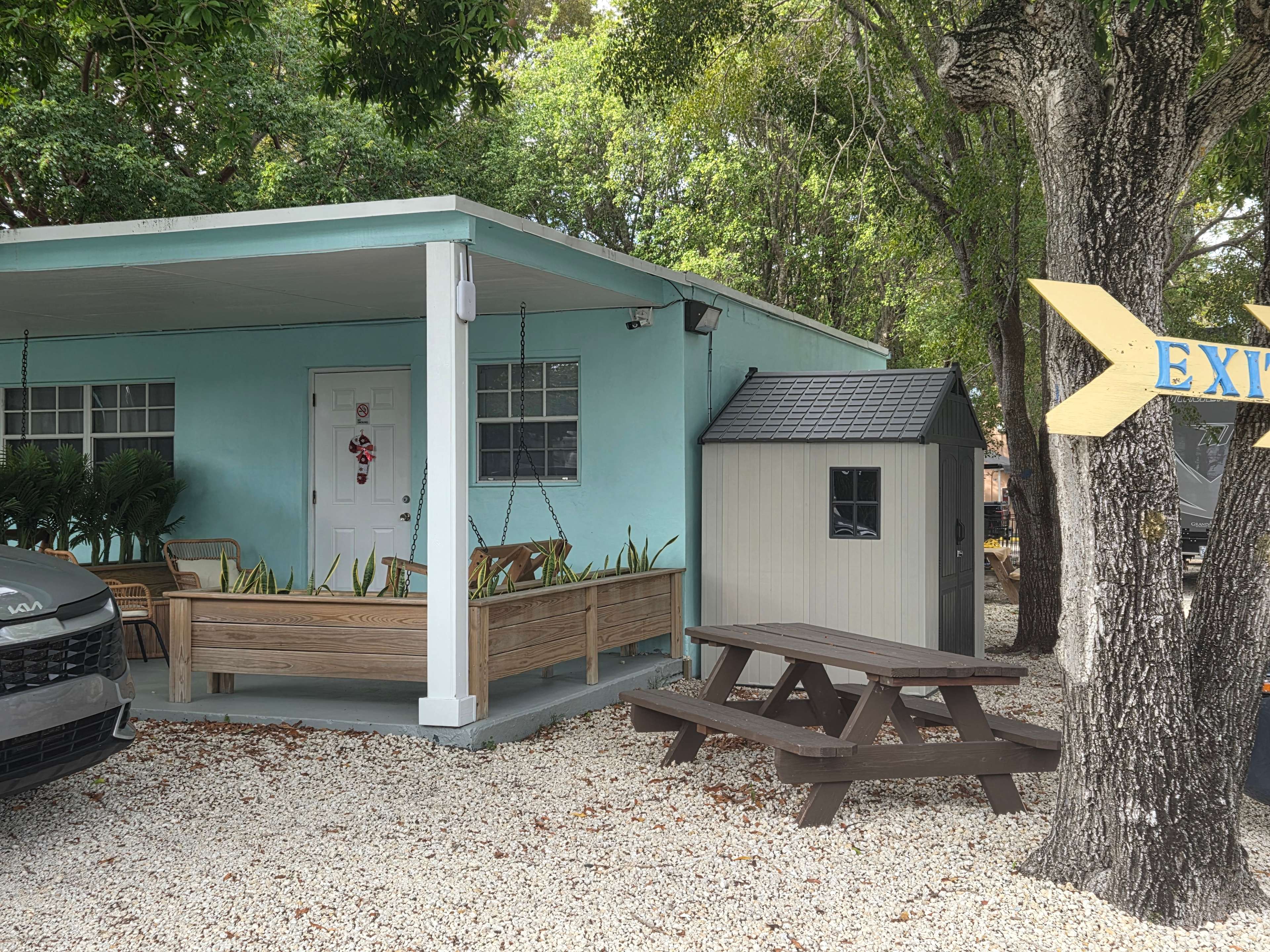
Daniel
December 2025
1 night at Kings Kamp RV Park and Marina
We stayed in the sleeping room and it was perfect for what we needed. Quiet and cozy! Hostess was very friendly and informative. Great directions to the campground. Ocean view to wake up on Christmas morning! Would stay here again and reccomend to anyone!
See more

Evgeny
November 2025
With kids
We absolutely loved our stay at this waterfront cabin in Key Largo. The location was fantastic with beautiful views right from the cabin, and the place itself was comfortable and perfect for our family. Our kids had the best time swimming, watching the sunset over the water, and just soaking in the relaxed island vibe.
A highlight of the trip was the 4.5-hour snorkeling tour with Silent World Dive Center, which was an amazing experience and something we would highly recommend to anyone visiting the area. We also really enjoyed the delicious treats at Keys Chocolate and Ice Cream, which quickly became a family favorite stop. Overall, this stay was unforgettable and we already cannot wait to come back.
See more
Lacey
July 2025
3 nights at Enjoy perfect nigths & wildlifes!
We used this as our base for a few days in the keys and it was perfect! It's in a nice, quiet spot. It has everything you need!
See more