The best farm glamping near Etna

·

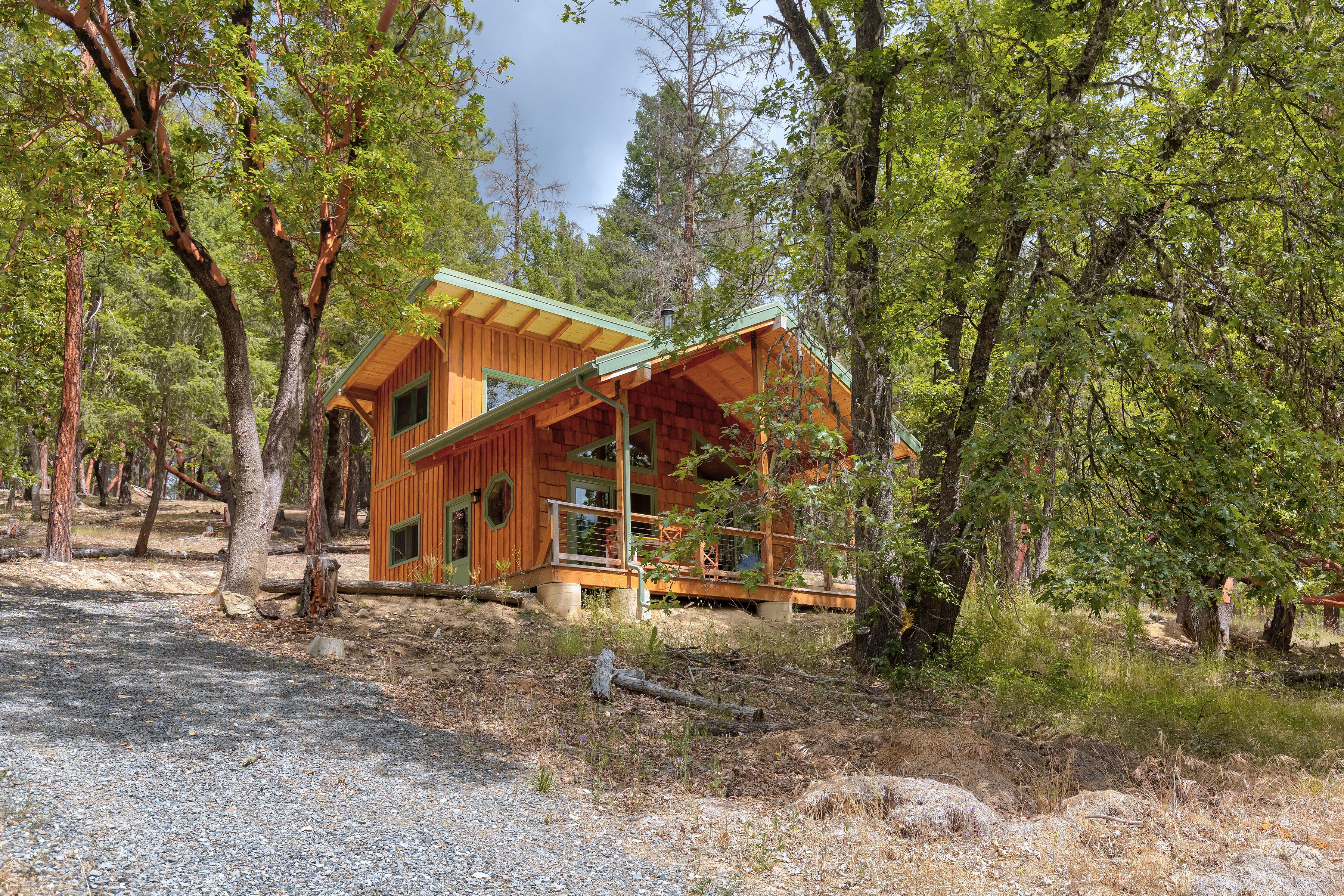
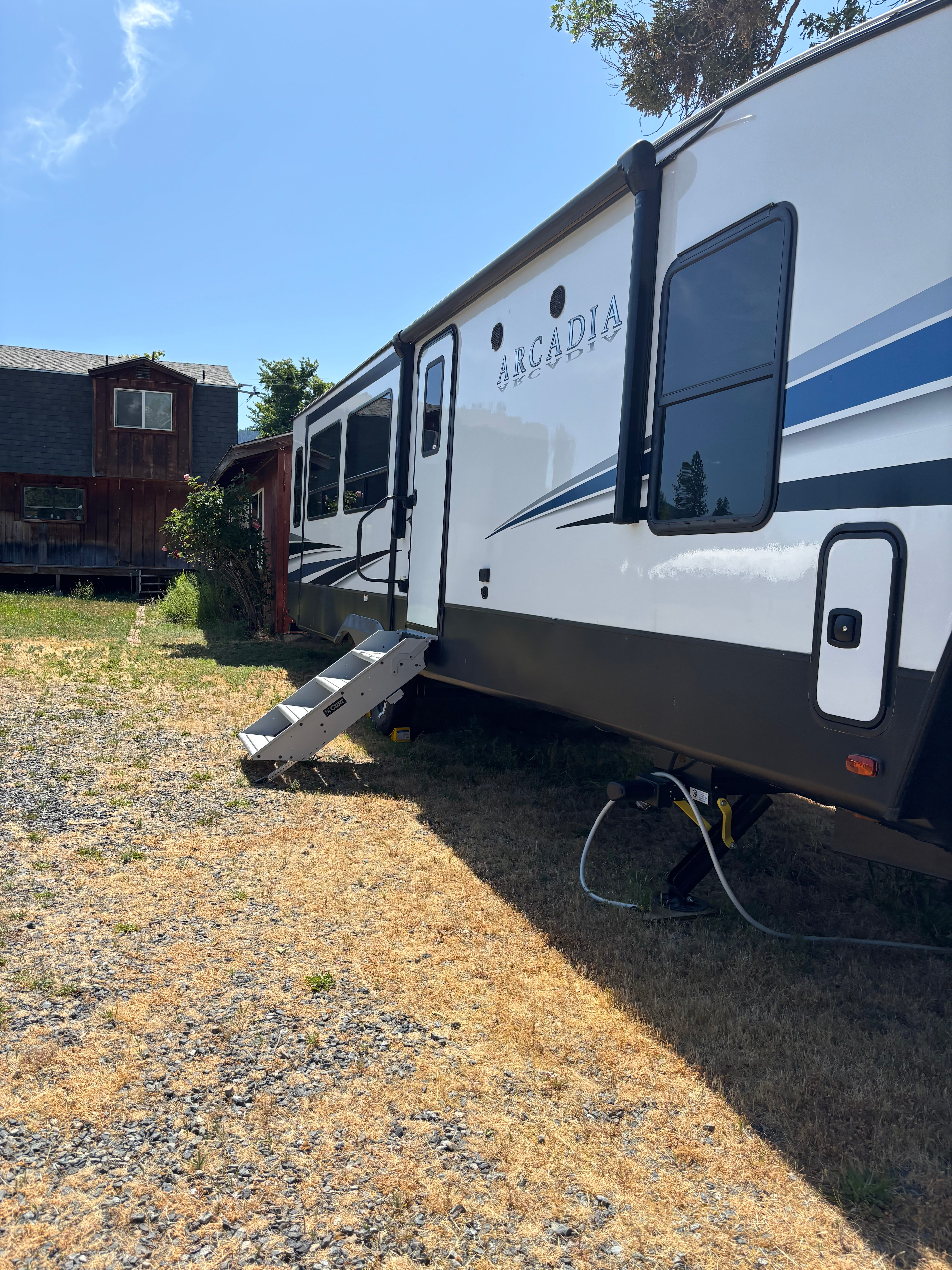
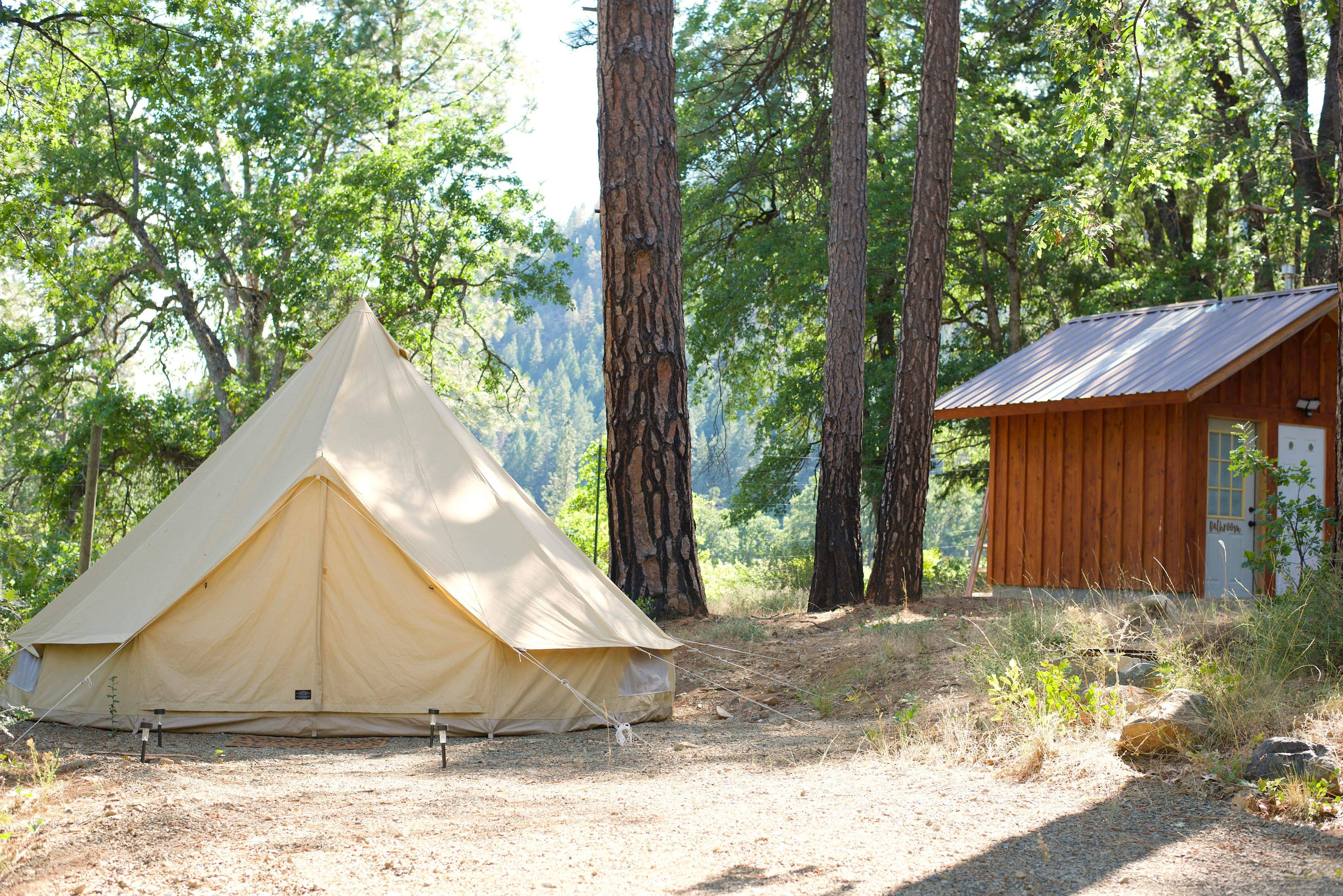
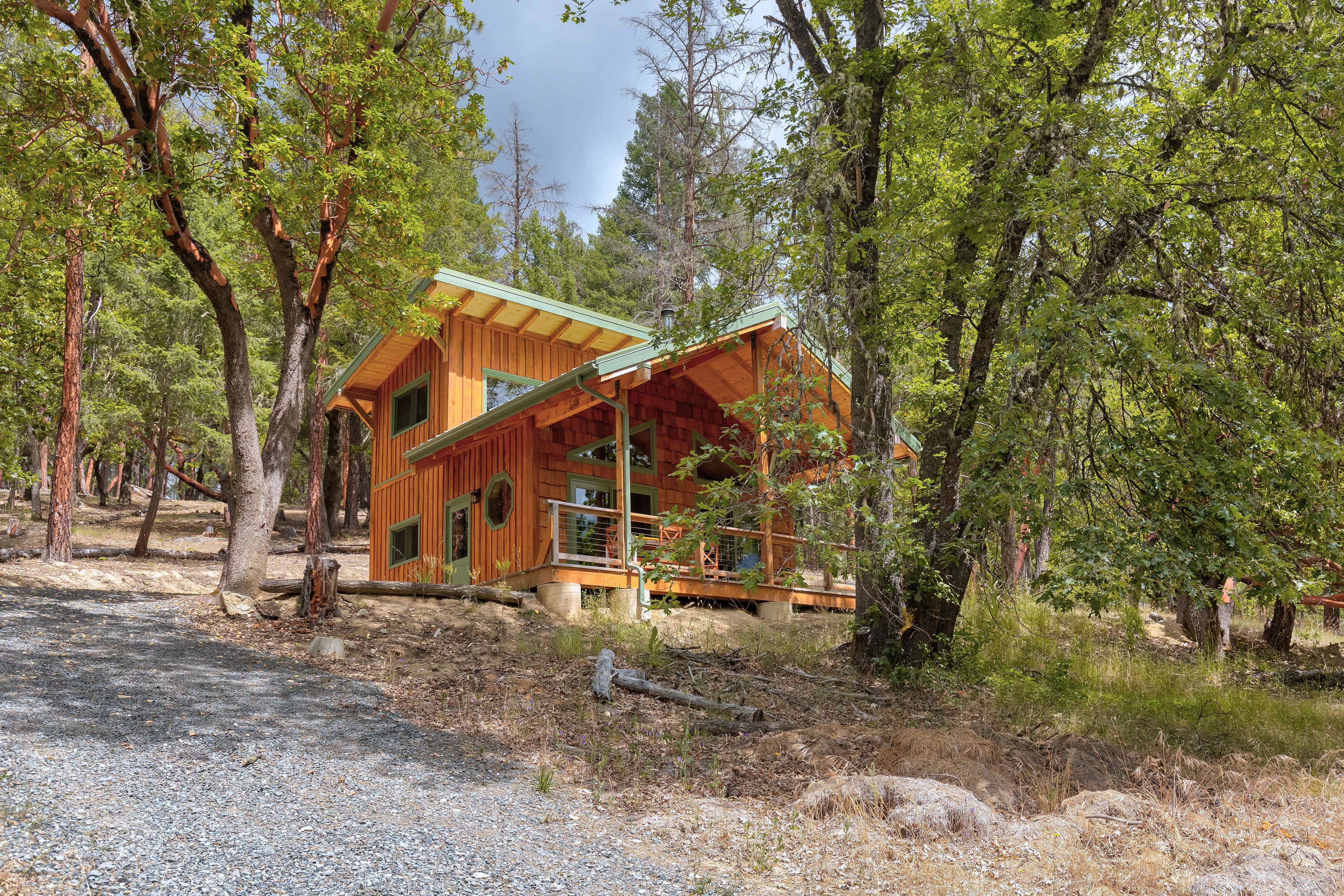
Ready for a farm-tastic getaway near Etna, California? Hipcamp's got you covered with over 700 glamping options perfect for your countryside escape. Indulge in the great outdoors while enjoying the comforts of a cozy cabin or a fancy yurt. With an average price of just $59 per night (and options as low as $25), it's an affordable way to get back to nature. Check out top-rated campsites like Cedar Bloom (1299 reviews), Redwood Retreat (180 reviews), or Owl Creek Cabin Mountain Getaway (90 reviews). Popular amenities like potable water, showers, and campfires are available, as well as fun activities like historic site visits, horseback riding, and wind sports. Book now and enjoy your farm-tastic adventure!

95% (425)

Top-rated campgrounds

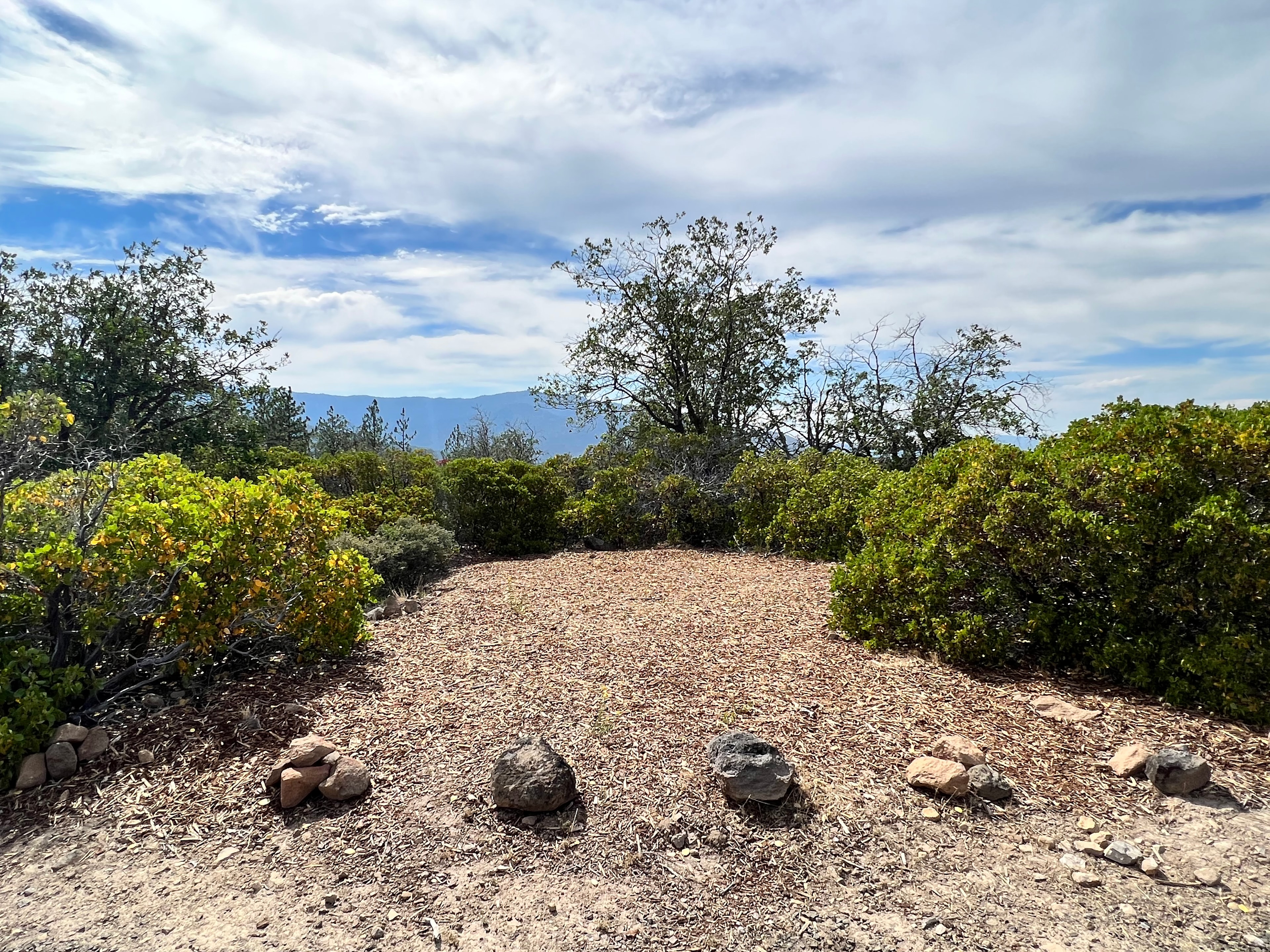
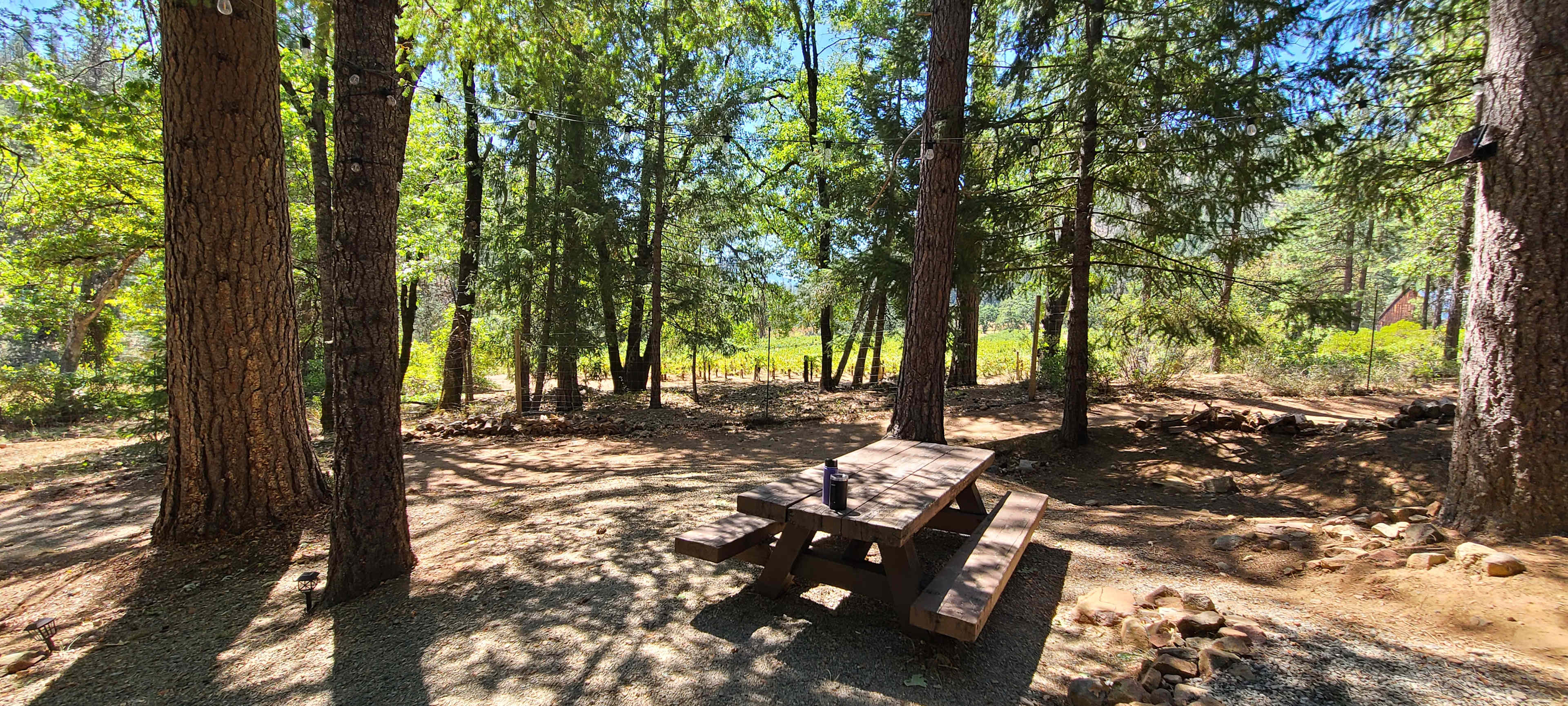
T3 Tent site on Chaparral Loop

1. Trailer Lane Campground

92%
(263)
25mi from Etna · 21 sites · Tents, RVs, Lodging · Weed, CA
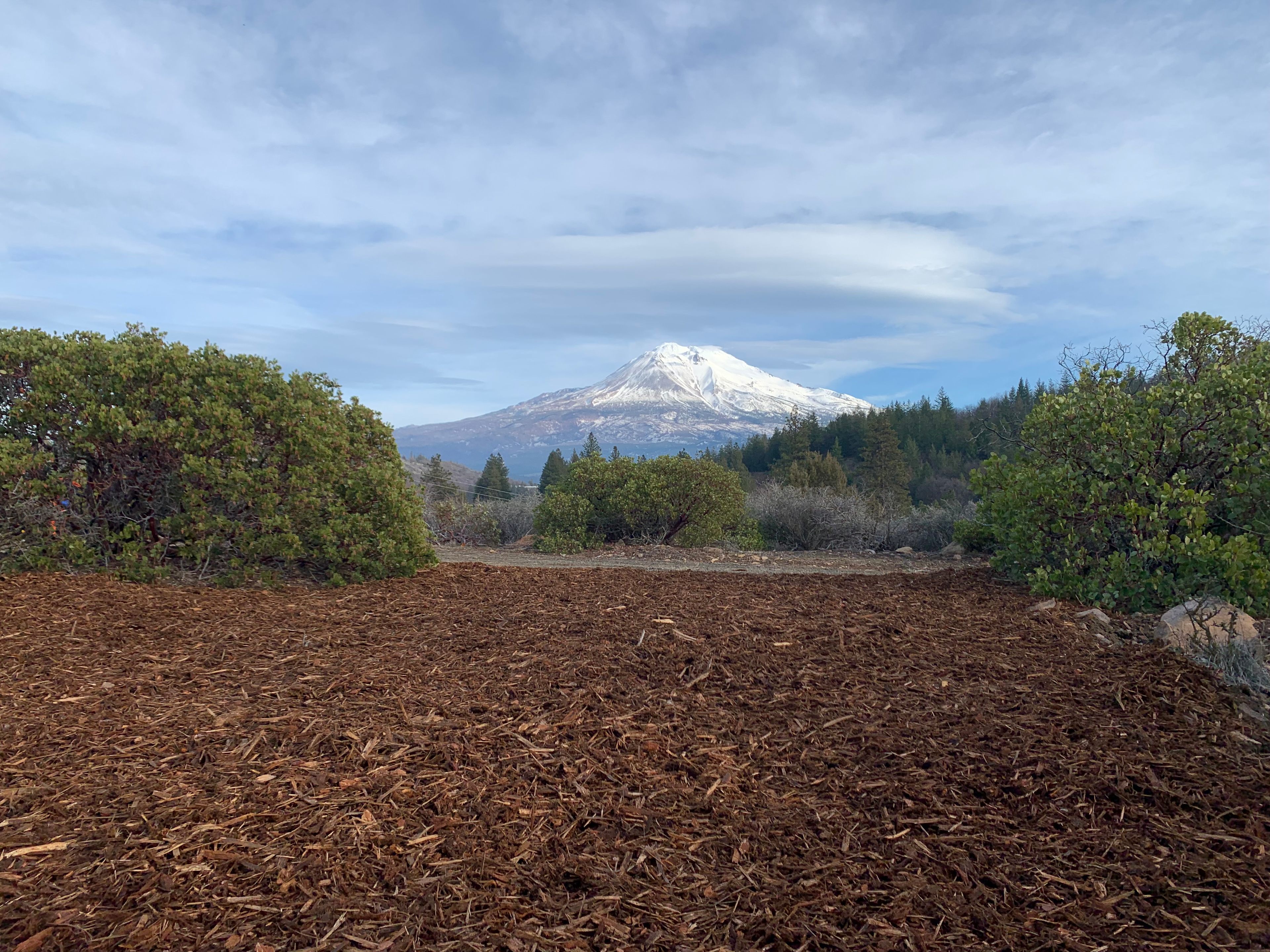
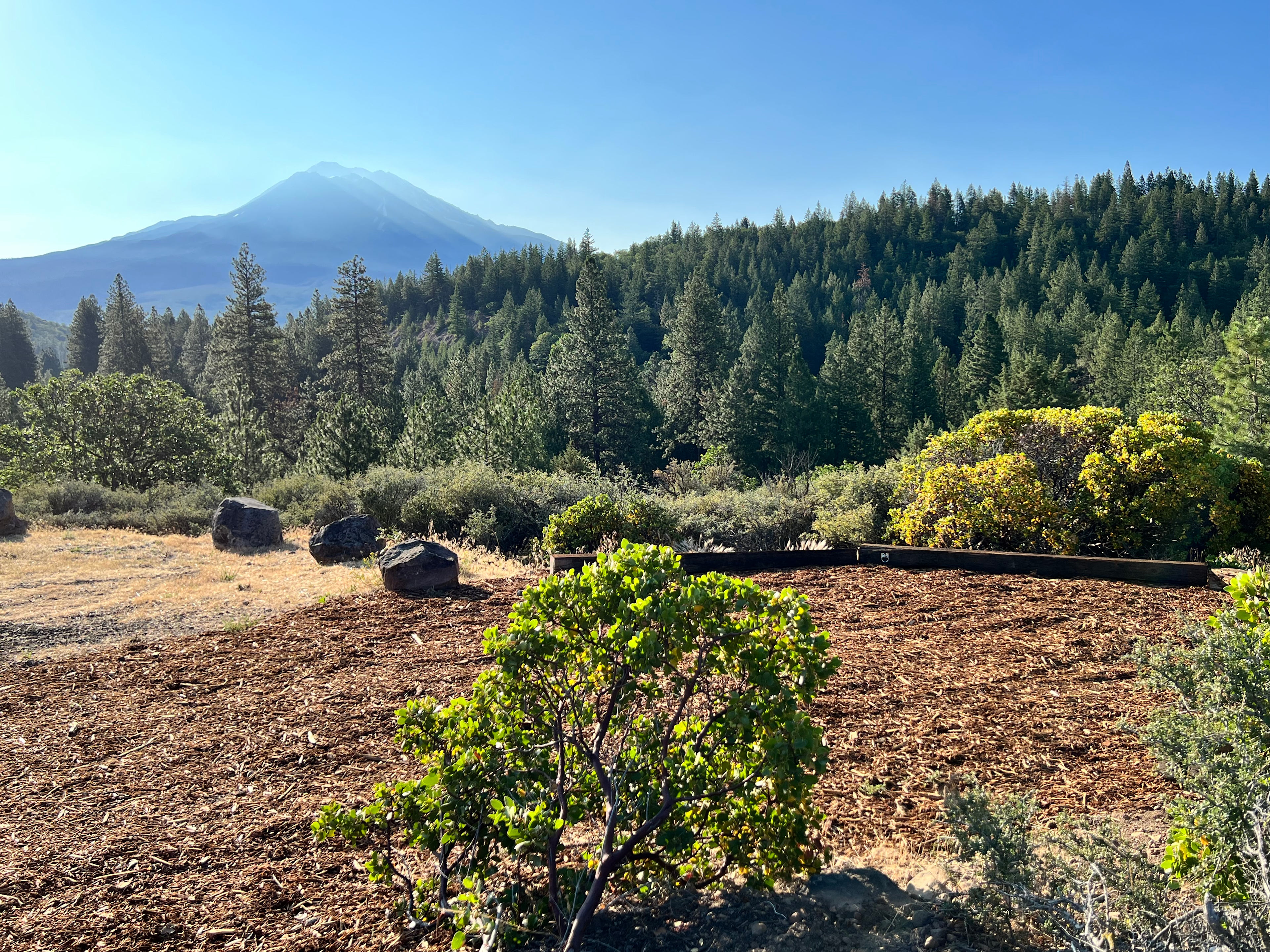
Conveniently located along I-5 just south of the CA/OR border, we have 15 acres that are a mix of conifer forest and a chaparral hilltop with spectacular views of Mount Shasta. Our small, friendly campground offers clean, comfortable bathrooms with (free!) hot showers and a coin-op laundry room. Community fire pit and BBQ area, too! Minutes from world-class fishing, hiking, climbing, kayaking, skiing... all year long, it's an outdoorsman's paradise! Use us as your base camp for all your North State adventures! Did we mention we have barn cats, goats, chickens, and turkeys to watch, feed and pet? Fruit trees and wild blackberries. Walking trails through the forest, and the most perfect hilltop spot to kick back in our comfy Adirondacks with a glass of wine to stargaze.
Pets
Potable water
Toilets
from 
$31
 / night
Yale Creek Ranch

2. Yale Creek Ranch

97%
(107)
47mi from Etna · 8 sites · Lodging · Jacksonville, OR
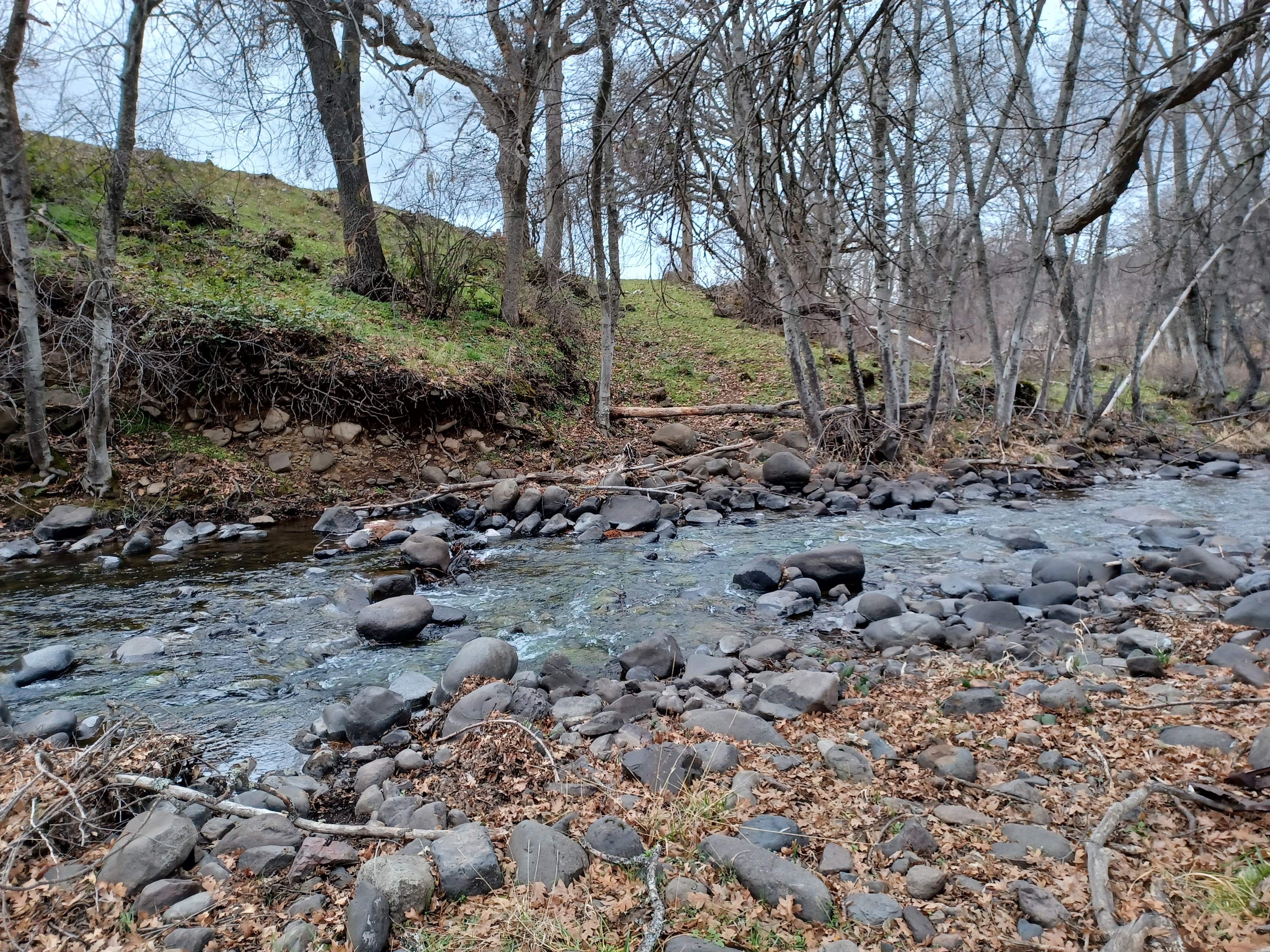
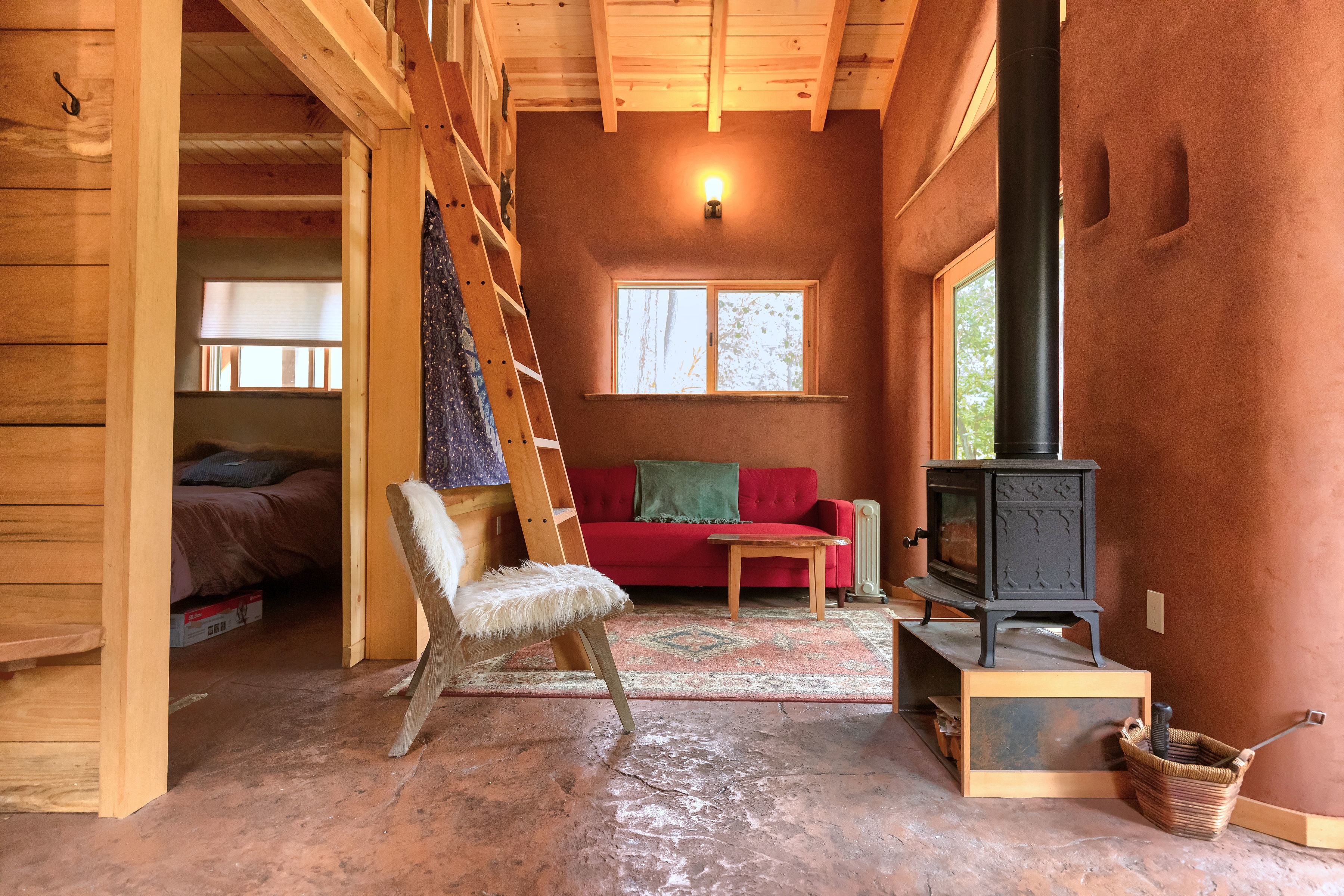
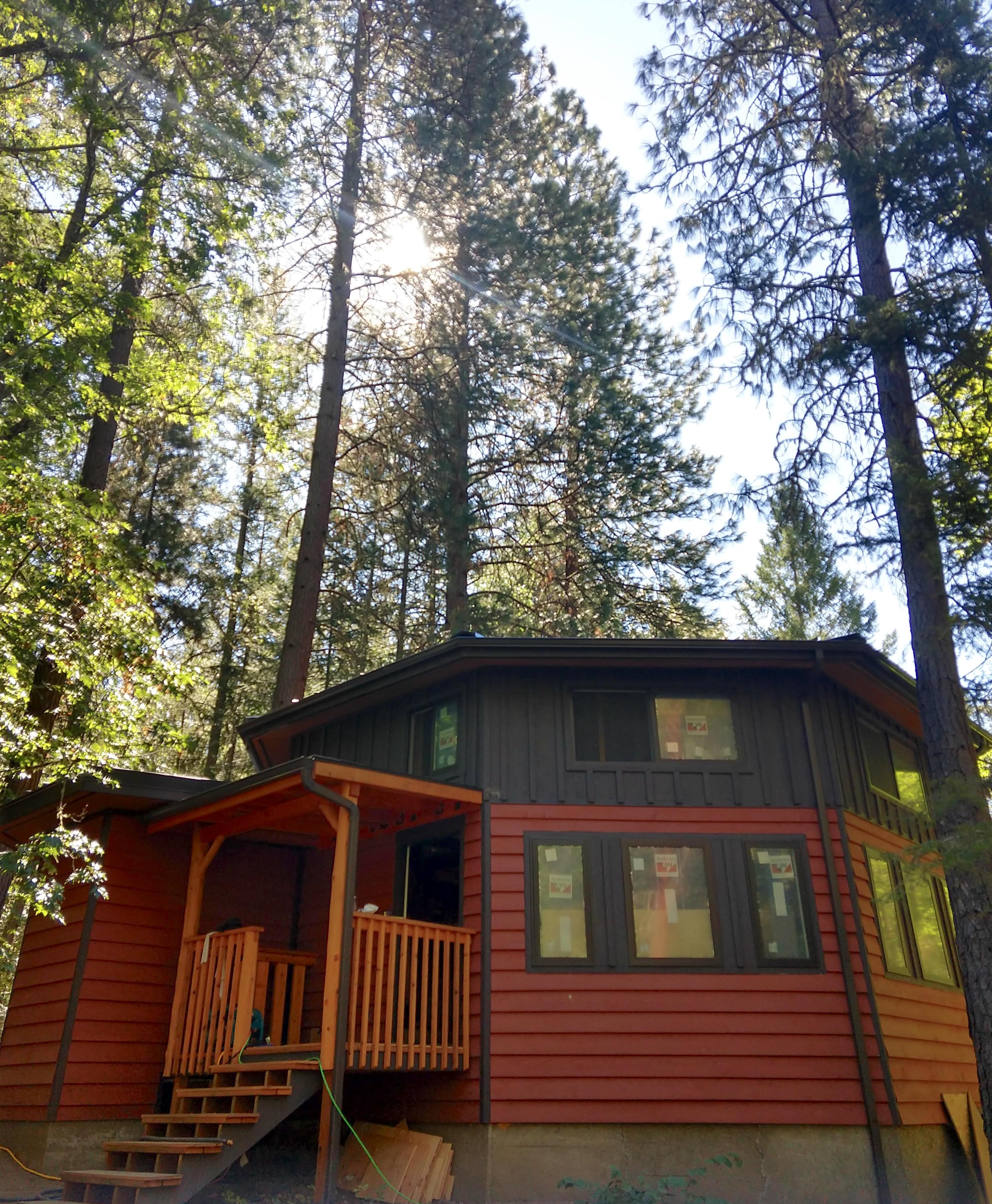
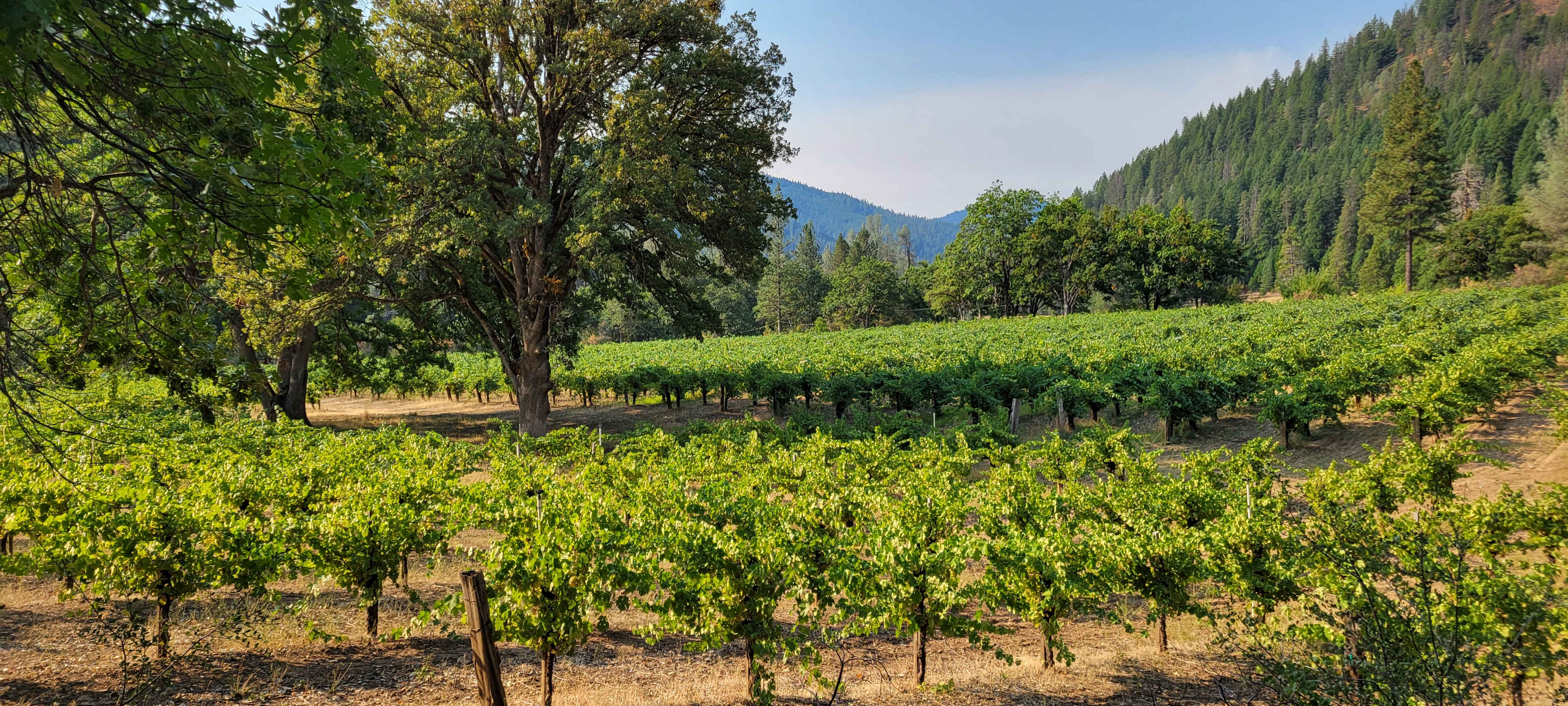
Located in the beautiful Applegate Valley, Yale Creek Ranch seeks to create a beneficial and respectful environment for visitors to have meaningful experiences. There are six cabins and one dome and a main house on the property, which gives the ranch has a community feel while being spacious enough to provide privacy.  The ranch is a great place to relax because of the beautiful landscape, lack of internet and cell service, and comfy lodgings.    There are also many things to do in the nearby area, including visiting excellent wineries or hiking the Sterling ditch mine trail.  For outdoor enthusiasts, there is Mt. Ashland for mountain biking, and the Rogue River for boating. Despite having the feeling of being away from city life, Ashland is only 45 minutes away. Popular things to do in the city include the Oregon Shakespeare Festival, or spending time in Lithia Park.  Despite having the feeling of being away from city life, Ashland is only 45 minutes away. Popular things to do in the city include the Oregon Shakespeare Festival, or spending time in Lithia Park. 
Pets
Potable water
Toilets
from 
$88
 / night
pretty even in the dry season

3. Soda Spring

100%
(25)
49mi from Etna · 4 sites · RVs, Lodging · Ashland, OR
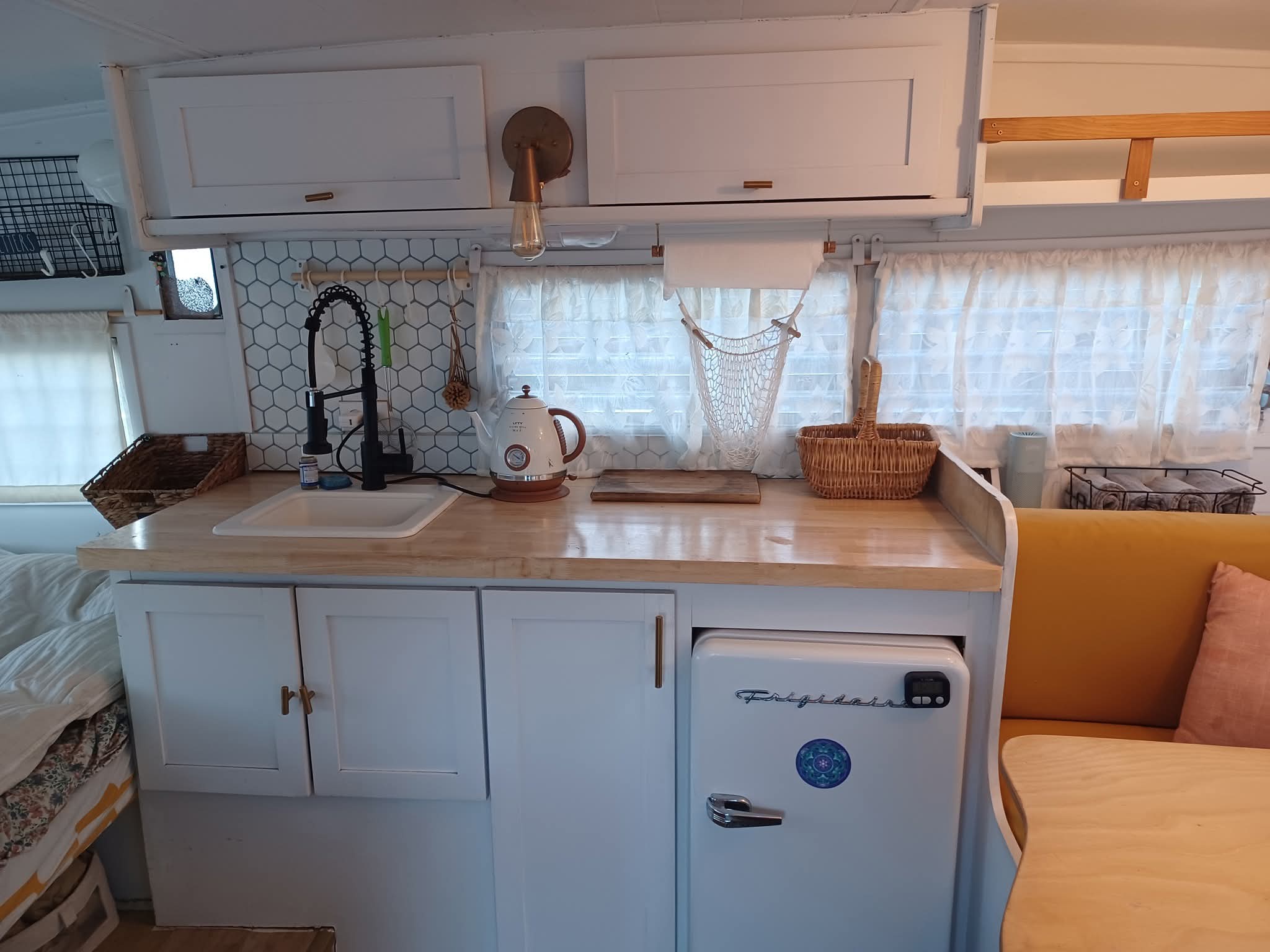
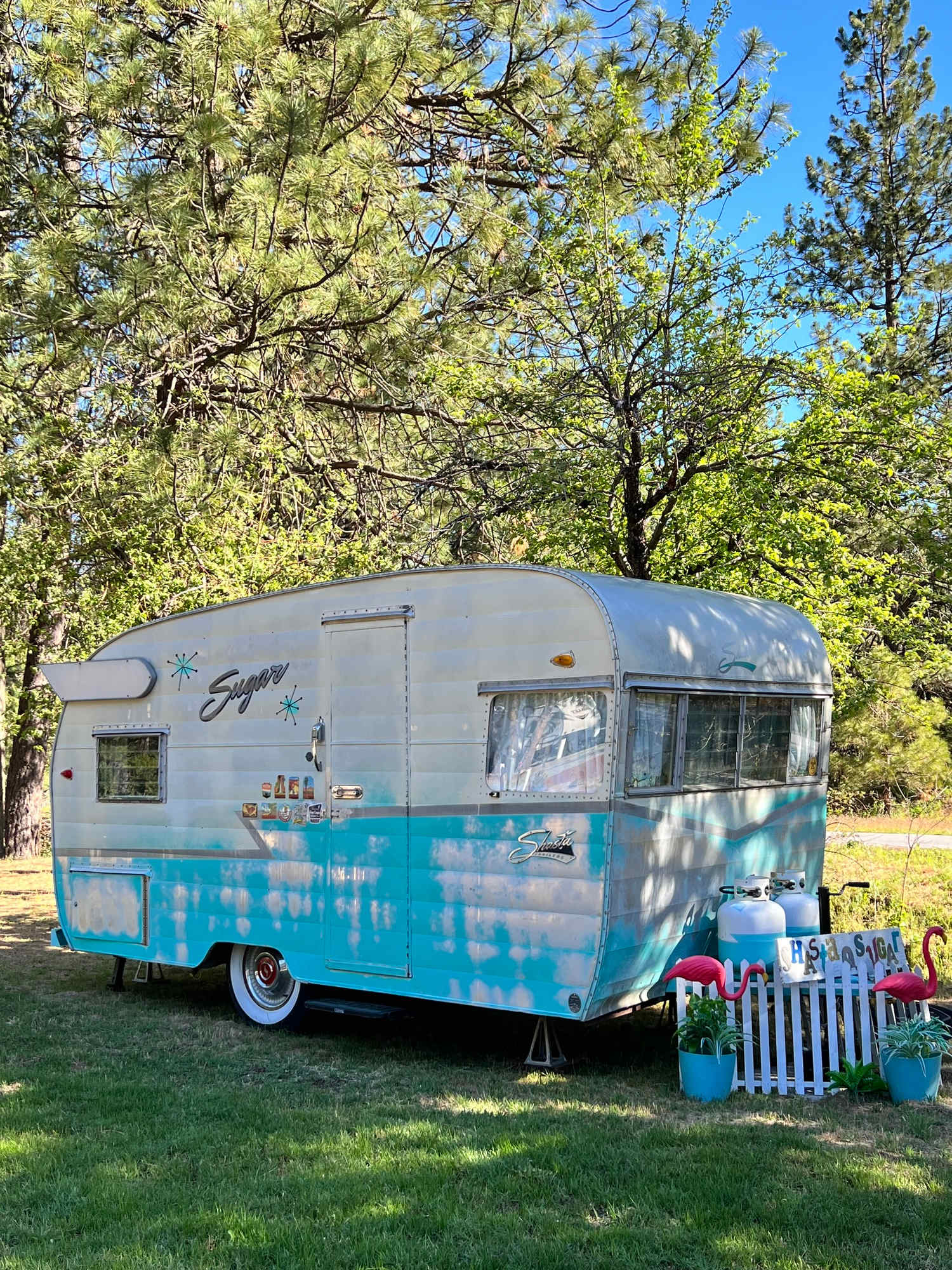
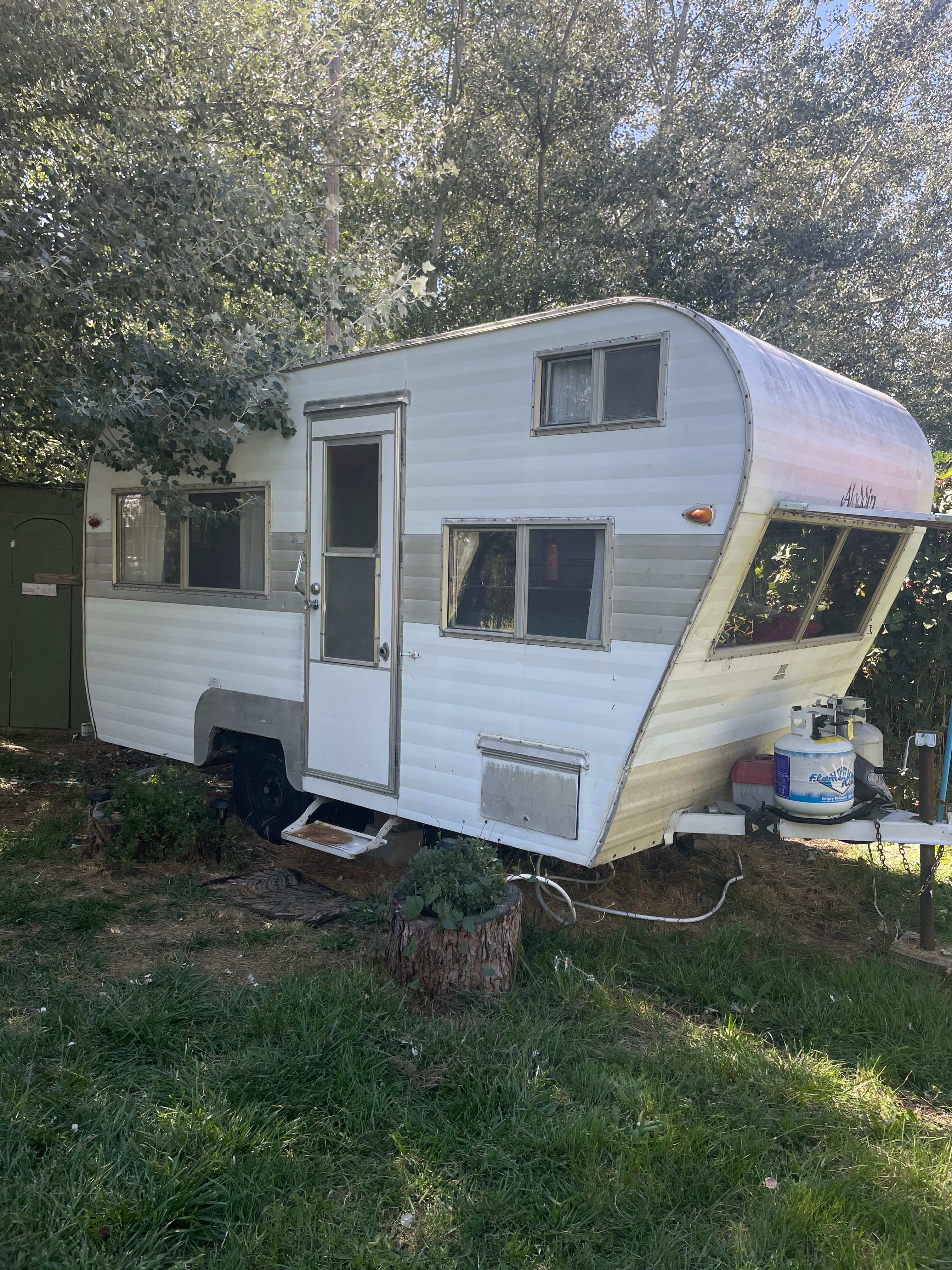
This 200 acre property is located within the Cascade Siskiyou National Monument, a land bridge where two mountain ranges meet, creating immense biodiversity and natural beauty. Soda Spring is a bourgeoning community tended land located on the unceded territories of the Shasta, Takilma, Latgawa and Klamath peoples, just 10 minutes from the south end of Ashland, Oregon. The property is primarily oak savannah and pastureland, with adjacent fir/pine and madrone/manzanita forests and hillsides. The land sits in a valley where both Soda Creek and Carter Creek enter in to Emigrant Creek as it flows onward to Emigrant Lake, just a mile away. The land is being stewarded by a small group of humans and large community of wildlife and insects. Together we are slowly creating something special... including community event and classroom spaces, gardens, orchards, holistically managed ranch lands, campgrounds and wild places. Currently there is one vintage trailer consistently available, and two RV sites. We have another vintage trailer another available on and off.
Pets
Potable water
Toilets
from 
$40
 / night
Rock Farm Ranch

6. Rock Farm Ranch

92%
(31)
6.9mi from Etna · 5 sites · Tents, RVs, Lodging · Callahan, CA
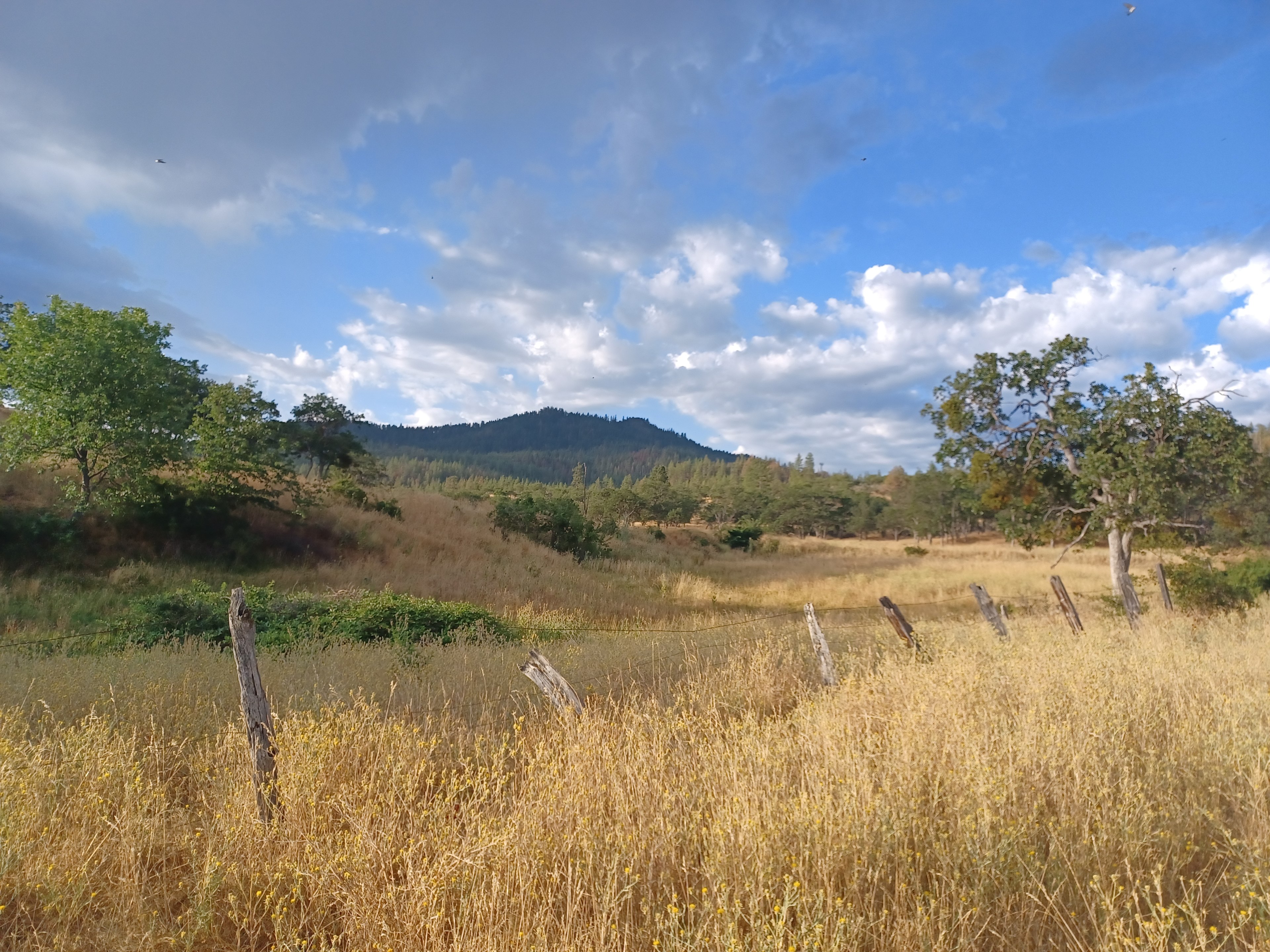
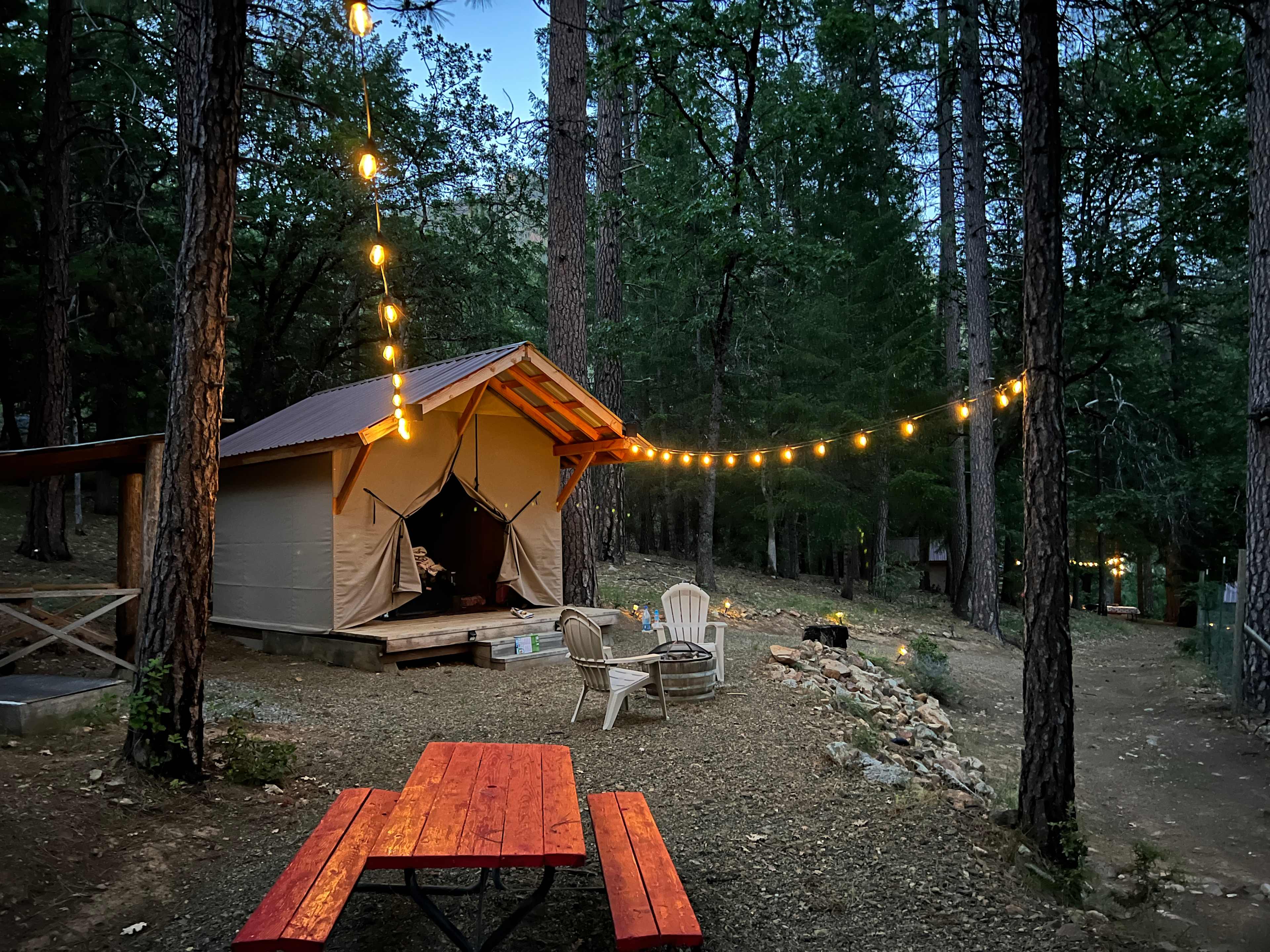
IMPORTANT: I DON'T CHECK TEXTS; USE PHONE CALL: 541-301-3331 Beautiful Scott Valley, a hidden destination loved by stargazers. campers, hikers, bikers, hunters, fishers, nature lovers, rock climbers, and prospectors. Property straddles Hwy. 3 between Etna and Callahan. Hwy. 3 is not busy during the day and evening traffic drops off to almost nothing. Very rural farming/ranching area. No agricultural, ranching or spraying nearby, though. Lots of blue-green Serpentine stone here, hence the name "Rock Farm." We are an organic farm so we take care to use nontoxic agriculture. Fresh spring water provided, primitive camping and some more luxurious sites. We always make improvements. Bathroom available, haul water to flush toilet. Dark nights with no light pollution gives great sky watching. Mountain views in daytime. Very quiet at night,. Near beautiful Kangaroo Lake and Mount Shasta. Peaceful, pristine .Property for sale, all or part. Ask Nina for details. Private wooded area for primitive camping or RV. Improved sites with bathroom tables; chairs, firepit. 35 acres so you can choose the site you like. when you arrive. Mountain Views are amazing.  Swimming hole nearby.  Right off Hwy 3 between Etna and Callahan, California.  Or, camp across the street by the old wooden mill building for company. Small wetland nearby brings lots of birds to sing you awake in the morning. Open, level space great for nighttime stargazing. Property has a gate you can close at night.  One hour drive to Mt. Shasta or Ashland, Oregon. Groceries, massage, hardware store, laundry, bakery, showers, restaurants in Etna 8 miles away.  Farmer's market in Etna  Saturday morning. Not far from PCT trailhead outside of Callahan CA. If you need a ride from there, call and we'll pick you up if possible for $20. Firewood available, $1. a stick.  Near Kangaroo lake for fishing, swimming, hiking, boating. Bicycle groups and motorcycle groups going by every summer. We're at 3000 feet, so nights are cool even in summer.  Bright stars, Air fresh and clean.  Minimal mosquitos due to dry climate. We call it "RockFarm" because there's Serpentine rock here and you're welcome to collect some.  Even pan for gold and swim in Scott River nearby.
Pets
Potable water
Toilets
from 
$16
 / night
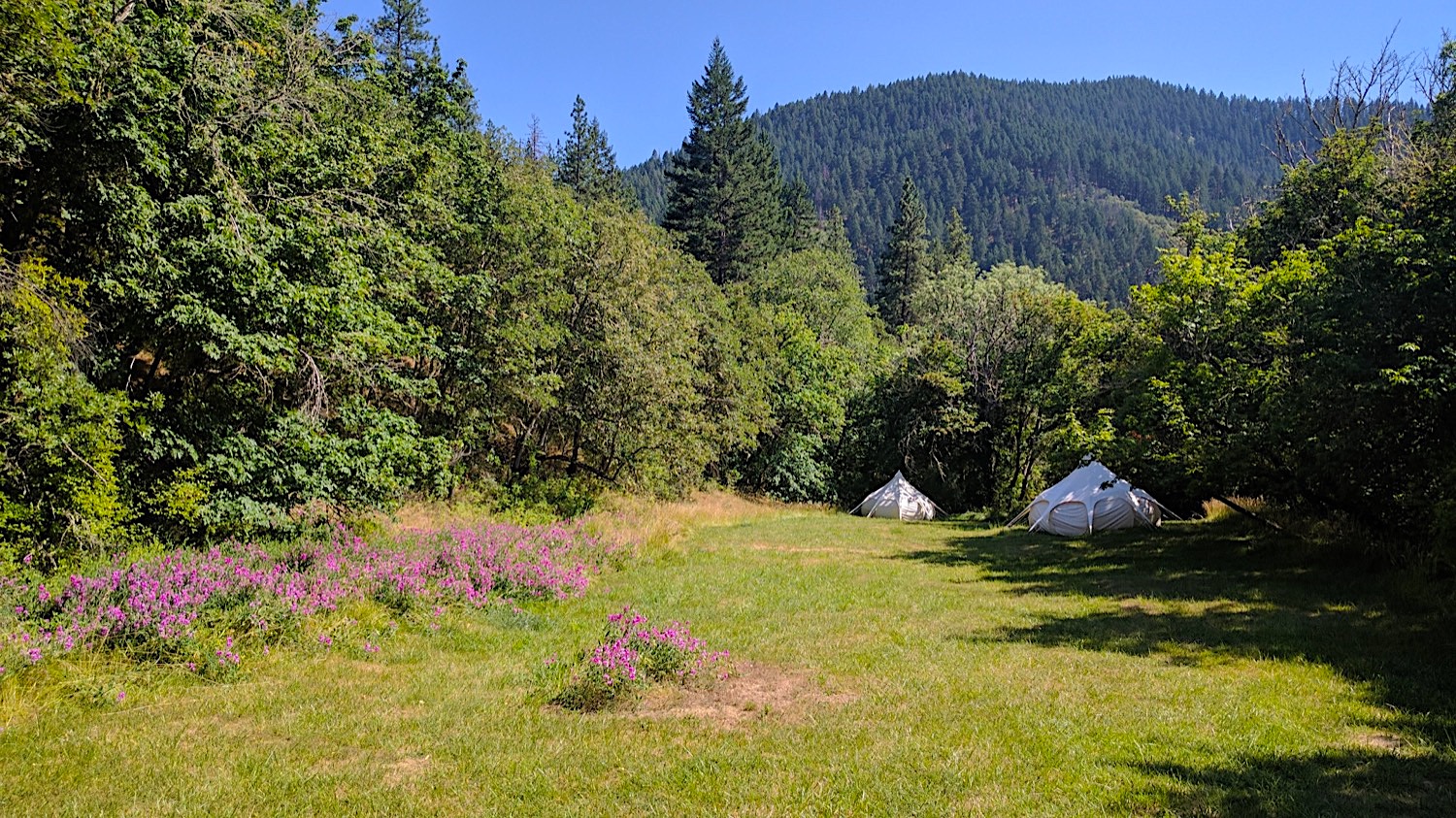
Middle Meadow Camping among sweet peas

7. Trillium Wilderness Retreat

98%
(24)
48mi from Etna · 54 sites · Lodging · Jacksonville, OR
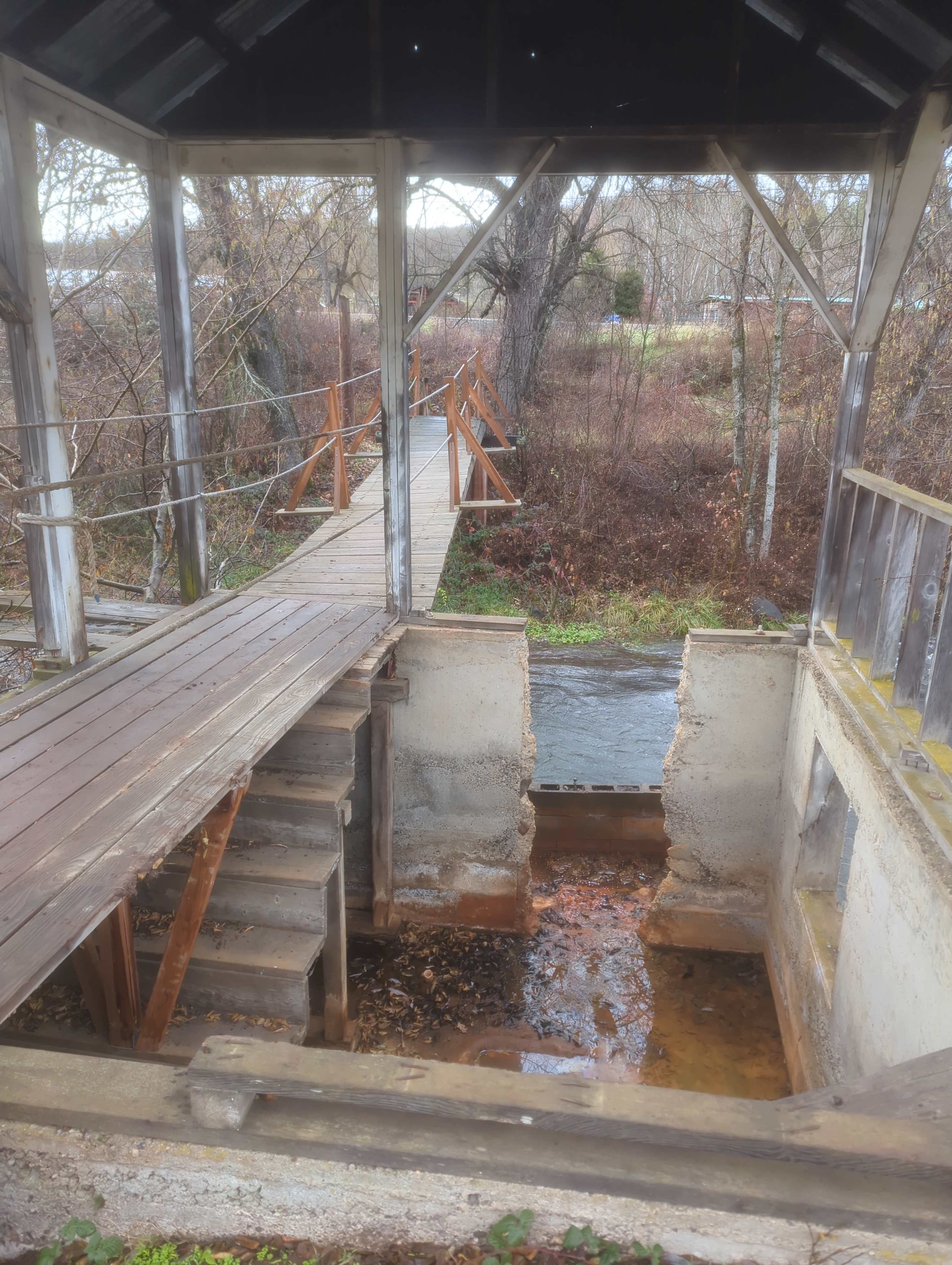
Trillium is a former wilderness community and retreat center tucked into a vast valley of the Siskiyou Mountains of Southern Oregon. From ridge-top to riverside, guest are immersed in pristine nature, breathtakingly fertile and rugged landscape. Over the past 40 years, Trillium has been a multi-faceted community, education & birthing center. The history of this place is vast, rich and honored. TRILLIUM’S FIRST COMMUNITY Trillium was home to a community since the 1970’s. This community was unique in that it sustained on its own functioning without a “guru,” which was popular of that time. Trillium birthed many babies along the hippie trail, as well as many entrepreneurial ventures. Most notable of these ventures was Unicorn Domes, now known as Pacific Domes located in neighboring Ashland, OR. GRANDMA’S TROUT FARM Chant, a founder of the Trillium’s first community, tells the story of coming upon the land while out on a camping trip. The story flows like a fairytale, having a sense of awe and deep resonance of home in this place. At that time, the land was home to a trout farm, and thus many holding ponds and water features were created in Birch Creek, meandering south through the valley to feed the Little Applegate River. Our office, Cedar Barn, was filled with tanks of small trout, while the waterwheel containing them still remains on the old barn you’ll see as you enter the parking lot. APPLE ORCHARD While we don’t know much about it, there is a story of 2 sisters and their apple orchard. As we continue to explore and rehabilitate the valley, we have discovered a variety of old legacy apple trees in unexpected places. These trees were likely displaced during one of the old floods through the valley, but have held on (sometimes to the edge of a slope) and continue to produce fruit…an inspiring example of the resilience of this land. NATIVES, CHINESE IMMIGRANTS & MINERS This part of the world is gold-mining land, and there are even still claims upriver today! As with any monetary venture, there is ingenuity as well as tests of integrity. The peaceful natives of this land, the Dakubetedes were all but obliterated, while Chinese immigrants were exploited for their engineering genius and labor to construct the 26.5 mile Sterling Mine Ditch. This ditch had a “clean out” that emptied through our valley, thus named “Muddy Gulch.” It’s deep ruts are still quite evident, both physically and energetically. We seek to learn and heal these parts of our history on this land.This description of the history, lightly touching on these atrocities, can be found on the BLM website: “Long before the appearance of European settlers, Sterling Creek and the Little Applegate River area were traditional homelands of the Dakubetede people. This group was also known as the Applegate Creek Indians and was part of the Rogue River Indians, a name applied to the people of the Upper Rogue River and its tributaries. The Dakubetedes utilized an abundance of berries, seeds, roots, fish, and game throughout the year to maintain a diverse diet. The Dakubetedes spoke a dialect of the Athabascan language group, unusual for the tribes in interior southwest Oregon. The Dakubetedes took part in the Rogue River Indian Treaties of 1853 and 1854 that resulted in their removal from their homelands to the Grand Ronde and Siletz Indian Reservations in northwest Oregon. When gold was discovered in 1854 on Sterling Creek, prospectors poured into the area. At first, they panned for gold along the creek, but this proved to be inefficient in extracting the gold that was buried under layers of rock and soil. Hydraulic mining, using a powerful jet of water, promised better returns for large scale mining; they just needed more water. In 1877 miners built the Sterling Mine Ditch to redirect water from the upper reaches of the Little Applegate River to the Sterling Creek Mine. The ditch followed the contours of the rugged slopes of Anderson Butte and lost only 200 feet in elevation over its 26.5 mile length. Using hand tools, up to 400 workers, most of them probably Chinese, completed the ditch in just 6 months, at a cost of $70,000. The ditch carried water to the mine, and the trail alongside it provided access for ditch maintenance. During peak operation, hydraulic mining on Sterling Creek blasted away up to 800 cubic yards of soil and rock each day. Impacts to fisheries and water quality were immense, and generations would pass before the hydrologic balance and fish habitat in Sterling Creek would recover. The mine discontinued operations in the 1930s, and the ditch and trail became overgrown with brush and trees. The Sterling Mine Ditch Trail (SMDT) is a marvel of late nineteenth century engineering. Be sure to see the tunnel, dug as a shortcut through the ridge at the top of the Tunnel Ridge access trail! You can also see old flume remnants while hiking along sections of the trail. As you drive along Sterling Creek Road, you can see piles of stones and boulders along the creek that were left by hydraulic mining as soil was washed away in the search for gold. In addition to gold, the layers of soil and rock also yielded bones and tusks of elephants and other ancient inhabitants of the area.” GLACIERS AND BIODIVERSITY The biodiversity of the natural world is immense in our PNW pocket, and especially at Trillium. This description, and more info, can be found on the World Wildlife website under ecoregion, “Klamath-Siskiyou.” “Biological DistinctivenessThe Klamath-Siskiyou ecoregion is considered a global center of biodiversity (Wallace 1982), an IUCN Area of Global Botanical Significance (1 of 7 in North America), and is proposed as a World Heritage Site and UNESCO Biosphere Reserve (Vance-Borland et al. 1995). The biodiversity of these rugged coastal mountains of northwestern California and southwestern Oregon has garnered this acclaim because the region harbors one of the four richest temperate coniferous forests in the world (along with the Southeastern Conifer forests of North America, forests of Sichuan, China, and the forests of the Primorye region of the Russian Far East), with complex biogeographic patterns, high endemism, and unusual community assemblages. A variety of factors contribute to the region’s extraordinary living wealth. The region escaped extensive glaciation during recent ice ages, providing both a refuge for numerous taxa and long periods of relatively favorable conditions for species to adapt to specialized conditions. Shifts in climate over time have helped make this ecoregion a junction and transition zone for several major biotas, namely those of the Great Basin, the Oregon Coast Range, the Cascades Range, the Sierra Nevada, the California Central Valley, and Coastal Province of Northern California. Elements from all of these zones are currently present in the ecoregion’s communities. Temperate conifer tree species richness reaches a global maximum in the Klamath-Siskiyous with 30 species, including 7 endemics, and alpha diversity (single-site) measured at 17 species within a single square mile (2.59 km2) at one locality (Vance-Borland et al. 1995). Overall, around 3,500 plant species are known from the region, with many habitat specialists (including 90 serpentine specialists) and local endemics. The great heterogeneity of the region’s biodiversity is due to the area’s rugged terrain, very complex geology and soils (giving the region the name "the Klamath Knot"), and strong gradients in moisture decreasing away from the coast (e.g., more than300 cm (120in)/annum to less than 50 cm (20 in)/annum). Habitats are varied and range from wet coastal temperate rainforests to moist inland forests dominated by Douglas fir (Pseudotsuga menziesii), Pinus ponderosa, and P. lambertiana mixed with a variety of other conifers and hardwoods (e.g., Chamaecyparis lawsoniana, Lithocarpus densiflora, Taxus brevifolia, and Quercus chrysolepis); drier oak forests and savannas with Quercus garryana and Q. kelloggii; serpentine formations with well-developed sclerophyllous shrubs; higher elevation forests with Douglas fir, Tsuga mertensiana, Abies concolor and A. magnifica; alpine grasslands on the higher peaks; and cranberry and pitcher plant bogs. Many species and communities have adapted to very narrow bands of environmental conditions or to very specific soils such as serpentine outcrops. Local endemism is quite pronounced with numerous species restricted to single mountains, watersheds, or even single habitat patches, tributary streambanks, or springs (e.g., herbaceous plants, salamanders, carabid beetles, land snails, see Olson 1991). Such fine-grained and complex distribution patterns means that any losses of native forests or habitats in this ecoregion can significantly contribute to species extinction. Several of the only known localities for endemic harvestman, spiders, land snails, and other invertebrates have been heavily altered or lost through logging within the last decade, and the current status of these species is unknown (Olson 1991). Unfortunately, many invertebrate species with distribution patterns and habitat preferences that make them prone to extinction, such as old growth specialist species, are rarely recognized or listed as federal endangered species. Indeed, 83 species of Pacific Northwest freshwater mussels and land snails with extensive documentation of their endangerment were denied federal listing by the U.S. Fish and Wildlife Service in 1994 (J. Belsky, pers. comm. 1994).Rivers and streams of the Klamath-Siskiyou region support a distinctive fish fauna, including nine species of native salmonids (salmon and trout), and several endemic or near-endemic species such as the tui chub (Gila bicolor), the Klamath small-scale sucker (Catostomus rimiculus), and the coastrange sculpin (Cottus aleuticus). Many unusual aquatic invertebrates are also occur in the region.”
Pets
Potable water
Toilets
from 
$75
 / night

Ready for a farm-tastic getaway near Etna, California? Hipcamp's got you covered with over 700 glamping options perfect for your countryside escape. Indulge in the great outdoors while enjoying the comforts of a cozy cabin or a fancy yurt. With an average price of just $59 per night (and options as low as $25), it's an affordable way to get back to nature. Check out top-rated campsites like Cedar Bloom (1299 reviews), Redwood Retreat (180 reviews), or Owl Creek Cabin Mountain Getaway (90 reviews). Popular amenities like potable water, showers, and campfires are available, as well as fun activities like historic site visits, horseback riding, and wind sports. Book now and enjoy your farm-tastic adventure!

95% (425)

Top-rated campgrounds

T3 Tent site on Chaparral Loop

1. Trailer Lane Campground

92%
(263)
25mi from Etna · 21 sites · Tents, RVs, Lodging · Weed, CA
Conveniently located along I-5 just south of the CA/OR border, we have 15 acres that are a mix of conifer forest and a chaparral hilltop with spectacular views of Mount Shasta. Our small, friendly campground offers clean, comfortable bathrooms with (free!) hot showers and a coin-op laundry room. Community fire pit and BBQ area, too! Minutes from world-class fishing, hiking, climbing, kayaking, skiing... all year long, it's an outdoorsman's paradise! Use us as your base camp for all your North State adventures! Did we mention we have barn cats, goats, chickens, and turkeys to watch, feed and pet? Fruit trees and wild blackberries. Walking trails through the forest, and the most perfect hilltop spot to kick back in our comfy Adirondacks with a glass of wine to stargaze.
Pets
Potable water
Toilets
from 
$31
 / night
Yale Creek Ranch

2. Yale Creek Ranch

97%
(107)
47mi from Etna · 8 sites · Lodging · Jacksonville, OR
Located in the beautiful Applegate Valley, Yale Creek Ranch seeks to create a beneficial and respectful environment for visitors to have meaningful experiences. There are six cabins and one dome and a main house on the property, which gives the ranch has a community feel while being spacious enough to provide privacy.  The ranch is a great place to relax because of the beautiful landscape, lack of internet and cell service, and comfy lodgings.    There are also many things to do in the nearby area, including visiting excellent wineries or hiking the Sterling ditch mine trail.  For outdoor enthusiasts, there is Mt. Ashland for mountain biking, and the Rogue River for boating. Despite having the feeling of being away from city life, Ashland is only 45 minutes away. Popular things to do in the city include the Oregon Shakespeare Festival, or spending time in Lithia Park.  Despite having the feeling of being away from city life, Ashland is only 45 minutes away. Popular things to do in the city include the Oregon Shakespeare Festival, or spending time in Lithia Park. 
Pets
Potable water
Toilets
from 
$88
 / night
pretty even in the dry season

3. Soda Spring

100%
(25)
49mi from Etna · 4 sites · RVs, Lodging · Ashland, OR
This 200 acre property is located within the Cascade Siskiyou National Monument, a land bridge where two mountain ranges meet, creating immense biodiversity and natural beauty. Soda Spring is a bourgeoning community tended land located on the unceded territories of the Shasta, Takilma, Latgawa and Klamath peoples, just 10 minutes from the south end of Ashland, Oregon. The property is primarily oak savannah and pastureland, with adjacent fir/pine and madrone/manzanita forests and hillsides. The land sits in a valley where both Soda Creek and Carter Creek enter in to Emigrant Creek as it flows onward to Emigrant Lake, just a mile away. The land is being stewarded by a small group of humans and large community of wildlife and insects. Together we are slowly creating something special... including community event and classroom spaces, gardens, orchards, holistically managed ranch lands, campgrounds and wild places. Currently there is one vintage trailer consistently available, and two RV sites. We have another vintage trailer another available on and off.
Pets
Potable water
Toilets
from 
$40
 / night
Rock Farm Ranch

6. Rock Farm Ranch

92%
(31)
6.9mi from Etna · 5 sites · Tents, RVs, Lodging · Callahan, CA
IMPORTANT: I DON'T CHECK TEXTS; USE PHONE CALL: 541-301-3331 Beautiful Scott Valley, a hidden destination loved by stargazers. campers, hikers, bikers, hunters, fishers, nature lovers, rock climbers, and prospectors. Property straddles Hwy. 3 between Etna and Callahan. Hwy. 3 is not busy during the day and evening traffic drops off to almost nothing. Very rural farming/ranching area. No agricultural, ranching or spraying nearby, though. Lots of blue-green Serpentine stone here, hence the name "Rock Farm." We are an organic farm so we take care to use nontoxic agriculture. Fresh spring water provided, primitive camping and some more luxurious sites. We always make improvements. Bathroom available, haul water to flush toilet. Dark nights with no light pollution gives great sky watching. Mountain views in daytime. Very quiet at night,. Near beautiful Kangaroo Lake and Mount Shasta. Peaceful, pristine .Property for sale, all or part. Ask Nina for details. Private wooded area for primitive camping or RV. Improved sites with bathroom tables; chairs, firepit. 35 acres so you can choose the site you like. when you arrive. Mountain Views are amazing.  Swimming hole nearby.  Right off Hwy 3 between Etna and Callahan, California.  Or, camp across the street by the old wooden mill building for company. Small wetland nearby brings lots of birds to sing you awake in the morning. Open, level space great for nighttime stargazing. Property has a gate you can close at night.  One hour drive to Mt. Shasta or Ashland, Oregon. Groceries, massage, hardware store, laundry, bakery, showers, restaurants in Etna 8 miles away.  Farmer's market in Etna  Saturday morning. Not far from PCT trailhead outside of Callahan CA. If you need a ride from there, call and we'll pick you up if possible for $20. Firewood available, $1. a stick.  Near Kangaroo lake for fishing, swimming, hiking, boating. Bicycle groups and motorcycle groups going by every summer. We're at 3000 feet, so nights are cool even in summer.  Bright stars, Air fresh and clean.  Minimal mosquitos due to dry climate. We call it "RockFarm" because there's Serpentine rock here and you're welcome to collect some.  Even pan for gold and swim in Scott River nearby.
Pets
Potable water
Toilets
from 
$16
 / night
Middle Meadow Camping among sweet peas

7. Trillium Wilderness Retreat

98%
(24)
48mi from Etna · 54 sites · Lodging · Jacksonville, OR
Trillium is a former wilderness community and retreat center tucked into a vast valley of the Siskiyou Mountains of Southern Oregon. From ridge-top to riverside, guest are immersed in pristine nature, breathtakingly fertile and rugged landscape. Over the past 40 years, Trillium has been a multi-faceted community, education & birthing center. The history of this place is vast, rich and honored. TRILLIUM’S FIRST COMMUNITY Trillium was home to a community since the 1970’s. This community was unique in that it sustained on its own functioning without a “guru,” which was popular of that time. Trillium birthed many babies along the hippie trail, as well as many entrepreneurial ventures. Most notable of these ventures was Unicorn Domes, now known as Pacific Domes located in neighboring Ashland, OR. GRANDMA’S TROUT FARM Chant, a founder of the Trillium’s first community, tells the story of coming upon the land while out on a camping trip. The story flows like a fairytale, having a sense of awe and deep resonance of home in this place. At that time, the land was home to a trout farm, and thus many holding ponds and water features were created in Birch Creek, meandering south through the valley to feed the Little Applegate River. Our office, Cedar Barn, was filled with tanks of small trout, while the waterwheel containing them still remains on the old barn you’ll see as you enter the parking lot. APPLE ORCHARD While we don’t know much about it, there is a story of 2 sisters and their apple orchard. As we continue to explore and rehabilitate the valley, we have discovered a variety of old legacy apple trees in unexpected places. These trees were likely displaced during one of the old floods through the valley, but have held on (sometimes to the edge of a slope) and continue to produce fruit…an inspiring example of the resilience of this land. NATIVES, CHINESE IMMIGRANTS & MINERS This part of the world is gold-mining land, and there are even still claims upriver today! As with any monetary venture, there is ingenuity as well as tests of integrity. The peaceful natives of this land, the Dakubetedes were all but obliterated, while Chinese immigrants were exploited for their engineering genius and labor to construct the 26.5 mile Sterling Mine Ditch. This ditch had a “clean out” that emptied through our valley, thus named “Muddy Gulch.” It’s deep ruts are still quite evident, both physically and energetically. We seek to learn and heal these parts of our history on this land.This description of the history, lightly touching on these atrocities, can be found on the BLM website: “Long before the appearance of European settlers, Sterling Creek and the Little Applegate River area were traditional homelands of the Dakubetede people. This group was also known as the Applegate Creek Indians and was part of the Rogue River Indians, a name applied to the people of the Upper Rogue River and its tributaries. The Dakubetedes utilized an abundance of berries, seeds, roots, fish, and game throughout the year to maintain a diverse diet. The Dakubetedes spoke a dialect of the Athabascan language group, unusual for the tribes in interior southwest Oregon. The Dakubetedes took part in the Rogue River Indian Treaties of 1853 and 1854 that resulted in their removal from their homelands to the Grand Ronde and Siletz Indian Reservations in northwest Oregon. When gold was discovered in 1854 on Sterling Creek, prospectors poured into the area. At first, they panned for gold along the creek, but this proved to be inefficient in extracting the gold that was buried under layers of rock and soil. Hydraulic mining, using a powerful jet of water, promised better returns for large scale mining; they just needed more water. In 1877 miners built the Sterling Mine Ditch to redirect water from the upper reaches of the Little Applegate River to the Sterling Creek Mine. The ditch followed the contours of the rugged slopes of Anderson Butte and lost only 200 feet in elevation over its 26.5 mile length. Using hand tools, up to 400 workers, most of them probably Chinese, completed the ditch in just 6 months, at a cost of $70,000. The ditch carried water to the mine, and the trail alongside it provided access for ditch maintenance. During peak operation, hydraulic mining on Sterling Creek blasted away up to 800 cubic yards of soil and rock each day. Impacts to fisheries and water quality were immense, and generations would pass before the hydrologic balance and fish habitat in Sterling Creek would recover. The mine discontinued operations in the 1930s, and the ditch and trail became overgrown with brush and trees. The Sterling Mine Ditch Trail (SMDT) is a marvel of late nineteenth century engineering. Be sure to see the tunnel, dug as a shortcut through the ridge at the top of the Tunnel Ridge access trail! You can also see old flume remnants while hiking along sections of the trail. As you drive along Sterling Creek Road, you can see piles of stones and boulders along the creek that were left by hydraulic mining as soil was washed away in the search for gold. In addition to gold, the layers of soil and rock also yielded bones and tusks of elephants and other ancient inhabitants of the area.” GLACIERS AND BIODIVERSITY The biodiversity of the natural world is immense in our PNW pocket, and especially at Trillium. This description, and more info, can be found on the World Wildlife website under ecoregion, “Klamath-Siskiyou.” “Biological DistinctivenessThe Klamath-Siskiyou ecoregion is considered a global center of biodiversity (Wallace 1982), an IUCN Area of Global Botanical Significance (1 of 7 in North America), and is proposed as a World Heritage Site and UNESCO Biosphere Reserve (Vance-Borland et al. 1995). The biodiversity of these rugged coastal mountains of northwestern California and southwestern Oregon has garnered this acclaim because the region harbors one of the four richest temperate coniferous forests in the world (along with the Southeastern Conifer forests of North America, forests of Sichuan, China, and the forests of the Primorye region of the Russian Far East), with complex biogeographic patterns, high endemism, and unusual community assemblages. A variety of factors contribute to the region’s extraordinary living wealth. The region escaped extensive glaciation during recent ice ages, providing both a refuge for numerous taxa and long periods of relatively favorable conditions for species to adapt to specialized conditions. Shifts in climate over time have helped make this ecoregion a junction and transition zone for several major biotas, namely those of the Great Basin, the Oregon Coast Range, the Cascades Range, the Sierra Nevada, the California Central Valley, and Coastal Province of Northern California. Elements from all of these zones are currently present in the ecoregion’s communities. Temperate conifer tree species richness reaches a global maximum in the Klamath-Siskiyous with 30 species, including 7 endemics, and alpha diversity (single-site) measured at 17 species within a single square mile (2.59 km2) at one locality (Vance-Borland et al. 1995). Overall, around 3,500 plant species are known from the region, with many habitat specialists (including 90 serpentine specialists) and local endemics. The great heterogeneity of the region’s biodiversity is due to the area’s rugged terrain, very complex geology and soils (giving the region the name "the Klamath Knot"), and strong gradients in moisture decreasing away from the coast (e.g., more than300 cm (120in)/annum to less than 50 cm (20 in)/annum). Habitats are varied and range from wet coastal temperate rainforests to moist inland forests dominated by Douglas fir (Pseudotsuga menziesii), Pinus ponderosa, and P. lambertiana mixed with a variety of other conifers and hardwoods (e.g., Chamaecyparis lawsoniana, Lithocarpus densiflora, Taxus brevifolia, and Quercus chrysolepis); drier oak forests and savannas with Quercus garryana and Q. kelloggii; serpentine formations with well-developed sclerophyllous shrubs; higher elevation forests with Douglas fir, Tsuga mertensiana, Abies concolor and A. magnifica; alpine grasslands on the higher peaks; and cranberry and pitcher plant bogs. Many species and communities have adapted to very narrow bands of environmental conditions or to very specific soils such as serpentine outcrops. Local endemism is quite pronounced with numerous species restricted to single mountains, watersheds, or even single habitat patches, tributary streambanks, or springs (e.g., herbaceous plants, salamanders, carabid beetles, land snails, see Olson 1991). Such fine-grained and complex distribution patterns means that any losses of native forests or habitats in this ecoregion can significantly contribute to species extinction. Several of the only known localities for endemic harvestman, spiders, land snails, and other invertebrates have been heavily altered or lost through logging within the last decade, and the current status of these species is unknown (Olson 1991). Unfortunately, many invertebrate species with distribution patterns and habitat preferences that make them prone to extinction, such as old growth specialist species, are rarely recognized or listed as federal endangered species. Indeed, 83 species of Pacific Northwest freshwater mussels and land snails with extensive documentation of their endangerment were denied federal listing by the U.S. Fish and Wildlife Service in 1994 (J. Belsky, pers. comm. 1994).Rivers and streams of the Klamath-Siskiyou region support a distinctive fish fauna, including nine species of native salmonids (salmon and trout), and several endemic or near-endemic species such as the tui chub (Gila bicolor), the Klamath small-scale sucker (Catostomus rimiculus), and the coastrange sculpin (Cottus aleuticus). Many unusual aquatic invertebrates are also occur in the region.”
Pets
Potable water
Toilets
from 
$75
 / night

Camper favorites near Etna

Top-rated campgrounds reviewed by the Hipcamp community.

Stories from the community

Value Prop
Value Prop
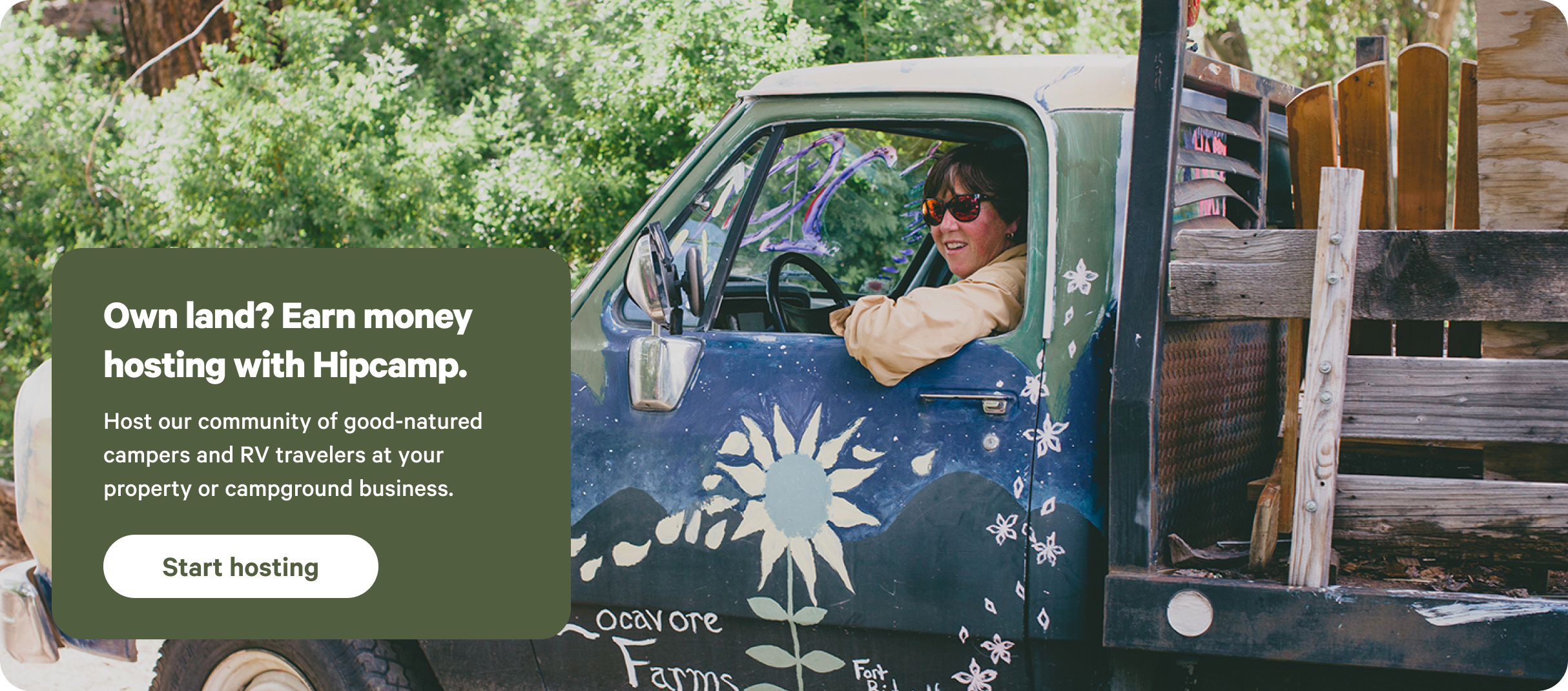
Happy farmer sitting in a truck in a grassy field

Popular Etna glamping styles