The best campsites in Capitol Reef National Park, UT
Discover the most magical spots to pitch your tent or park your rig on your next Capitol Reef National Park adventure.
Top-rated campgrounds in Capitol Reef National Park


1. Fruita Campground


2. Cedar Mesa Campground
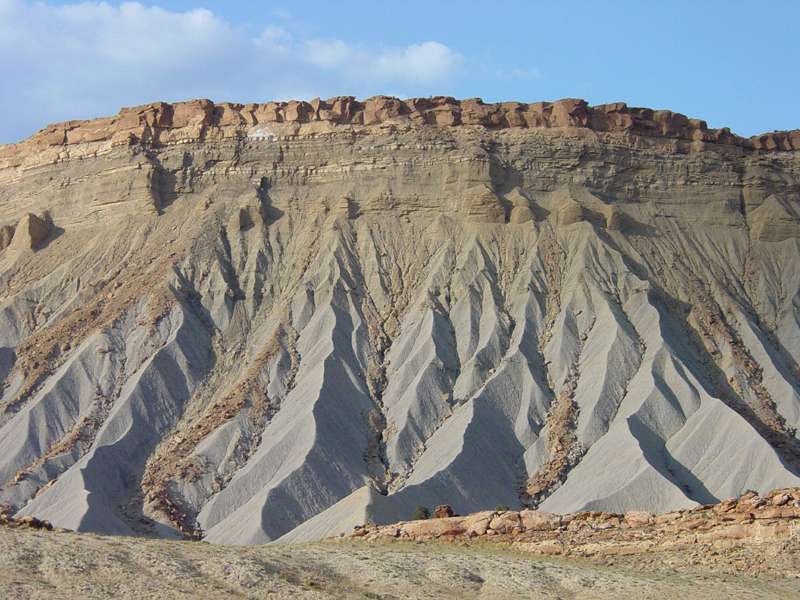
3. Cathedral Valley Campground
Top-rated campsites near Capitol Reef National Park


1. Road to the Sun Ranch


2. Wonderland RV Park


3. Thousand Lakes RV Park


4. Capitol Reef RV Park and Glamping


5. Red River Camp - Capitol Reef


6. Boulder Meadows
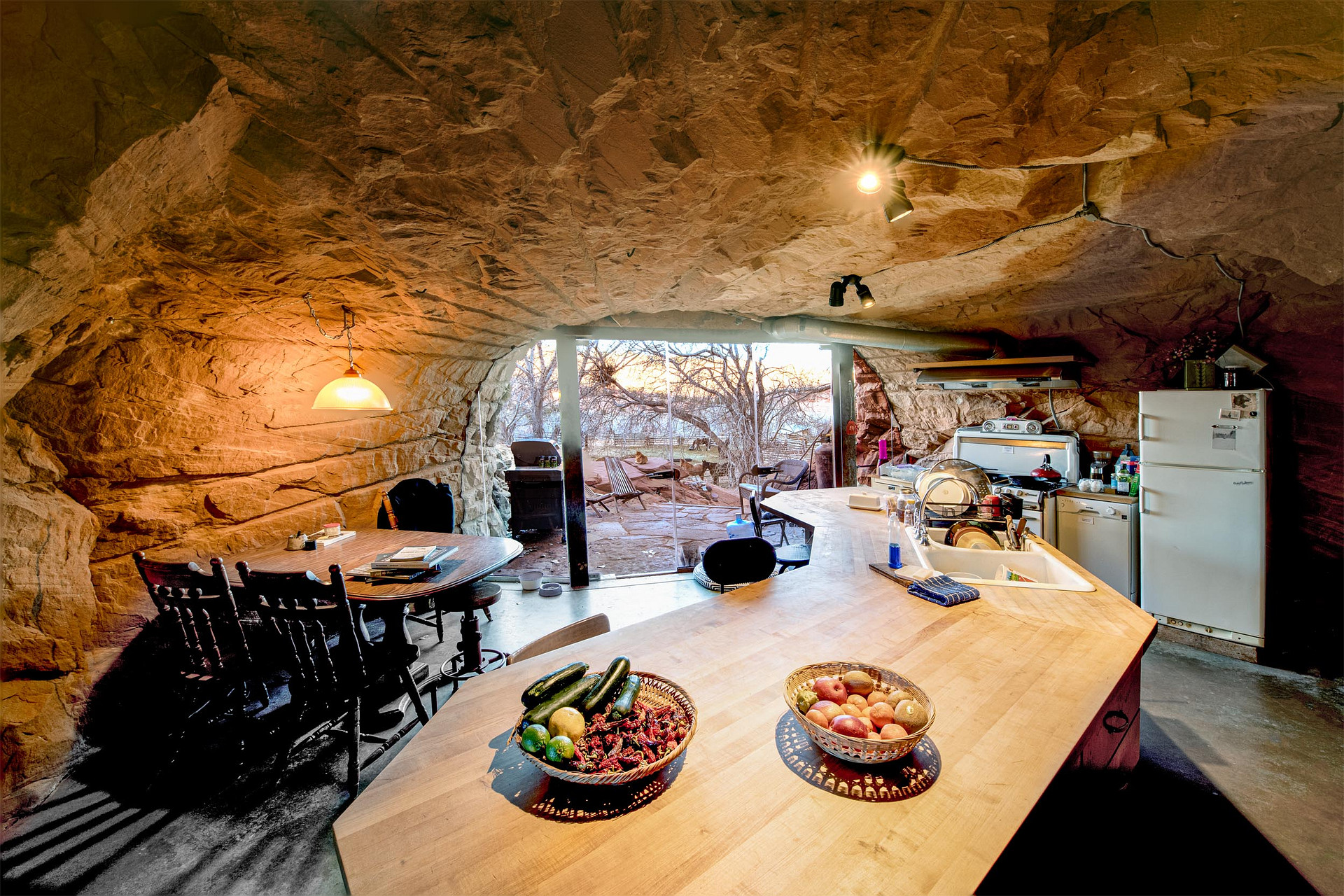
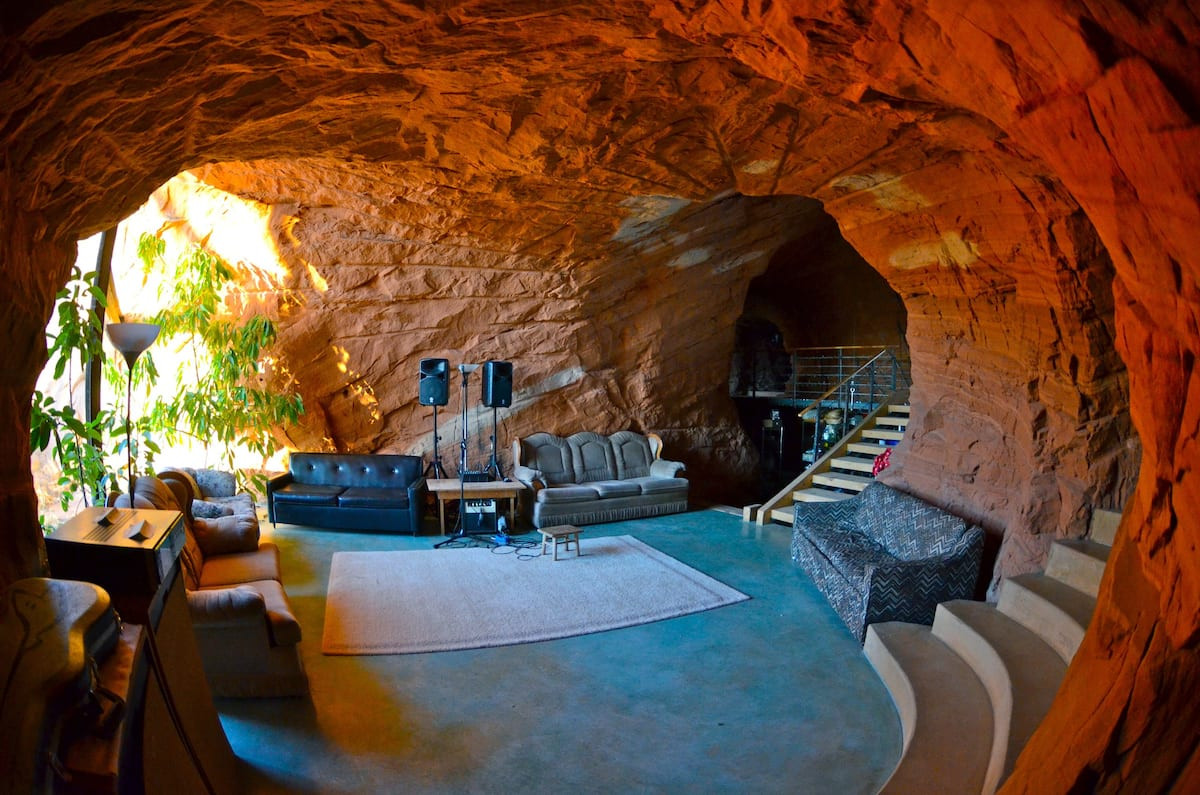
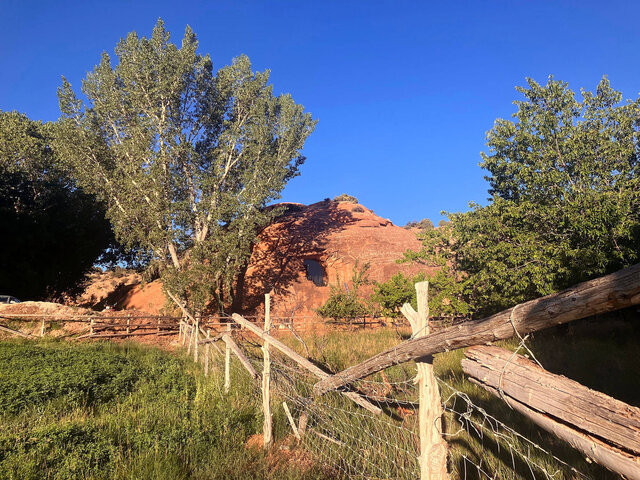
7. Cave Stay and swimming hole


8. Muddy Creek Mining Company


9. Fremont River RV Park


10. Escalante Escapes Tiny Homes


11. Escalante Grand Resort

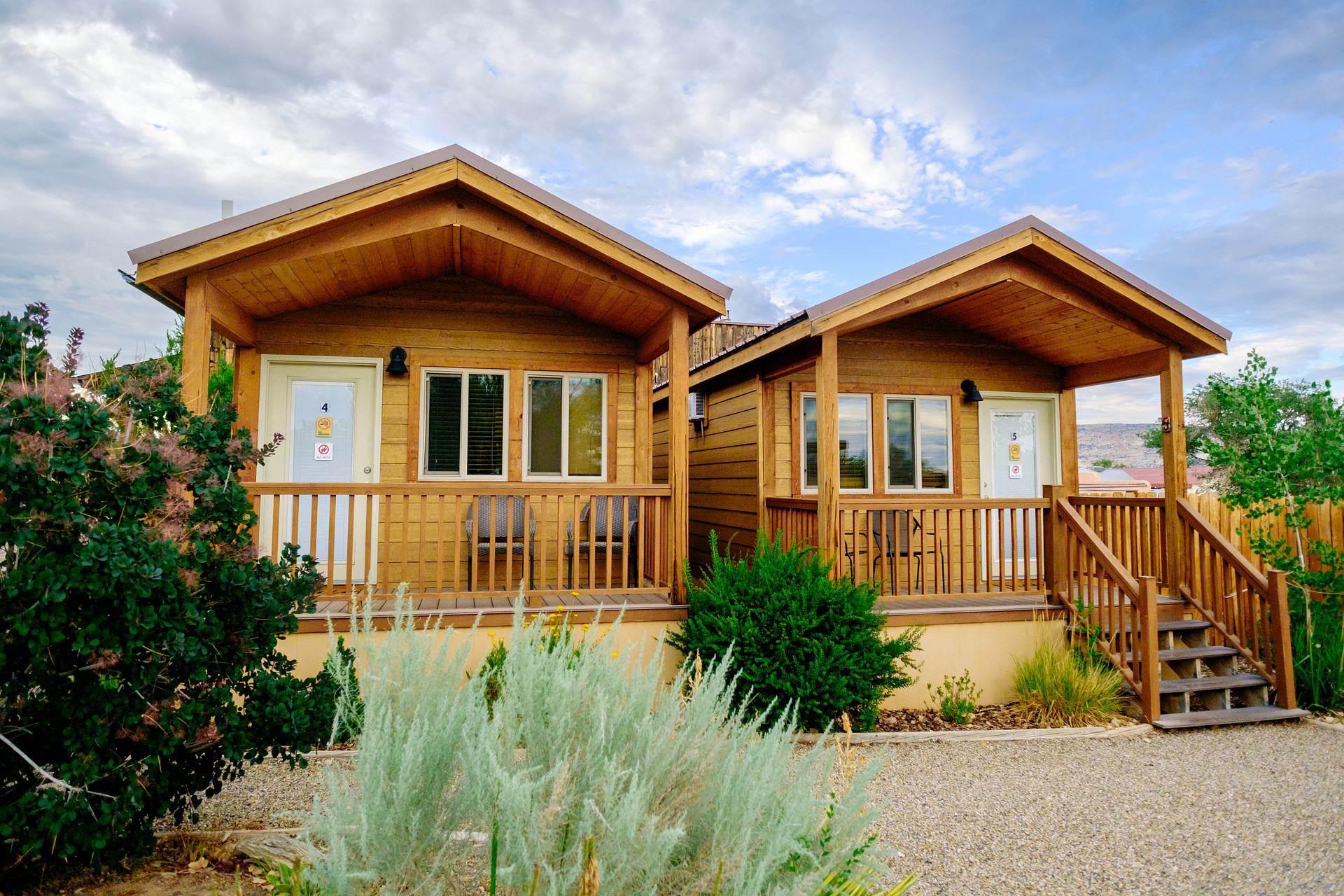
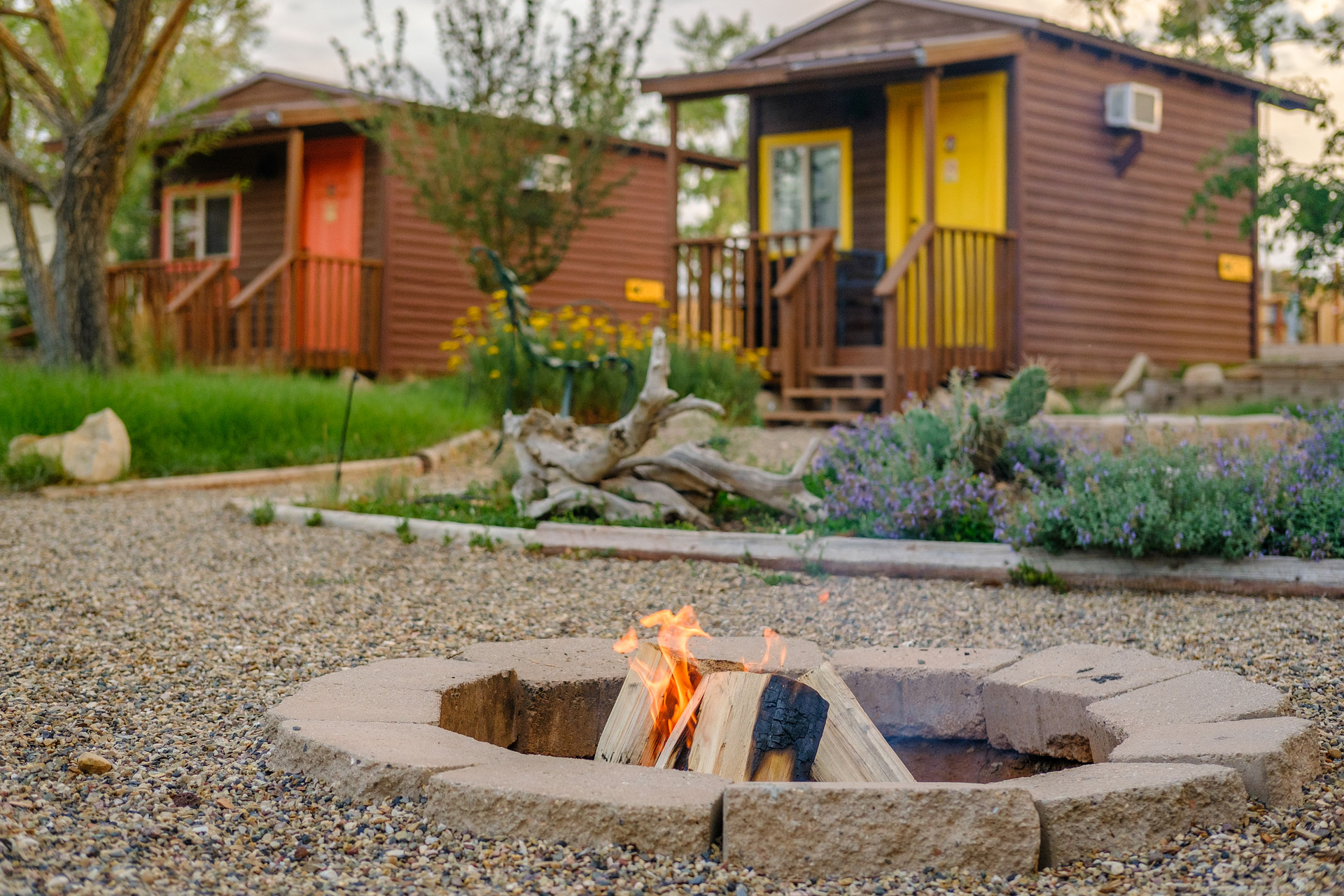
12. Canyons of Escalante RV Park


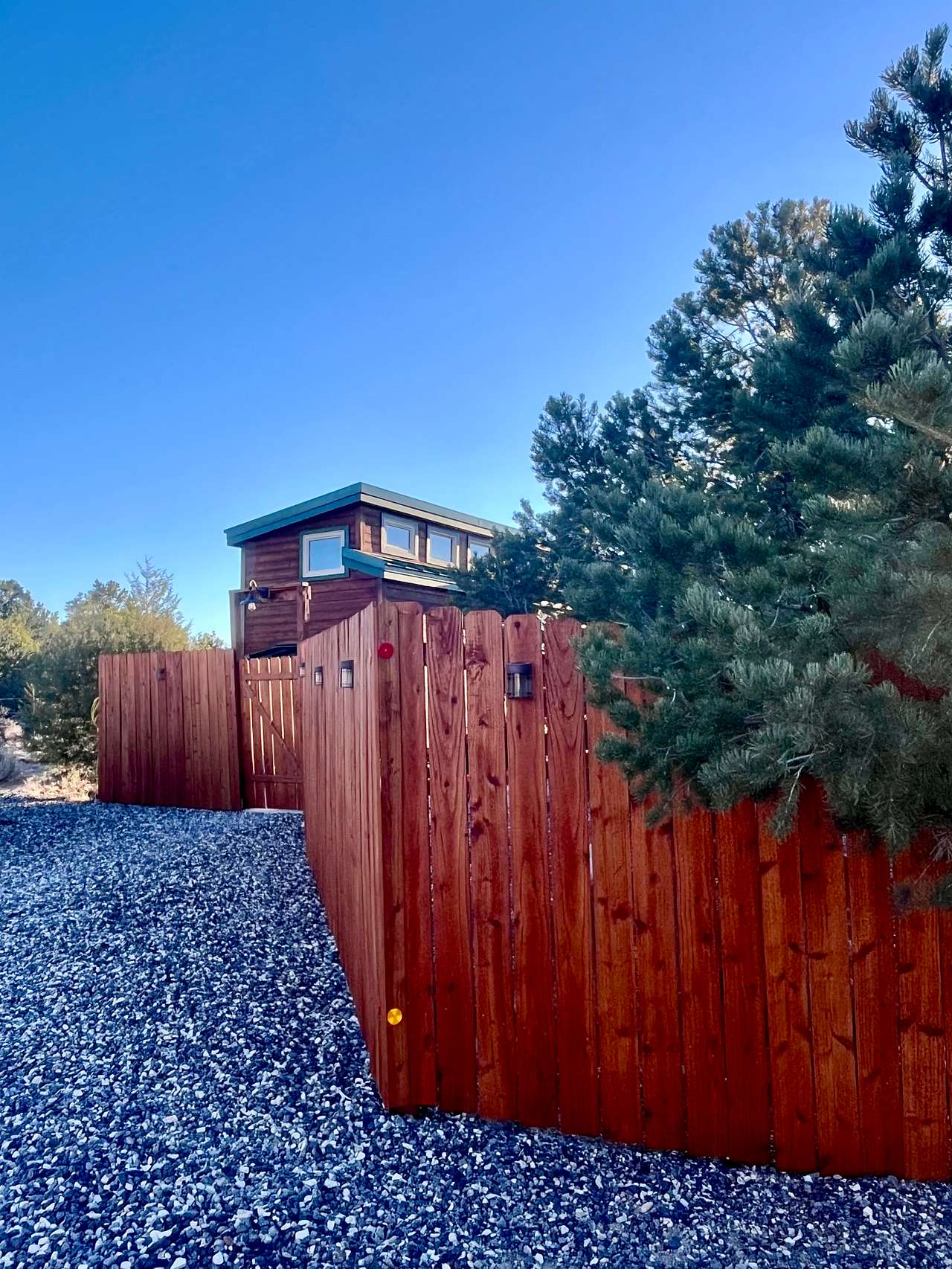
13. Grover Getaway


14. Cowboy Homestead Cabins at Capitol Reef


15. Casitas at Capitol Reef



16. Luxe Den Capitol Reef


17. Fremont River Retreat


18. ON THE RED ROCKS IN ESCALANTE

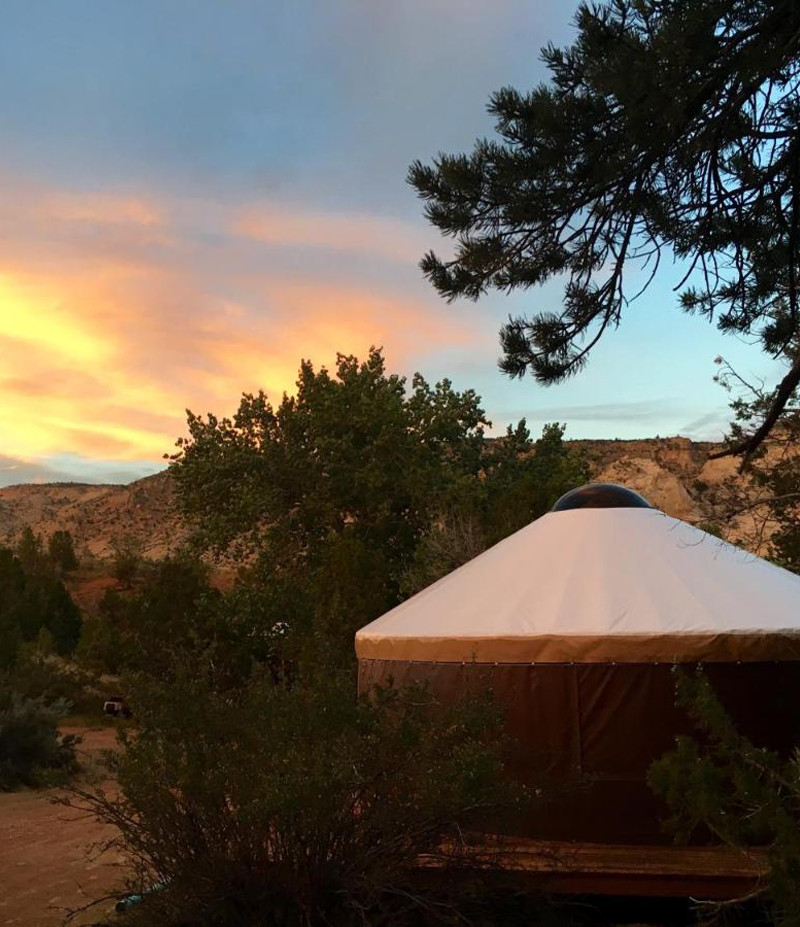
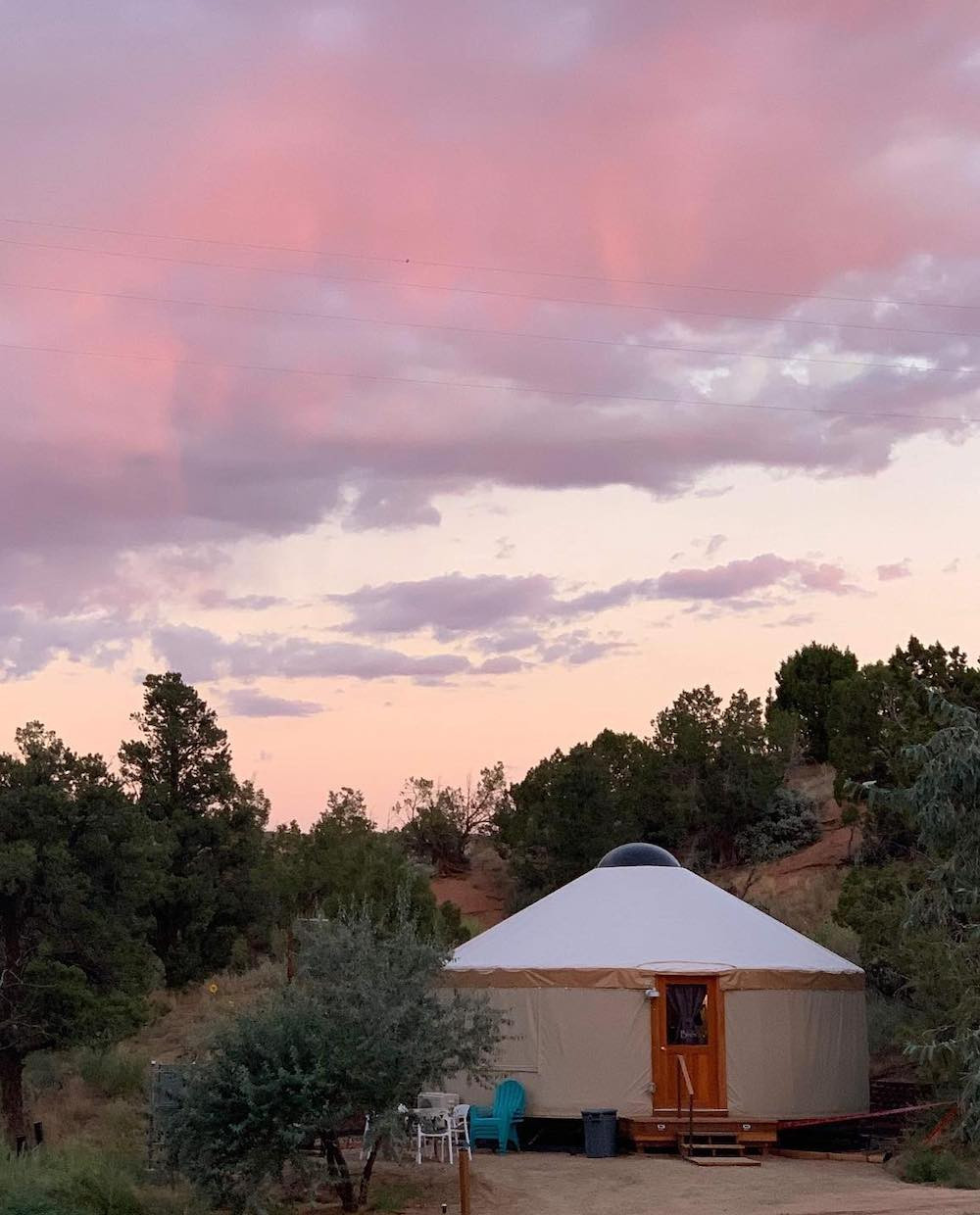
19. Escalante Yurts


20. K B Ranch
Recent reviews from the Hipcamp community


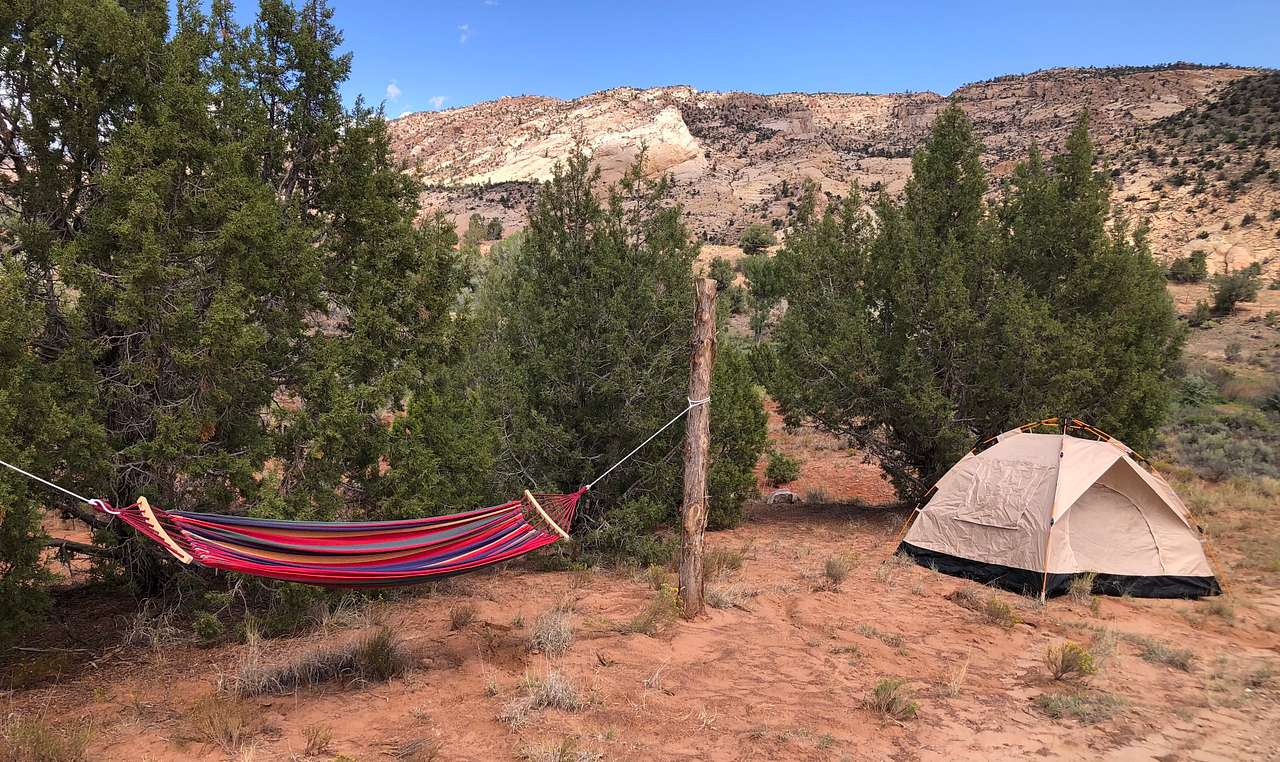






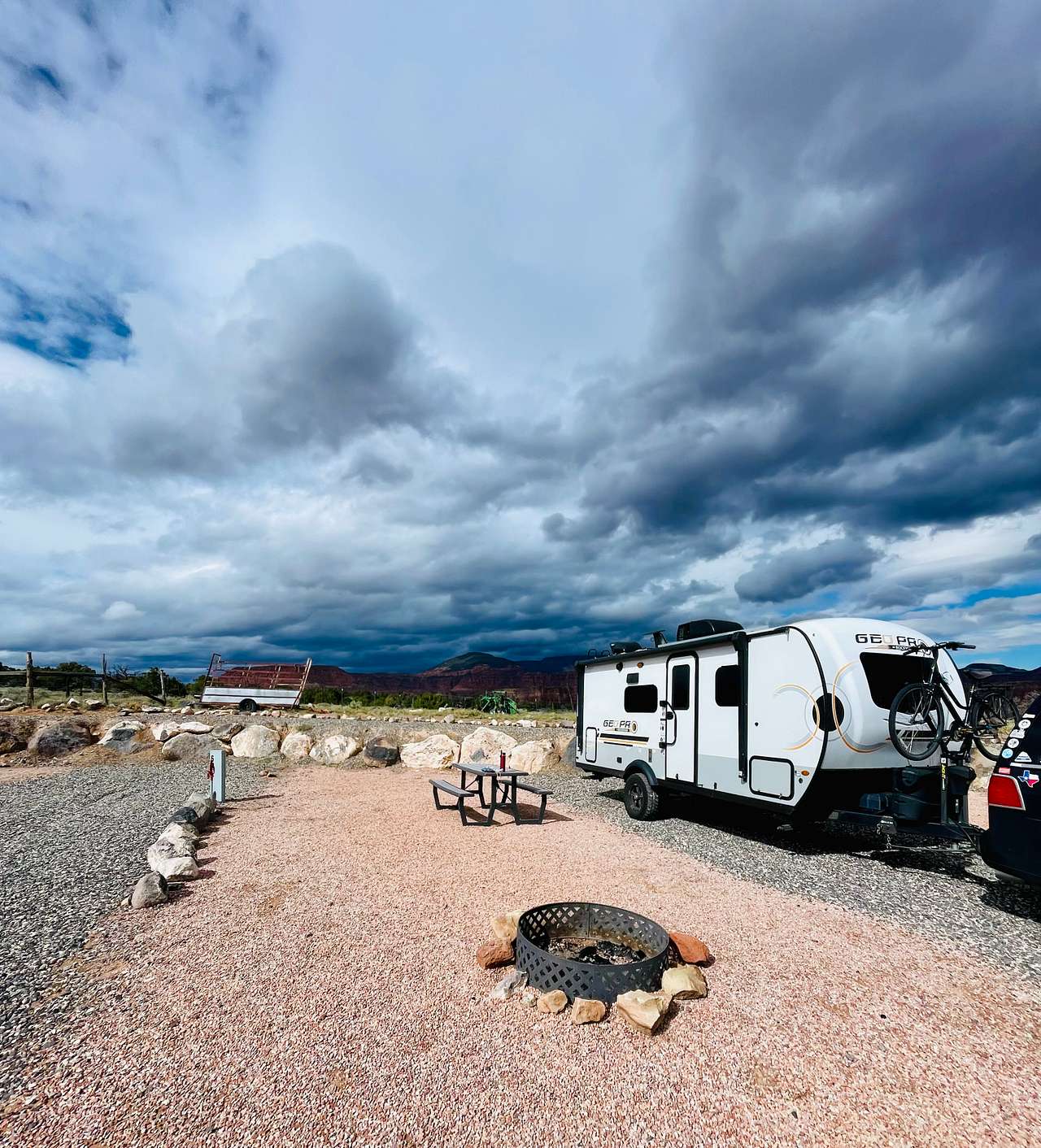
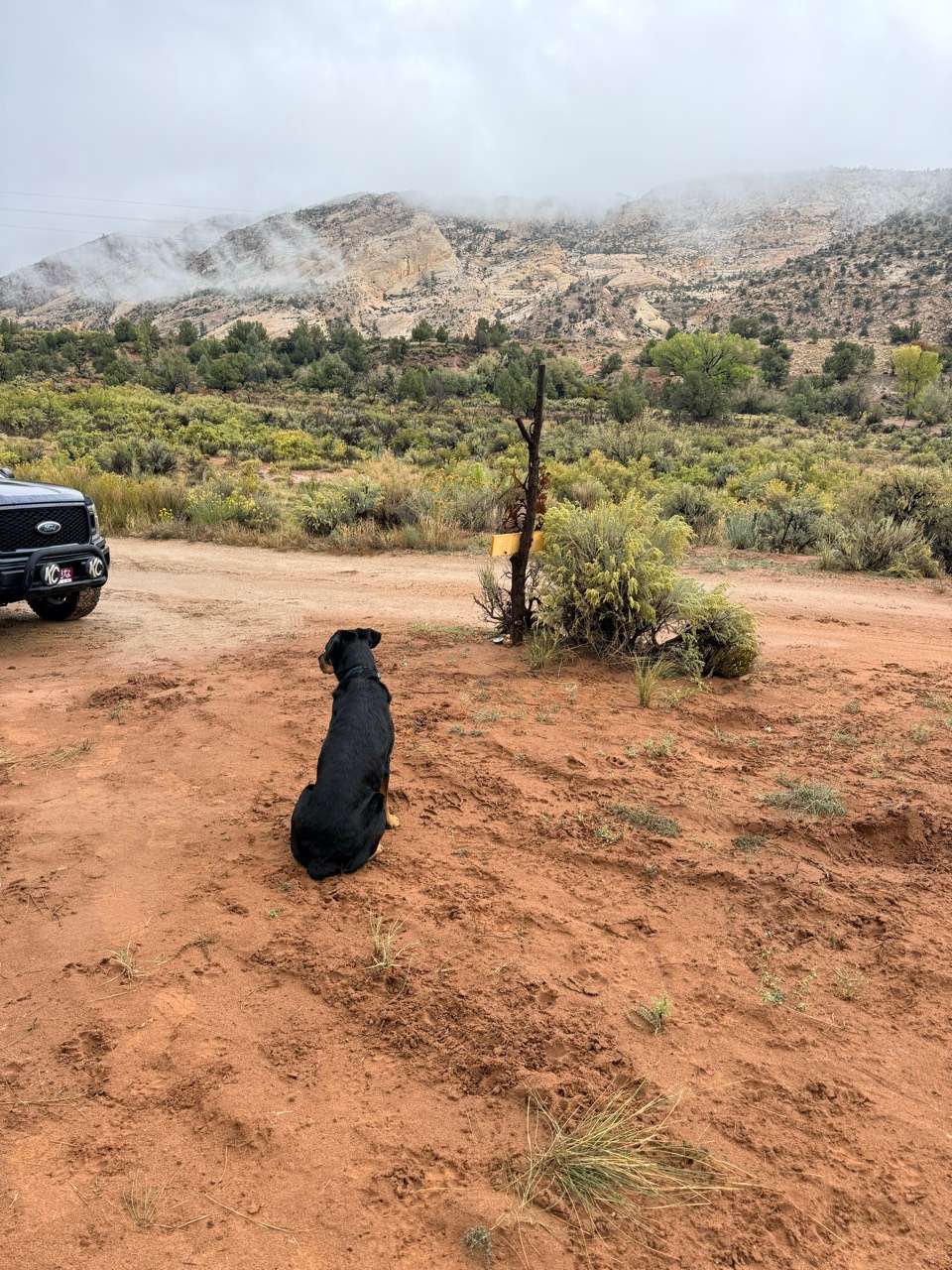


Capitol Reef National Park camping guide
Overview
About
As one of Utah’s “Mighty Five” national parks, Capitol Reef is a stop on many road trips through the red rock landscapes of Southern Utah. What makes it unique is the massive Waterpocket Fold, a 100-mile warp in the Earth’s crust. Take a scenic drive to take in views of this impressive formation and the Fremont River—or get up close while hiking, biking, canyoneering, or rock climbing. The NPS offers one developed campground, two primitive campgrounds, and backcountry camping. Or, venture outside of the park to find BLM land, national forests, and private RV parks in the region.
Notable campgrounds
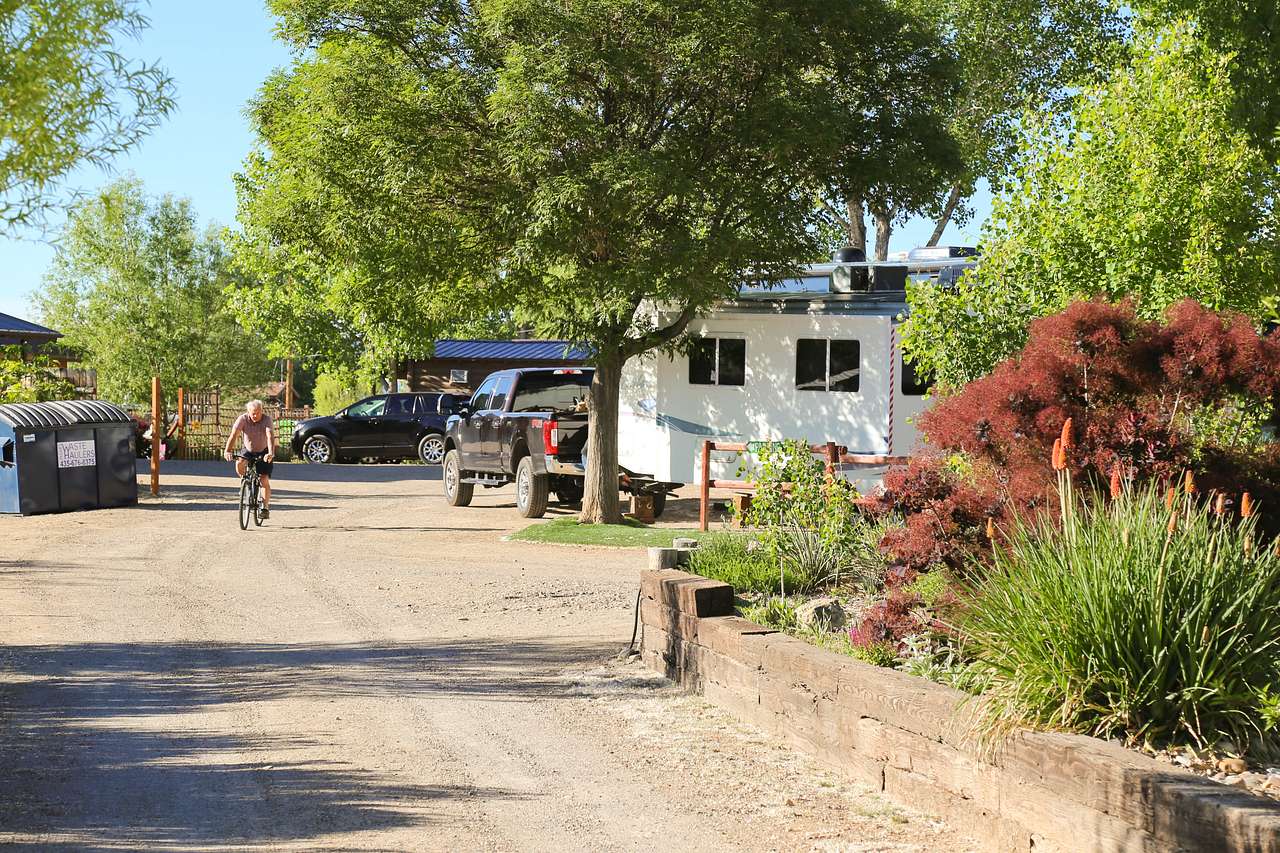
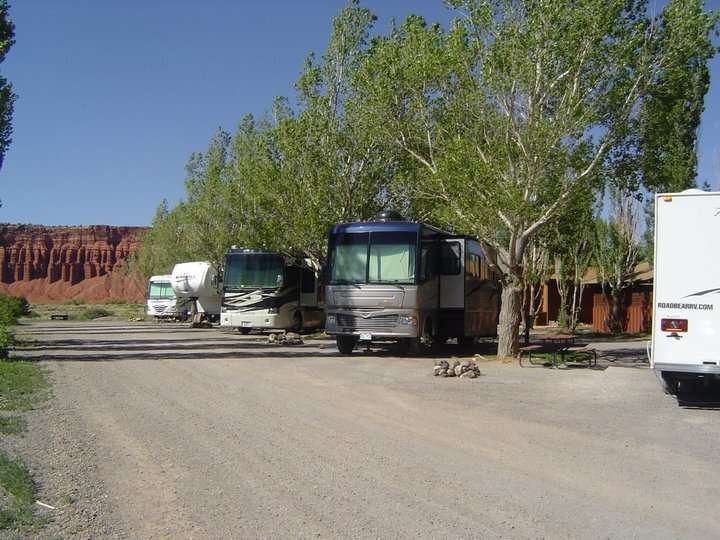
- Best for RVers: Though Fruita Campground does not have hookups, it does have a dump station and potable water onsite.
- Best for free camping: Cedar Mesa Campground and Cathedral Valley Campground are both fee-free. They are remote and offer pit toilets but no potable water. They have picnic tables and fire rings.
- Best for solitude: Grab a backcountry camping permit for free and hit the trail to find your own slice of solitude.
Tips for snagging a campsite
- From March 1 through October 31, reservations are required to camp at Fruita Campground, which usually fills to capacity.
- Reservations for Fruita Campground open 6 months in advance.
- Fruita Campground is open year round, with first-come-first-served campsites in the off season.
- Reservations for Fruita Campground are made available through the Recreation.gov website.
- No reservations are offered for the primitive campgrounds.
- Dispersed camping is allowed in Grand Staircase-Escalante National Monument, Goblin Valley State Park, and Fishlake National Forest and nearby public lands managed by the Bureau of Land Management.
When to go
Southern Utah has hot, dry summers. It is essential to carry sun protection and plenty of drinking water. High temperatures regularly top the 90s through June, July, and August, but they drop off quickly in the evening. Spring and fall are more moderate, with chilly nights. Winter highs are usually cold but may be enjoyable for hiking, though campers should prepare for freezing temperatures overnight. Much of the year, stargazing is a highlight due to the low light pollution.
Know before you go
- Restrooms with flush toilets are available at Fruita Campground and the visitor centers.
- Showers are not offered at any of the NPS campgrounds in the park.
- High-clearance vehicles may be required to reach the primitive campgrounds; call ahead to check road conditions.
- For full hookups, check private RV parks in nearby Torrey and Caineville.
- Bryce Canyon, Canyonlands, and Arches National Parks are each approximately two hours from Capitol Reef National Park.


Reviews for Capitol Reef National Park Campgrounds
Frequently Asked Questions
At Capitol Reef National Park, the Fruita Campground is the primary developed campground within the park. The cost for camping at Fruita Campground is $20 per night for individual sites and $80 per night for group sites. There are no hookups for RVs, but there is a dump station available. Keep in mind that fees are subject to change, and it's always a good idea to check the National Park Service website for the most up-to-date information on camping fees and availability.
Both Canyonlands and Capitol Reef National Parks are unique and offer different experiences, so it depends on what you're looking for in your visit. Here's a brief comparison of the two parks: Canyonlands National Park: - Known for its dramatic canyons, mesas, and buttes carved by the Colorado and Green Rivers - Offers a more remote, rugged experience - Divided into four districts: Island in the Sky, The Needles, The Maze, and the rivers themselves - Popular activities include hiking, backpacking, mountain biking, and river rafting - More information: Hipcamp Canyonlands Capitol Reef National Park: - Known for its unique geologic feature called the Waterpocket Fold, a 100-mile long wrinkle in the Earth's crust - Offers a mix of scenic drives, hiking trails, and historic sites - Less crowded compared to other Utah national parks - Popular activities include hiking, rock climbing, and exploring the park's orchards and historic sites - More information: Hipcamp Capitol Reef Utah is home to five national parks, including Canyonlands and Capitol Reef, as well as Arches, Bryce Canyon, and Zion National Parks. Ultimately, it's up to your personal preferences and interests. You may want to visit both parks if you have the time, as they each offer unique landscapes and experiences.
Securing a Capitol Reef National Park campsite reservation is usually a challenge due to the park's popularity. Camping trips typically need to be planned months in advance and even then, available campsites can book up within minutes. The good news is that you have other options for last-minute Capitol Reef campsite reservations. Try snagging one by setting up a free Hipcamp alert for any Capitol Reef National Park campground. We'll monitor campground availability, and you'll get instantly notified of any openings that come up for your dates so you can jump on it to reserve the newly open site. Set up an alert.
Most Capitol Reef National Park campsite reservations open up months in advance. However, it's notoriously difficult to secure a Capitol Reef reservation even if you plan ahead, as campsites are often booked up within minutes. To increase your chances of snagging a campsite, set up a free Hipcamp alert for any Capitol Reef campground. We'll monitor campground availability, and you'll get instantly notified of any openings that come up for your dates so you can jump on it to reserve the newly open site. Set up an alert.