Top-rated campgrounds near Shelter Cove


Top-rated campgrounds near Shelter Cove
Public campgrounds near Shelter Cove

Nearby public parks
Browse national and state parks near Shelter Cove

The best waterside camping near Shelter Cove guide
Where to go
King Range National Conservation Area
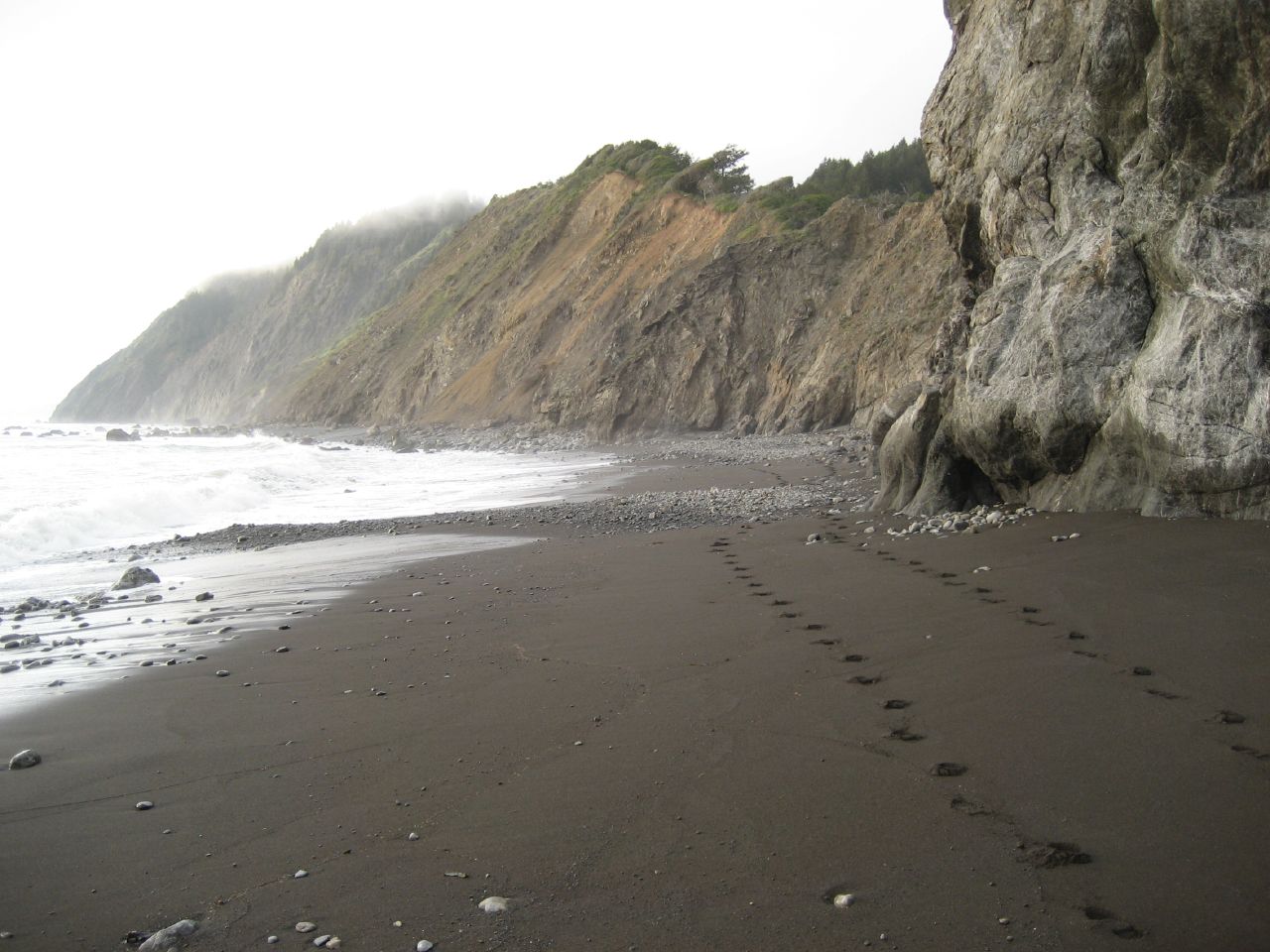
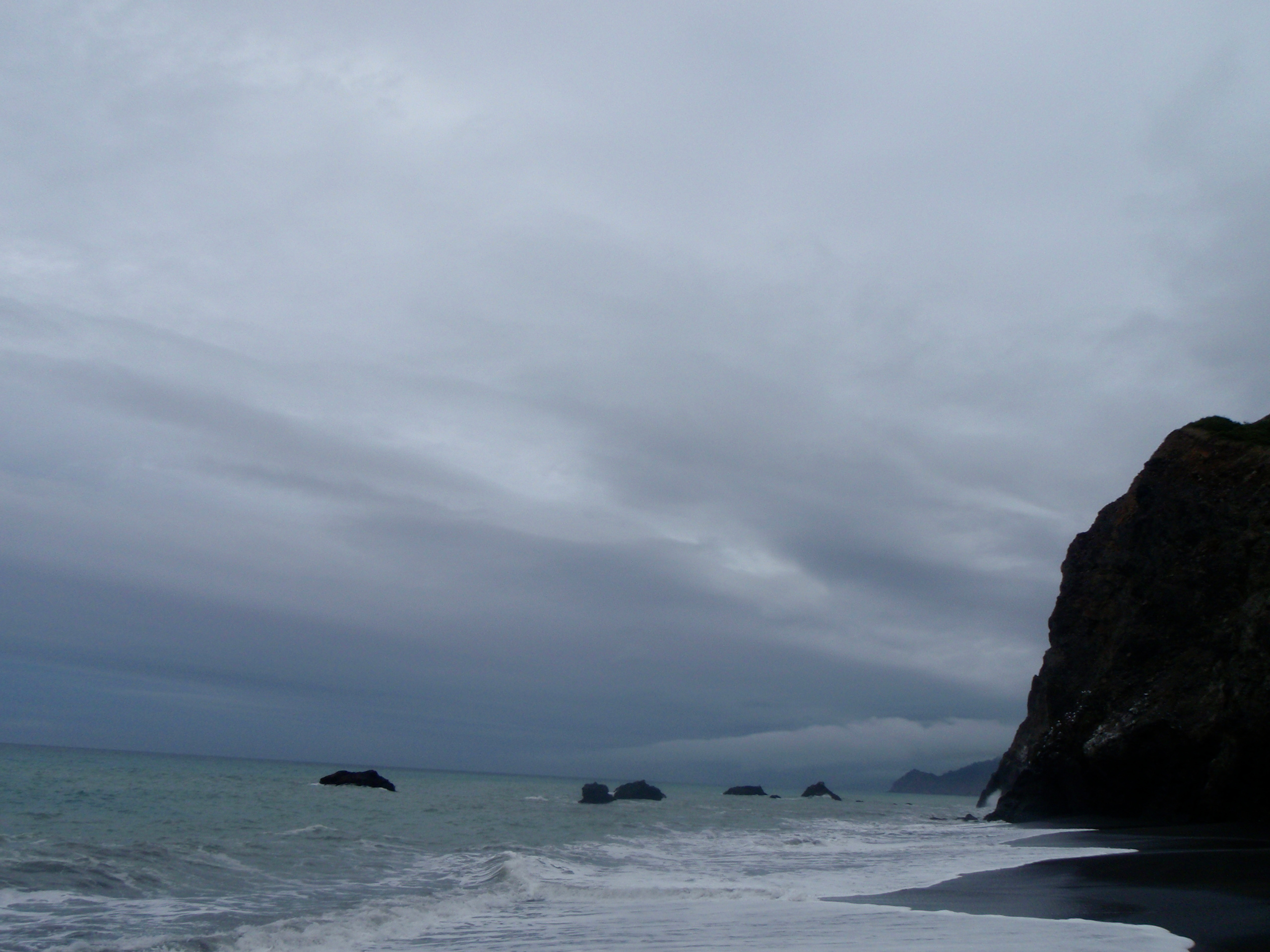
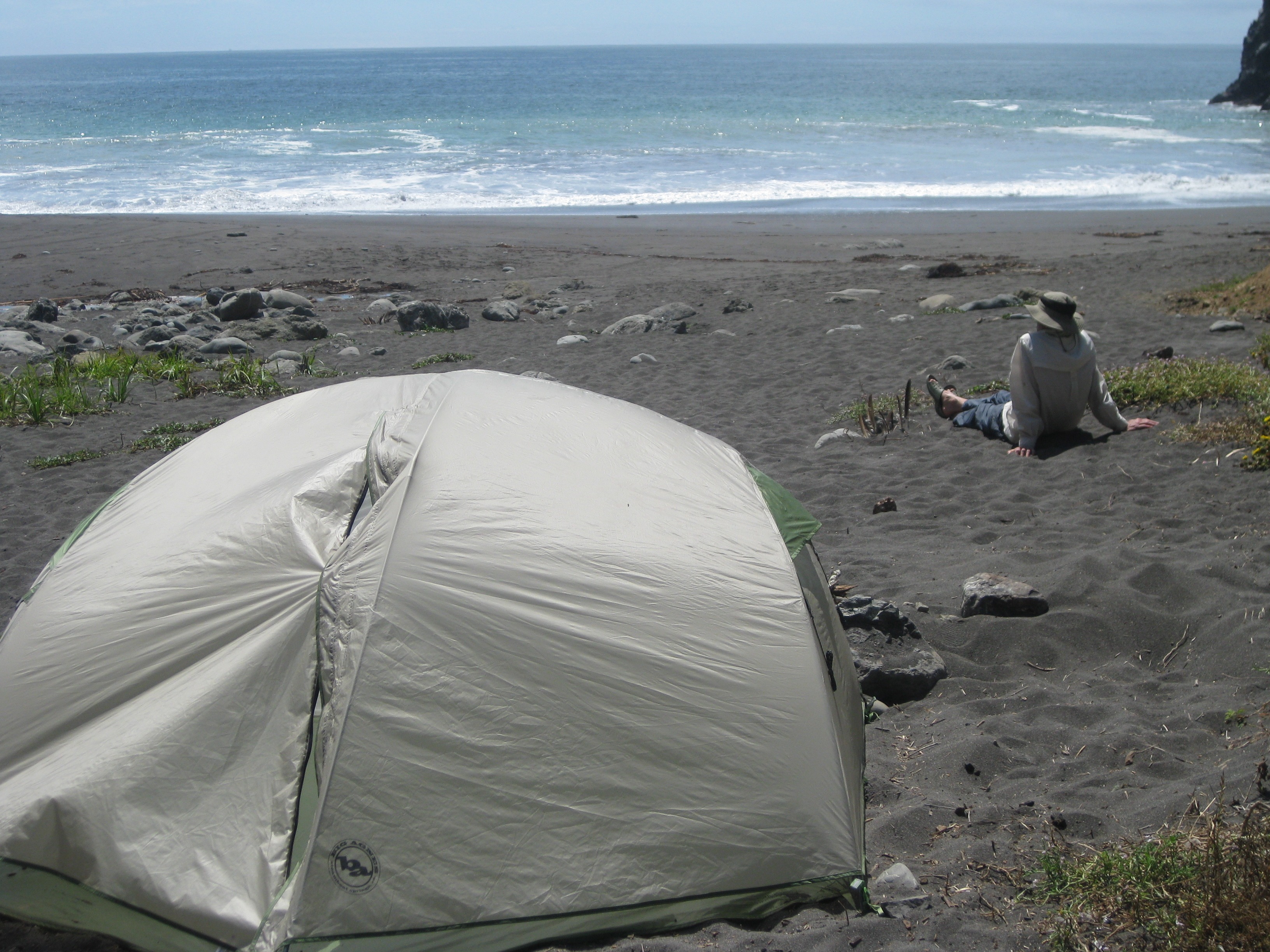
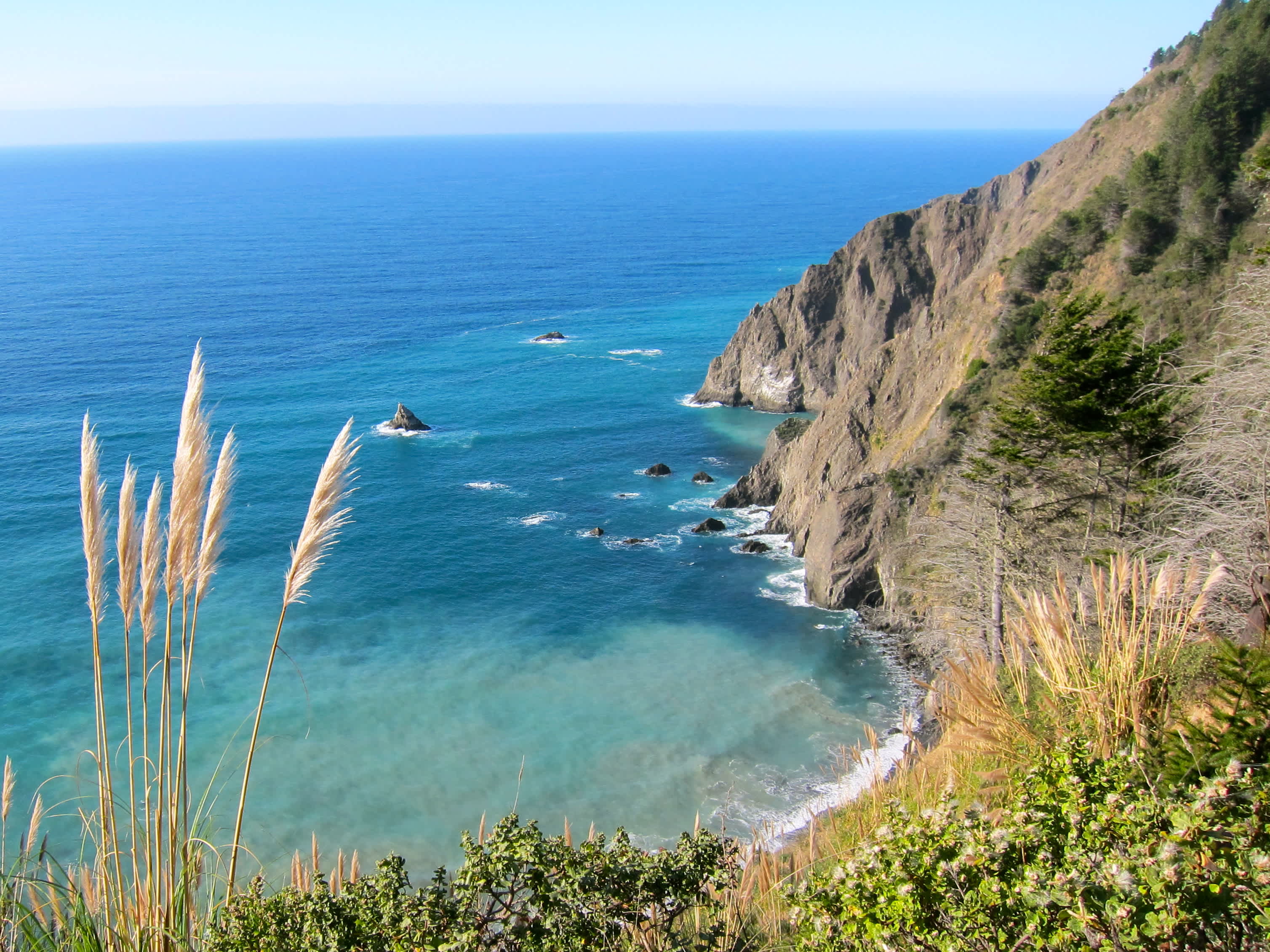
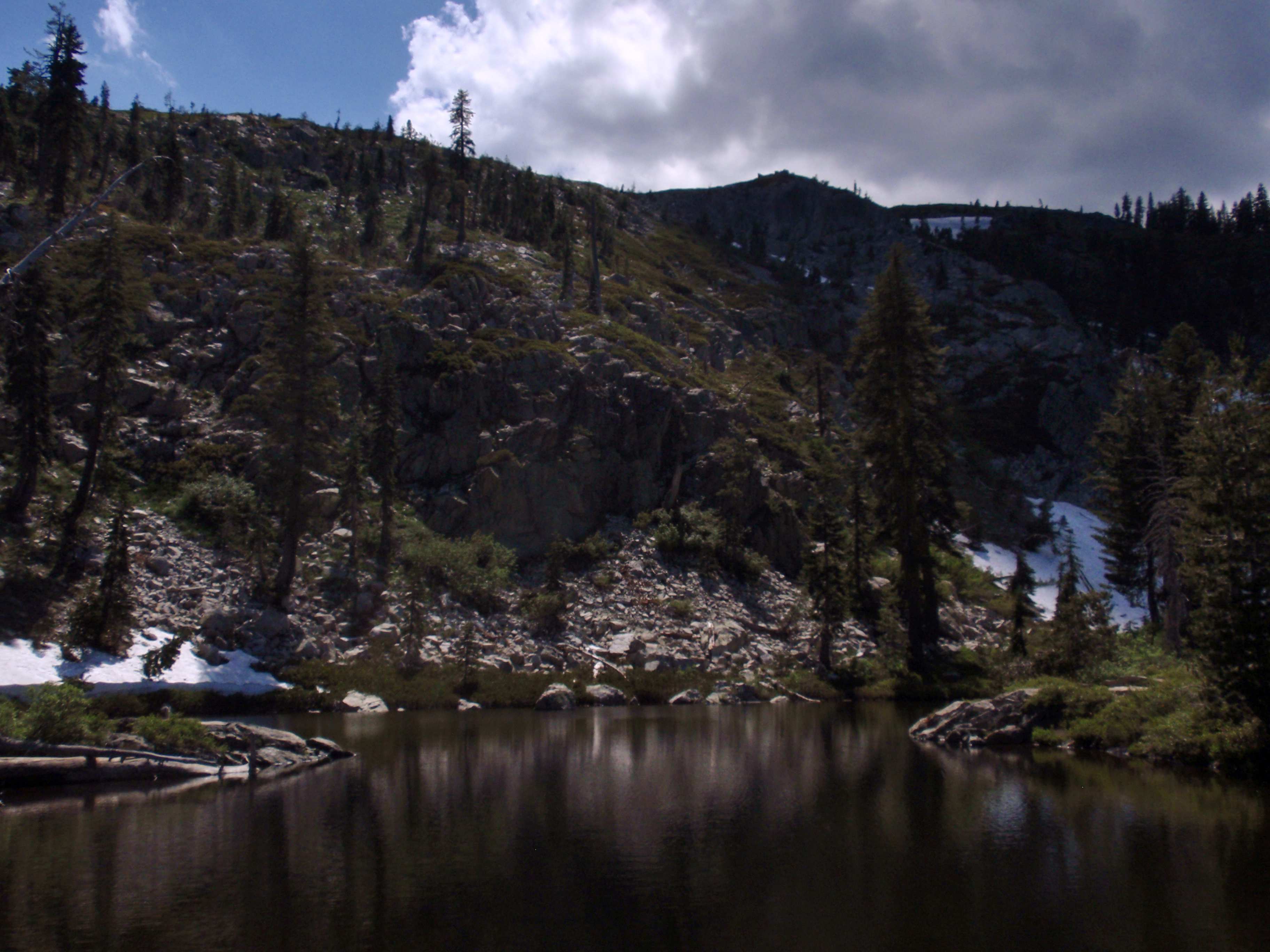
Shelter Cove is nestled in King Range National Conservation Area, which covers 68,000 acres. Check out Black Sands Beach, and head to Deadman’s Beach for surfing in spring and fall. Or hike to King Peak, then go biking on the Paradise Royale Mountain Bike Trail System. For campers hiking the Lost Coast Trail, there are many wilderness campsites in King Range that sit along it and the coast—snag a backcountry permit for any overnight wilderness camping. RVers can also find campgrounds with parking at trailheads that have fire rings and vault toilets.
Sinkyone Wilderness State Park
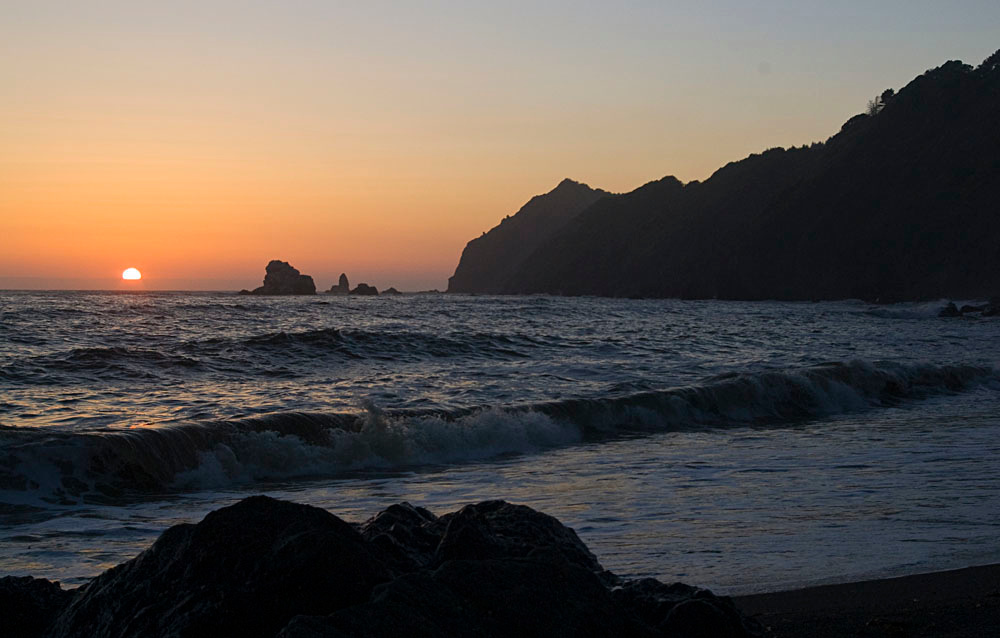
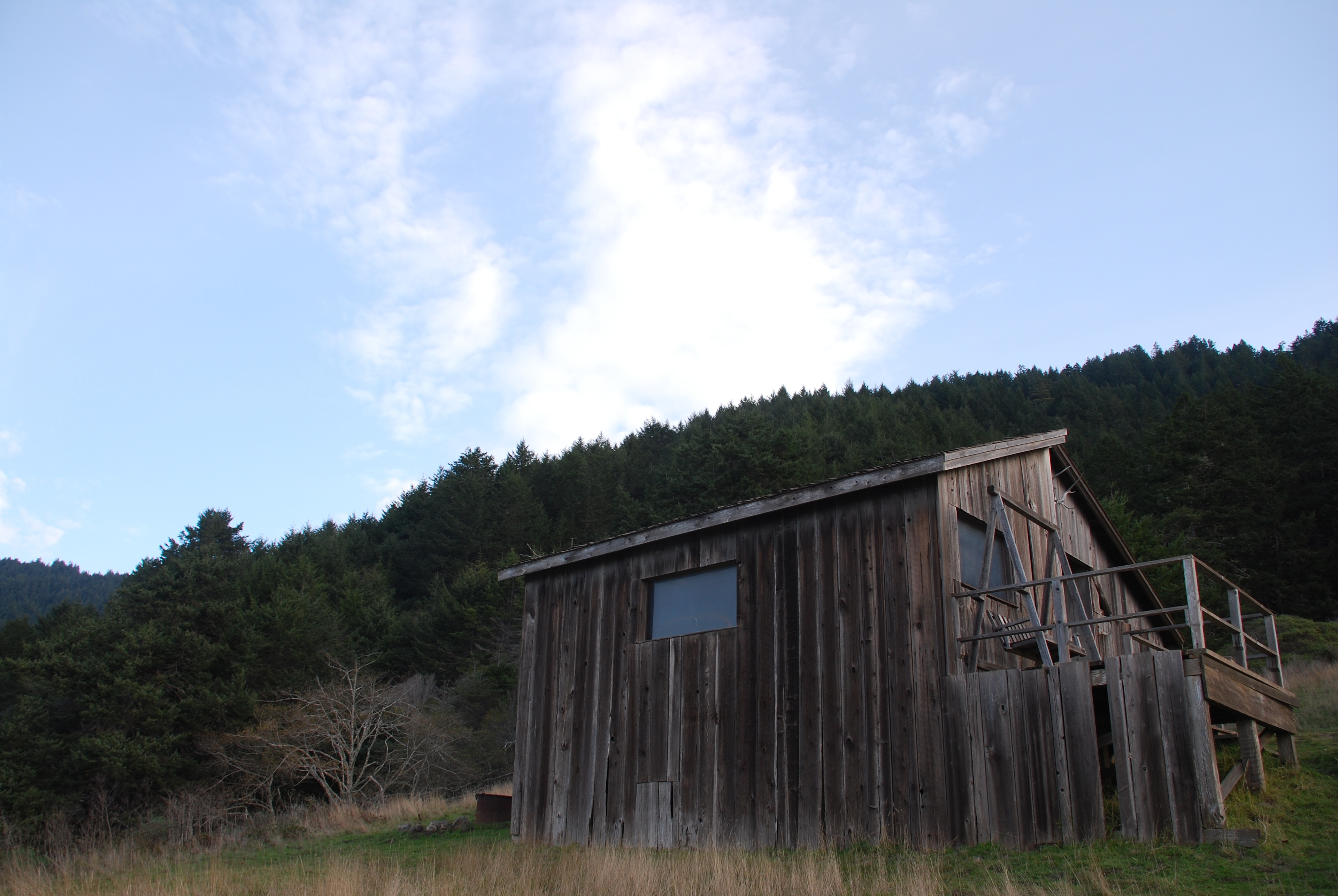
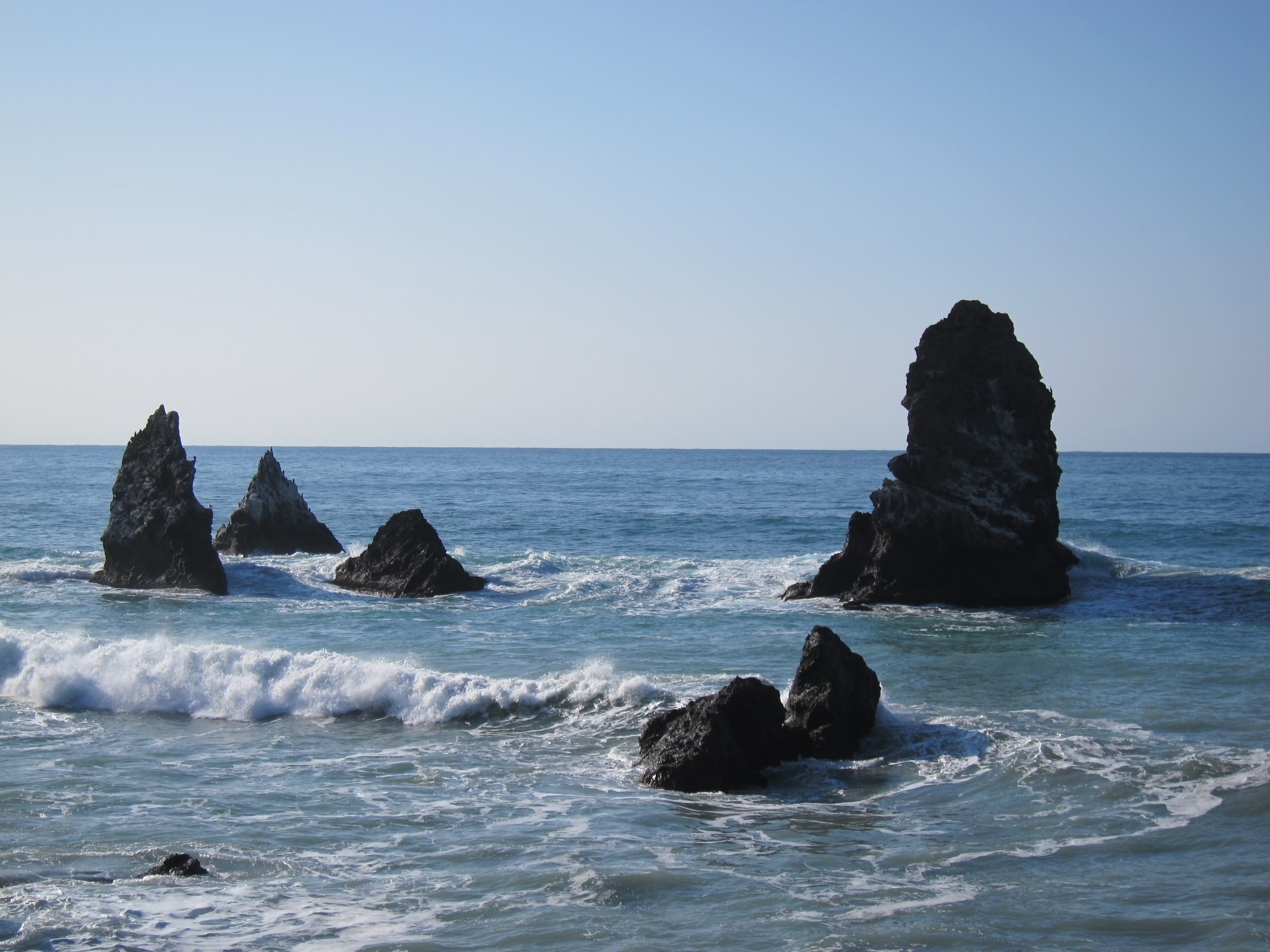
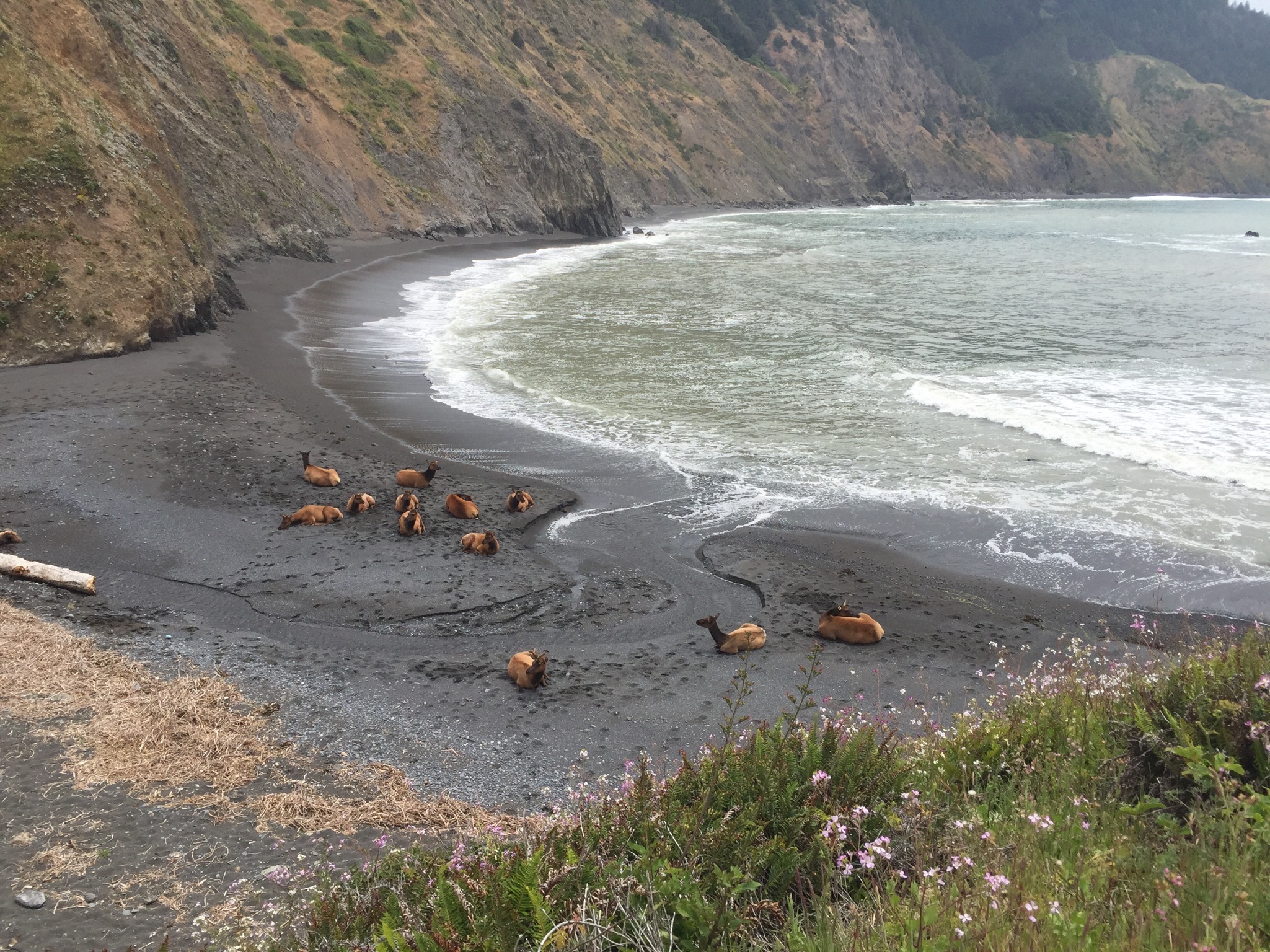
Canyons, gray whales, dark sand beaches, tidal pools, sea stacks, and rolling hills—campers will find authentic untamed wilderness in Sinkyone Wilderness State Park. The park stretches along the coast and is home to the lesser-known southern section of the Lost Coast Trail. Backpacking and equestrian camping are the only options in this state park—some campsites have fire rings but most have no amenities and the terrain is too rugged for vehicles. Just outside the park, RVers can set up at pull-through campsites with full hookups and dump stations, as well as restrooms and shower facilities. There are also cabin rentals equipped with kitchenettes, full bathrooms, cable TV, and wifi.
Humboldt Redwoods State Park
Boasting over 100 miles of trails for hikers, cyclists, and horseback riders that range from easy to expert-level, Humboldt Redwoods State Park is alluring to any kind of camper. It’s situated an hour northeast from Shelter Cove and contains the South Fork Eel River—an excellent spot for fishing, boating, and swimming, as well as the renowned Avenue of the Giants. The area offers over 250 campsites to choose from—most feature picnic tables and fire rings as well as access to flush toilets and pay showers. Some campgrounds have corrals for equestrian campers and a few welcome RVs, but there are no hookups or dump stations within the park (the stunning redwood trees certainly make up for it, though).
When to go
The temperate climate of Shelter Cove means campers can enjoy its natural treasures year-round. The shoulder seasons bring cooler temperatures, less-crowded campgrounds, and unique wildlife sightings—migrating gray whales make an appearance in winter and early spring, followed by colorful wildflowers that last into summer. Rain is common from November through March which causes a lot of road and campground closures (especially in Sinkyone Wilderness State Park), so check ahead to ensure access.