Top-rated campgrounds in North Dakota
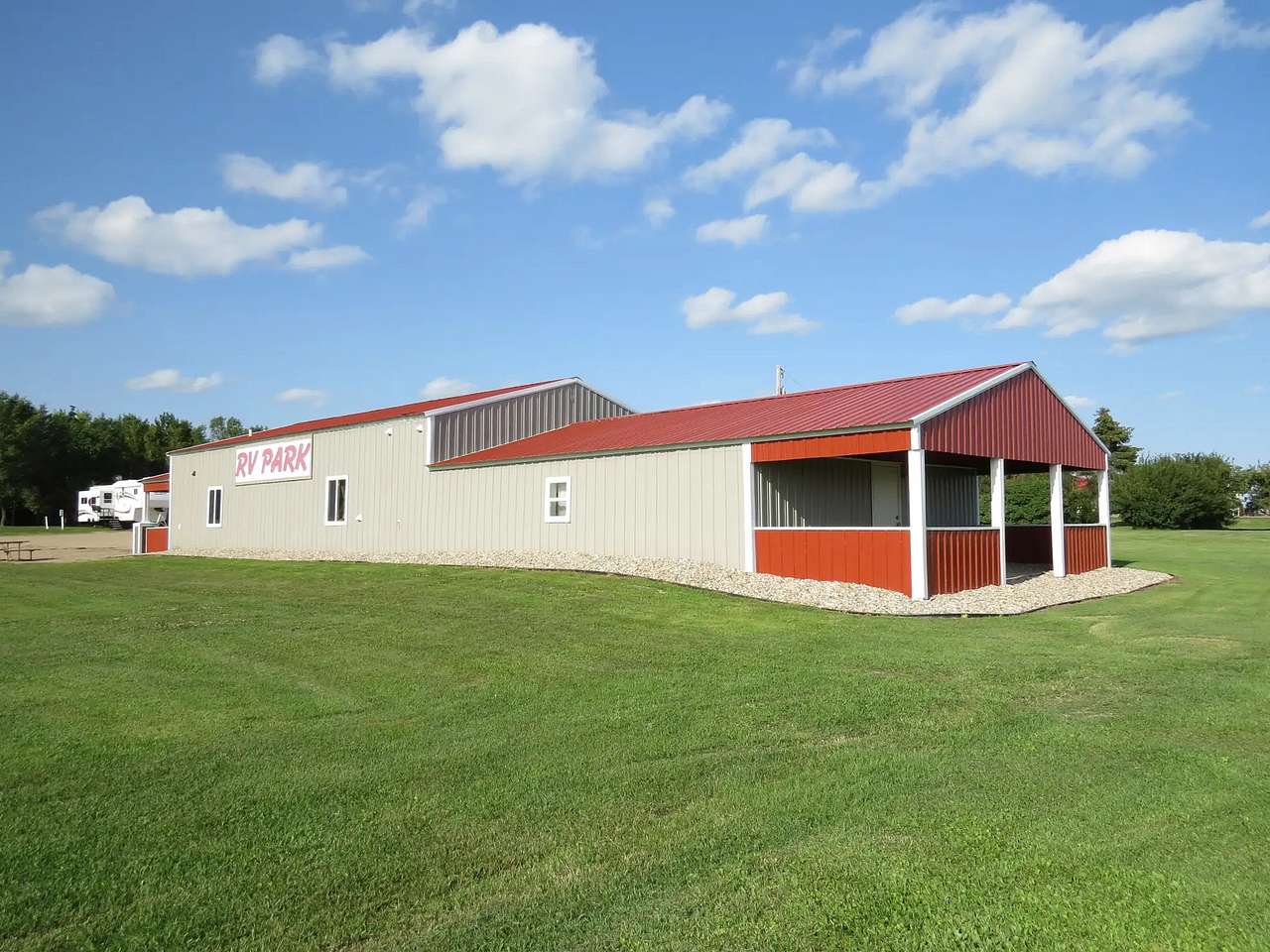


1. Jan's RV Park and Lodge


2. American RV Park-Where Less is More


3. Viking Vines RV Campground


4. Theodore Roosevelt National Park


5. Icelandic State Park


6. Prairie Retreat

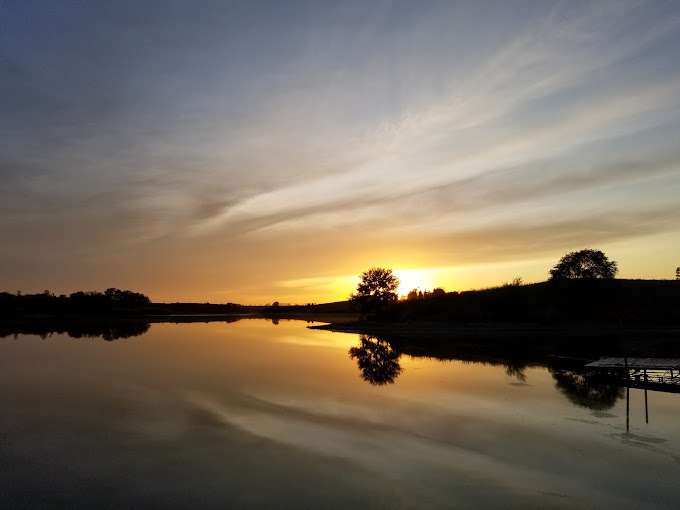
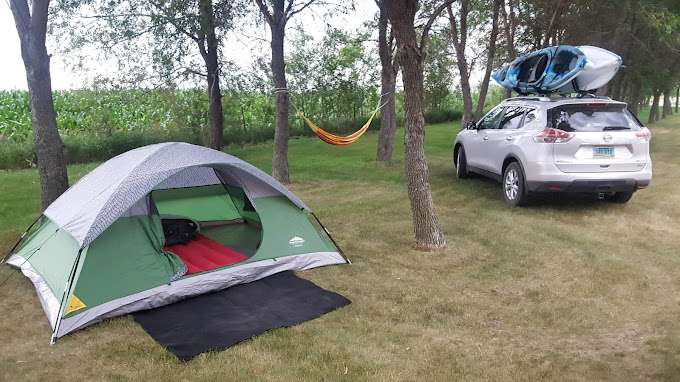
7. Dead Colt Creek Rec Area


8. Rugged Prarie Paradise


9. Ackerman Valley - RV/Camper Parking


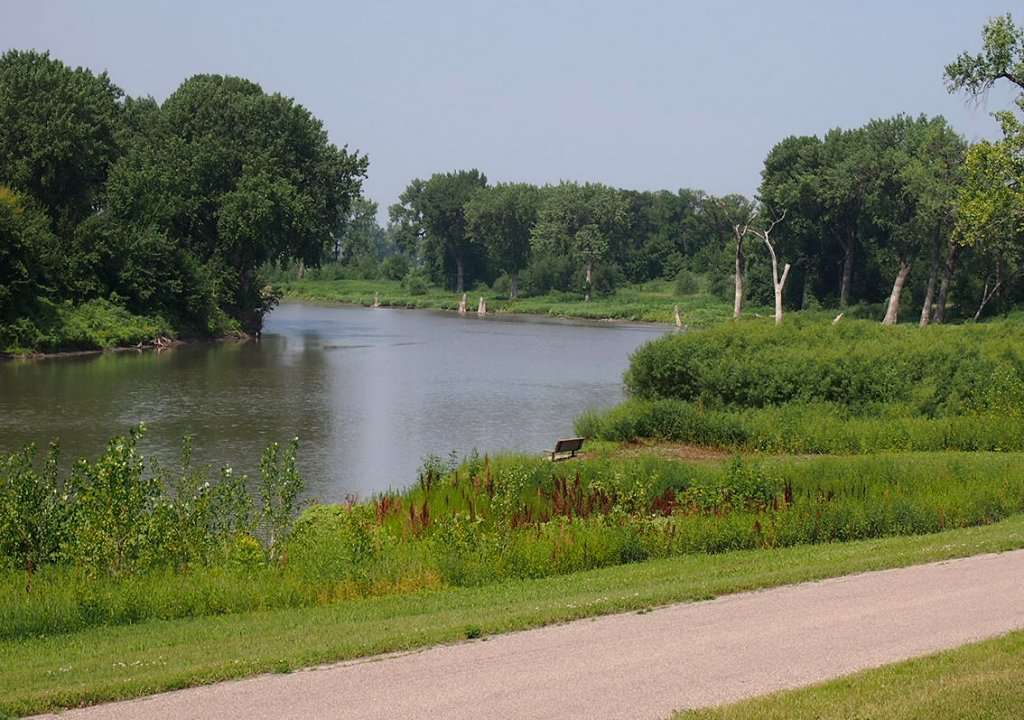
10. Red River State Recreation Area
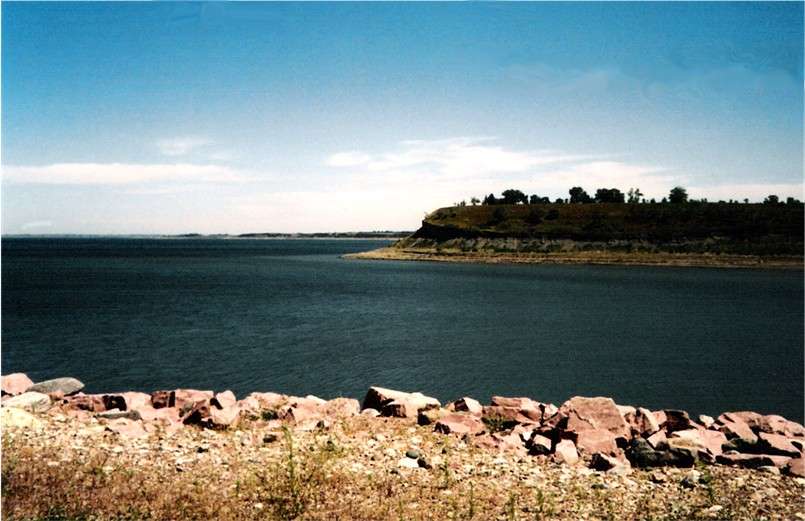


11. Garrison Dam & Lake Sakakawea


12. Fort Abraham Lincoln State Park

13. Little Missouri State Park
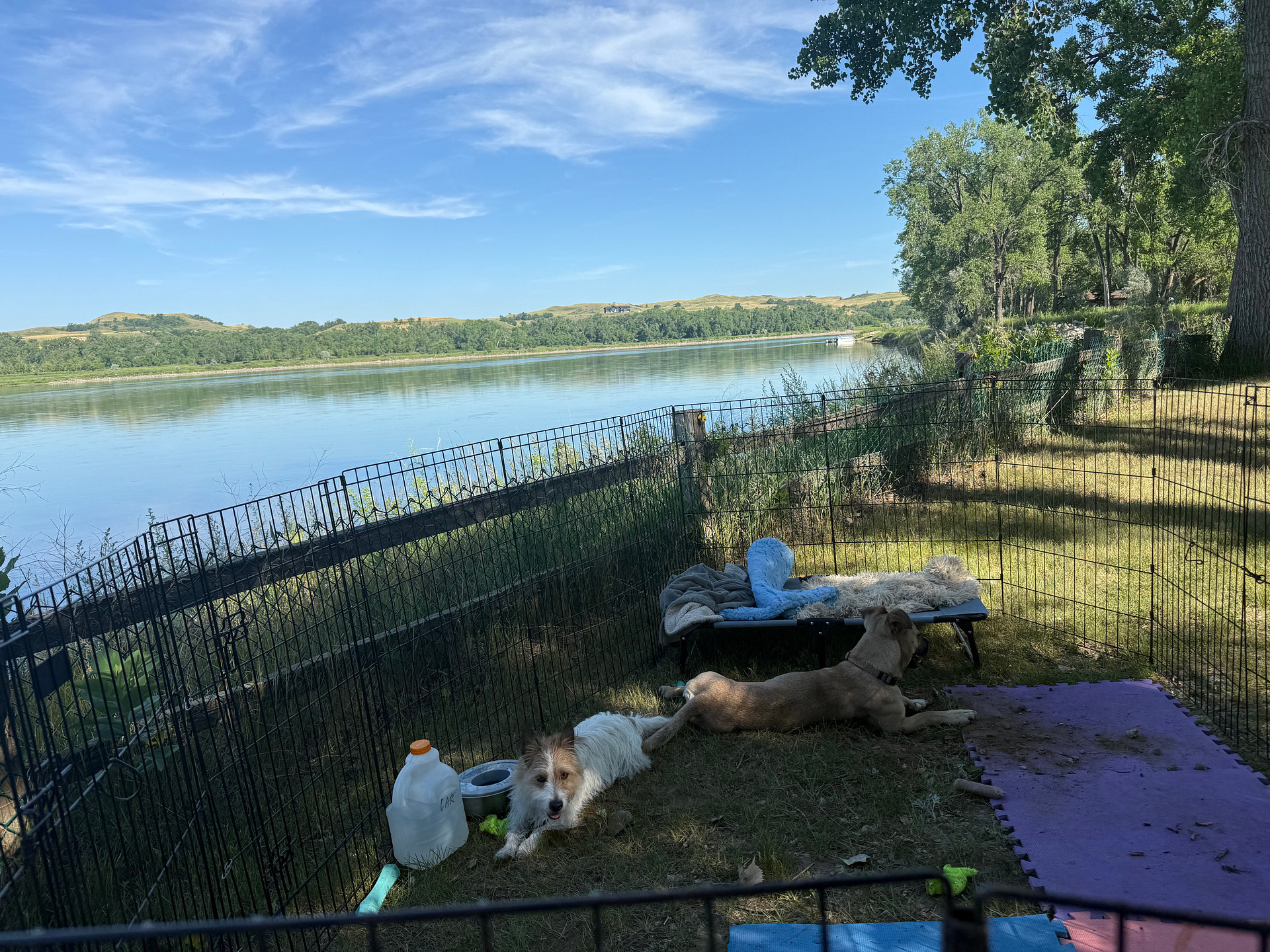
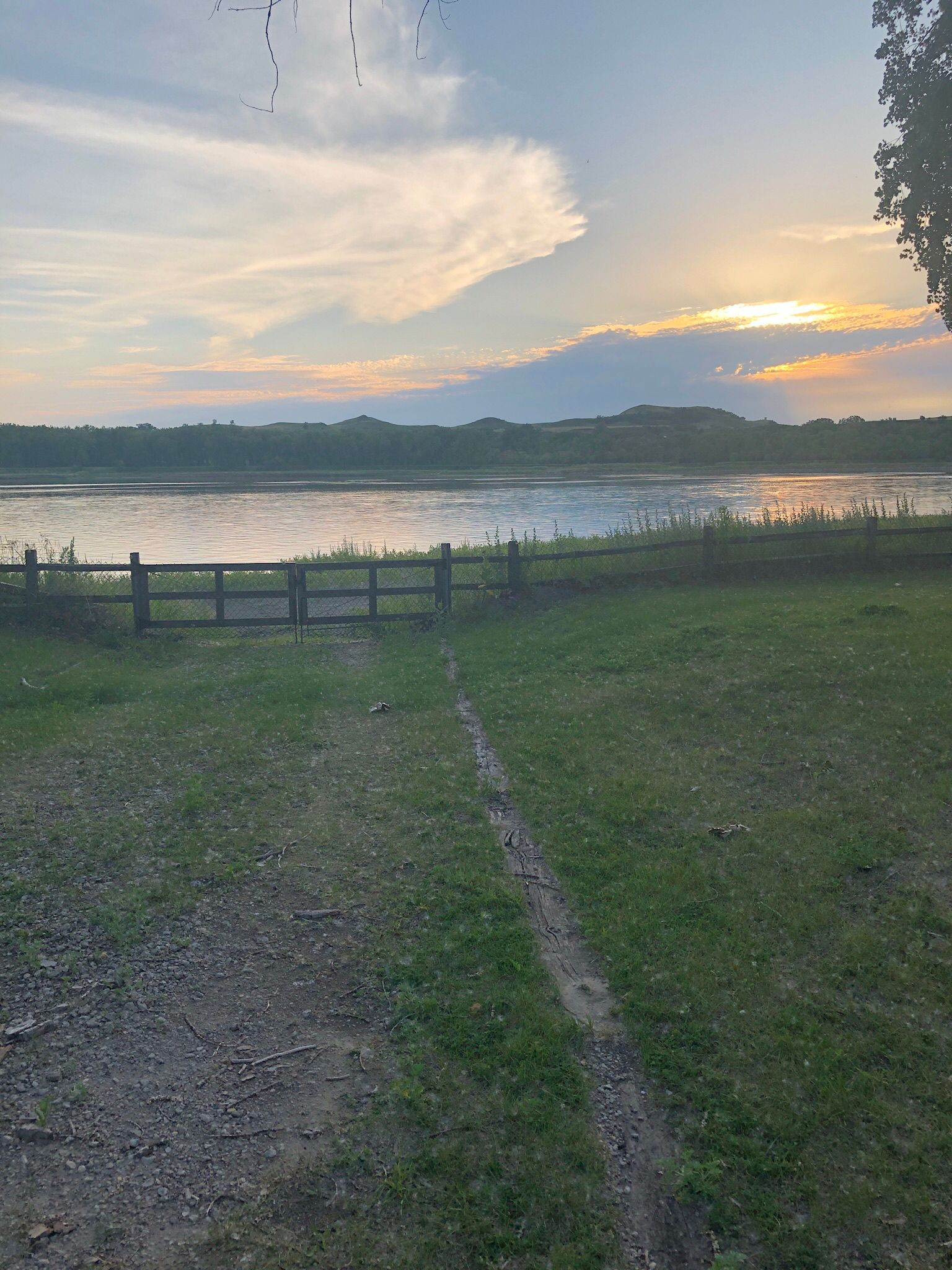
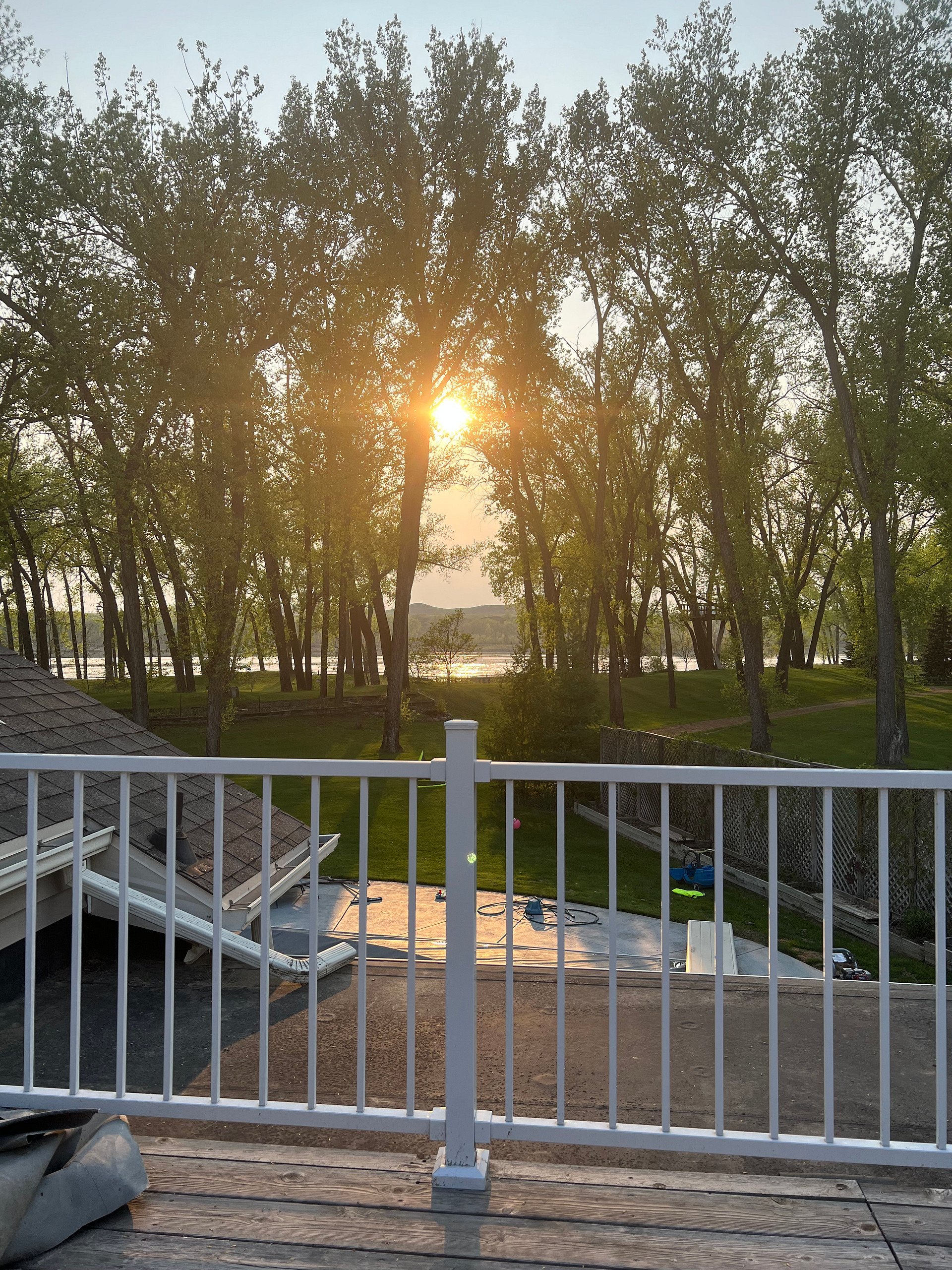
14. Bea’s House


15. Private Farmyard
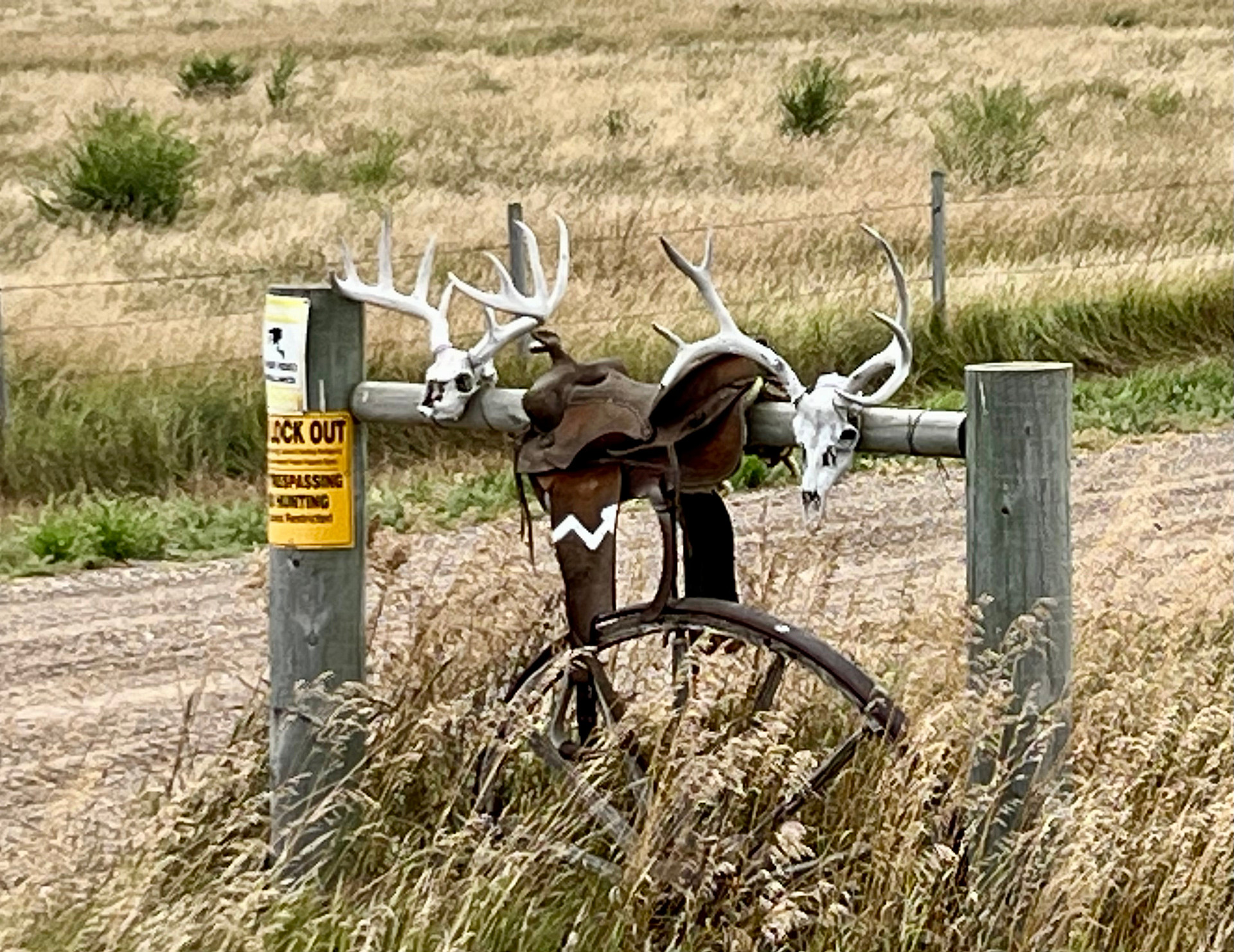
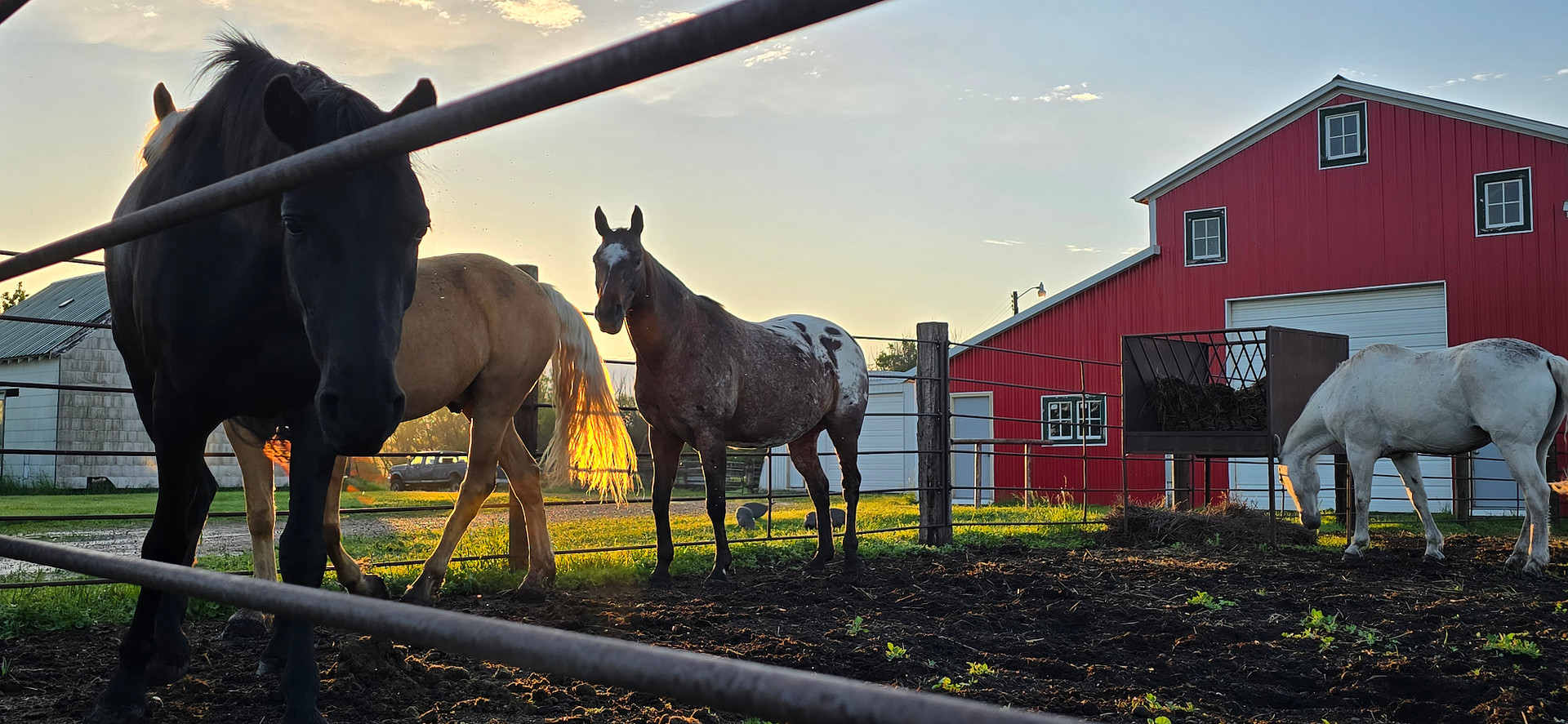
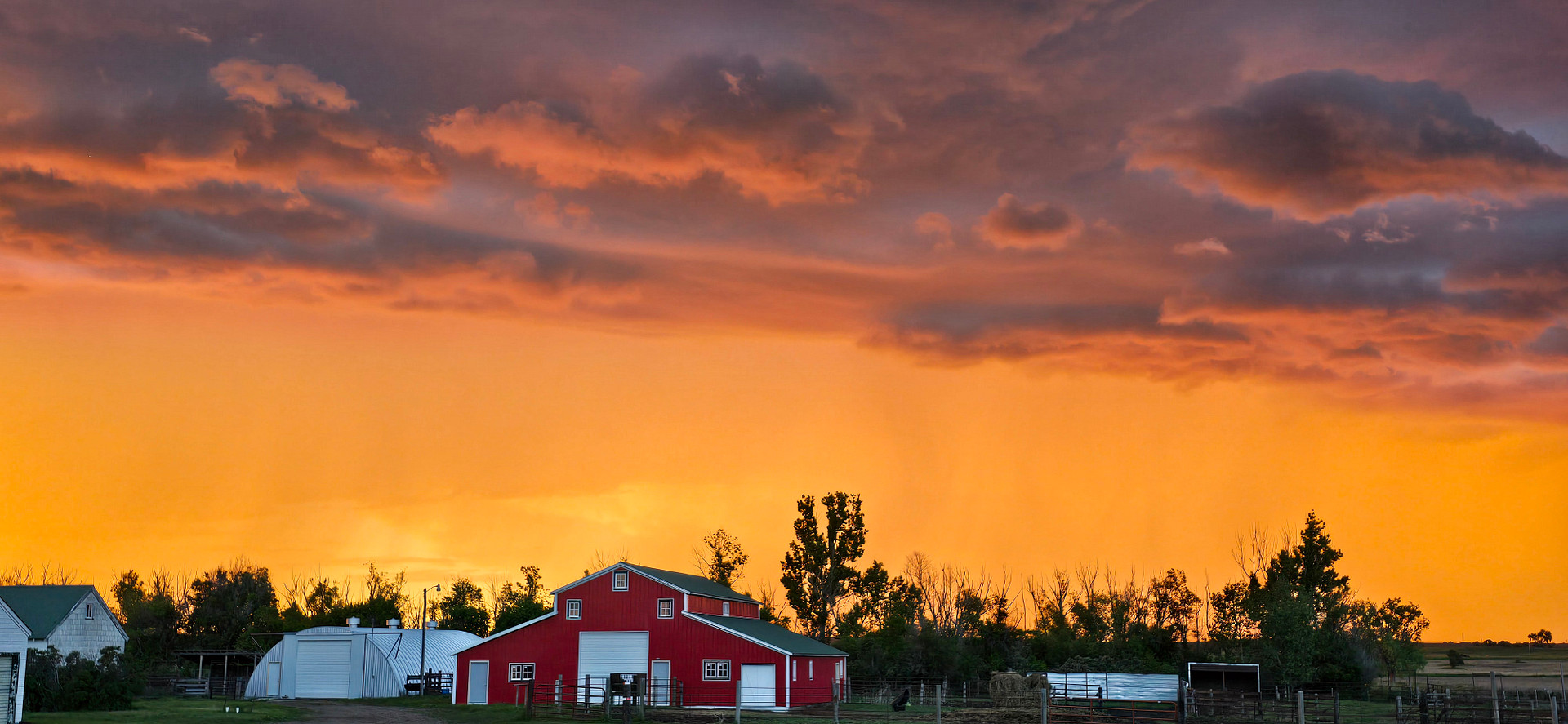
16. Lightning Arrow Ranch
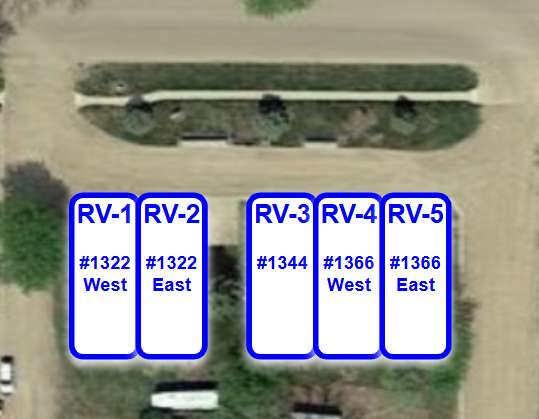


17. Huebner RV Lots


18. Medora Campground
19. Lake Hoskins Park and Campground


20. Blacktail Dam
Jan's RV Park and Lodge
American RV Park-Where Less is More
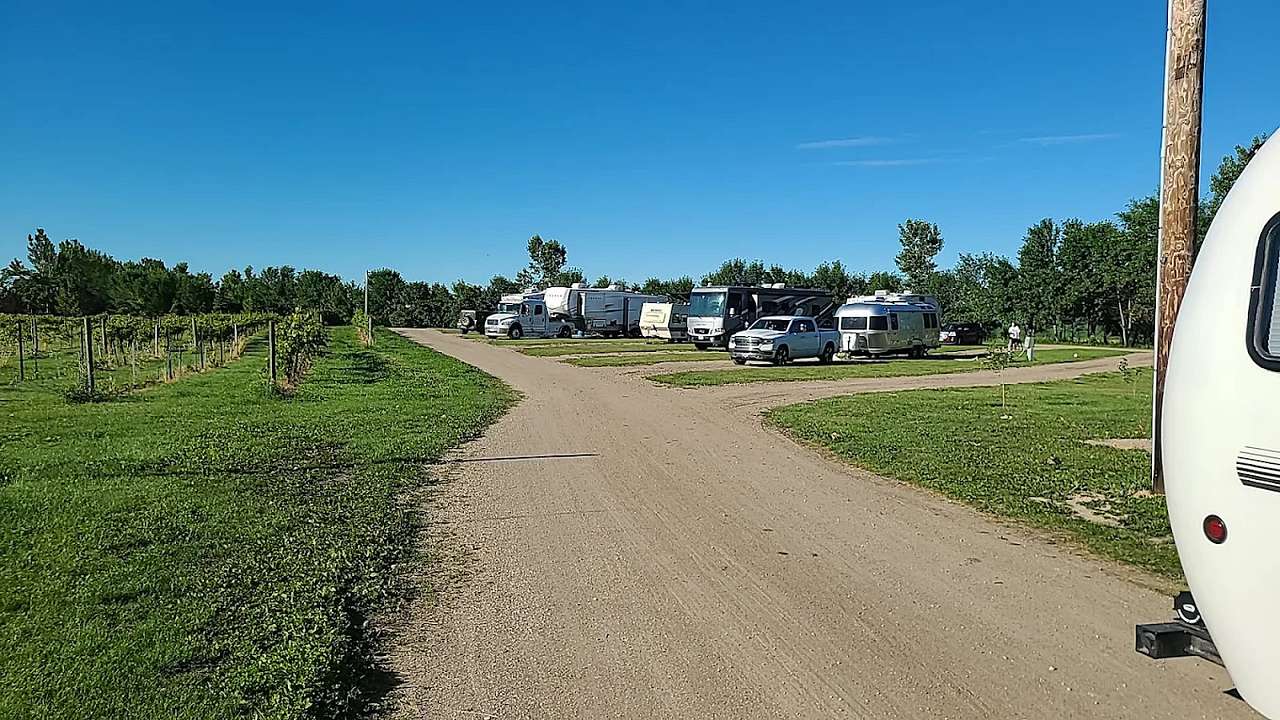
Viking Vines RV Campground
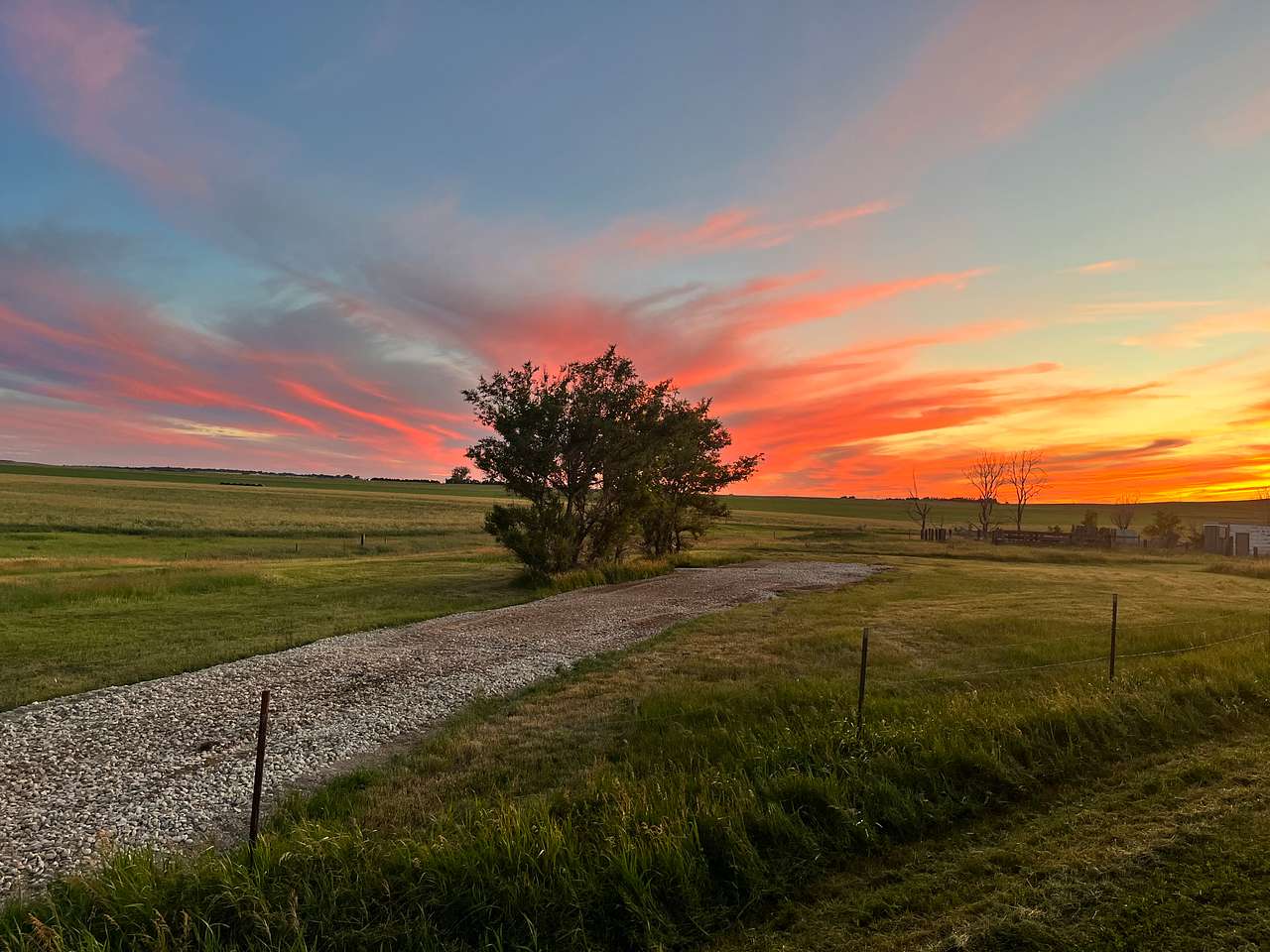
Prairie Retreat
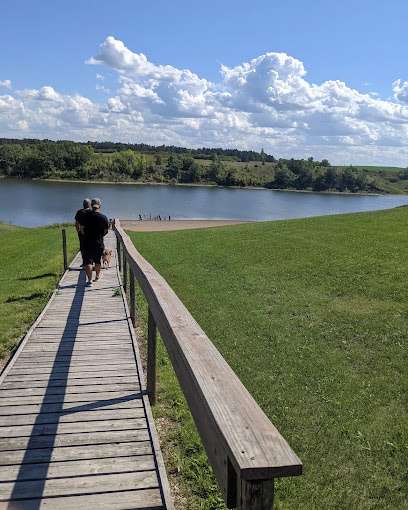
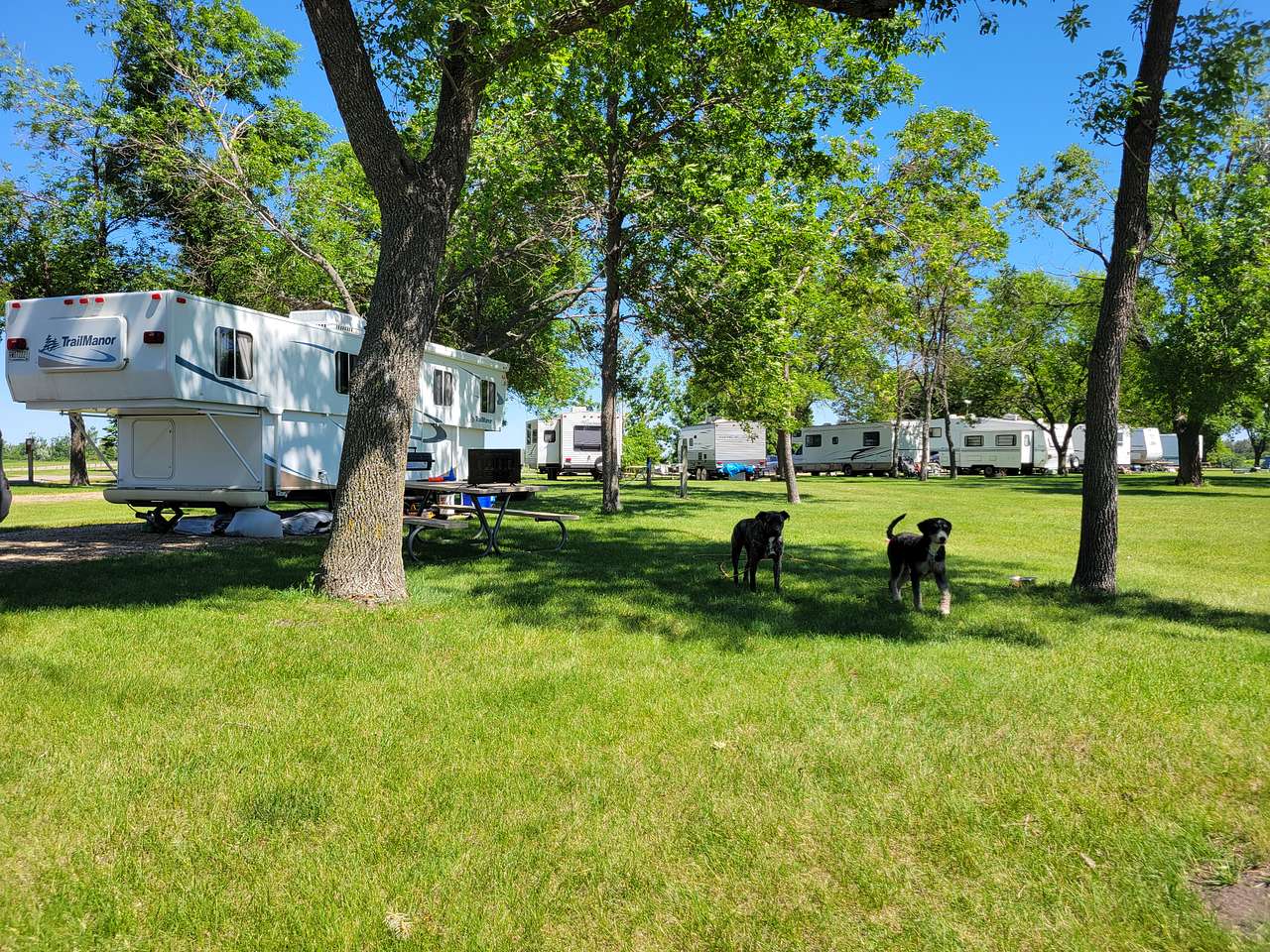
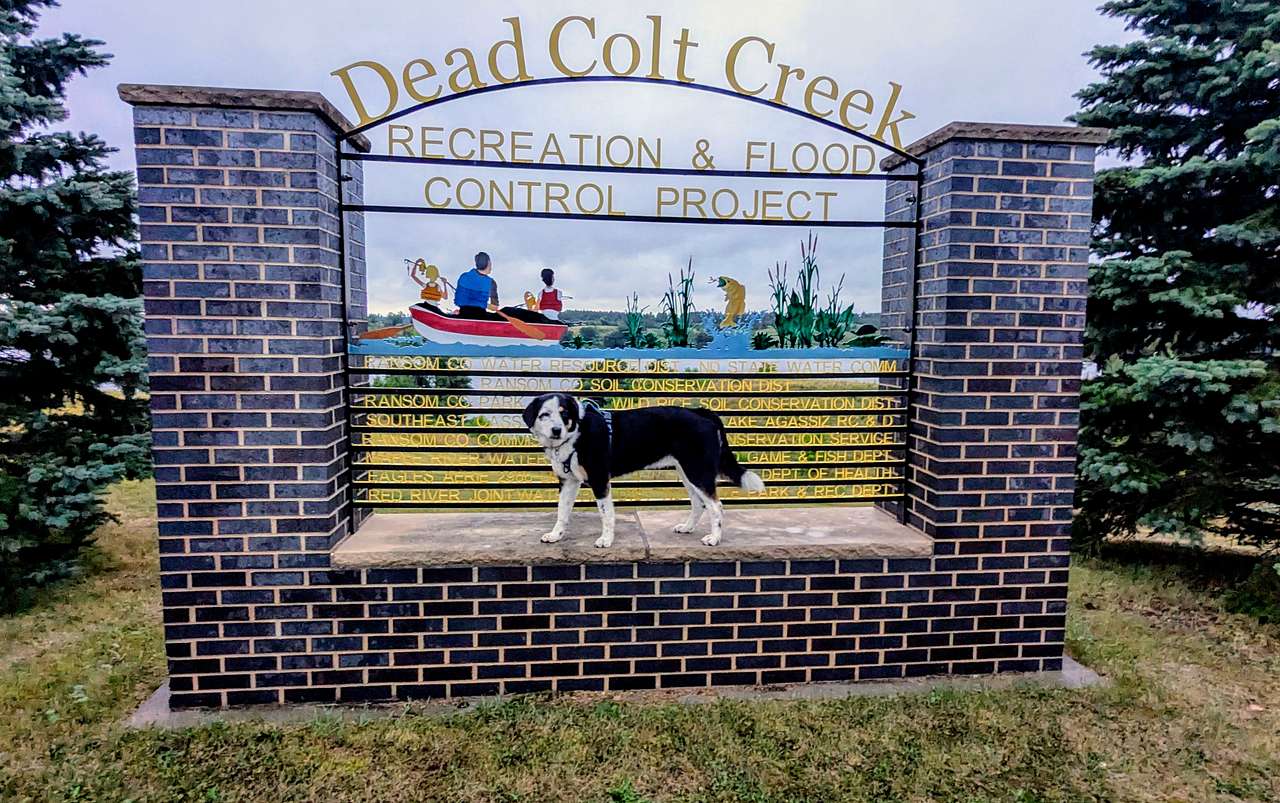
Dead Colt Creek Rec Area
Rugged Prarie Paradise
Recent reviews from the Hipcamp community






North Dakota camping guide
Where to go
Theodore Roosevelt National Park
If you travel through North Dakota, stop to experience Theodore Roosevelt National Park, a treasure that should be high on the list of every national park enthusiast. The badlands are stunning with unique geological features, canyons, water, trails, and some of America’s most incredible native wildlife. The trail systems are some of the best in the country, and mountain bikers will find extensive single track. Hiking trails and scenic drives make it possible to catch the park’s best views from additional vantage points.
Grahams Island State Park
With nearly 1,000 acres on its lakeshore, Devil’s Lake is recognized as one of the best fisheries in the state and a hot spot for anglers visiting to compete in tournaments. The boat ramps make it an ideal lake for campers bringing watercraft, while the Grahams Lake campground has both primitive sites and others with full hookups, bathroom access, and potable water. Trail systems are perfect for hiking through the woods and along the lakeshore.
Sully Creek State Park
On the Little Missouri River south of Medora, Sully Creek State Park combines rivers and cliffs in a dramatic Badlands scene. The river flows rise during spring, when visitors come to canoe through the scenic canyons and bottomlands. Exploring the trails on foot or horseback are also popular here. Situated just outside of Theodore Roosevelt National Park, the Sully Creek campground is perfect for exploring the wider area.
Turtle River State Park
Staying on theme with the excellent range of state parks in North Dakota, this one is located near the Minnesota border, where Grand Forks and the small community of Arvilla serve as easy starting points. The Turtle River offers great trout fishing throughout summer and fall, while 11 park trails are managed for hiking and biking during summer and cross-country skiing in winter. Primitive Turtle Creek campsites are abundant, and others feature space for groups or electricity and water hookups. Overall, this is an idyllic park in the eastern part of the state.
When to go
North Dakota has four seasons of fun and visiting really depends on your specific desires. Late spring is often nice and mellow with quiet parks to visit, and as summer arrives, the heat and humidity are elevated but the cold-water lakes and rivers offer refuge. Summer hiking, biking, and boating make for a ton of camping fun in North Dakota. Fall might be the best season to visit, especially for hunters, but by the time winter arrives, the state is bitterly cold, which draws those looking for cross-country skiing and snowboarding.
Top camping destinations around North Dakota




Frequently Asked Questions
In North Dakota, there are numerous places to tent camp, including state parks, national forests, and private campgrounds. Here are some options for tent camping in North Dakota: 1. Fort Abraham Lincoln State Park - Located along the Missouri River, this park offers a mix of history and outdoor recreation. It has a variety of tent campsites, as well as cabins and yurts. 2. Cross Ranch State Park - Situated along the Missouri River, this park offers tent camping sites and cabins. It's a great place for hiking, fishing, and wildlife viewing. 3. Lake Sakakawea State Park - Located on the shores of Lake Sakakawea, this park offers tent camping sites, cabins, and RV sites. It's a popular destination for boating, fishing, and swimming. 4. Turtle River State Park - Nestled in the Turtle River Valley, this park offers tent camping sites, group campsites, and cabins. The park has several miles of hiking and mountain biking trails. 5. Dakota Prairie Grasslands - This vast area of public land offers dispersed camping opportunities, allowing you to choose your own campsite in a more remote setting. For more camping options in North Dakota, you can explore Hipcamp.
Yes, boondocking is allowed in North Dakota, primarily on public lands such as national grasslands and state wildlife management areas. Boondocking, also known as dispersed or primitive camping, refers to camping outside of designated campgrounds without access to facilities like restrooms, water, or electricity. In North Dakota, you can boondock in the Dakota Prairie Grasslands, which includes the Little Missouri National Grassland and Sheyenne National Grassland. Keep in mind that boondocking typically requires campers to be self-sufficient and follow Leave No Trace principles to minimize their impact on the environment.