The best RV sites in Hatcher Pass Management Area, AK
100% (2)
Discover Hatcher Pass's scenic vistas and outdoor adventures.
100% (2)
Discover the most magical spots to pitch your tent or park your rig on your next Hatcher Pass Management Area adventure.
Top-rated campgrounds in Hatcher Pass Management Area
Gold Mint Trailhead

1. Gold Mint Trailhead
100%
(2)
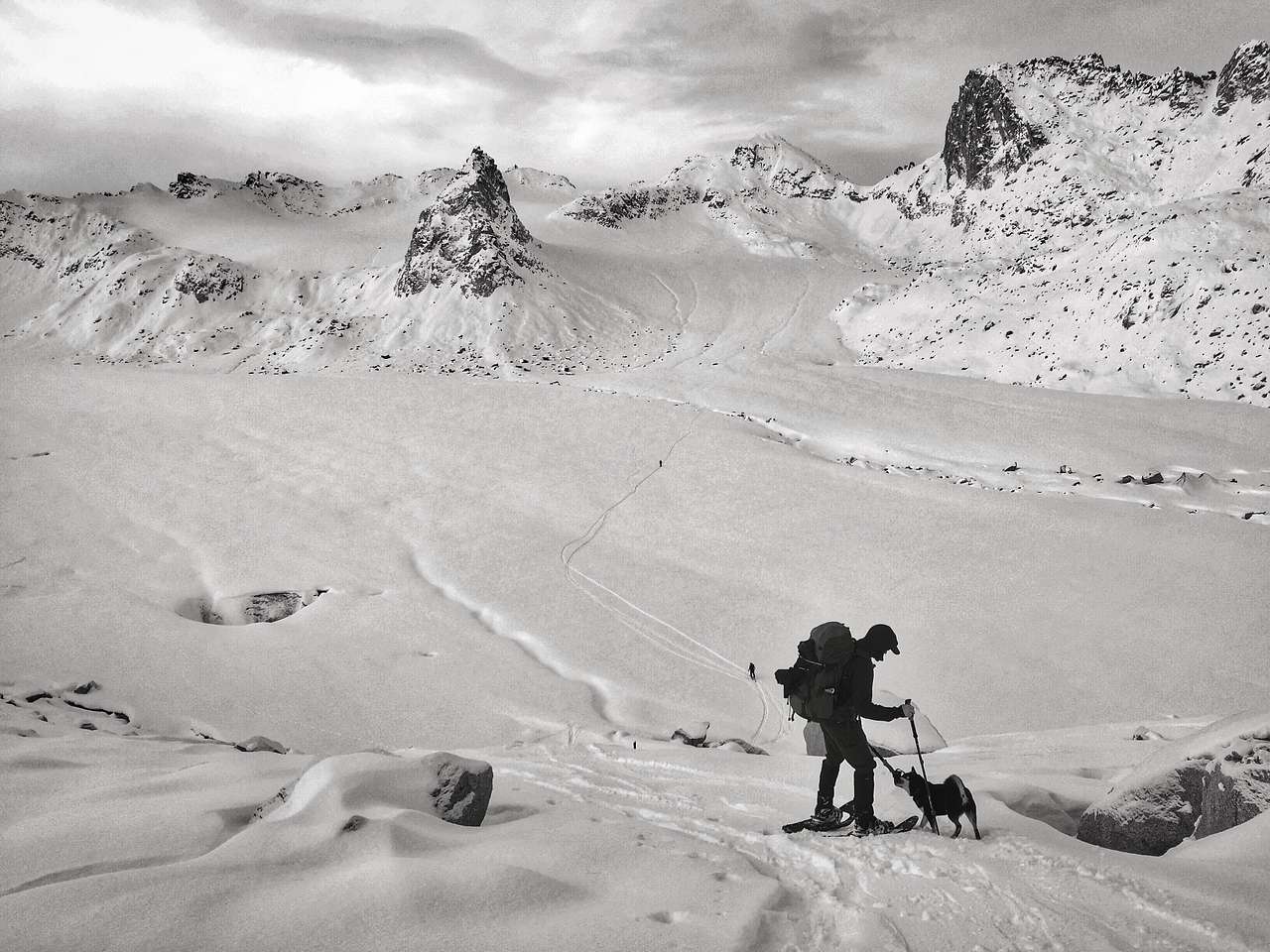
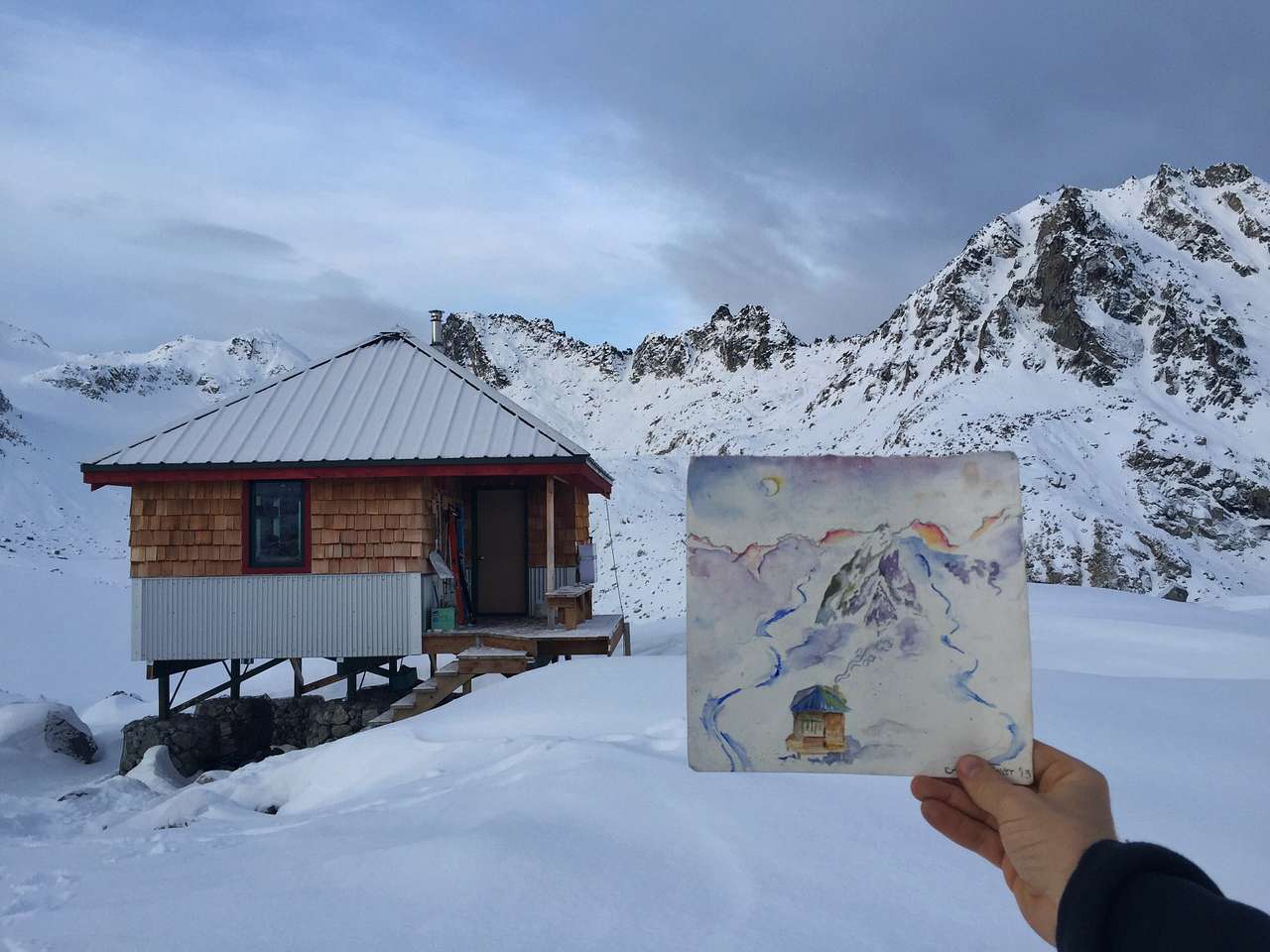
Gold Mint Campground is a tiny treasure that puts you right in the way of some outstanding scenery
Pets
Government Peak Campground
2. Government Peak Campground
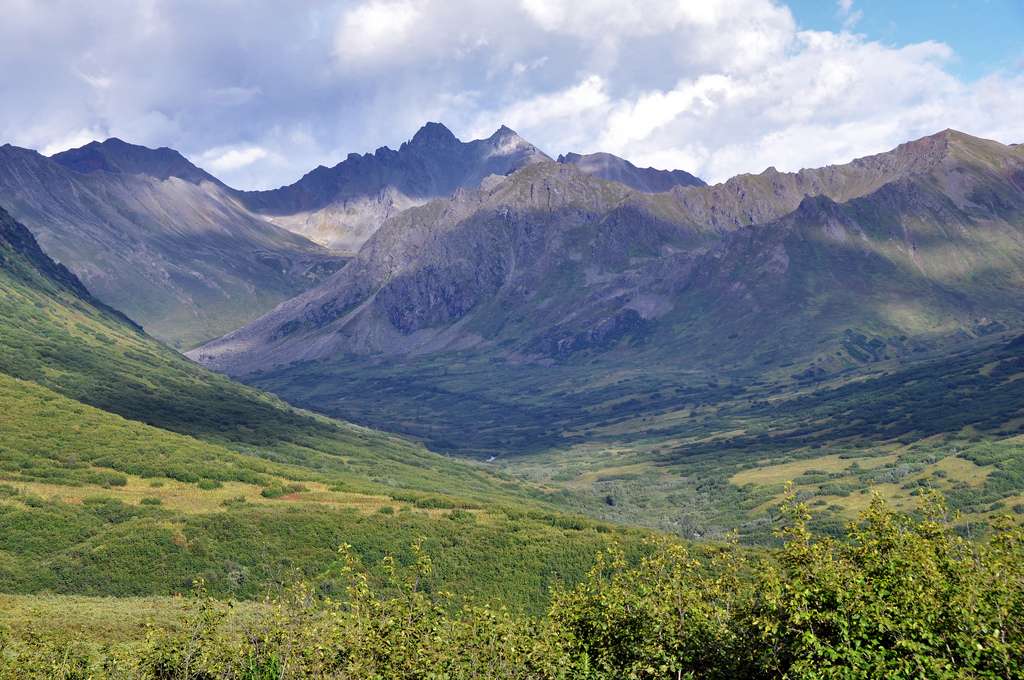
Assuming you’re not a paranoid conspiracy theorist, you’ll find a lot to love at Government Peak Campground
Pets
Top-rated campsites near Hatcher Pass Management Area
Jim Creek Blank Land

1. Jim Creek Blank Land
94%
(40)
21mi from Hatcher Pass Management Area · 30 sites
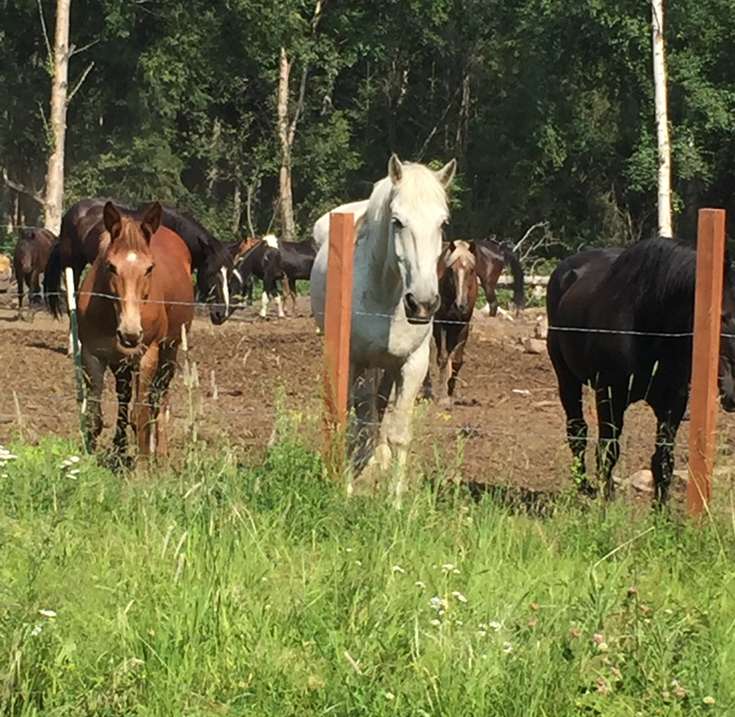
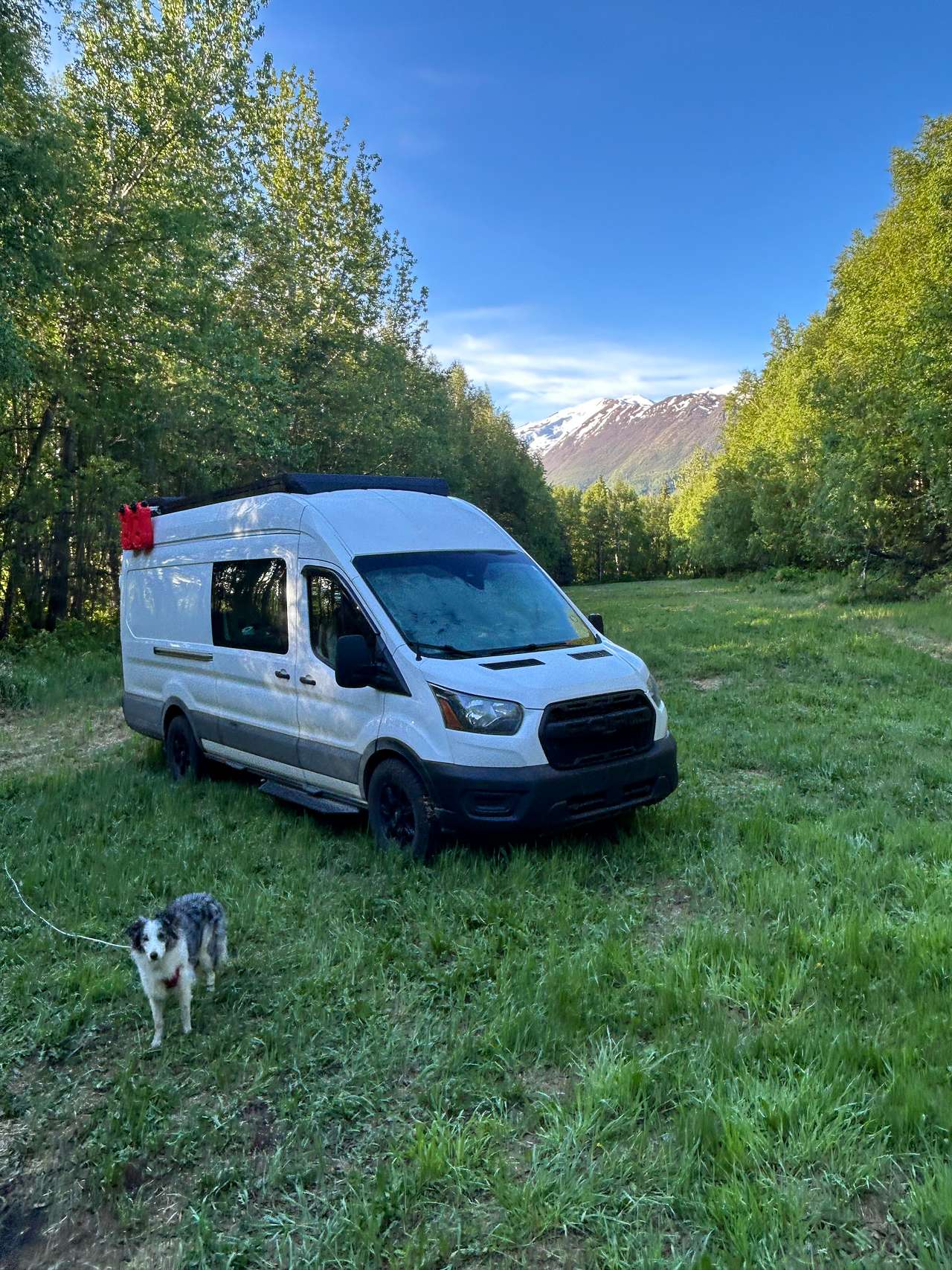
Welcome to Jim Creek 10 — Voted Runner-Up for Best Campground!
Escape to raw, open Alaska for just $12/night. This spacious, untouched land is located in the beautiful Butte area of Palmer, right off Walling Road (address: 18748 Walling Rd). No signs, no frills—just you and the wild.
Camp your way:
• Choose your perfect spot—under the trees, in the open grass, or tucked into your own little hideaway.
• Self-contained rigs are welcome (RV, camper, van, tent).
• No hookups, no amenities. Just nature.
• Pack it in, pack it out—please take all trash with you.
What makes it special:
• Direct access to Jim Creek ATV trails—ride straight from your site!
• Excellent nearby fishing and wildlife spotting—moose are regular guests.
• No designated pads—freedom to roam and set up as you like.
• Campfires allowed, unless there’s an active State fire ban.
Why stay here?
Tired of paying $100 a night for hookups you don’t need? This land gives you freedom, space, and an unbeatable price. Perfect for off-grid adventurers, ATV enthusiasts, and anyone looking to explore the Jim Creek area on their own terms.
Pets
Talkeetna Lake Retreat

2. Talkeetna Lake Retreat
99%
(40)
36mi from Hatcher Pass Management Area · 11 sites
Escape the daily grind and indulge in a delightful retreat with us. Welcome to our evolving Alaskan campground – a work in progress that promises a unique experience. Open June 1 2026-September 15 2026.
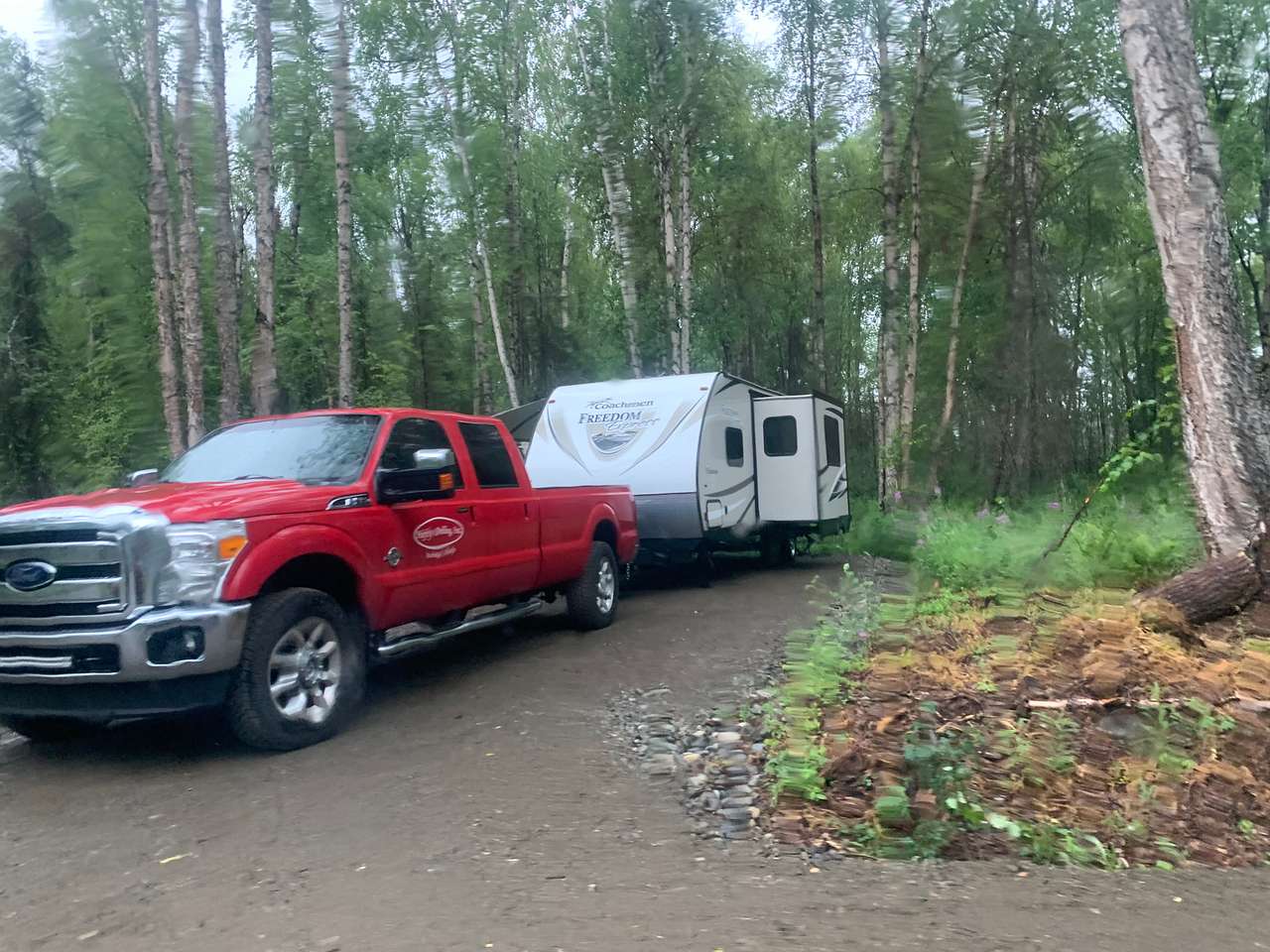
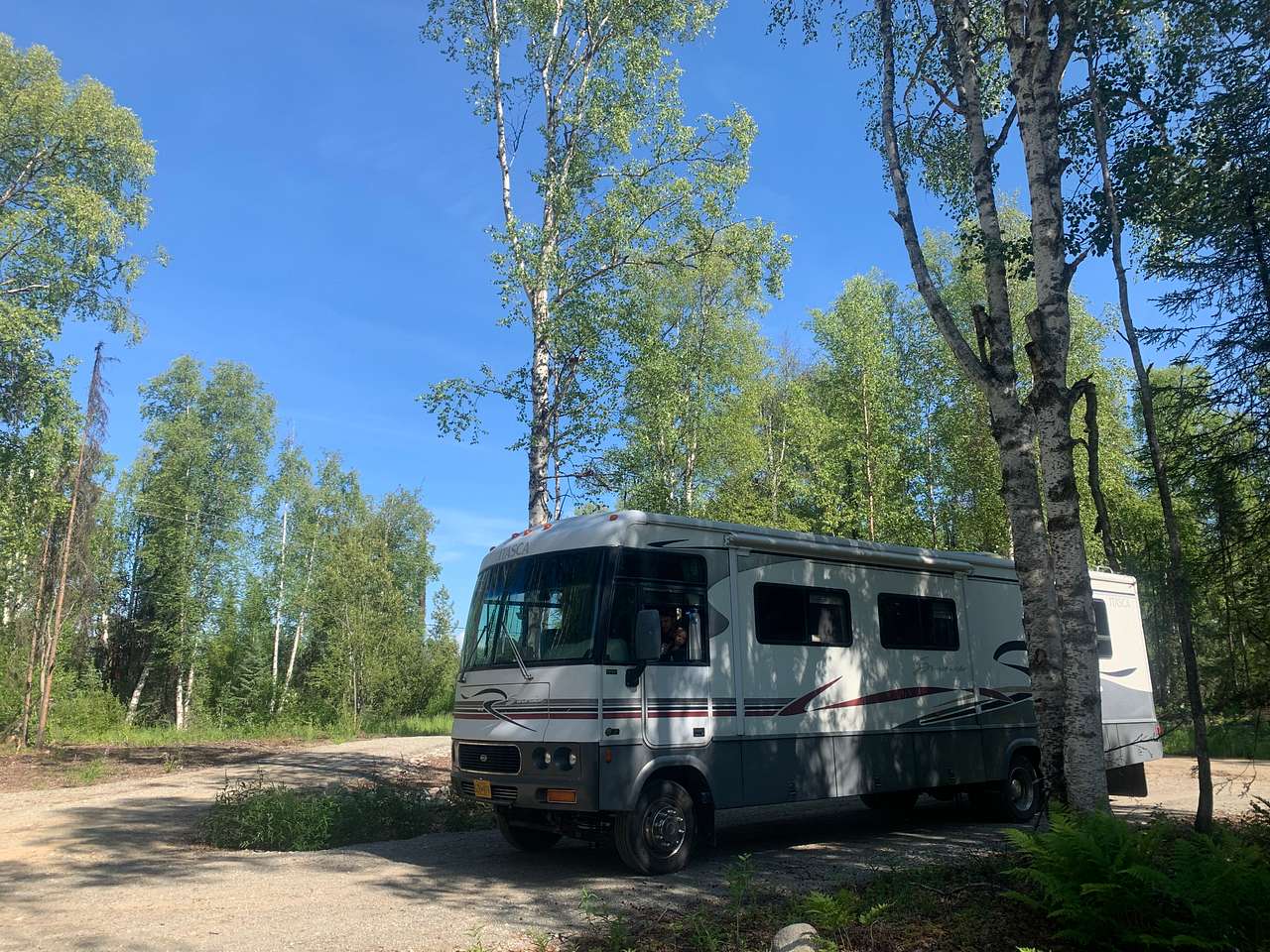
Situated on 15 acres, our property offers kayak use included in stay, outdoor showers, outhouse restroom, scenic cross-country walking paths, and an optional propane fire pit tank to add on to your reservation.
With 8 electric RV pads and 3 dry RV pads complemented by picnic tables, you can enjoy the outdoors in comfort.
Additionally, there's a grocery store, Subway, coffee shop, and gas station within walking distance, ensuring convenience and variety during your stay. You must be able to open and close a gate to enter or exit the property.
Discover the Talkeetna Lake Retreat!
Electrical hookup
Pets
Lulu's Glamping on the Knik River
3. Lulu's Glamping on the Knik River
96%
(47)
23mi from Hatcher Pass Management Area · 7 sites · Tents, RVs, Lodging
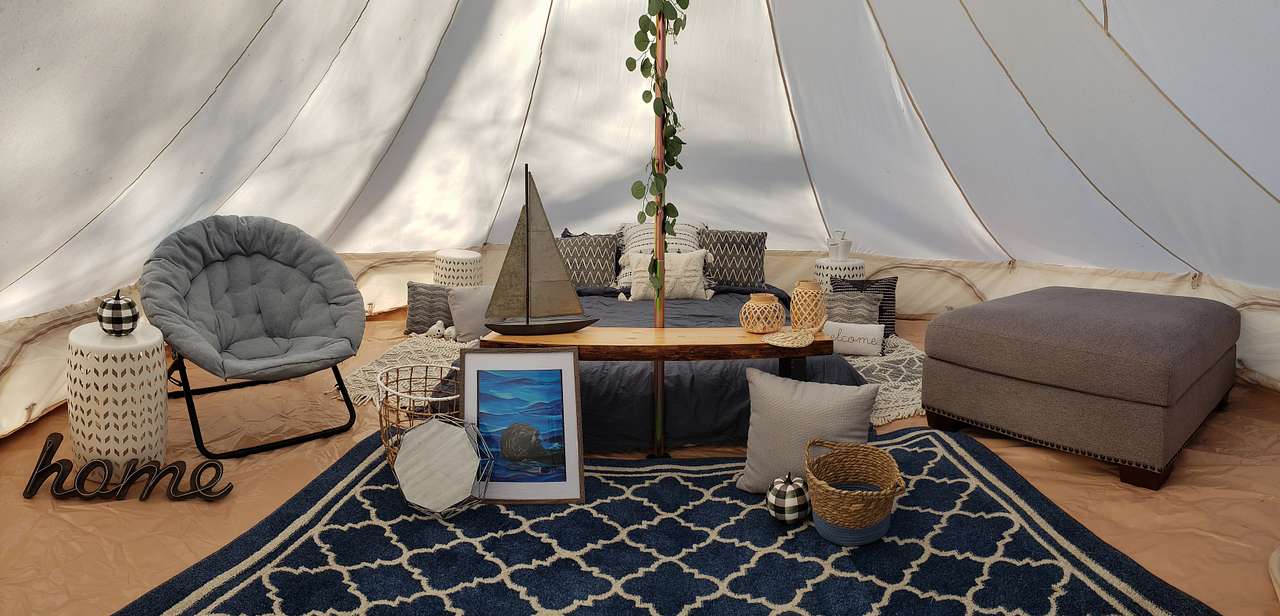
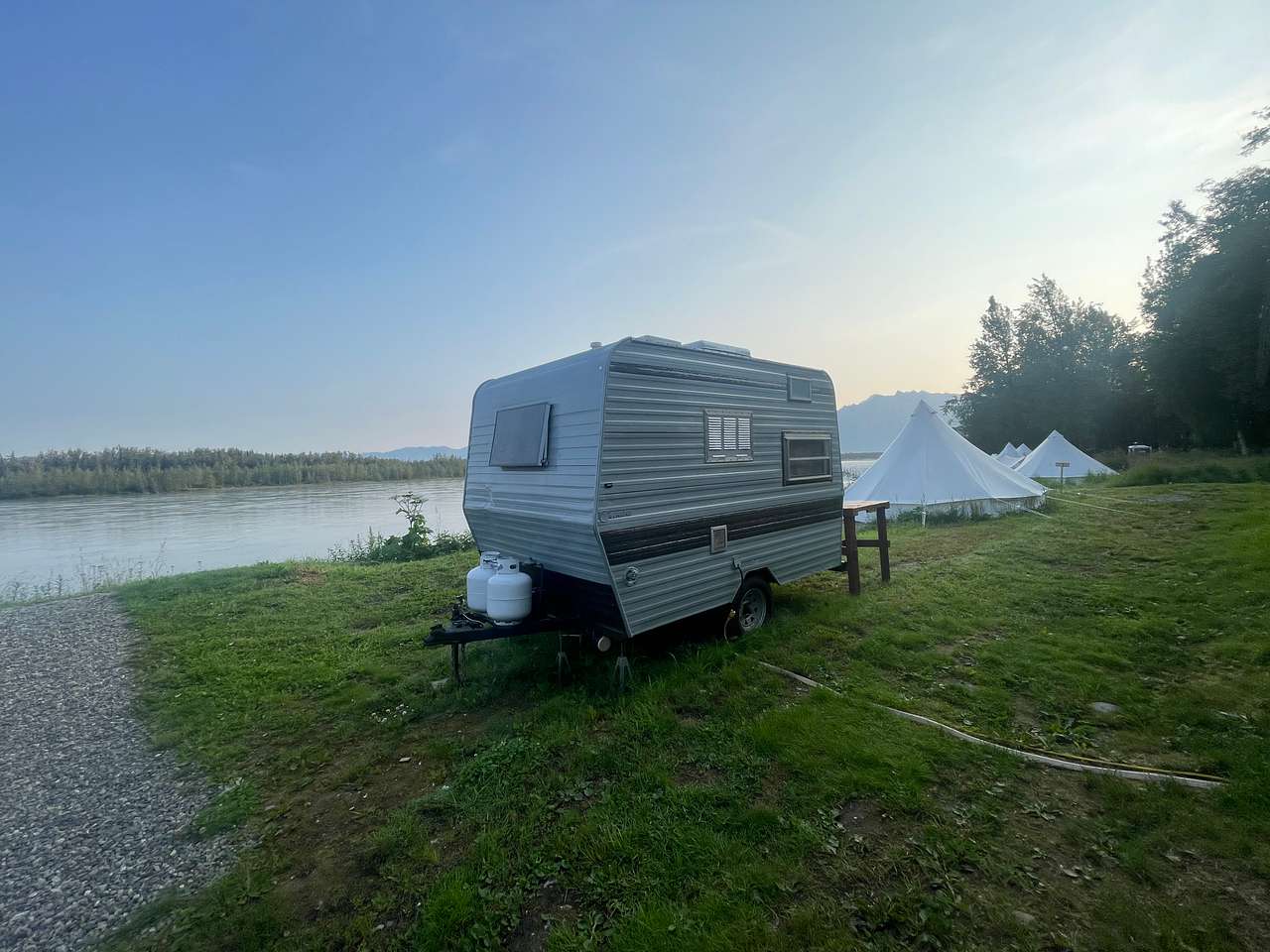
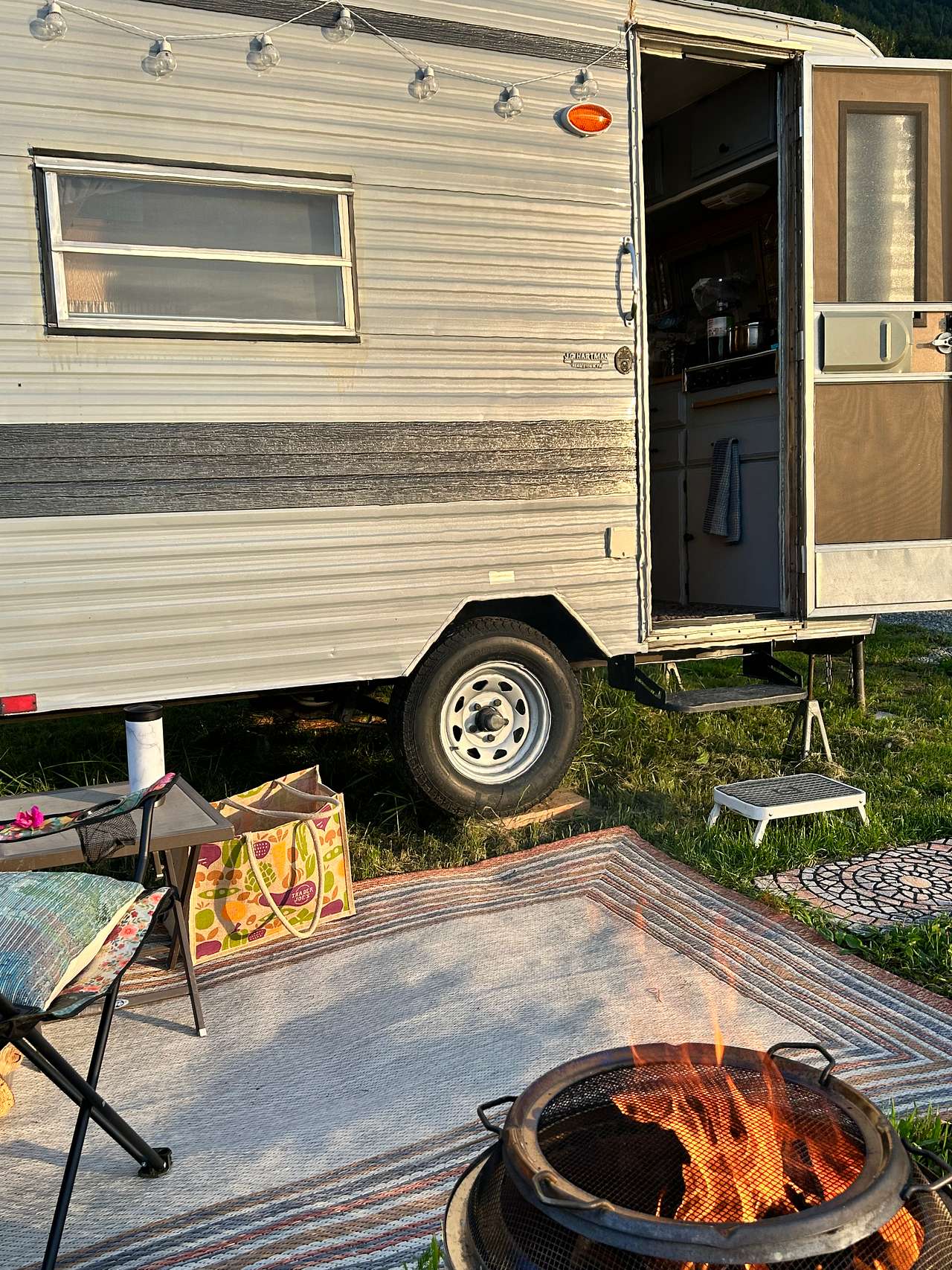
Reconnect with nature at this unforgettable escape. Located on the river's edge of the Knik River in Palmer, Alaska, our glamping tents offer a unique experience. Unplug, unwind and kickback in our Stout canvas style bell tents. Each tent is stylishly outfitted with a queen size bed, linens, rugs, stylish decor and other amenities. You also will have your own smokeless Solo Stove with seating for two outside your tent. Only 45 minutes north of Anchorage, our location boasts incredible views with access to all things outdoor!
There are shared porta toilets with foot pump sinks with soap for hand washing on site.
There is one on demand outdoor shower!
We have an outdoor kitchen with a BBQ grill, pots, pans, dishes, silverware, salt, pepper and other items for guest use.
Half of the property is an adult glamping experience. Half of the property allows children, as long as you understand that we are located right on the river and children should be supervised.
Our property is the perfect basecamp with easy access to hiking for all abilities; Bodenburg Butte, Lazy Mountain, Pioneer Peek and Pioneer Falls. Located right on the Knik River we can help you plan a day of fishing, kayaking or riverboat touring. Other local activities include ATV rentals, glacier helicopter tours, exploring the town of Palmer, the Alaska State Fair, a trip to the Reindeer Farm, Independence Mine State Historical Park, the Musk Ox Farm, horseback riding, touring our breweries, enjoying the local golf course, sled dog tours and so much more!
Although we love pets, in order to keep tents clean and odor fee, pets are not allowed without permission.
No smoking 🚭
Check in 4pm
Check out 11am
We ask that shoes be removed before enter the tent.
Camp DeVo
4. Camp DeVo
100%
(16)
25mi from Hatcher Pass Management Area · 1 site · Tent, RV
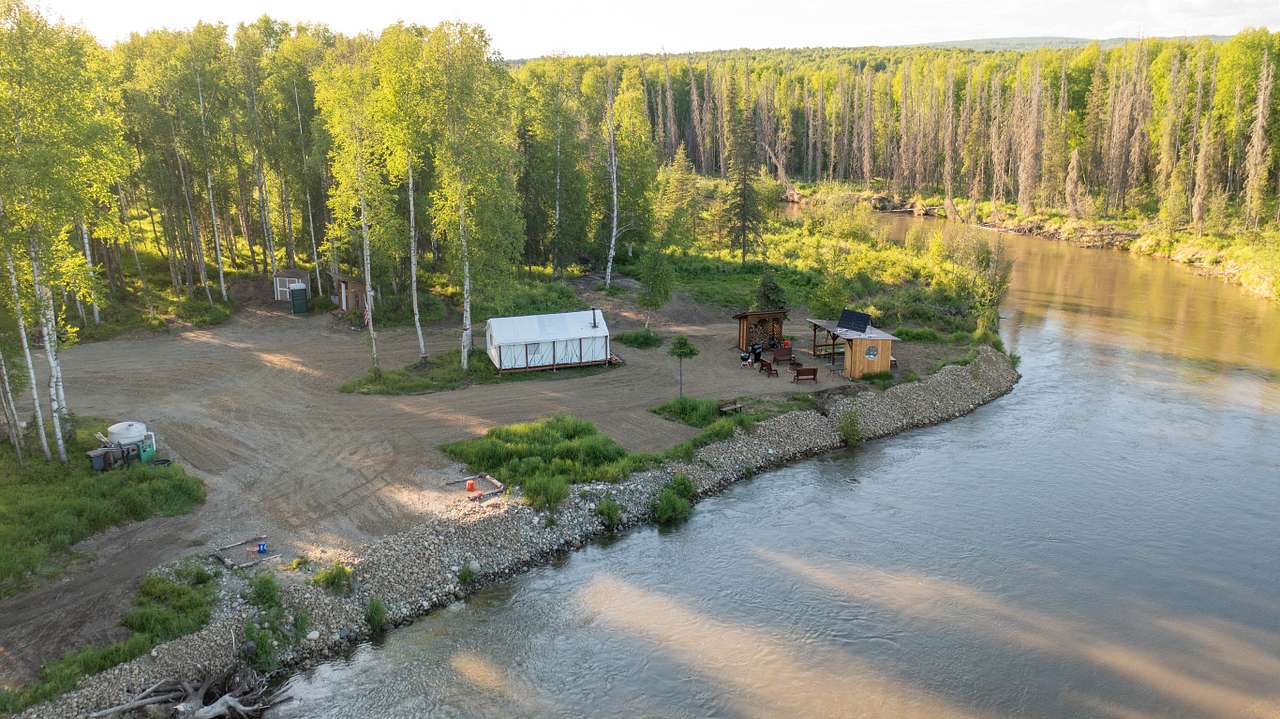
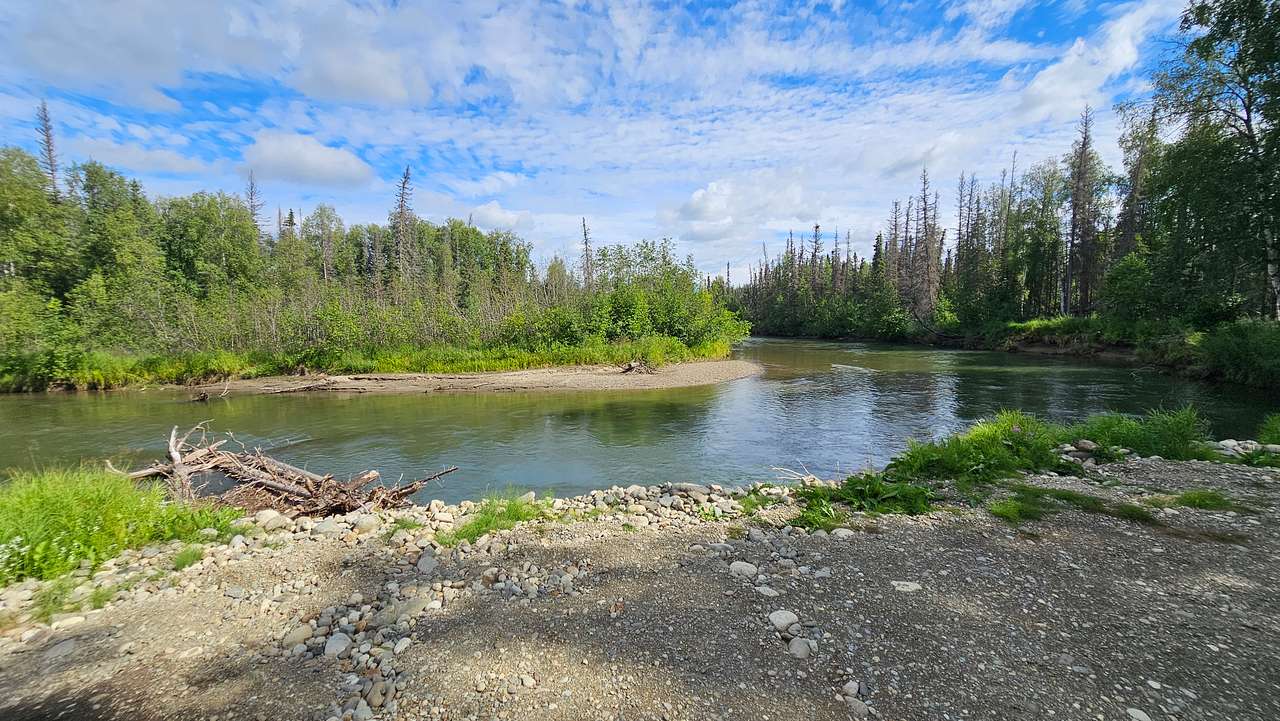
This camp is your own private, secluded 6-acre getaway on the Little Susitna River, featuring over 800 feet of river frontage. Pull in, shut and lock the gate, and enjoy a peaceful slice of Alaskan paradise all to yourself—no neighbors, just pure privacy and nature.
Amenities include:
• Fire pit with firewood shed - firewood included. Fires are restricted during burn bans.
• Covered gazebo with kitchen area
Small power bank with solar for small electronics
• Tables, benches, and a kitchen table
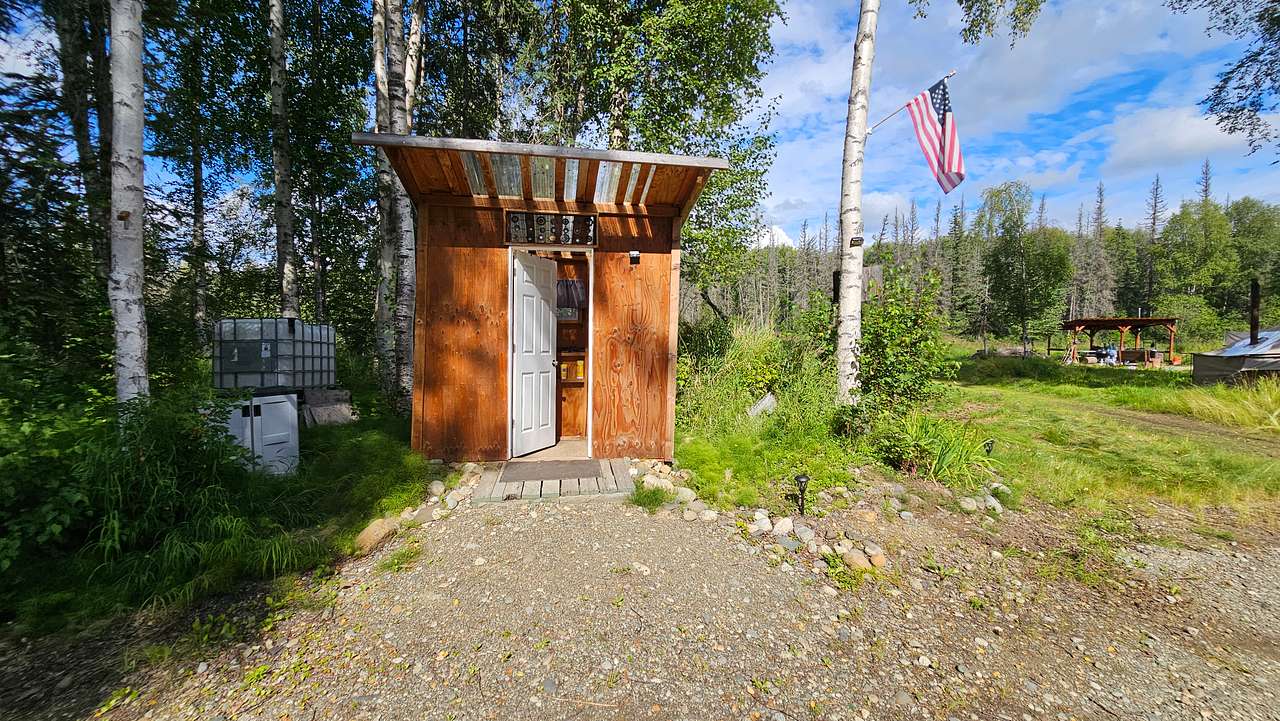
• Private portable outhouse plus our off the grid style camp outhouse for a total of 2 outhouses onsite. Serviced regularly — bring your own toilet paper just in case.
• Private boat launch
• ATV/walking trails throughout the property (Please don't ride off trail. This is for cruising around only and not meant to be ridden hard and torn up.)
• Horseshoe pit
• Plenty of parking and camping areas for tents, RVs, or trailers
Booking includes up to 4 guests, with the option to add up to 20 guests more for a total group size of 24 people.
Good to Know:
You may occasionally see floaters passing by on the Little Su — it’s a popular float route. If you're planning to float yourself, you can drop off an extra vehicle at the Parks Highway bridge where it crosses the Little Susitna River near the confluence.
Nearby Lakes -
• Bear Paw Lake (1 mile away) is non-motorized and perfect for paddle boards, kayaks, or relaxing on a raft.
• Prator Lake (2 miles away) is motorized and great for smaller boats or jet skis.
Please Note:
There are no trash cans on site—please pack out everything you bring in and leave the space clean for the next guest to enjoy.
🐾 Pet Policy
Dogs are welcome, but please clean up after your pets and pack out their waste. Help us keep Camp DeVo clean, safe, and enjoyable for the next guests.
Pets
The Glacier Breeze


5. The Glacier Breeze
95%
(10)
28mi from Hatcher Pass Management Area · 2 sites · RVs, Lodging
The Glacier Breeze is located in Alaska’s beautiful Knik River Valley surrounded by breathtaking views of the Chugach Mountains. With the numerous adventures that you can take in the Knik River and Matsu areas, it makes for a perfect base camp. The property also makes for a great beginning or ending of your Alaskan trip with it being conveniently located a short hour drive from Anchorage. Why be in the city when you can be emersed in Alaska!
Water hookup
Pets
Creekside Campground


6. Creekside Campground
98%
(49)
30mi from Hatcher Pass Management Area · 8 sites · Tents, RVs
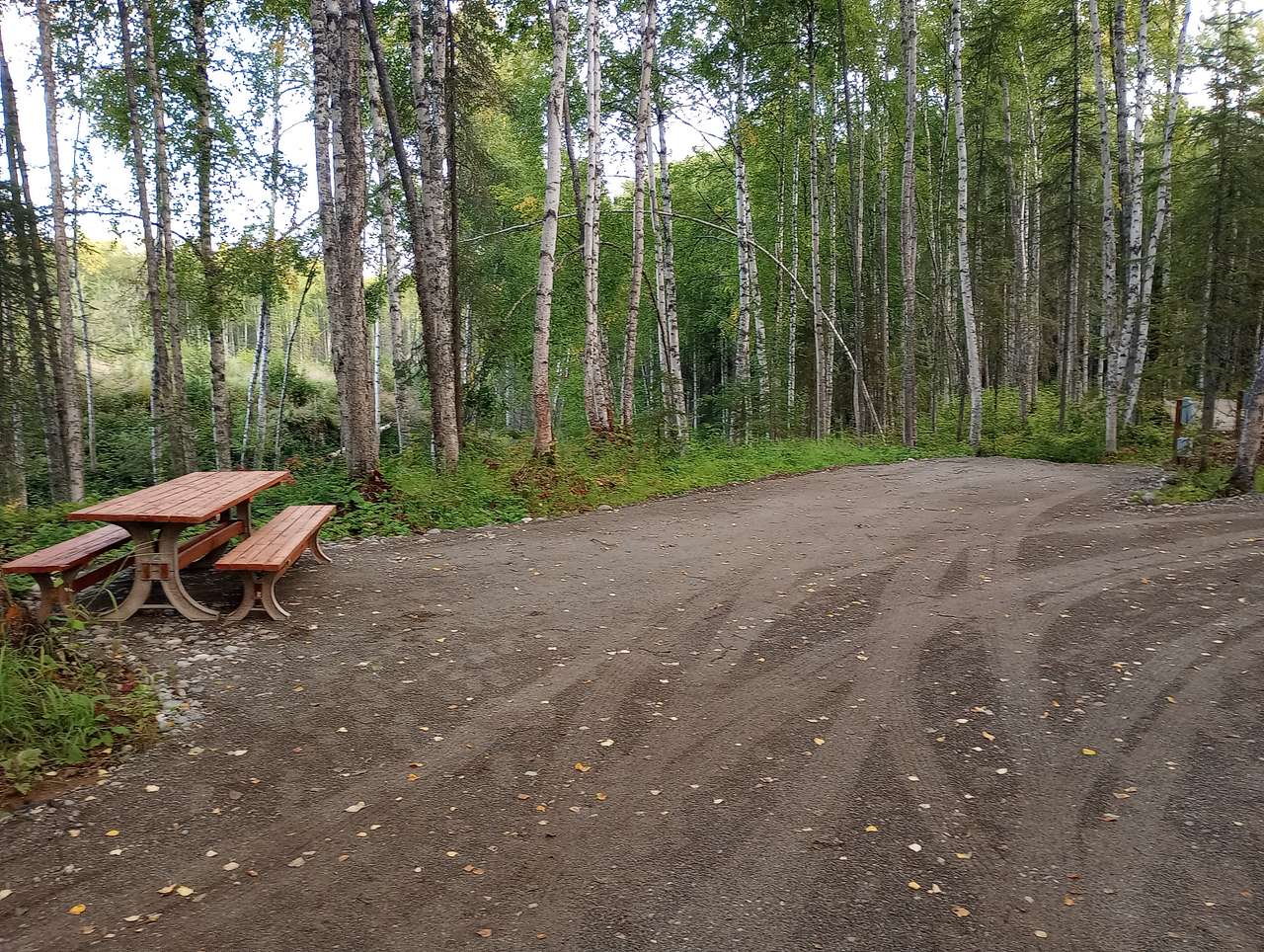
We are a small, family-run campground in the heart of Willow, AK just off the Parks Highway
FEATURING
🔌Electric - 30 and 50 amp
💧 Water fill up available from our well
🌳 Gravel and natural forest sites both suitable for RVs or tents
🔥 Picnic tables and fire pits at each site
🚿 Shower house with toilet and hot water shower
🏞️ A relaxing, babbling creek
🐾 Minutes away from downtown Willow, including the start of the Iditarod and the entrance to Hatcher Pass.
We have fresh cut firewood available for purchase. Our family lives on site and is available for anything you may need during your stay.
Electrical hookup
Water hookup
Pets
Pinochle Trail Campground
7. Pinochle Trail Campground
96%
(350)
42mi from Hatcher Pass Management Area · 25 sites · Tents, RVs
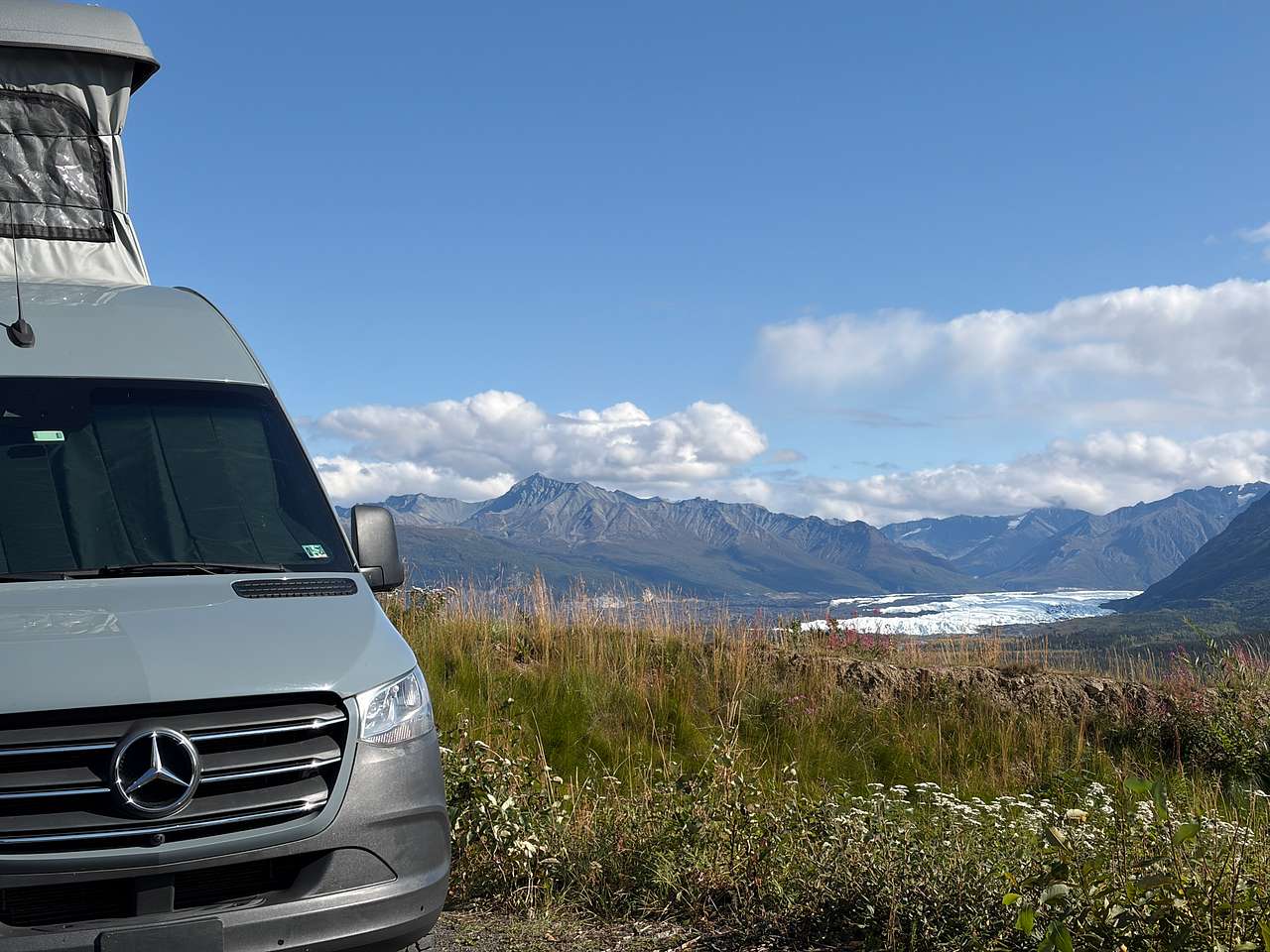
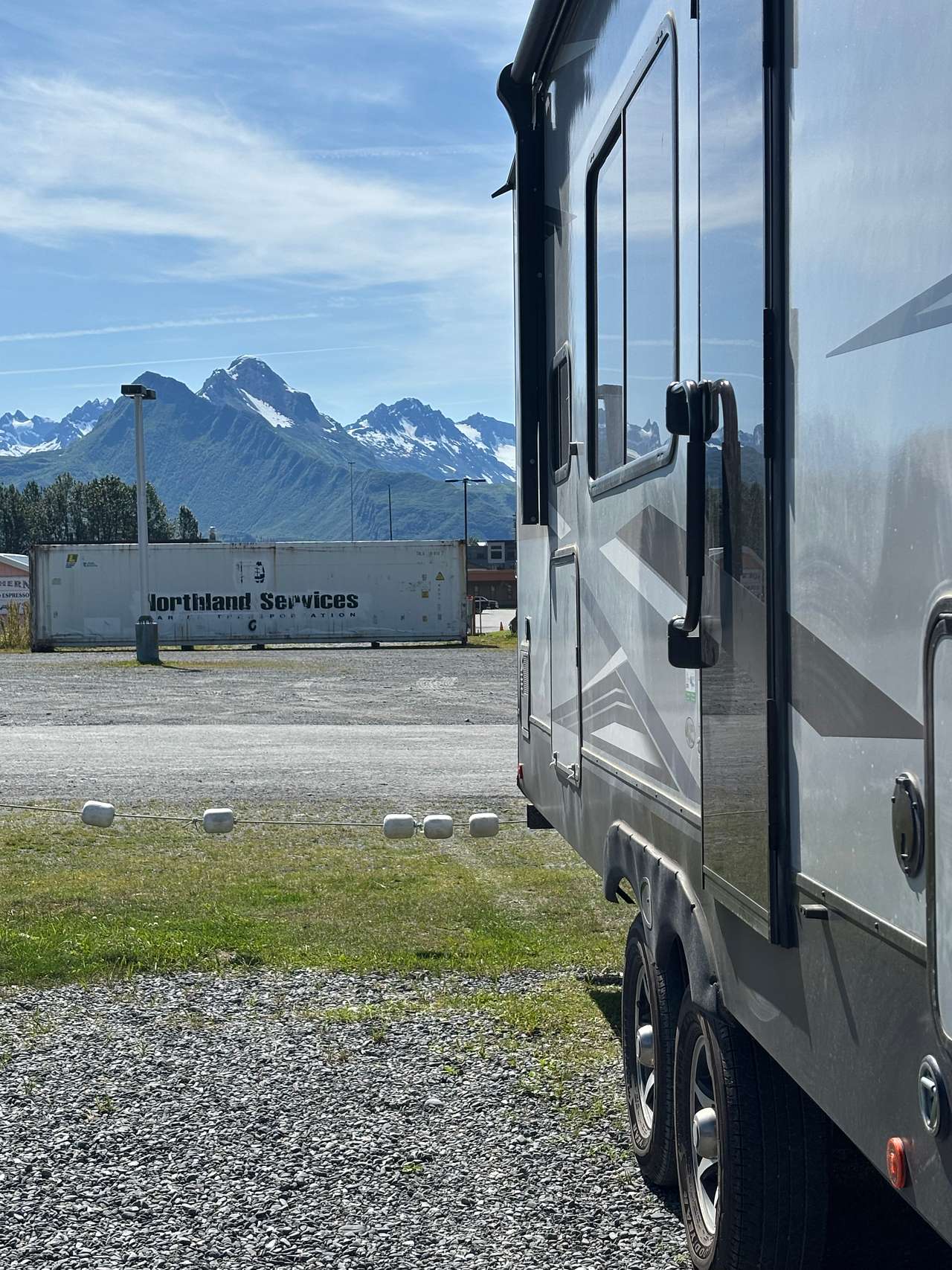
Escape to Glacier View, Alaska, and experience the rustic charm of Pinochle Trail Campground, with breathtaking views of the Matanuska Glacier. The campsites feature flat gravel pads, picnic tables, and fire rings. Our cabins provide direct access to hiking and riding trails. Amenities include a coffee counter, comfortable foam mattresses, electricity, a heater, a Keurig coffee maker, and a hot water kettle. Please bring your own drinking water. A 250-gallon water tank is available for campfire use. Outhouses are located near each cabin and throughout the campground.
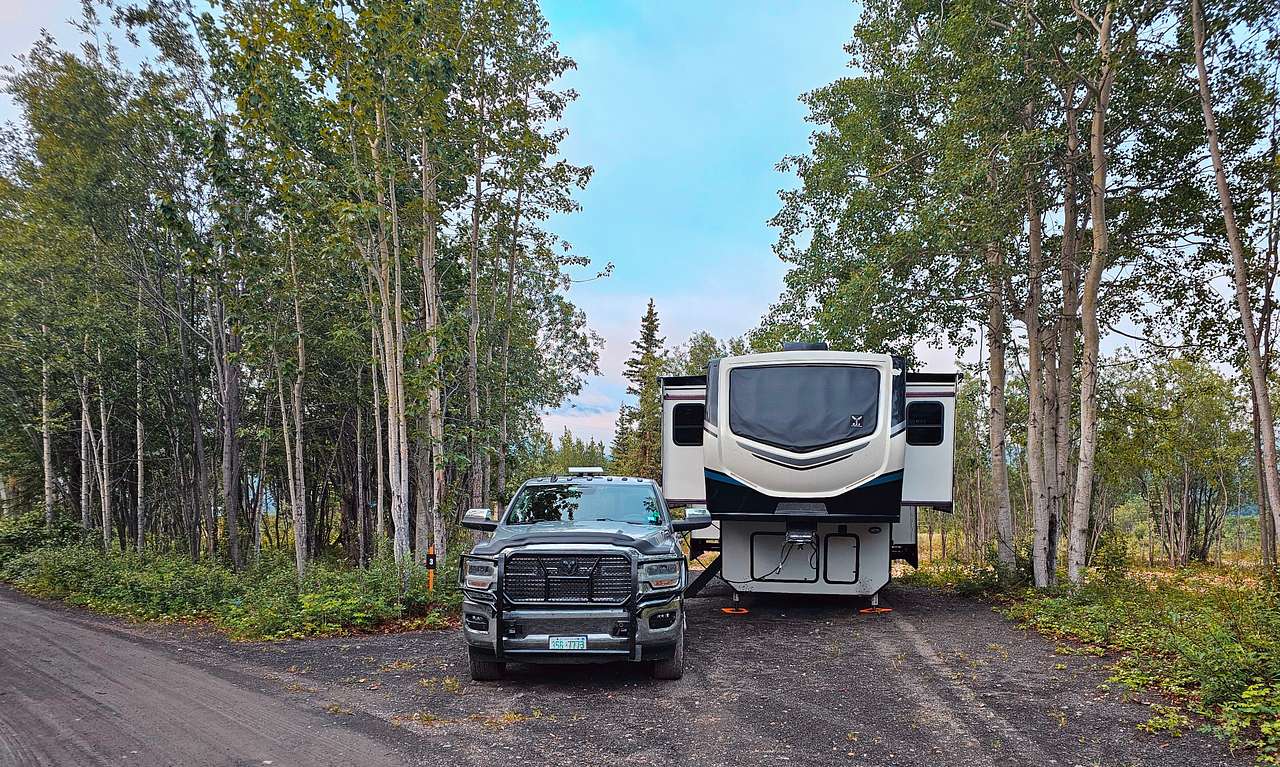
There are 25 flat, gravel sites situated directly across Pinochle Trailhead in Glacier View, Alaska. Perfect for hiking, biking, ATV riding, or snowmobiling on historic trails. Tents, trucks, cars, campers, RVs, dogsleds—whatever fits is welcome.
We offer sites with tables and fire rings. Additionally, there's an "Open Camping Area" at the back, suitable for larger groups. While a site may be assigned at booking, simply choose the best available spot that works for you upon arrival. Except for the 4th of July, when the site will be assigned upon your arrival. Please bring your own water and keep your camp tidy. Follow simple and common camping rules.
Pinochle Trail extends north into the backcountry for about 12 miles, connecting with other trails.
Pinochle Trail is part of the historic Knik - Nelchina Trail, used by natives, trappers, miners, and hunters for centuries. It follows the natural route from the Matanuska Valley over the mountain range into Copper River country.
Hicks was one of the early guides who had a cabin at Hicks Creek. Along with U.S. Army Lieutenant Joseph Castner, he helped blaze a trail northwest for Captain Glenn in 1898. Described in his journal as a "Tale of Hardship and Suffering," they ended up eating their mules and shoes before reaching their distant goal to the north. Today, we use these trails with relative ease compared to the early explorers, but the scenery and mud holes still remind us of what they endured.
Pets
Clean Forest type camping

8. Clean Forest type camping
75%
(12)
26mi from Hatcher Pass Management Area · 80 sites · Tents, RVs
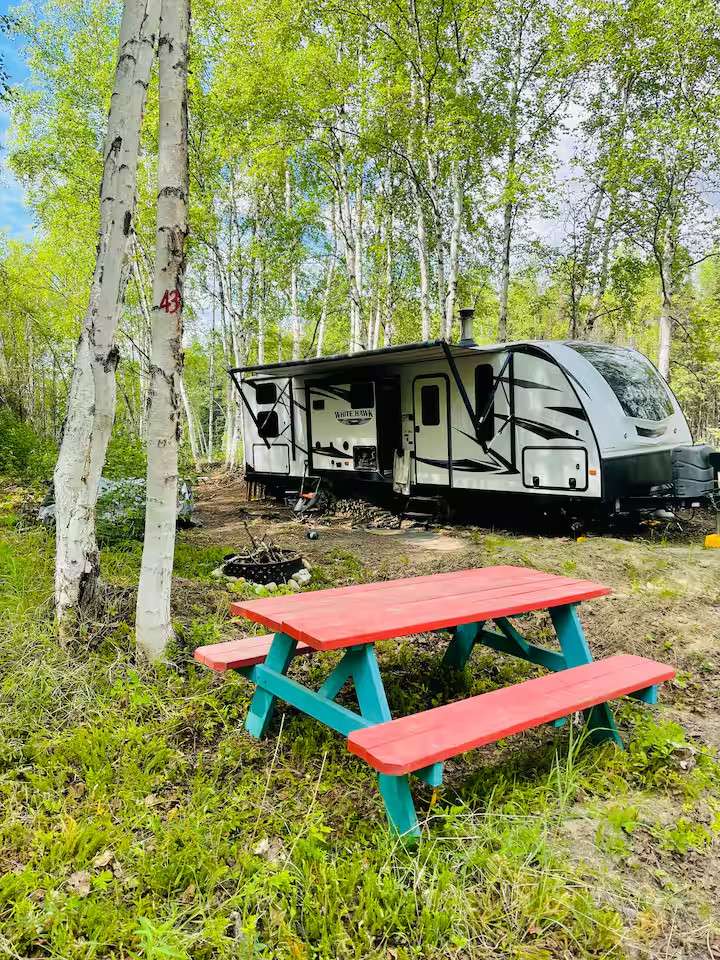
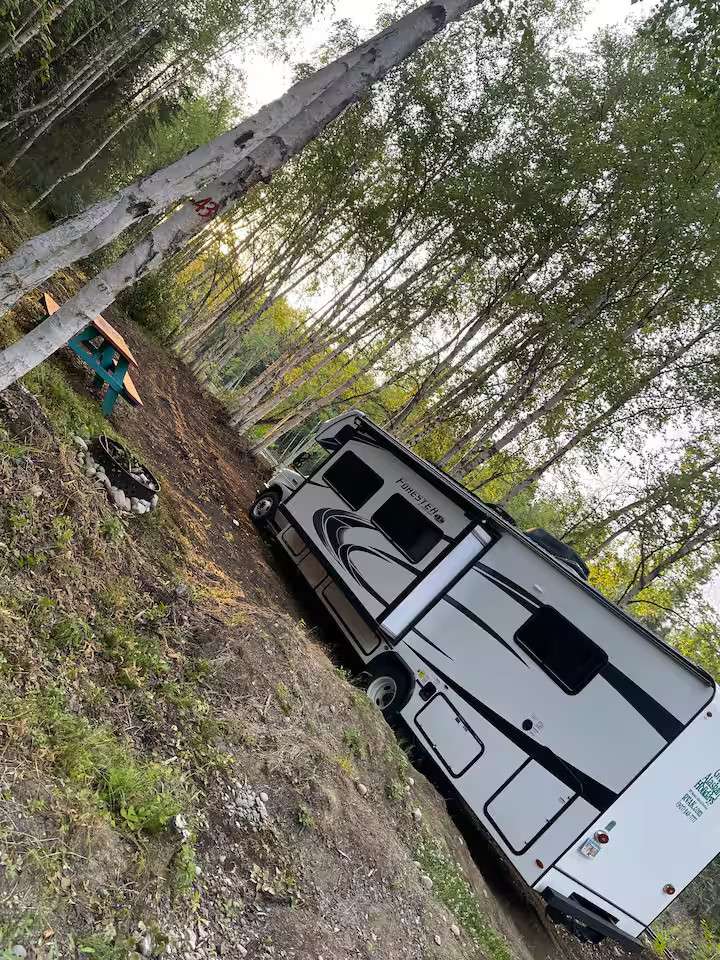
Learn more about this land:Family friendly our campground is called houston grass station campground and is located right next to the alaska railroad watch it go by wile you camp see you here thanks
Pets
Eska Creek Campground
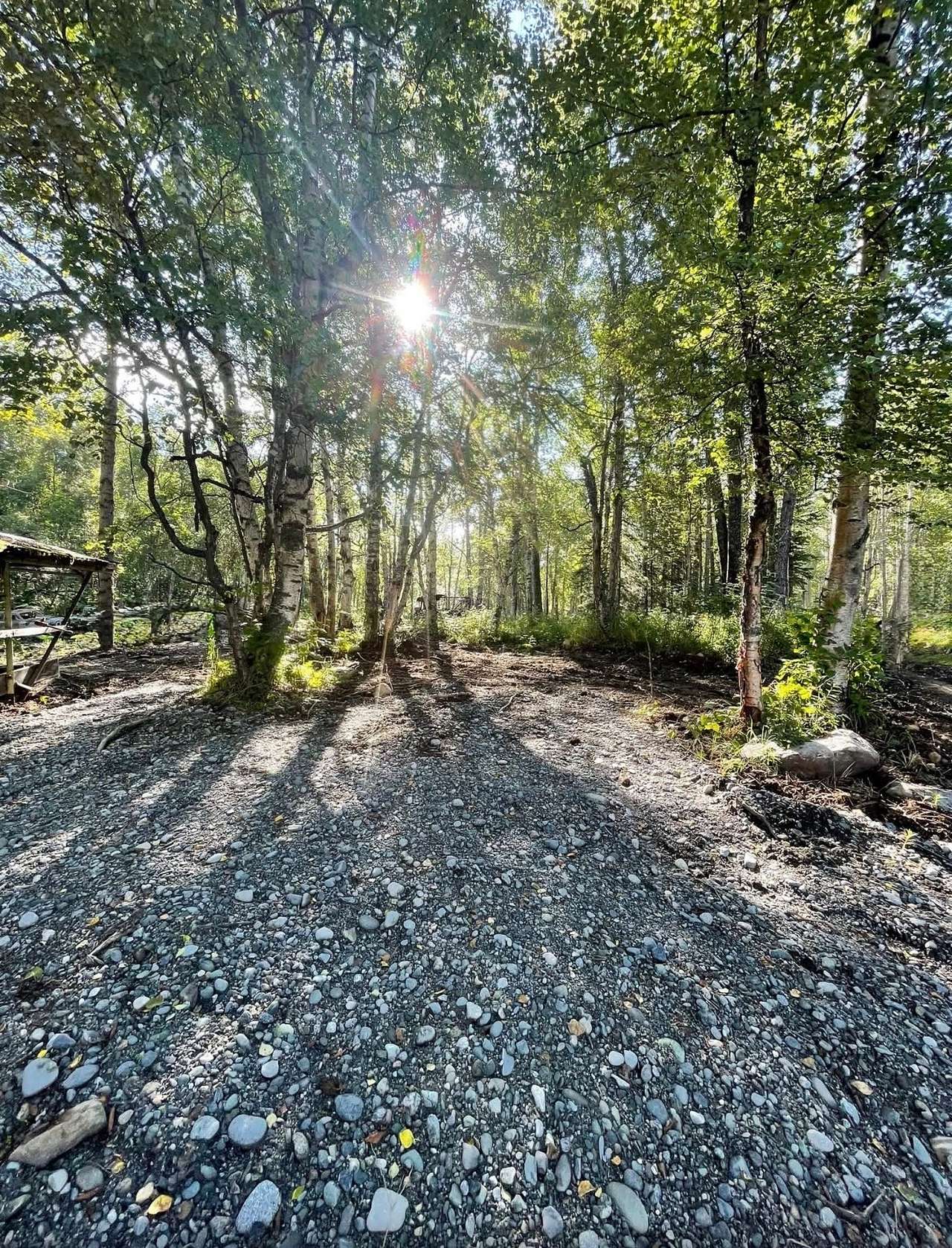
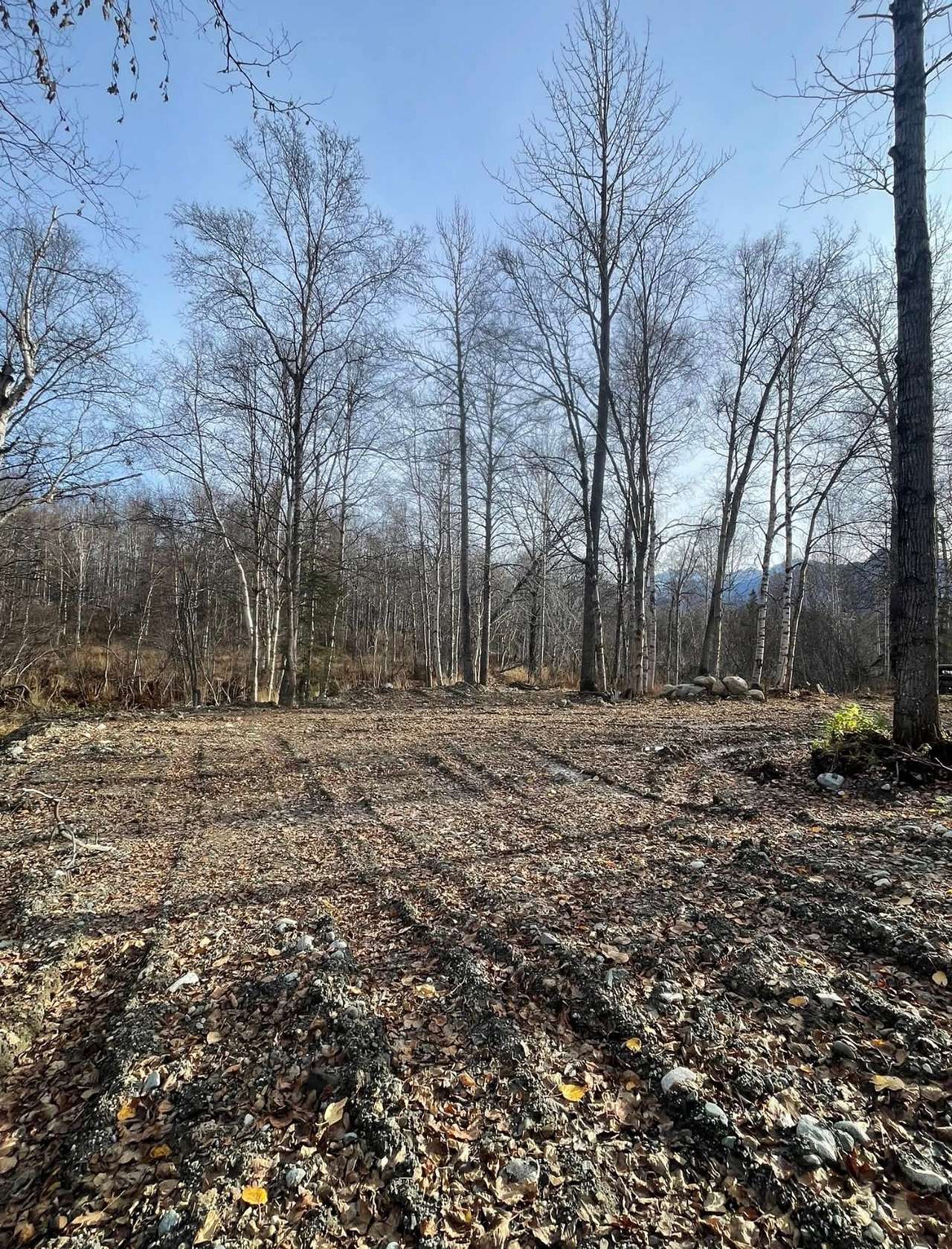
9. Eska Creek Campground
10mi from Hatcher Pass Management Area · 1 site · Tent, RV
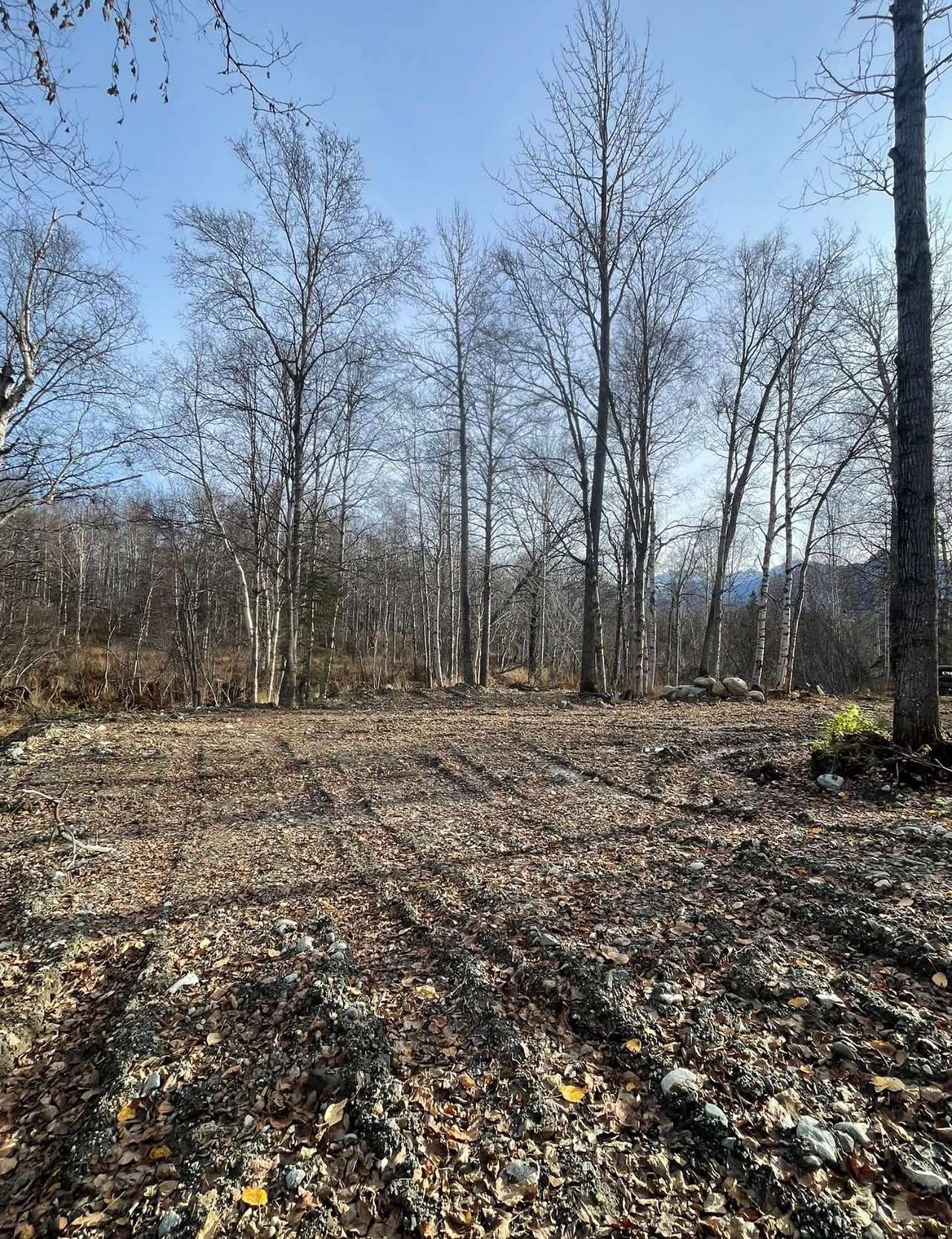
Nestled in the scenic wilderness of Alaska, Eska Creek Campground offers a peaceful escape surrounded by forest, flowing water, and classic northern landscapes. This quiet campground sits near Eska Creek, where guests can enjoy the soothing sounds of the water, fresh mountain air, and the feeling of being truly immersed in nature.
The setting is ideal for campers looking to unplug and experience Alaska’s rugged beauty. Towering trees, open skies, and natural creekside surroundings create a calm and restorative atmosphere, perfect for tent camping, RV stays, or simple off-grid relaxation.
Wildlife sightings are common in the area, and the changing light throughout the day makes for stunning scenery—from soft morning mist over the creek to golden evening sunsets filtering through the trees. At night, the clear skies often open up for excellent stargazing in a quiet, low-light environment.
Whether you’re passing through on a larger Alaska adventure or planning a longer stay to explore the region, Eska Creek Campground offers a simple, natural basecamp surrounded by the beauty of the Alaskan outdoors.
Pets
Tomodachi


10. Tomodachi
10mi from Hatcher Pass Management Area · 6 sites · Tents, RVs
3 acres of beautiful land with a peak at the mountains through the trees:) We are at the base of Hatcher Pass. Available are 8 RV spots and 12 tent spots! Just a 20 minute drive up the mountain straight to independence mine! The Little Susitna River winds it's way up the mountain and you can hear it as it runs its way through the mountains.
Hatcher Pass Yoga at Reed Lake
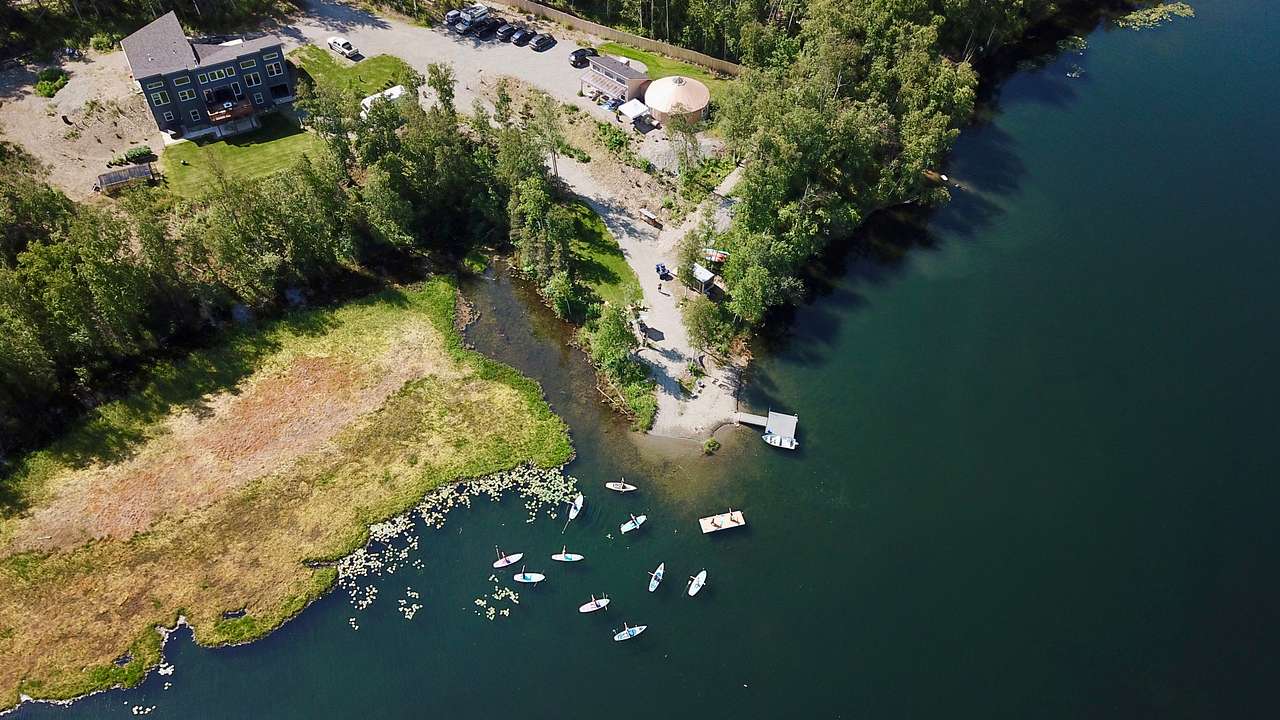
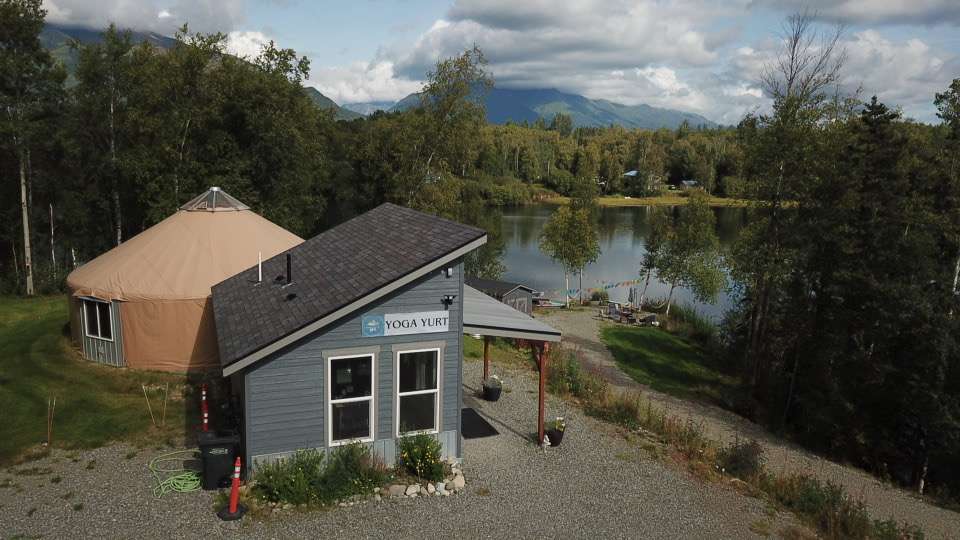
11. Hatcher Pass Yoga at Reed Lake
100%
(1)
13mi from Hatcher Pass Management Area · 1 site
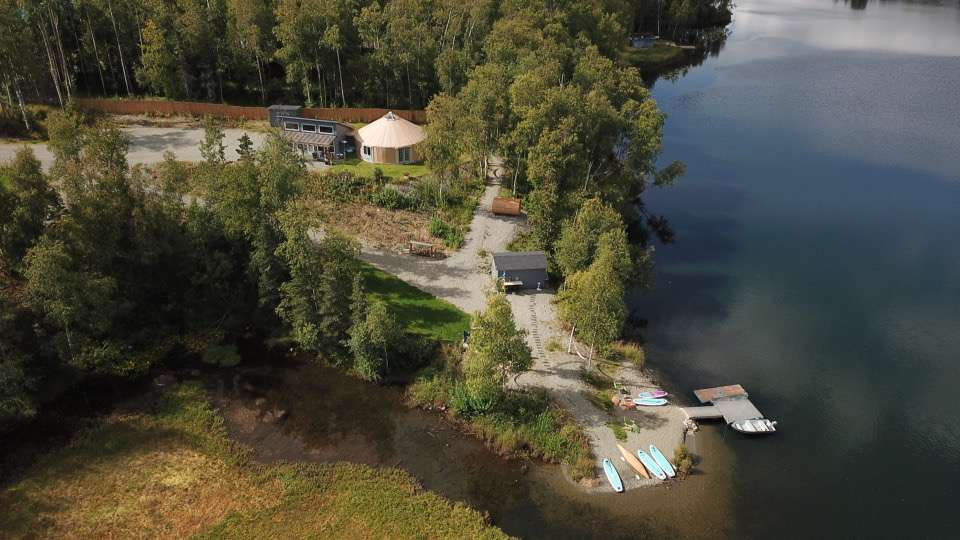
Hatcher Pass Yoga is located on Reed Lake in Wasilla Alaska. We are 10 mins from the Hatcher Pass recreation area and trailheads. The property has a beautiful view of the Talkeetna Mountains. Lake access and sauna access included in the price. We can accommodate one tent camper and one camper van at a time. Yoga classes available onsite daily for an additional fee.
Electrical hookup
Water hookup
Pets
Kings River Retreat


12. Kings River Retreat
13mi from Hatcher Pass Management Area · 4 sites · Tents, RVs
Our little slice of paradise that we’re so excited to share! There are lots of improvements coming, but the property is already lovely as-is. You’re welcome to light a fire in the tent sauna and take a dip in the swimming hole—if you’re brave enough to try the 46°F water!
Quiet, serene, private, and refreshing… you’ll want to come again and again! We have two paddleboards on-site that you’re welcome to use. Please be respectful of our neighbors and only enter or exit the water from our beach. Warming and cooking fires are allowed on the gravel only.
Situated just two miles from the Kings River Trailhead, this is the perfect weekend basecamp for all your off-roading adventures!
No loud parties, please. Clean up after yourselves. There is no power or drinking water available at the property.
Pets
North 40 Basecamp
13. North 40 Basecamp
100%
(7)
16mi from Hatcher Pass Management Area · 6 sites · Tents, RVs
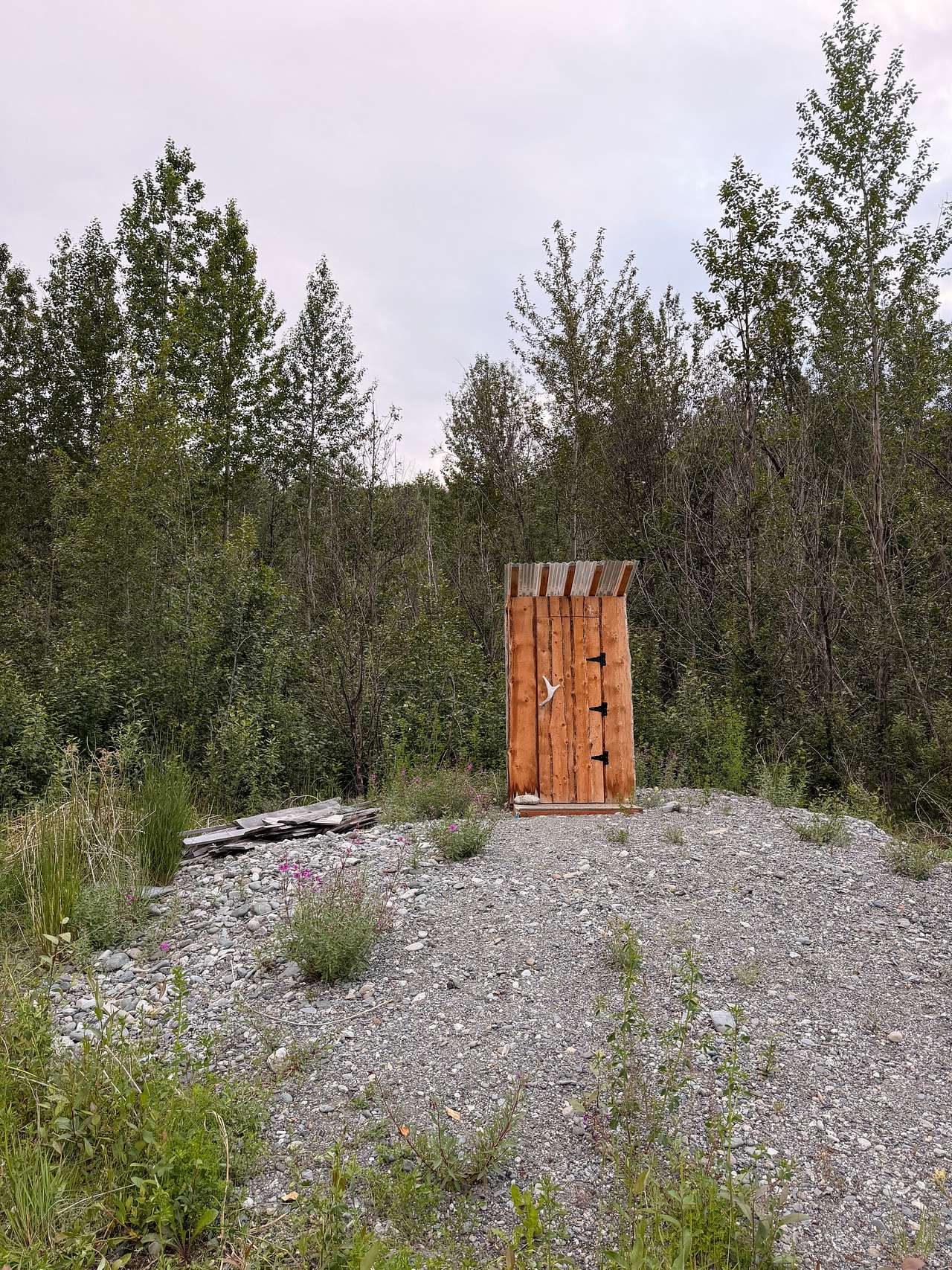
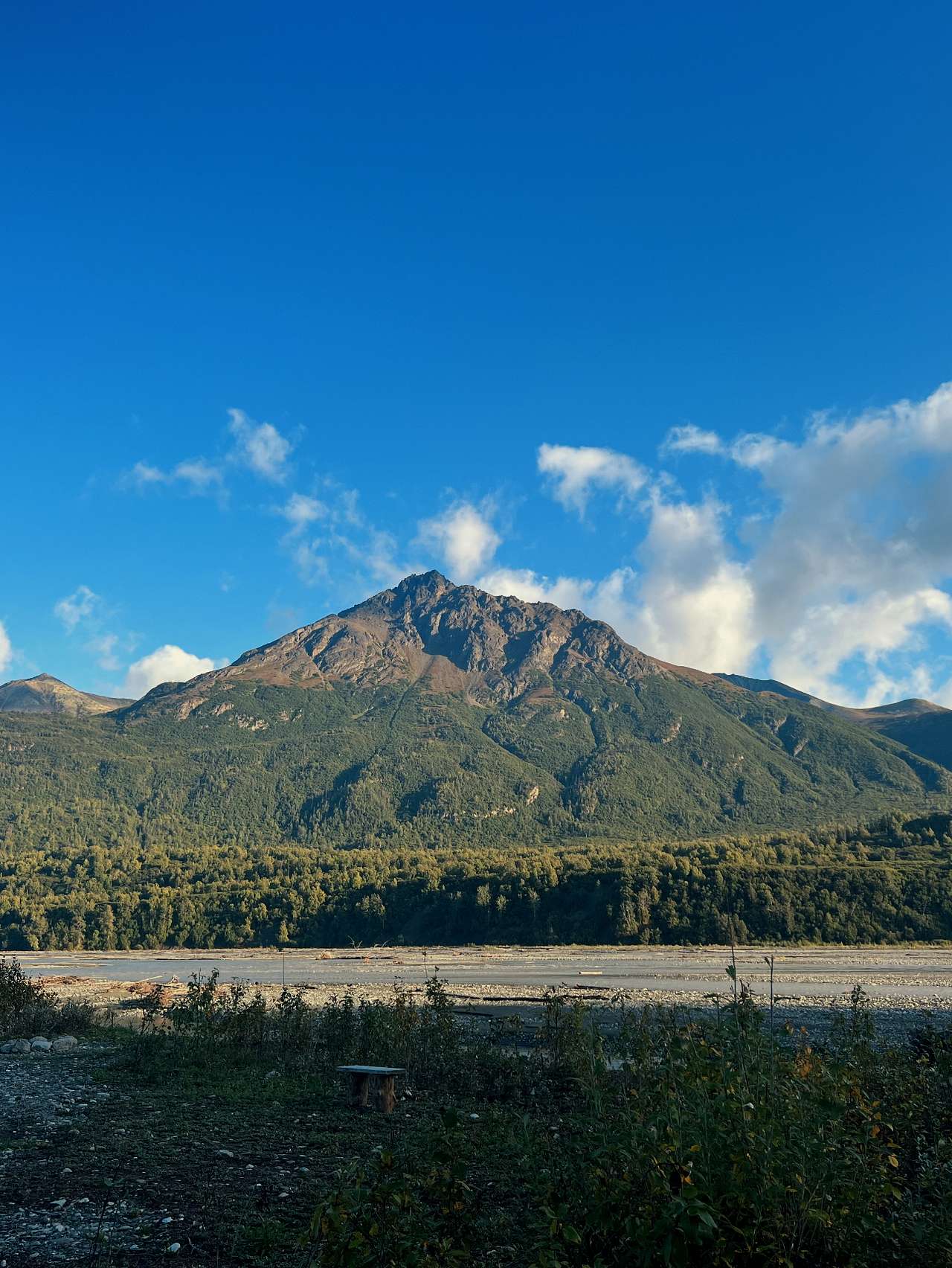
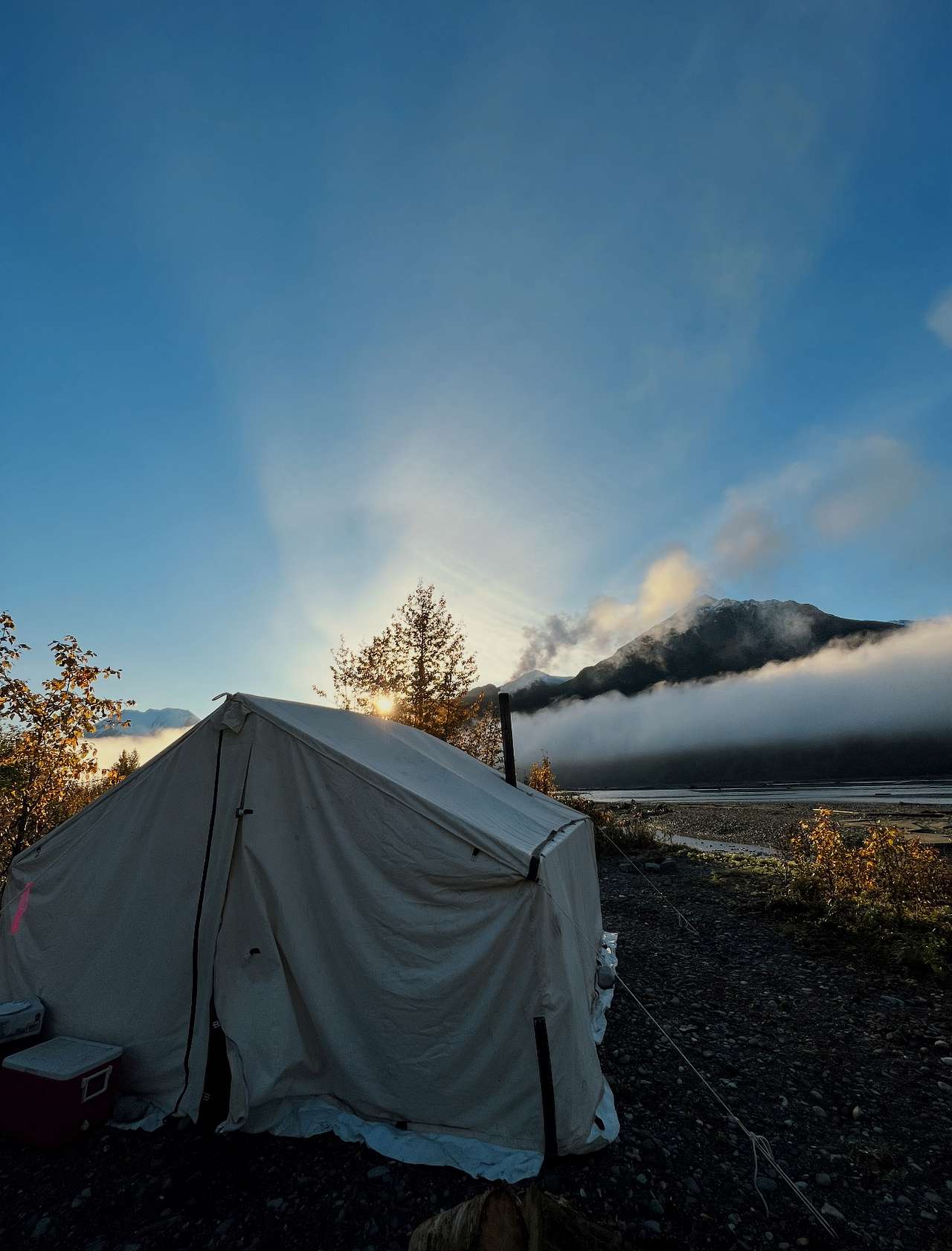
Tucked along the banks of the Matanuska River, North 40 Basecamp is where mountain views meet campfire nights, and the sound of rushing water becomes your nighttime soundtrack. This hidden spot captures the quiet beauty of Alaska’s backcountry—without being far from the road.
Each site offers wide-open views of the Chugach peaks and the kind of stillness that reminds you why you came north in the first place. Simple, scenic, and wonderfully wild — it’s a place to slow down, breathe deep, and feel Alaska all around you.
Pets
Evergreen Oasis
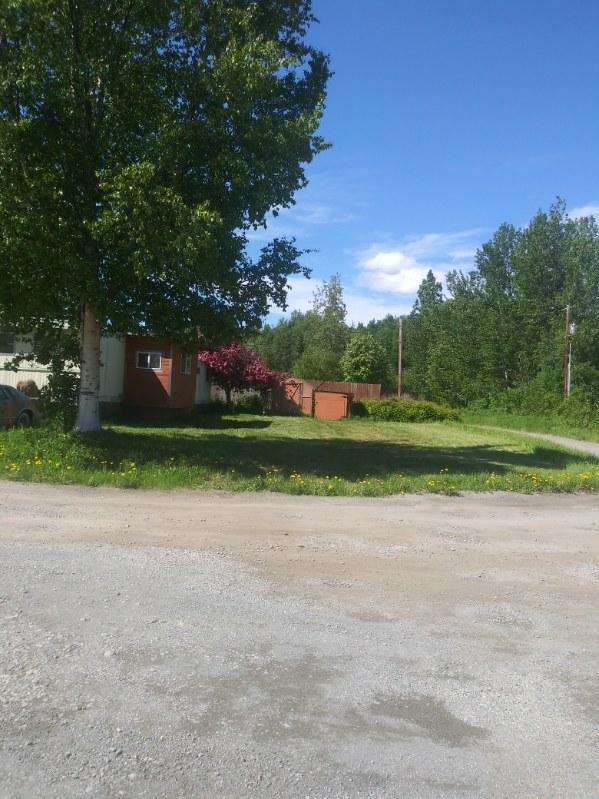
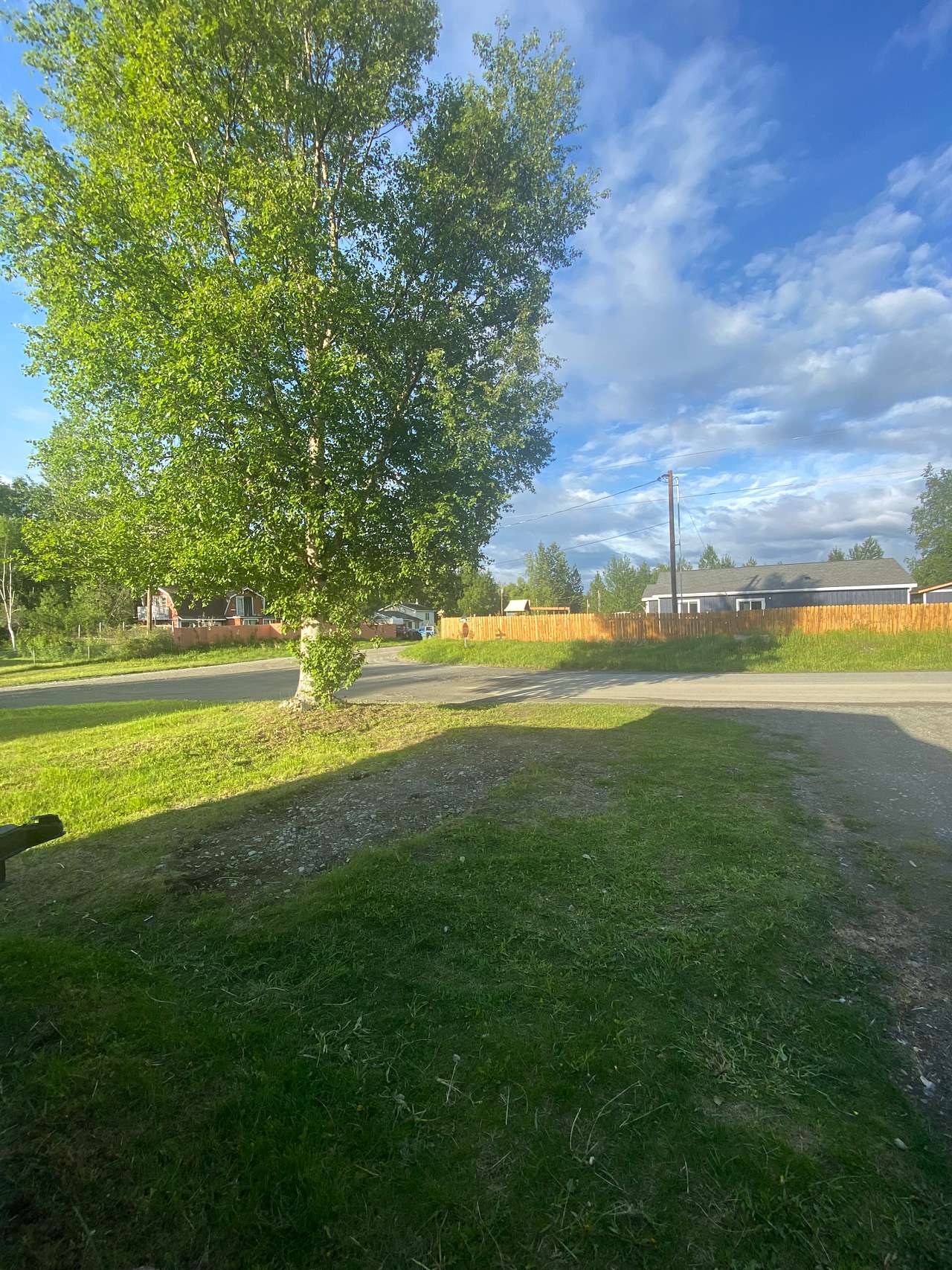

14. Evergreen Oasis
18mi from Hatcher Pass Management Area · 1 site · Tent, RV
Lush Alaskan landscape greenery all around. Close to stores & downtown Wasilla. Recreation area & Fire pit area available for use. Well pump & electric on site. Park your RV, Van, or bring your tents & relax and unwind. 24/7 on site attendant & video monitoring.
Enjoy easy access to Nancy Lake’s calm waters and trails, explore the scenic Kepler–Bradley lake system, fish along Willow Creek, or hike a section of the historic Iditarod Trail nearby.
If you’d like, I can shorten this further, highlight fishing or winter activities, or adjust the tone for rustic or family-friendly listings.
Electrical hookup
Water hookup
Pets
HiJo's Alaska Riverside Retreat
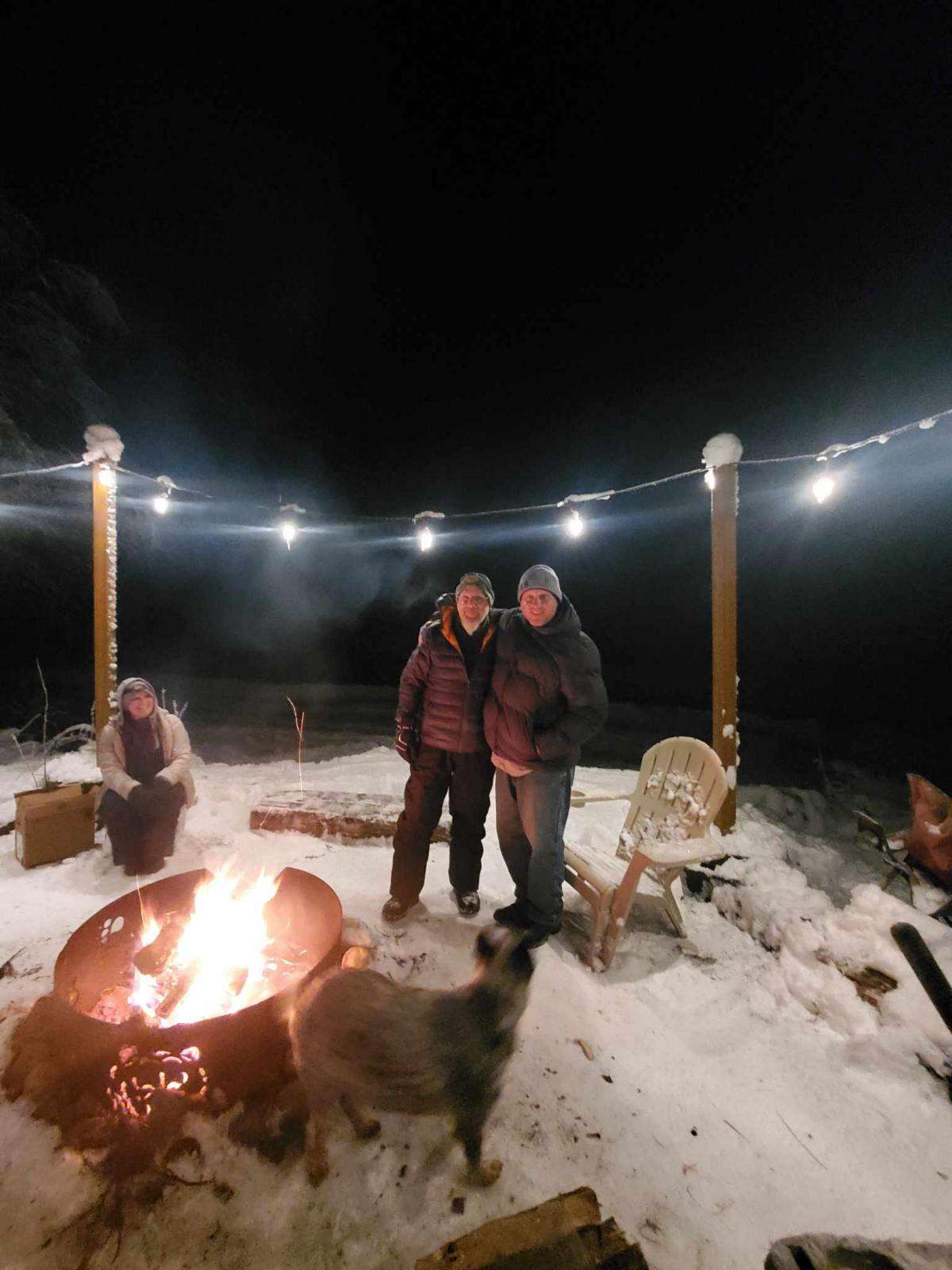

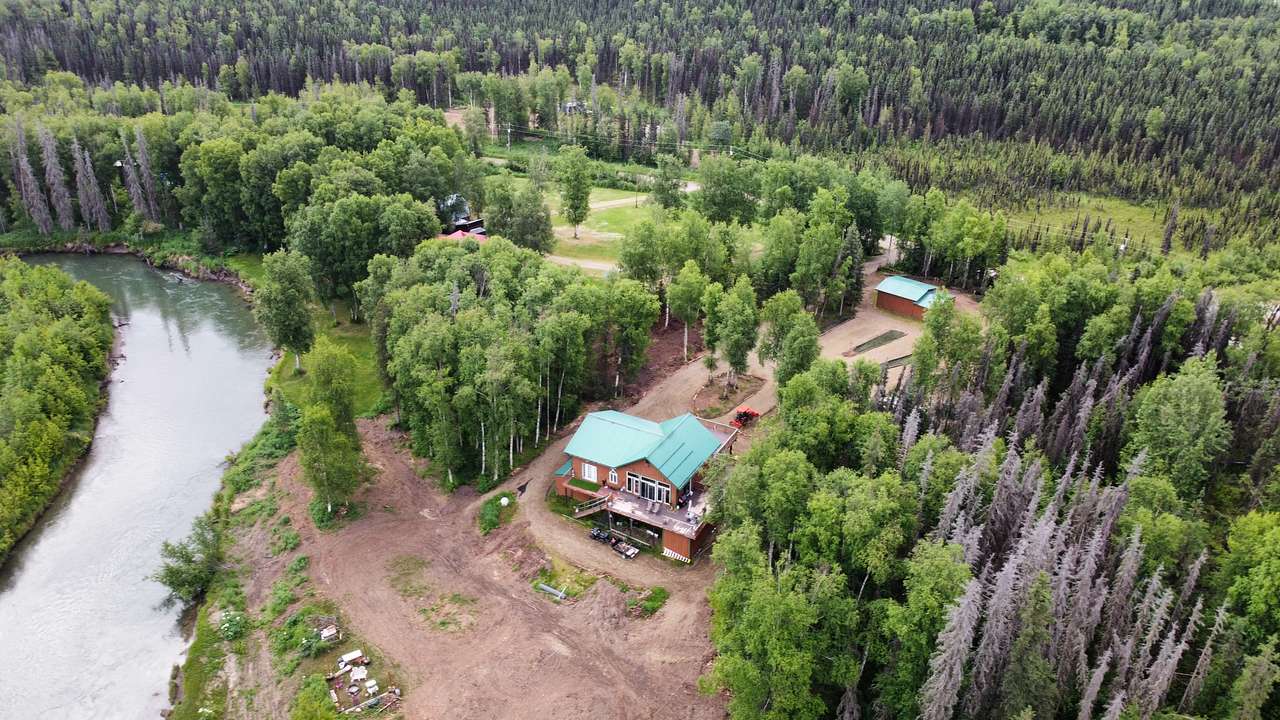
15. HiJo's Alaska Riverside Retreat
24mi from Hatcher Pass Management Area · 4 sites
👀- You must be at least 21 years or older and no children allowed.
👀- Smoking is allowed in the designated smoking areas
👀- This is a very quiet residential neighborhood, no partying or loud music.👀- Respect others
If you've read this far, continue reading👌
Pack your Kayak, canoes, paddle boards!
Hey there! Check out our cozy 1.0-acre property right on the banks of the Little Susitna River in Houston, Alaska.
We have 3 dry camping pads, perfect for campervans, Class B RVs, truck campers, and small Class C. If you are passing through on the Parks Highway and need a place for the night, (If you are traveling in a Group please call us ahead of time we might have some space), on your way to Denali or Fairbanks, this is your spot! We are conveniently located just 2 miles off the Parks Highway, In Houston, Alaska, Home of the World Famous Millers Ice Cream.
Anchorage 70 miles
Wasilla- 20 miles
Big Lake 9 miles
Willow 18 miles
Hatchers Pass (Willow Side, Summit Lake State Recreation Site ) 40 Miles
Talkeetna 60 Miles
Denali National Park 190 miles
Fairbanks 300 miles
The property is seriously charming and comfortable, with, 2 fire ring areas. It really gives you the best of both worlds - the peaceful tranquility of a rural setting, but with the convenience of nearby towns. We even have free mosquitoes for everyone (mosquito repellent not included, but mosquito magnet is on site, just FYI).
Bring your Own Kayaks, this is a perfect place for an easy 1-3 hour float, with a kayaks, paddle Boards, inflatable boats. or canoe (take out near Miller’s Market – Ice Cream).
We can arrange pickup for a small fee.
Air Compressor for airing up your gear if needed.
We’d love to share our little piece of Alaska with you today!
Pets
High Acres
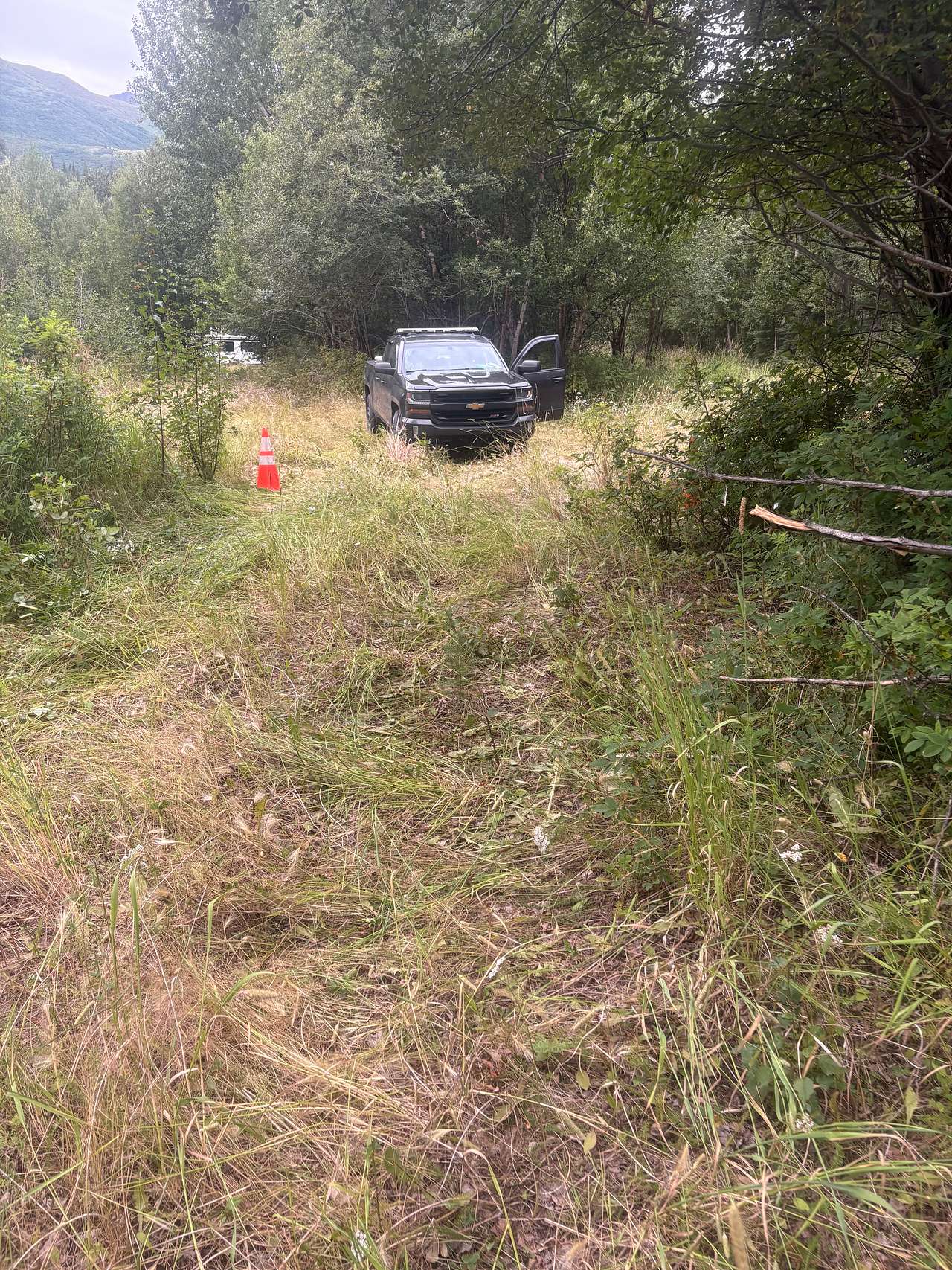
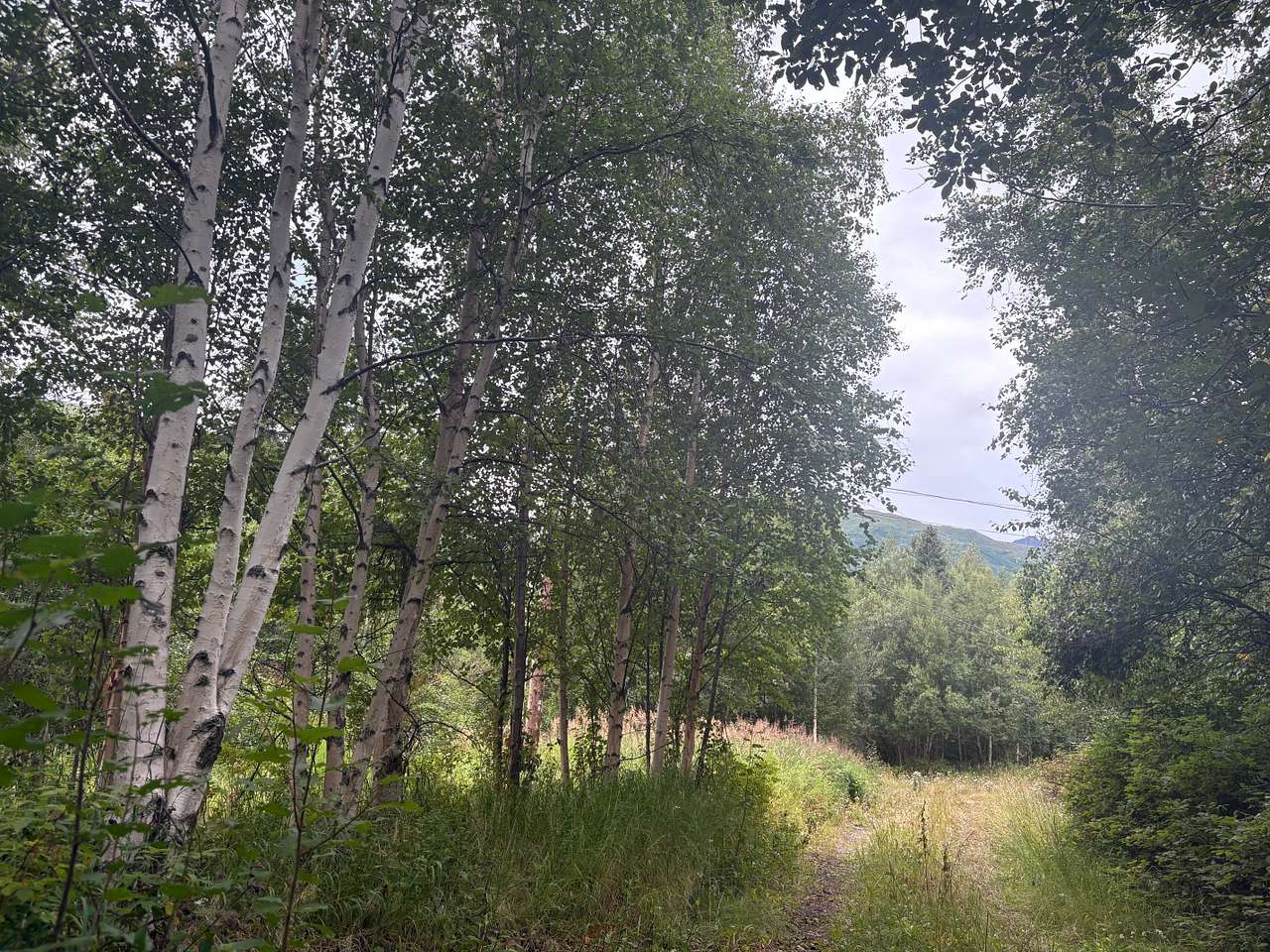
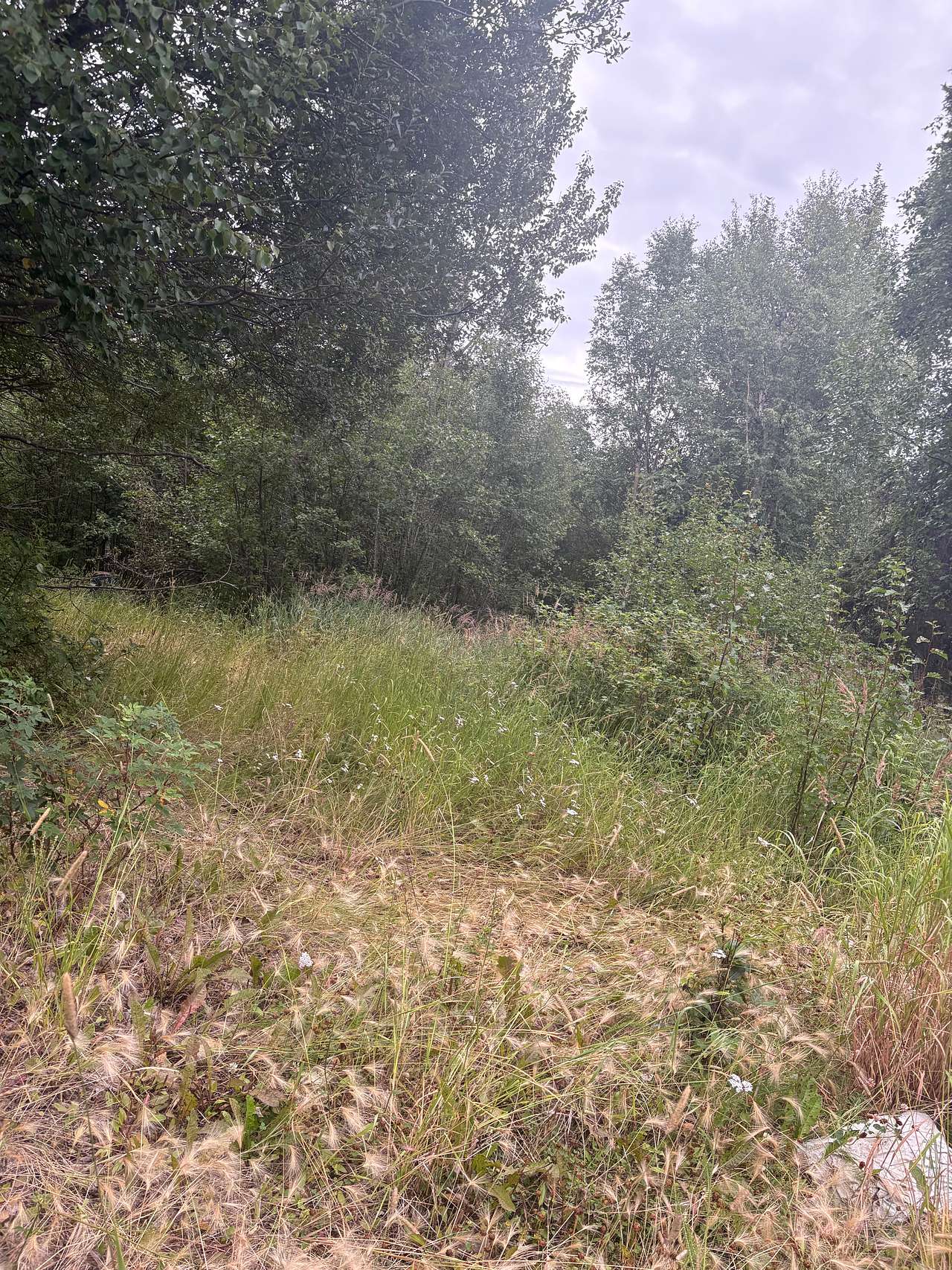
16. High Acres
25mi from Hatcher Pass Management Area · 1 site · Tent, RV
Raw property located in the gorgeous Knik River/Butte area outside Palmer, Alaska. Close to river access, 20 minutes to the city of Palmer.
Nearby Adventures: Explore scenic riverside paths at Matanuska River Park and the adjacent Matanuska River Trail for easy walking or biking, tackle varied terrain and stunning summit views at Government Peak Recreation Area, or take on the classic Lazy Mountain hike for a memorable outdoor adventure just minutes from your campsite.
Pets
Native Steambath
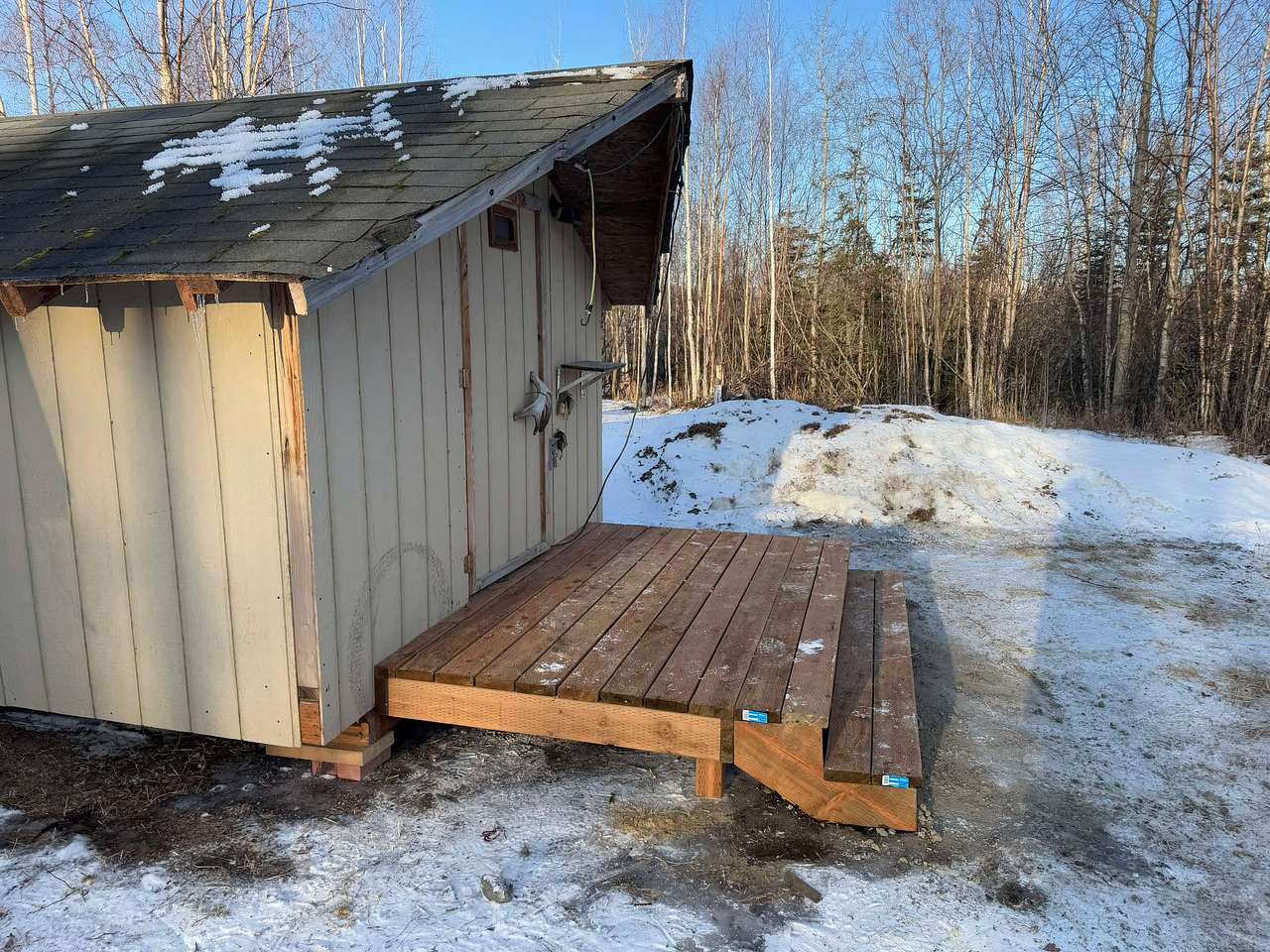

17. Native Steambath
27mi from Hatcher Pass Management Area · 1 site · Tent, RV
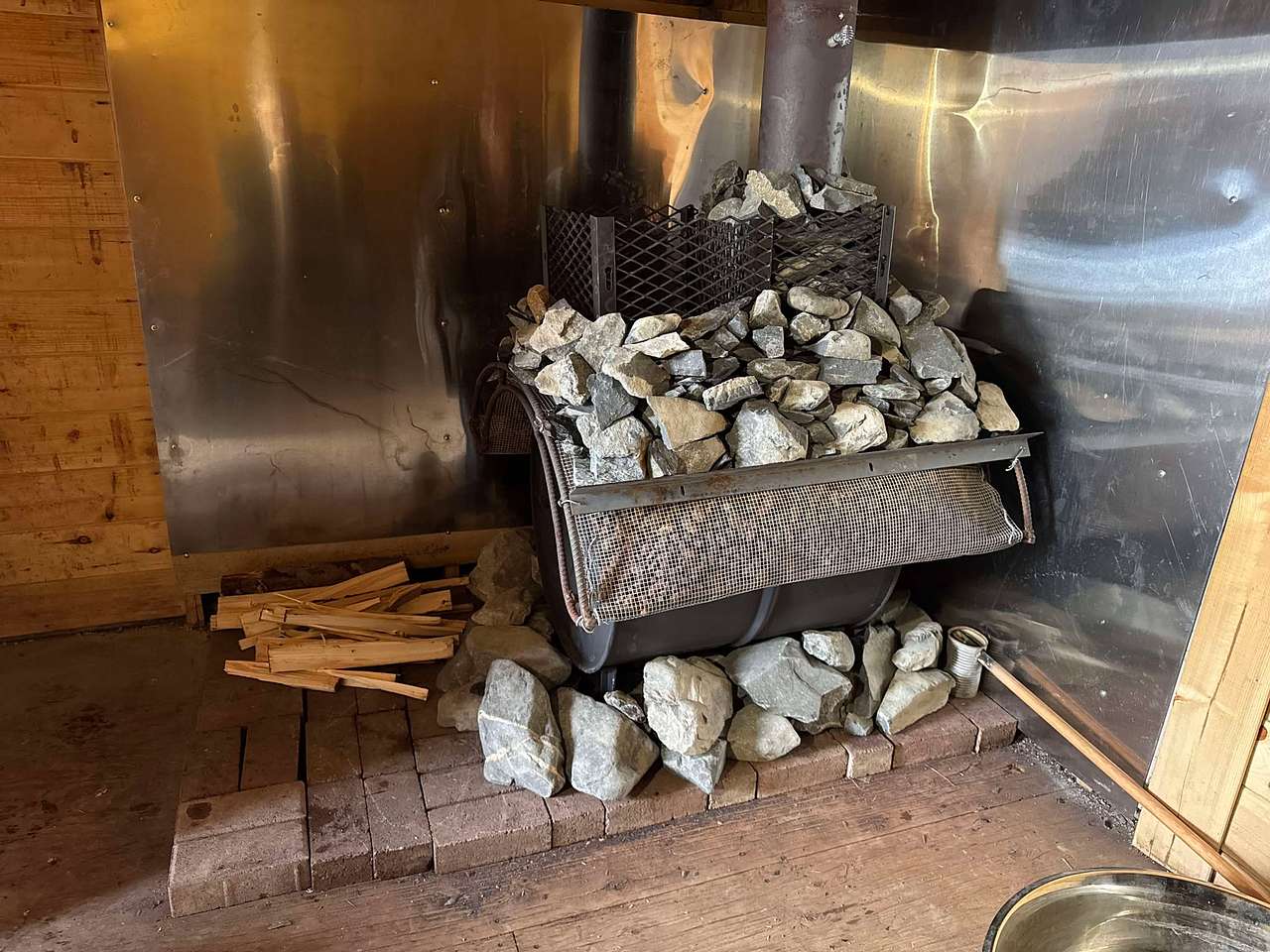
(Sauna/Steam house ) This location has room for tent, RV, or even an SUV. Water, Power 110v, Internet available. You can book one of the four cabins we have on the property that has full amenities to feel right at home. Feel refreshed when you use this rare gem. This is a handcrafted Authentic Native Alaskan steam Bath. Same as the ones used in the native villages of Alaska. Come alive as the heat soothes you and drives the aches and pains out of your body. Let the heat restore you.
Pets
Full hookups
Big Lake Birch Bend
18. Big Lake Birch Bend
28mi from Hatcher Pass Management Area · 1 site
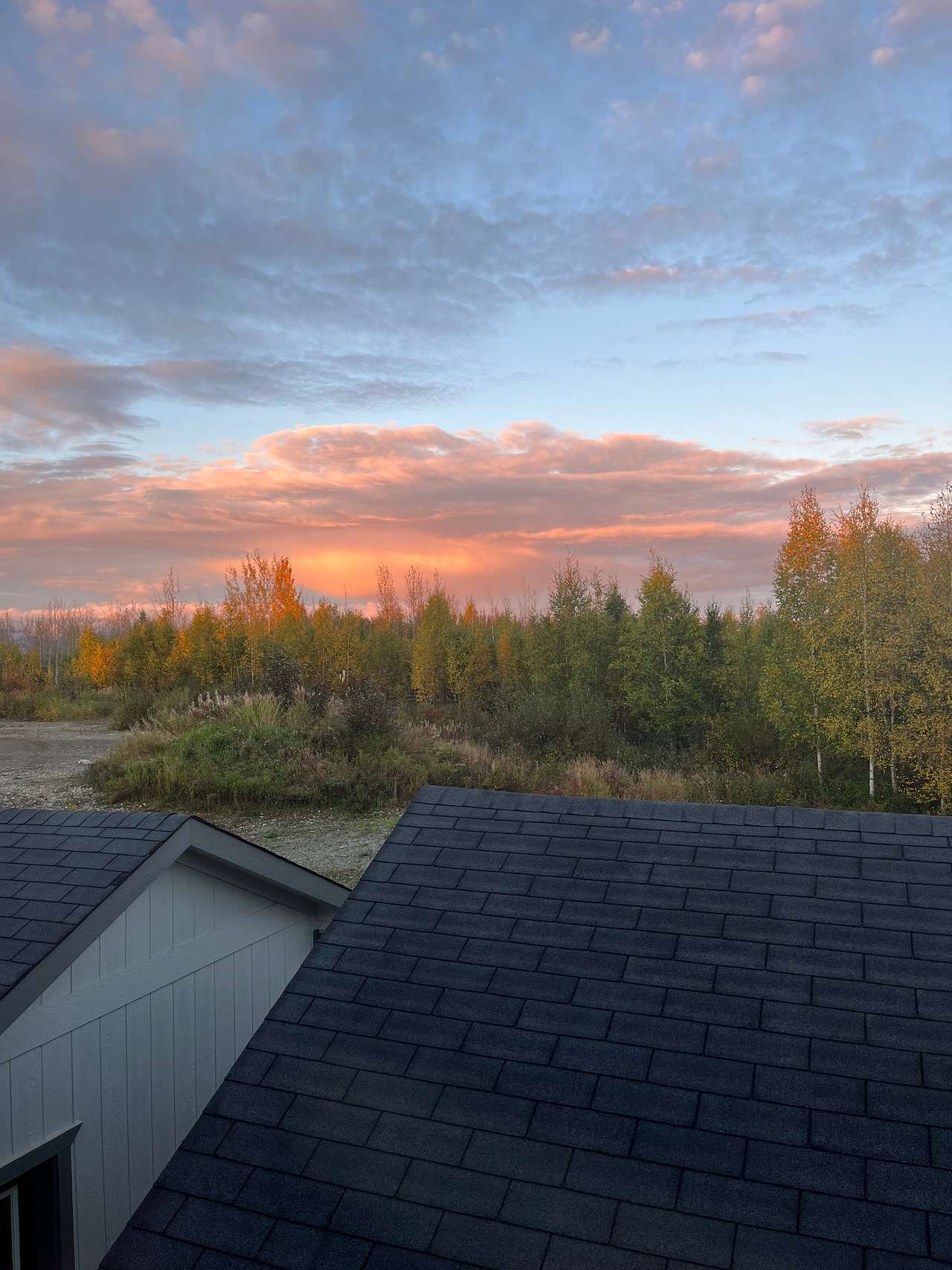
Enjoy a beautiful, quiet slice of Big Lake just minutes off Hwy 3 and only a few miles from downtown Big Lake and the Big Lake North Recreation Area.
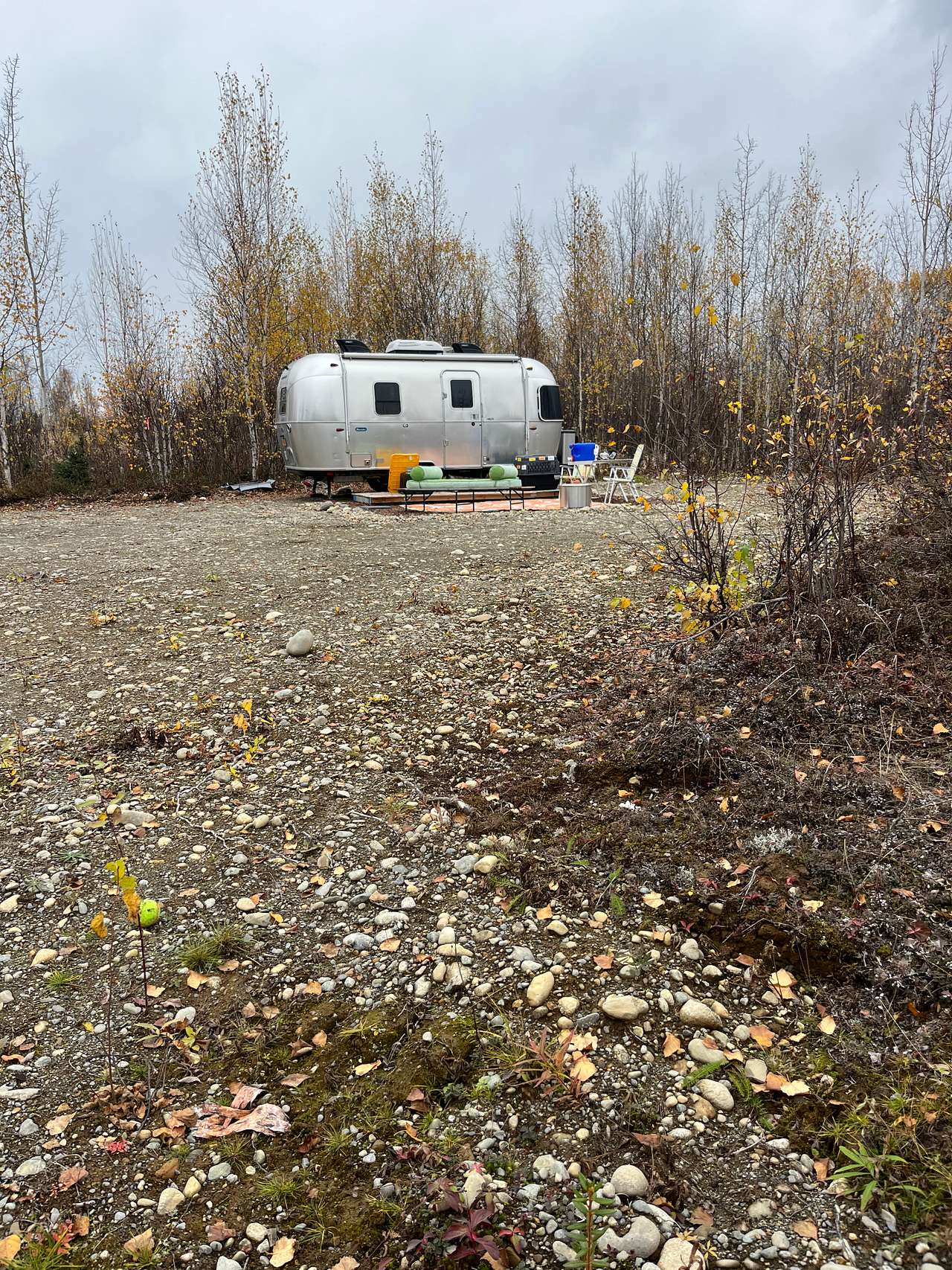
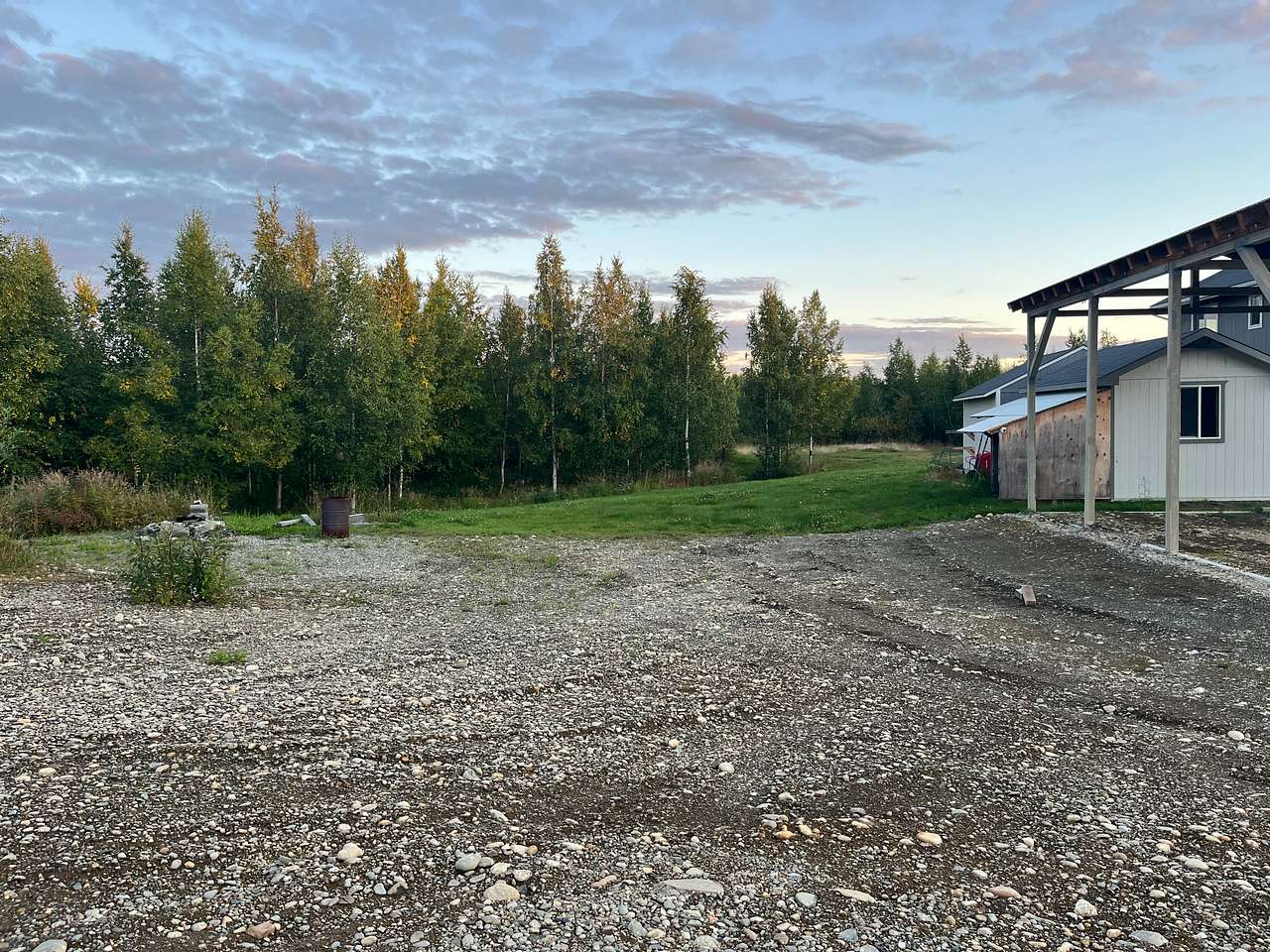
Stay on 3 acres of private land adjacent to a family home, yet tucked away in a secluded enclave surrounded by mature trees.
Accessible, private RV parking surrounded by nature!
No hookups are available for water, sewer, or electricity.
Pets are welcome but must remain on a leash, and owners are required to clean up after them.
Please, no fireworks, parties, or other nuisances.
Pets
Twin Peaks Sleeps

19. Twin Peaks Sleeps
100%
(9)
29mi from Hatcher Pass Management Area · 1 site
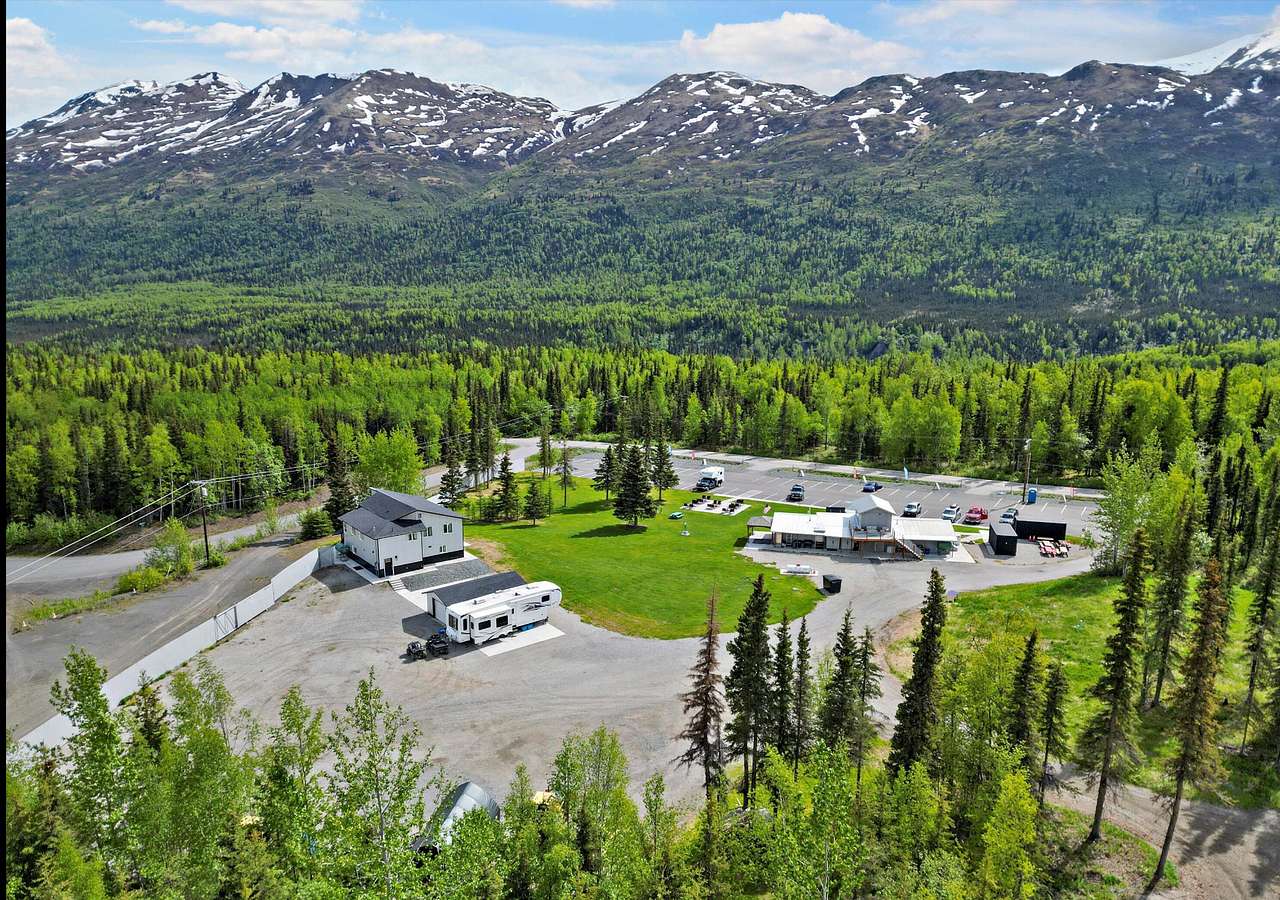
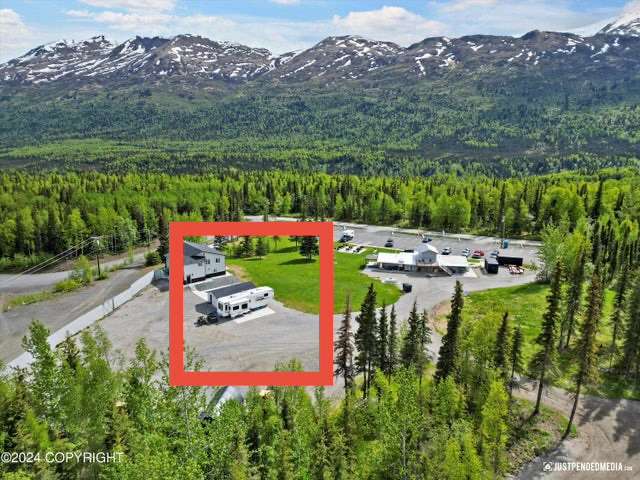
Escape the hustle and bustle of crowded campgrounds and immerse yourself in the serene beauty of Eklutna Valley at Twin Peaks Sleeps.
With astounding mountain views, staying at TP Sleeps will take your breath away when you step out your door.
Nestled on the north edge Anchorage, Alaska, our sites provide a perfect blend of comfort and adventure.
Explore the stunning surroundings, play at Eklutna Lake and stay in quiet comfort at our RV site with electric, water & sewer hookups. Checkin at the Ice Cream Shop, Twin Peaks Treats. No check-ins after 9pm.
Twin Peaks Sleeps is your gateway to a peaceful escape amidst the breathtaking landscapes of Eklutna Valley.
Pets
Full hookups
Talkeetna Remote Campsite & Spring
20. Talkeetna Remote Campsite & Spring
30mi from Hatcher Pass Management Area · 1 site · Tent, RV
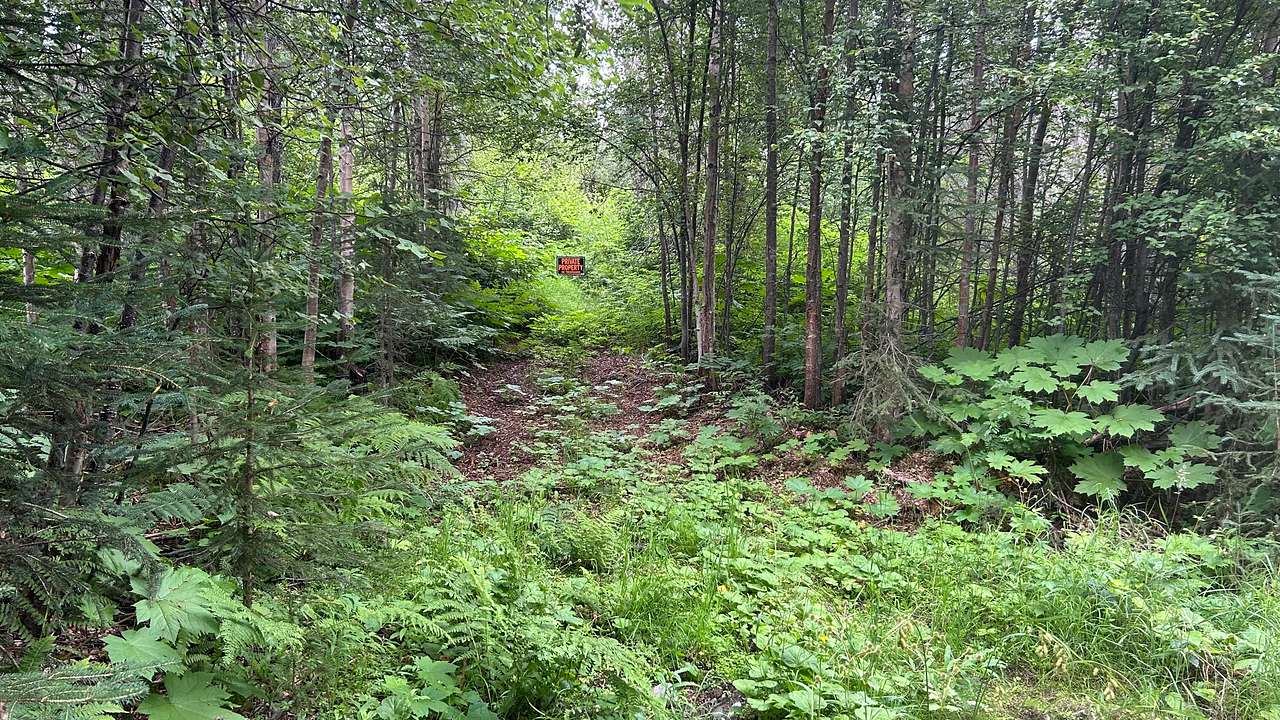
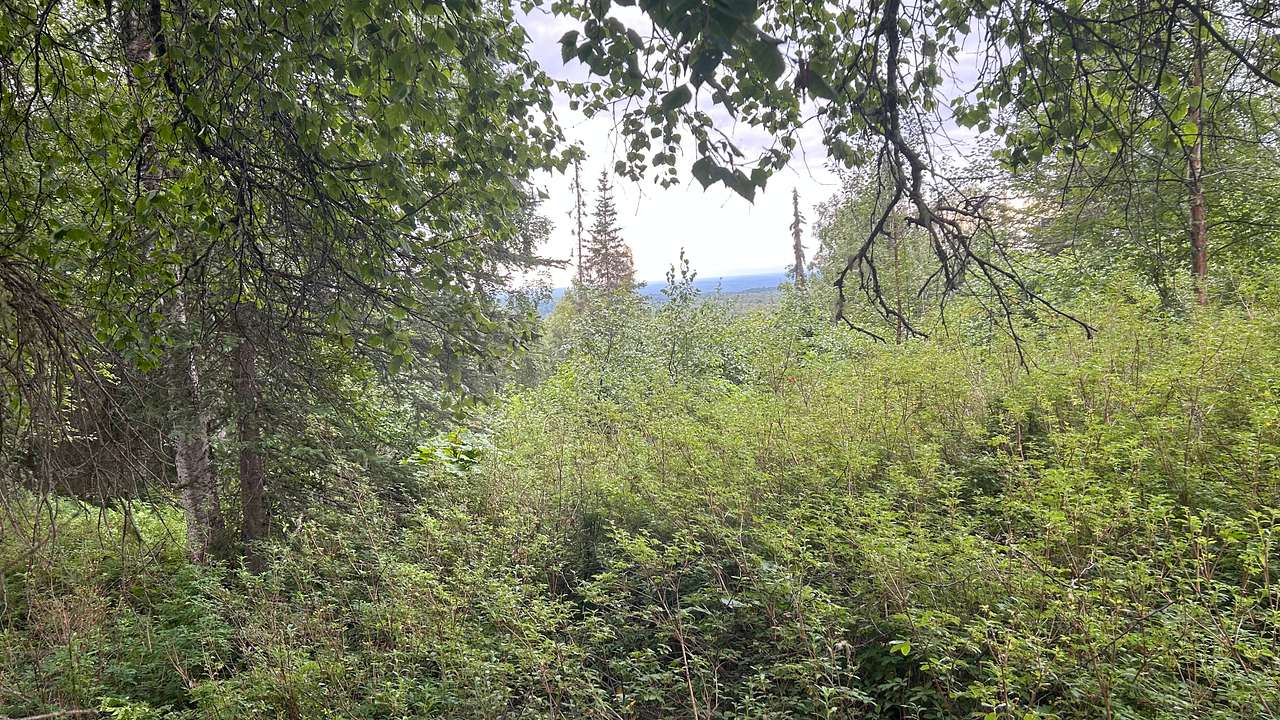
Remote property 6 miles up an unmaintained road. Trail is traversable with 4 wheel drive vehicles and off road vehicles in the summer and snow machine in the winter.
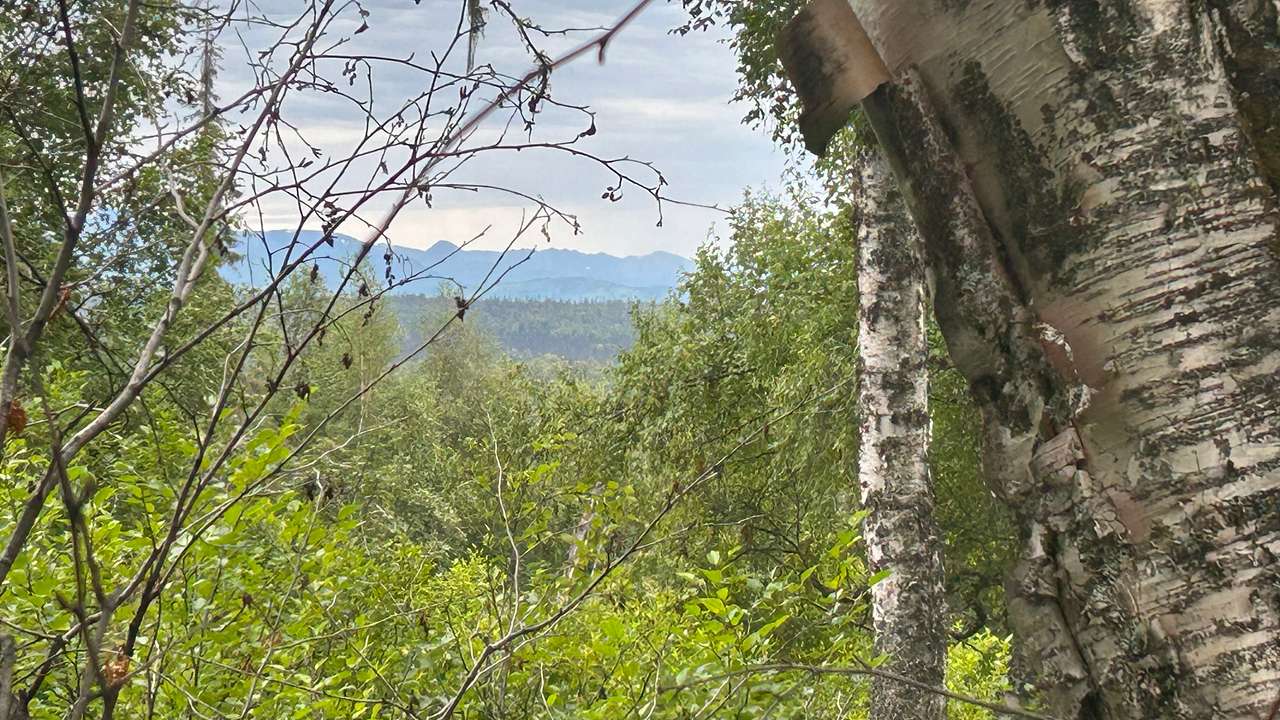
The is a spring fed creek passing through on its way to sheep creek. Glimpses of the Talkeetna Range and Sleeping Lady.
In a forest of old spruce and birch.
Lots of moose and bear. Wild berries everywhere in the late summer and fall.
Less than a mile from thousands of acres of state land and a 4 mile hike to Sheep Creek access.
Site has an outhouse and fire ring.
Pets
Recent reviews from the Hipcamp community
Caitlin
3 weeks ago
20 ft travel trailer
With pets
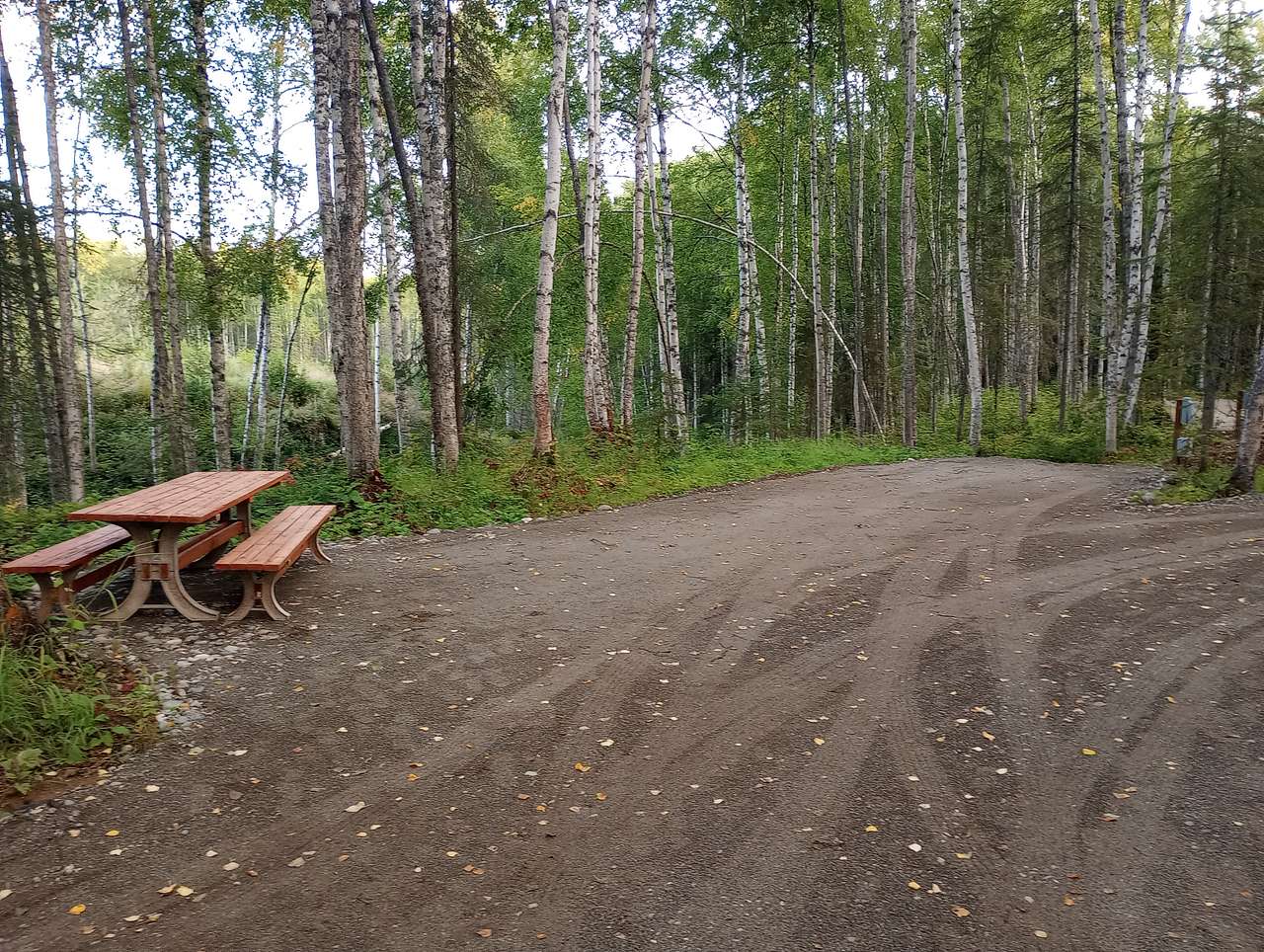
Fantastic location! Short walk down to clean walkable creek. Kids love it! Sturdy picnic table and metal fire ring provided. Toilet and shower area. Chickens and duck coop on site which is so fun! Toddler was obsessed!
See more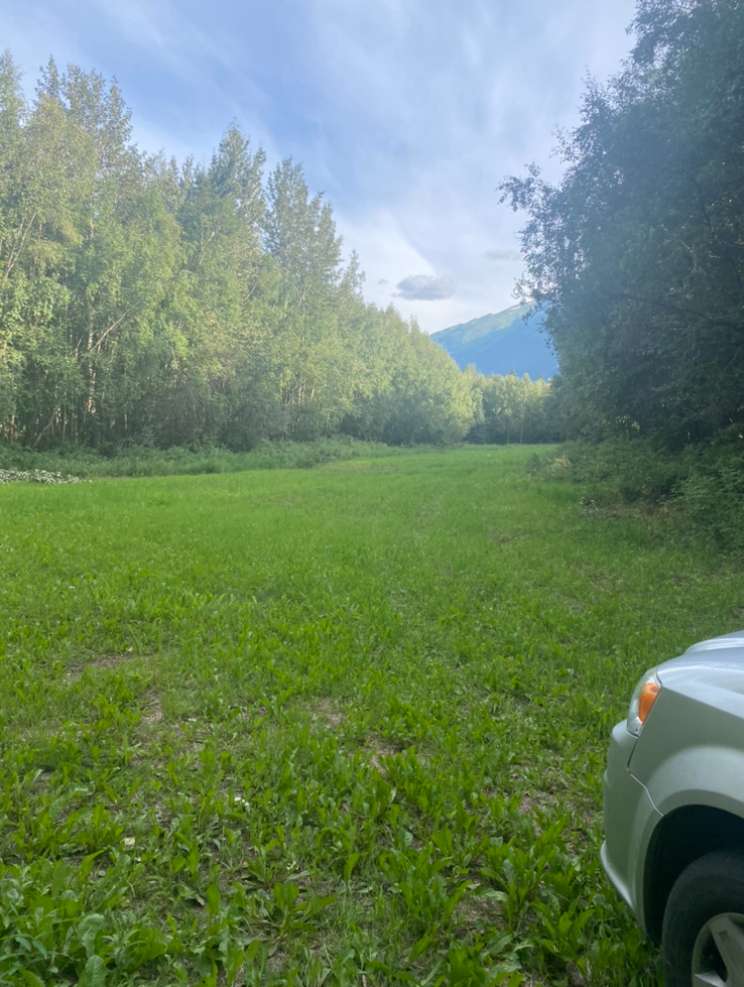
Sheena
September 2026
20 ft travel trailer
With pets
Property was easy to find and very convenient to ride over to Jim Creek. Quiet and private, we had wild turkeys visit so be careful letting dogs off leash
See more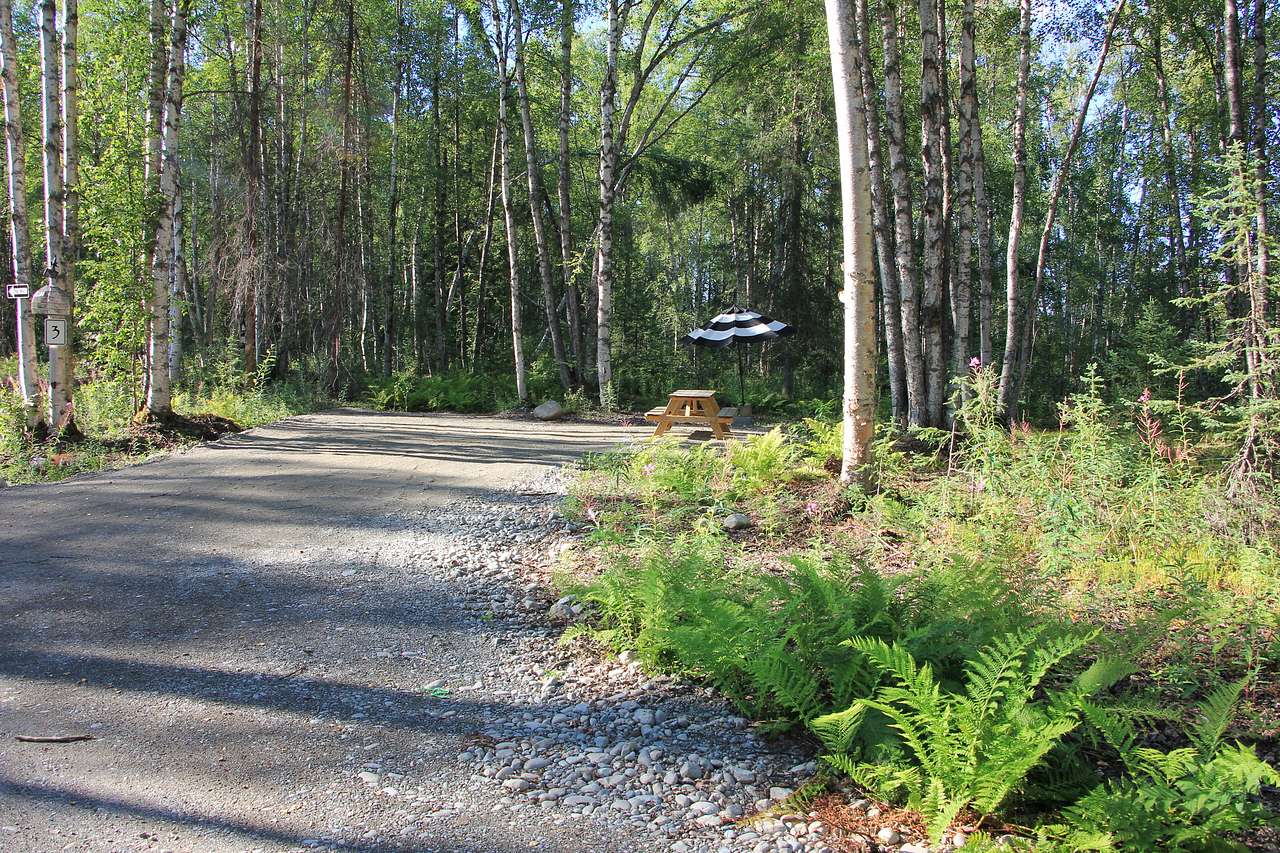

Grant
August 2026
15 ft campervan
Quiet and clean! Sites are spaced out nicely and the lake is beautiful. Would definitely recommend.
See more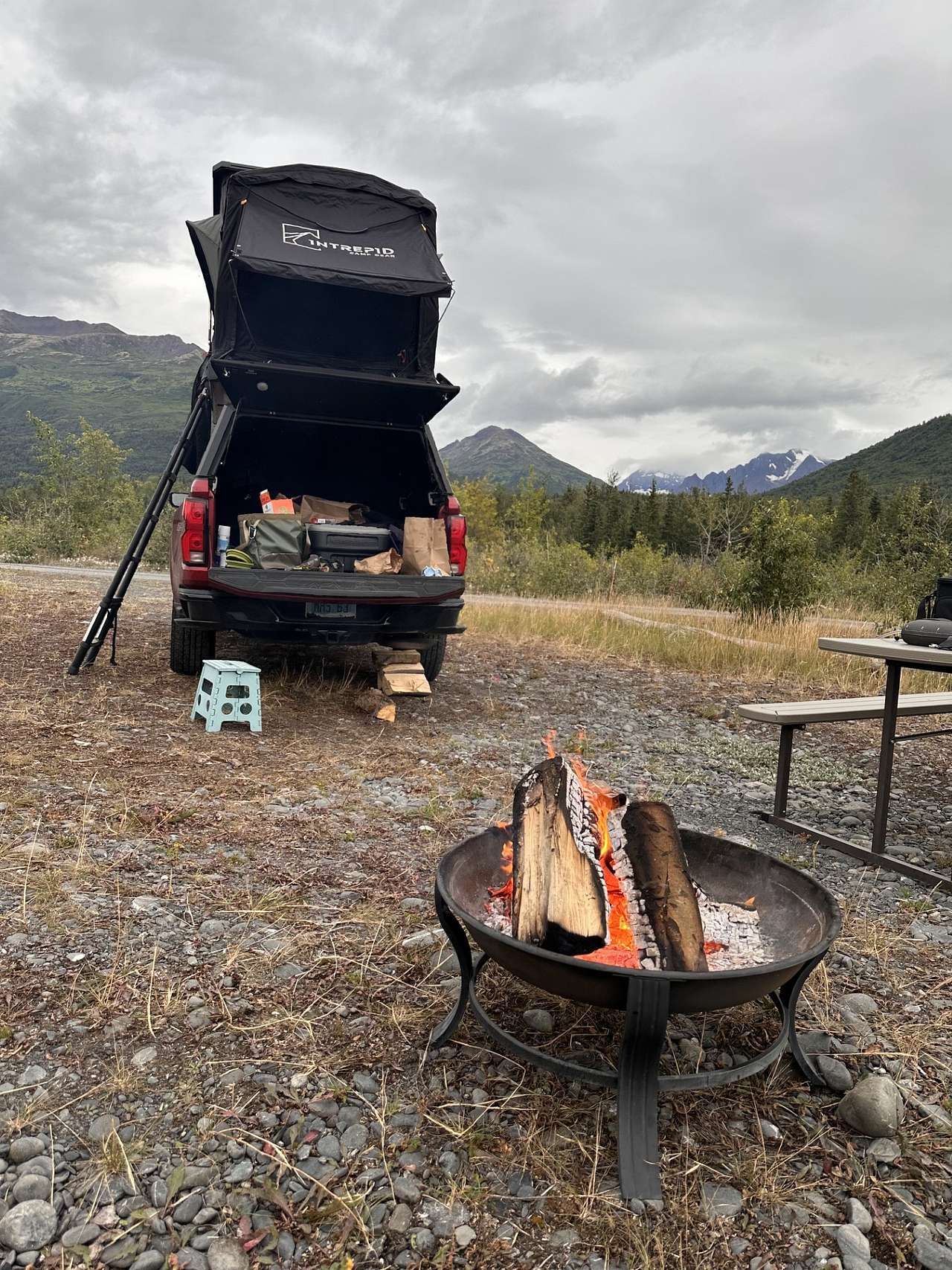
brian paul
August 2026
18 ft pop-up camper
With pets
We had a nice, quiet stay. I would definitely go back! It was a low-frills site with a picnic table and fire pit. But, what more does a self-contained camper need?!?!
Chris is a great host and hospitality is the name of his game. If you want to wake up in Alaska, I suggest you book the site NOW!!!
See moreAshley
August 2026
10 ft rooftop tent
With kids
Our stay was very laid back and the spot was peaceful and quiet! Would recommend! Rikki answered all our questions and made sure we were all set.
See more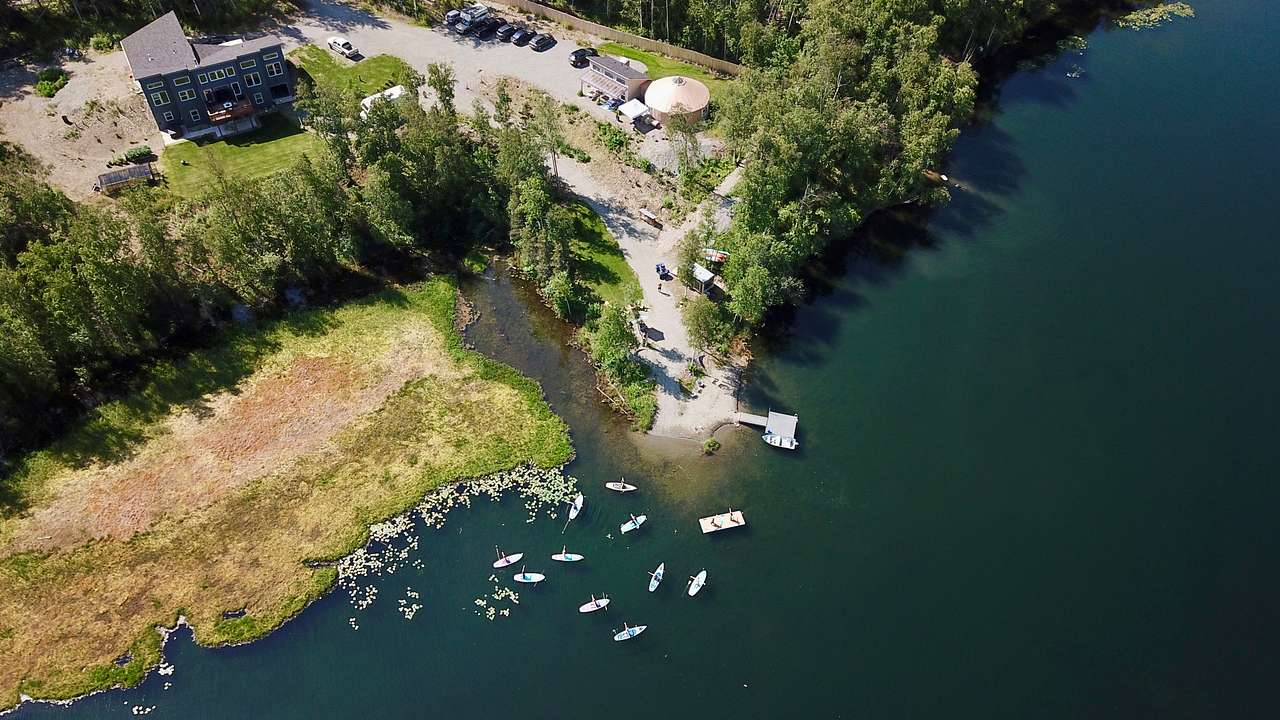
Natali
August 2026
21 ft campervan
This place is a gem. Not only is the property gorgeous, but the camp hosts are so lovely. I felt like a tourist in my own state. Will come again!
See more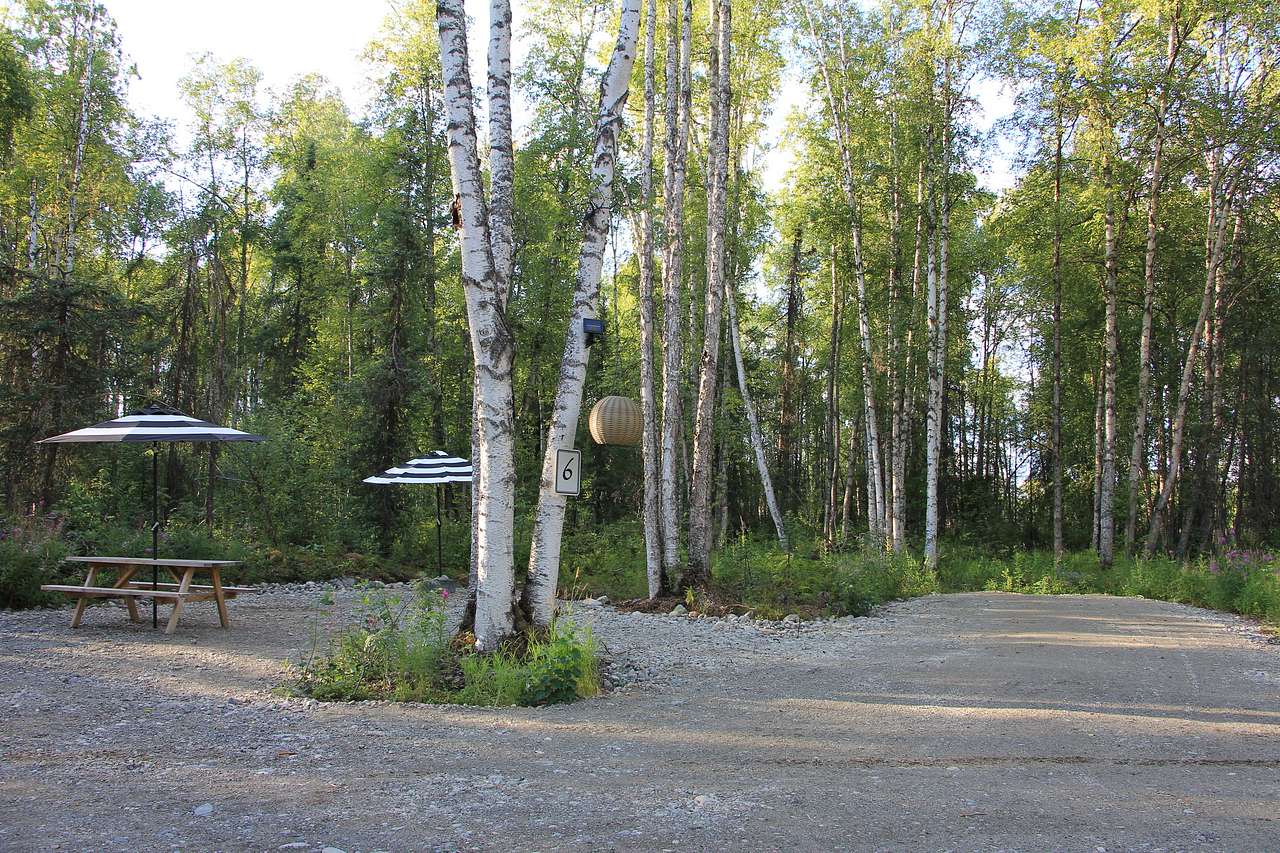
Linda
August 2026
18 ft campervan
The campground was very nice! Highly recommend! Host was helpful, many added touches!
See more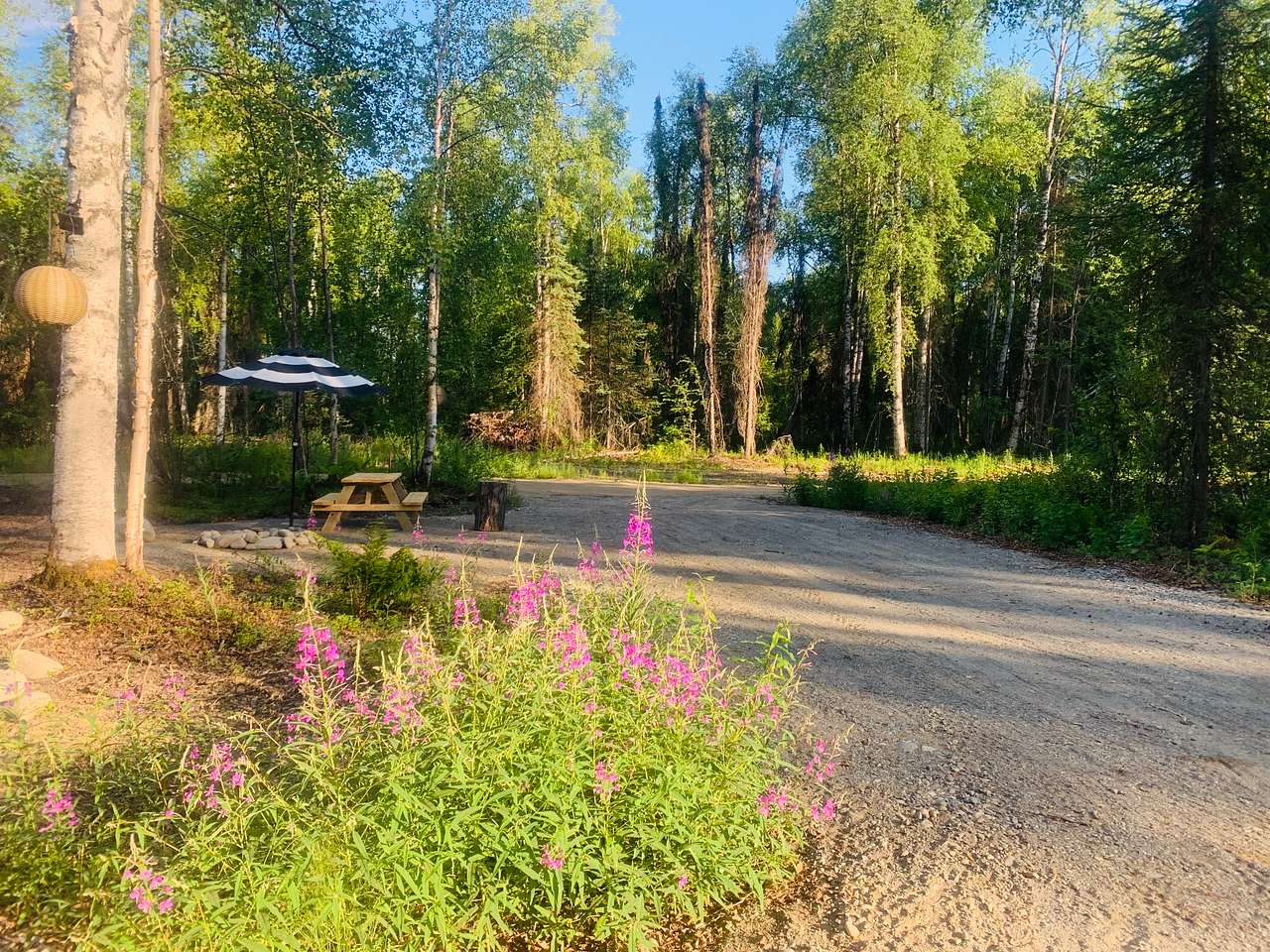
Kristy
August 2026
22 ft campervan
The camp hosts communicated well and directions were easy to follow. The property was beautiful with many adorable and thoughtful touches! We hope to come back!!
See more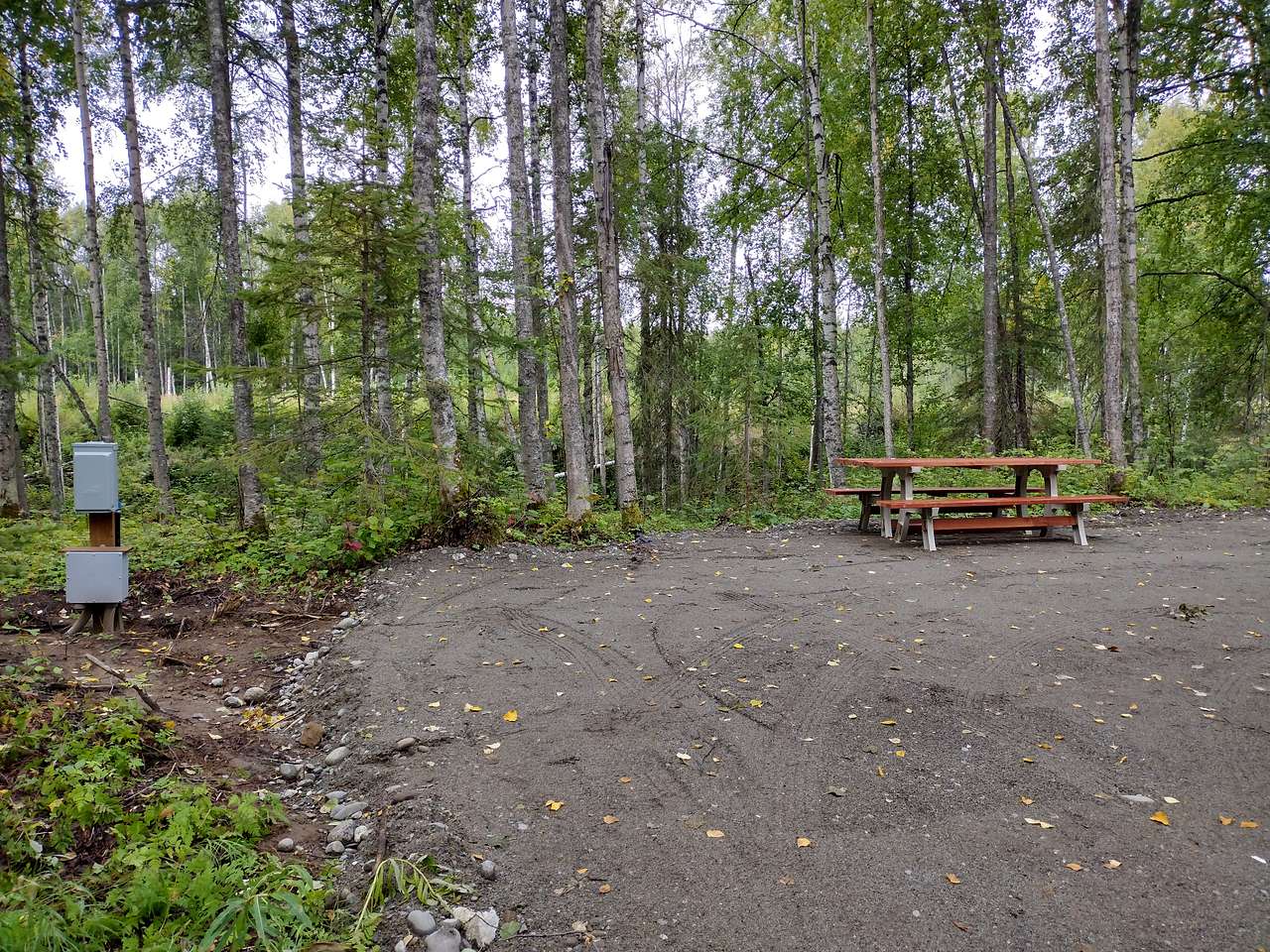
Wendy
August 2026
25 ft Class C
Group trip
Is was a nice place to camp for one night. The train coming by at 6 am was a bit much, but the hosts hospitality was great!
See moreCharlie
August 2026
16 ft car
With kids
Great spot for car camping! Clean, lots of space, and great shade. Neighbors are a bit loud, but otherwise no complaints.
See more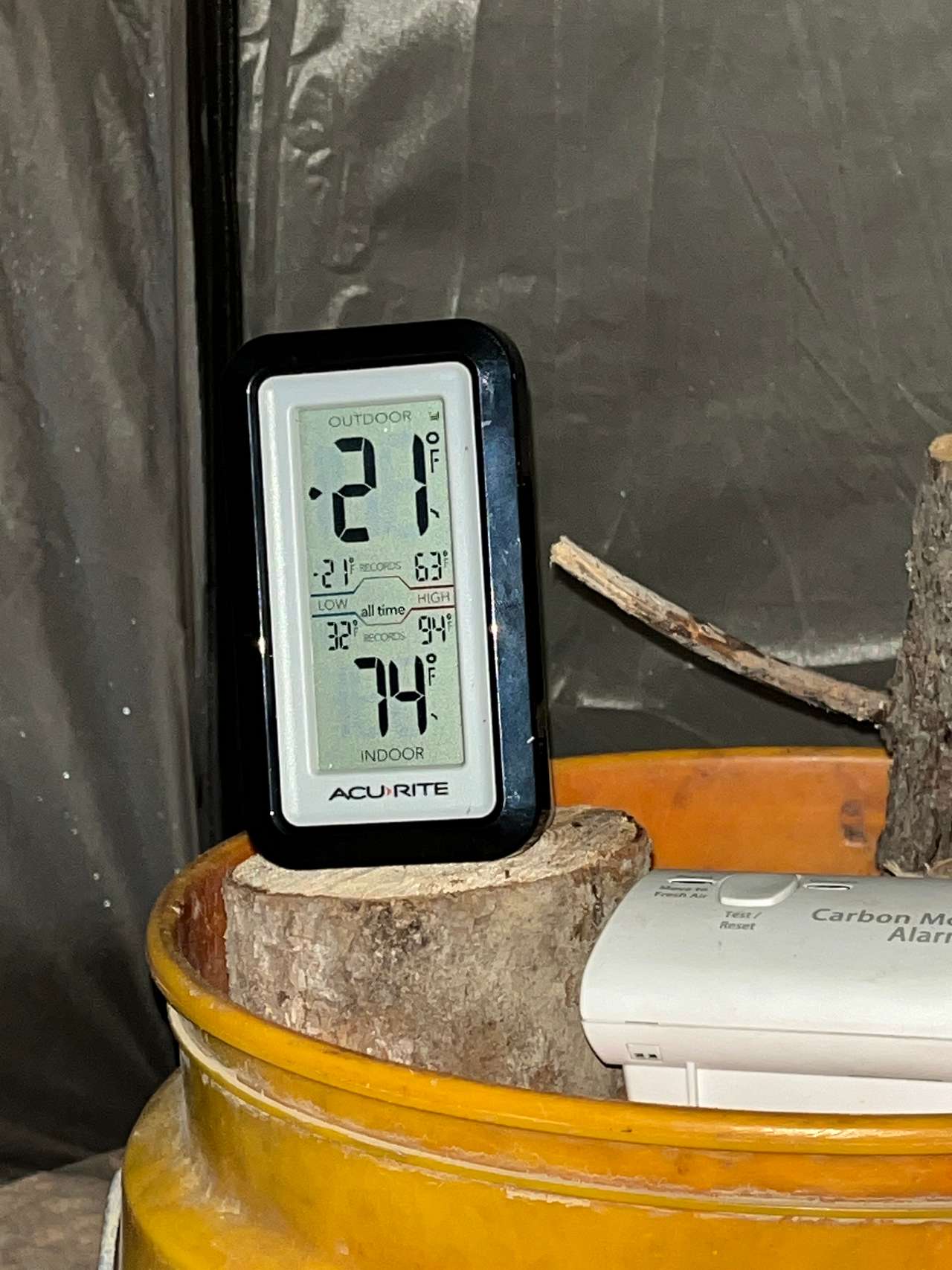
Ellen
August 2026
30 ft pop-up camper
Group trip
This is a very lovely and well maintained campground. The host family was very welcoming and readily available for any questions. Having the creek right next to our site was very peaceful. The only thing that I struggled with was that the train horn was much louder than I thought it would be. Although the train only went past a couple times during the two night stay.
See more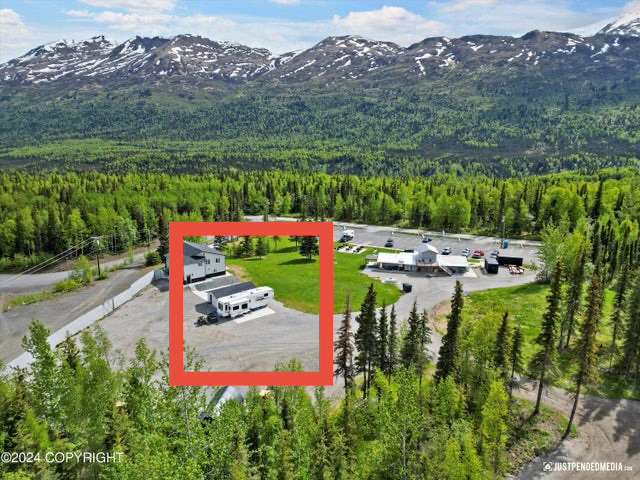
Peter
July 2026
32 ft pop-up camper
What’s not to like about camping behind an ice cream shop? Lovely views, and great people.
See moreJoseph
July 2026
27 ft travel trailer
We had a wonderful stay at Creekside Campground. The setting is beautiful, peaceful, and incredibly family friendly. Our 16 month old absolutely loved exploring the nature paths. The gentle, shallow creek was perfect for little one to throw rocks into and have a laugh. It was also a huge plus that they had nice, convenient showers available, which made camping with a toddler so much easier. The campground is clean, well maintained, and has a lovely, quiet atmosphere; aside from the occasional train that comes through but the little one loved waiving to the passengers.
Jeff and his family were incredibly kind and welcomed us with freshly baked cookies and even guided us to our spot. We cannot wait to come back!
See moreJohn
July 2026
50 ft Class A
With pets
I loved camping here, it was quiet and close to some great ATV trails. Highly recommend!
See more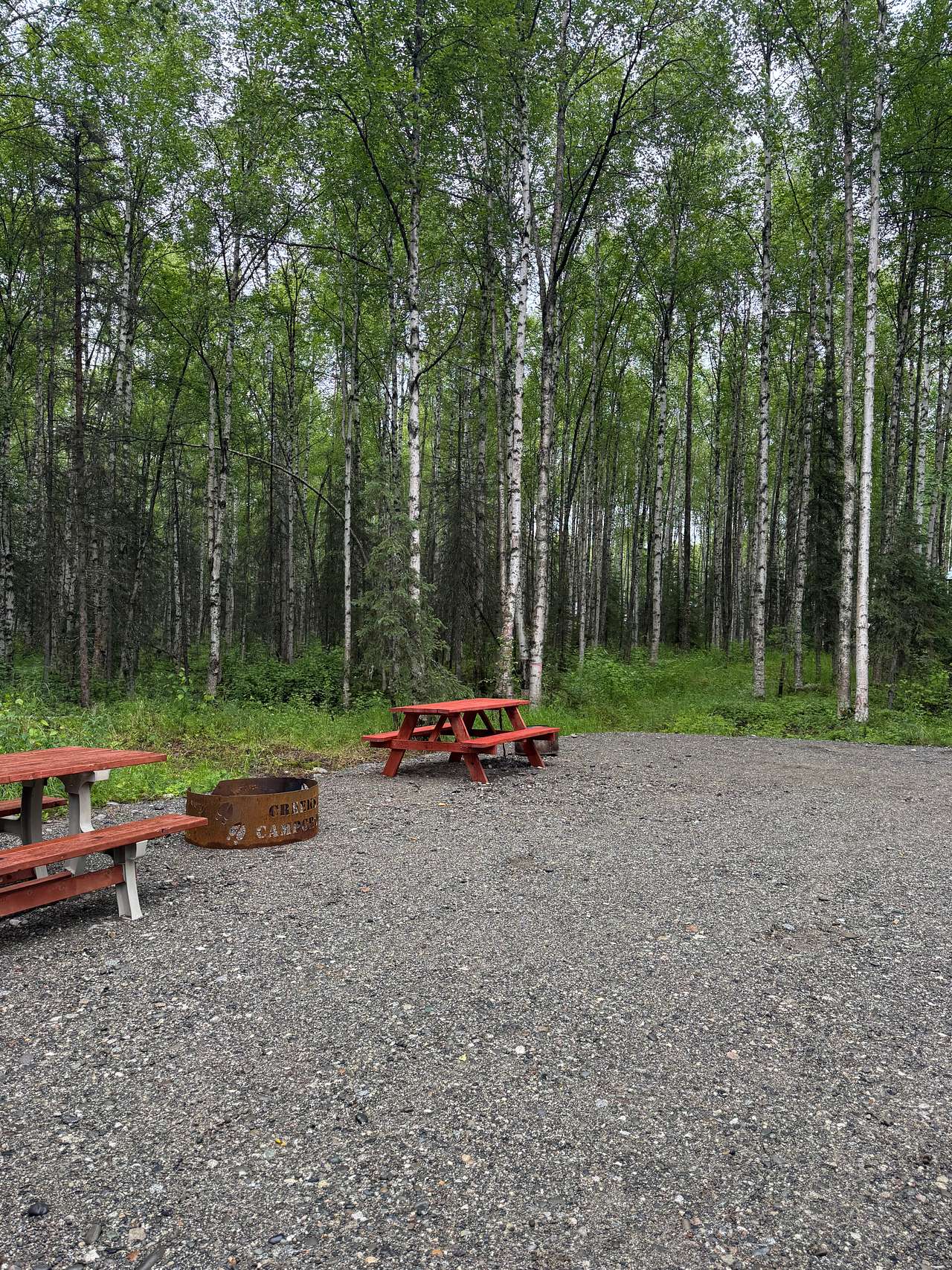
Elizabeth
July 2026
37 ft toy hauler
Group trip
Jeff and Sarah were super friendly and welcoming. We loved the fresh baked cookies! Jeff helped us maneuver our trailer into our spot with ease. The campground was quiet and peaceful.
See moreGAIL
July 2026
47 ft travel trailer
With pets
Great place to stay. Family owned and operated, very nice small campground. Will visit again.
See more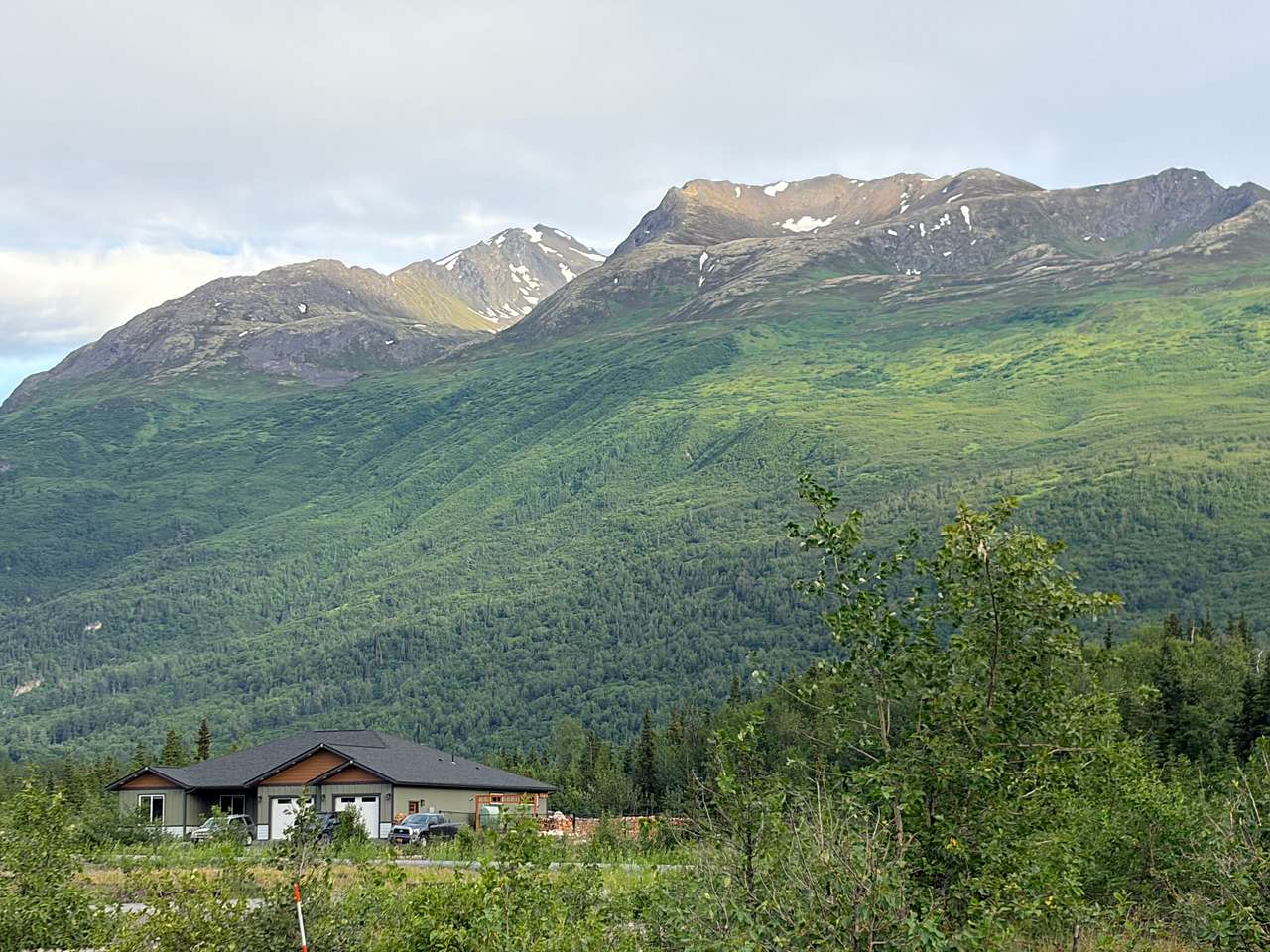

Jamie
July 2026
17 ft Class B
With pets
Glacier Breeze is the perfect place to stay!! We loved it. Absolutely breathtaking views and a wonderful host as well. Couldn’t have asked for anyplace better!
See more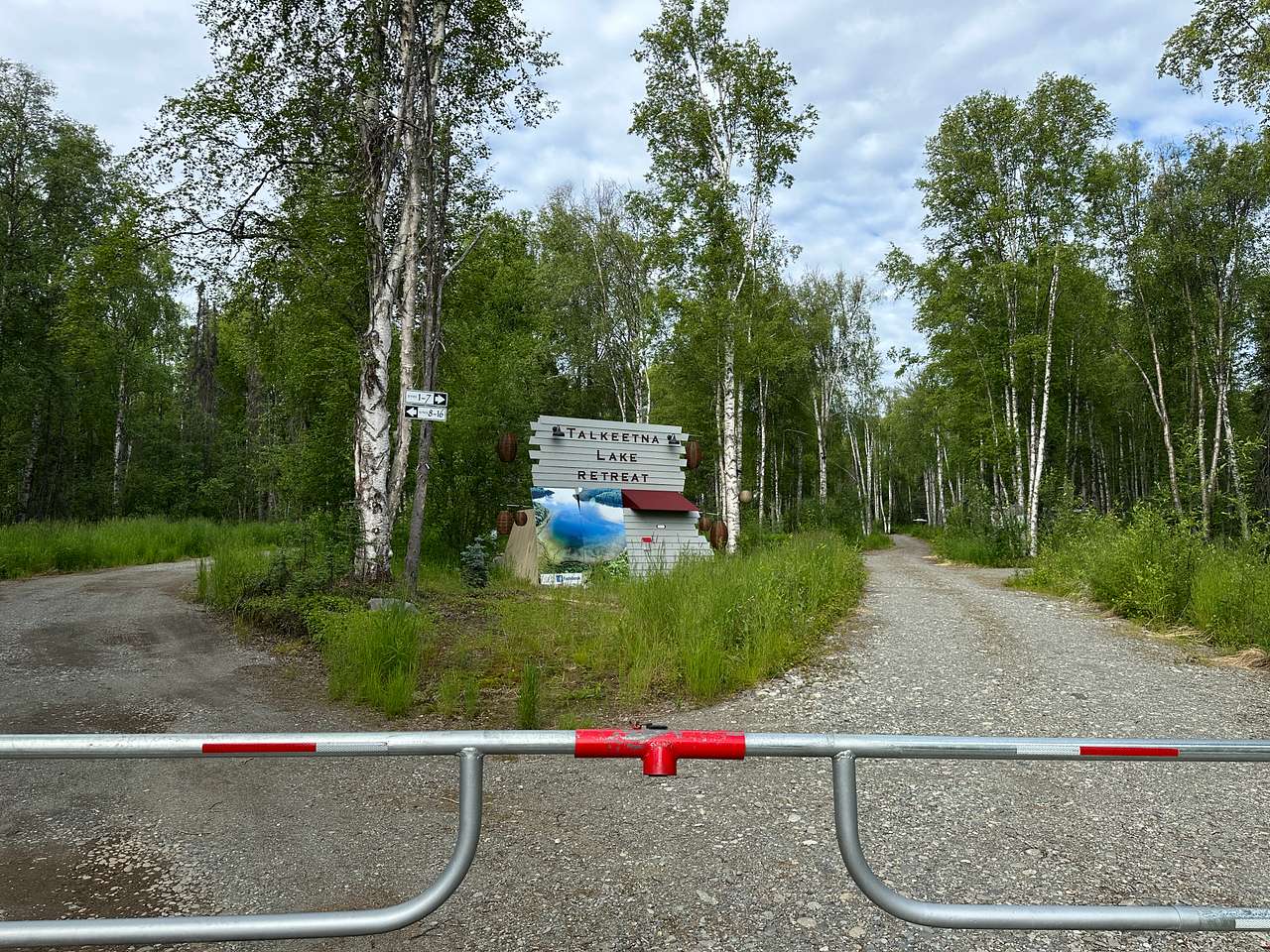
Daniel
July 2026
20 ft travel trailer
We loved our stay. The campground is well laid out, very well maintained and obvious care has been taken to landscape.
We appreciated the pull through site features towing a trailer.
The first night we took a serene paddle with a rowboat on the lake at sunset. It was wonderful. All provided with no extra charge. 5 stars highly recommend!
See morePeter
July 2026
32 ft pop-up camper
Added an extra day to my previously reviewed trip. Would definitely stay here again.
See morePeter
June 2026
32 ft pop-up camper
Stayed for a week in my off-road camper and was very happy with the site and the beautiful location. Very clean, well equipped with power, water, showers, trash etc. Peaceful at night with the added benefit of being 50 yards from an ice cream and coffee shop! Staff were available if needed, but left me alone. Recommended.
See moreReviews for Hatcher Pass Management Area Campgrounds
100%
2 ratings · 0 reviews

Snag sold-out campsites.
Get notified the instant a national park campsite becomes available, for free.
See the best spots in one place.
Explore 500K+ public lands, RV resorts, and private sites you won't find anywhere else.
Book with confidence.
Read millions of real reviews from campers like you—so you know what to expect.