The best camping in Kenai Fjords National Park, AK
Discover the most magical spots to pitch your tent or park your rig on your next Kenai Fjords National Park adventure.
Top-rated campgrounds in Kenai Fjords National Park
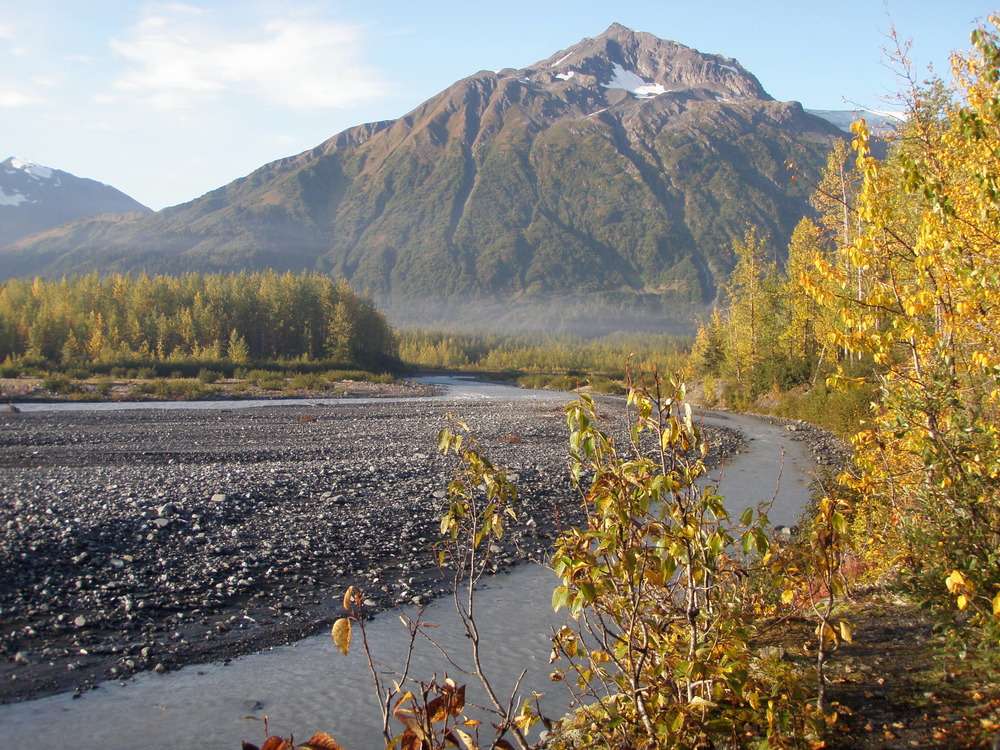
1. Exit Glacier Campground
Top-rated campsites near Kenai Fjords National Park

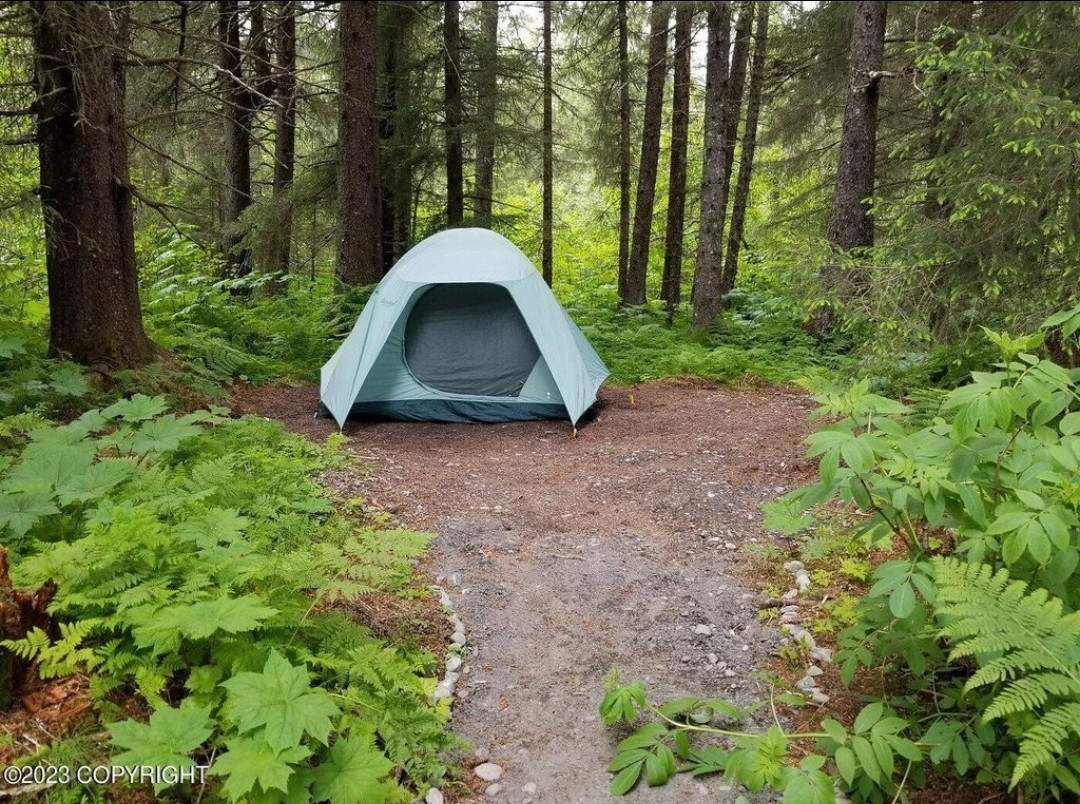
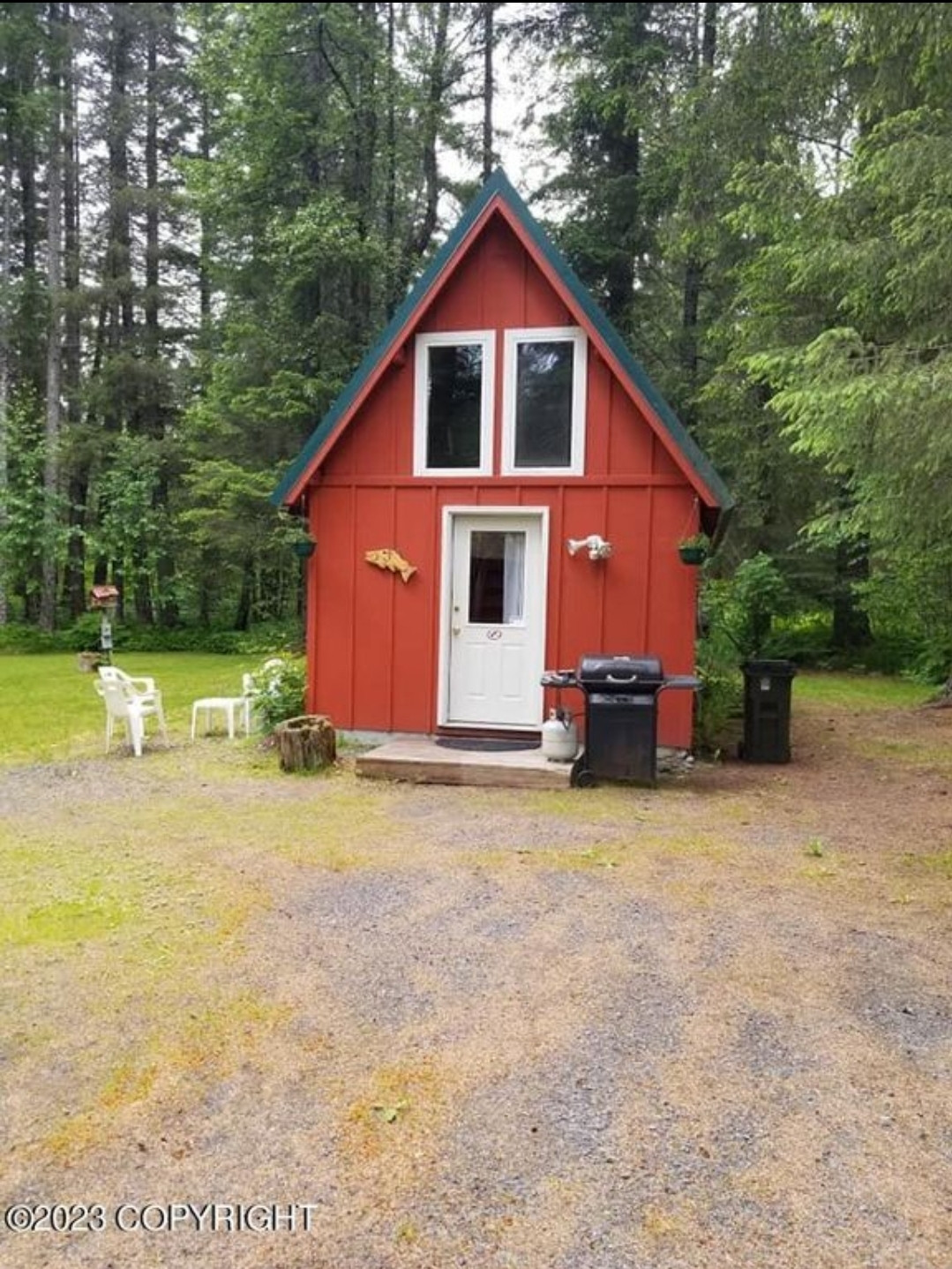
1. Bear Necessities Cottages
2. Lazy J Ranch
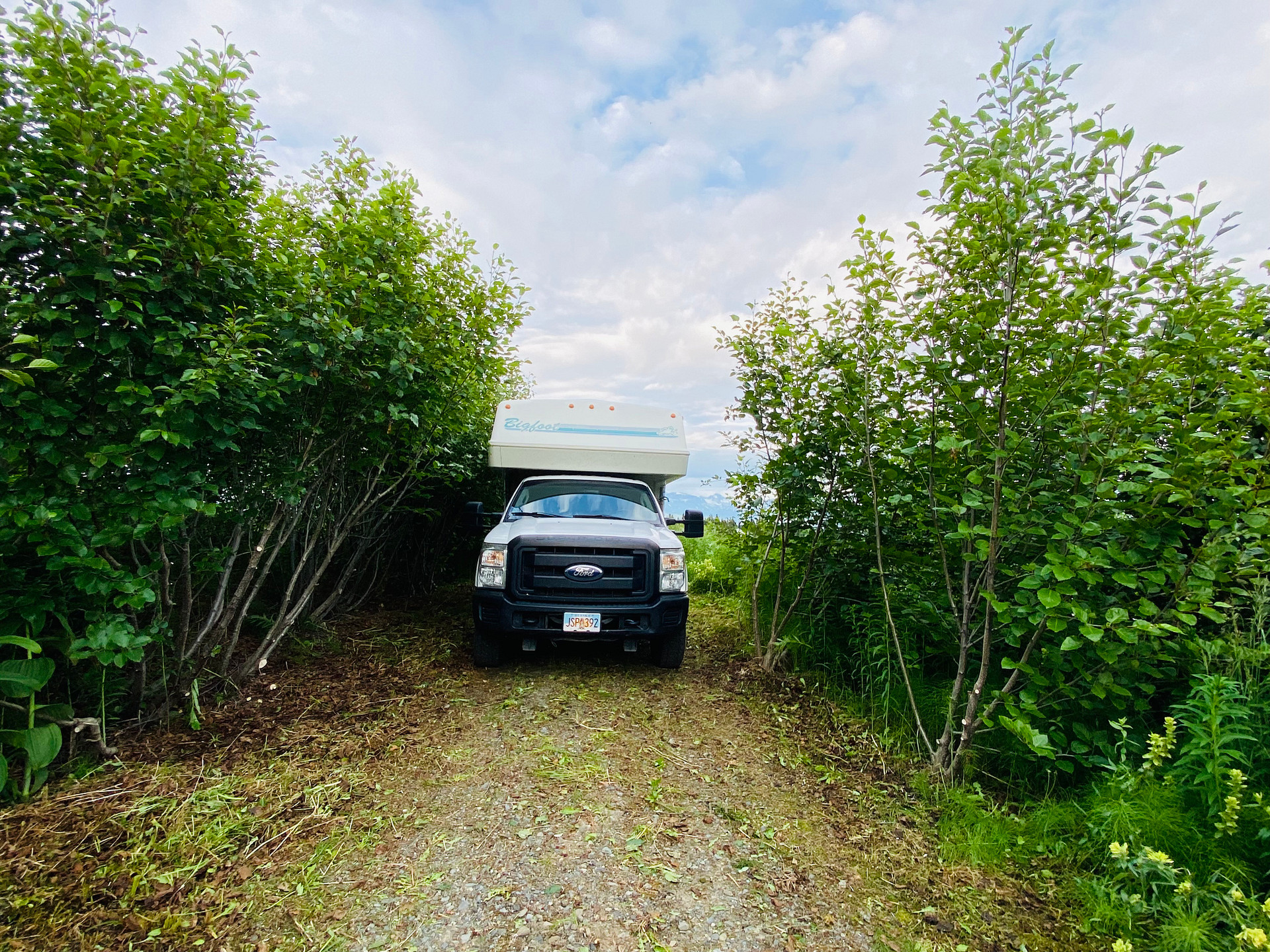
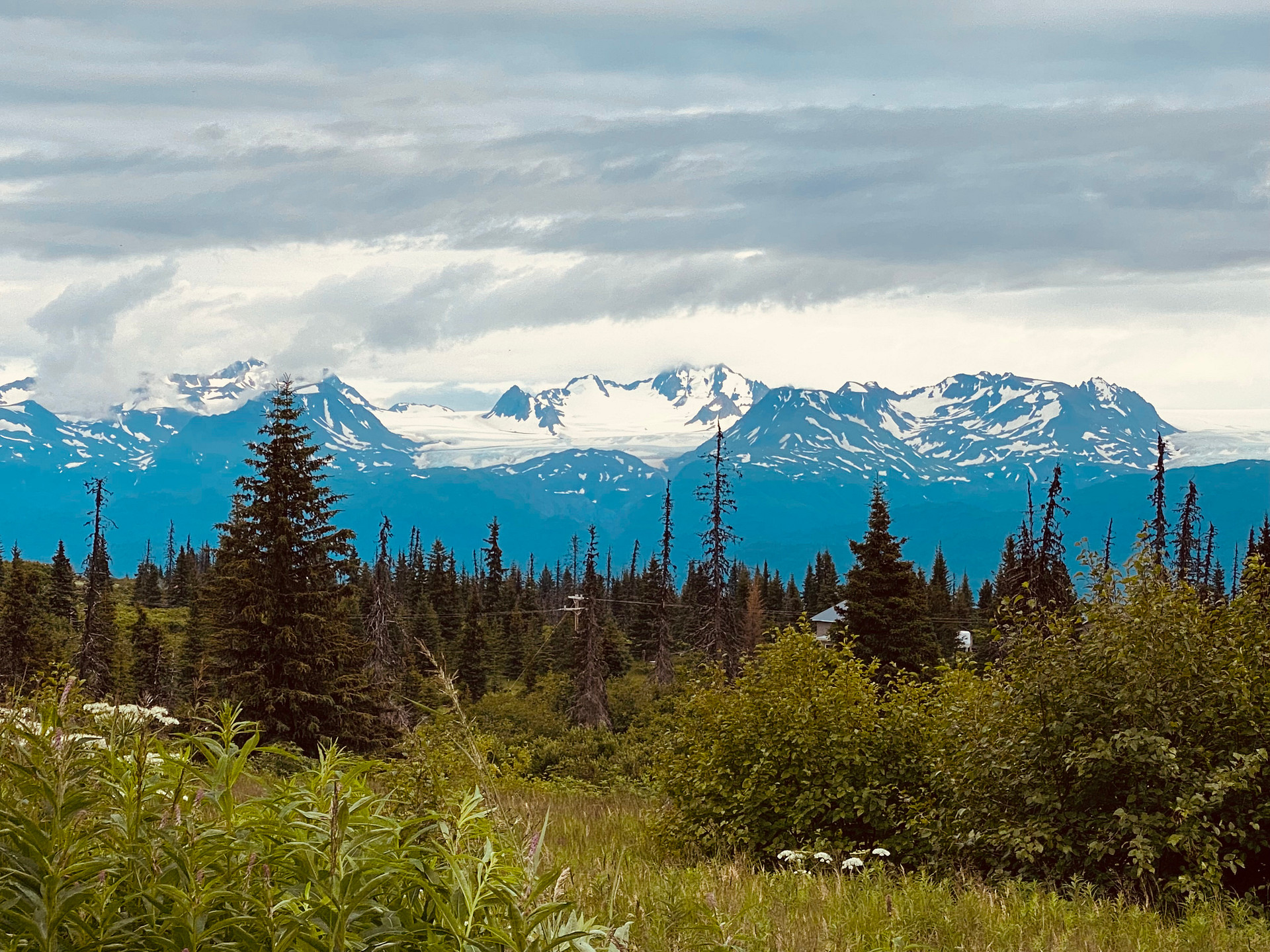
3. Glacier Vista RV Pad
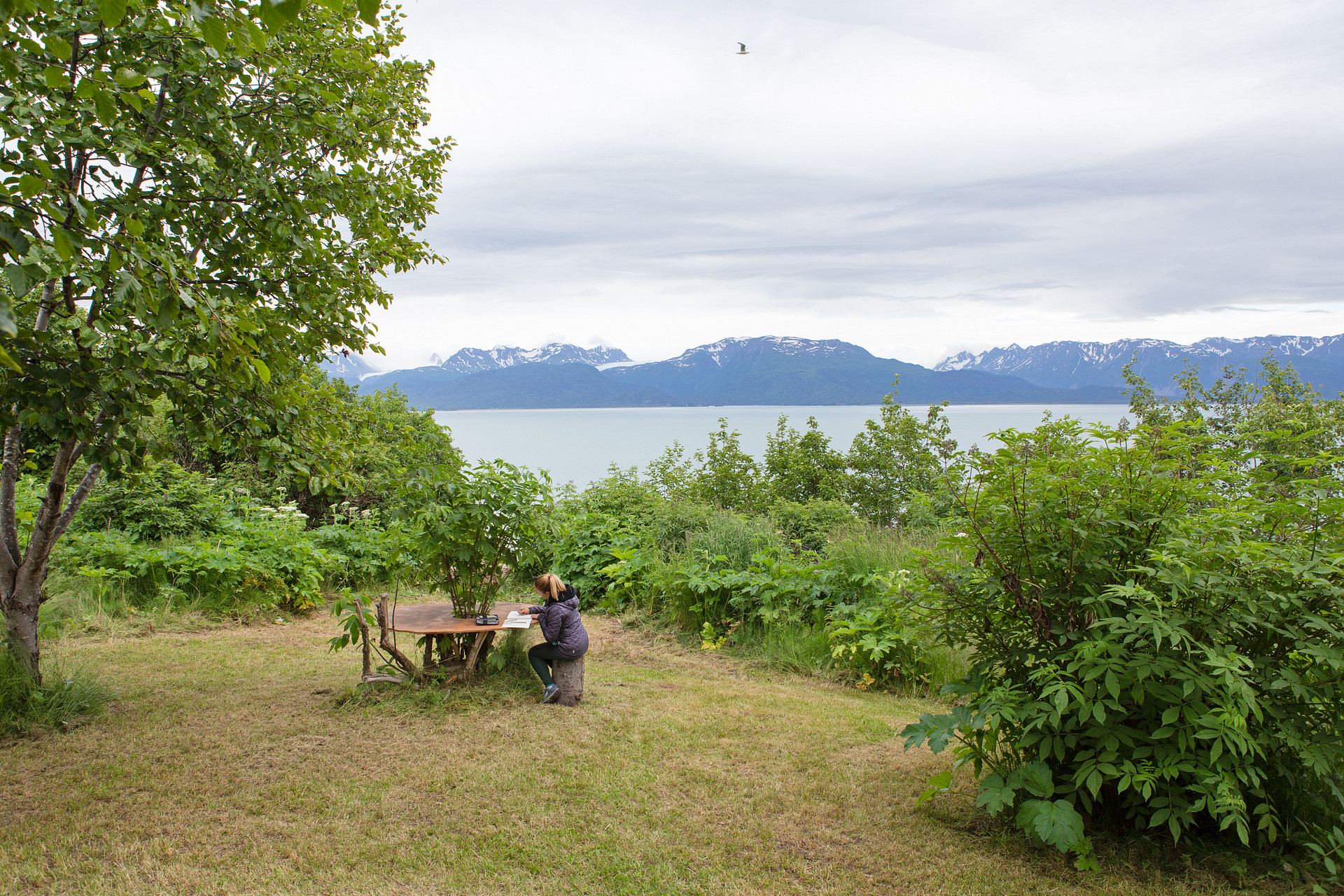
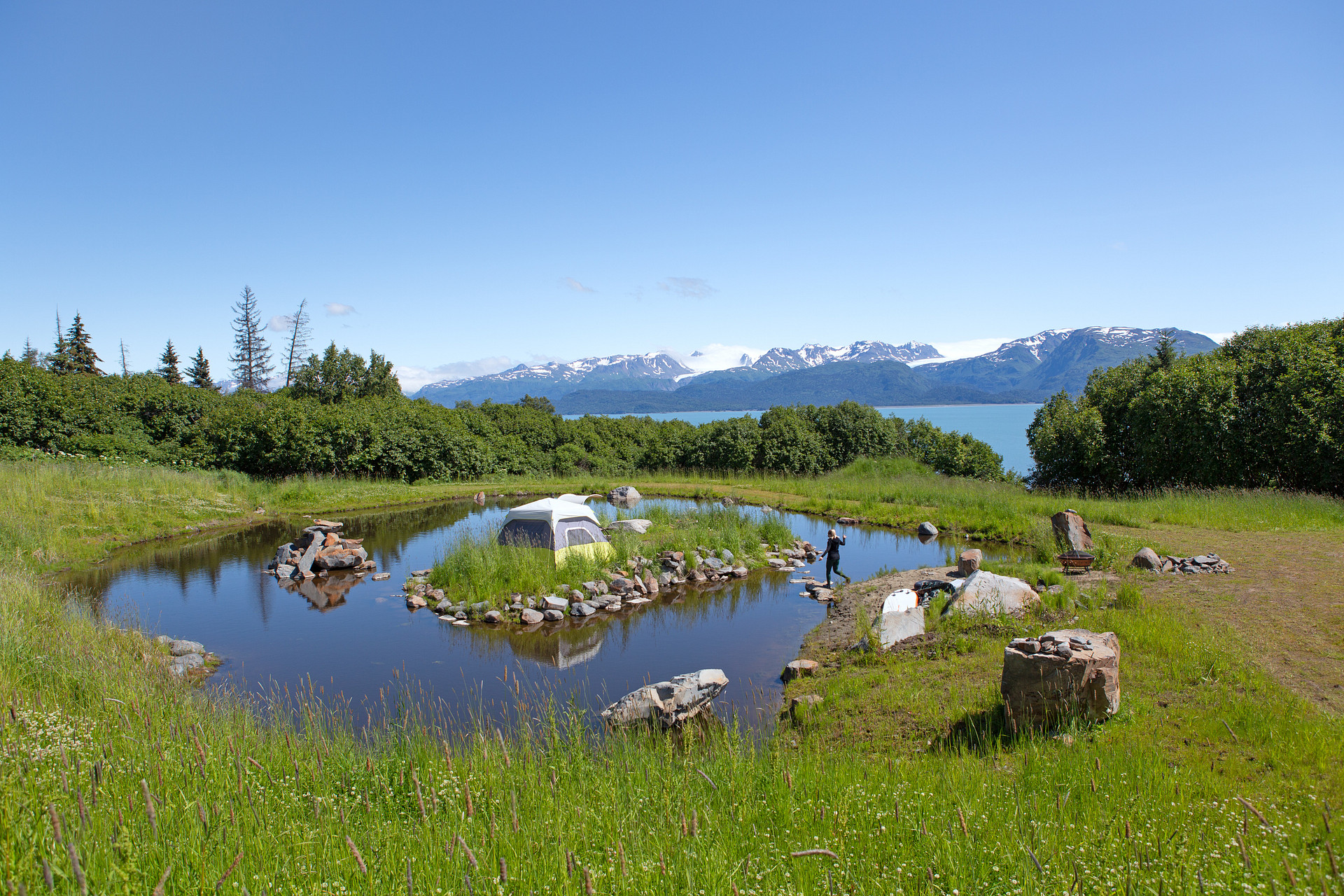
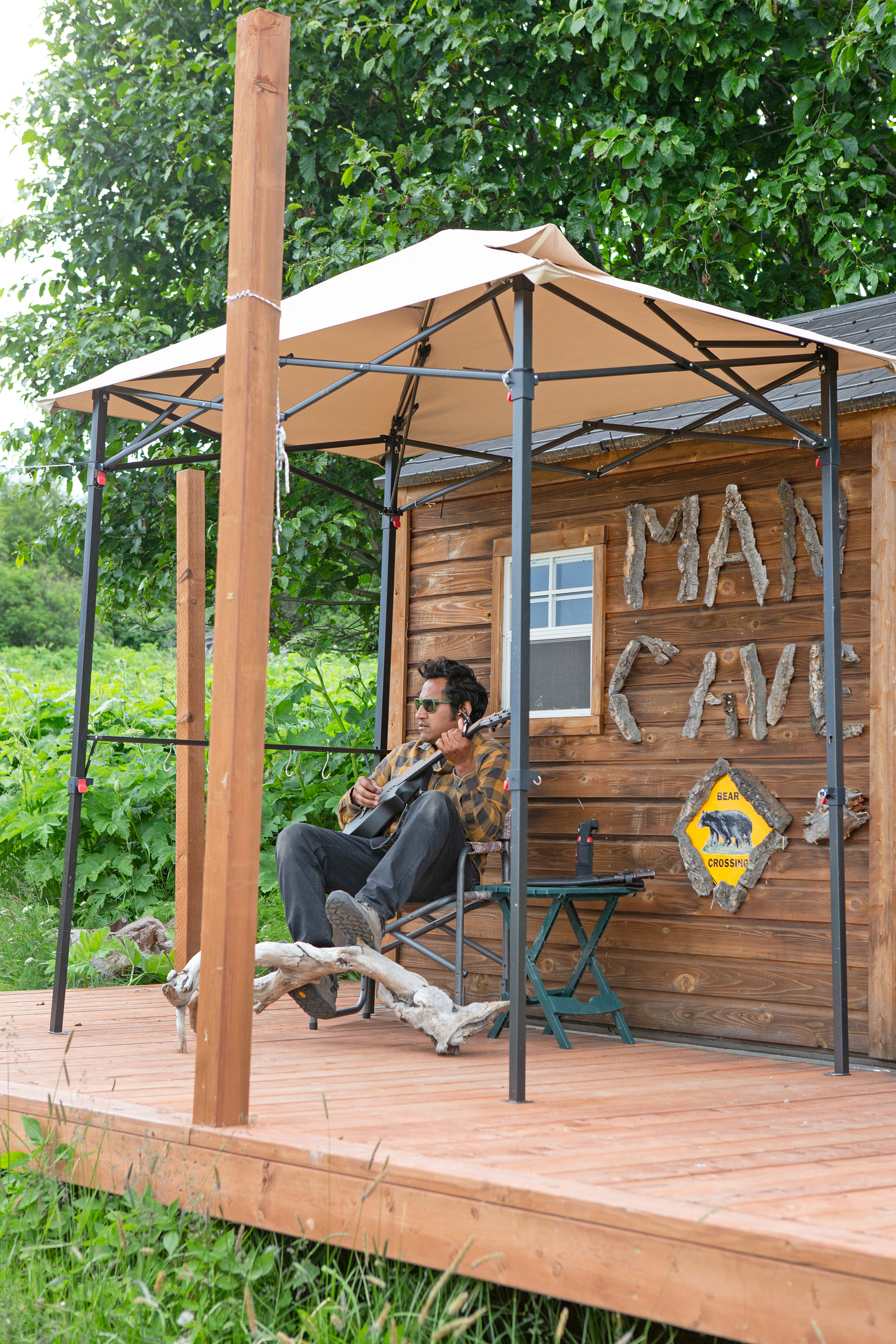
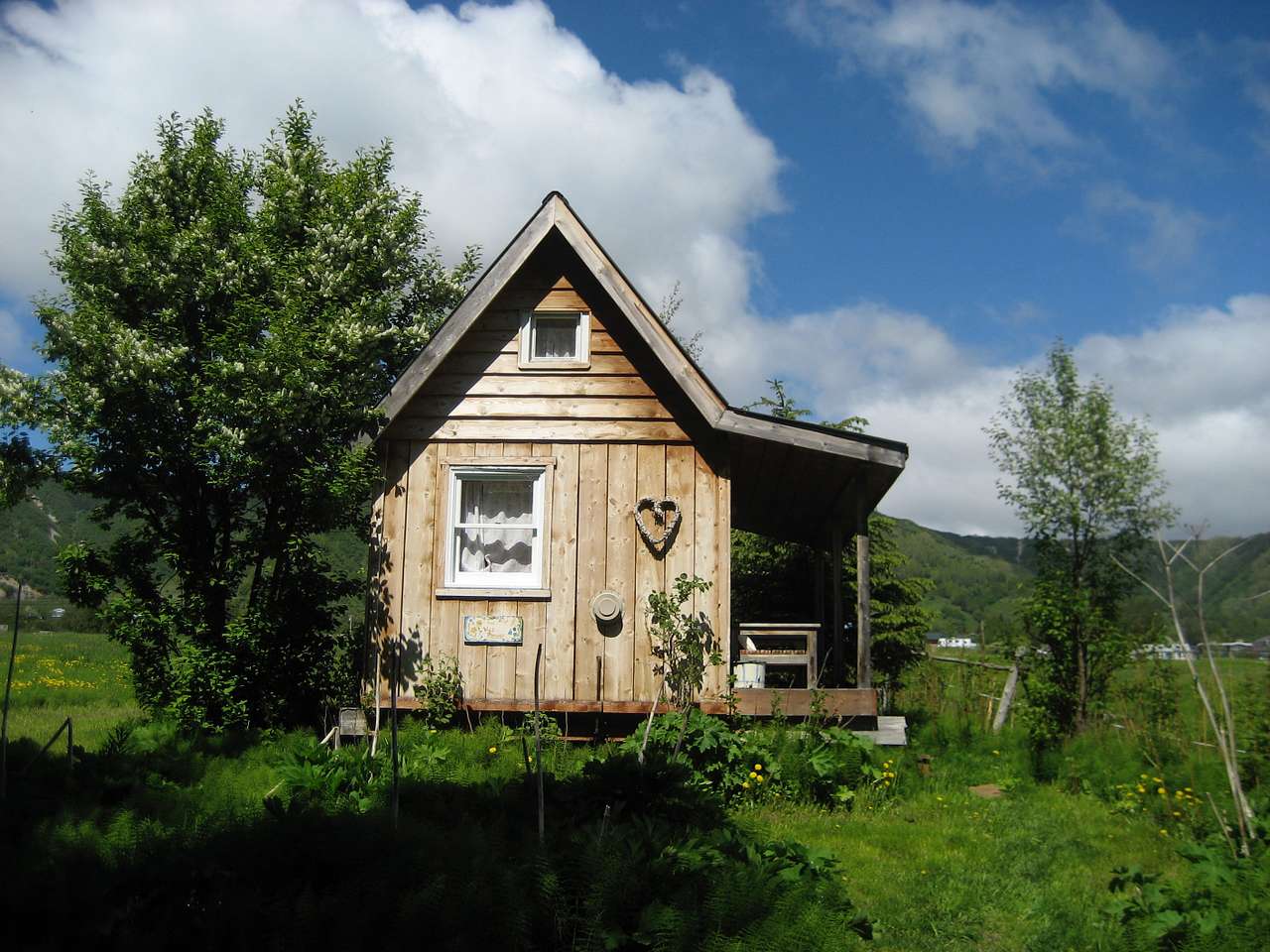
4. Kilcher Homestead MiracleMeadow
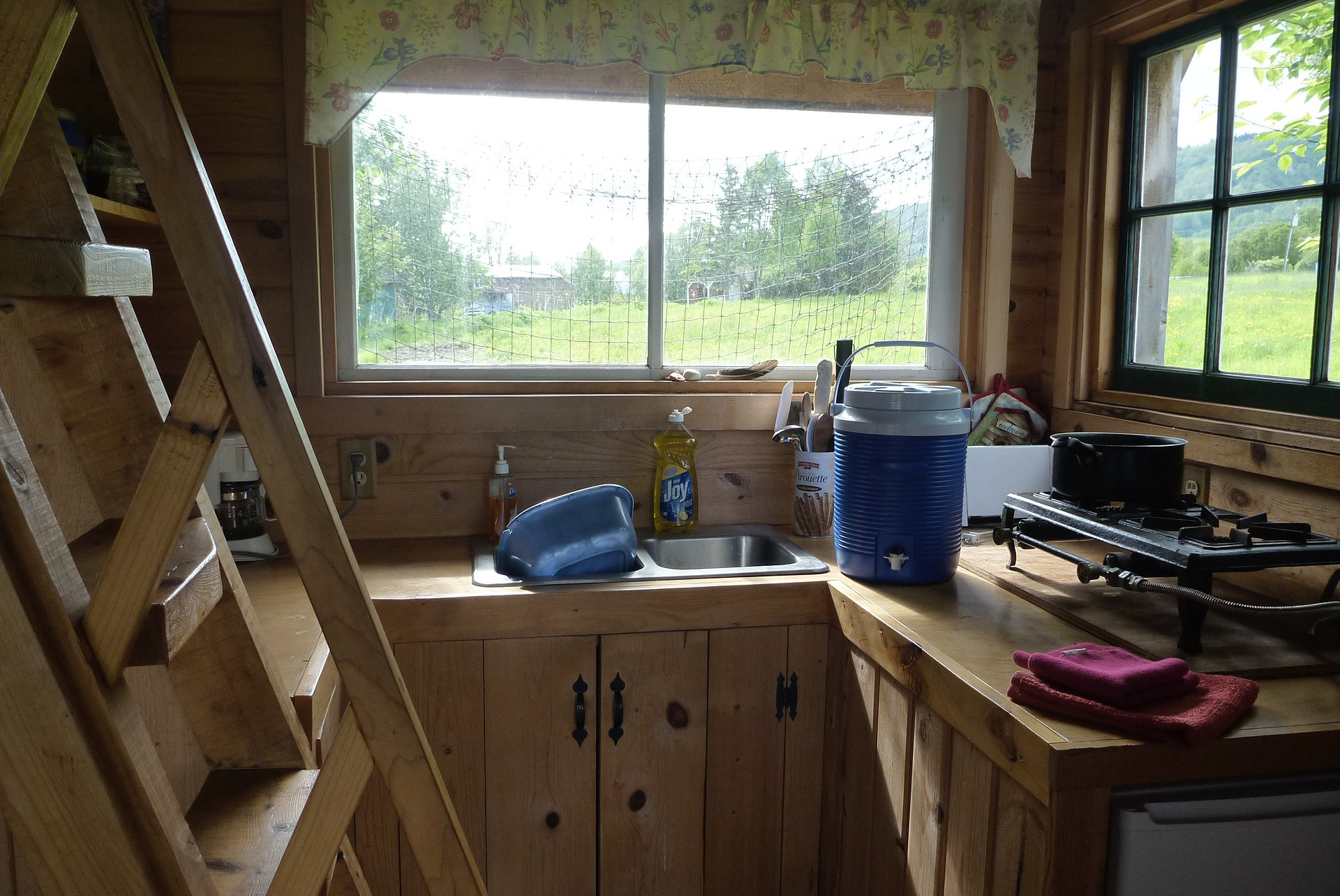
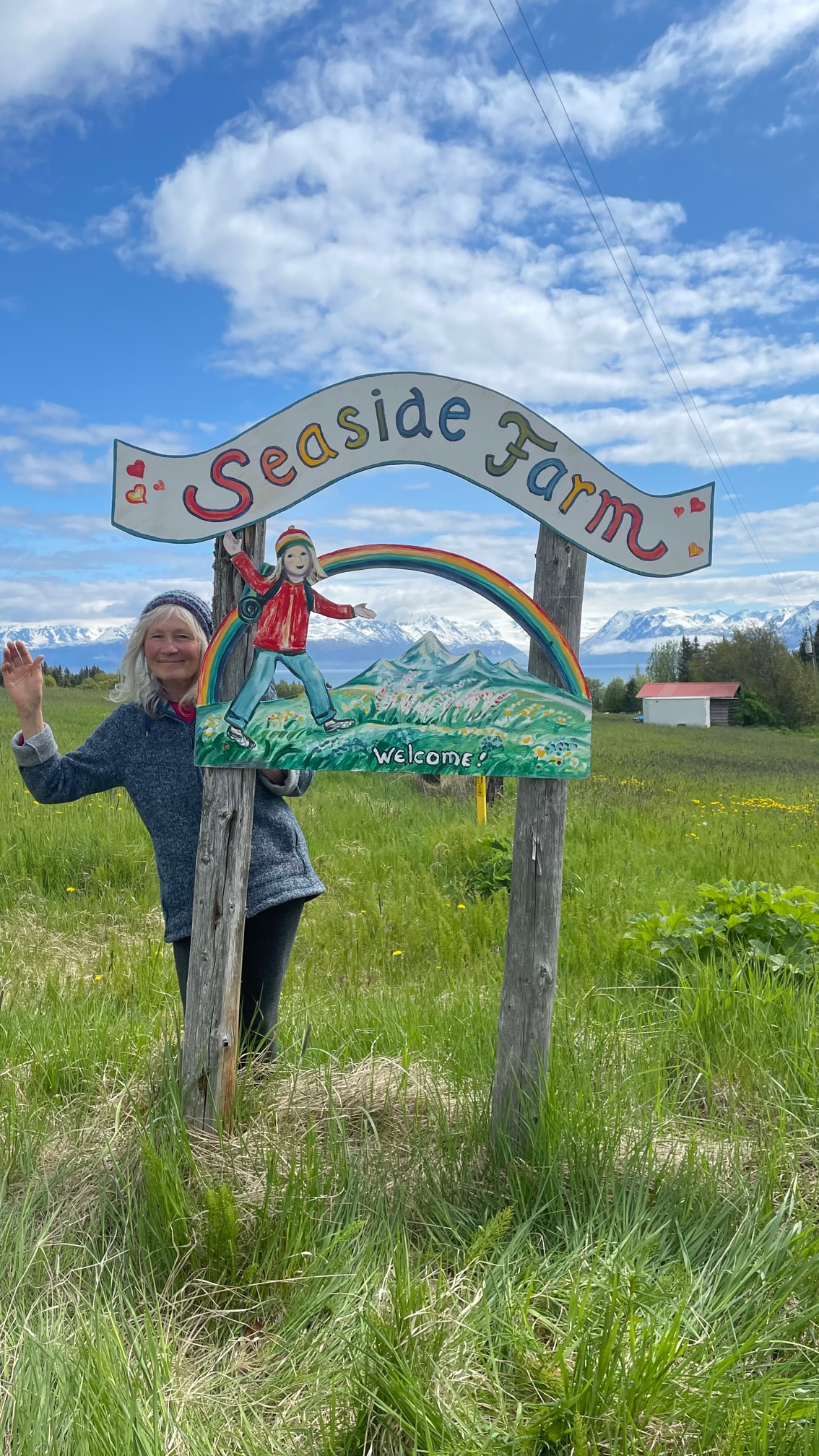
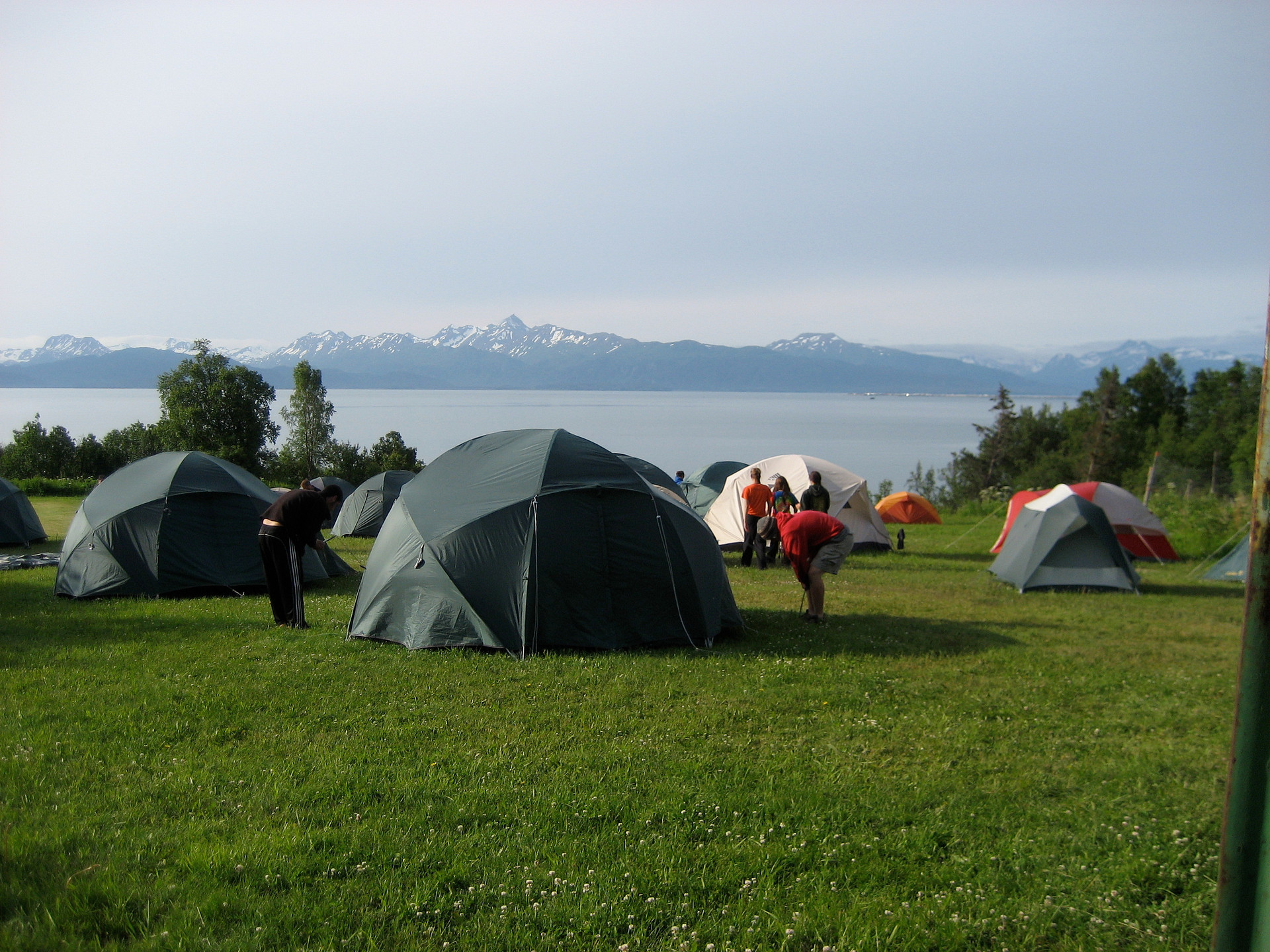
5. Seaside Farm
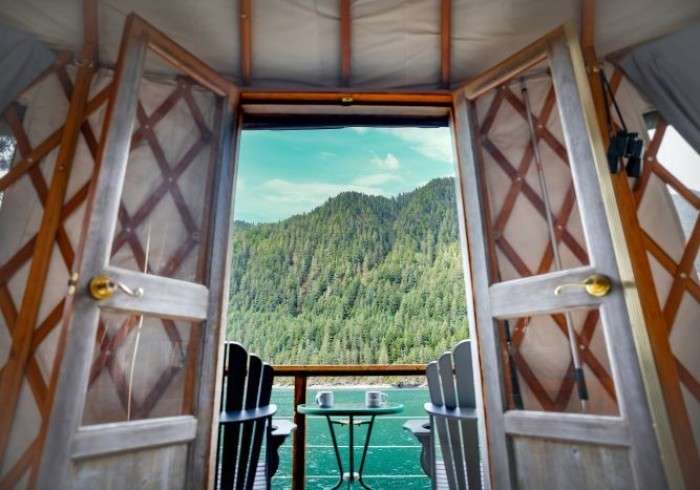

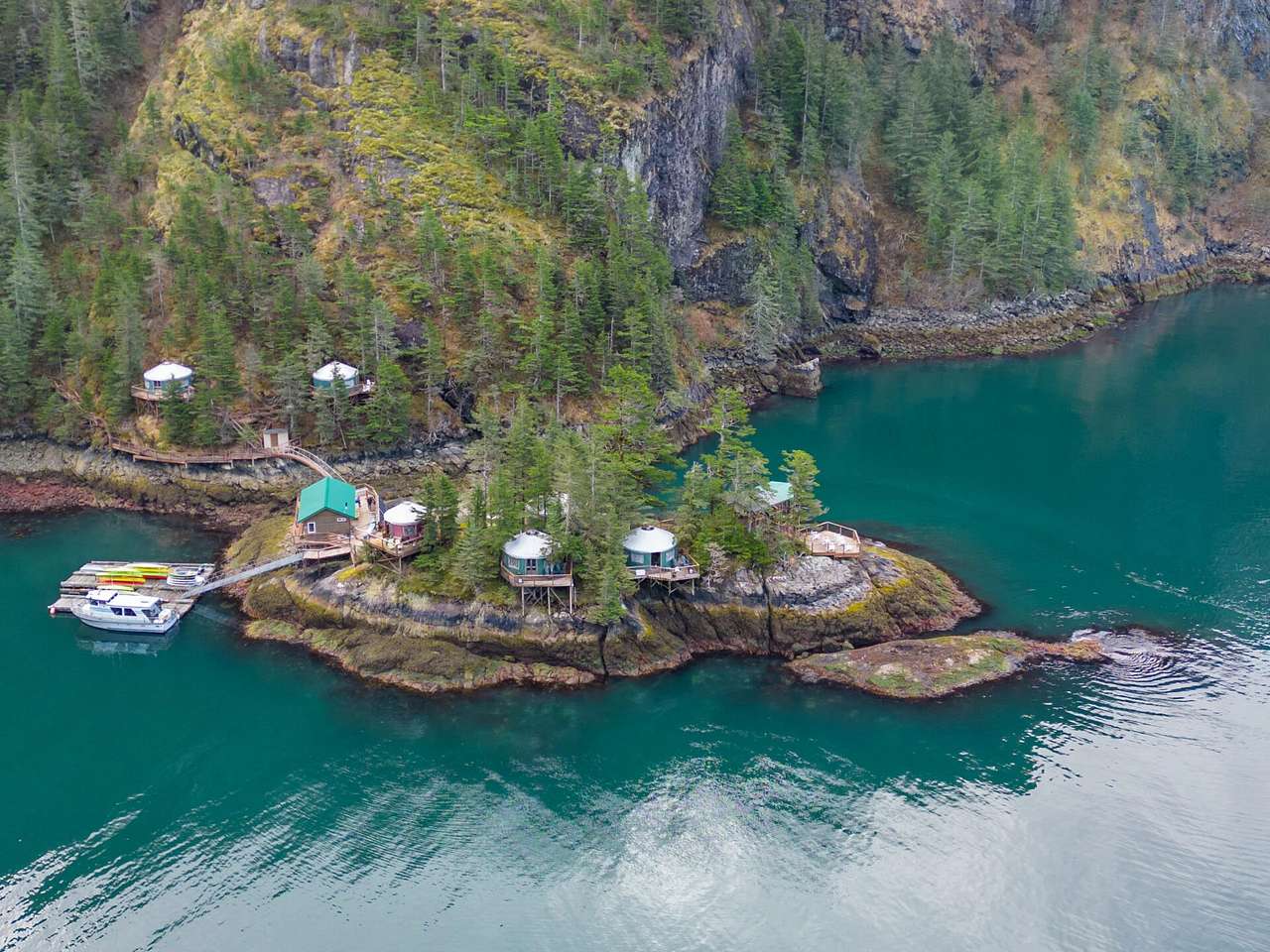
6. Orca Island Cabins
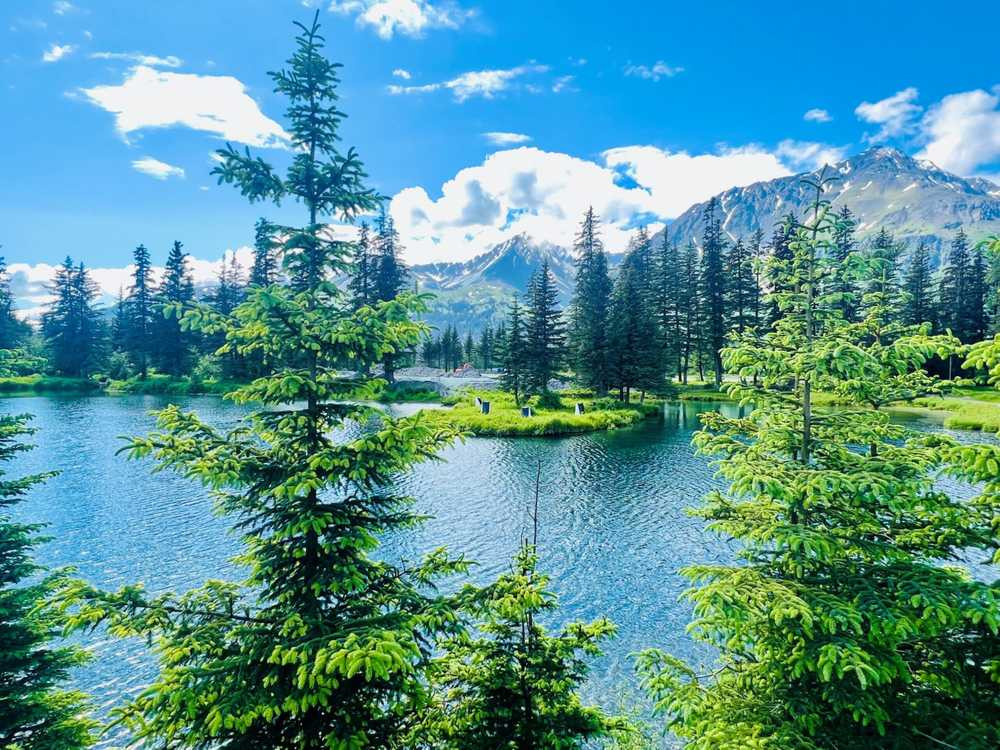
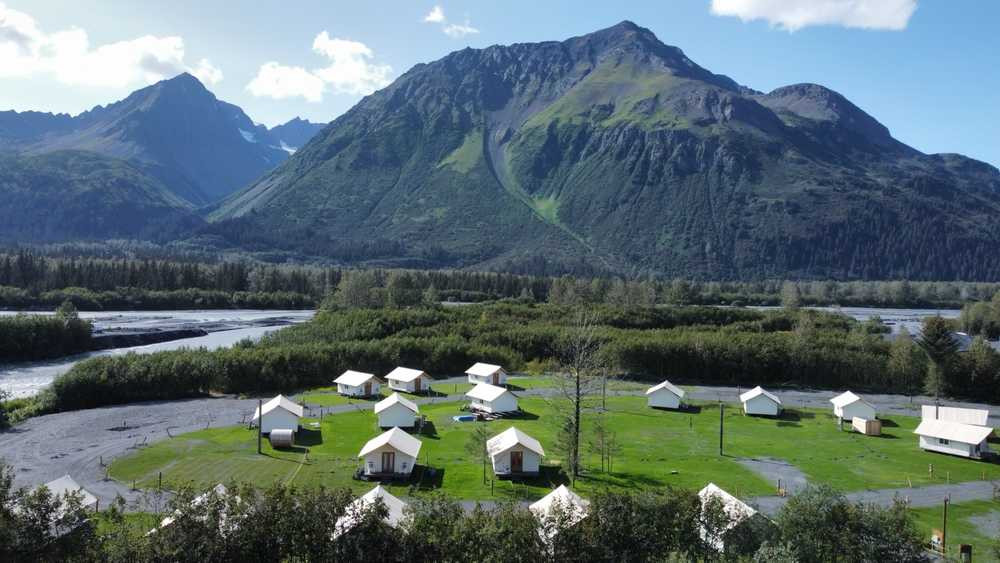
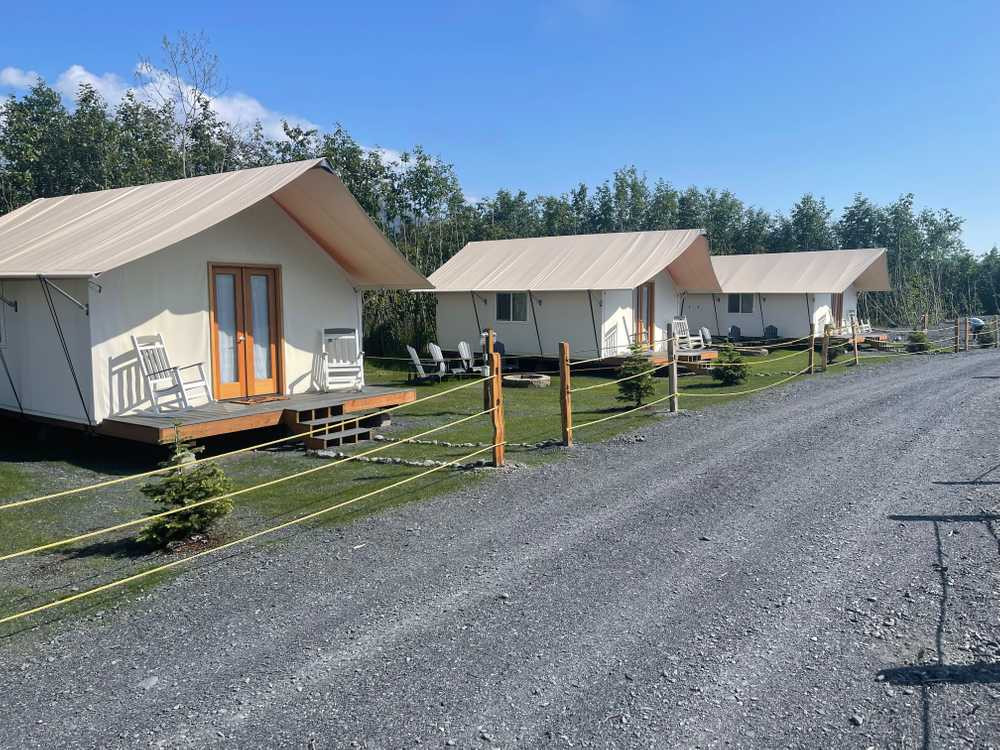
7. Howling Wolf Resort
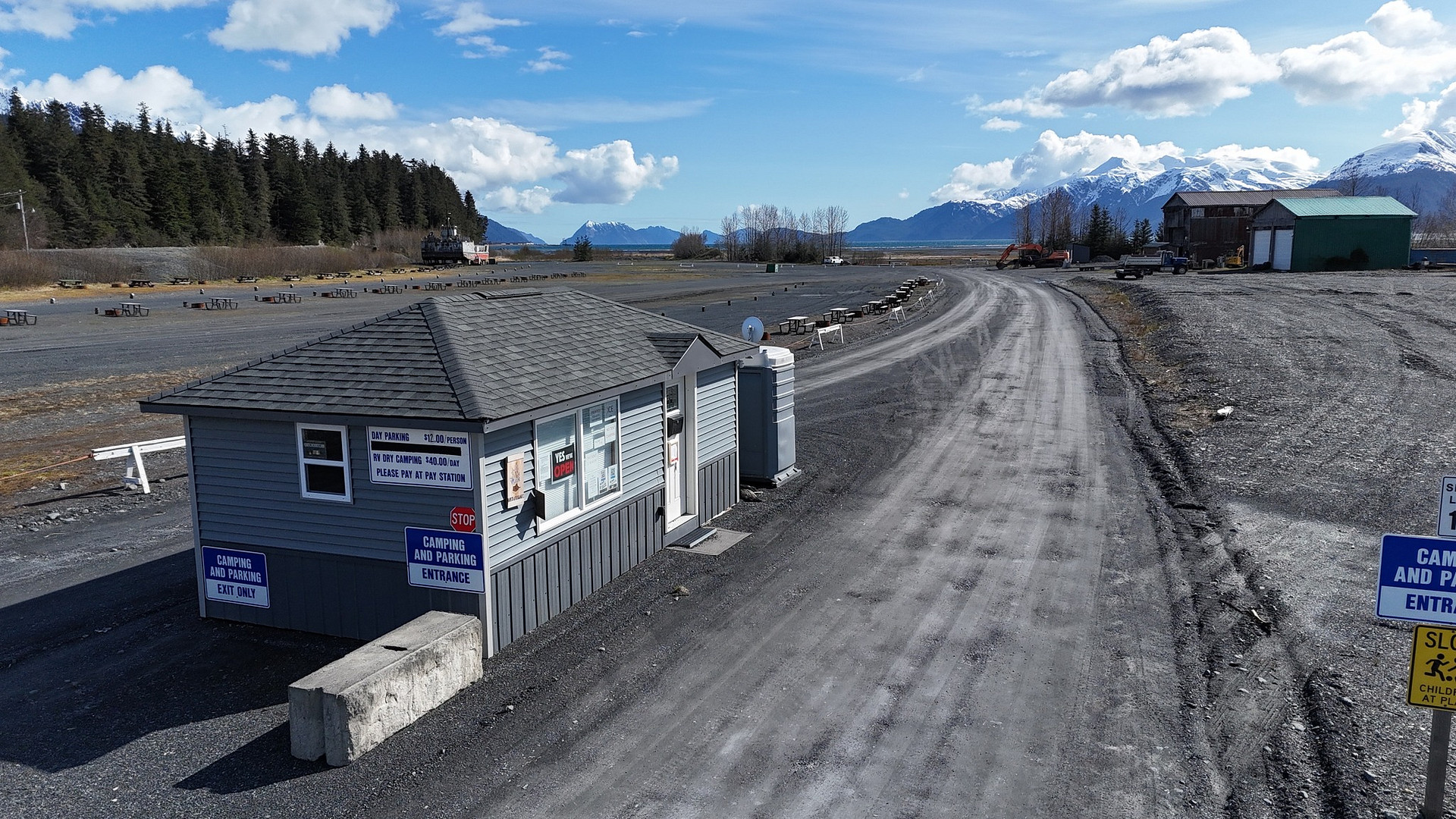
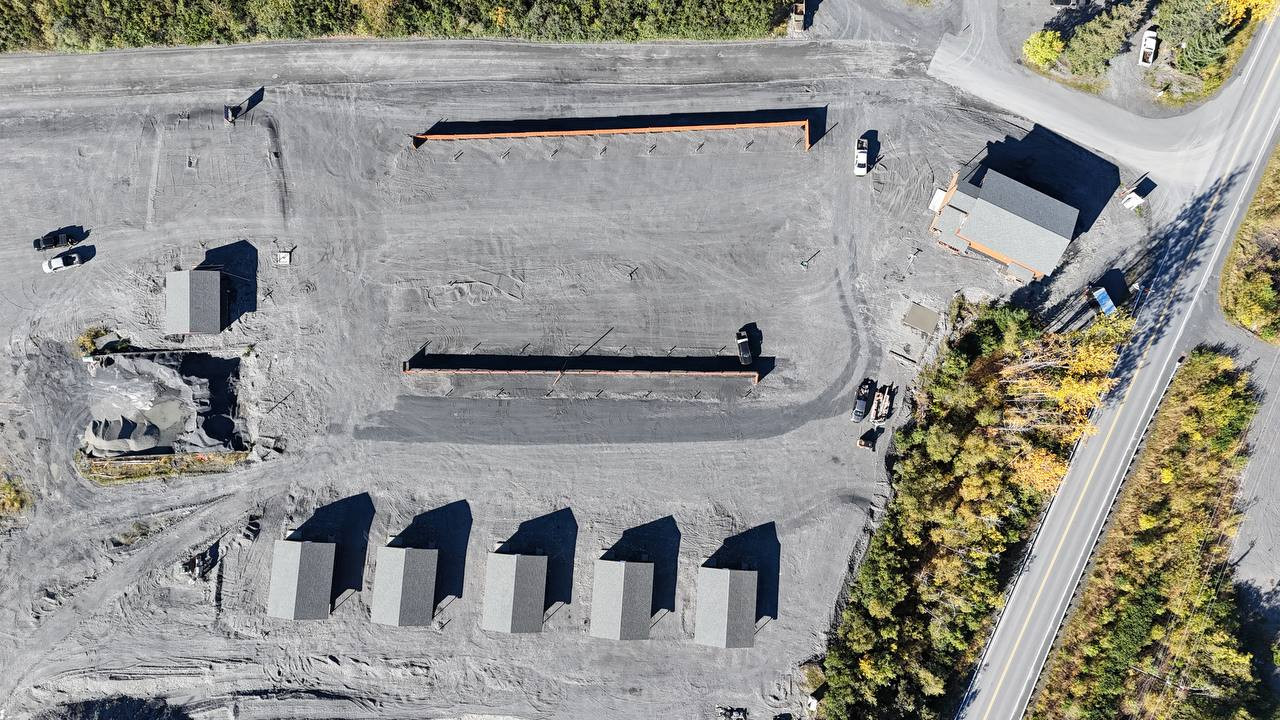
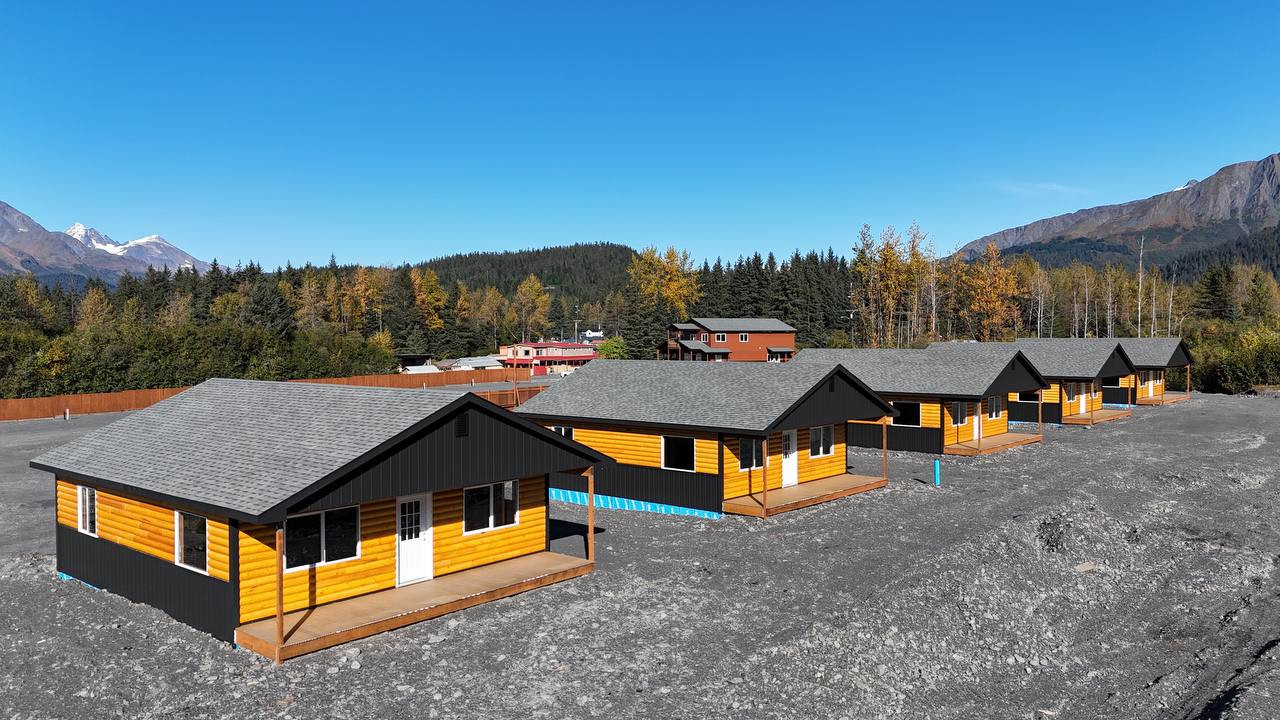
8. RIptide RV Resort
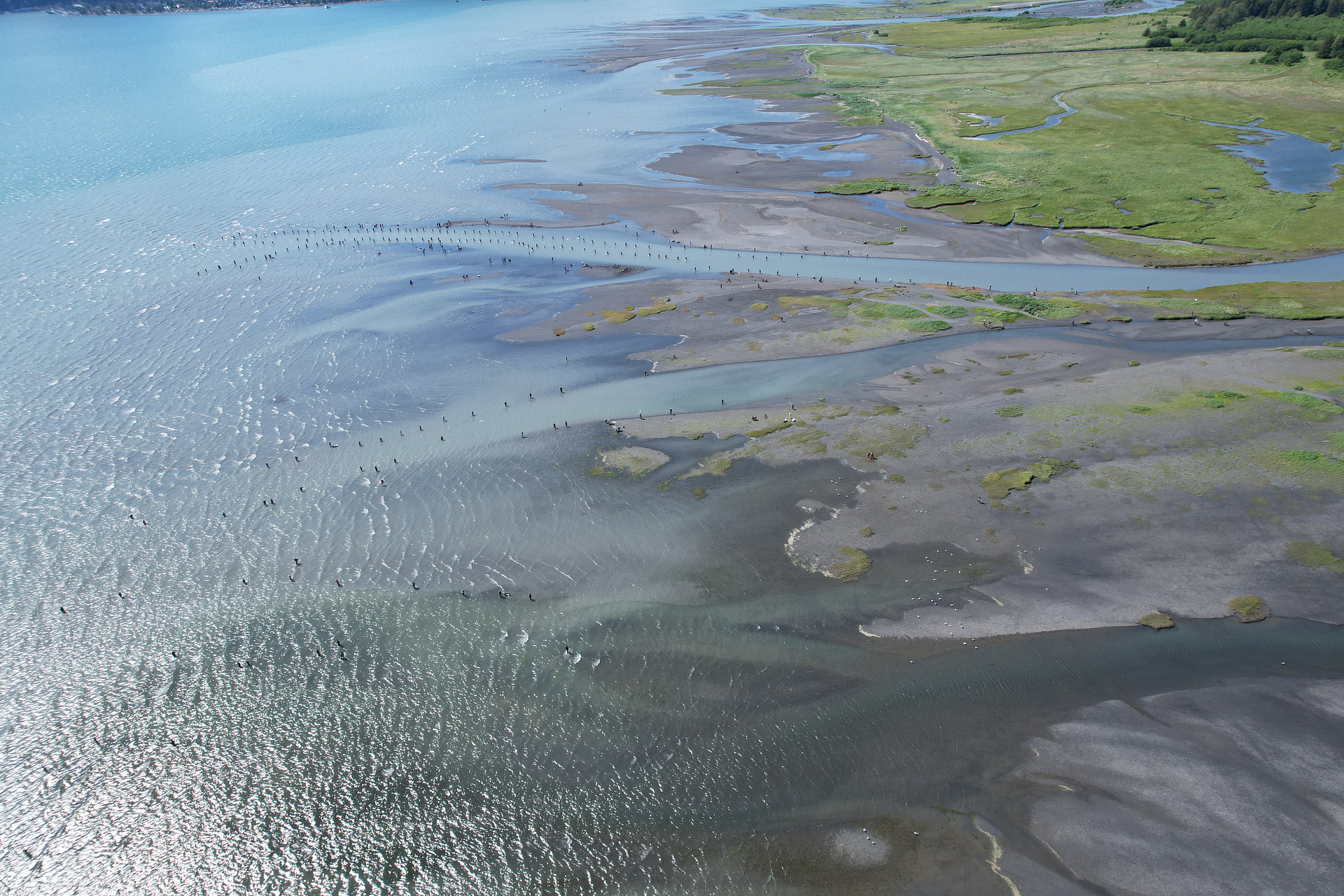
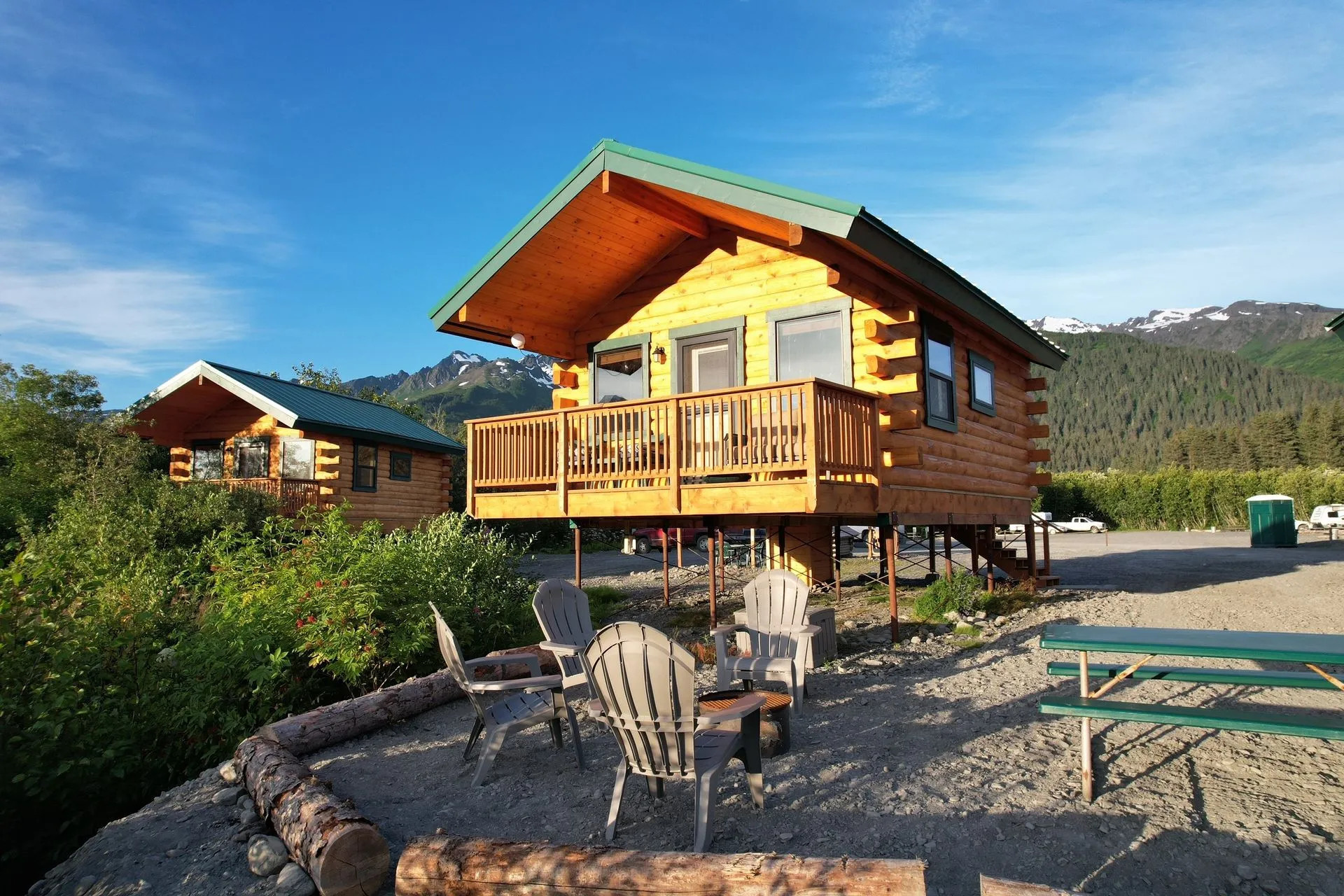
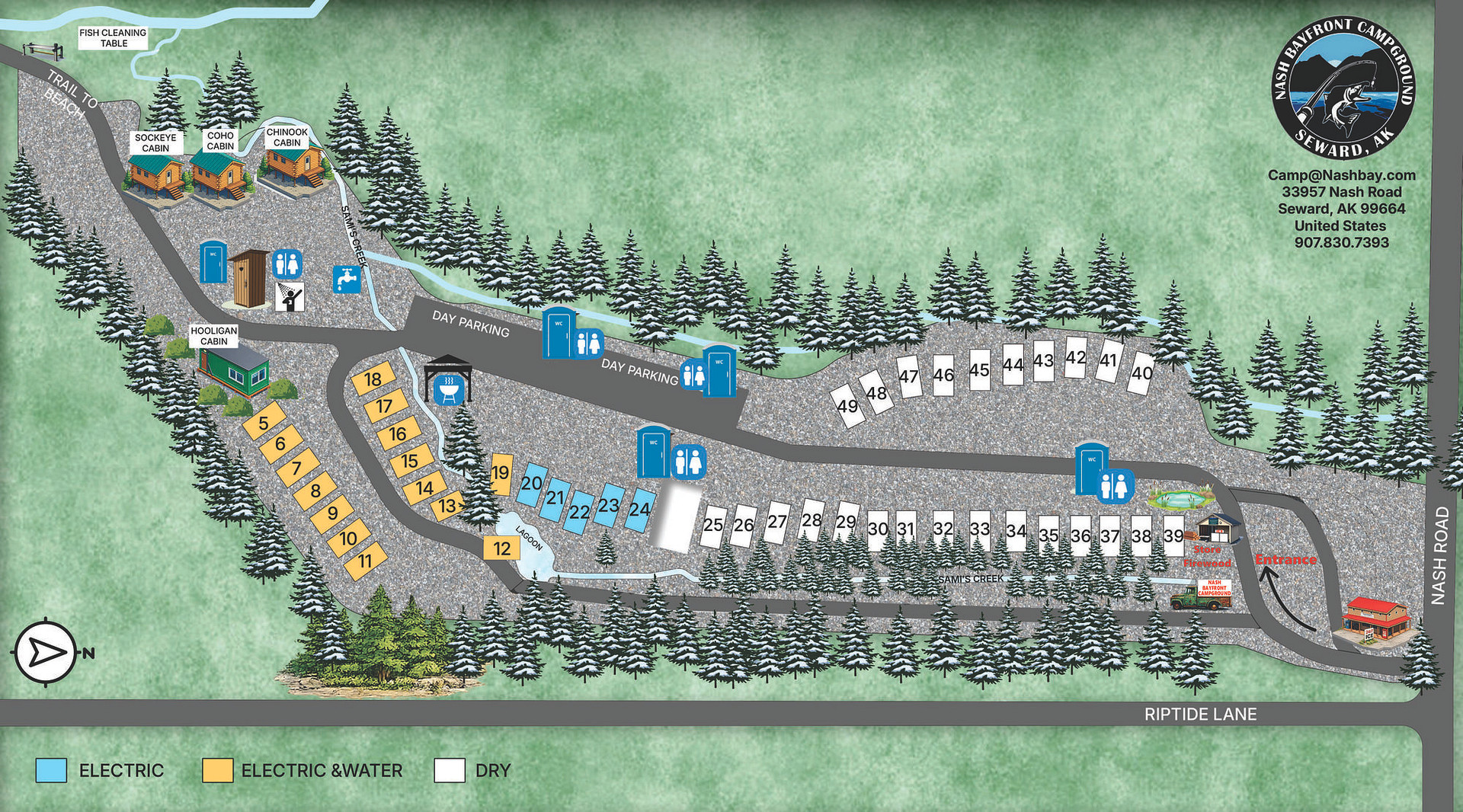
9. Scenic Camping, Cabins, Fishing
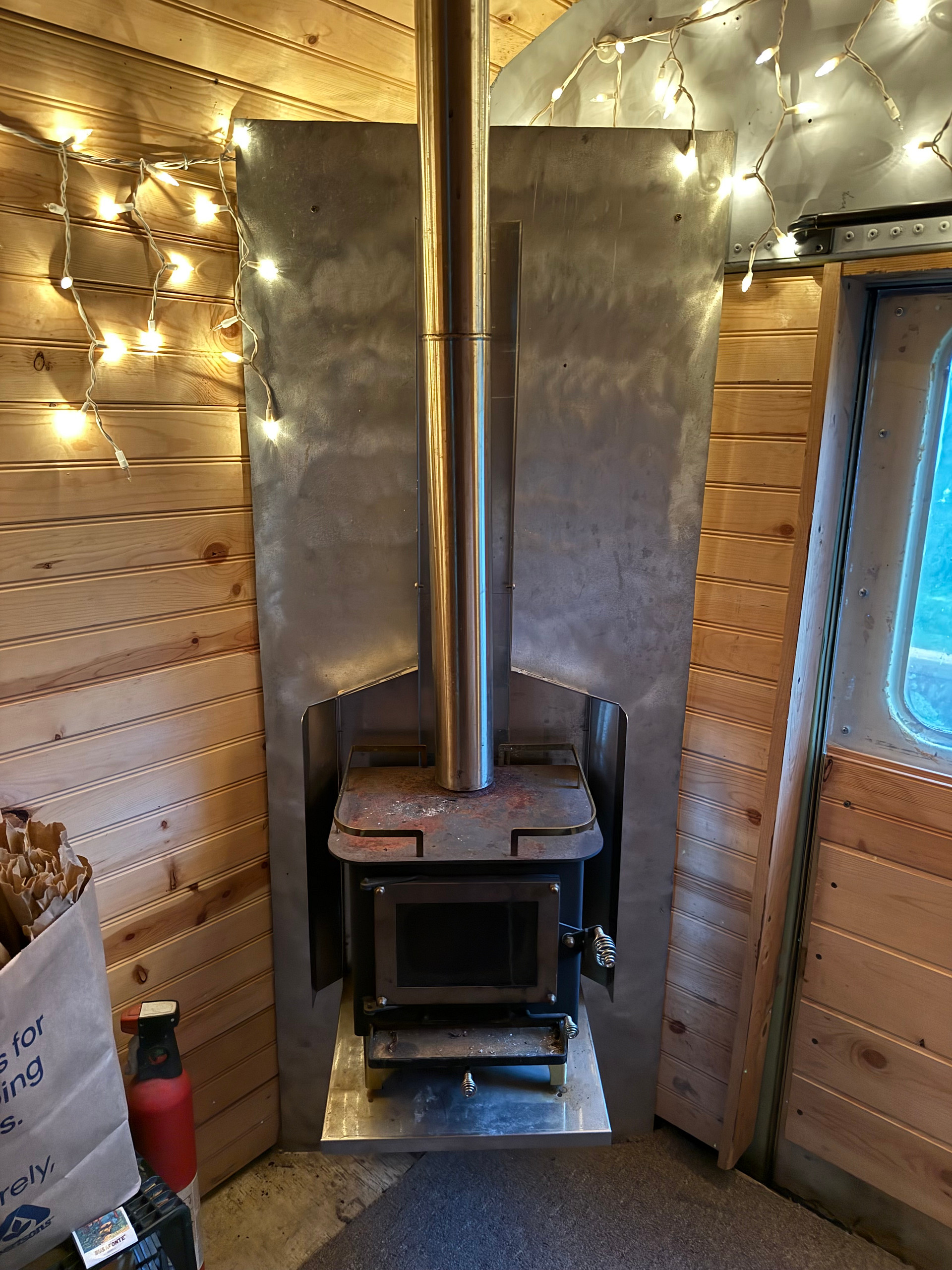
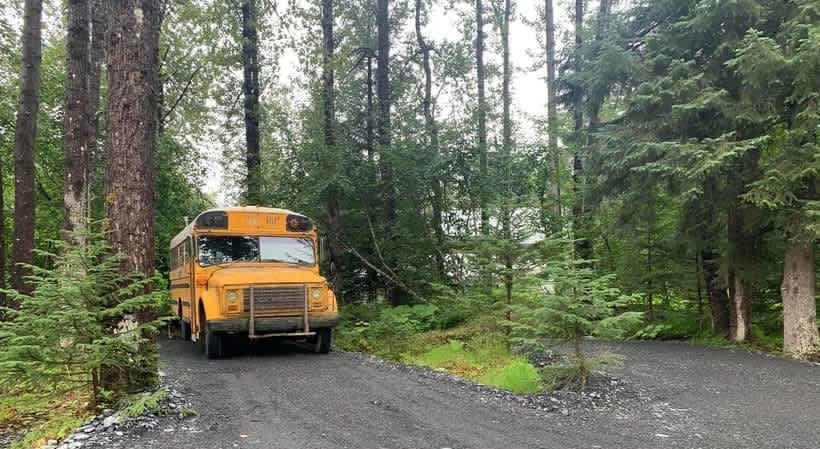
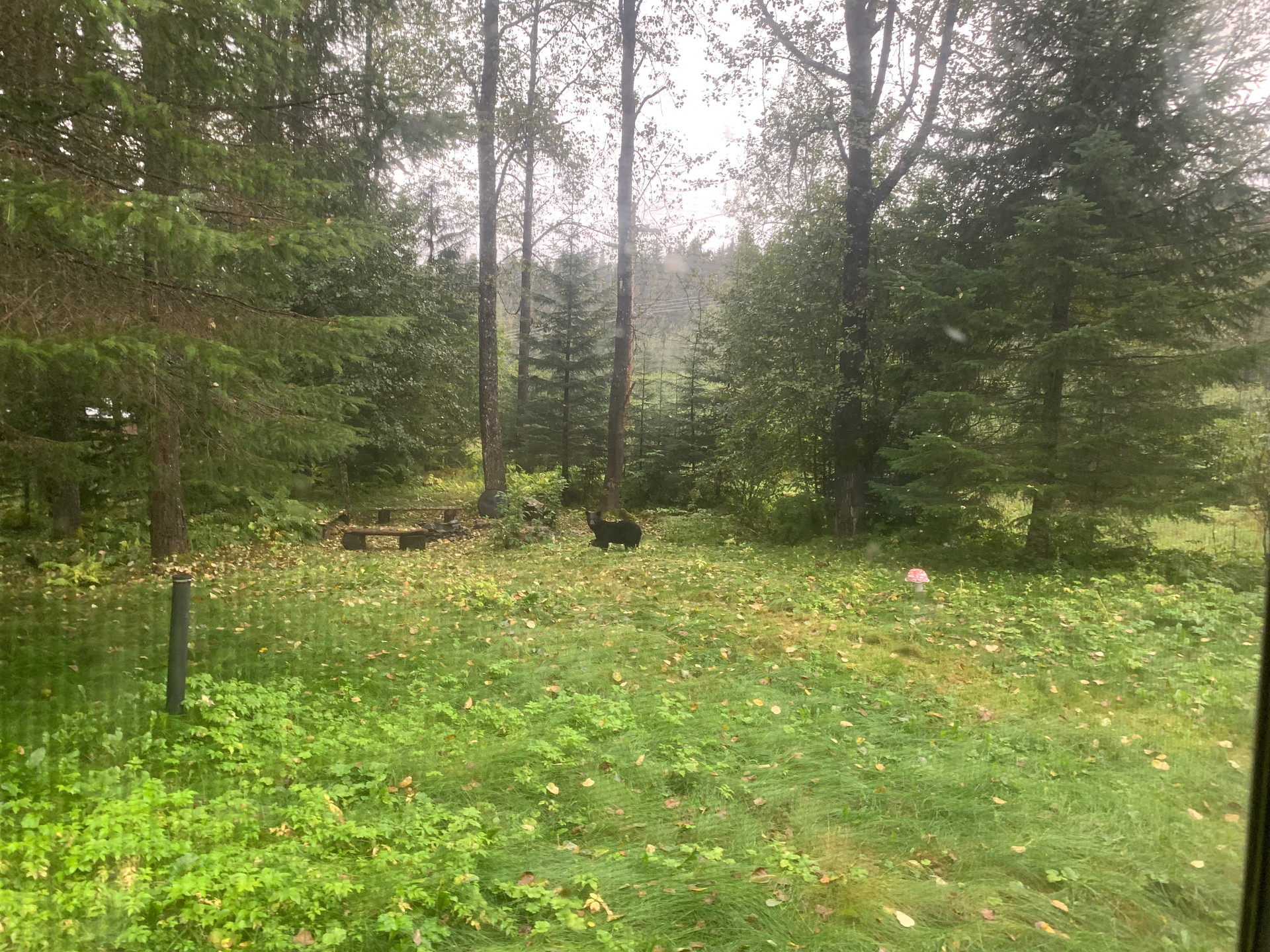
10. Lost in the Woods
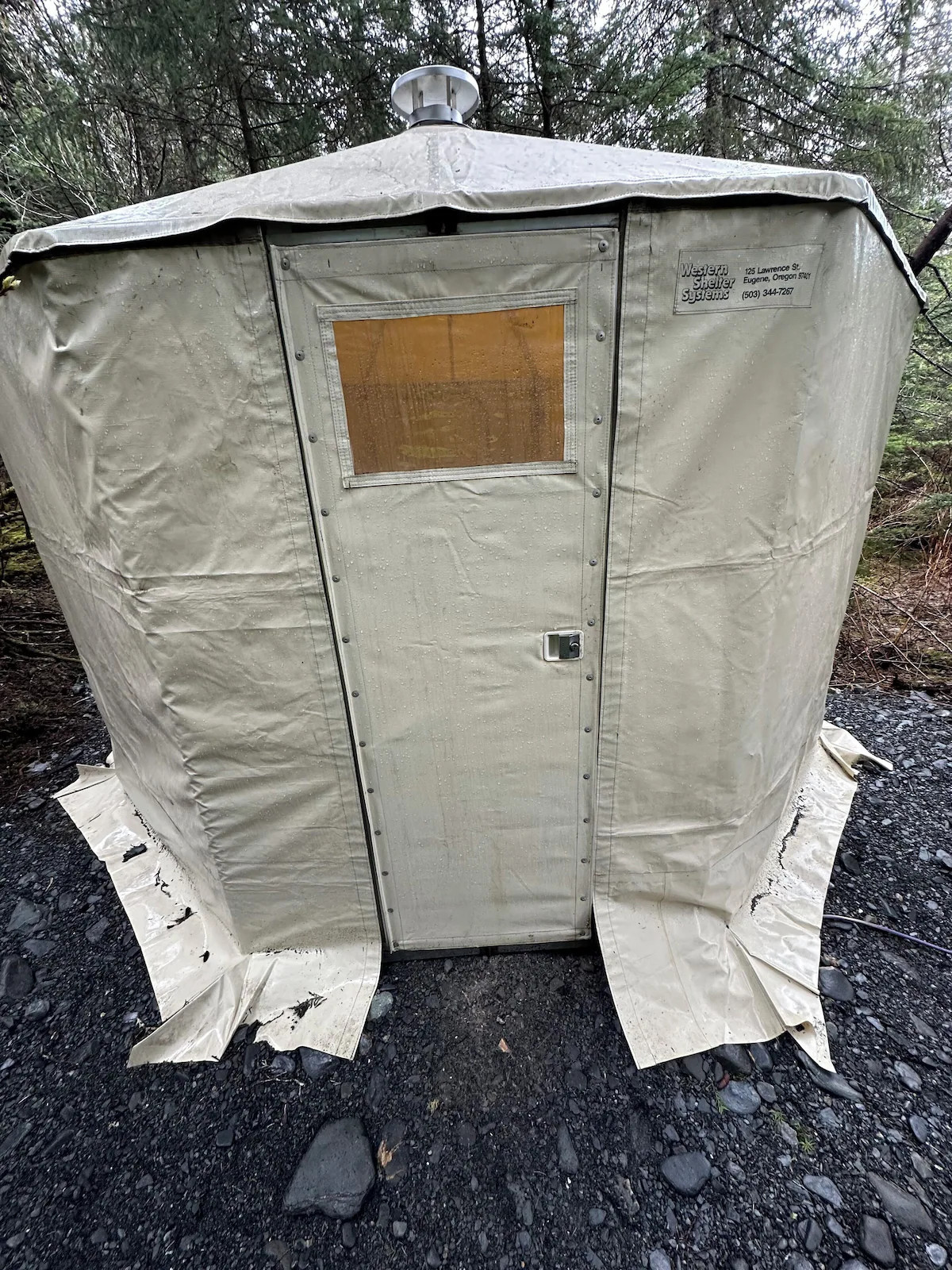
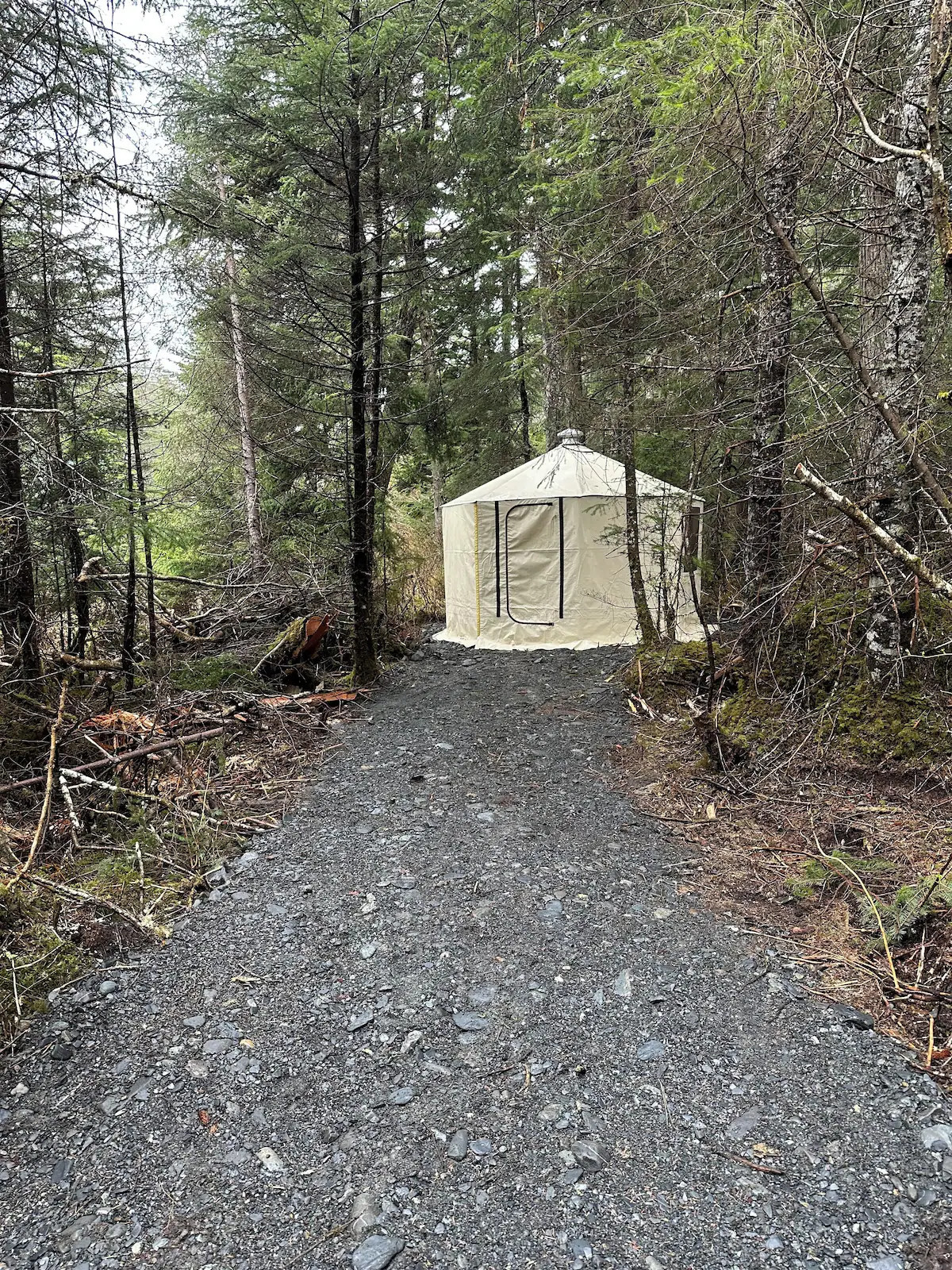

11. Seward Camping


12. Nauti Otter Inn and Yurt Village



13. Spruce Goose Lodge
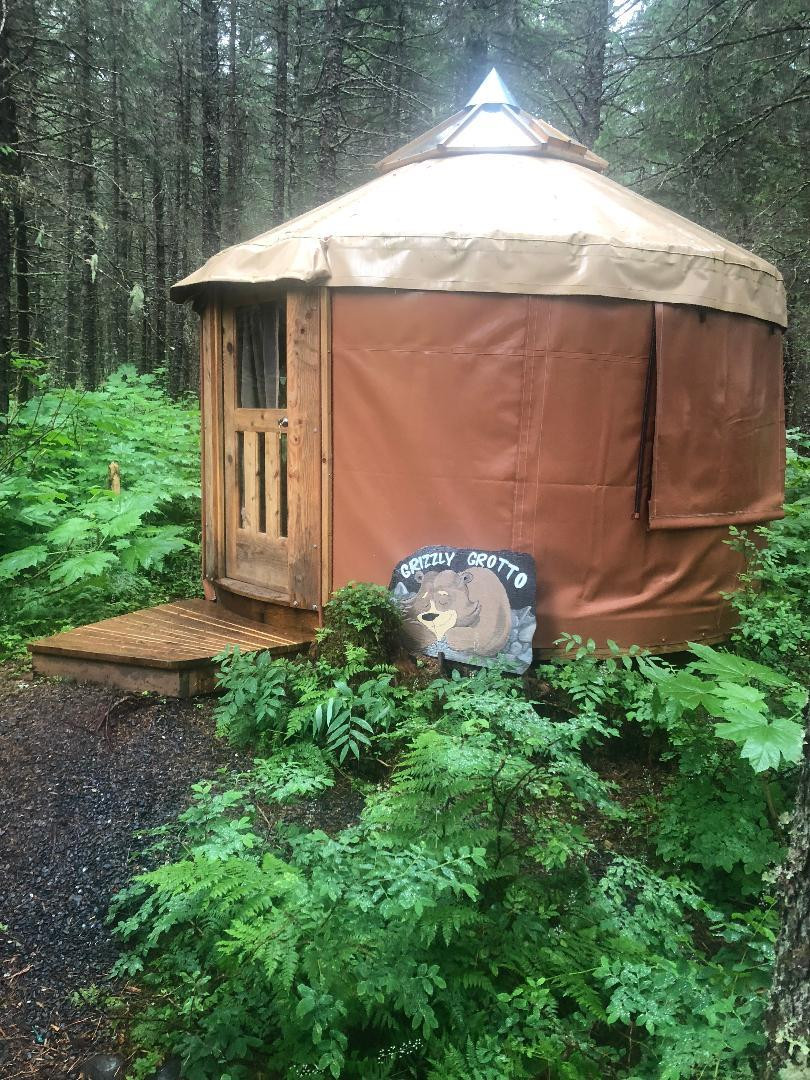
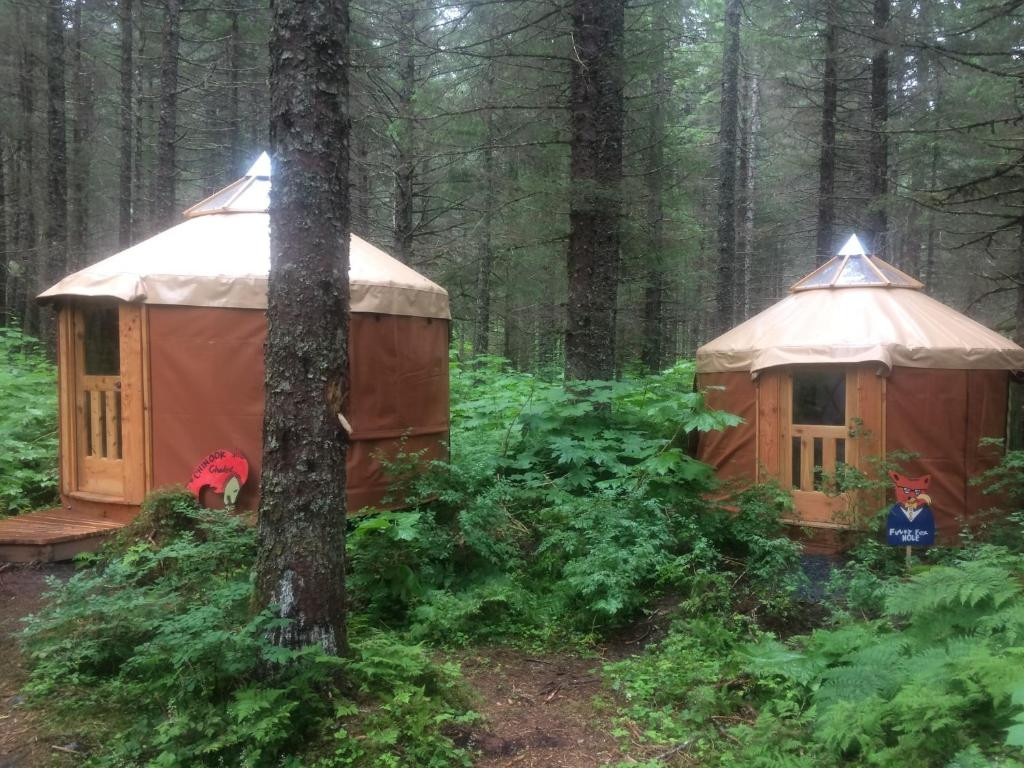
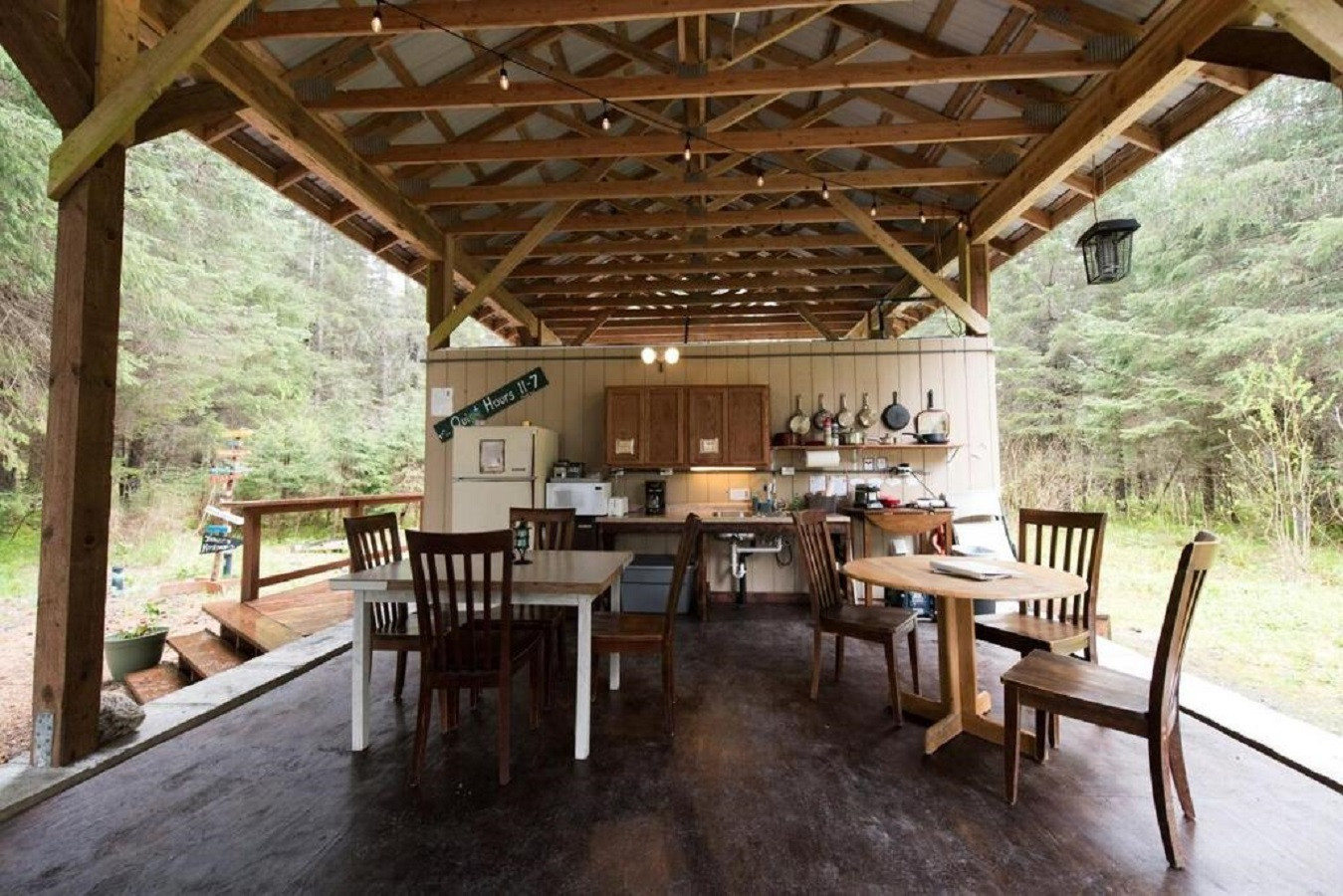
14. Nauti Otter Inn Yurt Village
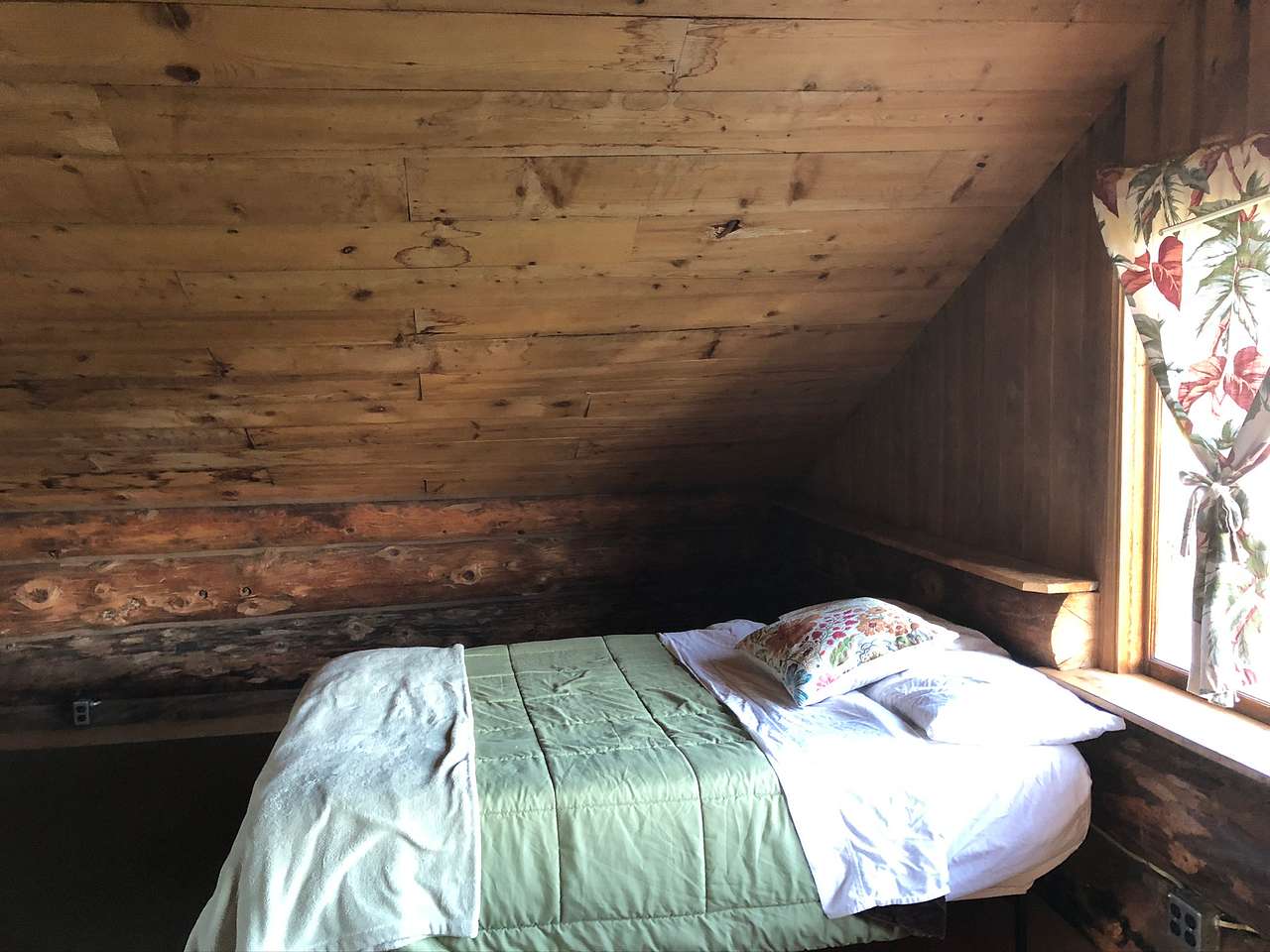
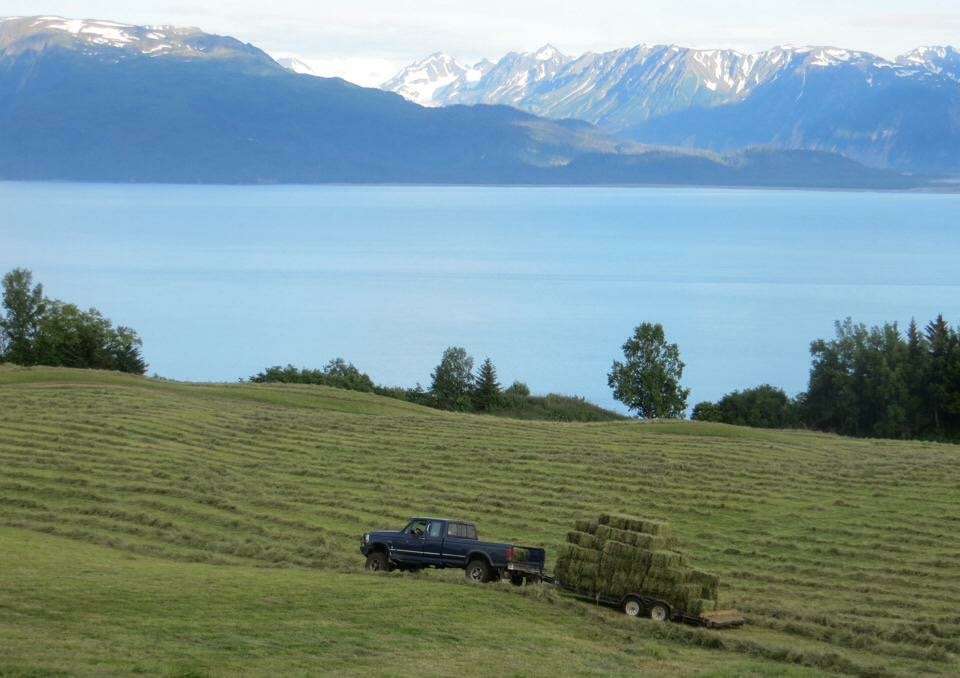
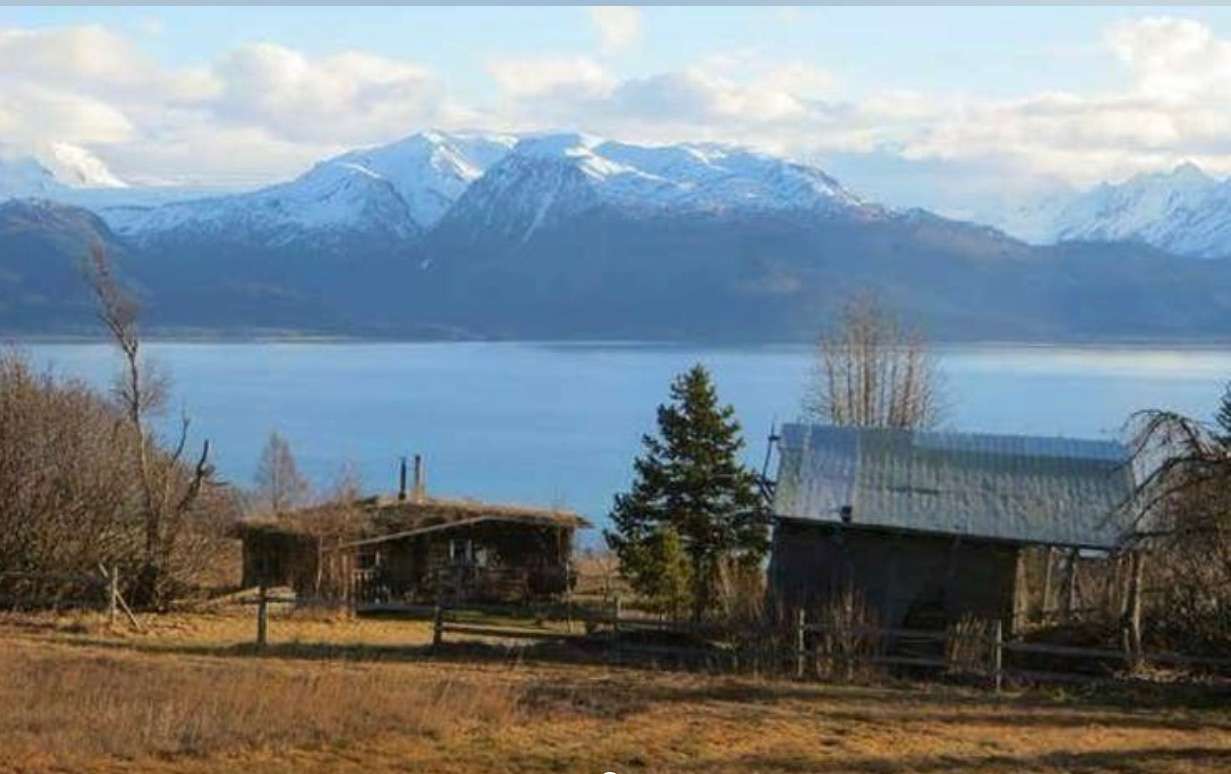
15. Famous Kilcher Family Homestead
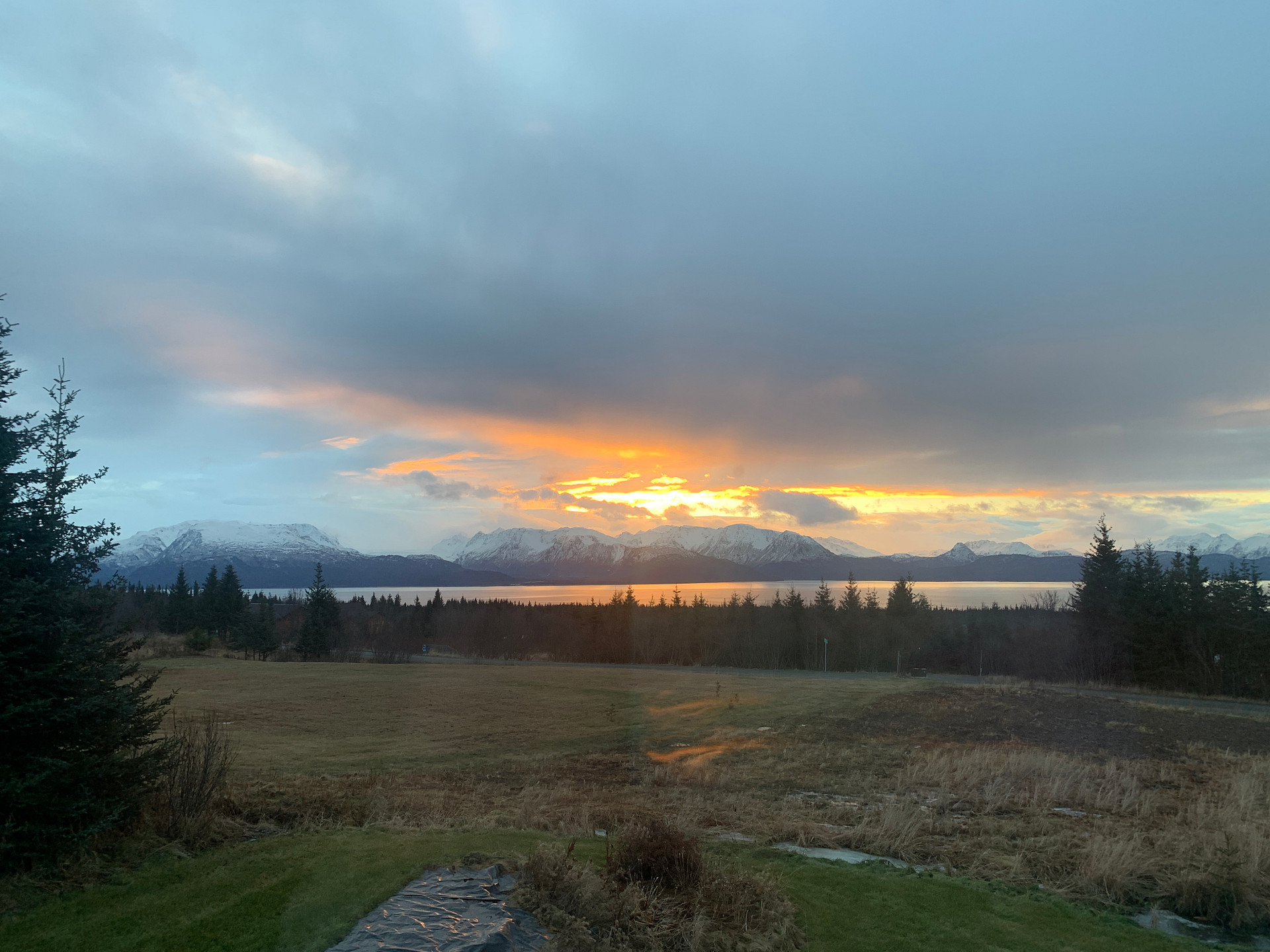
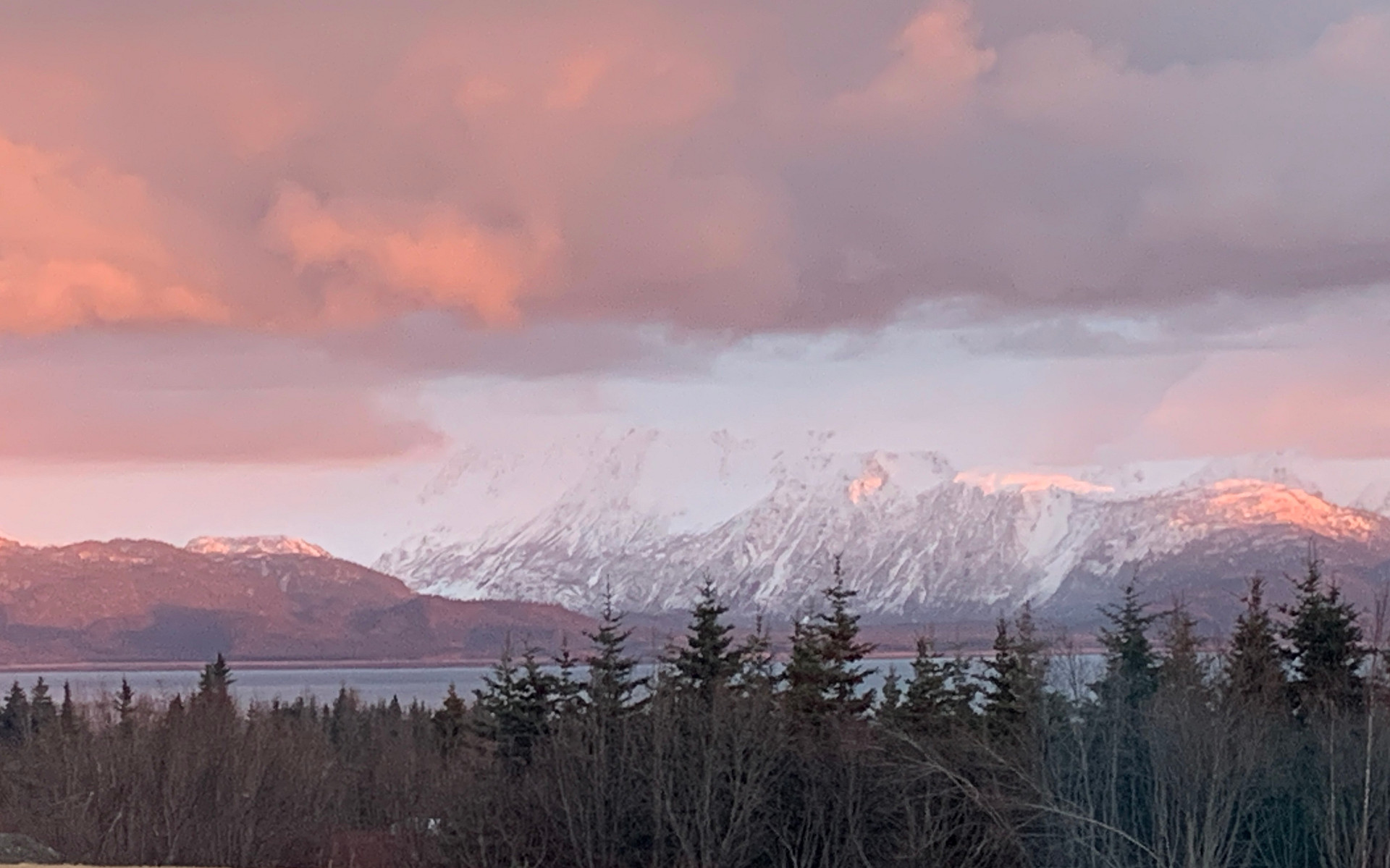
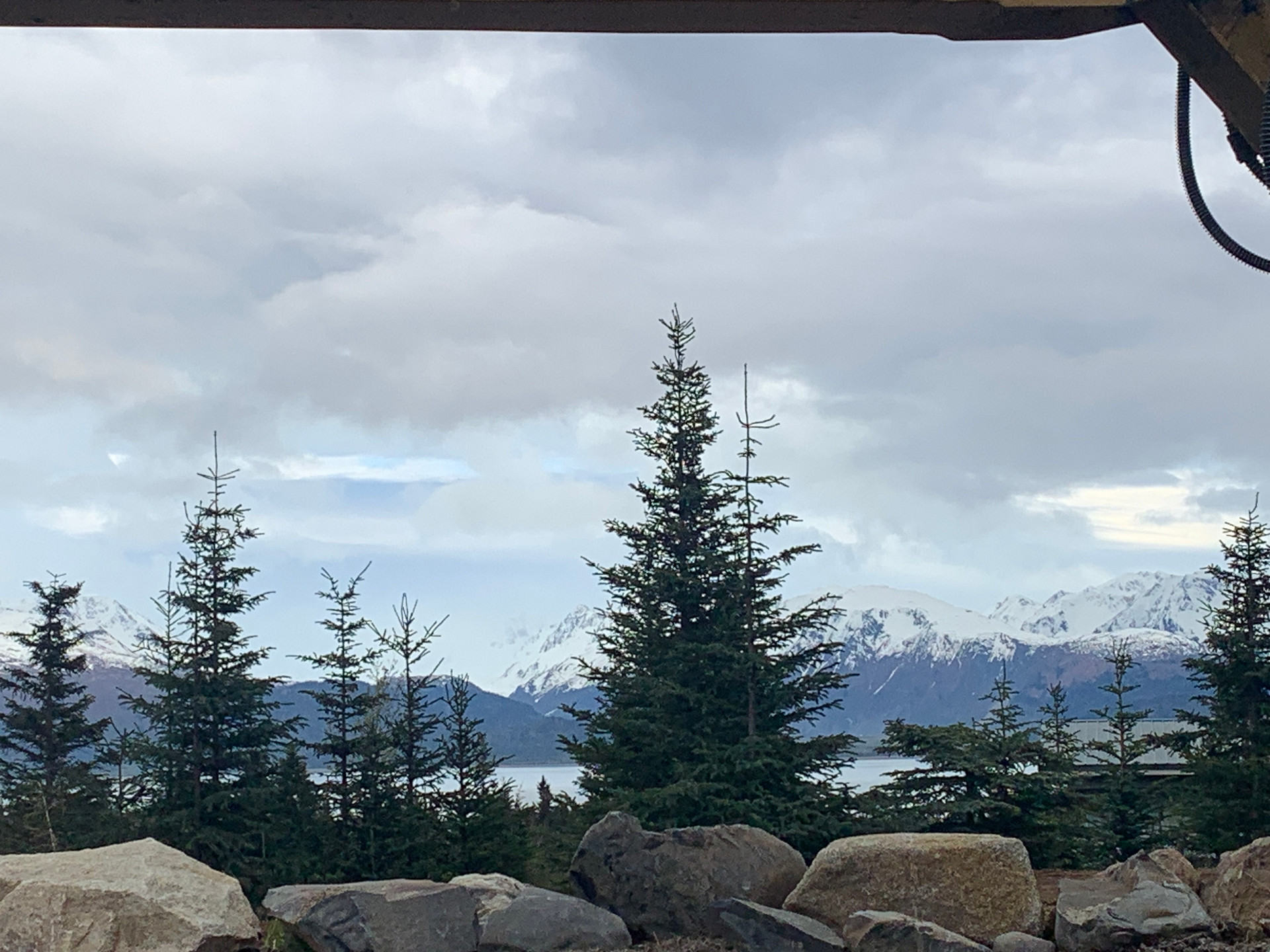
16. Kachemak Bay View
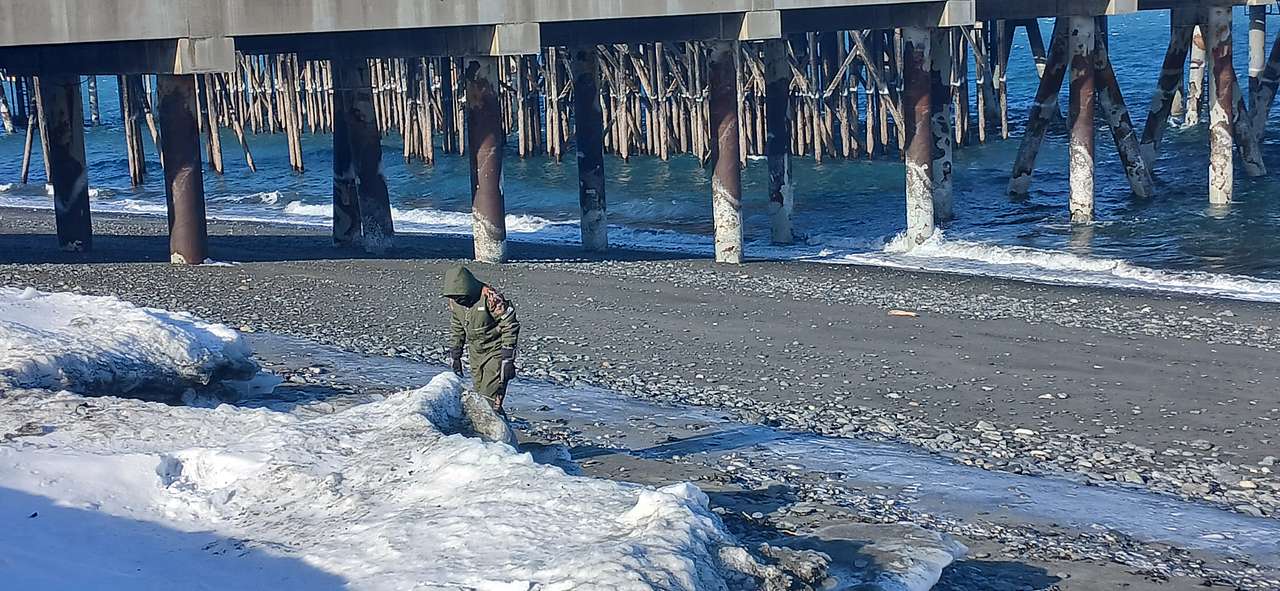
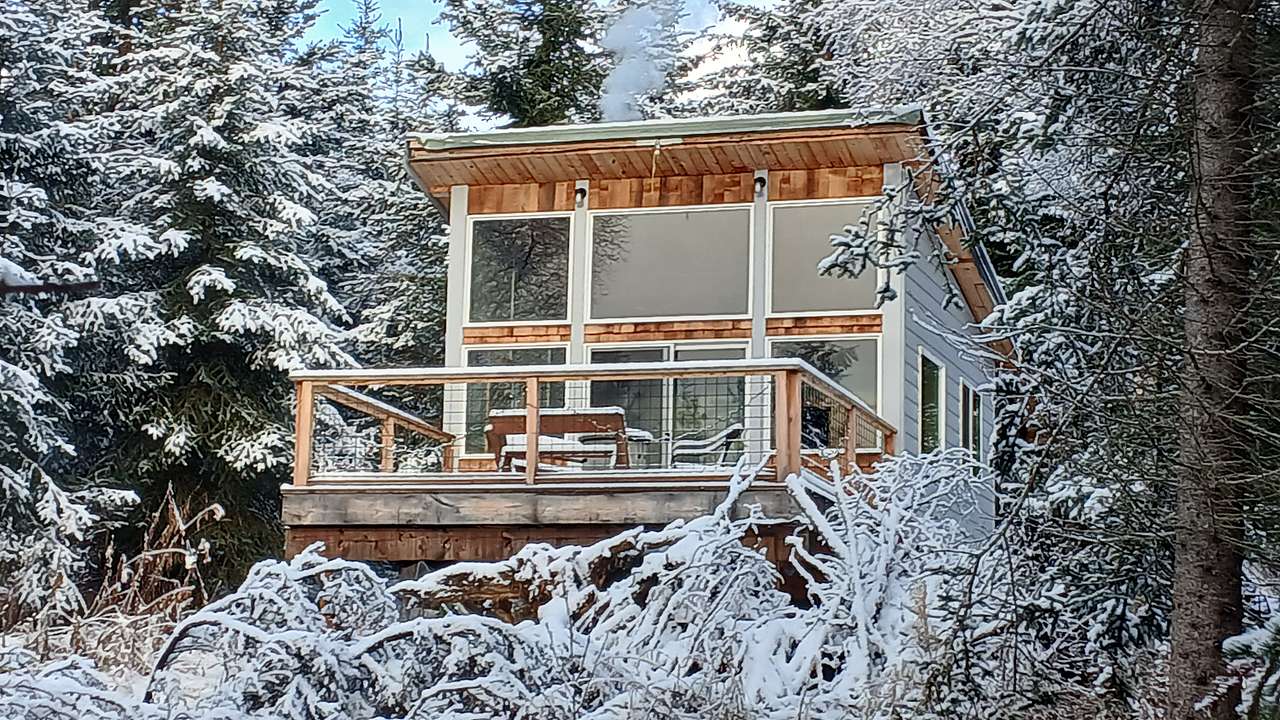
17. West Wayside Cabin

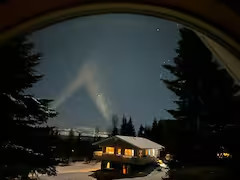

18. Homer Wayside Vacation Rental
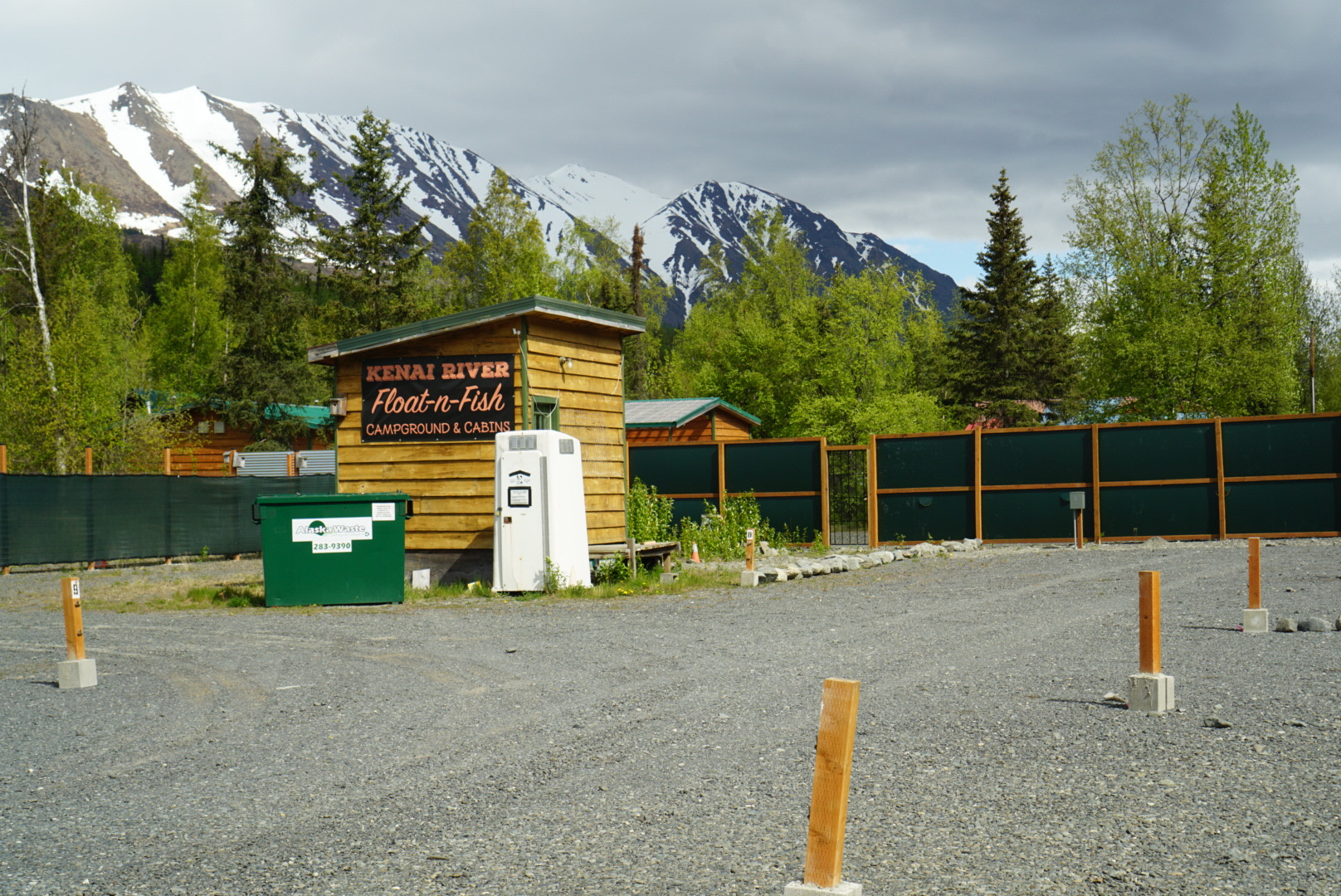
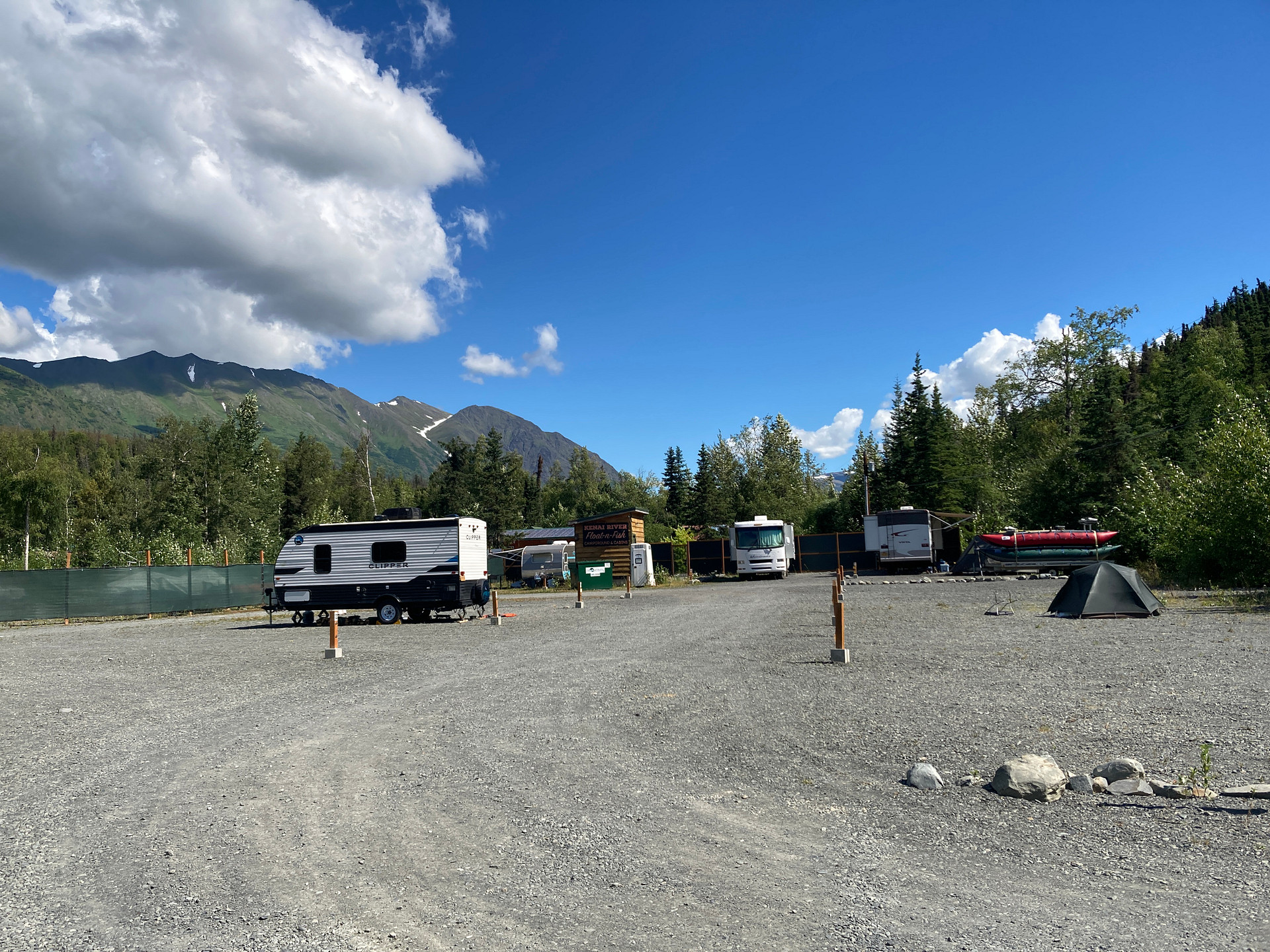
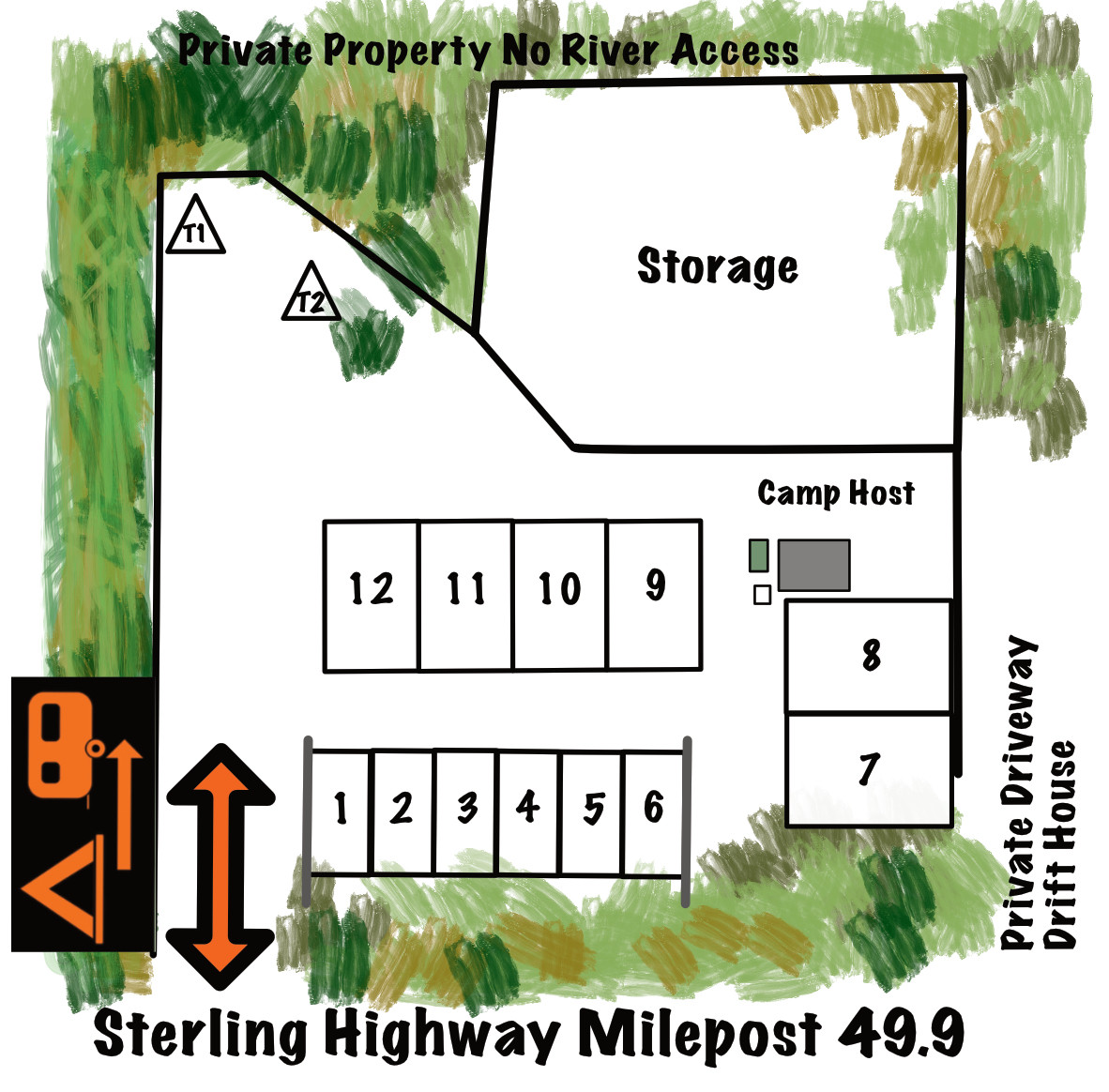
19. Float-n-Fish Campground
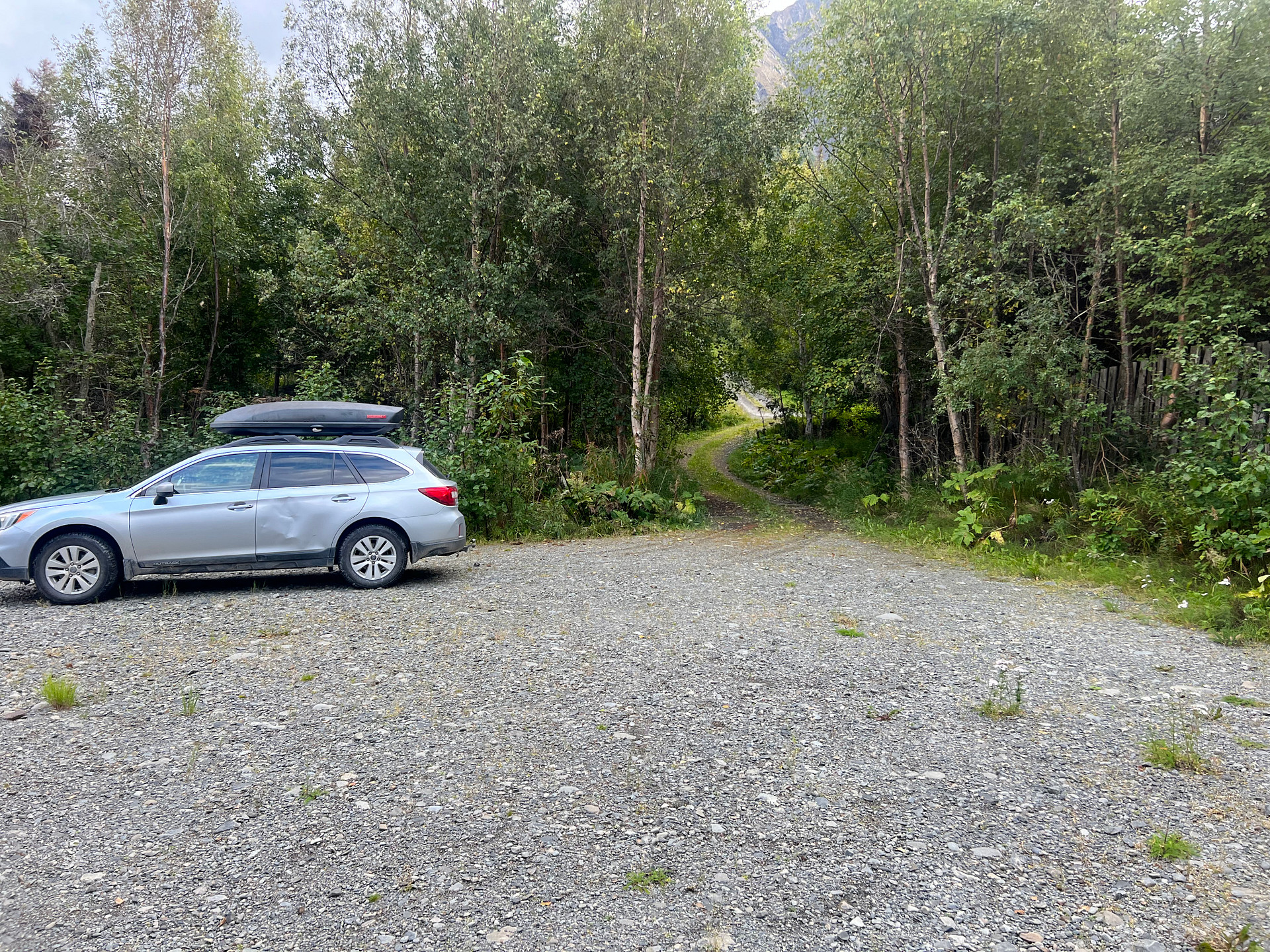
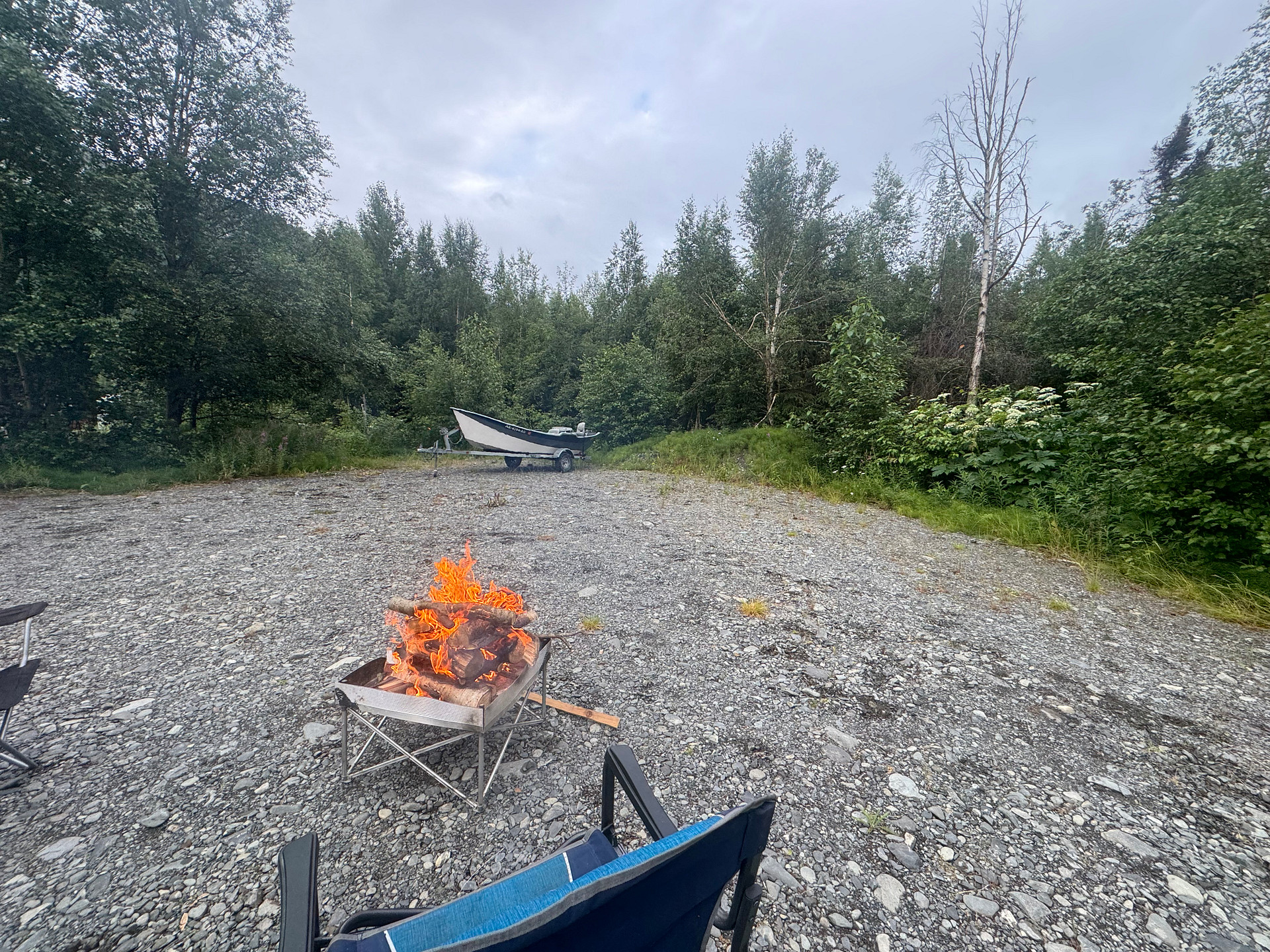
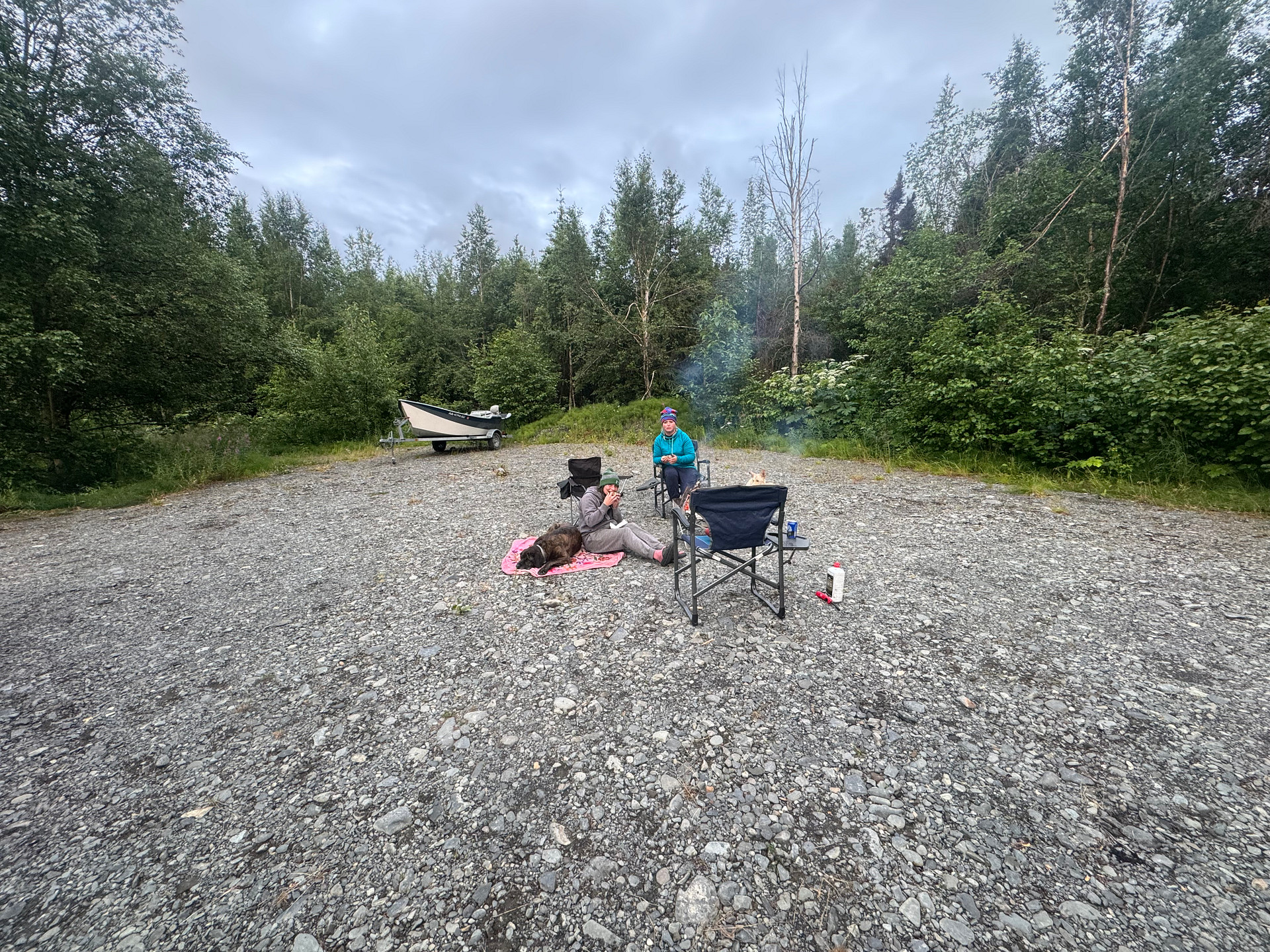
20. RVR CAMPSITE
Recent reviews from the Hipcamp community



Kenai Fjords National Park camping guide
Overview
About
Set between Kachemak Bay State Park and the town of Seward, this massive national park protects the Harding Icefield and the wilderness around it. The only established campground in the park is in the Exit Glacier Area, which has 12 walk-in sites—two of which (sites #1 and #12) are ADA-accessible—free of charge, along with vault toilets, a pump with potable water, and a cooking area with bear-safe food storage. Backpacking is also an option, but even experienced backpackers will find this park a major challenge, so it’s wise to go with a professional guide.
Tips for snagging a campsite
- Sites at Exit Glacier are available on a first-come, first-served basis, and are usually full by early evening in the July and August peak season. It’s wise to come early in the day and mid-week, to increase your odds of nabbing one of the coveted spots.
- There are also a couple of cabins available in the summer months (through recreation.gov) and a winter cabin that can be reserved by calling the park directly.
- If you can't secure a campsite at Exit Glacier, you may have better luck in the nearby Chugach National Forest or at one of the campgrounds managed by the Seward Parks and Recreation Department.
When to go
Kenai Fjords is beautiful year-round, but if you’re coming to camp, July and August are the best (albeit busiest) months. The Exit Glacier area is usually blocked to vehicular traffic from late October until sometime in the spring due to snow, but you can still drive as far as you can and then go the rest of the way by snowmobile, fat bike, dogsled, or snowshoeing.
Know before you go
- Cooking and storing food at individual campsites is prohibited.
- Kayaking and beach camping is popular in the park, and permits are not required, except for on beaches owned by Port Graham Village Corporation.
- Abandoned mines sit within the park, some of which could contain explosives, unsafe chemicals, or other hazards. Be mindful and avoid investigating any old structures you come across.
- Winter shuttles, boat tours, dog sled tours, and guided ice-climbing expeditions are available in the winter months.
Reviews for Kenai Fjords National Park Campgrounds
Frequently Asked Questions
Yes, Kenai Fjords National Park is definitely worth visiting. The park, located on the Kenai Peninsula in Alaska, offers stunning natural beauty, unique wildlife encounters, and a variety of outdoor activities. Some highlights of the park include:
- Glaciers: The park is home to several glaciers, including the impressive Harding Icefield, which spans over 700 square miles.
- Marine wildlife: The park's coastal waters are home to a diverse array of marine life, including whales, seals, sea lions, and otters.
- Birdwatching: Kenai Fjords National Park is a paradise for birdwatchers, with over 190 species of birds inhabiting the area, including puffins, eagles, and seabirds.
- Hiking: There are several hiking trails in the park that cater to different skill levels, including the popular Exit Glacier Trail and the more challenging Harding Icefield Trail.
- Boat tours: To fully appreciate the park's beauty, consider taking a boat tour. These tours offer an up-close look at the fjords, glaciers, and marine life.
- Kayaking: For a more adventurous experience, kayaking in the park's fjords can provide a unique perspective on the area's natural wonders.
Overall, Kenai Fjords National Park is a must-visit destination for nature enthusiasts, wildlife lovers, and those seeking outdoor adventure. Keep in mind that the park is quite remote, so be prepared for limited facilities and services, especially when it comes to camping options. You can find more information about camping near Kenai Fjords National Park on Hipcamp.
It is recommended to spend at least 2 to 3 days in Kenai Fjords National Park to fully experience and appreciate the park's beauty, wildlife, and activities. This allows time for exploring the park, taking a boat tour or kayaking trip, and hiking on the various trails available.
Yes, there are bears in Kenai Fjords National Park. Both black bears and brown bears (also known as grizzly bears) can be found in the park. It's important to practice bear safety measures, such as proper food storage, making noise while hiking, and carrying bear spray to ensure the safety of both humans and bears.