Top-rated campgrounds in Arkansas
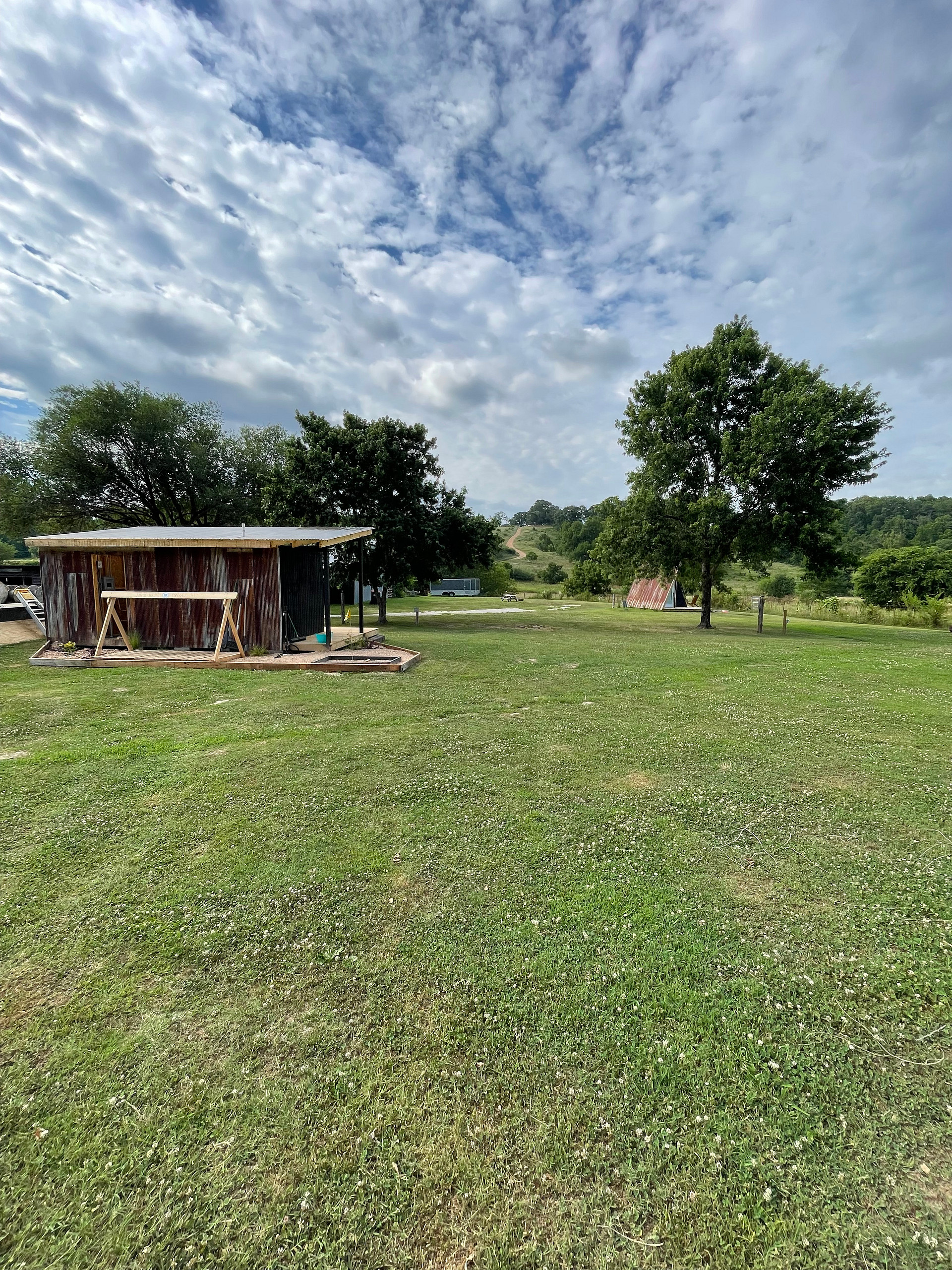
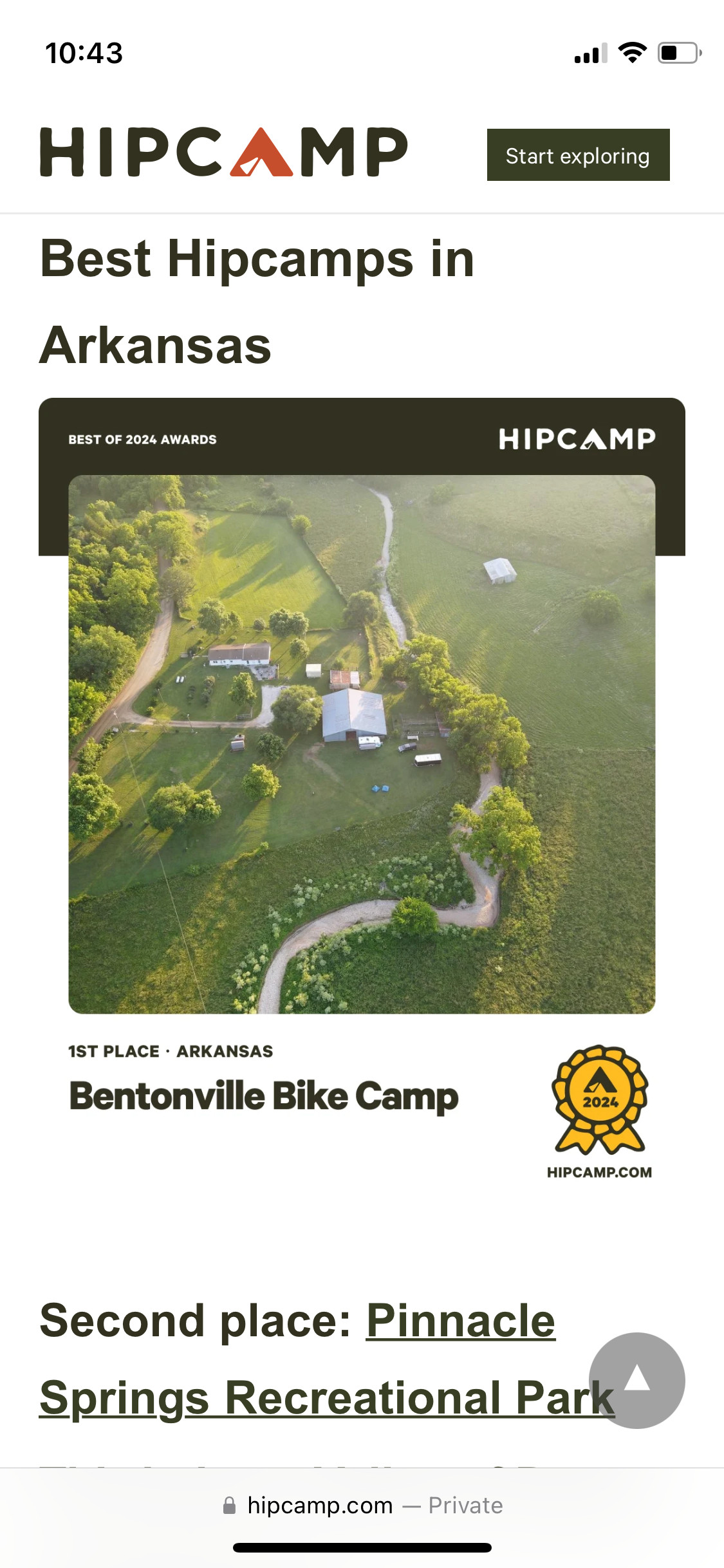
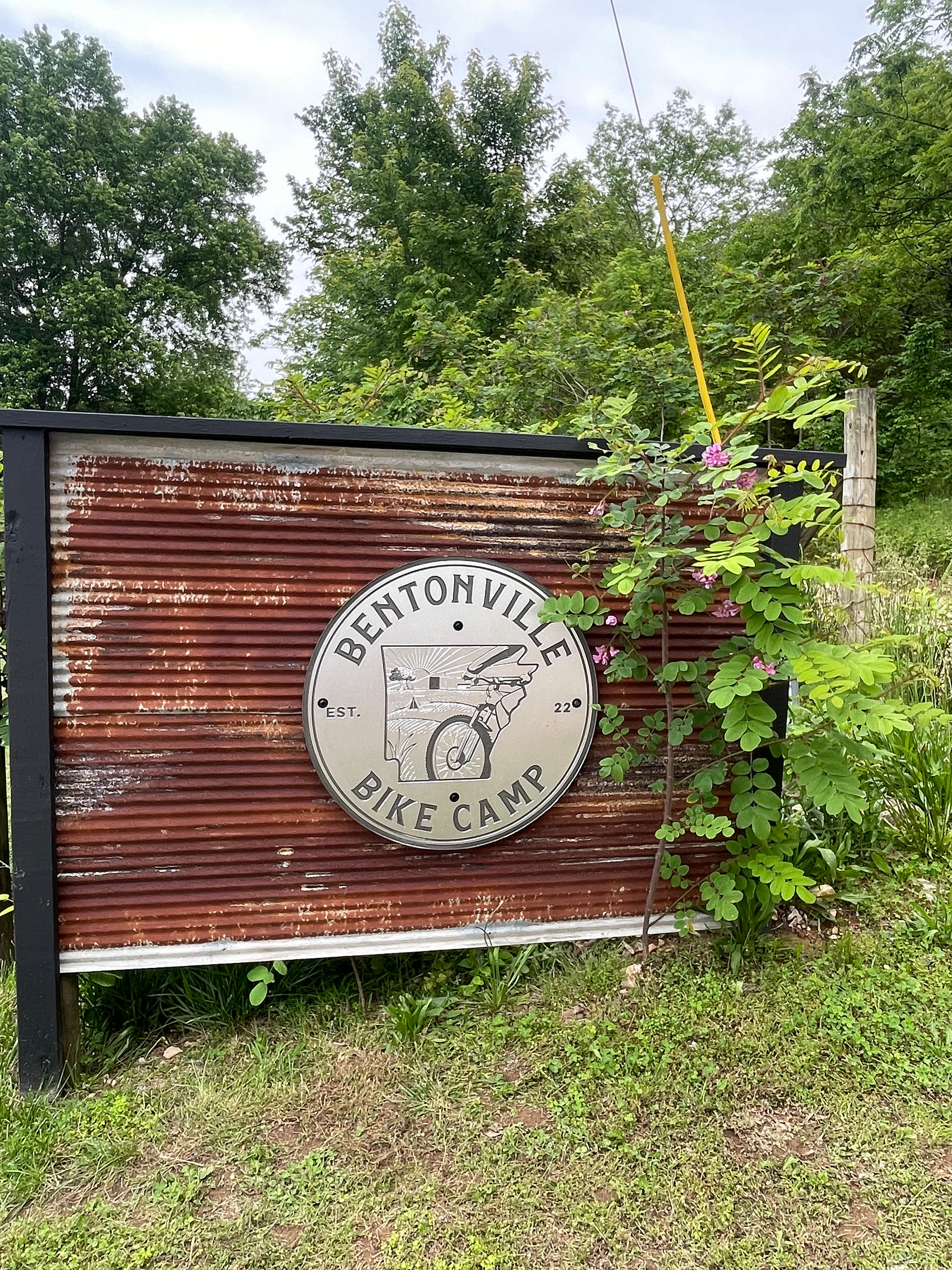
1. Bentonville Bike Camp
2. Pinnacle Springs Recreational Park
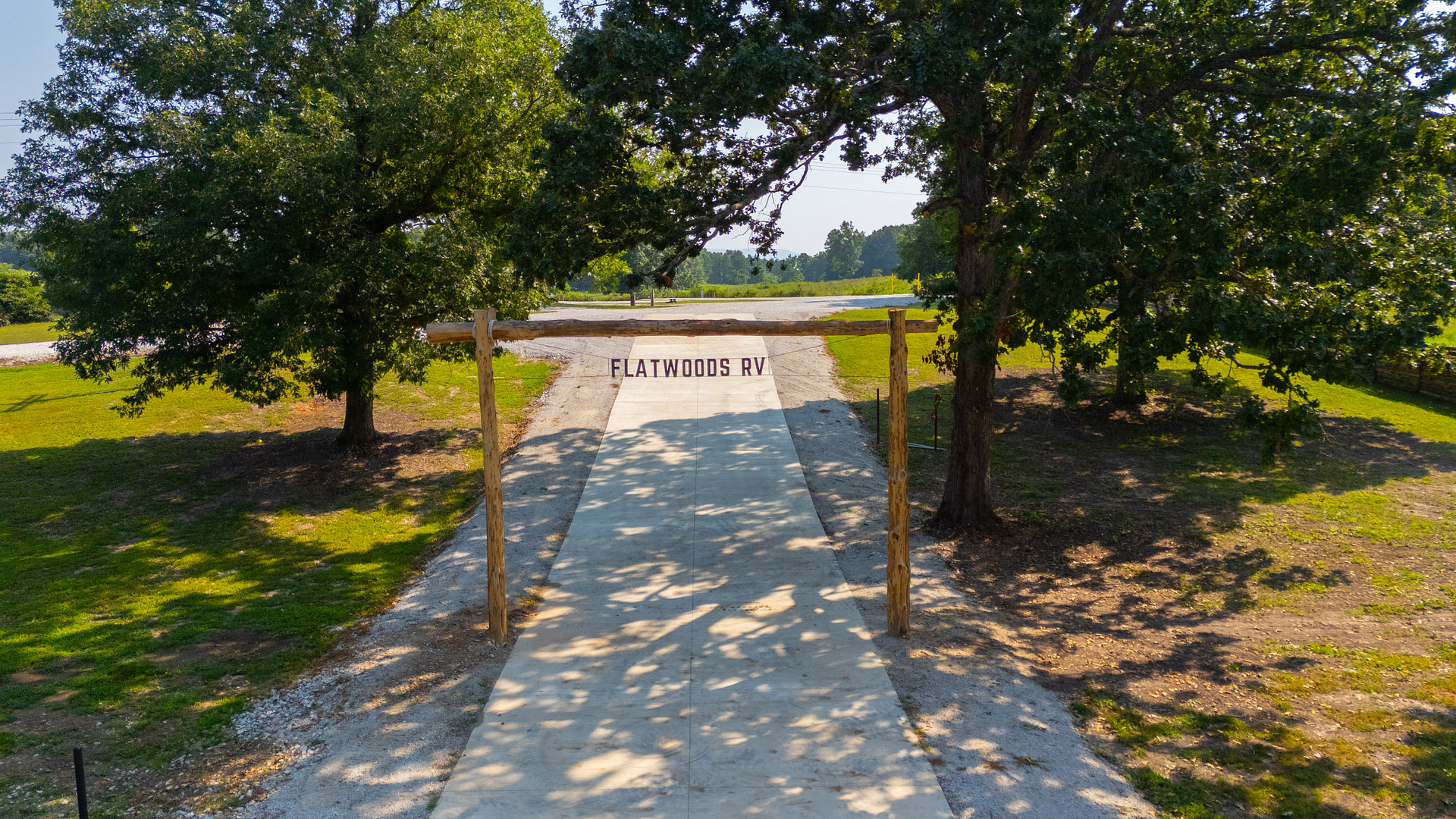
3. Flatwoods Mountain RV Park
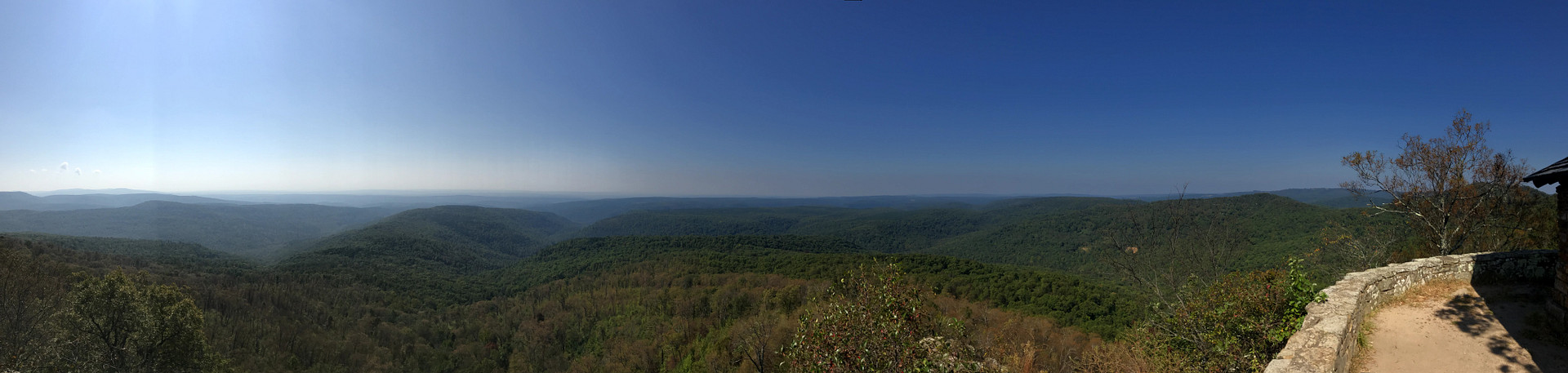
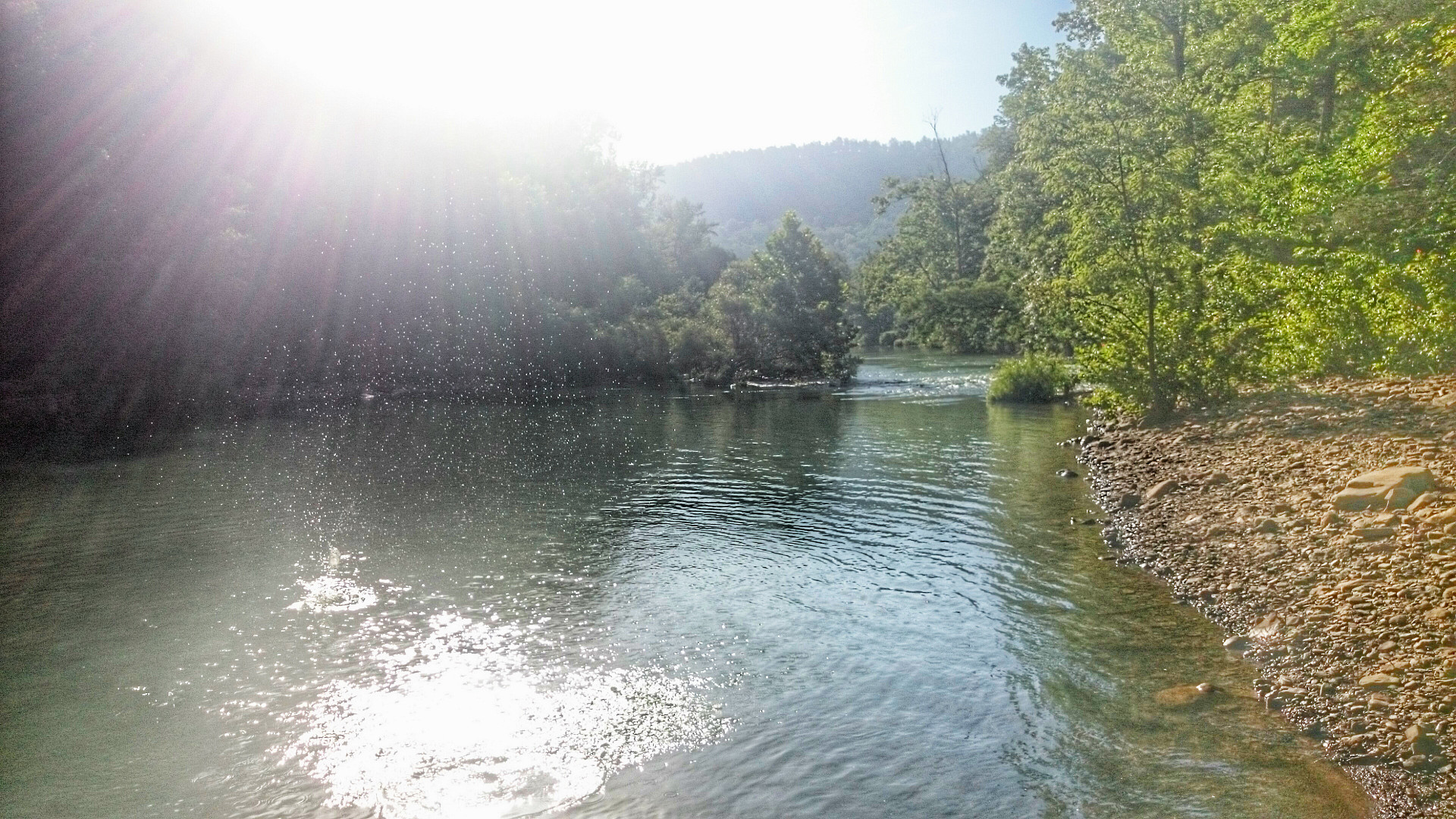
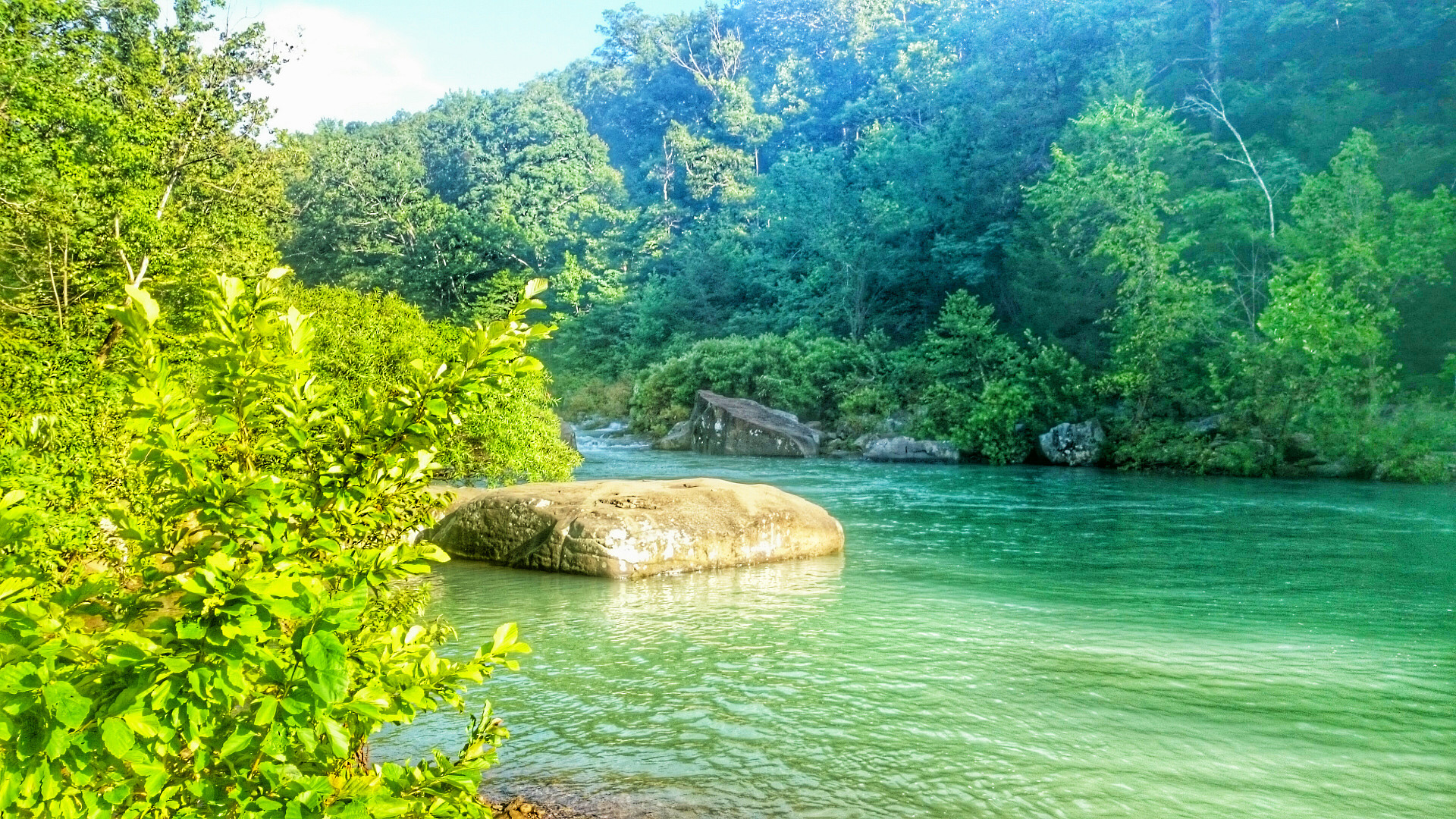
4. Ozark-St. Francis National Forests
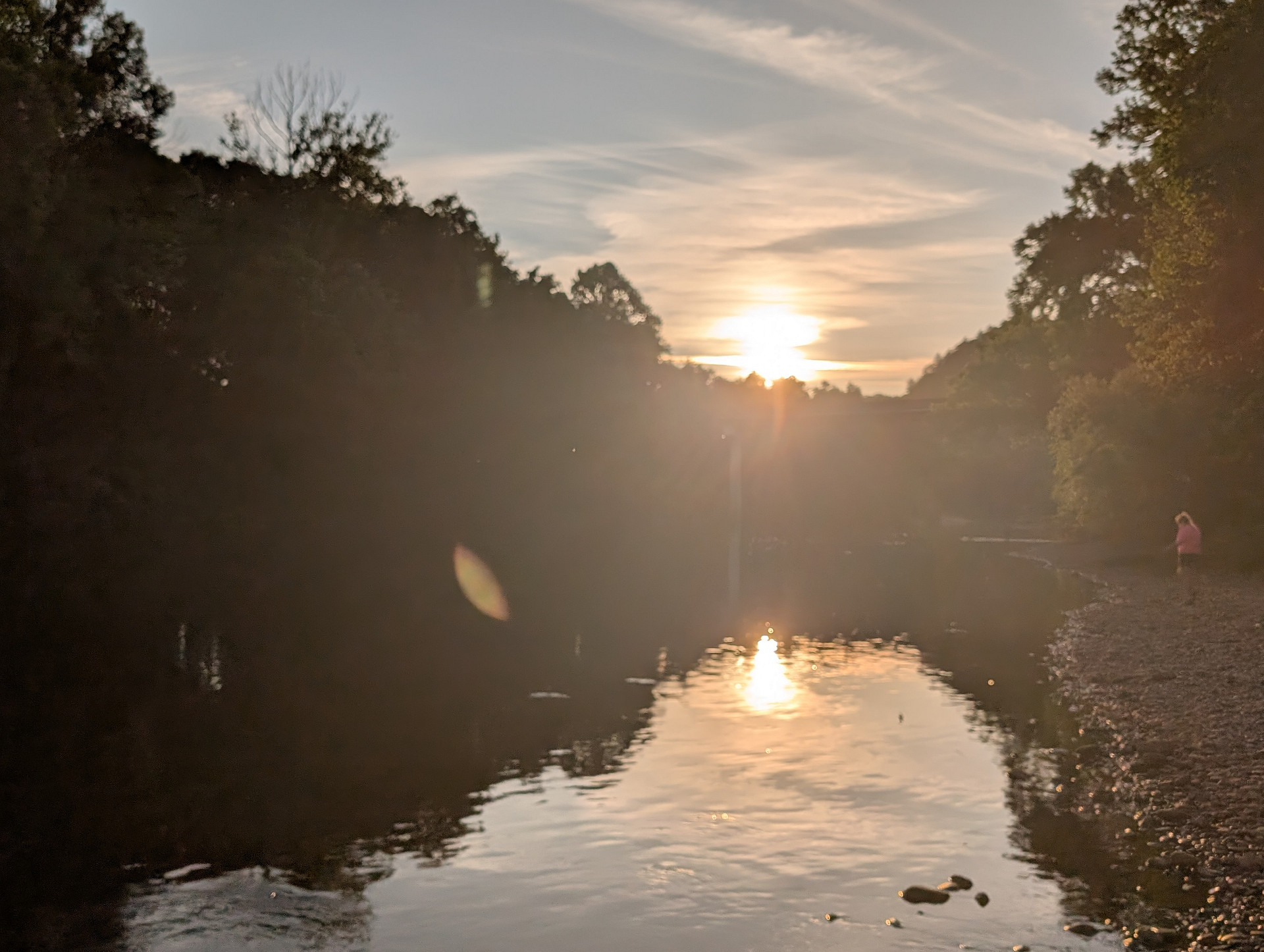
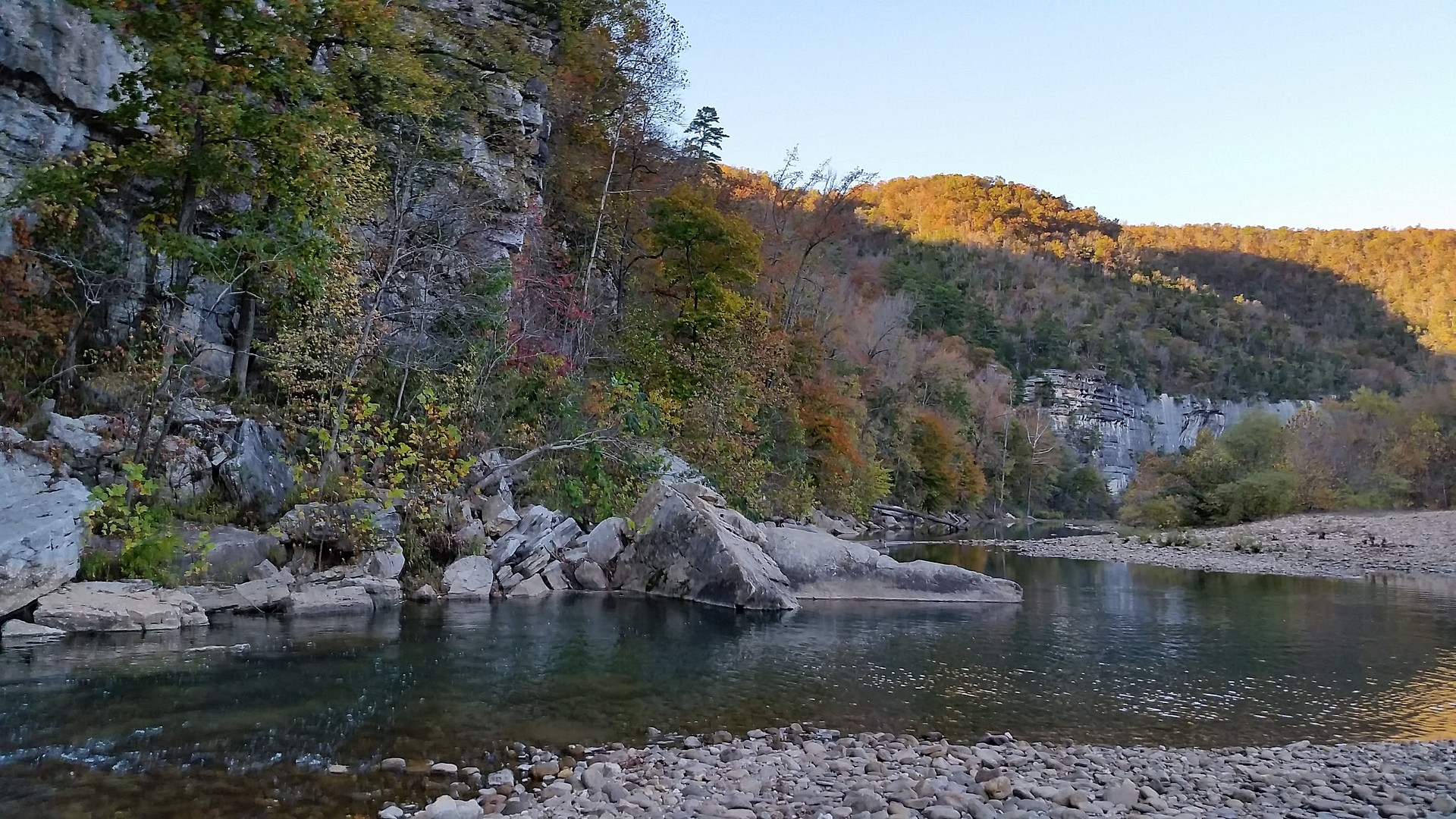
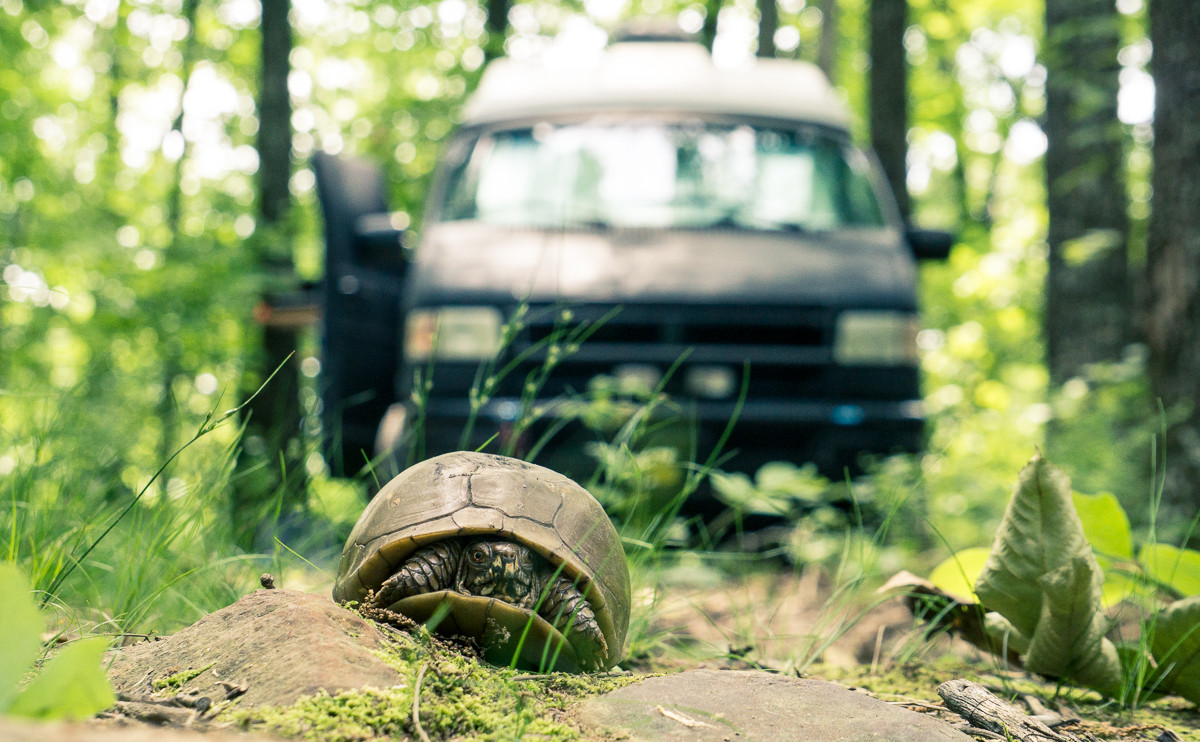
5. Buffalo National River
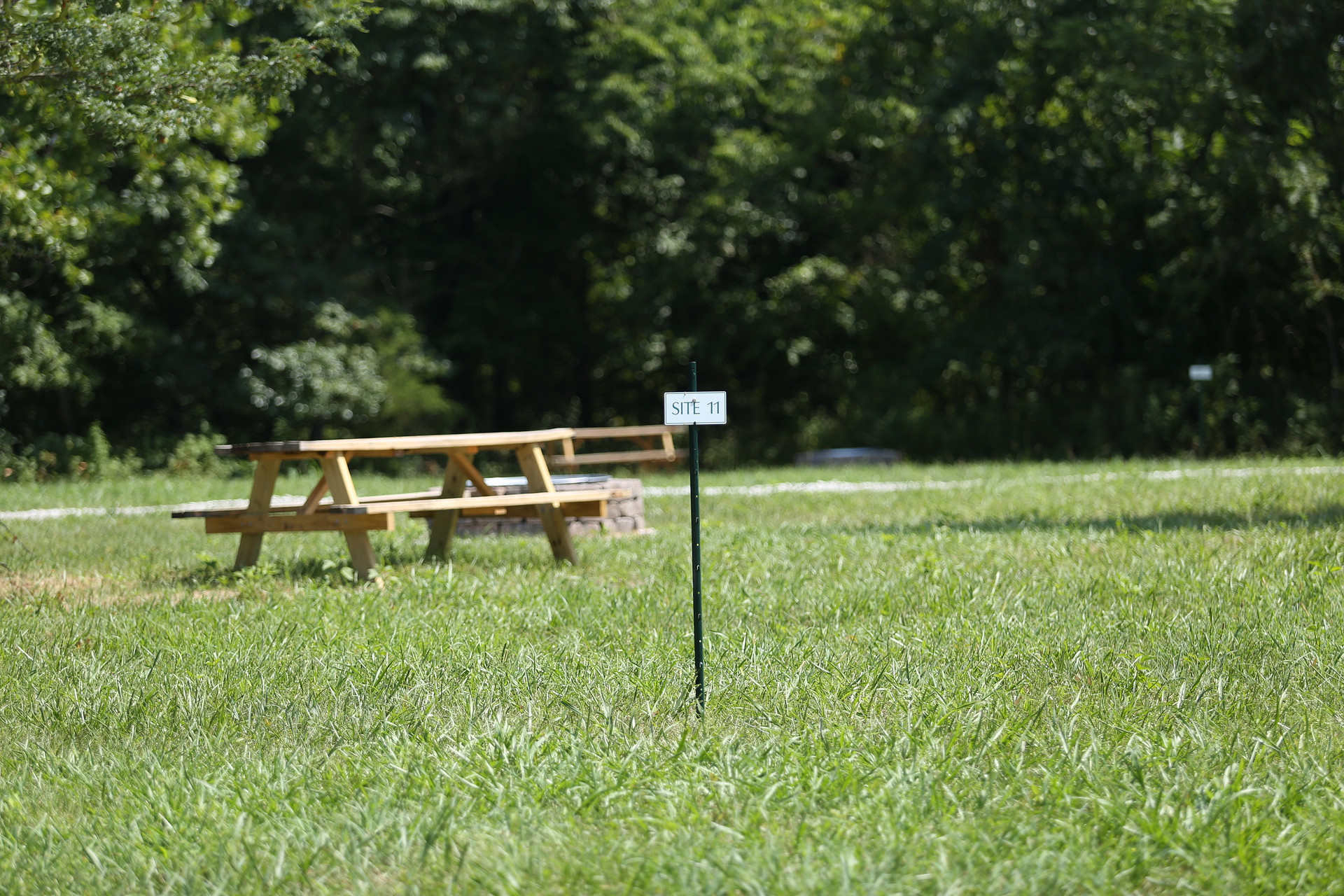
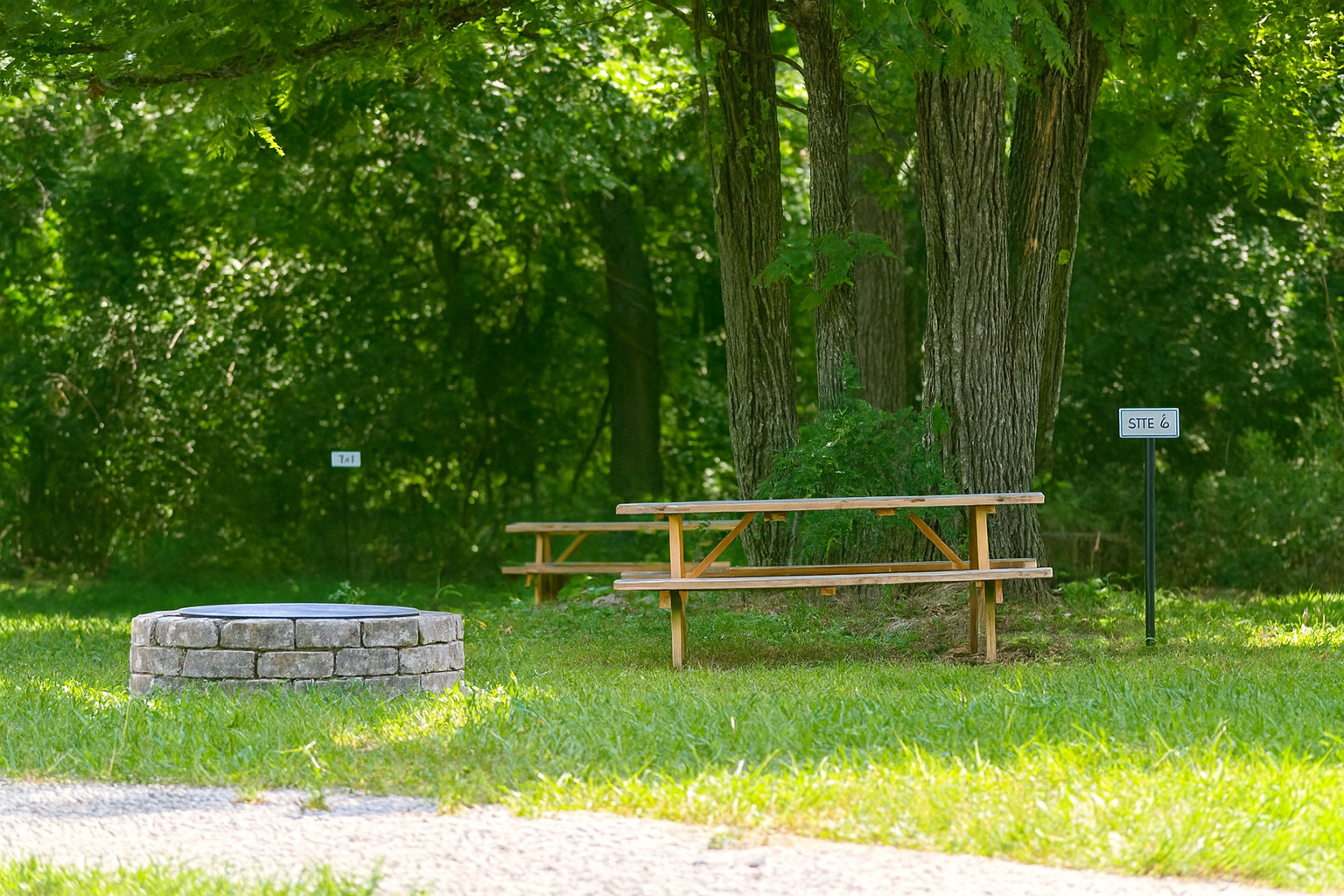
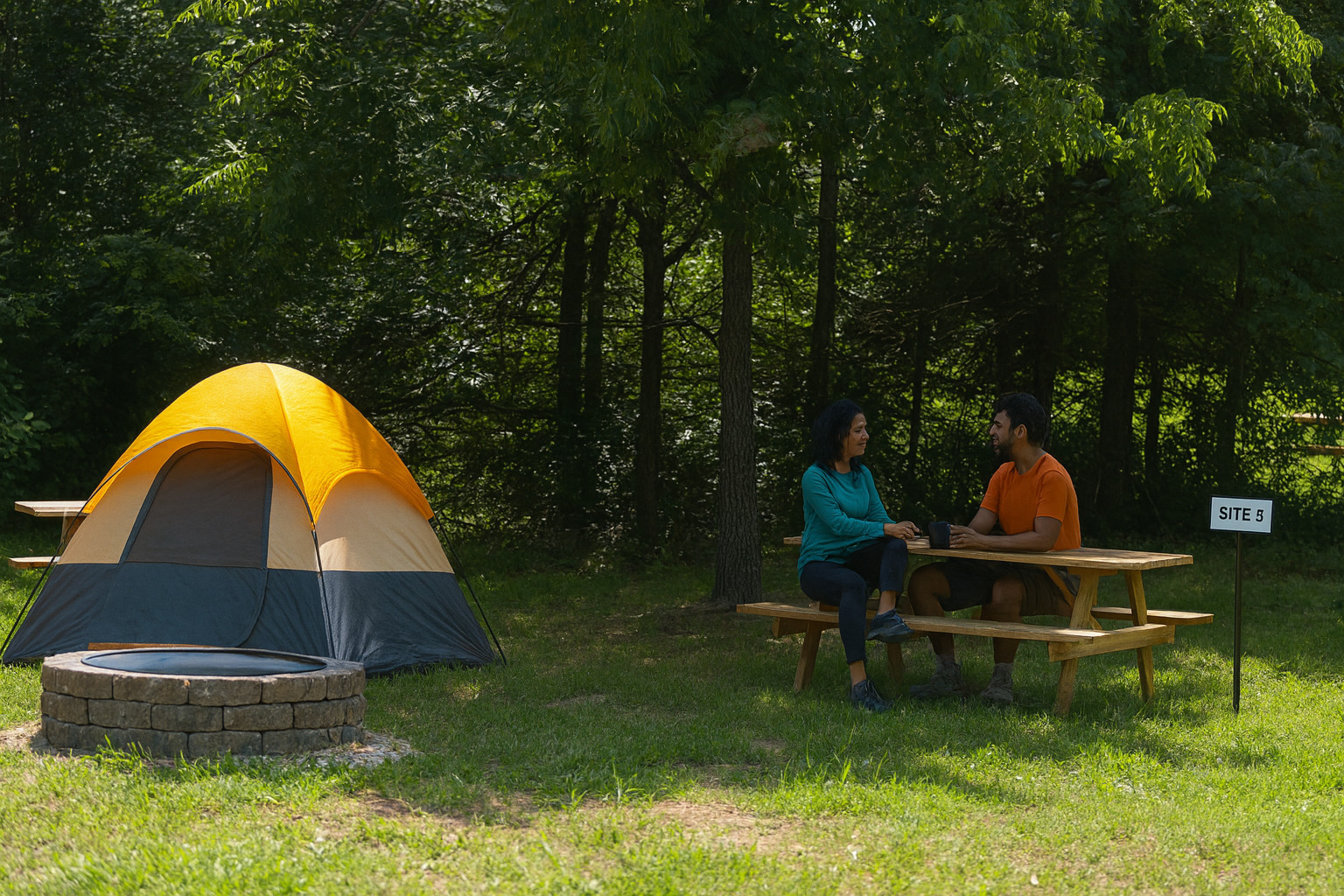
6. The Boondock at Hand Cut Hollow
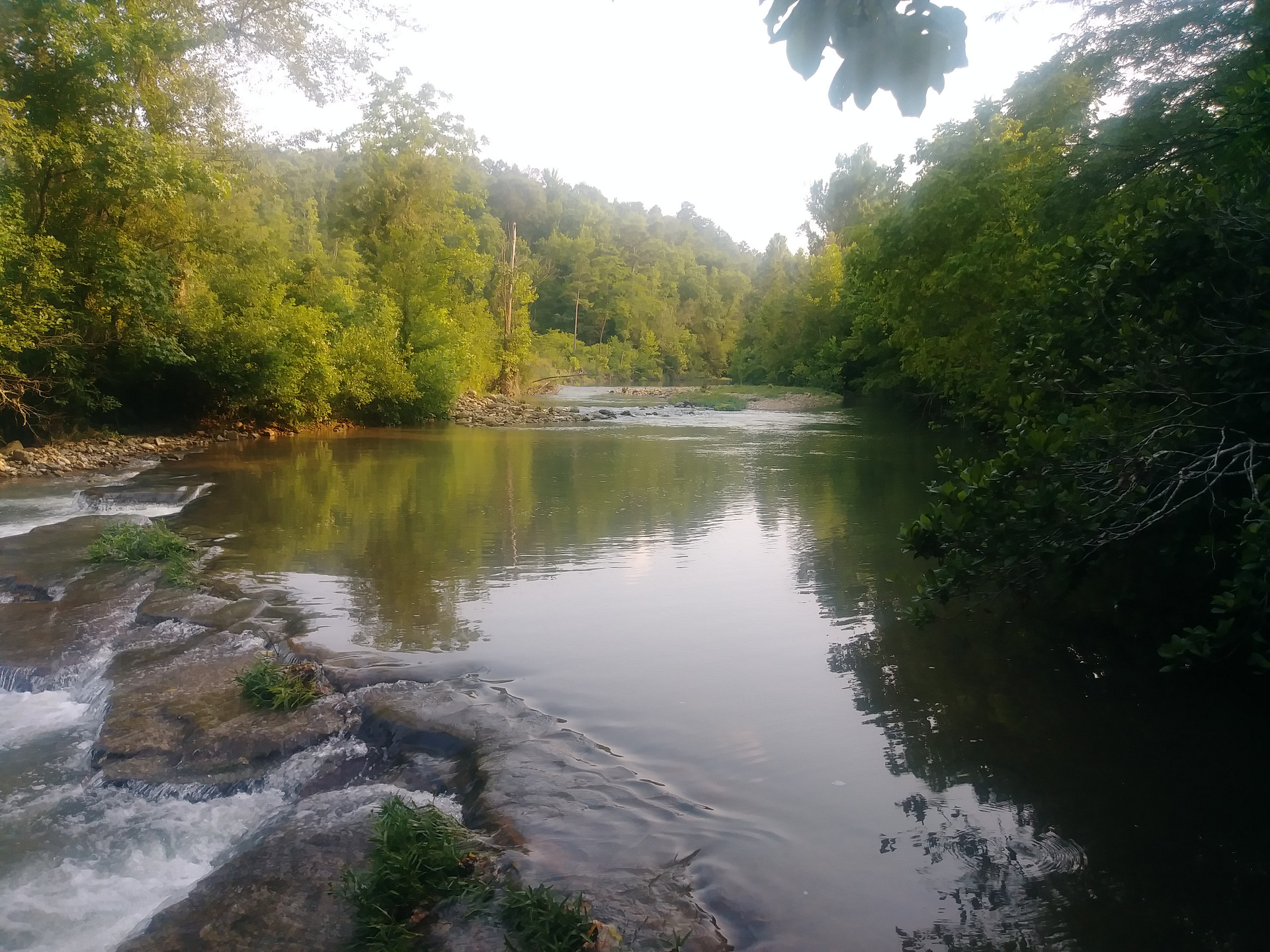
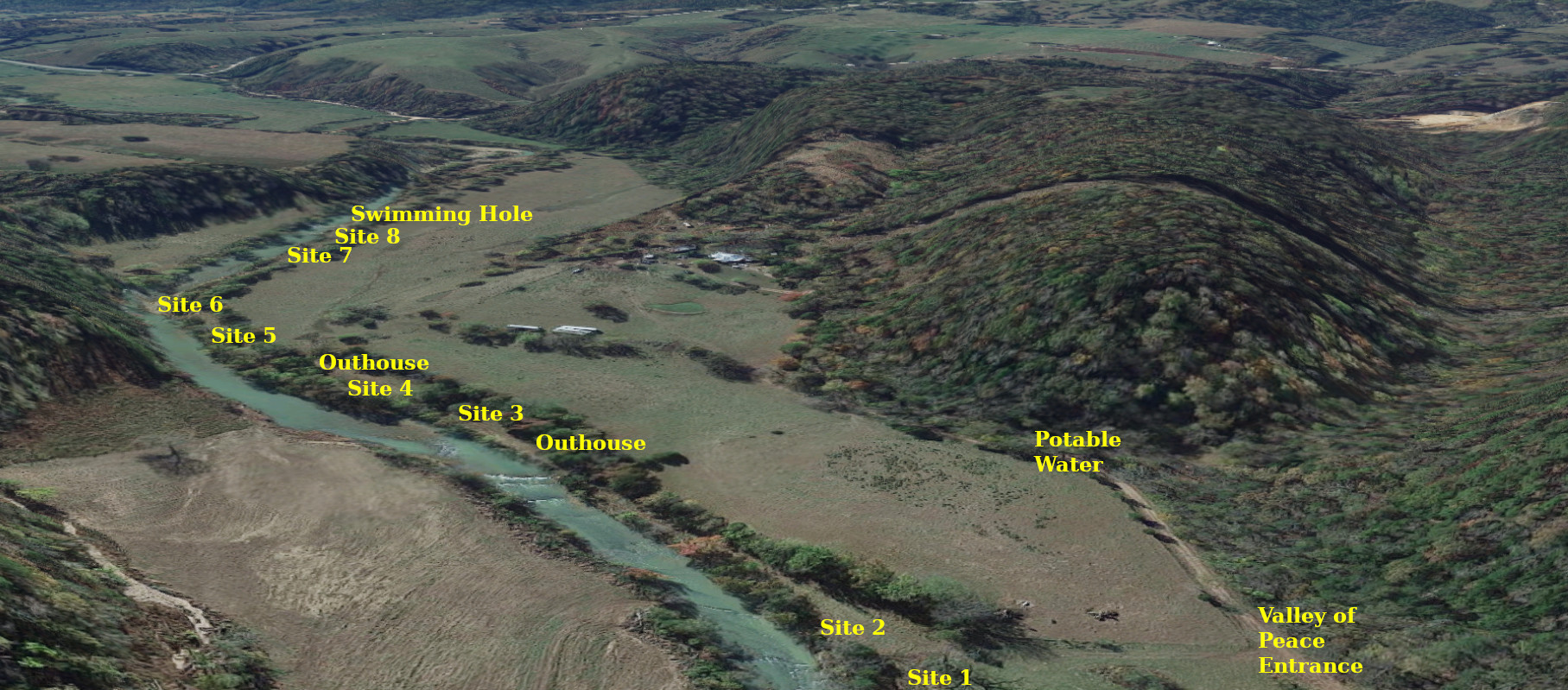
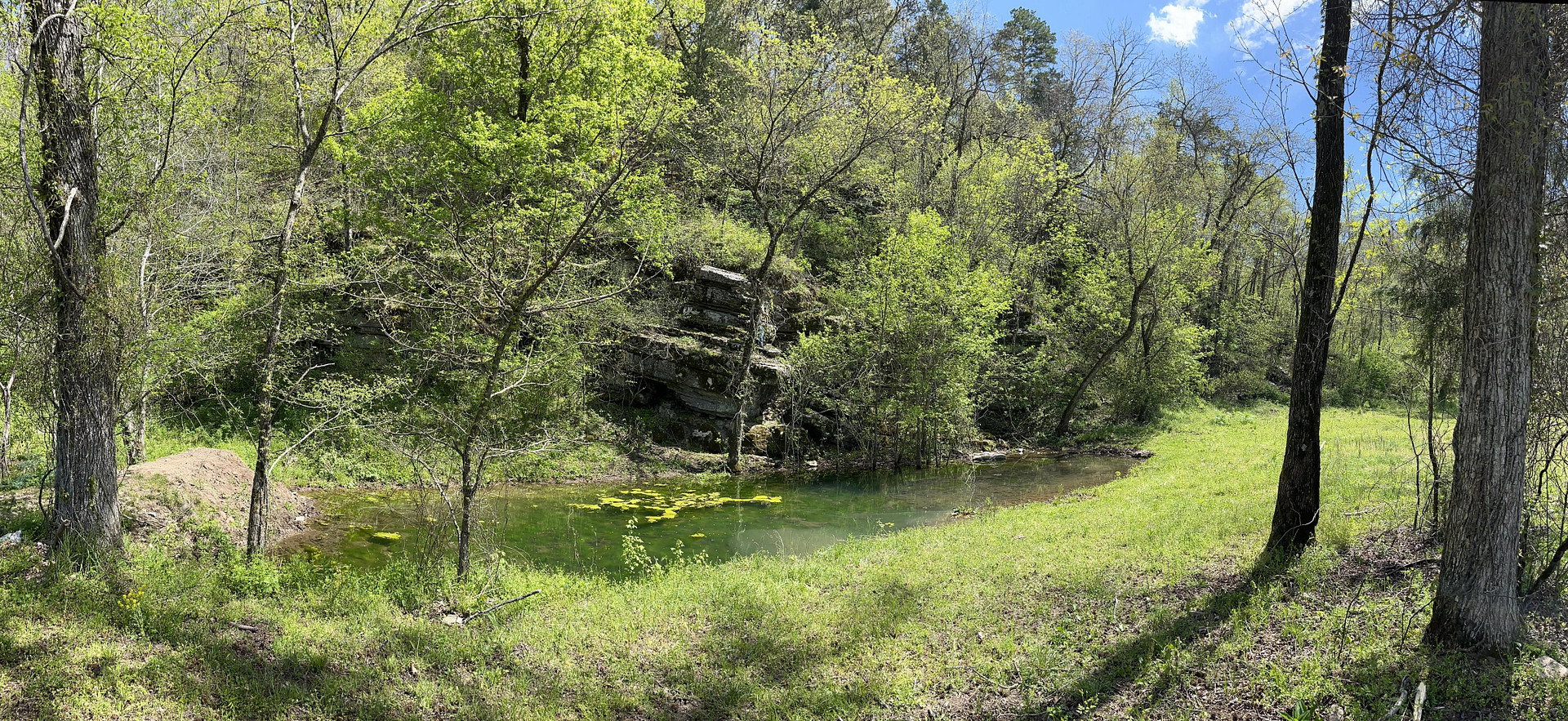
7. Valley of peace campground
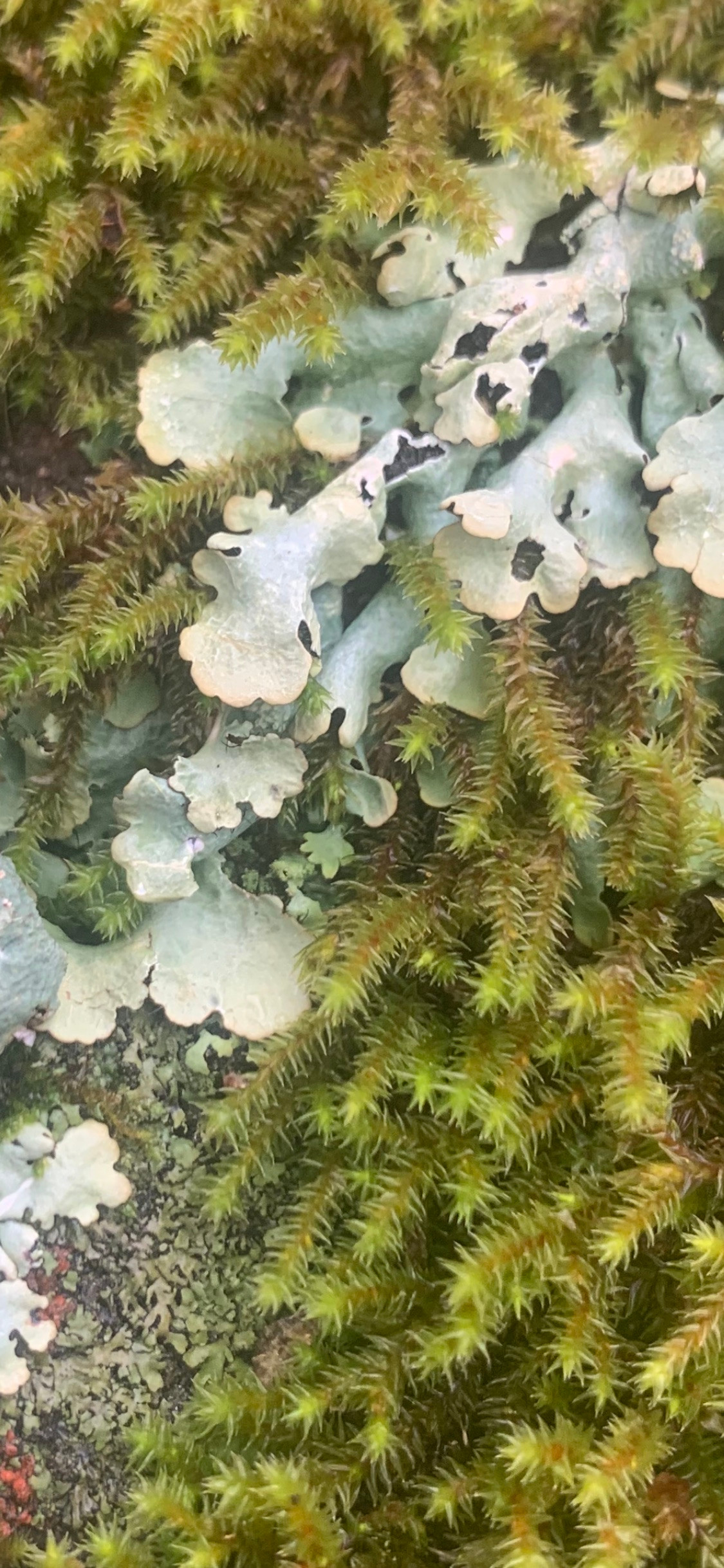
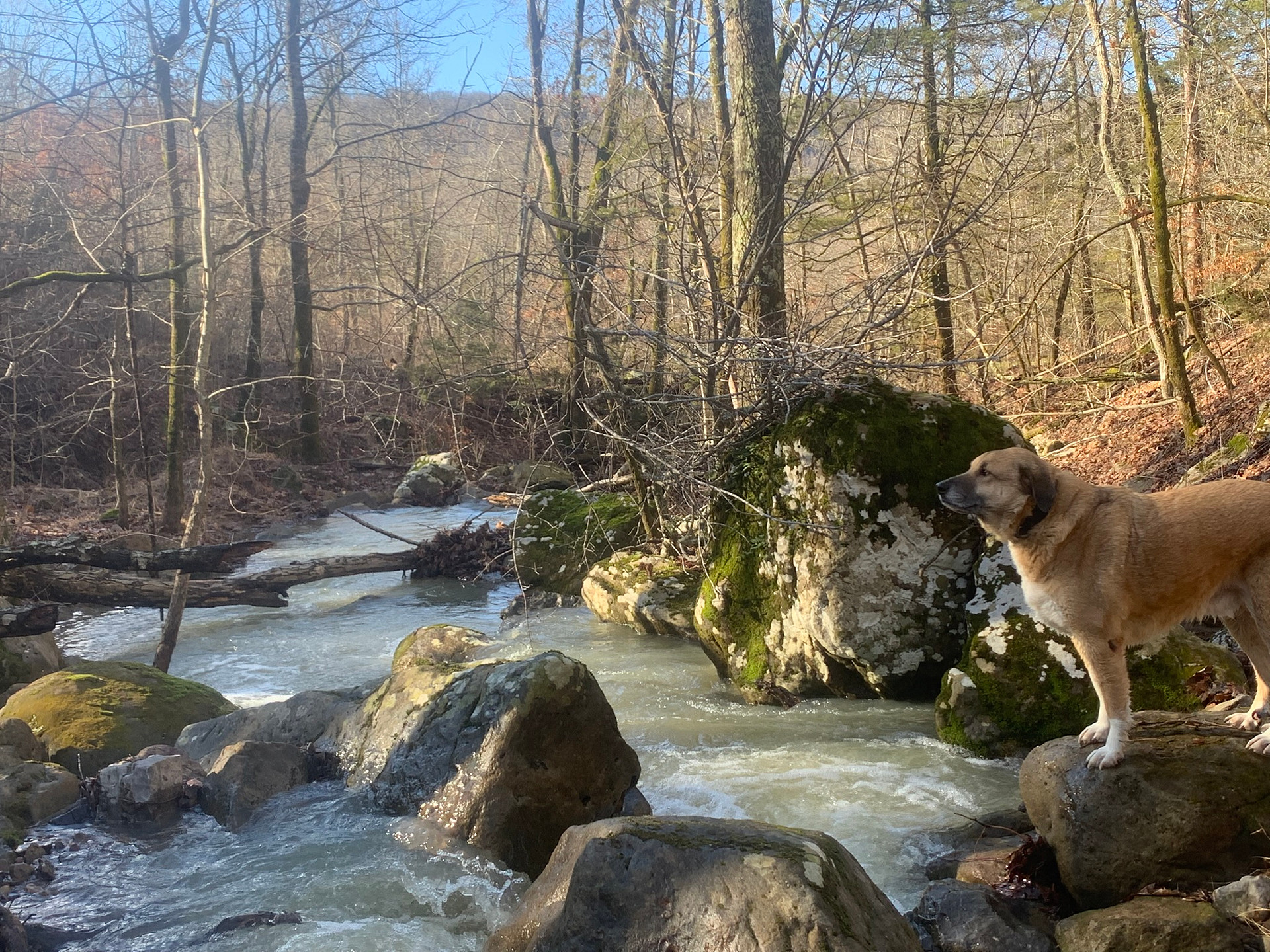
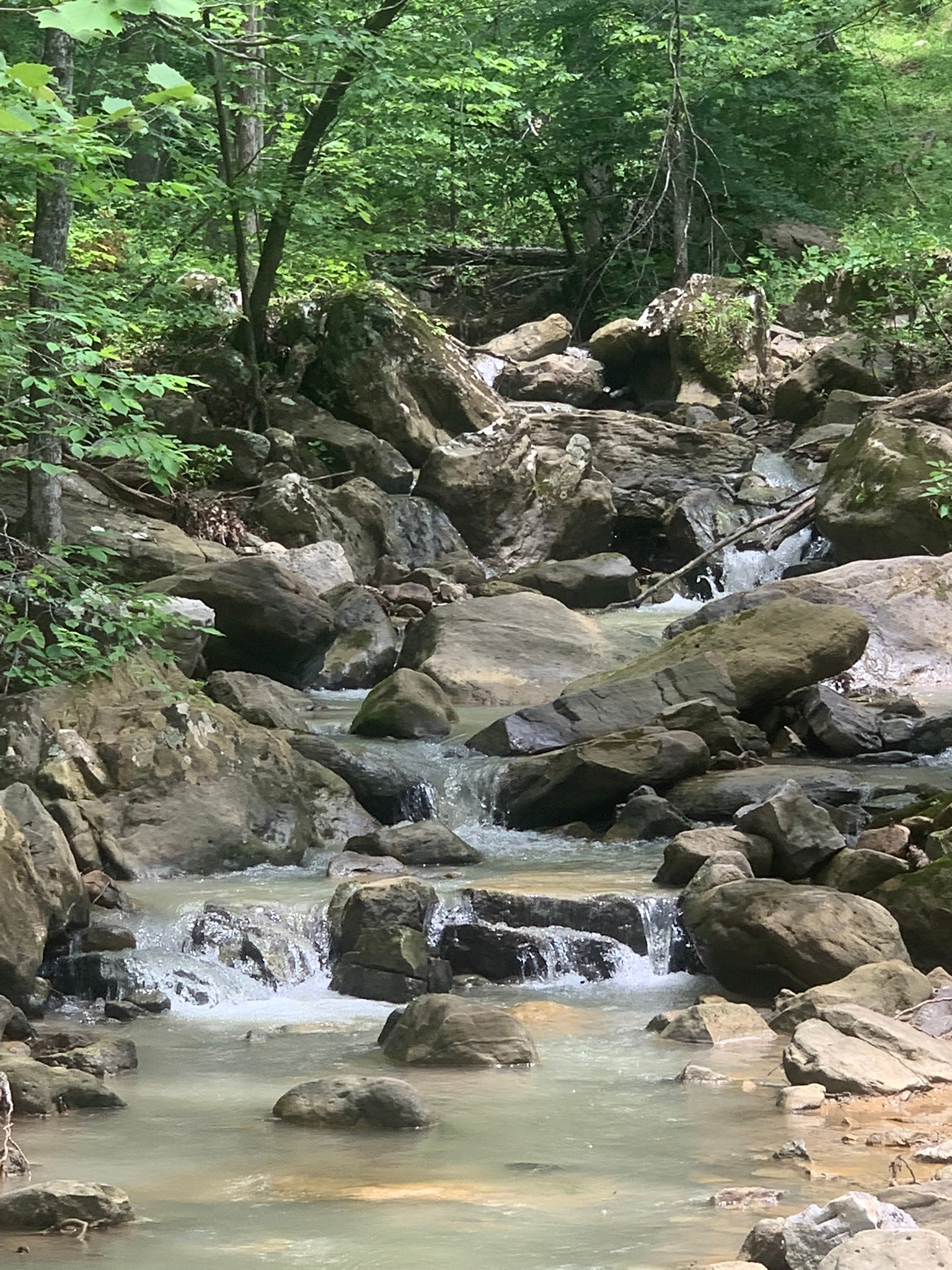
8. Enchanted Ozark Fairytale Camp
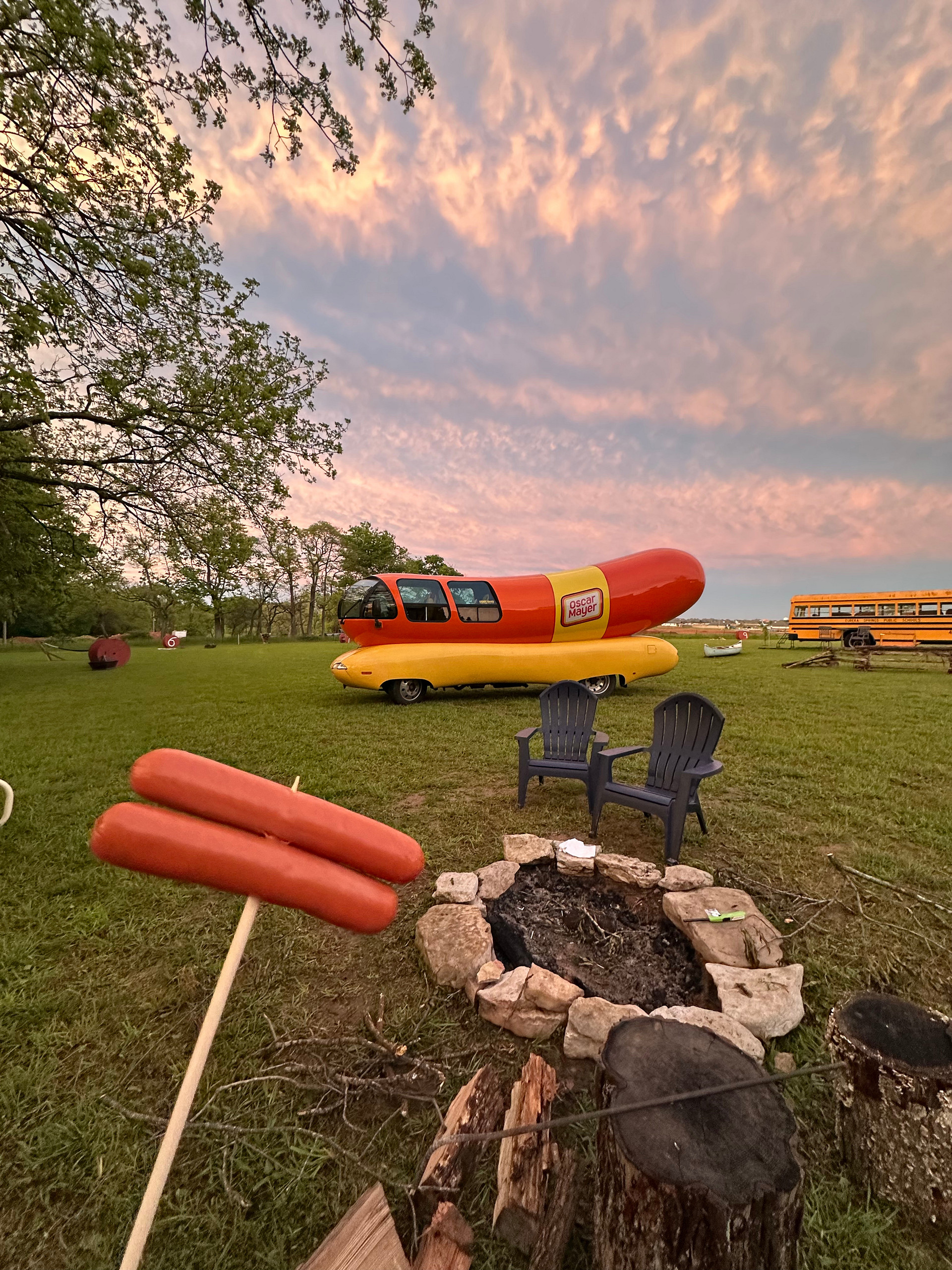
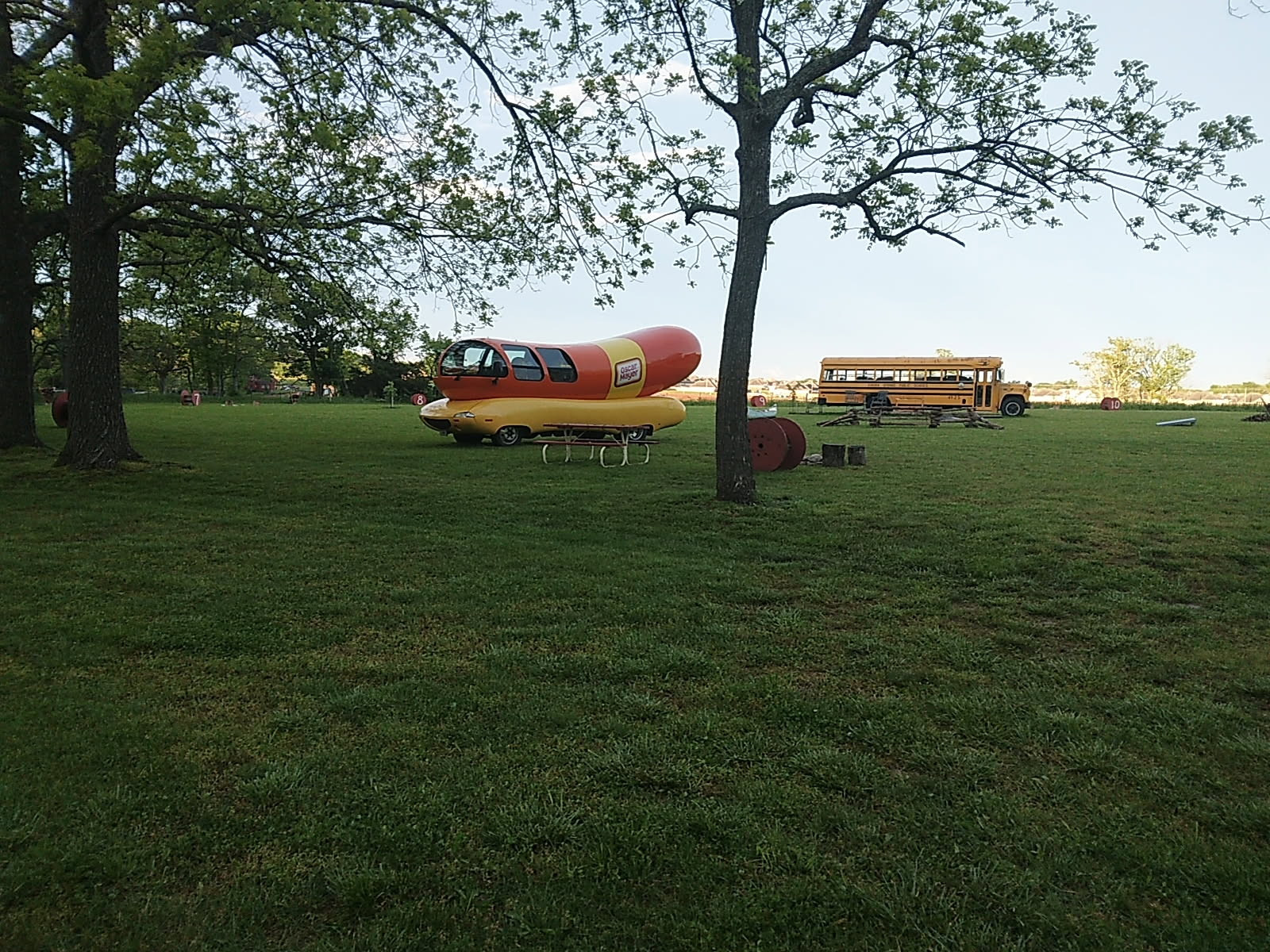
9. Pea Ridge Bike Camp
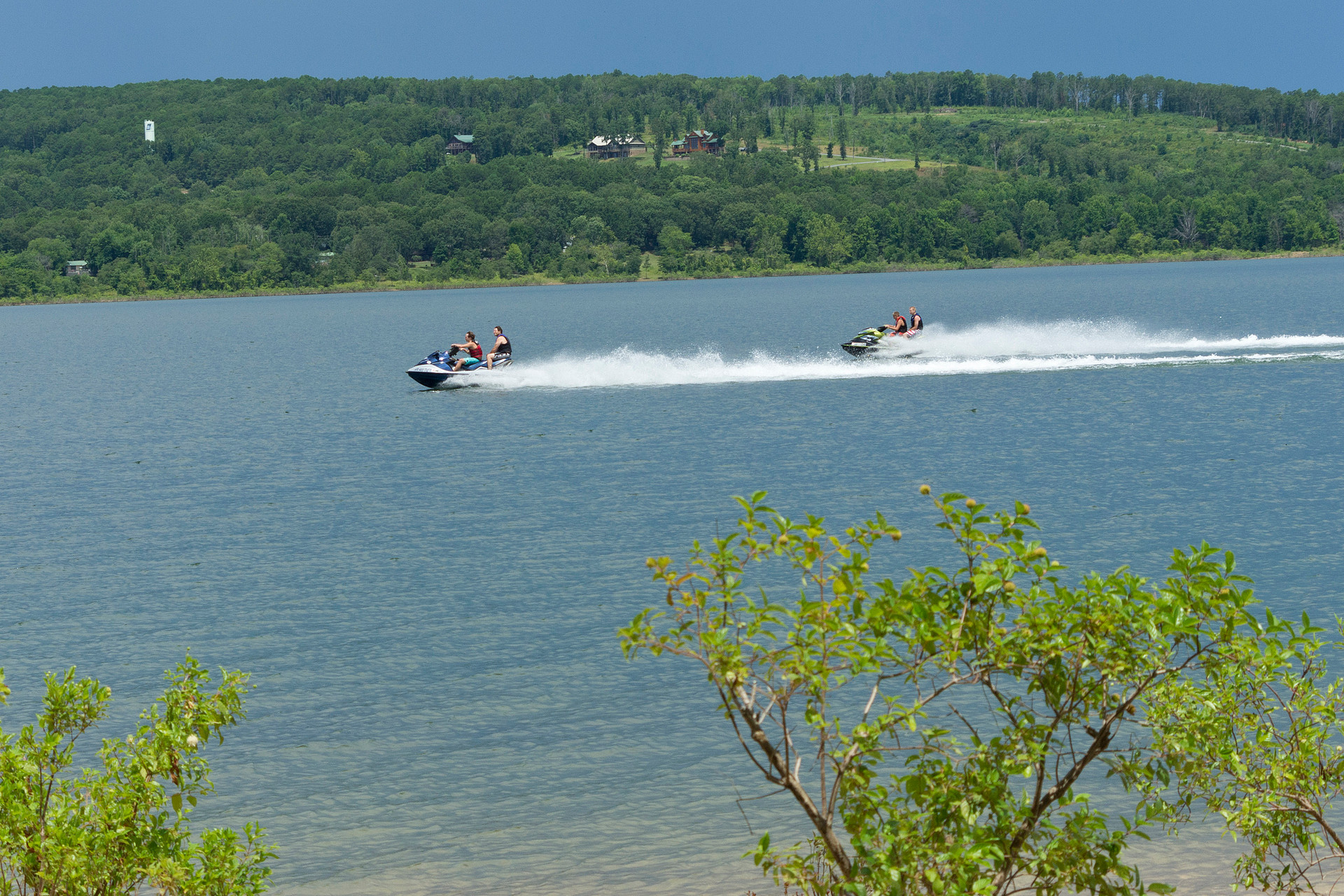
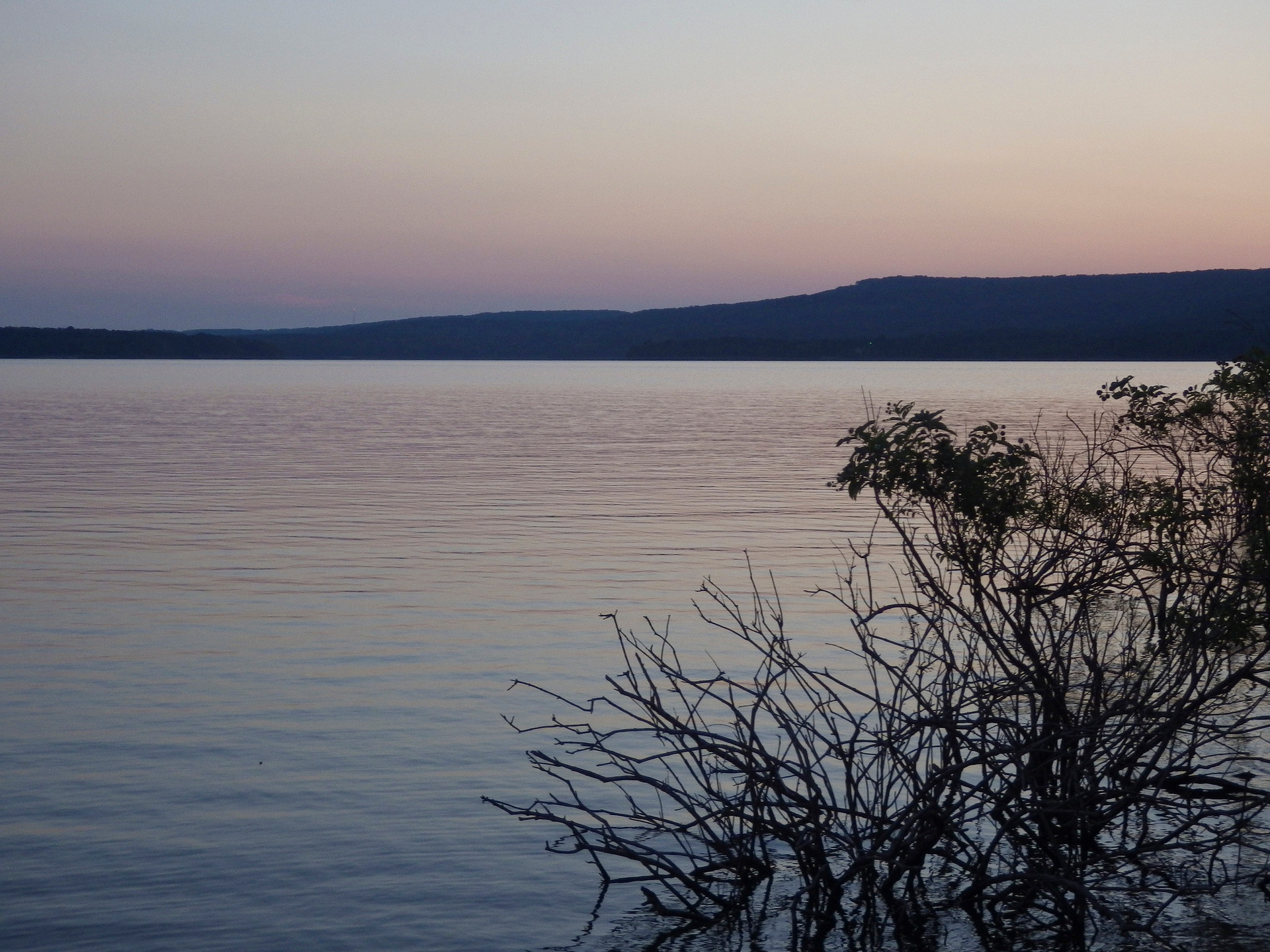
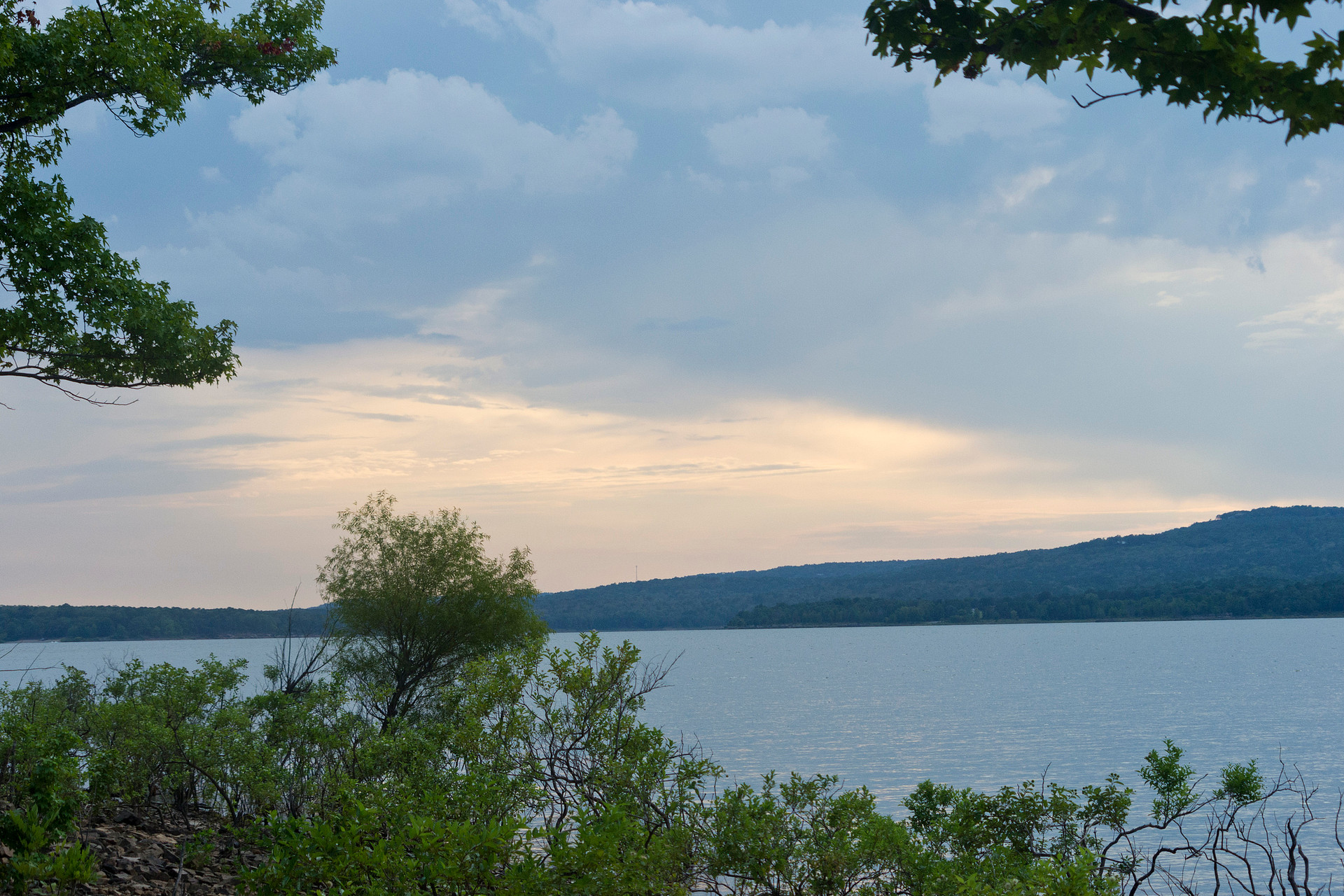
10. Greers Ferry Lake
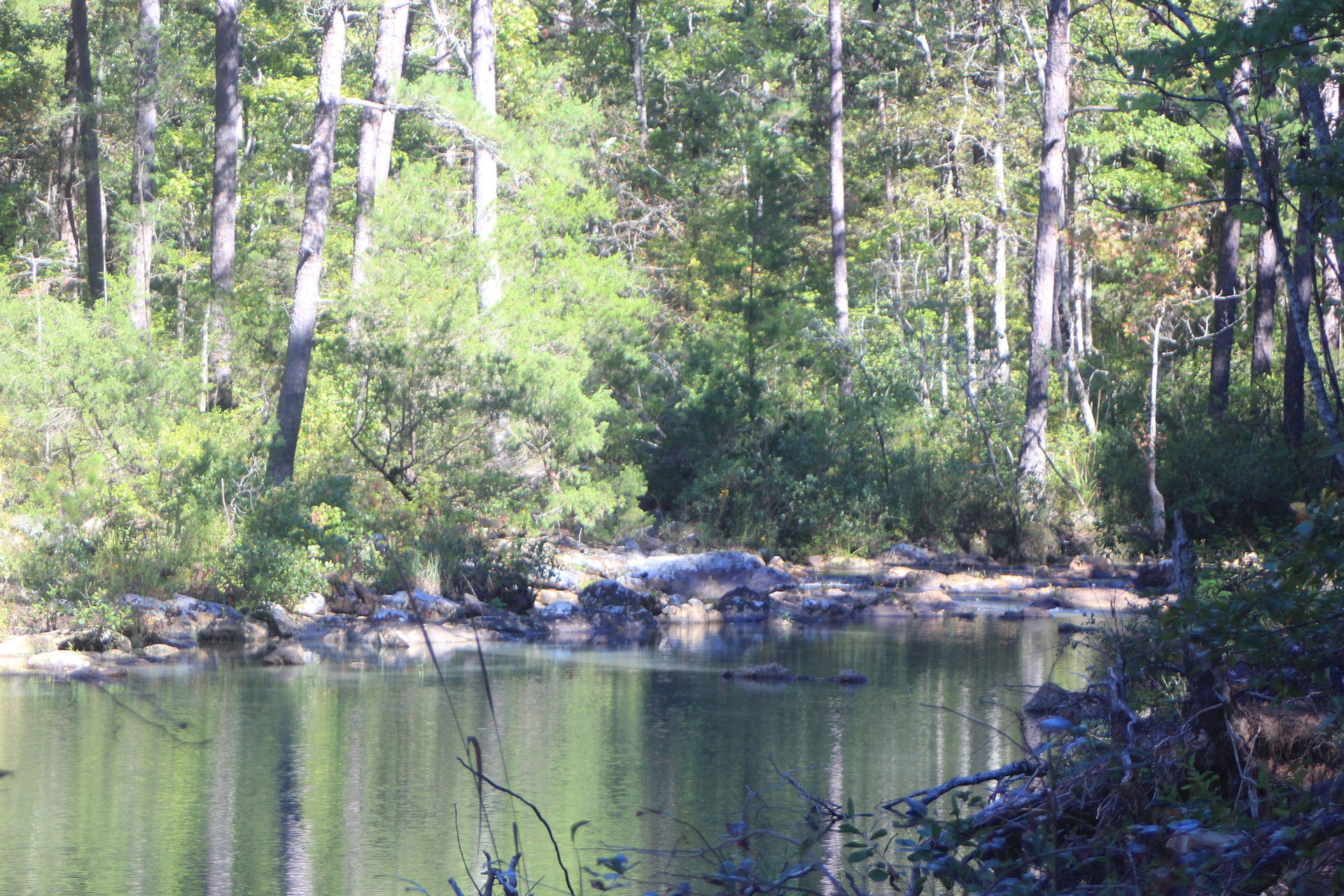
11. Ouachita National Forest
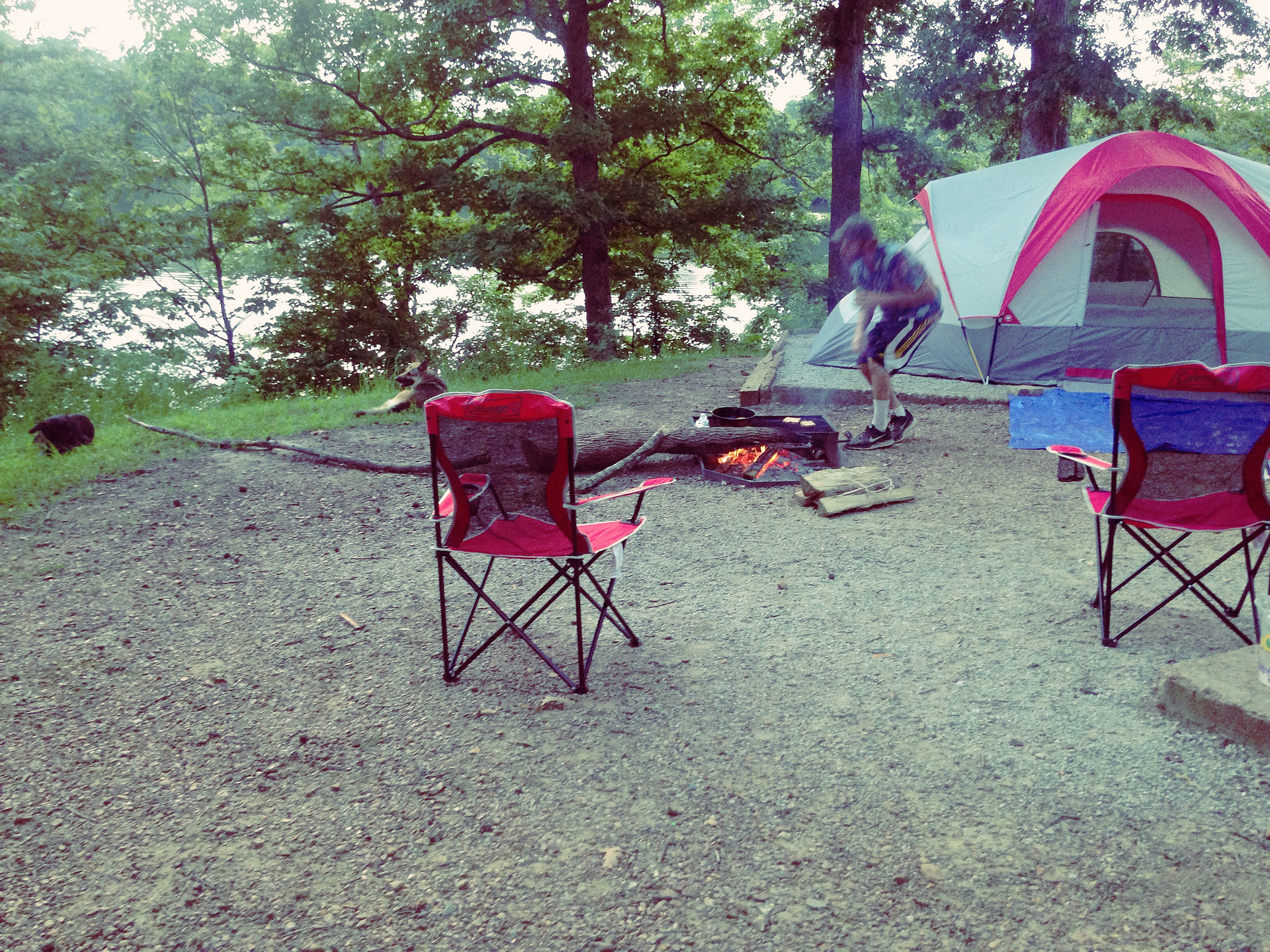
12. Mississippi River State Park
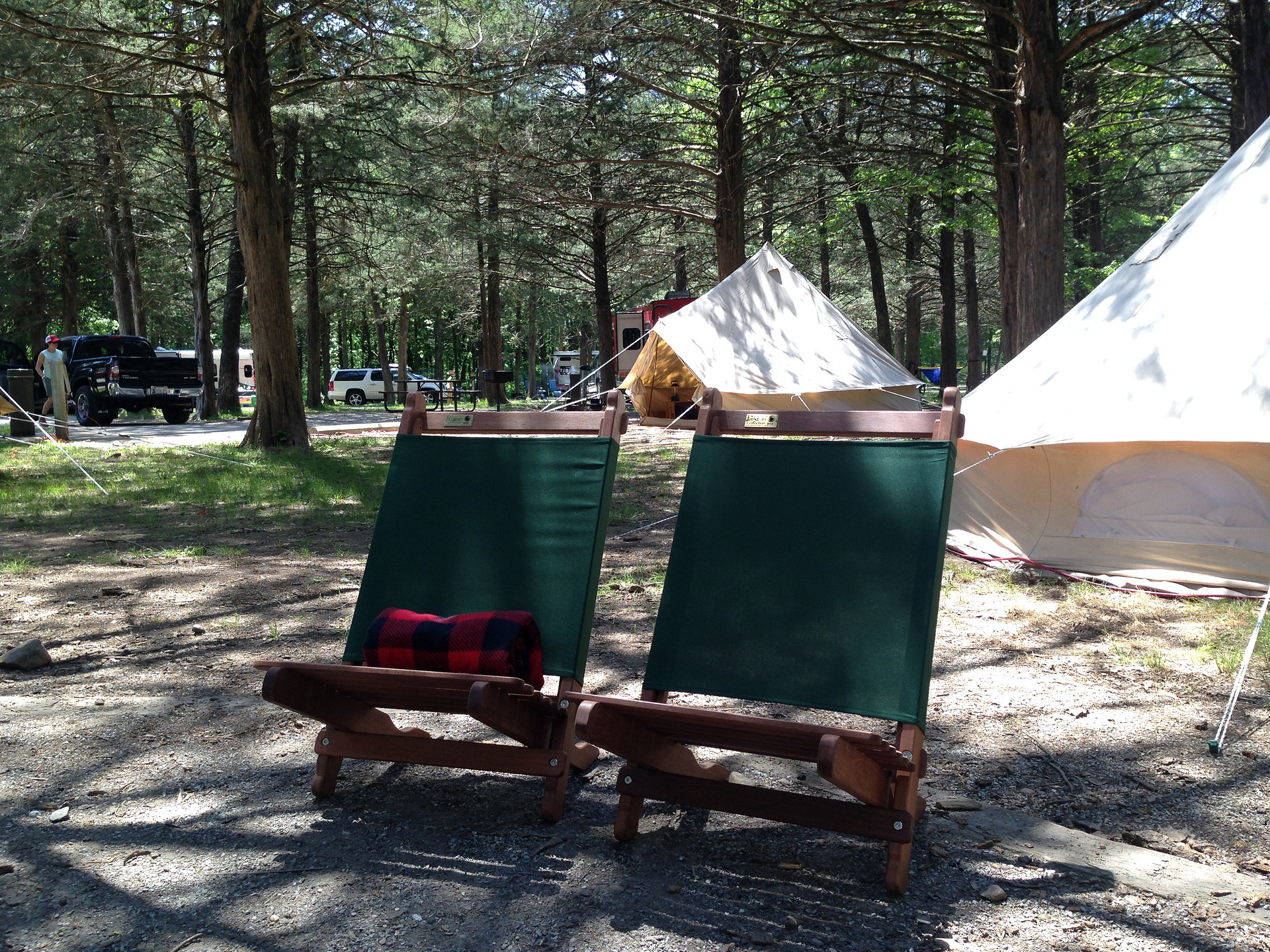
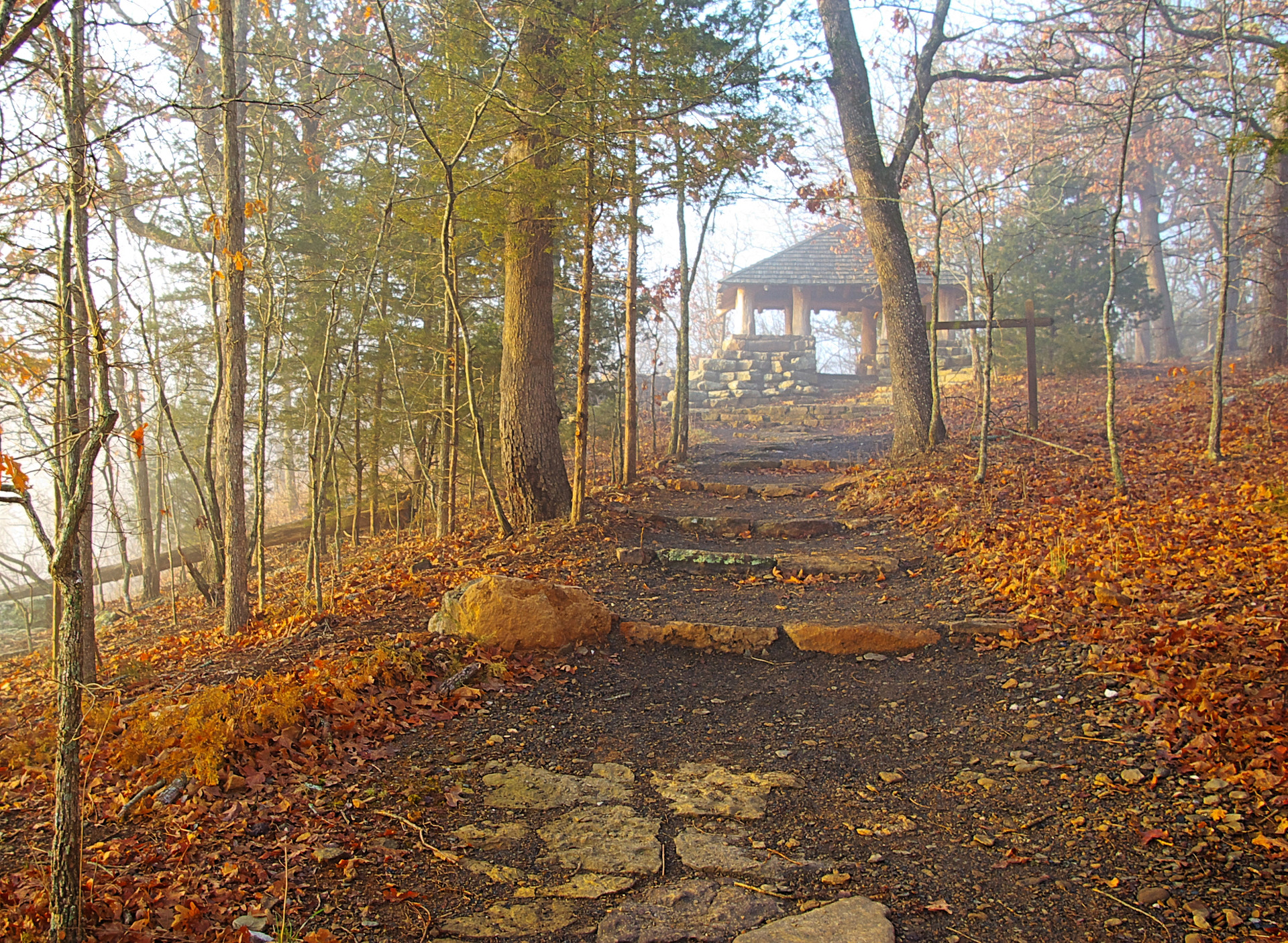
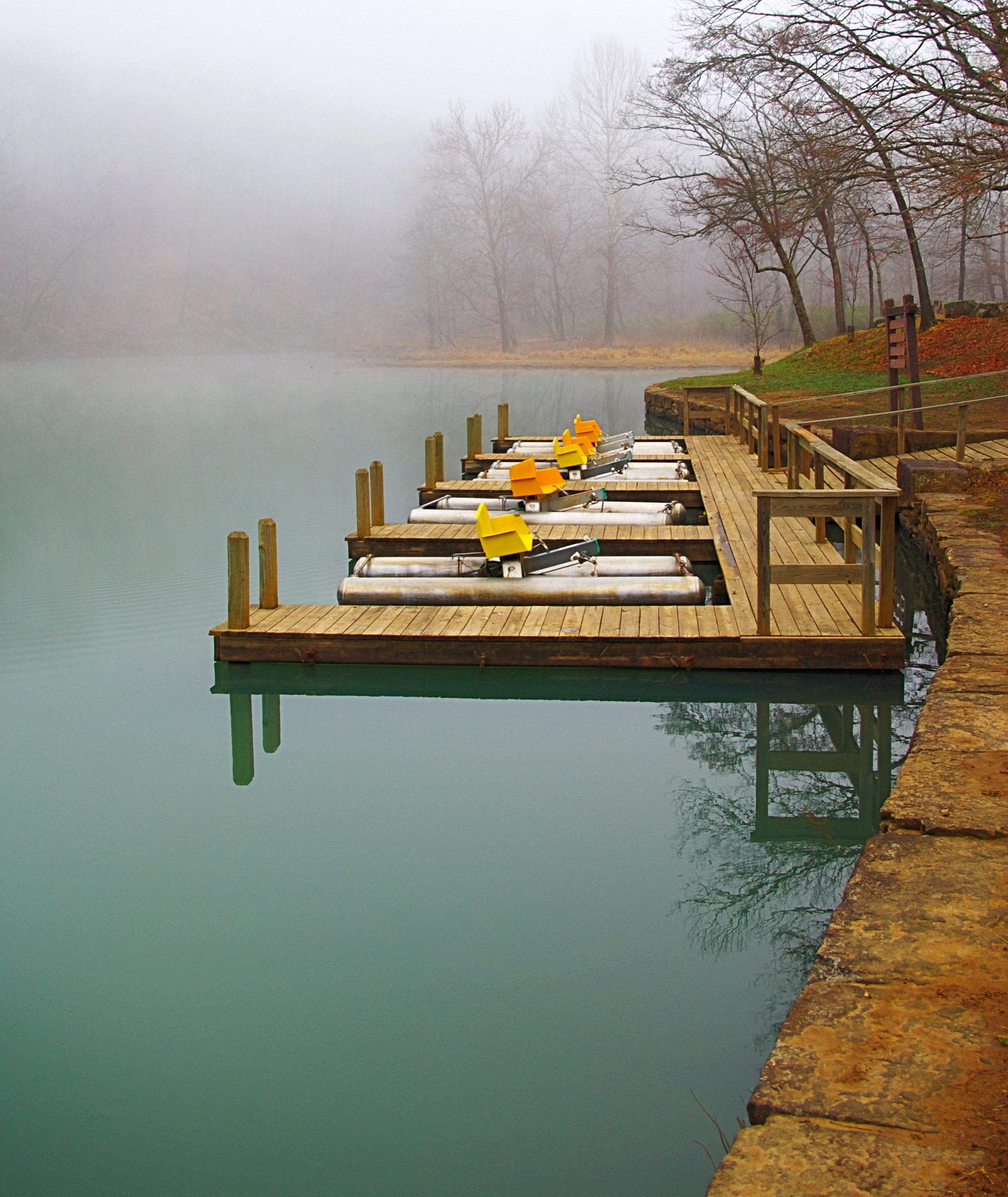
13. Devil's Den State Park
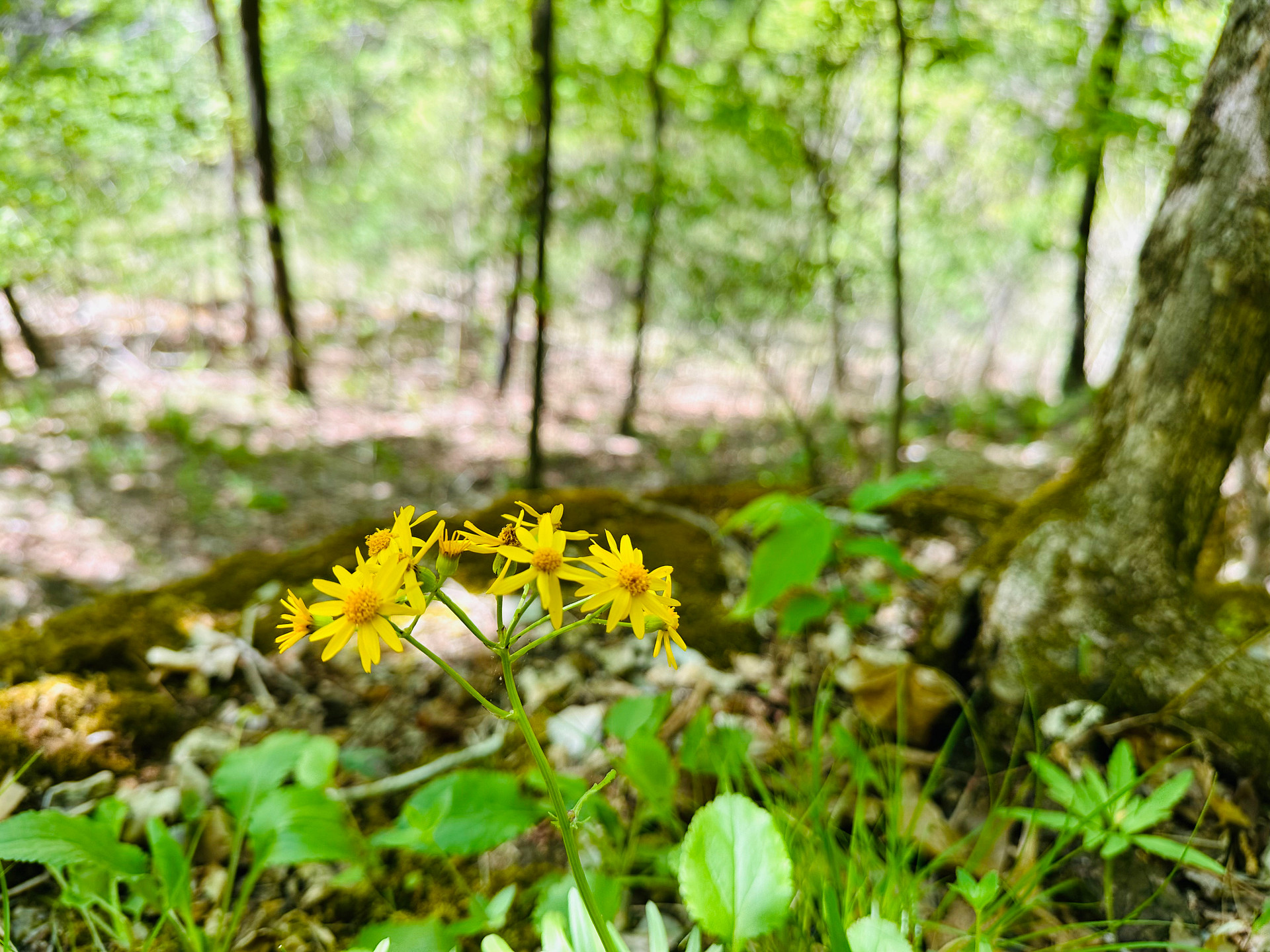
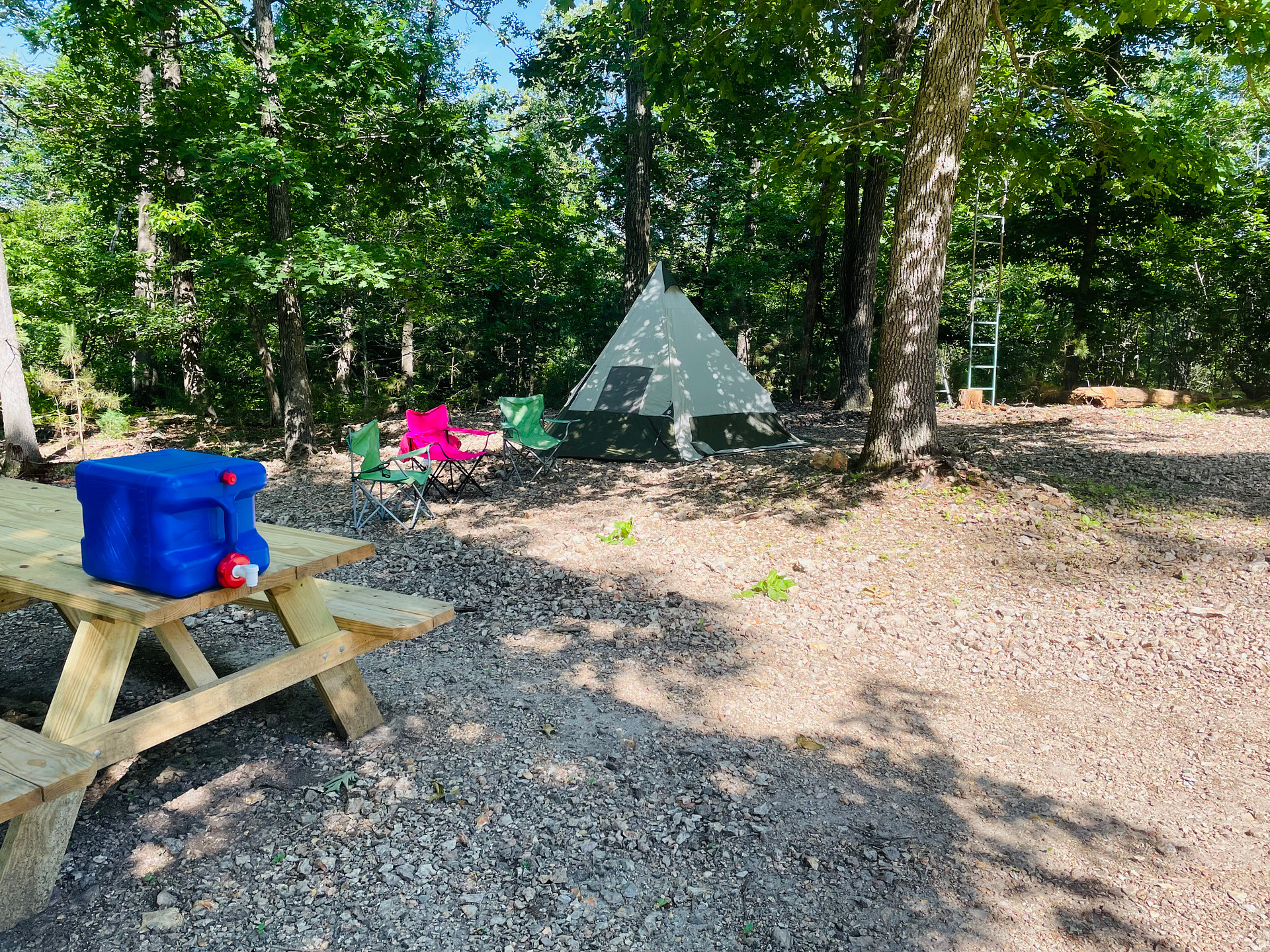
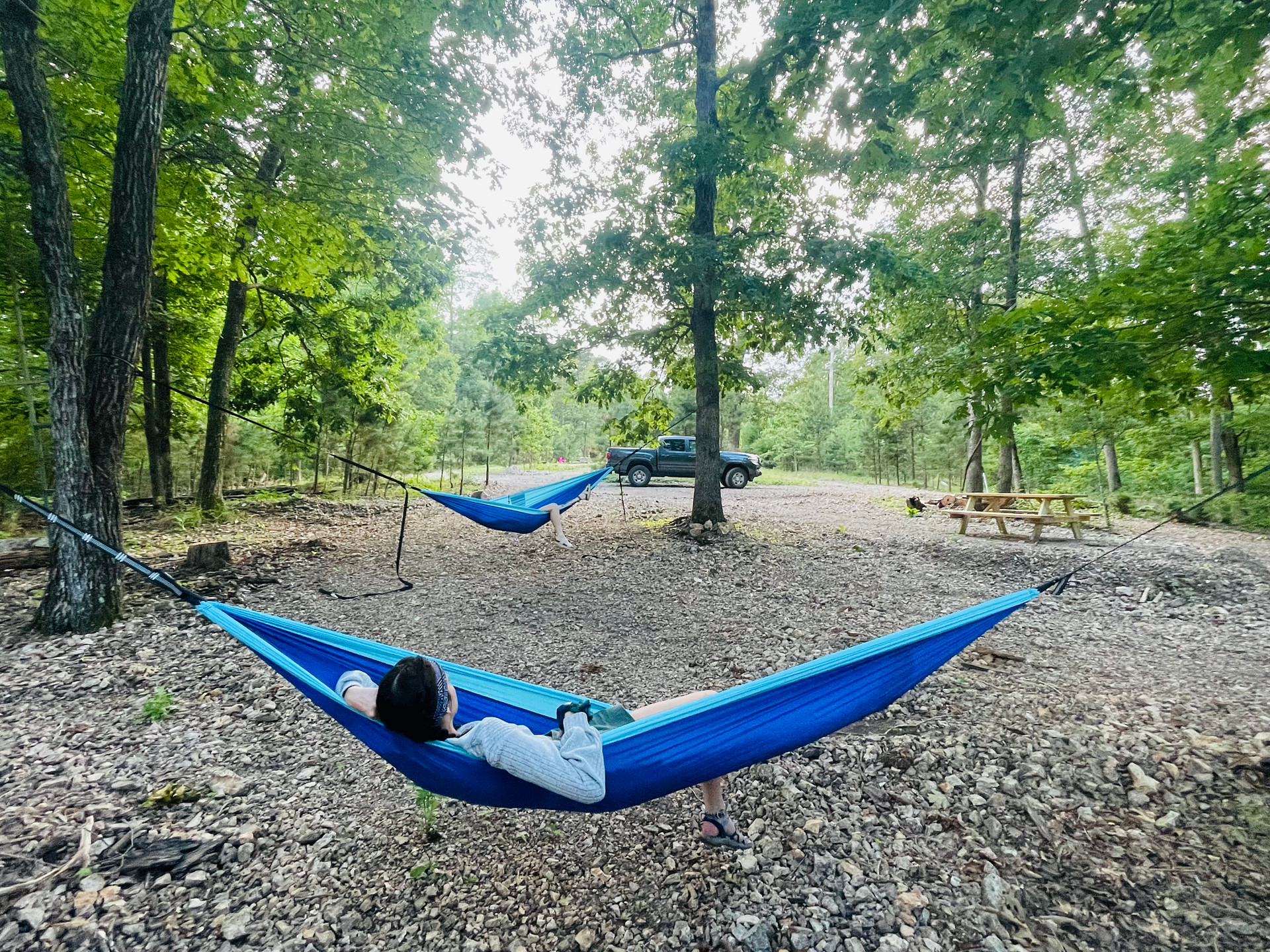
14. Happy Hippy Acres
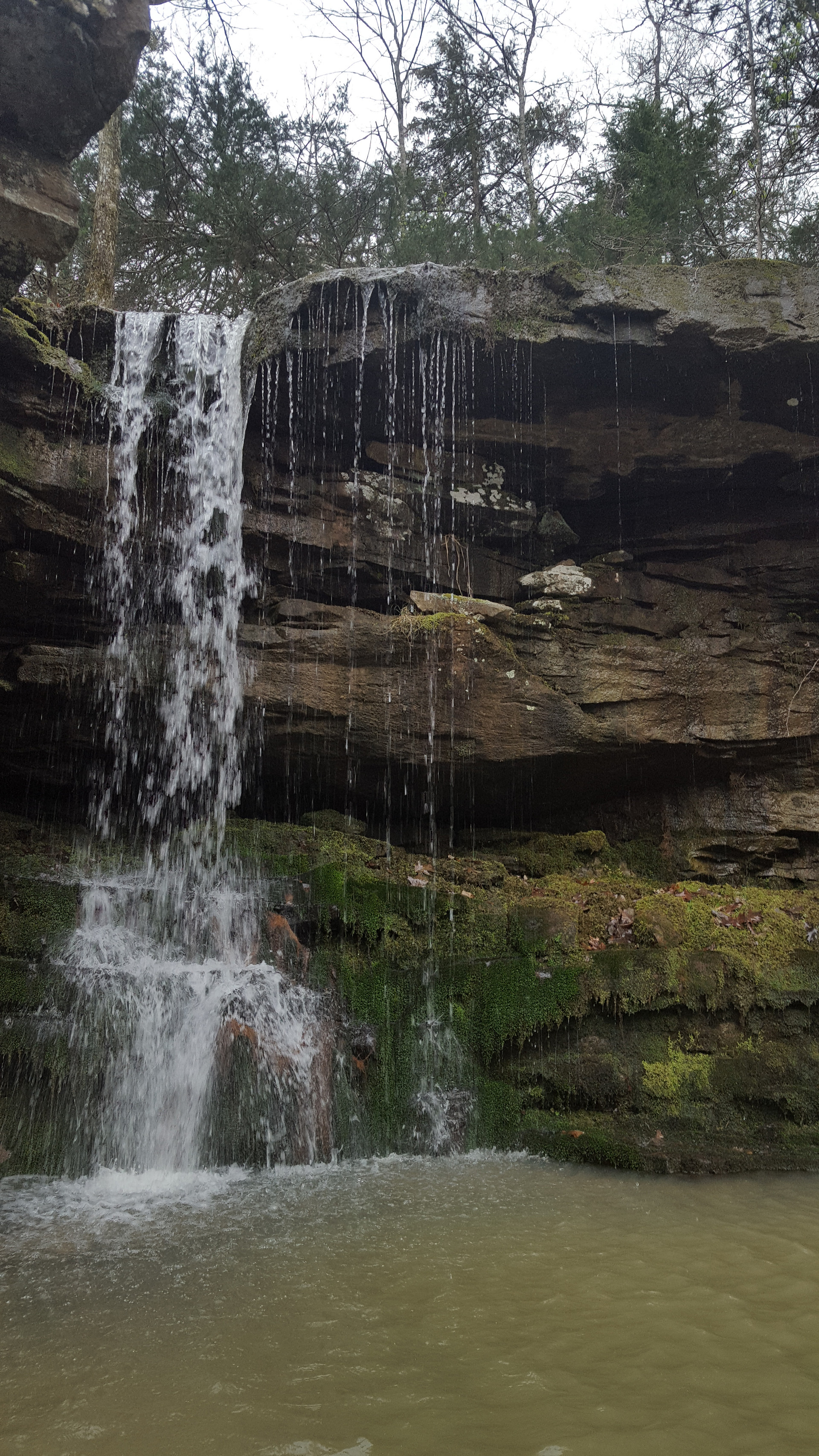
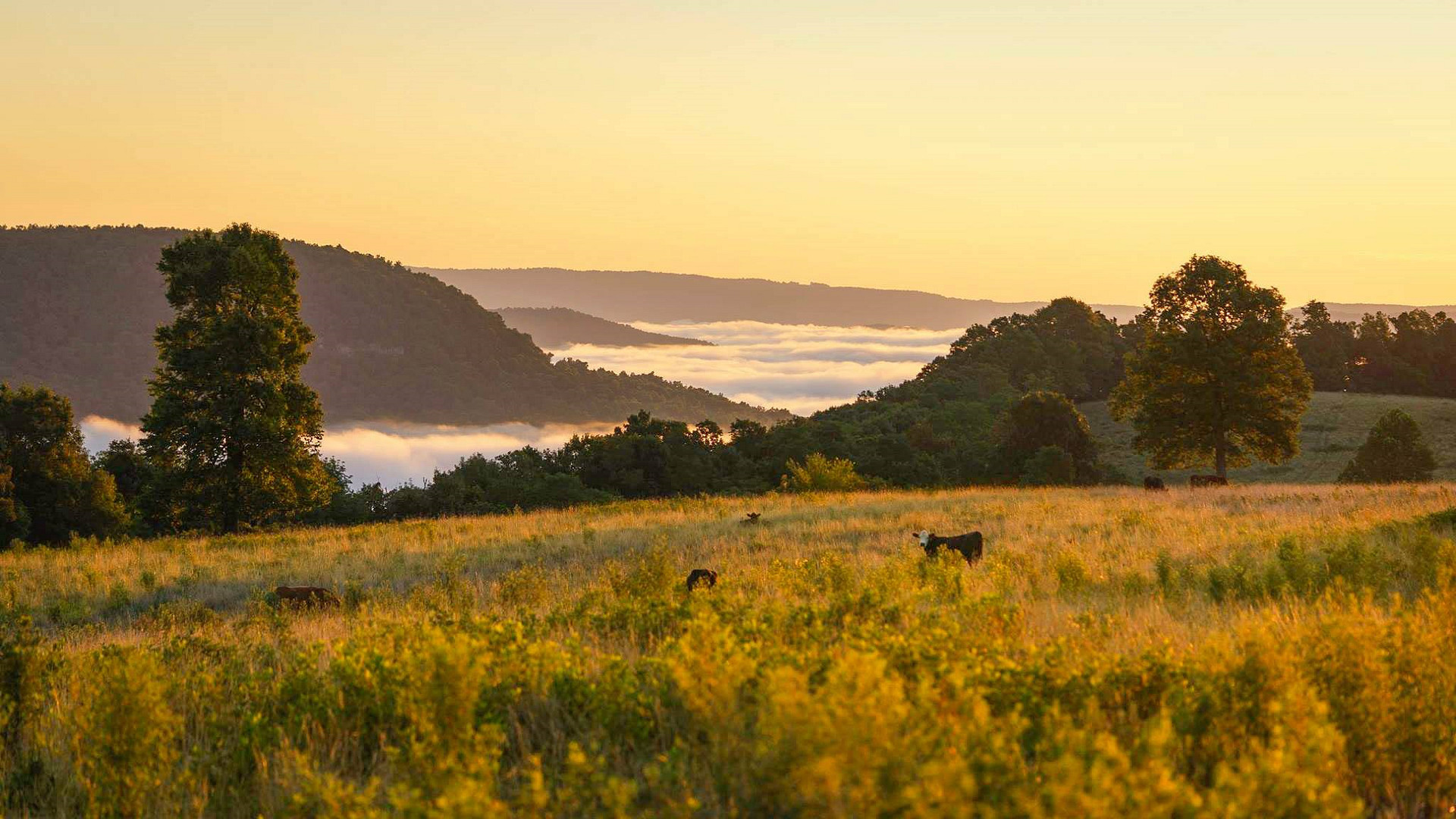
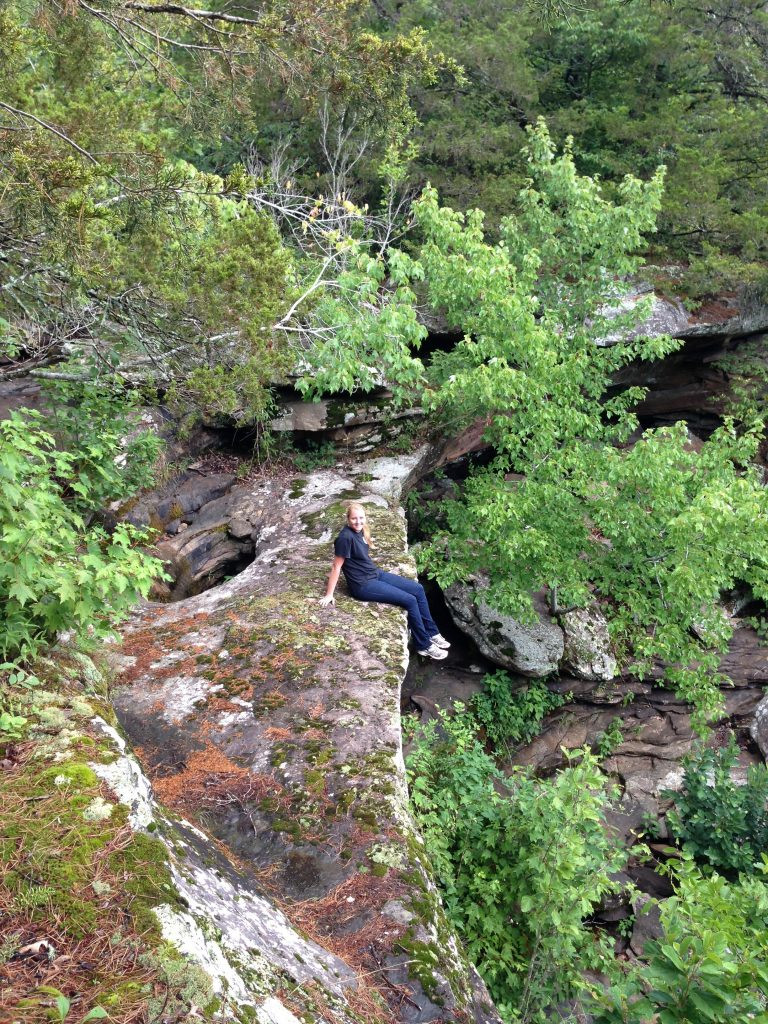
15. Wilderness Rider Buffalo Ranch
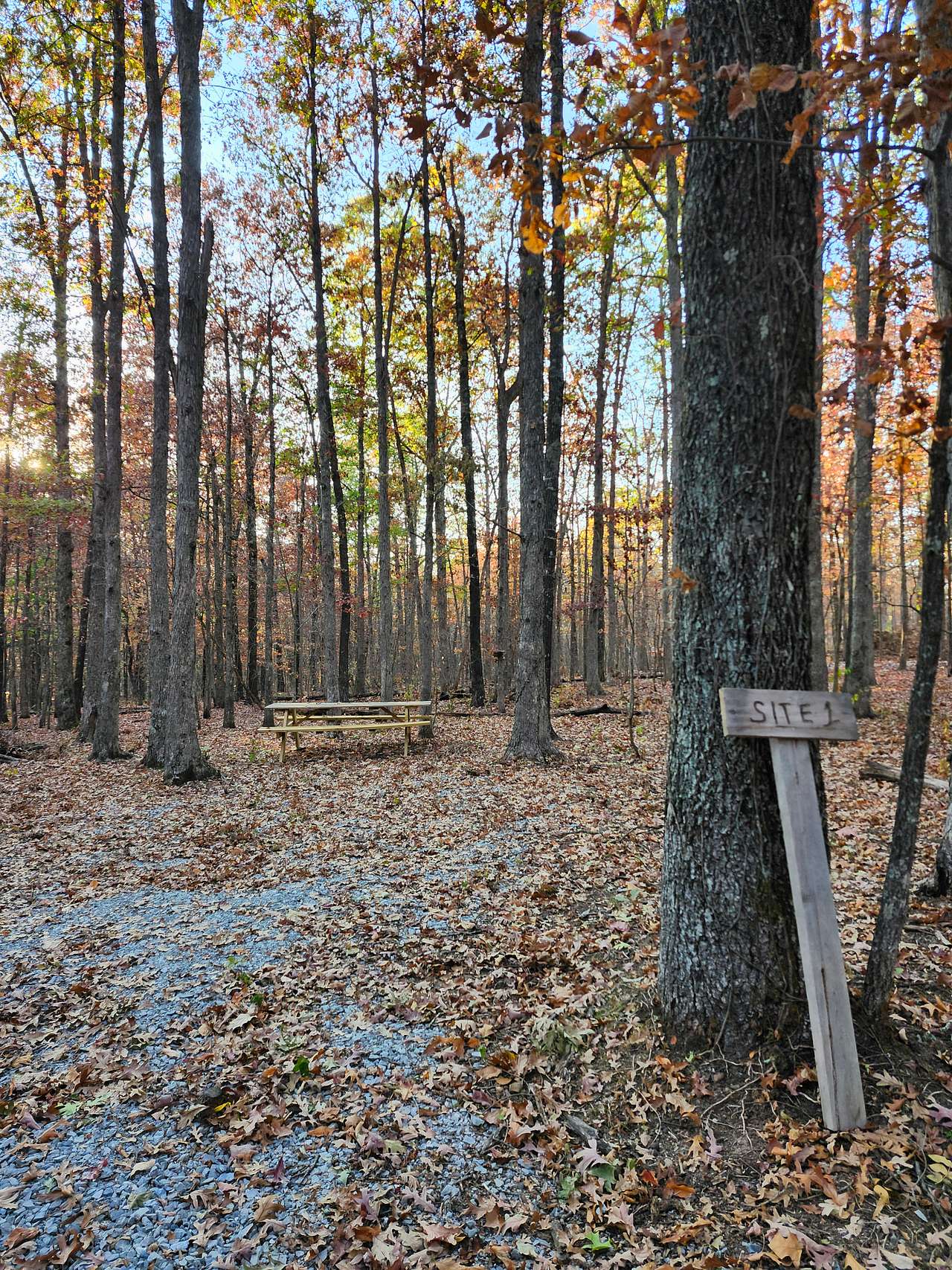
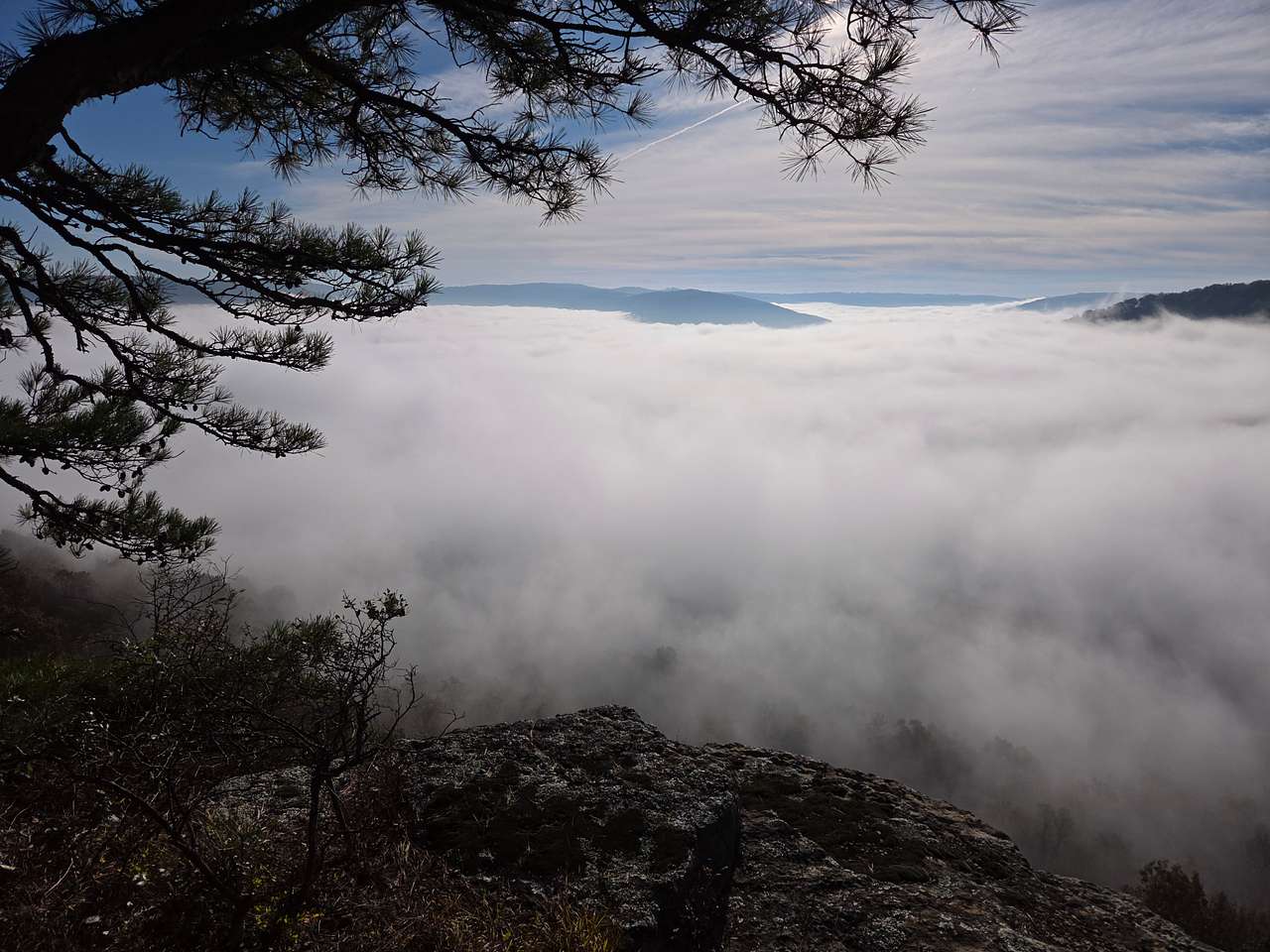
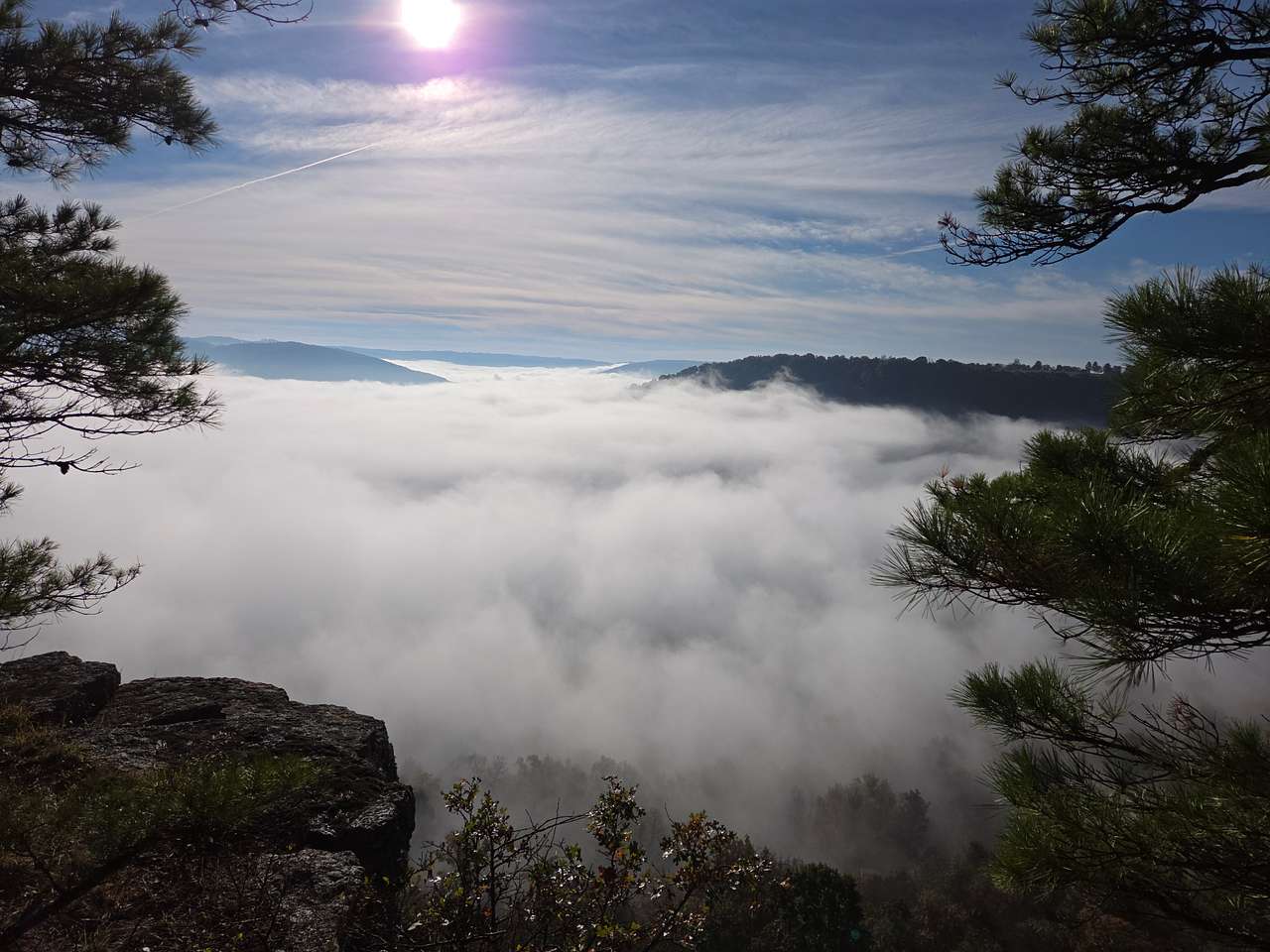
16. Secluded Camp near Buffalo River
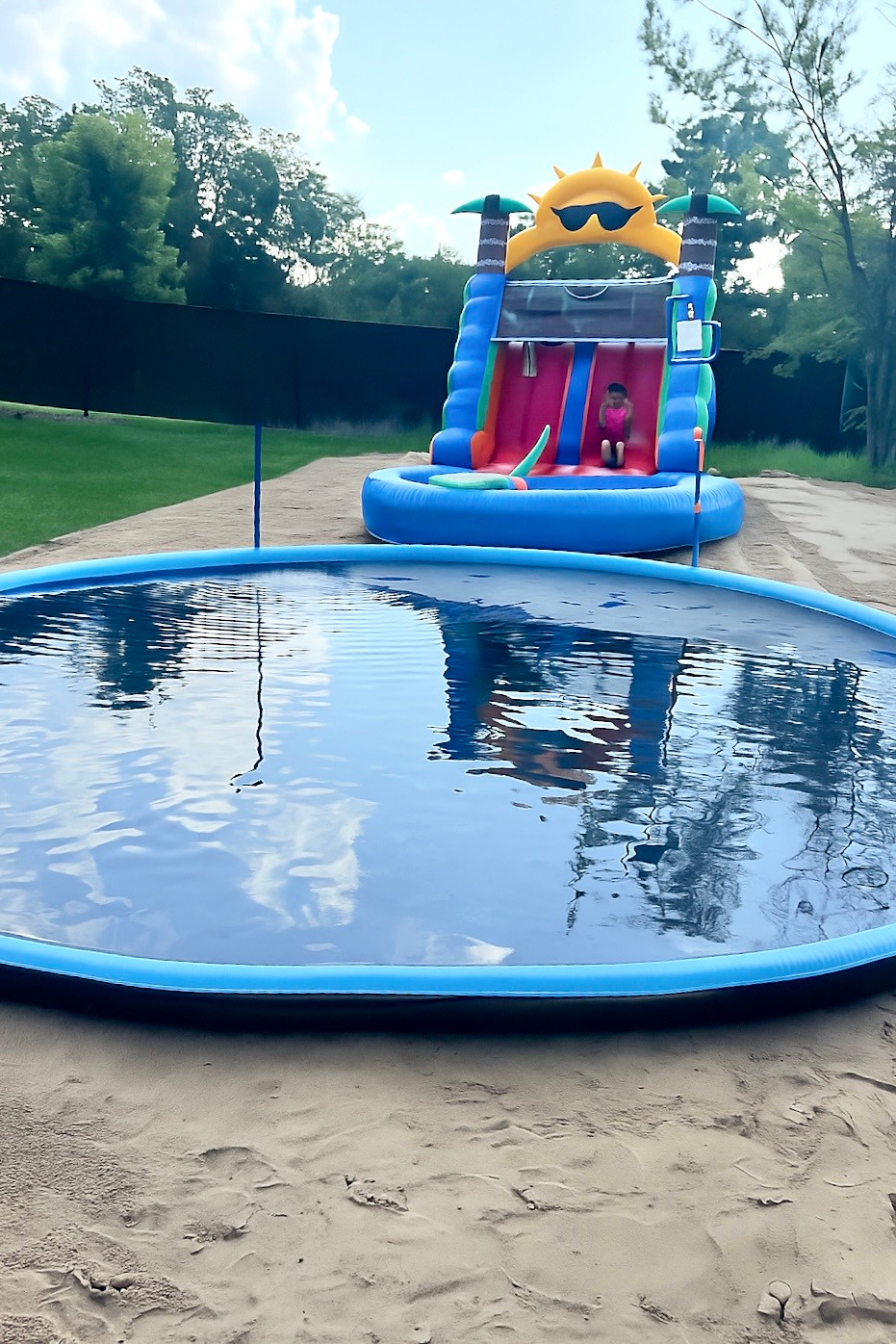
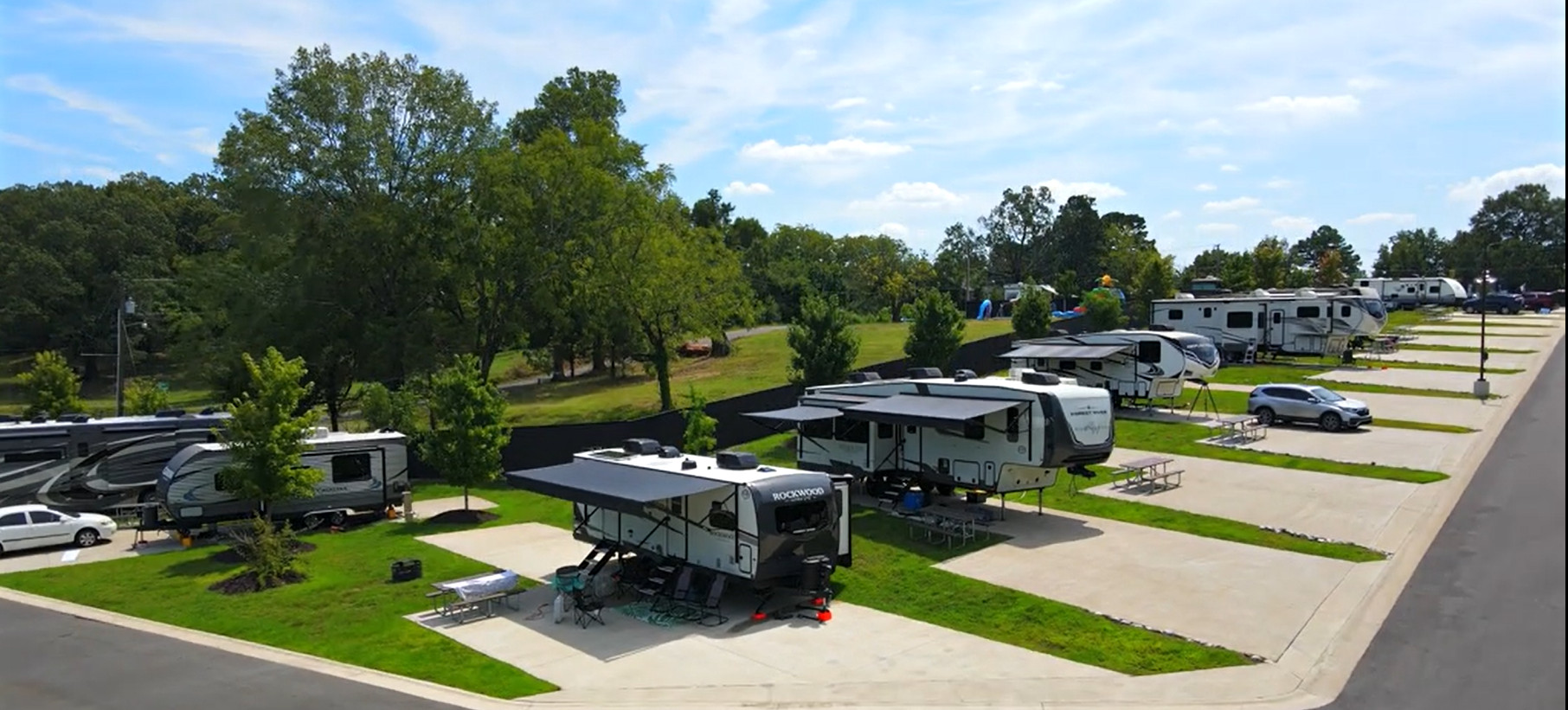
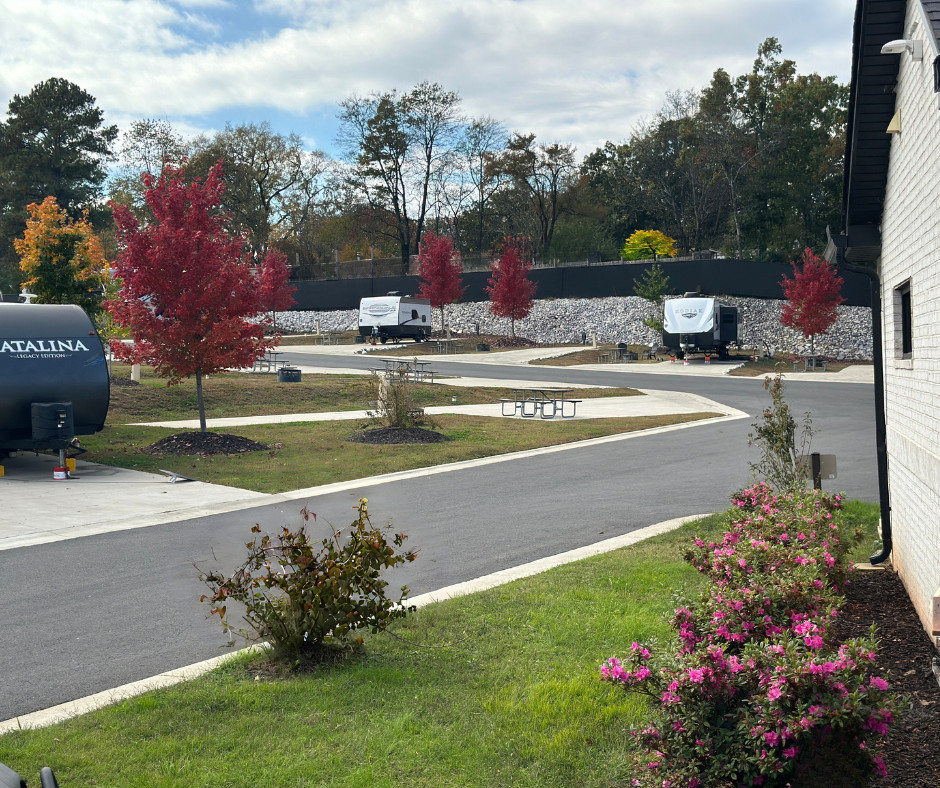
17. FHU Resort in Hot Springs Nat Park
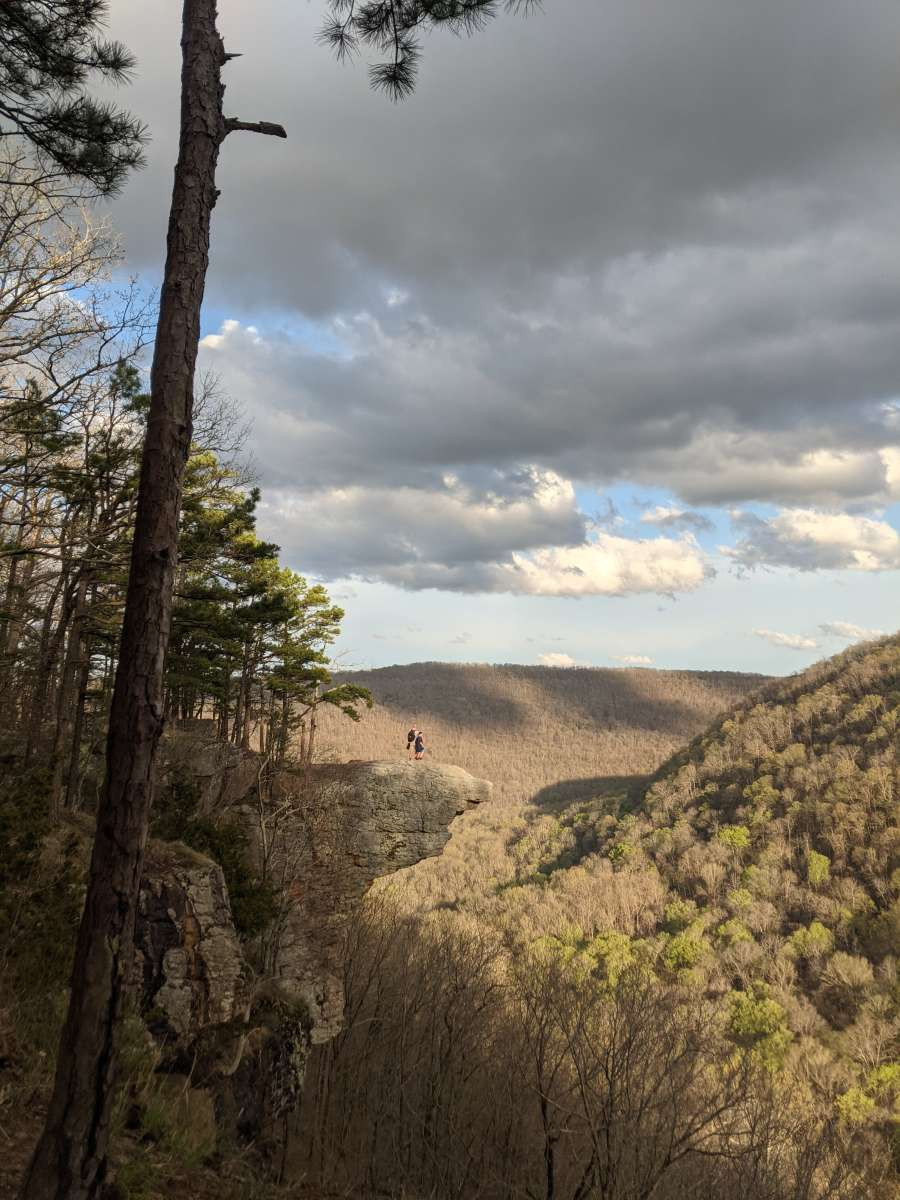
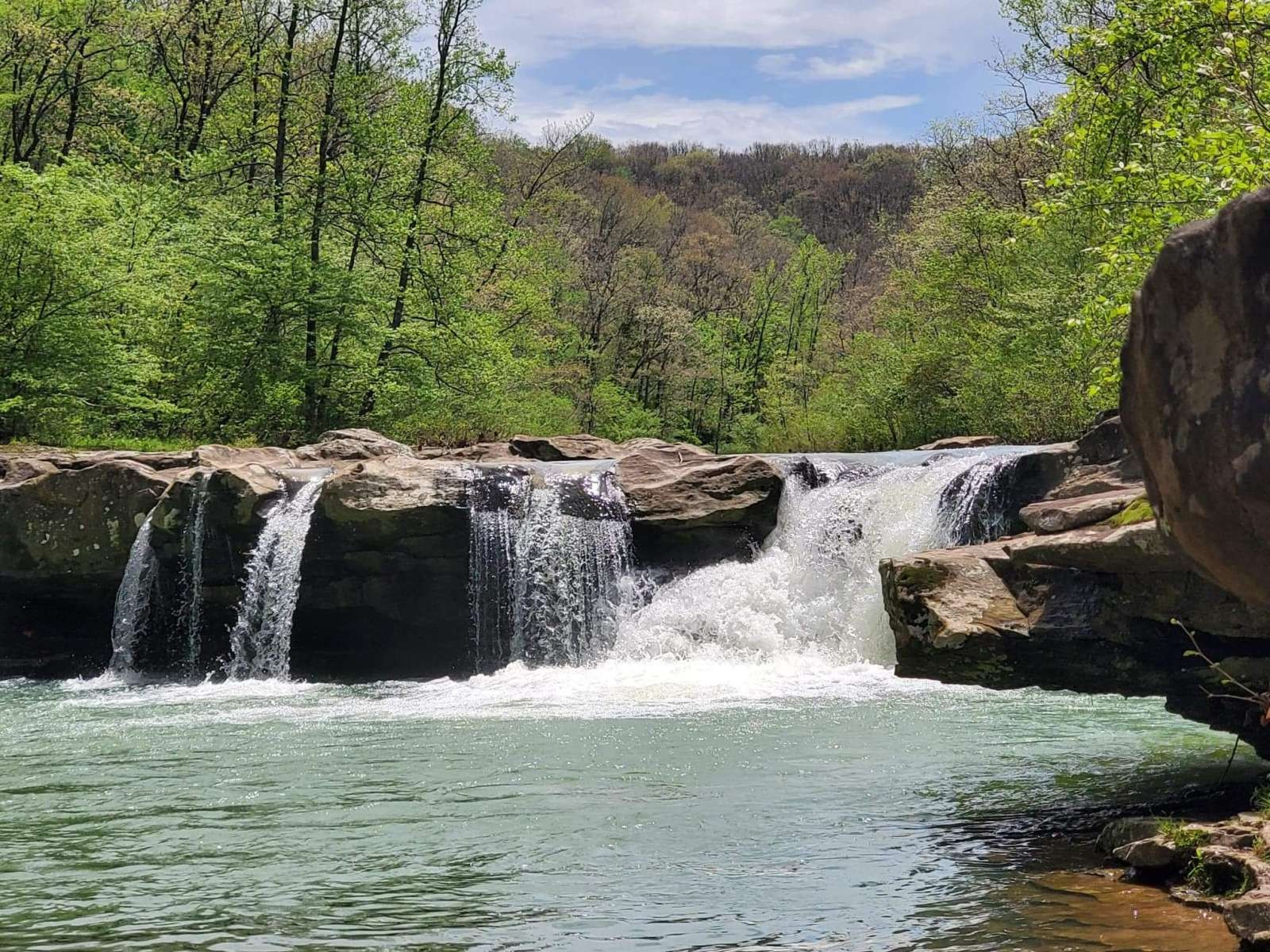
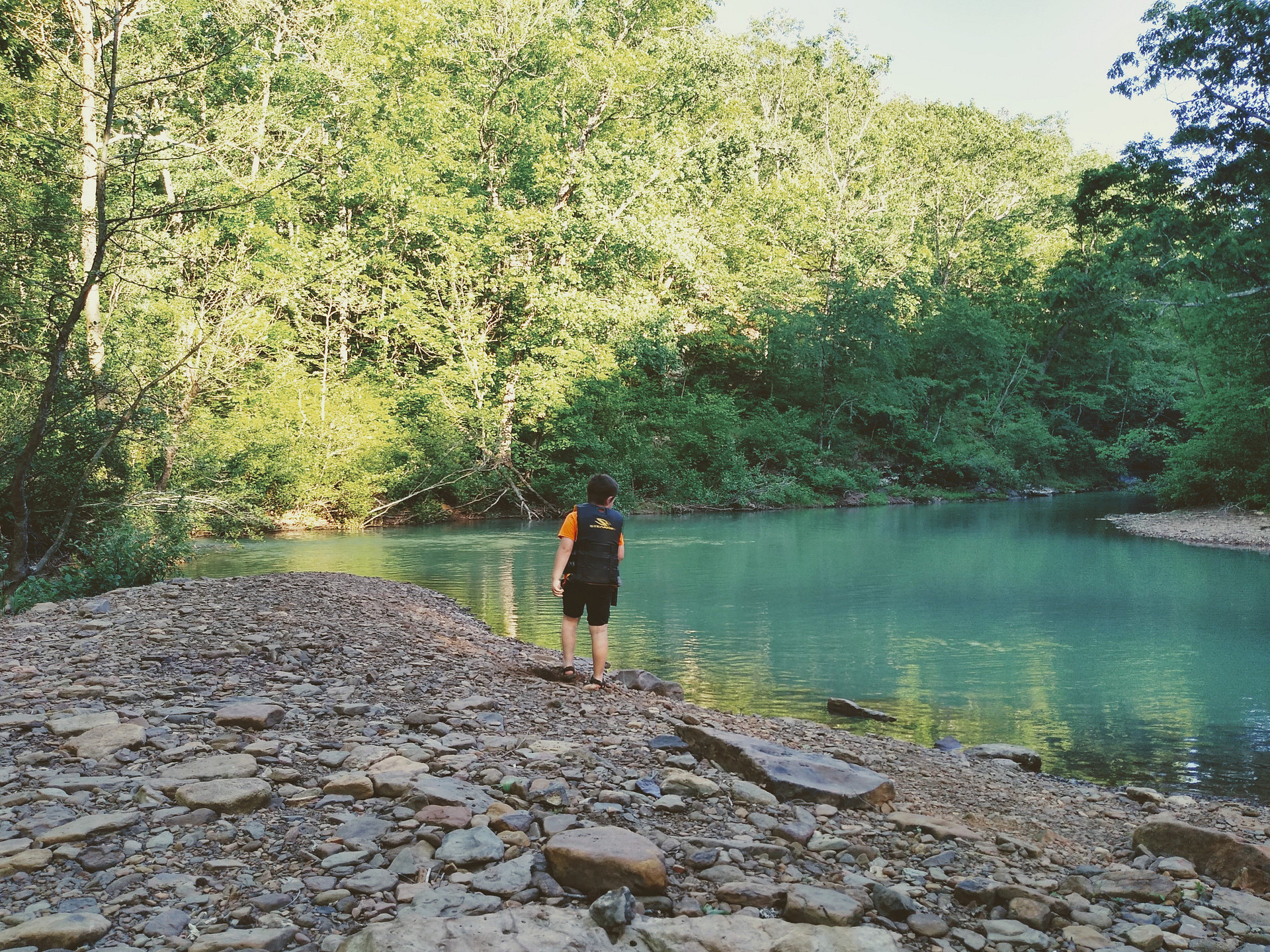
18. Red Fern
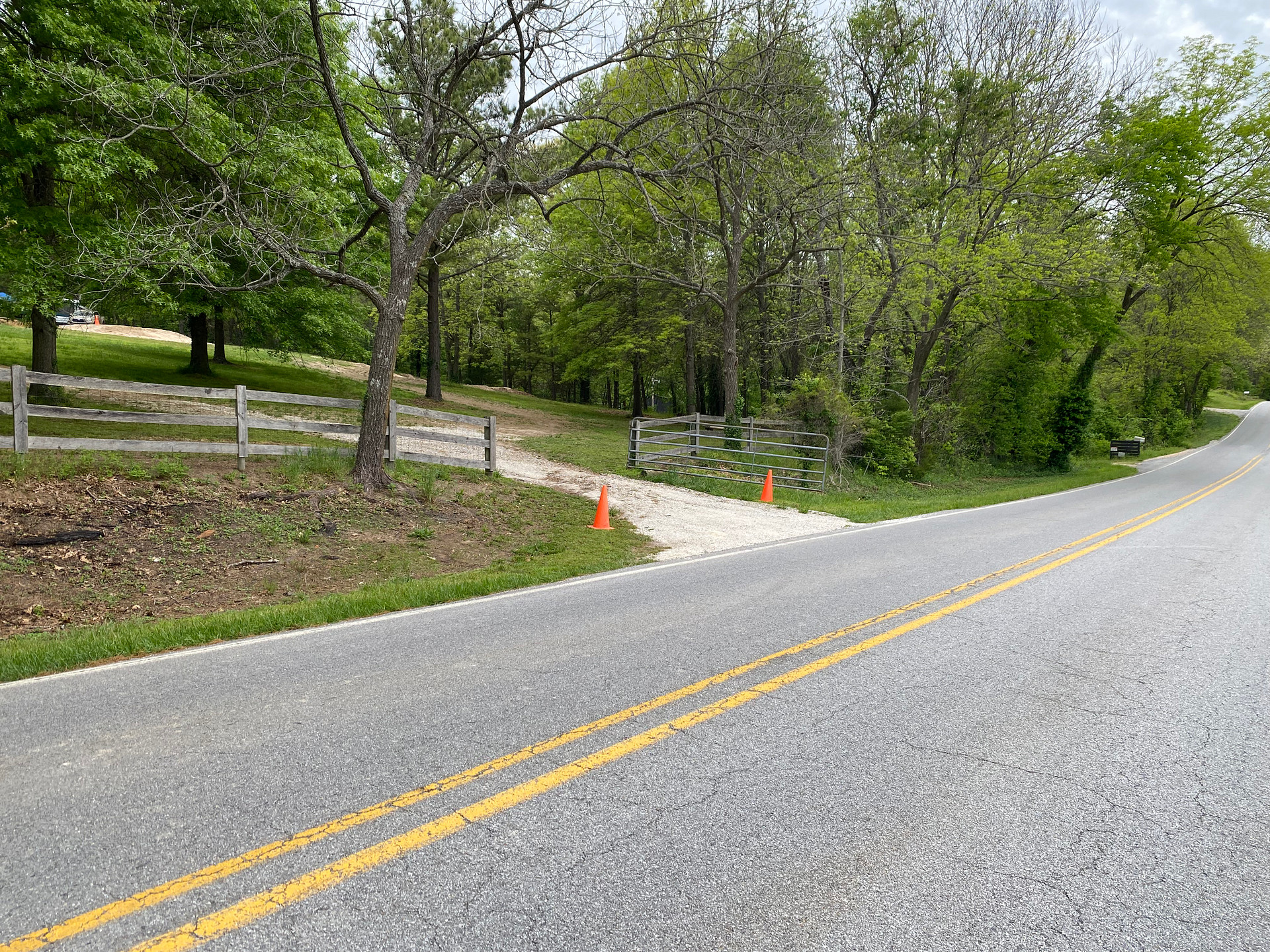
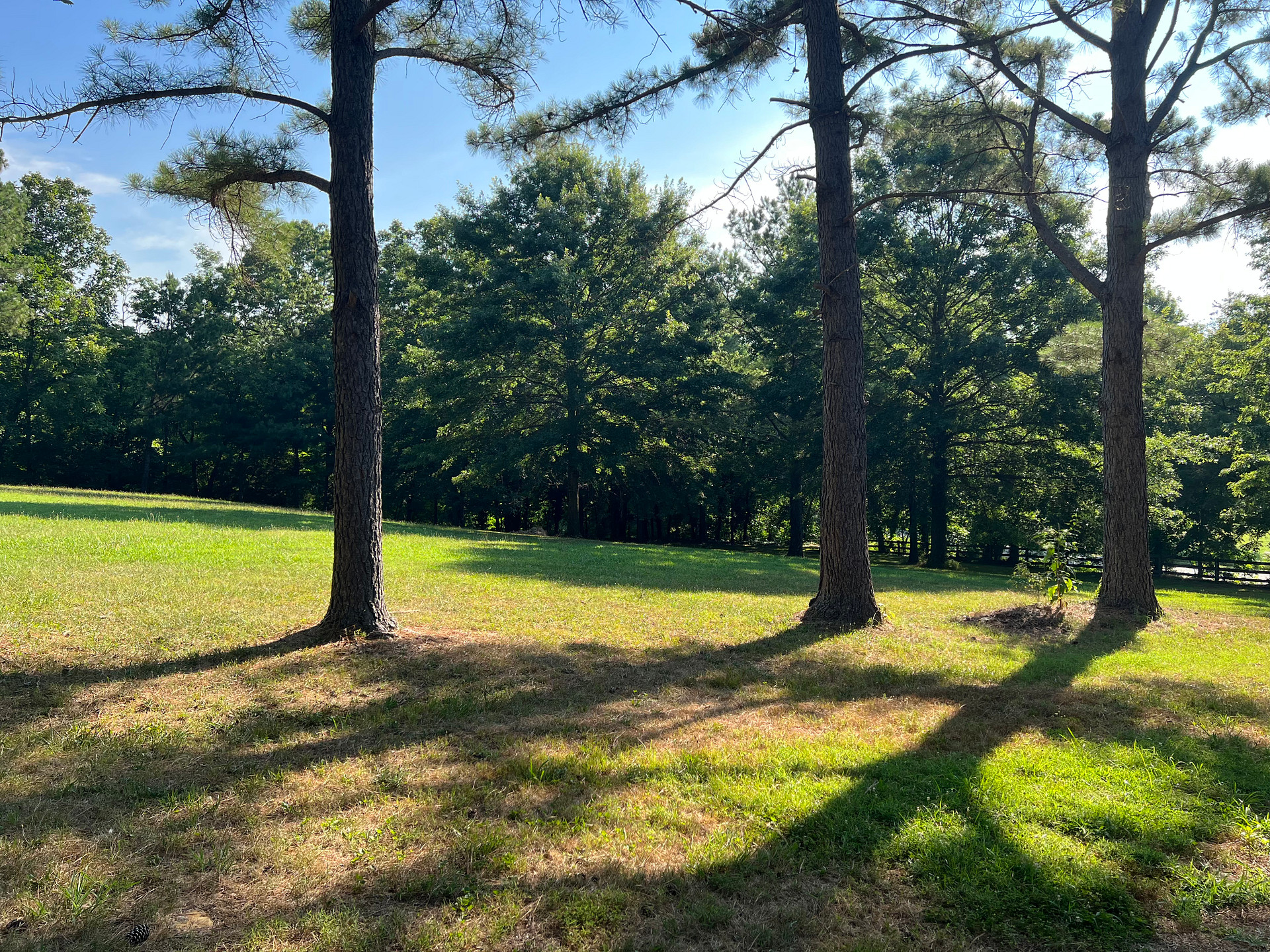
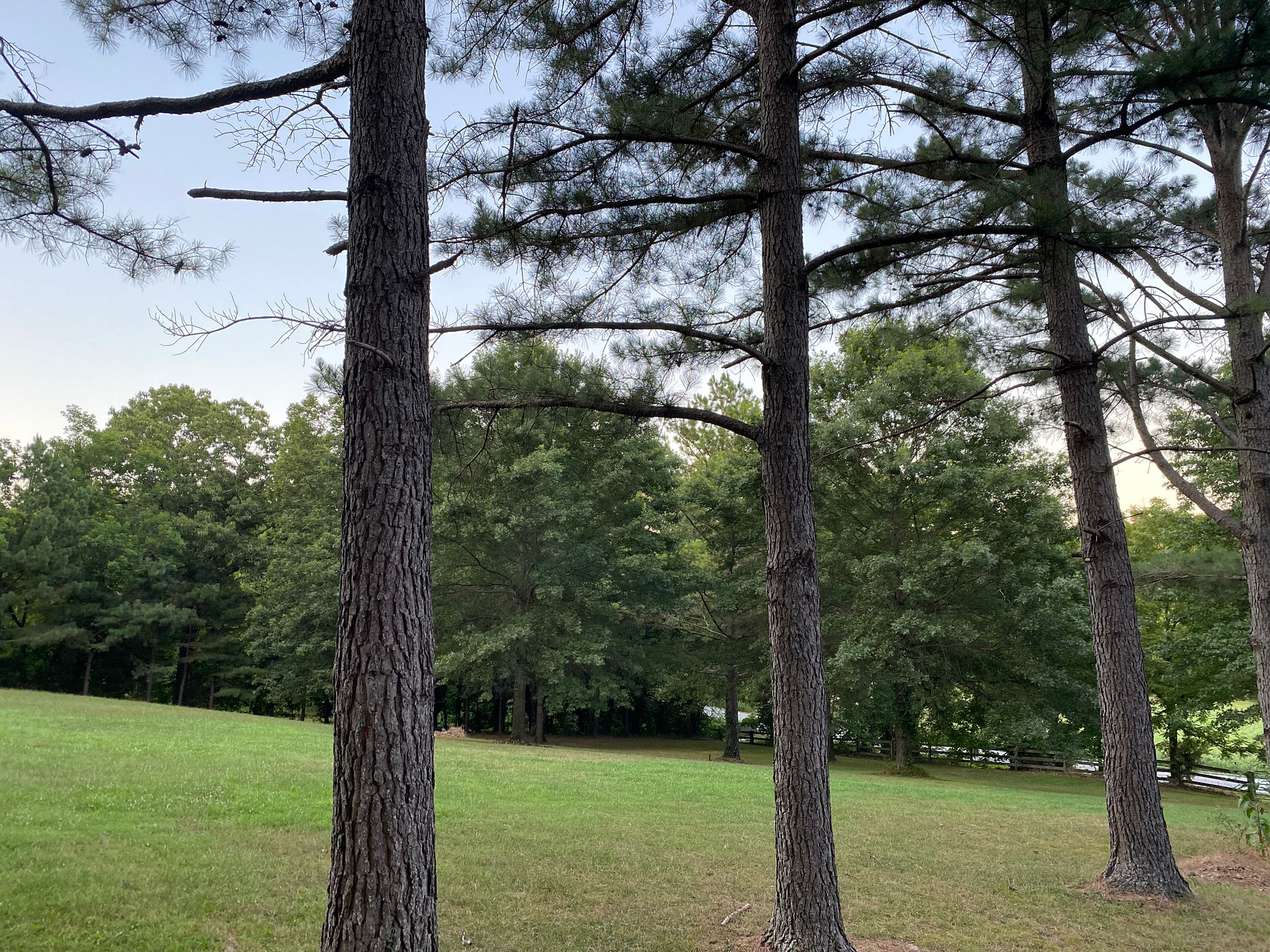
19. Camp Bentonville
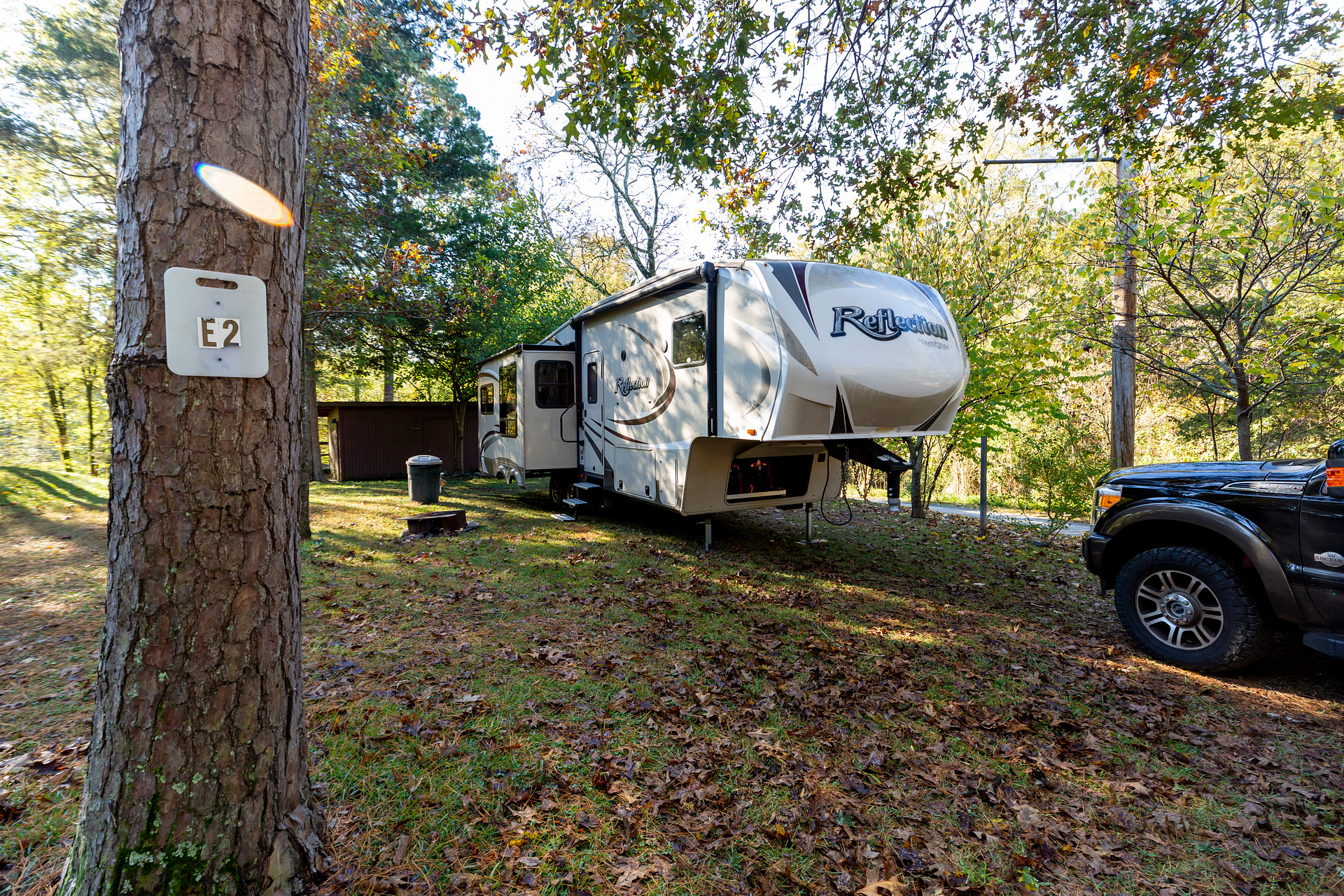
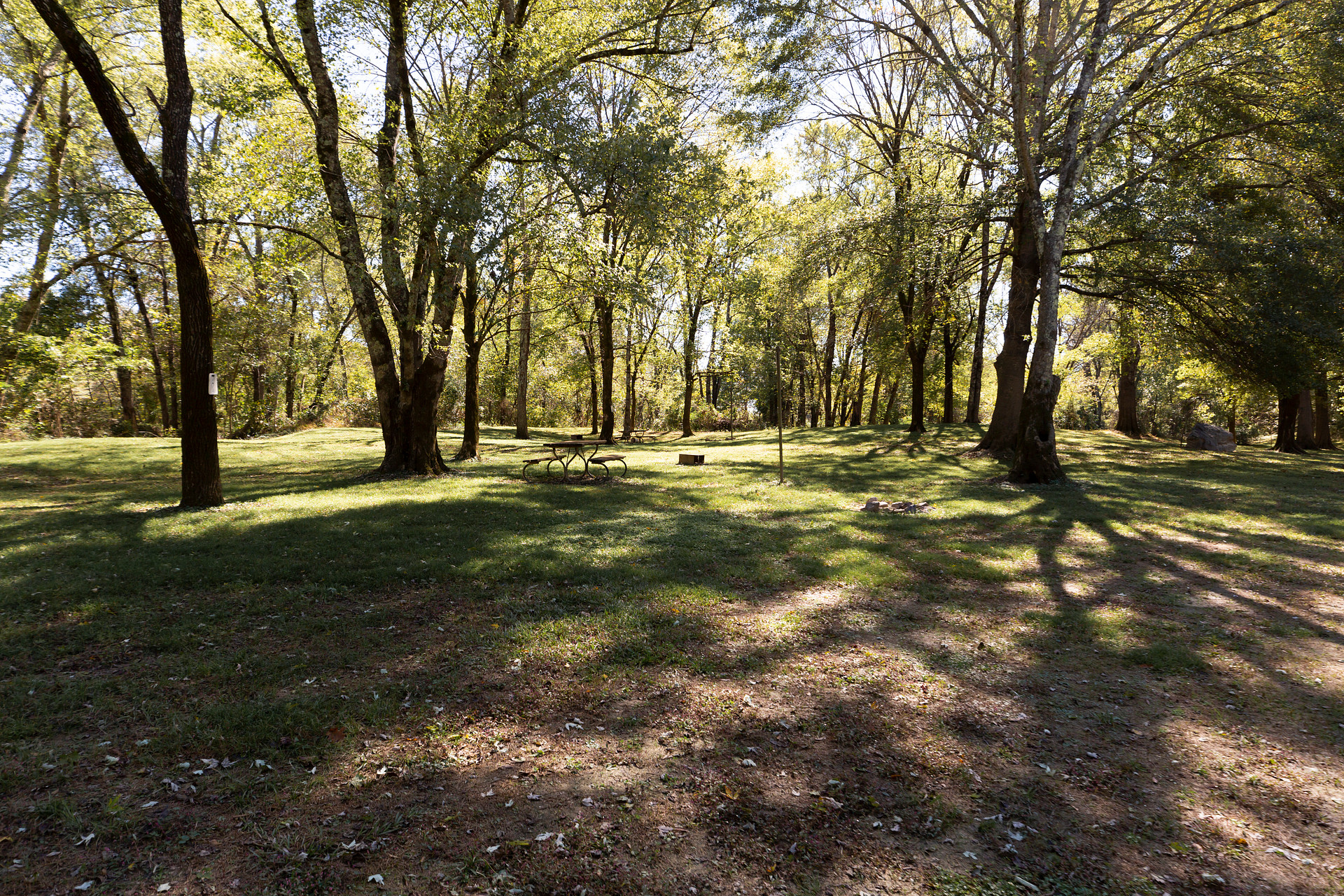
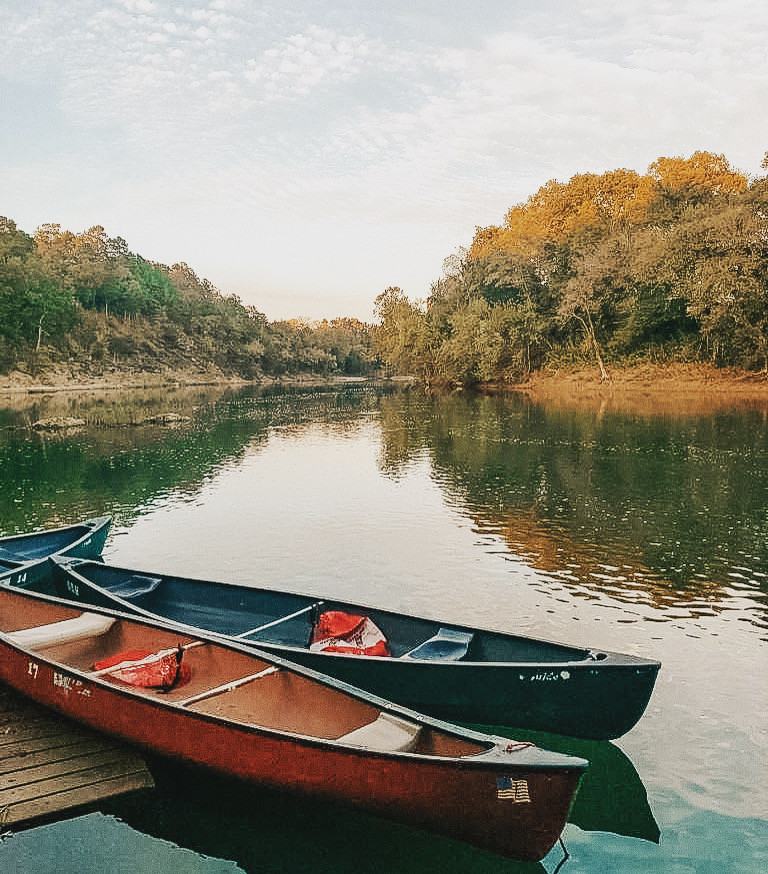
20. Ouachita River Haven
Bentonville Bike Camp
Pinnacle Springs Recreational Park
Valley of peace campground
Enchanted Ozark Fairytale Camp
Pea Ridge Bike Camp
Red Fern
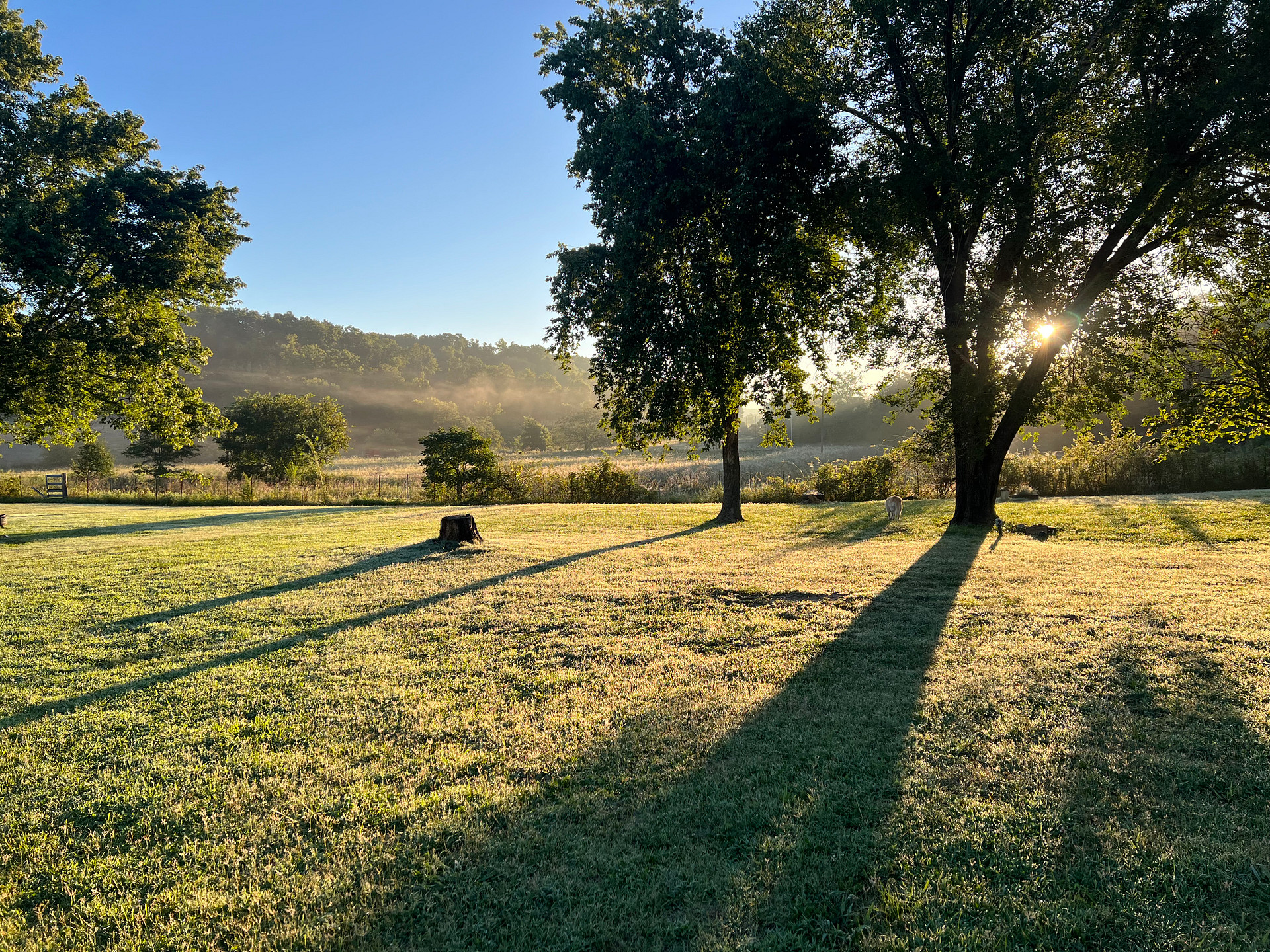

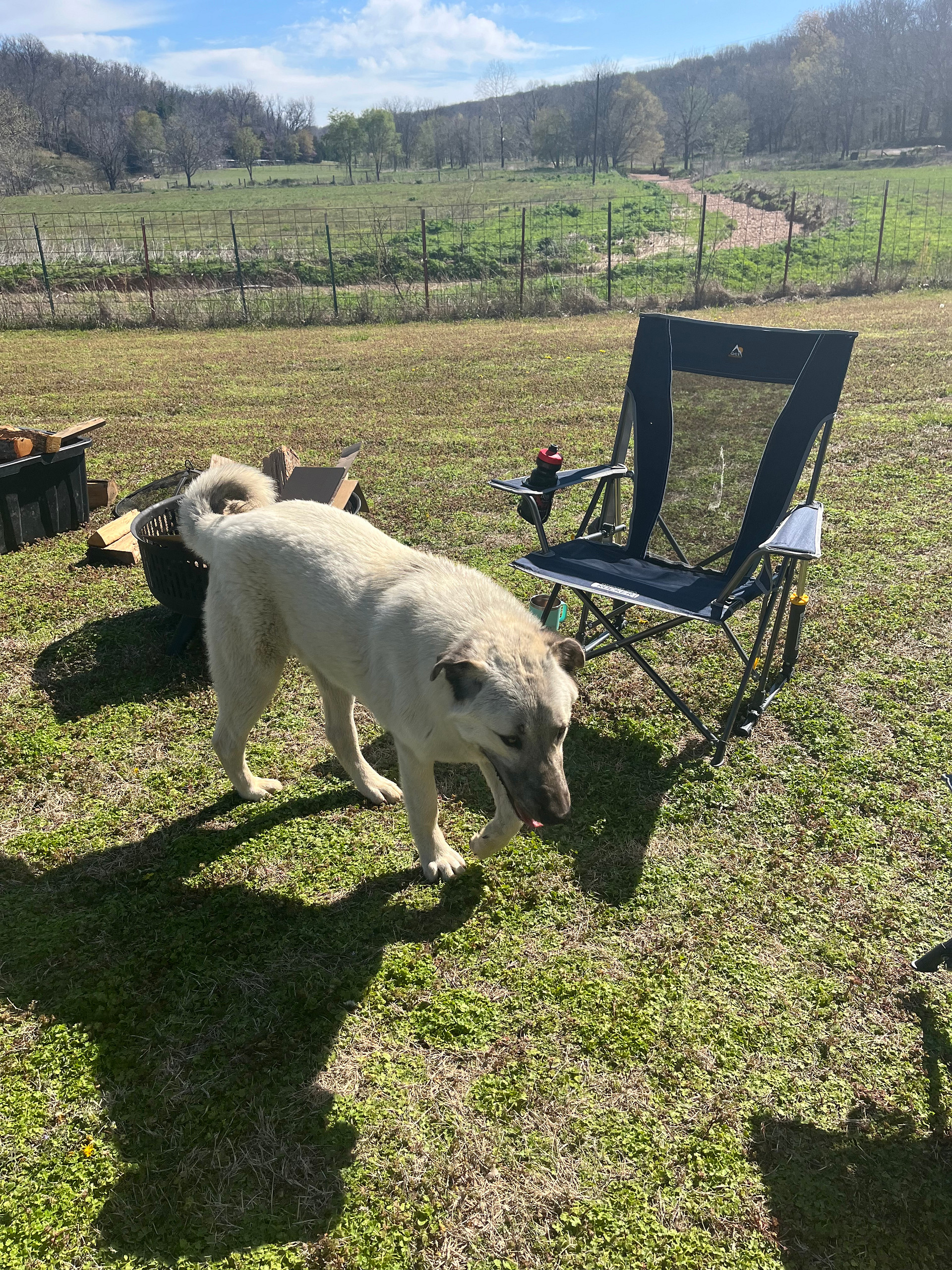
Bentonville Bike Camp
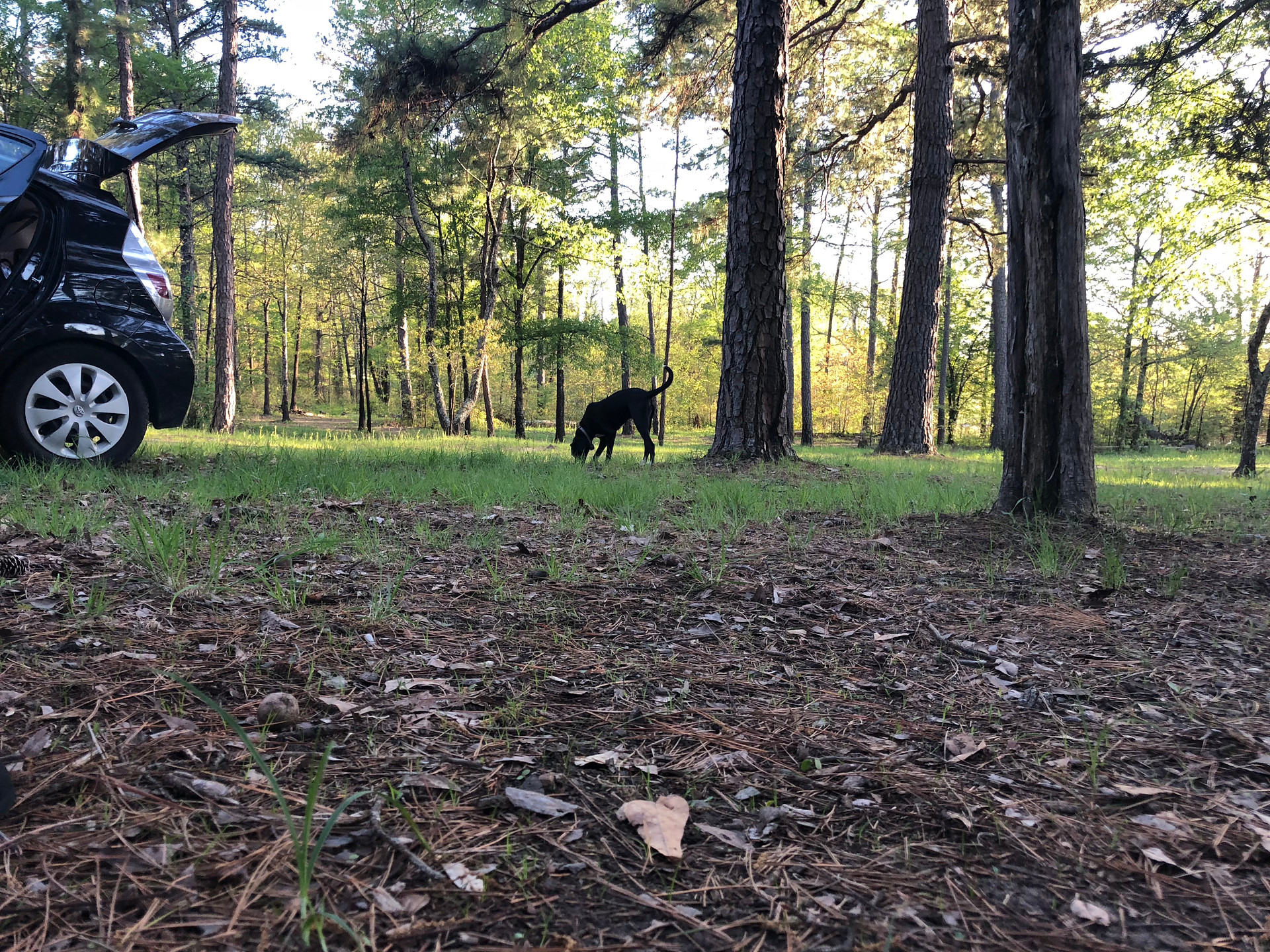
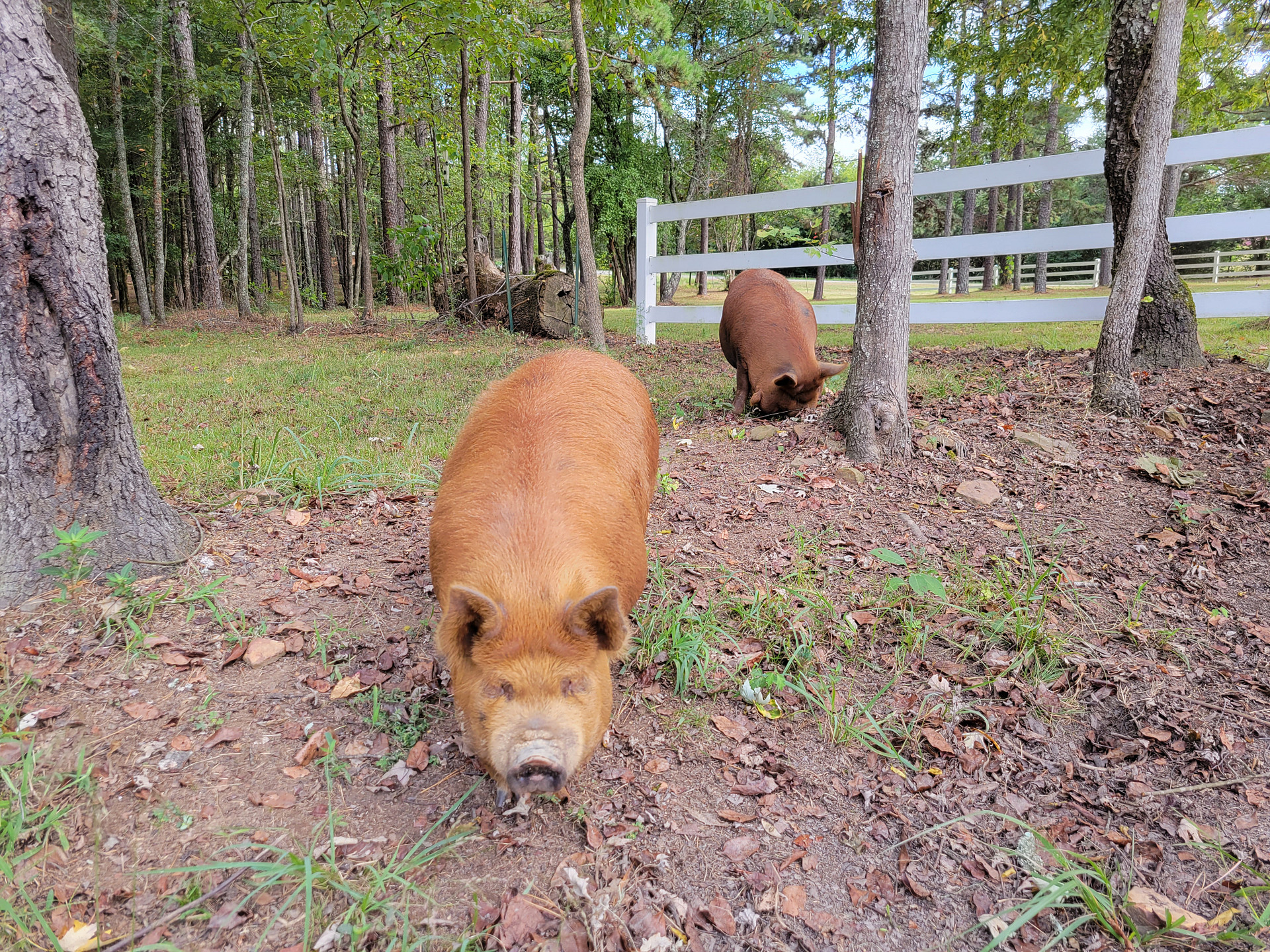
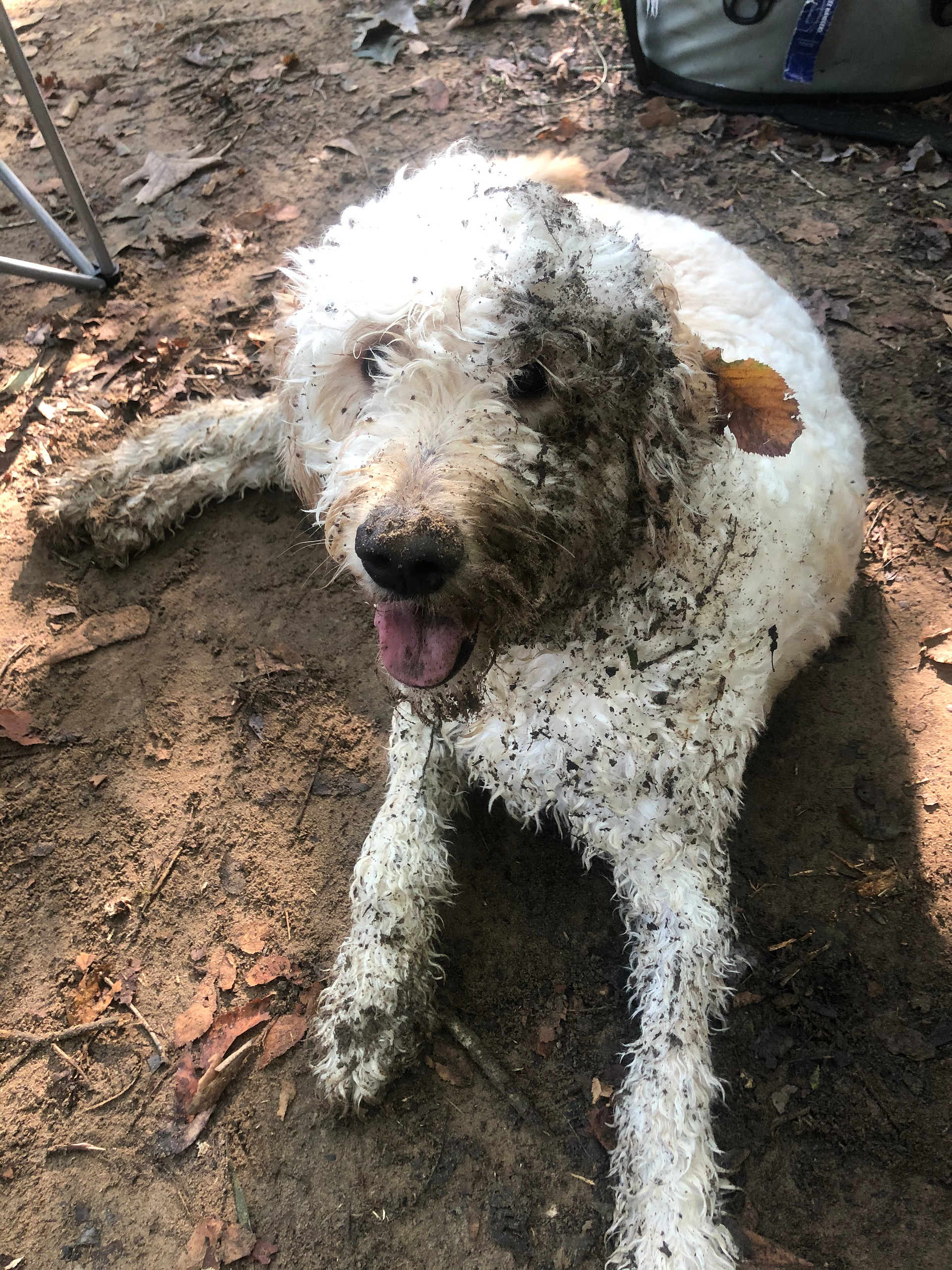
Pinnacle Springs Recreational Park
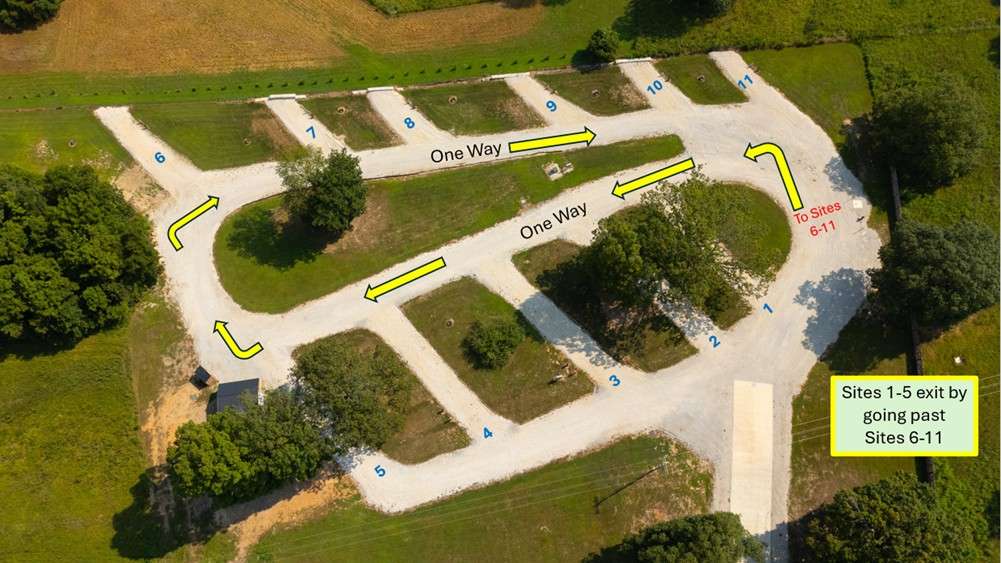


Flatwoods Mountain RV Park
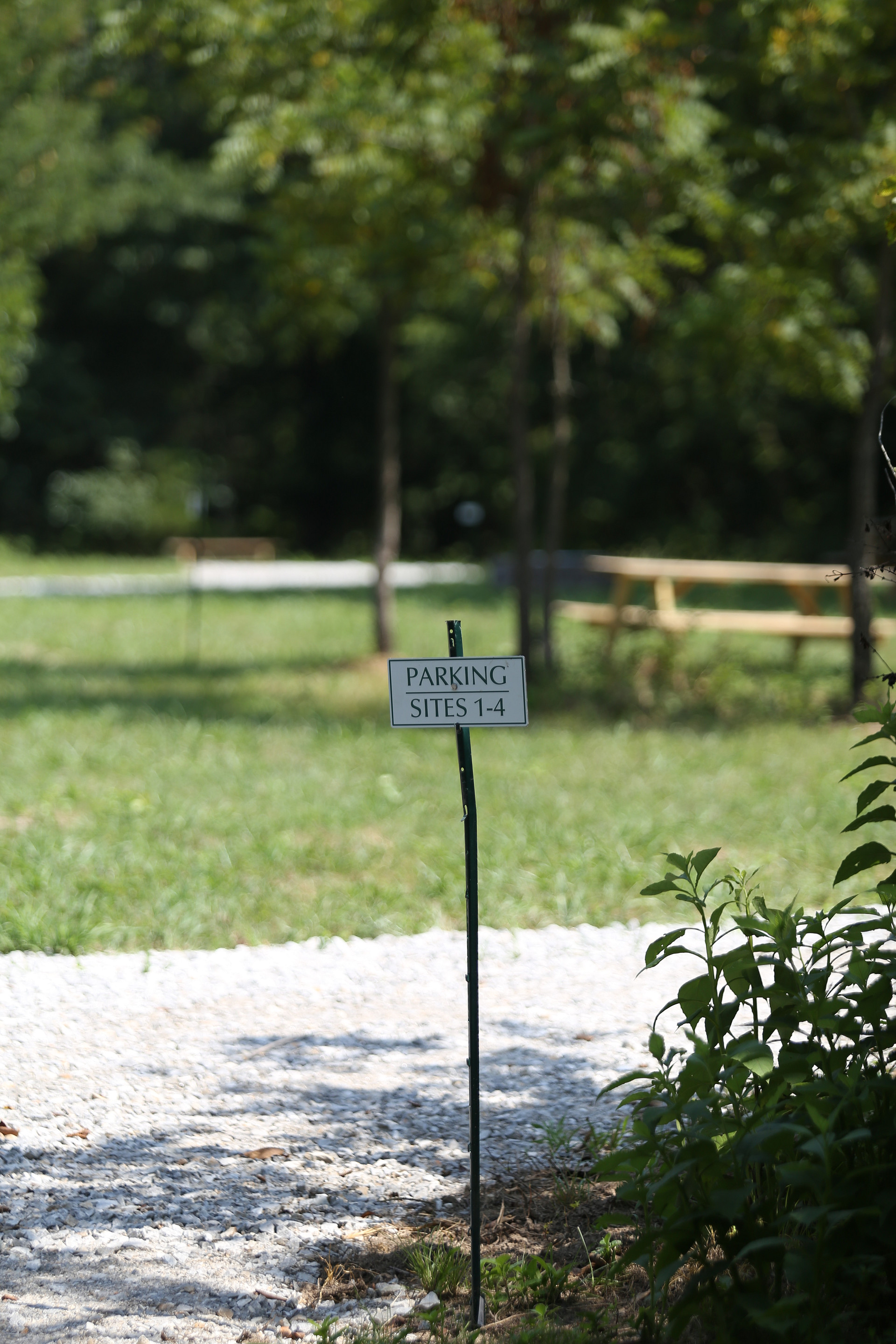
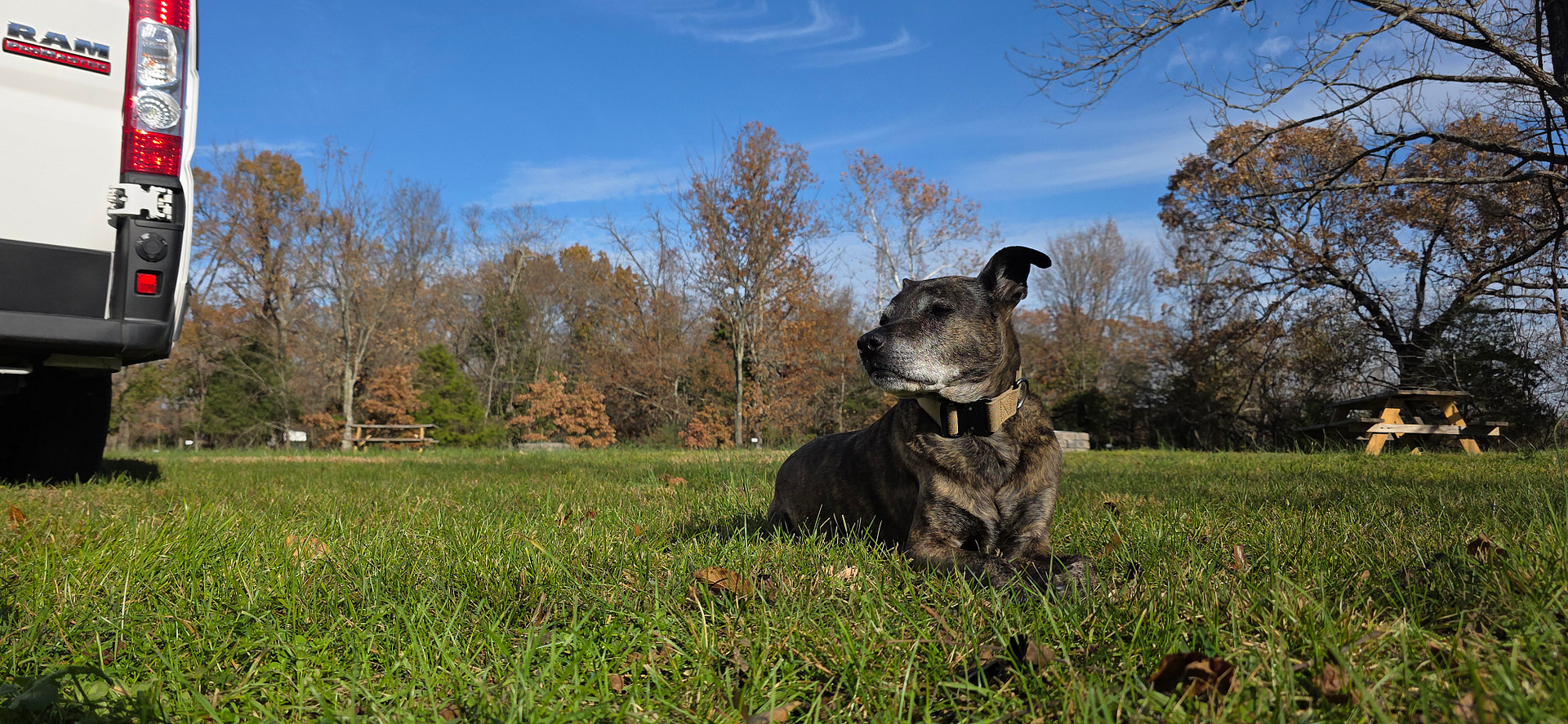
The Boondock at Hand Cut Hollow
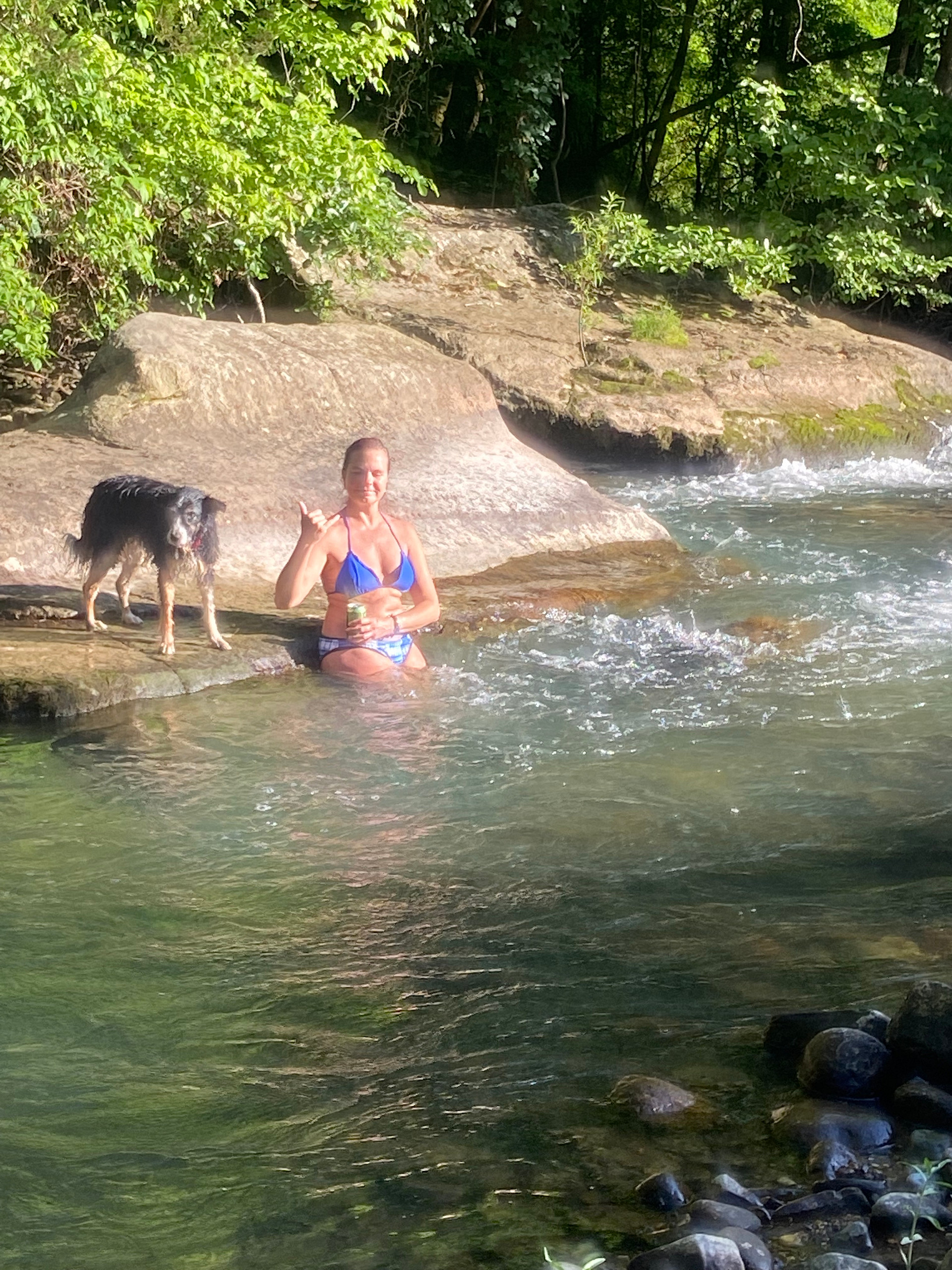
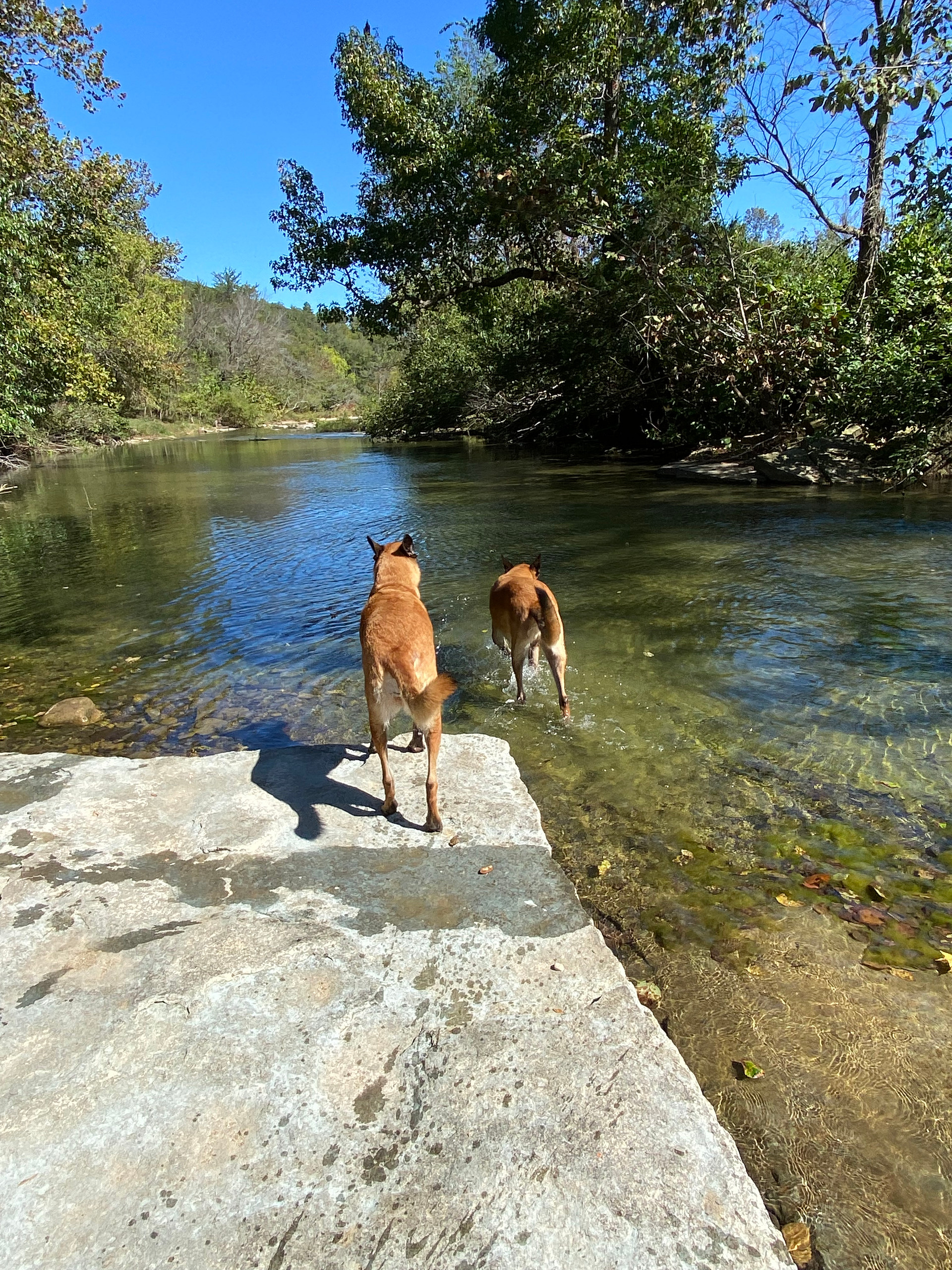
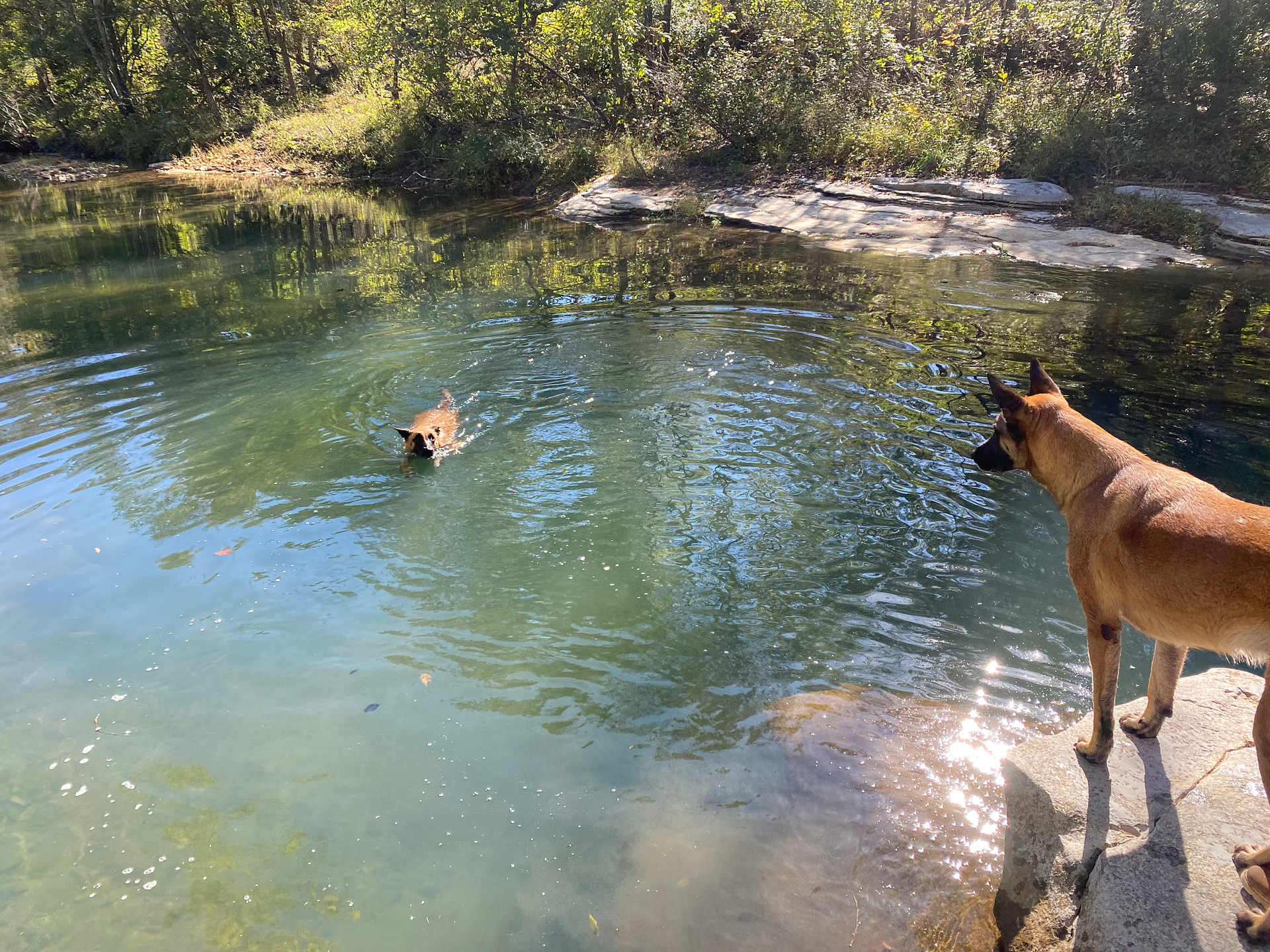
Valley of peace campground


Enchanted Ozark Fairytale Camp
Recent reviews from the Hipcamp community
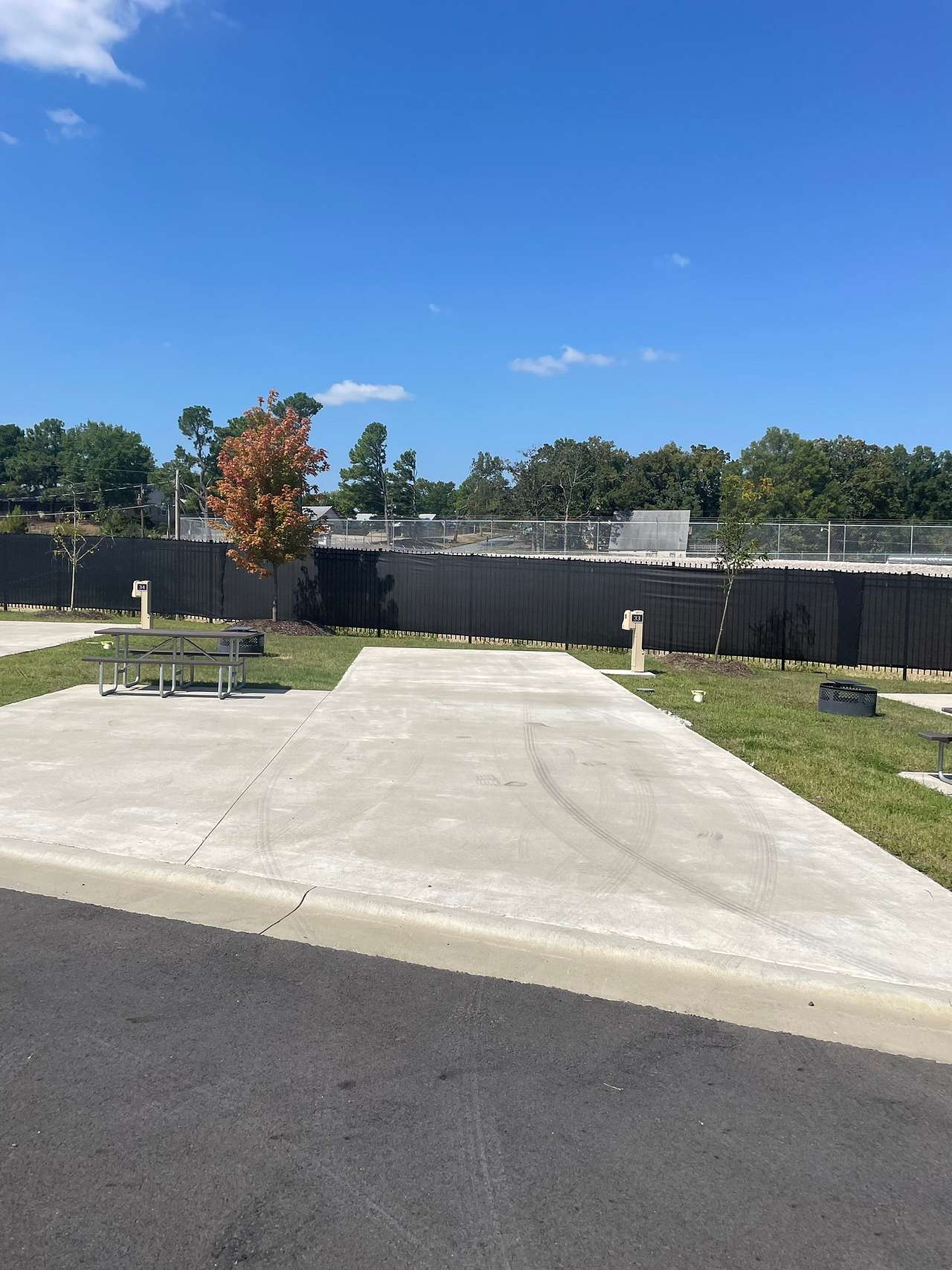
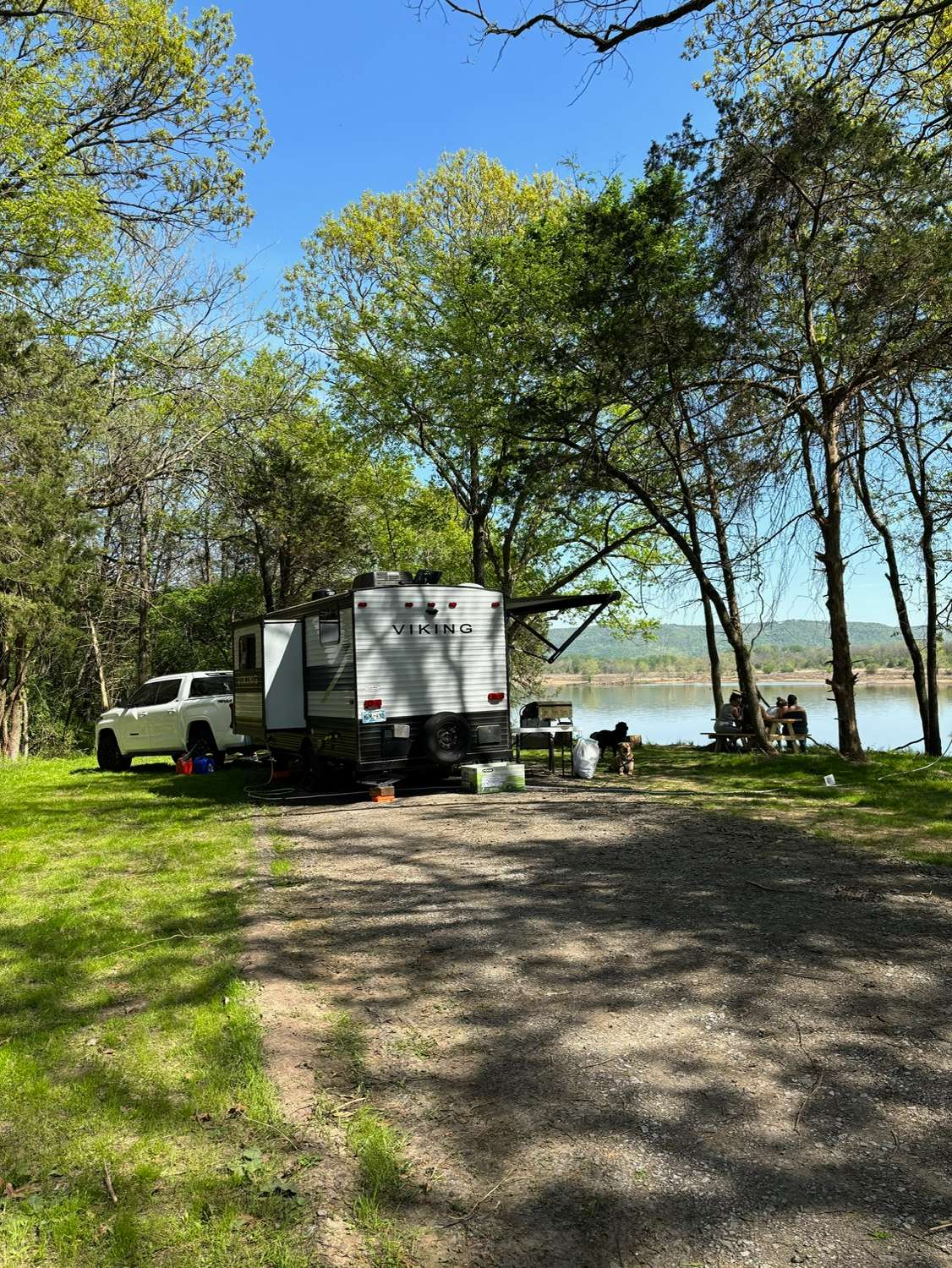
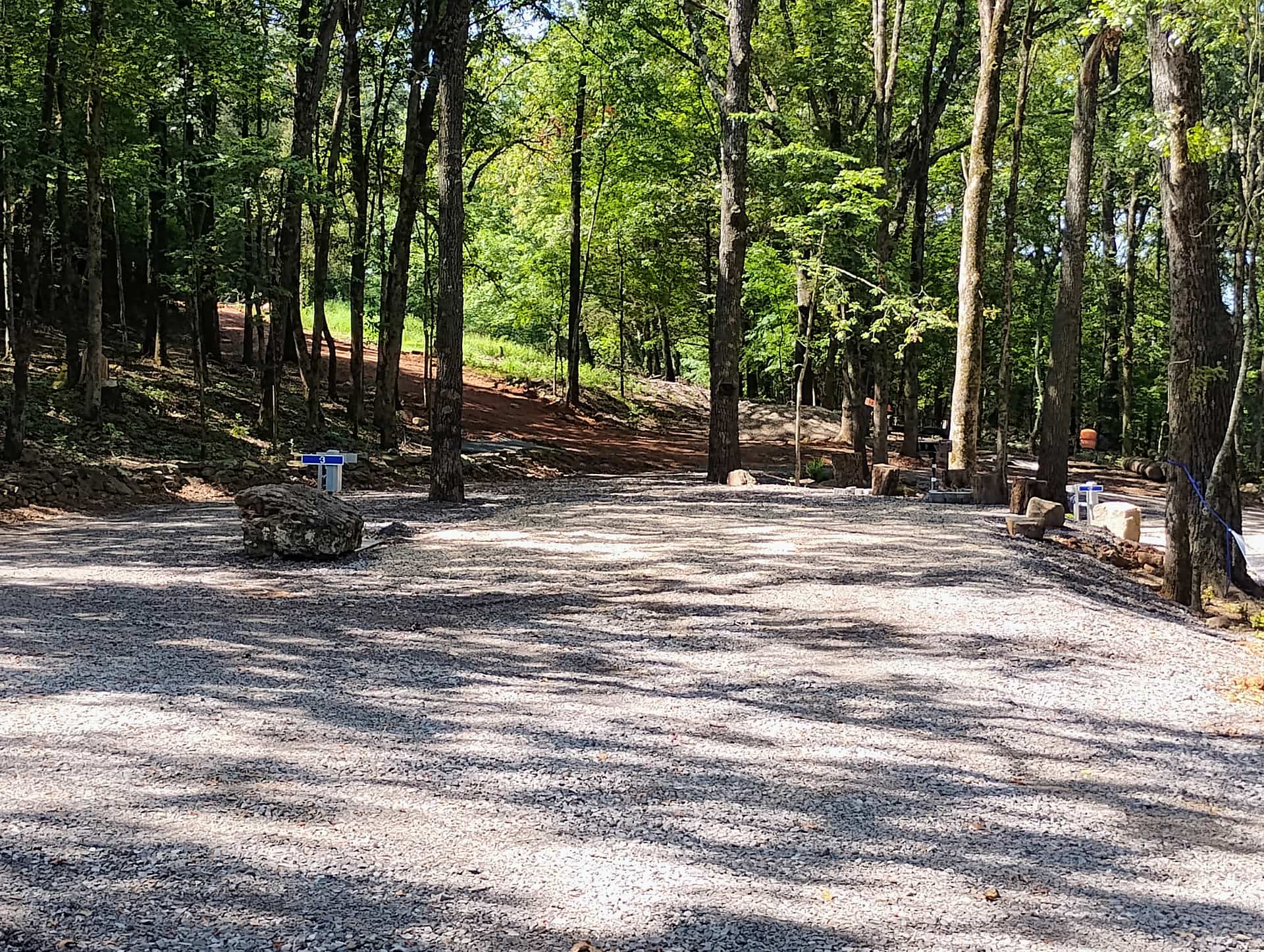
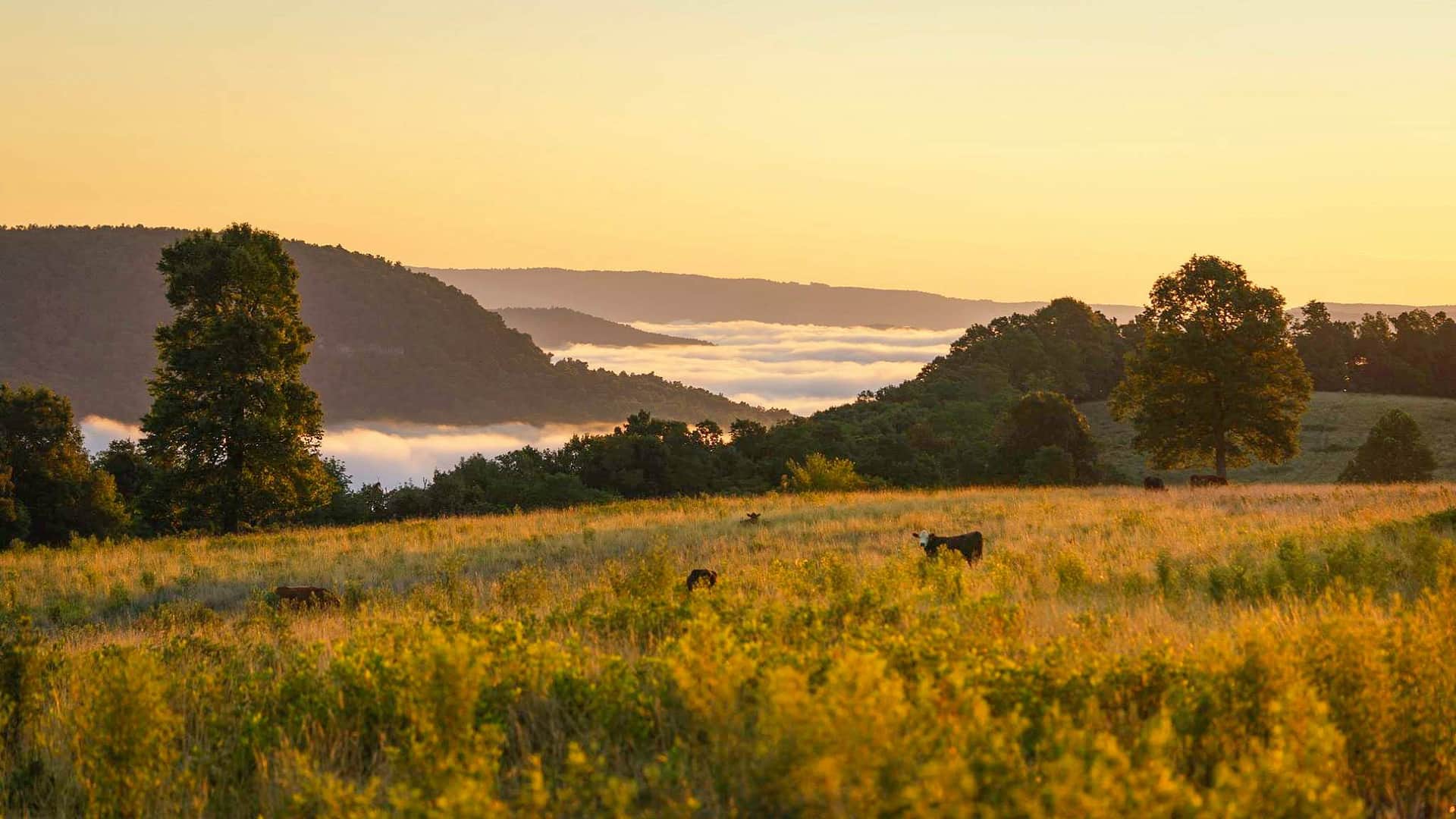





Arkansas camping guide
Where to go
Northwestern Arkansas
Northwestern Arkansas
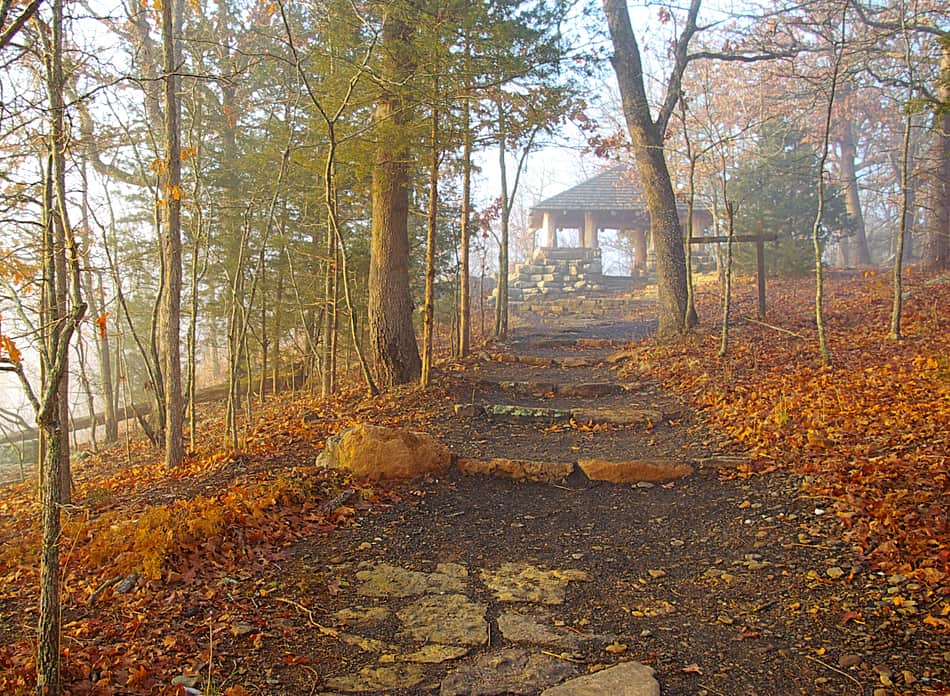
Northwest Arkansas is one of the fastest-growing regions of the state, offering a mix of cute towns and Ozark adventure. The largest state park in Arkansas, the Hobbs State Park-Conservation Area, is here, offering 54 miles of trails and campsites only reachable by mountain bike. Major geological features in the region include the Boston Mountains (part of the southern Ozarks), a forested region full of hiking trails, caves, and springs, particularly in the Ozark-St. Francis National Forest.
Southwestern Arkansas
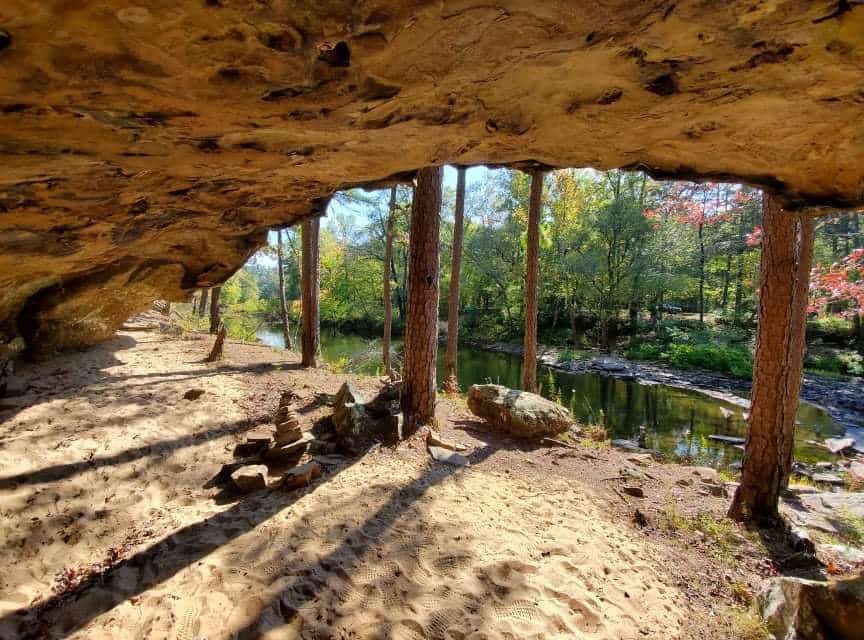
Southwest Arkansas is characterized by lakes, wooded forests, and plenty of opportunities to get out and rockhound. Highlights include Crater of Diamonds State Park, where visitors can dig for diamonds and other minerals, and Millwood State Park, a popular spot for fishing, birdwatching, and camping.
Central Arkansas
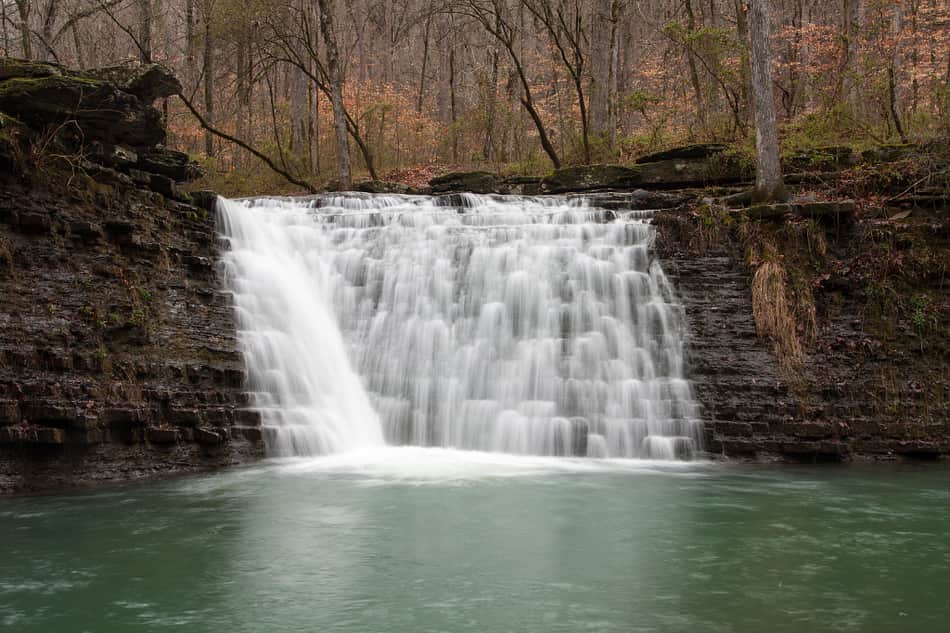
Central Arkansas is home to the state capital and biggest city, Little Rock. About an hour away sits Hot Springs National Park, with its historic bathhouses, a couple of which invite visitors to soak to this day. Camping opportunities abound—you can rent campsites and cabins year-round at Lake Ouachita State Park or try to nab one of the first-come, first-served sites at Lake Sylvia Recreation Area, celebrated for its 18-acre lake.
Northeastern Arkansas
Northeastern Arkansas offers opportunities for fishing, water sports, and learning about what life was like in this region many years ago. Highlights include the Parkin Archaeological State Park, which preserves 17 acres of what was once a Native American village, and the Hampson Archeological Museum State Park, where you can check out archaeological artifacts from the area.
Southeastern Arkansas
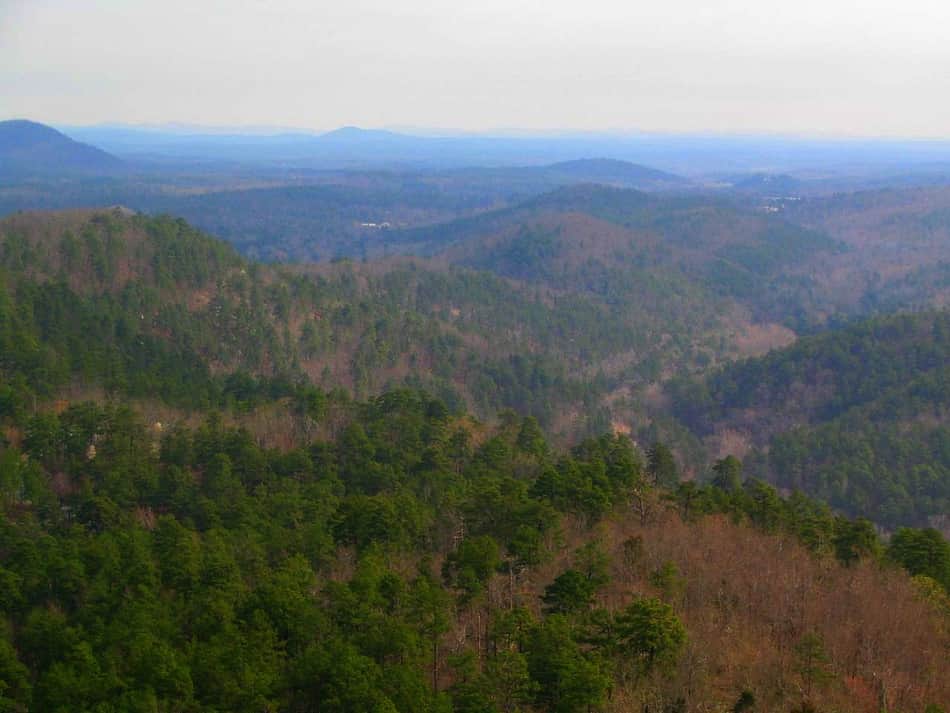
Southeastern Arkansas' Lower Delta Region offers a mix of historic Civil War sites, scenic lakes, and opportunities for bird- and wildlife-watching. Hit Lake Chicot, the largest natural lake in the state, and the Arkansas Post National Memorial, a National Park Service-run living history museum showcasing life on the Grand Prairie in the late 1800s.
Frequently Asked Questions
Yes, boondocking, or dispersed camping, is legal in Arkansas on public lands managed by the U.S. Forest Service and the Bureau of Land Management (BLM). You can find boondocking opportunities in the Ouachita National Forest and the Ozark-St. Francis National Forests. However, it is essential to follow the guidelines and rules set by these agencies, such as camping at least 200 feet away from lakes, streams, and trails, and practicing Leave No Trace principles. Private land may also offer boondocking opportunities, but you must obtain permission from the landowner first. You can find private land camping options in Arkansas on Hipcamp.
To find free camping in Arkansas, you can explore the state's national forests, where dispersed camping is often allowed. Dispersed camping generally means camping outside of developed campgrounds, with no amenities such as water, restrooms, or picnic tables. In Arkansas, Ouachita National Forest and Ozark-St. Francis National Forests are great places to start looking for free camping opportunities. Be sure to follow Leave No Trace principles and check the specific regulations for each area before camping. You can visit Hipcamp for more information on camping in Arkansas.
Camping fees at Arkansas State Parks vary depending on the type of campsite and amenities provided. Prices generally range from around $12 to $42 per night for tent and RV camping. Primitive campsites are typically the least expensive, while sites with electrical and water hookups or full hookups cost more. Some parks may also offer cabin rentals at higher prices. You can find more information about specific Arkansas State Parks and their camping fees at Arkansas State Parks website.