Top-rated campgrounds
Top-rated campgrounds
Stories from the community







The best glamping pods near Ashland guide
Where to go
Wellington State Park
Start your camping trip in freshwater. Wellington State Park overlooks Newfound Lake and can accommodate large groups of campers. Once you pitch your tent, play volleyball on the sand, barbecue some burgers, and watch for birds. If you’re in the mood to hike, try Big Sugarloaf Mountain, which offers further views of the lake. Hike for long enough, and a swim at your lakeside campsite will be all the more refreshing.
The Southern White Mountains
New Hampshire is only white in the winter—but the state is known for its White Mountains year-round. The White Mountains occupy roughly a quarter of the state, so you’re nearly always near trails, nature centers, and rock climbing hotspots. The southern end of the range boasts plenty of campsites, so pitch your tent and start exploring. You’ll have your pick of peaks and campsites.
The Lakes Region
For a lake-based camping adventure, head east of Ashland. Lake Winnipesaukee—the state’s largest lake—is within a short distance. Wildlife enthusiasts, however, will flock to Squam Lake. From the outset, the lake looks peaceful and quiet, but is an ideal location to spot loons, herons, and bald eagles. What better way to wake up in the morning than with the call of the wild?
When to go
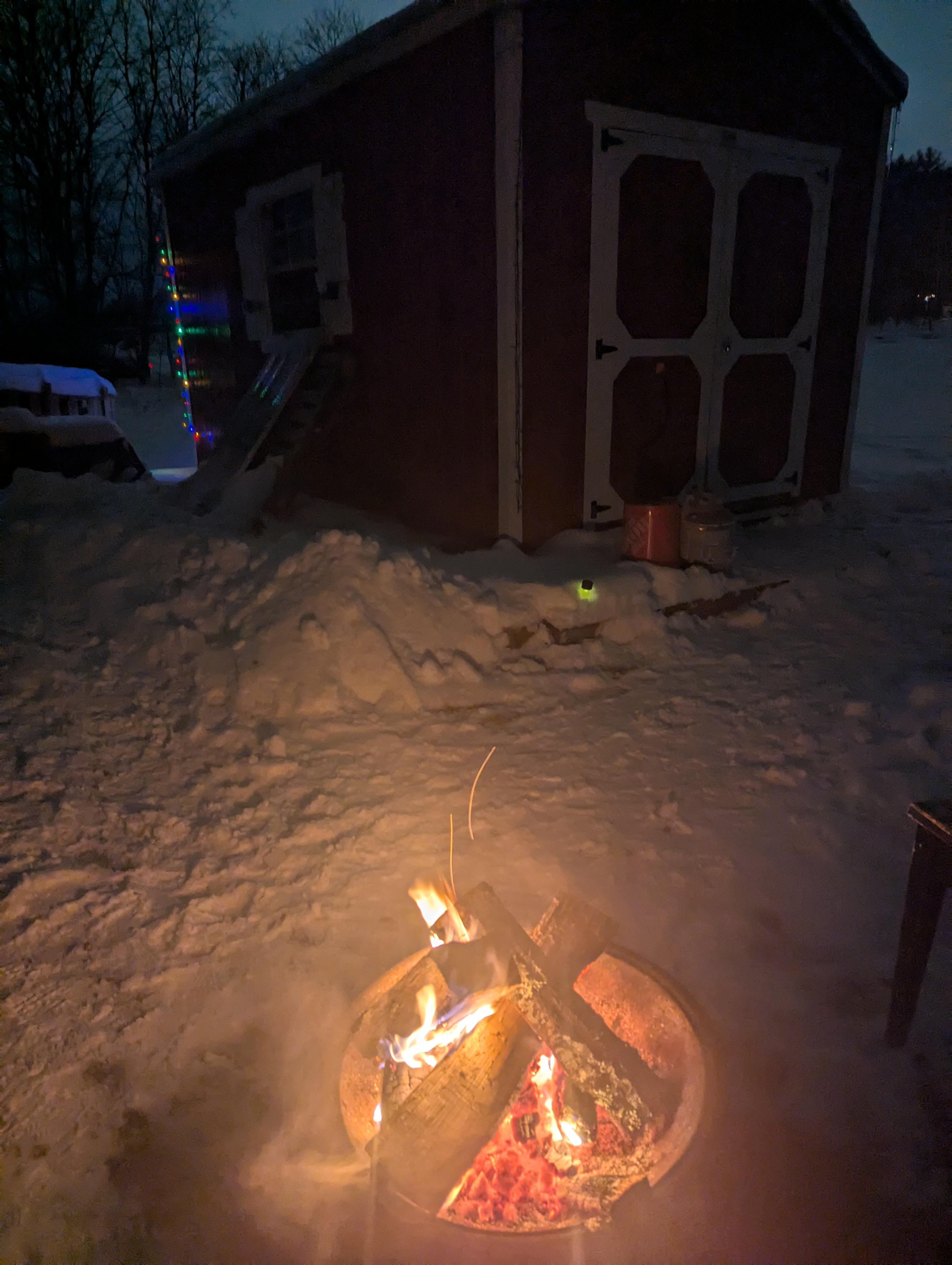
Visit Ashland between mid-spring and mid-fall, when the weather is on its best behavior. While New Hampshire stuns year-round, winter tends to get—and stay—dark and cold. You can certainly cozy up in a cabin with a fire pit or visit the ice castles near Lincoln. However, if you want your days long and your nights warm, save your camping trip for better weather. You’ll want to stay outside for as long as possible.