The best camping in Hawai'i Volcanoes National Park, HI
Discover the most magical spots to pitch your tent or park your rig on your next Hawai'i Volcanoes National Park adventure.
Top-rated campgrounds in Hawai'i Volcanoes National Park
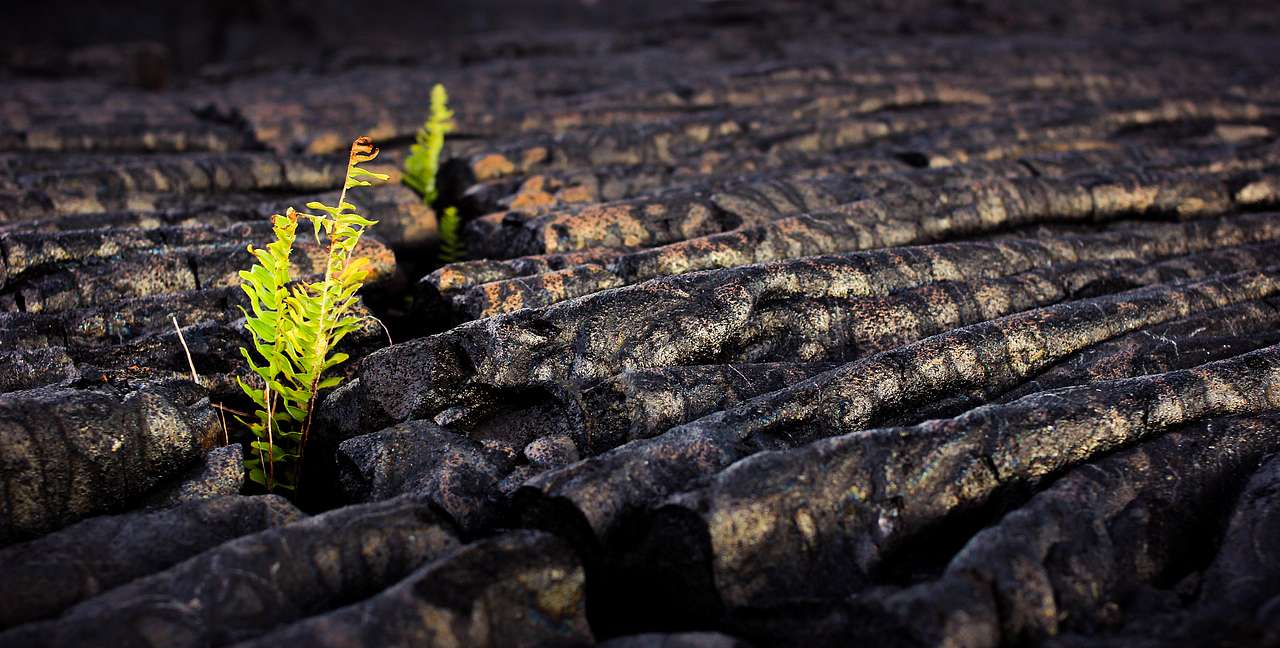
1. Kulanaokuaiki Campground
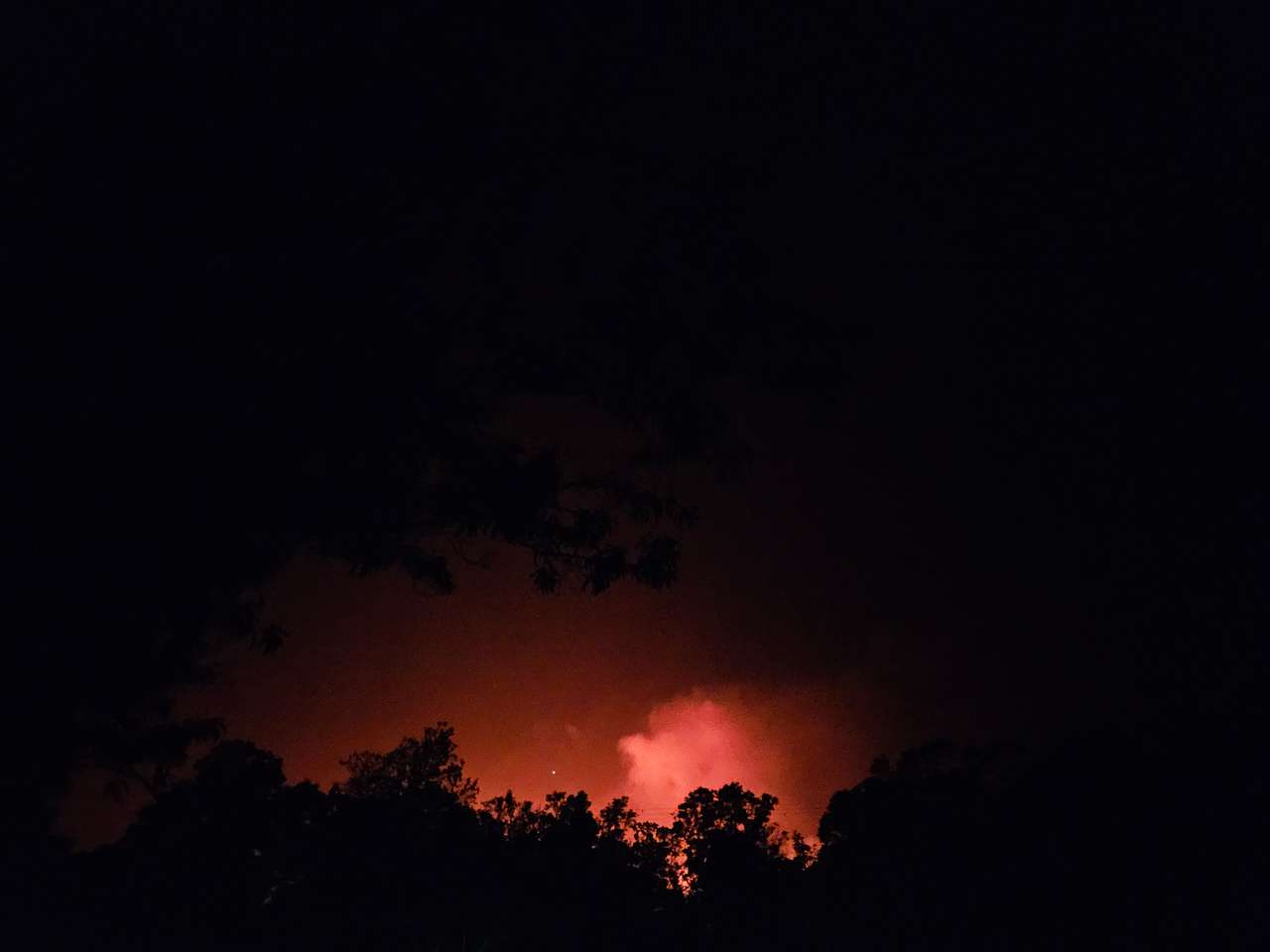
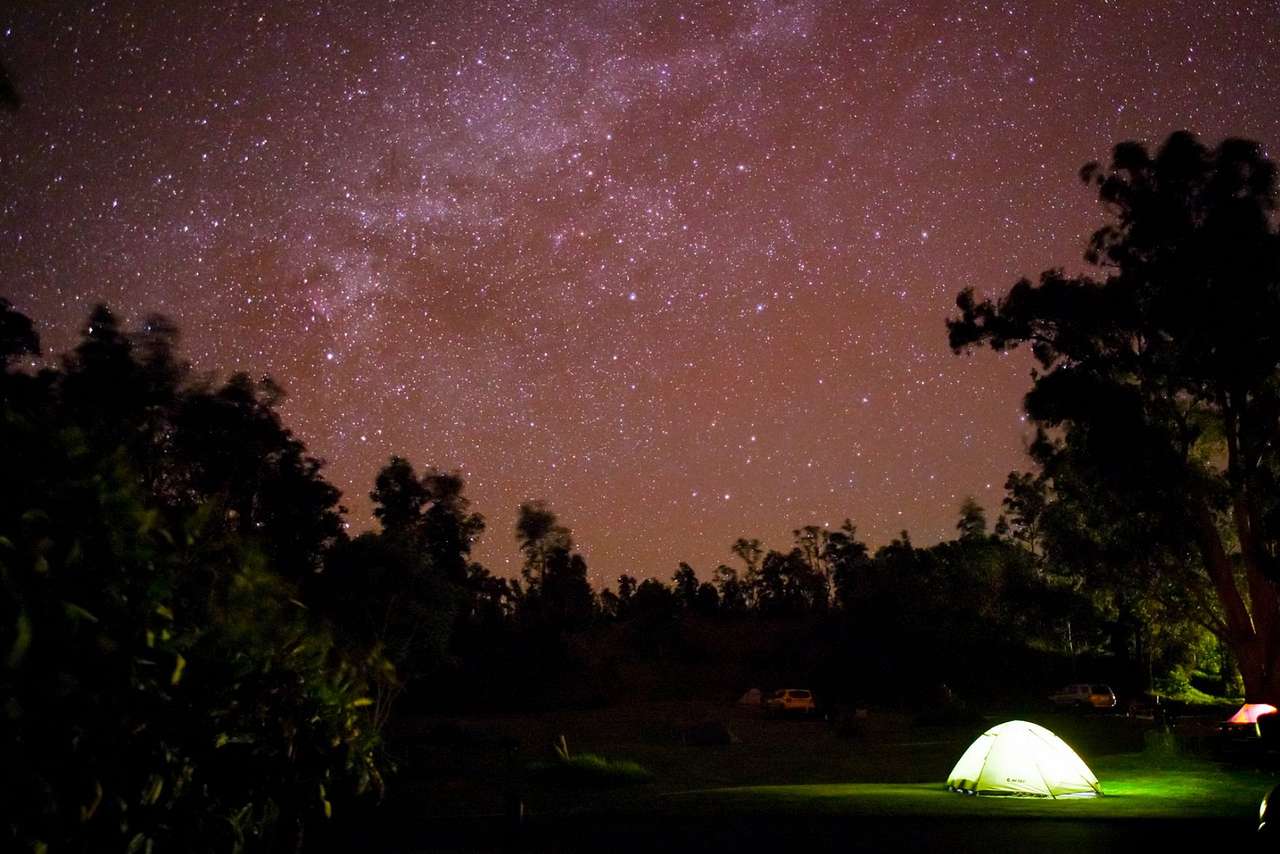

2. Nämakanipaio Campground
Top-rated campsites near Hawai'i Volcanoes National Park


1. Sunrise Cabanas Panoramic Views


2. Paradise yurts


3. Camp South Pt Green/Blacksand Beach
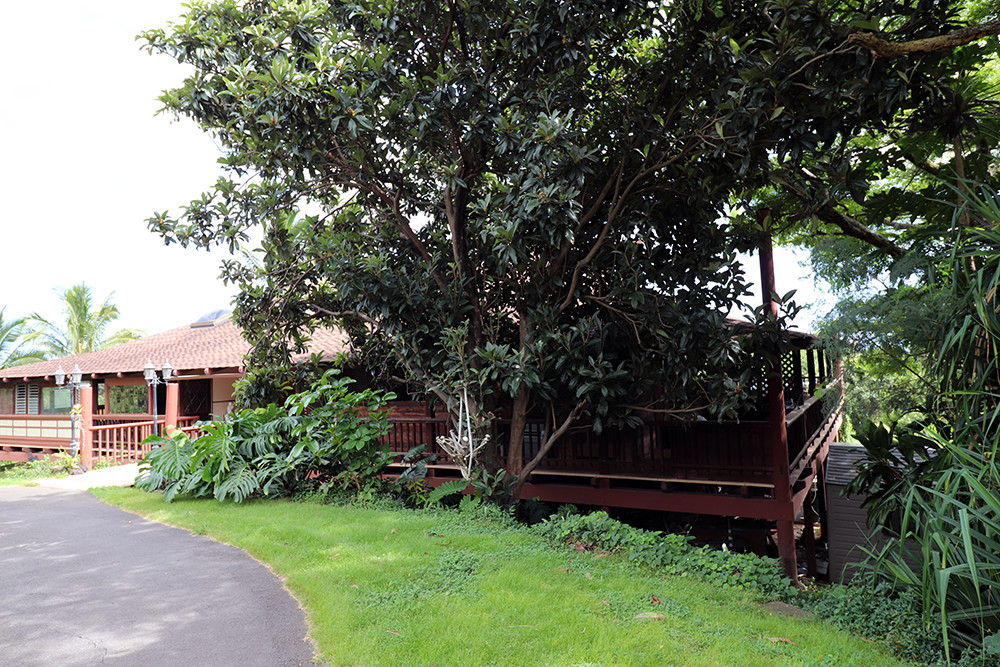
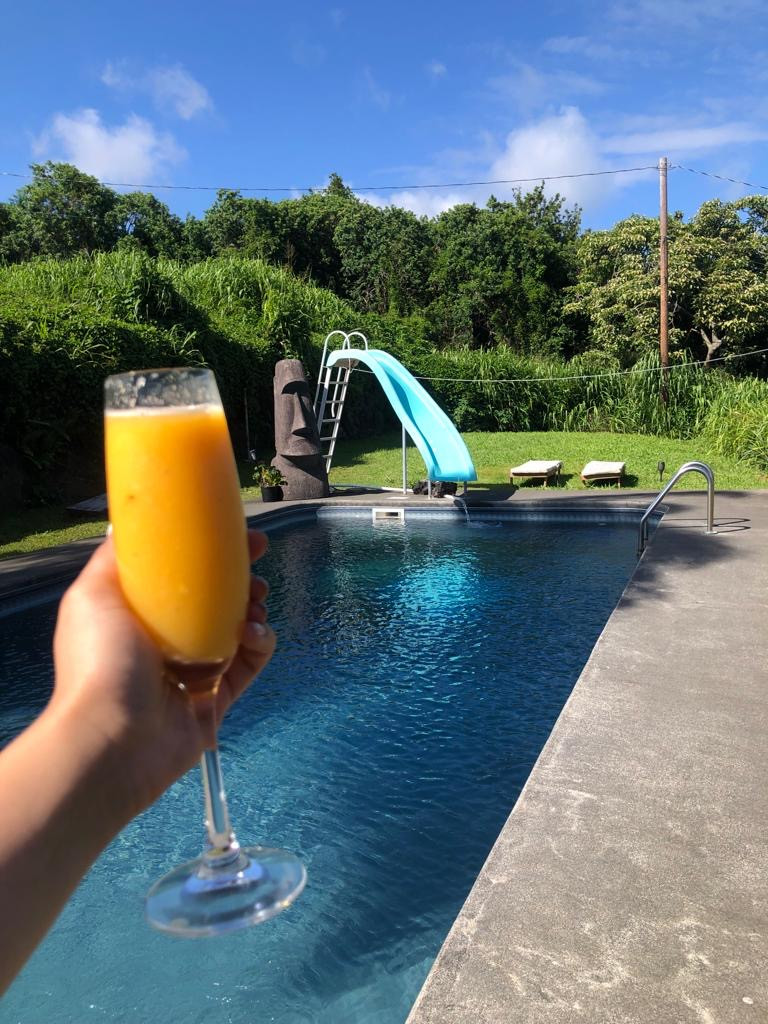
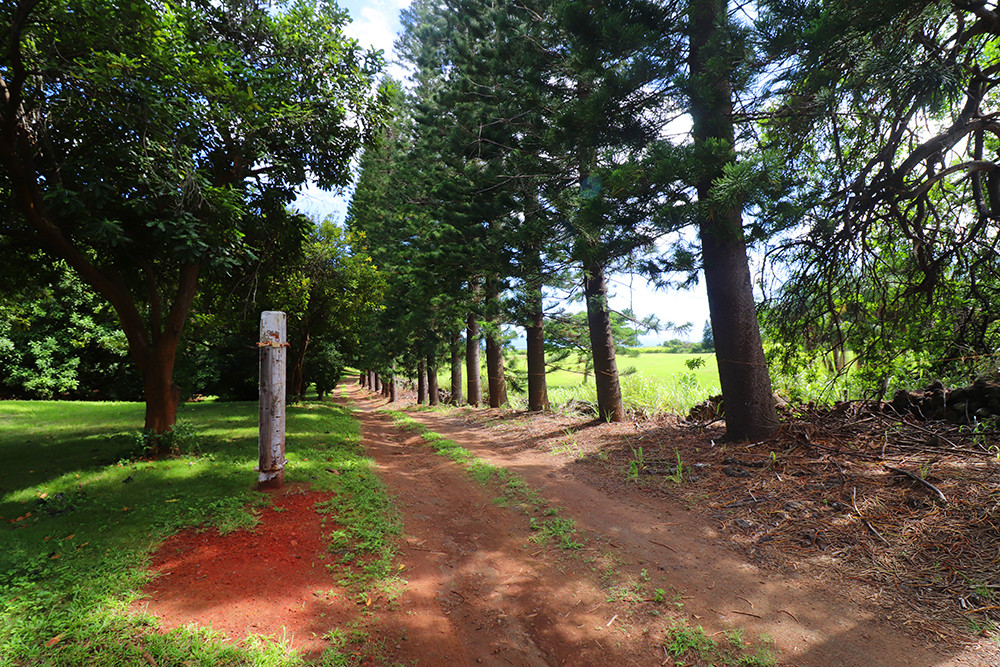
4. Hawaii Island's Best Campsites


5. 🌈 Rainbow’s End Farm & Homestead!


6. Affordable Hawai'i
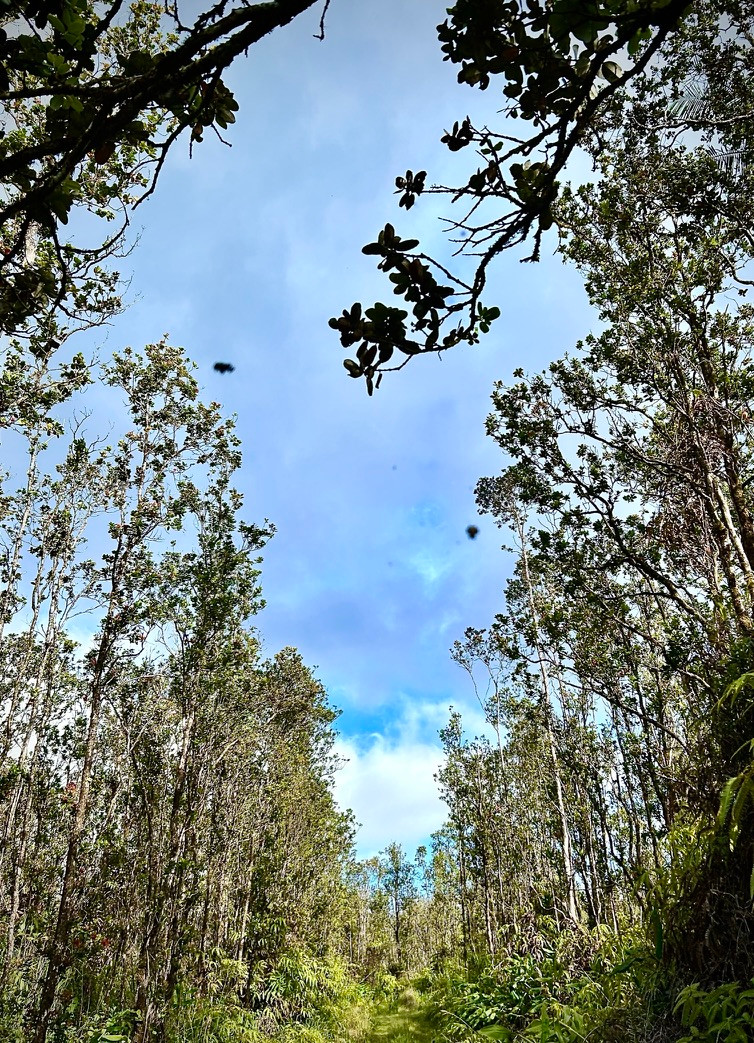
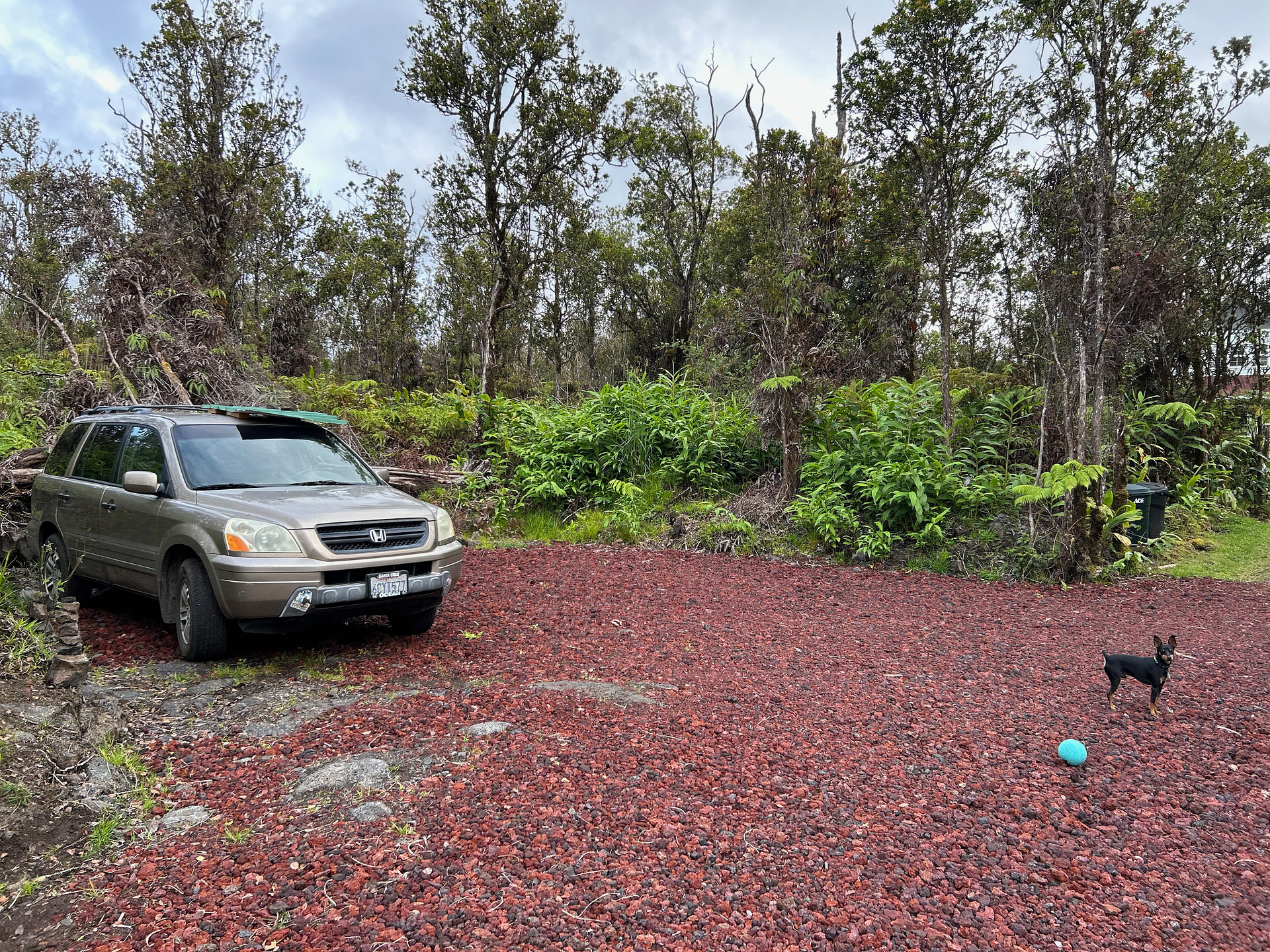
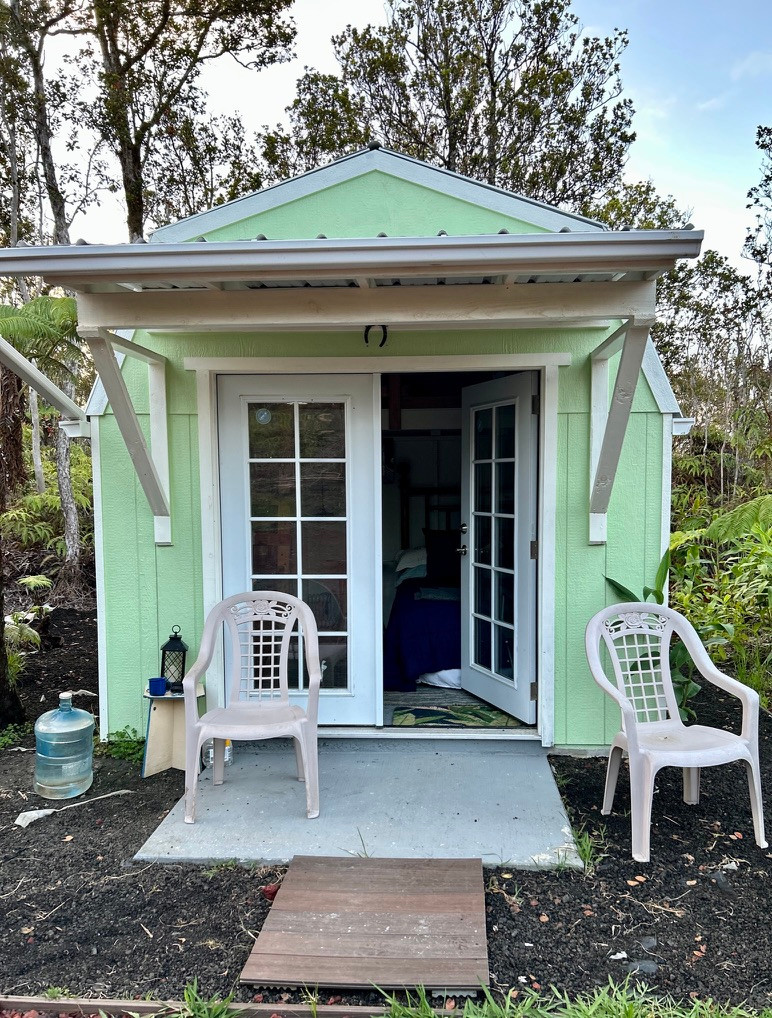
7. Yip Camp and Eco-Retreat Center


8. Aquaponducks Farm
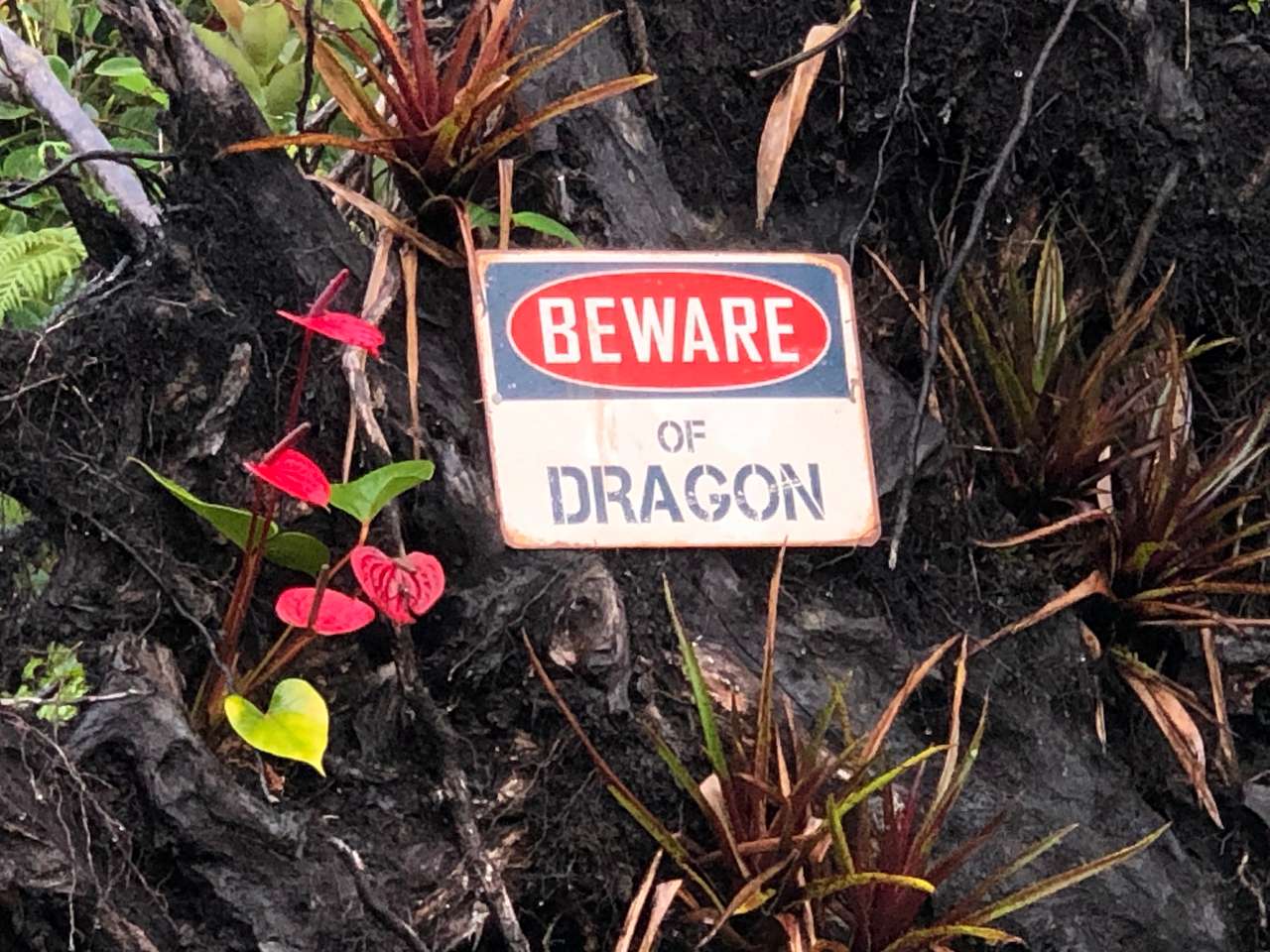


9. Ember & Fern Retreat
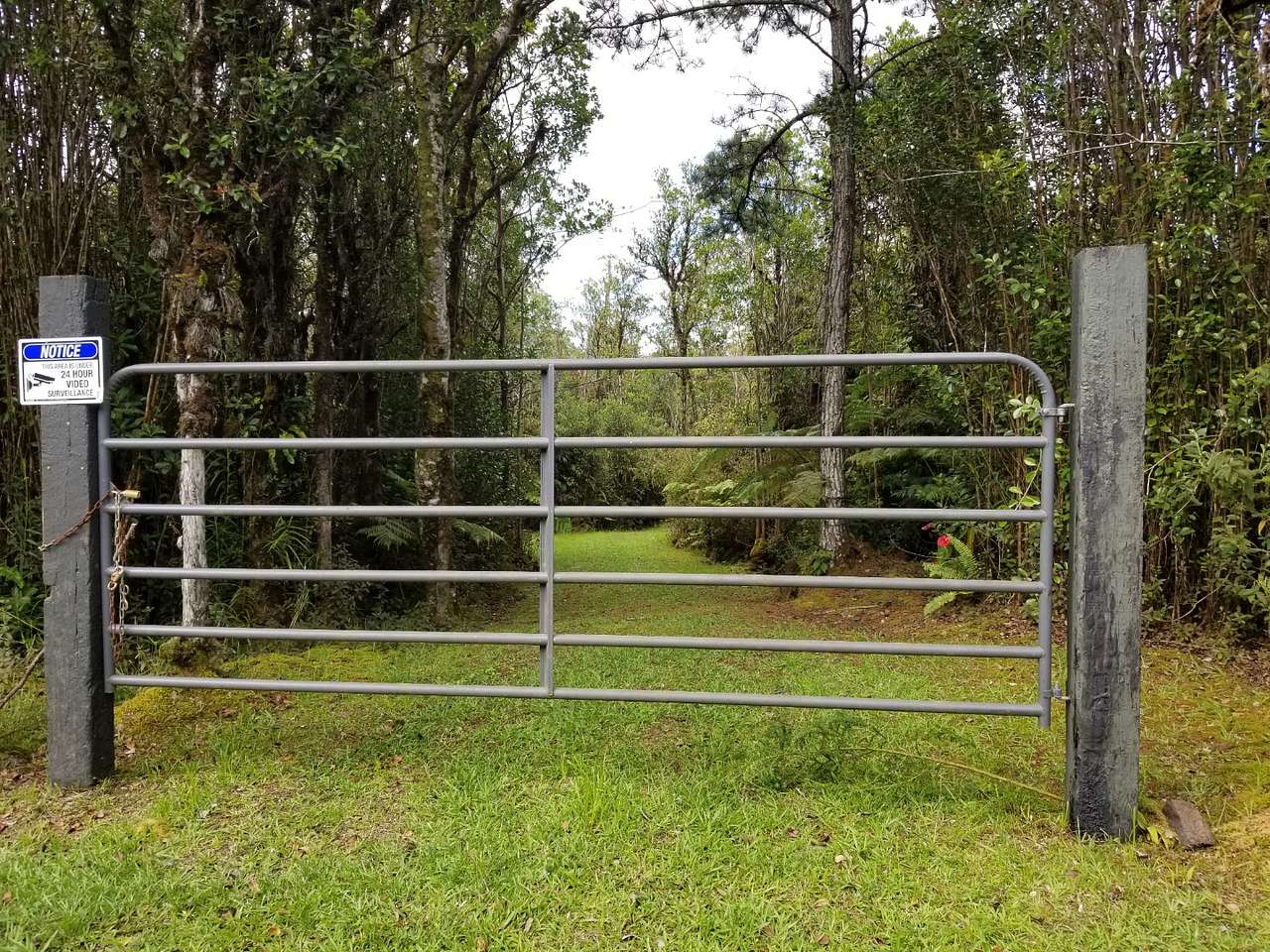
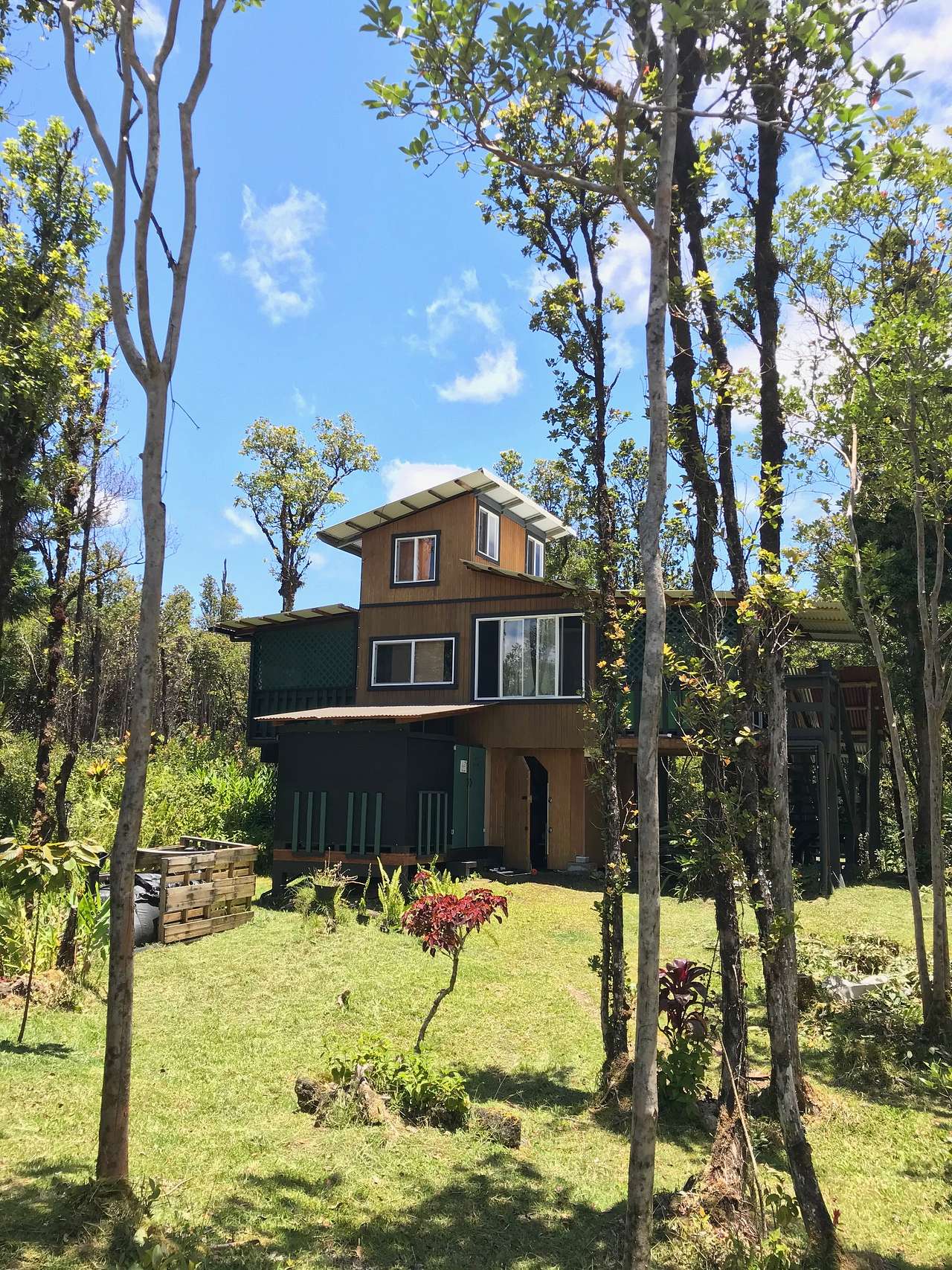
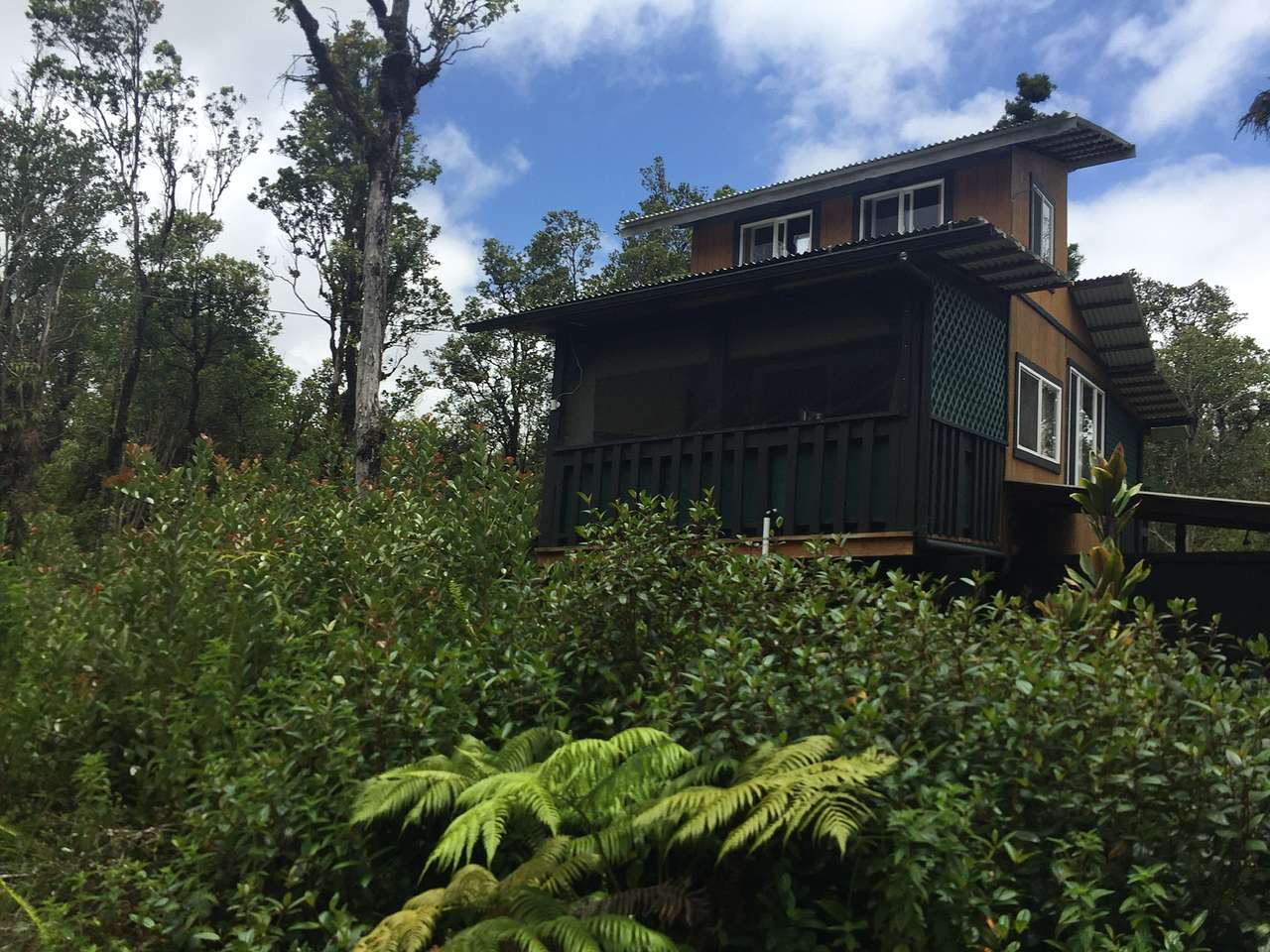
10. Lava Rock Cabin ~ Off Grid Hale


11. FlashTown

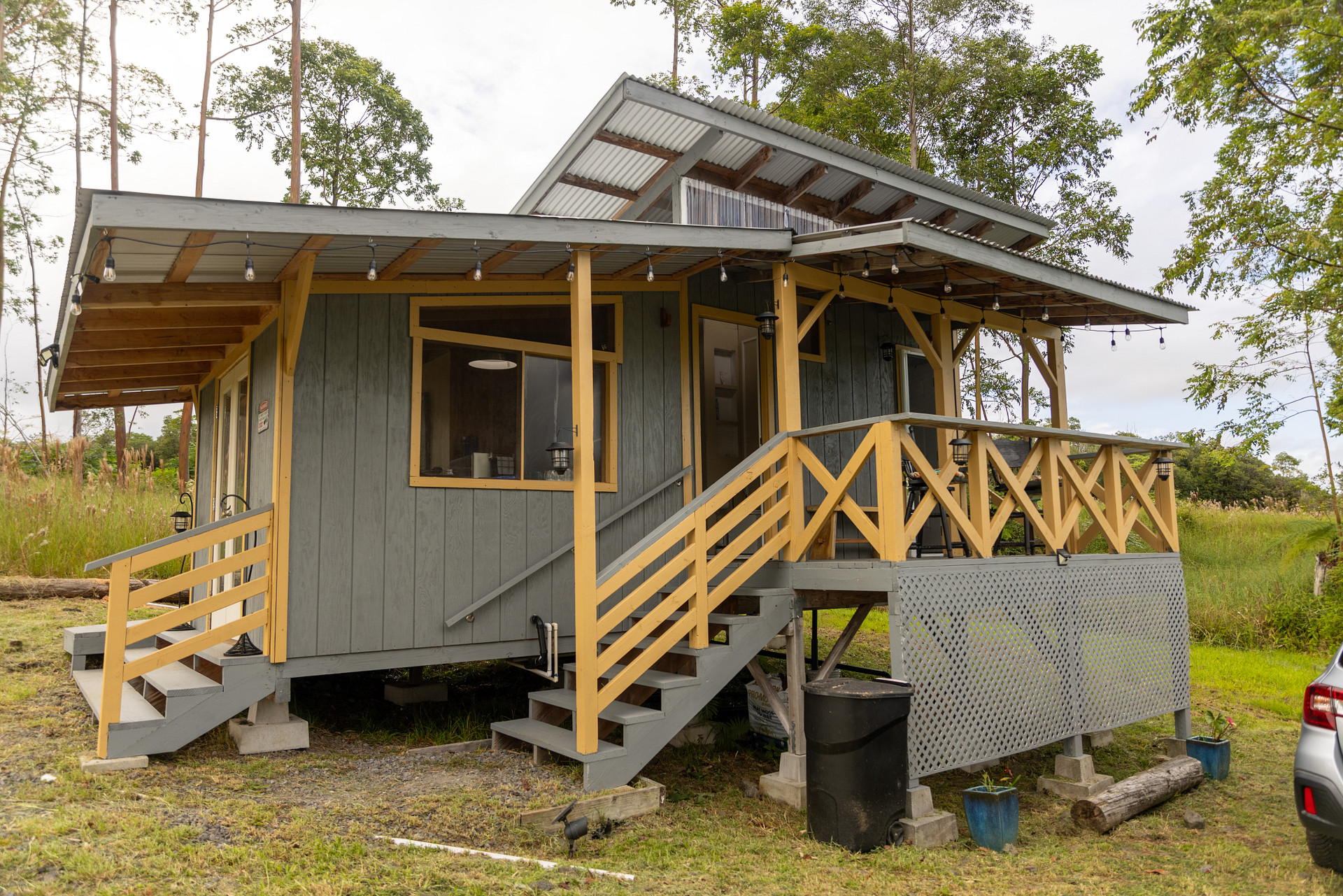
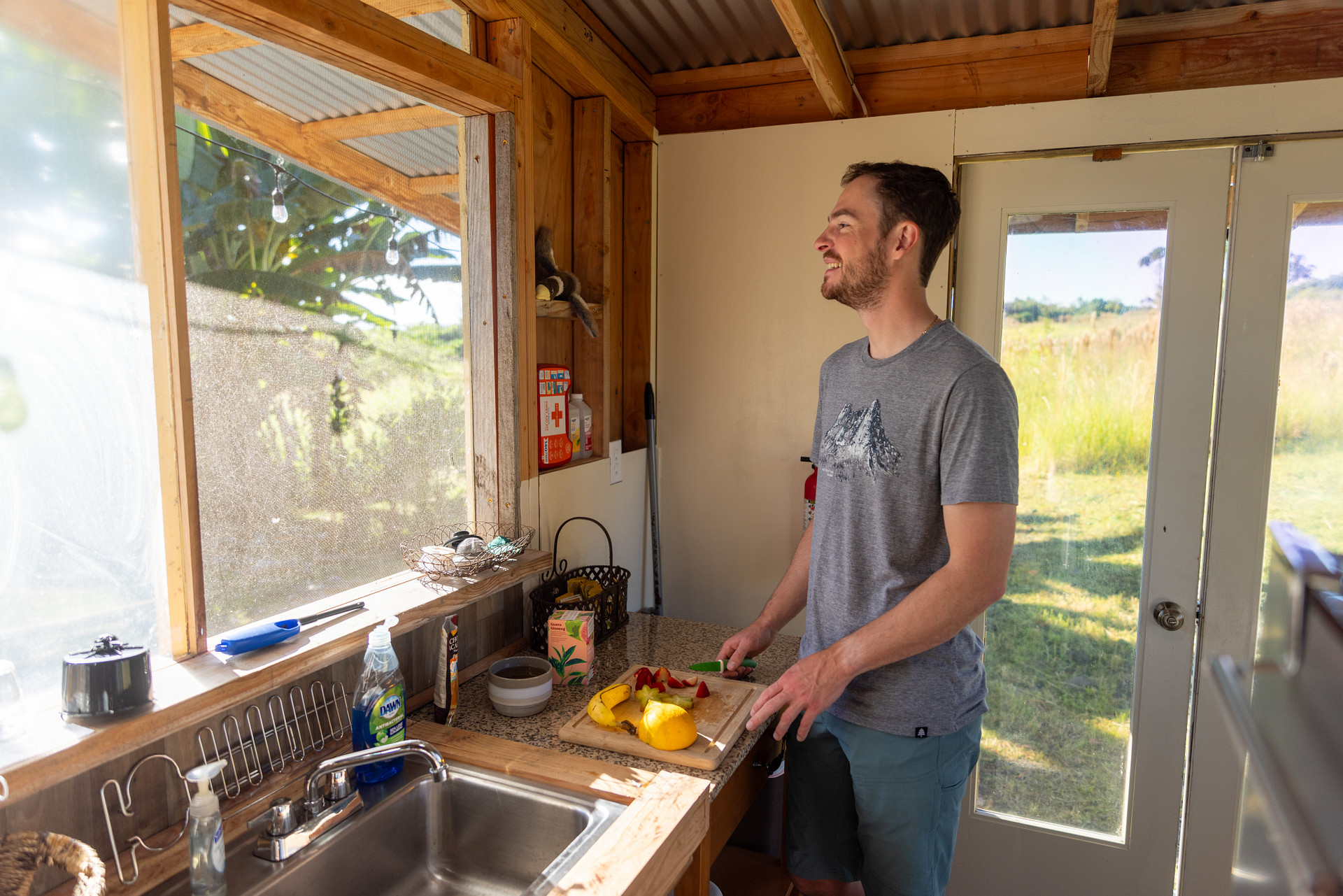
12. The Tranquil Homestead


13. Coco Hut Glamping at Honua La'a


14. Road to the Sea Glamping


15. Hibiscus Oasis


16. Gingerhill Farm Retreat


17. Papa’s Hawaiian Orchid Farm


18. The Kikala Waterfall Lodge


19. The Bali Hale


20. Farm to Table Hawaii
Recent reviews from the Hipcamp community





Hawai'i Volcanoes National Park camping guide
Overview
About
The volcanic hotspot that has been steadily constructing the Hawaiian Island chain for the past 85 million years is still busy under the Big Island. Here, at Hawai‘i Volcanoes National Park, you can get up close and personal with two active volcanoes: Kīlauea, where glowing orange lava is frequently visible, and Mauna Loa, the world’s largest subaerial volcano. Aside from those two standout spots, Hawai‘i Volcanoes is known for hiking and camping, both of which give visitors adventure access to crater rims, alpine deserts, lava tubes, oceanside lava flows, rainforests, and beaches. In addition to preserving the natural settings of Kīlauea and Mauna Loa, the park serves as a refuge for endemic Hawaiian animal and plant species like the Nēnē goose, the ‘I‘iwi honeycreeper, the Hawaiian monk seal, and the iconic ʻŌhiʻa tree.
Notable campgrounds
- Best for families: Nāmakanipaio Campground is centrally located with water and restrooms.
- Best for glamping: The Volcano House lodge or its cabins in Nāmakanipaio are perfect for extra comforts.
- Best for rustic camping: The primitive Kulanaokuaiki Campground has nine campsites.
- Best for backpacking: The park has multiple backcountry campsites, including coastal sites.
Tips for snagging a campsite
- The campgrounds at Nāmakanipaio and Kulanaokuaiki are available on a first-come, first-served basis. Arrive early to snag a spot!
- Backcountry camping permits are also issued on a first-come, first-served basis at the Backcountry Permit Office. Get in touch by calling (808-985-6178).
- The Volcano House lodge is the park’s only formal hotel. Reservations can be made up to a year in advance online.
When to go
Hawai‘i Volcanoes National Park is open year-round. Summers run slightly hotter and drier than winters , but the Big Island’s tropical temperatures and trade winds make for comfortable camping in all seasons. In general, it’s smart to prepare for hot days, cold nights, and rain no matter when you visit. Snow is common on Mauna Loa in winter.
Know before you go
- As part of an active volcano system, the park’s lava presence and flows are always changing. Visit the National Park Service’s “What’s Going On With the Volcanos?” page for current info on seismic activity and lava visibility.
- A range of extreme environments and conditions exist with the park, meaning all visitors should be prepared for UV exposure, heat, and rain. Vog, or volcanic smog, can irritate the skin, eyes, and respiratory system when present. Certain hiking areas on sharp lava rocks require sturdy hiking boots, and hydration is critical year-round.
- Many sites within the park are sacred to Native Hawaiians, including Kīlauea, which is considered the home of the Hawaiian volcano goddess Pele. Accordingly, all visitors are required to treat these sites with respect and aim to leave it better.
- Campers should do their part to prevent the spread of Rapid ʻŌhiʻa Death (ROD), a fungal disease that has been killing the park’s ʻŌhiʻa trees. Stay on established trails and spray your shoes with a 70% rubbing alcohol solution before and after hiking.
Reviews for Hawai'i Volcanoes National Park Campgrounds
Frequently Asked Questions
It is recommended to spend at least two to three days in Hawai'i Volcanoes National Park to fully experience its diverse landscapes, volcanic features, and hiking trails. This will allow you to explore the main attractions, such as the Kīlauea Visitor Center, Crater Rim Drive, Chain of Craters Road, and various hiking trails like Kīlauea Iki Trail and Thurston Lava Tube. However, if you have more time and want to immerse yourself in the park's beauty and unique geological features, you can easily spend a week or more exploring the park.