- Lymington
Luxury caravan parks near Lymington
Top-rated campgrounds near Lymington
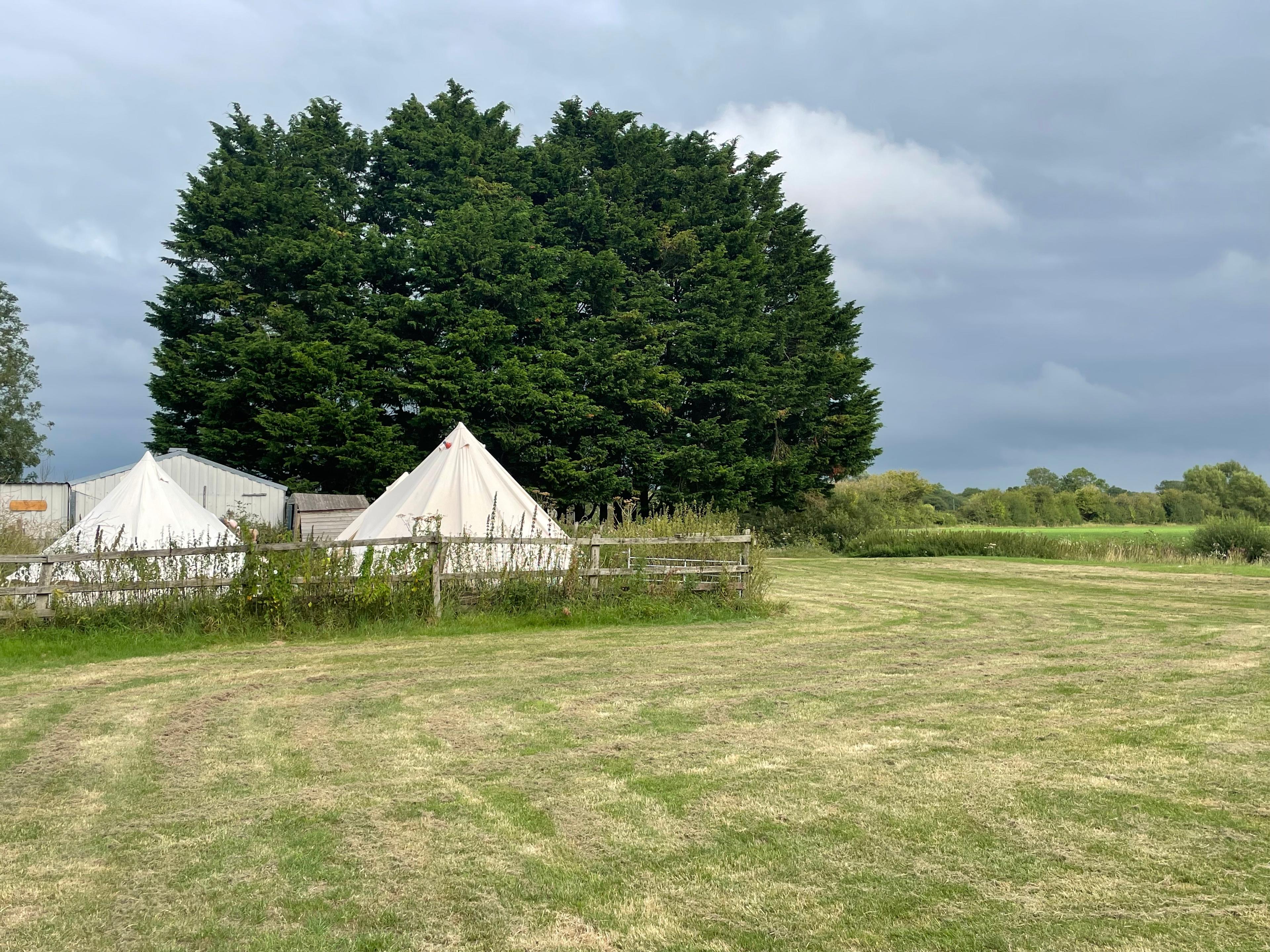
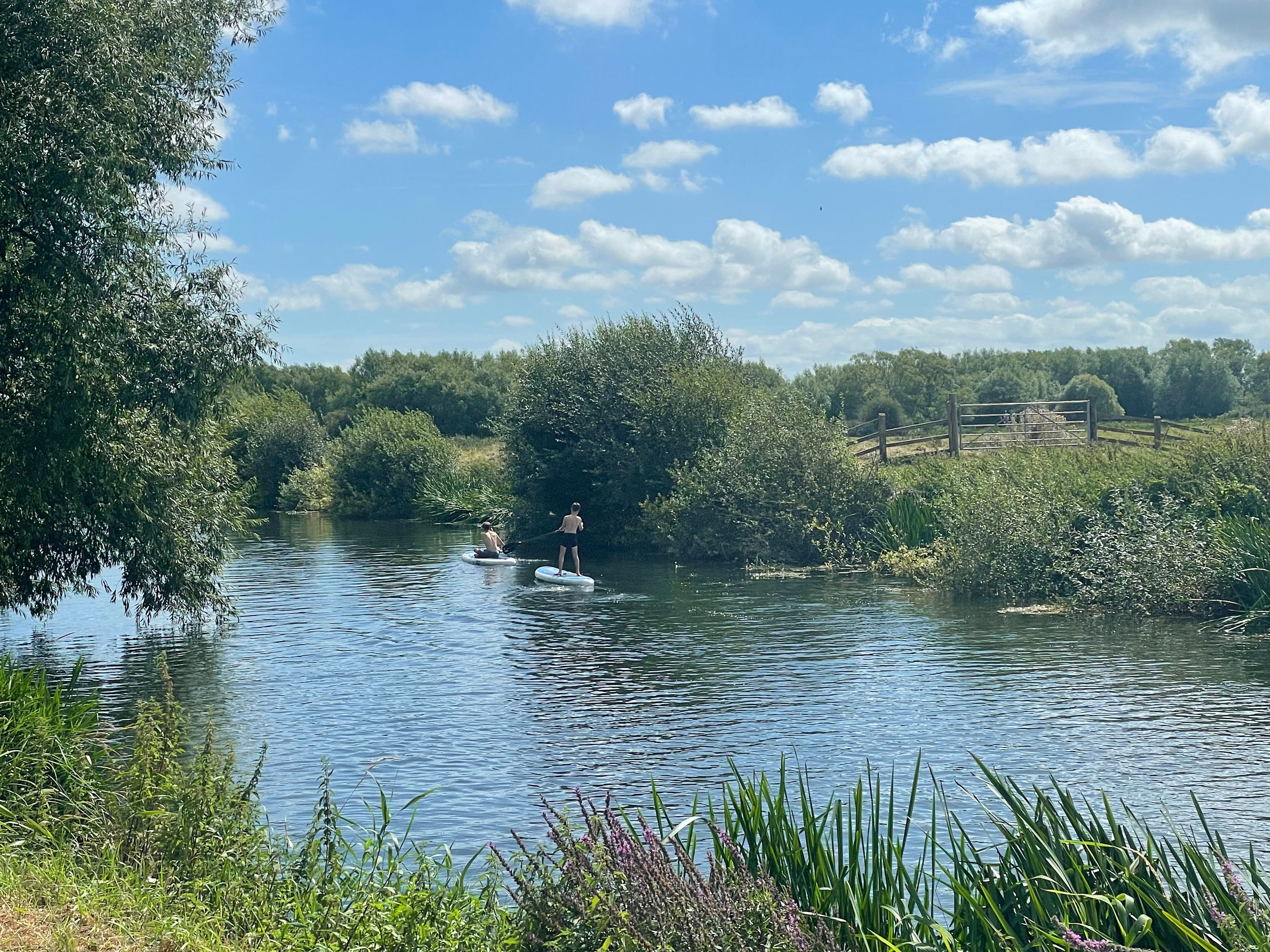
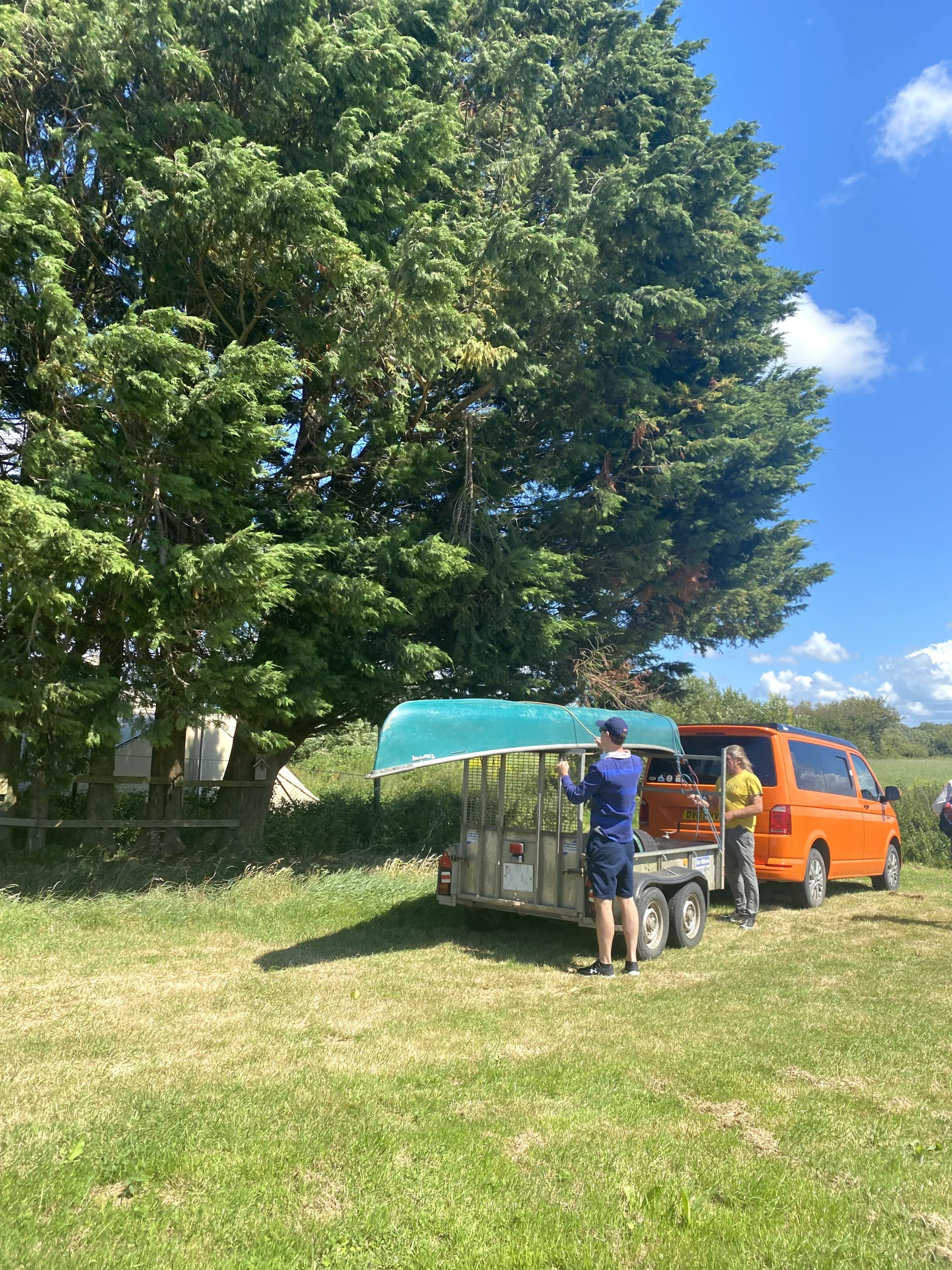
1. Little Eden Riverside Campsite
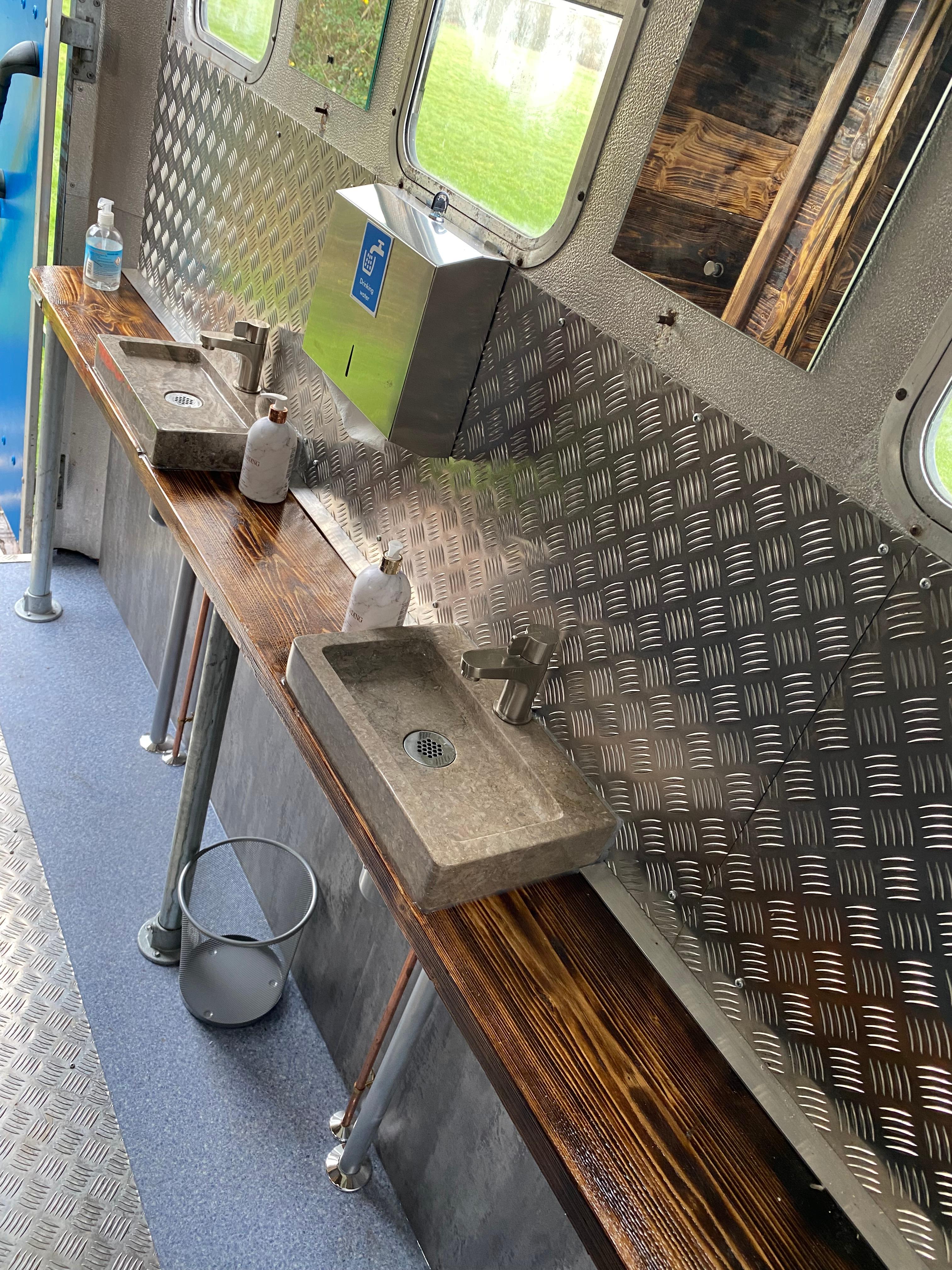
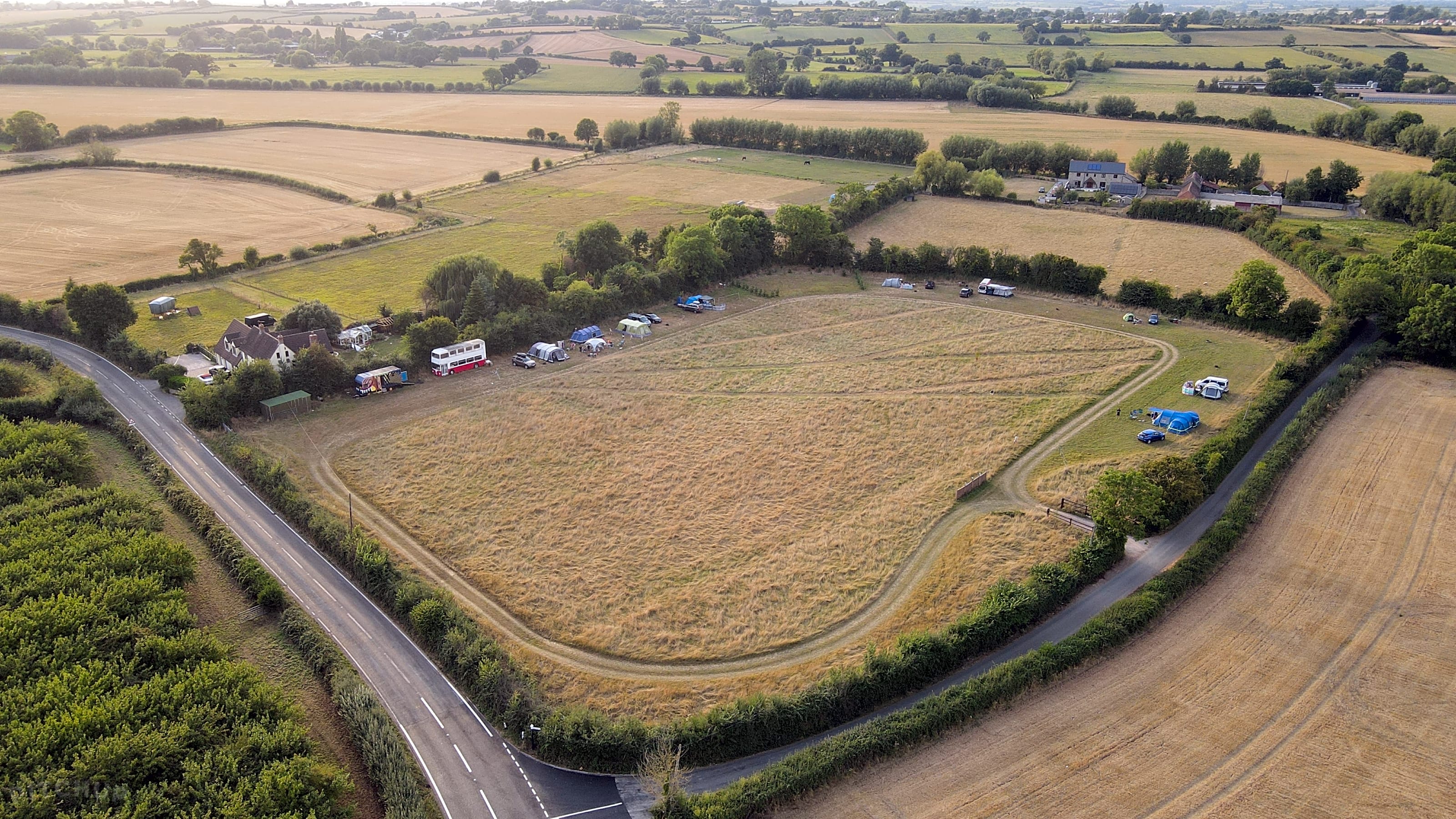
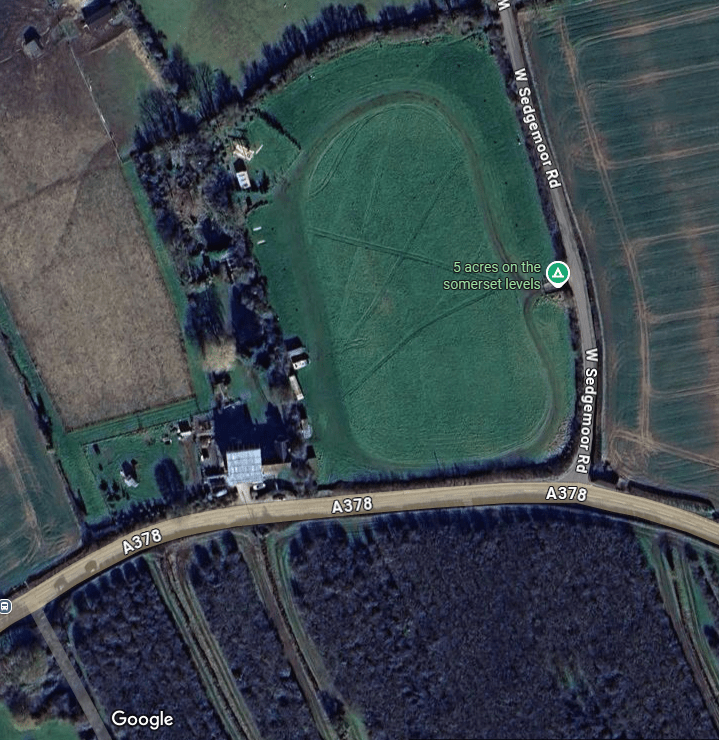
2. Camping5Acres
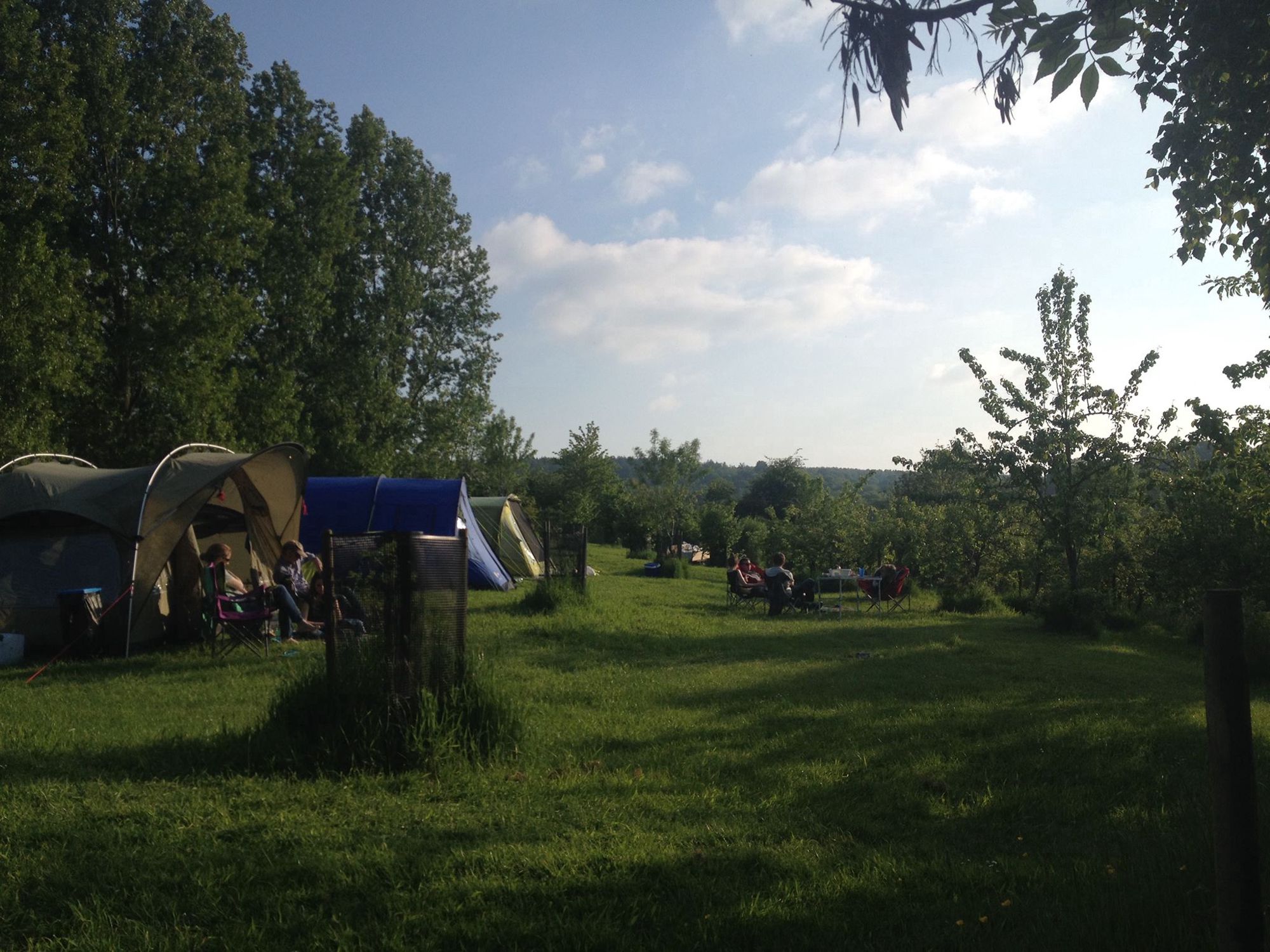
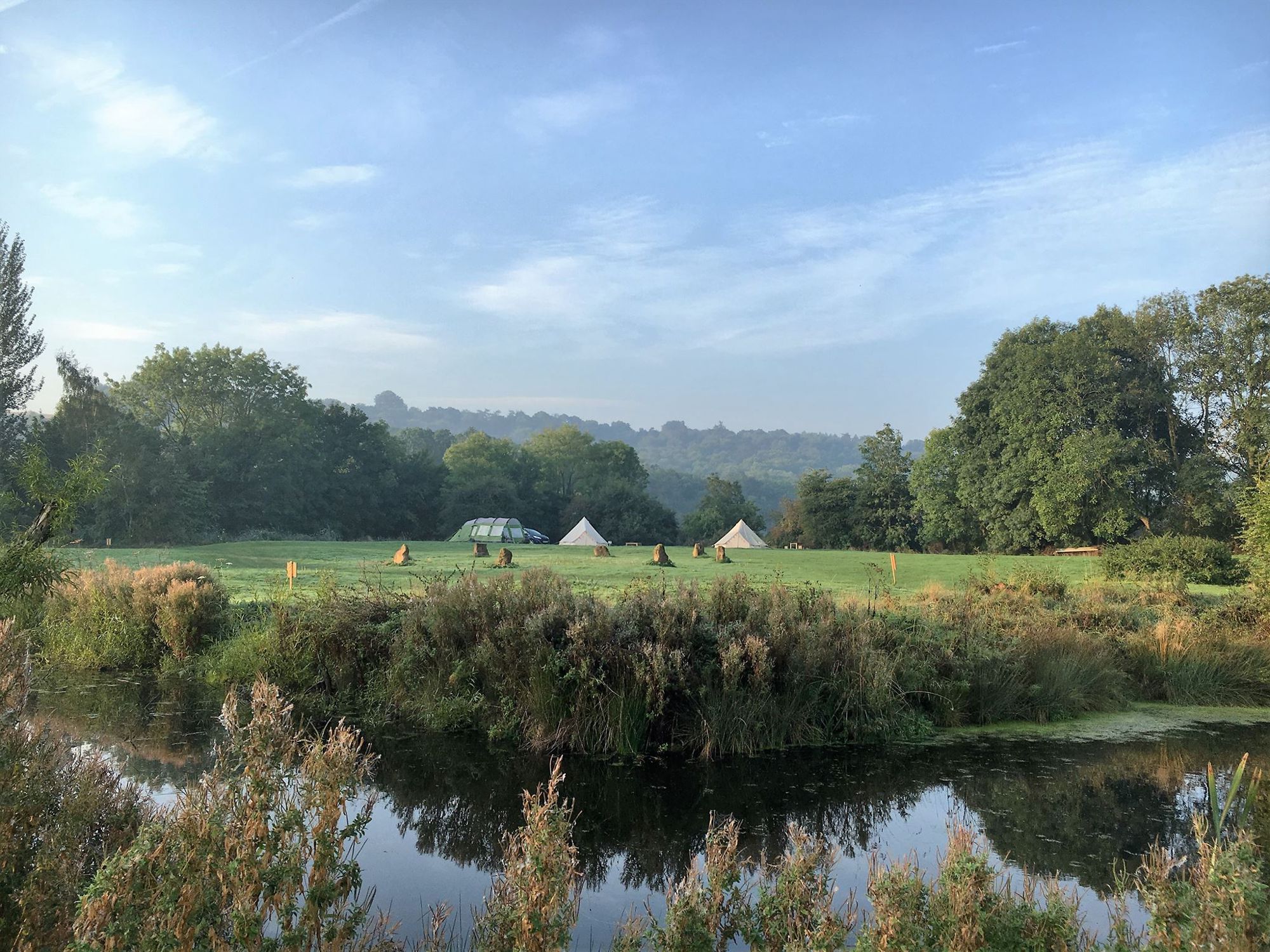
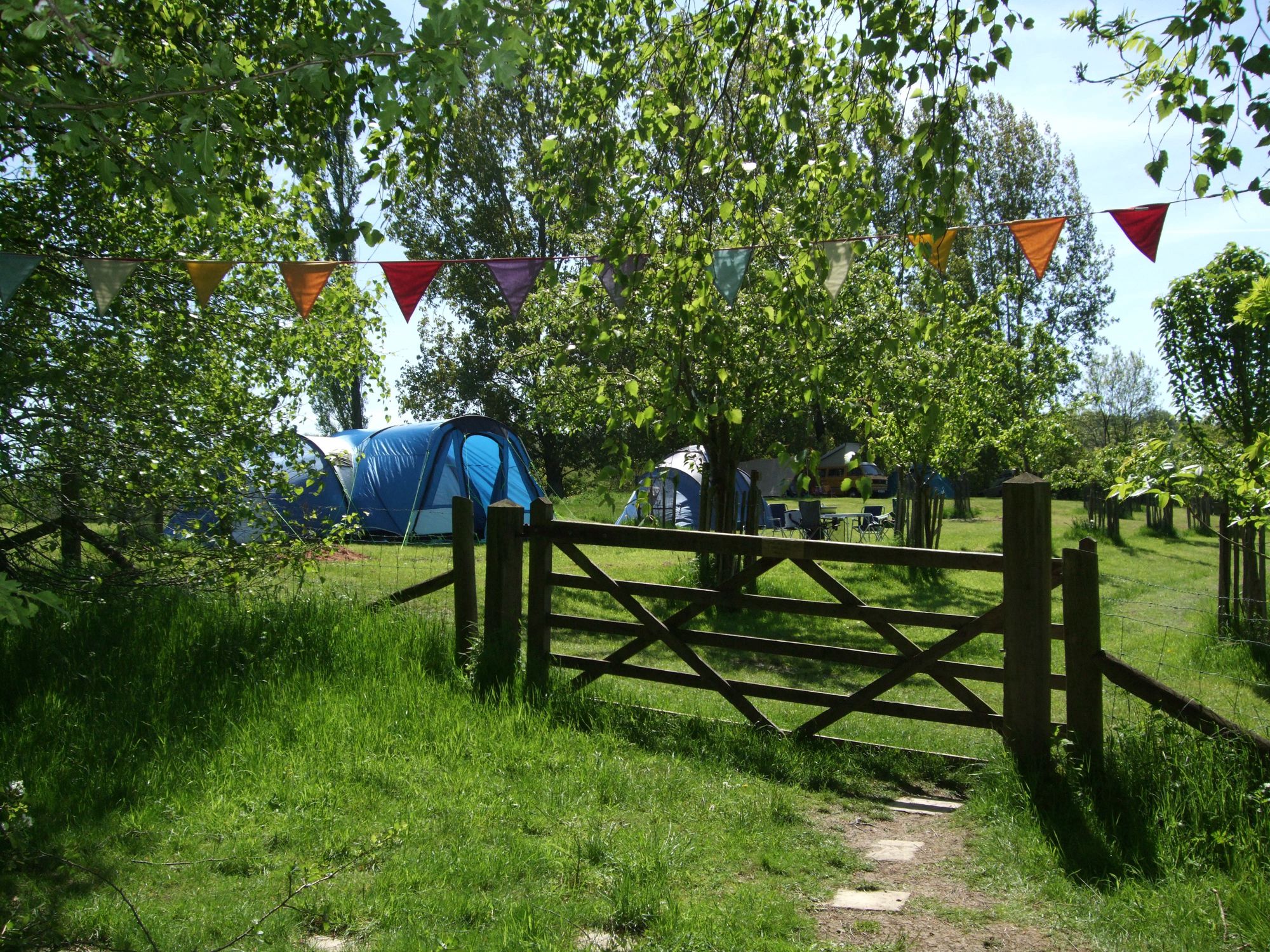
3. Cotswolds Camping at Holycombe
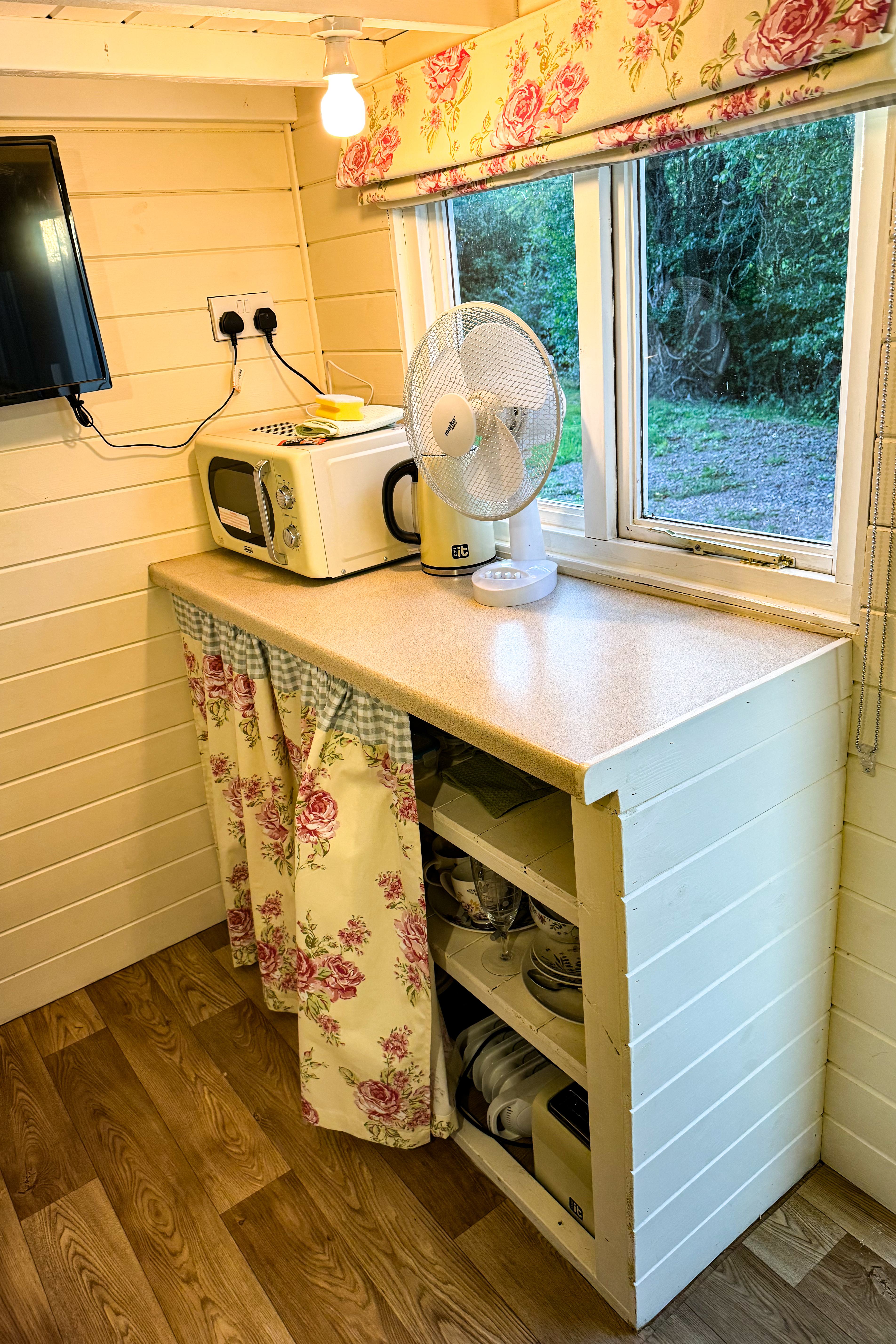
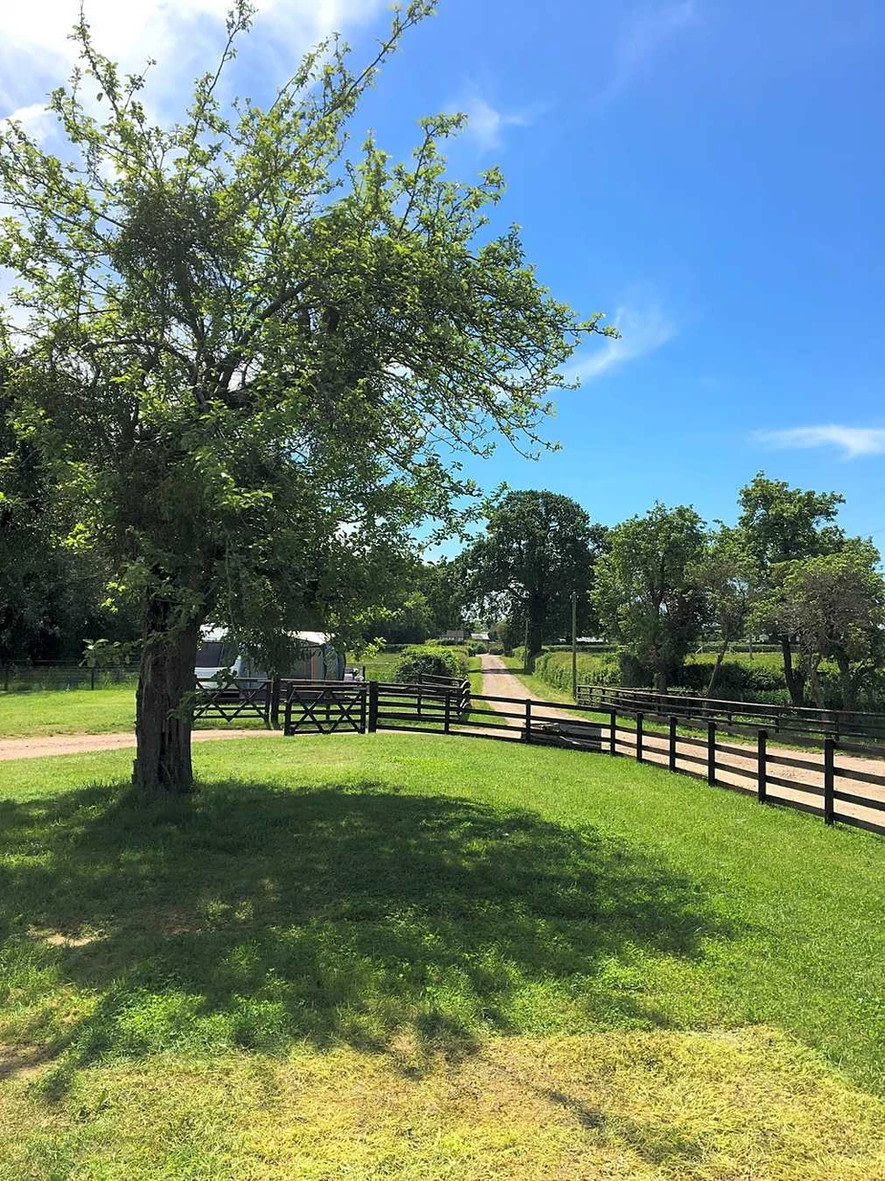
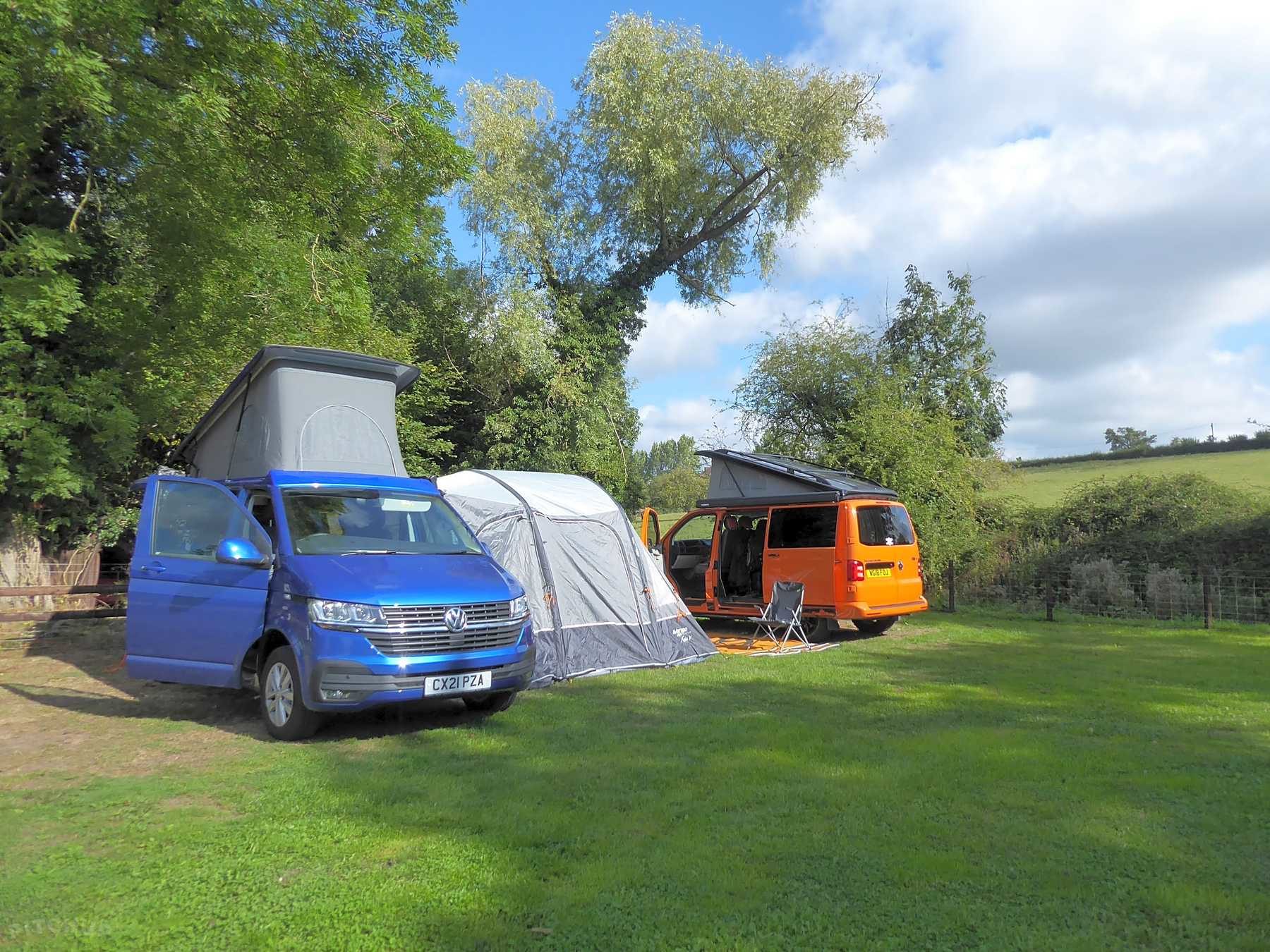
4. Berrends Farm
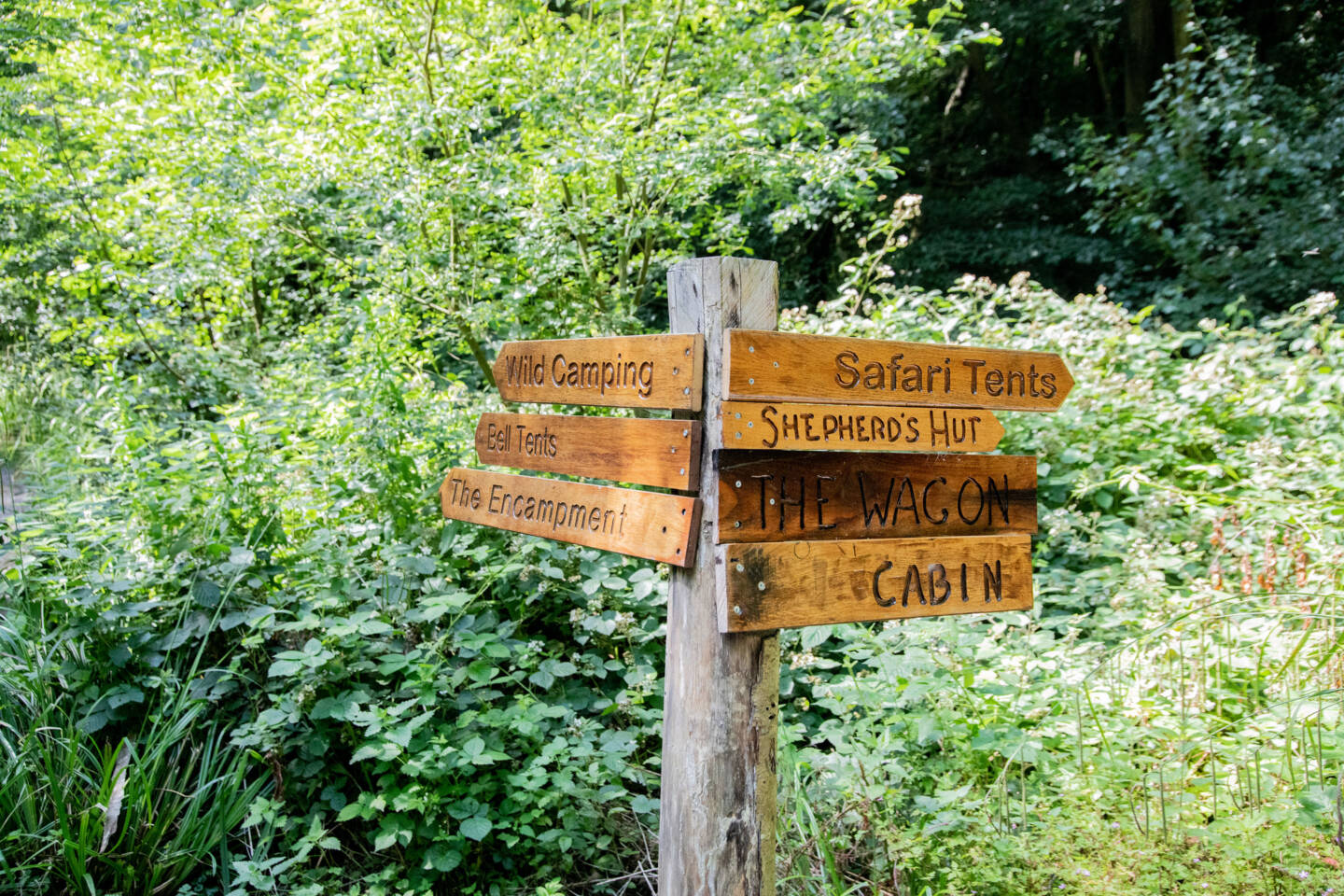
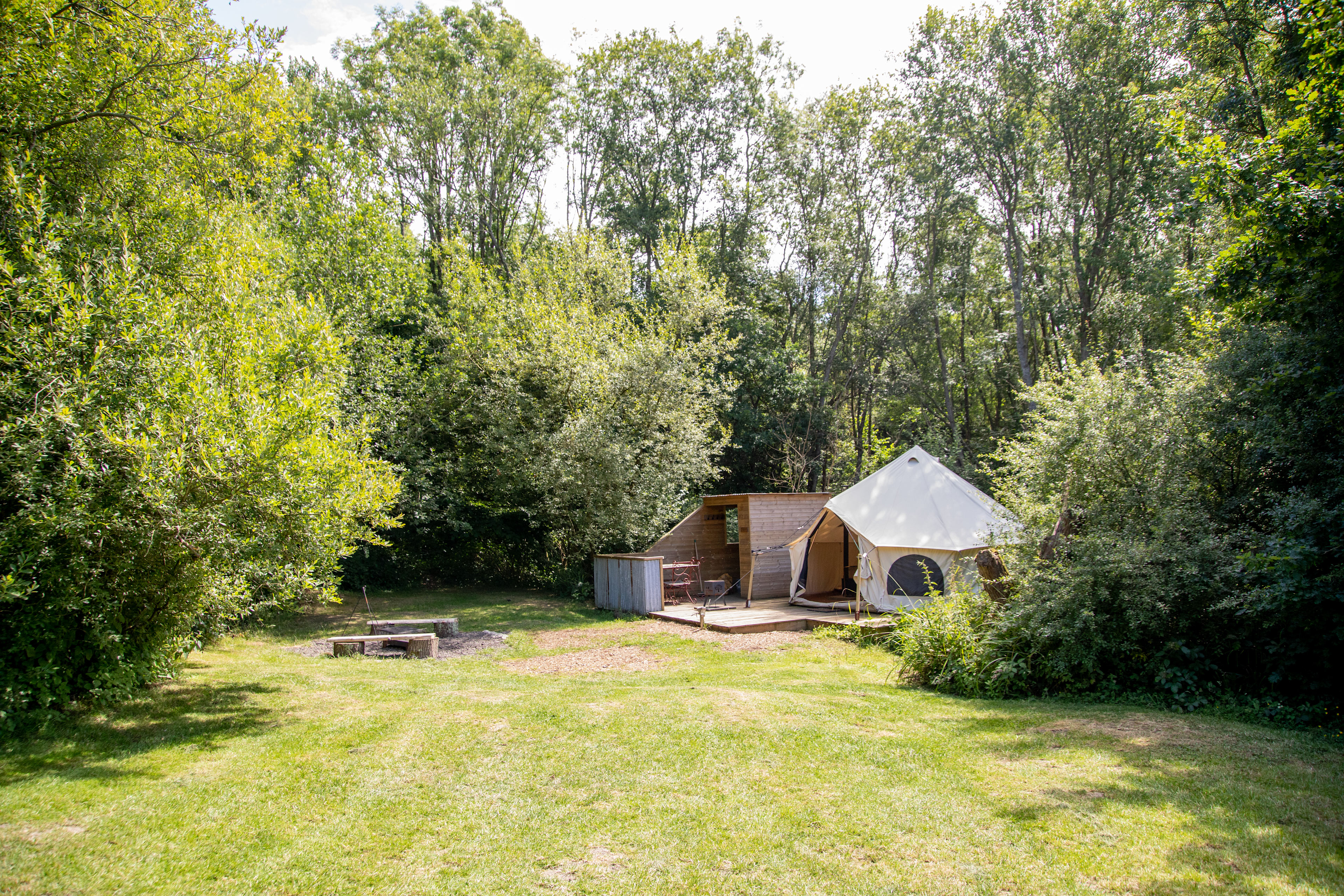
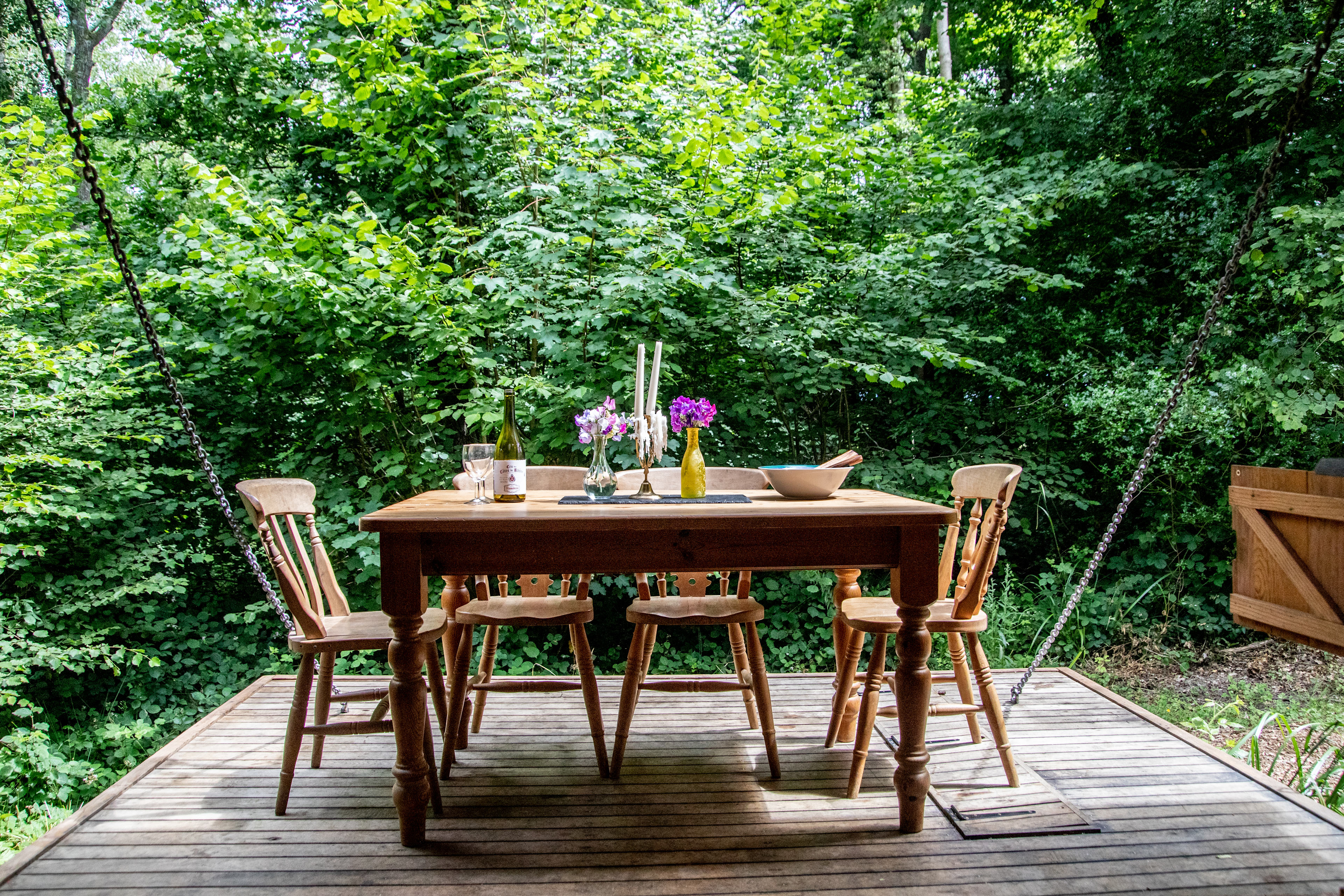
5. Dernwood Farm Wild Camping
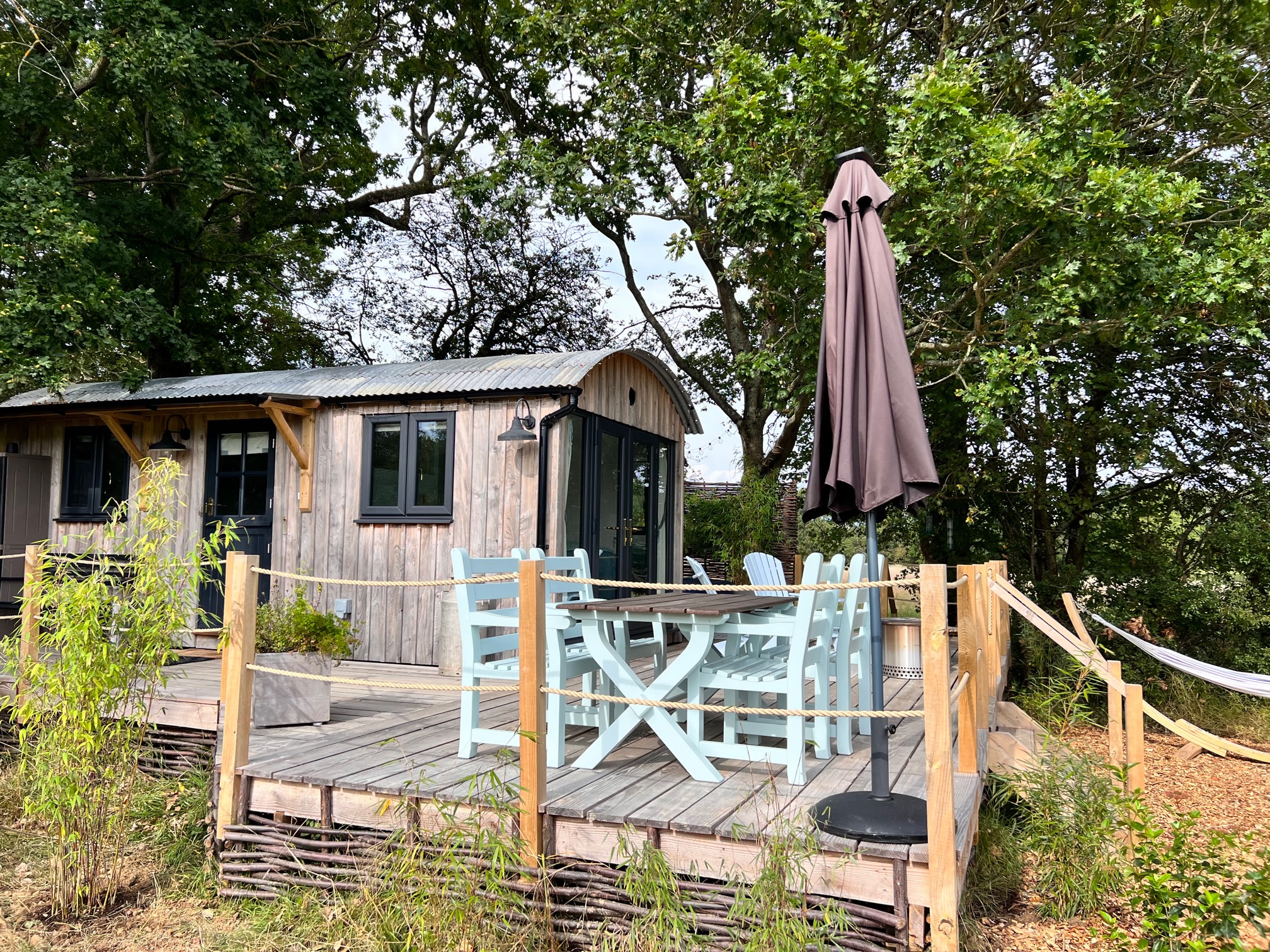
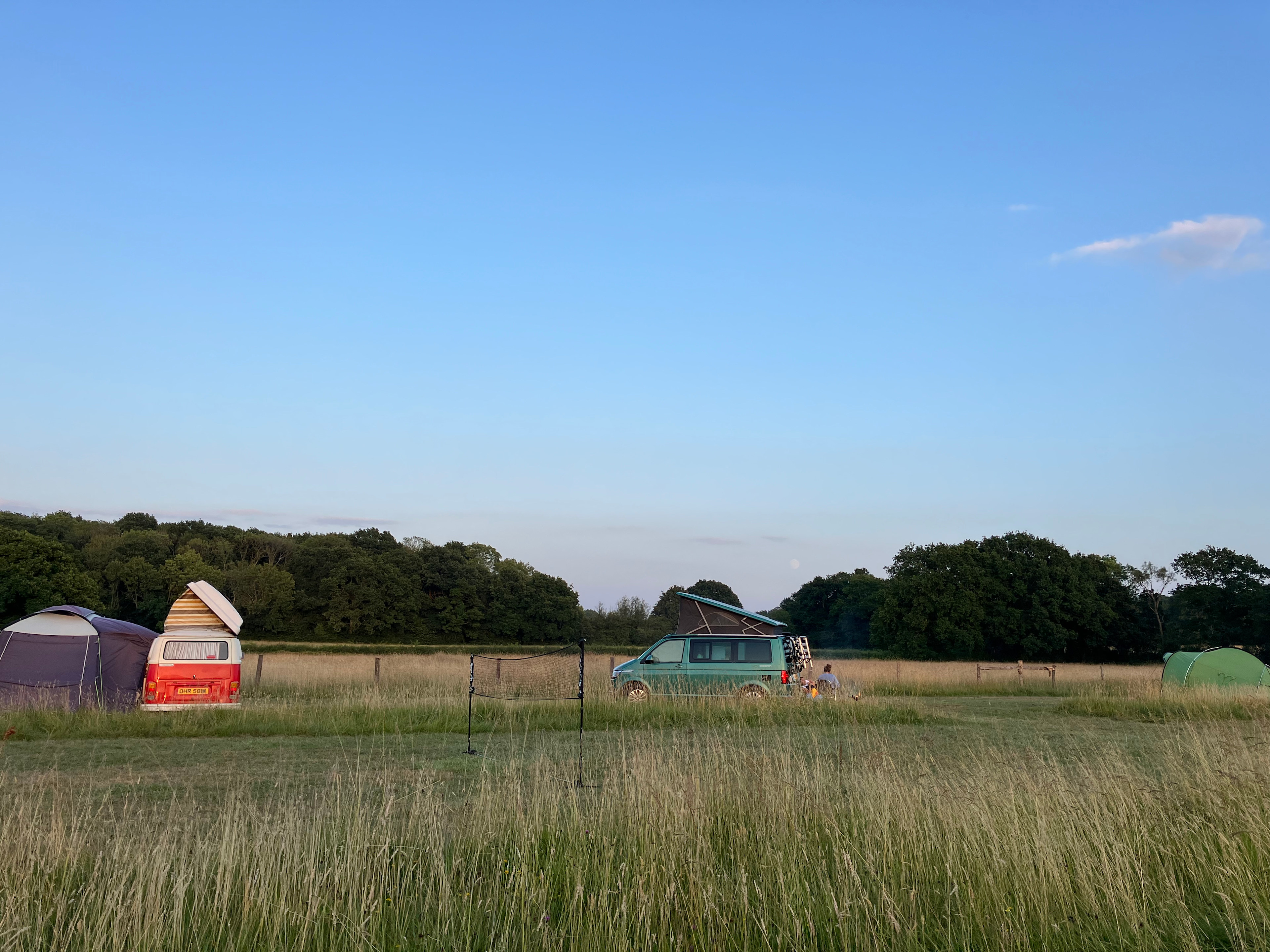
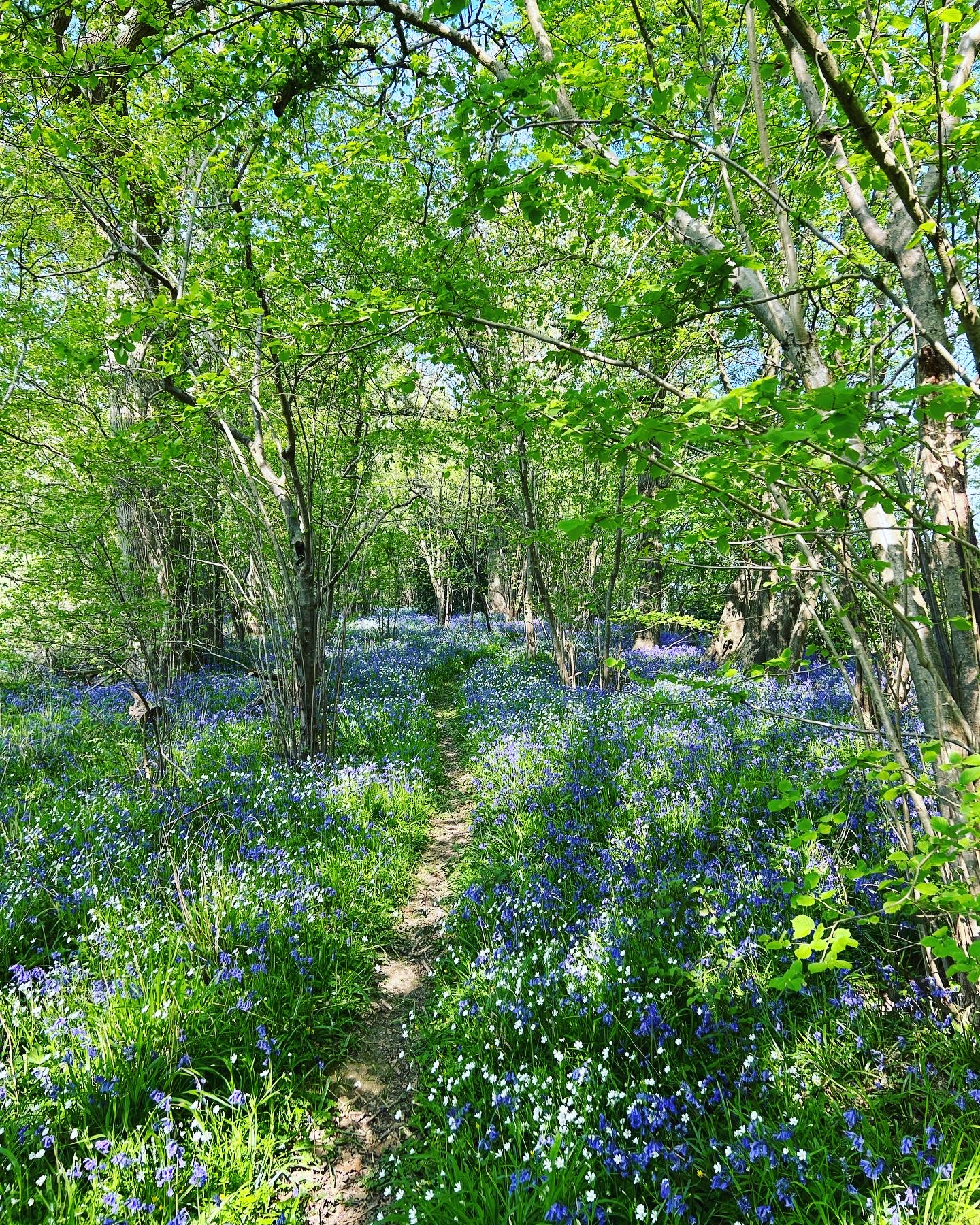
6. Cattlestone Farm Adult Only
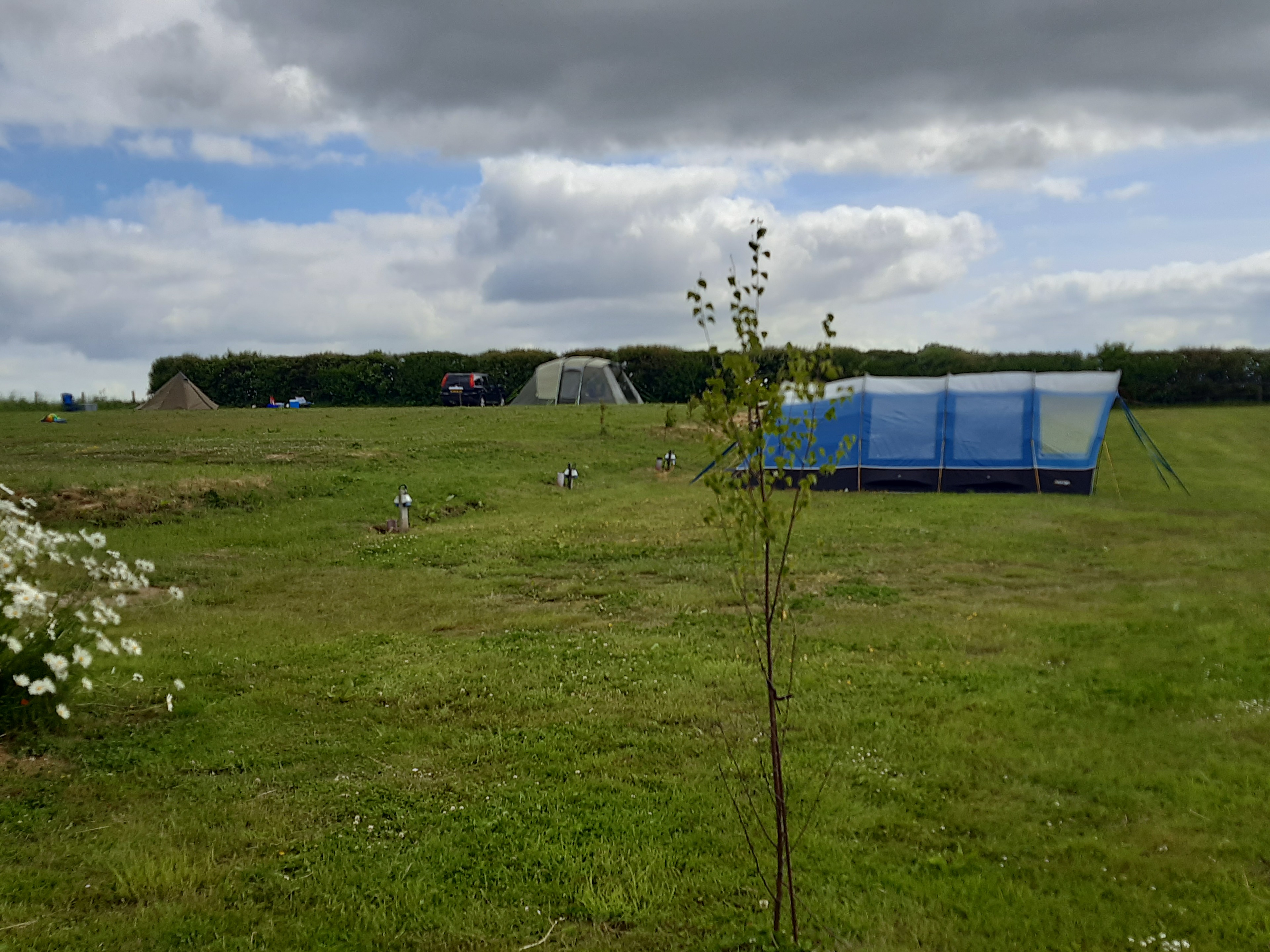
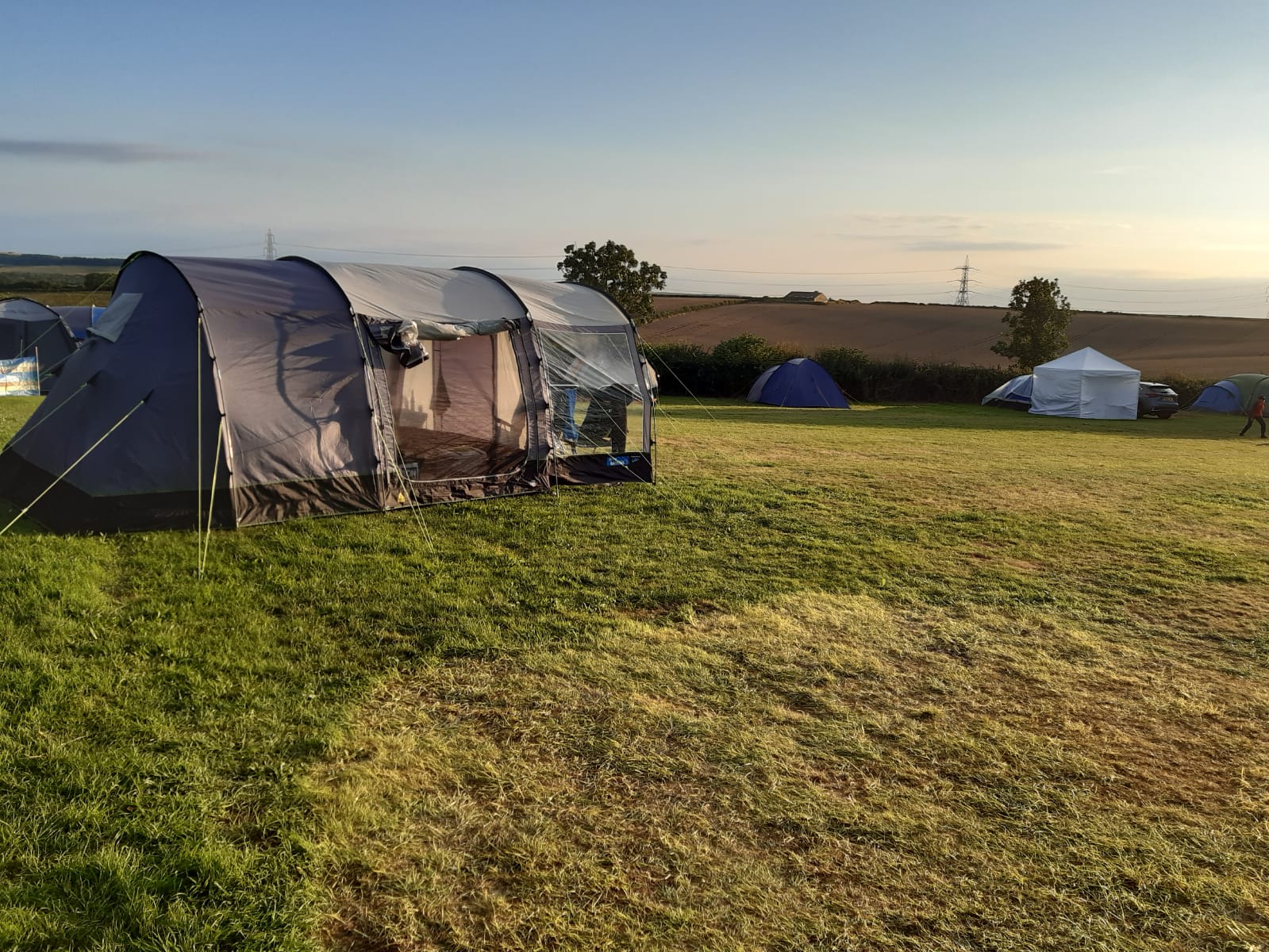
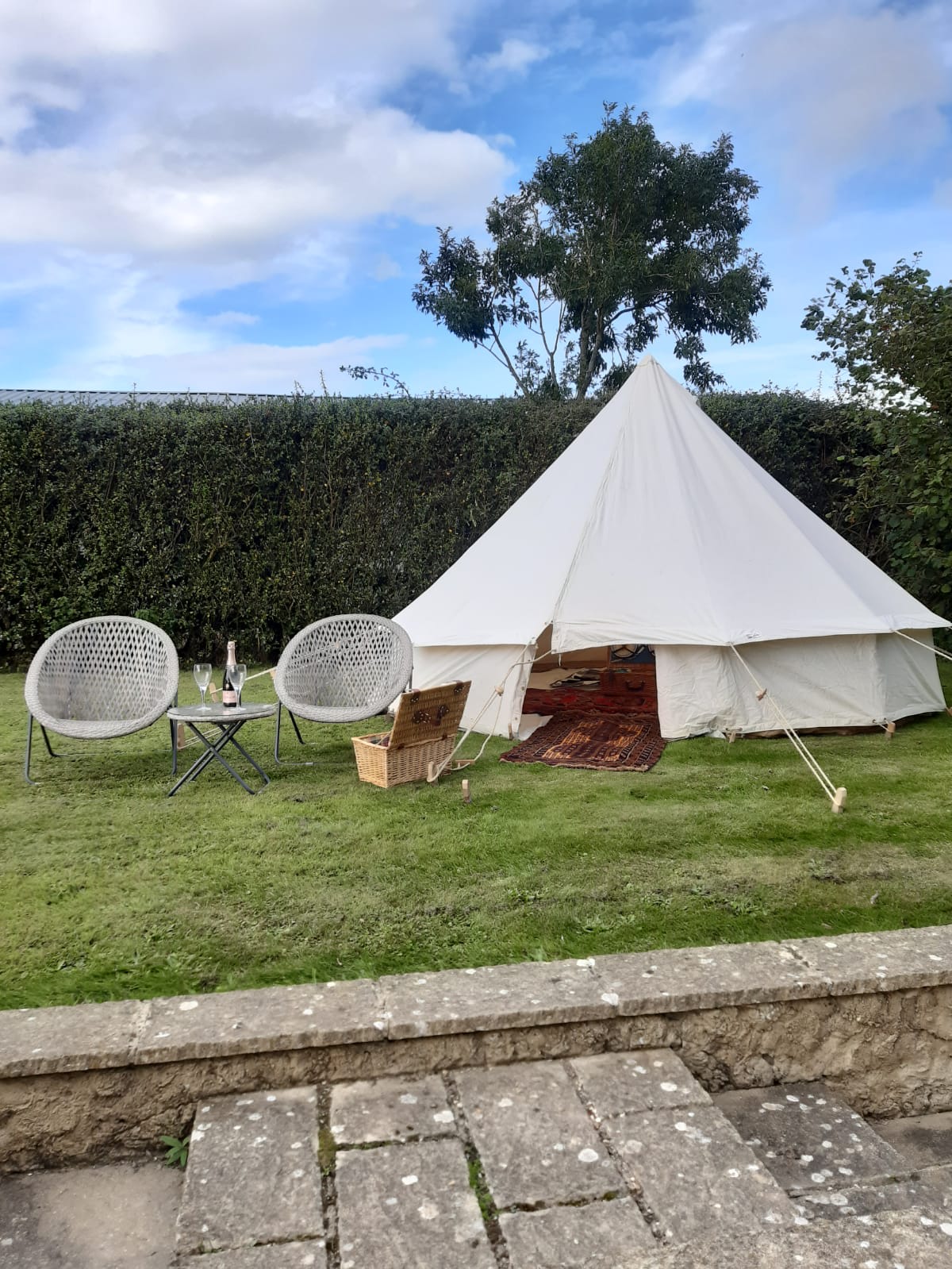
7. Hardyes Countryside Camping
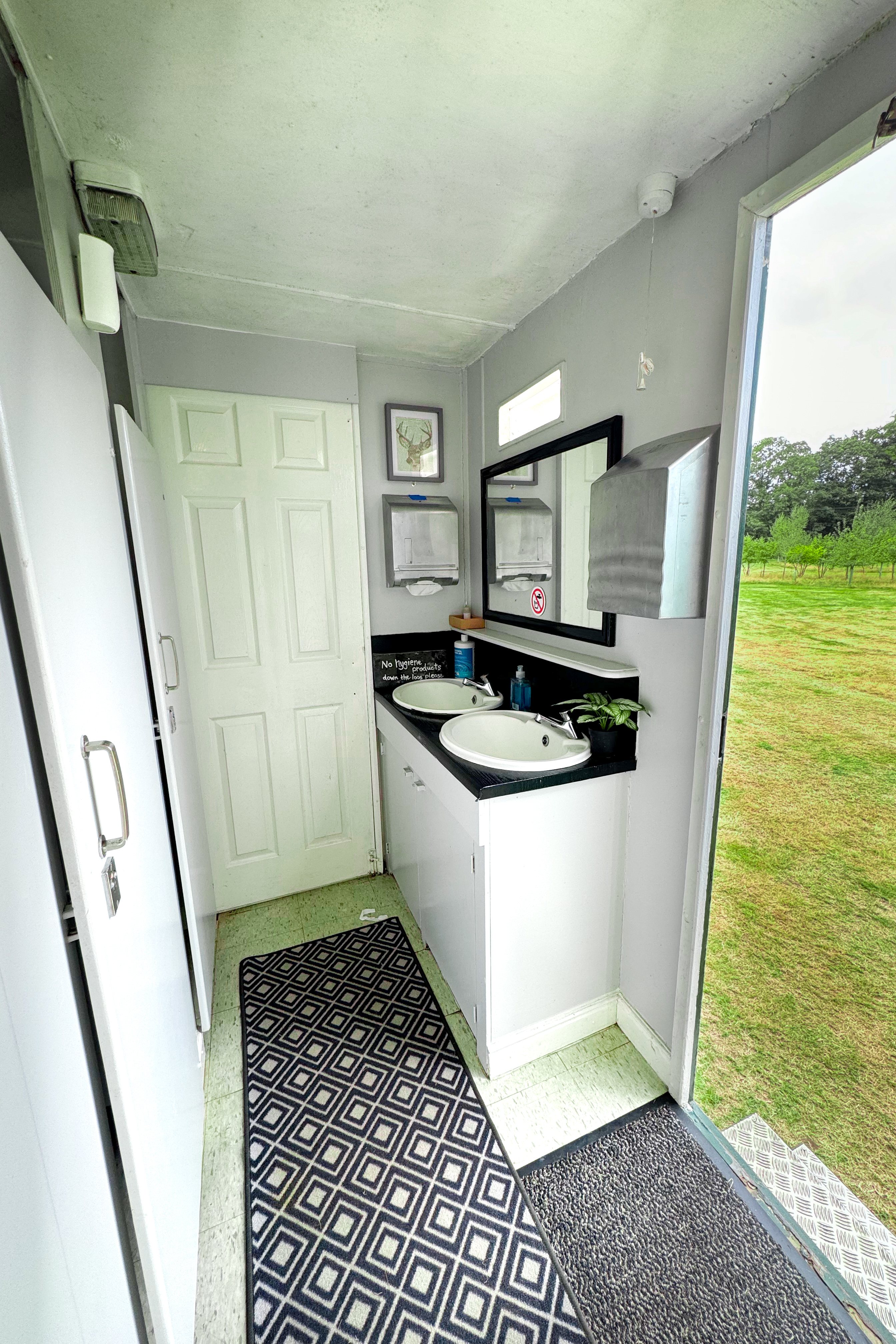
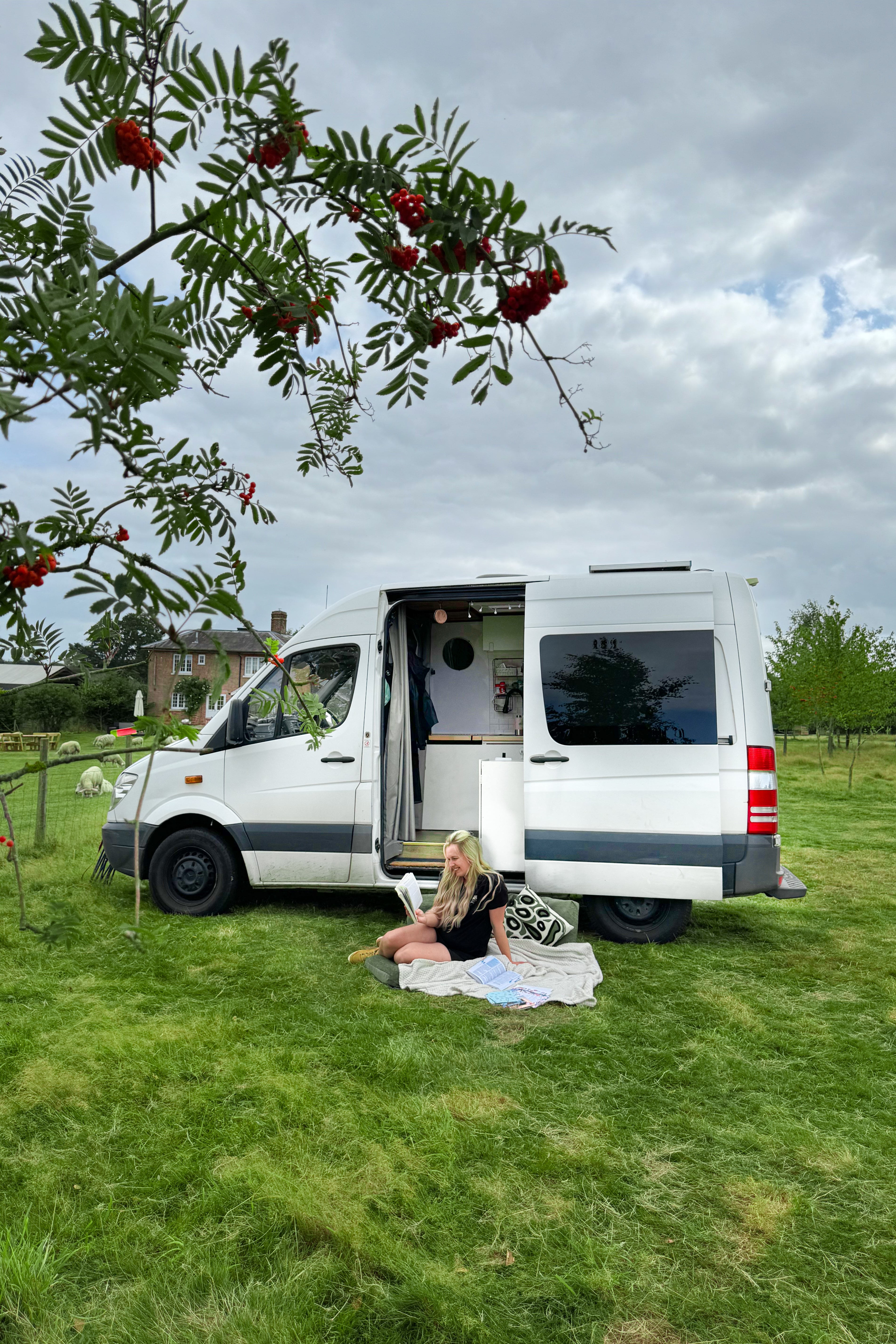
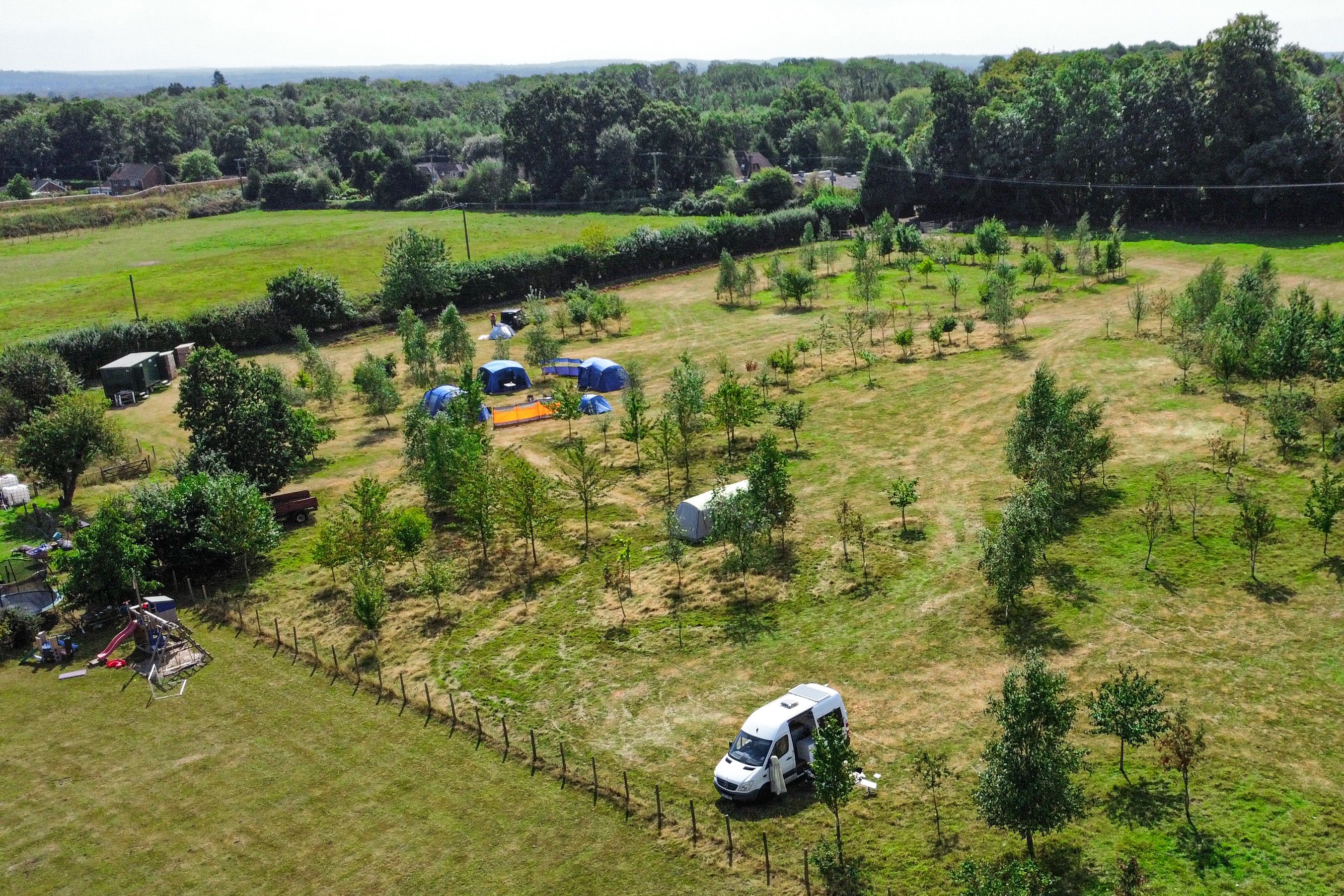
8. Small Trees Campsite
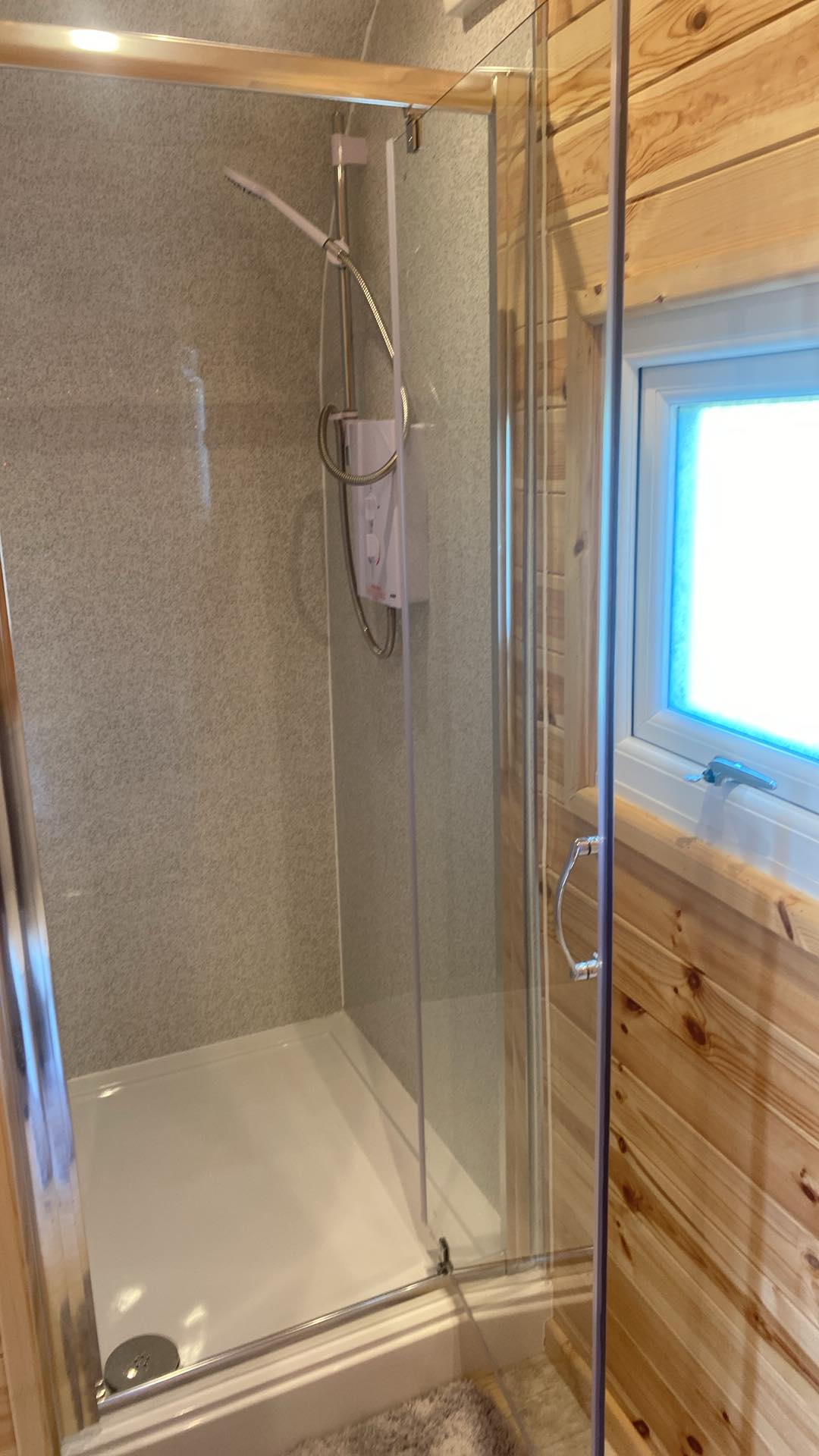
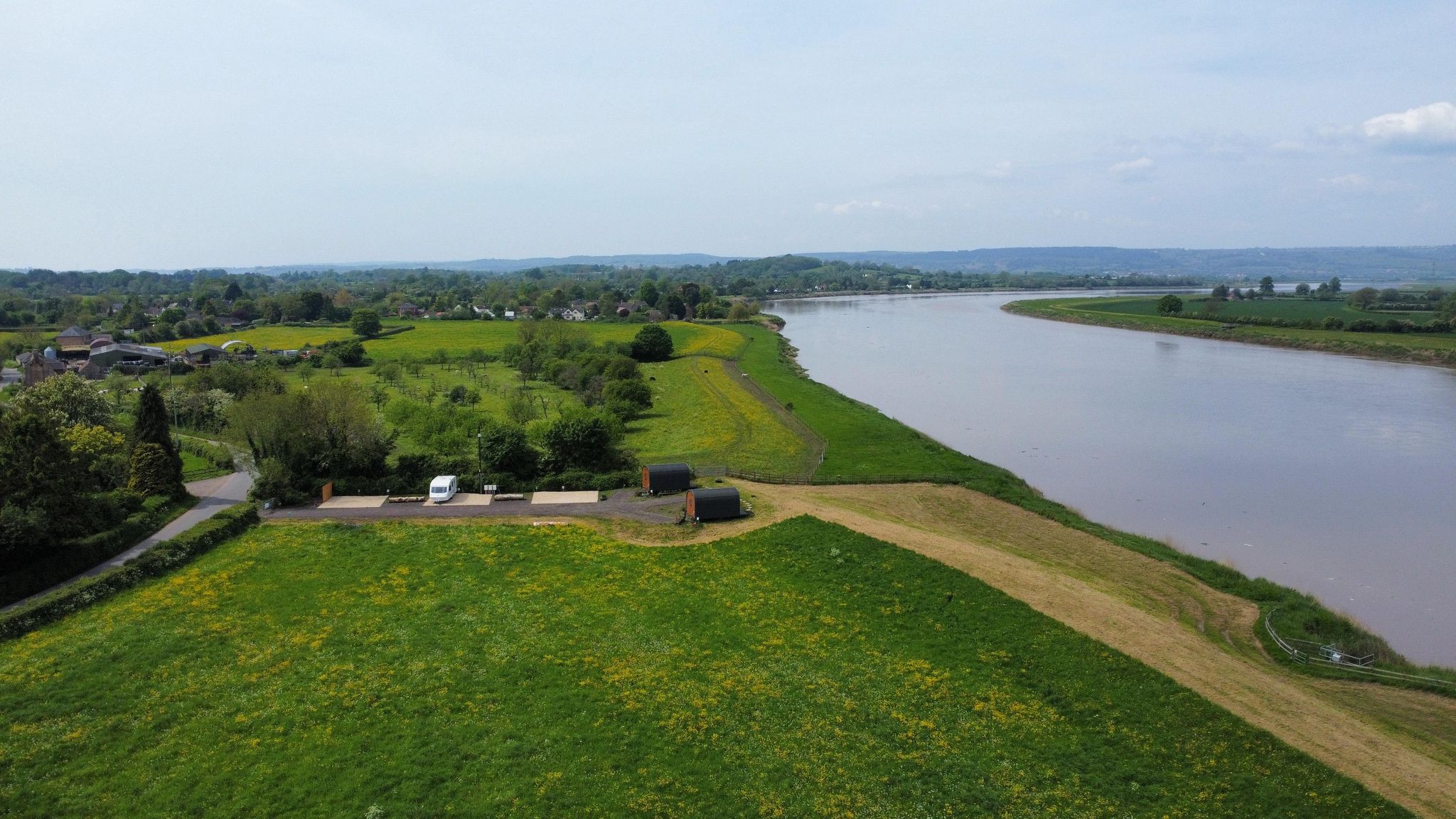
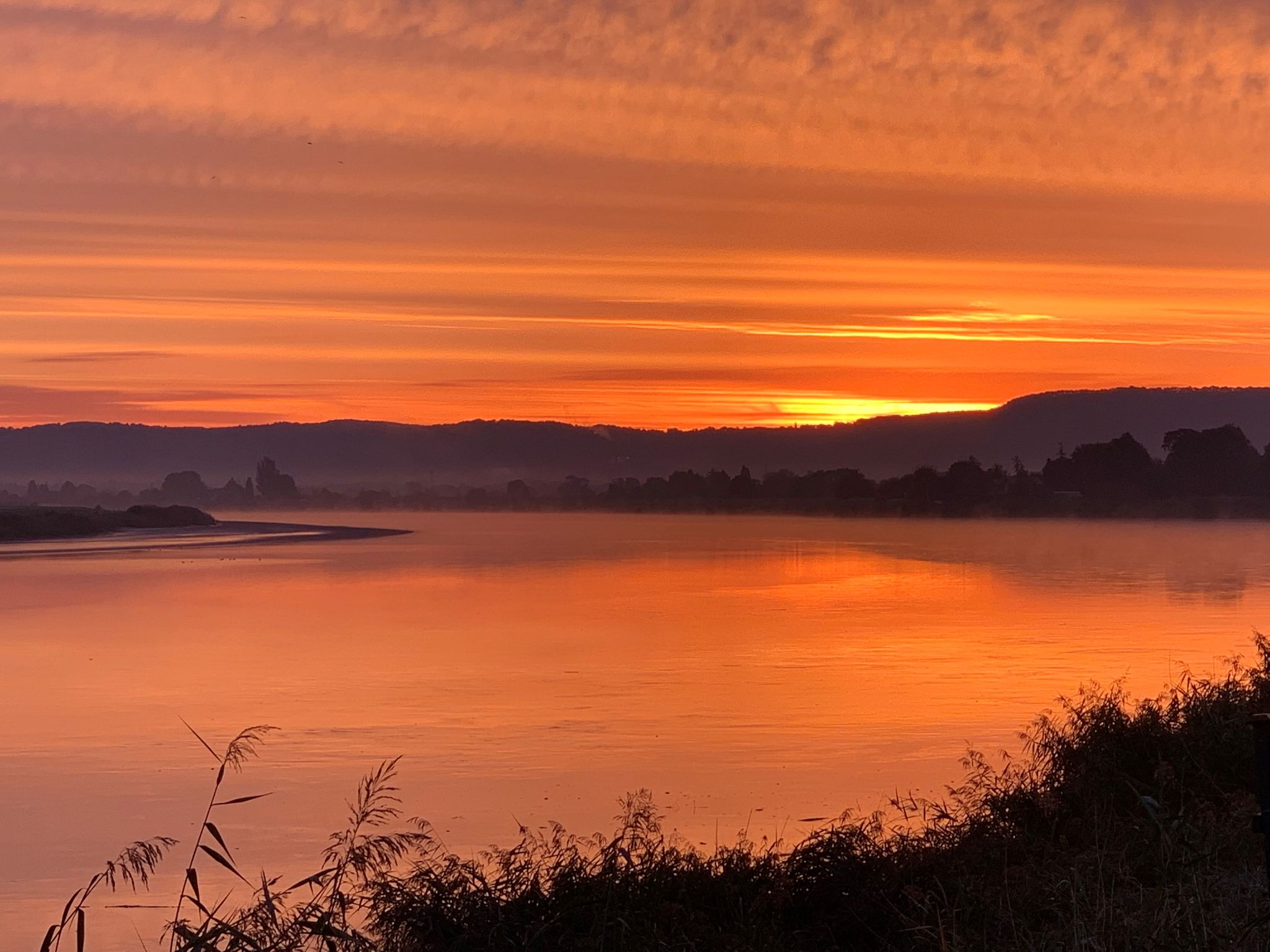
9. Baldwins Brook Glamping
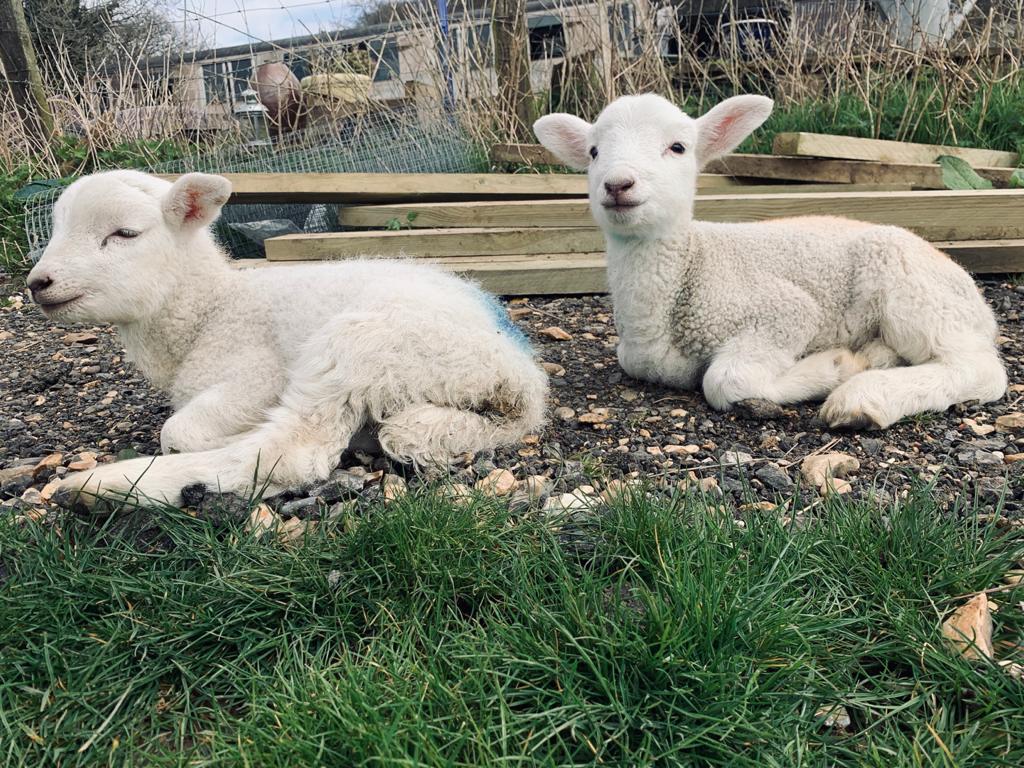
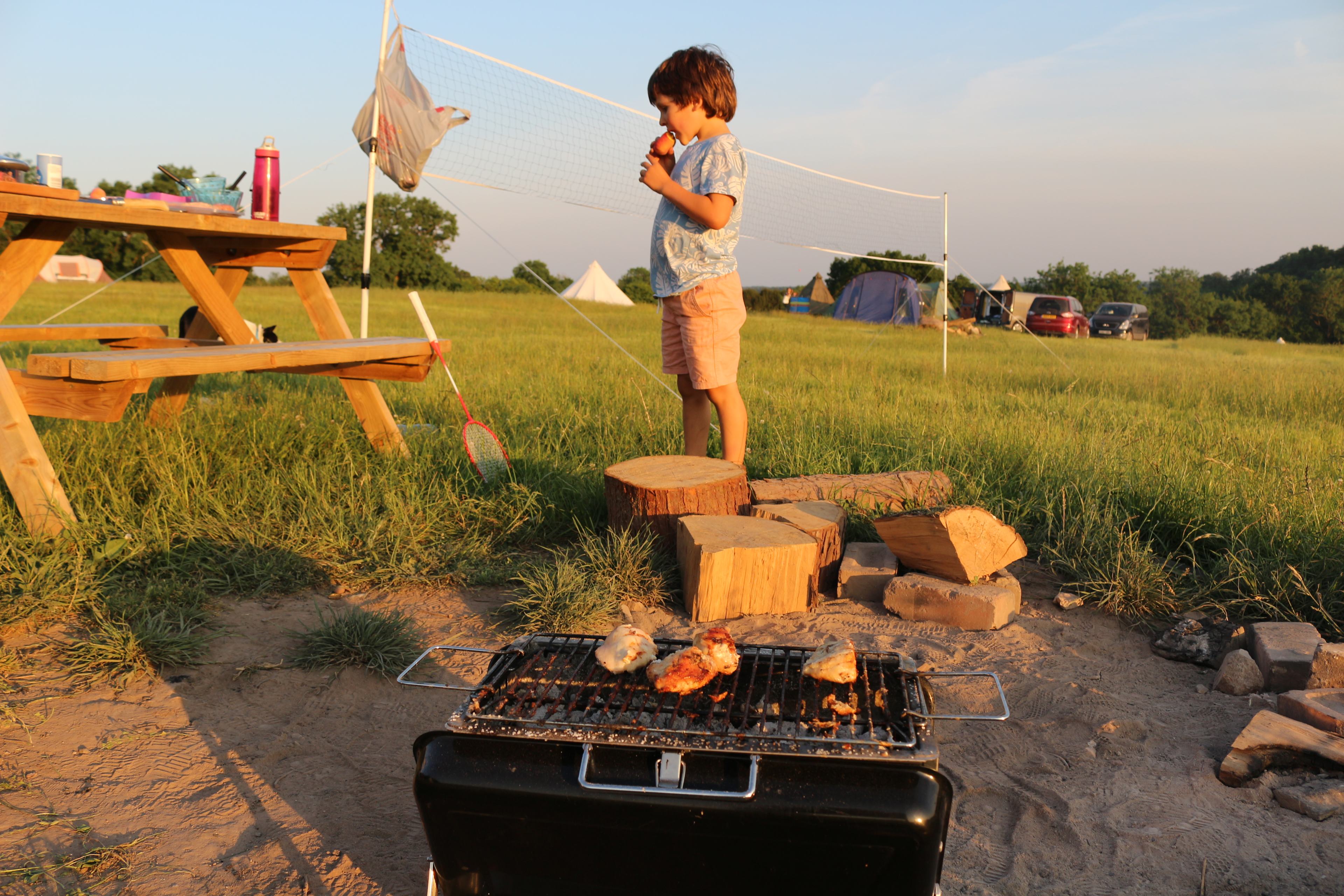
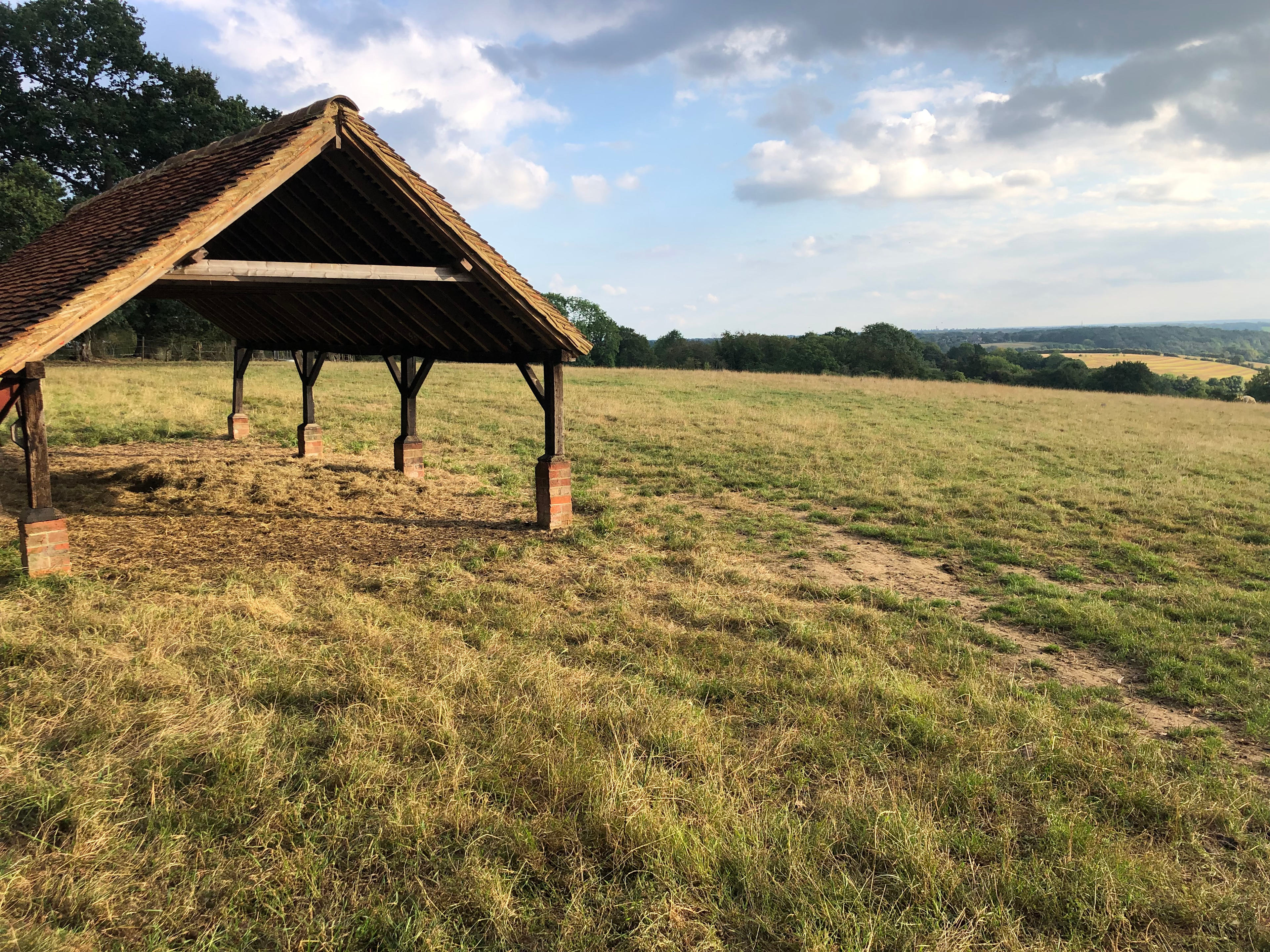
10. Penn Meadow Farm
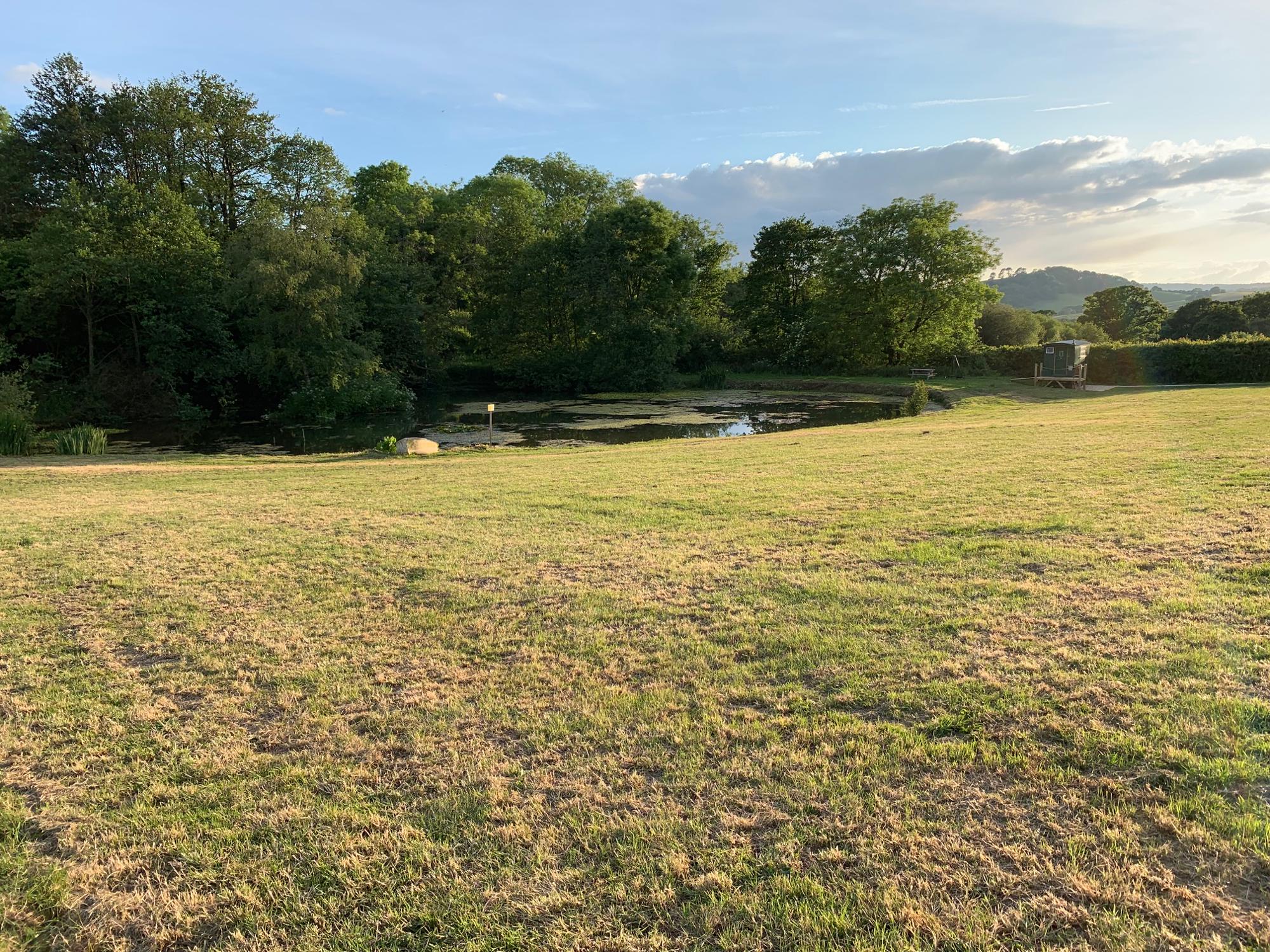
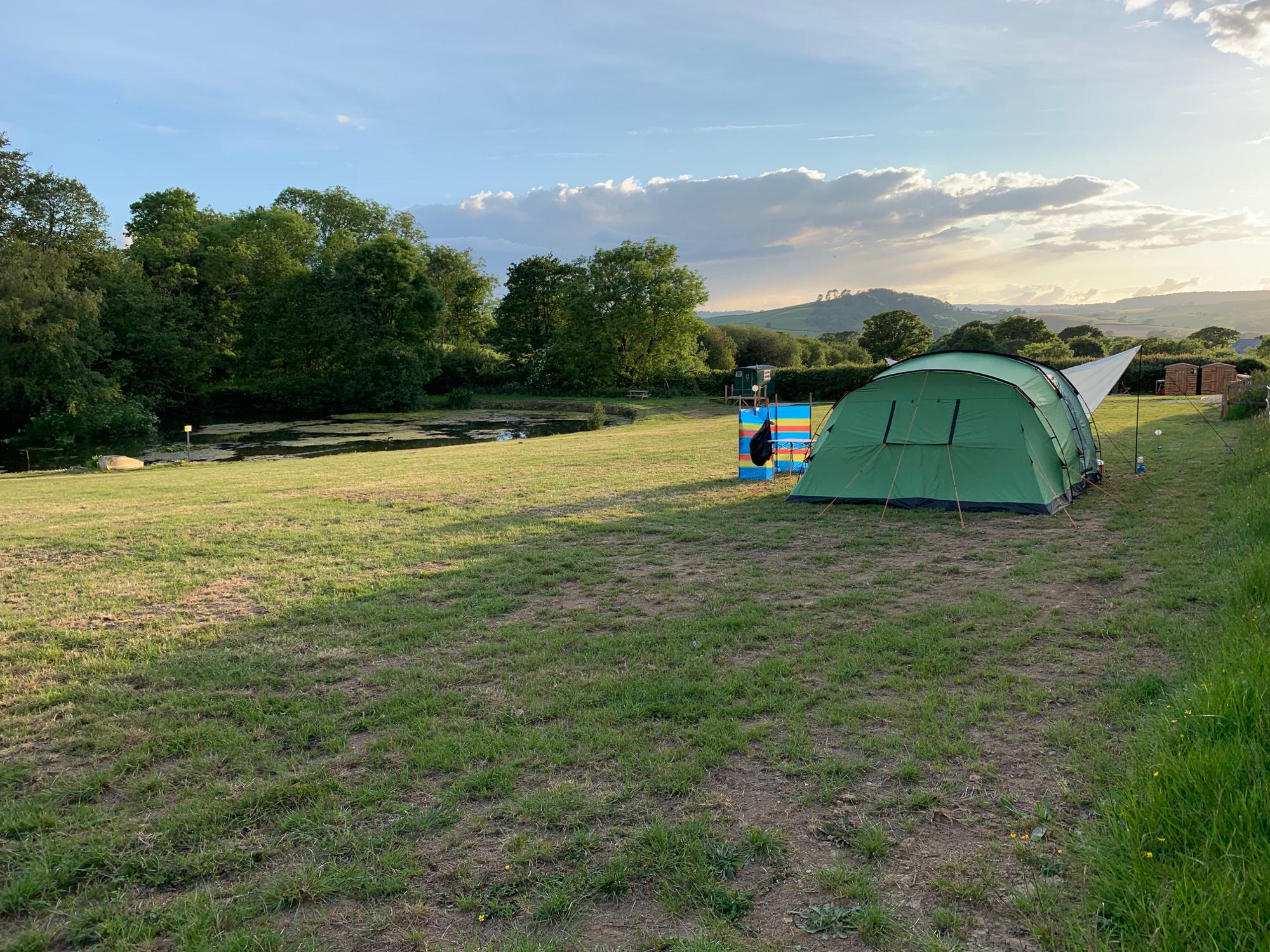
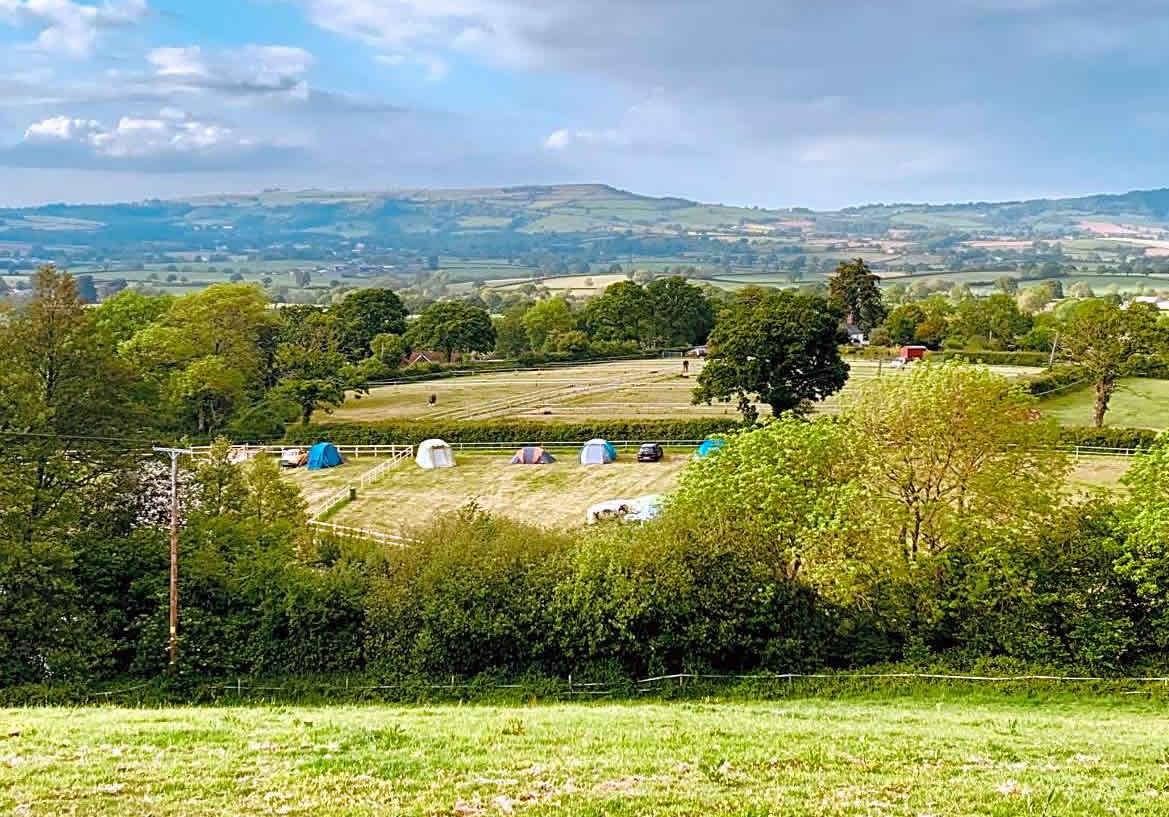
11. Hobby Farm
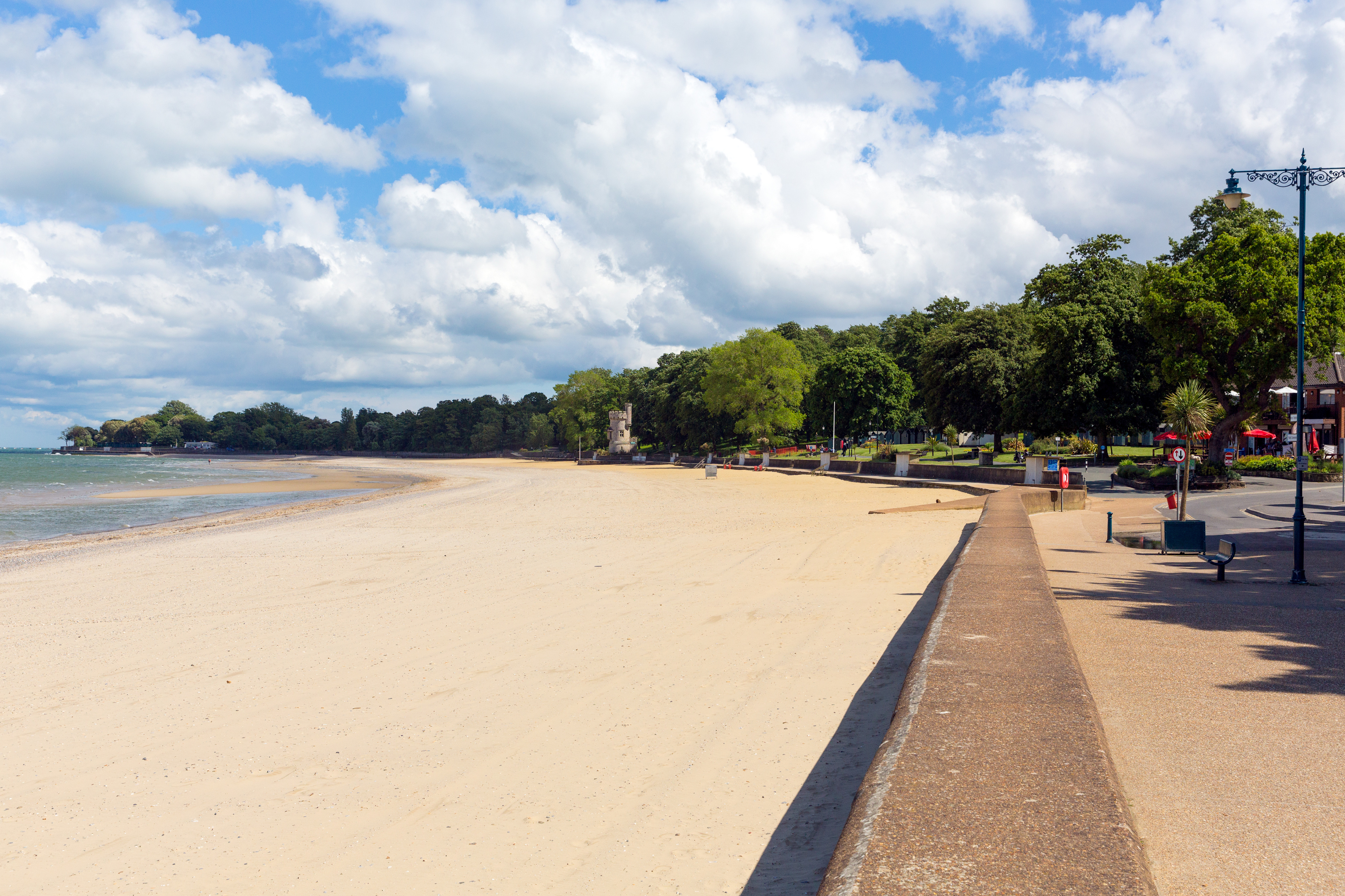
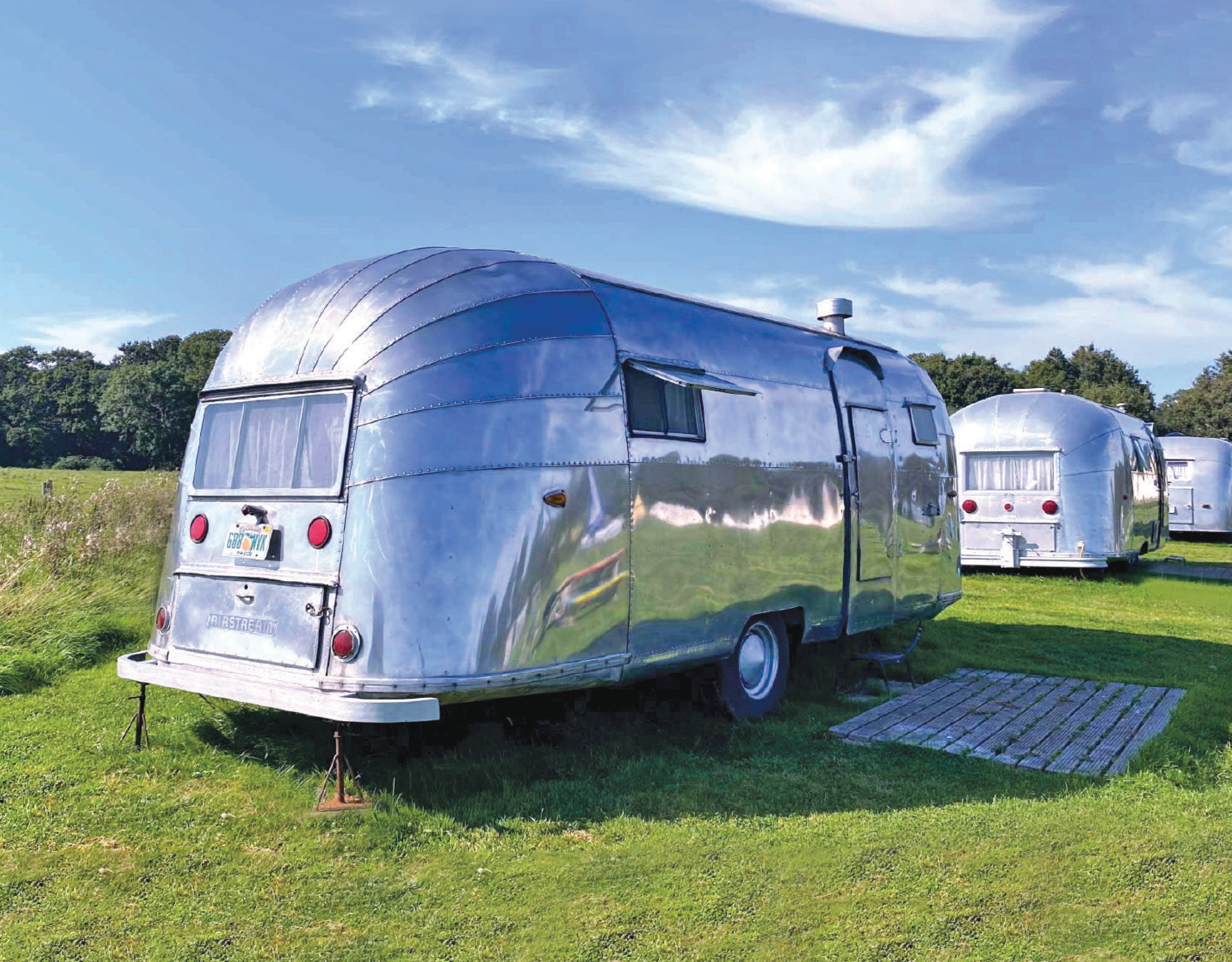
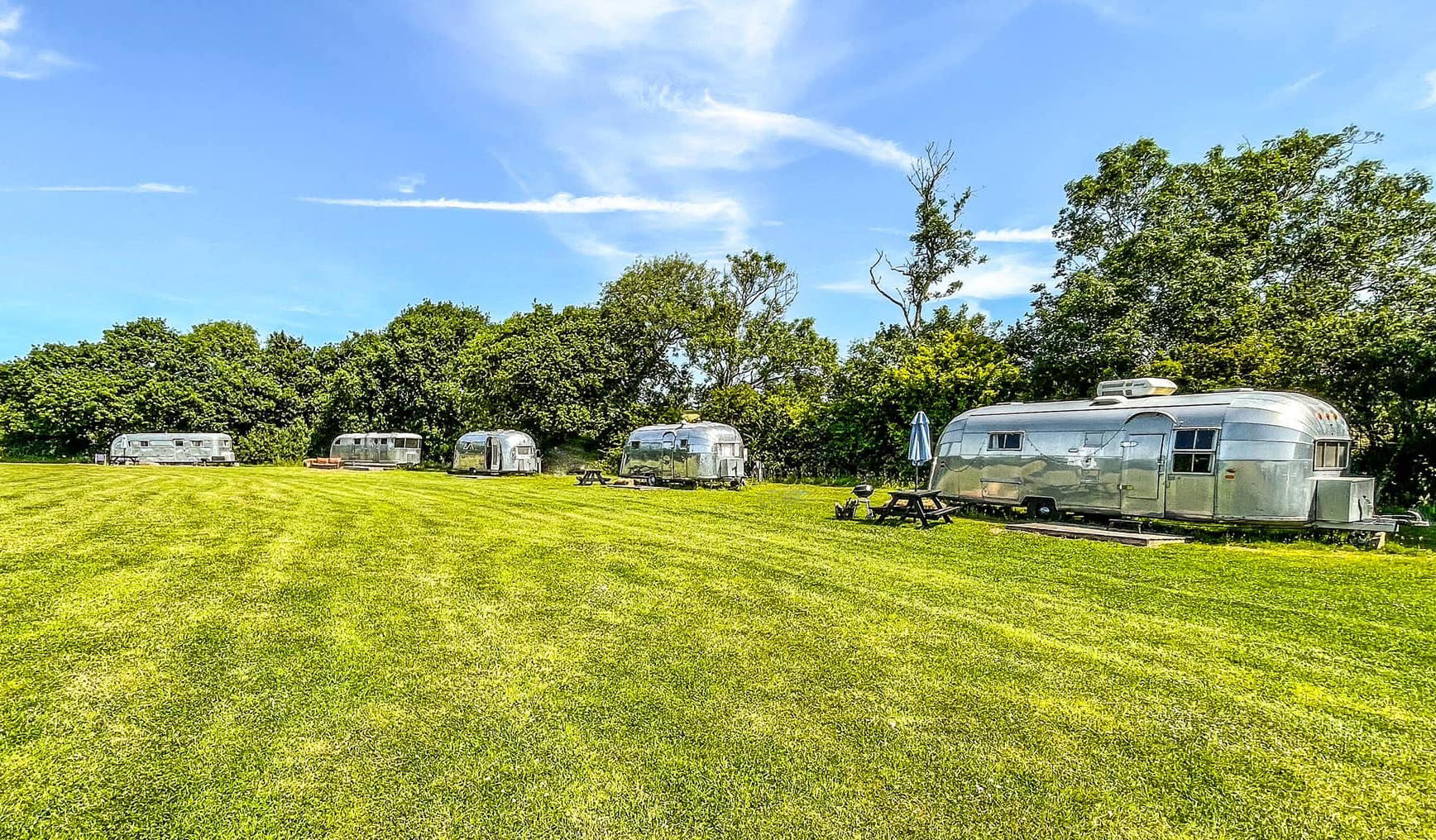
12. Glamping Retreat & Campsite
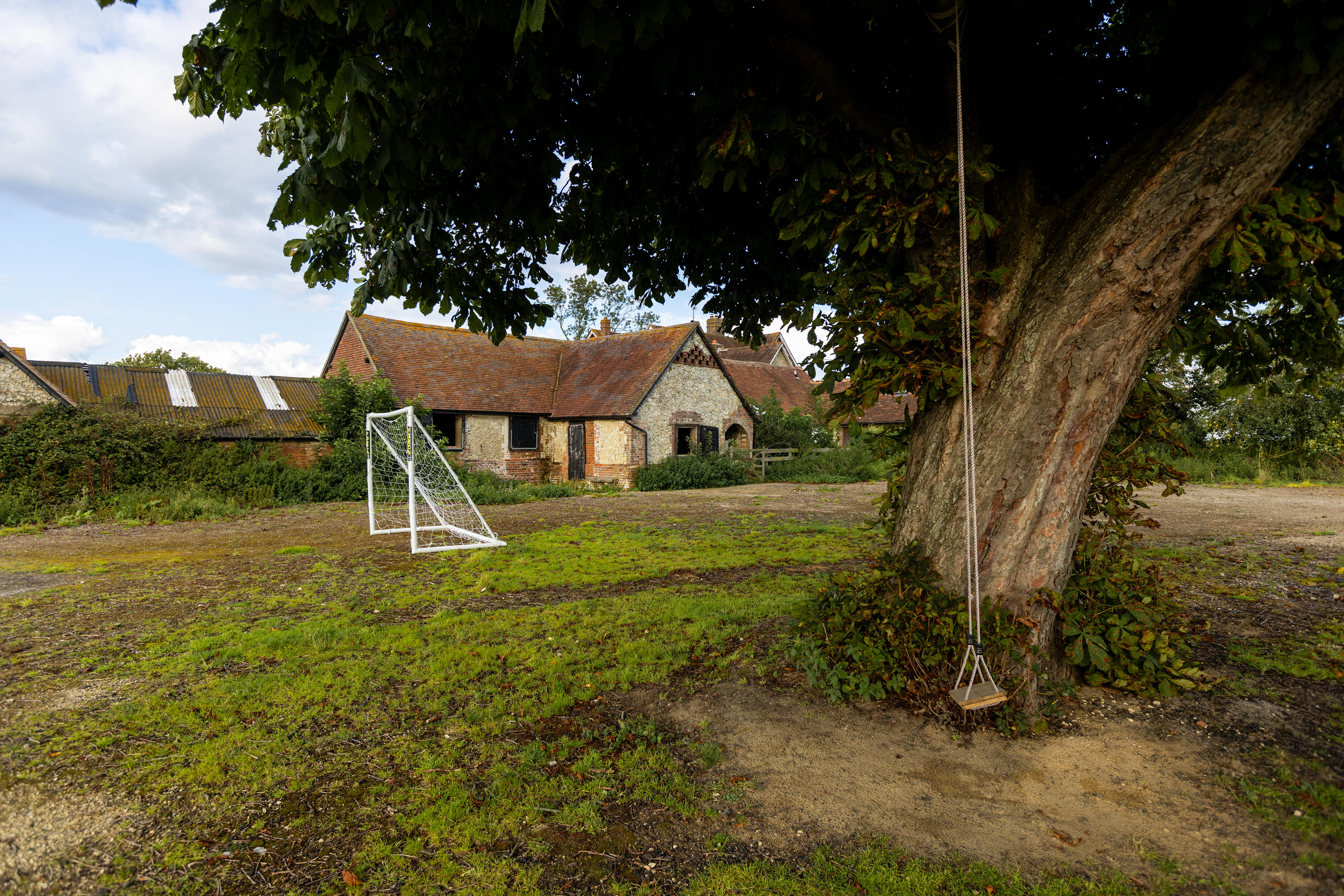
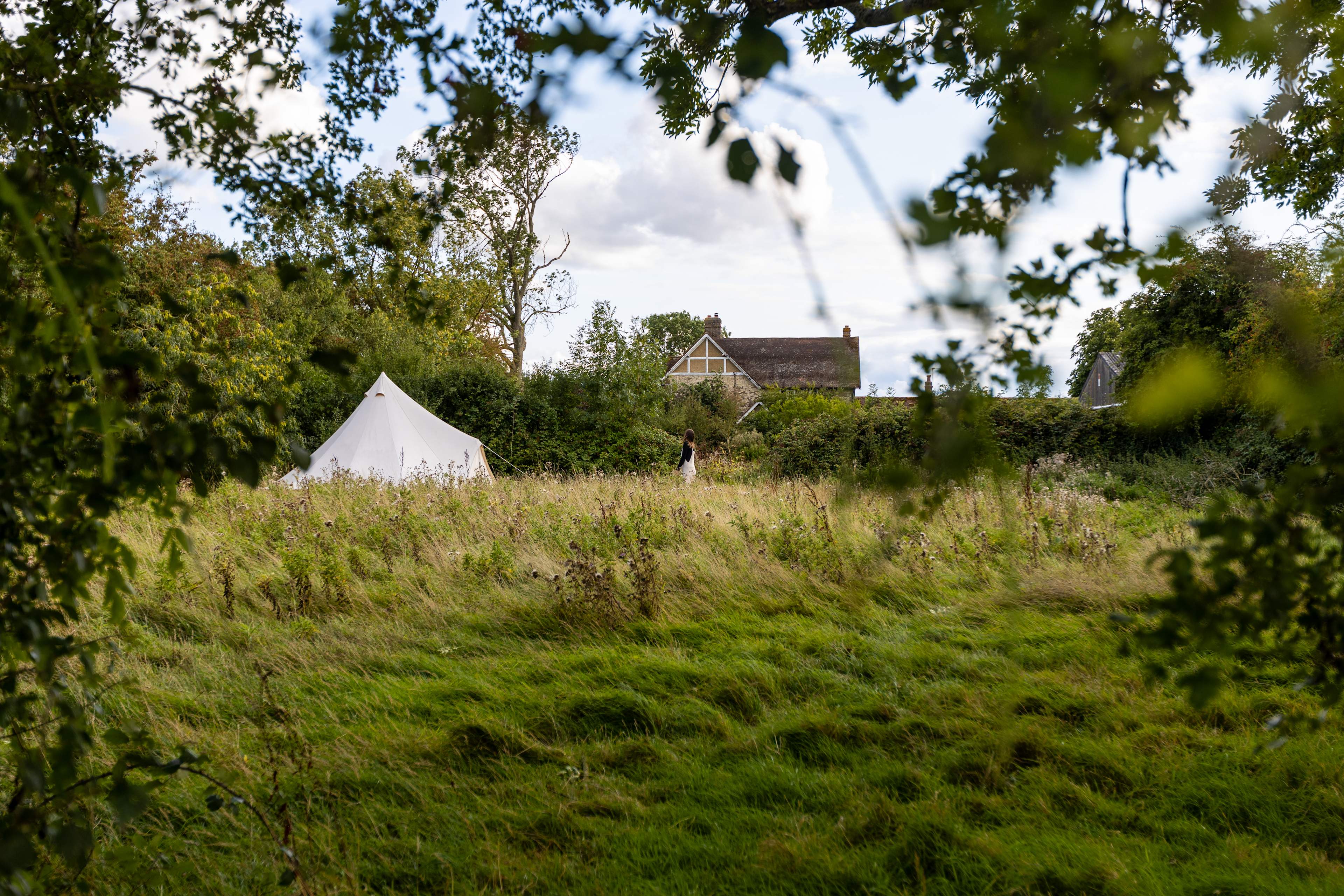
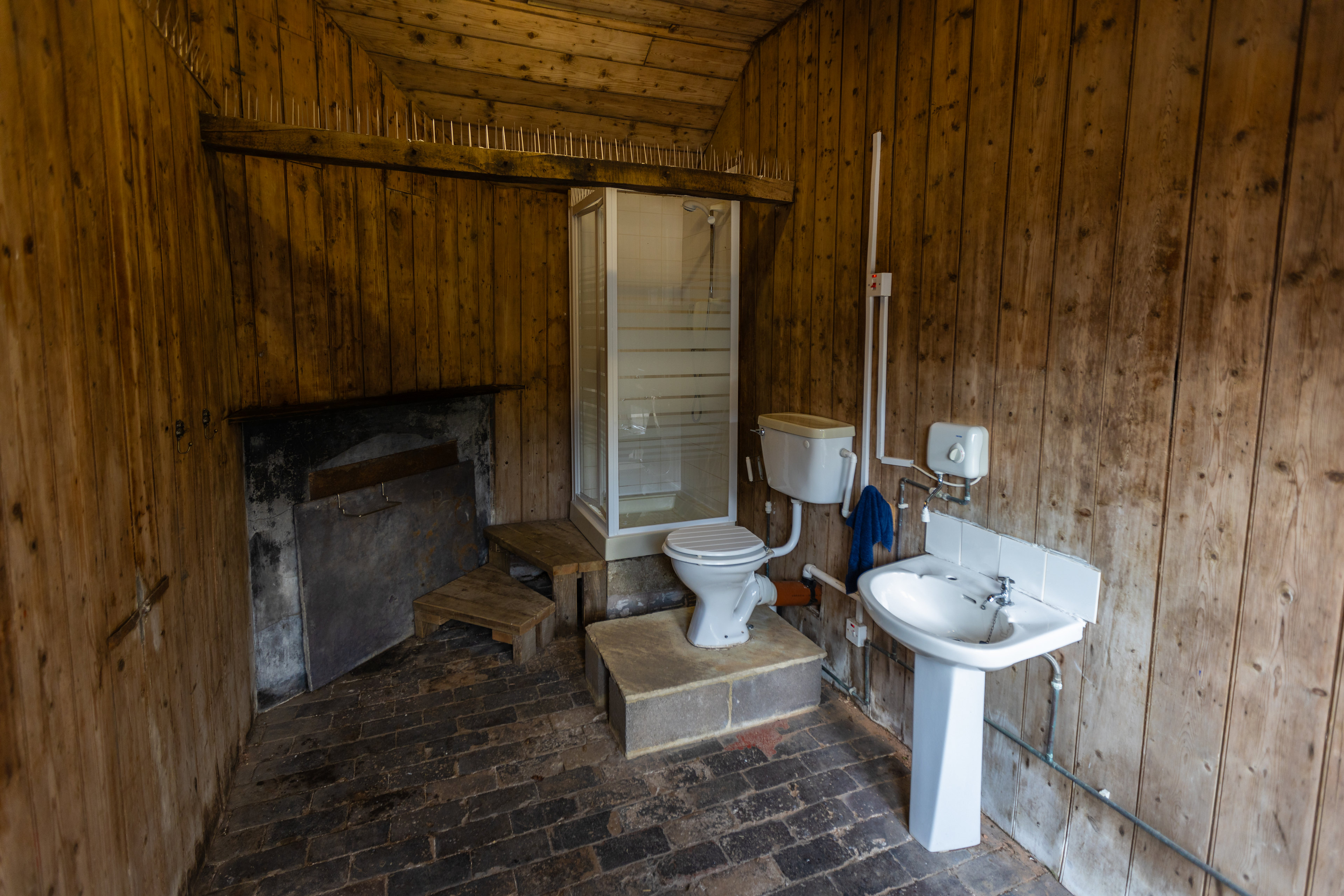
13. Pitchcott Farm
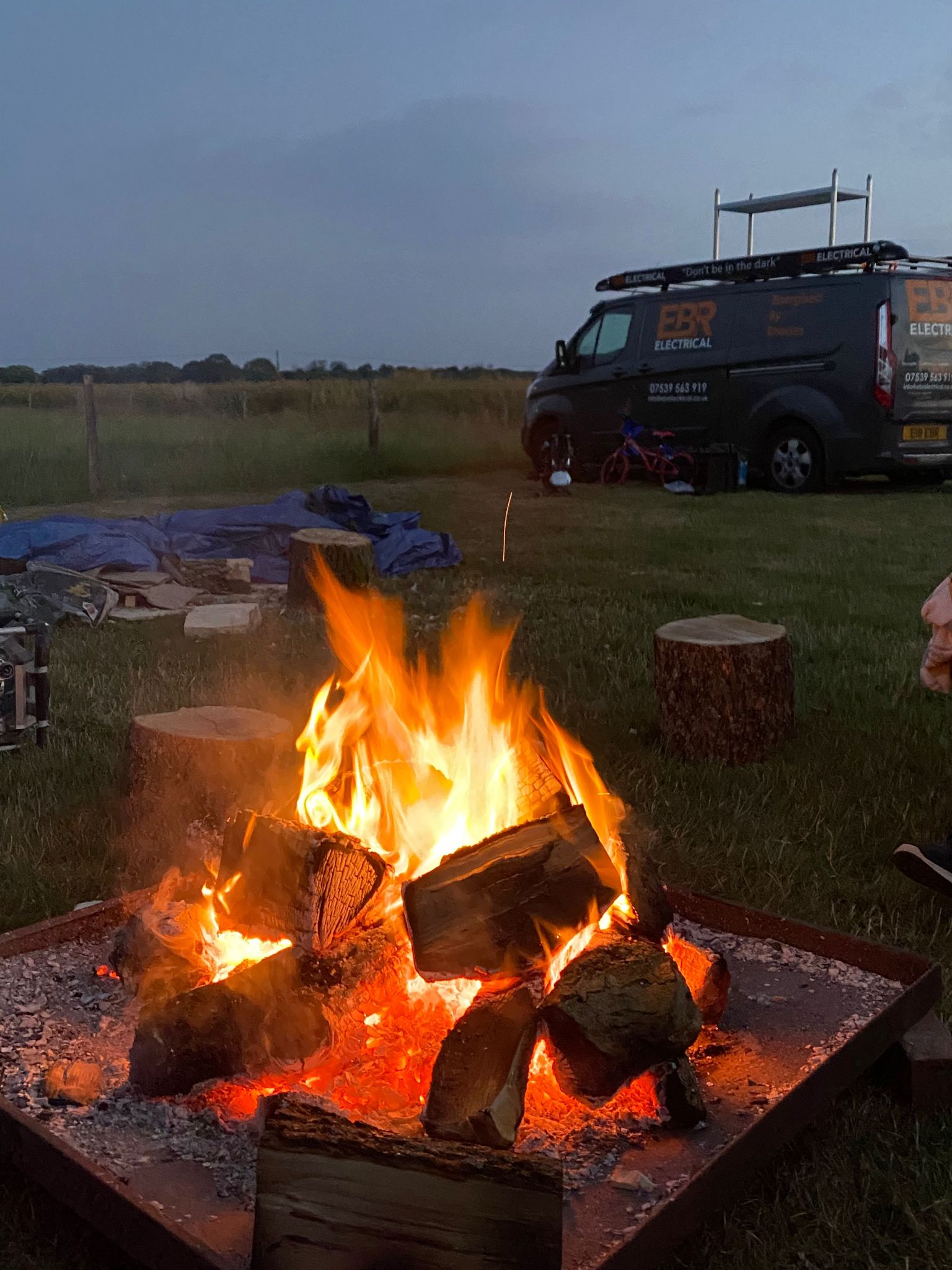
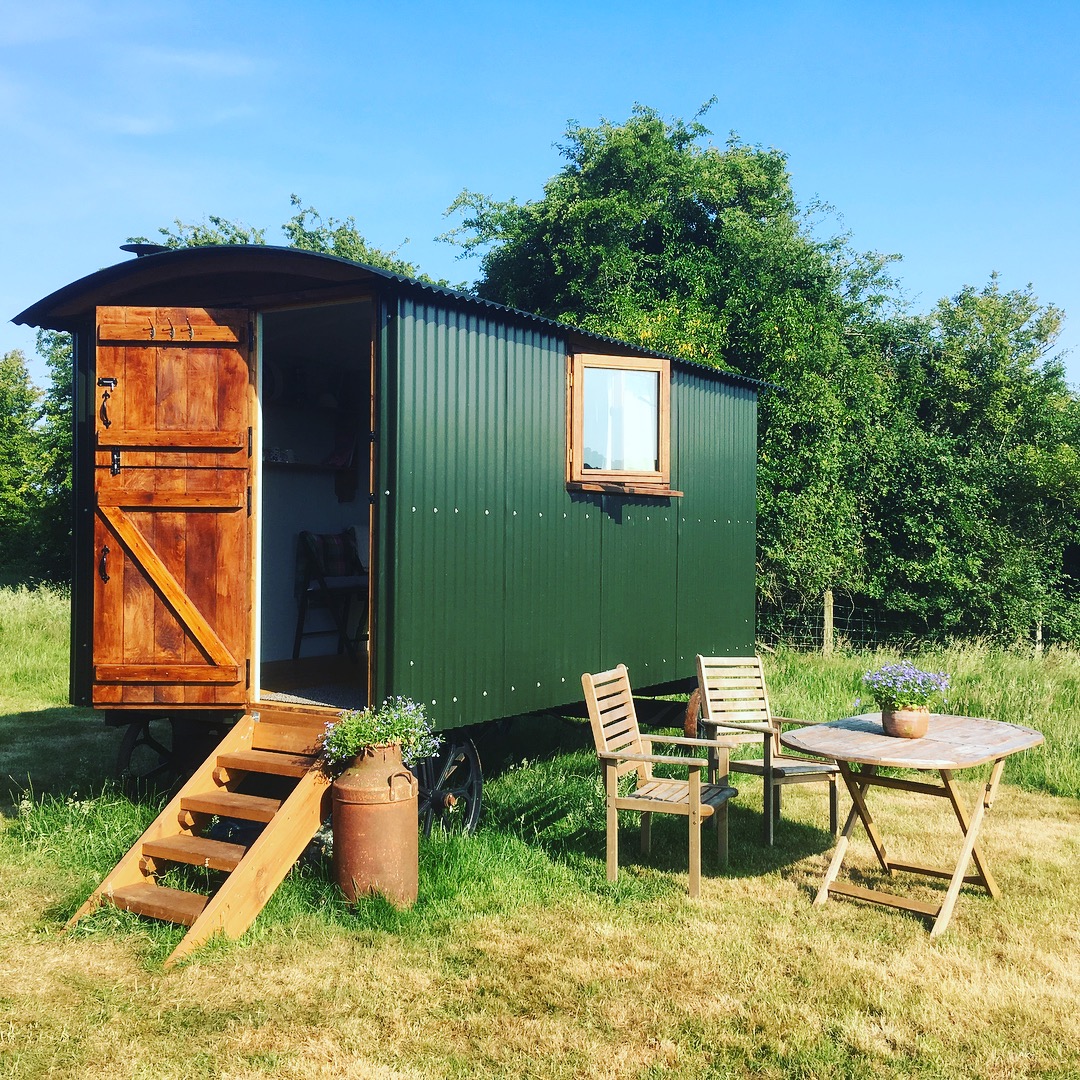
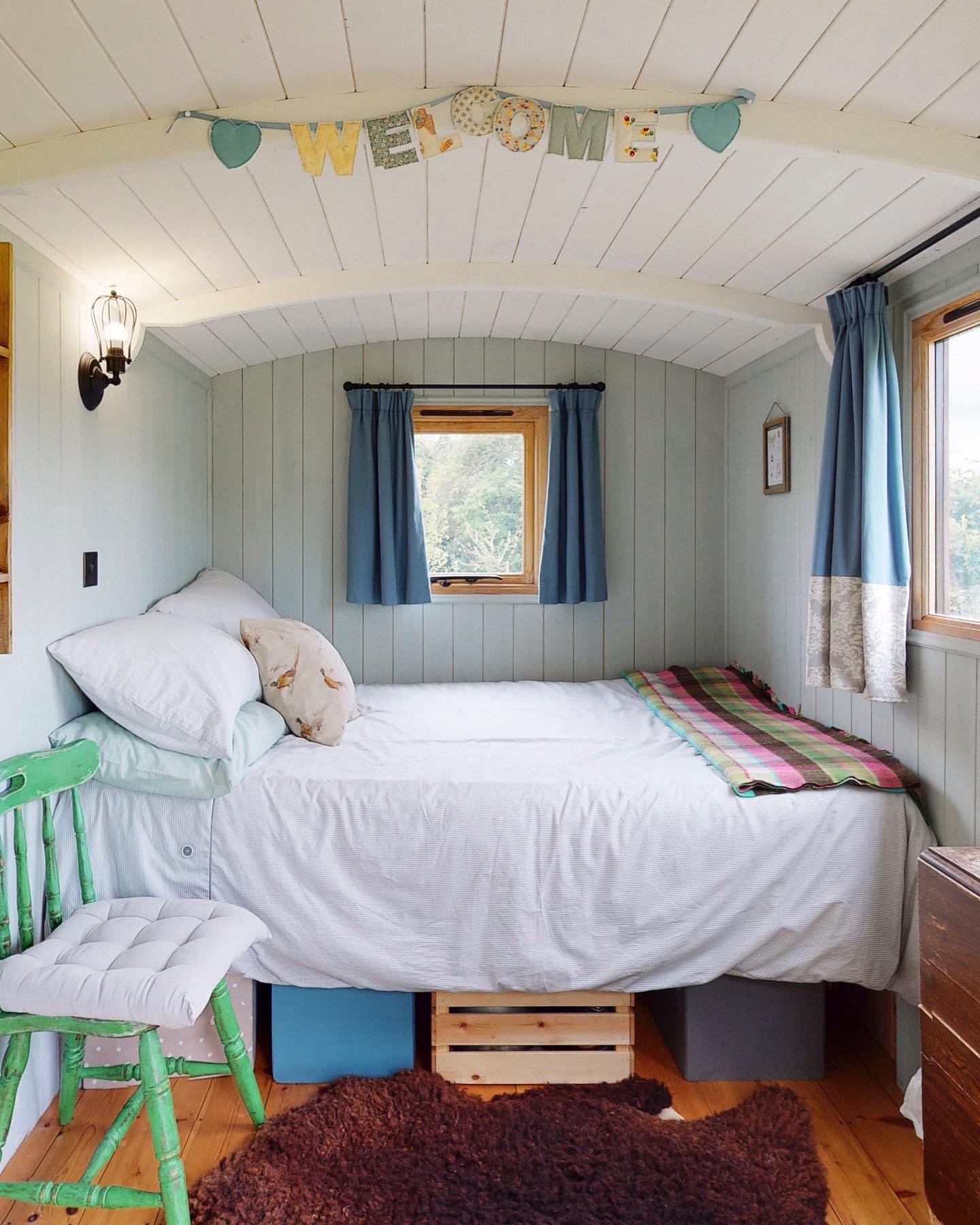
14. Sindles Farm Glamping and Camping
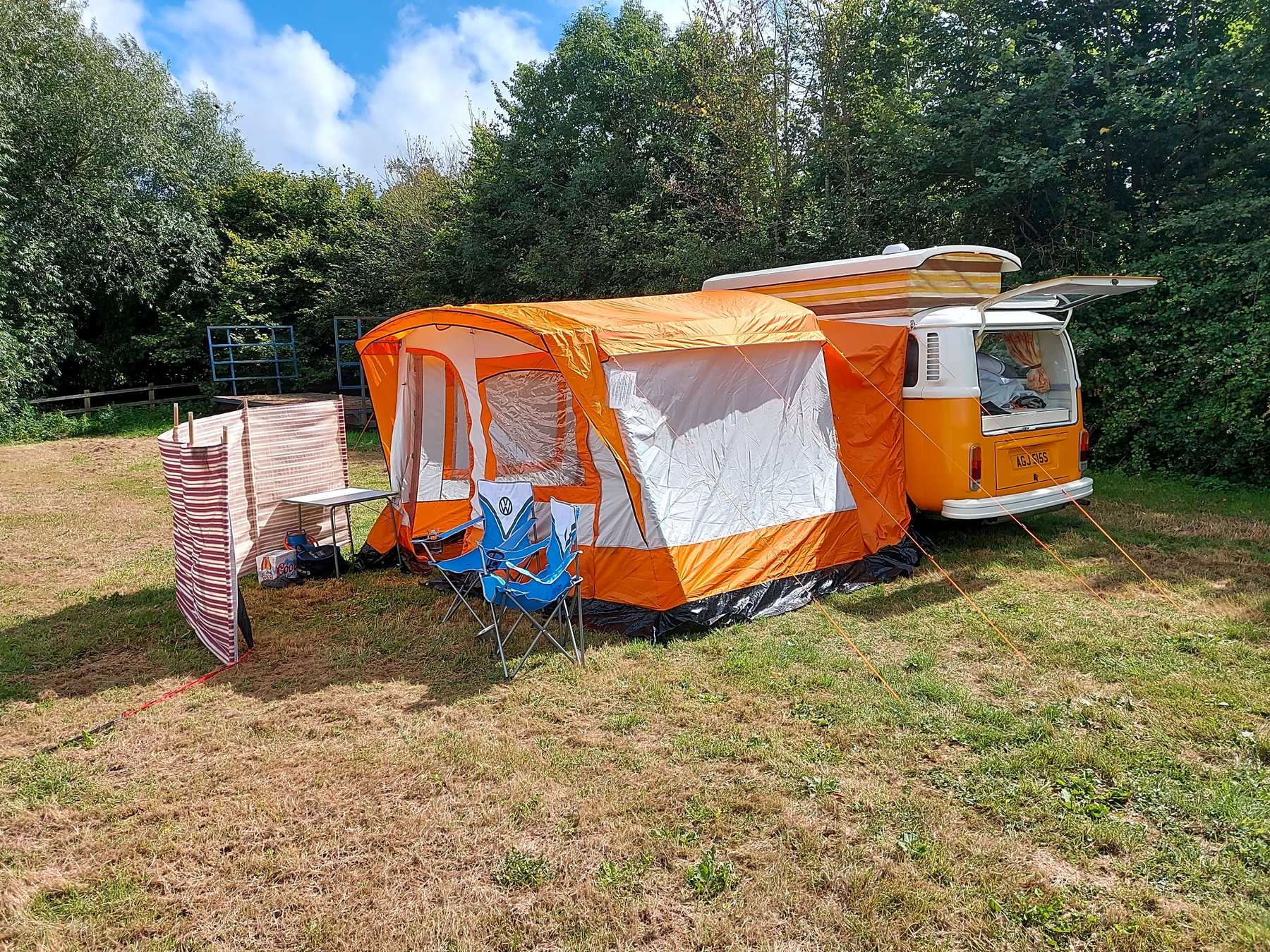
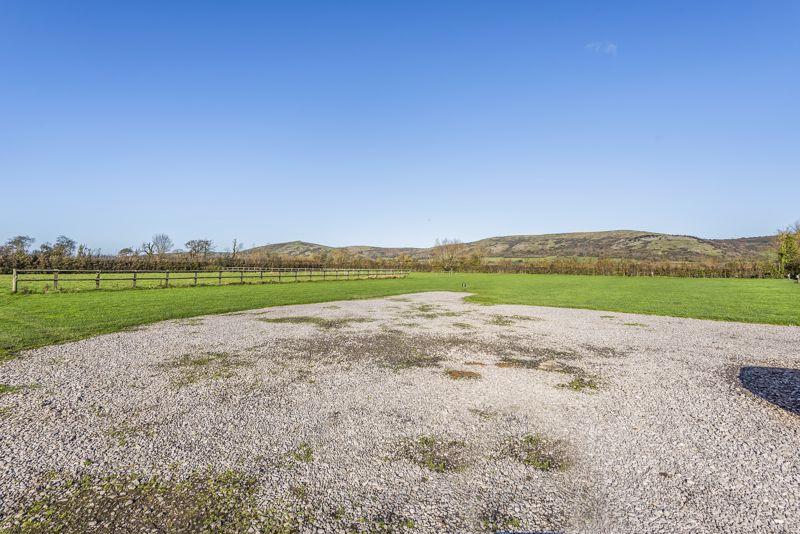
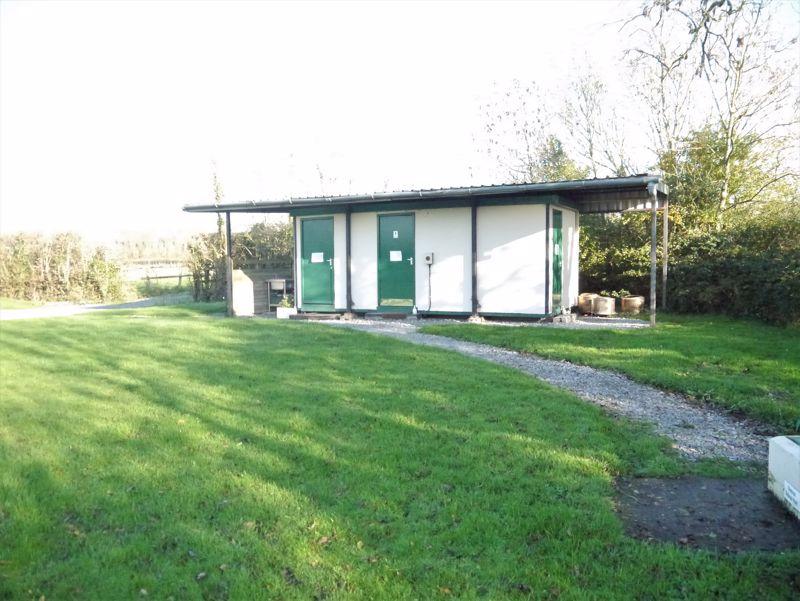
15. Watersmeet farm Campsite
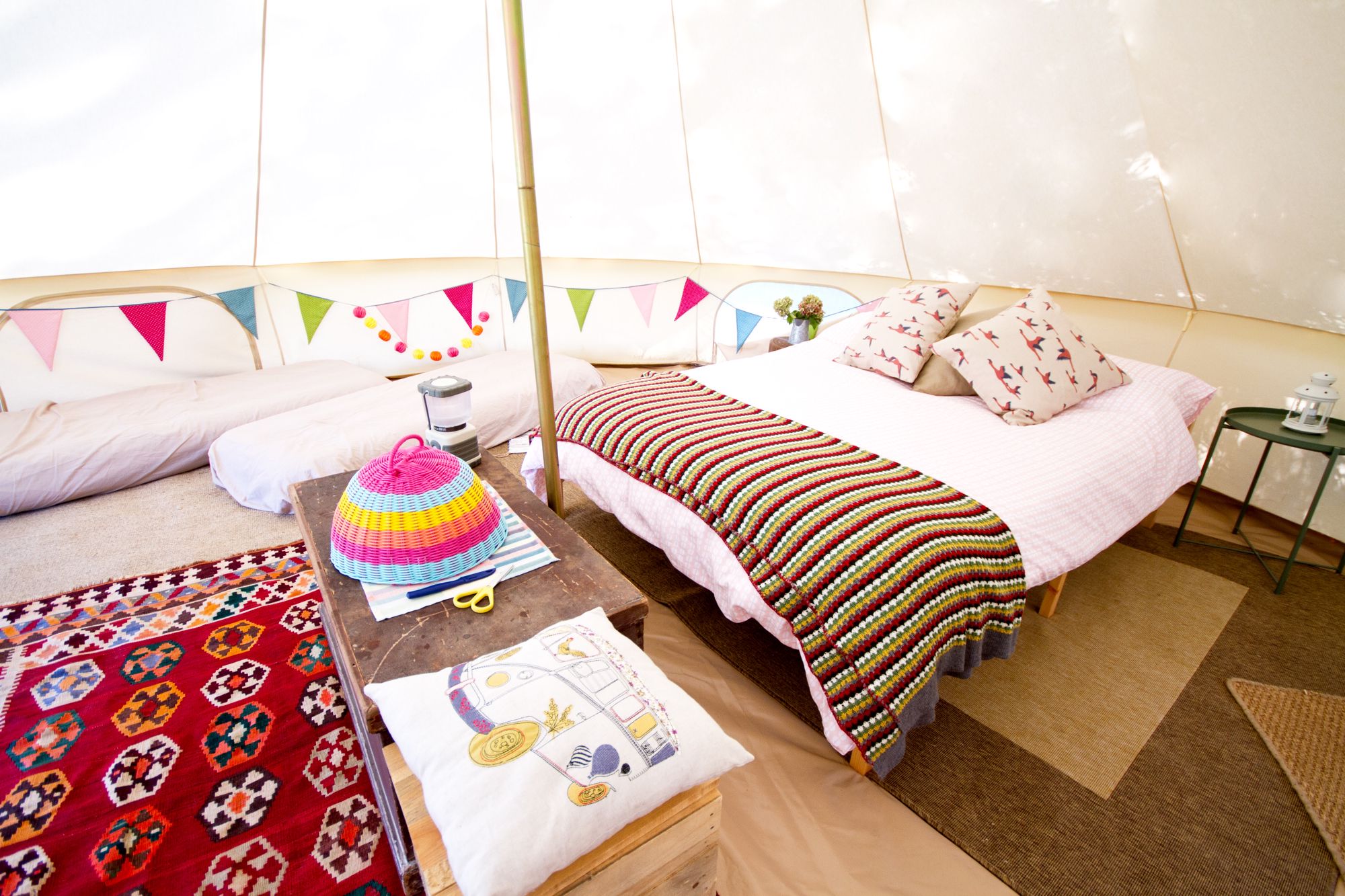
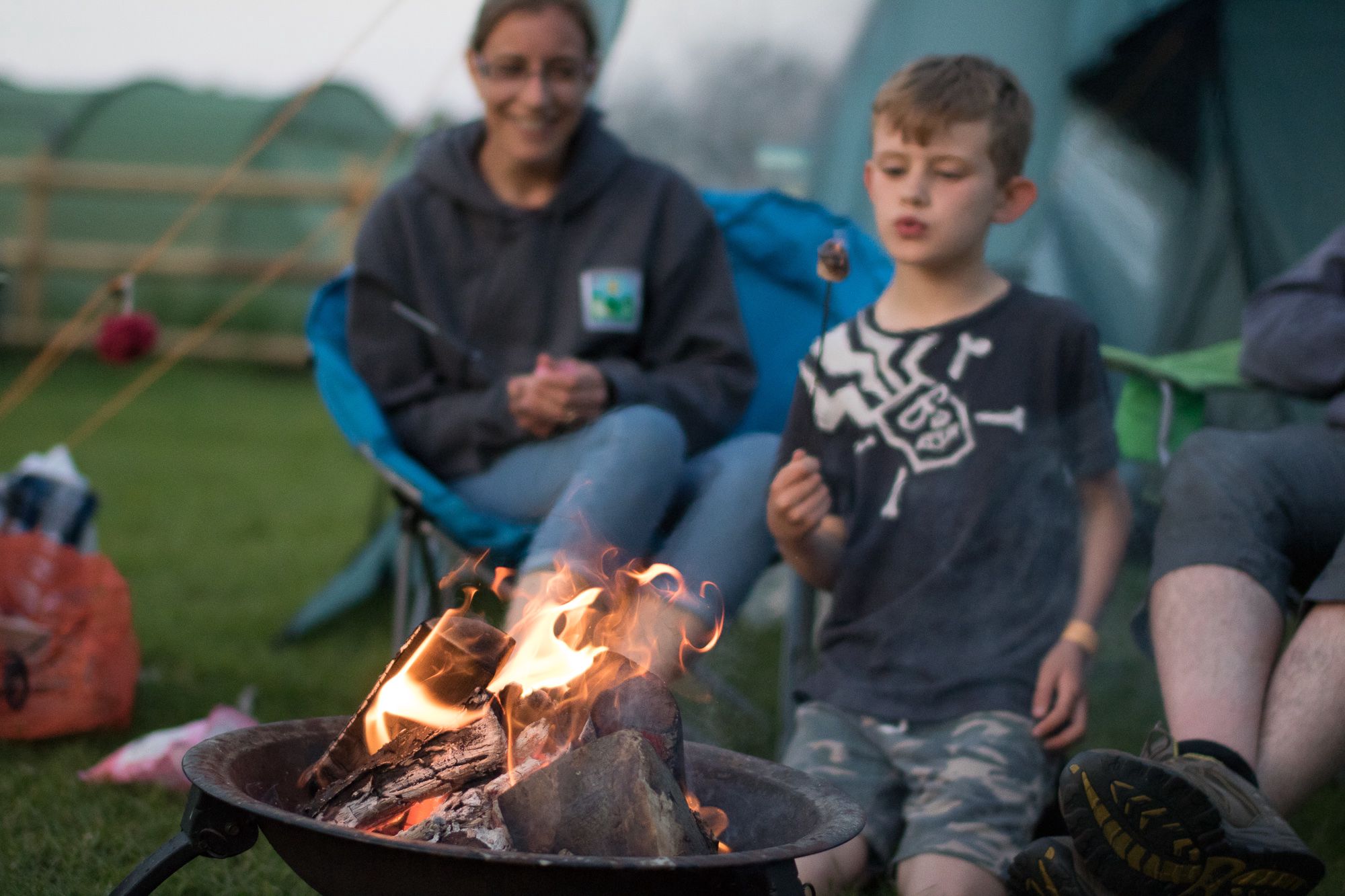

16. Harry's Field New Forest
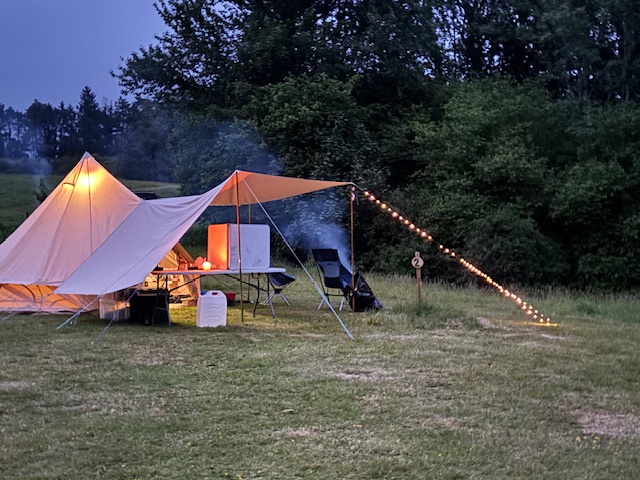
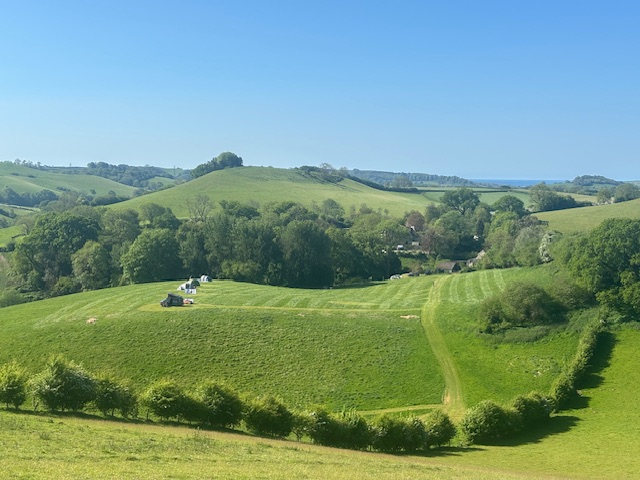
17. Hincknowle Cider Apple Farm Camping
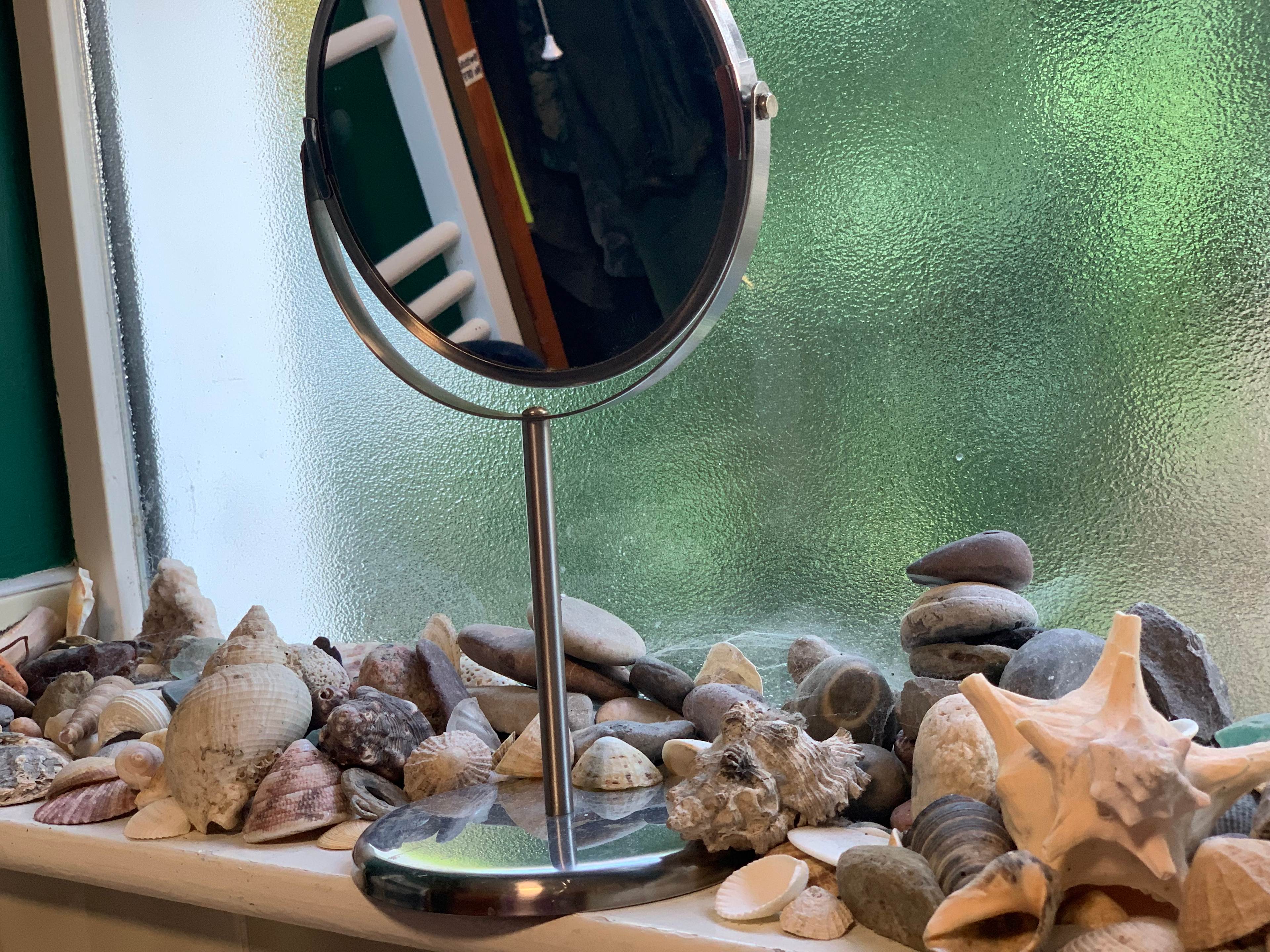
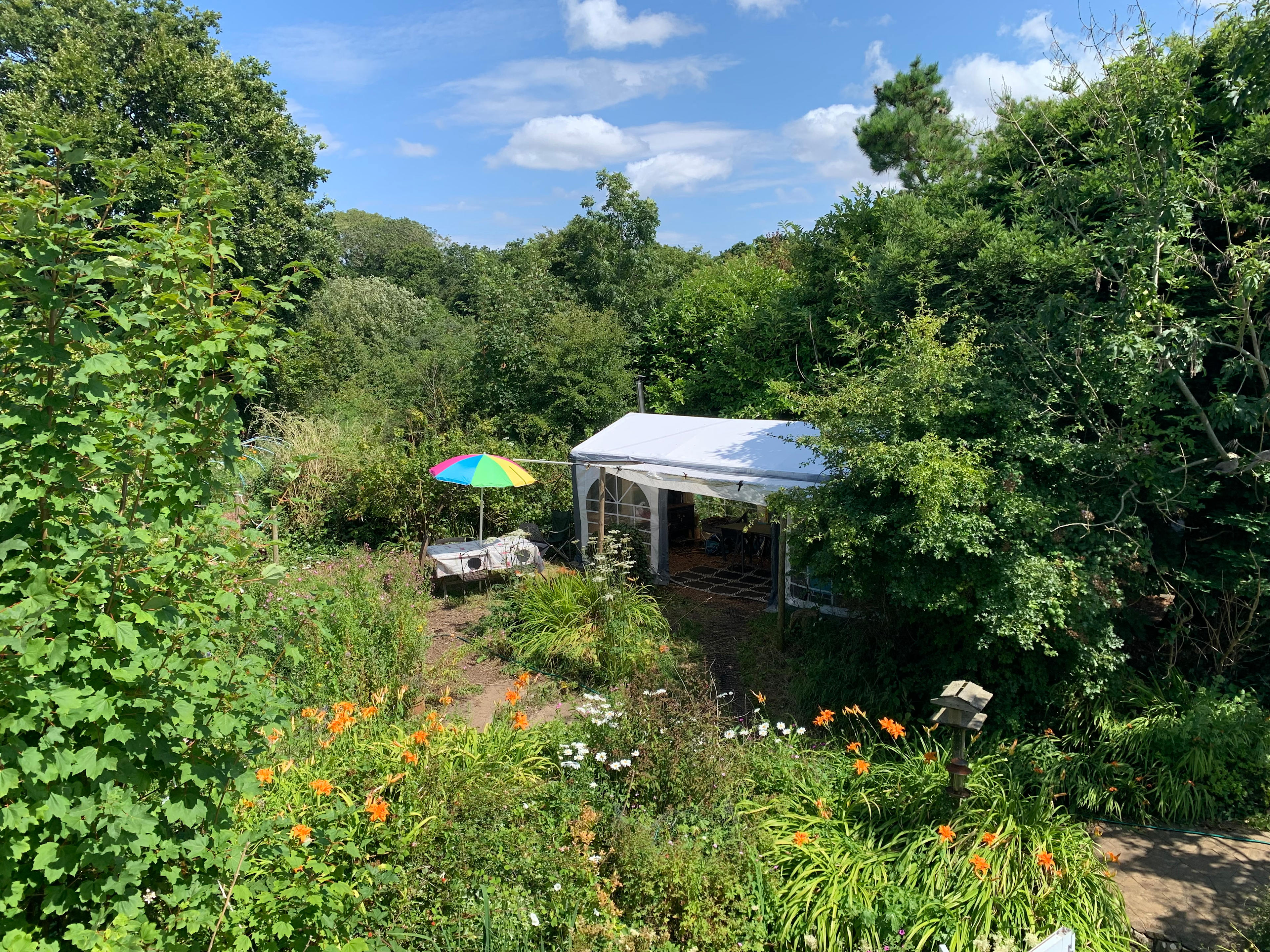
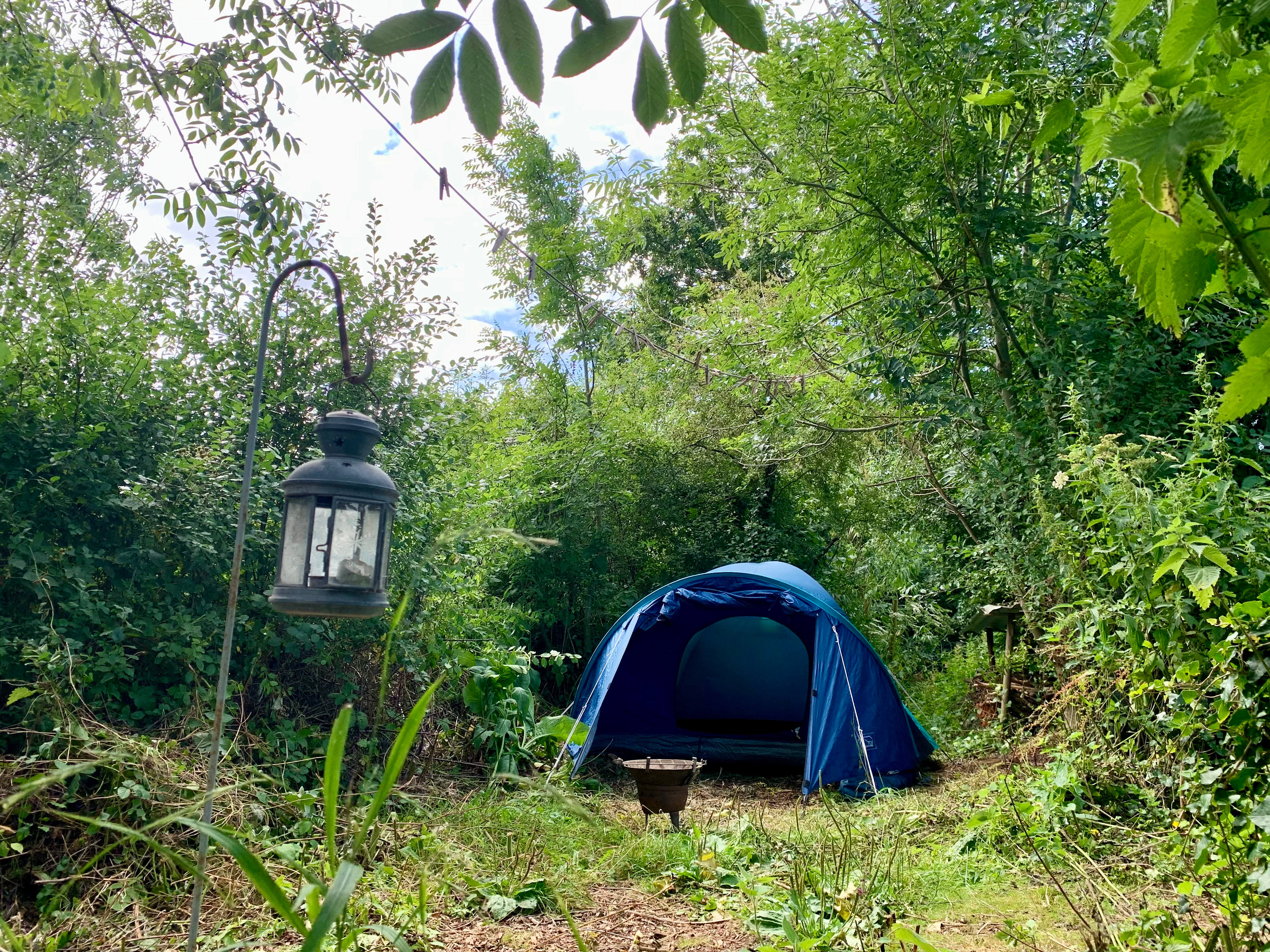
18. Forest Garden Camp Spot Cardiff
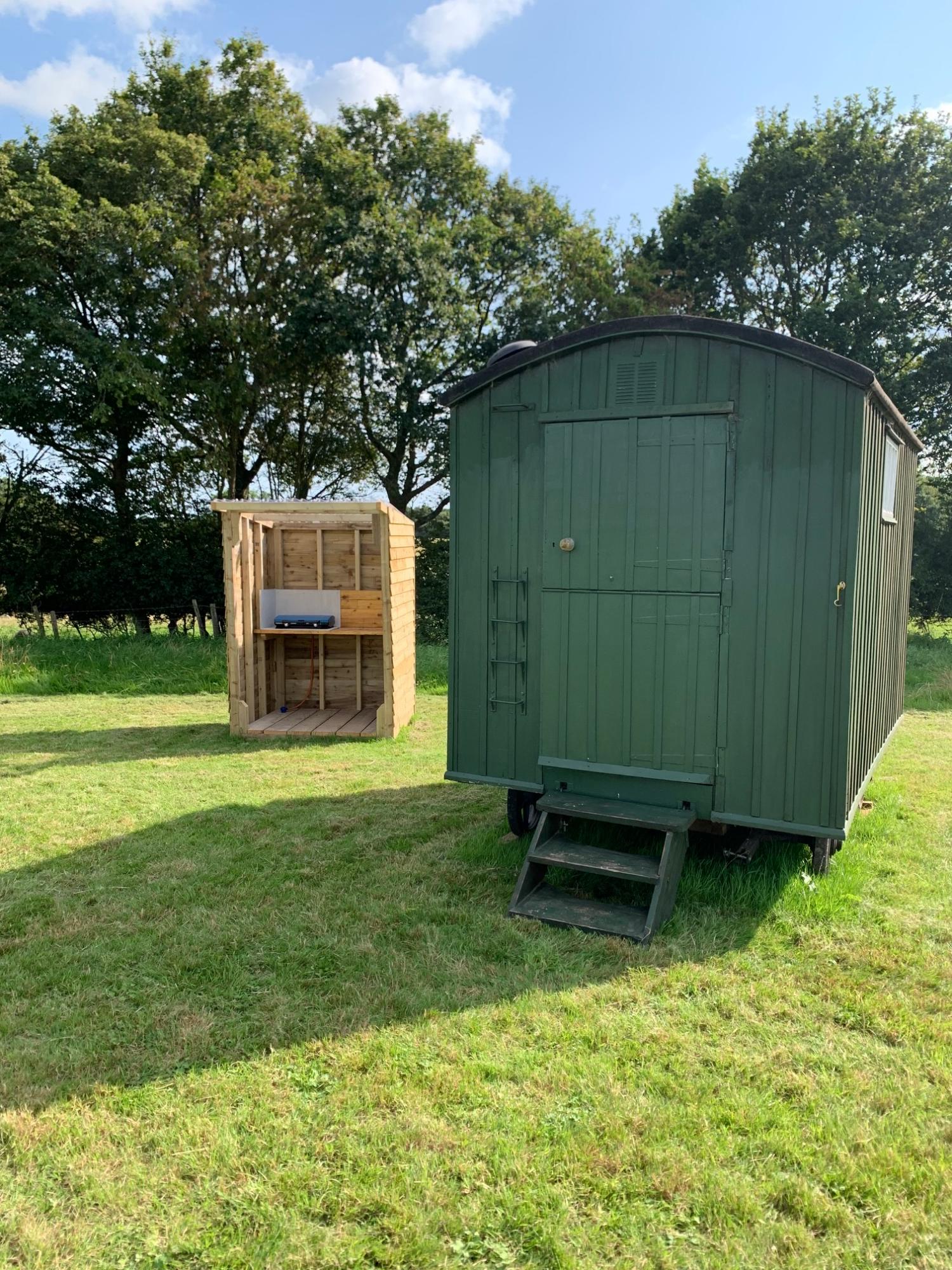
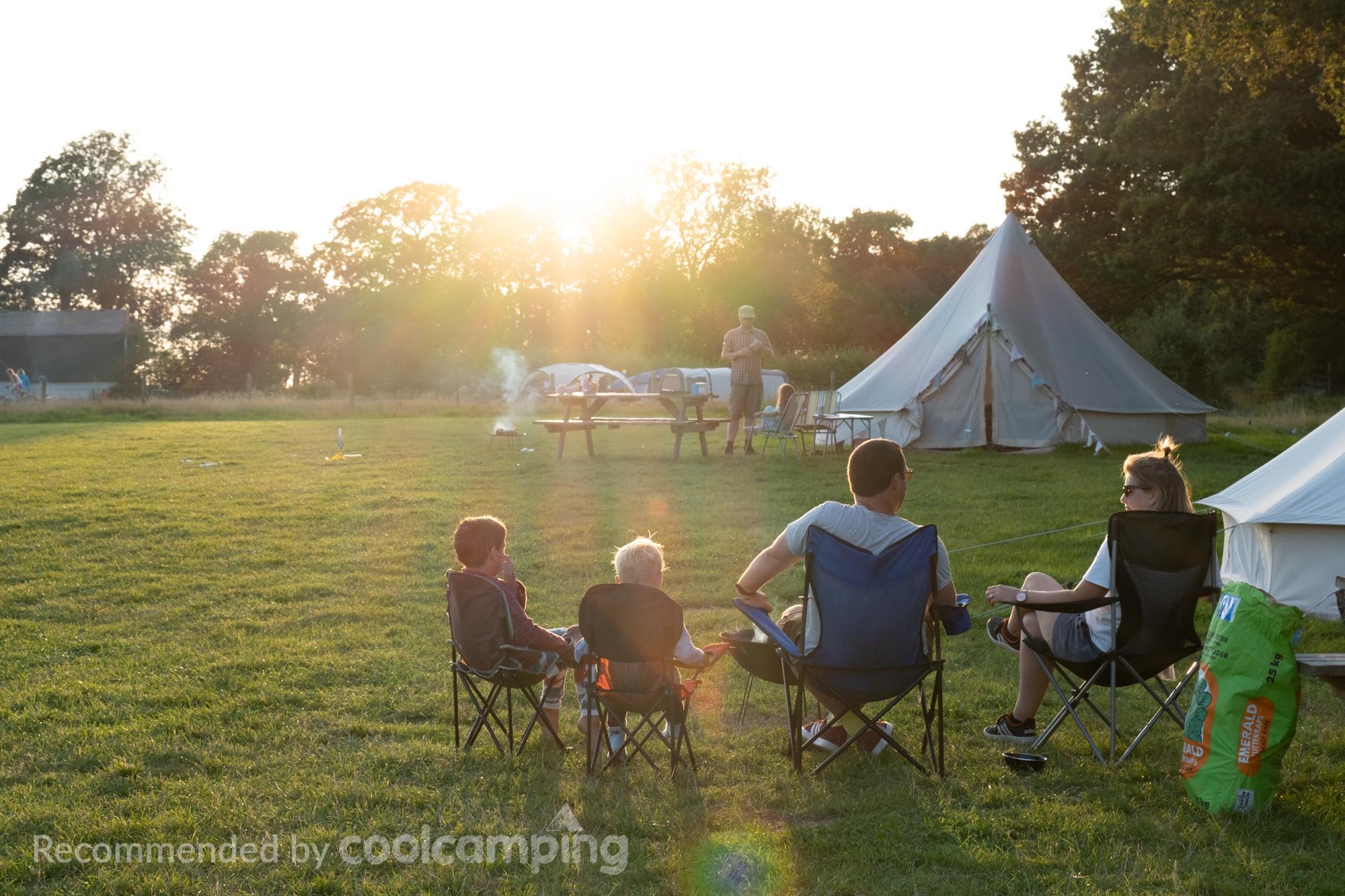
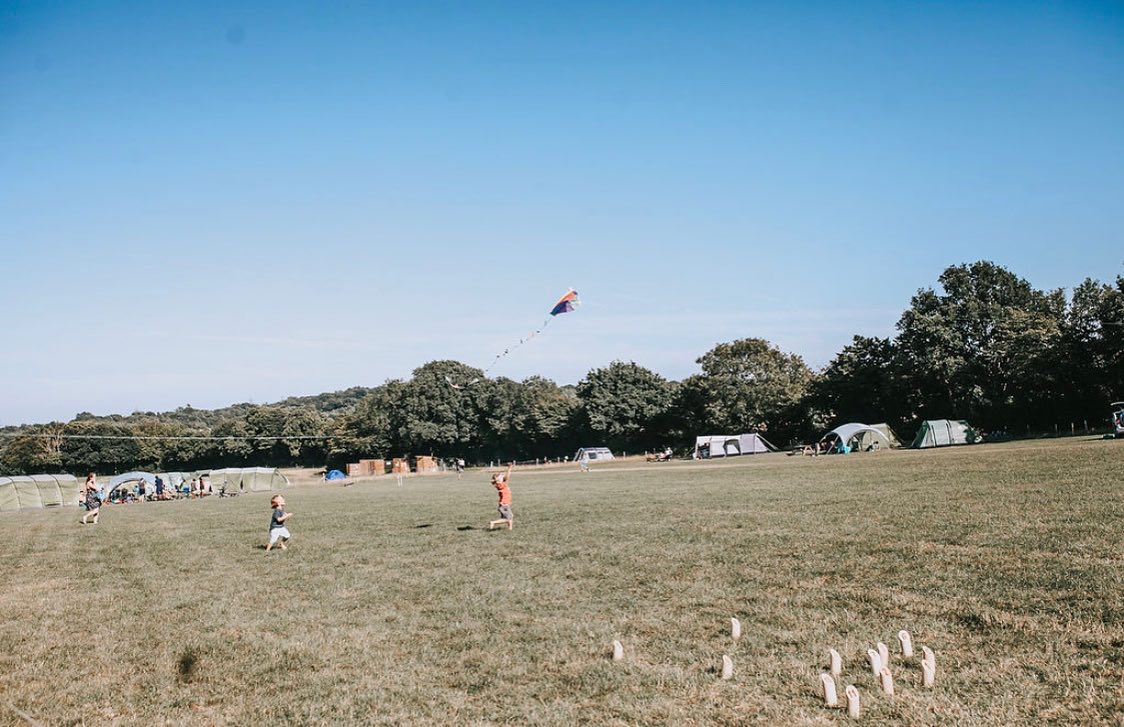
19. Fontmills Farm Campsite
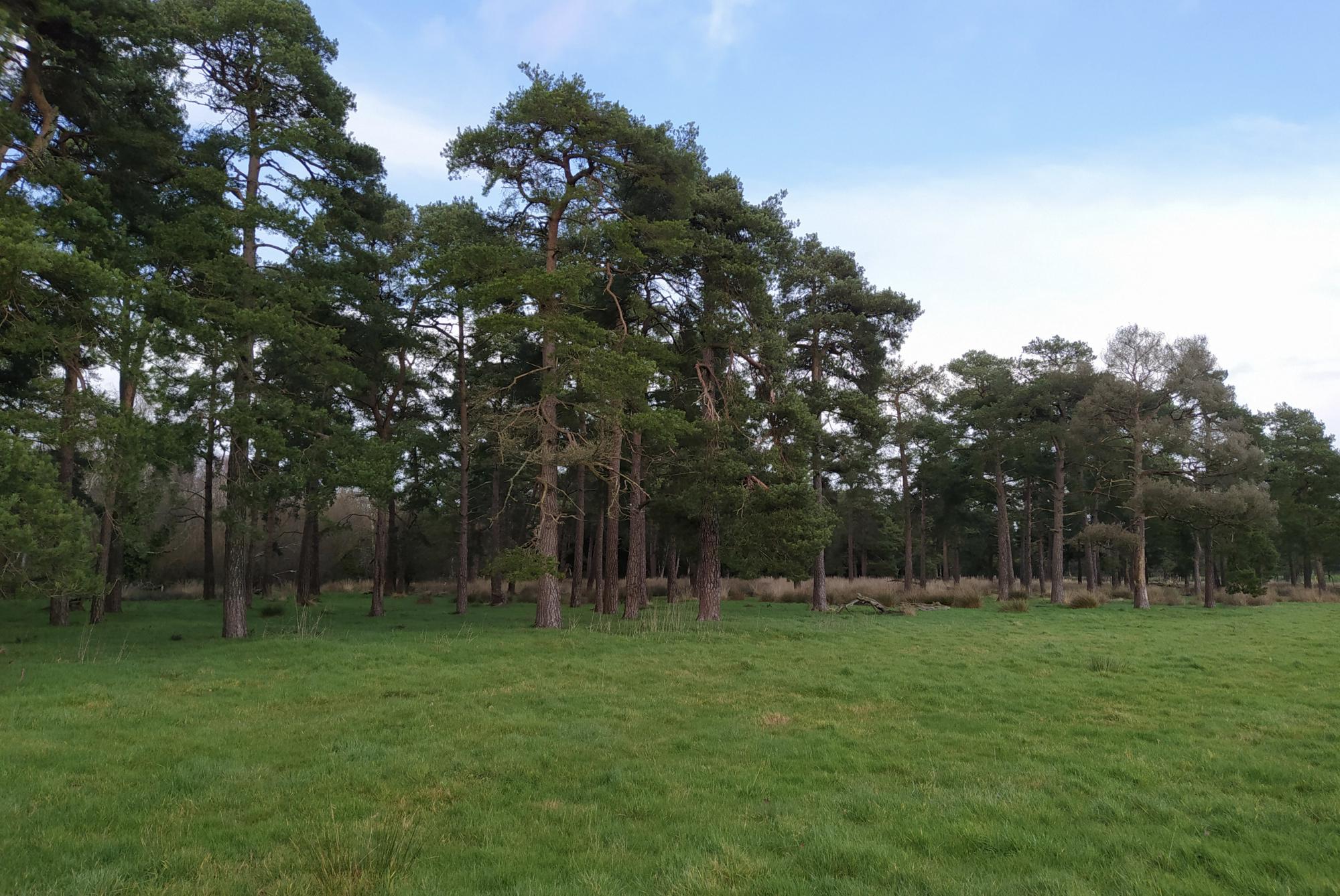
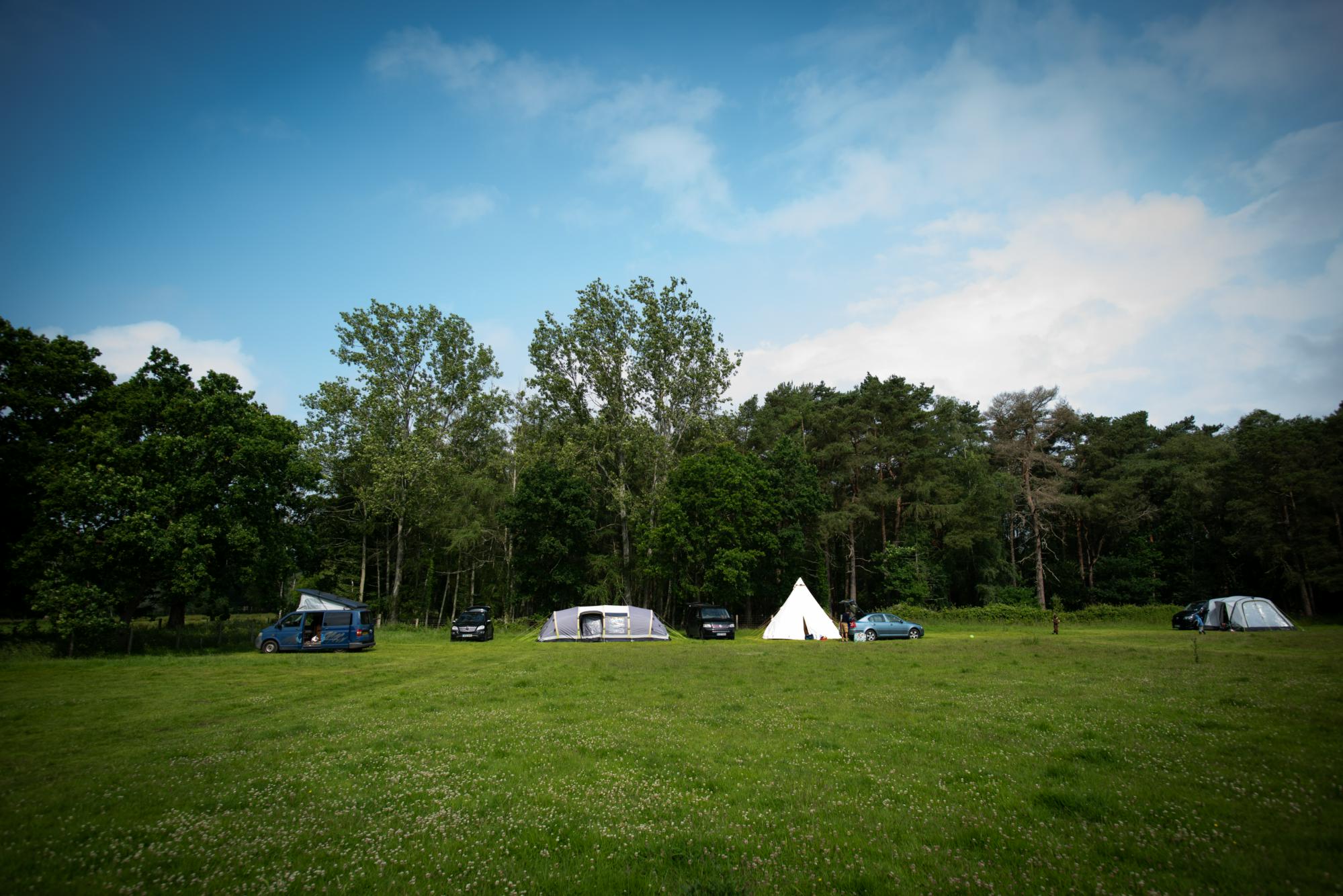
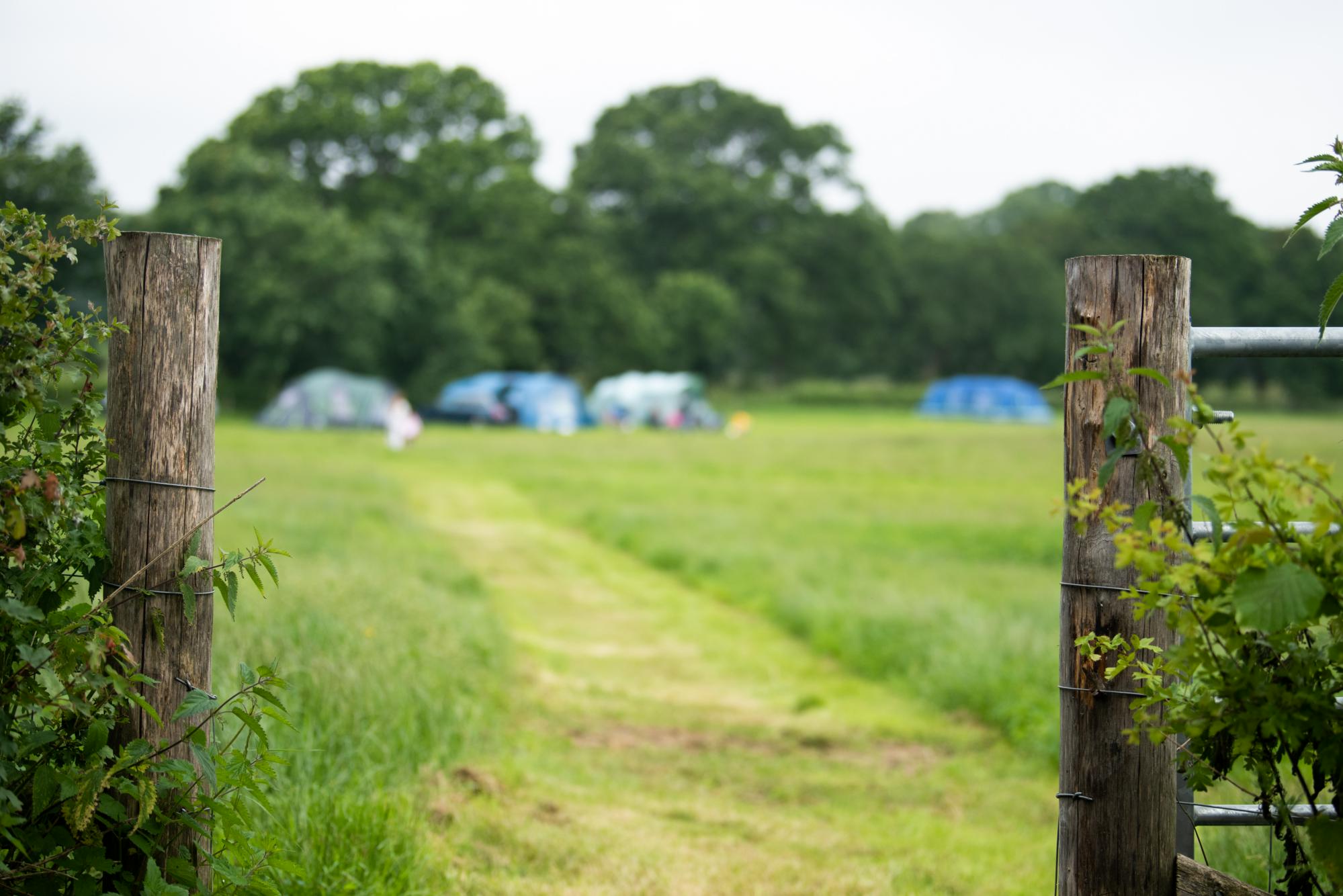
20. ShelleyOaks Farm Camping New Forest
Top-rated campgrounds near Lymington
1. Little Eden Riverside Campsite
2. Camping5Acres
3. Cotswolds Camping at Holycombe
4. Berrends Farm
5. Dernwood Farm Wild Camping
6. Cattlestone Farm Adult Only
7. Hardyes Countryside Camping
8. Small Trees Campsite
9. Baldwins Brook Glamping
10. Penn Meadow Farm
11. Hobby Farm
12. Glamping Retreat & Campsite
13. Pitchcott Farm
14. Sindles Farm Glamping and Camping
15. Watersmeet farm Campsite
16. Harry's Field New Forest
17. Hincknowle Cider Apple Farm Camping
18. Forest Garden Camp Spot Cardiff
19. Fontmills Farm Campsite
20. ShelleyOaks Farm Camping New Forest
Recent reviews from the Hipcamp community





Luxury caravan parks near Lymington guide
Where to go
New Forest National Park
The New Forest National Park surrounds Lymington, extending from the coast to an area near Salisbury inland. With its miles of heather moorland and woodland, it’s a haven for wildlife, including the wild New Forest ponies. It’s a short drive inland to Brockenhurst, the town at the heart of the New Forest National Park—and you can use the New Forest open-top bus service to travel between the towns and the forest’s sights if you don’t fancy the drive. From Brockenhurst, hire bikes and head out on one of the many car-free cycle routes. There are also riding stables and plenty of bridleways and footpaths for keen walkers. Wild camping isn’t allowed in the New Forest, but many formal campsites and caravan parks dot the area.
Isle of Wight
Lymington is one of the access points to the Isle of Wight, with a regular ferry crossing to Yarmouth on the island’s northwest. The Isle of Wight is a popular holiday destination and part of the island is a designated Area of Outstanding National Beauty (AONB). Campers staying in Lymington can visit the island on a day trip but there are many camping options there too, from coastal campgrounds to those inland and within the AONB.
Cranborne Chase AONB
Spanning Hampshire, Dorset, Somerset, and Wiltshire, the Cranborne Chase AONB is an important area of chalk grasslands and escarpments, ancient woodlands, and archaeological sites. From the top of the highest point in Cranborne Chase, the 908-foot Win Green, visitors can see all the way to the Isle of Wight in one direction and the Quantock Hills AONB in the other. There are many places to camp throughout Cranborne Chase.
When to go
Summer is the best time to camp in and around Lymington. The temperatures are usually mild, there’s less rain, and the days are long. School holidays tend to be the busiest time to camp and the Isle of Wight is especially popular. Some campsites are closed outside of summer given tent camping in an English winter can be uncomfortable, but cabins or cottages can be booked for off-season travel instead.