Camping in Kingley Vale National Nature Reserve
Top-rated campgrounds in Kingley Vale National Nature Reserve
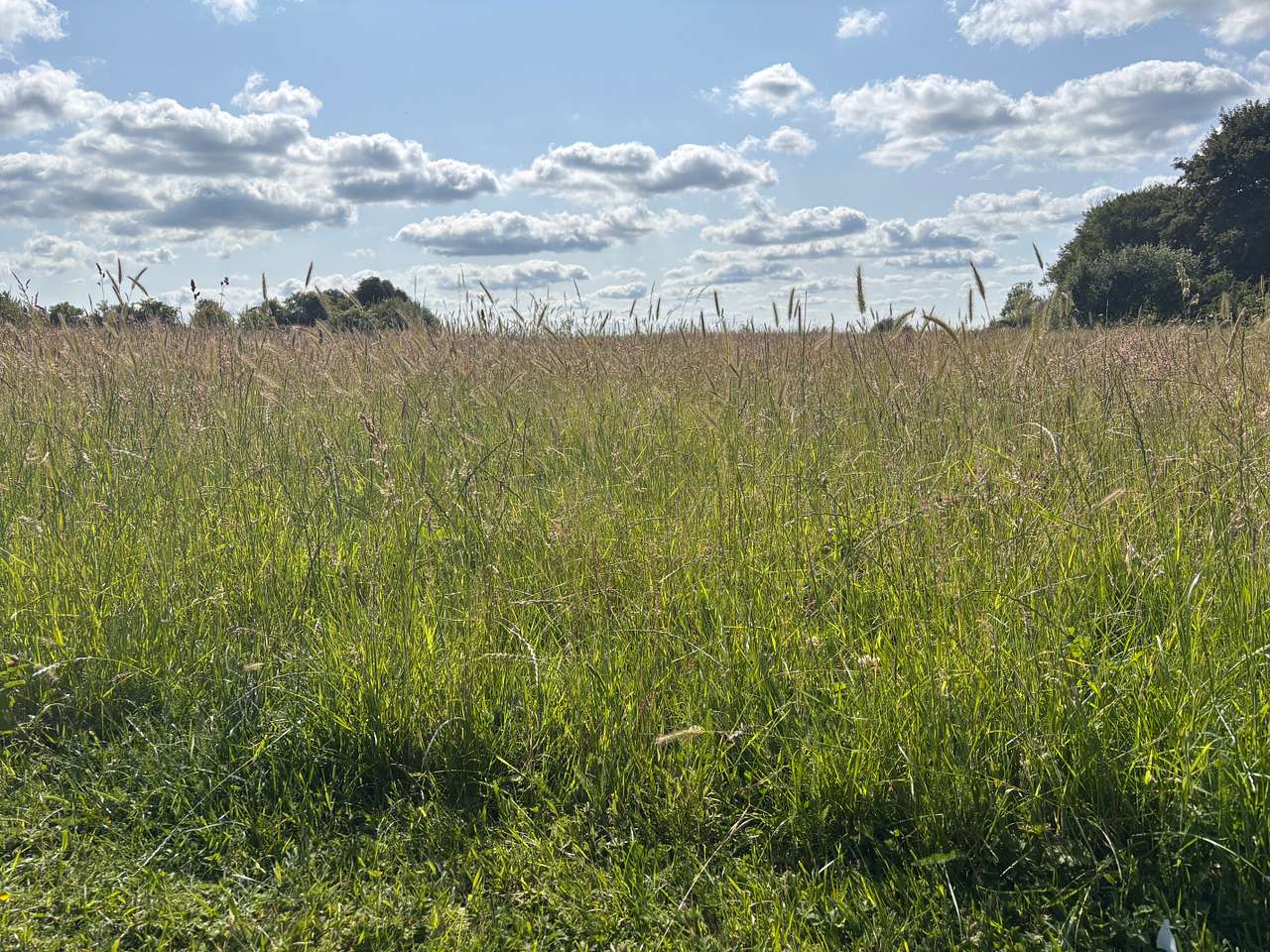
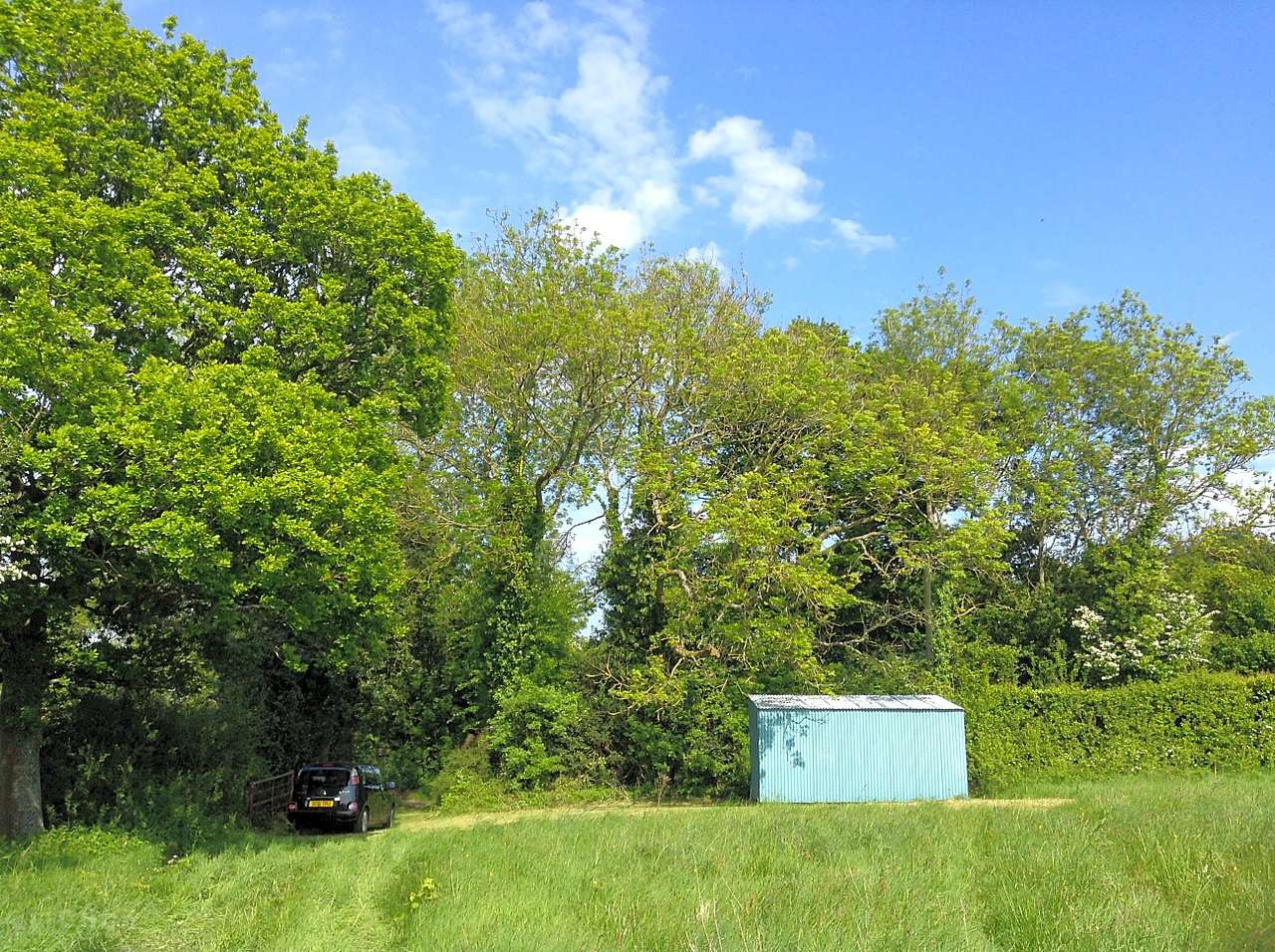
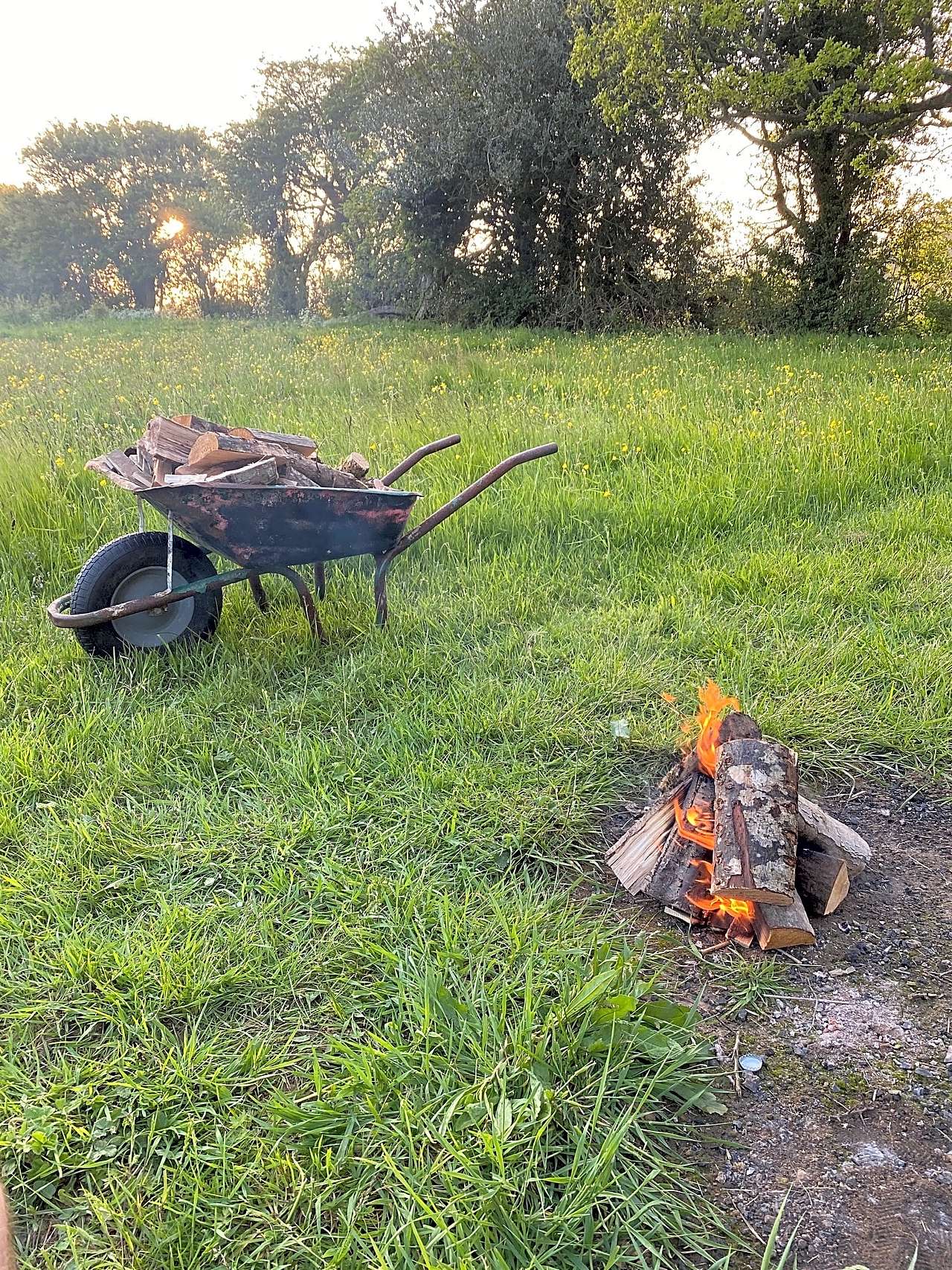
1. Hill Top Farm Wild Camping
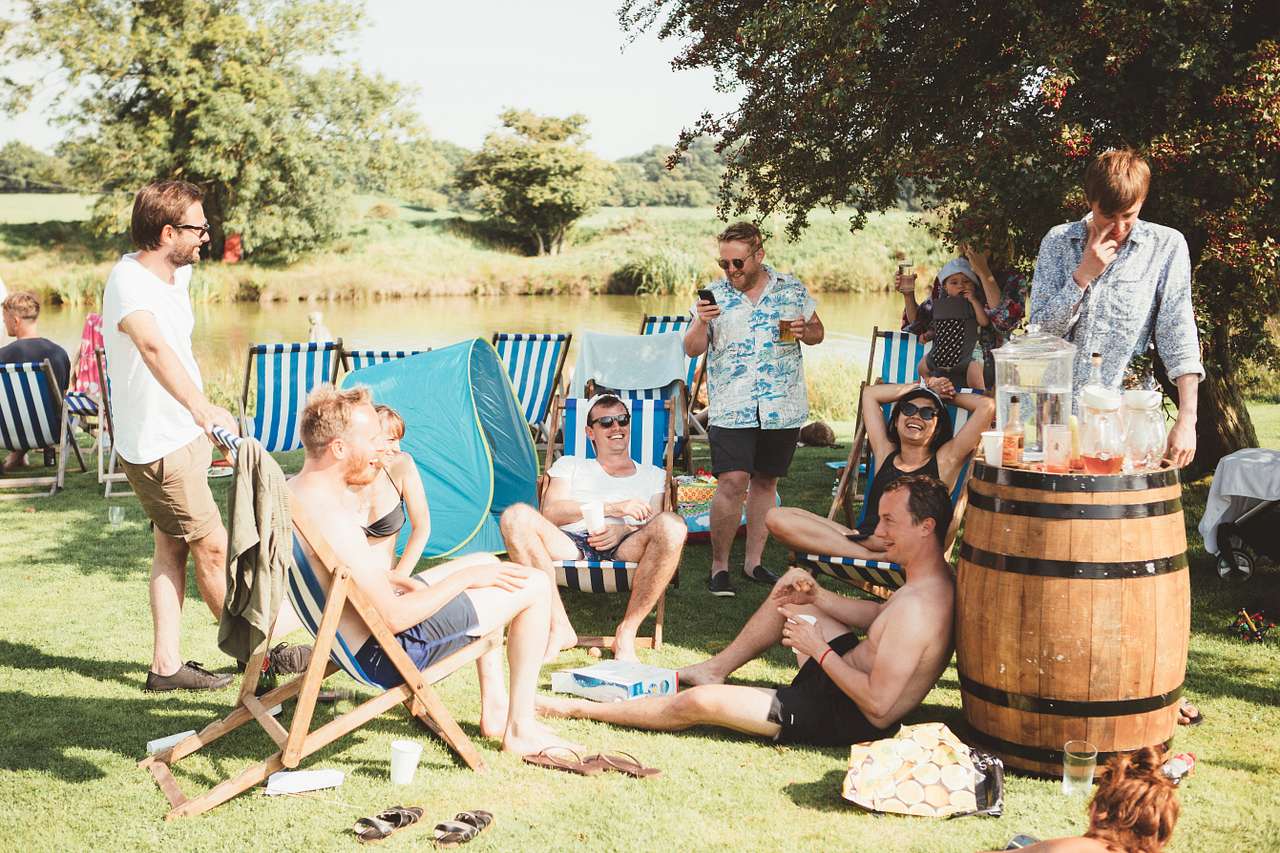
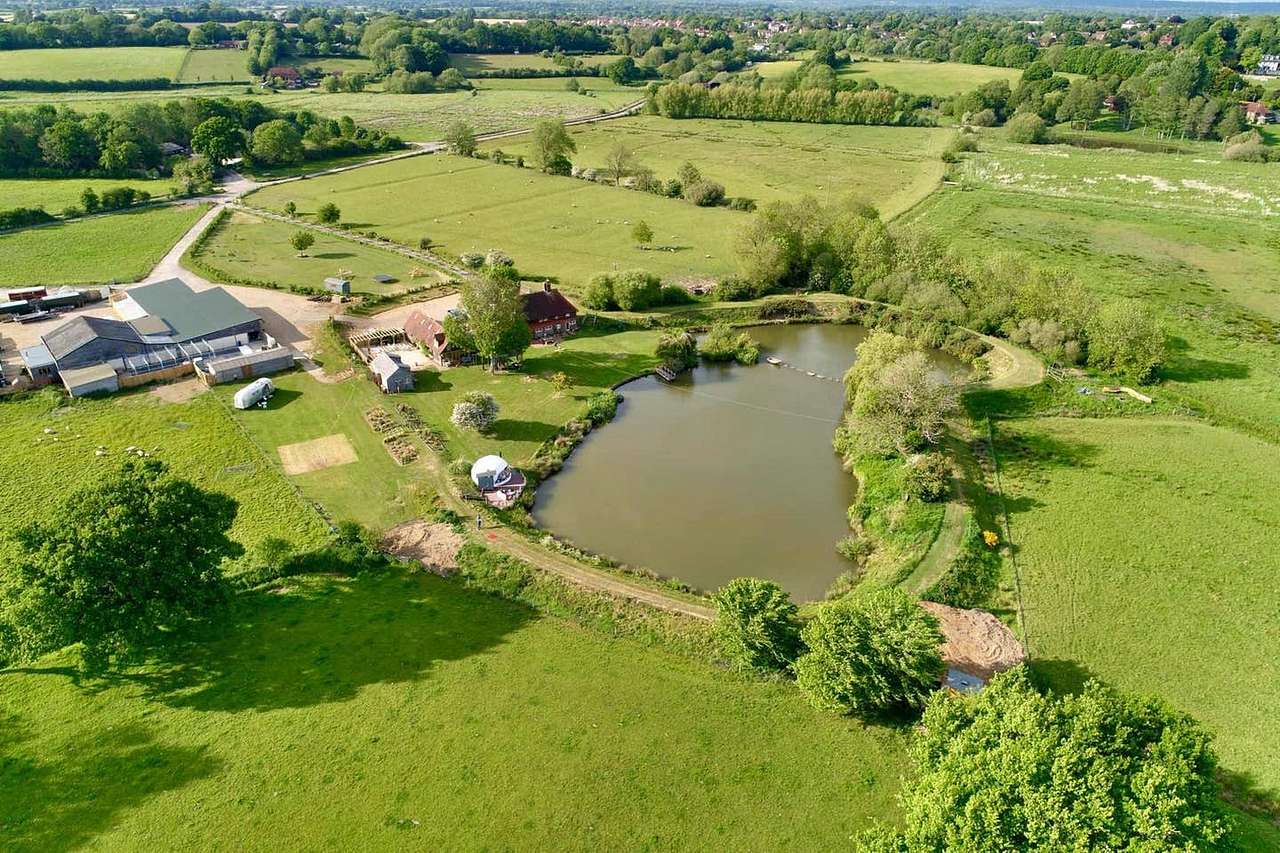
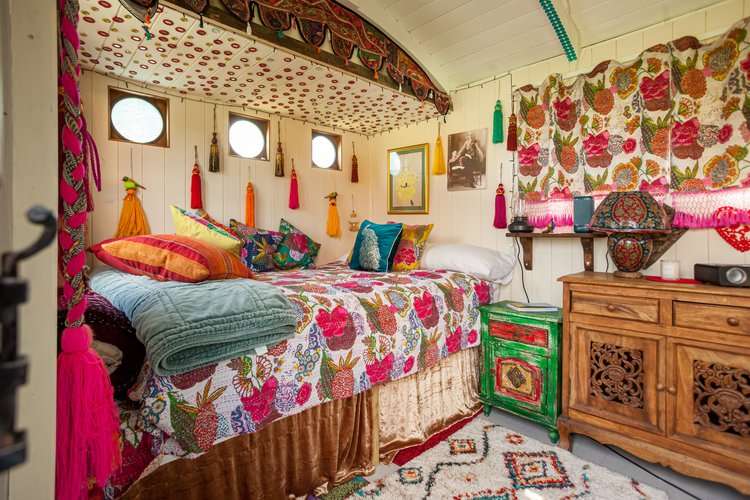
2. Wonderland Festival Retreat
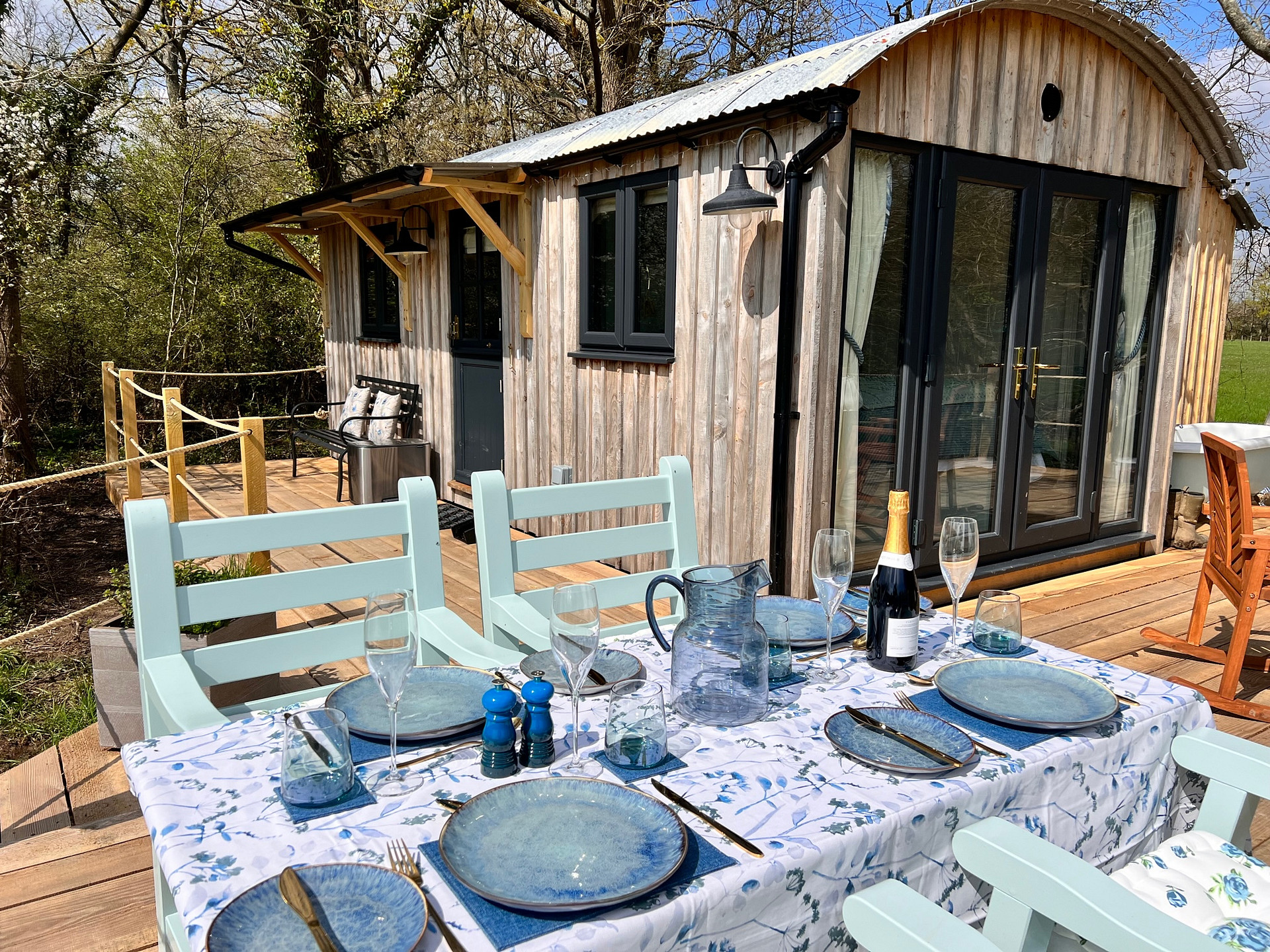
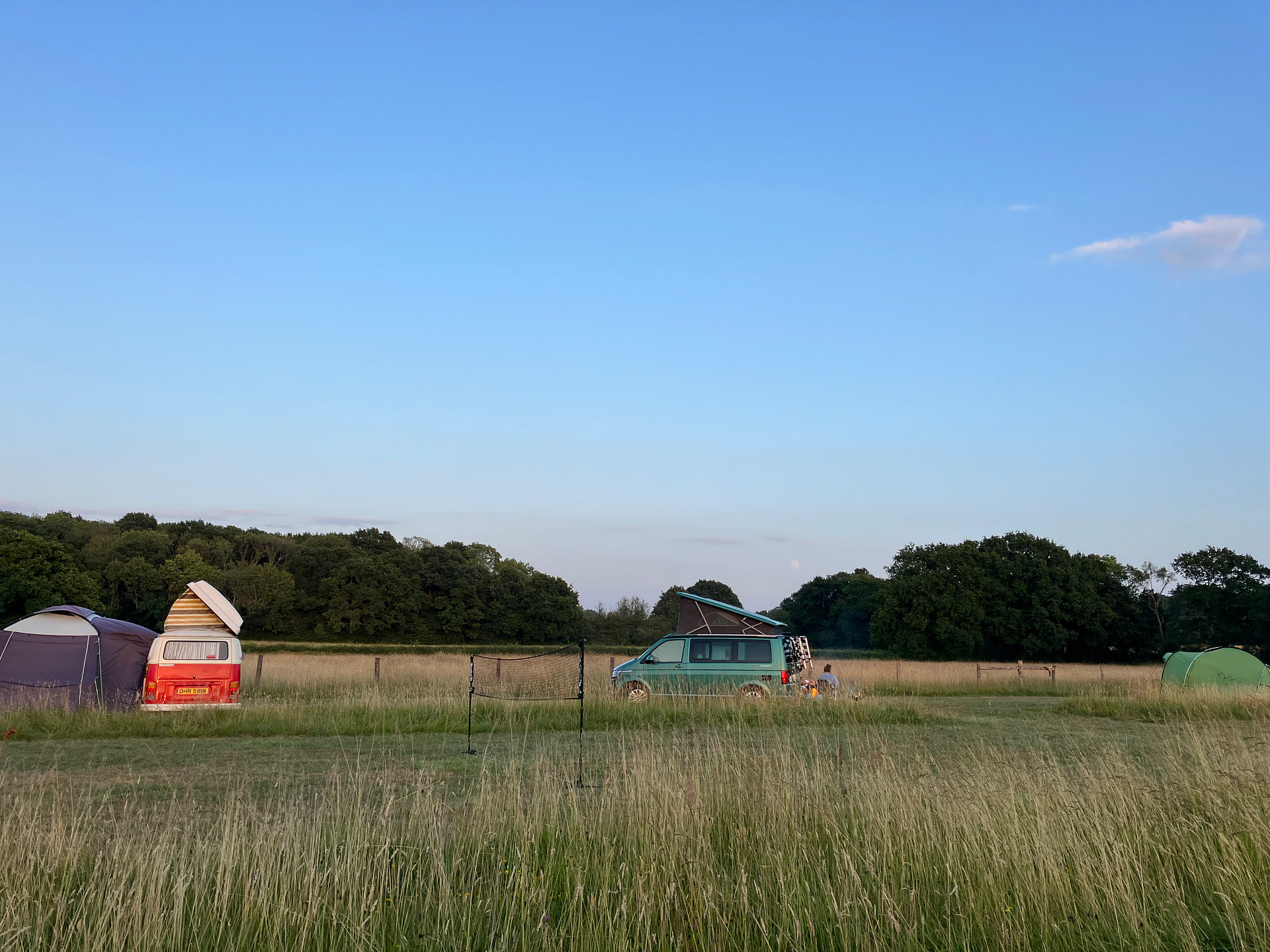
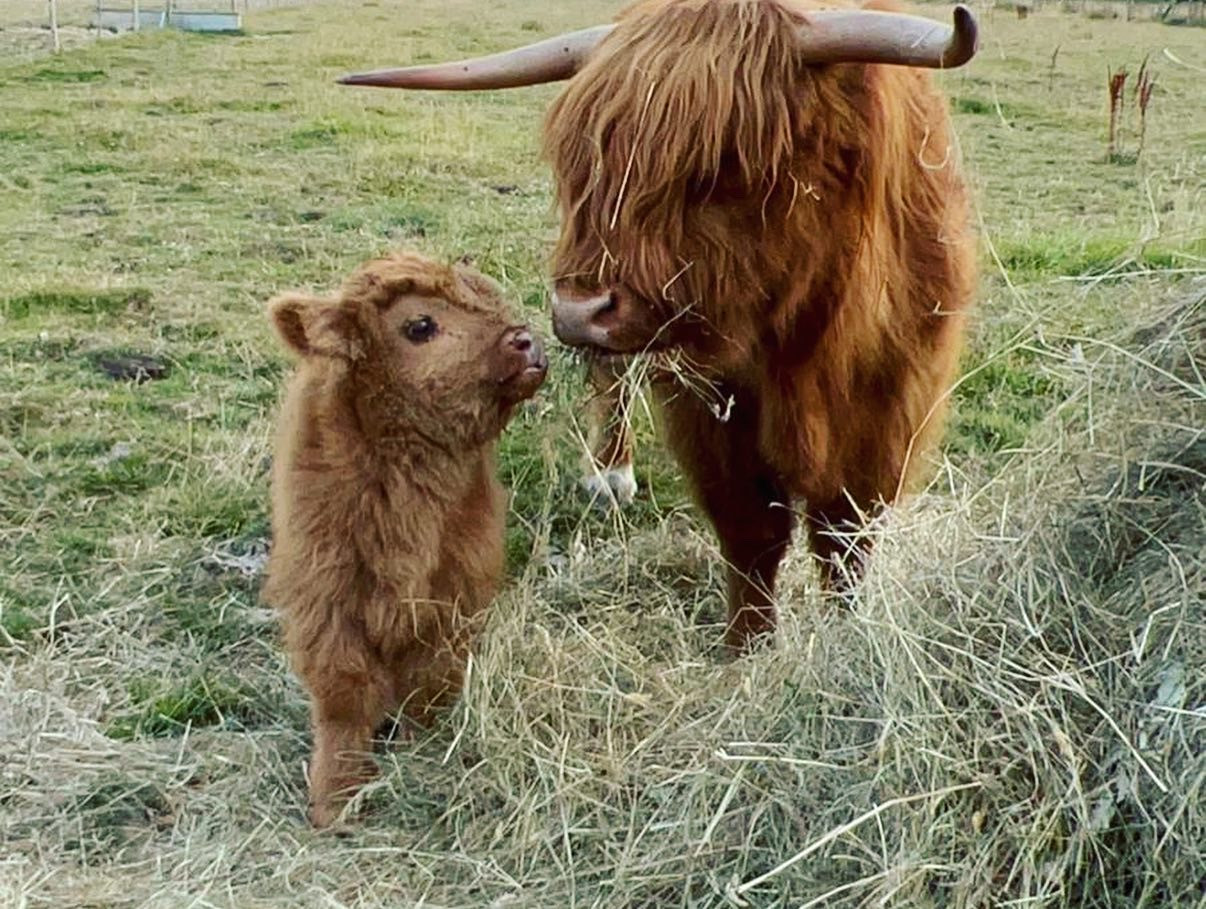
3. Cattlestone Farm Adult Only
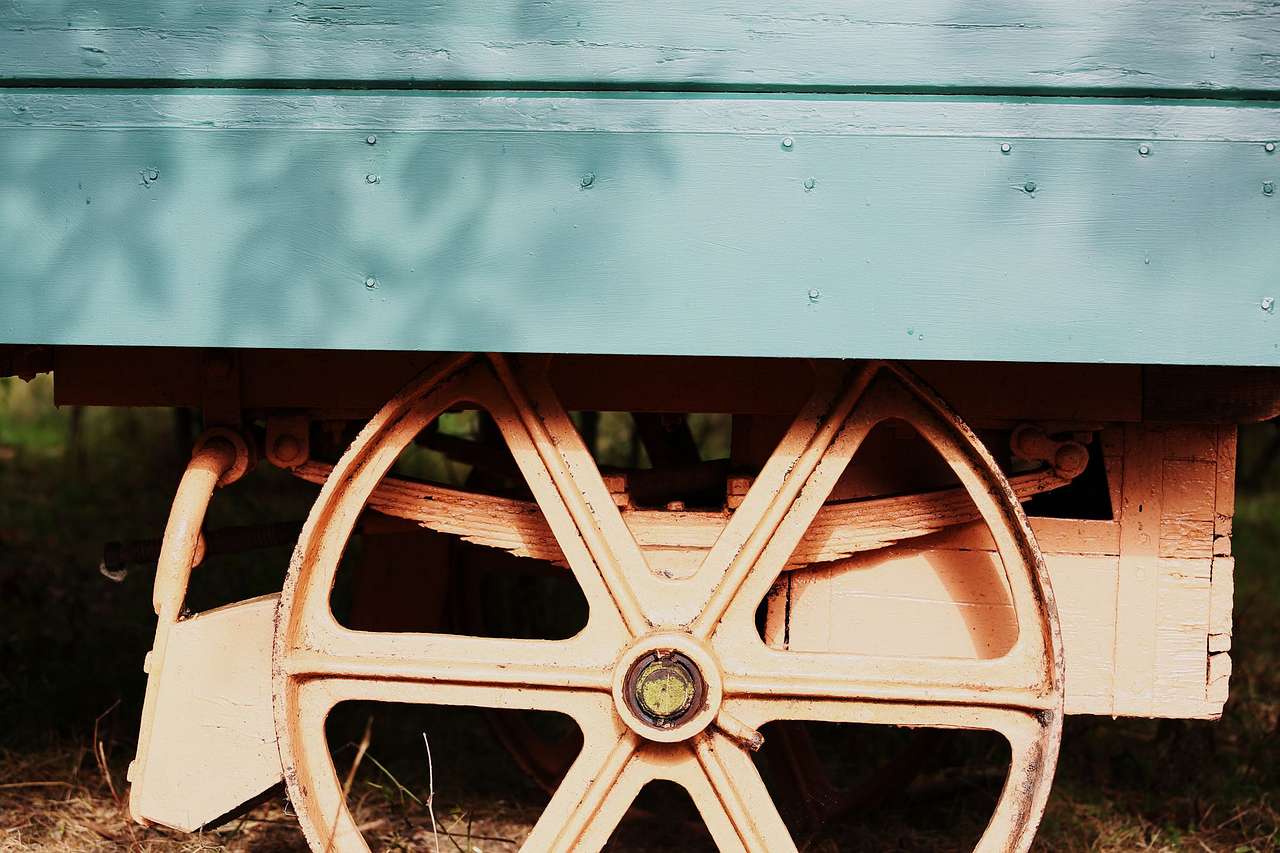
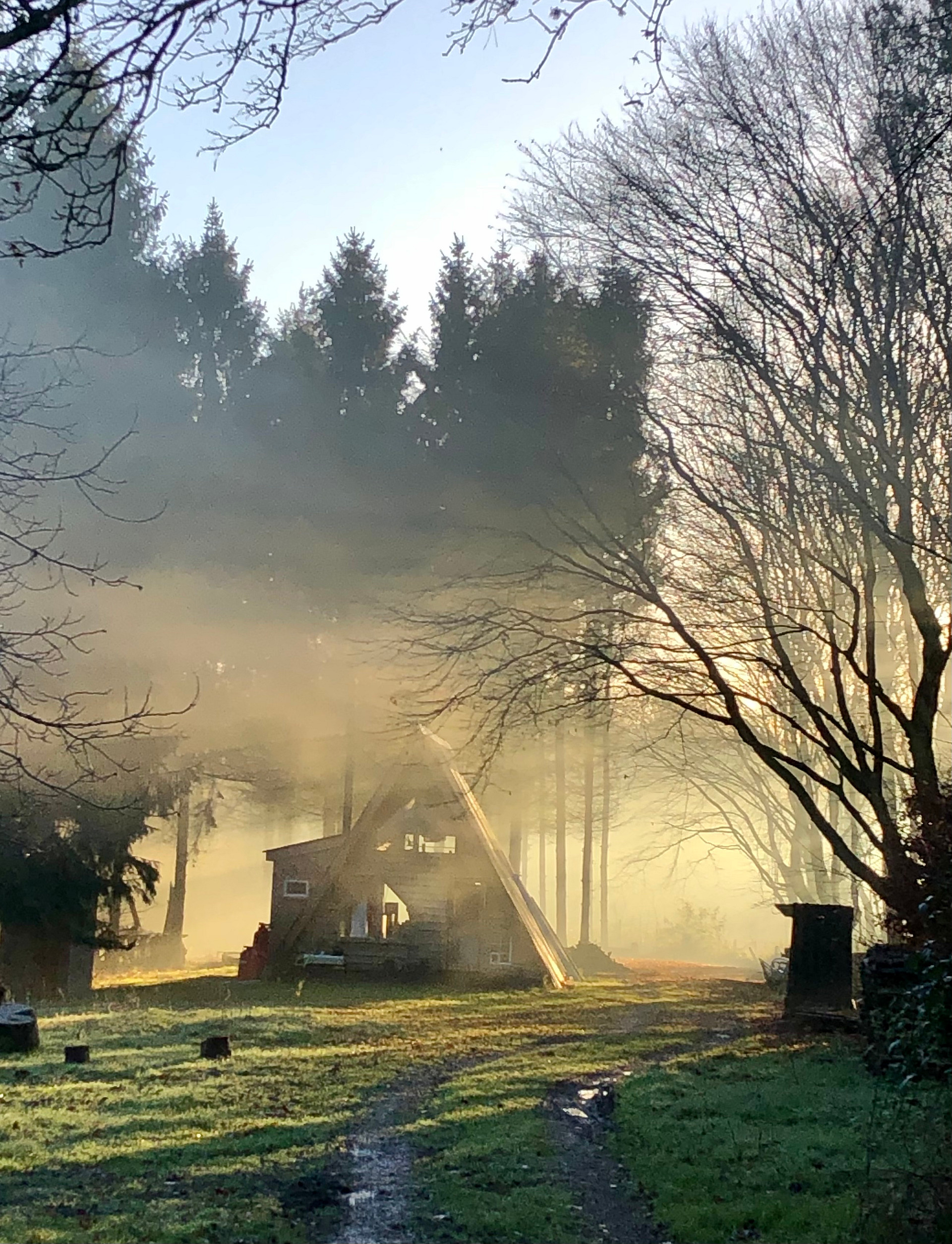
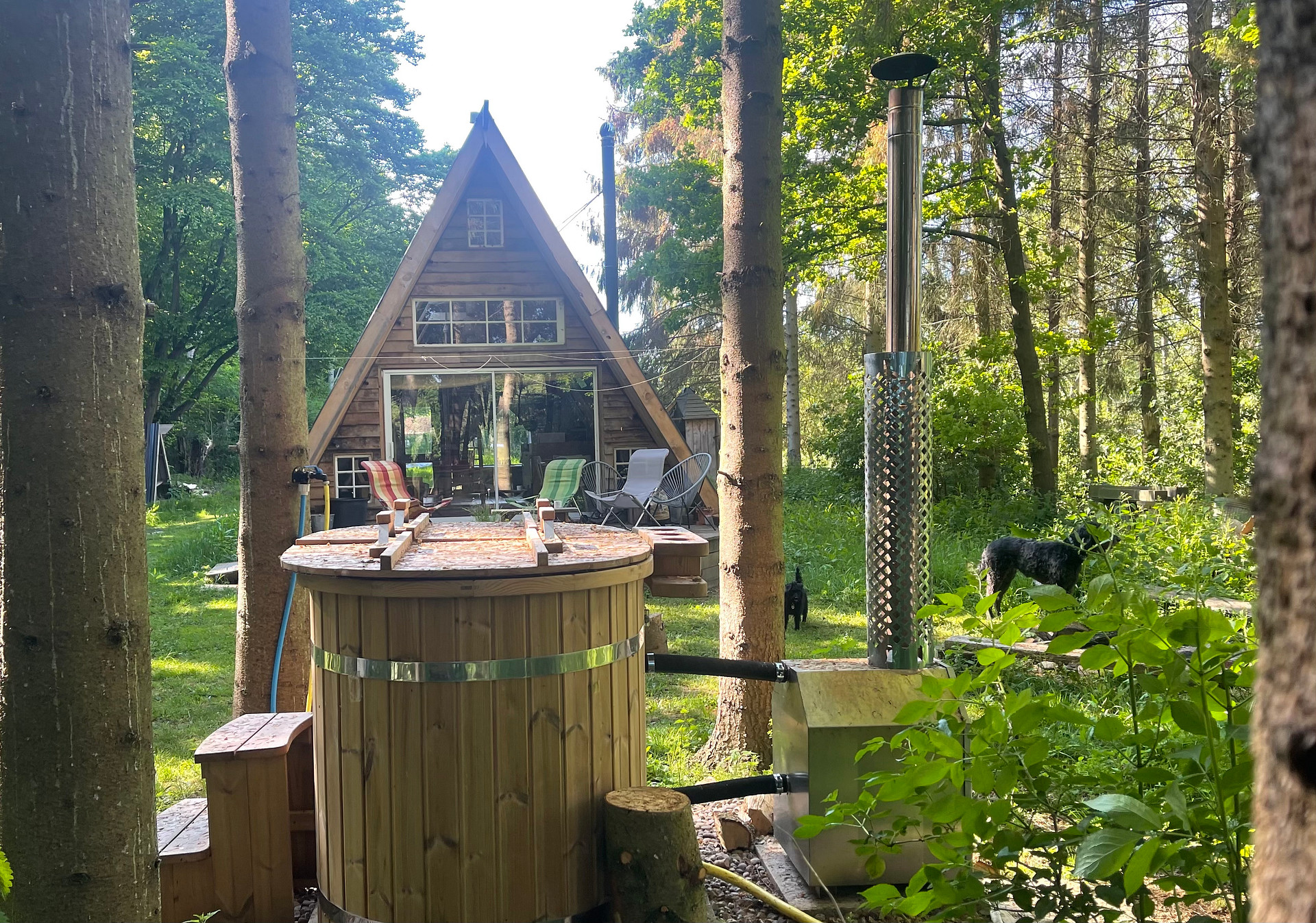
4. The Nut Plat Retreat
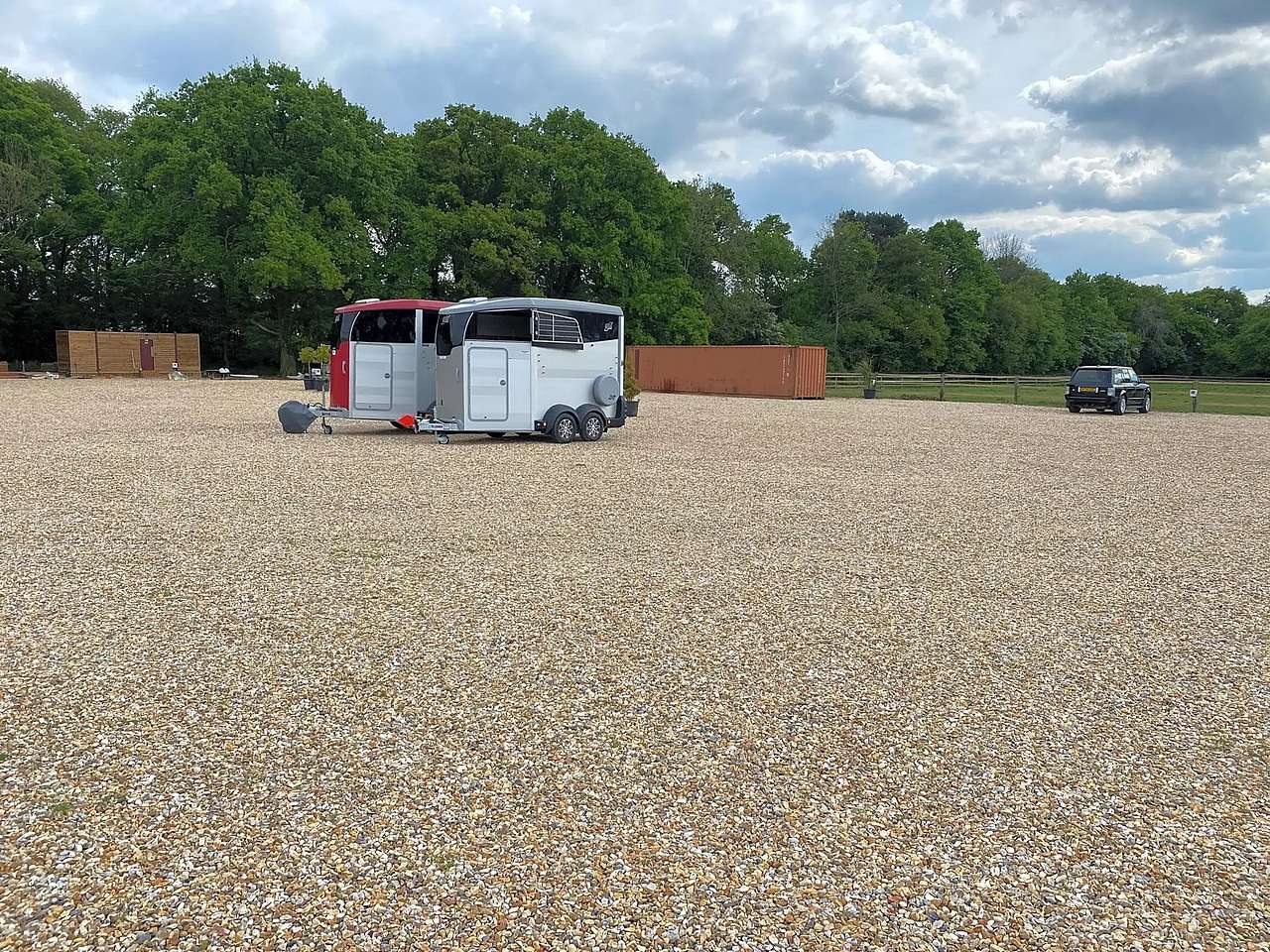
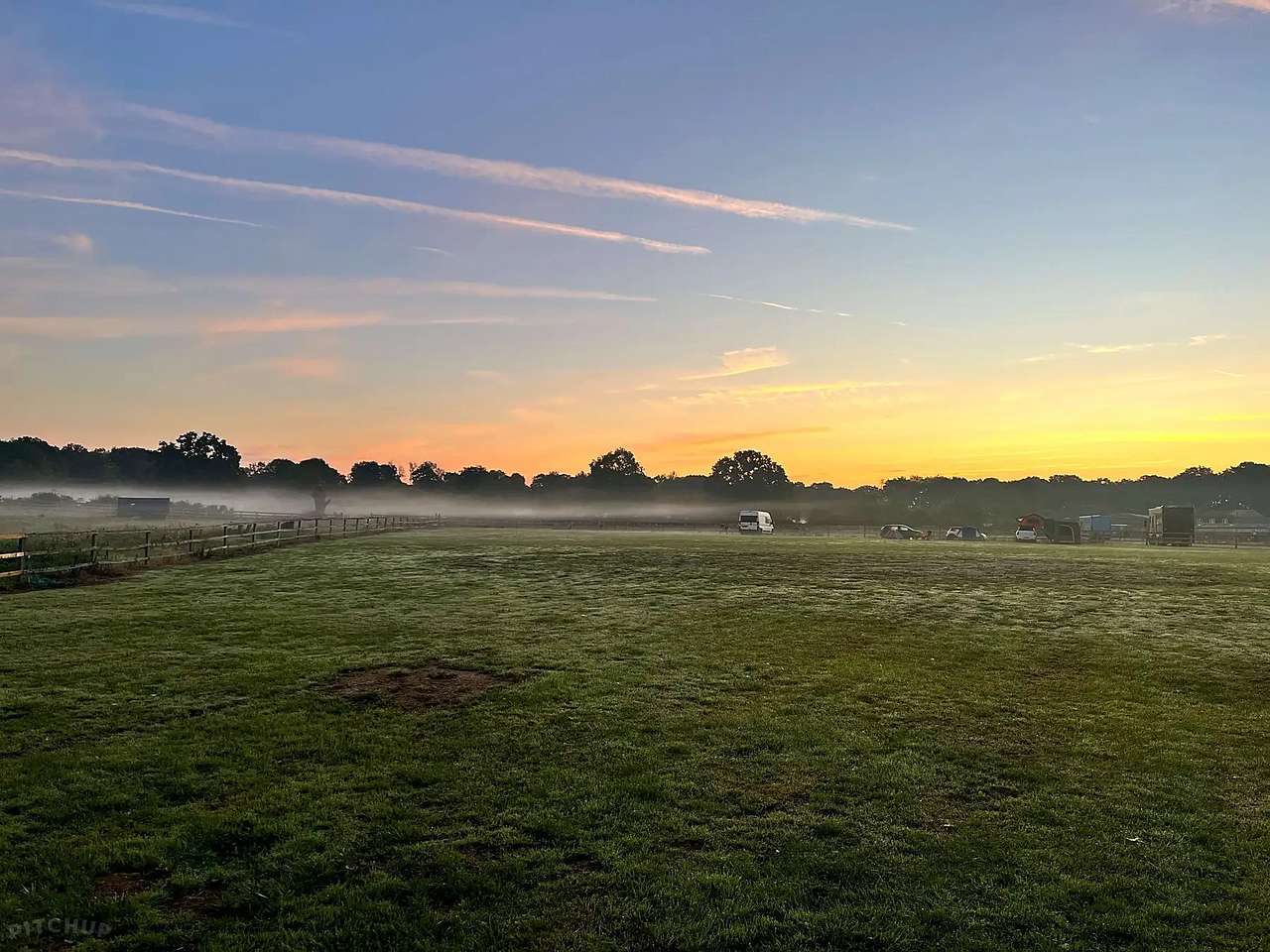
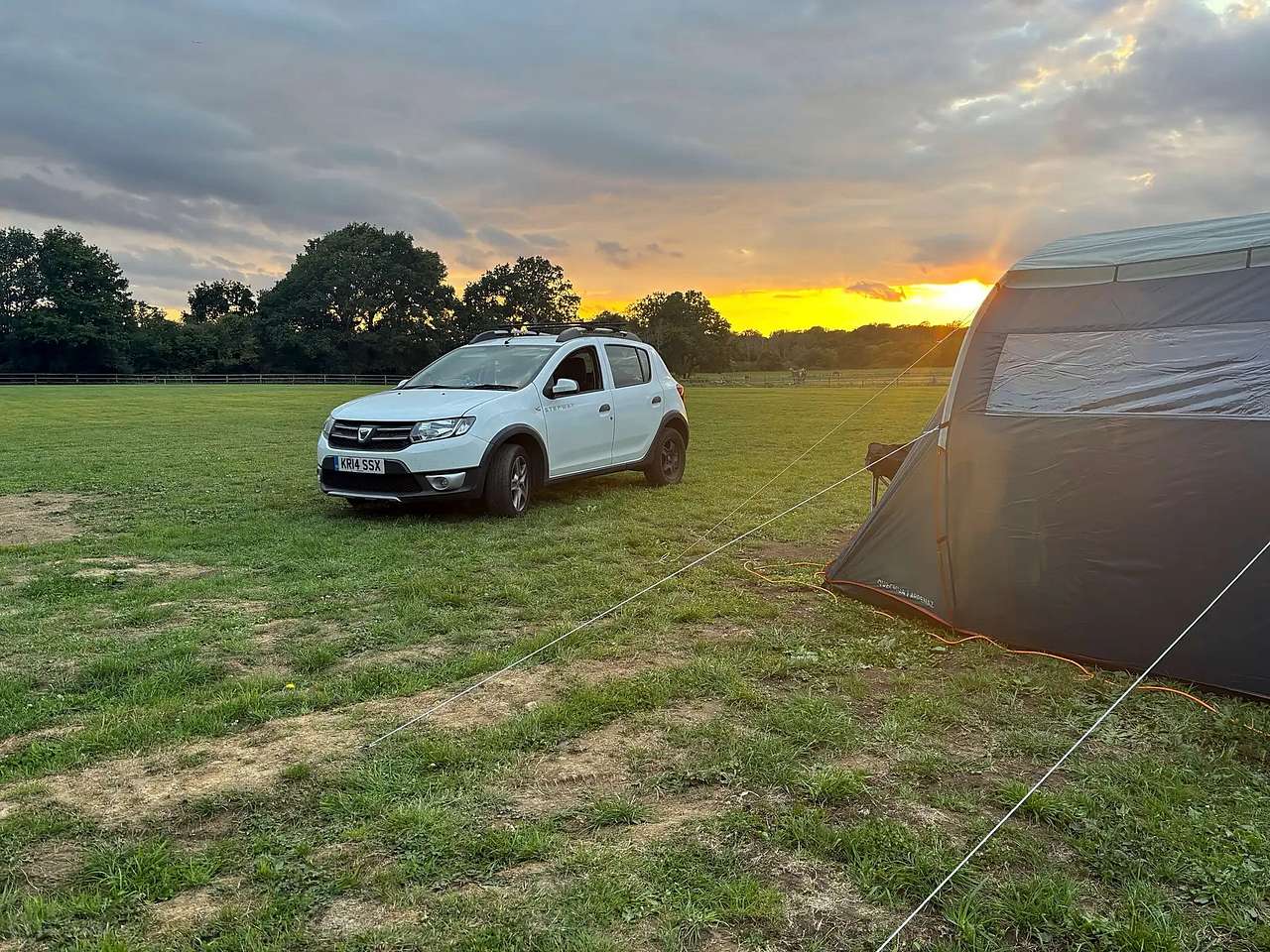
5. Beech Farm Camping
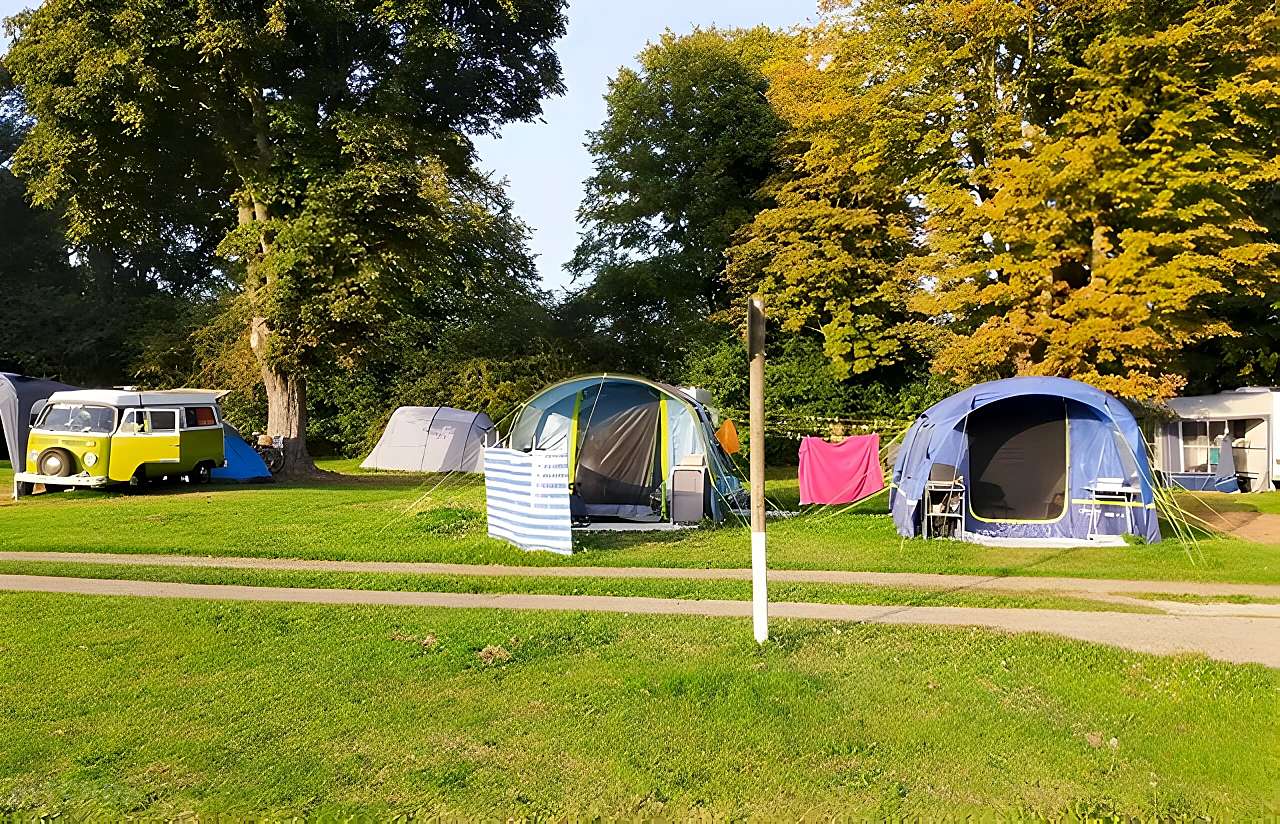
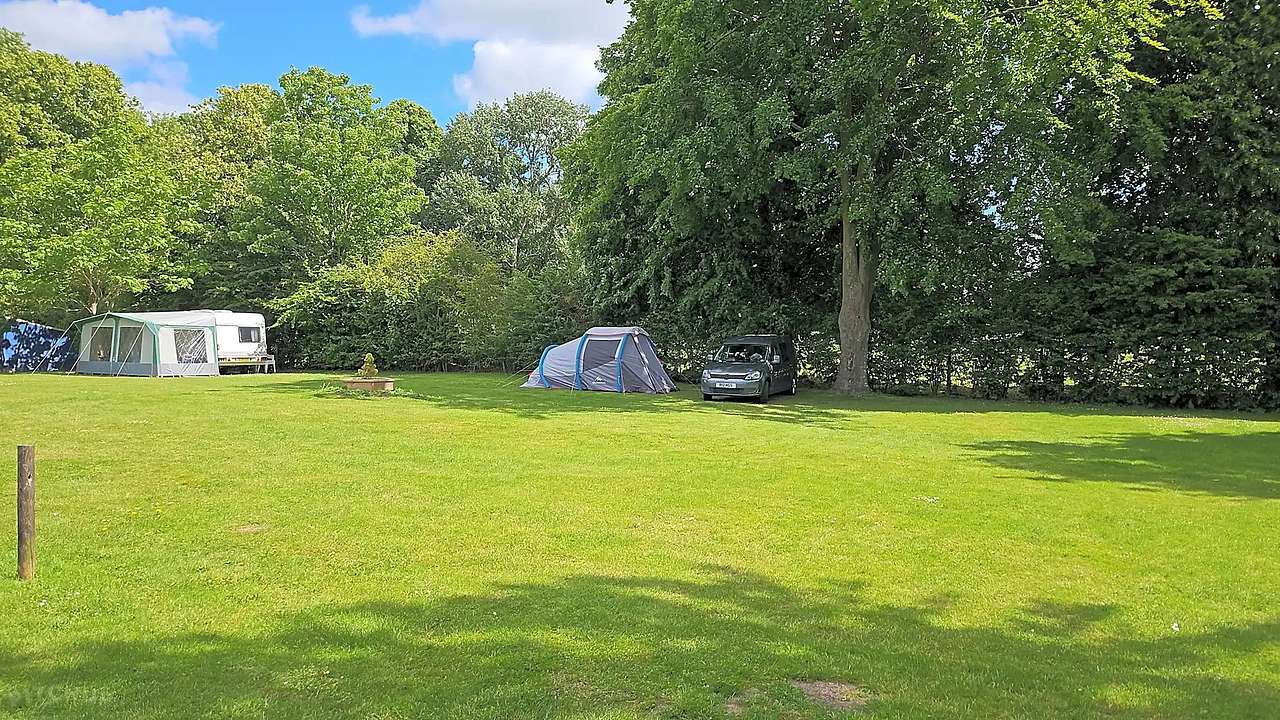
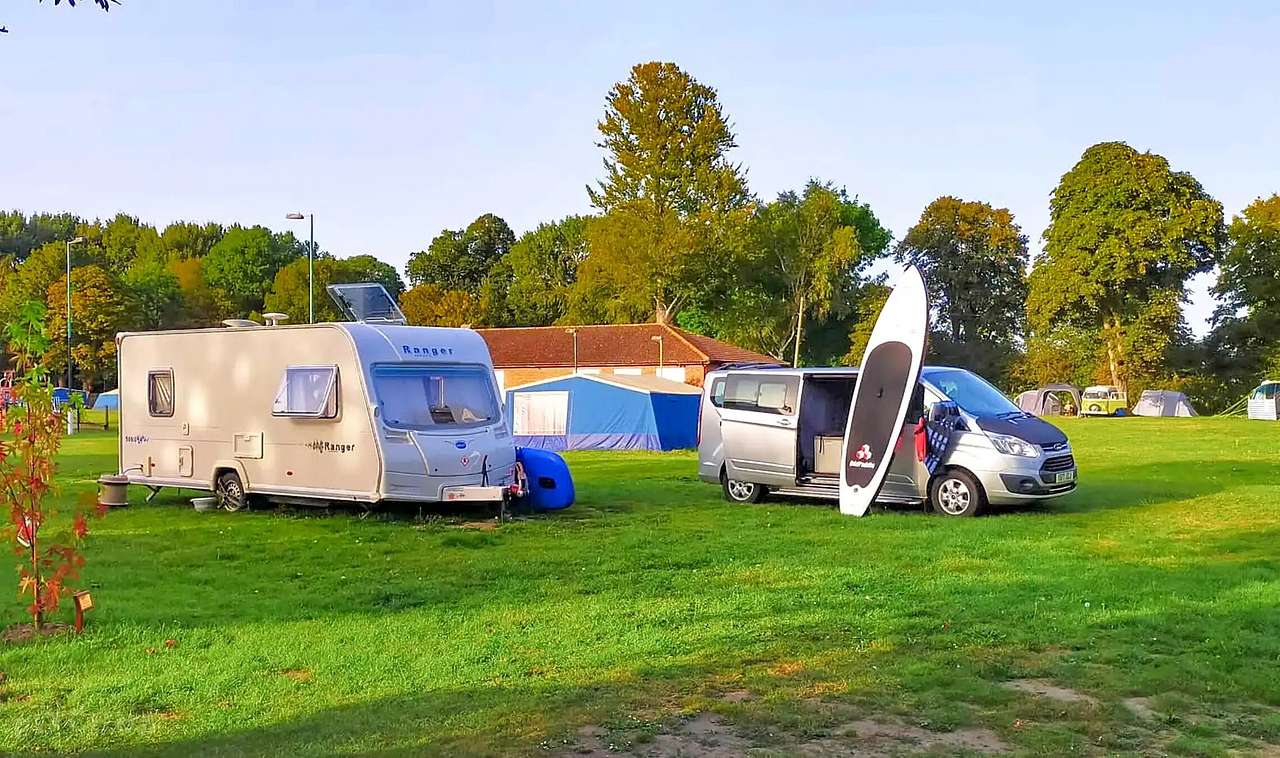
6. Laleham Camping Club
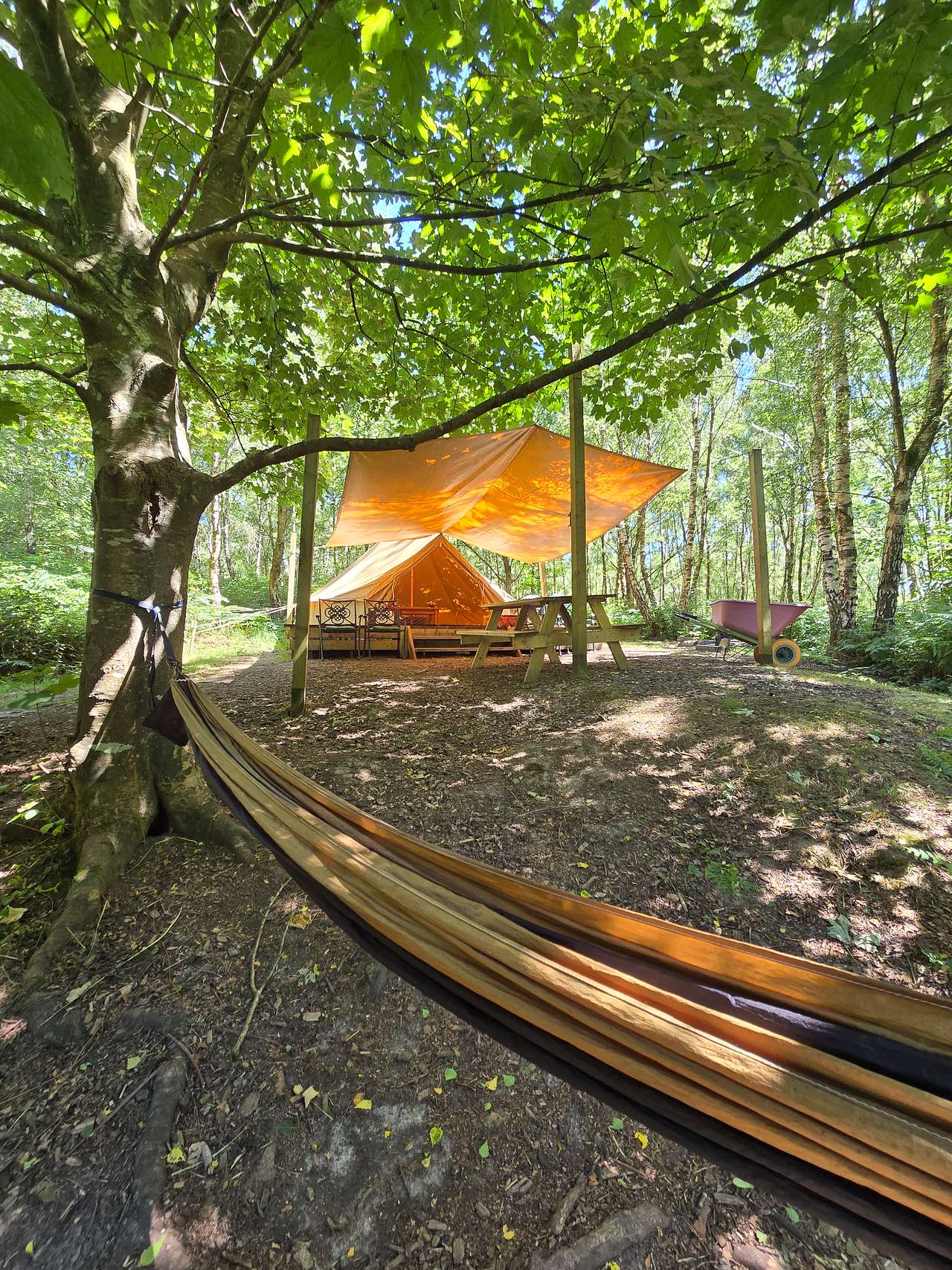
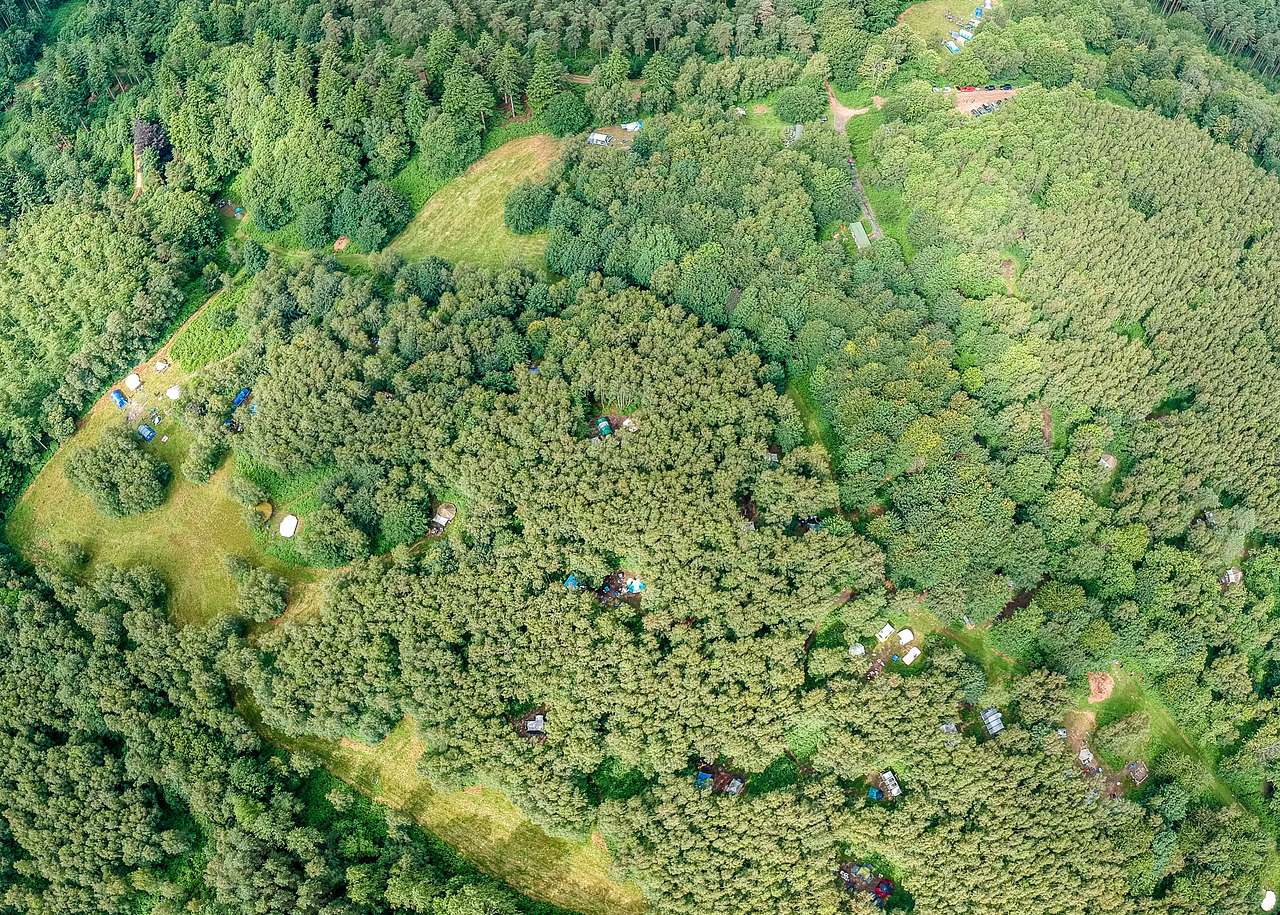
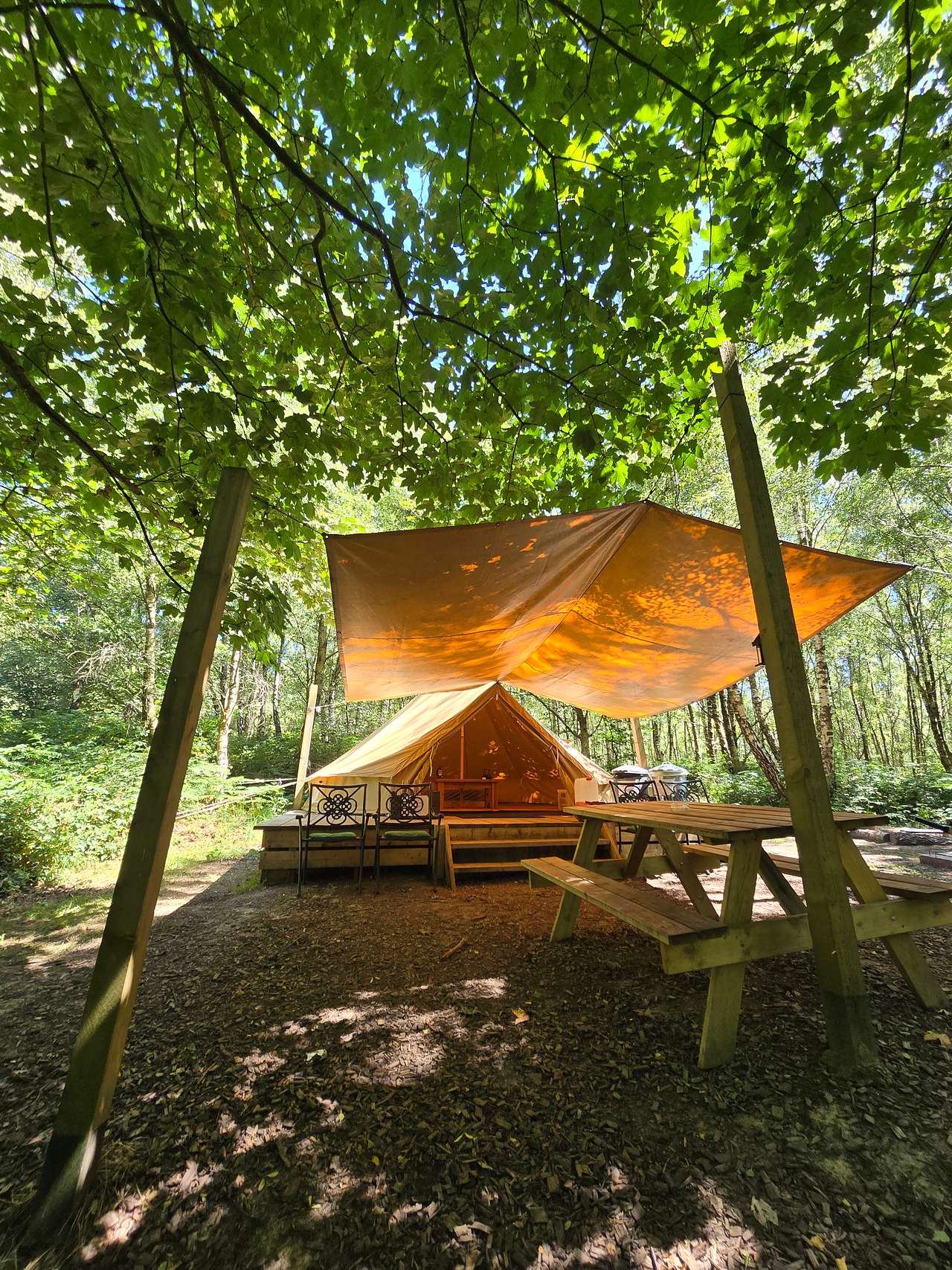
7. Beech Estate Campsite
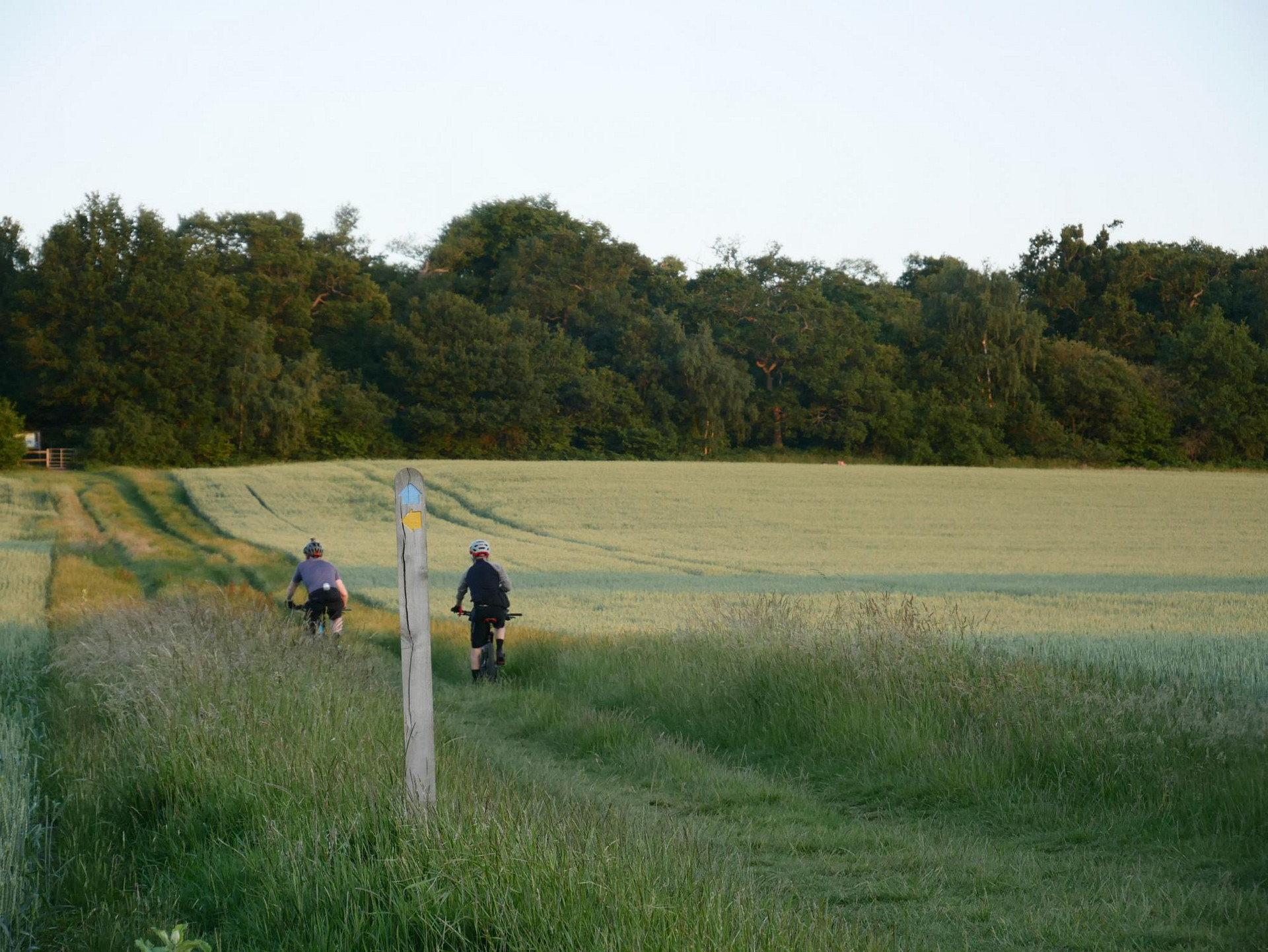
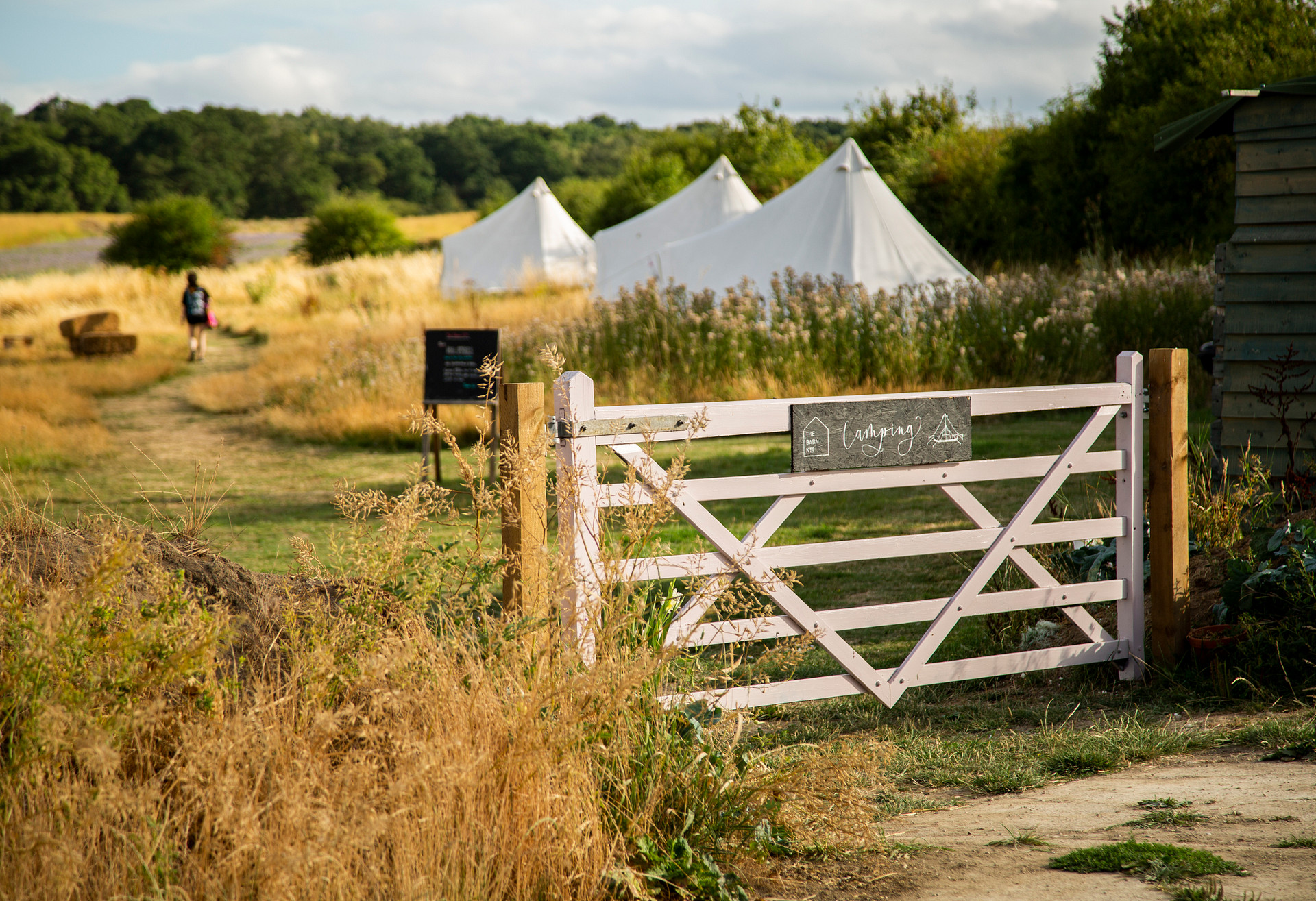
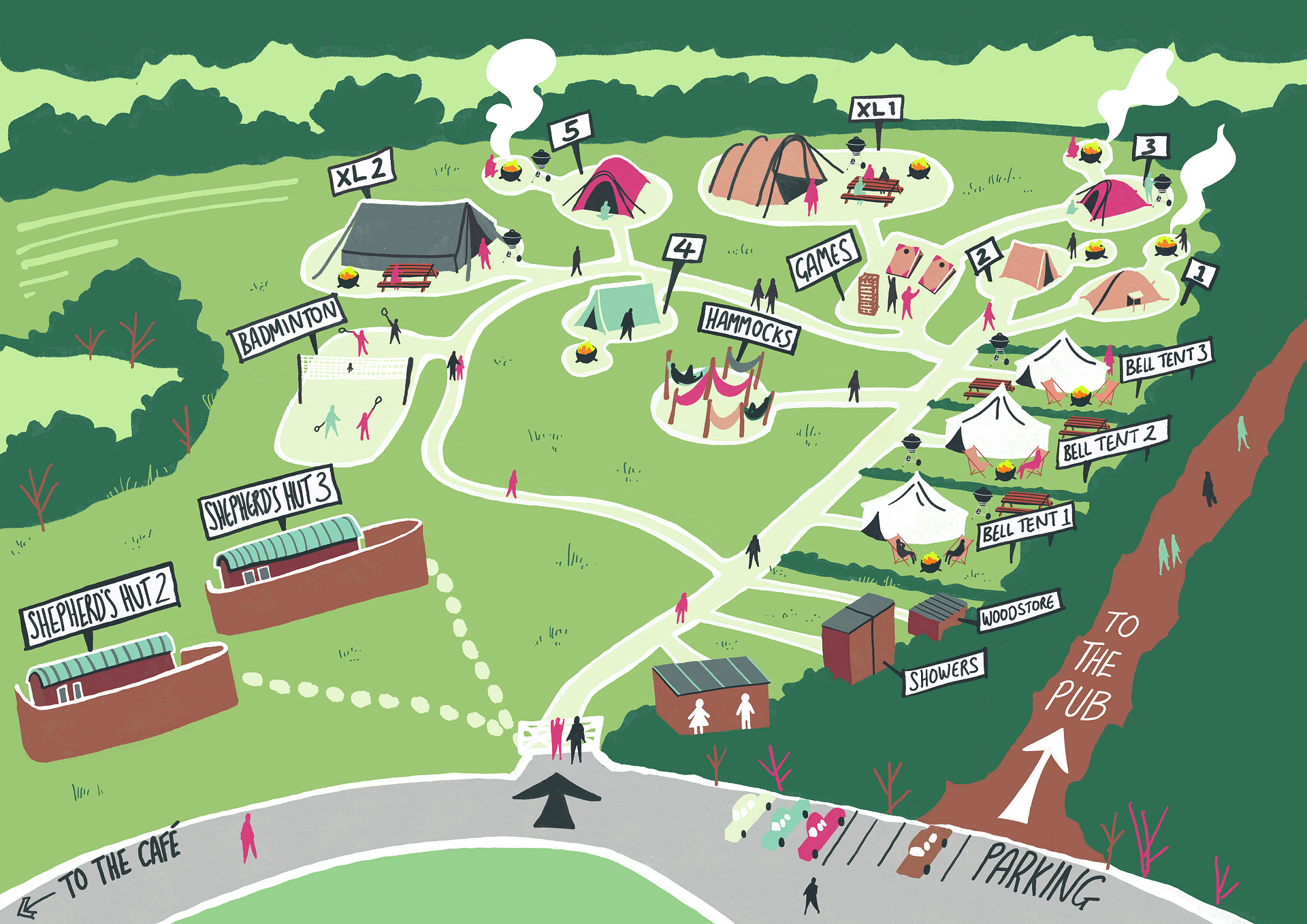
8. The Barn KT9

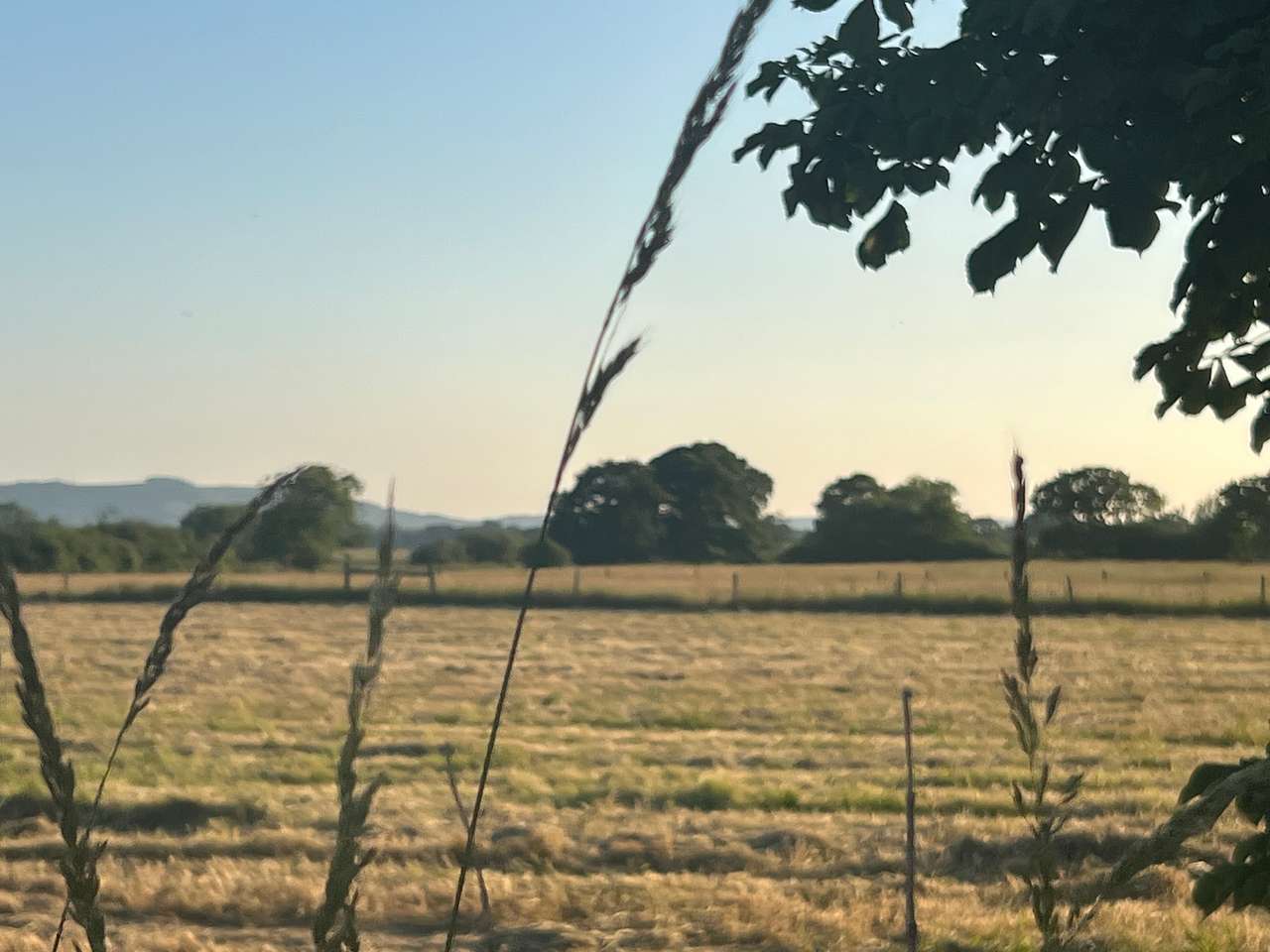

9. Chanctonbury Corner
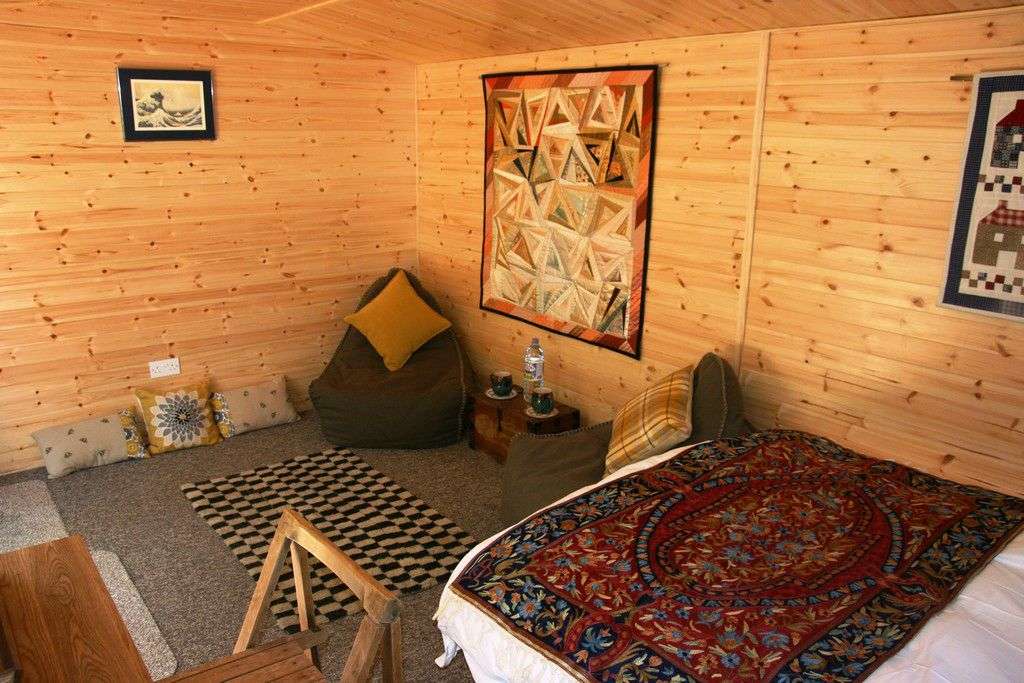
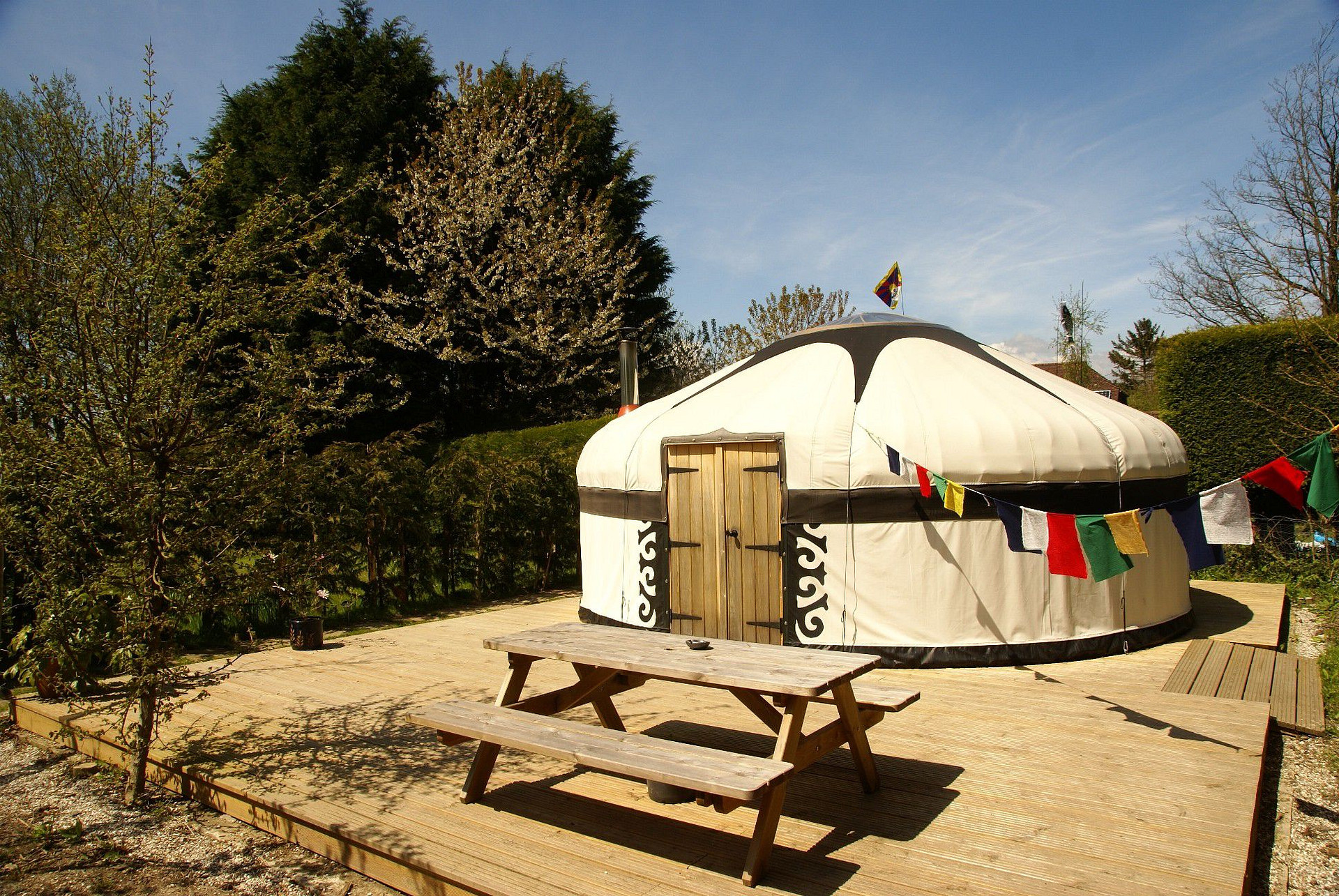
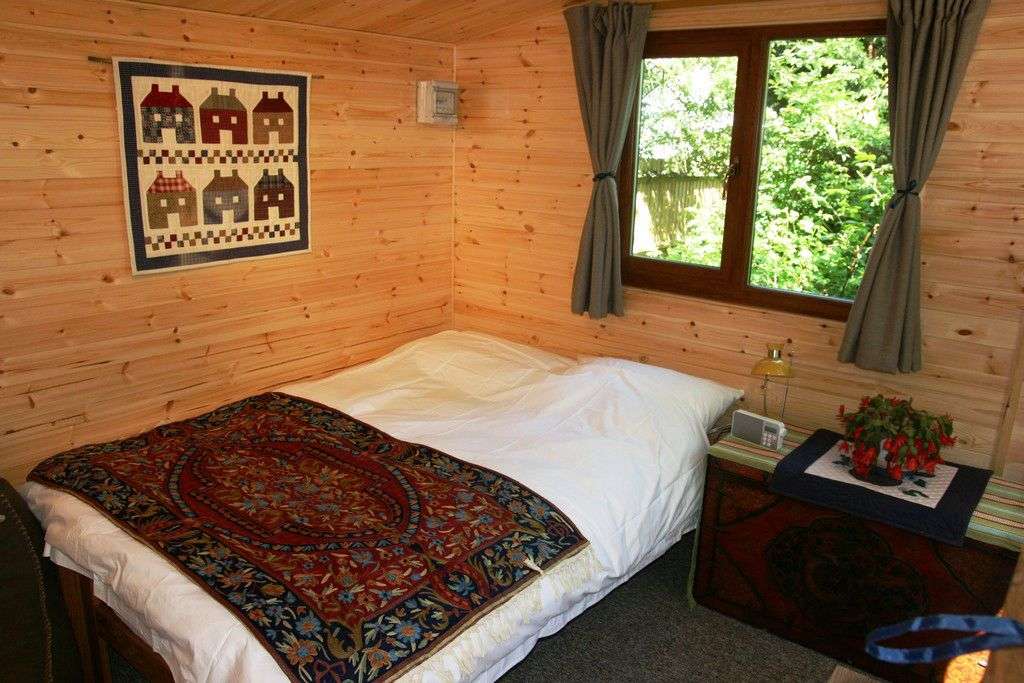
10. Dogwood Glamping
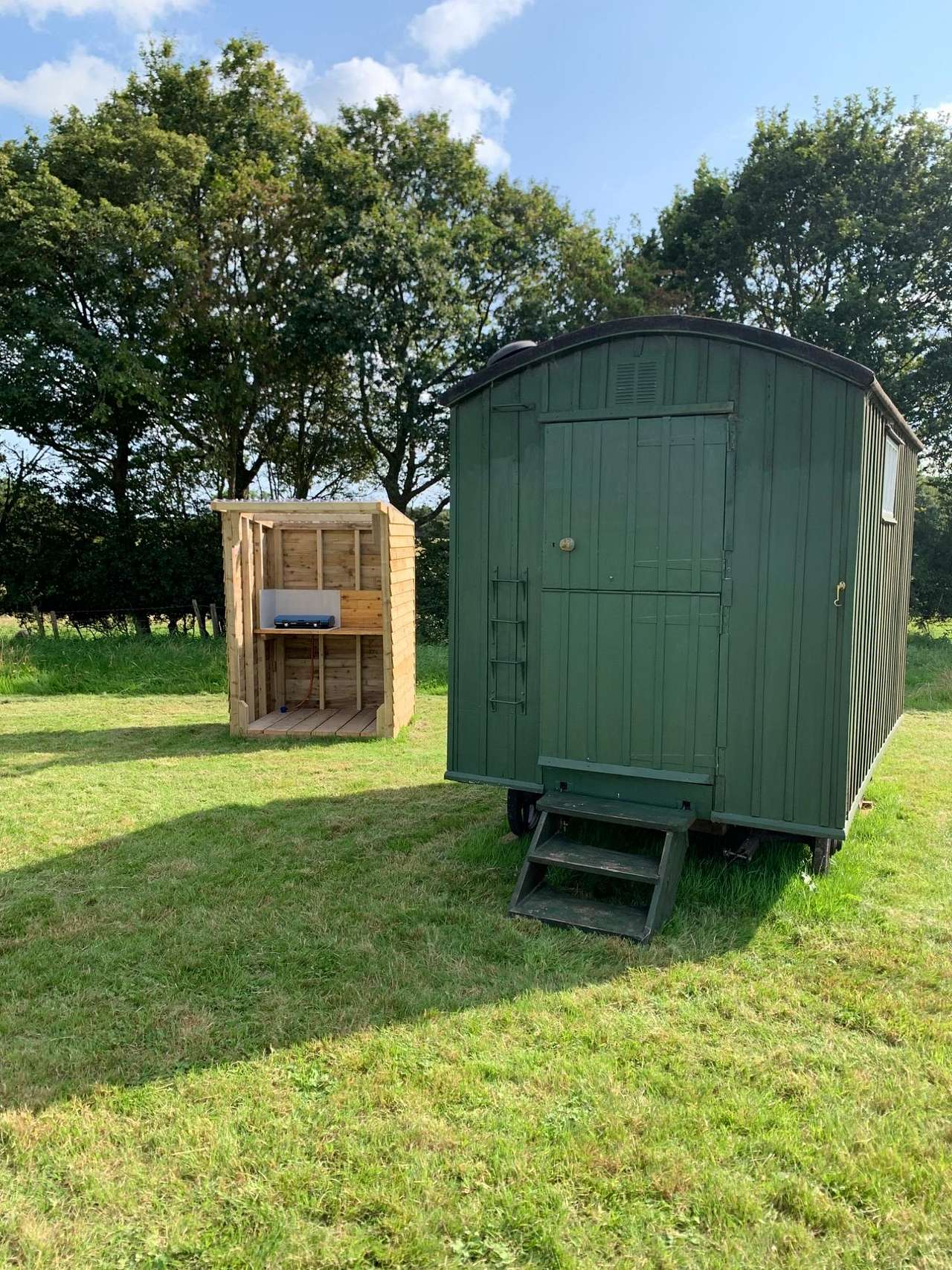
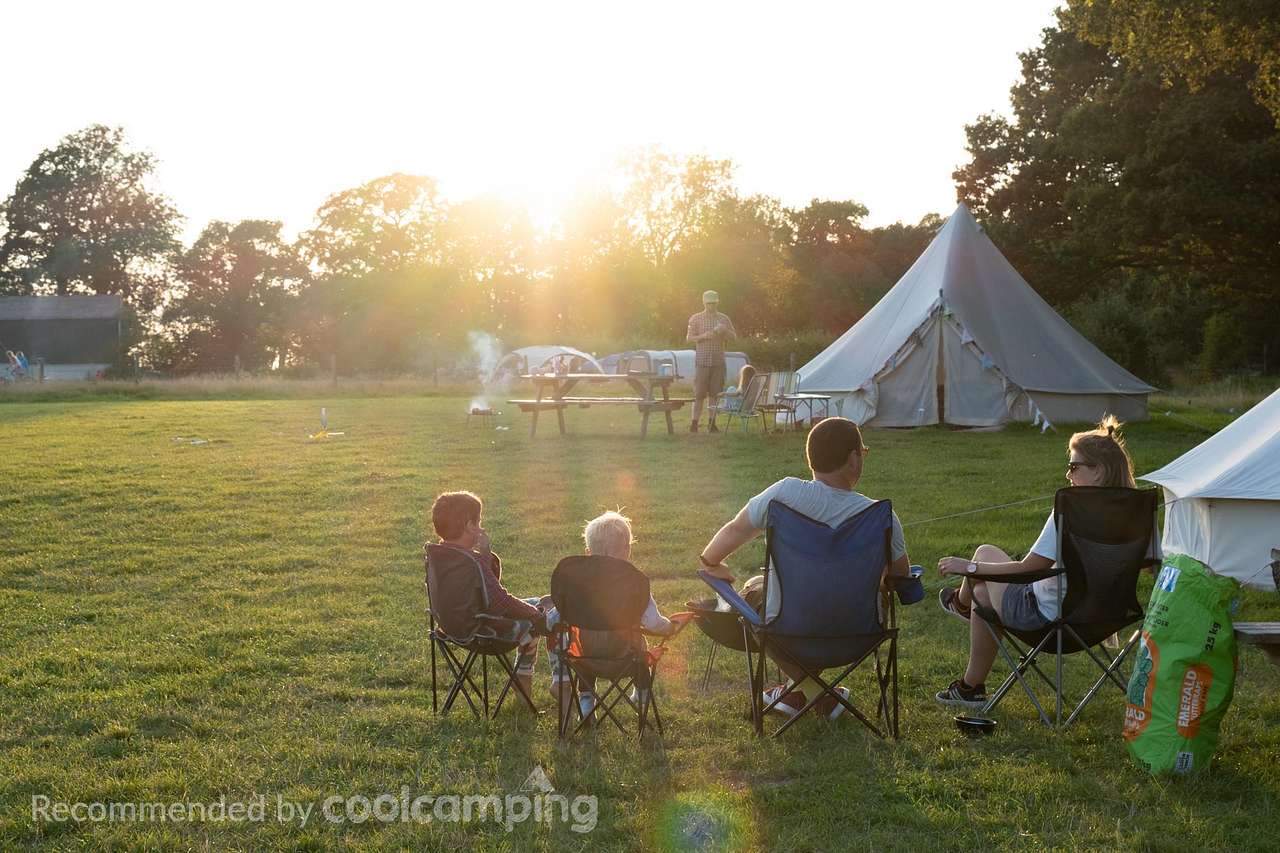
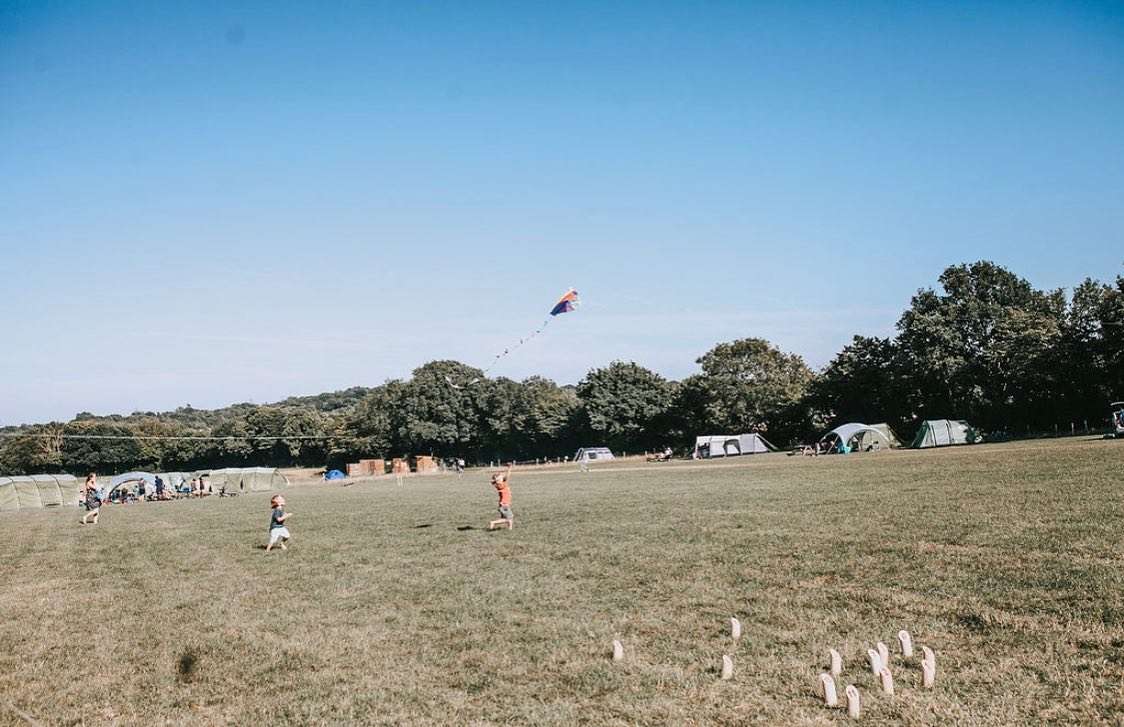
11. Fontmills Farm Campsite


12. Ditchling Boutique Camping
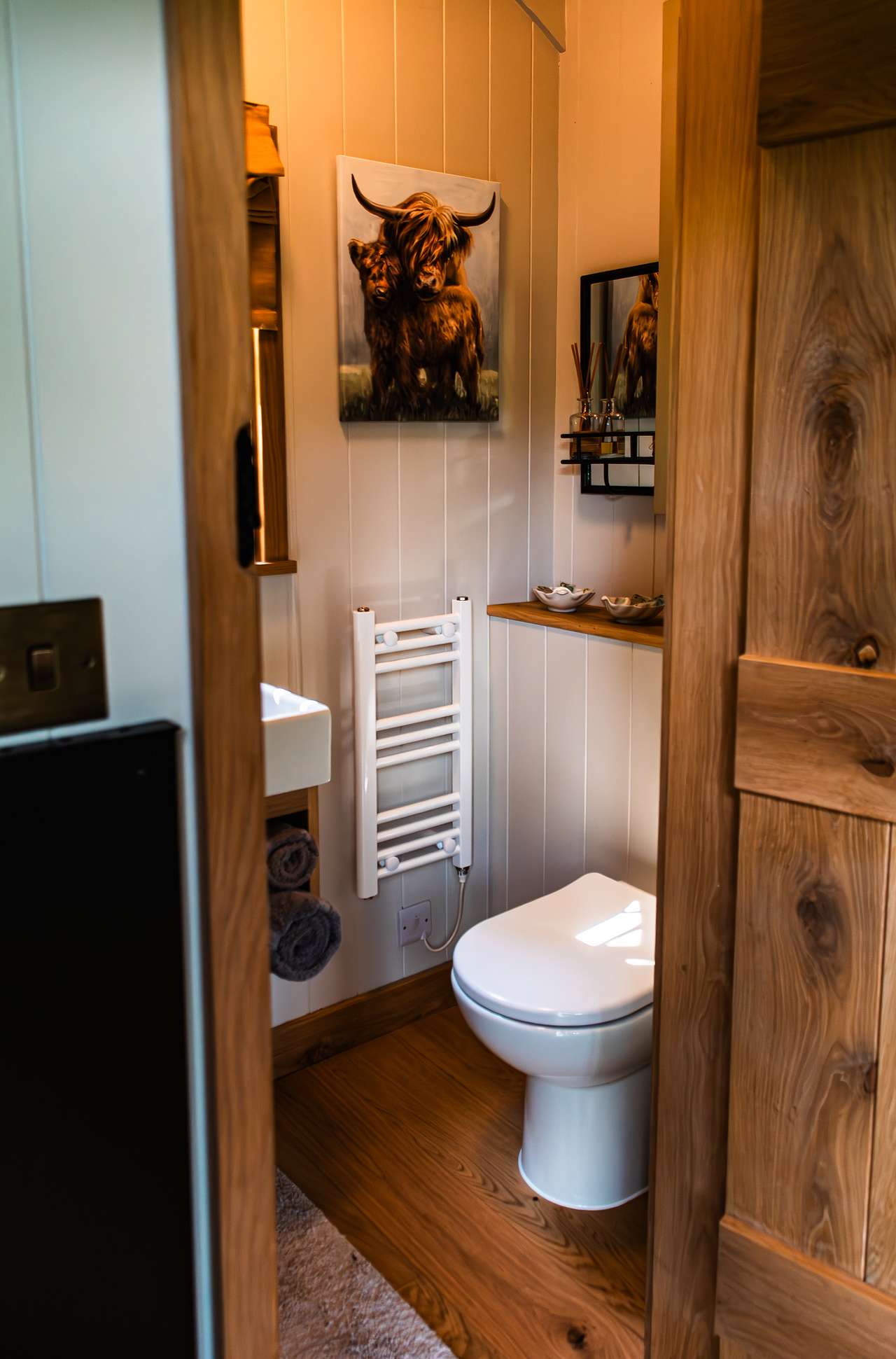
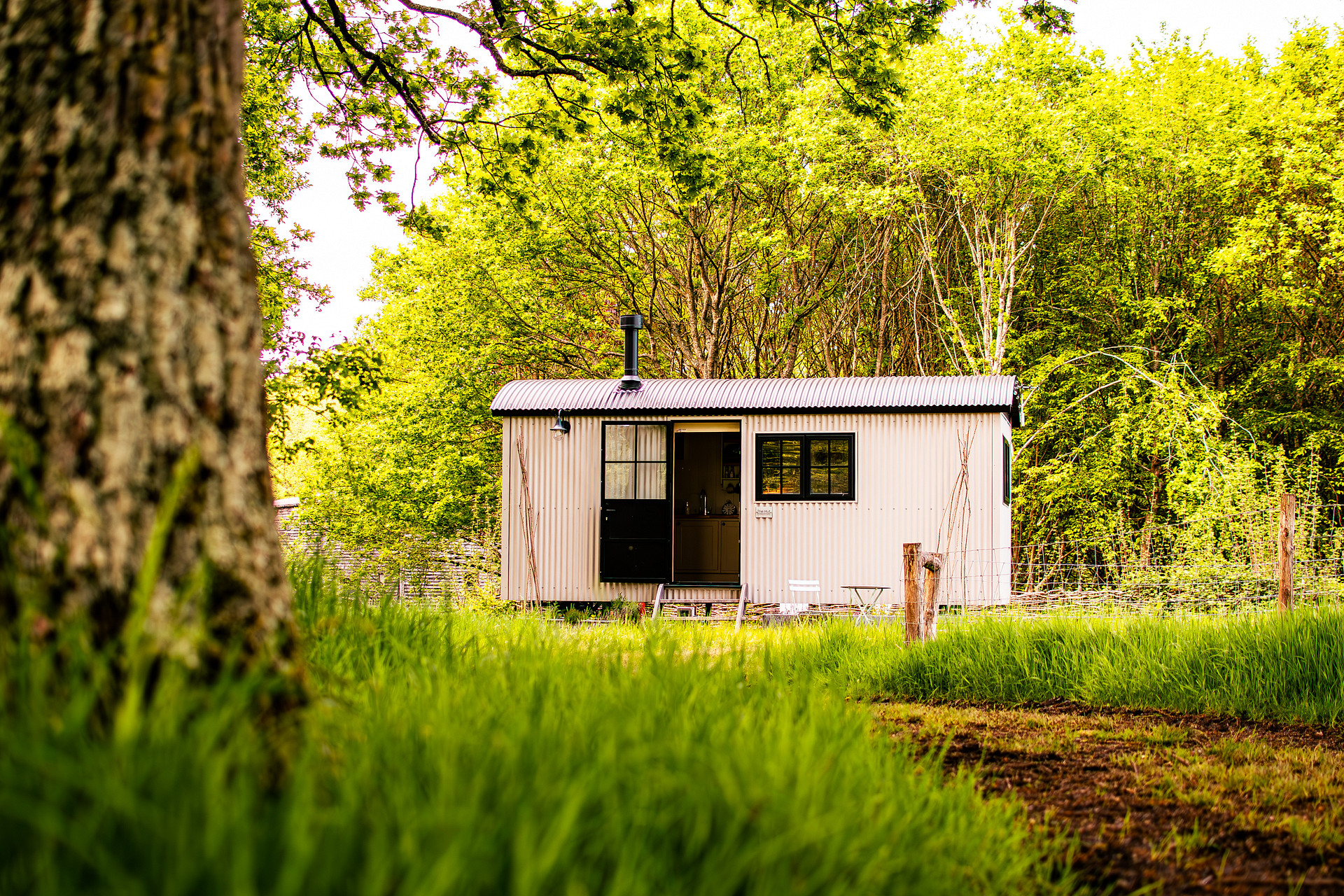
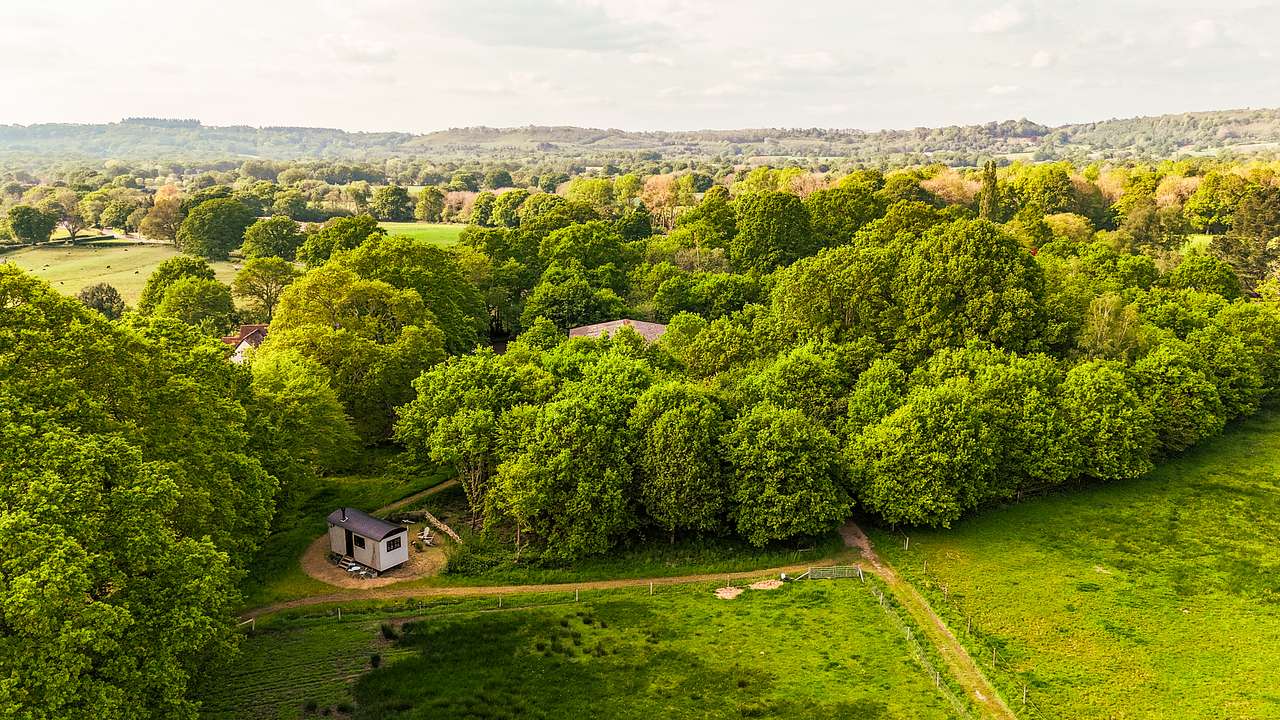
13. Quaint Farm in a National Park


14. The Field at Findon
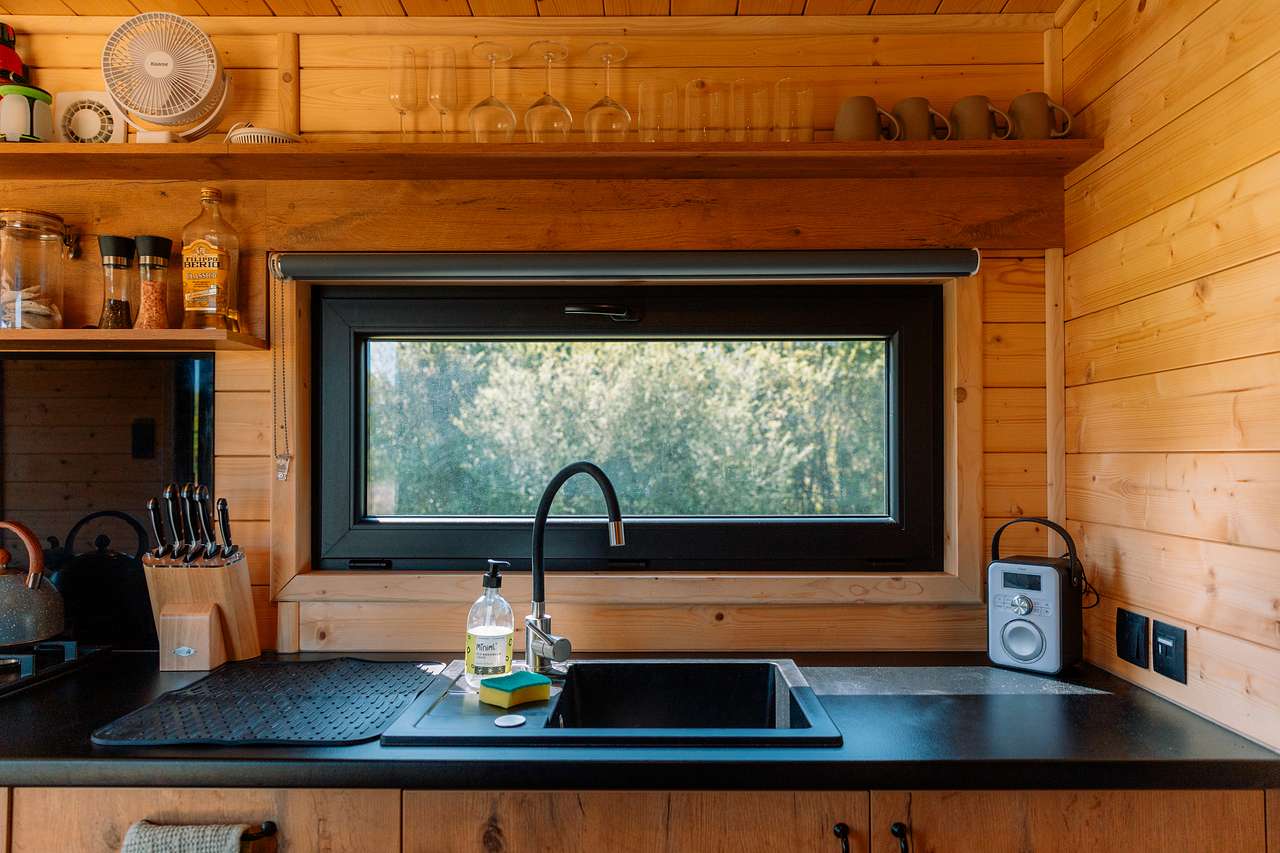
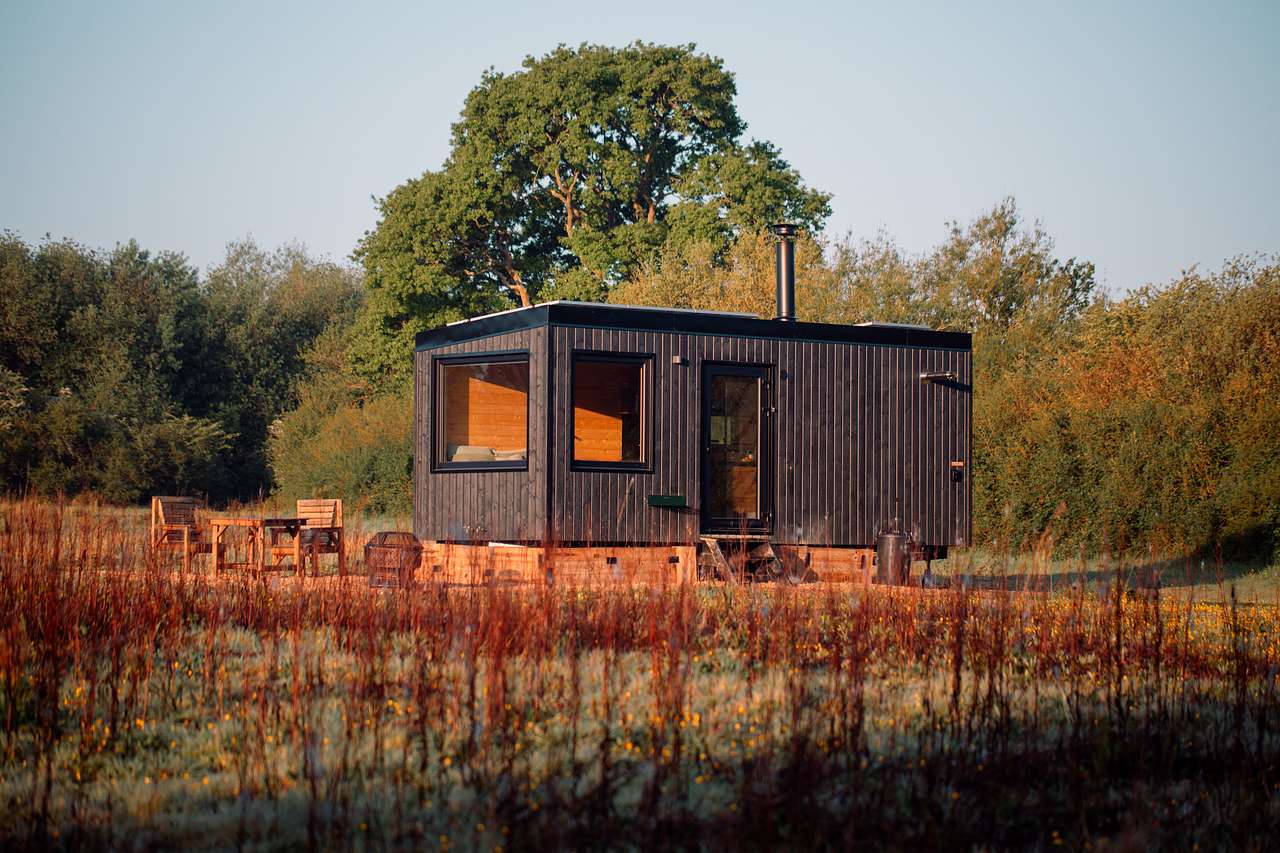
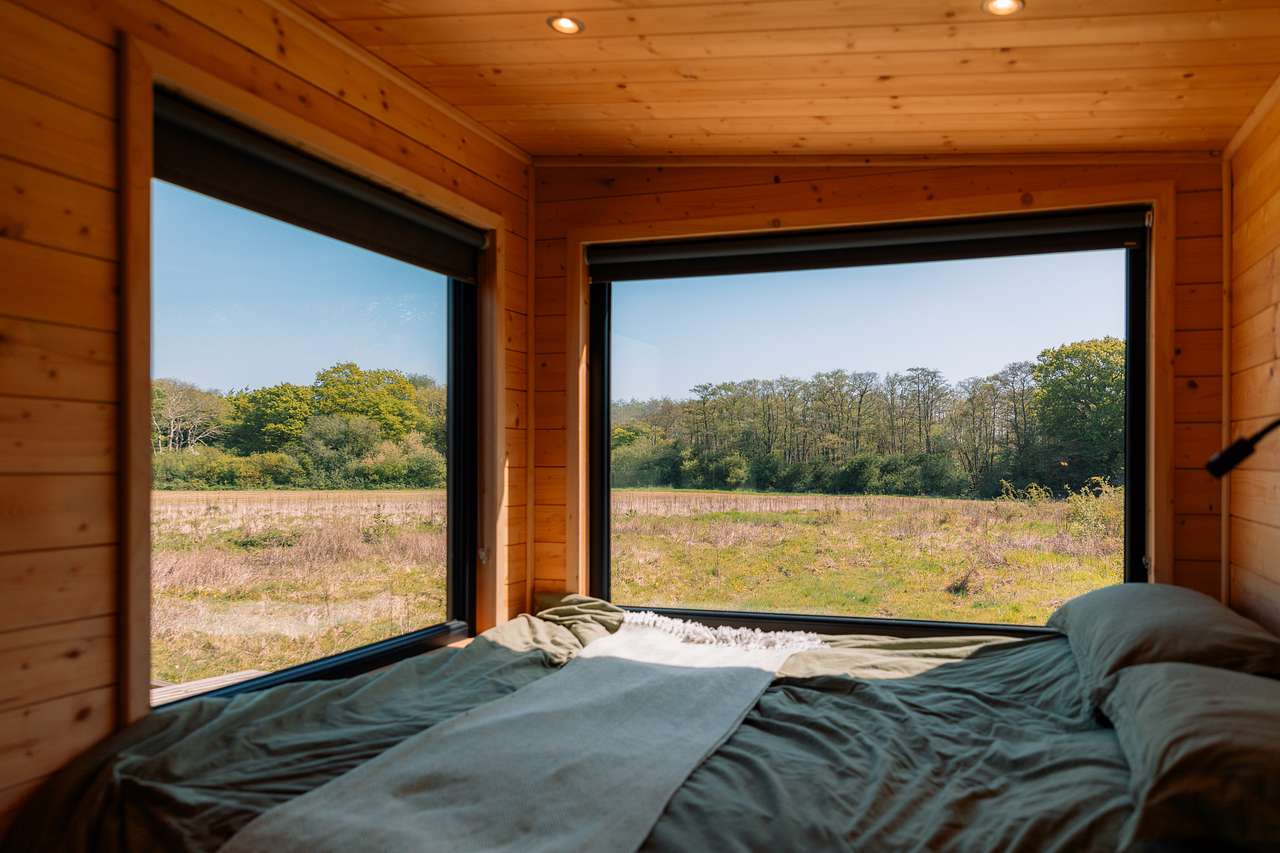
15. Willow Wood Off-Grid Cabin
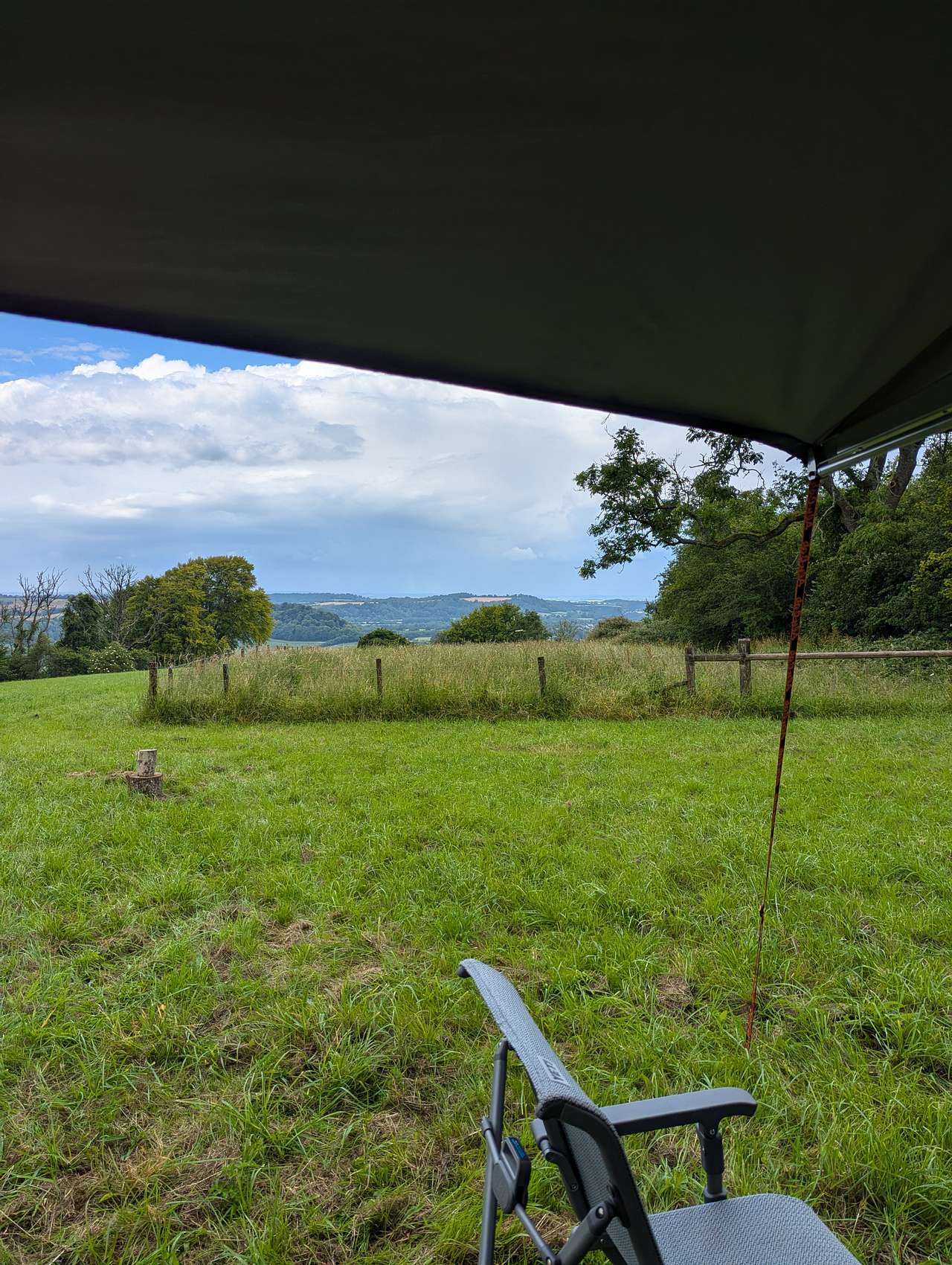
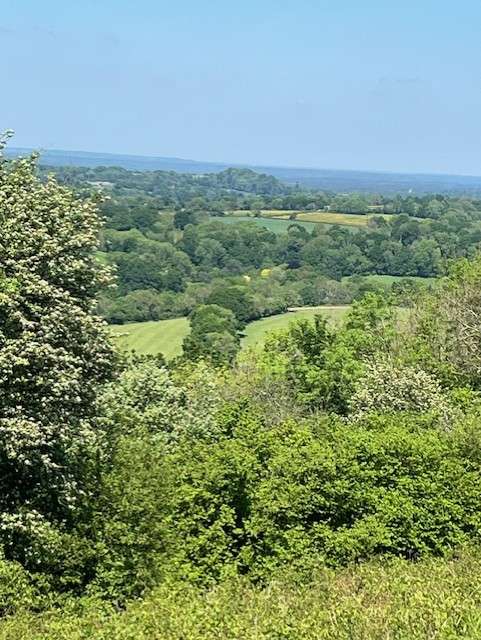
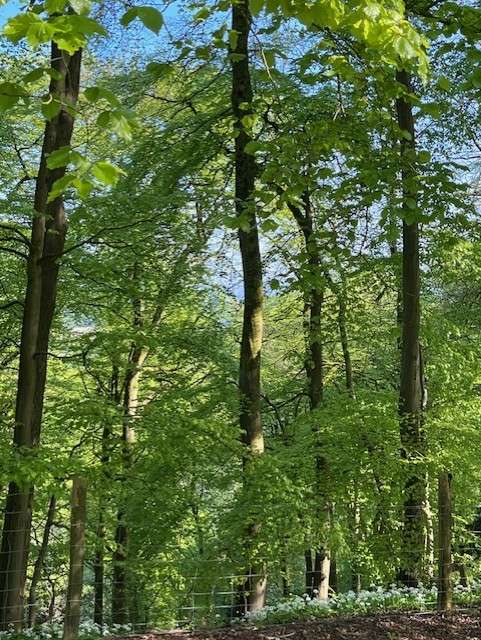
16. Old Litten
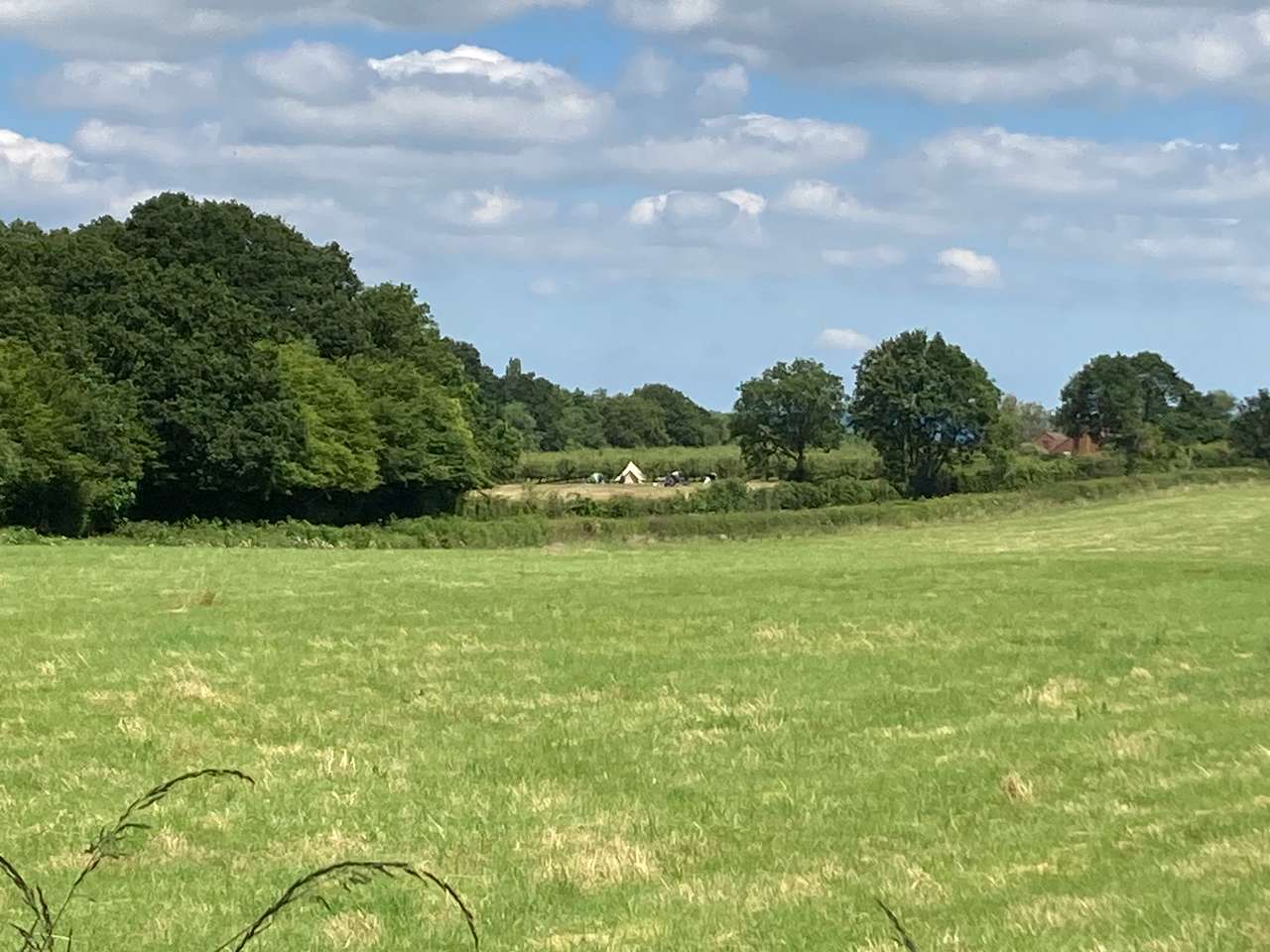
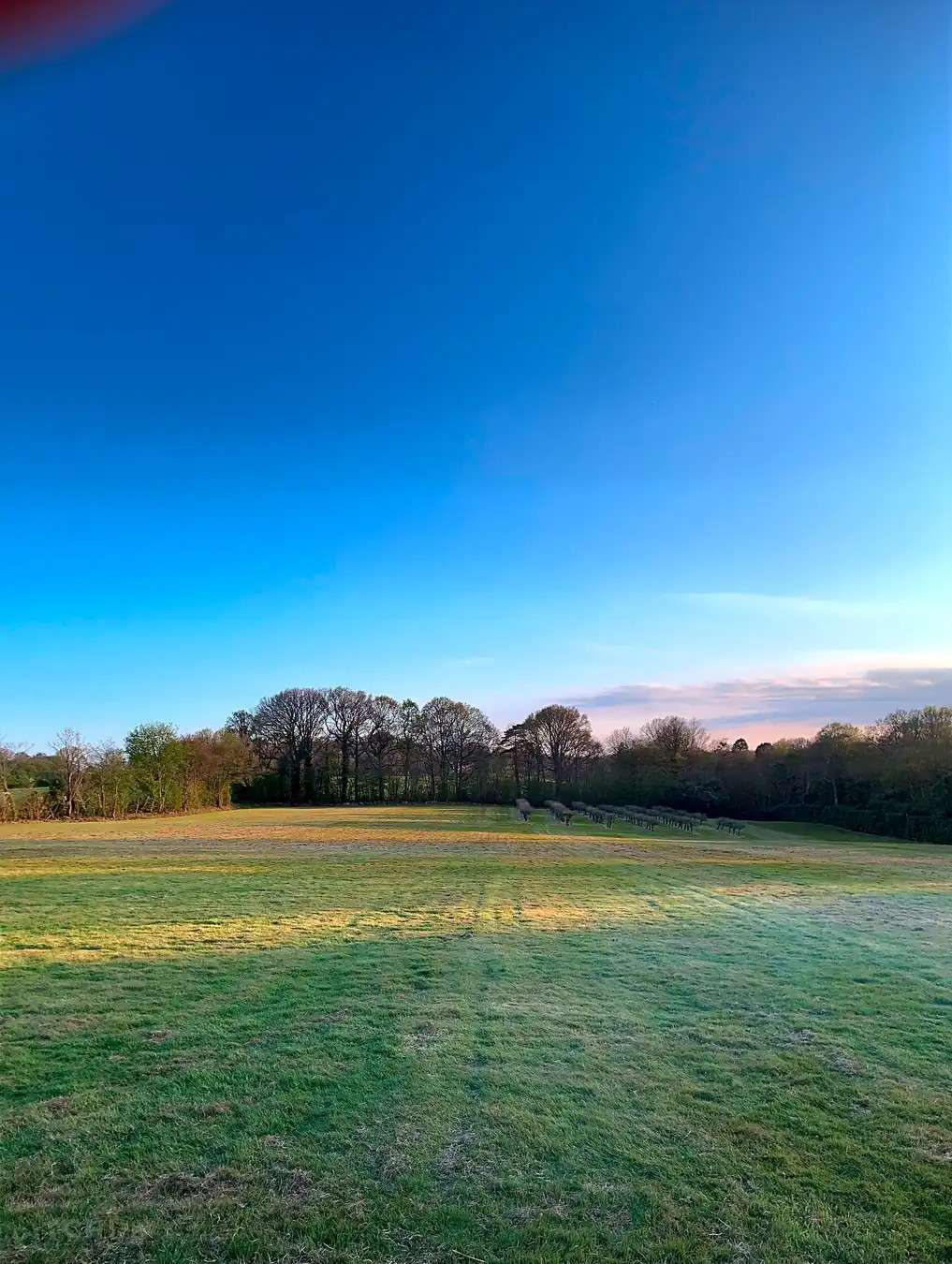
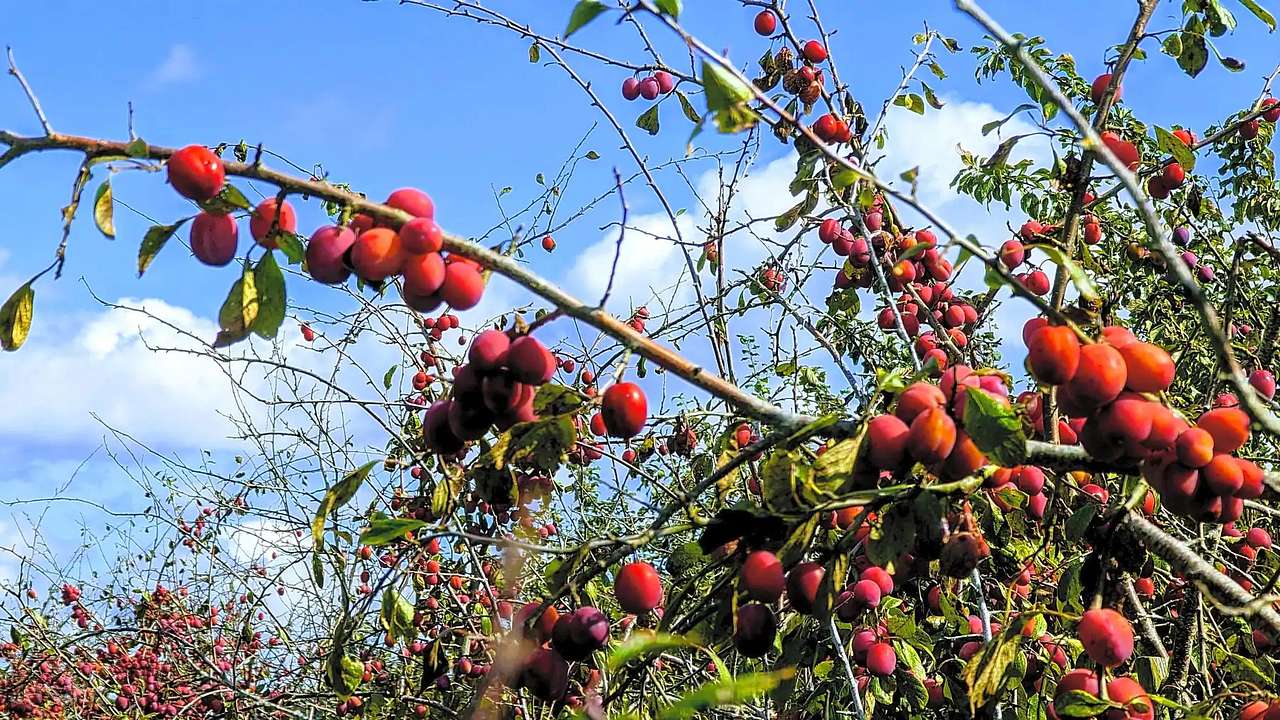
17. Frittenden Orchard
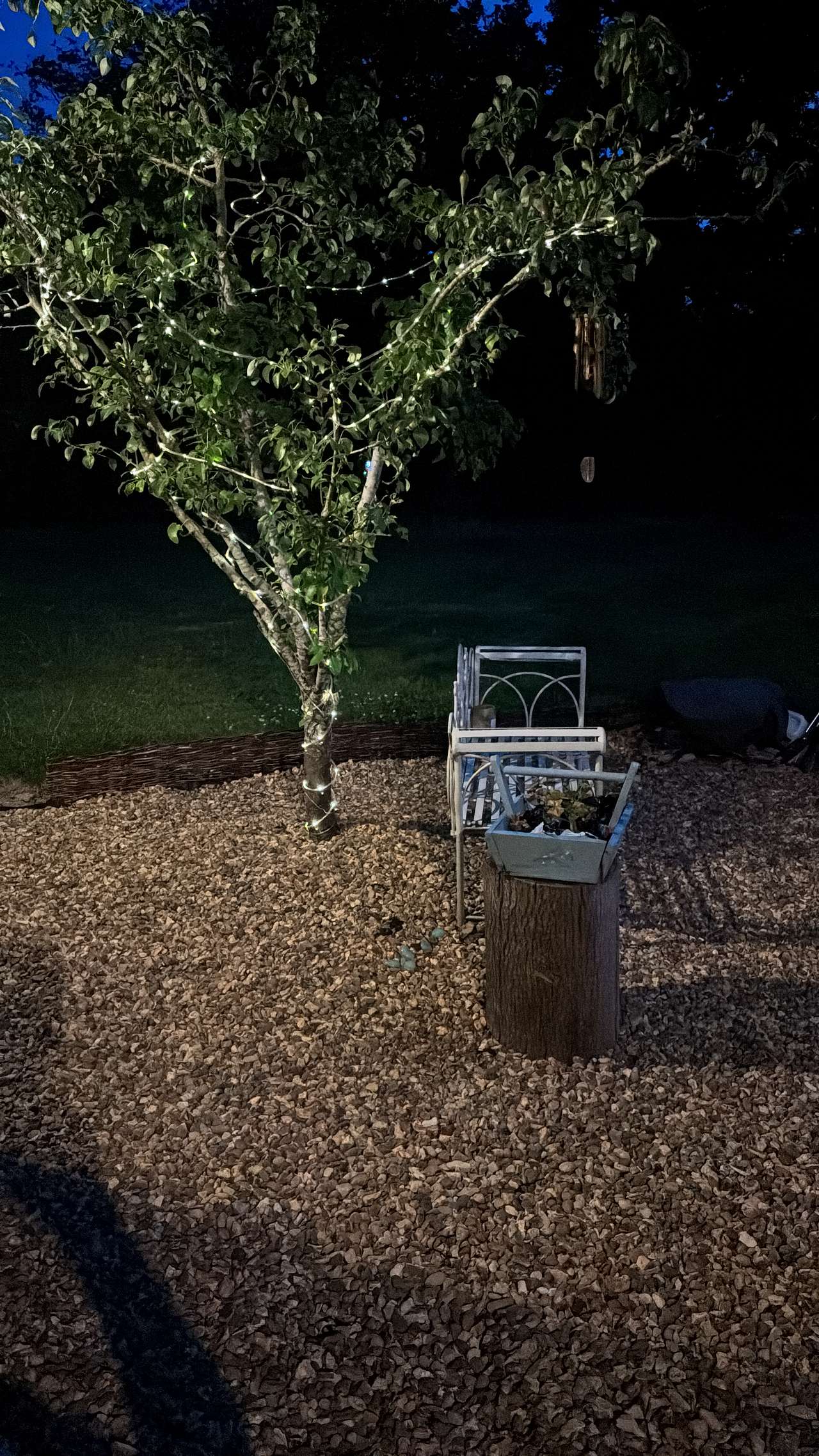
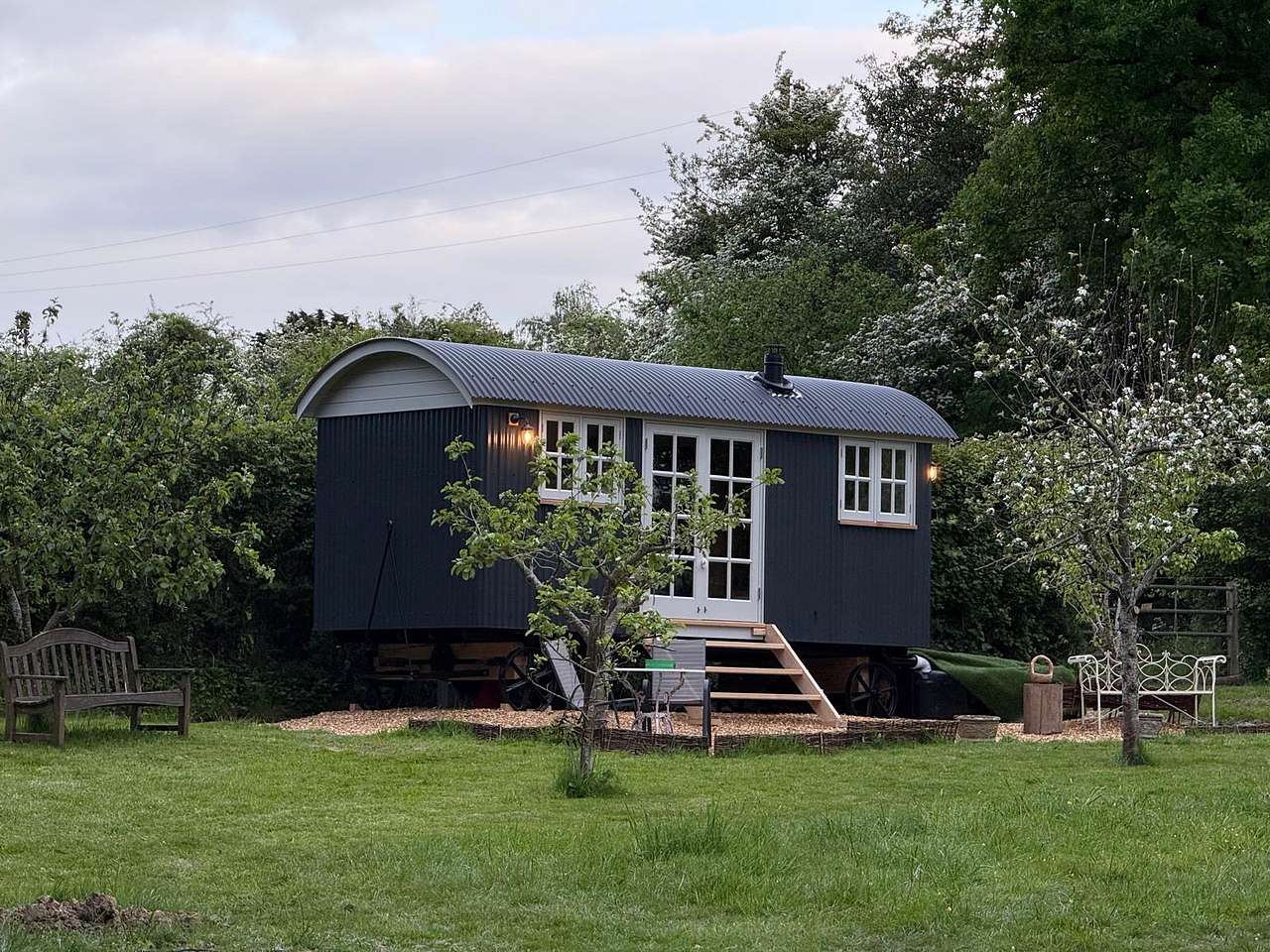
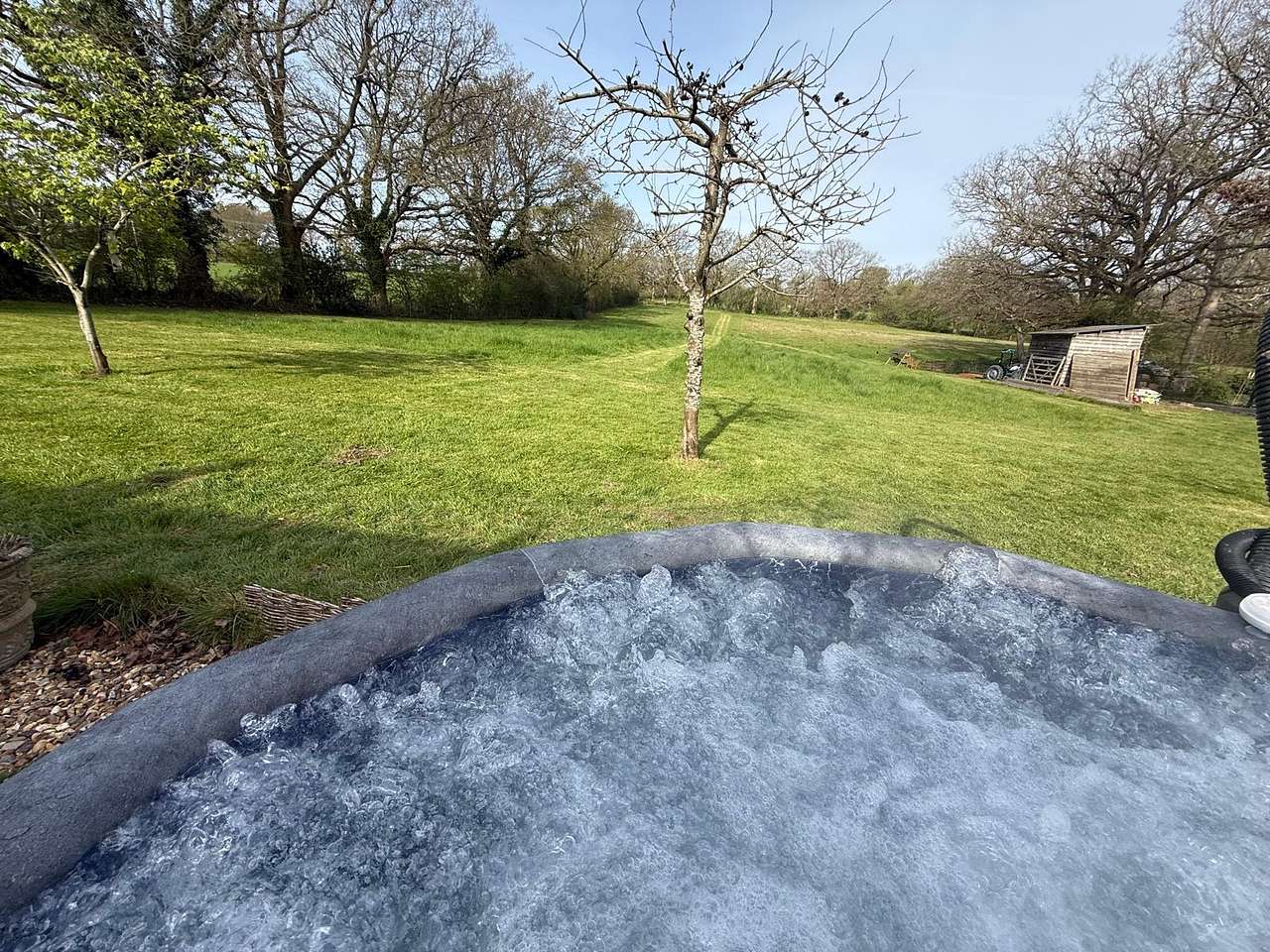
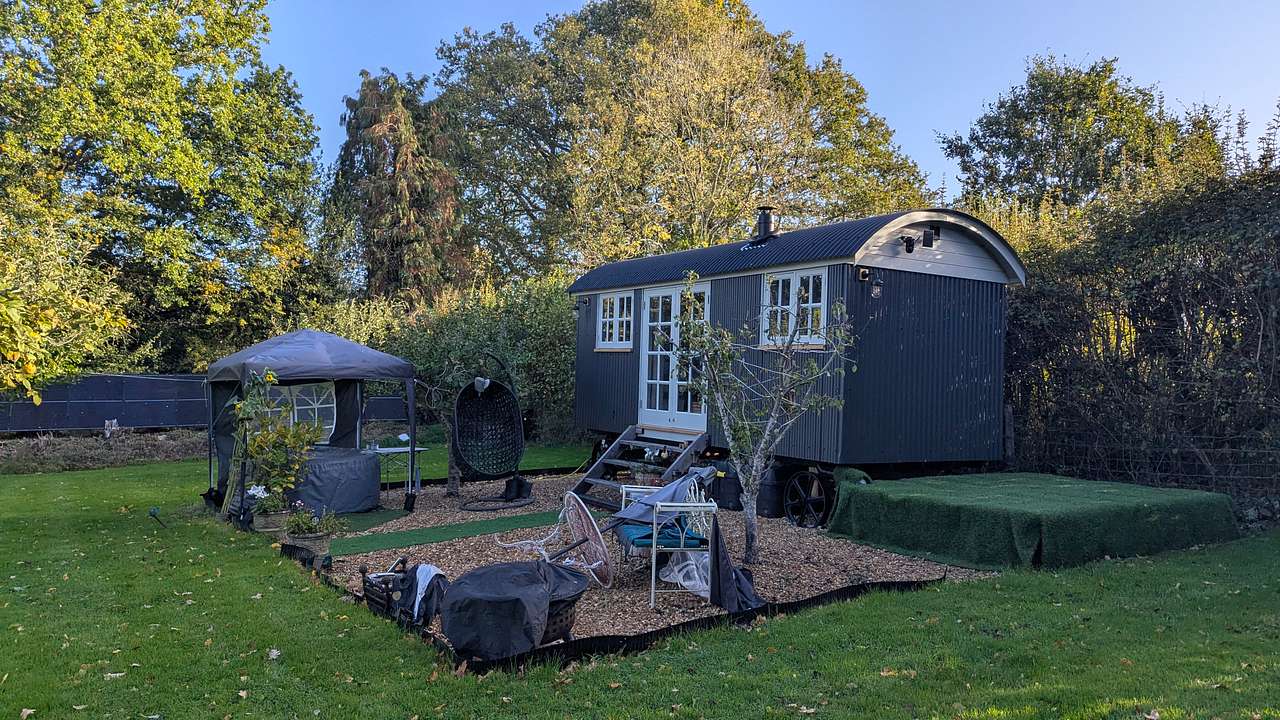
18. The Granary Shepherds Hut
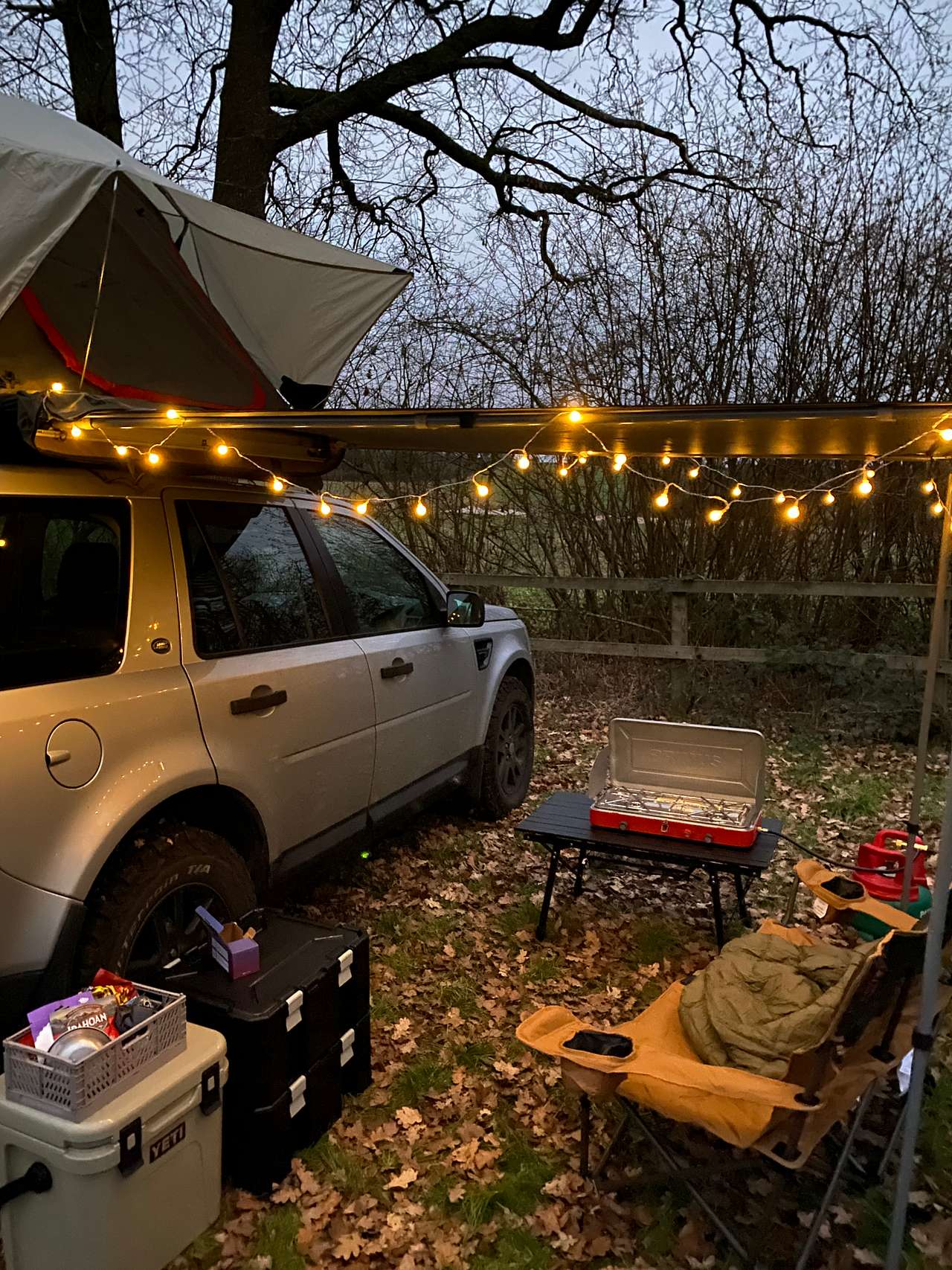
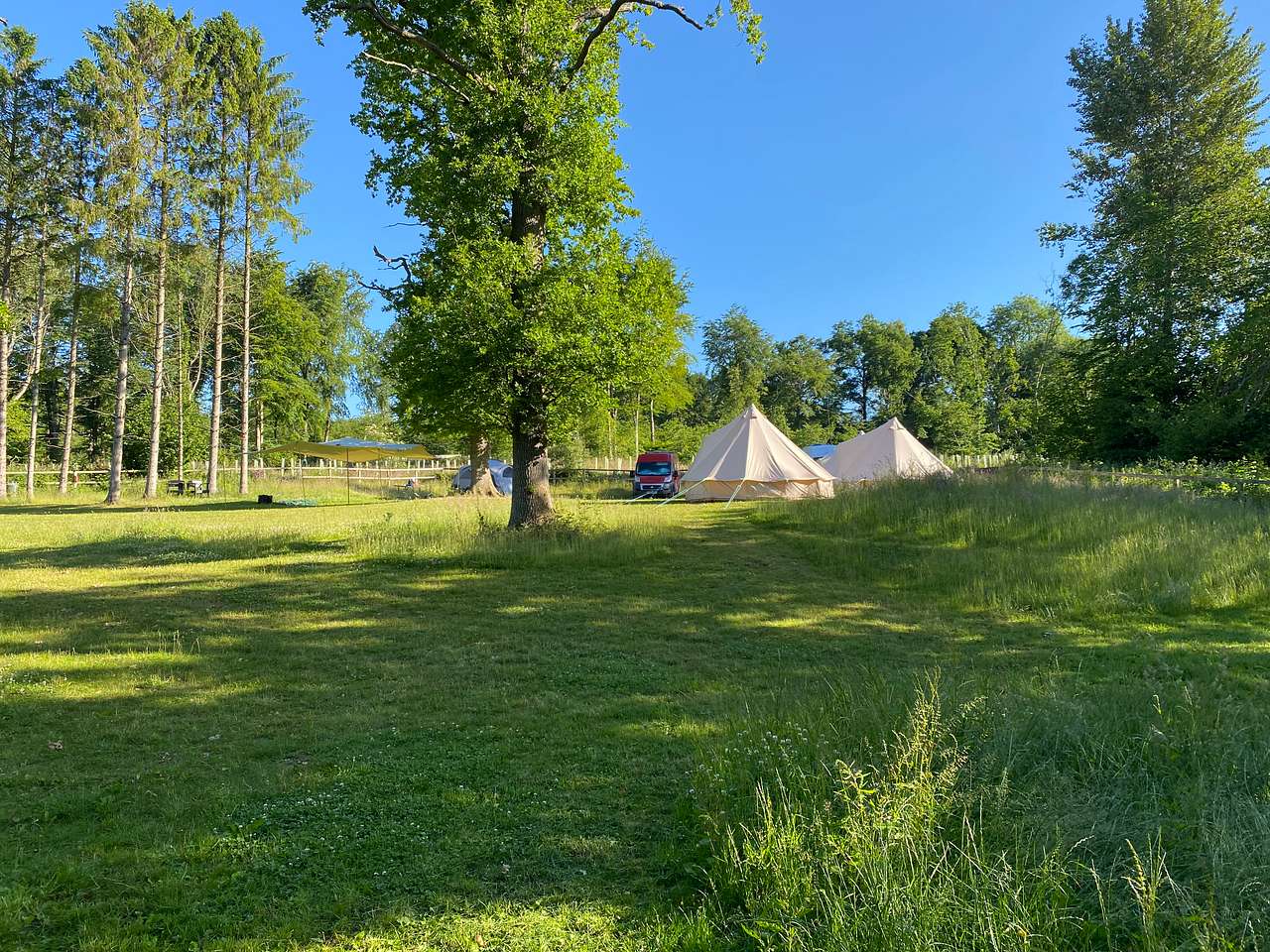
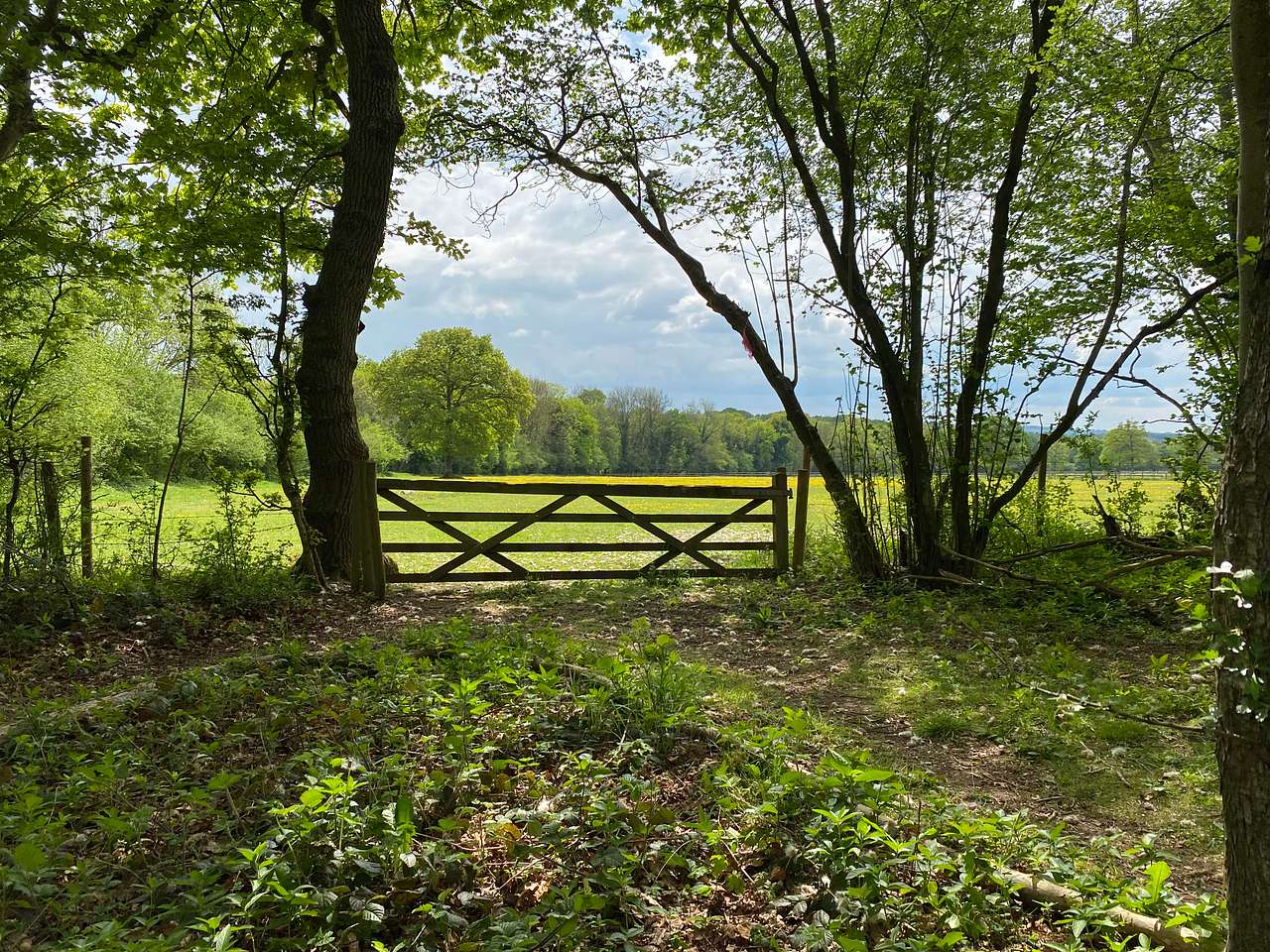
19. Woodlands Camping
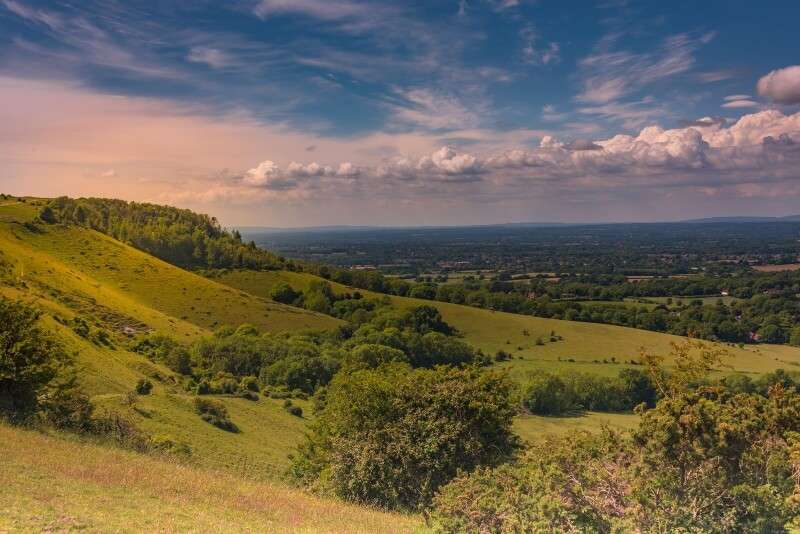
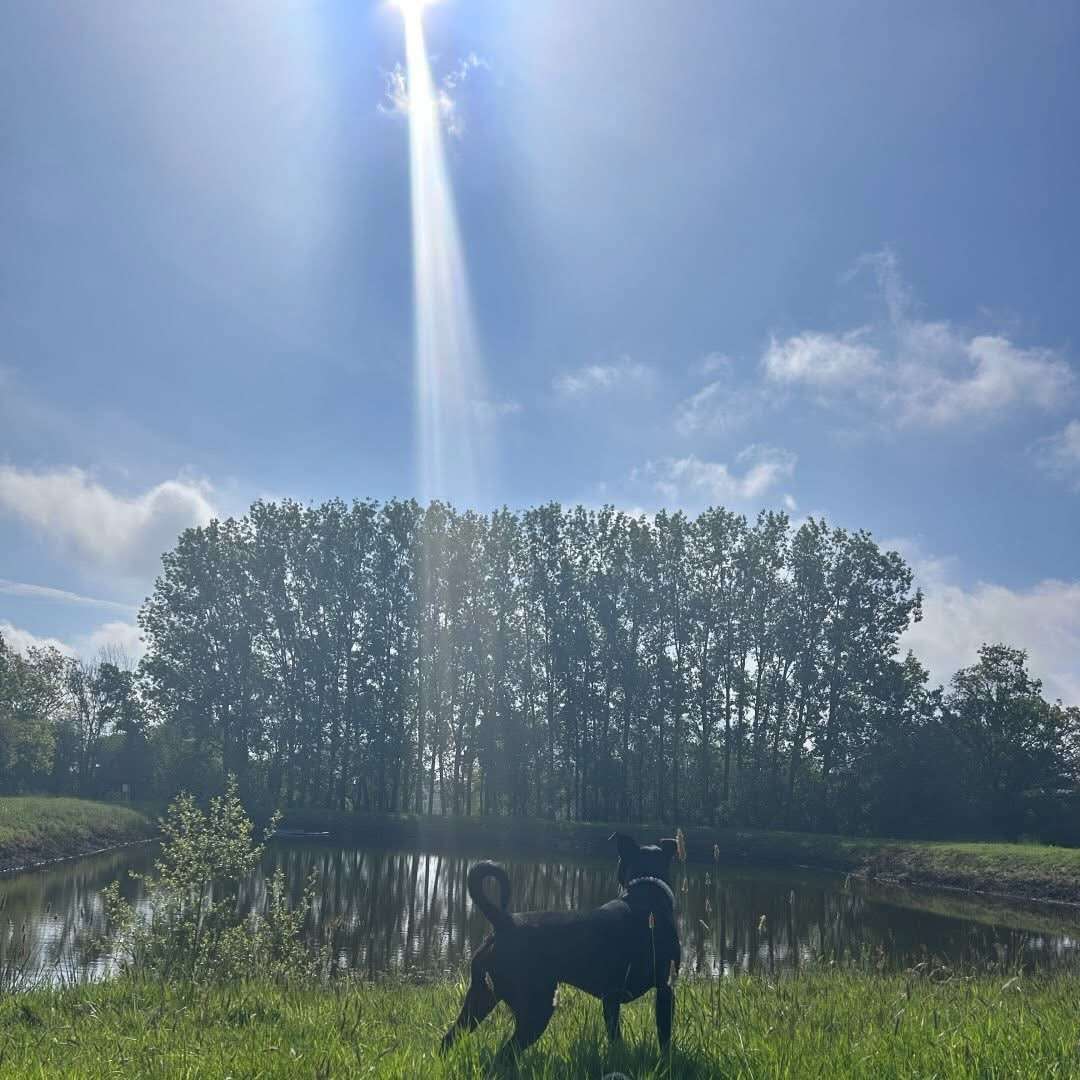
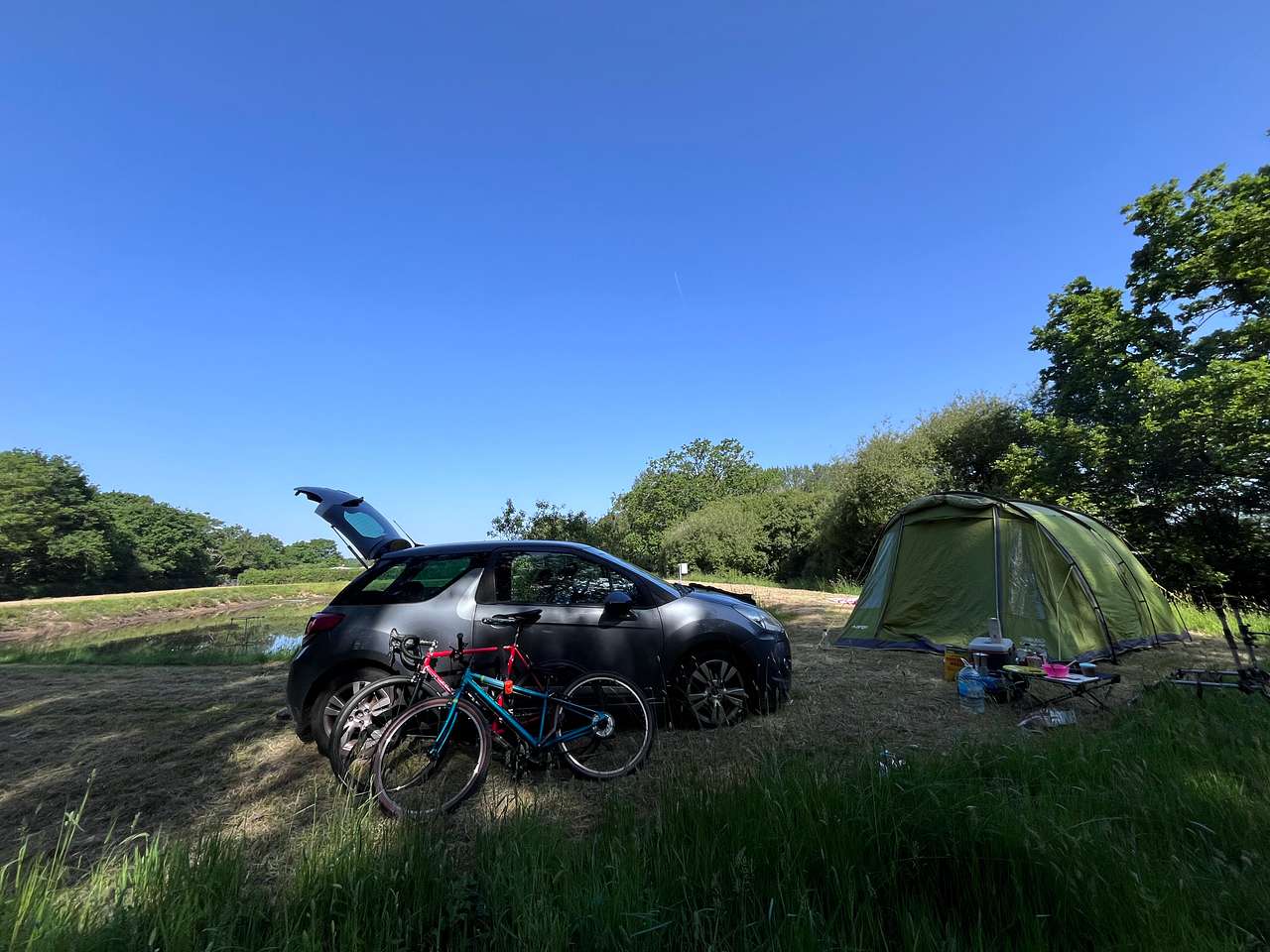
20. The Secret Pondside Pitches
The Barn KT9
Old Litten
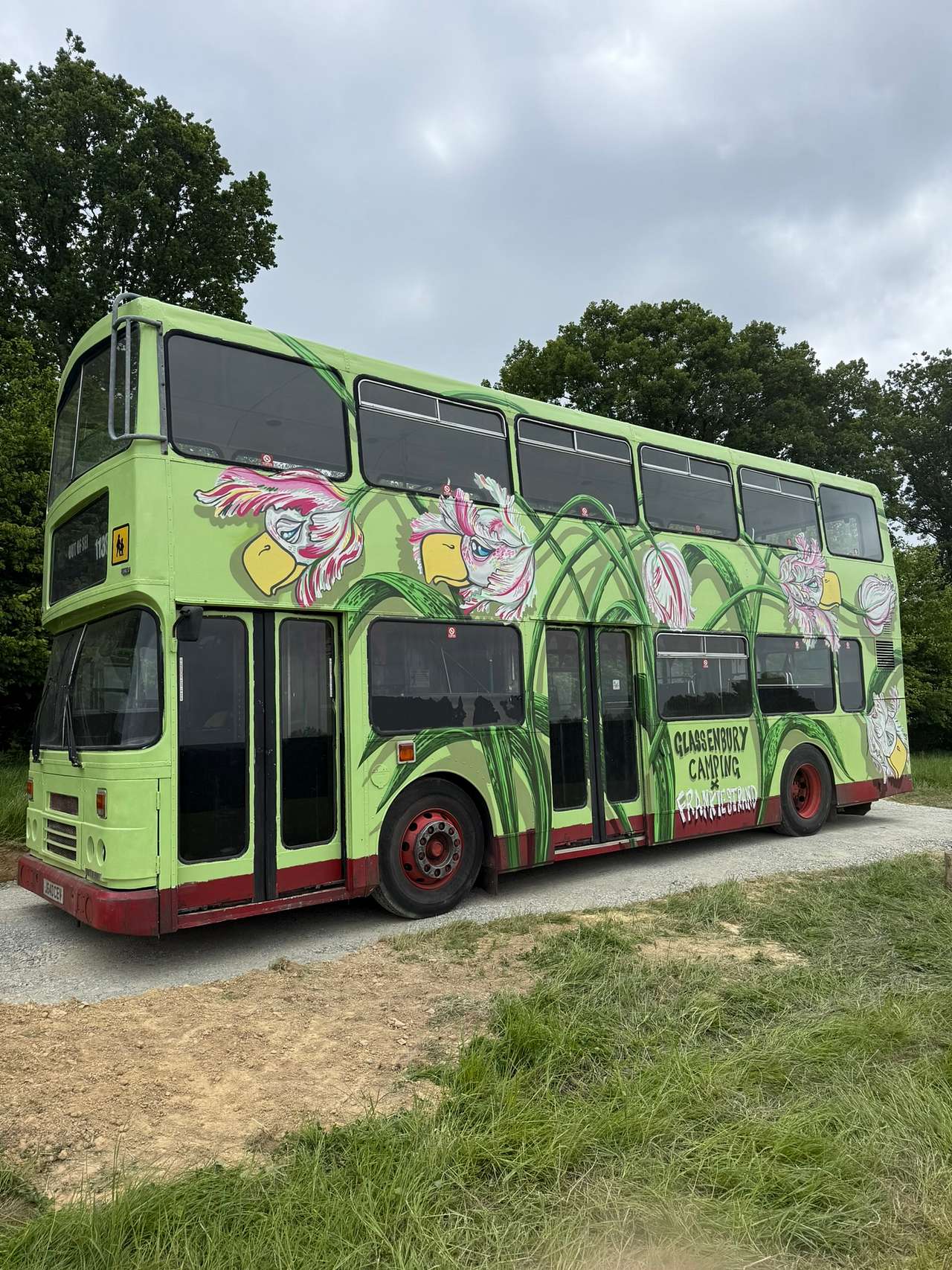
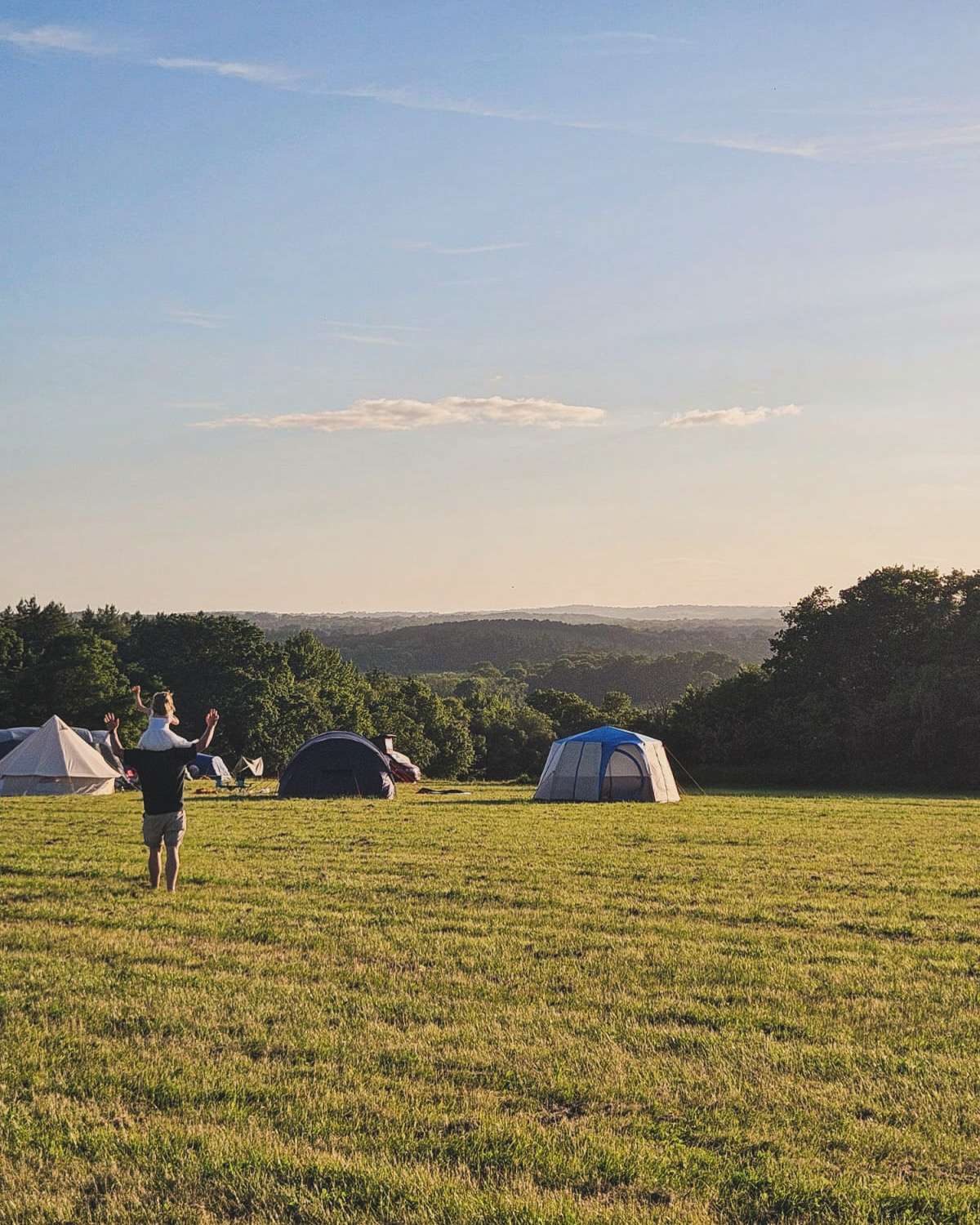
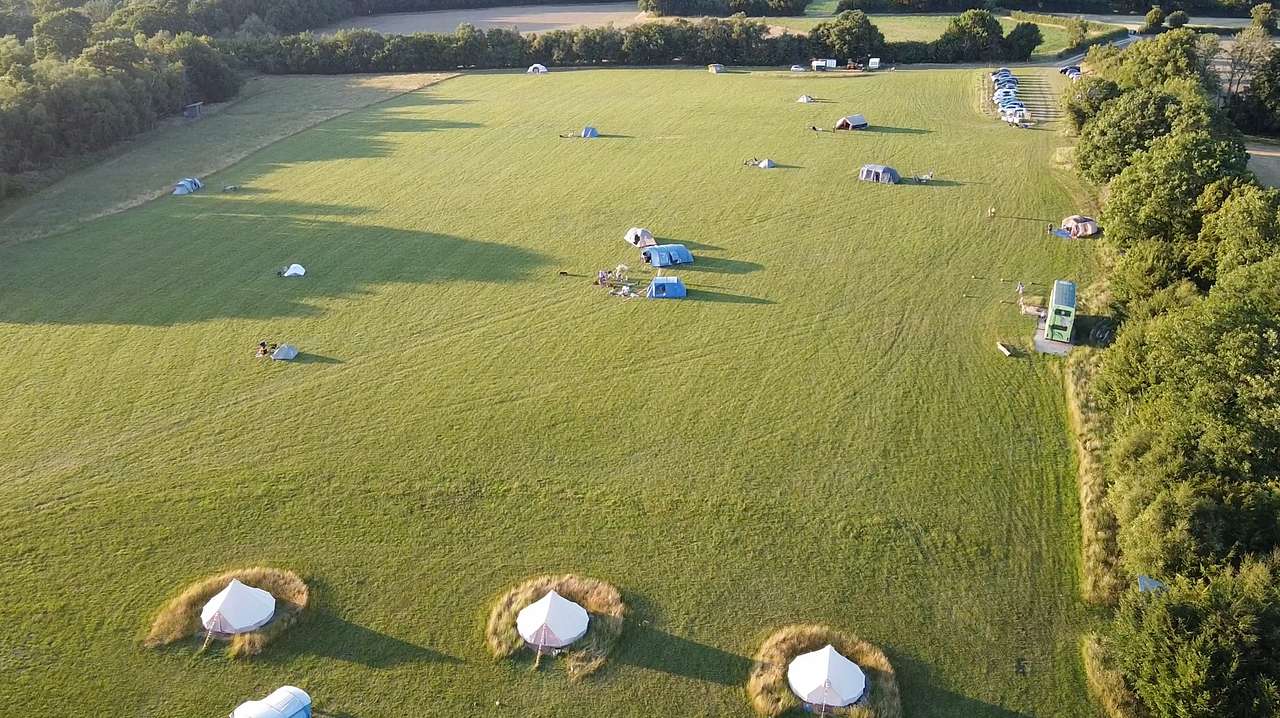
Glassenbury Camping
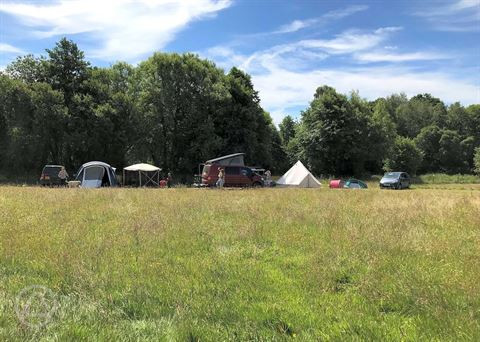
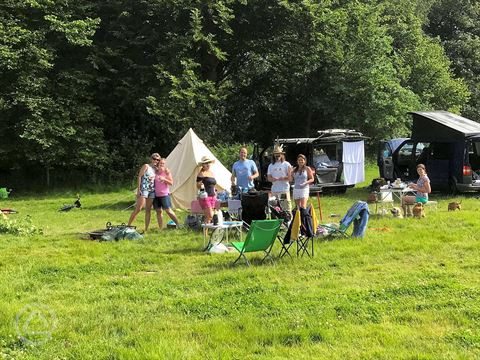
Camping at Tomkins Farm
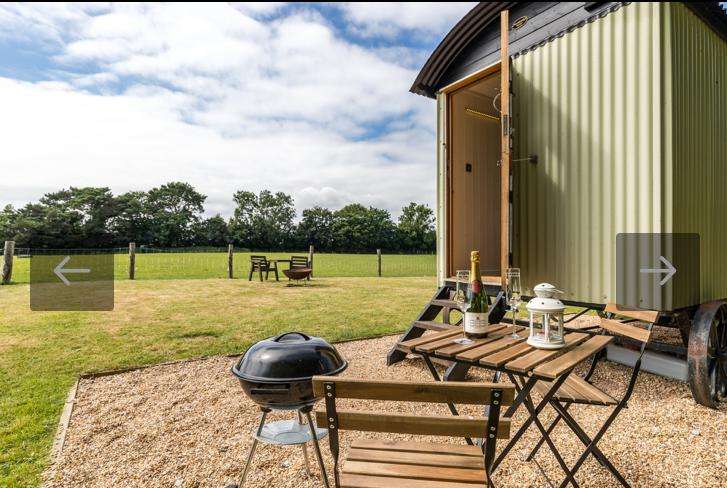
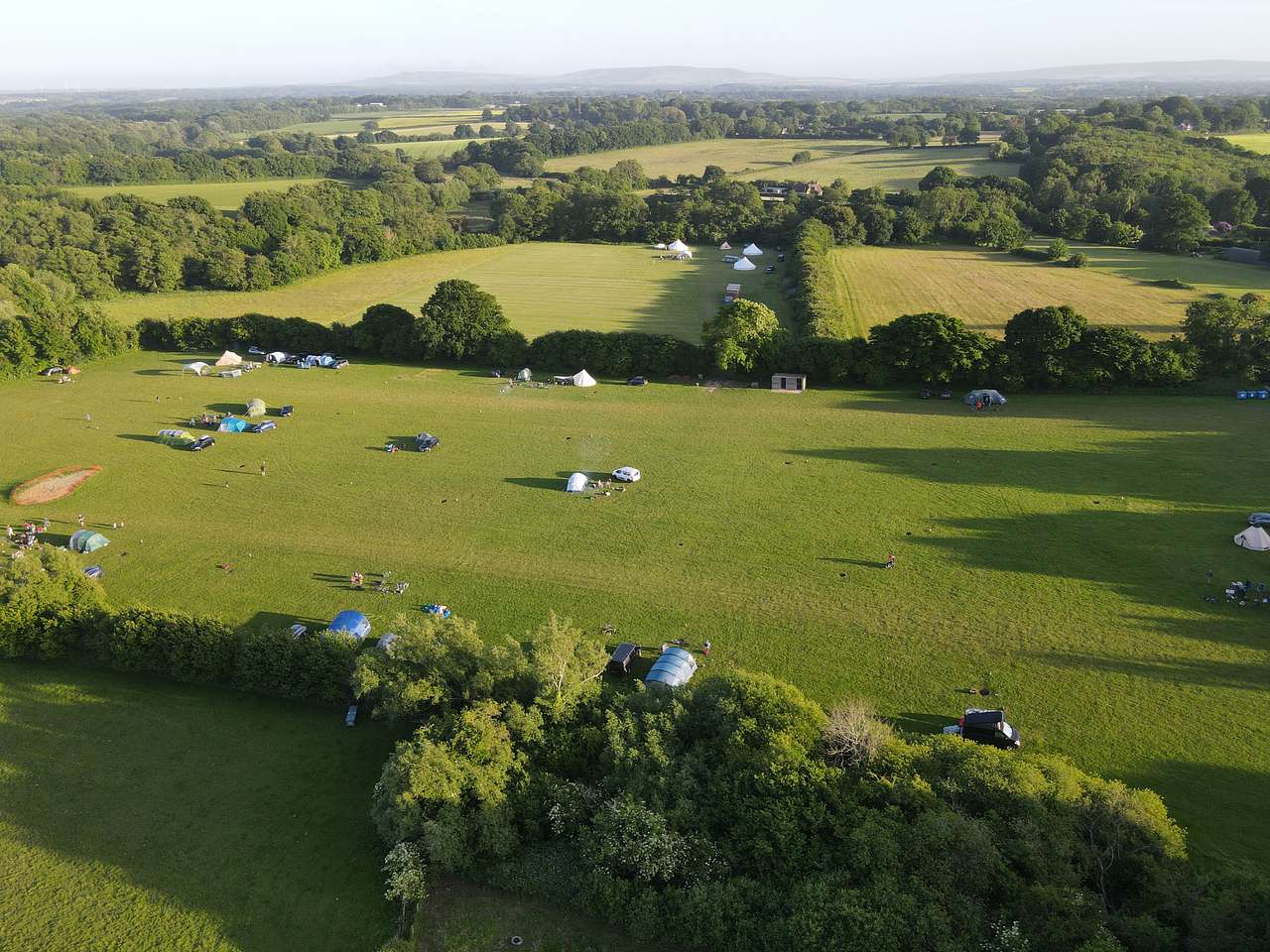
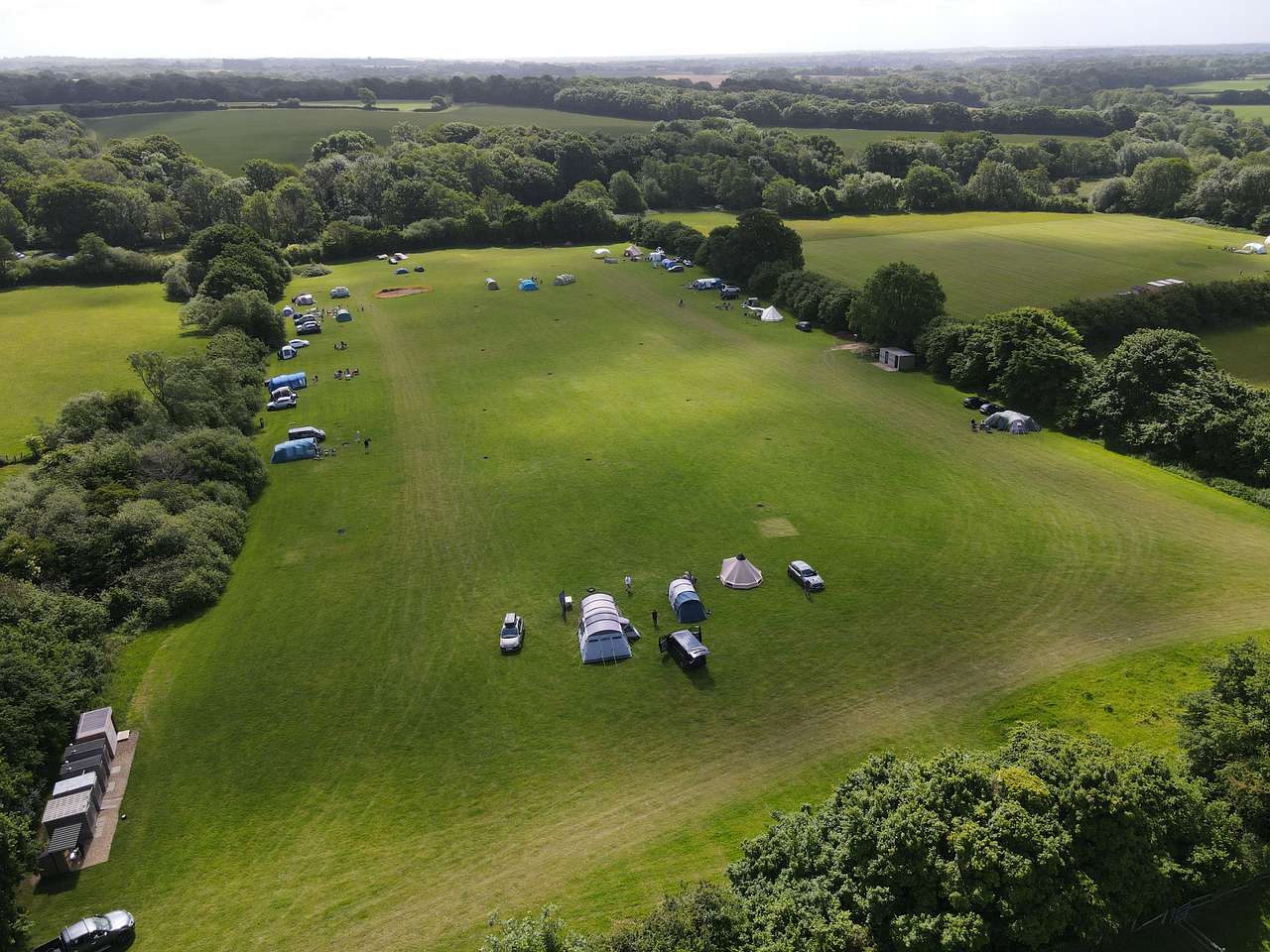
Hale Farm
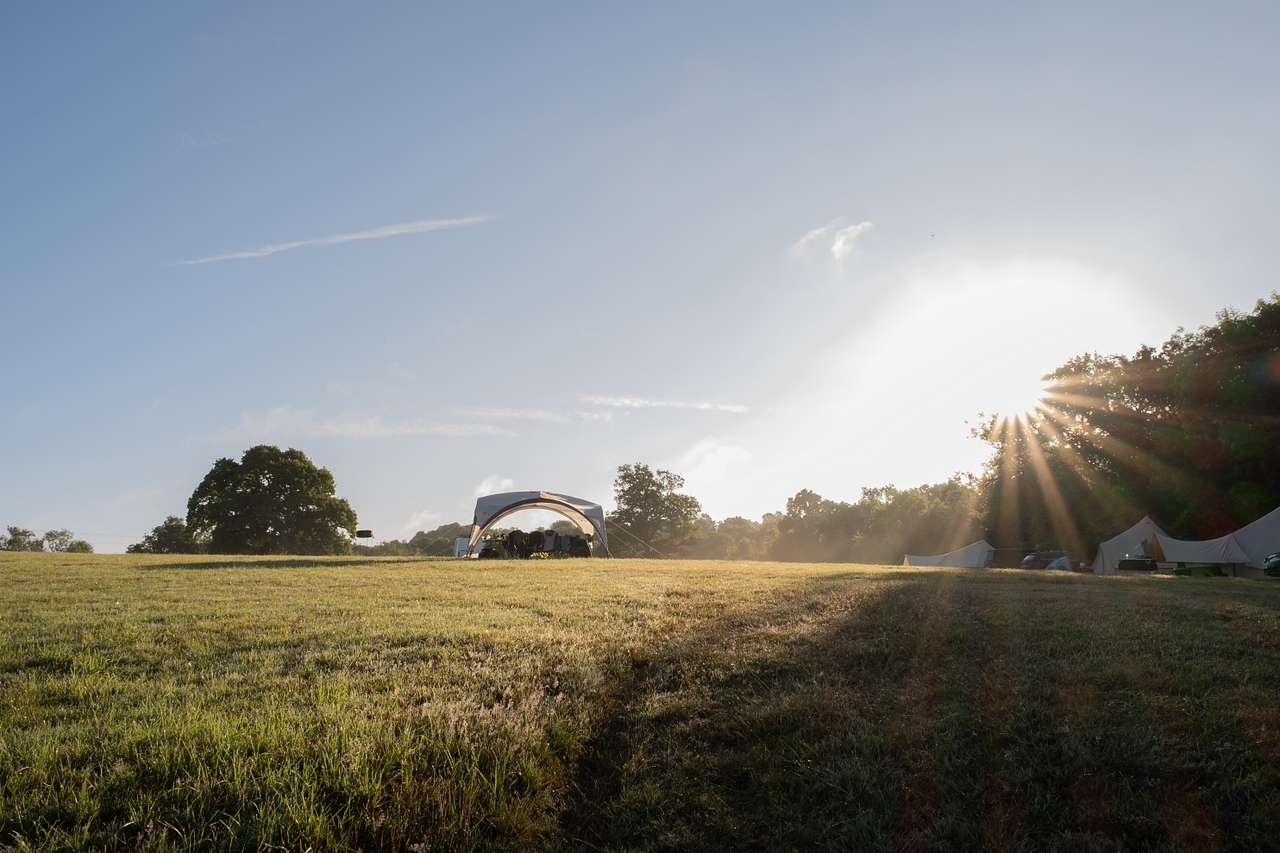
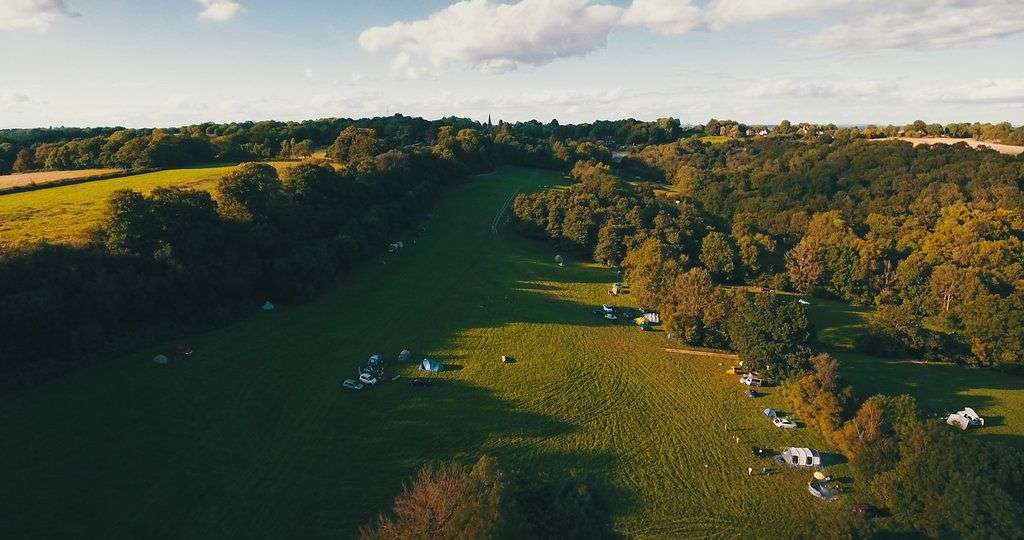
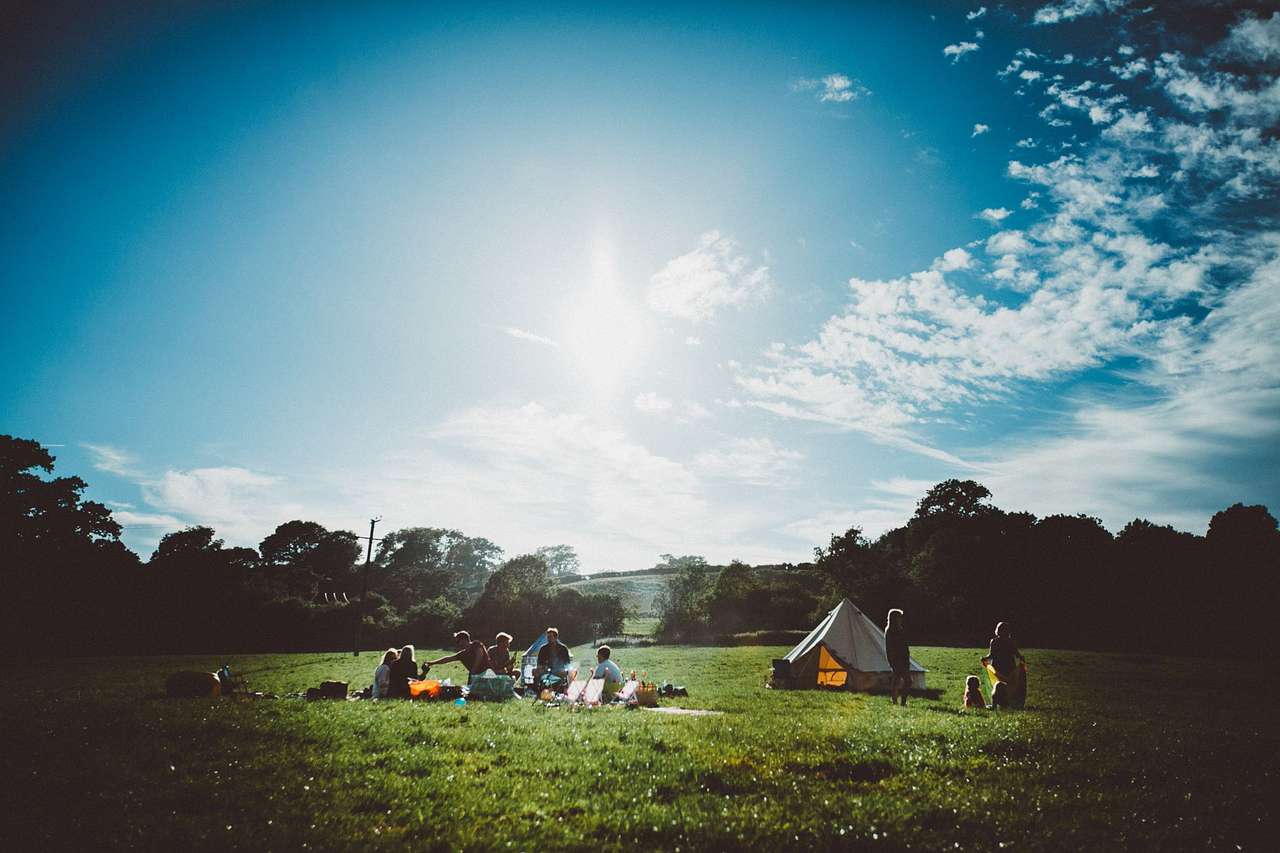
Hook Farm Campsite
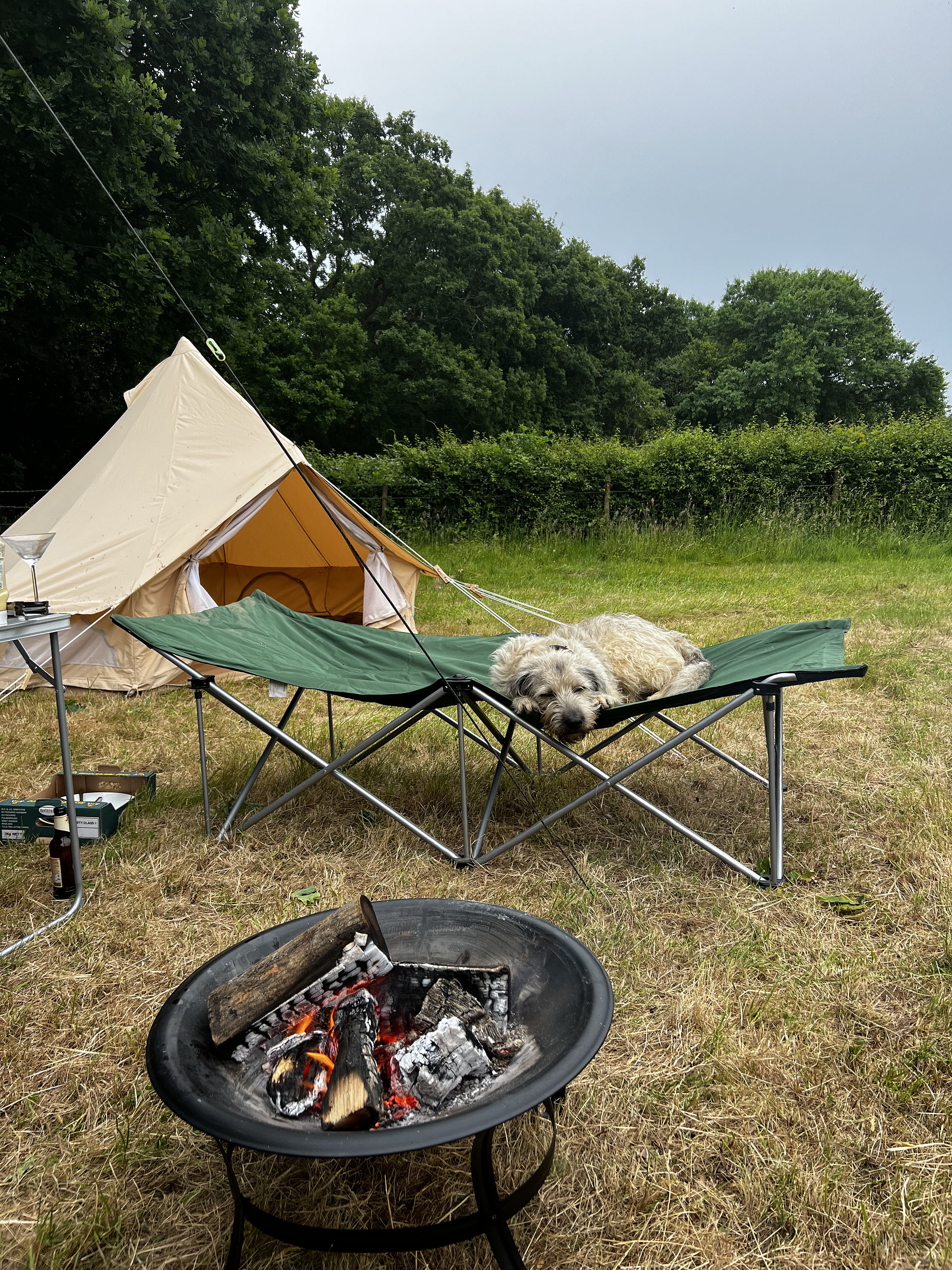

Cattlestone Farm Adult Only
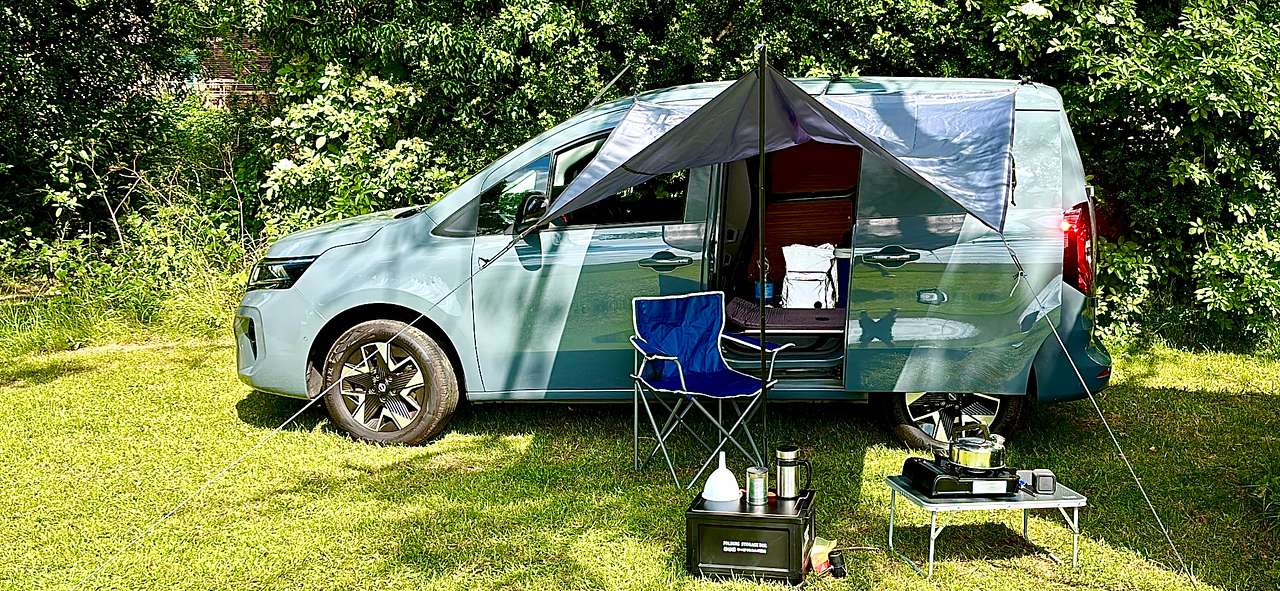
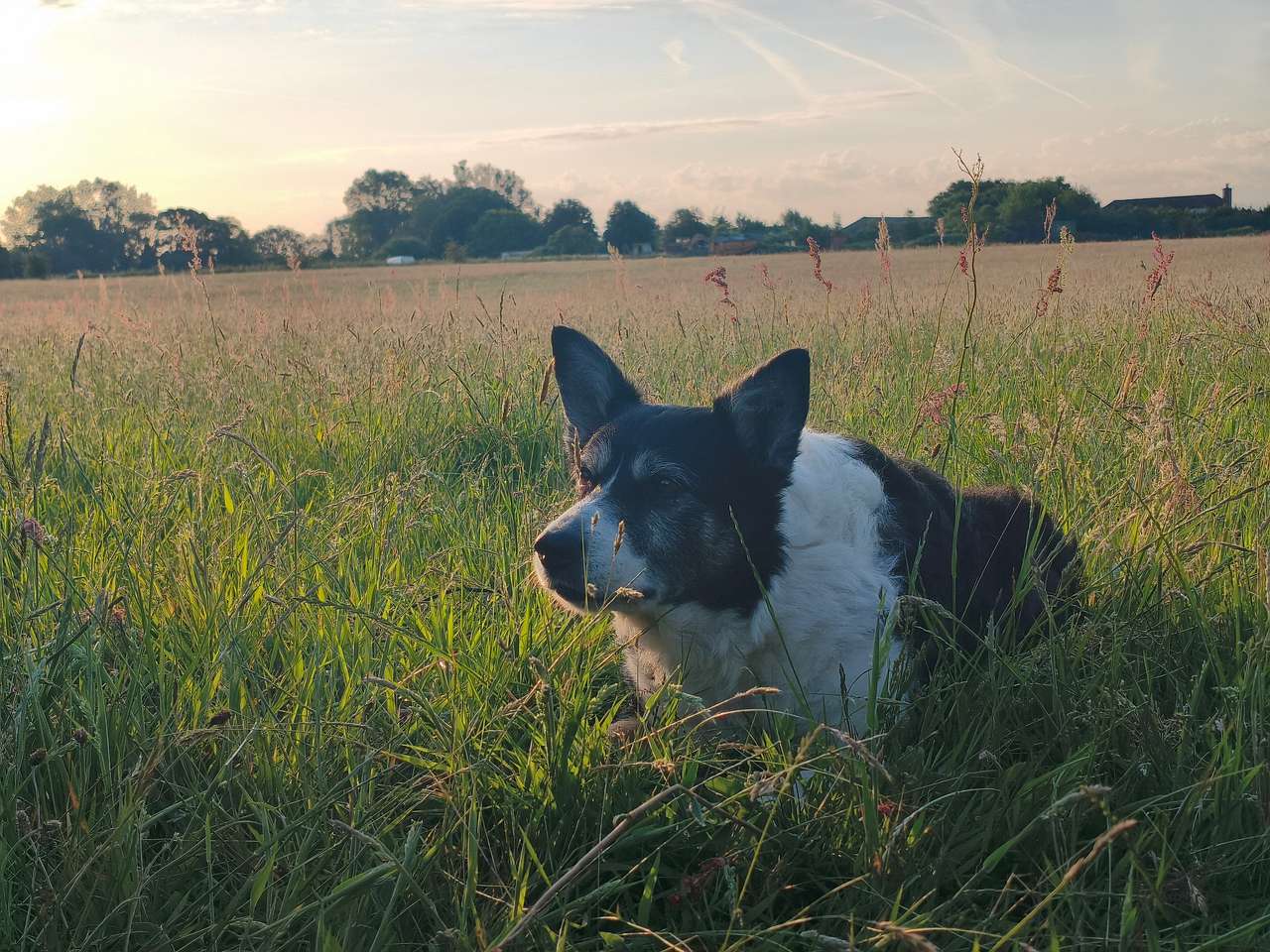
Hill Top Farm Wild Camping
Wonderland Festival Retreat
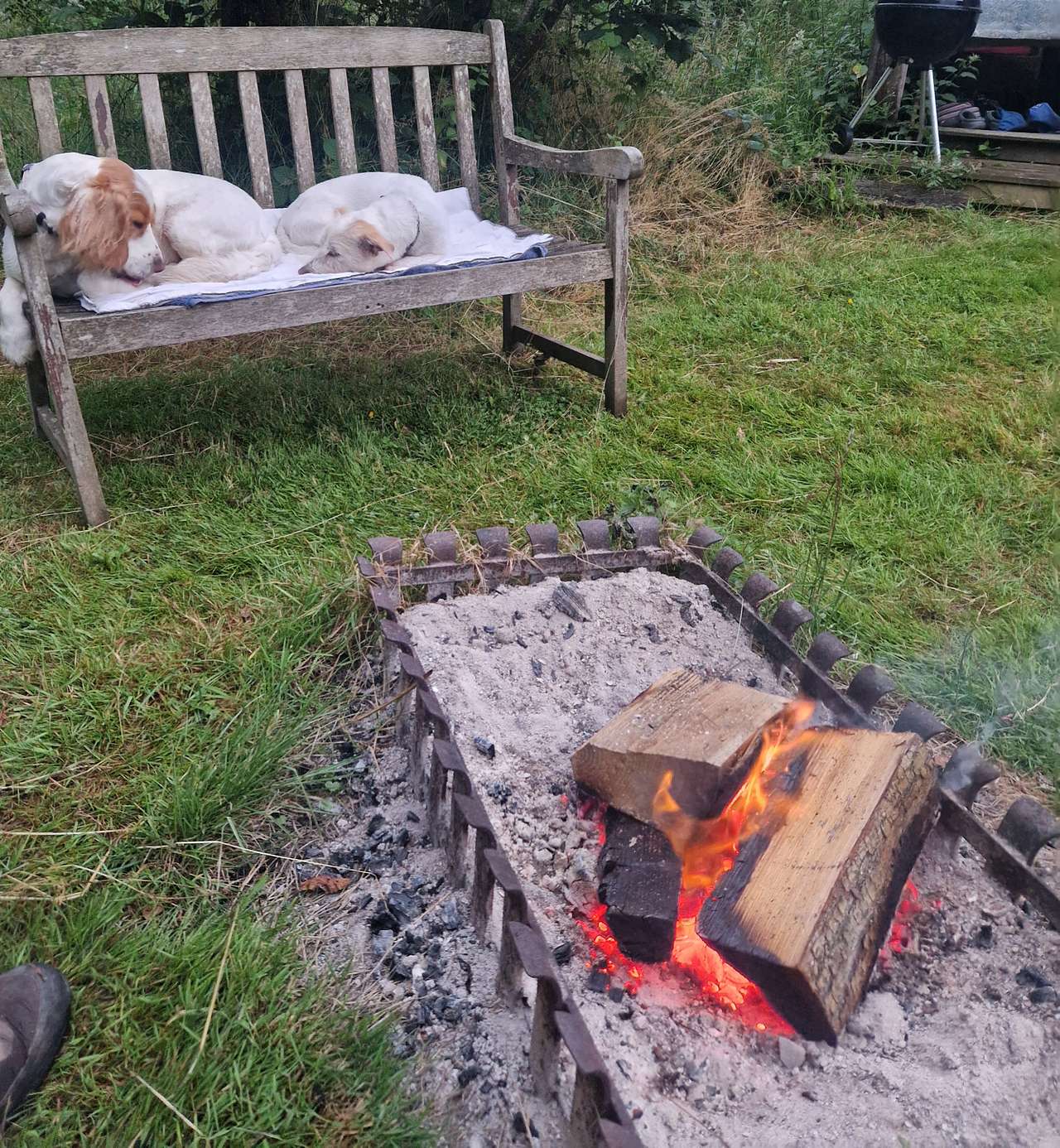
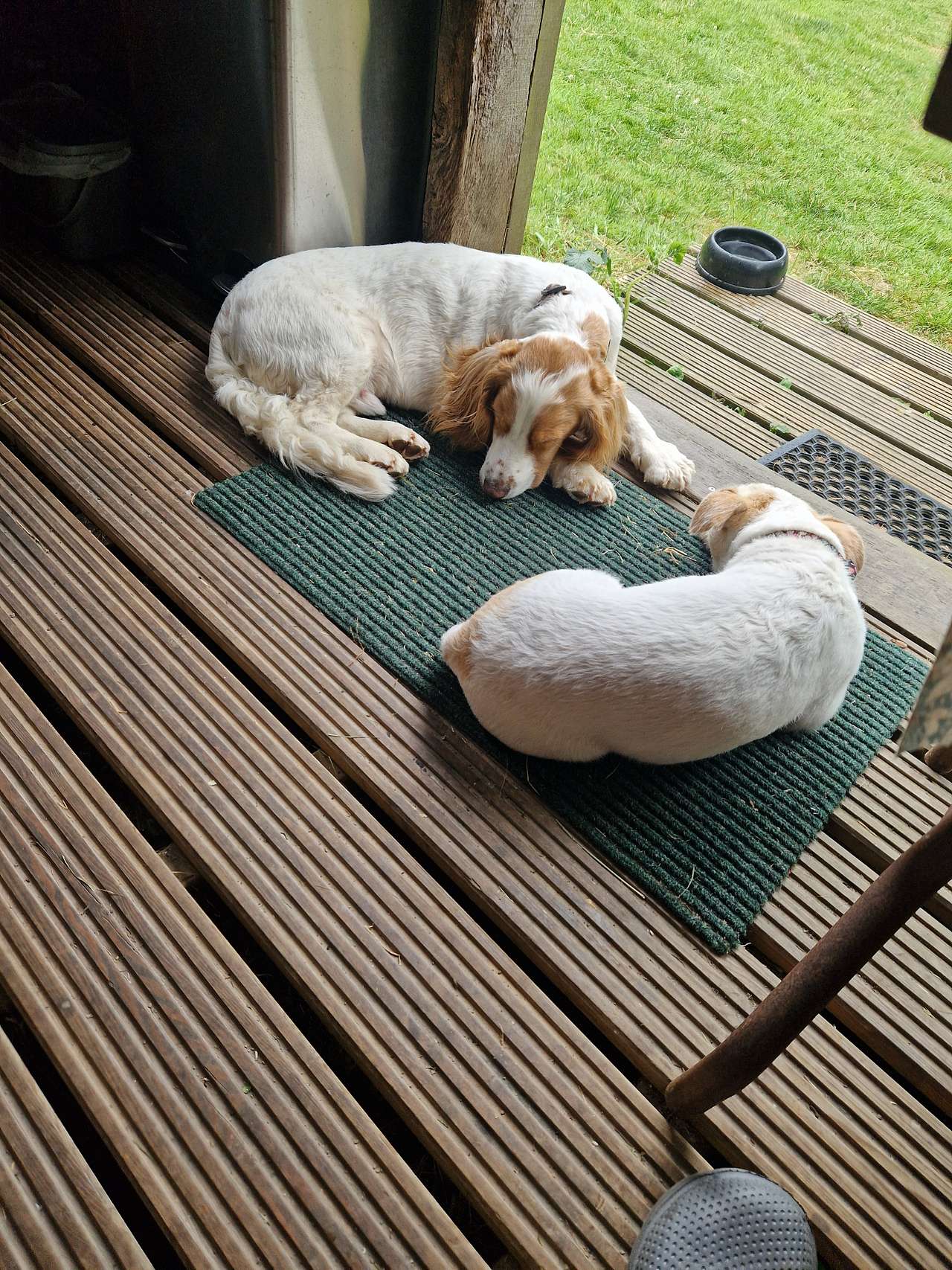
The Nut Plat Retreat
Beech Farm Camping
Laleham Camping Club
Recent reviews from the Hipcamp community
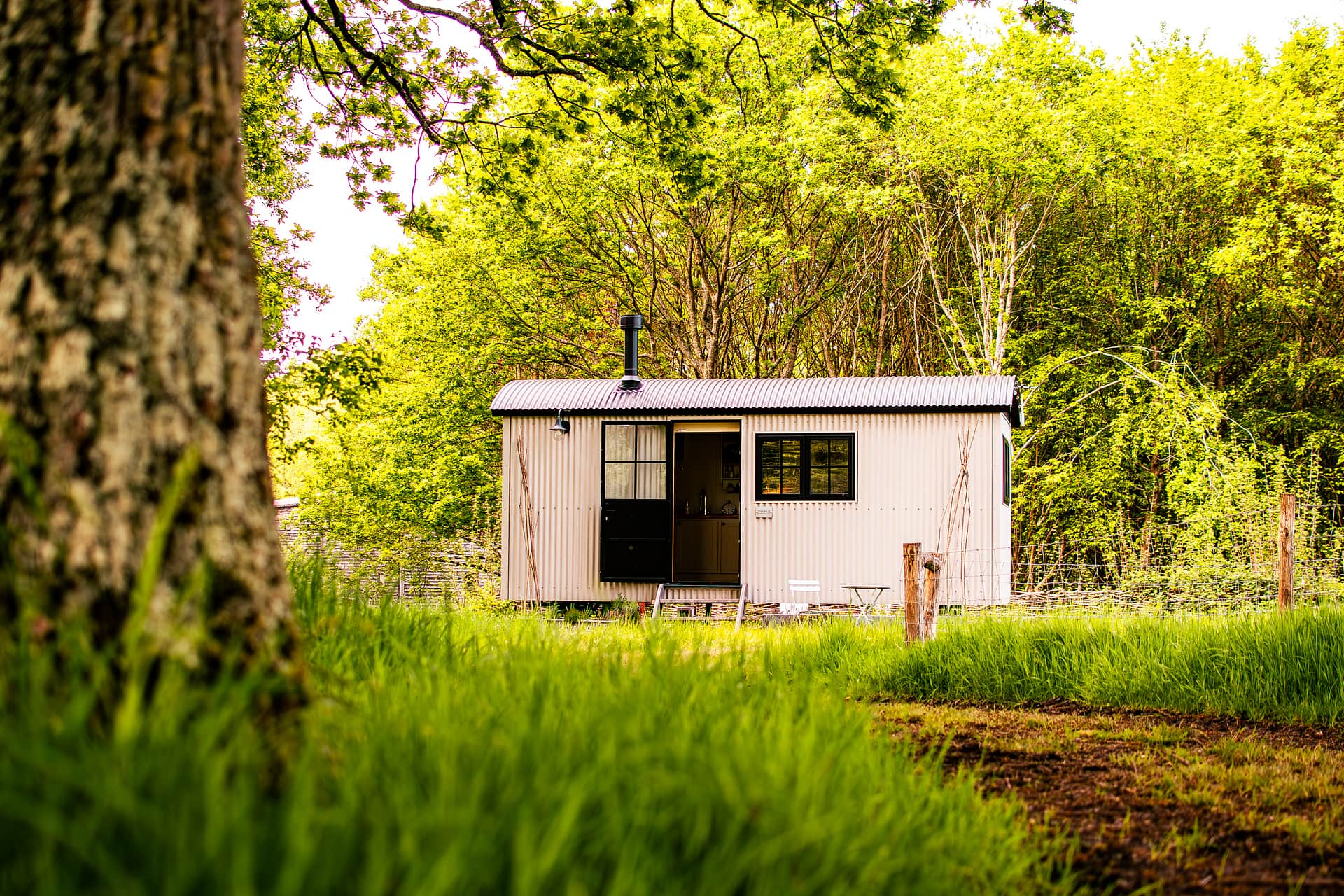

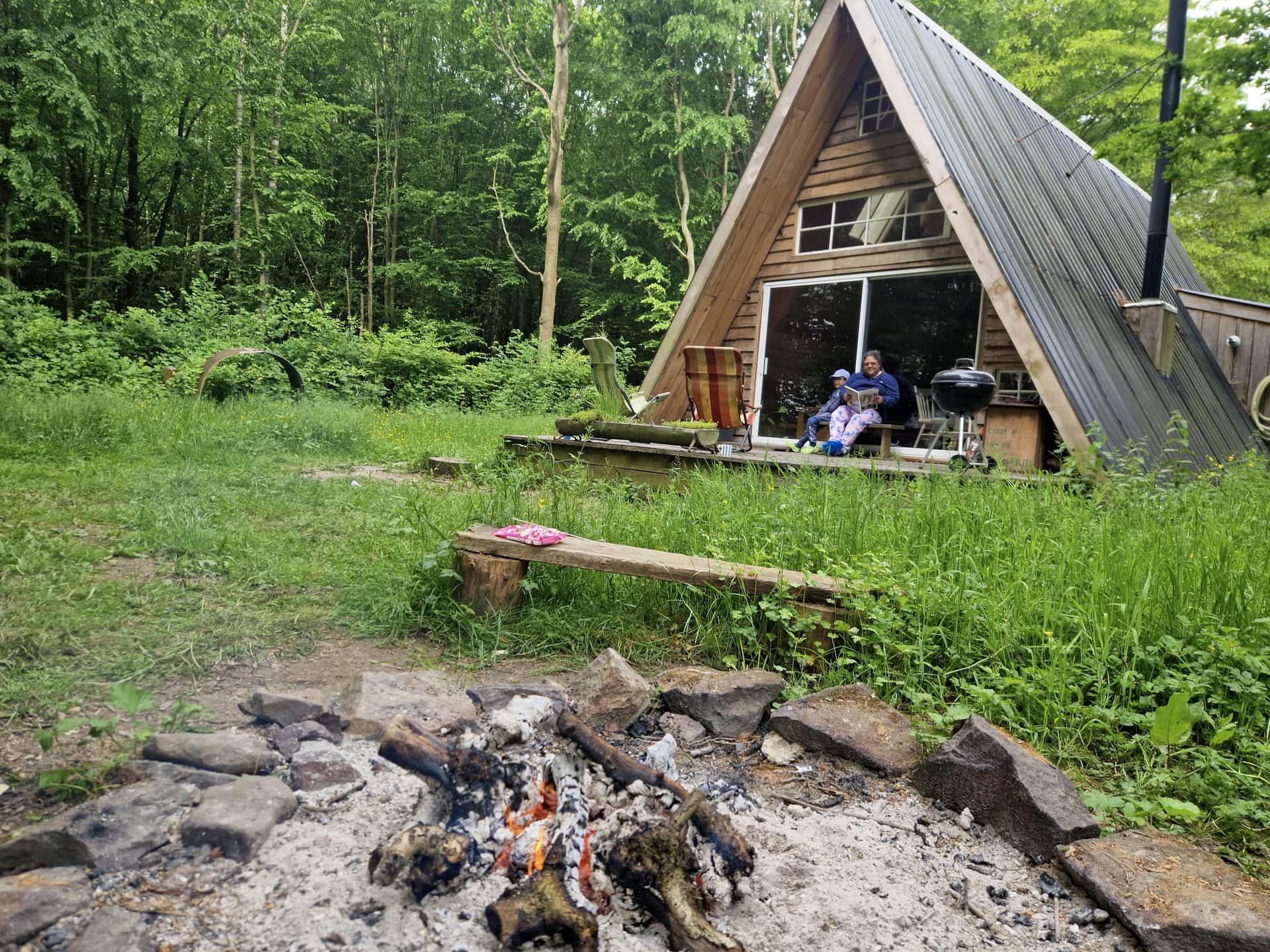



Kingley Vale National Nature Reserve camping guide
Tips for snagging a campsite
- South Downs campsites can book up quickly, especially in July and August, so reservations are always advised. Plan three to six months in advance for popular sites.
- If you do arrive without a reservation, it’s a good idea to secure a pitch first thing in the morning or call ahead, as available spots will be available on a first-come, first-served basis.
- You will need to pay a deposit to secure your campsite reservation, and many sites ask for the full payment prior to arrival.
- Hiking and camping season in the South Downs runs from mid-March through early October, and many campsites close out of season. However, campsites open year-round often offer lower rates in low season.
When to go
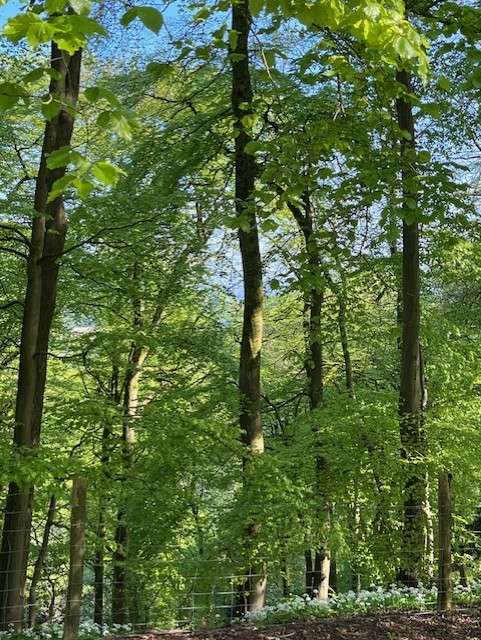
Kingley Vale is magnificent in autumn, when fall foliage transforms the forest into a kaleidoscope of colour, while summer visitors flock to see the butterflies. Crowds descend on the reserve in July and August, so get there early to secure a parking spot or choose a quiet weekday out of season if you want the forest to yourself. Allergy sufferers might want to avoid visiting in spring—Yew pollen is notoriously allergenic.
Know before you go
- Kingley Vale National Nature Reserve is located within the South Downs National Park, about a 10-minute drive from Chichester. Direct trains run to Chichester from London Waterloo and take 1.5 hours.
- Free parking is available at the West Stoke car park, at the south end of Kingley Vale.
- Getting around the nature reserve is only possible on foot and uneven terrain means access for wheelchairs is very limited.
- All land within the national reserve is privately owned and wild camping is not permitted anywhere.
Frequently Asked Questions
At Kingley Vale National Nature Reserve, you can expect to explore 130 hectares of ancient woodlands, where the giant Yew trees and twisted branches create a fairy-tale backdrop. Look out for birds and butterflies as you follow the nature trails—the reserve is home to woodpeckers, buzzards, and many rare butterflies. North of the forest, climb up to the lookout point at Bow Hill for views across the Sussex countryside, and discover the Bronze age barrows (burial mounds) known as the Devil’s Humps. The reserve is one of the region’s most visited attractions.
South Downs campsites can book up quickly, especially in July and August, so reservations are always advised. Plan three to six months in advance for popular sites. If you do arrive without a reservation, it’s a good idea to secure a pitch first thing in the morning or call ahead, as available spots will be available on a first-come, first-served basis. You will need to pay a deposit to secure your campsite reservation, and many sites ask for the full payment prior to arrival. Hiking and camping season in the South Downs runs from mid-March through early October, and many campsites close out of season. However, campsites open year-round often offer lower rates in low season. You can also explore different options for camping near Kingley Vale National Nature Reserve on Hipcamp.
All land within the national reserve is privately owned and wild camping is not permitted anywhere. The reserve is located within the South Downs National Park, about a 10-minute drive from Chichester.