Glamping in Exmoor National Park
98% (692) • 916 campsites
Top-rated glamping sites in Exmoor National Park
Forest Edge
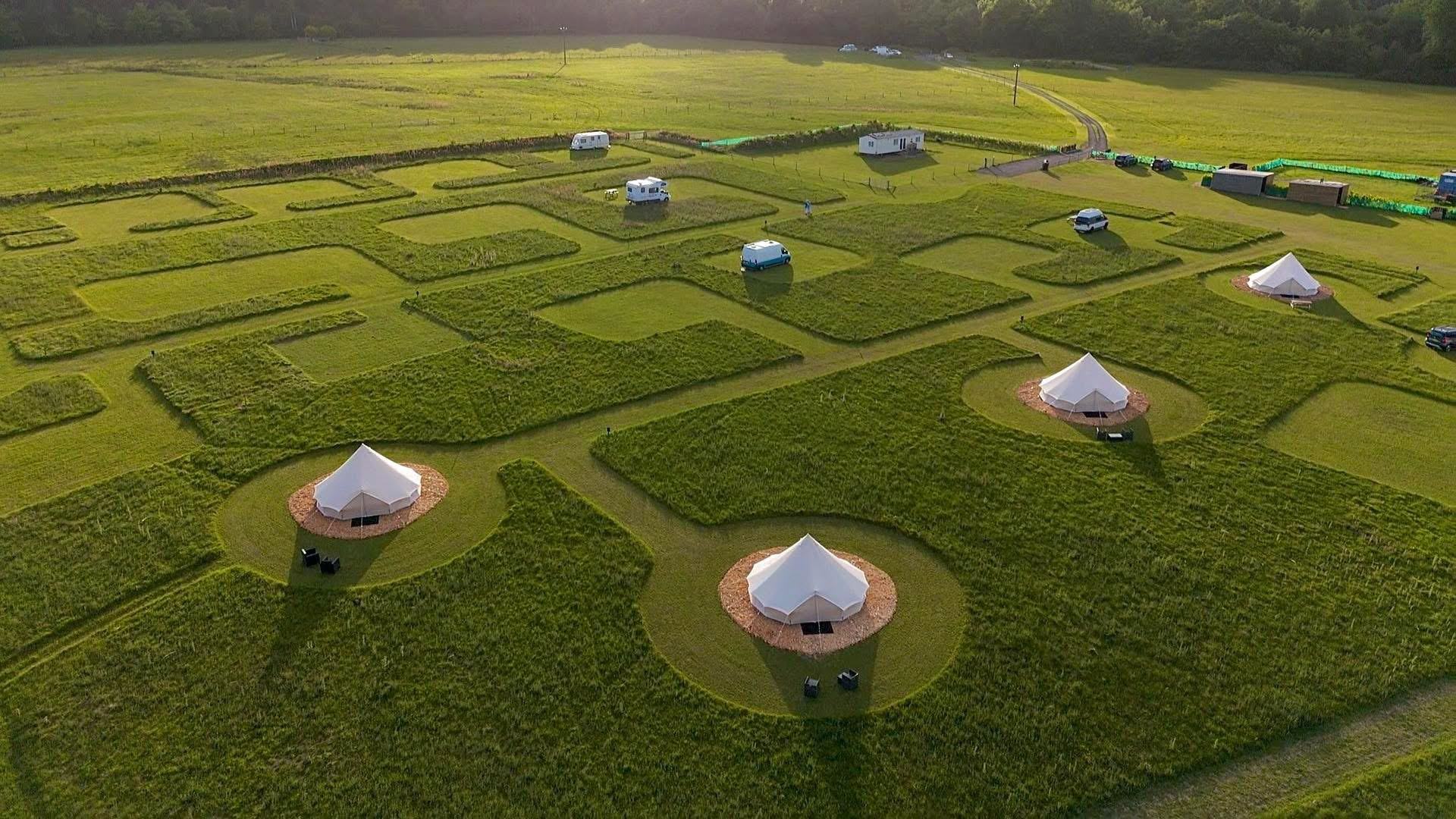
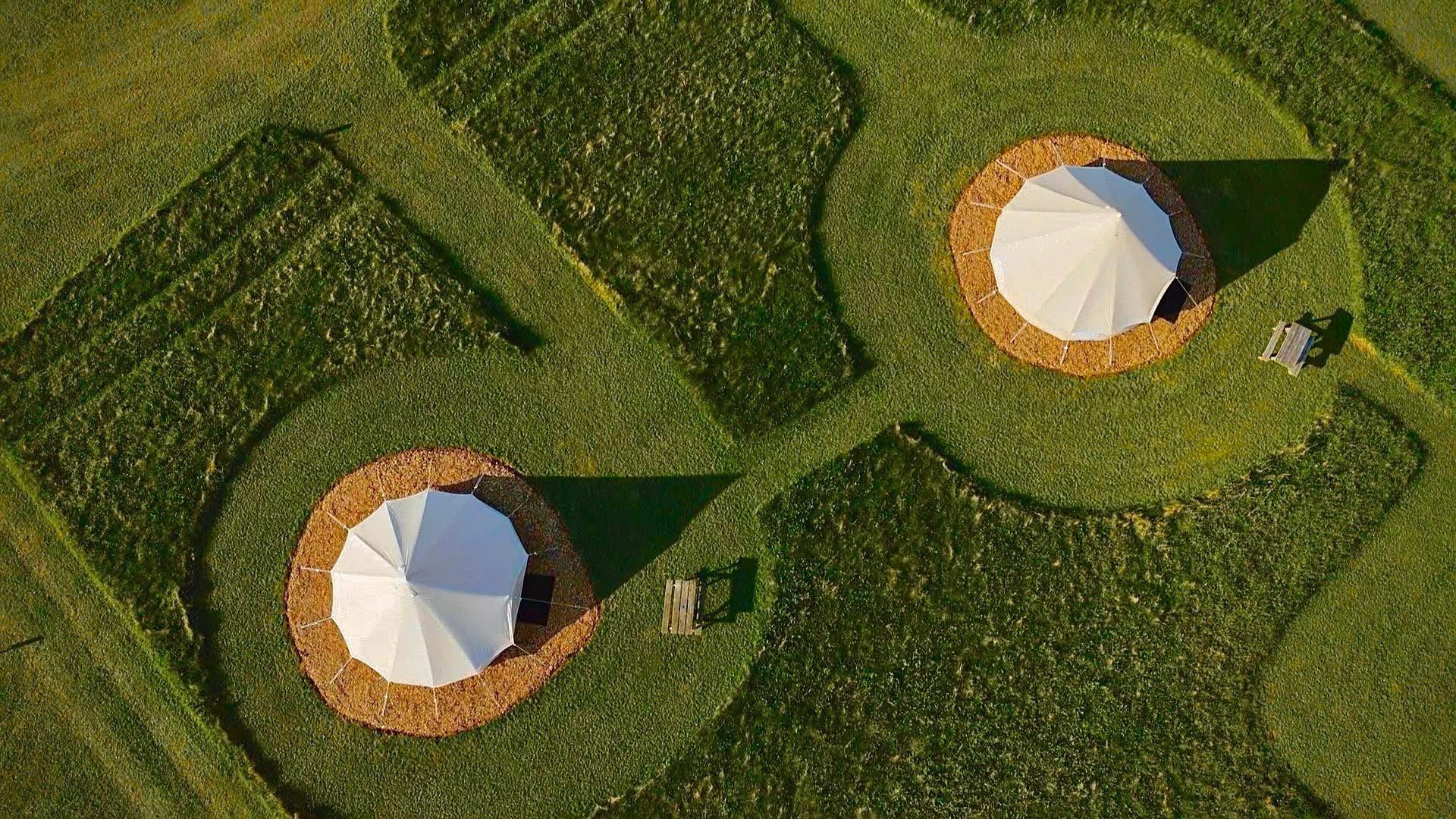
1. Forest Edge
100%
(24)
Sidbury, England · 44 units · Tents, Motorhomes, Glamping
A welcoming and wild-ish camping and glamping site on the edge of a forest in East Devon
Pets
Showers
Campfires
from
£20
/ night
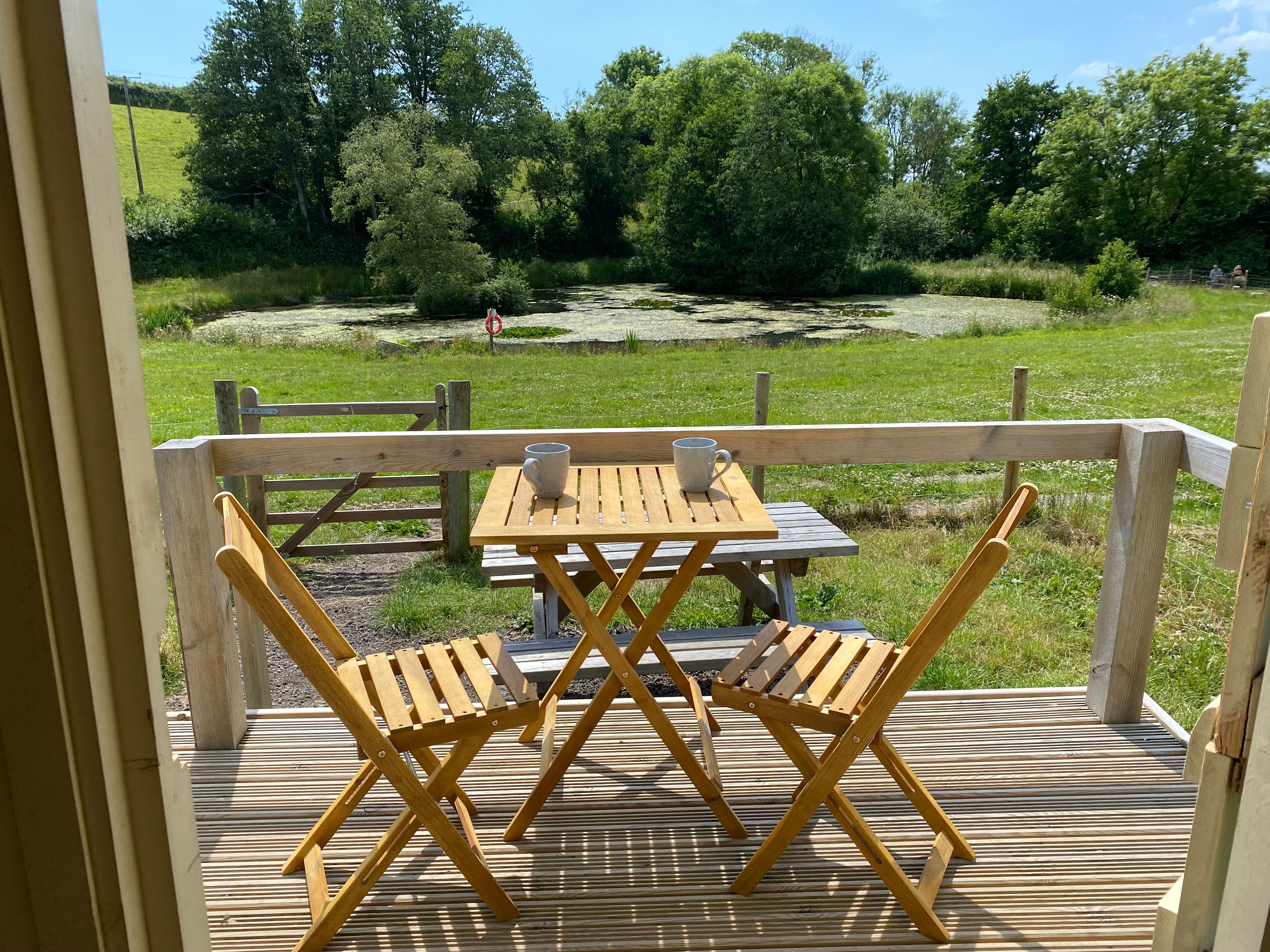
Hobby Farm
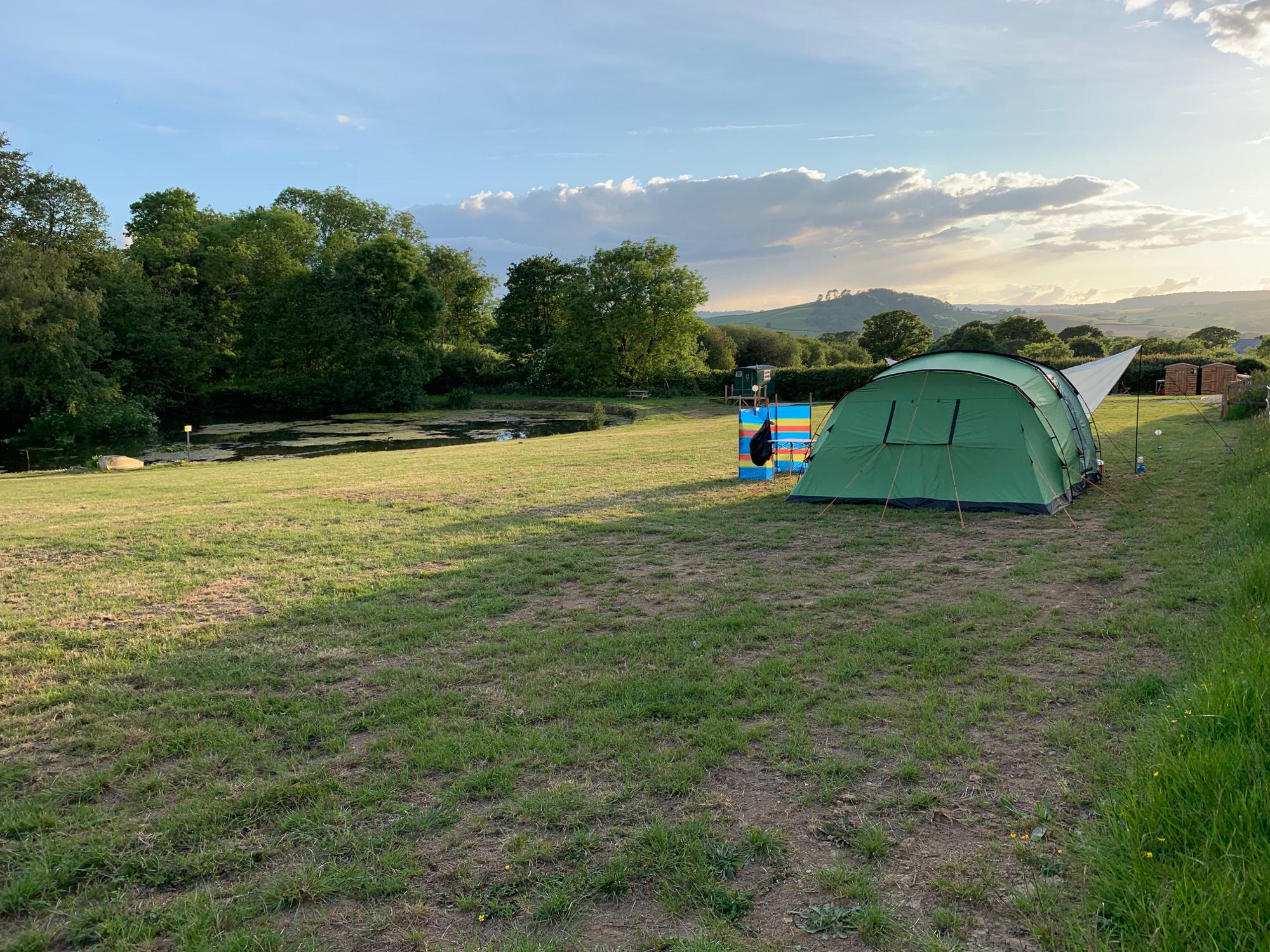
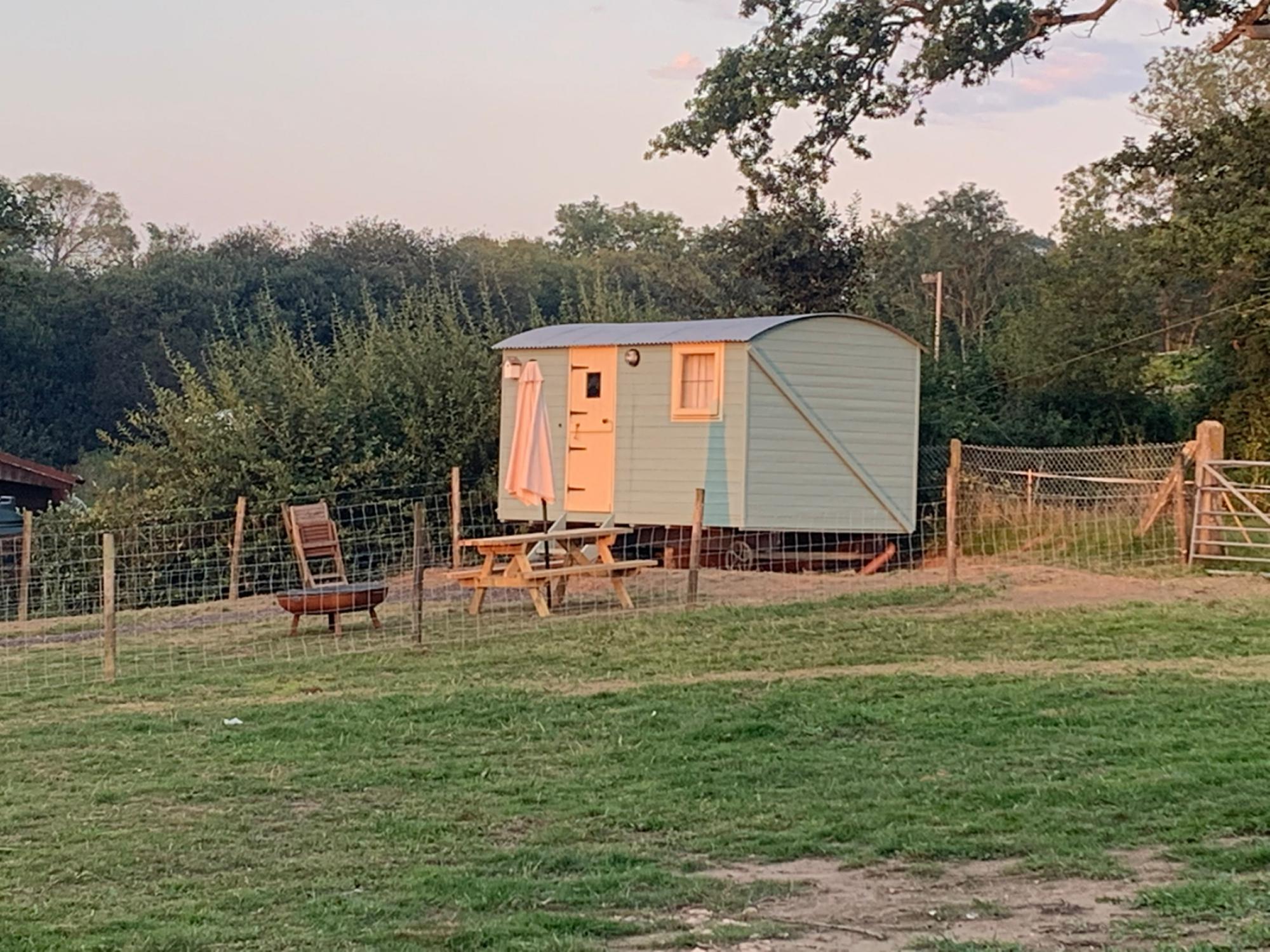
2. Hobby Farm
96%
(45)
Whitchurch Canonicorum, England · 16 units · Tents, Motorhomes, Glamping
A peaceful, adult-only campsite 10 minutes' from the Jurassic Coast
Pets
Showers
Campfires
from
£22
/ night
Gurt Yurts
3. Gurt Yurts
100%
(23)
Churchill, England · 9 units · Tents, Glamping
Off the beaten track on top of the Mendips in an area of outstanding natural beauty. A mixture of four acres of wild woodland, orchard and field set on a hillside.
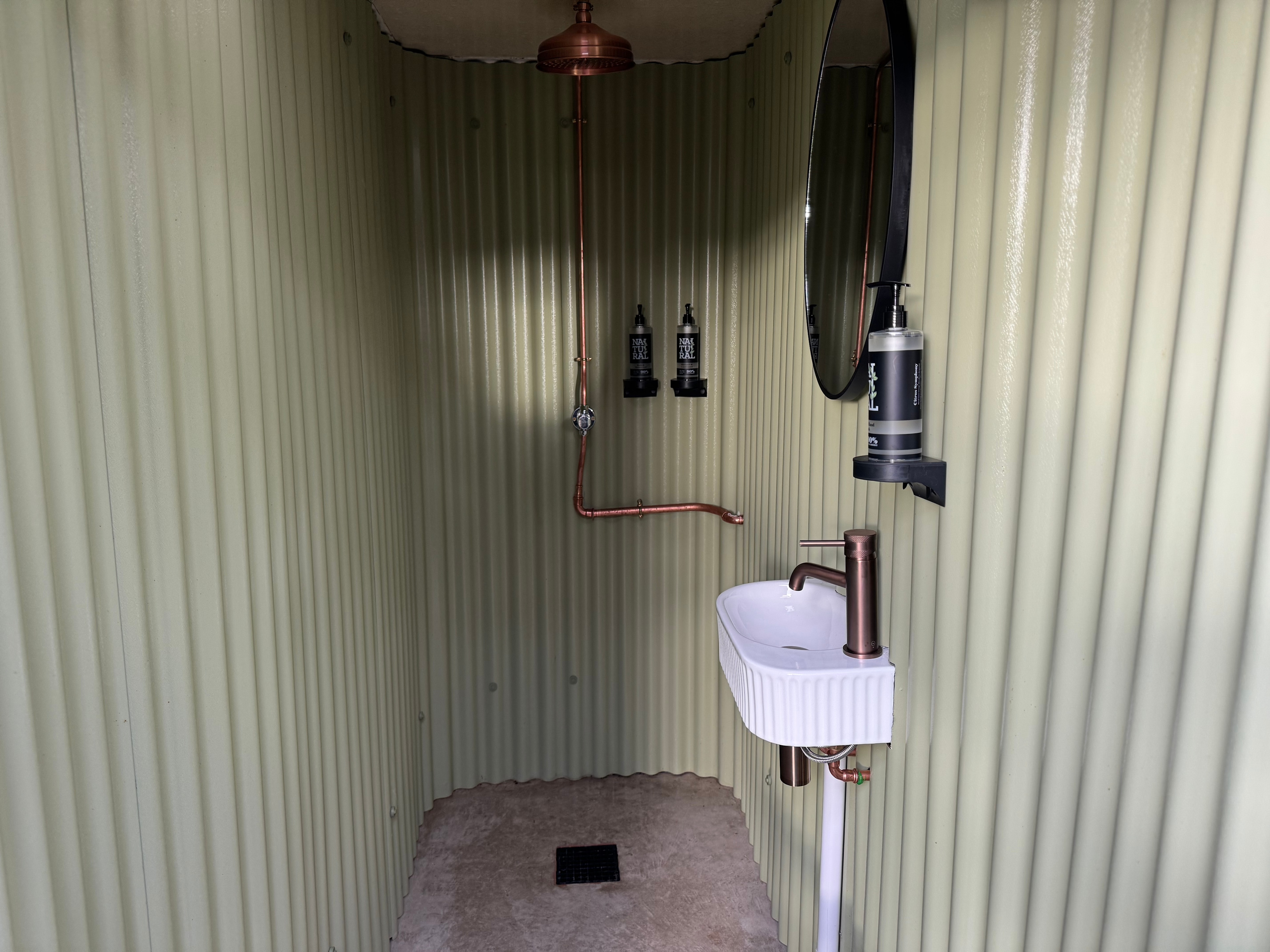
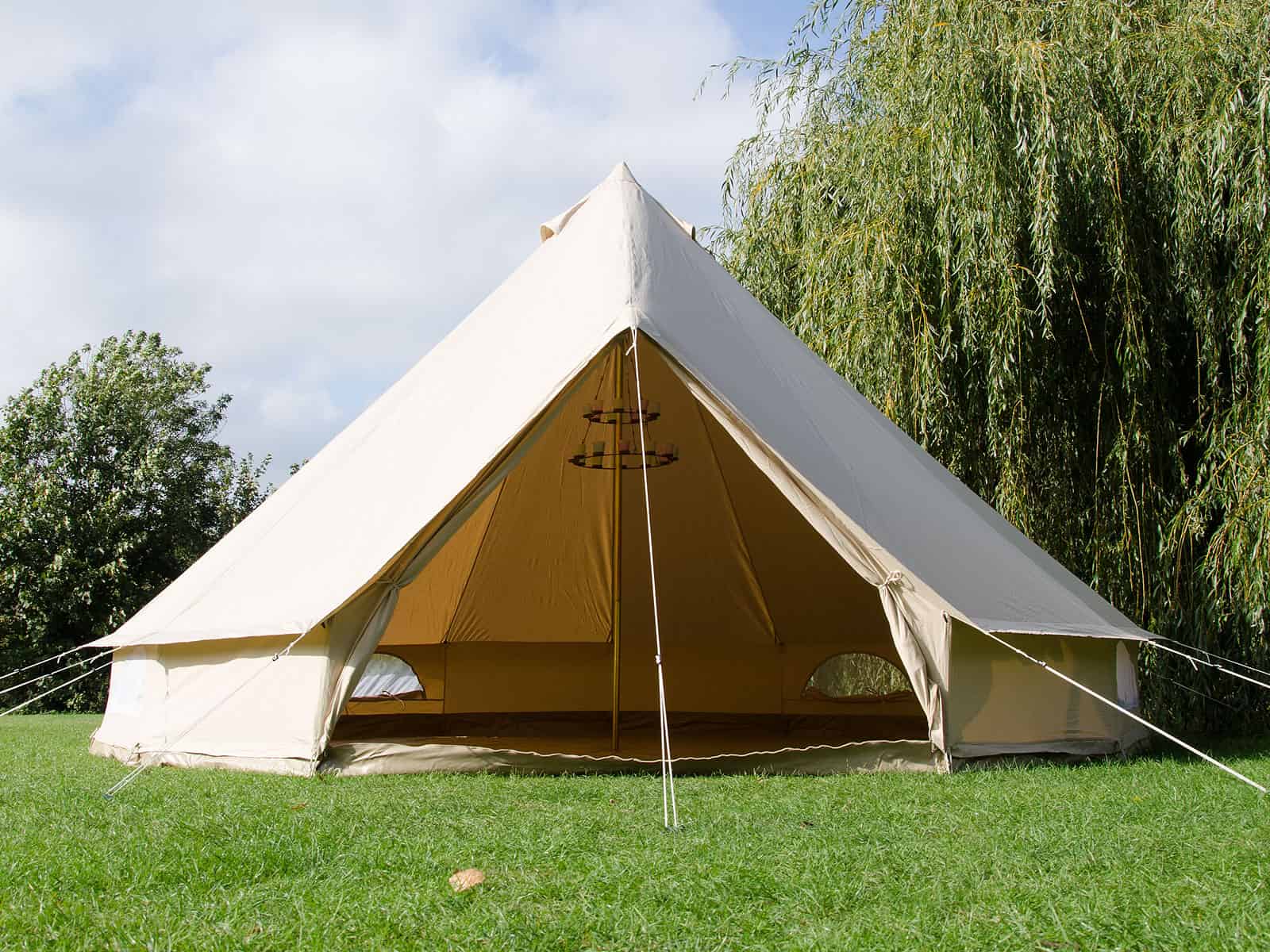
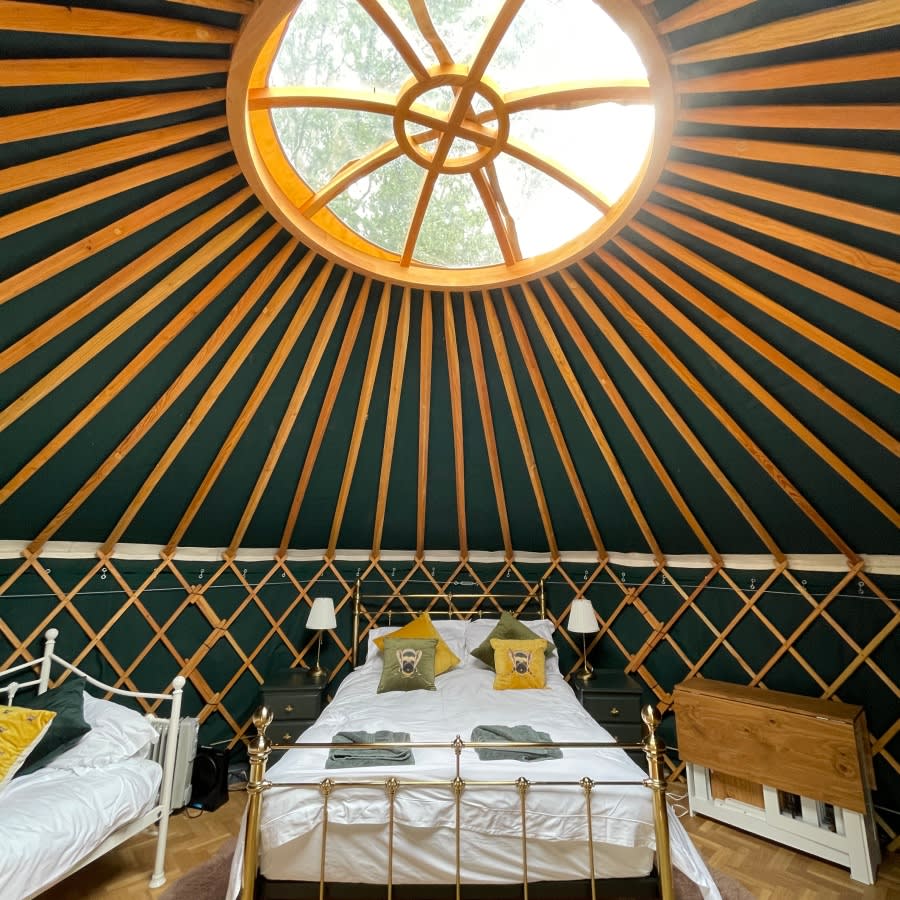
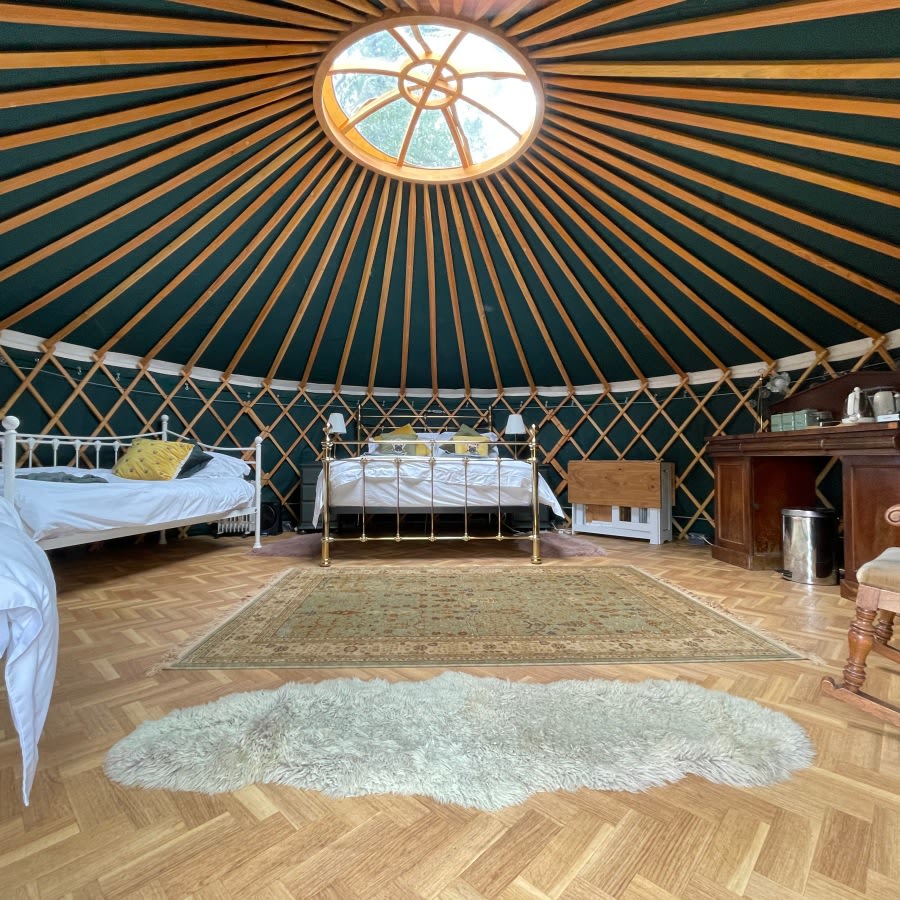
Our Yurt is set up in the trees giving you peaceful seclusion and a clear view across the sea to Wales and the mountains of the Brecon Beacons. The Yurt is big and sleeps up to four very comfortably. It has its own stove and outside is a washroom just for you with hot shower , toilet and sinks. Your own meadow allows you to just relax and be.
Up on the campfield you can bring your own tent or hire a Belle tent from us with all the fittings to camp contentedly. Our new Wash House has hot showers, flushing toilets and basins. You can light a fire and cook up a BBQ or maybe just watch the world go by.
A huge range of activities are possible or you can lie in the hammock with a good book. We have very friendly dogs and rescue chickens who may come and visit. Wild deer wander past in the early morning mist and the odd buzzard picks an argument with a bunch of crows but nothing much else should disturb you.
We moved here after an 18 month search 8 years ago. It was close to everything we wanted and we've spent some time getting a bit closer.
Pets
Showers
Campfires
from
£12
/ night
Manor Farm Cottage Bell Tent
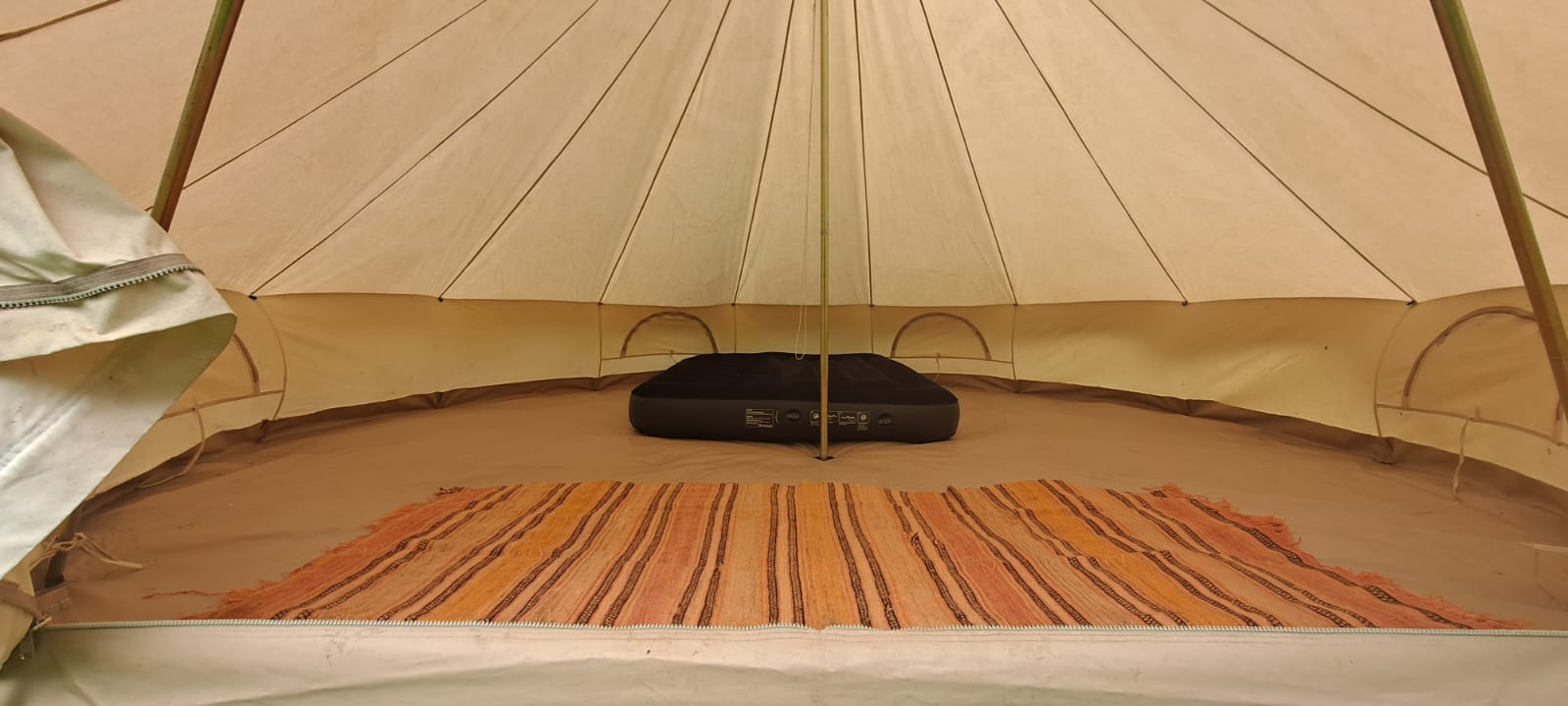
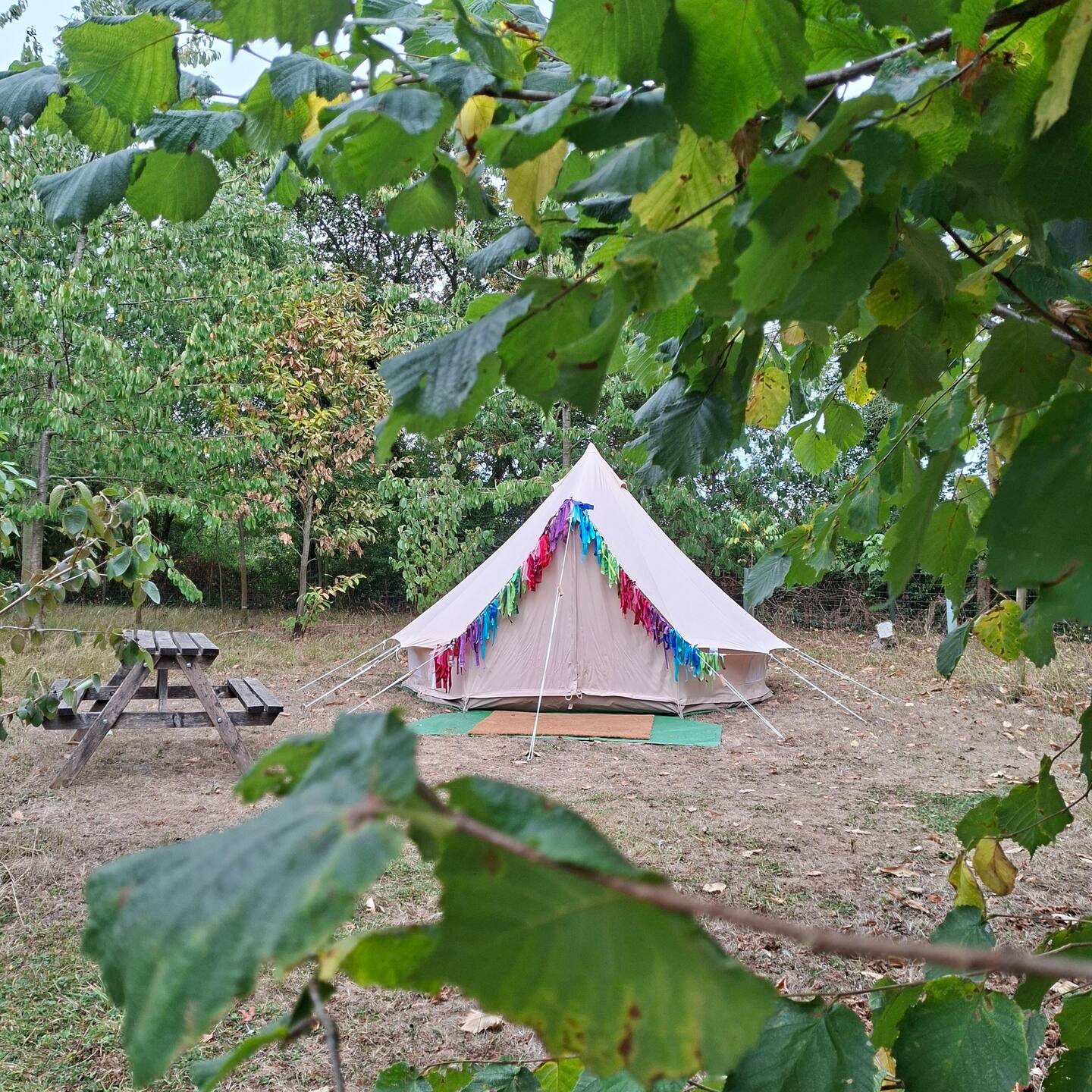
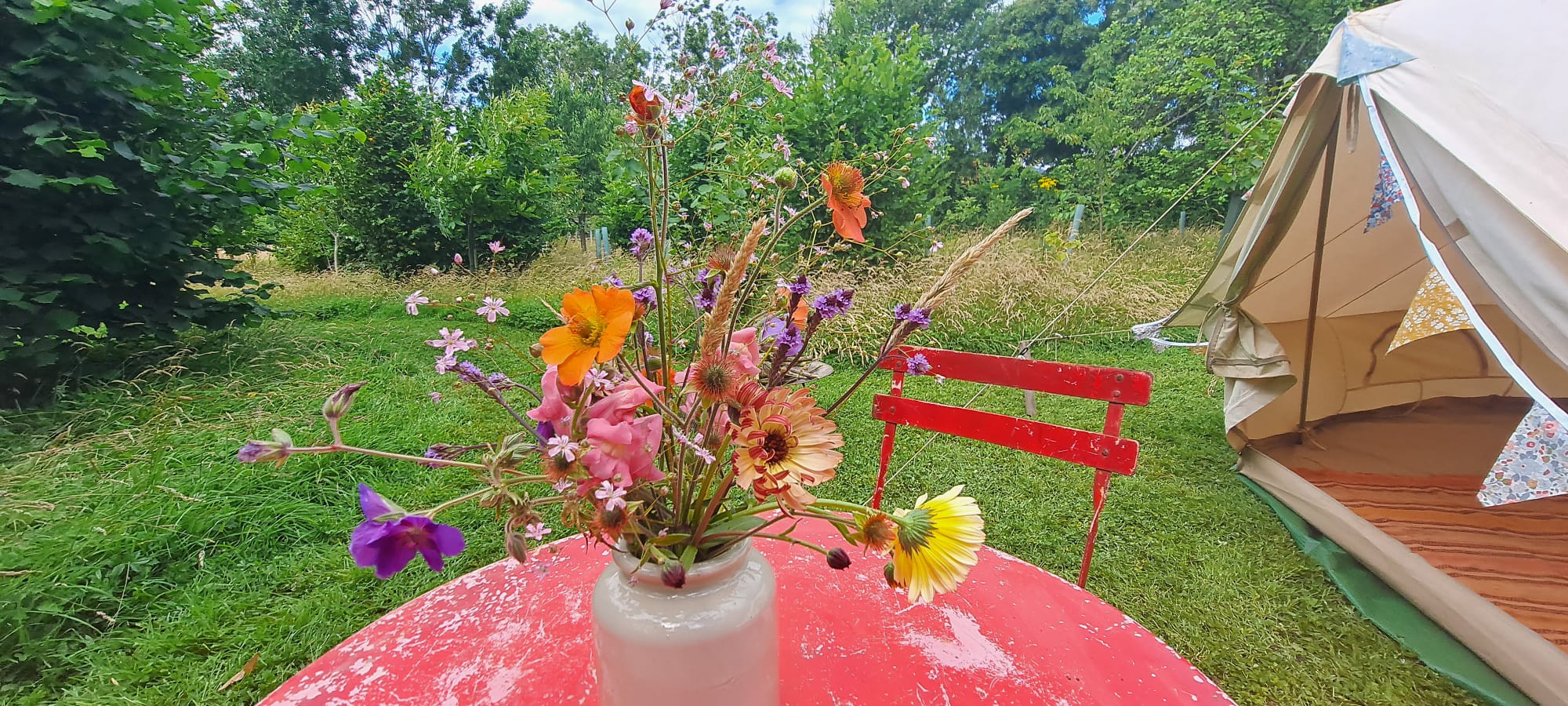
4. Manor Farm Cottage Bell Tent
England · 1 unit
The Birch Bell at Manor Farm Cottage
Escape to our charming smallholding and micro-flower farm in the heart of Somerset for a truly wonderful camping experience. Nestled near the stunning Mendip Hills and the serene Somerset Levels, this idyllic little campsite invites you to unwind, reconnect with nature and experience the restorative peace of this place. Along the way you'll meet our sheep, and be welcomed by the camp Guardians (Frodo, our friendly little Jack Russell and Nemo, our very agile mouse-hunting cat).
With easy access to both the Somerset levels and surrounding Mendip Hills, and with the wonderful city of Wells just a short distance away, this spot makes a great base from which to explore the outstanding and unique countryside and nearby places of interest and attractions.
From Manor Farm Cottage you can take in some gorgeous walks along the lanes and public footpaths. A short walk from us you'll find our local vineyard at Fenny Castle where you can book a vineyard tour and wine tasting to sample their award winning English wines, or pop over to Wookey Farm where you can meet the very friendly rare-breed goats and buy their incredible goats cheese. There are 3 local pubs within walking distance, and if you head out onto the Levels, you can enjoy a cider by the river at The Sheppey, a great riverside pub in the nearby village of Godney.
If you want to venture a little further, discover the breathtaking beauty of local RSPB nature reserves, ideal for peaceful walks and bird watching. Wander through the historic city of Wells, marvelling at its stunning cathedral and charming streets. Just a short drive away, experience the mystical allure of Glastonbury and its famous Tor, and then of course there is the dramatic landscape of Cheddar Gorge to explore. For a dose of culture and history, visit the elegant city of Bath with its Roman baths and Georgian architecture.
Each destination offers a unique and unforgettable experience, making your stay in Somerset truly magical. And if you want to indulge in a day of learning about flowers, how to grow them, and floristry tricks and techniques, get in touch to find out about the workshops that are on offer at Manor Farm Cottage Flowers on the smallholding.
Showers
Campfires
Potable water
from
£60
/ night
Deer Barn Retreats
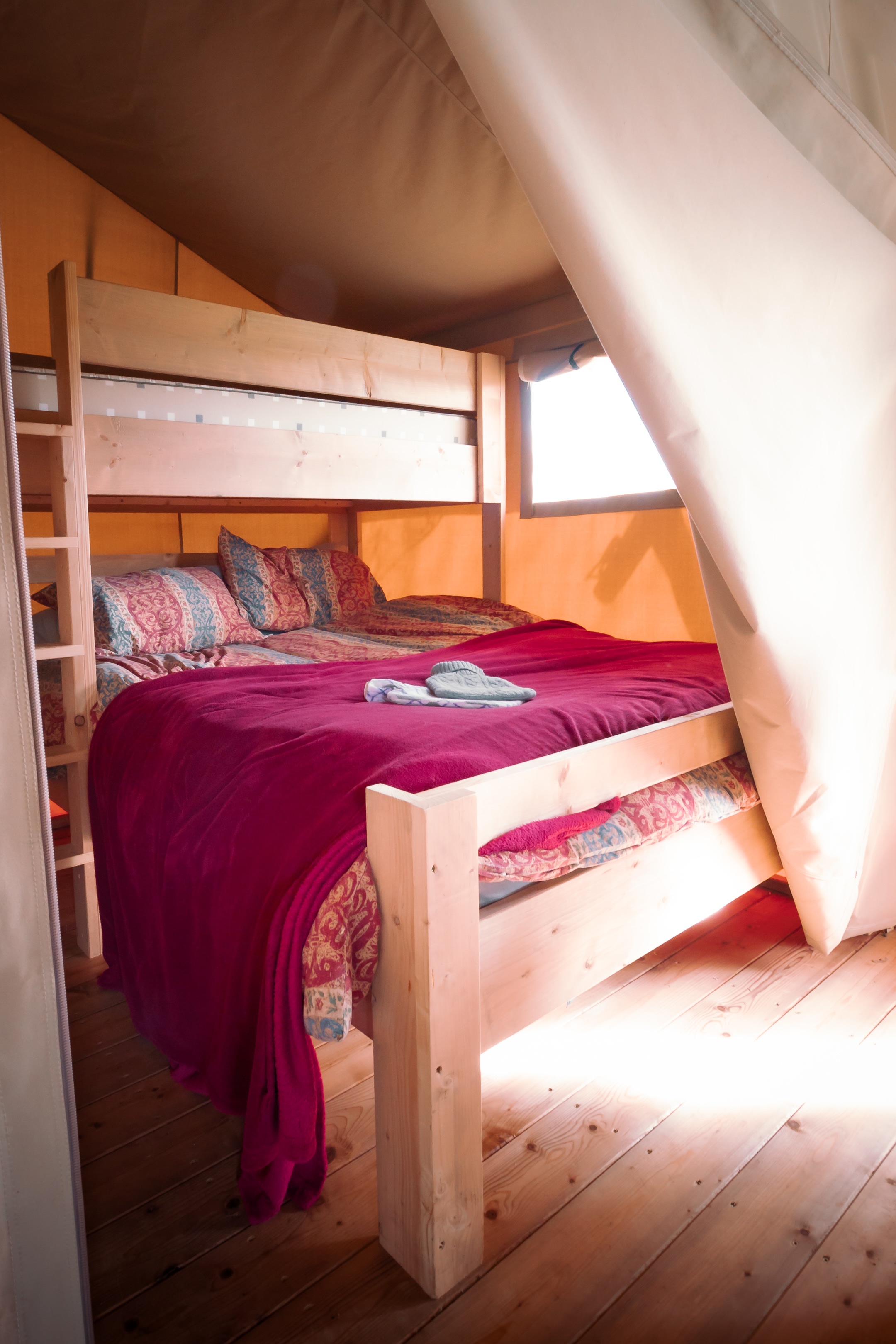
5. Deer Barn Retreats
94%
(33)
Taunton, England · 3 units
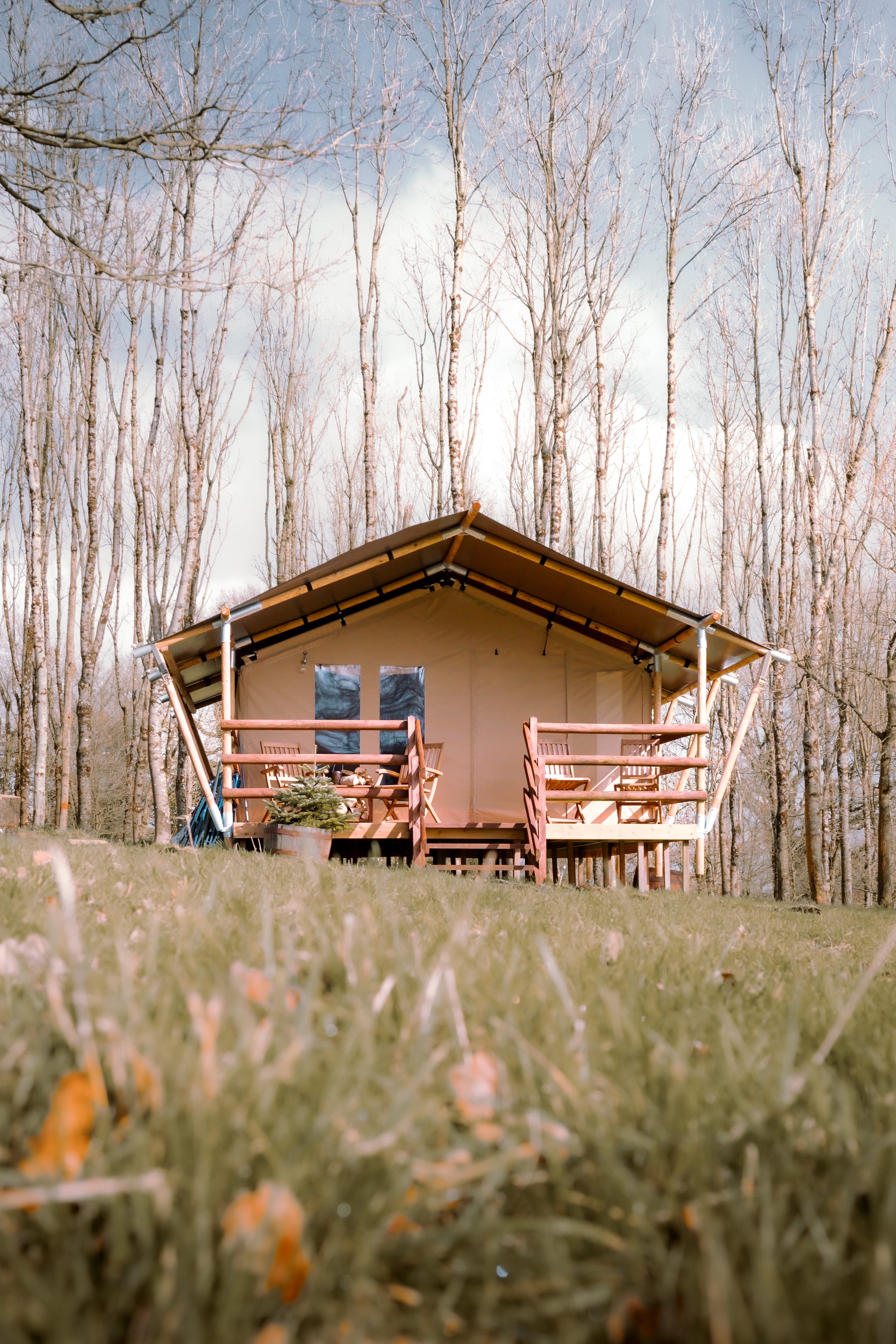
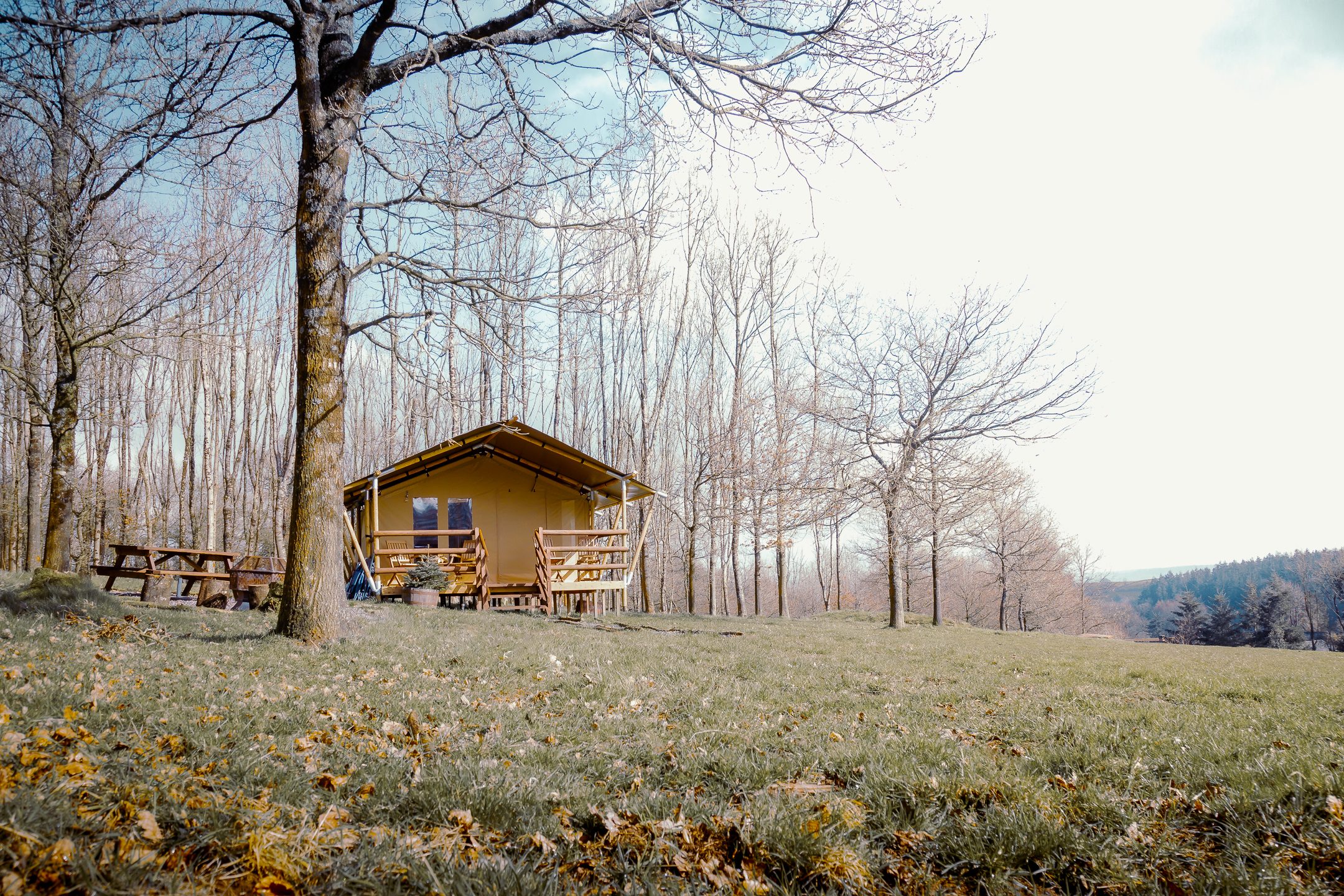
Dog-friendly glamping on the Somerset-Devon border
Pets
Showers
Campfires
from
£81
/ night
Llandyfan Camping

6. Llandyfan Camping
100%
(15)
England · 29 units · Tents, Motorhomes, Glamping
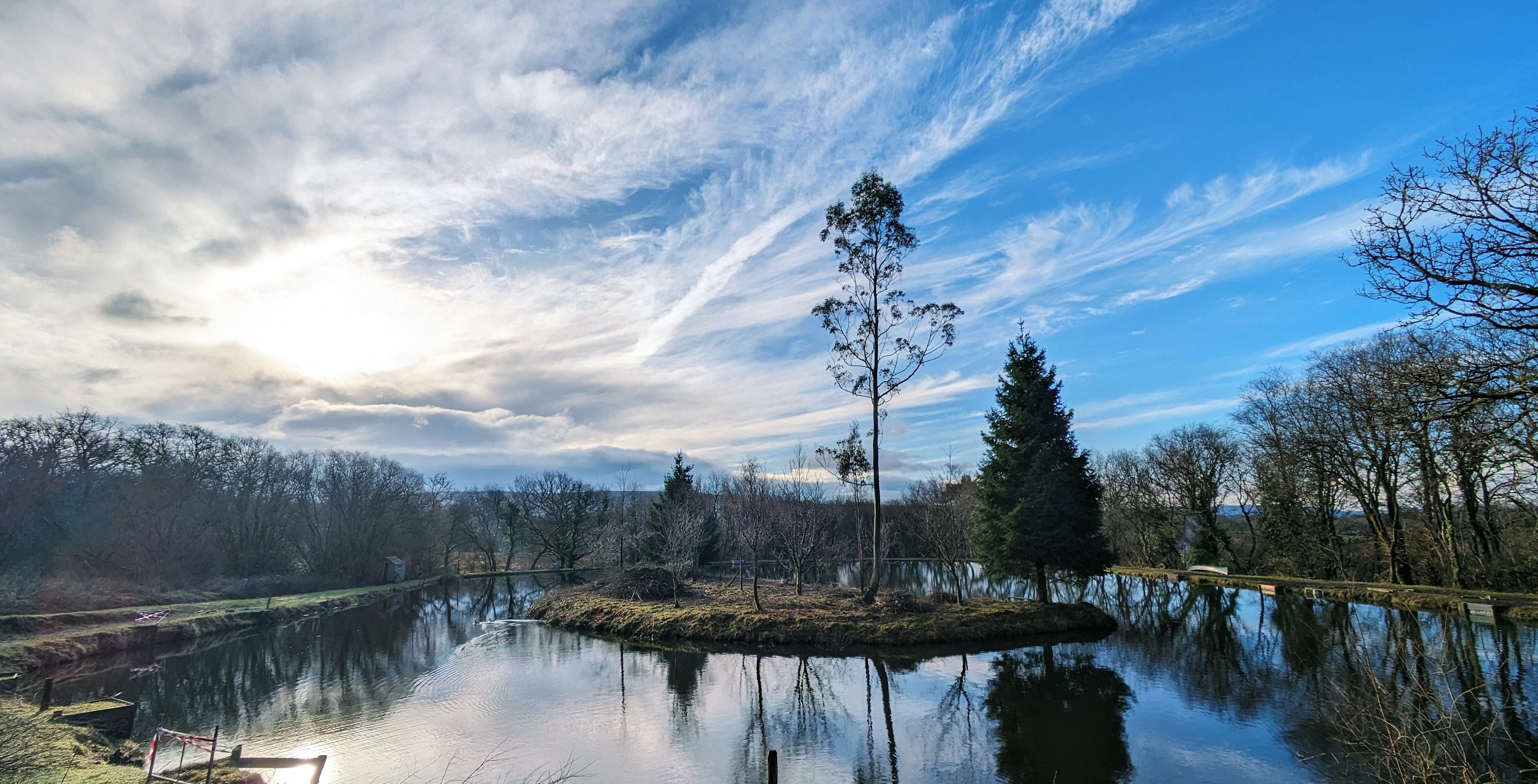
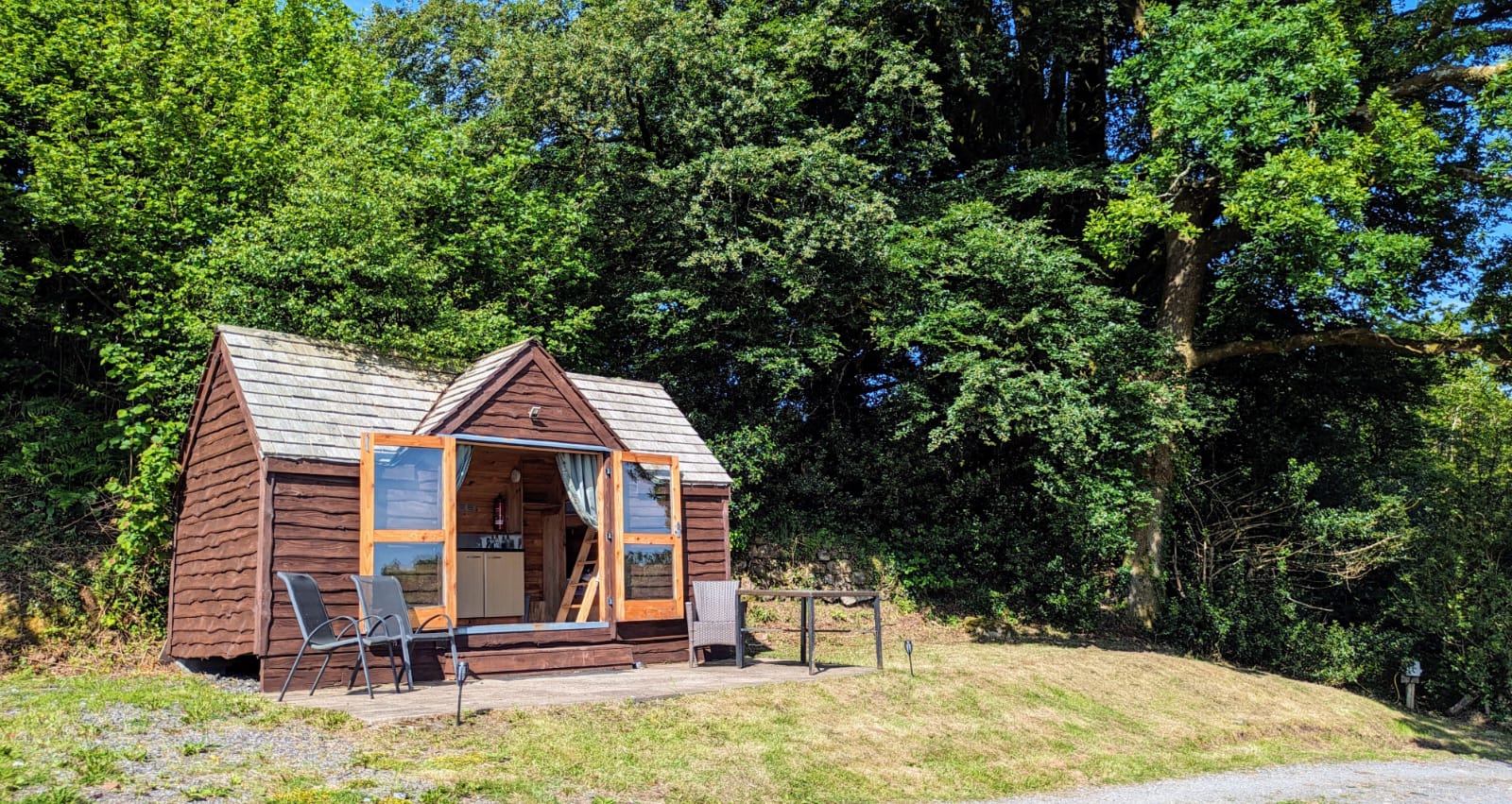
Our beautiful home is a glamping and camping site with its own gorgeous fishing lake on the outskirts of the village of Llandyfan. You can find us to the west of the Brecon Beacons or Bannau Brycheiniog National Park.
Llandyfan Campsite has been lovingly re-established in early 2024 by Andy and Jo. Since taking ownership, we have rolled up our sleeves and got stuck into restoring it to its former glory and will soon be back to being a fully operational slice of Welsh heaven.
Our first focus has been the fishing lake which we opened in March. The campsite followed in May. We are currently working on electric hook ups and other improvements.
We have chickens on site that roam free during the day. They are friendly and like to wander around the tents to say hello to our guests!
We would like everyone who visits to have a great time and a relaxing break. Whilst here please be considerate towards others, to their property, and while using the facilities. If you have any concerns, please let us know.
We have brought out a few rules from our T&Cs and we kindly ask that you have a read through before your stay.
Litter:
You must pick up your litter. Please either take it with you or recycle it appropriately in the bins onsite. There are bins around the campsite, please recycle where possible.
Pitches to be left as you found them.
Noise:
Be respectful and consider your neighbours. Keep noise to a minimum after 10pm and before 8am in the morning.
No loud music is to be played at any time.
Children:
Children must be supervised at all times around the campsite and can play within the pitch space allocated to you. At quiet times, it may be possible for children to use vacant pitches for play but this cannot be guaranteed. The amenity block and associated facilities are not to be used as a play area.
Dogs:
Must not to be left unattended.
Are to be kept on leads at all times whilst on the campsite. (We are working on an enclosed dog walking area, however this is not yet available).
no refunds on bookings if cancelled withing 10days of booking
Pets
Showers
Campfires
from
£17
/ night
Coppet Hill
7. Coppet Hill
100%
(88)
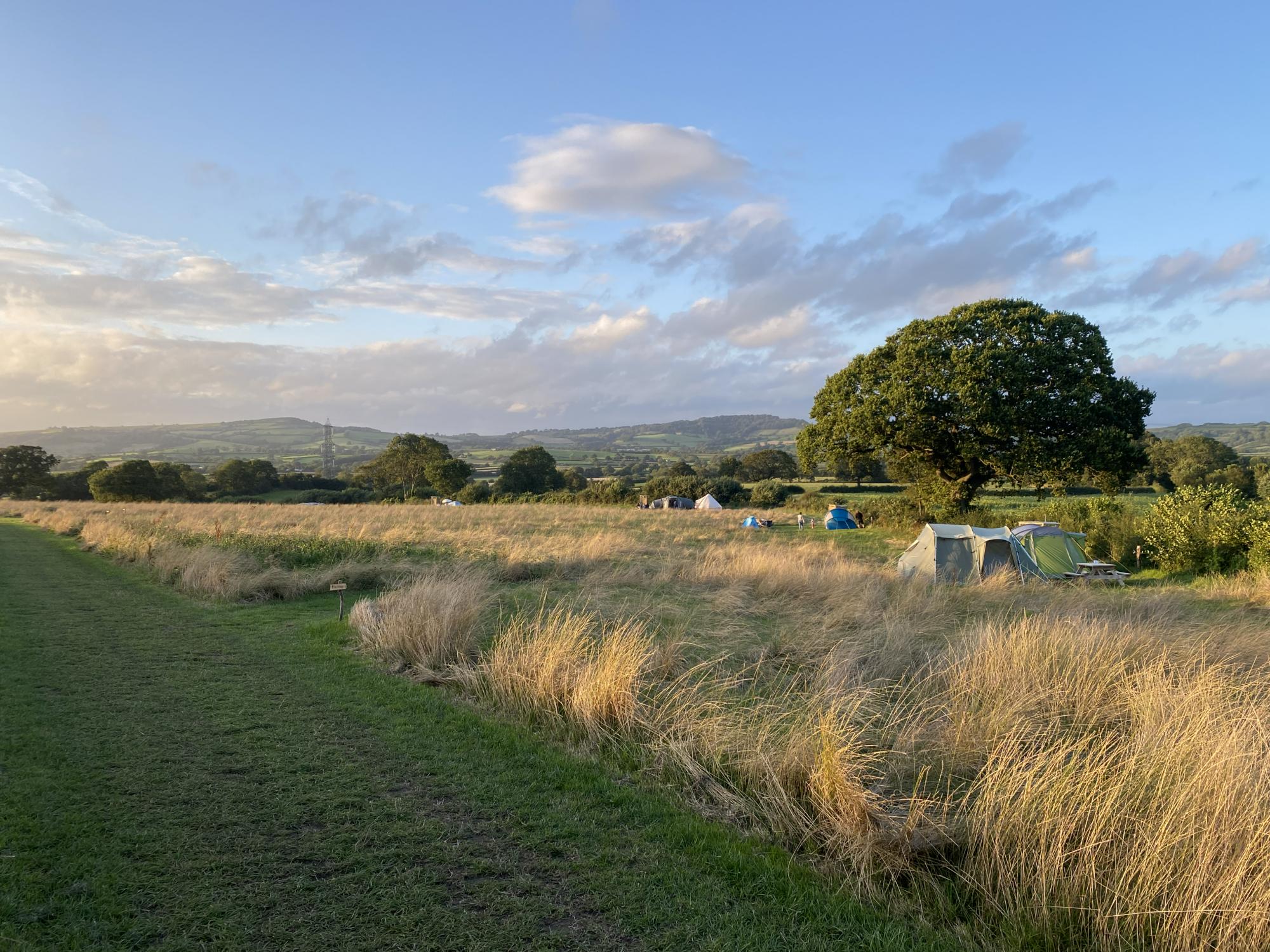
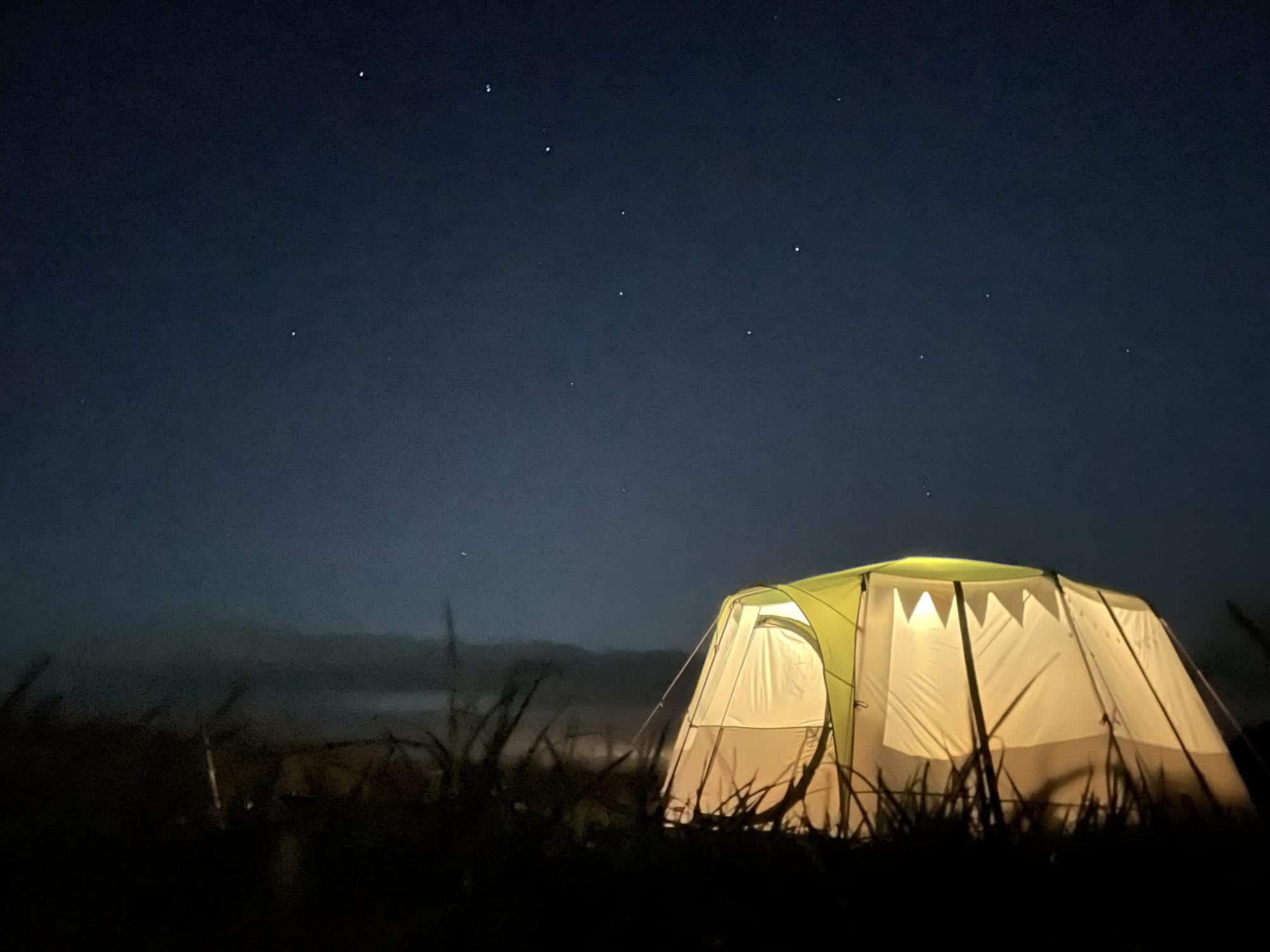
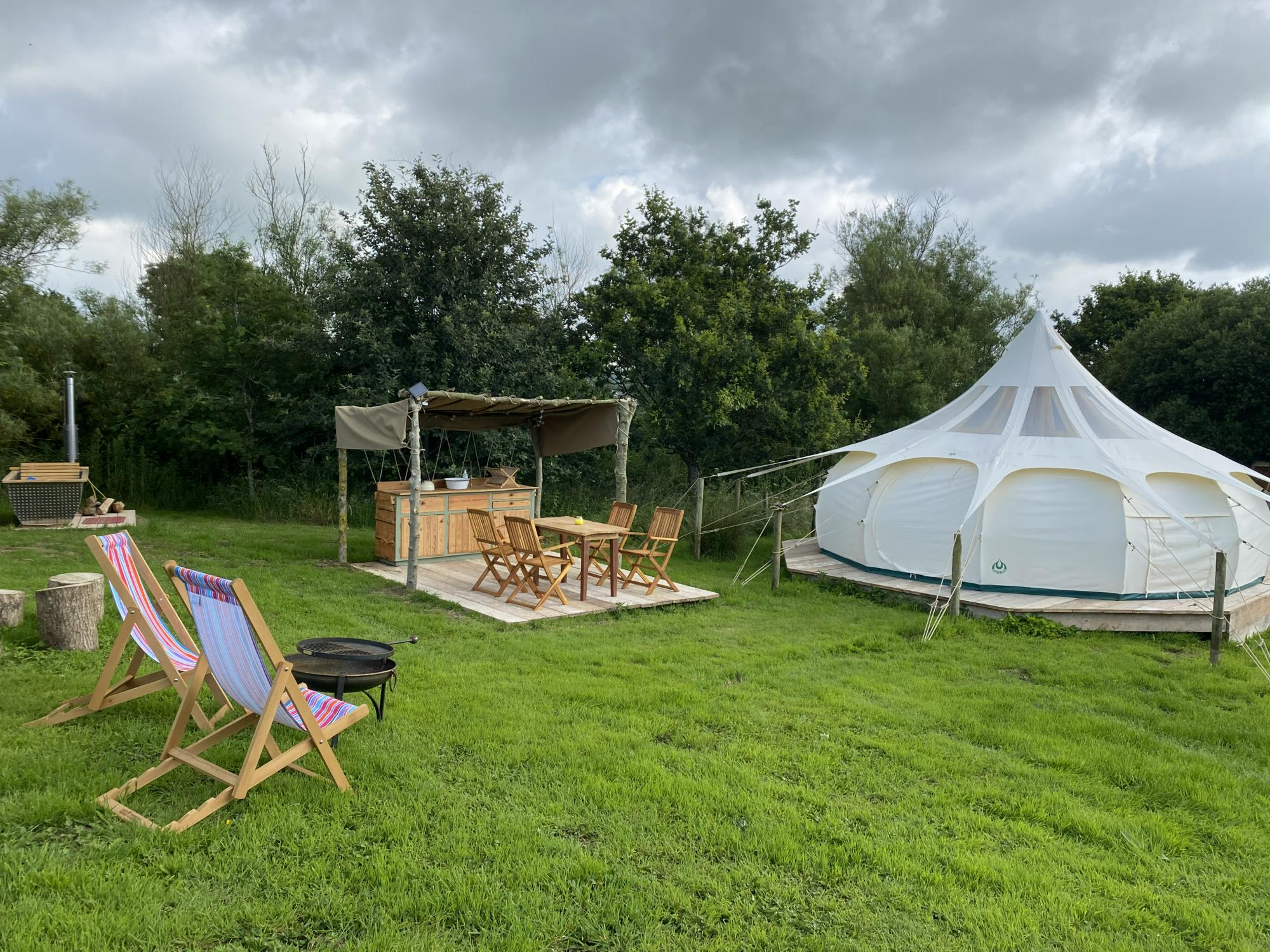
Bridport, England · 18 units · Tents, Glamping
Wildlife-friendly camping and glamping with private loos at each pitch, 15 minutes' drive from the coast
Showers
Campfires
Hot Tub
from
£65
/ night
Pure & Rustic
8. Pure & Rustic
86%
(7)
Croyde, England · 6 units
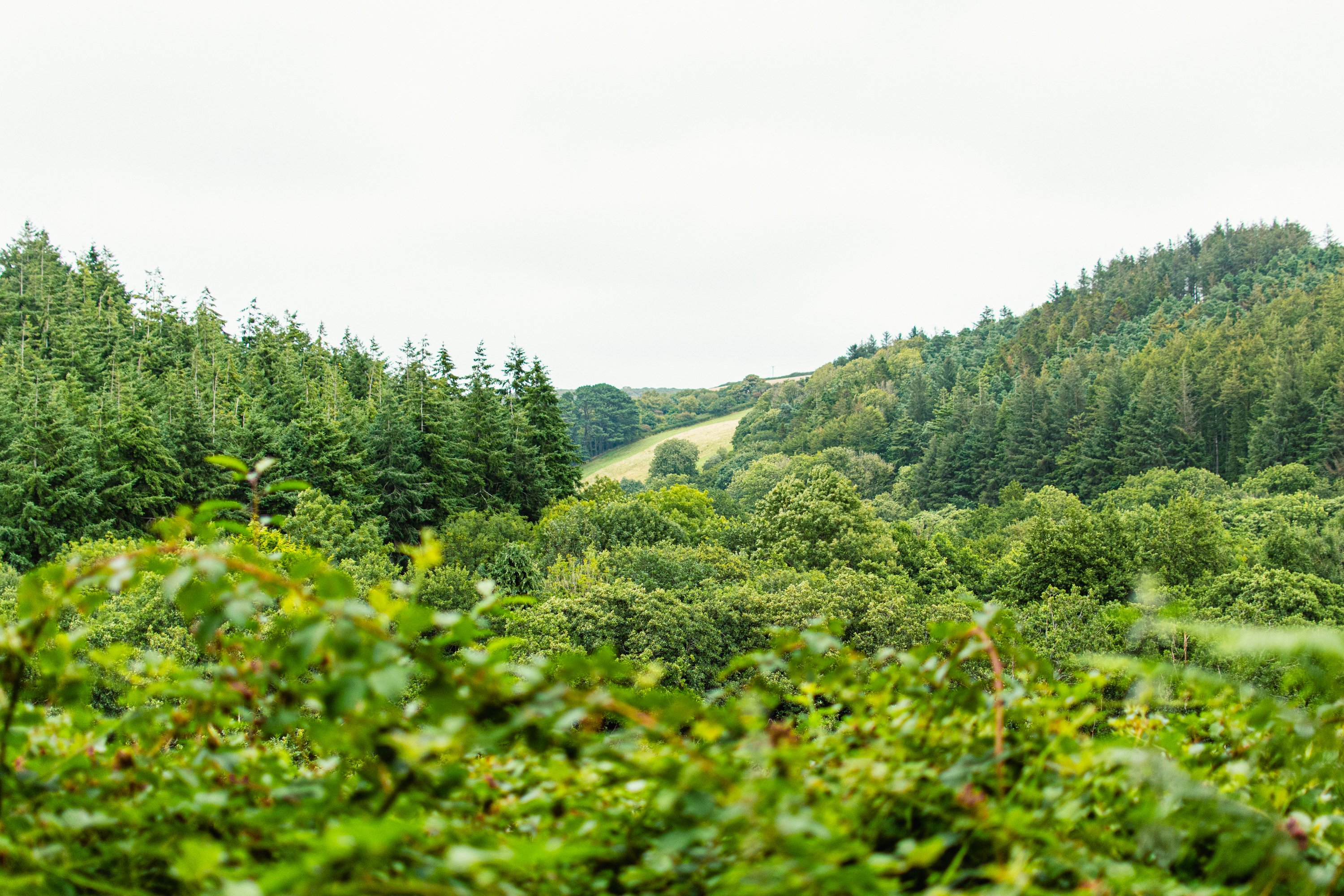
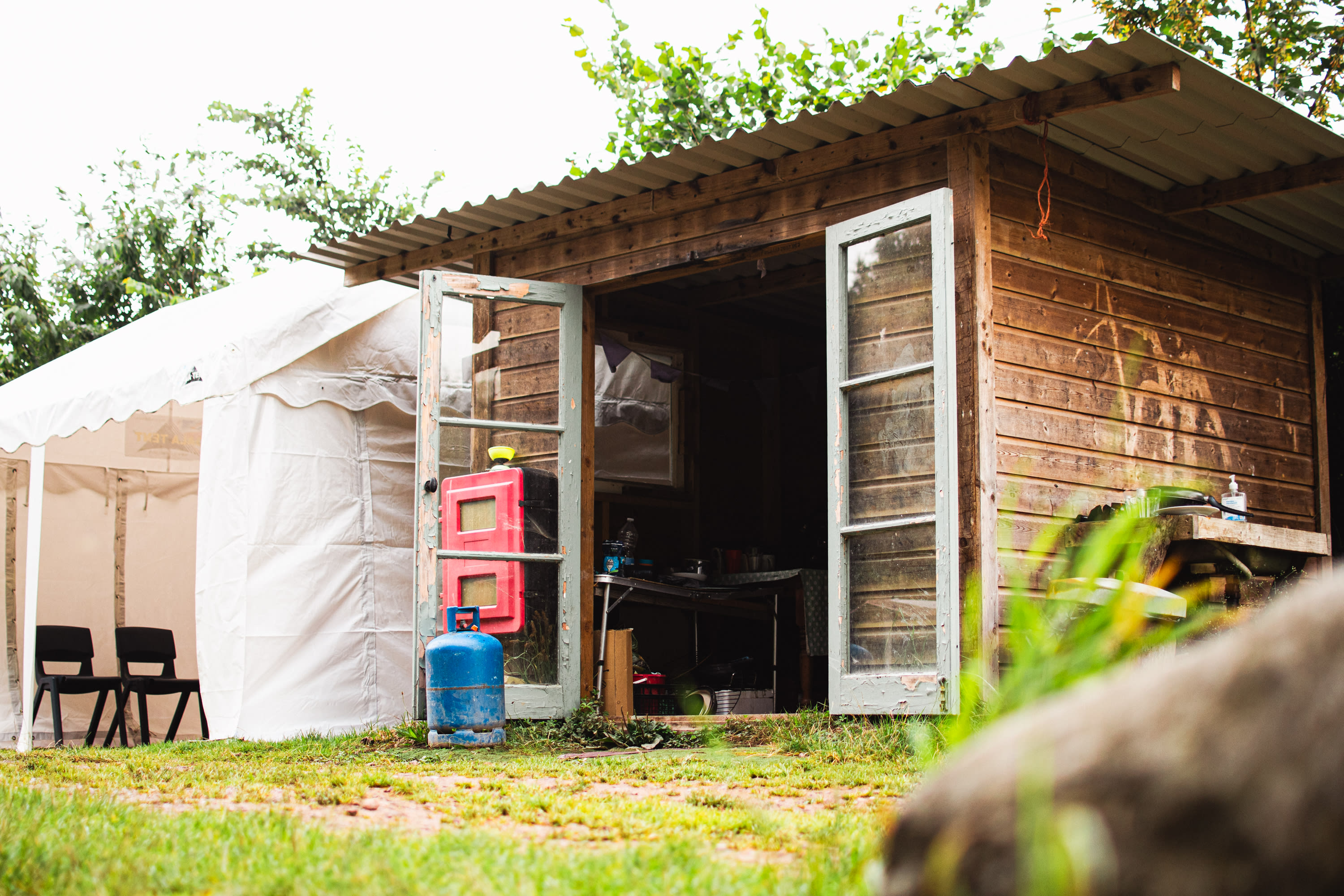
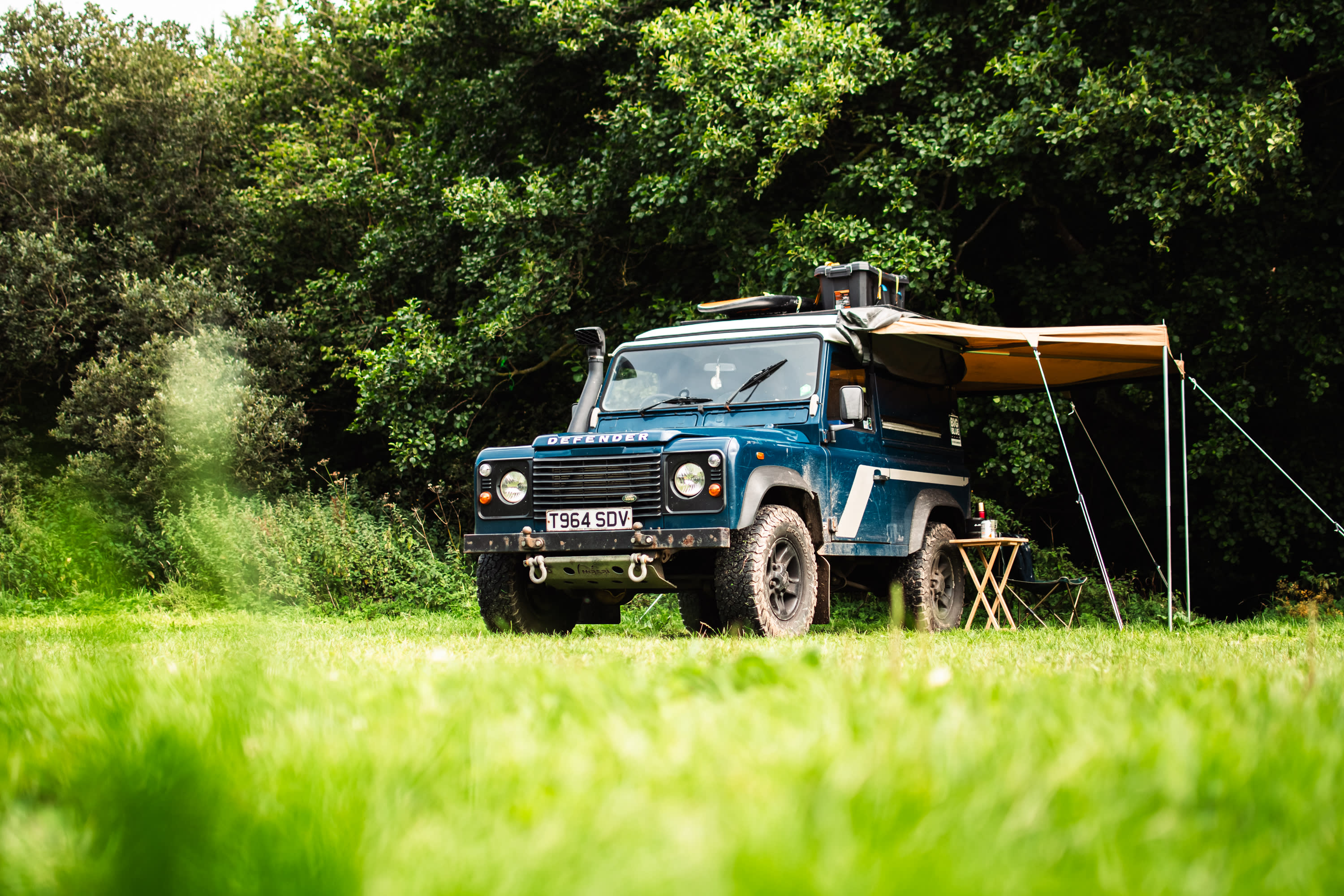
Acres of beautiful woodlands & pastures for those that like to sleep under canvas with or without electric.
Hot showers, Pure Greenfields spring water on tap, designated fire pits to bring out your rawness of nature!!
Pure & Rustic is close by to some fantastic local pubs, and the beaches of Croyde, Saunton, Putsborough & Woolacombe.
A magical woodland retreat to watch the moon & stars float by..!
Pets
Showers
Campfires
from
£15
/ night
Aldridge Mill
9. Aldridge Mill
95%
(22)
Tiverton, England · 5 units · Tents, Motorhomes, Glamping
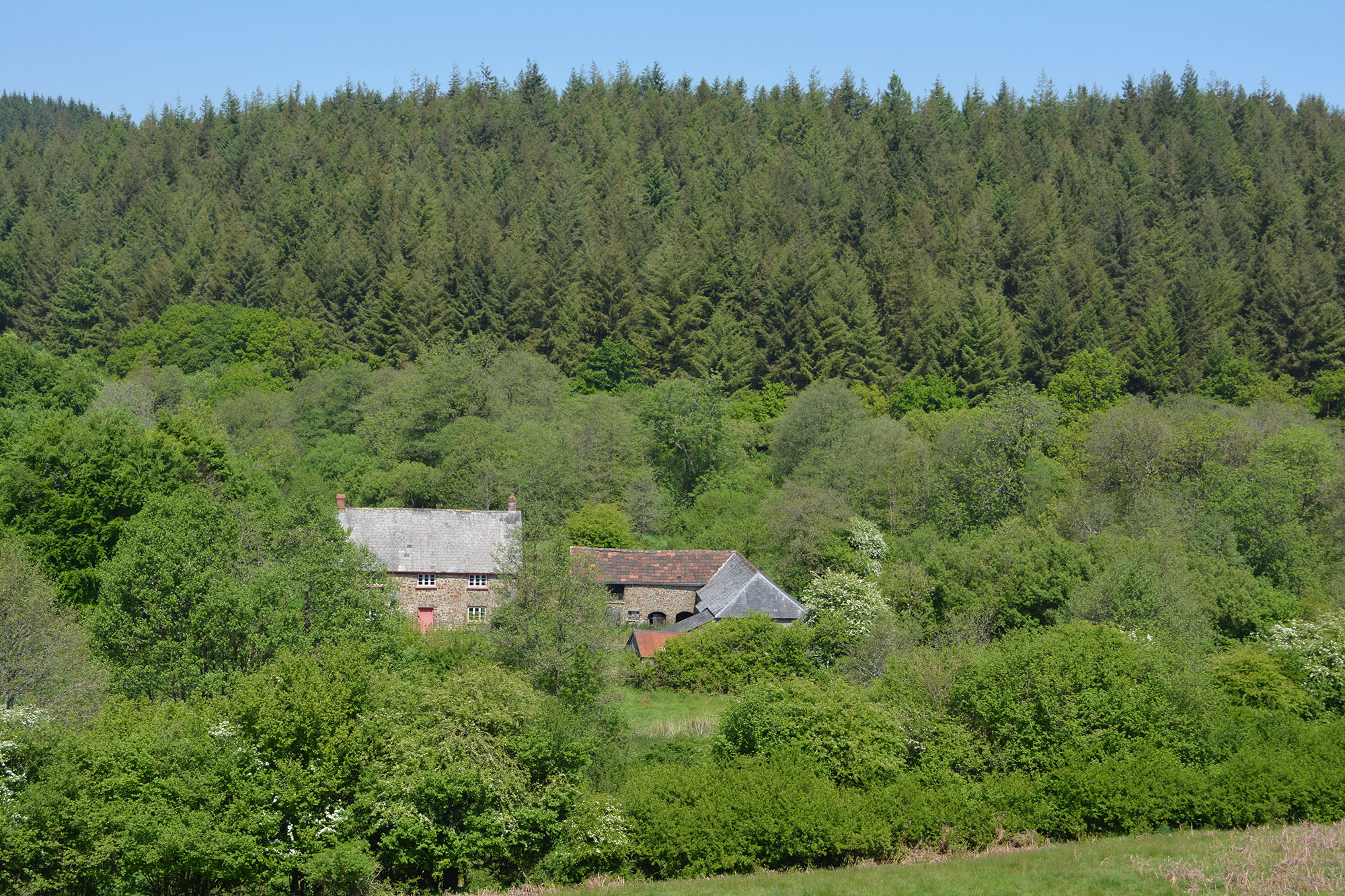
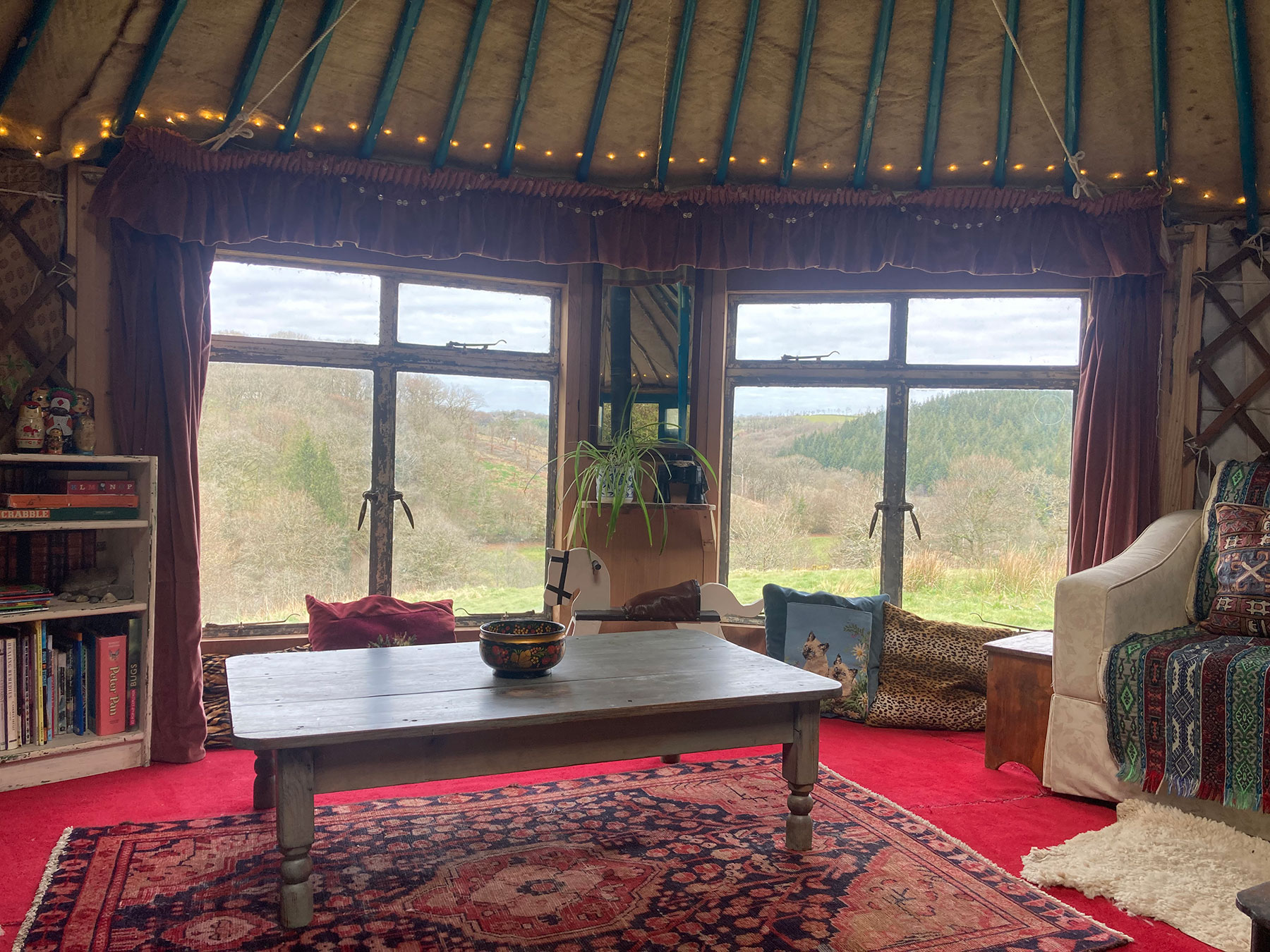
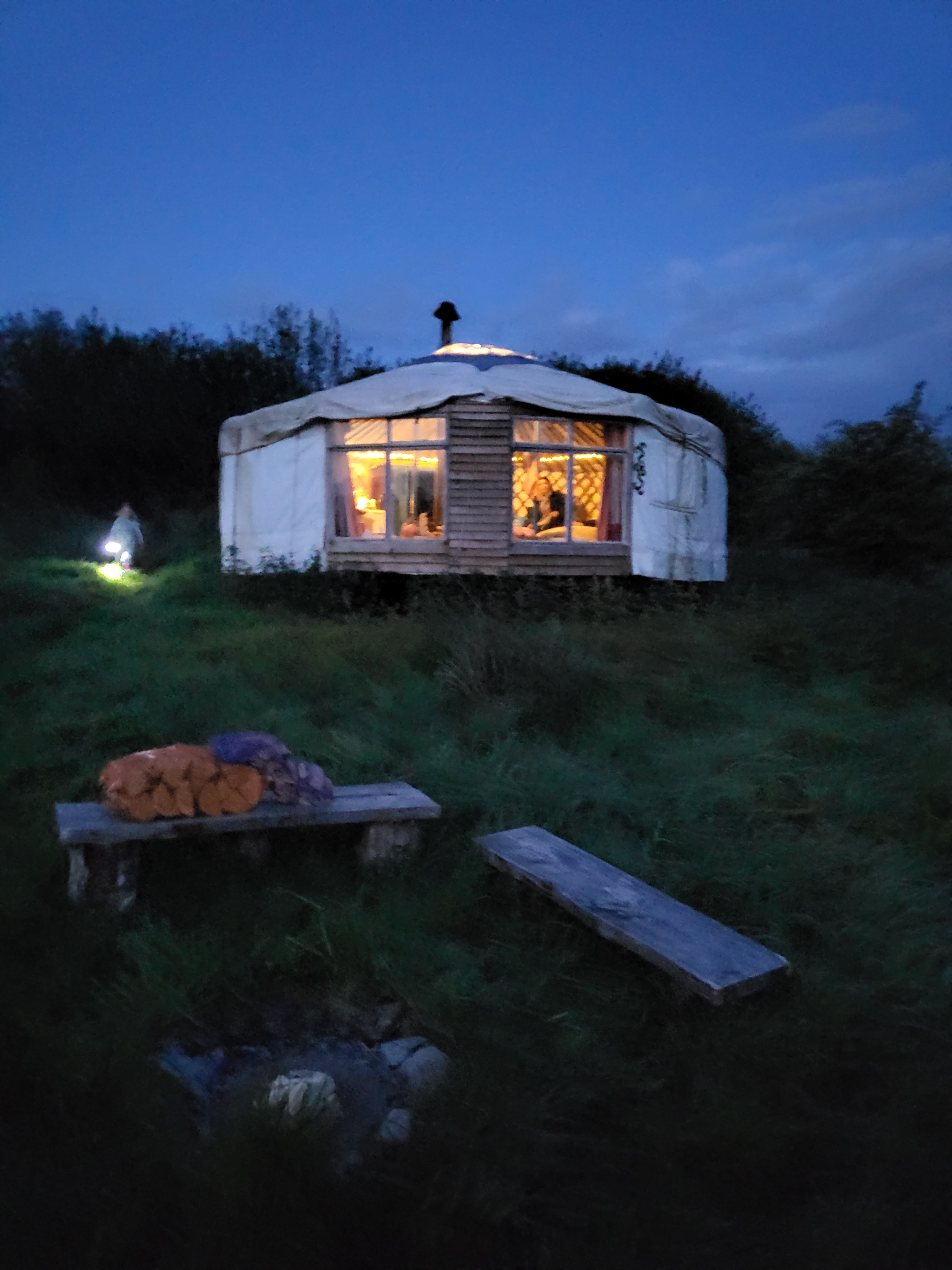
A yurt, a gypsy wagon, and wild camping pitches in a Devon valley.
Pets
Campfires
Potable water
from
£20
/ night
Camp Couture
10. Camp Couture
100%
(17)
Barnstaple, England · 4 units · Tents, Glamping
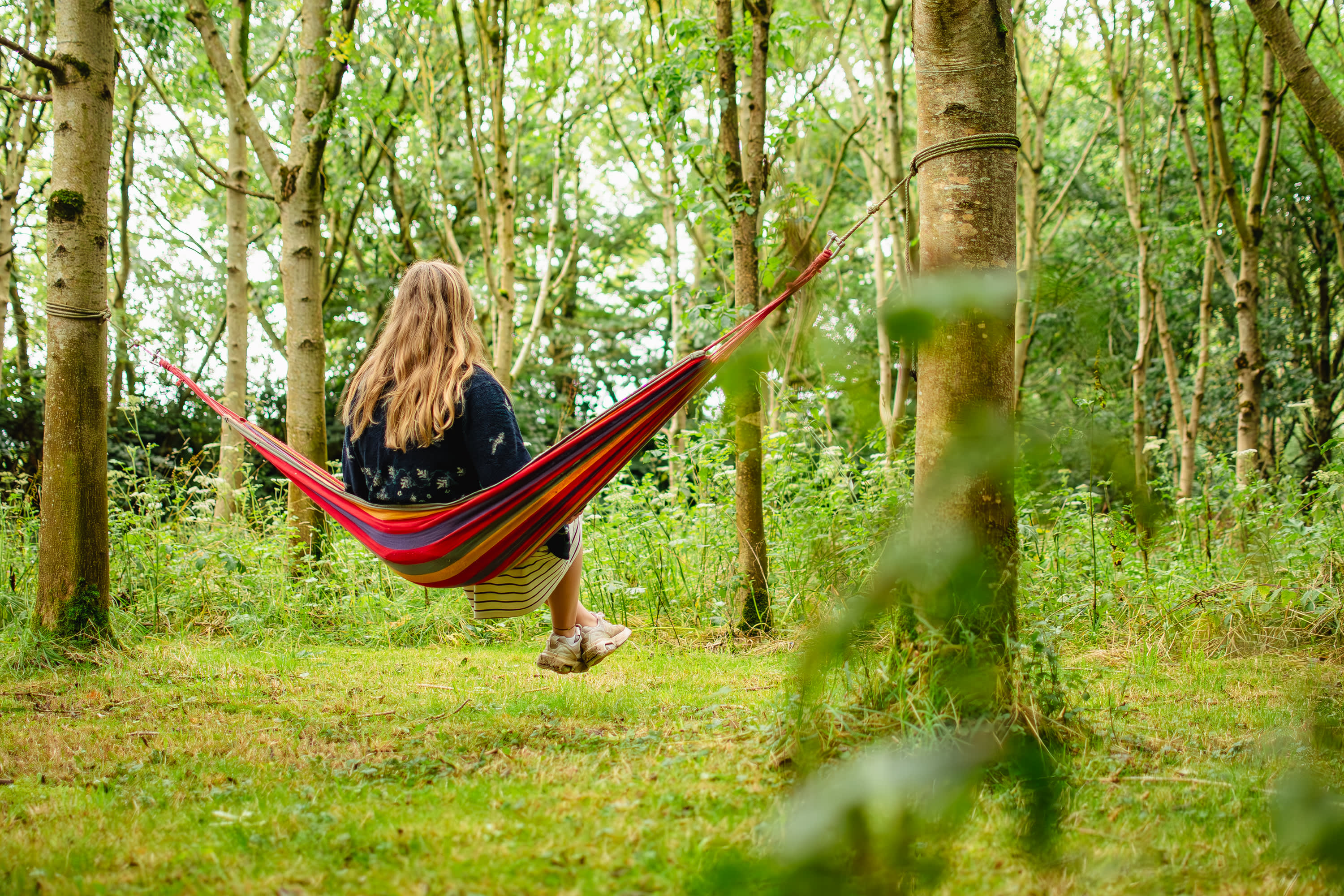
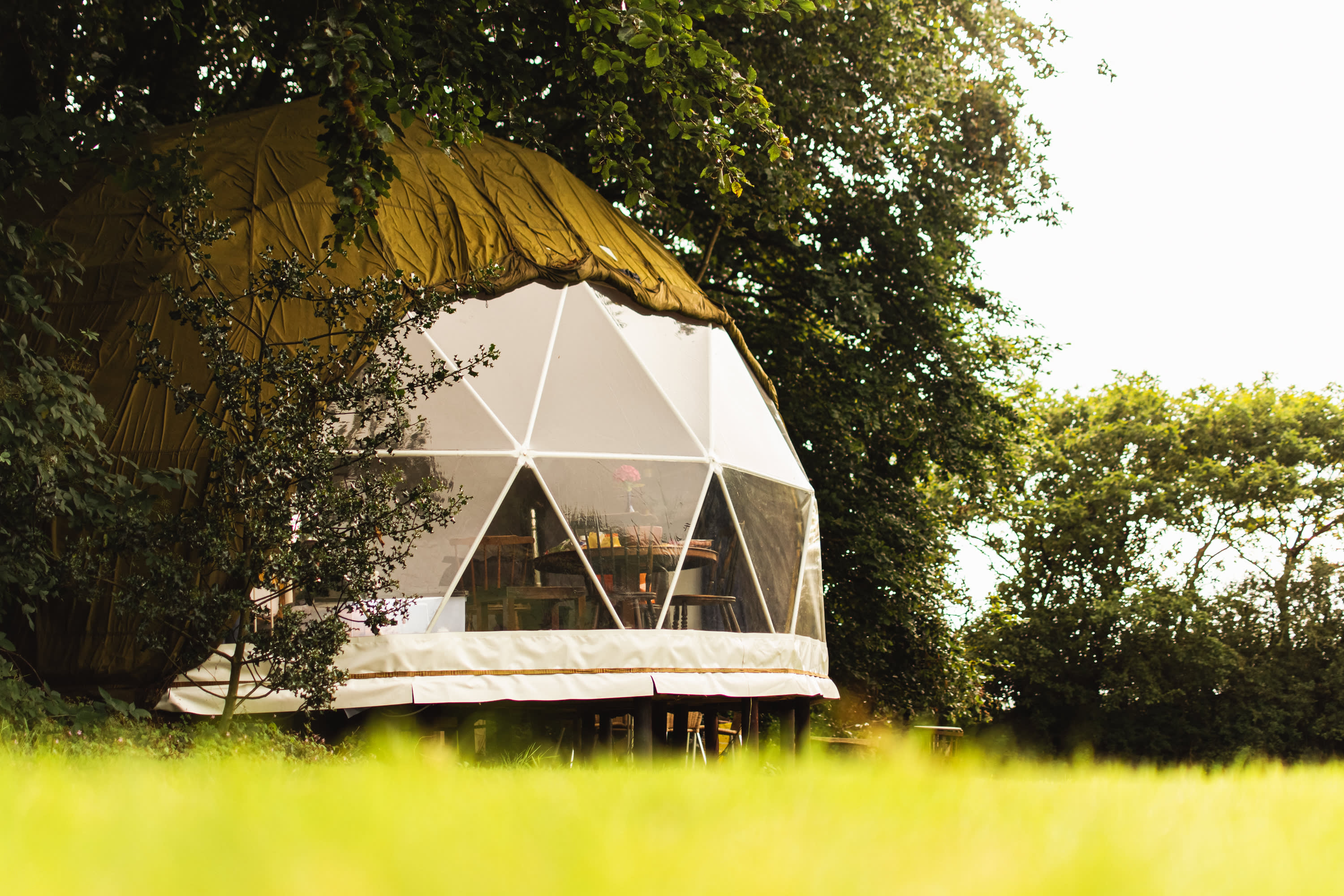
We Have 10 acres, 5 of which is woodland. Each let has its own private area with seating table and fire pit some of our let’s have either a hammock or swinging chair
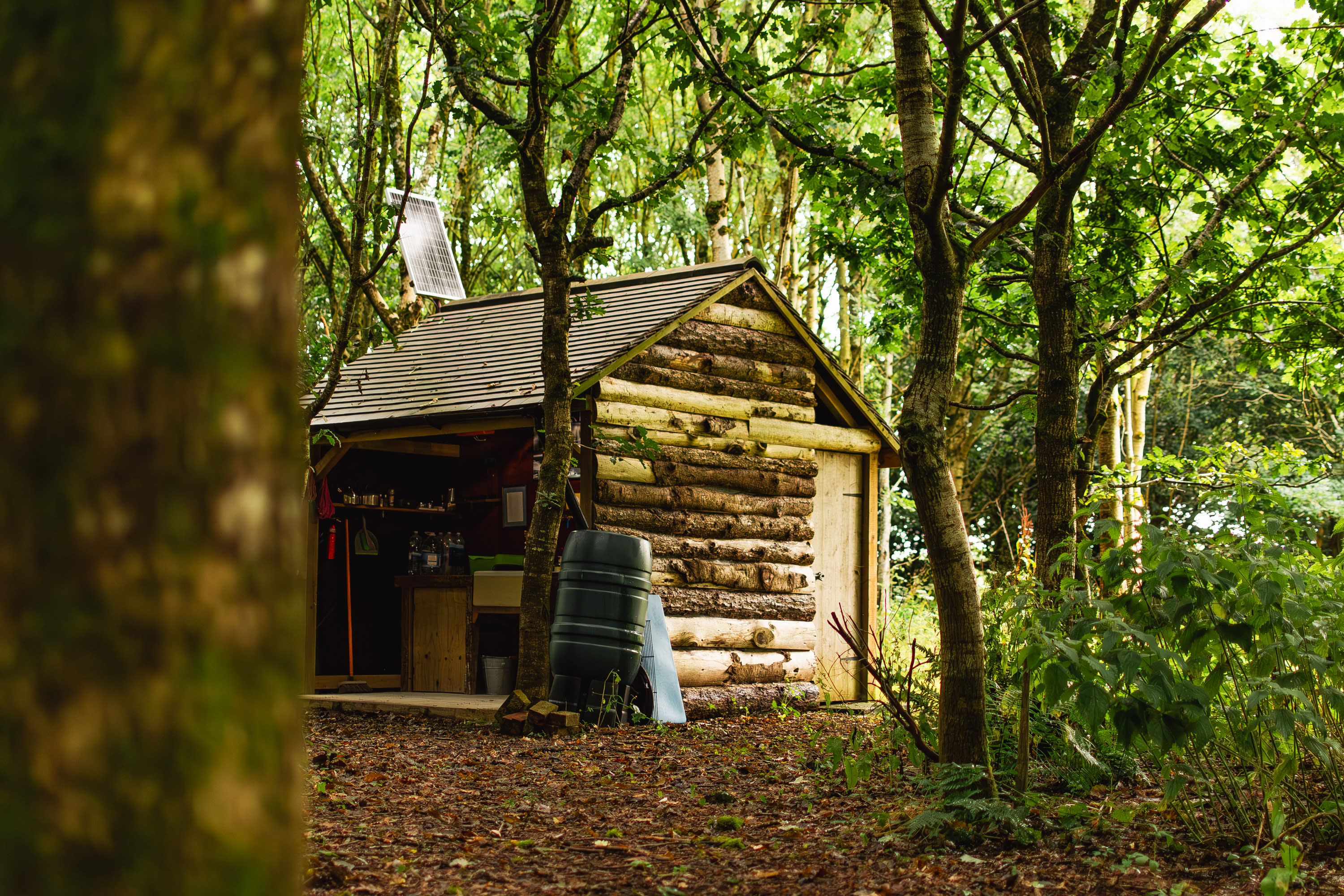
Tent pitches are in the woodland which also have their own private area with table chairs hammock fire pit and a camp kitchen to share.
We have friendly residents of Alpaca, sheep, a goat and peacocks and chickens that you are welcome to feed with the supplied food.
We have a local pub you can walk to across farmers fields about a 20 minute ramble. South Molton, a 3 minute drive away, has a small artisan market voted the best in the UK
Pets
Showers
Campfires
from
£35
/ night
Walnut Farm Glamping
11. Walnut Farm Glamping
97%
(39)
Bridport, England · 8 units
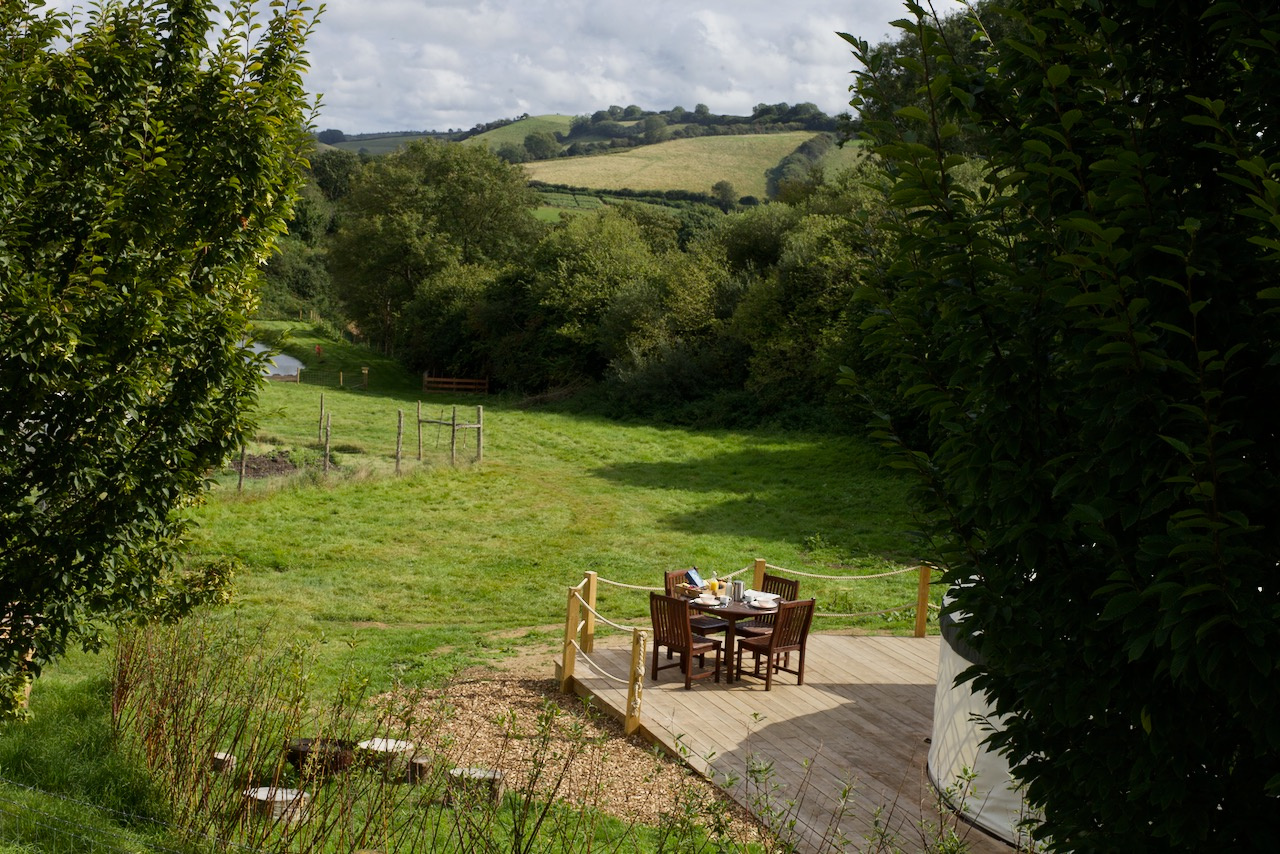
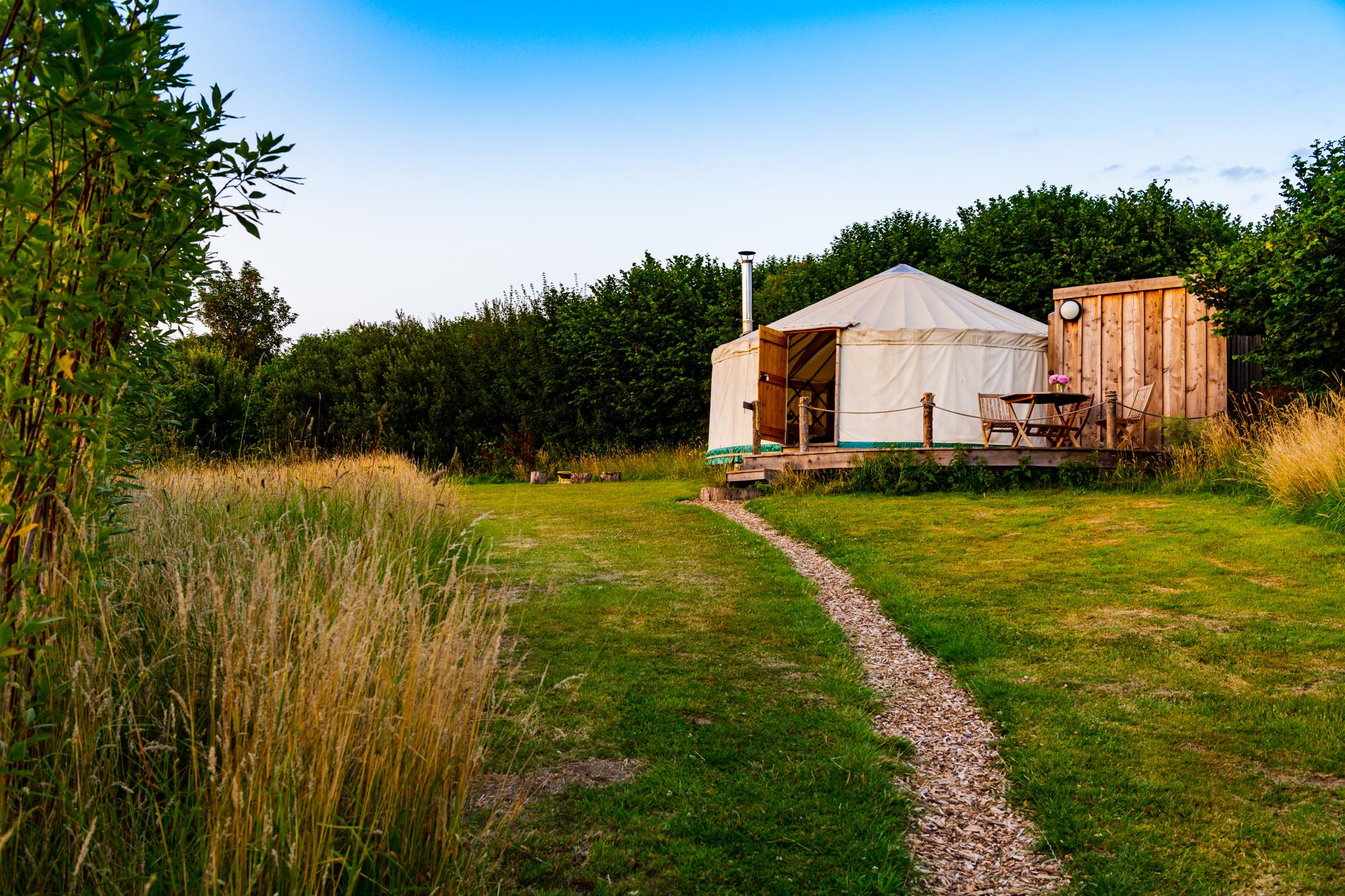
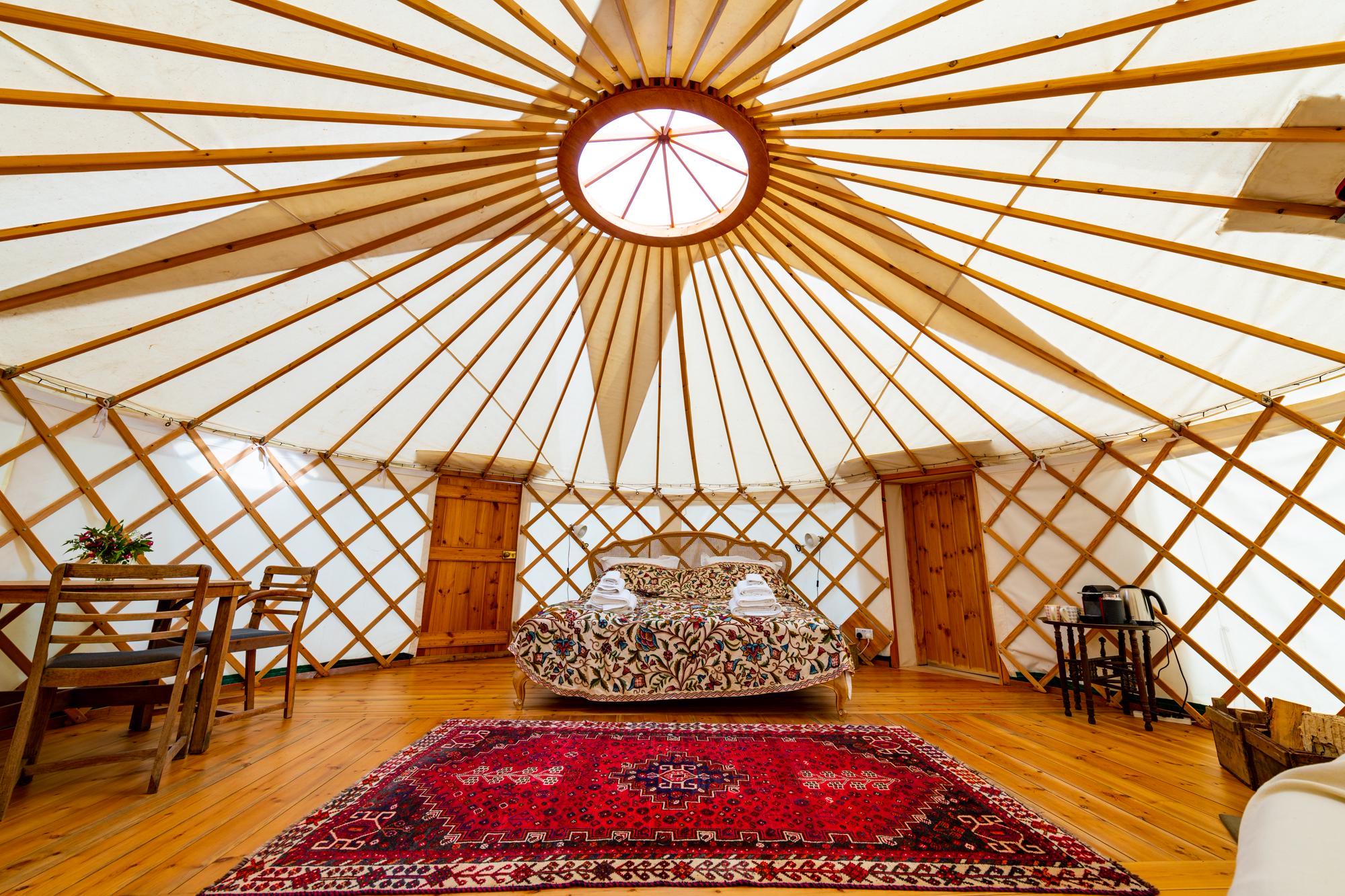
Cosy en-suite yurts with acres of space, campfires, a hot tub and wild swimming on site.
Pets
Showers
Campfires
from
£116
/ night
Westland Farm
12. Westland Farm
100%
(140)
Barnstaple, England · 21 units · Tents, Motorhomes, Glamping
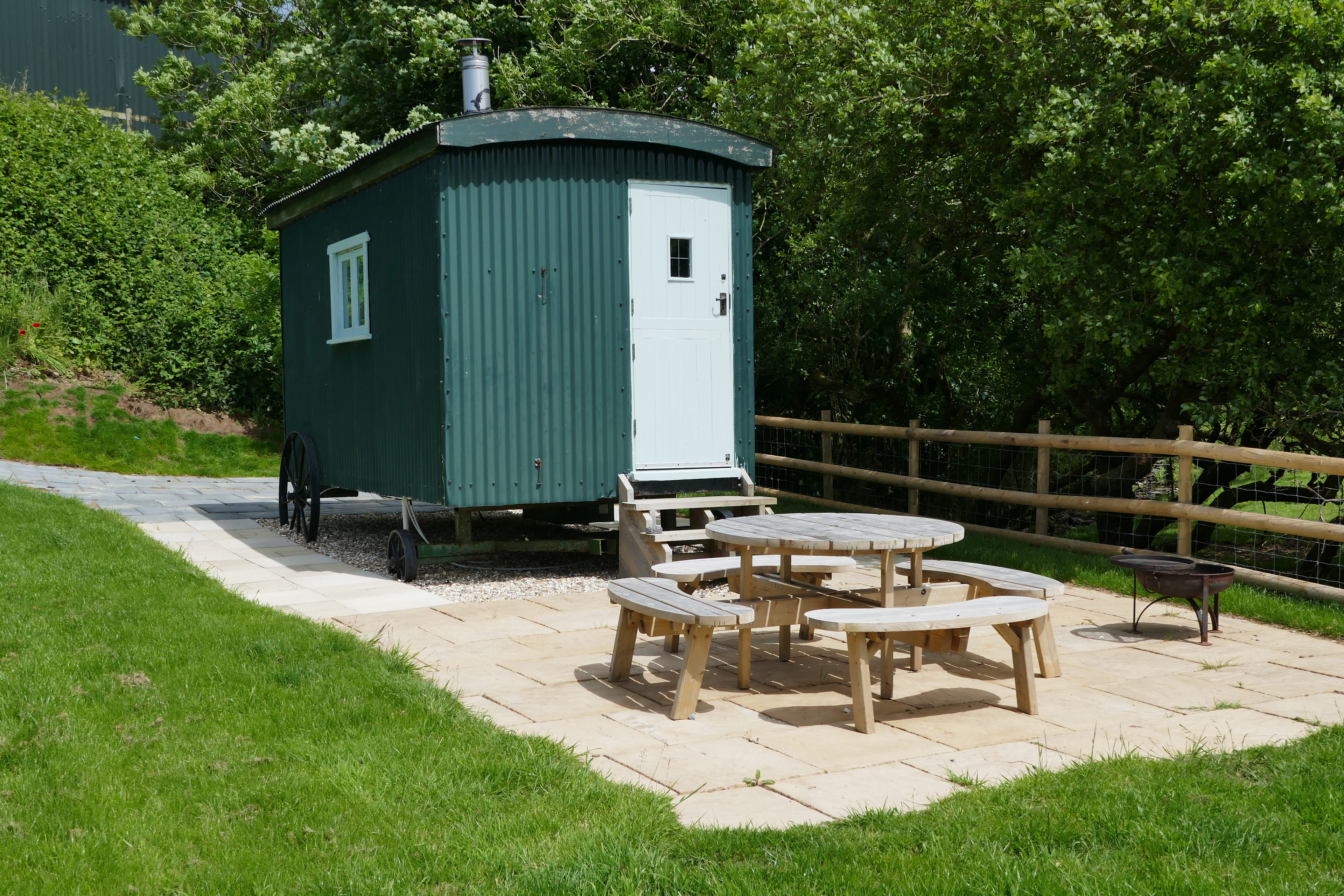
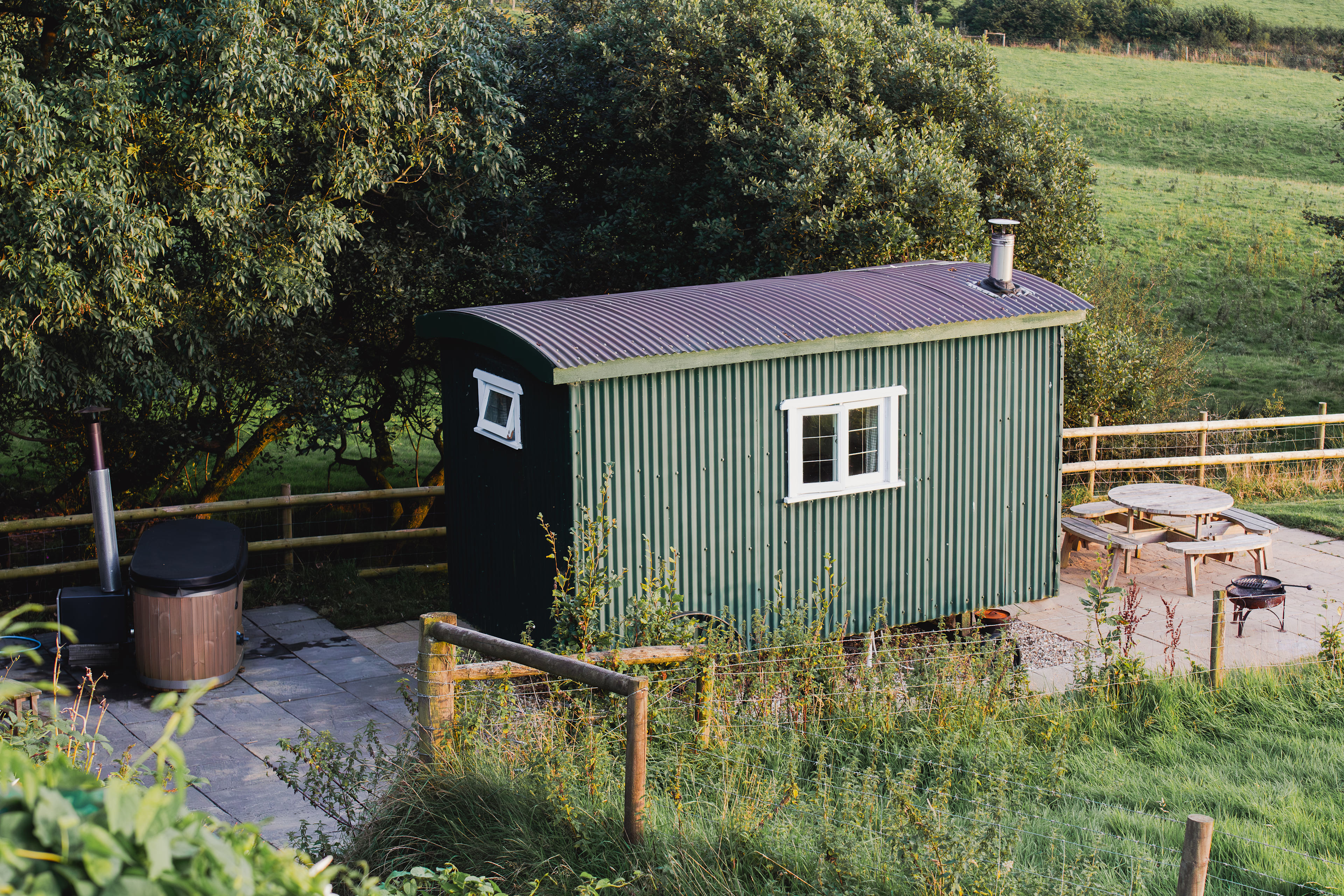
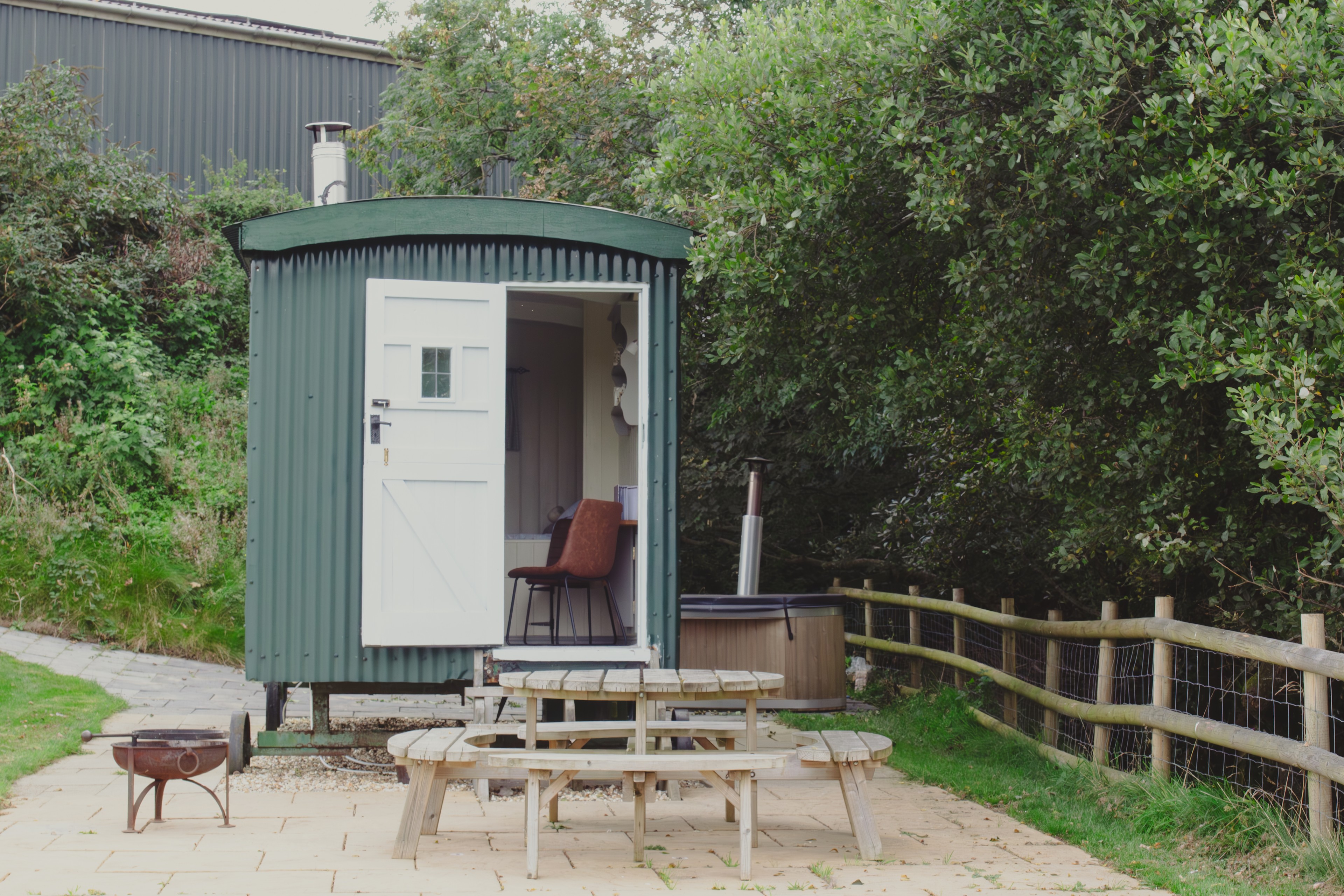
Camping and glamping on a working farm, with yurts, huts with hot tubs, and simple, spacious, sociable camping pitches
Pets
Showers
Campfires
from
£13
/ night
Jordans Estate Glamping
13. Jordans Estate Glamping
100%
(41)
Ilminster, England · 5 units
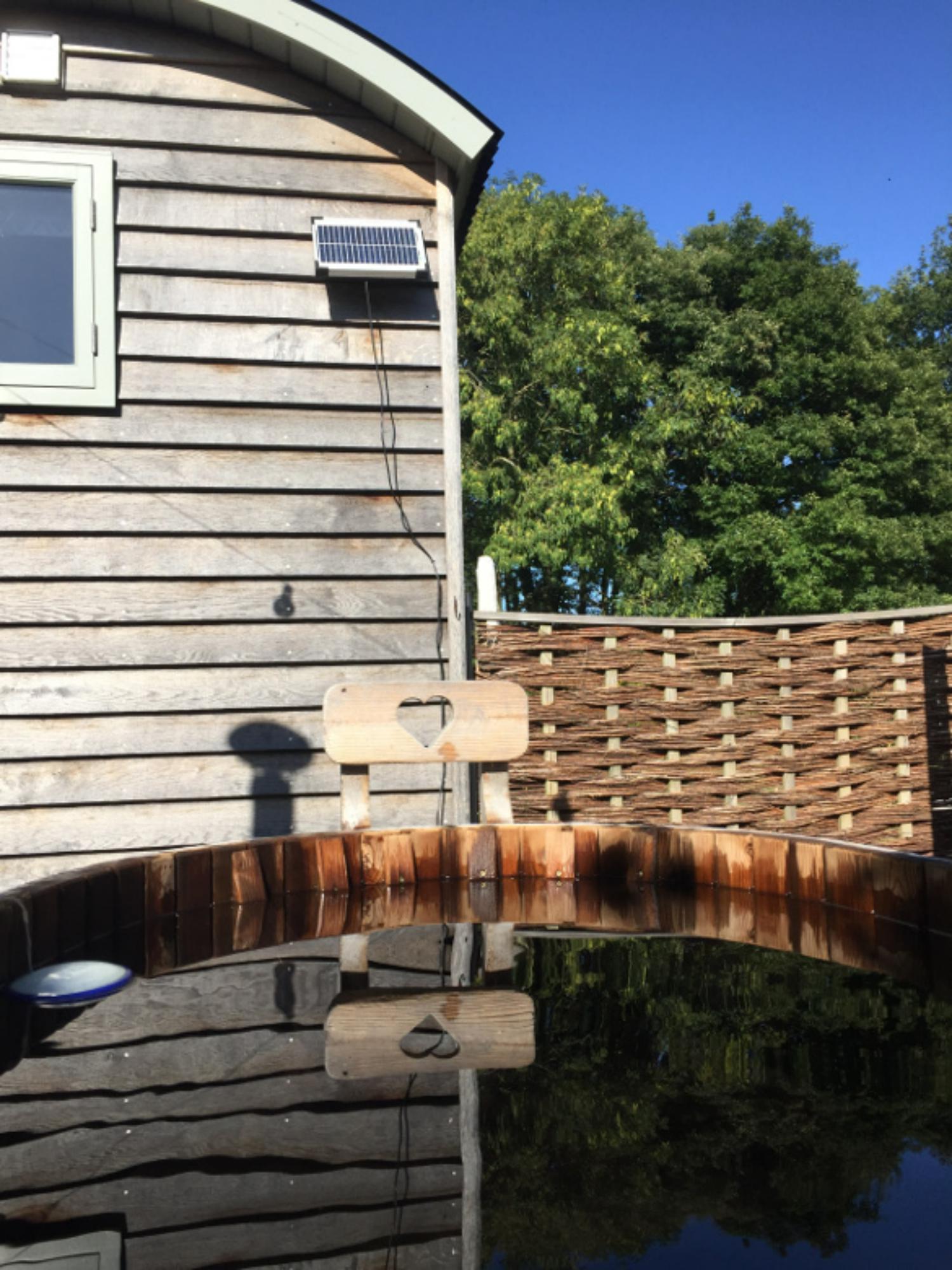
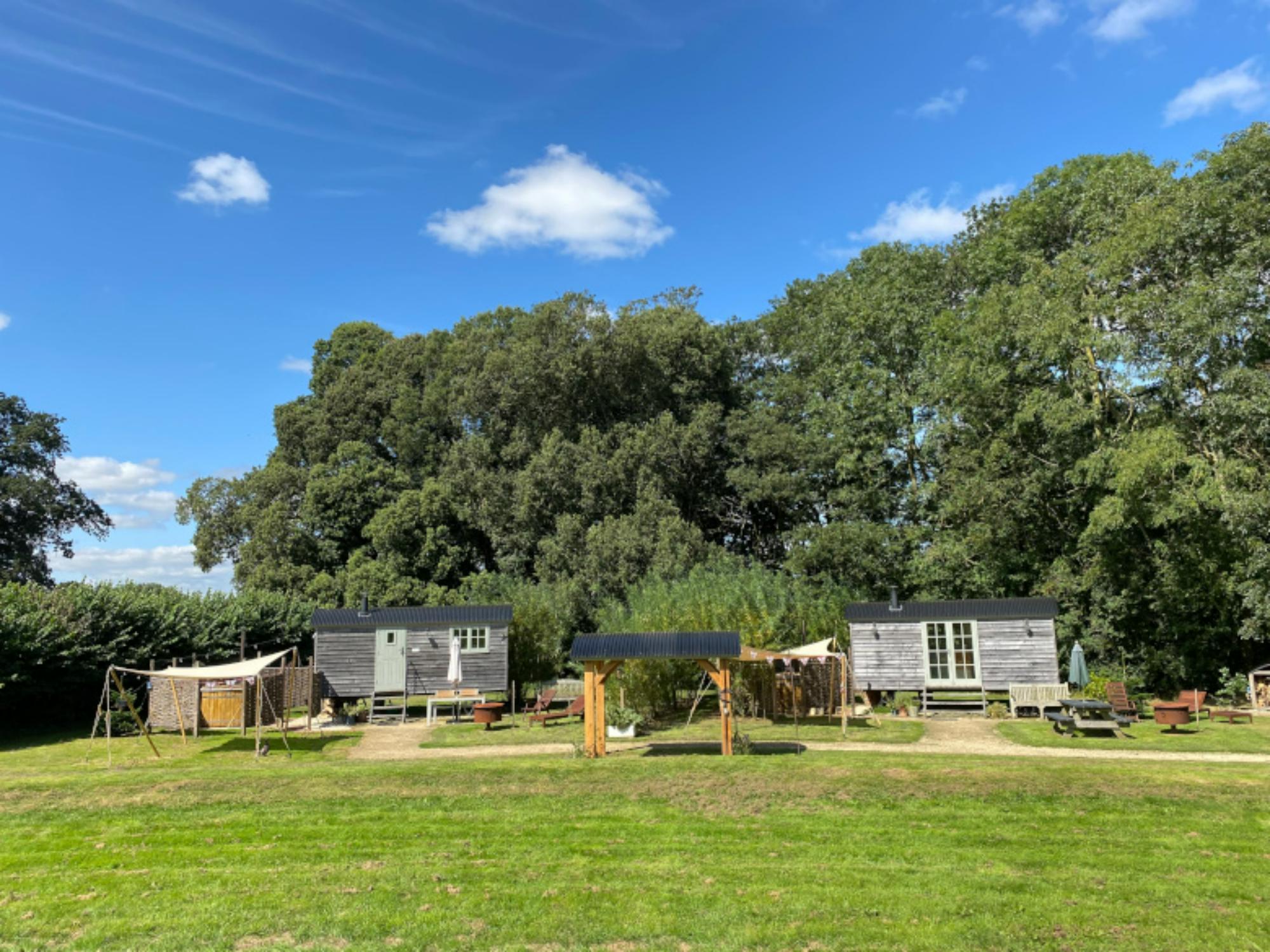
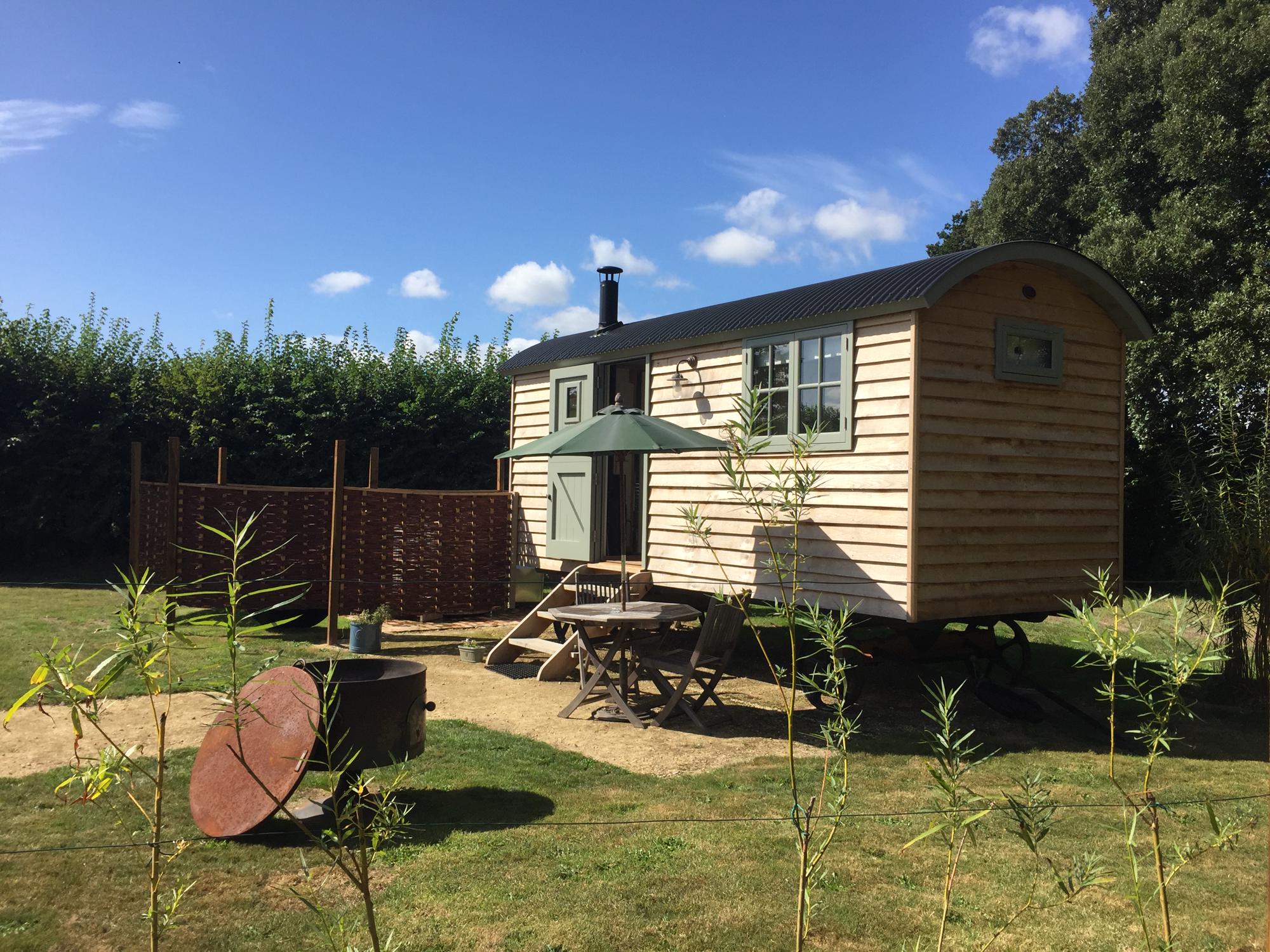
Two shepherds huts and a pair of pods set on a West Somerset estate close to the Somerset Levels and in sight of the Blackdown Hills
Showers
Campfires
Hot Tub
from
£100
/ night
Brig's Farm
14. Brig's Farm
97%
(157)
Bridport, England · 21 units · Tents, Glamping
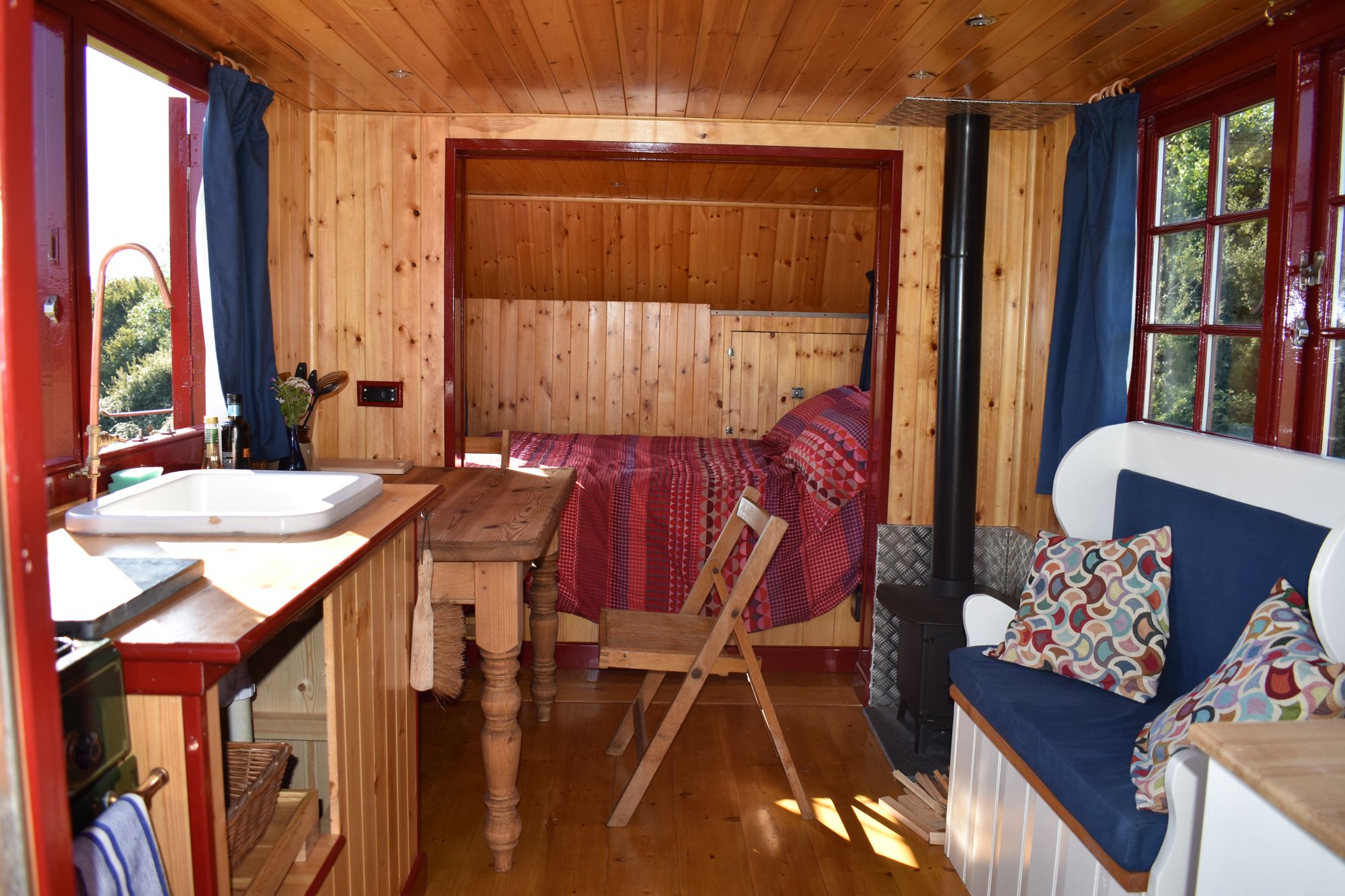
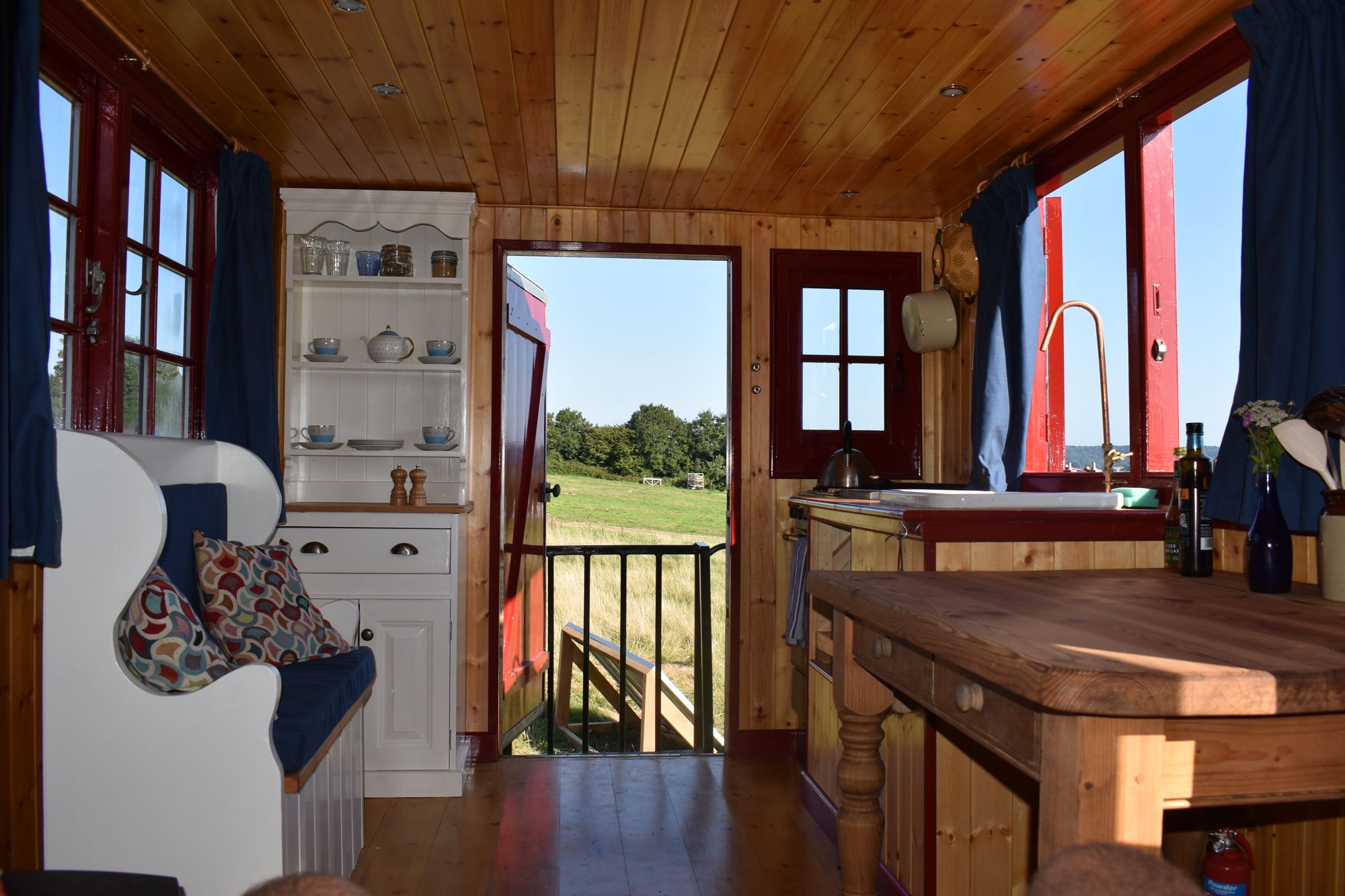
Family camping with campfires near Charmouth, with sea views and a couple of quirky glamping lorries
Pets
Showers
Campfires
from
£13
/ night
Hideaway Camping
15. Hideaway Camping
98%
(43)
Okehampton, England · 17 units · Tents, Motorhomes, Glamping
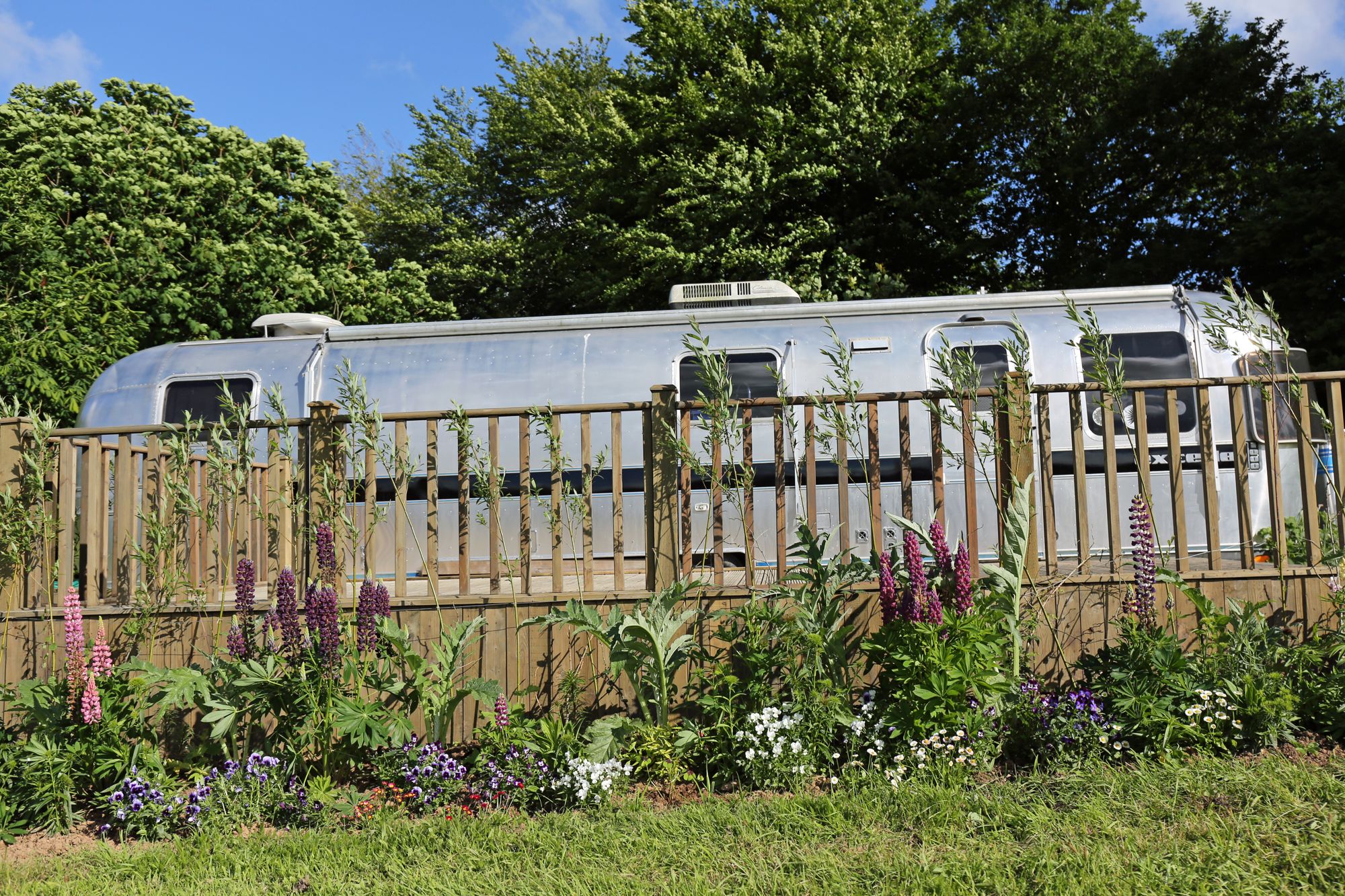
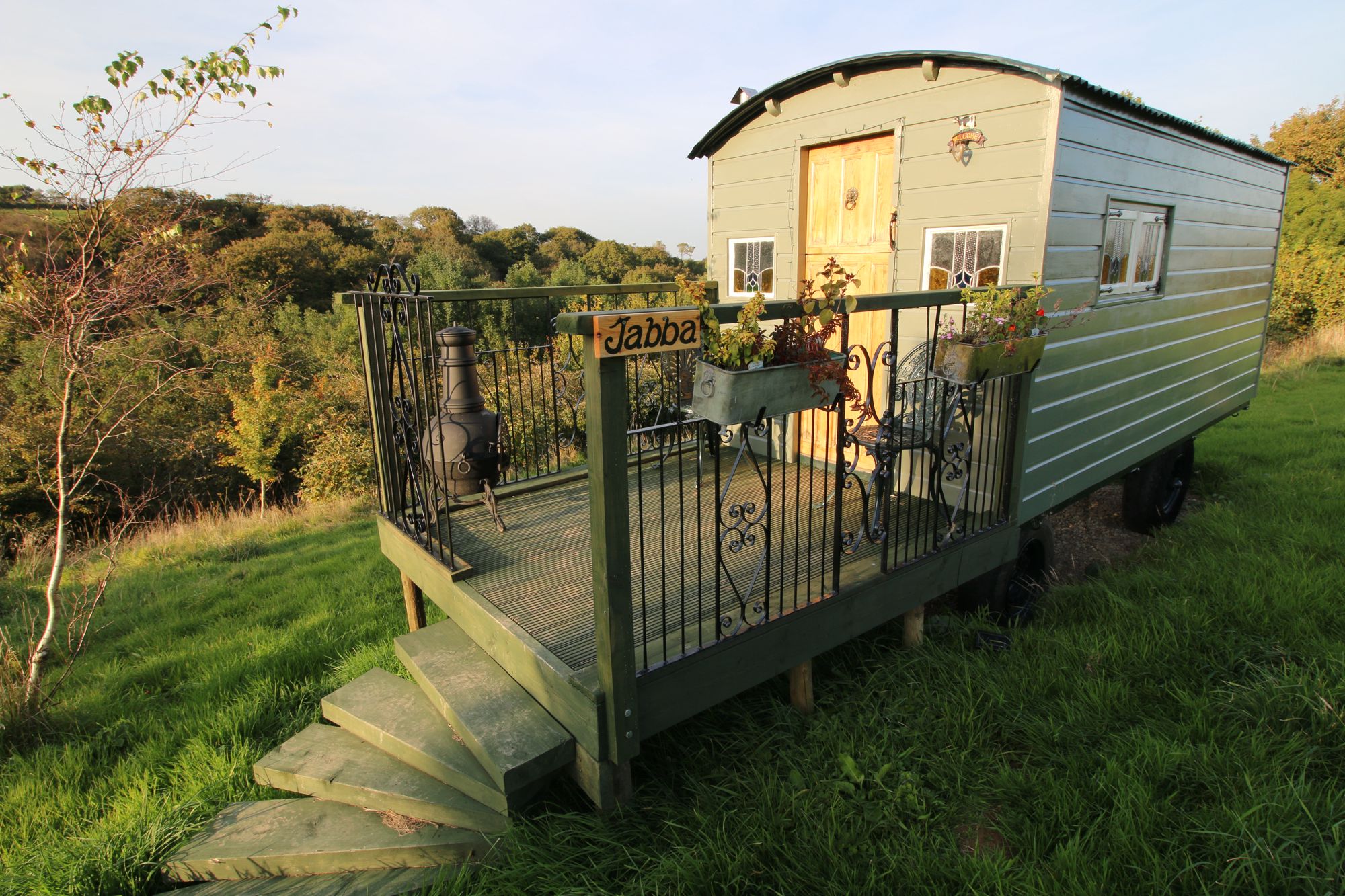
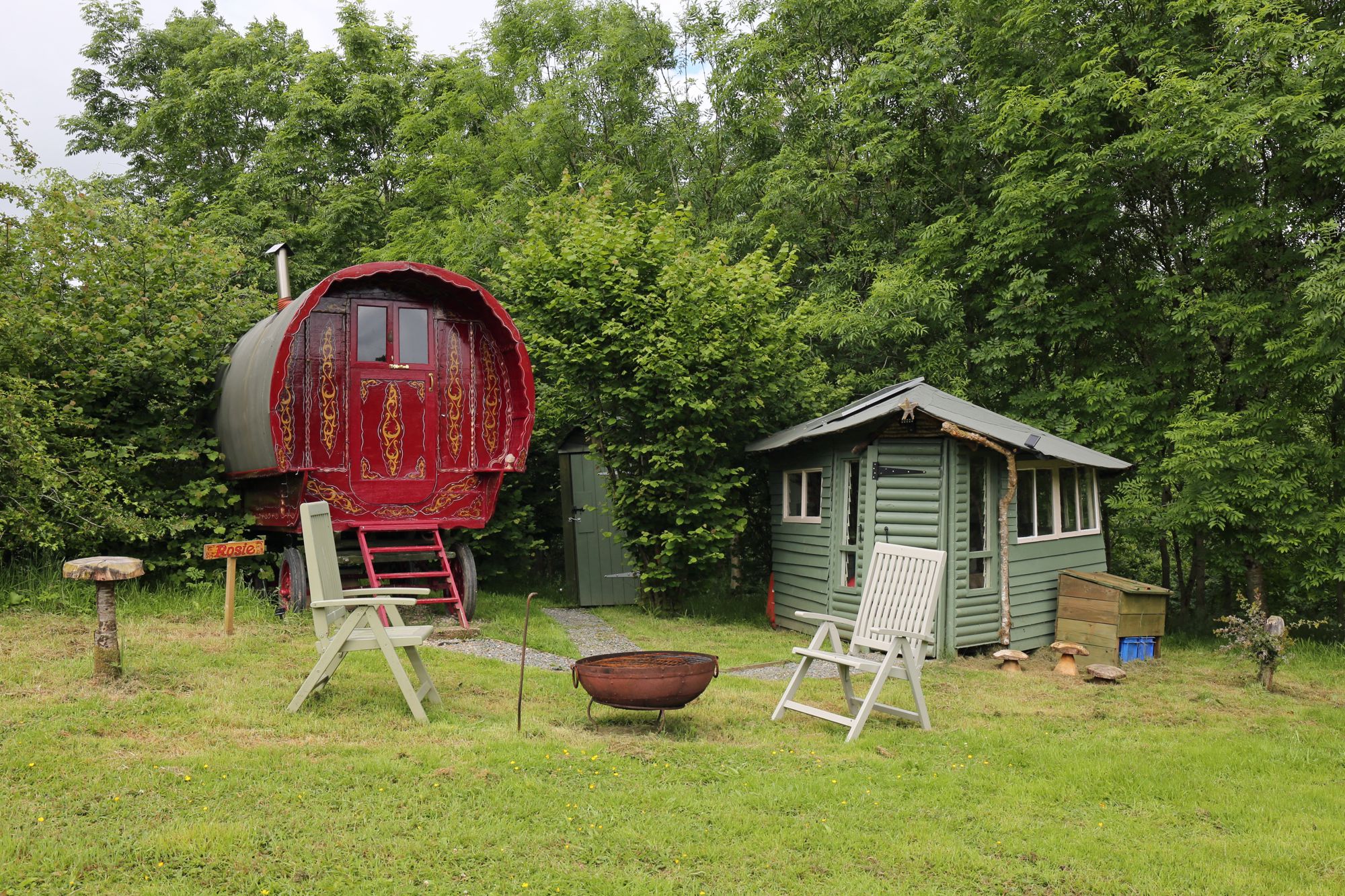
Carefree camping and glamping in Devon with a nature-friendly setting and imaginative owners
Showers
Campfires
Potable water
from
£13
/ night
Willow Valley Holiday Park
16. Willow Valley Holiday Park
100%
(16)
Bude , England · 31 units · Tents, Motorhomes, Glamping
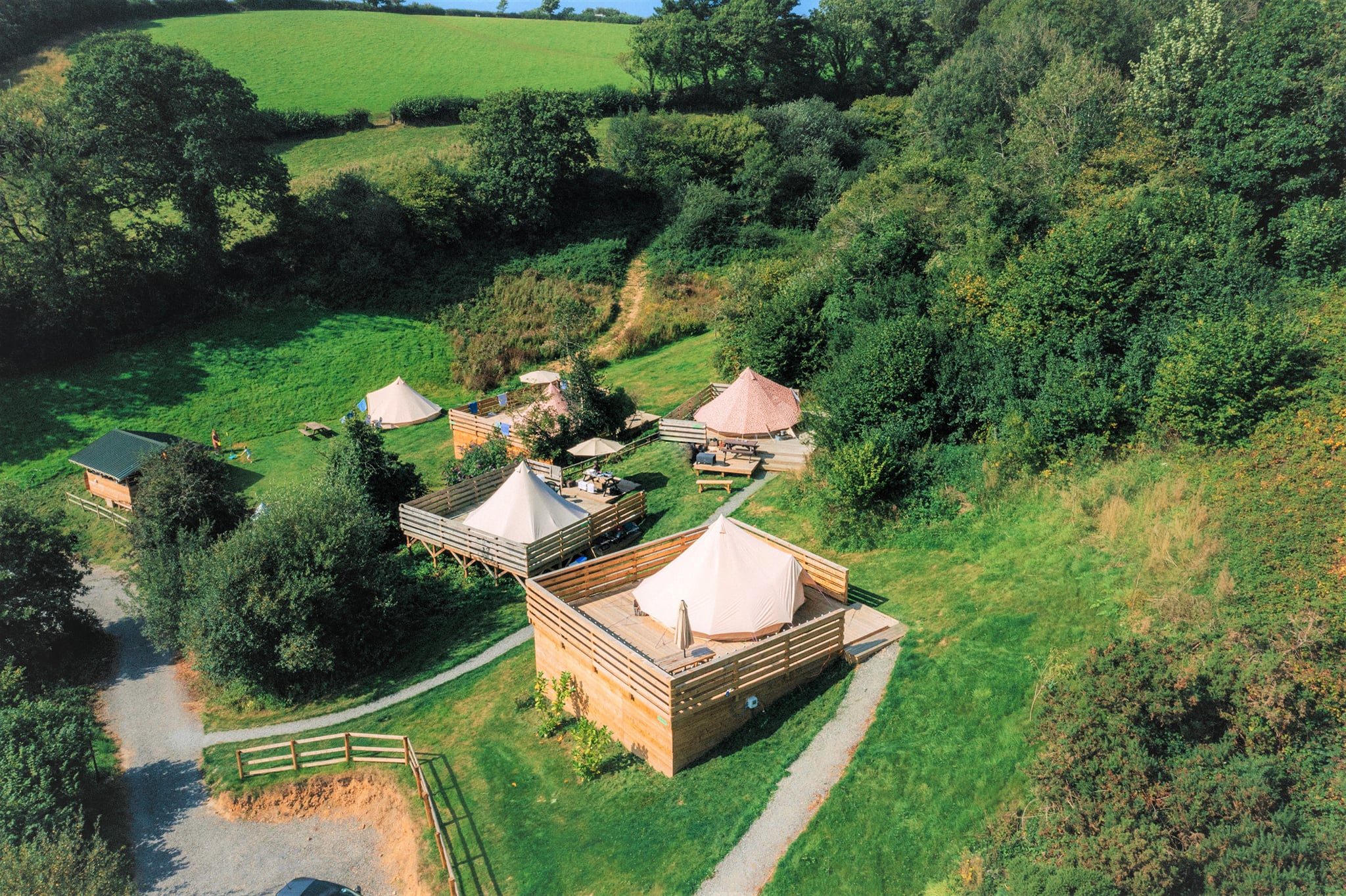
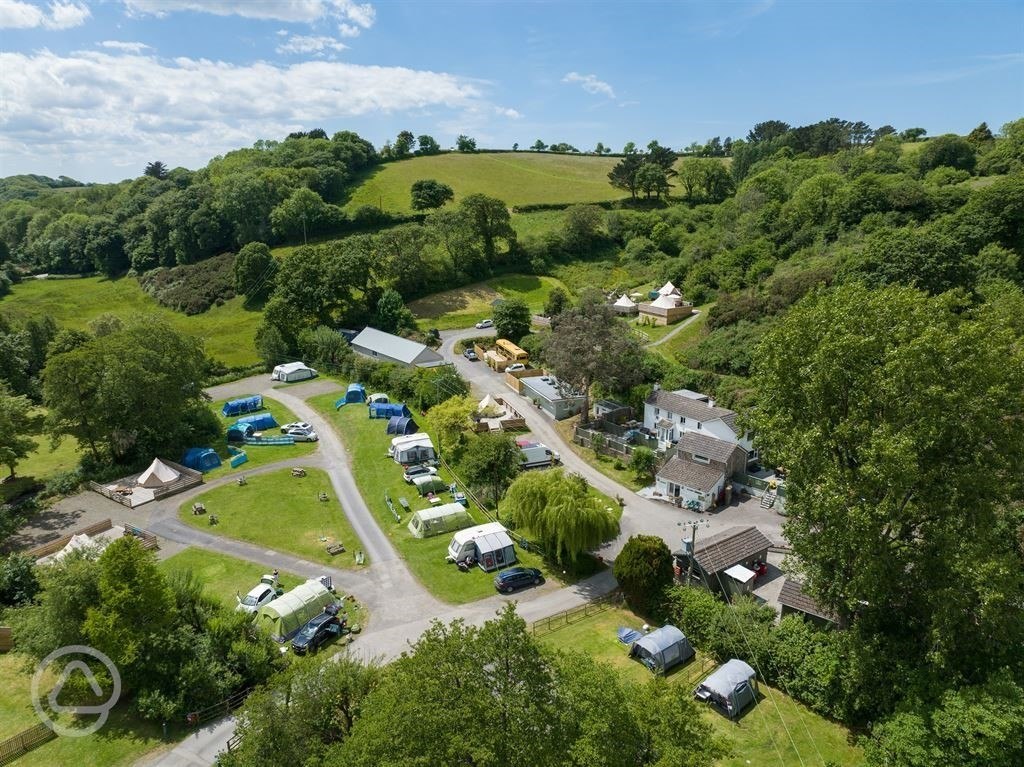
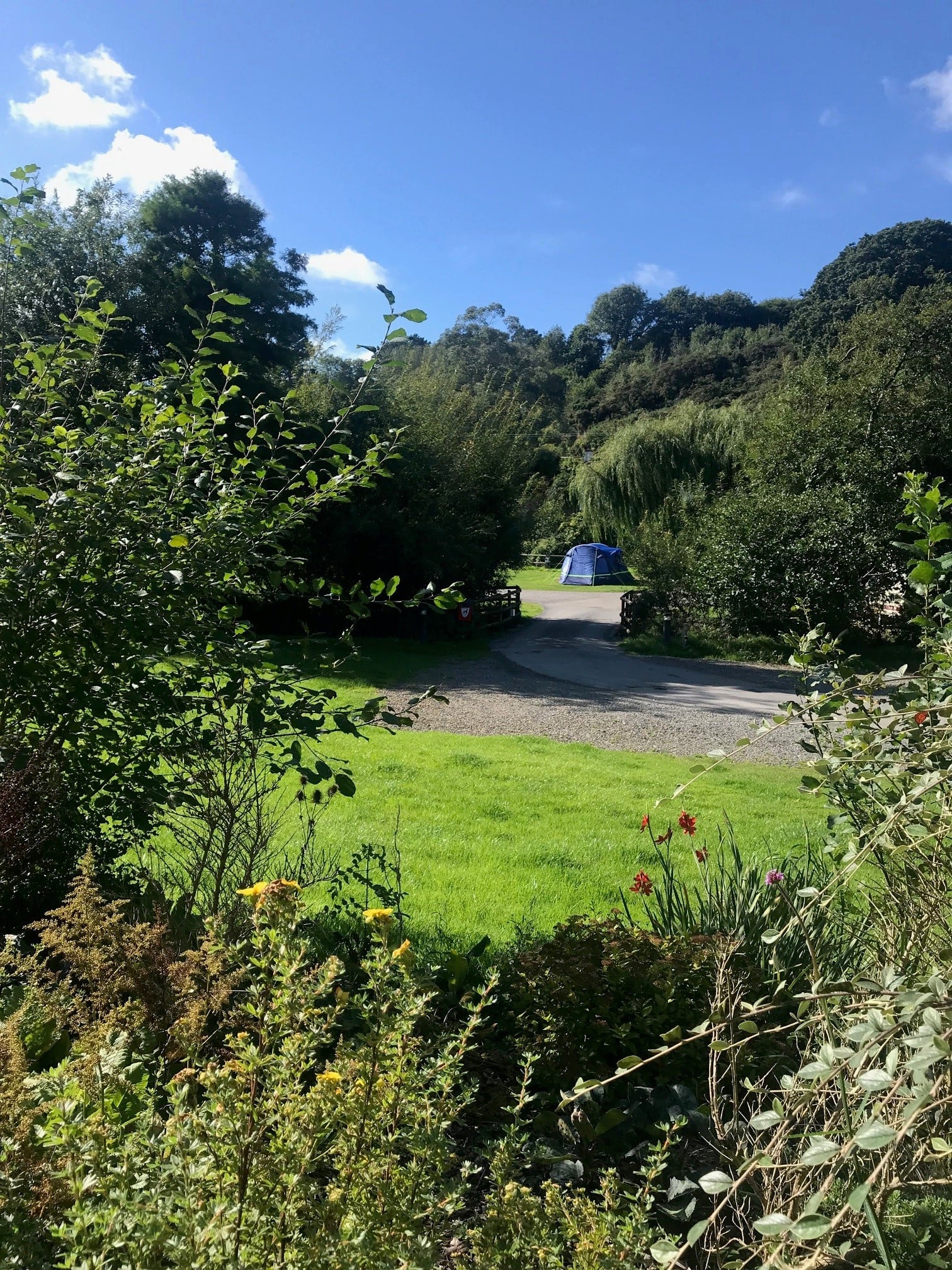
This peaceful, sheltered site has a special character. The site is the ideal place to unwind with plenty of safe space, a meandering river and friendly atmosphere. It offers 4 acres with facilities, 7 acres of wilderness, shower block, level pitches, picturesque river, children’s playground and has been rated AA 4 star gold pennant.
Becky and John both love Cornwall and fell in love with the site as soon as they saw it and it provided the perfect opportunity for a new challenge.
Having only recently taken over at Willow Valley in the Summer of 2024, there are always ongoing improvements being made so make sure you keep in touch. Any returning campers will be glad to know we aren’t changing the campsite itself though. Why would we when it is already so perfect!
Pets
Showers
Campfires
from
£29
/ night
Buckland Farm Camping
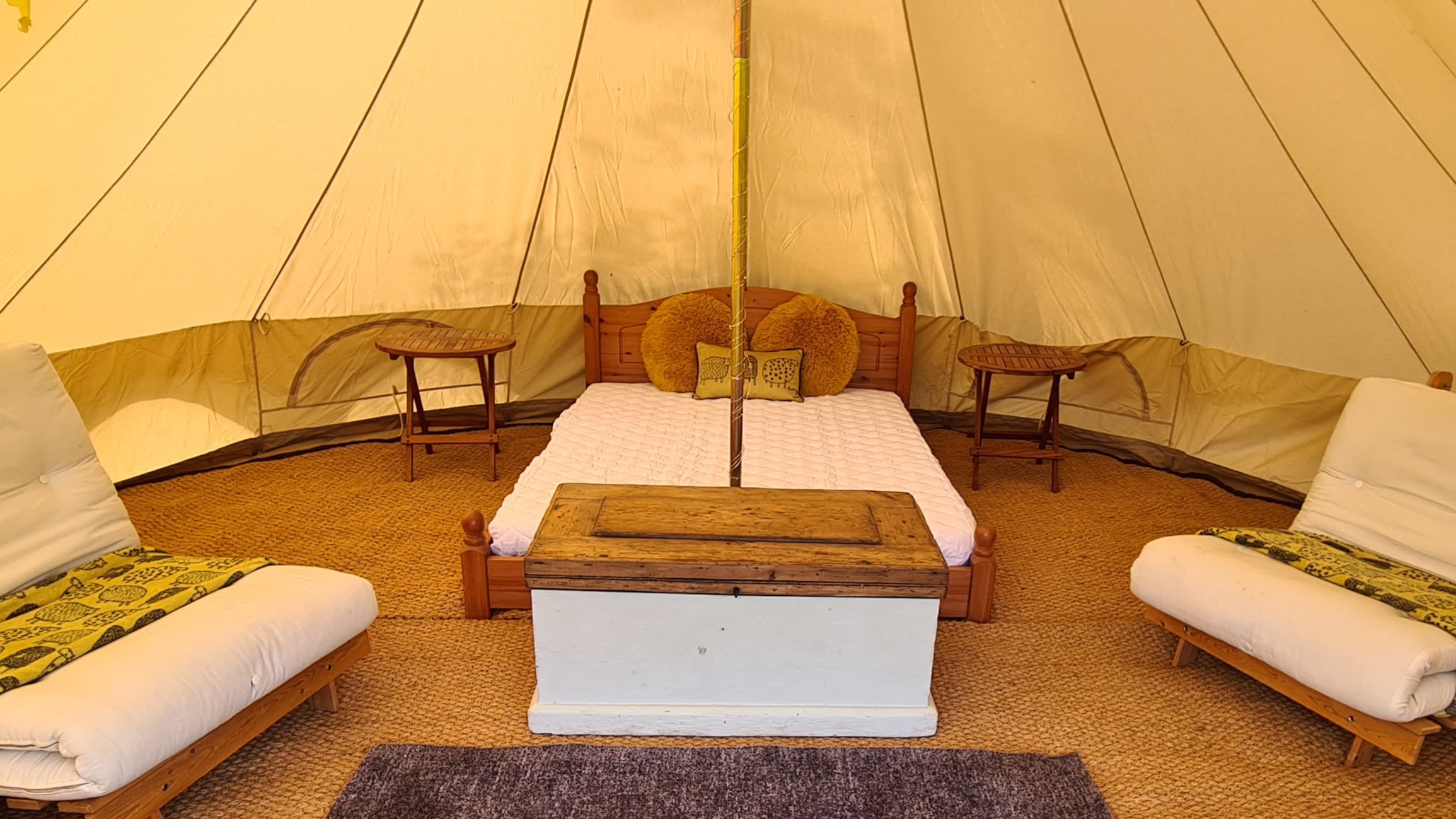
17. Buckland Farm Camping
95%
(21)
Wellington, England · 12 units · Tents, Motorhomes, Glamping
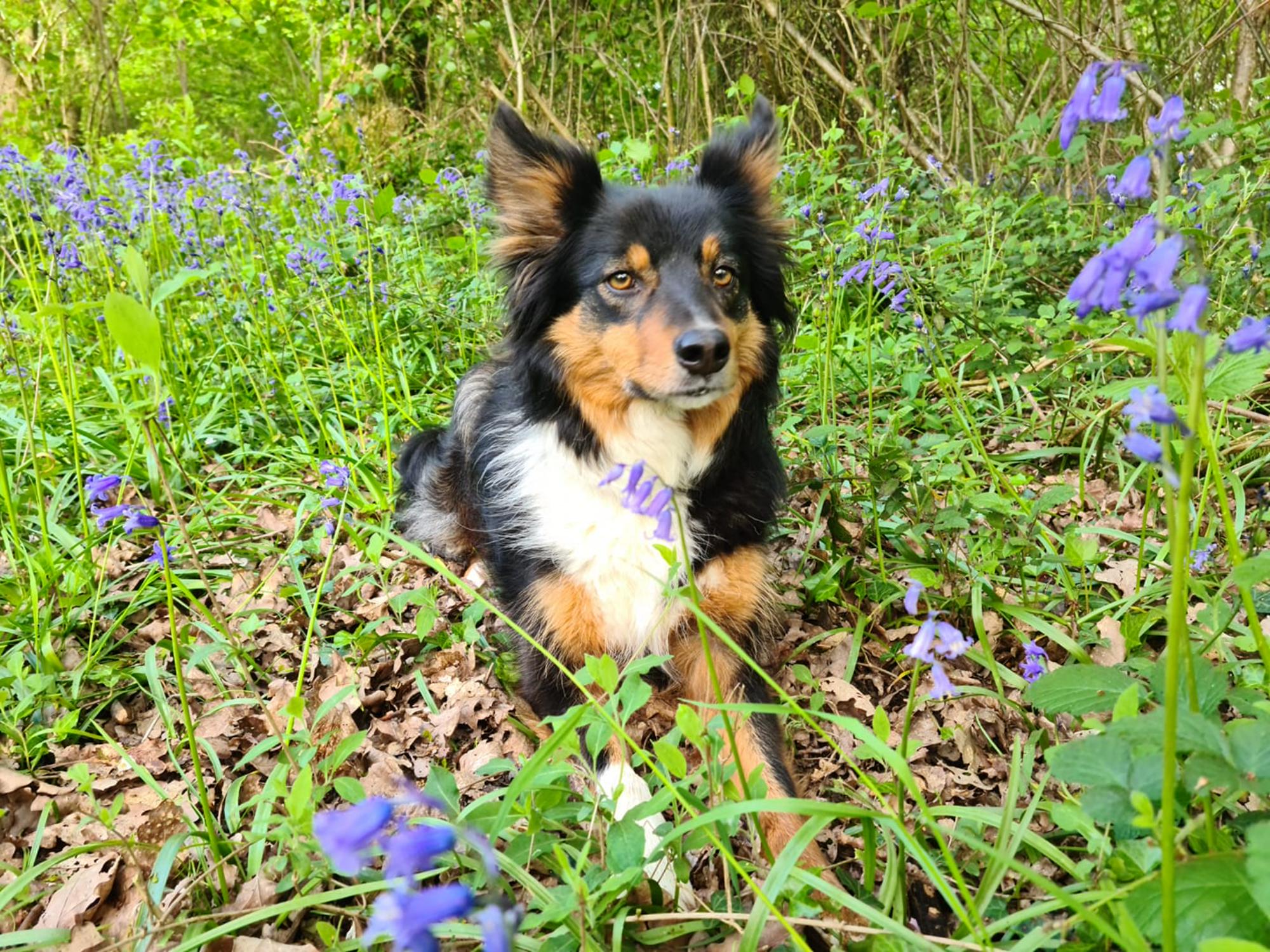
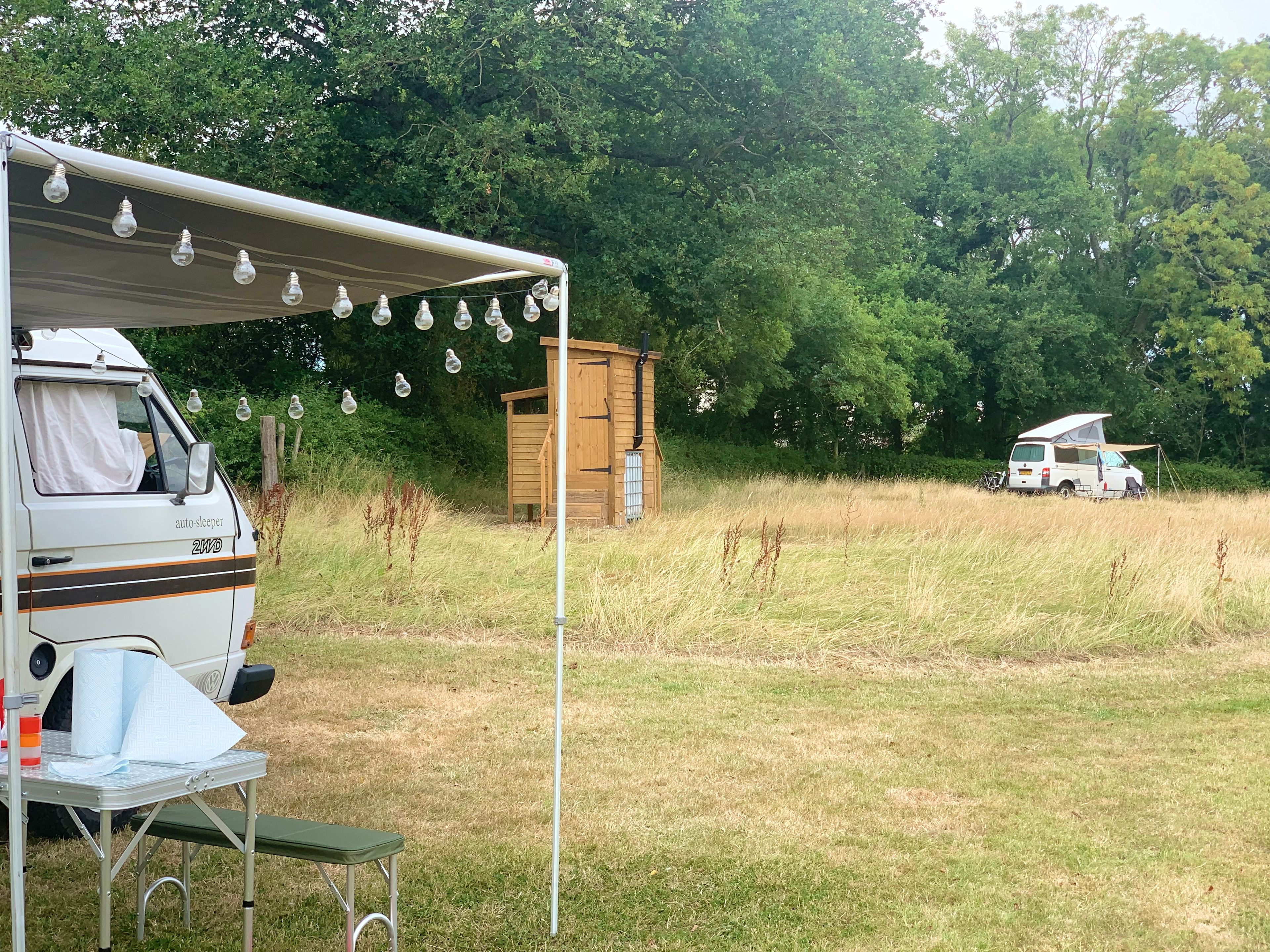
Dog-friendly camping on the edge of the Blackdown Hills
Pets
Showers
Campfires
from
£22
/ night
Surf Pods and Camping at Atlantic Farm
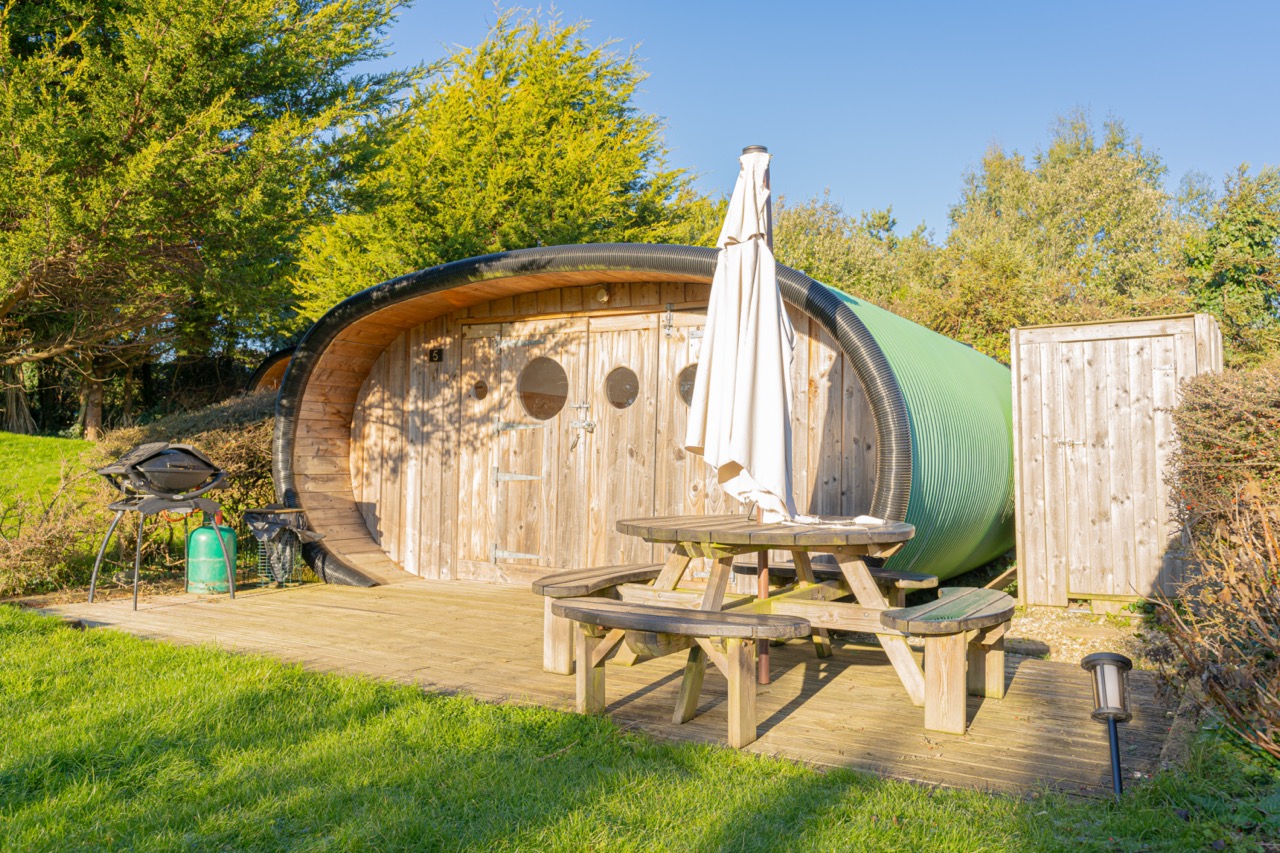
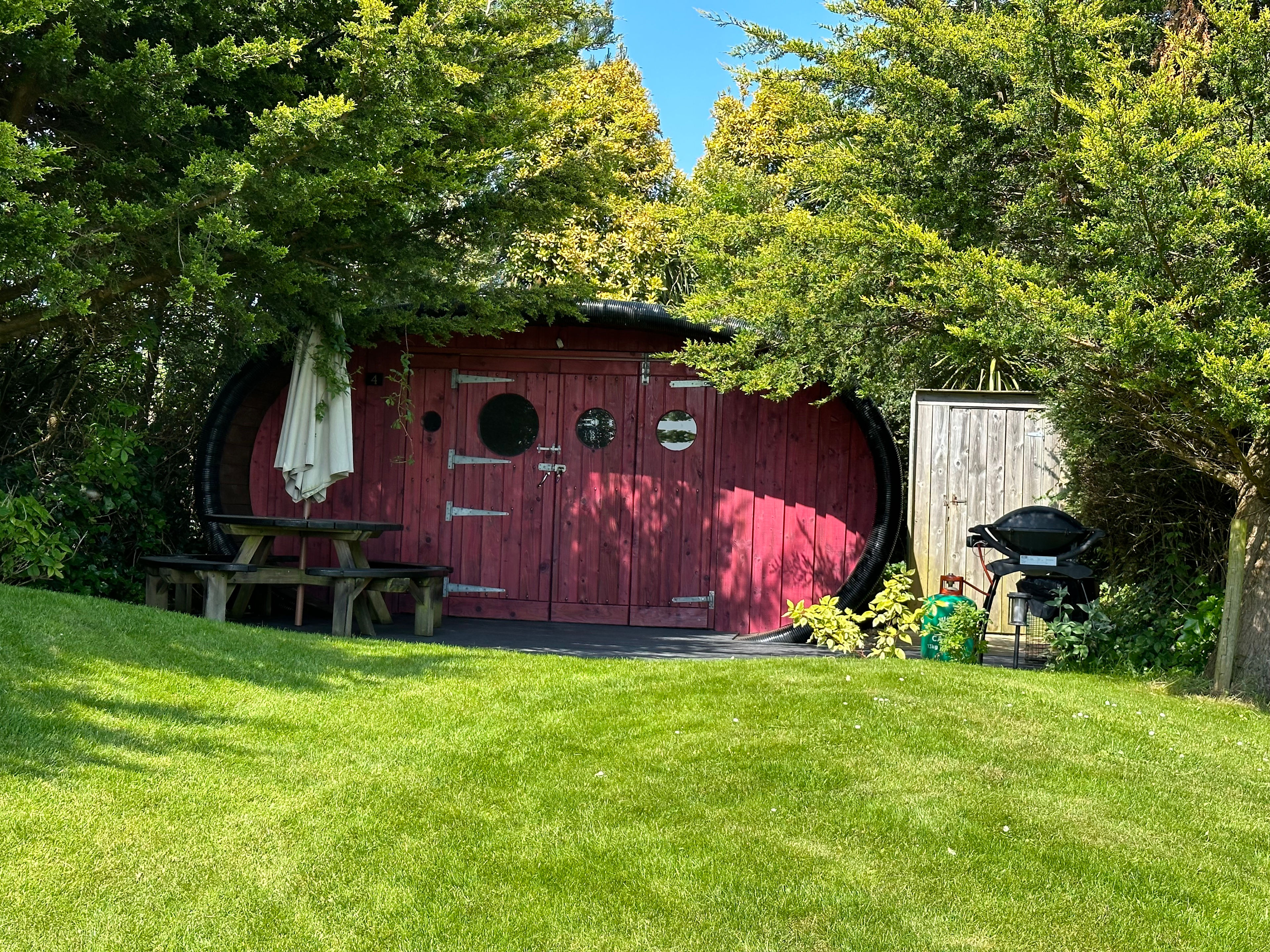
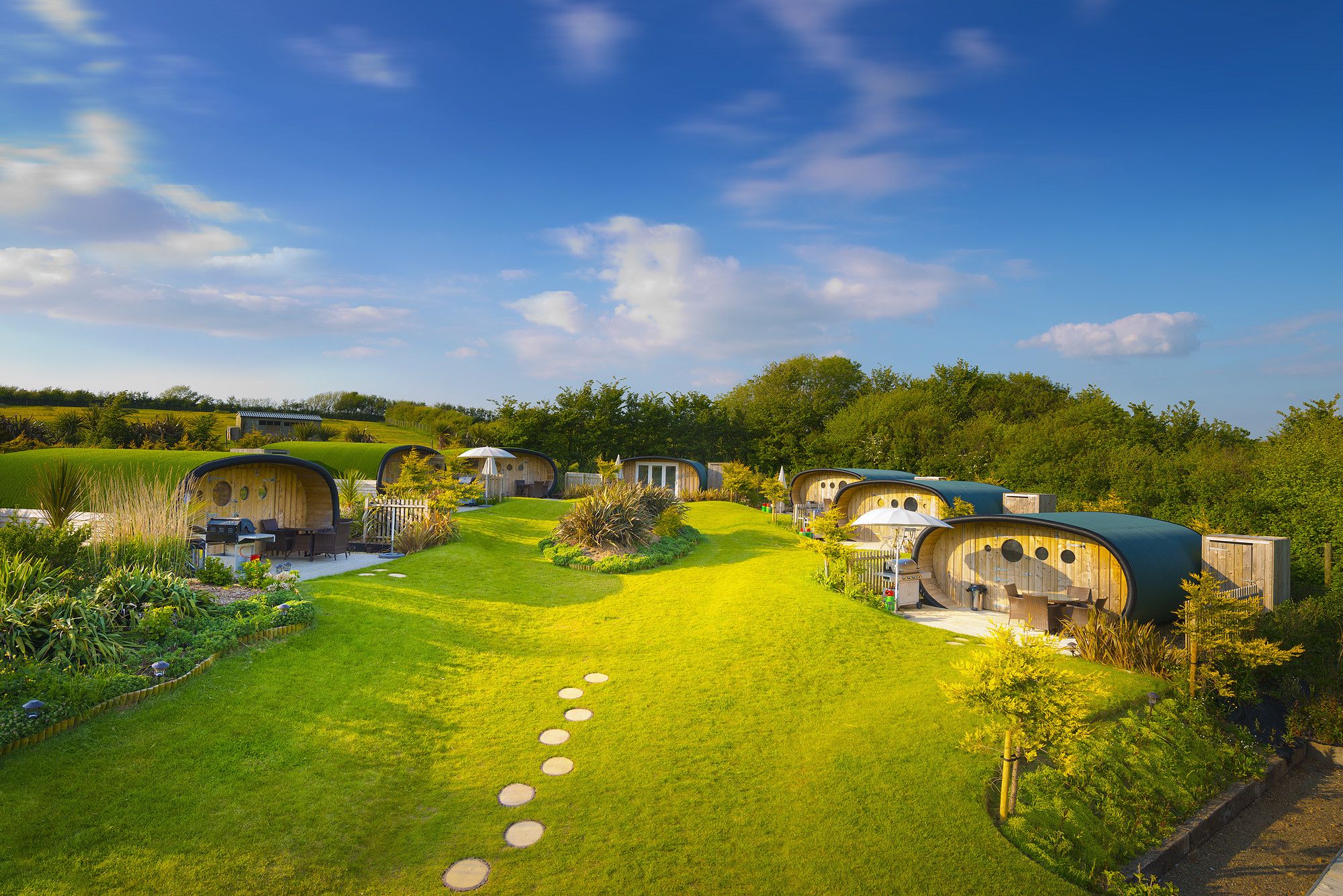
18. Surf Pods and Camping at Atlantic Farm
88%
(66)
Bude, England · 50 units · Tents, Motorhomes, Glamping
Glamping near Bude, with eye-catching eco-pods, a staggering treehouse for couples and traditional tent camping
Pets
Showers
Wifi
from
£26
/ night
Cheglinch Camping (Wild Camping)
19. Cheglinch Camping (Wild Camping)
100%
(20)
Ilfracombe, England · 27 units · Tents, Motorhomes, Glamping
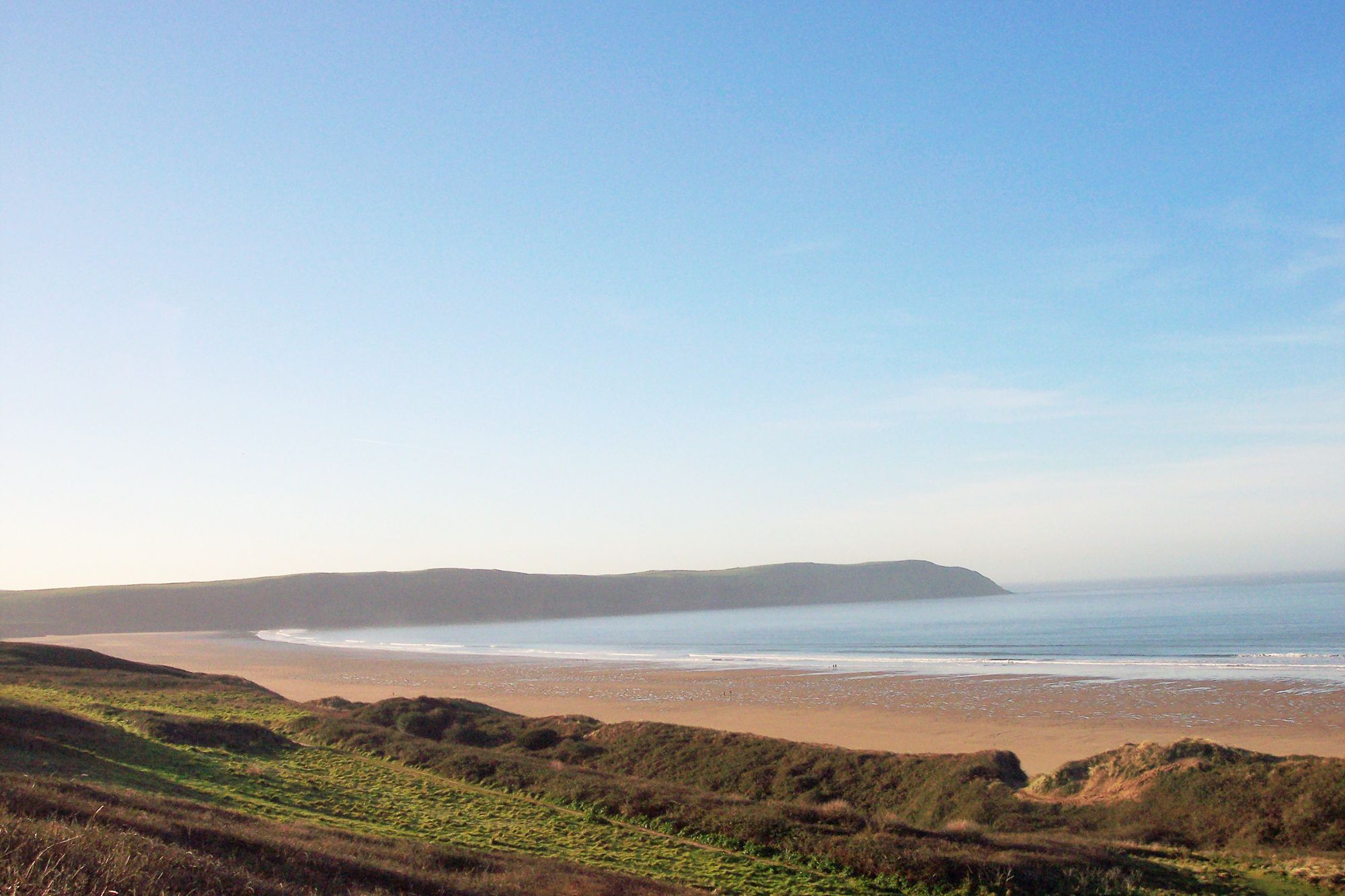
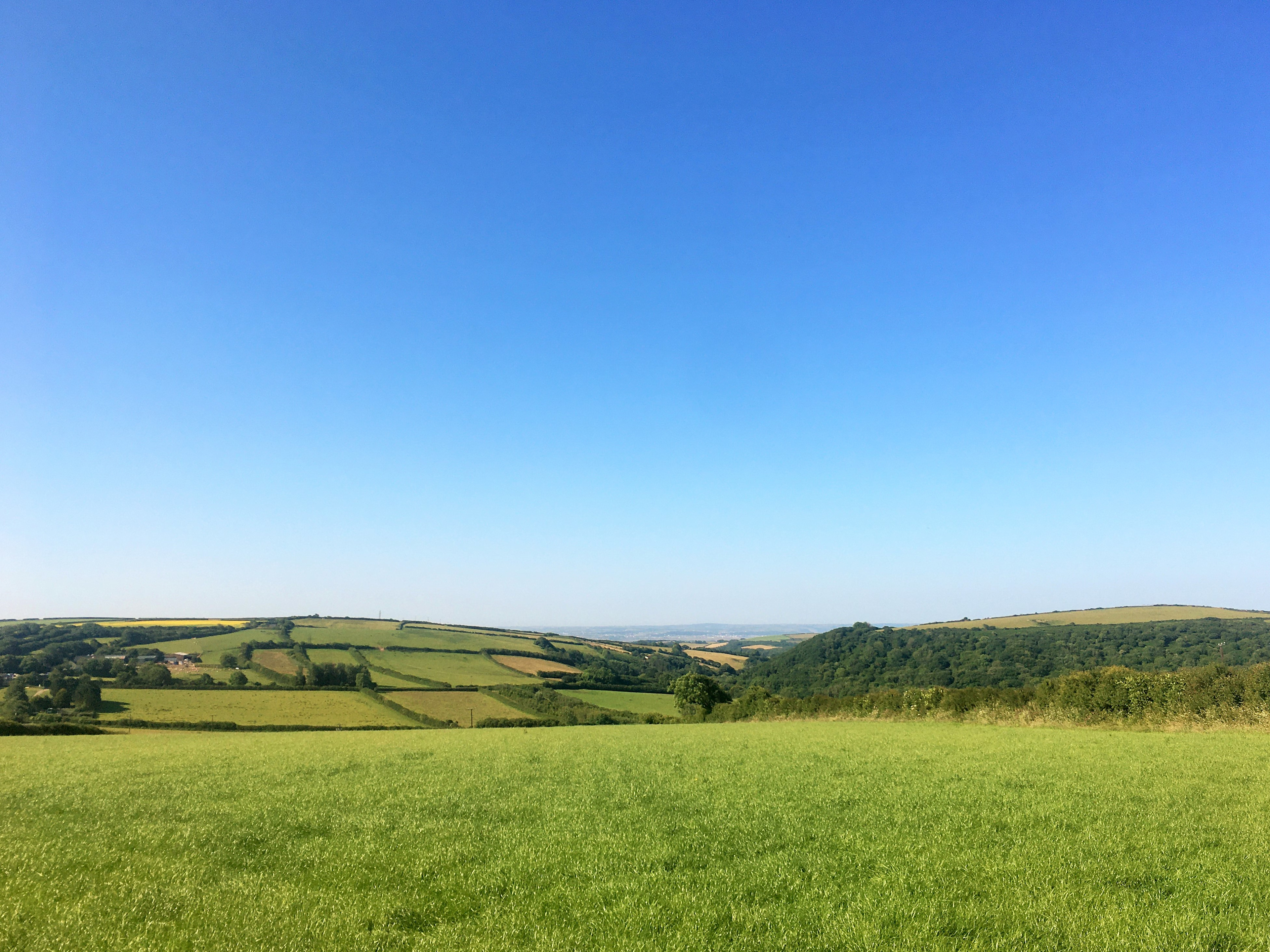
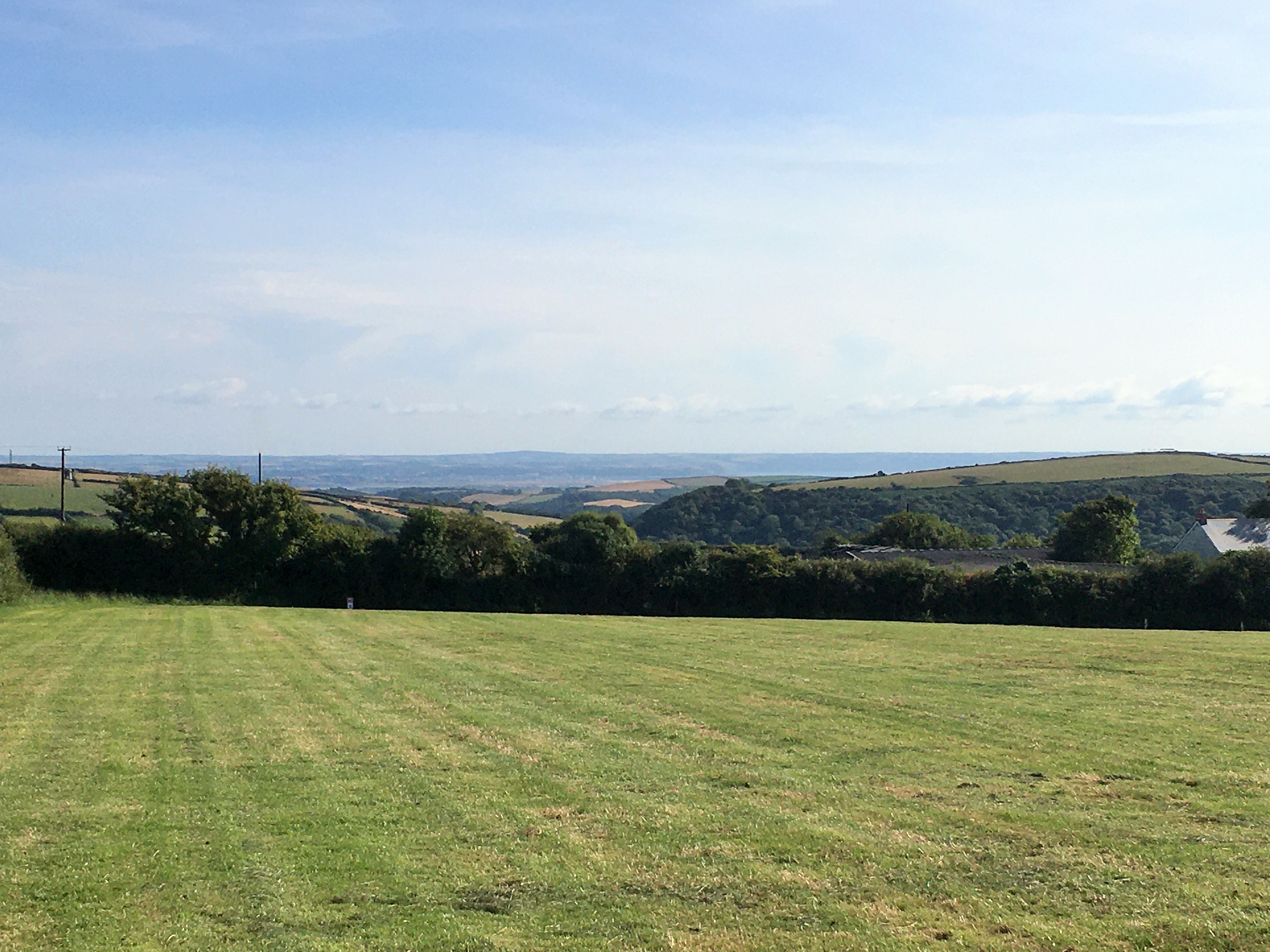
Unspoiled countryside camping on the outskirts of a working Devon farm, offering far-reaching views and a relaxed atmosphere
Pets
Campfires
Potable water
from
£16
/ night
North End Farm
20. North End Farm
94%
(8)
Bridport, England · 3 units
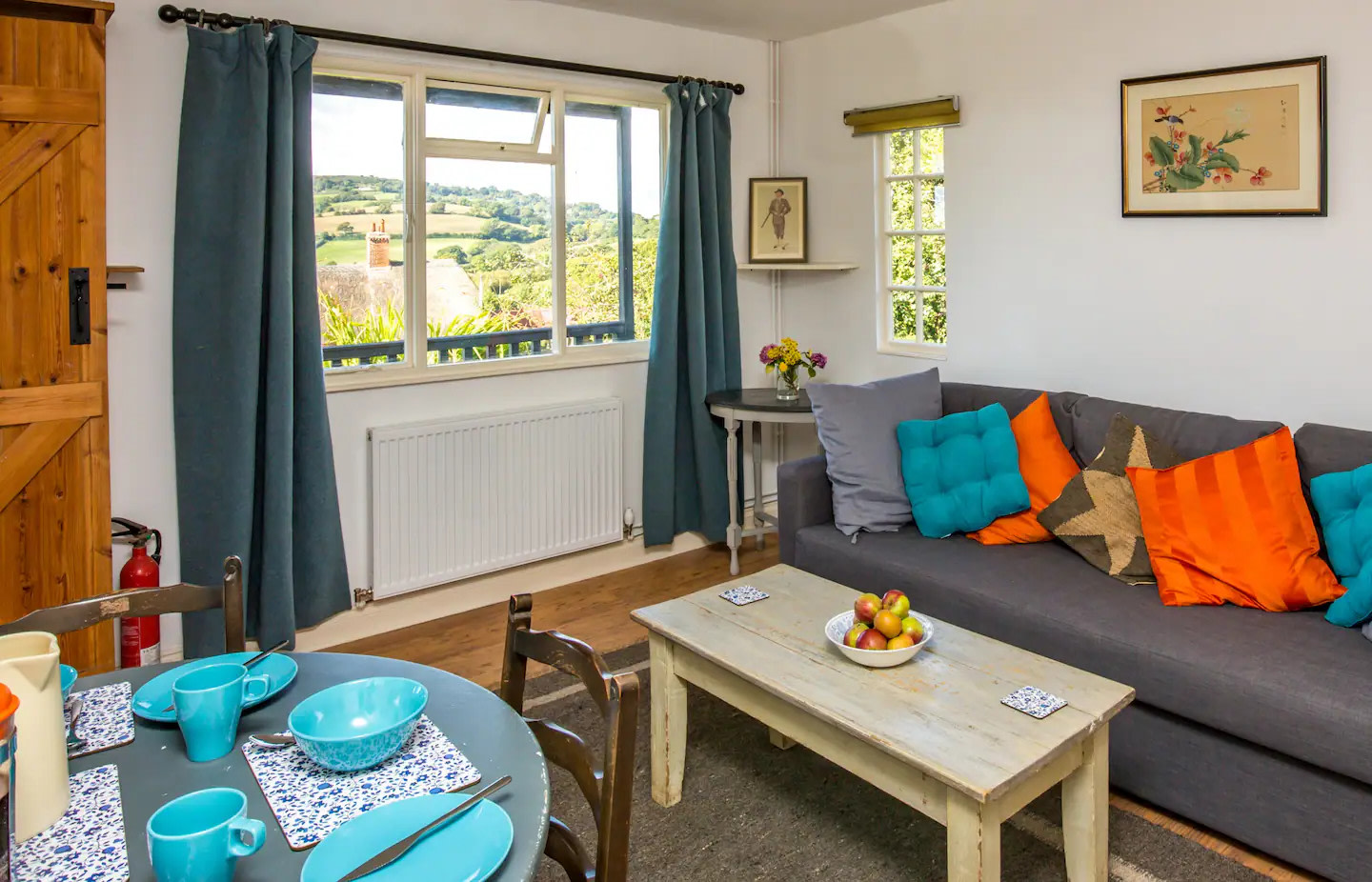
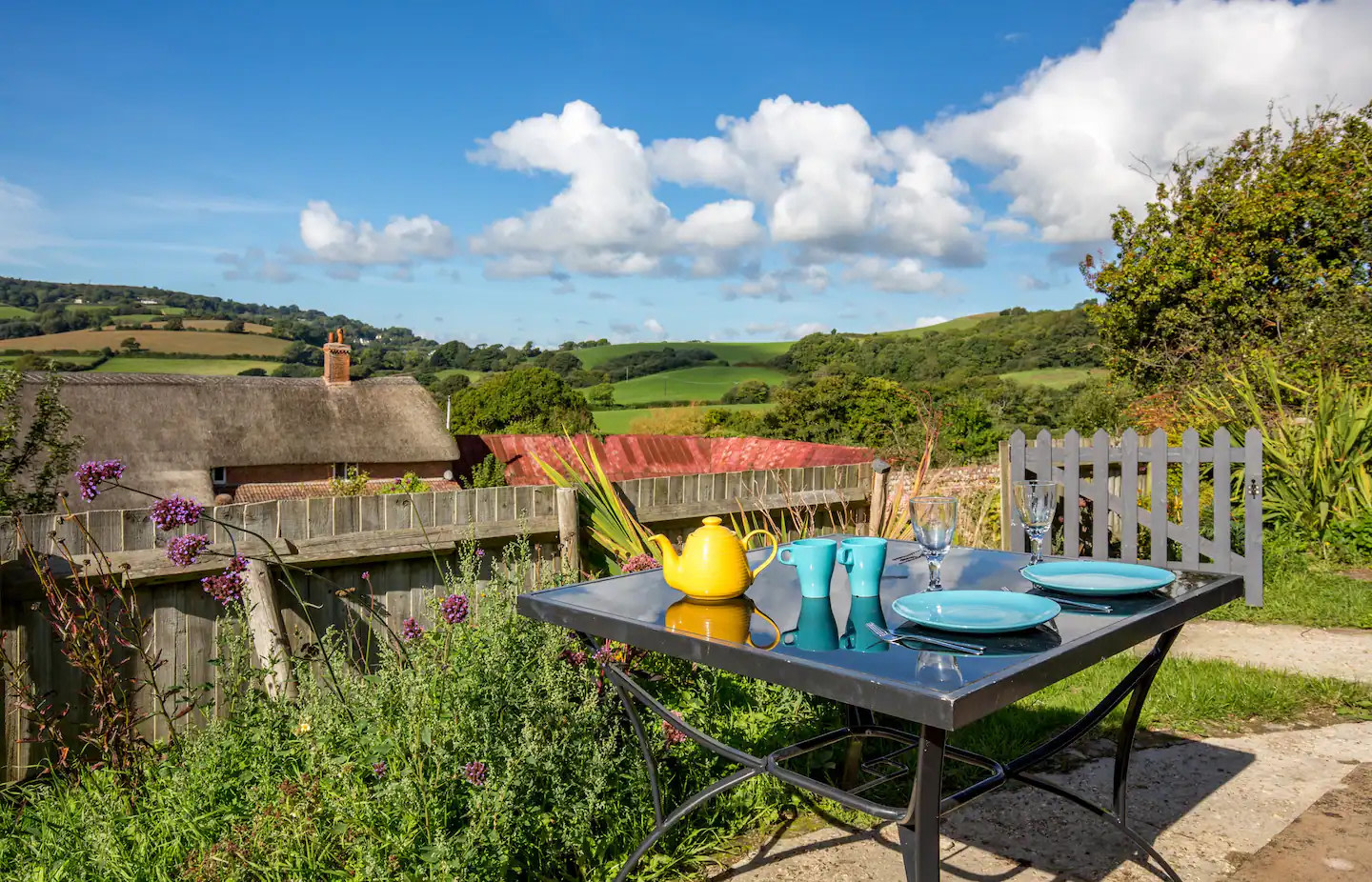
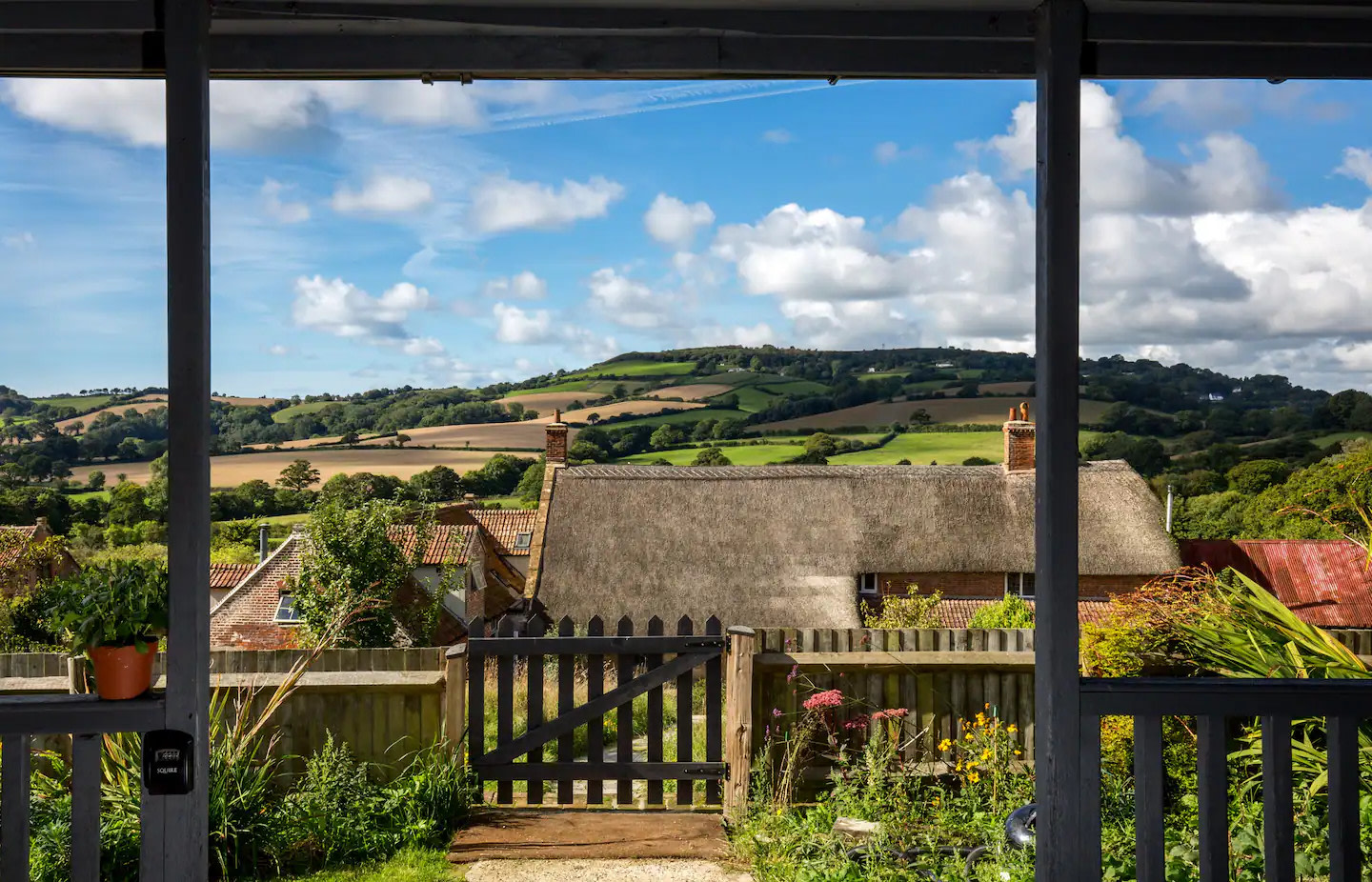
North End Farm is situated in the spectacular Dorset countryside, yet only a couple of miles from the Jurassic Coast, beaches, pubs, restaurants. Wonderful walks are available on and beyond the farm.
The Pavilion is a great place to rest and strike out from. The beach is 1.5 miles away. It is on a network of footpaths in the middle of it's own organic farmland. Bridport and Lyme Regis offer plenty of art and culture and are reknown for food, River Cottage and the Jurassic Coast. There is nothing better than being warm and cosy around the wood burner looking out at the great views. The Pavilion is good for couples, solo adventurers, art lovers, foodies and furry friends (pets)..
Pets
Showers
Campfires
from
£65
/ night
98% (692) • 916 campsites
Top-rated glamping sites in Exmoor National Park
Forest Edge
1. Forest Edge
100%
(24)
Sidbury, England · 44 units · Tents, Motorhomes, Glamping
A welcoming and wild-ish camping and glamping site on the edge of a forest in East Devon
Pets
Showers
Campfires
from
£20
/ night
Hobby Farm
2. Hobby Farm
96%
(45)
Whitchurch Canonicorum, England · 16 units · Tents, Motorhomes, Glamping
A peaceful, adult-only campsite 10 minutes' from the Jurassic Coast
Pets
Showers
Campfires
from
£22
/ night
Gurt Yurts
3. Gurt Yurts
100%
(23)
Churchill, England · 9 units · Tents, Glamping
Off the beaten track on top of the Mendips in an area of outstanding natural beauty. A mixture of four acres of wild woodland, orchard and field set on a hillside.
Our Yurt is set up in the trees giving you peaceful seclusion and a clear view across the sea to Wales and the mountains of the Brecon Beacons. The Yurt is big and sleeps up to four very comfortably. It has its own stove and outside is a washroom just for you with hot shower , toilet and sinks. Your own meadow allows you to just relax and be.
Up on the campfield you can bring your own tent or hire a Belle tent from us with all the fittings to camp contentedly. Our new Wash House has hot showers, flushing toilets and basins. You can light a fire and cook up a BBQ or maybe just watch the world go by.
A huge range of activities are possible or you can lie in the hammock with a good book. We have very friendly dogs and rescue chickens who may come and visit. Wild deer wander past in the early morning mist and the odd buzzard picks an argument with a bunch of crows but nothing much else should disturb you.
We moved here after an 18 month search 8 years ago. It was close to everything we wanted and we've spent some time getting a bit closer.
Pets
Showers
Campfires
from
£12
/ night
Manor Farm Cottage Bell Tent
4. Manor Farm Cottage Bell Tent
England · 1 unit
The Birch Bell at Manor Farm Cottage
Escape to our charming smallholding and micro-flower farm in the heart of Somerset for a truly wonderful camping experience. Nestled near the stunning Mendip Hills and the serene Somerset Levels, this idyllic little campsite invites you to unwind, reconnect with nature and experience the restorative peace of this place. Along the way you'll meet our sheep, and be welcomed by the camp Guardians (Frodo, our friendly little Jack Russell and Nemo, our very agile mouse-hunting cat).
With easy access to both the Somerset levels and surrounding Mendip Hills, and with the wonderful city of Wells just a short distance away, this spot makes a great base from which to explore the outstanding and unique countryside and nearby places of interest and attractions.
From Manor Farm Cottage you can take in some gorgeous walks along the lanes and public footpaths. A short walk from us you'll find our local vineyard at Fenny Castle where you can book a vineyard tour and wine tasting to sample their award winning English wines, or pop over to Wookey Farm where you can meet the very friendly rare-breed goats and buy their incredible goats cheese. There are 3 local pubs within walking distance, and if you head out onto the Levels, you can enjoy a cider by the river at The Sheppey, a great riverside pub in the nearby village of Godney.
If you want to venture a little further, discover the breathtaking beauty of local RSPB nature reserves, ideal for peaceful walks and bird watching. Wander through the historic city of Wells, marvelling at its stunning cathedral and charming streets. Just a short drive away, experience the mystical allure of Glastonbury and its famous Tor, and then of course there is the dramatic landscape of Cheddar Gorge to explore. For a dose of culture and history, visit the elegant city of Bath with its Roman baths and Georgian architecture.
Each destination offers a unique and unforgettable experience, making your stay in Somerset truly magical. And if you want to indulge in a day of learning about flowers, how to grow them, and floristry tricks and techniques, get in touch to find out about the workshops that are on offer at Manor Farm Cottage Flowers on the smallholding.
Showers
Campfires
Potable water
from
£60
/ night
Deer Barn Retreats
5. Deer Barn Retreats
94%
(33)
Taunton, England · 3 units
Dog-friendly glamping on the Somerset-Devon border
Pets
Showers
Campfires
from
£81
/ night
Llandyfan Camping
6. Llandyfan Camping
100%
(15)
England · 29 units · Tents, Motorhomes, Glamping
Our beautiful home is a glamping and camping site with its own gorgeous fishing lake on the outskirts of the village of Llandyfan. You can find us to the west of the Brecon Beacons or Bannau Brycheiniog National Park.
Llandyfan Campsite has been lovingly re-established in early 2024 by Andy and Jo. Since taking ownership, we have rolled up our sleeves and got stuck into restoring it to its former glory and will soon be back to being a fully operational slice of Welsh heaven.
Our first focus has been the fishing lake which we opened in March. The campsite followed in May. We are currently working on electric hook ups and other improvements.
We have chickens on site that roam free during the day. They are friendly and like to wander around the tents to say hello to our guests!
We would like everyone who visits to have a great time and a relaxing break. Whilst here please be considerate towards others, to their property, and while using the facilities. If you have any concerns, please let us know.
We have brought out a few rules from our T&Cs and we kindly ask that you have a read through before your stay.
Litter:
You must pick up your litter. Please either take it with you or recycle it appropriately in the bins onsite. There are bins around the campsite, please recycle where possible.
Pitches to be left as you found them.
Noise:
Be respectful and consider your neighbours. Keep noise to a minimum after 10pm and before 8am in the morning.
No loud music is to be played at any time.
Children:
Children must be supervised at all times around the campsite and can play within the pitch space allocated to you. At quiet times, it may be possible for children to use vacant pitches for play but this cannot be guaranteed. The amenity block and associated facilities are not to be used as a play area.
Dogs:
Must not to be left unattended.
Are to be kept on leads at all times whilst on the campsite. (We are working on an enclosed dog walking area, however this is not yet available).
no refunds on bookings if cancelled withing 10days of booking
Pets
Showers
Campfires
from
£17
/ night
Coppet Hill
7. Coppet Hill
100%
(88)
Bridport, England · 18 units · Tents, Glamping
Wildlife-friendly camping and glamping with private loos at each pitch, 15 minutes' drive from the coast
Showers
Campfires
Hot Tub
from
£65
/ night
Pure & Rustic
8. Pure & Rustic
86%
(7)
Croyde, England · 6 units
Acres of beautiful woodlands & pastures for those that like to sleep under canvas with or without electric.
Hot showers, Pure Greenfields spring water on tap, designated fire pits to bring out your rawness of nature!!
Pure & Rustic is close by to some fantastic local pubs, and the beaches of Croyde, Saunton, Putsborough & Woolacombe.
A magical woodland retreat to watch the moon & stars float by..!
Pets
Showers
Campfires
from
£15
/ night
Aldridge Mill
9. Aldridge Mill
95%
(22)
Tiverton, England · 5 units · Tents, Motorhomes, Glamping
A yurt, a gypsy wagon, and wild camping pitches in a Devon valley.
Pets
Campfires
Potable water
from
£20
/ night
Camp Couture
10. Camp Couture
100%
(17)
Barnstaple, England · 4 units · Tents, Glamping
We Have 10 acres, 5 of which is woodland. Each let has its own private area with seating table and fire pit some of our let’s have either a hammock or swinging chair
Tent pitches are in the woodland which also have their own private area with table chairs hammock fire pit and a camp kitchen to share.
We have friendly residents of Alpaca, sheep, a goat and peacocks and chickens that you are welcome to feed with the supplied food.
We have a local pub you can walk to across farmers fields about a 20 minute ramble. South Molton, a 3 minute drive away, has a small artisan market voted the best in the UK
Pets
Showers
Campfires
from
£35
/ night
Walnut Farm Glamping
11. Walnut Farm Glamping
97%
(39)
Bridport, England · 8 units
Cosy en-suite yurts with acres of space, campfires, a hot tub and wild swimming on site.
Pets
Showers
Campfires
from
£116
/ night
Westland Farm
12. Westland Farm
100%
(140)
Barnstaple, England · 21 units · Tents, Motorhomes, Glamping
Camping and glamping on a working farm, with yurts, huts with hot tubs, and simple, spacious, sociable camping pitches
Pets
Showers
Campfires
from
£13
/ night
Jordans Estate Glamping
13. Jordans Estate Glamping
100%
(41)
Ilminster, England · 5 units
Two shepherds huts and a pair of pods set on a West Somerset estate close to the Somerset Levels and in sight of the Blackdown Hills
Showers
Campfires
Hot Tub
from
£100
/ night
Brig's Farm
14. Brig's Farm
97%
(157)
Bridport, England · 21 units · Tents, Glamping
Family camping with campfires near Charmouth, with sea views and a couple of quirky glamping lorries
Pets
Showers
Campfires
from
£13
/ night
Hideaway Camping
15. Hideaway Camping
98%
(43)
Okehampton, England · 17 units · Tents, Motorhomes, Glamping
Carefree camping and glamping in Devon with a nature-friendly setting and imaginative owners
Showers
Campfires
Potable water
from
£13
/ night
Willow Valley Holiday Park
16. Willow Valley Holiday Park
100%
(16)
Bude , England · 31 units · Tents, Motorhomes, Glamping
This peaceful, sheltered site has a special character. The site is the ideal place to unwind with plenty of safe space, a meandering river and friendly atmosphere. It offers 4 acres with facilities, 7 acres of wilderness, shower block, level pitches, picturesque river, children’s playground and has been rated AA 4 star gold pennant.
Becky and John both love Cornwall and fell in love with the site as soon as they saw it and it provided the perfect opportunity for a new challenge.
Having only recently taken over at Willow Valley in the Summer of 2024, there are always ongoing improvements being made so make sure you keep in touch. Any returning campers will be glad to know we aren’t changing the campsite itself though. Why would we when it is already so perfect!
Pets
Showers
Campfires
from
£29
/ night
Buckland Farm Camping
17. Buckland Farm Camping
95%
(21)
Wellington, England · 12 units · Tents, Motorhomes, Glamping
Dog-friendly camping on the edge of the Blackdown Hills
Pets
Showers
Campfires
from
£22
/ night
Surf Pods and Camping at Atlantic Farm
18. Surf Pods and Camping at Atlantic Farm
88%
(66)
Bude, England · 50 units · Tents, Motorhomes, Glamping
Glamping near Bude, with eye-catching eco-pods, a staggering treehouse for couples and traditional tent camping
Pets
Showers
Wifi
from
£26
/ night
Cheglinch Camping (Wild Camping)
19. Cheglinch Camping (Wild Camping)
100%
(20)
Ilfracombe, England · 27 units · Tents, Motorhomes, Glamping
Unspoiled countryside camping on the outskirts of a working Devon farm, offering far-reaching views and a relaxed atmosphere
Pets
Campfires
Potable water
from
£16
/ night
North End Farm
20. North End Farm
94%
(8)
Bridport, England · 3 units
North End Farm is situated in the spectacular Dorset countryside, yet only a couple of miles from the Jurassic Coast, beaches, pubs, restaurants. Wonderful walks are available on and beyond the farm.
The Pavilion is a great place to rest and strike out from. The beach is 1.5 miles away. It is on a network of footpaths in the middle of it's own organic farmland. Bridport and Lyme Regis offer plenty of art and culture and are reknown for food, River Cottage and the Jurassic Coast. There is nothing better than being warm and cosy around the wood burner looking out at the great views. The Pavilion is good for couples, solo adventurers, art lovers, foodies and furry friends (pets)..
Pets
Showers
Campfires
from
£65
/ night
Recent reviews from the Hipcamp community

Jasmine
October 2025
Weekend Trip to Llandyfan Camping
A lovely stay on a nice quiet campsite. Would visit again :)
See more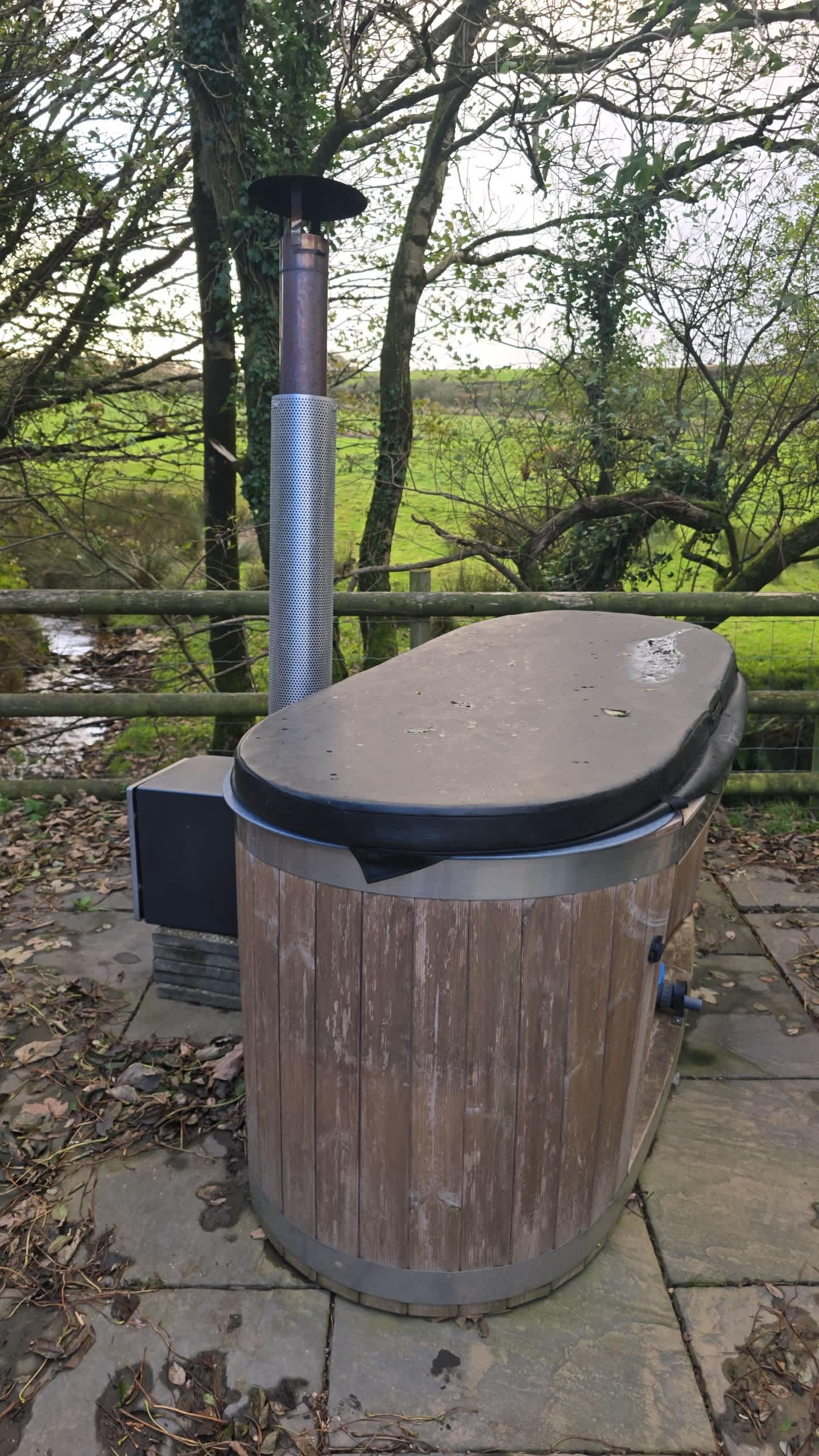
N
Niome
October 2025
With kids
brilliant place to stay, very relaxed there but if you need anything they was there. me and my partner stayed here with our 2 daughters and our dog and it was 100% one of the best places we have been to, great veiws, great facilities. all in all will 100% be staying again and maybe try the other cabins.
See more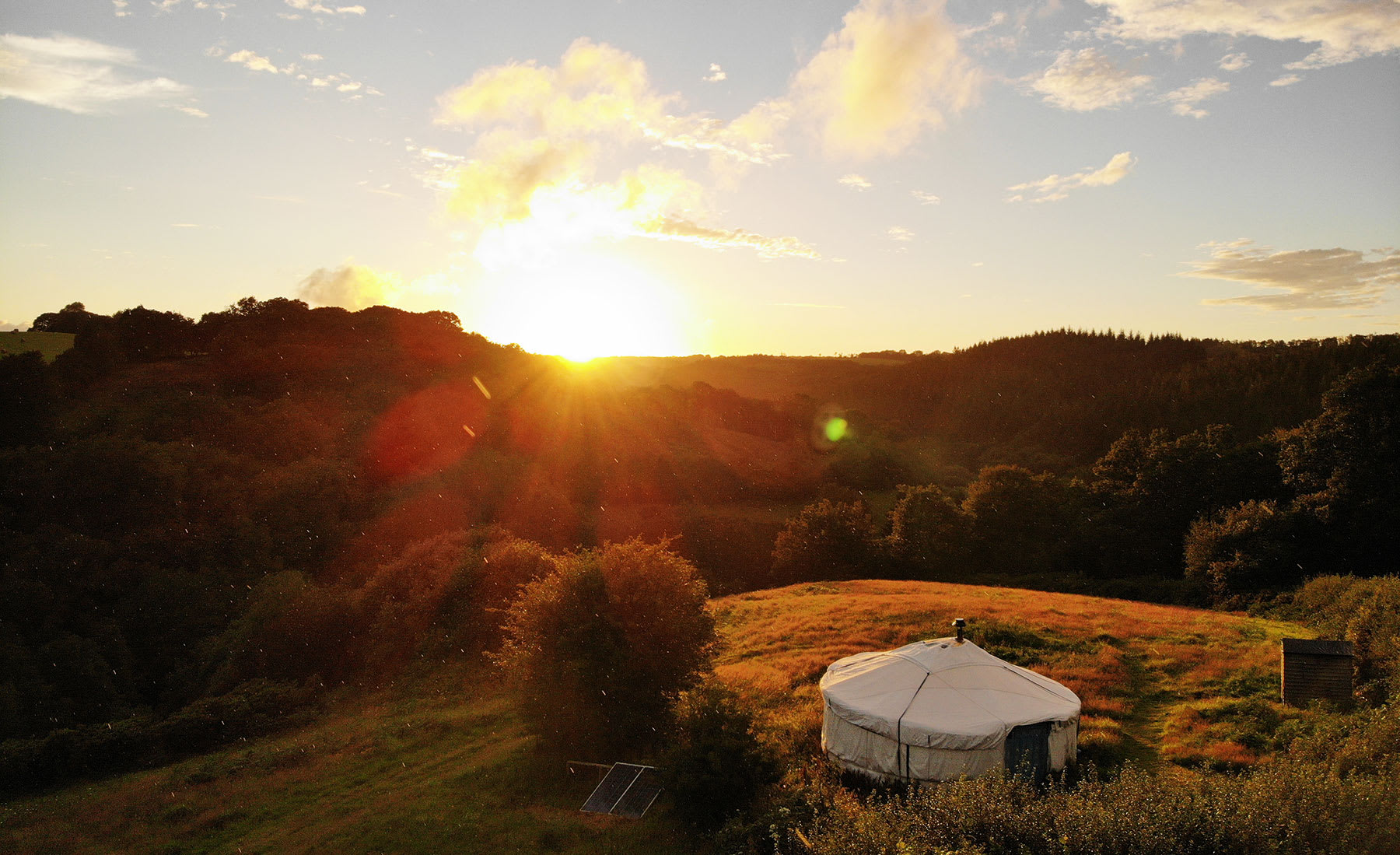
N
Nicola
August 2025
With pets
We’ve had a lovely 3 nights at the gorgeous yurt. Weather was fab, yurt was amazing and super comfy! We loved stargazing around the fire in the evenings and took the dogs for some lush walks.
Would definitely come and stay again!
See more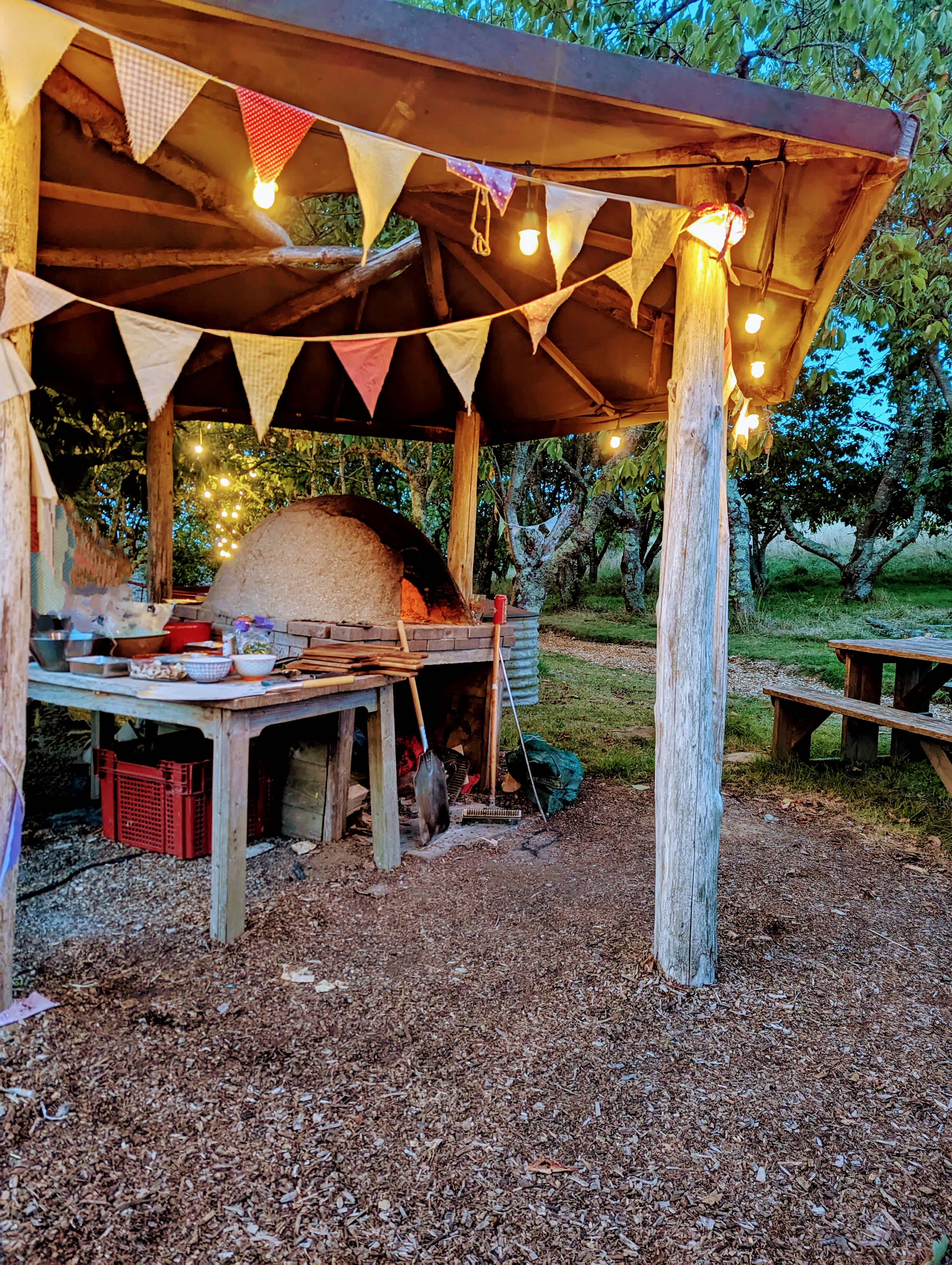
J
Joana
August 2025
With kids
Amazing stay with beautiful views. The tent is equipped with everything you need and beds are comfortable.
The environment is very calm and pizza night really is a success, not only the pizza's are very nice but you get to know the other people staying - amazing if you have kids as they start playing together.
We had an amazing time and would definitely return and recommend the stay.
See more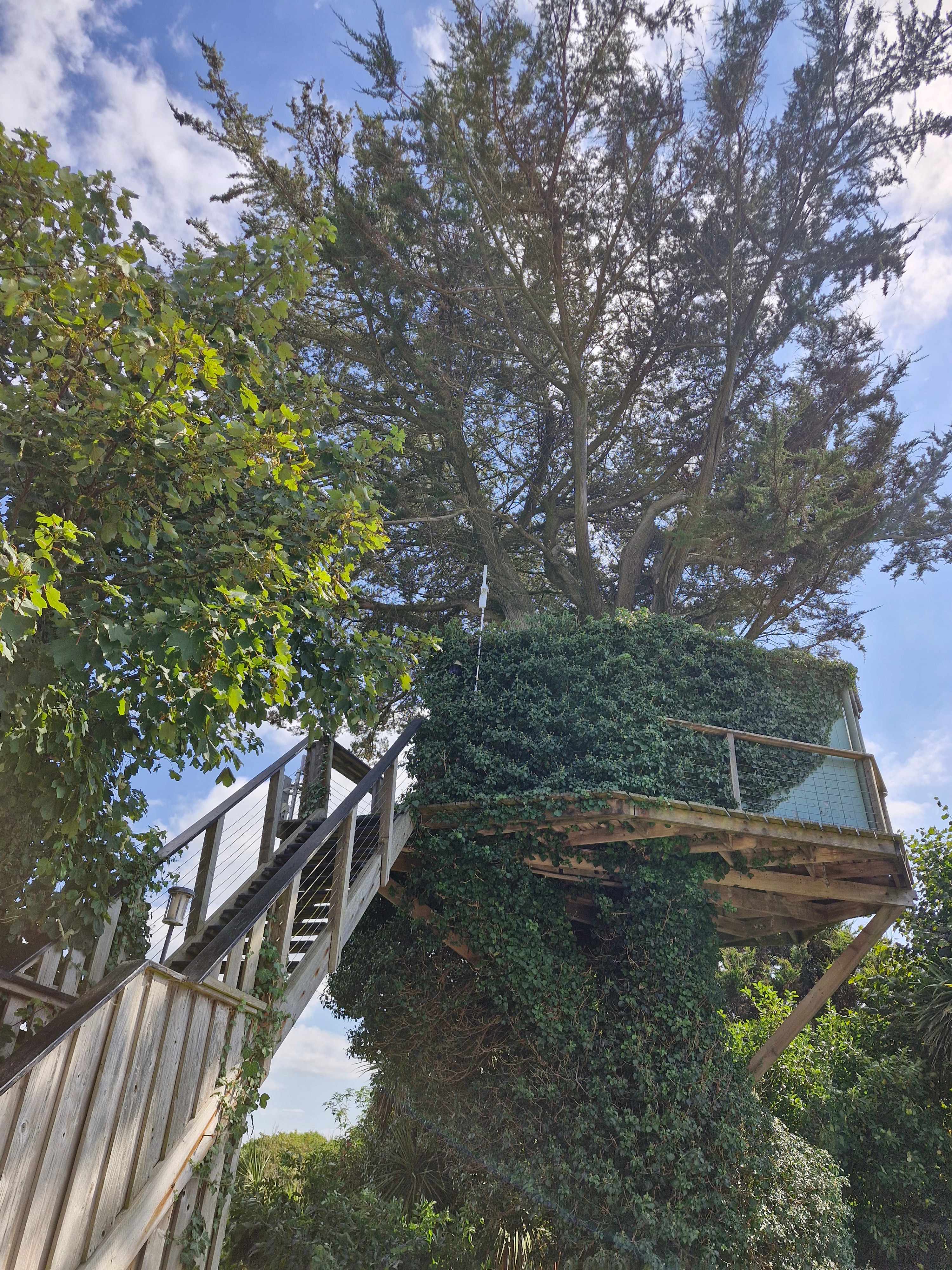
C
Charlotte
August 2025
5 nights at Surf Pods and Camping at Atlantic Farm
Lovely campsite, the pods look like Tellytubby Land! It's a bit of a walk into Bude probably 40mins but the park and ride is almost opposite the site and very reasonable. We stayed in the Tree House, it was comfy and clean. It has a kettle, microwave, toaster, BBQ and fridge which is so convenient. Would recommend taking your usual cooking kit as there are plates, mugs, bowls and glasses but not pots and pans or stove. I might also take a picnic table if you like to sit in the sun as the seating area is shady. No curtains means you need a sleep mask if you like a dark room but I loved waking up to the sight of a blue sky. Would also recommend a torch for going up and down the steps at night.
See moreL
Laura
August 2025
With kids
Cedar cabin was absolutely immaculate it was nice and cozy on a hill which gave it the best view! The lake is incredibly stunning and filled with fish! My son also went fishing there and sadly had his fishing rod pulled in by a fish but the next morning the host went and found it. The host was so kind and welcoming 5/5 stars would highly recommend!
See more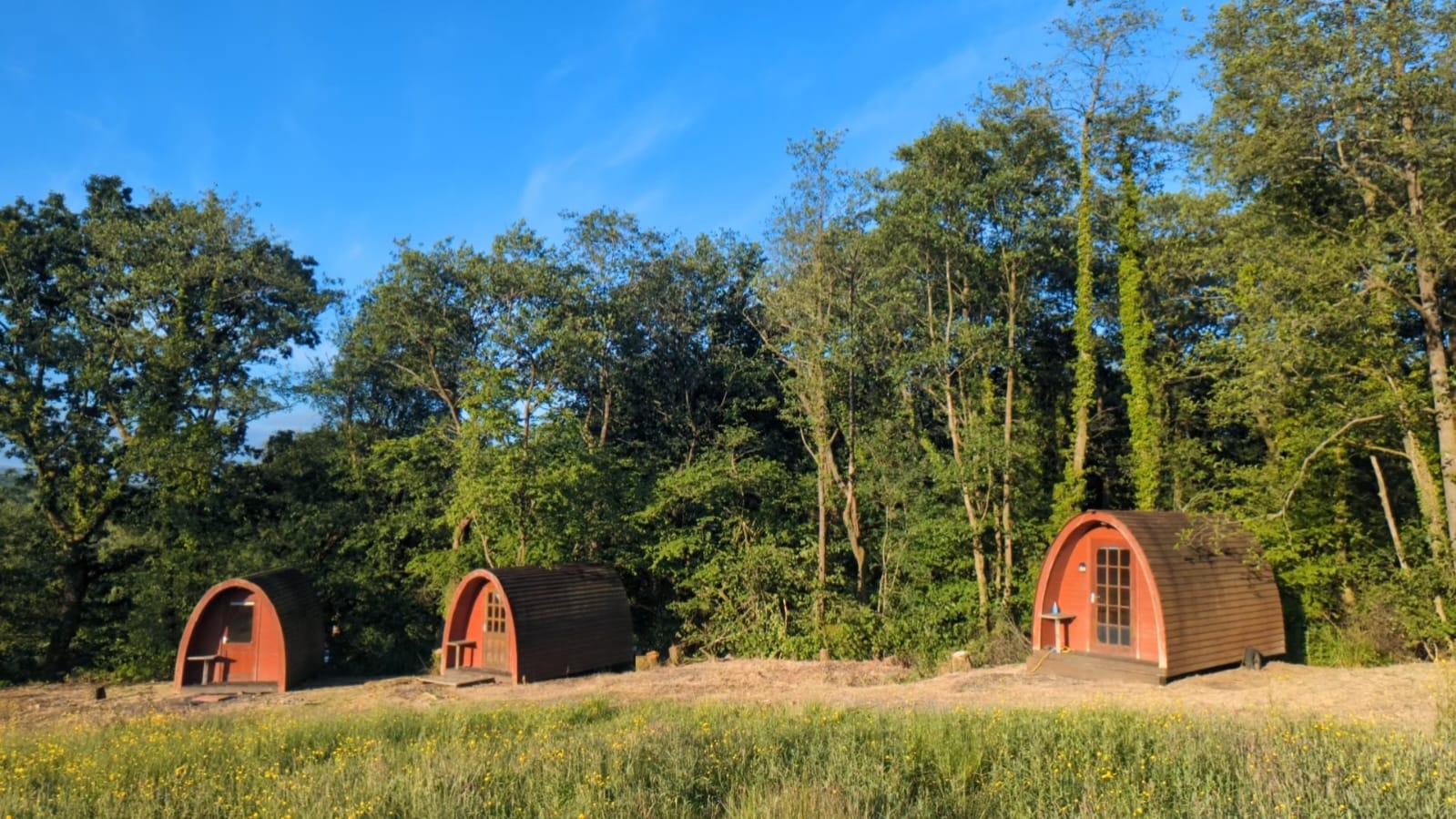

leon
August 2025
2 nights at Llandyfan Camping
The pods were a great little spot, Great Hosts in a great location.
See more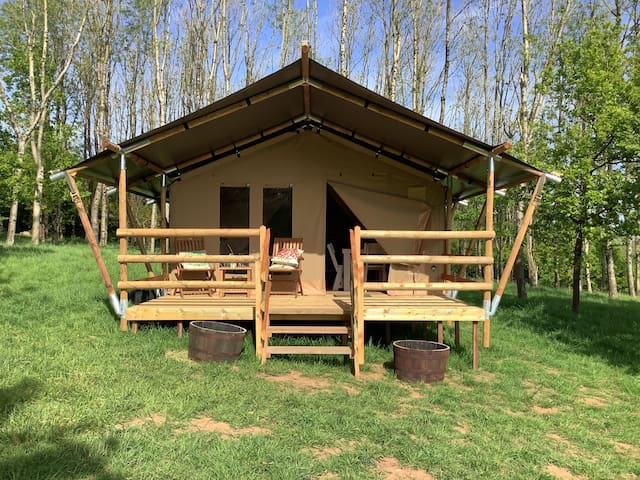
P
Paul
August 2025
With pets
Would highly recommend , we stopped in the safari lodge and had the whole site to our selves kids and dog loved it . lodge was very clean and so was the shower and toilet facilities also has a kitchen what has everything you need if you do forget anything with an honesty box to leave the money in . We was lucky to have a clear night so seeing all the stars at night was amazing also spotted deers in the morning. Very pleased with our stay
See more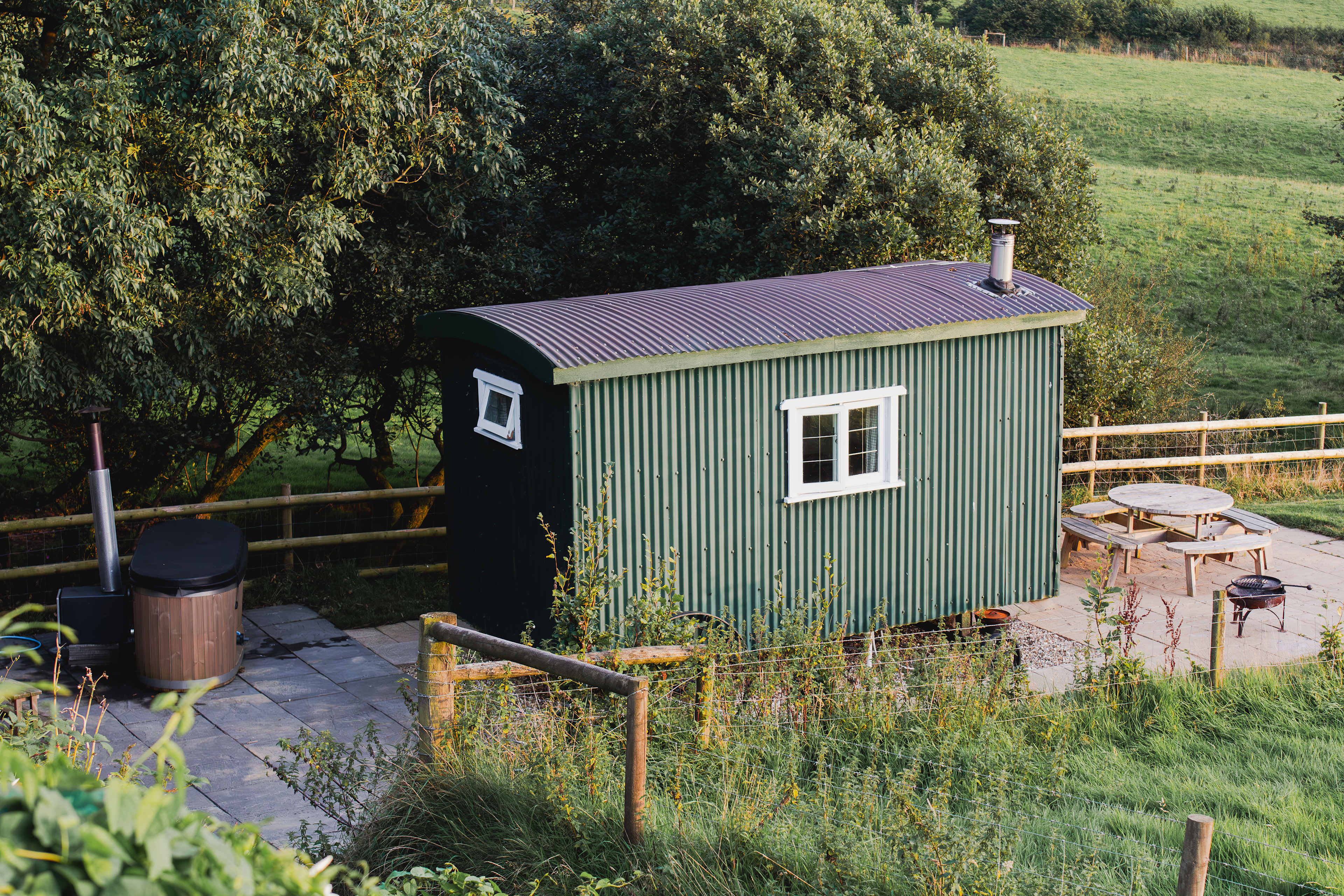
A
Andrew
August 2025
With kids
We booked a weekend stay with our daughter and it was lovely, very peaceful and calm. She loved feeding the pigs! The hot tub stays hot for a long time once you’ve got it going so worth firing it up nice abs early. The site owners were always around and really helpful too.
See more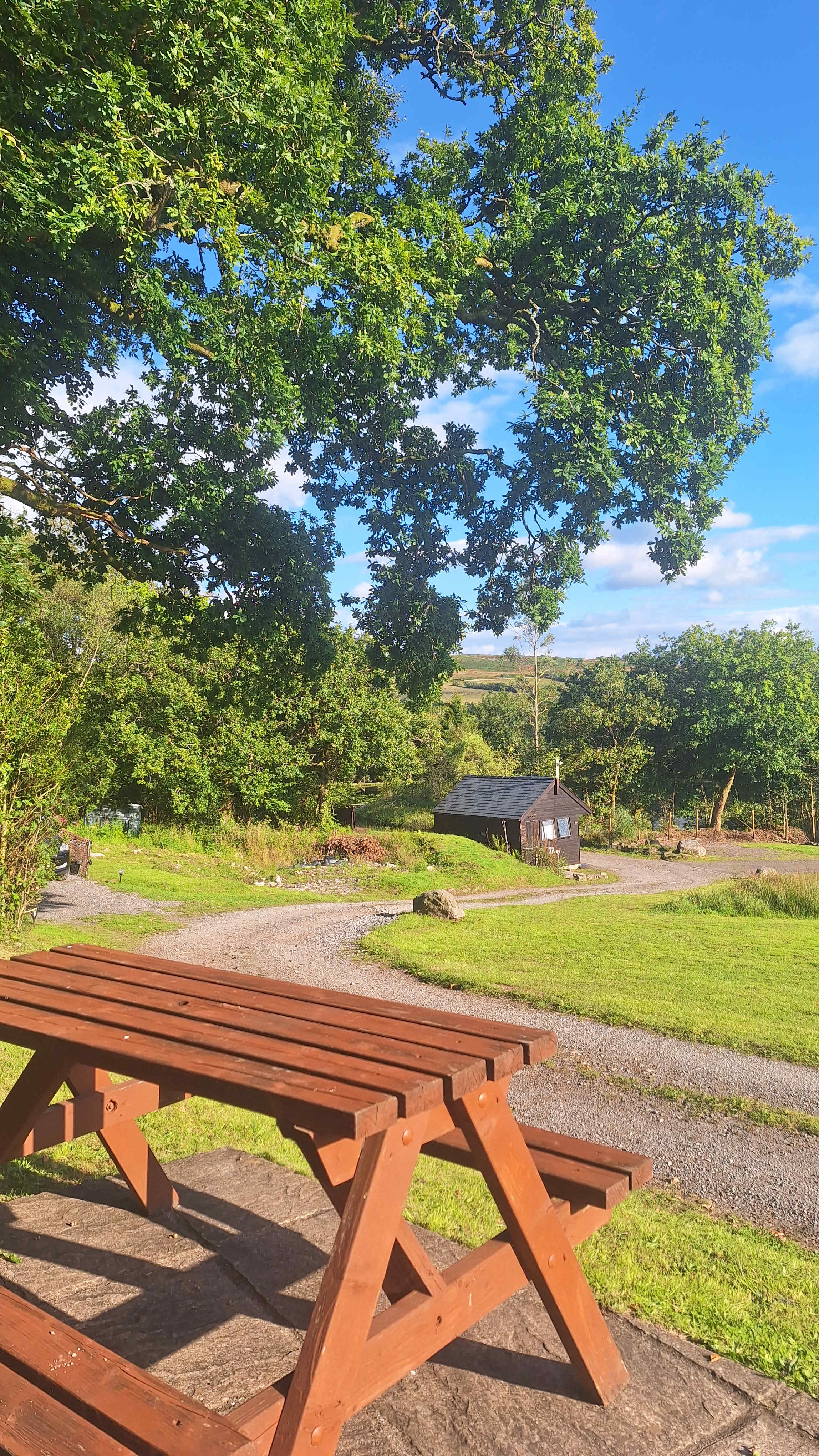
N
Nuria
August 2025
With kids
Beautiful camping, it's quiet and peaceful.
Facilities are good and the cabin where we stayed was great!
See more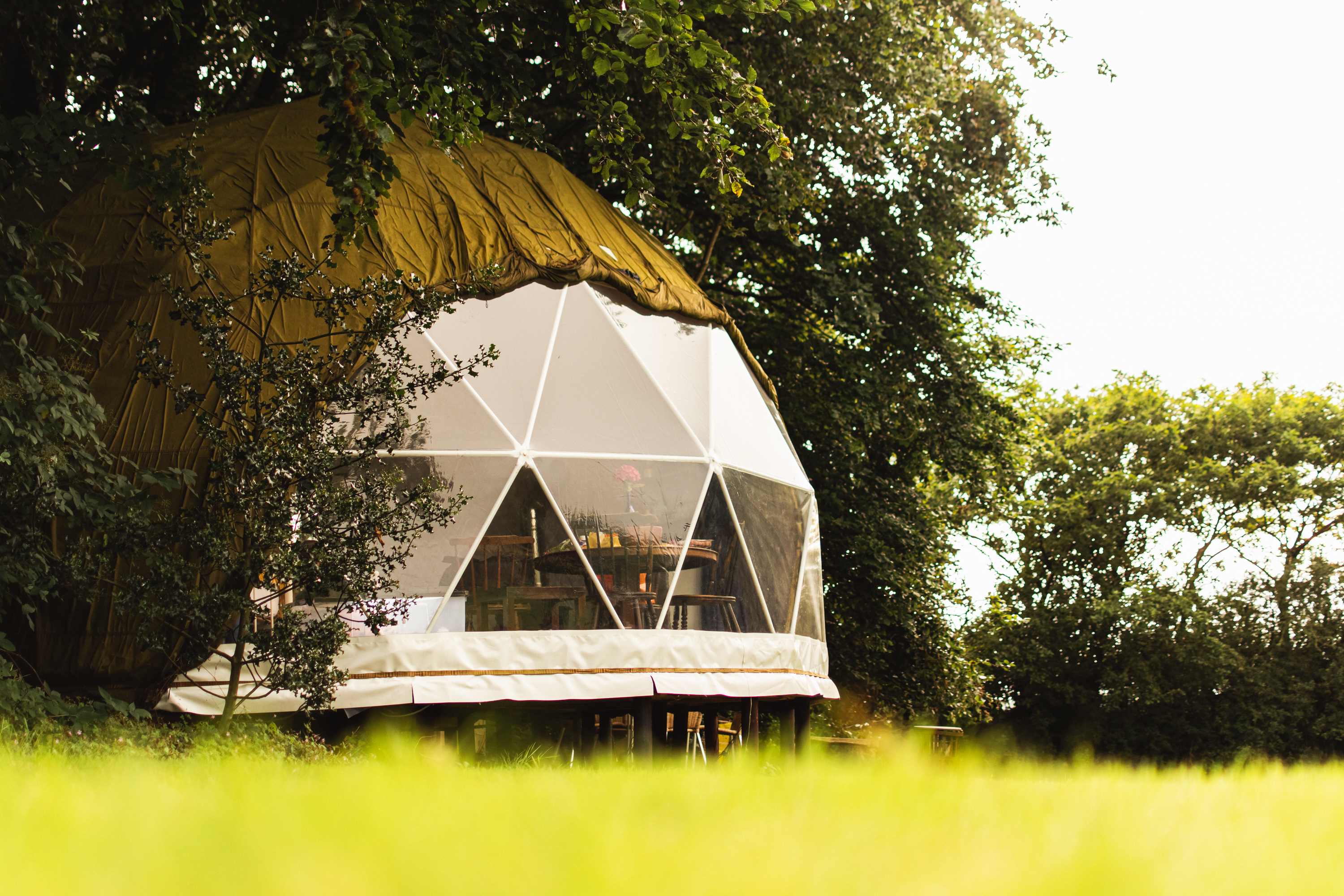
M
Margareth
August 2025
3 nights at Camp Couture
Really nice place. Quite place with nice and sweet animals. Very comfortabel tent and communial Kitchen. Near barnstaple ( 20 min)
See more
F
Felicity
July 2025
Weekend Trip to Willow Valley Holiday Park
We had a lovely stay in the school bus! It was surprisingly roomy and very well equipped. Hosts were very welcoming on arrival and always about should we have needed help during our stay. The campsite itself was lovely and quiet, the facilities very clean and well maintained and a useful little shop should you need something! Would definitely recommend this stay to others - thank you!
See more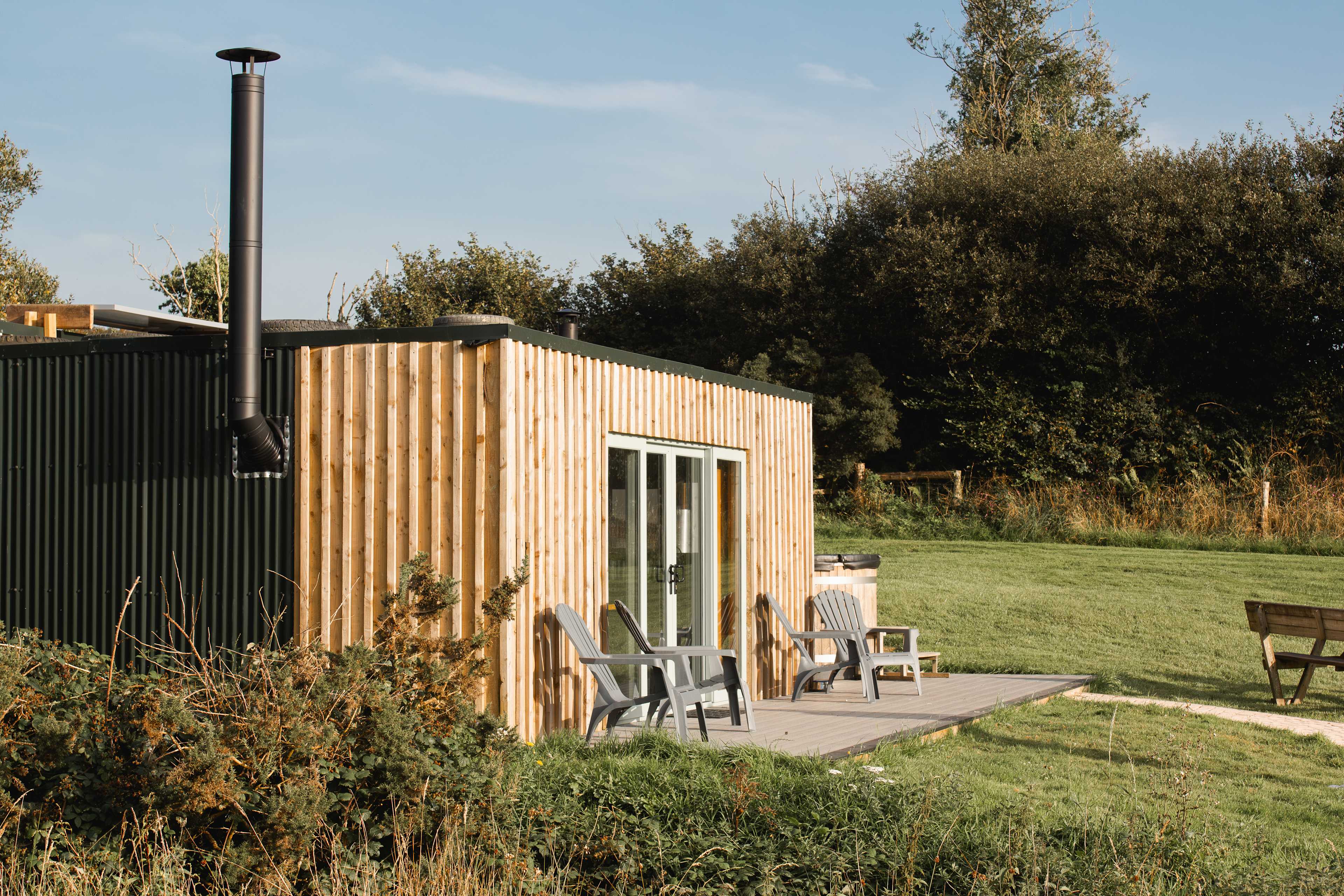
R
Rhys
July 2025
Group trip
Good host, beautiful views, well thought out campsite in a good location. Any issues were solved very quickly and we had an amazing time! Loved the hot tub
See more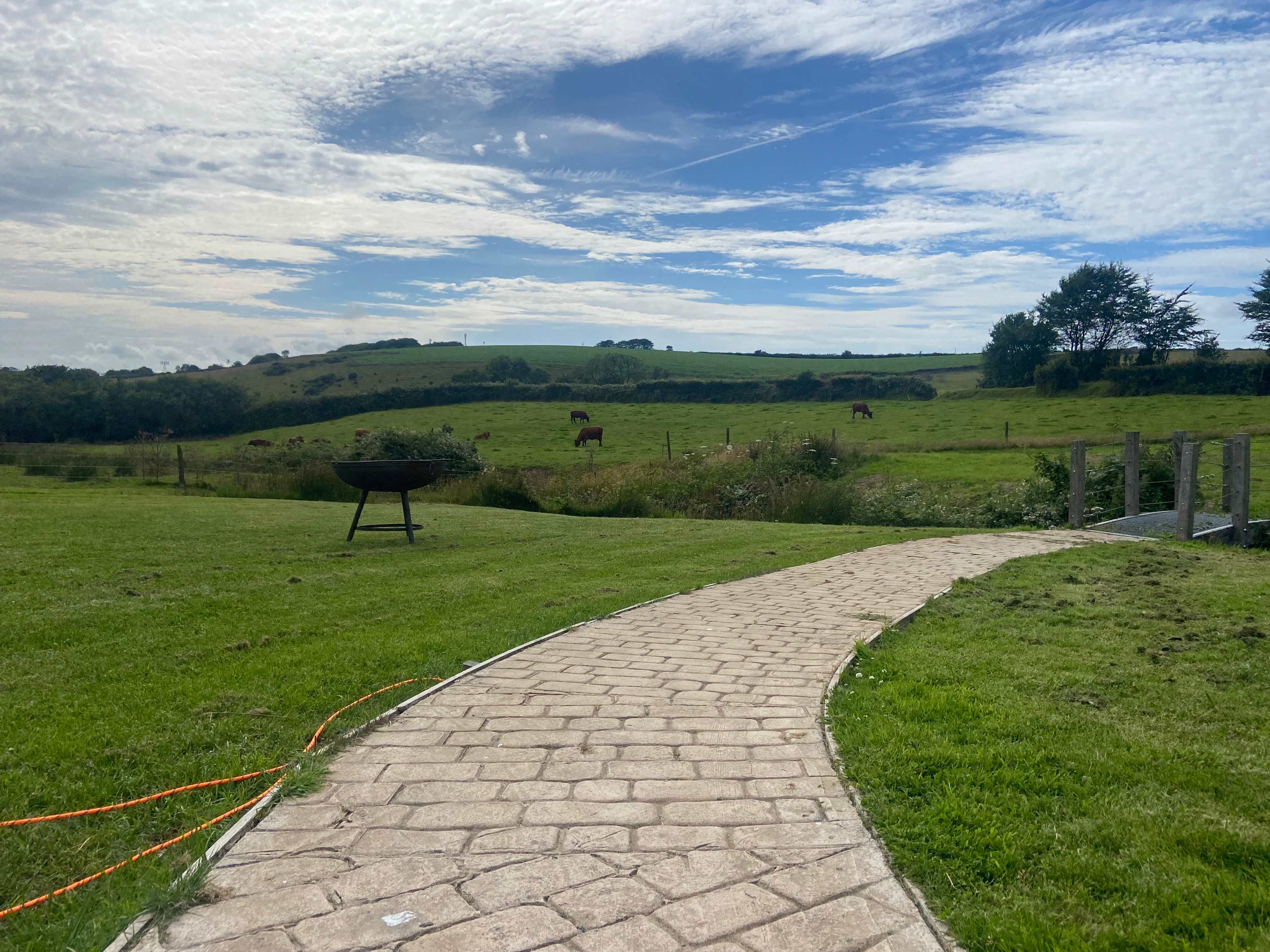
L
Lauren
July 2025
With kids
Gorgeous cabin with rolling countryside views.
Private area with large garden.
Hot tub and sauna are a big plus.
Farm is quiet and very close to all North Devon has to offer.
Accommodation is actually very spacious. 4 fit easily in each room.
Highly recommended. We had a fabulous weekend, I could’ve stayed longer.
See more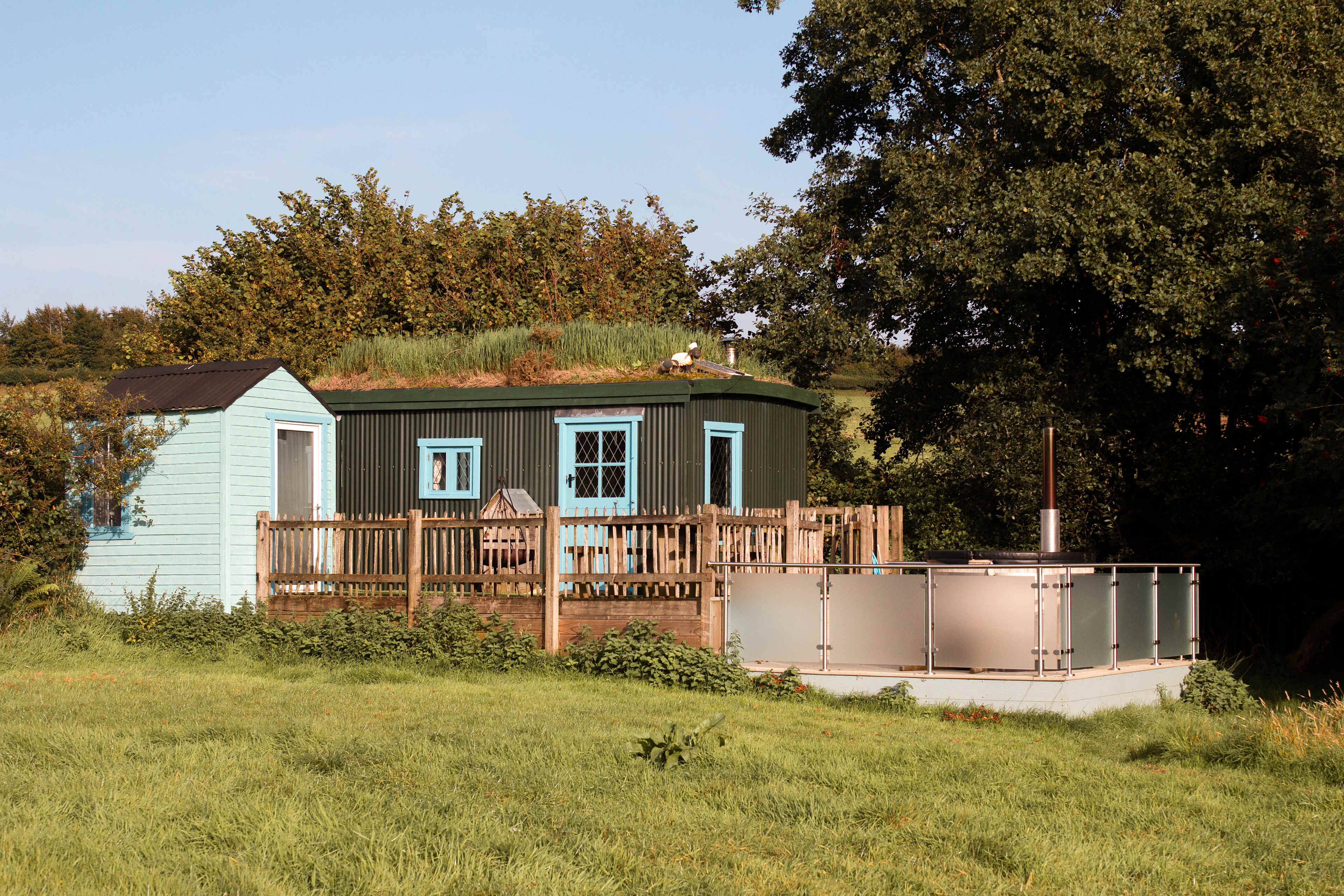
A
Alice
June 2025
With kids
We had a lovely time at the farm, 2 adults and 2 kids staying at the Drover's hut. Nicky was super lovely and even showed our boys around the chicken coops. The beds were comfy and the hot tub was great too.
See more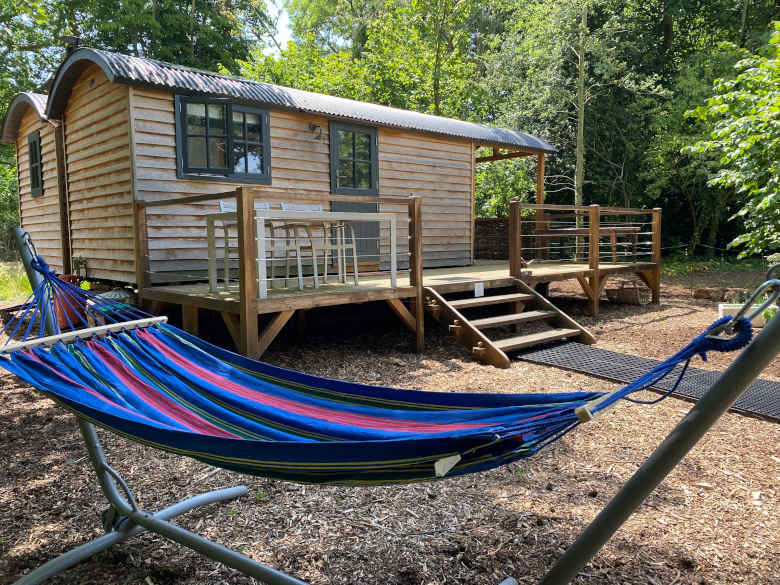
L
Louise
June 2025
Weekend Trip to Jordans Estate Glamping
Beautiful setting, wonderfully equipped double hut. We had a wonderful weekend away celebrating our wedding anniversary and would highly recommend this accomodation. Loved the hot tub and the outdoor shower.
See more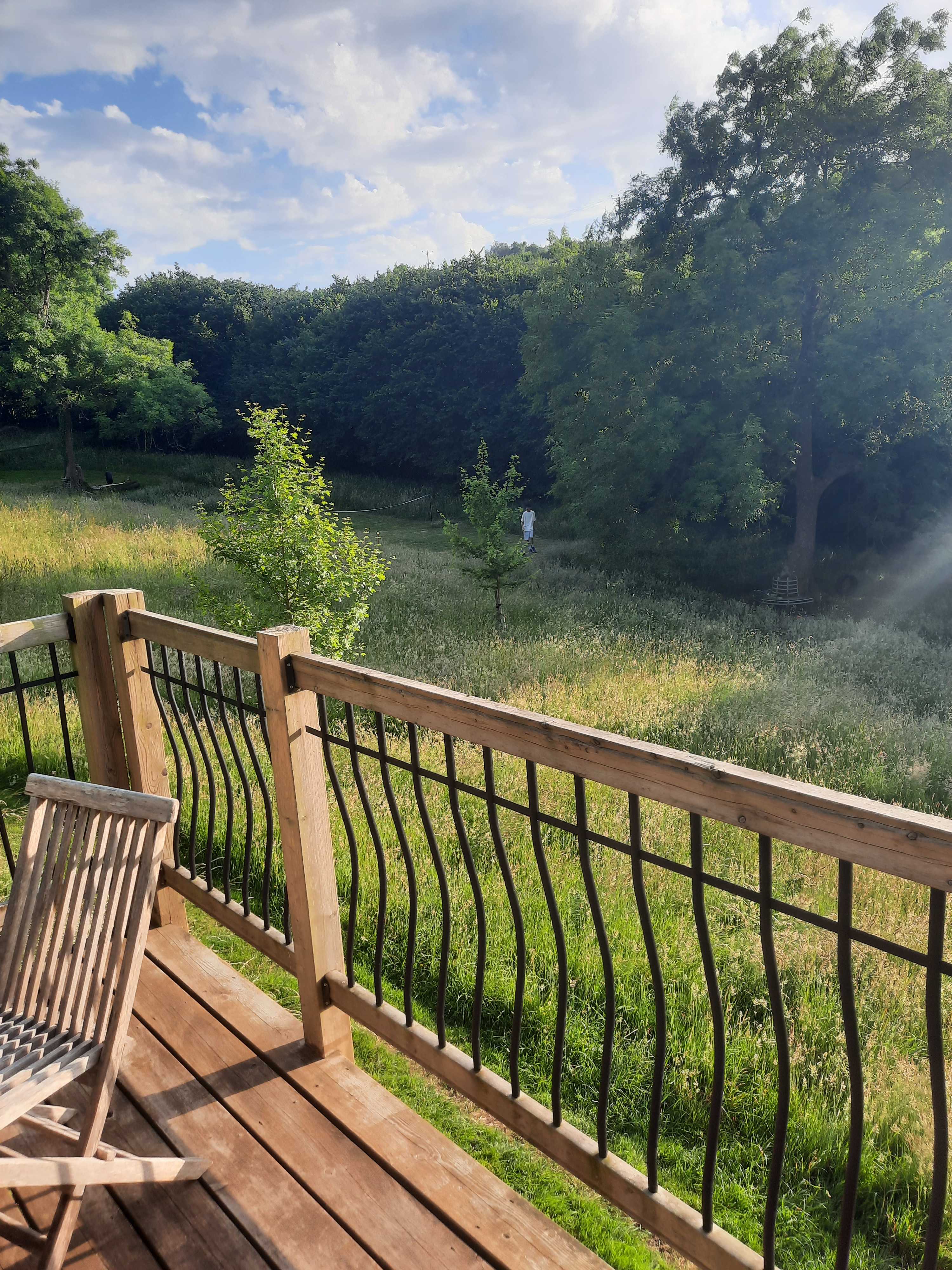
R
Richard
June 2025
With kids
It exceeded our expectations. Lovely comfort bed in a beautiful secluded location with walks all around.
See more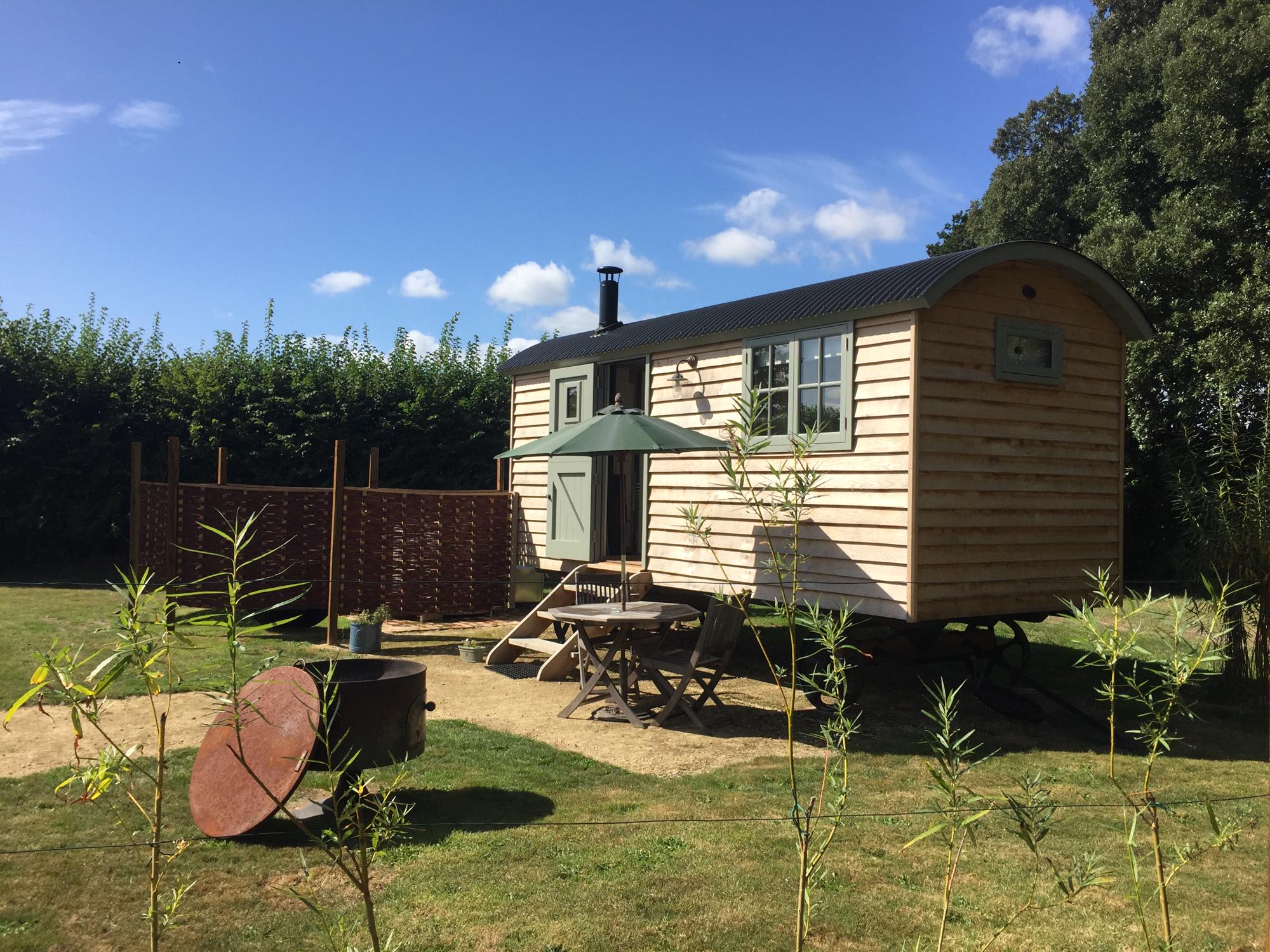
J
Jimi
June 2025
Weekend Trip to Jordans Estate Glamping
Beautiful hut and surroundings with very helpful owners. 100% recommended
See more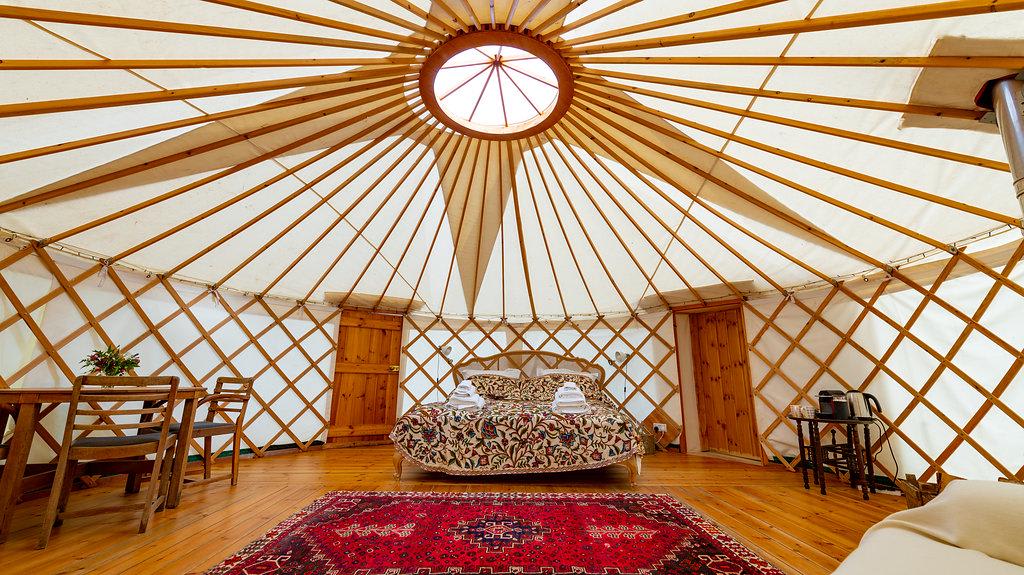
L
Lucy
June 2025
With kids
Walnut farm is a very special place. We had the best time staying in Russet yurt - it is extremely comfortable, spacious, private, luxurious, and perfectly kitted out. We couldn’t have asked for more. We loved it all and hope to be back again one day.
See moreJ
Jamie
June 2025
Weekend Trip to Jordans Estate Glamping
Stunning little huts, super well designed and crafted to a level of quality rarely seen nowadays. Would very happily stay here for a month!
See more