- Safari Tent
Safari tents in Exmoor National Park
94% (40) • 32 campsites
Top-rated campgrounds in Exmoor National Park
Deer Barn Retreats
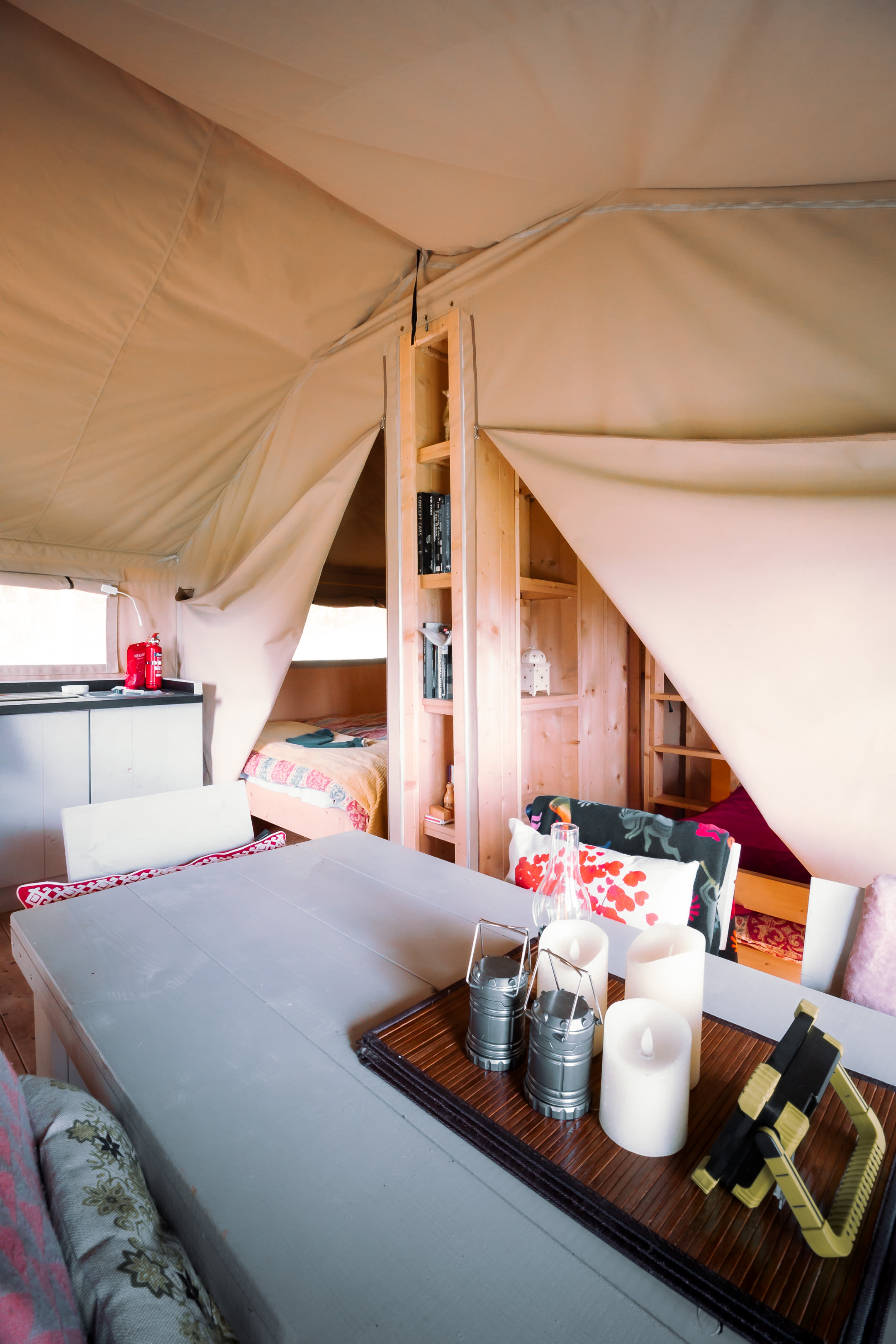
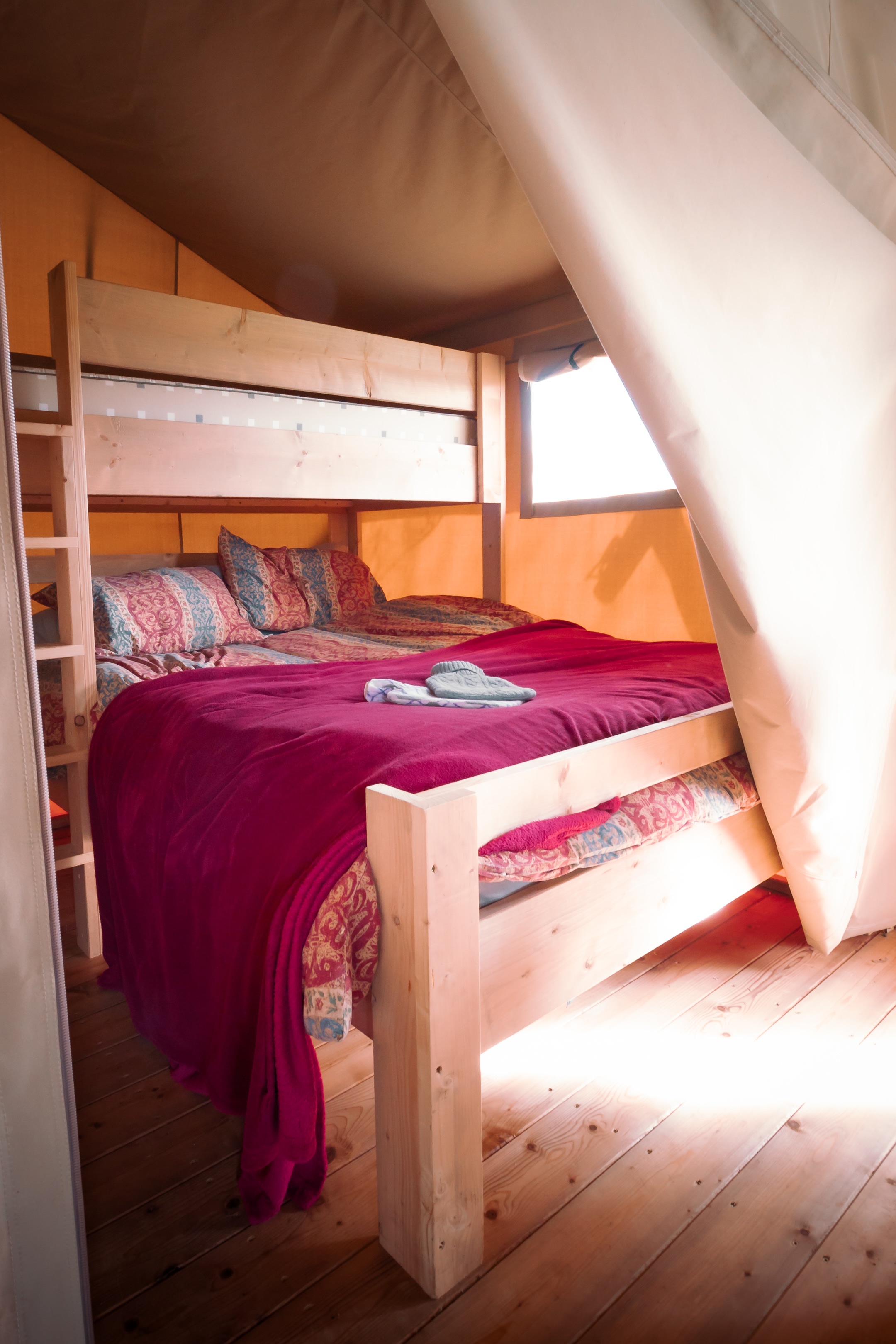
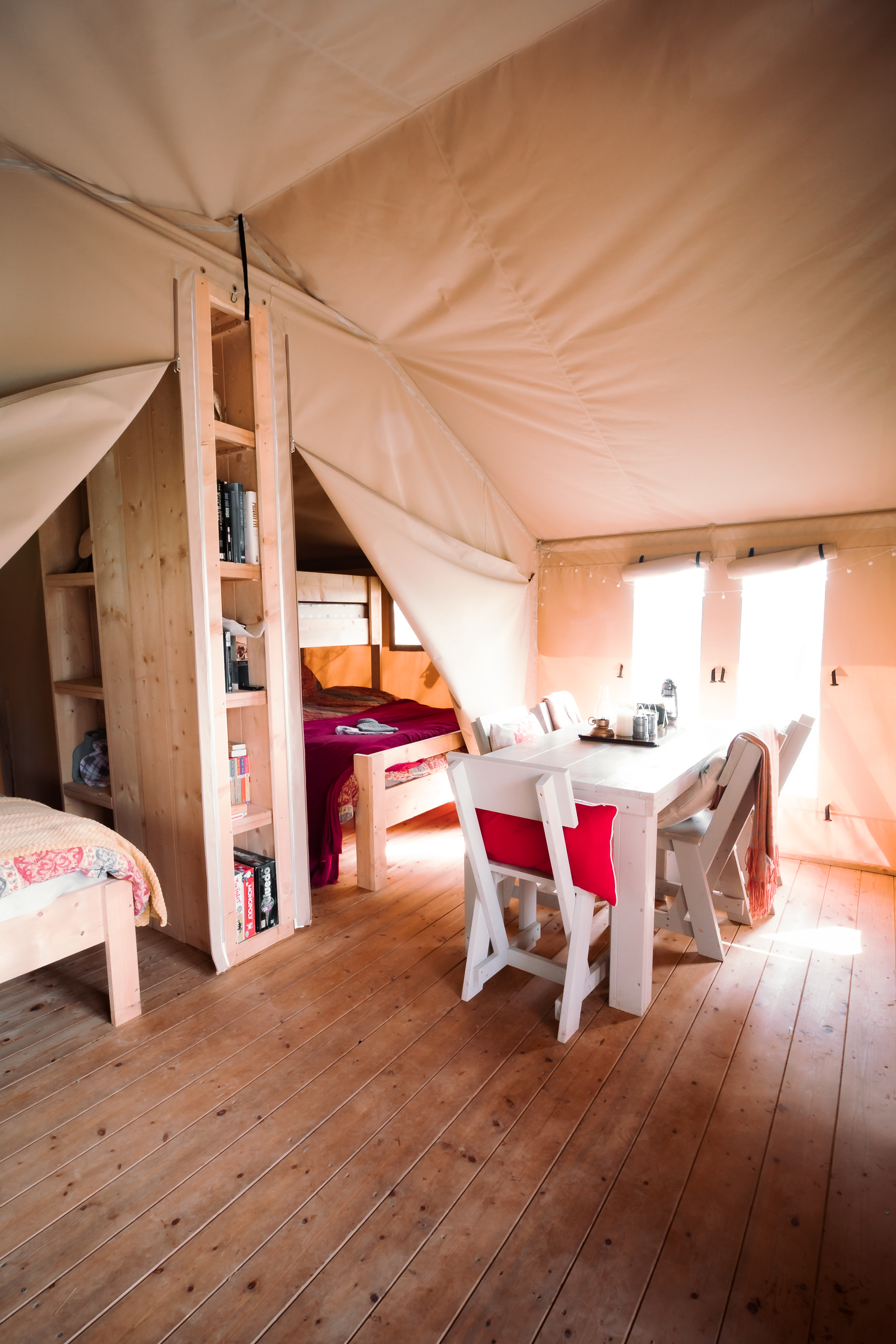
1. Deer Barn Retreats
94%
(33)
Taunton, England · 3 units
Dog-friendly glamping on the Somerset-Devon border
Pets
Showers
Campfires
Rocombe Valley Retreat
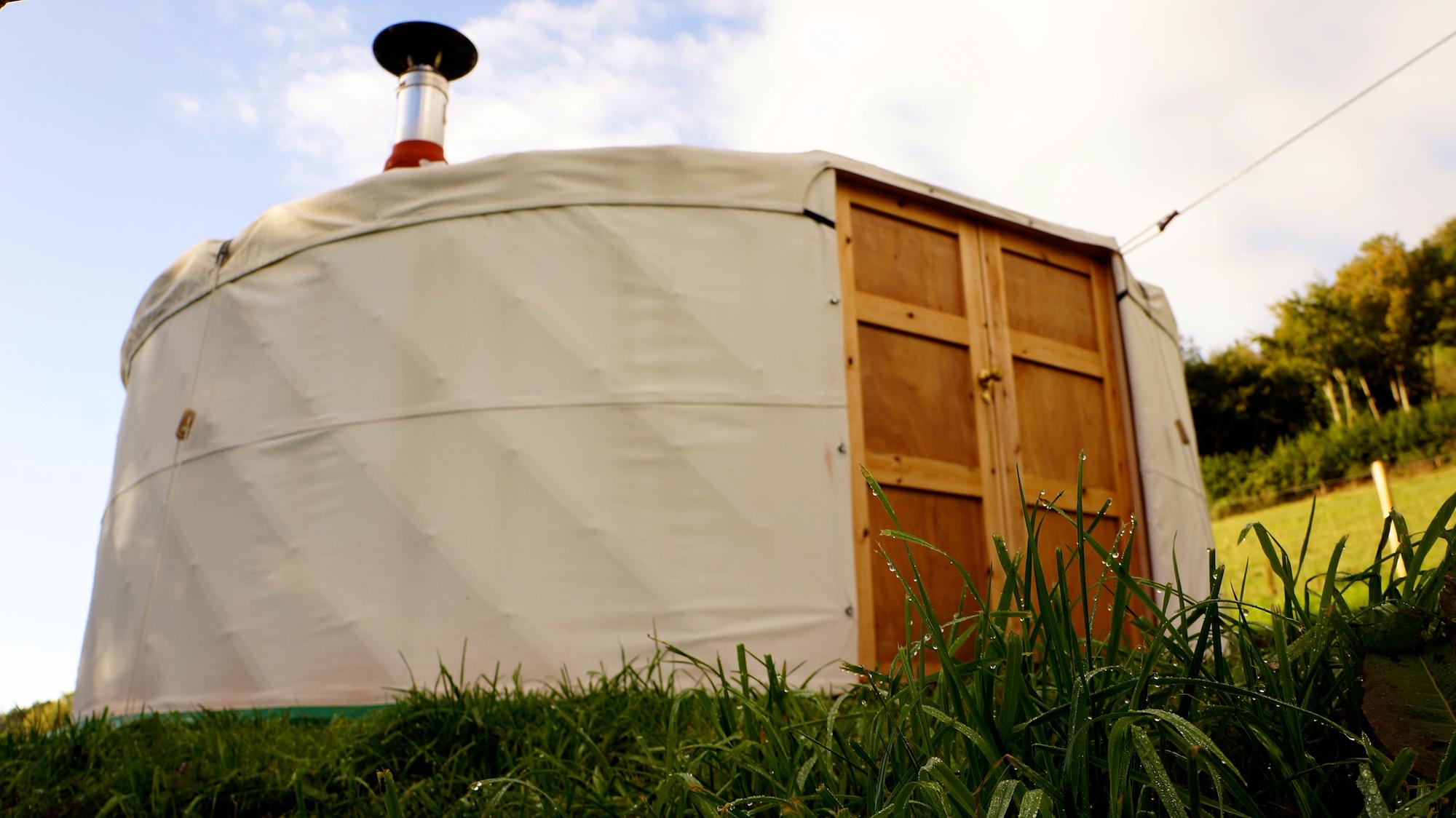
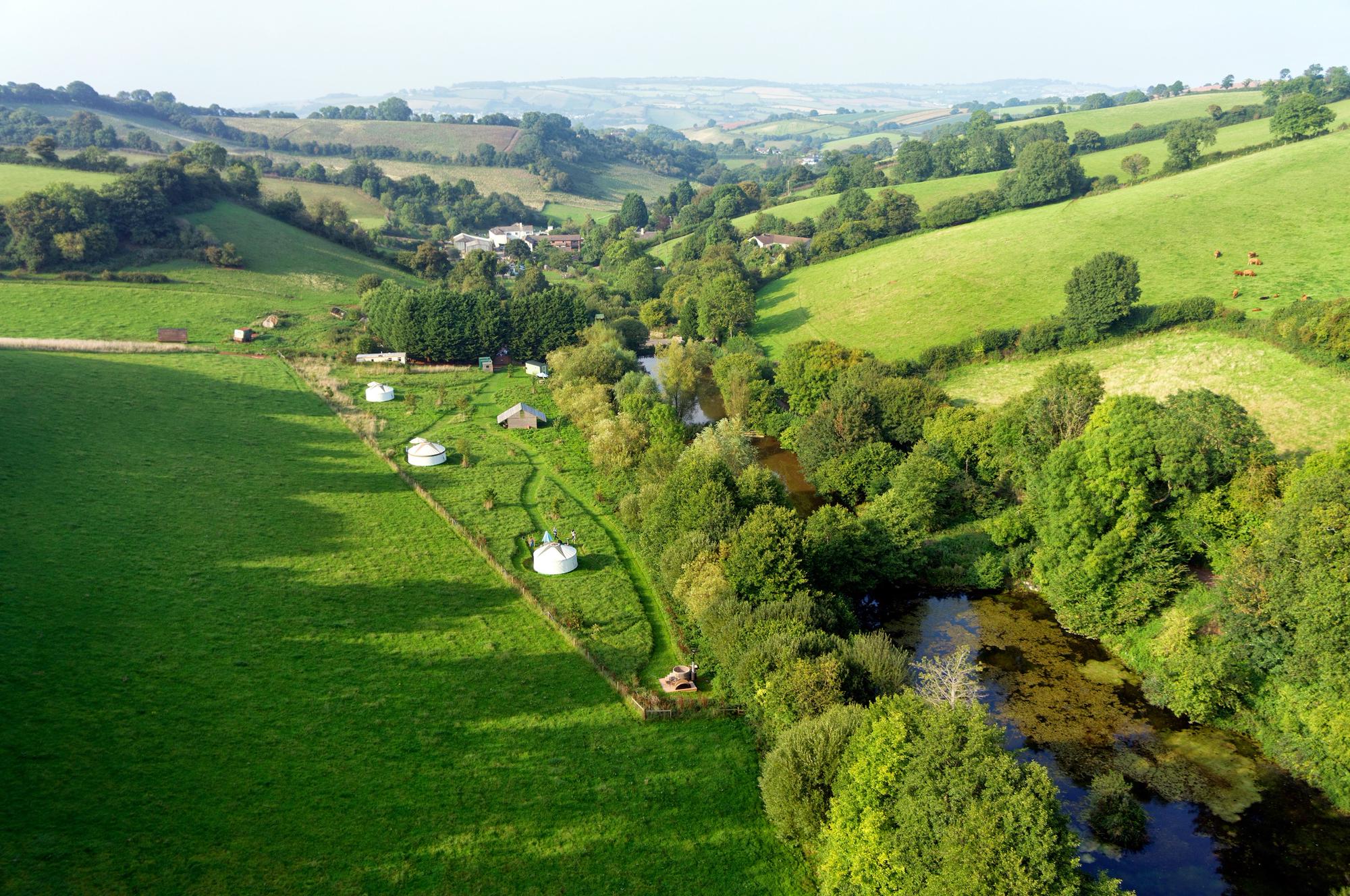
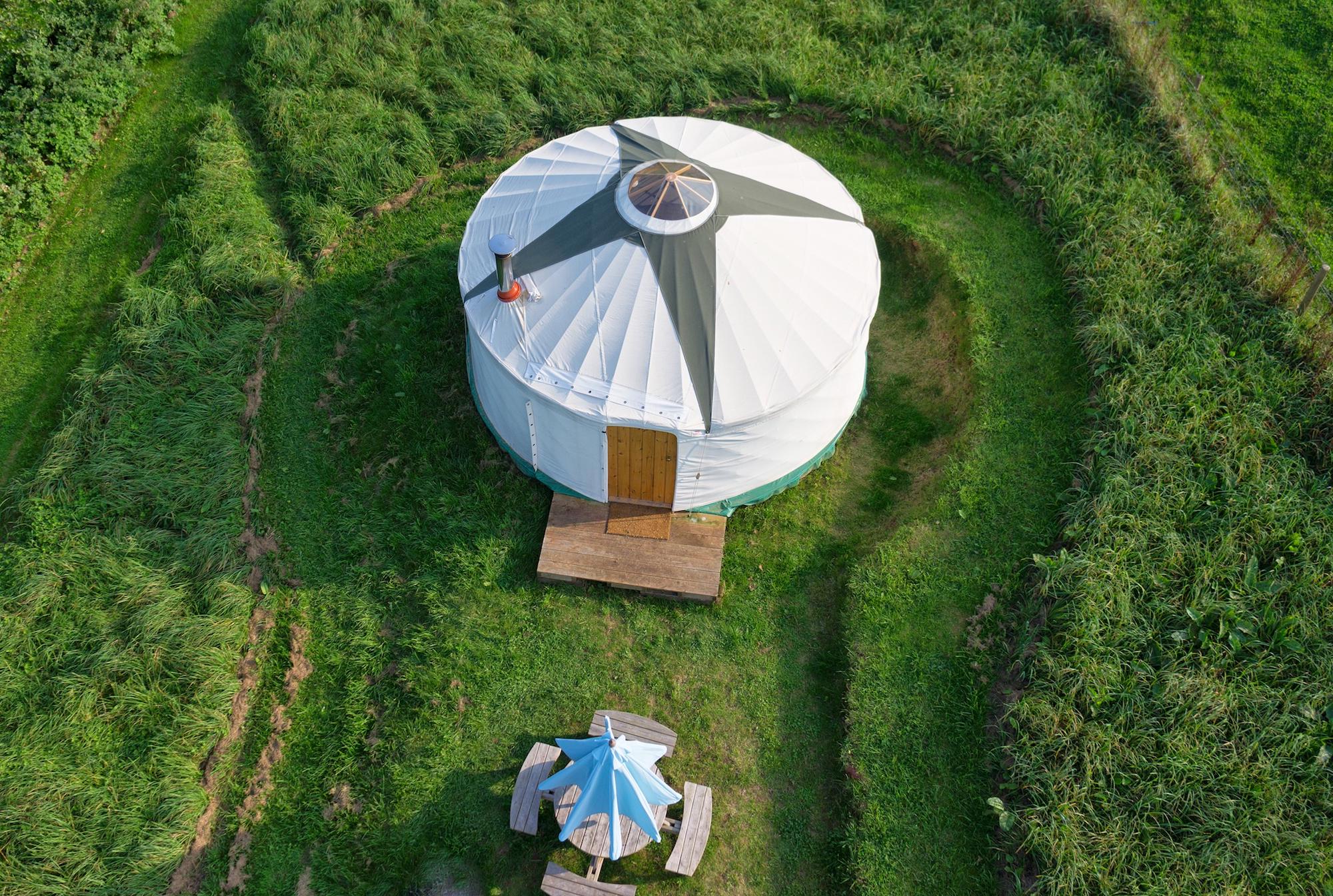
2. Rocombe Valley Retreat
97%
(17)
Lower Rocombe, England · 5 units
Glamping near the English Riviera, with wood-fired hot tubs and coarse fishing lakes
Showers
Campfires
Hot Tub
Woodford Farm
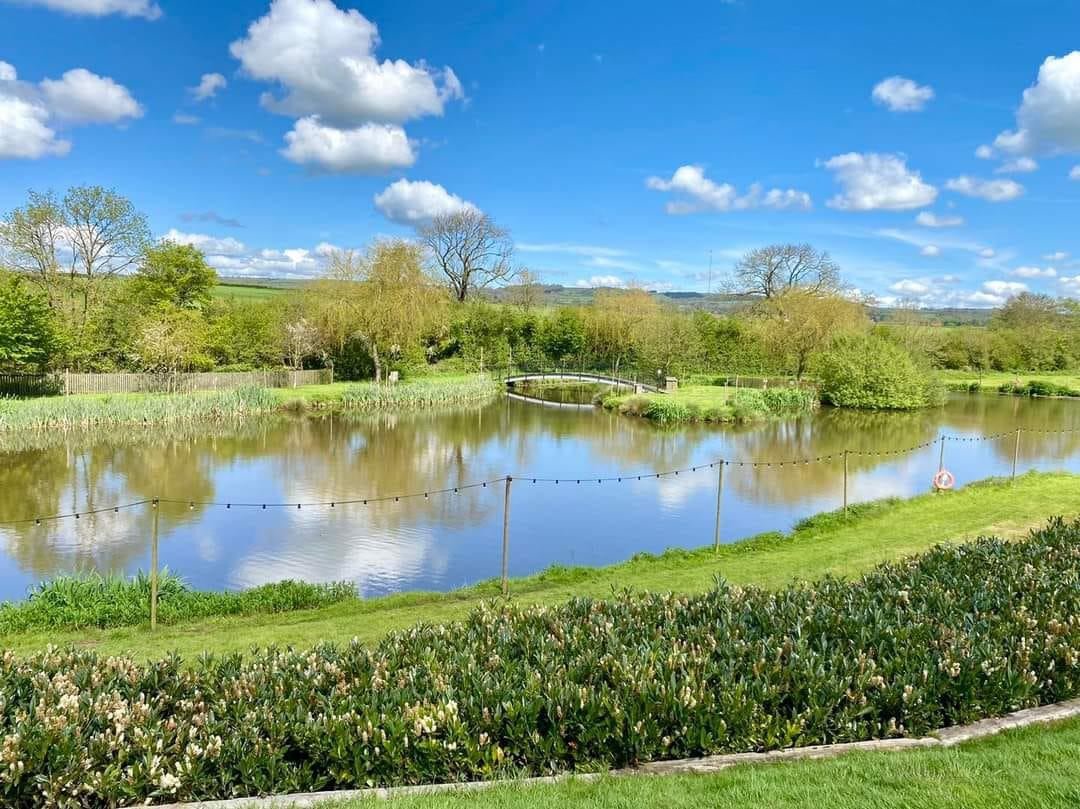
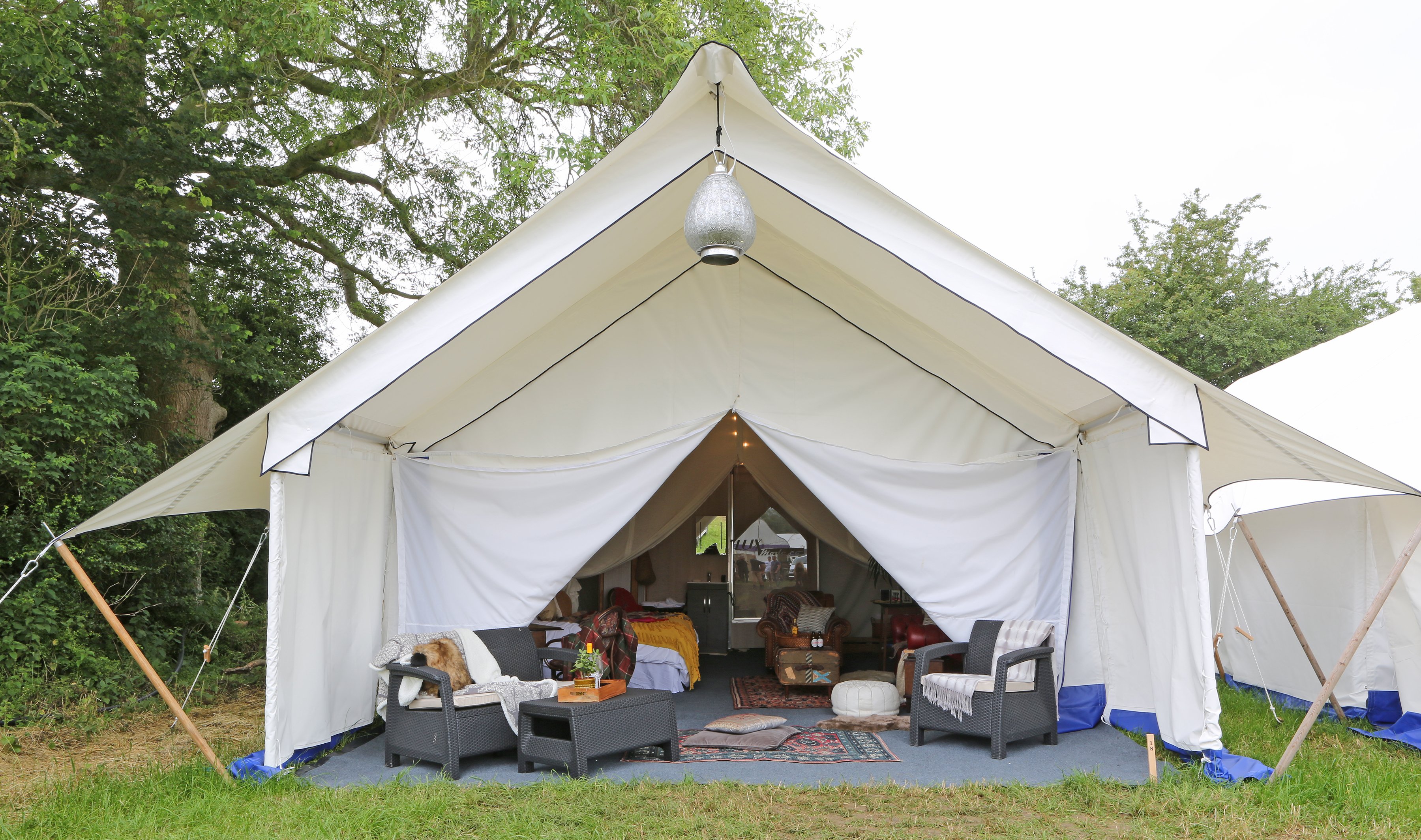
3. Woodford Farm
Wells, England · 4 units
Escape to nature in style at Woodford Farm!
Discover the charm of countryside luxury at Woodford Farm - a family-run retreat set across 35 acres of breathtaking Somerset landscape. With panoramic views, a tranquil lake, and the gentle sounds of nature, this is glamping at its finest.
Just a 15-minute scenic walk through the fields takes you to the historic city of Wells. Iconic destinations like Glastonbury, Wookey Hole, and Cheddar Gorge are all within a short drive, making Woodford Farm the perfect base for adventure or relaxation.
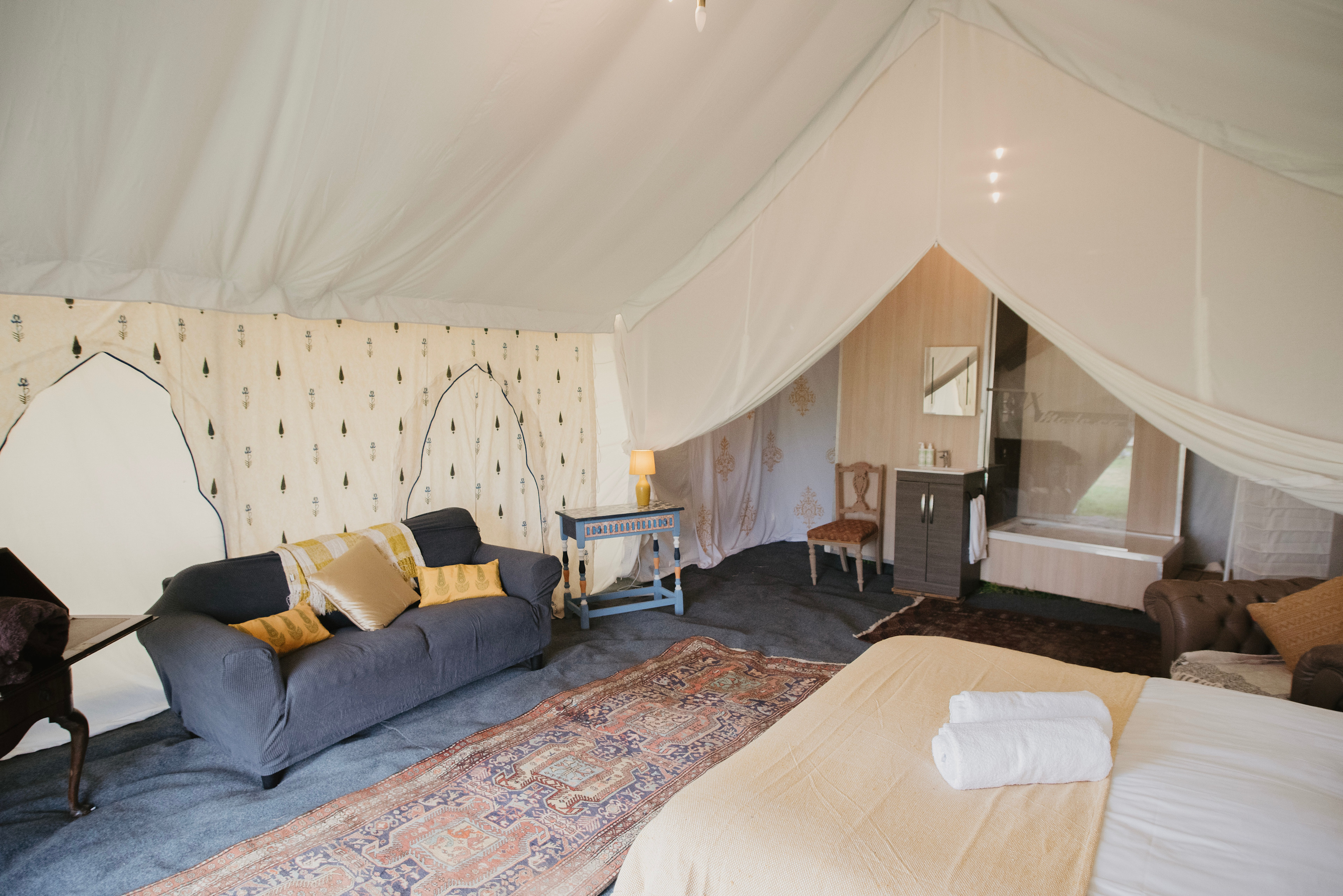
Stay in one of our beautifully appointed Safari Tents, complete with en-suite bathrooms, and experience the magic of the outdoors without sacrificing comfort. Whether you're seeking peace, proximity to nature, or a unique getaway, glamping at Woodford Farm offers it all - with a touch of luxury.
Showers
Potable water
Lower Keats Glamping
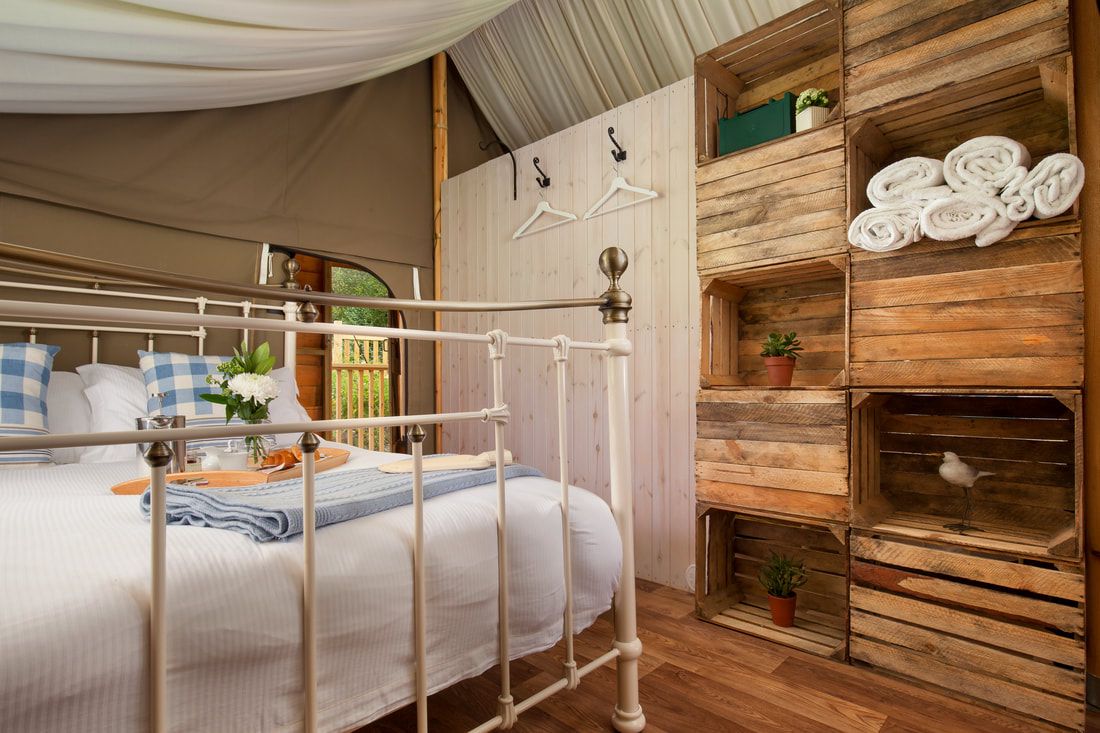
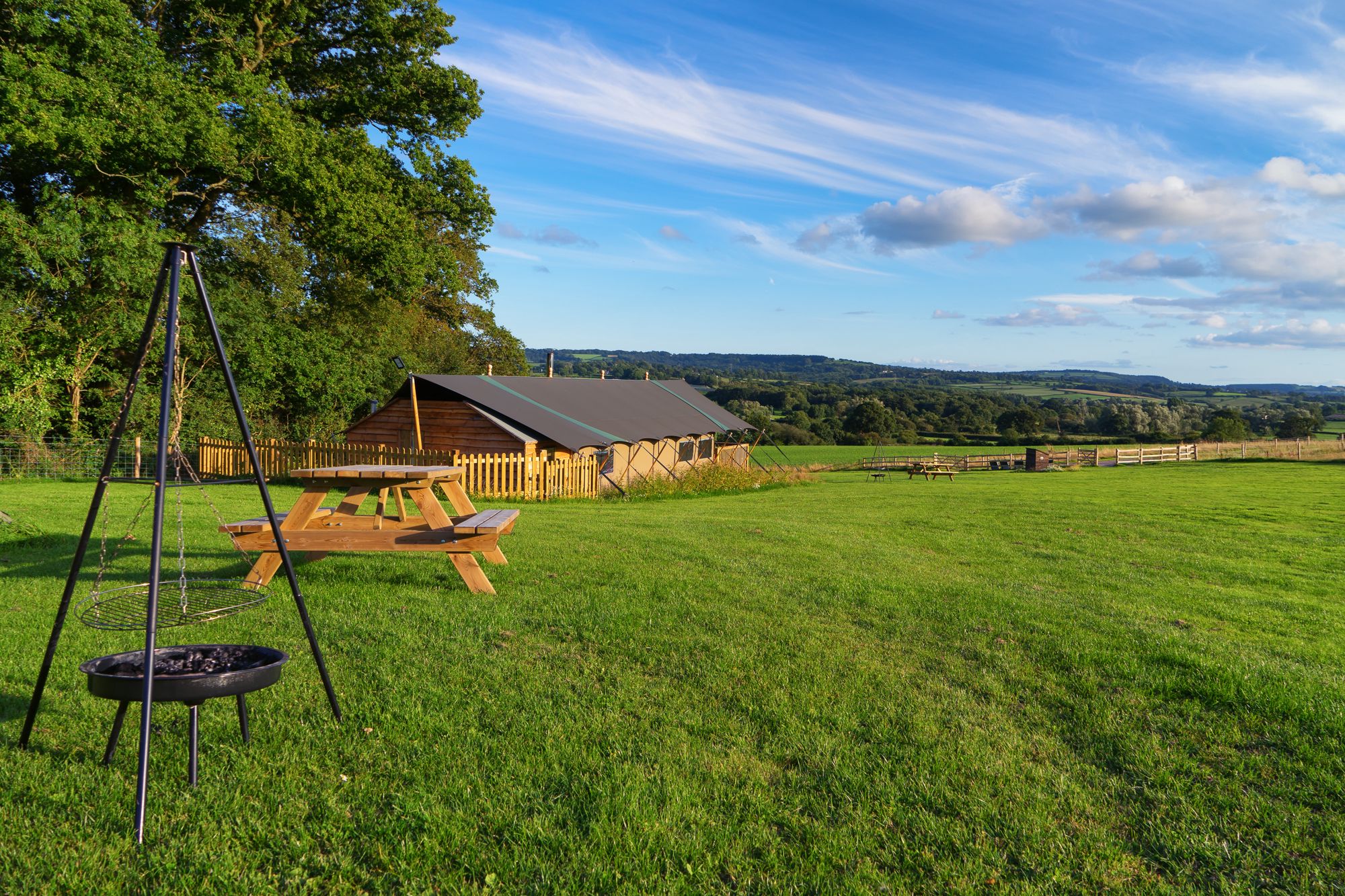
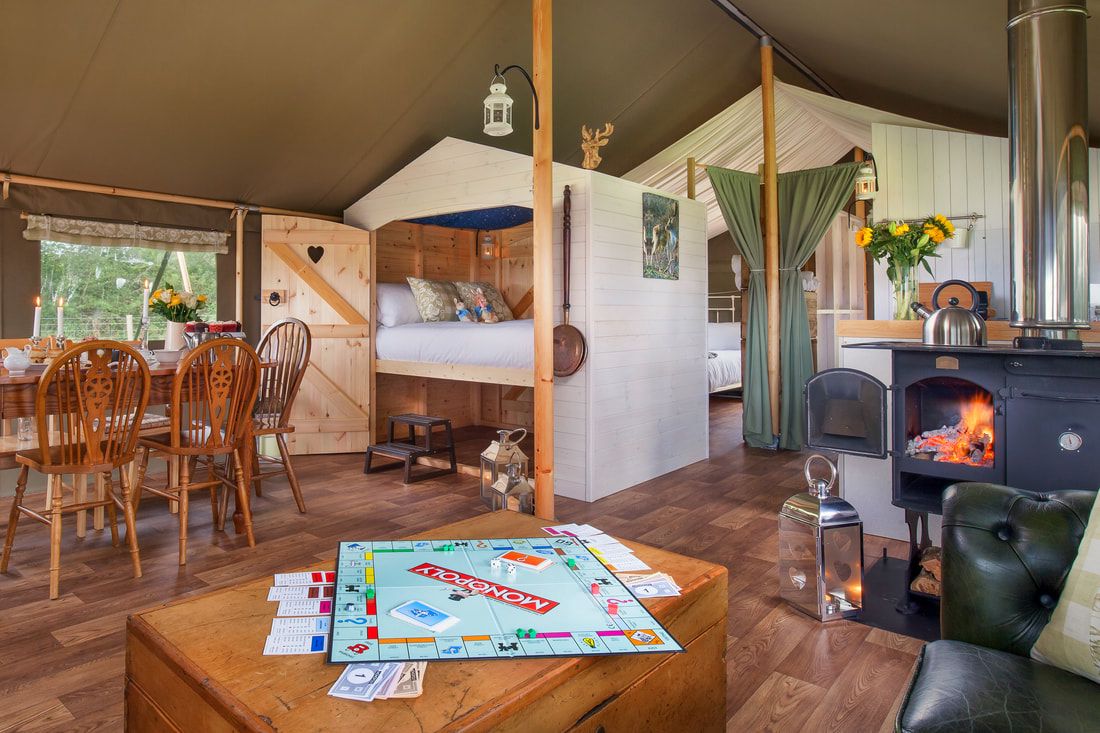
4. Lower Keats Glamping
Tytherleigh, England · 6 units
Luxury safari lodges in a prime Axe Valley locale, with the best of the West Country and Jurassic Coast to explore
Pets
Showers
Campfires
Recent reviews from the Hipcamp community
P
Paul
August 2025
With pets
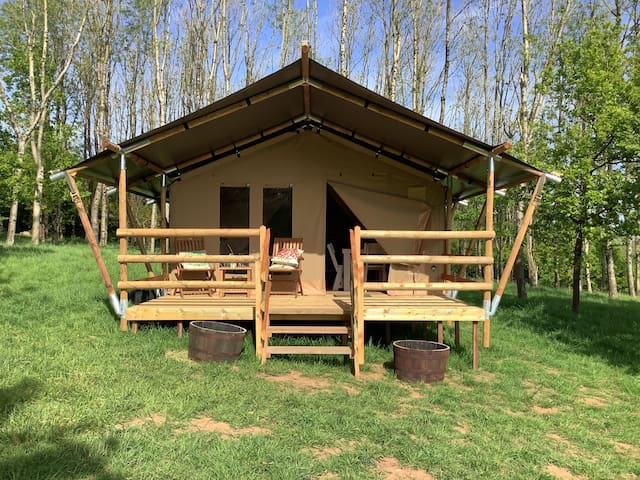
Would highly recommend , we stopped in the safari lodge and had the whole site to our selves kids and dog loved it . lodge was very clean and so was the shower and toilet facilities also has a kitchen what has everything you need if you do forget anything with an honesty box to leave the money in . We was lucky to have a clear night so seeing all the stars at night was amazing also spotted deers in the morning. Very pleased with our stay
See more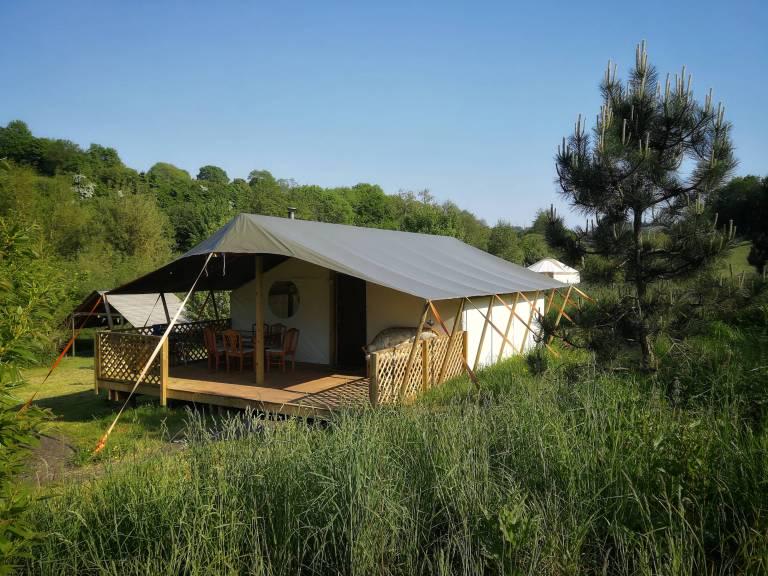

Keith
May 2025
Group trip
We had a wonderful stay at Rocombe Retreat surrounded by a plethora of birds, sheep, cattle and the luling of running water into the lake.
Eliott was very helpful,-not only with practical advice on site but was also able to sign post us to local attractions. The farmer (sorry we forgot his name).was very accommodating and gave us a snapshot of his daily life.
We were very fortunate to see the weighing in from the fishing competition that took place on site. Truly amazing fishermen in the area!
It really felt like home away from home. We will definetley recommend and will visit again.
See moreExmoor National Park camping guide
Tips for snagging a campsite
- Exmoor campsites and caravan sites can book up quickly, especially in July and August, and during school holidays. Tent campers can typically find a spot even at the busiest times, but call ahead to avoid disappointment.
- Wild camping is possible in Exmoor National Park, but you must seek permission from the landowner. If unsure, it’s best to stick to the designated sites.
- Be sure to check seasonal opening and closing dates, which vary by campsite. Many campsites open from March-April through September-October, while others stay open year-round.
When to go
Exmoor weather is notoriously changeable, so pack for all seasons and be prepared for sudden showers and morning fog, even in summer. Camping is best from May through September, but there are heated glampsites and year-round caravan parks for those visiting out of season. Springtime is ideal for wildlife watching, while October is rutting season for the park’s red deer.
Know before you go
- Exmoor National Park is set along the coast of north Devon and west Somerset. It’s about a 30-minute drive from Barnstaple or Taunton. Direct trains from London run to Taunton, a 70-minute journey away.
- Local buses link the towns and villages of Exmoor National Park, but the best way to explore the national park is on foot or by bike.
- There are many small towns and villages dotted throughout the park, where you’ll find small shops, pubs and cafés, and restrooms.
- Exmoor has several accessible trails and attractions, and all-terrain trampers are available to hire at Heddon Valley, Wimbleball Lake, and Dunster Castle.
- Exmoor National Park has free-roaming herds of ponies, so take care when driving throughout the park. Do not try to feed or touch the ponies—these are feral animals and may kick or bite.