Glamping in Dartmoor National Park
97% (810) • 612 campsites
Top-rated glamping sites in Dartmoor National Park
Pittaford Farm
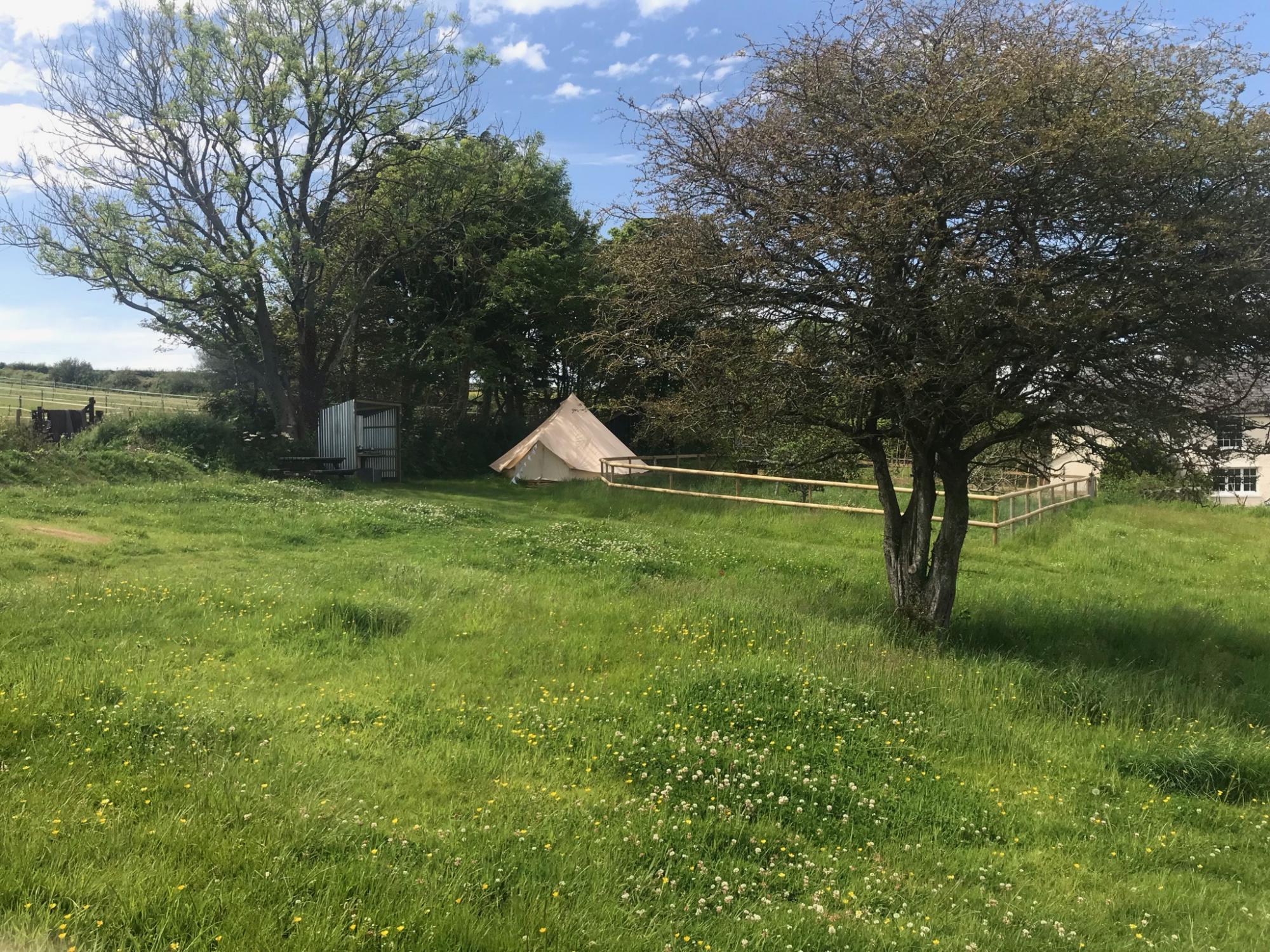
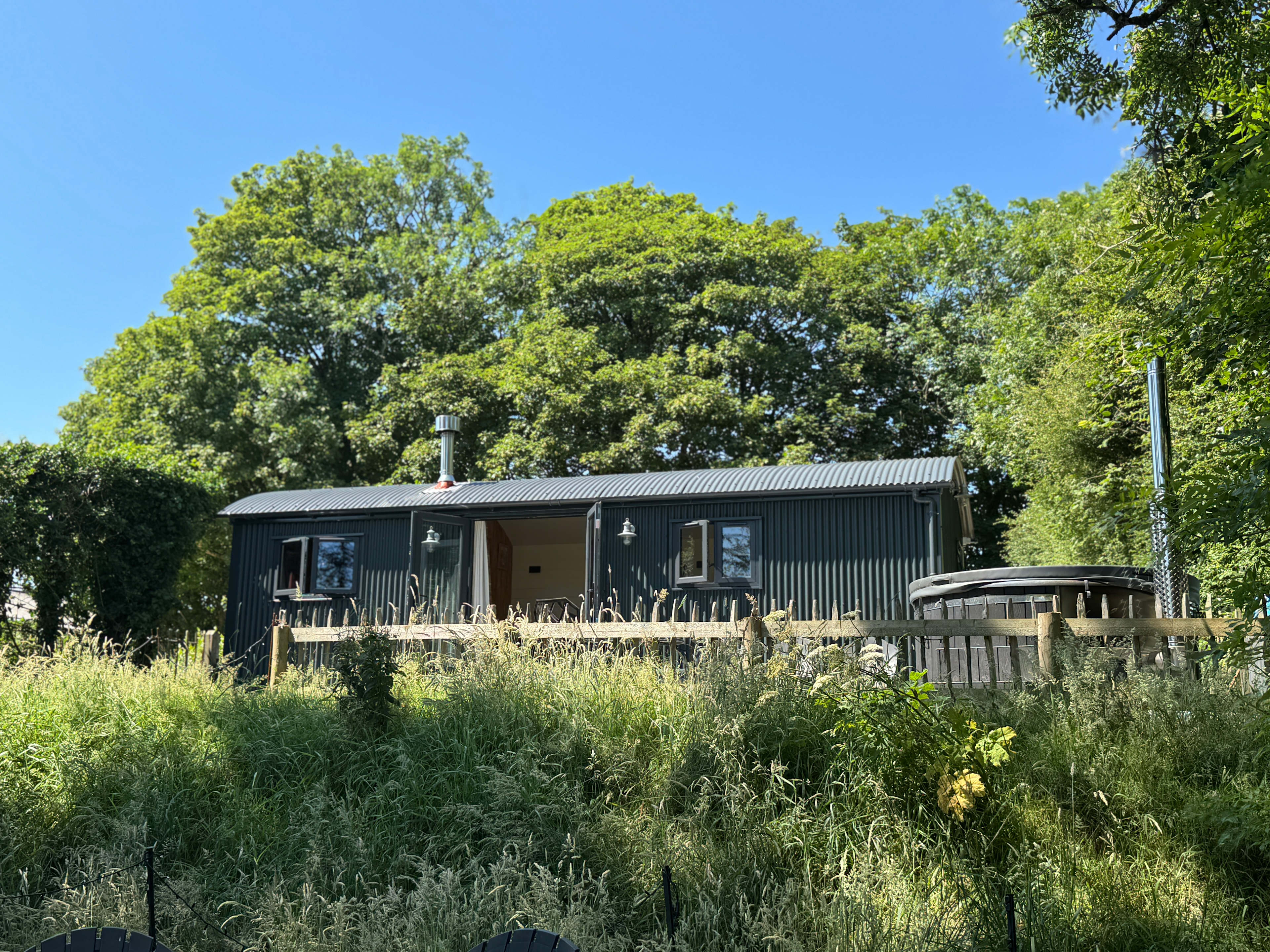
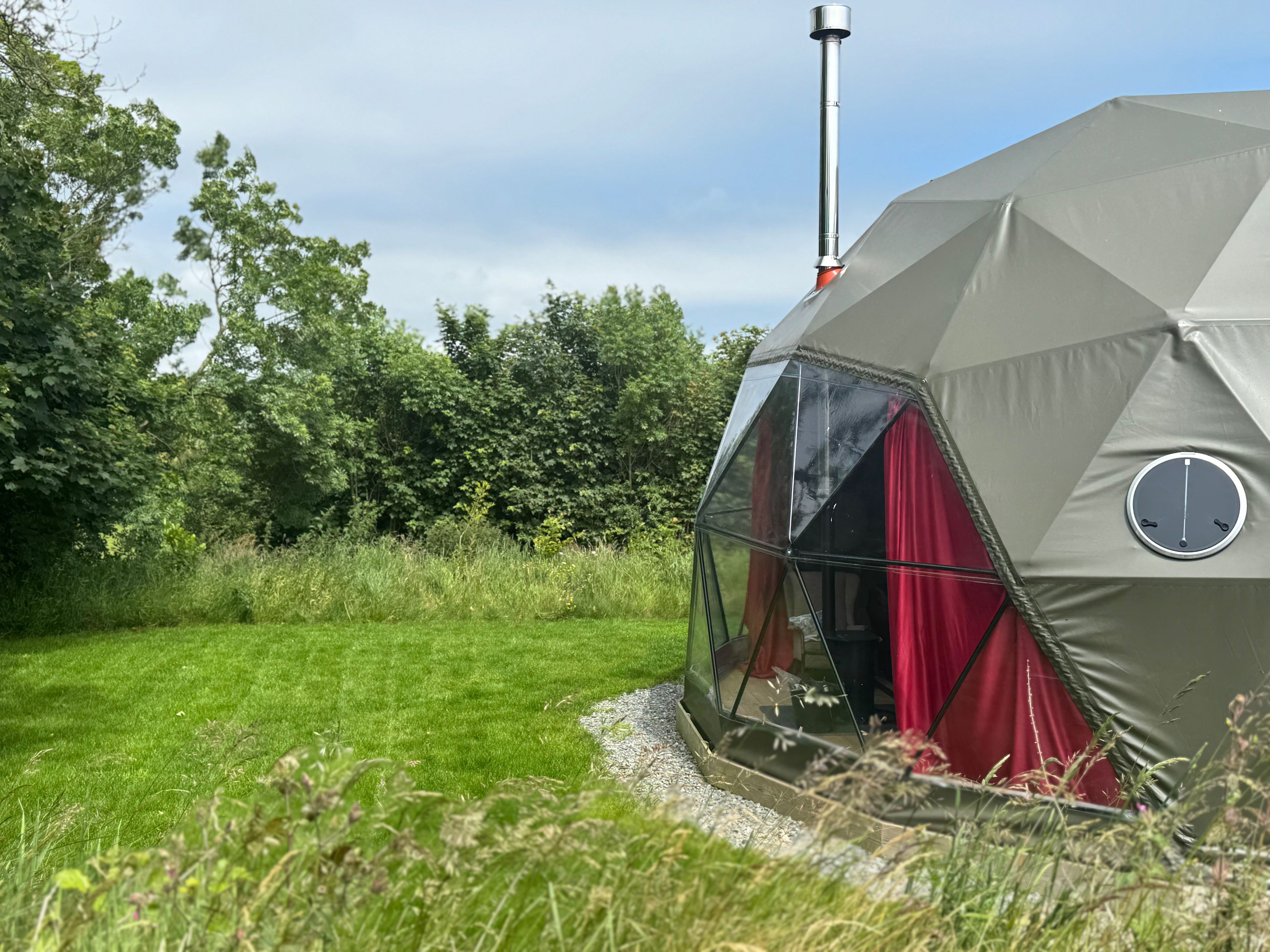
1. Pittaford Farm
99%
(67)
Kingsbridge, England · 15 units · Tents, Motorhomes, Glamping
A campfire-friendly site in South Devon, with a beach, a nature reserve and a pub all less than 45 minutes' walk away
Pets
Showers
Campfires
from
£26
/ night
The Enchanted Wilderness
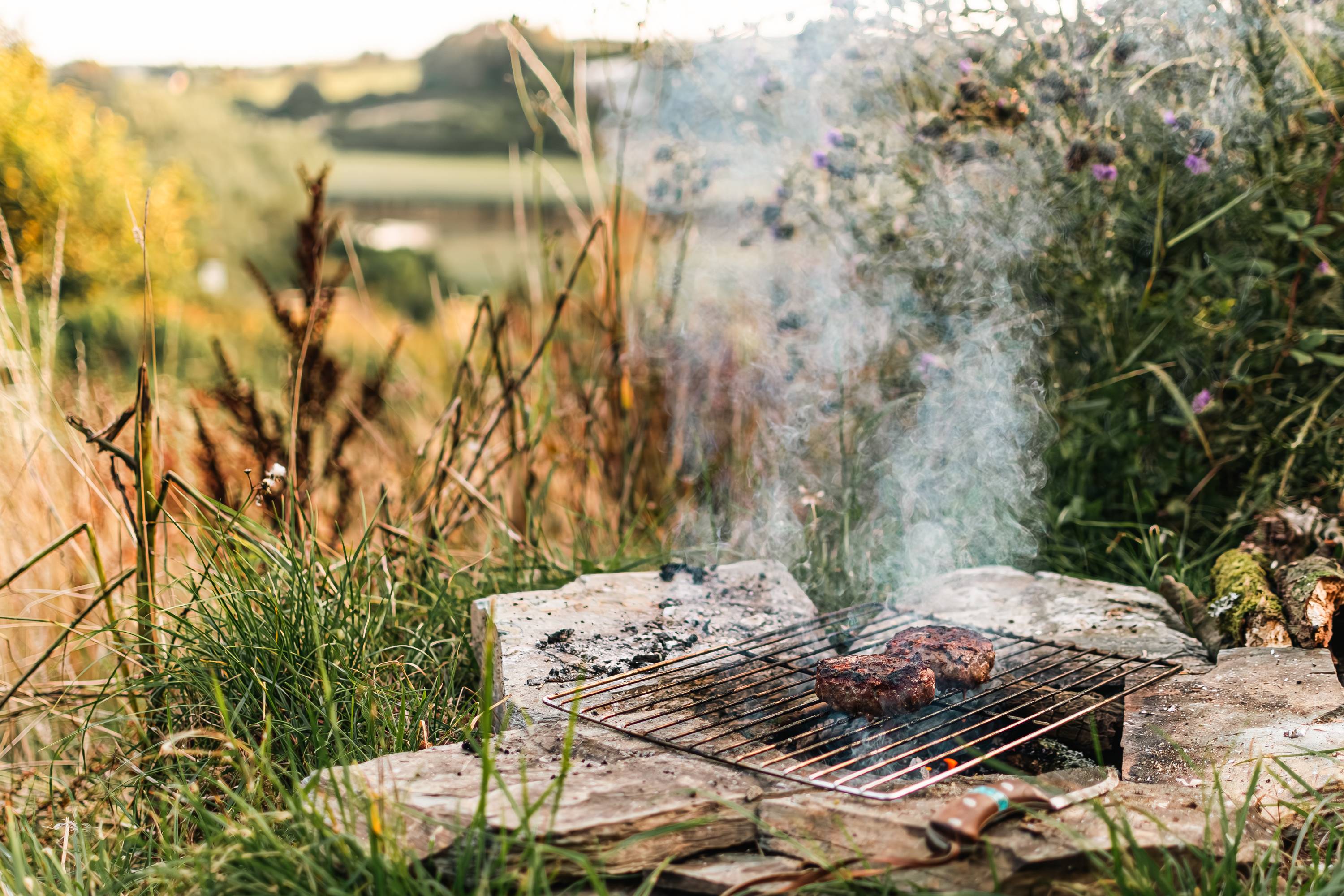
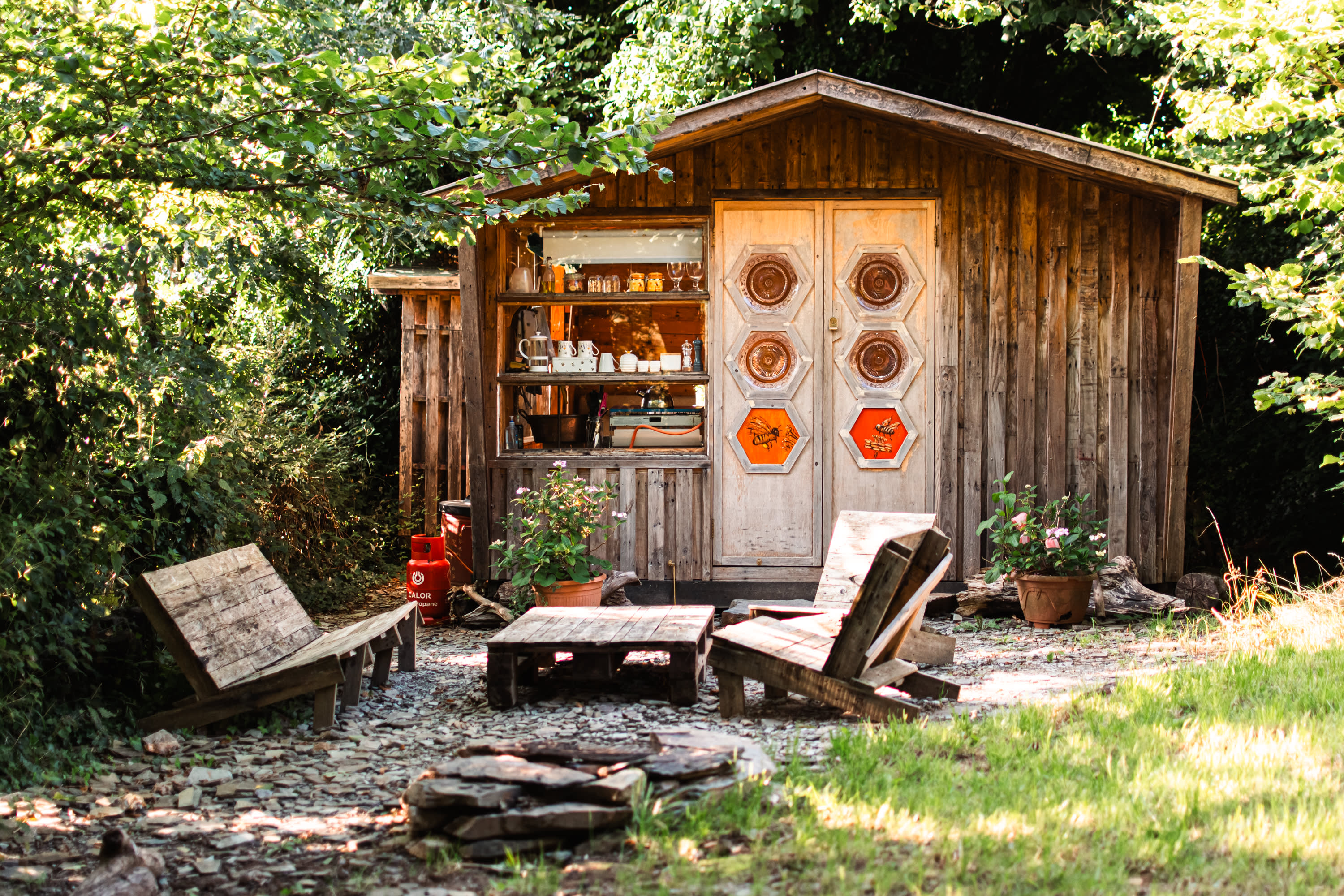
2. The Enchanted Wilderness
93%
(44)
Yelverton, England · 6 units · Tents, Motorhomes, Glamping
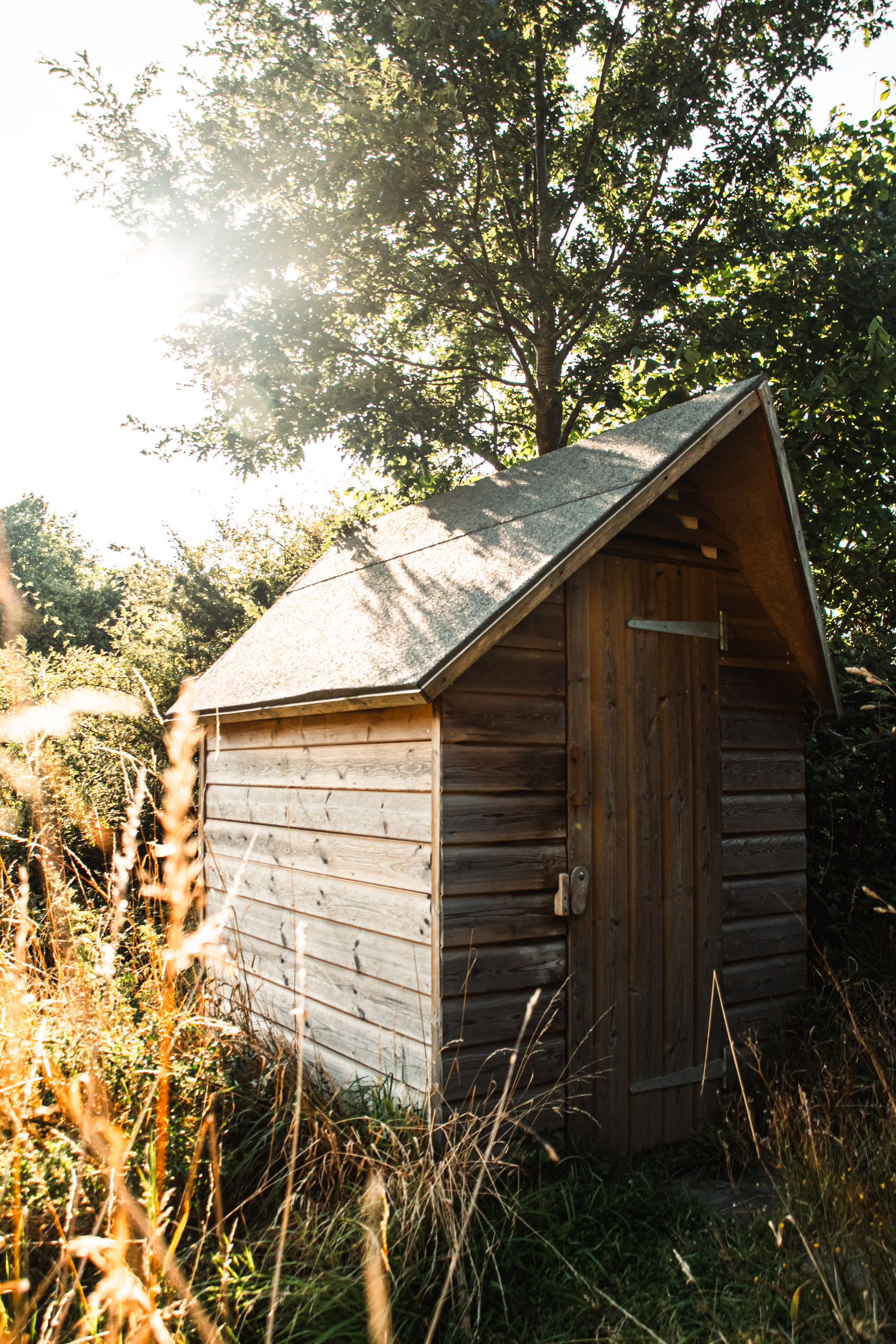
Simple riverside camping pitches in the Tamar Valley on the edge of Dartmoor
Pets
Showers
Campfires
from
£28
/ night
Hobby Farm
3. Hobby Farm
96%
(45)
Whitchurch Canonicorum, England · 15 units · Tents, Motorhomes, Glamping
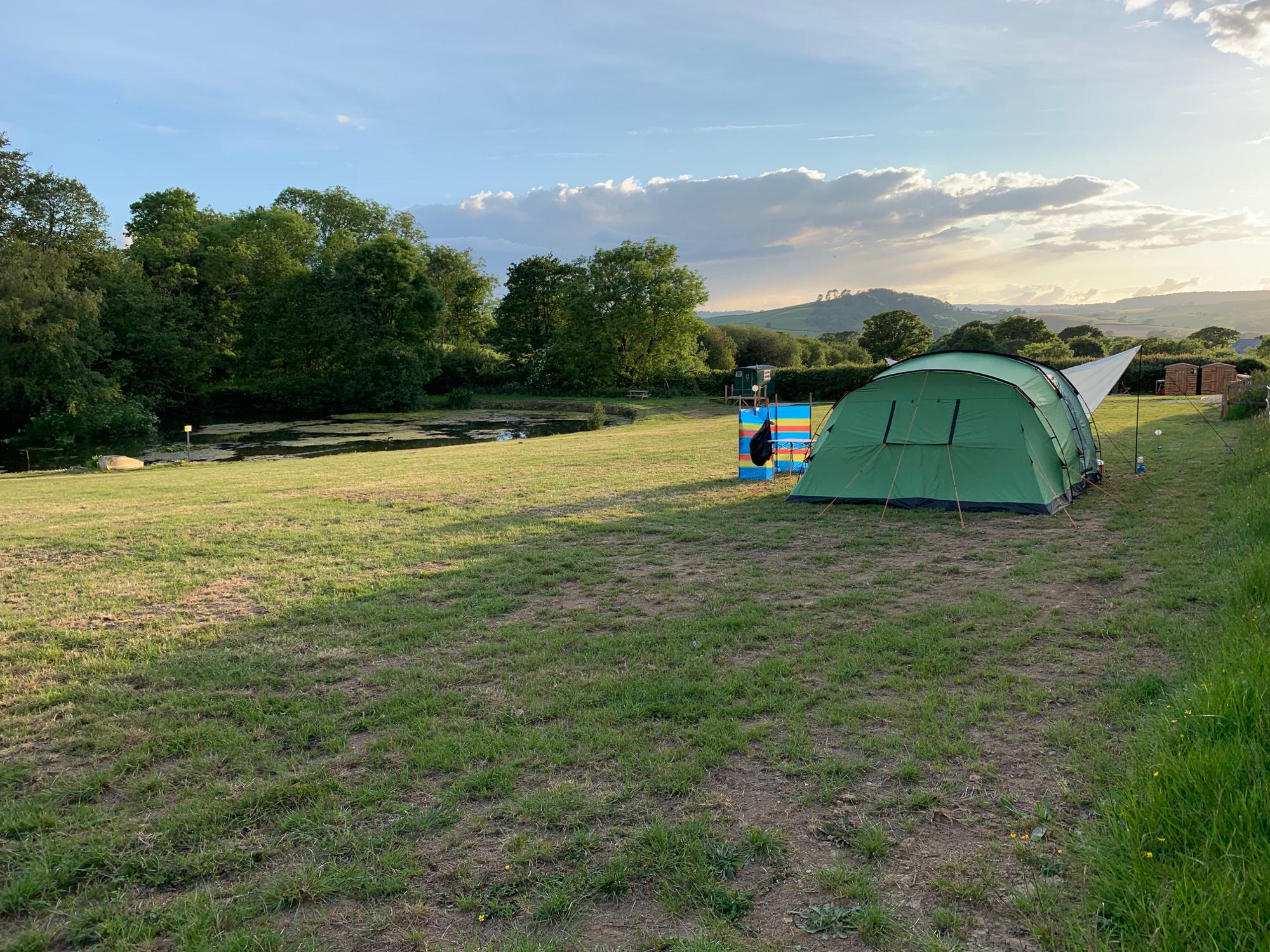
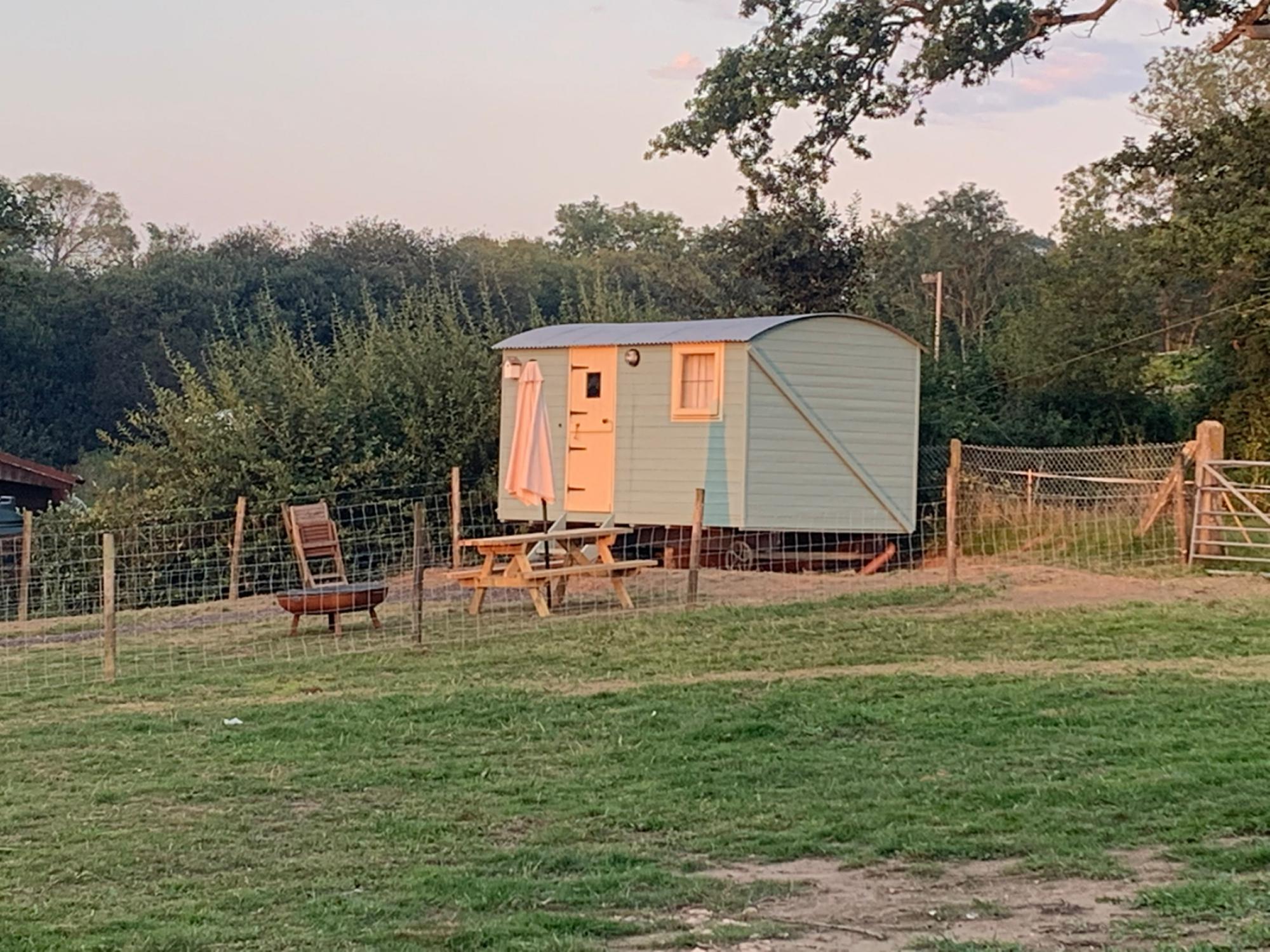
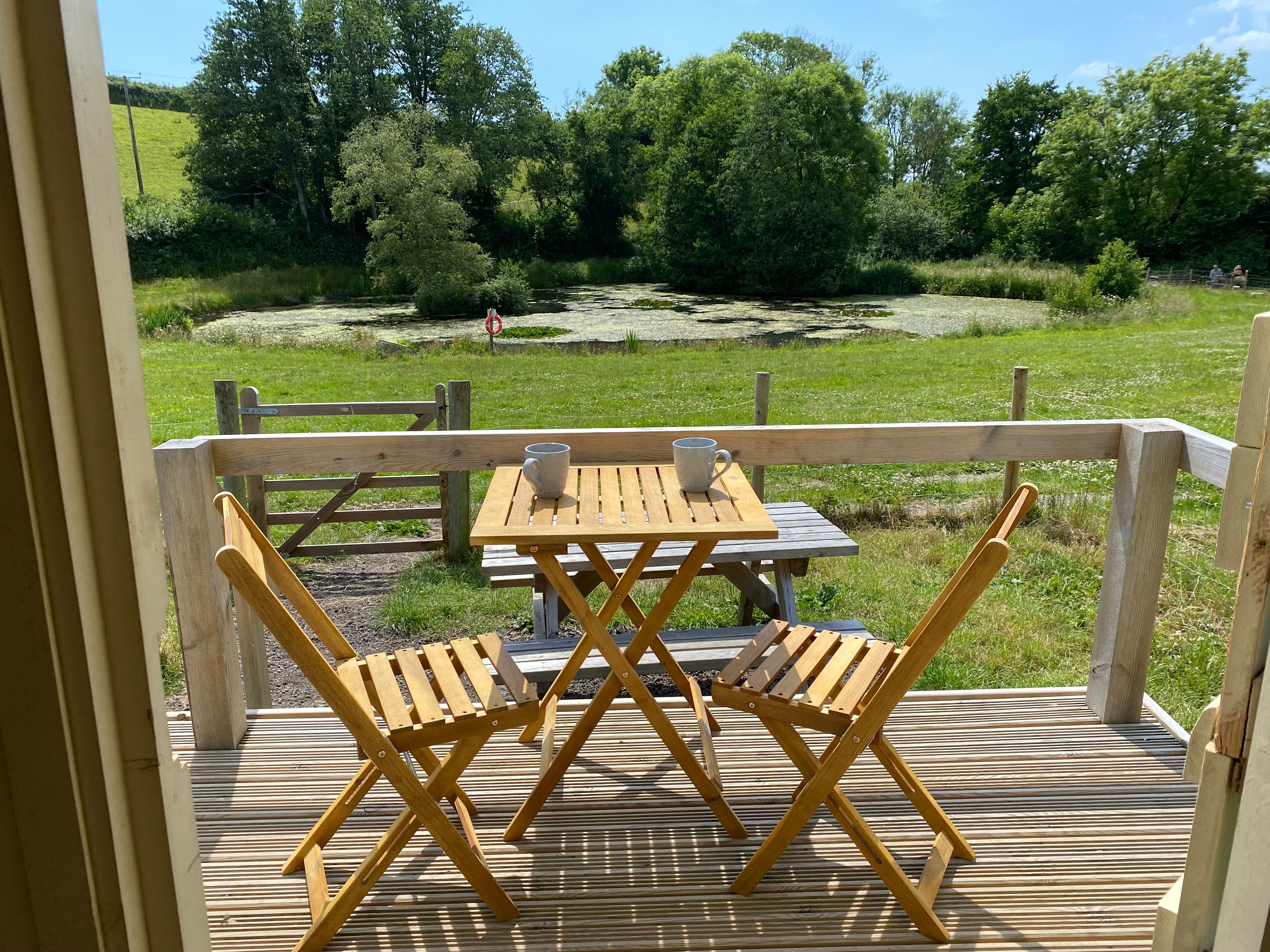
A peaceful, adult-only campsite 10 minutes' from the Jurassic Coast
Pets
Showers
Campfires
from
£22
/ night
Little Meadow
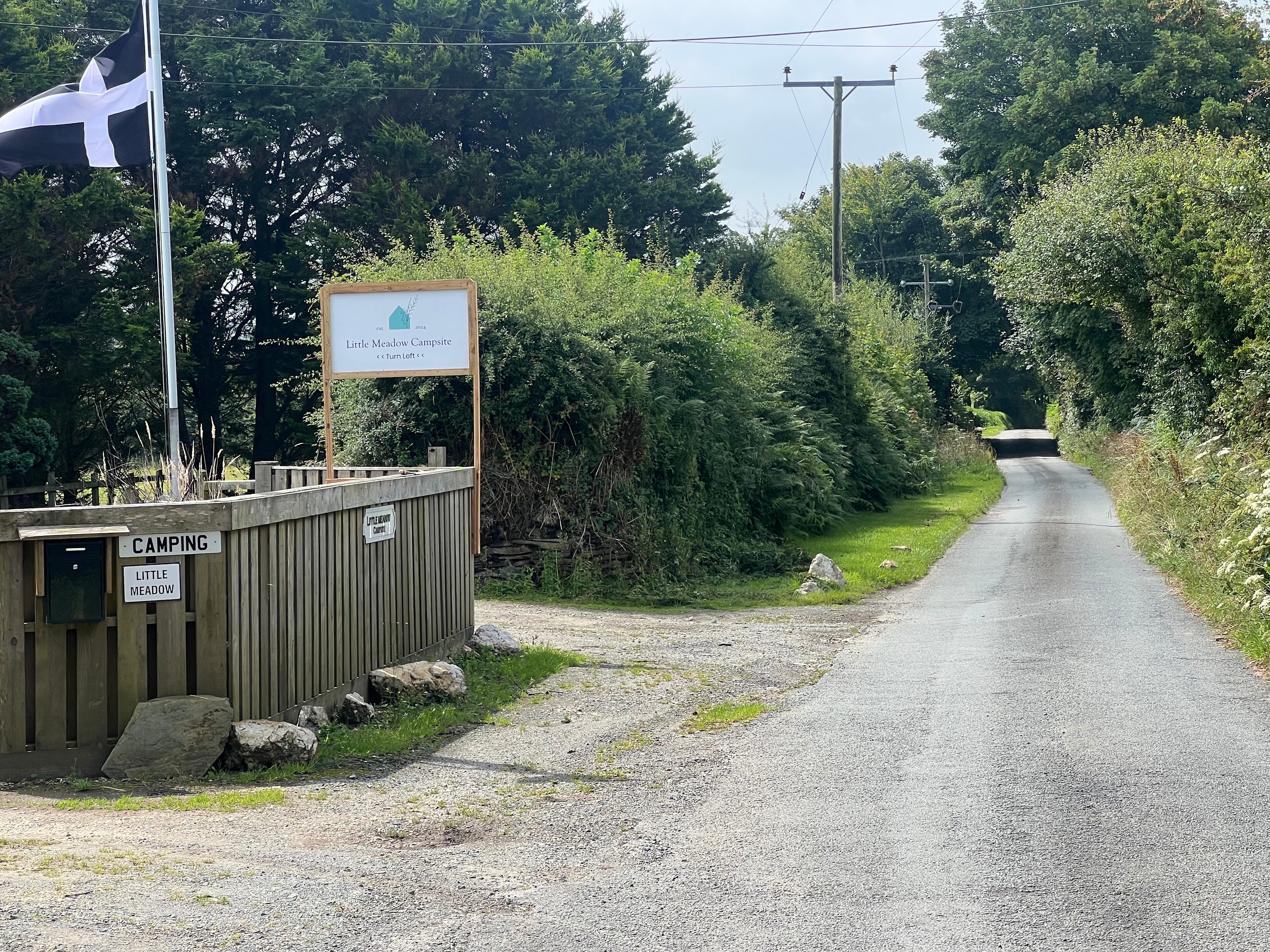
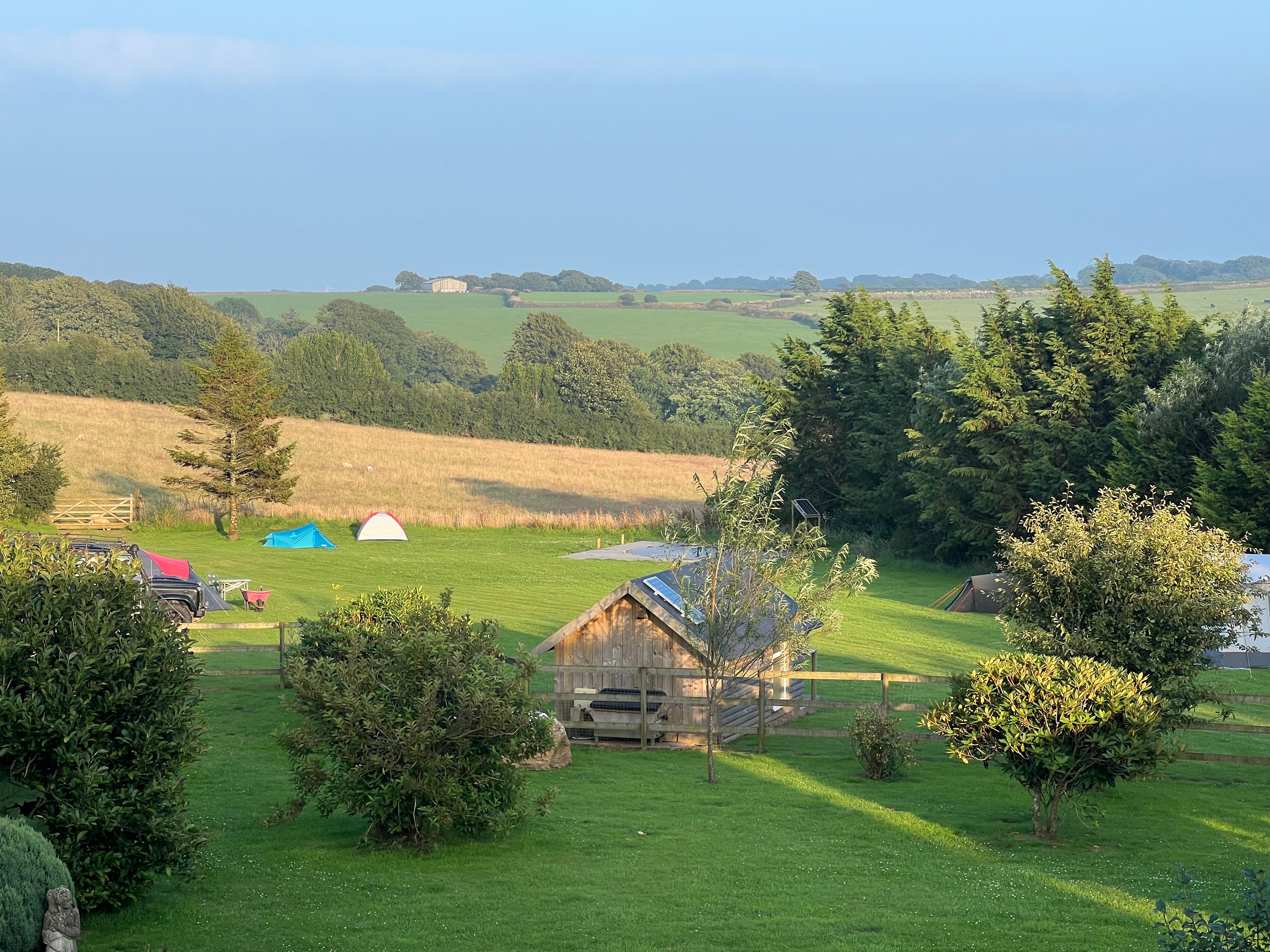
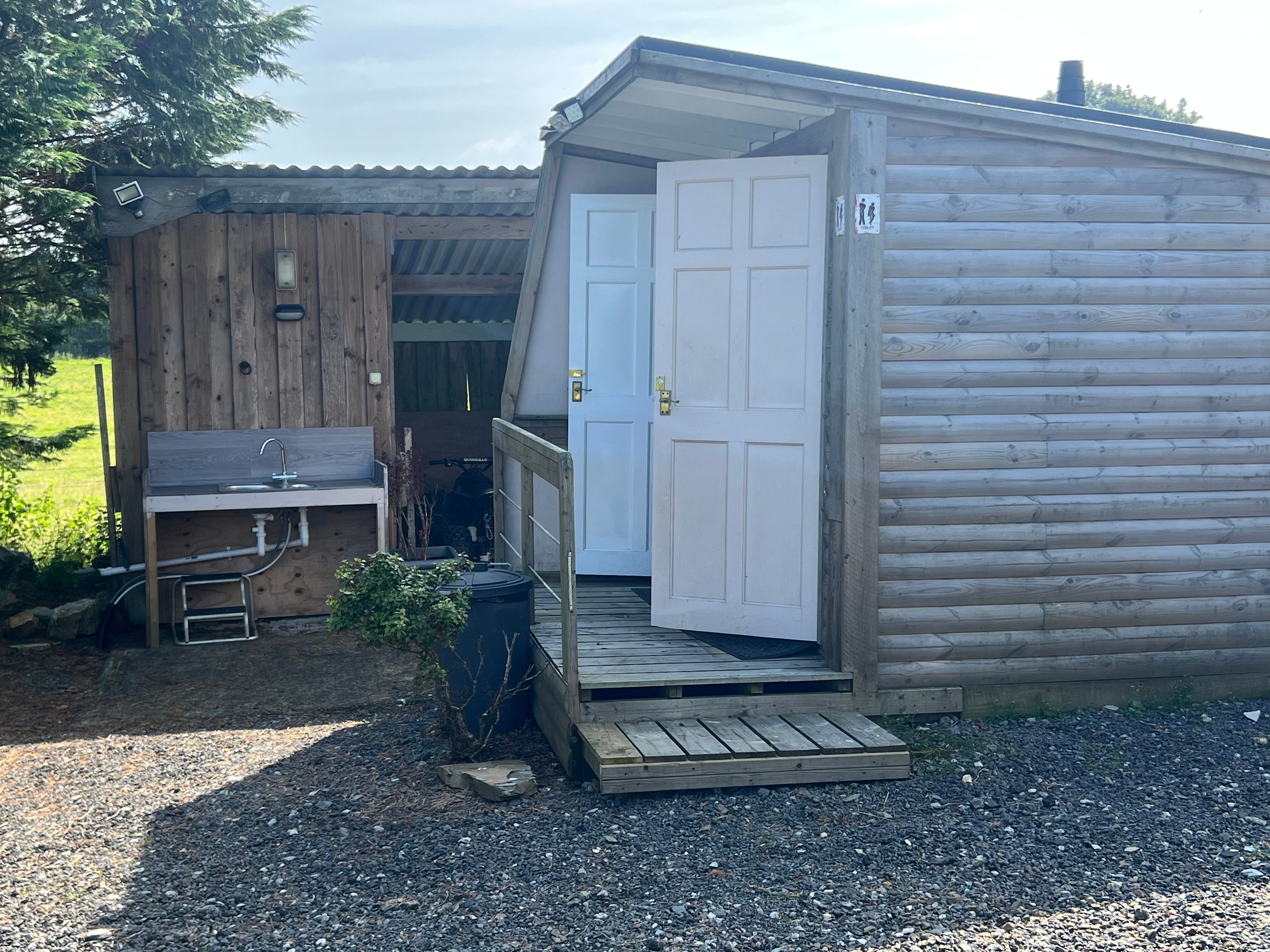
4. Little Meadow
England · 26 units · Tents, Motorhomes, Glamping
Relax with the whole family at this idyllic place to stay in Cornwall. Relax at near by beaches like Widemouth, go to places like Port Issac, Tintagel and Padstow with just a small drive from were your staying. Spend time with your family with short drive down to Trethorne golf and leisure park with soft play, bowling and dodgem rides.
The spectacular views from Bodmin Moor and the North coast are all easily accessible from where you're staying.
Pets
Showers
Potable water
from
£14
/ night
WILDSWIM2SAUNA
5. WILDSWIM2SAUNA
England · 32 units · Tents, Motorhomes, Glamping
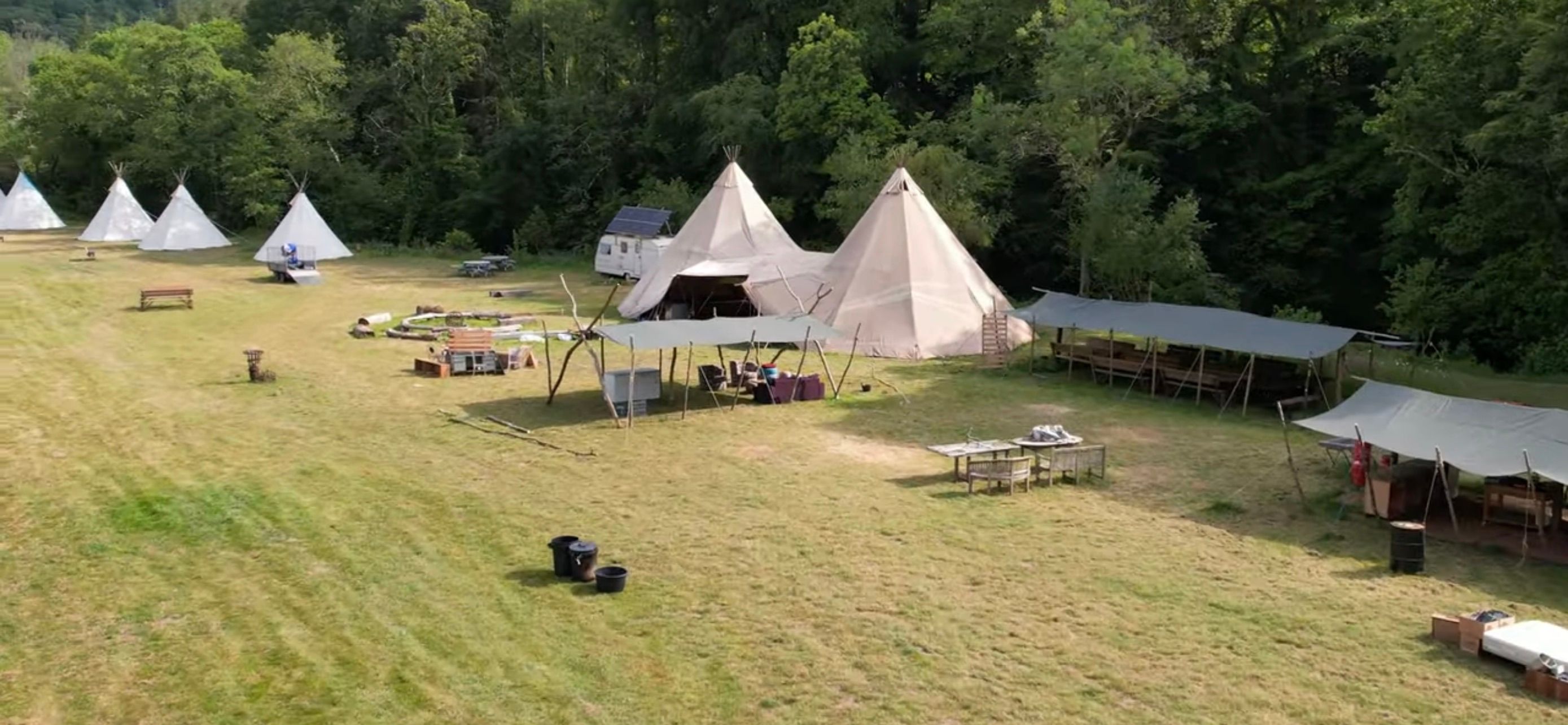
Set within 146 acres, the wildswim2sauna campsite at the Yeo farm estate lends itself to adventurous and active families looking for a unique off grid camping experience.
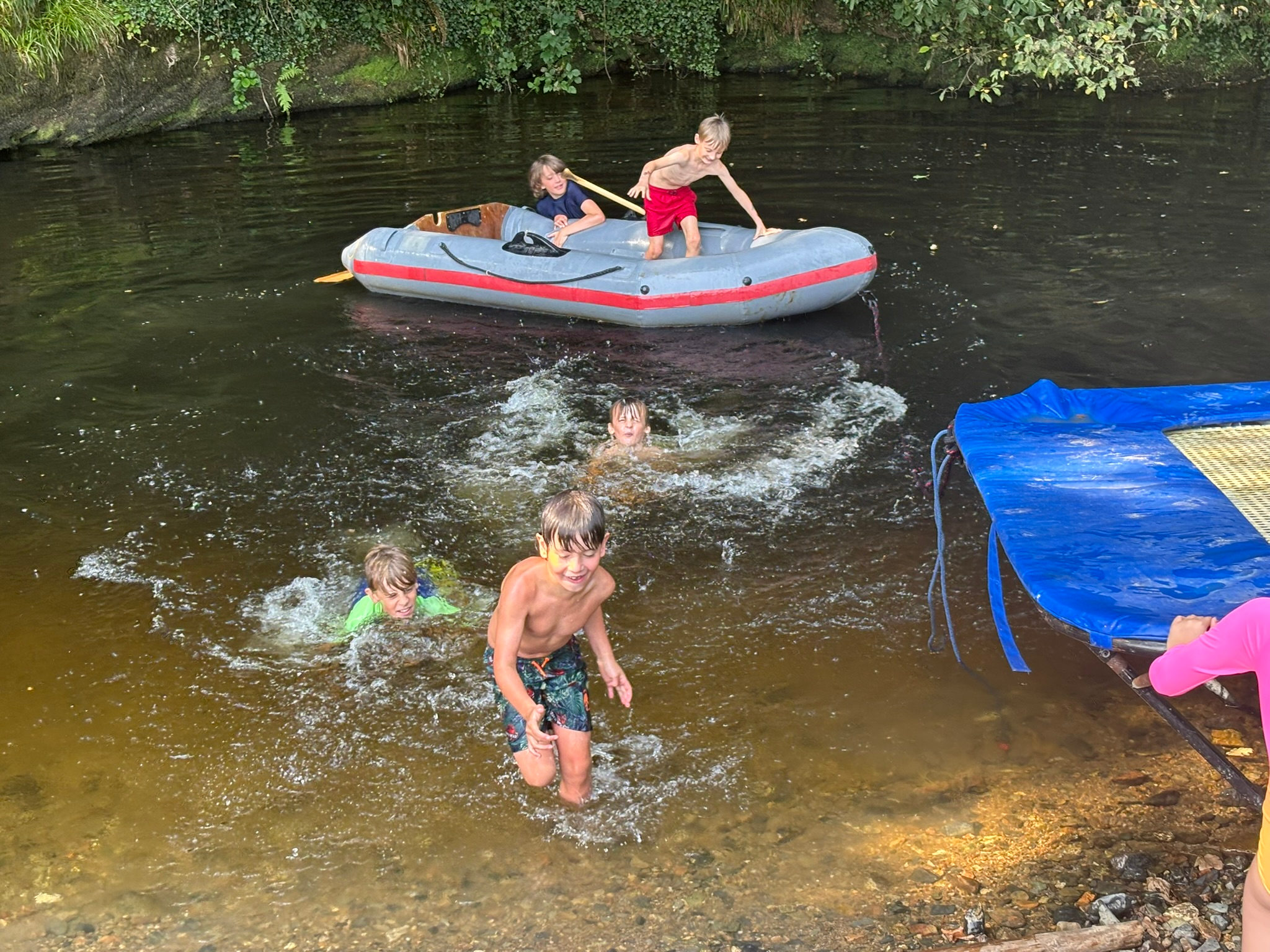
If alfresco living, wild swimming, hot tubbing, saunas, wild fire cooking, rivers, woods, fishing and being surrounded by nature and wildlife then you’re in the right place.
fantastic beaches and cool places to visit such as Salcombe, Totnes, Bantham Beach, Hope Cove are just 20mins drive away..
Facilities include private riverside pitches, outside gym, trampoline adventure playground, fire pits, picnic tables, cinders gas bbq and outside dining area.
The riverside sauna needs to be booked.
Please visit;
WWW.WILDSWIM2SAUNA.COM for a detailed description of our boutique riverside camp
Ps Don’t forget your swimmers
Pets
Campfires
Wifi
from
£20
/ night
Pleasant Streams Farm Camping
6. Pleasant Streams Farm Camping
91%
(70)
St Austell, England · 67 units · Tents, Glamping
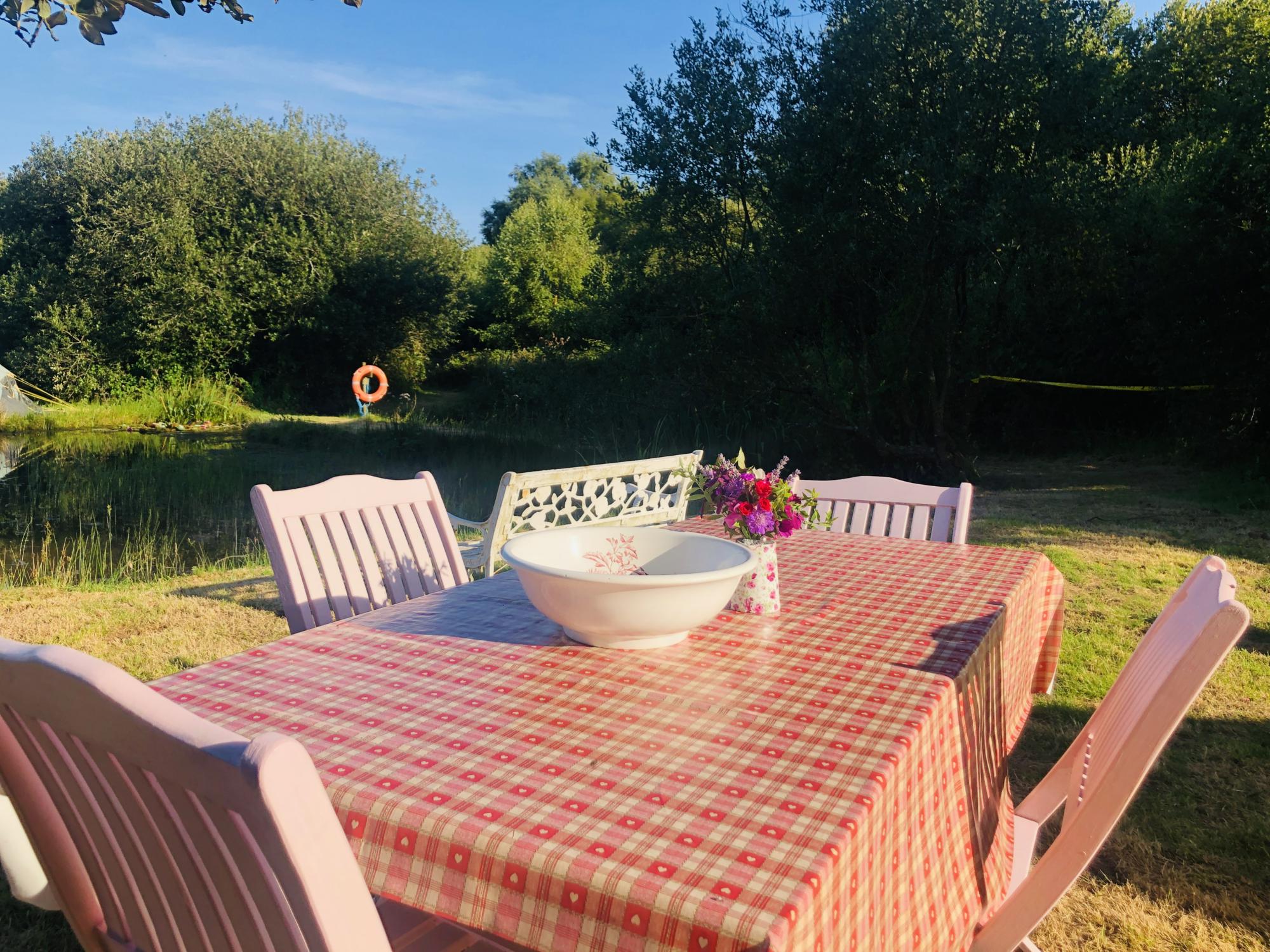
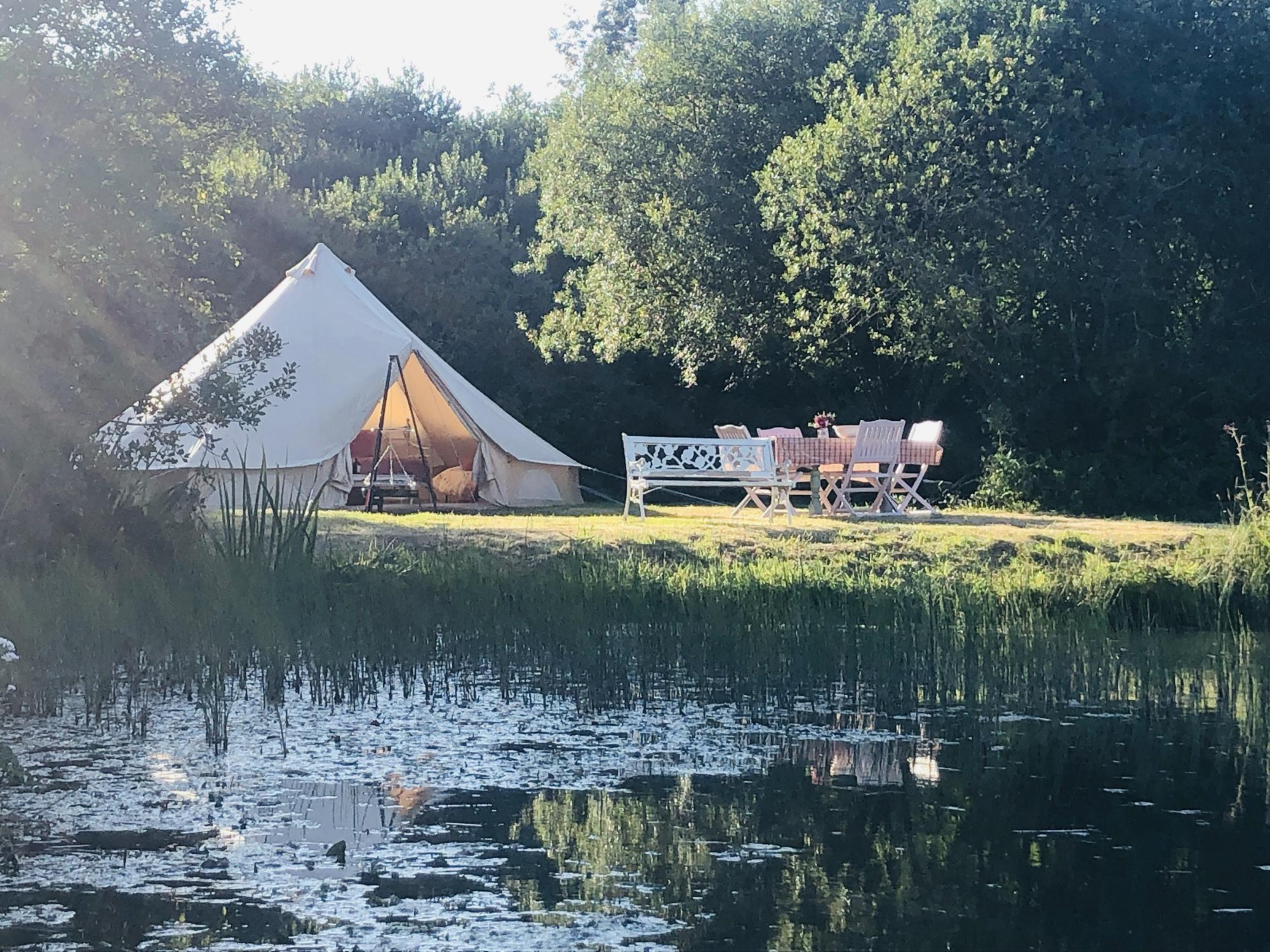
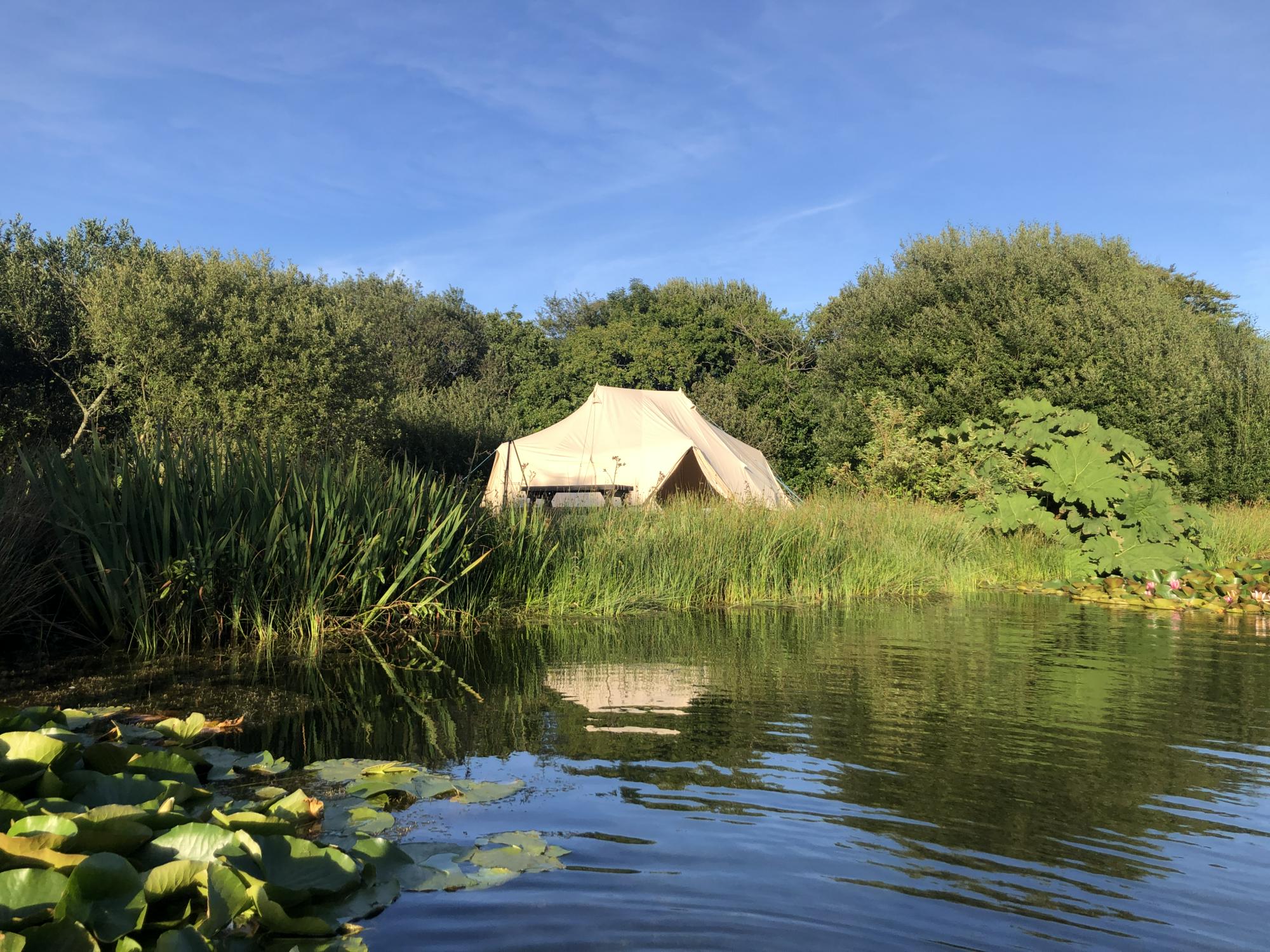
Lakeside camping with streams, rope swings and farmyard animals in rural Cornwall
Showers
Campfires
Potable water
from
£15
/ night
Coppet Hill
7. Coppet Hill
100%
(88)
Bridport, England · 18 units · Tents, Glamping
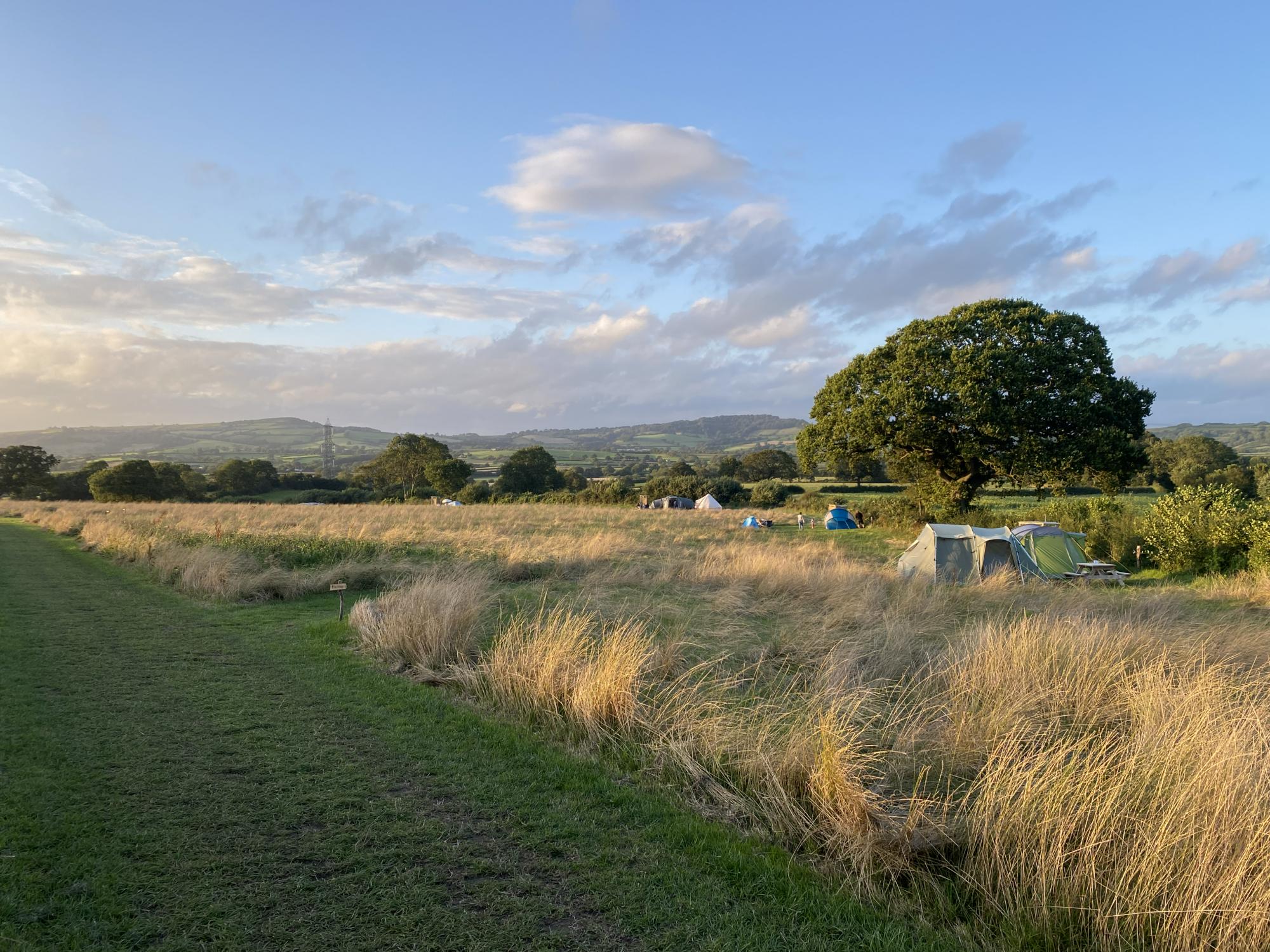
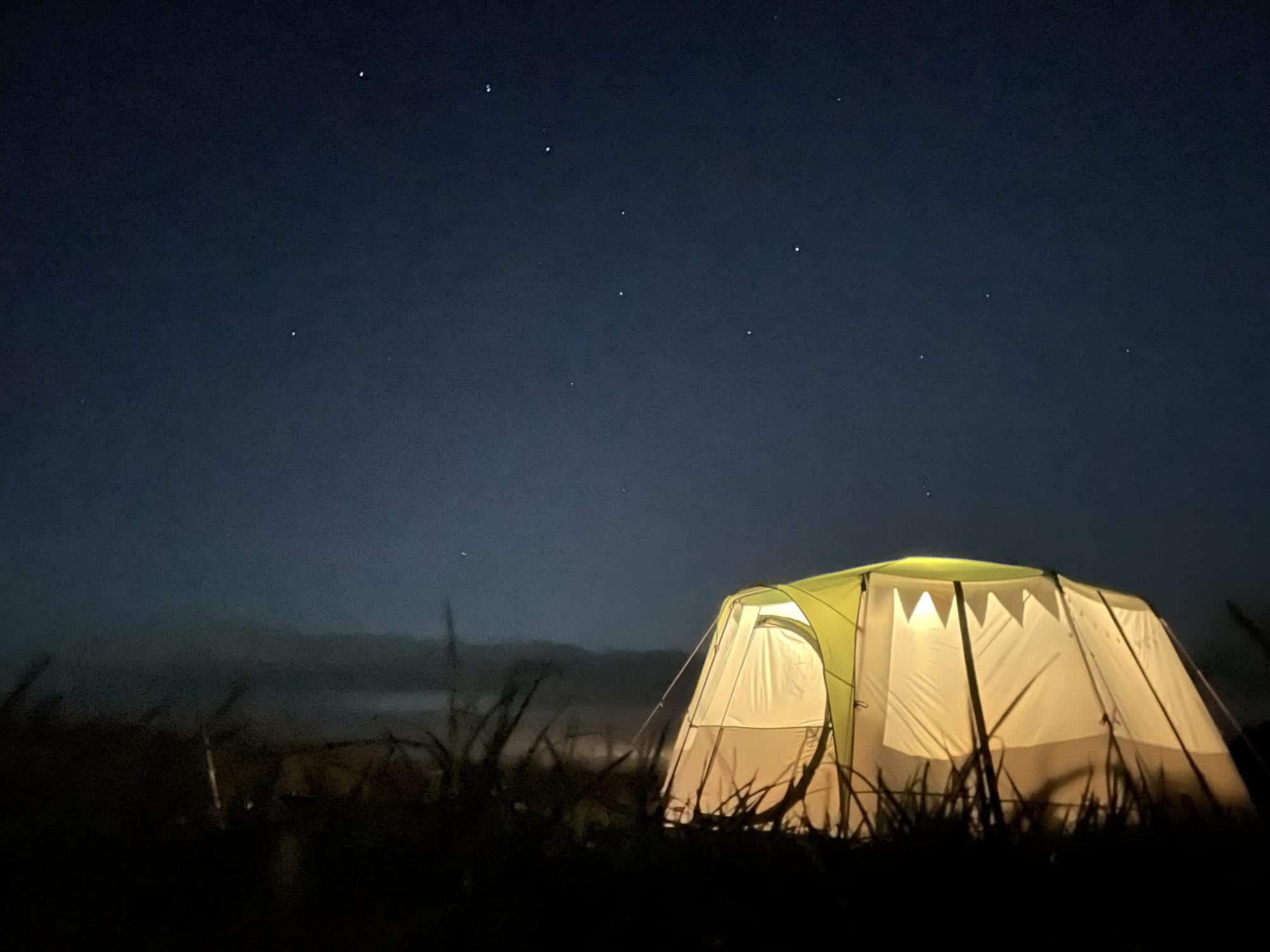
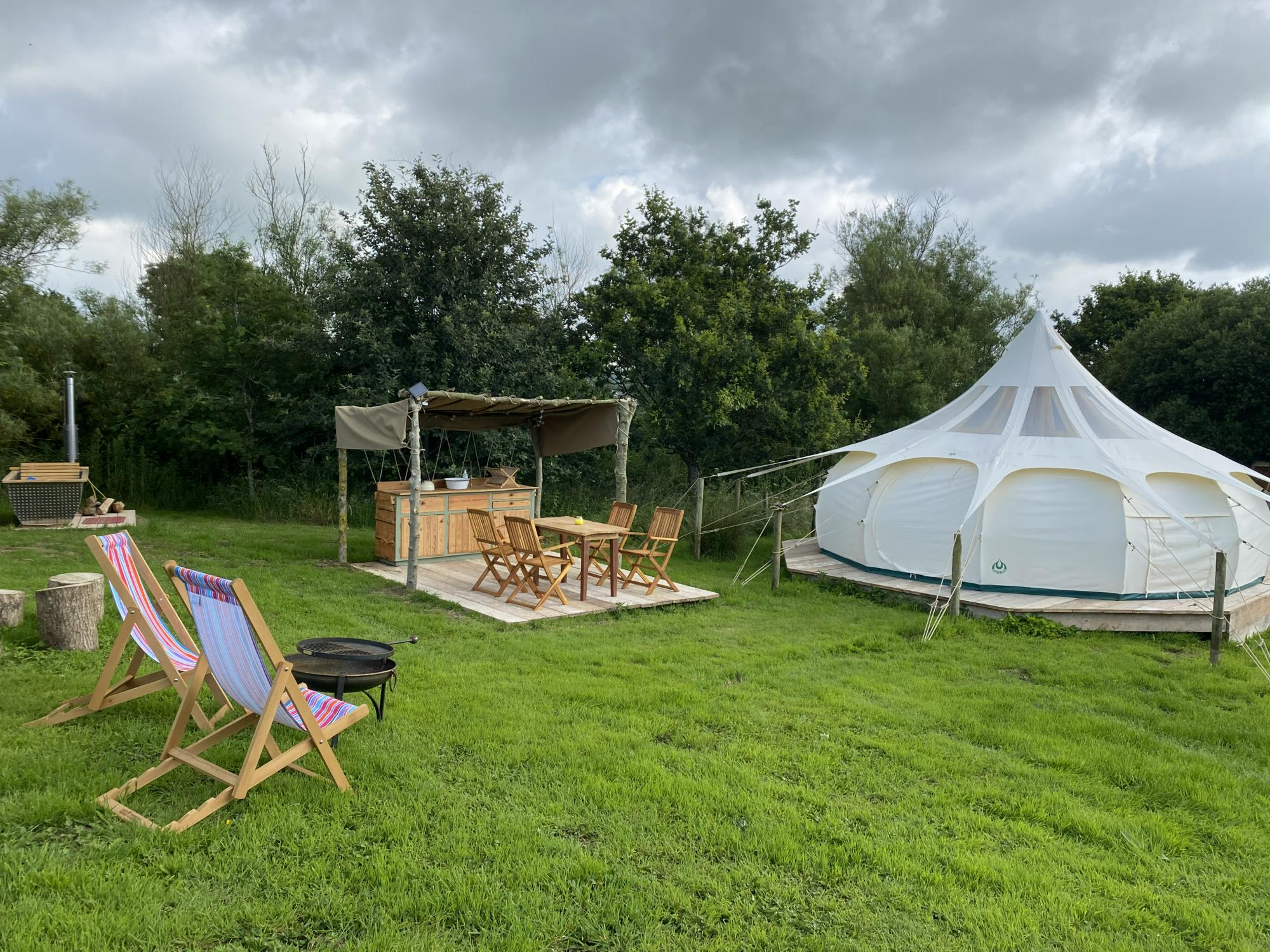
Wildlife-friendly camping and glamping with private loos at each pitch, 15 minutes' drive from the coast
Showers
Campfires
Hot Tub
from
£65
/ night
Brig's Farm
8. Brig's Farm
97%
(157)
Bridport, England · 21 units · Tents, Glamping
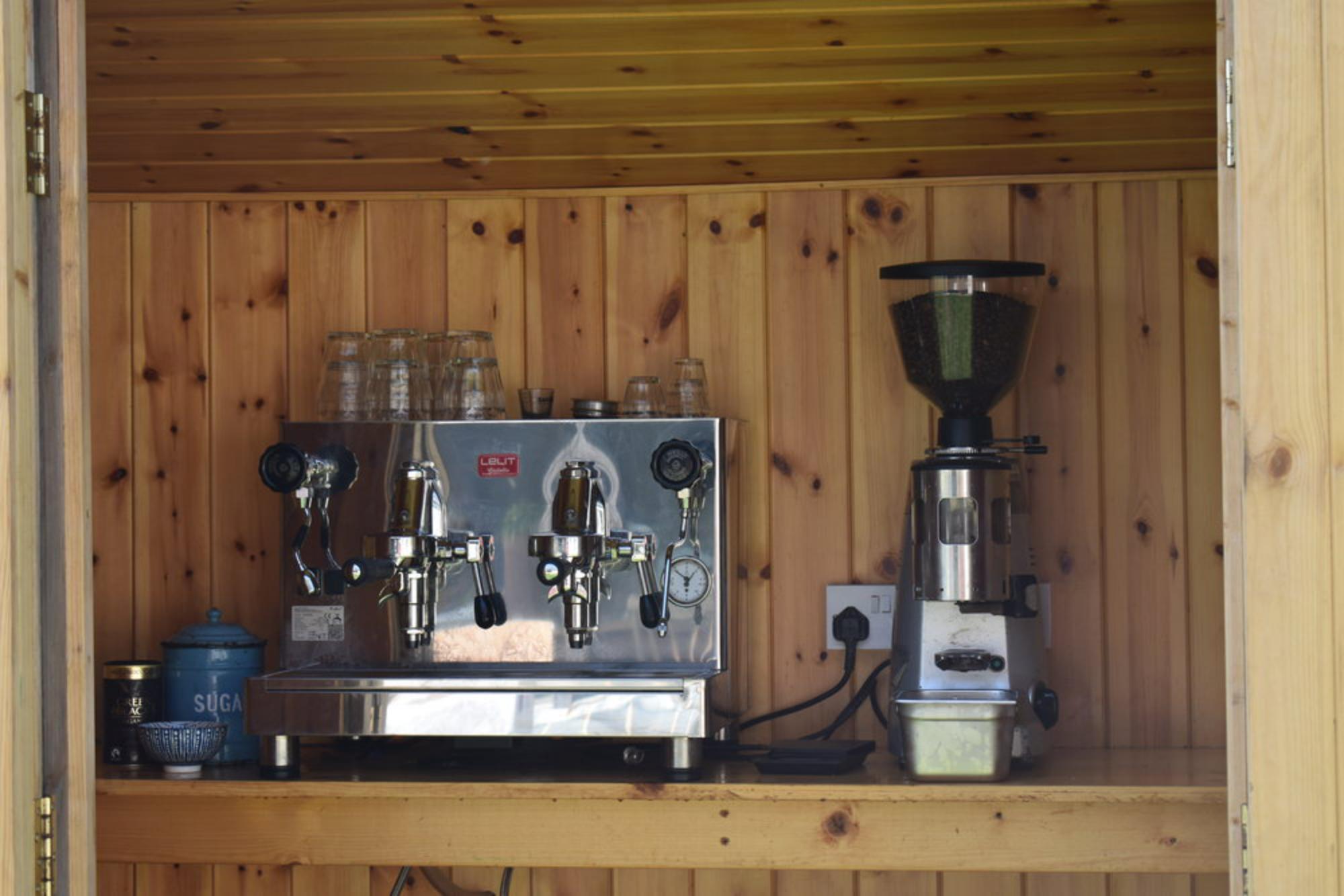
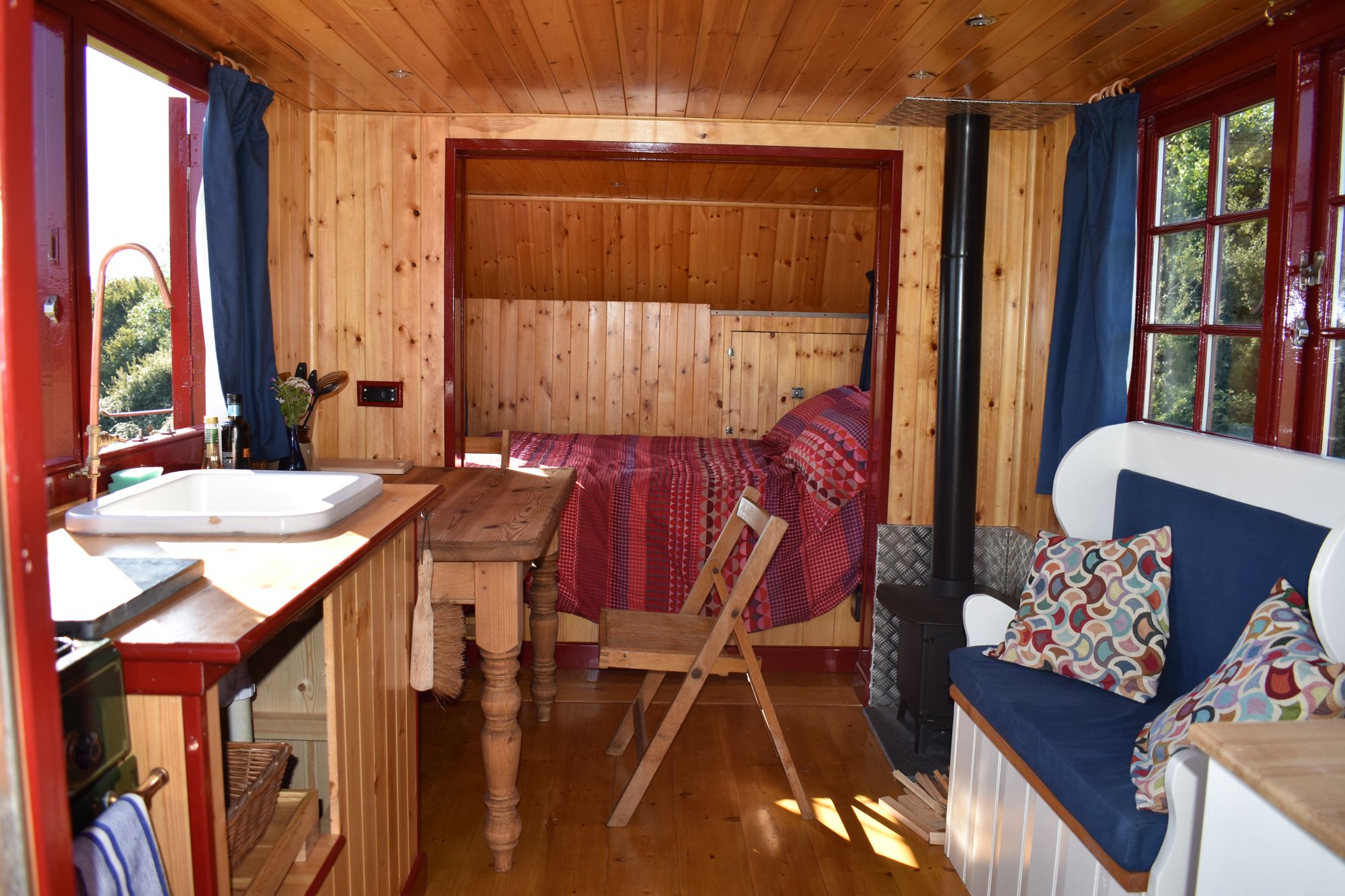
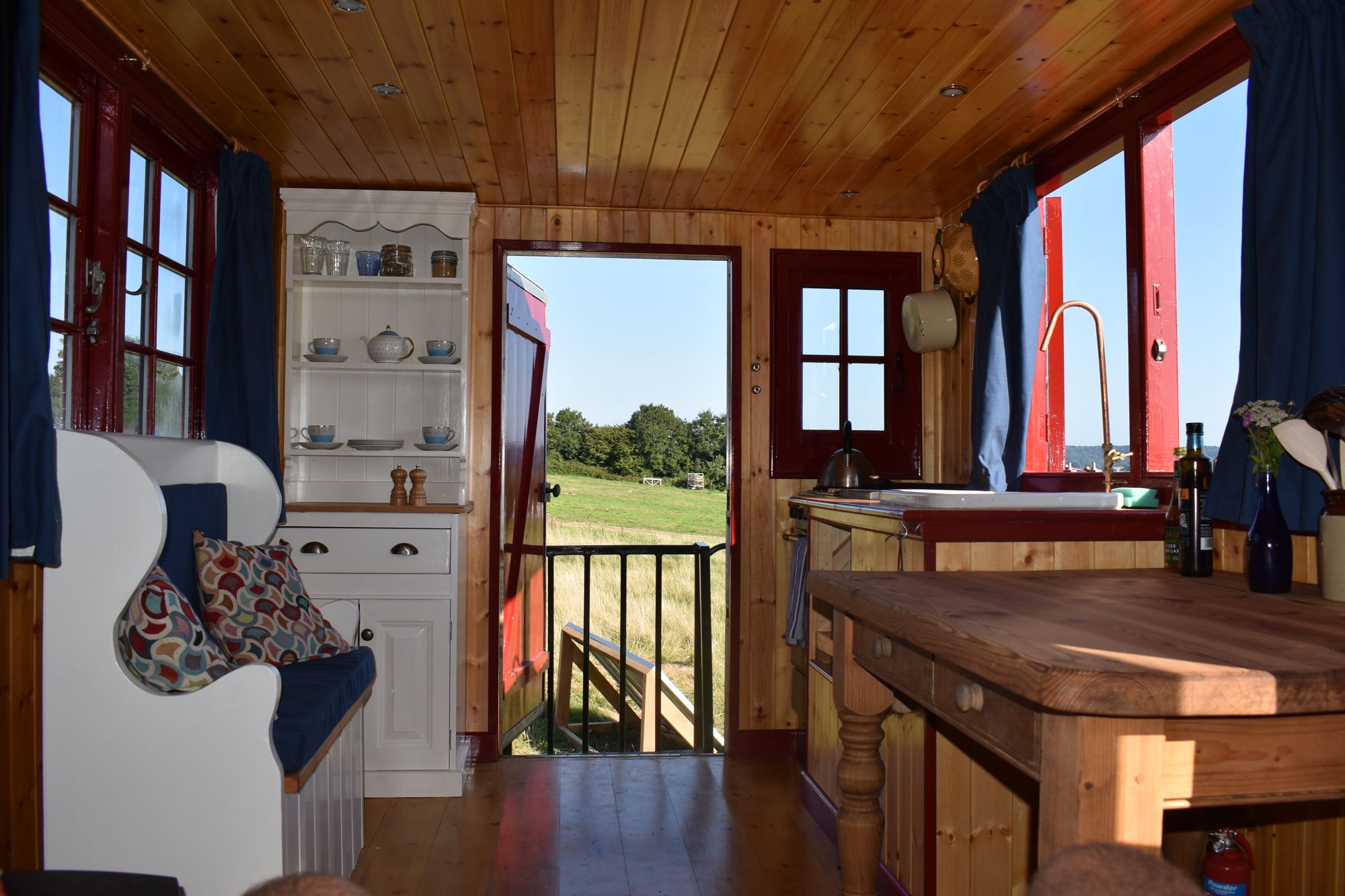
Family camping with campfires near Charmouth, with sea views and a couple of quirky glamping lorries
Pets
Showers
Campfires
from
£13
/ night
Forest Edge
9. Forest Edge
100%
(24)
Sidbury, England · 15 units · Tents, Motorhomes, Glamping
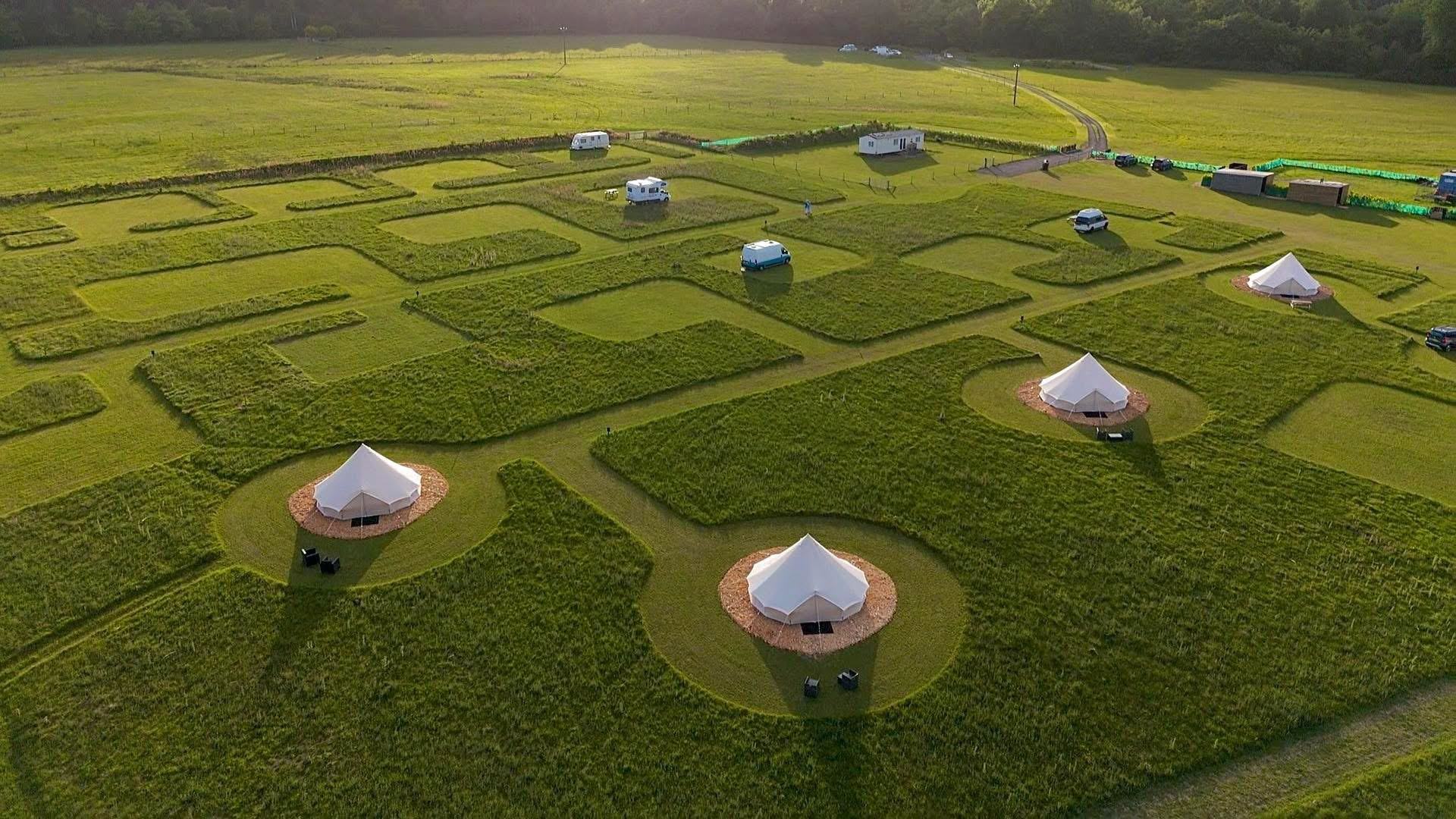
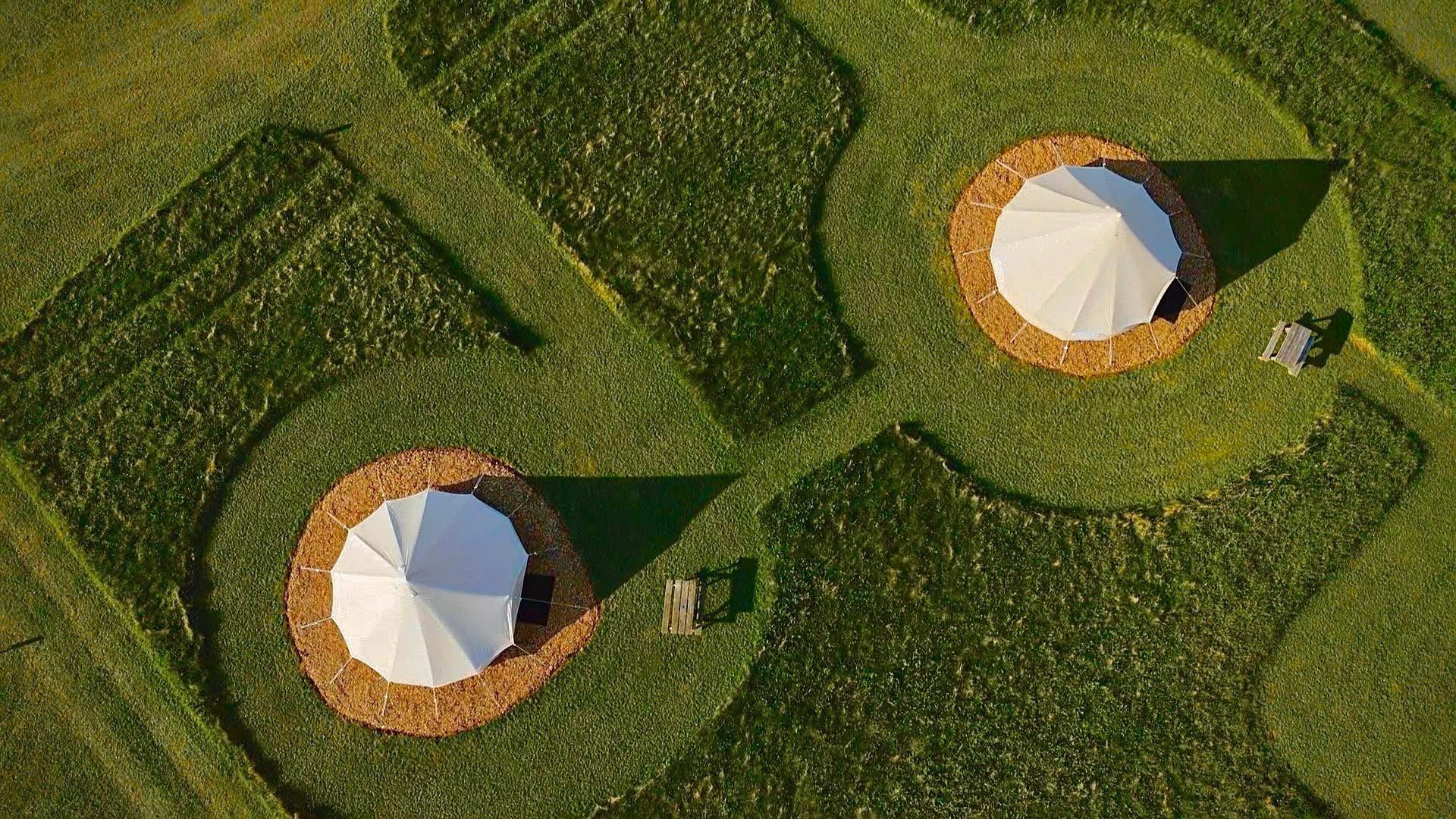
A welcoming and wild-ish camping and glamping site on the edge of a forest in East Devon
Pets
Showers
Campfires
from
£20
/ night
Cornish Tipi Holidays & Camping


10. Cornish Tipi Holidays & Camping
97%
(147)
St Kew, England · 98 units · Tents, Motorhomes, Glamping
Wake up to the sound of birdsong, go swimming before breakfast in the clear water of a secluded lake. Cook your bacon and eggs over an open fire while you plan your day, or just laze it away in the peace and quiet of your own personal tipi. You can always go fishing tomorrow, and walk along the cliffs the day after that…
The site is a unique woodland valley folded around a clear, spring-fed lake created from the old Tregildrans Quarry. Our tipis and tent pitches are dotted about this secret 20 acres full of ferns, bluebells, oak and meadowsweet.
Left in peace for many years there's been no modern chemicals or poisons on the land, meaning we've got bluebells, dormice, Red Admirals and shy woodland Jays for you to spot.
It’s a place set apart from the rush and clutter of the modern holiday experience, with an atmosphere that makes you forget the world outside, and just lounge, ramble, or potter about in a boat.
We're committed to giving you a genuinely individual service from first contact to your time staying with us.
We established CTH in 1996. This was the first and we believe still is the best tipi holiday site in the UK. We know our area inside out and can always help with local knowledge or contacts if you need them.
We want to offer our guests a sustainable holiday. A return to real camping means the lowest possible impact on the land and environment - our tipi poles don’t even break the surface of the earth. Your footprint while here could only be bettered by a survival expert. You don't have to fly! a major bonus, and we source all our wood, fish and canvas locally and work with local people wherever possible.
Showers
Campfires
Potable water
from
£25
/ night
Pure & Rustic
11. Pure & Rustic
86%
(7)
Croyde, England · 6 units
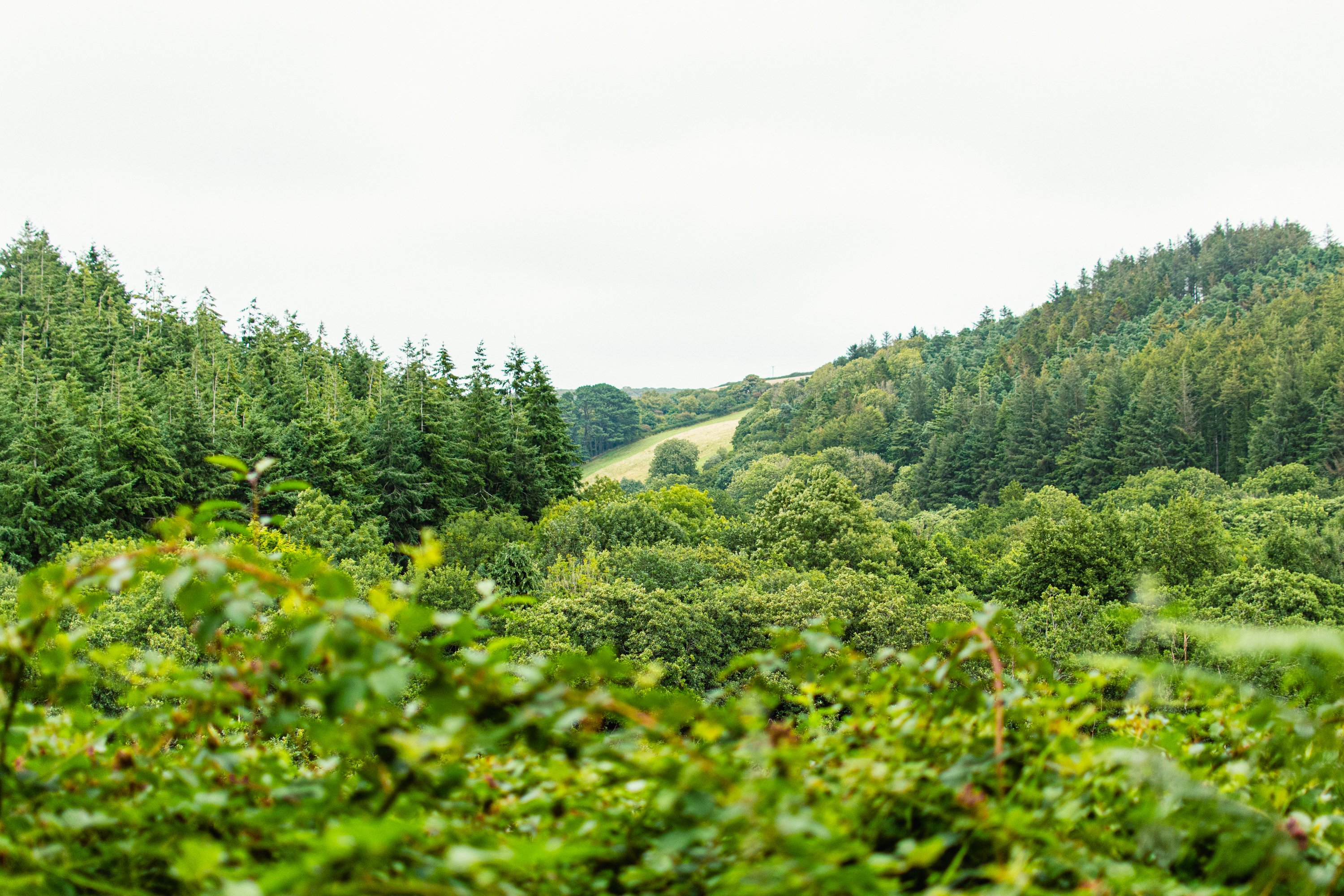
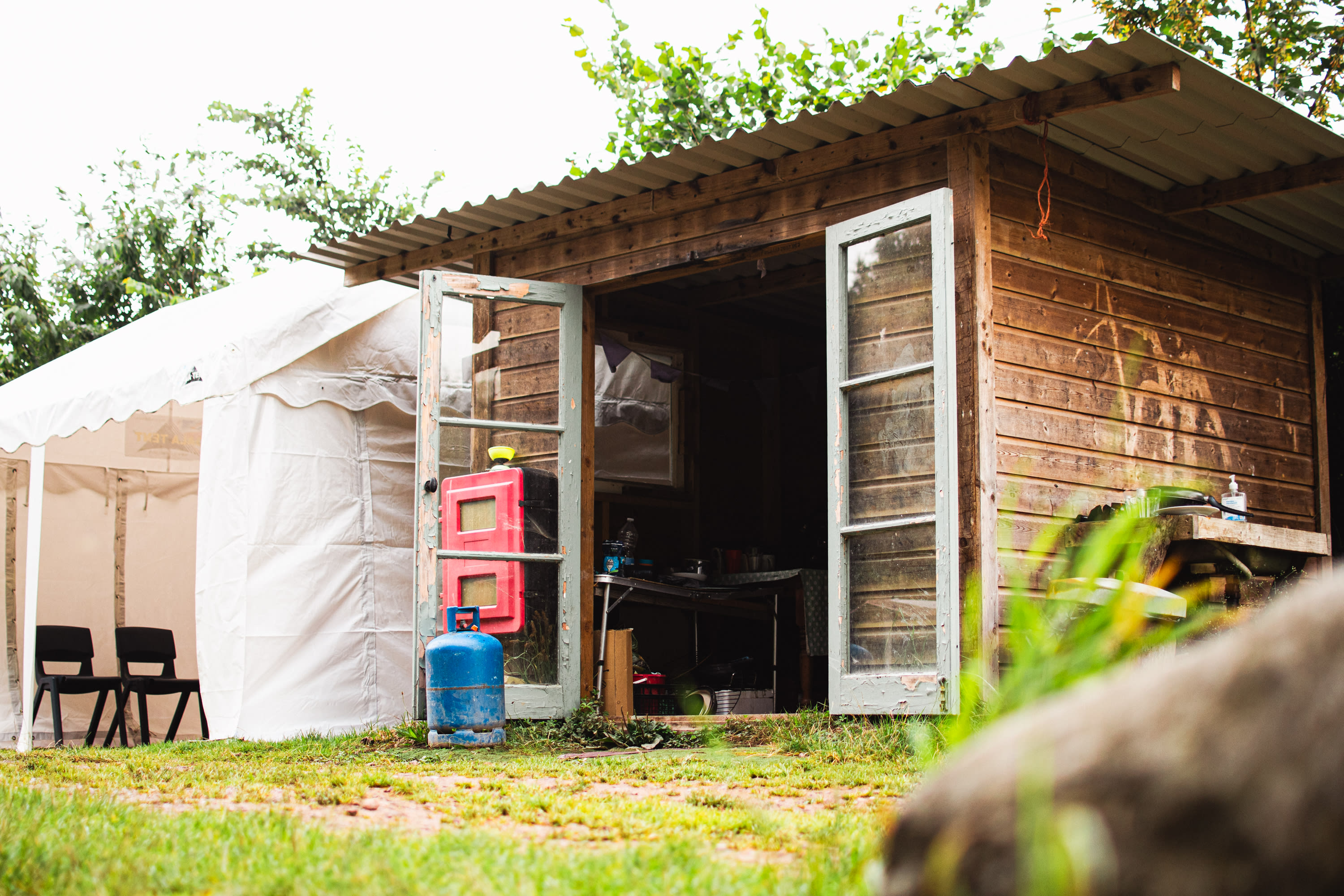
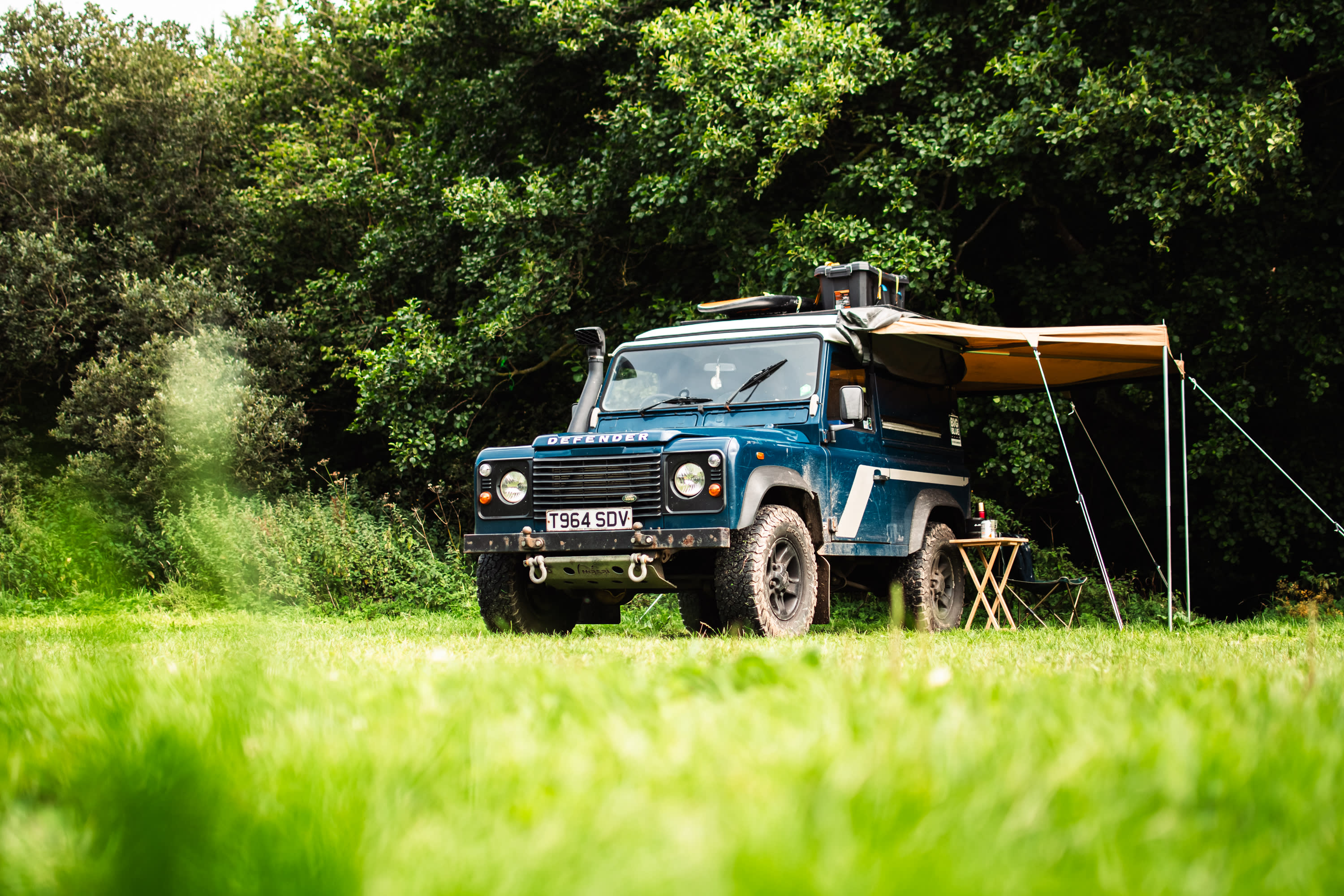
Acres of beautiful woodlands & pastures for those that like to sleep under canvas with or without electric.
Hot showers, Pure Greenfields spring water on tap, designated fire pits to bring out your rawness of nature!!
Pure & Rustic is close by to some fantastic local pubs, and the beaches of Croyde, Saunton, Putsborough & Woolacombe.
A magical woodland retreat to watch the moon & stars float by..!
Pets
Showers
Campfires
from
£15
/ night
Deer Barn Retreats
12. Deer Barn Retreats
94%
(33)
Taunton, England · 3 units
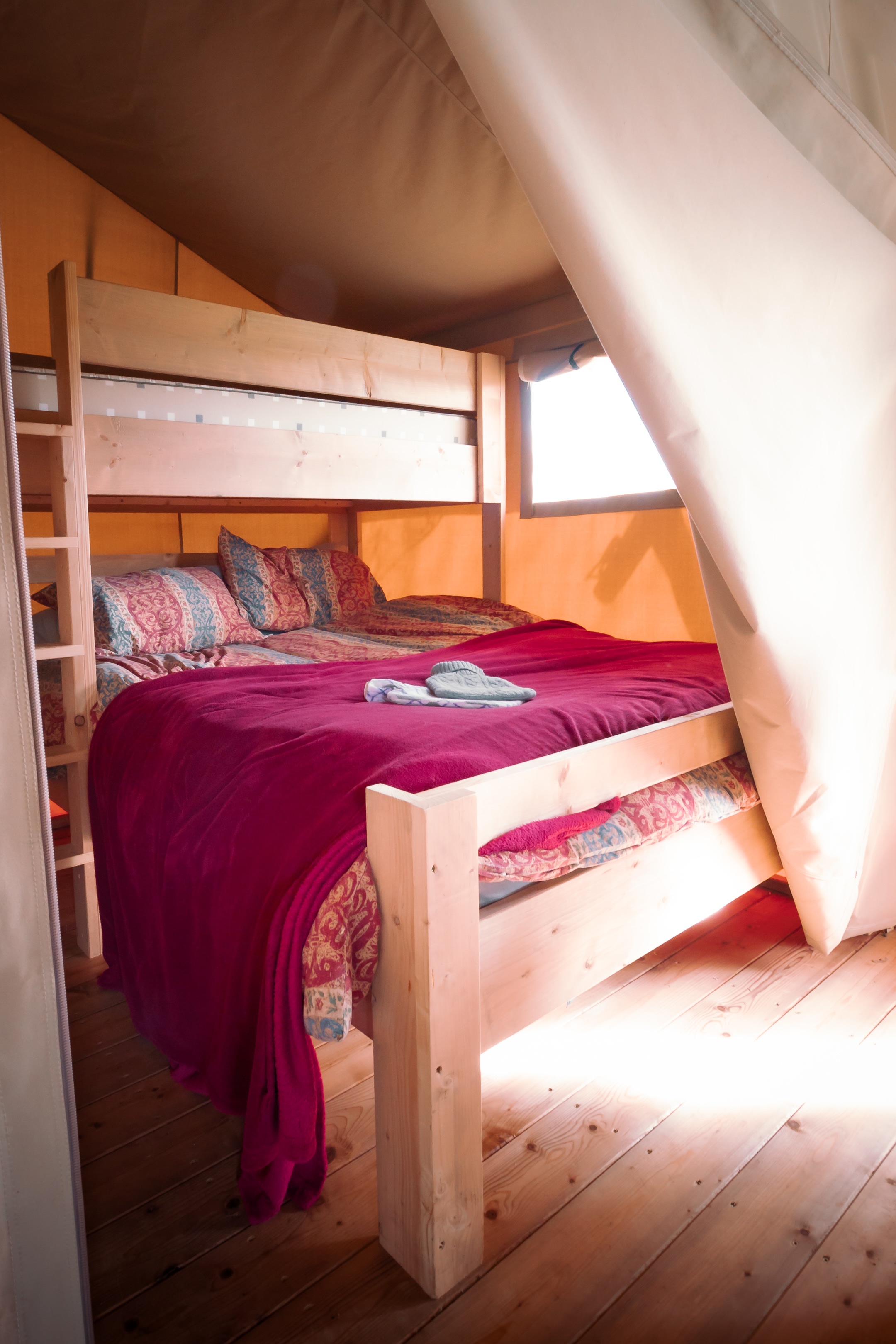
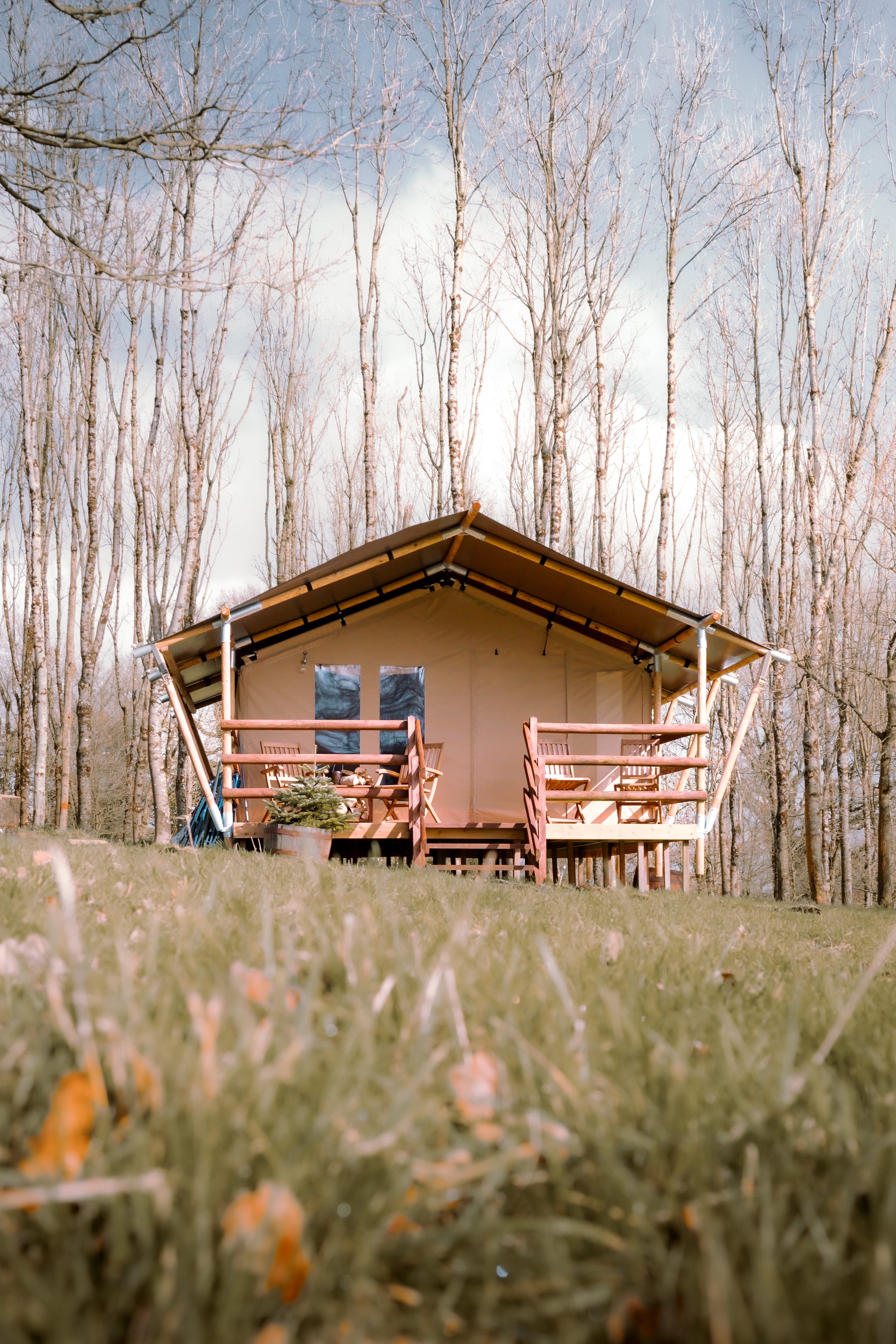
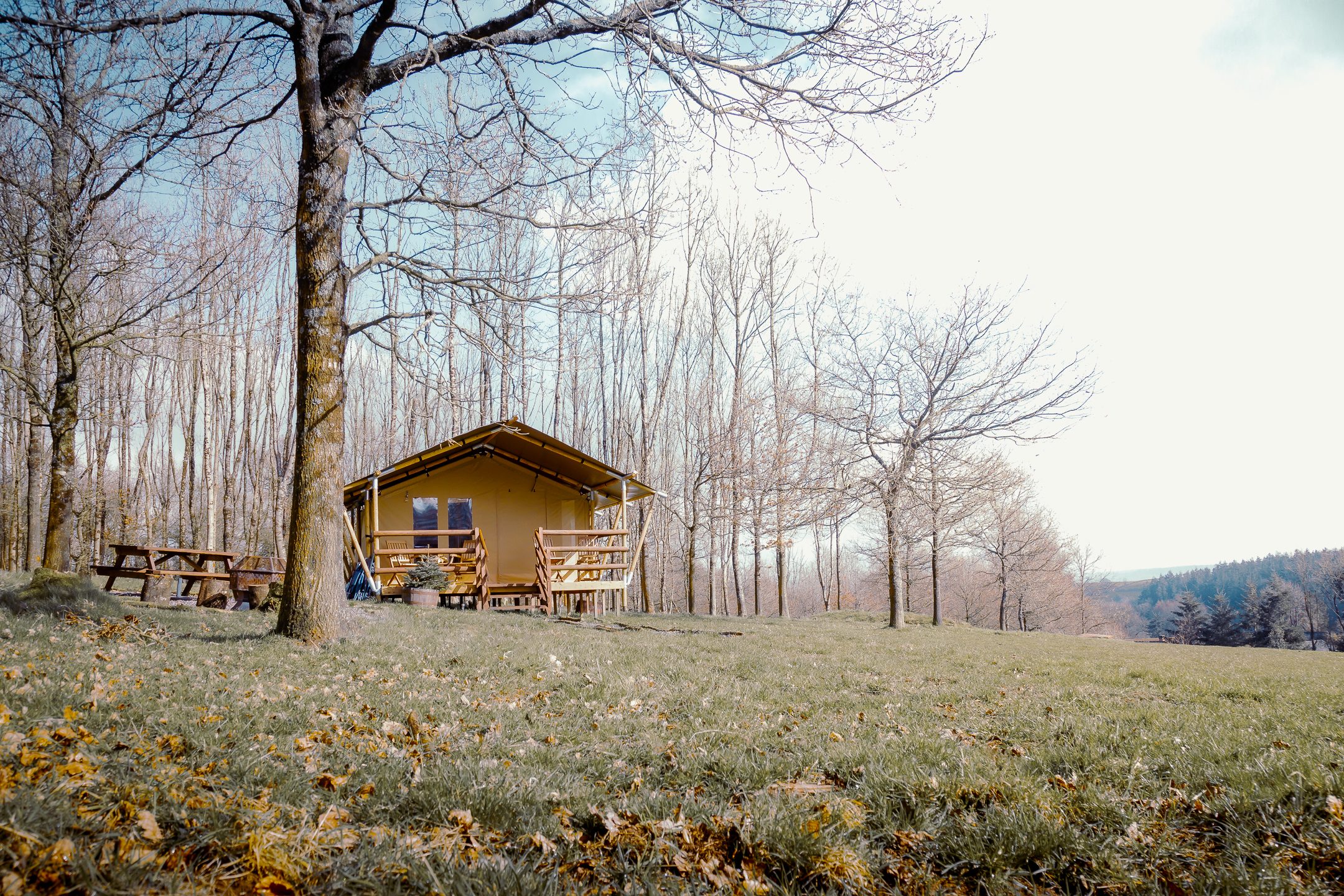
Dog-friendly glamping on the Somerset-Devon border
Pets
Showers
Campfires
from
£81
/ night
Pigscombe Piglet
13. Pigscombe Piglet
100%
(15)
Looe, England · 1 unit
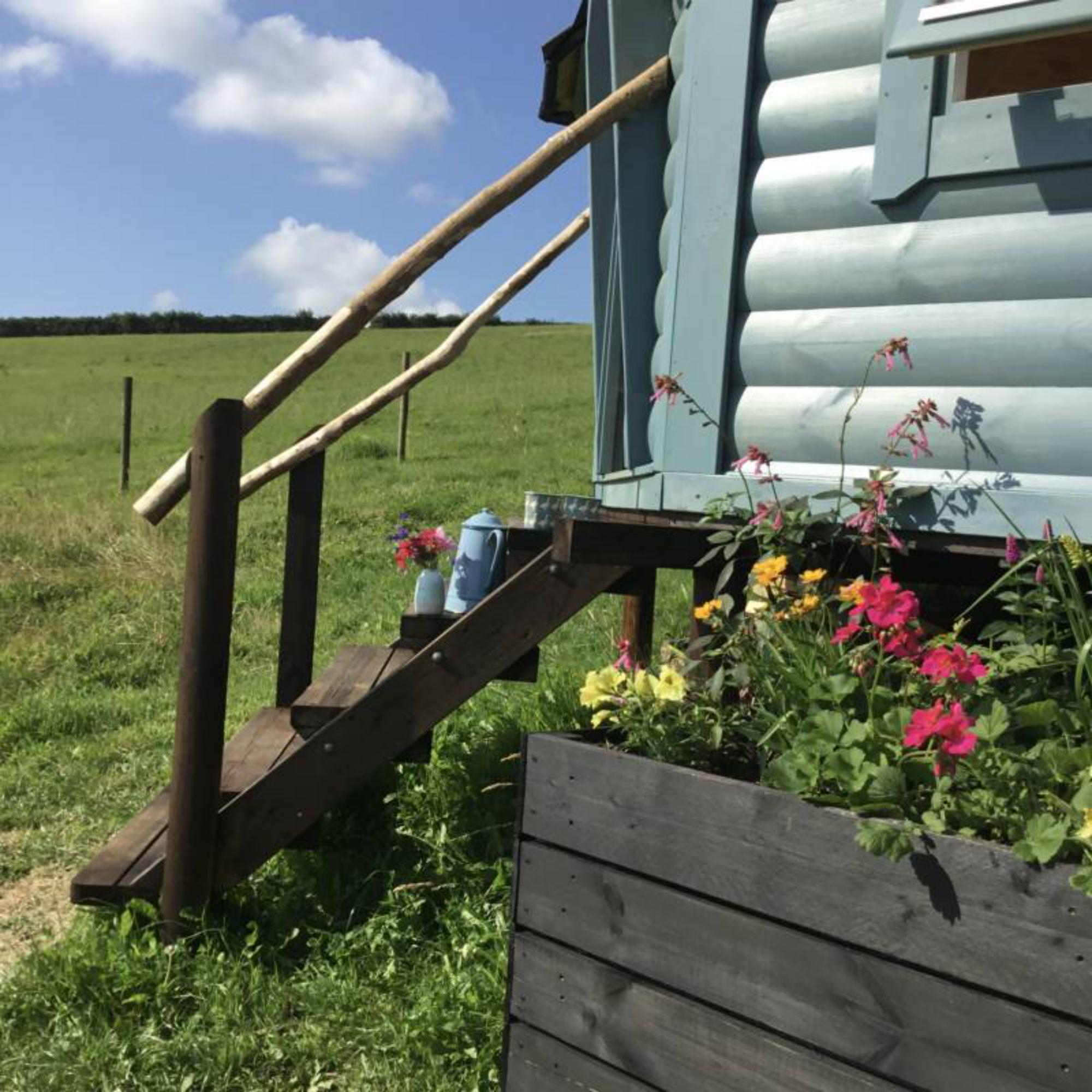
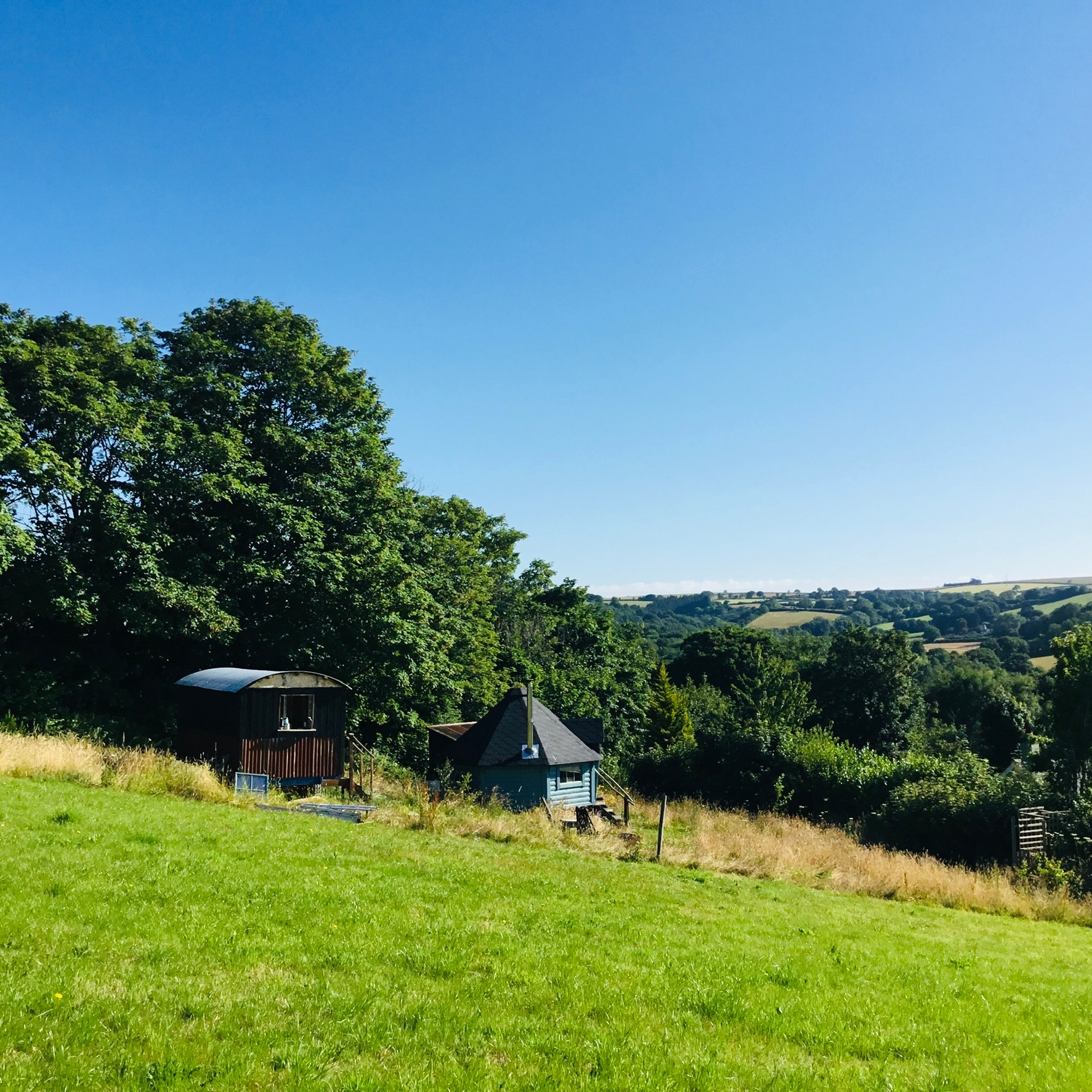
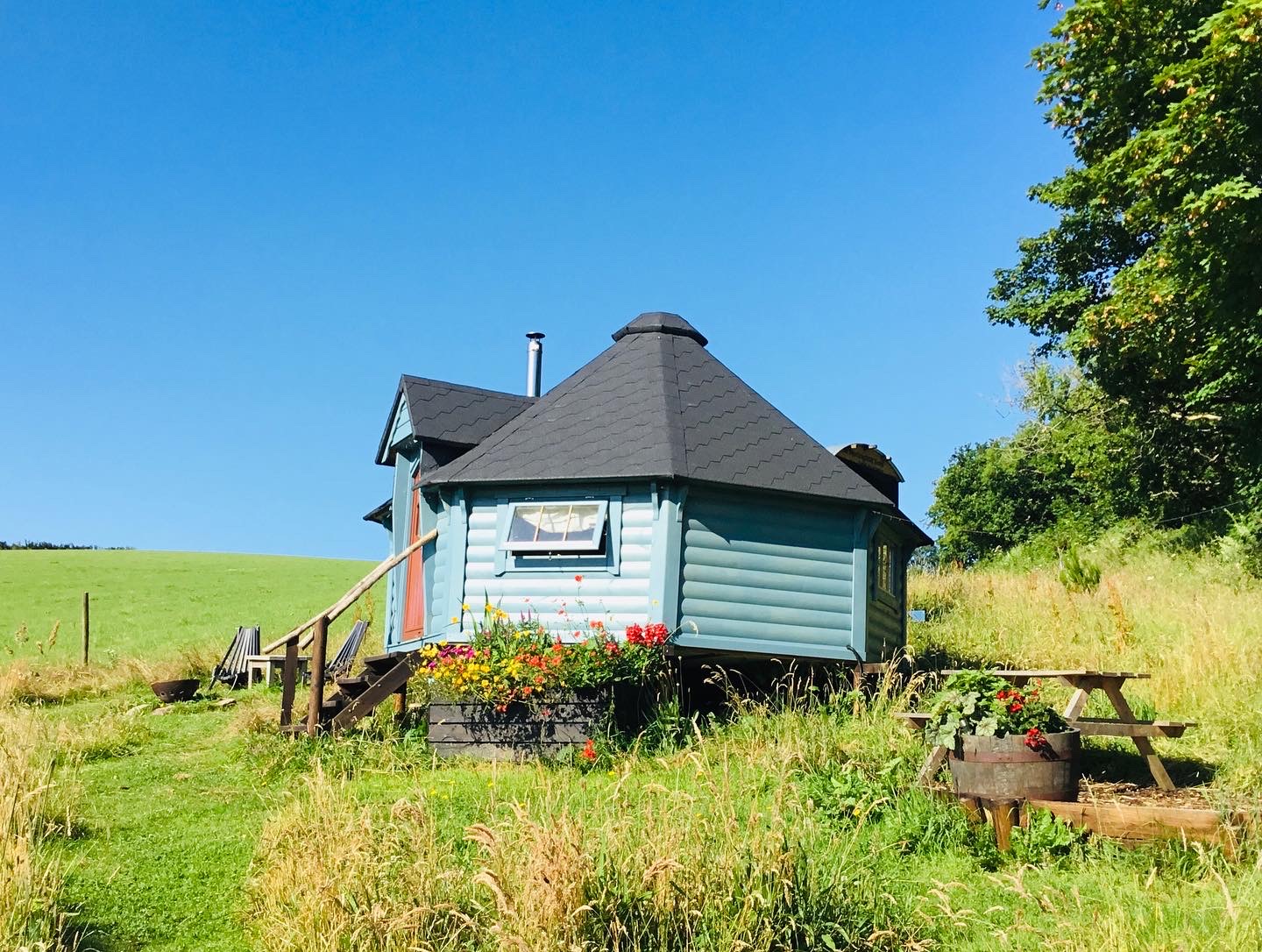
An exclusive hire site with a cute and cosy cabin and a rustic shepherd's hut in charmingly rural East Cornwall
Pets
Showers
Campfires
from
£100
/ night
Looe Country Park
14. Looe Country Park
95%
(11)
Looe, England · 2 units
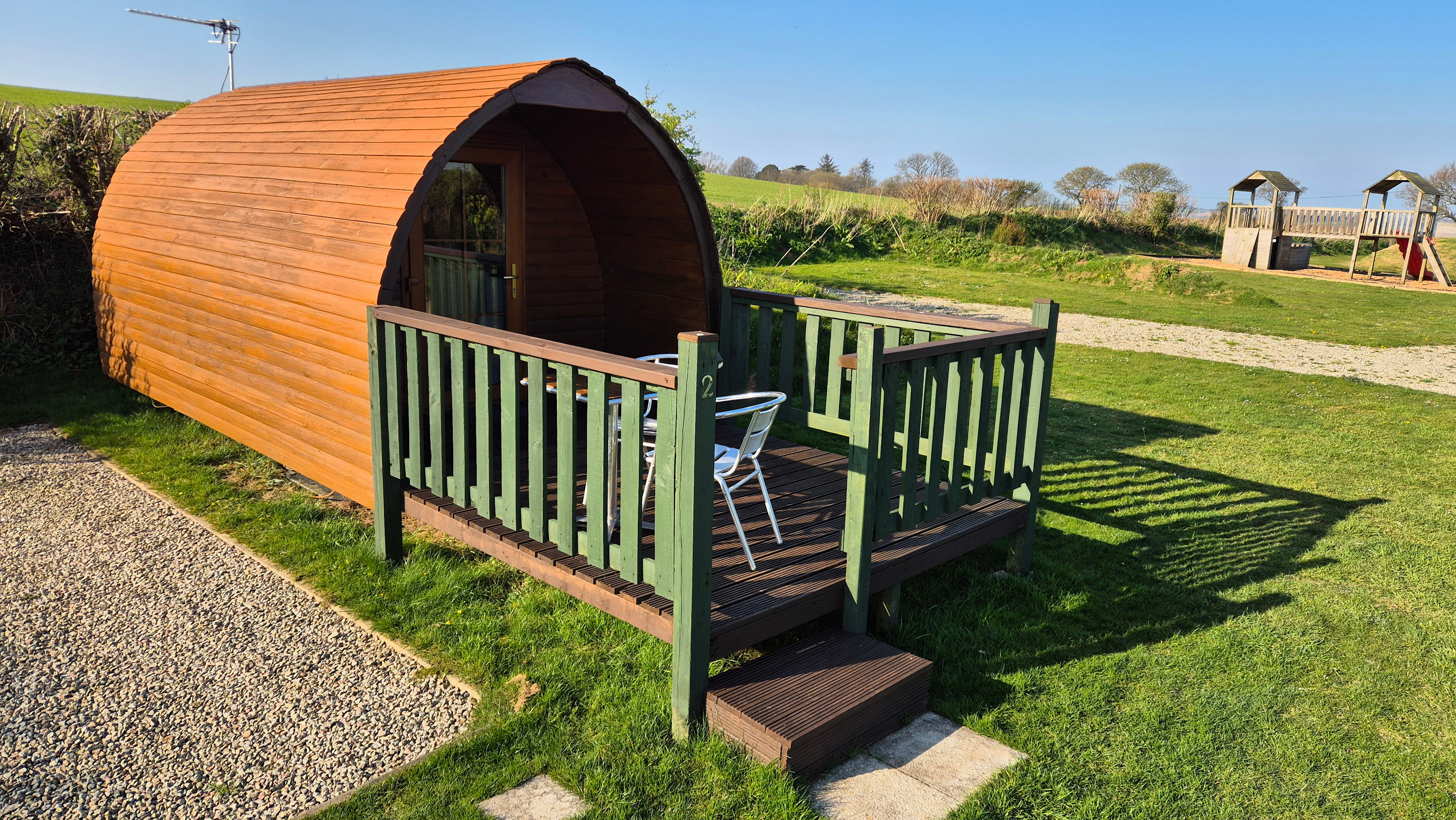
Glamping pods on a quiet camping and caravan park in the Cornish countryside
Pets
Showers
Wifi
from
£45
/ night
The High Nature Centre
15. The High Nature Centre
92%
(19)
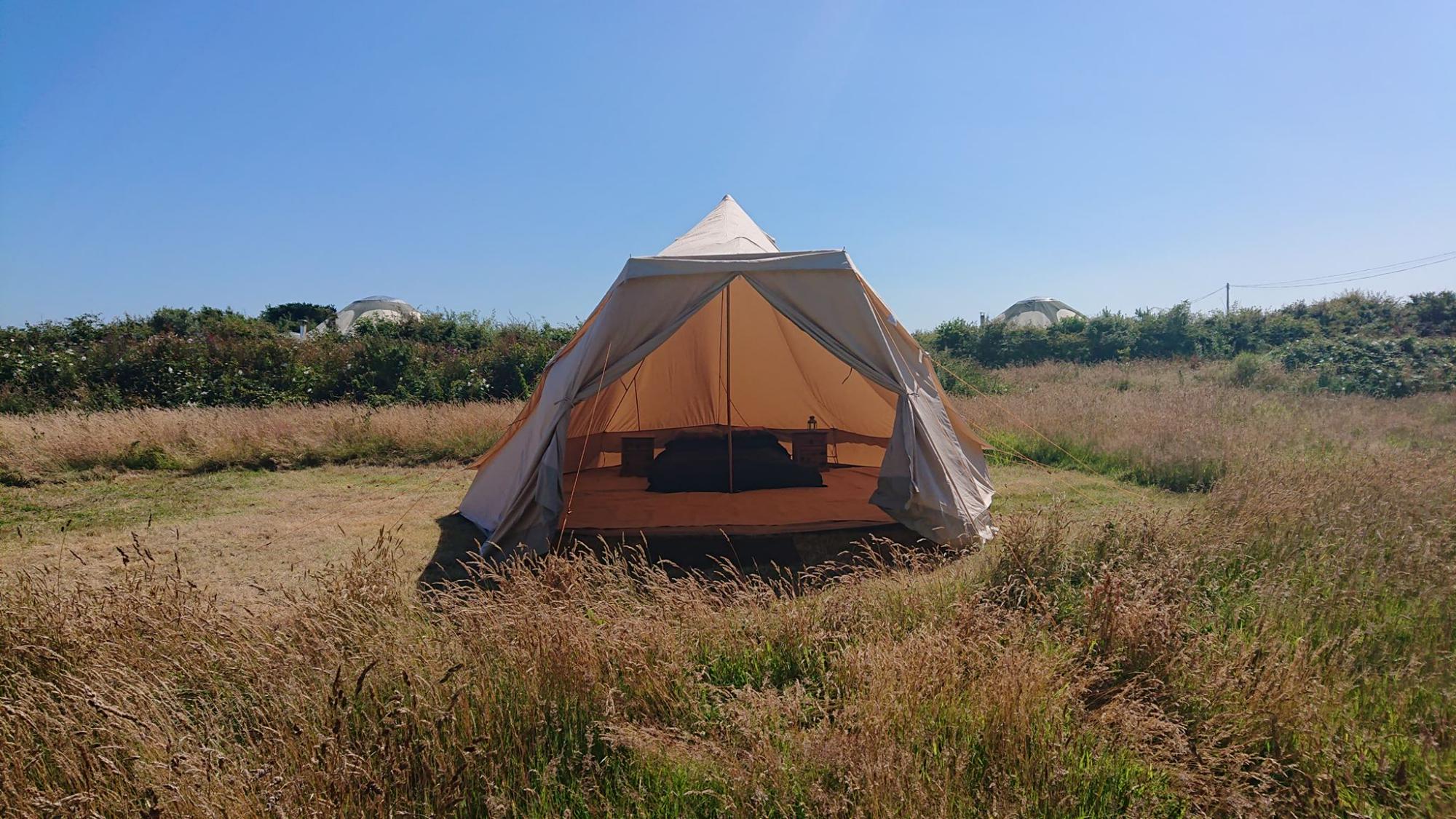
Salcombe, England · 10 units · Tents, Motorhomes, Glamping
A stay at The High Nature Centre is sure to reinvigorate the soul as only a sojourn by the sea can
Pets
Showers
Campfires
from
£10
/ night
Camp Couture
16. Camp Couture
100%
(17)
Barnstaple, England · 4 units · Tents, Glamping
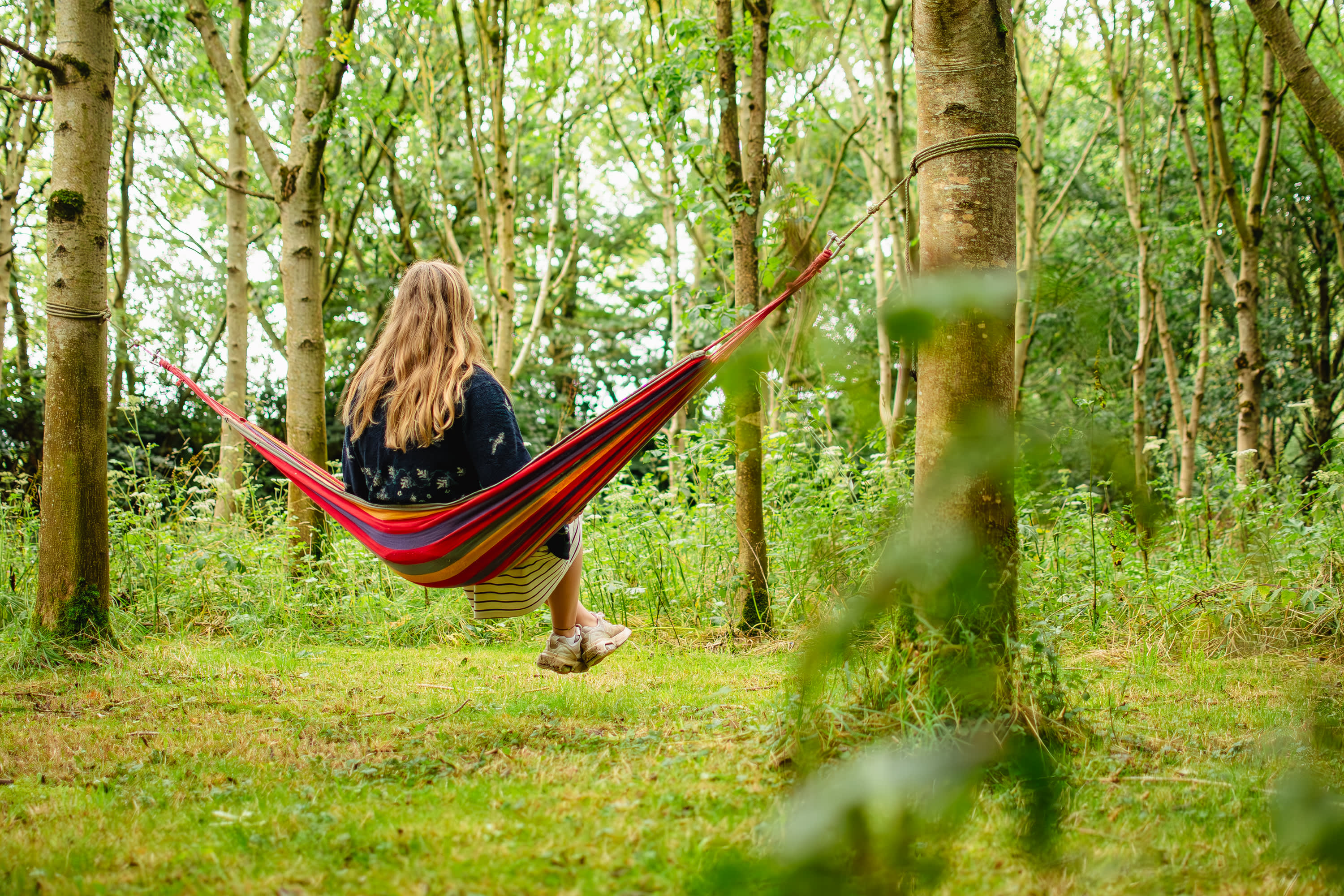
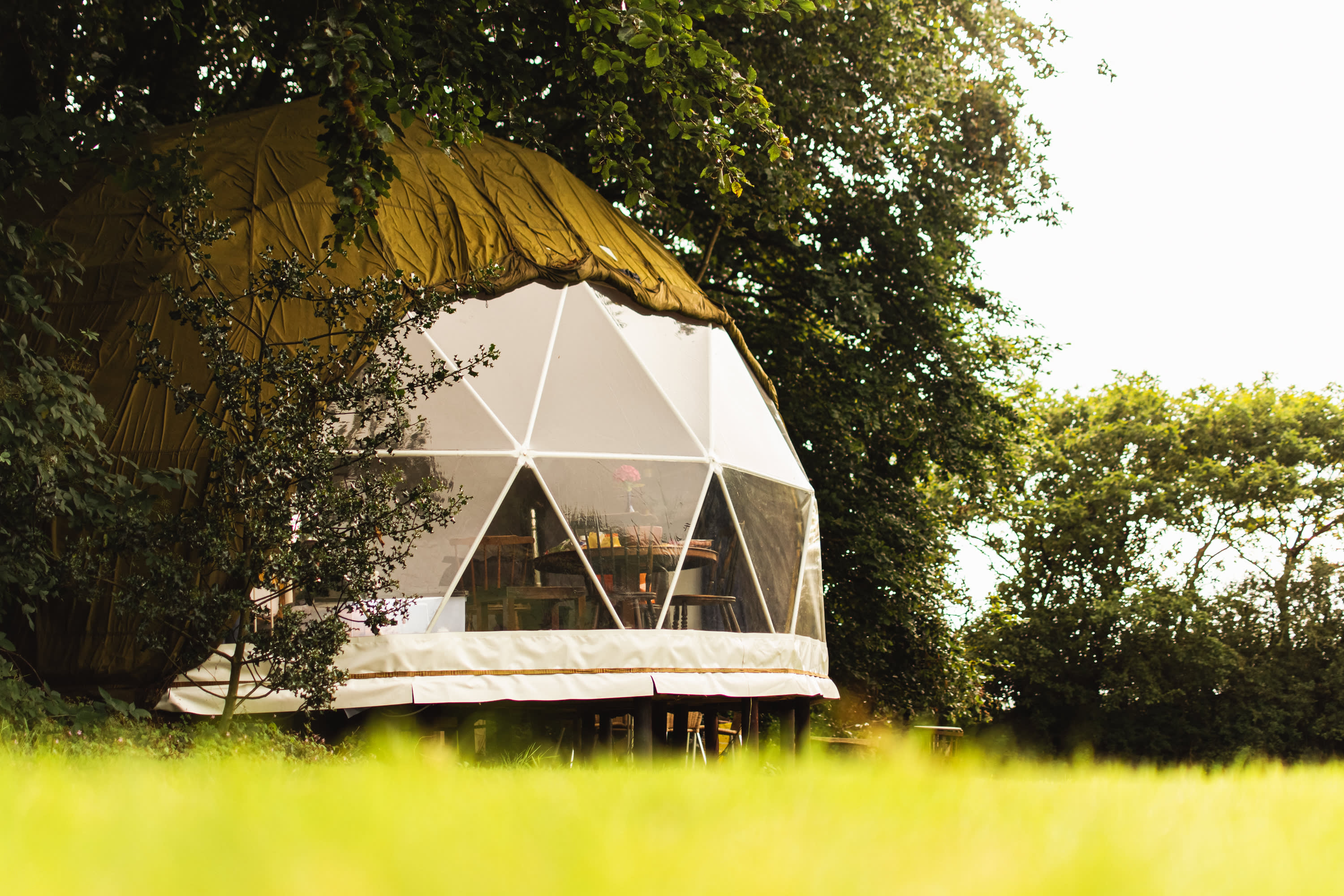
We Have 10 acres, 5 of which is woodland. Each let has its own private area with seating table and fire pit some of our let’s have either a hammock or swinging chair
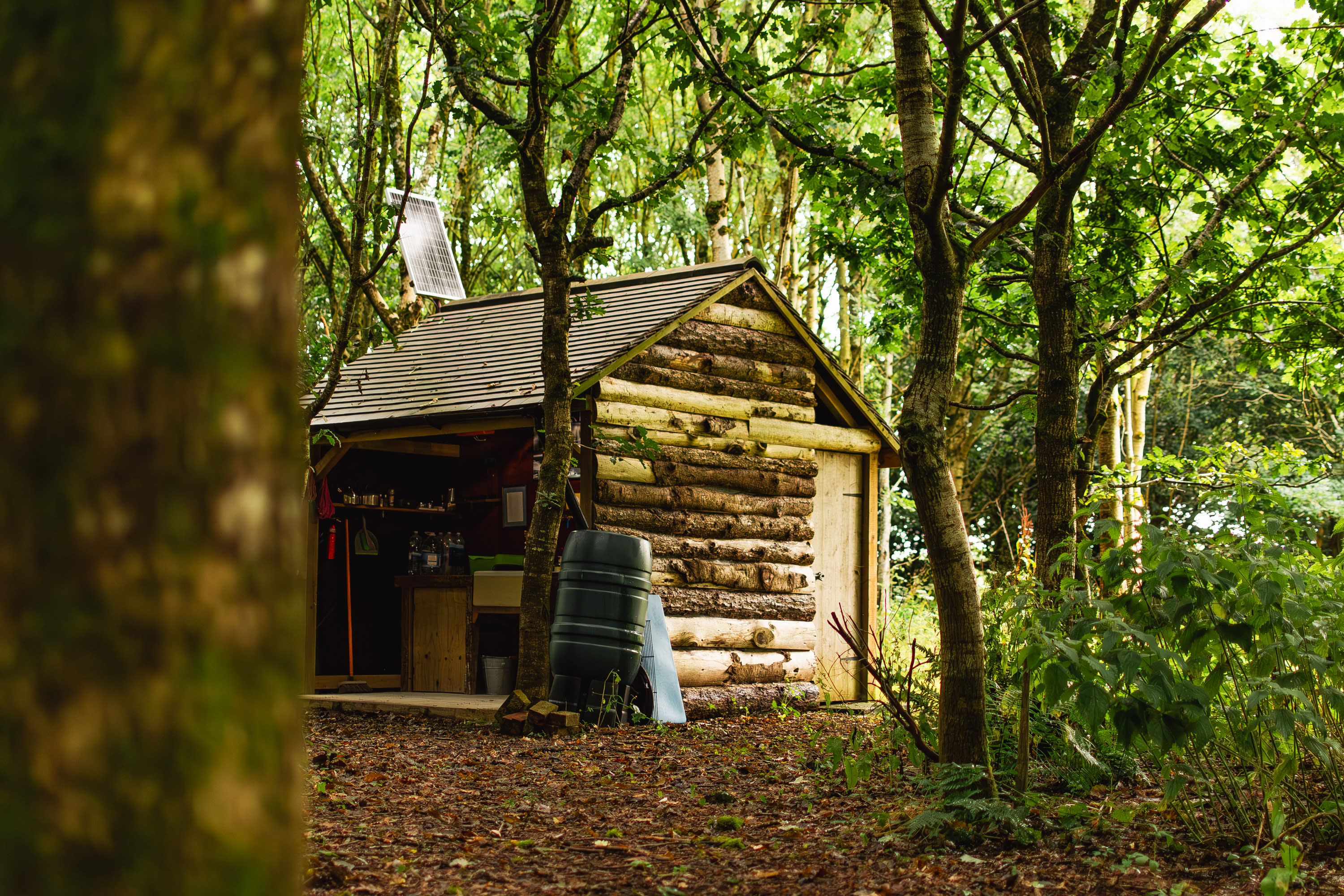
Tent pitches are in the woodland which also have their own private area with table chairs hammock fire pit and a camp kitchen to share.
We have friendly residents of Alpaca, sheep, a goat and peacocks and chickens that you are welcome to feed with the supplied food.
We have a local pub you can walk to across farmers fields about a 20 minute ramble. South Molton, a 3 minute drive away, has a small artisan market voted the best in the UK
Pets
Showers
Campfires
from
£35
/ night
Willow Valley Holiday Park
17. Willow Valley Holiday Park
100%
(16)
Bude , England · 25 units · Tents, Motorhomes, Glamping
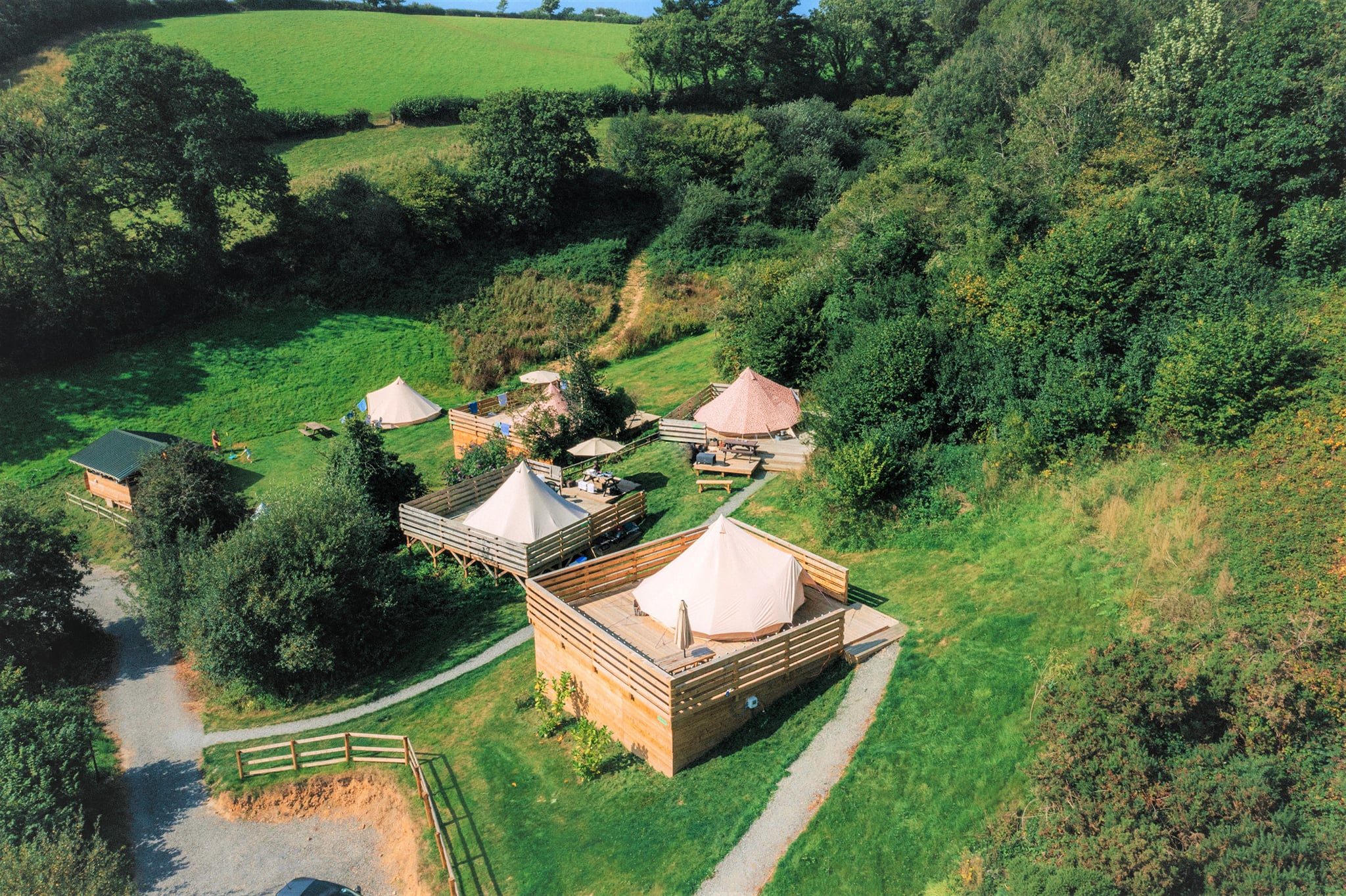
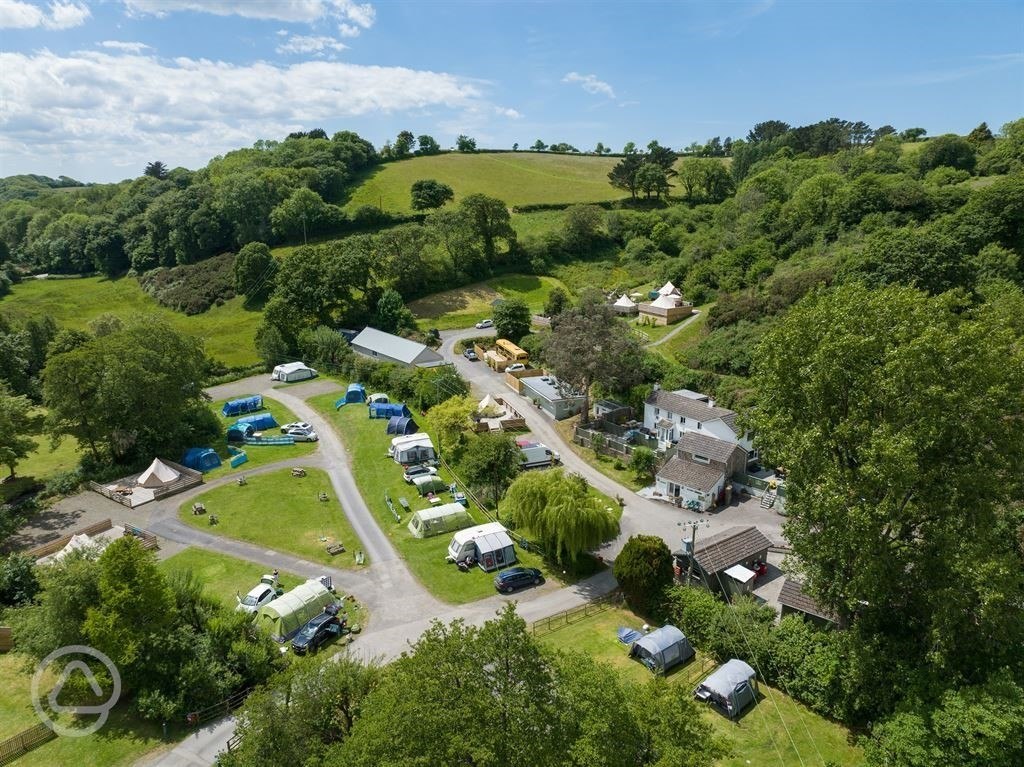
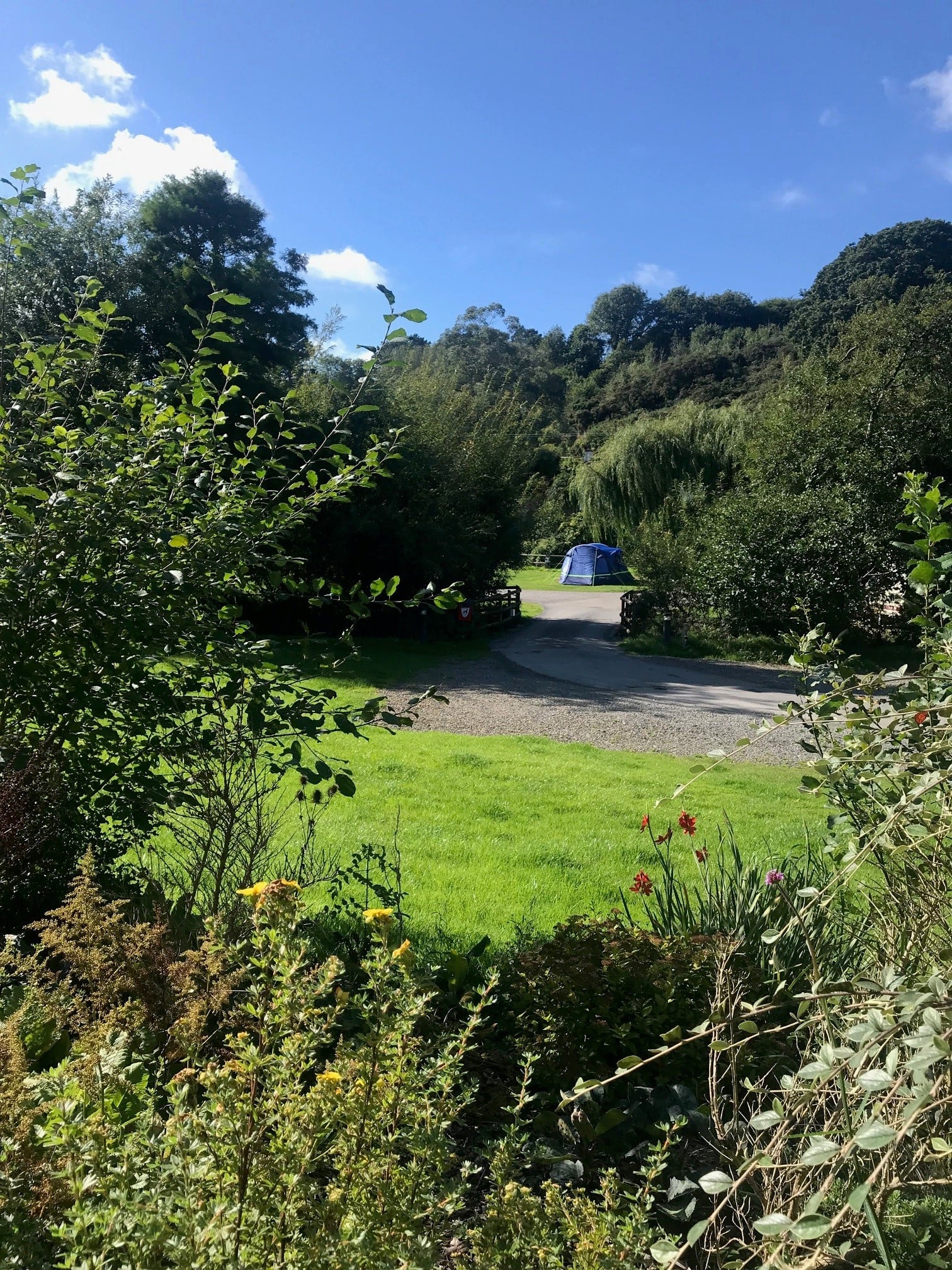
This peaceful, sheltered site has a special character. The site is the ideal place to unwind with plenty of safe space, a meandering river and friendly atmosphere. It offers 4 acres with facilities, 7 acres of wilderness, shower block, level pitches, picturesque river, children’s playground and has been rated AA 4 star gold pennant.
Becky and John both love Cornwall and fell in love with the site as soon as they saw it and it provided the perfect opportunity for a new challenge.
Having only recently taken over at Willow Valley in the Summer of 2024, there are always ongoing improvements being made so make sure you keep in touch. Any returning campers will be glad to know we aren’t changing the campsite itself though. Why would we when it is already so perfect!
Pets
Showers
Campfires
from
£29
/ night
Westland Farm
18. Westland Farm
100%
(140)
Barnstaple, England · 21 units · Tents, Motorhomes, Glamping
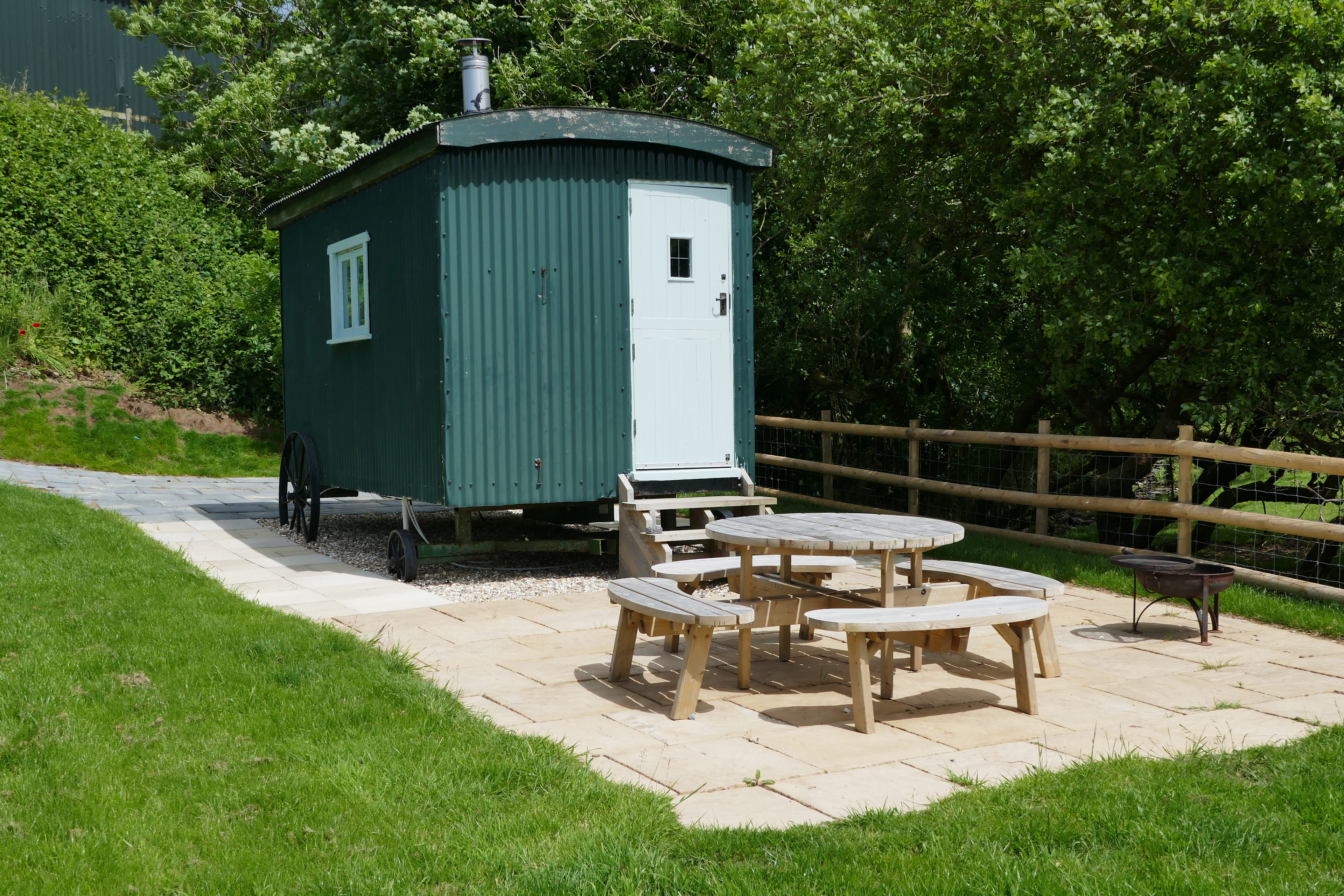
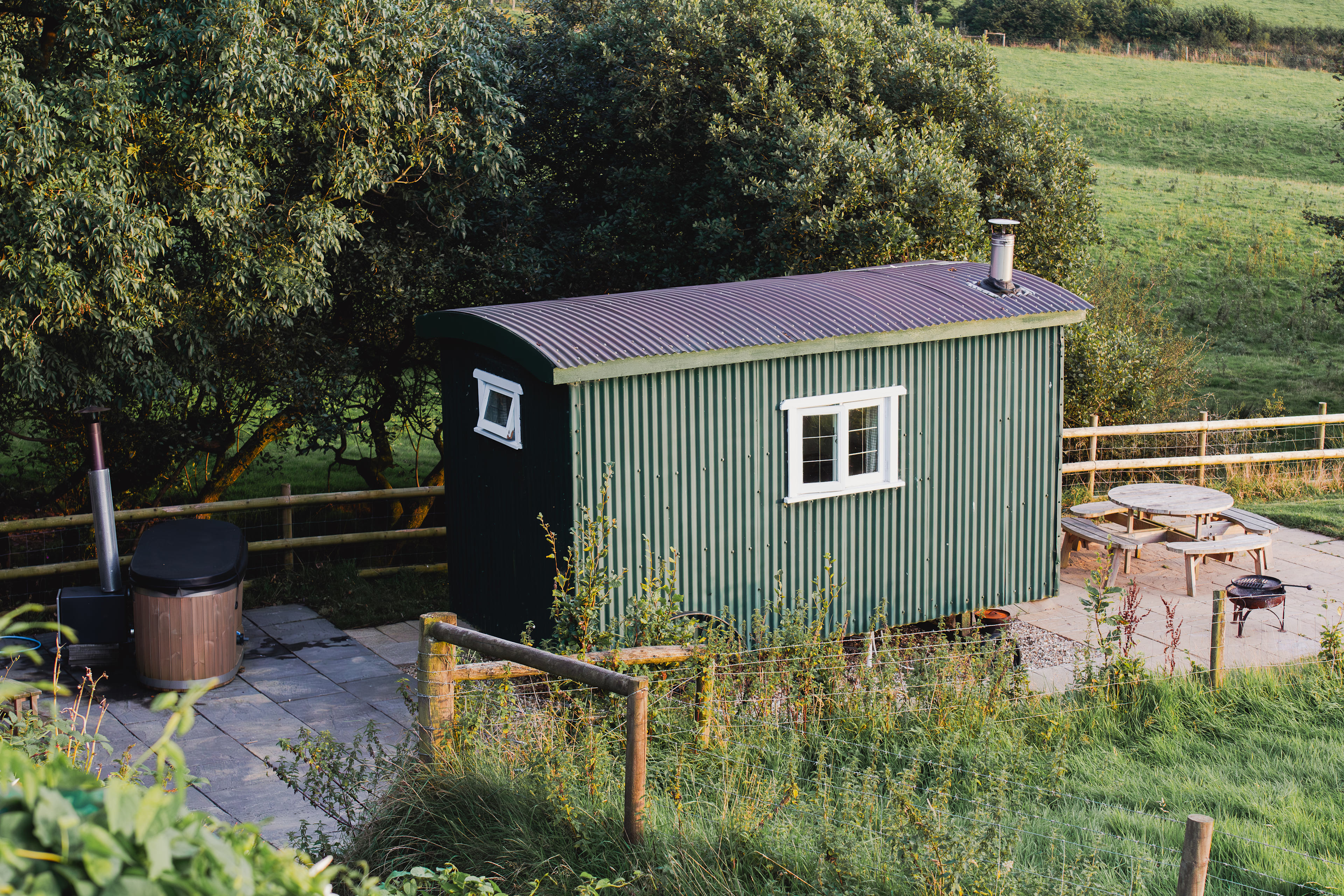
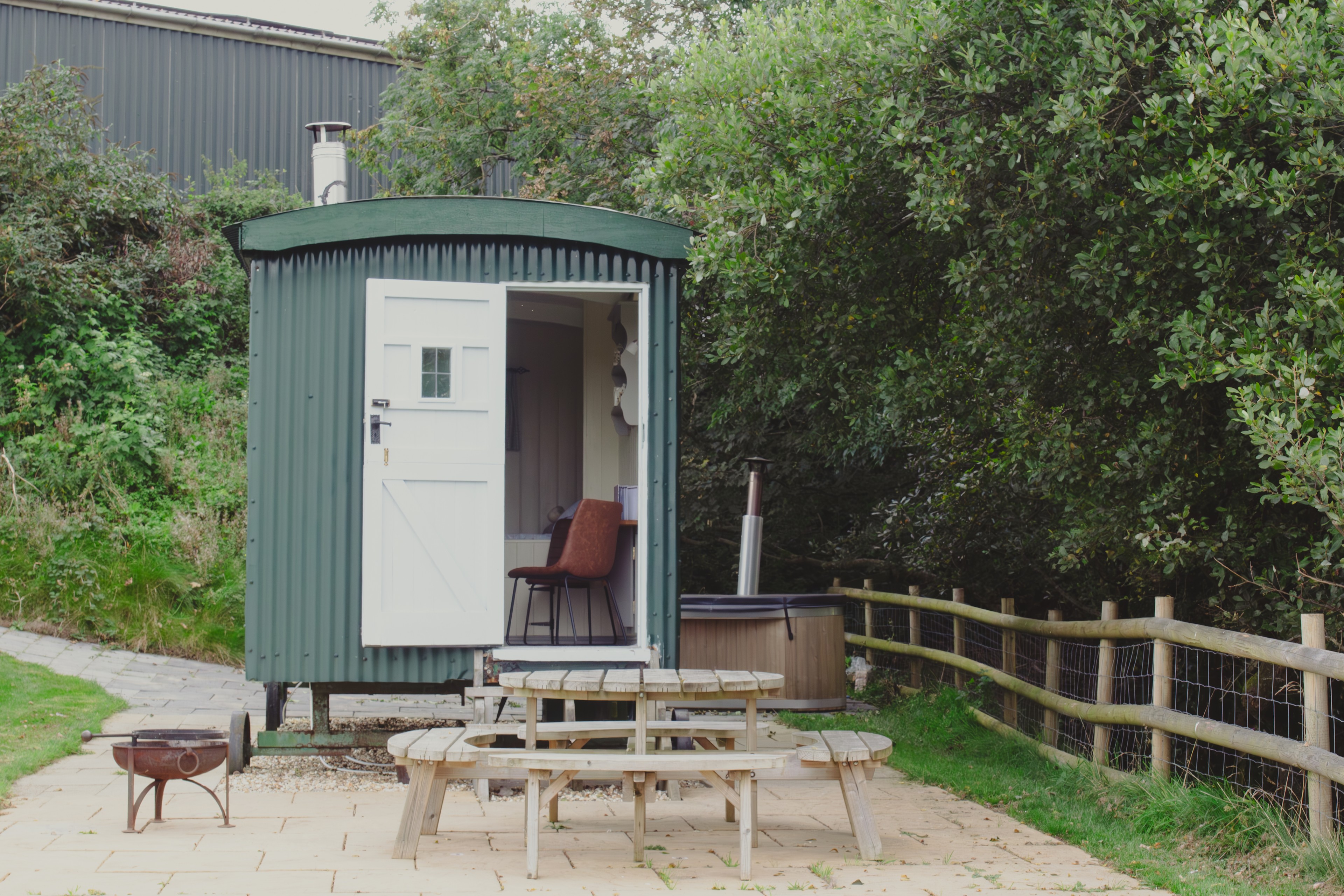
Camping and glamping on a working farm, with yurts, huts with hot tubs, and simple, spacious, sociable camping pitches
Pets
Showers
Campfires
from
£13
/ night
Aldridge Mill
19. Aldridge Mill
95%
(22)
Tiverton, England · 5 units · Tents, Motorhomes, Glamping
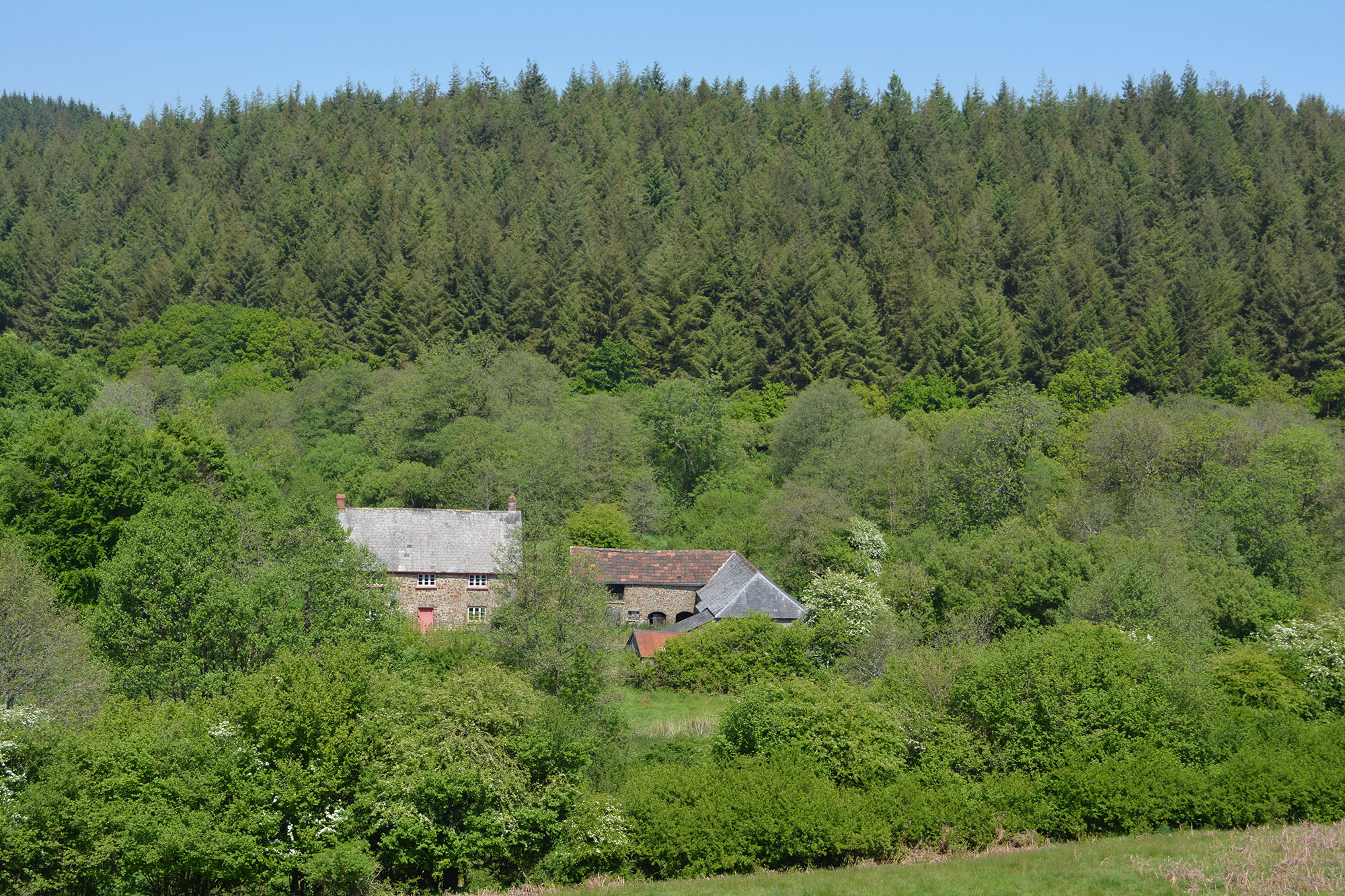
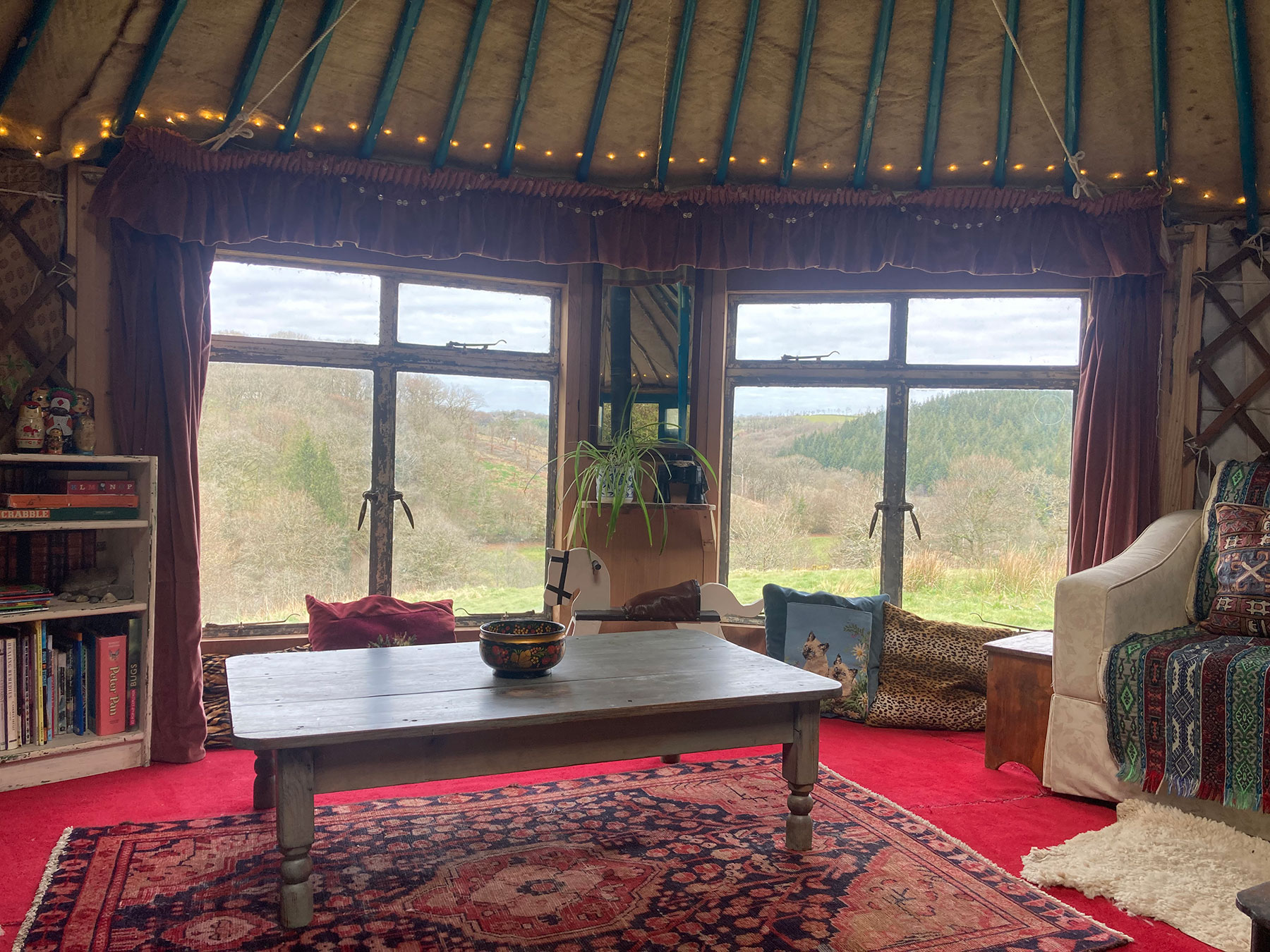
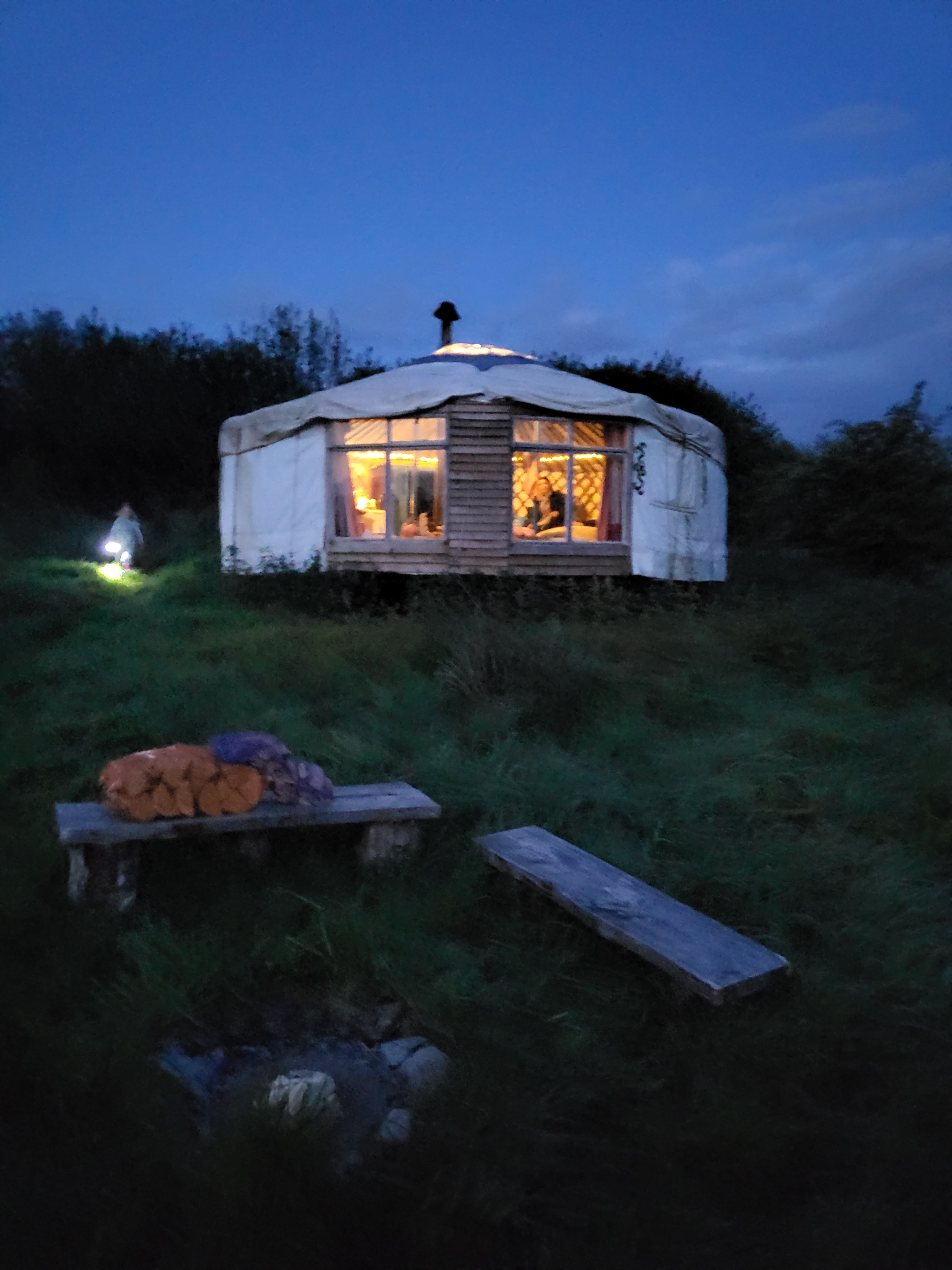
A yurt, a gypsy wagon, and wild camping pitches in a Devon valley.
Pets
Campfires
Potable water
from
£20
/ night
Jordans Estate Glamping
20. Jordans Estate Glamping
100%
(41)
Ilminster, England · 3 units
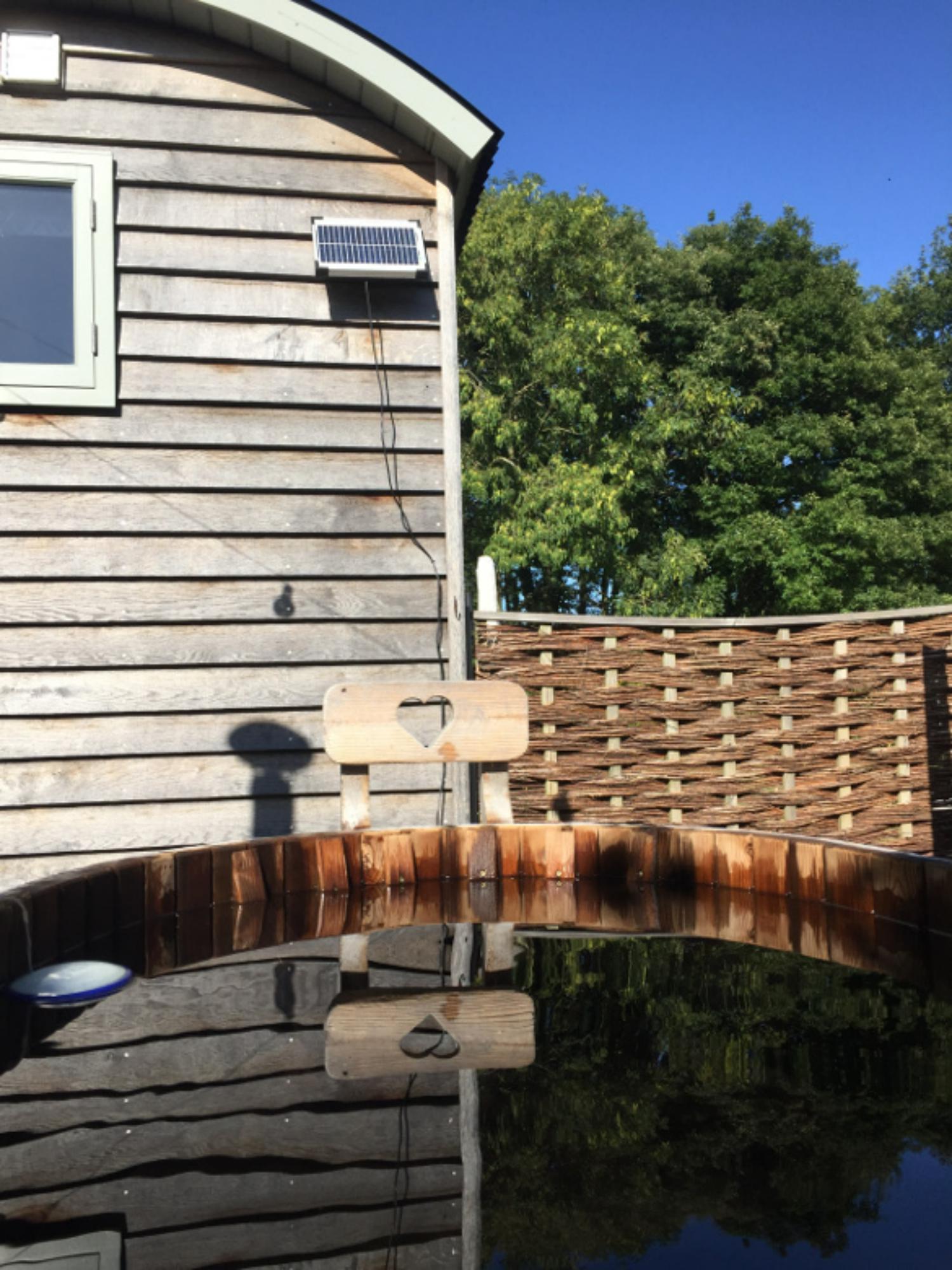
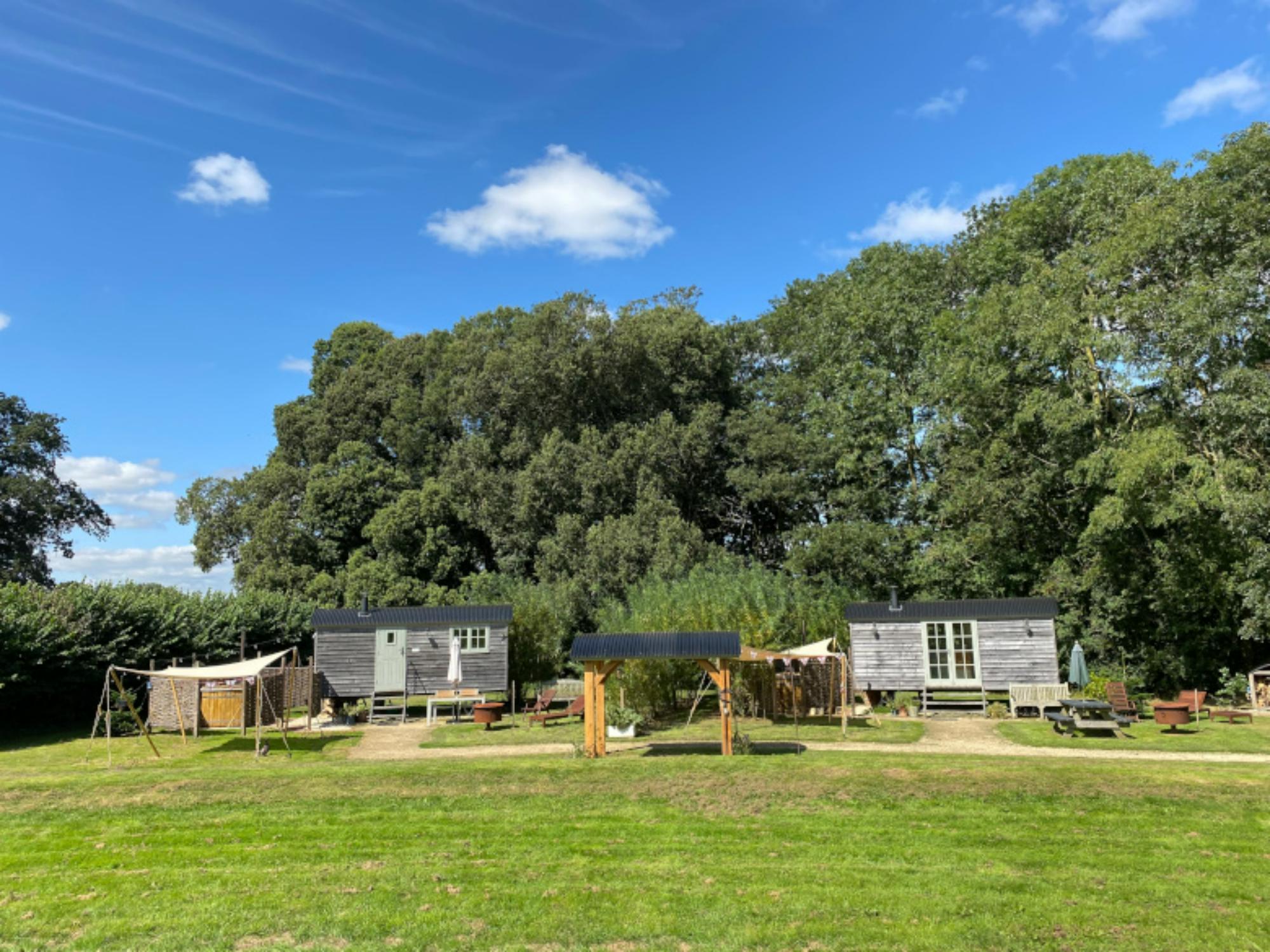
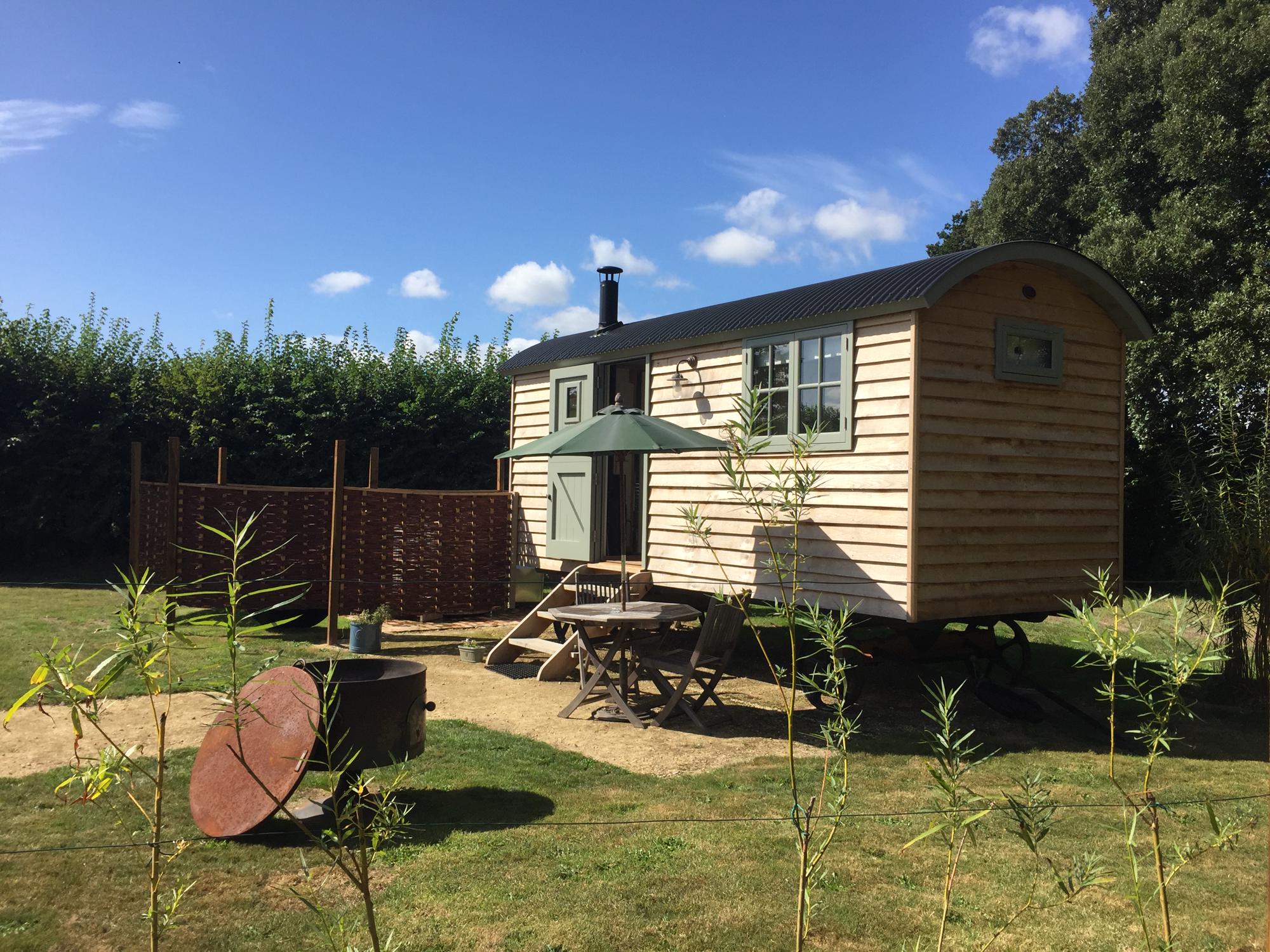
Two shepherds huts and a pair of pods set on a West Somerset estate close to the Somerset Levels and in sight of the Blackdown Hills
Showers
Campfires
Hot Tub
from
£100
/ night
97% (810) • 612 campsites
Top-rated glamping sites in Dartmoor National Park
Pittaford Farm
1. Pittaford Farm
99%
(67)
Kingsbridge, England · 15 units · Tents, Motorhomes, Glamping
A campfire-friendly site in South Devon, with a beach, a nature reserve and a pub all less than 45 minutes' walk away
Pets
Showers
Campfires
from
£26
/ night
The Enchanted Wilderness
2. The Enchanted Wilderness
93%
(44)
Yelverton, England · 6 units · Tents, Motorhomes, Glamping
Simple riverside camping pitches in the Tamar Valley on the edge of Dartmoor
Pets
Showers
Campfires
from
£28
/ night
Hobby Farm
3. Hobby Farm
96%
(45)
Whitchurch Canonicorum, England · 15 units · Tents, Motorhomes, Glamping
A peaceful, adult-only campsite 10 minutes' from the Jurassic Coast
Pets
Showers
Campfires
from
£22
/ night
Little Meadow
4. Little Meadow
England · 26 units · Tents, Motorhomes, Glamping
Relax with the whole family at this idyllic place to stay in Cornwall. Relax at near by beaches like Widemouth, go to places like Port Issac, Tintagel and Padstow with just a small drive from were your staying. Spend time with your family with short drive down to Trethorne golf and leisure park with soft play, bowling and dodgem rides.
The spectacular views from Bodmin Moor and the North coast are all easily accessible from where you're staying.
Pets
Showers
Potable water
from
£14
/ night
WILDSWIM2SAUNA
5. WILDSWIM2SAUNA
England · 32 units · Tents, Motorhomes, Glamping
Set within 146 acres, the wildswim2sauna campsite at the Yeo farm estate lends itself to adventurous and active families looking for a unique off grid camping experience.
If alfresco living, wild swimming, hot tubbing, saunas, wild fire cooking, rivers, woods, fishing and being surrounded by nature and wildlife then you’re in the right place.
fantastic beaches and cool places to visit such as Salcombe, Totnes, Bantham Beach, Hope Cove are just 20mins drive away..
Facilities include private riverside pitches, outside gym, trampoline adventure playground, fire pits, picnic tables, cinders gas bbq and outside dining area.
The riverside sauna needs to be booked.
Please visit;
WWW.WILDSWIM2SAUNA.COM for a detailed description of our boutique riverside camp
Ps Don’t forget your swimmers
Pets
Campfires
Wifi
from
£20
/ night
Pleasant Streams Farm Camping
6. Pleasant Streams Farm Camping
91%
(70)
St Austell, England · 67 units · Tents, Glamping
Lakeside camping with streams, rope swings and farmyard animals in rural Cornwall
Showers
Campfires
Potable water
from
£15
/ night
Coppet Hill
7. Coppet Hill
100%
(88)
Bridport, England · 18 units · Tents, Glamping
Wildlife-friendly camping and glamping with private loos at each pitch, 15 minutes' drive from the coast
Showers
Campfires
Hot Tub
from
£65
/ night
Brig's Farm
8. Brig's Farm
97%
(157)
Bridport, England · 21 units · Tents, Glamping
Family camping with campfires near Charmouth, with sea views and a couple of quirky glamping lorries
Pets
Showers
Campfires
from
£13
/ night
Forest Edge
9. Forest Edge
100%
(24)
Sidbury, England · 15 units · Tents, Motorhomes, Glamping
A welcoming and wild-ish camping and glamping site on the edge of a forest in East Devon
Pets
Showers
Campfires
from
£20
/ night
Cornish Tipi Holidays & Camping
10. Cornish Tipi Holidays & Camping
97%
(147)
St Kew, England · 98 units · Tents, Motorhomes, Glamping
Wake up to the sound of birdsong, go swimming before breakfast in the clear water of a secluded lake. Cook your bacon and eggs over an open fire while you plan your day, or just laze it away in the peace and quiet of your own personal tipi. You can always go fishing tomorrow, and walk along the cliffs the day after that…
The site is a unique woodland valley folded around a clear, spring-fed lake created from the old Tregildrans Quarry. Our tipis and tent pitches are dotted about this secret 20 acres full of ferns, bluebells, oak and meadowsweet.
Left in peace for many years there's been no modern chemicals or poisons on the land, meaning we've got bluebells, dormice, Red Admirals and shy woodland Jays for you to spot.
It’s a place set apart from the rush and clutter of the modern holiday experience, with an atmosphere that makes you forget the world outside, and just lounge, ramble, or potter about in a boat.
We're committed to giving you a genuinely individual service from first contact to your time staying with us.
We established CTH in 1996. This was the first and we believe still is the best tipi holiday site in the UK. We know our area inside out and can always help with local knowledge or contacts if you need them.
We want to offer our guests a sustainable holiday. A return to real camping means the lowest possible impact on the land and environment - our tipi poles don’t even break the surface of the earth. Your footprint while here could only be bettered by a survival expert. You don't have to fly! a major bonus, and we source all our wood, fish and canvas locally and work with local people wherever possible.
Showers
Campfires
Potable water
from
£25
/ night
Pure & Rustic
11. Pure & Rustic
86%
(7)
Croyde, England · 6 units
Acres of beautiful woodlands & pastures for those that like to sleep under canvas with or without electric.
Hot showers, Pure Greenfields spring water on tap, designated fire pits to bring out your rawness of nature!!
Pure & Rustic is close by to some fantastic local pubs, and the beaches of Croyde, Saunton, Putsborough & Woolacombe.
A magical woodland retreat to watch the moon & stars float by..!
Pets
Showers
Campfires
from
£15
/ night
Deer Barn Retreats
12. Deer Barn Retreats
94%
(33)
Taunton, England · 3 units
Dog-friendly glamping on the Somerset-Devon border
Pets
Showers
Campfires
from
£81
/ night
Pigscombe Piglet
13. Pigscombe Piglet
100%
(15)
Looe, England · 1 unit
An exclusive hire site with a cute and cosy cabin and a rustic shepherd's hut in charmingly rural East Cornwall
Pets
Showers
Campfires
from
£100
/ night
Looe Country Park
14. Looe Country Park
95%
(11)
Looe, England · 2 units
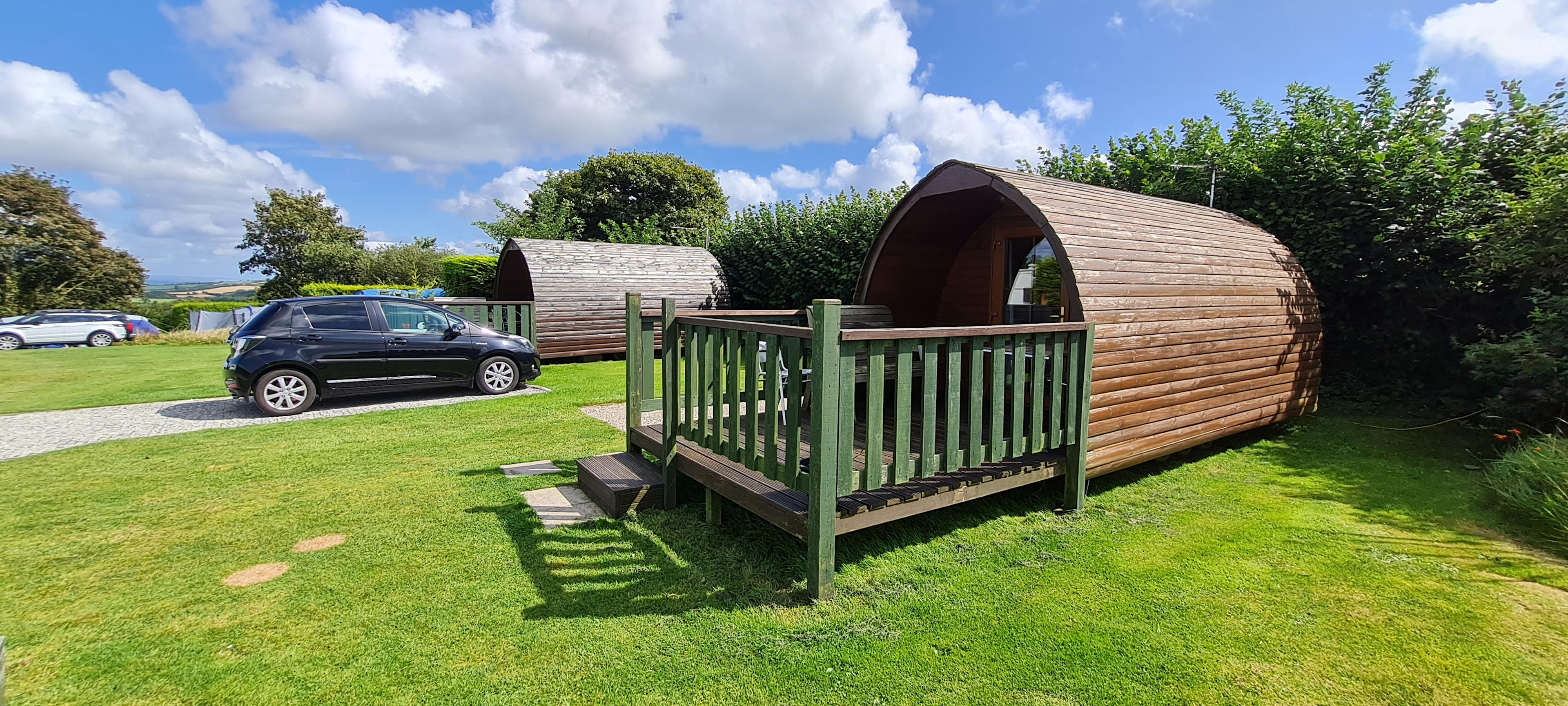
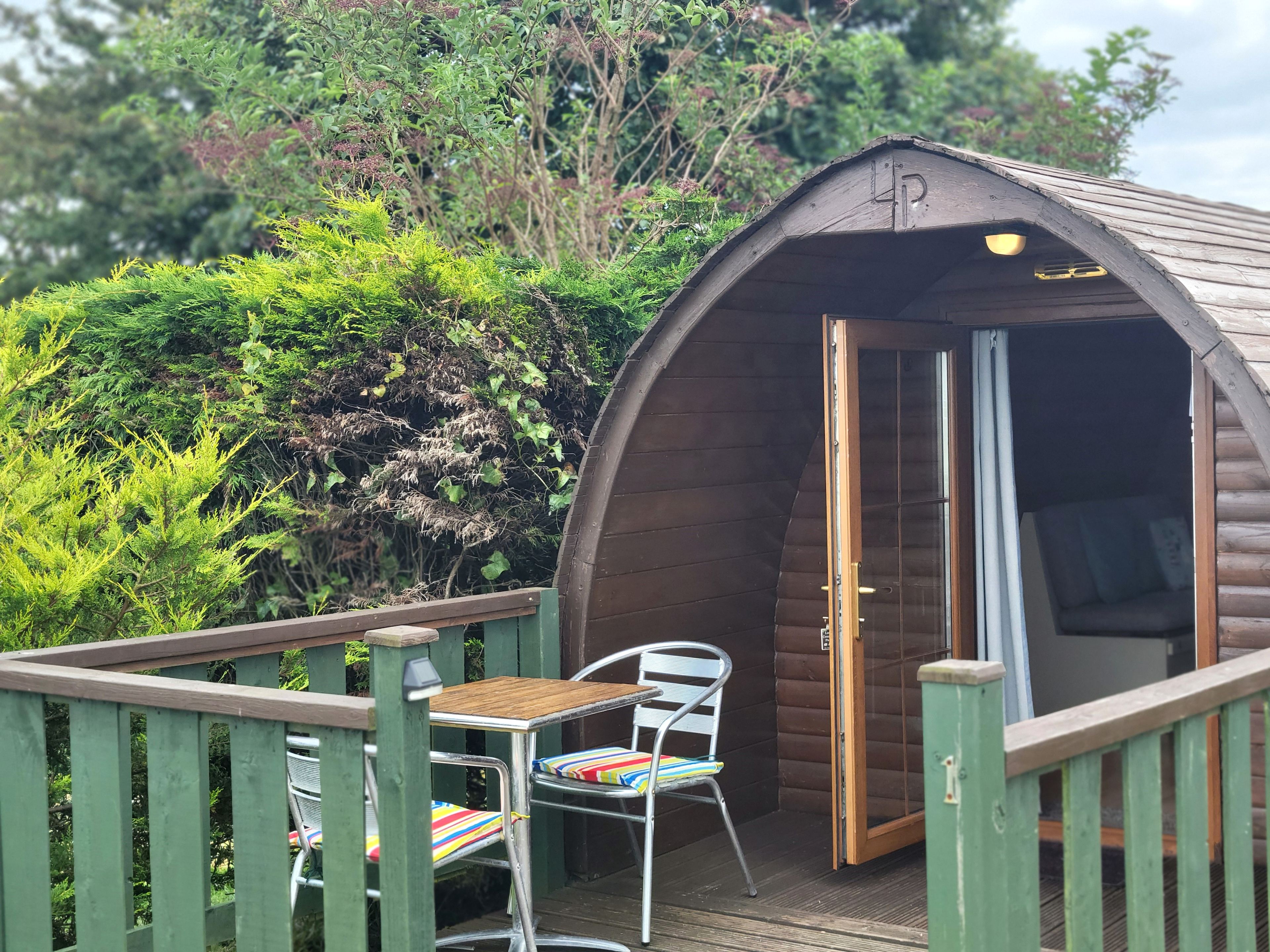
Glamping pods on a quiet camping and caravan park in the Cornish countryside
Pets
Showers
Wifi
from
£45
/ night
The High Nature Centre
15. The High Nature Centre
92%
(19)
Salcombe, England · 10 units · Tents, Motorhomes, Glamping
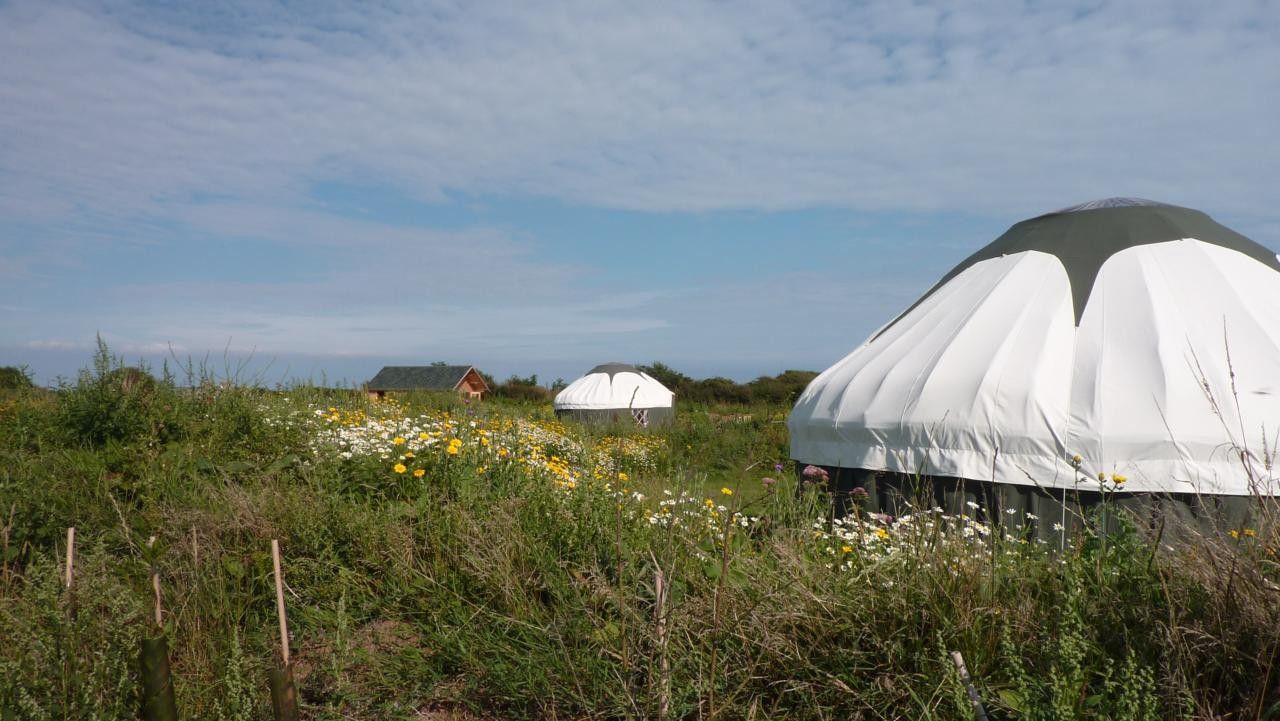
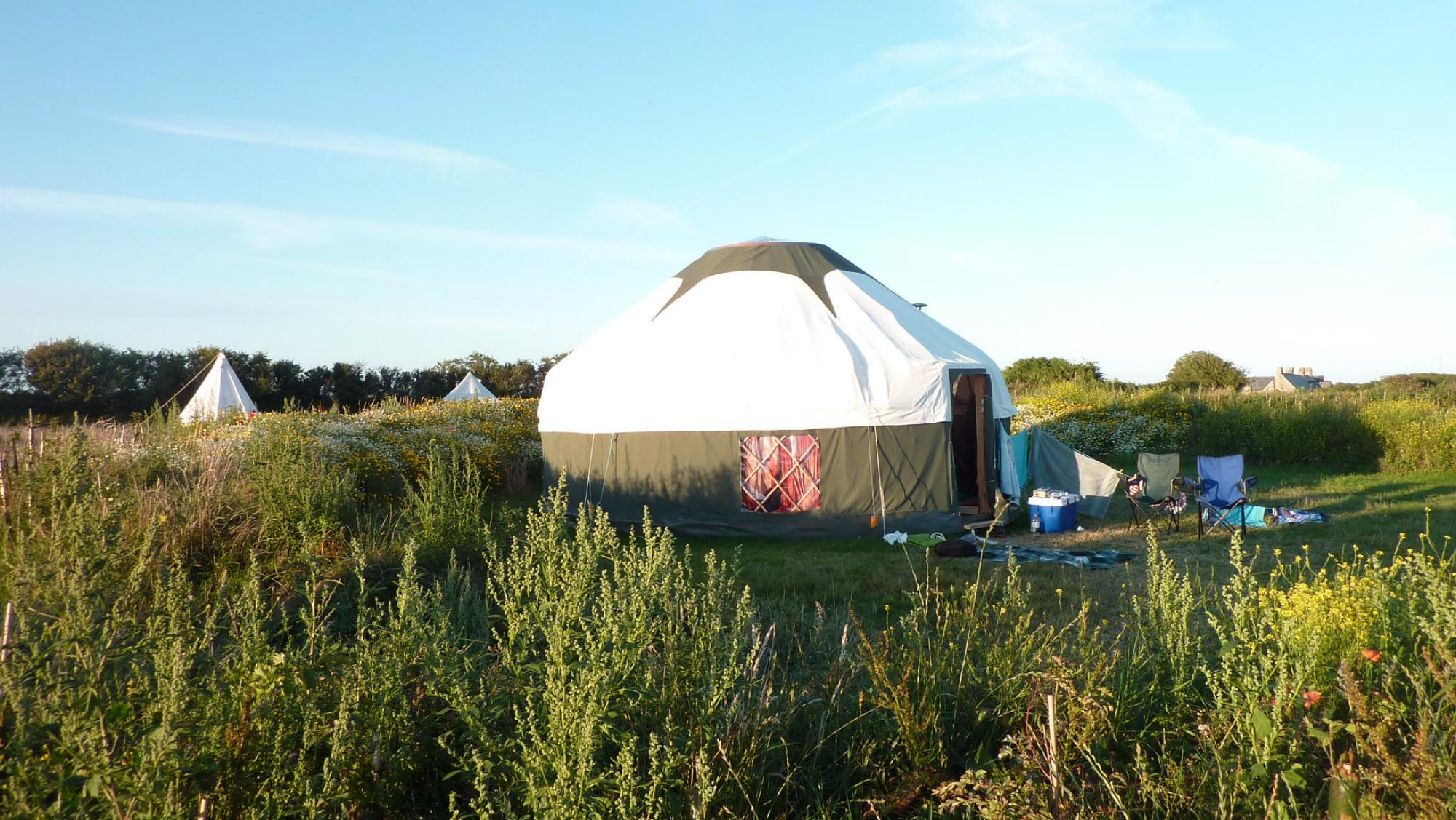
A stay at The High Nature Centre is sure to reinvigorate the soul as only a sojourn by the sea can
Pets
Showers
Campfires
from
£10
/ night
Camp Couture
16. Camp Couture
100%
(17)
Barnstaple, England · 4 units · Tents, Glamping
We Have 10 acres, 5 of which is woodland. Each let has its own private area with seating table and fire pit some of our let’s have either a hammock or swinging chair
Tent pitches are in the woodland which also have their own private area with table chairs hammock fire pit and a camp kitchen to share.
We have friendly residents of Alpaca, sheep, a goat and peacocks and chickens that you are welcome to feed with the supplied food.
We have a local pub you can walk to across farmers fields about a 20 minute ramble. South Molton, a 3 minute drive away, has a small artisan market voted the best in the UK
Pets
Showers
Campfires
from
£35
/ night
Willow Valley Holiday Park
17. Willow Valley Holiday Park
100%
(16)
Bude , England · 25 units · Tents, Motorhomes, Glamping
This peaceful, sheltered site has a special character. The site is the ideal place to unwind with plenty of safe space, a meandering river and friendly atmosphere. It offers 4 acres with facilities, 7 acres of wilderness, shower block, level pitches, picturesque river, children’s playground and has been rated AA 4 star gold pennant.
Becky and John both love Cornwall and fell in love with the site as soon as they saw it and it provided the perfect opportunity for a new challenge.
Having only recently taken over at Willow Valley in the Summer of 2024, there are always ongoing improvements being made so make sure you keep in touch. Any returning campers will be glad to know we aren’t changing the campsite itself though. Why would we when it is already so perfect!
Pets
Showers
Campfires
from
£29
/ night
Westland Farm
18. Westland Farm
100%
(140)
Barnstaple, England · 21 units · Tents, Motorhomes, Glamping
Camping and glamping on a working farm, with yurts, huts with hot tubs, and simple, spacious, sociable camping pitches
Pets
Showers
Campfires
from
£13
/ night
Aldridge Mill
19. Aldridge Mill
95%
(22)
Tiverton, England · 5 units · Tents, Motorhomes, Glamping
A yurt, a gypsy wagon, and wild camping pitches in a Devon valley.
Pets
Campfires
Potable water
from
£20
/ night
Jordans Estate Glamping
20. Jordans Estate Glamping
100%
(41)
Ilminster, England · 3 units
Two shepherds huts and a pair of pods set on a West Somerset estate close to the Somerset Levels and in sight of the Blackdown Hills
Showers
Campfires
Hot Tub
from
£100
/ night
Recent reviews from the Hipcamp community
N
Niome
October 2025
With kids
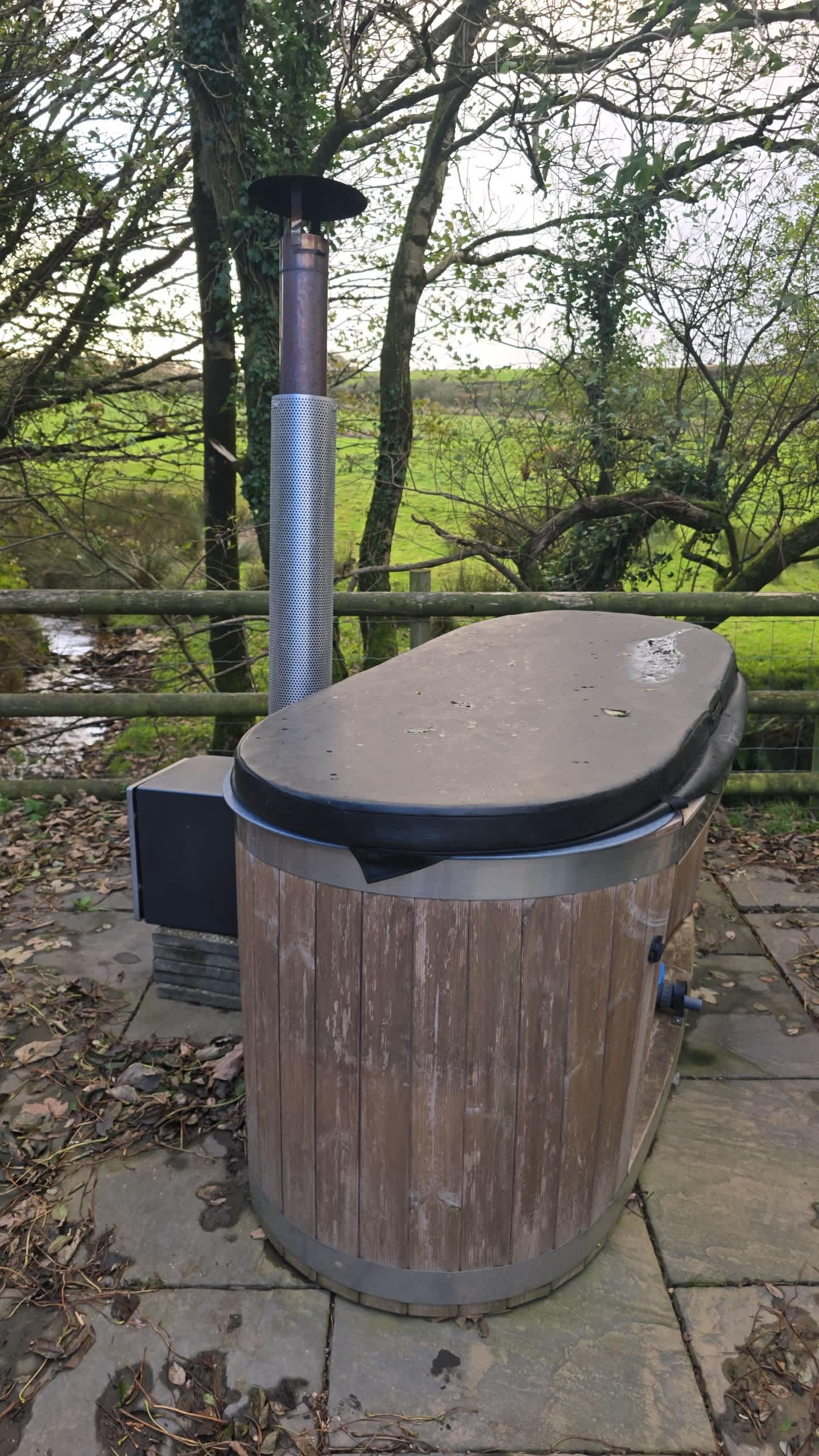
brilliant place to stay, very relaxed there but if you need anything they was there. me and my partner stayed here with our 2 daughters and our dog and it was 100% one of the best places we have been to, great veiws, great facilities. all in all will 100% be staying again and maybe try the other cabins.
See more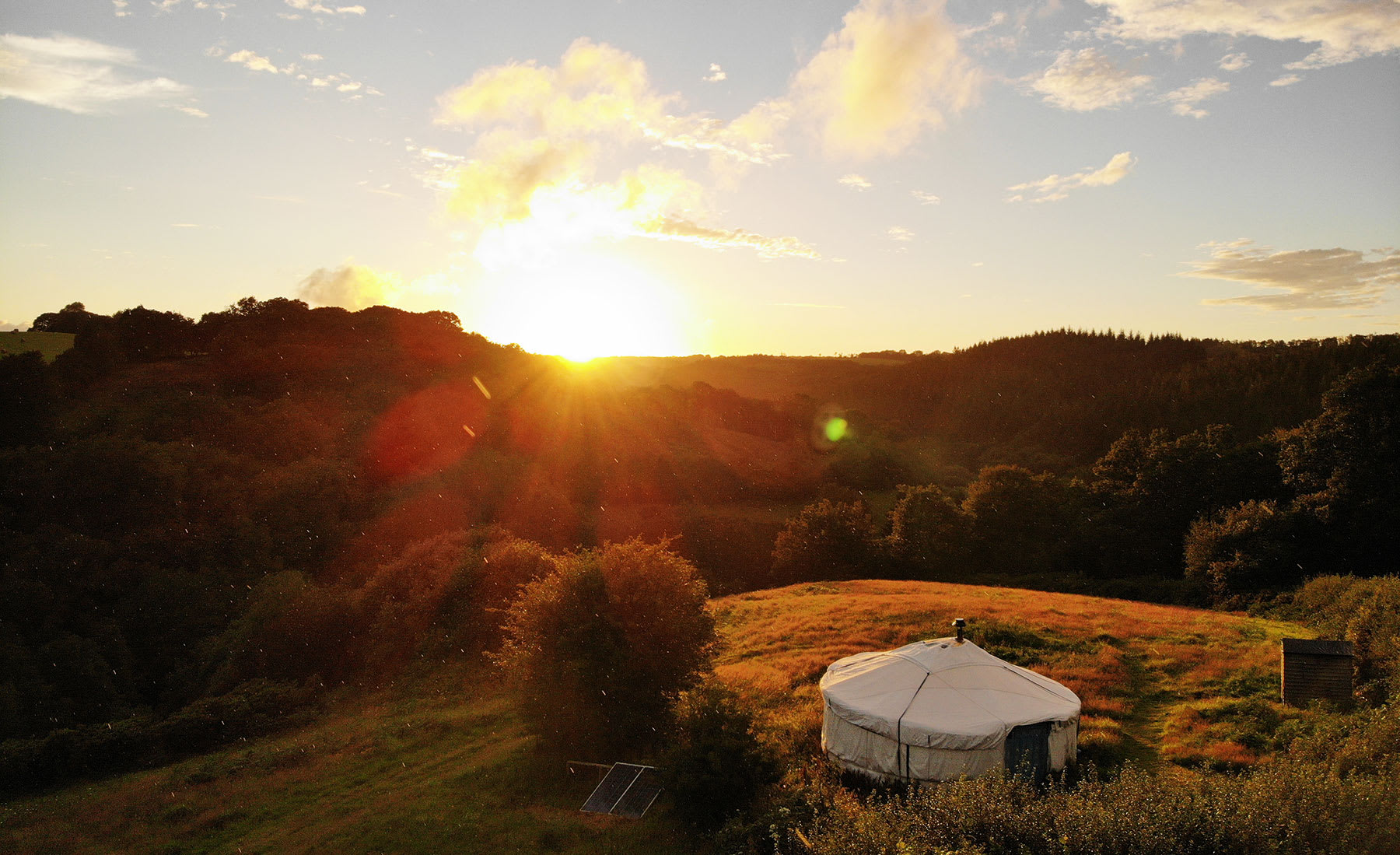
N
Nicola
August 2025
With pets
We’ve had a lovely 3 nights at the gorgeous yurt. Weather was fab, yurt was amazing and super comfy! We loved stargazing around the fire in the evenings and took the dogs for some lush walks.
Would definitely come and stay again!
See more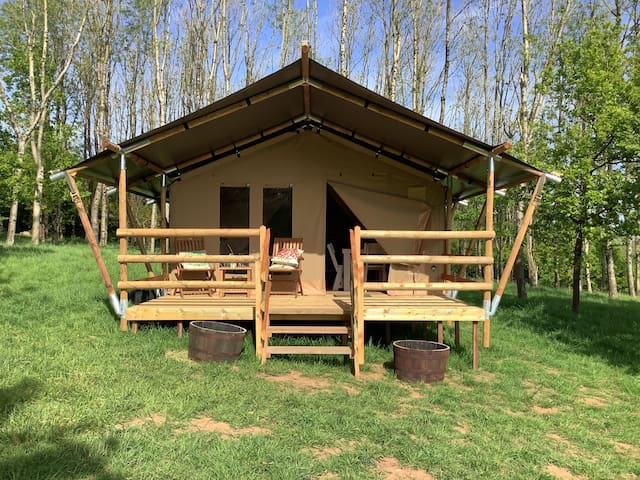
P
Paul
August 2025
With pets
Would highly recommend , we stopped in the safari lodge and had the whole site to our selves kids and dog loved it . lodge was very clean and so was the shower and toilet facilities also has a kitchen what has everything you need if you do forget anything with an honesty box to leave the money in . We was lucky to have a clear night so seeing all the stars at night was amazing also spotted deers in the morning. Very pleased with our stay
See more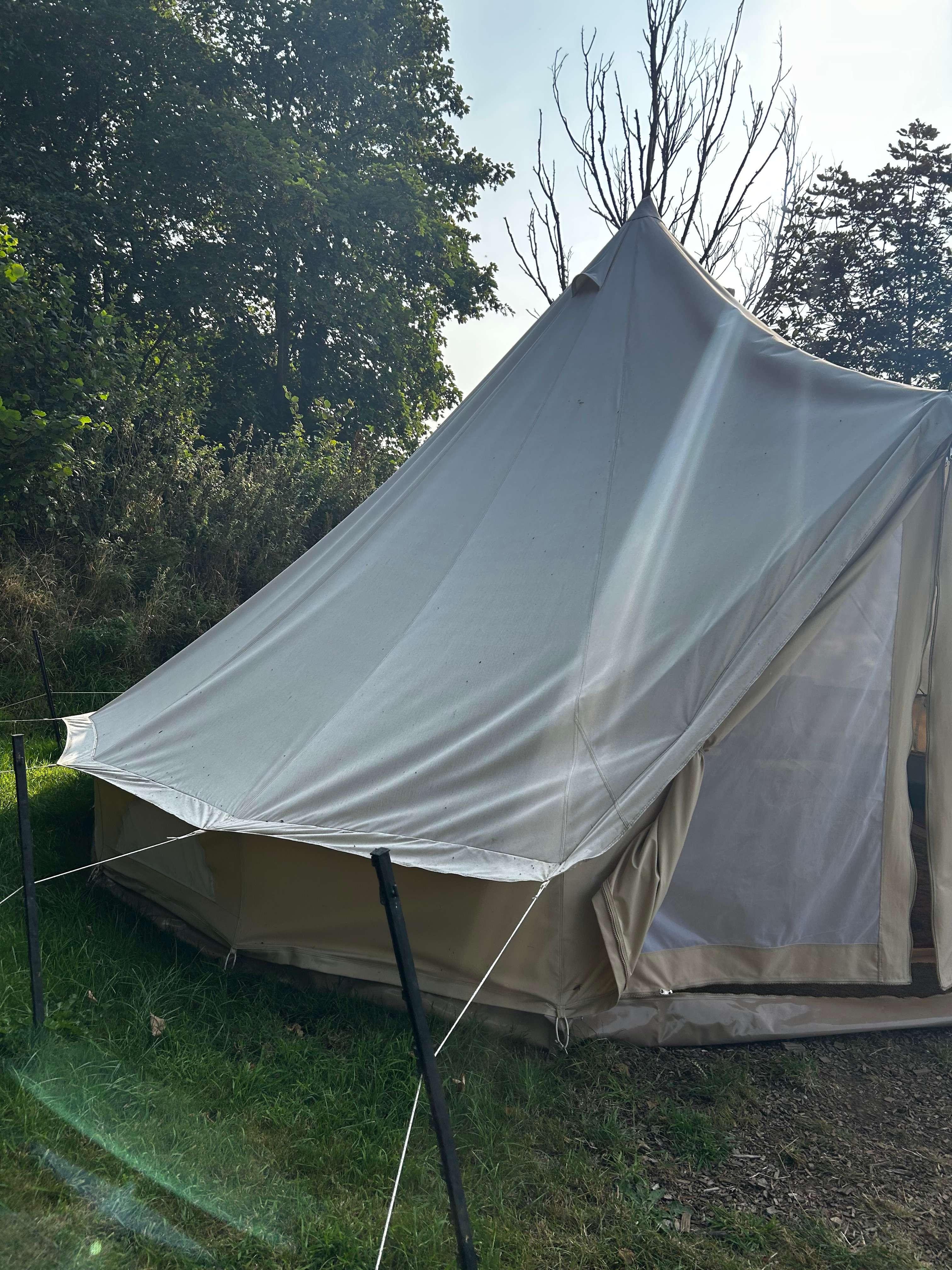
K
Kimberley
August 2025
With kids
Absolutely loved our time, both sally and Paul were lovely and super friendly. The spot was so peaceful and had a homely atmosphere, everyone we meet was very friendly. 100% going back!
See more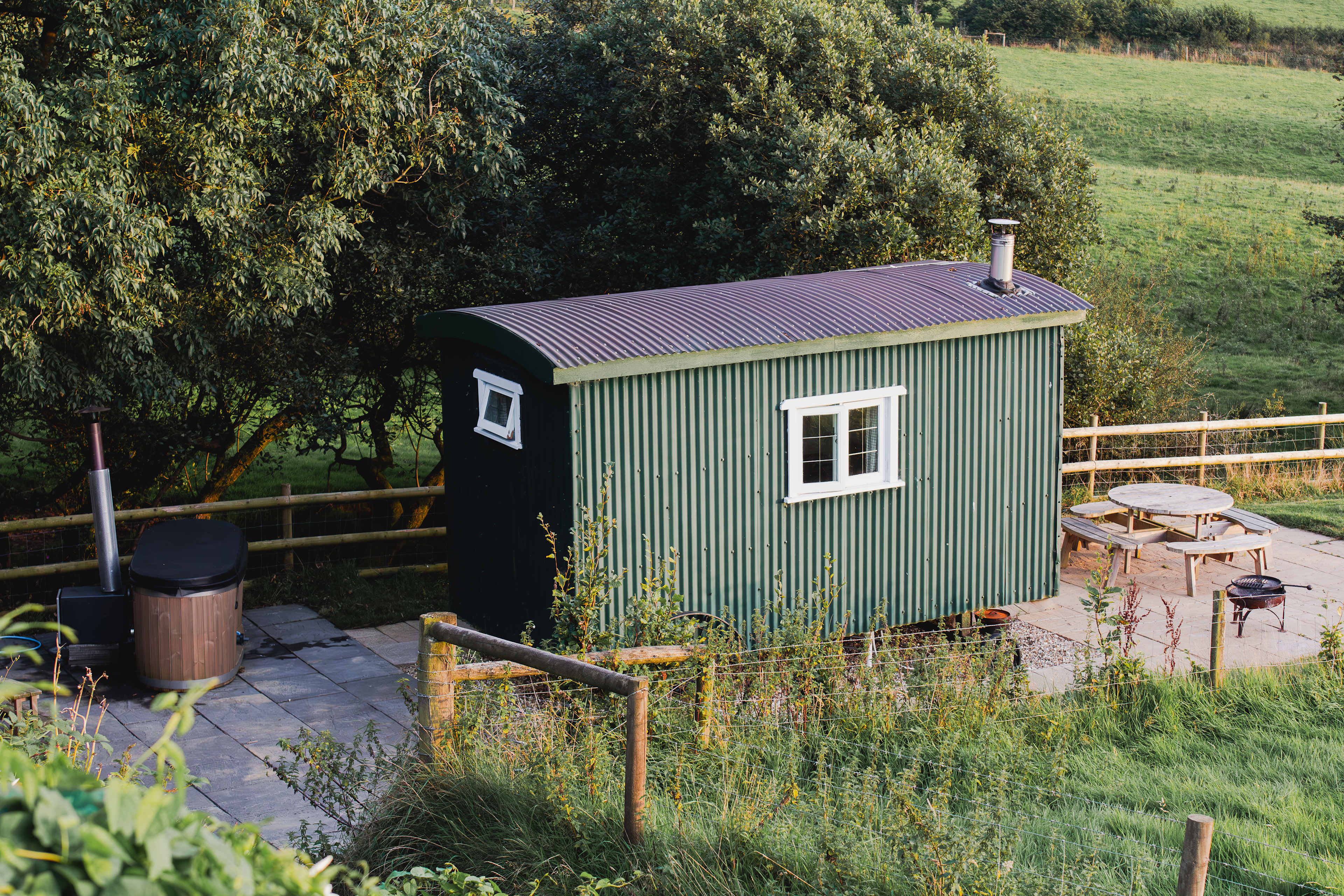
A
Andrew
August 2025
With kids
We booked a weekend stay with our daughter and it was lovely, very peaceful and calm. She loved feeding the pigs! The hot tub stays hot for a long time once you’ve got it going so worth firing it up nice abs early. The site owners were always around and really helpful too.
See more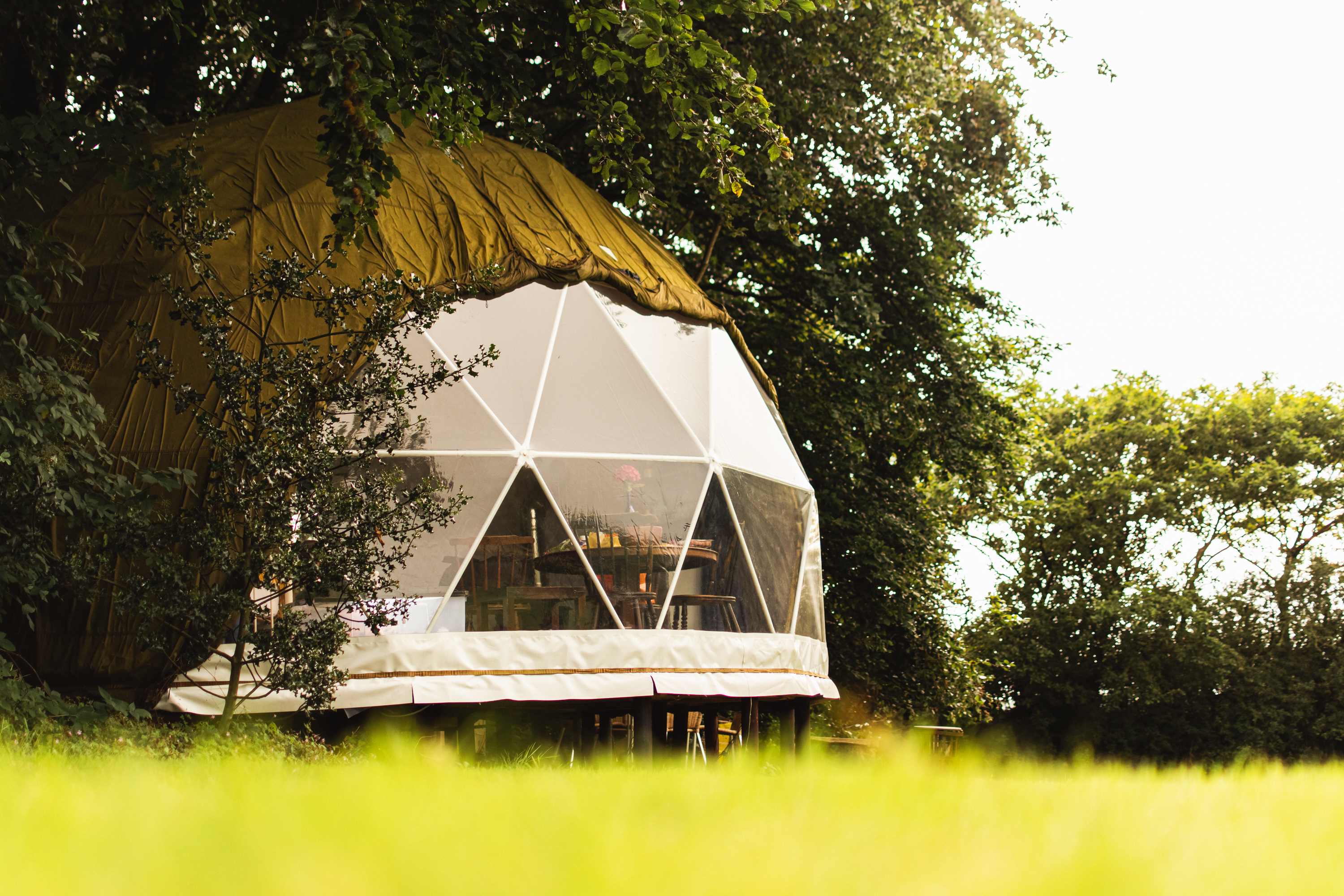
M
Margareth
August 2025
3 nights at Camp Couture
Really nice place. Quite place with nice and sweet animals. Very comfortabel tent and communial Kitchen. Near barnstaple ( 20 min)
See more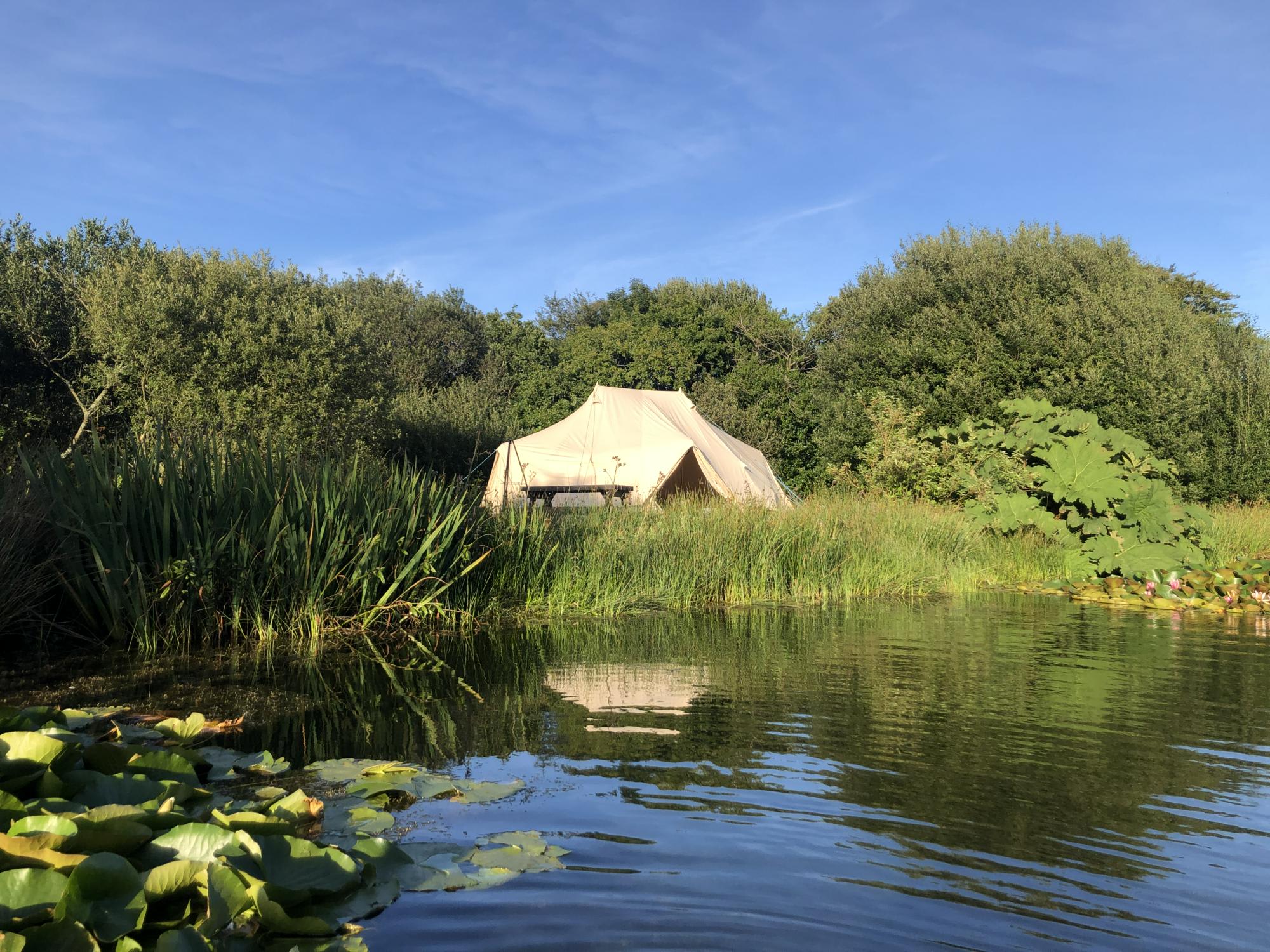

Nicole
August 2025
With kids
Very spacious, quiet, well maintained campsite. The bell tent was very well equipped and the outside kitchen covered with a tarp was very convenient. Everyday frozen cooling elements are provided for the cool box. Great service! Lesley and Tony were super friendly and helpful. The kids had lots of fun playing and could wander on their own around the campsite. Can recommend staying here!
See more
F
Felicity
July 2025
Weekend Trip to Willow Valley Holiday Park
We had a lovely stay in the school bus! It was surprisingly roomy and very well equipped. Hosts were very welcoming on arrival and always about should we have needed help during our stay. The campsite itself was lovely and quiet, the facilities very clean and well maintained and a useful little shop should you need something! Would definitely recommend this stay to others - thank you!
See more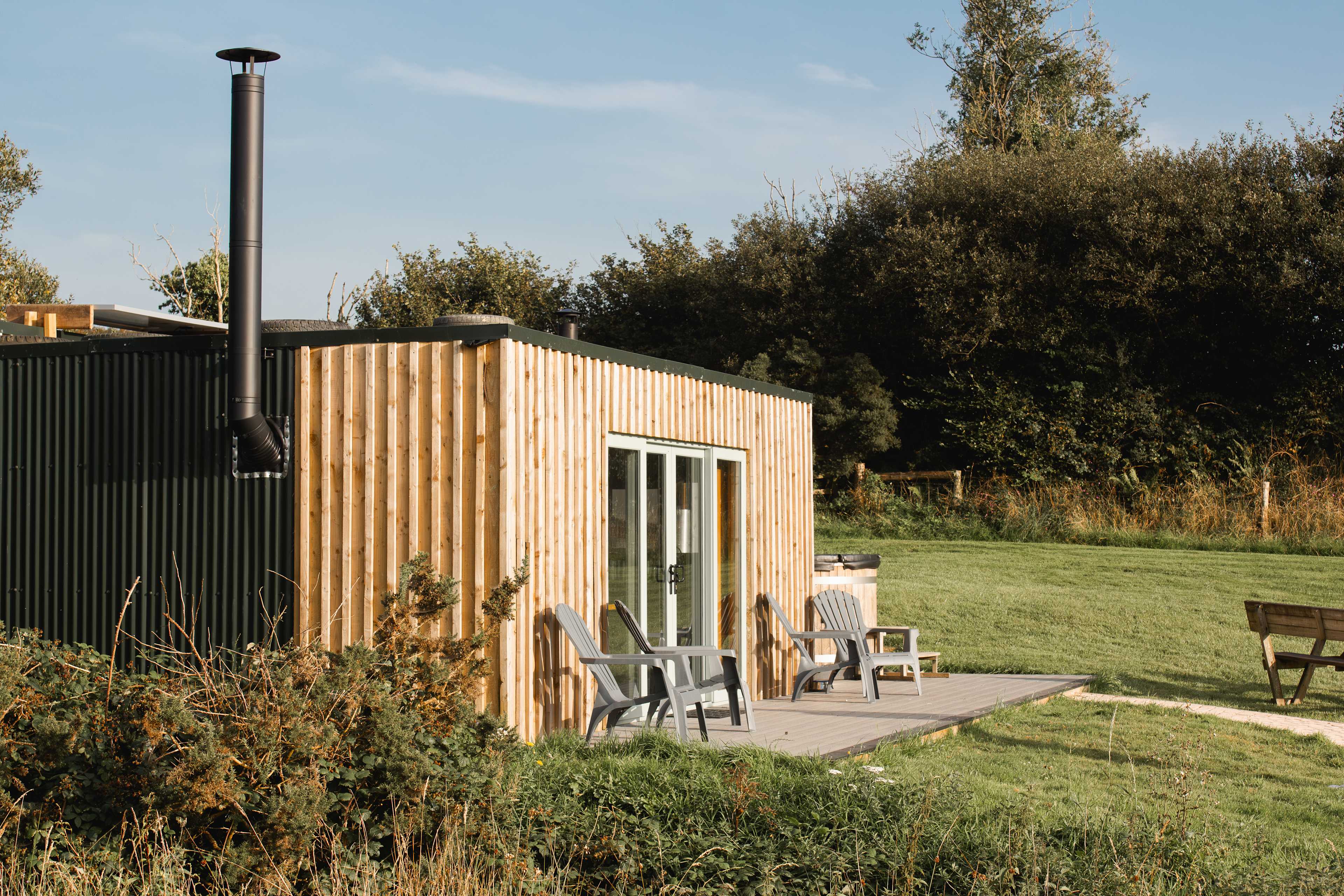
R
Rhys
July 2025
Group trip
Good host, beautiful views, well thought out campsite in a good location. Any issues were solved very quickly and we had an amazing time! Loved the hot tub
See more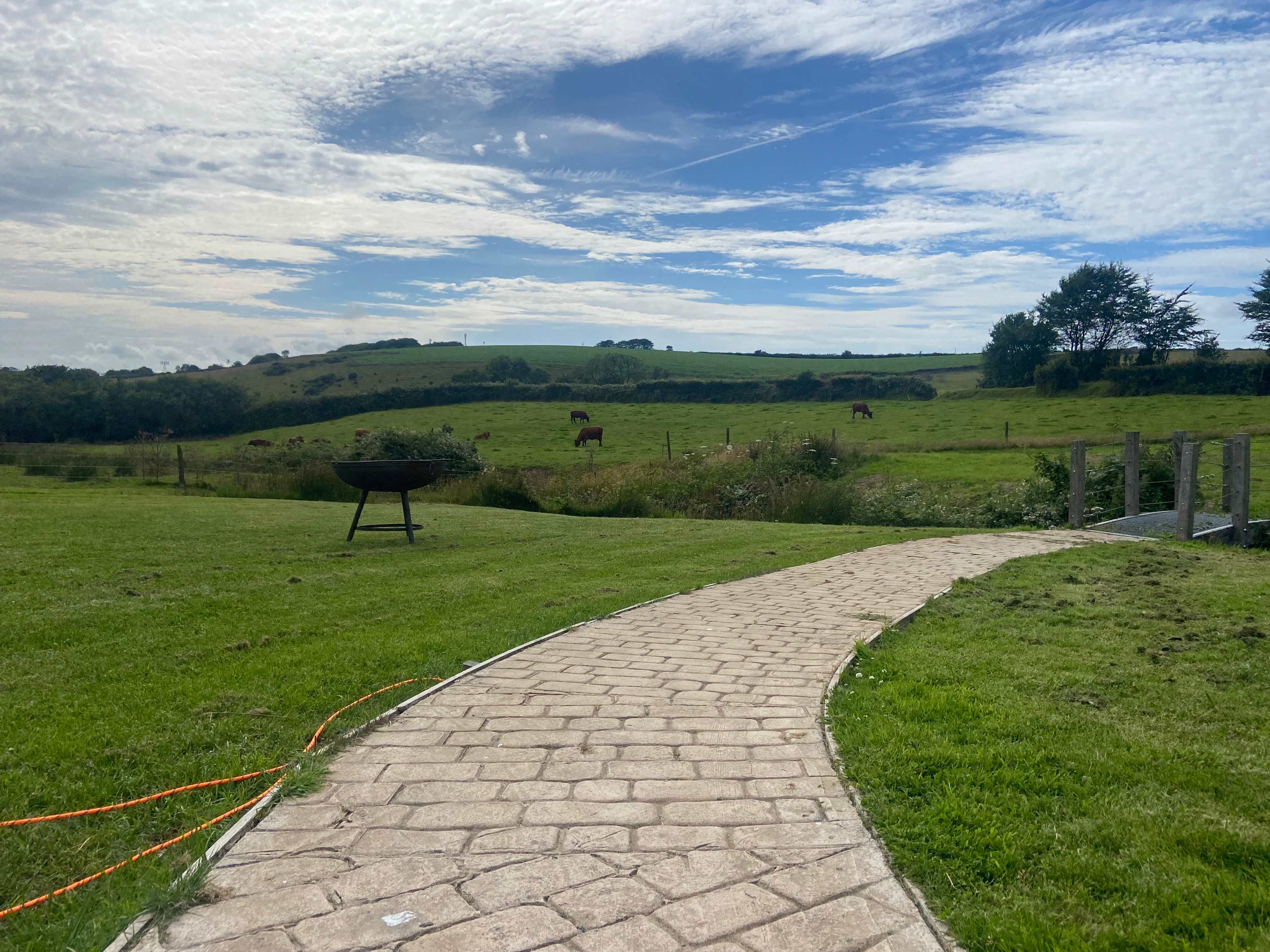
L
Lauren
July 2025
With kids
Gorgeous cabin with rolling countryside views.
Private area with large garden.
Hot tub and sauna are a big plus.
Farm is quiet and very close to all North Devon has to offer.
Accommodation is actually very spacious. 4 fit easily in each room.
Highly recommended. We had a fabulous weekend, I could’ve stayed longer.
See more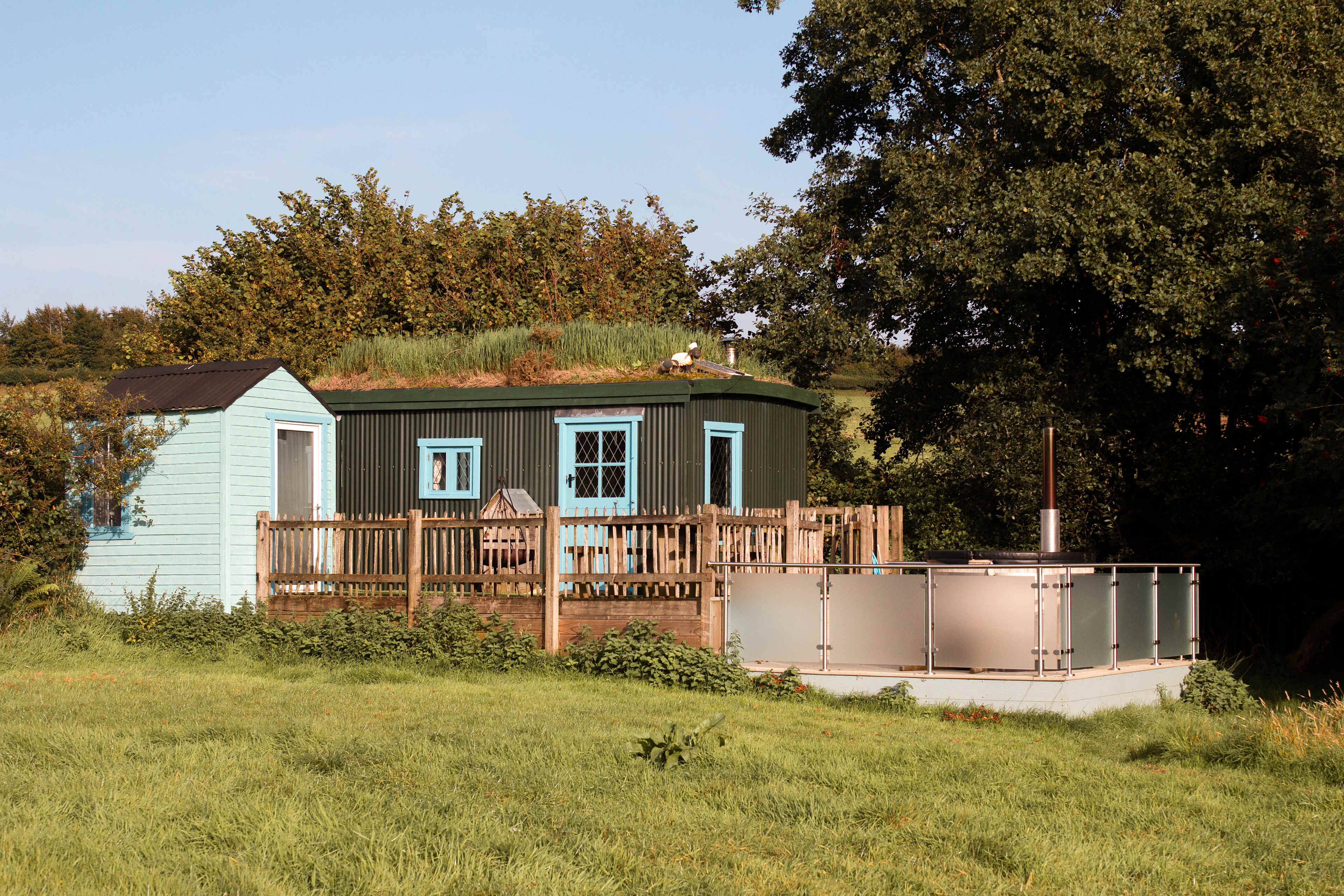
A
Alice
June 2025
With kids
We had a lovely time at the farm, 2 adults and 2 kids staying at the Drover's hut. Nicky was super lovely and even showed our boys around the chicken coops. The beds were comfy and the hot tub was great too.
See more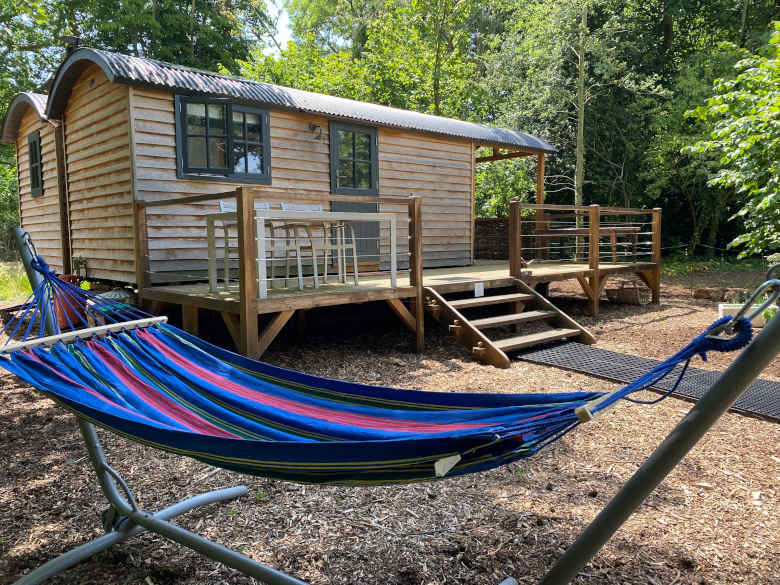
L
Louise
June 2025
Weekend Trip to Jordans Estate Glamping
Beautiful setting, wonderfully equipped double hut. We had a wonderful weekend away celebrating our wedding anniversary and would highly recommend this accomodation. Loved the hot tub and the outdoor shower.
See more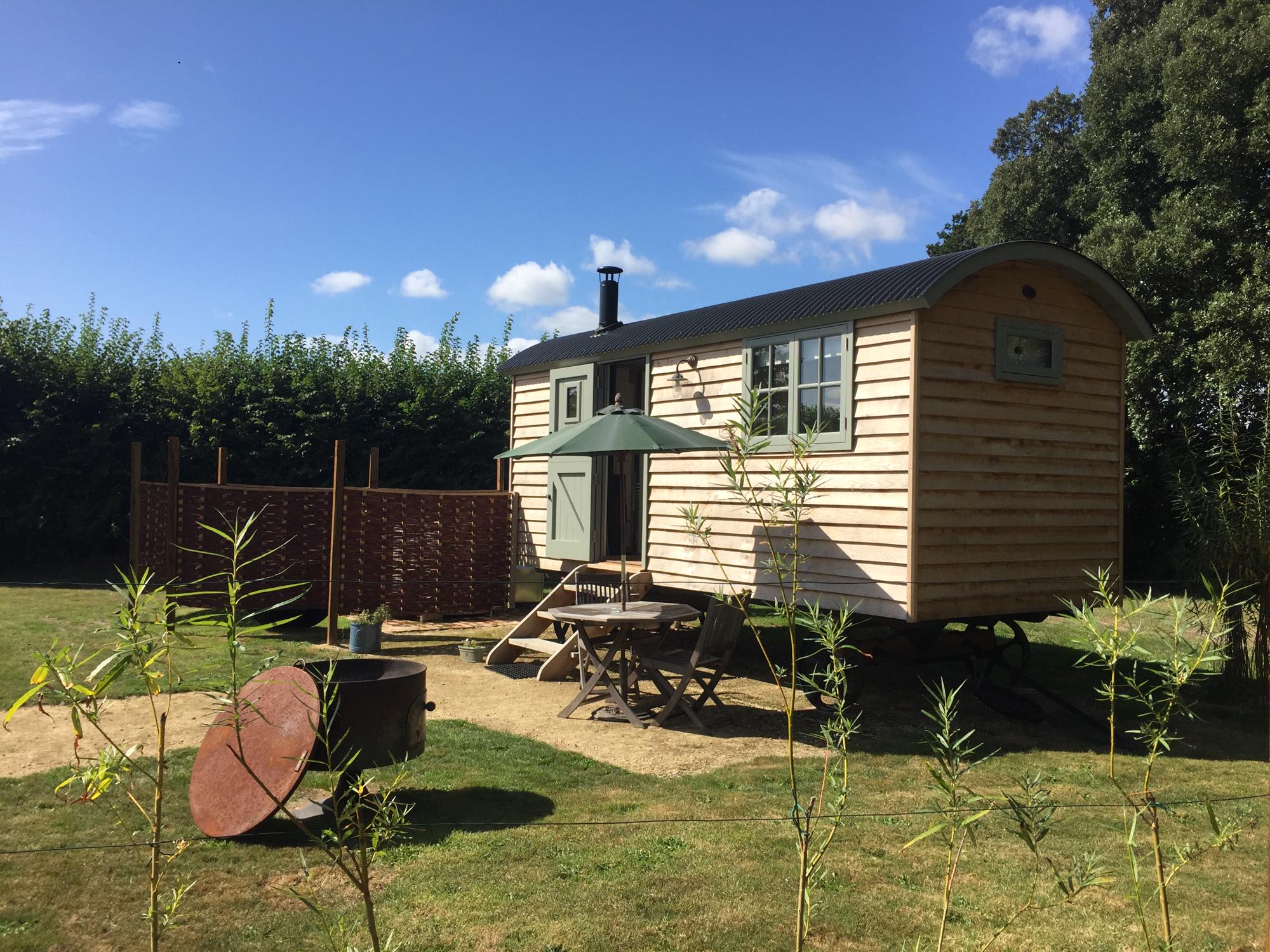
J
Jimi
June 2025
Weekend Trip to Jordans Estate Glamping
Beautiful hut and surroundings with very helpful owners. 100% recommended
See moreJ
Jamie
June 2025
Weekend Trip to Jordans Estate Glamping
Stunning little huts, super well designed and crafted to a level of quality rarely seen nowadays. Would very happily stay here for a month!
See more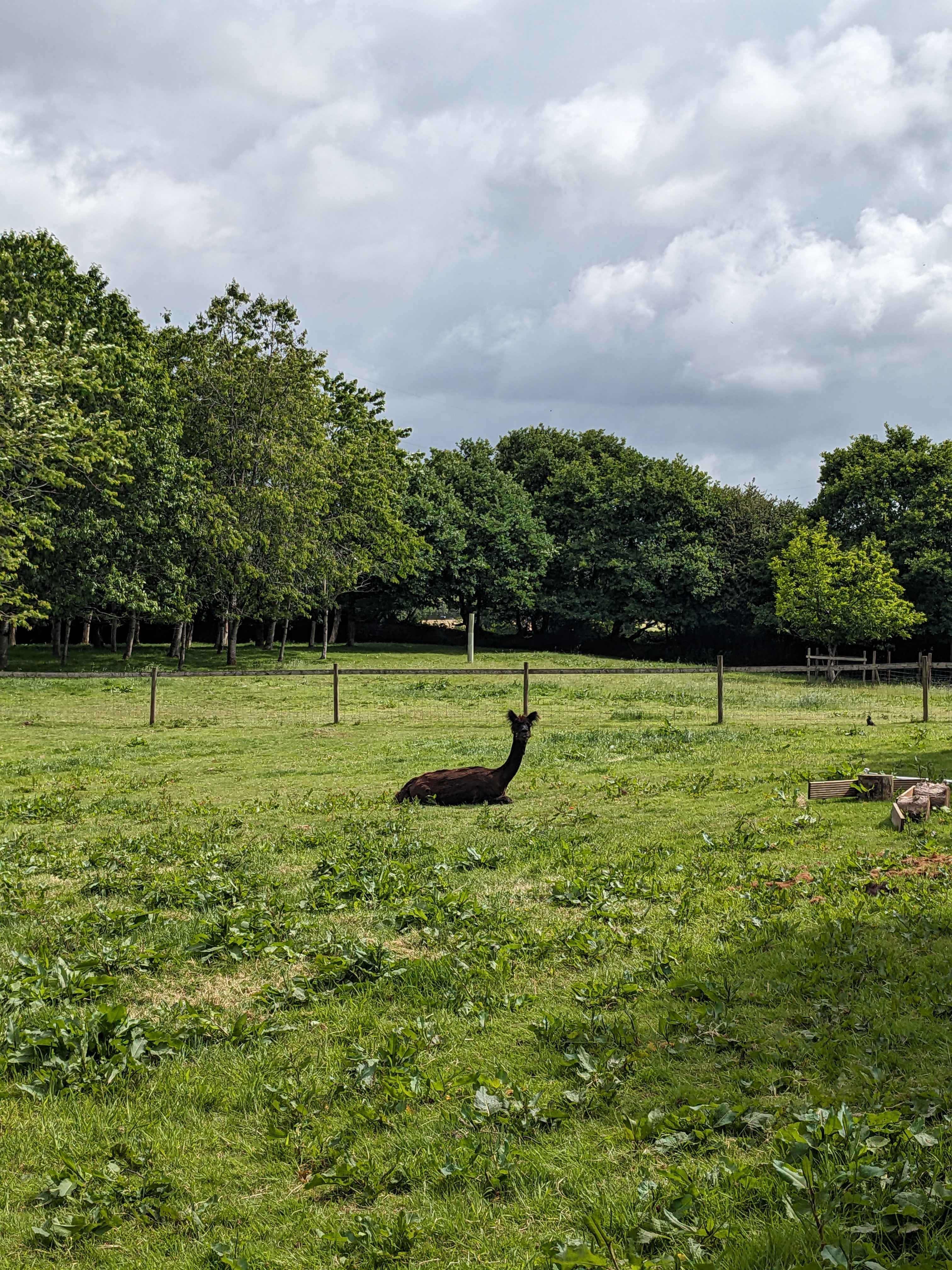
R
Rob
May 2025
With kids
Beautiful little spot a short drive from South Moulton. The Camping dome or bubble house as our 2 year old called it was, clean and spacious with a log burner for warmth and electric hob for that morning coffee. Only a few glamping spots so not overcrowded. Loved the ecleptic oldy worldy decor around the site. Plenty of character. Decent shower, toilet and communal kitchen facilities.
Our daughter loved the Alpacas. Thankyou Nick and Tracey for the stay.
See moreJ
Jamie
May 2025
Weekend Trip to Jordans Estate Glamping
We had an absolutely amazing time staying in the shepherds hut, the host was really friendly and helpful, the views and surroundings were incredible, would definitely stay again
See more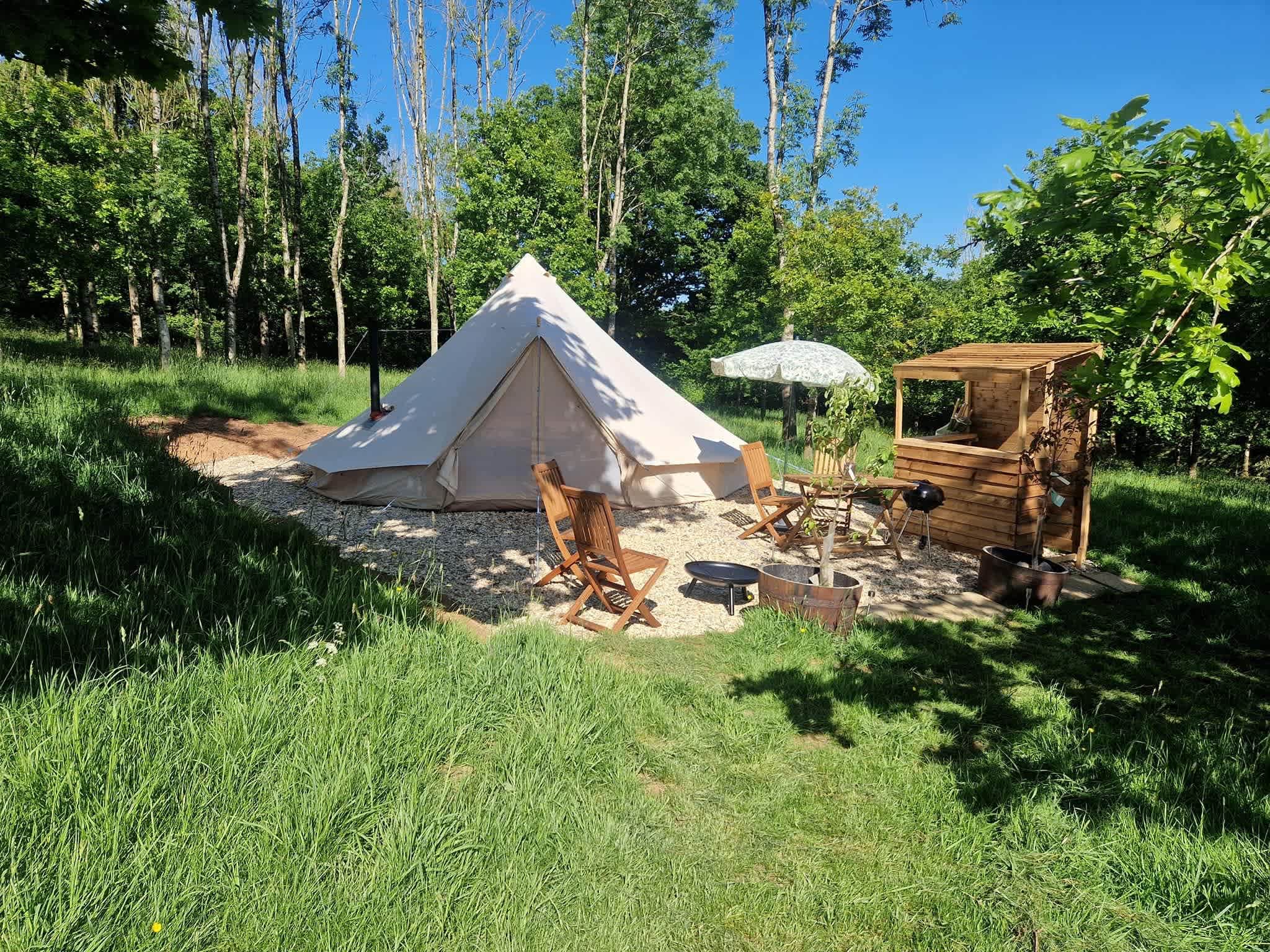
A
Astrid
May 2025
With kids
Beautiful field, really idyllic and peaceful. Huge tent with a comfy bed, and handy having power points in the kitchen hut. The provisions for cooking are quite basic (could have done with an extra saucepan and a colander), but the outside stove worked well and our 3 year old loved the whole experience.
See more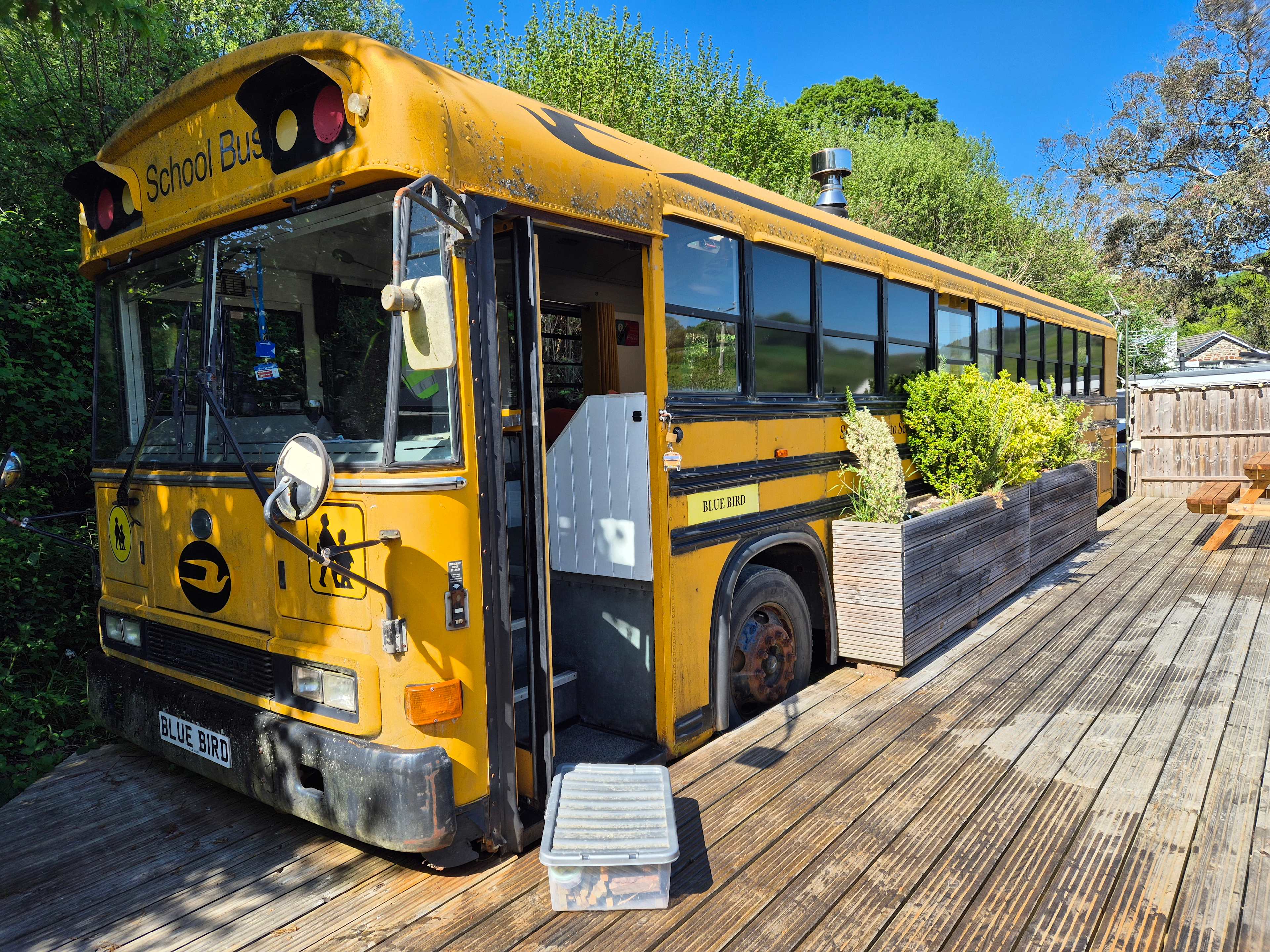
K
Kerry
May 2025
With kids
It was a brilliant weekend in Bluebird - the comfy, spacious American bus. We loved every minute! The campsite is really well set up and peaceful, I'd highly recommend both the site and the bus.
See more
I
Ian
April 2025
With pets
Really nice break over Easter. Becky and team were welcoming and helpful. The shepherds hut was brilliant. Thank you..
See moreS
Sam
April 2025
With pets
We had a great stay in the bluebird bus, our little boy especially loved it. Nice touches such as the welcome bag, biscuits, some tea and small squash. Logs and lighters for the chiminea and log burner all added to a fantastic stay.
The campsite itself was really peaceful and relaxing. The toilets and showers seemed to be brand new and really clean.
Great location for the beaches and walks.
We will definitely be back.
See more