The best camping near Lightning Ridge
Top-rated campgrounds near Lightning Ridge
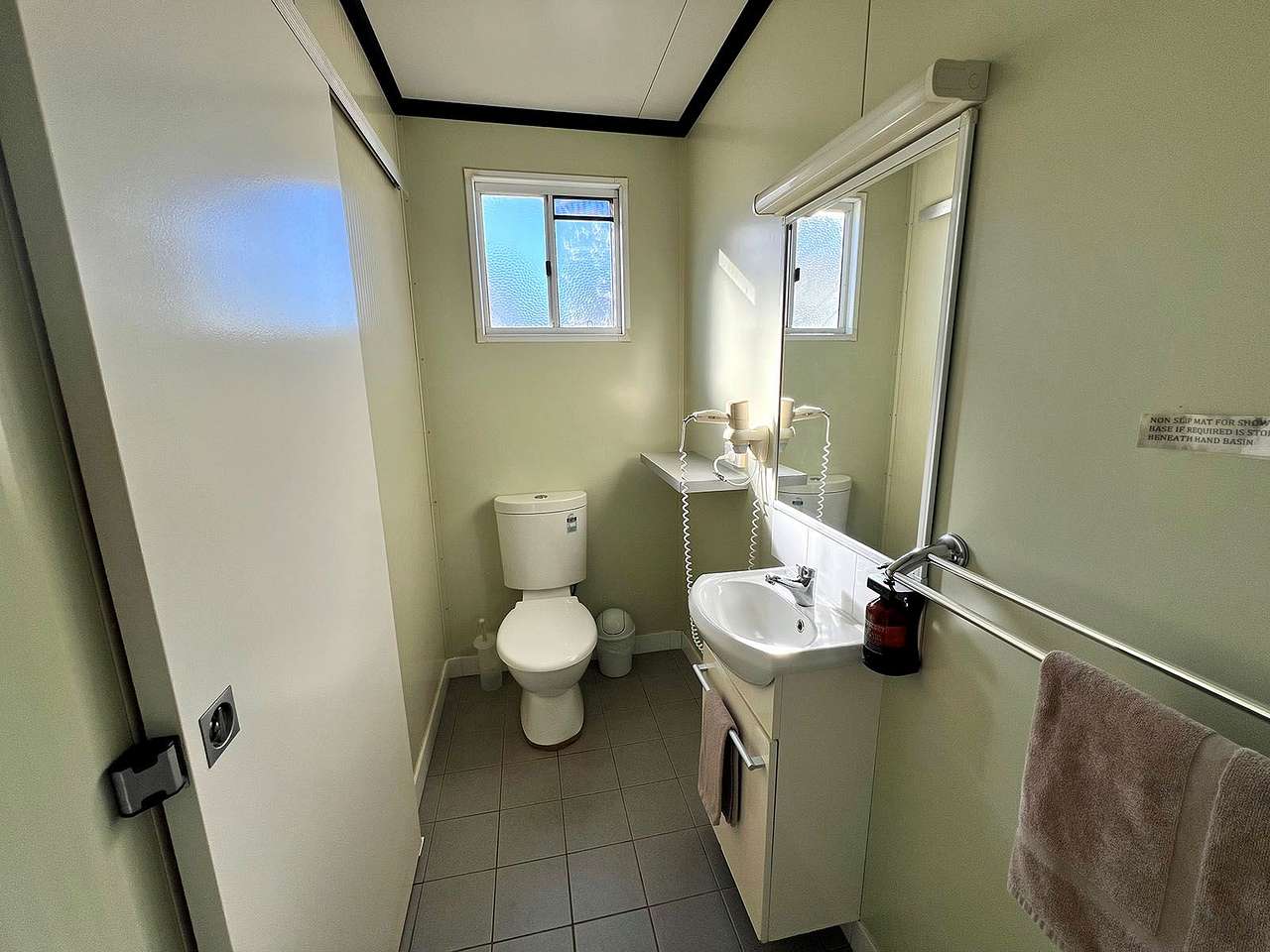
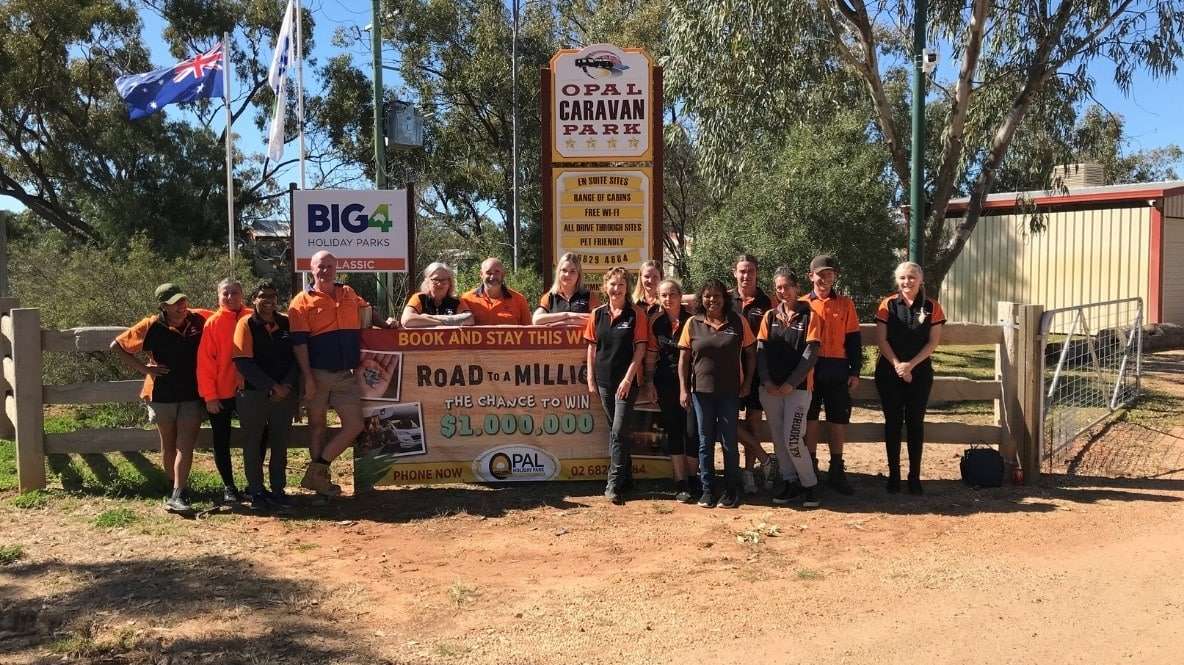
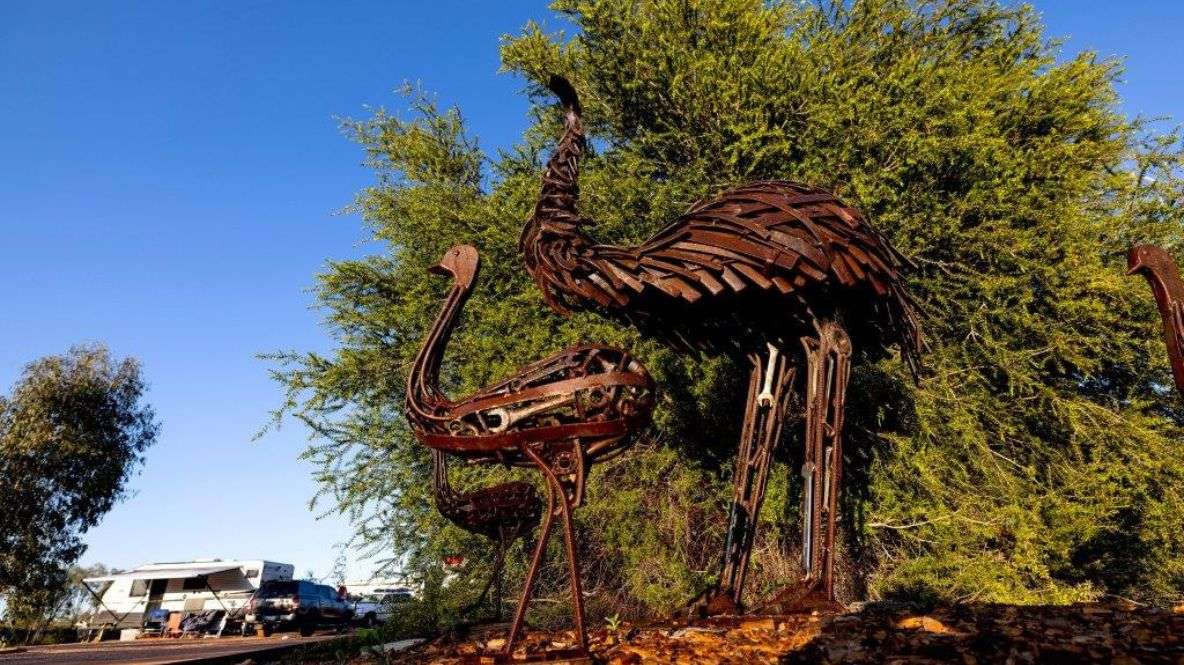
1. BIG4 Opal Holiday Park
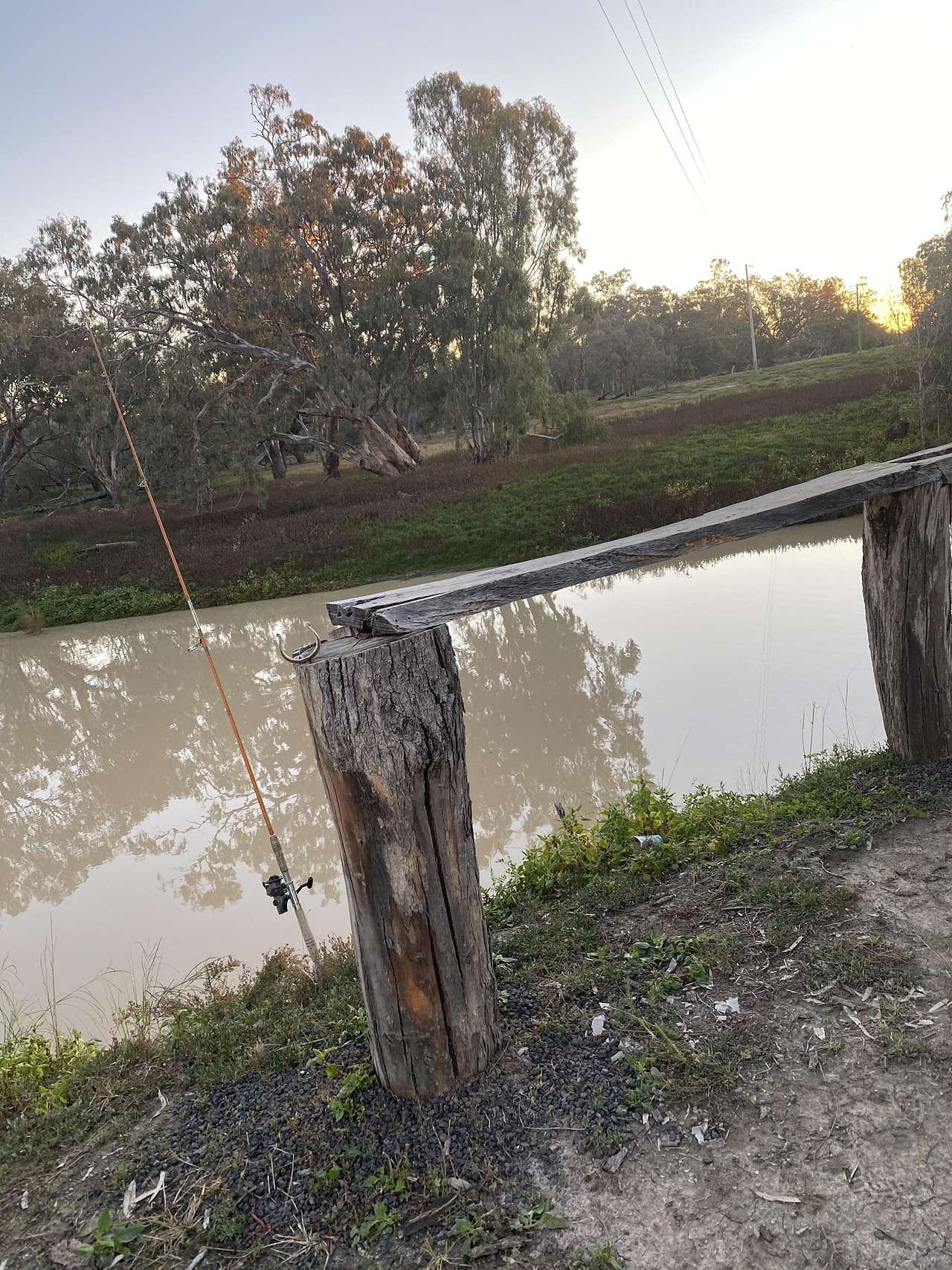

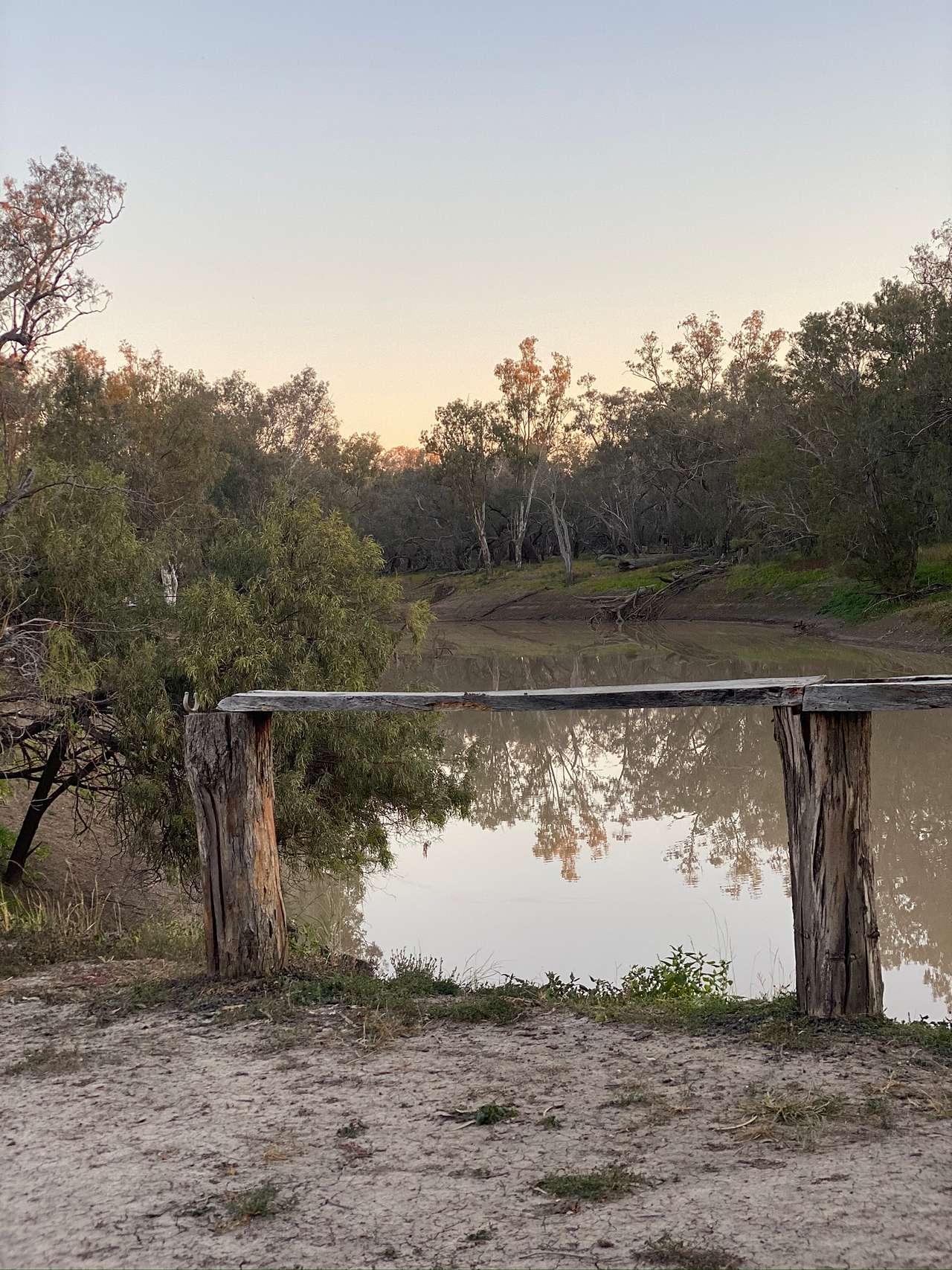
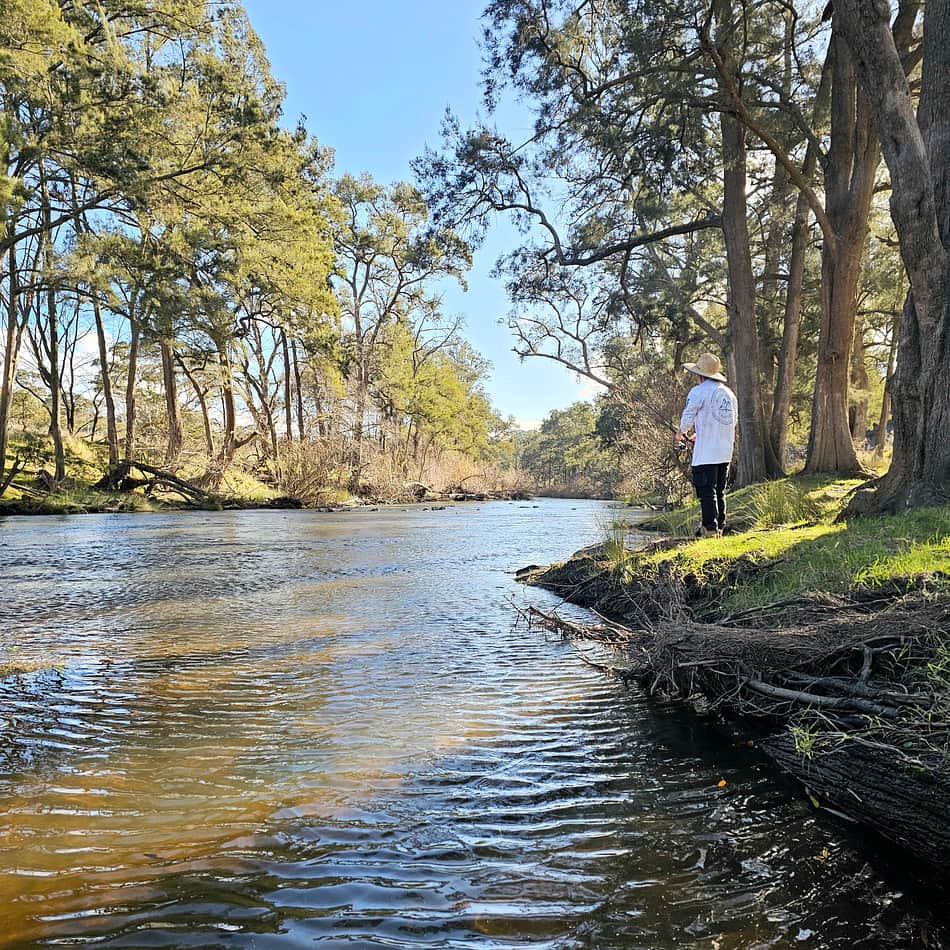
2. Muddy Waters
Recent reviews from the Hipcamp community
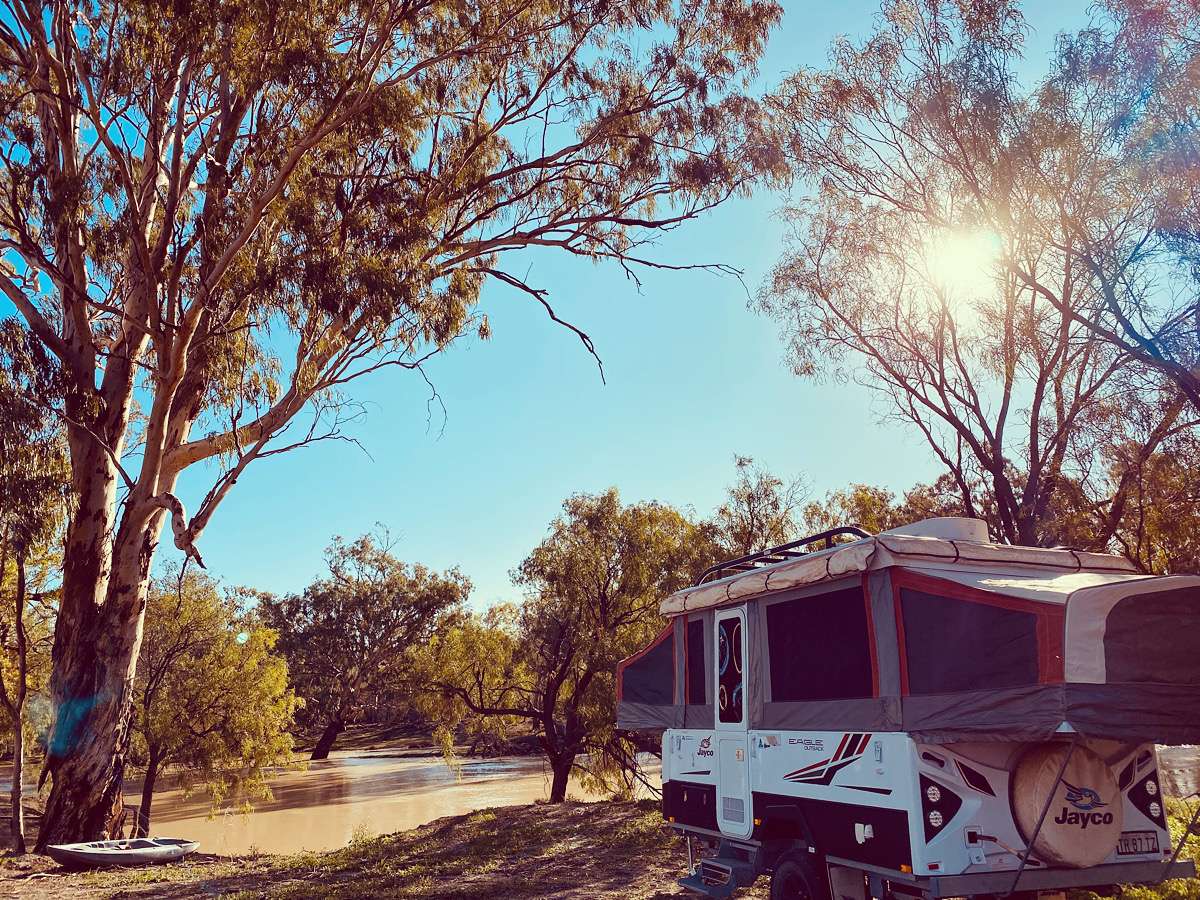


Lightning Ridge camping guide
Where to go
Macquarie Marshes Nature Reserve
A couple of hours’ drive south of Lightning Ridge, this is an area of important wetlands, where more than 75 species of wetland birds thrive. It’s mostly a research site and not typically open to day visitors or campers, but there’s a boardwalk overlooking the marshes, and the National Parks and Wildlife Service offers guided tours when the conditions are right. Camp at the nearby town of Coonamble, or Lightning Ridge if you’re coming on a day trip.
Timmallallie National Park
Southeast of Lightning Ridge, this national park sits within the larger Pilliga Forest, a huge refuge for wildlife that’s home to around 250 bird species and many koalas. There’s also an award-winning Sculptures in the Scrub walking track and an adjacent campground that’s suitable for tents and camper vehicles. Barbecue facilities and toilets are provided, but it’s necessary to bring your own drinking water. There are other similarly equipped campsites elsewhere in the park.
Culgoa Floodplain National Park
Northwest of Lightning Ridge and spanning the New South Wales-Queensland border, this national park contains some important Aboriginal archaeological sites, as well as grassland. Look out for honeyeaters, woodswallows, and parrots when visiting this park. Access is only by four-wheel-drive and this is a very remote park, so it’s important to be self-sufficient when visiting. There are three campsites that are suitable for tents and camper-trailers, and bookings and payment should be made in advance.
When to go
This part of northern outback New South Wales experiences very hot summers, with temperatures reaching an average high of 36°C, and many seasonal workers in the town leave for the summer (December to February). Moreover, it’s common for the access roads to Lightning Ridge to be cut off during flooding, which typically happens in summer. Visit outside of the summer months for the most comfortable camping experience.