Top-rated campgrounds in Maui
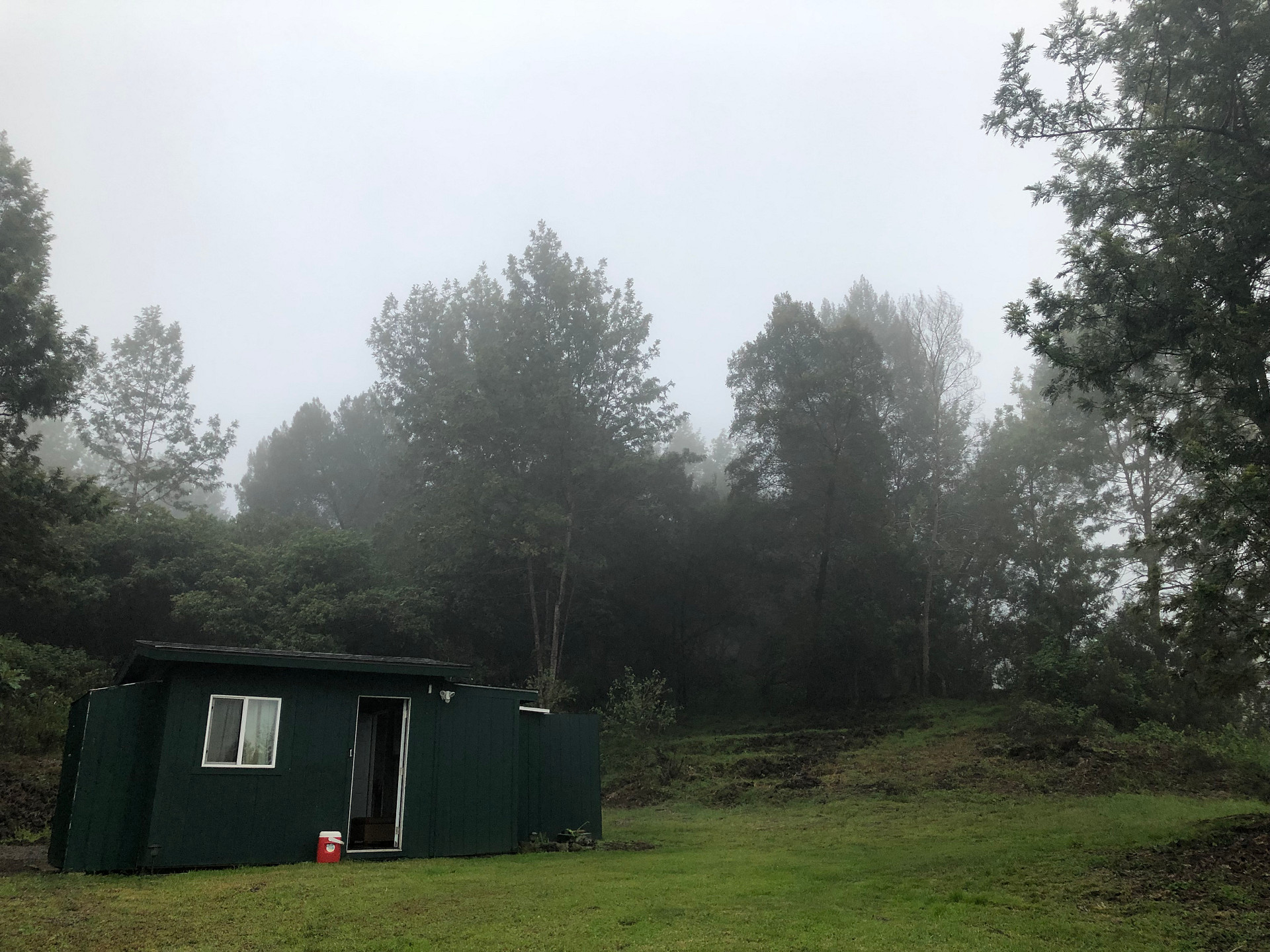

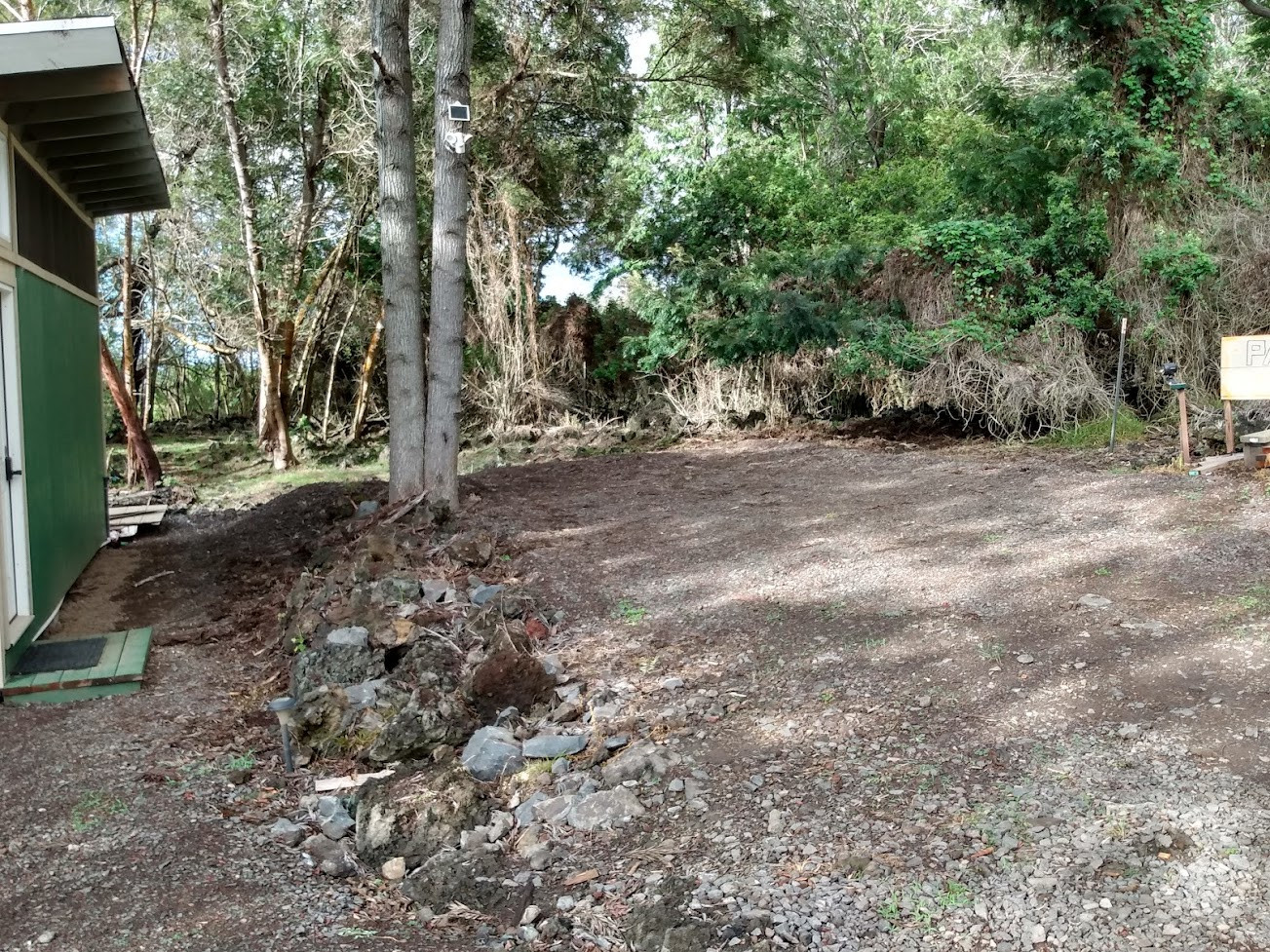
1. Wahi Nanea Place of Relaxation
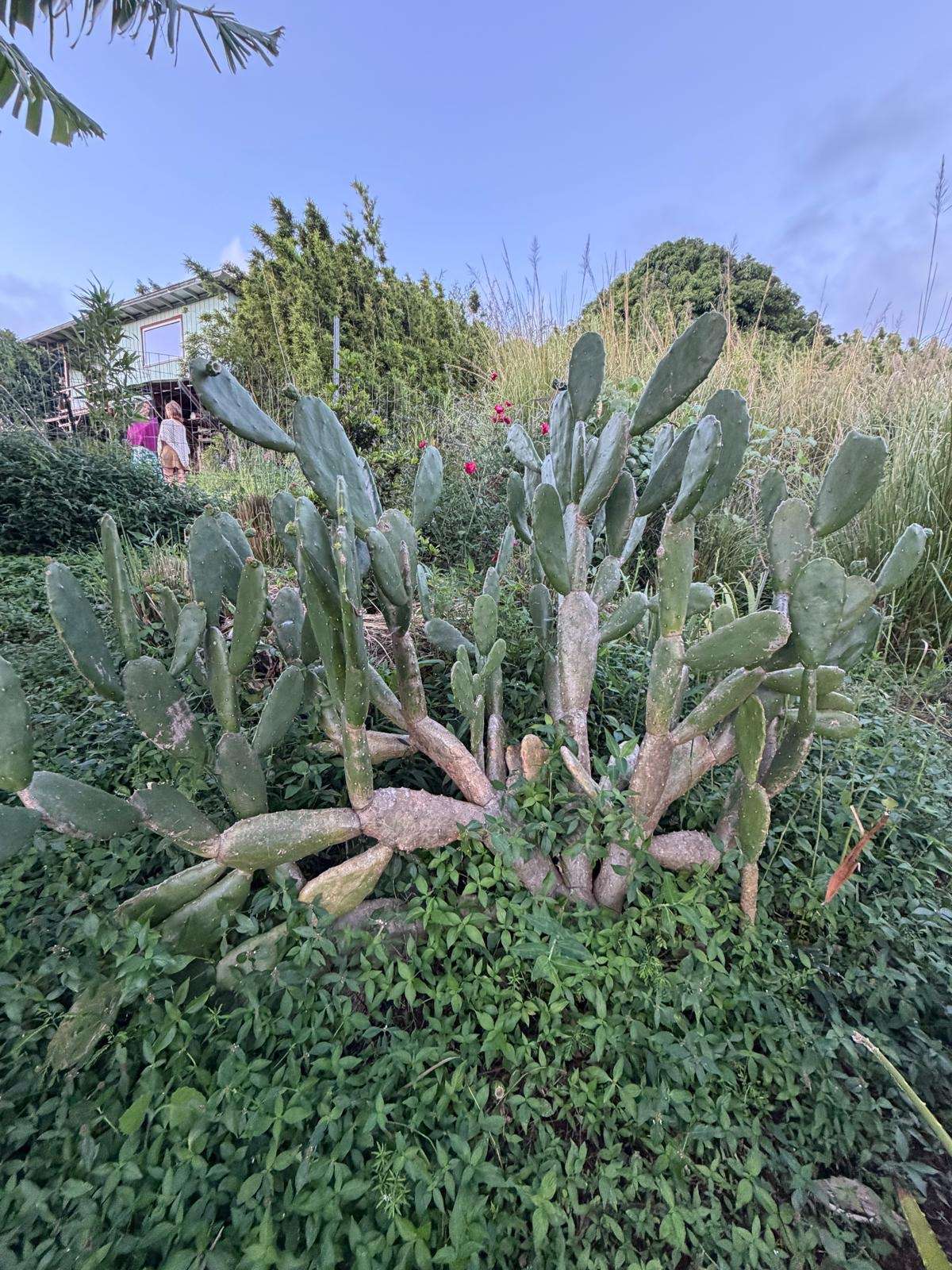
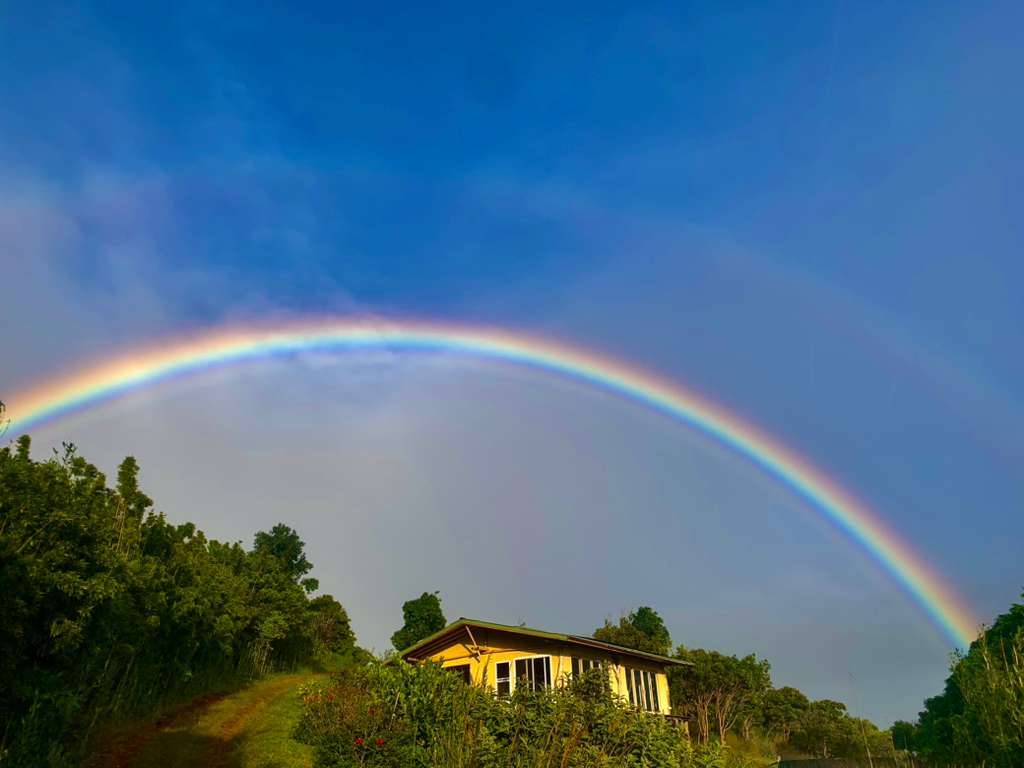
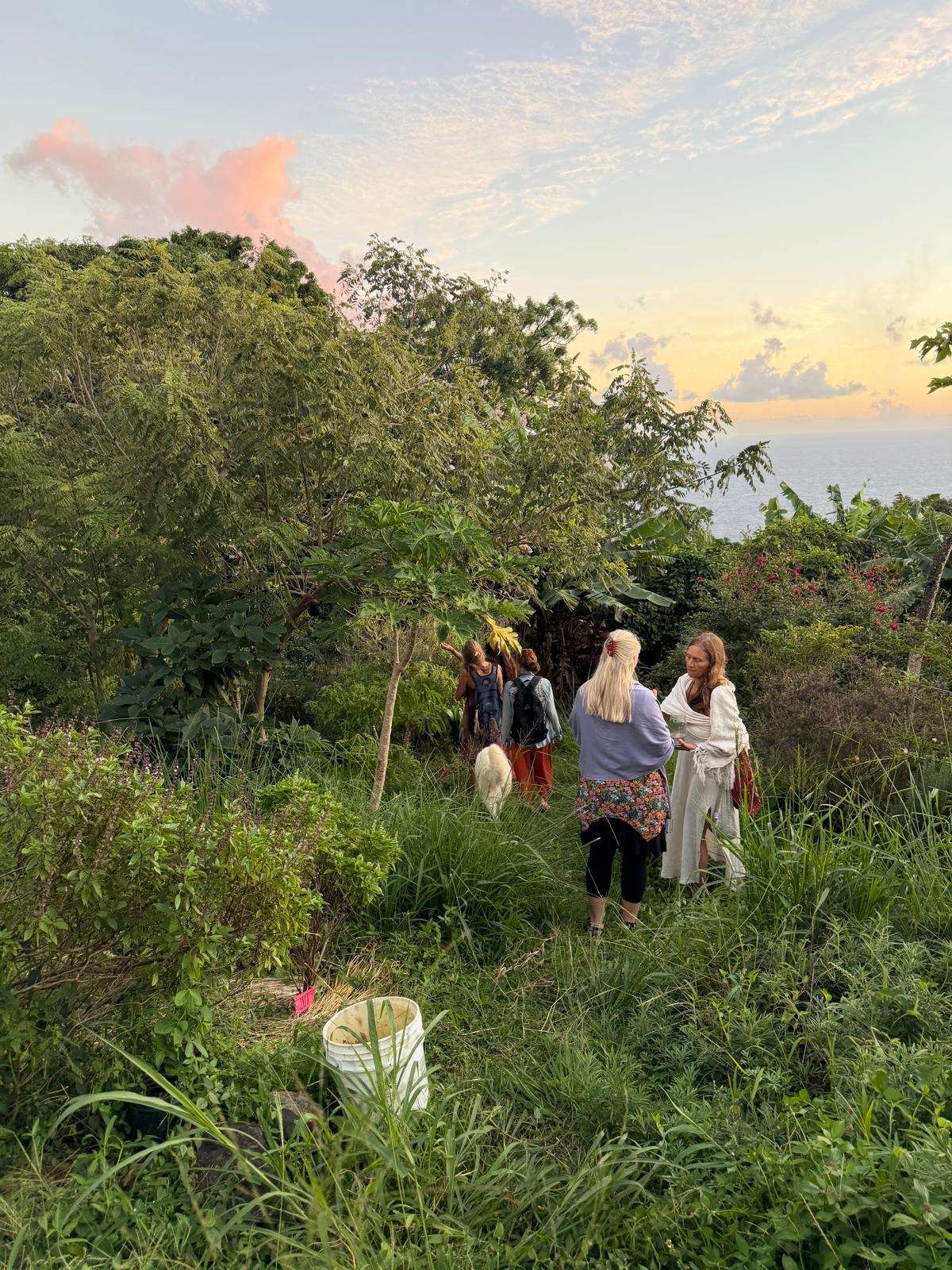
2. Lokalani Gardens
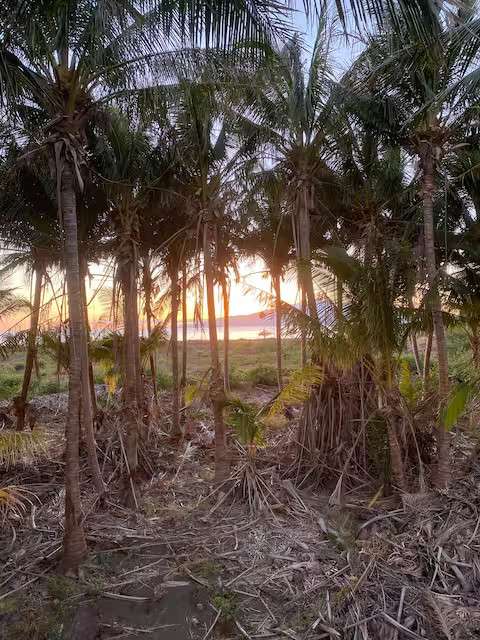
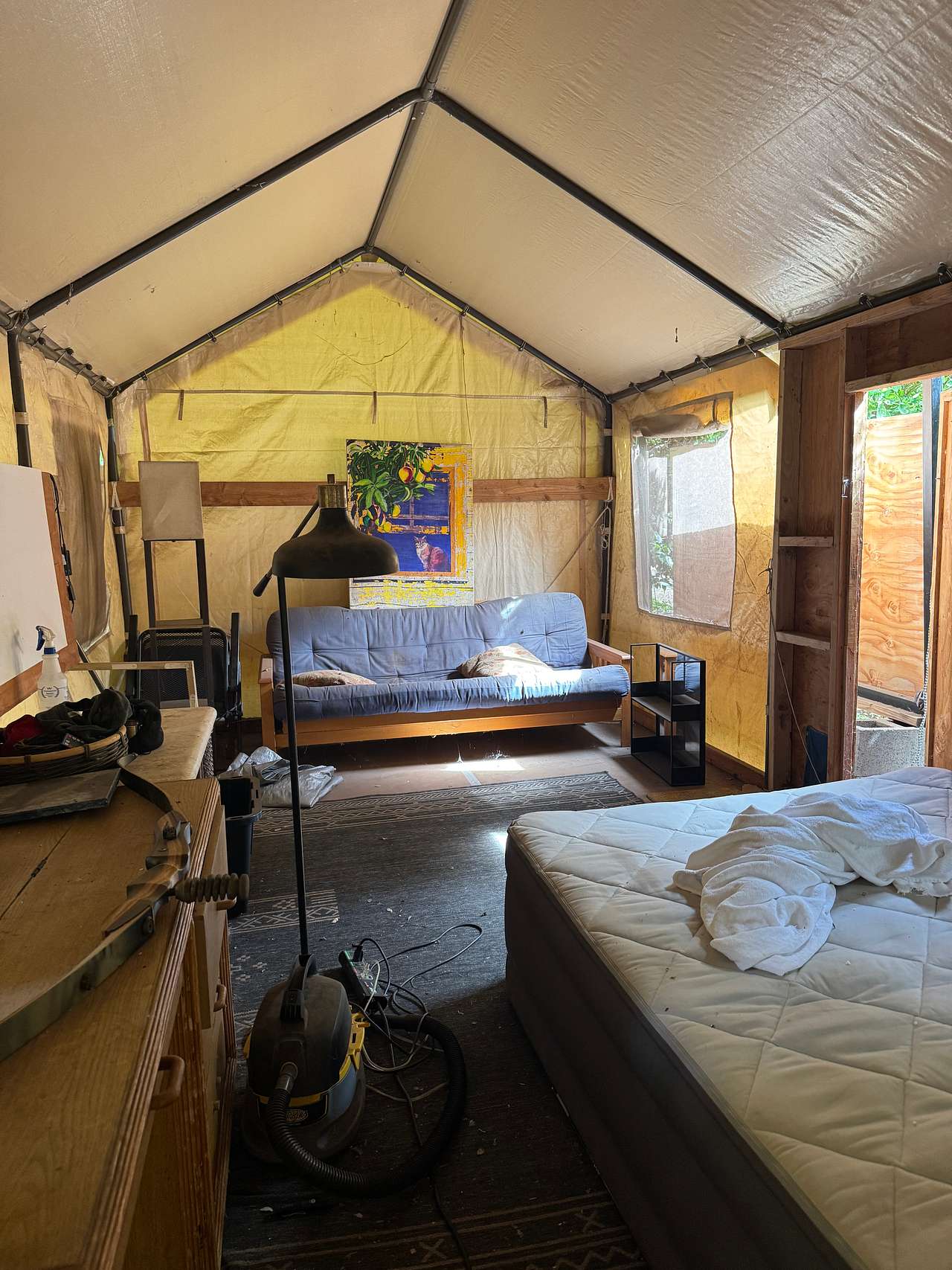
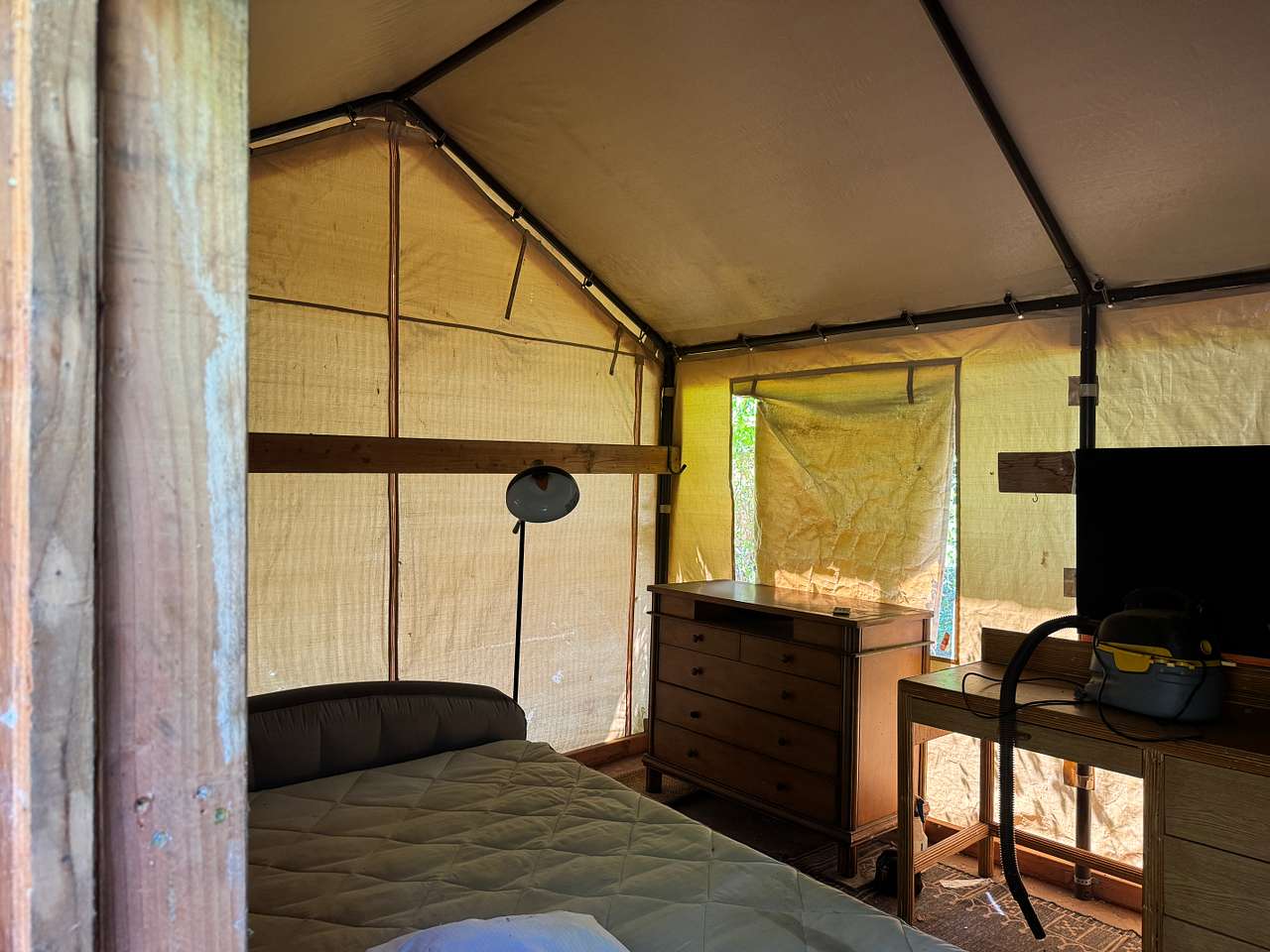
3. The Hidden Food Forest
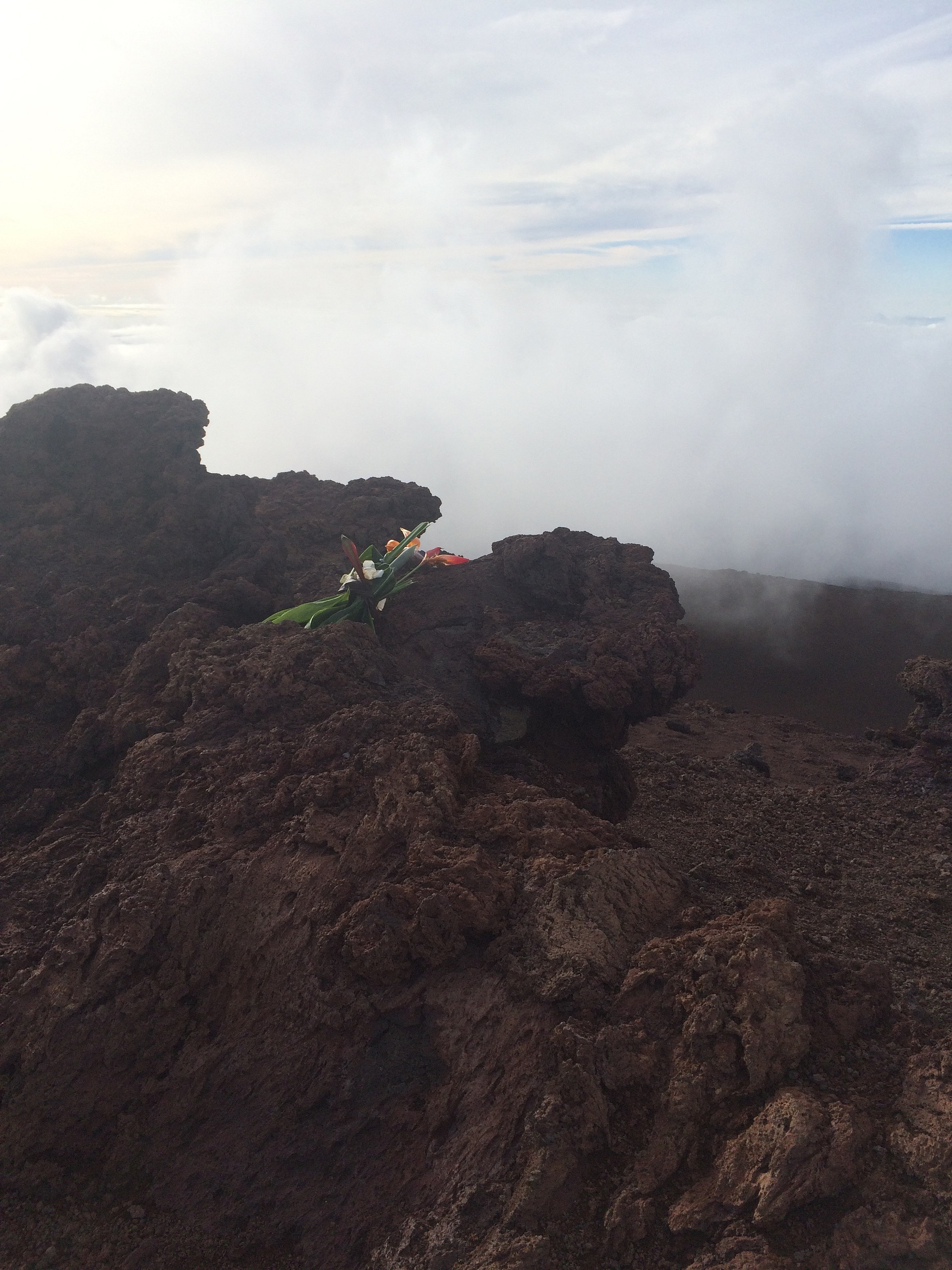
4. Haleakalā National Park
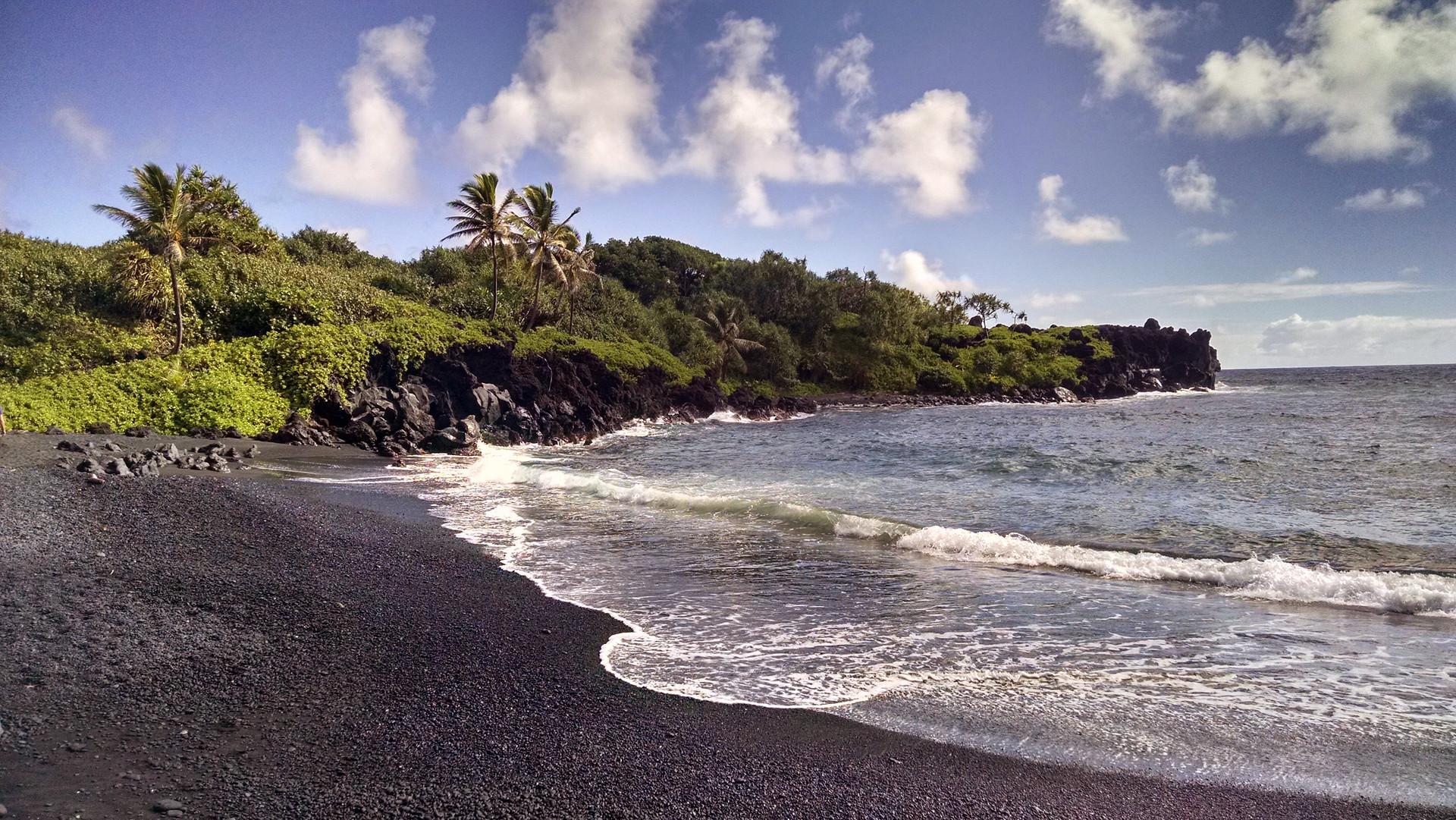
5. Waiʻānapanapa State Park
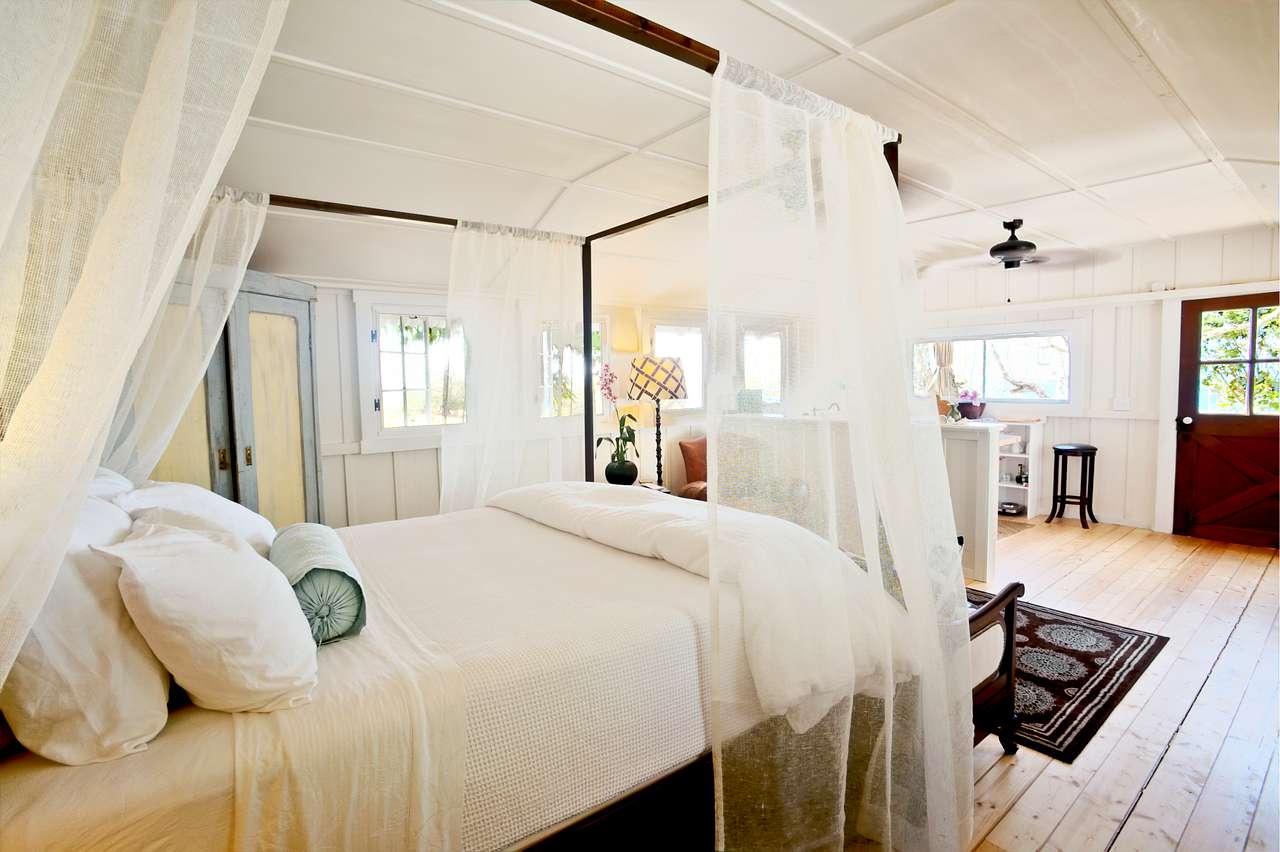
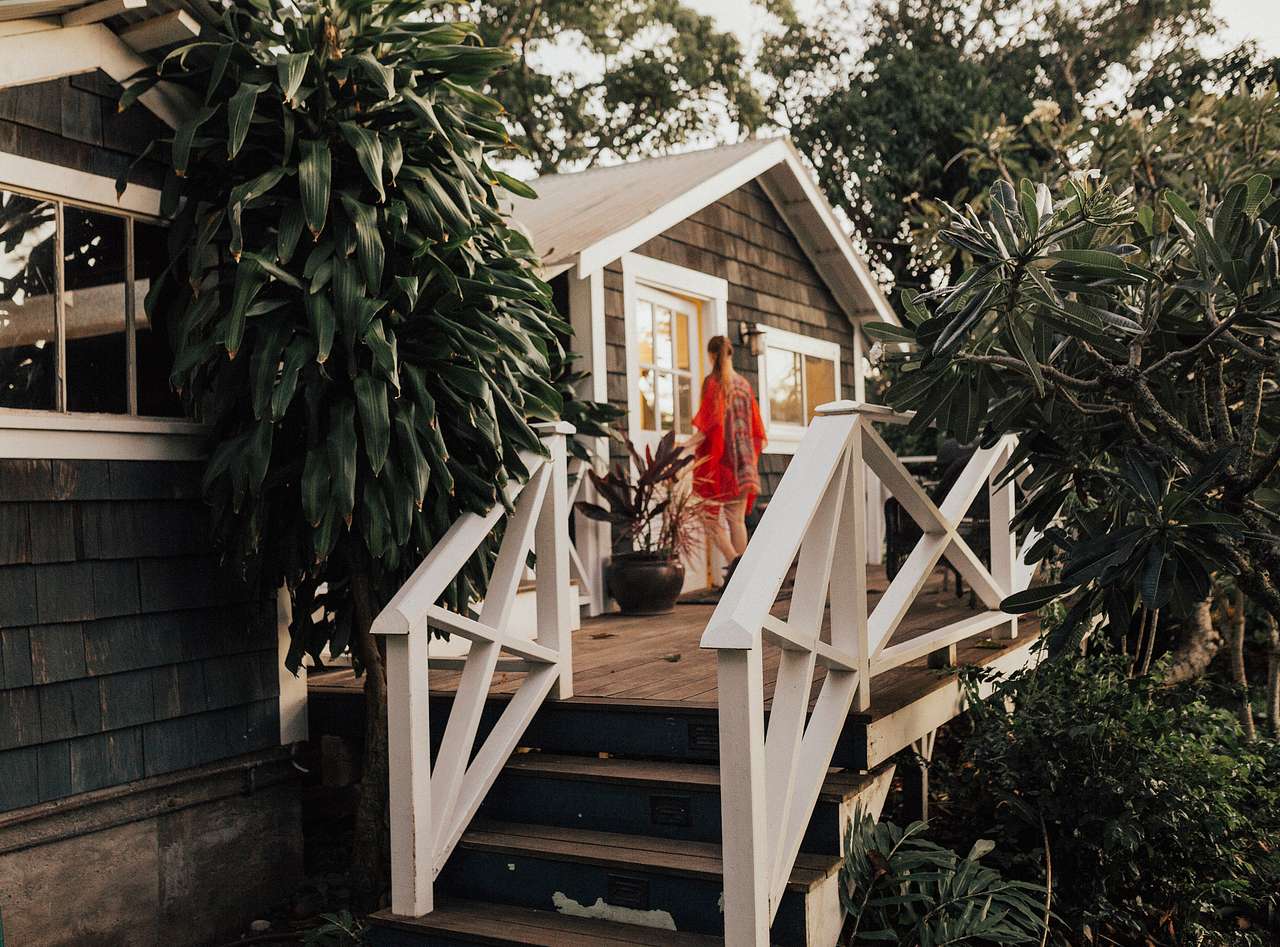
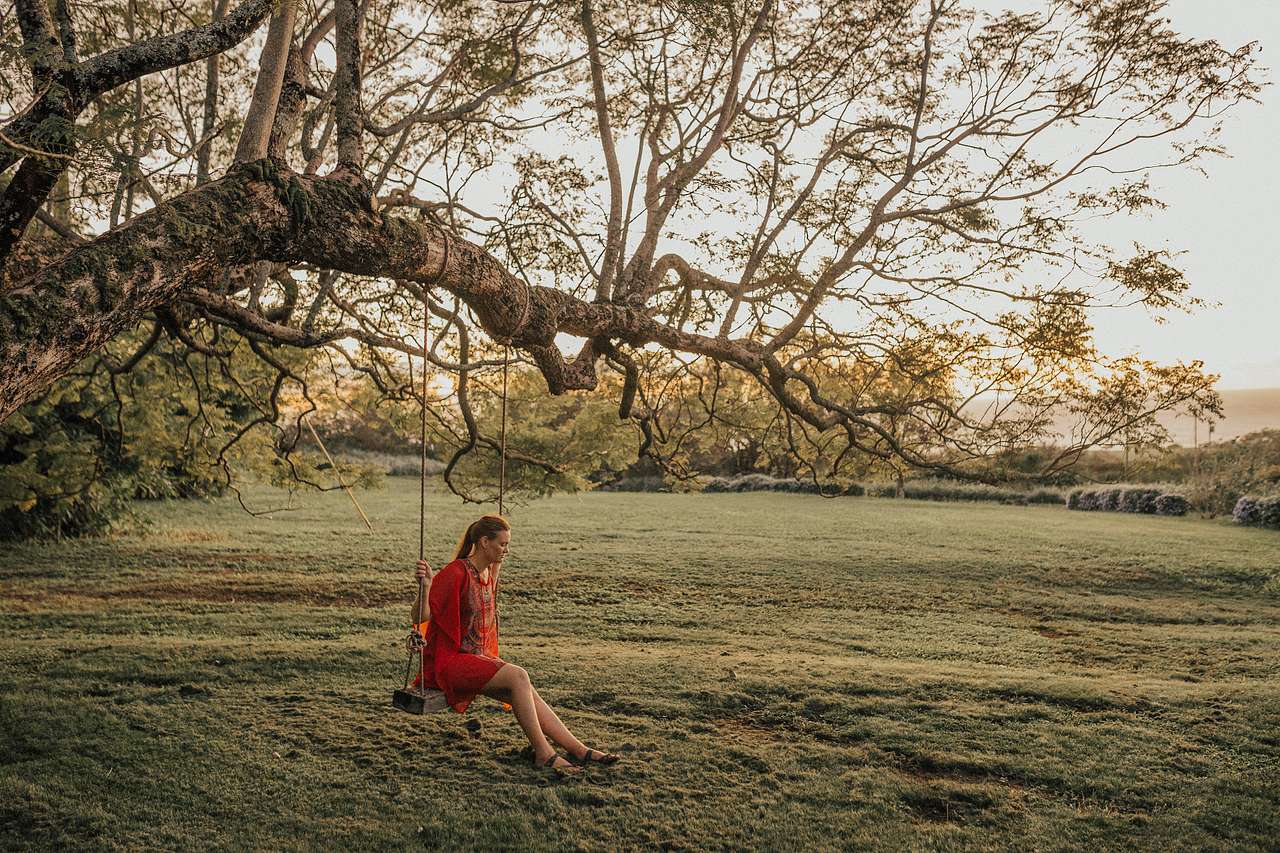
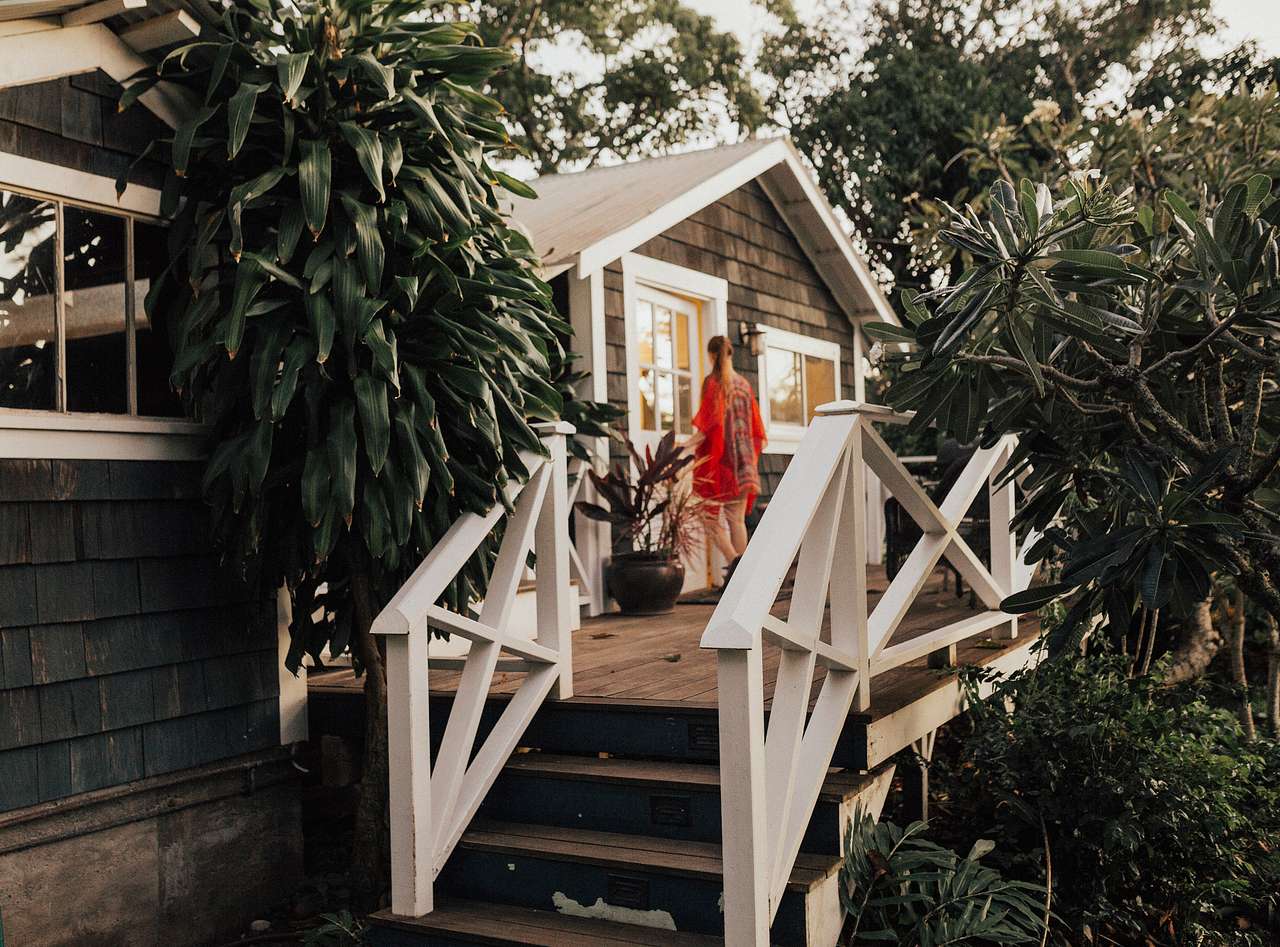
6. James Cottage
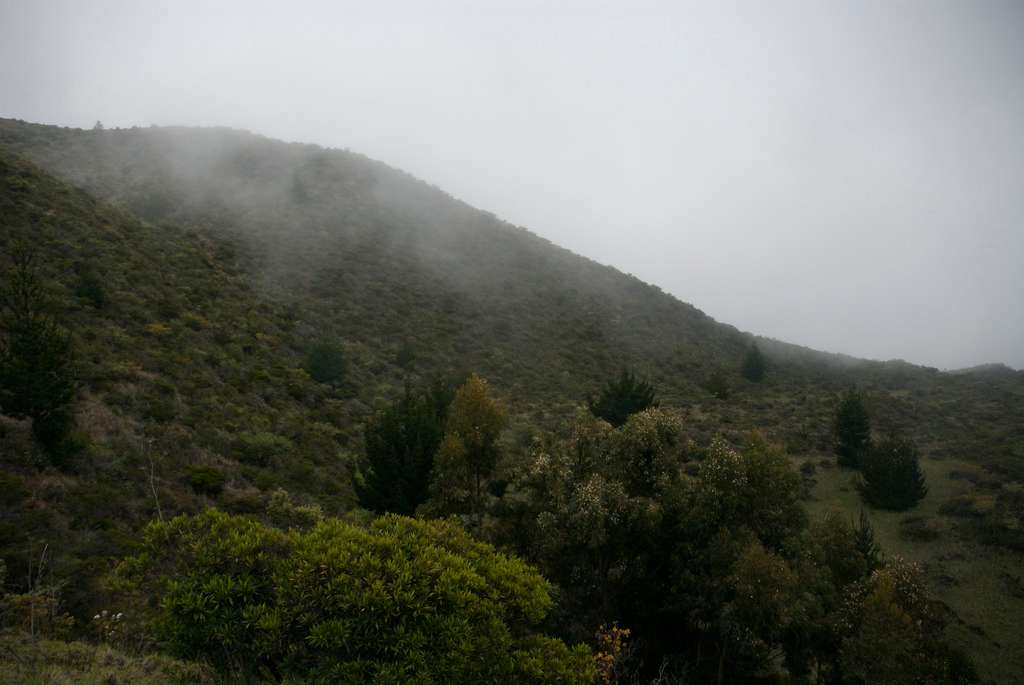

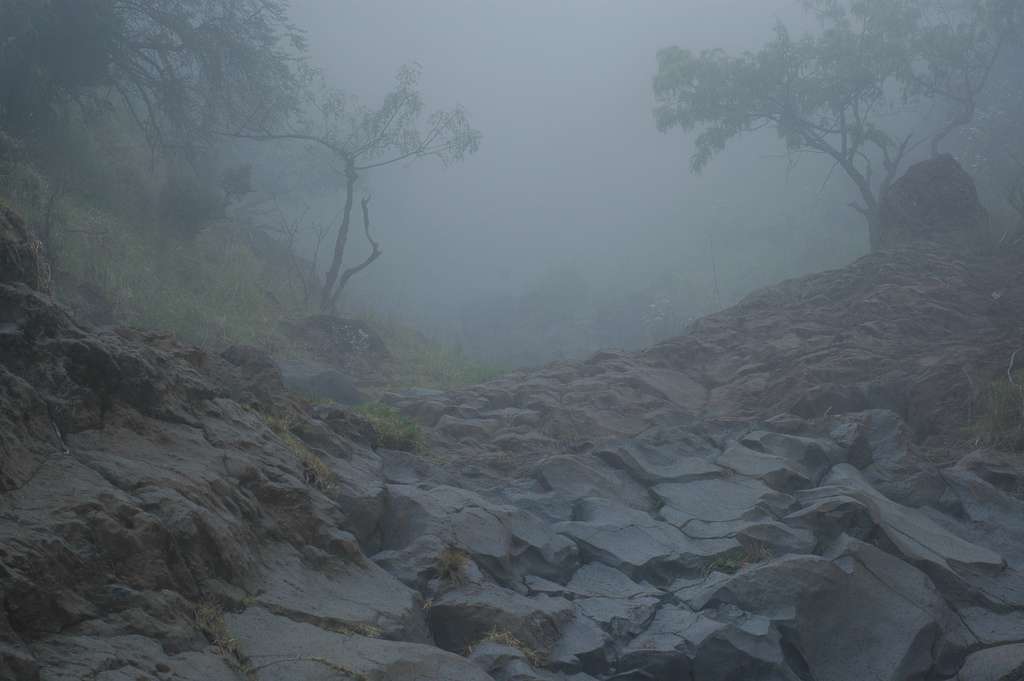
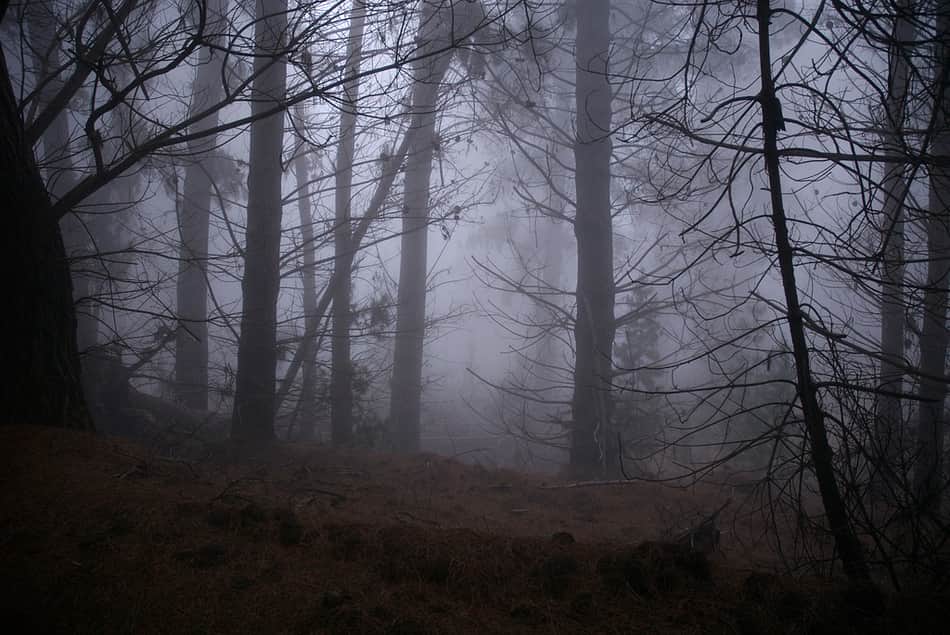
7. Polipoli Spring State Recreation Area
Recent reviews from the Hipcamp community
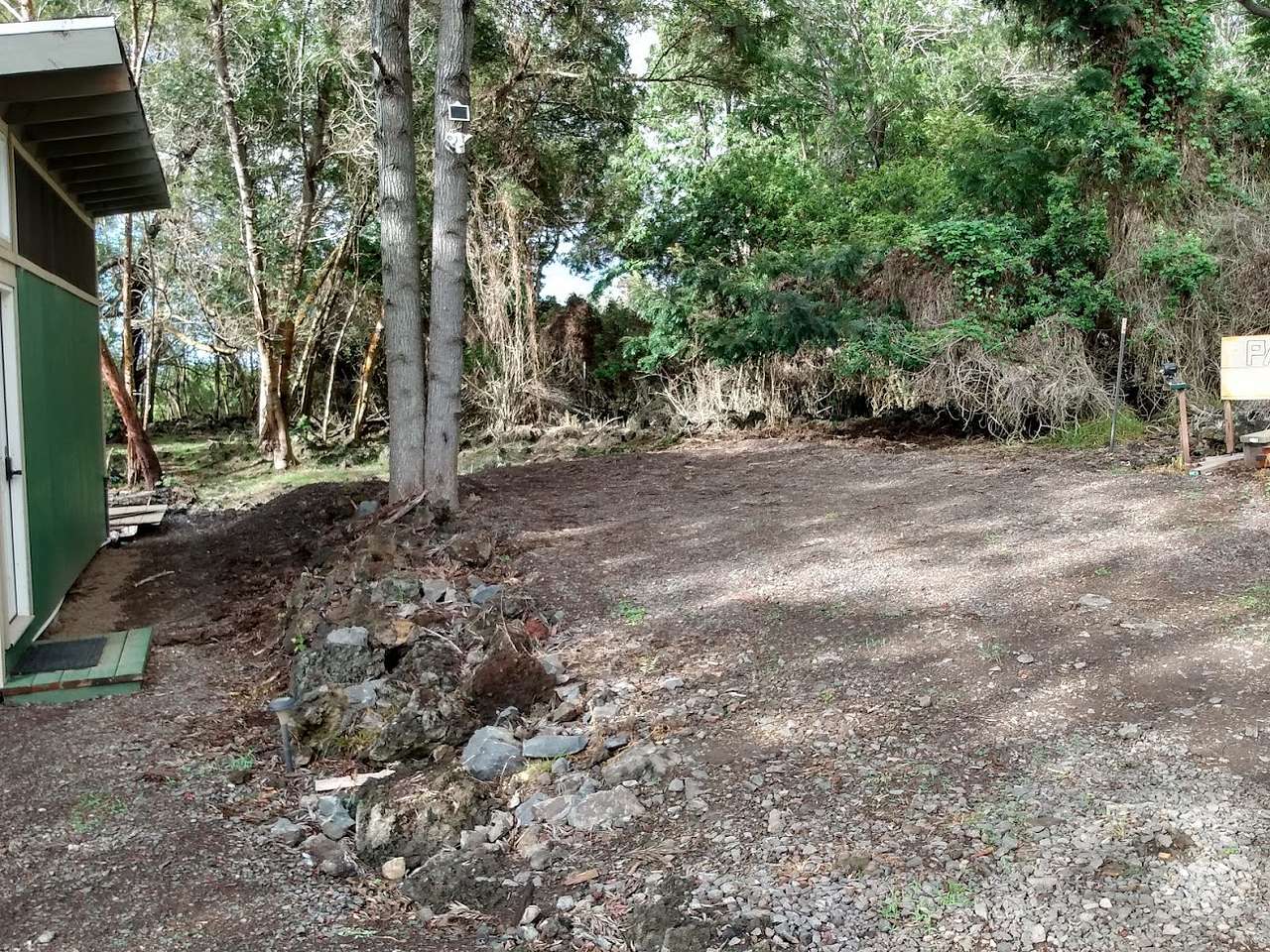
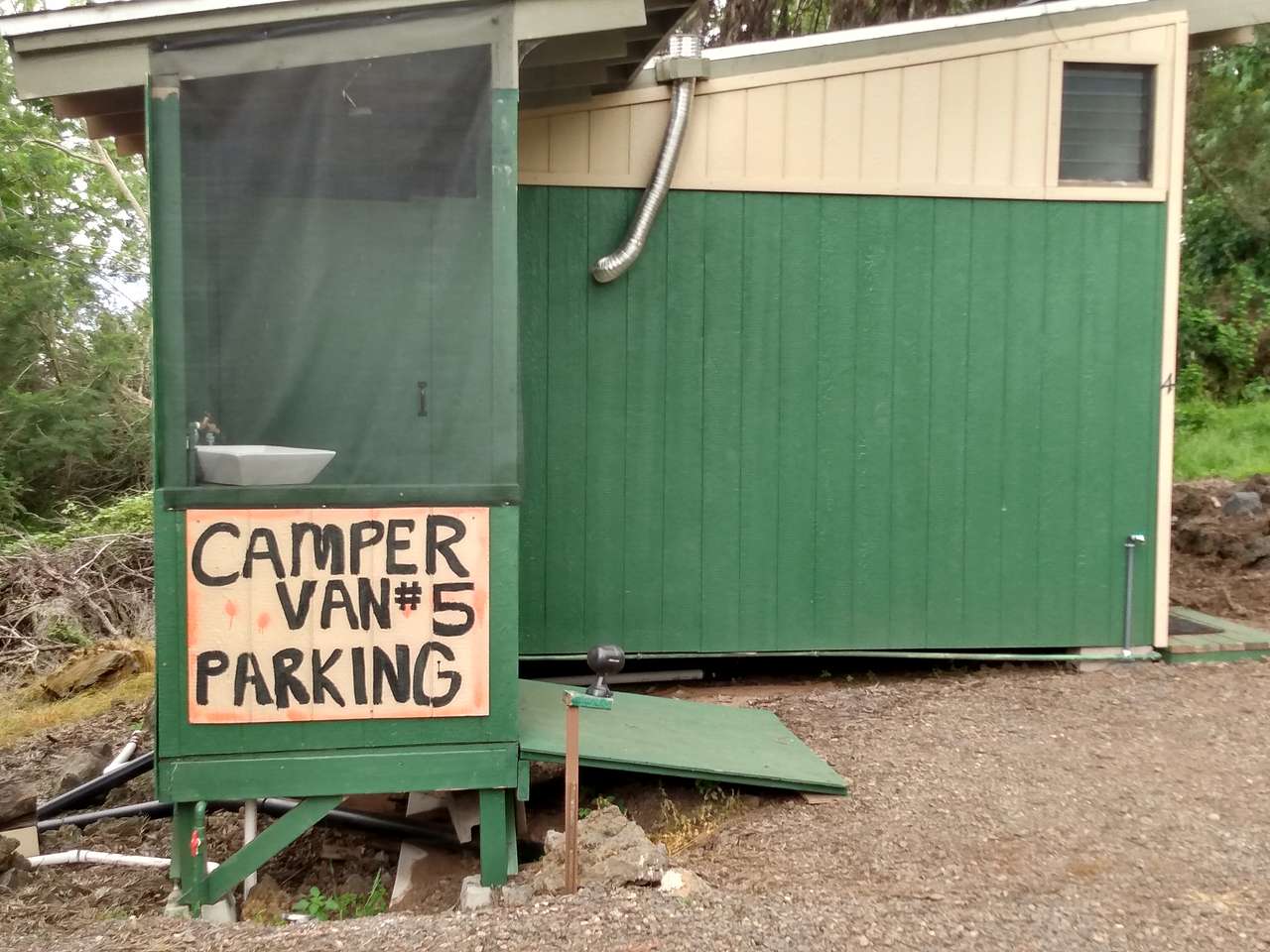
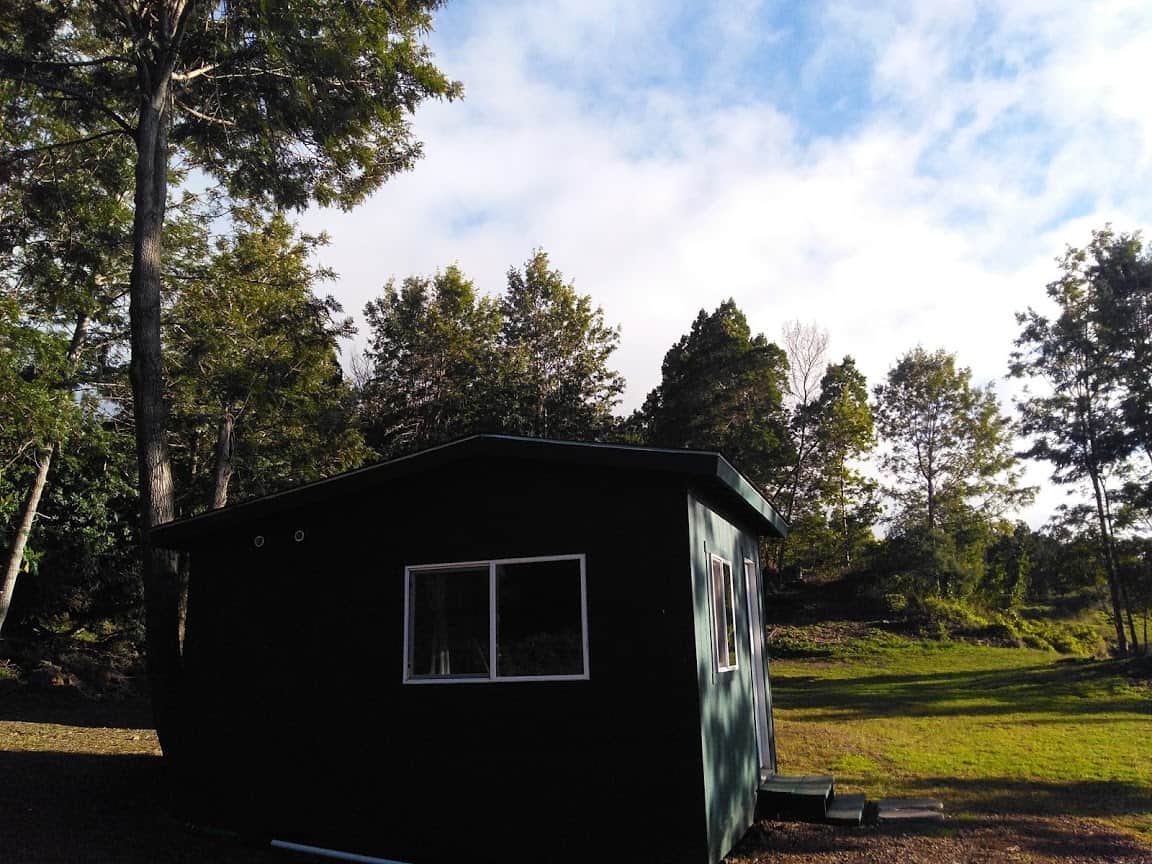


Maui camping guide
Where to go
West Maui
Maui’s sunkissed northwest coast is peppered with sandy beaches, luxe resorts, and golf courses, but you can hop between beaches along the Honoapiilani Highway, tuck into farm-to-table cuisine in Kaanapali and Kapalua, or head inland to marvel over the natural wonders of the Iao Valley State Park. Winter campers take note—Maui’s west coast is Hawaii’s most renowned whale-watching destination, and the annual migration takes place from December through April.
North Shore
Maui’s windy North Shore is a hotspot for windsurfing, with rugged cliffs and undeveloped beaches providing a dramatic backdrop. Head to Hookipa, Kanaha, and Spreckelsville beaches to watch the pros in action, check out the surfers at the notorious "Jaws" surf spot, or soak up the laid-back surf town vibes in Paia.
Upcountry
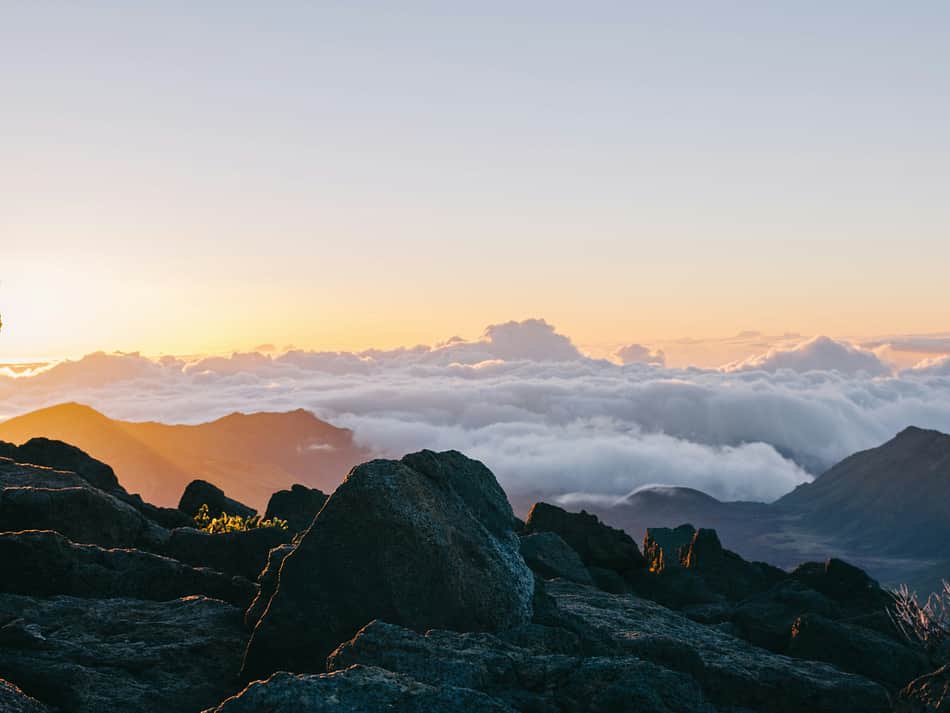
Rolling hills lead inland from Maui’s sandy shores, climbing up to the 10,023-foot Haleakala volcano, the island’s highest peak. This mountainous region is a hiker’s paradise, and Haleakala National Park has a network of trails, along with hike-in wilderness cabins and tent sites. Set your alarm early to avoid missing the legendary sunrise over the Haleakala crater.
East Maui
The Road to Hana (Highway 360) winds its way from Kahului along the northeast coast to Hana, a thrilling road trip complete with hairpin bends, rainforest-cloaked mountains, and cascading waterfalls. Stop along the way to see Wailua Falls, camp by the black-sand beaches of Waianapanapa State Park, or relax on the shores of Hamoa Beach.

Frequently Asked Questions
Free camping options on Maui are limited, as most campgrounds require a fee or permit. However, there is one option for free camping on the island: Polipoli Spring State Recreation Area. This campground is located at a high elevation in the Kula Forest Reserve and offers a unique experience. Keep in mind that the campground is at an elevation of 6,200 feet, and weather can be unpredictable. Also, facilities are limited, so come prepared for a more primitive camping experience.
For more camping options on Maui, you can explore Hipcamp.
In Maui, beach camping is allowed in designated campgrounds and state parks, but camping directly on the sand is generally not permitted. There are a few campgrounds where you can camp close to the beach, such as:
- Mokuleia Beach Park - A county park with facilities and camping close to the beach.
- Wailea Beach - Located in the southern part of Maui, it has nearby campgrounds where you can stay.
- Kahului Beach - There are campgrounds in the area that are close to the beach but not directly on the sand.
It's important to note that you should always camp in designated areas and follow the rules and regulations of the specific campground or state park. For more beach camping options in Maui, check out Hipcamp.
In Maui, camping permit fees vary depending on the campsite and whether you're a resident or non-resident. For non-residents, the cost is typically around $20 per night, while residents pay a lower fee of around $12 per night. Some campsites may also charge an additional vehicle fee. Keep in mind that prices are subject to change, and it's always a good idea to check the latest information and fees on the Maui County website.