Glamping near Monmouth
98% (1.2K) • 859 campsites
Top-rated glamping sites near Monmouth
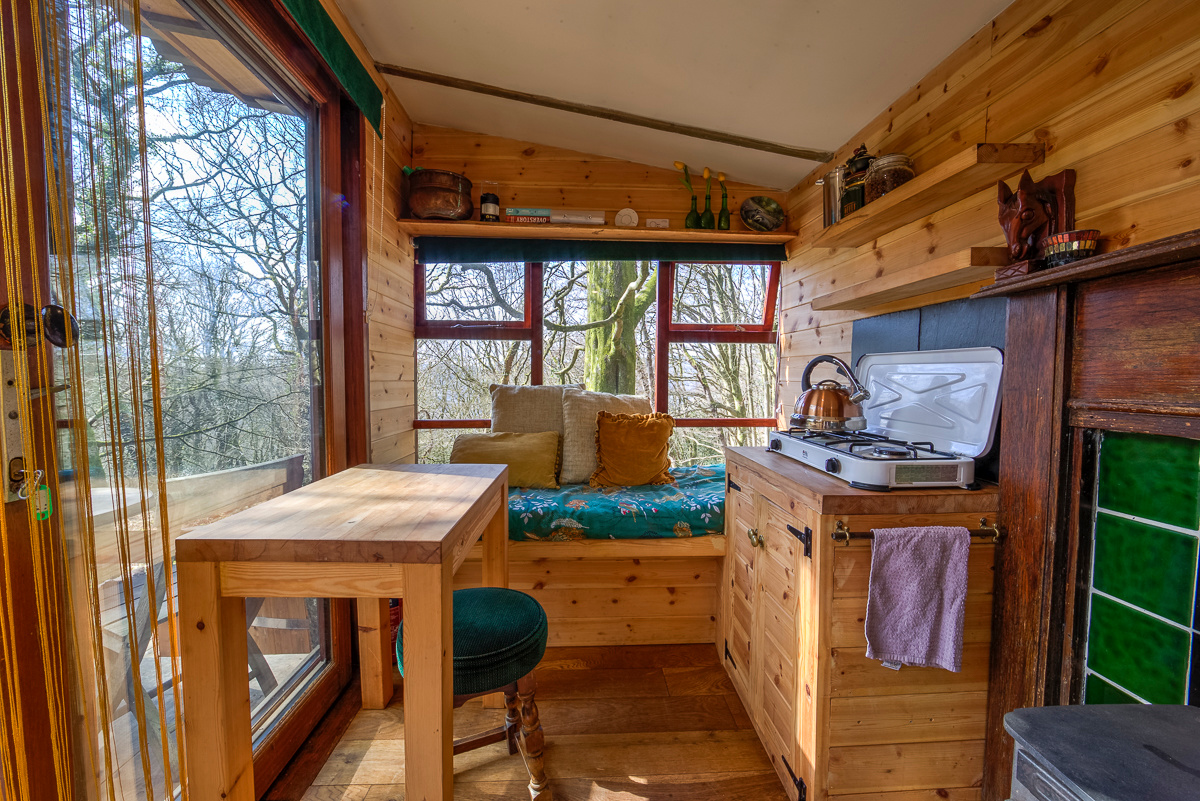
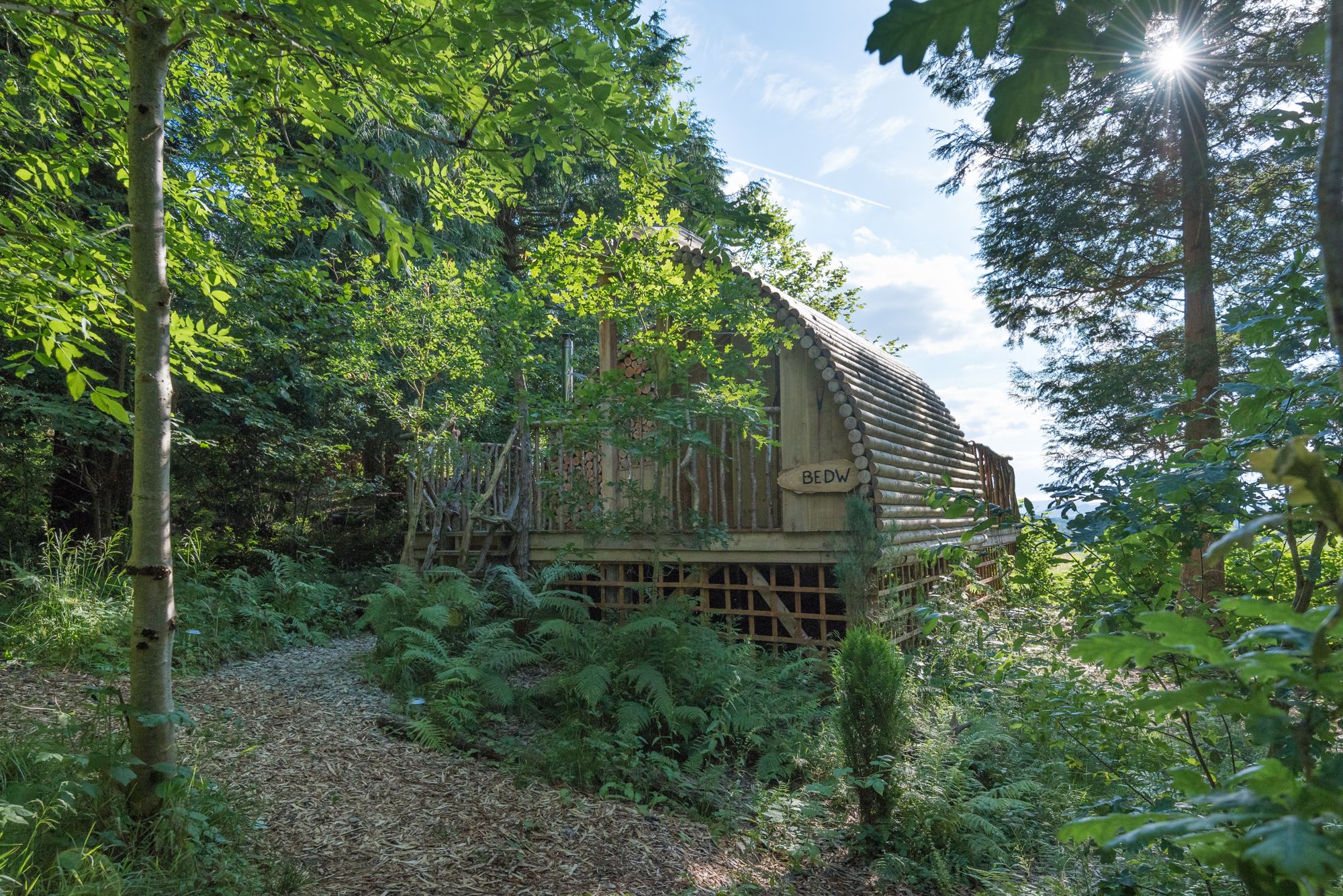
Hideaway Hut, Camping cabin.
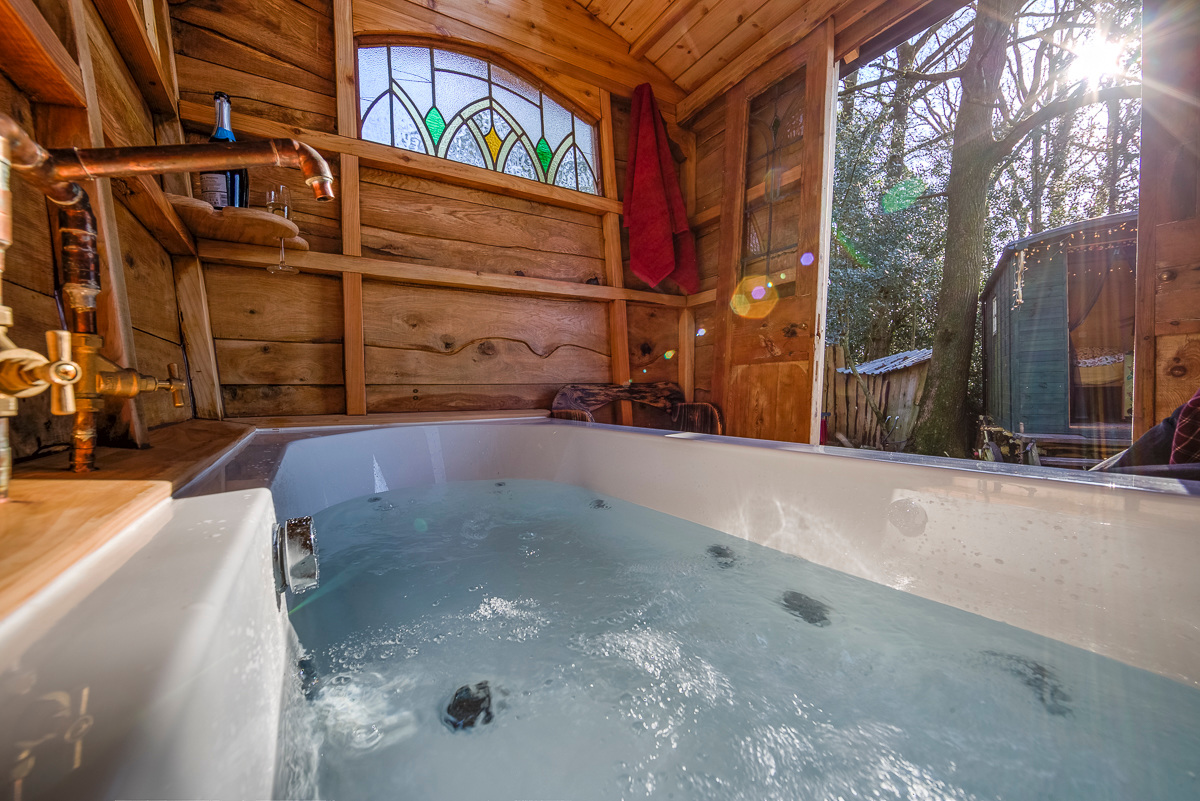
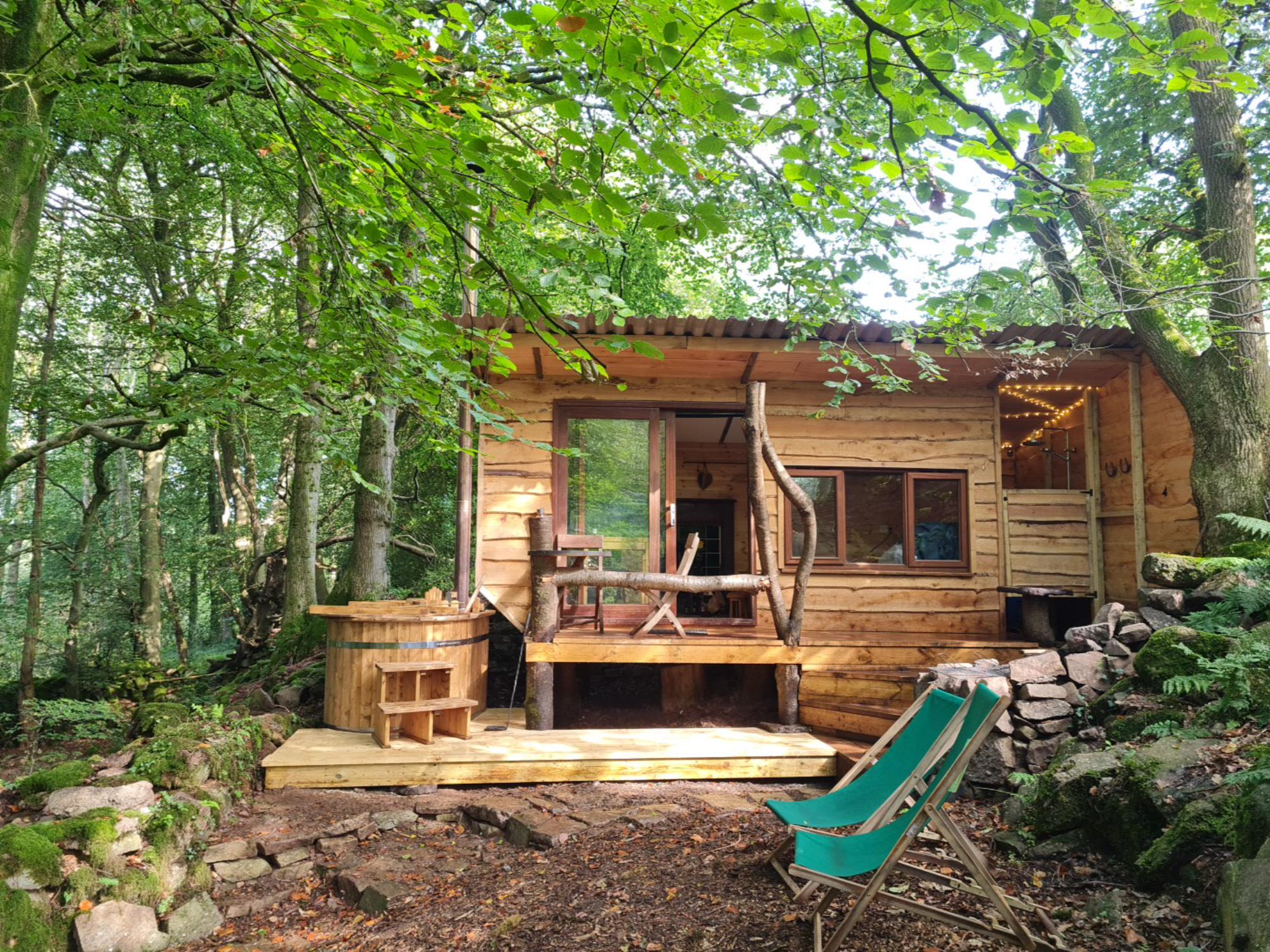
1. Hideaway Hut, Camping cabin.
99%
(85)
10km from Monmouth · 4 units
Magical, secluded glamping in the Wye Valley, yards from the Offas Dyke trail
Pets
Showers
Campfires
from
£96
/ night
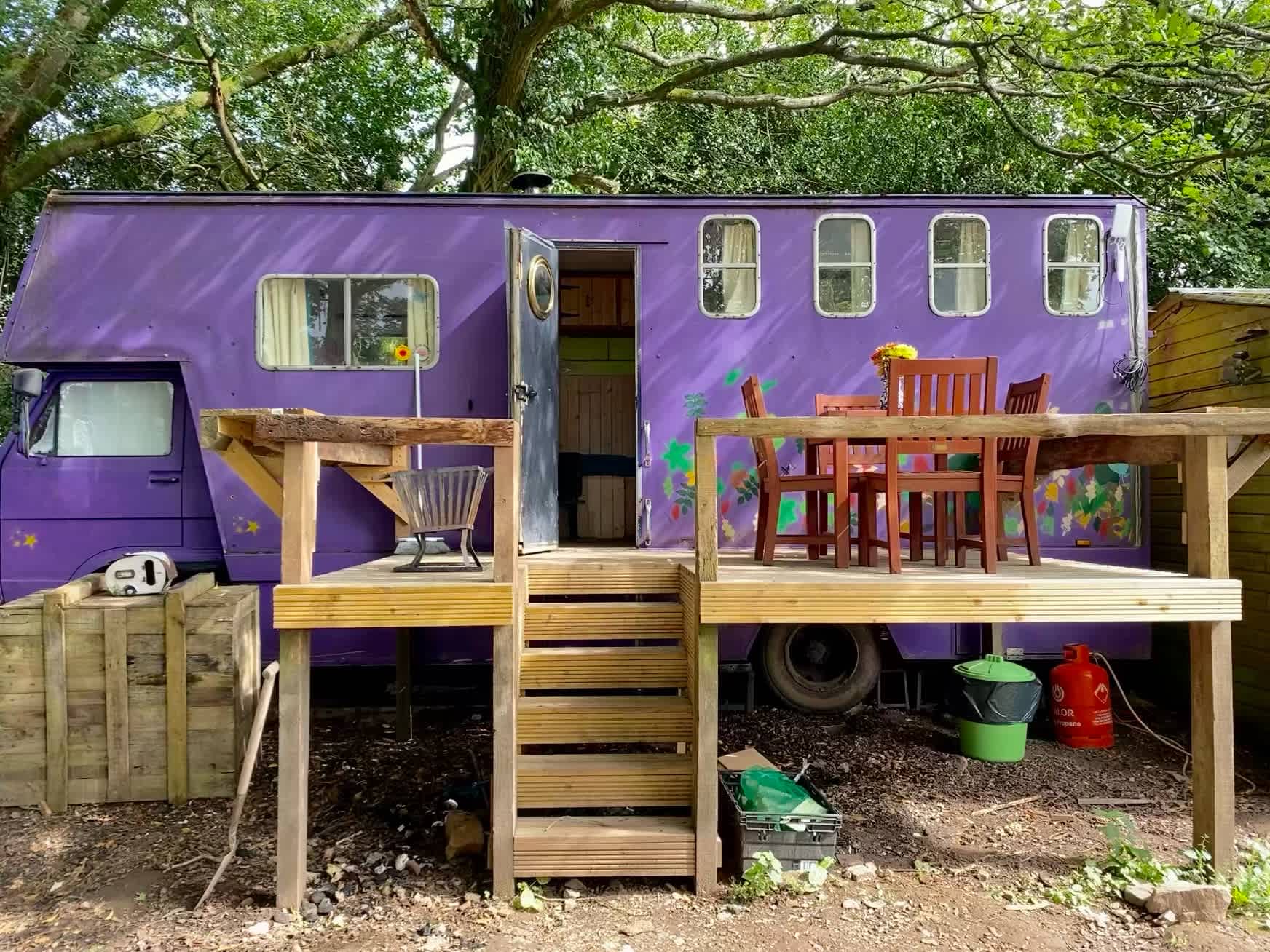
Camp Hillcrest
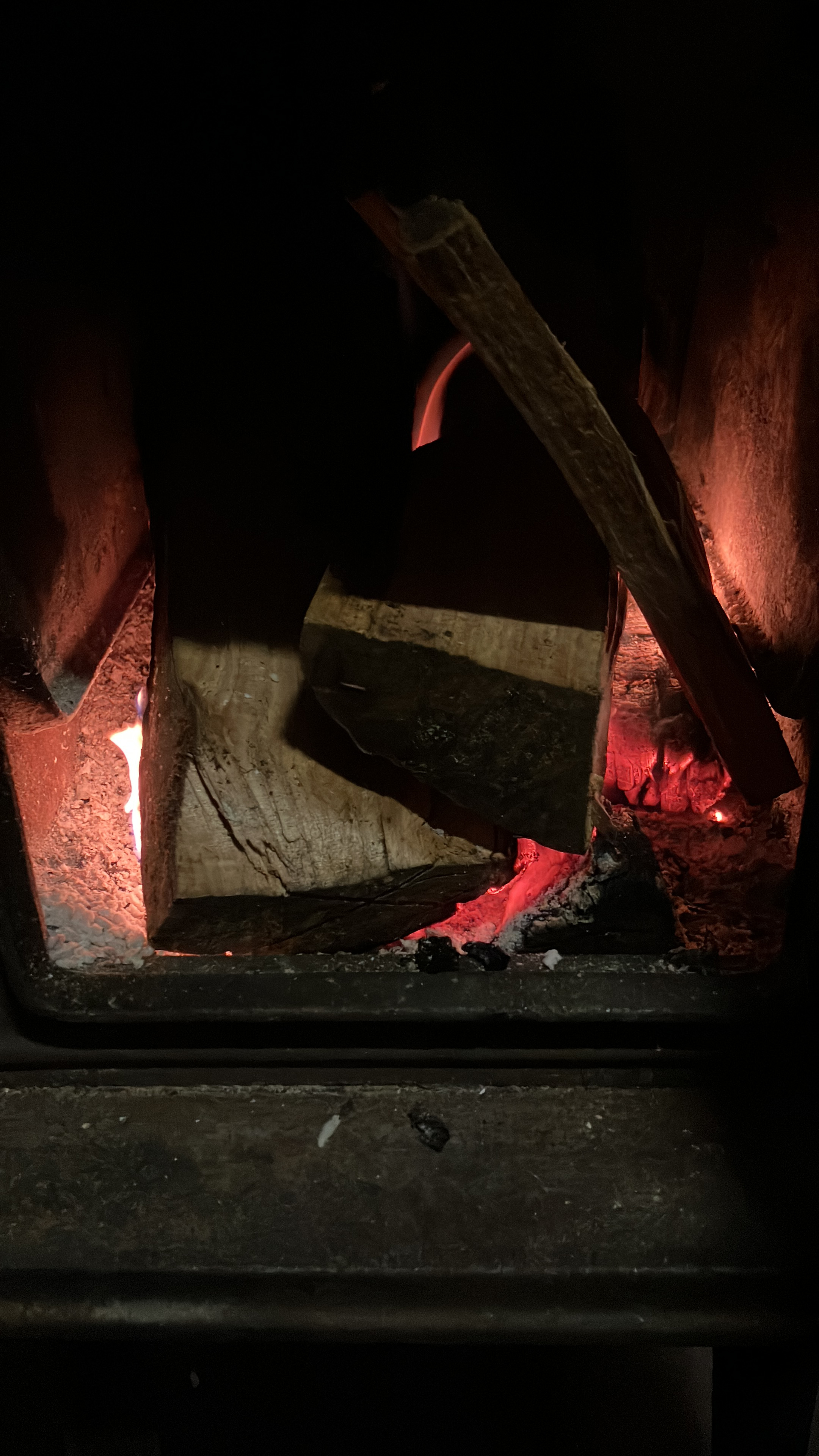
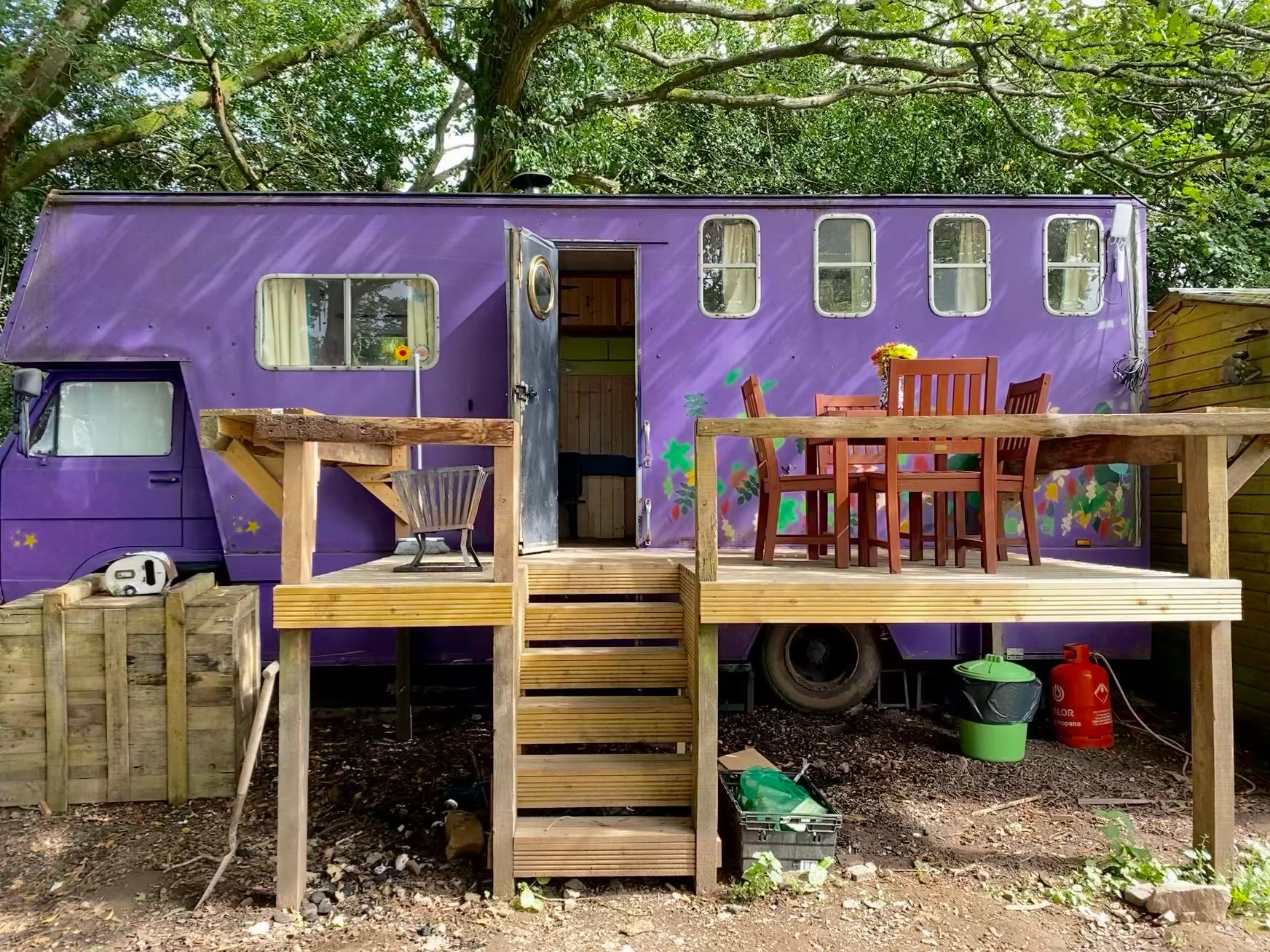
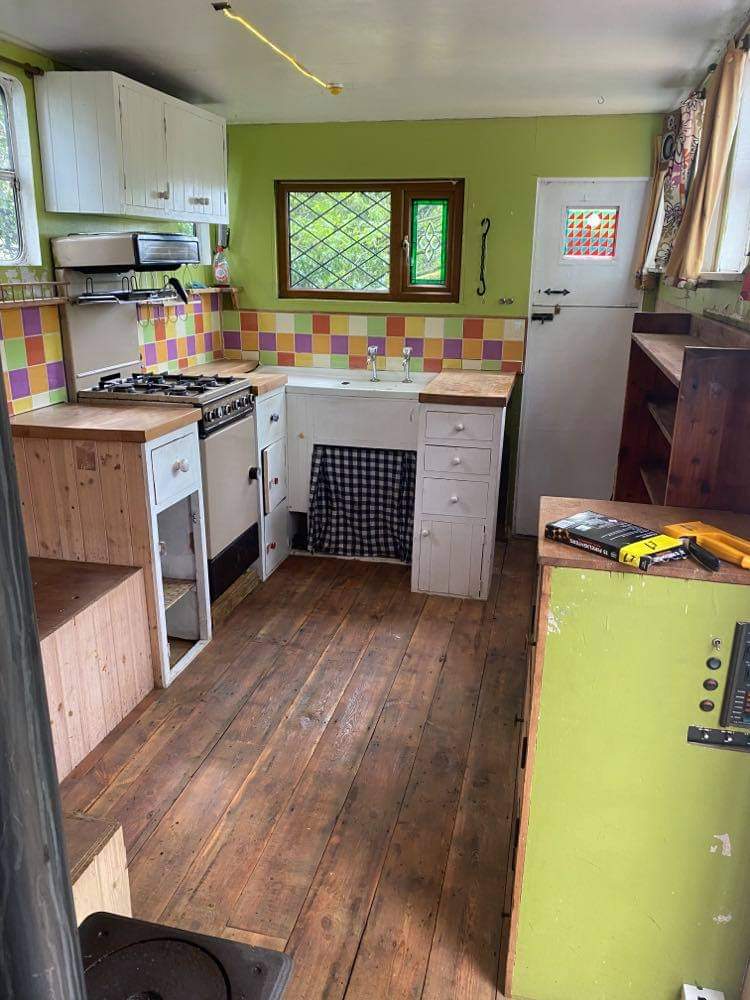
2. Camp Hillcrest
93%
(15)
11km from Monmouth · 1 unit
A horsebox hideaway on a super cool site with its own skatepark
Pets
Showers
Campfires
from
£100
/ night
Woodland Tipi & Yurt Holidays
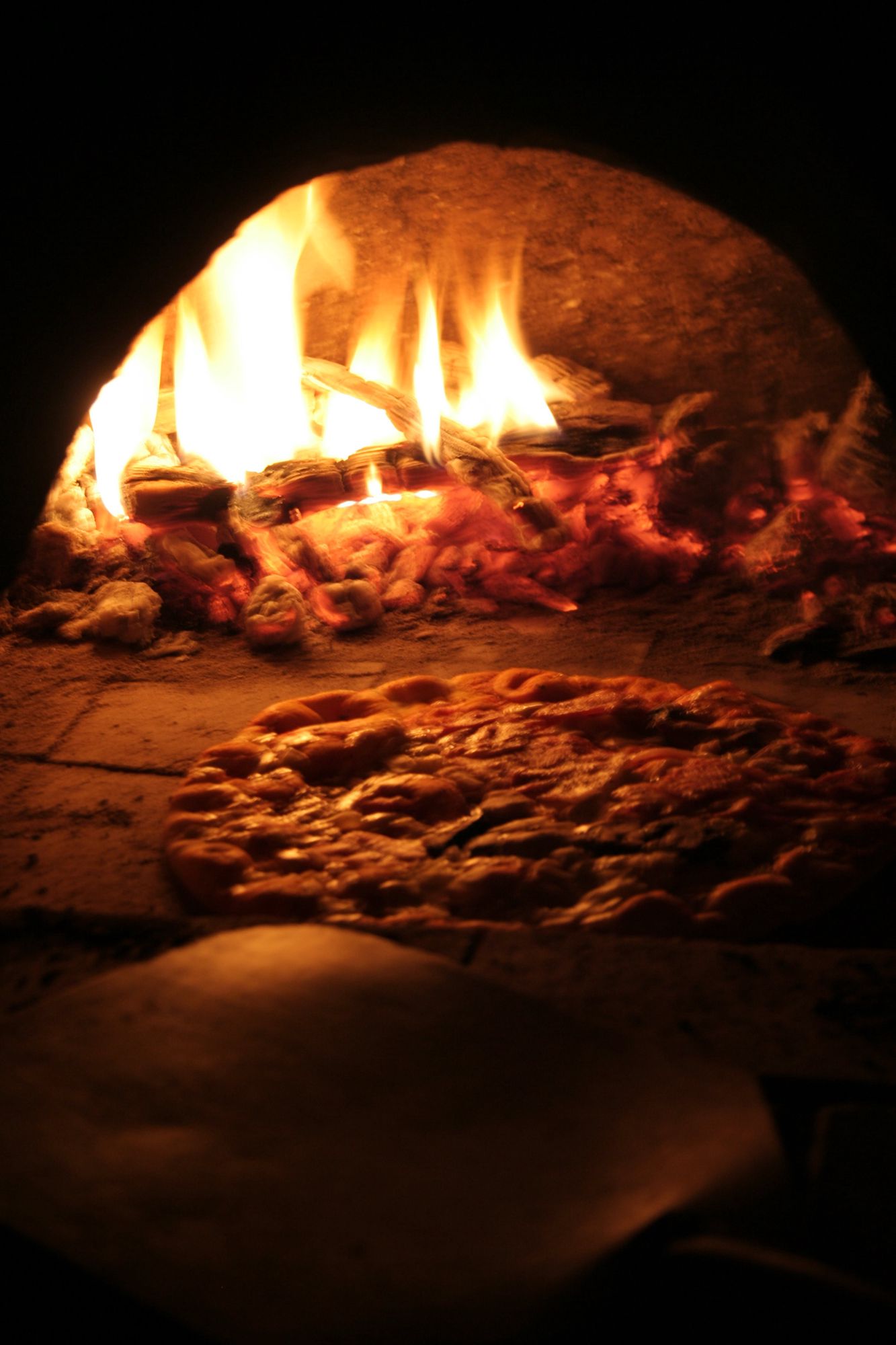
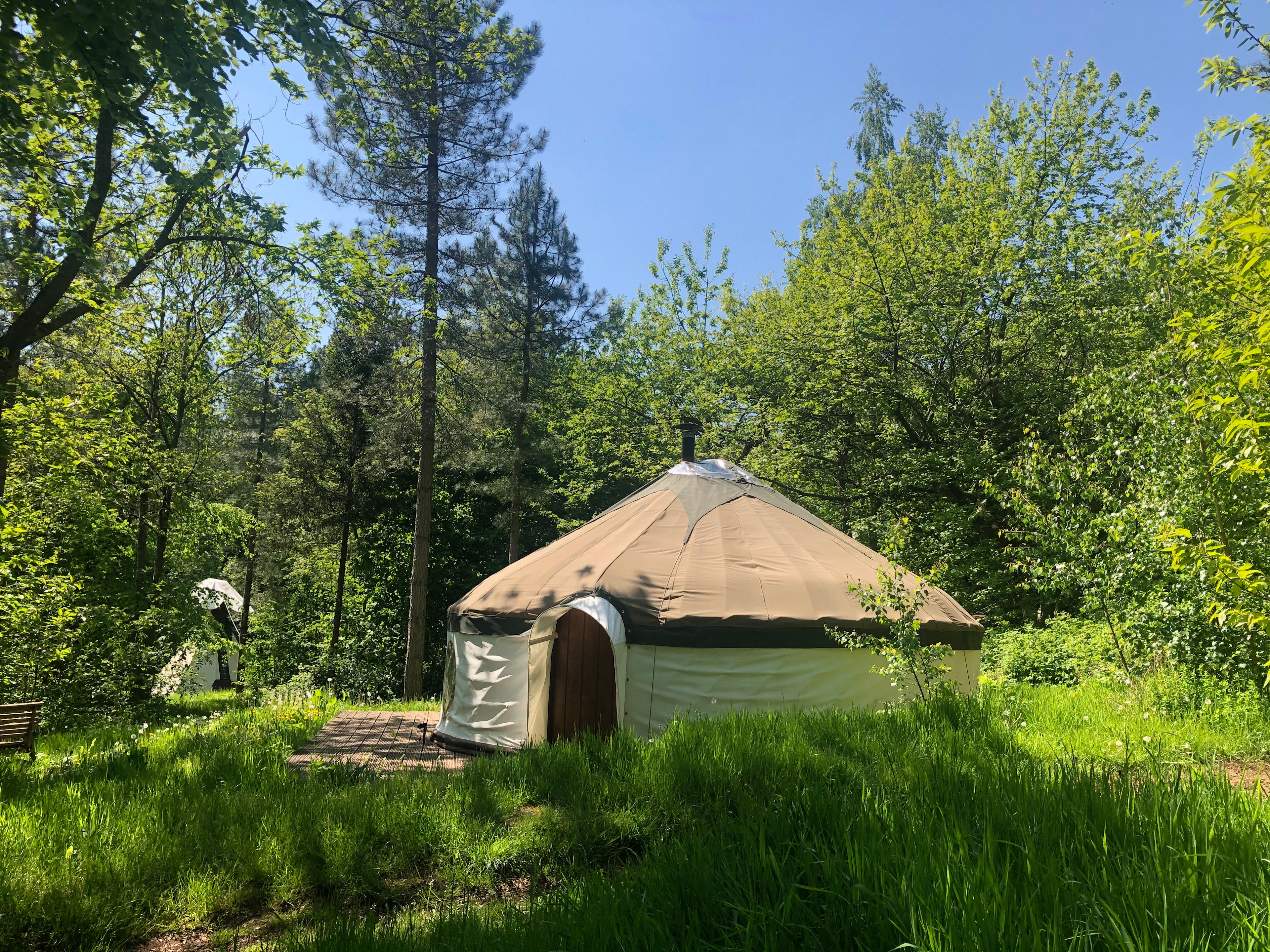
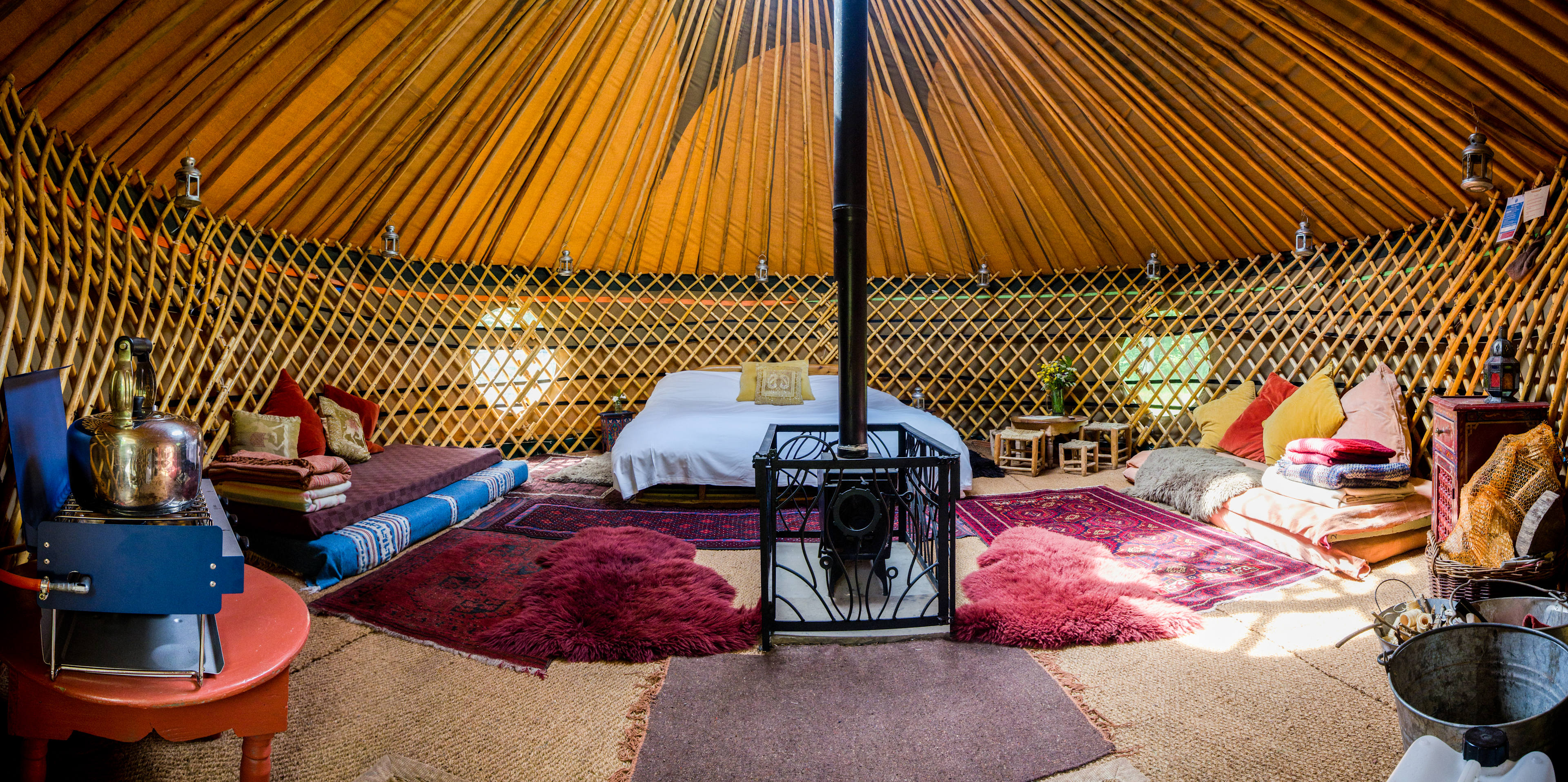
3. Woodland Tipi & Yurt Holidays
100%
(19)
17km from Monmouth · 12 units
Luxury yurt and tipi camping in a magical woodland setting
Pets
Showers
Campfires
from
£110
/ night
Penylan Cider Farm
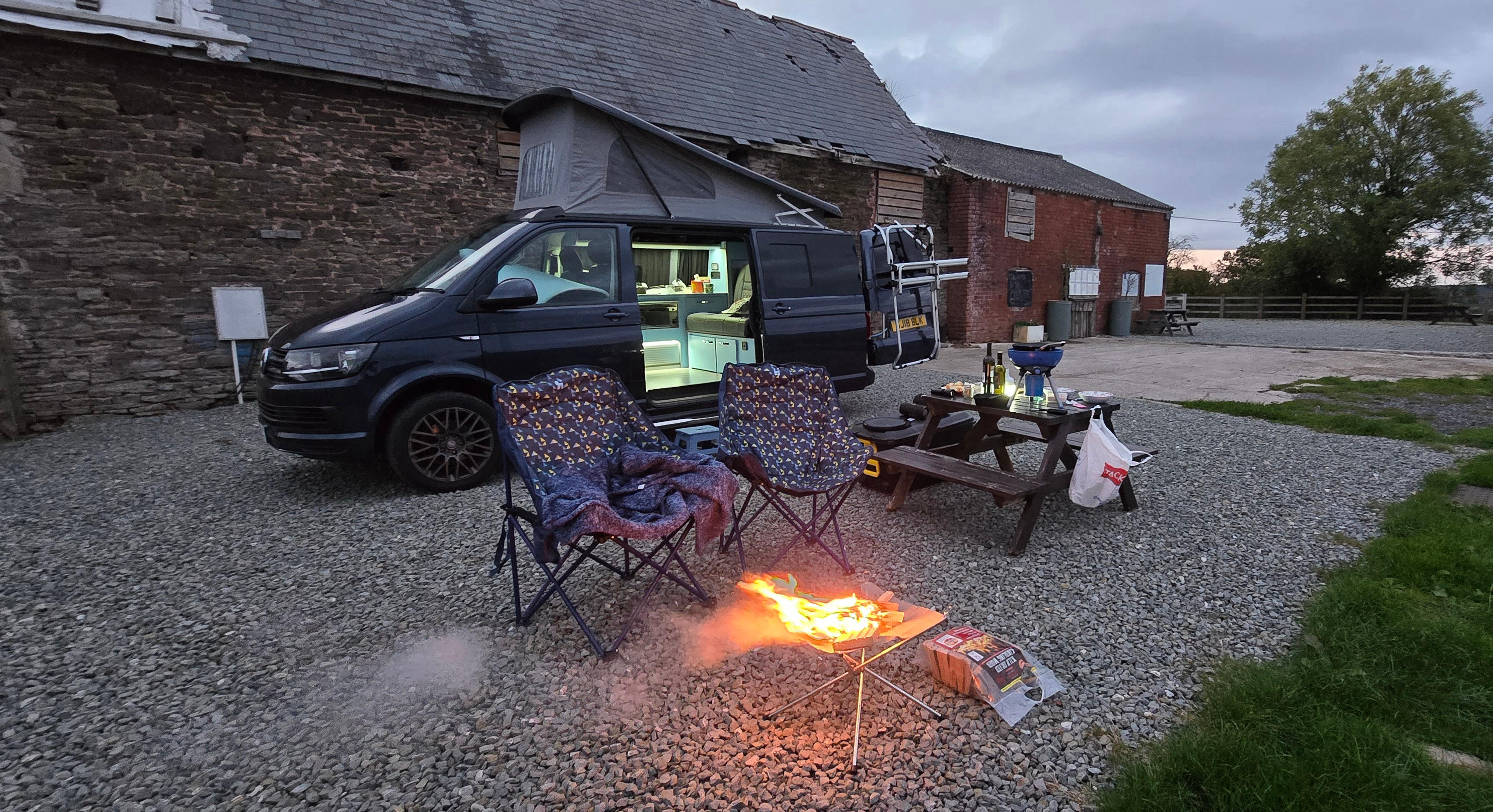
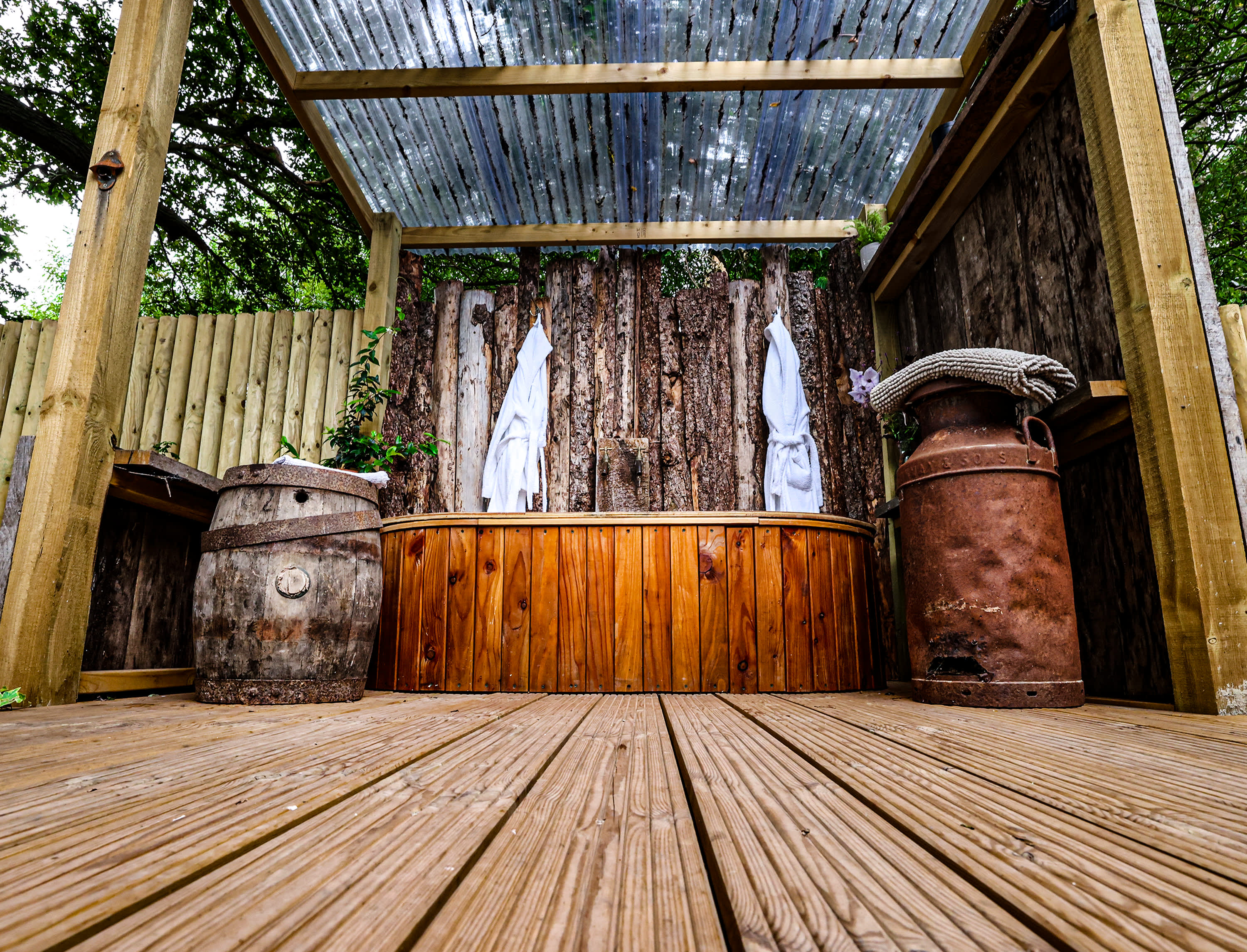
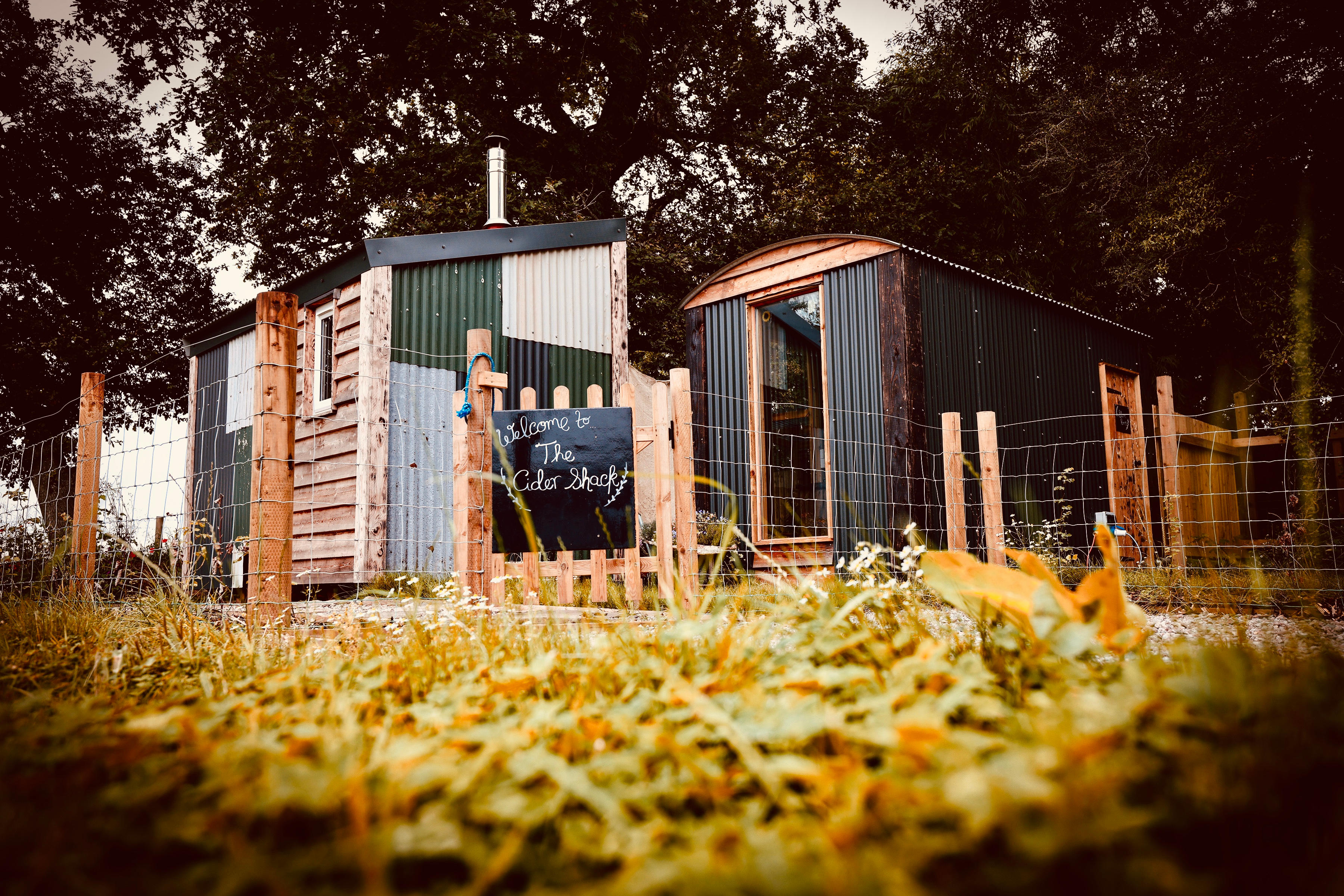
4. Penylan Cider Farm
96%
(24)
18km from Monmouth · 3 units · Motorhomes, Glamping
Pitches and tiny home glamping on a cider farm in Herefordshire
Pets
Showers
Campfires
from
£25
/ night
Darnells Farm
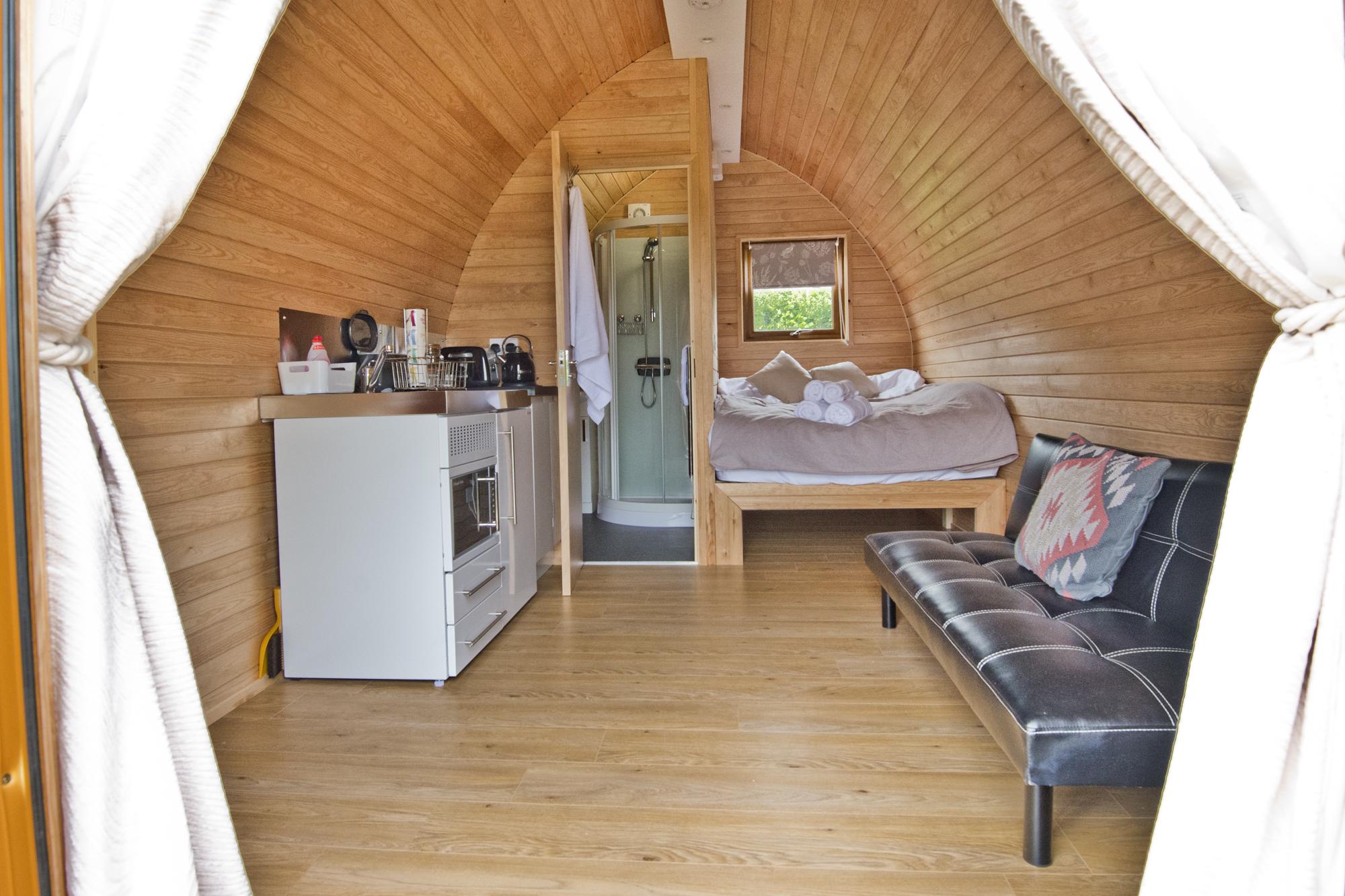
5. Darnells Farm
100%
(25)
19km from Monmouth · 4 units
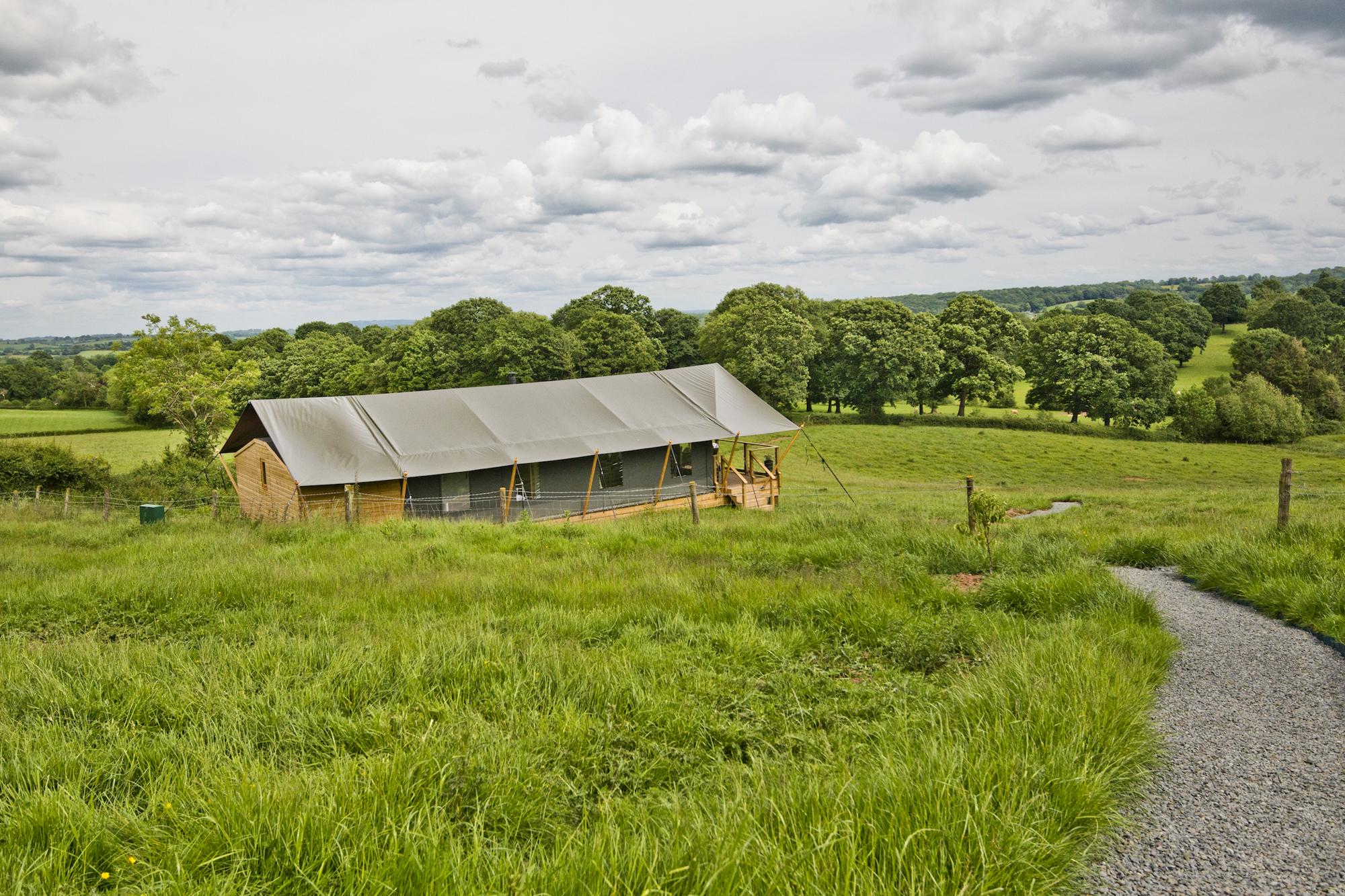
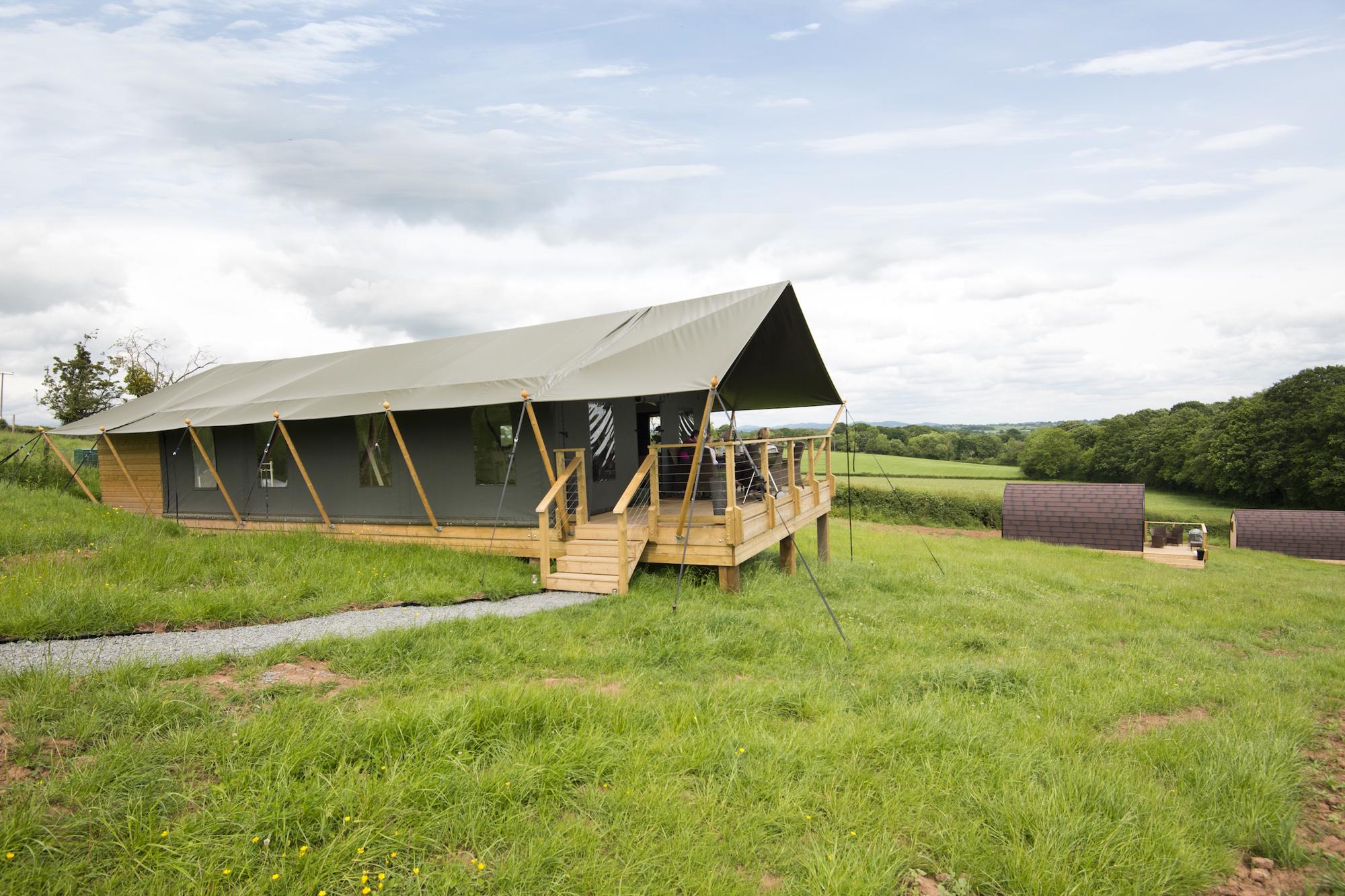
White sheets and wellies combine at this small, high-end glamping site on a working farm near Ross-on-Wye.
Pets
Showers
Campfires
from
£94
/ night
Broadmeadow Glamping
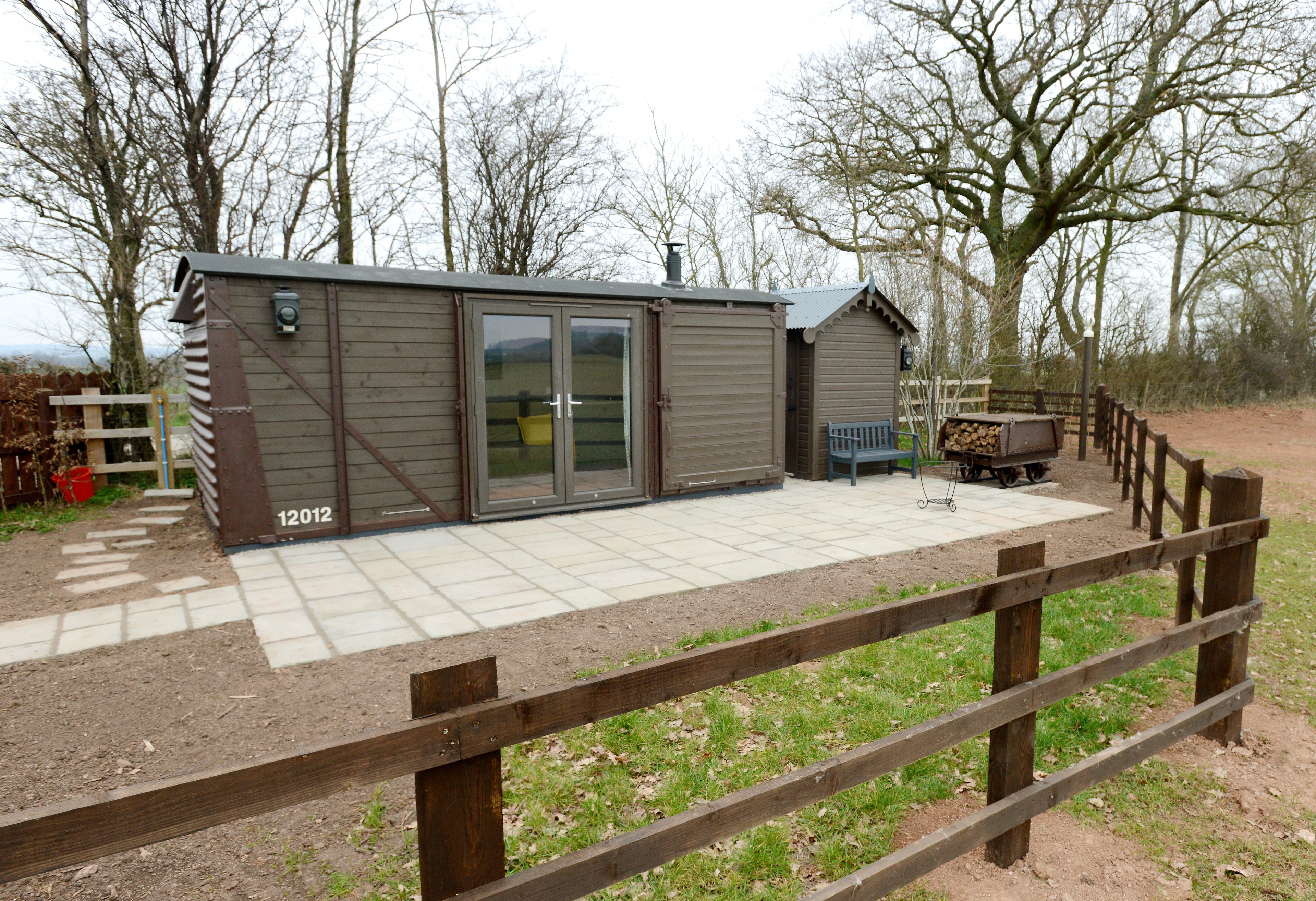
6. Broadmeadow Glamping
100%
(35)
23km from Monmouth · 3 units
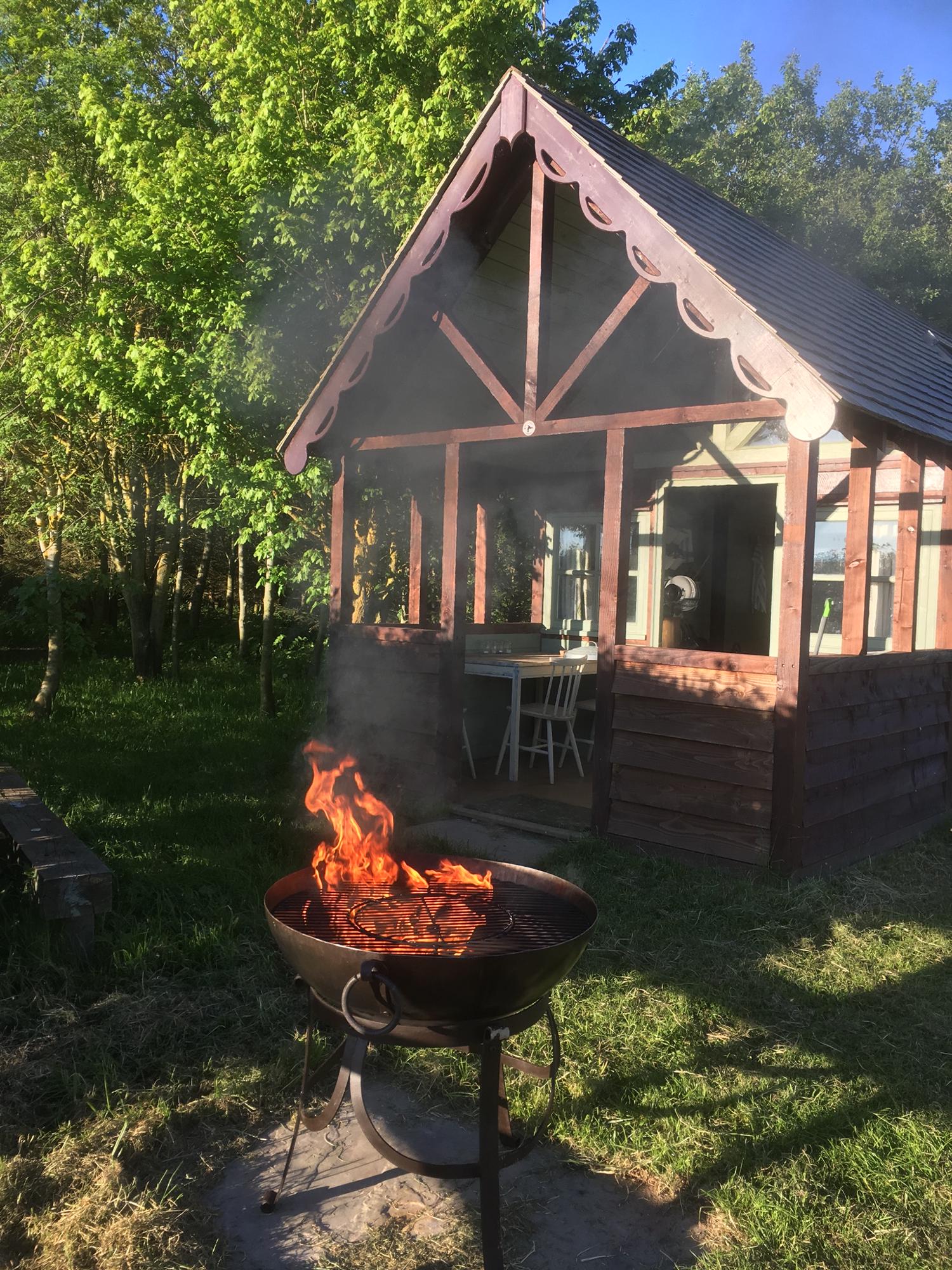
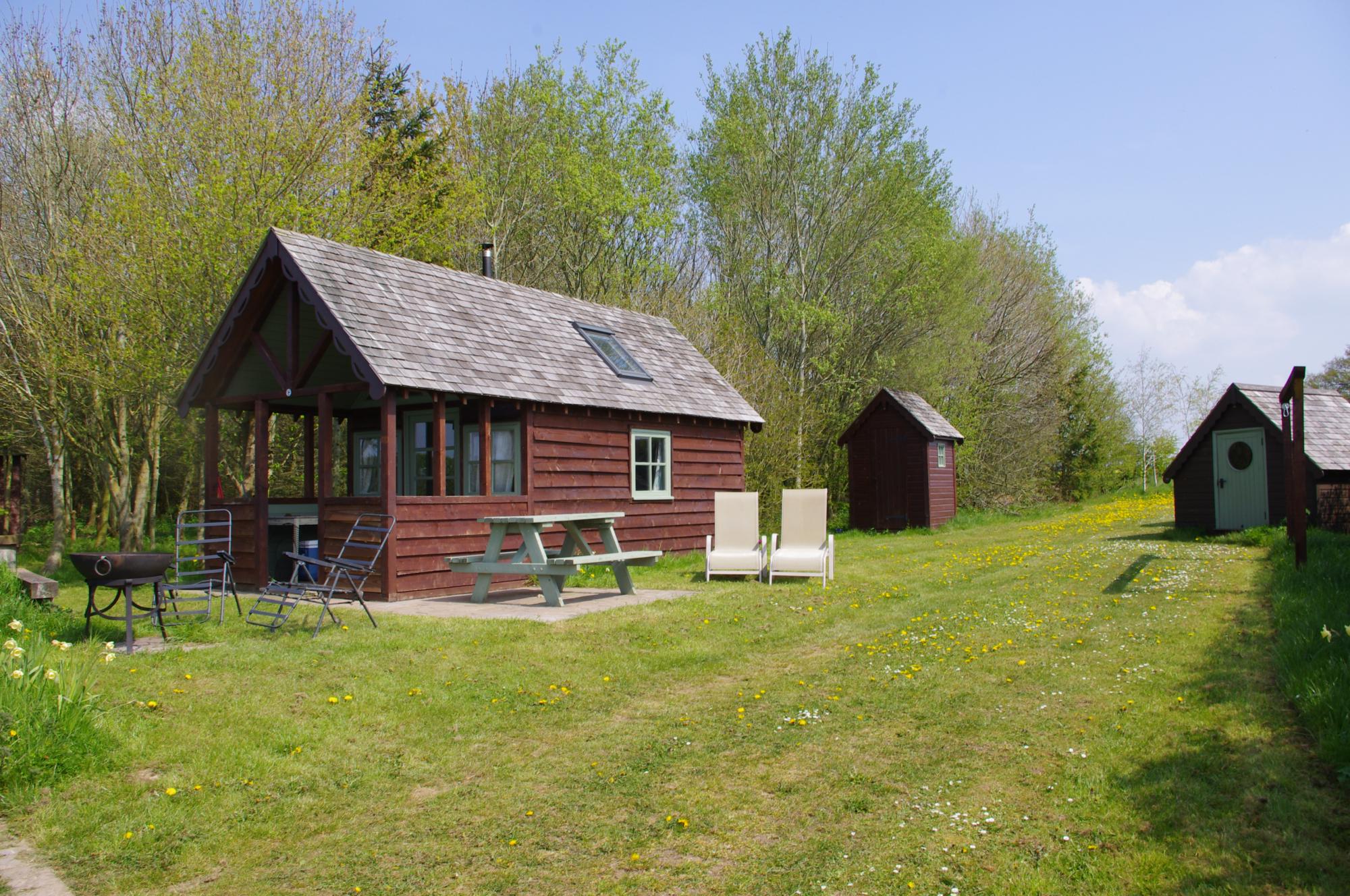
A quaint wooden cabin, tucked away on a Herefordshire farm. Perfect for a romantic glamping retreat or year-round family getaways.
Pets
Showers
Campfires
from
£80
/ night
Cuddfan - The Hiding Place
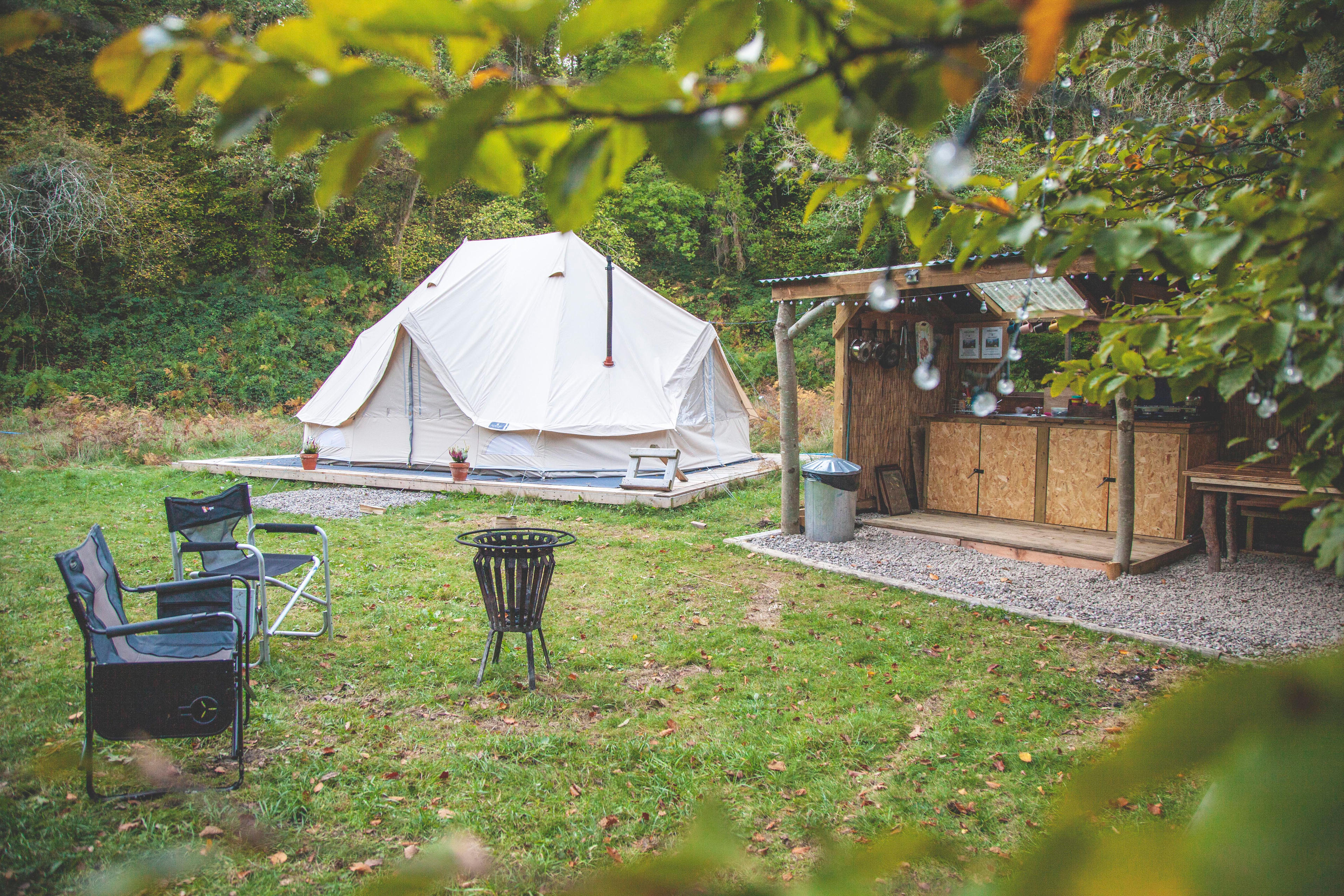
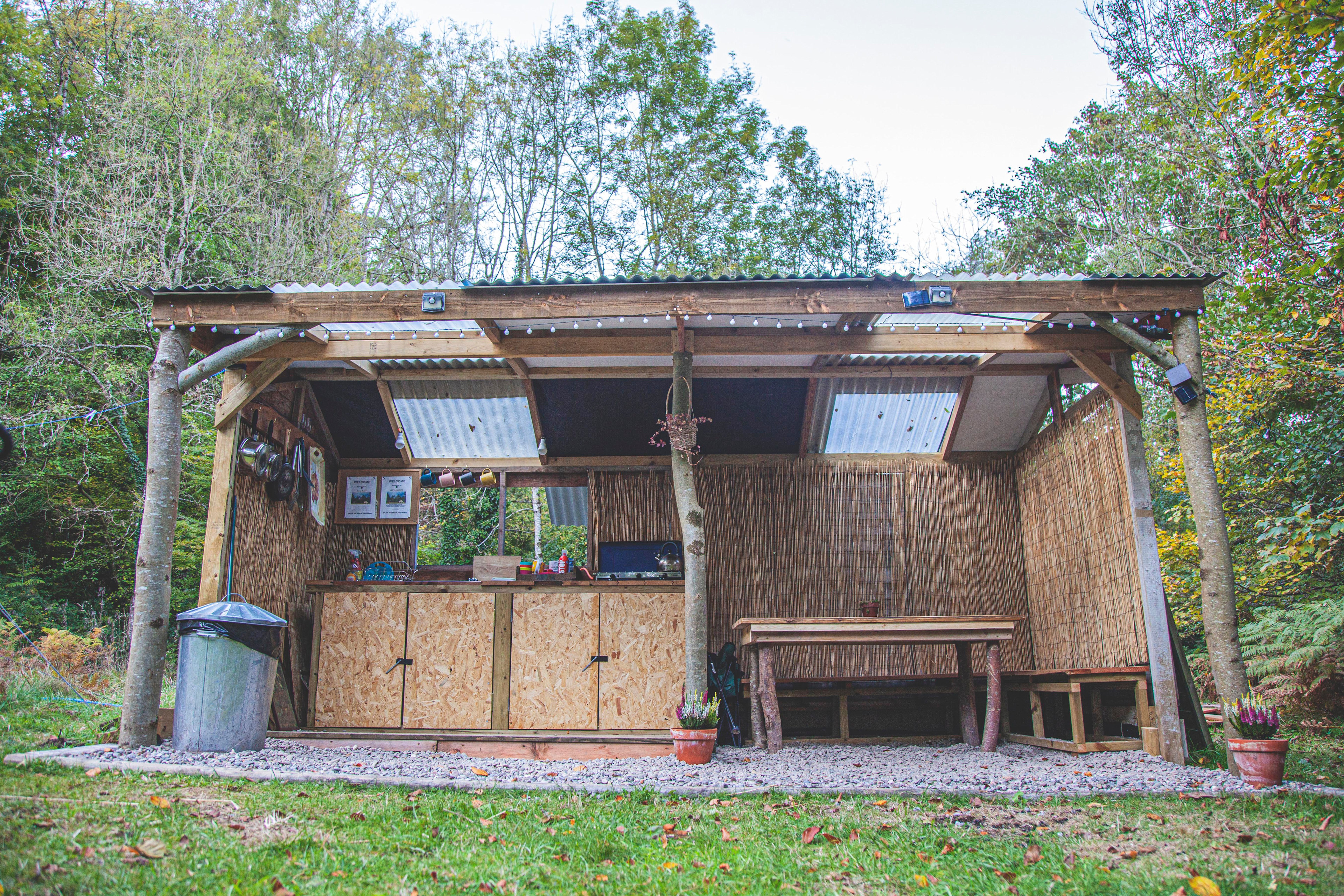
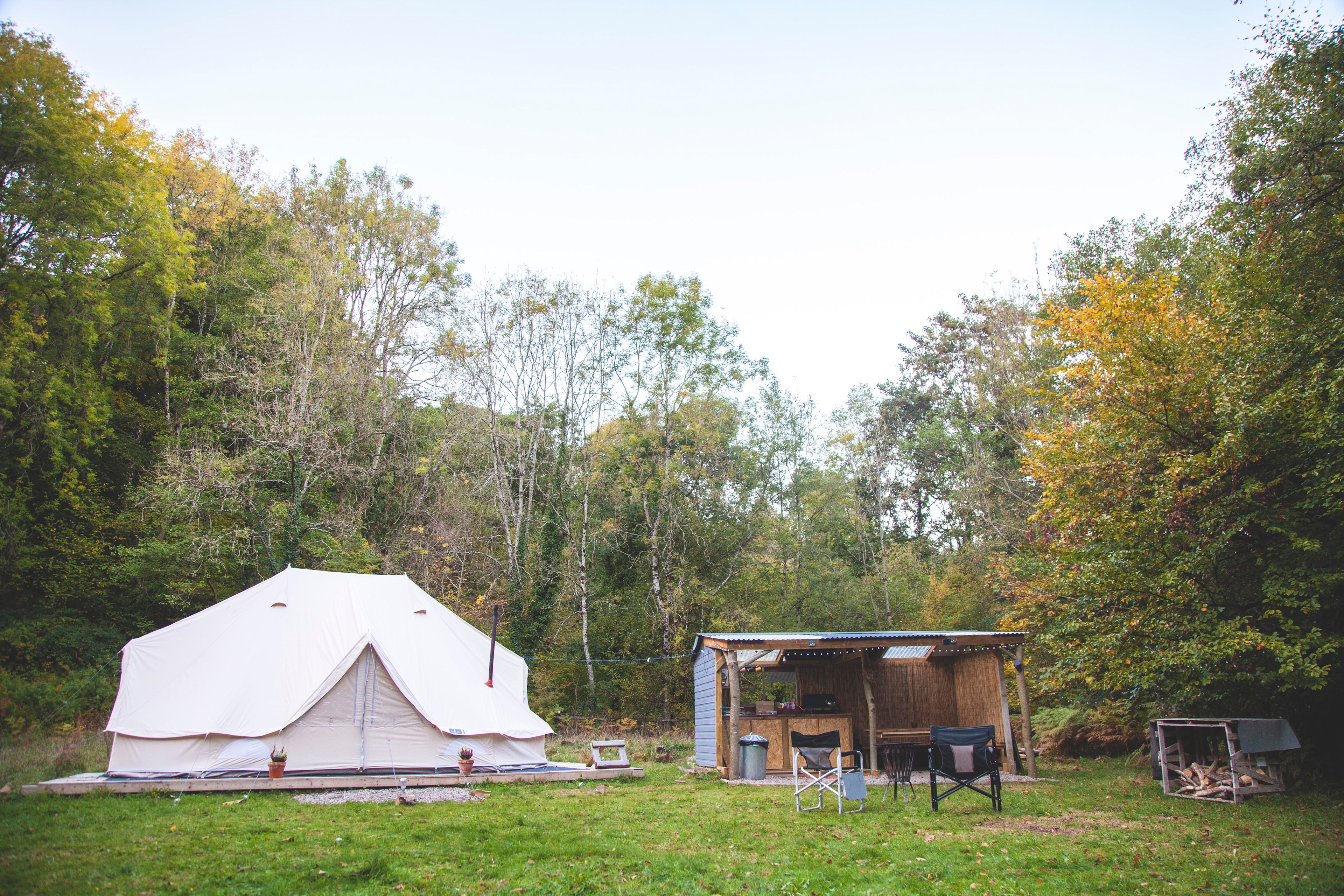
7. Cuddfan - The Hiding Place
100%
(14)
28km from Monmouth · 2 units
A secluded, riverside bell tent in the heart of The Black Mountains
Pets
Showers
Campfires
from
£40
/ night
Upper House Farm Glamping
8. Upper House Farm Glamping
96%
(14)
31km from Monmouth · 8 units
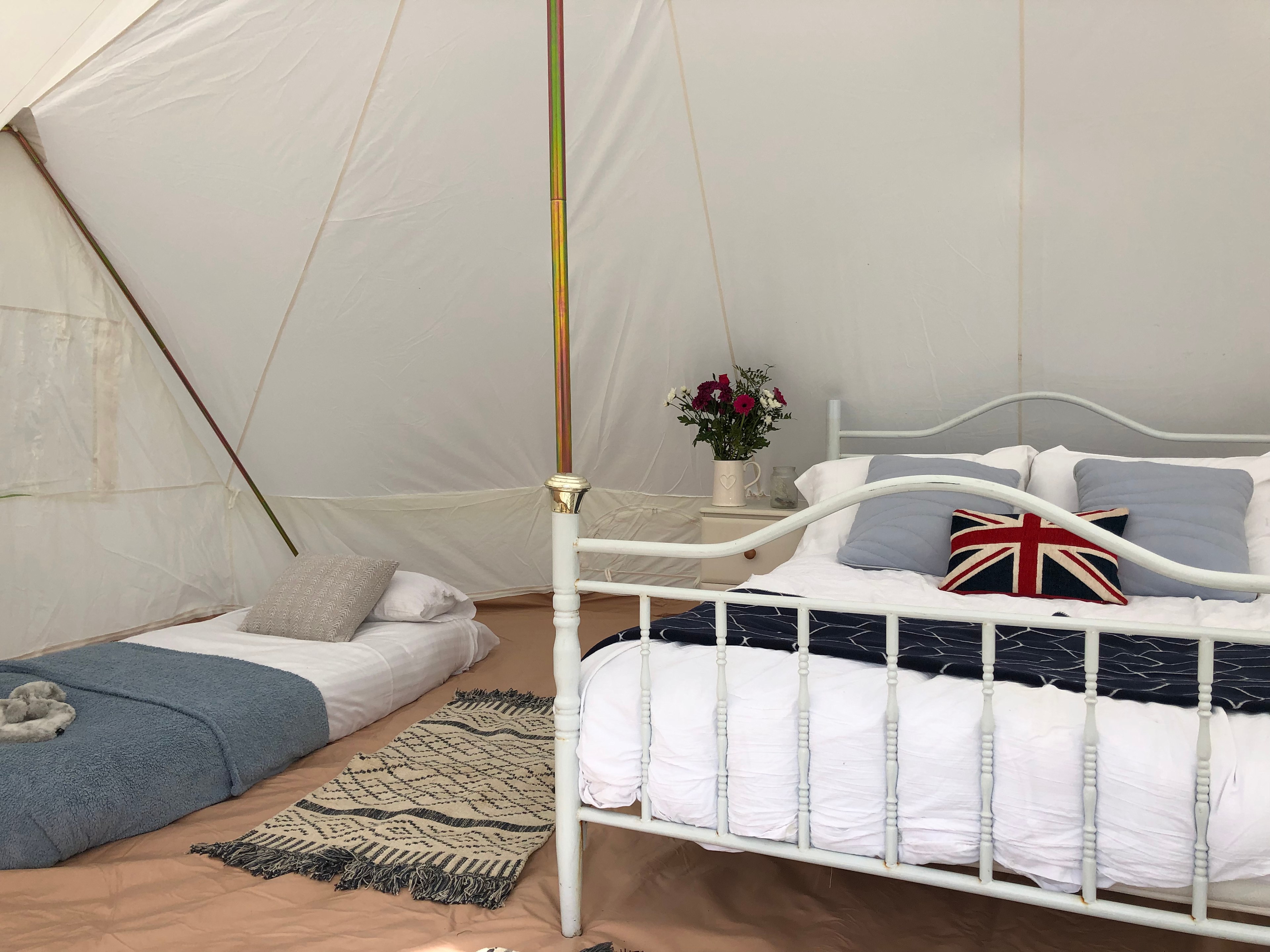
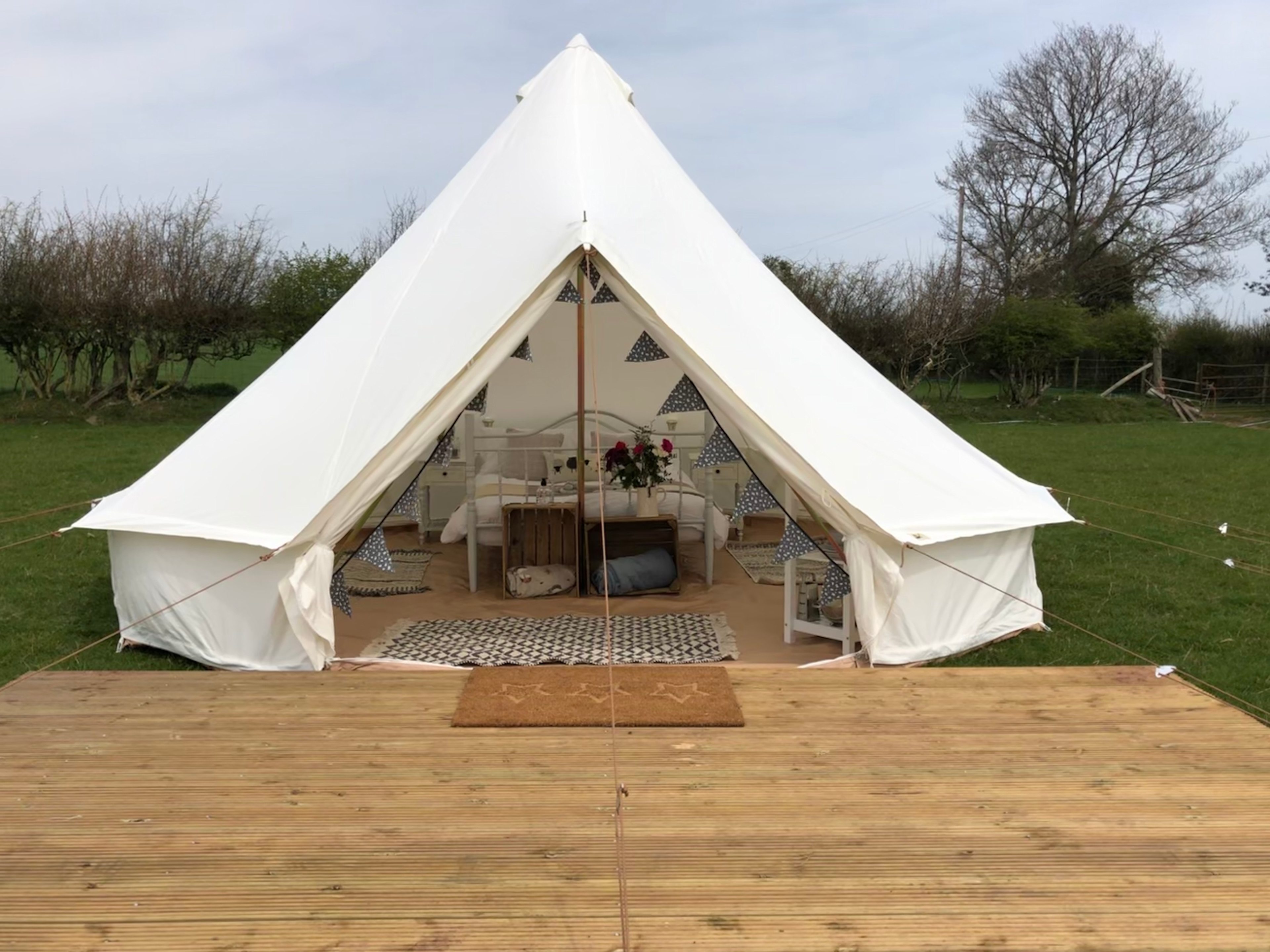
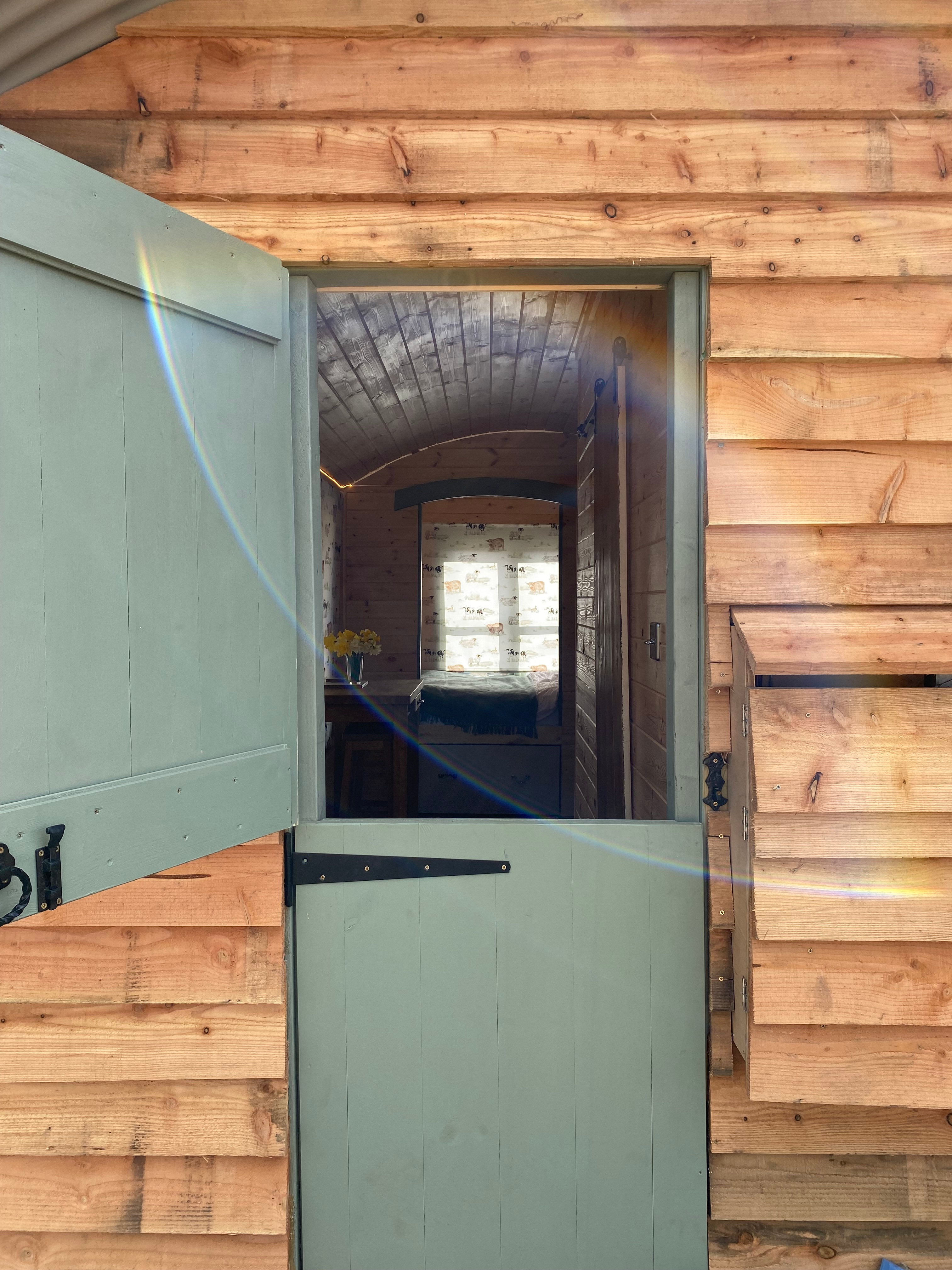
Our glamping site is set on our family farm in the rural Welsh Border in Herefordshire and we are a dog friendly site. We have just 3 tents in 2.5acres, we want our guests to enjoy the peace and privacy of a rural getaway but have the luxuries of a comfy bed, toilets and showers, a kitchenette and a private fire pit.
We are nestled between family farms and surrounded by sheep, cattle and footpaths, so an adventure is at your doorstep.
If you're looking for a peaceful, secluded and romantic place to unwind then our site is ideal.
We have gorgeous views over the Black Mountains and are close to the towns of Hay-on-Wye and Hereford.
Pets
Showers
Campfires
from
£70
/ night
Berrends Farm
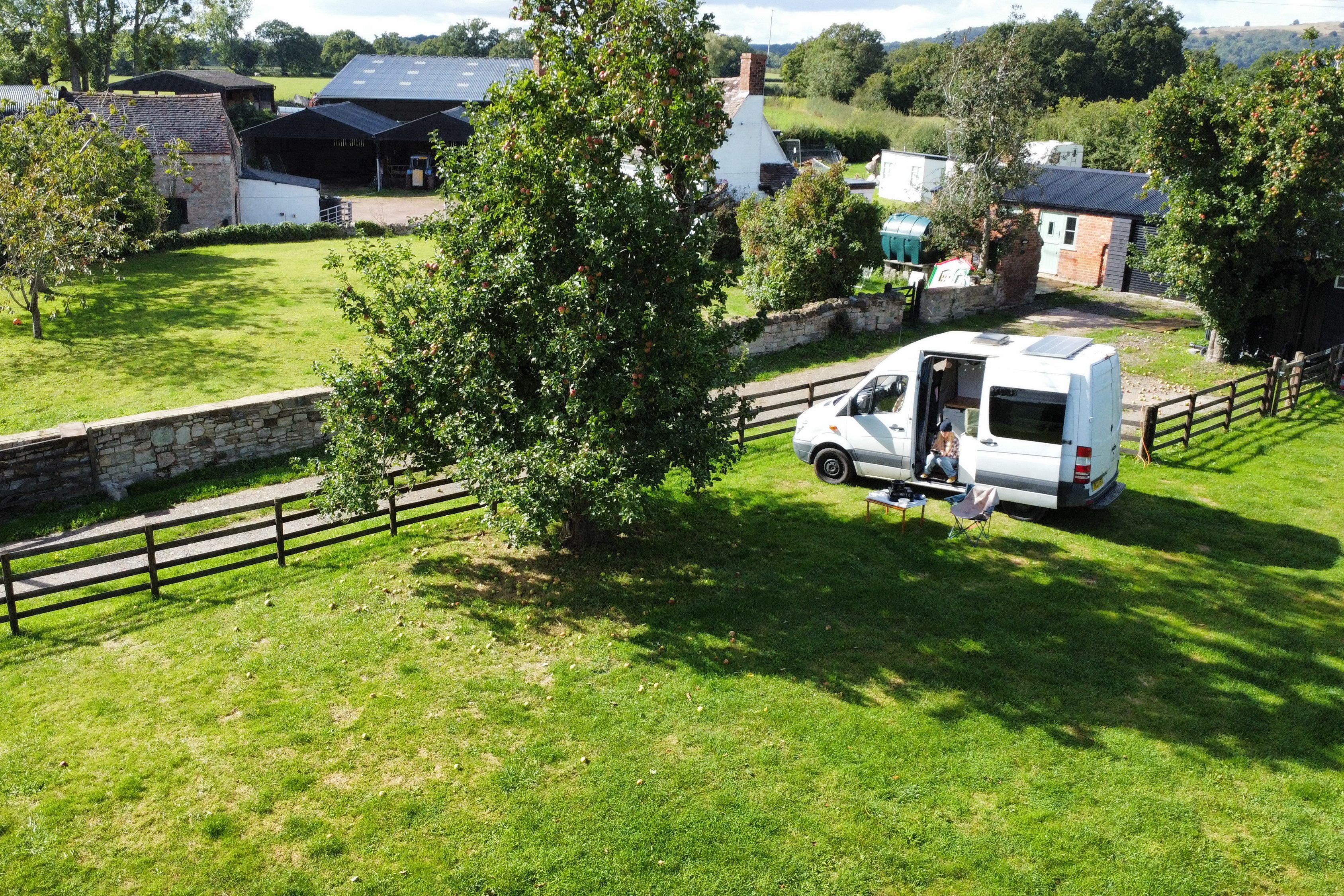
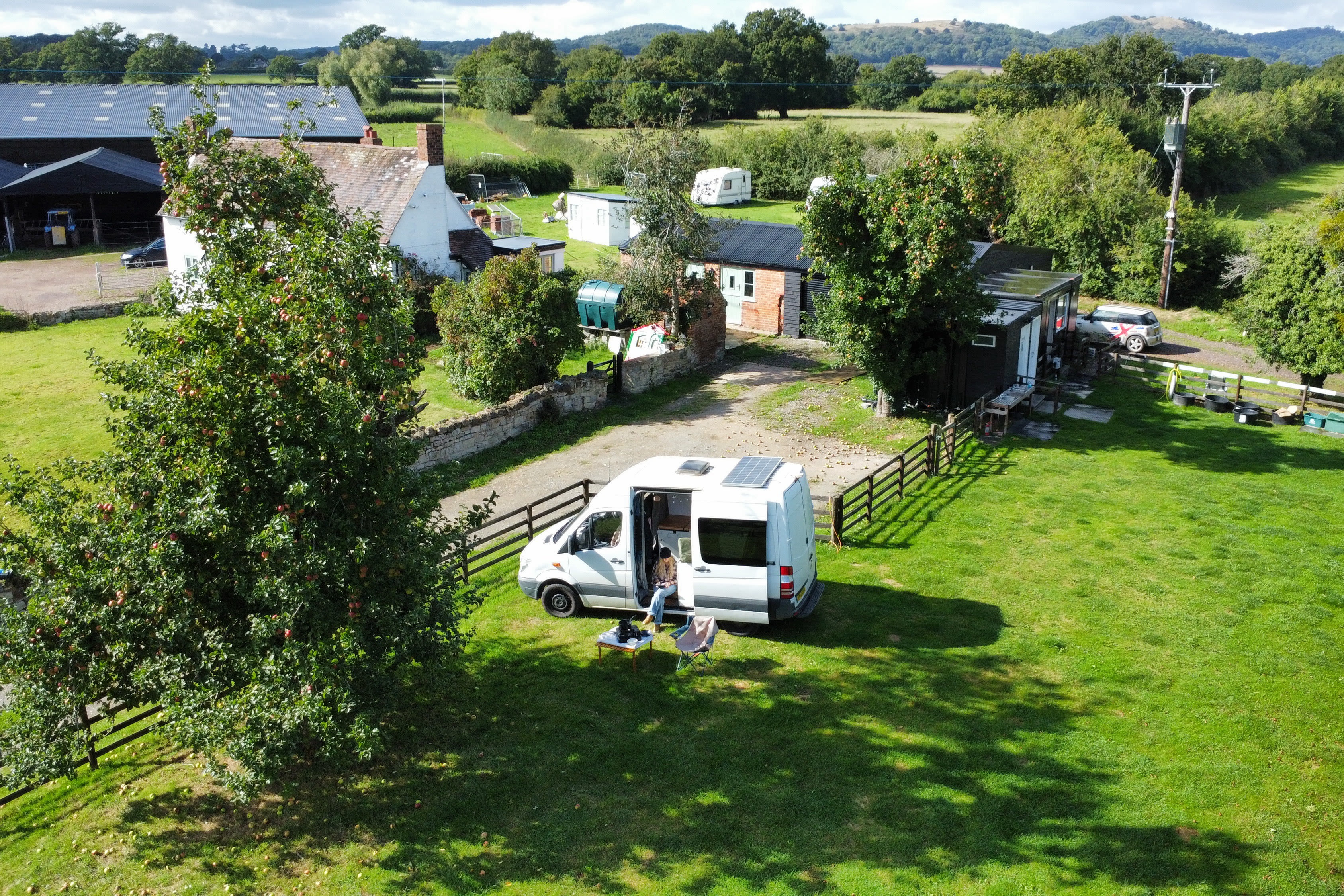
9. Berrends Farm
96%
(38)
33km from Monmouth · 6 units · Tents, Motorhomes, Glamping
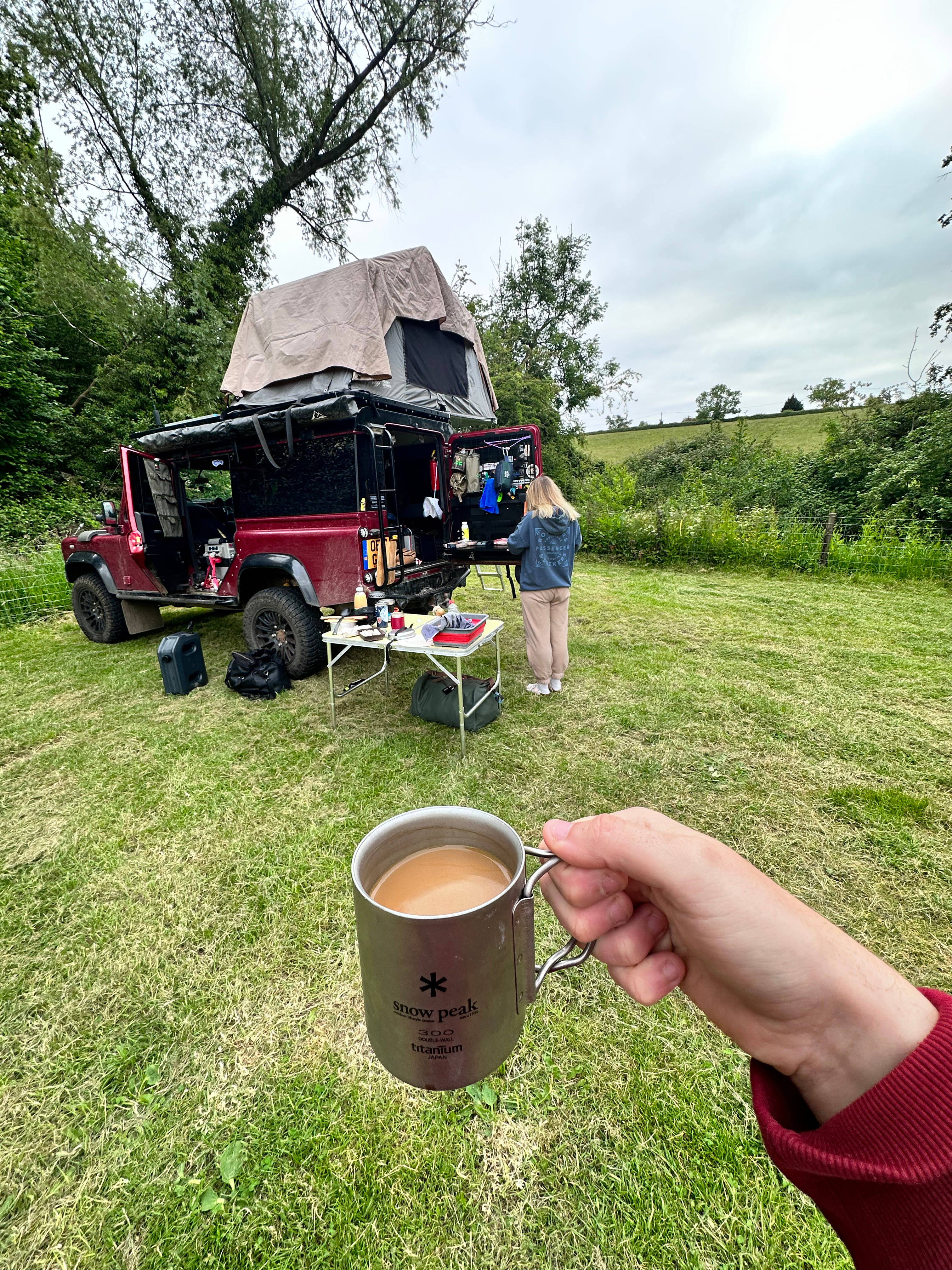
We are in the 3 counties area, a short distance from the Malvern Hills. We have pitches for tents and caravans, and also a Shepherds Hut and an Annex.
We are a small working farm. We welcome our guests to enjoy our home. There are lots of local pubs and towns to visit and local attractions located nearby.
Pets
Showers
Campfires
from
£32
/ night
Oxwick Farm
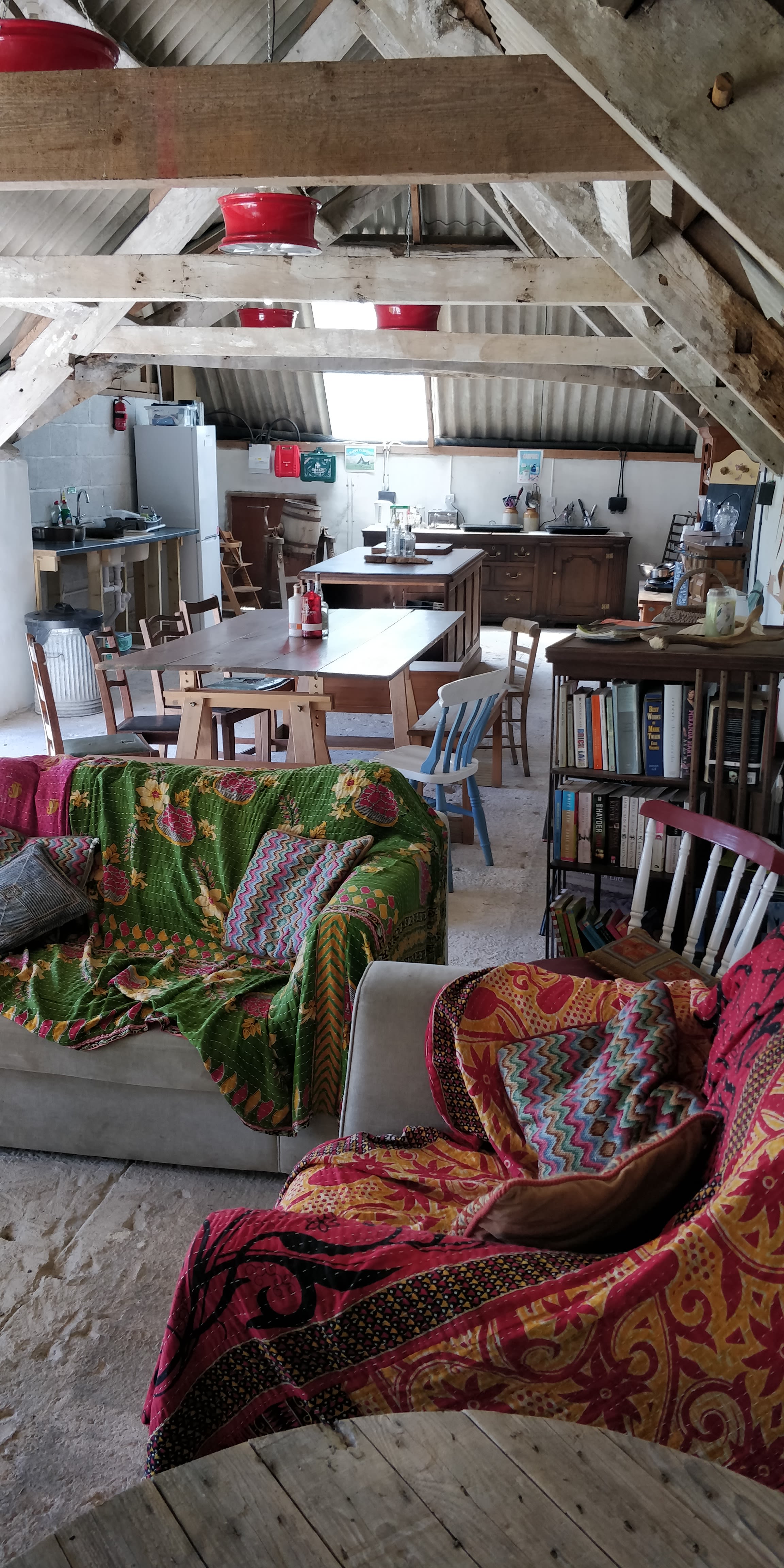
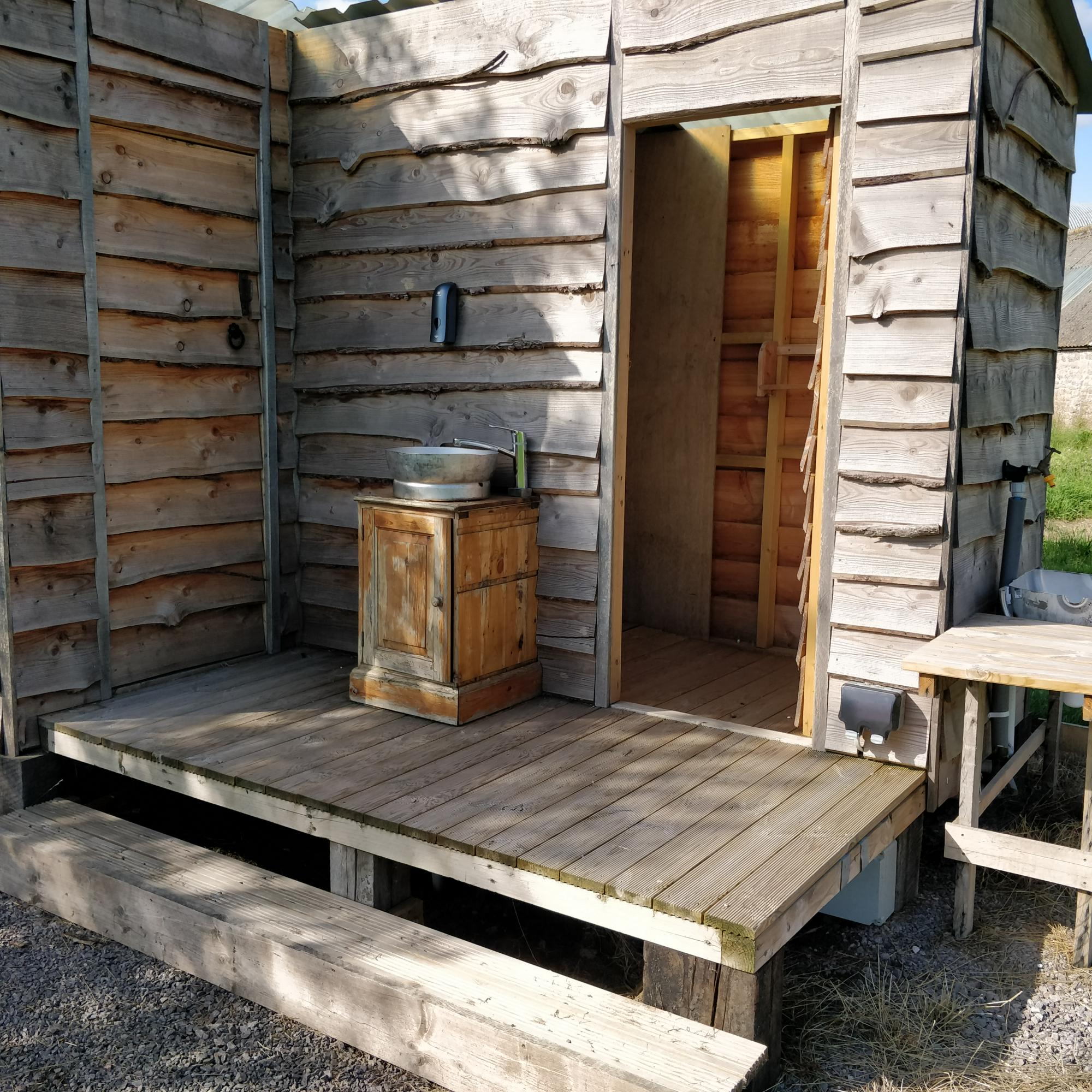
10. Oxwick Farm
100%
(79)
35km from Monmouth · 14 units · Tents, Glamping
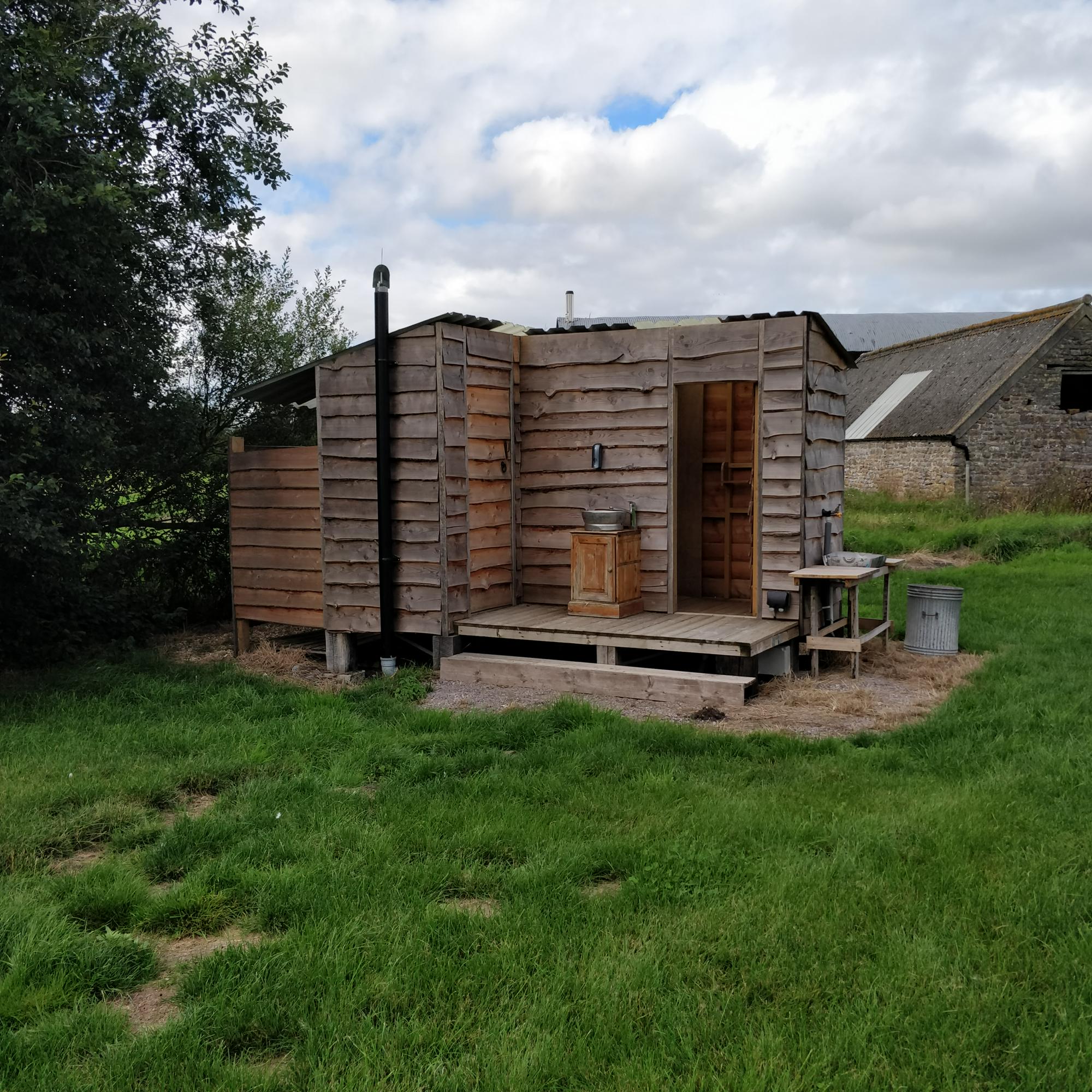
Camping and glamping on an eco-friendly re-wilded farm on the southern side of the Cotswolds.
Showers
Campfires
Potable water
from
£30
/ night
Cwmffrwd Farm Campsite
11. Cwmffrwd Farm Campsite
99%
(355)
35km from Monmouth · 30 units · Tents, Motorhomes, Glamping
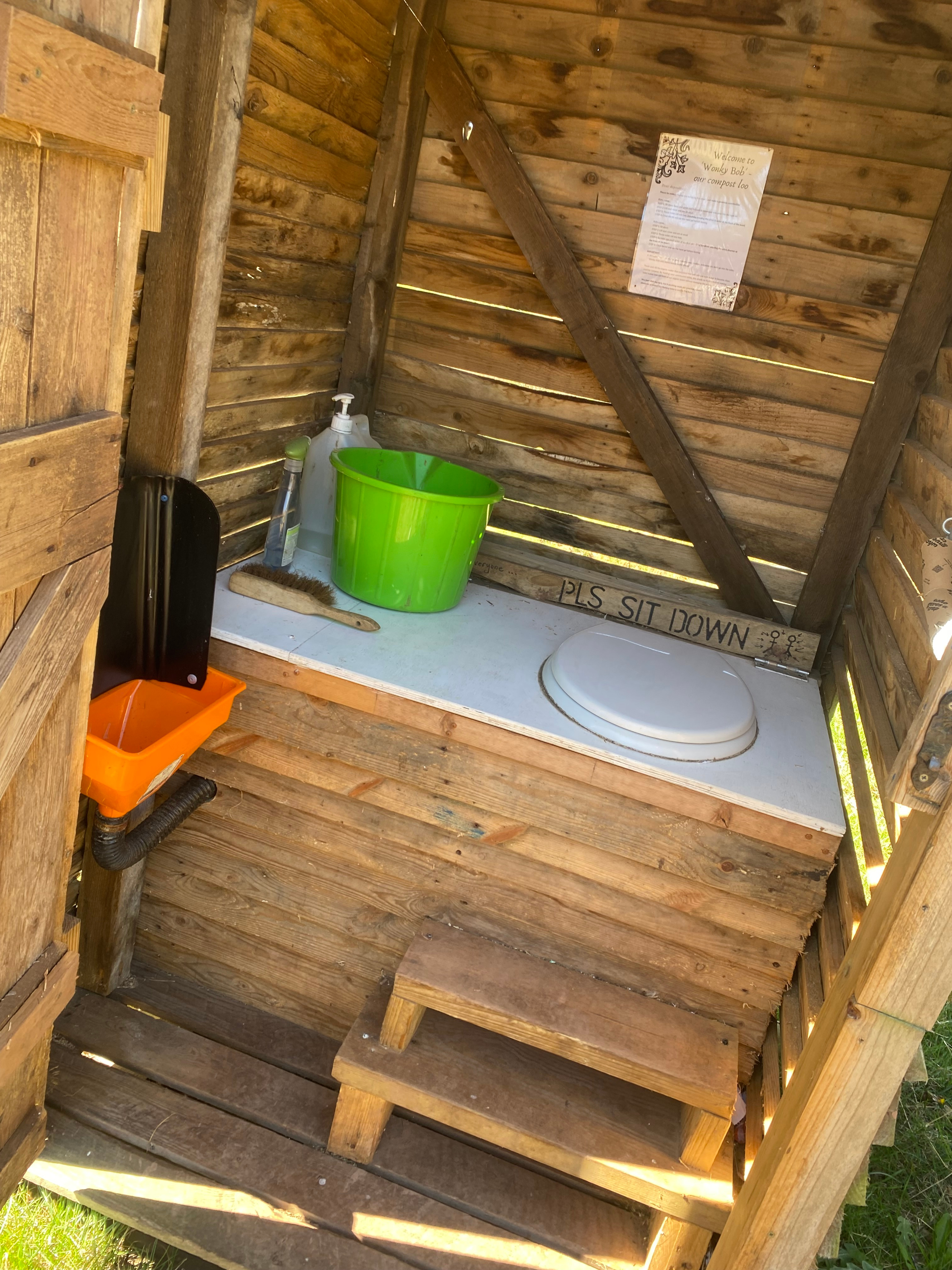
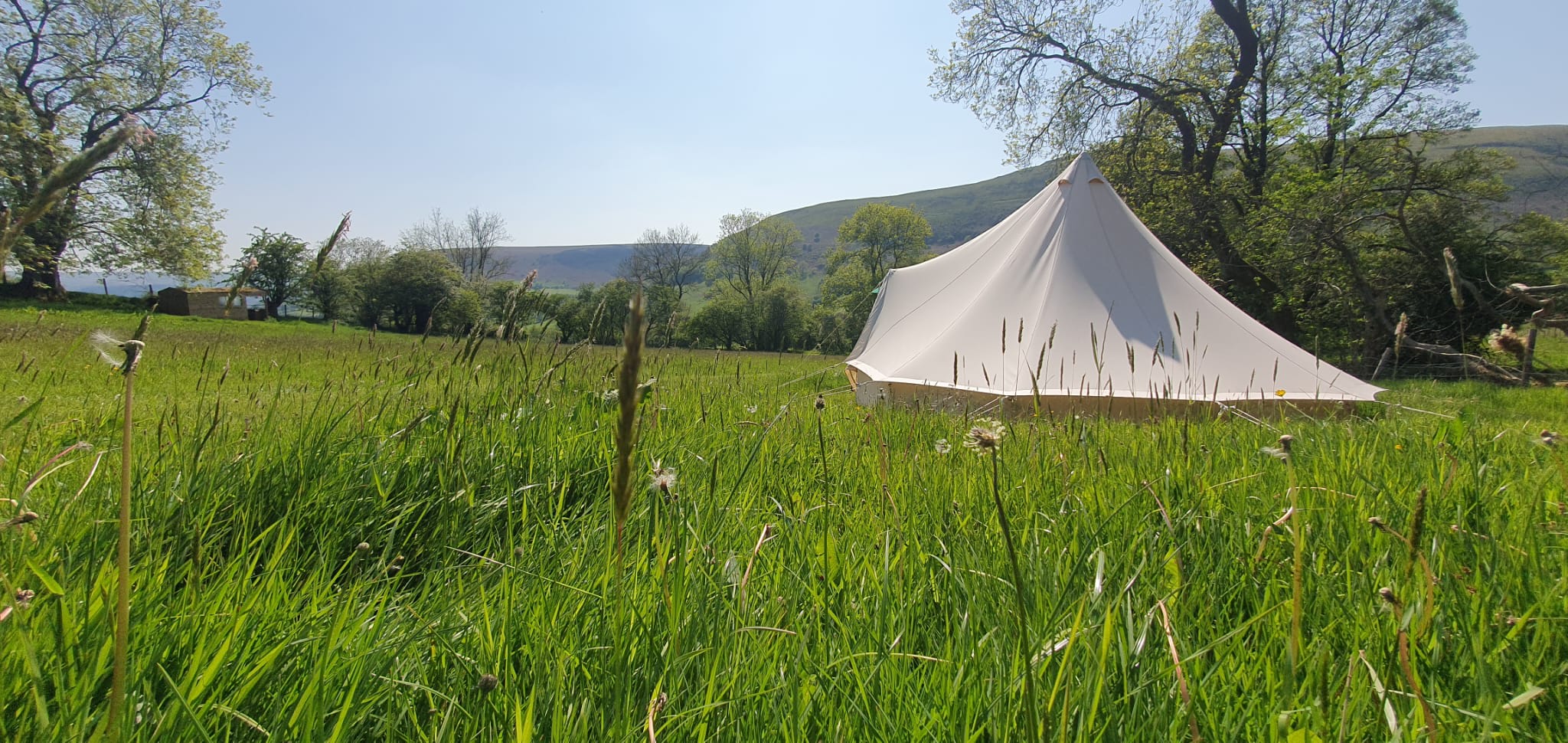
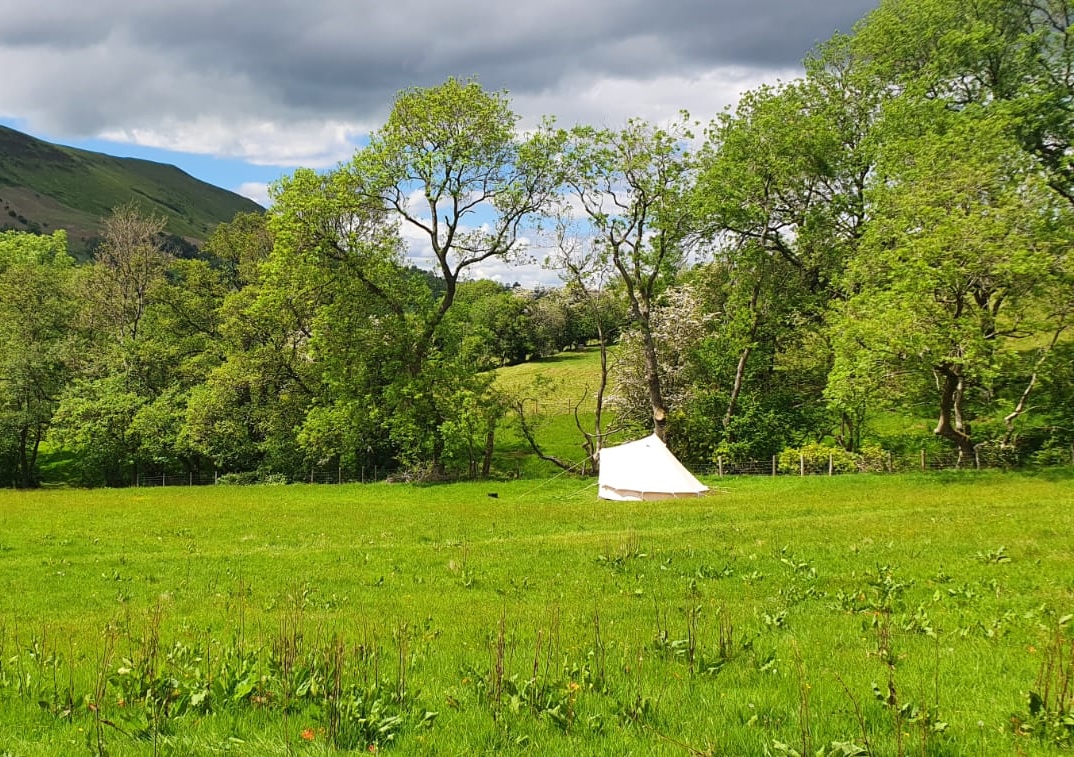
Simple, eco-friendly camping with epic views at the foot of a famed Welsh mountain range
Pets
Showers
Campfires
from
£14
/ night
Lodge on a Lake
12. Lodge on a Lake
98%
(33)
40km from Monmouth · 9 units
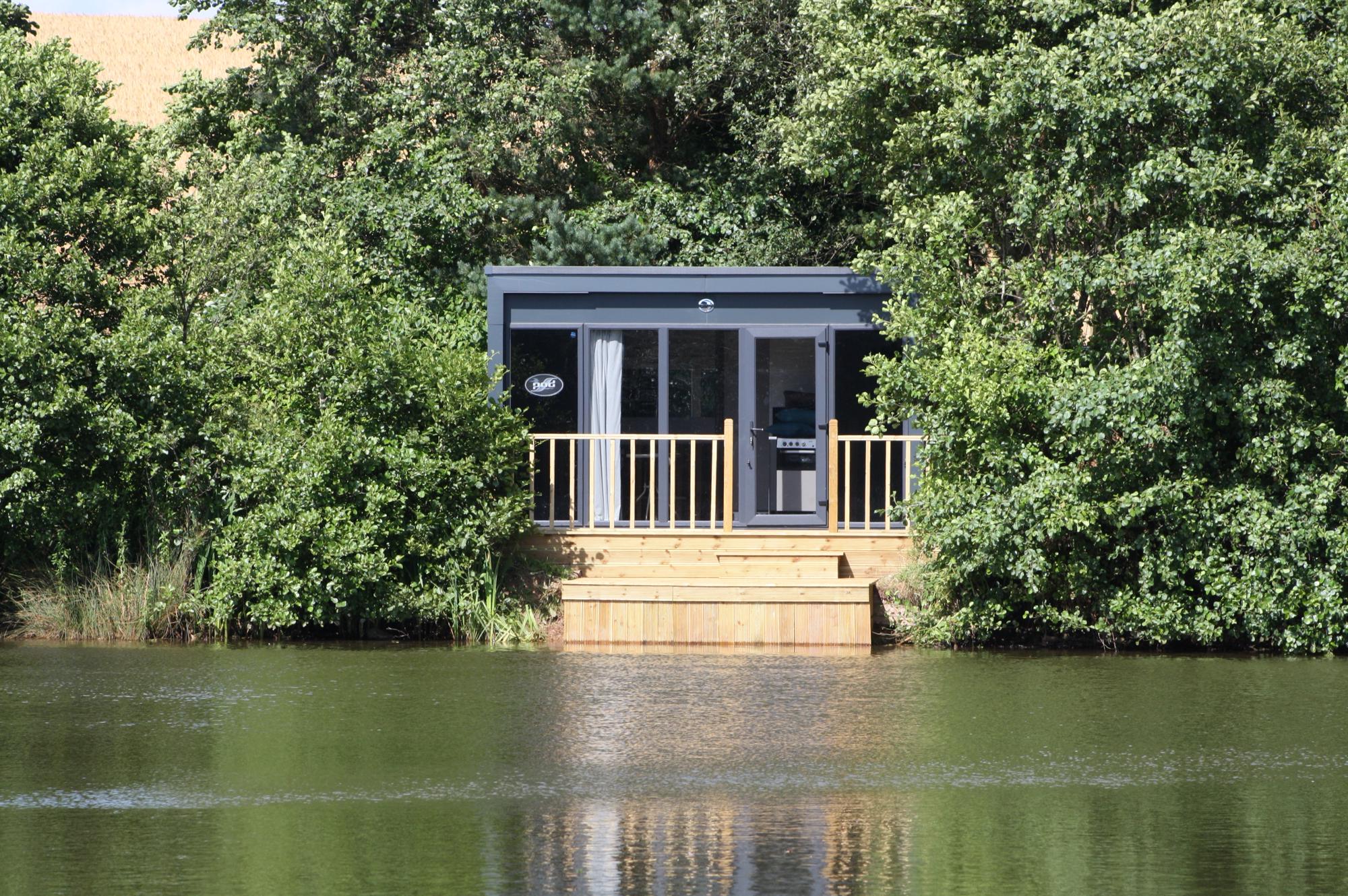
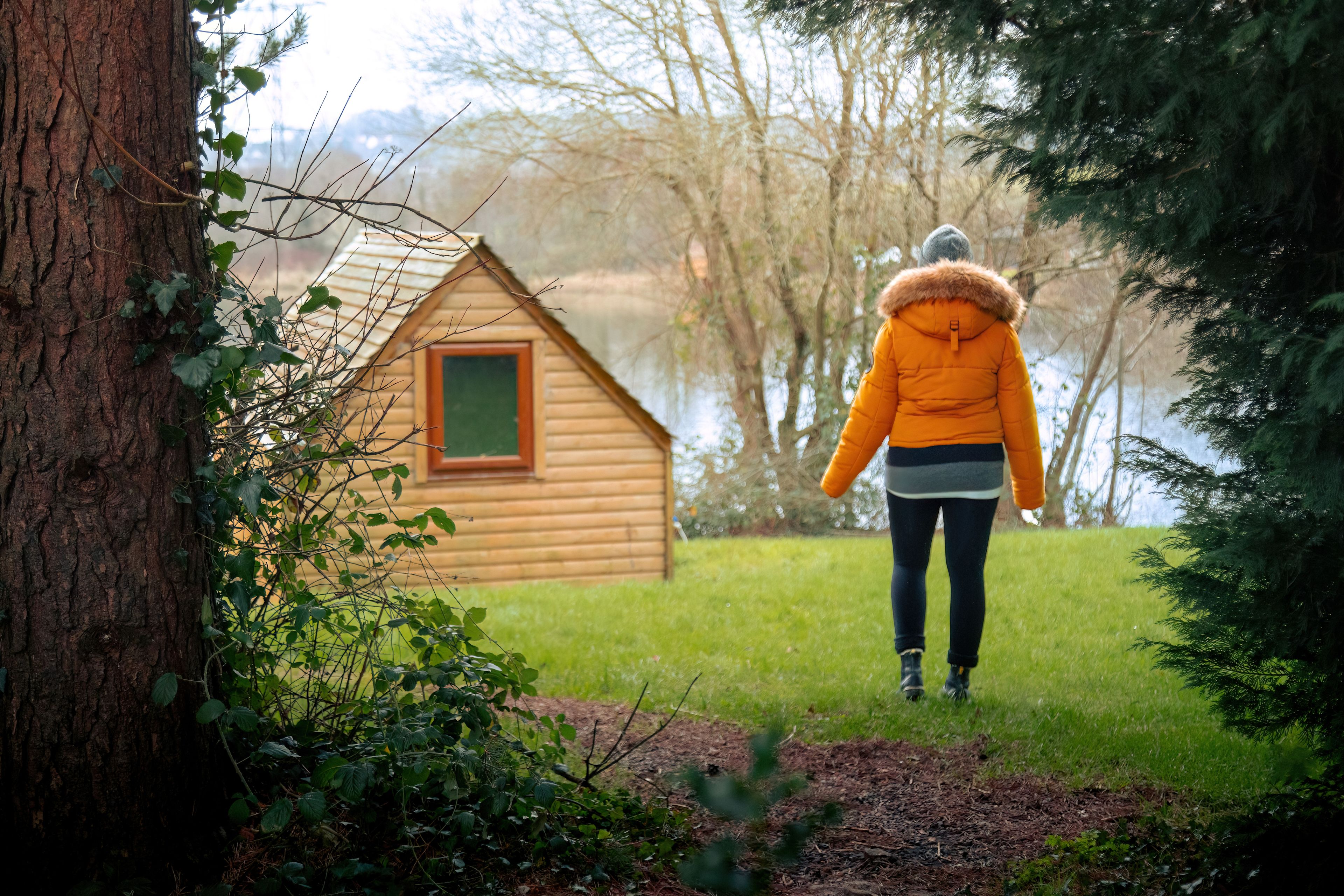
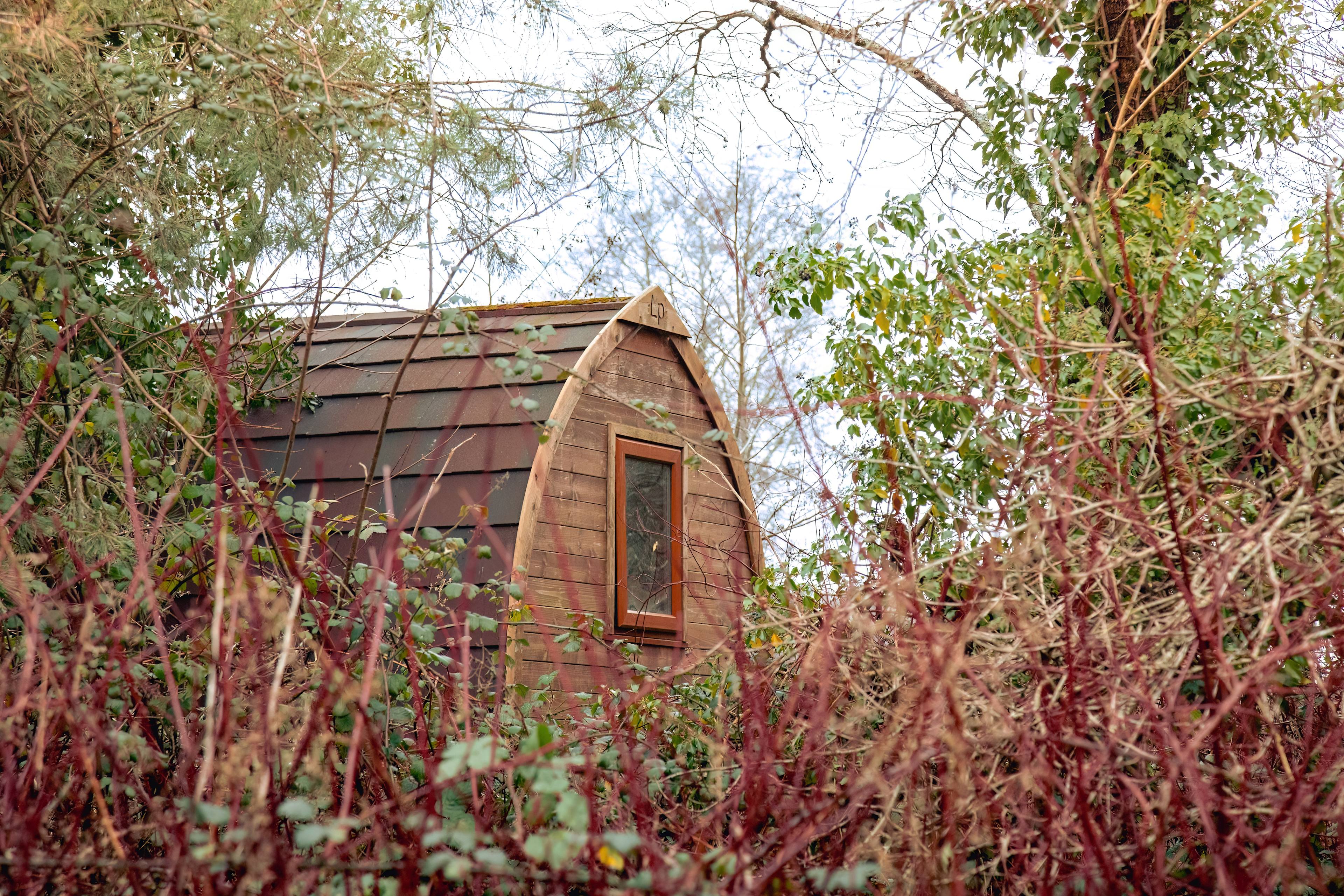
Secluded lakeside lodges that show you needn’t travel far from Cardiff city to find countryside
Showers
Hot Tub
Wifi
from
£150
/ night
Digeddi Wildlife Camping
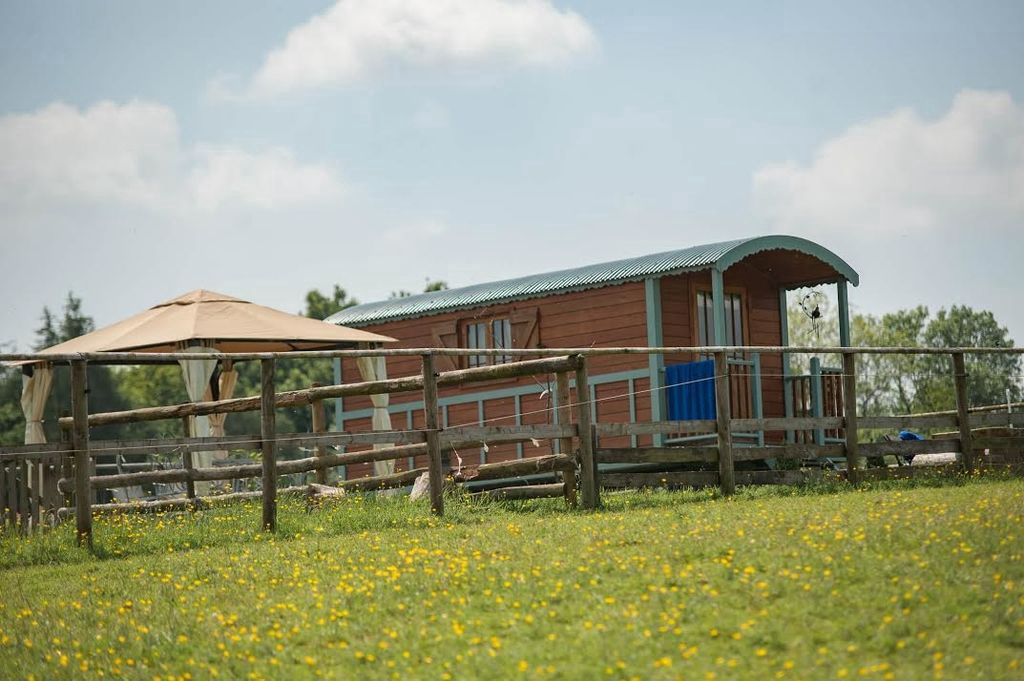
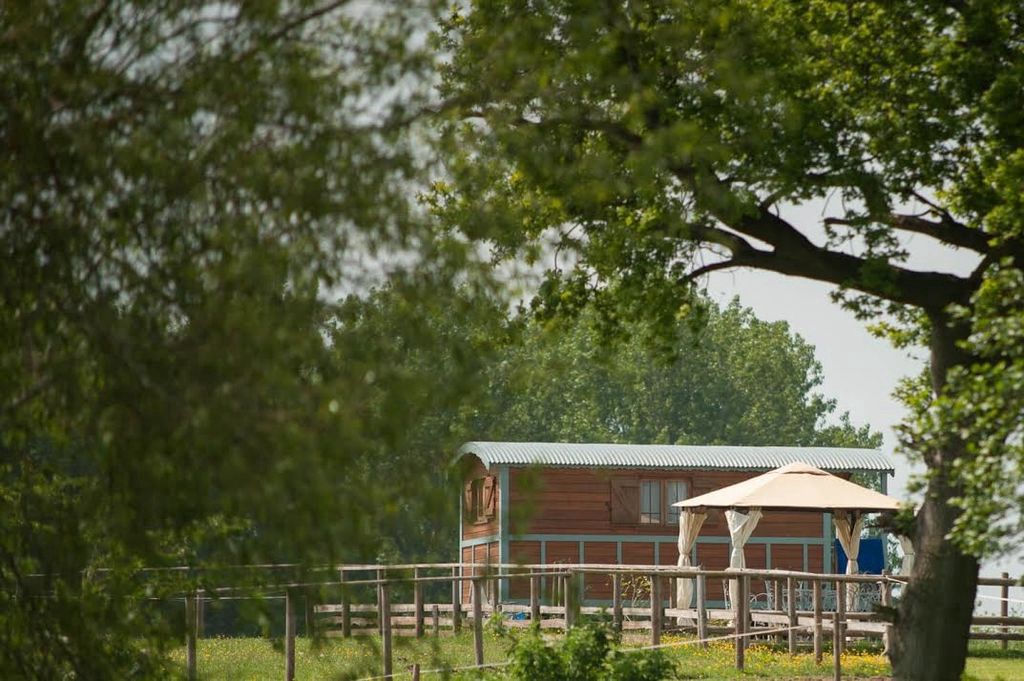
13. Digeddi Wildlife Camping
97%
(129)
42km from Monmouth · 14 units · Tents, Motorhomes, Glamping
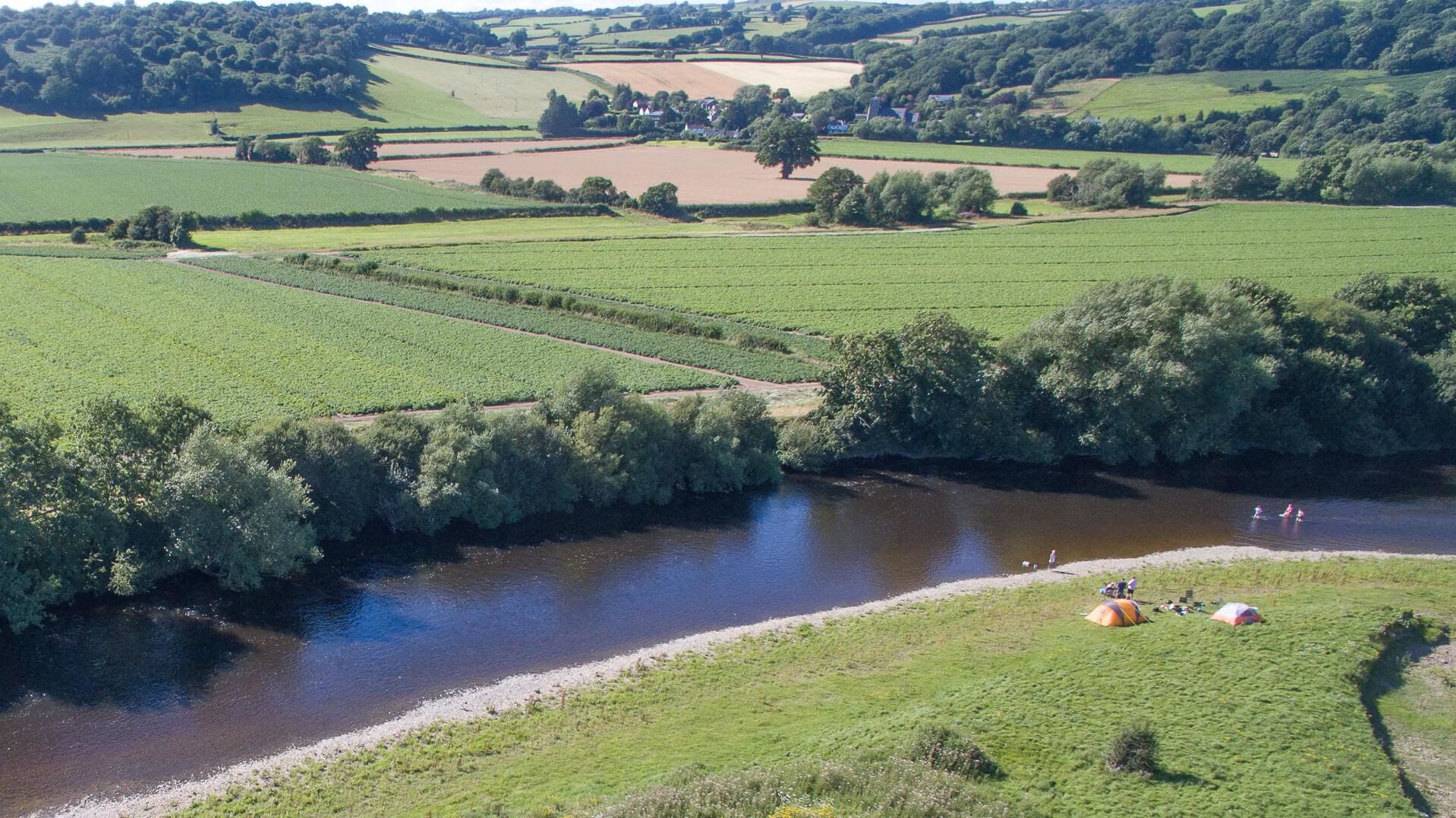
Riverside camping and glamping with canoes for hire
Pets
Showers
Campfires
from
£15
/ night
Great House Farm Luxury Pods
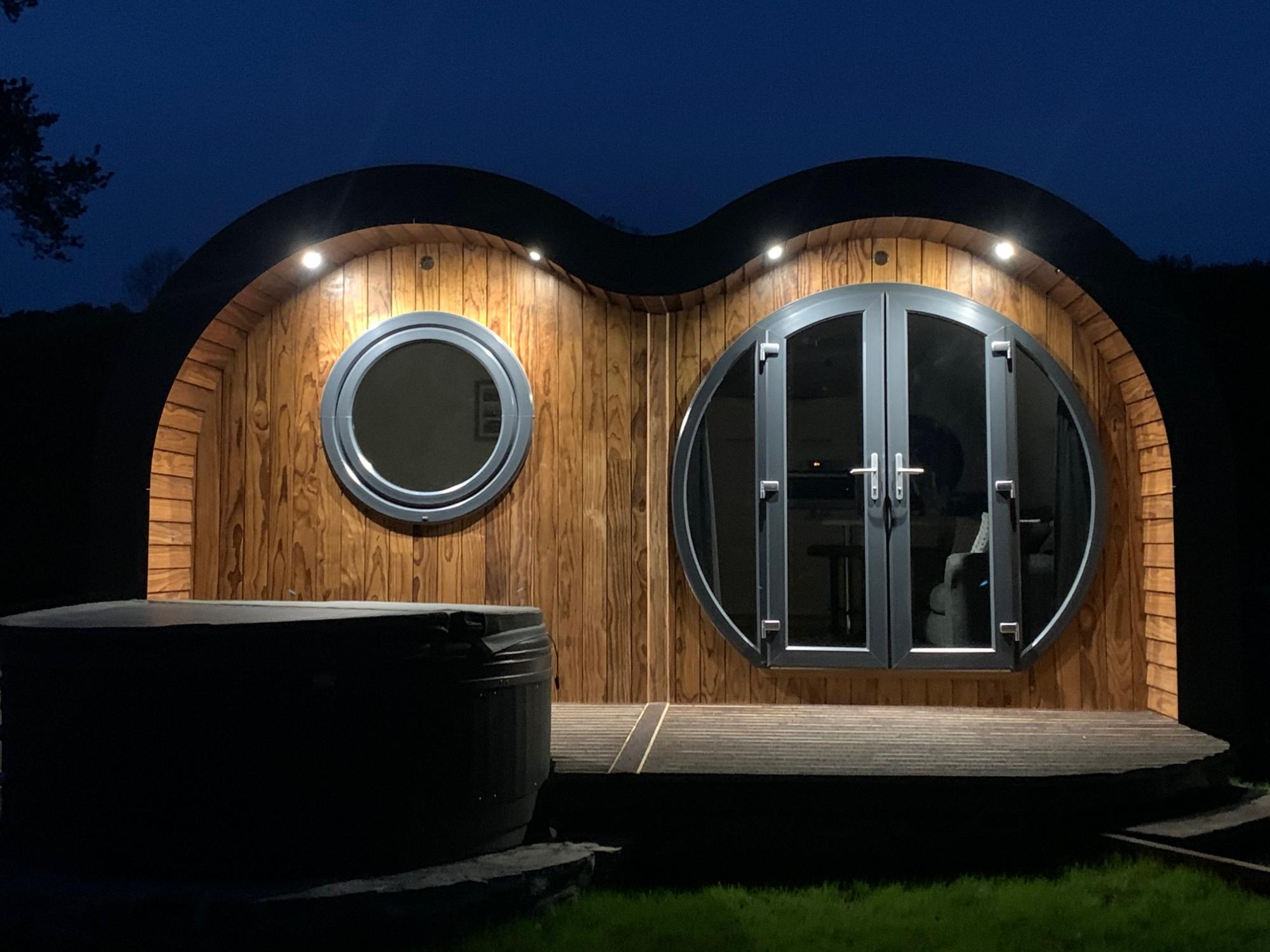
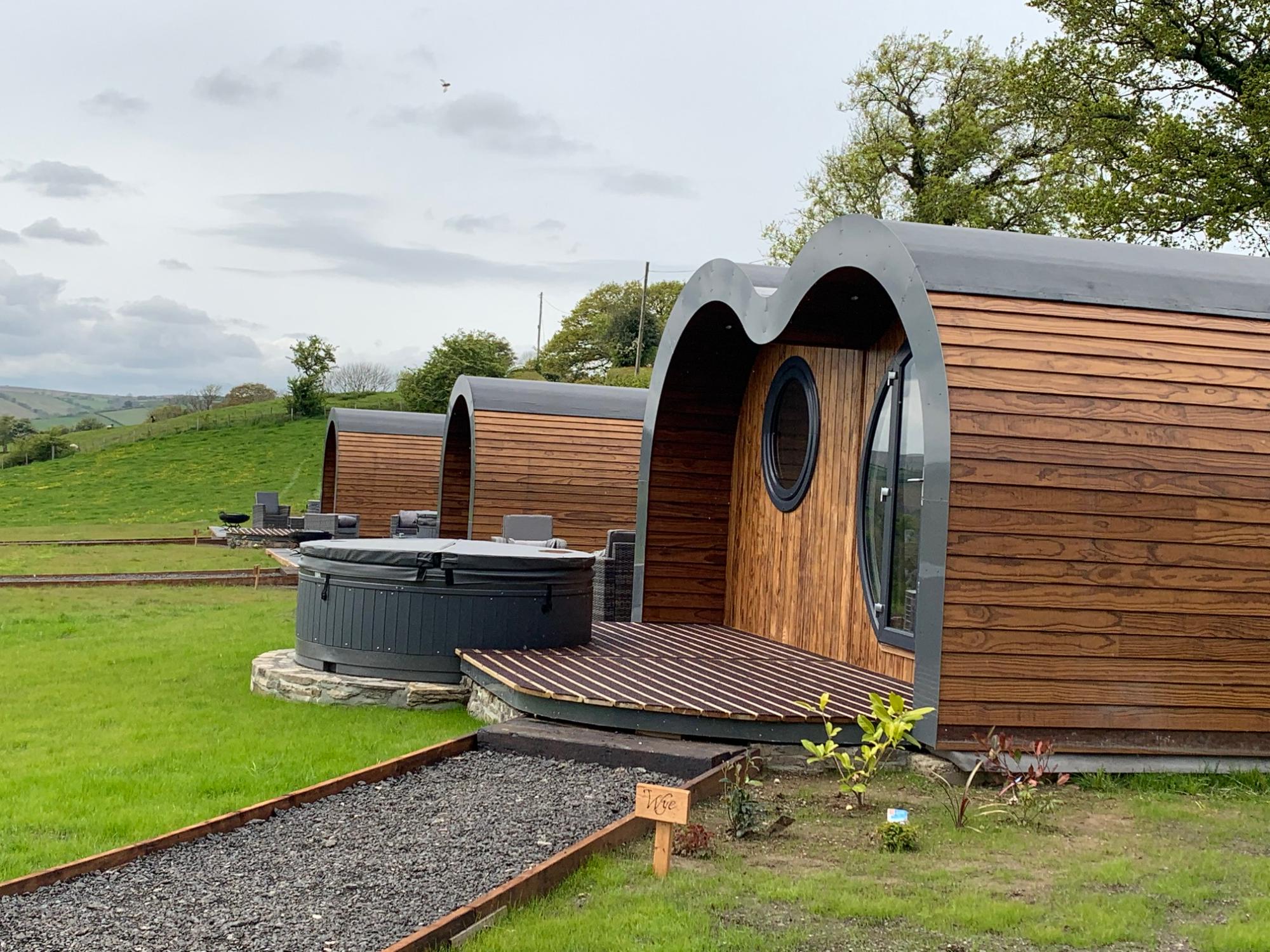
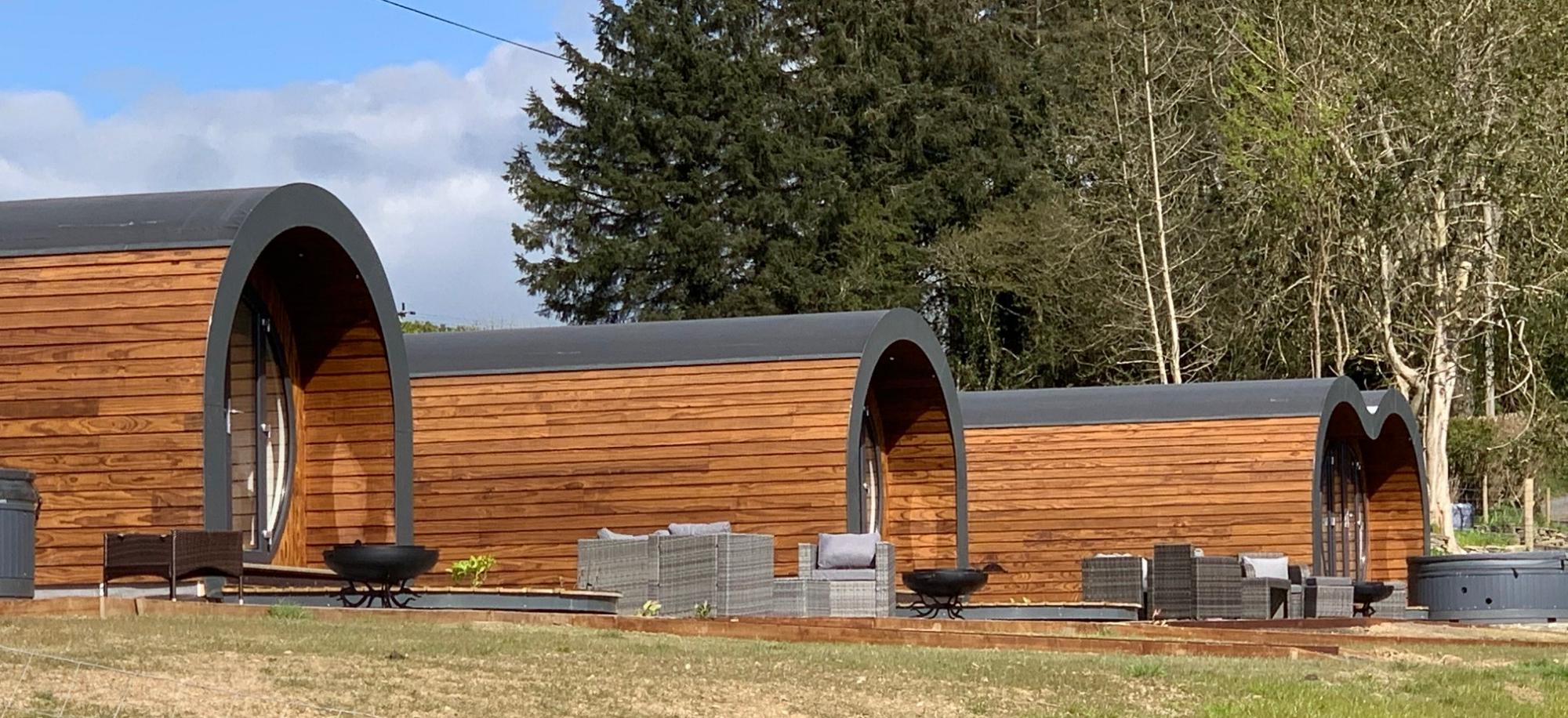
14. Great House Farm Luxury Pods
100%
(35)
52km from Monmouth · 3 units
Luxury family-sized glamping pods with en-suite facilities and hot tubs, with wonderful views across the Wye Valley
Pets
Showers
Campfires
from
£133
/ night
68 Degrees West
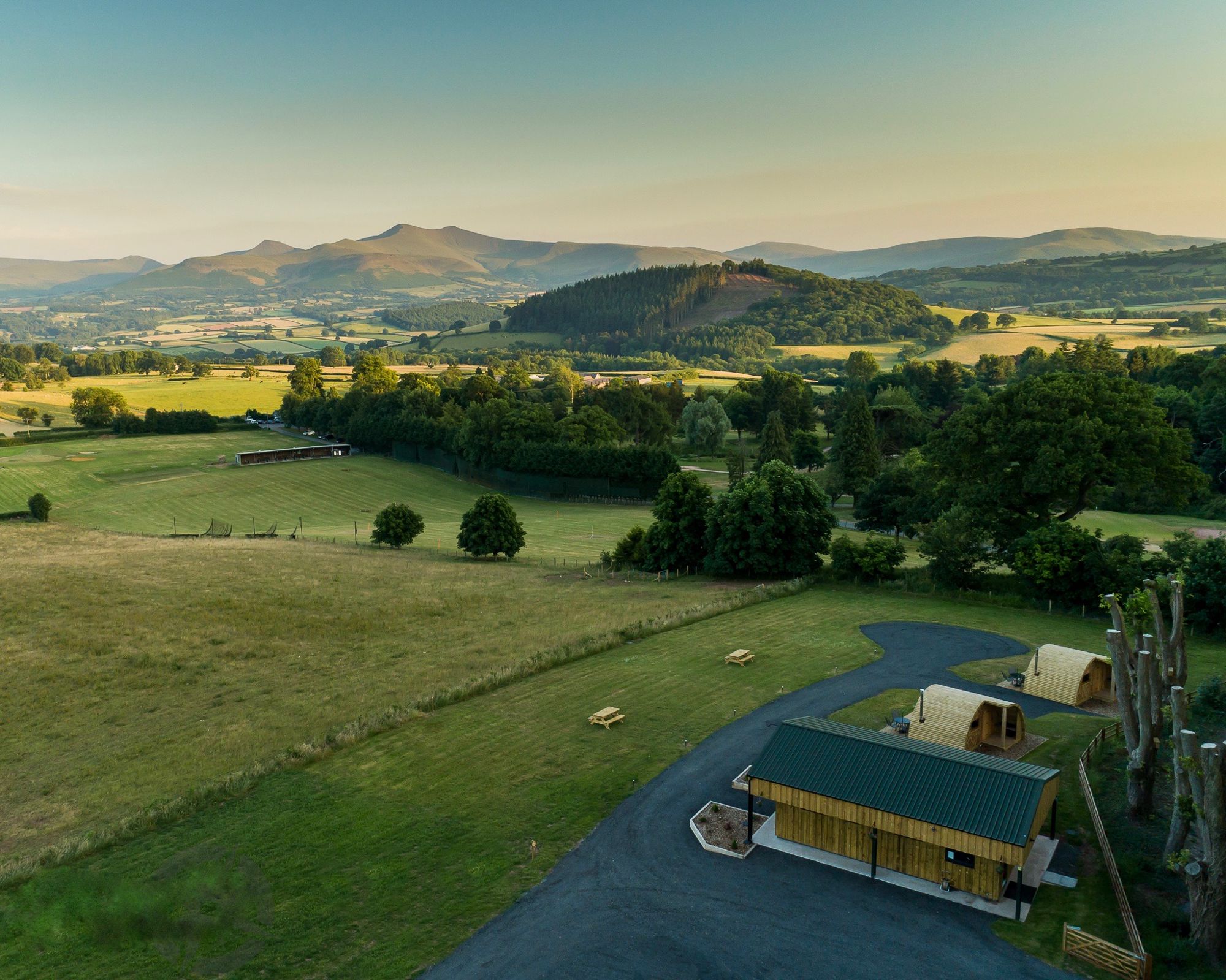
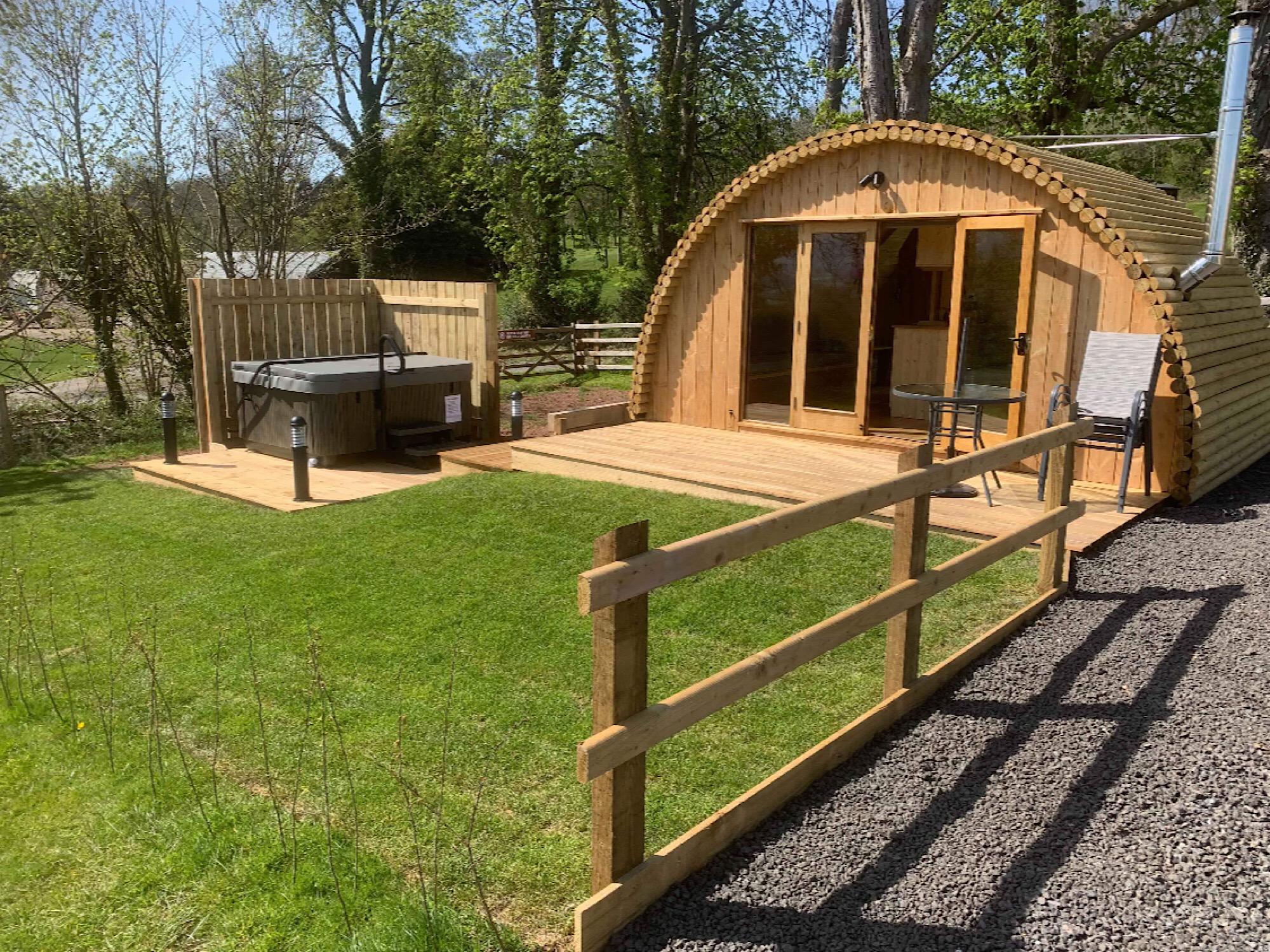
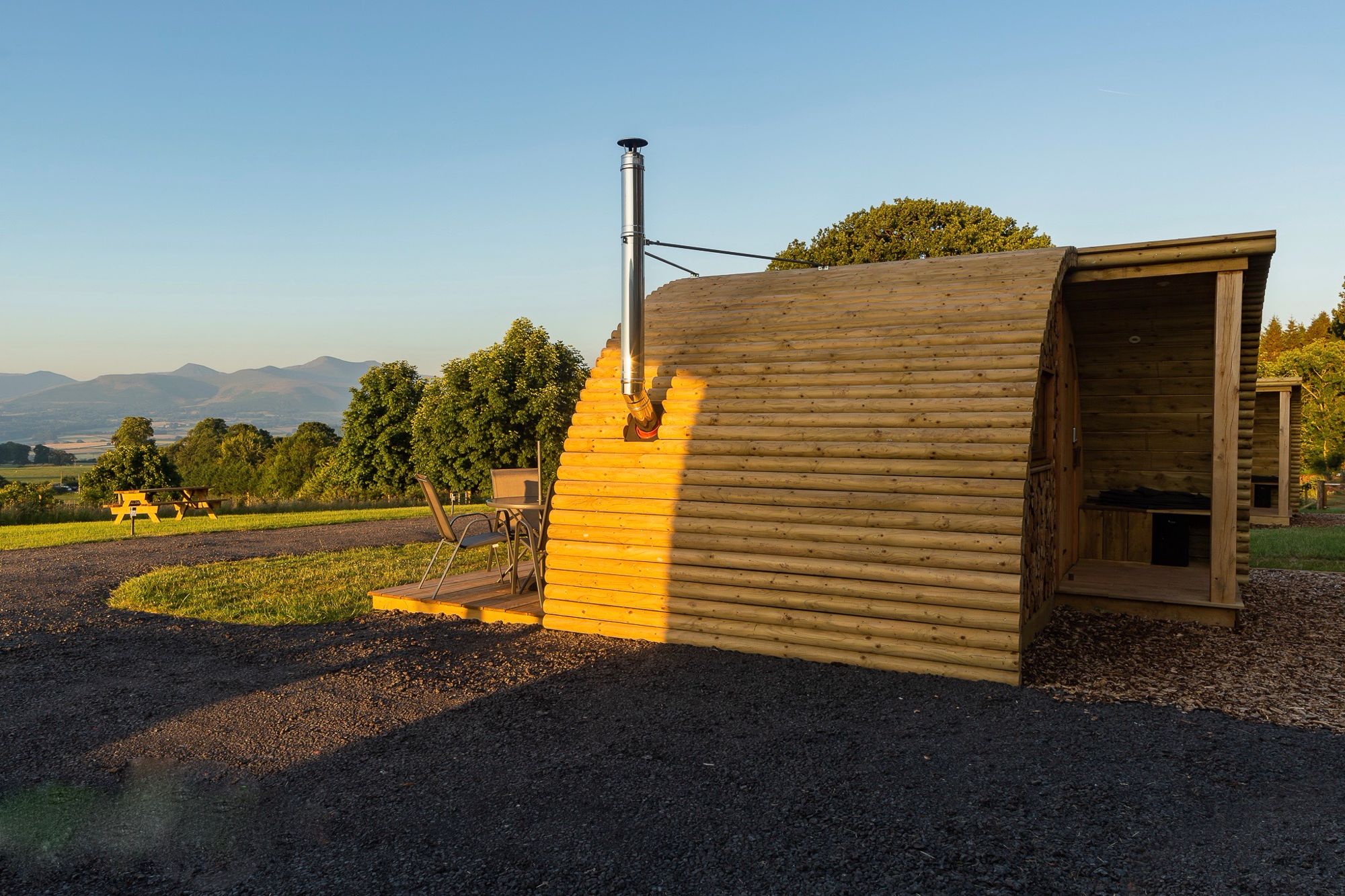
15. 68 Degrees West
99%
(99)
52km from Monmouth · 10 units · Motorhomes, Glamping
Pod glamping and family camping on the edge of the Brecon Beacons, with a handy location near Brecon town and sunrises you'll never forget.
Pets
Showers
Hot Tub
from
£30
/ night
Abbey Home Farm
16. Abbey Home Farm
94%
(218)
54km from Monmouth · 21 units · Tents, Motorhomes, Glamping
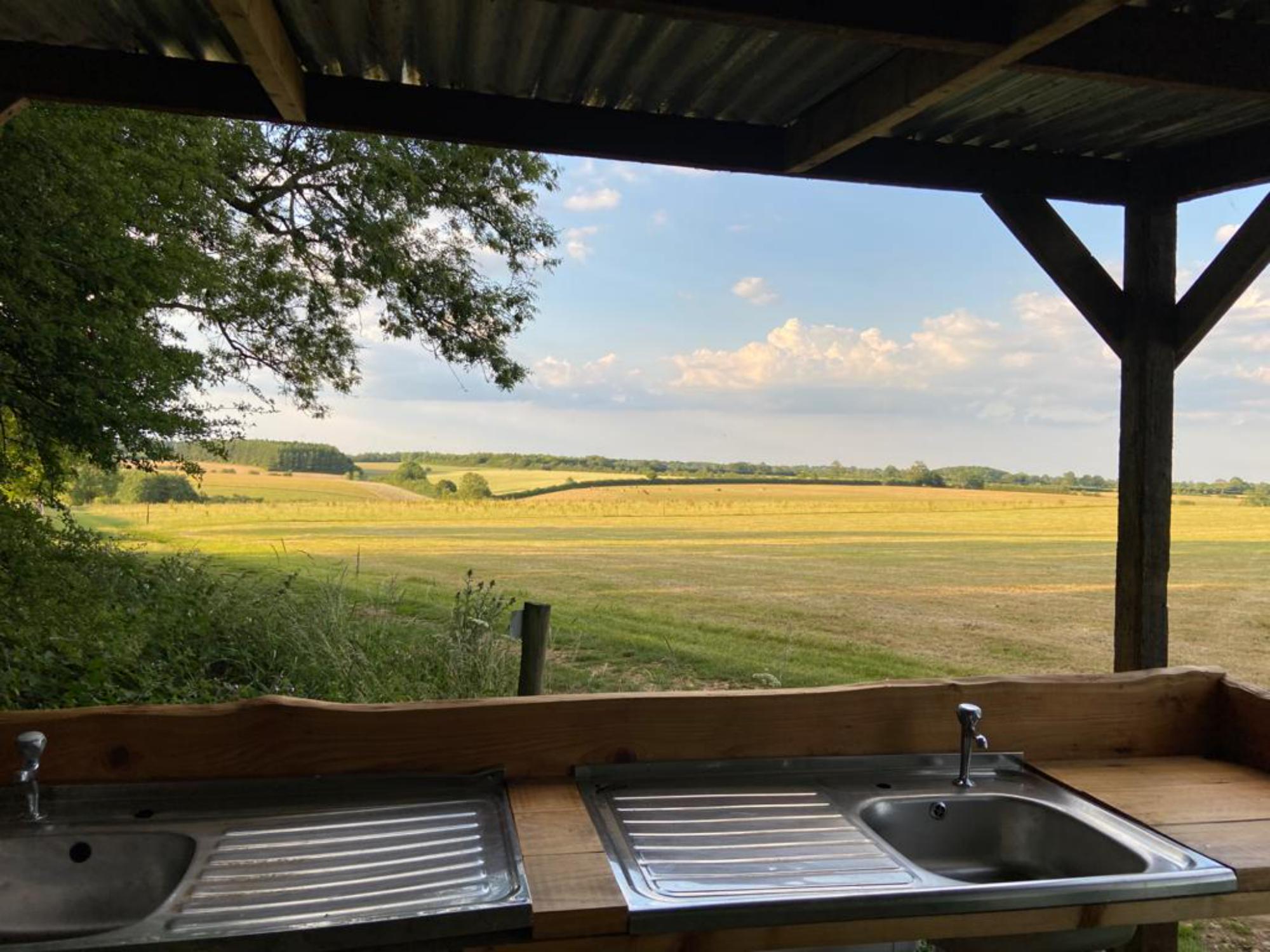
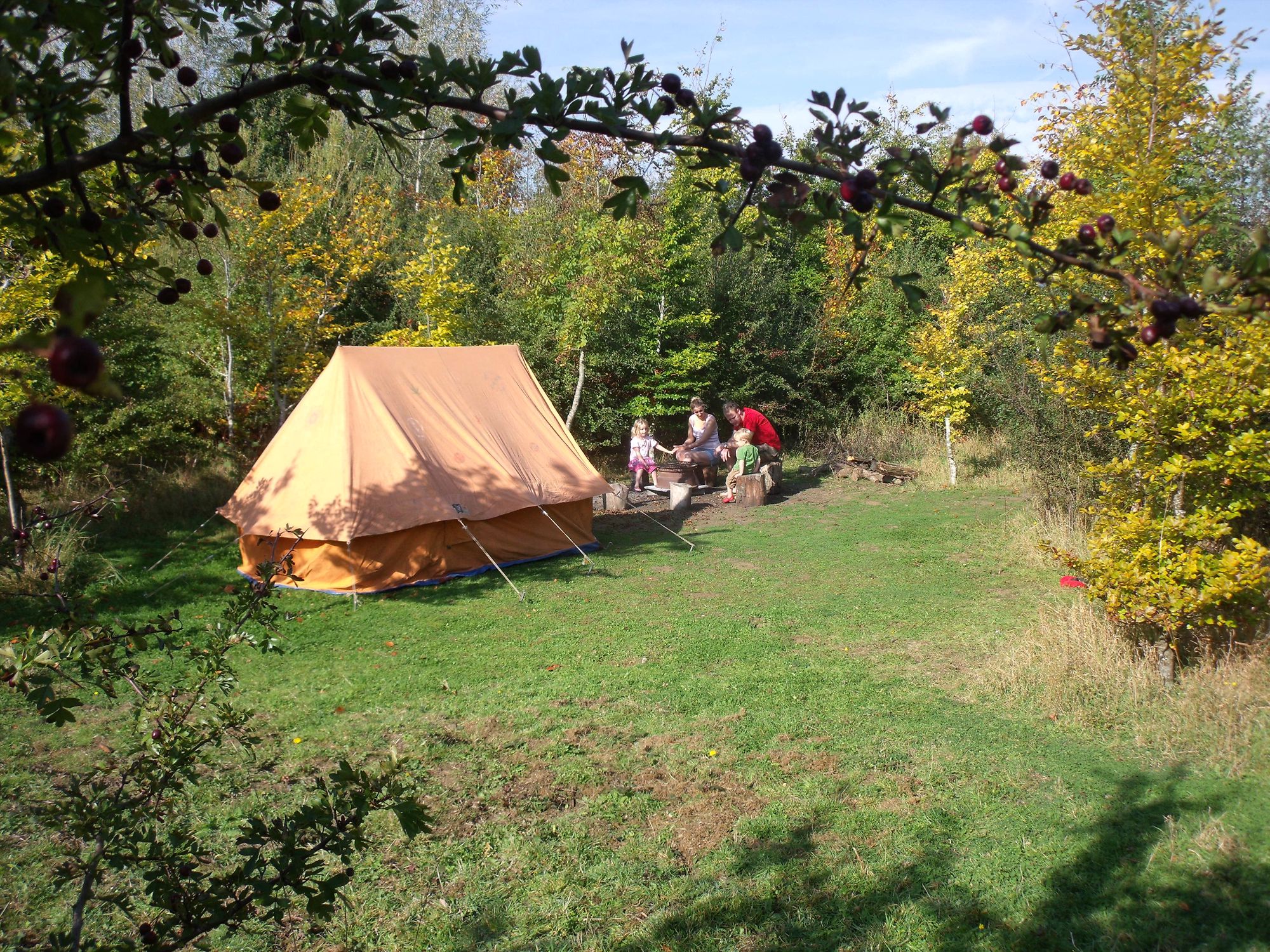
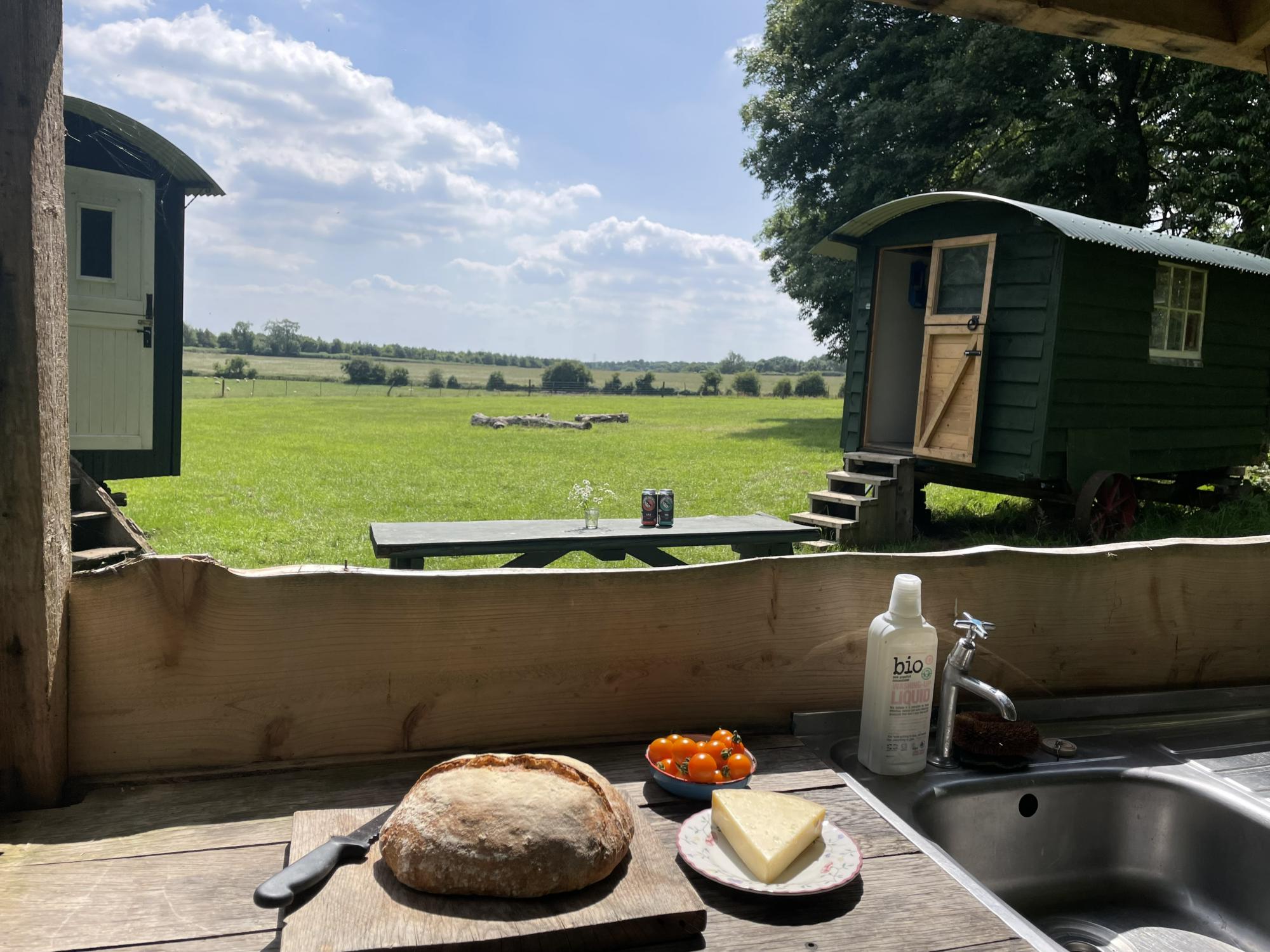
Eco-camping for real. Cooking on an open fire. Unspoilt natural beauty.
Showers
Campfires
Potable water
from
£9
/ night
Gurt Yurts
17. Gurt Yurts
100%
(23)
55km from Monmouth · 9 units · Tents, Glamping
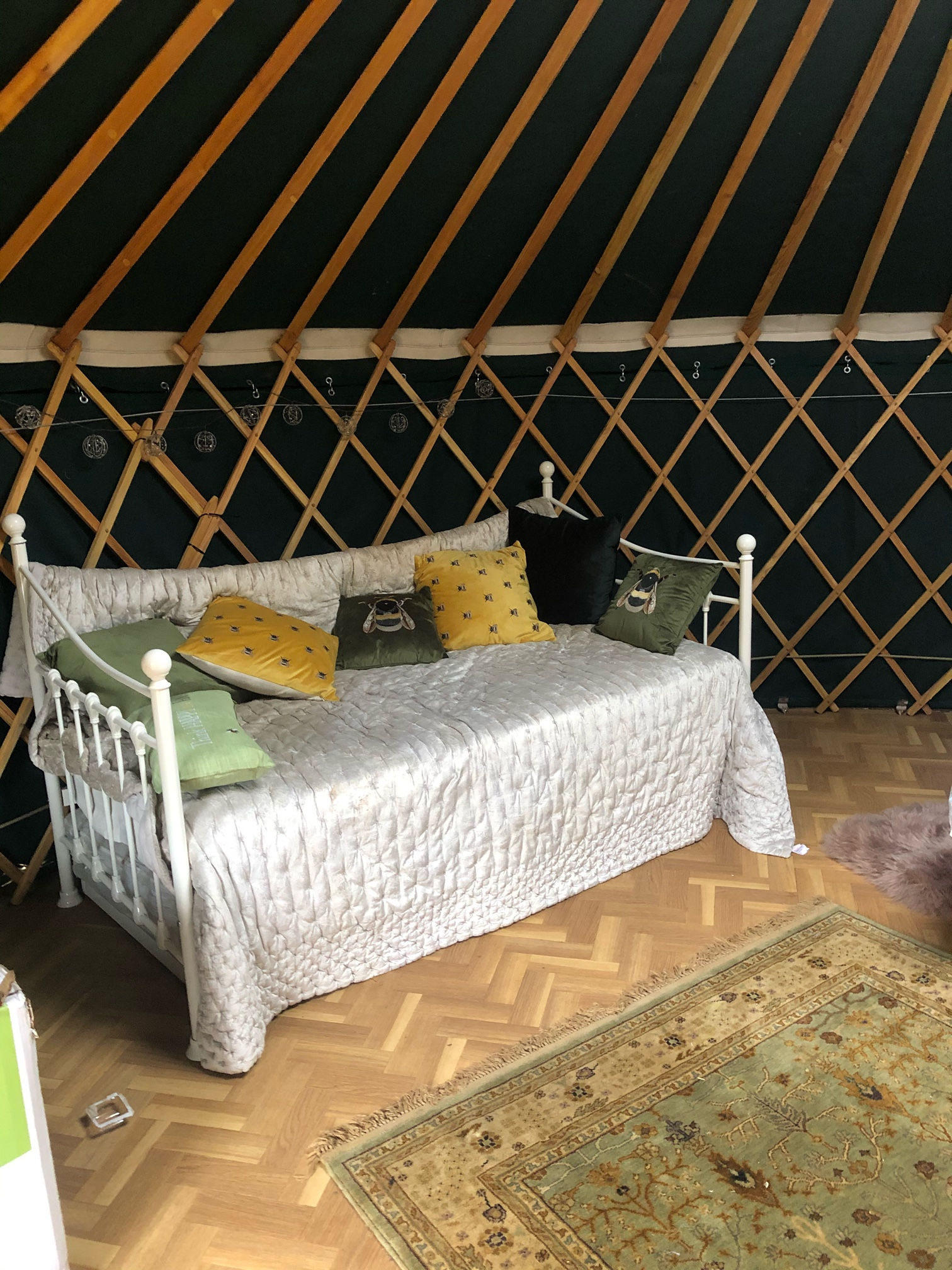
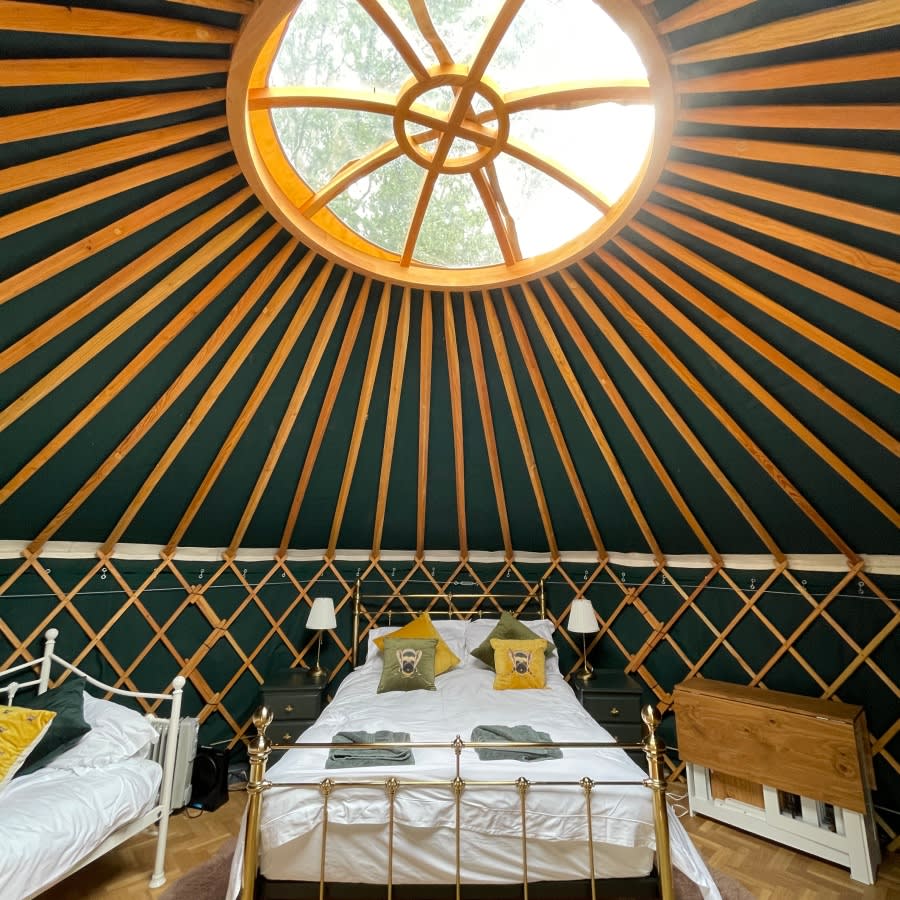
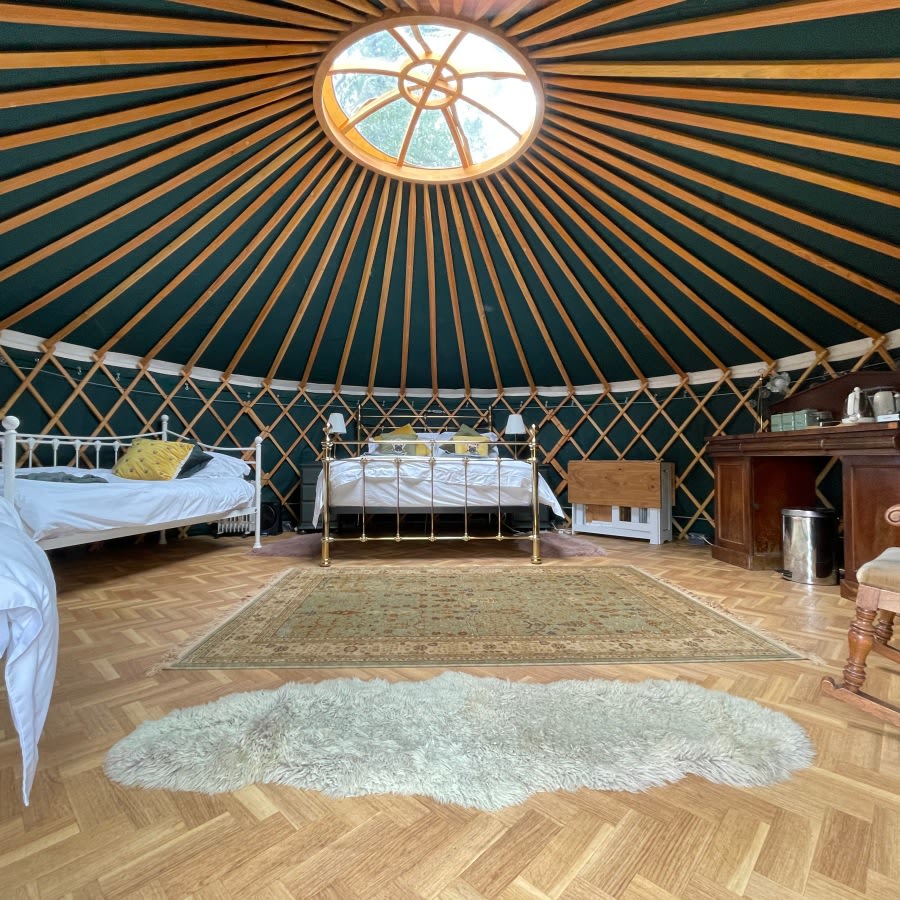
Off the beaten track on top of the Mendips in an area of outstanding natural beauty. A mixture of four acres of wild woodland, orchard and field set on a hillside. Our Yurt is set up in the trees giving you peaceful seclusion and a clear view across the sea to Wales and the mountains of the Brecon Beacons. A huge range of activities are possible or you can lie in the hammock with a good book. We have very friendly dogs and rescue chickens who may come and visit. Wild deer wander past in the early morning mist and the odd buzzard picks an argument with a bunch of crows but nothing much else should disturb you. We moved here after an 18 month search 8 years ago. It was close to everything we wanted and we've spent some time getting a bit closer.
Pets
Showers
Campfires
from
£12
/ night
The T Barn
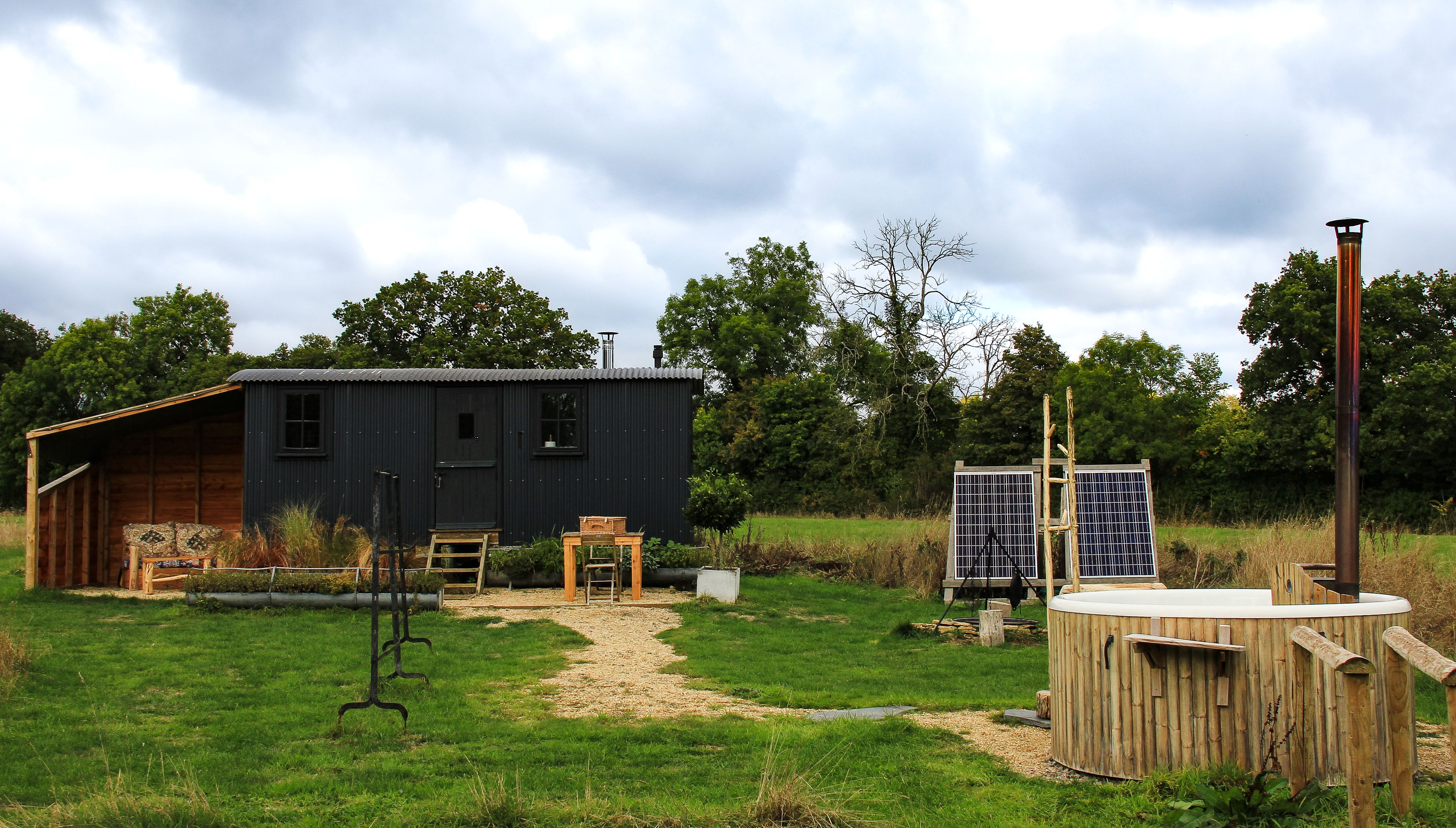
18. The T Barn
99%
(90)
56km from Monmouth · 17 units · Tents, Motorhomes, Glamping
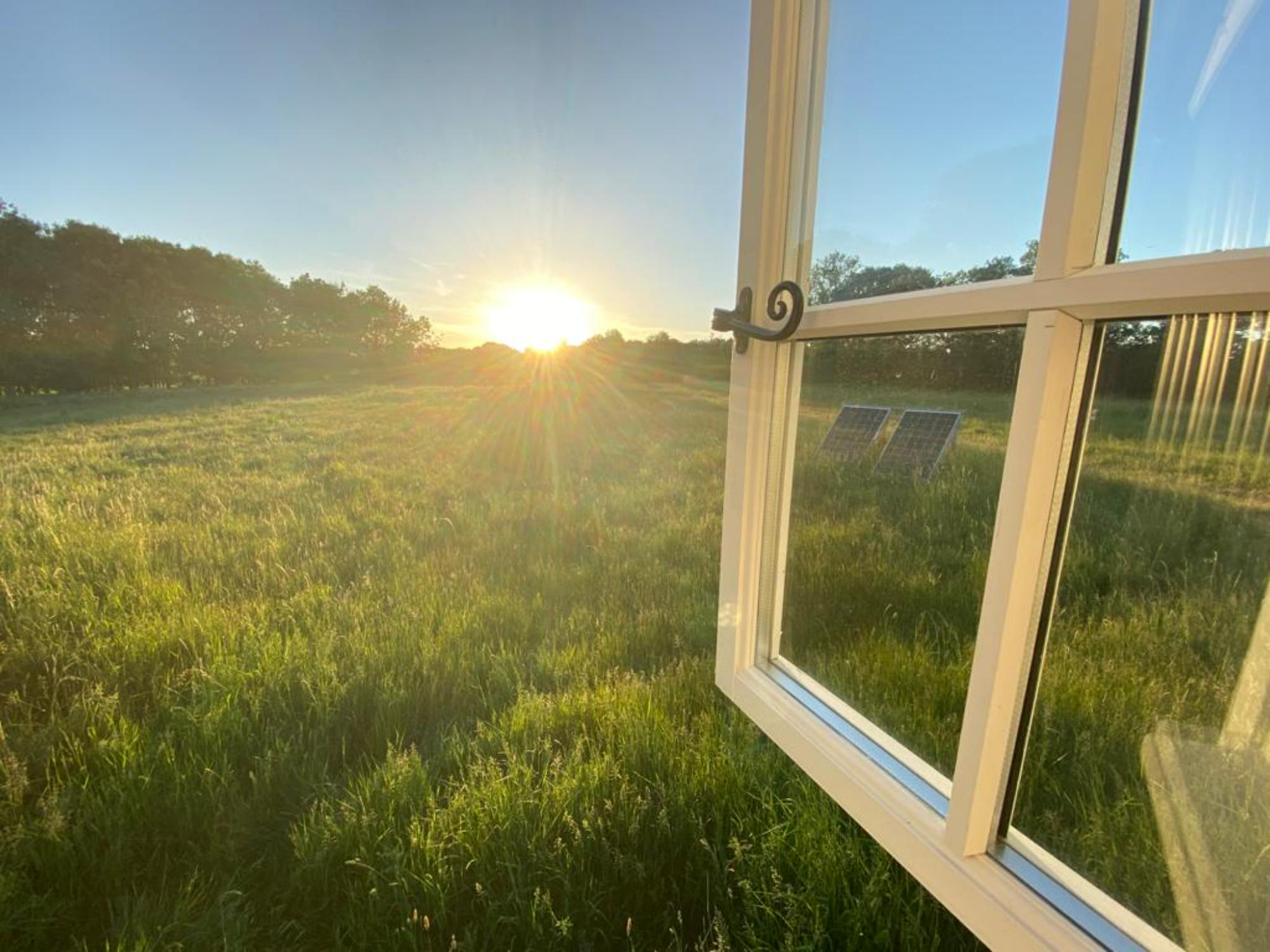
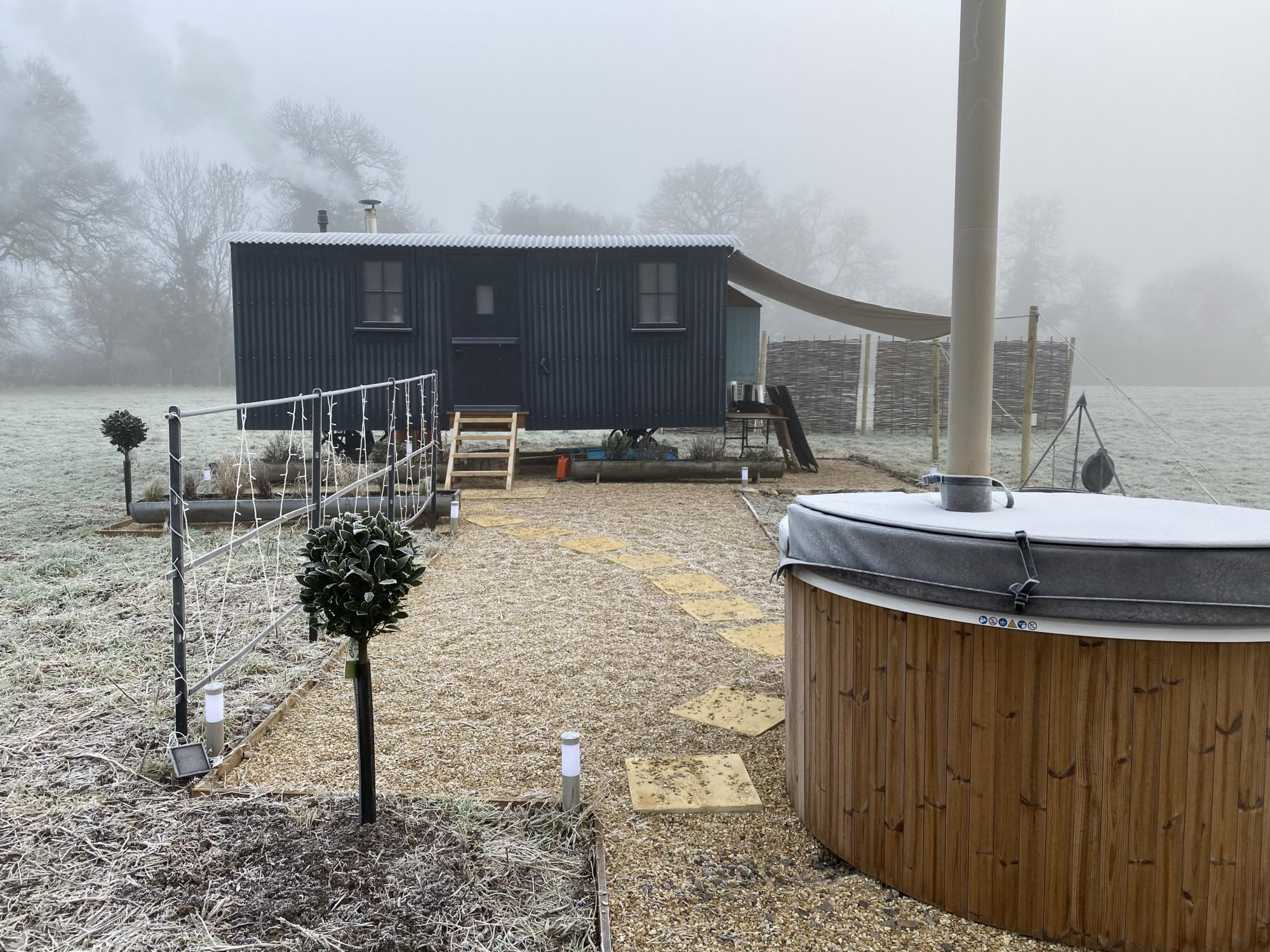
Bell tents and shepherd’s huts with hot tubs on a picturesque Cotswolds farm near Cirencester
Pets
Showers
Campfires
from
£29
/ night
By The Red Phone Box Glamping & Camping
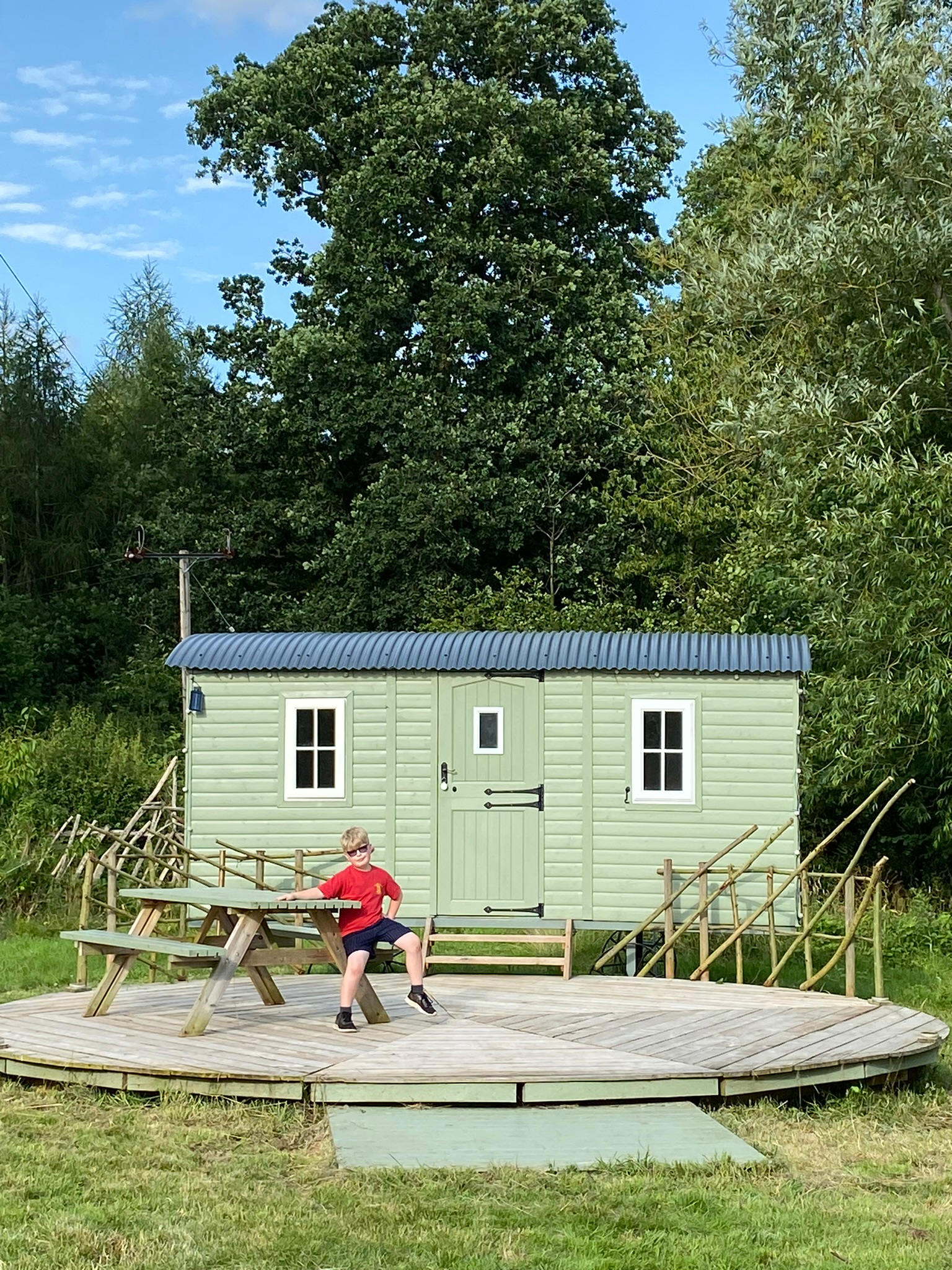
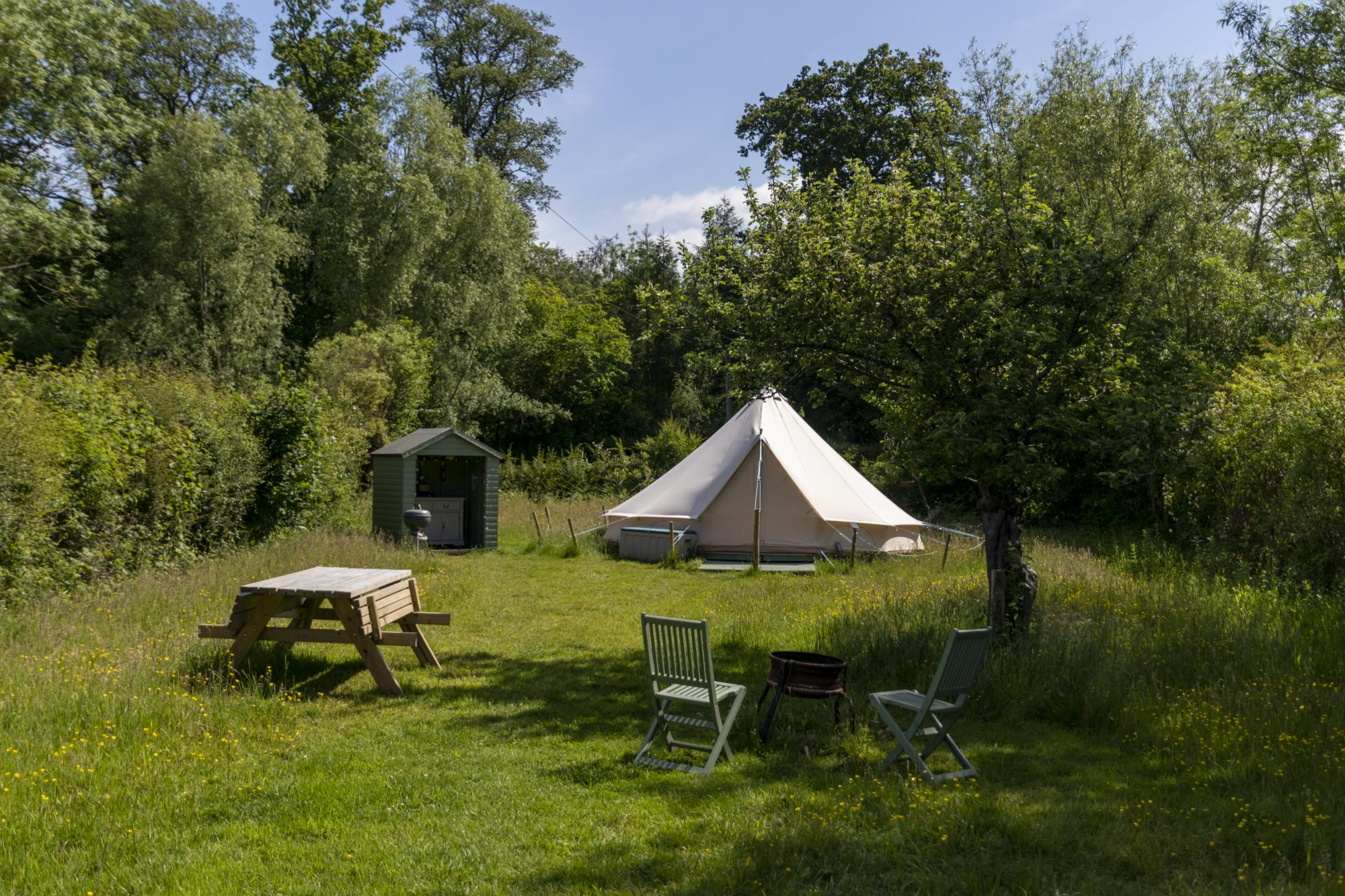
19. By The Red Phone Box Glamping & Camping
99%
(50)
59km from Monmouth · 9 units · Tents, Motorhomes, Glamping
Bell tents and spacious pitches in the Teme Valley, close to the Shropshire Hills Area of Outstanding Natural Beauty
Pets
Showers
Campfires
from
£21
/ night
Celtic Woodland Holidays
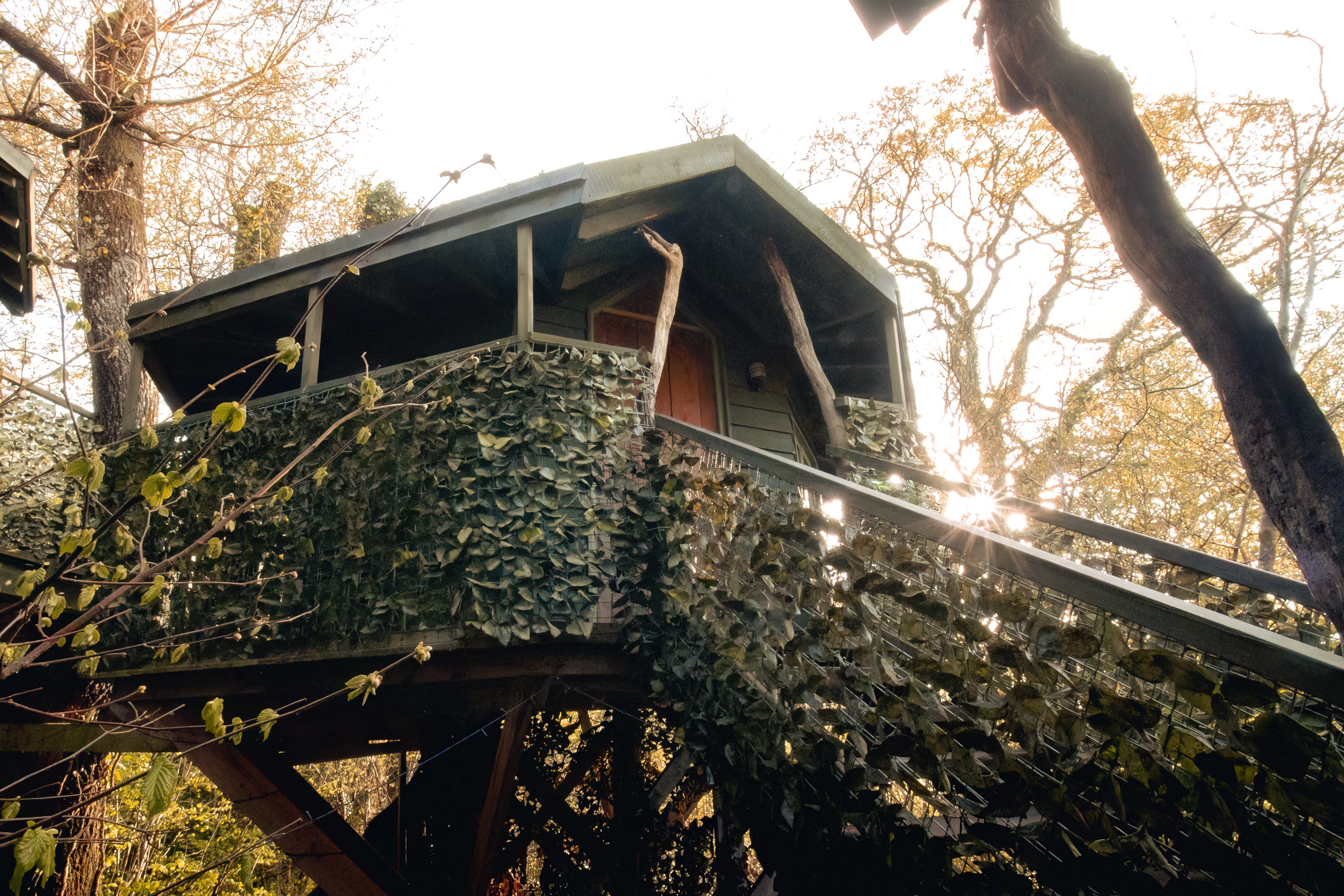
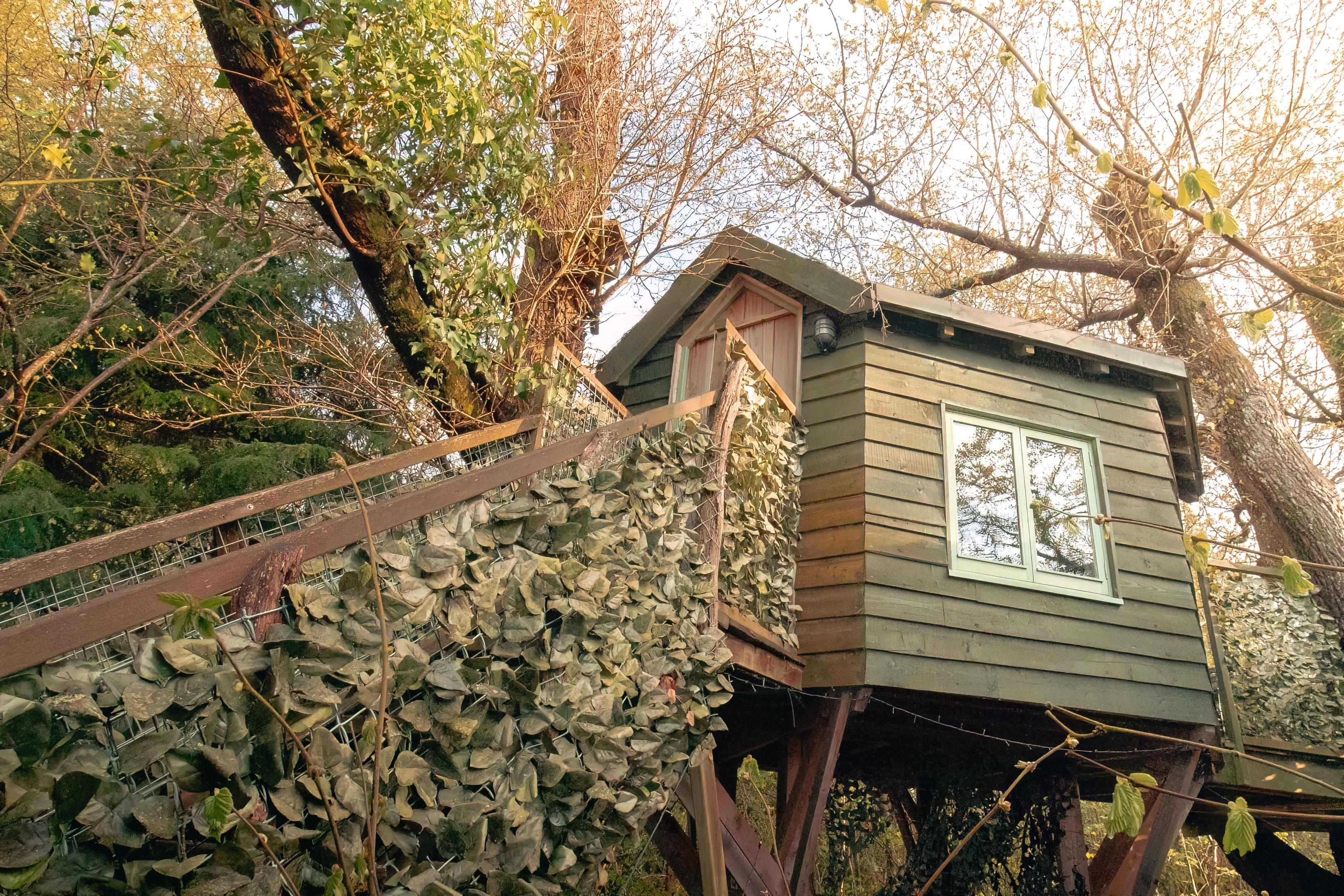
20. Celtic Woodland Holidays
99%
(136)
61km from Monmouth · 13 units · Tents, Glamping
An idyllic, wooded, Wye Valley escape, offering glamping pods, a treehouse and traditional woodland camping on levelled pitches
Pets
Showers
Campfires
from
£25
/ night
98% (1.2K) • 859 campsites
Top-rated glamping sites near Monmouth
Hideaway Hut, Camping cabin.
1. Hideaway Hut, Camping cabin.
99%
(85)
10km from Monmouth · 4 units
Magical, secluded glamping in the Wye Valley, yards from the Offas Dyke trail
Pets
Showers
Campfires
from
£96
/ night
Camp Hillcrest
2. Camp Hillcrest
93%
(15)
11km from Monmouth · 1 unit
A horsebox hideaway on a super cool site with its own skatepark
Pets
Showers
Campfires
from
£100
/ night
Woodland Tipi & Yurt Holidays
3. Woodland Tipi & Yurt Holidays
100%
(19)
17km from Monmouth · 12 units
Luxury yurt and tipi camping in a magical woodland setting
Pets
Showers
Campfires
from
£110
/ night
Penylan Cider Farm
4. Penylan Cider Farm
96%
(24)
18km from Monmouth · 3 units · Motorhomes, Glamping
Pitches and tiny home glamping on a cider farm in Herefordshire
Pets
Showers
Campfires
from
£25
/ night
Darnells Farm
5. Darnells Farm
100%
(25)
19km from Monmouth · 4 units
White sheets and wellies combine at this small, high-end glamping site on a working farm near Ross-on-Wye.
Pets
Showers
Campfires
from
£94
/ night
Broadmeadow Glamping
6. Broadmeadow Glamping
100%
(35)
23km from Monmouth · 3 units
A quaint wooden cabin, tucked away on a Herefordshire farm. Perfect for a romantic glamping retreat or year-round family getaways.
Pets
Showers
Campfires
from
£80
/ night
Cuddfan - The Hiding Place
7. Cuddfan - The Hiding Place
100%
(14)
28km from Monmouth · 2 units
A secluded, riverside bell tent in the heart of The Black Mountains
Pets
Showers
Campfires
from
£40
/ night
Upper House Farm Glamping
8. Upper House Farm Glamping
96%
(14)
31km from Monmouth · 8 units
Our glamping site is set on our family farm in the rural Welsh Border in Herefordshire and we are a dog friendly site. We have just 3 tents in 2.5acres, we want our guests to enjoy the peace and privacy of a rural getaway but have the luxuries of a comfy bed, toilets and showers, a kitchenette and a private fire pit.
We are nestled between family farms and surrounded by sheep, cattle and footpaths, so an adventure is at your doorstep.
If you're looking for a peaceful, secluded and romantic place to unwind then our site is ideal.
We have gorgeous views over the Black Mountains and are close to the towns of Hay-on-Wye and Hereford.
Pets
Showers
Campfires
from
£70
/ night
Berrends Farm
9. Berrends Farm
96%
(38)
33km from Monmouth · 6 units · Tents, Motorhomes, Glamping
We are in the 3 counties area, a short distance from the Malvern Hills. We have pitches for tents and caravans, and also a Shepherds Hut and an Annex.
We are a small working farm. We welcome our guests to enjoy our home. There are lots of local pubs and towns to visit and local attractions located nearby.
Pets
Showers
Campfires
from
£32
/ night
Oxwick Farm
10. Oxwick Farm
100%
(79)
35km from Monmouth · 14 units · Tents, Glamping
Camping and glamping on an eco-friendly re-wilded farm on the southern side of the Cotswolds.
Showers
Campfires
Potable water
from
£30
/ night
Cwmffrwd Farm Campsite
11. Cwmffrwd Farm Campsite
99%
(355)
35km from Monmouth · 30 units · Tents, Motorhomes, Glamping
Simple, eco-friendly camping with epic views at the foot of a famed Welsh mountain range
Pets
Showers
Campfires
from
£14
/ night
Lodge on a Lake
12. Lodge on a Lake
98%
(33)
40km from Monmouth · 9 units
Secluded lakeside lodges that show you needn’t travel far from Cardiff city to find countryside
Showers
Hot Tub
Wifi
from
£150
/ night
Digeddi Wildlife Camping
13. Digeddi Wildlife Camping
97%
(129)
42km from Monmouth · 14 units · Tents, Motorhomes, Glamping
Riverside camping and glamping with canoes for hire
Pets
Showers
Campfires
from
£15
/ night
Great House Farm Luxury Pods
14. Great House Farm Luxury Pods
100%
(35)
52km from Monmouth · 3 units
Luxury family-sized glamping pods with en-suite facilities and hot tubs, with wonderful views across the Wye Valley
Pets
Showers
Campfires
from
£133
/ night
68 Degrees West
15. 68 Degrees West
99%
(99)
52km from Monmouth · 10 units · Motorhomes, Glamping
Pod glamping and family camping on the edge of the Brecon Beacons, with a handy location near Brecon town and sunrises you'll never forget.
Pets
Showers
Hot Tub
from
£30
/ night
Abbey Home Farm
16. Abbey Home Farm
94%
(218)
54km from Monmouth · 21 units · Tents, Motorhomes, Glamping
Eco-camping for real. Cooking on an open fire. Unspoilt natural beauty.
Showers
Campfires
Potable water
from
£9
/ night
Gurt Yurts
17. Gurt Yurts
100%
(23)
55km from Monmouth · 9 units · Tents, Glamping
Off the beaten track on top of the Mendips in an area of outstanding natural beauty. A mixture of four acres of wild woodland, orchard and field set on a hillside. Our Yurt is set up in the trees giving you peaceful seclusion and a clear view across the sea to Wales and the mountains of the Brecon Beacons. A huge range of activities are possible or you can lie in the hammock with a good book. We have very friendly dogs and rescue chickens who may come and visit. Wild deer wander past in the early morning mist and the odd buzzard picks an argument with a bunch of crows but nothing much else should disturb you. We moved here after an 18 month search 8 years ago. It was close to everything we wanted and we've spent some time getting a bit closer.
Pets
Showers
Campfires
from
£12
/ night
The T Barn
18. The T Barn
99%
(90)
56km from Monmouth · 17 units · Tents, Motorhomes, Glamping
Bell tents and shepherd’s huts with hot tubs on a picturesque Cotswolds farm near Cirencester
Pets
Showers
Campfires
from
£29
/ night
By The Red Phone Box Glamping & Camping
19. By The Red Phone Box Glamping & Camping
99%
(50)
59km from Monmouth · 9 units · Tents, Motorhomes, Glamping
Bell tents and spacious pitches in the Teme Valley, close to the Shropshire Hills Area of Outstanding Natural Beauty
Pets
Showers
Campfires
from
£21
/ night
Celtic Woodland Holidays
20. Celtic Woodland Holidays
99%
(136)
61km from Monmouth · 13 units · Tents, Glamping
An idyllic, wooded, Wye Valley escape, offering glamping pods, a treehouse and traditional woodland camping on levelled pitches
Pets
Showers
Campfires
from
£25
/ night
Recent reviews from the Hipcamp community
L
Luke
1 week ago
With kids
Fun one night stop!
The kids loved the skatepark.
The Horsebox has all you need for a short break.
See moreL
Lucy
January 2026
With kids
We had a lovely fun few night stay in the horsebox. Weather wasnt the best but with the log fire it was still warm. Corinna was very helpful and made sure we was comfortable. We will definitely be back in future.
See more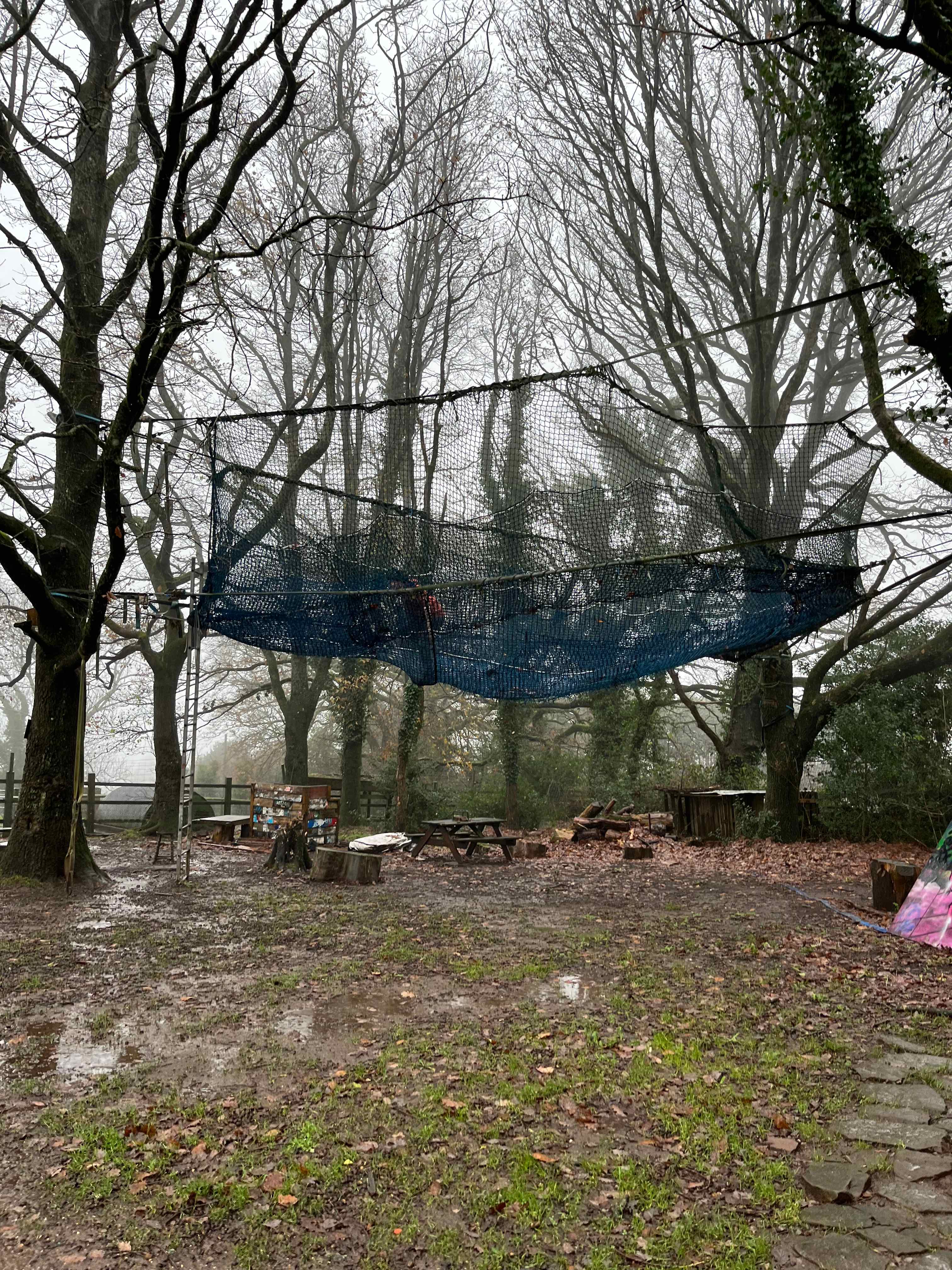
C
Claire
December 2025
With kids
Staying in the Horsebox was just fabulous, so much to do, we enjoyed darts, ping pong, table football, tree net and the fabulous skate park. Our hosts were so friendly and we booked wood fired pizza for our evening meal which was delicious. Perfect for an adventurous stay for our boys 14th birthday weekend.
See more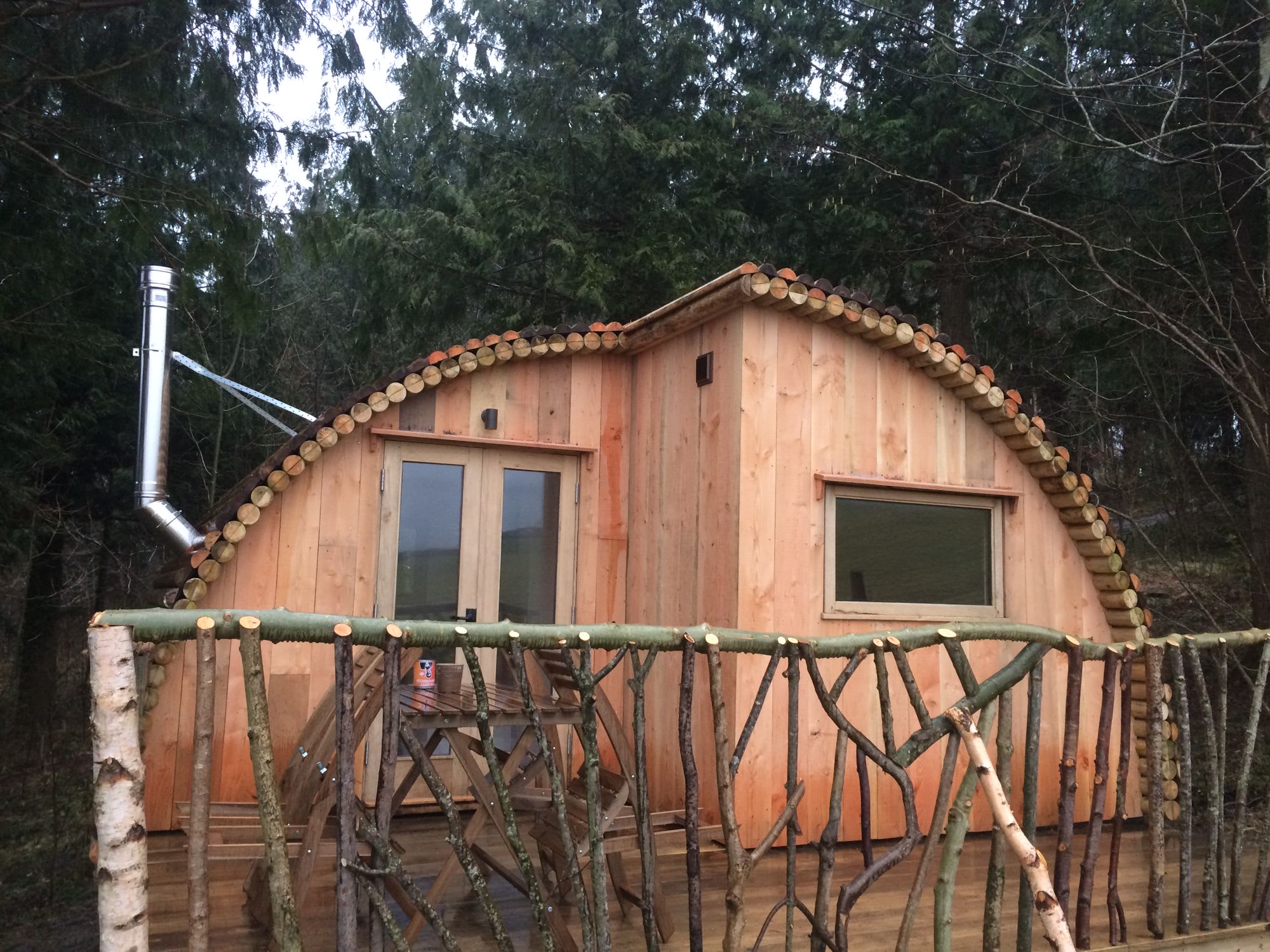
Y
Yasmin
November 2025
Weekend Trip to Celtic Woodland Holidays
This was our second time staying here, and it was even more special than the first time.
Every second is something to cherish.
Hosts are lovely, warm and very welcoming. Facilities are outstanding, with communal kitchen and games rooms with had a pool table, air hockey and the means to play table tennis.
The pod was warm, comfortable and homely. We cannot wait to stay again. Perfect getaway.
See more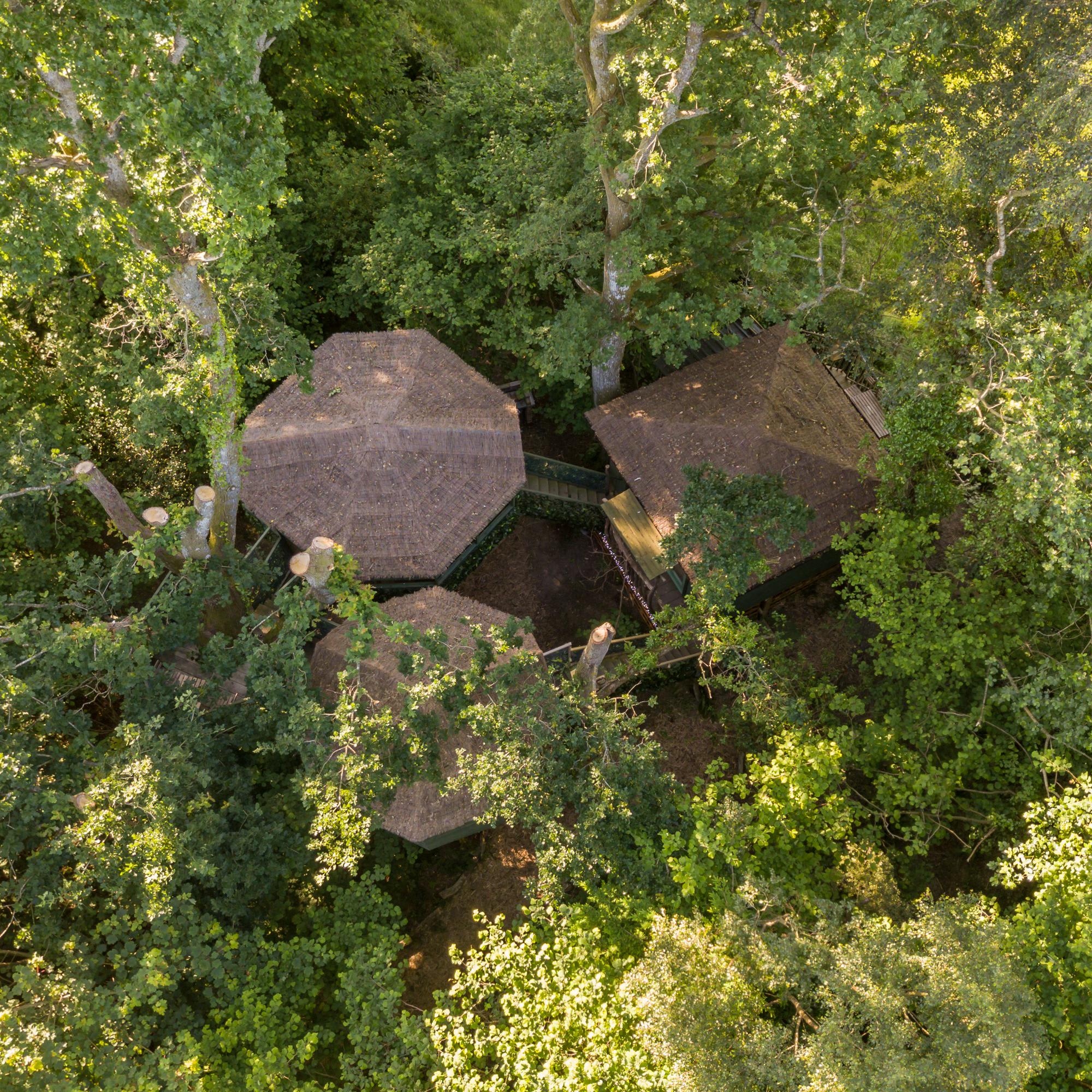
C
Callum
November 2025
Weekend Trip to Celtic Woodland Holidays
Ty Coden was beautiful. It was a sweet get away and cosey for a weekend. I would recomend a stay here.
See more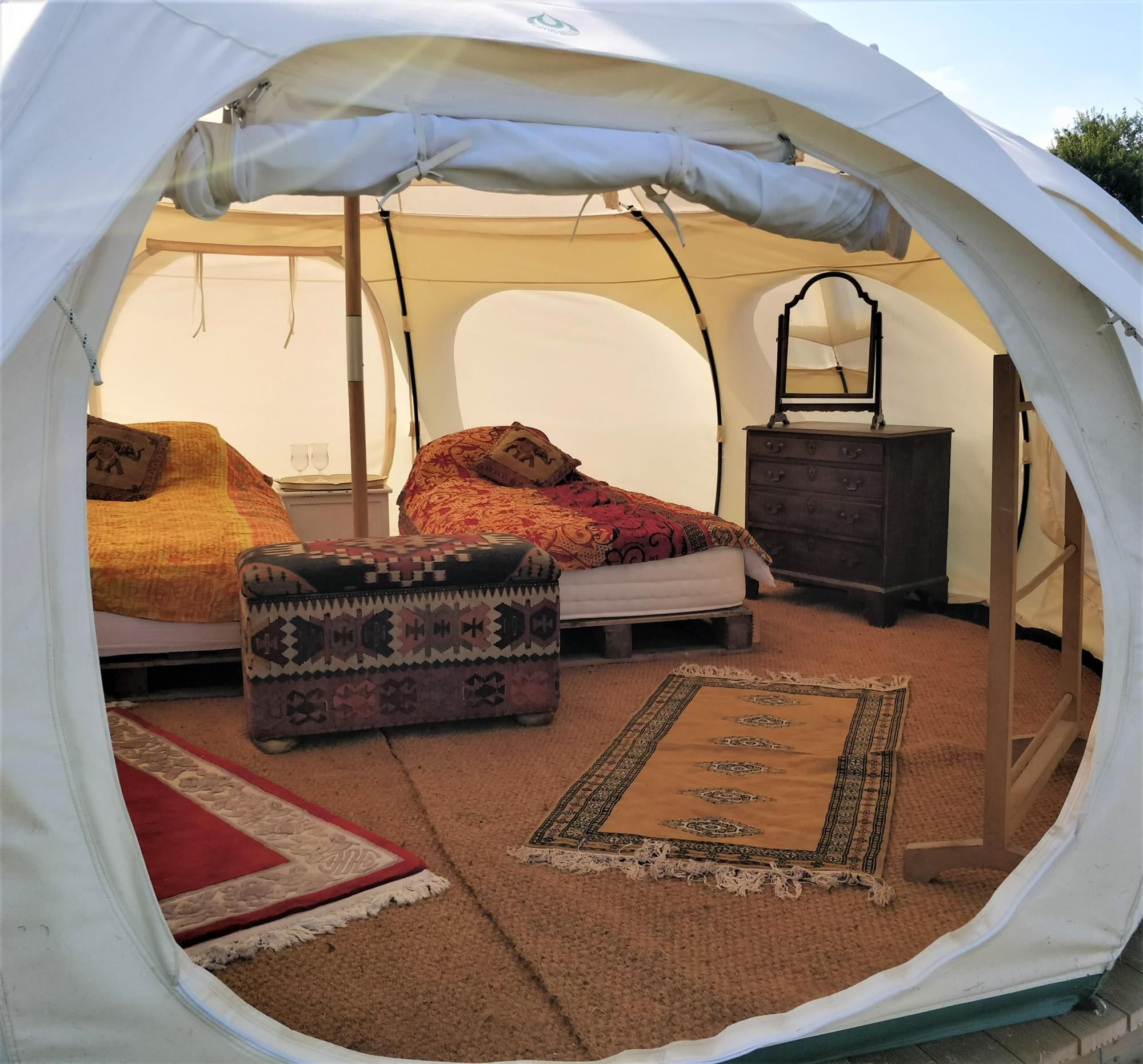
G
Gillian
September 2025
With kids
A very warm welcome from Nigel at the site, with explanation of the site.
We loved staying in one of the pre-pitched bell tents, so cosy and warm with very comfy beds! Warm shower and clean composting loo. Helpful little things like the - rechargeable lanterns for use and bottle lanterns when it got dark. A plus too, lots of kitchen ware and crockery.
See more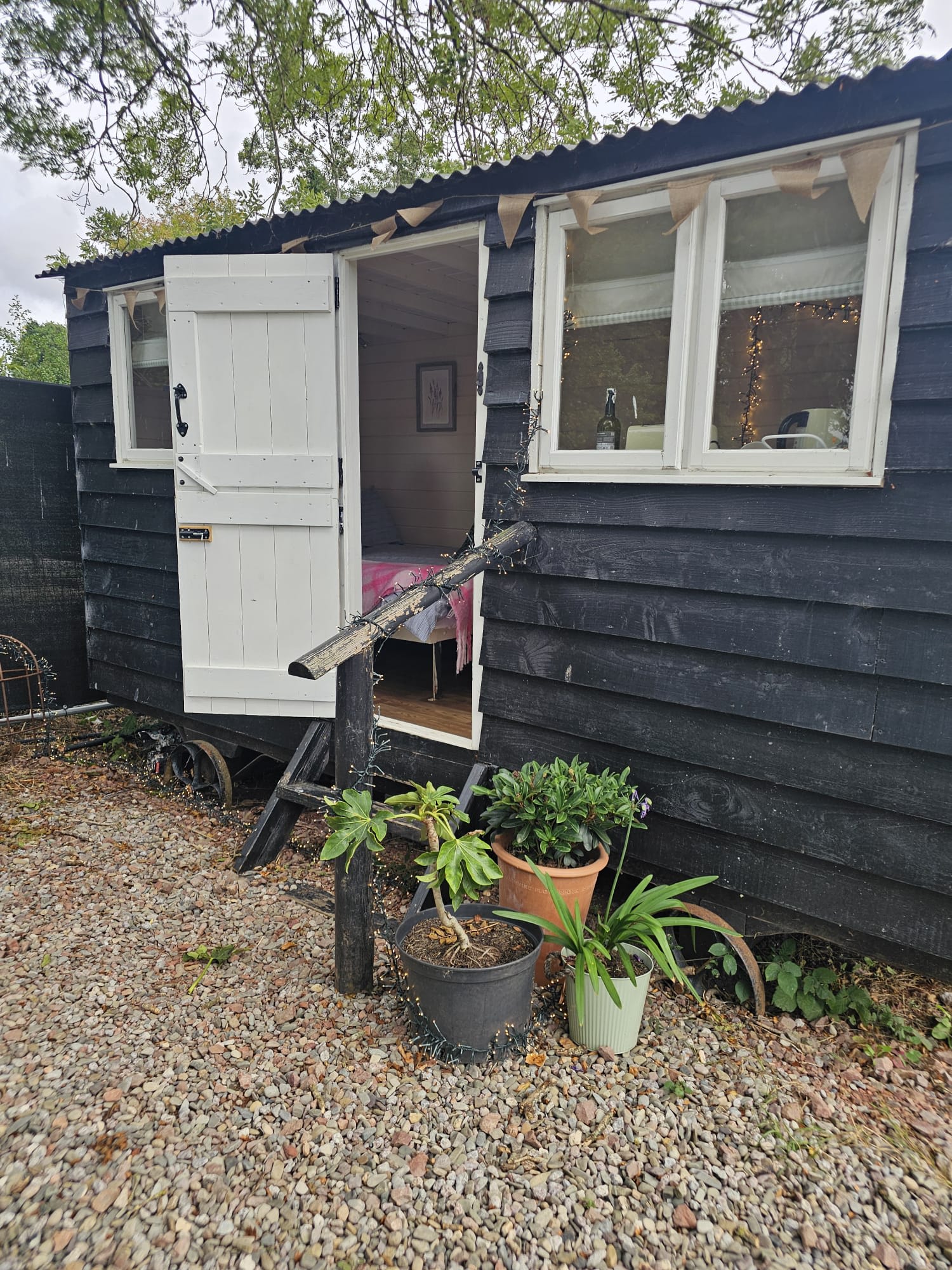
C
Carmen
September 2025
Weekend Trip to Berrends Farm
Just a wonderful place to stay!!! Stayed all over England and Scotland and this was my very favourite!!
See more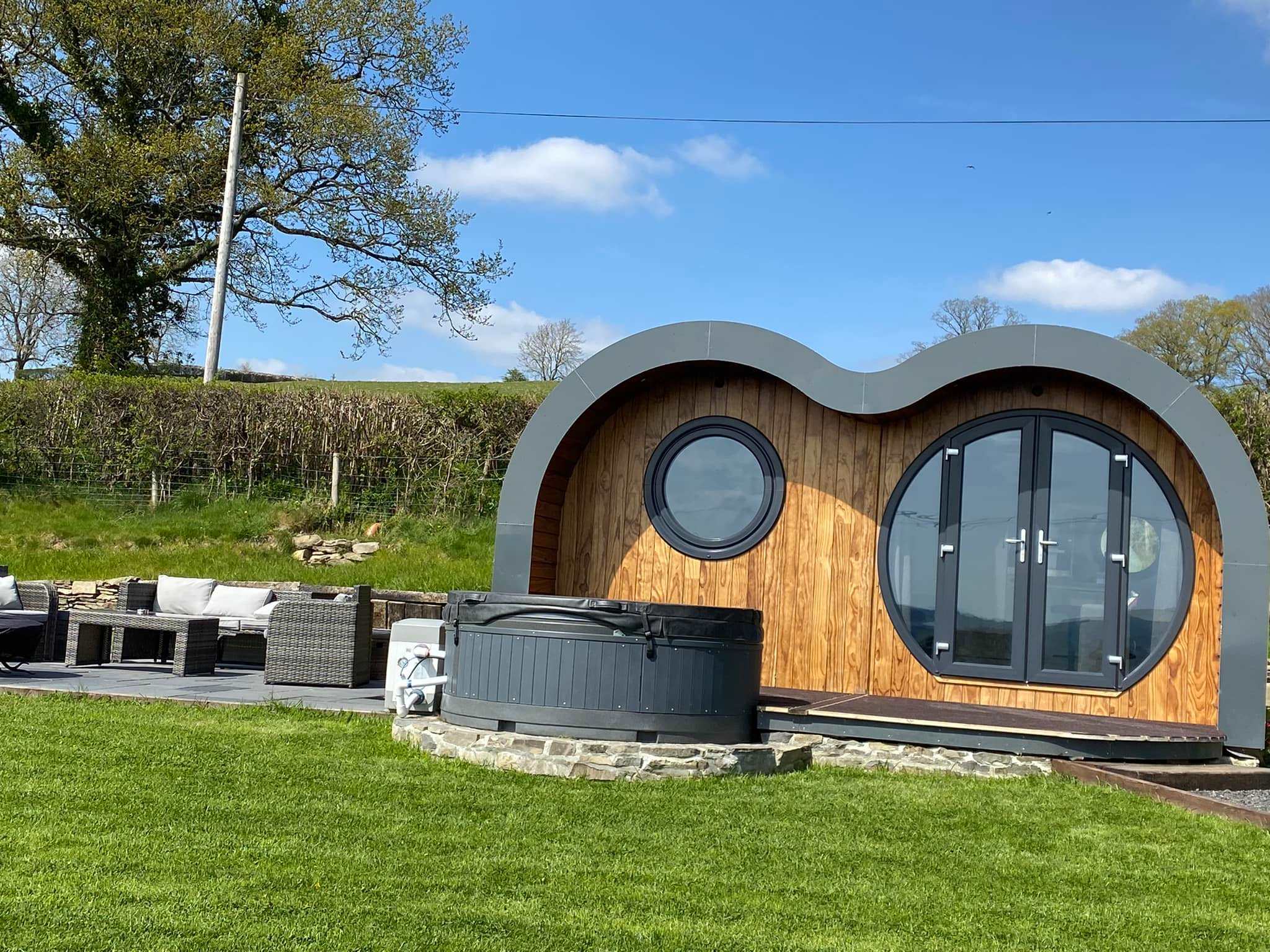
H
Hayley
September 2025
Group trip
We had a great stay in the Wye Pod at Great house farm. Communication was fab and super speedy! All info was sent over on email before our stay and made it very easy for checking in. The pod was cosy and clean, as well as the hot tub being the perfect temperature for arrival. The views are amazing and we all wished we could wake up and use a hot tub with that view everyday! the animals are all cheeky and fun to watch, my favourite was the donkeys! We had a really great dog friendly stay and would defo stay again! The only thing we wouldn't have minded more of was the tea, coffee & sugar. Otherwise a stunning stay!
See more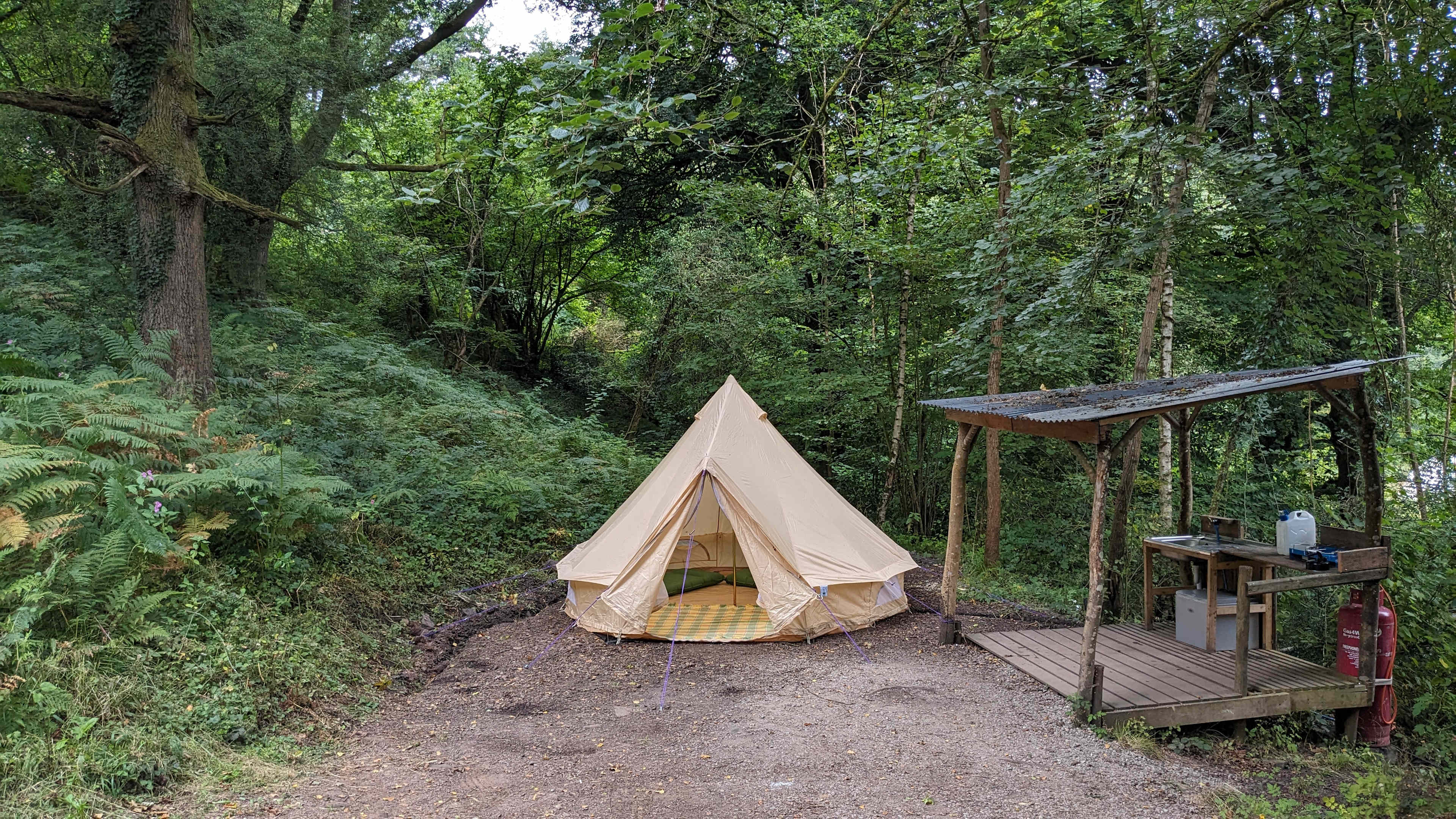
A
Ashik
September 2025
2 nights at Cuddfan - The Hiding Place
Thanks Mark for the lovely stay! The area is secluded and picturesque, which really gave us the feeling of living a nomadic life with just the basic amenities.
A few tips for future visitors:
Bring a hanging light or headlamp, as it gets very dark and there’s no lighting provided.
There’s a gas stove and cooking area, but you’ll need to bring your own utensils.
Pack warm duvets and thick jackets if you’re visiting in autumn, as nights can get very cold.
🚗 Important: Do not drive your car down to the tent. Park just after entering the gate and walk down instead. I missed the host’s message about this, got stuck trying to drive back up, and had to be rescued by a farmer with his tractor (thankfully the host responded quickly and was super helpful!).
Despite that little adventure, I absolutely loved the stay and would highly recommend it if you’re looking for a unique experience without the hassle of putting up a tent yourself.
See more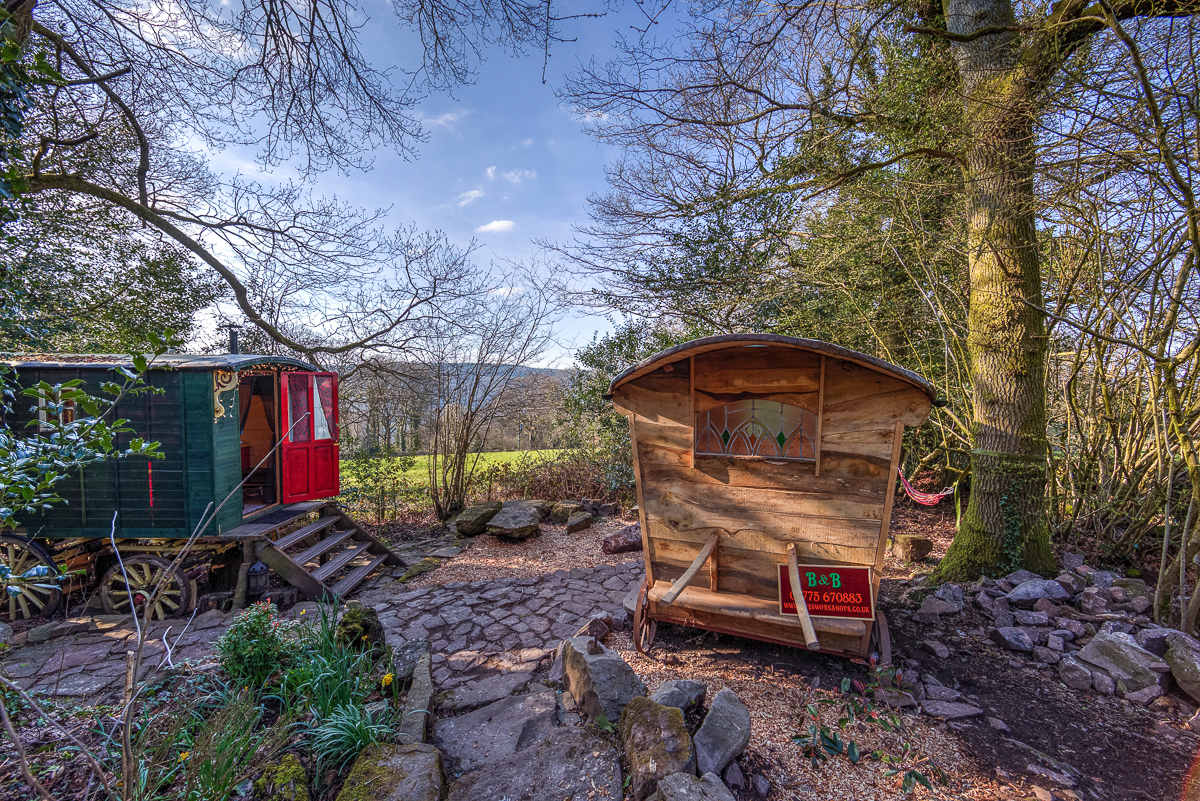
J
Julian
September 2025
With pets
This was a super last-minute booking, despite knowing that it was going to be pretty wet all weekend. Despite the rain, this was a magical place and my son and I had a special time together. The rain maybe made it even more special.
Anna is lovely and very helpful and their dog spent quite a lot of time with us because he realised we would continue to throw a stick for it until we went to sleep. Which was bliss!
See more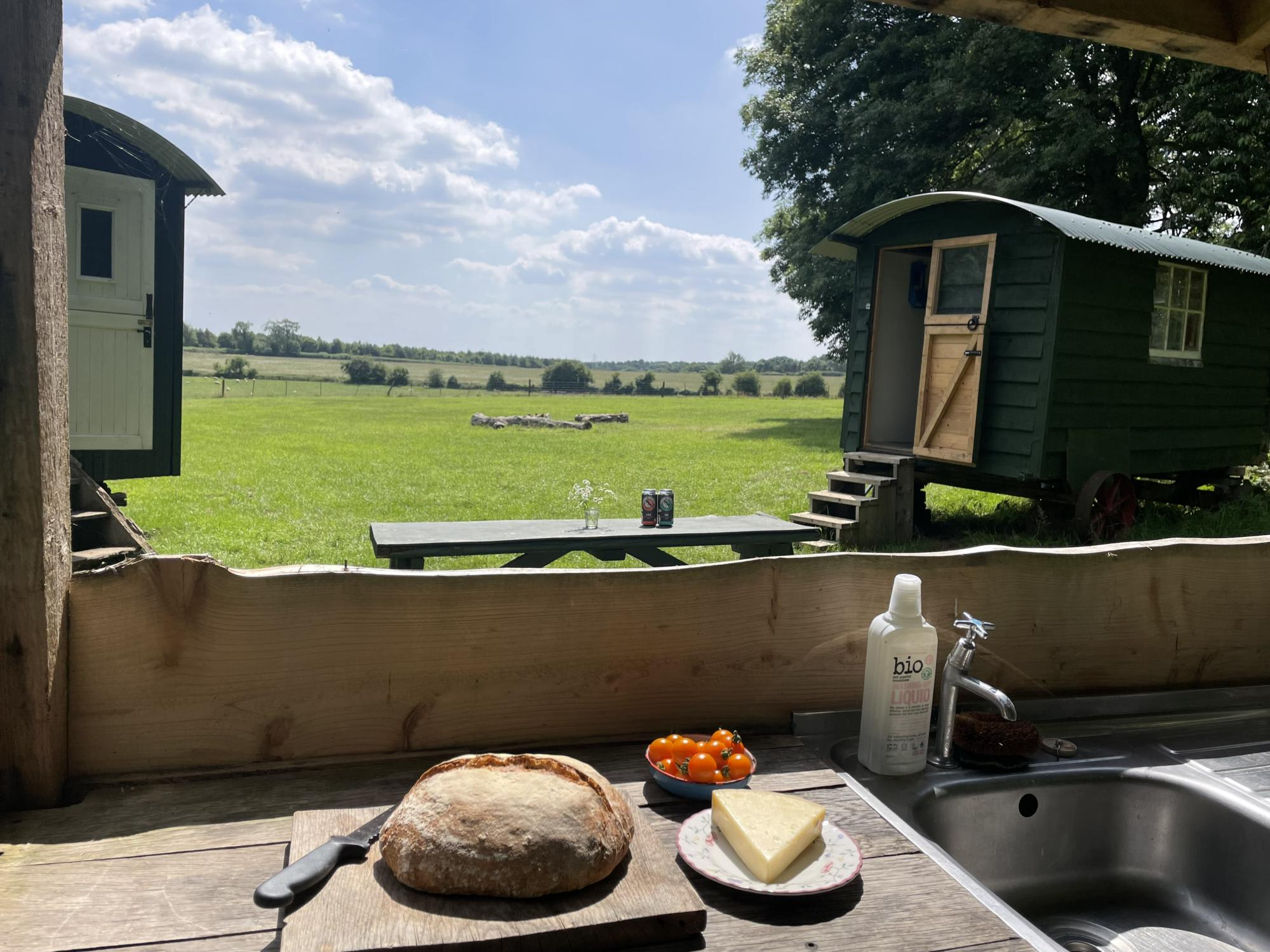
D
Dave
August 2025
With kids
Lovely shepherd huts in a beautiful location. Plenty to explore or relax and take in nature. They were great hosts with a great farm shop
See more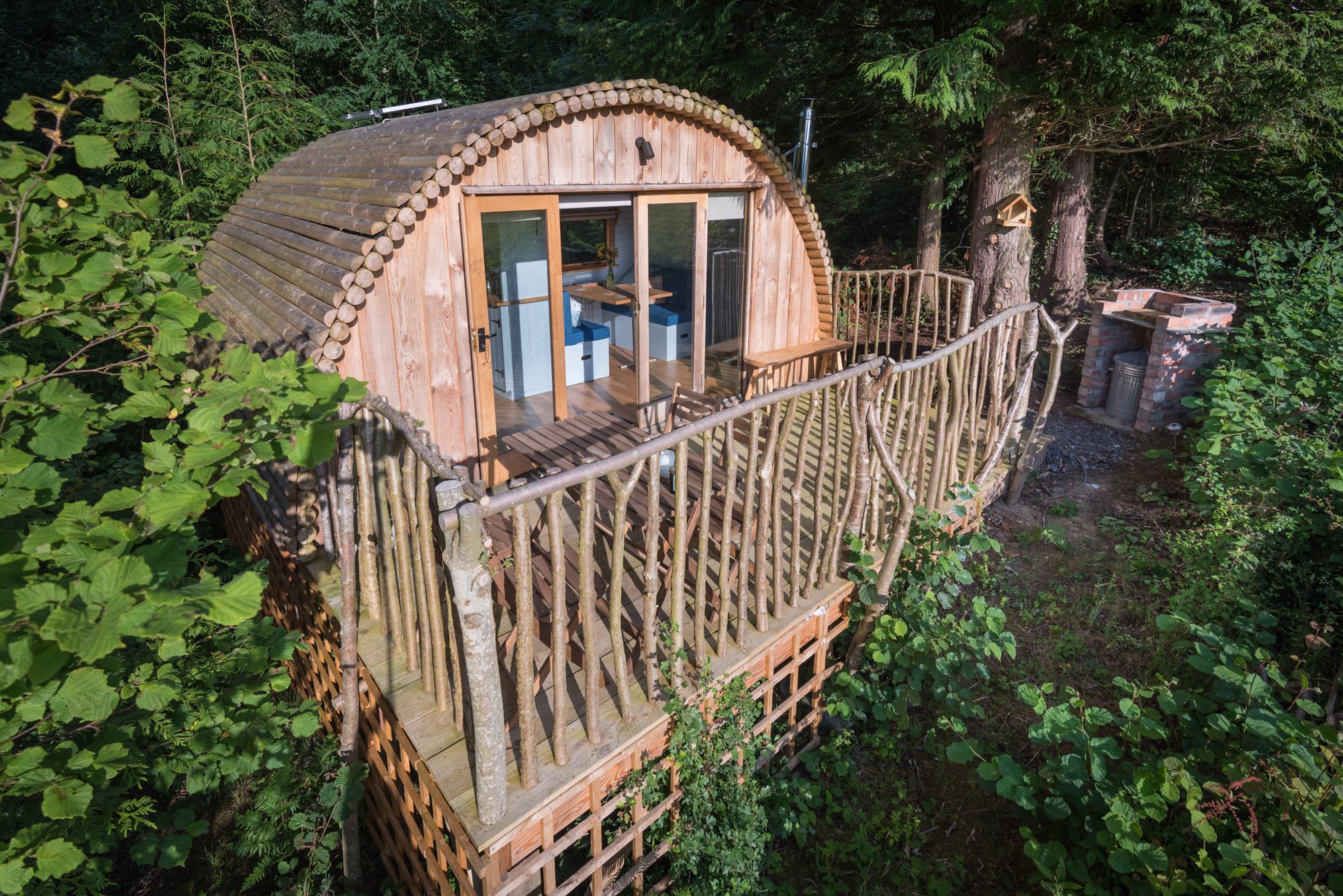
S
Steven
August 2025
With pets
Really nice and peaceful place that is clean and well maintained. Would definitely return! The hosts are lovely and incredibly accommodating. What a brilliant location!
My only gripe is with another guest, but there’s nothing the hosts could do to stop this. Essentially another guest that was blatantly a male (nice enough as a person) was using the women’s toilets.
Numerous times my partner went in with my 8 year old daughter to be met by him in the loos. I know it’s the way of this mad world at the moment, as people can identify as an orphaned penguin. But if my daughter had gone in alone, this could have been a potentially dangerous situation with someone that is obviously mentally ill. I have no idea how this can be managed and prevented though without unnecessary cost.
Anyway, this doesn’t affect our opinion of the venue at all. Brilliant break and a much needed period of no devices allowed for myself on my family.
Thanks again.
See moreK
Kirsty
August 2025
With kids
Magical treetop adventure. 100% recomend. The kids loved it!
See more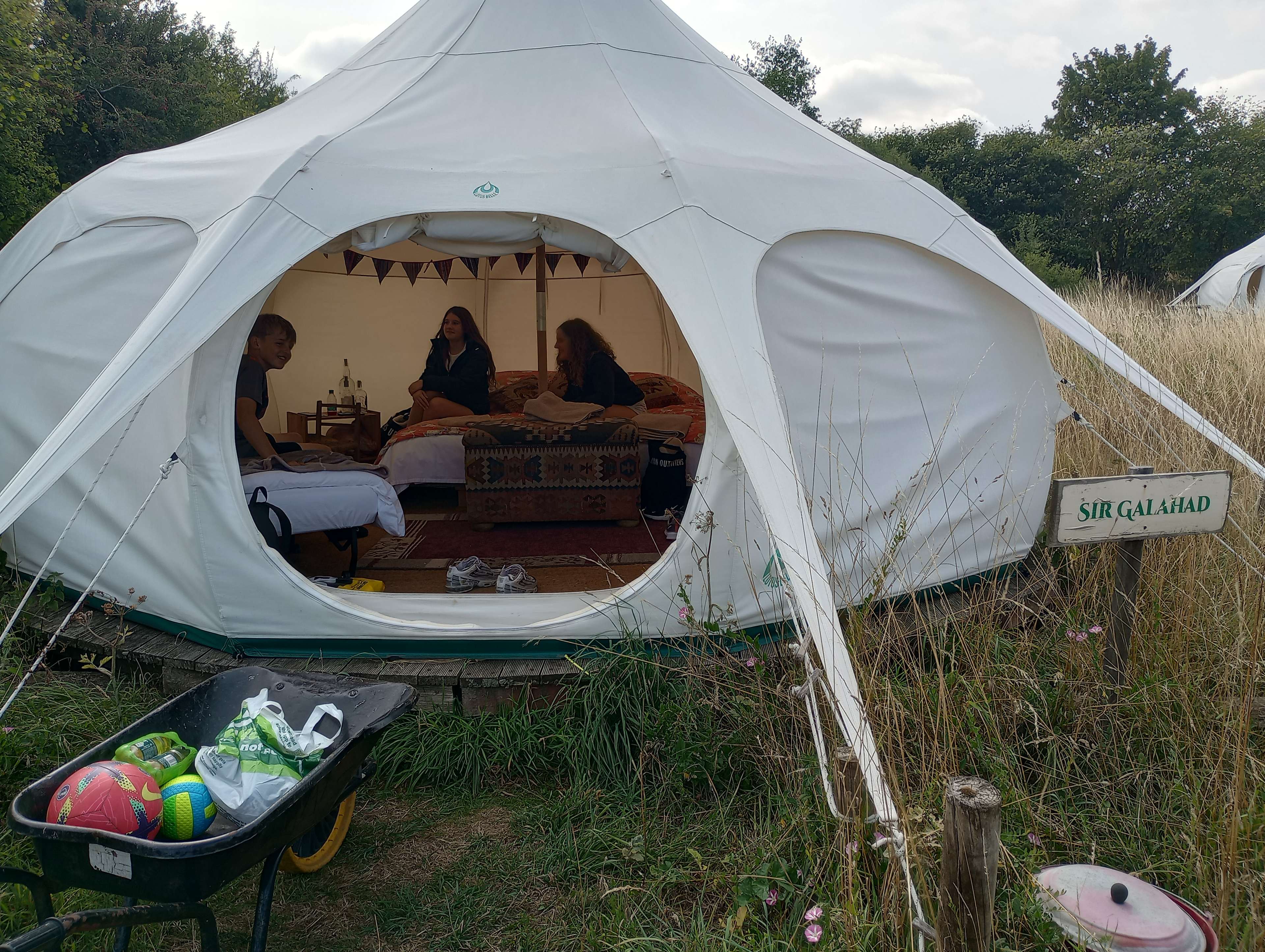
L
Lucy
August 2025
With kids
The glamping tents are cosy and spacious, the beds were incredibly comfortable and clean. The tents are well spaced out so there is privacy and peace. We had a BBQ and a firepit provided. Facilities were fabulous with a well-stocked kitchen and lovely hot shower. Excellent, friendly hosts. My teenage nieces and nephew loved it and well hopefully be back.
See more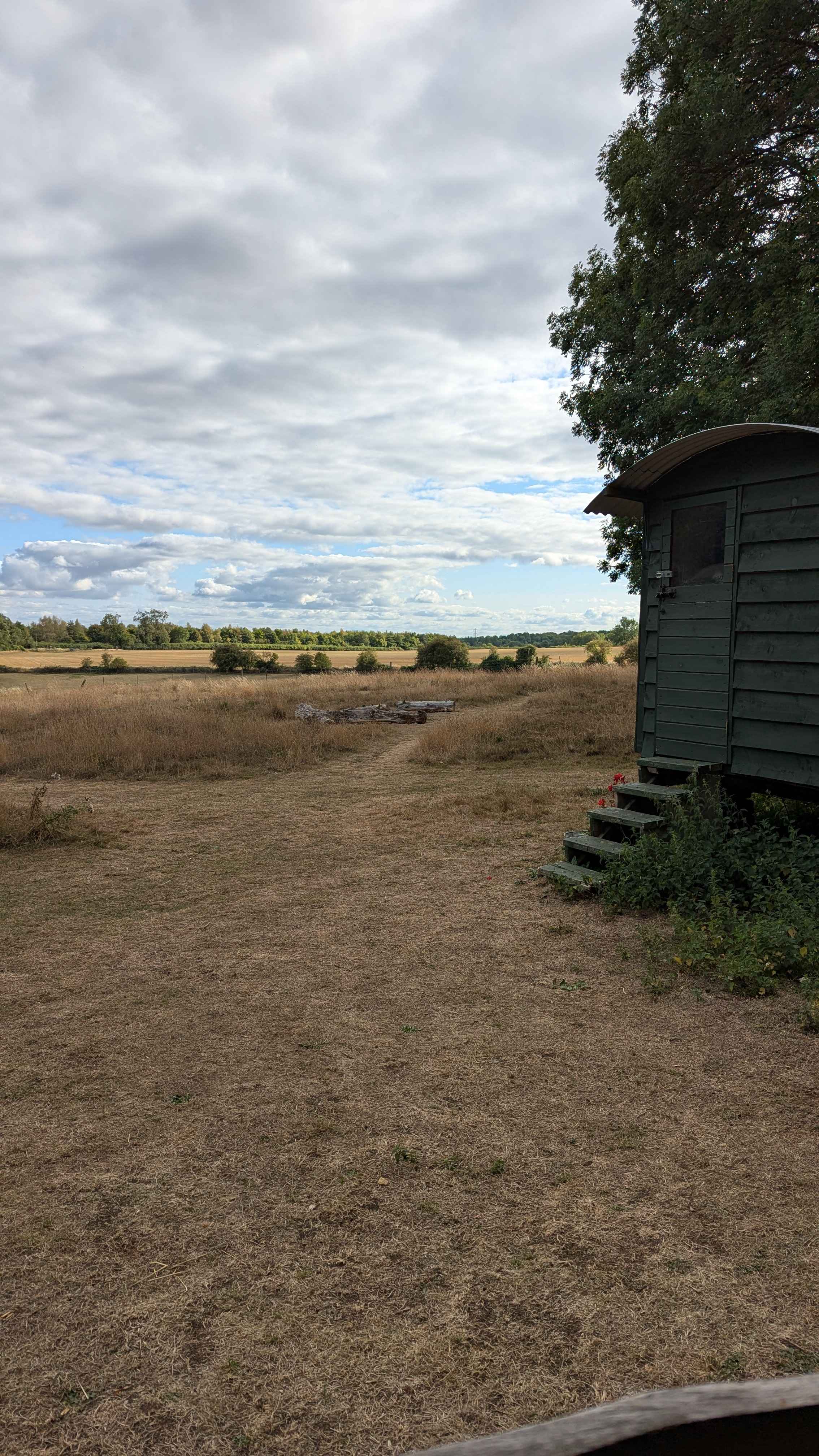
M
Michele
August 2025
With kids
We had the best time in the Shepherd's Huts - it's such a magical place to stay, with beautiful views over the fields and even it's own little woodland walk. We spent two nights just us and our son, then my cousins pitched a tent on the third night. It was so peaceful to be surrounded by nature and have the place to ourselves. The huts were beautiful and cosy and the beds were comfy too. There was everything we needed to have a camping experience that felt both wild yet easy and with all that we needed. Thanks Abbey Home Farm!
See more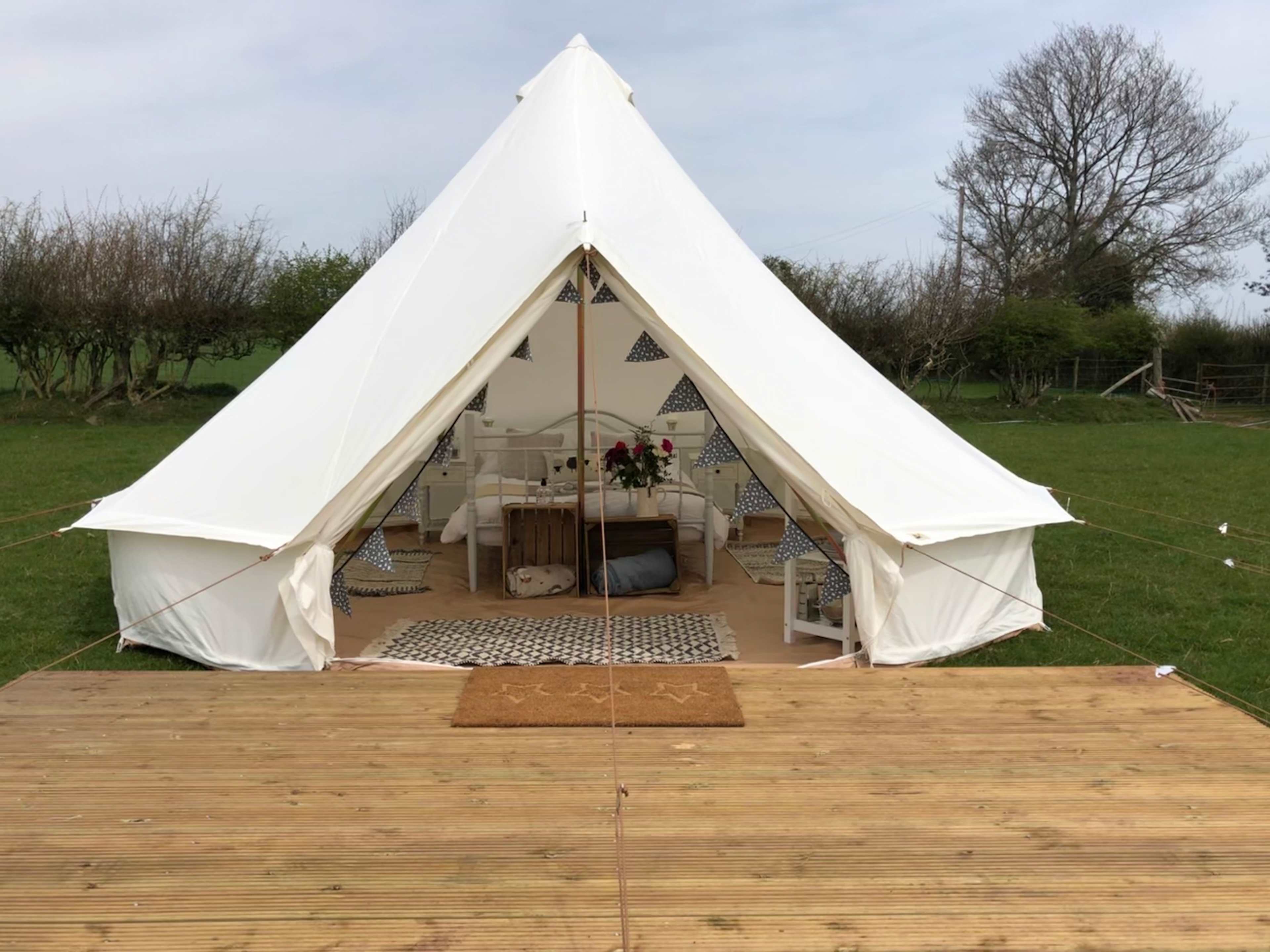
P
Paul
August 2025
Weekend Trip to Upper House Farm Glamping
Fantastic weekend at Upper House Farm glamping. We stayed at the Mountain View Bell tent. Pleasant surprise to see a picnic bench and extendable parasol, which weren't mentioned in the listing. Very comfortable double bed. Great that you have a camping stove, pots and pans, cutlery and crockery. Very thoughtful of the owners to have a bottle of water, wood and kindling. Stunning view of the Black mountains from the field and the stars at night were really a sight to behold. Would highly recommend. You'd be hard pressed to find anything else like this anywhere for an absolute bargain price
See more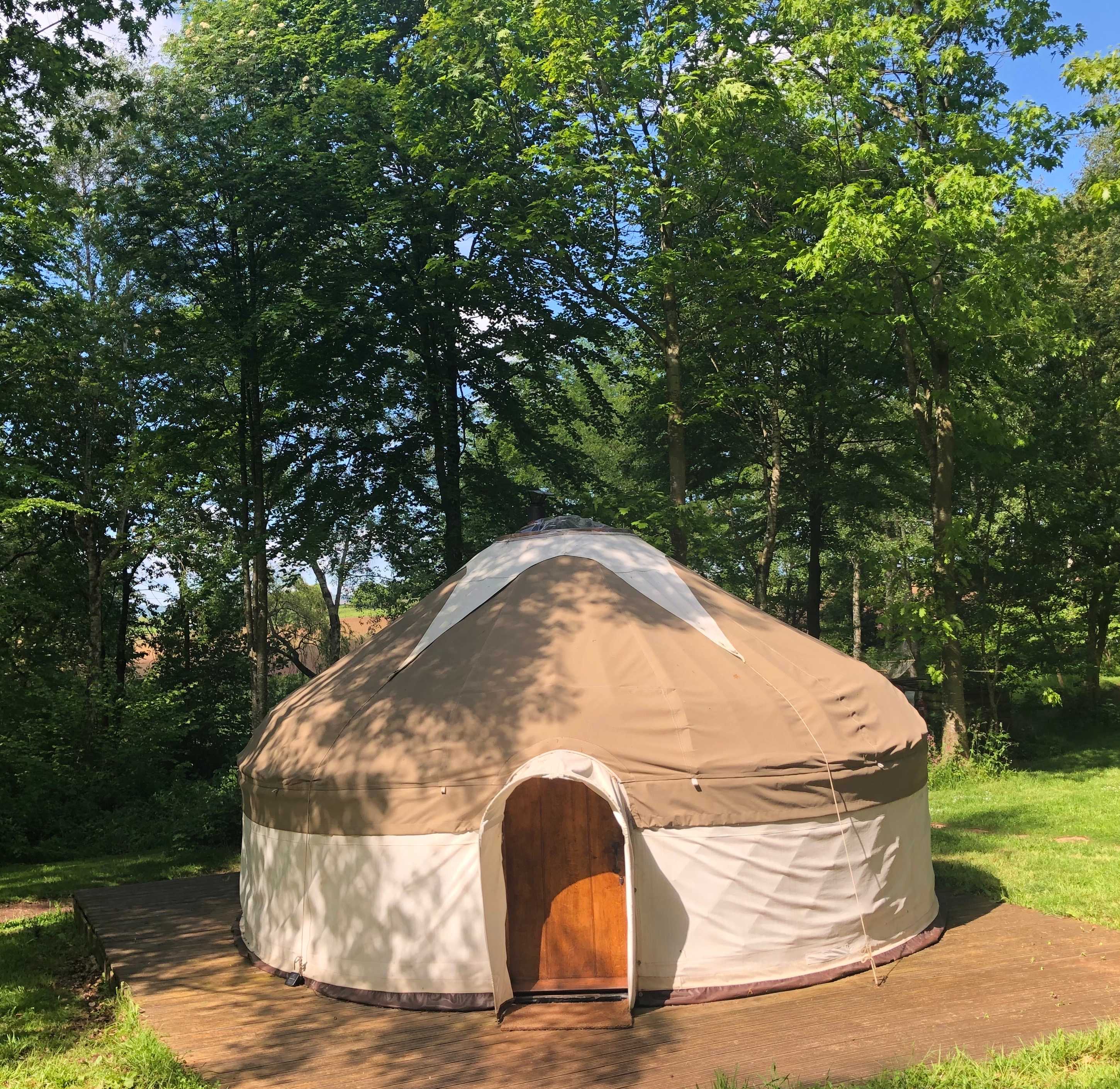
R
Rebecca
August 2025
With kids
Fantastic site, in a great location with really good facilities.
First glamping experience for my daughter and she's now a real fan.
Mark was a great host!
See more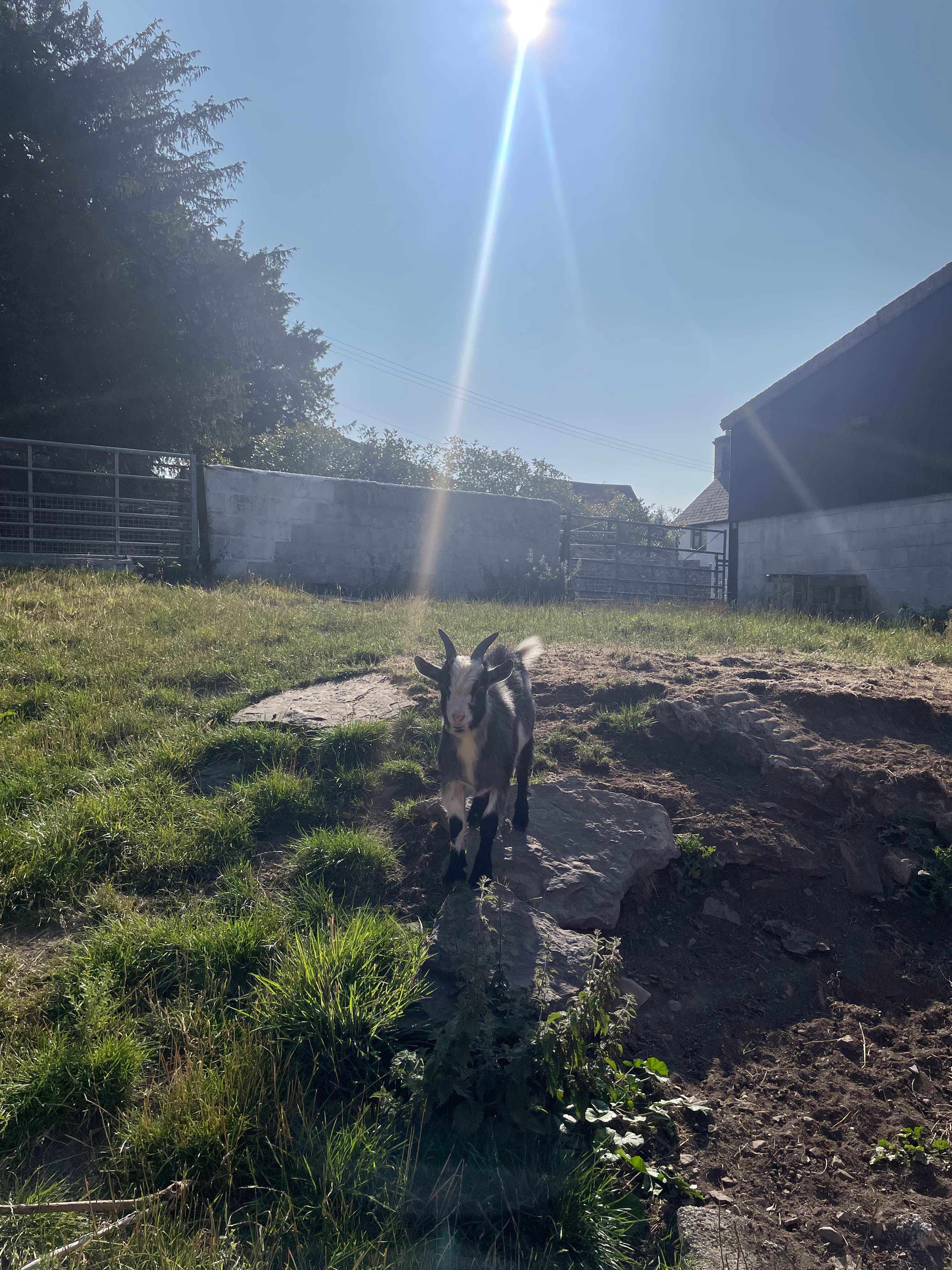
L
Lara
August 2025
Weekend Trip to Great House Farm Luxury Pods
We had a lovely time in the Irfon pod, everything was exactly as described and our hosts were wonderful. The animals, who were very cunning and hatched their escape were so delightful and really made the trip special, I would definitely recommend to anyone who wants a break from city life and some time around friendly farmstock (I wish I could have taken your goat home)
See more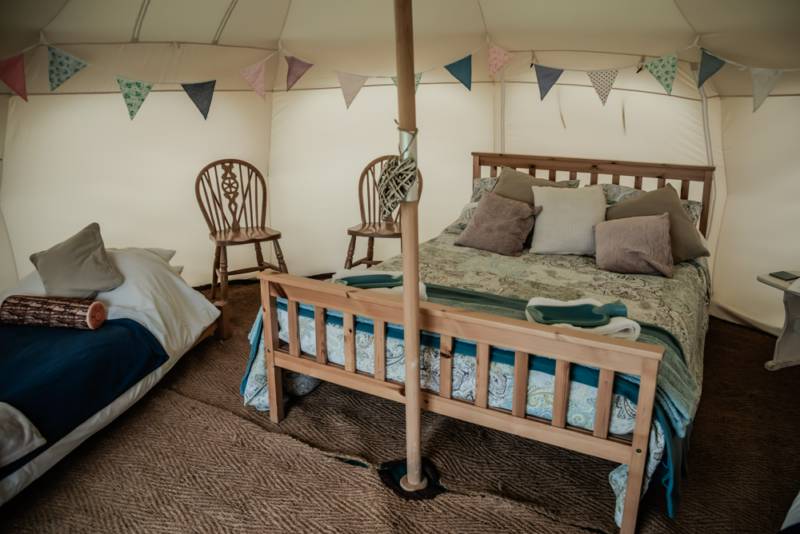

Nicole
August 2025
With kids
We had a wonderful 2 nights stay in a Bell tent. The tent is well equipped and the shared kitchen is a very nice and comfortable area. Electrical devices can be charged here. Nigel was very friendly and helpful and we loved his dog. The house of the owners is a beautiful, old building and adds a special atmosphere! Can recommend staying here!
See more
R
Rebecca
August 2025
Group trip
This campsite is perfection. We booked a bell tent to celebrate my birthday. It was a great choice. Everything was just lovely from the warm welcome, the help with transporting all our clobber up the hill, stunning views of the mountains and the site is a wildlife haven. We saw baby swallows and a hedgehog and loved the morning birdsong. Come here for absolute peace and tranquility. We can't wait to return.
See more