Top-rated campgrounds in Mid Wales
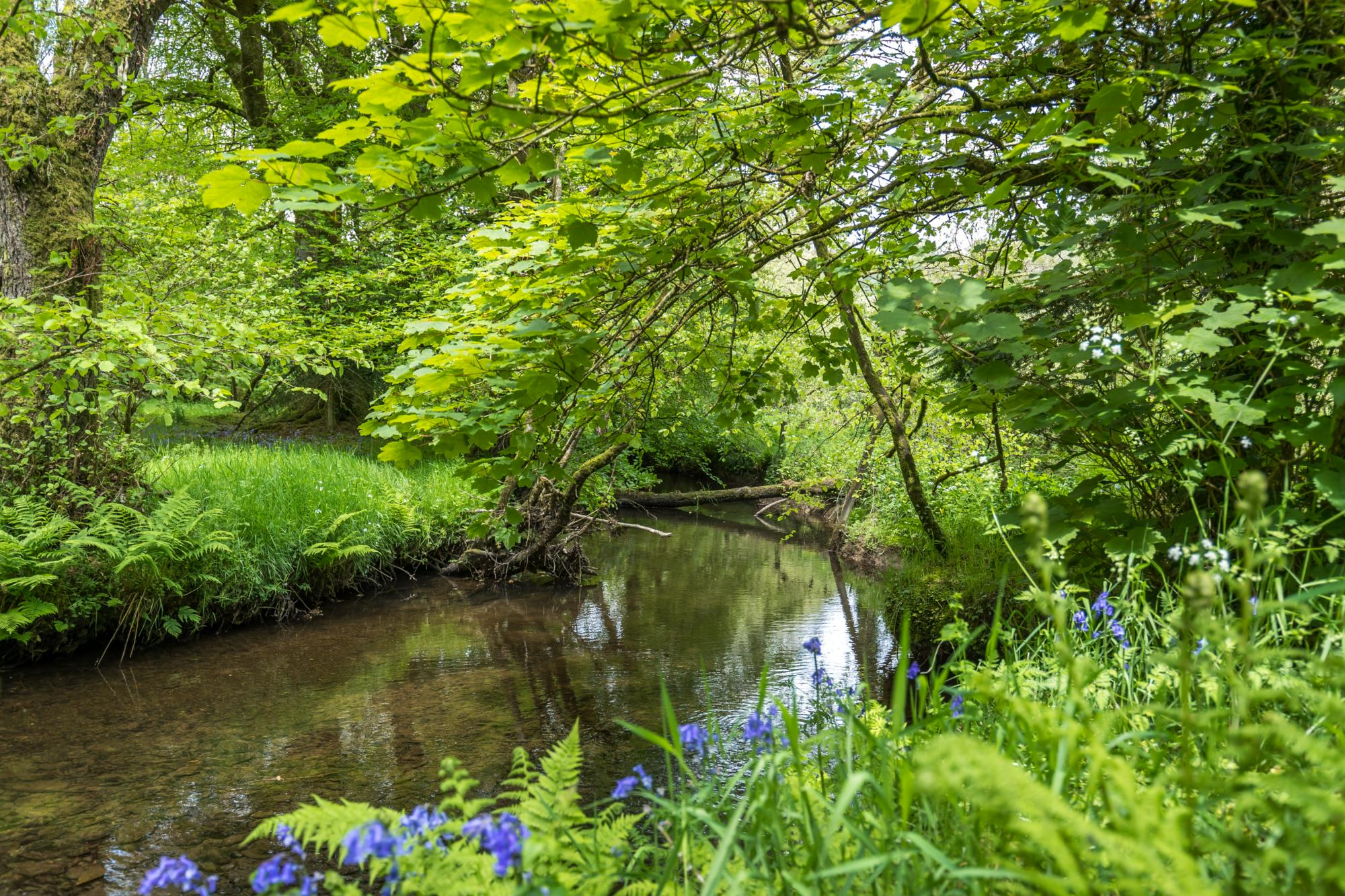
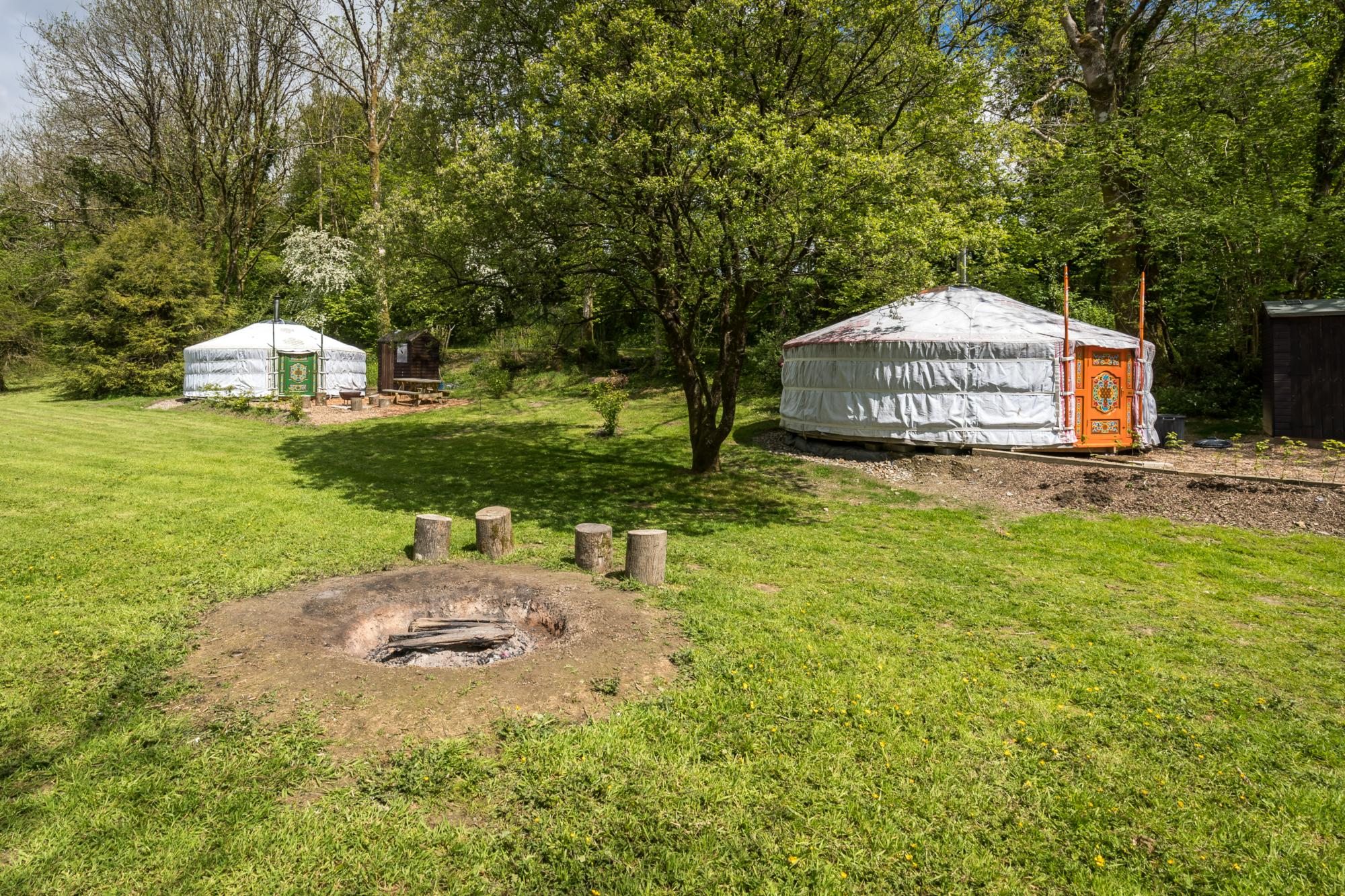
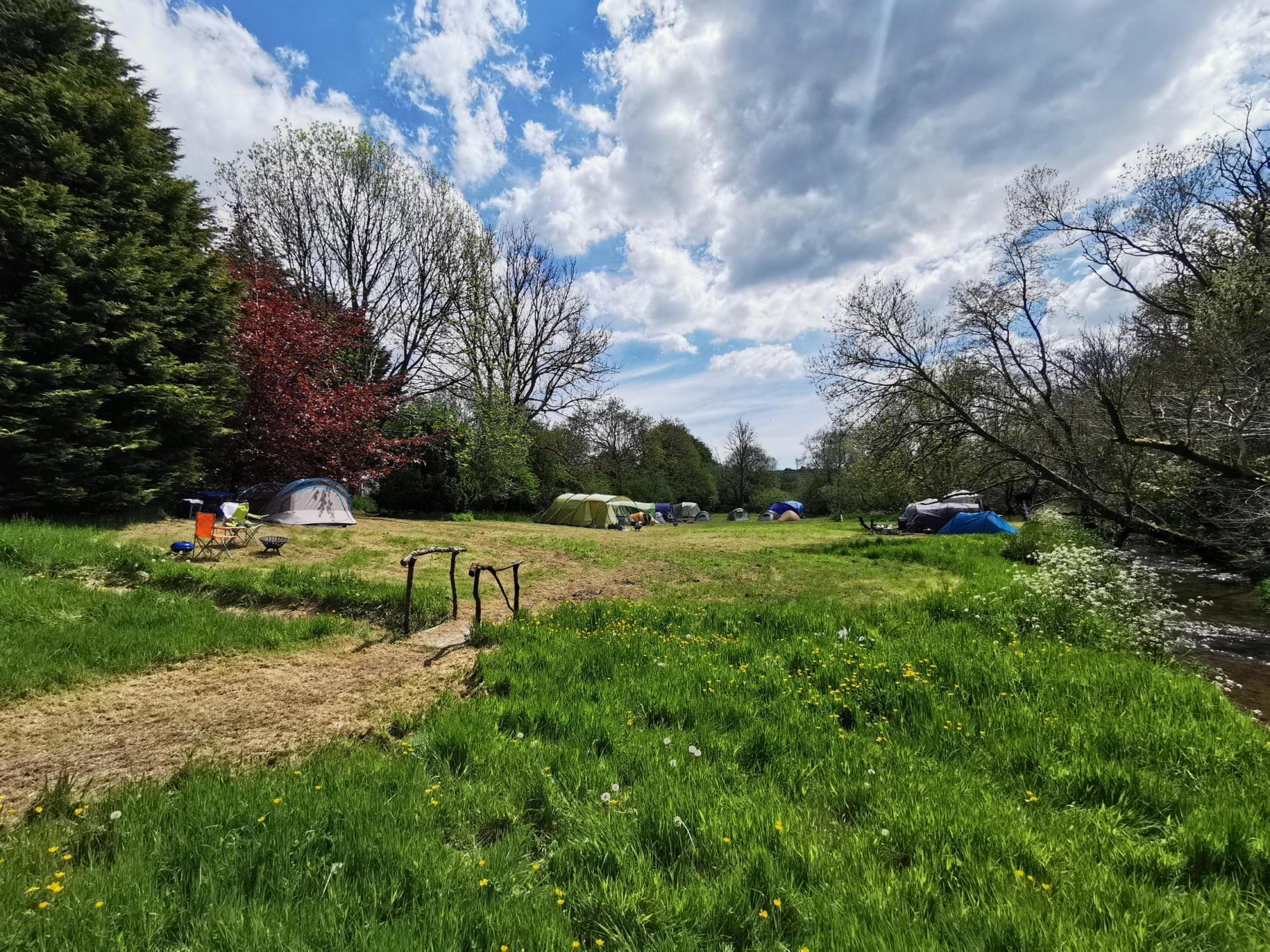
1. Wellstone Camping
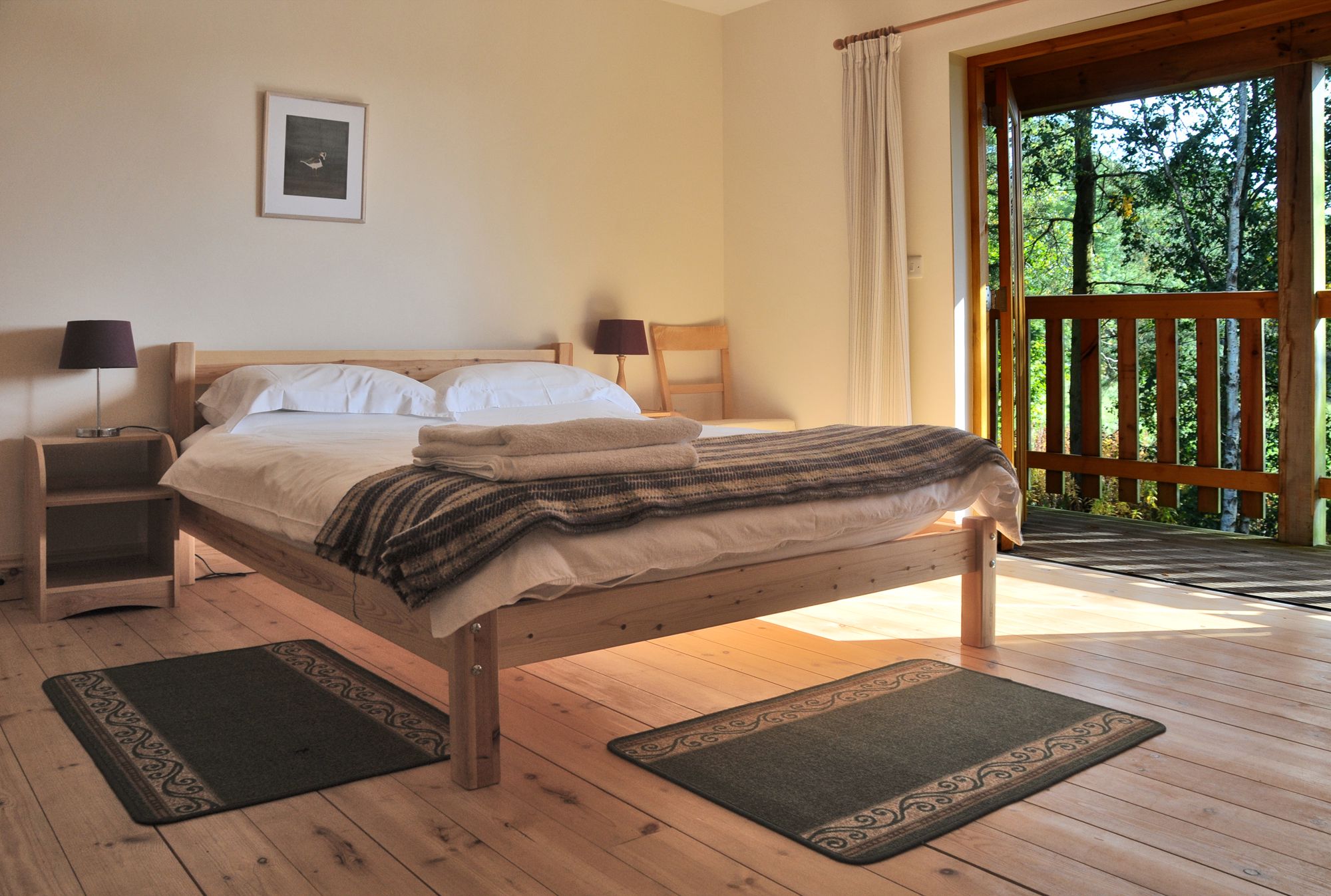
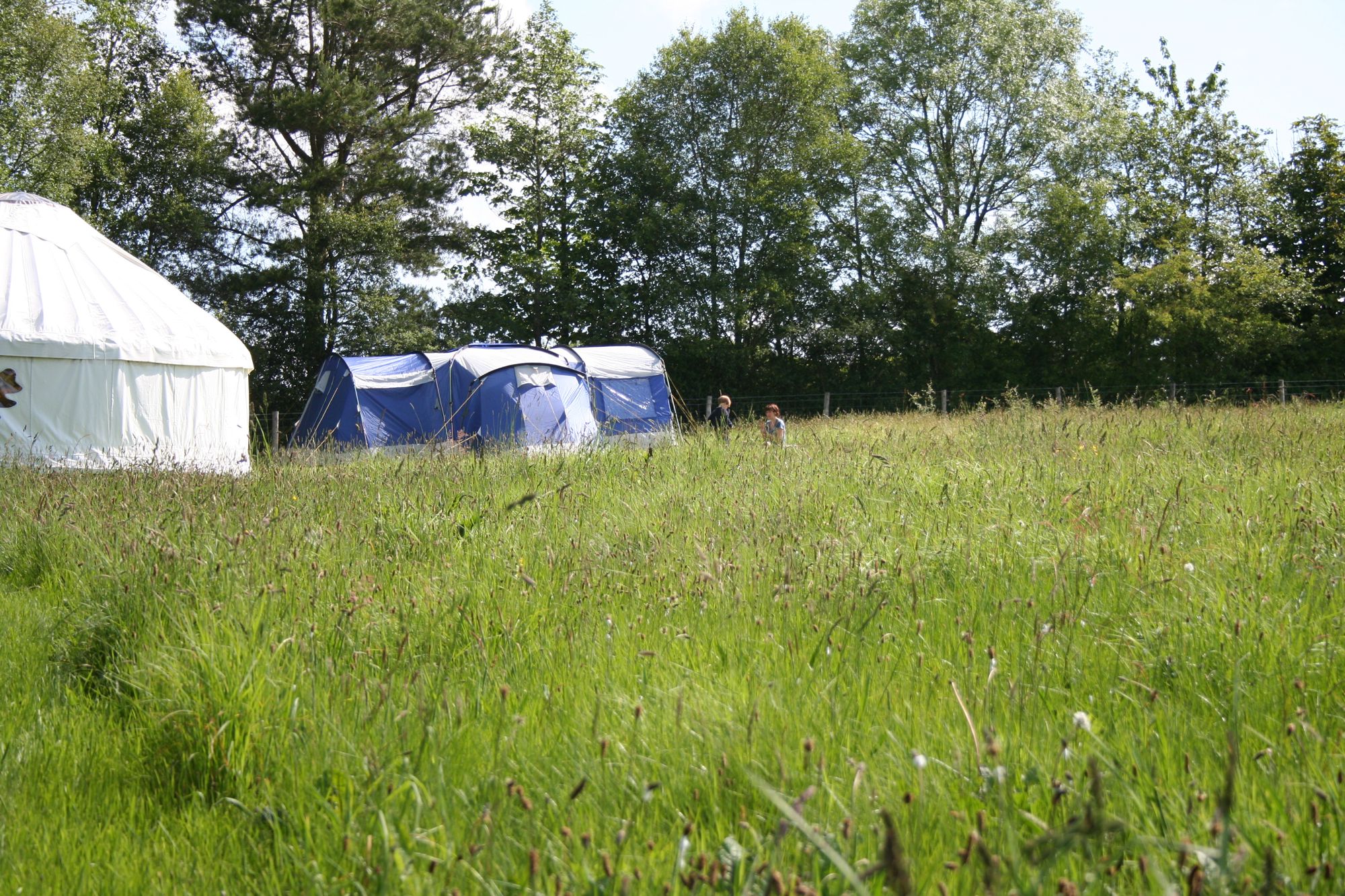
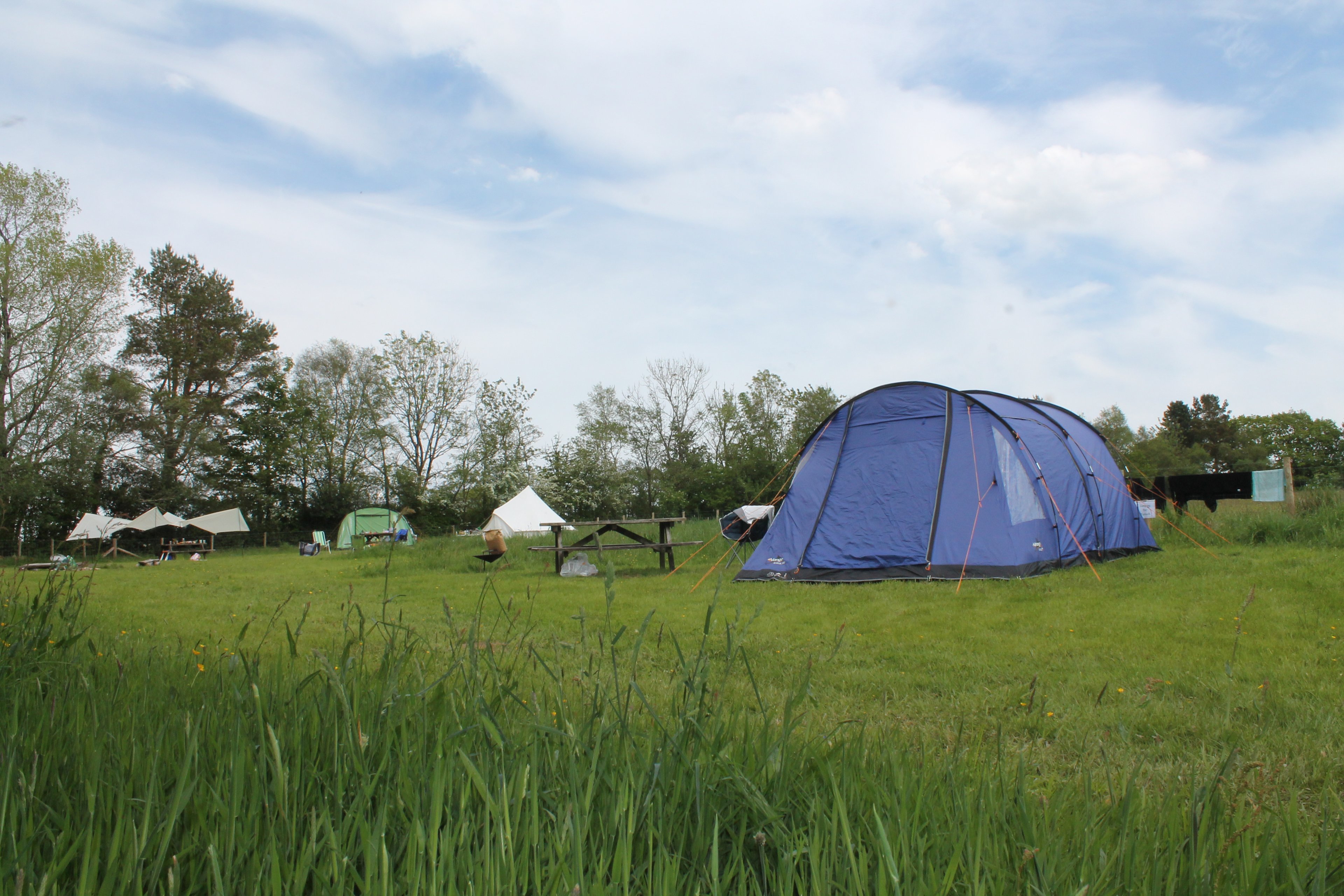
2. Denmark Farm
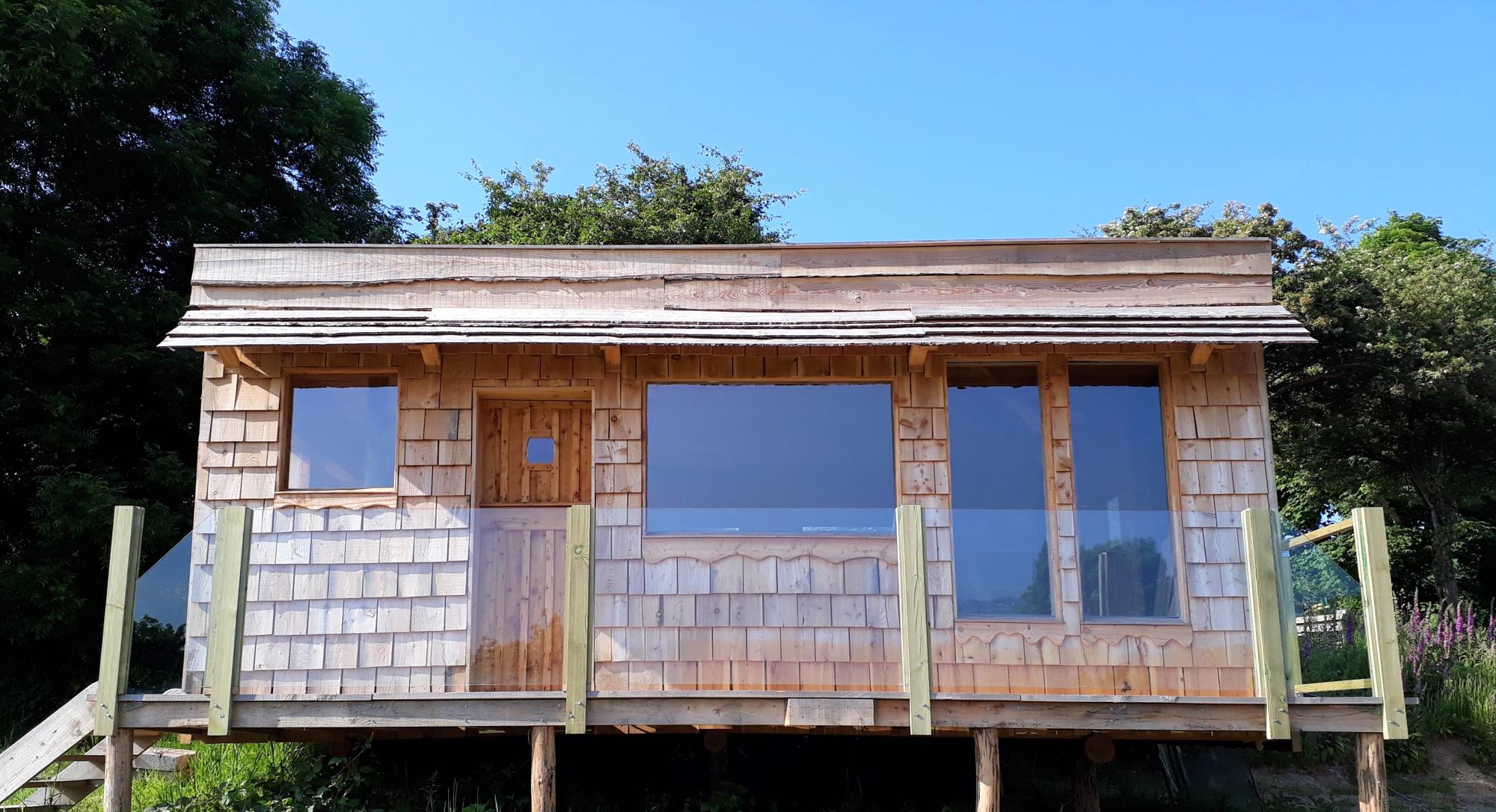
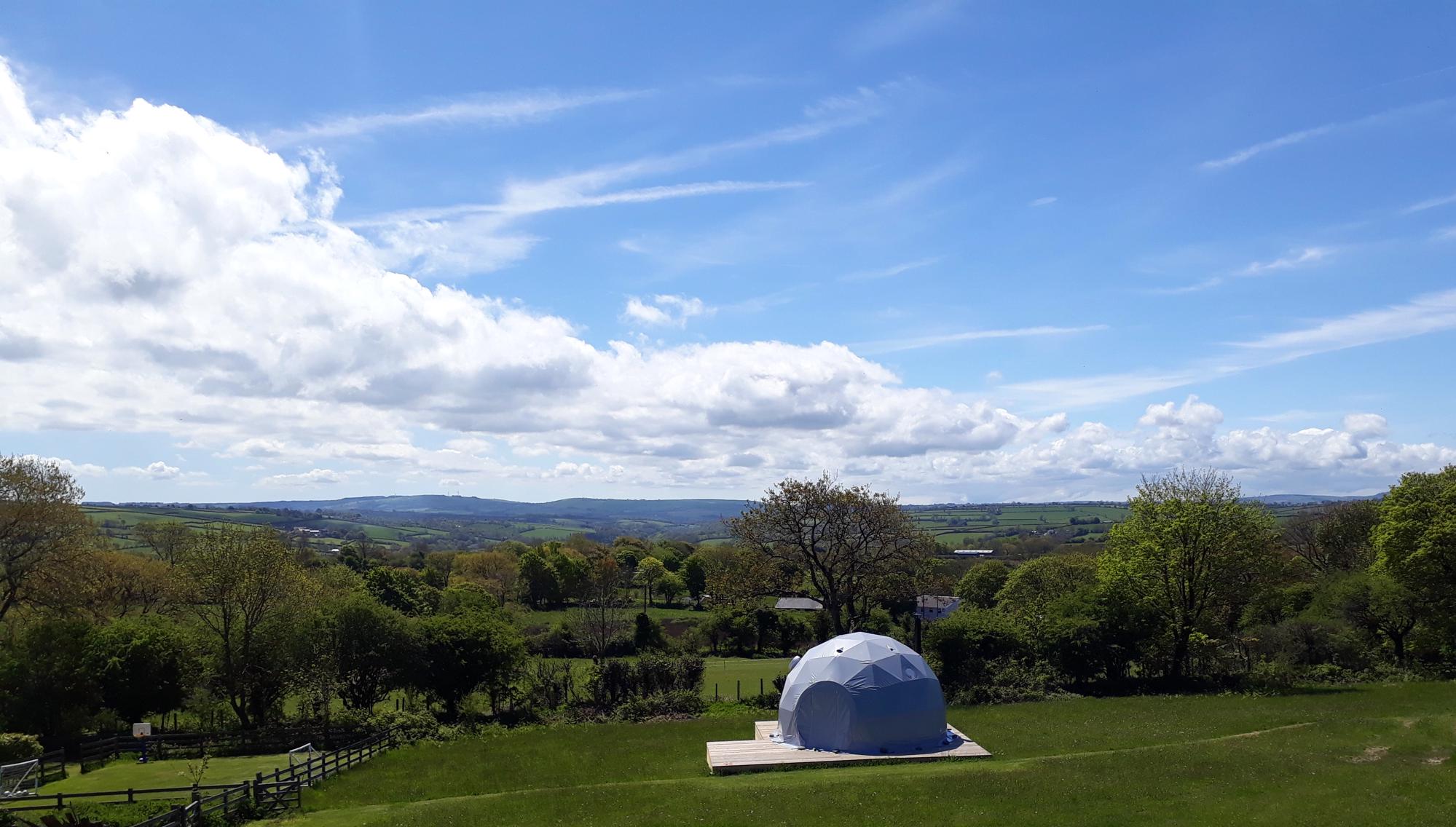
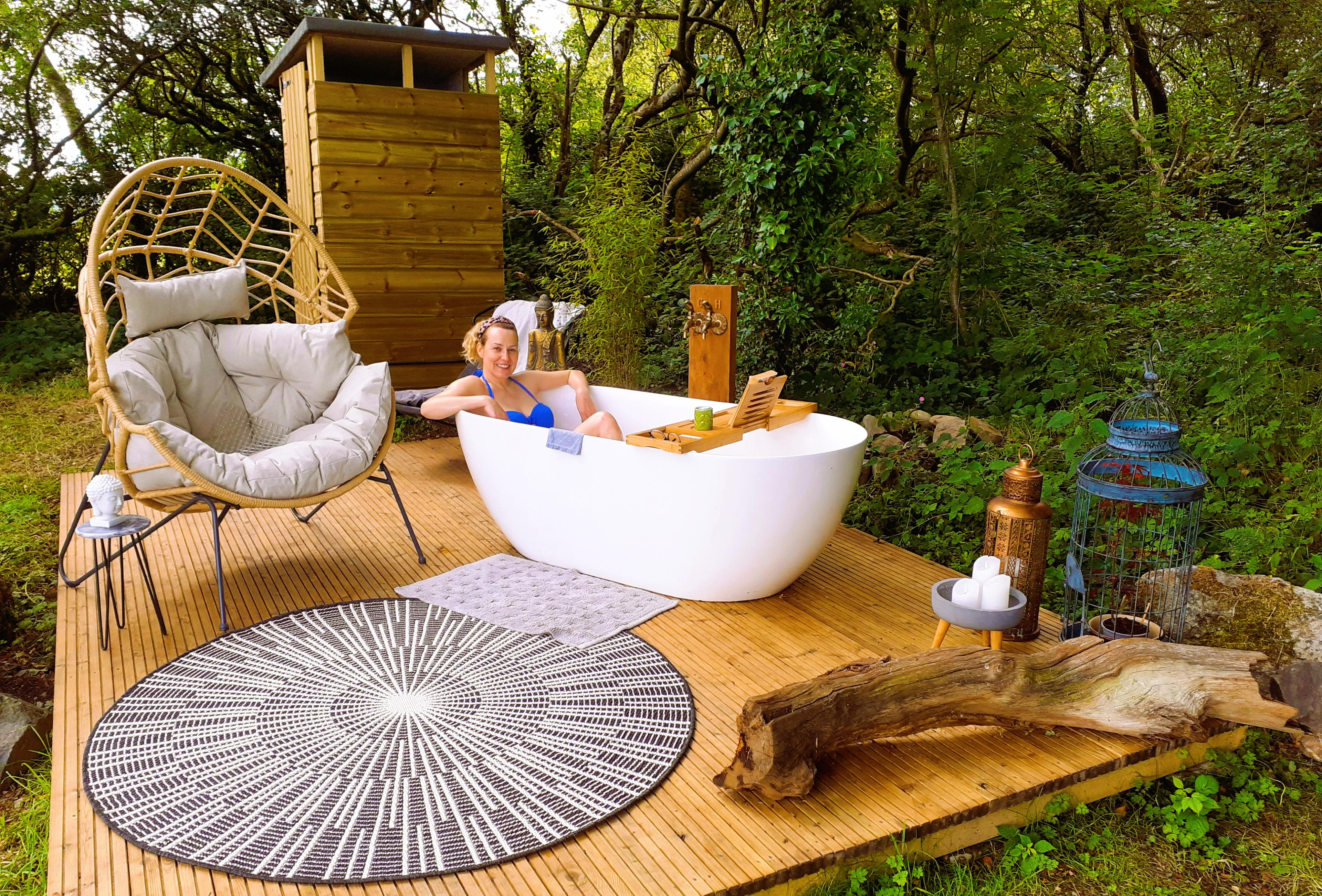
3. Wild Wellingtons Glamping
Top-rated campgrounds in Mid Wales
1. Wellstone Camping
2. Denmark Farm
3. Wild Wellingtons Glamping
Recent reviews from the Hipcamp community

Waterside camping in Mid Wales guide
Where to go
Cambrian Mountains
Rugged hills loom across the midriff of Mid Wales, and although never surpassing 2,475 feet, the Cambrian Mountains are mighty wild places with few beaten paths. Britain’s most remote land south of the Scottish Highlands, the area is most easily accessed from Machynlleth, Aberystwyth, and towns like Builth Wells to the east. There are scarcely any campsites in the middle, so towns on the periphery are best as camping bases.
Cardigan Bay
Curving north from North Pembrokeshire to Southern Gwynedd along the Mid Wales coast, Wales’ biggest bay was where camping in Wales really took off. Along this beguiling seaboard, mainly made up of sandy beaches and coves and with terrific sea life (including Europe’s biggest bottlenose dolphin population), Cardigan Bay hosts a greater density of campgrounds and caravan parks than anywhere else in the country. Expect both big affairs with myriad facilities and farm sites with a few tent spaces.
Welsh Borderlands
Also often referred to as the Welsh Marches, this hilly region historically divided Wales from England. It’s a land littered with castles, grand manor houses, and history-rich small towns, all positioned within pretty countryside lined by trails like the Offa’s Dyke Path. Camping is especially good in the woodsy Wye Valley AONB in the south.
Brecon Beacons National Park
Mid Wales merges into the Brecon Beacons National Park to the south—a renowned hillwalking destination with both the Beacons Way and Cambrian Way passing through. Southern Britain’s highest land is here, and the northern part of the upland is easily accessible from towns like Llandeilo, Llandovery, Brecon, and Hay-on-Wye, also handy for exploring southern Mid Wales. The area around Brecon has some cracking campsites.