Top-rated campgrounds near Winnipeg
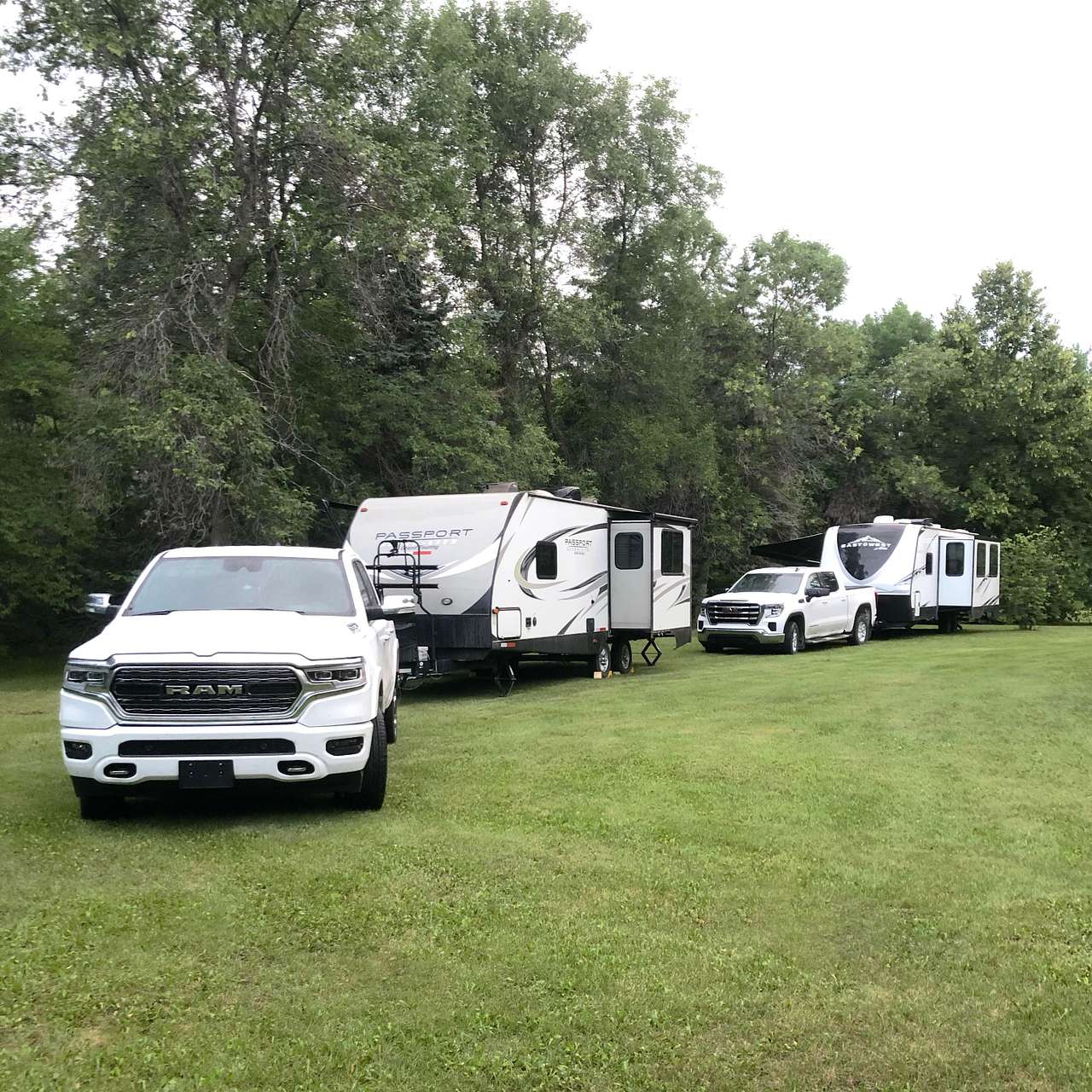
1. Blacknot Farm


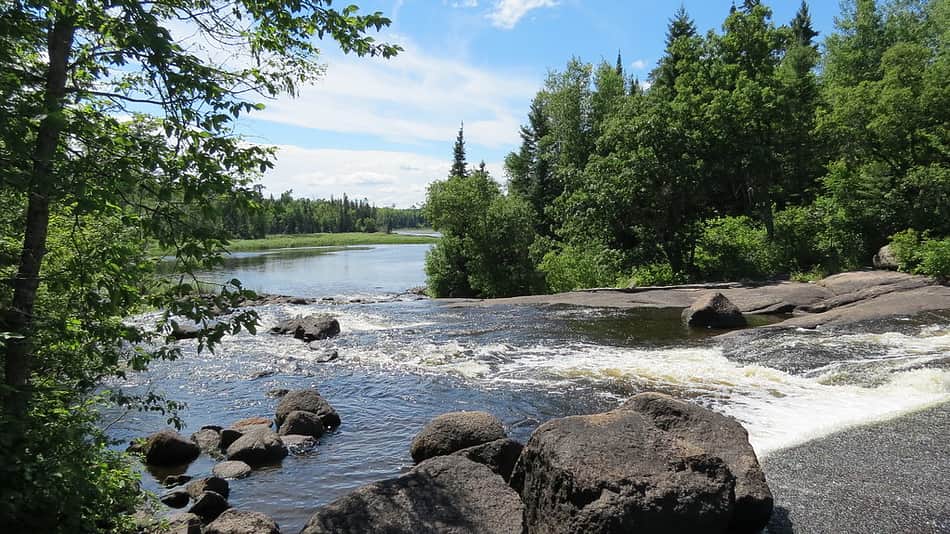
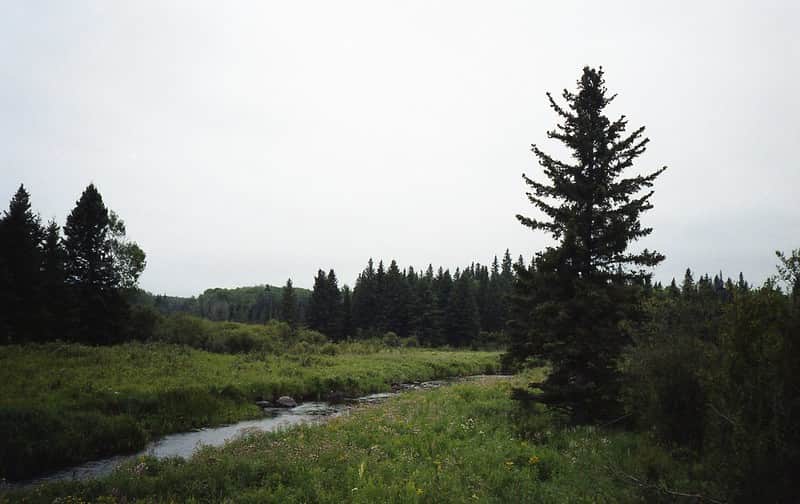
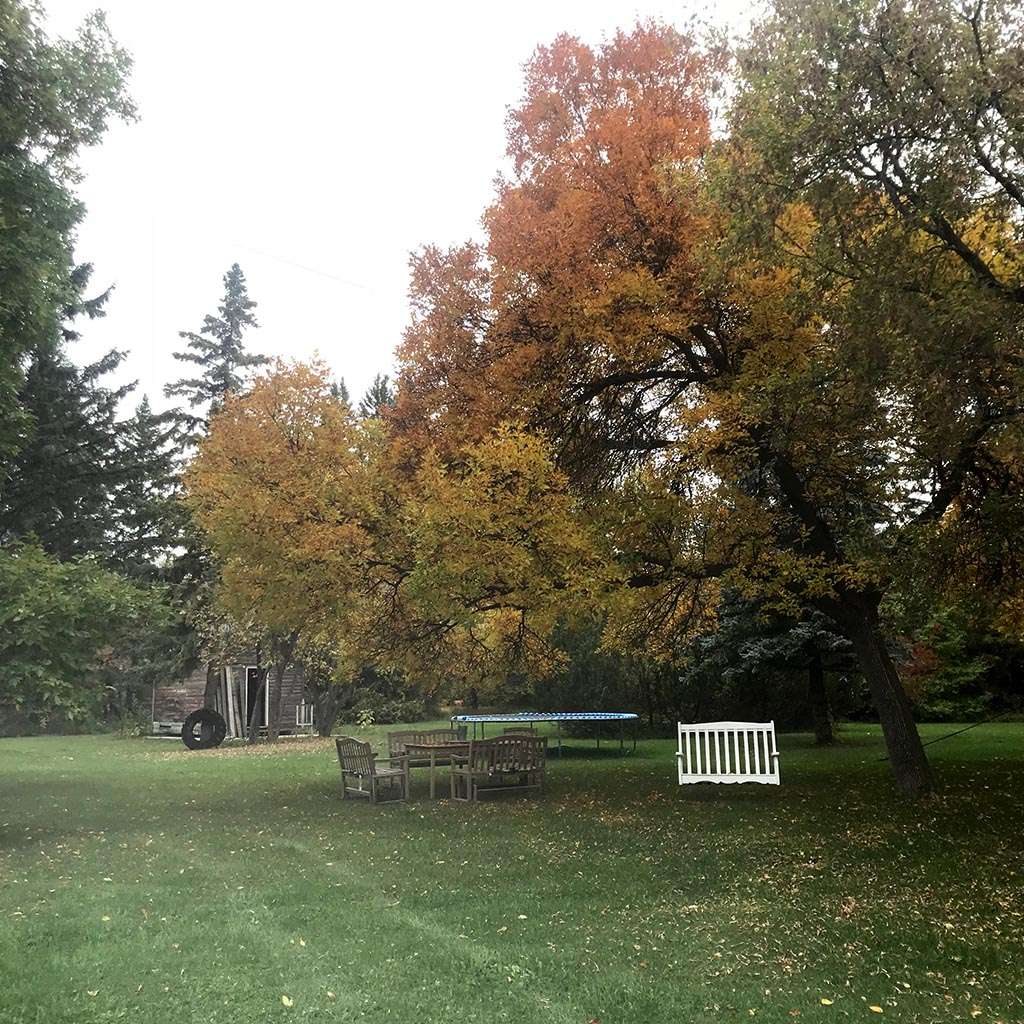
2. Bonnetts Boreal Forrest
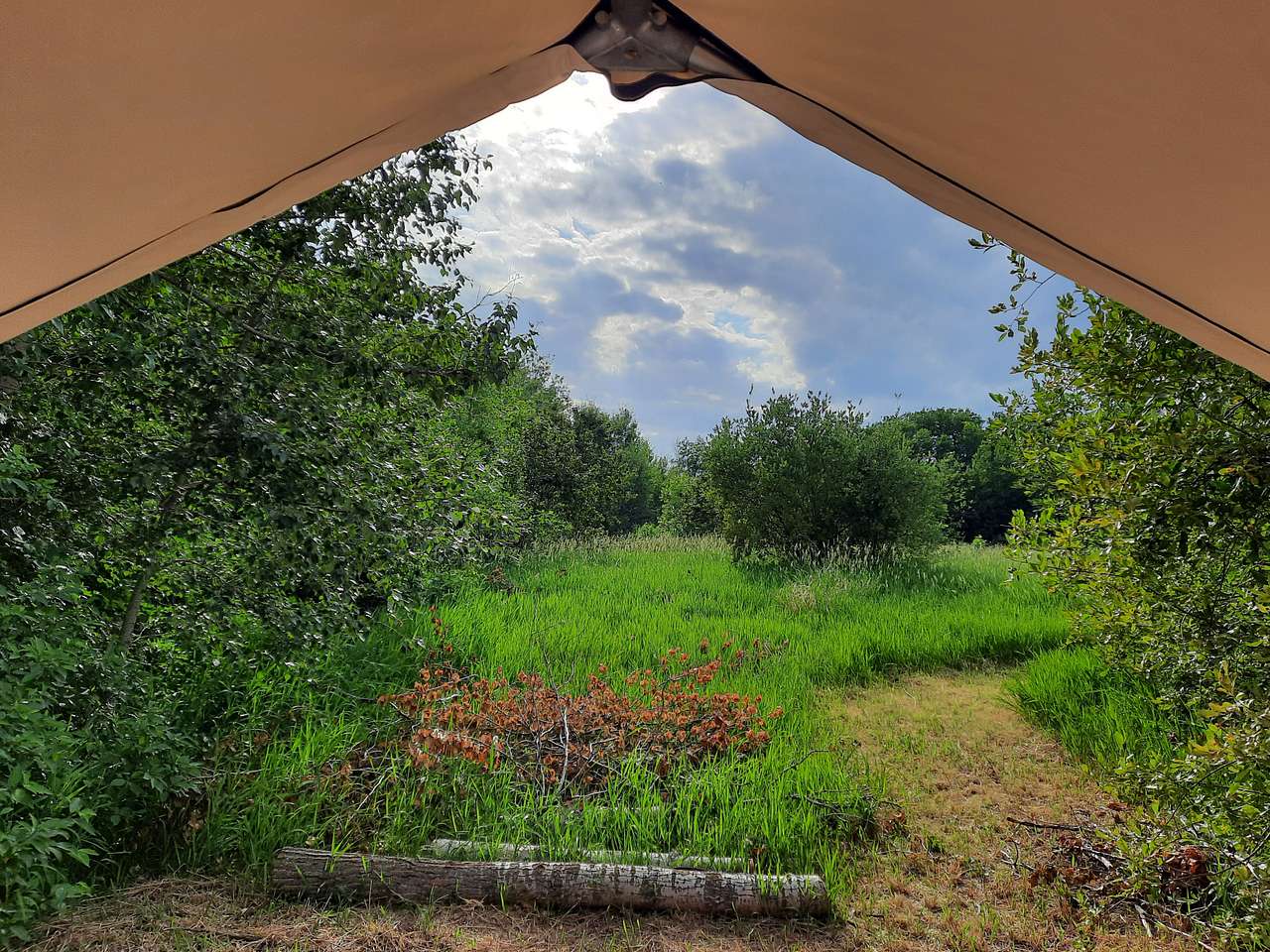
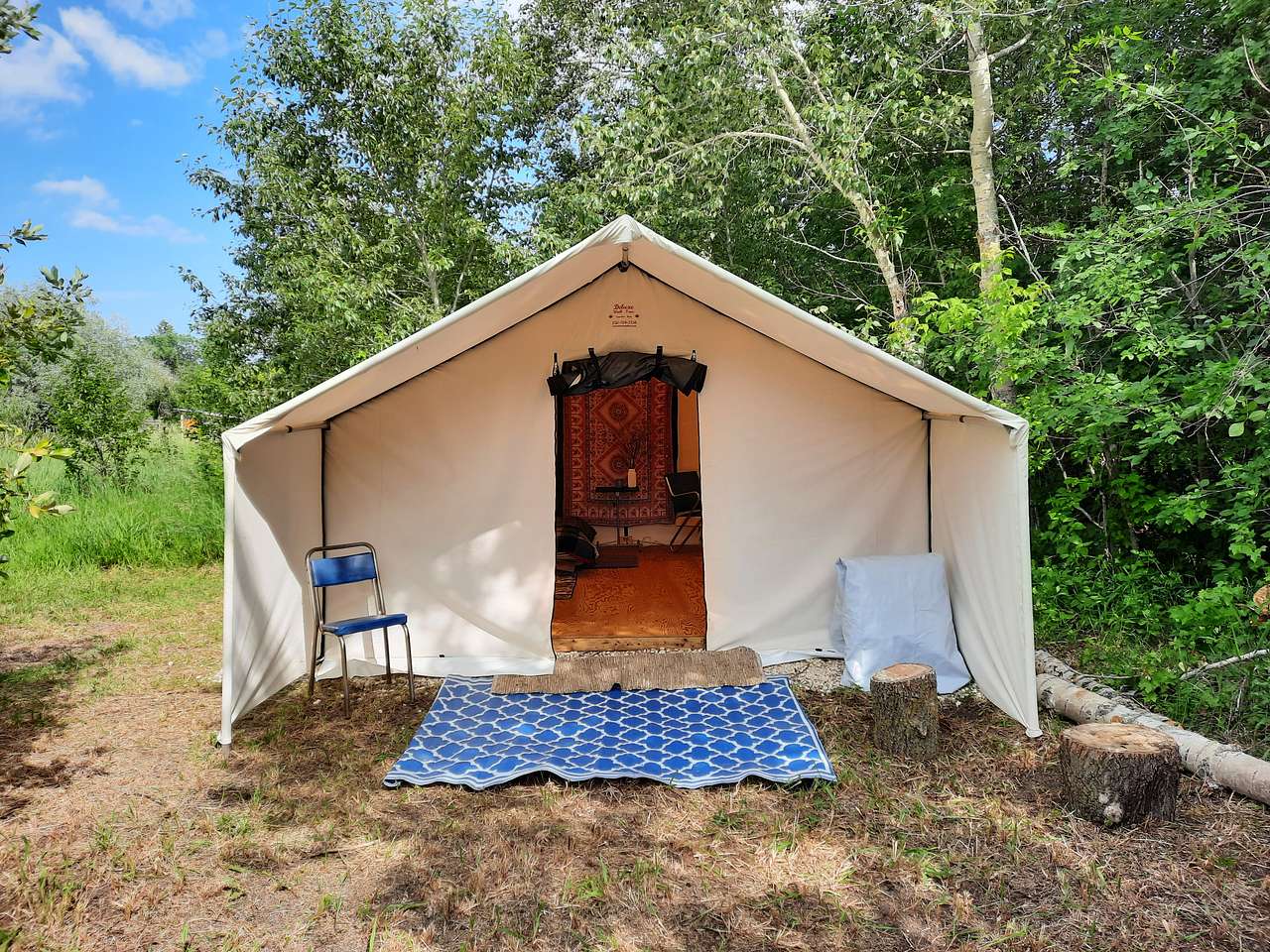
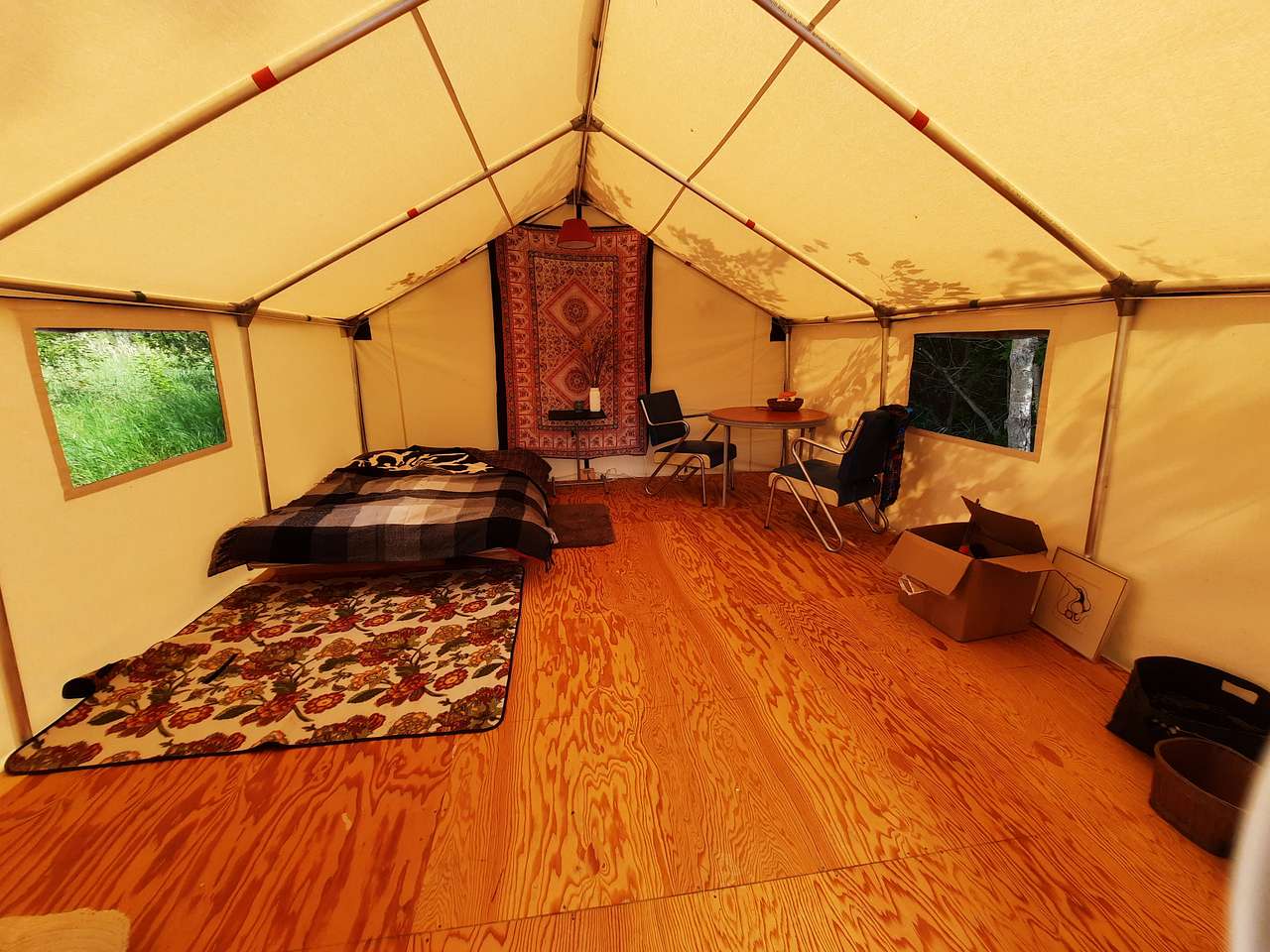
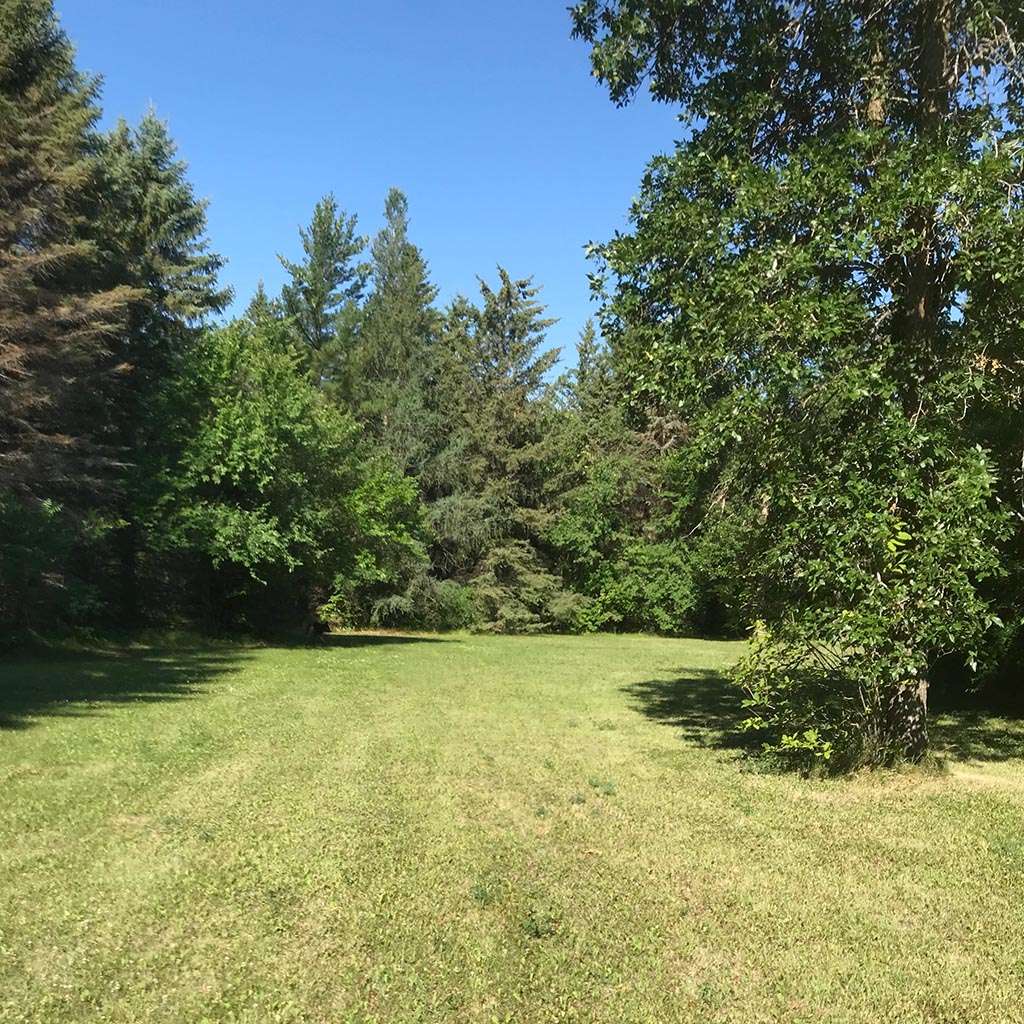
3. Forested Meadow at Beach Resort


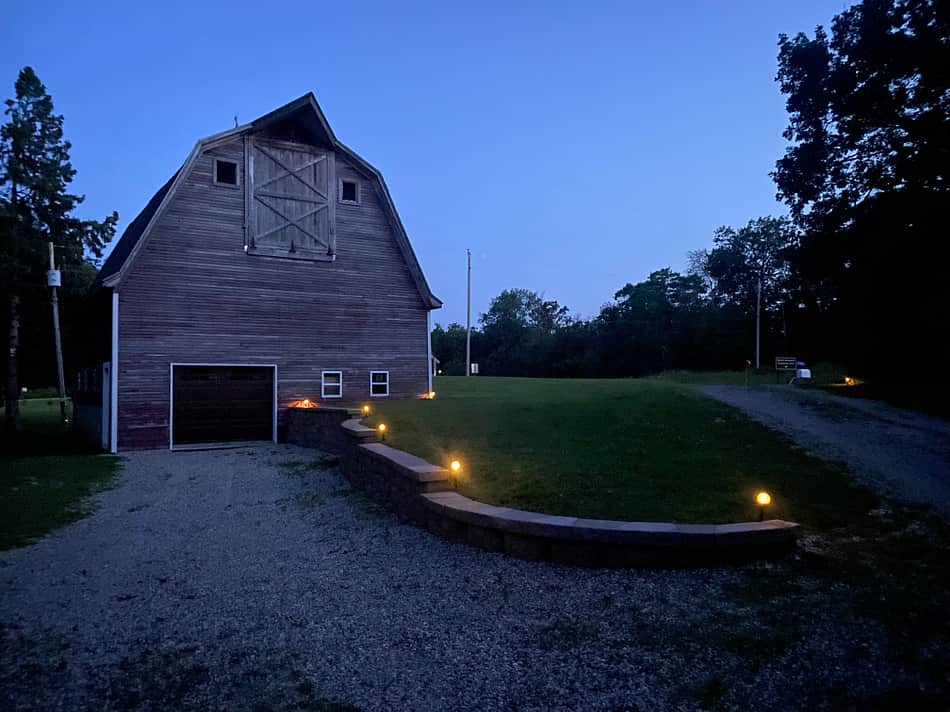
4. Happy Hart Homestead
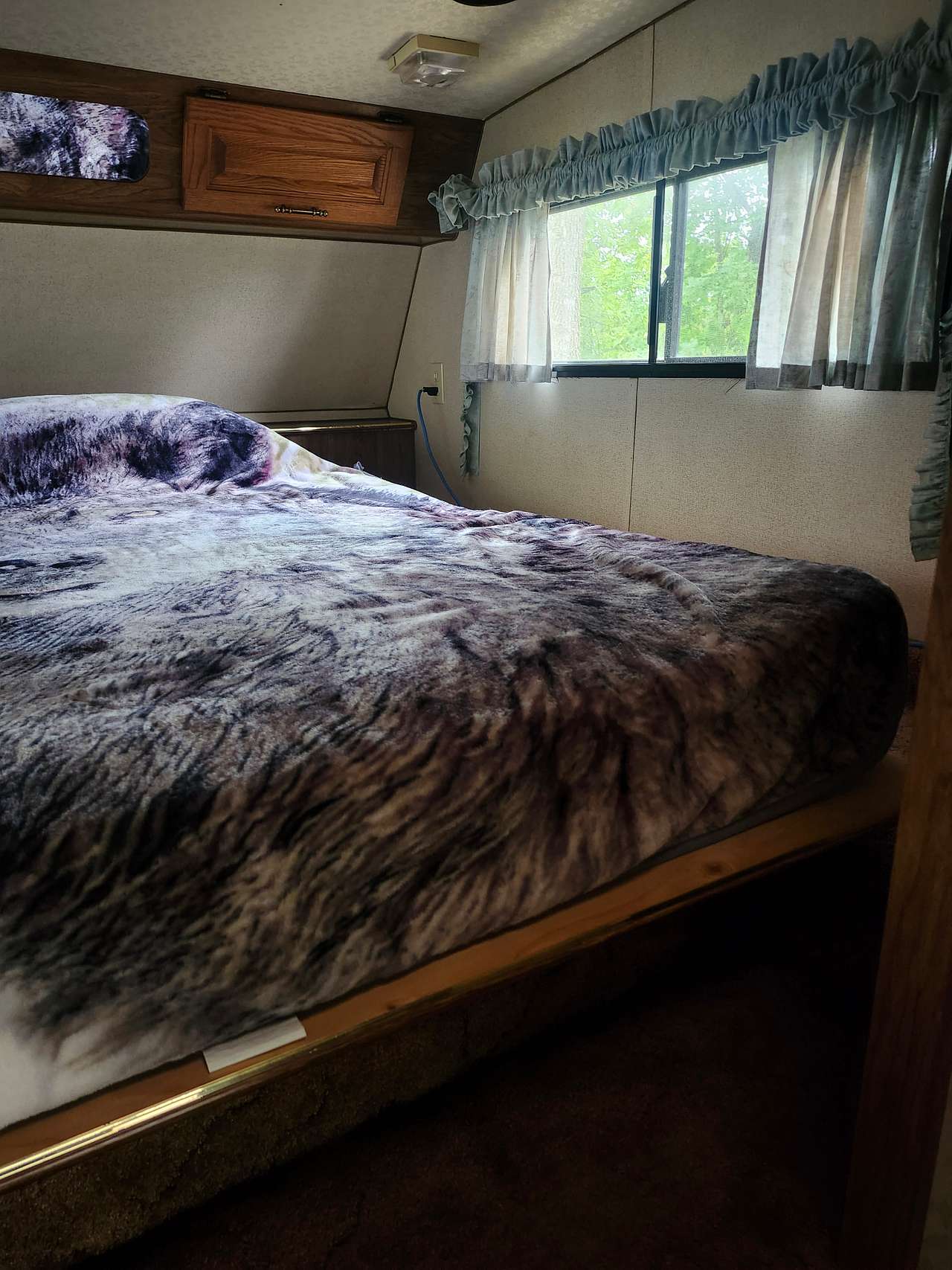

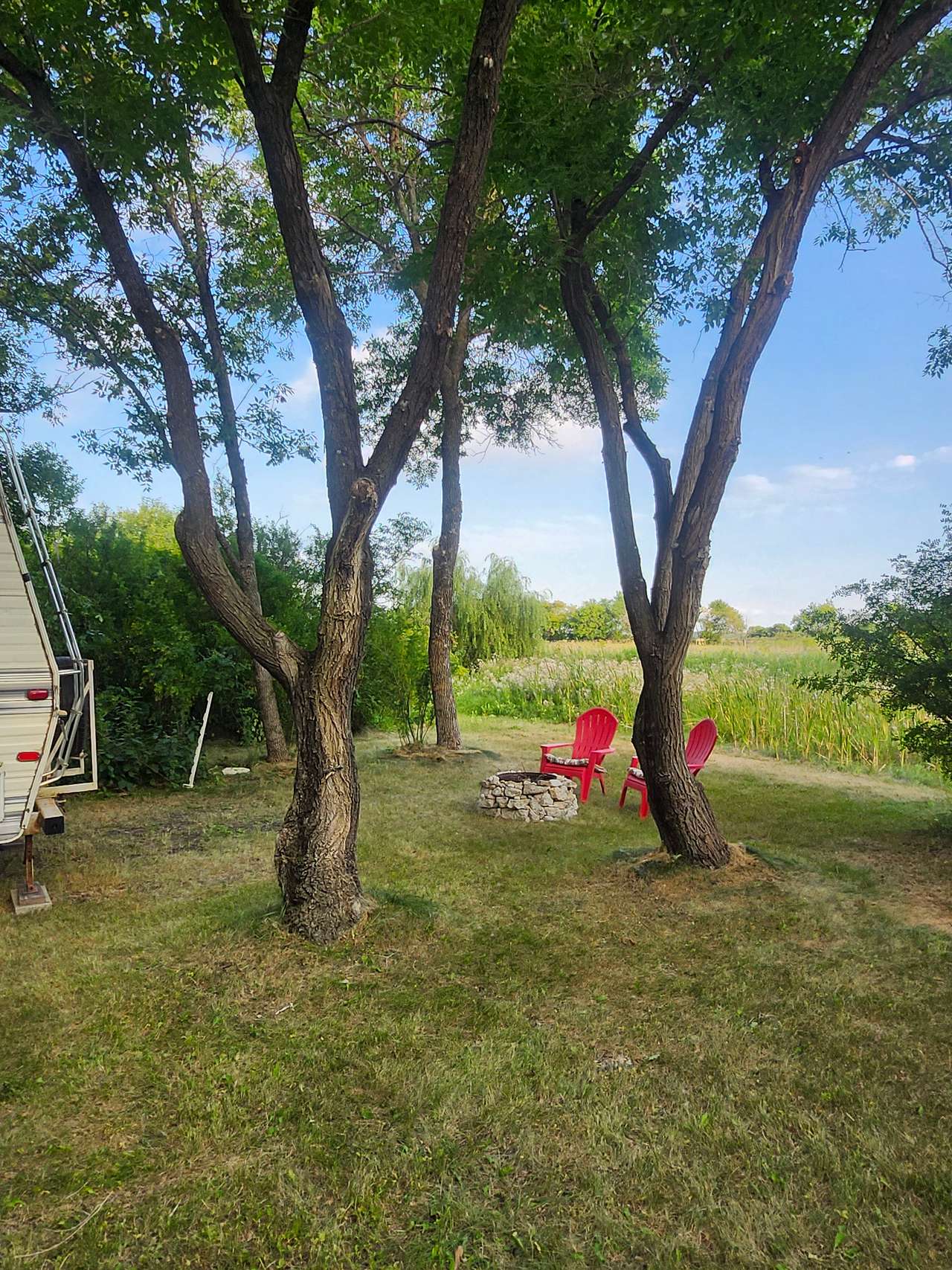
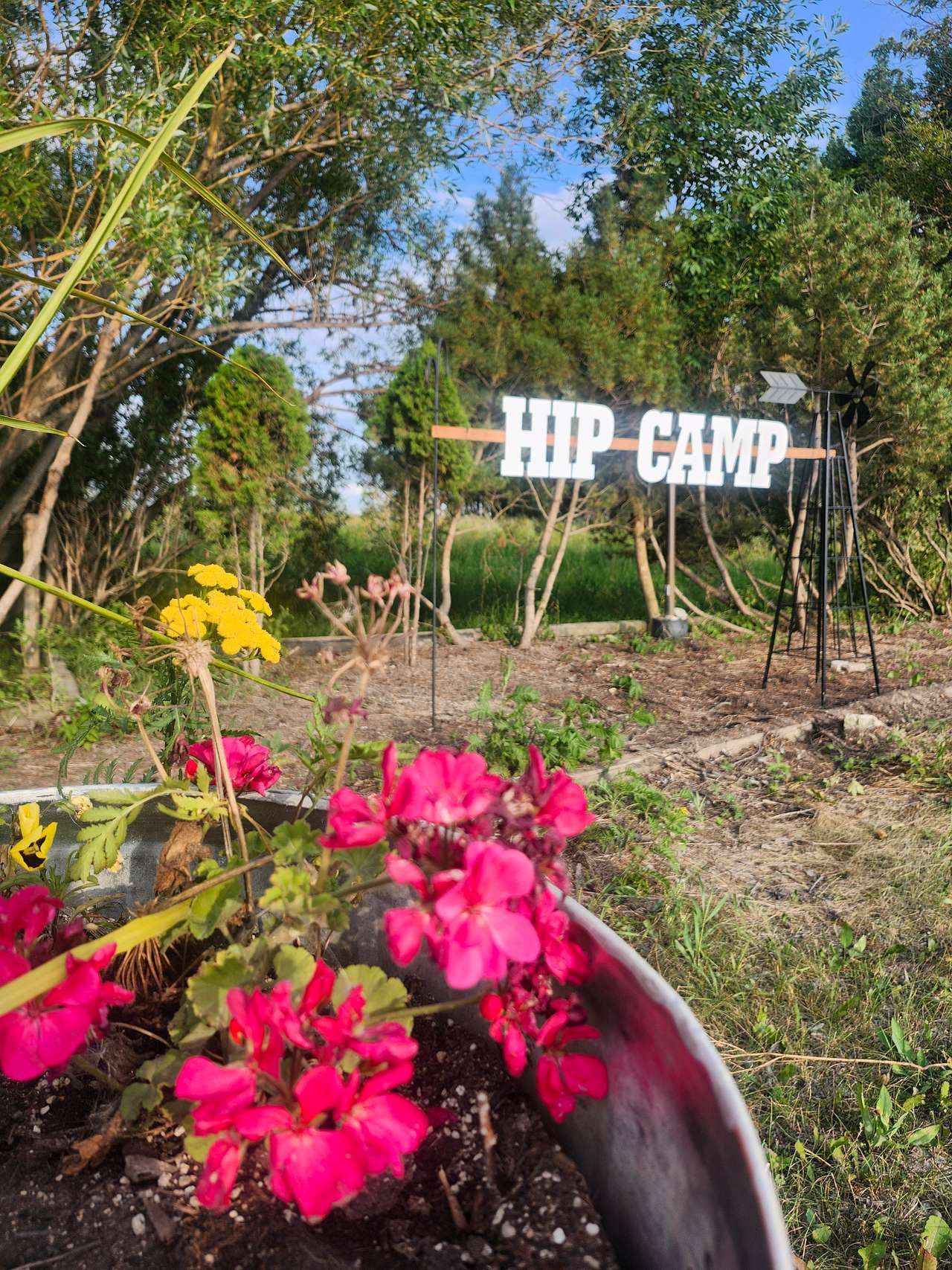
5. Center of Canada Hip Camp


6. Nestle In On Netley


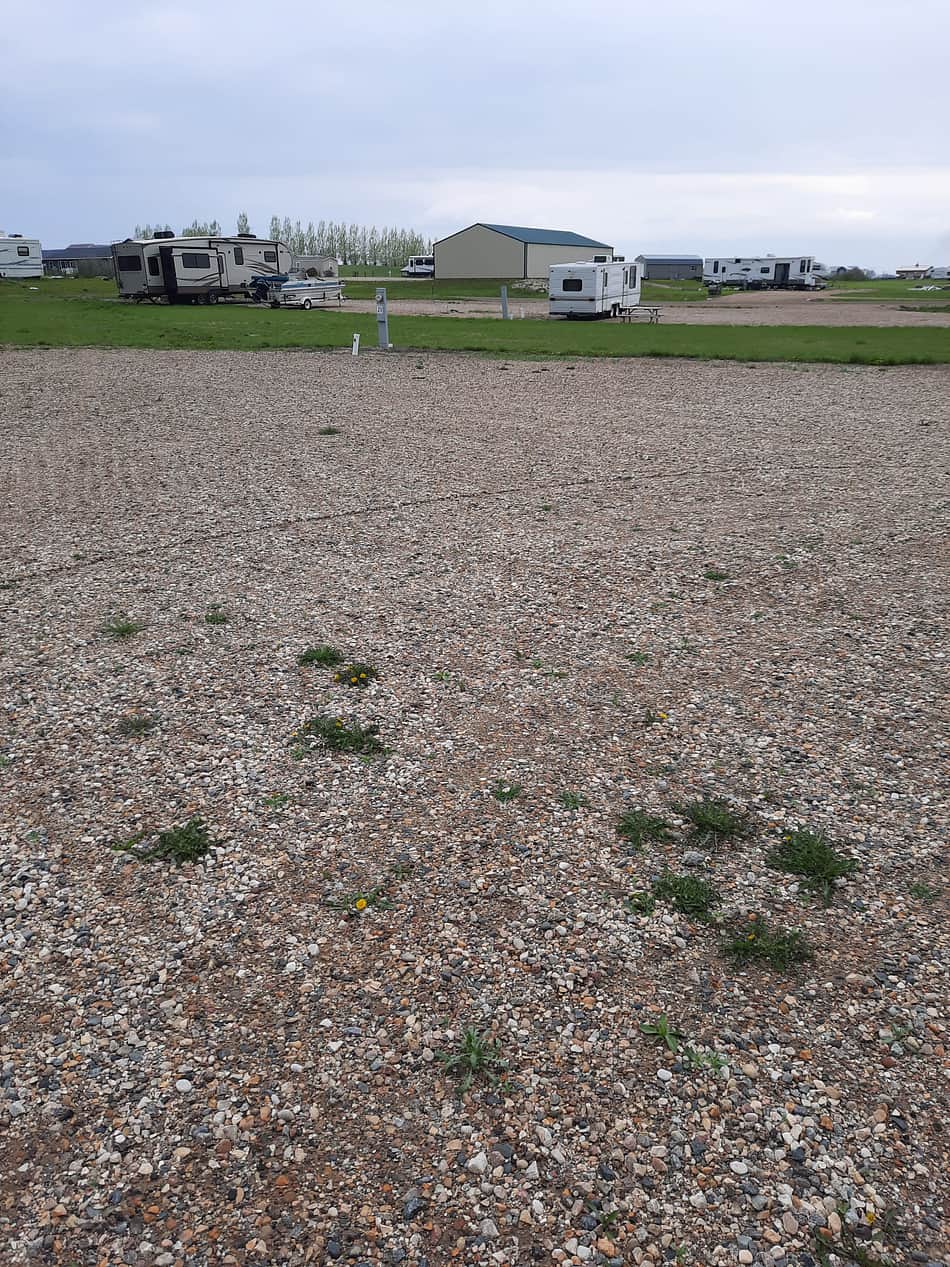
7. Harvest Moon Prairie Oasis

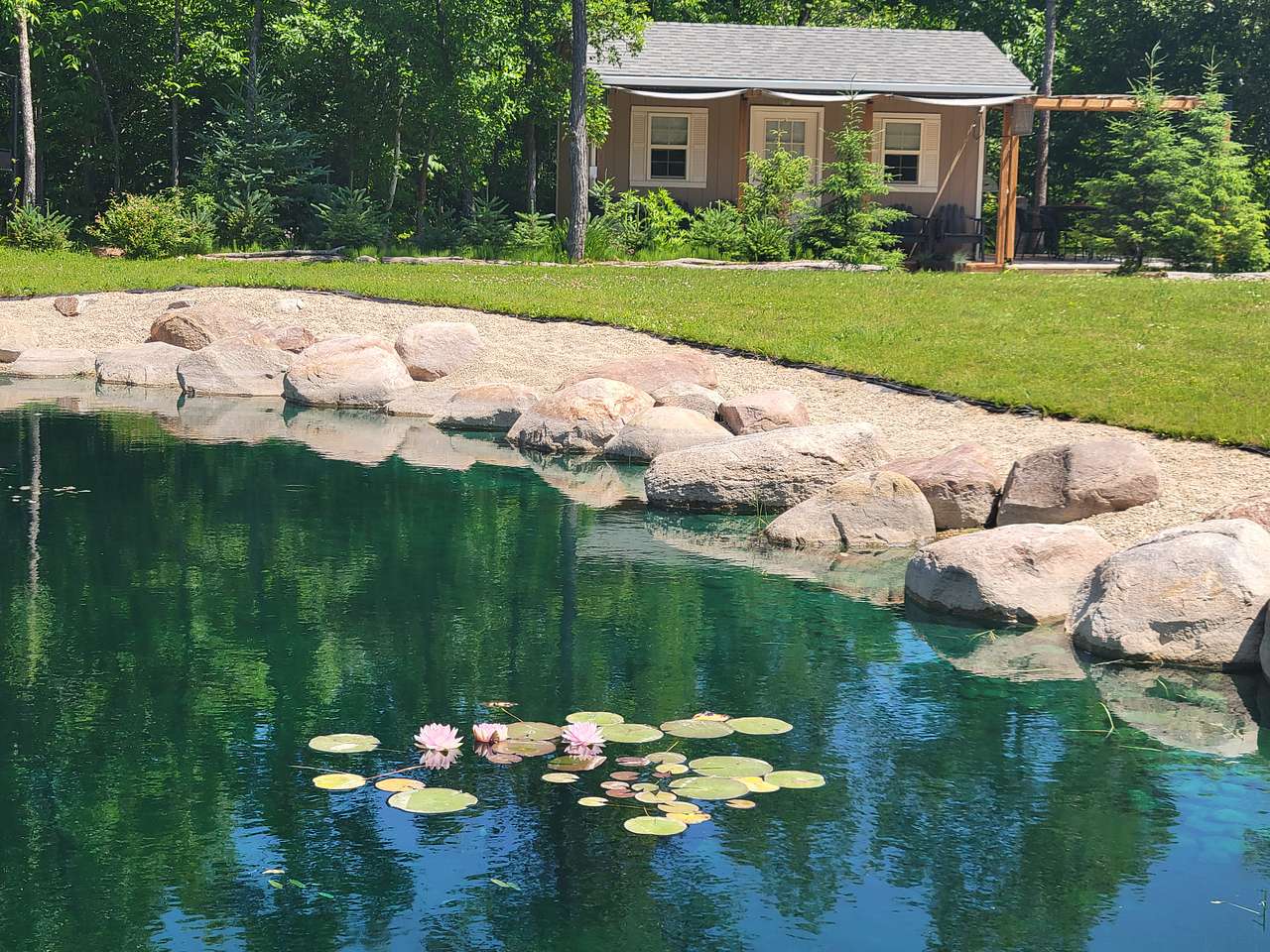
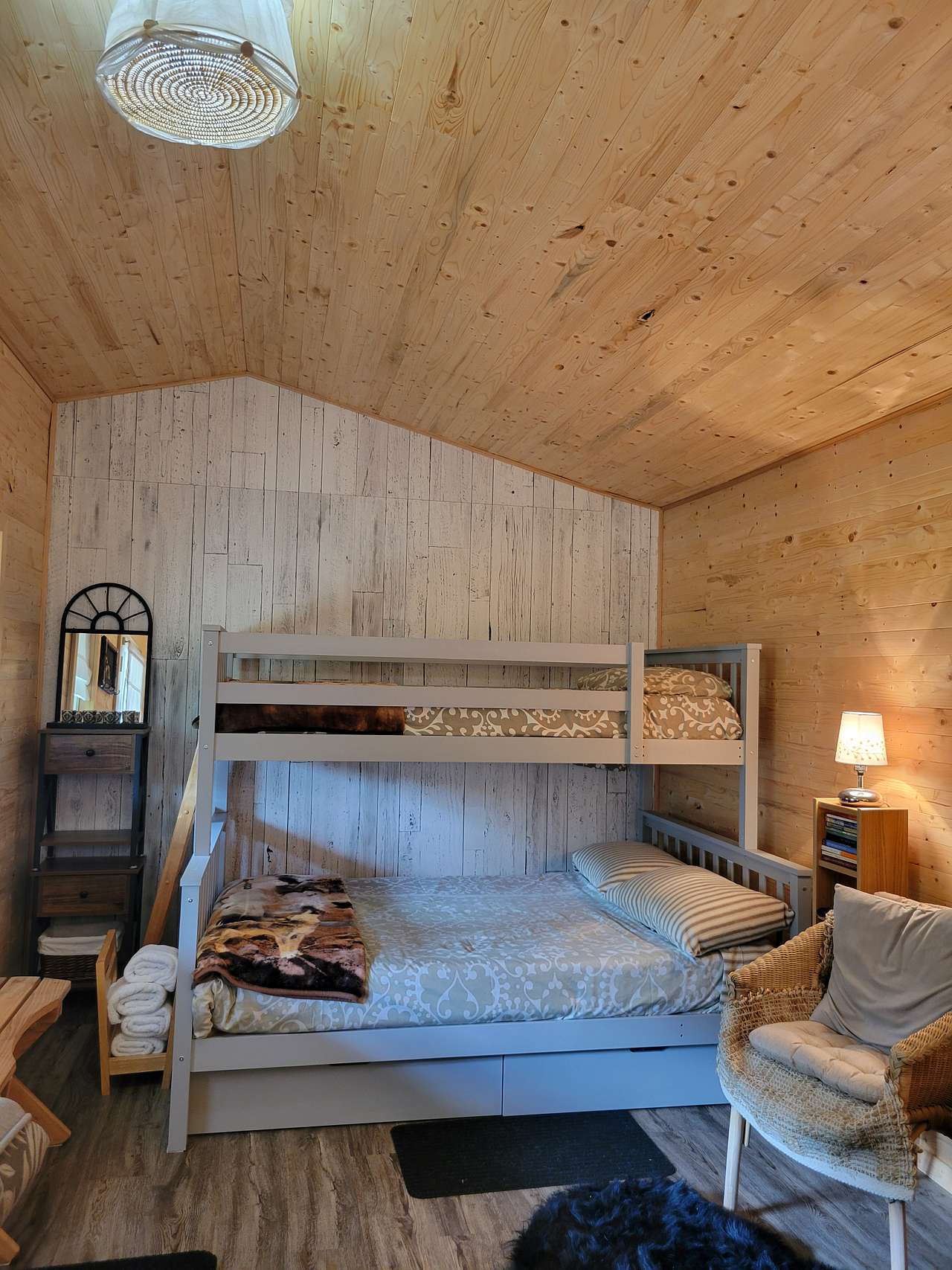
8. Tiny Lake Cabin
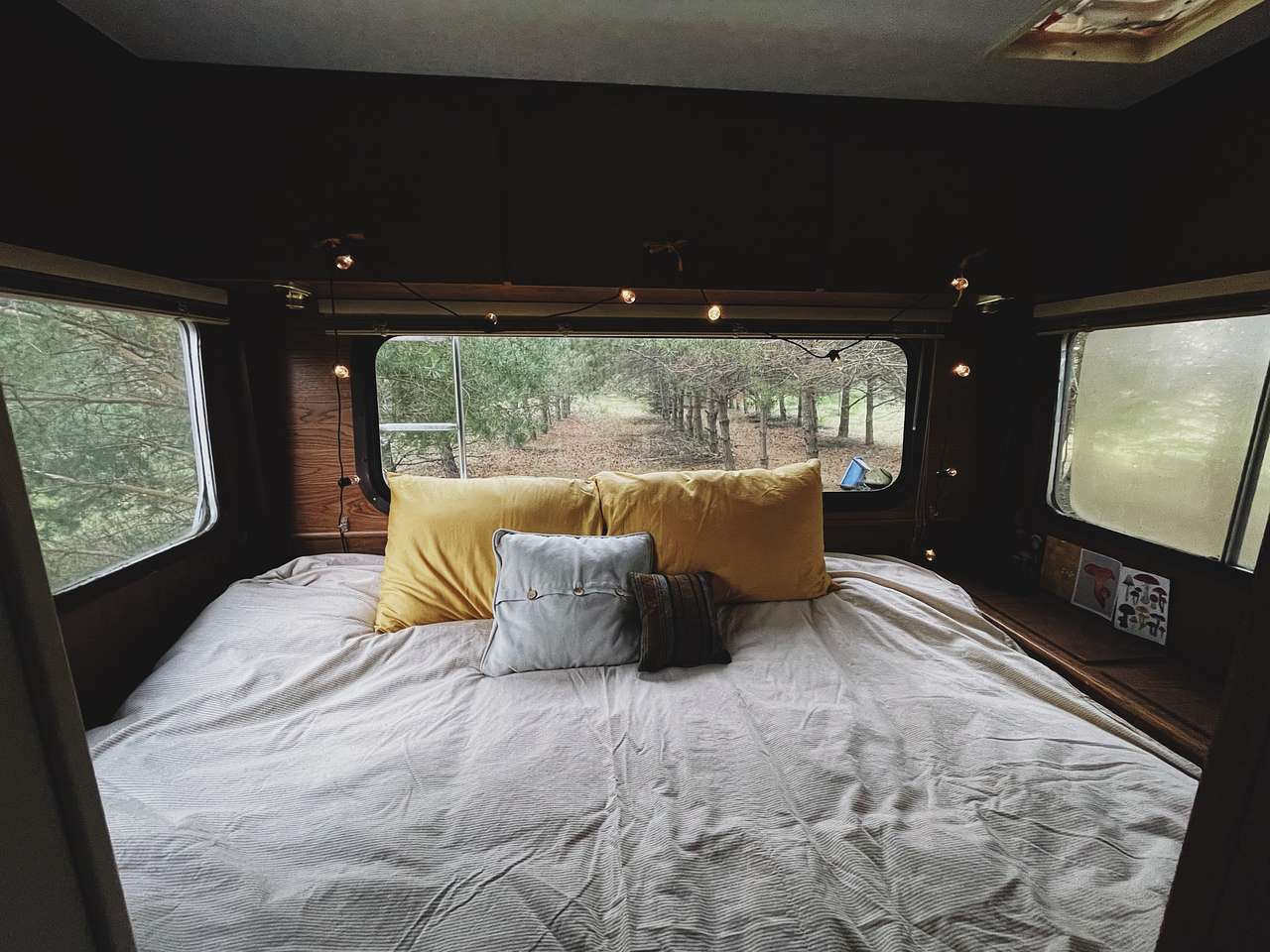
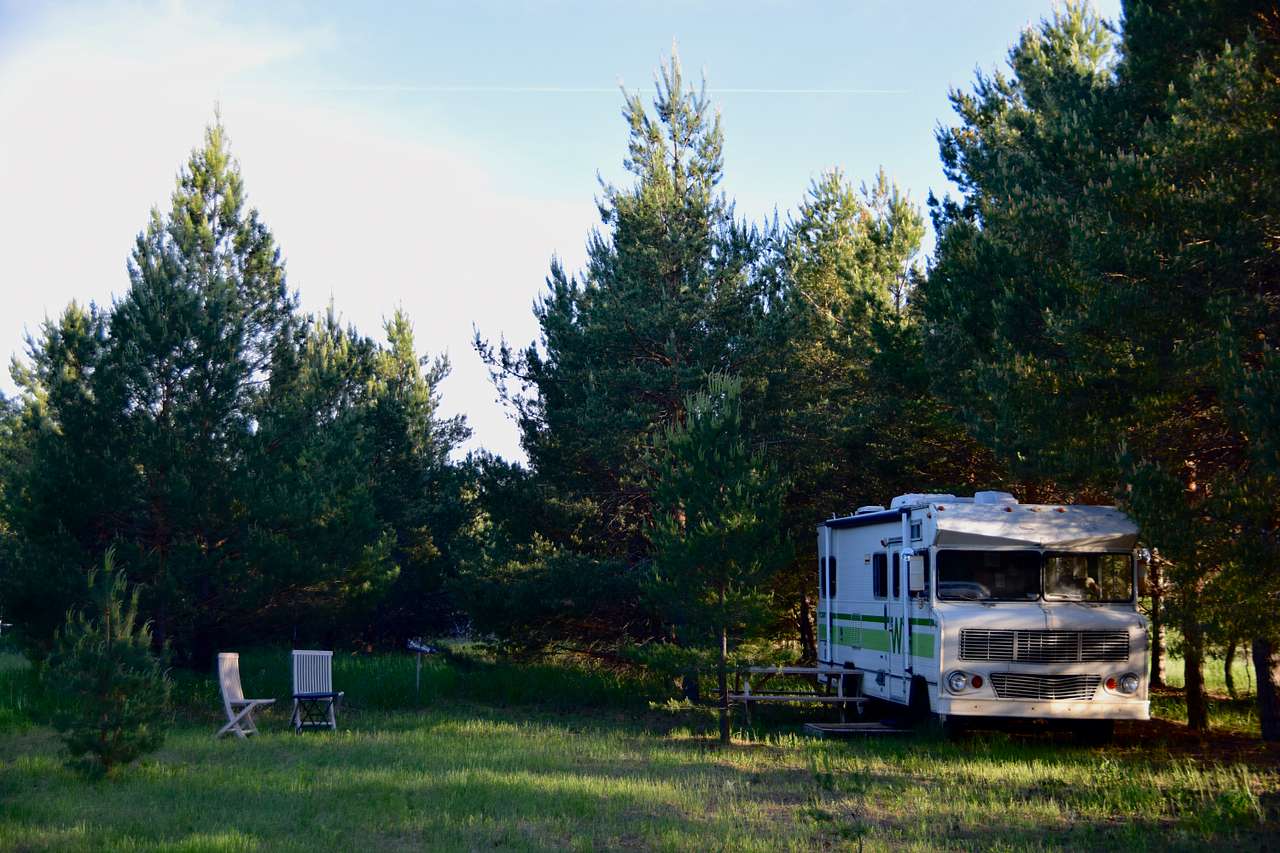
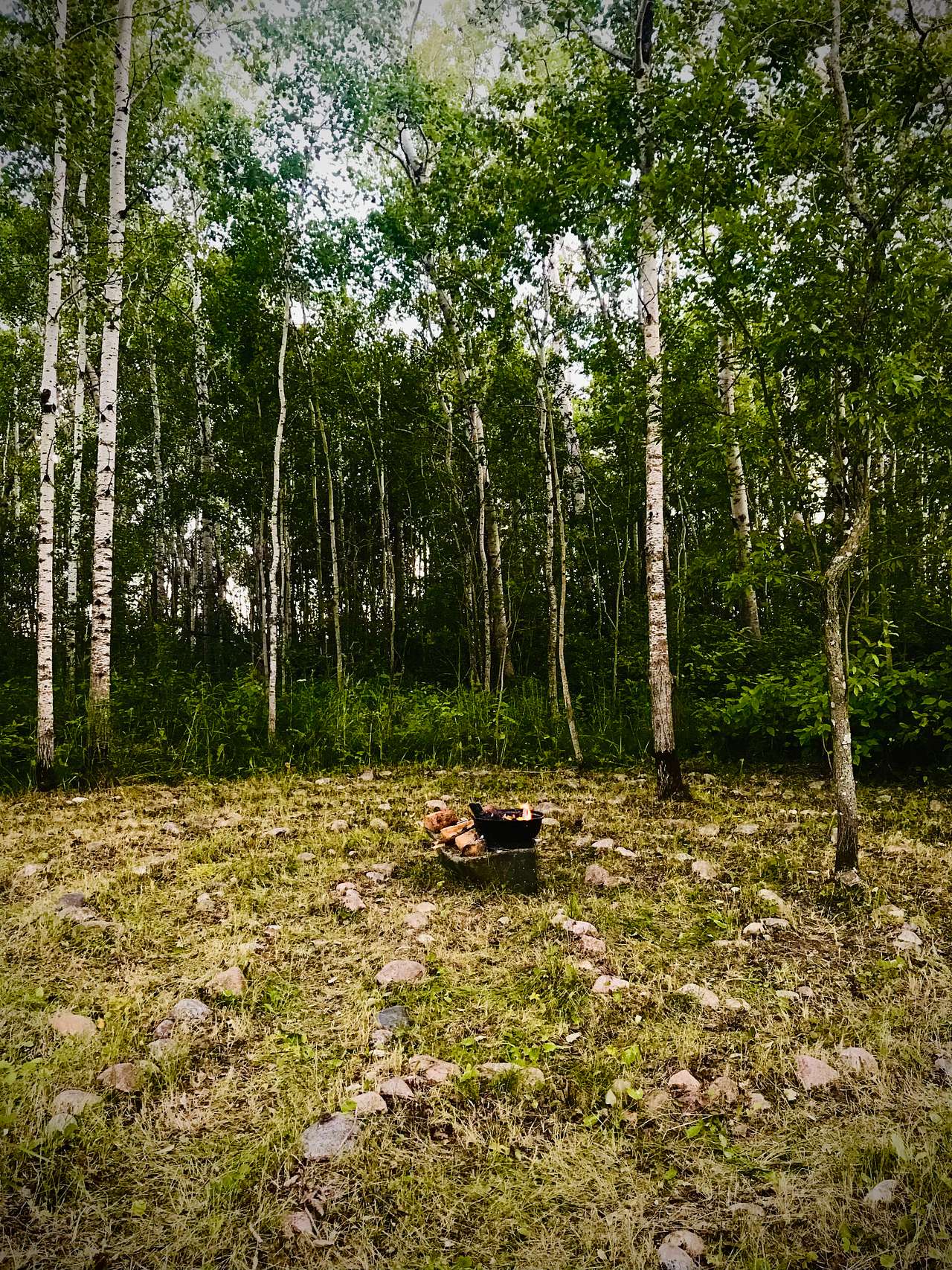
9. Vintage RV on Herb Farm by the Beach
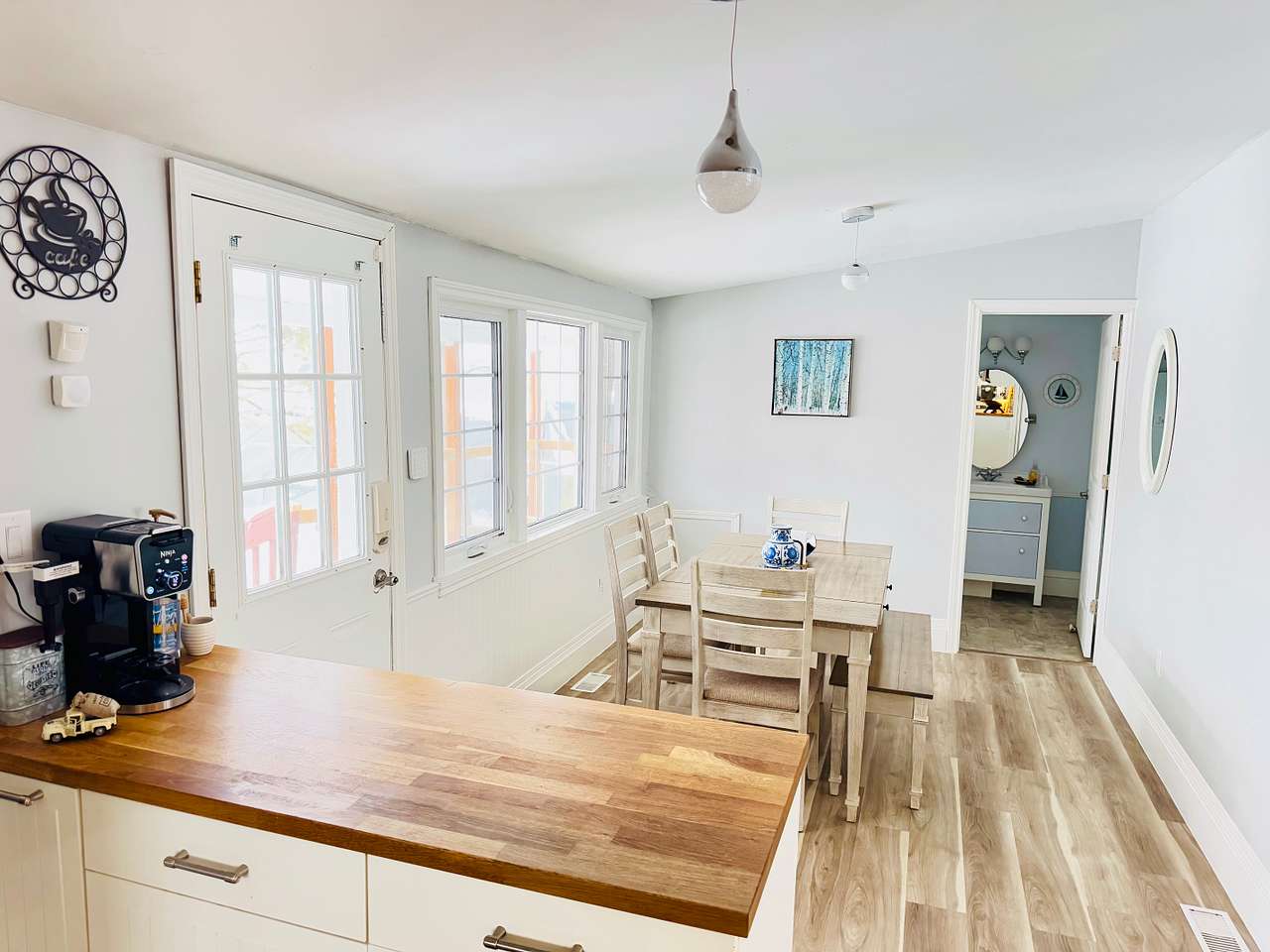
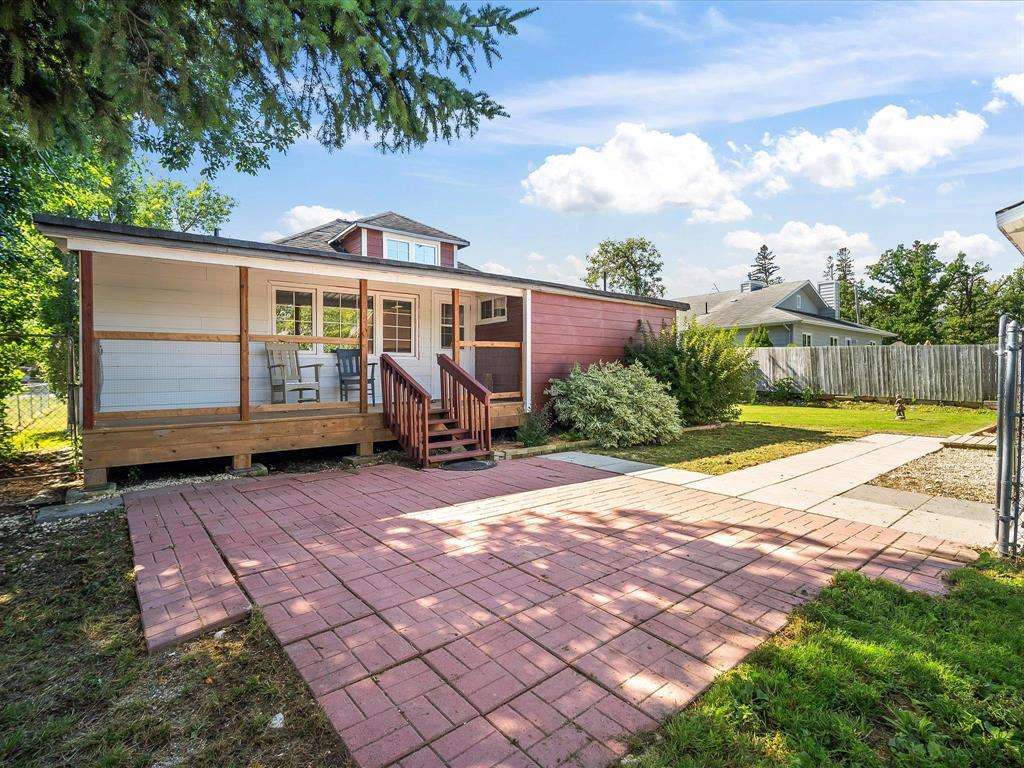
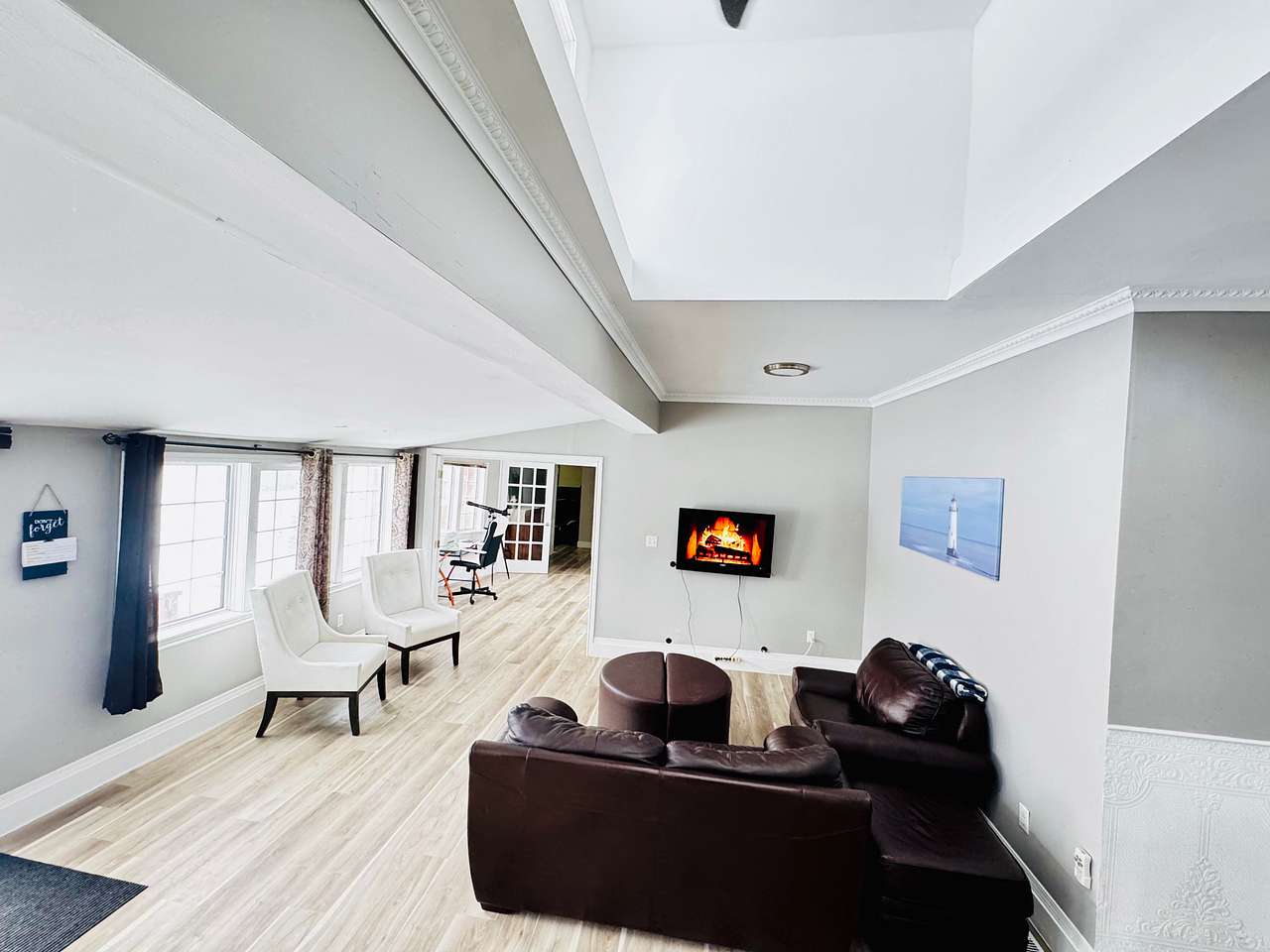
10. Lakeview Cabin – 4 Season


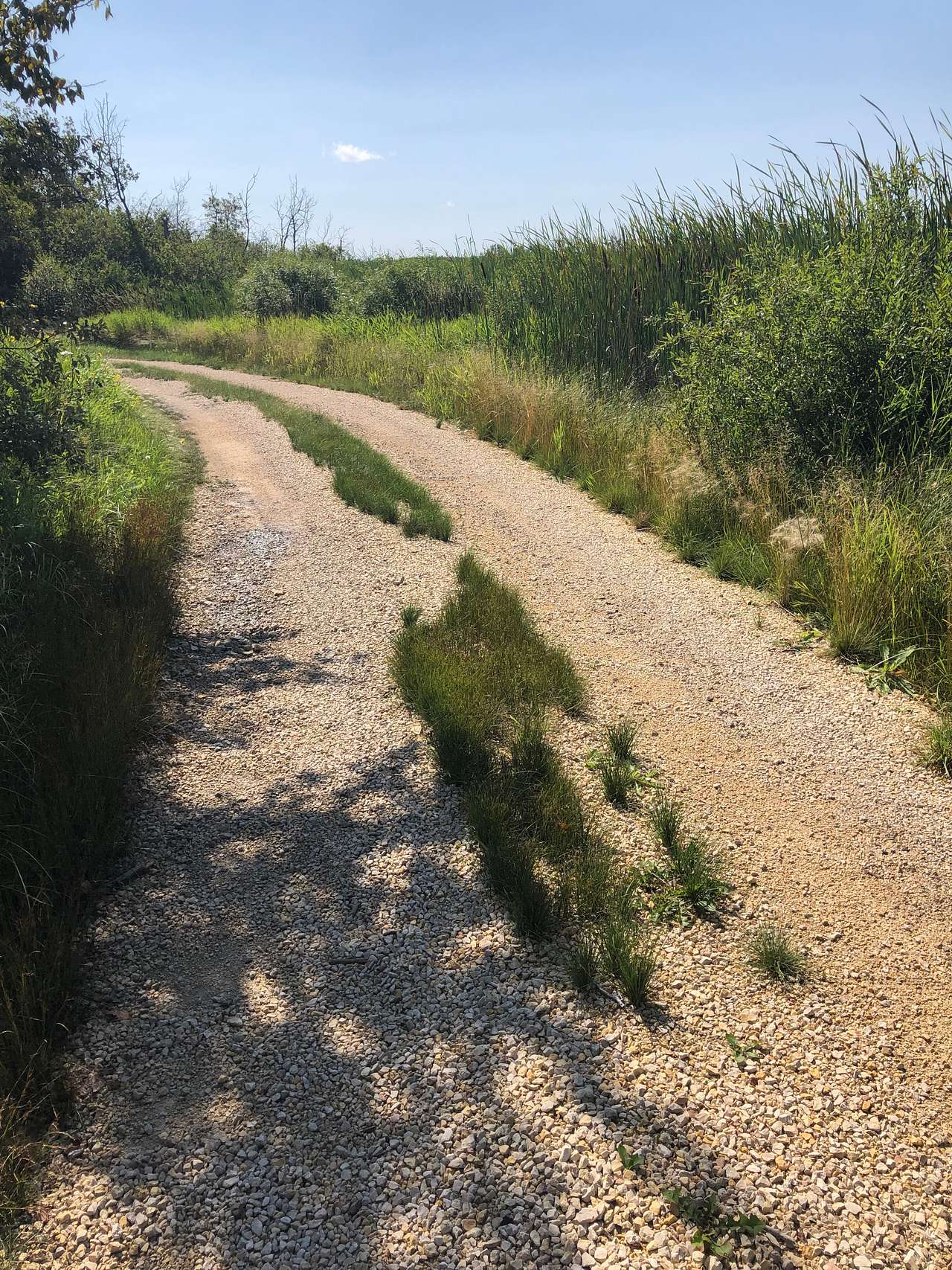
11. Swamp Palace


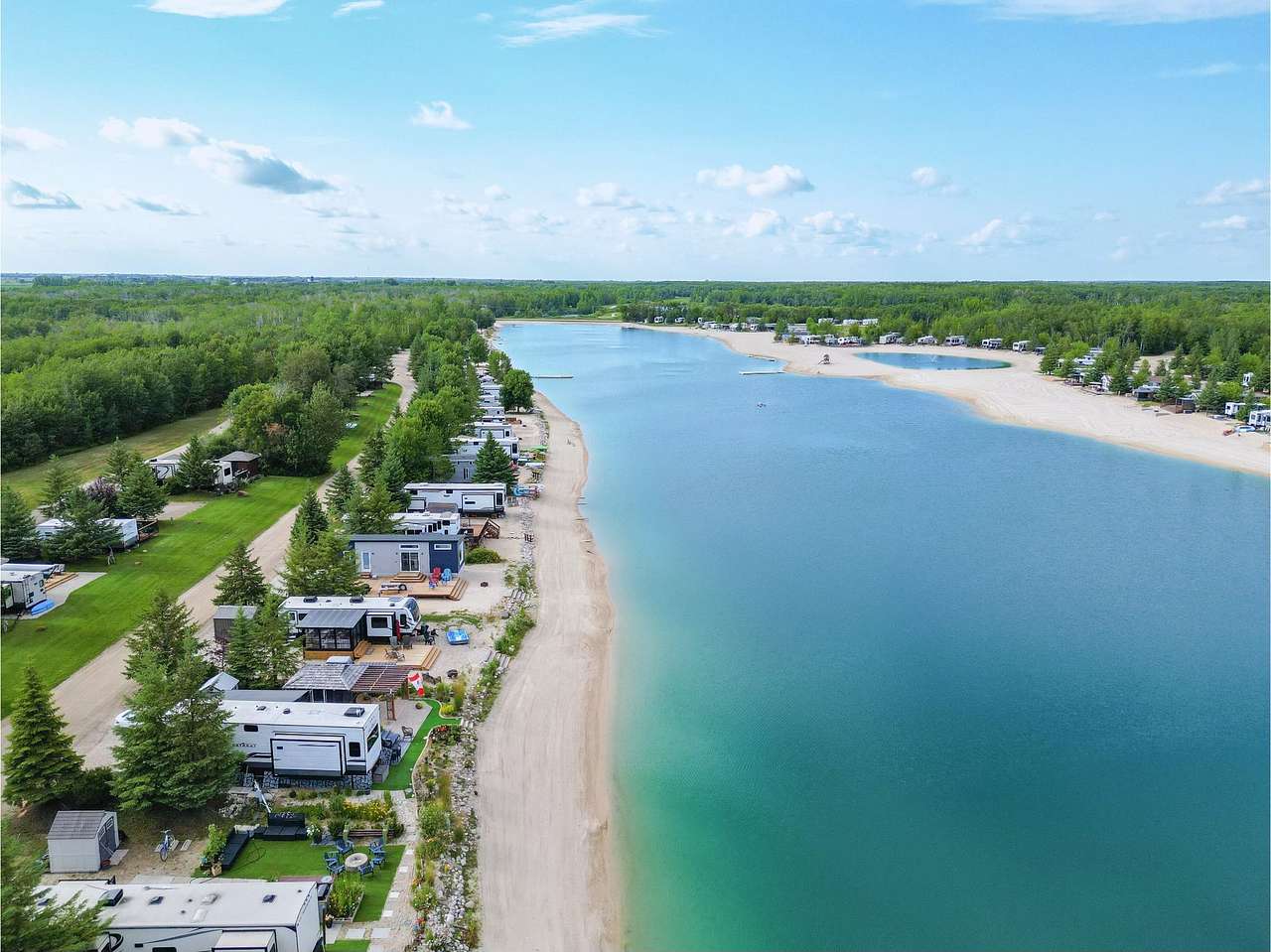
12. Cherry Hill Living
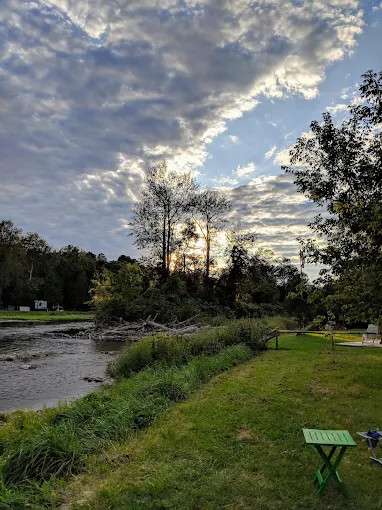


13. Saugeen Cedars Family Campground
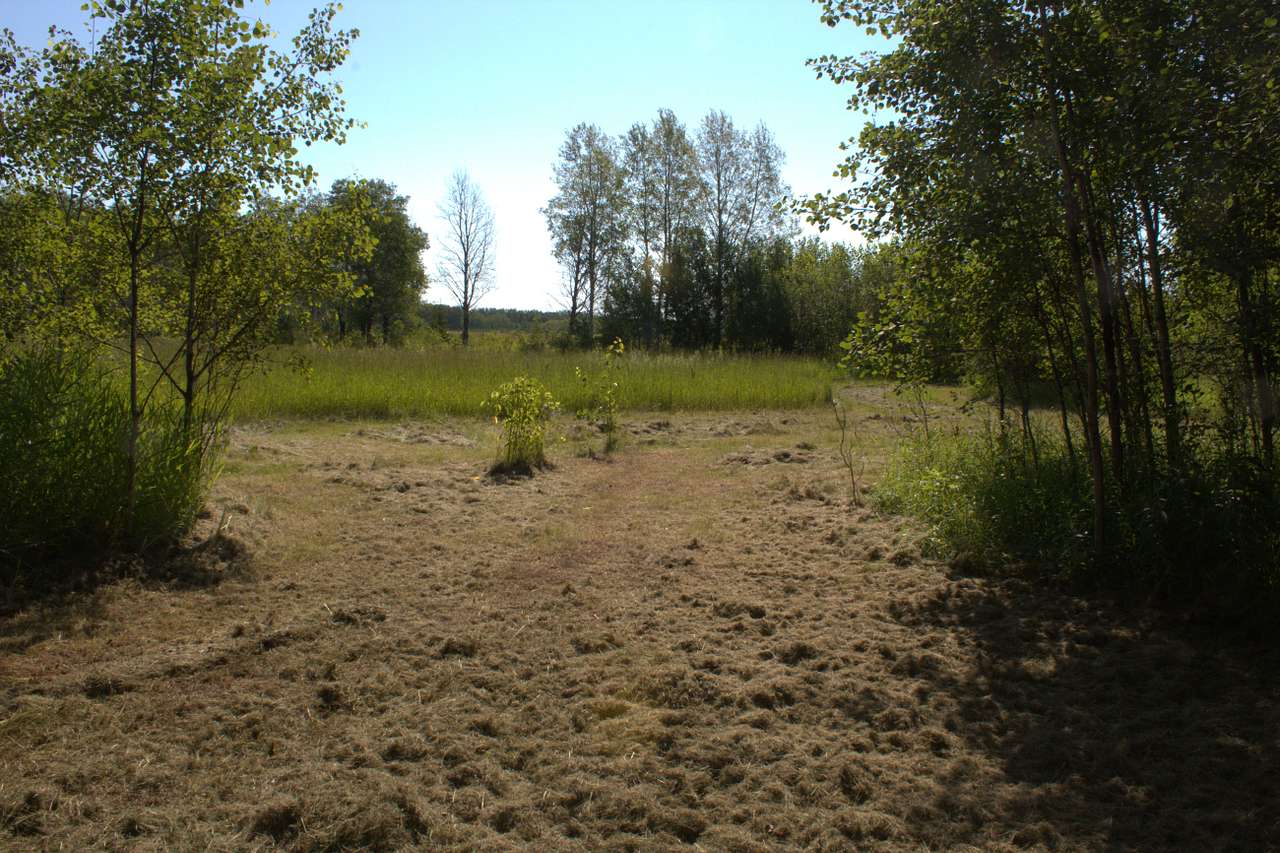
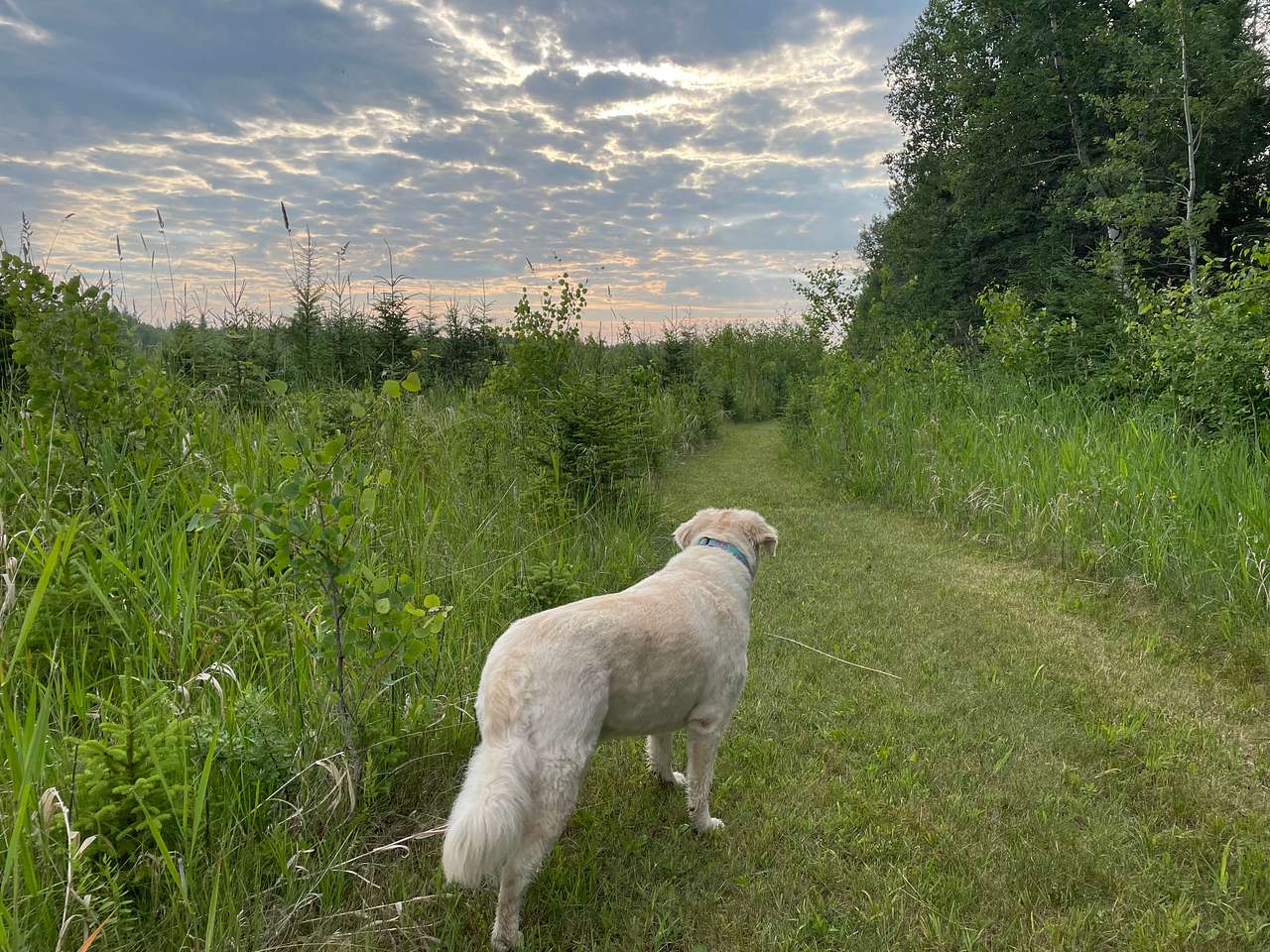
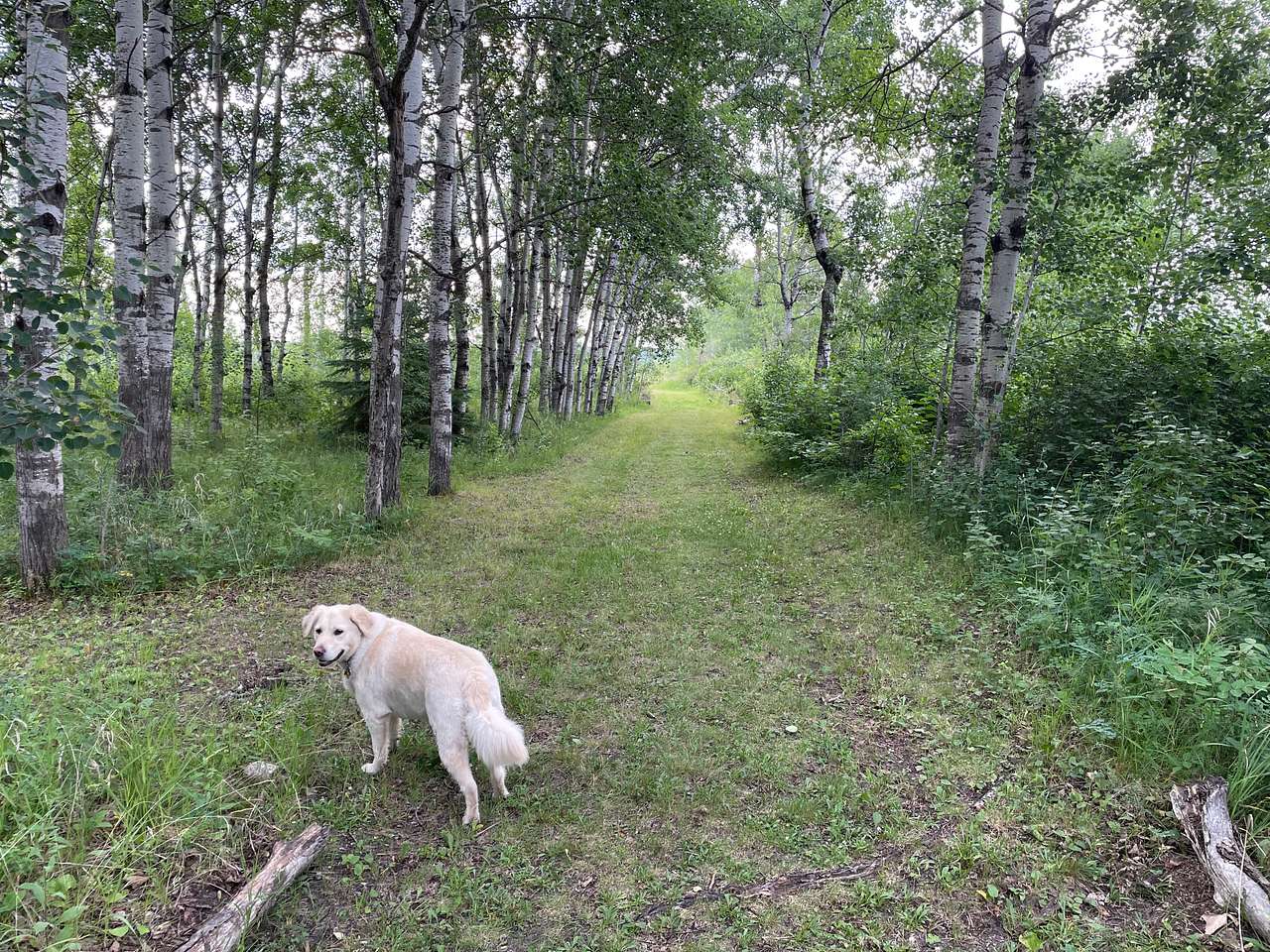
Bonnetts Boreal Forrest
Happy Hart Homestead
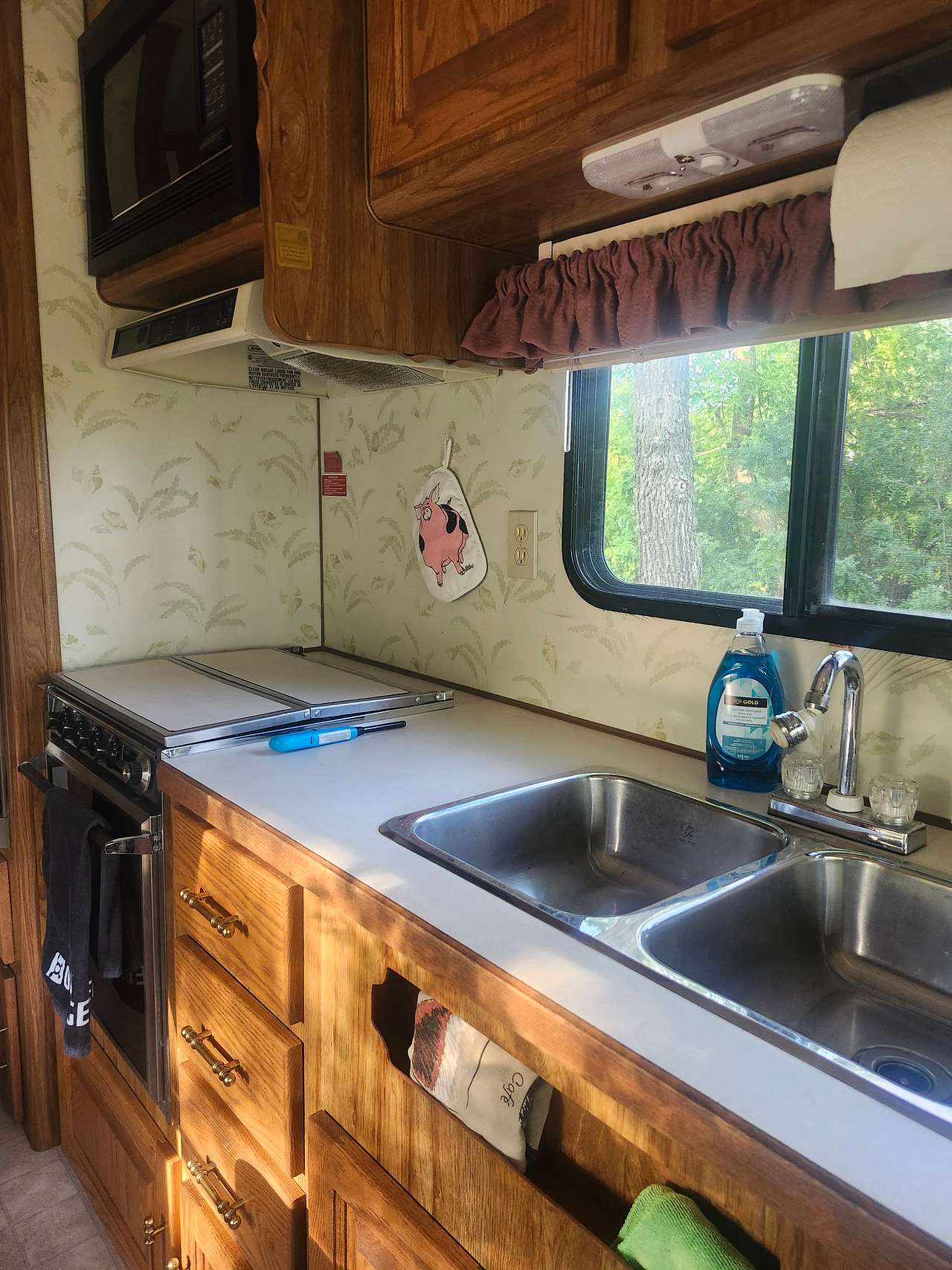
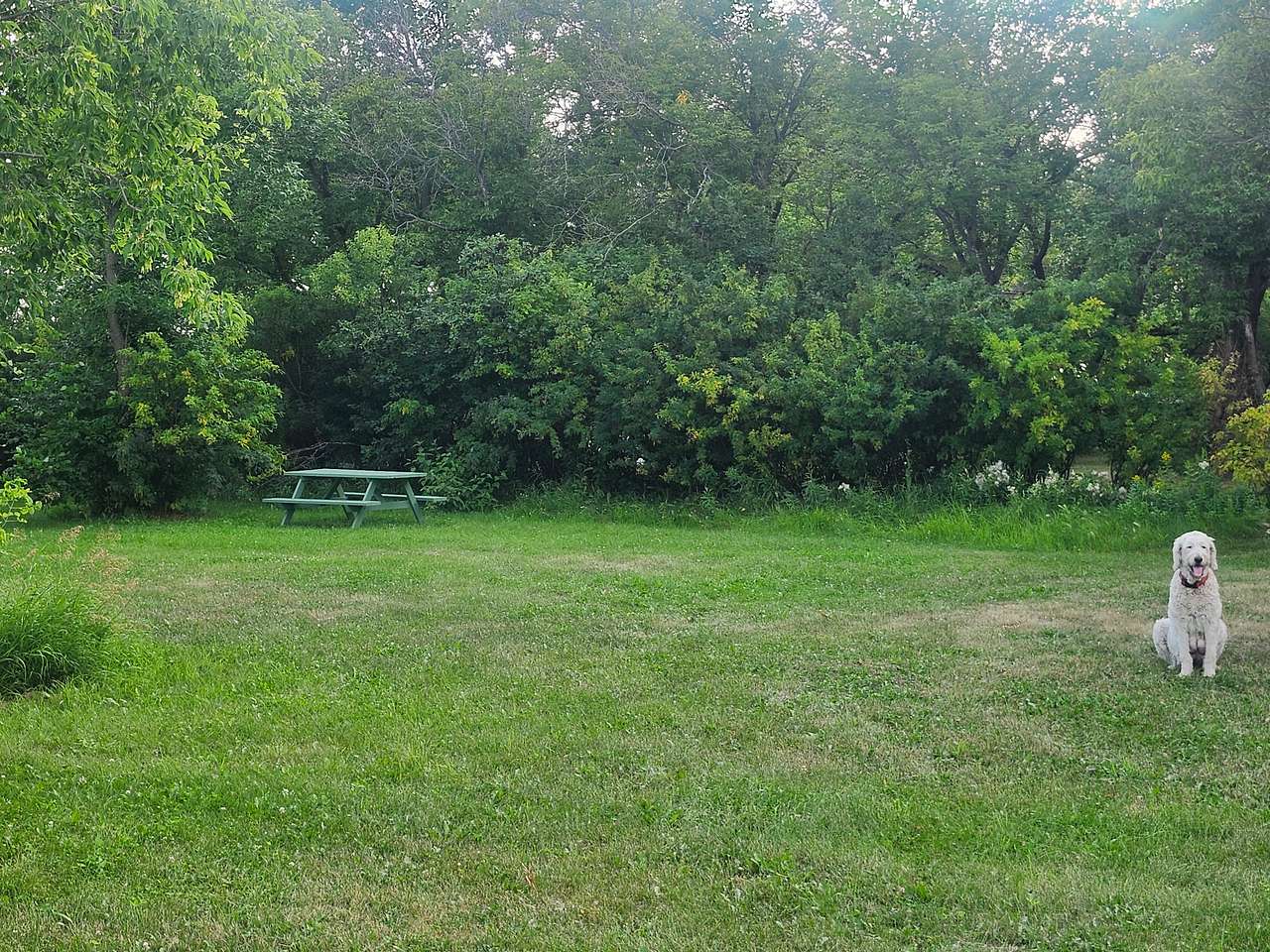
Center of Canada Hip Camp
Nestle In On Netley
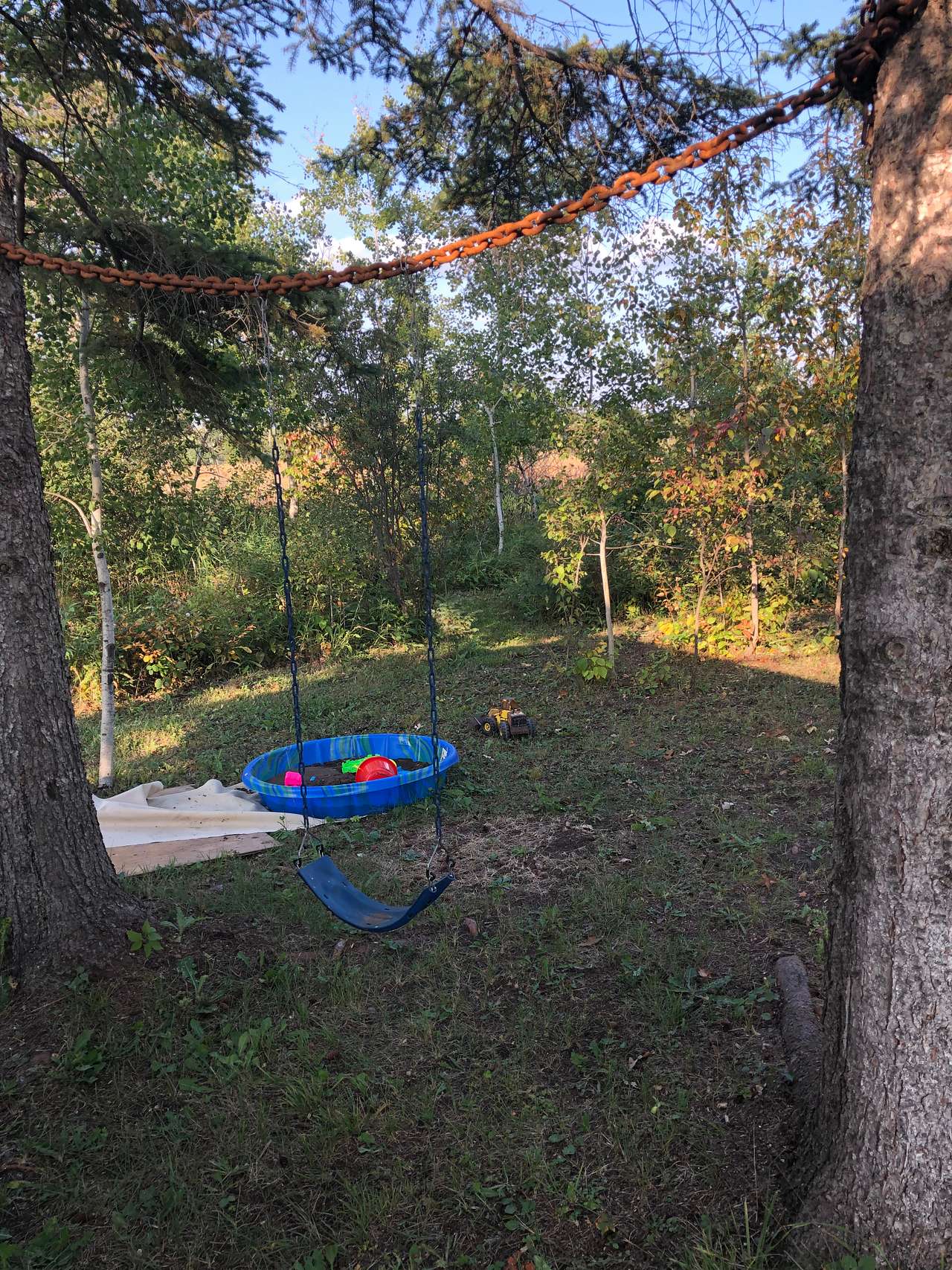
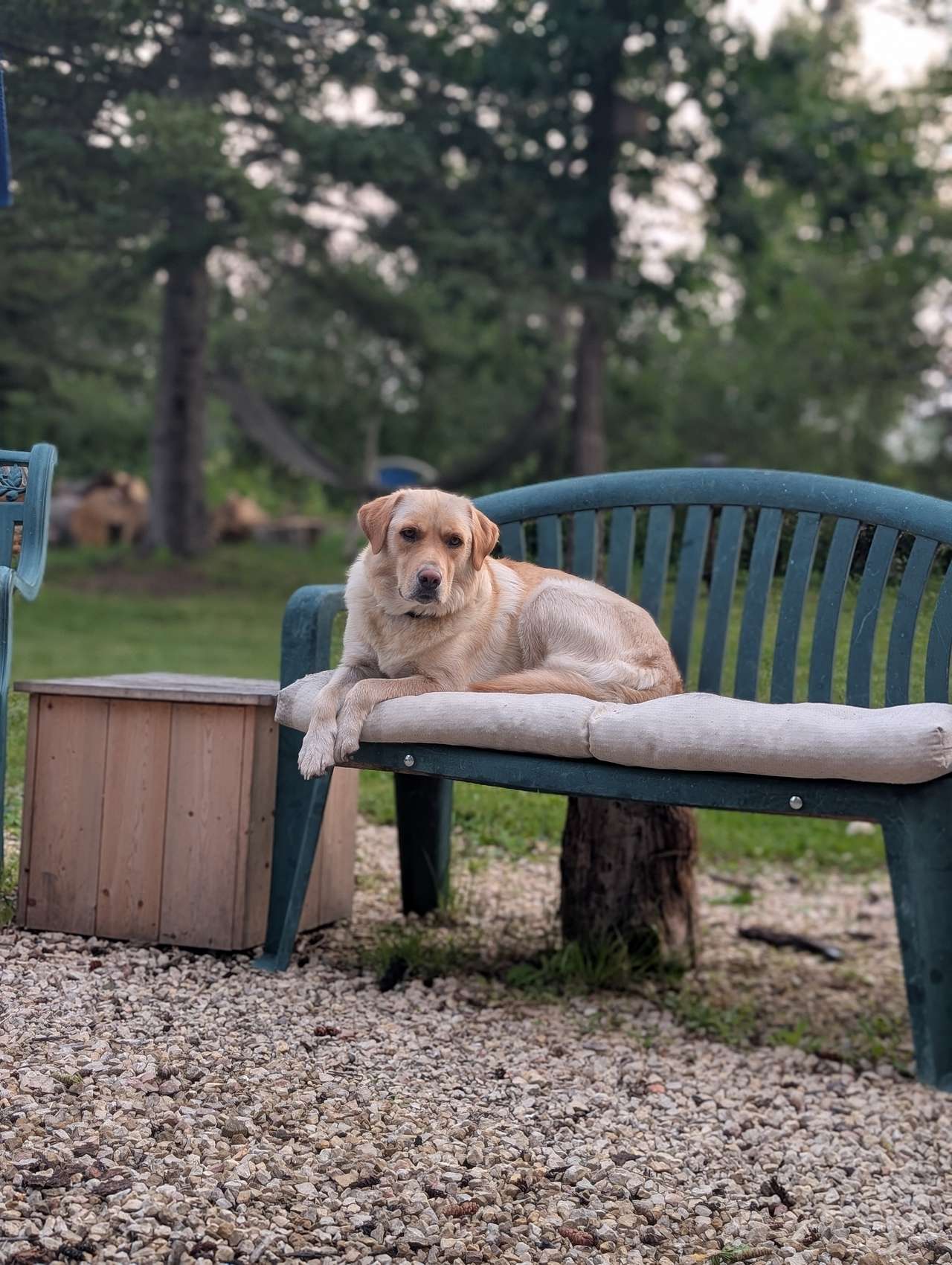
Swamp Palace
Recent reviews from the Hipcamp community




Winnipeg camping guide
Where to go
Bird's Hill Provincial Park
Just across the Perimeter Highway that encircles the city, this place gets busy. The site of some of the earliest European settlements in the region, here campers can visit preserved pioneer homesteads and ride horses from the onsite stable. Despite its busyness, you can still get away from it all in Bird’s Hill—almost half of the park is set aside as backcountry, perfect for mountain biking or hiking, perhaps along the 7.2-kilometre Lakeview Trail.
Grand Beach Provincial Park
Manitoba’s most popular beach, this stretch of white sand was once serviced by its own rail line that brought sun-seekers out from the city. People still flock here for the dunes and the waves of Lake Winnipeg, as well as a number of birds, including bald eagles, pelicans, and the endangered piping plover. Swim, kite-surf, and build sandcastles, then explore beyond—the park includes more than 2,500 hectares of territory.
St. Malo Provincial Park
Set on a quiet reservoir that doesn’t allow motorboats, St. Malo is a peaceful place. Take your pick from two beaches, or do some picking—chokecherries, Saskatoon berries, and wild plums all grow naturally in the park. Then get out on the water in a canoe, kayak, or even a sailboard—the park has a designated launch area for the latter.
When to go
Although situated at a relatively southerly latitude (driving to the US border takes less than 90 minutes), Winnipeg’s landlocked position means it experiences all four seasons in full. Winters are famously cold, with the mercury dropping well below zero for extended periods of time, meaning you’ll have excellent snow for skiing and thick ice for skating. Summers are hot, and this is when the whole city comes outside, soaking up the sun in a series of events, from music festivals to ballet at Assiniboine Park.
Know before you go
- From Winnipeg, you can drive anywhere in the country—the Trans-Canada Highway, which runs from Newfoundland to British Columbia, makes it way right through the city.
- The Winnipeg Walkway includes 14 downtown skyways and seven tunnels, meaning you won’t have to go outside to access restaurants and shops.
- If coming in late spring or summer, bring a little bug spray (or a lot)—the mosquitos here are reputed to be the biggest in Canada.
- Downtown's Mountain Equipment Co-op has a vast array of camping gear at reasonable prices.