Campsites near Lerwick
Top-rated campgrounds near Lerwick
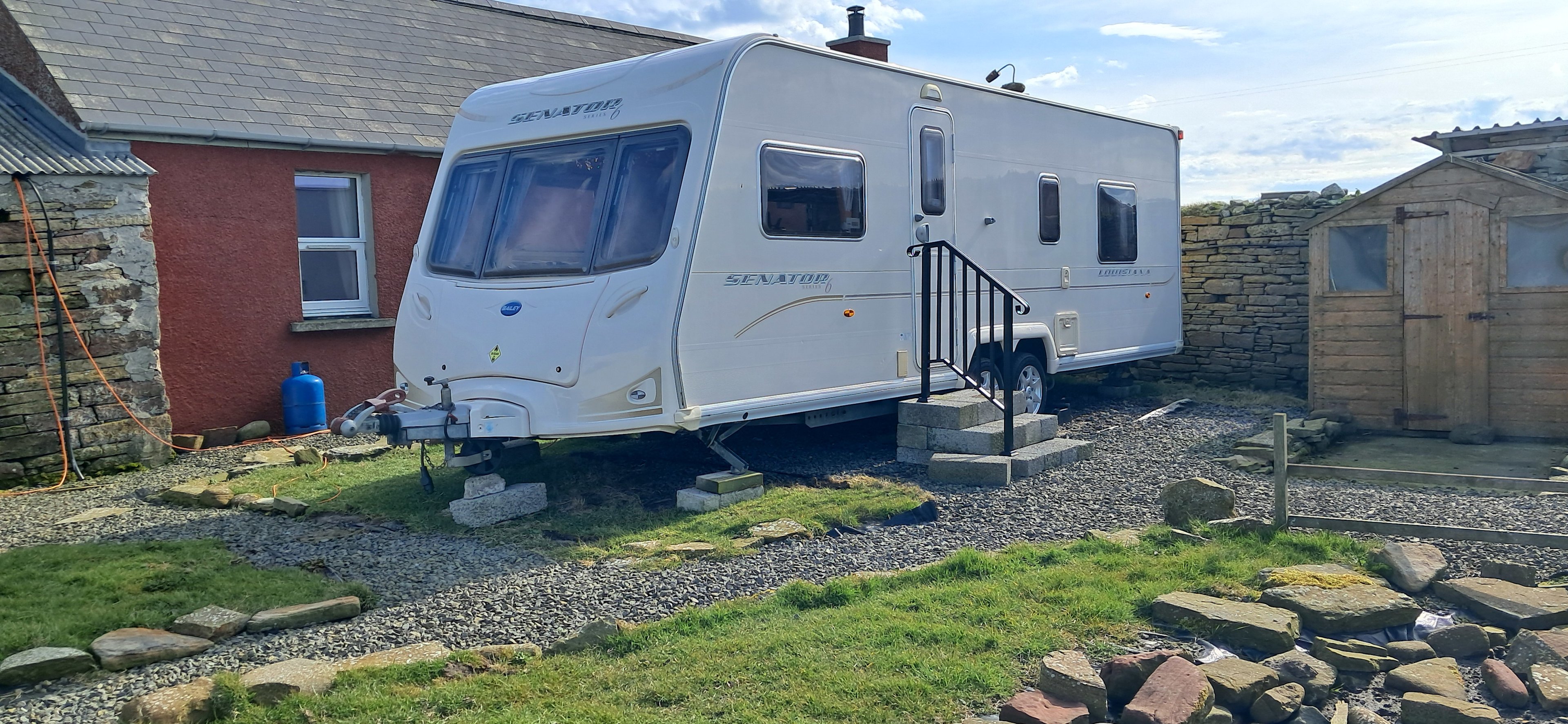
1. Miry Park TinTents
Lerwick camping guide
Where to go
West Burra
Ten miles southwest of Lerwick town center, the Bridge End Outdoor Centre is situated just off the bridge that connects the two small islands of West and East Burra, both of which have lovely beaches. The center has a handful of touring pitches, suitable for caravans and motorhomes, that operate on a first come first serve basis and cannot be booked, as well as a small grass area suitable for tents. There’s a marina at the center with visitor berth facilities as well as a slipway, which is the perfect place from where to set off in a kayak into sheltered waters.
Tingwall
Four miles northwest of the town, Tingwall, formerly the site of the Norse parliament, is the departure point for flights to the smaller islands of Fair Isle, Foula and Papa Stour. Just west of Tingwall, over the hills, Whiteness is a long, narrow peninsula that is particularly scenic and filled with good trout fishing lochs. On the east side of Whiteness Voe is the Nesbister camping böd. These types of very basic accommodations are a uniquely Shetlandic experience. A böd was a building used to house fishermen and their gear during the fishing season. Today, they offer simple shelter, not unlike a bothy.
Levenwick
The little village of Levenwick is 16 miles south of Lerwick and a good place to base yourself for visiting the large tombolo of St. Ninian’s Isle and the tiny island of Mousa, which is home to a towering Iron Age broch that, in summer, is filled with nesting storm petrels. The small, community-run Levenwick Caravan and Campsite overlooks the sandy beach at Levenwick Bay and has a handful of sites for motorhomes and tents.
South Mainland
Those traveling the Shetland Islands by air arrive at Sumburgh in Shetland’s south mainland. Just two miles from the airport, Sumburgh Head is home to a nature reserve that is filled with nesting puffins in the spring and summer. This area is also renowned for its archaeological sites, including the prehistoric and Viking settlement of Jarlshof and the Old Scatness Iron Age broch and village.
When to go
May through August is definitely the best time to visit the Shetland Islands. The days are long—the sun only briefly dips below the horizon at the height of summer, a phenomenon locals call the simmer dim—and the weather is likely to be at its best. Visiting in spring and summer also means that you can enjoy watching seabirds, including puffins, gannets and storm petrels, and take advantage of opportunities for kayaking and hiking. Winter, while not too cold, often brings storms, which frequently force ferries and flights to be canceled: flexible plans are a must if visiting in winter.
Know before you go
- Not all campsites are open year-round: check opening dates before traveling. Böds are typically closed over winter.
- If choosing to wild camp, be sure to adhere to the Scottish Outdoor Access Code.
- There are plenty of small shops in Lerwick’s town center. For a large grocery shop, the Tesco Superstore (a 10-minute walk east of the center) is your best choice.
- The Viking Bus Station in the center of town is the departure point for buses around Shetland Mainland, and to Yell and Unst.